Tag: Zubeyir Yurtkuran

  • 🕵️ The Daily Shield: The Trap of Curiosity

    🕵️ The Daily Shield: The Trap of Curiosity

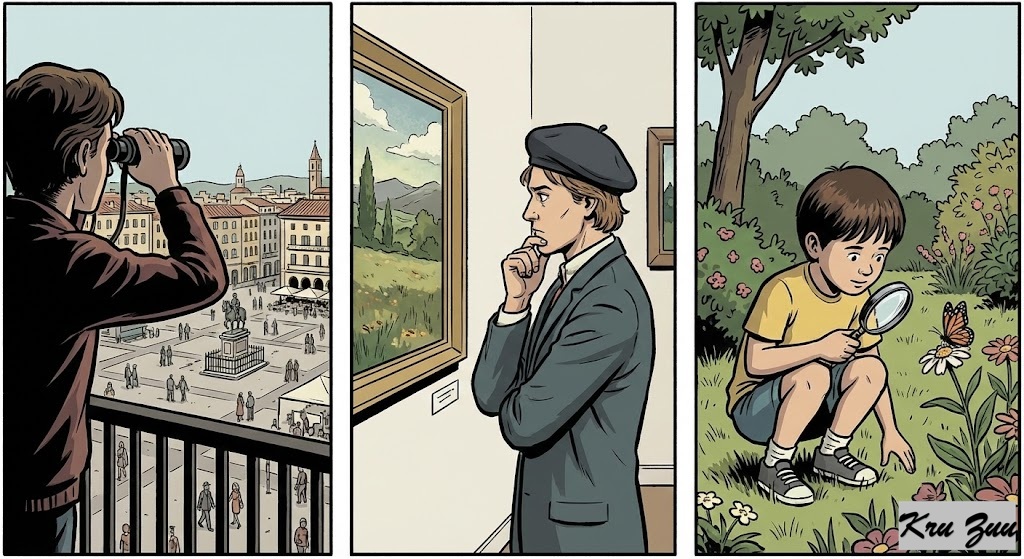
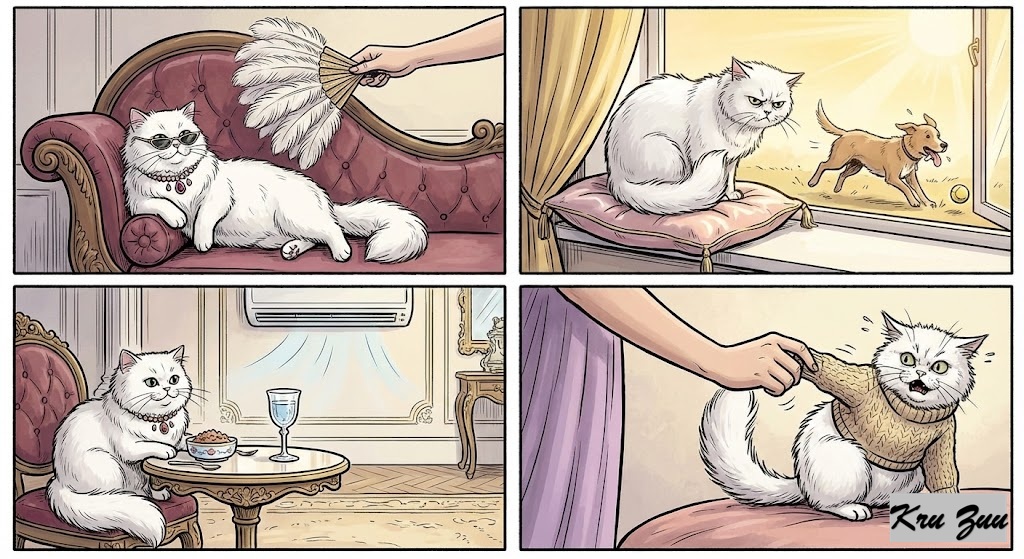
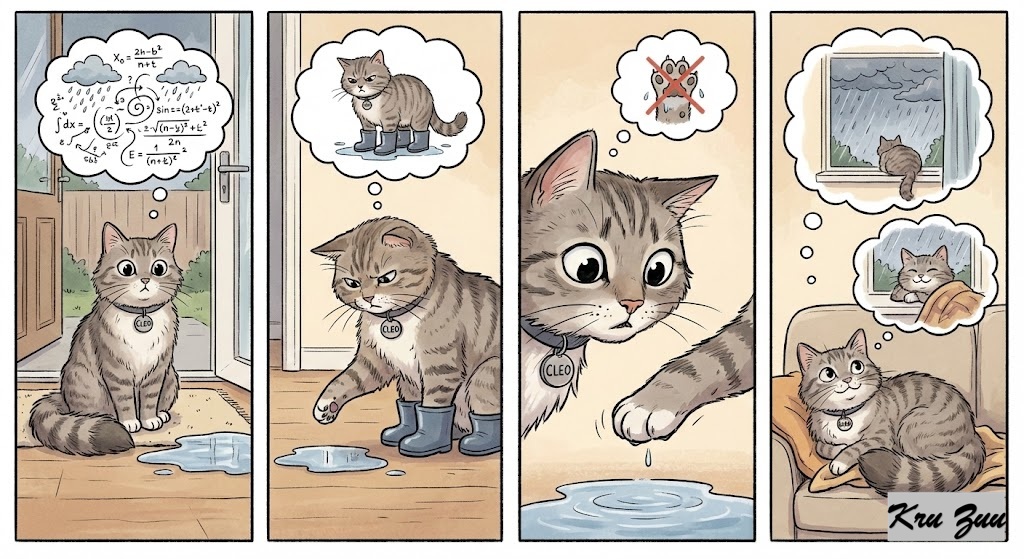
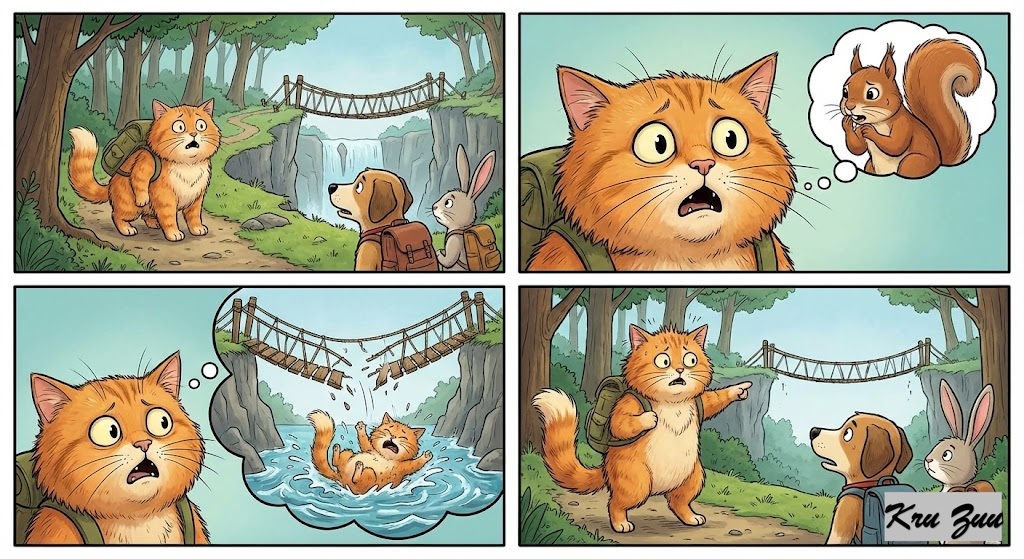
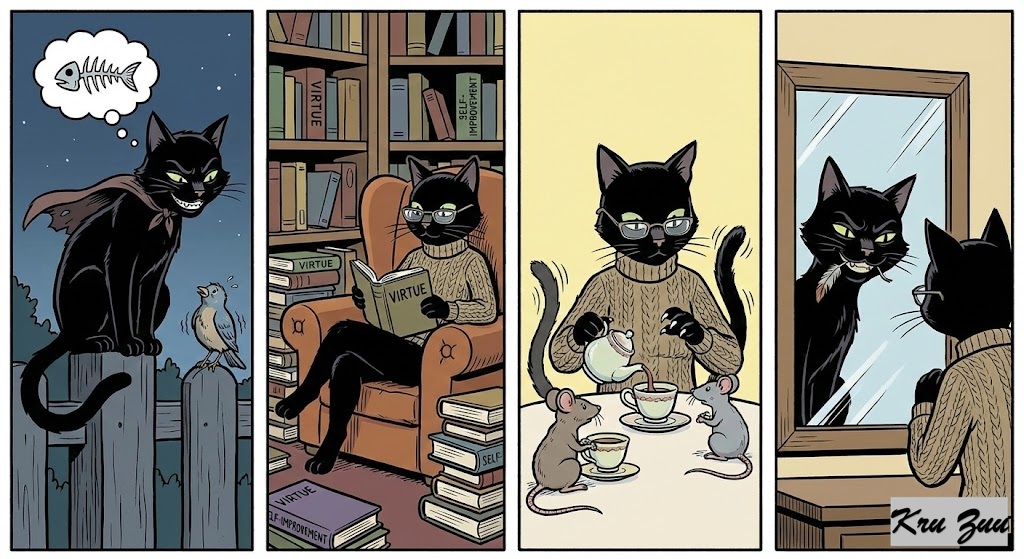
    “Curiosity killed the cat.”


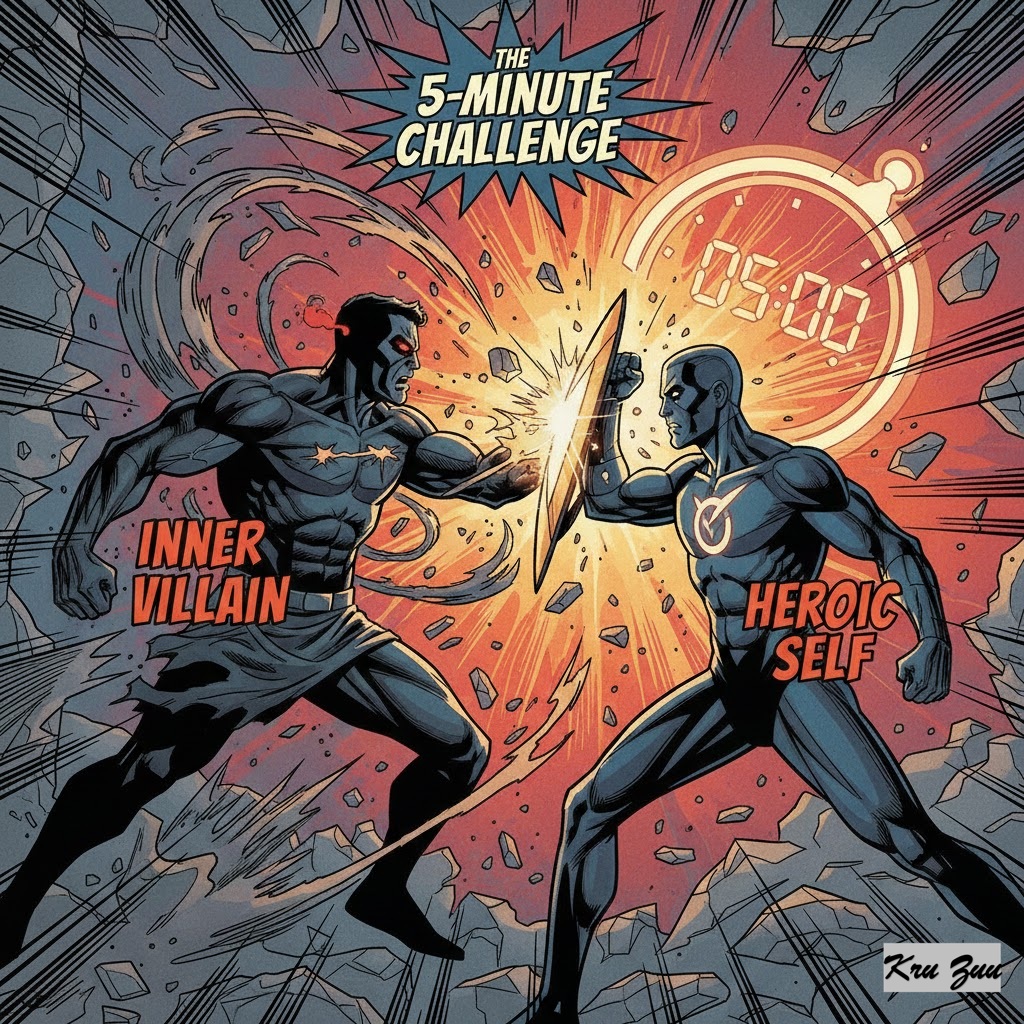
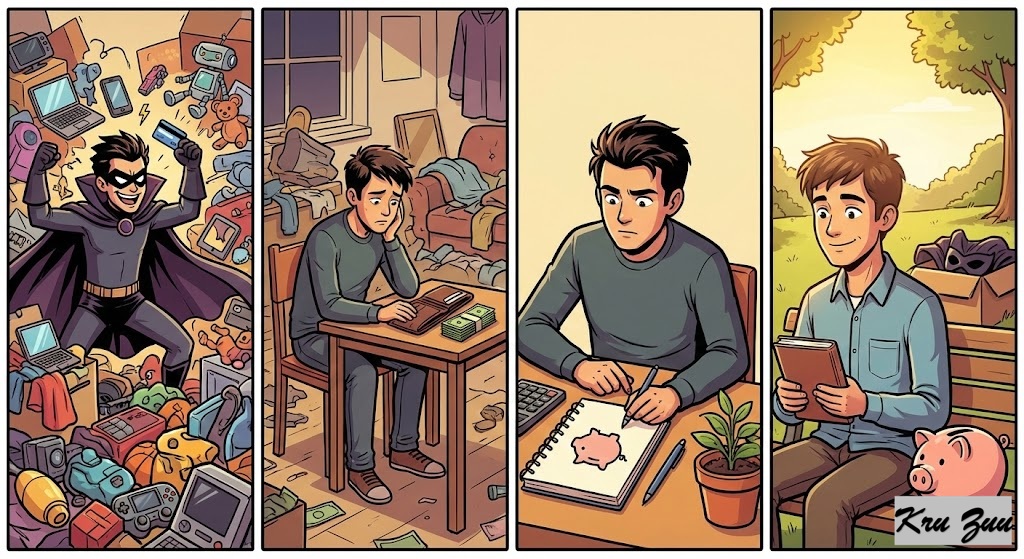
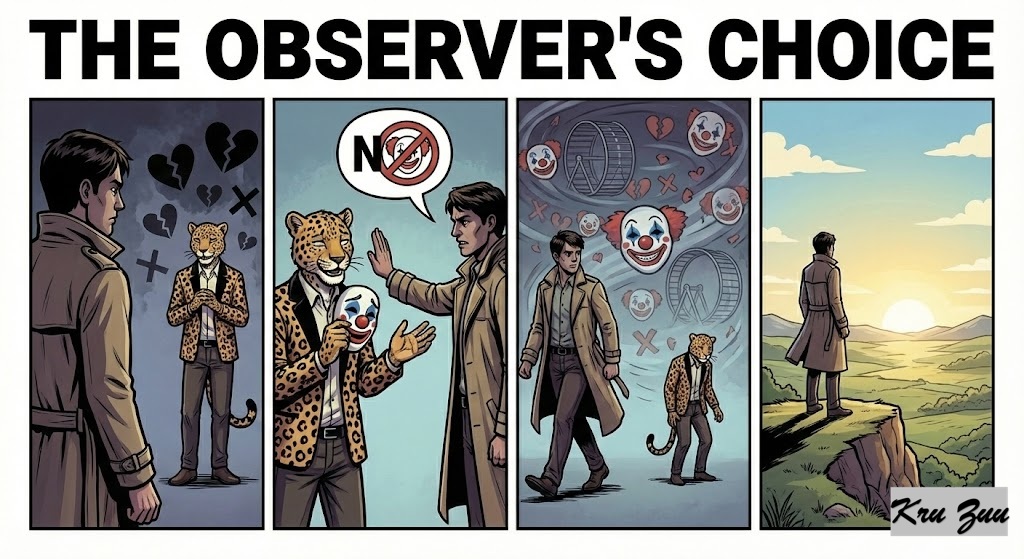
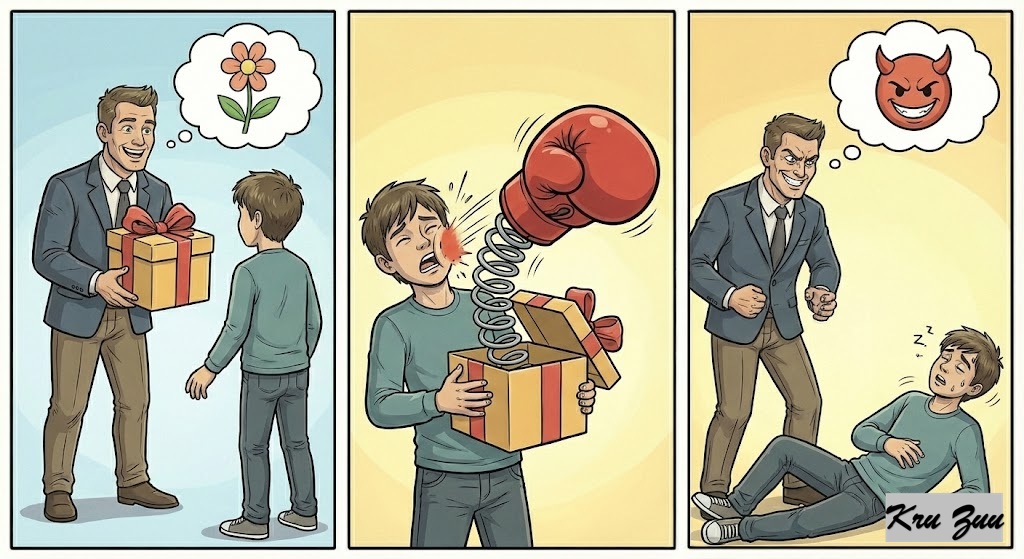
    😈 The Villain (The Snooper):
    You see an unlocked phone on the table. You shouldn’t look, but you must know.

    You see a door marked “Do Not Enter.” You open it.

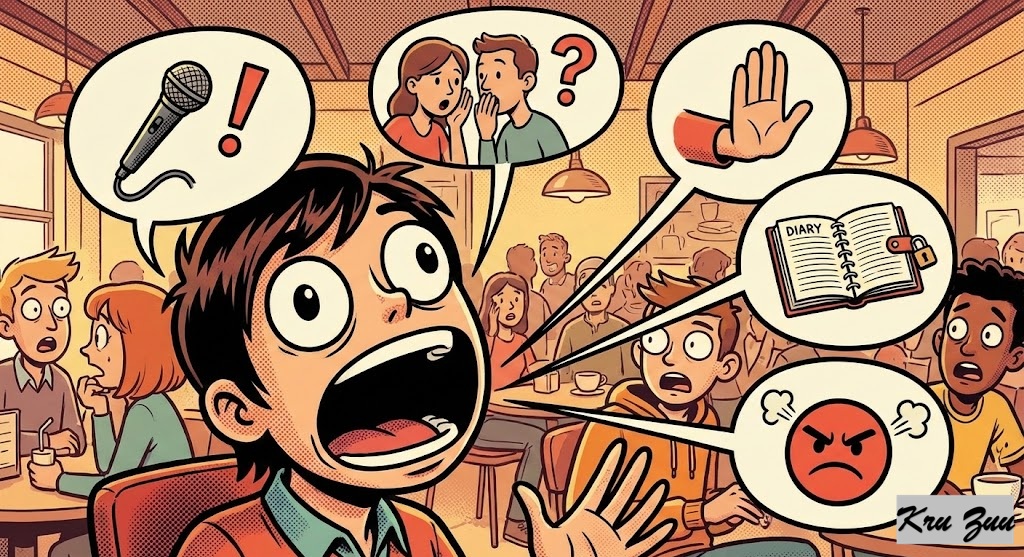
    You hear a whisper about you. You demand to know what was said.

    The Result? You find text messages that hurt your feelings.

    You walk into a room and ruin your own surprise party.

    You learn a secret that keeps you awake at night.

    You chased the truth, but the truth bit you. 🐍


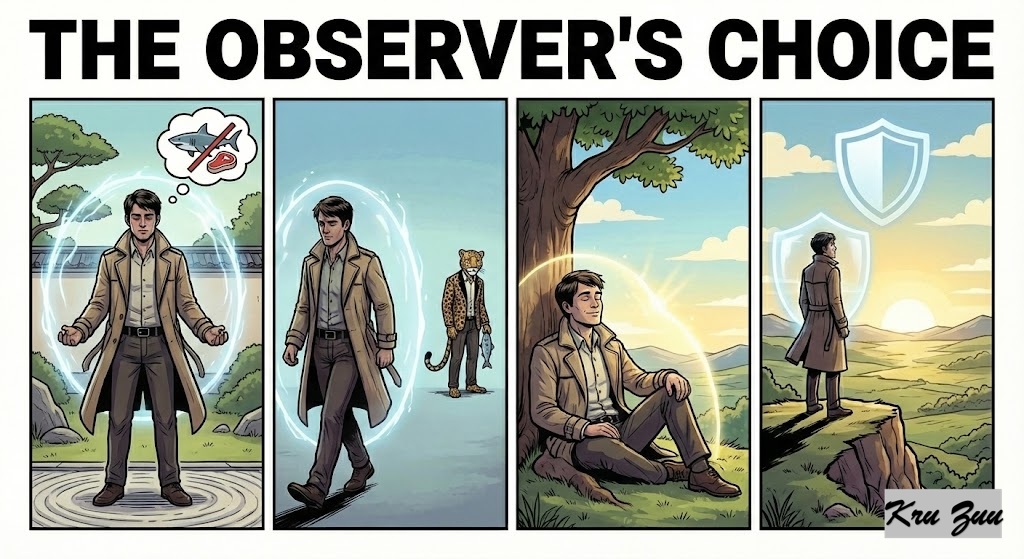
    😇 The Hero (The Wise Observer):


    You see the phone, but you respect privacy.

    You see the closed door, and you keep walking.

    You hear the whisper, but you realize that what others think of you is none of your business.

    The Result? You have peace of mind.

    You protect your relationships.

    You sleep soundly because your brain isn’t full of drama that doesn’t belong to you.

    You know that sometimes, ignorance is bliss. 🧘‍♂️


    ⚖️ The Reality


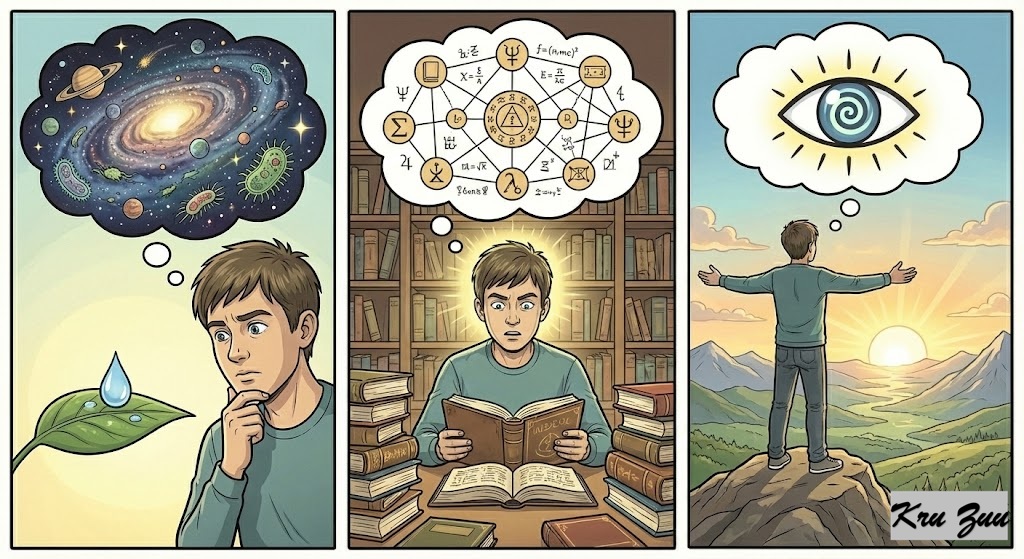
    Curiosity is the engine of science, but the enemy of peace.

    There is a thin line between Learning (Good Curiosity) and Snooping (Bad Curiosity).


    Good Curiosity: “How does the universe work?” 🌌


    Bad Curiosity: “Why did my ex-boyfriend like that photo?” 📱


    💎 The Plot Twist (Wait for it…)


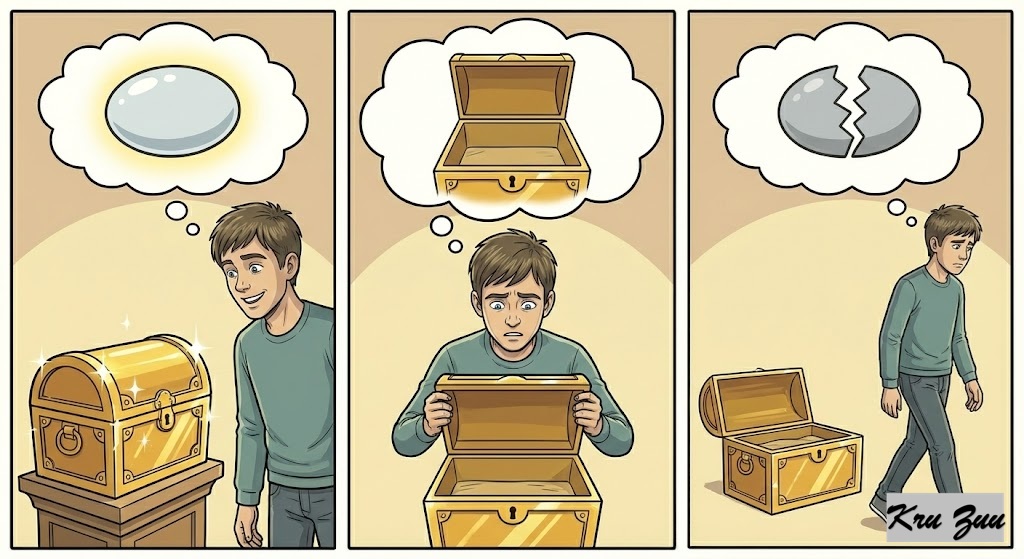
    Did you know this proverb has a secret second half? Most people stop at the death of the cat. But the full version is:


    “Curiosity killed the cat, but satisfaction brought it back.”


    Meaning: Yes, taking a risk to find the truth might hurt you (kill the cat), but finding the answer is often worth the pain (brought it back).

    This changes everything! It means: Take the risk, but be ready for the consequences.

    🧐 The Anatomy of the Proverb


    Let’s dissect this classic warning.


    Curiosity (Noun): A strong desire to know or learn something. (The trigger).


    Killed (Verb): Past tense of kill. (The consequence).


    The Cat (Noun): In idioms, cats often represent people who are getting into trouble.


    Simpler Version: Stop asking questions you don’t want the answers to.


    📚 Vocabulary Vault


    Add these words to your arsenal to sound like a native speaker.


    Nosy (Adjective): Showing too much curiosity about other people’s affairs.


    Example: “Don’t be so nosy! It’s personal.”


    Pry (Verb): To inquire too closely into a person’s private affairs.


    Example: “I don’t mean to pry, but are you okay?”


    Eavesdrop (Verb): To secretly listen to a conversation. 👂


    Example: “She was eavesdropping on the boss’s meeting.”


    Intriguing (Adjective):
    Arousing one’s curiosity or interest; fascinating.


    Example: “That is a very intriguing idea.”


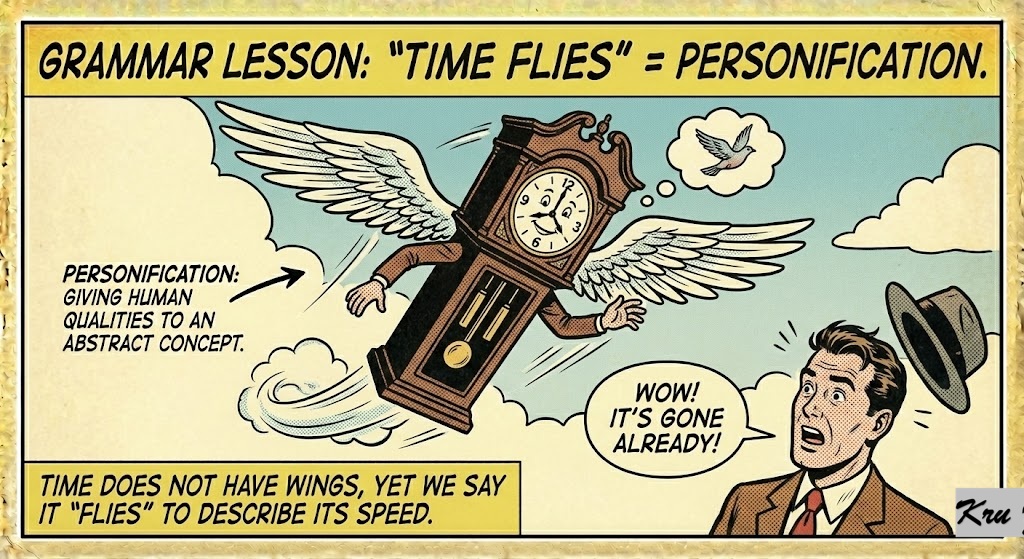
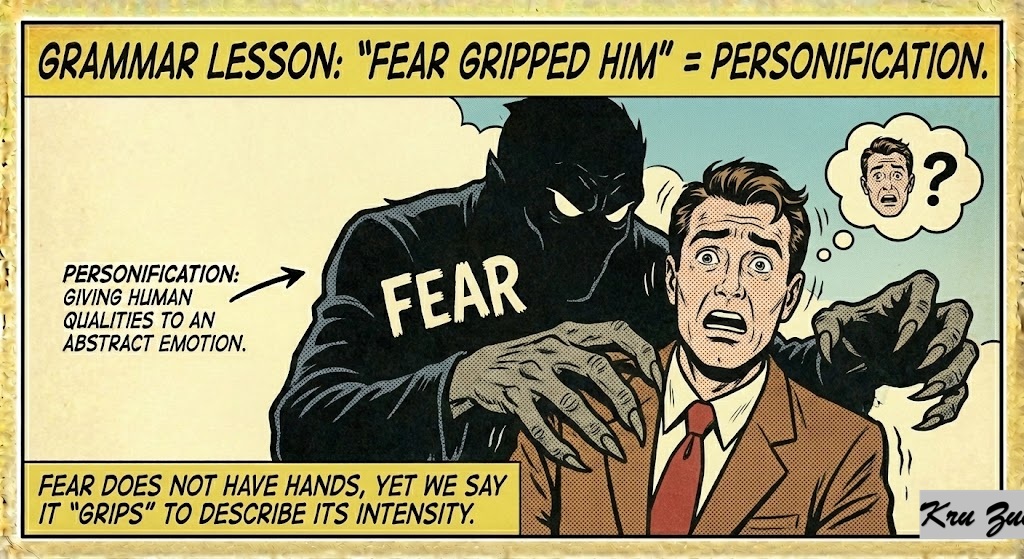
    🧠 Grammar Focus: Personification


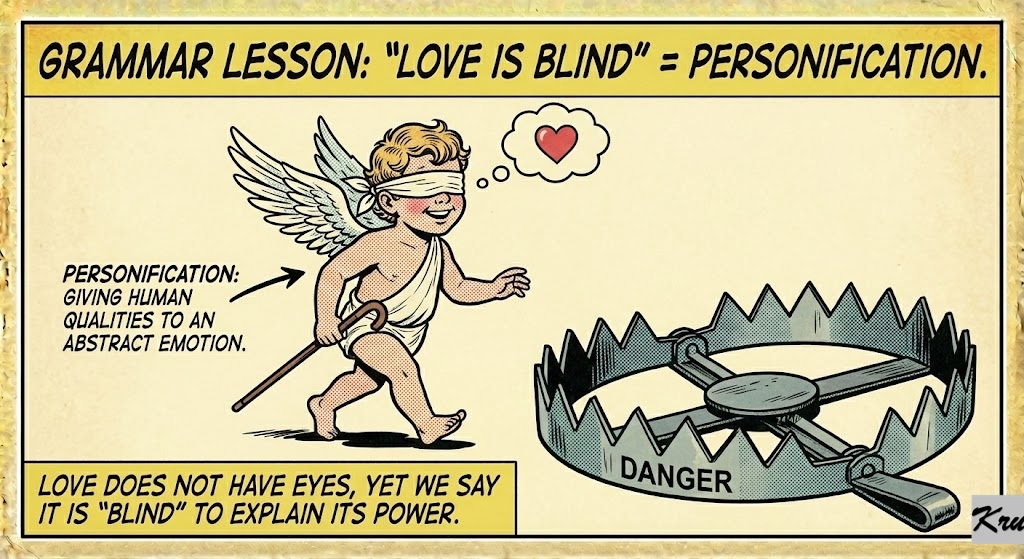
    English loves to make non-human things act like humans. This is called Personification.


    The Phrase: “Curiosity killed the cat.”


    The Logic: Curiosity is an emotion. It cannot hold a weapon. It cannot “kill” anything. But in English, we give it the power of a killer to show how dangerous it is.


    Other Examples:


    “Time flies.” (Time is not a bird).

    “Opportunity knocks.” (Opportunity does not have hands).

    “Fear gripped him.” (Fear does not have fingers).

    📜 History: From Shakespeare to Today


    Where did this come from?


    The Original:
    In 1598, Ben Jonson wrote a play where he said, “Care killed a cat.” Back then, “Care” meant “Worry” or “Sorrow.” The idea was that worrying too much is bad for your health.


    The Evolution: Over hundreds of years, “Care” changed to “Curiosity.”


    Global Cousins:


    🇹🇷 Turkish:
    “Fazla merak kediyi öldürür” (Too much curiosity kills the cat) or “Merak insanı mezara, parayı pazara…” (Curiosity takes a man to the grave…).


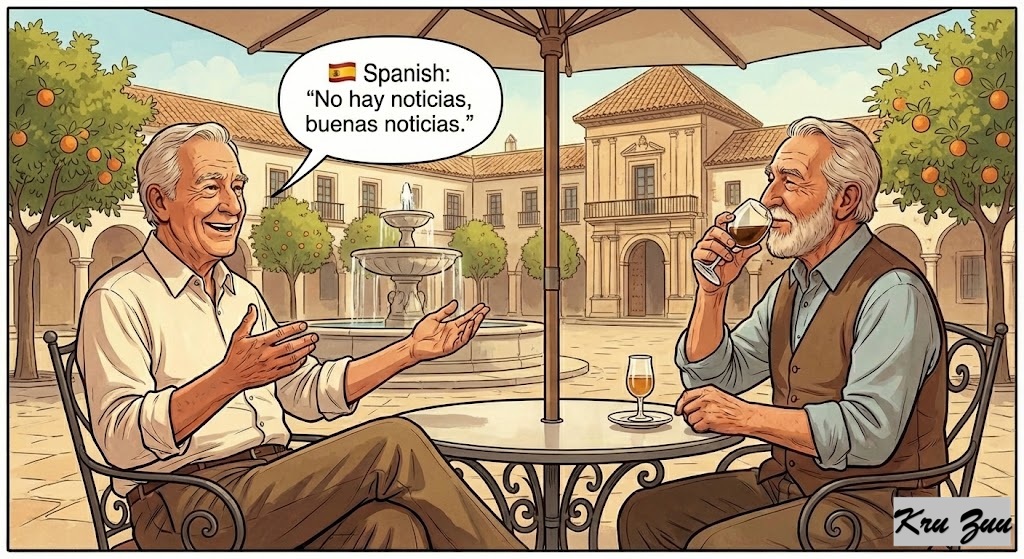
    🇪🇸 Spanish: “La curiosidad mató al gato.”


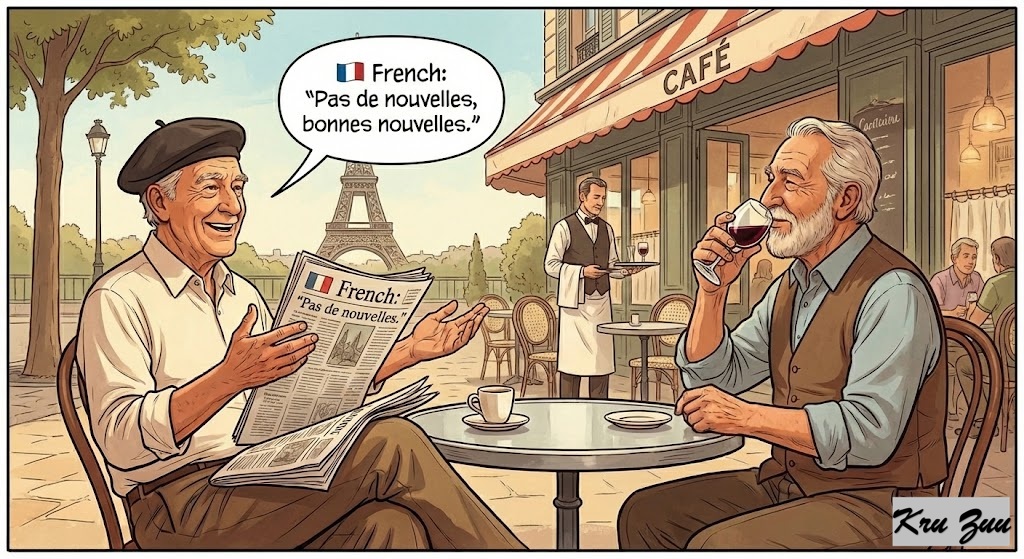
    🇫🇷 French: “La curiosité est un vilain défaut.” (Curiosity is a nasty fault).

    🎭 Short Story: The Blue Envelope


    Let’s visit our students, Penny and Max.


    🌟 The Setup:
    The teacher leaves a Blue Envelope on his desk. He says, “Nobody touch this.” He leaves the room.


    The Conflict:


    Max (The Nosy One):
    He is sweating. He needs to know. Is it exam answers? Is it a love letter? He sneaks up. He opens the envelope.


    The Trap: Inside, there is only a piece of paper that says: “Detention for whoever opens this.” The teacher walks in. Max is caught. Curiosity killed Max’s free time. 💀


    Penny (The Focused One): She stays in her seat. She opens her book. She knows the teacher is tricky.


    The Reward: Penny goes home early. Max stays at school.


    The Moral: Sometimes, the mystery is a trap. Be like Penny. Mind your own business. ✉️

    🎓 Lesson for English Learners


    Don’t Ask “Why?” Too Much.


    Situation:
    You learn a grammar rule that makes no sense. (Example: Why is it “on the bus” but “in the car”?).


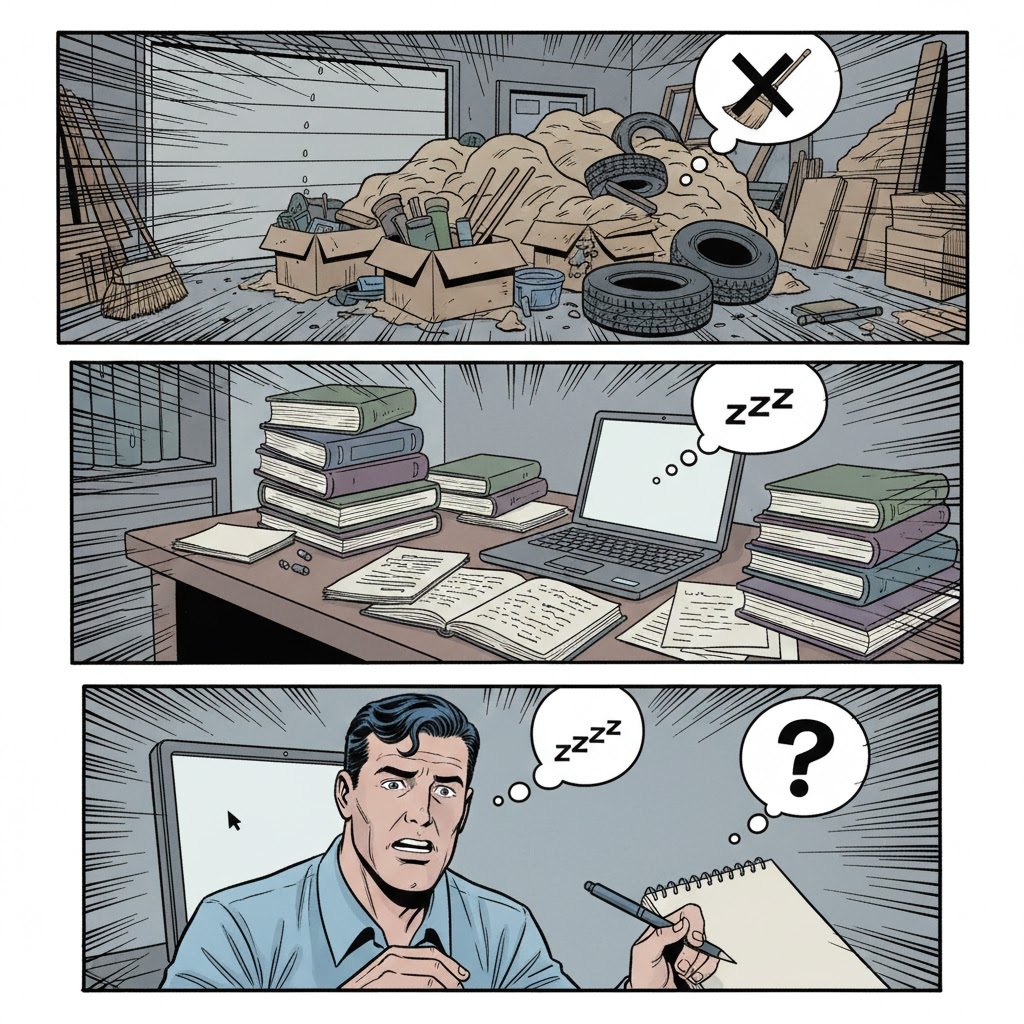
    The Trap: You stop speaking. You spend 3 hours searching Google for the history of prepositions. You get confused. You get frustrated.


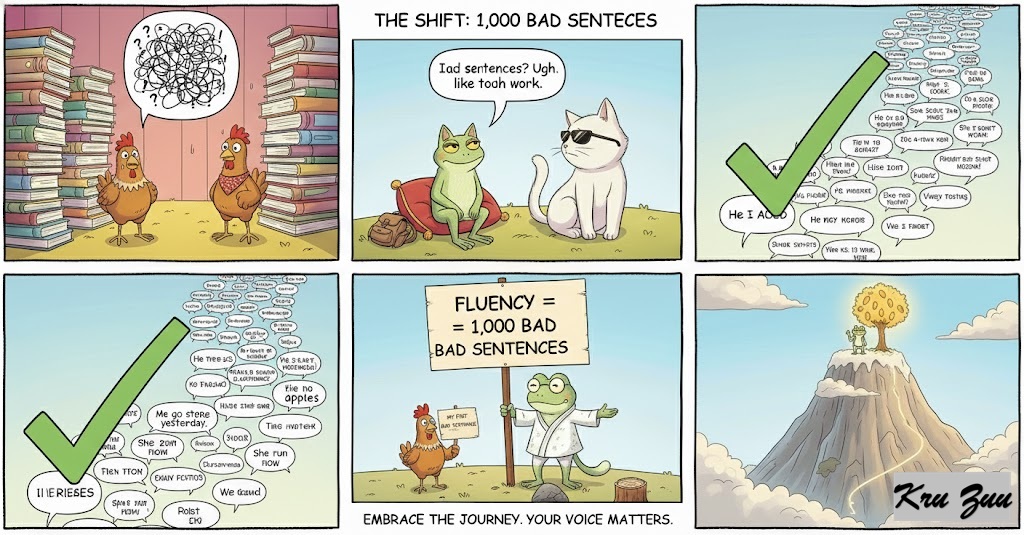
    The Solution: Curiosity is killing your fluency!


    You Say: “I don’t care why. I just accept it.”


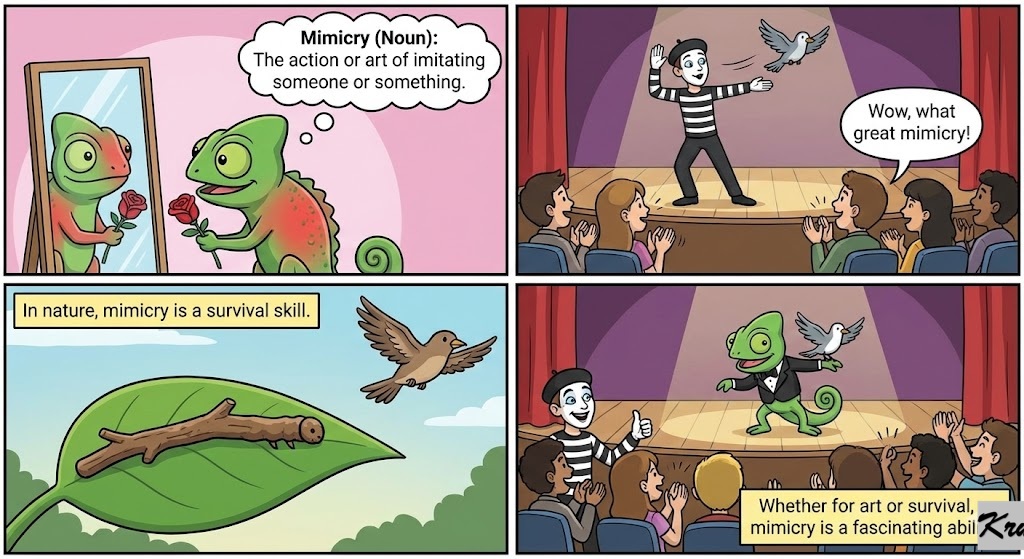
    The Rule: Sometimes in language learning, you must turn off your curiosity and just mimic what you hear.


    💬 Your Turn: The “Nosy” Test 🚀


    Let’s see where you stand.


    Question:
    If you found your best friend’s diary open on the floor…

    A) I would read it immediately. (The Villain) 😈

    B) I would close it without looking. (The Hero) 😇

    C) I would read one page, then feel guilty. (The Human) 😐


    Tell us in the comments! Are you A, B, or C? 👇

    By Zubeyir YURTKURAN

    https://www.facebook.com/BrainBattleground/

    https://www.facebook.com/zubeyr.yurtkuran/

    https://www.instagram.com/zubeyryurtkuran/

    https://www.youtube.com/@BrainBattleground-b3p

  • ⏳ The Daily Shield: The Law of Immediacy

    ⏳ The Daily Shield: The Law of Immediacy

    “Don’t put off until tomorrow what you can do today.”


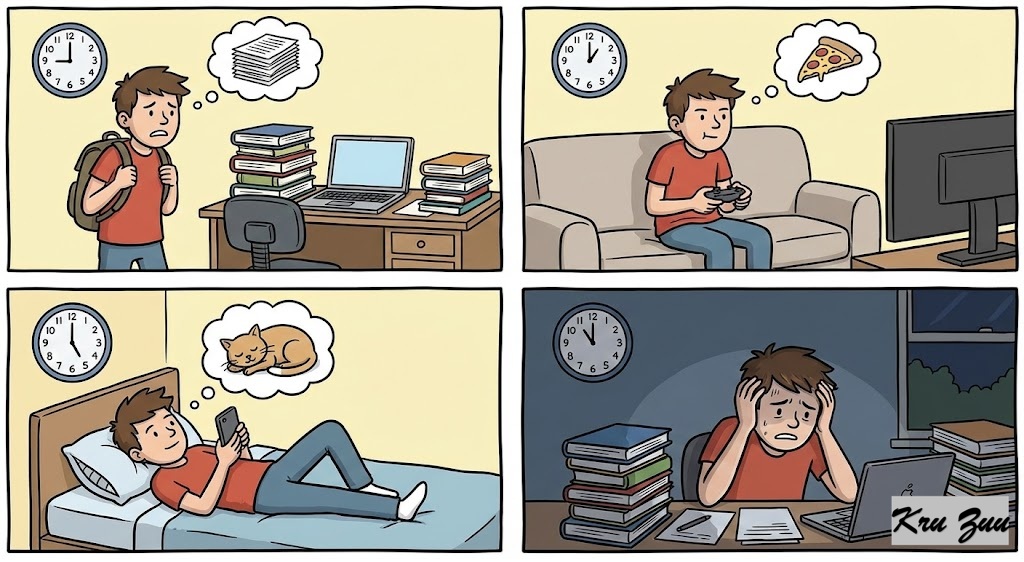
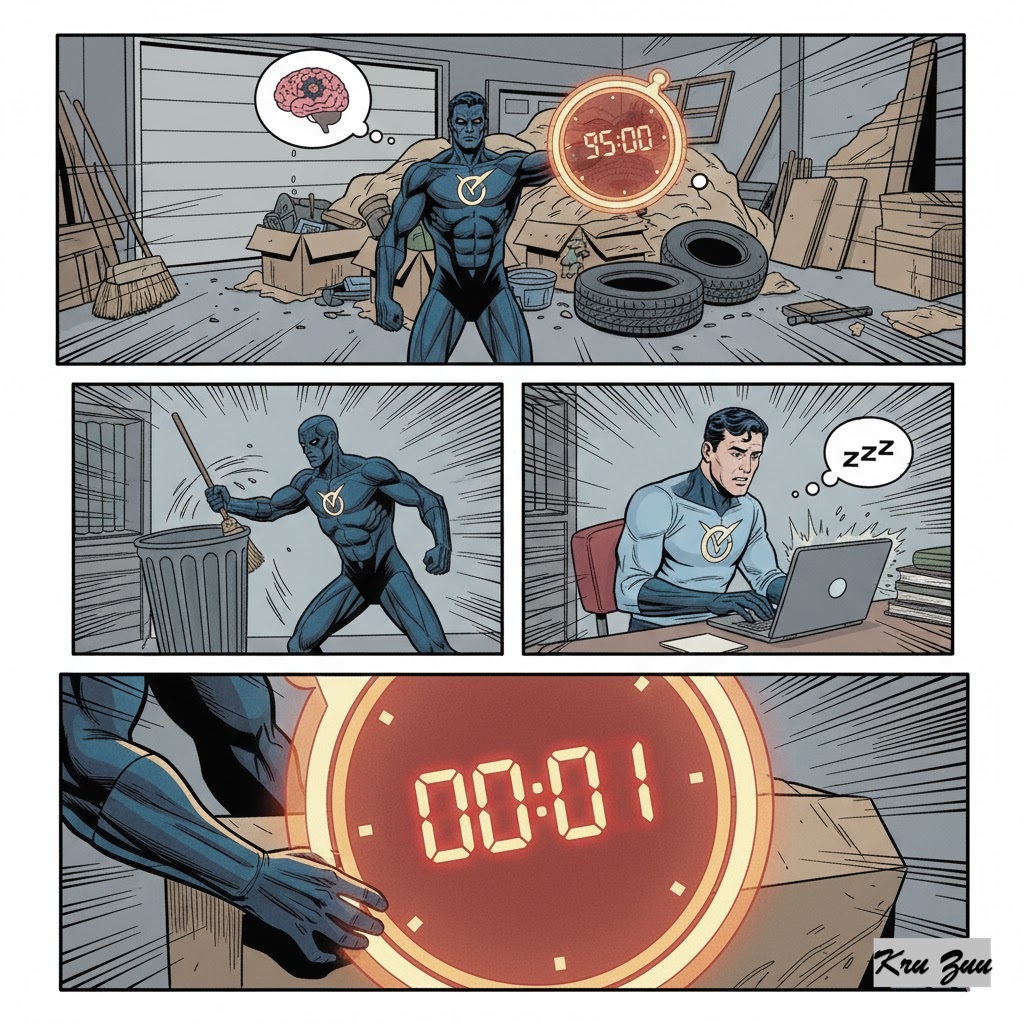
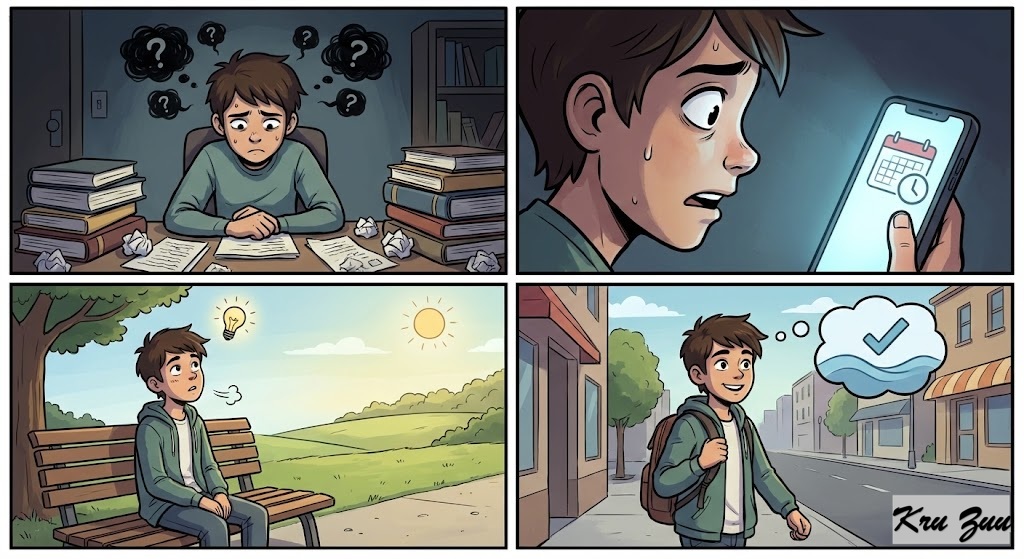
    😈 The Villain (The Procrastinator): You have a project due next week.

    You say, “I have plenty of time.” You open Instagram.

    You watch just one episode on Netflix (which turns into five).

    You clean your room instead of working.

    You convince yourself that you work better under pressure.

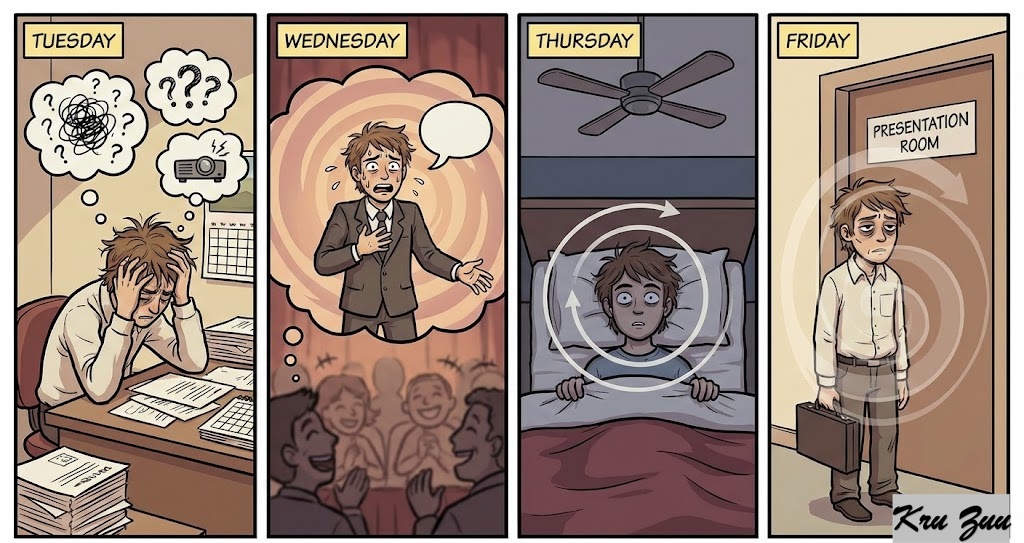
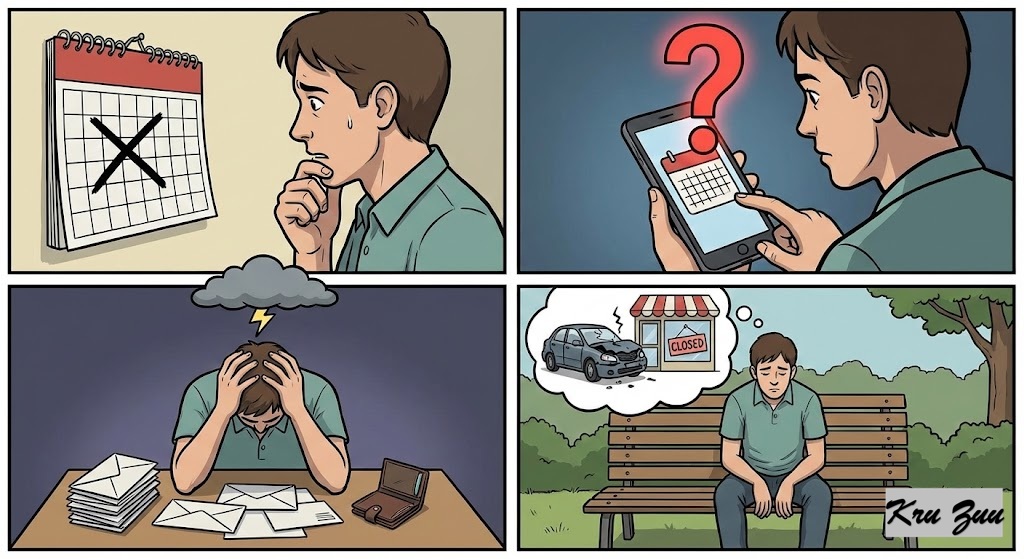
    The Result? Sunday night arrives. Panic sets in.

    You drink 5 coffees, stay up all night, and produce garbage work.

    You live in a cycle of stress and regret. You are a slave to the “Last Minute.” 🧟‍♂️


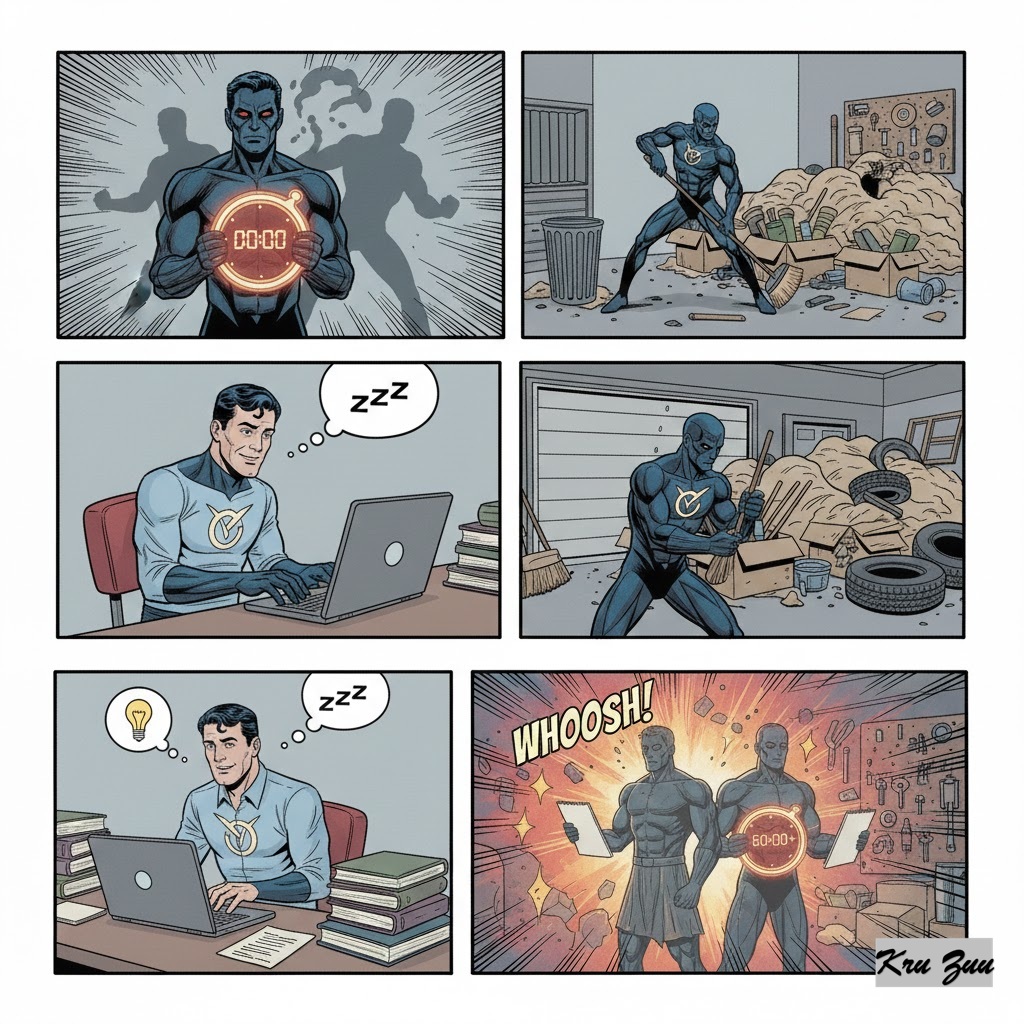
    😇 The Hero (The Executor): You get the assignment.

    You don’t want to do it, but you count to three: 1, 2, 3, GO.

    You open the laptop. You do the hard work first so you can enjoy your guilt-free free time later.

    You treat “Tomorrow” as a bonus, not a trash can for your duties.

    The Result? You sleep peacefully.

    Your work is high quality because you had time to check it.

    You own your time; time doesn’t own you. 🛡️


    ⚖️ The Reality


    “Tomorrow” is a liar. Tomorrow is a mystical land where 99% of all human productivity, motivation, and diets are stored. But guess what? When you wake up, it is Today again.


    💎 The Secret: There is no perfect time. The “pain” of doing the work now weighs ounces. The “pain” of regret weighs tons.

    🧐 The Anatomy of the Proverb


    This is the ultimate weapon against laziness.


    Put off (Phrasal Verb): To delay; to move an activity to a later time. (This is the enemy!). 🐢


    Until (Conjunction): Up to the point in time.


    What (Pronoun): The thing that.


    Simpler Version: Do it now.


    📚 Vocabulary Vault


    Procrastination (Noun):
    The action of delaying or postponing something. (The #1 enemy of success).


    Prioritize (Verb): To treat something as more important than other things.


    Deadline (Noun): The latest time or date by which something should be completed. ⏰


    Immediacy (Noun): The quality of bringing one into direct and instant involvement.


    Productive (Adjective): Achieving or producing a significant amount or result. 🚀


    🧠 Grammar Focus: The Imperative & Phrasal Verbs


    The Phrasal Verb:
    “Put Off” English speakers love phrasal verbs.


    Formal: “Please postpone the meeting.”


    Natural: “Can we put off the meeting?”


    Synonym: Delay, defer.


    The Negative Imperative


    Structure:
    Do not (Don’t) + [Verb].


    Examples: Don’t smoke. Don’t go. Don’t put off.

    📜 History: Origin and Spread


    This wisdom has echoed through history.


    The Origin:
    Benjamin Franklin, one of the Founding Fathers of the USA, popularized this specific phrasing in the 1700s. He was obsessed with productivity.


    The Logic: Farming societies couldn’t wait. If you didn’t harvest the wheat today because you were lazy, the rain might destroy it tomorrow. Delay meant death.


    Global Cousins:


    🇹🇷 Turkish:
    “Bugünün işini yarına bırakma.” (Don’t leave today’s work for tomorrow.) — Exactly the same logic!


    🇪🇸 Spanish: “No dejes para mañana lo que puedes hacer hoy.”


    🇩🇪 German: “Was du heute kannst besorgen, das verschiebe nicht auf morgen.” (What you can get done today, do not shift to tomorrow.)

    🎯 Impact on Life: The Pros & Cons


    ✅ The Pros (The Peace):


    Freedom:
    When you finish tasks early, your free time feels actually free. No anxiety in the background.


    Opportunity: If you are ready early, you can say “Yes” to new opportunities that appear suddenly.


    ❌ The Cons (The Burnout Risk):


    Obsession:
    Don’t become a robot. Sometimes, it is okay to rest if you are sick or exhausted.


    Rushing: Doing it “now” is good, but doing it “too fast and making mistakes” is bad. Balance speed with quality.

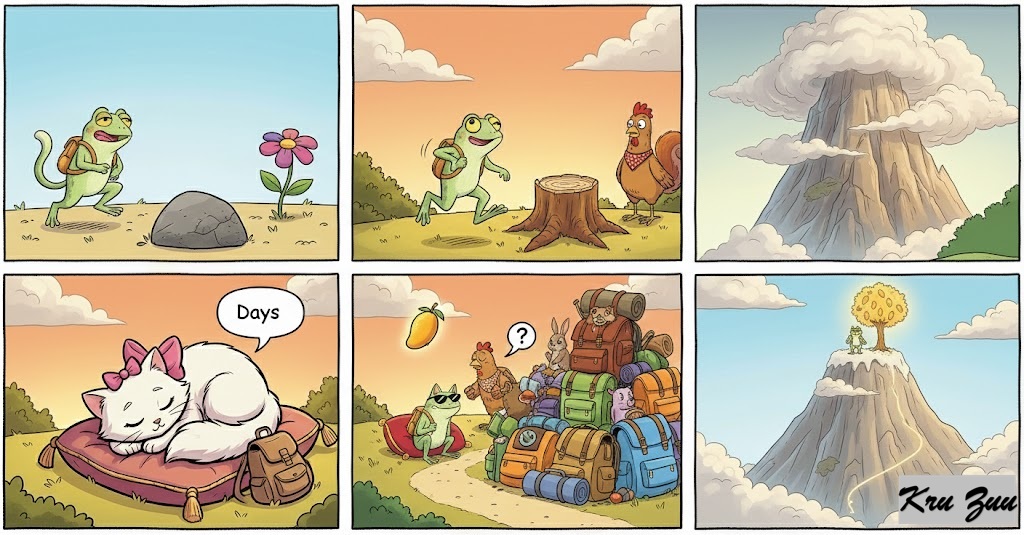
    🎭 Short Story: The Heavy Backpack


    Let’s look at our students, Penny and Max again.


    🌟 The Setup:
    The teacher assigns a 10-page essay on Monday. It is due on Friday.


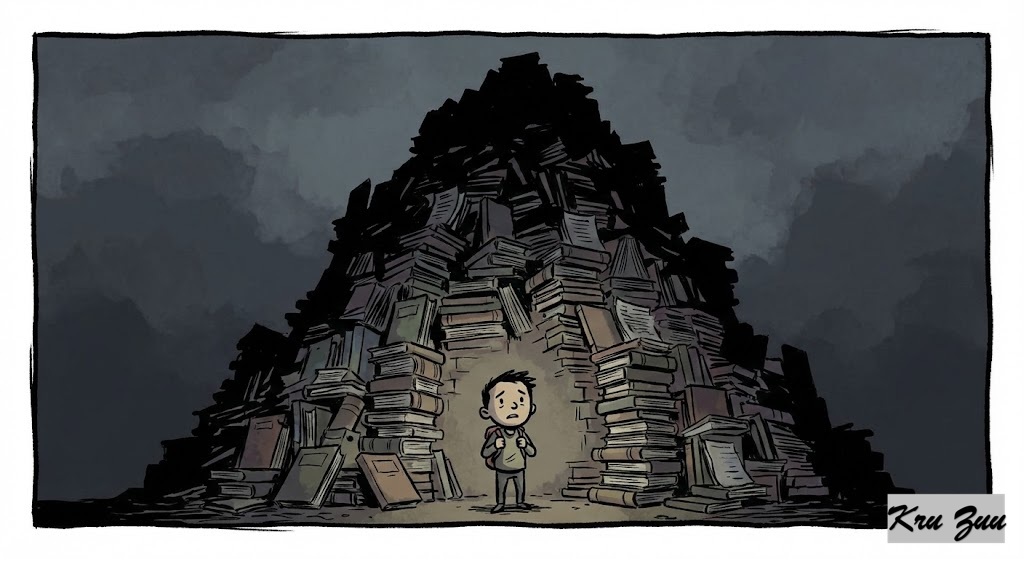
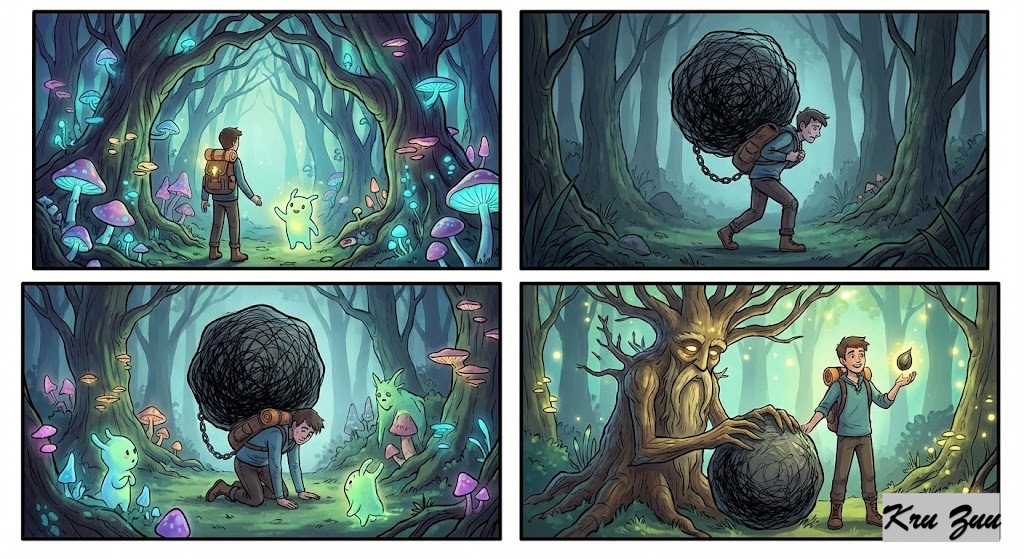
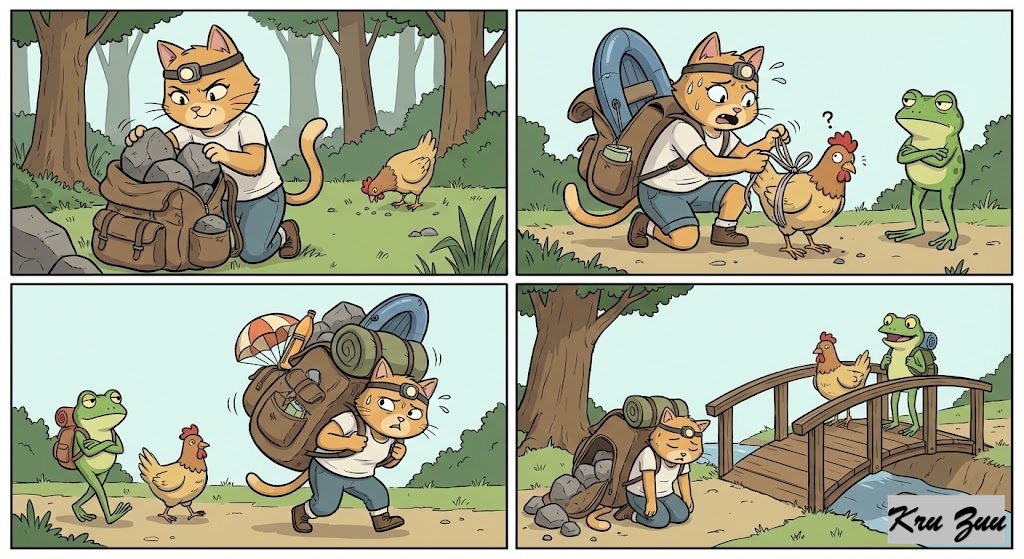
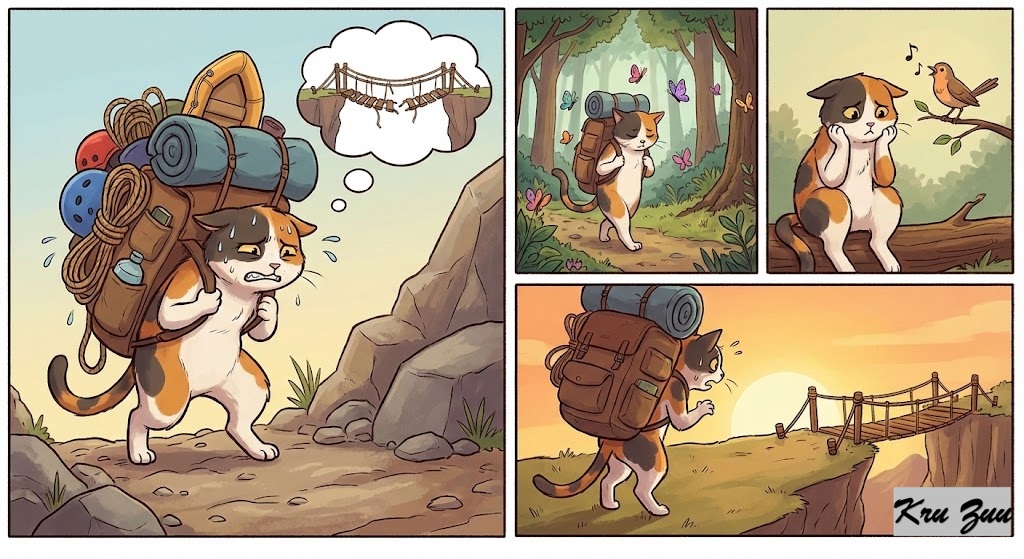
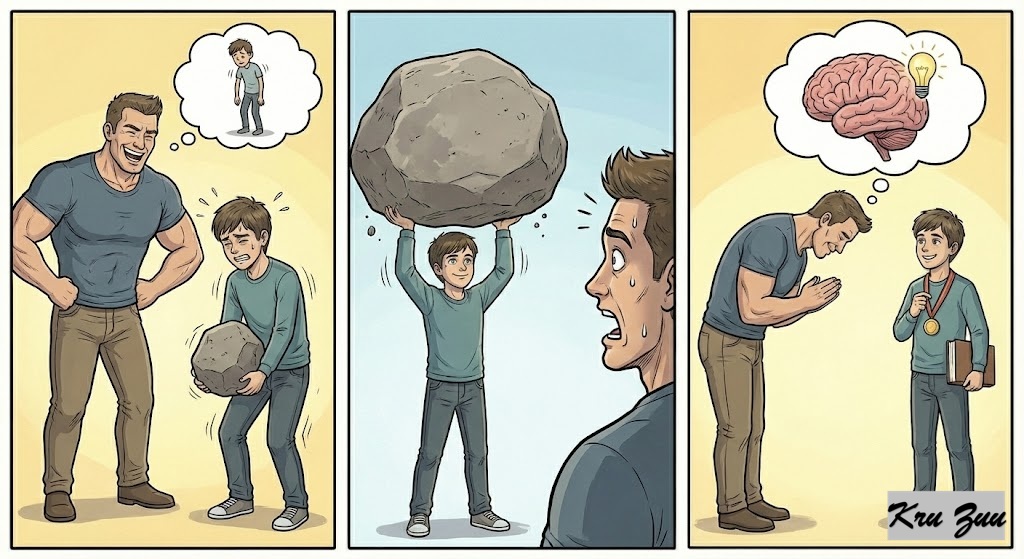
    The Weight: Imagine the essay is a 5kg rock in a backpack.


    The Conflict:Max (The Procrastinator) says, “Friday is far away!” He puts the rock in his backpack. He carries it all week.


    Tuesday: He plays games, but the rock is on his back (worry).


    Wednesday: He goes to a party, but the rock feels heavier.


    Thursday Night:
    The rock is now 50kg. He is sweating. He is stressed. He hates his life.


    Penny (The Doer) says, “I hate carrying rocks.”


    Monday Night: She sits down, writes the essay, and submits it. She takes the rock out of her backpack.


    Tuesday – Friday: Penny walks around light as a feather. She plays games with zero guilt.


    The Moral: Procrastination doesn’t make the work go away; it just makes the work heavier. Be like Penny. Drop the rock. 🎒

    🎓 Lesson for English Learners


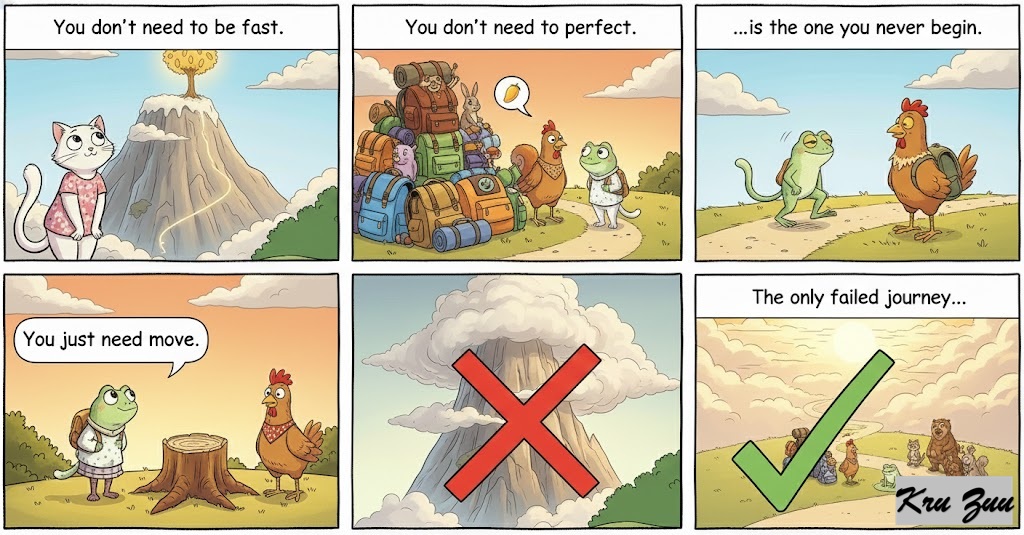
    Don’t wait for “Perfect.”


    Situation:
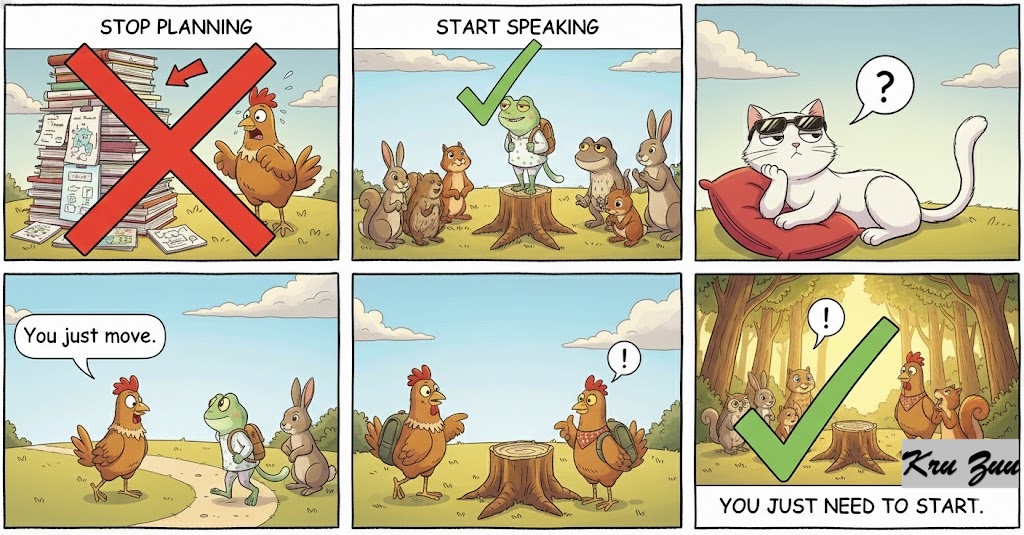
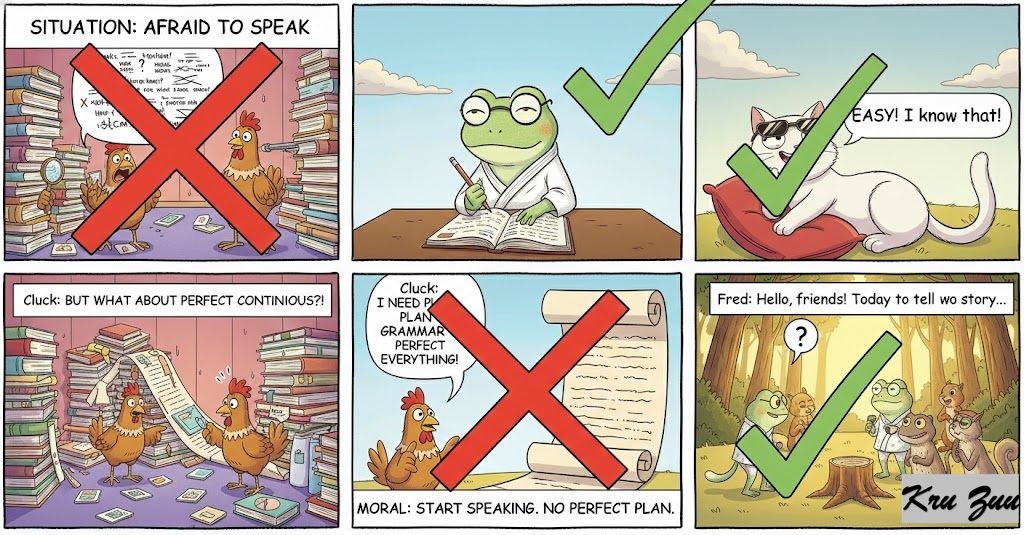
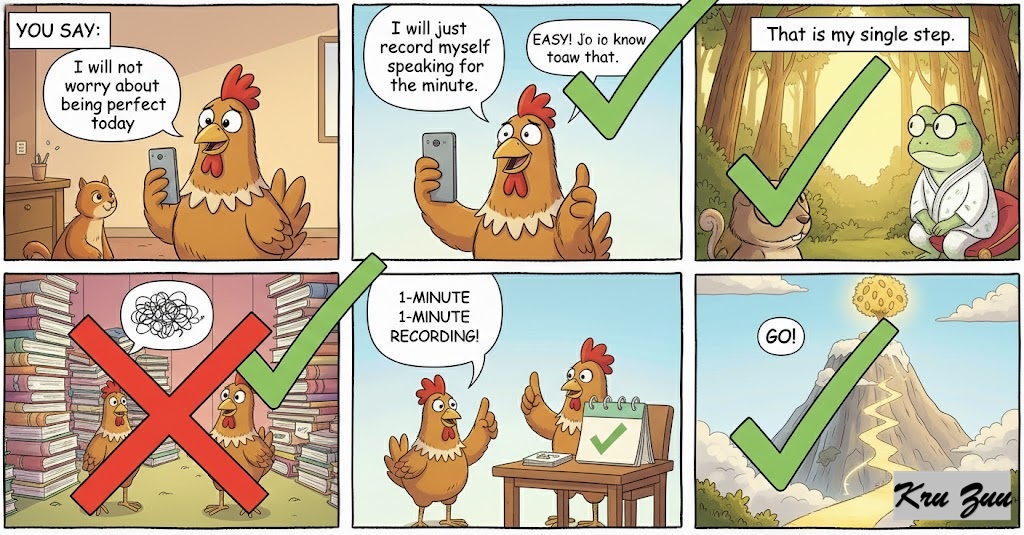
    You want to speak English, but you say, “I will start speaking when my grammar is perfect.” You Say: “That is procrastination disguised as perfectionism. Don’t put off until tomorrow what you can do today. Speak now. Make mistakes now. Learn now.”


    Situation: You have a vocabulary list to memorize. You Say: “If I learn 5 words today, that is 150 words a month. If I wait until I have ‘time’ to learn 50 at once, I will quit. Do it today.”


    💬 Your Turn: The 2-Minute Rule 🚀


    The “Tomorrow” trap is easy to fall into. Here is how to escape.


    The Challenge:
    Look at your To-Do list. Find one task that takes less than 2 minutes to do.


    Sending that email?


    Washing that one dish?


    Booking that appointment?


    The Action:
    DO IT RIGHT NOW. Before you finish reading this sentence. (Did you do it? Good. That is the power of Today.)


    Question: What is the one thing you have been “putting off” for weeks? Tell us in the comments! 👇

    By Zubeyir YURTKURAN

    https://www.facebook.com/BrainBattleground/

    https://www.facebook.com/zubeyr.yurtkuran/

    https://www.instagram.com/zubeyryurtkuran/
    https://www.youtube.com/@BrainBattleground-b3p

  • 🤝 The Daily Alliance: The Law of SynergyTwo heads are better than one.

    🤝 The Daily Alliance: The Law of SynergyTwo heads are better than one.

    👿 The Villain (The Soloist): You say, “I work better alone.

    ” You say, “Explaining it to others takes too much time.”

    You hide your work because you are afraid someone will steal your credit.

    You think asking for help is a sign of weakness.

    The Result? You get stuck on a simple problem for 5 hours.

    You miss obvious mistakes.

    You burn out carrying the weight of the world on your own shoulders.

    You become the King of a Lonely Island. 🏝️🥀


    😇 The Hero (The Mastermind): You realize that your brain has blind spots.

    You say, “I have an idea, but I need a fresh perspective.”

    You bring your draft to a friend. You brainstorm with a rival. You accept that you don’t know everything.

    The Result? 1 + 1 = 3. You find the solution in 10 minutes.

    You achieve Synergy.

    You don’t just solve the problem; you destroy it. You build an empire because you know how to build a team. 🚀🤝


    ⚖️ The Reality: The smartest person in the room is usually the one who asks the most questions. Nobody wins a war alone.

    💎 The Secret: Collaboration is not about making the work easier; it is about making the result better.

    🧐 The Anatomy of the Proverb

    This is the Golden Rule of Teamwork.

    It implies that two people working together will solve a problem faster and better than one person working alone.


    Heads (Noun): Metaphor for minds, perspectives, or ideas. 🧠


    Better (Adjective): The comparative form of “Good.” Superior. 📈


    One (Noun): A single individual (The lonely path). 👤


    📚 Vocabulary Vault


    Synergy (Noun):
    When the combined effect is greater than the sum of separate effects (1+1=3). ✨


    Perspective (Noun): A particular way of viewing things. (I see a “6”, you see a “9”).


    Collaborate (Verb): To work together on a project.


    Brainstorm (Verb): To discuss ideas freely to solve a problem. 🌪️


    Blind Spot (Noun): An area where you cannot see or understand something (a mistake you miss).


    🧠 Grammar Focus

    Comparative Adjectives (Irregular) This proverb uses the most common irregular comparison in English!


    Positive: Good 👍


    Comparative: Better (NOT “Gooder”) 📈


    Superlative: The Best 🏆


    Structure: [Noun A] + [Verb] + better than + [Noun B].


    Example: “Studying with a partner is better than studying alone.”

    📜 History: Origin and Spread

    This wisdom is universal. Humans survived history because we formed tribes.


    The Origin: First recorded by John Heywood in 1546.


    The Logic: One hunter catches a rabbit. Two hunters catch a Mammoth. 🦣


    Global Cousins:


    🇹🇷 Turkish:
    “Bir elin nesi var, iki elin sesi var.” (What does one hand have? Two hands have a sound.) — Legendary match! 👏


    🇰🇷 Korean: “Even a sheet of paper is lighter when held by two.”


    🌍 African Proverb: “If you want to go fast, go alone. If you want to go far, go together.”

    🎯 Impact on Life: The Pros & Cons

    Is more always better?

    ✅ The Pros (The Multiplier):


    Error Checking:
    Your friend sees the spinach in your teeth before the meeting. You can’t see your own face!


    Creativity: Different backgrounds create new ideas (The “Steve Jobs & Wozniak” effect).


    ❌ The Cons (The Trap):


    Groupthink: Agreeing just to be polite. (Bad!)


    “Too many cooks spoil the broth”: This is the opposite proverb!

    If too many people try to lead, it becomes a disaster. You need two heads, not twenty!

    🎭 Short Story: The River Crossing

    Let’s visit our friends, Penny the Pig and Max the Mouse.


    🌟 The Setup: Penny and Max needed to cross a rushing river to get to a berry bush.

    There was no bridge. Just a long, heavy wooden log on the grass. 🪵

    The Conflict: Penny was strong enough to push the log, but she couldn’t see where the sharp rocks were in the water.

    She tried to push it blindly and almost got stuck.


    Max had sharp eyes and saw the safe path, but he was too small to move the log even one inch.

    He sat on the log and squeaked.

    The Action: Did they give up? No. They combined their “Heads” and “Hands.”


    Penny used her strength to push the log into the water.

    Max sat on Penny’s head and acted as the Captain.


    Max shouted: “Left! Right! Avoid the rock!” Penny powered through.

    The Moral: Penny had the Power.

    Max had the Vision.

    Separately, they starve. Together, they feast on berries. 🍓🐭🐷

    🎓 Lesson for English Learners

    Don’t be a “Lone Wolf” in your language journey!

    Advice on Study 📚

    Situation: You are writing an essay and you think it is perfect.

    You Say: “I need a second pair of eyes. Two heads are better than one.”

    You send it to a friend or ChatGPT for feedback. They find 3 mistakes you missed.

    Advice on Conversation 🗣️

    Situation: You are nervous to speak English.

    You Say: “Let’s practice together. You correct me, and I will correct you.” You create a ‘Language Alliance.’

    💬 Your Turn

    The “Co-Pilot” Challenge ✈️

    The Goal: Stop trying to solve your hardest problem alone.

    The Question: What is ONE project or problem you are stuck on right now?

    Deciding a career path?

    Planning a trip?

    Learning a complex grammar rule?


    The Action: Send a message to one smart friend right now. Say: “I’m stuck on this. Can I get your opinion? Two heads are better than one.”


    👇 Who is the “Max” to your “Penny”? Tag them or write their name below! 👇

    By Zubeyir YURTKURAN

    https://www.facebook.com/BrainBattleground/

    https://www.facebook.com/zubeyr.yurtkuran/

    https://www.instagram.com/zubeyryurtkuran/
    https://www.youtube.com/@BrainBattleground-b3p