Tag: writing

  • Talk is Cheap: The Truth About “Actions Speak Louder Than Words”

    Talk is Cheap: The Truth About “Actions Speak Louder Than Words”

    🔥 The Word: I’m going to study all night and ace the big exam! 🎮 The Action: You spend 3 hours playing video games, and suddenly realize you haven’t studied for the test tomorrow.


    🔥 The Word: I’ll just scroll through TikTok “for 5 minutes.” 📱 The Action: You look up to see that two hours have vanished without gaining anything.


    🔥 The Word: I’ll finish this project perfectly, I promise. 🛠️ The Action: You haven’t started a single step because you were waiting for the “perfect time” or the “perfect plan.”


    Life has a strict rule that successful people know well: “Actions Speak Louder Than Words.”


    In this post, we are looking at the most famous proverb about getting things done. Put down your phone, focus your mind, and let’s dive into the power of execution. 🚀

    The Anatomy of the Proverb


    Let’s look at the mechanics of this famous phrase.


    📚 Vocabulary Vault


    Action (Noun):
    A thing done, often in pursuit of a purpose. (Reading a book, sending an email, writing code). 🛠️


    Word (Noun): A spoken or written statement; the expression of an intention. (I will do, I will start, I will try). 📝


    🧠 Grammar Focus


    This sentence is a comparative idiom that delivers a strong message.
    Formula: Action + [speak louder than] + Word.
    The Meaning: Deeds and accomplishments carry more value and impact than mere promises or intentions. A Word is a promise, but an Action is the fulfillment of that promise.

    History: Intention is Not Enough


    Who turned this idea into a famous saying? People have always criticized those who talk big but fail to deliver.


    The Origin: While there is no single inventor of the exact phrase, the philosophy is ancient. It echoes the sentiment of the Roman poet Ovid, who lived in the 1st Century BC: “Deeds are words, and words are merely air.”


    The Lesson: Success depends not on how well you speak, but on how much you do.

    Impact on Life: The Pros & Cons


    Is living by action alone a good way to live? Let’s weigh the options.


    ✅ The Pros (Why it helps)


    Trustworthiness: When you say you will do something and then you actually do it, people trust you. Trust is the most valuable asset in life and career.


    Momentum: It stops procrastination. Instead of waiting for the “perfect moment,” it encourages you to take a small step now. Every small action builds momentum. 🧗


    Focus: It teaches you to spend your energy on producing results rather than crafting excuses or making intricate, non-executed plans.


    ❌ The Cons (Why it can be tricky)


    The Perfectionist Trap: The pressure to constantly act might cause you to rush without proper planning. Actions that are poorly thought out can lead to failure.


    Neglecting Communication: Sometimes, saying something (asking for feedback, stating an intention) is important. Focusing solely on action might cause you to neglect crucial planning and communication with others. 🧘

    Short Story: The Empty Basket


    To understand this better, let’s visit our friends on the farm again.


    It was a bright autumn morning. Percy the Chicken, Luna the Cat, and Fred the Frog were sitting under the Great Walnut Tree. 🌳
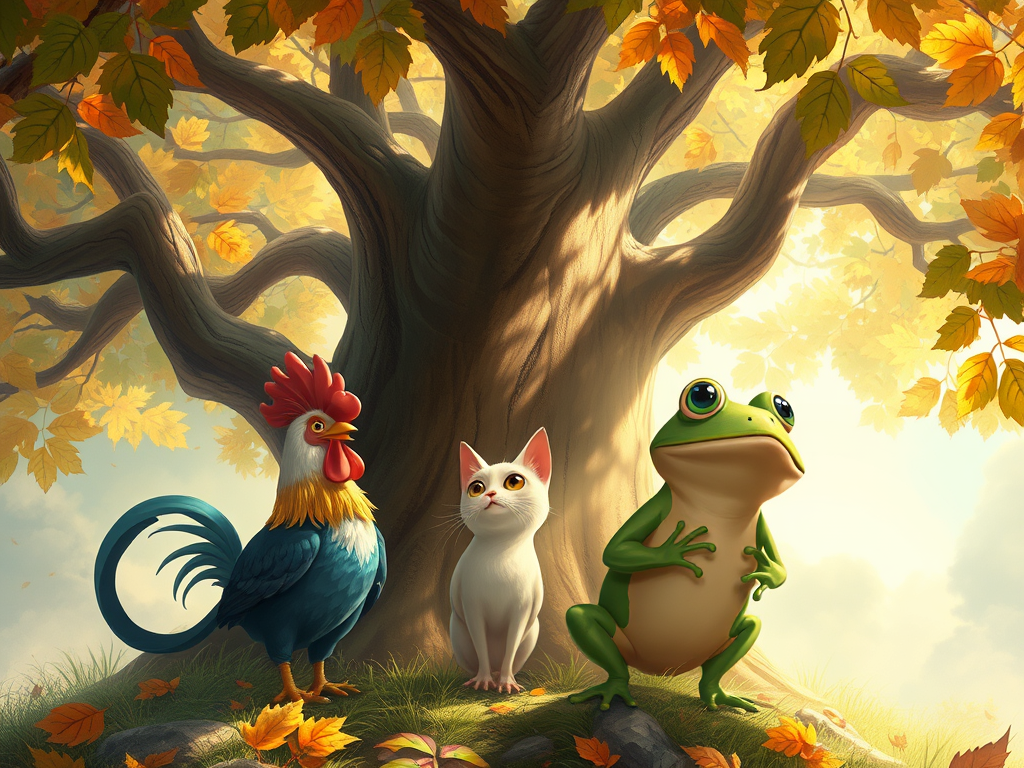

    “Today,” announced Percy, puffing out his chest, “I am going to work hard and gather all these walnuts! I will bake a magnificent cake, and the whole farm will be impressed!” 📣
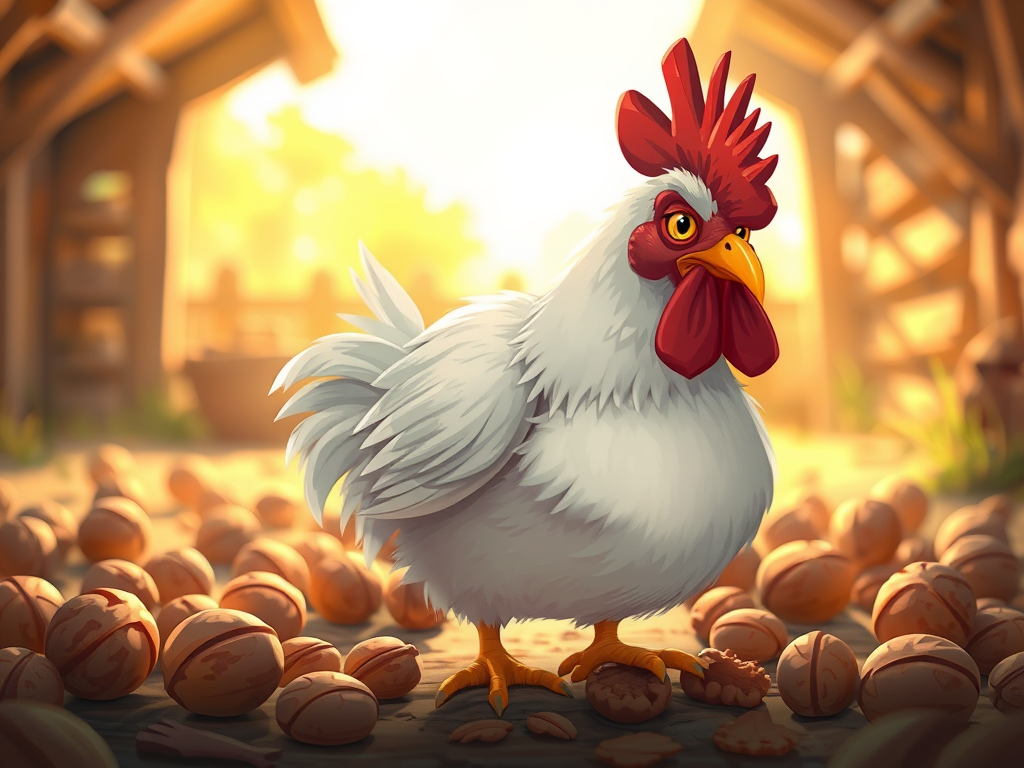

    Luna the Cat rolled her eyes. “That sounds lovely, Percy. But you are just talking.”


    Fred the Frog, with his small basket, had already begun hopping under the tree. He worked slowly but surely, picking up the fallen walnuts and placing them in his basket. 🐸
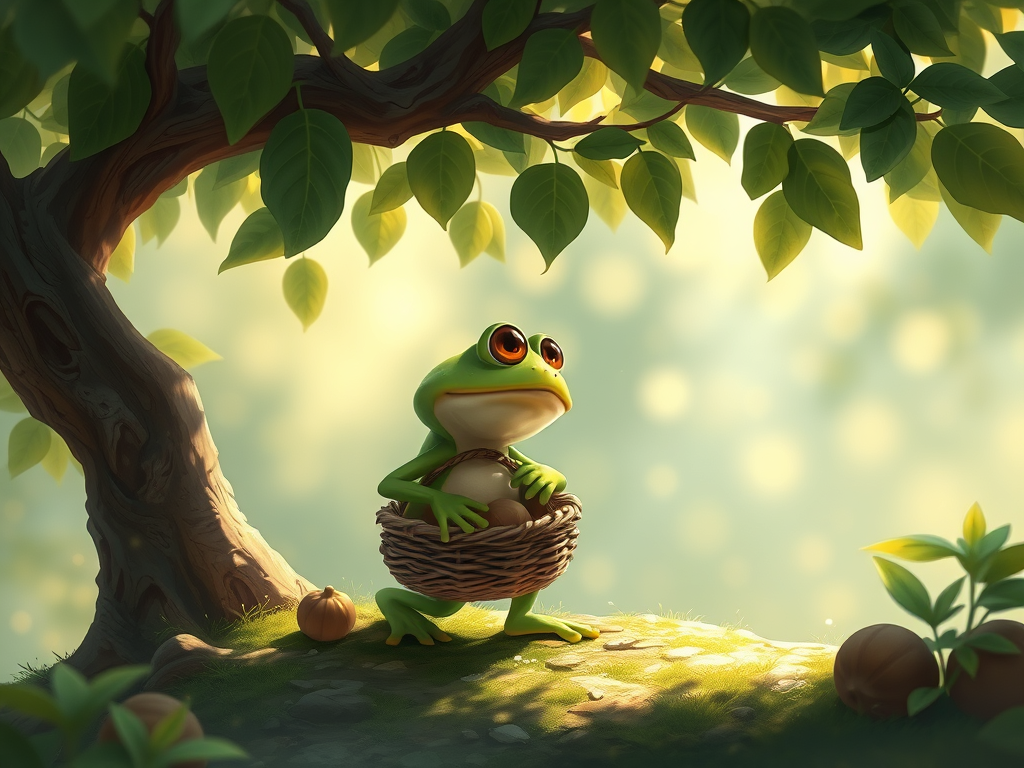

    Percy ignored him. He continued to dream out loud, looking at the nuts. “First, I must create a detailed plan. What is the best recipe for my cake? Are these walnuts of suitable quality?” Percy spent a full hour talking about his perfect plan and how wonderful his cake would be. 😴
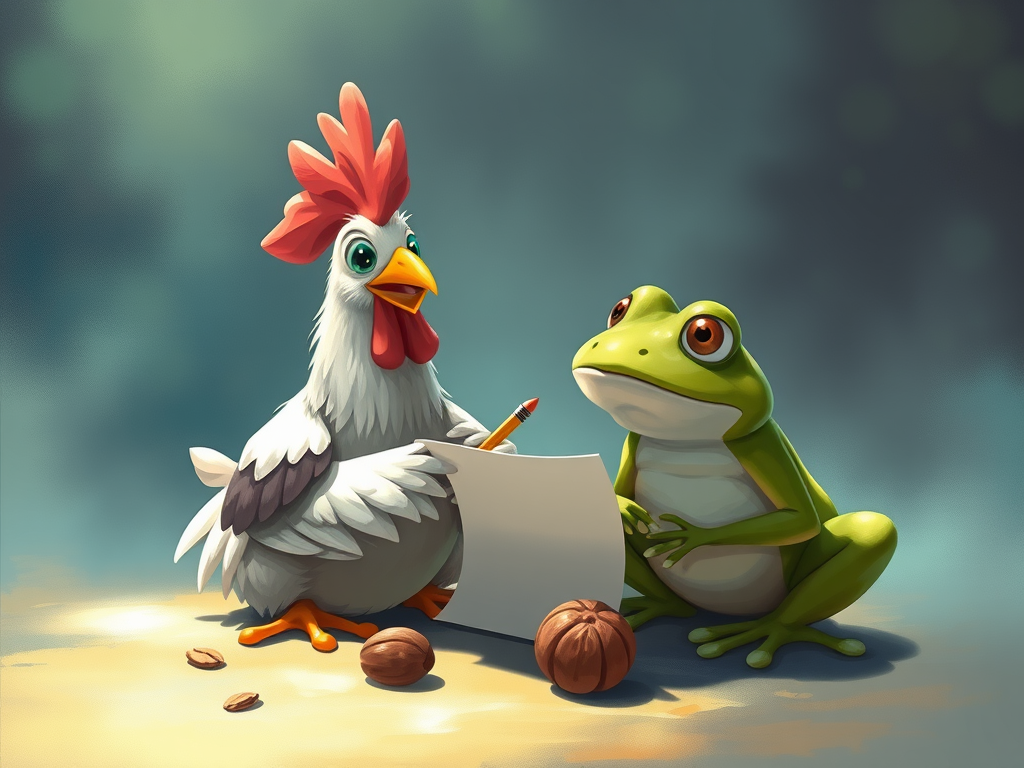

    An hour passed. Suddenly, the farmer arrived with a large cart to collect all the scattered walnuts for himself.


    Percy squawked in surprise. “No! My walnuts! I was just about to start!”


    Fred sat on a dry rock, holding his full basket. “While you were talking about your cake, I was collecting these,” Fred said. “Your basket was full of imaginary biscuits. My basket is full of real walnuts.”
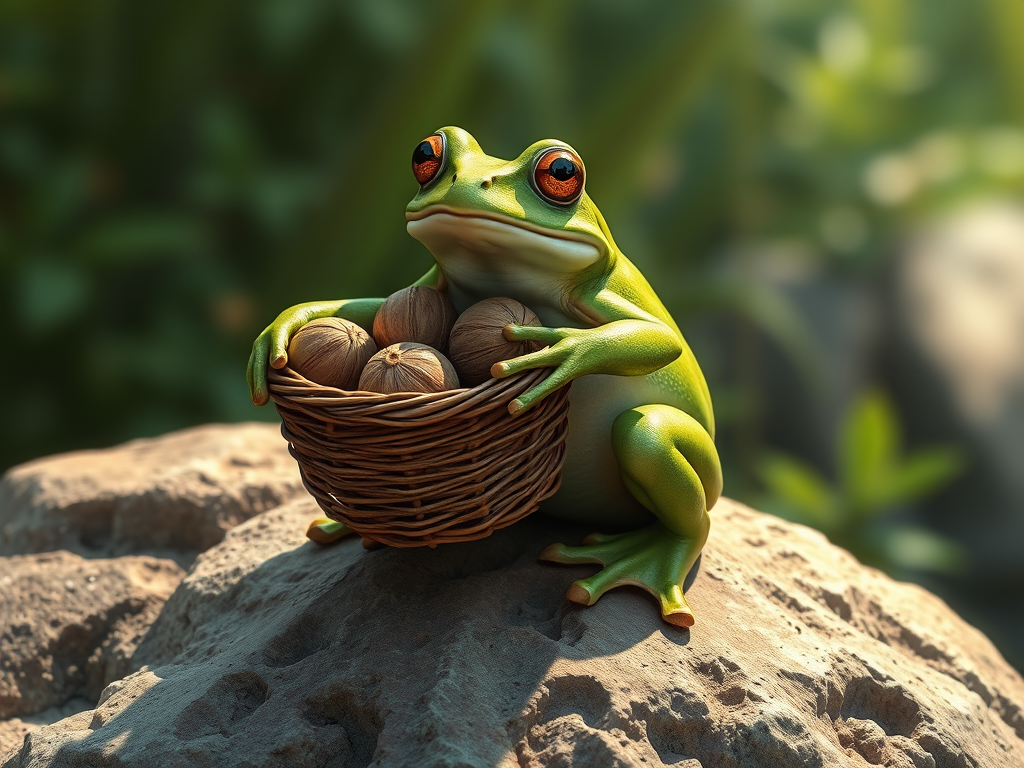

    Percy stared sadly at his empty basket.


    “I see now,” Percy whispered sadly. “I only spoke. Fred took action. My words were worthless.”


    In this story, the characters represent how we manage our intentions:
    Percy
    : Empty Words (The one who talks a lot and procrastinates) 😵
    Fred: Action/Execution (The one who uses the moment wisely) 🤓
    The Farmer: Missed Opportunity (The value lost while you were only talking) 🌪️

    Learning English takes action. You cannot buy fluency.
    If you study for 10 minutes every day (Fred’s method), you are executing your plan.
    If you only say “I will start tomorrow” and wait until the night before the exam (Percy’s method), you will find that your goal remains only a hollow promise.


    💬 What about you? When you have a new idea, do you start with a small, immediate action, or do you keep planning until everything is perfect? Tell me in the comments! 👇

    By Zubeyir YURTKURAN

    https://www.facebook.com/BrainBattleground/

    https://www.facebook.com/zubeyr.yurtkuran/

    https://www.instagram.com/zubeyryurtkuran/

  • Part 7: For Those Who Want to Teach Abroad: Golden Tips for Inside and Outside the Classroom

    Part 7: For Those Who Want to Teach Abroad: Golden Tips for Inside and Outside the Classroom

    Plan Activities at the End of Each Unit: Celebrate Learning, Motivate Students

    Finishing a unit doesn’t have to mean closing the book and moving on. In fact, it’s the perfect time to pause, reflect, and celebrate everything your students have just learned.

    By planning creative and meaningful activities at the end of each unit, you help your students process the content, connect with it emotionally, and build motivation for what’s coming next.

    Why End of Unit Activities Matter ?

    ✅ They provide a sense of closure and achievement
    ✅ They give students a chance to show what they’ve learned in different ways
    ✅ They break routine and refresh classroom energy
    ✅ They create positive memories associated with the subject

    Most importantly, they send this message:

    “Learning is not just tests and homework it can also be fun and rewarding.”

    Simple and Fun End of Unit Activities That Actually Work

    You don’t need fancy tools or big budgets. Sometimes, the best classroom moments come from the simplest ideas. At the end of each unit, I always try to wrap things up with a little fun activities that help review what we’ve learned, strengthen classroom connection, and leave students smiling.

    Here are two of my favorite end of unit activities that my students truly love:

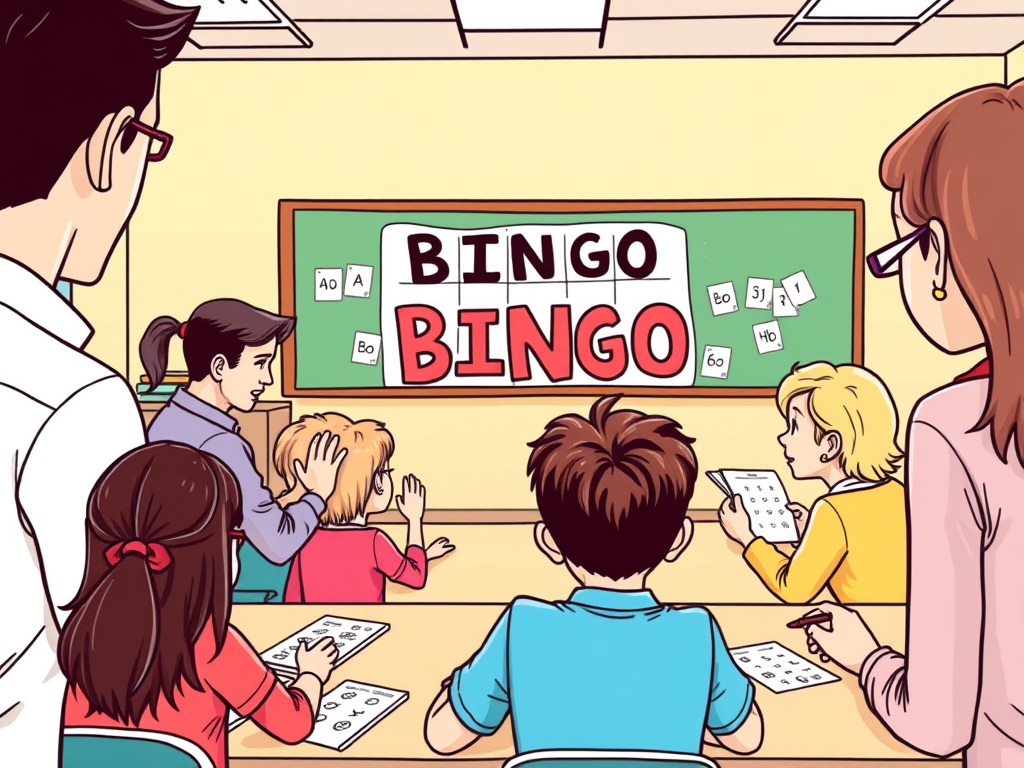
    🟩 1. Vocabulary BINGO – Simple, Effective, and Always a Hit

    There’s something special about ending a unit with a bit of fun and a lot of learning. One of my favorite activities to review vocabulary and energize my students is a good old-fashioned game of BINGO. But with a classroom twist!

    Let me walk you through how I use BINGO to make unit revision more exciting, engaging, and memorable for everyone.

    🧩 How It Works

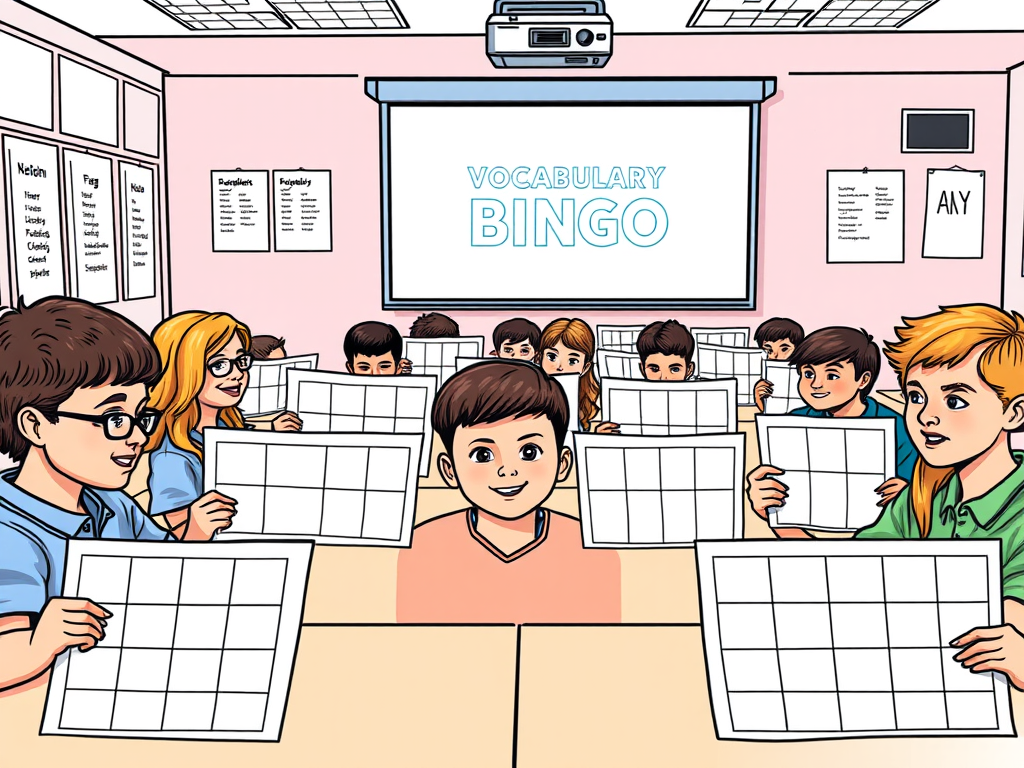
    At the end of each unit, I prepare a list of 16 target words related to the vocabulary we’ve been studying. These can be verbs, nouns, adjectives, or a mix of all depending on the level and topic.

    Here’s what I do step by step:

    ✏️ Step 1: Set Up

    I hand out blank 4×4 BINGO grids to all students each paper has 16 empty squares.

    Then, using the projector, I show them the 16 vocabulary words one by one. Students listen carefully and choose where to write each word on their grid. This part is fun because every student’s board becomes unique.

    🎲 Step 2: The Draw

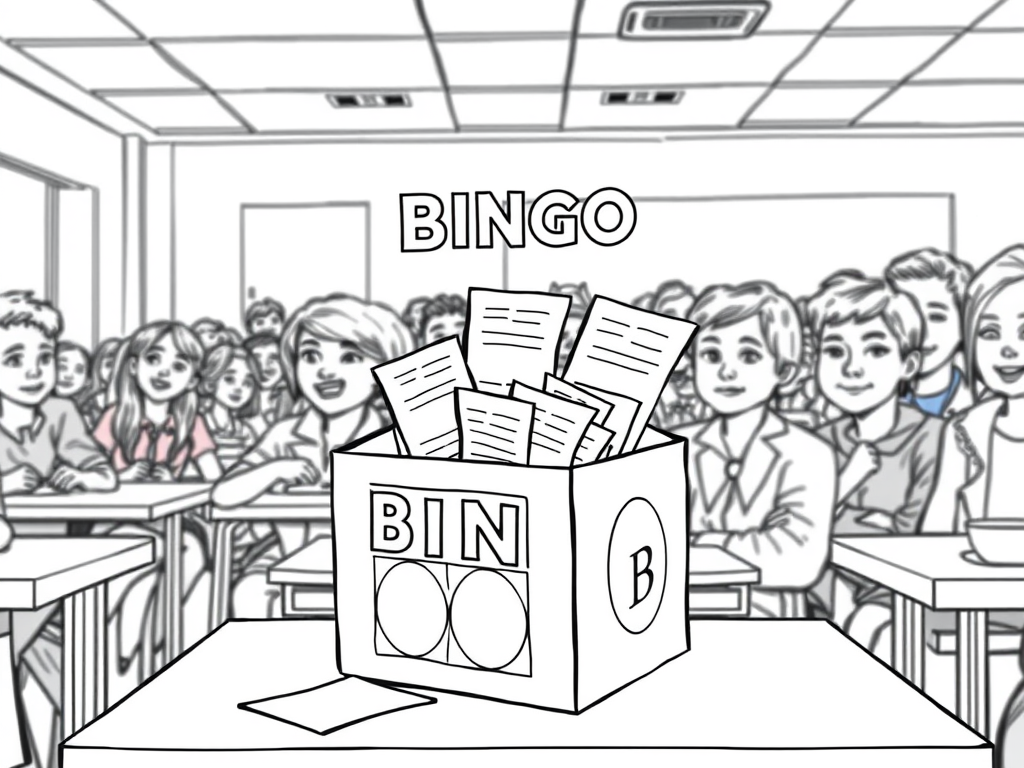
    Next, I bring out my “BINGO box” a small container with all 16 words written on folded slips of paper.

    I draw each word one by one, read it aloud, and give students time to check and cross off the word if they have it.
    The excitement builds with every draw!

    🗣️ Step 3: BINGO!

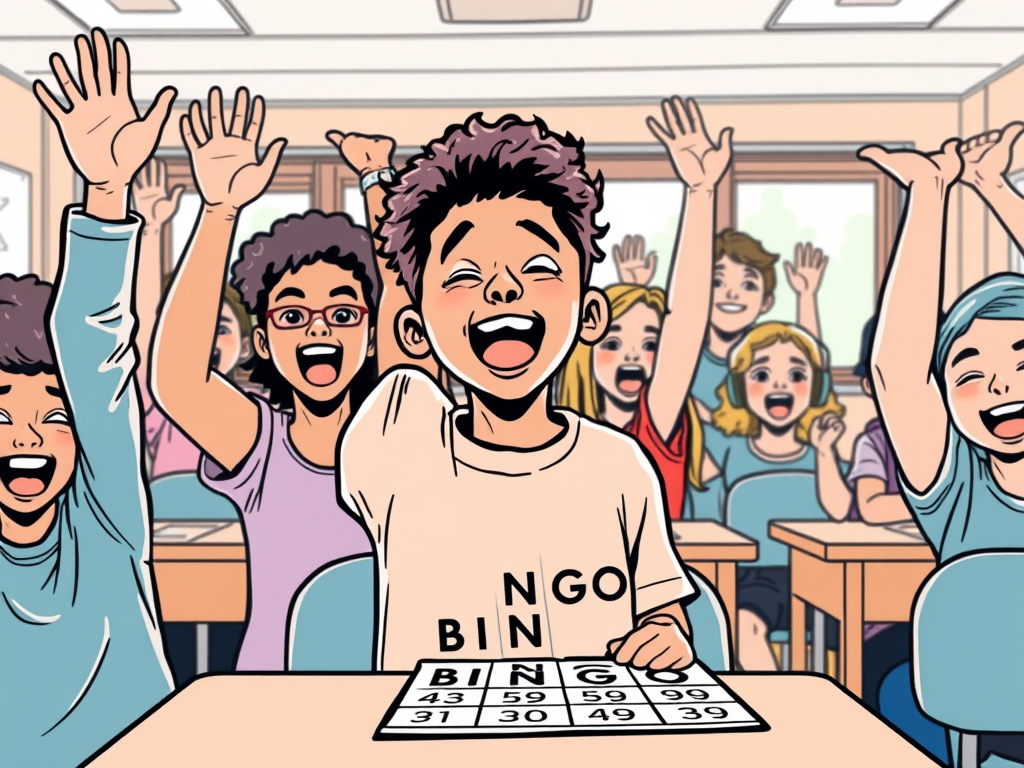
    Whenever a student crosses off four words in a row (horizontal, vertical, or diagonal), they shout “BINGO!”

    If more than one student calls “BINGO” at the same time, we settle it the fun way rock, paper, scissors at the front of the class. It always brings smiles and cheers!

    🏆 Step 4: The Prize

    The winner receives a small reward. It’s not about the prize, but the joy of winning and learning at the same time.

    🧠 Why I Love This Game ?

    Students revise vocabulary without realizing they’re studying.
    Everyone participates no one is left behind.
    It’s low-prep, yet highly effective.
    It brings energy and joy into the classroom.
    It encourages listening, spelling, and attention.

    💡 Tips for Teachers

    Let students write the words in any order they’ll feel more ownership over their boards.

    Switch it up by using pictures instead of words for lower levels.

    Add themes like “hobbies,” “feelings,” or “family members” to match your unit.

    Final Thoughts

    BINGO may be a simple game, but in the classroom, it turns into a powerful learning tool. When learning is active and joyful, students remember more and stress less. Whether you’re teaching vocabulary, grammar, or even idioms this game adapts beautifully.

    So next time you’re wrapping up a unit, try a game of BINGO. Your students will thank you with laughter and learning.

    🖼️ 2. Guess the Character – Communication Meets Creativity

    Another activity that sparks laughter and learning is what I call “Guess the Character.”

    Here’s how it works:

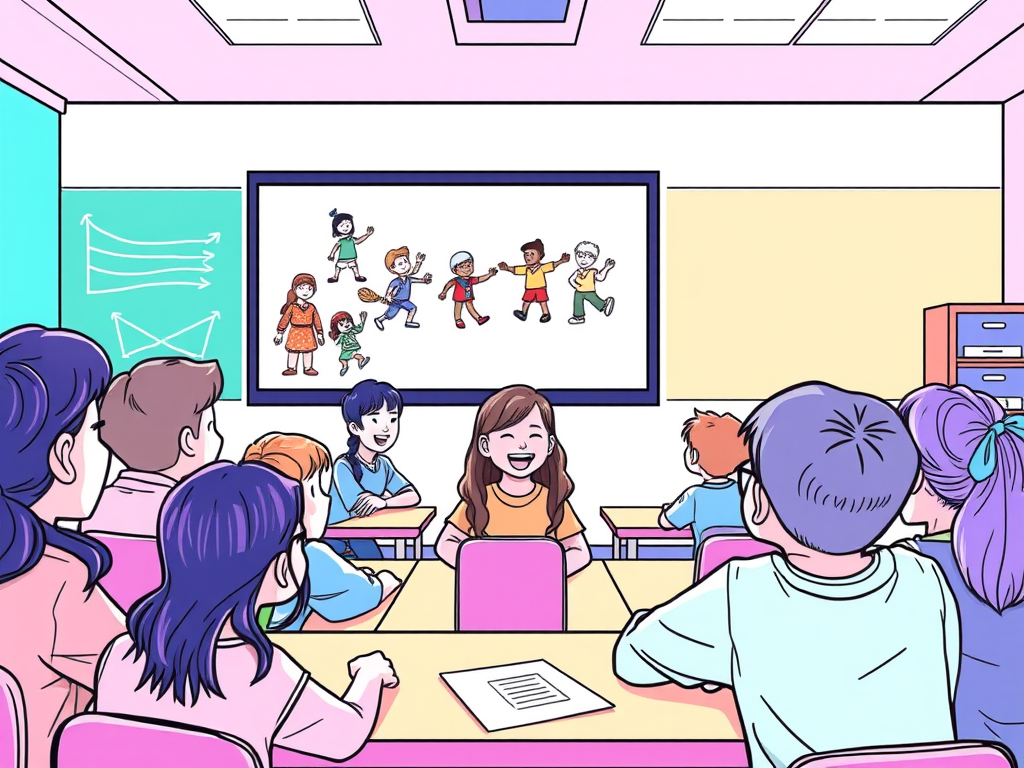
    I call one student to the front and turn their back to the screen.

    I show an image on the projector this can be a cartoon character, an animal, or even a dancing figure.

    The rest of the class describes the image using vocabulary from the unit.

    The student must guess who or what it is, based only on their classmates’ clues.

    Sometimes, I pick funny dancing characters and once the student guesses correctly, I ask them to try and imitate the dance. It’s hilarious, energizing, and builds both vocabulary and confidence.

    🗣️ Why I love it: It encourages listening, speaking, teamwork, and LOTS of laughter!

    🍭 End with a Treat!

    To wrap it all up, I always give a small treat usually jelly or candy to celebrate their participation and effort.

    💡 Final Thoughts

    End of unit activities don’t need to be complex. With just a whiteboard, a projector, and a pocketful of imagination, you can create engaging lessons that review content and bring real joy to your students.

    Give them a reason to look forward to every unit’s end not only with tests, but with fun, active learning.

    What are your favorite end of unit activities?

    Let me know in the comments or connect with me on social media to share ideas!

    Make Activities Meaningful

    While fun is important, the activity should still connect to the unit topic. A well-planned event reinforces what was taught and gives students another chance to absorb it from a new angle.

    Try questions like:

    “How can this activity help students remember the key ideas?”
    “Does it allow different types of learners (visual, auditory, kinesthetic) to engage?”

    The more meaningful the activity, the more lasting the learning.

    Build Anticipation

    Tell your students from the start of the unit:

    “At the end of this unit, we’ll do something fun to celebrate what you’ve learned.”

    This creates motivation from day one. Students have something to look forward to, and it encourages consistent effort throughout the unit.

    Final Thought: Reward the Journey, Not Just the Destination

    When students feel that their hard work leads to something meaningful and enjoyable, they develop a love for learning not just a habit of memorizing.

    So don’t just end your units. Celebrate them. Explore them. Make them unforgettable.

    “Learning is most powerful when it ends with joy.”

    Let your classroom be a place where every unit ends with a smile and a spark.

    A Note of Thanks to Fellow Teachers

    Before I close this post, I want to take a moment to thank the many wonderful teachers I’ve met, worked with, and learned from both online and in real classrooms.

    Many of the activities I now use with my students came from your creativity, generosity, and shared experiences. Whether it was a casual chat in the teachers’ room, a post on social media, or a workshop filled with ideas, your inspiration helped me bring more joy into my classroom.

    So thank you for reminding me that teaching is not a solo journey, but a shared mission.

    Let’s continue to support one another, share what works, and celebrate not just our students’ learning, but our growth as educators too.

    Let every unit we teach end not only with knowledge, but with community, creativity, and a spark of joy.

    For Those Who Want to Teach Abroad: Golden Tips for Inside and Outside the Classroom will continue. Until then, I’d love to hear your thoughts, suggestions, or memories that left a mark on your heart. See you in the next article. Stay safe, patient and kind.