Tag: writing

  • 🕵️ The Daily Shield: The Trap of Curiosity

    🕵️ The Daily Shield: The Trap of Curiosity

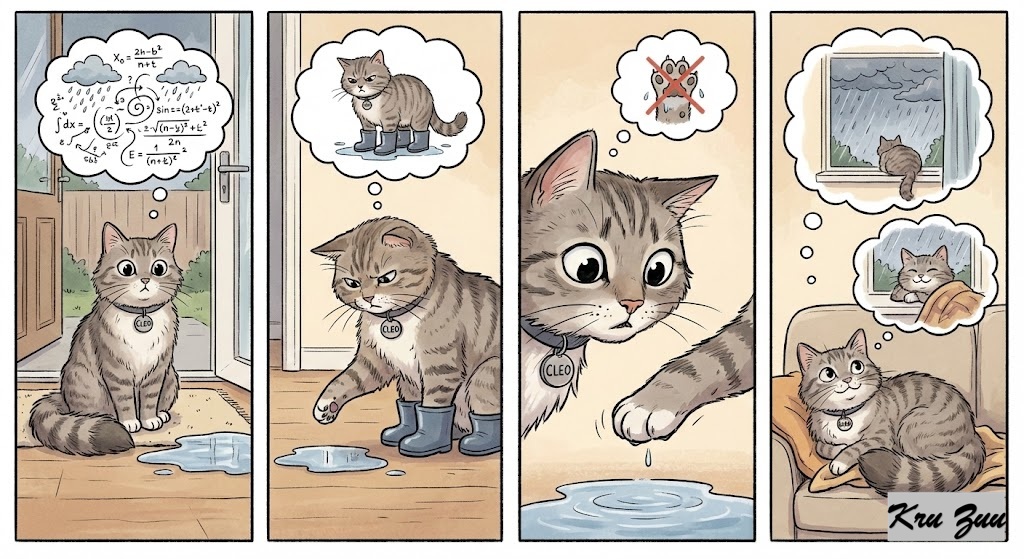
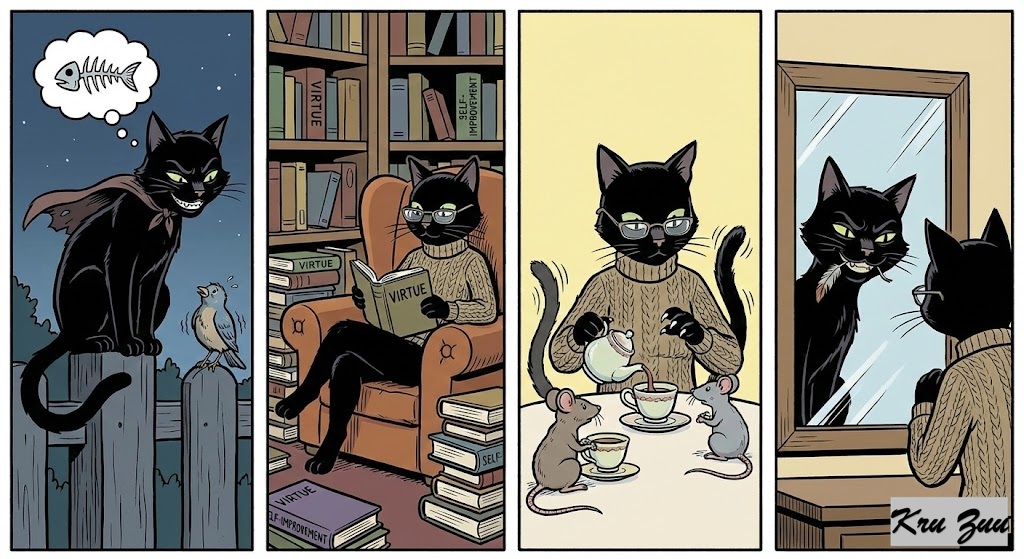
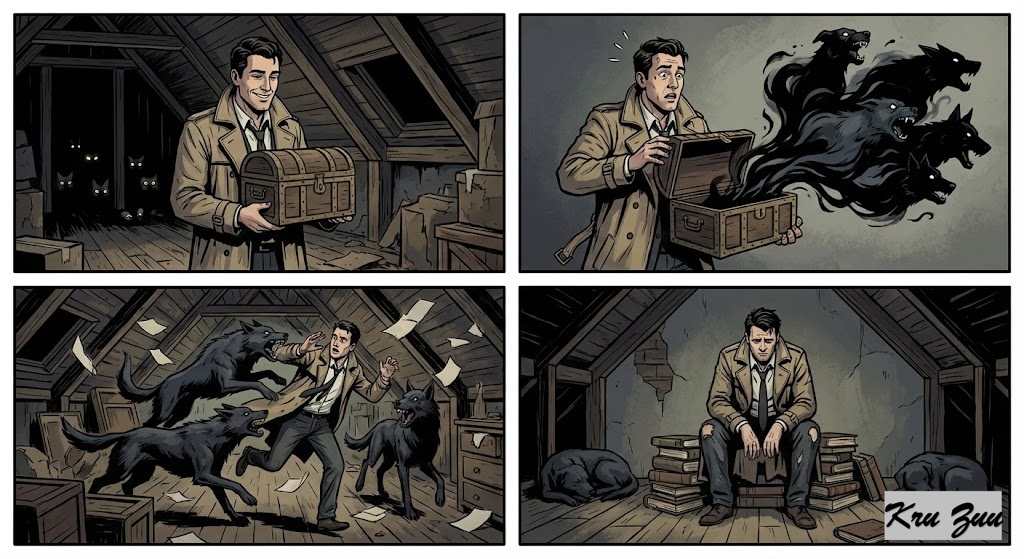
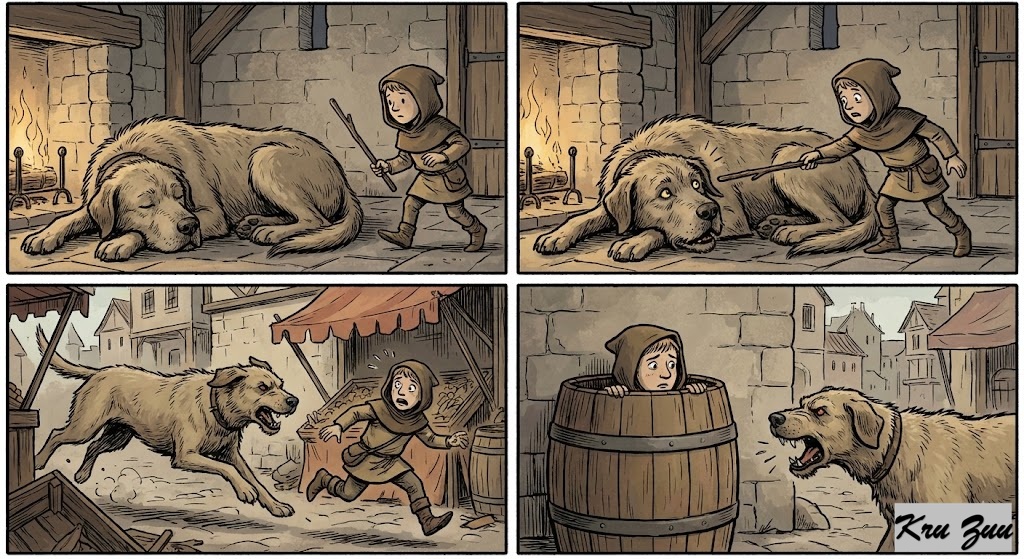
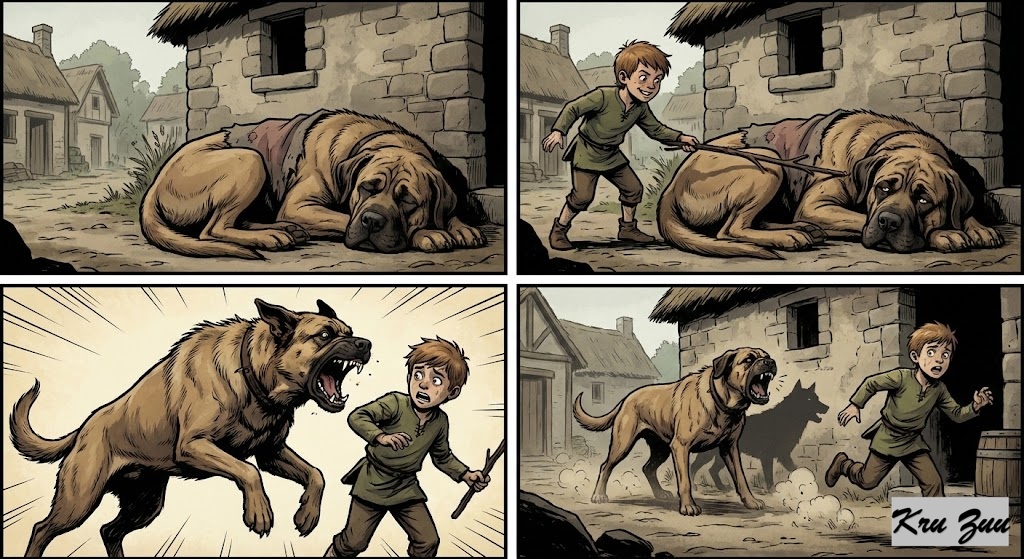
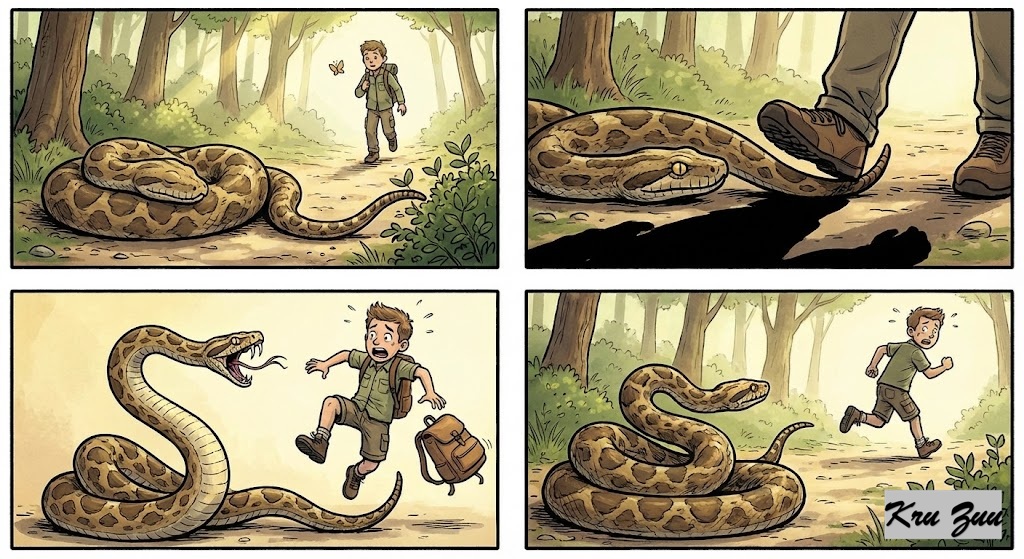
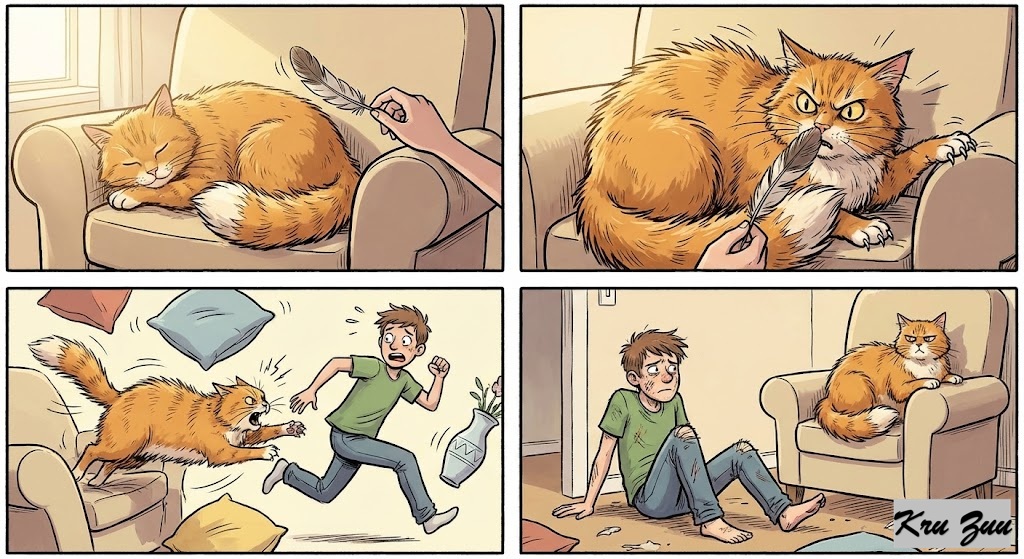
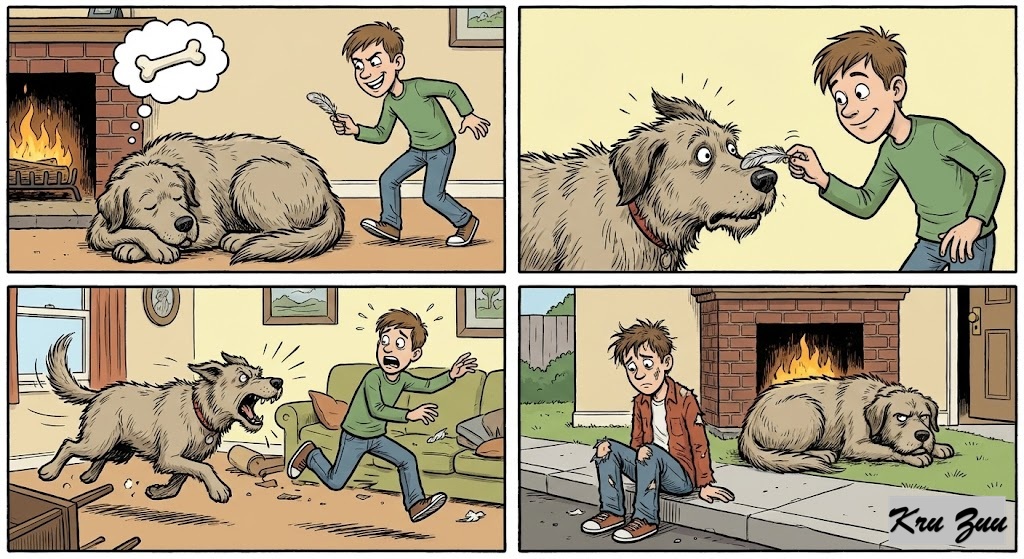
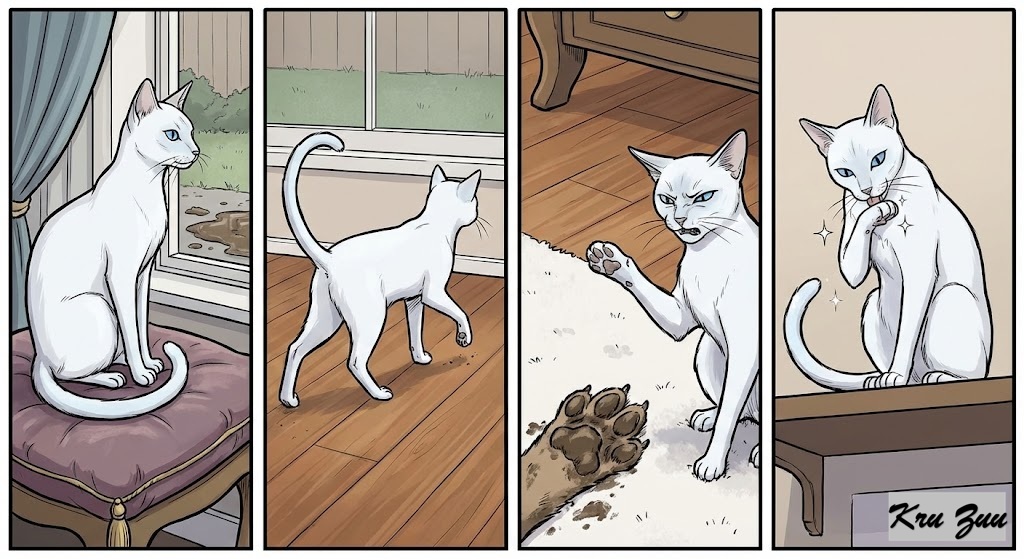
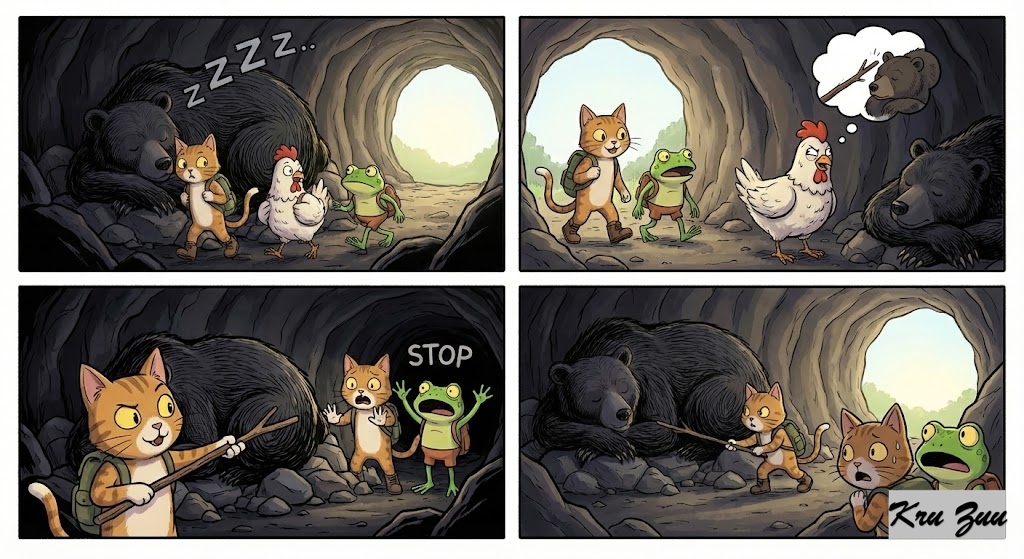
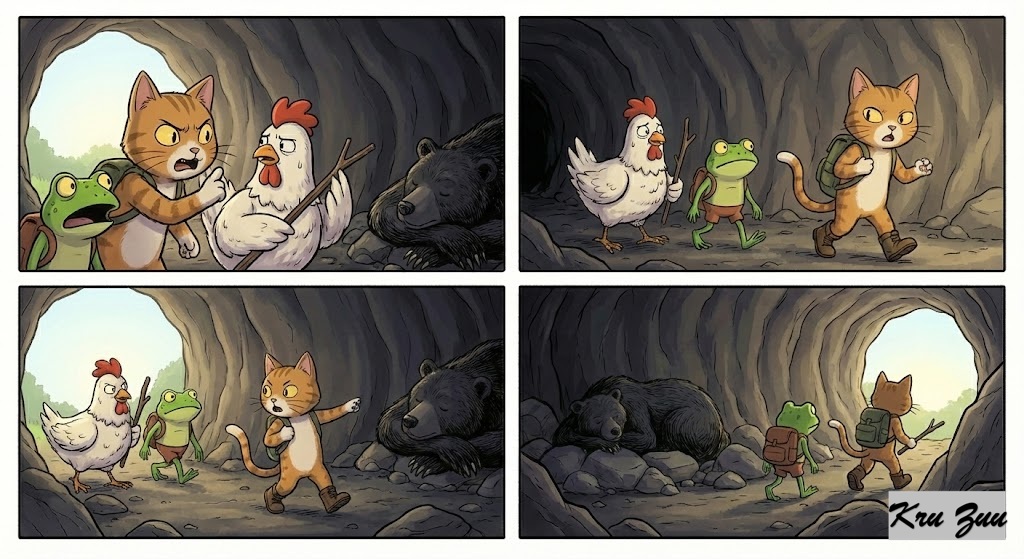
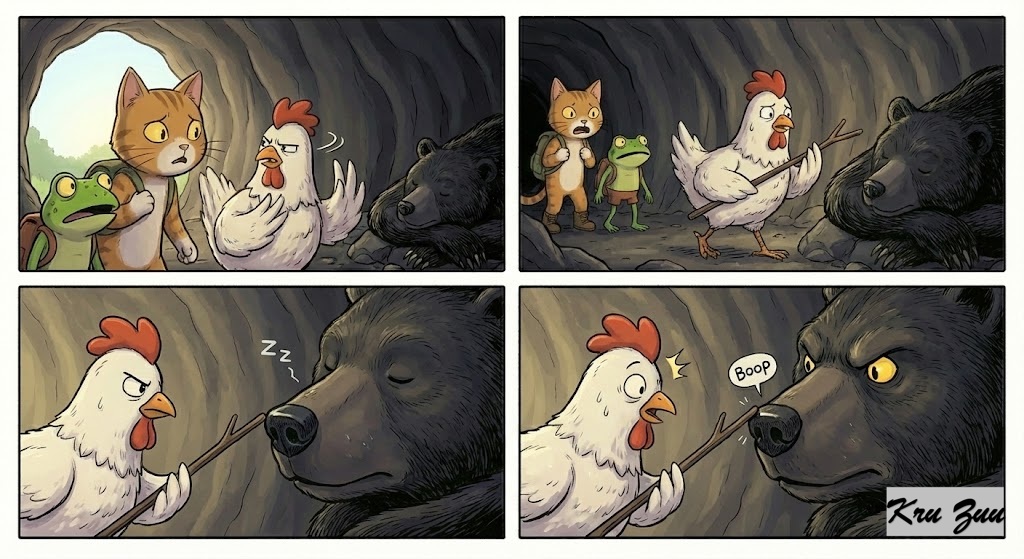
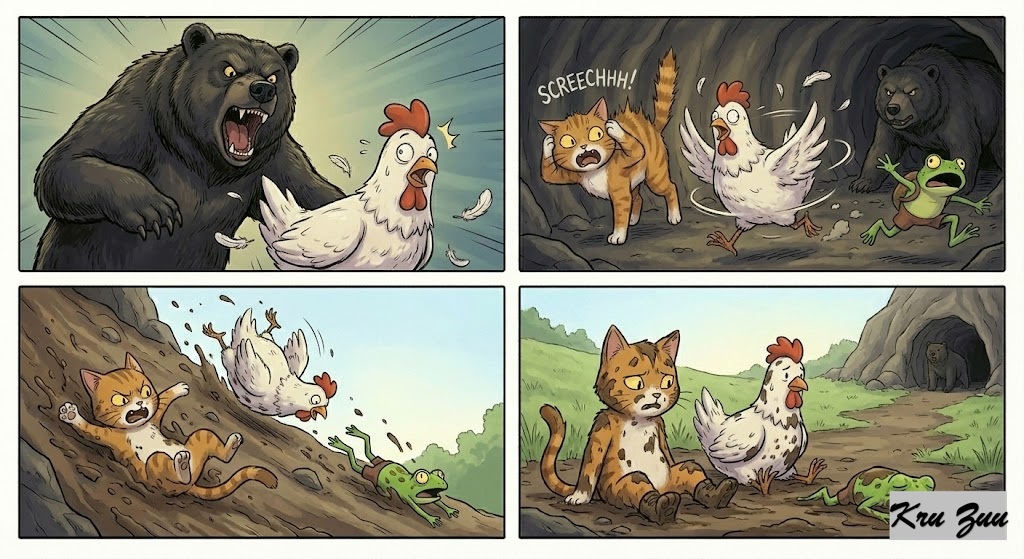
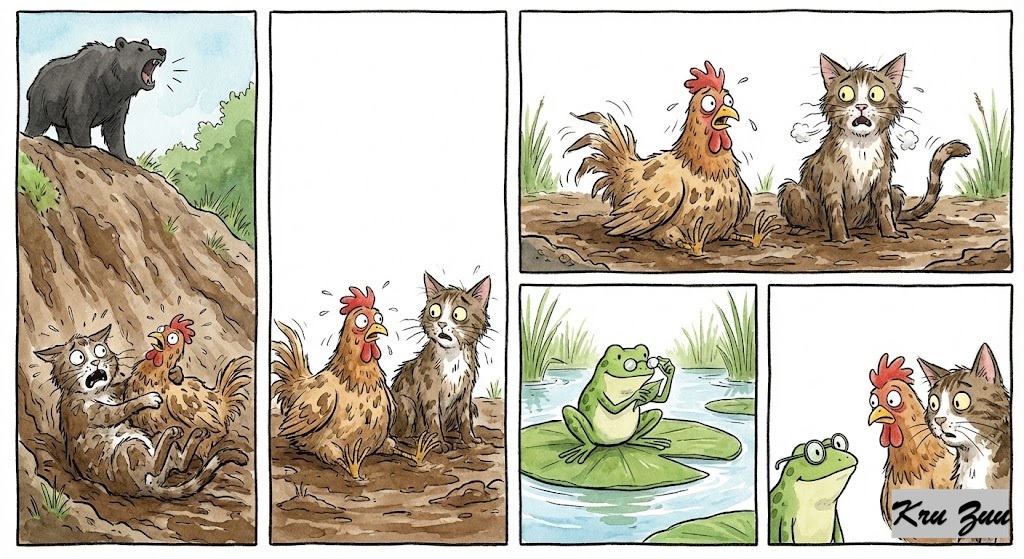
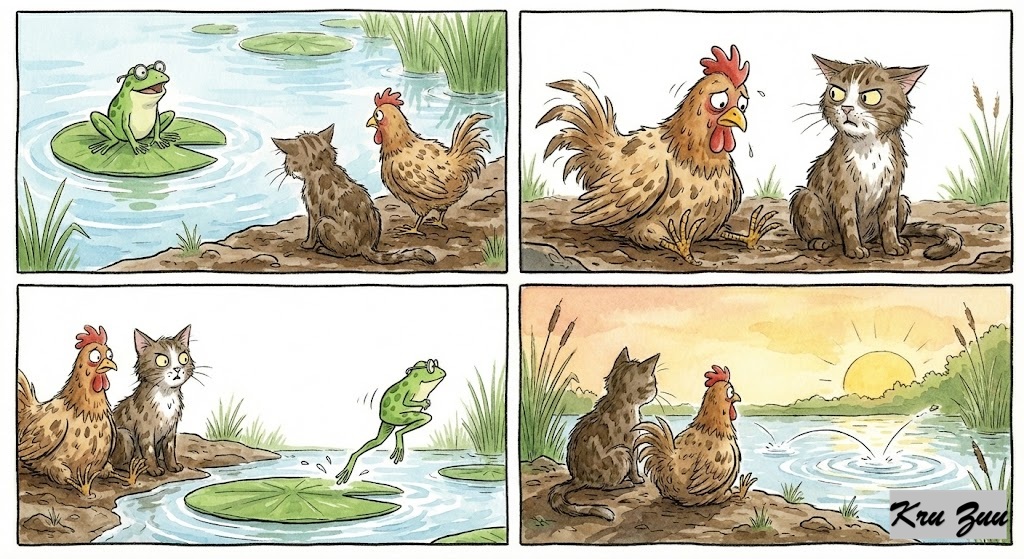
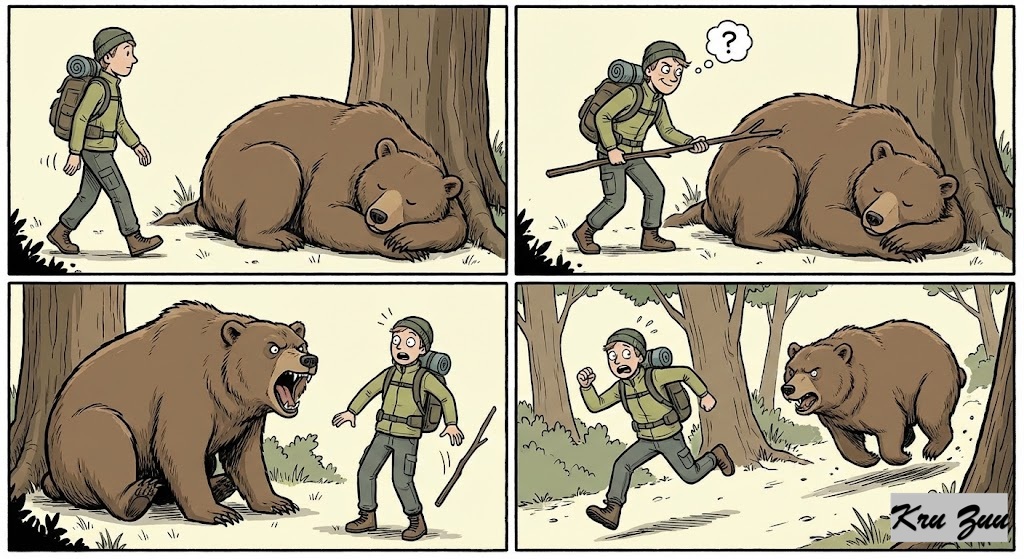
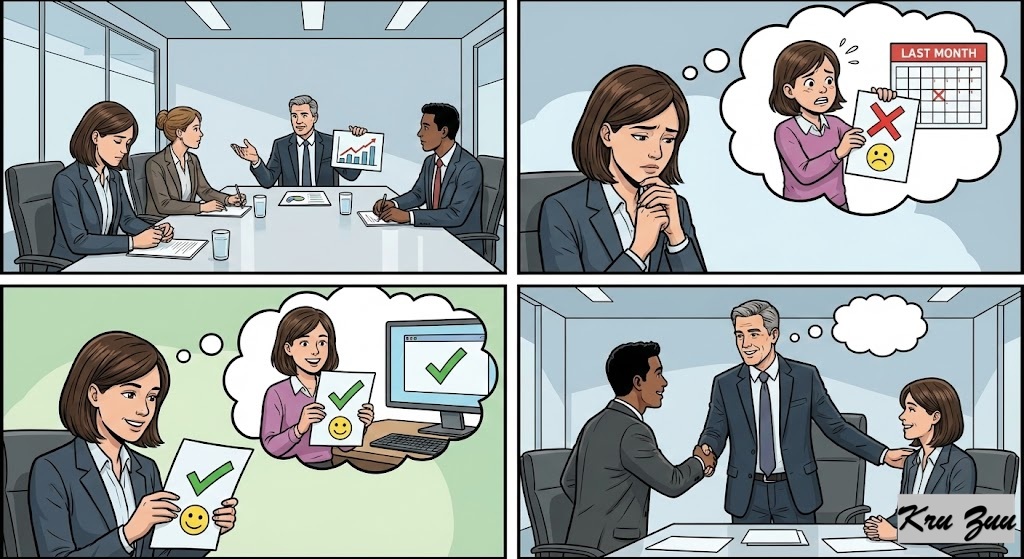
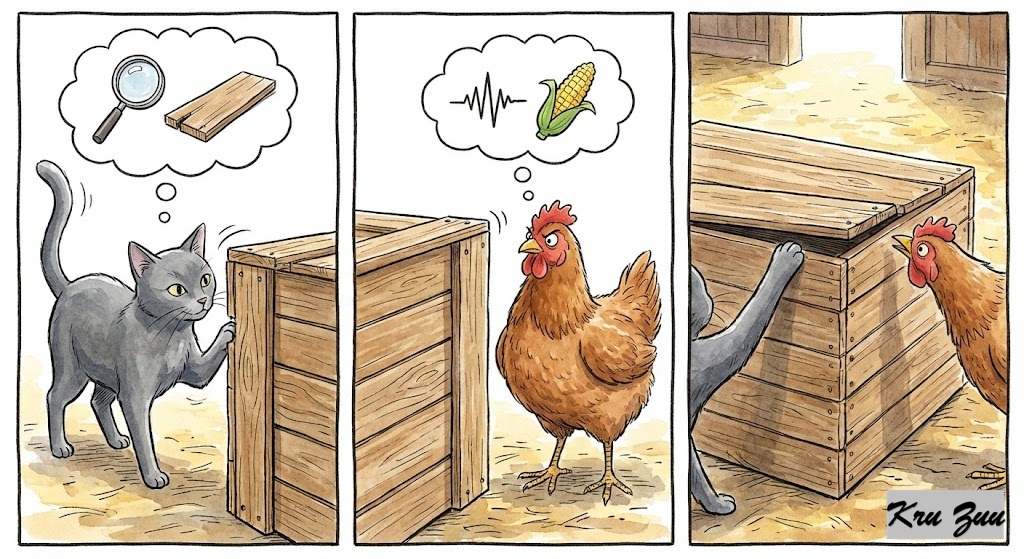
    “Curiosity killed the cat.”


    😈 The Villain (The Snooper):
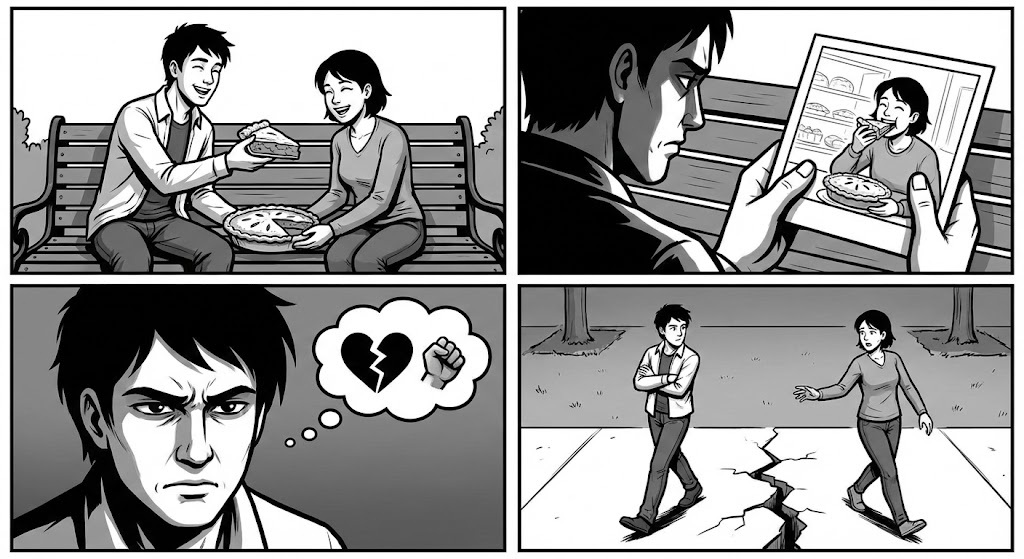
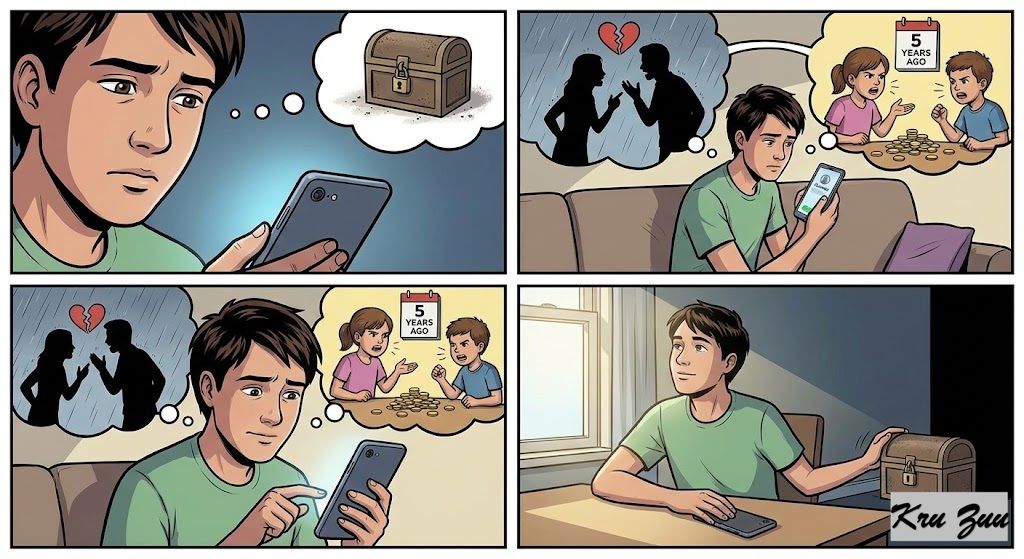
    You see an unlocked phone on the table. You shouldn’t look, but you must know.

    You see a door marked “Do Not Enter.” You open it.

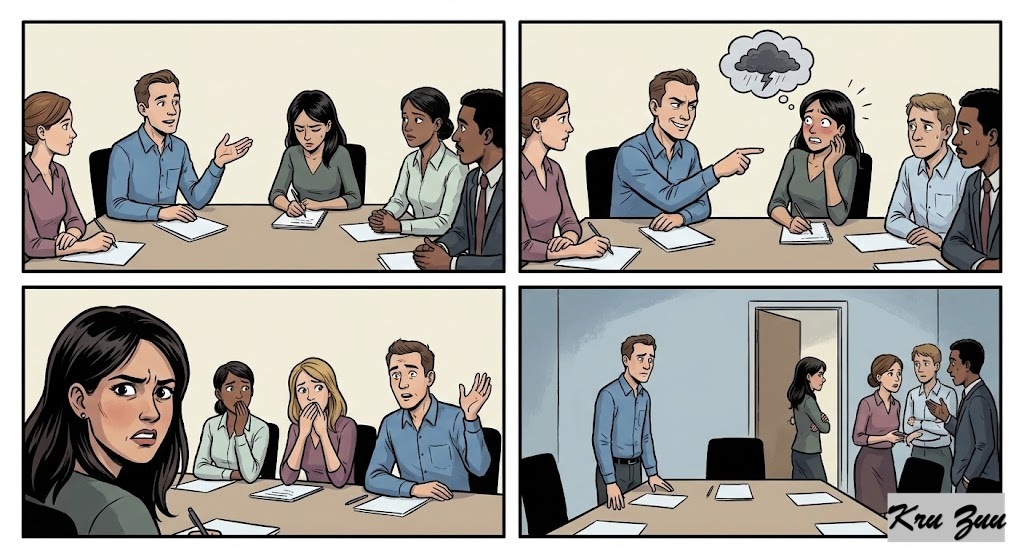
    You hear a whisper about you. You demand to know what was said.

    The Result? You find text messages that hurt your feelings.

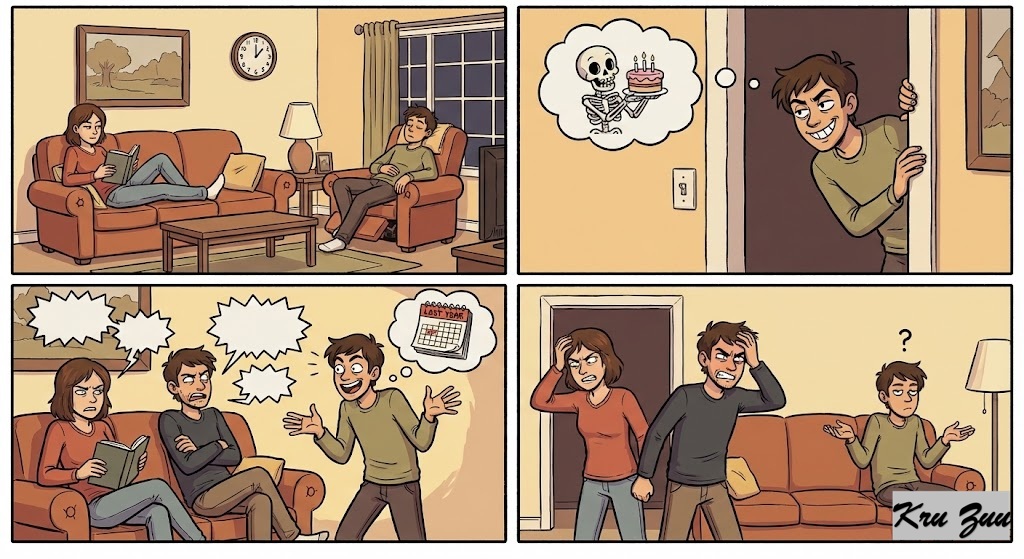
    You walk into a room and ruin your own surprise party.

    You learn a secret that keeps you awake at night.

    You chased the truth, but the truth bit you. 🐍


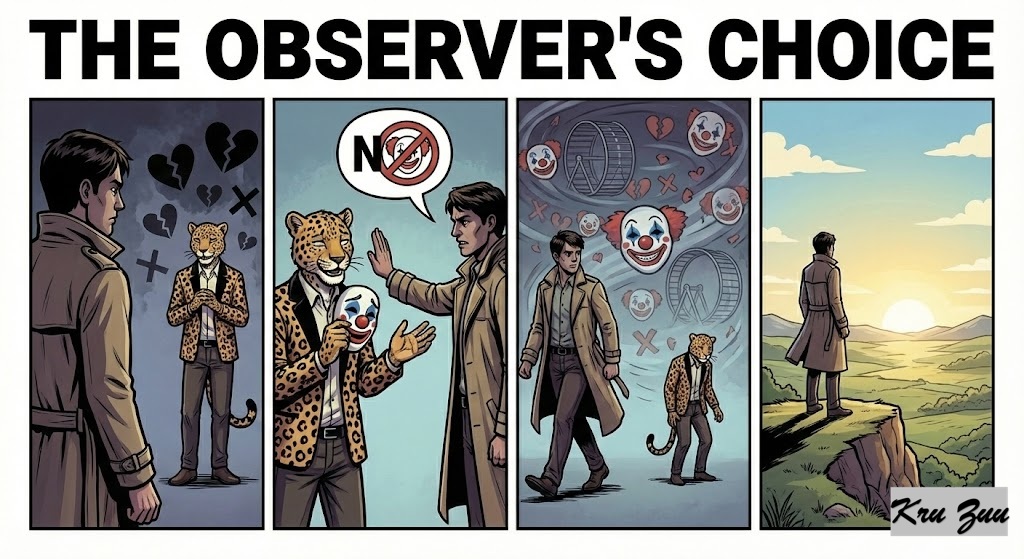
    😇 The Hero (The Wise Observer):


    You see the phone, but you respect privacy.

    You see the closed door, and you keep walking.

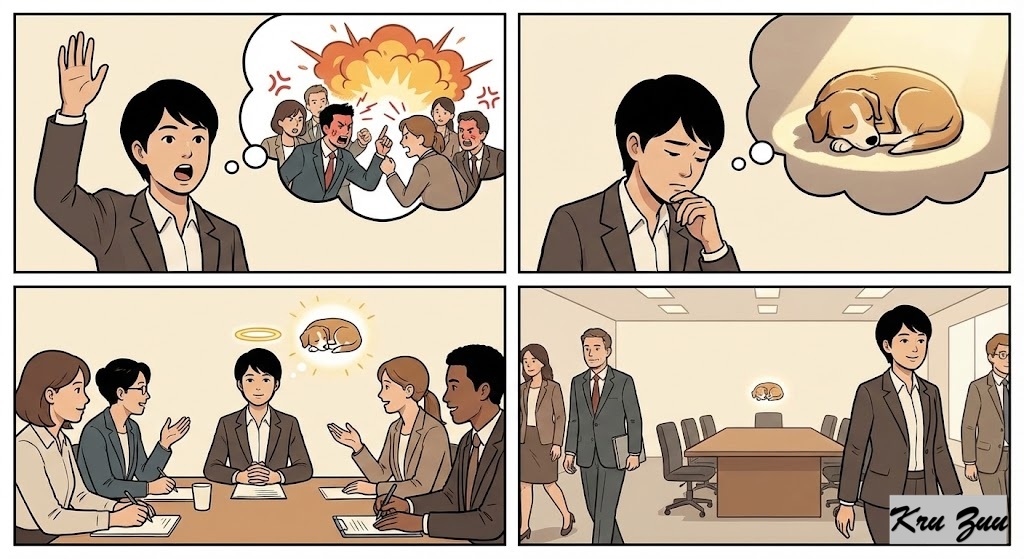
    You hear the whisper, but you realize that what others think of you is none of your business.

    The Result? You have peace of mind.

    You protect your relationships.

    You sleep soundly because your brain isn’t full of drama that doesn’t belong to you.

    You know that sometimes, ignorance is bliss. 🧘‍♂️


    ⚖️ The Reality


    Curiosity is the engine of science, but the enemy of peace.

    There is a thin line between Learning (Good Curiosity) and Snooping (Bad Curiosity).


    Good Curiosity: “How does the universe work?” 🌌


    Bad Curiosity: “Why did my ex-boyfriend like that photo?” 📱


    💎 The Plot Twist (Wait for it…)


    Did you know this proverb has a secret second half? Most people stop at the death of the cat. But the full version is:


    “Curiosity killed the cat, but satisfaction brought it back.”


    Meaning: Yes, taking a risk to find the truth might hurt you (kill the cat), but finding the answer is often worth the pain (brought it back).

    This changes everything! It means: Take the risk, but be ready for the consequences.

    🧐 The Anatomy of the Proverb


    Let’s dissect this classic warning.


    Curiosity (Noun): A strong desire to know or learn something. (The trigger).


    Killed (Verb): Past tense of kill. (The consequence).


    The Cat (Noun): In idioms, cats often represent people who are getting into trouble.


    Simpler Version: Stop asking questions you don’t want the answers to.


    📚 Vocabulary Vault


    Add these words to your arsenal to sound like a native speaker.


    Nosy (Adjective): Showing too much curiosity about other people’s affairs.


    Example: “Don’t be so nosy! It’s personal.”


    Pry (Verb): To inquire too closely into a person’s private affairs.


    Example: “I don’t mean to pry, but are you okay?”


    Eavesdrop (Verb): To secretly listen to a conversation. 👂


    Example: “She was eavesdropping on the boss’s meeting.”


    Intriguing (Adjective):
    Arousing one’s curiosity or interest; fascinating.


    Example: “That is a very intriguing idea.”


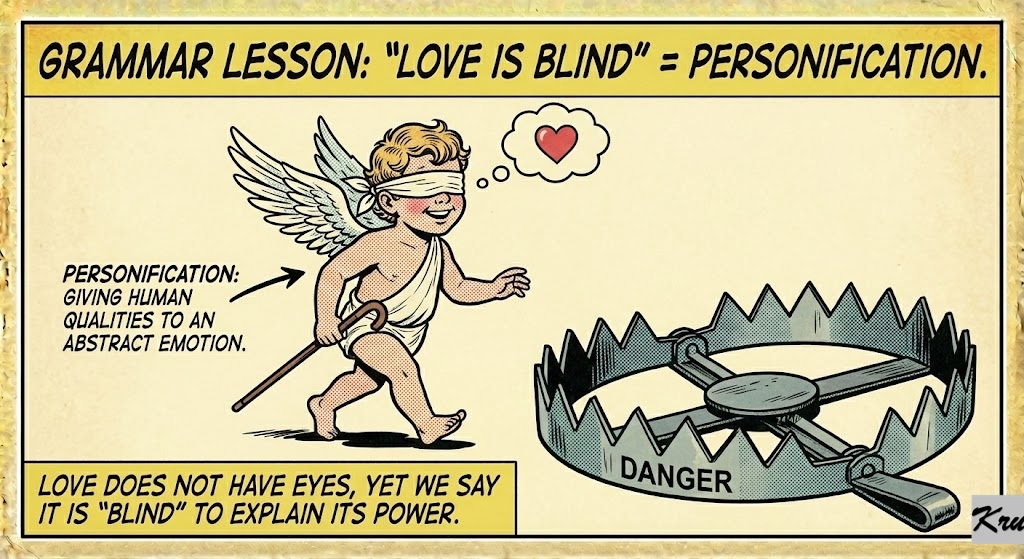
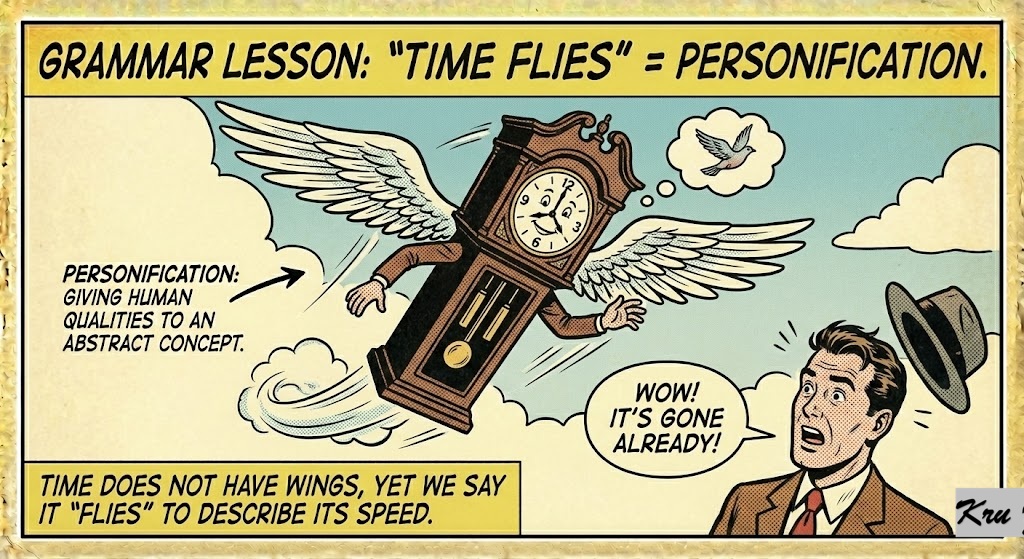
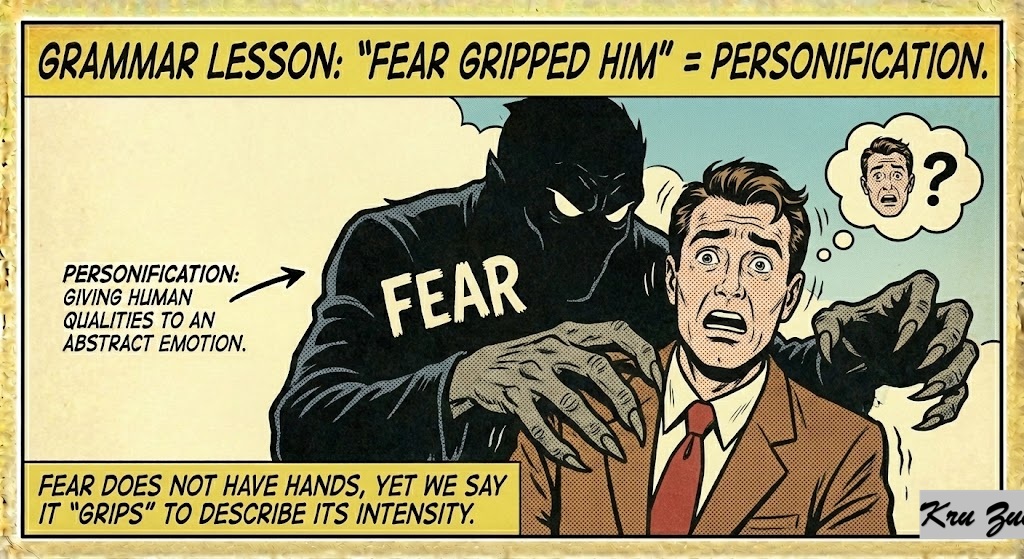
    🧠 Grammar Focus: Personification


    English loves to make non-human things act like humans. This is called Personification.


    The Phrase: “Curiosity killed the cat.”


    The Logic: Curiosity is an emotion. It cannot hold a weapon. It cannot “kill” anything. But in English, we give it the power of a killer to show how dangerous it is.


    Other Examples:


    “Time flies.” (Time is not a bird).

    “Opportunity knocks.” (Opportunity does not have hands).

    “Fear gripped him.” (Fear does not have fingers).

    📜 History: From Shakespeare to Today


    Where did this come from?


    The Original:
    In 1598, Ben Jonson wrote a play where he said, “Care killed a cat.” Back then, “Care” meant “Worry” or “Sorrow.” The idea was that worrying too much is bad for your health.


    The Evolution: Over hundreds of years, “Care” changed to “Curiosity.”


    Global Cousins:


    🇹🇷 Turkish:
    “Fazla merak kediyi öldürür” (Too much curiosity kills the cat) or “Merak insanı mezara, parayı pazara…” (Curiosity takes a man to the grave…).


    🇪🇸 Spanish: “La curiosidad mató al gato.”


    🇫🇷 French: “La curiosité est un vilain défaut.” (Curiosity is a nasty fault).

    🎭 Short Story: The Blue Envelope


    Let’s visit our students, Penny and Max.


    🌟 The Setup:
    The teacher leaves a Blue Envelope on his desk. He says, “Nobody touch this.” He leaves the room.


    The Conflict:


    Max (The Nosy One):
    He is sweating. He needs to know. Is it exam answers? Is it a love letter? He sneaks up. He opens the envelope.


    The Trap: Inside, there is only a piece of paper that says: “Detention for whoever opens this.” The teacher walks in. Max is caught. Curiosity killed Max’s free time. 💀


    Penny (The Focused One): She stays in her seat. She opens her book. She knows the teacher is tricky.


    The Reward: Penny goes home early. Max stays at school.


    The Moral: Sometimes, the mystery is a trap. Be like Penny. Mind your own business. ✉️

    🎓 Lesson for English Learners


    Don’t Ask “Why?” Too Much.


    Situation:
    You learn a grammar rule that makes no sense. (Example: Why is it “on the bus” but “in the car”?).


    The Trap: You stop speaking. You spend 3 hours searching Google for the history of prepositions. You get confused. You get frustrated.


    The Solution: Curiosity is killing your fluency!


    You Say: “I don’t care why. I just accept it.”


    The Rule: Sometimes in language learning, you must turn off your curiosity and just mimic what you hear.


    💬 Your Turn: The “Nosy” Test 🚀


    Let’s see where you stand.


    Question:
    If you found your best friend’s diary open on the floor…

    A) I would read it immediately. (The Villain) 😈

    B) I would close it without looking. (The Hero) 😇

    C) I would read one page, then feel guilty. (The Human) 😐


    Tell us in the comments! Are you A, B, or C? 👇

    By Zubeyir YURTKURAN

    https://www.facebook.com/BrainBattleground/

    https://www.facebook.com/zubeyr.yurtkuran/

    https://www.instagram.com/zubeyryurtkuran/

    https://www.youtube.com/@BrainBattleground-b3p

  • 🏔️ The Daily Shield: The Law of Determination

    🏔️ The Daily Shield: The Law of Determination

    Where there’s a will, there’s a way.


    👿 The Villain (The Victim): You say “I can’t do it because I don’t have money.”

    You say “I’m too old to learn English.”

    You say “I don’t have time.”

    You stare at the closed door and cry.

    You wait for someone else to open it for you.

    The Result? You stay in the same place for 10 years. You become bitter.

    You become the person who says, “I could have been great, but…” 🌧️


    😇 The Hero (The Pathfinder): You see a closed door, so you look for a window.

    The window is locked? You look for the chimney.

    The chimney is blocked? You grab a hammer and break the wall!

    You don’t have money? You use free libraries.

    You don’t have time? You listen to podcasts while you sleep.

    The Result? You achieve the “impossible.” People call you lucky, but you know the truth: You just refused to take “No” for an answer. 🔨


    ⚖️ The Reality: Talent is overrated. Resources are overrated. Desire is the only thing that matters.

    💎 The Secret: Obstacles are not “Stop” signs; they are tests to see how badly you want it.

    🧐 The Anatomy of the Proverb


    This is the Golden Rule of Grit. It implies that if your desire (will) is strong enough, you will eventually find a method (way) to succeed, no matter how hard it is.


    Where: In any situation or place.


    Will (Noun): Not the future tense auxiliary verb! Here, it means strong desire, determination, or mental power. 🔥


    Way (Noun): A method, a path, a plan, or a solution. 🗺️


    📚 Vocabulary Vault


    Determination (Noun):
    The quality of not giving up, even when things are difficult.


    Obstacle (Noun): Something that blocks your way (a problem).


    Resourceful (Adjective): Good at finding ways to solve problems. (MacGyver is resourceful!). 🛠️


    Persist (Verb): To continue doing something even though it is difficult.


    Inevitable (Adjective): Certain to happen; unavoidable.


    🧠 Grammar Focus


    Parallel Structure & Existential “There is” This proverb uses a perfect balance. It links a condition to a result using “Where.”


    Structure: Where [Situation], [Result].


    Condition: Where there is a will… (If strong desire exists…)


    Result: …there is a way. (…a solution also exists.)


    Note on “Will”:


    Verb: I will call you. (Future)


    Noun: He has a strong will. (Determination) -> This proverb uses the Noun form!

    📜 History: Origin and Spread


    This isn’t just modern motivation; it’s ancient wisdom.


    The Origin: It was popularized by the English poet George Herbert in 1640.


    The Logic: Historically, people believed the human spirit was stronger than physical reality. If you can imagine it, you can build it.


    Global Cousins:


    🇹🇷 Turkish:
    “İsteyen çaresini, istemeyen bahanesini bulur.” (The one who wants finds a remedy, the one who doesn’t finds an excuse.) — Perfect match!


    🇪🇸 Spanish: “Querer es poder.” (To want is to be able.)


    🇯🇵 Japanese: “Ishi no ue ni mo san nen.” (Sit on a stone for 3 years, and it will become warm.) — Focus on patience/will.

    🎯 Impact on Life: The Pros & Cons


    Is pure willpower enough?


    ✅ The Pros (The Fuel):


    Innovation:
    When you refuse to quit, you invent new solutions (like Elon Musk or Thomas Edison).


    Resilience: Failure doesn’t hurt you; it just teaches you “how NOT to do it.”


    ❌ The Cons (The Burnout):


    Stubbornness:
    Sometimes there isn’t a way (e.g., You can’t flap your arms and fly). Don’t confuse “Will” with “Delusion.”


    Exhaustion: Pushing too hard without rest can break you.

    🎭 Short Story: The High Wall


    Let’s visit our friends again, Penny and Max.


    🌟 The Setup: Penny the Pig and Max the Mouse were hungry.

    They smelled delicious fresh corn inside a garden. But there was a huge, 3-meter stone wall around the garden. 🧱


    The Conflict: Max looked at the wall. “It’s too high,” he sighed.

    “I am just a mouse. It is physically impossible to climb this.” Max sat down and cried. He had no Will.

    Penny looked at the wall. She couldn’t climb either.

    But she wanted that corn. She walked around the wall for 2 hours. Nothing.

    She tried to jump. Failed.


    The Action: Did Penny go home? No.

    She found a small crack in the ground near the wall.

    She started digging. She dug for 4 hours. Her hooves hurt. She was dirty.

    Max laughed, “Give up, Penny!”

    Suddenly… Pop! Penny squeezed under the wall through the hole she dug.


    The Moral: Max focused on the Wall (The Obstacle).

    Penny focused on the Corn (The Goal).

    Max is still hungry.

    Penny is eating lunch.

    🎓 Lesson for English Learners


    Don’t use this just for major life goals; use it for your English journey!


    Advice on Speaking 🗣️


    Situation:
    A student says, “I can’t speak English because I don’t live in America.”


    You Say: “That is an excuse. You have the Internet, YouTube, and AI. Where there’s a will, there’s a way. Find a way!”


    Advice on Career 💼


    Situation:
    Your friend hates their job but says, “I can’t quit, I have bills.”


    You Say: “Start a side hustle. Learn a new skill at night. If you really want freedom, you will find a path. Where there’s a will, there’s a way.”


    💬 Your Turn


    The “Impossible” Challenge 🚀


    The Goal:
    Identify one thing you said you “CAN’T” do.


    “I can’t lose weight.”


    “I can’t wake up early.”


    “I can’t save money.”


    The Action:
    Replace “I can’t” with “How can I?” Write down 3 creative ways to solve that problem right now.


    Question: What is a “Wall” in your life right now?

    Are you going to be Max (sit and cry) or Penny (start digging)? 👇

    By Zubeyir YURTKURAN

    https://www.facebook.com/BrainBattleground/

    https://www.facebook.com/zubeyr.yurtkuran/

    https://www.instagram.com/zubeyryurtkuran/
    https://www.youtube.com/@BrainBattleground-b3p

  • 🌤️ The Silver Lining Effect: Finding Light in the Dark

    🌤️ The Silver Lining Effect: Finding Light in the Dark

    Every cloud has a silver lining.


    👿 The Villain (The Pessimist): You lose your job unexpectedly.

    You panic. You spend weeks complaining, blaming your boss, and sleeping until noon.

    You tell everyone, “My life is over.”

    The Result? You miss new job openings because you are too busy being angry.

    Your friends stop calling because your negative energy drains them.

    You stare at the dark cloud so long that you get soaked by the rain. You drown in a puddle of your own making. 🌧️


    😇 The Hero (The Alchemist): You lose your job unexpectedly. It hurts, but you take a deep breath.

    You think, “I hated that commute anyway. Now I have time to take that coding course I always wanted.”

    The Result? Three months later, you launch a freelance business.

    You are making more money and working from home.

    Losing that job wasn’t a tragedy; it was the push you needed to fly.

    You didn’t just survive the storm; you used the water to grow a garden. 🌻


    ⚖️ The Reality:
    Life is not a weather report you can control.

    Storms will happen. But the sun never actually leaves; it is just temporarily hidden.

    💎 The Secret: The “bad thing” is often the transportation system for the “good thing.” Without the dark background, the stars cannot shine.

    🧐 The Anatomy of the Proverb


    This is the ultimate phrase for Optimism. It reminds us that even the worst situations (clouds) have a positive aspect or a hopeful side (the silver lining).


    Cloud: Represents trouble, sadness, or difficulty.


    Silver Lining: Represents the sun shining from behind the cloud, creating a glowing, bright edge. (Hope/Advantage).


    📚 Vocabulary Vault


    Optimist (Noun):
    A person who tends to look on the more favorable side of events. 😃


    Pessimist (Noun): A person who tends to see the worst aspect of things. ☹️


    Resilience (Bonus Word): The capacity to recover quickly from difficulties; toughness.


    Setback (Noun): A reversal or check in progress (a minor problem).


    Blessing in Disguise (Idiom): Something that seems bad at first but results in something good.


    🧠 Grammar Focus


    “Every” + Singular Noun vs. Plural Meaning This is a common trap for students! Even though “Every” talks about all the clouds, we treat it grammatically as a single unit.


    Subject: [Every cloud]


    Verb: [has] (Third Person Singular)


    Object: [a silver lining]


    Incorrect: Every clouds have a silver lining. ❌
    Incorrect: Every cloud have a silver lining. ❌
    Correct: Every cloud has a silver lining. ✅

    📜 History: Origin and Spread


    This poetic phrase wasn’t invented by a philosopher, but by a poet.


    The Origin: It comes from John Milton’s masque “Comus” (1634).

    He wrote: “Was I deceived, or did a sable cloud / Turn forth her silver lining on the night?”


    The Evolution: In the Victorian era, people shortened it to the proverb we use today to cheer each other up during hard times.


    Global Cousins:


    🇹🇷 Turkish:
    “Her şerde bir hayır vardır.” (There is good in every evil/bad thing.)


    🇪🇸 Spanish: “No hay mal que por bien no venga.” (There is no bad from which good does not come.)


    🇩🇪 German: “Auf Regen folgt Sonnenschein.” (After rain follows sunshine.)


    🇯🇵 Japanese: “Saiou ga uma.” (The story of the old man’s horse, bad luck leads to good luck.)

    🎯 Impact on Life: The Pros & Cons


    Is this toxic positivity, or a survival strategy?


    ✅ The Pros (The Shield):


    Mental Health:
    It reduces anxiety. Instead of focusing on “Why me?”, you focus on “What now?”


    Problem Solving: When you look for the silver lining, you stop freezing and start acting.


    Grit: It helps you endure pain because you believe there is a purpose to it.


    ❌ The Cons (The Trap):


    Invalidation:
    Telling someone who just lost a loved one “Every cloud has a silver lining” is rude. Sometimes, people just need to be sad.


    Denial: If you only look at the bright side, you might ignore a serious problem that needs fixing.

    🎭 Short Story: The Ruined Picnic


    Let’s visit our trio: Penny, Fiona, and Max.


    🌟 The Setup: Penny the Pig had organized the “Perfect Picnic.” She had sandwiches, iced tea, and a beautiful blanket.

    Fiona the Fox and Max the Mouse were excited. “It’s going to be a beautiful day!” Penny(PIG) squealed.


    The Conflict: As soon as they sat down… KABOOM! Thunder crashed. The sky turned black, and rain poured down instantly.

    “My sandwiches!” cried Penny. “My fur!” cried Fiona.

    The picnic was ruined. They grabbed the wet food and ran into a nearby dark cave for shelter. ⛈️


    The Action: Penny was crying. “This is a disaster.” But Max, being small and curious, saw something glowing at the back of the cave.

    “Hey guys, look at this!” he squeaked. They walked deeper into the cave.

    The walls were covered in glow-worms that looked like a magical starry night sky. It was breathtakingly beautiful. ✨


    The Climax: They sat on the dry rocks, ate their slightly soggy sandwiches, and watched the magical light show of the glow-worms.

    They told ghost stories and laughed louder than they would have outside.


    The Moral: If it hadn’t rained, they never would have found the magical cave.

    The storm (the cloud) led them to the most beautiful memory of the summer (the silver lining).

    🎓 Lesson for English Learners


    How to use this phrase naturally.


    Consoling a Friend (Professional Failure) 💼


    Situation:
    Your friend didn’t get the promotion they wanted.


    You say: “I know it hurts, but maybe every cloud has a silver lining. This might be the sign you needed to apply for that better company in the city.”


    Reframing a Bad Day 🚌


    Situation:
    You missed your bus and had to walk.


    You say: “Well, I missed the bus, but every cloud has a silver lining; at least I got my 10,000 steps in for the day!”


    Vocabulary Expansion 📚


    To Look on the Bright Side:
    To find the good in a bad situation.


    To Make Lemonade out of Lemons: To turn a difficulty into an opportunity.


    Weather the Storm:
    To endure a difficult situation until it improves.


    💬 Your Turn


    The “Hidden Gem” Challenge 💎


    Let’s practice gratitude.


    The Cloud:
    Think of a time something “bad” happened to you (a breakup, a firing, a missed flight).


    The Silver Lining: What good thing happened because of that bad event? Did you meet someone new? Did you learn a lesson?


    Action Step:
    Next time you complain today (about the traffic, the weather, or work), immediately add “…but the silver lining is…” and finish the sentence.


    Question: What is the biggest “Blessing in Disguise” you have ever experienced? Tell us your story in the comments! 👇

    By Zubeyir YURTKURAN

    https://www.facebook.com/BrainBattleground/

    https://www.facebook.com/zubeyr.yurtkuran/

    https://www.instagram.com/zubeyryurtkuran/
    https://www.youtube.com/@BrainBattleground-b3p

  • 🪃 The Boomerang Effect: The Law of Cosmic Echoes

    🪃 The Boomerang Effect: The Law of Cosmic Echoes

    What goes around comes around.


    👿 The Villain (The Short-Sighted): You gossip about a coworker to get a promotion.

    You cheat on a test because “no one is looking.”

    You ignore a friend who needs help because you are “too busy.”

    The Result? Six months later, someone spreads a rumor that ruins your reputation. You get hired, but lack the knowledge to do the job and get fired. When you hit rock bottom, your phone is silent. No one is there to answer.

    You threw a stone, and it bounced back to hit you in the face. 🤕


    😇 The Hero (The Investor): You stay late to help a newbie understand a project.

    You return a lost wallet with the cash inside.

    You smile at a rude waiter because you know they are having a hard day.

    The Result? Years later, that newbie becomes a CEO and hires you for your dream job.

    You lose your keys, and a stranger drives 20 minutes to bring them to you.

    The positive energy you sent out has returned with interest.

    You didn’t just spend kindness; you invested it. 🌟


    ⚖️ The Reality: The universe is not a straight line; it is a circle.

    Every action is a seed.

    If you plant cactus seeds, you cannot be angry when you harvest thorns. 🌵


    💎 The Secret: Treat the world exactly how you want the world to treat you.

    You are not the audience; you are the protagonist, and the plot depends on your actions.

    🧐 The Anatomy of the Proverb


    This phrase is the ultimate definition of Karma. It means the energy (good or bad) you send out into the world will eventually return to you.


    📚 Vocabulary Vault


    To Go Around (Phrasal Verb):
    To circulate or travel amongst people. (Here: The action you take.) 🌬️


    To Come Around (Phrasal Verb): To return or happen again. (Here: The consequence arriving.) ↩️


    Karma (Noun): Destiny or fate, following as effect from cause.


    Retribution (Bonus Word): Punishment inflicted on someone as vengeance for a wrong or criminal act.


    Reciprocity (Bonus Word): The practice of exchanging things with others for mutual benefit.


    🧠 Grammar Focus


    The Noun Clause as a Subject:
    This sentence is grammatically fascinating because it doesn’t start with a simple noun (like “The dog” or “He”).


    Subject: [What goes around]


    Verb: [comes]


    Adverb: [around]


    The entire phrase “What goes around” functions as a single noun.


    Example: “What you say matters.” (Subject: What you say)


    Incorrect: That goes around comes around. ❌


    Correct:What goes around comes around. ✅

    📜 History: Origin and Spread


    While the specific English phrasing became popular in the 1970s (thanks to pop culture), the wisdom is ancient.


    The Origin: It is deeply rooted in the concept of the Circle of Life found in nature and the spiritual law of Karma (Hinduism/Buddhism).


    The Fable: The Lion and the Mouse (Aesop). A Lion spares a Mouse’s life.

    Later, the Lion is trapped in a hunter’s net.

    The Mouse returns the favor by chewing the net to free the Lion.

    Small kindness leads to great salvation. 🦁🐭


    Global Cousins:


    🇹🇷 Turkish:
    “Ne ekersen, onu biçersin.” (What you plant, you harvest.)

    “Etme bulma dünyası.” (A world of ‘don’t do [bad], don’t find [bad]’.)


    🇪🇸 Spanish: “Siembra vientos y recogerás tempestades.” (Sow winds and you will harvest storms.)


    🇫🇷 French: “On récolte ce que l’on sème.” (We harvest what we sow.)


    🇩🇪 German: “Wie man in den Wald hineinruft, so schallt es heraus.” (As one shouts into the forest, so it echoes back.)

    🎯 Impact on Life: The Pros & Cons


    Is this just superstition, or a rule to live by? ✅ The Pros (The Compass):


    Moral Guardrail: It stops you from acting out of anger.

    You pause and ask, “Do I want this negative energy back?”


    Hope: When you are suffering but doing the right thing, it gives you faith that justice will arrive eventually.


    Empathy: It forces you to stand in someone else’s shoes.


    ❌ The Cons (The Trap):


    Victim Blaming:
    If something bad happens to a friend, you might mistakenly think, “They must have done something to deserve this.” (This is dangerous thinking!)


    Transactional Kindness: Doing good only because you want a reward creates a selfish heart.

    🎭 Short Story: The Banana Peel Prank


    Let’s visit our friends Penny, Fiona, and Max again!


    🌟 The Setup: Max the Mouse was in a mischievous mood.

    He saw Penny the Pig walking down the hallway carrying a heavy stack of books.

    Max giggled and placed a slippery banana peel right in Penny’s path.

    “This will be hilarious!” he squeaked. 🍌


    The Conflict: Penny stepped on the peel—WHOOSH!—and fell.

    Her books flew everywhere.

    Max laughed so hard he fell over.

    Penny stood up, dusted herself off, and sadly picked up her books.

    She didn’t say a word, she just walked away.


    The Action: An hour later, Max was running away from a scary cat.

    He wasn’t looking where he was going. He turned the corner sharply, right back into the same hallway.


    The Climax: Max stepped on the exact same banana peel he had left there. SLIP! BOOM!

    Max slid across the floor and crashed into a bucket of mop water. 💦🐁


    The Moral: Max set the trap for Penny, but he was the one who got caught. The trap doesn’t care who steps in it. What goes around comes around.

    🎓 Lesson for English Learners


    How to use this phrase like a native speaker.


    Consoling a Friend 🫂


    Situation:
    Your friend was cheated on by their partner.


    You say: “Don’t worry about getting revenge. Just let it go. What goes around comes around. They will regret losing you.”


    Warning a Rival ⚠️


    Situation:
    A colleague is stealing your clients.


    You say: “Be careful how you treat people on your way up. What goes around comes around, and you might meet them on your way down.”


    Vocabulary Expansion 📚


    Karmic Debt (Noun):
    The accumulated negative consequences one must pay for past actions.


    Just Desserts (Idiom): Getting what one deserves (usually punishment). “He finally got his just desserts.”


    Pay it Forward (Phrase): Responding to a person’s kindness to you by being kind to someone else.


    💬 Your Turn


    The “Echo” Challenge 🗣️ The universe is listening. Let’s test the theory.


    The Negative Echo: Have you ever done something petty/mean and had “bad luck” immediately after?


    The Positive Echo:
    Have you ever helped a stranger, and then received help from a totally different person later?


    Action Step: Do one “secret” nice thing today that no one will see (pick up trash, leave a nice note, donate anonymously). Wait and see how the universe pays you back!


    Question: Do you believe in instant Karma, or does it take time?

    Tell us your story below! 👇

    By Zubeyir YURTKURAN

    https://www.facebook.com/BrainBattleground/

    https://www.facebook.com/zubeyr.yurtkuran/

    https://www.instagram.com/zubeyryurtkuran/
    https://www.youtube.com/@BrainBattleground-b3p

  • 👀 Look Before You Leap: The Art of Calculated Action

    👀 Look Before You Leap: The Art of Calculated Action

    Look before you leap.


    🚀 The Leaper (The Impulsive):
    You quit your job because you had one bad day.

    You bought a used car without checking the engine. You sent an angry text message the second you felt annoyed.

    The Result? You are unemployed with bills to pay.

    The car breaks down in a week.

    You lost a friend over a misunderstanding.

    Regret hits you instantly. You are in a hole you dug yourself. 🕳️


    🕵️ The Looker (The Strategist): You updated your resume and saved money before quitting.

    You paid a mechanic to inspect the car first.

    You wrote the angry text but waited 24 hours to send it (and then deleted it).

    The Result? You transitioned smoothly to a better career.

    You bought a reliable vehicle.

    You kept your relationships drama-free.

    You control the situation; the situation does not control you. 🕶️


    📉 The Reality: This isn’t just about jumping over puddles. It’s about Due Diligence.

    In the age of “Instant Everything” (instant messages, instant buys), the ability to pause and think is a superpower. ⏸️


    💎 The Secret: Speed is good, but direction is better. Moving fast in the wrong direction just gets you lost faster.

    🧐 The Anatomy of the Proverb


    This classic phrase is a warning against acting on impulse without considering the consequences.


    📚 Vocabulary Vault


    To Leap (Verb):
    To jump high or a long way. (Here: To take a sudden, significant action.) 🏃‍♂️


    Example: “He leapt over the fence.”


    To Look (Verb): To use your eyes. (Here: To examine, research, or analyze the situation.) 🔍


    Consequences (Bonus Word): The results (usually unpleasant) of an action.


    Impulsive (Bonus Word): Acting without thinking.


    🧠 Grammar Focus


    The Temporal Clause (Time Connectors):
    The sentence uses the conjunction “Before” to connect two actions. It establishes a mandatory order of operations.


    Structure: [Imperative Command] + [Conjunction of Time] + [Secondary Action].


    Incorrect: Leap and then look. ❌


    Correct: Look before you leap. ✅


    Real Life: “Check your wallet before you order the expensive steak.”

    📜 History: Origin and Spread


    The wisdom of this proverb dates back to ancient storytelling.


    The Origin: It is attributed to Aesop’s Fables (The Fox and the Goat).

    A fox falls into a well. A thirsty goat sees him and asks if the water is good.

    The fox says, “It’s amazing! Jump in!” The goat jumps in without thinking.

    The fox climbs on the goat’s horns to escape, leaving the goat stuck.

    The moral? Check the exit before you enter. 🦊


    Global Cousins:


    🇹🇷 Turkish:
    “İki ölç, bir biç.” (Measure twice, cut once. – Focuses on precision.)

    🇹🇷 Turkish: “Dereyi görmeden paçaları sıvama.” (Don’t roll up trousers before seeing the creek.)


    🇪🇸 Spanish: “Antes de que te cases, mira lo que haces.” (Before you get married, look at what you are doing.)


    🇩🇪 German: “Erst wägen, dann wagen.” (First weigh, then dare.)

    🎯 Impact on Life: The Pros & Cons


    Is it always good to wait? Let’s analyze.


    ✅ The Pros (The Shield):


    Risk Reduction:
    You avoid catastrophic failures and financial loss.


    Confidence: When you finally “leap,” you do so with full commitment because you know the facts.


    Reputation: You are seen as wise, reliable, and level-headed.


    ❌ The Cons (The Trap):


    Analysis Paralysis: If you look too long, you might never leap at all. You get stuck in “overthinking” mode. 🗿


    Missed Opportunities: Sometimes, a window of opportunity closes quickly. If you hesitate too long, someone else will take the prize.

    🎭 Short Story: The Forest Shortcut


    Let’s visit our friends Penny, Fiona, and Max again!


    🌟 The Setup: Penny the Pig and Fiona the Fox were late for a birthday party.

    Max the Mouse pointed to a dark, overgrown path. “That’s a shortcut,” Max squeaked. “It saves 20 minutes!”


    The Conflict: Penny, worried about being late, shouted, “Let’s go!” and sprinted into the tall grass immediately.

    Fiona, however, stopped. She picked up a long stick and poked the grass in front of her.


    The Action: Penny was running full speed when, SPLAT!

    She fell straight into a hidden mud pit that looked like solid ground.

    She was stuck up to her neck in sticky mud! 🐷💩


    The Solution: Fiona, having “looked” with her stick, found the solid path around the pit.

    She used the stick to pull Penny out.

    They arrived at the party late, and Penny was covered in mud.


    The Moral: A saved minute is worthless if it costs you an hour of cleaning up a mess. Penny leapt; Fiona looked.

    🎓 Lesson for English Learners


    How to sound smart using this concept in conversation.


    Advice Language 🗣️


    To a friend buying a suspicious crypto-coin:
    “Hey, I know the returns look good, but look before you leap. Have you read the whitepaper?”


    To a colleague quitting in anger: “Don’t just walk out. Look before you leap, do you have another offer signed?”


    Vocabulary Expansion 📚


    Due Diligence (Noun): Reasonable steps taken by a person to satisfy a legal requirement or before buying something. “He did his due diligence before buying the house.”


    Calculated Risk (Noun): A chance taken after careful estimation of the probable outcome. “It wasn’t a gamble; it was a calculated risk.”


    Hasty (Adjective): Done with excessive speed or urgency; hurried. “Don’t make a hasty decision.”


    💬 Your Turn


    The “24-Hour Rule” Challenge 📝


    Think of a decision you are feeling pressured to make right now (buying something expensive, sending a risky text, signing up for a course).


    The Leap: What does your impulse want to do immediately?


    The Look: What specific detail do you need to check first? (e.g., Check bank account, read reviews, ask a mentor).


    Action Step: Commit to waiting 24 hours before making that decision. Use that time to “Look.”


    Question: Have you ever “Leapt” without “Looking” and regretted it? Tell us your story in the comments! 👇

    By Zubeyir YURTKURAN

    https://www.facebook.com/BrainBattleground/

    https://www.facebook.com/zubeyr.yurtkuran/

    https://www.instagram.com/zubeyryurtkuran/
    https://www.youtube.com/@BrainBattleground-b3p

  • 🧺 Don’t Put All Your Eggs in One Basket: The Secret to Risk Management

    🧺 Don’t Put All Your Eggs in One Basket: The Secret to Risk Management

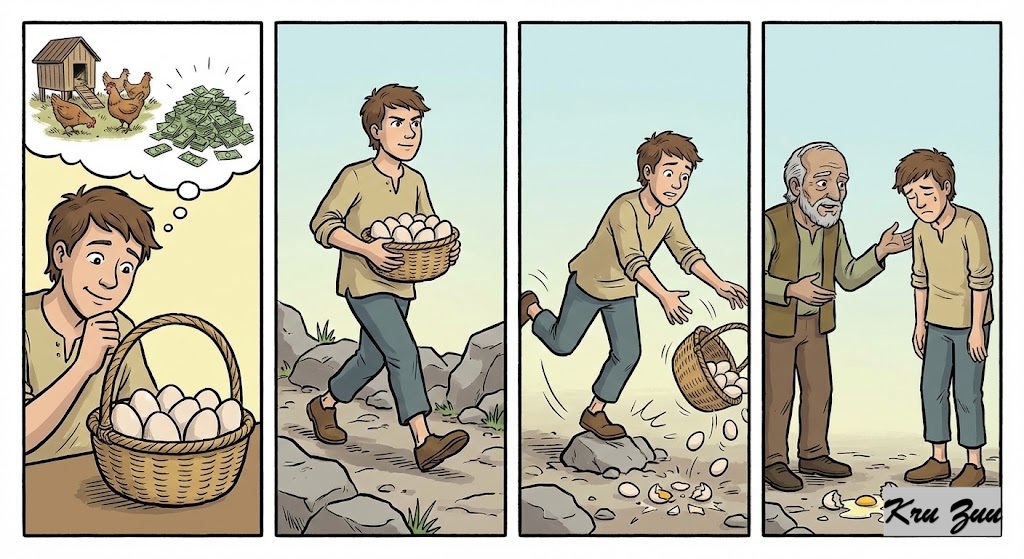
    Don’t put all your eggs in one basket.


    👿 The Risk Taker:
    You invested all your savings in a single stock.

    You applied to only one university. You are waiting solely for the job offer from one company.

    The Result? If that stock tanks, everything is gone. If that university rejects you, you have no backup.

    Stress levels skyrocket, and your entire life is tied to one fragile point. 🌋


    😇 The Planner (The Diversifier): You spread your money across different bank accounts and investment tools.

    You applied to three different colleges.

    You are learning a new skill while also taking on some freelance work.

    The Result? If one investment dips, the others protect you. There is always a ‘Plan B.’ Your life rests on solid ground. 🛡️


    📉 The Reality: This saying is not just about finance. It applies to career, relationships, hobbies, and education too.

    Life is not a lottery where one thing saves you; it’s a strategic game where you manage probabilities. 🎯


    💎 The Secret: Flexibility is your power in life. If one area fails, the others can support you. Successful people always have a contingency plan.

    🧐 The Anatomy of the Proverb


    This common English phrase is a direct warning against making your life dependent on a single thing.


    📚 Vocabulary Vault


    Basket (Noun):
    A container. (Here: An area of investment, an opportunity, or an effort.) 🍎


    Example: “She keeps all her laundry in a plastic basket.”


    To Put (Verb): To place. (Here: To invest, to focus, to trust.)


    All Your Eggs: All your eggs. (Here: All your resources, money, energy, or hopes.) 🥚


    Diversification (Bonus Word):
    The strategy of investing in a variety of assets to reduce risk.


    🧠 Grammar Focus


    The Negative Imperative Mood (The Bossy Verb, Negative):


    The sentence starts with “Don’t” (Do not). Like the positive imperative “Treat others…”, this is a direct instruction or strong piece of advice.


    Normal: You should not put…


    Imperative:Don’t put all your eggs… (You are strongly advised not to do this!)

    📜 History: Origin and Spread


    The saying is based on a centuries old agricultural metaphor.


    The Origin: The phrase can be traced back to the 1600s in Spanish literature and the works of English writer Miguel de Cervantes (author of Don Quixote). The basic idea is simple: if you drop the basket, all your eggs break. 🍳


    Global Cousins:


    🇹🇷 Turkish:
    “Bütün yumurtalarını tek bir sepete koyma.” (Direct translation and most common usage.)


    🇨🇳 Chinese: “A man who wants his own end hangs himself from a single tree.” (The idea of finding alternative solutions.)


    🇮🇳 Hindi: “Taking risks is fine, but don’t risk your entire existence.” (Emphasizing the same theme.)

    🎯 Impact on Life: The Pros & Cons


    What are the benefits of living by this philosophy?


    ✅ The Pros (The Safety Net):


    Resilience:
    One failure doesn’t derail your whole life. You can recover quickly.


    Mental Peace: It reduces the pressure that comes from being over-reliant on a single outcome.


    Broader Experience: Trying different areas diversifies your skills and capabilities.


    ❌ The Cons (The Pitfalls):


    Dilution of Focus:
    If you spend too little energy on too many things, you might not achieve true excellence in any of them. (Too many baskets, too few eggs!)


    Missed Opportunity: Sometimes, taking a big risk can yield a big reward. This rule can sometimes lead to excessive caution.

    🎭 Short Story: The Village Market


    Let’s check in with our farm friends again!


    🌟 Character Introduction


    Penny the Pig:
    Ambitious, highly focused. 🐷


    Fiona the Fox: Cunning, risk-management expert. 🦊


    Max the Mouse:
    The market accountant. 🐭


    The Setup: It was market day. Penny loaded all her delicious pumpkins onto one massive wheelbarrow. “This is the fastest way!” she thought.

    Fiona, however, divided her pumpkins into three separate smaller baskets, ready to sell at three different stalls.


    The Conflict: The path was bumpy, and just as Penny was descending a hill, her large wheelbarrow’s wheel came loose, and the WHOLE THING CRASHED! All her pumpkins were smashed. 🎃


    The Solution: As Penny cried, Fiona realized that two of her three baskets were still perfectly fine. Even though the third basket had tipped, the bulk of her loss was contained.

    Max the Mouse summed it up: “Penny’s loss is 100%. Fiona’s loss is only 33%. Fiona earned less, but she didn’t crash.”


    The Moral: Success is measured not only by what you gain but by what you avoid losing. Separating the baskets minimizes the cost of risk.

    🎓 Lesson for English Learners


    How can you use “The Basket Proverb” in your English conversations?


    Advice Language 🗣️


    If your friend applies to only one company:
    “Hey, don’t put all your eggs in one basket. Maybe apply to two or three more places as a backup.”


    To someone stressing over an exam: “Remember to study a variety of topics. Don’t put all your eggs in one basket for the final exam!”


    Vocabulary Expansion 📚


    Contingency Plan (Noun):
    A plan for a possible future event. “We need a contingency plan in case the main project fails.”


    Mitigate (Verb): To make less severe or serious. “The strategy is designed to mitigate risk.”


    Prudent (Adjective): Acting with or showing care for the future. “It is prudent to have multiple sources of income.”


    💬 Your Turn


    The Life Portfolio Challenge 📝


    Right now, think about the 3 most important “baskets” in your life and the “eggs” (energy/resources) you put into them.


    Basket 1 (e.g., Career/Job)


    Basket 2 (e.g., Health/Fitness)


    Basket 3 (e.g., Relationships/Family)


    Question: If one basket completely crashed (like losing your job), would the other two baskets be strong enough to save you? Or have you put all your eggs into one place?


    Tell me in the comments below which basket you’ve decided to strengthen! 👇

    By Zubeyir YURTKURAN

    https://www.facebook.com/BrainBattleground/

    https://www.facebook.com/zubeyr.yurtkuran/

    https://www.instagram.com/zubeyryurtkuran/
    https://www.youtube.com/@BrainBattleground-b3p

  • 🔄 The Golden Rule: The Boomerang of Life

    🔄 The Golden Rule: The Boomerang of Life

    Treat others how you want to be treated.


    👿 The Villain:
    You are having a bad day. You yell at the waiter because your coffee is cold.

    You push past people on the bus.

    You ignore your friend’s text.

    Result? The world feels angry. People are rude back to you. You feel like a victim, but actually, you started the fire. 🔥


    😇 The Hero: You smile at the stranger on the street.

    You hold the door open for someone carrying heavy boxes.

    You listen when your friend is sad.

    Result? Suddenly, people smile back. When you drop your books, someone rushes to help you pick them up. The world feels warm. ☀️


    📉 The Reality: Newton’s Third Law of Physics says: “For every action, there is an equal and opposite reaction.” This applies to humans too!

    💎 The Secret: Life is an echo. What you send out, comes back. If you want respect, you must give it first.


    In this post, we are decoding the secret to being popular, respected, and happy. Let’s look at the Boomerang Effect! 🪃

    🧐 The Anatomy of the Proverb


    Let’s break down the grammar to understand the command.


    📚 Vocabulary Vault


    Treat (Verb): To behave towards someone or deal with someone in a certain way.


    Example: “Please treat this glass carefully, it is fragile!” 🍷


    Others (Pronoun): People who are not you. Everyone else. 👥


    The Golden Rule (Idiom): A universal moral principle found in almost every culture.


    🧠 Grammar Focus


    The Imperative Mood (The Bossy Verb):
    This sentence starts with a verb (Treat). There is no “You.”


    Normal: You should treat others…


    Imperative:Treat others… (It is a direct instruction or strong advice).


    The “How” Clause: “How you want to be treated” acts as an adverb describing the verb Treat.


    Do it how? Like you want it done to you.

    📜 History: Ancient Wisdom


    Is this just a modern polite phrase? No! It is thousands of years old.


    The Origin:
    This is arguably the oldest ethical rule in human history. It appears in Ancient Egypt (The Tale of the Eloquent Peasant), in Confucianism, and in the Bible.


    Global Cousins:


    🇹🇷 Turkish: “
    Ne ekersen, onu biçersin.” (You reap what you sow.)

    🇹🇷 Turkish:“İğneyi kendine, çuvaldızı başkasına batır.” (Prick yourself with a needle before you prick others with a packing needle.) 🪡


    🇨🇳 Chinese: “Do not do to others what you do not want done to yourself.” (Confucius).


    🇮🇳 Hindi: “Karma.” (What goes around, comes around).


    The Lesson: You are the architect of your own social life.

    🎯 Impact on Life: The Pros & Cons


    Why should you be nice to mean people?


    ✅ The Pros (The Magnet)


    Likability:
    People naturally gravitate towards kind people.


    Peace: You have less drama and fewer fights in your life.


    Self-Respect: Even if they are rude, you know you kept your dignity.


    ❌ The Cons (The Doormat)


    Expectations:
    Just because you are nice, doesn’t mean everyone will be nice back instantly. Don’t do it for a reward; do it because it’s right.


    Boundaries: Treating people well does not mean letting them use you. You can be kind but still say “No.” 🛑

    🎭 Short Story: The Echo Cave


    Let’s check back in with our farm friends!


    🌟 Character Introduction


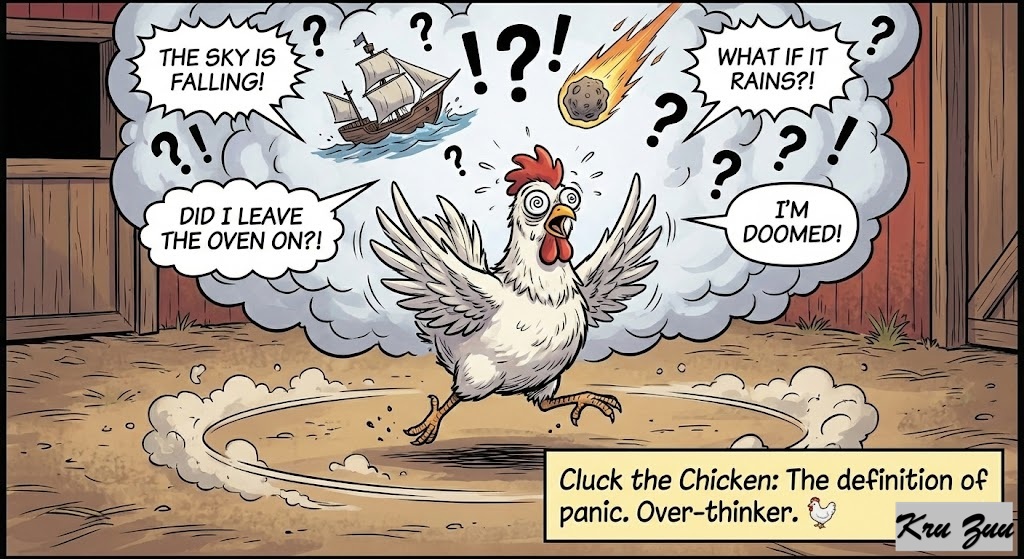
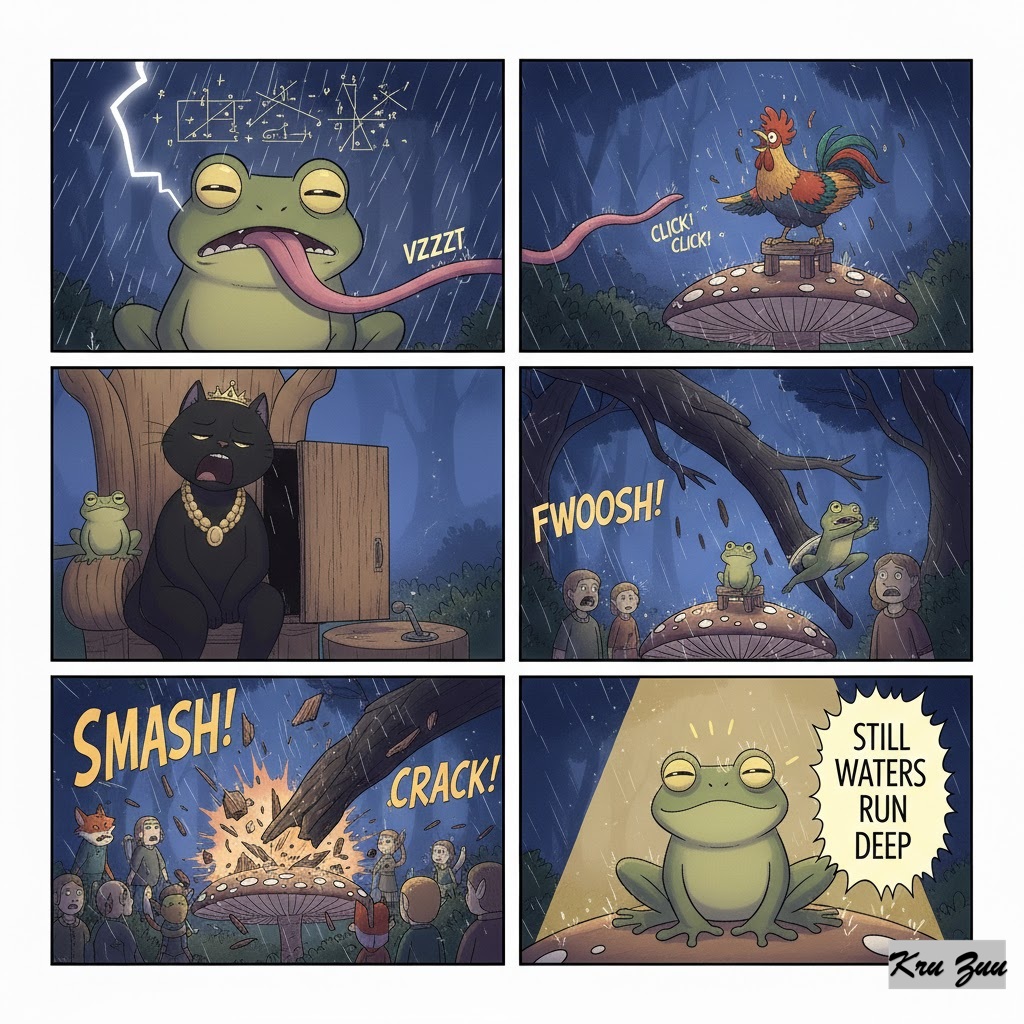
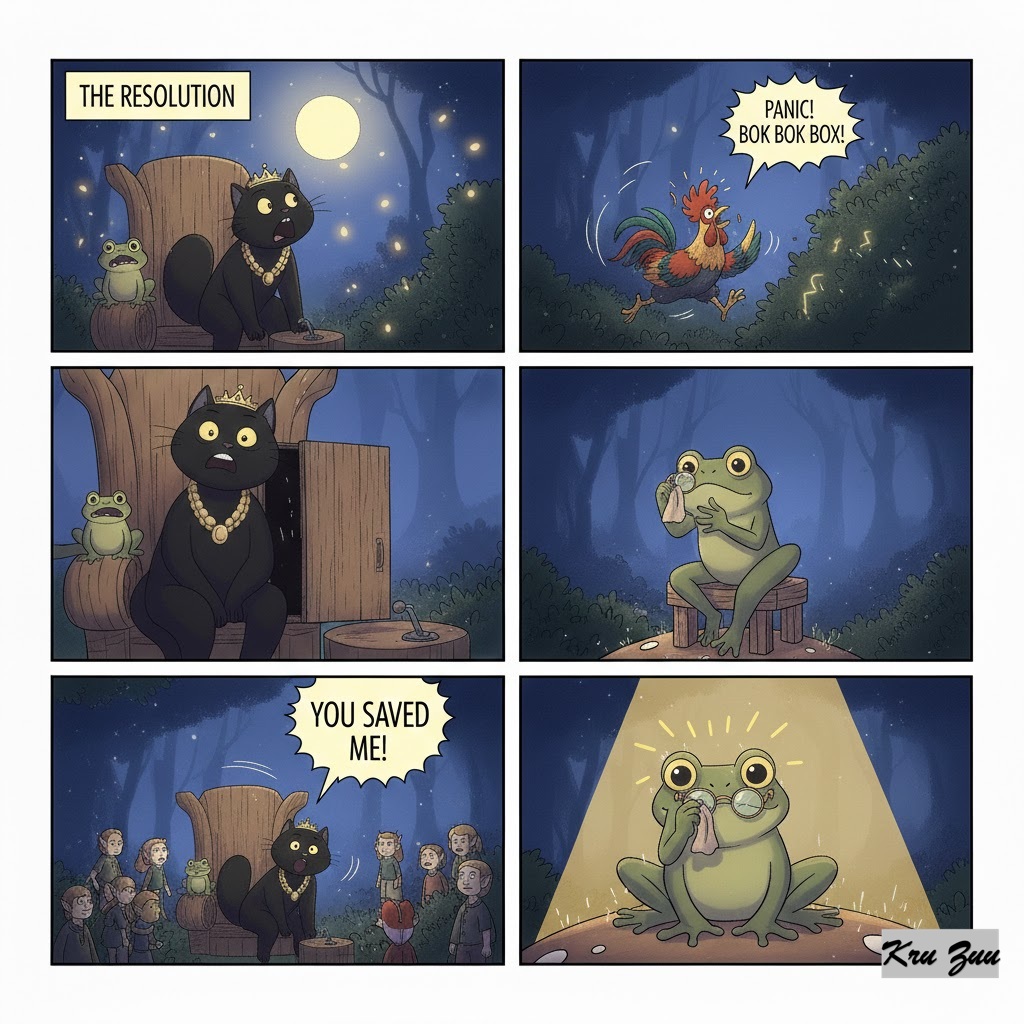
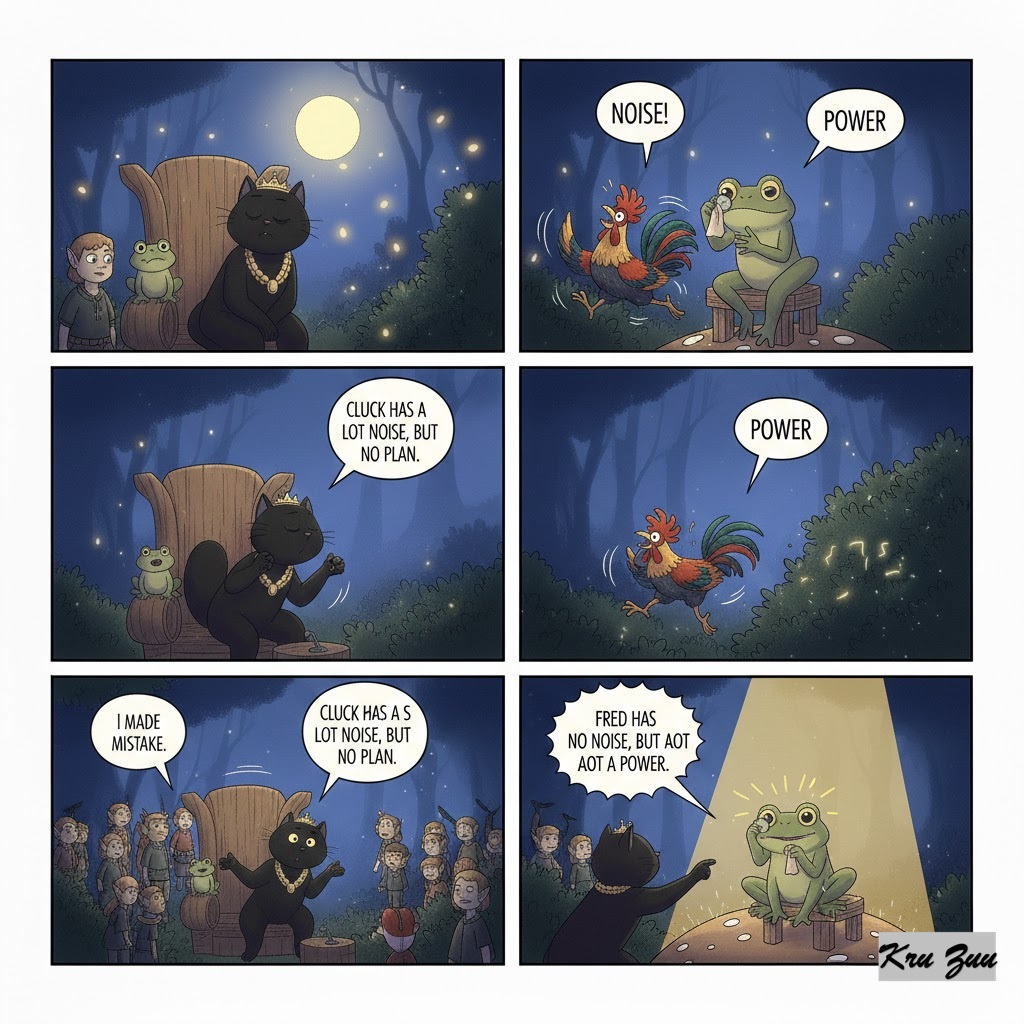
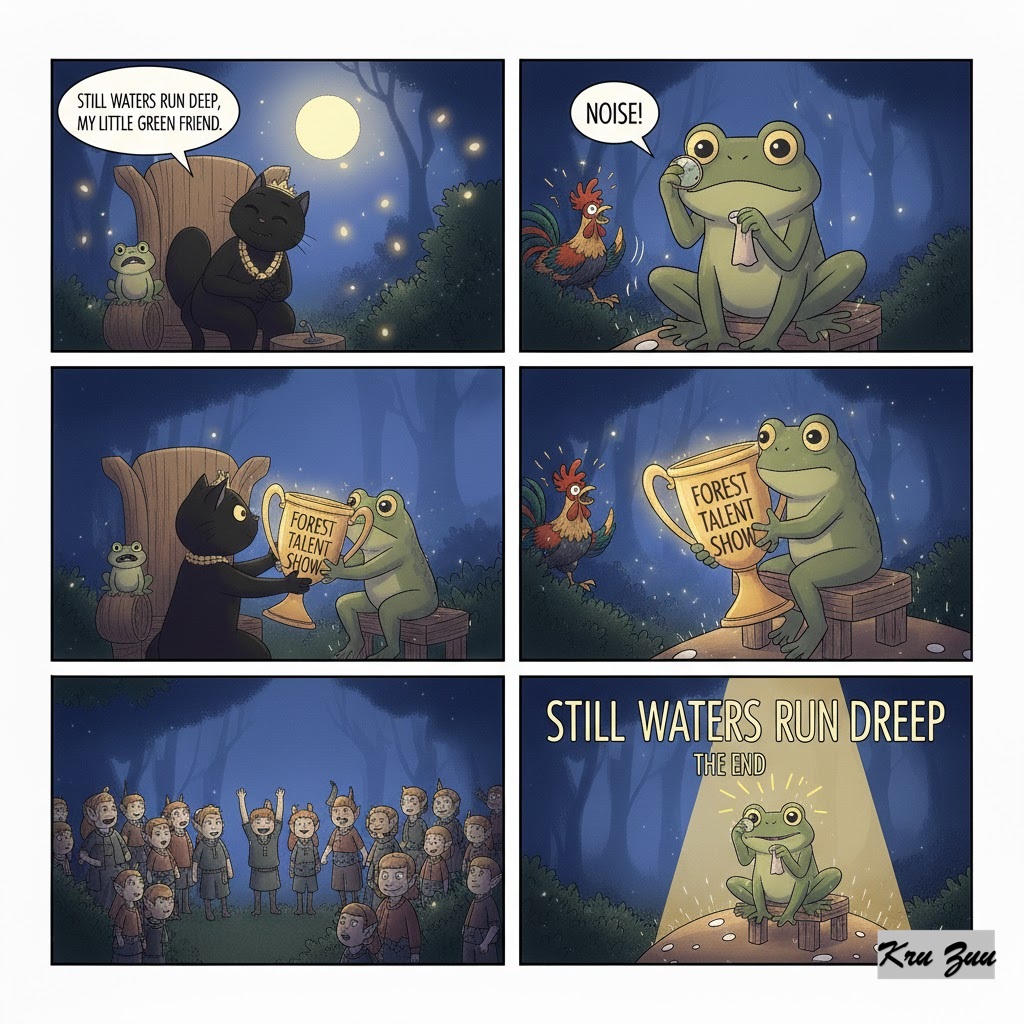
    Percy the Chicken:
    Impatient, loud, thinks he is the boss. 🐔


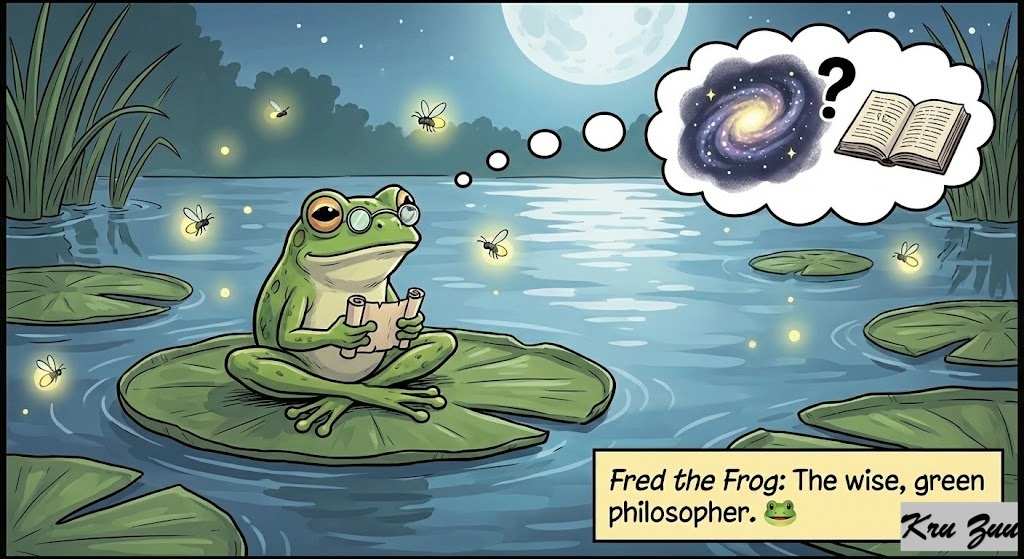
    Fred the Frog: Chill, observant, polite. 🐸


    Luna the Cat: The wise judge. 🐱


    The Setup: Percy was in a bad mood. He walked to the edge of the farm, near the Big Cave. “HEY! YOU ARE STUPID!” Percy shouted into the cave. The cave shouted back: “YOU ARE STUPID… stupid… stupid…” Percy got angry. “NO, YOU ARE UGLY!” The cave echoed: “YOU ARE UGLY… ugly… ugly…”


    The Conflict: Percy ran to Luna the Cat, feathers puffing up. “Luna! There is a monster in the cave! It called me stupid and ugly! We must attack it!” ⚔️


    The Solution: Luna smiled slowly. “Percy, go back. But this time, say something nice.”

    Percy was confused, but he went back. “HELLO! YOU ARE AWESOME!” Percy shouted. The cave replied: “YOU ARE AWESOME… awesome… awesome…” ✨


    The Moral: Fred hopped by and laughed. “The cave is like people, Percy. If you shout hate, you hear hate. If you shout love, you hear love.”

    🎓 Lesson for English Learners


    How to use “The Golden Rule” in your English class?


    Empathy Language (Walk in their shoes) 👞 Before you judge a classmate, ask yourself:


    “If I made a pronunciation mistake, would I want them to laugh?”


    Answer: No. So, I will not laugh at them.


    Polite Requests vs. Demands 🗣️


    Rude (Don’t treat people like this):
    “Give me a pen.”


    Golden Rule (Do this): “Could I borrow a pen, please?” (Because you like it when people say please to you!)


    Vocabulary Expansion


    Reciprocity:
    (Noun) An exchange for mutual benefit. “Friendship is based on reciprocity.”


    Compassion: (Noun) Sympathy and concern for others.


    Karma: (Noun) Destiny or fate, following as effect from cause.


    💬 Your Turn


    The 24-Hour Challenge ⏳


    For the next 24 hours, I want you to treat everyone like a VIP (Very Important Person).


    Say “Good Morning” to the security guard.


    Smile at the person you don’t talk to often.


    Help someone before they ask.


    Question: How did people react? Did their energy change? Tell me in the comments below! 👇

    By Zubeyir YURTKURAN

    https://www.facebook.com/BrainBattleground/

    https://www.facebook.com/zubeyr.yurtkuran/

    https://www.instagram.com/zubeyryurtkuran/
    https://www.youtube.com/@BrainBattleground-b3p

  • 🐢 Better Late Than Never: Why Doing It “Late” Beats Not Doing It At All

    🐢 Better Late Than Never: Why Doing It “Late” Beats Not Doing It At All

    ⏳ Time flies, but is the opportunity really gone?


    🚌 Scenario: You missed the bus by 5 minutes.

    The “Never” Approach: “Today is ruined. I’m going back home. I give up.”

    The “Better Late” Approach: “I’ll wait for the next one. I will be late for the meeting, but at least I will be there.”


    🎂 Scenario: You forgot your friend’s birthday, and the date was yesterday.

    The “Never” Approach: “It’s too late now. It would be embarrassing to text. I just won’t say anything.”

    The “Better Late” Approach: “I will apologize and celebrate today. It is better than completely ignoring it.”


    Life isn’t perfect. Sometimes we miss the train, sometimes we don’t start our diet on Monday. This is exactly where the golden rule comes in to save us from guilt: “Better Late Than Never.”


    In this post, we explore the proverb that is the biggest enemy of perfectionism. Forgive yourself, pick yourself up, and let’s begin.

    🧐 The Anatomy of the Proverb


    Let’s look at the mechanics of this comforting phrase.


    📚 Vocabulary Vault


    Late (Adjective/Adverb): Doing something after the expected, proper, or usual time. 🕒


    Never (Adverb): At no time in the past or future; not ever. ⛔


    Better (Adjective): More desirable, satisfactory, or effective. 👍


    🧠 Grammar Focus


    This sentence is a comparative structure (Ellipsis is used, meaning words are omitted).


    Full Sentence: [It is] Better [to be] late + than [to] never [arrive].


    The Meaning: Doing something after the scheduled time is far superior to not doing it at all. Delay is a flaw, but quitting is a total loss.


    📜 History: Timeless Wisdom


    Who made this famous? Humans have been battling procrastination for thousands of years.


    The Origin: The phrase was notably used by the father of English literature, Geoffrey Chaucer, in his work “The Yeoman’s Tale” in 1386. However, its roots trace back even further to the Roman historian Livy.


    The Lesson: Perfect timing is great, but a completed task (even if late) is always better than an abandoned dream.

    🎯 Impact on Life: The Pros & Cons


    Is it always okay to rely on this proverb? Let’s weigh the scales.


    ✅ The Pros (Why it helps)


    Relieves Guilt:
    Instead of giving up after a mistake, it gives you a chance to fix it.


    Results-Oriented: It ensures you reach the goal, even if slowly. Remember the Tortoise and the Hare; crossing the finish line is what matters. 🏁


    Encourages Action: It gives power to those who say “I’m too old” or “I missed my chance” to finally start.


    ❌ The Cons (Why it can be tricky)


    Excuse for Laziness: If you constantly say, “I’ll do it later, better late than never,” you become unreliable.


    Loss of Trust: Delivering a project late is better than never delivering it, but it still damages your professional reputation. Balance is key. ⚖️

    🎭 Short Story: The Last Harvest


    To understand this better, let’s return to the farm. Winter is coming, and it is time to plant seeds for the winter food supply!


    🌟 Character Introduction


    Percy the Chicken (The Quitter): Has an “All or Nothing” mindset. If he misses the perfect time, he thinks trying is pointless. He gives up immediately. 😵


    Luna the Cat (The Punctual One): Does everything on time. She is disciplined and never late. ✨


    Fred the Frog (The Hopeful Latecomer): Sometimes distracted and misses the deadline, but never gives up. He knows that some result is better than zero result. 🐸


    Luna woke up with the first light of morning. “The sun is up! The perfect time to plant corn!” she said. Luna plowed her field, planted her seeds by noon, and went to rest, satisfied with a job well done.


    Percy and Fred, however, had overslept.


    At 3:00 PM, Percy woke up. He looked at the sun and panicked. “Oh no! The day is almost over! Luna has already finished. There is no point in starting now. The seeds won’t have enough sun. I’ll just plant them next year.” Percy shrugged and went off to play video games. 🎮


    Fred woke up at the same time. “Oh dear!” he shouted. “I am so late!” He ran to his field. The sun was already setting.


    Percy yelled from the fence: “Hey Fred! Don’t bother, buddy. We missed the perfect window. Just let it go!”


    Fred wiped the sweat from his forehead and shouted back: “Better late than never, Percy!” Fred worked furiously, planting his seeds even after the sun went down, working by the light of the moon. 🌙


    Months passed. The harvest time arrived.


    Luna’s Field: Full of perfect, golden corn. Her pantry was completely full.


    Percy’s Field: Full of weeds. He would spend the winter hungry because he did nothing just because he was late.


    Fred’s Field: His corn wasn’t as big as Luna’s, and it was a bit smaller, but it was there. Fred’s basket was full enough to survive.


    Fred munched on his corn and looked at the hungry Percy. “You see, Percy? It wasn’t perfect, but at least I’m not starving. I was late, but I didn’t quit.”


    In this story, the characters represent the outcomes:


    Luna: Perfection (Timely execution) 🏆


    Percy: Bankruptcy / “Never” (Giving up and getting zero results) 🌪️


    Fred: Salvation / “Better Late” (Delayed but satisfactory results) 🌽

    🎓 Lesson for English Learners:


    You might be 30, 40, or 60 years old. You might regretfully say, “I wish I had learned English when I was a child.” (Percy’s Method)


    But remember this truth: Being able to speak English 1 year from now is a million times better than finishing your life saying “I wish.”


    Did you arrive 10 minutes late for class today? Go in and listen anyway. (Fred’s Method)


    It is better than missing the entire lesson.


    💬 Your turn: Is there something in your life you gave up on because you thought “It’s too late”? Or a project you finished late but were glad you did? Share your story in the comments! 👇

    By Zubeyir YURTKURAN

    https://www.facebook.com/BrainBattleground/

    https://www.facebook.com/zubeyr.yurtkuran/

    https://www.instagram.com/zubeyryurtkuran/
  • Don’t Judge a Book by Its Cover: How Appearance Hides True Value

    Don’t Judge a Book by Its Cover: How Appearance Hides True Value

    First Impressions Can Be Deceiving


    The Cover: A speaker in a perfect suit, delivering a cool, confident presentation.

    The Truth: All the data in the presentation was copied from someone else’s work, and the content is fundamentally empty.


    The Cover: A person using a plain, old phone and wearing modest clothes.

    The Truth: That person is managing the stock exchange of a massive tech company in minutes on that very phone.


    The Cover: A beat-up, old laptop showing signs of heavy use.

    The Truth: This computer is the place where the code for a groundbreaking future AI application was written.


    Life constantly proves a rule well-known to successful people: “Don’t Judge a Book by Its Cover.”


    In this post, we dive into the depths of this famous proverb, focusing on discovering the true value hidden behind the surface. Set aside your biases, open your mind, and let’s dive in.

    The Anatomy of the Proverb


    Let’s look at the mechanics of this famous phrase.


    Vocabulary Vault


    Cover (Noun): The exterior surface of something; the part seen first (Clothing, title, physical appearance).


    Book (Noun): The inner value of something; the essence, content, and depth (Character, knowledge, skill).


    Grammar Focus


    This sentence is a cautionary idiom.


    Formula: Don’t + judge + [a book] + [by] + [its cover].


    The Meaning: Do not make the mistake of determining the worth of a person or thing based solely on its outward appearance or first impression. True value lies in the content.


    History: Essence Matters More Than Reputation


    When did this idea become popular? People have always understood the risks of being fooled by showiness.


    The Origin: The sentiment has existed since the 17th century. However, the exact phrase is known to have been used in modern English for the first time in Robert Casey’sThe Secret of the Old House in 1944.


    The Lesson: What matters is not what someone looks like, but who they are or what an object actually does.

    Impact on Life: The Pros & Cons


    Is ignoring external appearance a good way to live? Let’s weigh the options.


    The Pros (Why it helps)


    Discovery: It allows you to see the hidden potential in people or ideas that society has labeled as “unimportant.”


    Equality: It helps you value people based on their character and abilities, not their title, wealth, or outward beauty.


    Authenticity: It encourages focusing on substance and originality instead of just playing to external perceptions.


    The Cons (Why it can be tricky)


    Security Risk: Sometimes, first impressions indicate danger or incompatibility. Always “ignoring the cover” may not be practical or safe.


    Time Consumption: You might end up spending time reading every “book under the cover.” This can be challenging in situations requiring quick decisions.

    Short Story: The Rusty Key


    To understand this proverb better, let’s visit our friends on the farm again.


    Character Introduction


    Percy the Chicken (The Show-Off):
    Always believes the brightest, newest, and most noticeable thing is the best. He trusts appearance 100%.


    Luna the Cat (The Practical Observer): Quickly assesses the situation and often prefers to act on the first impression. She favors outward beauty.


    Fred the Frog (The Value Expert): Ignores appearance. He always focuses on something’s true function, what it does, and the power within.


    One day, the lock on the old barn door was stuck. No one could get inside.


    Luna brought a shiny, gleaming silver key. “Let’s try this one,” Luna said. “Look how bright and new it looks!”


    Fred held a rusty, crooked key he had found in the muddy dirt on the ground. “The cover doesn’t matter,” Fred mumbled. “What matters are the teeth of the lock.”


    Percy, as usual, chose the bright and showy option. “Of course, Luna’s will work! Look at yours, Fred, it’s completely dirty and rusty!”


    Luna tried to insert the silver key into the lock, but the key was too large. The lock didn’t budge. Luna was disappointed.


    Fred quietly took the small, rusty key. The exterior of the key looked terrible, but its function was perfect. Click! The lock opened instantly.


    Percy’s mouth dropped open. “Unbelievable! It looked so bad…”


    Fred shrugged as he walked through the unlocked door. “You shouldn’t look at the outer shine, but at the correct function inside. Don’t judge a book by its cover.”


    In this story, the characters represent our tendency to judge:


    The Silver Key (Luna’s Choice):
    High Appearance, Low Function (Being fooled by showiness)


    The Rusty Key (Fred’s Choice): Low Appearance, High Function (Focusing on true value)


    The Lock: Opportunity (The path to valuable things)

    Lesson for English Learners


    A native speaker explaining a complex grammar rule might sometimes sound unenthusiastic or have slow English. (The Rusty Key)
    Conversely, someone teaching you simple greetings with a perfect accent on social media might know nothing about the depth of the language. (The Silver Key)
    True learning value is always more important than outward appearance.


    What do you think? Have you ever missed a “rusty key” in your life, or regretted judging something by its cover? Tell me in the comments!

    By Zubeyir YURTKURAN

    https://www.facebook.com/BrainBattleground/

    https://www.facebook.com/zubeyr.yurtkuran/

    https://www.instagram.com/zubeyryurtkuran/
  • Talk is Cheap: The Truth About “Actions Speak Louder Than Words”

    Talk is Cheap: The Truth About “Actions Speak Louder Than Words”

    🔥 The Word: I’m going to study all night and ace the big exam! 🎮 The Action: You spend 3 hours playing video games, and suddenly realize you haven’t studied for the test tomorrow.


    🔥 The Word: I’ll just scroll through TikTok “for 5 minutes.” 📱 The Action: You look up to see that two hours have vanished without gaining anything.


    🔥 The Word: I’ll finish this project perfectly, I promise. 🛠️ The Action: You haven’t started a single step because you were waiting for the “perfect time” or the “perfect plan.”


    Life has a strict rule that successful people know well: “Actions Speak Louder Than Words.”


    In this post, we are looking at the most famous proverb about getting things done. Put down your phone, focus your mind, and let’s dive into the power of execution. 🚀

    The Anatomy of the Proverb


    Let’s look at the mechanics of this famous phrase.


    📚 Vocabulary Vault


    Action (Noun):
    A thing done, often in pursuit of a purpose. (Reading a book, sending an email, writing code). 🛠️


    Word (Noun): A spoken or written statement; the expression of an intention. (I will do, I will start, I will try). 📝


    🧠 Grammar Focus


    This sentence is a comparative idiom that delivers a strong message.
    Formula: Action + [speak louder than] + Word.
    The Meaning: Deeds and accomplishments carry more value and impact than mere promises or intentions. A Word is a promise, but an Action is the fulfillment of that promise.

    History: Intention is Not Enough


    Who turned this idea into a famous saying? People have always criticized those who talk big but fail to deliver.


    The Origin: While there is no single inventor of the exact phrase, the philosophy is ancient. It echoes the sentiment of the Roman poet Ovid, who lived in the 1st Century BC: “Deeds are words, and words are merely air.”


    The Lesson: Success depends not on how well you speak, but on how much you do.

    Impact on Life: The Pros & Cons


    Is living by action alone a good way to live? Let’s weigh the options.


    ✅ The Pros (Why it helps)


    Trustworthiness: When you say you will do something and then you actually do it, people trust you. Trust is the most valuable asset in life and career.


    Momentum: It stops procrastination. Instead of waiting for the “perfect moment,” it encourages you to take a small step now. Every small action builds momentum. 🧗


    Focus: It teaches you to spend your energy on producing results rather than crafting excuses or making intricate, non-executed plans.


    ❌ The Cons (Why it can be tricky)


    The Perfectionist Trap: The pressure to constantly act might cause you to rush without proper planning. Actions that are poorly thought out can lead to failure.


    Neglecting Communication: Sometimes, saying something (asking for feedback, stating an intention) is important. Focusing solely on action might cause you to neglect crucial planning and communication with others. 🧘

    Short Story: The Empty Basket


    To understand this better, let’s visit our friends on the farm again.


    It was a bright autumn morning. Percy the Chicken, Luna the Cat, and Fred the Frog were sitting under the Great Walnut Tree. 🌳


    “Today,” announced Percy, puffing out his chest, “I am going to work hard and gather all these walnuts! I will bake a magnificent cake, and the whole farm will be impressed!” 📣


    Luna the Cat rolled her eyes. “That sounds lovely, Percy. But you are just talking.”


    Fred the Frog, with his small basket, had already begun hopping under the tree. He worked slowly but surely, picking up the fallen walnuts and placing them in his basket. 🐸


    Percy ignored him. He continued to dream out loud, looking at the nuts. “First, I must create a detailed plan. What is the best recipe for my cake? Are these walnuts of suitable quality?” Percy spent a full hour talking about his perfect plan and how wonderful his cake would be. 😴


    An hour passed. Suddenly, the farmer arrived with a large cart to collect all the scattered walnuts for himself.


    Percy squawked in surprise. “No! My walnuts! I was just about to start!”


    Fred sat on a dry rock, holding his full basket. “While you were talking about your cake, I was collecting these,” Fred said. “Your basket was full of imaginary biscuits. My basket is full of real walnuts.”


    Percy stared sadly at his empty basket.


    “I see now,” Percy whispered sadly. “I only spoke. Fred took action. My words were worthless.”


    In this story, the characters represent how we manage our intentions:
    Percy
    : Empty Words (The one who talks a lot and procrastinates) 😵
    Fred: Action/Execution (The one who uses the moment wisely) 🤓
    The Farmer: Missed Opportunity (The value lost while you were only talking) 🌪️

    Learning English takes action. You cannot buy fluency.
    If you study for 10 minutes every day (Fred’s method), you are executing your plan.
    If you only say “I will start tomorrow” and wait until the night before the exam (Percy’s method), you will find that your goal remains only a hollow promise.


    💬 What about you? When you have a new idea, do you start with a small, immediate action, or do you keep planning until everything is perfect? Tell me in the comments! 👇

    By Zubeyir YURTKURAN

    https://www.facebook.com/BrainBattleground/

    https://www.facebook.com/zubeyr.yurtkuran/
    https://www.instagram.com/zubeyryurtkuran/