Tag: travel

  • 🌤️ The Silver Lining Effect: Finding Light in the Dark

    🌤️ The Silver Lining Effect: Finding Light in the Dark

    Every cloud has a silver lining.


    👿 The Villain (The Pessimist): You lose your job unexpectedly.

    You panic. You spend weeks complaining, blaming your boss, and sleeping until noon.

    You tell everyone, “My life is over.”

    The Result? You miss new job openings because you are too busy being angry.

    Your friends stop calling because your negative energy drains them.

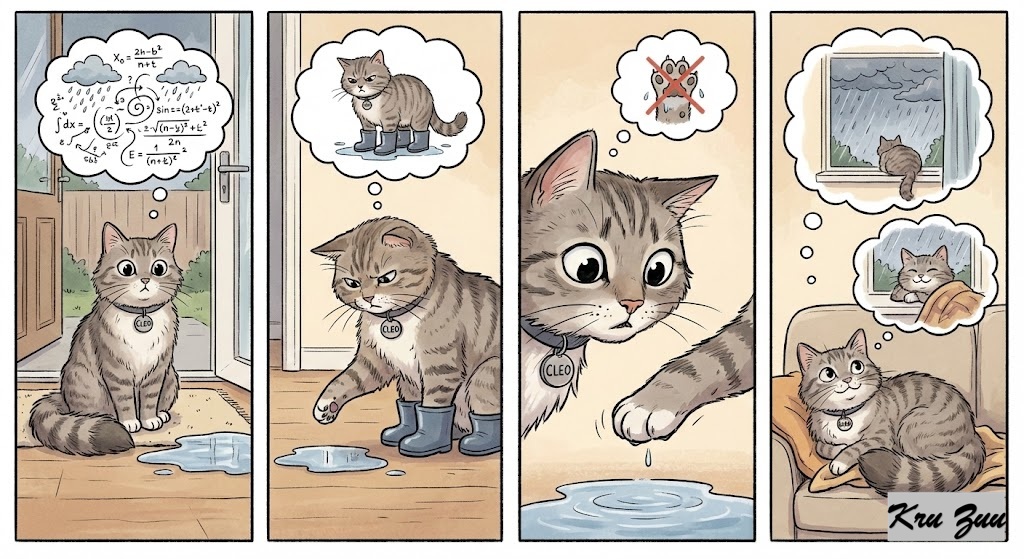
    You stare at the dark cloud so long that you get soaked by the rain. You drown in a puddle of your own making. 🌧️


    😇 The Hero (The Alchemist): You lose your job unexpectedly. It hurts, but you take a deep breath.

    You think, “I hated that commute anyway. Now I have time to take that coding course I always wanted.”

    The Result? Three months later, you launch a freelance business.

    You are making more money and working from home.

    Losing that job wasn’t a tragedy; it was the push you needed to fly.

    You didn’t just survive the storm; you used the water to grow a garden. 🌻


    ⚖️ The Reality:
    Life is not a weather report you can control.

    Storms will happen. But the sun never actually leaves; it is just temporarily hidden.

    💎 The Secret: The “bad thing” is often the transportation system for the “good thing.” Without the dark background, the stars cannot shine.

    🧐 The Anatomy of the Proverb


    This is the ultimate phrase for Optimism. It reminds us that even the worst situations (clouds) have a positive aspect or a hopeful side (the silver lining).


    Cloud: Represents trouble, sadness, or difficulty.


    Silver Lining: Represents the sun shining from behind the cloud, creating a glowing, bright edge. (Hope/Advantage).


    📚 Vocabulary Vault


    Optimist (Noun):
    A person who tends to look on the more favorable side of events. 😃


    Pessimist (Noun): A person who tends to see the worst aspect of things. ☹️


    Resilience (Bonus Word): The capacity to recover quickly from difficulties; toughness.


    Setback (Noun): A reversal or check in progress (a minor problem).


    Blessing in Disguise (Idiom): Something that seems bad at first but results in something good.


    🧠 Grammar Focus


    “Every” + Singular Noun vs. Plural Meaning This is a common trap for students! Even though “Every” talks about all the clouds, we treat it grammatically as a single unit.


    Subject: [Every cloud]


    Verb: [has] (Third Person Singular)


    Object: [a silver lining]


    Incorrect: Every clouds have a silver lining. ❌
    Incorrect: Every cloud have a silver lining. ❌
    Correct: Every cloud has a silver lining. ✅

    📜 History: Origin and Spread


    This poetic phrase wasn’t invented by a philosopher, but by a poet.


    The Origin: It comes from John Milton’s masque “Comus” (1634).

    He wrote: “Was I deceived, or did a sable cloud / Turn forth her silver lining on the night?”


    The Evolution: In the Victorian era, people shortened it to the proverb we use today to cheer each other up during hard times.


    Global Cousins:


    🇹🇷 Turkish:
    “Her şerde bir hayır vardır.” (There is good in every evil/bad thing.)


    🇪🇸 Spanish: “No hay mal que por bien no venga.” (There is no bad from which good does not come.)


    🇩🇪 German: “Auf Regen folgt Sonnenschein.” (After rain follows sunshine.)


    🇯🇵 Japanese: “Saiou ga uma.” (The story of the old man’s horse, bad luck leads to good luck.)

    🎯 Impact on Life: The Pros & Cons


    Is this toxic positivity, or a survival strategy?


    ✅ The Pros (The Shield):


    Mental Health:
    It reduces anxiety. Instead of focusing on “Why me?”, you focus on “What now?”


    Problem Solving: When you look for the silver lining, you stop freezing and start acting.


    Grit: It helps you endure pain because you believe there is a purpose to it.


    ❌ The Cons (The Trap):


    Invalidation:
    Telling someone who just lost a loved one “Every cloud has a silver lining” is rude. Sometimes, people just need to be sad.


    Denial: If you only look at the bright side, you might ignore a serious problem that needs fixing.

    🎭 Short Story: The Ruined Picnic


    Let’s visit our trio: Penny, Fiona, and Max.


    🌟 The Setup: Penny the Pig had organized the “Perfect Picnic.” She had sandwiches, iced tea, and a beautiful blanket.

    Fiona the Fox and Max the Mouse were excited. “It’s going to be a beautiful day!” Penny(PIG) squealed.


    The Conflict: As soon as they sat down… KABOOM! Thunder crashed. The sky turned black, and rain poured down instantly.

    “My sandwiches!” cried Penny. “My fur!” cried Fiona.

    The picnic was ruined. They grabbed the wet food and ran into a nearby dark cave for shelter. ⛈️


    The Action: Penny was crying. “This is a disaster.” But Max, being small and curious, saw something glowing at the back of the cave.

    “Hey guys, look at this!” he squeaked. They walked deeper into the cave.

    The walls were covered in glow-worms that looked like a magical starry night sky. It was breathtakingly beautiful. ✨


    The Climax: They sat on the dry rocks, ate their slightly soggy sandwiches, and watched the magical light show of the glow-worms.

    They told ghost stories and laughed louder than they would have outside.


    The Moral: If it hadn’t rained, they never would have found the magical cave.

    The storm (the cloud) led them to the most beautiful memory of the summer (the silver lining).

    🎓 Lesson for English Learners


    How to use this phrase naturally.


    Consoling a Friend (Professional Failure) 💼


    Situation:
    Your friend didn’t get the promotion they wanted.


    You say: “I know it hurts, but maybe every cloud has a silver lining. This might be the sign you needed to apply for that better company in the city.”


    Reframing a Bad Day 🚌


    Situation:
    You missed your bus and had to walk.


    You say: “Well, I missed the bus, but every cloud has a silver lining; at least I got my 10,000 steps in for the day!”


    Vocabulary Expansion 📚


    To Look on the Bright Side:
    To find the good in a bad situation.


    To Make Lemonade out of Lemons: To turn a difficulty into an opportunity.


    Weather the Storm:
    To endure a difficult situation until it improves.


    💬 Your Turn


    The “Hidden Gem” Challenge 💎


    Let’s practice gratitude.


    The Cloud:
    Think of a time something “bad” happened to you (a breakup, a firing, a missed flight).


    The Silver Lining: What good thing happened because of that bad event? Did you meet someone new? Did you learn a lesson?


    Action Step:
    Next time you complain today (about the traffic, the weather, or work), immediately add “…but the silver lining is…” and finish the sentence.


    Question: What is the biggest “Blessing in Disguise” you have ever experienced? Tell us your story in the comments! 👇

    By Zubeyir YURTKURAN

    https://www.facebook.com/BrainBattleground/

    https://www.facebook.com/zubeyr.yurtkuran/

    https://www.instagram.com/zubeyryurtkuran/

    https://www.youtube.com/@BrainBattleground-b3p

  • 👀 Look Before You Leap: The Art of Calculated Action

    👀 Look Before You Leap: The Art of Calculated Action

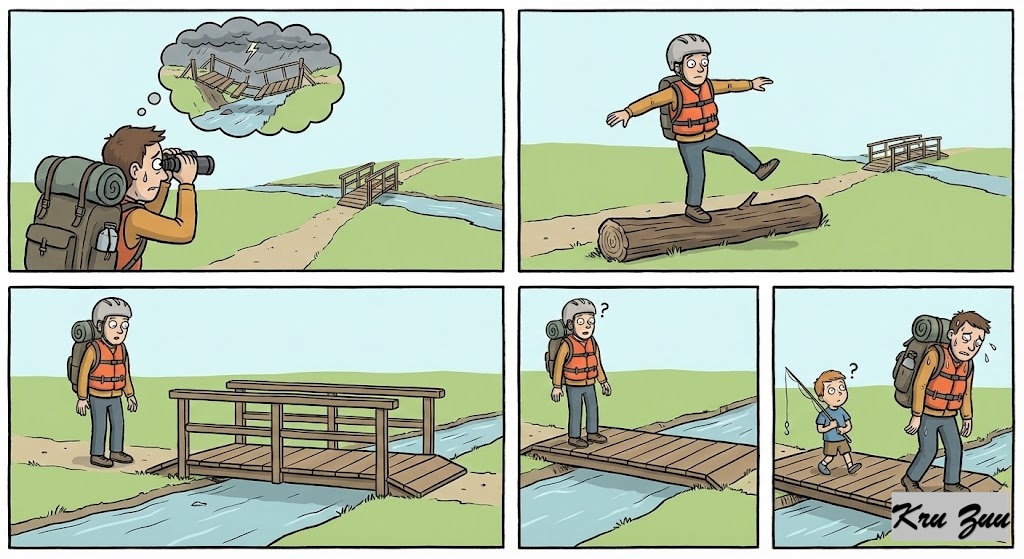
    Look before you leap.


    🚀 The Leaper (The Impulsive):
    You quit your job because you had one bad day.

    You bought a used car without checking the engine. You sent an angry text message the second you felt annoyed.

    The Result? You are unemployed with bills to pay.

    The car breaks down in a week.

    You lost a friend over a misunderstanding.

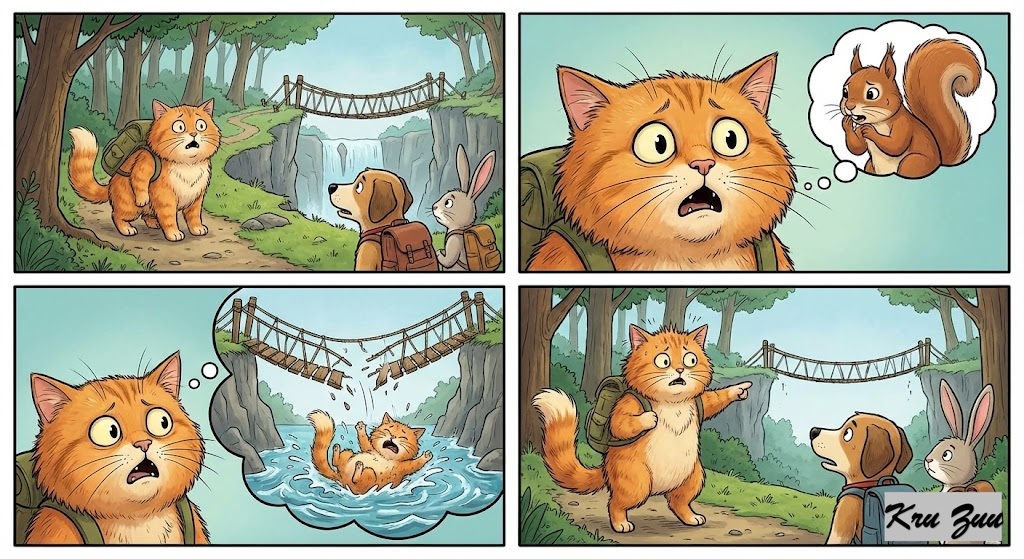
    Regret hits you instantly. You are in a hole you dug yourself. 🕳️


    🕵️ The Looker (The Strategist): You updated your resume and saved money before quitting.

    You paid a mechanic to inspect the car first.

    You wrote the angry text but waited 24 hours to send it (and then deleted it).

    The Result? You transitioned smoothly to a better career.

    You bought a reliable vehicle.

    You kept your relationships drama-free.

    You control the situation; the situation does not control you. 🕶️


    📉 The Reality: This isn’t just about jumping over puddles. It’s about Due Diligence.

    In the age of “Instant Everything” (instant messages, instant buys), the ability to pause and think is a superpower. ⏸️


    💎 The Secret: Speed is good, but direction is better. Moving fast in the wrong direction just gets you lost faster.

    🧐 The Anatomy of the Proverb


    This classic phrase is a warning against acting on impulse without considering the consequences.


    📚 Vocabulary Vault


    To Leap (Verb):
    To jump high or a long way. (Here: To take a sudden, significant action.) 🏃‍♂️


    Example: “He leapt over the fence.”


    To Look (Verb): To use your eyes. (Here: To examine, research, or analyze the situation.) 🔍


    Consequences (Bonus Word): The results (usually unpleasant) of an action.


    Impulsive (Bonus Word): Acting without thinking.


    🧠 Grammar Focus


    The Temporal Clause (Time Connectors):
    The sentence uses the conjunction “Before” to connect two actions. It establishes a mandatory order of operations.


    Structure: [Imperative Command] + [Conjunction of Time] + [Secondary Action].


    Incorrect: Leap and then look. ❌


    Correct: Look before you leap. ✅


    Real Life: “Check your wallet before you order the expensive steak.”

    📜 History: Origin and Spread


    The wisdom of this proverb dates back to ancient storytelling.


    The Origin: It is attributed to Aesop’s Fables (The Fox and the Goat).

    A fox falls into a well. A thirsty goat sees him and asks if the water is good.

    The fox says, “It’s amazing! Jump in!” The goat jumps in without thinking.

    The fox climbs on the goat’s horns to escape, leaving the goat stuck.

    The moral? Check the exit before you enter. 🦊


    Global Cousins:


    🇹🇷 Turkish:
    “İki ölç, bir biç.” (Measure twice, cut once. – Focuses on precision.)

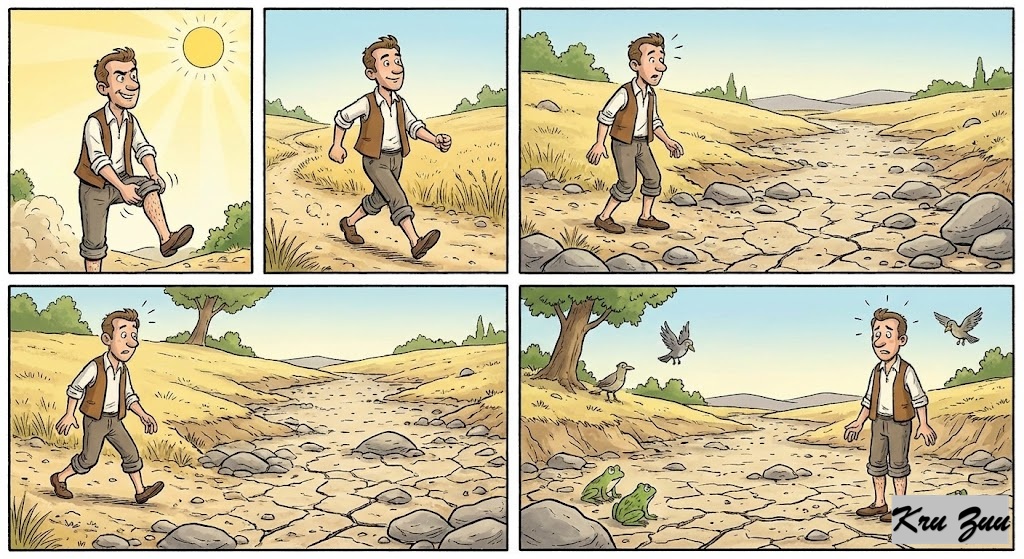
    🇹🇷 Turkish: “Dereyi görmeden paçaları sıvama.” (Don’t roll up trousers before seeing the creek.)


    🇪🇸 Spanish: “Antes de que te cases, mira lo que haces.” (Before you get married, look at what you are doing.)


    🇩🇪 German: “Erst wägen, dann wagen.” (First weigh, then dare.)

    🎯 Impact on Life: The Pros & Cons


    Is it always good to wait? Let’s analyze.


    ✅ The Pros (The Shield):


    Risk Reduction:
    You avoid catastrophic failures and financial loss.


    Confidence: When you finally “leap,” you do so with full commitment because you know the facts.


    Reputation: You are seen as wise, reliable, and level-headed.


    ❌ The Cons (The Trap):


    Analysis Paralysis: If you look too long, you might never leap at all. You get stuck in “overthinking” mode. 🗿


    Missed Opportunities: Sometimes, a window of opportunity closes quickly. If you hesitate too long, someone else will take the prize.

    🎭 Short Story: The Forest Shortcut


    Let’s visit our friends Penny, Fiona, and Max again!


    🌟 The Setup: Penny the Pig and Fiona the Fox were late for a birthday party.

    Max the Mouse pointed to a dark, overgrown path. “That’s a shortcut,” Max squeaked. “It saves 20 minutes!”


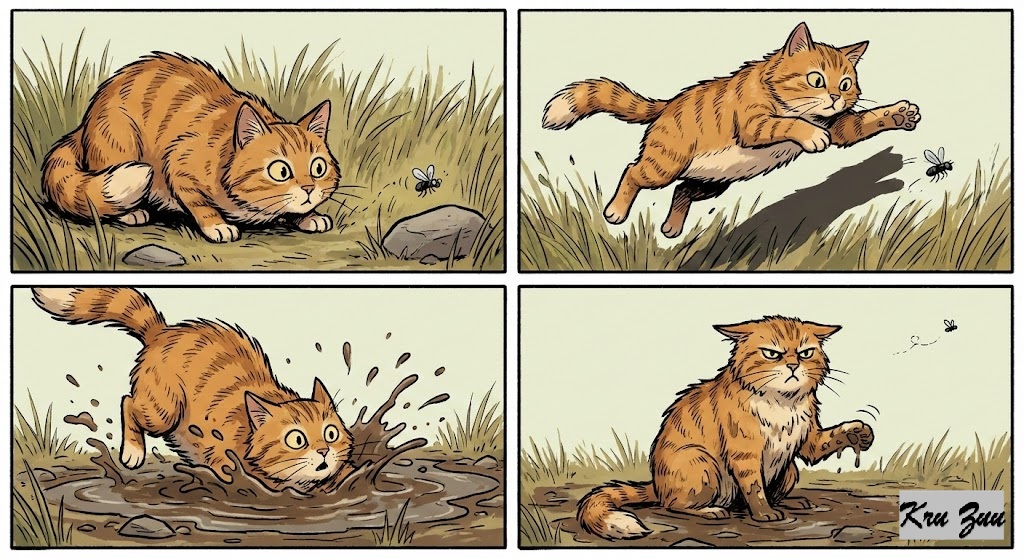
    The Conflict: Penny, worried about being late, shouted, “Let’s go!” and sprinted into the tall grass immediately.

    Fiona, however, stopped. She picked up a long stick and poked the grass in front of her.


    The Action: Penny was running full speed when, SPLAT!

    She fell straight into a hidden mud pit that looked like solid ground.

    She was stuck up to her neck in sticky mud! 🐷💩


    The Solution: Fiona, having “looked” with her stick, found the solid path around the pit.

    She used the stick to pull Penny out.

    They arrived at the party late, and Penny was covered in mud.


    The Moral: A saved minute is worthless if it costs you an hour of cleaning up a mess. Penny leapt; Fiona looked.

    🎓 Lesson for English Learners


    How to sound smart using this concept in conversation.


    Advice Language 🗣️


    To a friend buying a suspicious crypto-coin:
    “Hey, I know the returns look good, but look before you leap. Have you read the whitepaper?”


    To a colleague quitting in anger: “Don’t just walk out. Look before you leap, do you have another offer signed?”


    Vocabulary Expansion 📚


    Due Diligence (Noun): Reasonable steps taken by a person to satisfy a legal requirement or before buying something. “He did his due diligence before buying the house.”


    Calculated Risk (Noun): A chance taken after careful estimation of the probable outcome. “It wasn’t a gamble; it was a calculated risk.”


    Hasty (Adjective): Done with excessive speed or urgency; hurried. “Don’t make a hasty decision.”


    💬 Your Turn


    The “24-Hour Rule” Challenge 📝


    Think of a decision you are feeling pressured to make right now (buying something expensive, sending a risky text, signing up for a course).


    The Leap: What does your impulse want to do immediately?


    The Look: What specific detail do you need to check first? (e.g., Check bank account, read reviews, ask a mentor).


    Action Step: Commit to waiting 24 hours before making that decision. Use that time to “Look.”


    Question: Have you ever “Leapt” without “Looking” and regretted it? Tell us your story in the comments! 👇

    By Zubeyir YURTKURAN

    https://www.facebook.com/BrainBattleground/

    https://www.facebook.com/zubeyr.yurtkuran/

    https://www.instagram.com/zubeyryurtkuran/

    https://www.youtube.com/@BrainBattleground-b3p

  • Part 6: For Those Who Want to Teach Abroad: Golden Tips for Inside and Outside the Classroom

    Part 6: For Those Who Want to Teach Abroad: Golden Tips for Inside and Outside the Classroom

    Be Active in the Classroom: Move, Engage, Inspire

    Great teaching doesn’t only happen at the front of the room.

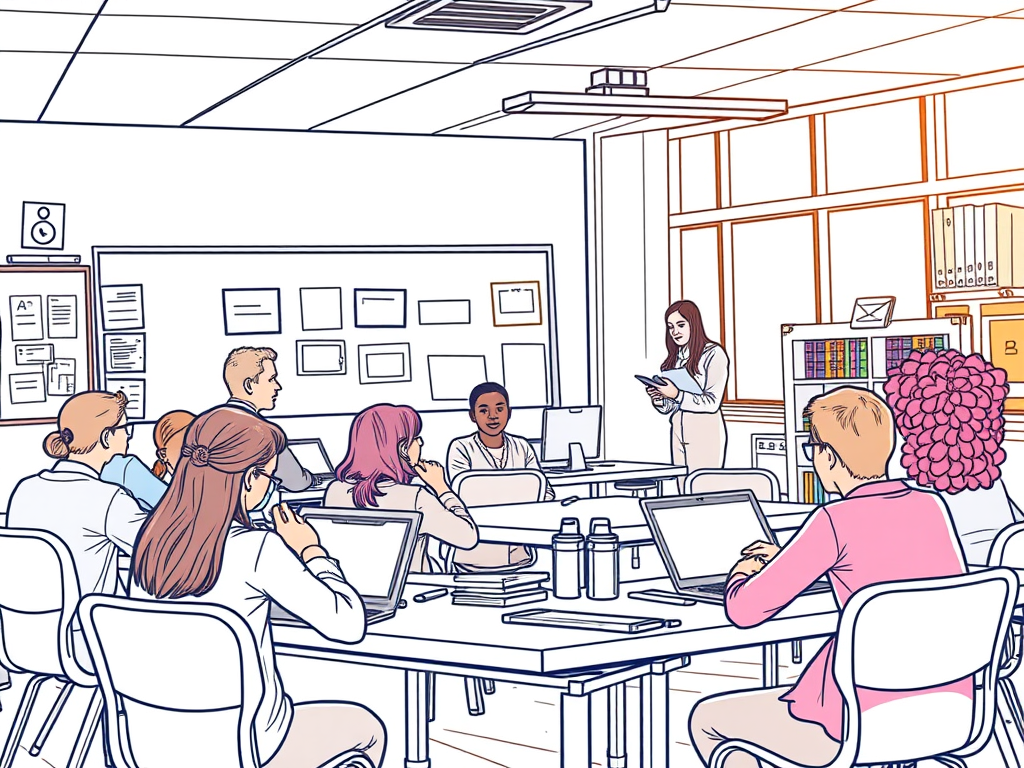
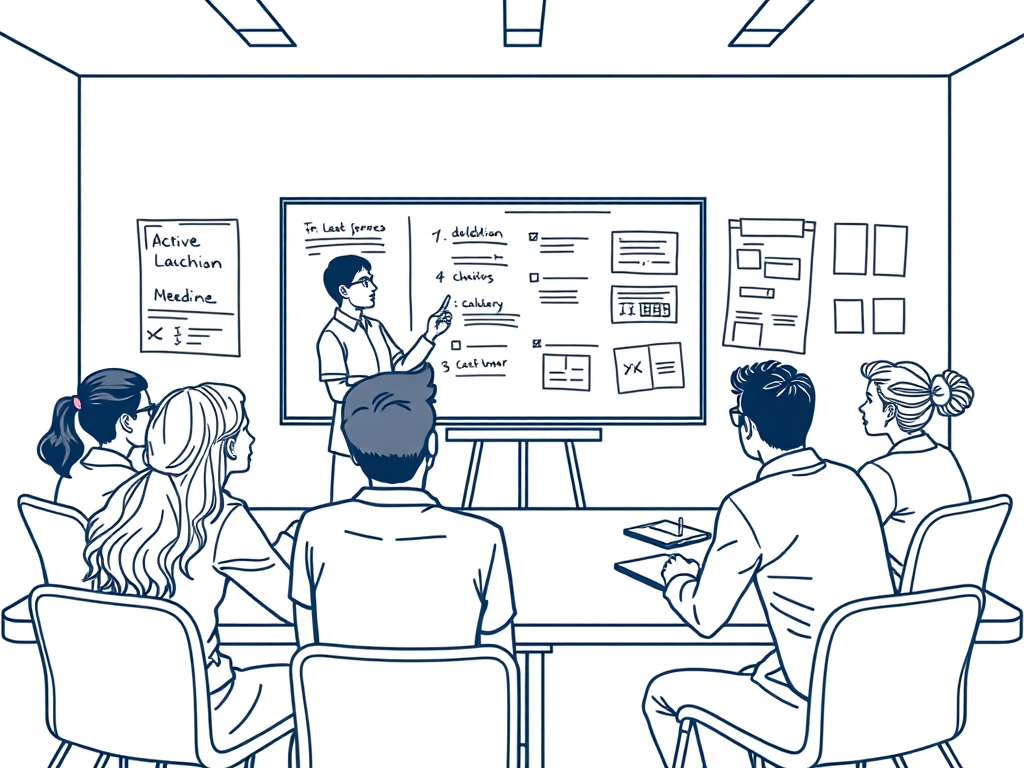
    Too often, teachers fall into the habit of standing in one spot usually near the board while explaining lessons. While this might seem organized and controlled, it can unintentionally create distance between you and your students. If your students feel distant from you, they may mentally disconnect from the lesson too.

    That’s why it’s important to be active, move around, and bring your presence to every corner of the room.

    Why Movement Matters

    Walking around the classroom keeps students alert. It also sends a message:

    “I am with you. I see you. I care.”

    Students are less likely to lose focus or get distracted when they feel that the teacher might appear next to them at any moment. This kind of presence encourages participation and accountability not out of fear, but out of connection.

    The Power of Surprise Questions

    While you walk, ask spontaneous, friendly questions:

    “What do you think about this?”
    “Can you explain it in your own words?”
    “Can you give an example?”
    These questions:
    Break the routine
    Encourage deeper thinking
    Show students that everyone is expected to participate
    Even students who usually stay quiet begin to listen more carefully, just in case their turn is next!

    Being Among Your Students Builds Trust

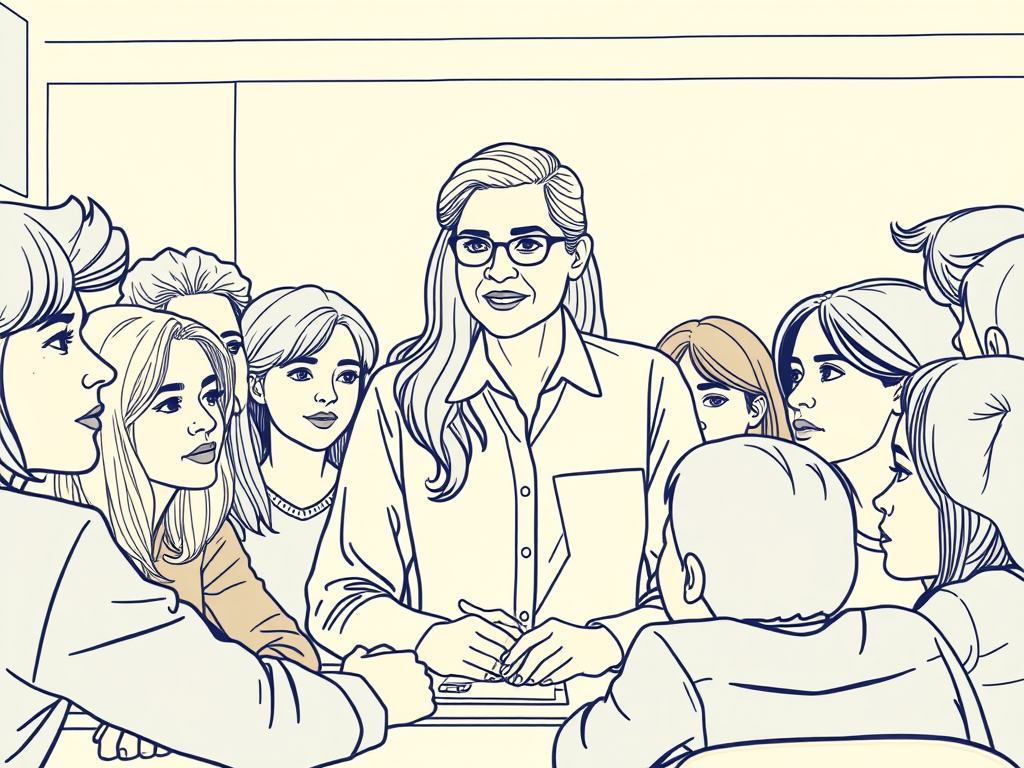
    When you walk between the rows of desks, kneel next to a struggling student, or high-five someone who gave a great answer, you’re doing more than teaching content you’re building a human connection.

    Your movement makes you feel more real and more approachable. Students are more likely to ask for help, share opinions, and take academic risks when they feel supported, not judged.

    Energy Is Contagious

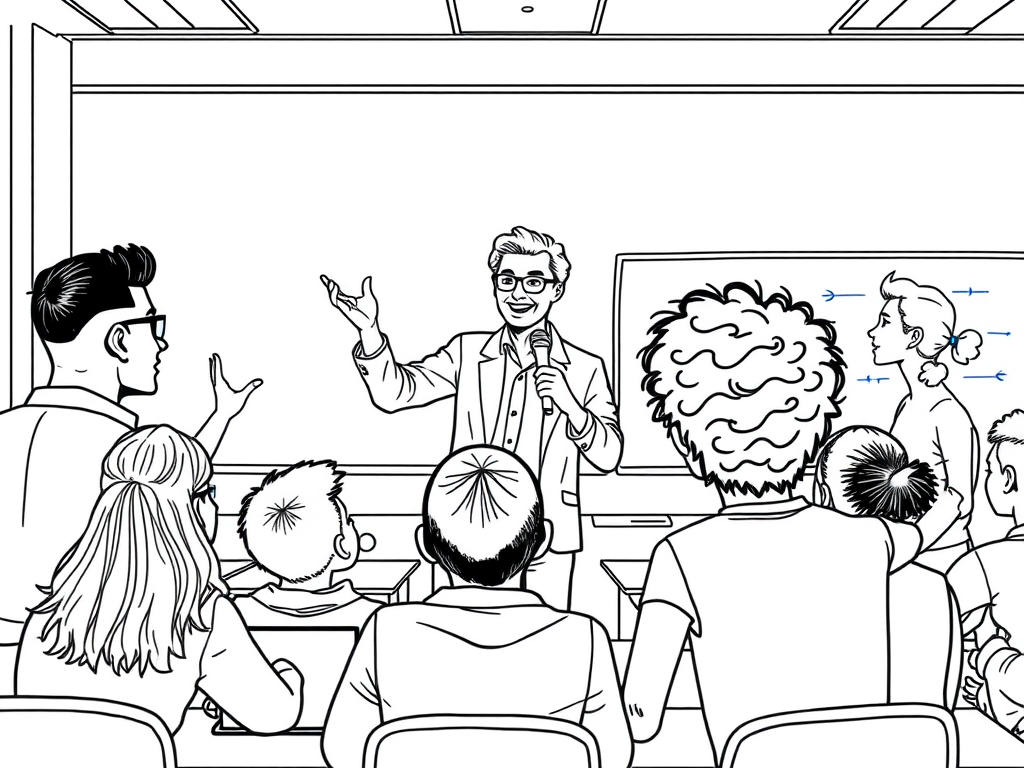
    When you move with purpose and enthusiasm, your energy spreads. The classroom feels more alive. Learning becomes dynamic instead of static. Instead of being a spectator sport, class becomes something students are part of.

    Remember, your energy often sets the tone for the entire room.

    Practical Tips for Active Teaching

    Walk slowly and intentionally—don’t rush, but stay mobile.
    Make eye contact with students at all areas of the room.
    Use your voice and gestures to emphasize key points.
    Smile and make your presence a positive force.

    Final Thought: Teach With Your Whole Body

    You are not just a voice. You are not just words on a board.
    You are a full presence—a guide, a motivator, a leader.

    So, don’t just stand and deliver—move and connect.
    Because when students feel your presence, they give you their attention.
    And that’s where the real teaching begins.

    “Where you move, attention follows.”

    Be the teacher who brings the lesson to life with every step you take.

    Let your presence be the spark.

    In every step you take, every glance you share, every question you ask you’re not just teaching a subject, you’re shaping an experience. The classroom is more than four walls; it’s a stage where movement creates magic, where connection fuels curiosity. So keep moving, keep engaging, and keep inspiring because when you teach with your whole self, you invite your students to learn with their whole hearts.

    For Those Who Want to Teach Abroad: Golden Tips for Inside and Outside the Classroom will continue. Until then, I’d love to hear your thoughts, suggestions, or memories that left a mark on your heart. See you in the next article. Stay safe, patient and kind.

  • My First Days in Thailand: New Smiles, New Lessons

    My First Days in Thailand: New Smiles, New Lessons

    Leaving your home country and stepping into the unknown is both exciting and scary.
    When I first arrived in Thailand to begin my journey as an English teacher, I didn’t know what to expect. The language, the culture, the food — everything was different.
    But from the very beginning, Thailand welcomed me with open arms and warm smiles.

    Here’s a glimpse into my very first days in the Land of Smiles.

    Arrival at the Airport: A Mix of Excitement and Nerves

    The moment I stepped off the plane, I was hit by the heat and humidity — a big change from what I was used to.
    At the airport, signs were in both Thai and English, but I still felt a little lost. Luckily, Thai people were kind and willing to help, even with limited English.

    The first lesson I learned? A smile goes a long way.

    Settling In: First Impressions of My Town

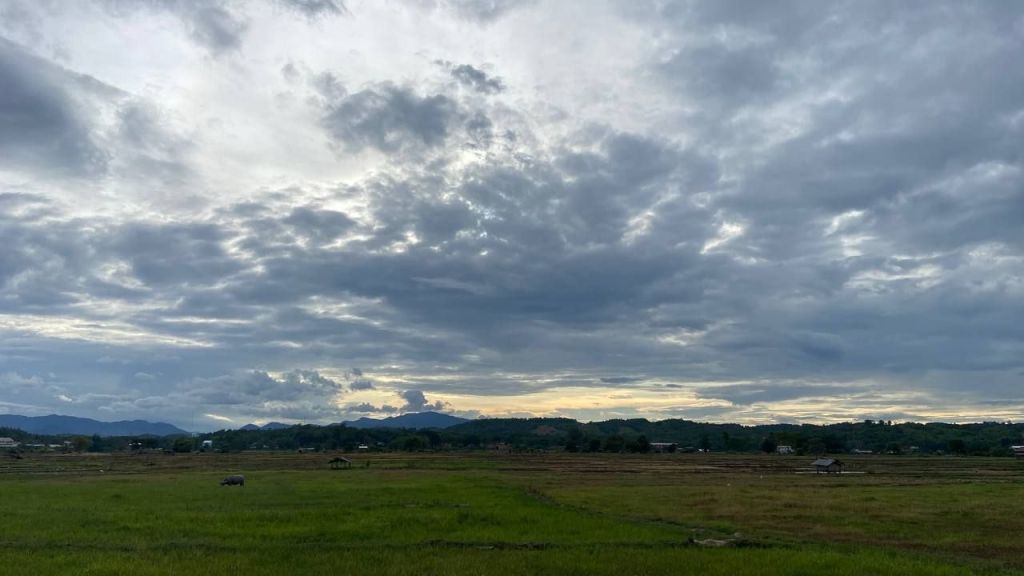
    I was placed in a small town surrounded by rice fields, hills, and temples. It was peaceful and quiet — very different from the busy cities I had known.
    The streets were filled with motorbikes, markets, and friendly faces. I quickly noticed how respectful and polite people were — especially students!

    Even though I couldn’t speak Thai, neighbors smiled at me, offered food, or waved from across the road.

    On my second day, I had my first real Thai meal — Pad Kra Pao (spicy basil chicken) with rice and a fried egg on top. It was spicy, but delicious!
    I quickly learned that not all food stalls have English menus, but pointing and smiling helped a lot.
    One kind vendor even taught me how to say “A little spicy” in Thai:
    “Pet nit noy” (เผ็ดนิดหน่อย) – a phrase I still use today!

    First Day at School: Meeting My Students

    Walking into a classroom in a new country, surrounded by curious eyes, was a moment I’ll never forget.
    Some students shouted “Hello, teacher!” while others were shy and giggled from behind their desks.
    Even though I felt nervous, their energy made me feel at home.

    I used basic games and gestures to break the ice — and it worked! We laughed, clapped, and began learning together.

    Cultural Surprises

    Some things really surprised me in the first few days:

    Students greet teachers with a “wai” (palms together, bowing slightly).

    There’s a school-wide morning assembly every day with national anthem.

    People remove shoes before entering classrooms or homes.

    These traditions were beautiful — and I did my best to show respect and adapt.

    Learning to Let Go of Control

    My biggest personal lesson in those first days?
    Be flexible.
    Plans will change, timetables may shift, communication won’t always be clear. But if you stay calm, open-minded, and positive, everything works out.

    Final Thoughts

    My first days in Thailand were filled with learning, laughter, and a little bit of confusion — and I wouldn’t change a thing.
    Those early experiences helped shape who I am today: a more patient, understanding, and adaptable person.

    If you’re thinking of teaching or traveling abroad, I encourage you to take that leap. You’ll discover a new world — and maybe even a new version of yourself.

    Thanks for reading!
    Have you ever had a culture shock experience or moved to a new country? Share your story in the comments — I’d love to hear it!

    My next blog post will focus on my personal experiences and observations for those who are considering teaching abroad — including important things to keep in mind both inside and outside the classroom.

    See you soon krubb.