Tag: technology

  • Our Struggle with Technology:

    Our Struggle with Technology:

    A Blessing or a Threat?

    Technology… For some, it is the greatest blessing of our time; for others, it is the most dangerous addiction of the modern age. While this debate has been ongoing for years, my opinion is clear: When used in moderation, technology is a powerful tool and opportunity.

    As a teacher, I benefit from technology in many ways. From researching lesson topics to enhancing my presentations with photos and videos, technology has helped me keep my students engaged and motivated to learn. I am truly grateful for what it offers.

    But as the saying goes, “Every rose has its thorns.”

    The thorns of technology its risks can overshadow all its beauty when we ignore them. If we pay attention while holding the rose, we can enjoy its fragrance. The same goes for technology:

    If we handle it carefully, it can bring beautiful results to our lives.

    Who Controls Whom?
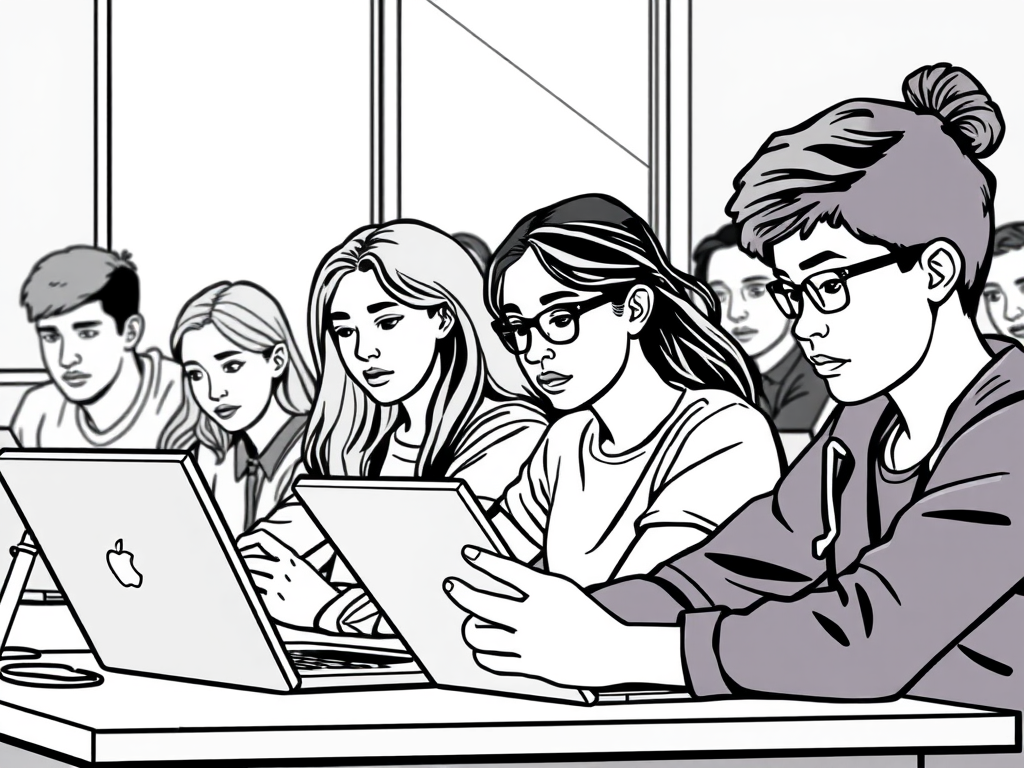
    Here’s where the real question begins:

    Do we control technology, or does it control us?

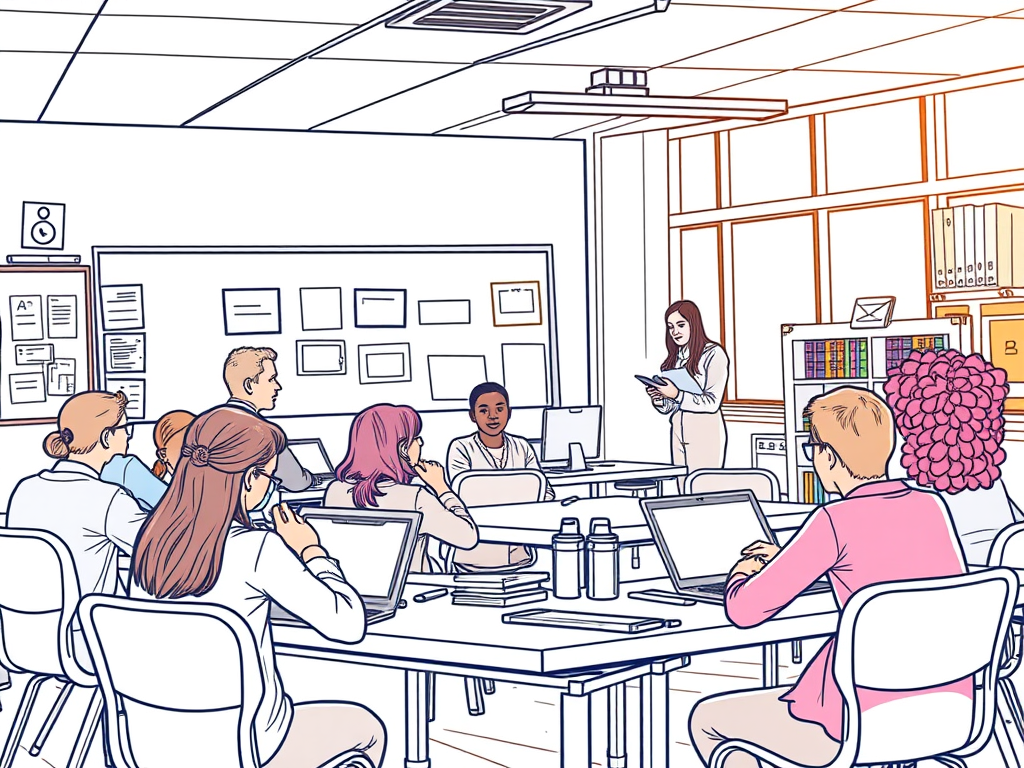
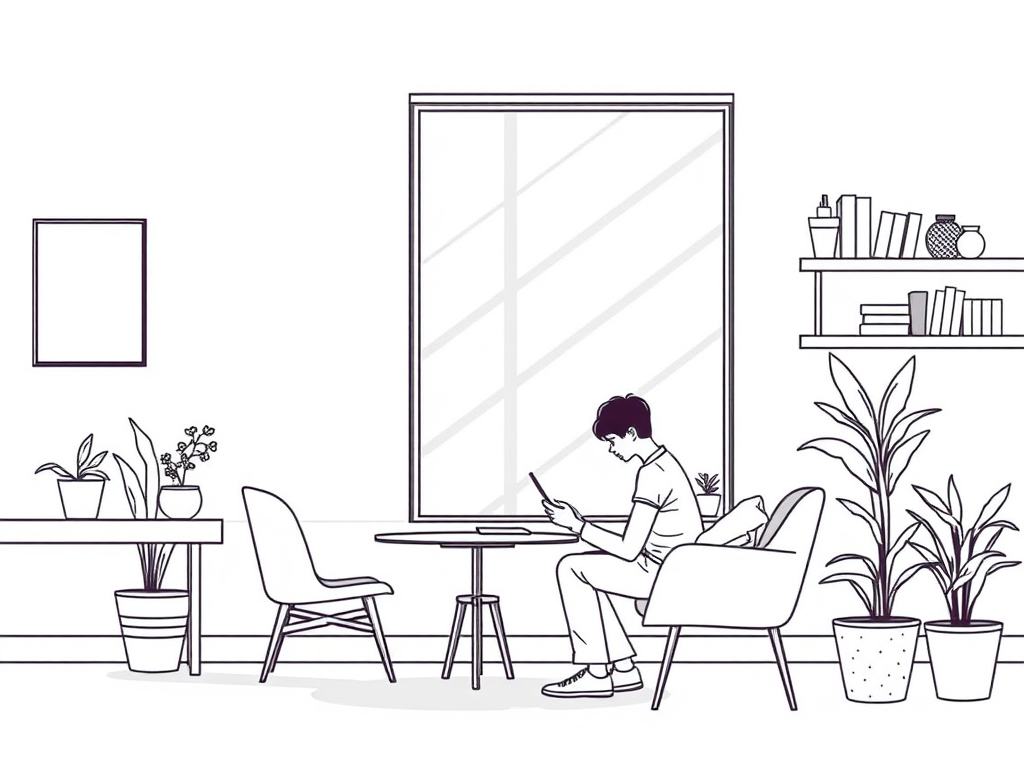
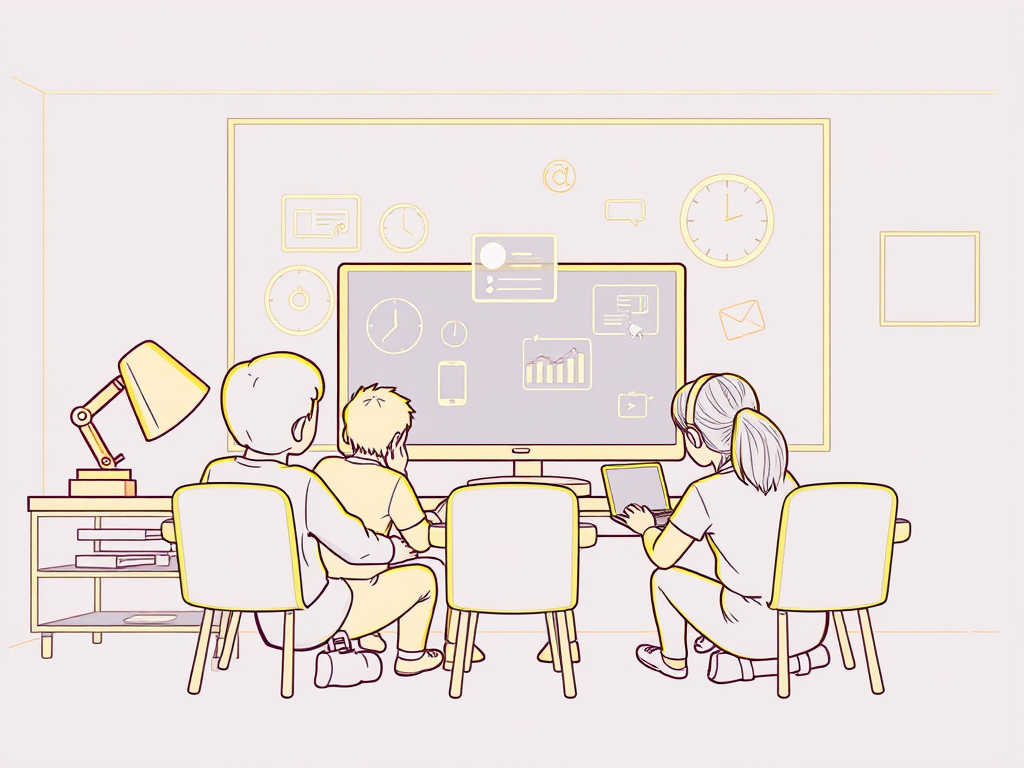
    Sadly, in some of my students, I’ve observed that the control has shifted. It’s no longer the students using technology; rather, technology has started using them.

    This pushed me to reflect more deeply and take action.

    Because the future belongs to these children and we cannot let their minds be shaped by thoughtless scrolling or emotionless consumption.

    The younger generation should not be poisoned by the harms of technology but instead benefit from its advantages.

    My Approach: Observation, Gentle Warnings, Clear Boundaries
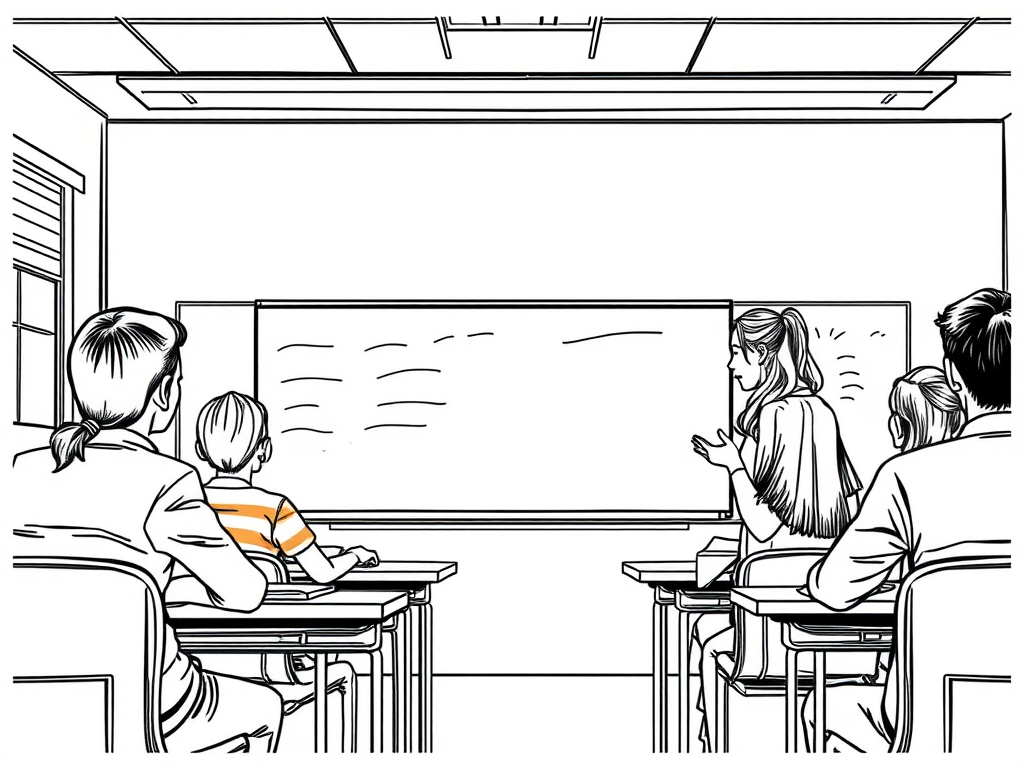
    To reduce this issue or even solve it at its root I’ve tried and continue to apply various strategies:

    Carefully observing students during class breaks

    Creating an awareness that they are being watched

    Keeping them occupied with small assignments

    Asking surprise questions and making them expect more at any moment

    Not rushing to punishment, but giving a first warning

    If a student is caught again using a device unrelated to the lesson, they know there will be consequences. These may include changing their seat, answering a quick quiz, or temporarily taking away the device.

    Respect for Technology, Backed by Discipline
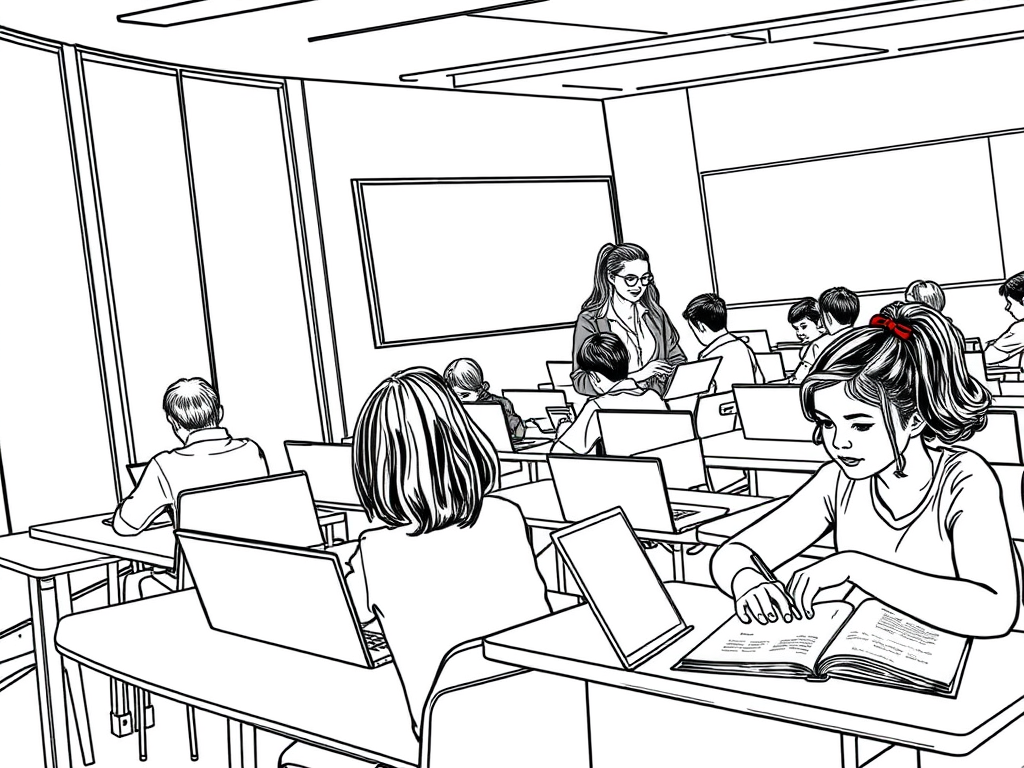
    I have great respect for technology.

    I fully support its use for educational purposes.

    But when it comes to personal, unrelated use during lesson time, a firm and clear boundary must be set.

    This not only protects classroom focus but also helps students realize that technology is useful for research, learning, and communication not just for games or social media.

    In Conclusion…

    Otherwise, we risk handing over the future not to human minds, but to emotionless, thoughtless patterns of behavior shaped by machines.

    My method is built on three principles:

    Balance, willpower, and guidance.

    With these, technology becomes our servant not our master.

    Let’s Shape a Healthier Digital Future Together
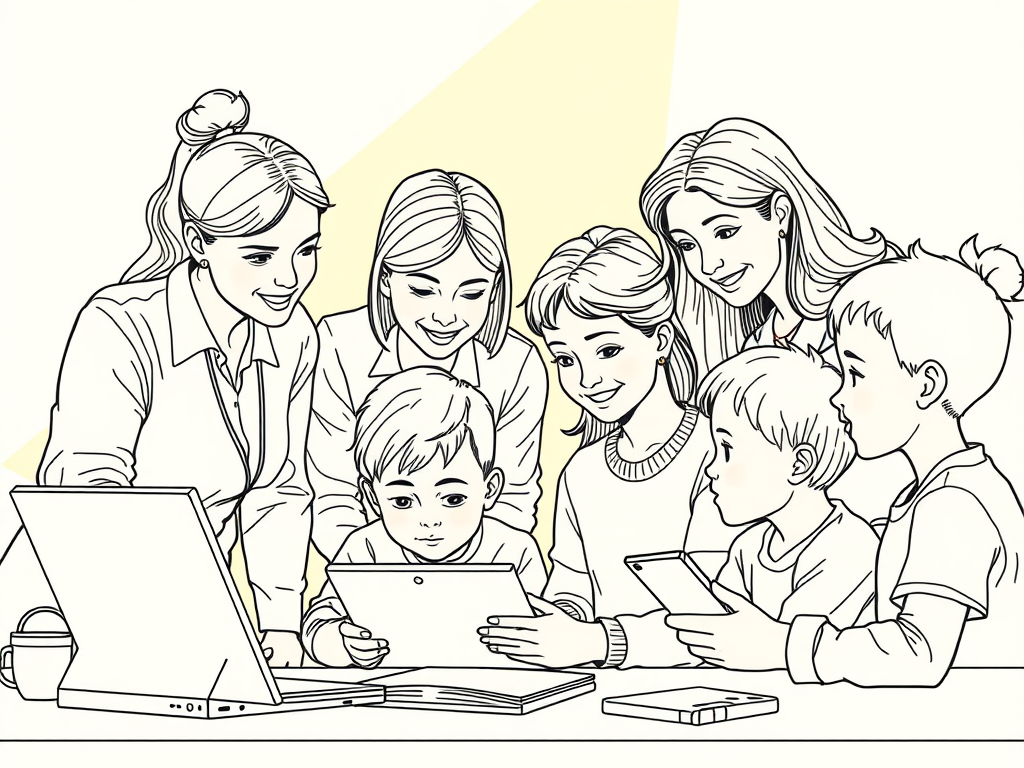
    Technology is not going anywhere it’s evolving faster than ever. So instead of resisting it, let’s learn to guide it with purpose.

    As educators, parents, and role models, our influence can help young minds build healthy habits, set digital boundaries, and make the most of technology’s limitless potential.
    What about you?

    How do you manage technology in your classroom or home?

    Have you faced similar struggles with screen time and attention?

    What solutions worked or didn’t work for you?

    I’d love to hear your thoughts, strategies, or questions. Feel free to leave a comment or share this post with other teachers and parents who care about shaping a more mindful, balanced relationship with technology.

    Together, we can raise a generation that uses technology wisely, responsibly, and creatively.

    Thanks for reading

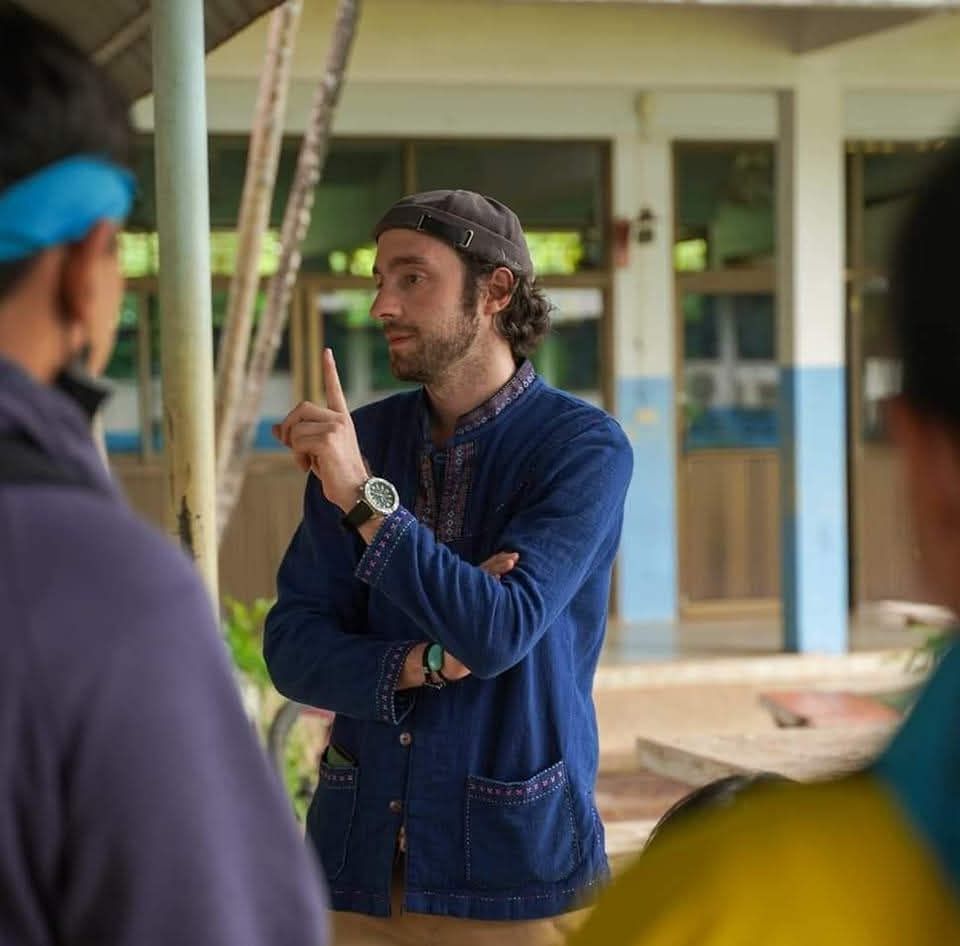
    Zübeyir Yurtkuran

  • Part 6: For Those Who Want to Teach Abroad: Golden Tips for Inside and Outside the Classroom

    Part 6: For Those Who Want to Teach Abroad: Golden Tips for Inside and Outside the Classroom

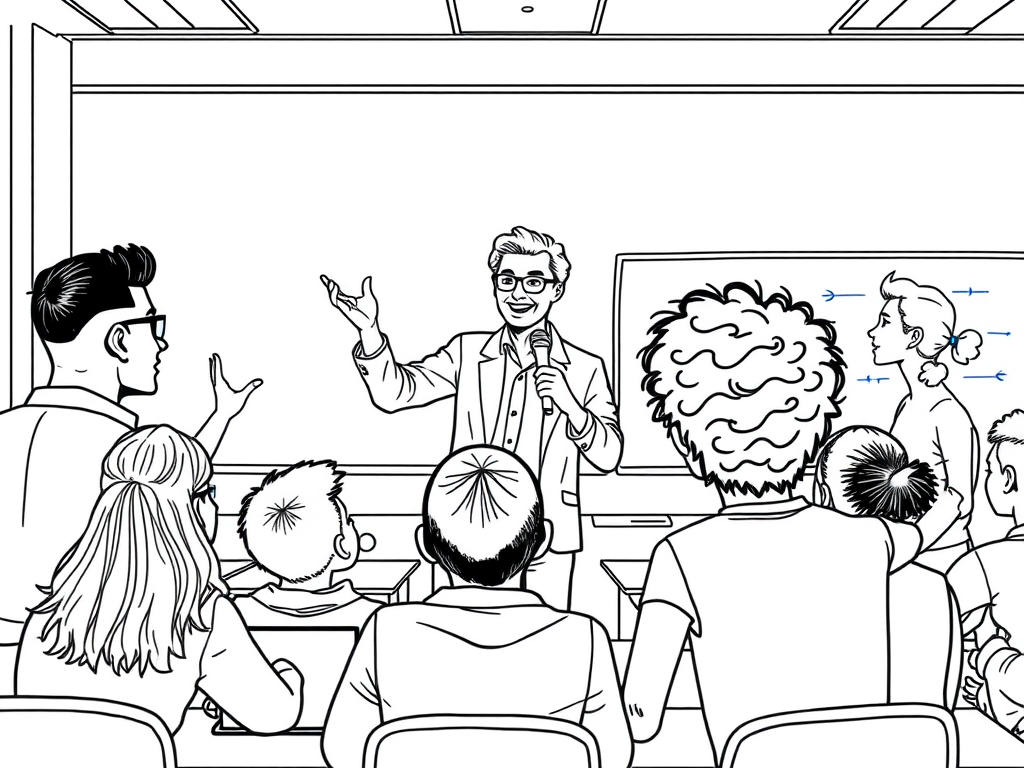
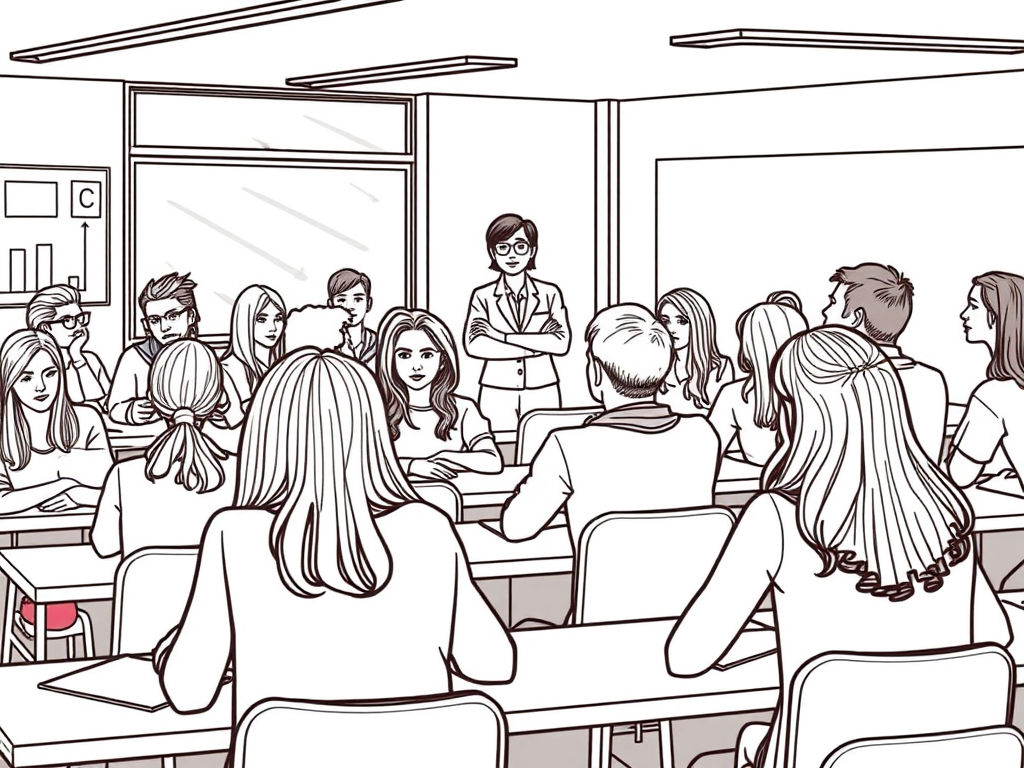
    Be Active in the Classroom: Move, Engage, Inspire

    Great teaching doesn’t only happen at the front of the room.

    Too often, teachers fall into the habit of standing in one spot usually near the board while explaining lessons. While this might seem organized and controlled, it can unintentionally create distance between you and your students. If your students feel distant from you, they may mentally disconnect from the lesson too.

    That’s why it’s important to be active, move around, and bring your presence to every corner of the room.

    Why Movement Matters

    Walking around the classroom keeps students alert. It also sends a message:

    “I am with you. I see you. I care.”

    Students are less likely to lose focus or get distracted when they feel that the teacher might appear next to them at any moment. This kind of presence encourages participation and accountability not out of fear, but out of connection.

    The Power of Surprise Questions

    While you walk, ask spontaneous, friendly questions:

    “What do you think about this?”
    “Can you explain it in your own words?”
    “Can you give an example?”
    These questions:
    Break the routine
    Encourage deeper thinking
    Show students that everyone is expected to participate
    Even students who usually stay quiet begin to listen more carefully, just in case their turn is next!

    Being Among Your Students Builds Trust

    When you walk between the rows of desks, kneel next to a struggling student, or high-five someone who gave a great answer, you’re doing more than teaching content you’re building a human connection.

    Your movement makes you feel more real and more approachable. Students are more likely to ask for help, share opinions, and take academic risks when they feel supported, not judged.

    Energy Is Contagious

    When you move with purpose and enthusiasm, your energy spreads. The classroom feels more alive. Learning becomes dynamic instead of static. Instead of being a spectator sport, class becomes something students are part of.

    Remember, your energy often sets the tone for the entire room.

    Practical Tips for Active Teaching

    Walk slowly and intentionally—don’t rush, but stay mobile.
    Make eye contact with students at all areas of the room.
    Use your voice and gestures to emphasize key points.
    Smile and make your presence a positive force.

    Final Thought: Teach With Your Whole Body

    You are not just a voice. You are not just words on a board.
    You are a full presence—a guide, a motivator, a leader.

    So, don’t just stand and deliver—move and connect.
    Because when students feel your presence, they give you their attention.
    And that’s where the real teaching begins.

    “Where you move, attention follows.”

    Be the teacher who brings the lesson to life with every step you take.

    Let your presence be the spark.

    In every step you take, every glance you share, every question you ask you’re not just teaching a subject, you’re shaping an experience. The classroom is more than four walls; it’s a stage where movement creates magic, where connection fuels curiosity. So keep moving, keep engaging, and keep inspiring because when you teach with your whole self, you invite your students to learn with their whole hearts.

    For Those Who Want to Teach Abroad: Golden Tips for Inside and Outside the Classroom will continue. Until then, I’d love to hear your thoughts, suggestions, or memories that left a mark on your heart. See you in the next article. Stay safe, patient and kind.

  • Part 5: For Those Who Want to Teach Abroad: Golden Tips for Inside and Outside the Classroom

    Part 5: For Those Who Want to Teach Abroad: Golden Tips for Inside and Outside the Classroom

    Remember: Students Are Watching You – Always Be the Role Model

    When you work as a foreign teacher abroad, you might think that your influence starts and ends in the classroom. But the truth is, your role as a teacher doesn’t pause when the bell rings. Whether you realize it or not, students and even other staff members are constantly observing you.

    Your actions, expressions, tone, and even the way you walk through the hallways become part of how you’re remembered. You are the lesson.

    You’re a Guest and a Highlight

    In many schools, especially in countries where foreign teachers are not common, your presence alone makes you stand out. You are not just “another teacher” you are the foreign teacher. That label comes with curiosity, expectations, and, yes, attention.

    Students are curious about who you are, how you behave, and what you do differently. They may try to imitate you. That’s why it’s so important to be conscious of your actions both inside and outside the classroom.

    Small Moments, Big Lessons

    The way you greet others in the morning, how you respond to mistakes, how you handle stress, how you talk to cleaning staff all of these moments send a message to your students.

    Ask yourself:

    Am I showing patience?
    Am I respectful to everyone equally?
    Do I stay calm under pressure?
    Do I model kindness, responsibility, and curiosity?

    You may think no one notices but your students do. And they remember.

    Classroom Behavior Isn’t Everything

    A great lesson can be undone by negative behavior in the hallway or lunchroom. If a student sees their teacher acting rudely, using bad language, or showing favoritism outside the classroom, it shakes the trust you’ve built.

    On the other hand, consistent professionalism and kindness make your lessons more effective because students respect you beyond the lesson plan.

    Act Like a Student Is Always With You

    A good rule of thumb for teaching abroad is this:

    Behave as if one of your students is always by your side.

    Would you say that in front of them? Would you act like that if they were watching? The truth is they probably are.

    What Makes a Role Model

    Being a role model doesn’t mean being perfect. It means being honest, respectful, and consistent. It means owning your mistakes, treating everyone fairly, and showing what maturity and responsibility look like.

    In a foreign country, this also includes respecting local customs and learning about the culture. Your effort to understand and integrate sends a powerful message: “I respect you, your country, and your values.”

    In Conclusion: Your Presence Is Powerful

    Teaching abroad is more than a job it’s an opportunity to inspire through who you are. Every smile, every greeting, every respectful gesture plants a seed. Students might forget some of your lessons, but they won’t forget how you lived those lessons yourself.

    “You teach more by what you are than by what you say.”

    So be the kind of teacher your students will always remember with admiration, not just for your teaching, but for your character.

    Final Thoughts

    As educators abroad, we are more than just teachers we are daily examples of what it means to lead with integrity, patience, and empathy. Every hallway interaction, every small gesture, every cultural effort is a chance to teach without ever opening our mouths.
    So the next time you walk into school, remember: your presence alone is powerful.
    You don’t have to be perfect. You just have to be aware, be kind, and be real.

    Now it’s your turn:
    Have you ever realized how much your students watch and learn from your actions?
    I’d love to hear your stories, reflections, or even the small moments that reminded you how powerful your role truly is.

    For Those Who Want to Teach Abroad: Golden Tips for Inside and Outside the Classroom will continue. Until then, I’d love to hear your thoughts, suggestions, or memories that left a mark on your heart. See you in the next article. Stay safe, patient and kind.

  • Part 4: For Those Who Want to Teach Abroad: Golden Tips for Inside and Outside the Classroom

    Part 4: For Those Who Want to Teach Abroad: Golden Tips for Inside and Outside the Classroom

    Keep Students Engaged:

    Give Tasks and Activities That Matter

    A quiet classroom isn’t always a focused classroom. Just because students are seated doesn’t mean they’re engaged. As teachers, our challenge is not just to teach but to capture attention, spark curiosity, and maintain meaningful involvement.

    The secret? Well-planned tasks and engaging activities.

    Why Engagement Matters

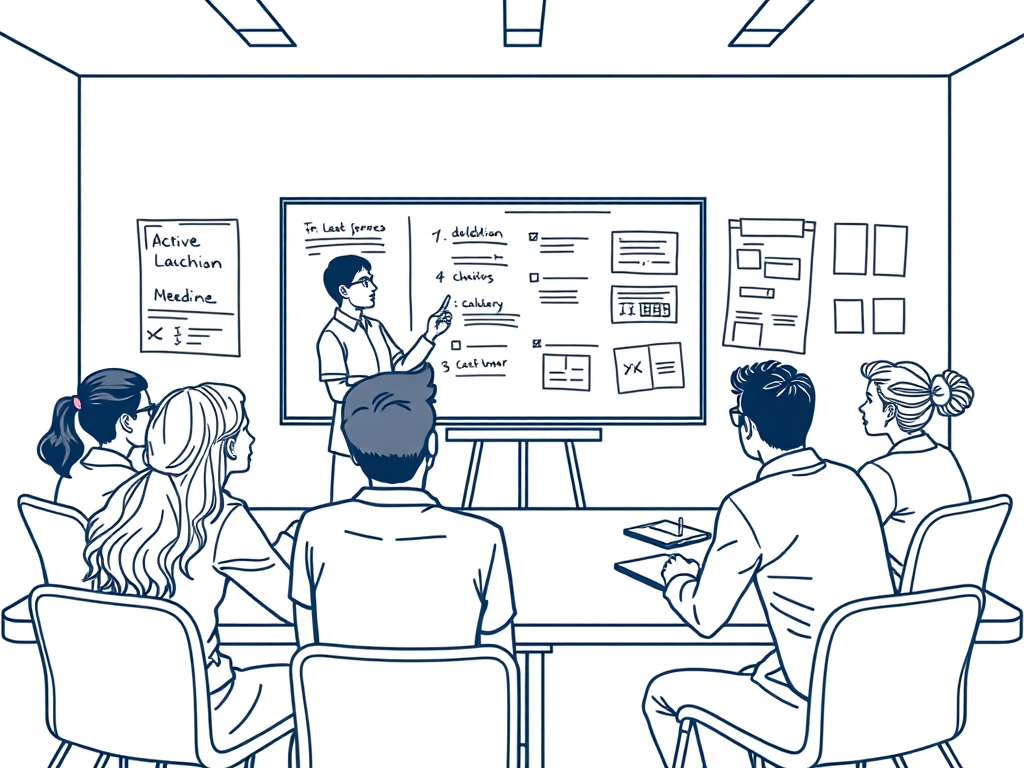
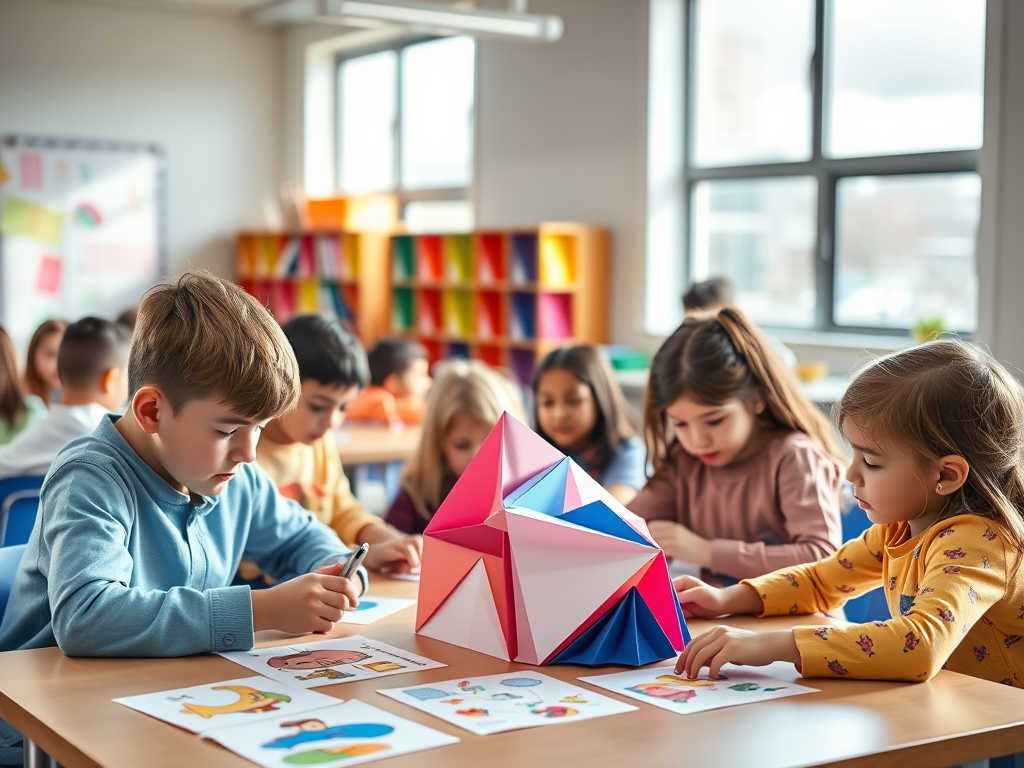
    Students learn best when they’re actively involved. Passive listening may work for a few, but most students need to do something in order to retain new information. When you give them a role whether it’s solving a problem, creating something, or working in a team you shift them from observers to participants.

    This kind of active learning is more effective, more enjoyable, and far more memorable.

    Simple Actions, Powerful Results

    Keeping students engaged doesn’t require expensive materials or complicated planning. Small, consistent strategies can make a big impact.

    Give worksheets that match the day’s topic short, clear, and with a purpose.

    Assign roles during group work: leader, note-taker, presenter.

    Use games and quizzes to reinforce content in a fun way.

    Ask open-ended questions and give students time to think and respond.

    Plan short projects that allow creativity posters, skits, interviews, or mini-presentations.

    Even a 5-minute pair discussion can turn a sleepy lesson into a dynamic exchange.

    Match the Activity to the Lesson

    Not every topic requires the same kind of activity. For grammar lessons, a worksheet or sentence-building challenge might work best. For social studies, maybe a role-play or debate. For science, let them experiment or research. The key is to make the activity serve the learning goal not just fill time.

    When students see how the task connects to what they’re learning, they are more invested in doing it well.

    Promote Teamwork and Responsibility

    Group activities not only help with content, but they also build important life skills like cooperation, problem-solving, and communication. Students learn how to listen, how to lead, and how to support each other. This turns your classroom into a mini community where every voice matters.

    Make It a Habit

    Engaging students isn’t something you do just once a week. The more regularly you include meaningful tasks, the more your students expect and enjoy them. They come to class ready, curious, and involved. This consistency builds a learning culture that’s positive, respectful, and full of energy.

    Final Thought: Active Minds Learn Better

    A teacher’s goal is not just to cover the syllabus, but to make sure the students connect with it. By giving tasks, activities, and space for creativity, you give your students the opportunity to discover, think, and grow.

    “Engaged students are not just learning they’re living the lesson.”

    Make every class a moment worth participating in.

    Teaching Without Forgetting What It’s Like to Be a Student

    Let’s not forget we were once students too. Some of us struggled to stay focused in class, and at times, it wasn’t because we lacked ability, but because the lessons simply didn’t spark our interest. Overcoming this challenge often falls to the teacher. A great teacher is not just a giver of knowledge, but a guide who makes learning engaging and meaningful.

    When a student finds a subject boring, it often means they haven’t formed a personal connection to it yet. Creating that connection, sparking curiosity, and capturing attention is part of the teacher’s craft. What we teach is important but how we teach it makes all the difference. With relatable examples, real-life connections, and opportunities for active participation, even the quietest student can begin to show signs of curiosity and involvement.

    Final Word: Involved Students Are Empowered Students

    A teacher’s true success isn’t just measured by how much content is covered but by how deeply students connect with it. That connection happens when lessons are active, creative, and meaningful. Don’t aim for a silent classroom aim for a thinking one. Let your students ask, explore, create, and take part. Because students who are engaged don’t just learn they grow. They gain confidence, purpose, and a voice that matters.

    Remember:
    “Even a small task can make a big difference in a student’s world.”
    So turn every lesson into a journey and invite your students to be part of it.

    For Those Who Want to Teach Abroad: Golden Tips for Inside and Outside the Classroom will continue. Until then, I’d love to hear your thoughts, suggestions, or memories that left a mark on your heart. See you in the next article. Stay safe, patient and kind.