Tag: teacher

  • Final Part: For Those Who Want to Teach Abroad: Golden Tips for Inside and Outside the Classroom

    Final Part: For Those Who Want to Teach Abroad: Golden Tips for Inside and Outside the Classroom

    Approach Students Based on Their Age Group: One Size Doesn’t Fit All
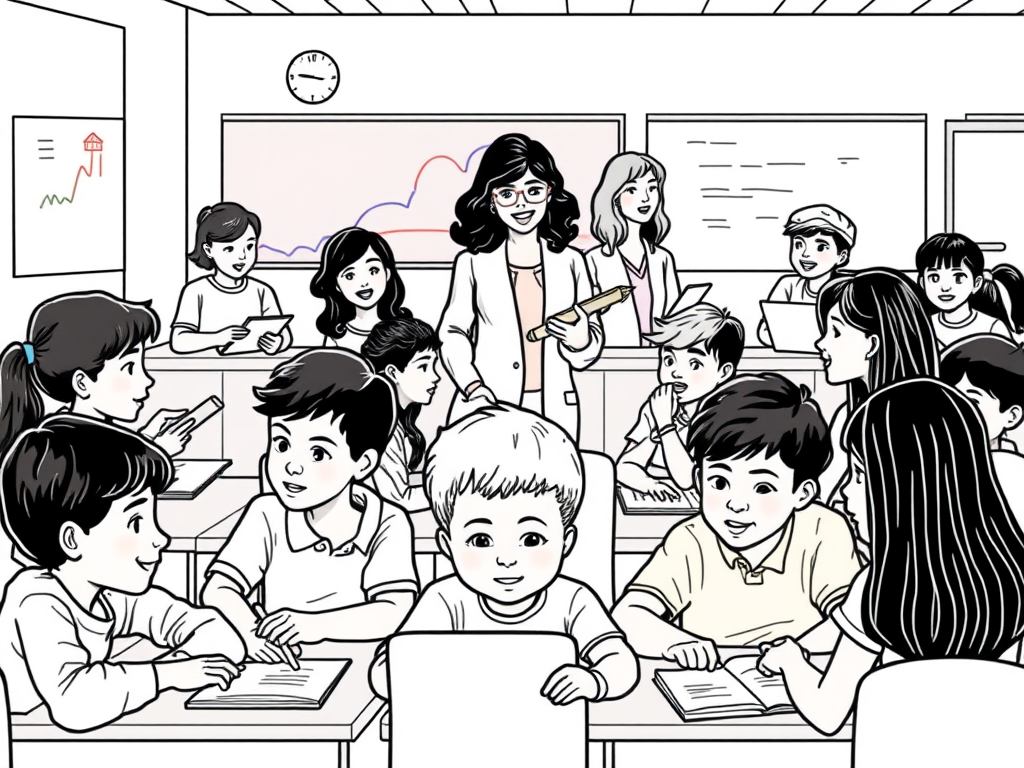
    In teaching, understanding your students’ age and developmental stage is just as important as knowing your lesson plan. Different age groups require different emotional, social, and educational approaches.

    Whether you’re teaching first graders or teenagers, adapting your methods and tone can be the key to effective communication and real connection.

    Primary School Students: Lead with Love

    Young learners in primary school are emotional sponges they soak up the atmosphere around them. Before they focus on learning, they need to feel:

    Loved 💖
    Safe 🛡
    Valued ⭐

    Your warmth and kindness are not just nice extras they’re essential tools. These students:

    Learn best through encouragement, not pressure
    Respond to routine and praise
    Need patience when expressing themselves
    Be playful. Be positive. Be gentle. A caring relationship with the teacher builds their confidence, motivation, and love for school.

    “To little hearts, a kind teacher is everything.”

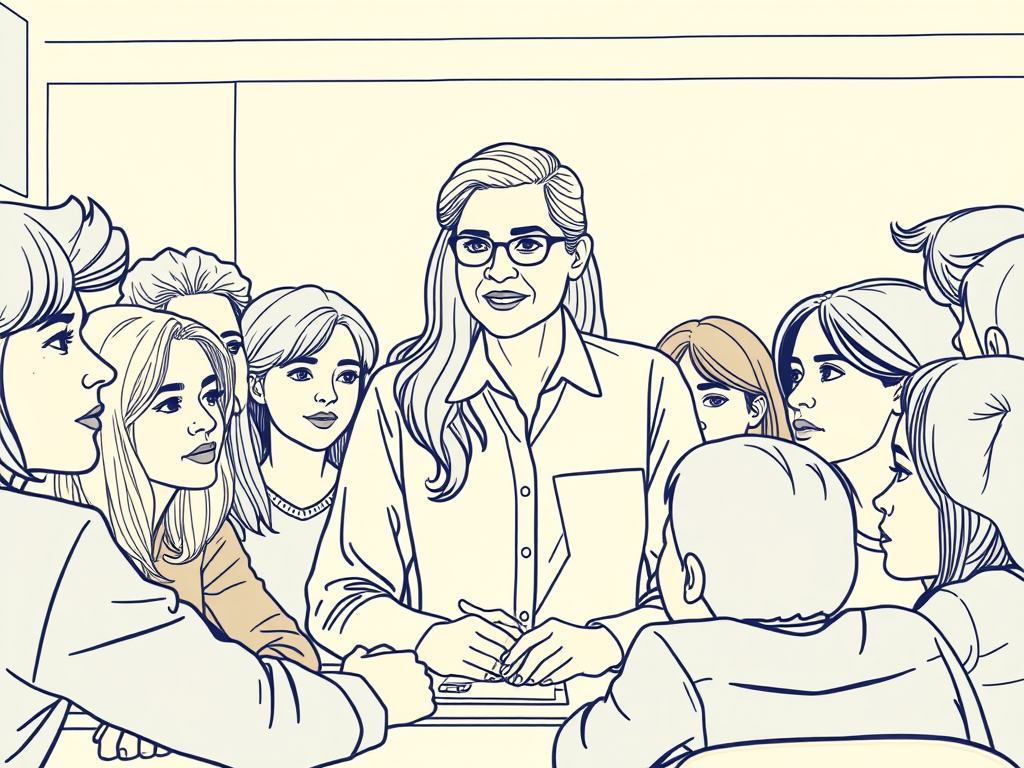
    High School Students: Lead with Understanding

    Teenagers are navigating complex emotional and social challenges. They often don’t just want answers they want to be heard.

    High school students need:

    Respect and space to express opinions
    Flexible guidance rather than strict control
    Honest conversations and emotional support

    As a teacher, your role shifts from caregiver to mentor. You’re not just teaching subjects you’re modeling adulthood. This age group values teachers who:

    Listen without judgment
    Set boundaries but stay fair
    Treat them like young adults
    A simple “How are you really doing today?” can open doors to trust and cooperation.

    Balance is the Key

    While the approaches may differ, your consistency and authenticity matter in every classroom.

    Students of all ages:

    Know when you care
    Feel when you’re genuine
    Respond better when they’re respected

    Adjusting your tone, expectations, and teaching style according to the age group doesn’t mean being less of yourself it means being a more effective version of yourself.

    Final Thought: Teach the Age, Not Just the Subject

    The same content can’t be delivered the same way to all students.

    Just like a coach wouldn’t train a child and an adult the same way, a great teacher adapts to meet the student where they are.

    So whether your student is 6 or 16, ask yourself:

    “What does this child need from me today not just as a student, but as a human being?”

    Because when students feel truly seen and understood, that’s when real learning begins.

    “A good teacher knows the subject. A great teacher knows the student.”

    In the end, the heart of teaching lies not just in what we deliver, but in how we connect. Every age group is a new language, and great teachers become fluent by listening first. When we approach students not just as learners, but as people with needs, feelings, and dreams we unlock something powerful: real, lasting impact.

    So before the next lesson begins, pause and ask:

    “How can I reach their heart before I reach their mind?”

    Because that’s where all meaningful education begins.

    “Teach the age, understand the heart, and the learning will follow.”

    For Those Who Want to Teach Abroad: Golden Tips for Inside and Outside the Classroom – The End

    Teaching abroad is not just a career choice it’s a life-changing journey filled with challenges, discoveries, and incredible rewards. Throughout this series, we’ve explored the golden tips to help you thrive both inside the classroom and beyond. Remember, adaptability, cultural sensitivity, and a genuine passion for your students are your greatest tools on this path.

    As you take your first steps into this exciting adventure, keep an open heart and mind. Every experience, whether smooth or difficult, will enrich your growth as an educator and as a person.

    Thank you for joining me on this journey. I hope these insights have prepared and inspired you to make the most of your teaching abroad experience. Wherever your path leads, may you touch lives and be touched in return.

    Safe travels and happy teaching!

  • Part 6: For Those Who Want to Teach Abroad: Golden Tips for Inside and Outside the Classroom

    Part 6: For Those Who Want to Teach Abroad: Golden Tips for Inside and Outside the Classroom

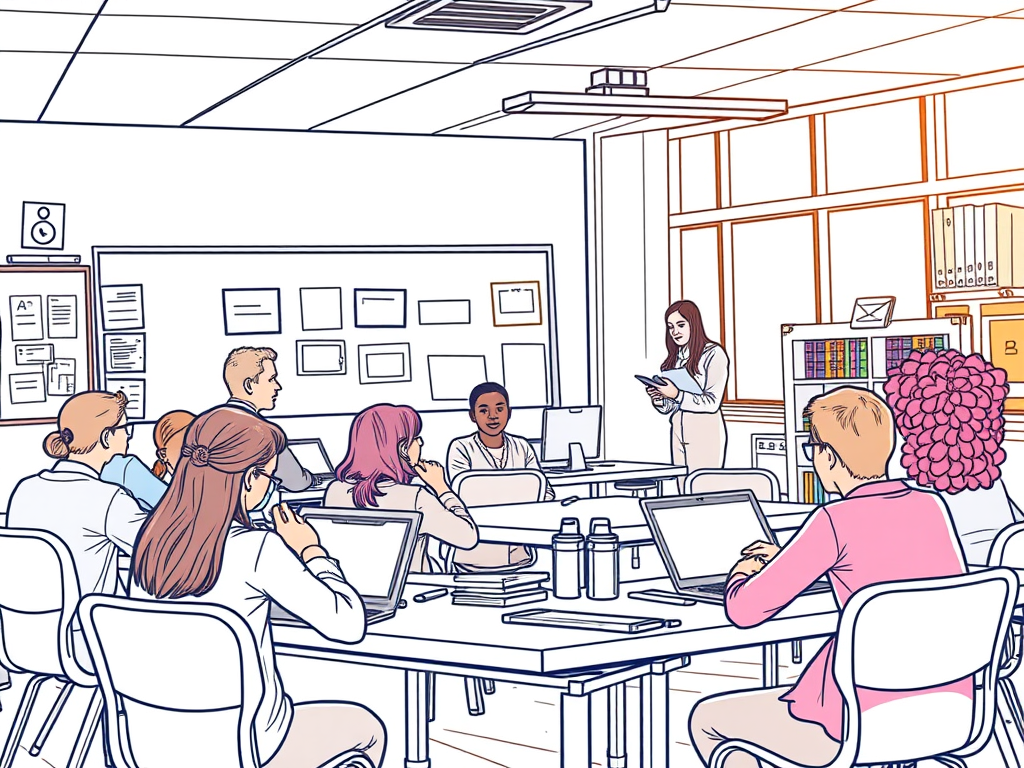
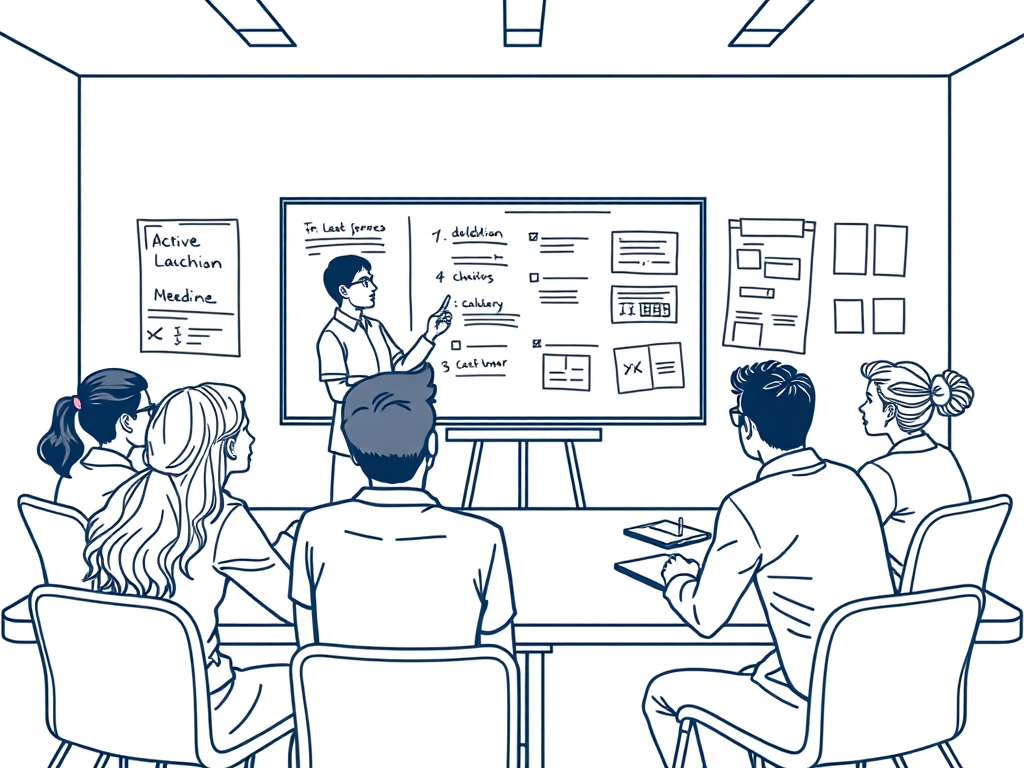
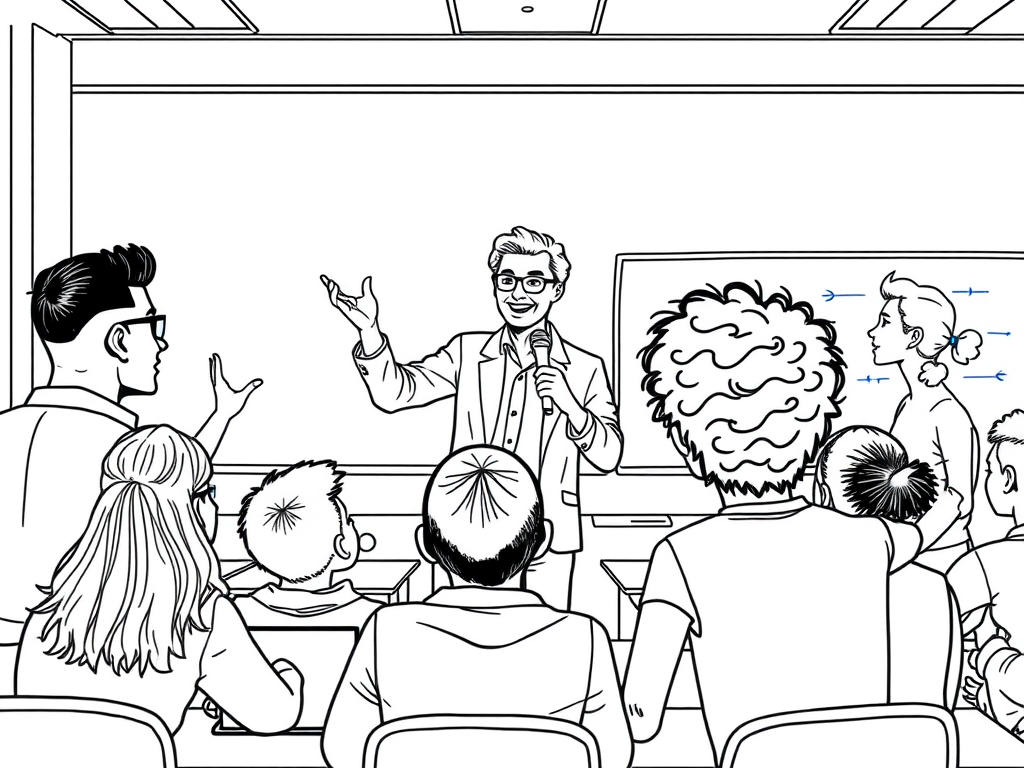
    Be Active in the Classroom: Move, Engage, Inspire

    Great teaching doesn’t only happen at the front of the room.

    Too often, teachers fall into the habit of standing in one spot usually near the board while explaining lessons. While this might seem organized and controlled, it can unintentionally create distance between you and your students. If your students feel distant from you, they may mentally disconnect from the lesson too.

    That’s why it’s important to be active, move around, and bring your presence to every corner of the room.

    Why Movement Matters

    Walking around the classroom keeps students alert. It also sends a message:

    “I am with you. I see you. I care.”

    Students are less likely to lose focus or get distracted when they feel that the teacher might appear next to them at any moment. This kind of presence encourages participation and accountability not out of fear, but out of connection.

    The Power of Surprise Questions

    While you walk, ask spontaneous, friendly questions:

    “What do you think about this?”
    “Can you explain it in your own words?”
    “Can you give an example?”
    These questions:
    Break the routine
    Encourage deeper thinking
    Show students that everyone is expected to participate
    Even students who usually stay quiet begin to listen more carefully, just in case their turn is next!

    Being Among Your Students Builds Trust

    When you walk between the rows of desks, kneel next to a struggling student, or high-five someone who gave a great answer, you’re doing more than teaching content you’re building a human connection.

    Your movement makes you feel more real and more approachable. Students are more likely to ask for help, share opinions, and take academic risks when they feel supported, not judged.

    Energy Is Contagious

    When you move with purpose and enthusiasm, your energy spreads. The classroom feels more alive. Learning becomes dynamic instead of static. Instead of being a spectator sport, class becomes something students are part of.

    Remember, your energy often sets the tone for the entire room.

    Practical Tips for Active Teaching

    Walk slowly and intentionally—don’t rush, but stay mobile.
    Make eye contact with students at all areas of the room.
    Use your voice and gestures to emphasize key points.
    Smile and make your presence a positive force.

    Final Thought: Teach With Your Whole Body

    You are not just a voice. You are not just words on a board.
    You are a full presence—a guide, a motivator, a leader.

    So, don’t just stand and deliver—move and connect.
    Because when students feel your presence, they give you their attention.
    And that’s where the real teaching begins.

    “Where you move, attention follows.”

    Be the teacher who brings the lesson to life with every step you take.

    Let your presence be the spark.

    In every step you take, every glance you share, every question you ask you’re not just teaching a subject, you’re shaping an experience. The classroom is more than four walls; it’s a stage where movement creates magic, where connection fuels curiosity. So keep moving, keep engaging, and keep inspiring because when you teach with your whole self, you invite your students to learn with their whole hearts.

    For Those Who Want to Teach Abroad: Golden Tips for Inside and Outside the Classroom will continue. Until then, I’d love to hear your thoughts, suggestions, or memories that left a mark on your heart. See you in the next article. Stay safe, patient and kind.

  • Part 3: For Those Who Want to Teach Abroad: Golden Tips for Inside and Outside the Classroom

    Part 3: For Those Who Want to Teach Abroad: Golden Tips for Inside and Outside the Classroom

    Why Fairness Matters ?

    Students notice everything. Who gets called on most often, who gets praised more, who gets second chances and who doesn’t. Even young learners are remarkably perceptive when it comes to fairness. The moment they sense favoritism, trust begins to fade. Motivation drops. Some students may feel invisible, while others may feel untouchable. This is not the kind of classroom where real learning can thrive.

    In fact, it can make or break the atmosphere of your classroom.

    Equal Doesn’t Always Mean Identical

    Being fair doesn’t mean treating every student exactly the same. It means giving each student what they need to succeed, within a framework of consistency and respect.

    For example:

    Some students might need extra time to complete tasks give it without making them feel lesser.

    Others may need more challenges to stay engaged provide them without creating a sense of superiority.

    Fairness is about balancing individual support with equal respect.

    Beware of Unconscious Favoritism

    It’s human nature to connect more easily with certain personalities maybe a student reminds you of yourself, or perhaps they’re just more outgoing or helpful. But this connection should never result in unequal attention or opportunity.

    To keep yourself in check:

    Keep track of who you call on during class try to rotate.

    Distribute responsibilities and leadership roles evenly.

    Make space for quiet or struggling students to shine.

    When all students feel seen, heard, and valued, their confidence grows and so does their effort.

    Build a Culture of Trust

    Fairness is the foundation of a classroom where students feel safe. When they know that every student is held to the same standards, and that rewards and consequences are given with integrity, they’re more likely to respect you and each other.

    You’re also setting an example. When you model fairness, your students learn how to be fair themselves. They learn to listen, share, and support one another.

    In Conclusion: Fairness Builds Futures

    Your students will forget some of your lessons. But they will never forget how you made them feel. If they remember you as someone who was fair, consistent, and respectful to all that is a lesson they will carry for life.

    “Fairness is not an attitude. It’s a professional skill.”

    As a teacher, make it one of your strongest.

    In the end, fairness isn’t just a classroom strategy it’s a form of silent leadership. It’s in the way we speak, respond, distribute attention, and set expectations. When practiced with intention, fairness has the power to shape not only a student’s academic experience but also their sense of justice, self-worth, and how they treat others. As teachers, let’s choose every day to be the kind of adult we wish every child could learn from fair, thoughtful, and unwavering in our commitment to equity. Because a fair classroom isn’t just a better place to learn it’s a better place to grow. For Those Who Want to Teach Abroad: Golden Tips for Inside and Outside the Classroom will continue. Until then, I’d love to hear your thoughts, suggestions, or memories that left a mark on your heart. See you in the next article. Stay safe, patient and kind.

    Fairness is Crucial: Building Trust Through Equality in the Classroom
    Being fair doesn’t mean treating every student the same it means giving each one what they need to grow, with respect and consistency.
    In this post, I explore why fairness is more than a value it’s a teaching skill that shapes classroom culture, builds trust, and empowers every learner.

    📚 Why does fairness matter so much?
    🔍 How can we avoid unconscious favoritism?
    🤝 What does “equal but not identical” really mean?

    ✨ If you’re an educator, or simply someone who believes in the power of respect, this post is for you.

    TeachingWithHeart #FairnessInTheClassroom #InclusiveEducation #TeacherLife #ClassroomCulture #EducationalEquity

  • Part 2: For Those Who Want to Teach Abroad: Golden Tips for Inside and Outside the Classroom

    Part 2: For Those Who Want to Teach Abroad: Golden Tips for Inside and Outside the Classroom

    A Different Country Means Different Rules

    When teaching in a foreign country, it’s essential to adapt to the cultural and educational norms of the environment. Don’t hesitate to question your own habits. Observe, listen, and learn. Every school has its own unique atmosphere, and understanding it is the key to success.

    Teaching Abroad with Cultural Awareness

    Teaching abroad is an incredible opportunity not just to educate others, but to learn deeply yourself. While you bring knowledge, passion, and experience into the classroom, one thing becomes clear almost immediately: you are not in your home country anymore. And that means the rules both written and unwritten are different.

    Your Habits Might Not Fit

    When you first step into a classroom in a foreign country, it’s natural to rely on the methods and behaviors you’re used to. But what works in one country might be misunderstood or even considered inappropriate in another. For example, your sense of humor might not translate well. Your way of giving feedback might seem too direct or too passive. Even your body language can send unintended messages.

    That’s why the first rule of international teaching is simple:
    Don’t assume, observe.

    Become a Student Again

    To succeed in a new educational culture, you must become a learner first. Watch how local teachers interact with students. Listen to how they speak, how they manage discipline, how they build rapport. Pay attention to what students expect from a “good teacher.” You may be surprised by how different it is from your own background.

    Ask questions. Reflect on your own habits. Be open to the idea that there is more than one “right way” to teach.

    Every School Has Its Own Micro culture

    Even within the same country, no two schools are exactly alike. Some are highly formal, with strict rules and clear hierarchies. Others are relaxed and emphasize creativity and student voice. You need to feel the rhythm of the school before you find your place in it.

    Try not to rush into changing things. Instead, show that you’re willing to adapt. When people see that you respect their system, they will be more open to your ideas and innovations later on.

    Respect is a Two Way Street

    As a foreign teacher, you naturally stand out. Students and colleagues are curious about you, your culture, and your teaching style. This attention can feel exciting—or overwhelming. But the way you handle that attention matters.

    Be respectful of local customs, dress appropriately, and speak thoughtfully. Remember that you are not only representing yourself but also your home country. Small gestures learning a few words in the local language, joining school events, eating local food go a long way in building trust and connection.

    Final Thoughts: Flexibility is Power

    Teaching abroad is not about blending in completely or losing your identity. It’s about being flexible while staying true to your core values as an educator. It’s about choosing when to adapt, when to lead, and when to listen.

    In the end, your success abroad won’t just be measured by how much your students learn, but by how well you adapted, respected, and grew through the experience.

    “When in Rome, do as the Romans do.”

    And when you teach abroad, teach with your eyes open and your heart ready to learn.

    Teaching abroad is more than just changing countries it’s about understanding new cultures, adapting to different educational environments, and respecting local norms. Success comes not from sticking to what you know, but from observing, listening, and being open to growth. Every school, every classroom, is a chance to learn again. With humility, curiosity, and flexibility, you’ll not only teach you’ll transform. For Those Who Want to Teach Abroad: Golden Tips for Inside and Outside the Classroom will continue. Until then, I’d love to hear your thoughts, suggestions, or memories that left a mark on your heart. See you in the next article. Stay safe and stay patient and kind.

  • For Those Who Want to Teach Abroad: Golden Tips for Inside and Outside the Classroom

    For Those Who Want to Teach Abroad: Golden Tips for Inside and Outside the Classroom

    You’re not only teaching a subject; you’re representing a different culture, adapting to new systems, and learning as much as you teach. It’s a deeply rewarding journey, but also one that comes with its own unique set of challenges.

    When I first stepped into a classroom in a foreign country, I thought my biggest concern would be language. But soon, I realized that teaching abroad demands much more: patience, adaptability, emotional intelligence, and above all, observation.

    Over the years, through both successes and struggles, I’ve collected valuable insights; lessons that came from real classrooms, real students, and real-life experiences. This blog post is for those who are considering teaching abroad, or perhaps have already taken the leap but are still finding their footing.

    Here are some golden tips both inside and outside the classroom that I wish someone had told me when I first started.

    Every Student is Different: Be Patient

    Remember, each student has a unique capacity to understand and learn. Some grasp concepts quickly, while others may need more repetition and support. Never give up on any of your students. Give them time and opportunities to improve. A true teacher is someone who tries to reach all students.

    One of the most essential truths in teaching, regardless of where in the world you are, is this: Every student is different. They come from different backgrounds, have different interests and, most importantly, learn in different ways.

    Teaching is Not a One-Size-Fits-All Job

    In every classroom, you’ll find students who seem to “get it” instantly. They grasp new concepts quickly, participate actively, and often set the pace for others. Then there are those who need a bit more time—those who process things slowly, hesitate to speak, or seem easily distracted. This is not a flaw. It’s part of the natural diversity of learning.

    As a teacher, your role is not to expect uniformity. Your role is to embrace these differences and to create a space where every student can thrive at their own pace.

    Patience is More Than Waiting

    Being patient doesn’t mean just waiting for students to catch up, it means actively supporting them while they do. It means giving them second chances, explaining something in a different way, and sometimes simply sitting beside them so they know you care.

    Patience is also understanding that a student’s silence doesn’t always mean disinterest. It might mean confusion, fear, or simply a different learning style. Some students think out loud. Others need quiet reflection. It’s our job to notice that.

    Never Give Up on a Student

    There may be days when it feels like you’re not getting through to a particular student. But the moment you give up, they will feel it—and they may give up on themselves too. Instead, show up with consistency. Celebrate small improvements. Let them know their effort matters, even when results are not immediate.

    Sometimes, years later, that student will come back and say, “You were the first person who believed in me.” And that is a reward no exam result can match.

    Create an Inclusive Environment

    Classroom management isn’t just about order, it’s about inclusion. Design your lessons in ways that reach all types of learners: visual, auditory, kinesthetic. Use group work, storytelling, games, drawing, and discussion. When students see that there’s more than one way to learn, they begin to understand that there’s more than one way to succeed.

    In Summary: Be the Teacher They Need, Not Just the Teacher You Had

    It’s easy to teach the way we were taught. But every new generation needs something a little different. The world is changing, and our students are growing up with challenges and tools we never imagined.

    So take a breath. Look at each student as a unique individual with hidden potential. Be patient, not just for them, but with yourself, too. Because teaching is not about perfect methods. It’s about consistent care.

    “Behind every struggling student is a teacher who didn’t give up.”

    Be that teacher.

    A Single Test, A Lifetime Lesson: Never Give Up on a Student

    Looking back on my high school years, there’s one moment that still shines clearly in my memory, my chemistry exam. It was the first semester, and my grades were far from promising.

    I could feel it. Many teachers had already given up on me. I sensed that quiet judgment, the look that said, “He’s not going to make it.” And for a 13 years old boy trying to adjust to a new environment, that silent verdict was heavy.

    But what saved me wasn’t a sudden burst of genius. It was people, my support system. In times like these, your family and especially your friends can be your lifeline. And in high school, friendships often take center stage. You share emotions, fears, and dreams more easily with peers who are walking the same path. They understand you in a way no one else can.

    I was lucky. I had good friends.

    I was staying in a student dormitory at the time, and a friend from another school took the time to teach me chemistry in a way that actually made sense and even made me enjoy it. He didn’t laugh at my questions or rush me. He helped me believe that I could do it.

    The Exam That Changed Everything

    When the exam day arrived, I sat down not with fear but with focus. I gave it my all.
    And to everyone’s surprise, including mine, I ended up scoring one of the highest marks in class.
    But my teacher didn’t believe it.
    She thought I had cheated.
    She called me to the board and started asking questions, one after another.
    And I answered them. Every single one.

    It wasn’t just a chemistry test anymore it was a turning point. That teacher, who had once written me off, realized he had been wrong.

    She didn’t just admit it she rewarded me with two perfect scores in my assessments.

    Looking Back with Gratitude

    At the time, I didn’t fully grasp how much that experience meant. But now, as a teacher myself, I can see it clearly:

    That moment connected me to school.

    It boosted my motivation.

    It shattered the false label that I “wasn’t capable.”

    It showed me the power of faith, friendship, and second chances.

    I never got the chance to thank that teacher back then.

    But today, I want to say:

    Thank you.

    Thank you for changing your mind.

    Thank you for giving me a chance.

    Thank you for reminding me what belief can do.

    A Message to Fellow Teachers and Future Educators

    Please never give up on a student.

    Even when the signs seem weak, even when others have lost hope don’t stop believing.

    Because sometimes, all it takes is one test, one chance, one conversation to turn everything around.

    That student you almost gave up on?

    They may become someone who inspires a whole generation.

    Give hope, hold on to that spark, and watch it grow.

    “Every child is one caring teacher away from being a success story.”

    — Rita Pierson

    A teaching life shaped by patience can sometimes inspire a whole generation. In today’s post, I wanted to highlight that silent but powerful influence. For Those Who Want to Teach Abroad: Golden Tips for Inside and Outside the Classroom will continue. Until then, I’d love to hear your thoughts, suggestions, or memories that left a mark on your heart. See you in the next article. Stay safe and stay patient and kind.