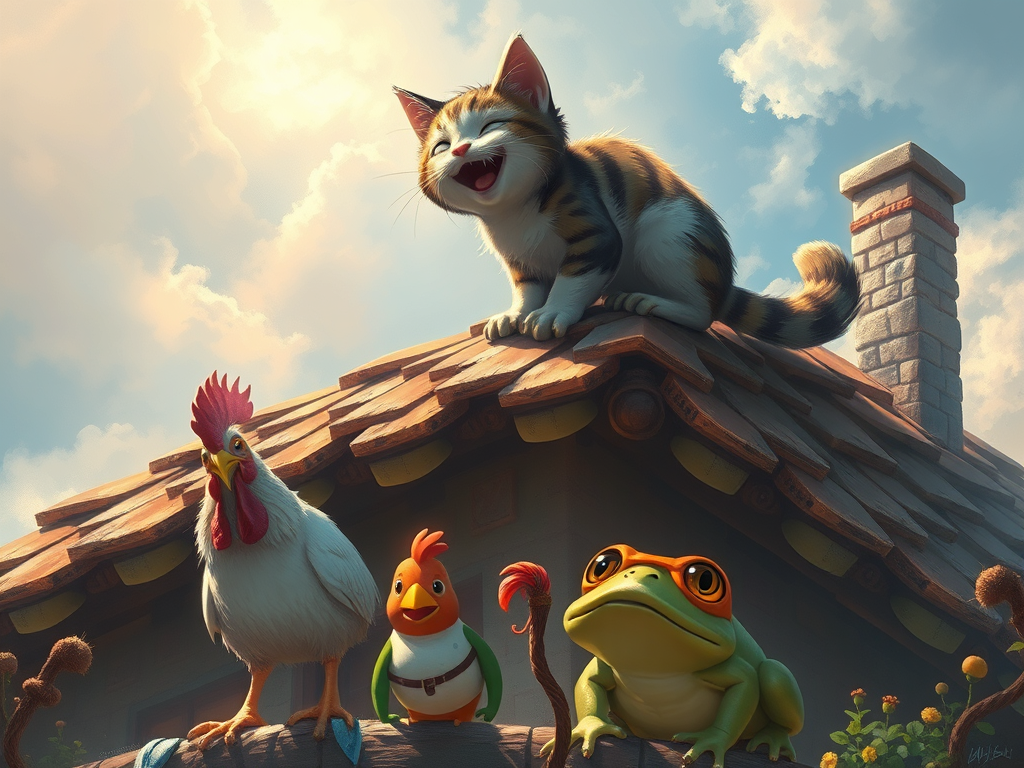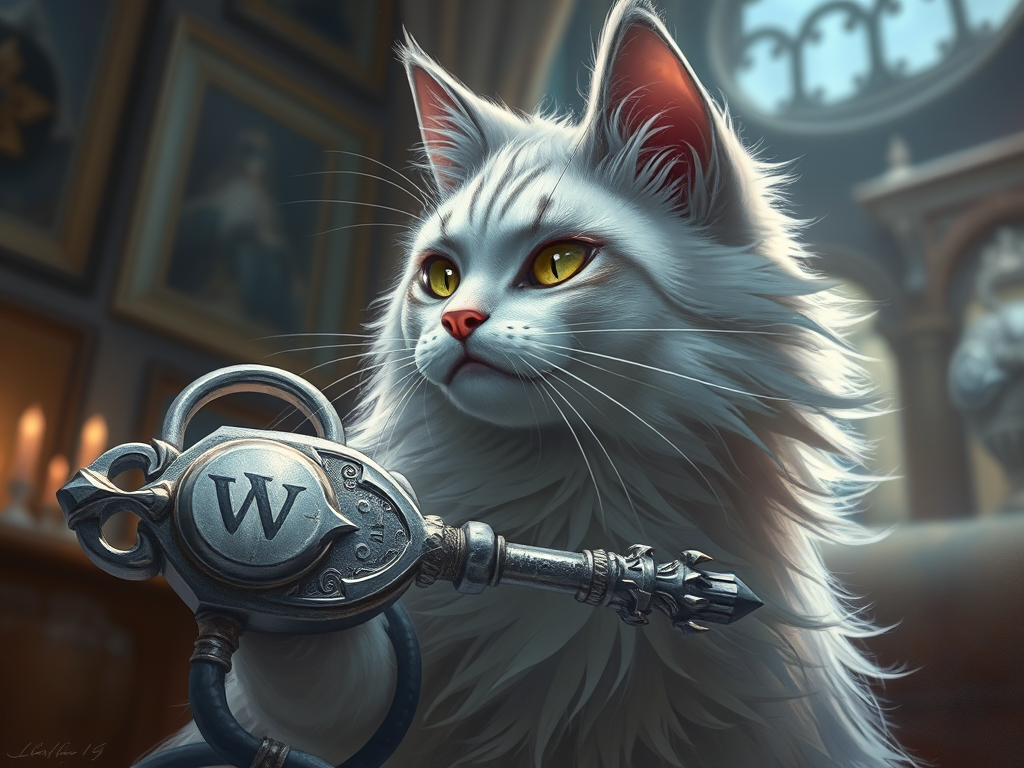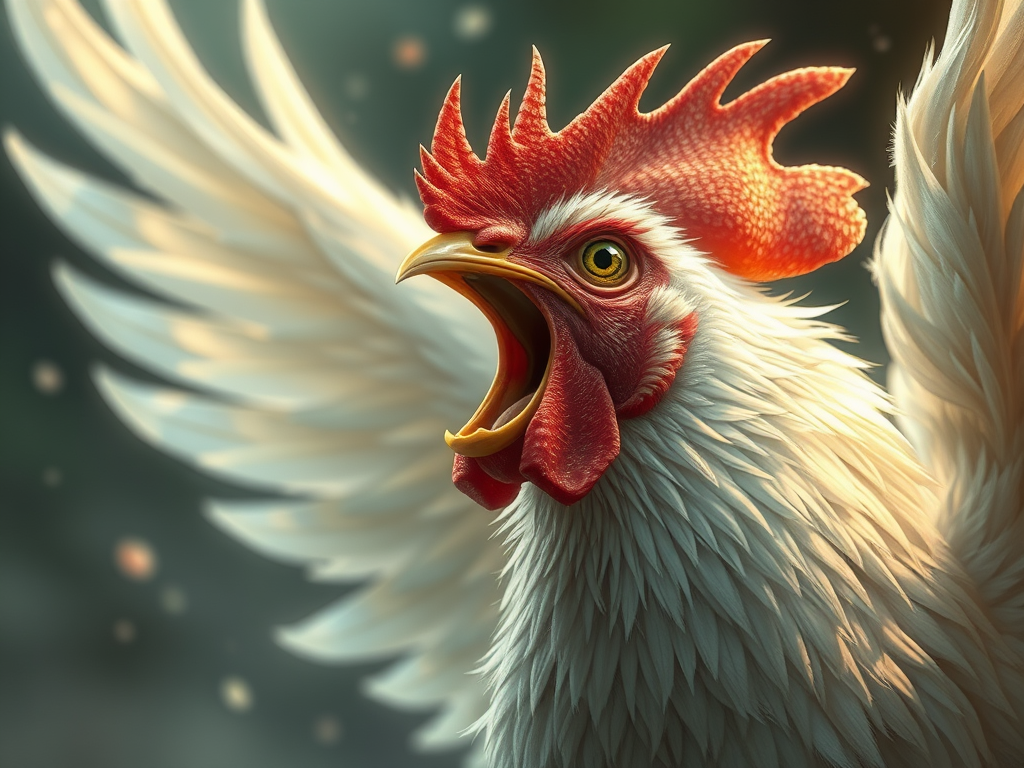
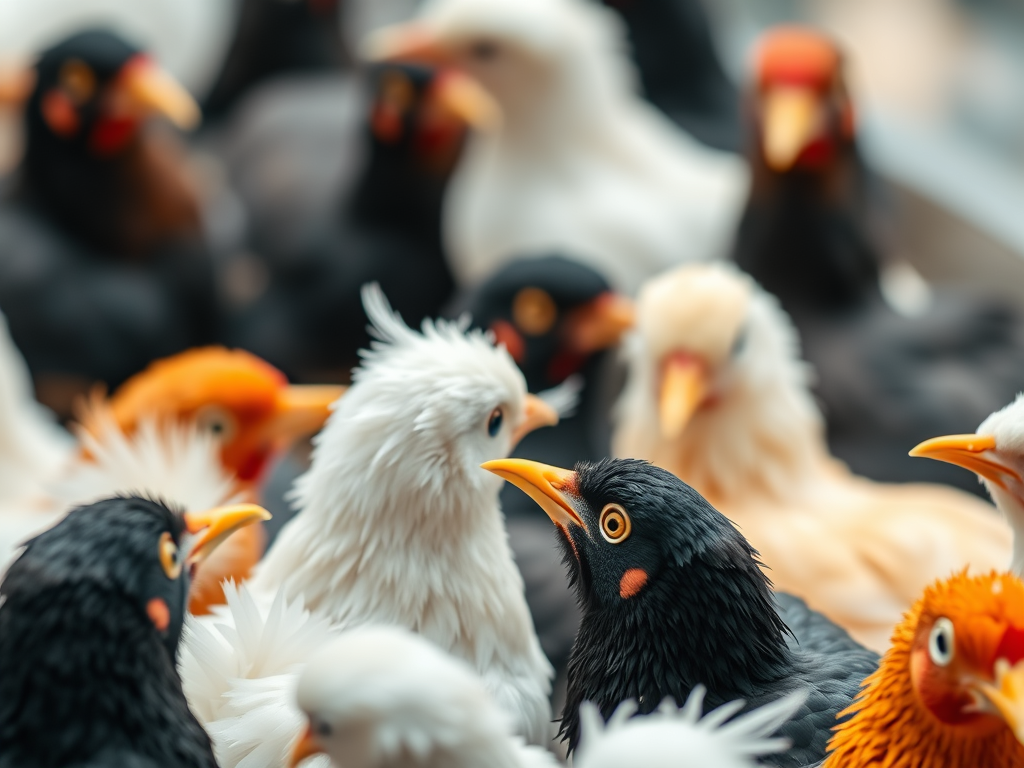
“Birds of a feather flock together.”
😈 The Villain (The Energy Vampire):
You have big dreams. You want to learn English, get fit, or start a business.

But your “squad” only wants to gossip, complain about the weather, and play video games for 6 hours straight.

You try to work, but they say, “Come on, relax! You are boring.” You slowly lower your standards to match theirs.

The Result? You become the average of the people around you.

You lose your fire.

You wonder why you are stuck in the same place while others move forward.

You are trapped in the “Comfort Zone Cage.” 🧟♂️

😇 The Hero (The Tribe Builder):
You realize that emotions and habits are contagious.

You look at your circle and ask: “Do these people inspire me or drain me?”

You bravely distance yourself from toxic negativity. You find a new group, people who are smarter, faster, and kinder than you.

The Result? Their habits rub off on you. You study because they study. You aim high because they aim high. You don’t just fly; you soar. You understand that your network is your net worth. 🦅

⚖️ The Reality
“Show me your friends, and I will show you your future.” We like to think we are independent thinkers.

But biology says otherwise. We are social chameleons.

If your friends eat fast food every day, you will eventually eat a burger.

If your friends read books, you will eventually pick up a book.

💎 The Secret: You cannot change the people around you, but you can change the people around you. (Read that again).

🧐 The Anatomy of the Proverb
Why birds? Why feathers? Let’s break it down.

Birds of a feather (Idiom): People who are similar (same character, same interests, same background). Just like a sparrow has different feathers than an eagle.

Flock (Verb): To gather or travel together in a crowd.

Together (Adverb): With or near to each other.

Simpler Version: Similar people hang out with similar people.

📚 Vocabulary Vault
Clique (Noun): A small group of people, with shared interests or other features in common, who spend time together and do not readily allow others to join them. (Example: “The popular clique in high school.”)

Peer Pressure (Noun): Influence from members of one’s peer group. 😬

Entourage (Noun): A group of people attending or surrounding an important person.

Toxic (Adjective): Very harmful or unpleasant in a pervasive or insidious way.

Like-minded (Adjective): Having similar tastes or opinions. 🧠

🧠 Grammar Focus: Collective Nouns
The word “Flock” is special. It is often used for birds, but English loves “Collective Nouns” (names for groups of animals).
A flock of birds (or sheep). 🐦

A pack of wolves. 🐺

A school of fish. 🐟

A pride of lions. 🦁

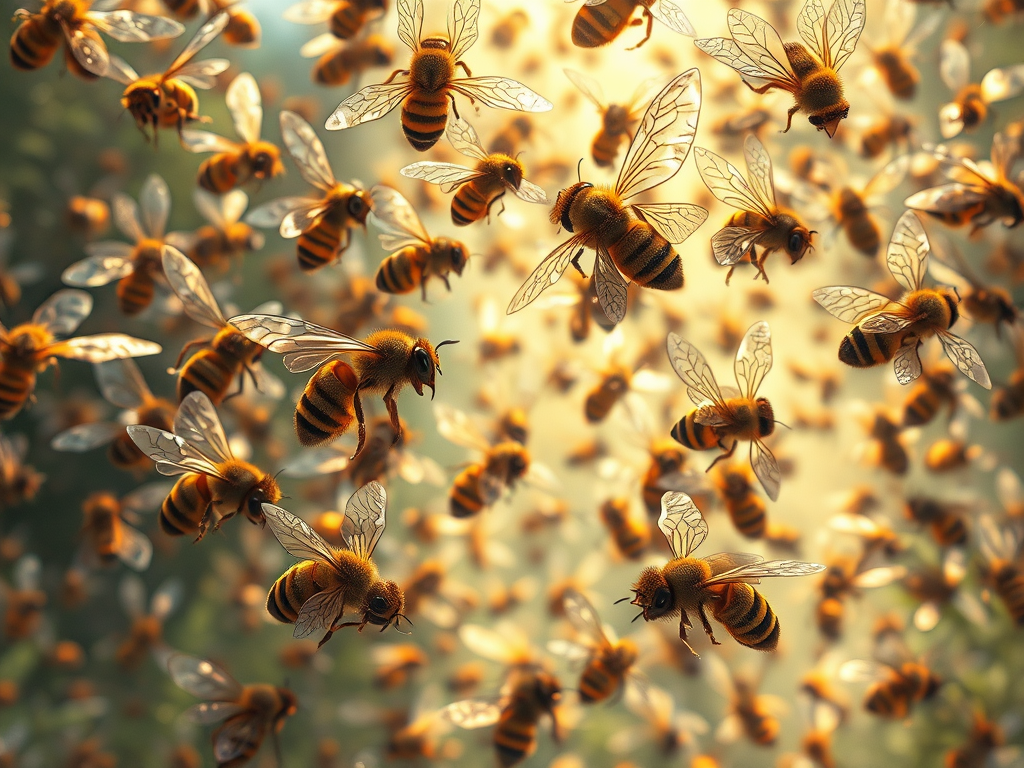
A swarm of bees. 🐝
Grammar Trap: When the group acts as one unit, use a singular verb.
Correct: The flock is flying south. (Not “are”)
📜 History & Global Wisdom
This observation is as old as nature itself.
The Origin
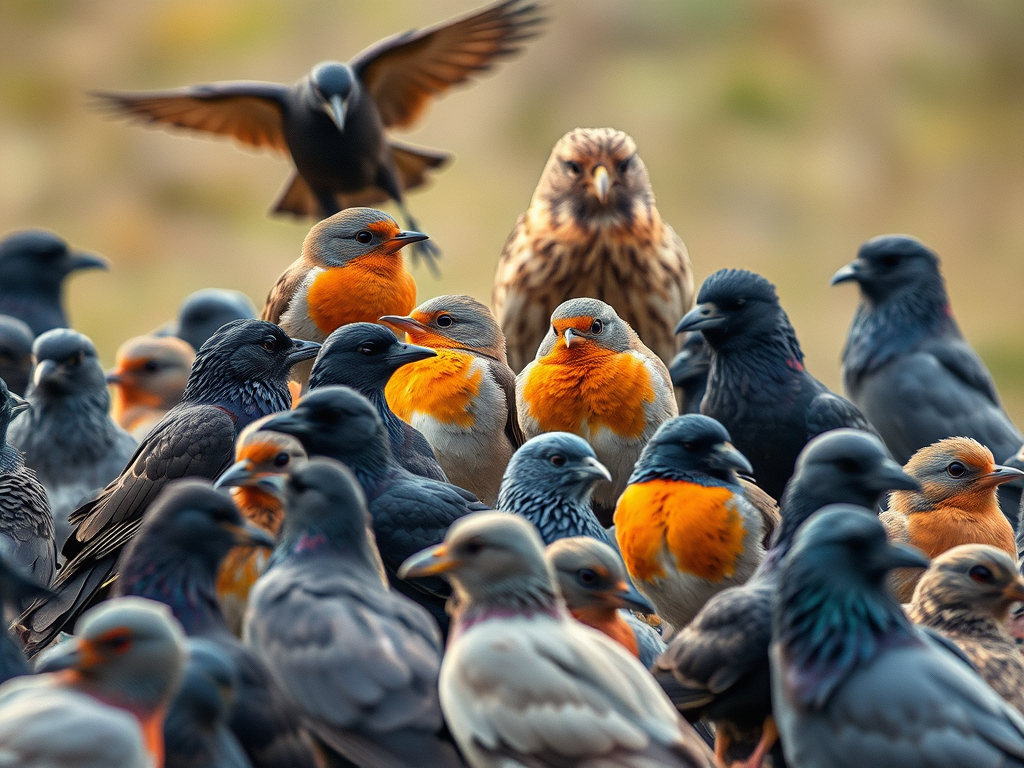
The phrase has been used since the mid-16th century. William Turner used a version of it in 1545. It comes from the simple observation that robins fly with robins, and crows fly with crows. You never see a pigeon hanging out with a hawk.
Global Cousins
🇹🇷 Turkish: “Bana arkadaşını söyle, sana kim olduğunu söyleyeyim.” (Tell me your friend, and I will tell you who you are.) — Direct hits on the meaning!

🇹🇷 Turkish (Alternative): “Körle yatan şaşı kalkar.” (He who sleeps with the blind wakes up cross-eyed.) — Warning about bad influence.

🇪🇸 Spanish: “Dime con quién andas, y te diré quién eres.”

🇯🇵 Japanese: “Rui wa tomo wo yobu.” (Similar types call their friends.)

🎯 Impact on Life: The Audit
✅ The Pros (The Mastermind):
Acceleration: Being around experts makes you learn faster by osmosis.

Support: When you fall, a strong flock catches you.

❌ The Cons (The Echo Chamber):
Blindness: If everyone agrees with you, you never grow. Sometimes you need a friend who is different to challenge your ideas.

Exclusion: Don’t be so close to your flock that you reject everyone else. That is prejudice.

🎭 Short Story: The Eagle in the Chicken Coop
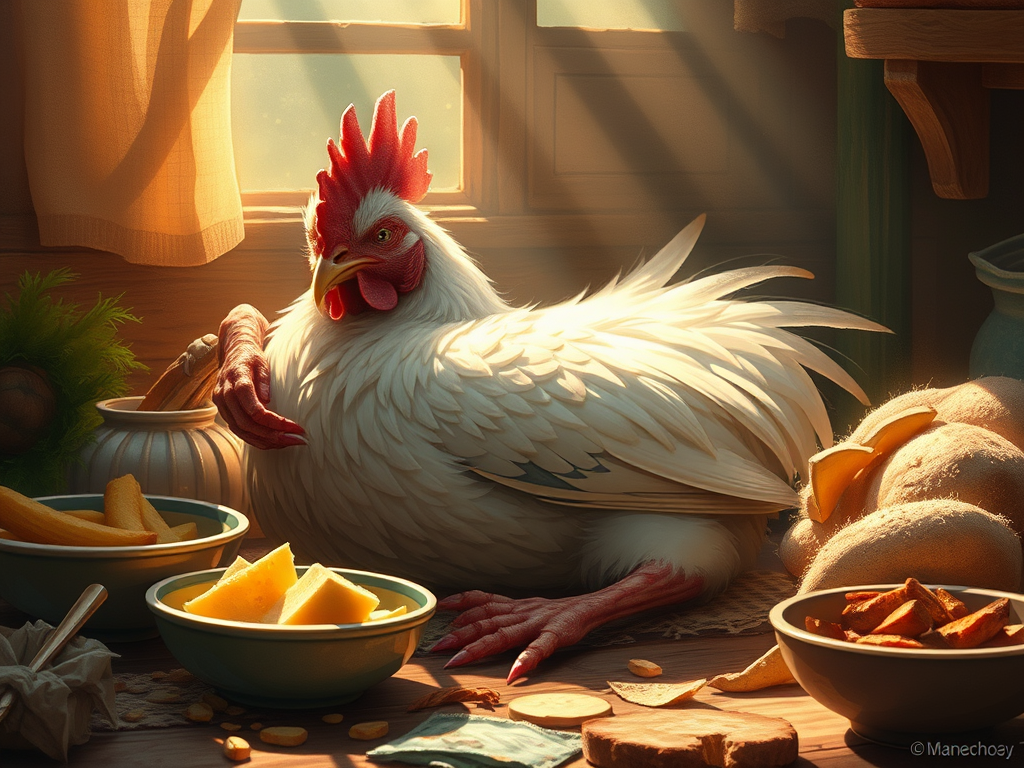
Once, an eagle egg rolled out of a nest and fell into a farm.

A chicken sat on it. When the baby eagle hatched, he looked around.

Everyone was pecking at the ground, eating corn, and clucking.
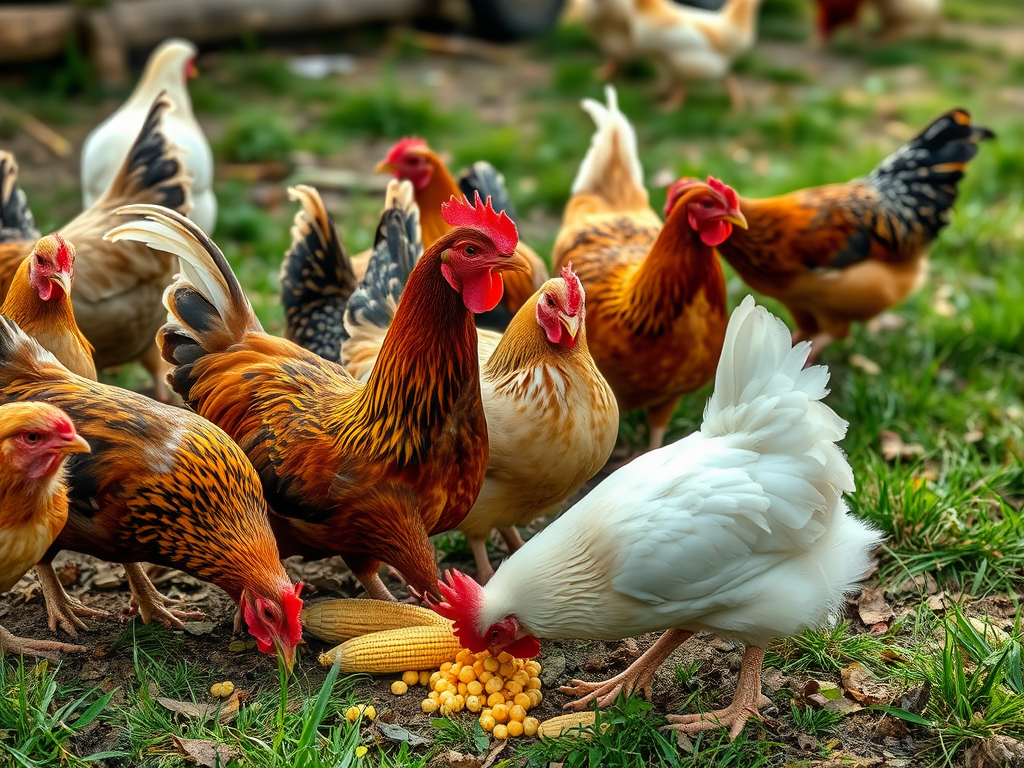
The Conditioning: The baby eagle thought, “I guess I am a chicken.”

He walked on the ground. He never tried to fly high. He spent his days gossiping about the farmer.
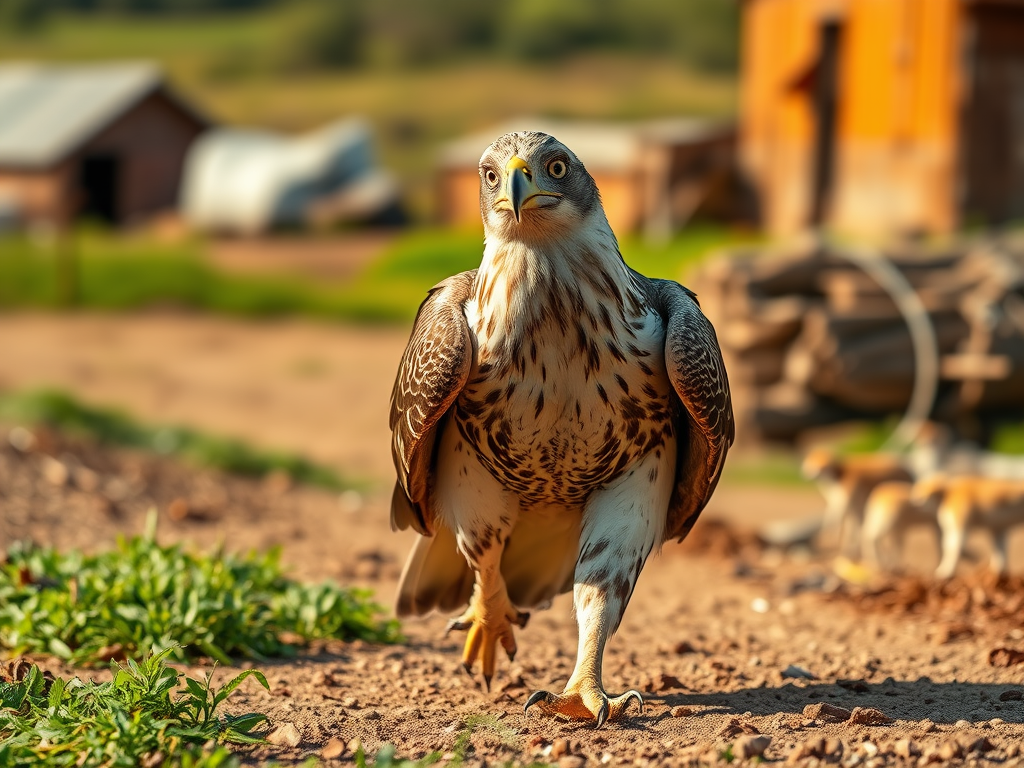
The Awakening: One day, he looked up and saw a majestic bird gliding effortlessly in the clouds.

“What is that?” asked the eagle. “That’s an eagle, the king of the birds,” said the old chicken. “But don’t worry about him. You and I belong to the ground.”
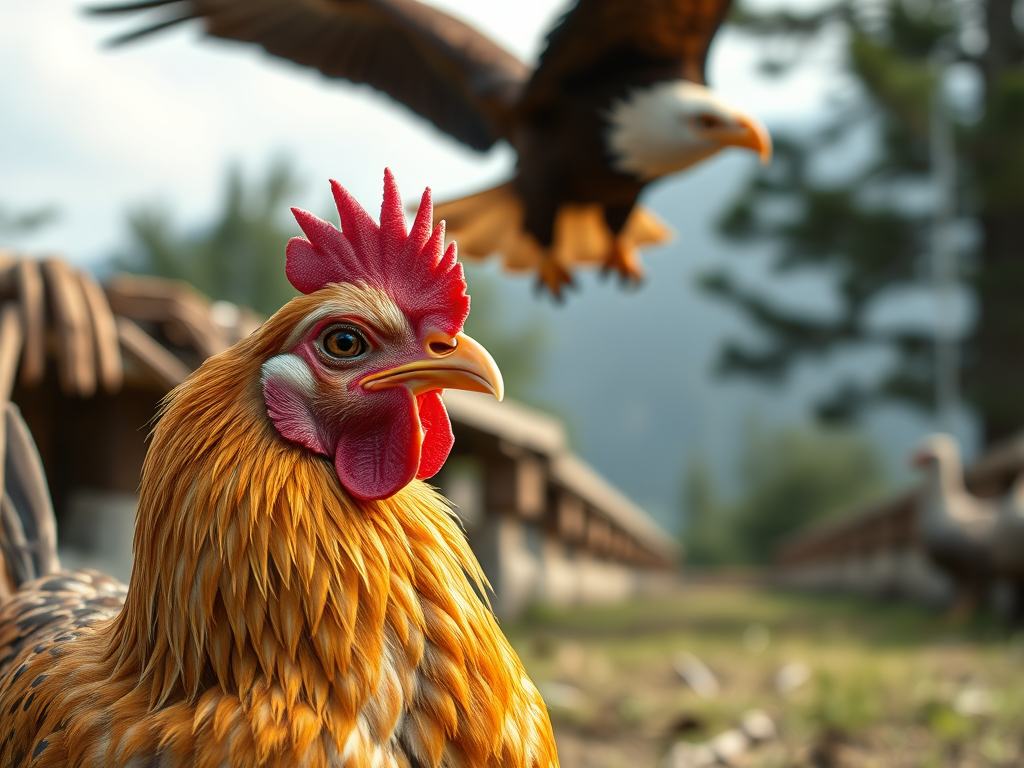
The Tragedy: The eagle believed his “flock.” He lived and died a chicken, never knowing he was born to rule the sky.

The Moral: If you hang out with chickens, you will never fly. Find your eagles. 🦅

🎓 Lesson for English Learners
Create Your “English Flock.”
Situation: You study English alone in your room. When you go out, you only speak your native language.

The Fix: You cannot learn a language in isolation.

Join an English speaking club (online or offline).

Change your digital flock: Follow accounts that only post in English.
Find a “study buddy” who is more advanced than you. They will pull you up.

💬 Your Turn: The Friendship Audit 🚀
Jim Rohn said, “You are the average of the five people you spend the most time with.”

The Challenge: Write down the names of the 3 people you text the most.
Do they inspire you?

Do they support your goals?

Do they make you laugh or stress you out?

Comment below: What kind of “flock” are you looking for this year? (Example: “I am looking for a creative flock!” or “I need a gym flock!”) 👇