
“Don’t cry over spilt milk.”
😈 The Villain (The Dweller)
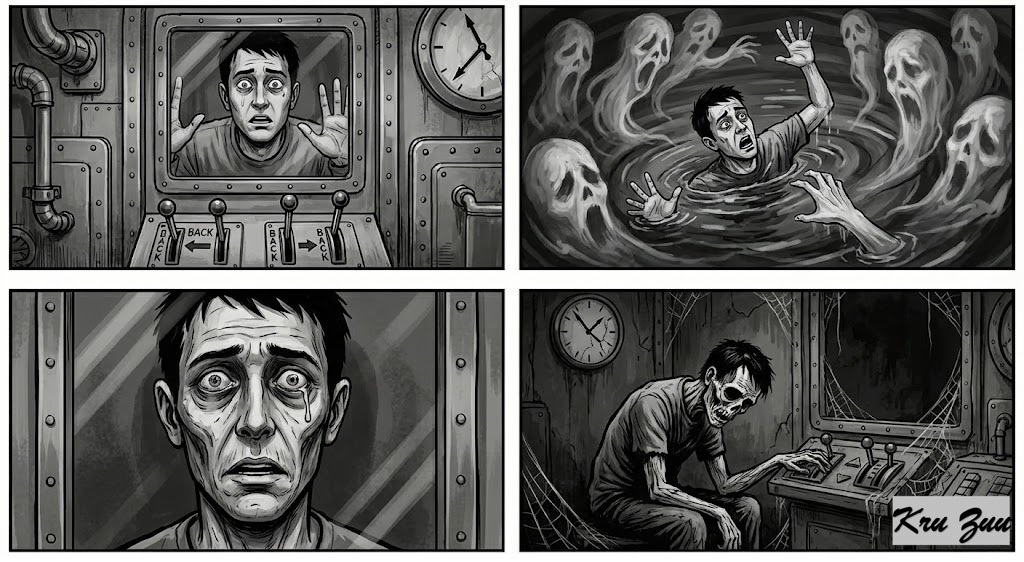
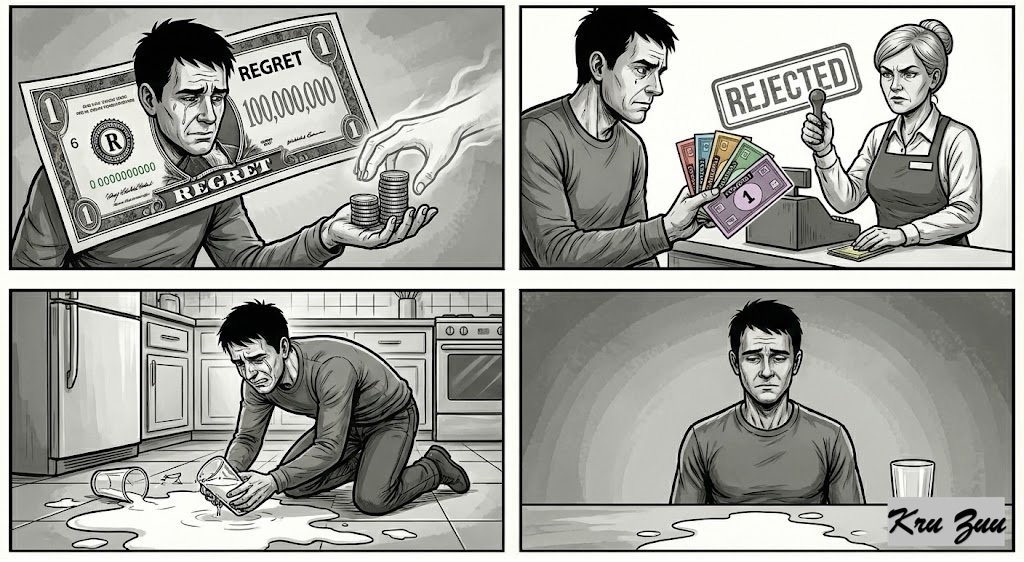
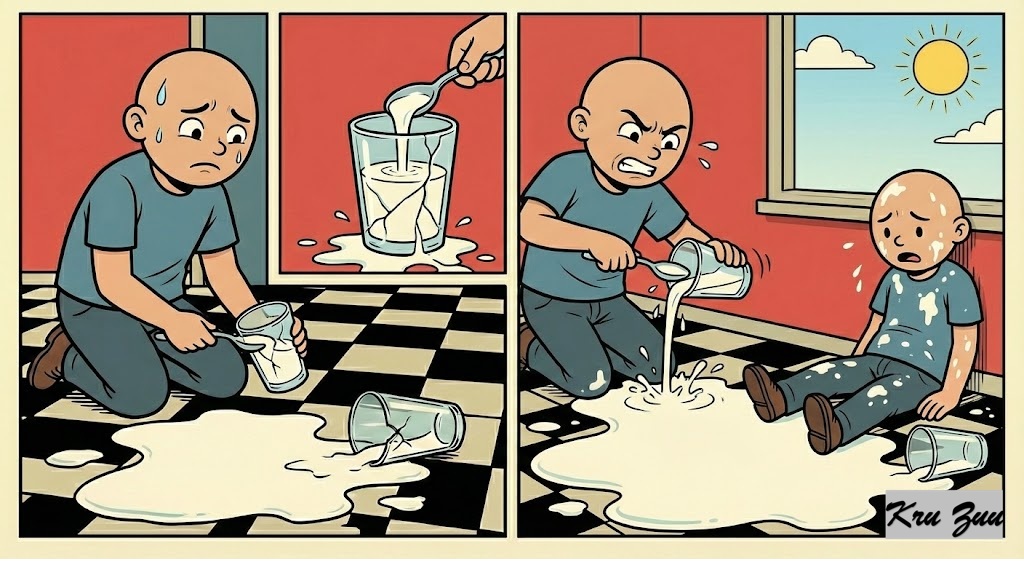
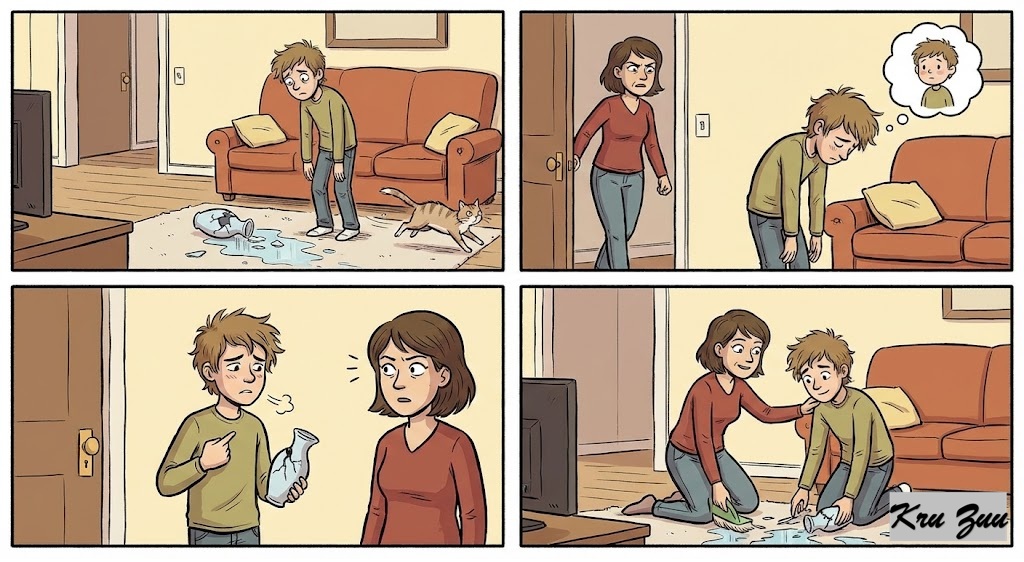
You make a mistake. Maybe you failed an exam, sent an embarrassing text, or broke a valuable plate. What do you do? You replay the scene in your head 1,000 times. You say, “If only I had been faster… If only I had been smarter.” You let one bad moment ruin your entire week. You dwell on the past until you are paralyzed by it.
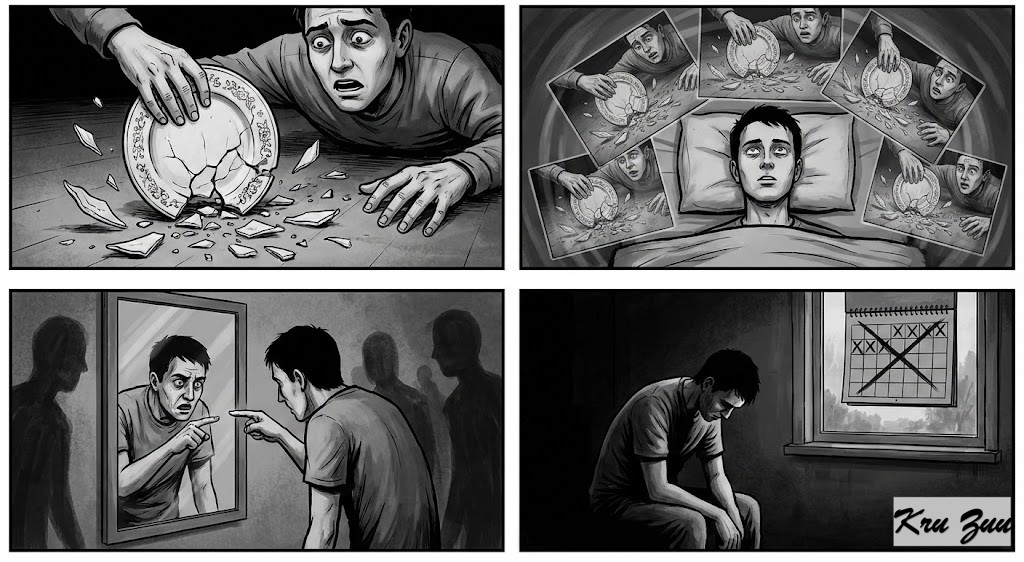
The Result? You are stuck in a time machine that only goes backward. You are drowning in a puddle of regret. 🧟♂️
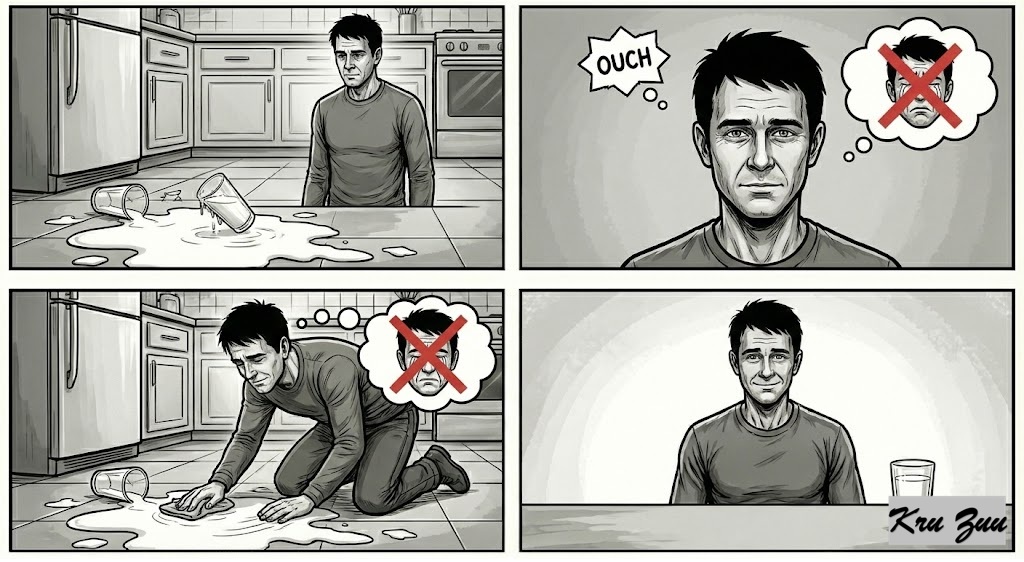
😇 The Hero (The Stoic)
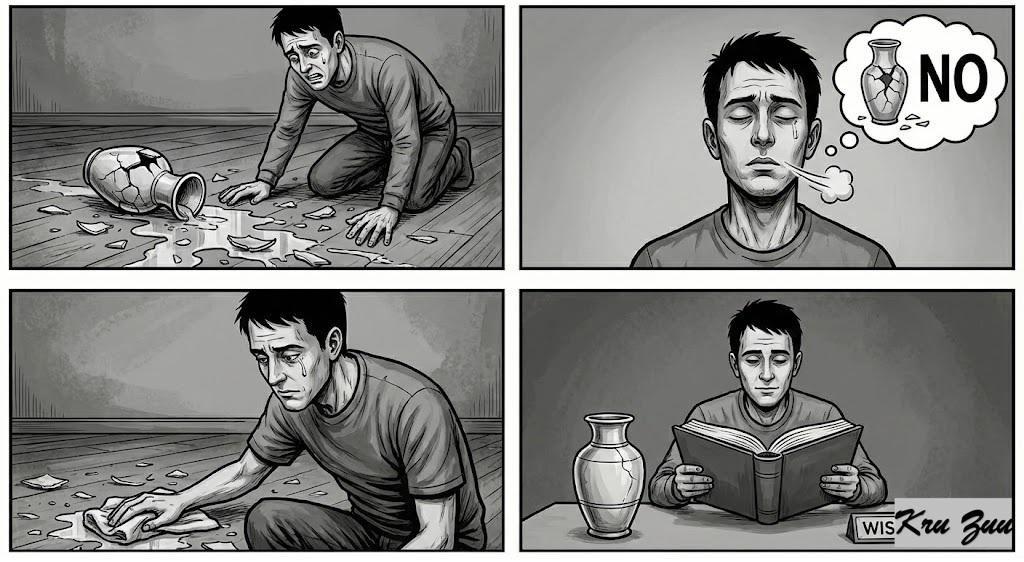
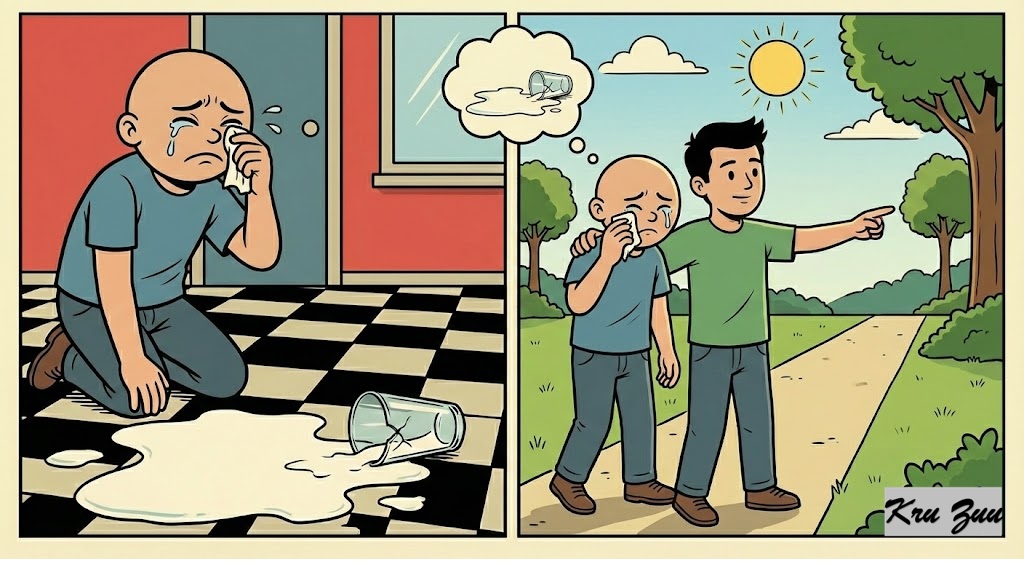
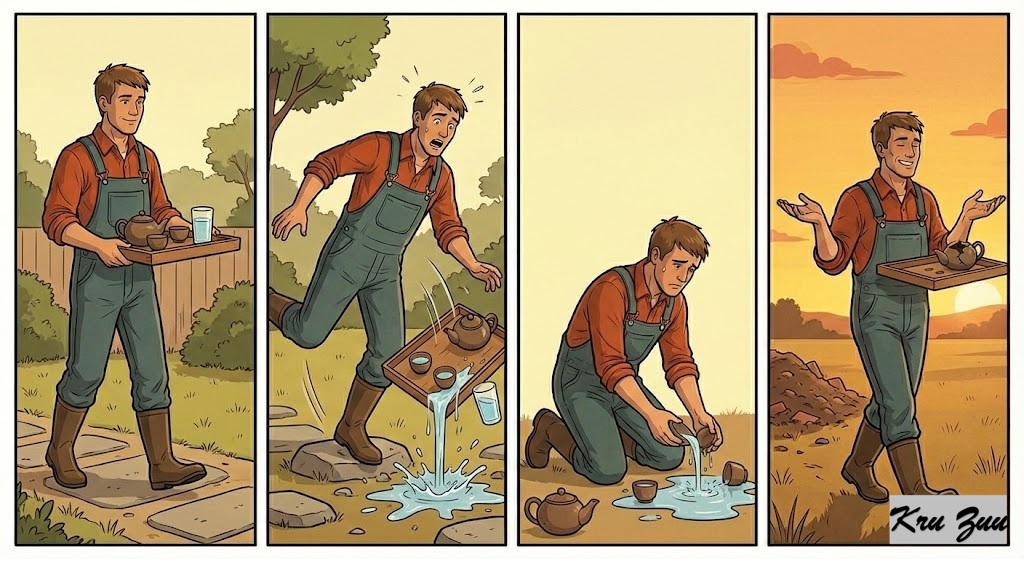
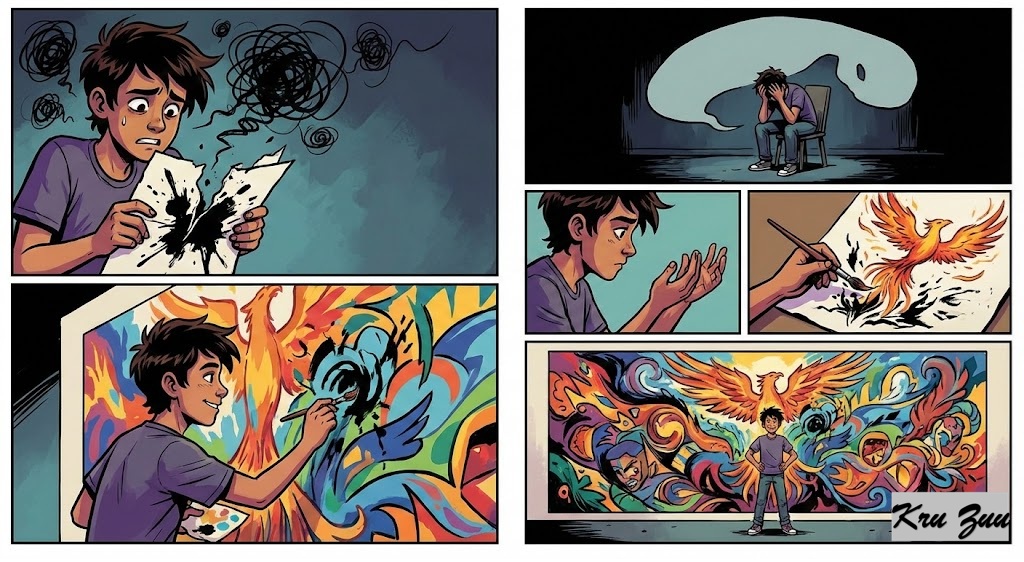
You make a mistake. It stings. It hurts. You take a deep breath and look at the mess. You ask one question: “Can I change this?” The answer is No. So, you grab a towel, clean it up, and learn the lesson. You treat the mistake as a tuition fee for wisdom.
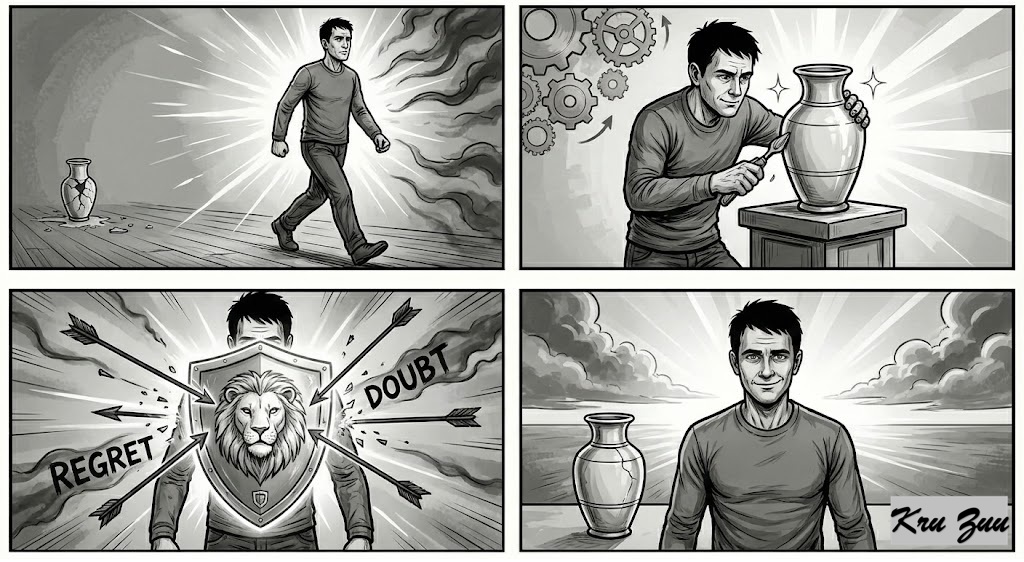
The Result? You move forward instantly. Your energy is spent on fixing the future, not mourning the past. You are bulletproof against regret. 🛡️
⚖️ The Reality
Regret is expensive. Worrying about what already happened is like trying to pay a bill with Monopoly money. It doesn’t work. The milk is on the floor. No amount of crying, screaming, or analyzing will put the milk back into the glass.
💎 The Secret
The event (the spill) is not what hurts you. It is your reaction (the crying) that hurts you. Pain is inevitable; suffering is optional.
🧐 The Anatomy of the Proverb
This is the ultimate weapon against anxiety.
Spilt (Adjective): The past participle of “spill.” It is done. Finished. Irreversible.
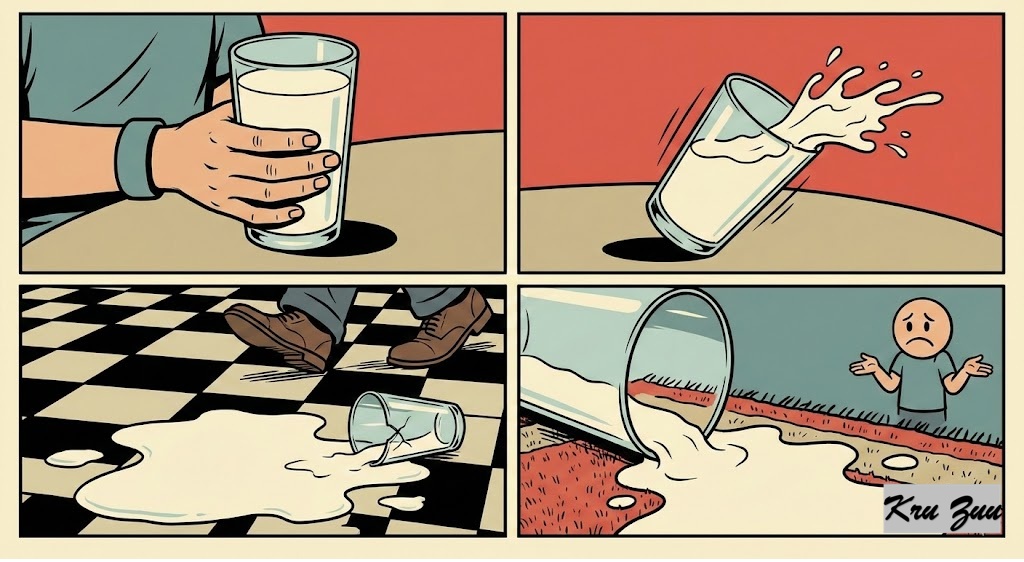
Cry Over (Phrasal Verb): To be upset or sad about a specific thing.
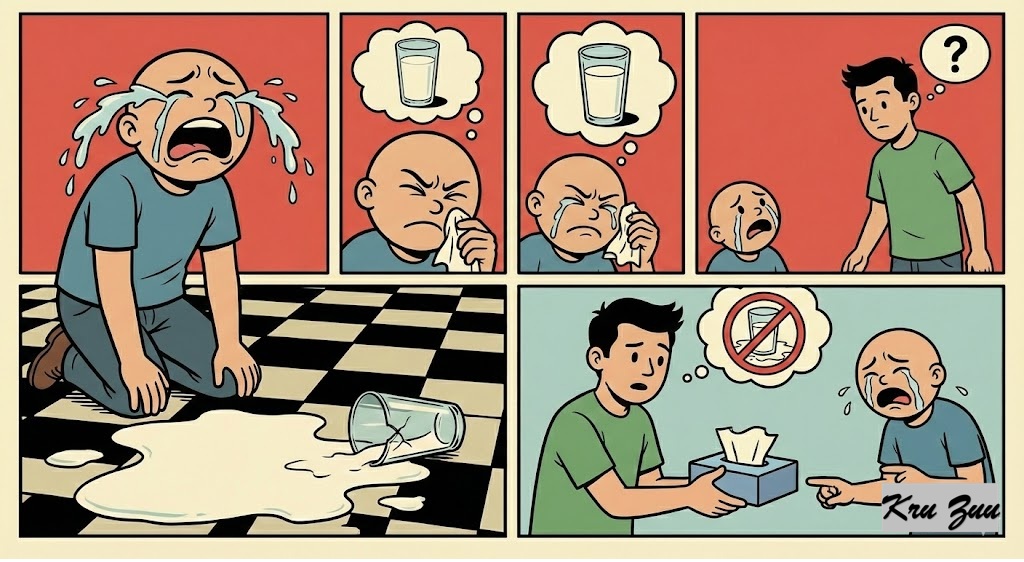
Simpler Version: Move on.
📚 Vocabulary Vault
Irreversible (Adjective): Cannot be changed or undone. (The milk is irreversible).
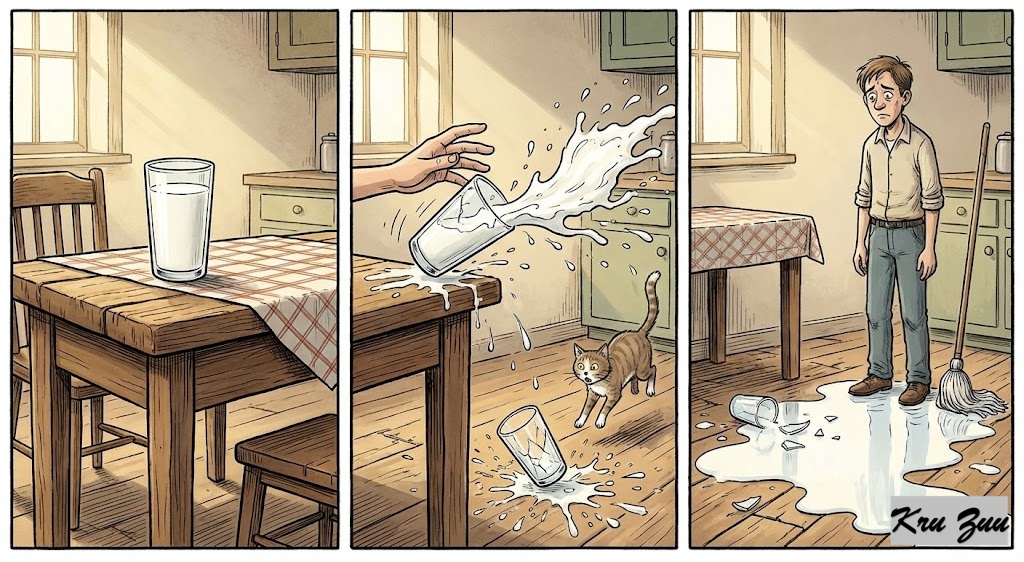
Dwell (Verb): To think/speak about something for too long (usually something bad).

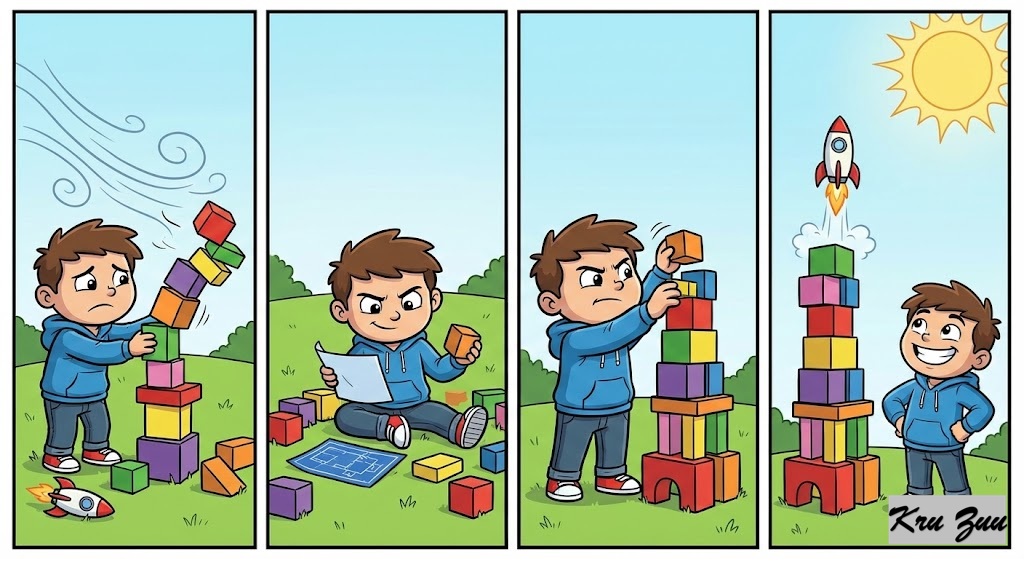
Resilience (Noun): The ability to recover quickly from difficulties. 🚀
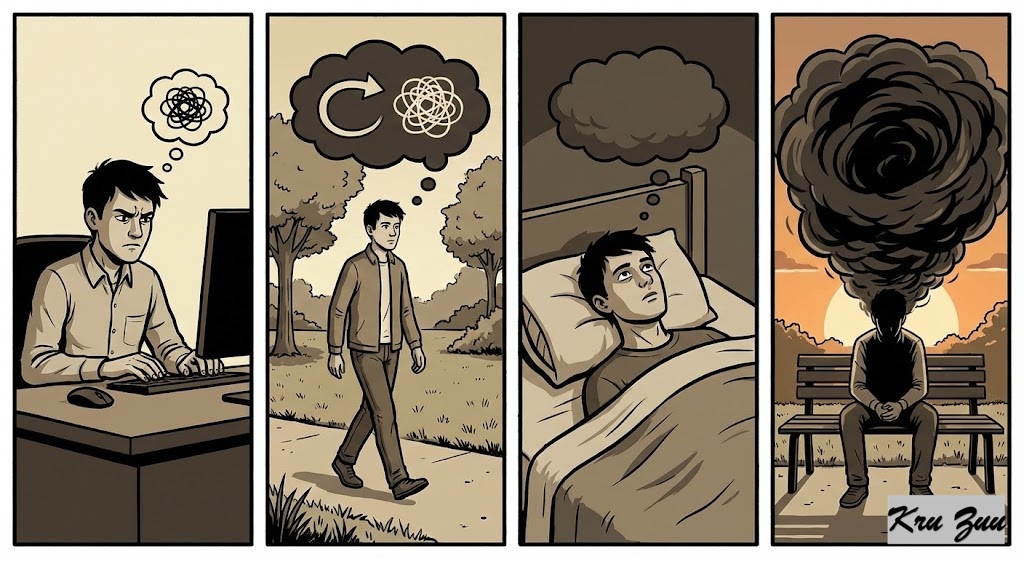
Ruminate (Verb): To think deeply about something; often negative thoughts on a loop.
Futile (Adjective): Pointless; producing no useful result.
🧠 Grammar Focus: Prepositions of Cause
Notice the preposition “Over.” We don’t cry for the milk or at the milk. We cry over it.
English Logic: The emotion is covering the subject.
Examples: “He is arguing over money.” / “Don’t worry over small details.”
📜 History: Origin and Spread
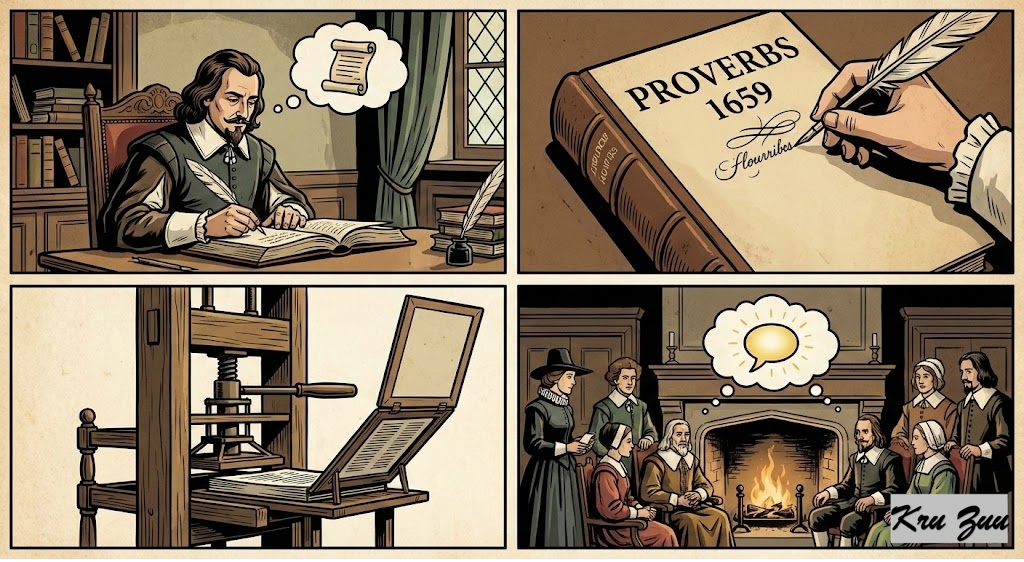
The Origin: This proverb was first recorded in 1659 by historian James Howell.
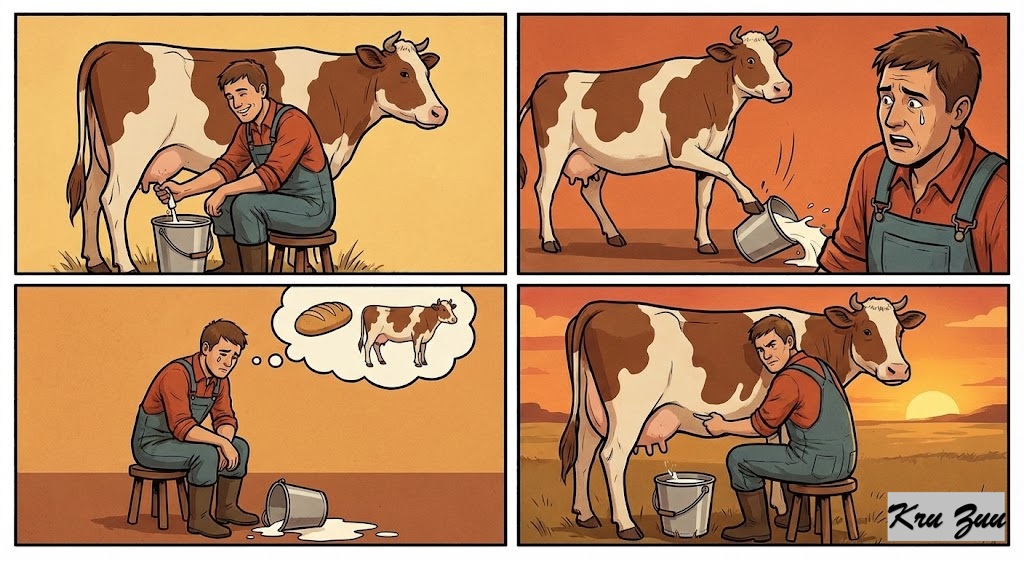
The Logic: In old farming days, milk was money. If a cow kicked the bucket over, the farmer lost that day’s profit. But standing there crying wouldn’t feed the family, milking the next cow would.
Global Cousins
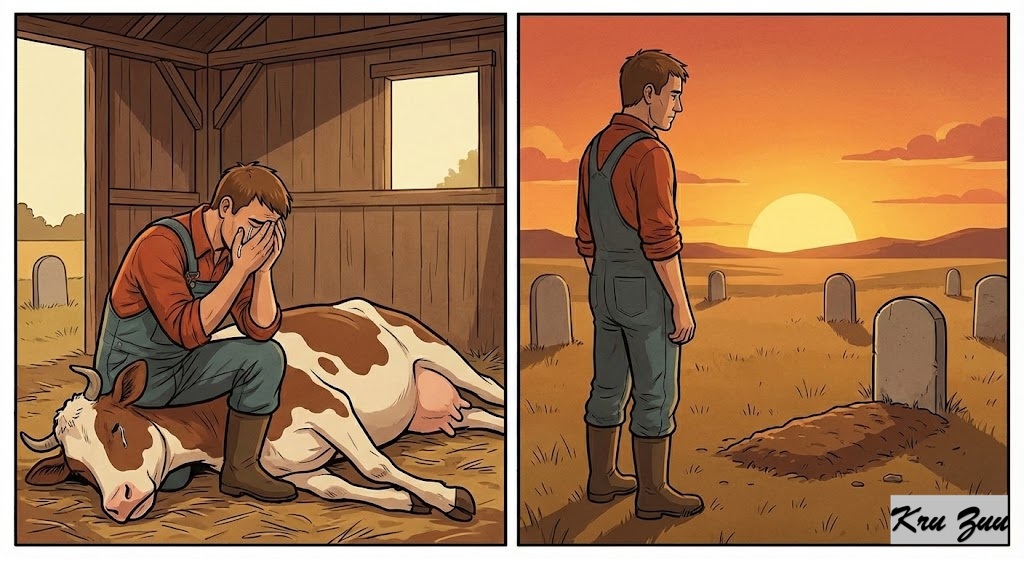
🇹🇷 Turkish:“Olanla ölene çare yoktur.” (There is no cure for what has happened or who has died.) — A darker, but very true equivalent!
🇫🇷 French:“Ce qui est fait est fait.” (What is done is done.)

🇯🇵 Japanese:“Fukusui bon ni kaerazu.” (Spilt water will not return to the tray.)
🎭 Short Story: The Picnic at the Pond
Let’s see how different personalities handle a disaster.
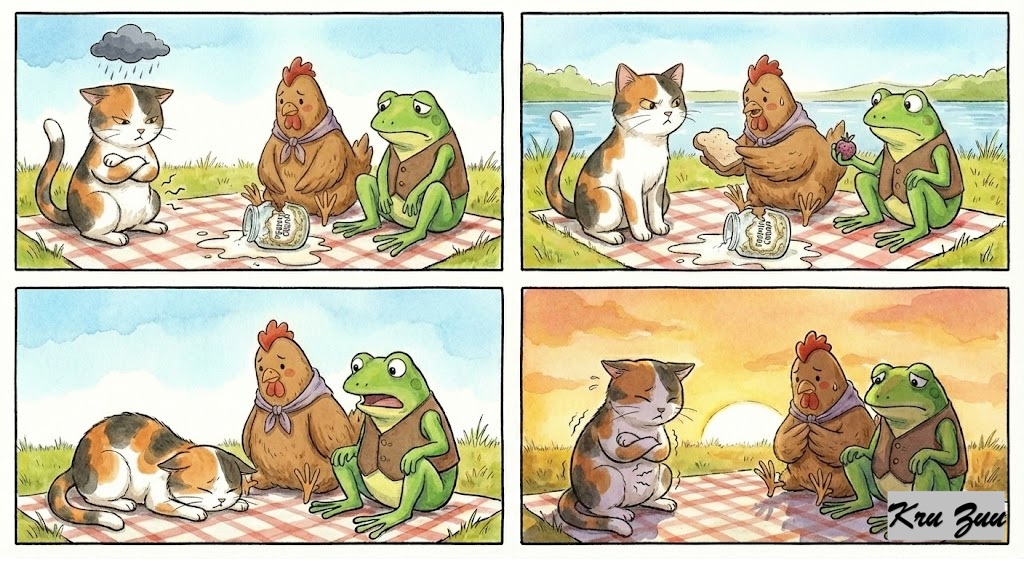
🌟 The Setup: It is a beautiful Sunday. Three friends are having a picnic by the lake: Cleo the Cat, Henrietta the Chicken, and Franklin the Frog. They have one jar of delicious, expensive cream.
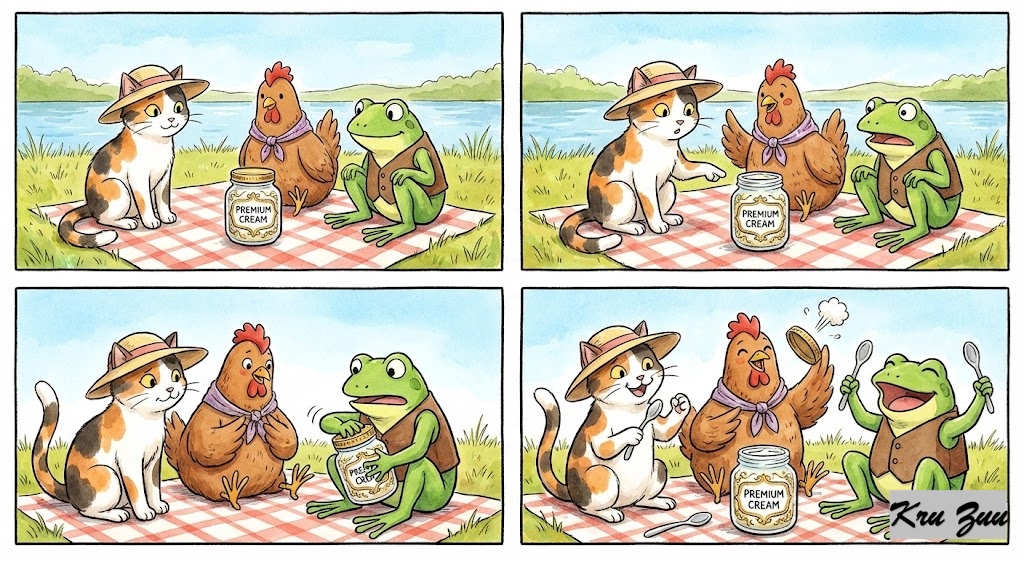
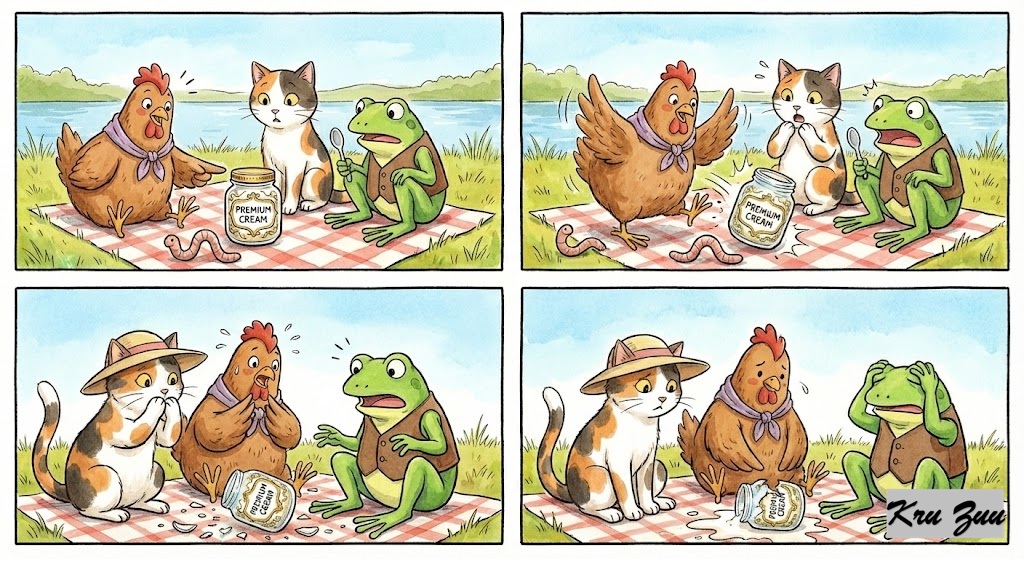
The Accident: Henrietta the Chicken gets excited about a worm. She flaps her wings, hits the table, and—SMASH. The jar breaks. The expensive cream soaks into the dirt. It is gone.
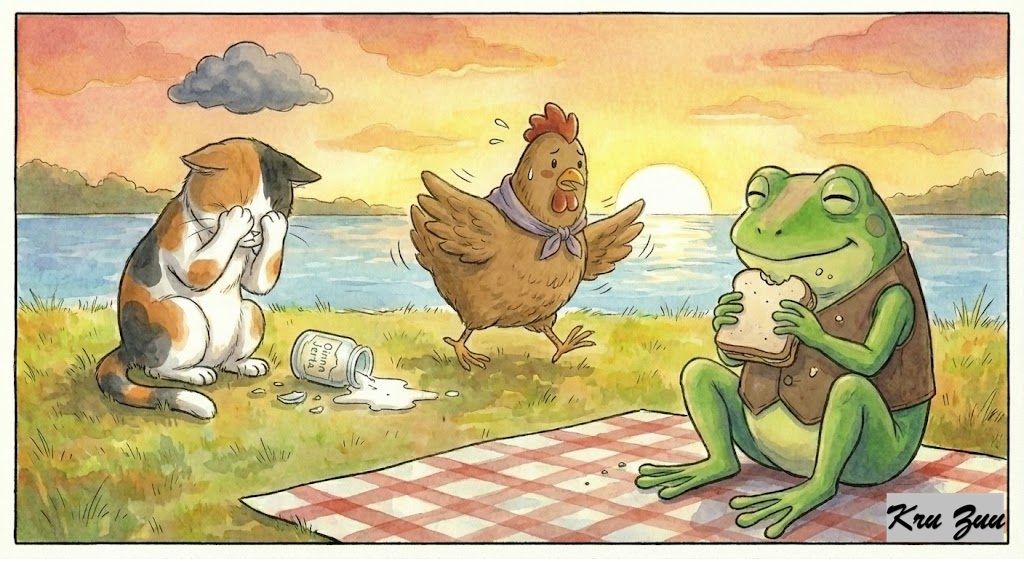
😿 Cleo the Cat (The Dweller): Cleo stares at the cream. She starts to wail. “My cream! It was perfect! Why are you so clumsy, Henrietta? If we had sat on the grass, this wouldn’t have happened! I can’t believe this. My day is ruined. I’m not eating anything else!”
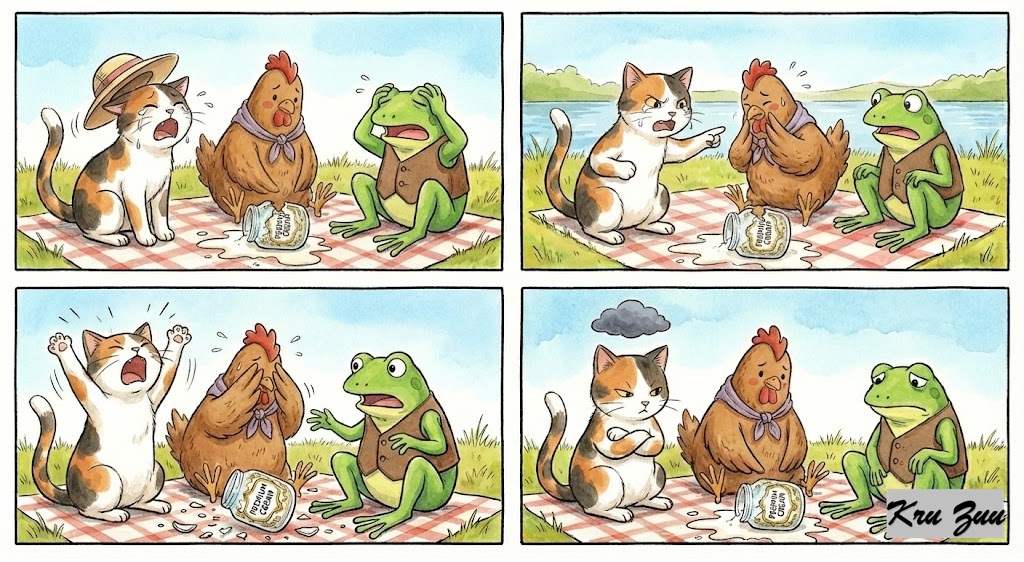
Result: Cleo is hungry and miserable.
🐔 Henrietta the Chicken (The Anxious): Henrietta runs in circles, flapping wildly. “Oh no! Oh no! The sky is falling! What will we do? We have no cream! It’s a disaster! Everyone will laugh at us!”
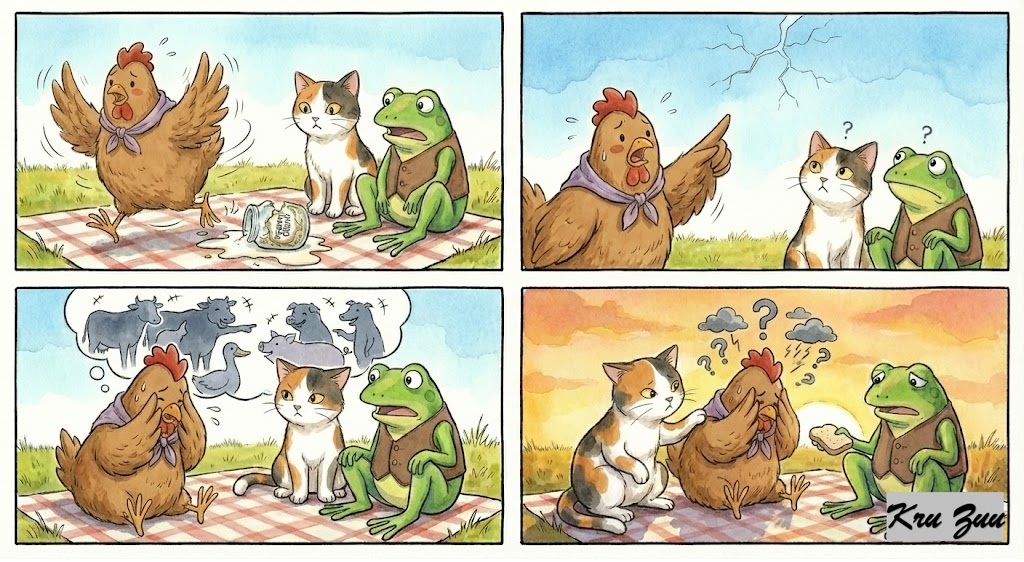
Result: Henrietta is having a panic attack.

🐸 Franklin the Frog (The Stoic): Franklin looks at the broken glass. He looks at the cream in the dirt. He blinks his big eyes. “Ribbit,” says Franklin. He sticks out his long tongue and catches a fly buzzing near the mess. “The cream is gone,” Franklin says calmly. “But the sandwiches are still dry. And the sun is still warm. Pass the bread, please.”
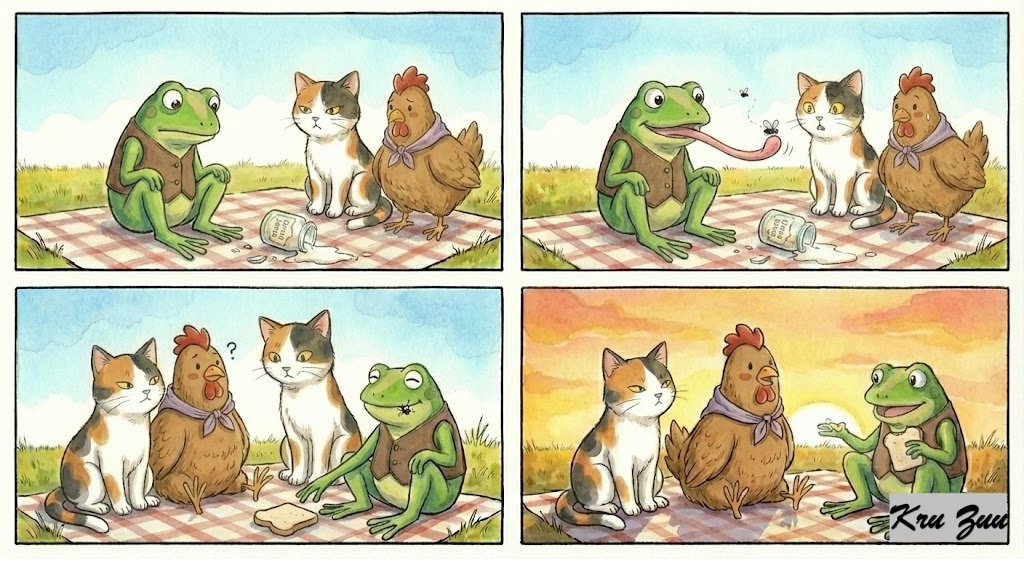
The Moral: Cleo cried. Henrietta panicked. Franklin ate lunch. Be like Franklin. Eat the sandwich. 🥪
🎓 Lesson for English Learners
Don’t Let Mistakes Silence You.
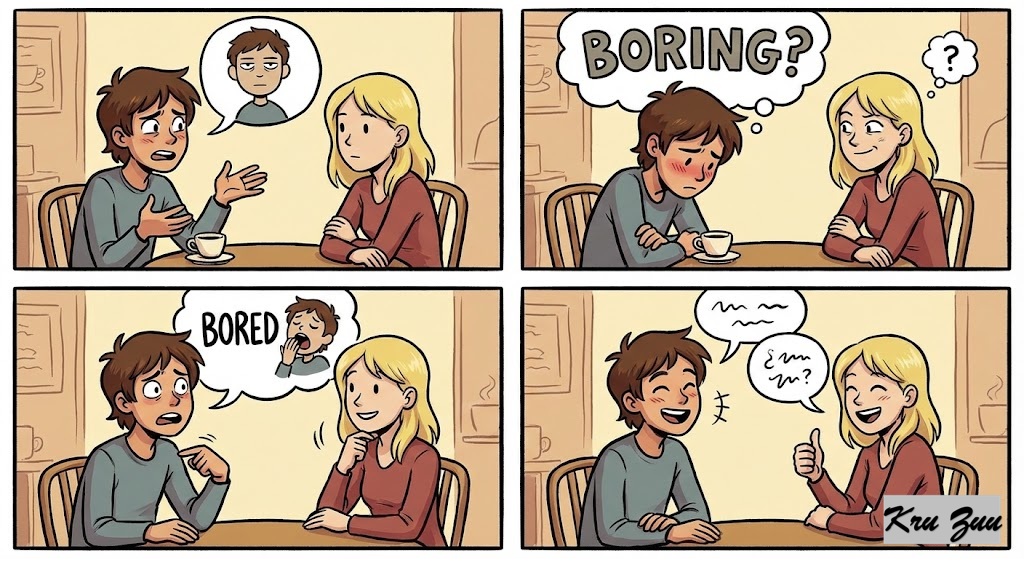
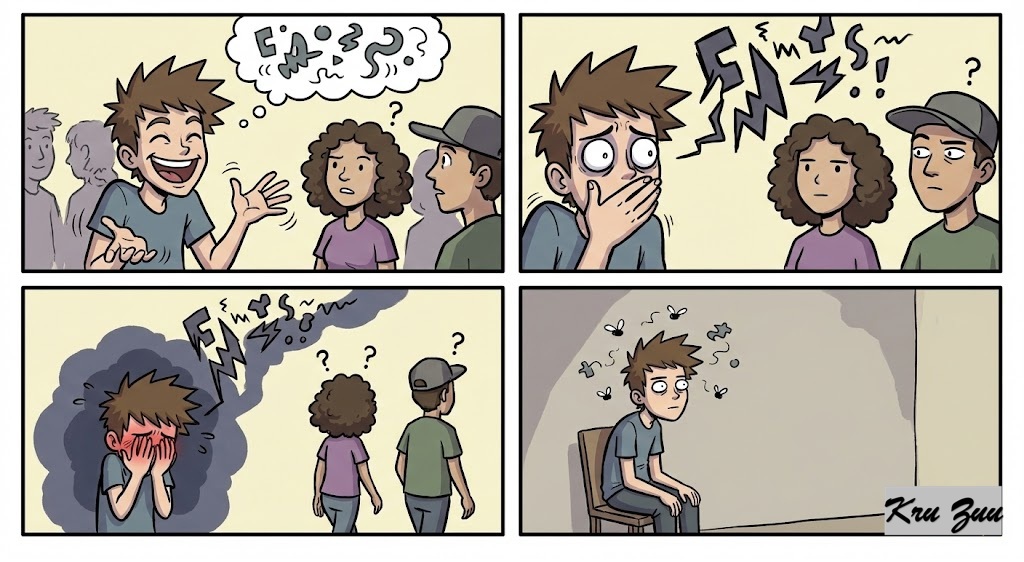
Situation: You are speaking English to a native speaker. You try to say “I was bored,” but you accidentally say “I was boring.”
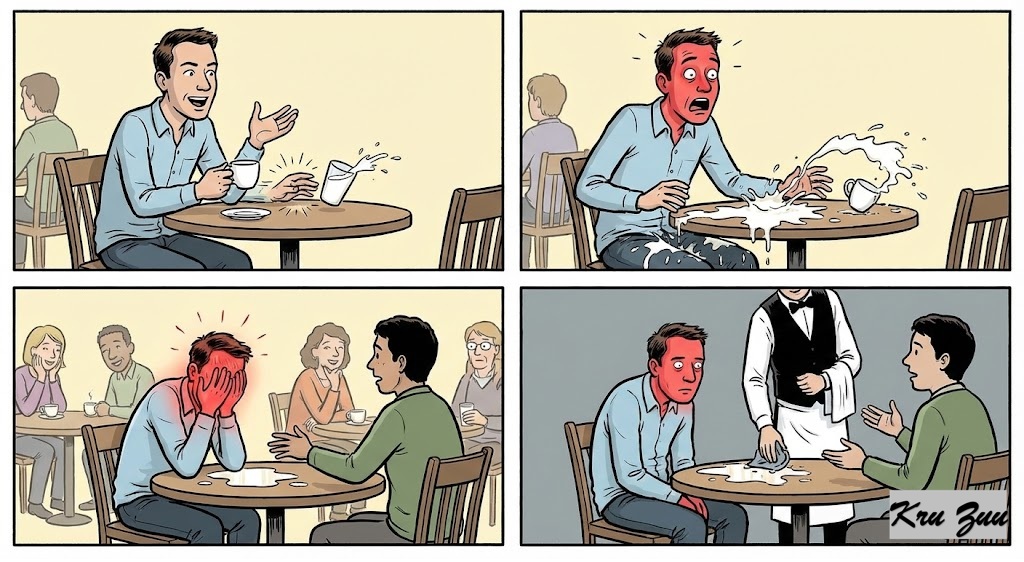
The “Spilt Milk” Reaction: You freeze. Your face turns red. You stop talking because you are afraid of making another mistake.
The Hero Reaction: You laugh. You say, “Oops! I mean I was bored!” and you keep talking.
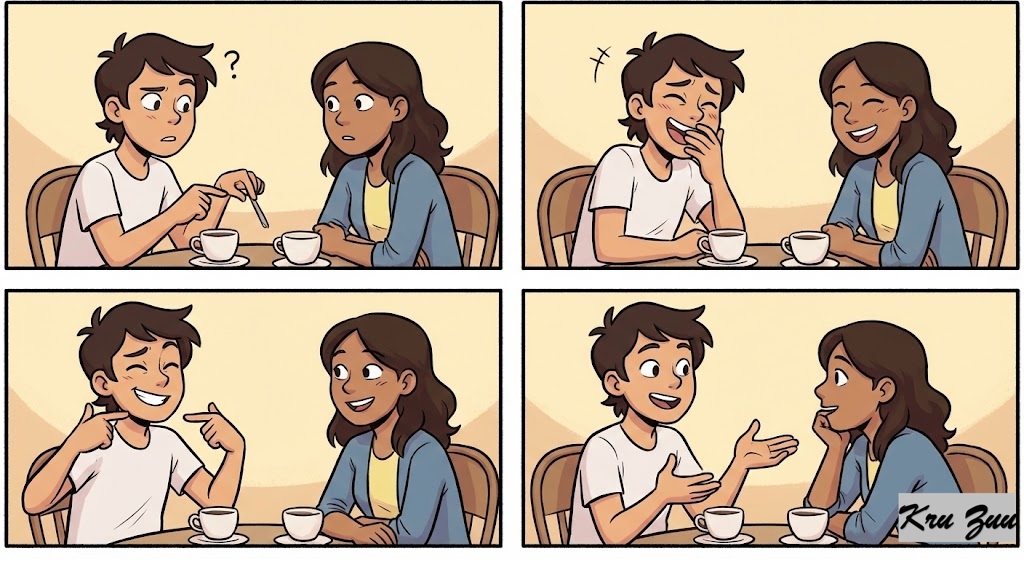
Remember: A grammar mistake is spilt milk. Once the words leave your mouth, they are gone. You cannot catch them. Don’t cry over a bad verb tense. Just speak the next sentence better.
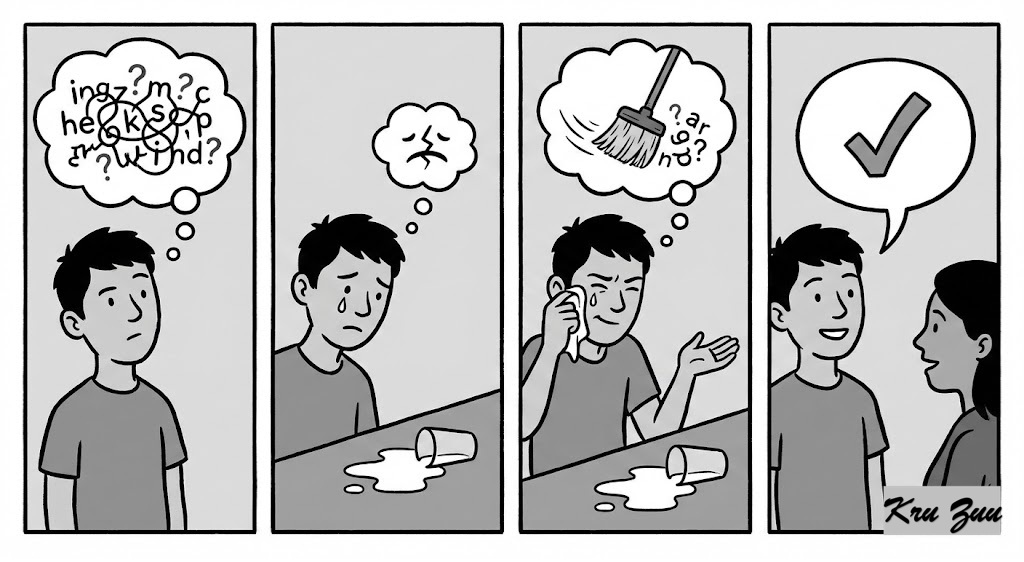
💬 Your Turn: The 5-Second Funeral 🚀
We all have “spilt milk” in our lives. Here is your challenge.
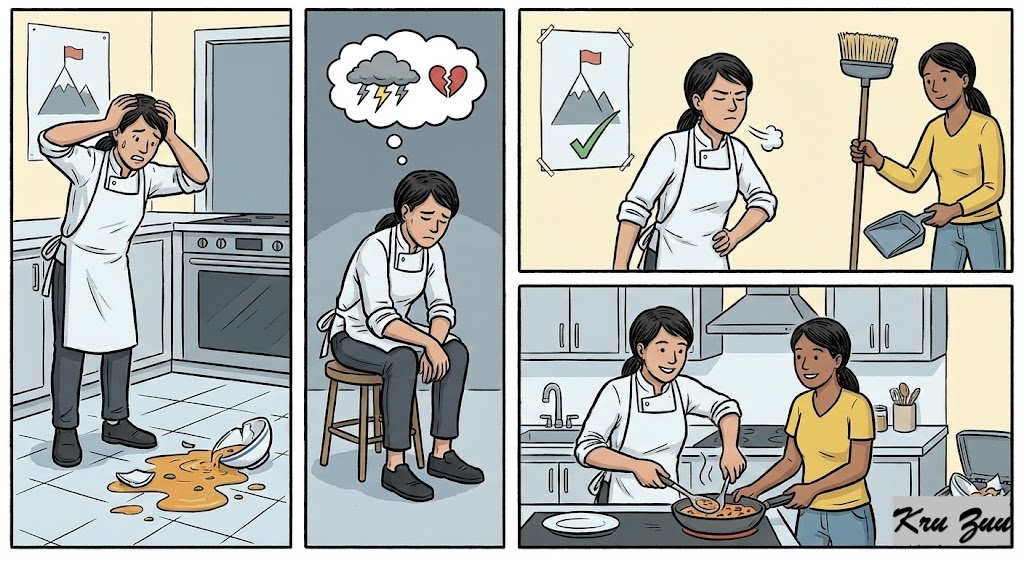
The Exercise: Think of one small mistake you made this week that is still bothering you.
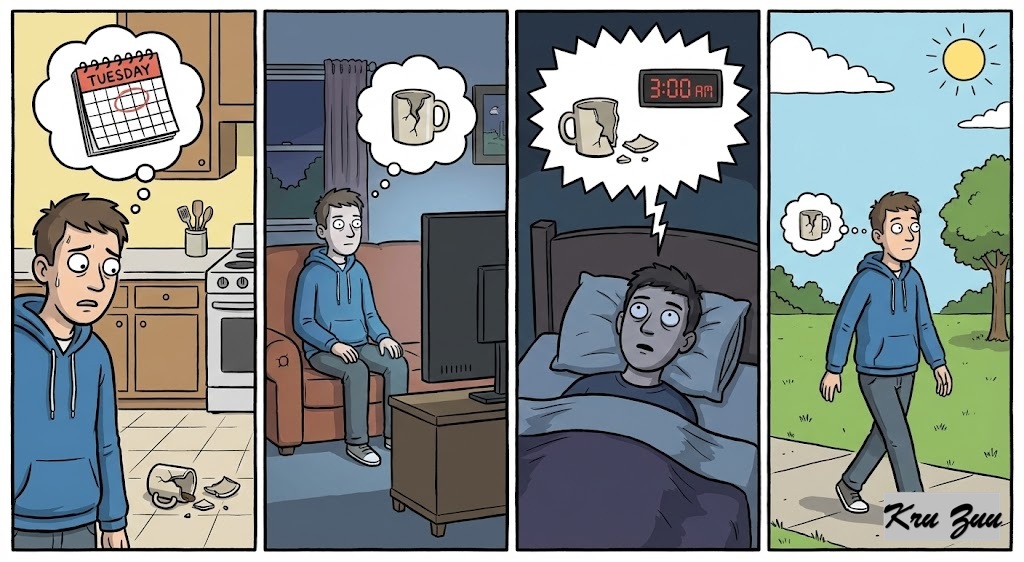
A rude email you sent?
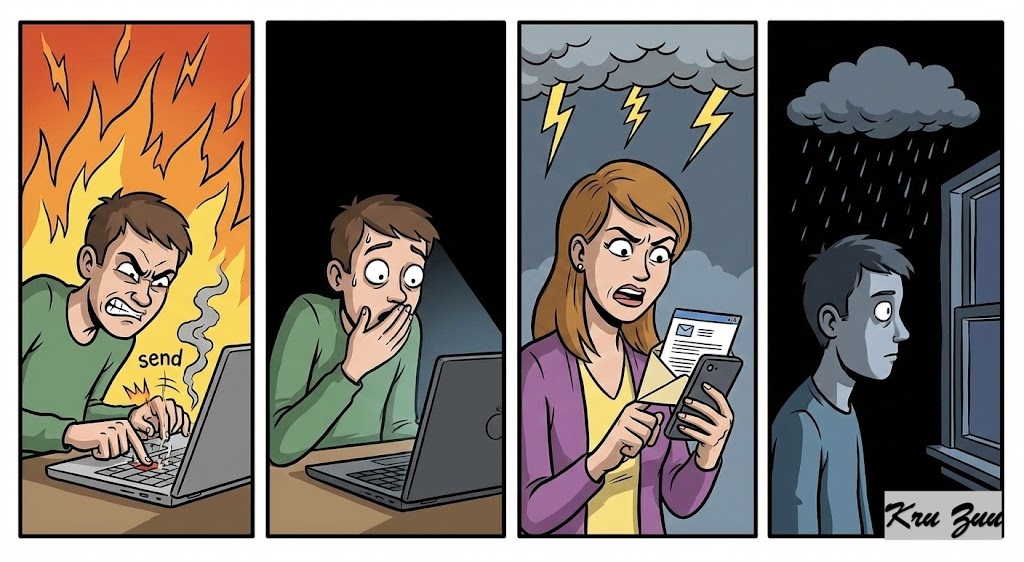
A workout you skipped?

A dumb comment you made?
The Action: We are going to hold a funeral for that mistake.
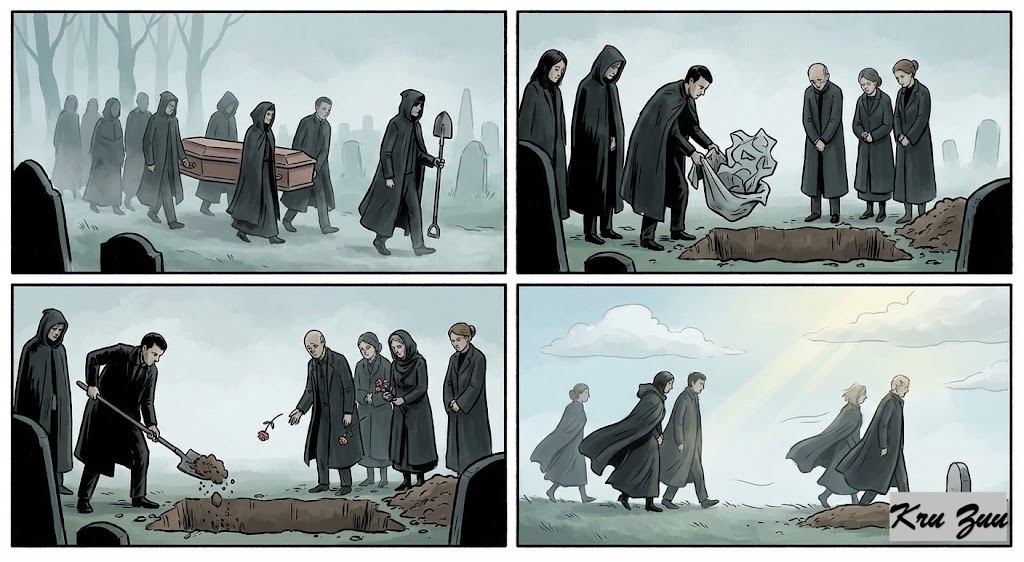
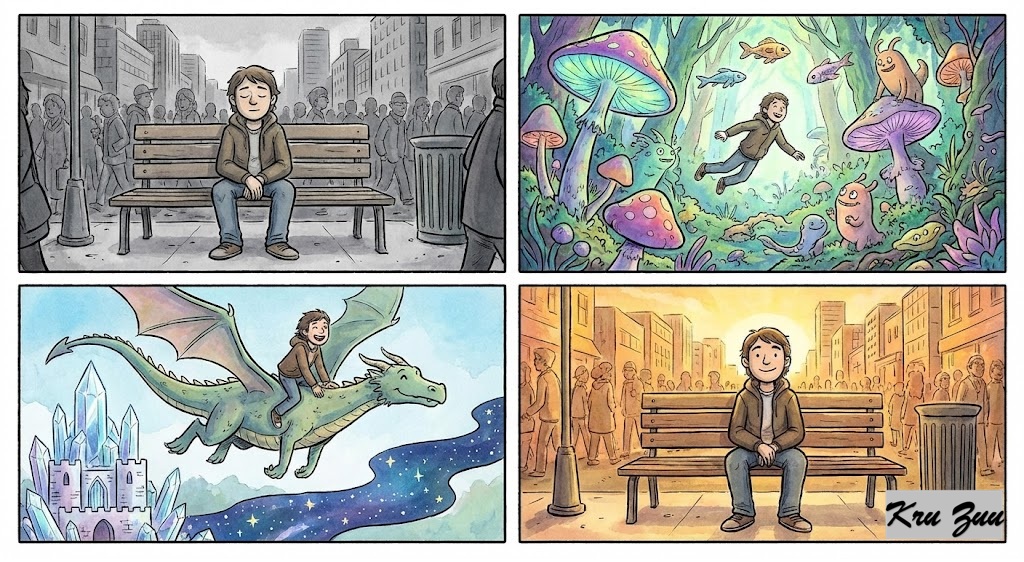
Close your eyes.
Admit the mistake happened.
Count backward: 5, 4, 3, 2, 1.
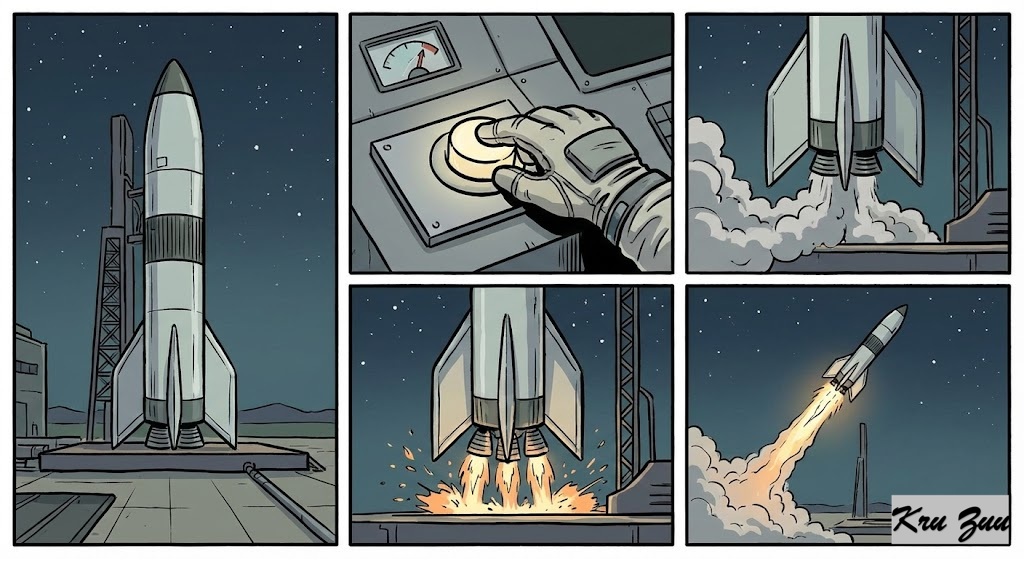
Say out loud: “It is spilt.”
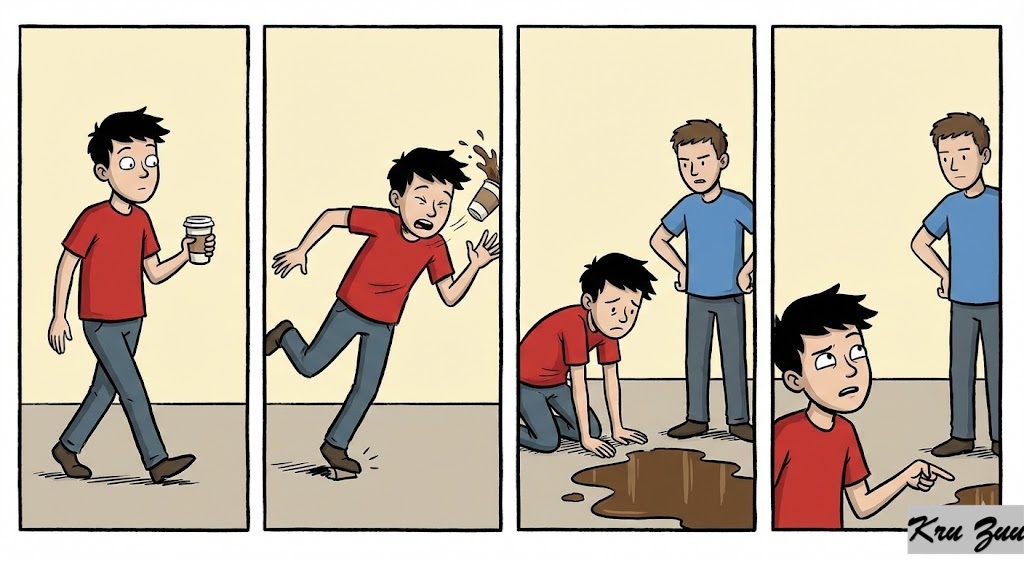
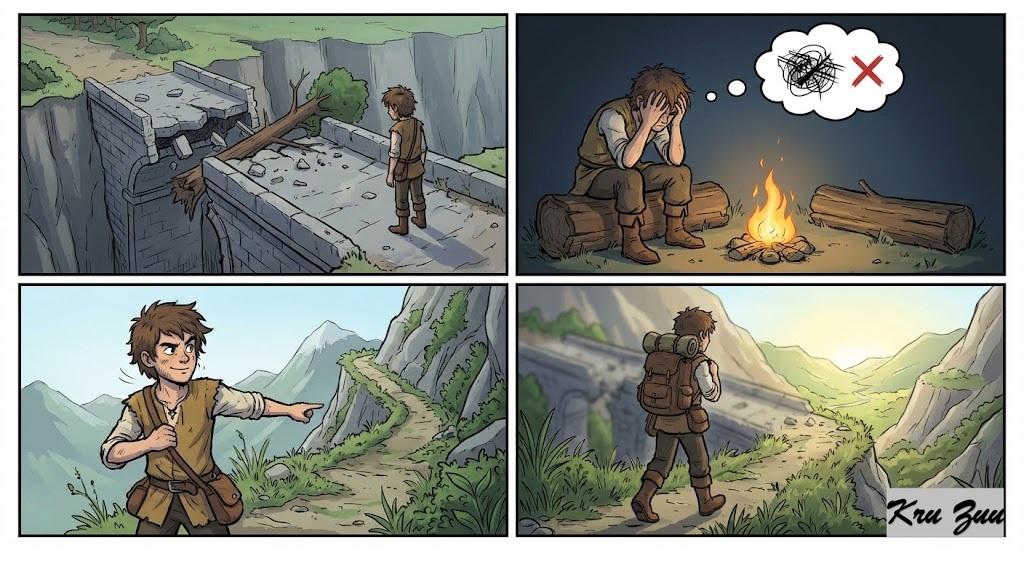
Move on.
Question: What is one “spilt milk” moment you are letting go of today? Tell us in the comments! 👇
https://www.facebook.com/BrainBattleground/
https://www.facebook.com/zubeyr.yurtkuran/
https://www.instagram.com/zubeyryurtkuran/
