Tag: Short Story

  • πŸ₯› The Daily Shield: The Law of Acceptance

    πŸ₯› The Daily Shield: The Law of Acceptance

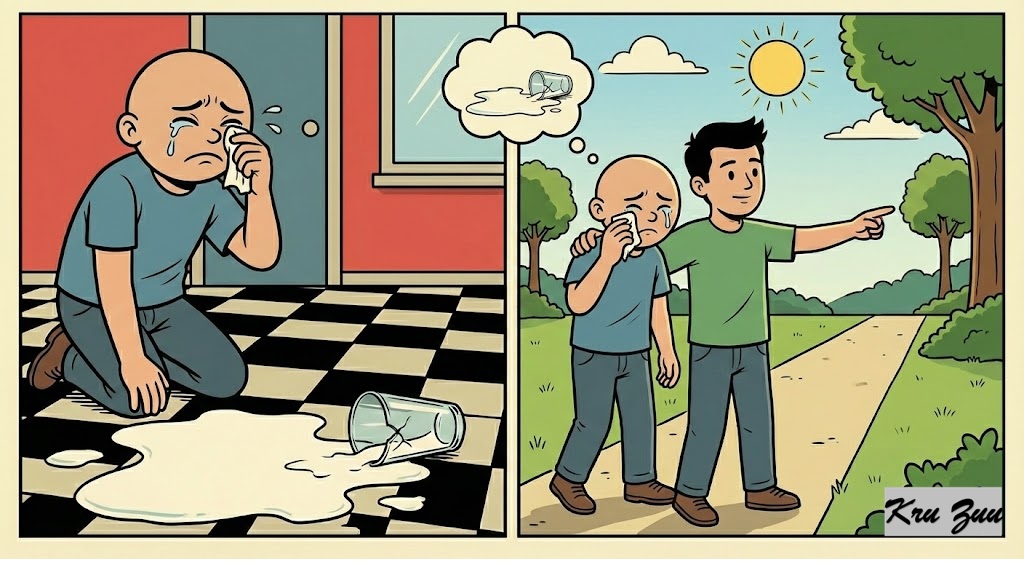
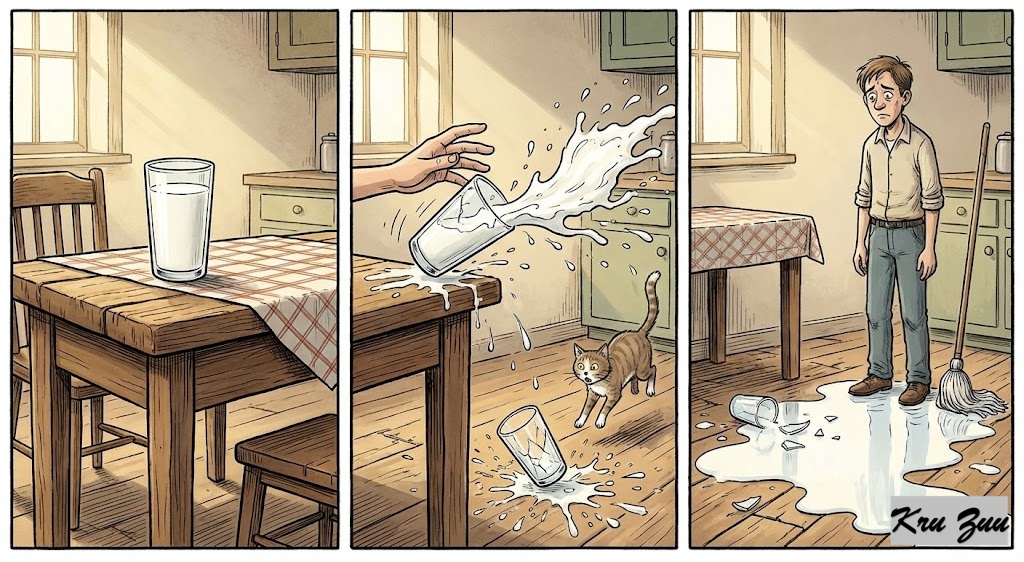
    “Don’t cry over spilt milk.”


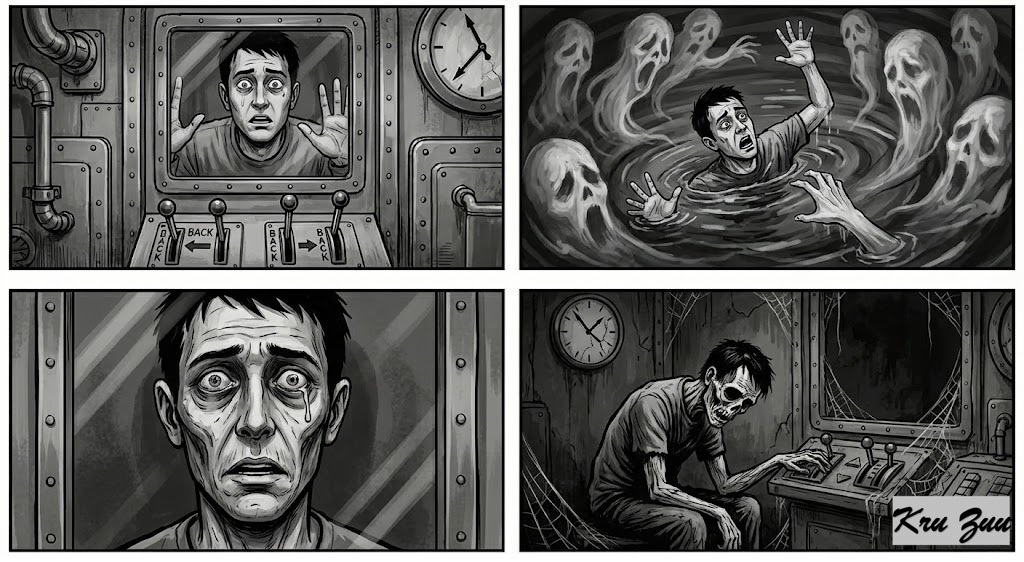
    😈 The Villain (The Dweller)

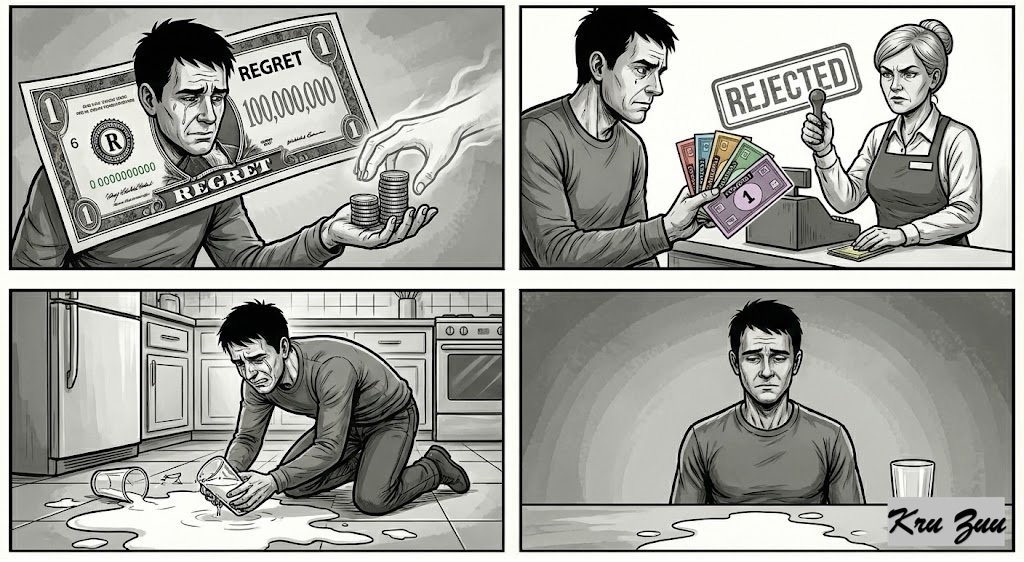
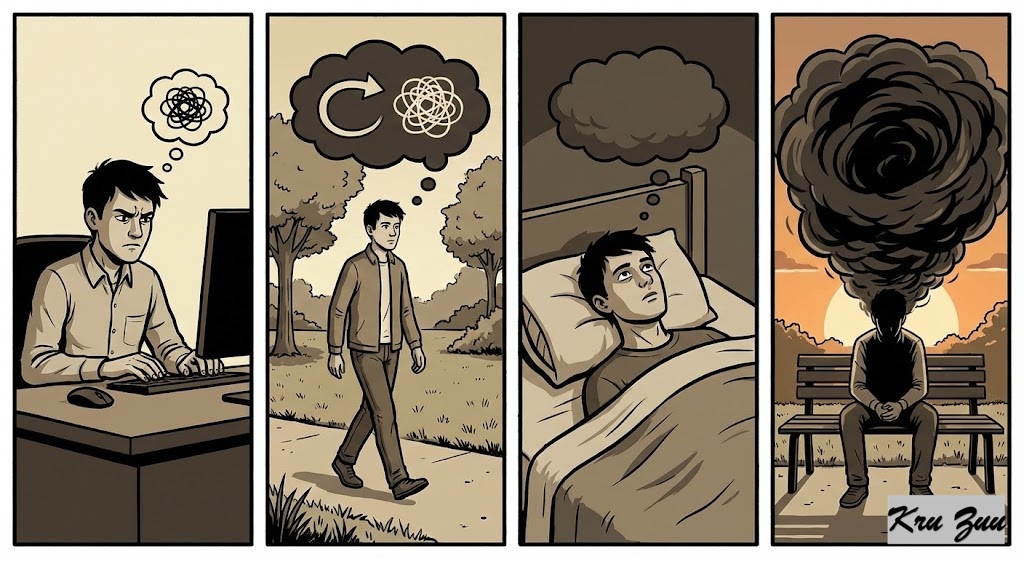
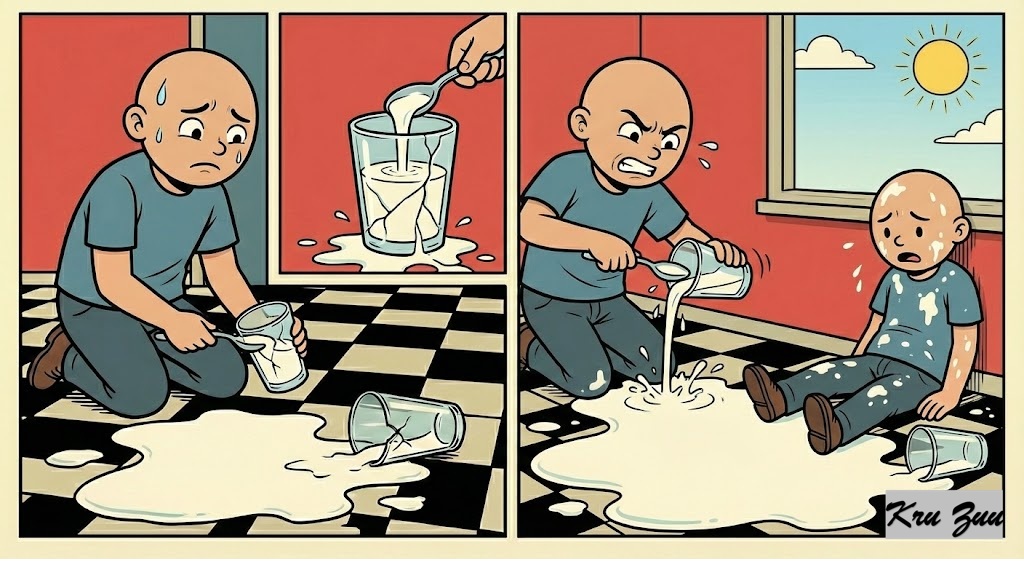
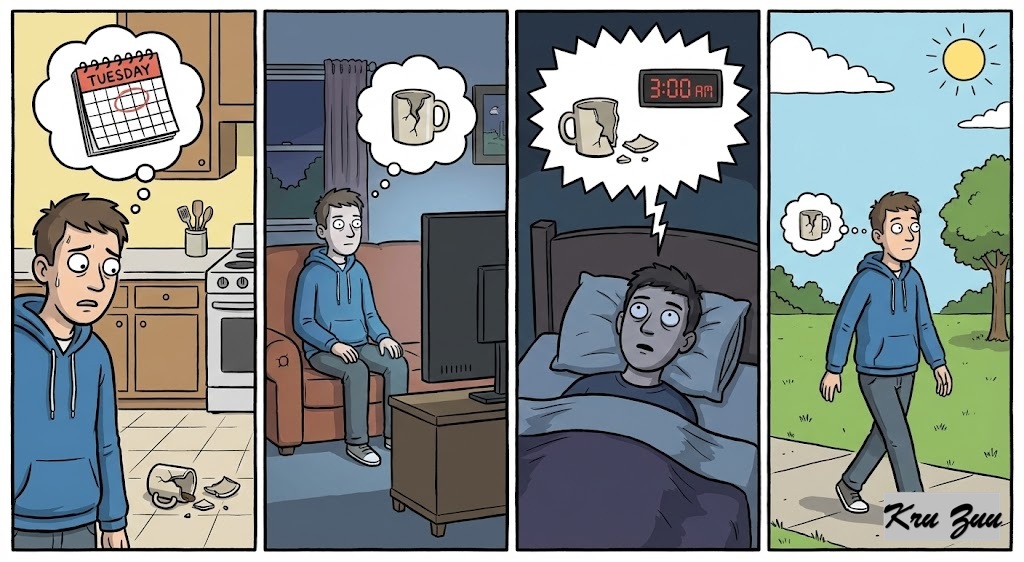
    You make a mistake. Maybe you failed an exam, sent an embarrassing text, or broke a valuable plate. What do you do? You replay the scene in your head 1,000 times. You say, “If only I had been faster… If only I had been smarter.” You let one bad moment ruin your entire week. You dwell on the past until you are paralyzed by it.
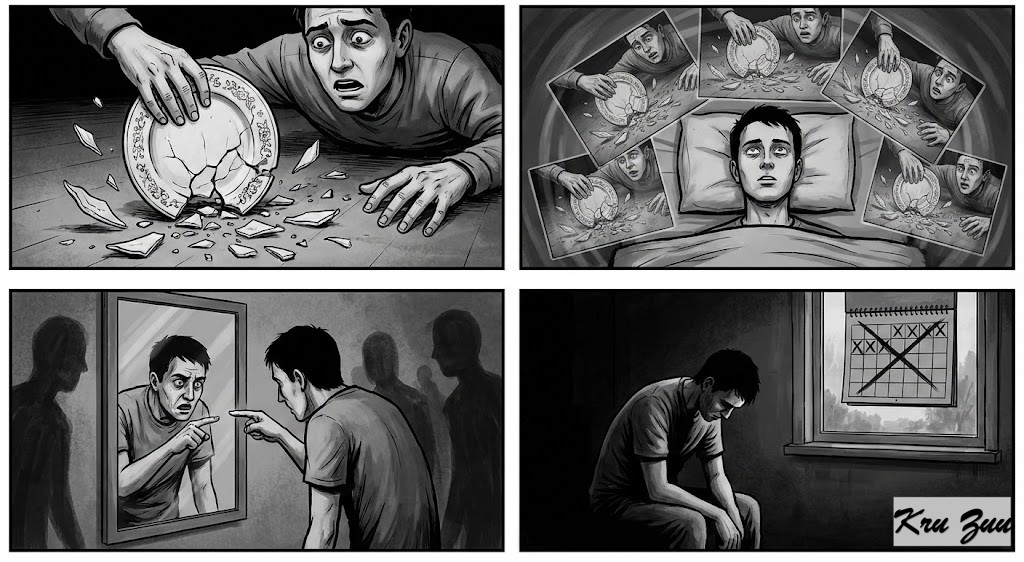
    The Result? You are stuck in a time machine that only goes backward. You are drowning in a puddle of regret. πŸ§Ÿβ€β™‚οΈ


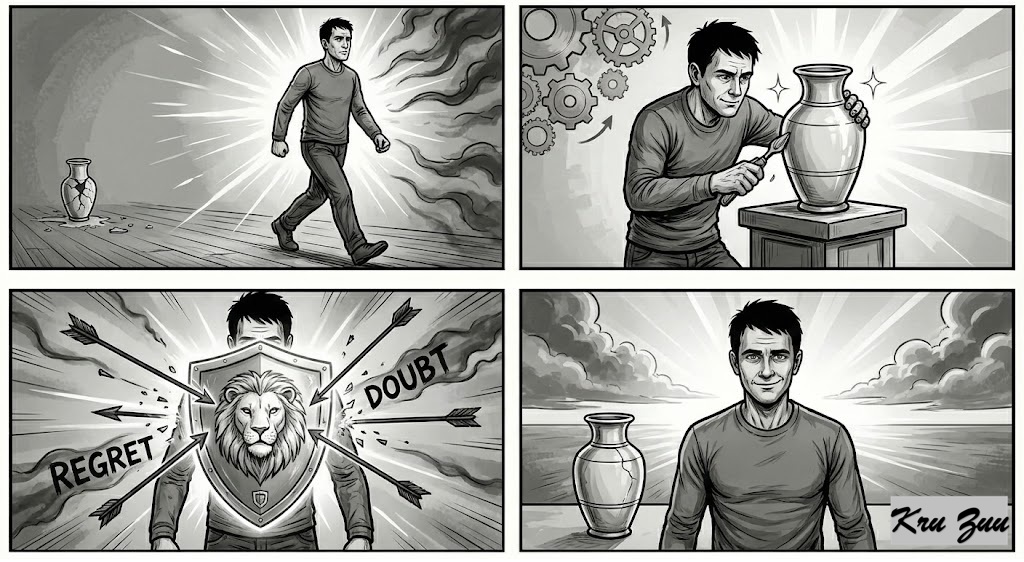
    πŸ˜‡ The Hero (The Stoic)

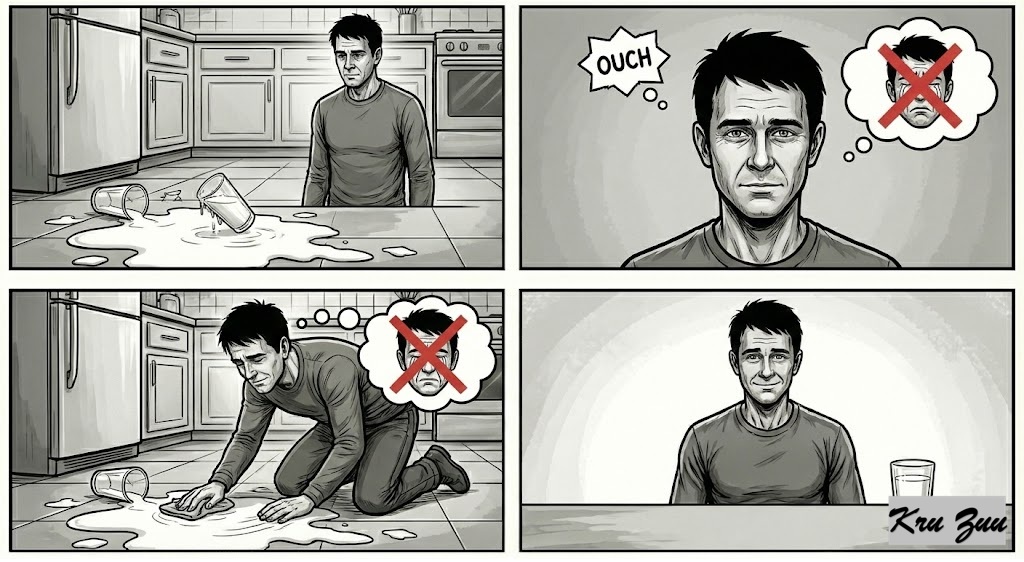
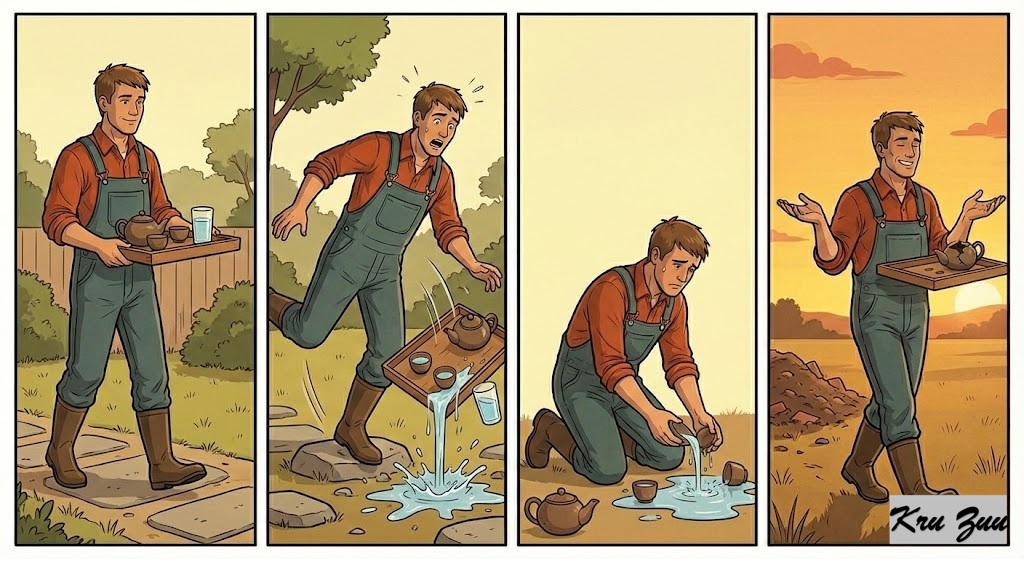
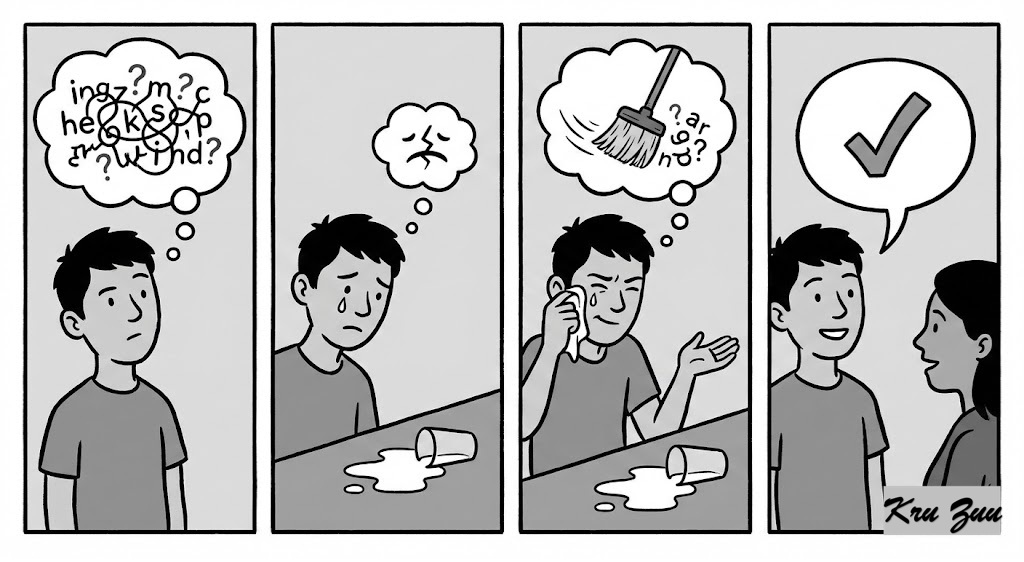
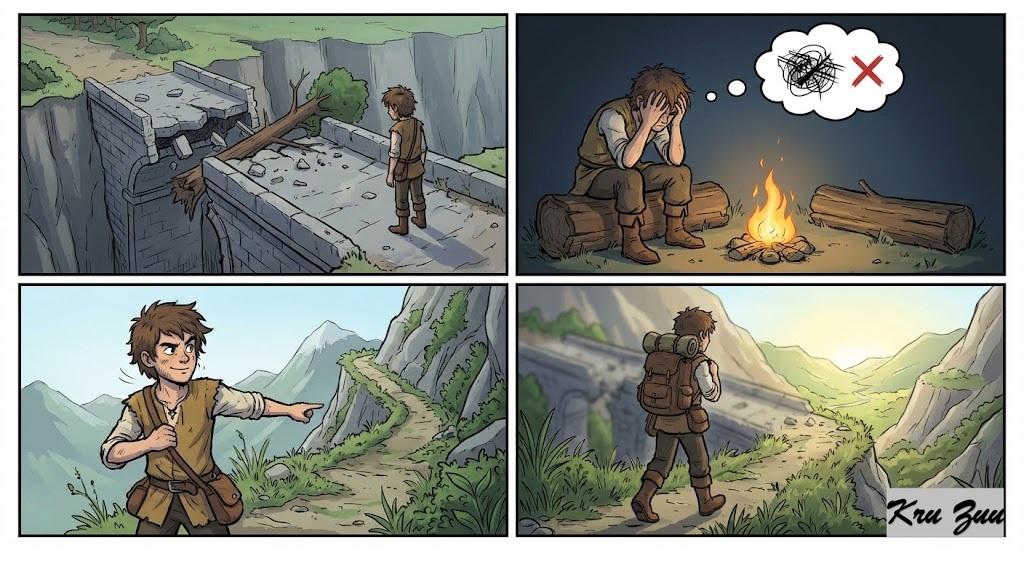
    You make a mistake. It stings. It hurts. You take a deep breath and look at the mess. You ask one question: “Can I change this?” The answer is No. So, you grab a towel, clean it up, and learn the lesson. You treat the mistake as a tuition fee for wisdom.
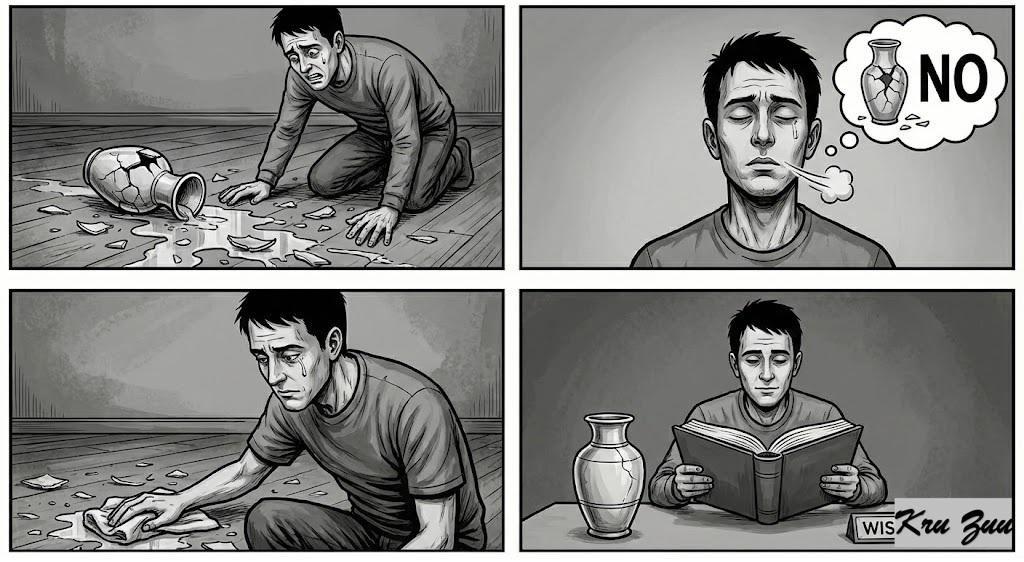
    The Result? You move forward instantly. Your energy is spent on fixing the future, not mourning the past. You are bulletproof against regret. πŸ›‘οΈ


    βš–οΈ The Reality


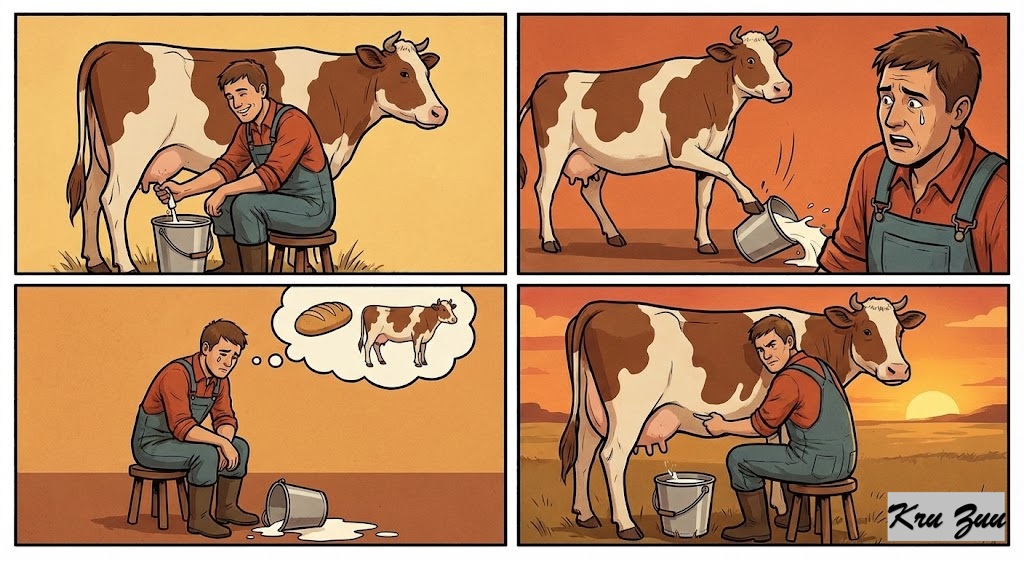
    Regret is expensive. Worrying about what already happened is like trying to pay a bill with Monopoly money. It doesn’t work. The milk is on the floor. No amount of crying, screaming, or analyzing will put the milk back into the glass.

    πŸ’Ž The Secret

    The event (the spill) is not what hurts you. It is your reaction (the crying) that hurts you. Pain is inevitable; suffering is optional.
    🧐 The Anatomy of the Proverb


    This is the ultimate weapon against anxiety.


    Spilt (Adjective): The past participle of “spill.” It is done. Finished. Irreversible.
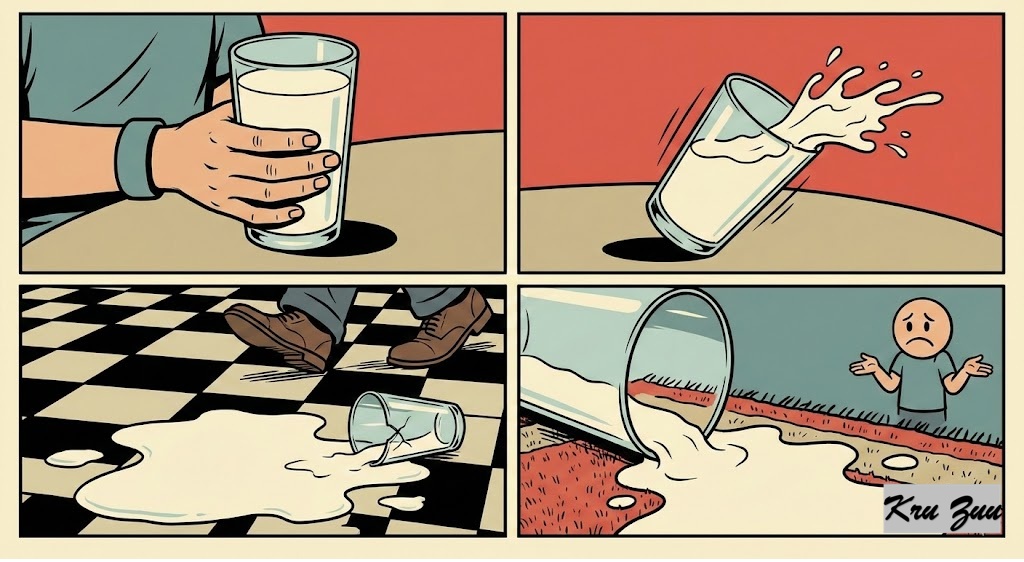

    Cry Over (Phrasal Verb): To be upset or sad about a specific thing.
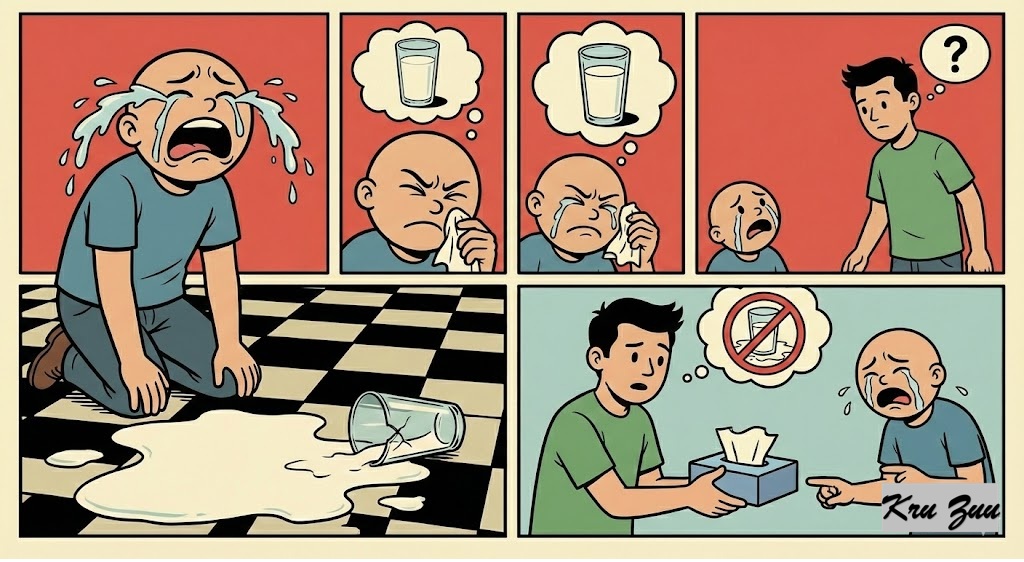

    Simpler Version: Move on.

    πŸ“š Vocabulary Vault


    Irreversible (Adjective):
    Cannot be changed or undone. (The milk is irreversible).

    Dwell (Verb): To think/speak about something for too long (usually something bad).


    Resilience (Noun): The ability to recover quickly from difficulties. πŸš€


    Ruminate (Verb): To think deeply about something; often negative thoughts on a loop.

    Futile (Adjective): Pointless; producing no useful result.

    🧠 Grammar Focus: Prepositions of Cause


    Notice the preposition “Over.” We don’t cry for the milk or at the milk. We cry over it.


    English Logic: The emotion is covering the subject.


    Examples: “He is arguing over money.” / “Don’t worry over small details.”

    πŸ“œ History: Origin and Spread


    The Origin:
    This proverb was first recorded in 1659 by historian James Howell.
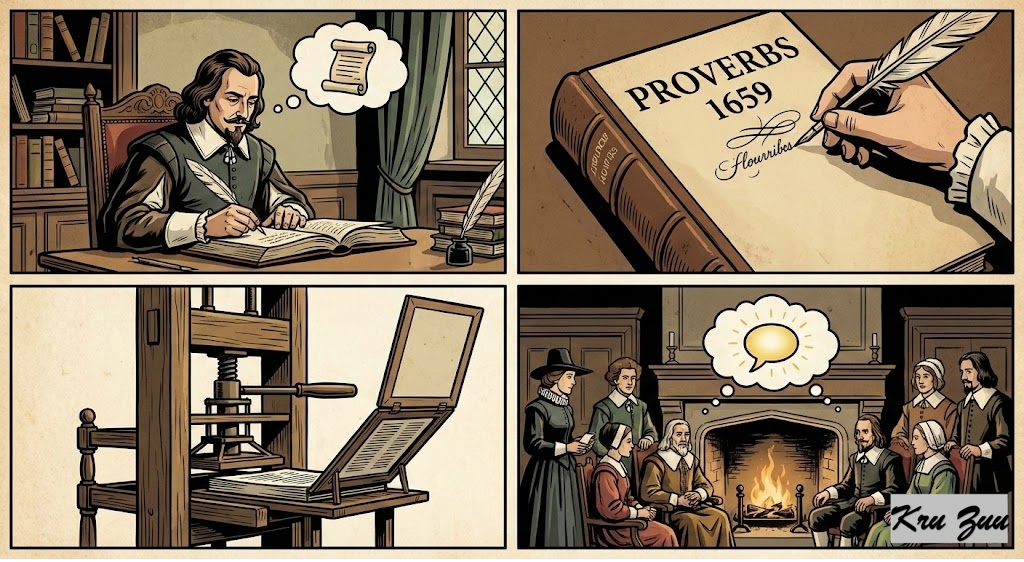
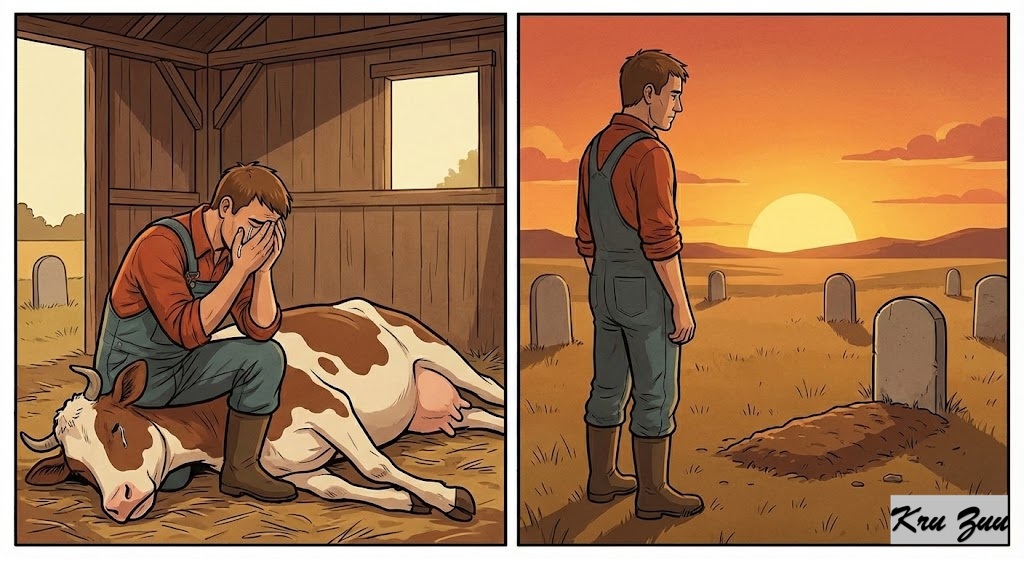
    The Logic: In old farming days, milk was money. If a cow kicked the bucket over, the farmer lost that day’s profit. But standing there crying wouldn’t feed the family, milking the next cow would.

    Global Cousins


    πŸ‡ΉπŸ‡· Turkish:
    “Olanla ΓΆlene Γ§are yoktur.” (There is no cure for what has happened or who has died.) β€” A darker, but very true equivalent!


    πŸ‡«πŸ‡· French:“Ce qui est fait est fait.” (What is done is done.)


    πŸ‡―πŸ‡΅ Japanese:“Fukusui bon ni kaerazu.” (Spilt water will not return to the tray.)
    🎭 Short Story: The Picnic at the Pond


    Let’s see how different personalities handle a disaster.


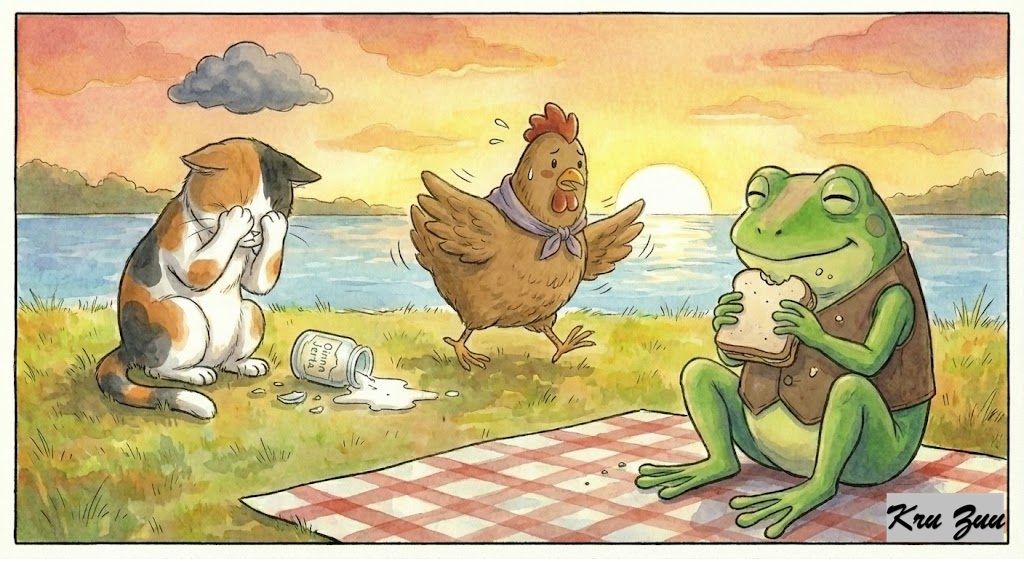
    🌟 The Setup: It is a beautiful Sunday. Three friends are having a picnic by the lake: Cleo the Cat, Henrietta the Chicken, and Franklin the Frog. They have one jar of delicious, expensive cream.
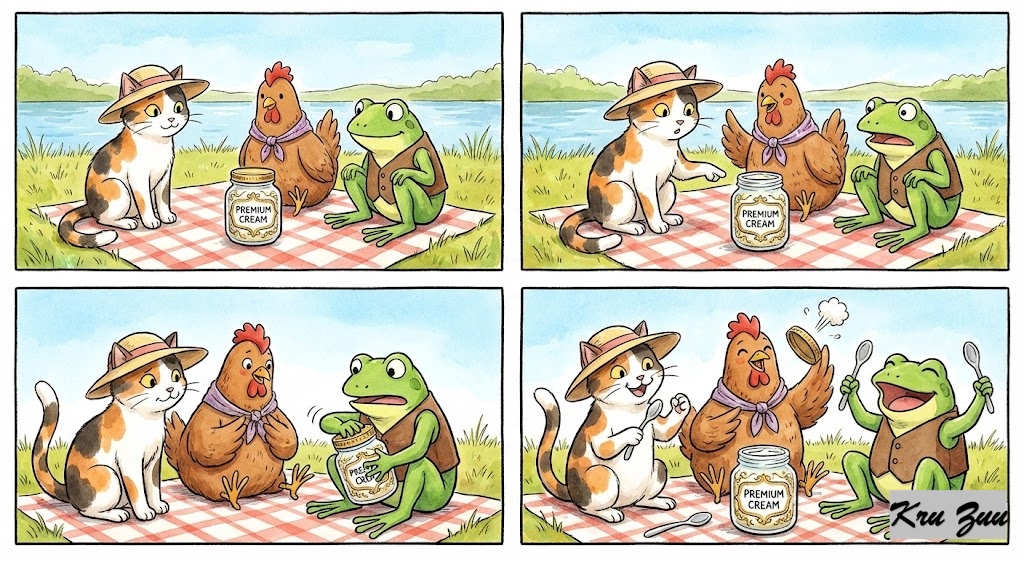

    The Accident: Henrietta the Chicken gets excited about a worm. She flaps her wings, hits the table, andβ€”SMASH. The jar breaks. The expensive cream soaks into the dirt. It is gone.
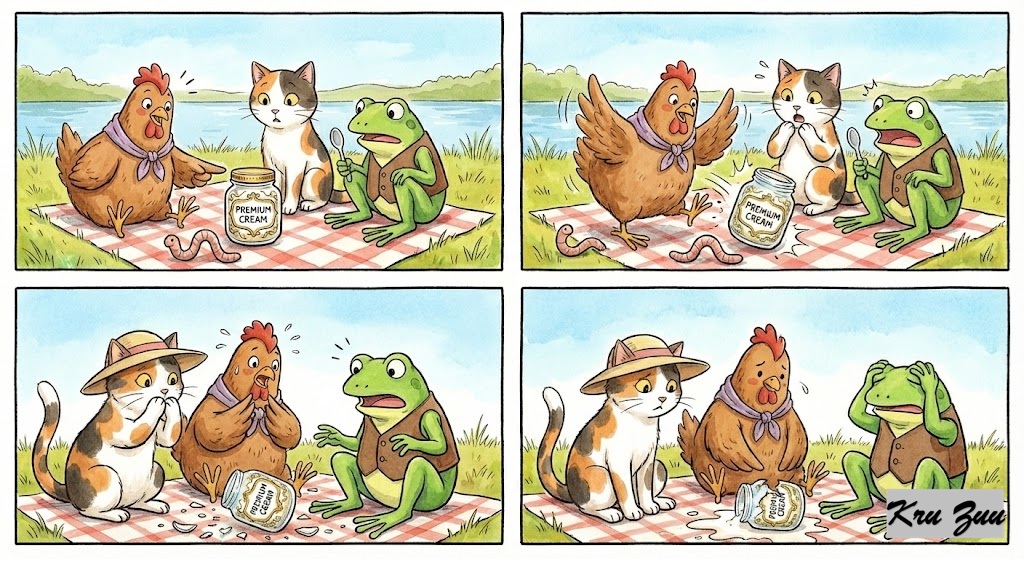

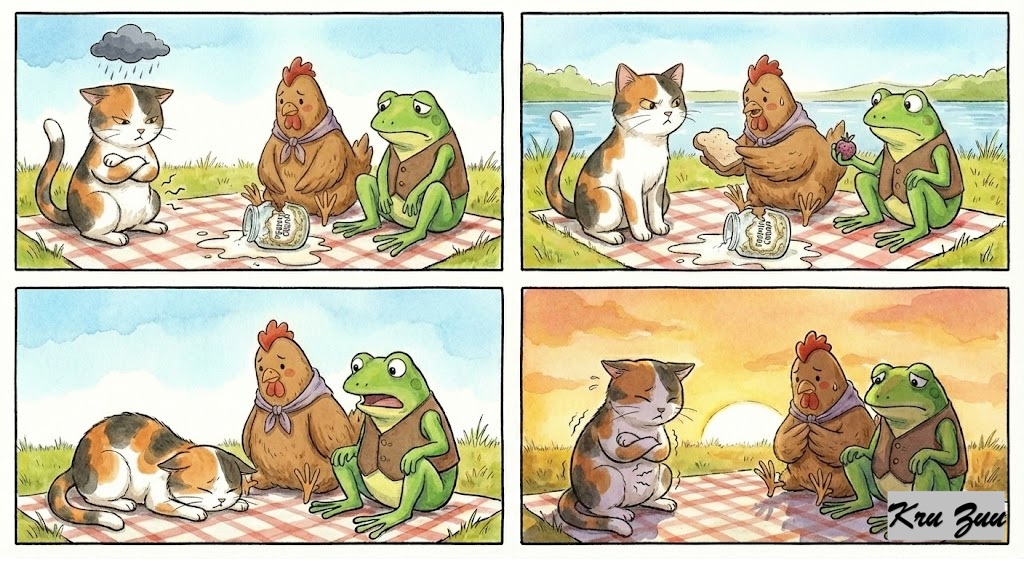
    😿 Cleo the Cat (The Dweller): Cleo stares at the cream. She starts to wail. “My cream! It was perfect! Why are you so clumsy, Henrietta? If we had sat on the grass, this wouldn’t have happened! I can’t believe this. My day is ruined. I’m not eating anything else!”
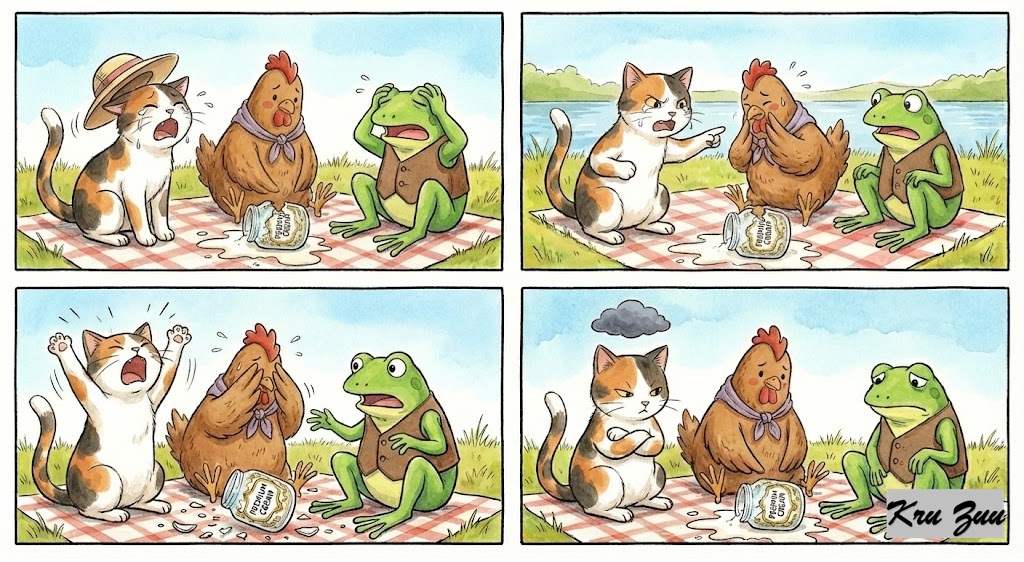
    Result: Cleo is hungry and miserable.

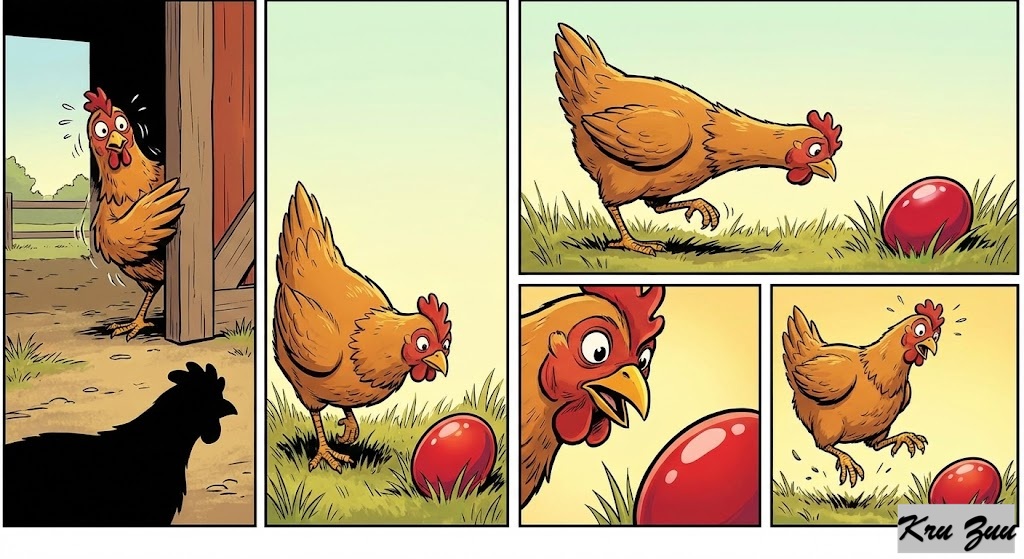
    πŸ” Henrietta the Chicken (The Anxious): Henrietta runs in circles, flapping wildly. “Oh no! Oh no! The sky is falling! What will we do? We have no cream! It’s a disaster! Everyone will laugh at us!”
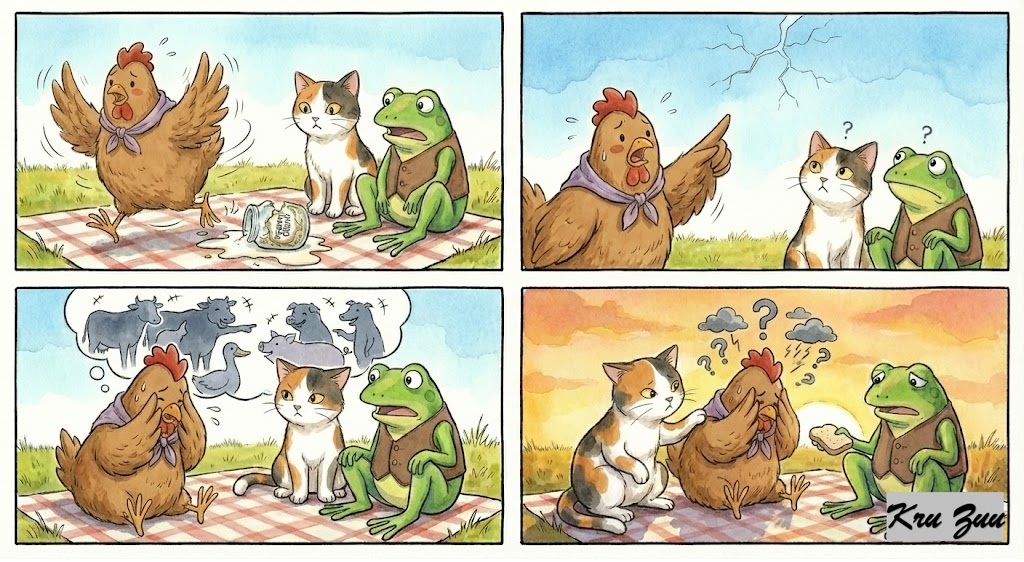
    Result: Henrietta is having a panic attack.


    🐸 Franklin the Frog (The Stoic): Franklin looks at the broken glass. He looks at the cream in the dirt. He blinks his big eyes. “Ribbit,” says Franklin. He sticks out his long tongue and catches a fly buzzing near the mess. “The cream is gone,” Franklin says calmly. “But the sandwiches are still dry. And the sun is still warm. Pass the bread, please.”
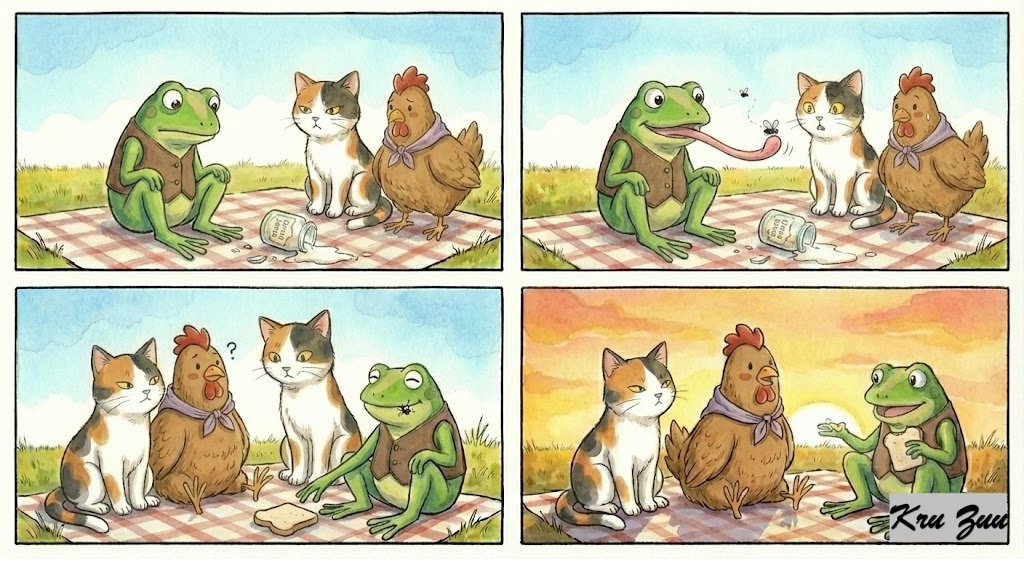

    The Moral: Cleo cried. Henrietta panicked. Franklin ate lunch. Be like Franklin. Eat the sandwich. πŸ₯ͺ

    πŸŽ“ Lesson for English Learners


    Don’t Let Mistakes Silence You.
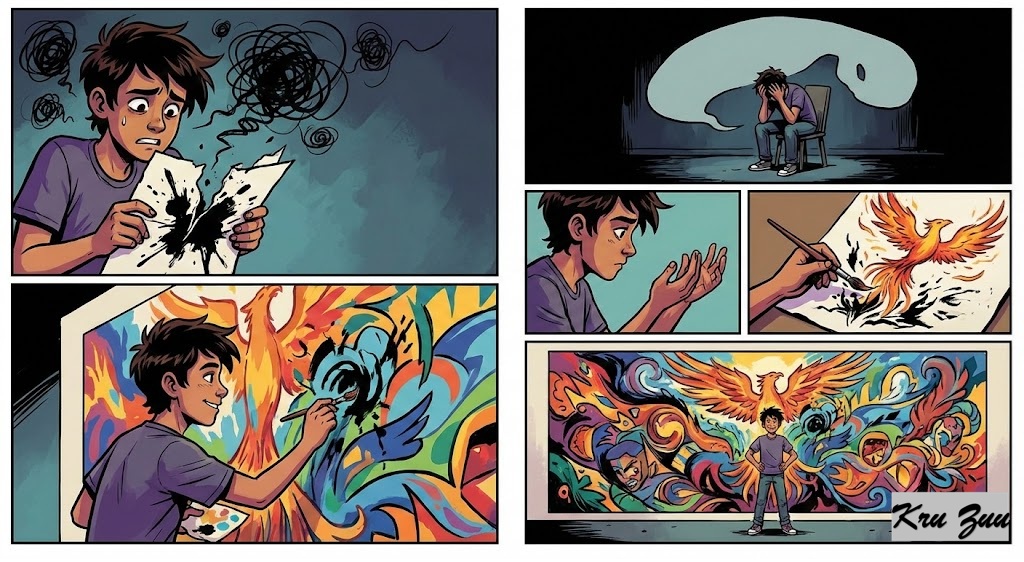

    Situation: You are speaking English to a native speaker. You try to say “I was bored,” but you accidentally say “I was boring.”
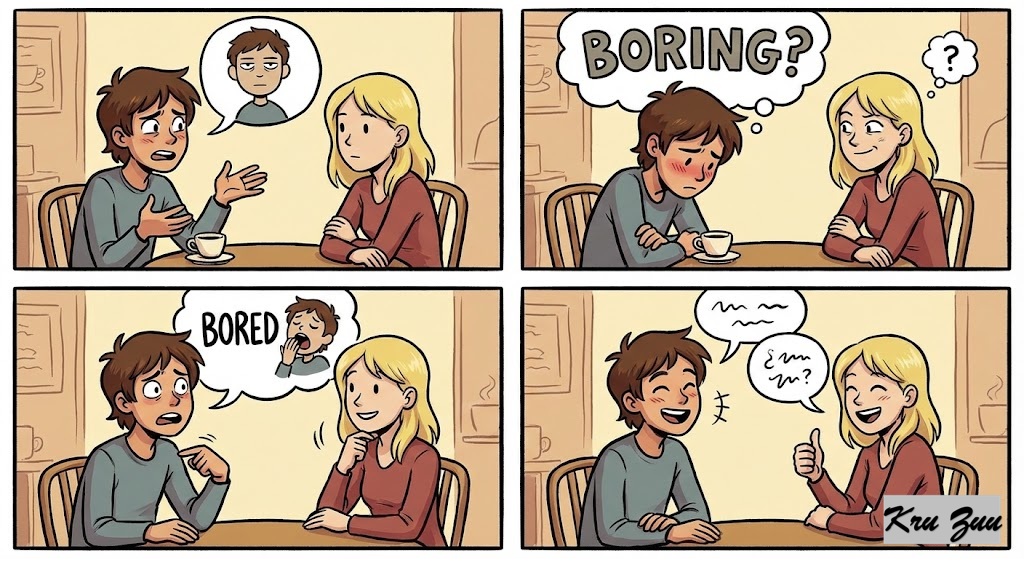

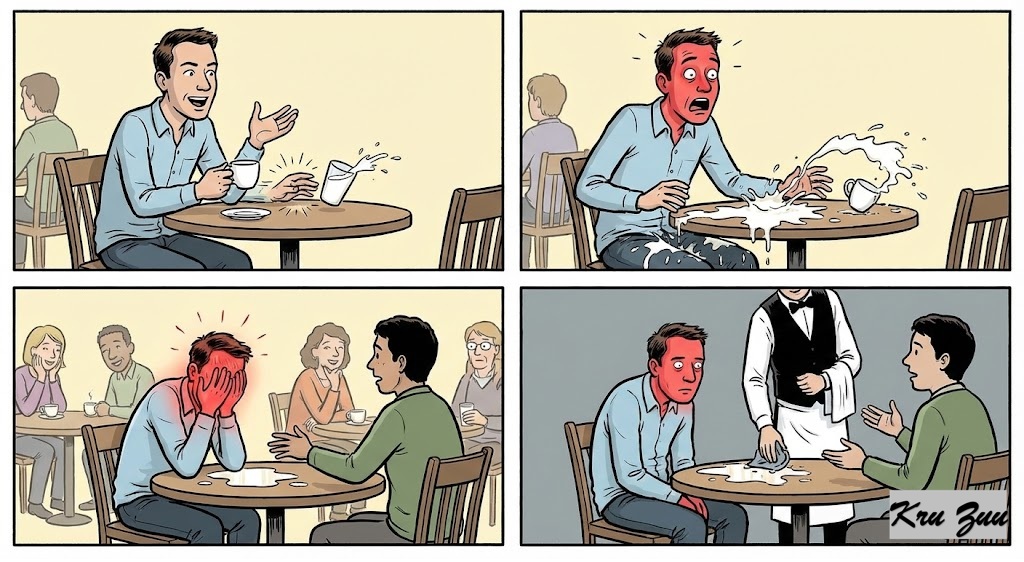
    The “Spilt Milk” Reaction: You freeze. Your face turns red. You stop talking because you are afraid of making another mistake.

    The Hero Reaction: You laugh. You say, “Oops! I mean I was bored!” and you keep talking.
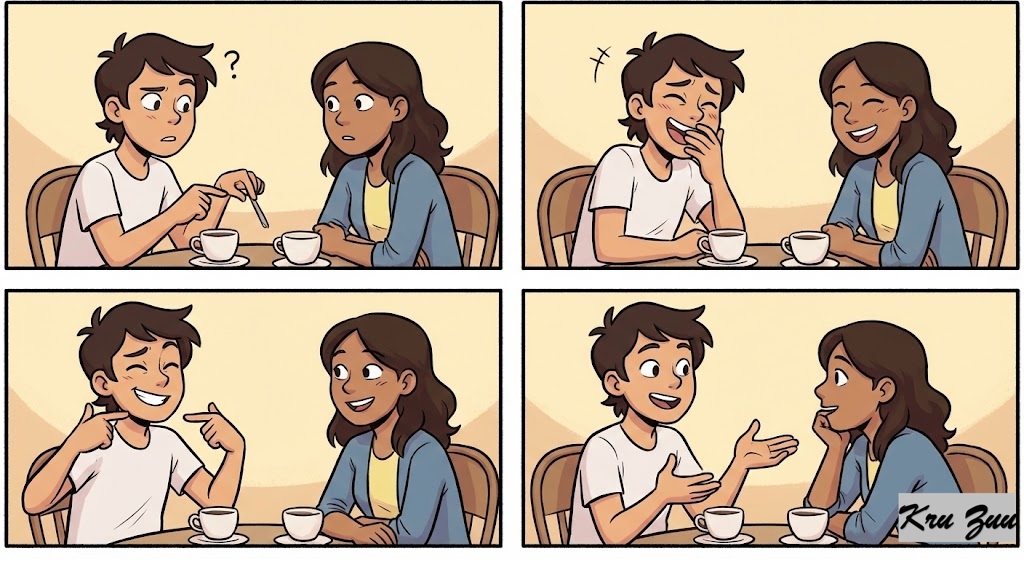

    Remember: A grammar mistake is spilt milk. Once the words leave your mouth, they are gone. You cannot catch them. Don’t cry over a bad verb tense. Just speak the next sentence better.

    πŸ’¬ Your Turn: The 5-Second Funeral πŸš€


    We all have “spilt milk” in our lives. Here is your challenge.
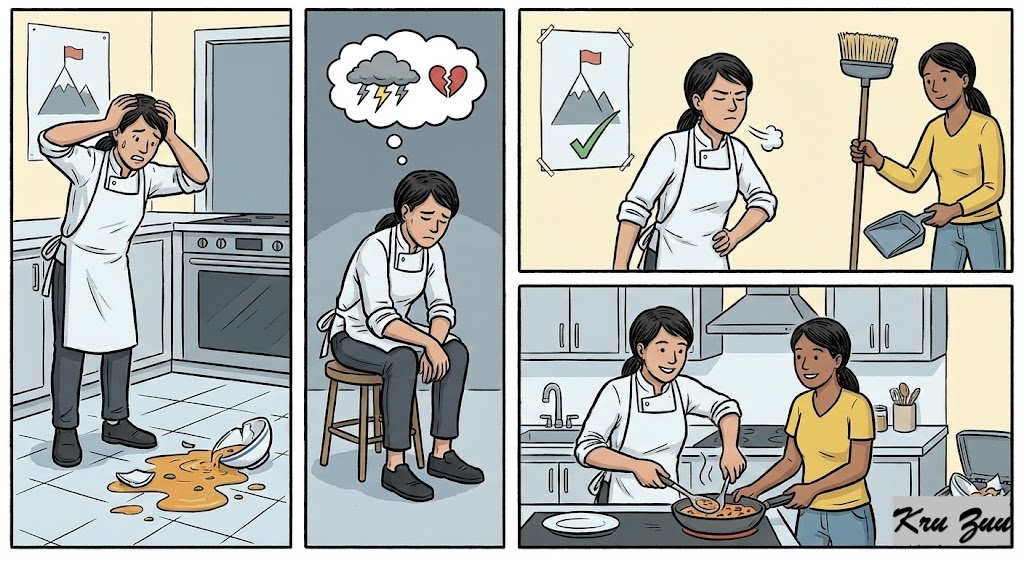

    The Exercise: Think of one small mistake you made this week that is still bothering you.

    A rude email you sent?
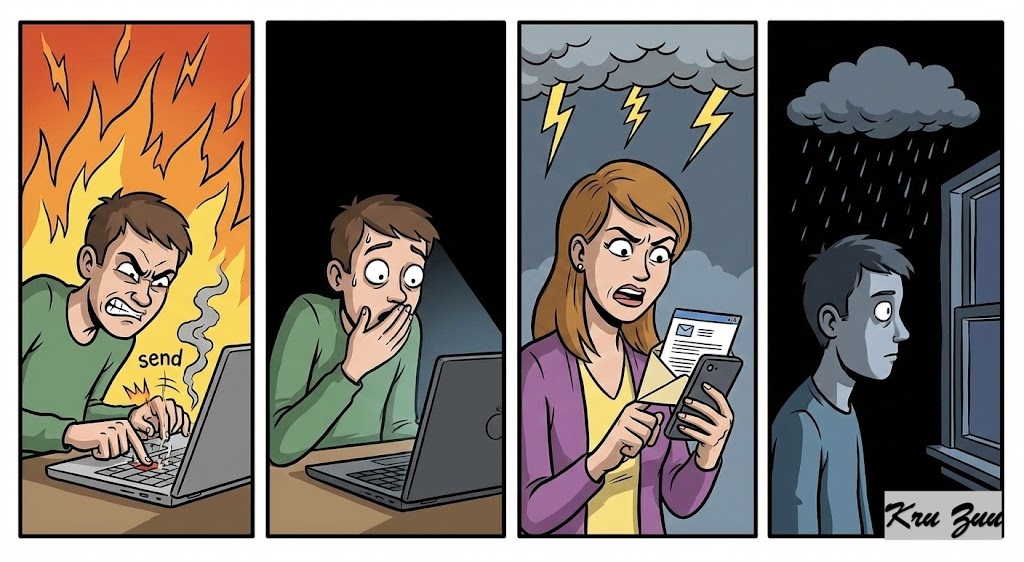

    A workout you skipped?
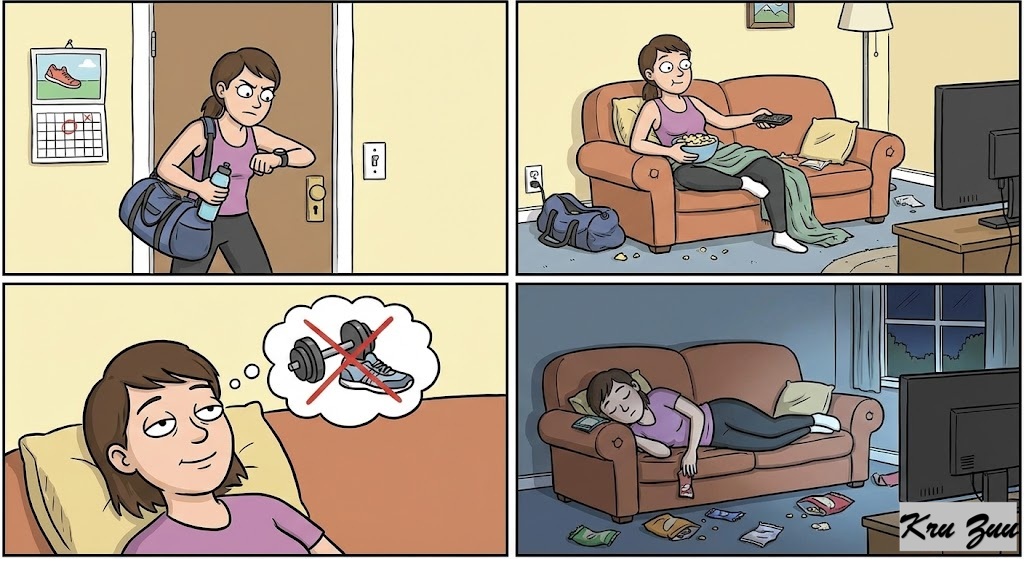

    A dumb comment you made?
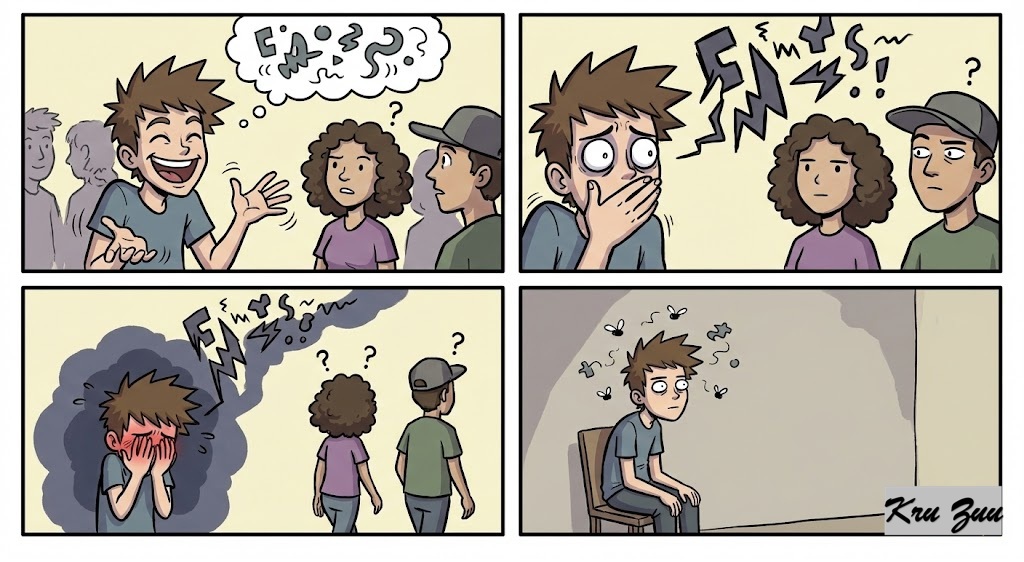

    The Action:
    We are going to hold a funeral for that mistake.
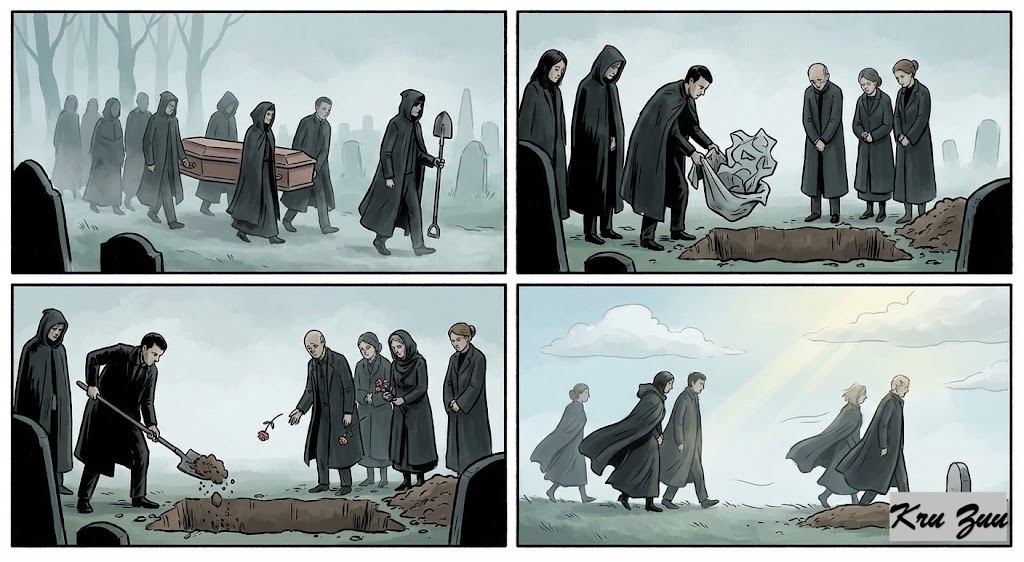

    Close your eyes.
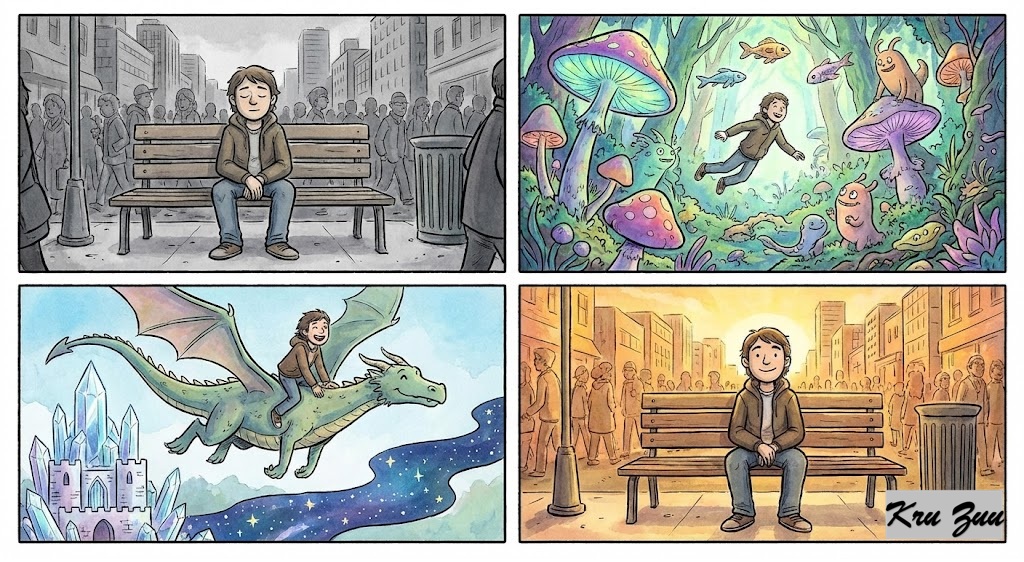

    Admit the mistake happened.
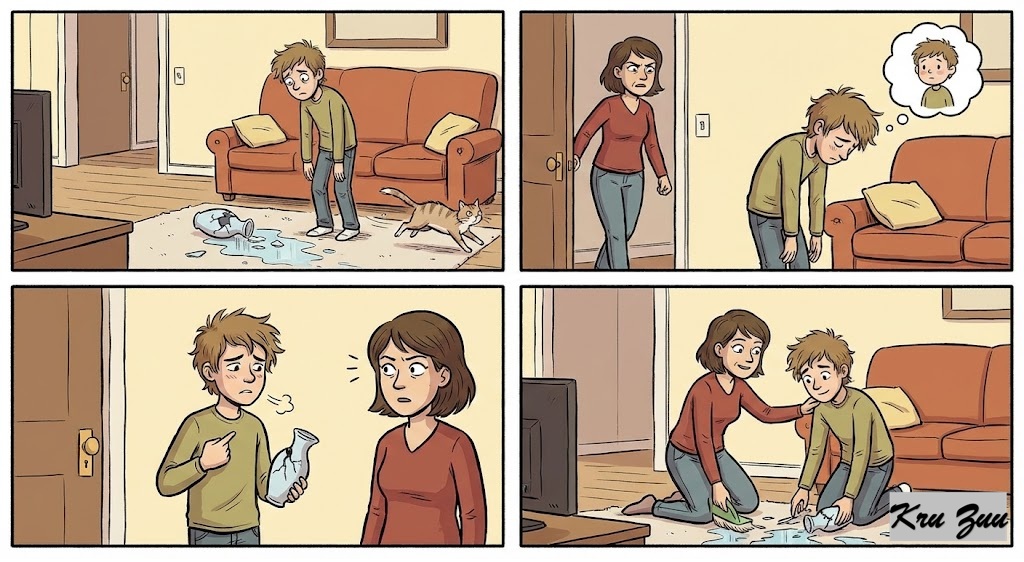

    Count backward:
    5, 4, 3, 2, 1.
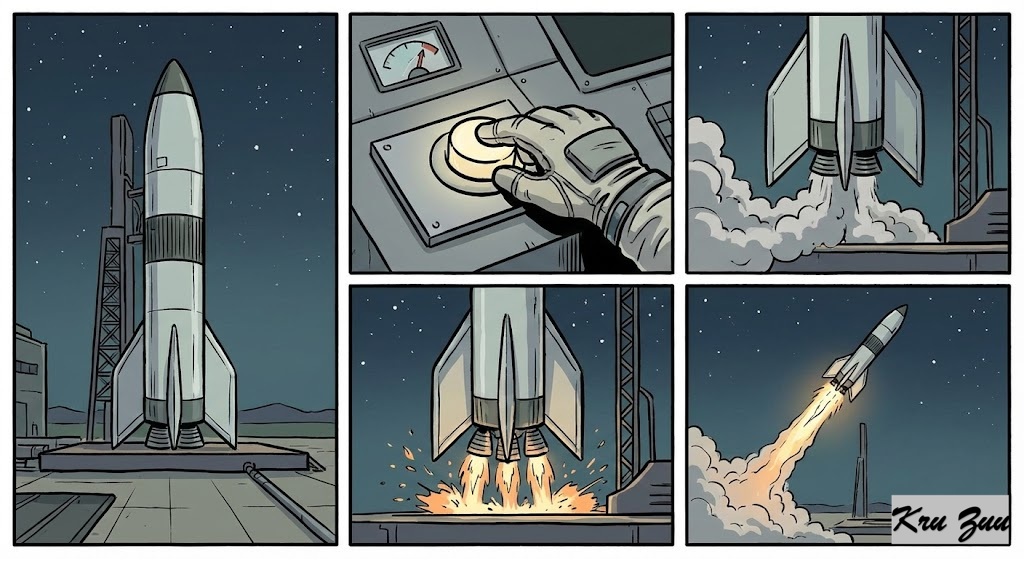

    Say out loud: “It is spilt.”
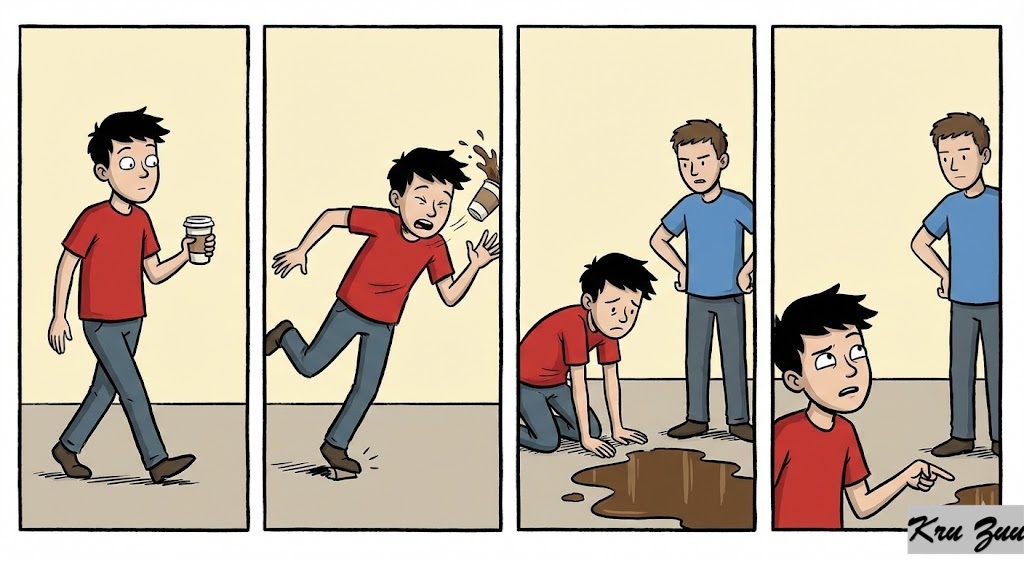

    Move on.

    Question:
    What is one “spilt milk” moment you are letting go of today? Tell us in the comments! πŸ‘‡

    By Zubeyir YURTKURAN

    https://www.facebook.com/BrainBattleground/

    https://www.facebook.com/zubeyr.yurtkuran/

    https://www.instagram.com/zubeyryurtkuran/

    https://www.youtube.com/@BrainBattleground-b3p

    https://www.instagram.com/brainbattleground/

  • 🏑 The Daily Shield: The Anchor of Comfort

    🏑 The Daily Shield: The Anchor of Comfort

    “There’s no place like home.”


    😈 The Villain (The Eternal Tourist)


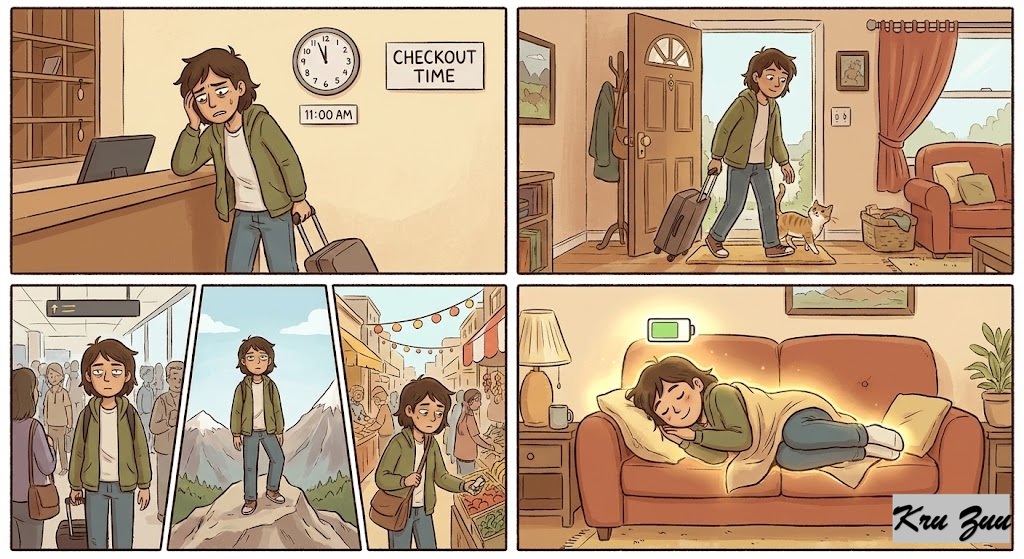
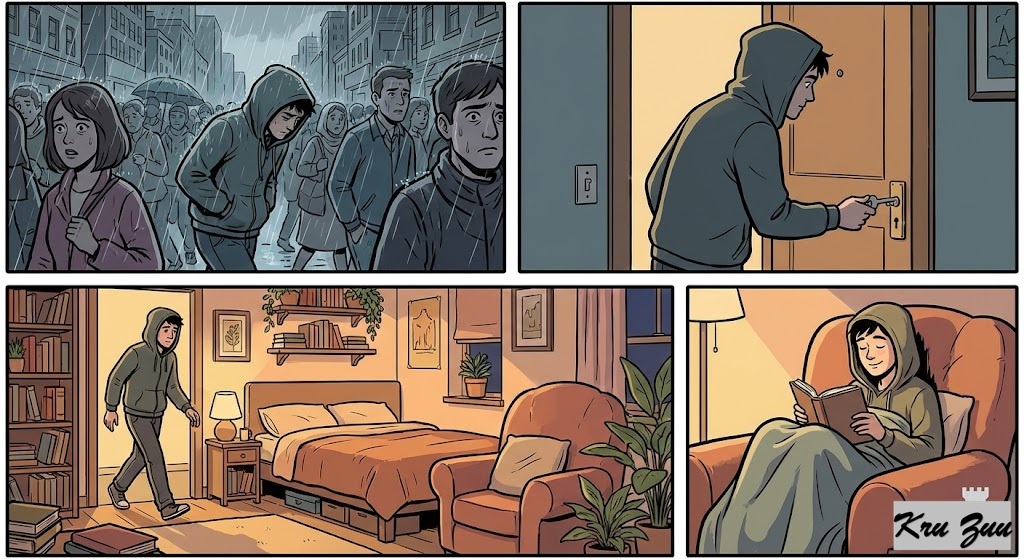
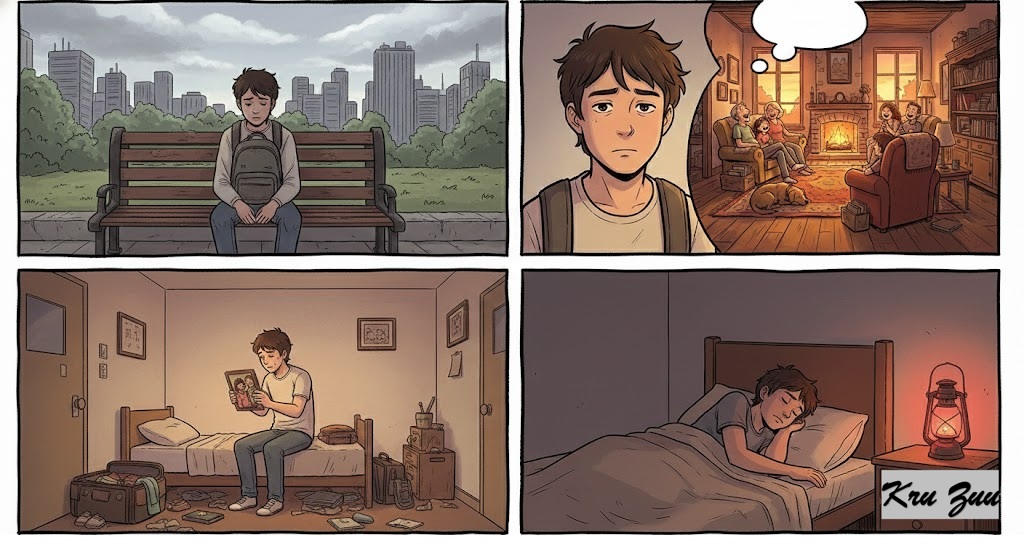
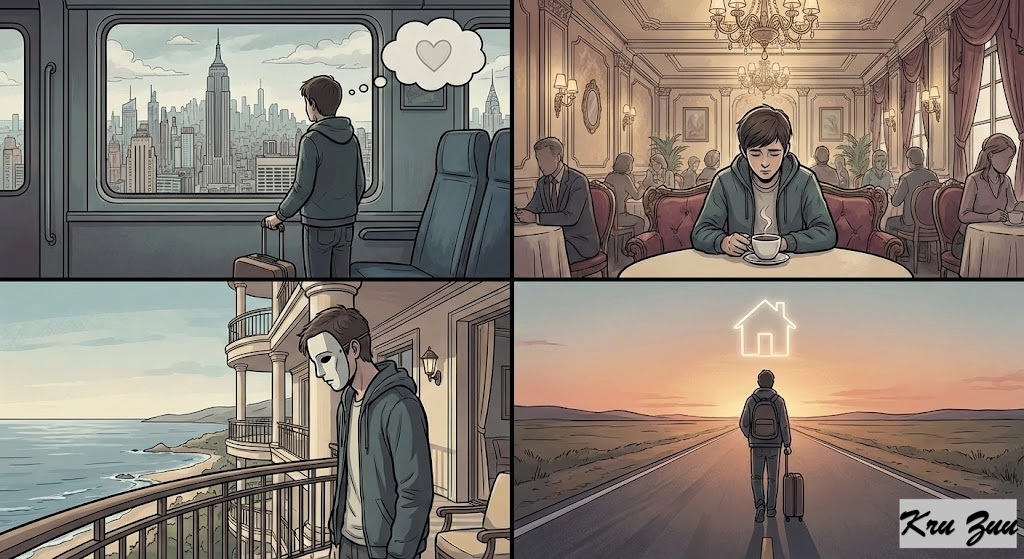
    You are always looking for happiness somewhere else. You say, “If I move to that city, I will be happy.” or “If I go to this fancy cafe, I will feel better.” You travel, you wander, you stay in expensive hotels. But everywhere you go, you feel restless. You are wearing a mask all day to impress strangers. You are exhausted because you have nowhere to truly recharge. You are a homeless soul in a world of houses. 🧳


    πŸ˜‡ The Hero (The Nester)


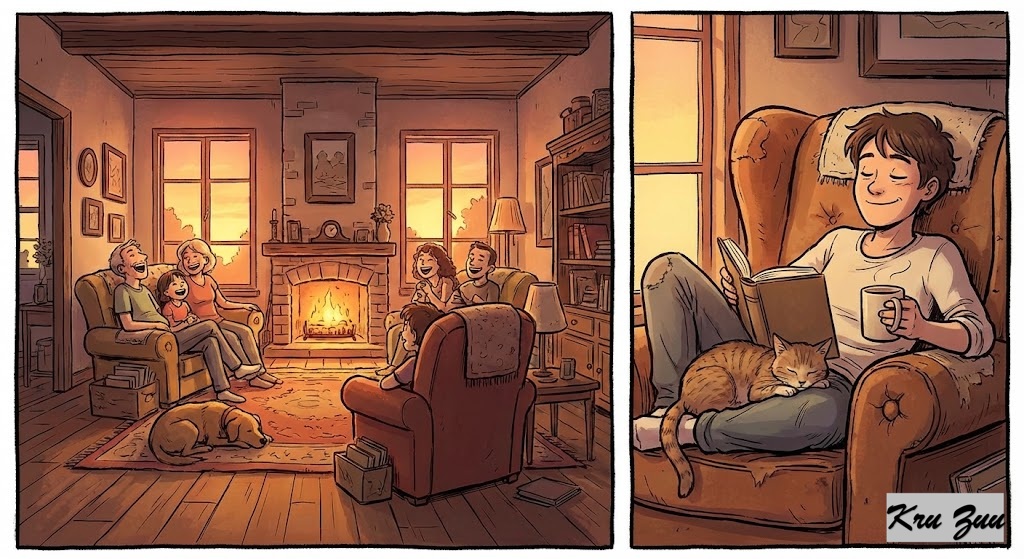
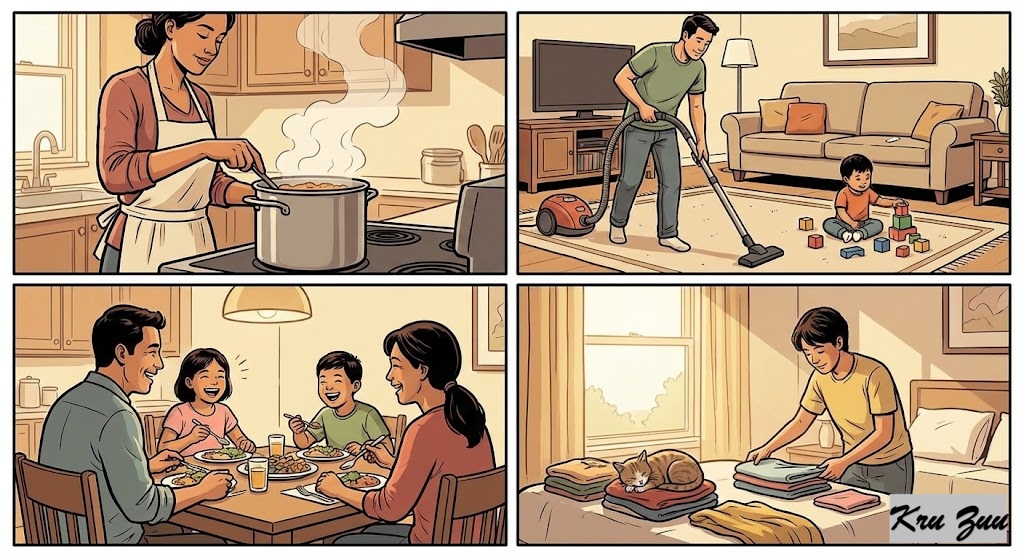
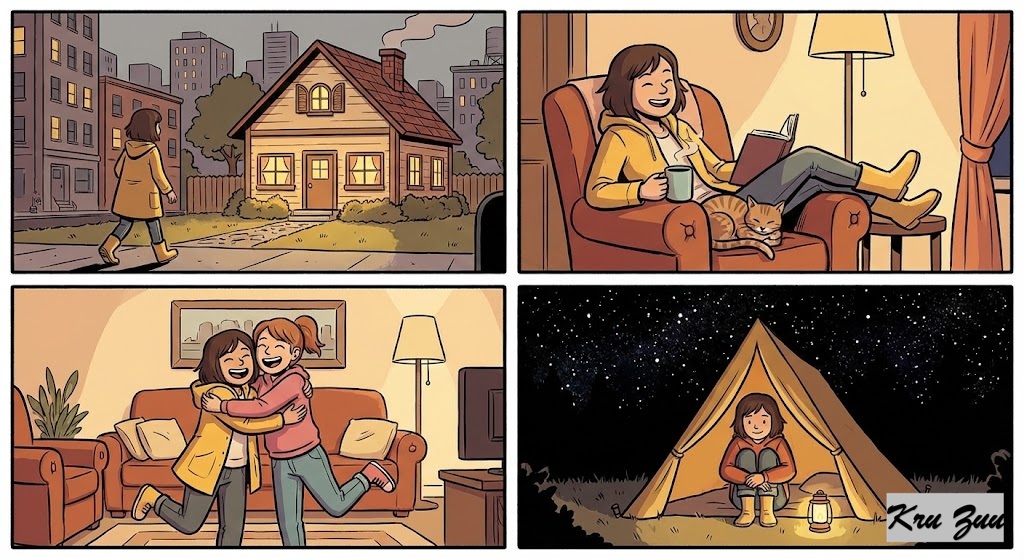
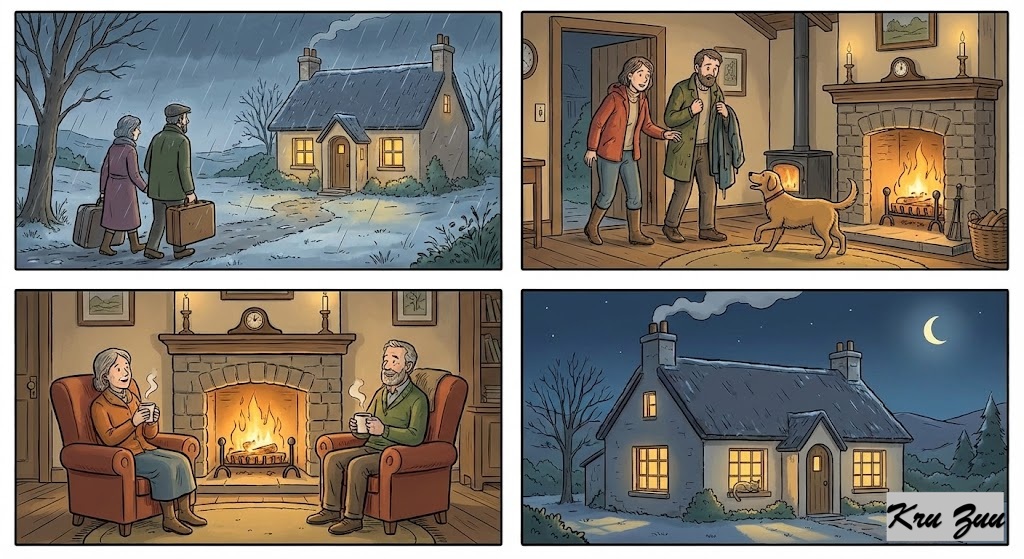
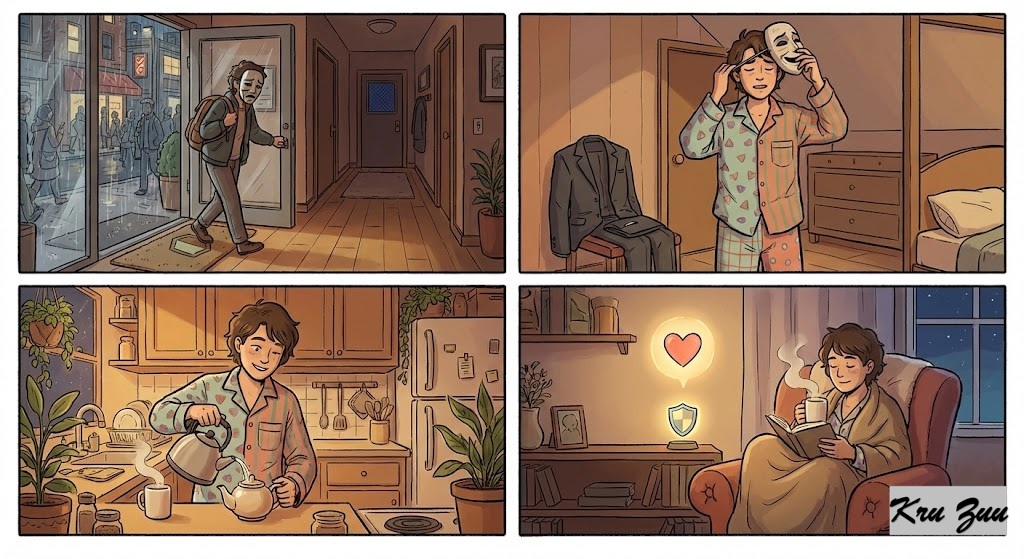
    You understand that the world is chaotic, but your space is your sanctuary. You step through your front door and take a deep breath. You take off the “outside world” mask. You wear your ugly, comfortable pajamas. You make tea exactly how you like it. You recharge your batteries in safety so that when you go out tomorrow, you are strong again. You know that peace isn’t a destination; it’s right where your heart is. πŸ›‘οΈ


    βš–οΈ The Reality


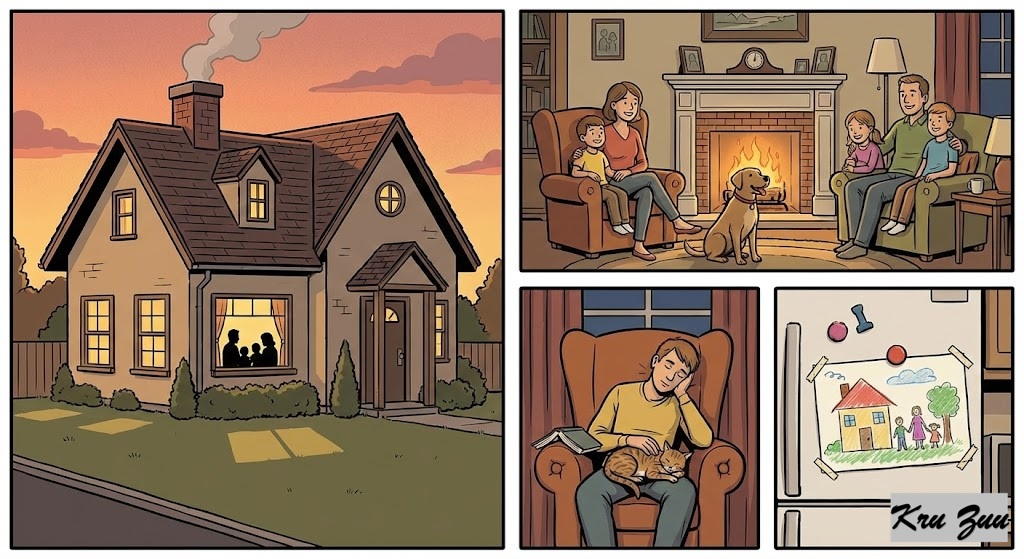
    Hotels have checkout times. Home does not. We spend our lives chasing excitement, travel, and new places. But “Home” is the only place in the universe where you don’t have to explain yourself to anyone. It is the charging station for the human soul.


    πŸ’Ž The Secret

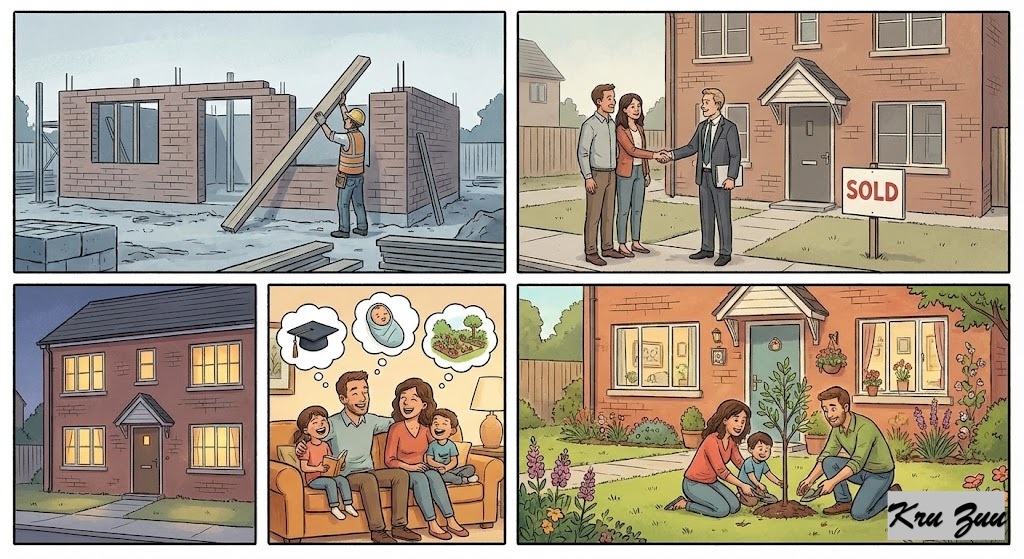
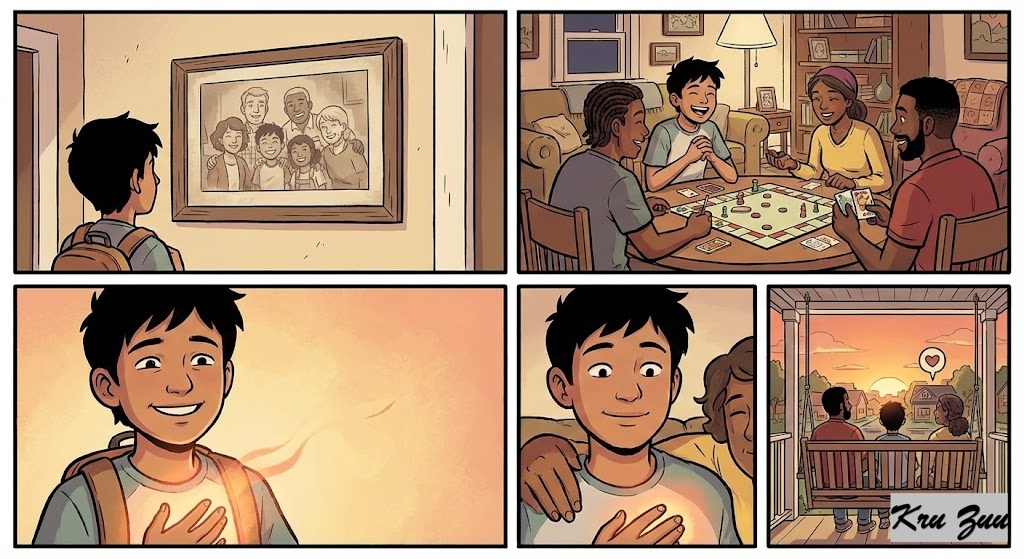
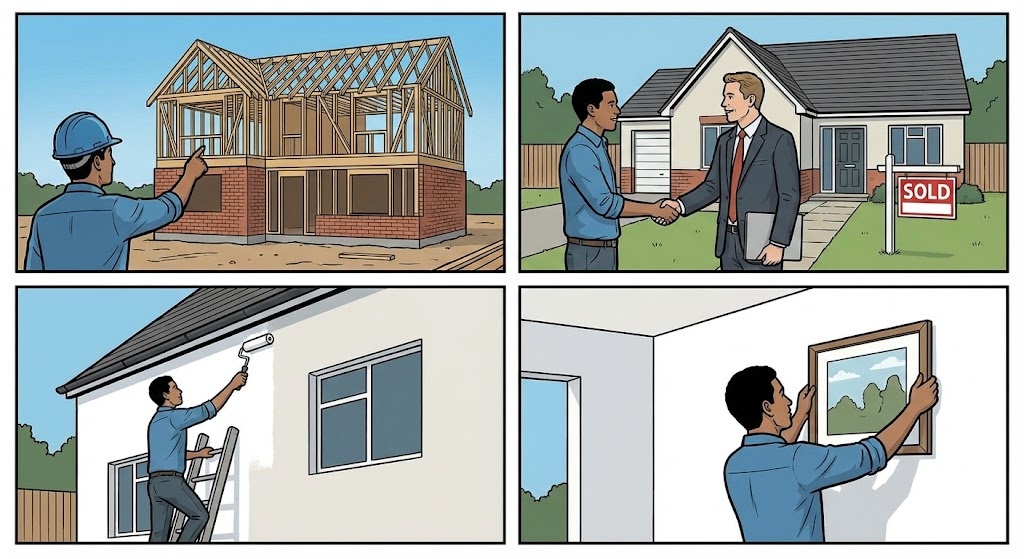
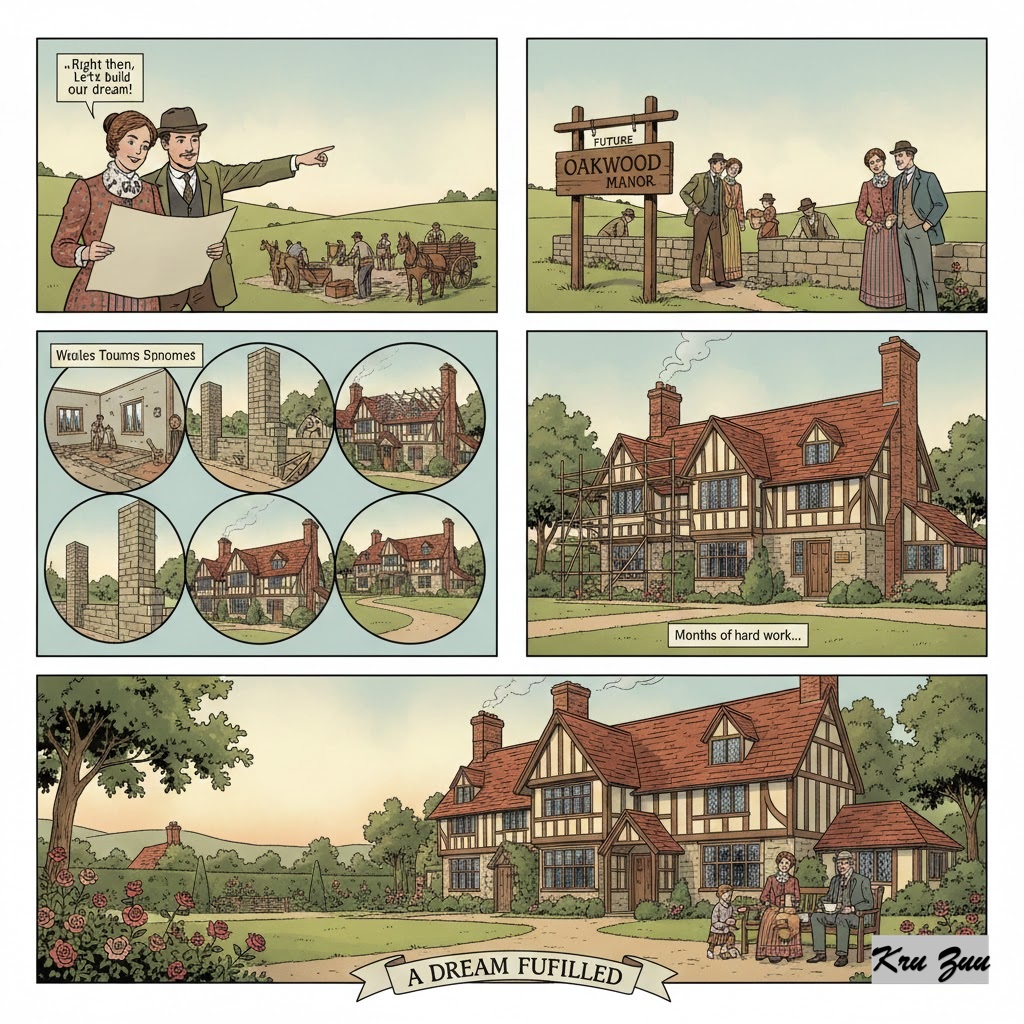
    A house is made of bricks and beams. A home is made of hopes and dreams. You can buy a house, but you must build a home.

    🧐 The Anatomy of the Proverb


    This is the ultimate idiom for belonging and comfort.


    Place (Noun): A particular position or point in space.


    Like (Preposition): Similar to; comparable to.


    Home (Noun): The place where one lives permanently, especially as a member of a family or household.


    Simpler Version: My home is the best place in the world.


    πŸ“š Vocabulary Vault


    Sanctuary (Noun):
    A place of refuge or safety. (Your bedroom is your sanctuary). 🏰


    Homesick (Adjective): Feeling sad because you are away from your home.


    Domestic (Adjective): Relating to the running of a home or to family relations.


    Belonging (Noun): An affinity for a place or situation.


    Comfort Zone (Noun): A place or situation where one feels safe or at ease. πŸ›‹οΈ


    🧠 Grammar Focus: “House” vs. “Home”


    English learners often confuse these two.


    House (The Building)
    Refers to the physical structure.
    Example: “I bought a new house.” (You bought the walls and the roof).
    Example: “My house is painted white.”


    Home (The Feeling/Location)
    Refers to the place where you live and feel an emotional connection. It can be a house, an apartment, or even a tent!
    Example: “I am going home.” (NOT: “I am going to home”).
    Example: “Make yourself at home.” (Relax).

    πŸ“œ History: The Ruby Slippers


    This phrase became legendary because of a movie.


    The Origin: The song “Home! Sweet Home!” (1823) made the sentiment popular, but…


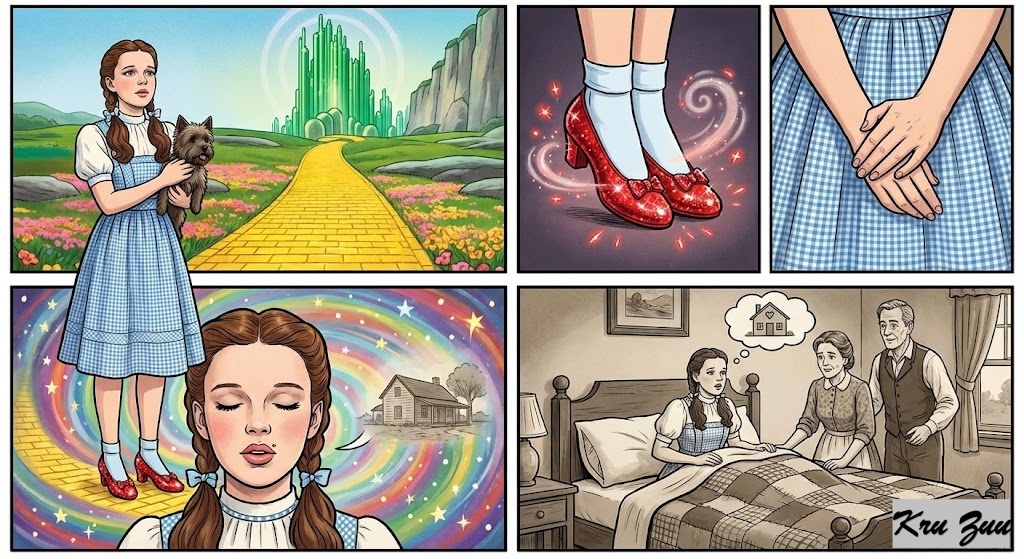
    The Explosion: The movie The Wizard of Oz (1939) made it iconic. The main character, Dorothy, is trapped in a magical land. To return to Kansas, she must click the heels of her ruby slippers three times and repeat: “There’s no place like home.”


    Global Cousins


    πŸ‡ΉπŸ‡· Turkish:
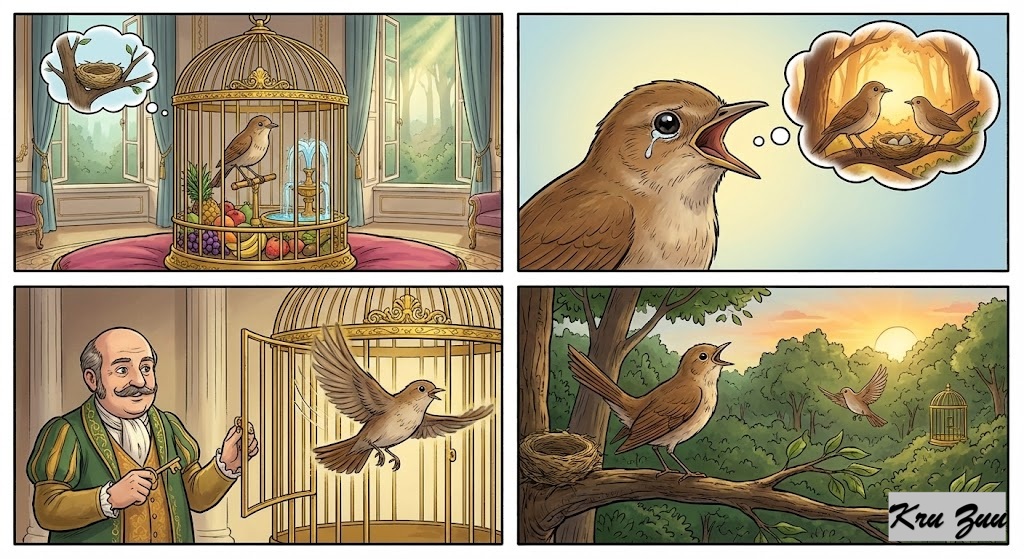
    “BΓΌlbΓΌlΓΌ altΔ±n kafese koymuşlar, ‘ah vatanΔ±m’ demiş.” (They put the nightingale in a golden cage, it cried ‘oh my homeland’.) OR “Evim gΓΌzel evim.”


    πŸ‡ͺπŸ‡Έ Spanish: “Hogar, dulce hogar.”

    🎭 Short Story: The Three Travelers


    Let’s meet three friends who thought the grass was greener on the other side.


    The Characters


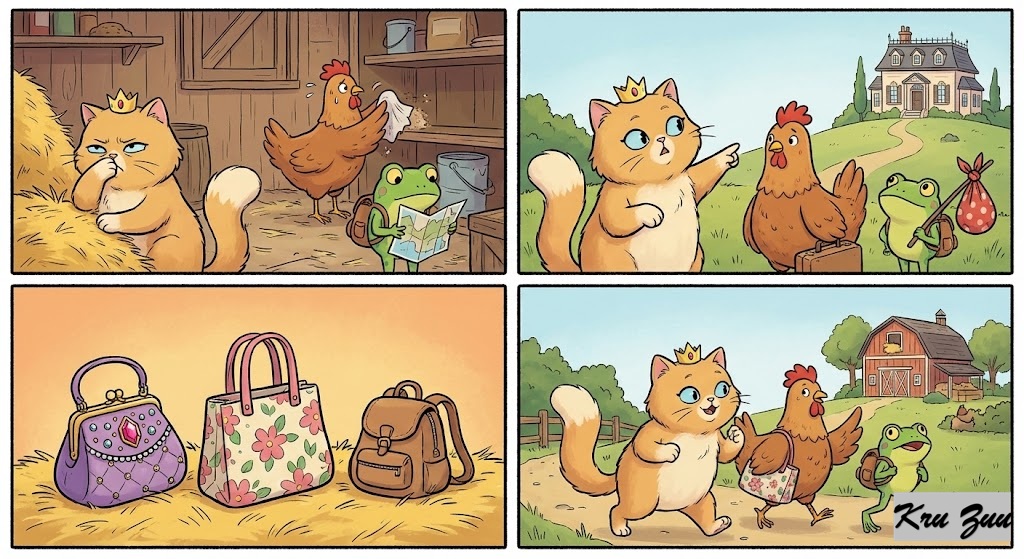
    🐱 Cleo the Cat:
    Fancy, proud, and easily bored.


    πŸ” Cluck the Chicken: Nervous but curious.


    🐸 Croak the Frog: Adventurous and loud.


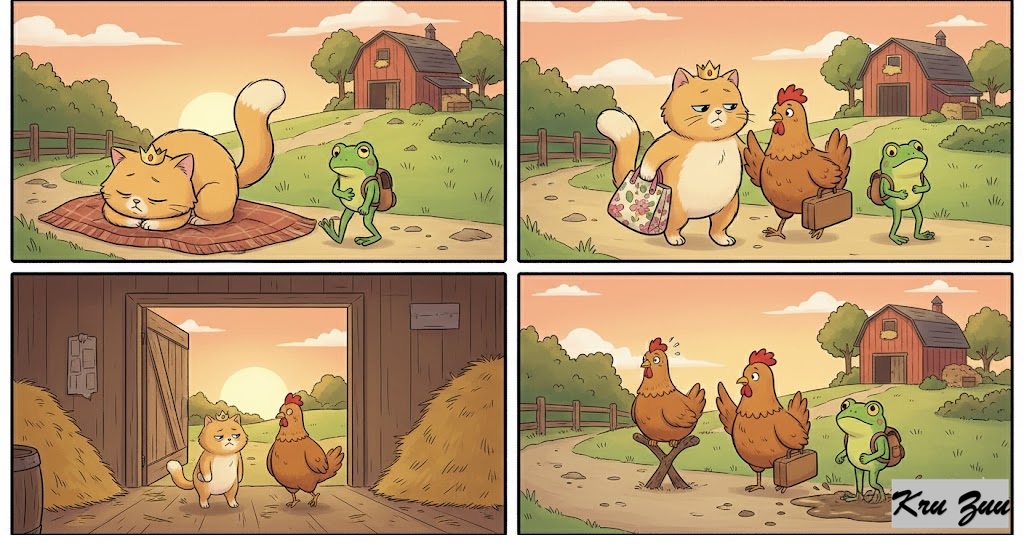
    The Setup: They lived on a cozy, messy farm. One day, Cleo said, “This barn smells like hay. I deserve luxury! Let’s find a better place.” Cluck and Croak agreed. They packed their bags.


    The Journey


    The 5-Star Hotel:
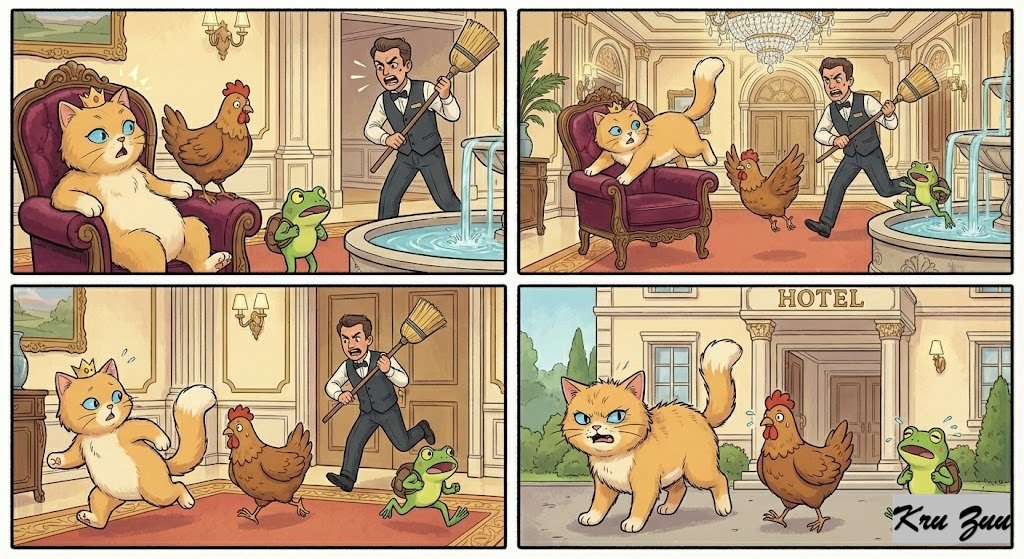
    They sneaked into a luxury hotel lobby.


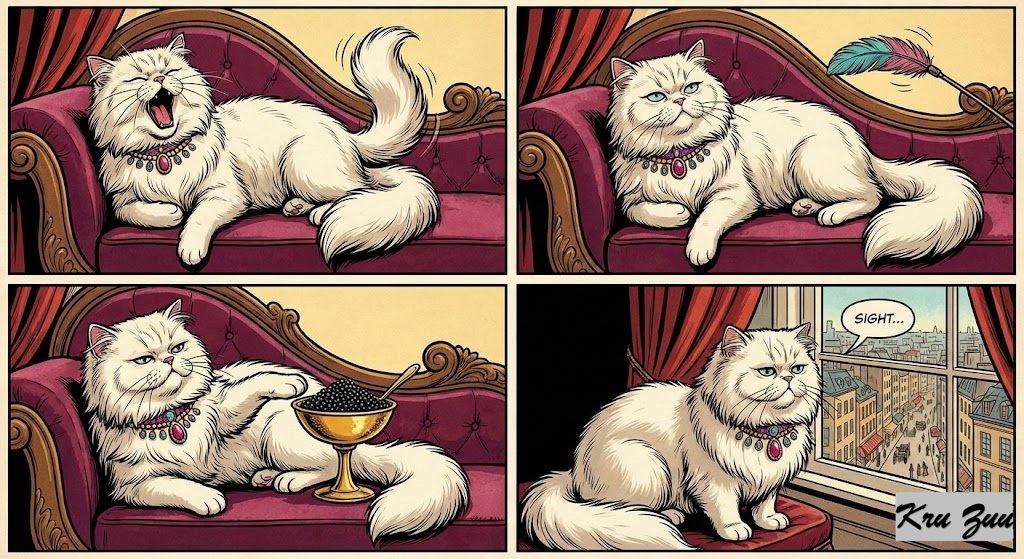
    Cleo loved the velvet chairs but panicked when the staff shouted, “No pets allowed!” and chased them with a broom. “Too stressful!” she hissed.


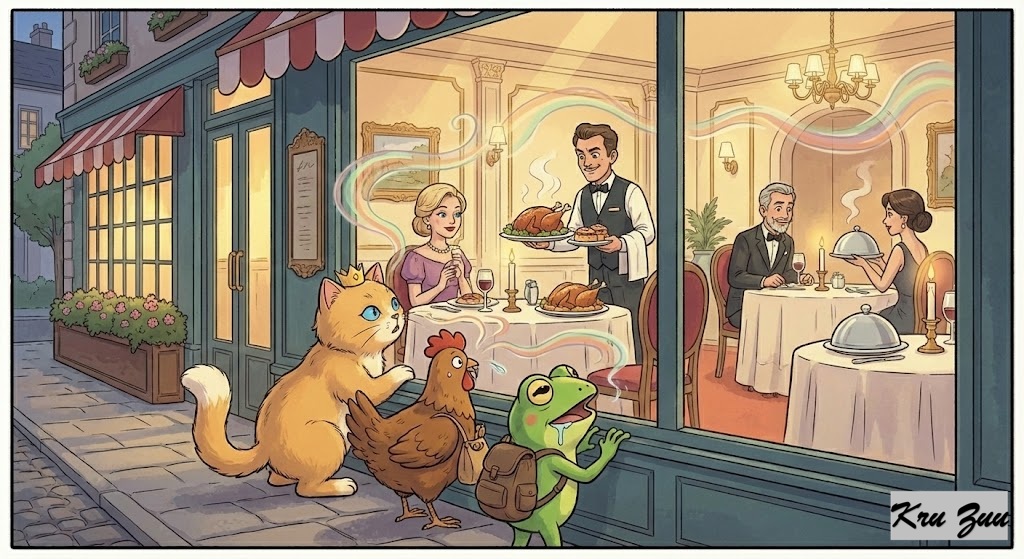
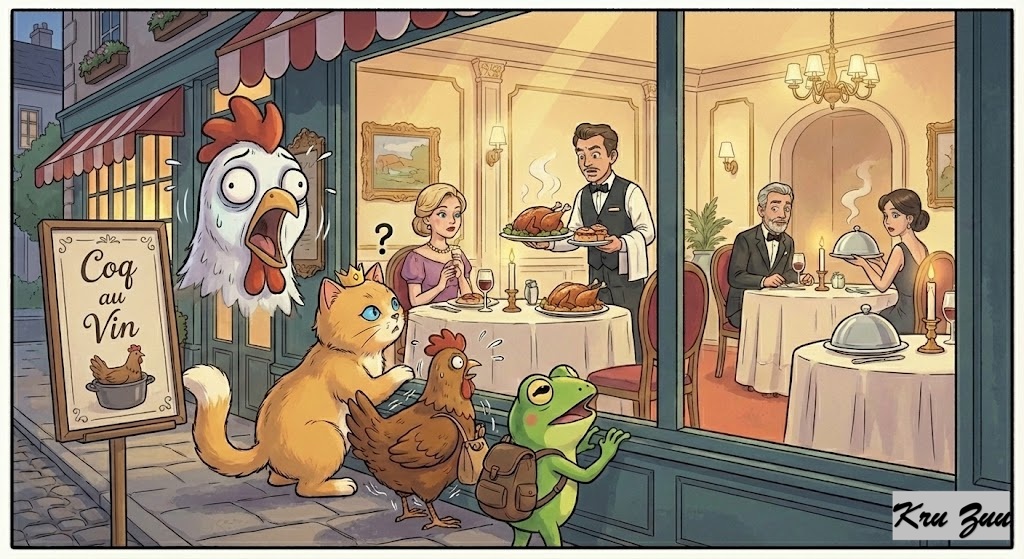
    The French Restaurant: They looked through the window. It smelled amazing.


    Cluck looked at the menu and saw Coq au Vin (Chicken with Wine). She turned pale. “I am not a guest here; I am dinner!” she screamed.


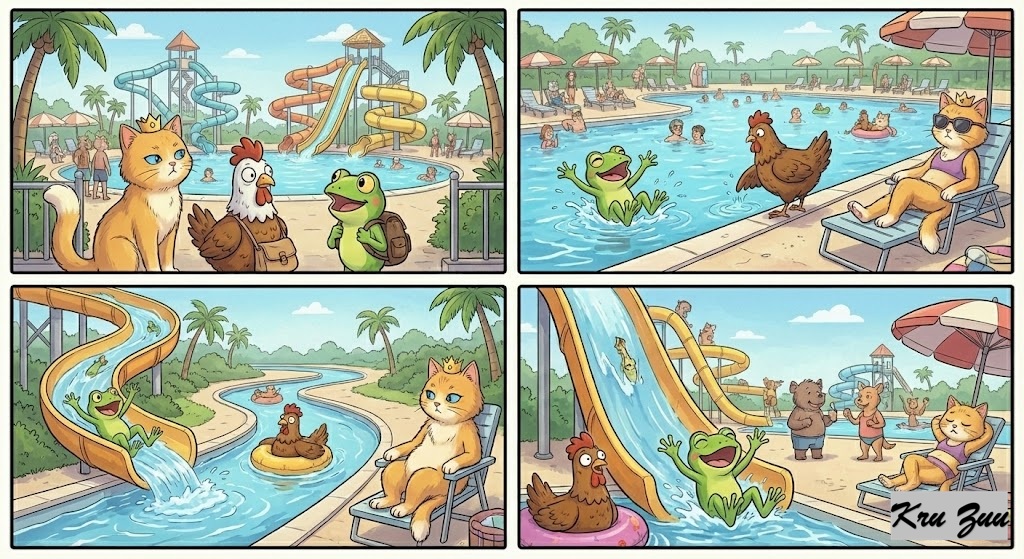
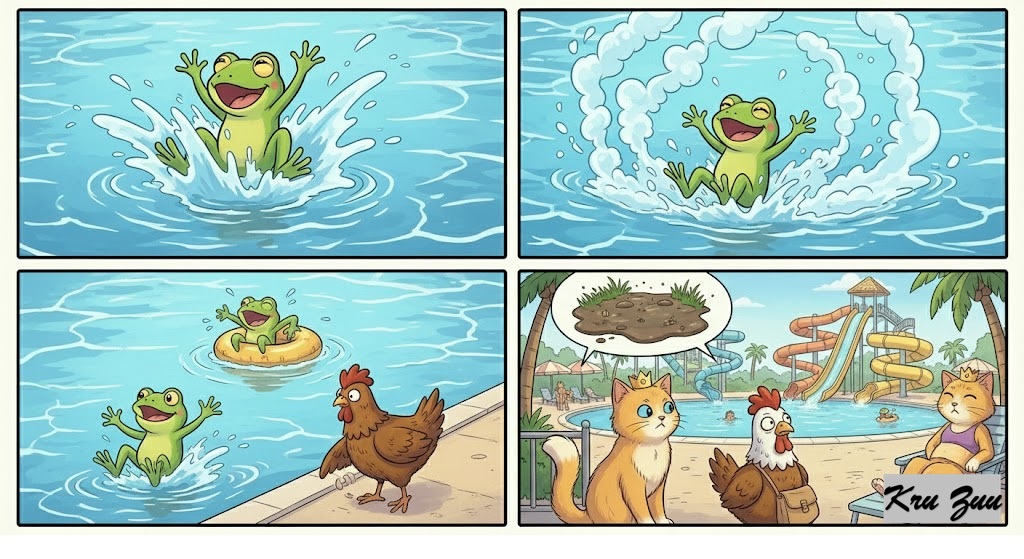
    The Water Park: They found a giant pool with slides.


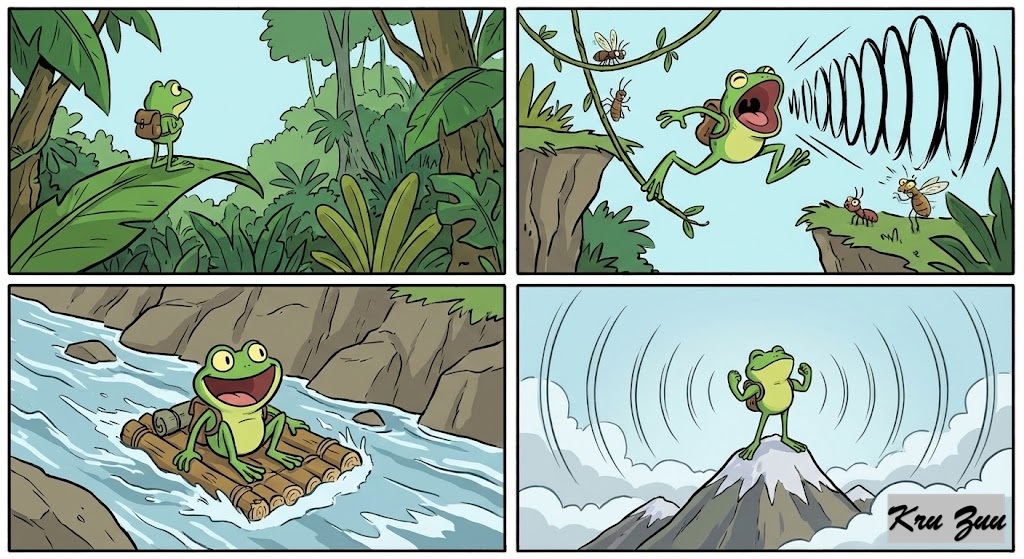
    Croak jumped in happily. But the water was full of chlorine chemicals, not tasty flies and mud. “It burns my skin! It’s too clean!” he croaked.


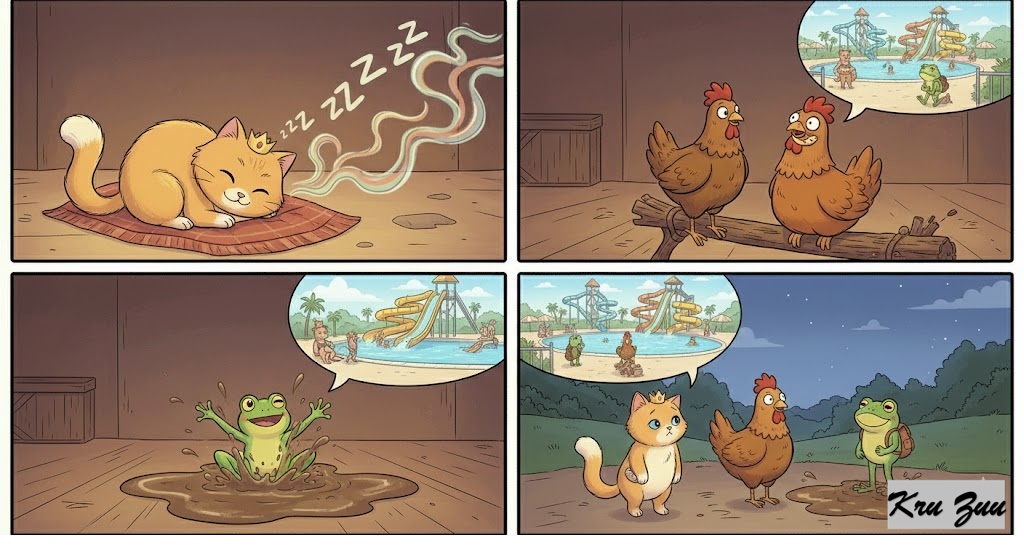
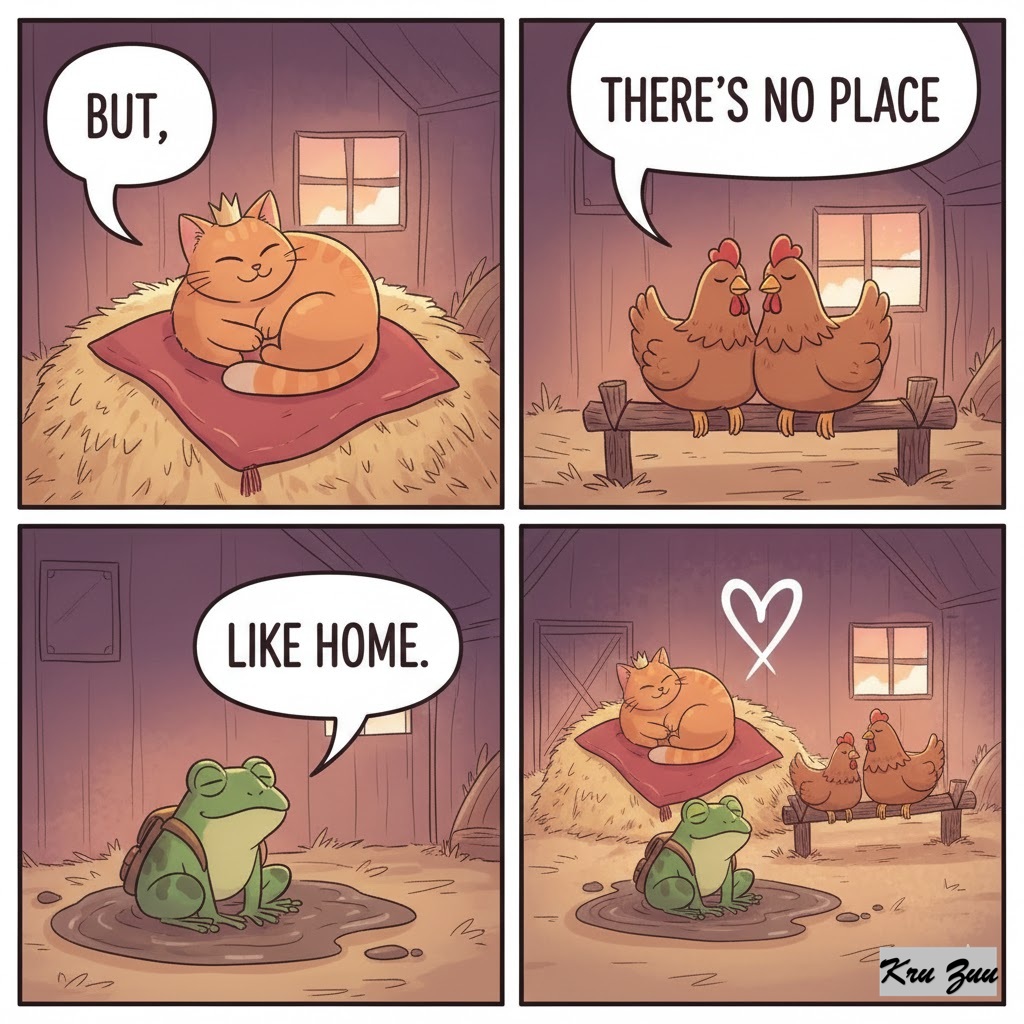
    The Return: Defeated, hungry, and tired, they walked back to the farm at sunset. They crawled into the old, smelly barn. Cleo curled up on a scratchy wool blanket. Cluck sat on her wooden roost. Croak jumped into his muddy puddle.


    Cleo purred louder than a tractor. “The hotel was rich,” Cleo said. “The restaurant was famous,” Cluck added. “The pool was big,” Croak noted.


    “But,” they said in unison, closing their eyes, “There’s no place like home.” 🏚️❀️

    πŸŽ“ Lesson for English Learners


    Build Your “English Home.”


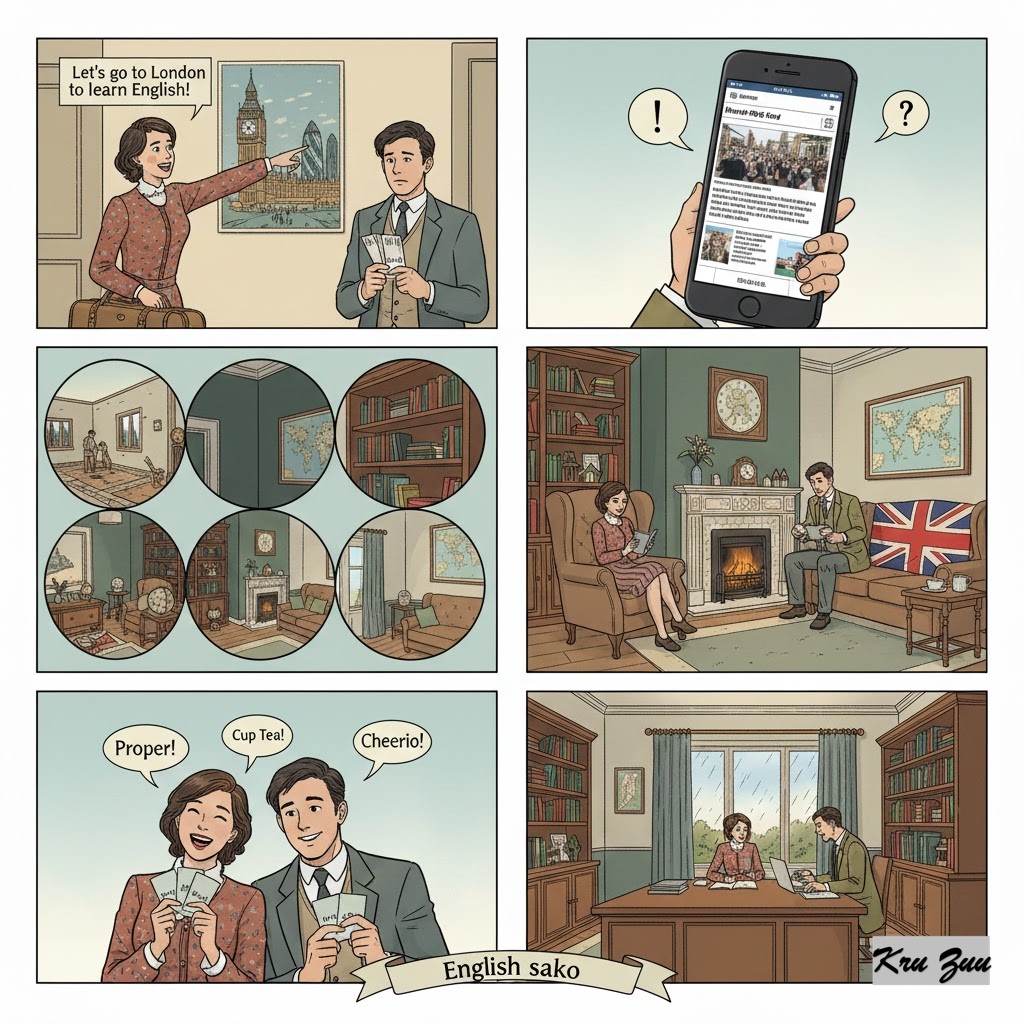
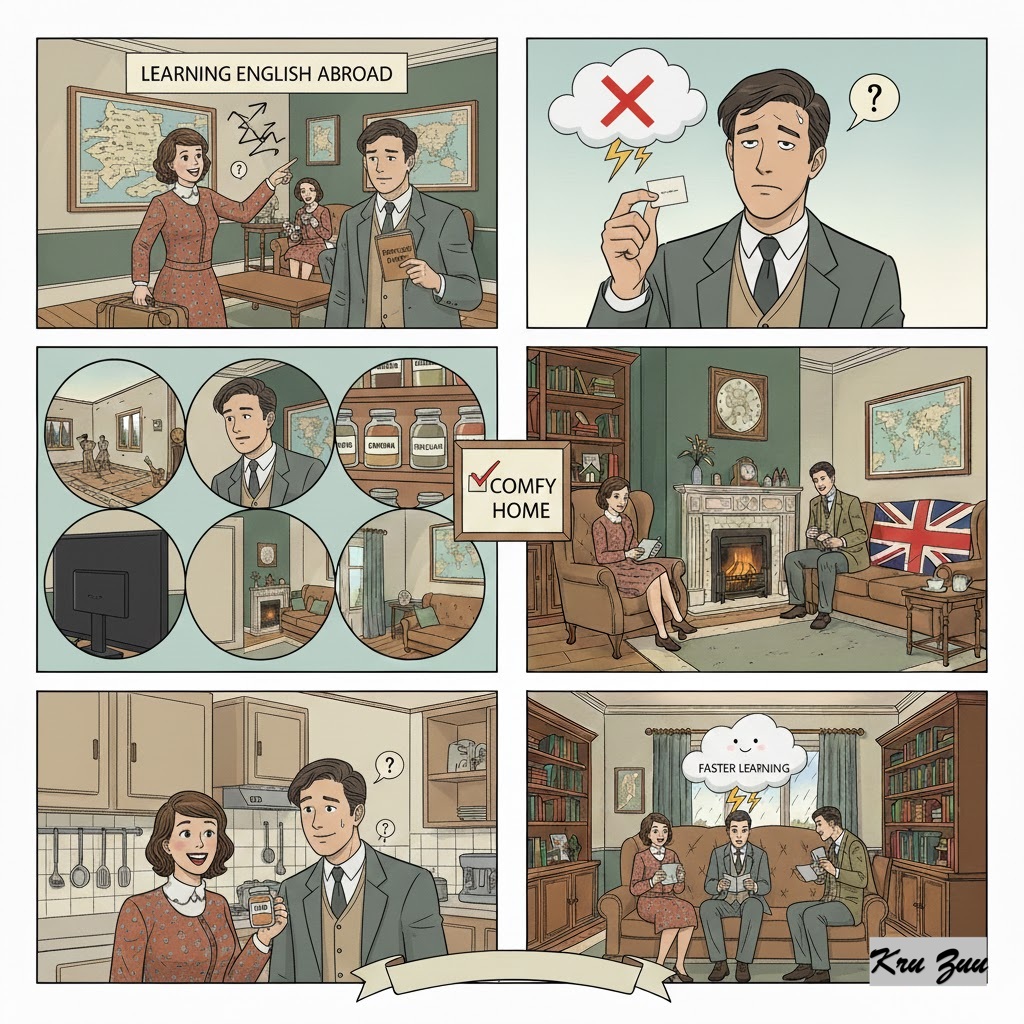
    Don’t wait to go to London or New York to learn English. That is the “Tourist” mindset. Build an English environment in your own home.


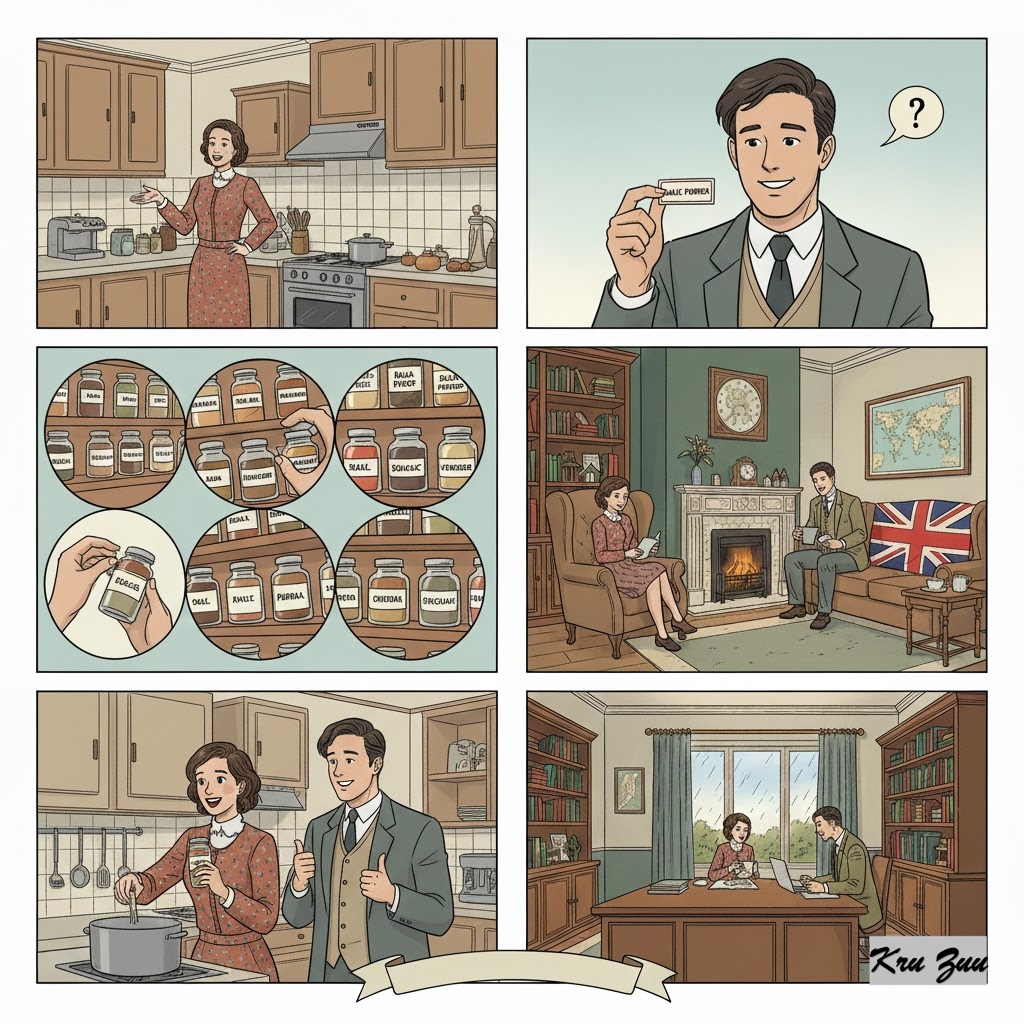
    The Kitchen:
    Label your spices in English.


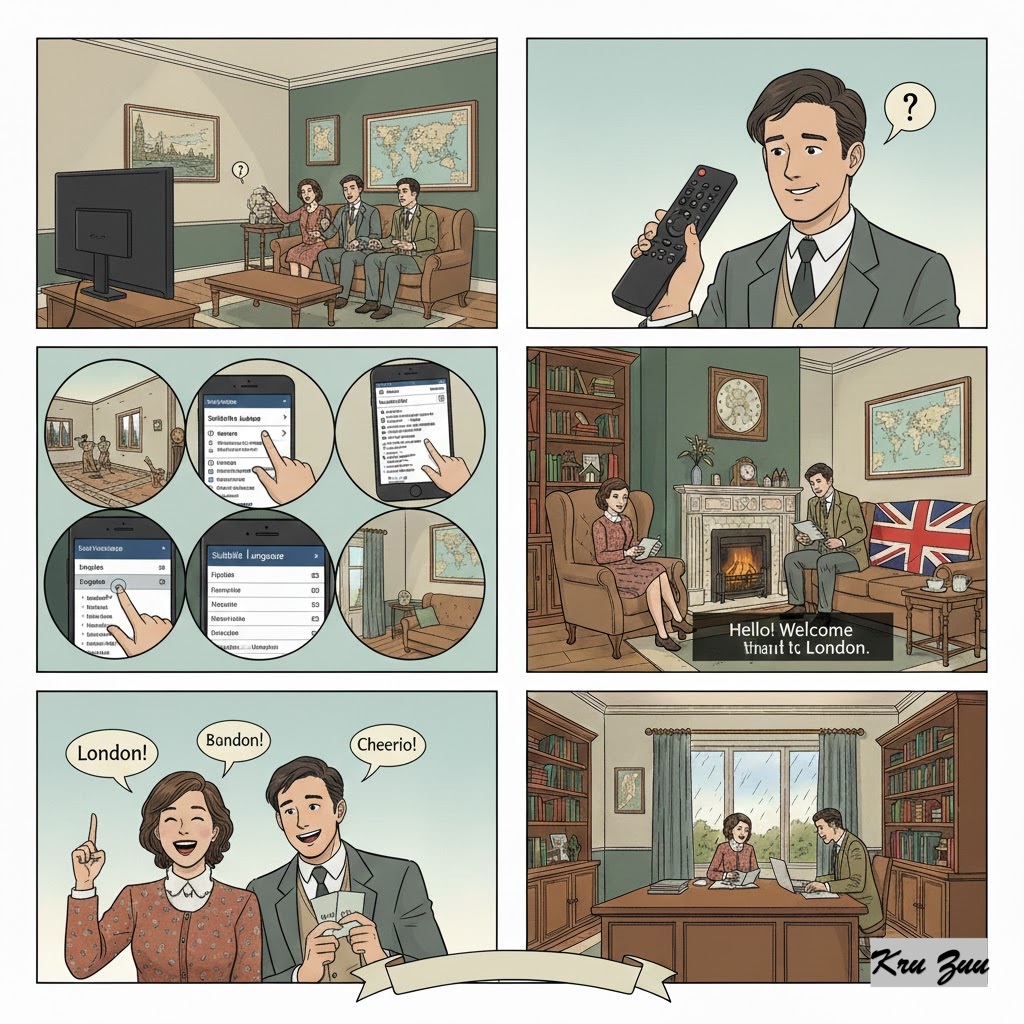
    The Living Room: Change your Netflix subtitles to English.


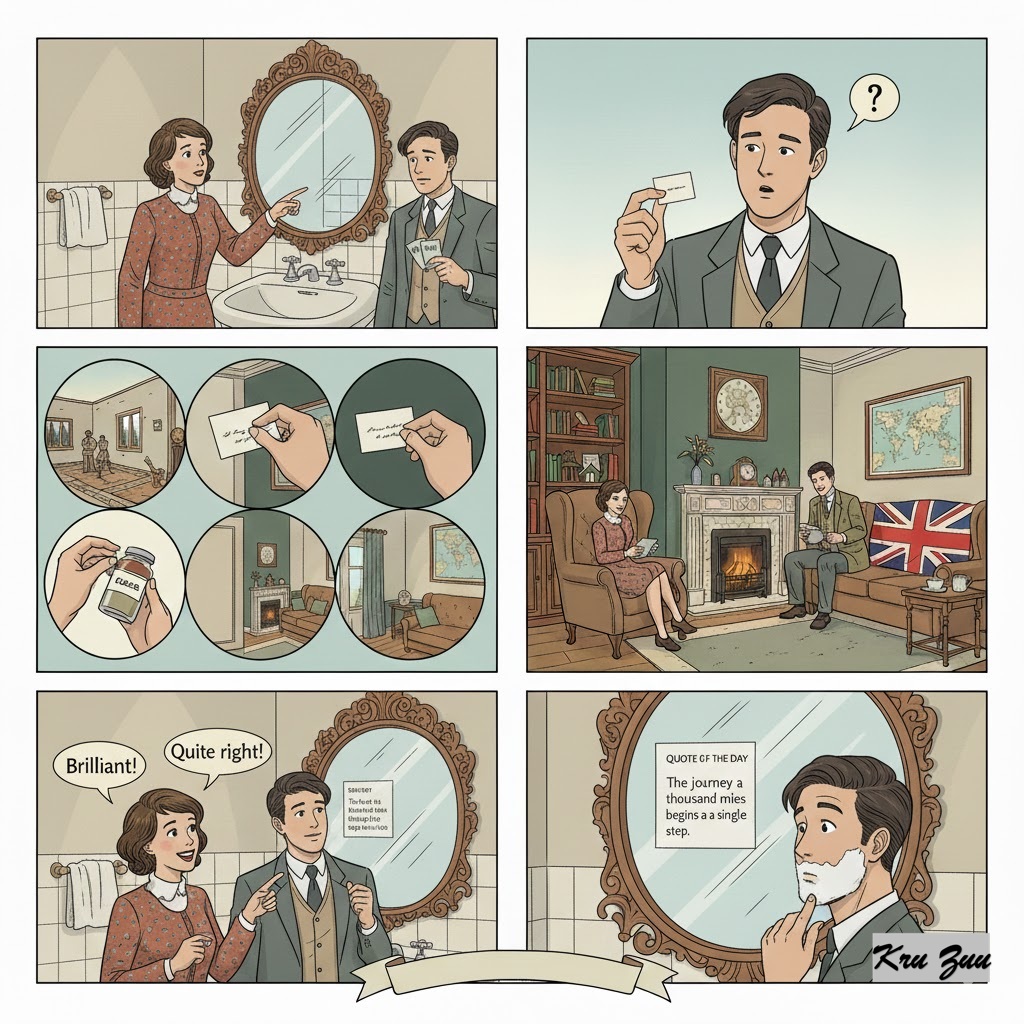
    The Mirror: Stick a “Quote of the Day” on your bathroom mirror.


    If you make English a part of your comfortable home life, you will learn faster than if you treat it like a stressful trip.


    πŸ’¬ Your Turn


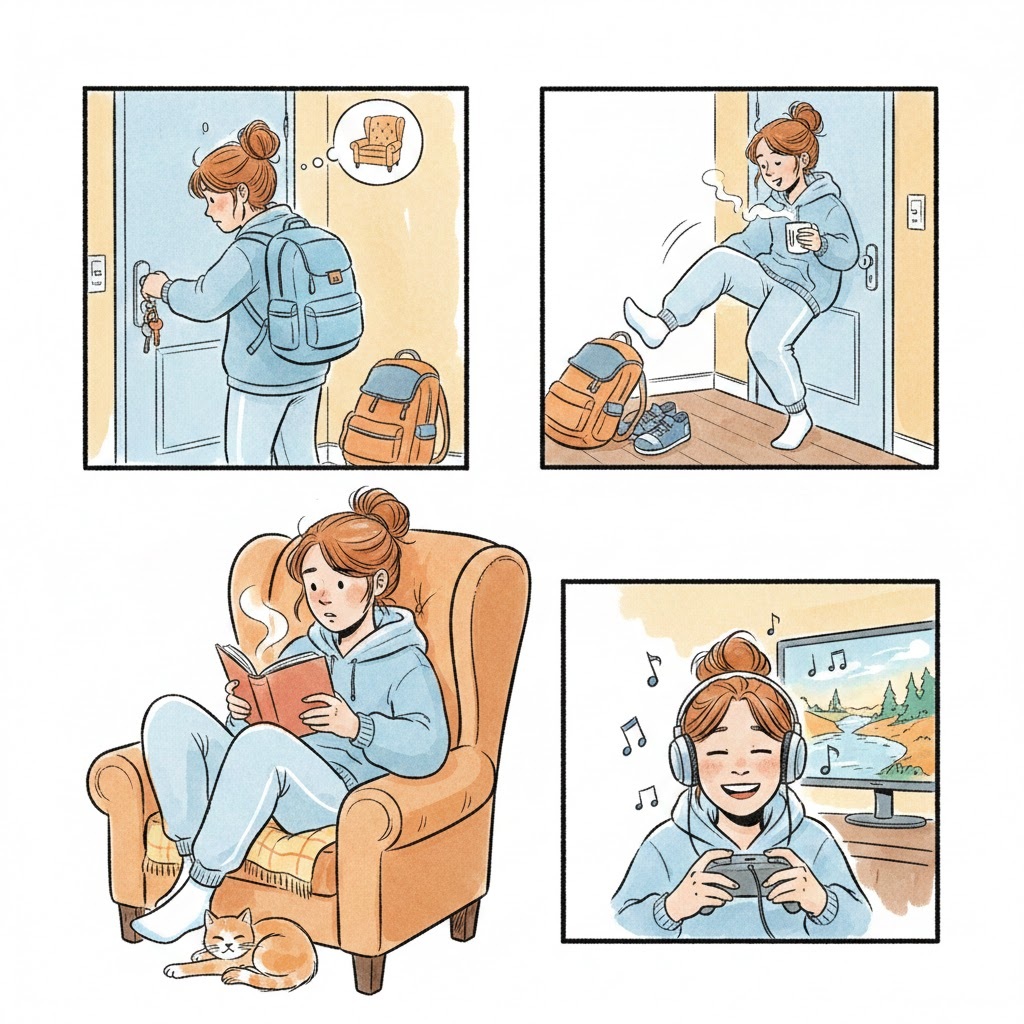
    We all have that one thing we love to do the moment we get home.


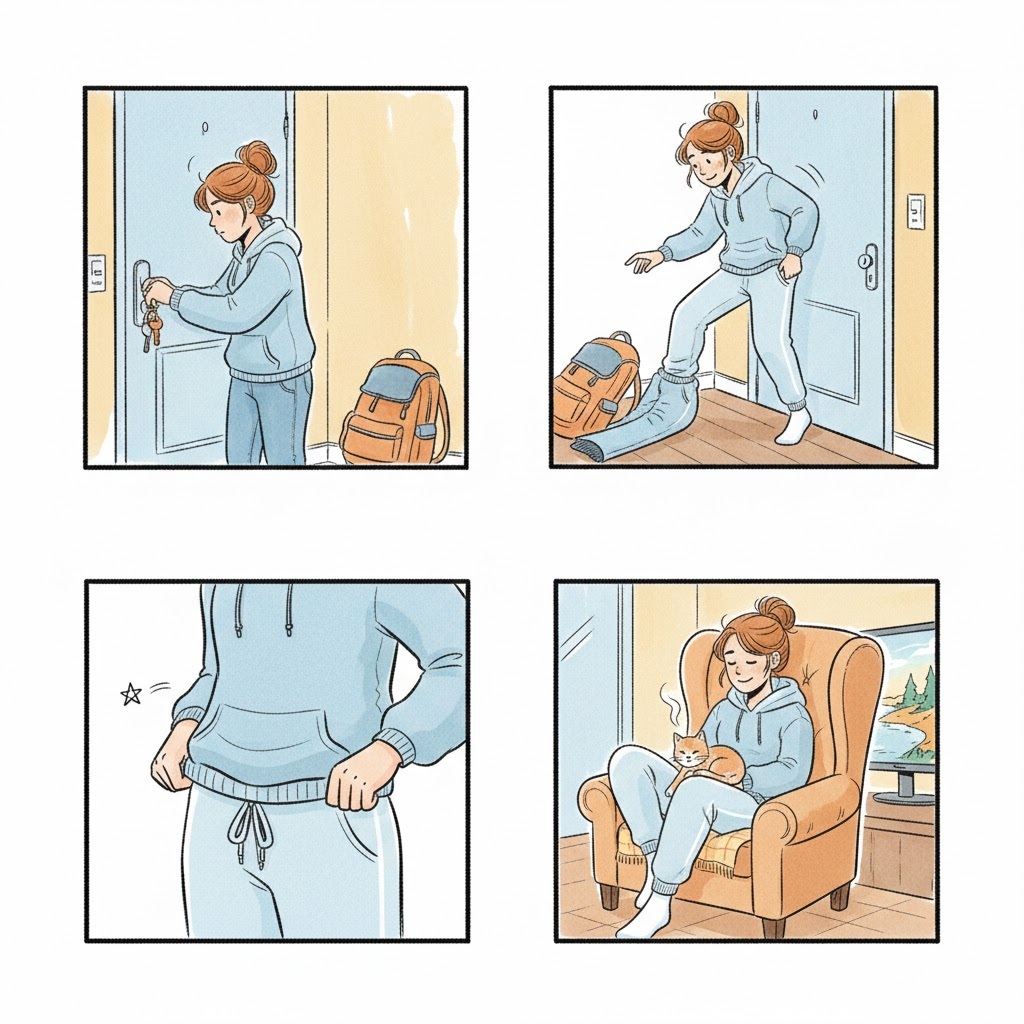
    Do you immediately put on sweatpants?


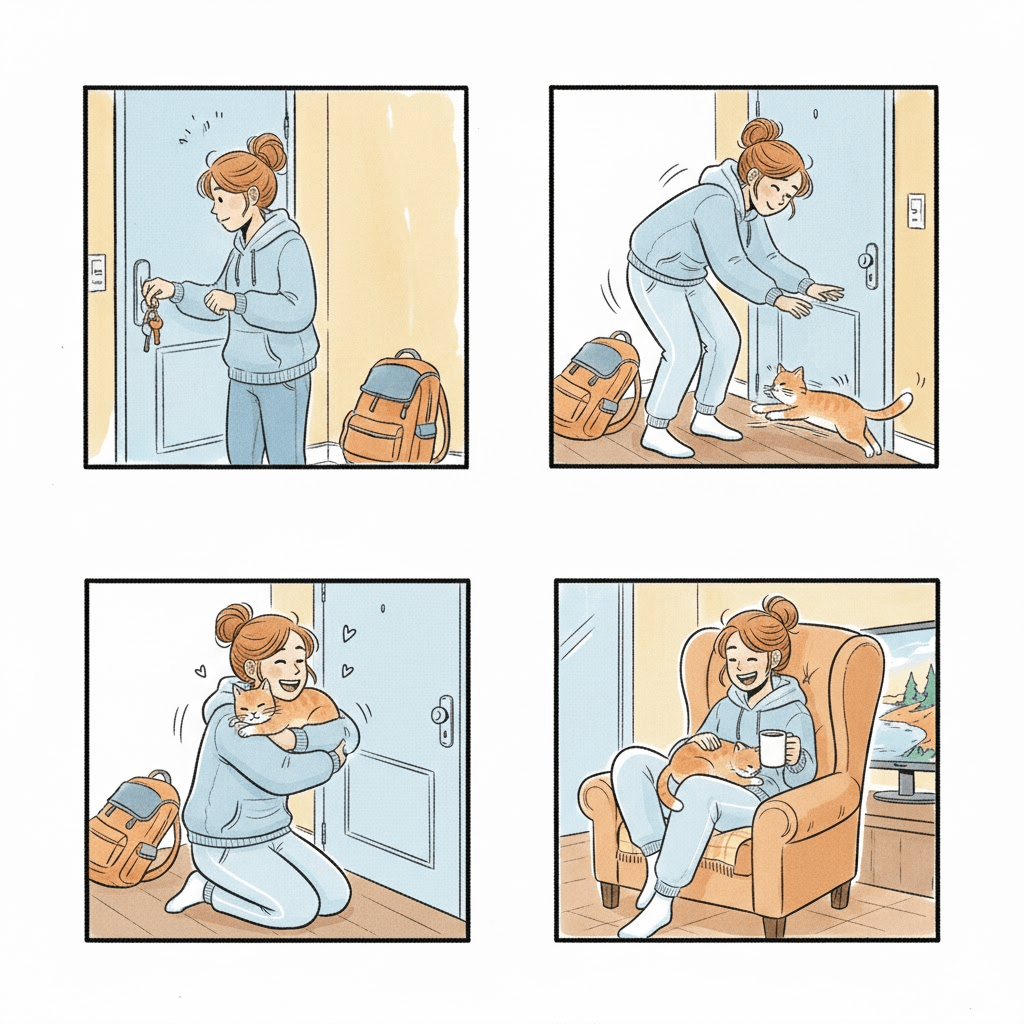
    Do you hug your pet?


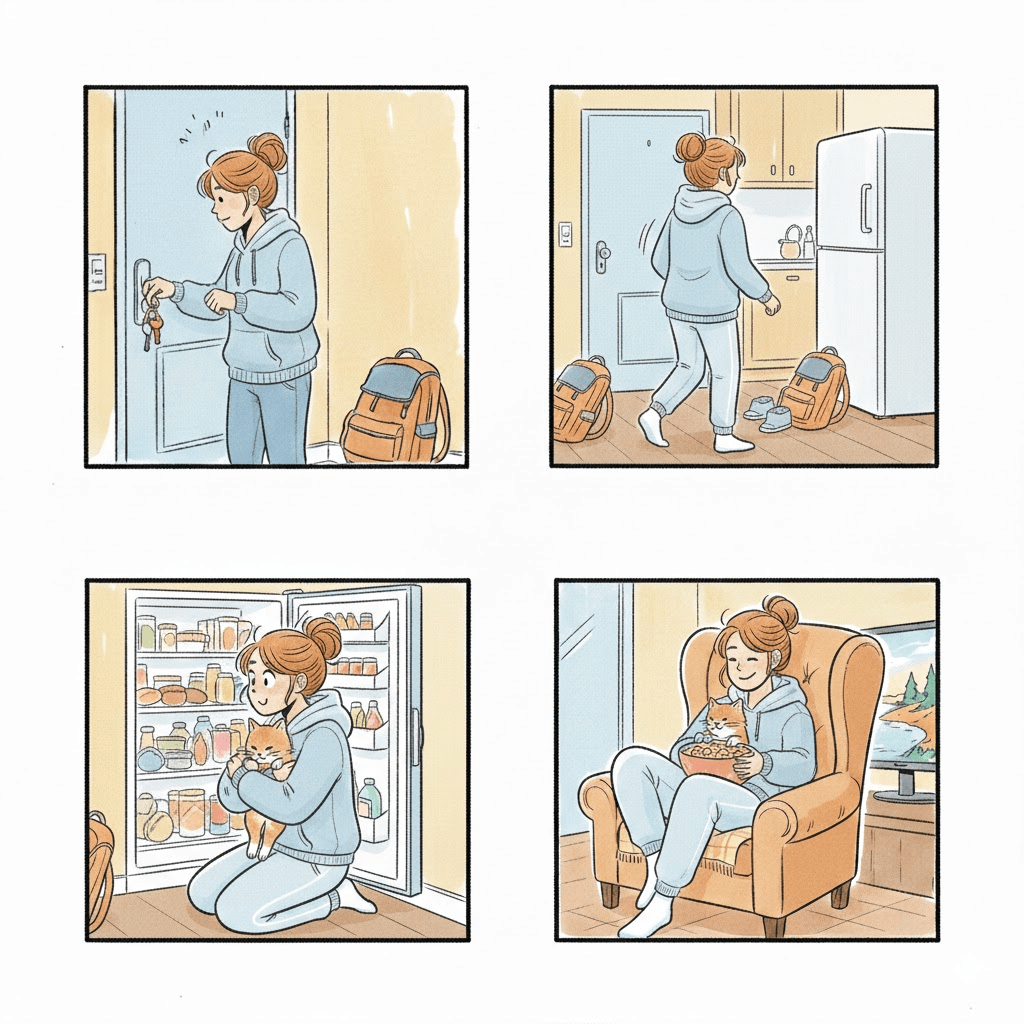
    Do you open the fridge?


    Tell us in the comments:
    What is the first thing you do when you walk through your door? πŸ‘‡

    By Zubeyir YURTKURAN

    https://www.facebook.com/BrainBattleground/

    https://www.facebook.com/zubeyr.yurtkuran/

    https://www.instagram.com/zubeyryurtkuran/
    https://www.youtube.com/@BrainBattleground-b3p

    https://www.instagram.com/brainbattleground/

  • 🌀️ The Silver Lining Effect: Finding Light in the Dark

    🌀️ The Silver Lining Effect: Finding Light in the Dark

    Every cloud has a silver lining.


    πŸ‘Ώ The Villain (The Pessimist): You lose your job unexpectedly.

    You panic. You spend weeks complaining, blaming your boss, and sleeping until noon.

    You tell everyone, “My life is over.”

    The Result? You miss new job openings because you are too busy being angry.

    Your friends stop calling because your negative energy drains them.

    You stare at the dark cloud so long that you get soaked by the rain. You drown in a puddle of your own making. 🌧️


    πŸ˜‡ The Hero (The Alchemist): You lose your job unexpectedly. It hurts, but you take a deep breath.

    You think, “I hated that commute anyway. Now I have time to take that coding course I always wanted.”

    The Result? Three months later, you launch a freelance business.

    You are making more money and working from home.

    Losing that job wasn’t a tragedy; it was the push you needed to fly.

    You didn’t just survive the storm; you used the water to grow a garden. 🌻


    βš–οΈ The Reality:
    Life is not a weather report you can control.

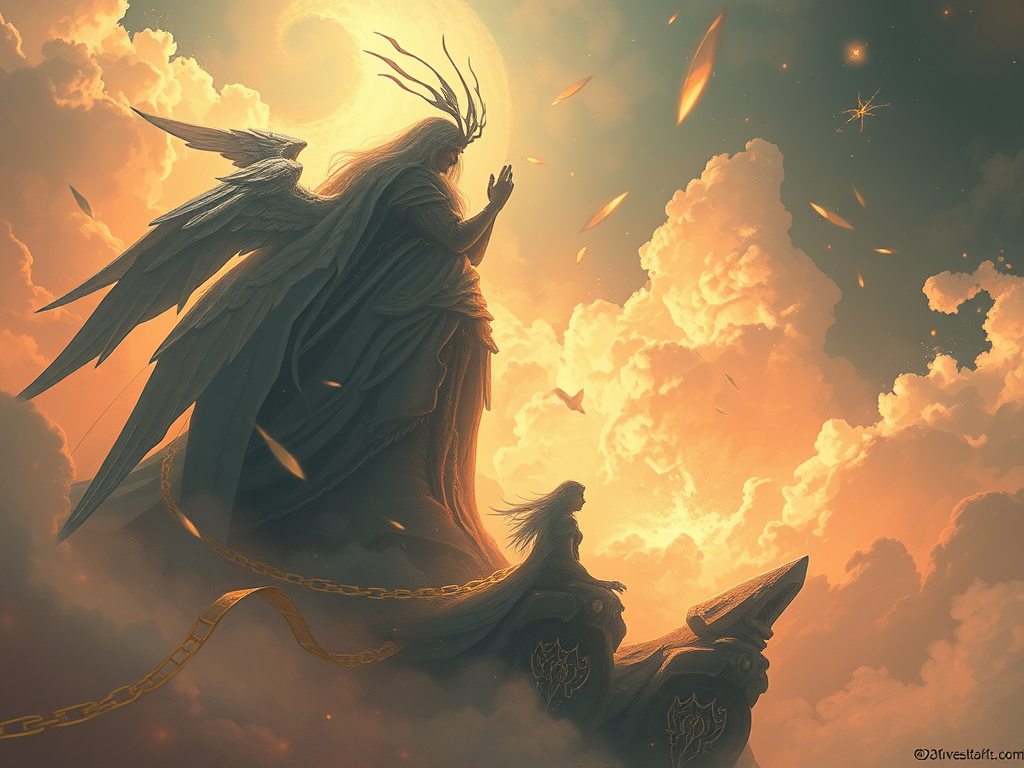
    Storms will happen. But the sun never actually leaves; it is just temporarily hidden.

    πŸ’Ž The Secret: The “bad thing” is often the transportation system for the “good thing.” Without the dark background, the stars cannot shine.

    🧐 The Anatomy of the Proverb


    This is the ultimate phrase for Optimism. It reminds us that even the worst situations (clouds) have a positive aspect or a hopeful side (the silver lining).


    Cloud: Represents trouble, sadness, or difficulty.


    Silver Lining: Represents the sun shining from behind the cloud, creating a glowing, bright edge. (Hope/Advantage).


    πŸ“š Vocabulary Vault


    Optimist (Noun):
    A person who tends to look on the more favorable side of events. πŸ˜ƒ


    Pessimist (Noun): A person who tends to see the worst aspect of things. ☹️


    Resilience (Bonus Word): The capacity to recover quickly from difficulties; toughness.


    Setback (Noun): A reversal or check in progress (a minor problem).


    Blessing in Disguise (Idiom): Something that seems bad at first but results in something good.


    🧠 Grammar Focus


    “Every” + Singular Noun vs. Plural Meaning This is a common trap for students! Even though “Every” talks about all the clouds, we treat it grammatically as a single unit.


    Subject: [Every cloud]


    Verb: [has] (Third Person Singular)


    Object: [a silver lining]


    Incorrect: Every clouds have a silver lining. ❌
    Incorrect: Every cloud have a silver lining. ❌
    Correct: Every cloud has a silver lining. βœ…

    πŸ“œ History: Origin and Spread


    This poetic phrase wasn’t invented by a philosopher, but by a poet.


    The Origin: It comes from John Milton’s masque “Comus” (1634).

    He wrote: “Was I deceived, or did a sable cloud / Turn forth her silver lining on the night?”


    The Evolution: In the Victorian era, people shortened it to the proverb we use today to cheer each other up during hard times.


    Global Cousins:


    πŸ‡ΉπŸ‡· Turkish:
    “Her şerde bir hayΔ±r vardΔ±r.” (There is good in every evil/bad thing.)


    πŸ‡ͺπŸ‡Έ Spanish: “No hay mal que por bien no venga.” (There is no bad from which good does not come.)


    πŸ‡©πŸ‡ͺ German: “Auf Regen folgt Sonnenschein.” (After rain follows sunshine.)


    πŸ‡―πŸ‡΅ Japanese: “Saiou ga uma.” (The story of the old man’s horse, bad luck leads to good luck.)

    🎯 Impact on Life: The Pros & Cons


    Is this toxic positivity, or a survival strategy?


    βœ… The Pros (The Shield):


    Mental Health:
    It reduces anxiety. Instead of focusing on “Why me?”, you focus on “What now?”


    Problem Solving: When you look for the silver lining, you stop freezing and start acting.


    Grit: It helps you endure pain because you believe there is a purpose to it.


    ❌ The Cons (The Trap):


    Invalidation:
    Telling someone who just lost a loved one “Every cloud has a silver lining” is rude. Sometimes, people just need to be sad.


    Denial: If you only look at the bright side, you might ignore a serious problem that needs fixing.

    🎭 Short Story: The Ruined Picnic


    Let’s visit our trio: Penny, Fiona, and Max.


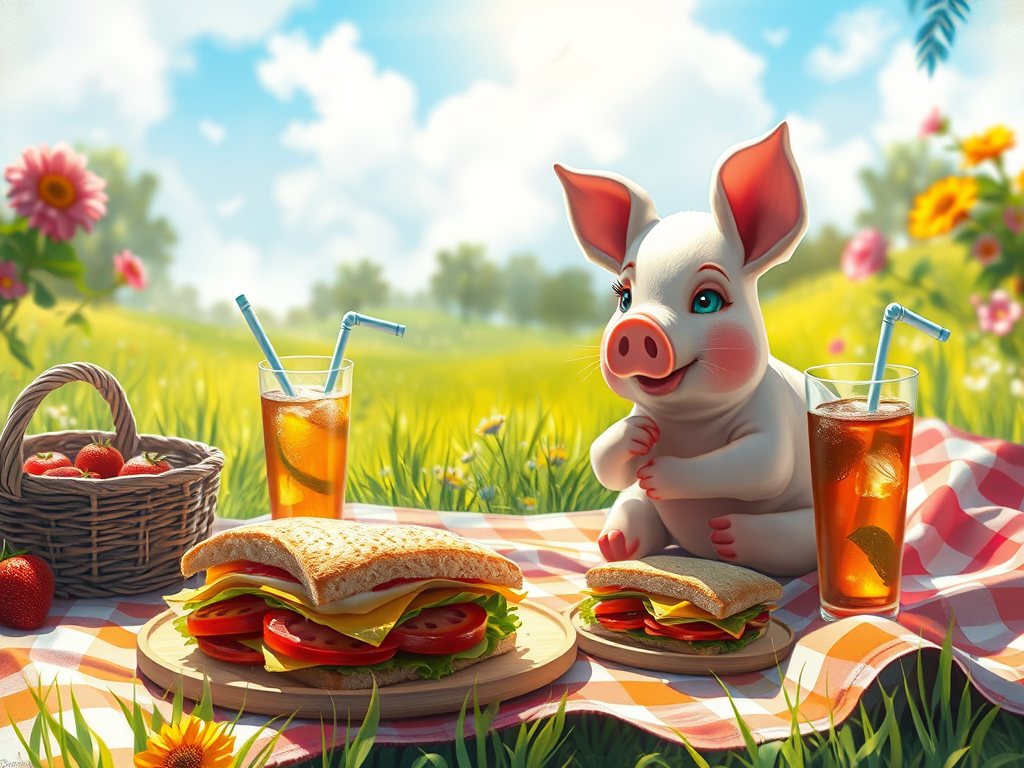
    🌟 The Setup: Penny the Pig had organized the “Perfect Picnic.” She had sandwiches, iced tea, and a beautiful blanket.

    Fiona the Fox and Max the Mouse were excited. “It’s going to be a beautiful day!” Penny(PIG) squealed.


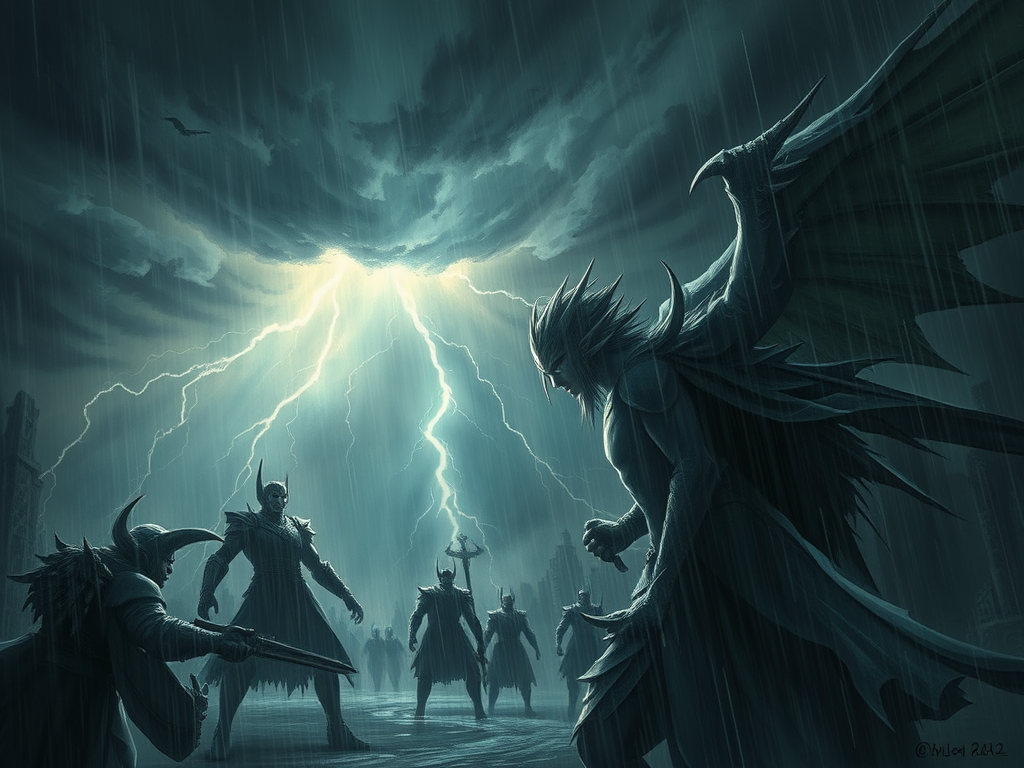
    The Conflict: As soon as they sat down… KABOOM! Thunder crashed. The sky turned black, and rain poured down instantly.

    “My sandwiches!” cried Penny. “My fur!” cried Fiona.

    The picnic was ruined. They grabbed the wet food and ran into a nearby dark cave for shelter. β›ˆοΈ


    The Action: Penny was crying. “This is a disaster.” But Max, being small and curious, saw something glowing at the back of the cave.

    “Hey guys, look at this!” he squeaked. They walked deeper into the cave.

    The walls were covered in glow-worms that looked like a magical starry night sky. It was breathtakingly beautiful. ✨


    The Climax: They sat on the dry rocks, ate their slightly soggy sandwiches, and watched the magical light show of the glow-worms.

    They told ghost stories and laughed louder than they would have outside.


    The Moral: If it hadn’t rained, they never would have found the magical cave.

    The storm (the cloud) led them to the most beautiful memory of the summer (the silver lining).

    πŸŽ“ Lesson for English Learners


    How to use this phrase naturally.


    Consoling a Friend (Professional Failure) πŸ’Ό


    Situation:
    Your friend didn’t get the promotion they wanted.


    You say: “I know it hurts, but maybe every cloud has a silver lining. This might be the sign you needed to apply for that better company in the city.”


    Reframing a Bad Day 🚌


    Situation:
    You missed your bus and had to walk.


    You say: “Well, I missed the bus, but every cloud has a silver lining; at least I got my 10,000 steps in for the day!”


    Vocabulary Expansion πŸ“š


    To Look on the Bright Side:
    To find the good in a bad situation.


    To Make Lemonade out of Lemons: To turn a difficulty into an opportunity.


    Weather the Storm:
    To endure a difficult situation until it improves.


    πŸ’¬ Your Turn


    The “Hidden Gem” Challenge πŸ’Ž


    Let’s practice gratitude.


    The Cloud:
    Think of a time something “bad” happened to you (a breakup, a firing, a missed flight).


    The Silver Lining: What good thing happened because of that bad event? Did you meet someone new? Did you learn a lesson?


    Action Step:
    Next time you complain today (about the traffic, the weather, or work), immediately add “…but the silver lining is…” and finish the sentence.


    Question: What is the biggest “Blessing in Disguise” you have ever experienced? Tell us your story in the comments! πŸ‘‡

    By Zubeyir YURTKURAN

    https://www.facebook.com/BrainBattleground/

    https://www.facebook.com/zubeyr.yurtkuran/

    https://www.instagram.com/zubeyryurtkuran/
    https://www.youtube.com/@BrainBattleground-b3p