Tag: relationships

  • 🐆 The Daily Shield: The Law of True Nature

    🐆 The Daily Shield: The Law of True Nature

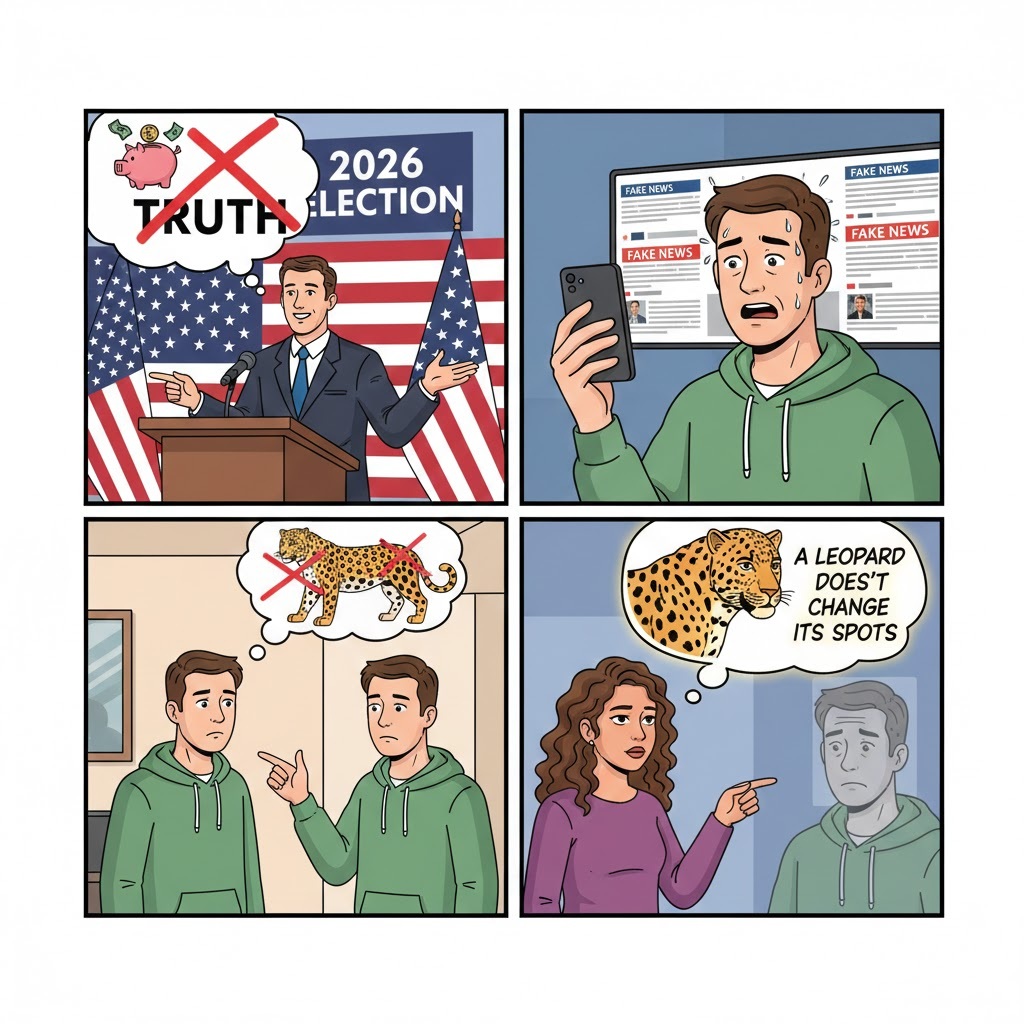
    “A leopard doesn’t change its spots.”


    😈 The Villain (The Wishful Thinker)

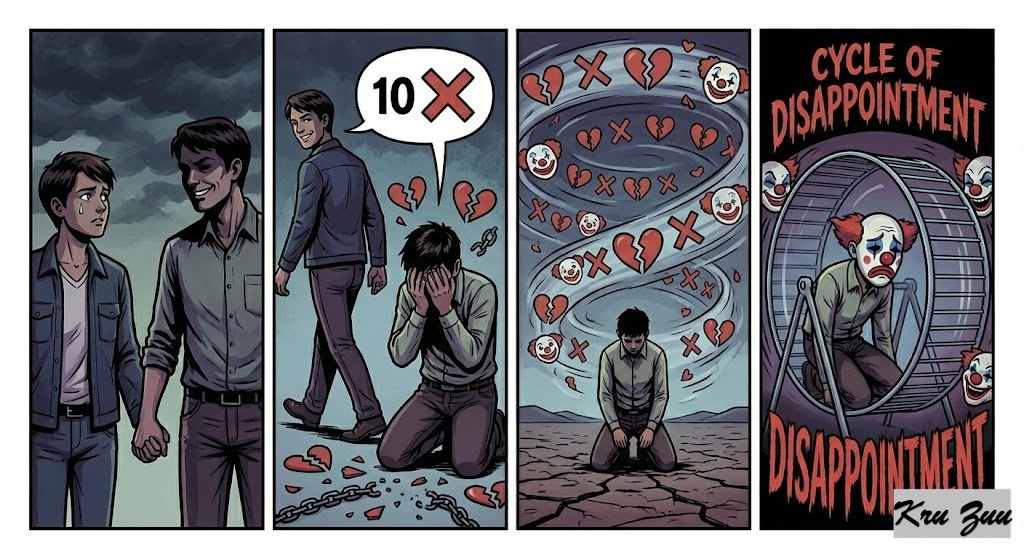
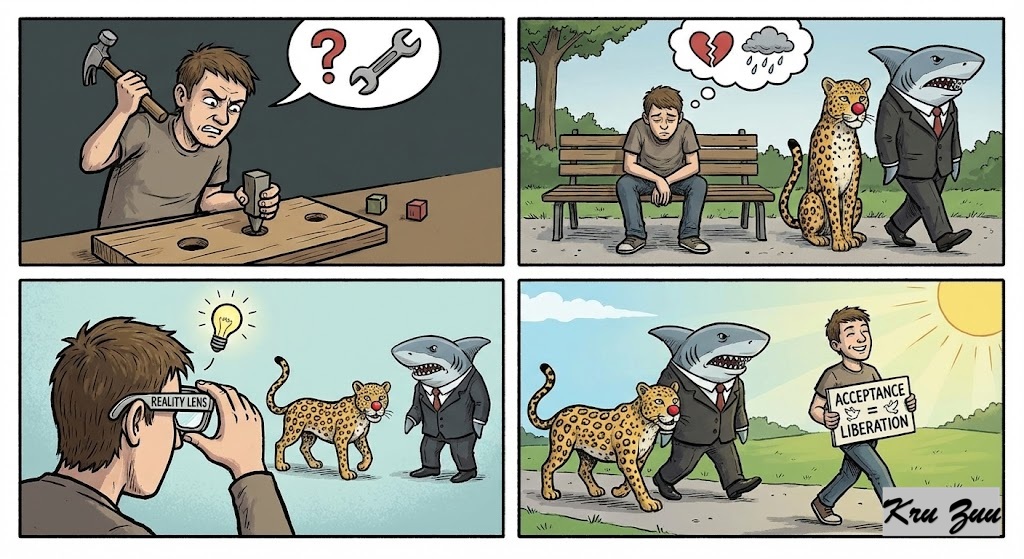
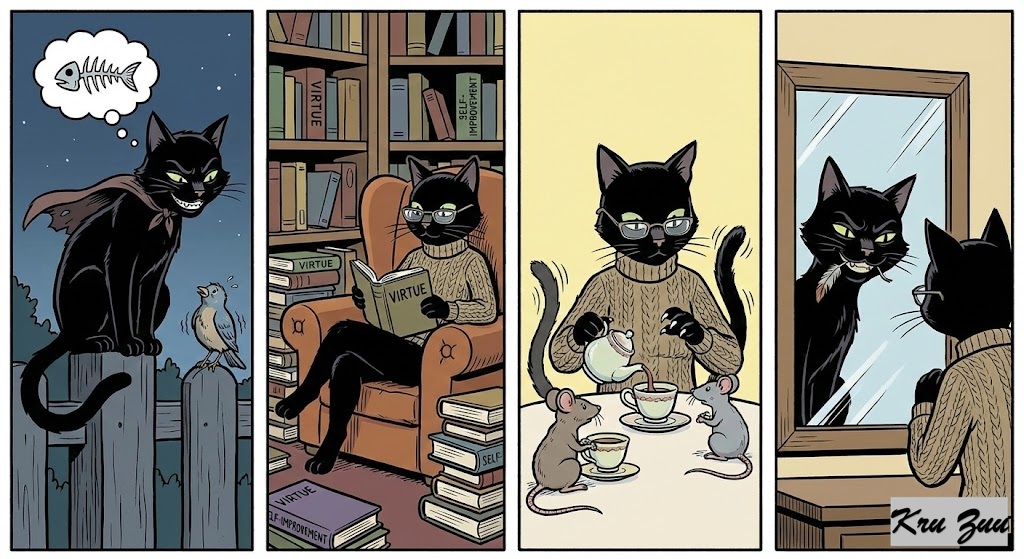
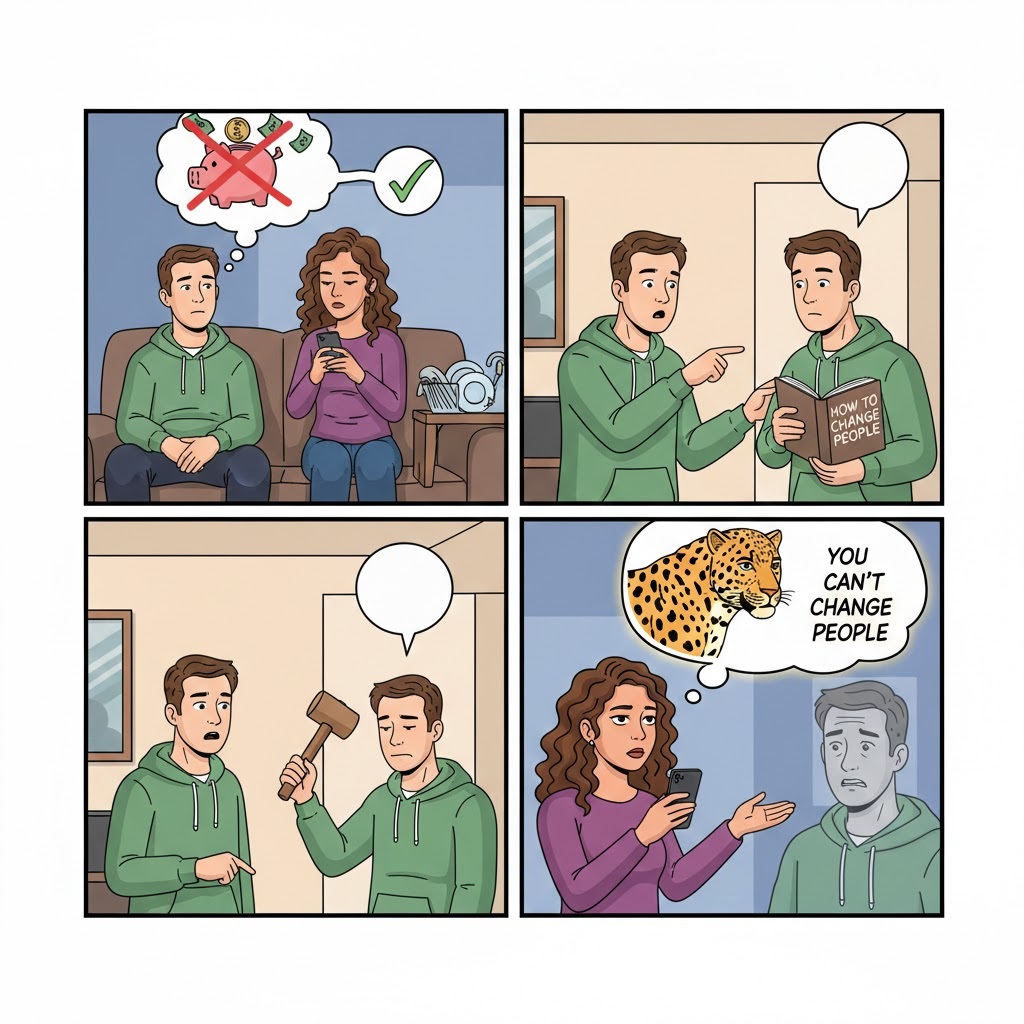
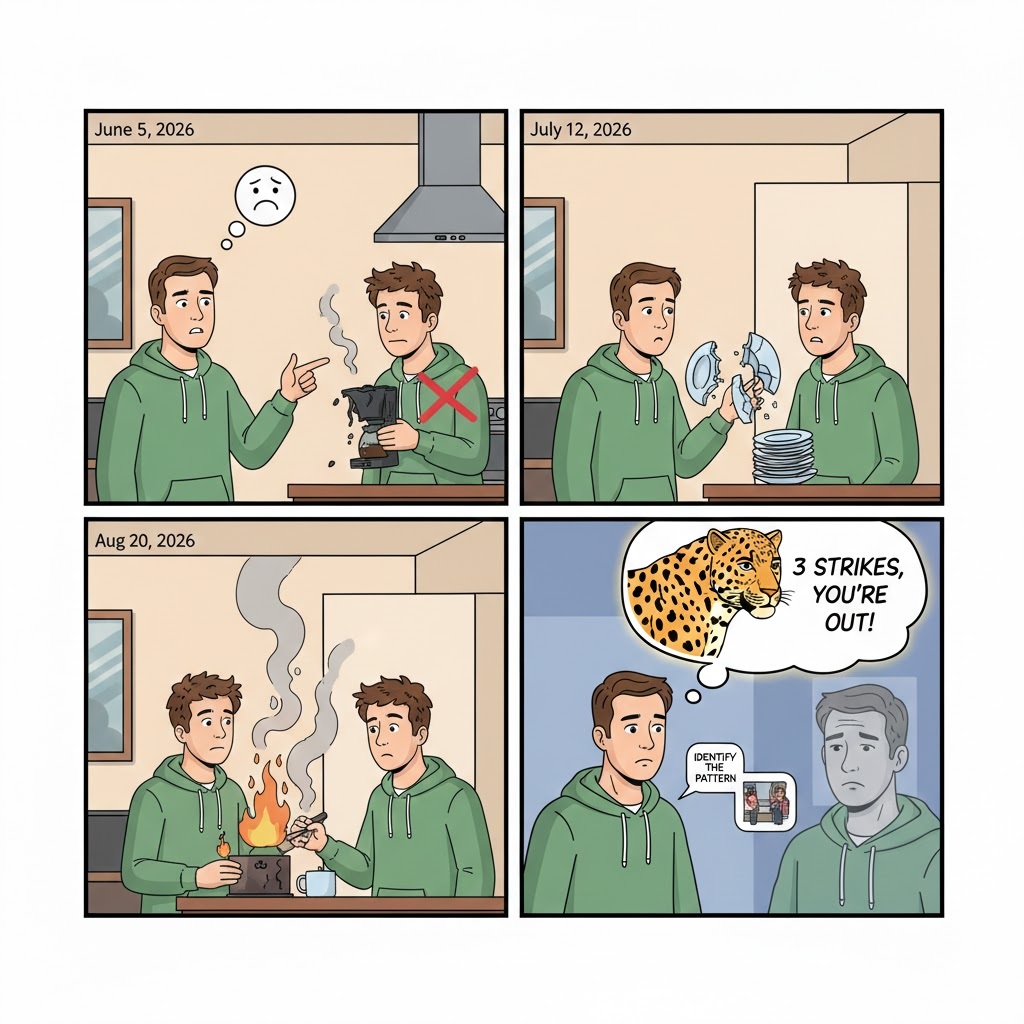
    You meet someone who has lied to you three times. They apologize and say, “I’ve changed! It won’t happen again.” What do you do? You believe them. You think you can “fix” people. You think your love or logic is strong enough to rewrite someone’s personality.
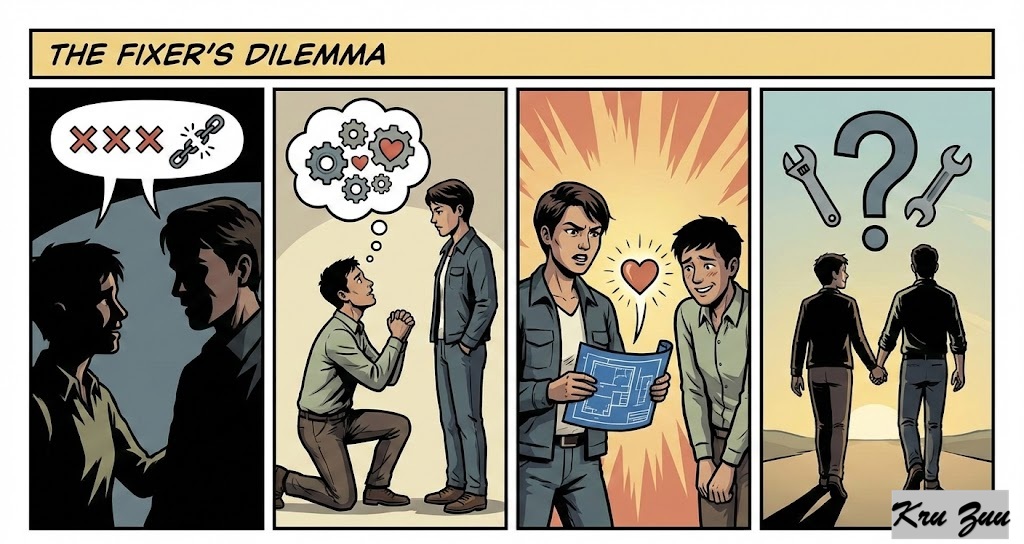
    The Result? You get hurt again. You feel betrayed by the same person, in the same way, for the tenth time. You are trapped in the “Cycle of Disappointment.” 🤡

    😇 The Hero (The Realist)

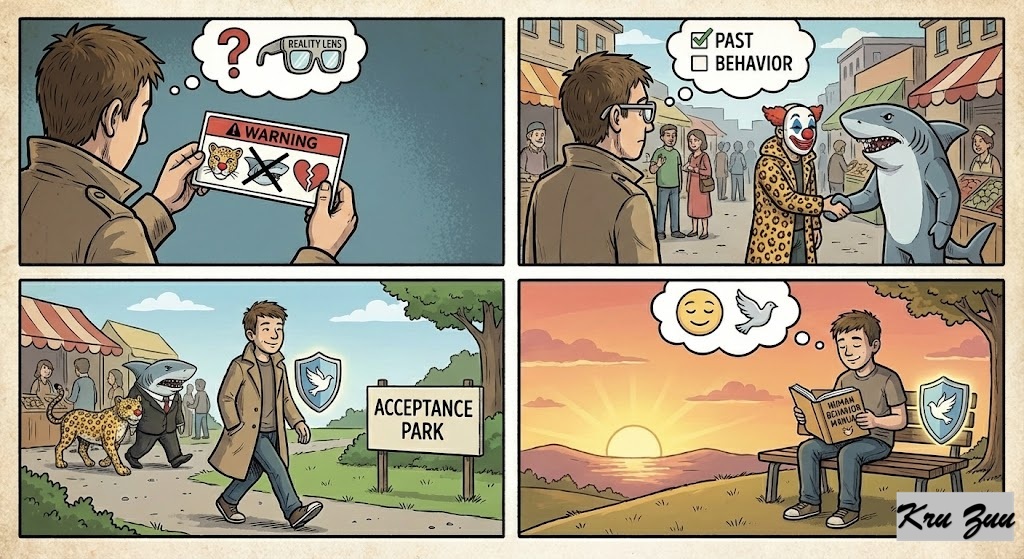
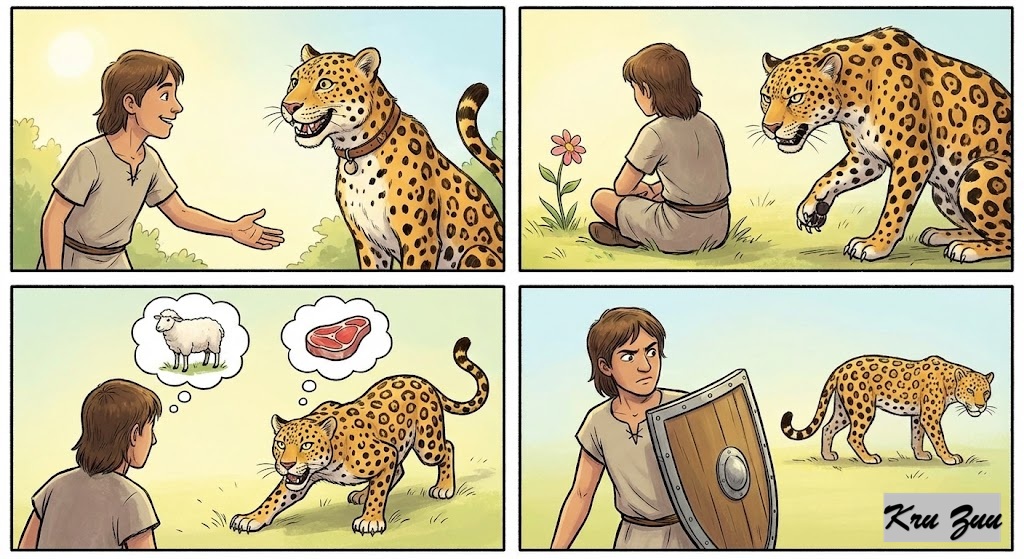
    You observe patterns. You understand that the best predictor of future behavior is past behavior. When someone shows you who they are, you believe them the first time. You don’t try to change the leopard; you simply don’t invite the leopard into your house.
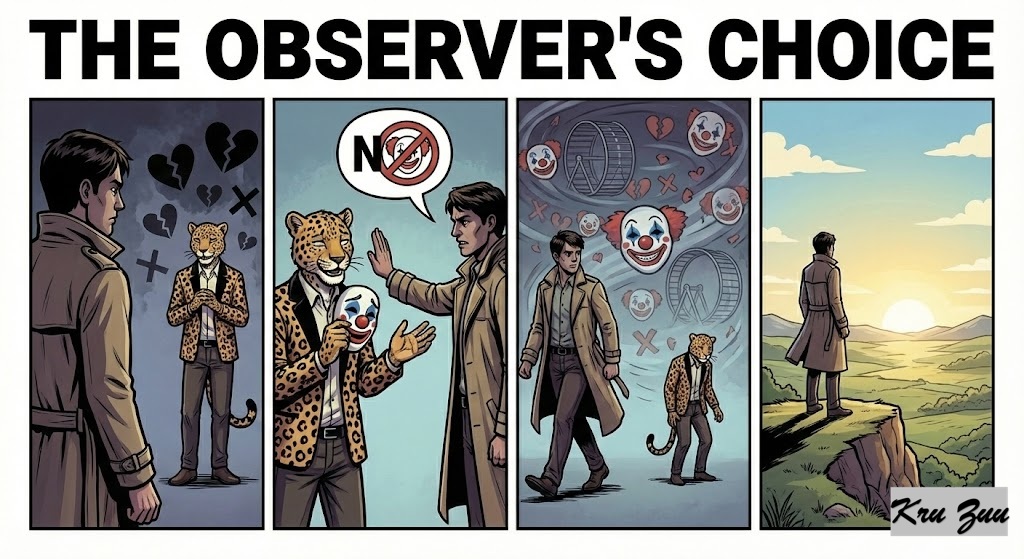
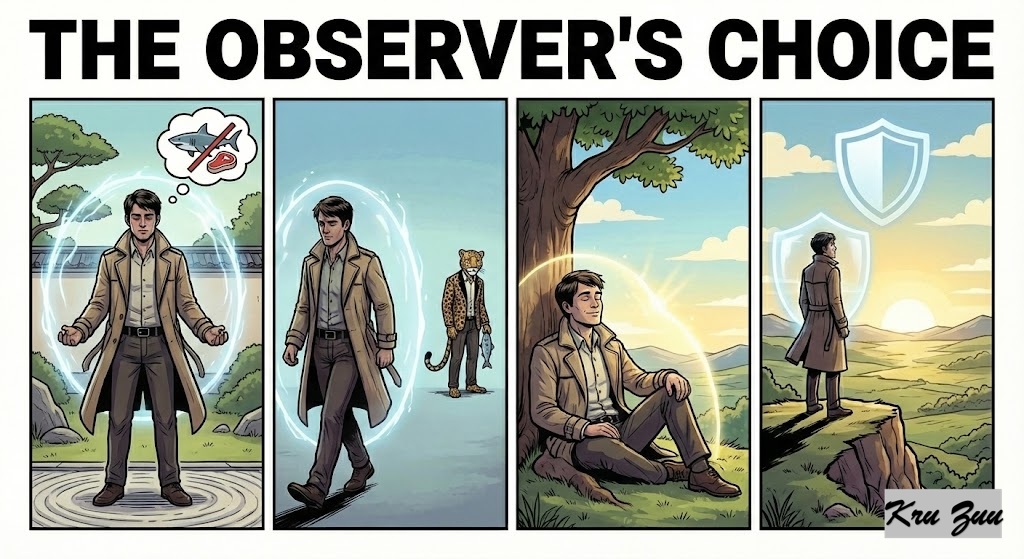
    The Result? You protect your energy. You stop wasting time trying to turn a shark into a vegetarian. You find peace in acceptance. 🛡️

    ⚖️ The Reality


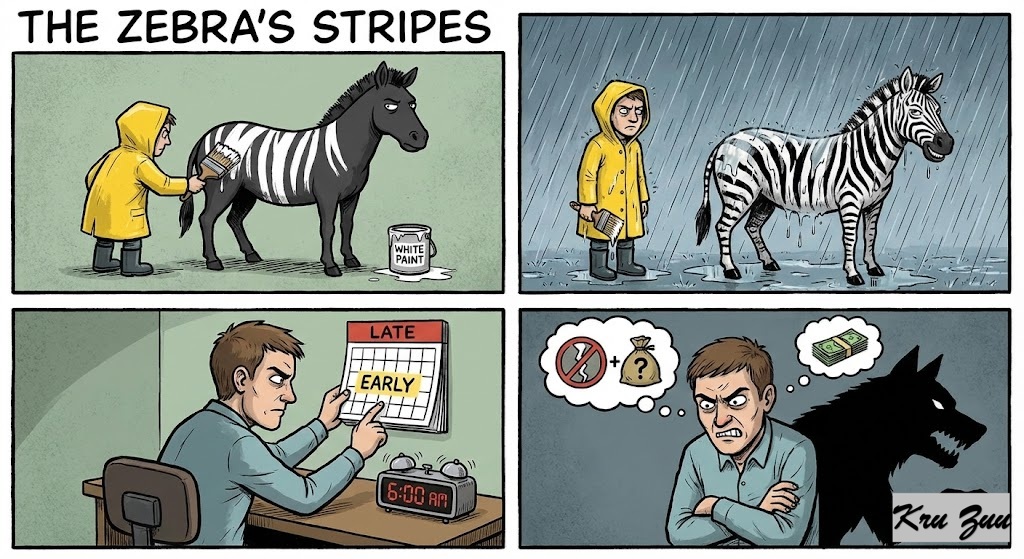
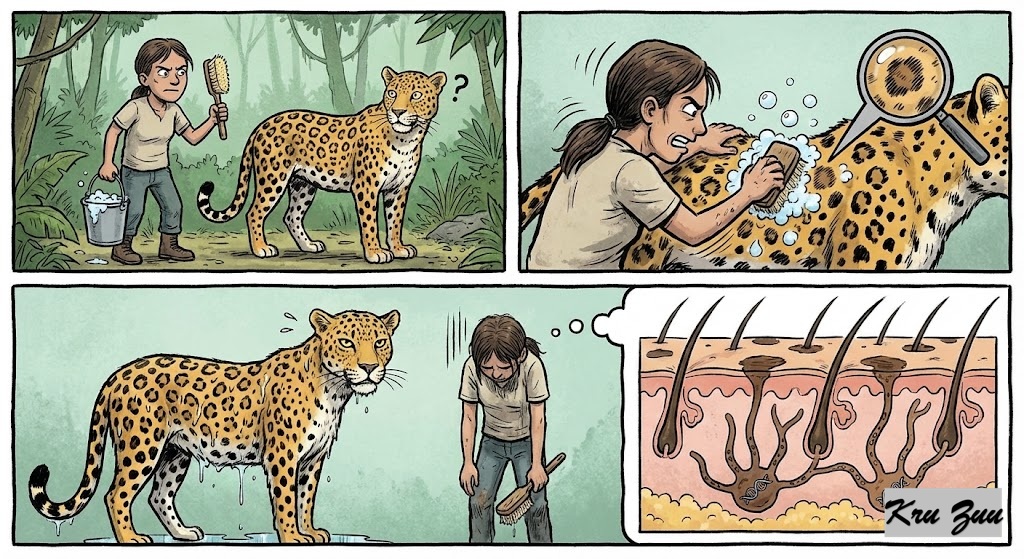
    You can paint a zebra with white paint, but under the rain, the stripes will always return. People can change their habits (diet, wake-up time), but they rarely change their nature (integrity, temperament, core values).
    💎 The Secret

    Realizing this isn’t cynical; it’s liberating. Once you stop expecting people to be who they aren’t, you can deal with them as they are.
    🧐 The Anatomy of the Proverb


    This is your warning label for human behavior.

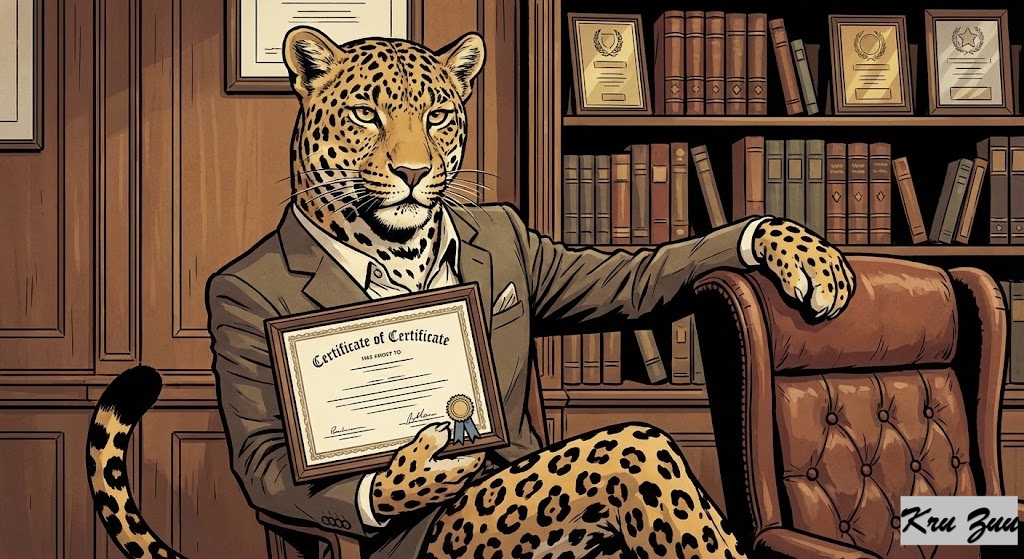
    A Leopard (The Subject): Represents a person with a strong, established reputation or nature.

    Doesn’t Change (Verb Phrase): Cannot alter or remove.
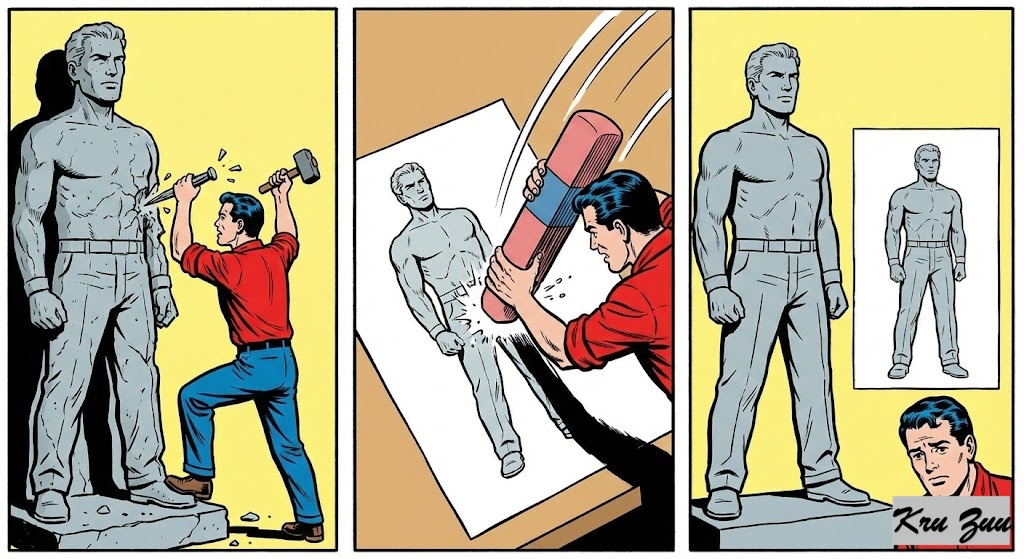

    Its Spots (The Object): Represents innate characteristics, bad habits, or true nature.
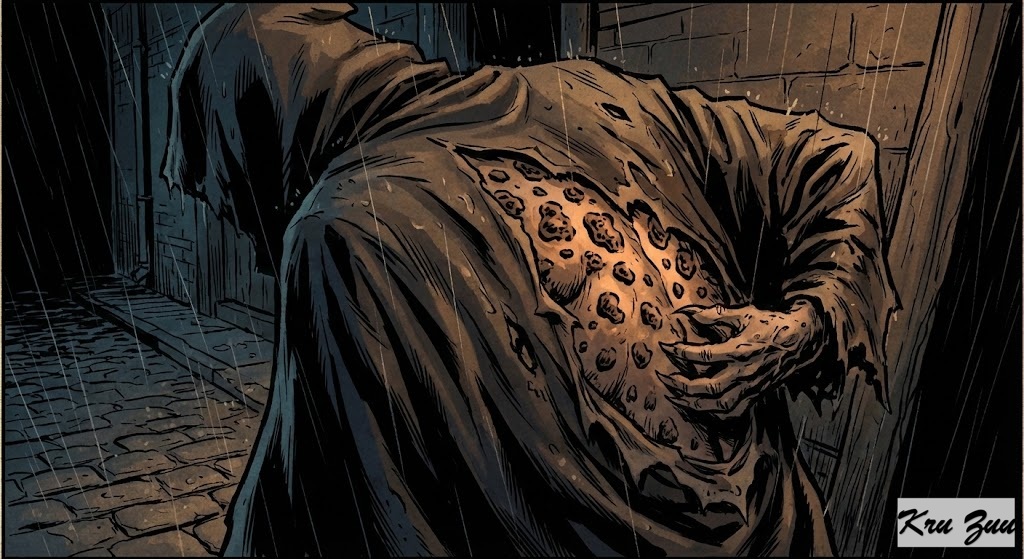

    Simpler Version: People stick to their true nature. / You cannot hide who you really are.
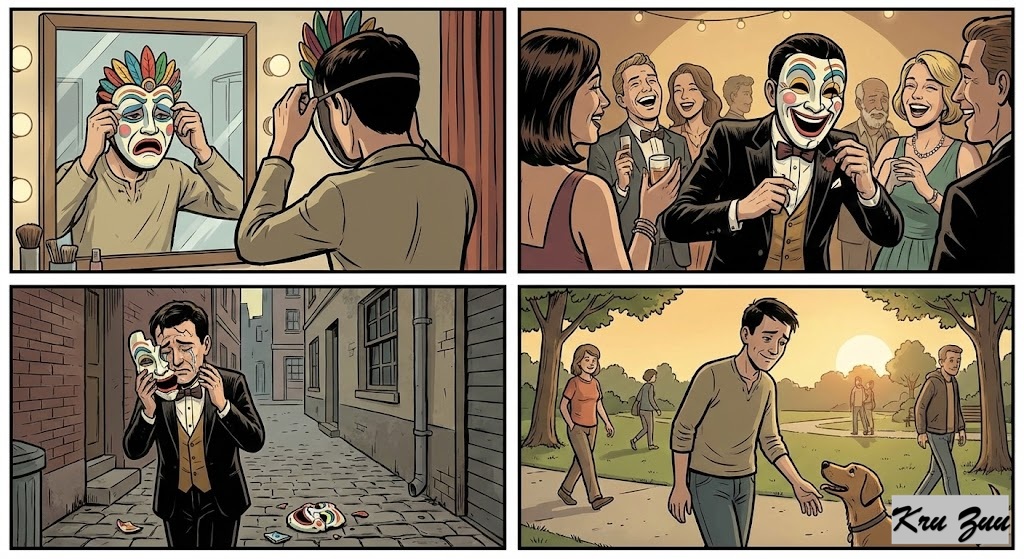

    📚 Vocabulary Vault


    Inherent (Adjective): Existing in something as a permanent, essential quality.
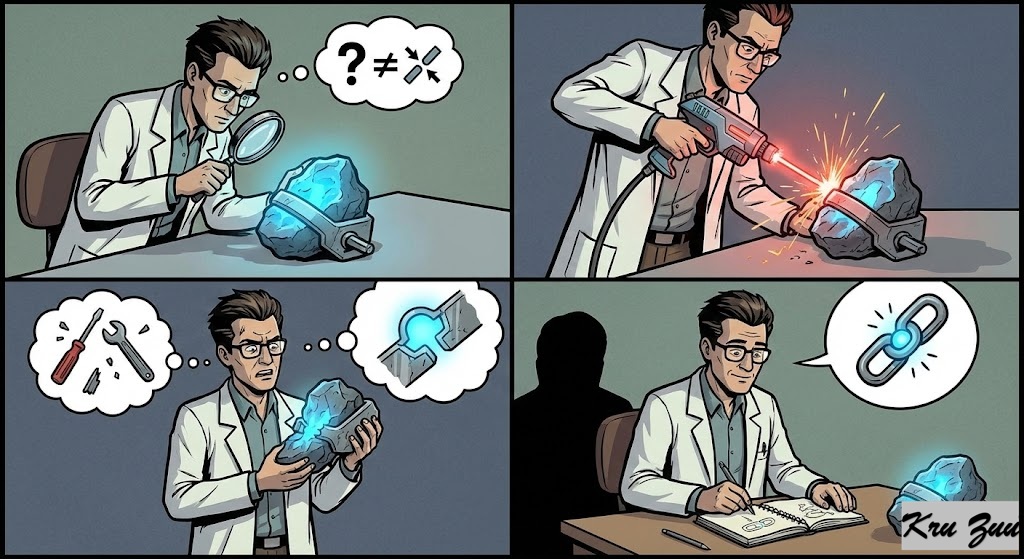

    Instinct (Noun): A natural or intuitive way of acting or thinking. 🧠
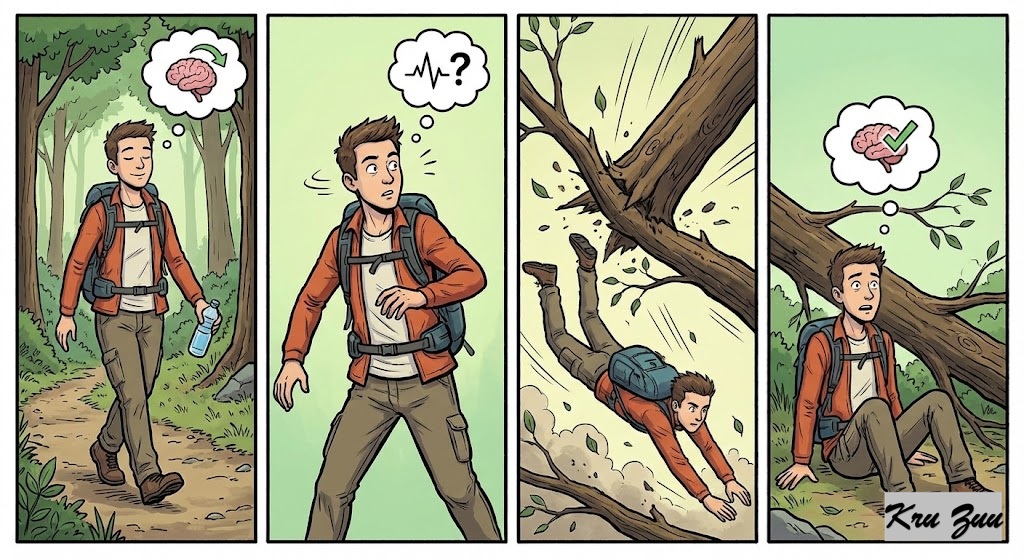

    Reputation (Noun): The beliefs or opinions that are generally held about someone.
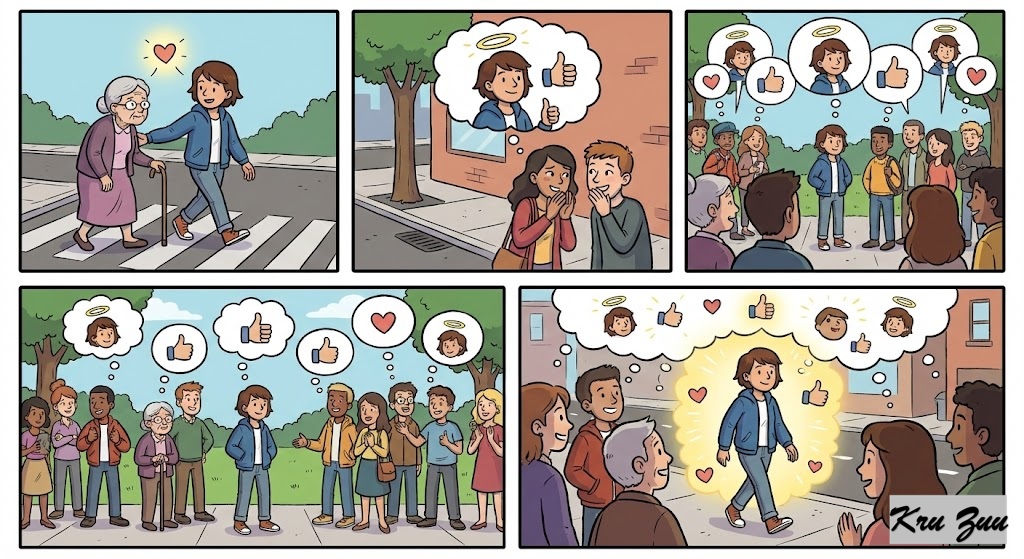

    Naive (Adjective): Showing a lack of experience, wisdom, or judgment. (Too trusting).
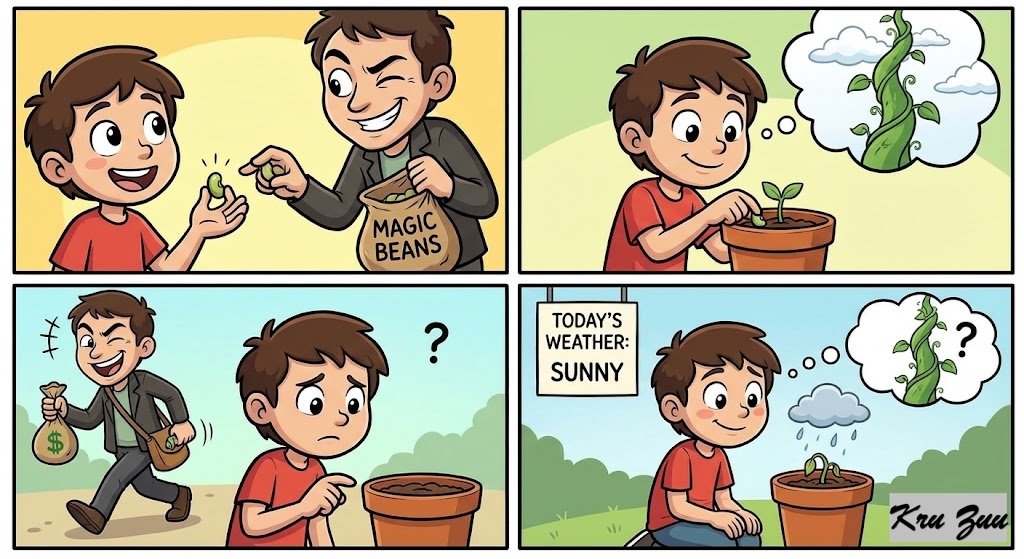

    Consistency (Noun): Acting in the same way over time.
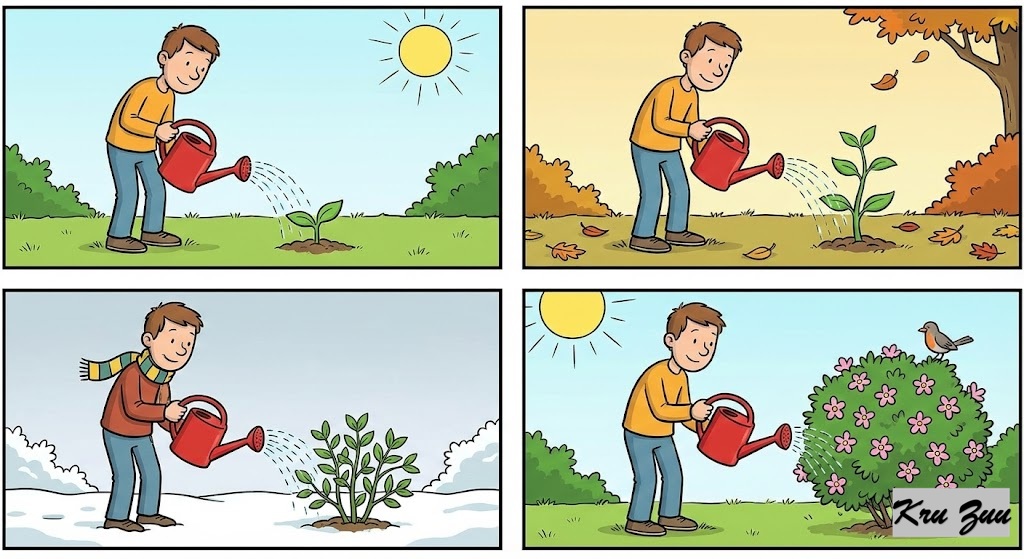
    📜 History: Ancient Wisdom


    Where did this wild phrase come from?
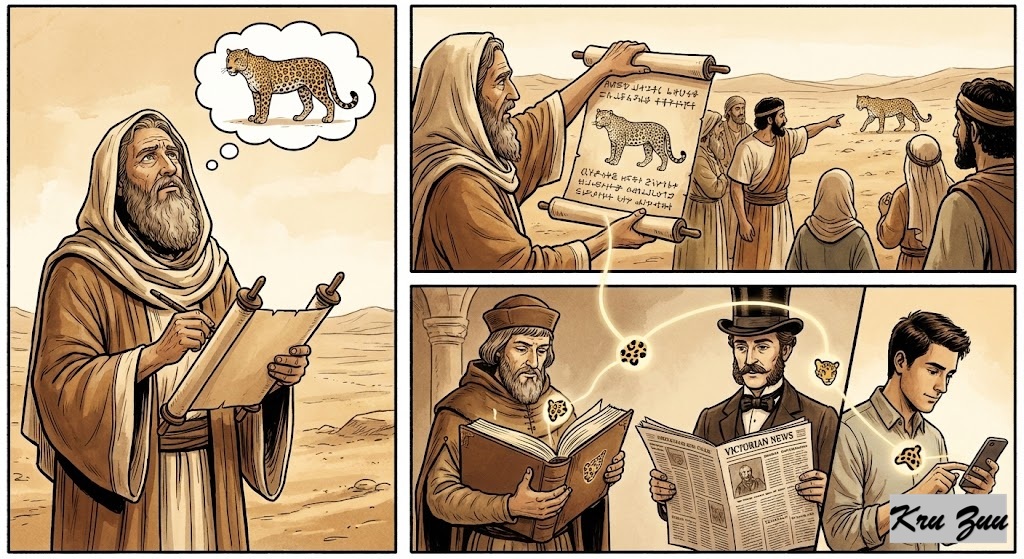

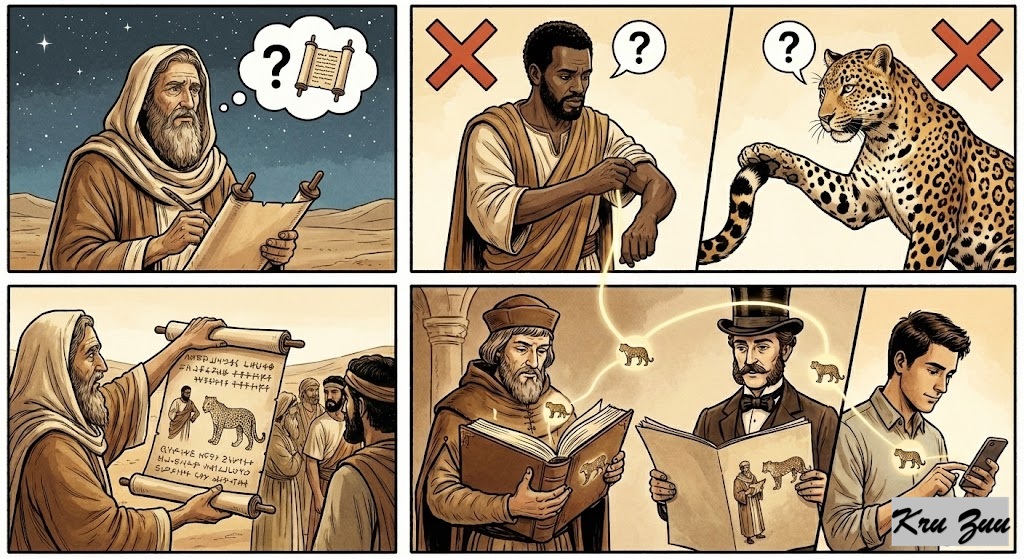
    The Origin: It is actually biblical! It comes from Jeremiah 13:23: “Can the Ethiopian change his skin, or the leopard his spots?” It was a rhetorical question meaning “No, it is impossible.”

    The Logic: A leopard’s spots are not dyed on its fur; they are part of its genetics. You cannot wash them off.

    Global Cousins


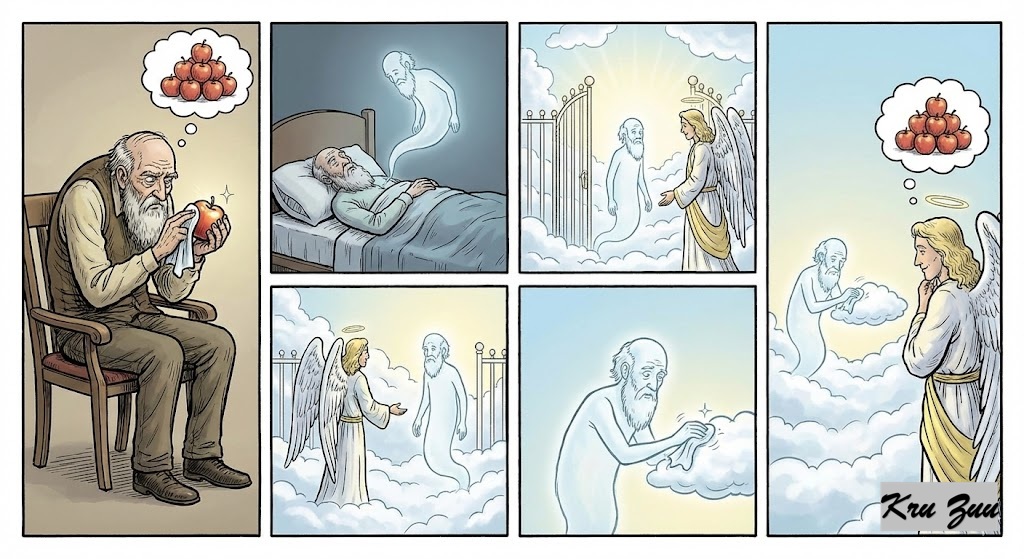
    🇹🇷 Turkish: “Can çıkar huy çıkmaz” (The soul leaves the body, but the habit/character does not).

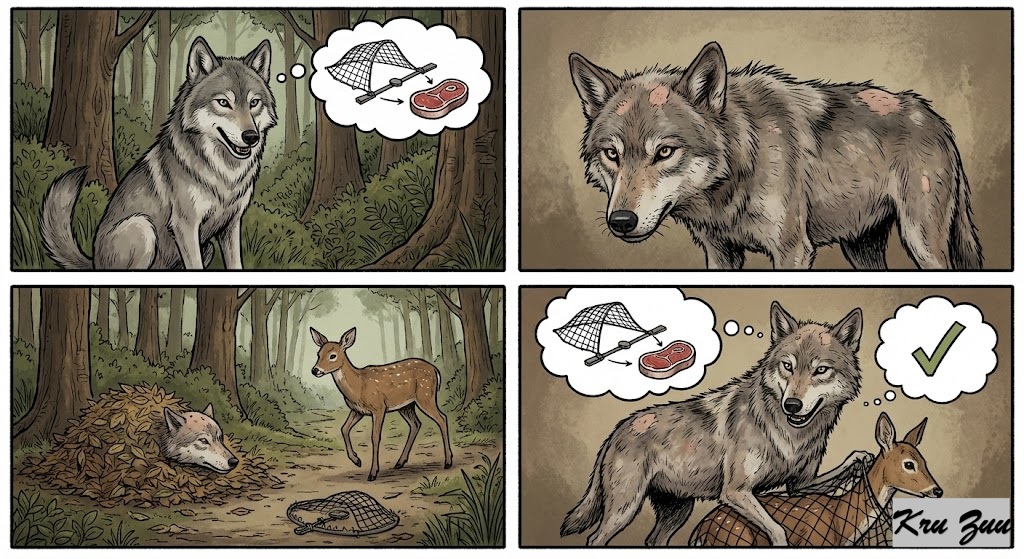
    🐺 Latin: “The wolf loses his hair, but not his tricks.”

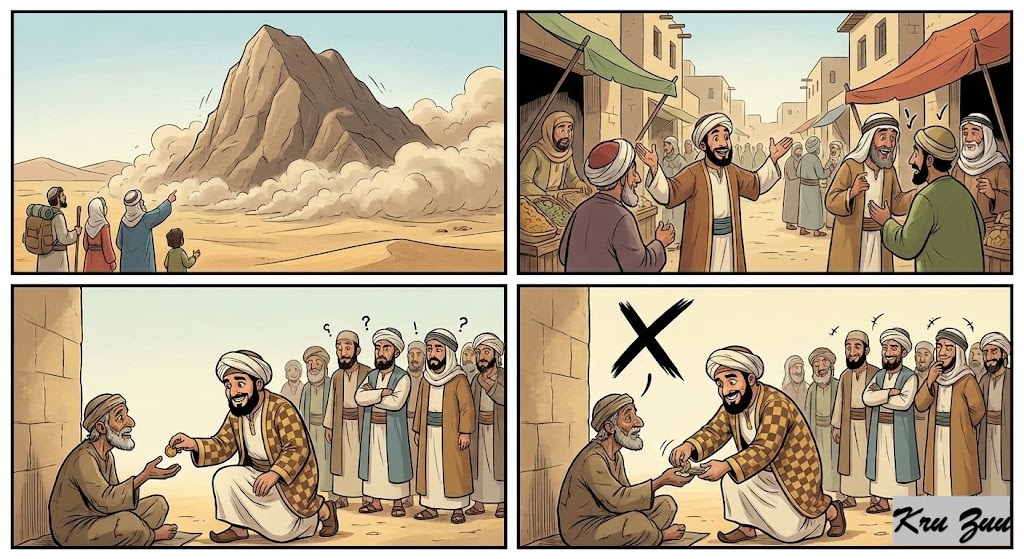
    🐸 Arabic: “If you hear that a mountain moved, believe it; but if you hear that a man changed his character, do not believe it.”
    🎯 Impact on Life: The Pros & Cons


    ✅ The Pros (The Shield)


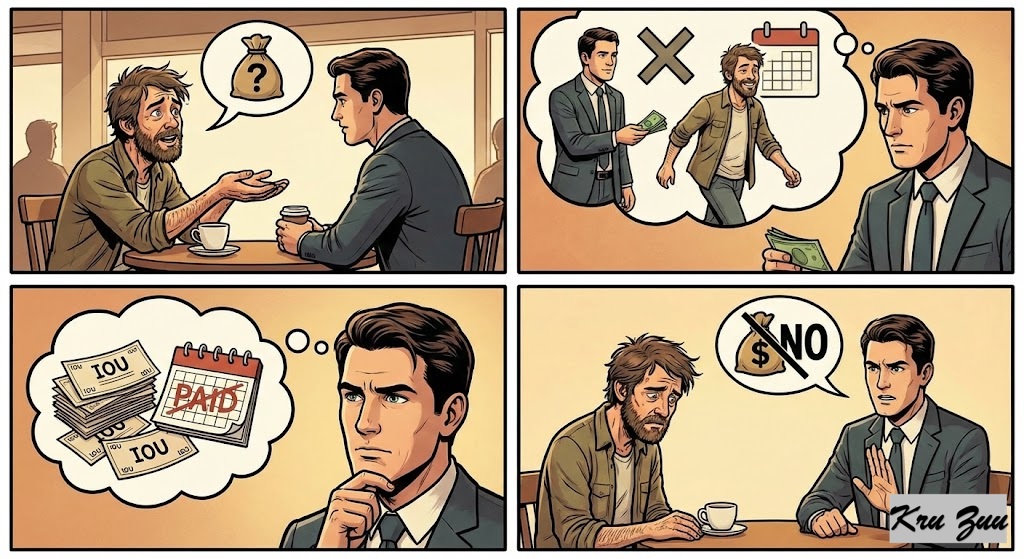
    Protection: You stop lending money to the friend who never pays you back.

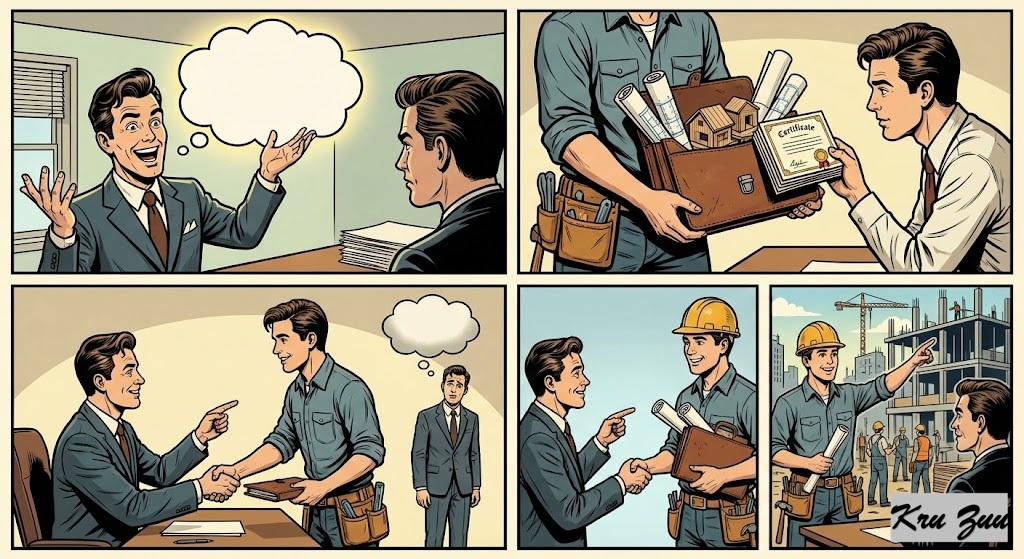
    Clarity: You hire people based on their track record, not their promises.

    ❌ The Cons (The Trap)


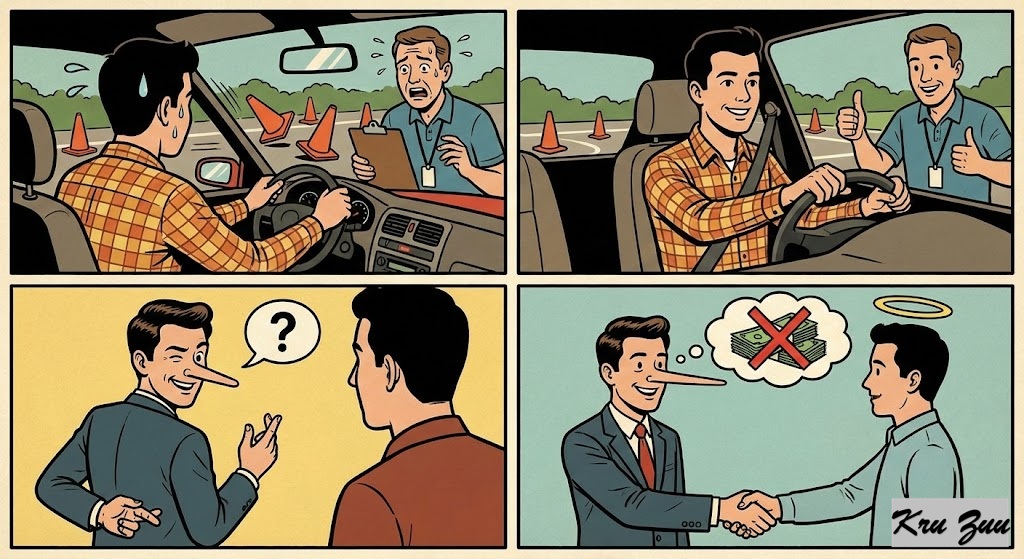
    Cynicism: Be careful. If you believe no one can ever improve, you won’t give people a fair chance to grow. This idiom applies mostly to core character, not skills. A bad driver can learn to drive well, but a liar rarely becomes an honest man.
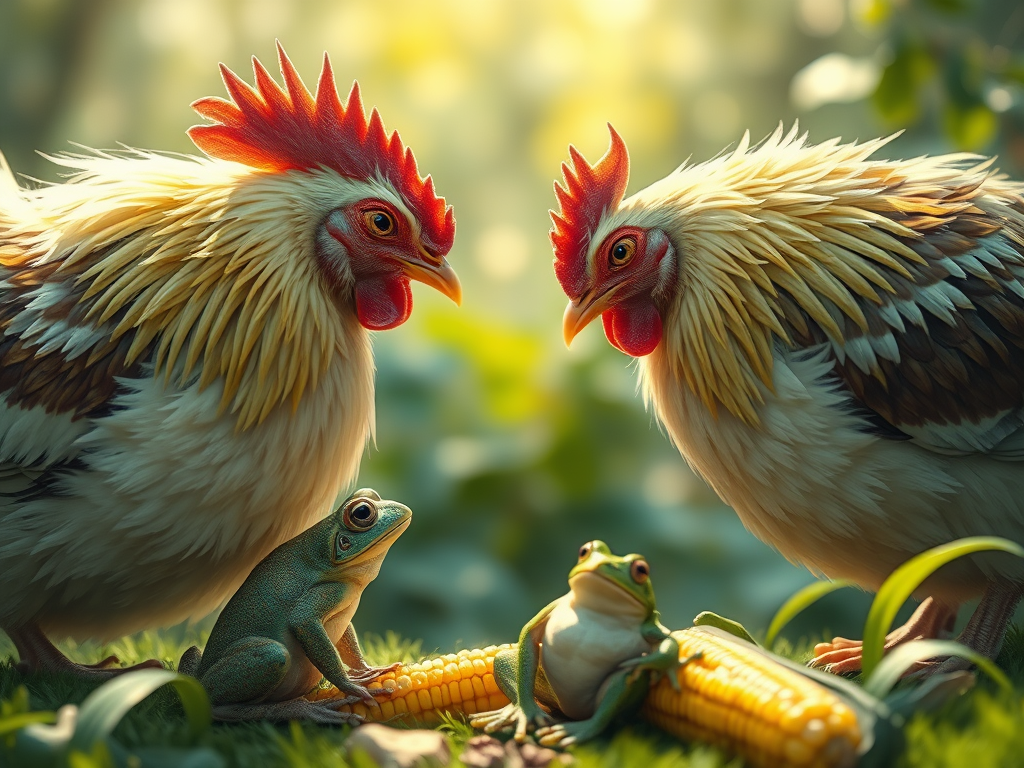
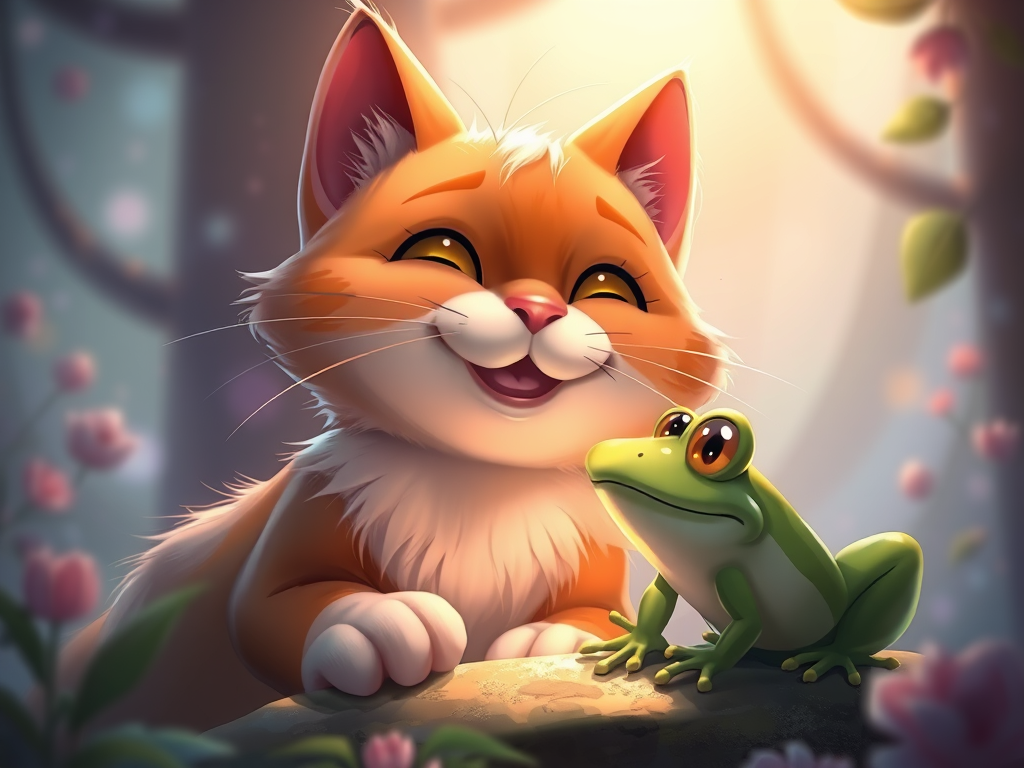
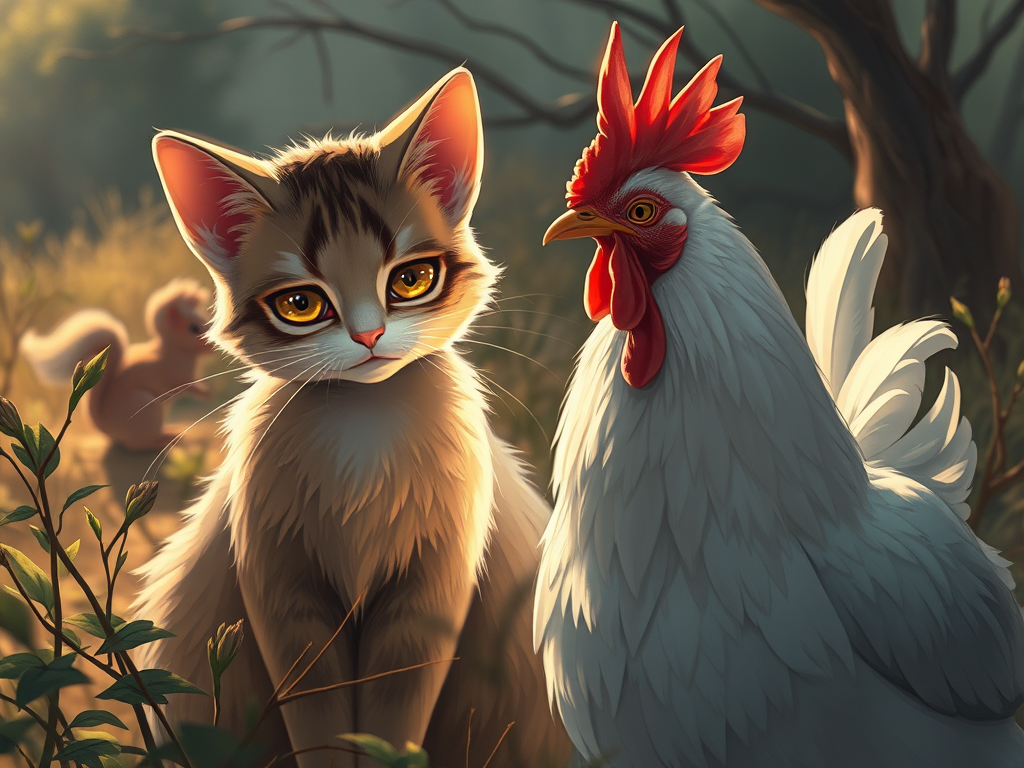
    🎭 Short Story: The “Vegetarian” Lunch 🥗😼🐔


    Let’s return to the magical forest to see if nature really changes.

    🌟 The Cast


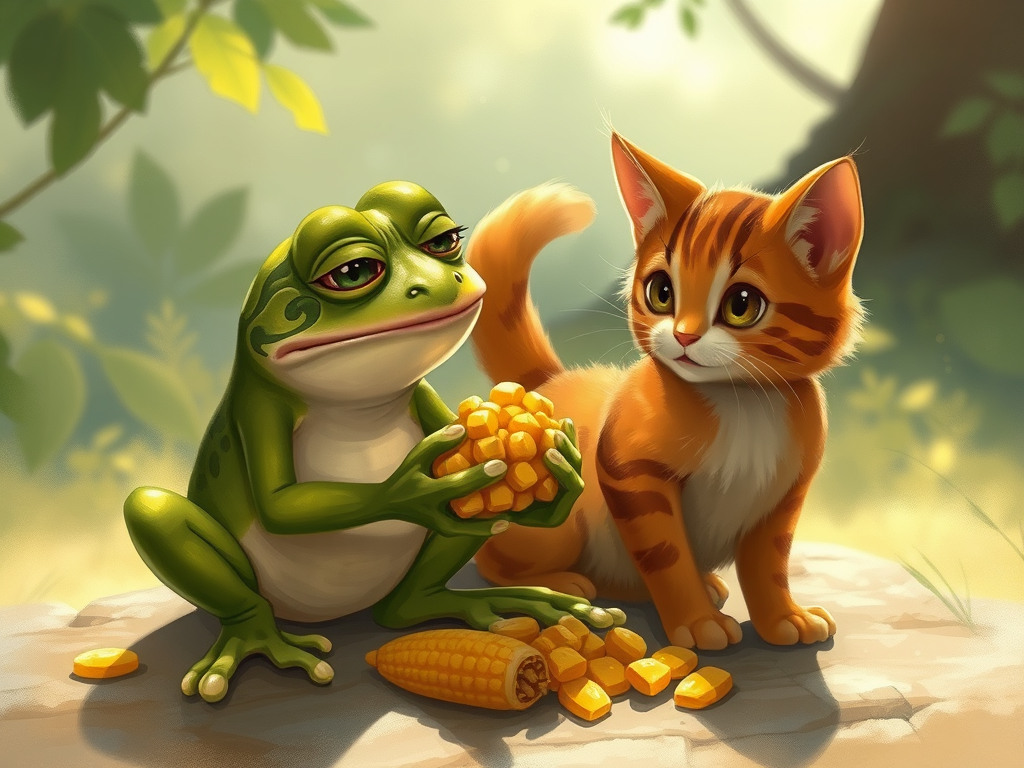
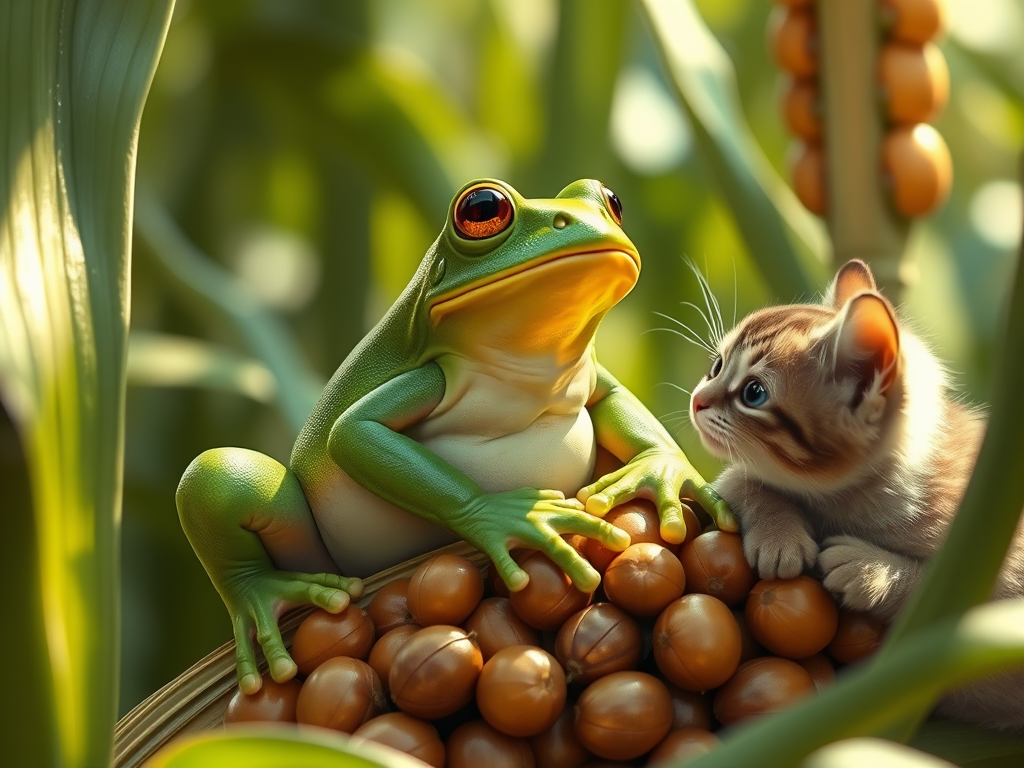
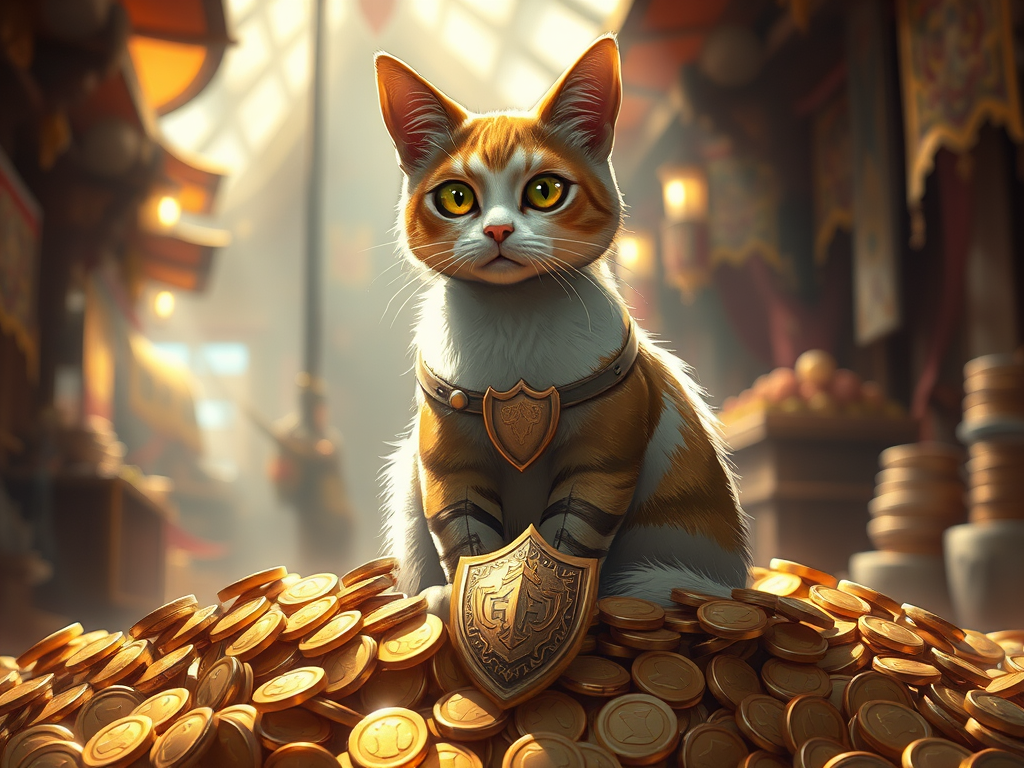
    Cleo the Cat:
    The predator who claims she is “reformed.” 😼

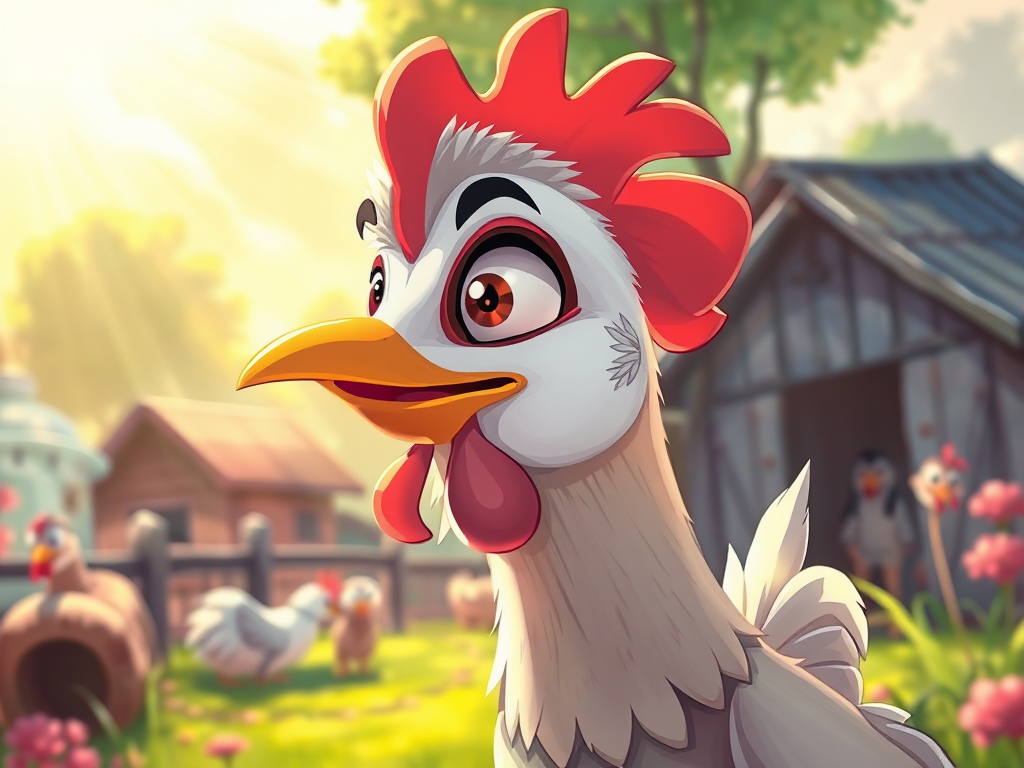
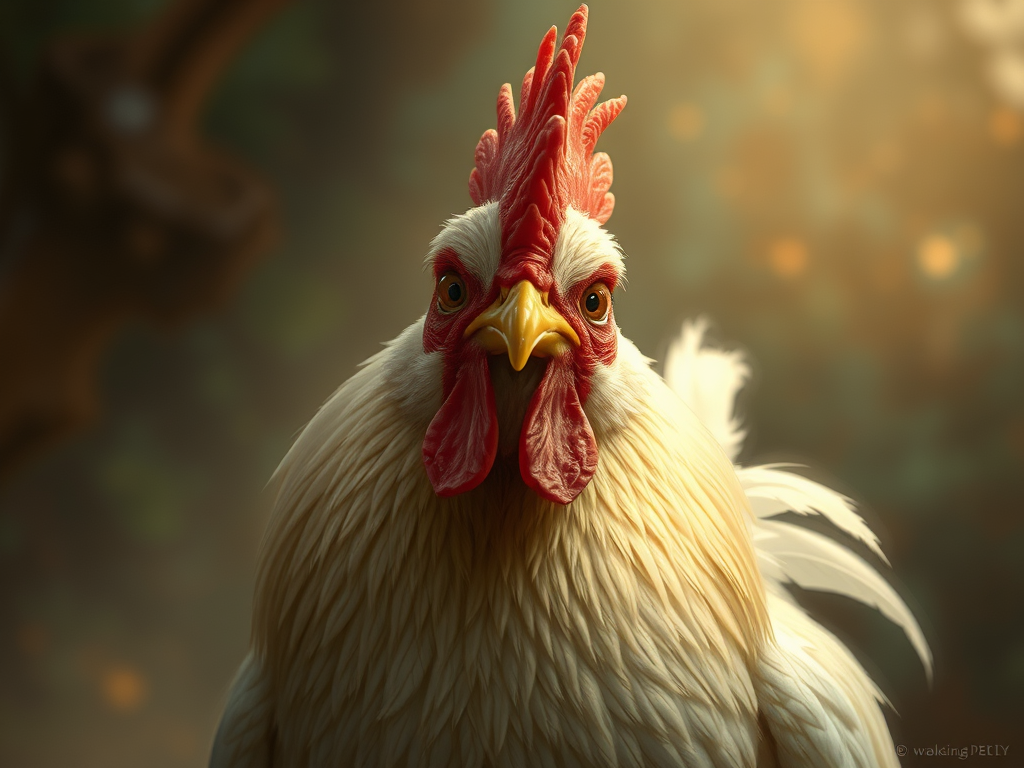
    Cluck the Chicken: The trusting optimist. 🐔

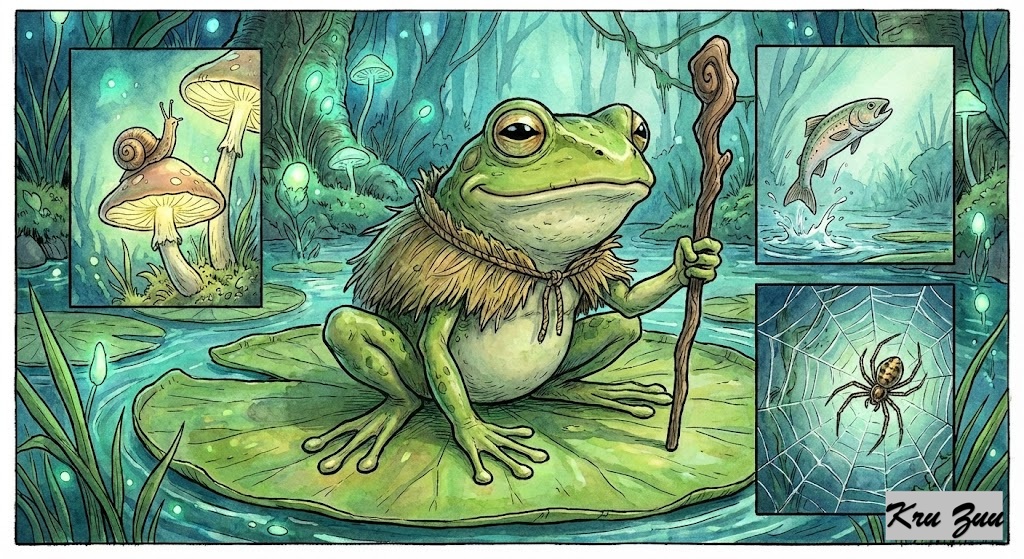
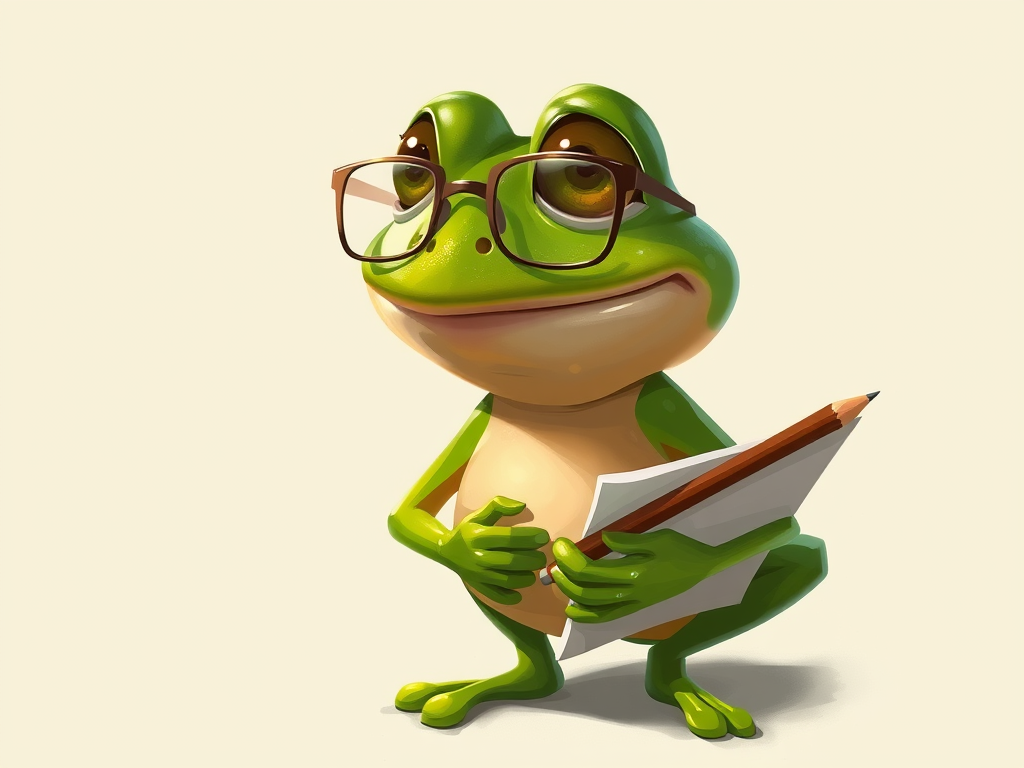
    Fred the Frog: The skeptical realist. 🐸

    The Situation: Cleo the Cat approaches Cluck and Fred. She is wearing a shirt that says “I Love Tofu.” “Good news!” Cleo purrs smoothly. “I have decided to change my lifestyle. I am no longer a hunter. I am a vegetarian now. I want to invite you both to lunch to celebrate my new life.”
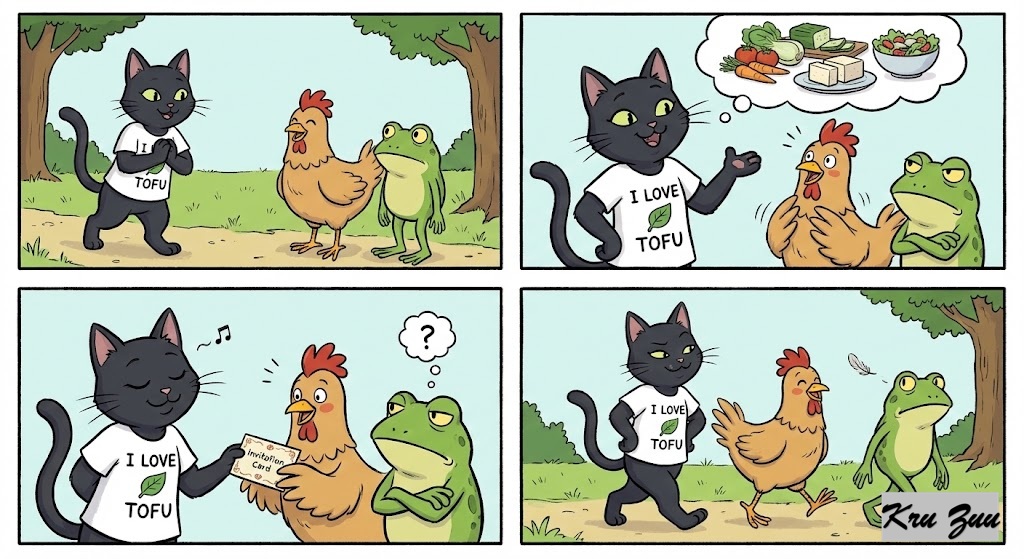

    The Conflict: Cluck is thrilled. “Oh, how wonderful!” Cluck chirps, flapping his wings. “I always knew you were good deep down, Cleo! We will be there!” Fred the Frog adjusts his glasses and frowns. “Ribbit. I don’t know, Cluck. She ate a mouse last Tuesday. A leopard or a cat, doesn’t change its spots.” “Don’t be so negative, Fred!” Cluck scolds. “She has changed!”

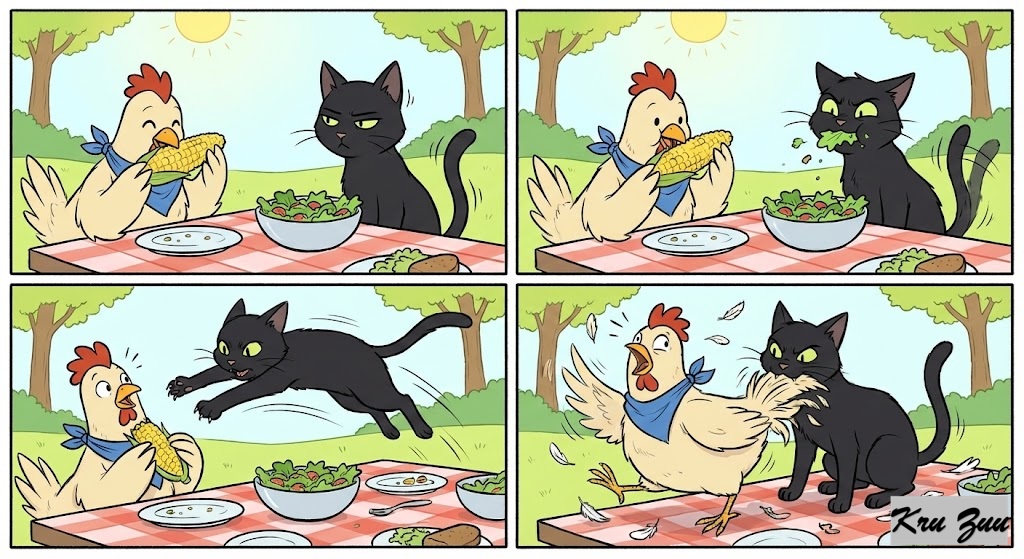
    The Lunch: They sit down at the picnic. There is a bowl of salad. Cleo tries to eat a leaf of lettuce. She chews it… and spits it out. She looks at Cluck. Her eyes get wide. Her tail starts to twitch. 🐈 Cluck is busy eating corn. “This is great, Cleo!” Suddenly, Cleo lunges! POUNCE! She jumps across the table, aiming right for Cluck’s feathery tail!

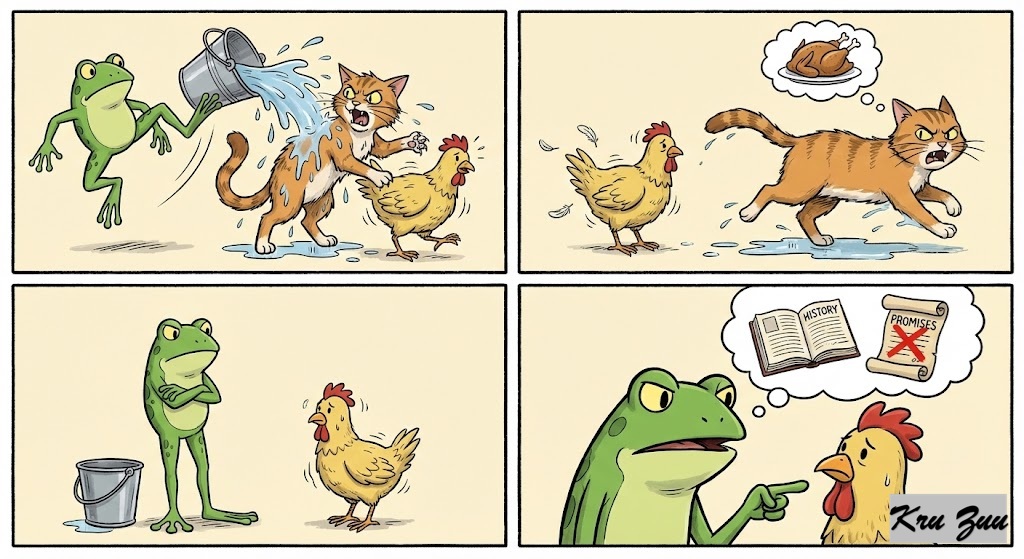
    The Resolution: Fred was ready. He kicks a bucket of water onto Cleo. 💦 Cleo hisses, “I couldn’t help it! He looked so delicious!” and runs away to dry off. Fred looks at the shaking Chicken. “Cluck, next time, believe history, not promises.”

    The Moral: Instinct is powerful. Just because someone says they are different, doesn’t mean their “spots” are gone. Keep your guard up until you see real action.
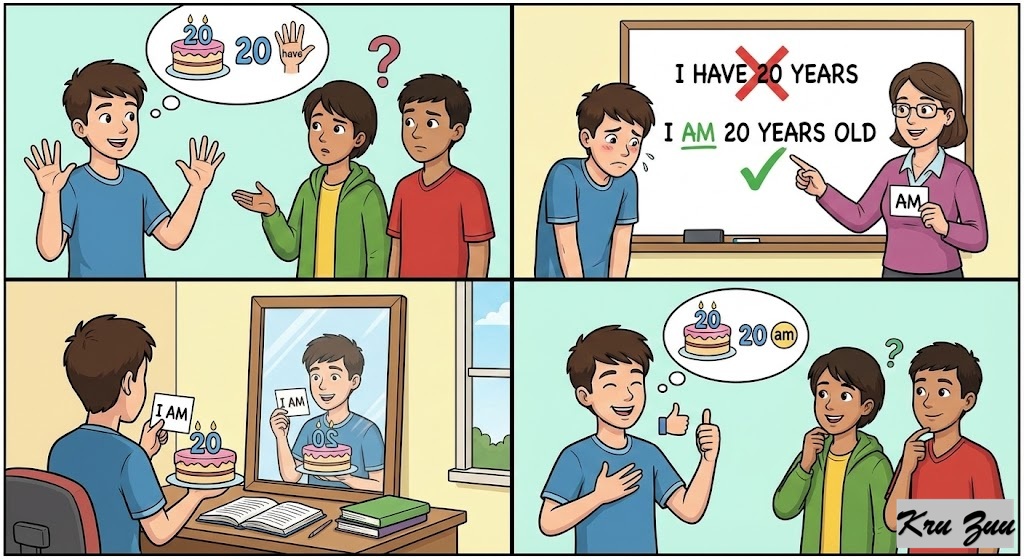
    🎓 Lesson for English Learners


    Don’t force the translation.

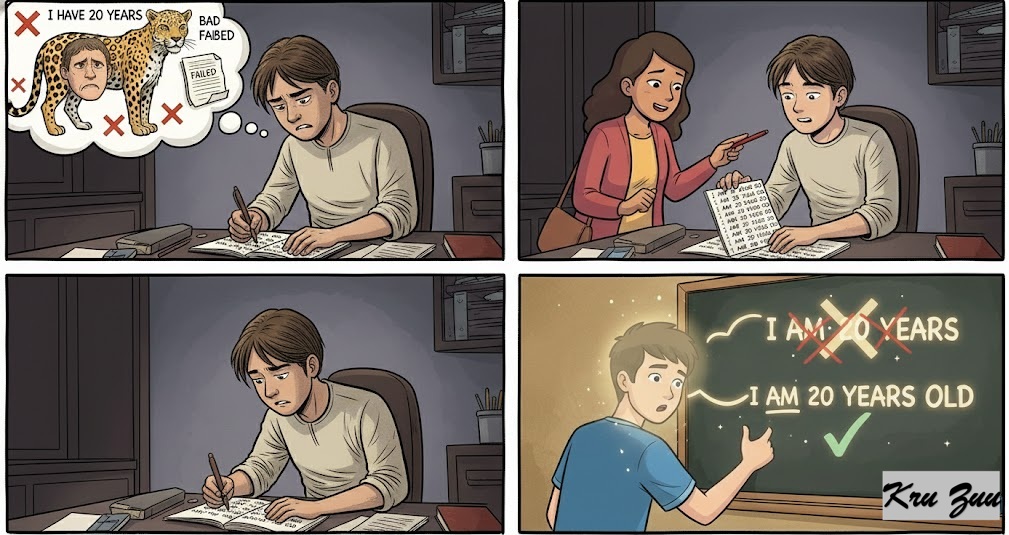
    Situation: You keep making the same grammar mistake (e.g., saying “I have 20 years” instead of “I am 20 years old”).

    The Shift: You might feel like you are the leopard—that you can’t change your bad habit.
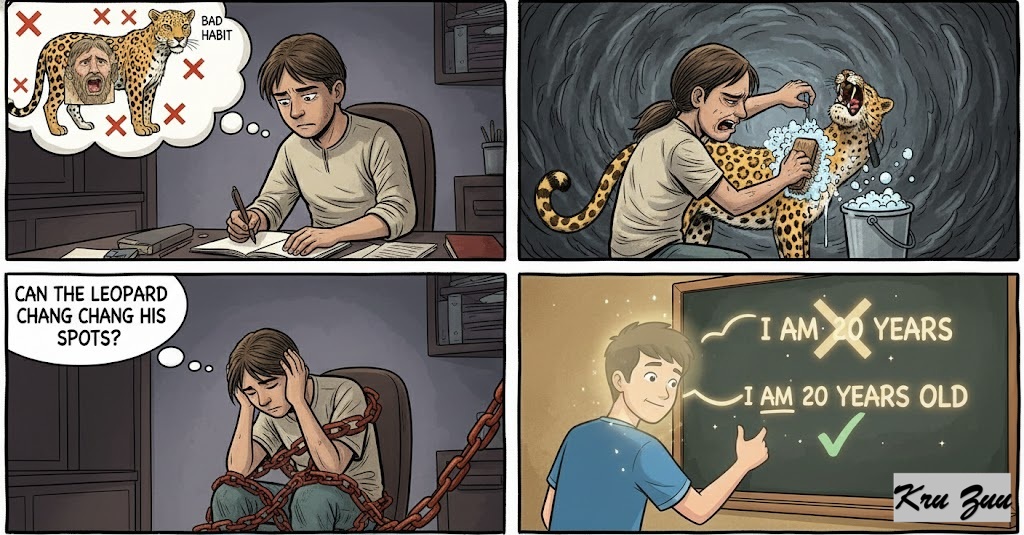

    The Fix: Unlike personality, language habits CAN change. But it takes “conscious repetition.” You must rewrite your spots.

    Usage: If a politician is caught lying again, you can shake your head and say to your friend: “Well, you know what they say… a leopard doesn’t change its spots.”

    💬 Your Turn: The Reality Check 🚀


    Is there someone in your life you are trying to “change”?

    Identify: Think of a person who has disappointed you in the same way 3 times.

    Accept: Say to yourself, “This is who they are. They are showing me their spots.”
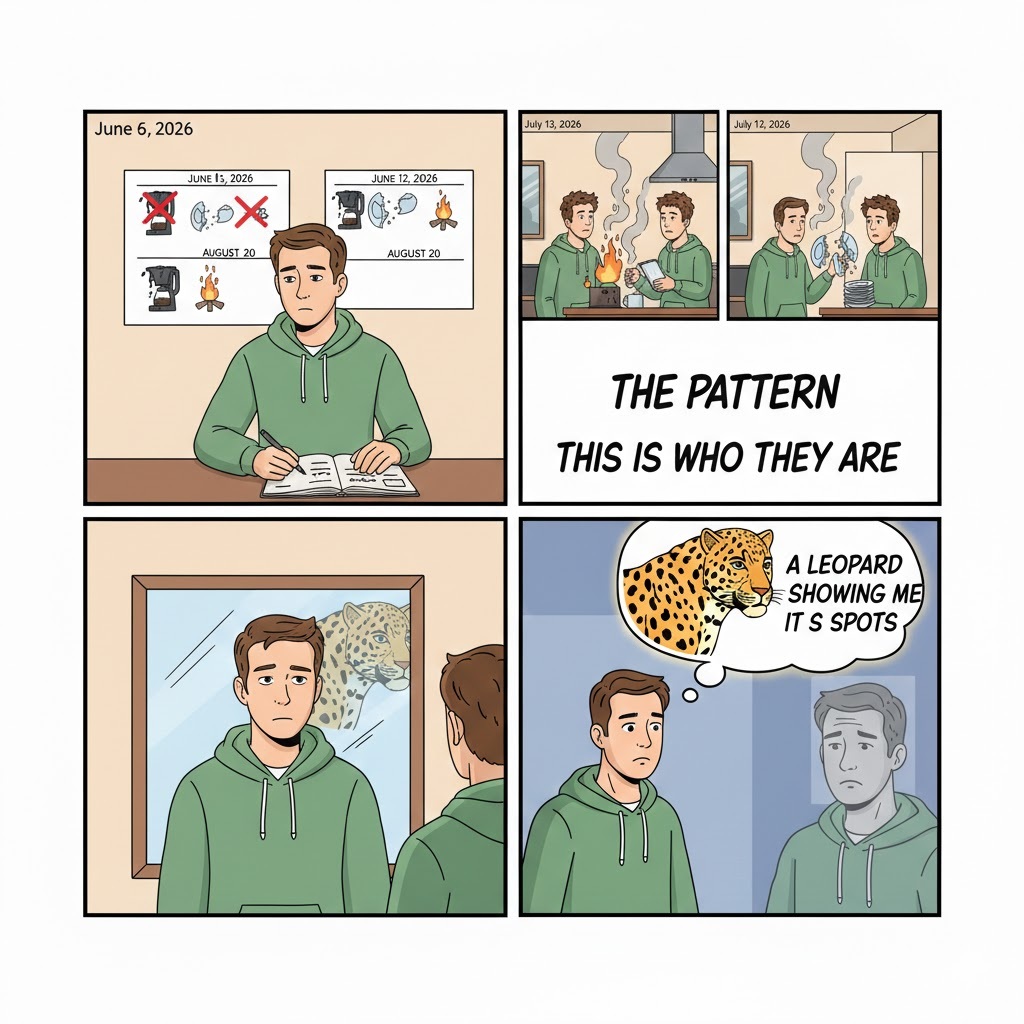

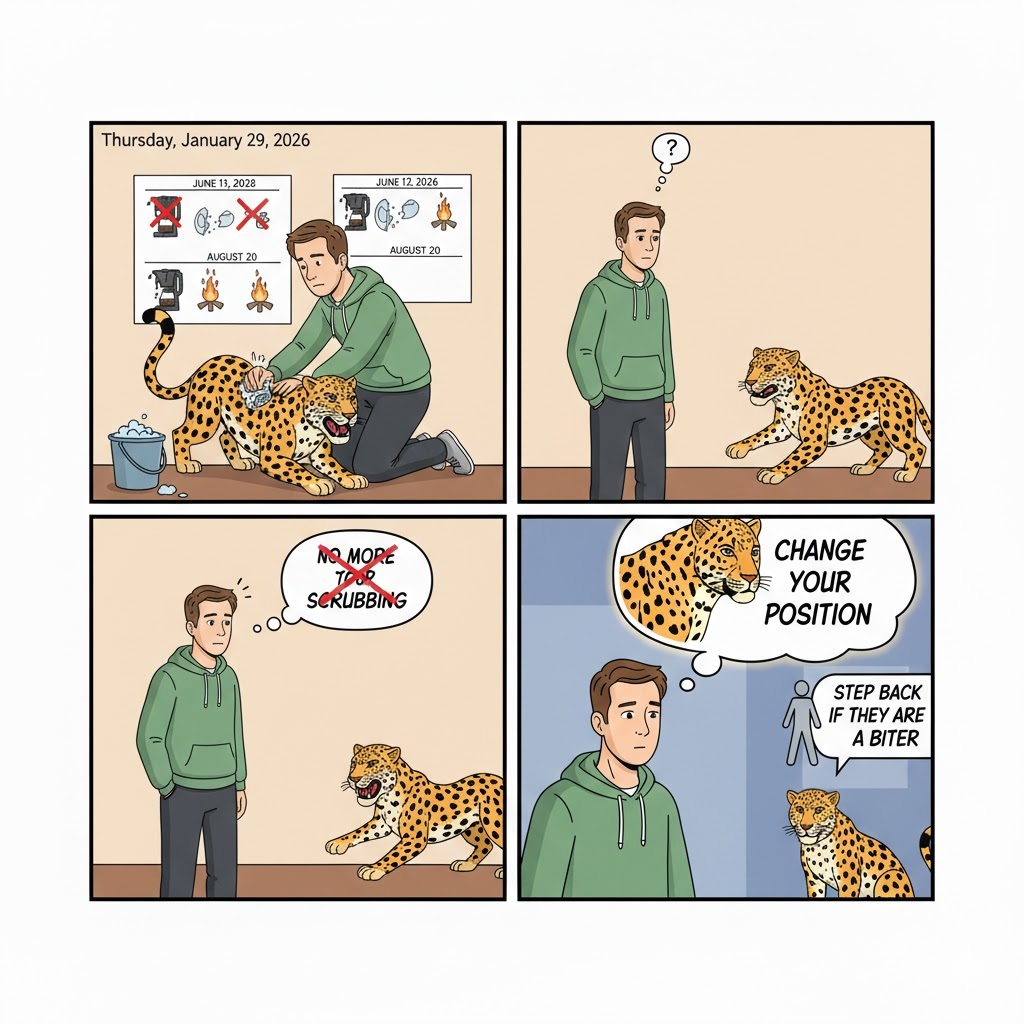
    The Action: Stop trying to scrub their spots off. Instead, change your position. If they are a biter, step back so they can’t bite you.

    👇 Question for the comments: Do you believe people can truly change their core personality? Or do we stay the same forever?

    Let me know your thoughts!

    By Zubeyir YURTKURAN

    https://www.facebook.com/BrainBattleground/

    https://www.facebook.com/zubeyr.yurtkuran/

    https://www.instagram.com/zubeyryurtkuran/

    https://www.youtube.com/@BrainBattleground-b3p

    https://www.instagram.com/brainbattleground/

  • 🤫 The Daily Shield: The Art of Peace

    🤫 The Daily Shield: The Art of Peace

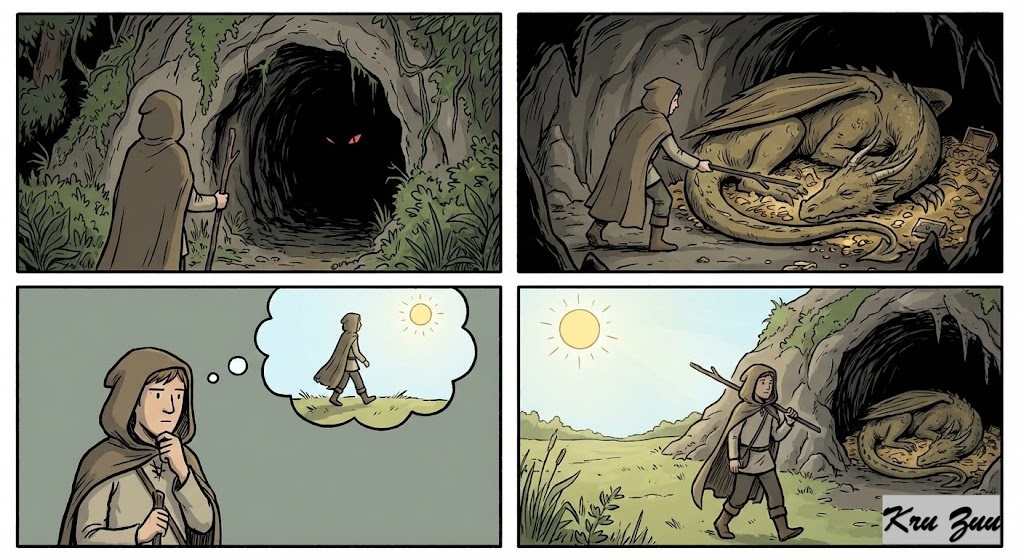
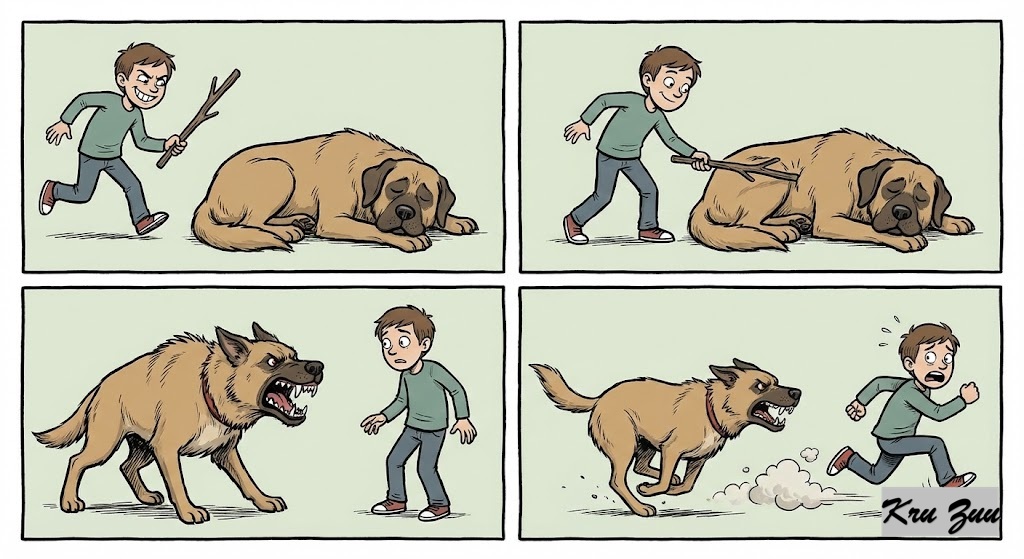
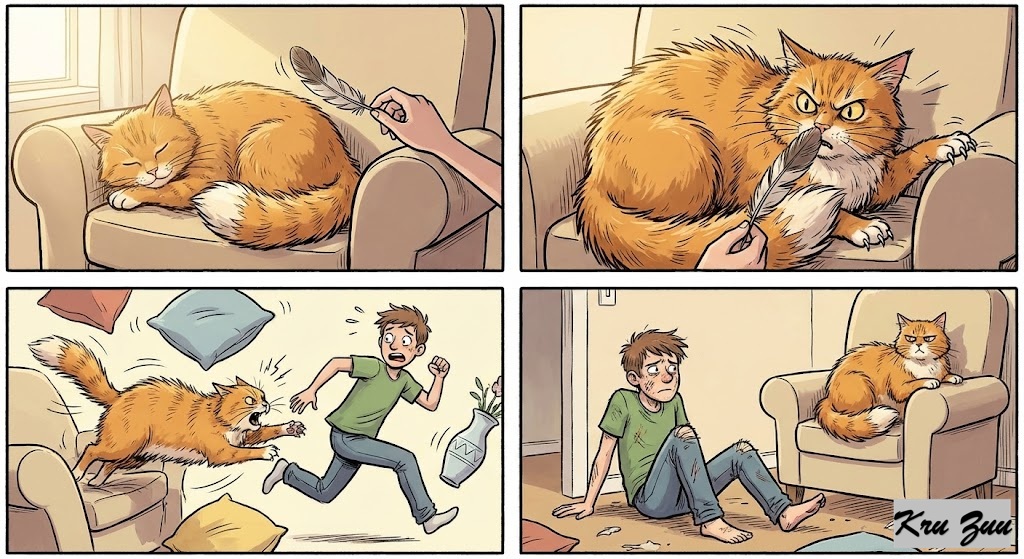
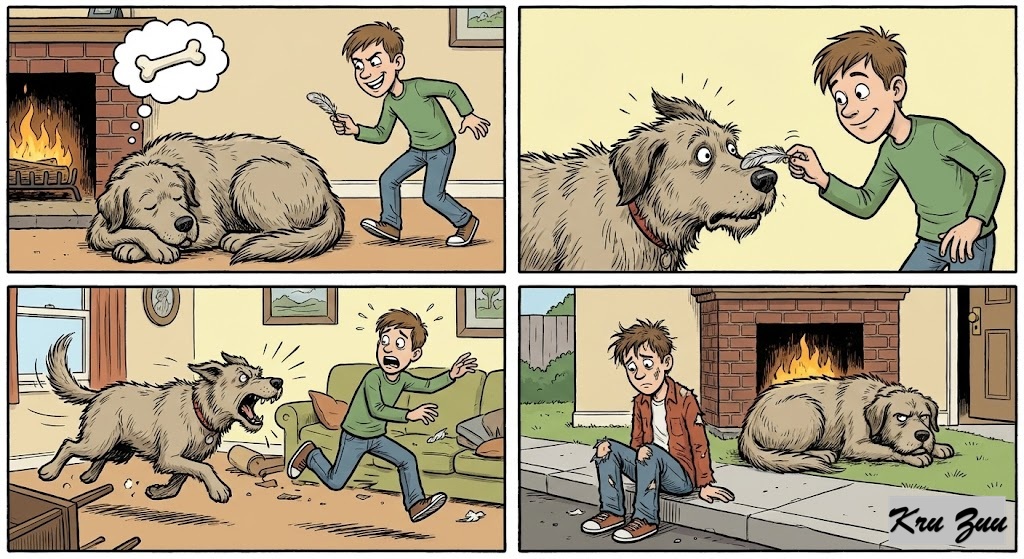
    “Let sleeping dogs lie.”


    😈 The Villain (The Poker)

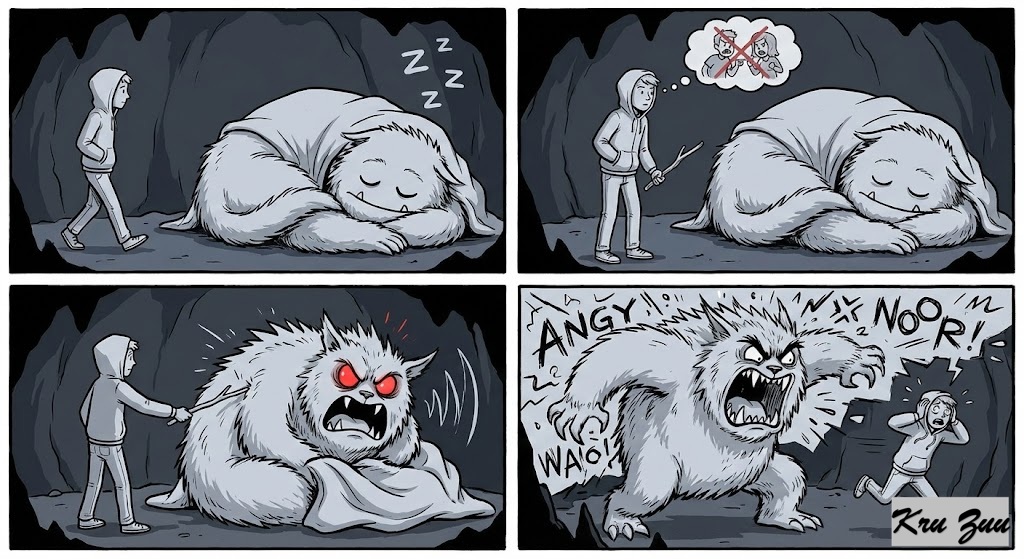
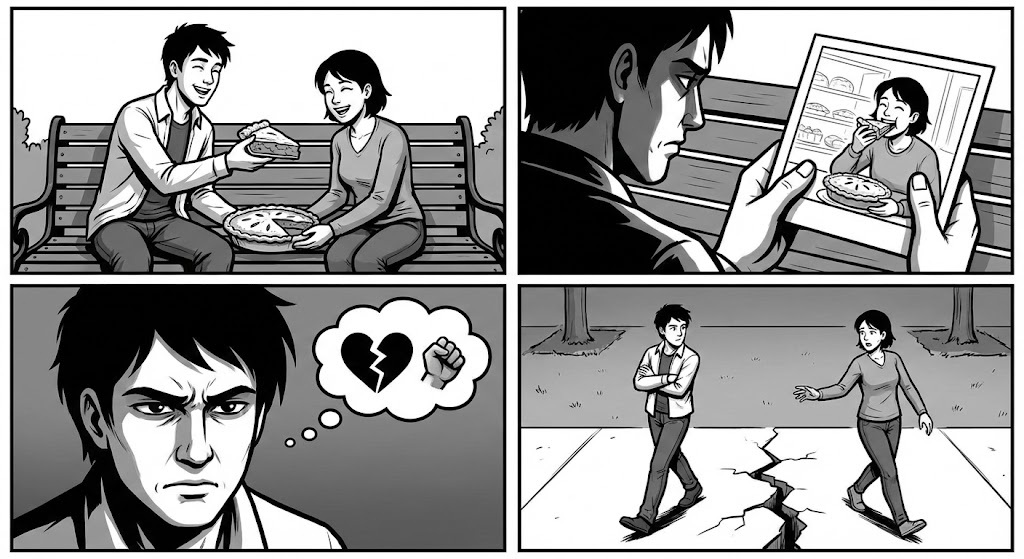
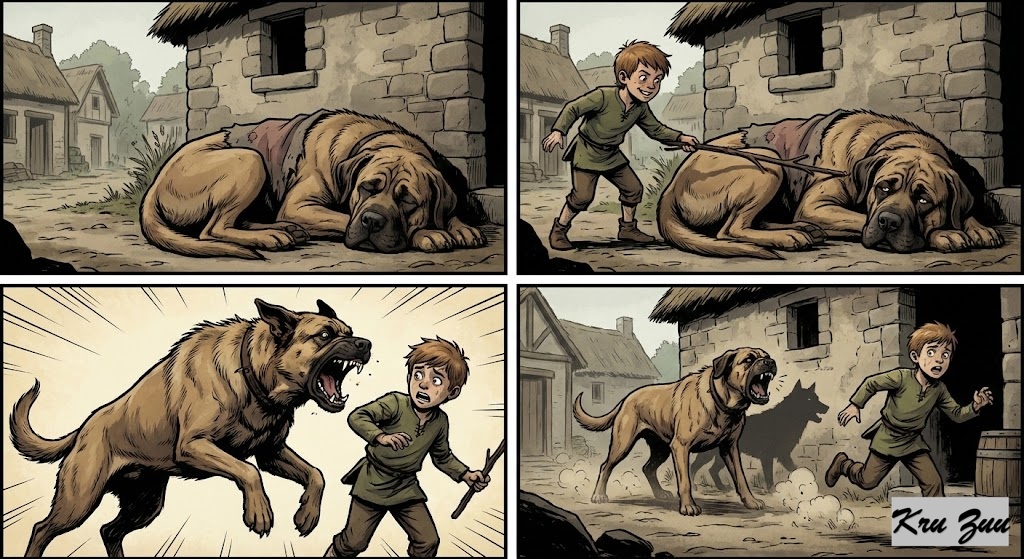
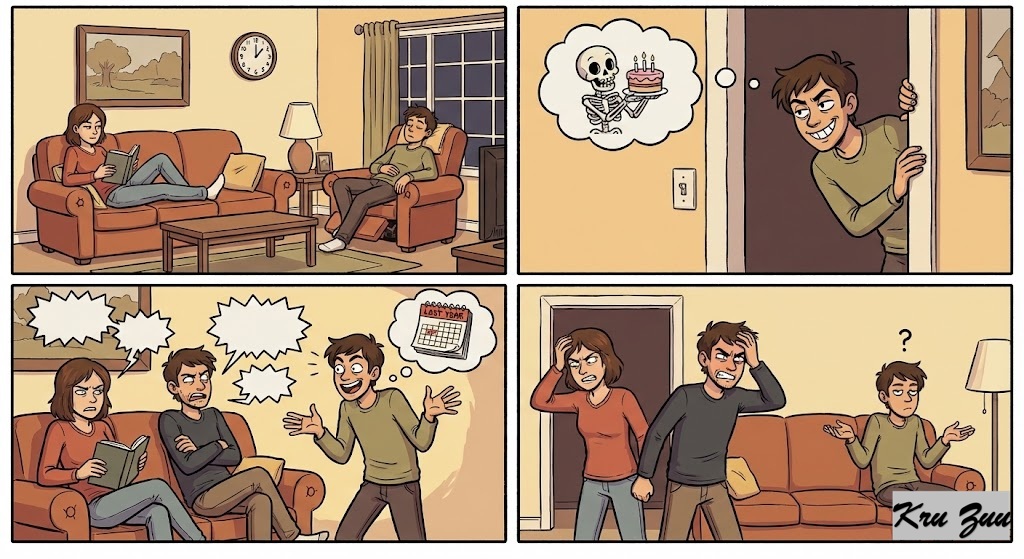
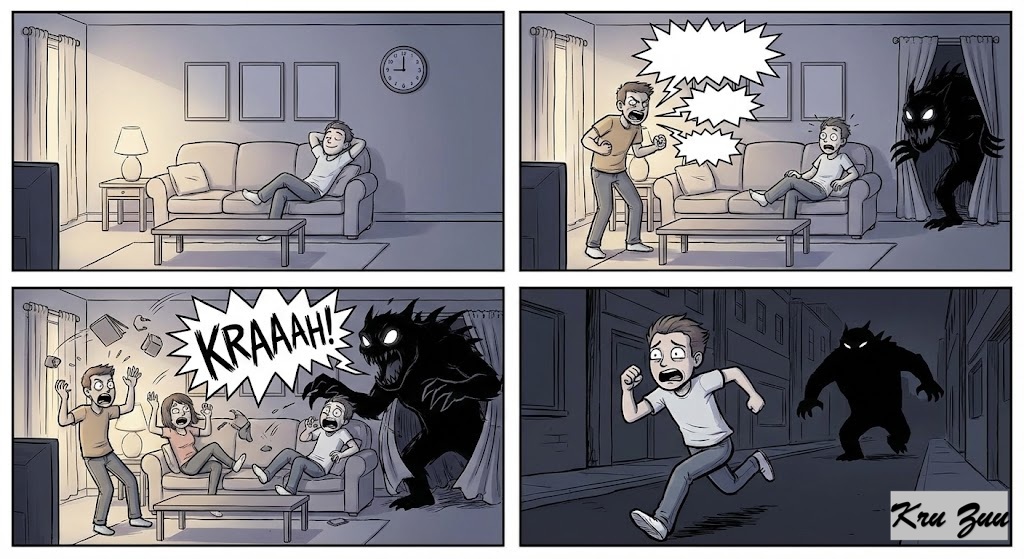
    Things are finally calm. The argument ended three days ago. Everyone is relaxing. But then… you walk in. You are bored with peace. You say: “Hey, remember last year when you forgot my birthday?” or “I’m still not sure why you looked at me like that yesterday.” 👉 You poke the wound. You dig up old skeletons. You insist on “talking it out” even when there is nothing left to say.

    The Result? Chaos returns. The calm evening turns into a screaming match. You just woke up the beast, and now you have to run. 🧟‍♂️


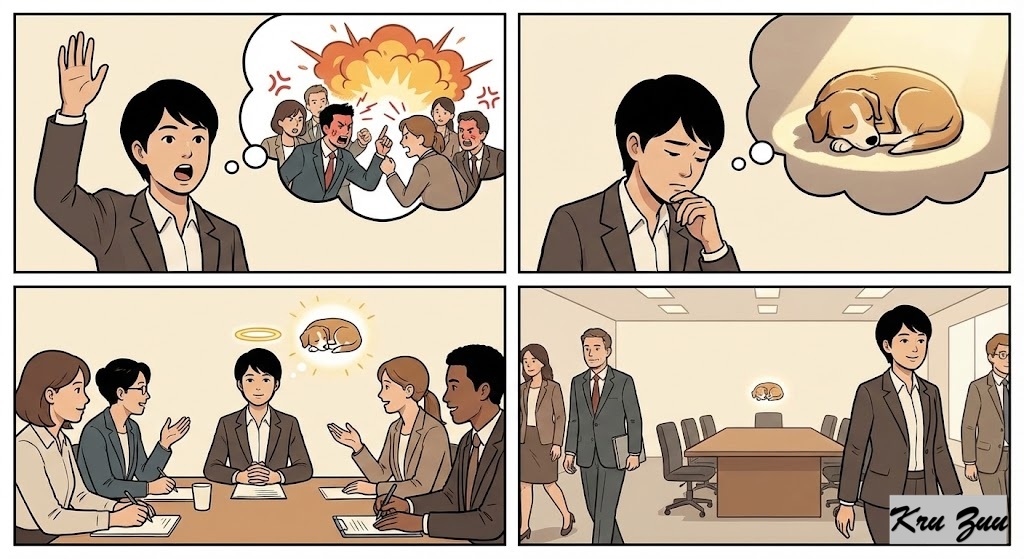
    😇 The Hero (The Peacemaker): You notice a sensitive topic, but you see that everyone is currently happy. You make a conscious choice. You realize that digging up the past won’t fix the future—it will only create new pain. You smile and say nothing. You focus on today.

    The Result? The moment remains peaceful. Relationships heal naturally over time because you didn’t pick at the scab. You chose wisdom over drama. 🛡️


    ⚖️ The Reality


    Some problems are like sleeping monsters. If they are quiet, they can’t bite you. Bringing up old grievances or reopening settled arguments rarely leads to a “better understanding.” Usually, it just leads to noise.


    💎 The Secret

    Peace is not just the absence of war; it is the discipline to keep your mouth shut when everything is calm.

    🧐 The Anatomy of the Proverb


    This is your permission to leave things alone.


    Let (Verb): Allow; permit.


    Sleeping (Adjective): Inactive; quiet; at rest.


    Dogs (Noun): A metaphor for trouble, old arguments, or hidden secrets.


    Lie (Verb): To rest in a horizontal position (stay down).


    Simpler Version: Don’t look for trouble. / Don’t restart an old conflict.


    📚 Vocabulary Vault


    Provoke (Verb): To stimulate or give rise to anger (poking the dog). 😡


    Dormant (Adjective): Having normal physical functions suspended or slowed down for a period of time; in or as if in a deep sleep.


    Grievance (Noun): A real or imagined wrong or other cause for complaint or protest.


    Tact (Noun): Sensitivity in dealing with others or with difficult issues.


    Instigate (Verb): To bring about or initiate (an action or event).


    🧠 Grammar Focus: Imperative Mood


    This idiom is almost always used as a command or advice (Imperative).


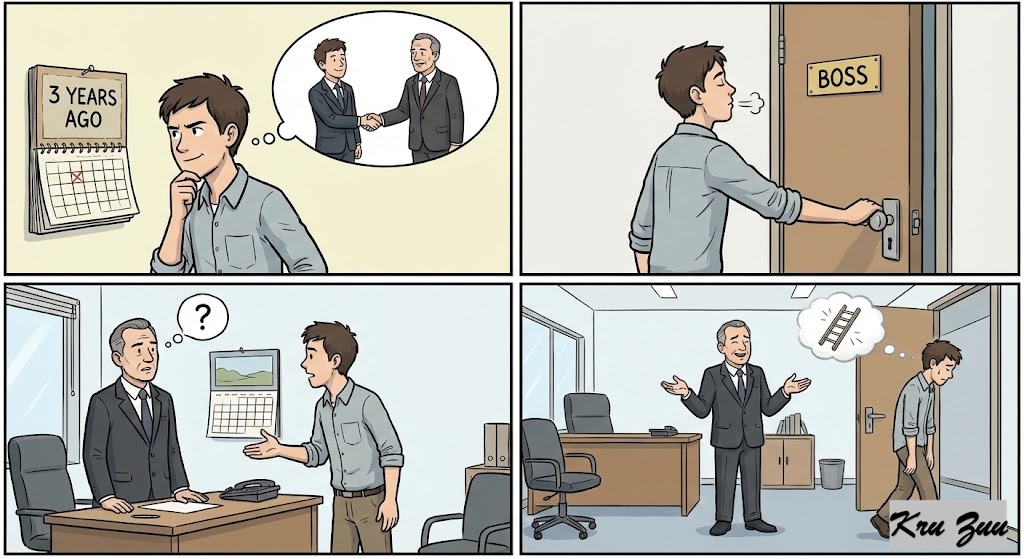
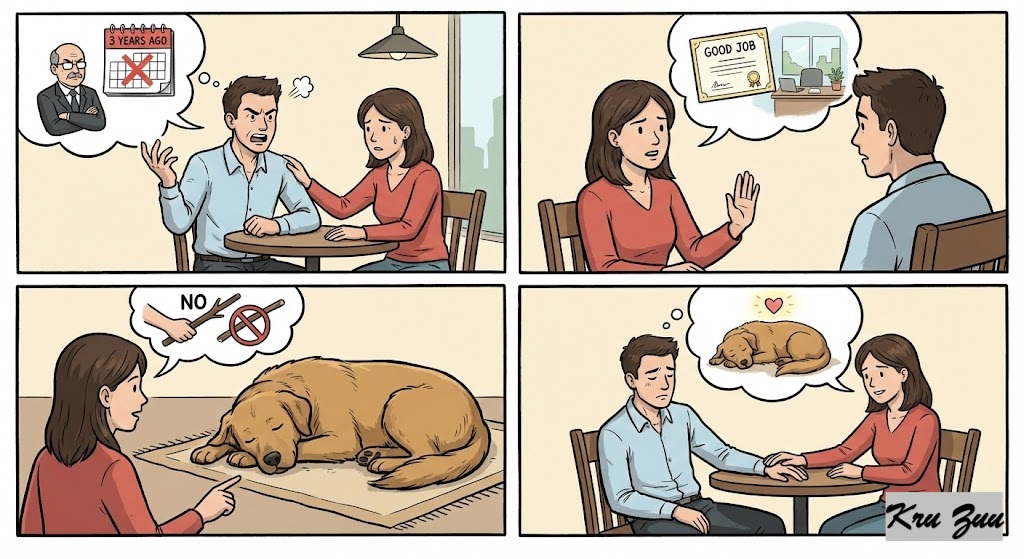
    Person A: “I want to ask my boss why he didn’t promote me three years ago.”


    Person B: “Don’t do it. You have a great job now. Let sleeping dogs lie.”

    📜 History: Origin and Spread


    Where did this wise warning come from?

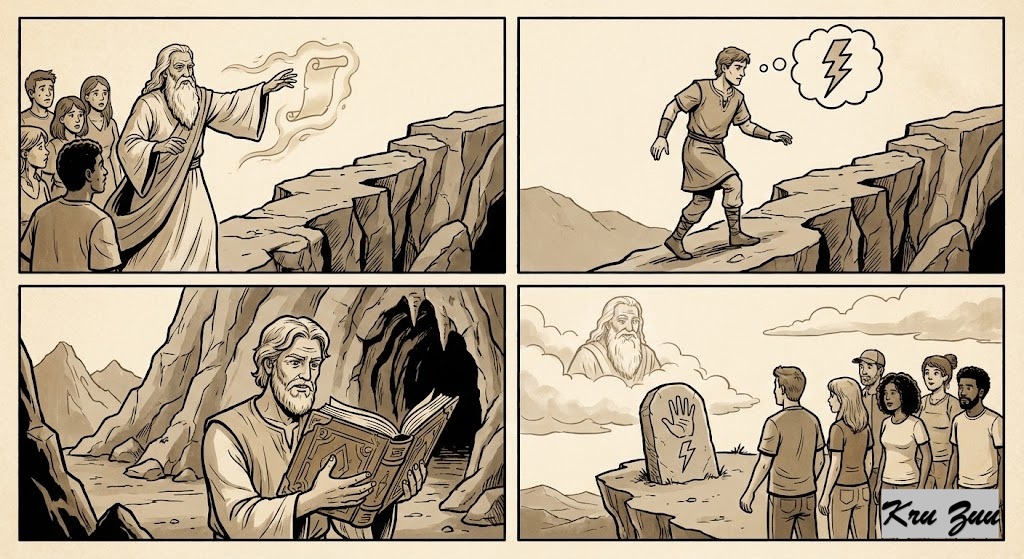
    The Origin: The legendary writer Geoffrey Chaucer used a version of this in the 1300s! He wrote, “It is nought good a slepyng hound to wake.”

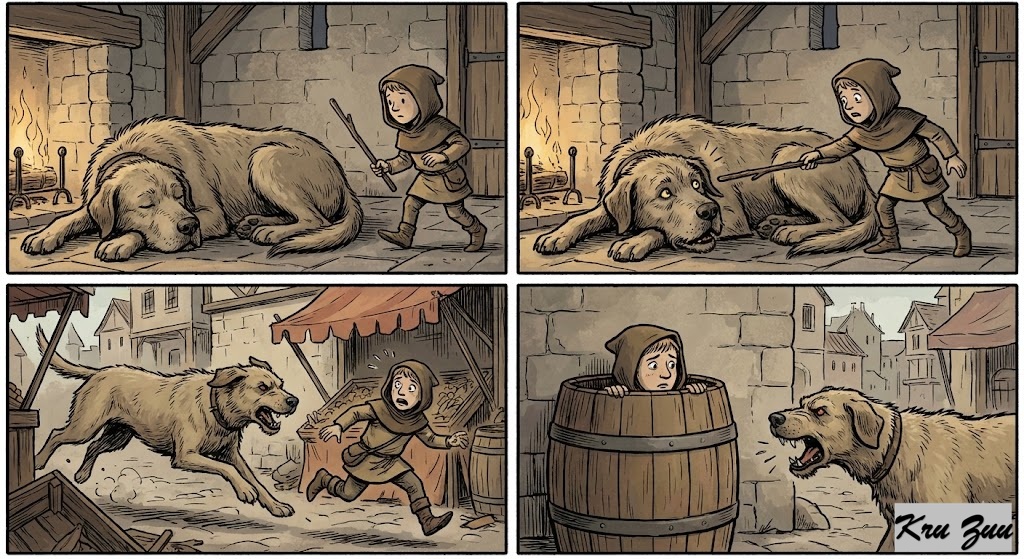
    The Logic: Before domesticated pets, dogs were working animals—guards and hunters. They were often fierce. If you woke a sleeping guard dog suddenly, it would likely bite your face before realizing who you were.

    Global Cousins

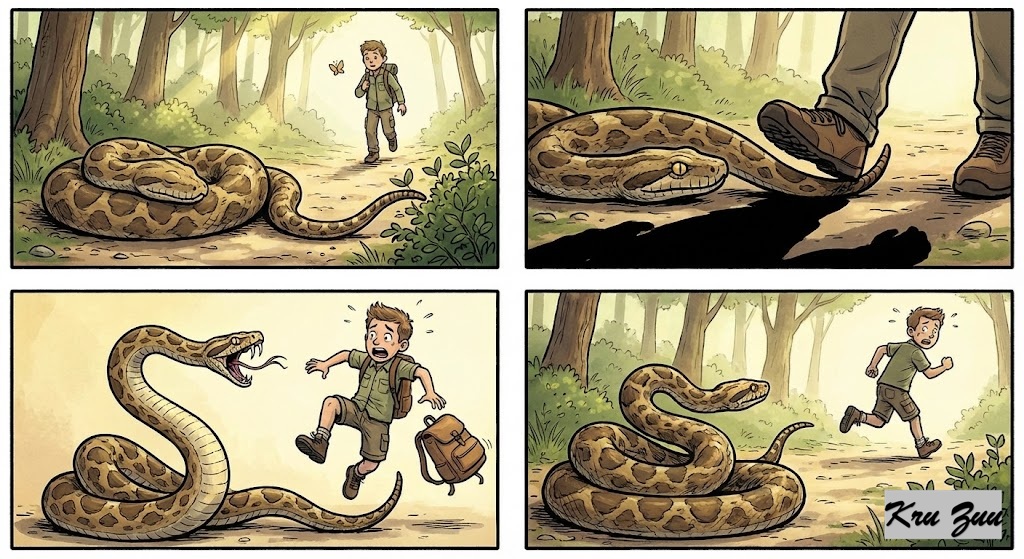
    🇹🇷 Turkish: “Uyuyan yılanın kuyruğuna basma.” (Don’t step on the tail of a sleeping snake.)

    🇫🇷 French: “N’éveillez pas le chat qui dort.” (Don’t wake the sleeping cat.)

    🇩🇪 German: “Schlafende Hunde soll man nicht wecken.” (One should not wake sleeping dogs.)

    🎯 Impact on Life: The Pros & Cons


    ✅ The Pros (The Shield)


    Stress Reduction:
    You save your energy for problems that actually matter today.


    Harmony: You become known as an easy-going person, not a drama-seeker.


    ❌ The Cons (The Trap)


    Avoidance:
    Be careful. Don’t use this idiom to ignore serious problems that are getting worse. If the “dog” has a disease (a toxic issue), letting it sleep won’t cure it.

    🎭 Short Story: The Cave of Grumpy Bears 🐸🐱🐔


    Let’s return to the magical forest to see why curiosity can be dangerous.


    🌟 The Cast


    Cleo the Cat:
    Cautious, elegant, dislikes dirty paws. 😼


    Cluck the Chicken: Impulsive, loud, loves drama. 🐔


    Fred the Frog: The wise observer on the lily pad. 🐸


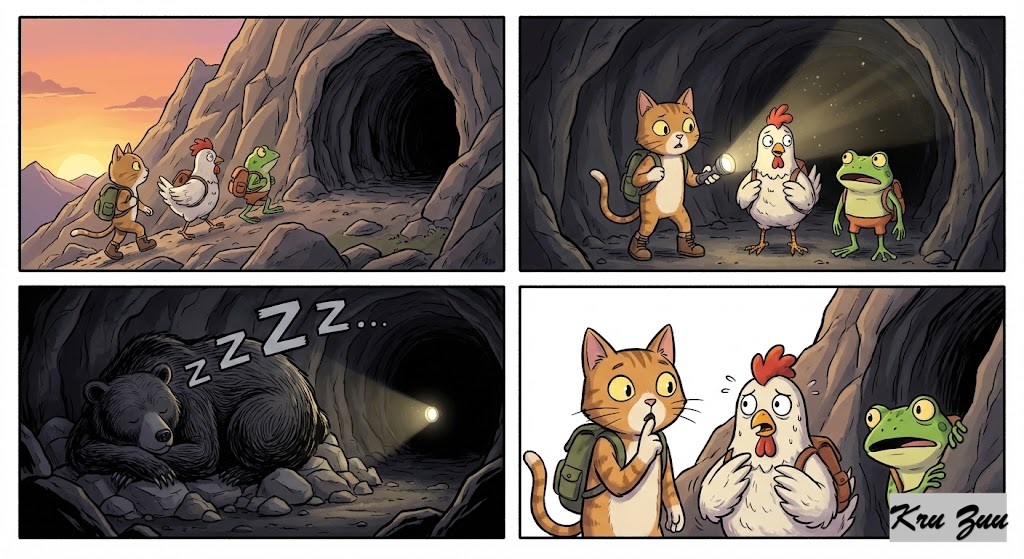
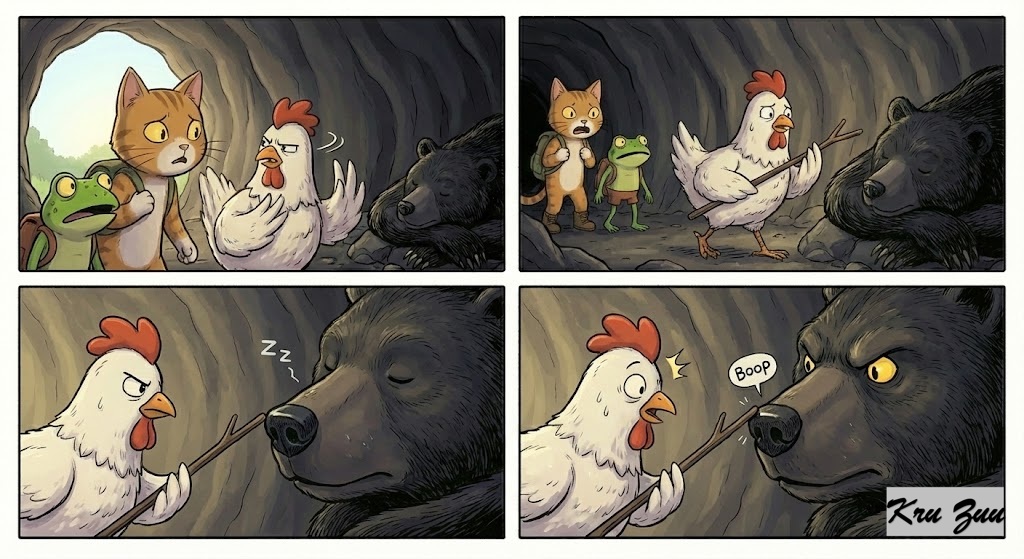
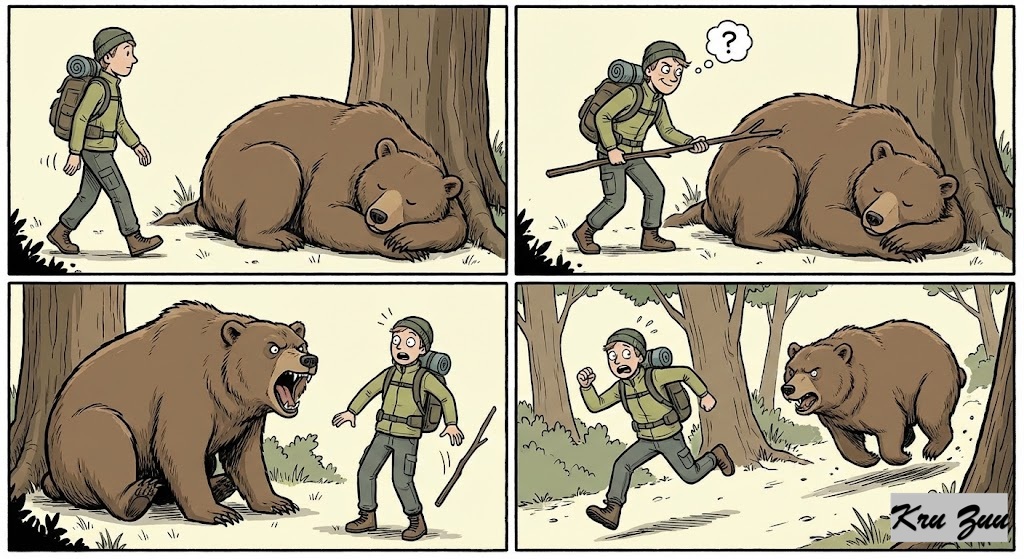
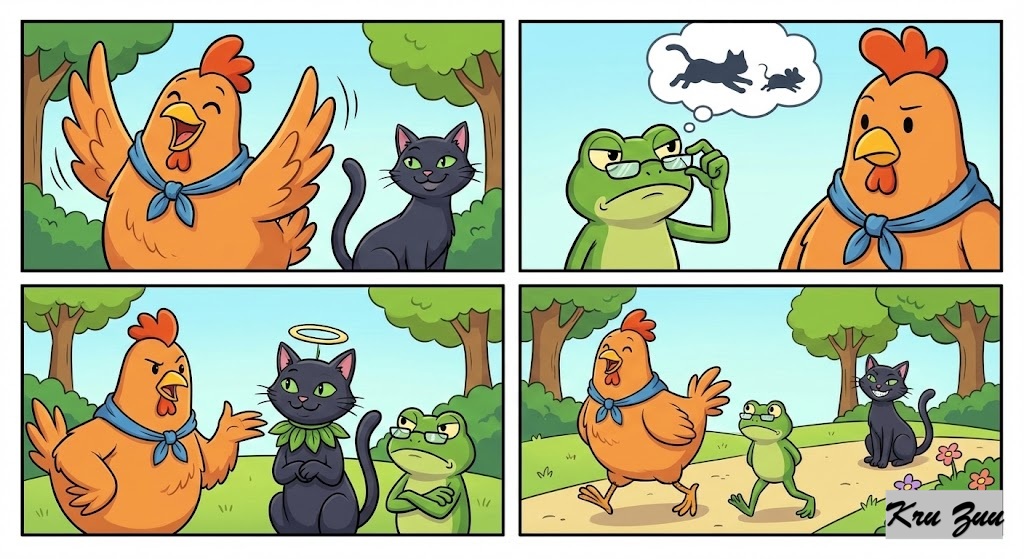
    The Situation: The trio is hiking up “Mount Mystery.” They come across a dark, echoing cave. Inside, a massive Shadow Bear is sleeping. It is snoring loudly: ZzzZZzz…


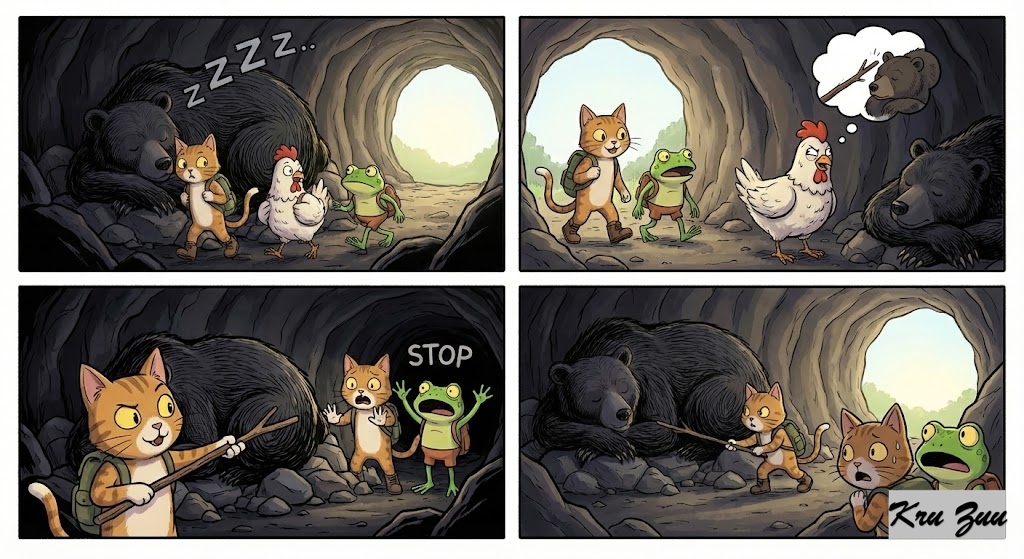
    The Conflict: They tiptoe past the bear safely. They are almost at the exit! But Cluck stops. He whispers loudly, “Hey! I wonder if that bear is actually asleep or just pretending? I bet I can poke him and run away before he catches me!”


    Cleo hisses quietly, “Cluck! Are you crazy? We are safe. Just keep walking!”


    Cluck shakes his head. “No, no. I need to know. Plus, remember that time a bear ate my corn? I want revenge!” Cluck picks up a long stick. He creeps toward the massive, snoring beast. He pokes the bear’s nose. Boop.


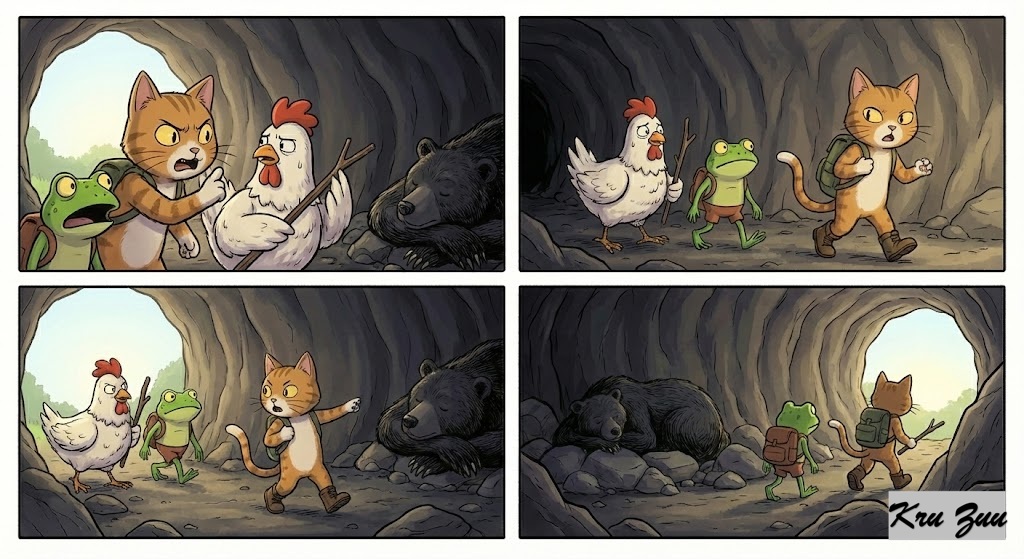
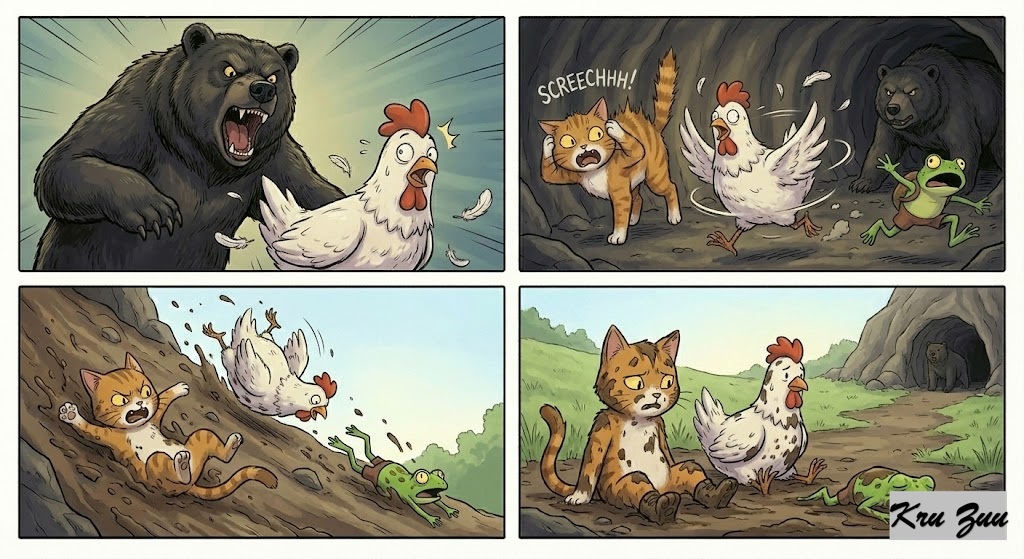
    The Result? ROAAAAAR! 🐻 The bear wakes up instantly. It is NOT happy. Cleo screeches! Feathers fly everywhere! Cluck runs in circles, clucking in terror! They barely escape the cave, sliding down the mud, ruining Cleo’s perfect fur.


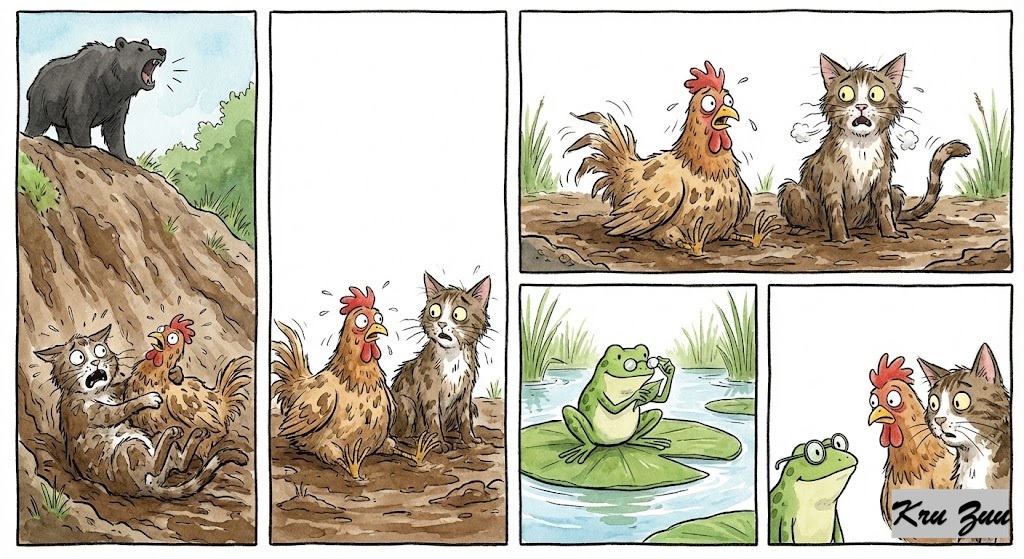
    The Resolution: They land at the bottom of the hill, covered in mud, shaking with fear. Fred the Frog is sitting there, polishing his glasses. He looks at the breathless Chicken.


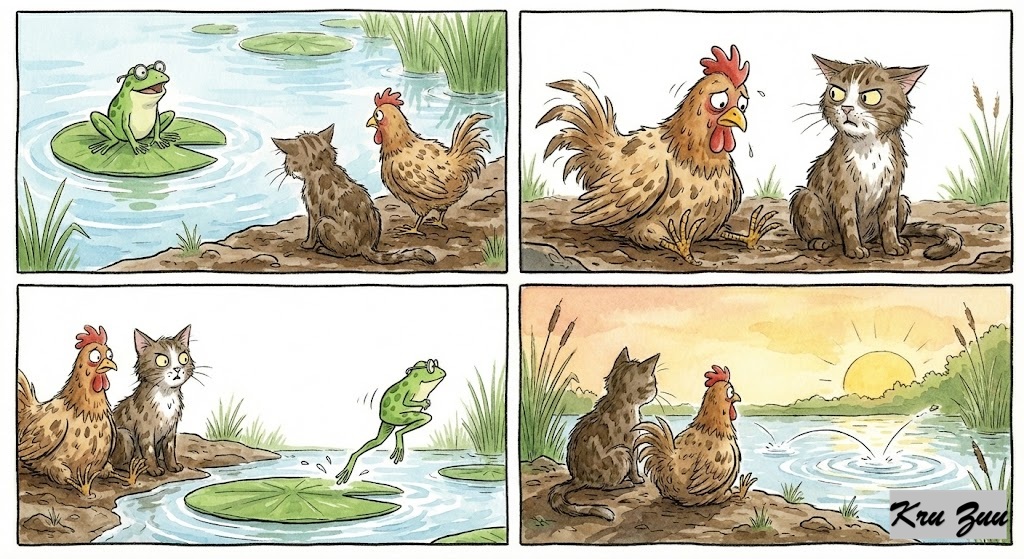
    “Ribbit,” Fred says. “Cluck, the bear was happy. You were safe. You poked the problem, and now you are covered in mud.” Fred hops away. “Next time, my friend… let sleeping dogs (or bears) lie.”


    The Moral: If the problem is sleeping, don’t be the one to wake it up with a stick.

    🎓 Lesson for English Learners


    Context Matters Situation:
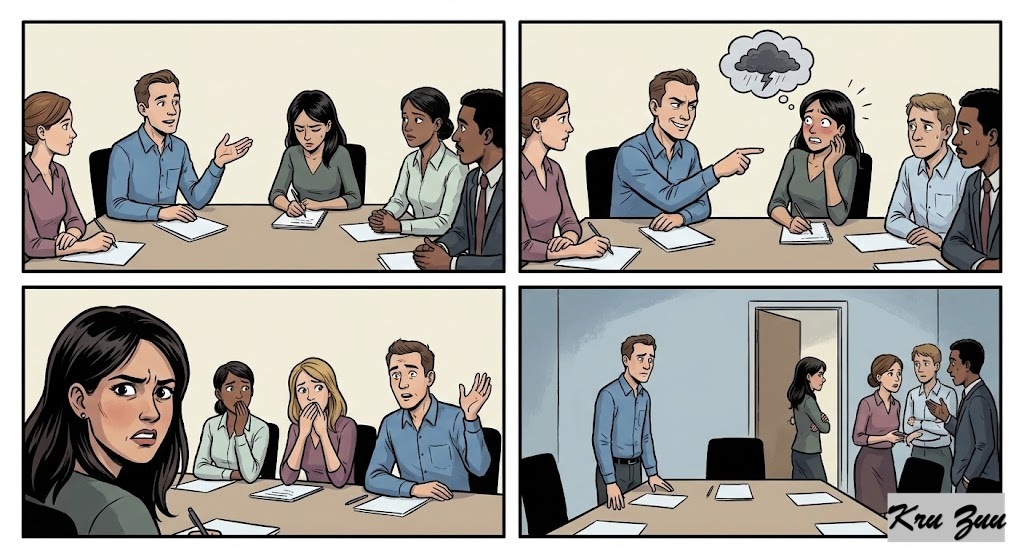
    You are in a meeting. Your colleague, Sarah, made a mistake last month. She fixed it. The boss has forgotten about it.

    Bad Move: Saying, “Well, at least this isn’t like the mistake Sarah made last month…”

    The Correction: Stop yourself. Think: If I say this, I create new drama.You Say: Nothing. You let sleeping dogs lie.


    💬 Your Turn: The Peace Challenge 🚀


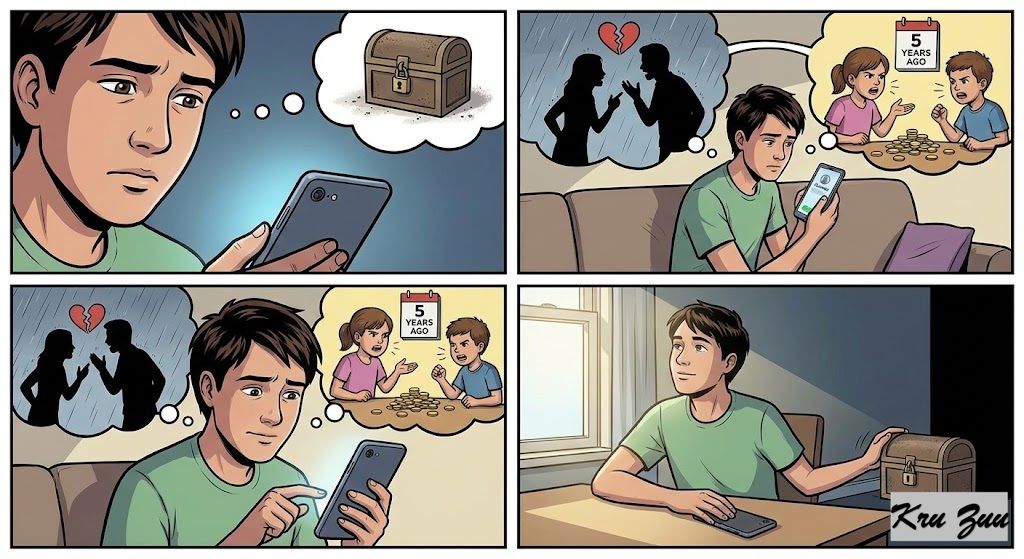
    Is there an old argument you are tempted to bring up? Maybe you want to text your ex? Maybe you want to remind your sibling about money they owed you 5 years ago?


    The Challenge:
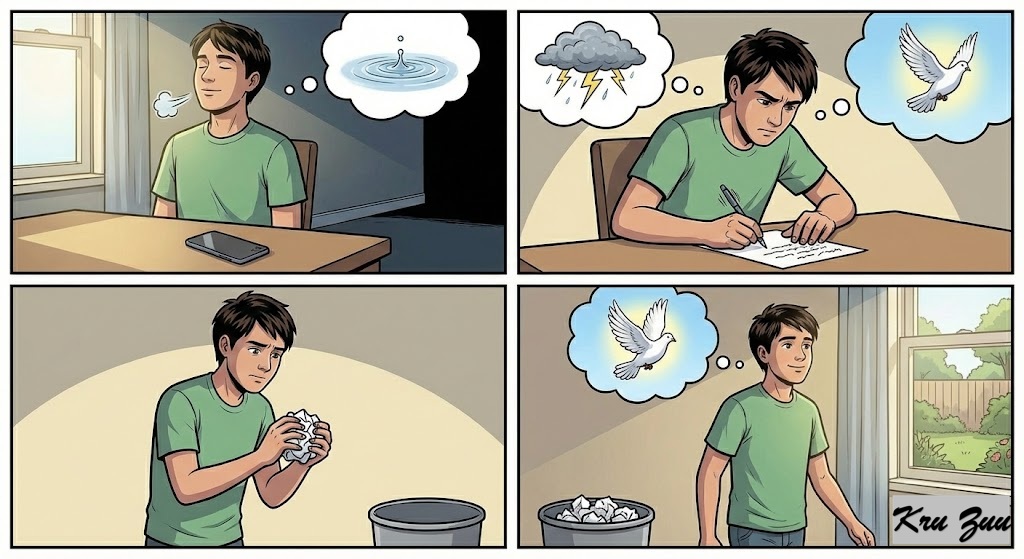
    Don’t. Take a deep breath. Write the complaint on a piece of paper. Then, crumple the paper and throw it in the trash. Tell yourself: “I am choosing peace today.”


    👇 Question for the comments: Have you ever “woked a sleeping dog” and regretted it immediately? Tell us your story below! (I promise we won’t judge!)

    By Zubeyir YURTKURAN

    https://www.facebook.com/BrainBattleground/

    https://www.facebook.com/zubeyr.yurtkuran/

    https://www.instagram.com/zubeyryurtkuran/
    https://www.youtube.com/@BrainBattleground-b3p

    https://www.instagram.com/brainbattleground/

  • 🧠 The Daily Shield: The Law of Connection

    🧠 The Daily Shield: The Law of Connection

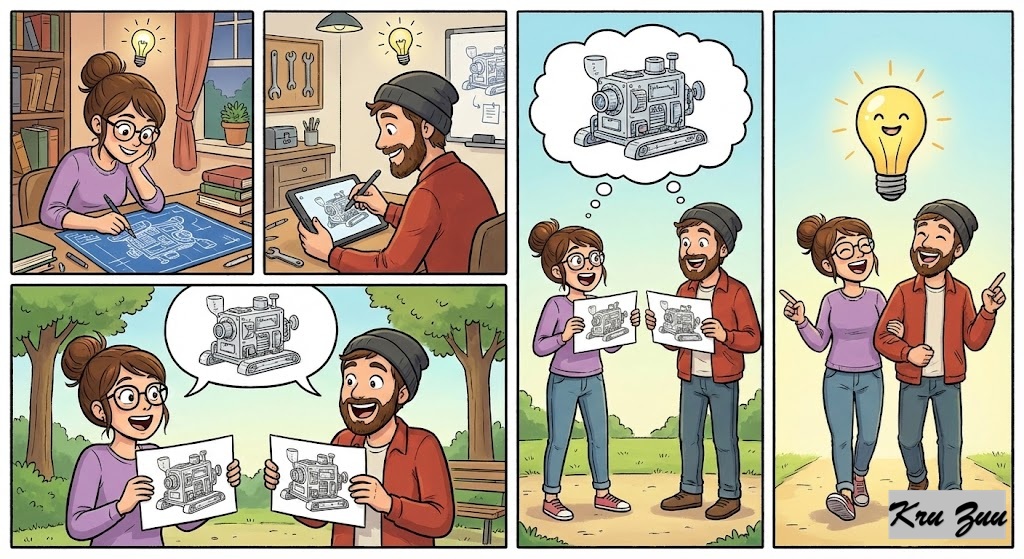
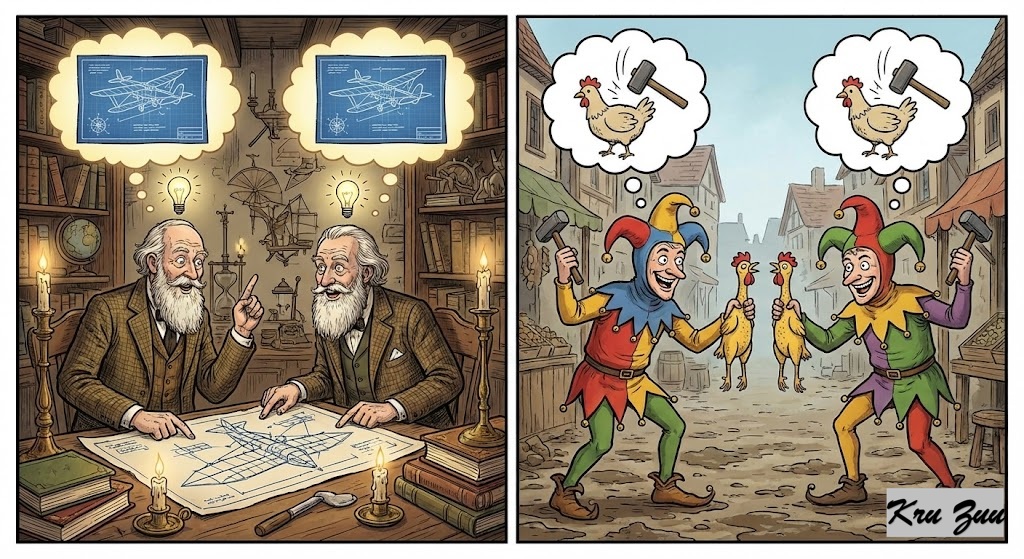
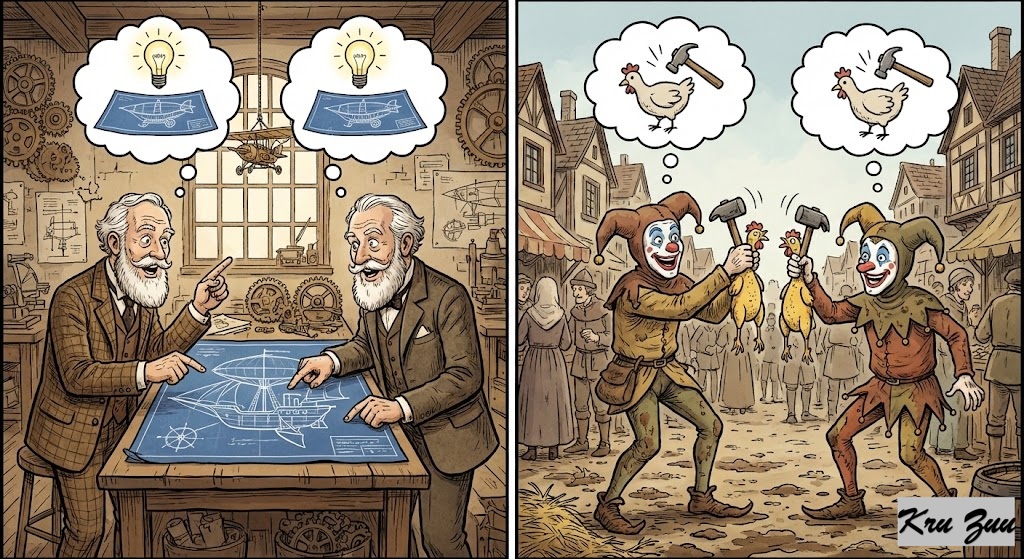
    “Great minds think alike.”


    😈 The Villain (The Intellectual Snob)

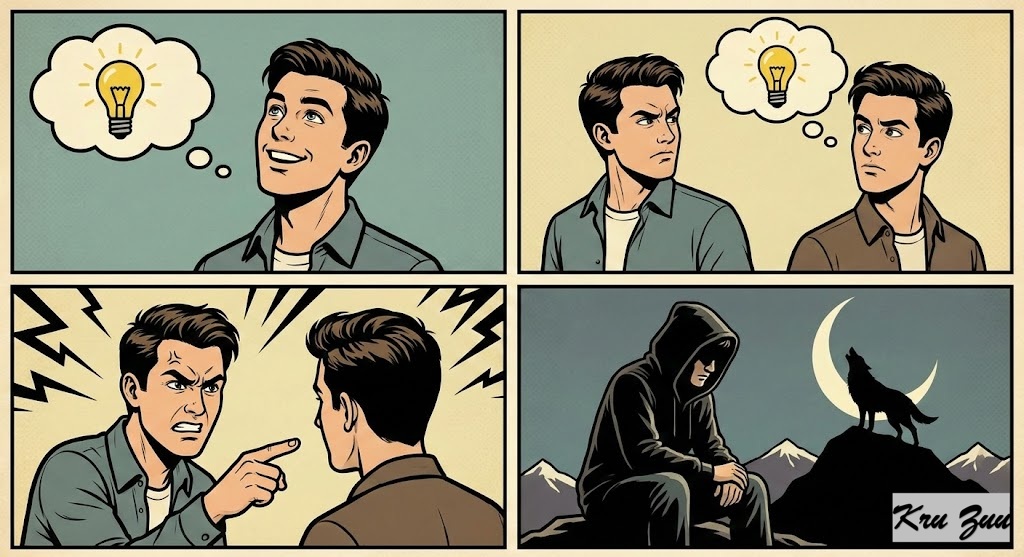
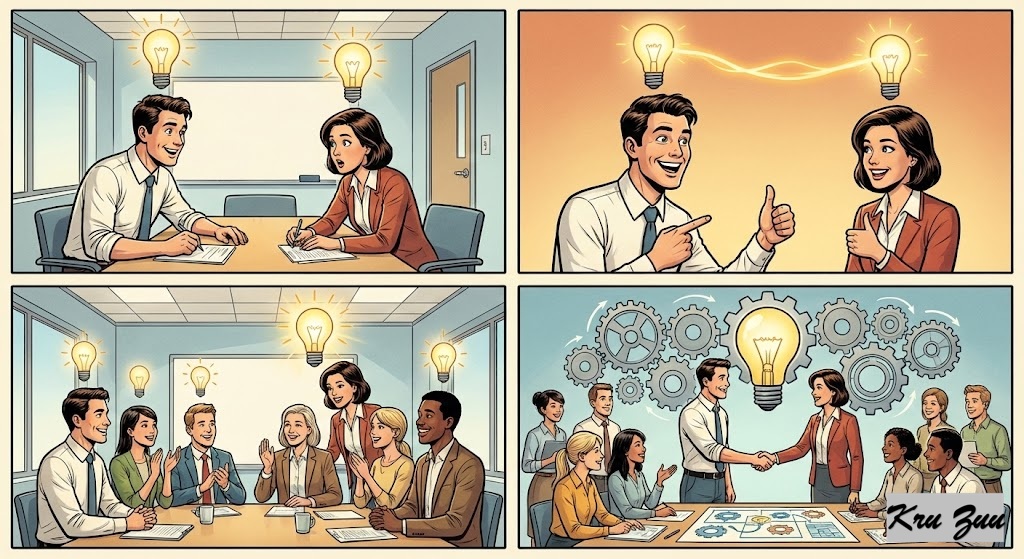
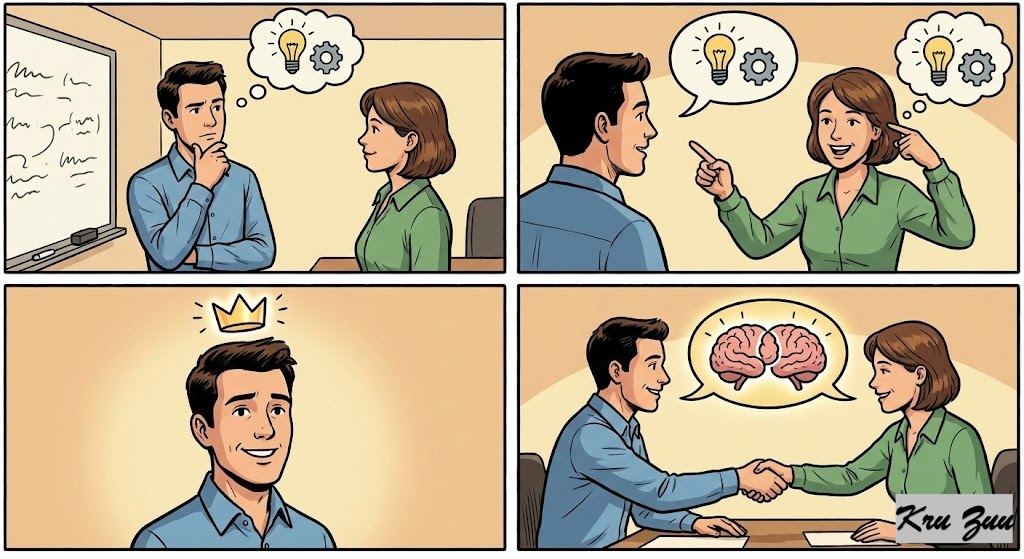
    You have an idea. Someone else suggests the same thing. What do you do? You get annoyed. 😒 “Hey, I thought of that first!””Stop copying me!” You believe your ideas are special property. You see shared thoughts as theft, not connection. You want to be the “Lone Wolf” genius.

    The Result? You isolate yourself. People feel awkward sharing ideas with you. You kill the momentum of the team because you are too busy claiming credit. You are trapped in the “Ego Trap.” 🧟‍♂️


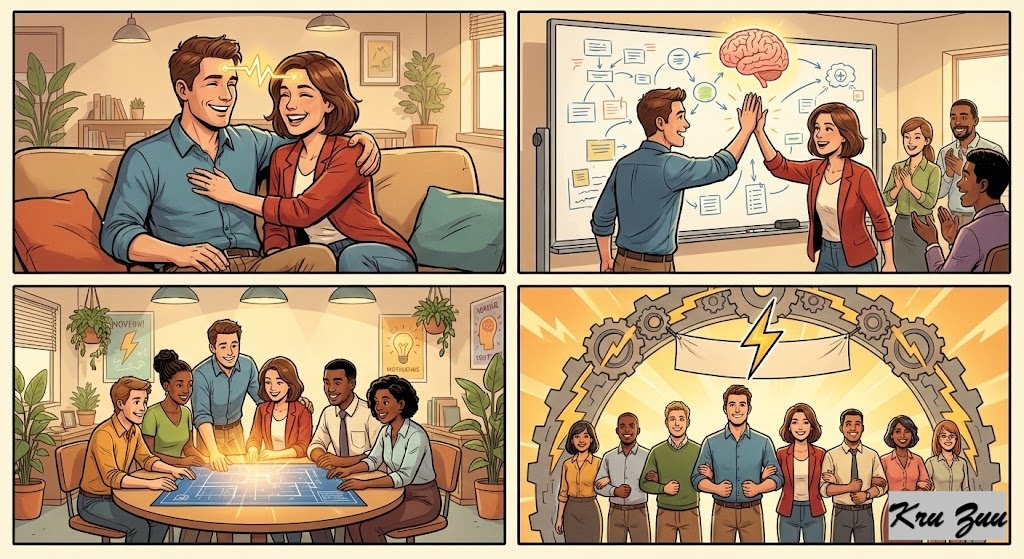
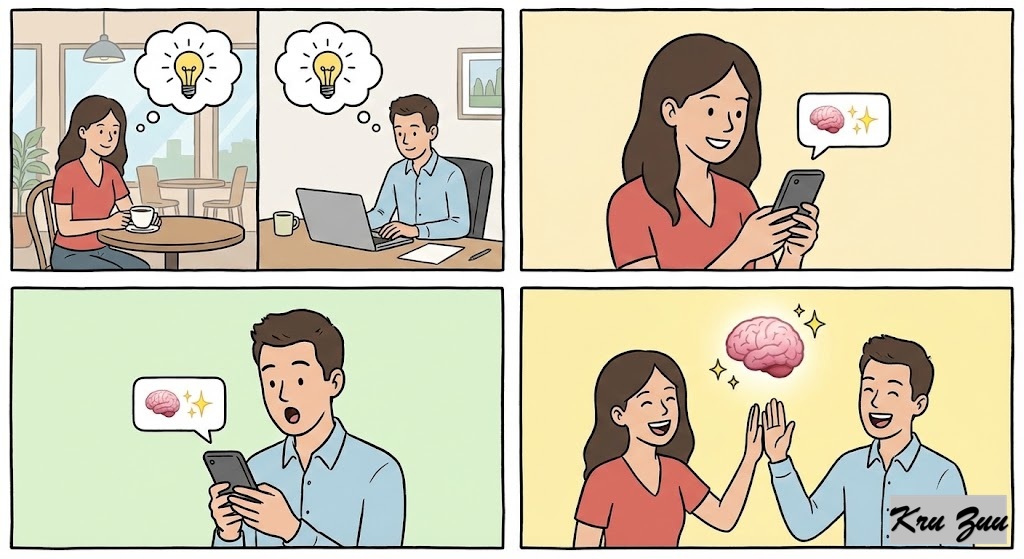
    😇 The Hero (The Synergist): You are brainstorming. A colleague blurts out the exact solution you were just thinking of. Instead of getting jealous, you smile. 😄 You point at them and say: “Great minds think alike!” You validate their intelligence, which validates yours. You realize that shared thinking isn’t copying, it’s alignment.

    The Result? Instant rapport. The other person feels smart and connected to you. You create a bond of trust (“We are on the same wavelength”). You build a tribe, not just a resume. ⚡


    ⚖️ The Reality


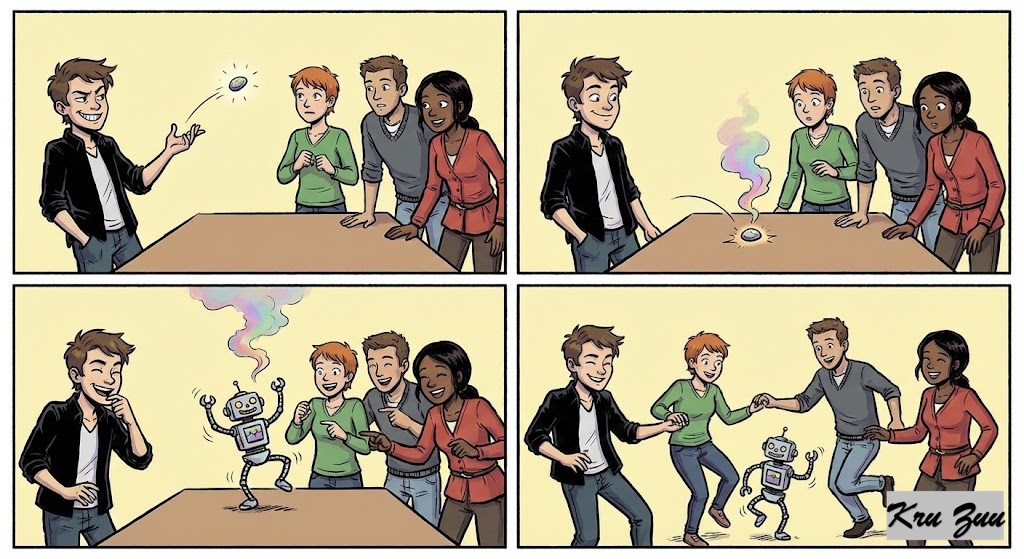
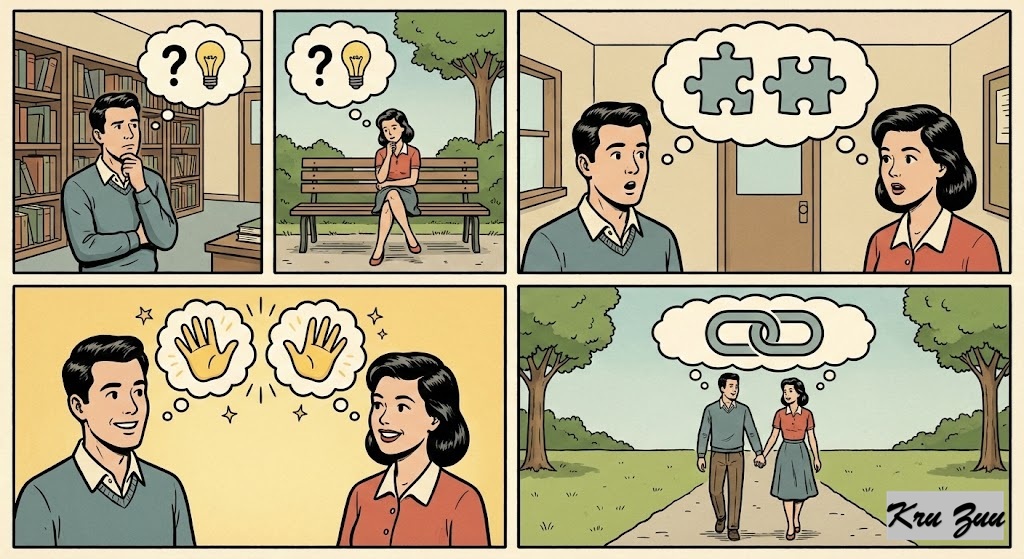
    We are social creatures. When two people arrive at the same conclusion independently, it is a powerful signal of compatibility. It means your values, logic, or instincts are aligned. It is a moment of “mental high-five.” 👋


    💎 The Secret

    Using this phrase isn’t just about being right; it is a tool to make the other person feel good. It says, “You are smart because you think like me.”

    🧐 The Anatomy of the Proverb


    This is your go-to phrase for those “Jinx!” moments.


    Great Minds (Noun Phrase): Intelligent people; thinkers; visionaries.


    Think (Verb): To process thoughts/ideas.


    Alike (Adverb):
    In a similar way; identically.


    Simpler Version: Smart people have the same ideas. / We are on the same page.


    📚 Vocabulary Vault


    Synergy (Noun):
    When the combined effect is greater than the sum of separate effects. (1+1=3). 🚀


    Telepathy (Noun): The supposed communication of thoughts by means other than the known senses. (e.g., “It’s like we have telepathy!”).


    Validation (Noun): Recognition or affirmation that a person’s feelings or opinions are valid or worthwhile.


    Coincidence (Noun): A remarkable concurrence of events or circumstances without apparent causal connection.


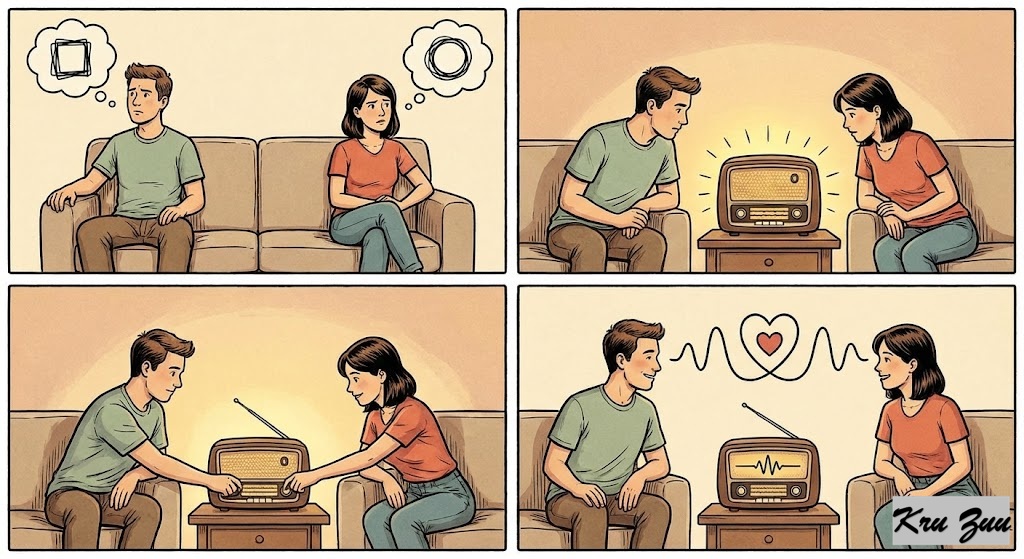
    Wavelength (Noun):Idiom: “To be on the same wavelength” (To think similarly). 📻

    📜 History: Origin and The Twist


    Where did this compliment come from?


    The Origin: The idea has been around since the early 1600s. The original recorded phrase in English was “Great wits jump” (meaning “jump to the same conclusion”). It evolved into “Great minds think alike” over time.


    The Twist (The Humorous Truth): Did you know this idiom has a second half that is often left out? The full phrase is historically known as:”Great minds think alike, though fools seldom differ.”


    Translation: Smart people might have the same idea, but stupid people also follow the crowd! Note: We usually only use the first half (the polite half) in business and friendship! 😉

    🎯 Impact on Life: The Pros & Cons


    ✅ The Pros (The Bond)


    Speed:
    You don’t have to explain yourself. The other person already “gets it.”


    Confidence: Knowing someone supports your idea makes you more likely to succeed.


    ❌ The Cons (The Echo Chamber)


    Groupthink:
    If everyone thinks alike, no one is spotting the mistakes. Sometimes you need a “Great Mind” who thinks differently to challenge you.

    🎭 Short Story: The Mystery of the Locked Box 📦


    Let’s visit the magical forest to see how mental connection works.


    🌟 The Cast


    Cleo the Cat: Elegant, logical, loves puzzles. 😼


    Cluck the Chicken: Impulsive, hungry, relies on gut instinct. 🐔


    Fred the Frog: The wise, green observer. 🐸


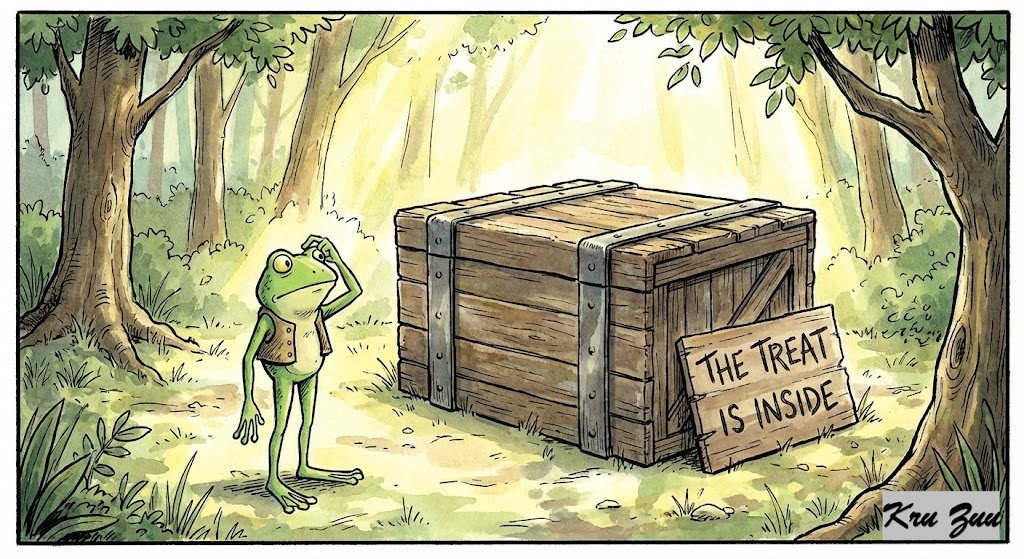
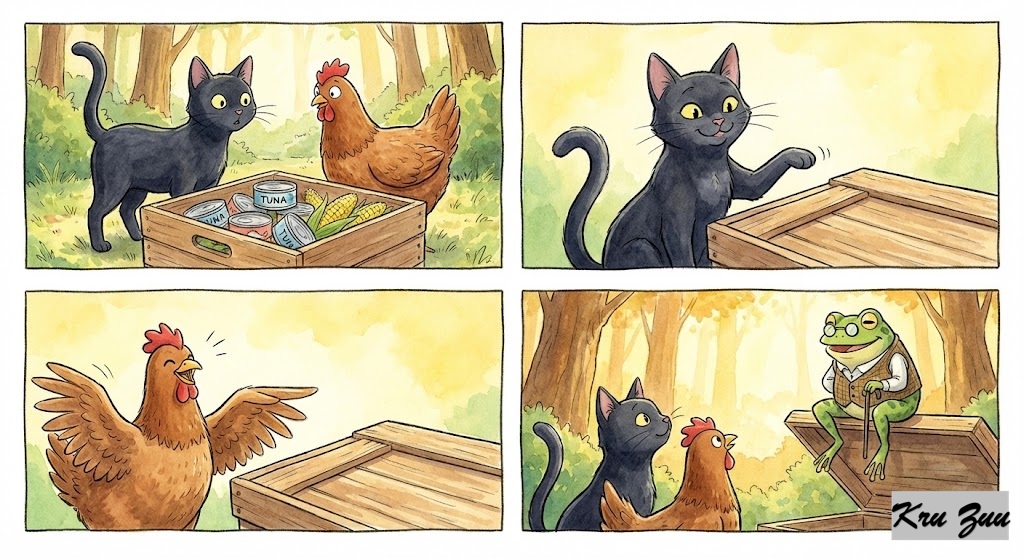
    The Situation: Fred the Frog has placed a mysterious, heavy wooden box in the middle of the clearing. It has no keyhole. It has no handle. Just a sign that says: “The treat is inside.”


    The Conflict:
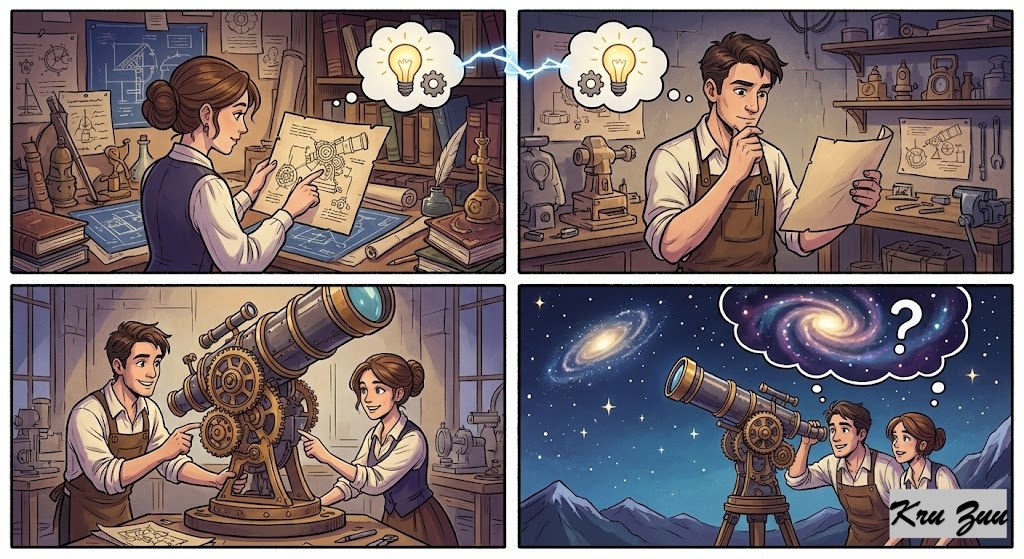
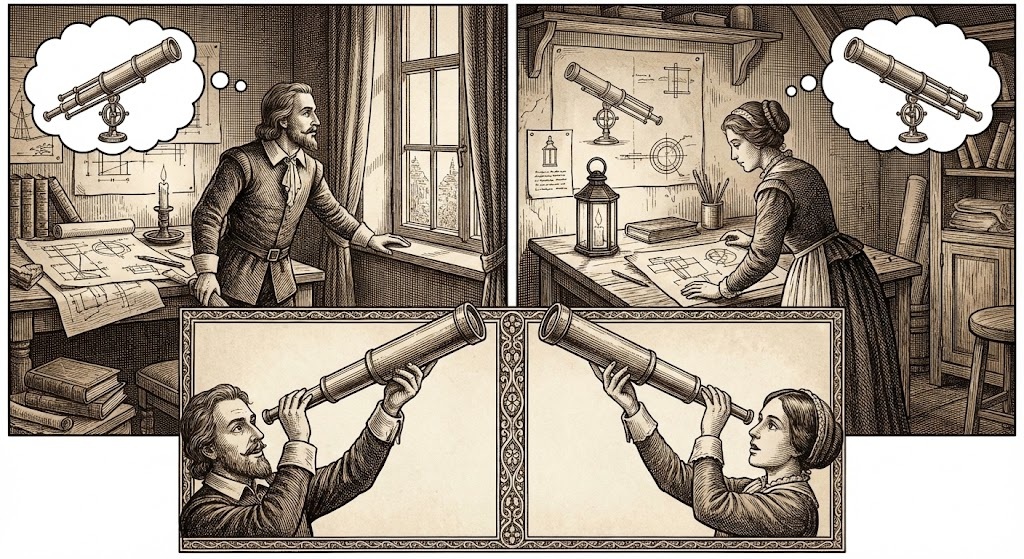
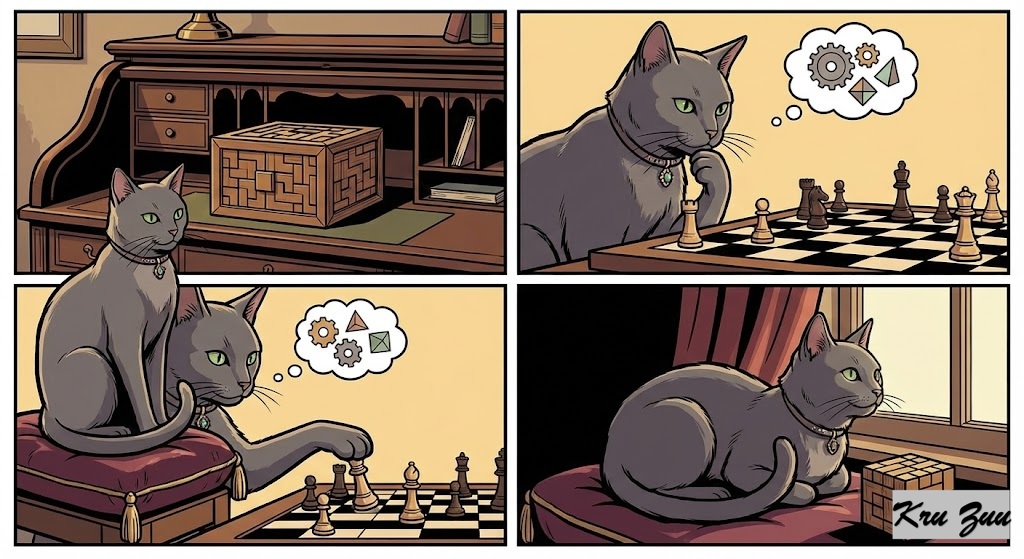
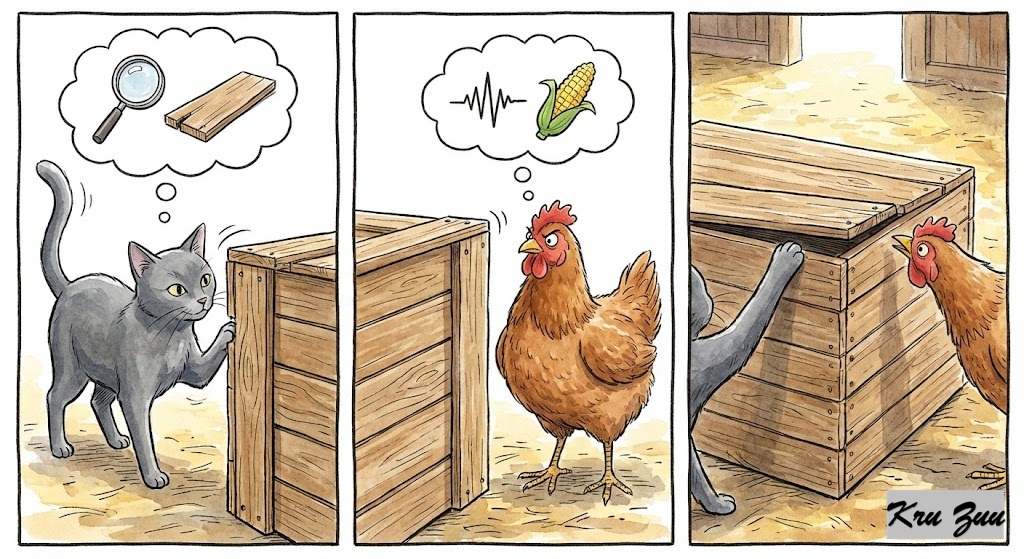
    Cleo circles the box, analyzing the wood grain. She thinks hard. “The wood is loose on the top right corner. I need something thin to pry it open.” Cluck stares at the box, thinking about the corn inside. He feels a vibration. “The top right corner looks weak. I need something flat to poke it.”


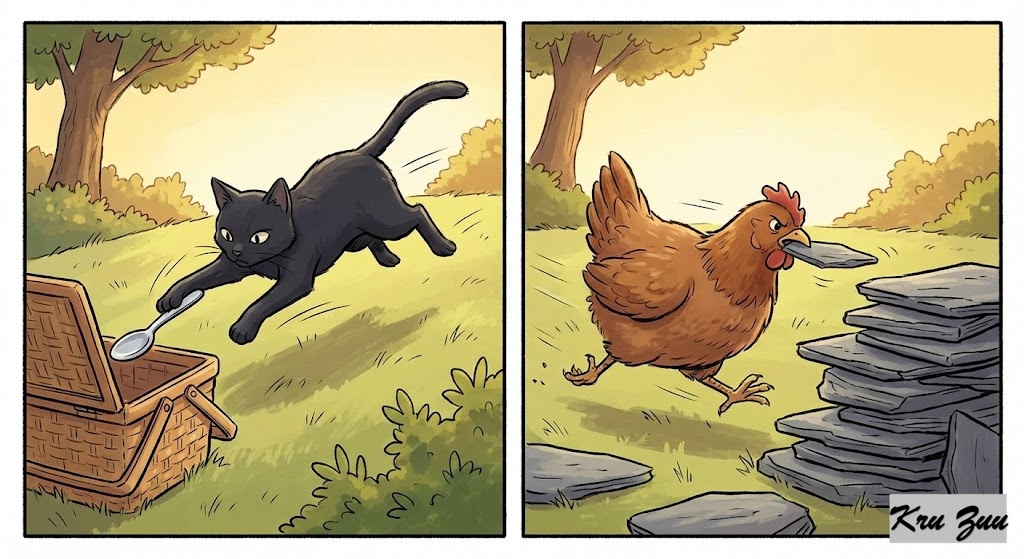
    The Climax: Without saying a word to each other… Cleo runs to the left and grabs a flat, silver spoon from a picnic basket. 🥄 Cluck runs to the right and grabs a flat, loose slate of rock. 🪨


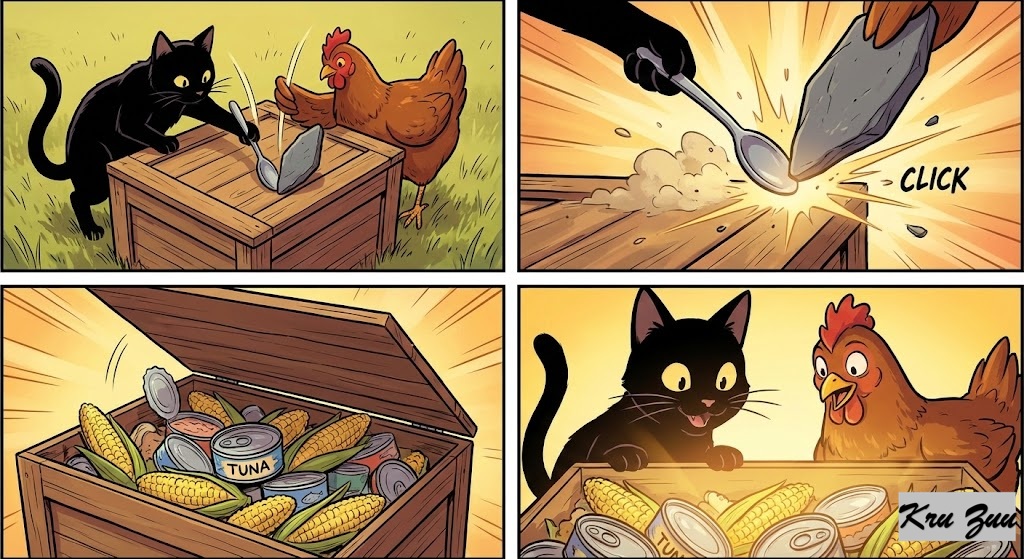
    They both run back to the box and jam their tools into the exact same spot (the top right corner) at the exact same time. Click! The box pops open. It is filled with tuna and corn!


    The Resolution: They look at each other, shocked. Cleo smiles, her tail twitching. “I was going for the leverage point.” Cluck laughs. “I just knew that was the weak spot!” Fred the Frog hops onto the open lid. He adjusts his tiny glasses. “Ribbit,” Fred says. “Different species, different styles, but the same solution. Great minds think alike.”


    The Moral: You don’t have to be identical to be compatible. When you find someone who solves problems the way you do, hold onto them. That is your teammate.

    🎓 Lesson for English Learners


    Context is Key.


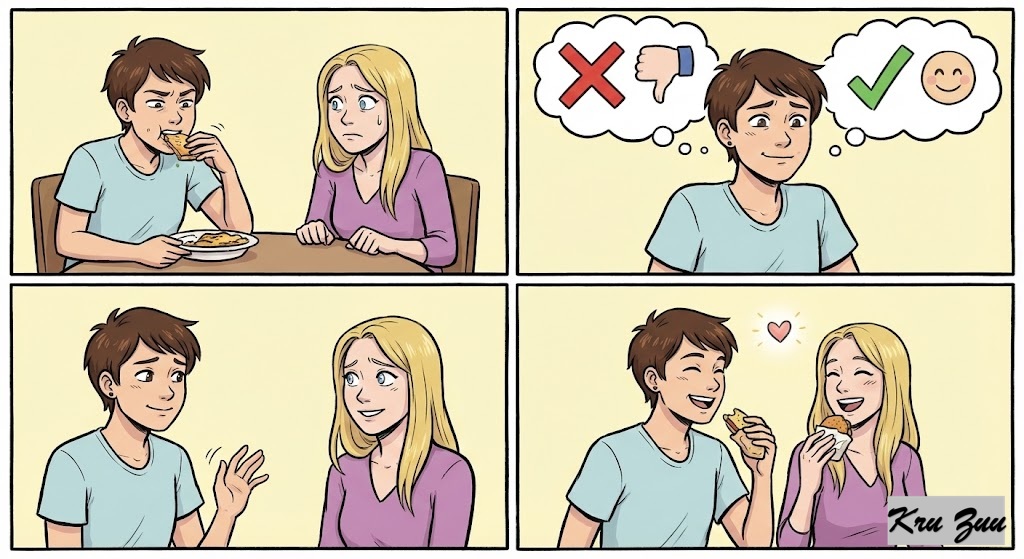
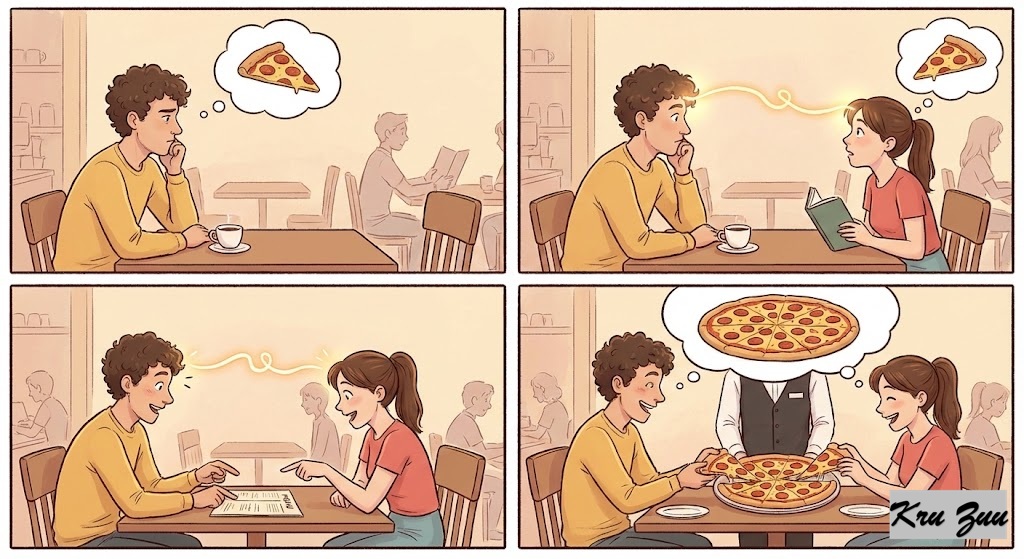
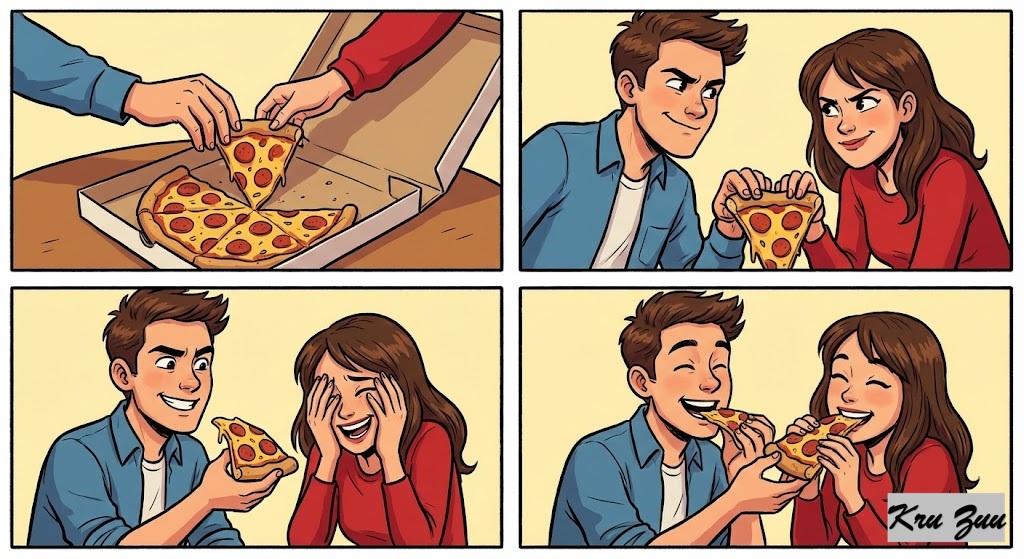
    Situation: You and your friend both reach for the last slice of pizza at the same time.


    You Say: “Great minds think alike!” (This is funny/playful).


    Situation: You and your boss both suggest the same marketing strategy in a meeting.


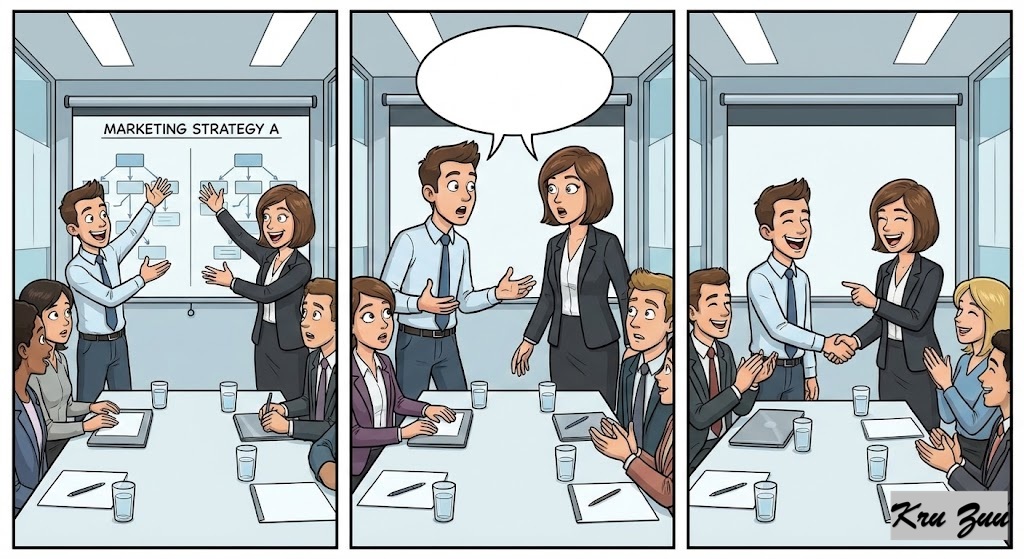
    You Say: “Great minds think alike!” (This is complimentary and builds a professional bond).


    💬 Your Turn: The Connection Challenge 🚀


    Is there someone in your life (a partner, a best friend, a coworker) who often finishes your sentences?


    The Challenge:
    The next time this happens, the next time you both say the same thing or text each other at the same moment, do not ignore it.

    The Action: Immediately send them a message or say: “Great minds think alike! 🧠✨”


    Celebrate the connection. It turns a coincidence into a relationship builder.


    👇 Question for the comments: Who is your “Mind Twin”? Tag the person who always seems to know what you are thinking!

  • 🛡️ The Daily Shield: The Law of Loyalty

    🛡️ The Daily Shield: The Law of Loyalty

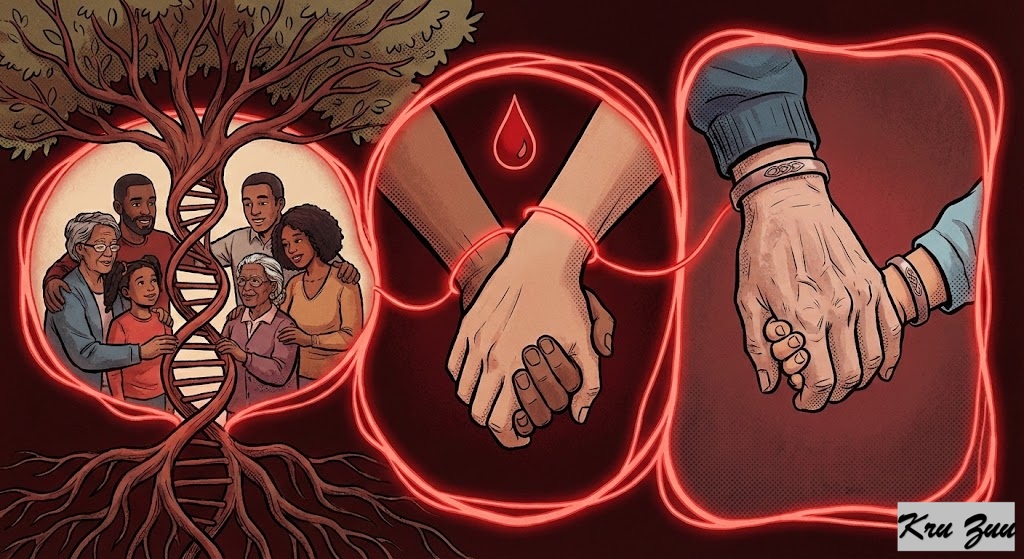
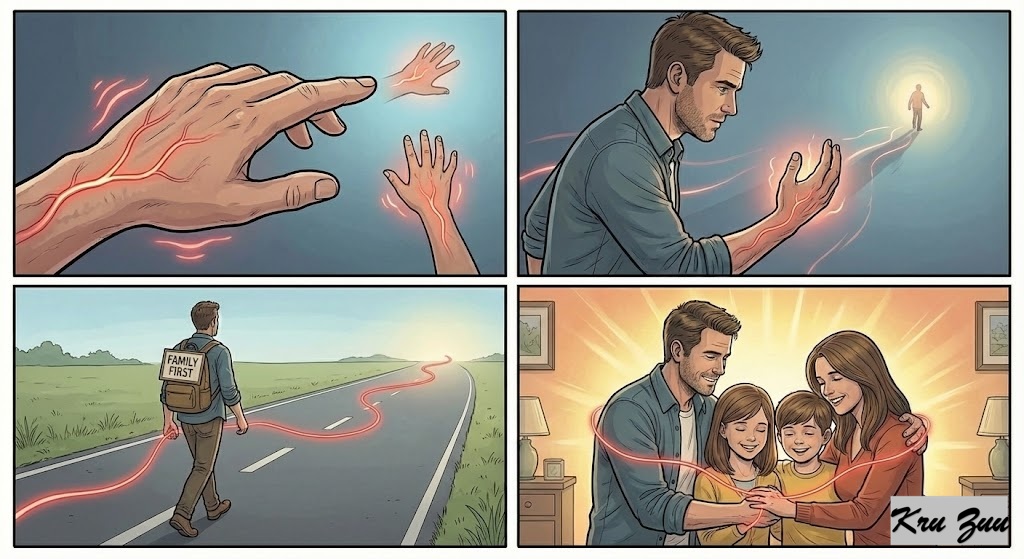
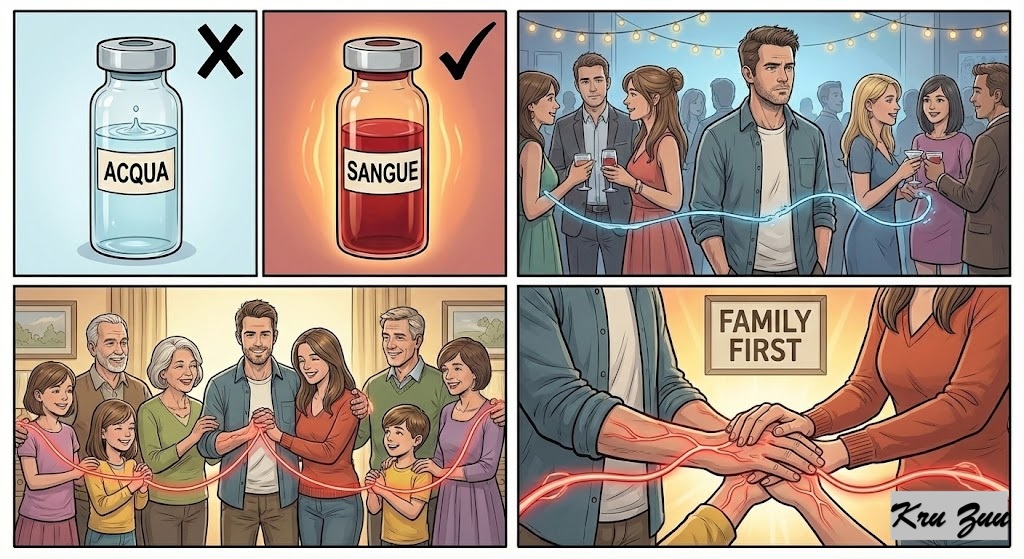
    “Blood is thicker than water.”


    😈 The Villain (The Fair-Weather Friend)


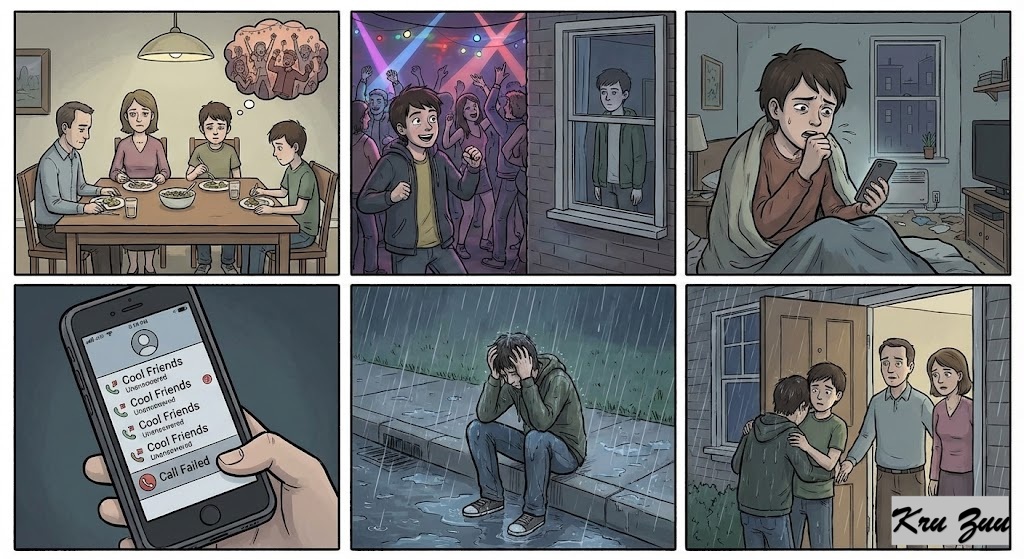
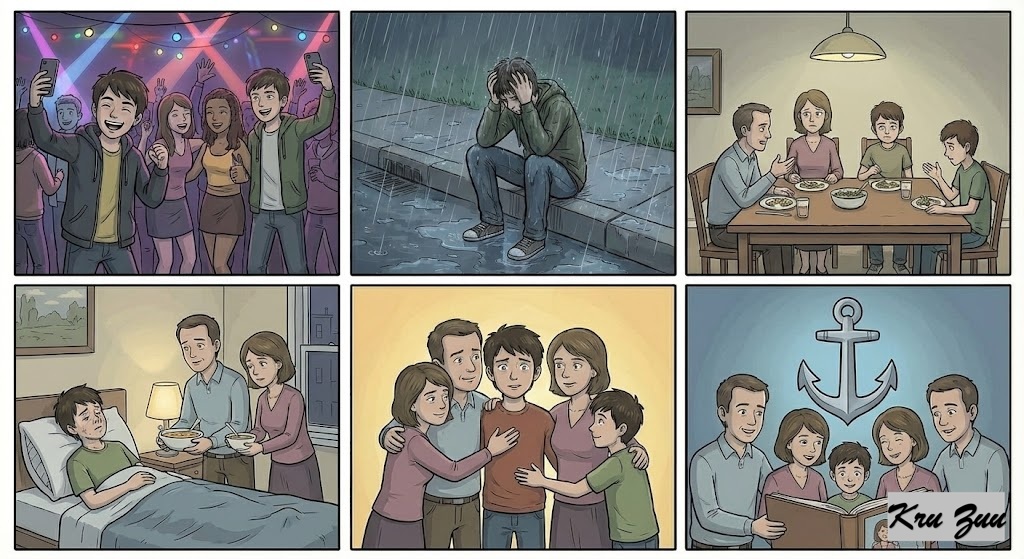
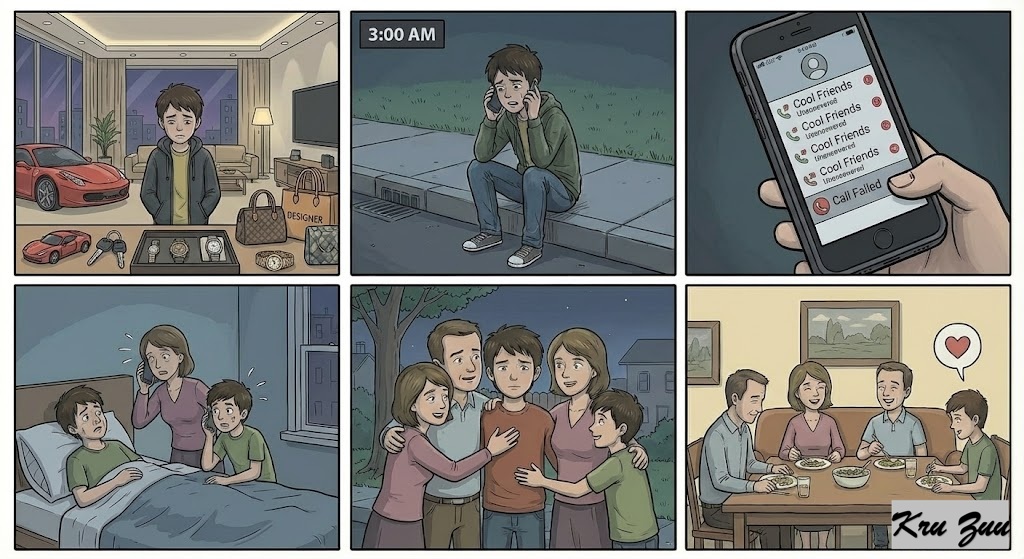
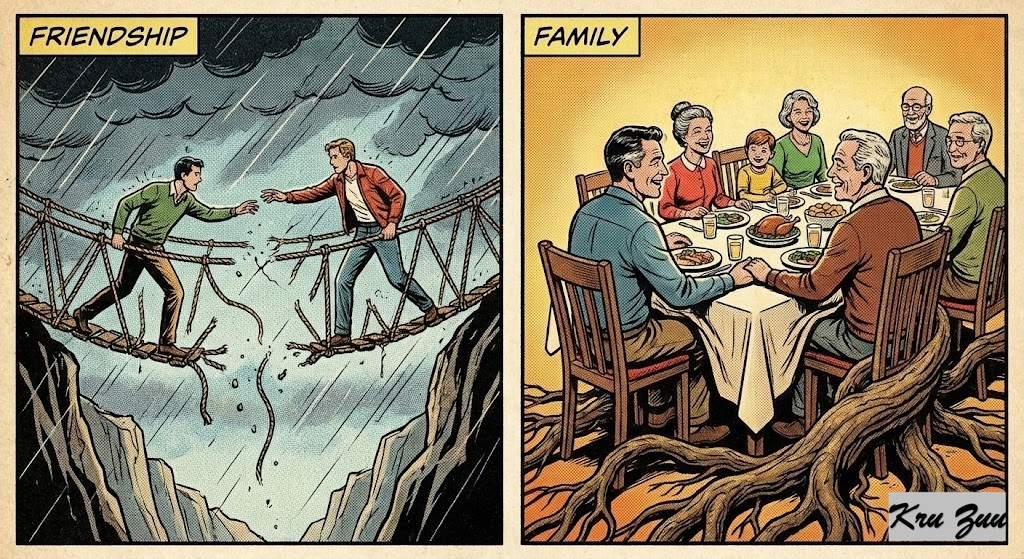
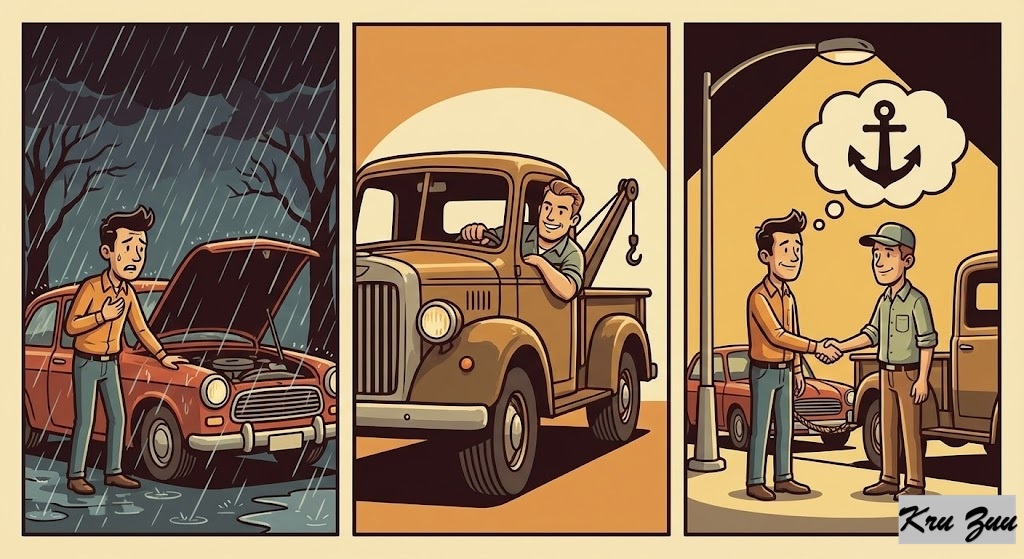
    You have a family dinner planned, but a new friend invites you to a cool party. You think, “My family is boring. I see them every day.” You ditch your brother to hang out with people who don’t even know your middle name. When you lose your job or get sick, you call those “cool friends.” No answer. They are busy. You are left alone in the rain. You chased the “water” and ignored the “blood.” 🌧️


    😇 The Hero (The Loyal Guardian)


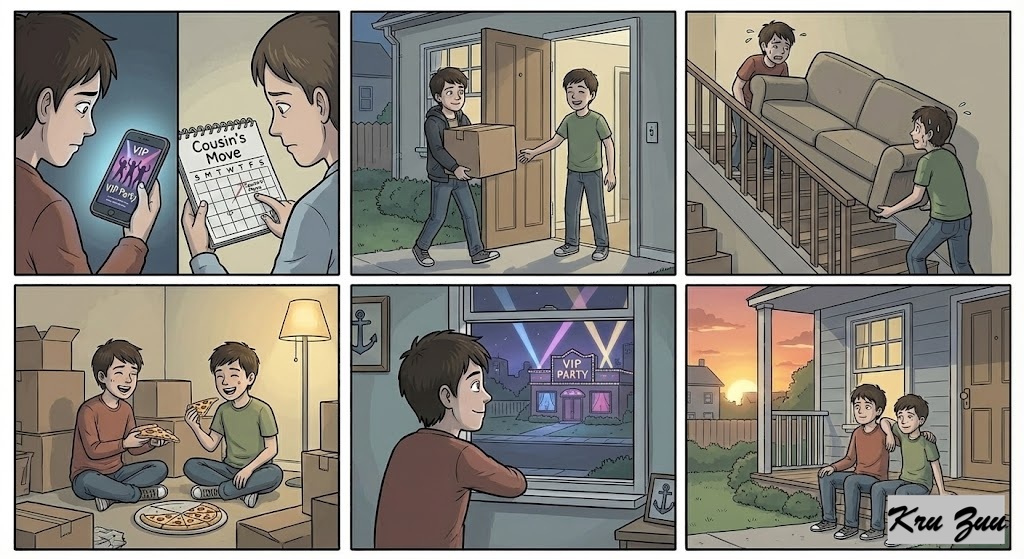
    You have a choice: A flashy event with strangers or helping your cousin move into a new house. It’s hard work. It’s not “fun.” But you choose family. You realize that friends may come and go like tides, but family (or the people who are like family) is the anchor.

    The Result? When your world falls apart, you have an army behind you. You are never truly alone. ⚔️


    ⚖️ The Reality


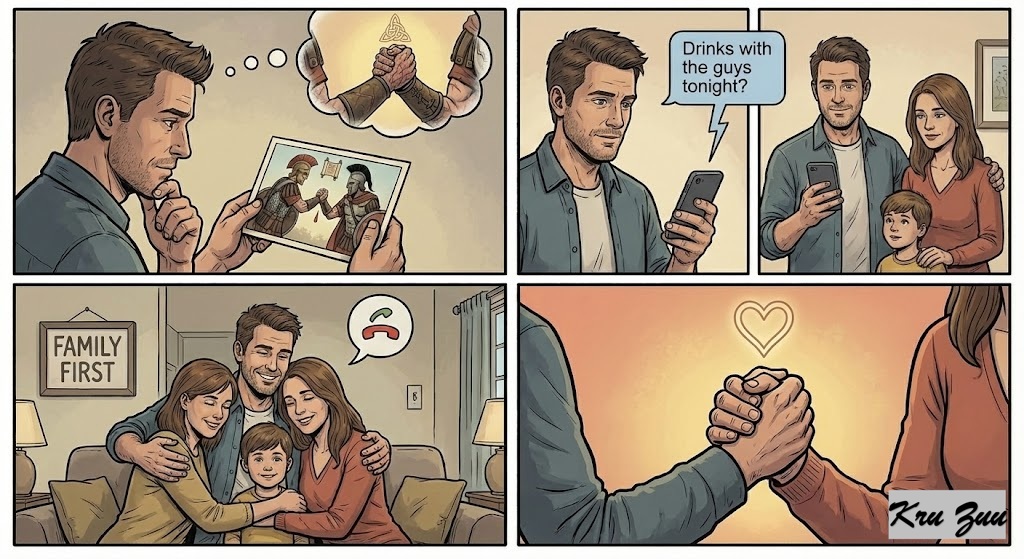
    Popularity is temporary. Loyalty is permanent. We often treat strangers better than our own family because we try to impress them. We treat our family poorly because we think, “They will forgive me anyway.” This is a dangerous trap.

    💎 The Secret

    Real wealth is not money; it is knowing exactly who will pick up the phone at 3:00 AM when you are in trouble.

    🧐 The Anatomy of the Proverb


    This is the ultimate rule of relationships.


    Blood (Noun): Represents family ties, genetics, and deep, unbreakable bonds. 🩸


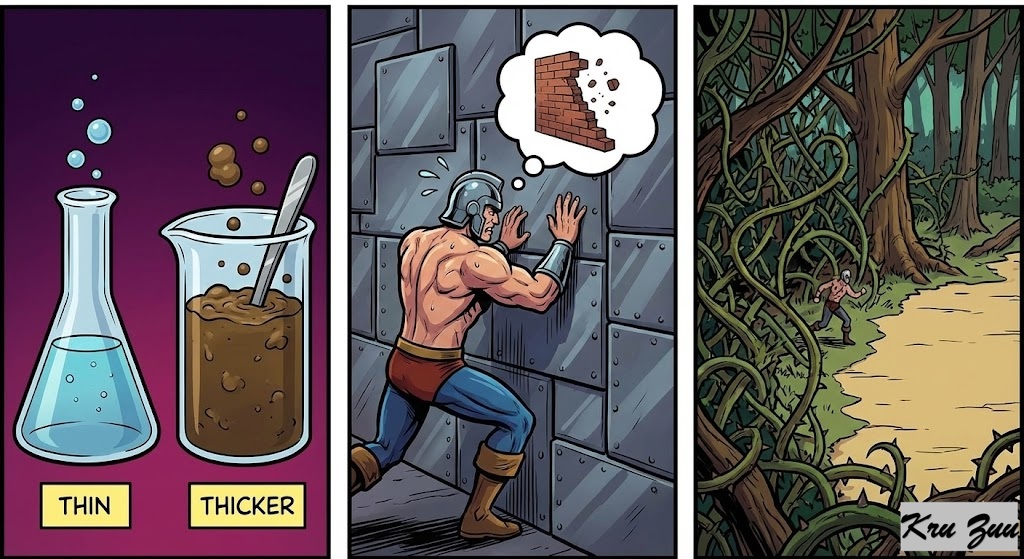
    Thicker (Comparative Adjective): More dense; stronger; harder to pass through.


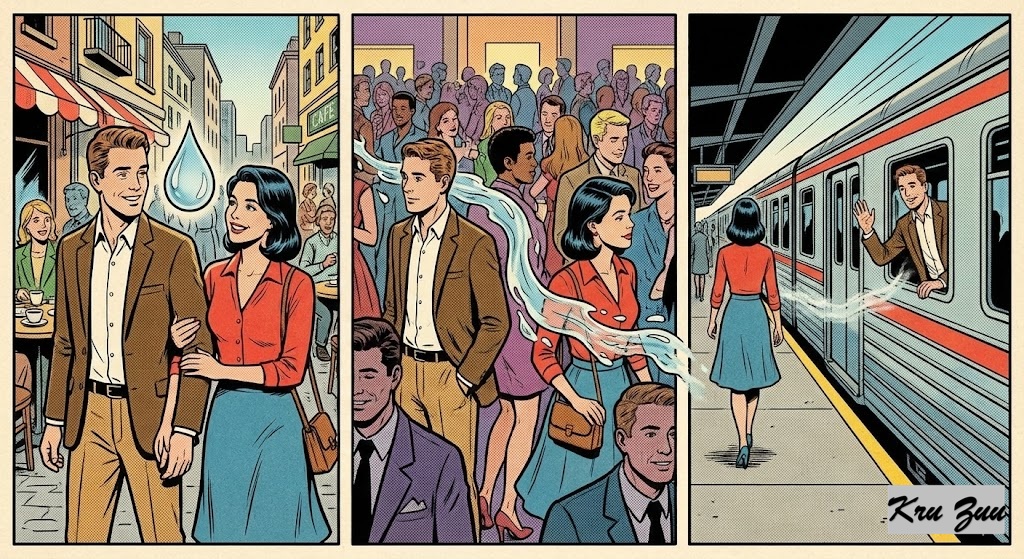
    Water (Noun): Represents weak, temporary, or fluid relationships (acquaintances, casual friends). 💧


    Simpler Version:
    Family relationships are stronger than friendships.


    📚 Vocabulary Vault


    Bond (Noun): A strong connection between two people. (Example: The bond between brothers.)


    Loyalty (Noun): A strong feeling of support or allegiance.


    Kinship (Noun): Blood relationship; sharing the same origin.


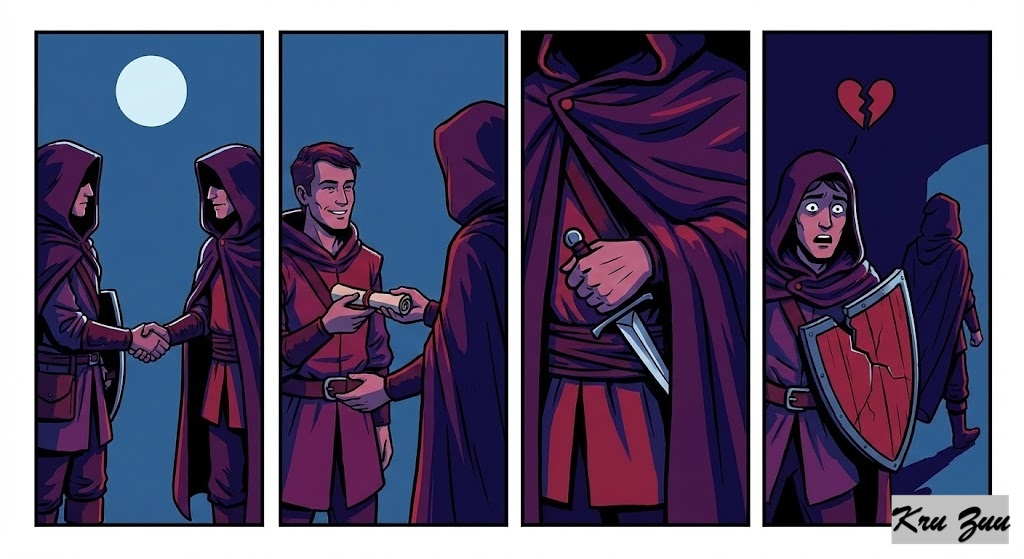
    Betrayal (Noun): The action of breaking trust. (The opposite of loyalty). 💔


    Dependable (Adjective): Trustworthy and reliable.


    🧠 Grammar Focus: Comparative Adjectives


    This proverb uses the Comparative Form to measure the strength of relationships.


    Rule: Short adjectives + -er + than.


    Thick ➡️ Thicker than
    Strong ➡️ Stronger than
    Deep ➡️ Deeper than


    Example in context:
    “His love for his family is stronger than his love for money.”

    📜 History: Origin and Spread


    Where did this come from?


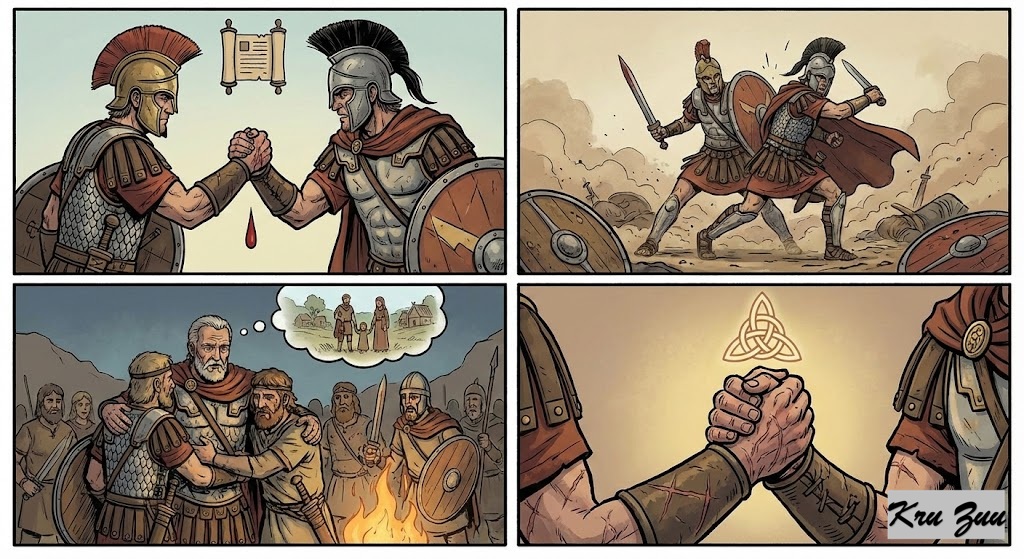
    The Twist: Originally, some historians believe the phrase was “The blood of the covenant is thicker than the water of the womb.” This meant that soldiers who bled together in battle (covenant) were closer than brothers by birth!


    Modern Meaning: Over centuries, the meaning flipped. Today, it strictly means Family comes first.


    Global Cousins


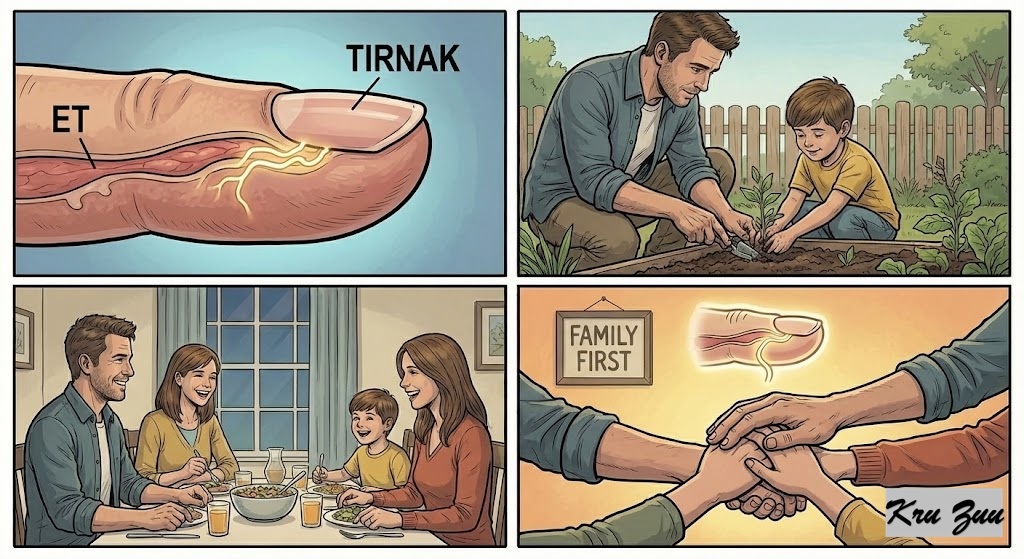
    🇹🇷 Turkish: “Et tırnaktan ayrılmaz.” (Flesh cannot be separated from the fingernail.) — A perfect biological metaphor!


    🇪🇸 Spanish: “La sangre tira.” (The blood pulls/calls.)


    🇮🇹 Italian: “Il sangue non è acqua.” (Blood is not water.)

    🎭 Short Story: The Pond, The Barn, and The Storm


    Let’s meet our unlikely trio to see this law in action.


    🐱 The Character: Whiskers (The Cat) – Cool, independent, and easily bored.

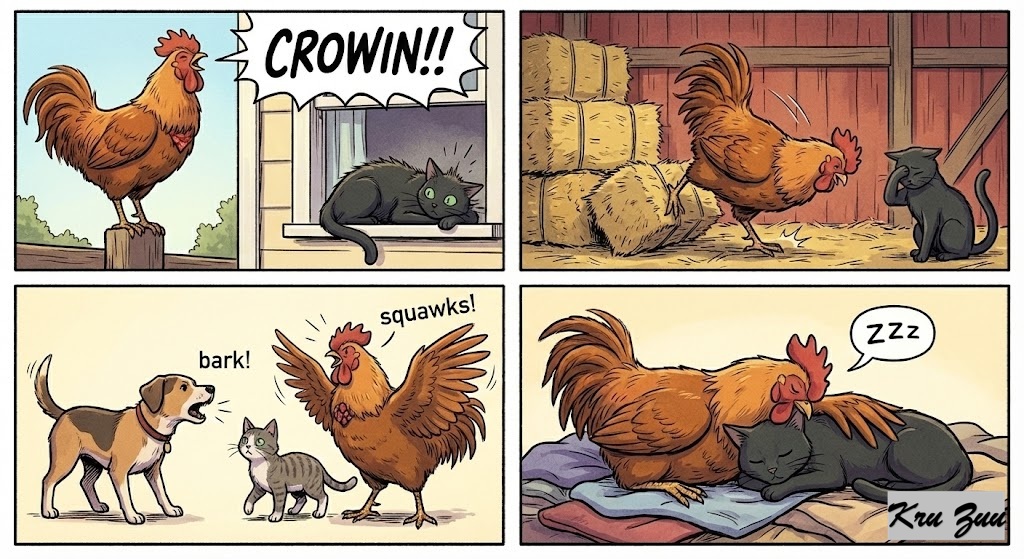
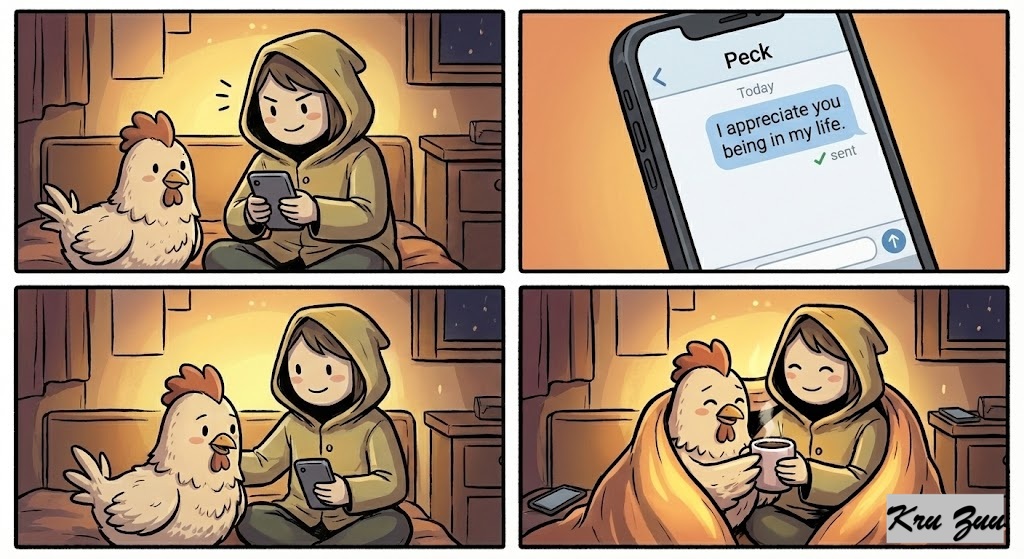
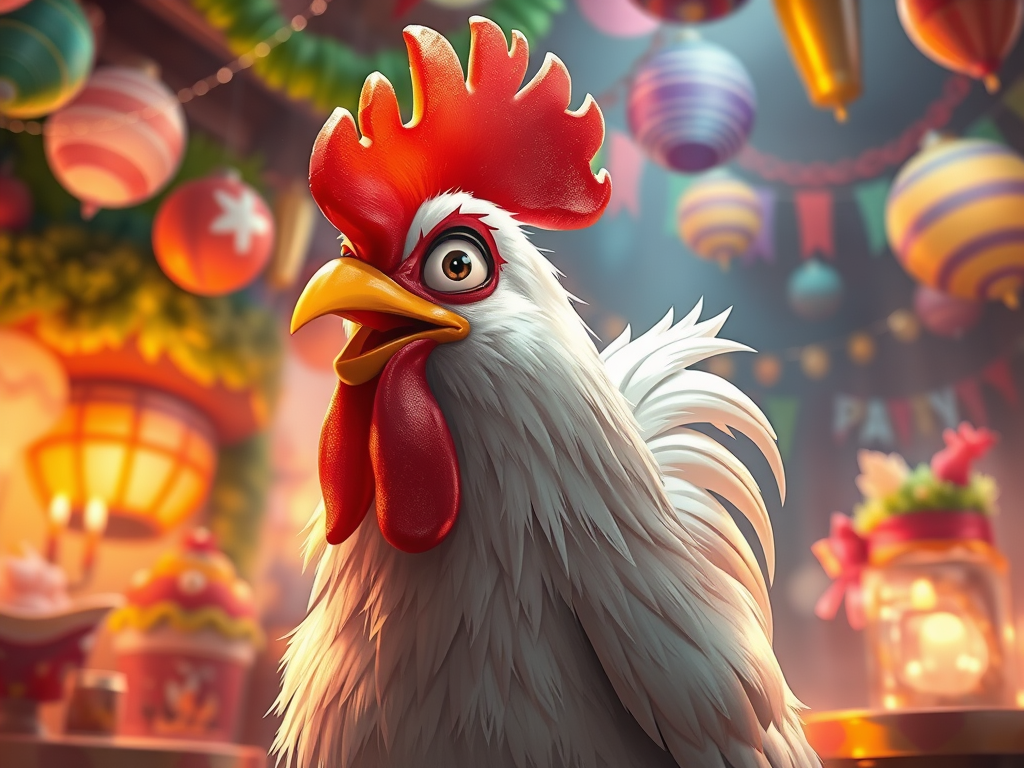
    🐔 The Character: Peck (The Chicken) – Whiskers’ adopted brother. Loud, clumsy, but loyal.

    🐸 The Character: Hop (The Frog) – The new, popular guy at the pond. Fun but slippery.


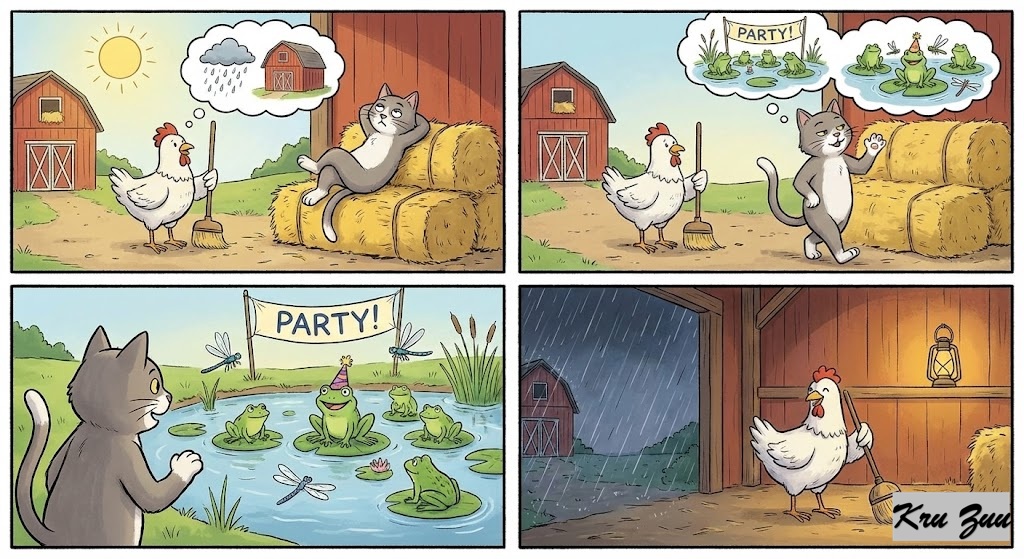
    🌟 The Setup: It is a sunny afternoon. Peck the Chicken says, “Hey Whiskers! Let’s clean the barn together. It’s going to rain later.” Whiskers rolls his eyes. “Cleaning? Boring! Hop the Frog invited me to the Lily Pad Party at the pond. Catch you later, feather-brain!”


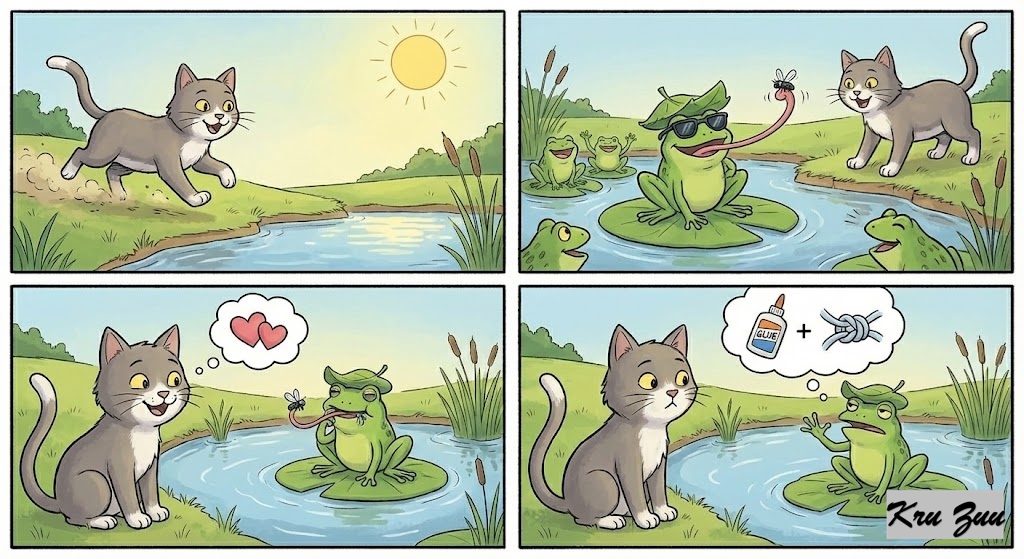
    The Conflict: Whiskers runs to the pond. Hop is there, telling jokes, catching flies, looking cool. “You are my best friend, Hop!” Whiskers says. “Sure, sure,” says Hop. “We are tight like glue!”


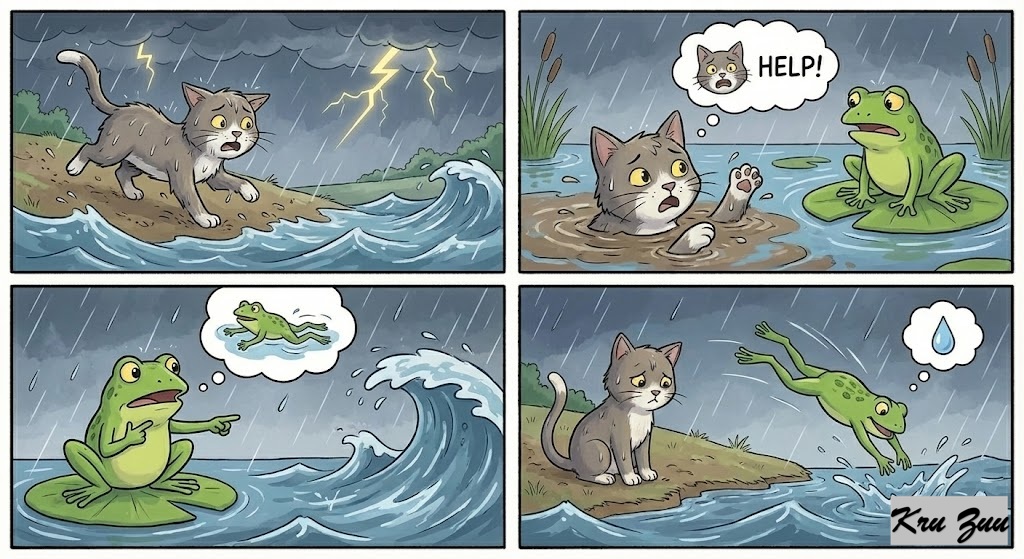
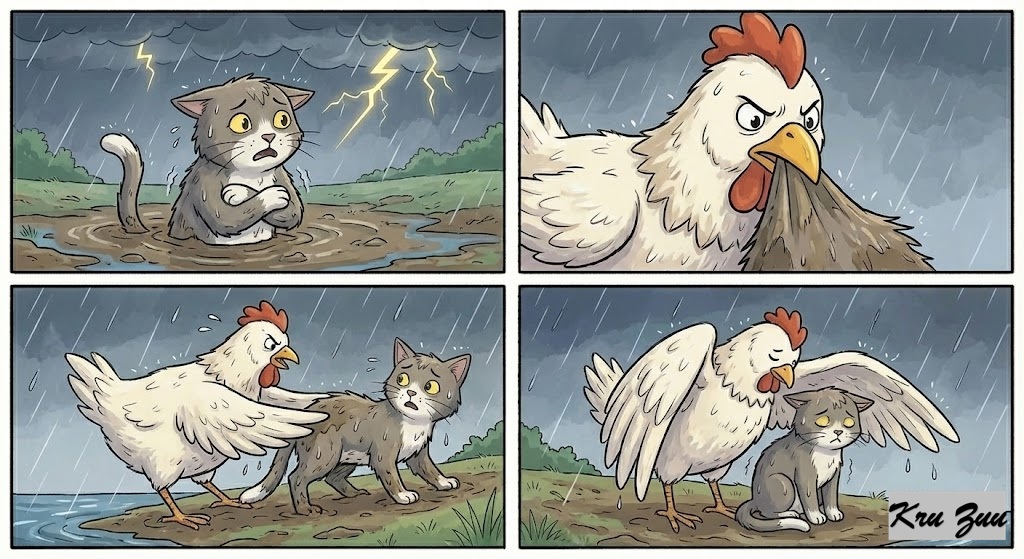
    The Climax: Suddenly, the sky turns black. Thunder shakes the ground. A massive storm hits. The water in the pond rises fast. Whiskers hates water. He slips into the mud. “Help! Hop, help me!” Hop looks at Whiskers, then looks at the dangerous water. “Sorry, cat! I’m an amphibian, I gotta save myself!” Hop splashes away, disappearing into the deep water. Water washes away easily.


    Whiskers is stuck. He is wet, shivering, and scared. Suddenly, he feels a beak grabbing his collar. It’s Peck. Peck hates the rain too, but he ran all the way from the safe barn. He drags Whiskers out of the mud, covering him with his wings to block the rain.


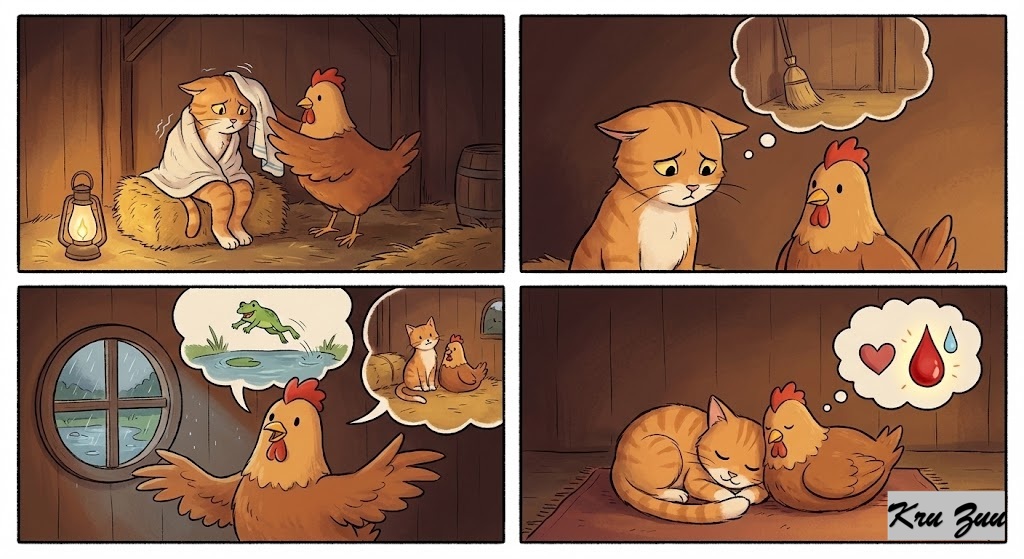
    The Resolution: Safe in the barn, Whiskers dries off. “Why did you come?” Whiskers asks. “I left you alone to clean.” Peck clucks softly. “Hop is a pond creature. He flows where the water goes. We live in the same barn. We are family. And blood is thicker than water.”

    🎓 Lesson for English Learners


    Context Matters.


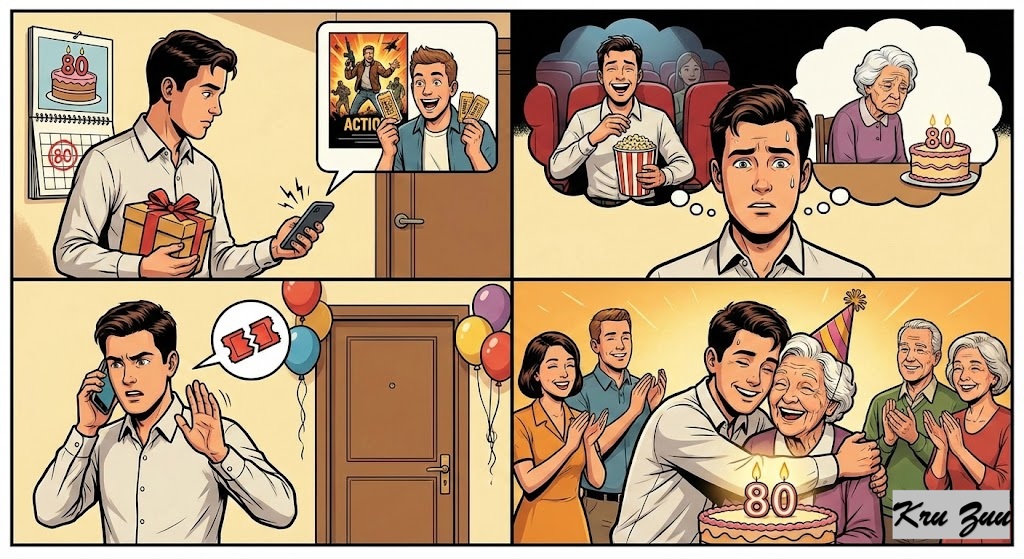
    Situation: Your friend asks you to skip your grandmother’s 80th birthday party to go to the cinema.


    You Say: “I can’t go. It’s my grandma’s big day, and you know what they say: Blood is thicker than water.


    Warning: Do not use this to excuse toxic behavior. It explains loyalty, but it shouldn’t justify bad actions!


    💬 Your Turn: The Loyalty Test 🚀


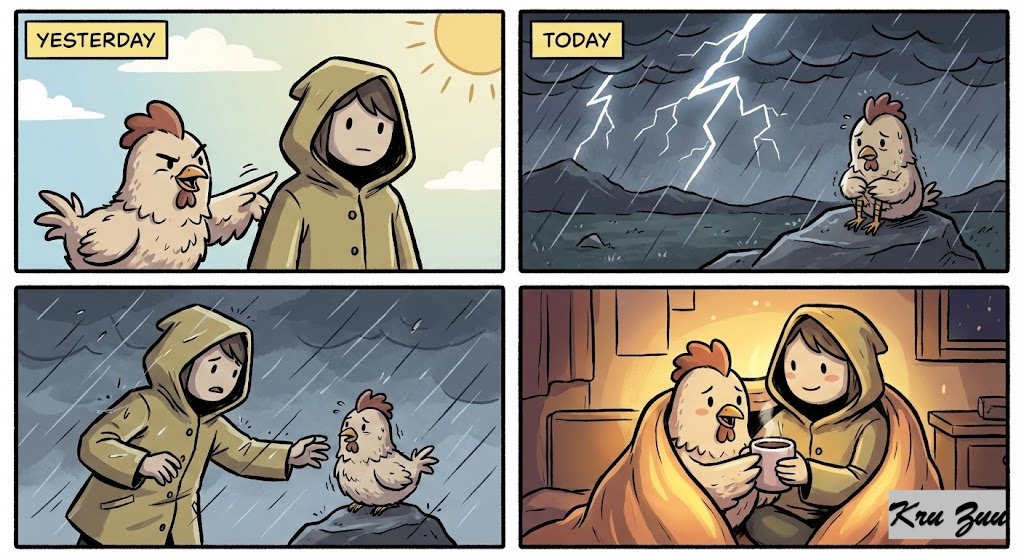
    Think about the “Peck” (The Chicken) in your life. Who is the person that would come to save you in a storm, even if you were annoying yesterday?


    The Challenge:
    Send that person a message right now. Just say: “I appreciate you being in my life.” (It takes 10 seconds. Do it!)


    Question: Have you ever had a “Frog” friend who disappeared when things got hard? Tell us in the comments! 👇


    By Zubeyir YURTKURAN

    https://www.facebook.com/BrainBattleground/

    https://www.facebook.com/zubeyr.yurtkuran/

    https://www.instagram.com/zubeyryurtkuran/
    https://www.youtube.com/@BrainBattleground-b3p

    https://www.instagram.com/brainbattleground/

  • 🤝 The Loyalty Test: Who Stays When the Storm Comes?

    🤝 The Loyalty Test: Who Stays When the Storm Comes?

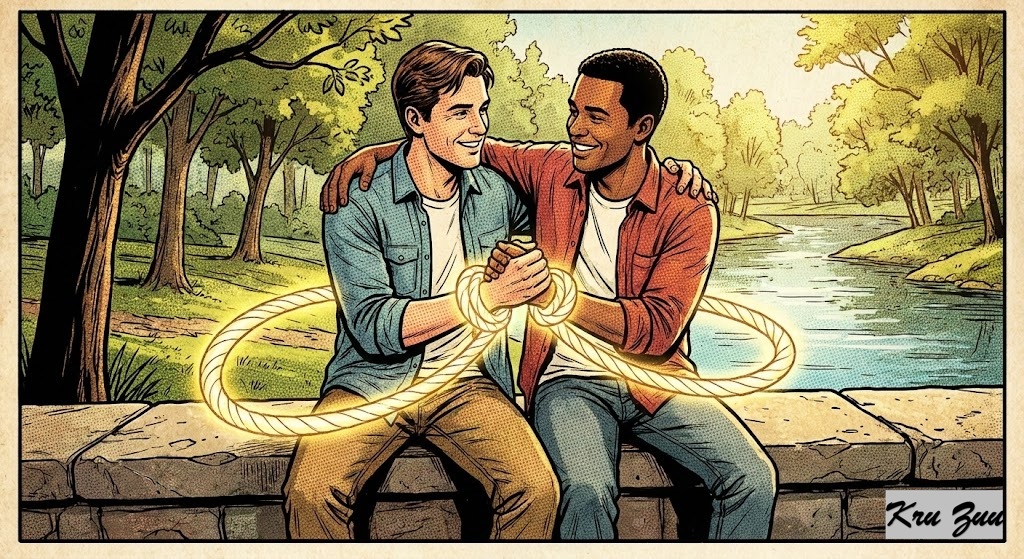
    A friend in need is a friend indeed.


    ☀️ The Fair-Weather Friend:

    You win the lottery.

    You throw a huge party. Hundreds of people show up.

    They laugh at your jokes, eat your pizza, and call you “bestie.”

    But the next day, you lose your wallet and need a ride home. Suddenly, their phones are “off.” You are alone.

    🏃💨 ⛈️The True Companion:

    You are sick with the flu.

    You have no money and you look terrible.

    This person doesn’t run away. They bring you soup.

    They sit in the silence with you. They don’t care about your status; they care about you.

    ❤️ 📉 The Reality: Everyone loves a winner. But only real ones love a loser.

    💎 The Secret: Hard times are not a curse; they are a filter to reveal true diamonds.


    In this post, we are decoding the ultimate friendship test. Let’s separate the fakes from the real deals! 🕵️‍♂️

    🧐 The Anatomy of the Proverb


    Let’s break down the rhythm and rhyme of this famous saying.


    📚 Vocabulary Vault


    In Need (Phrase):
    This means being in trouble, facing a difficulty, or requiring help. (e.g., being broke, sad, or in danger). 🆘


    Indeed (Adverb): Truly, undeniably, or “in reality.” It emphasizes that something is 100% true. ✅


    Friend (Noun): Not just someone you know (an acquaintance), but someone you share a bond with.


    🧠 Grammar Focus


    This proverb uses Rhyme to make it sticky!


    Structure: A friend [who is] in need / is a friend indeed.


    The Ellipsis: In English, we often delete words to make sentences faster. The full grammatical sentence would be: “A friend who helps you when you are in need, is a friend indeed.”


    The Double Meaning:
    A friend who helps me when I am in need is a true friend. (Most common meaning).


    A friend who loves me even when they are in need is a true friend.

    📜 History: Pirates & Philosophers


    Did this start in a movie? No, it’s ancient!


    The Origin:
    This concept goes back to 3rd Century BC Greece! The playwright Euripides said something very similar. It appeared in English as early as the year 1450.


    Global Cousins: Every culture knows this truth!


    🇹🇷 Turkish: “Dost kara günde belli olur.” (The friend becomes clear on the black day.) 🌑


    🇯🇵 Japanese: “Masaka no toki no tomo koso shin no tomo.” (A friend in a crisis is a true friend.)


    🇪🇸 Spanish: “En el peligro se conoce al amigo.” (In danger, the friend is known.)


    The Lesson: A shadow stays with you in the sun, but leaves you in the dark. A true friend stays in the dark.

    🎯 Impact on Life: The Pros & Cons


    Should you test your friends?


    ✅ The Pros (The Safety Net)


    Trust:
    You know exactly who has your back.


    Quality over Quantity: It is better to have 2 real friends than 100 fake ones.


    Mental Health: Knowing you are not alone reduces anxiety.


    ❌ The Cons (The User)


    Don’t Be “Needy”:
    Just because they are a true friend doesn’t mean you should complain 24/7.


    Reciprocity: Friendship is a two way street. If you are always the one “in need,” are you being a good friend to them? 🤔

    🎭 Short Story: The Stormy Night


    Let’s check back in with our farm friends!


    🌟 Character Introduction


    Percy the Chicken:
    Fun, loud, loves parties. 🐔


    Fred the Frog: Quiet, loyal, small but brave. 🐸


    Luna the Cat: The wise narrator. 🐱


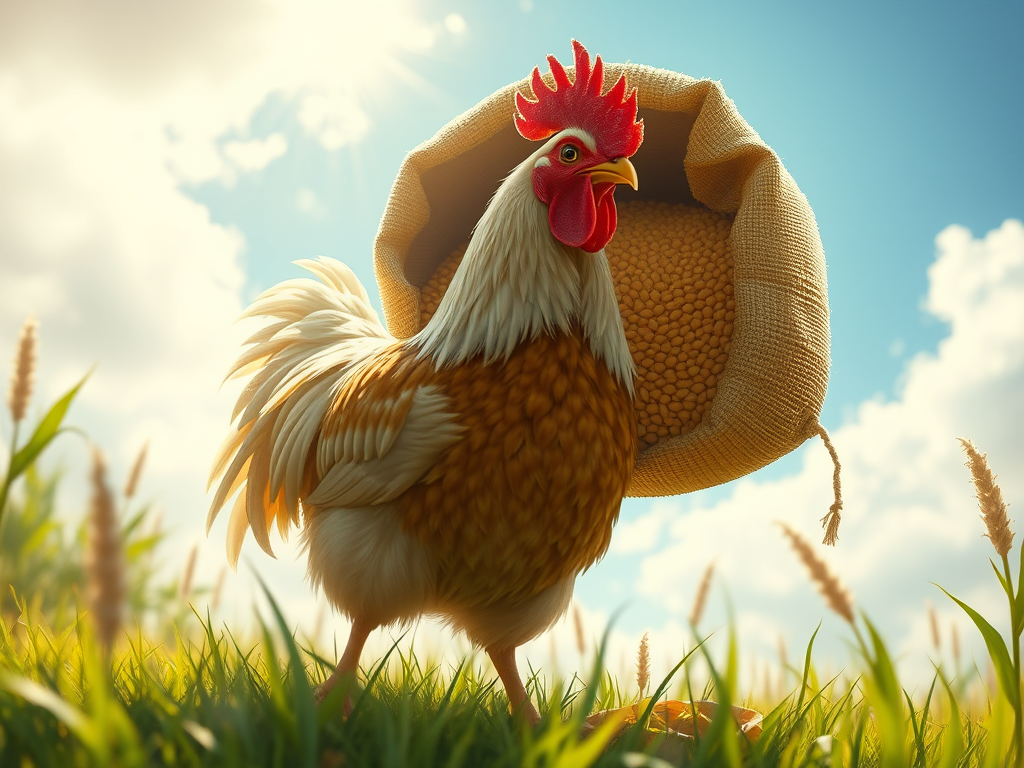
    It was a beautiful, sunny Tuesday. Percy found a huge bag of corn seeds.

    The Good Times: “Party at my place!” clucked Percy.

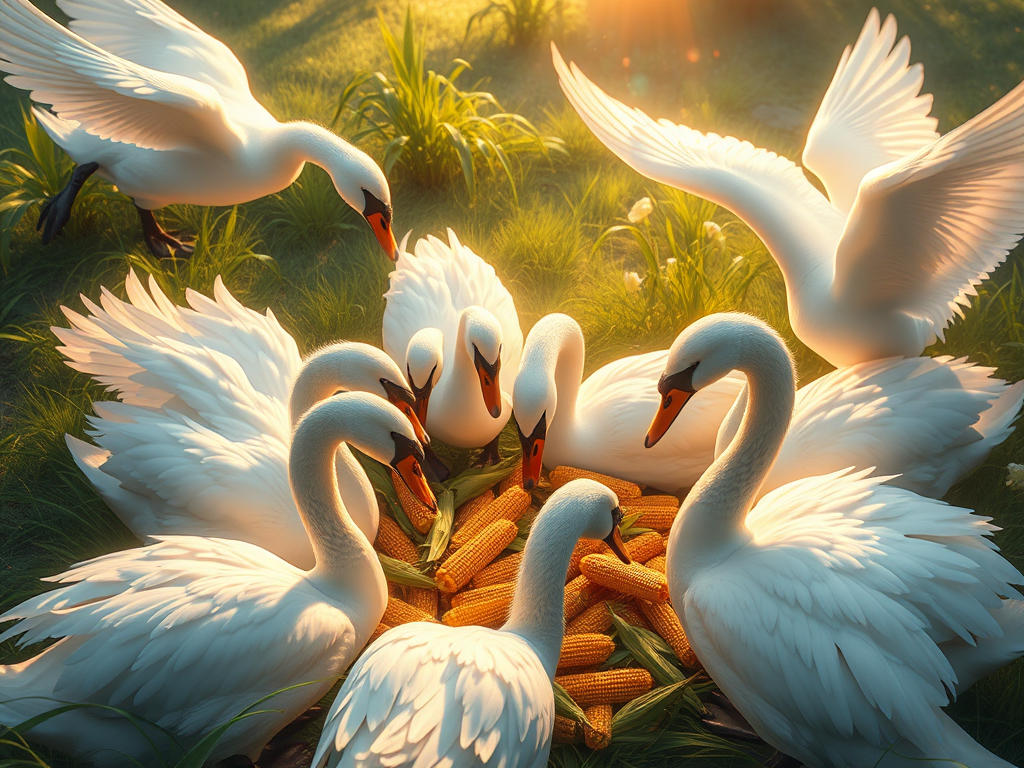
    The Swans came. The Ducks came. Everyone was eating Percy’s corn.

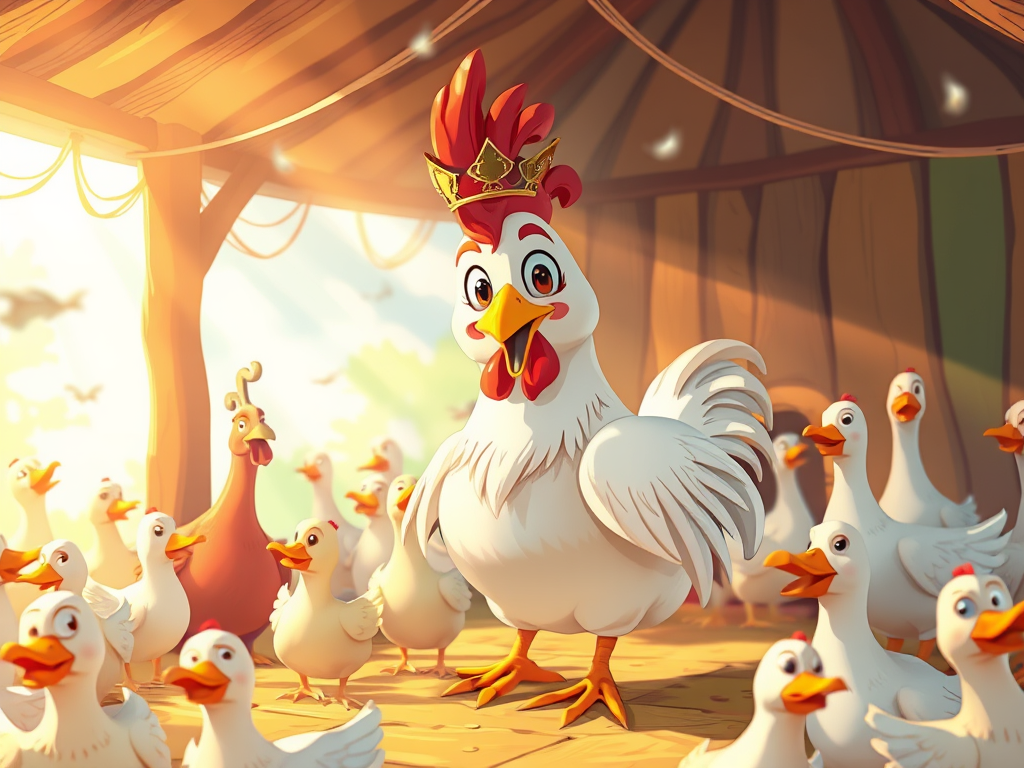
    “Percy, you are the King of the Coop!” they shouted. Percy felt like a celebrity.

    Fred sat in the corner, smiling but quiet.


    The Bad Times: Suddenly, the sky turned black. Thunder crashed! ⚡

    A fox was spotted near the fence. “Run!” screamed the Swans. They flew away instantly. “Save yourselves!” quacked the Ducks. They vanished into the pond.


    Percy was stuck. His foot was caught in a vine. He was alone. The corn was gone. The “friends” were gone. The fox was coming.

    The Rescue: Suddenly, a small green hand tugged at the vine. It was Fred. Fred wasn’t strong, but he didn’t leave.

    He chewed the vine. He pulled. He croaked loudly to distract the fox. Snap! The vine broke. Percy and Fred hid in the mud until the fox left.


    Luna the Cat watched from the roof: “The Swans loved the corn. Fred loved the Chicken. The Swans were friends in greed. Fred was a friend in need.”

    🎓 Lesson for English Learners


    How does this apply to your language journey?


    The Study Buddy 📖


    Fair-weather:
    A partner who only wants to copy your homework.


    Indeed: A partner who helps you practice speaking even when you are tired, or corrects your mistakes gently.


    Action: Find a partner who pushes you to be better, not just one who makes things easy.


    The Mistake Mindset ❌


    When you make a mistake (you are “in need” of correction), a fake friend laughs at you.


    A real friend laughs with you and helps you fix it.


    Vocabulary Expansion 🗣️


    Don’t just say “Help me.” Use phrases like:


    “I’m in a bit of a jam.” (Slang for trouble).


    “Can you do me a solid?” (Slang for a favor).


    “I’ve got your back.” (I support you).


    💬 Your Turn


    Who is your “Fred”?


    Think about the last time you had a problem (a flat tire, a bad grade, a breakup). Who was the first person you called? 📞


    Tag that person in the comments or send this post to them to say “Thank you.” 👇

    By Zubeyir YURTKURAN

    https://www.facebook.com/BrainBattleground/

    https://www.facebook.com/zubeyr.yurtkuran/

    https://www.instagram.com/zubeyryurtkuran/
  • Honesty Is The Best Policy: How Short-Term Comfort Kills Long-Term Trust

    Honesty Is The Best Policy: How Short-Term Comfort Kills Long-Term Trust

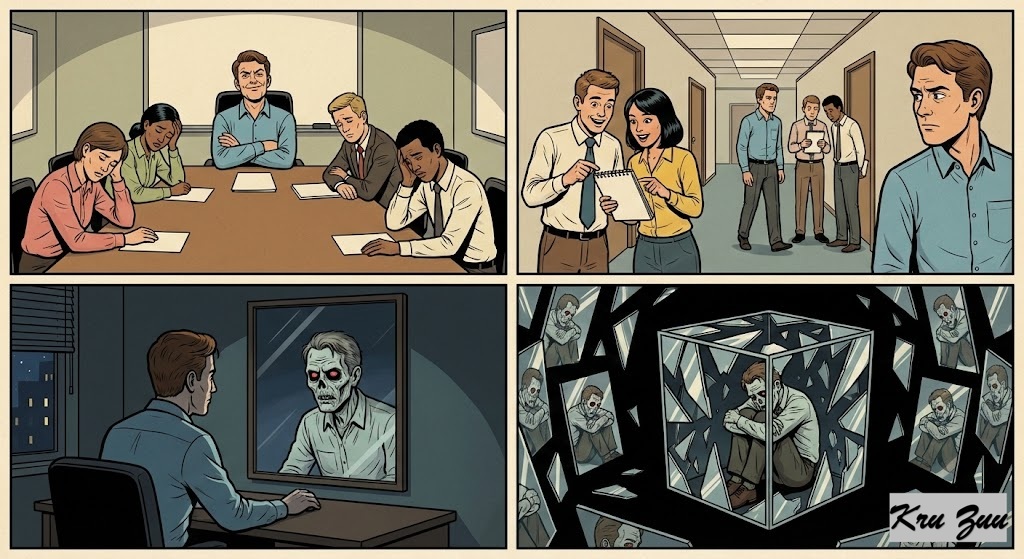
    🧐 When Does the Liar’s Lamp Go Out?


    📝 The Short Cut: Fabricating an excuse to cover up that you haven’t finished a report.

    🔥 The Long-Term Cost: Having to invent three more lies to support the first one; permanently losing your manager’s/friend’s trust.


    💰 The Short Cut: Intentionally concealing a small piece of information in a deal to gain immediate profit.

    📉 The Long-Term Cost: Your reputation spreading, being labeled “untrustworthy” in the industry, and losing all future major deals.


    Life constantly proves a rule well-known to successful people: “Honesty Is The Best Policy.”


    In this post, we examine why a simple ethical rule is the most profitable strategy in life. Take off your masks, take a deep breath, and let’s dive into the value of trust. 💡

    🧐 The Anatomy of the Proverb


    Let’s look at the mechanics of this ethical compass.


    📚 Vocabulary Vault


    Honesty (Noun):
    The quality of being truthful, sincere, and possessing integrity. 🛡️


    Policy (Noun): A course of action or set of principles adopted by an individual or organization to achieve a goal. ⚖️


    Best (Adjective): Most profitable, most advantageous, or most long-lasting.


    🧠 Grammar Focus


    This sentence is a defining statement that establishes honesty as the wisest strategy.


    Formula: Honesty + [is] (Linking Verb) + [the best policy].


    The Meaning: Even if it causes immediate difficulty, honesty is the smartest policy because it secures reputation, trust, and therefore, long-term success.


    📜 History: The Price of Trust


    When did this idea become popular? People have known the societal cost of trust since they started living in groups.


    The Origin:
    The proverb is commonly associated with the American Founding Father, Benjamin Franklin. Franklin believed that honesty would lead to financial success in business. However, the saying itself predates him.


    The Lesson: The price of dishonesty (lost trust) is always higher than the immediate cost of telling the truth (the consequence of confession).

    🎯 Impact on Life: The Pros & Cons


    Is being 100% honest always a viable lifestyle? Let’s weigh the options.


    ✅ The Pros (Why it helps)


    Reputation: It builds and sustains trust, the most valuable asset one can acquire in the marketplace.


    Mental Peace: You don’t have to remember your lies. Your mind is free from the stress of managing a web of deceit. 🧘


    Simplifies Life: Instead of building complex lies, it simplifies your life and allows you to focus.


    ❌ The Cons (Why it can be tricky)


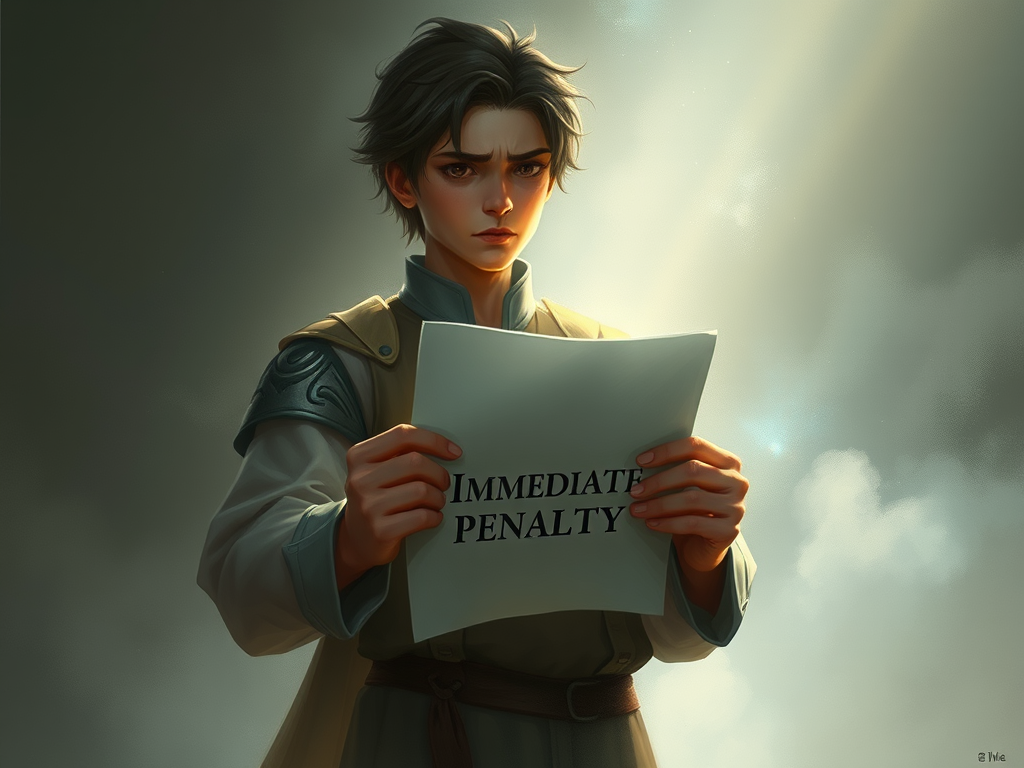
    Immediate Penalty:
    Sometimes, honesty means admitting a mistake or deficiency, which can result in an instant penalty.


    Emotional Harm: In sensitive social situations where white lies are often preferred, excessive blunt honesty can cause emotional damage.

    🎭 Short Story: The Missing Nut Fund


    To understand this proverb better, let’s revisit our friends on the farm. The communal winter provisions fund (nuts and corn) is running low.


    🌟 Character Introduction


    Percy the Chicken (The Short-Cutter): Resorts to big lies for instant relief. He prioritizes short-term gain over long-term reputation. 😵


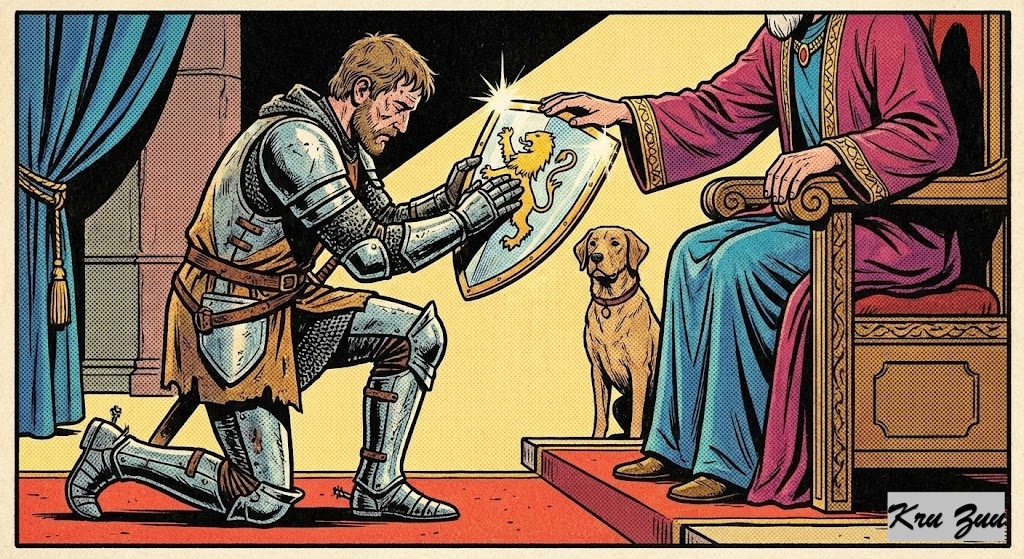
    Luna the Cat (The Trust Manager): Manages the farm’s funds. She highly values trust, and once broken, it cannot be easily restored. ✨


    Fred the Frog (The Integrity Expert): If he makes a mistake, he confesses immediately and knows that rectifying his error is the most profitable path. 🐸


    Luna noticed a small amount of nuts was missing from the winter provisions fund.


    Percy immediately rushed over. “Ah, Luna! I’m sure that pesky squirrel, Sneaky Tail, came and stole it! I saw him this morning, he’s very crafty!” Percy had actually secretly eaten the nuts but blamed someone else. 🤥


    Meanwhile, Fred approached Luna to confess that he had accidentally knocked over and spilled a tiny portion of corn due to fatigue.


    Percy whispered to him: “Shhh, Fred! No one will notice two kernels of corn. Why put yourself in trouble by confessing?”


    Fred shrugged. He turned to Luna: “Luna, I am very sorry. I spilled two kernels of corn because I was tired. I will immediately replace them. I promise to bring back double tomorrow.” 🐸


    Luna smiled at Fred. “Thank you, Fred. There is no penalty for your honesty. Your integrity is worth far more than two kernels of corn.”


    A week later, inconsistencies in Percy’s story surfaced. Luna realized that the specific type of squirrel he mentioned didn’t even live in that area. Luna approached Percy: “The nuts are gone. But worse, my trust is gone.”


    Percy bowed his head in ashamed regret.


    Fred, that week, not only replaced the corn but also found extra nuts, solidifying his position as Luna’s most trusted partner.


    In this story, the characters represent the cost of integrity:


    Percy’s Lie:
    Short-term comfort (No immediate penalty) 😵


    Fred’s Truth: Immediate cost (Confession and promise to fix) 🤓


    Luna’s Trust: Long-term profit (The most valuable asset in the marketplace) 🛡️

    🎓 Lesson for English Learners:


    You made a mistake in a speaking club and mispronounced a word. You ignored your error out of shame. (Percy’s Method)


    If your teacher asks, “Did I make a mistake?” and you confess and correct it immediately, the moment of shame is fleeting, but the correct learning is guaranteed. (Fred’s Method)


    True learning lies not in concealing errors, but in openly confessing and correcting them.


    💬 Your turn: Was there a time when honesty opened a big door for you, or a lie cost you dearly in life? Share your story in the comments! 👇

    By Zubeyir YURTKURAN

    https://www.facebook.com/BrainBattleground/

    https://www.facebook.com/zubeyr.yurtkuran/
    https://www.instagram.com/zubeyryurtkuran/