
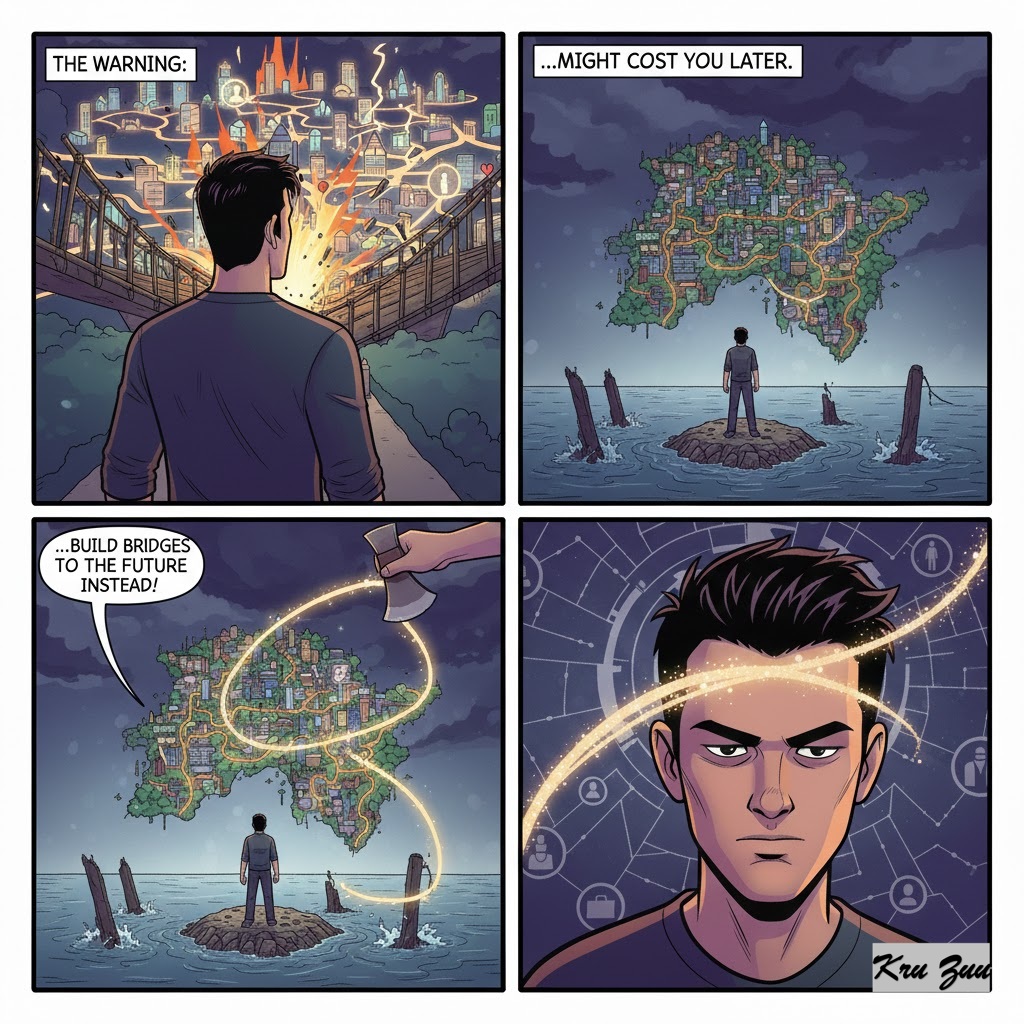
“Don’t burn your bridges behind you.”
😈 The Villain (The Bridge Burner)
You’re angry. You’re done. You think, “I am never coming back here anyway!” 😤 You send that nasty email to your boss. You ghost a friend because of one disagreement. You leave a mess for someone else to clean up because “it’s not my problem anymore.” You treat relationships like disposable tissues.
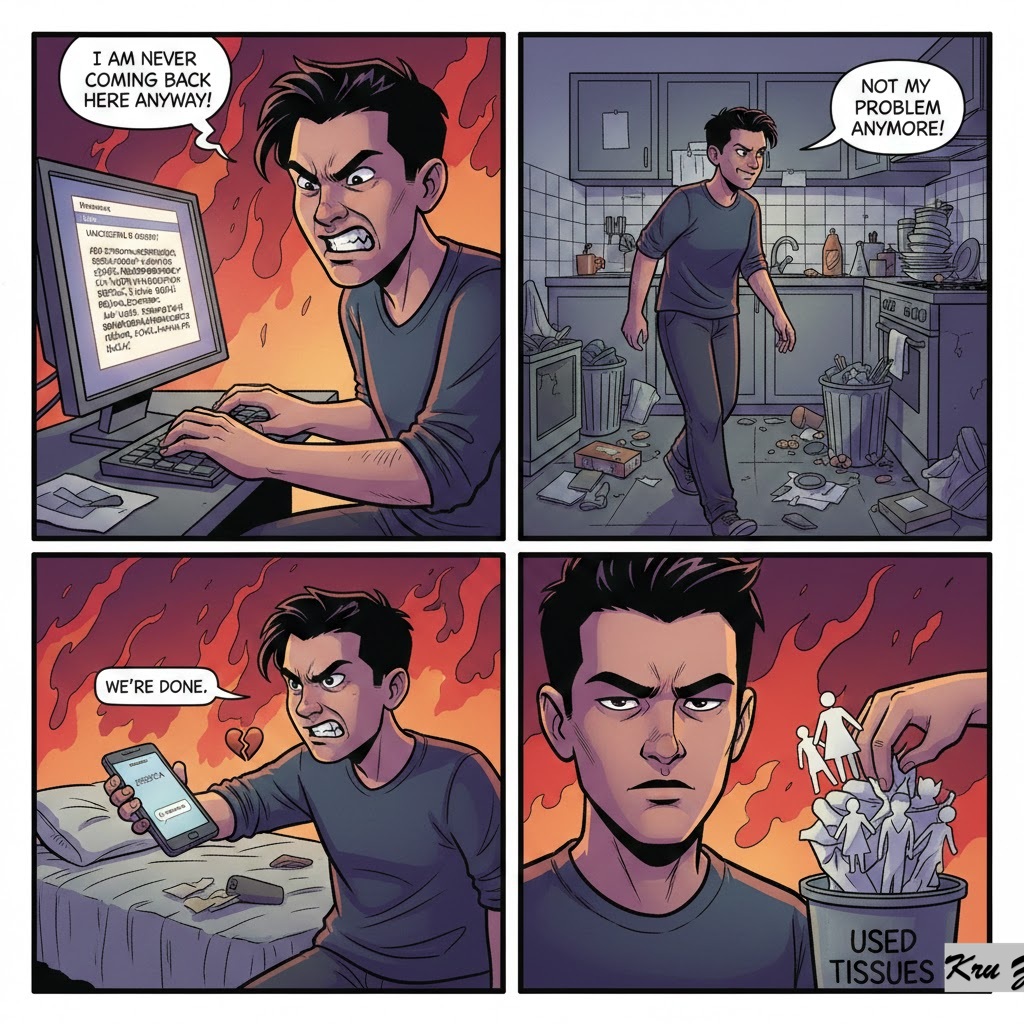
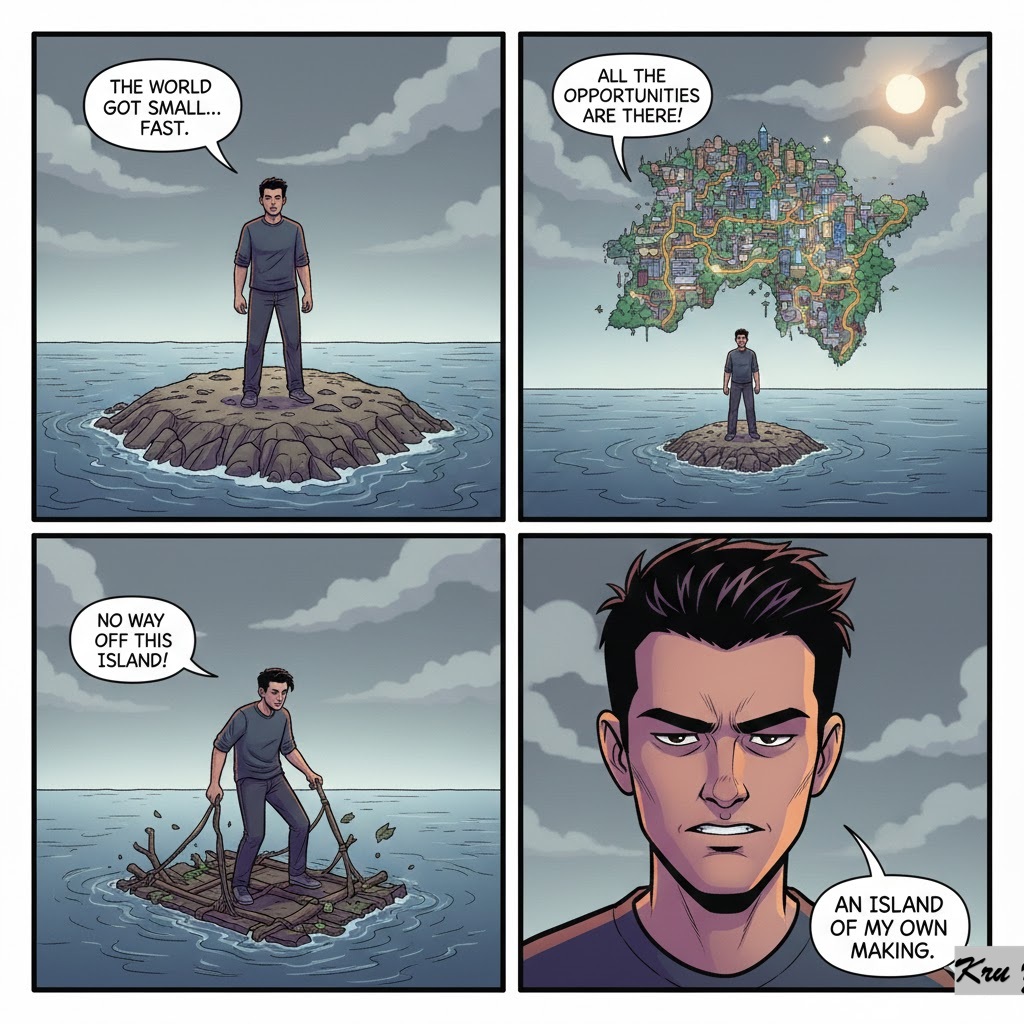
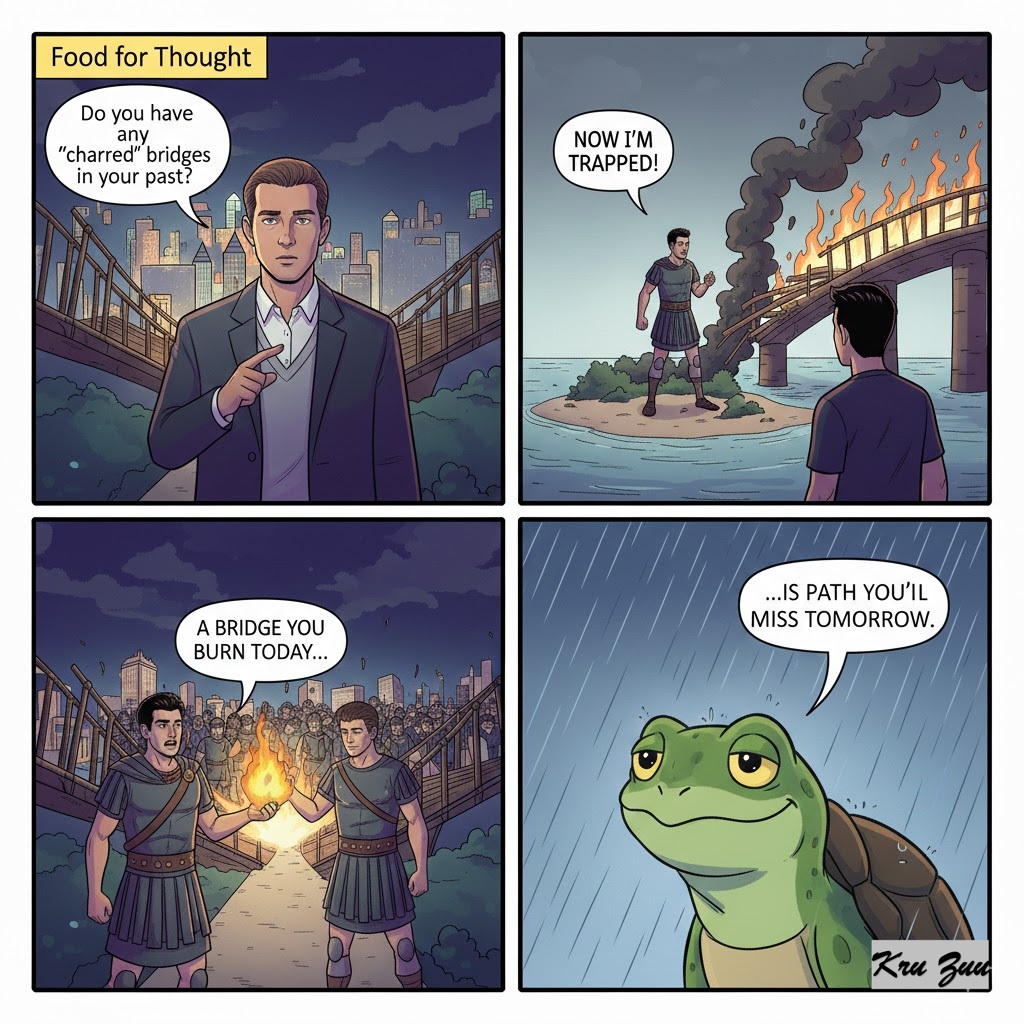
The Result? The world starts getting very small, very fast. You find yourself trapped on an island of your own making, with no way to get back to where the opportunities are. 🏝️🚫
😇 The Hero (The Bridge Builder)
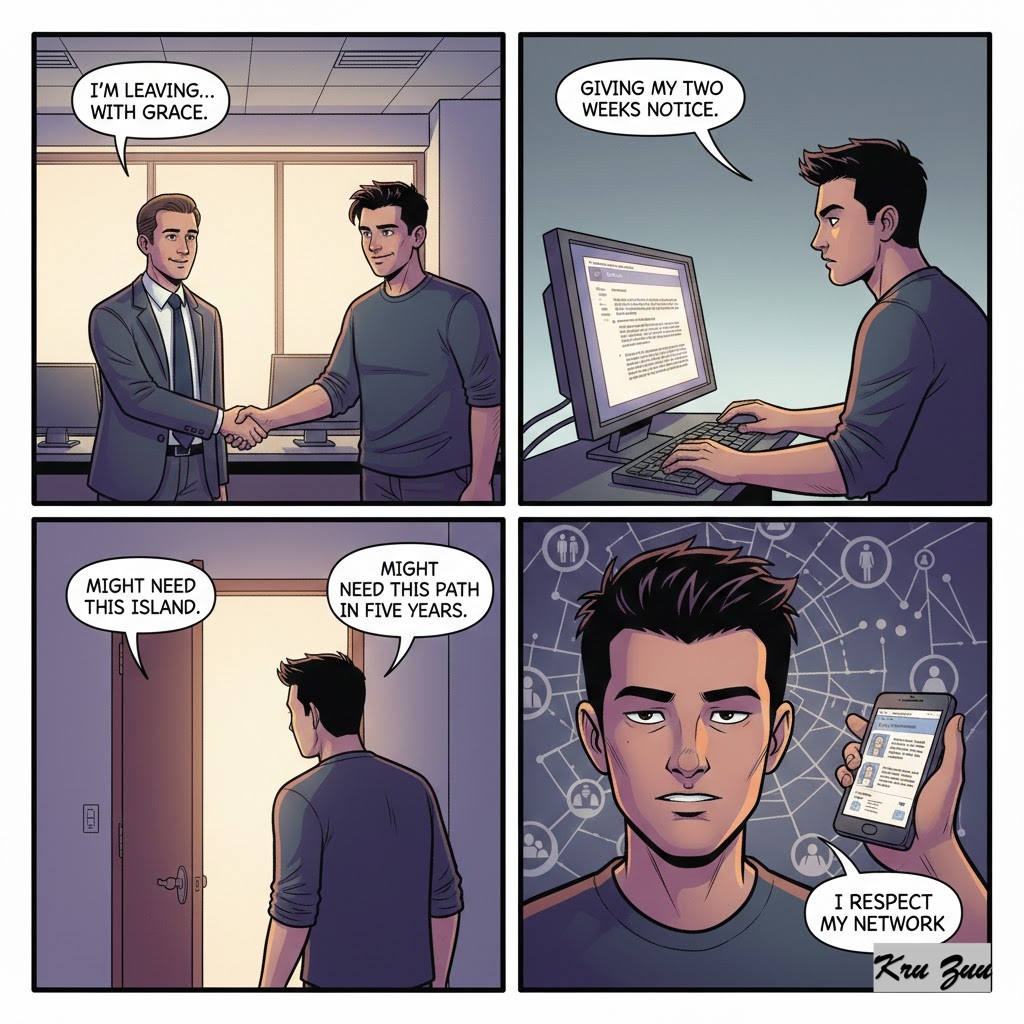
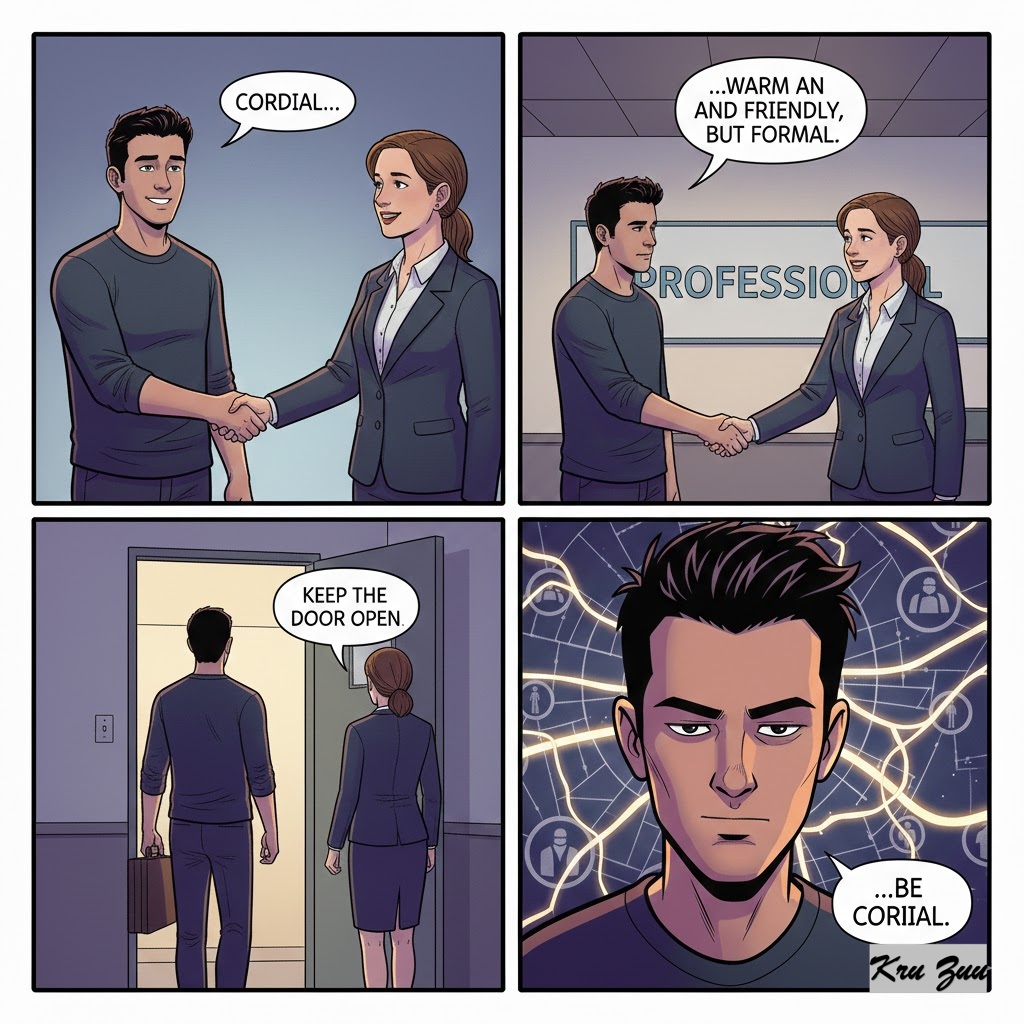
You might be leaving, but you’re doing it with grace. 🛑 Even if you hated the job or the situation, you shake hands. You give notice. You keep the door cracked open. You think: “I don’t need this path today, but I might need it in five years.” You respect the network you’ve built.
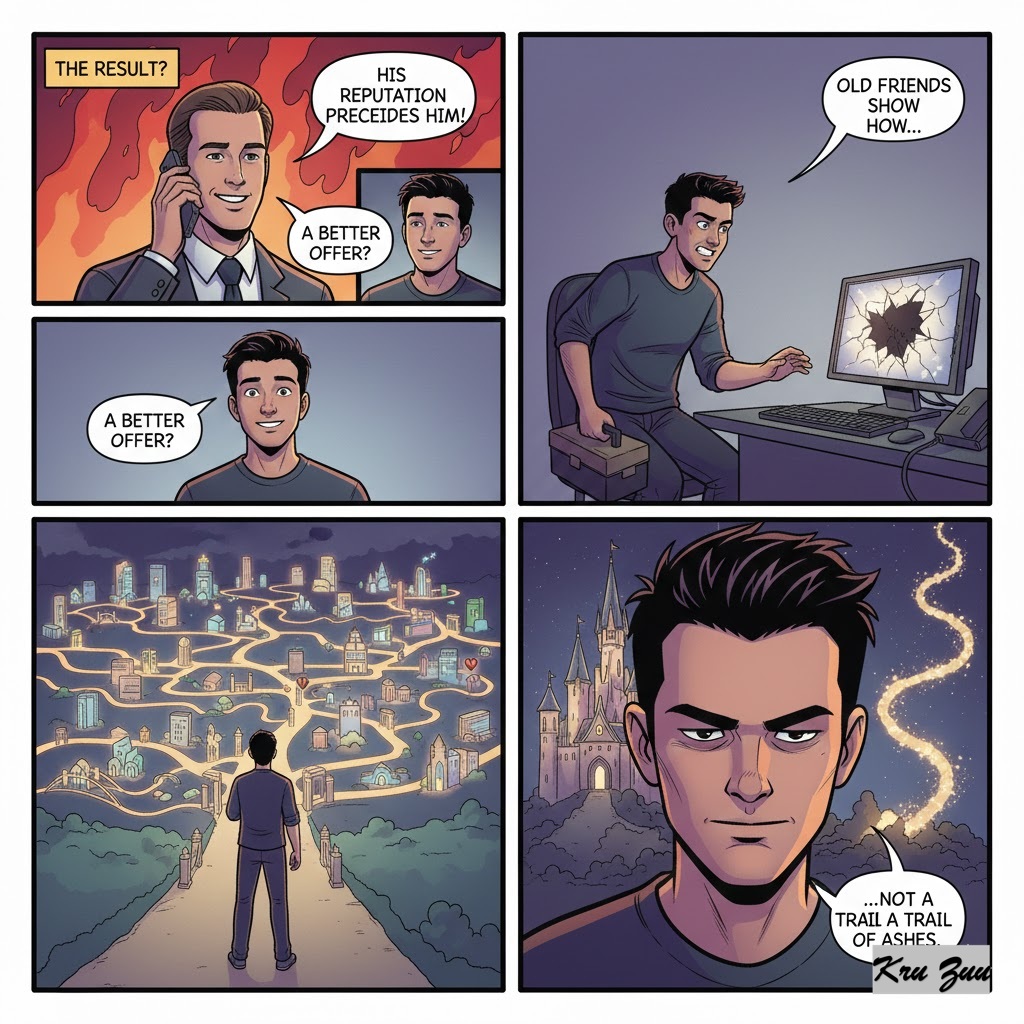
The Result? Your reputation precedes you. Former bosses call you with better offers. Old friends show up when you’re in a pinch. You build a map of open roads, not a trail of ashes. 🏰✨
⚖️ The Reality
The world is a circle, not a straight line. We often think we are moving “away” from things forever. But industries are small, and social circles are even smaller. A bridge isn’t just a way to get over an obstacle; it’s your connection to resources, recommendations, and safety. When you burn a bridge, you aren’t just hurting the person on the other side, you are trapping yourself.
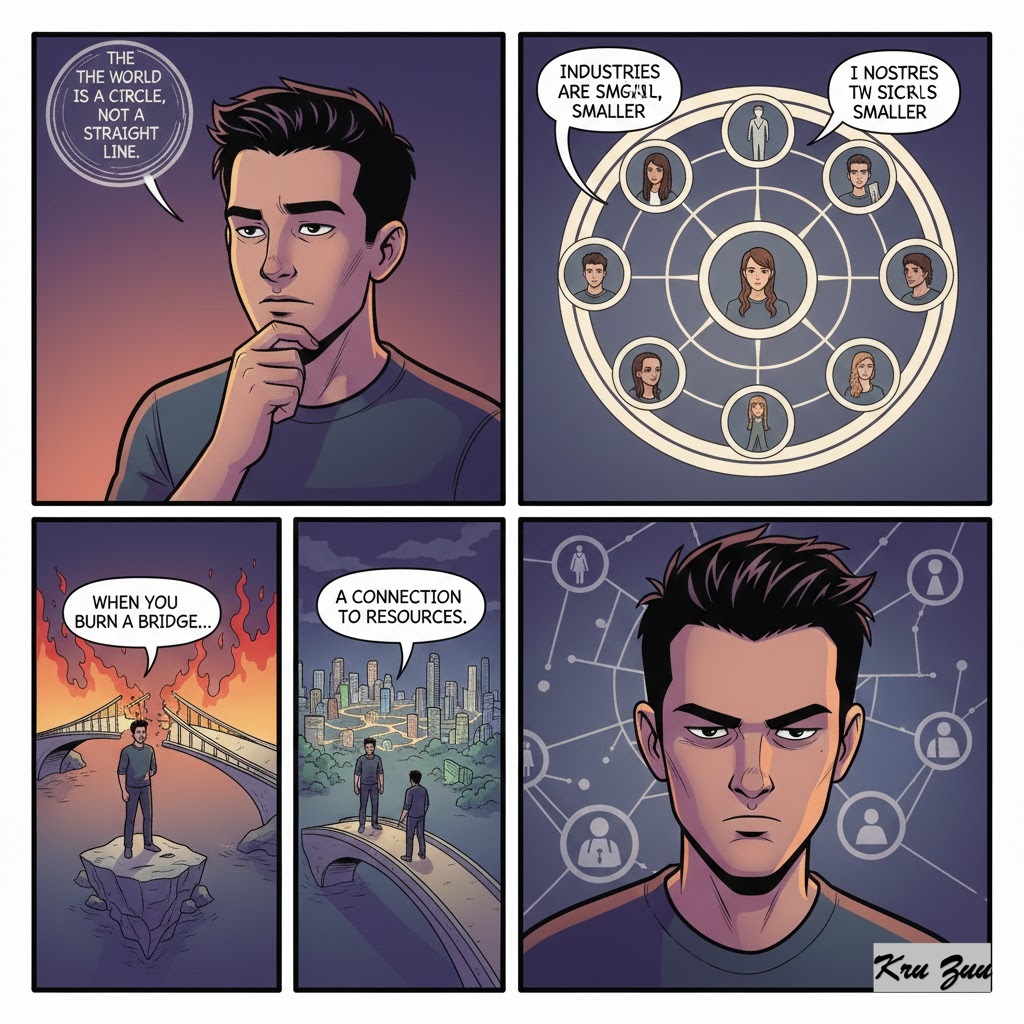
💎 The Secret
You don’t have to like everyone you meet, but you should never make them your permanent enemy. Leave every room better than you found it.
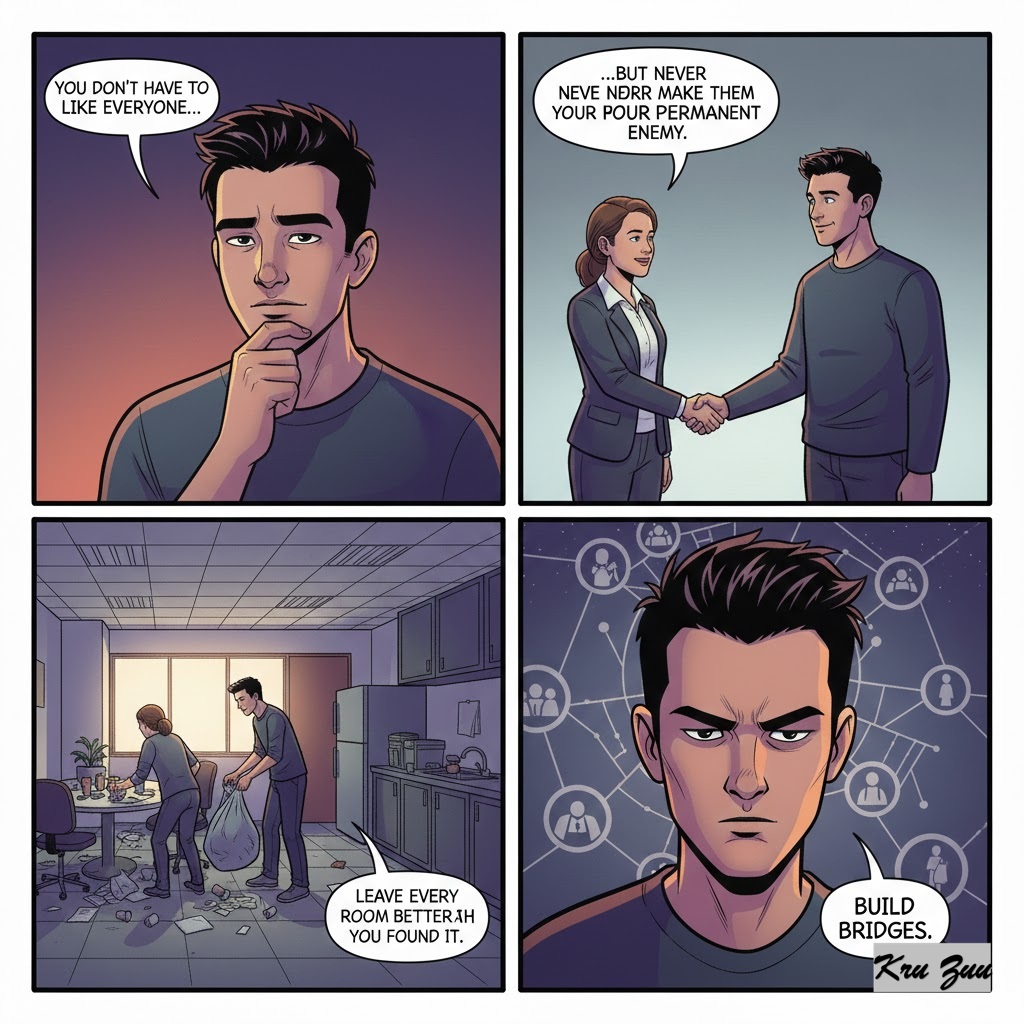
🧐 The Anatomy of the Proverb
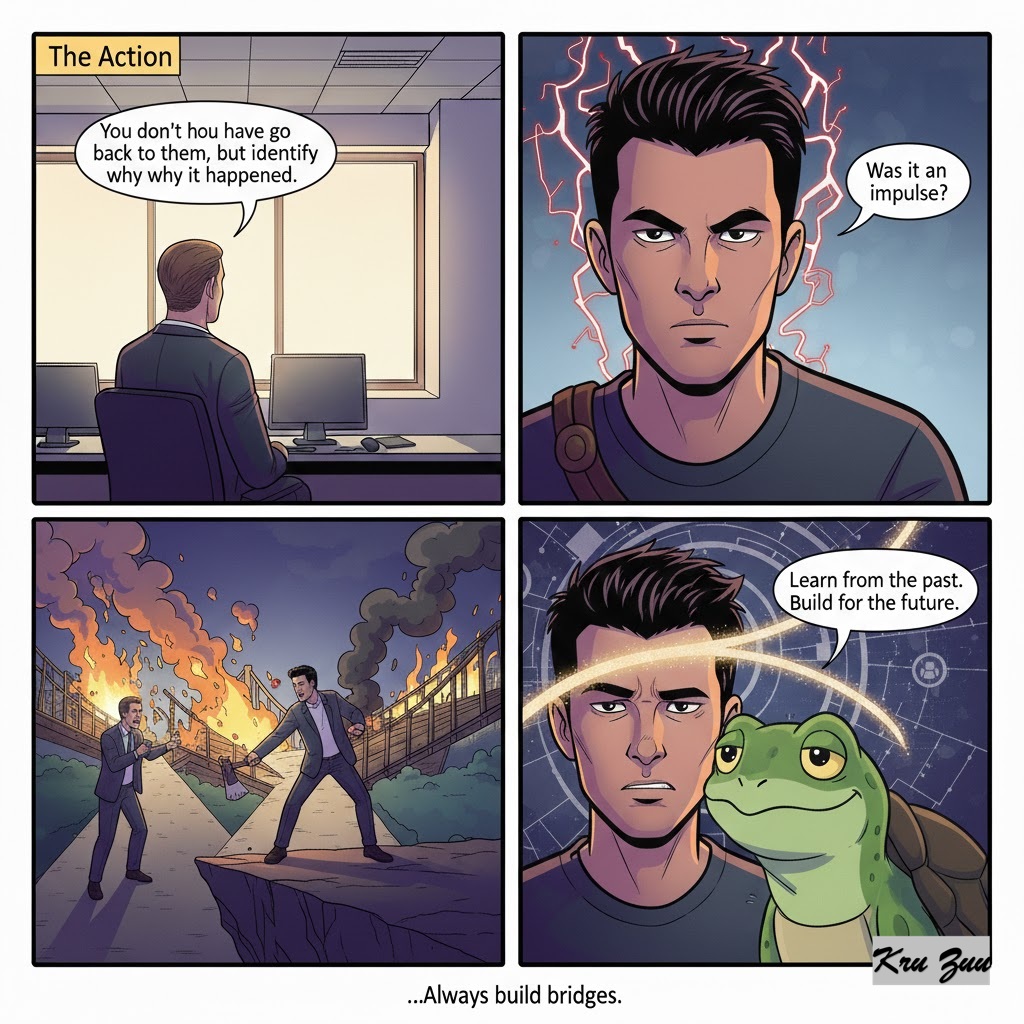
This is a warning against impulsive destruction of your own reputation.
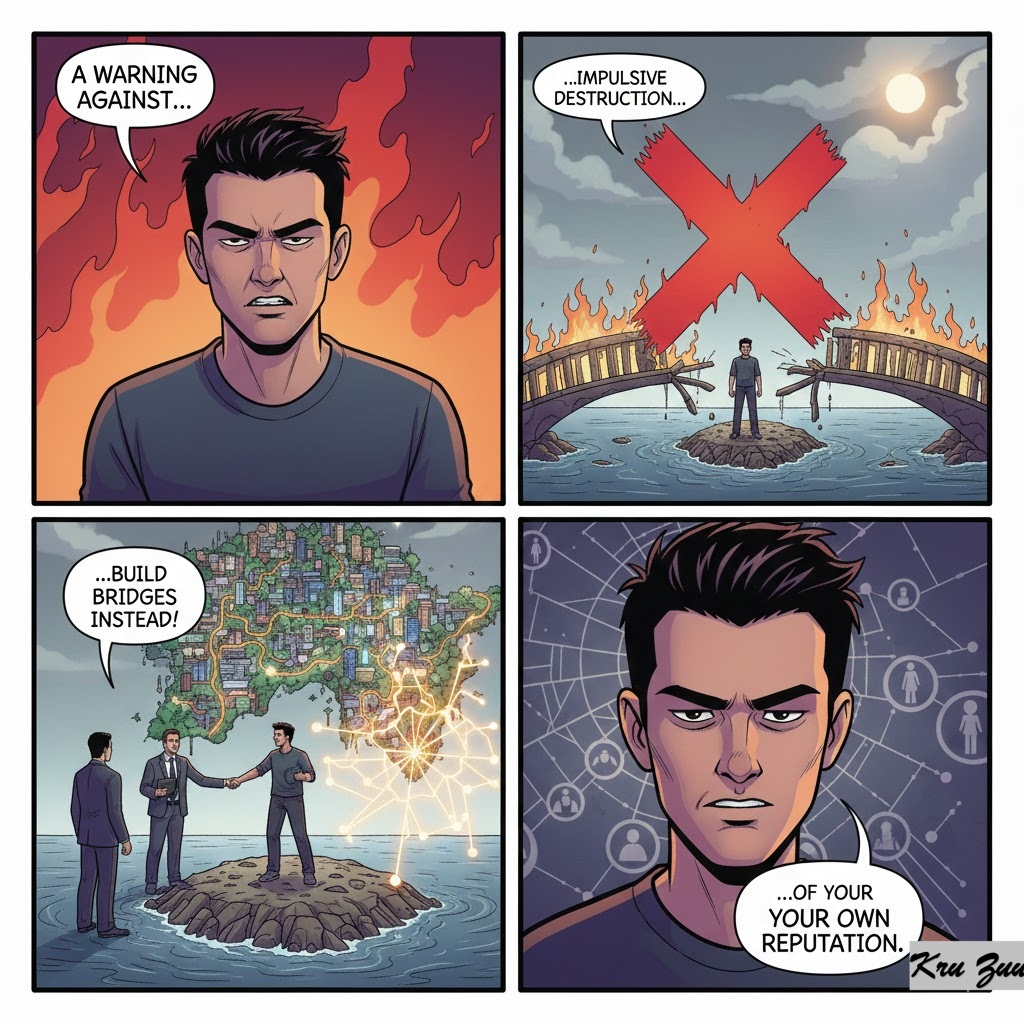
Don’t Burn (Negative Command): An instruction to stop an irreversible action.
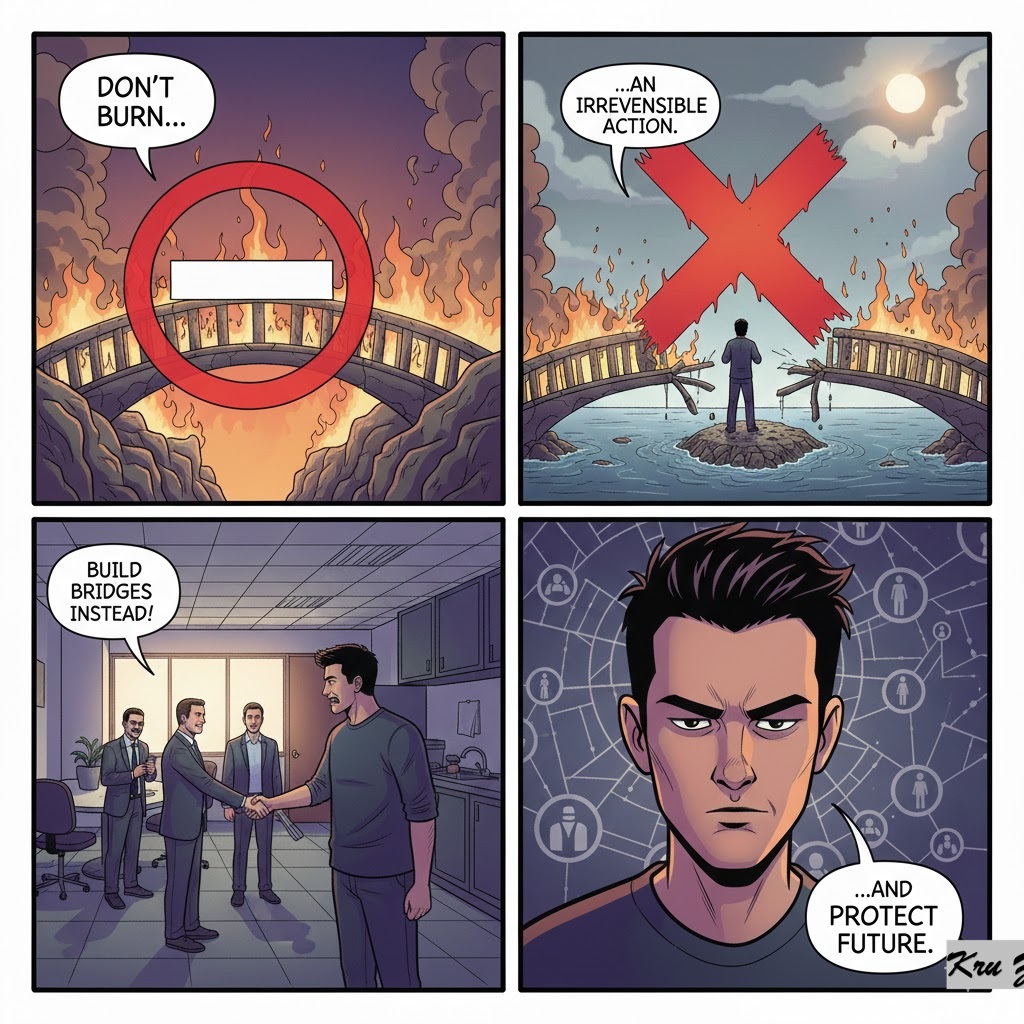
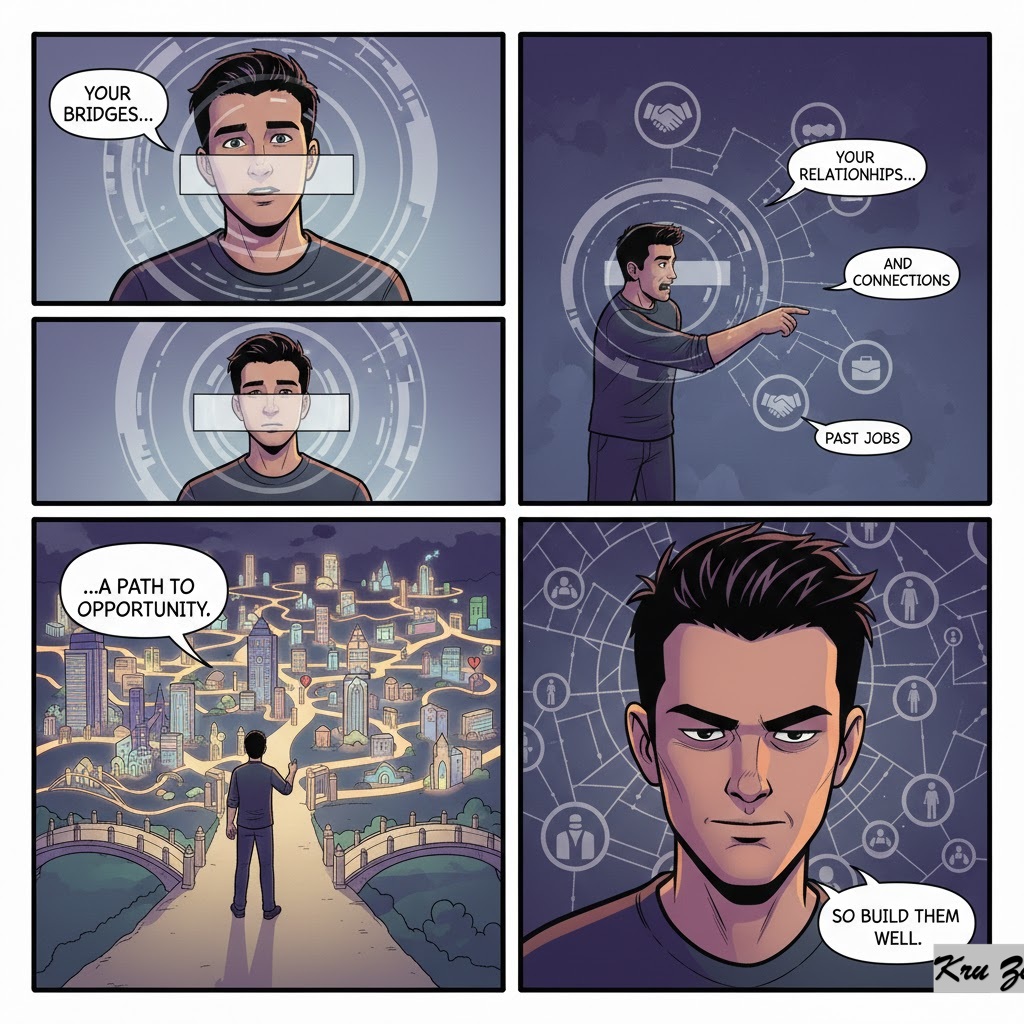
Your Bridges (Noun): Your relationships, past jobs, and connections.
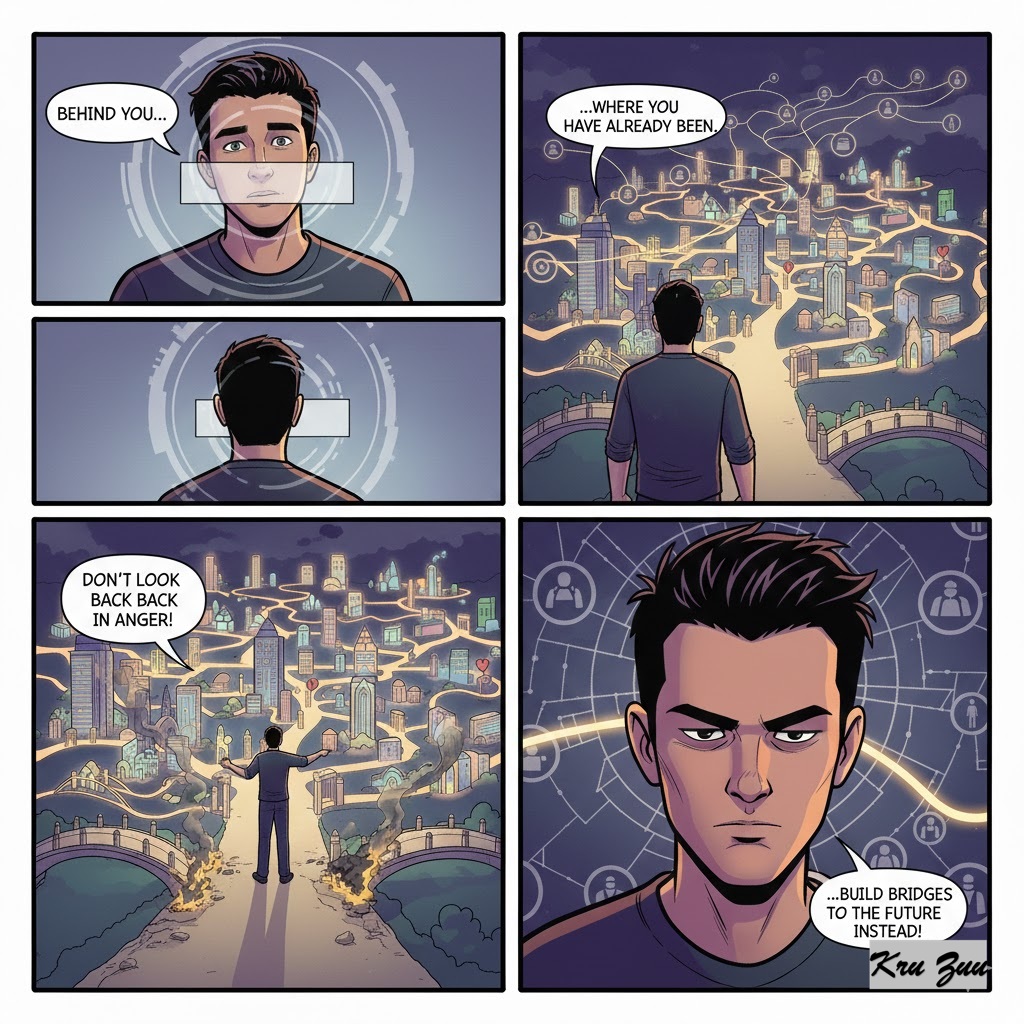
Behind You (Prepositional Phrase): Referring to where you have already been.
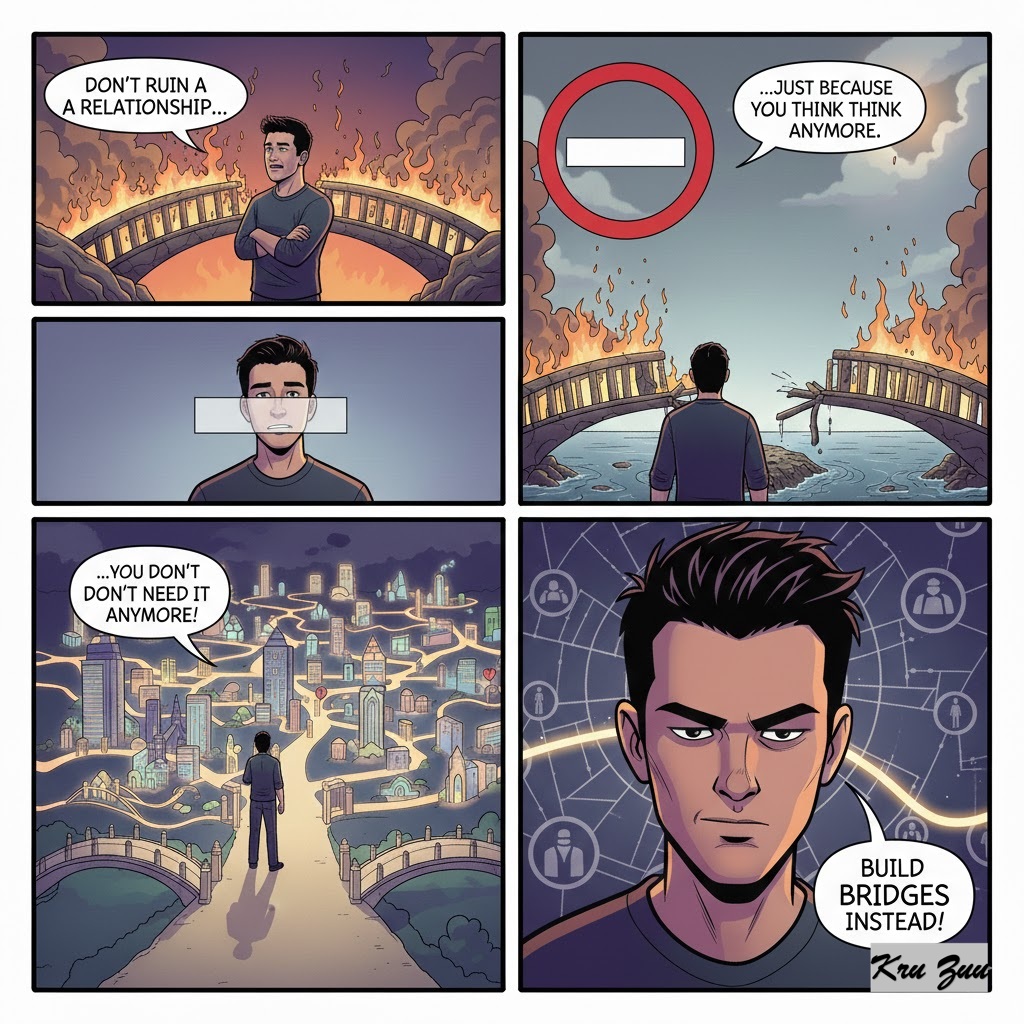
Simpler Version: Don’t ruin a relationship just because you think you don’t need it anymore.
📚 Vocabulary Vault
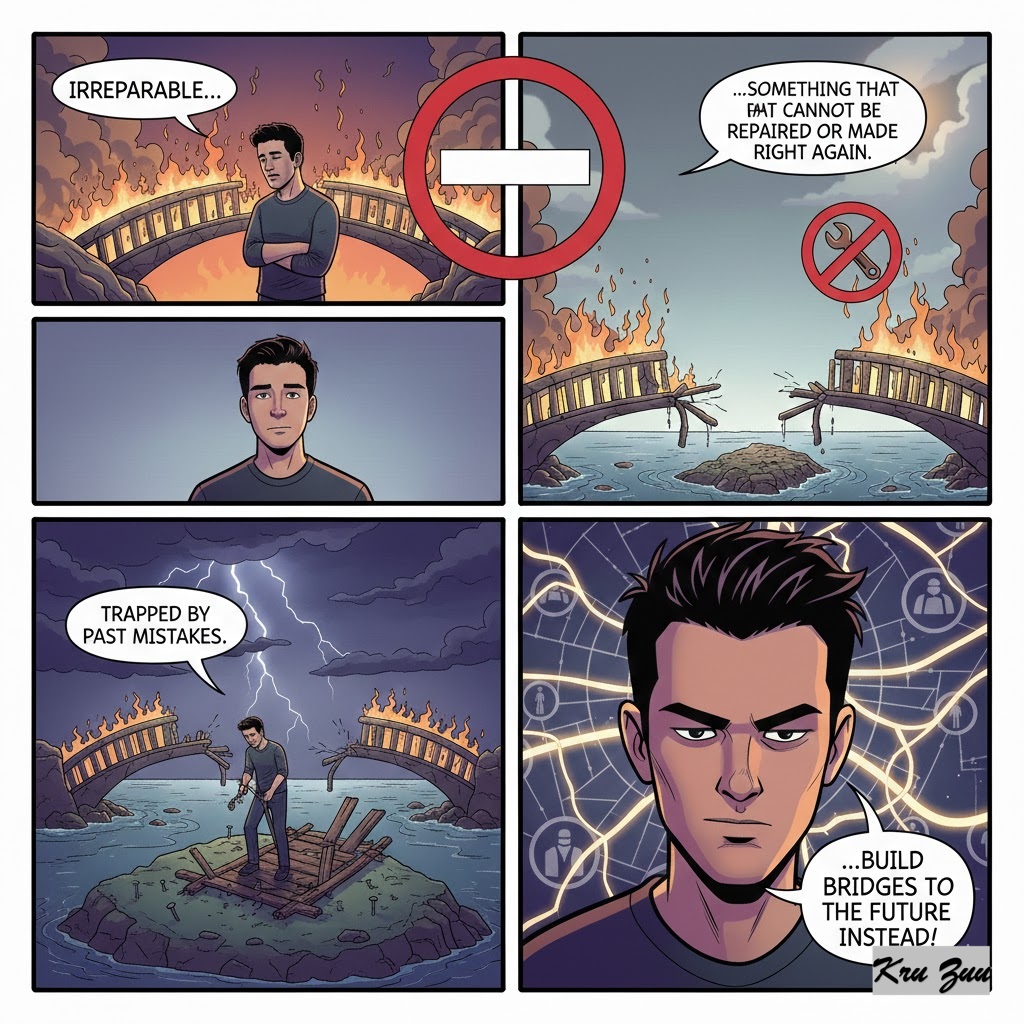
Irreparable (Adjective): Something that cannot be repaired or made right again. ❌🛠️
Cordial (Adjective): Warm and friendly, but usually in a formal way. (Professional).
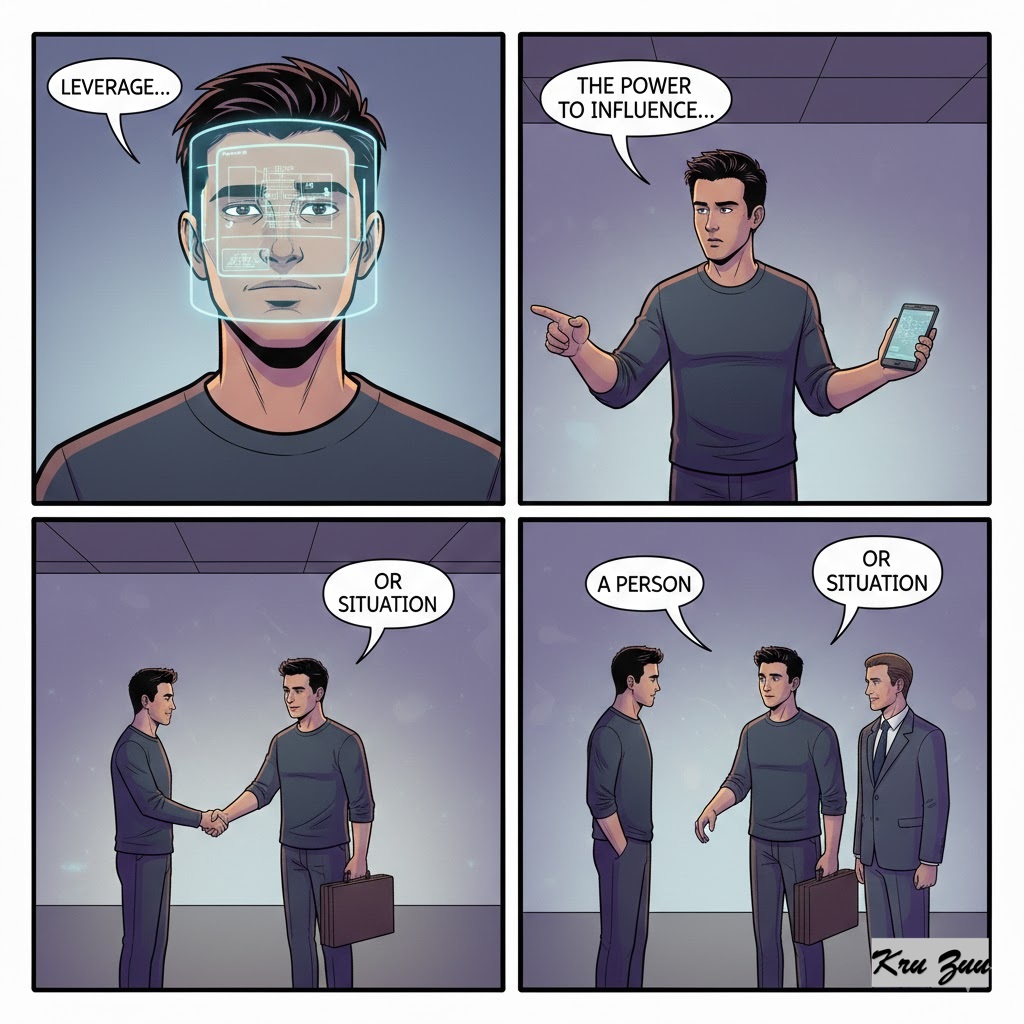
Leverage (Noun): The power to influence a person or situation.
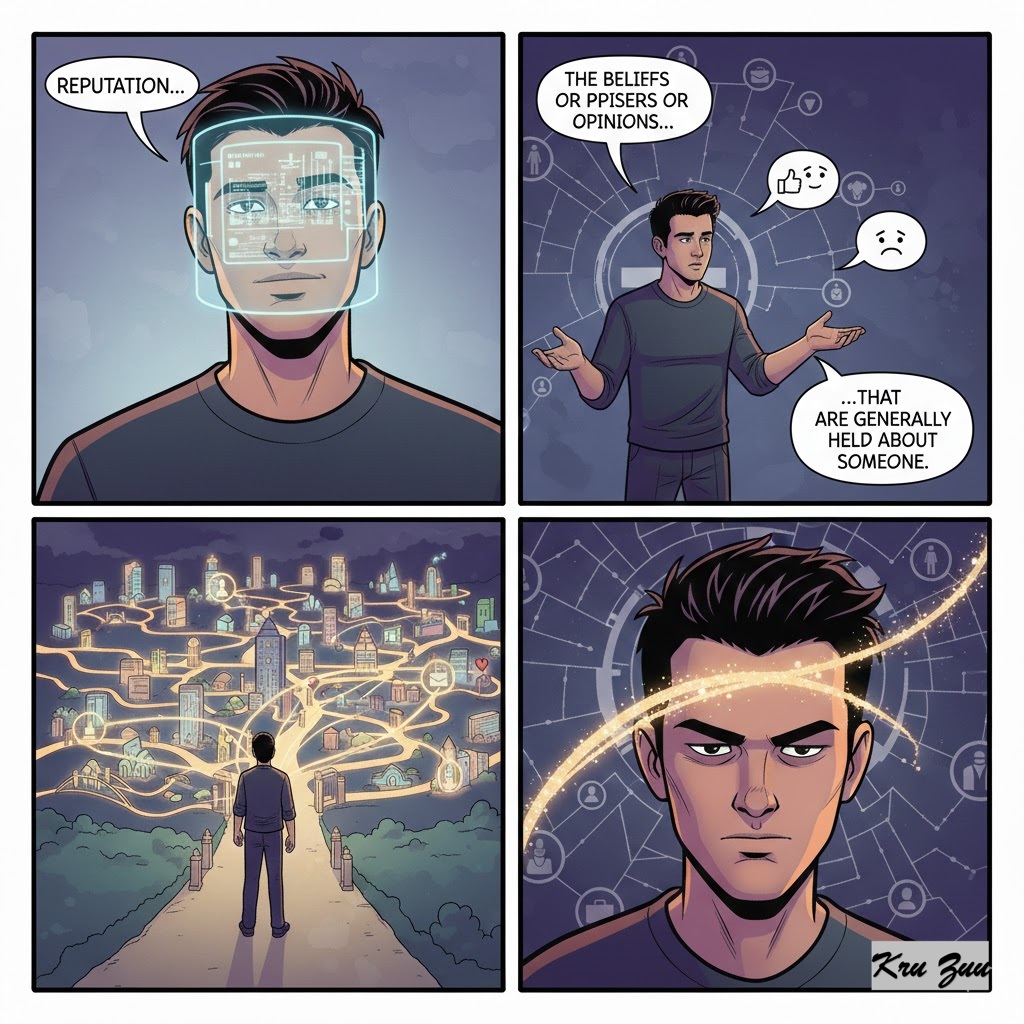
Reputation (Noun): The beliefs or opinions that are generally held about someone.
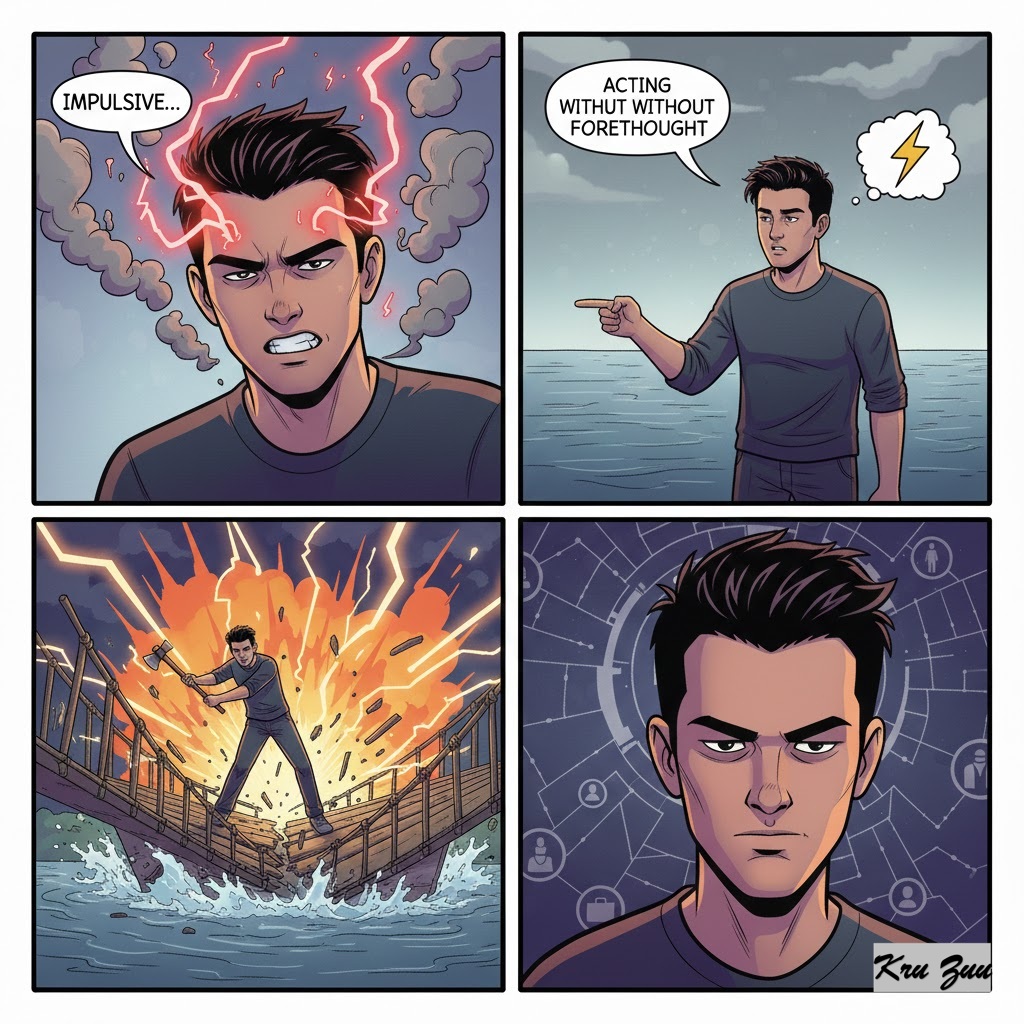
Impulsive (Adjective): Acting or doing without forethought. ⚡
🧠 Grammar Focus: Idioms as Parenting/Bossing Tools
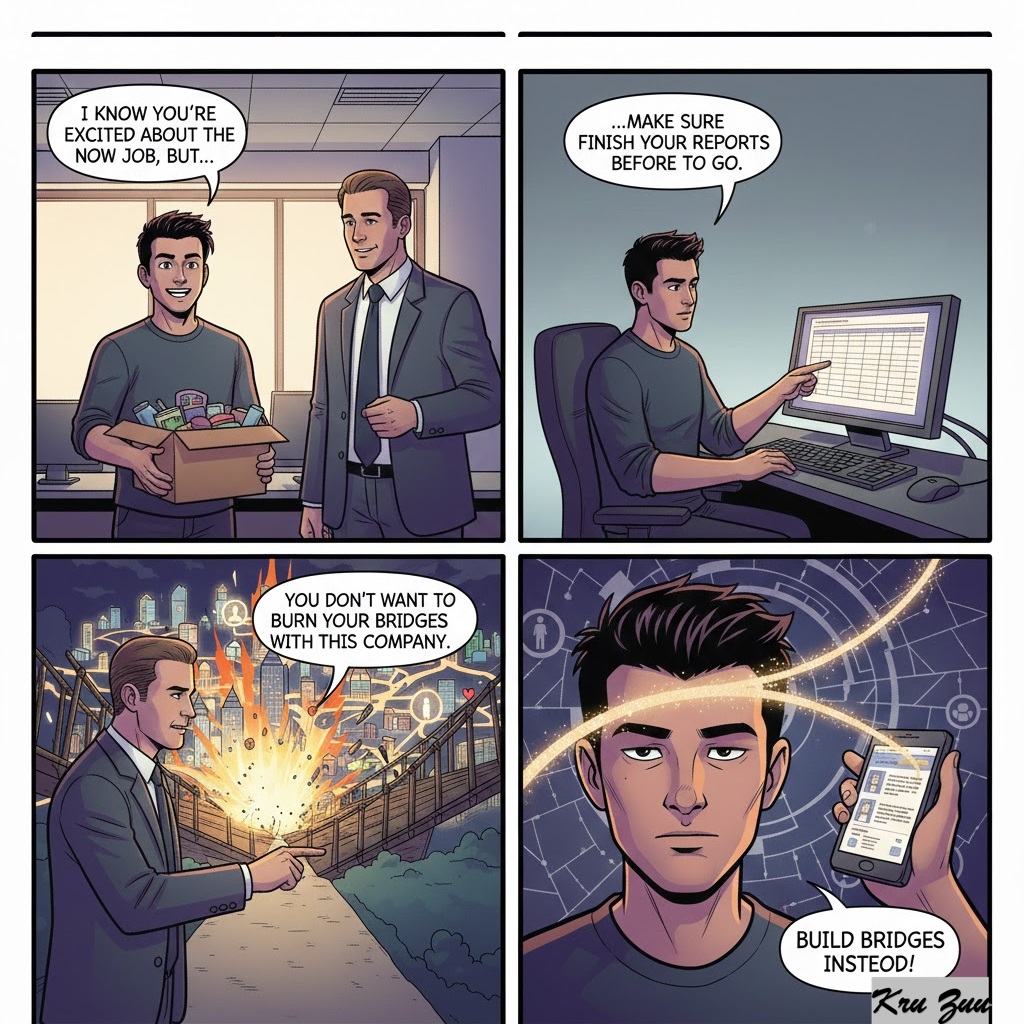
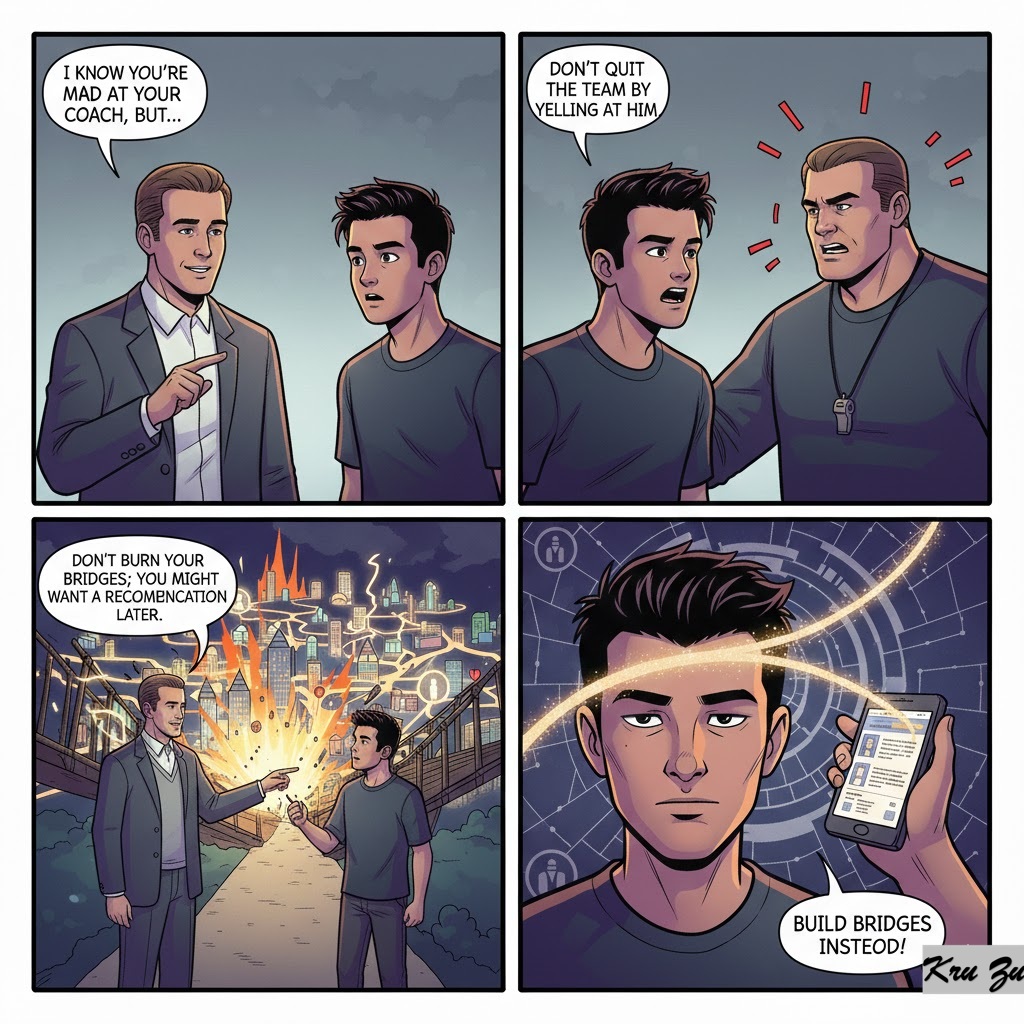
We use this idiom to warn someone that their current “victory” or “exit” might cost them later.
Manager to Employee: “I know you’re excited about the new job, but make sure you finish your reports before you go. You don’t want to burn your bridges with this company.”
Parent to Teenager: “I know you’re mad at your coach, but don’t quit the team by yelling at him. Don’t burn your bridges; you might want a recommendation later.”
📜 History: Origin and Spread
Where did this architectural advice come from?
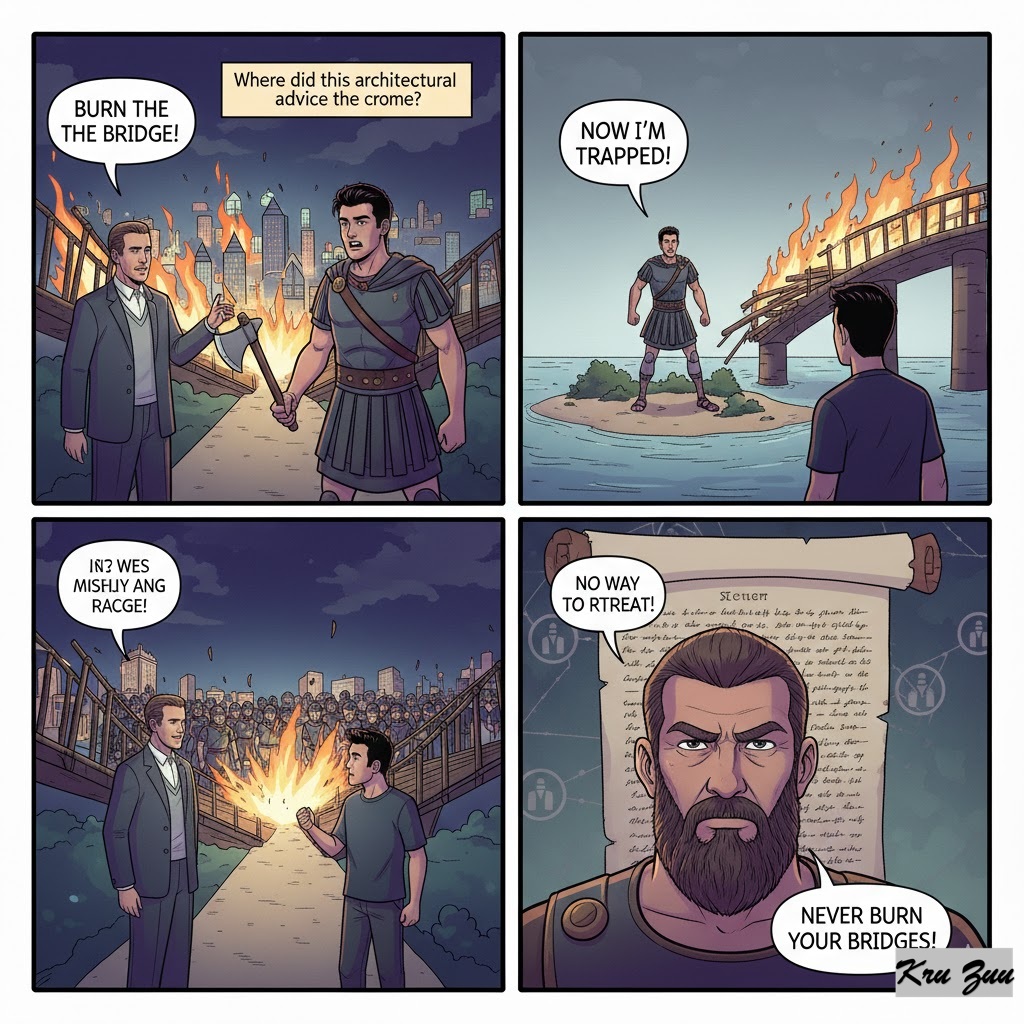
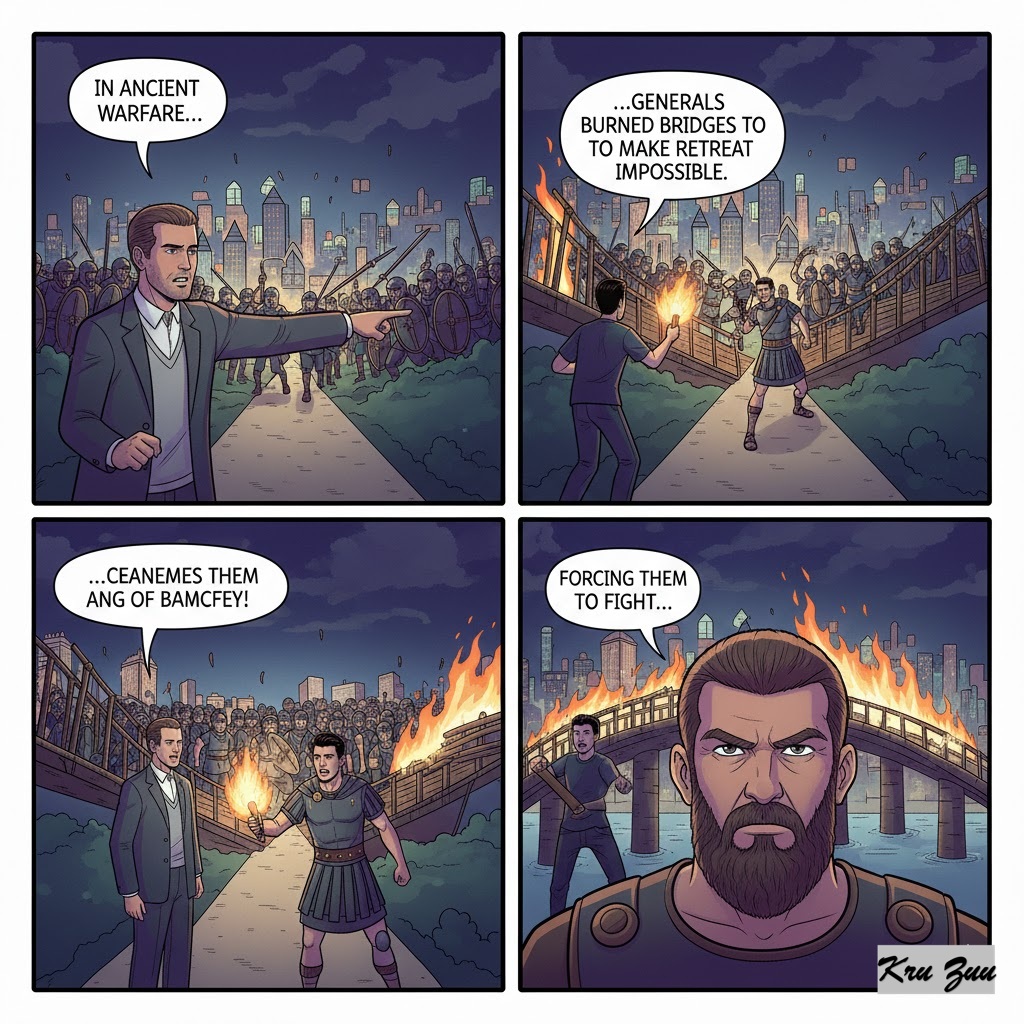
The Military Origin: In ancient warfare, generals would sometimes literally burn bridges after crossing them. Why? To make it impossible for their own soldiers to retreat, forcing them to fight to the death.
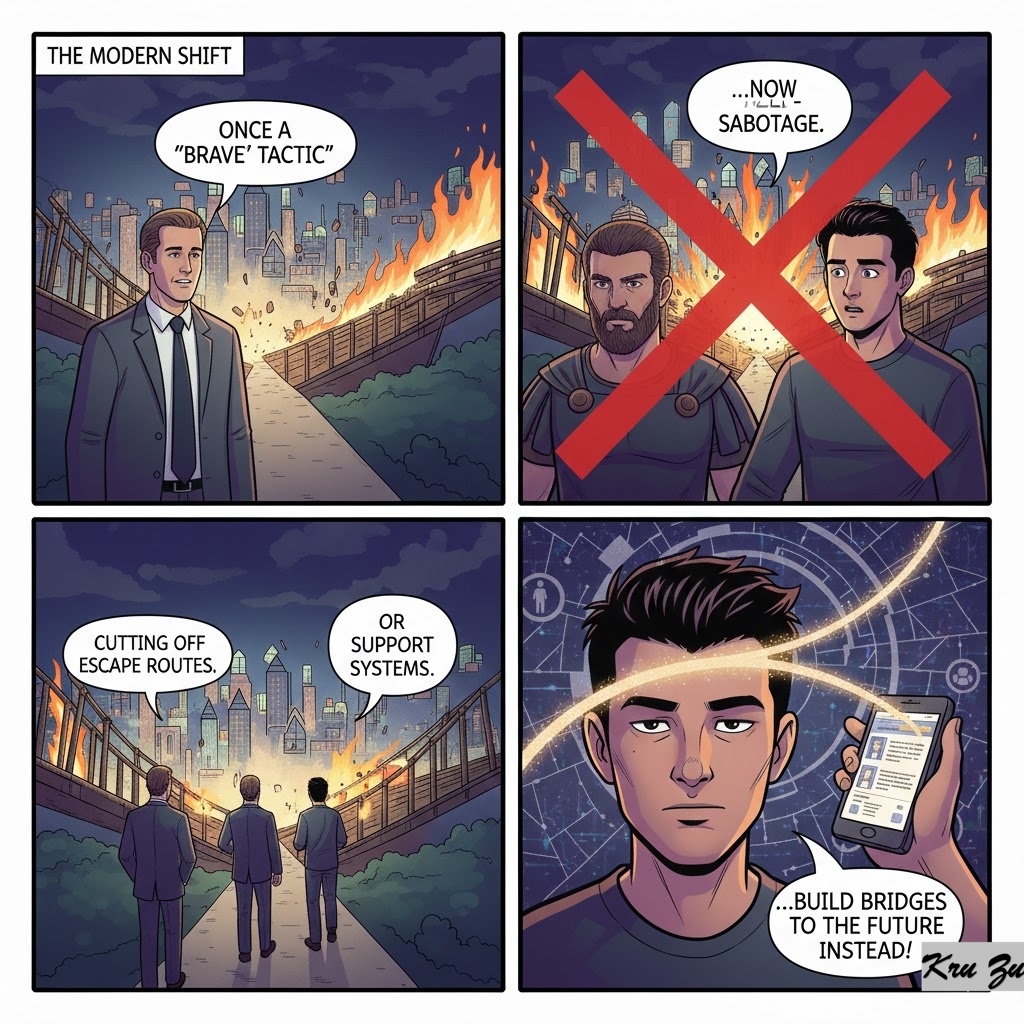
The Modern Shift: While it was once a “brave” tactic in war, in the world of business and life, it became a metaphor for self-sabotage. By the late 19th century, it was widely used to warn people against cutting off their own escape routes or support systems.
🎭 Short Story: The Great River Gala 💃🐱🐔🐸
🌟 The Cast
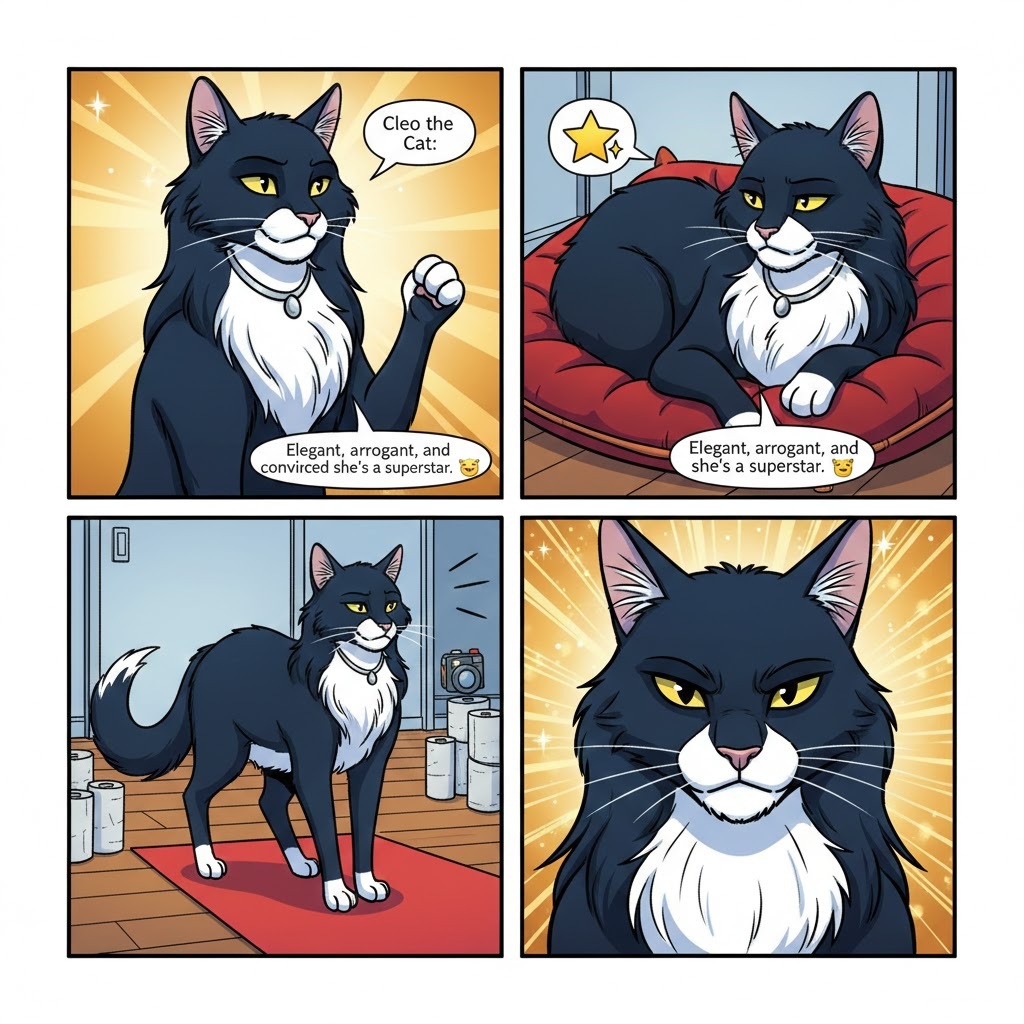
Cleo the Cat: Elegant, arrogant, and convinced she’s a superstar. 😼
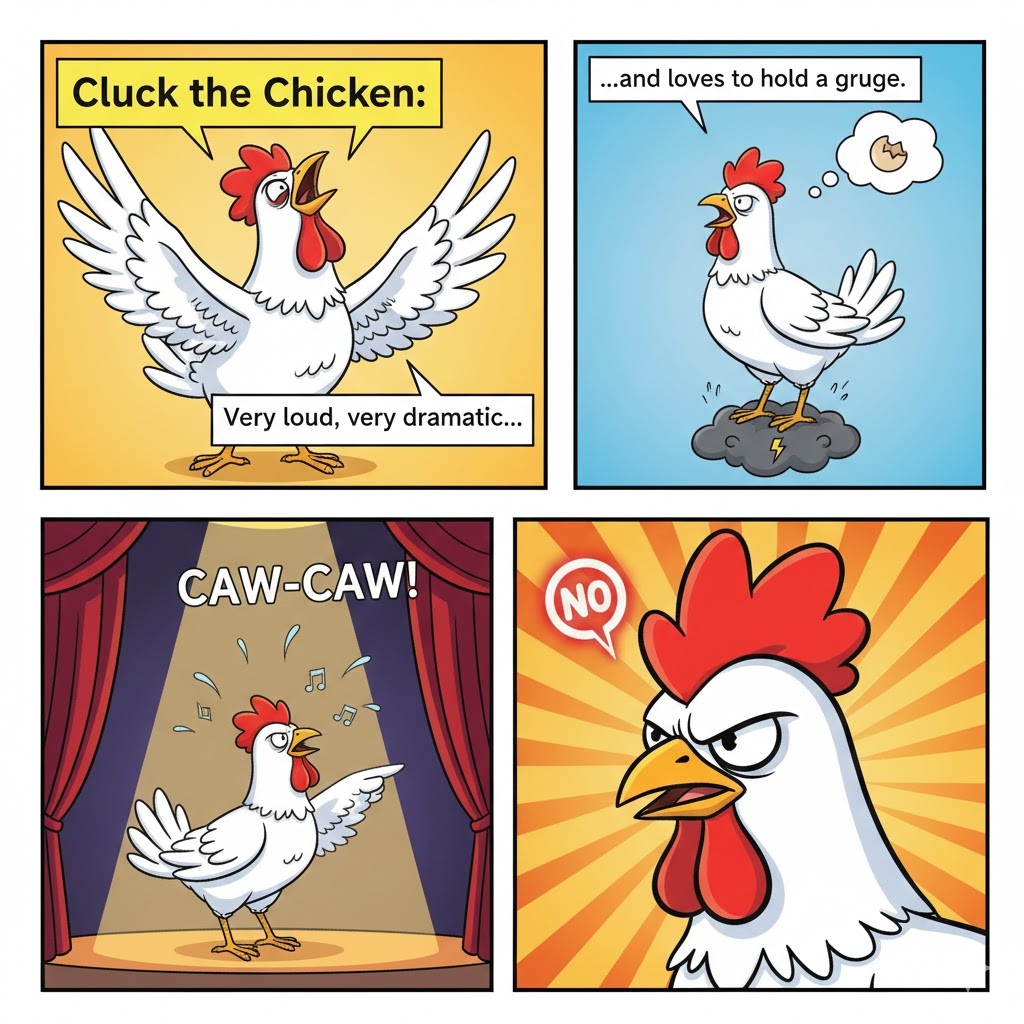
Cluck the Chicken: Very loud, very dramatic, and loves to hold a grudge. 🐔
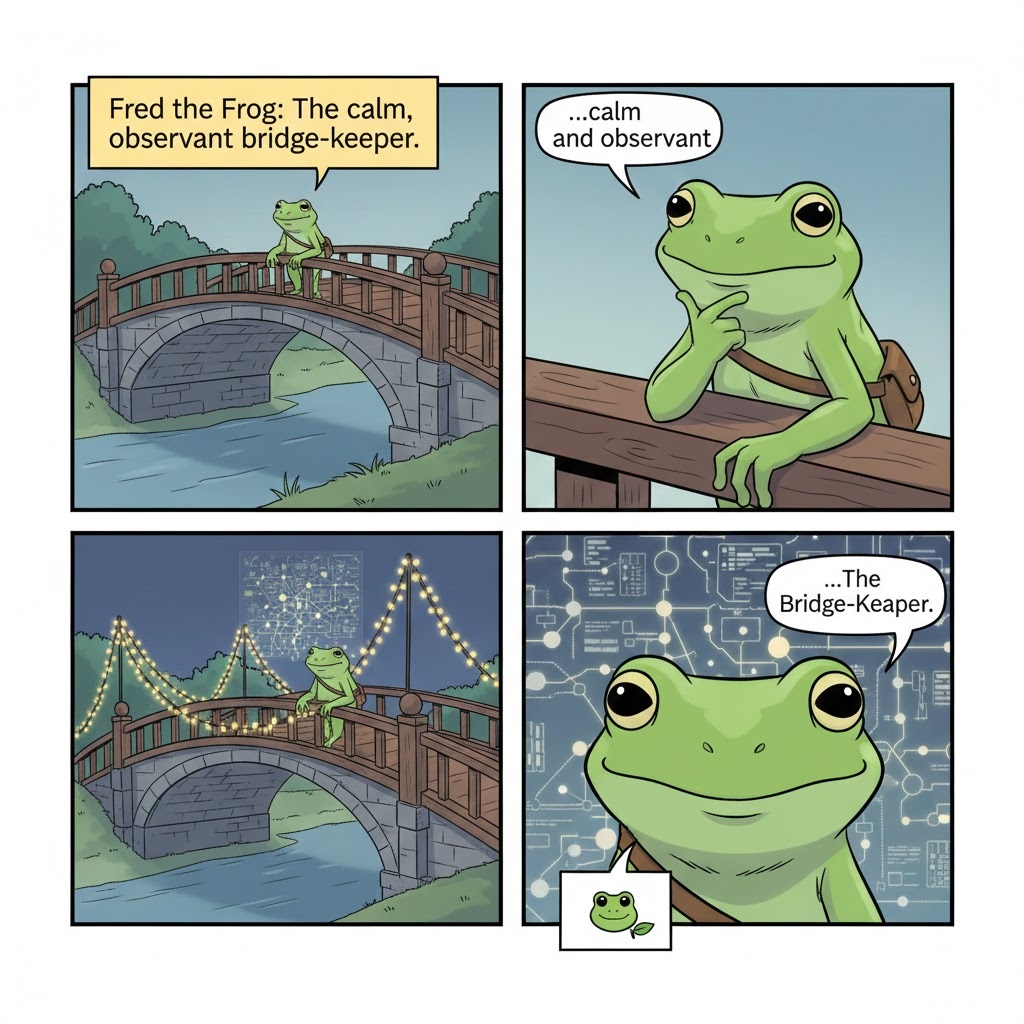
Fred the Frog: The calm, observant bridge-keeper. 🐸
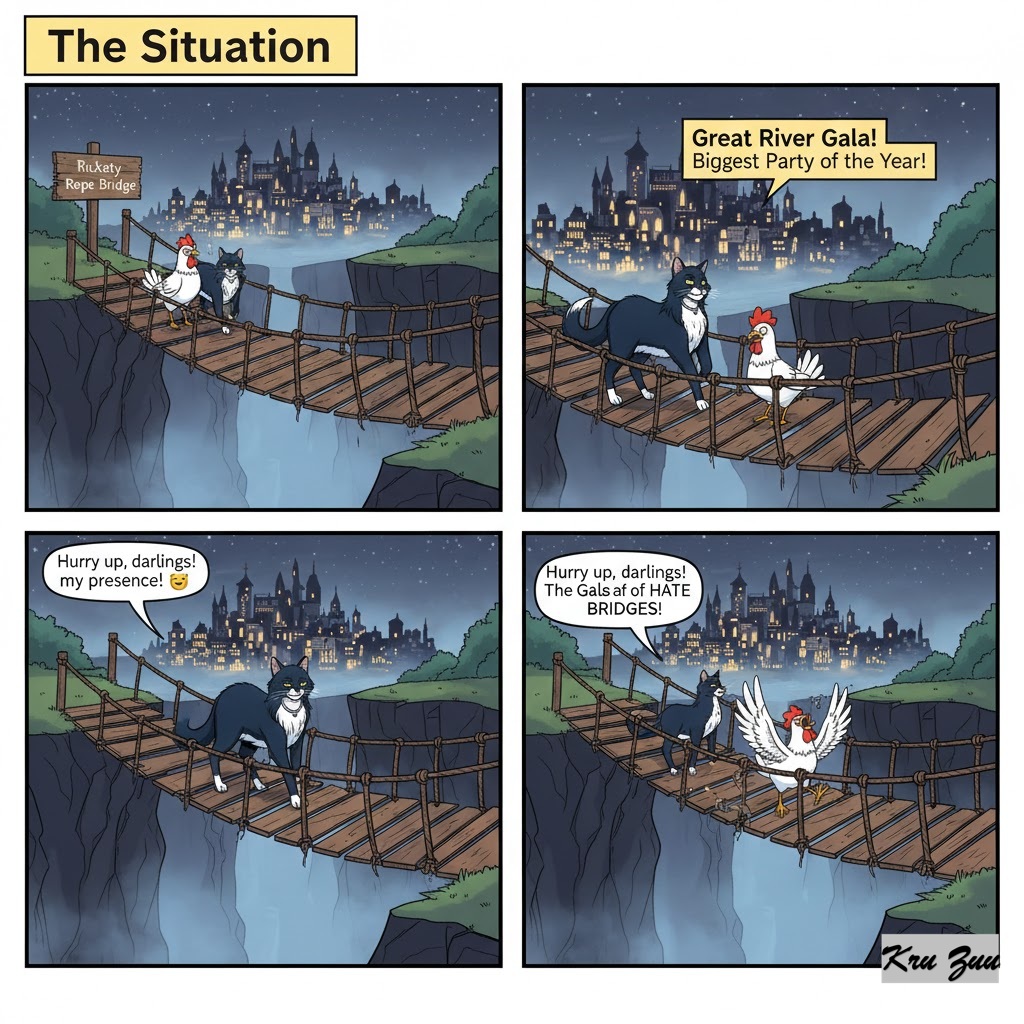
The Situation: The trio had to cross the “Rickety Rope Bridge” to get to the Great River Gala, the biggest party of the year.
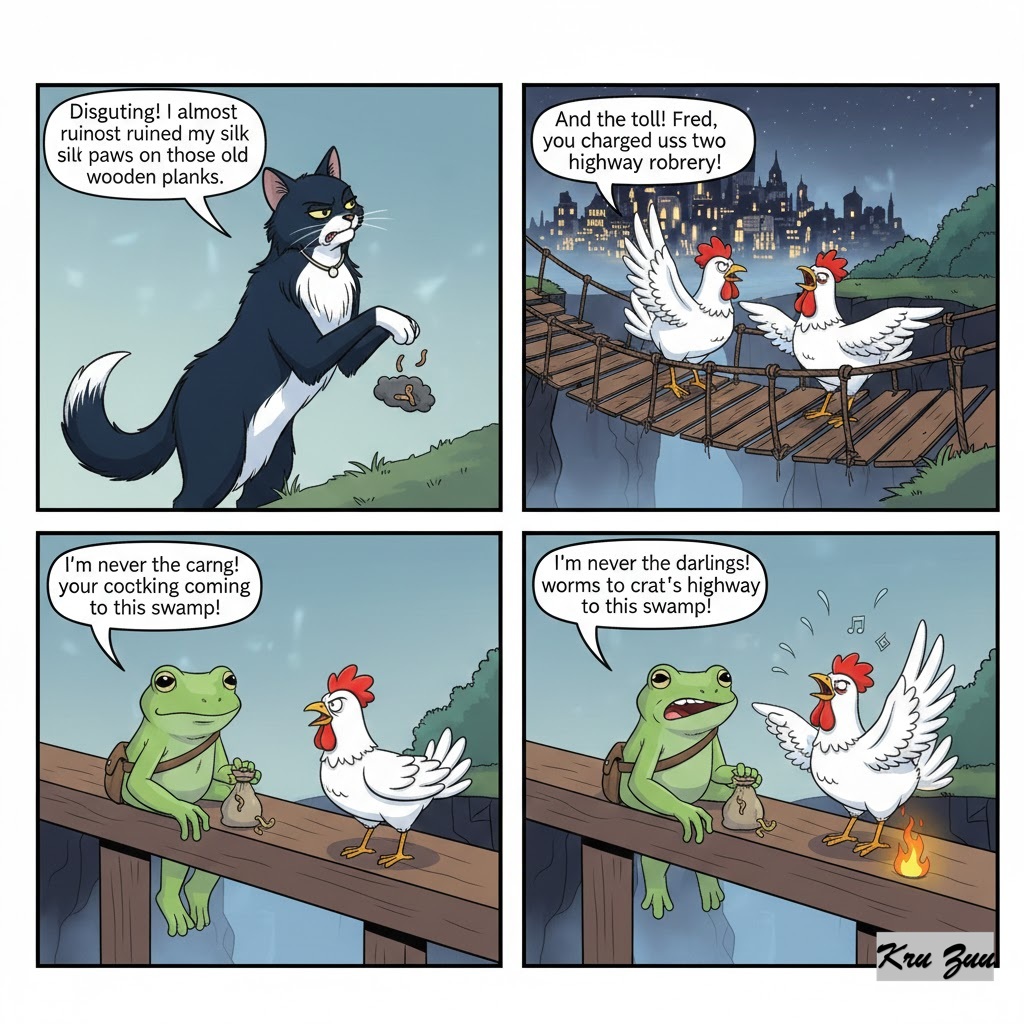
The Conflict: After crossing, Cleo looked at the muddy bridge. “Disgusting! I almost ruined my silk paws on those old wooden planks.” Cluck was even angrier. “And the toll! Fred, you charged us two worms to cross! That’s highway robbery! I’m never coming back to this swamp!”
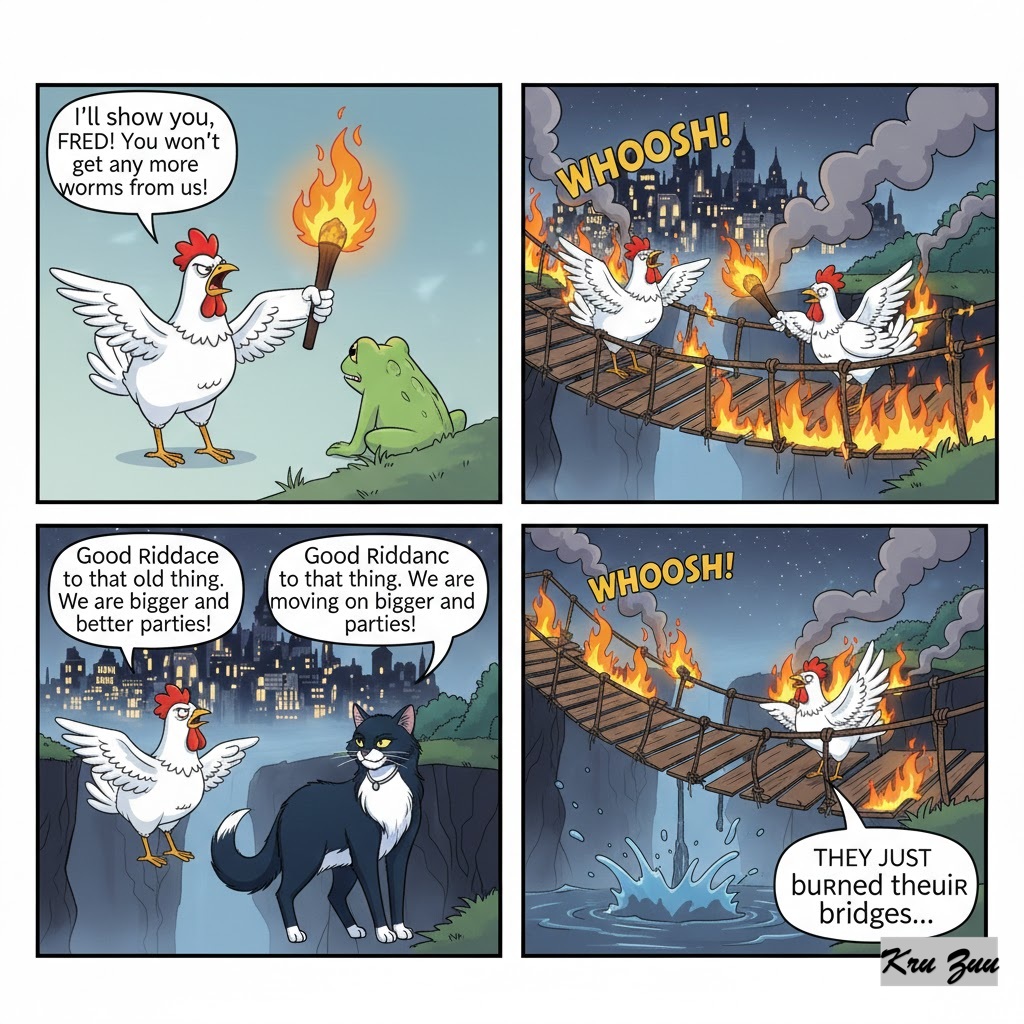
In a fit of rage, Cluck grabbed a torch. “I’ll show you, Fred! You won’t get any more worms from us!” Cluck set the ropes on fire. Whoosh! The bridge fell into the water. 🌊🔥 Cleo laughed. “Good riddance to that old thing. We are moving on to bigger and better parties!”
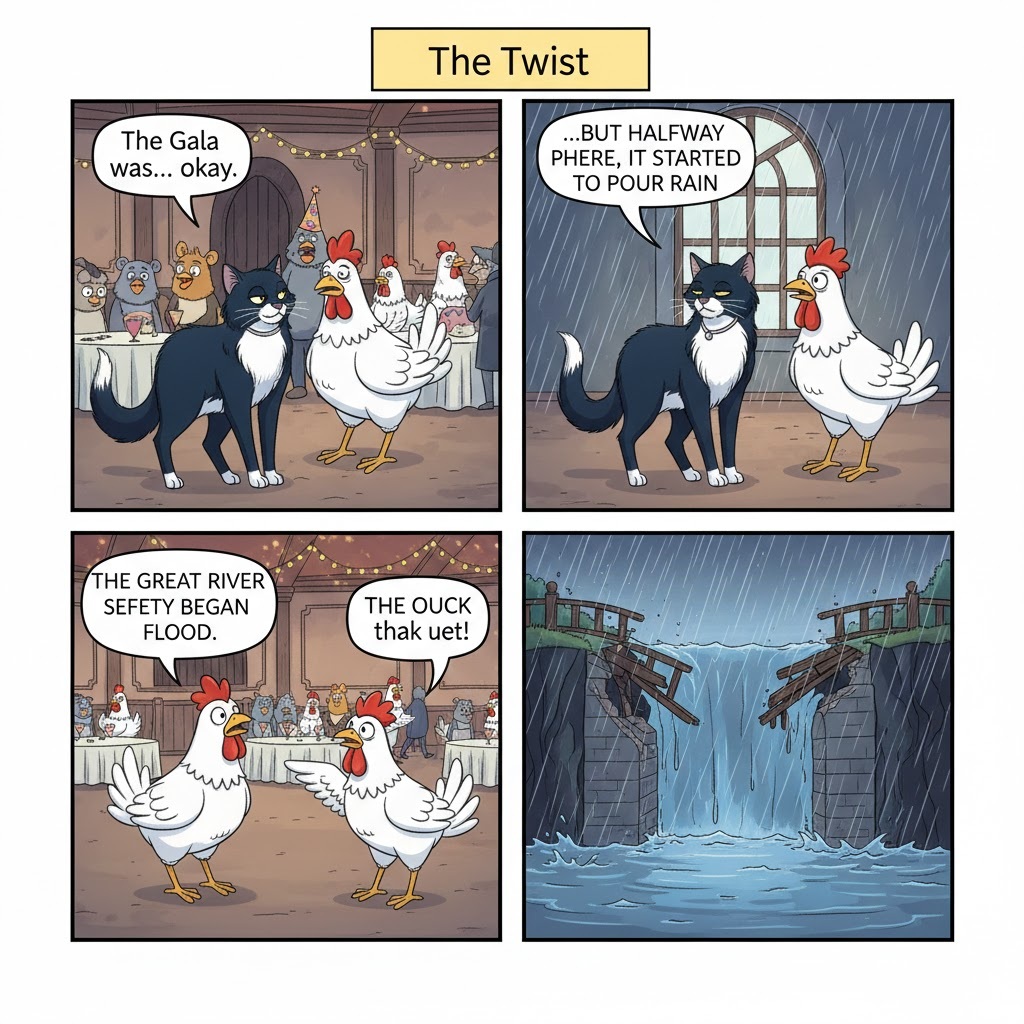
The Twist: The Gala was… okay. But halfway through, it started to pour rain. The “Great River” began to flood. The only way to safety was back the way they came.
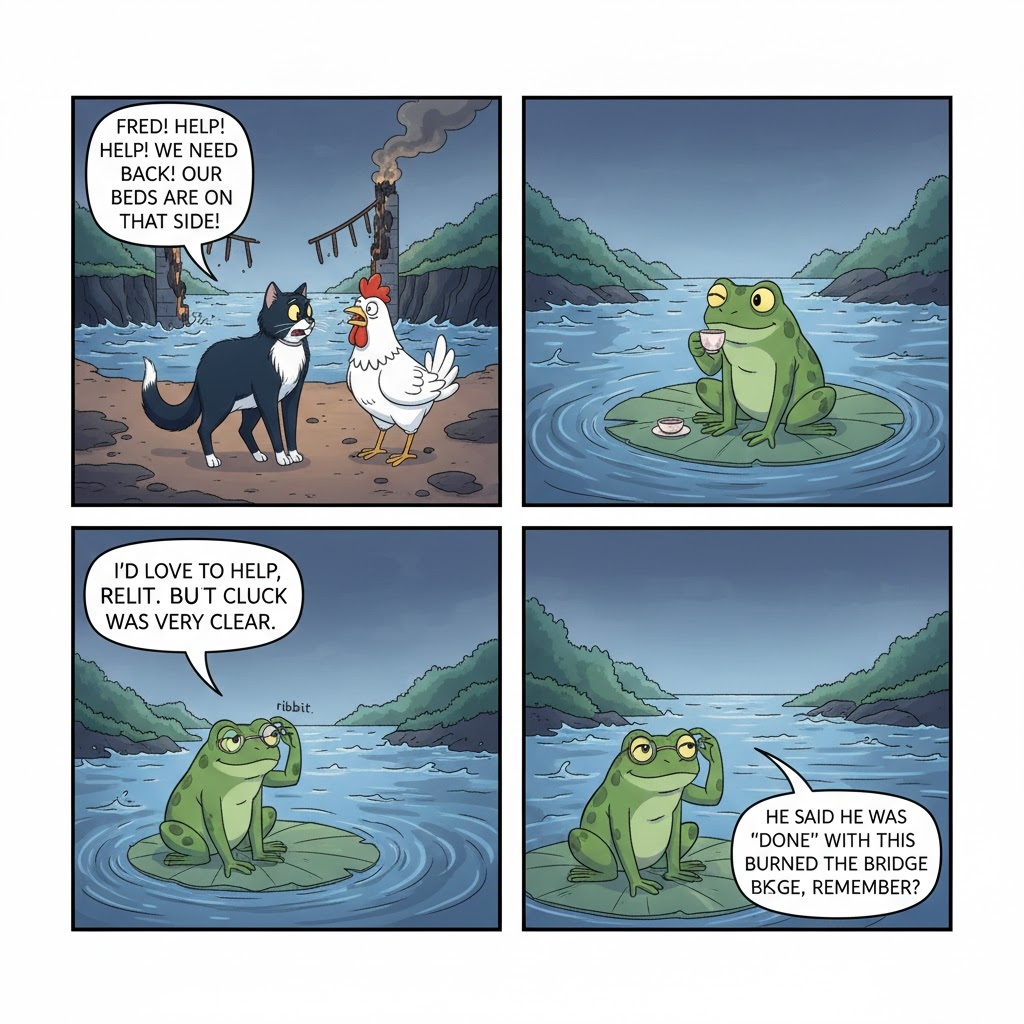
The Lesson: They ran back to the crossing, but all they saw was smoke. Fred was sitting on a lily pad on the other side, sipping tea. 🍵 “Fred! Help!” Cleo shrieked. “We need to get back! Our beds are on that side!” Fred adjusted his glasses. “I’d love to help, ribbit. But Cluck was very clear. He said he was ‘done’ with this path. You burned the bridge, remember?”
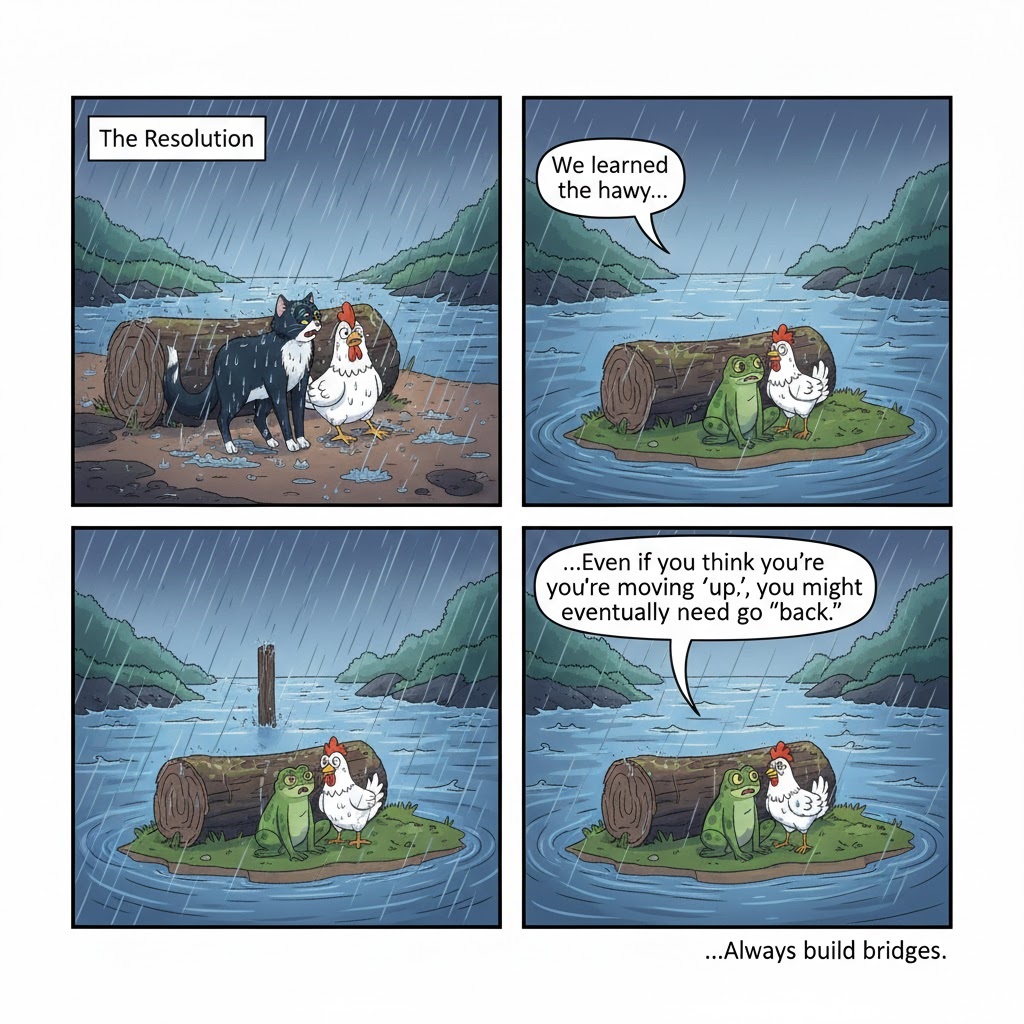
The Resolution: Cleo and Cluck had to sleep in a damp, hollow log in the rain. They learned the hard way: Even if you think you’re moving “up,” you might eventually need to go “back.”
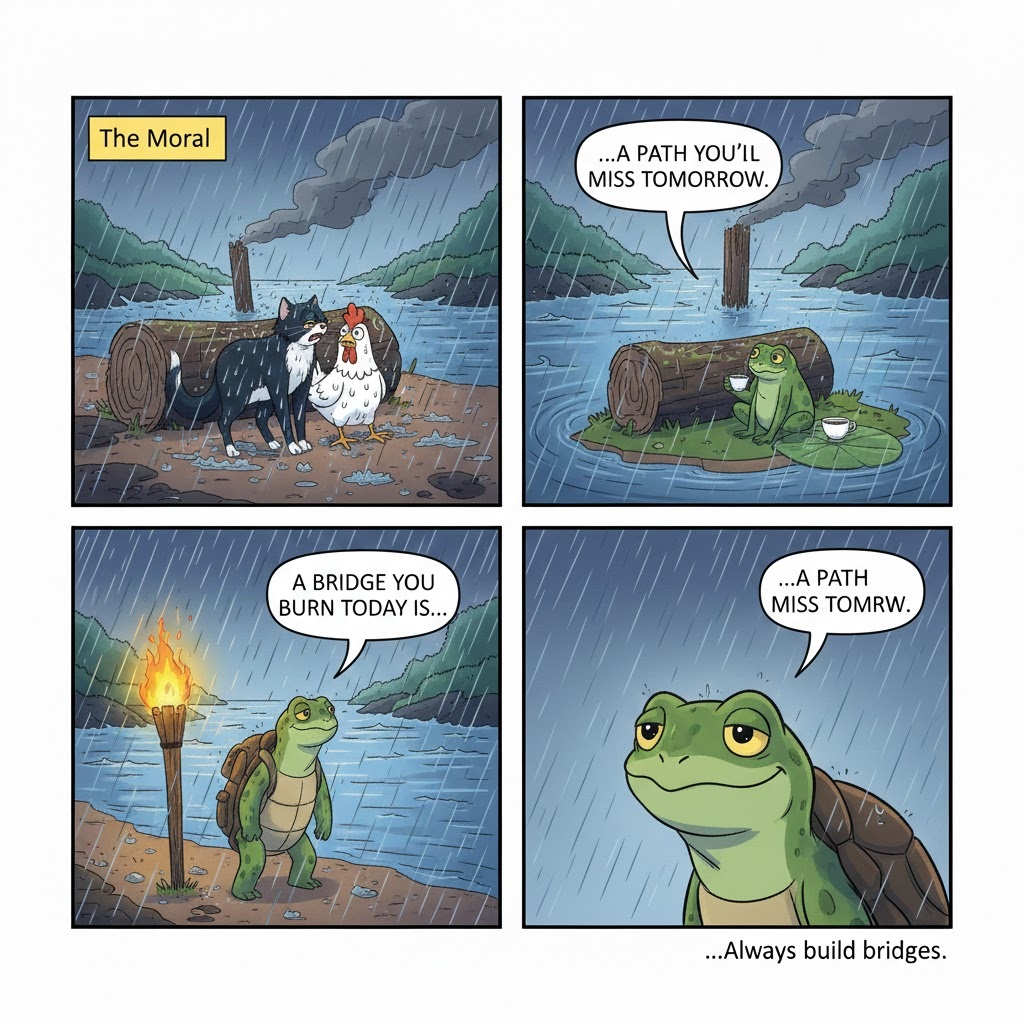
The Moral: A bridge you burn today is a path you’ll miss tomorrow. 🌧️🐢
🎓 Lesson for English Learners
How to leave a situation without burning the bridge:
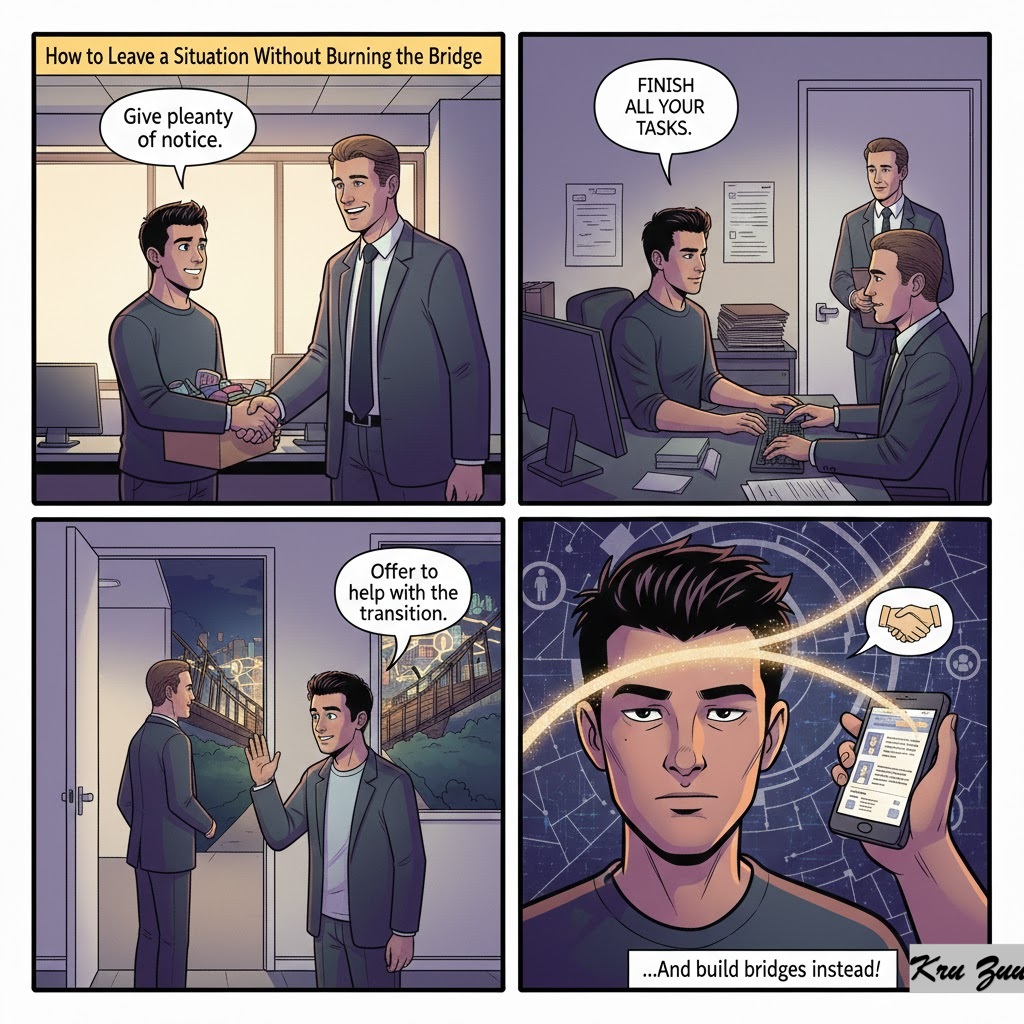
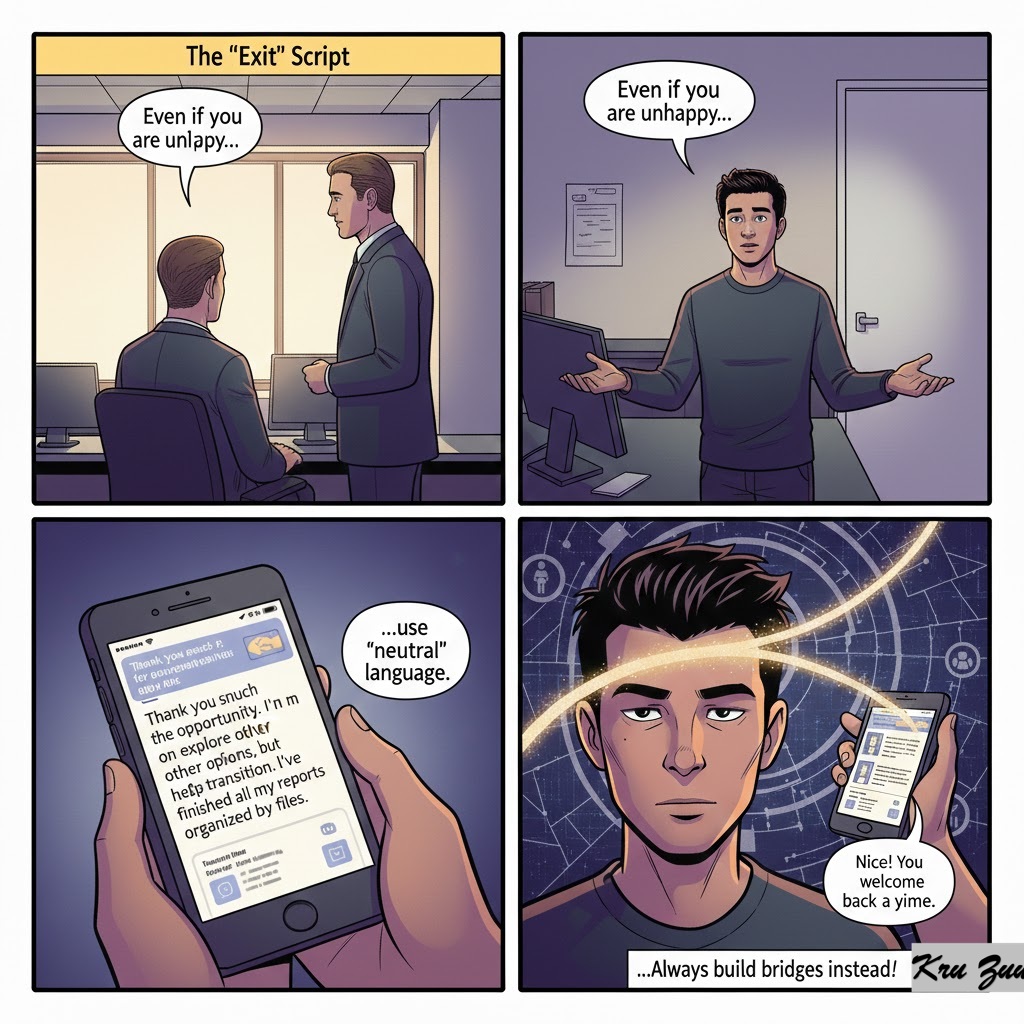
The “Exit” Script: Even if you are unhappy, use “neutral” language.
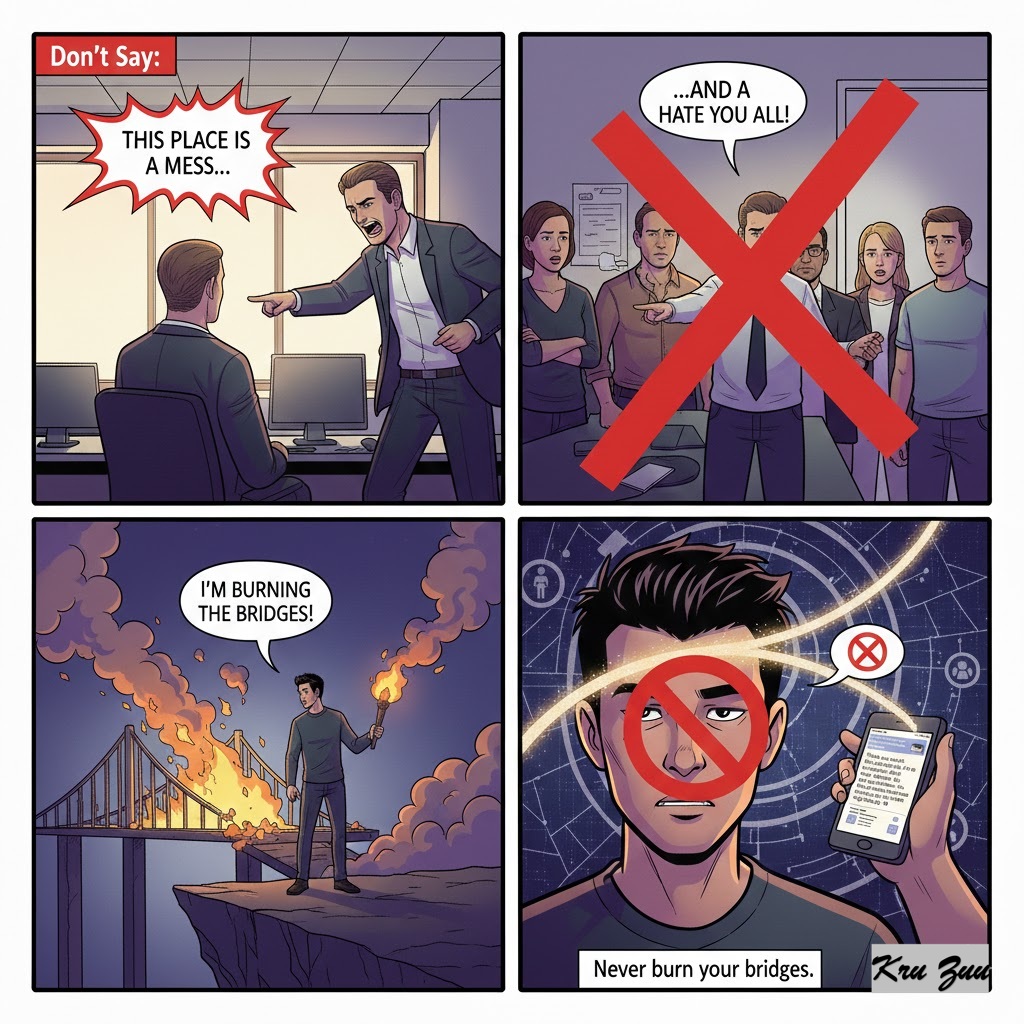
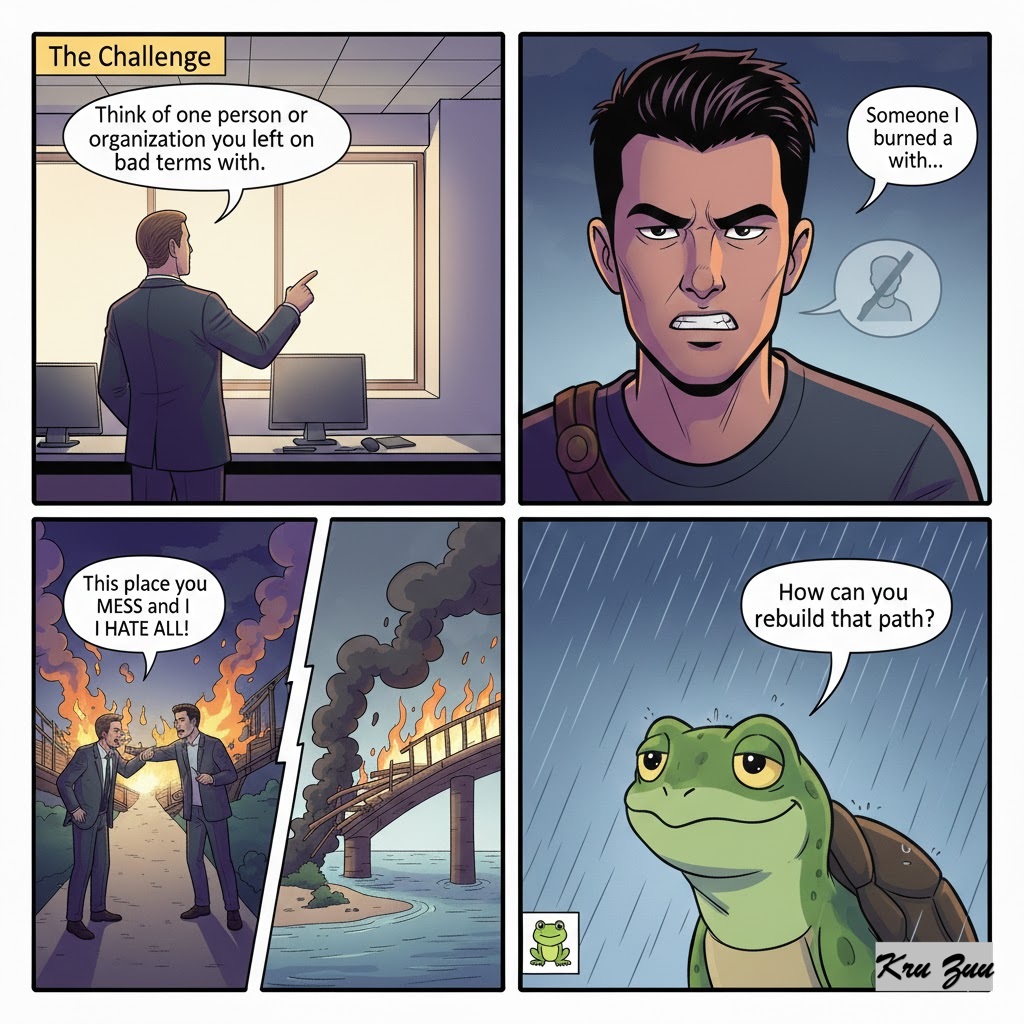
Don’t say: “This place is a mess and I hate you all.” ❌
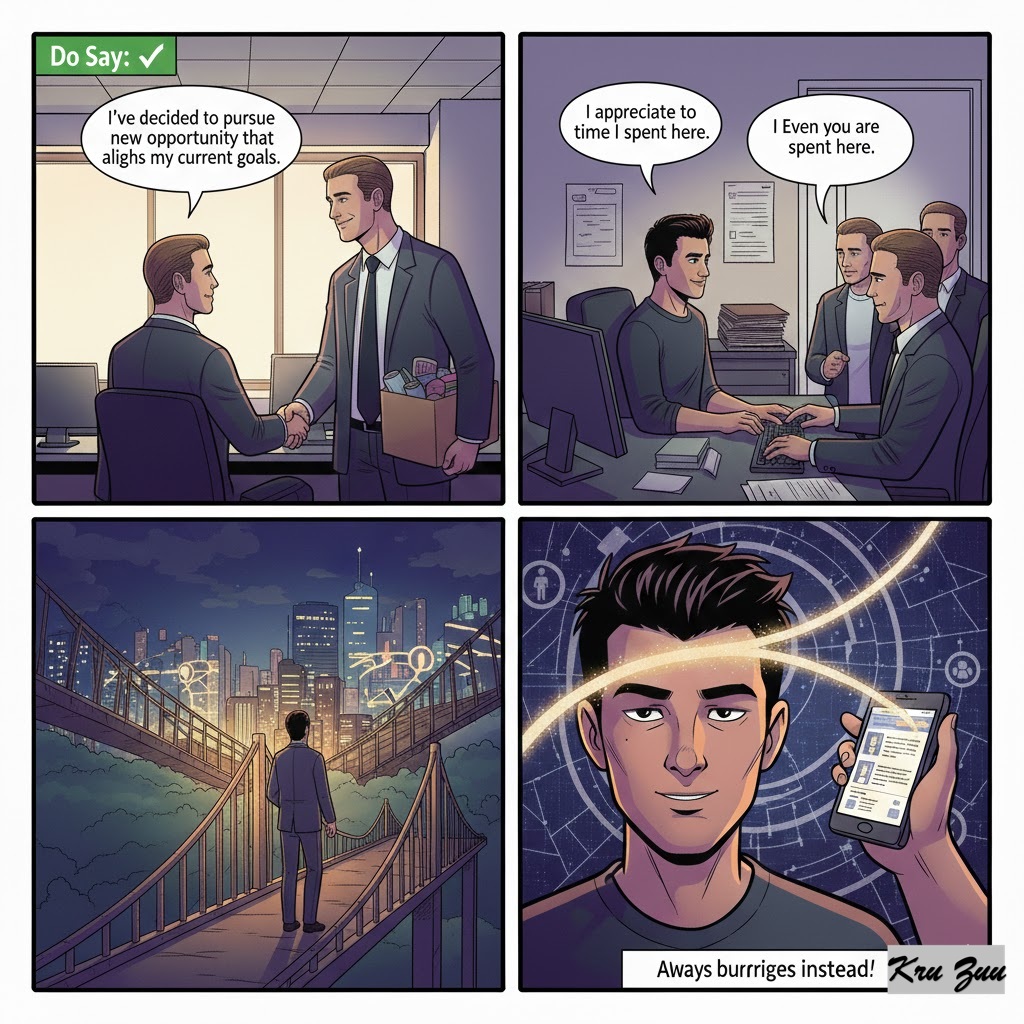
Do say: “I’ve decided to pursue a new opportunity that aligns with my current goals. I appreciate the time I spent here.” ✅
💬 Your Turn: The “Connection” Challenge 🚀
Do you have any “charred” bridges in your past?
The Challenge: Think of one person or organization you left on bad terms with.
The Action: You don’t have to go back to them, but identify why it happened. Was it an impulse?
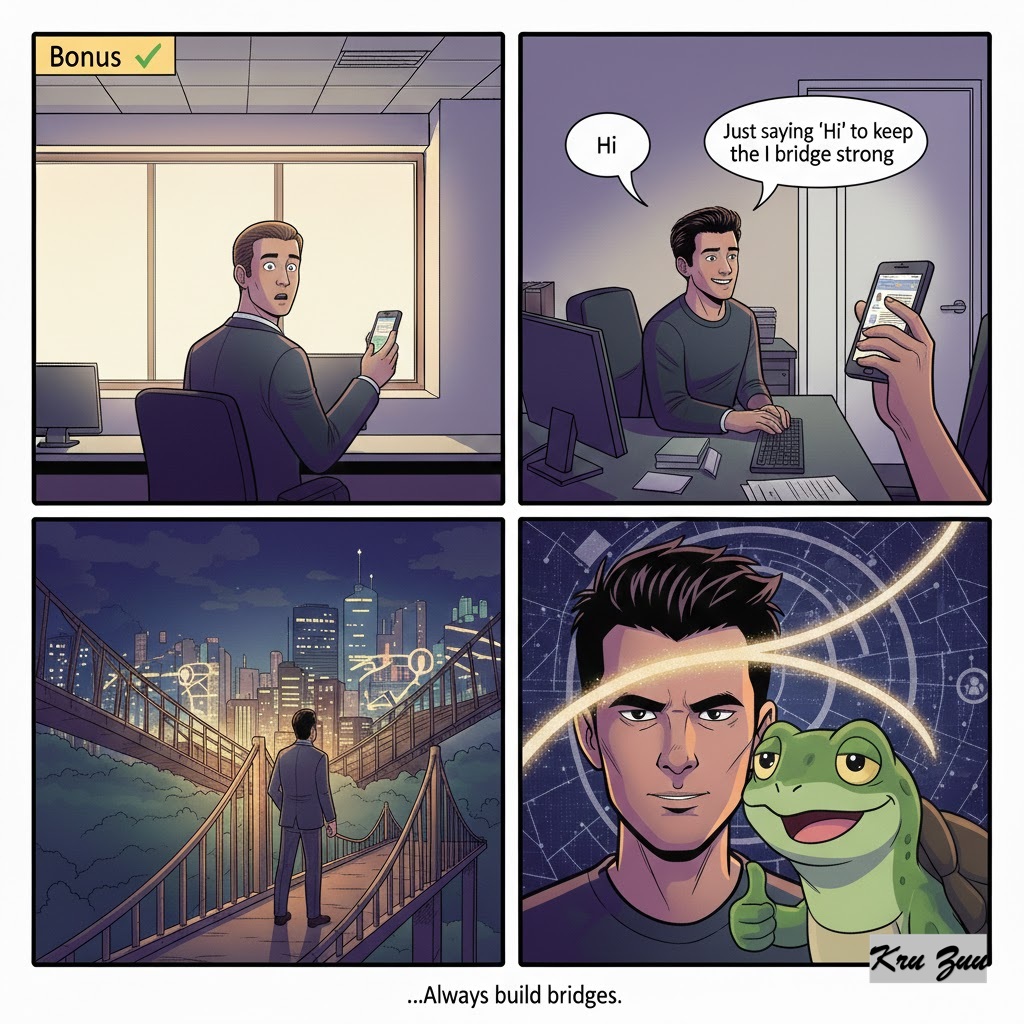
Bonus: Reach out to one former colleague or friend today just to say “Hi” and keep the bridge strong.
👇 Question for the comments: Have you ever regretted “burning a bridge”? Or, has an old connection ever saved you years later? Tell your story below!
https://www.facebook.com/BrainBattleground/
https://www.facebook.com/zubeyr.yurtkuran/
https://www.instagram.com/zubeyryurtkuran/
