What goes around comes around.
👿 The Villain (The Short-Sighted): You gossip about a coworker to get a promotion.

You cheat on a test because “no one is looking.”

You ignore a friend who needs help because you are “too busy.”

The Result? Six months later, someone spreads a rumor that ruins your reputation. You get hired, but lack the knowledge to do the job and get fired. When you hit rock bottom, your phone is silent. No one is there to answer.

You threw a stone, and it bounced back to hit you in the face. 🤕

😇 The Hero (The Investor): You stay late to help a newbie understand a project.

You return a lost wallet with the cash inside.

You smile at a rude waiter because you know they are having a hard day.

The Result? Years later, that newbie becomes a CEO and hires you for your dream job.

You lose your keys, and a stranger drives 20 minutes to bring them to you.

The positive energy you sent out has returned with interest.

You didn’t just spend kindness; you invested it. 🌟

⚖️ The Reality: The universe is not a straight line; it is a circle.

Every action is a seed.

If you plant cactus seeds, you cannot be angry when you harvest thorns. 🌵

💎 The Secret: Treat the world exactly how you want the world to treat you.

You are not the audience; you are the protagonist, and the plot depends on your actions.

🧐 The Anatomy of the Proverb
This phrase is the ultimate definition of Karma. It means the energy (good or bad) you send out into the world will eventually return to you.

📚 Vocabulary Vault
To Go Around (Phrasal Verb): To circulate or travel amongst people. (Here: The action you take.) 🌬️

To Come Around (Phrasal Verb): To return or happen again. (Here: The consequence arriving.) ↩️

Karma (Noun): Destiny or fate, following as effect from cause.

Retribution (Bonus Word): Punishment inflicted on someone as vengeance for a wrong or criminal act.

Reciprocity (Bonus Word): The practice of exchanging things with others for mutual benefit.

🧠 Grammar Focus
The Noun Clause as a Subject: This sentence is grammatically fascinating because it doesn’t start with a simple noun (like “The dog” or “He”).

Subject: [What goes around]
Verb: [comes]
Adverb: [around]
The entire phrase “What goes around” functions as a single noun.
Example: “What you say matters.” (Subject: What you say)
Incorrect: That goes around comes around. ❌
Correct:What goes around comes around. ✅
📜 History: Origin and Spread
While the specific English phrasing became popular in the 1970s (thanks to pop culture), the wisdom is ancient.
The Origin: It is deeply rooted in the concept of the Circle of Life found in nature and the spiritual law of Karma (Hinduism/Buddhism).

The Fable: The Lion and the Mouse (Aesop). A Lion spares a Mouse’s life.

Later, the Lion is trapped in a hunter’s net.

The Mouse returns the favor by chewing the net to free the Lion.

Small kindness leads to great salvation. 🦁🐭

Global Cousins:
🇹🇷 Turkish: “Ne ekersen, onu biçersin.” (What you plant, you harvest.)

“Etme bulma dünyası.” (A world of ‘don’t do [bad], don’t find [bad]’.)

🇪🇸 Spanish: “Siembra vientos y recogerás tempestades.” (Sow winds and you will harvest storms.)

🇫🇷 French: “On récolte ce que l’on sème.” (We harvest what we sow.)

🇩🇪 German: “Wie man in den Wald hineinruft, so schallt es heraus.” (As one shouts into the forest, so it echoes back.)

🎯 Impact on Life: The Pros & Cons
Is this just superstition, or a rule to live by? ✅ The Pros (The Compass):
Moral Guardrail: It stops you from acting out of anger.

You pause and ask, “Do I want this negative energy back?”

Hope: When you are suffering but doing the right thing, it gives you faith that justice will arrive eventually.

Empathy: It forces you to stand in someone else’s shoes.

❌ The Cons (The Trap):
Victim Blaming: If something bad happens to a friend, you might mistakenly think, “They must have done something to deserve this.” (This is dangerous thinking!)

Transactional Kindness: Doing good only because you want a reward creates a selfish heart.

🎭 Short Story: The Banana Peel Prank
Let’s visit our friends Penny, Fiona, and Max again!
🌟 The Setup: Max the Mouse was in a mischievous mood.

He saw Penny the Pig walking down the hallway carrying a heavy stack of books.
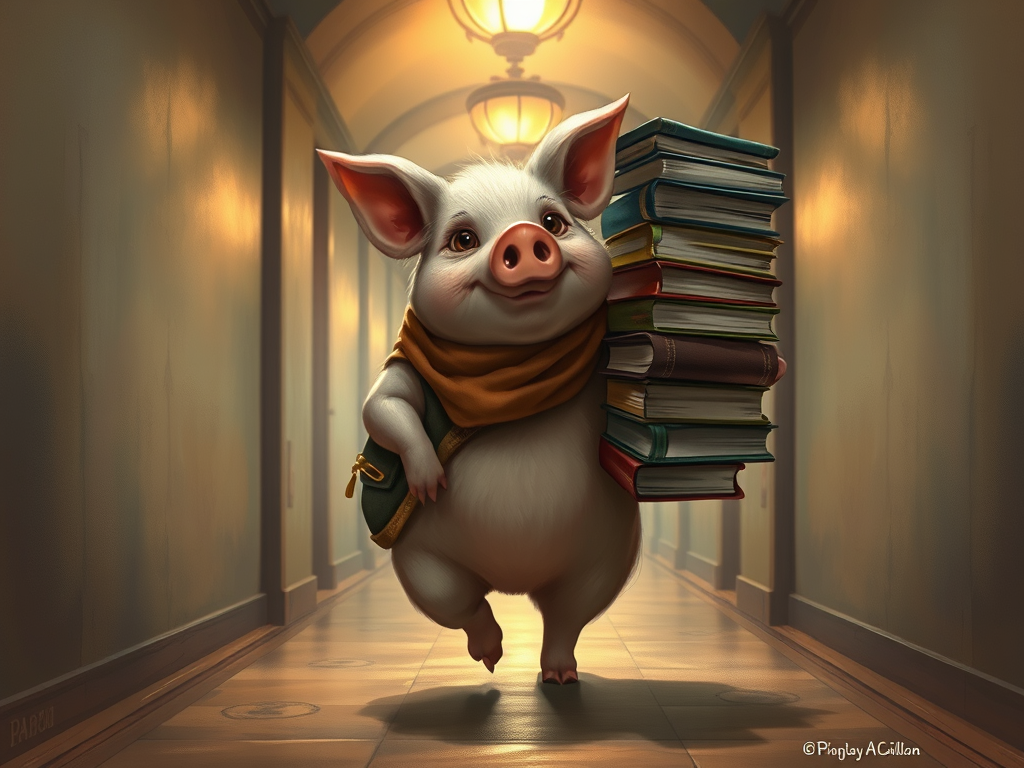
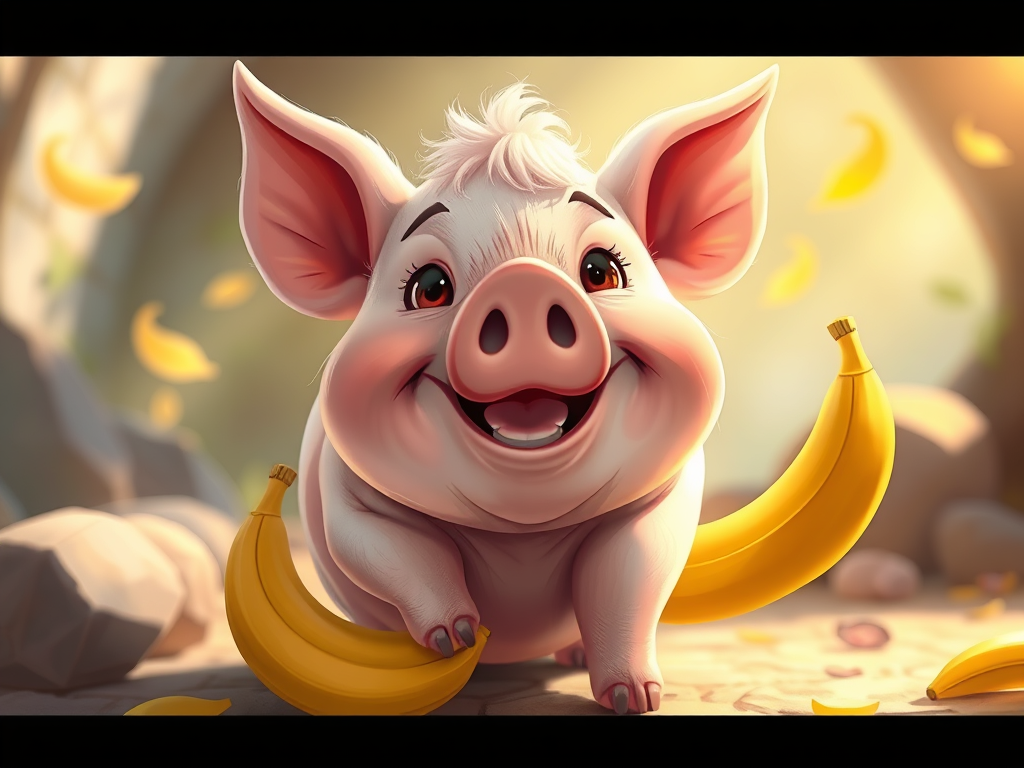
Max giggled and placed a slippery banana peel right in Penny’s path.

“This will be hilarious!” he squeaked. 🍌
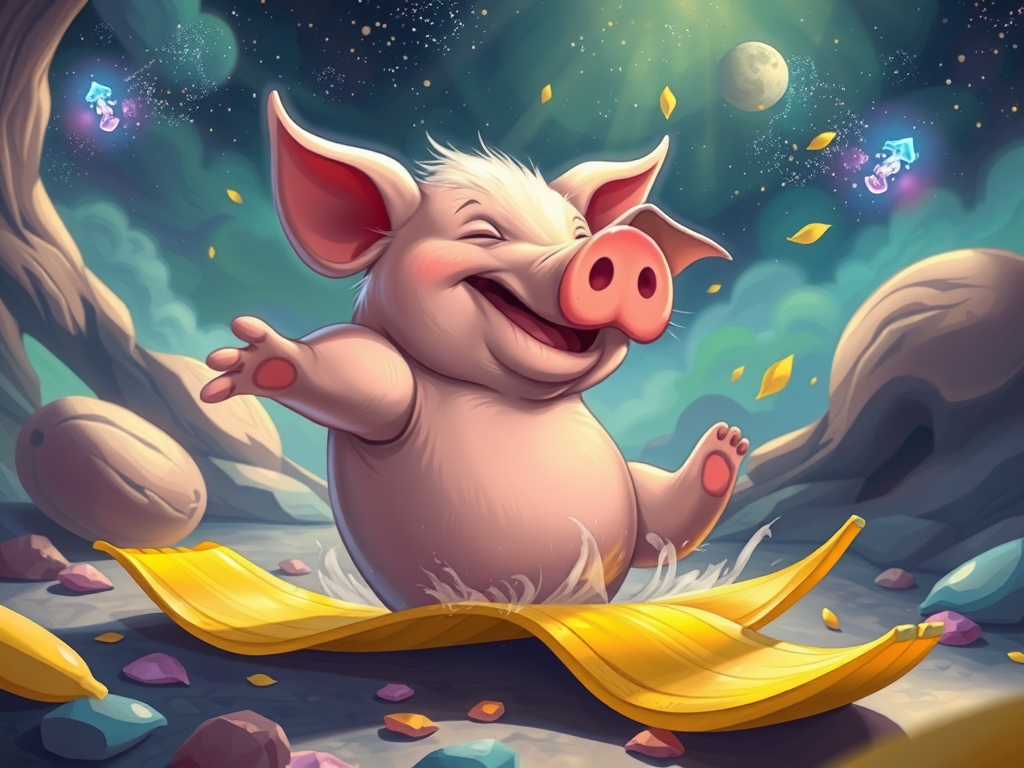
The Conflict: Penny stepped on the peel—WHOOSH!—and fell.
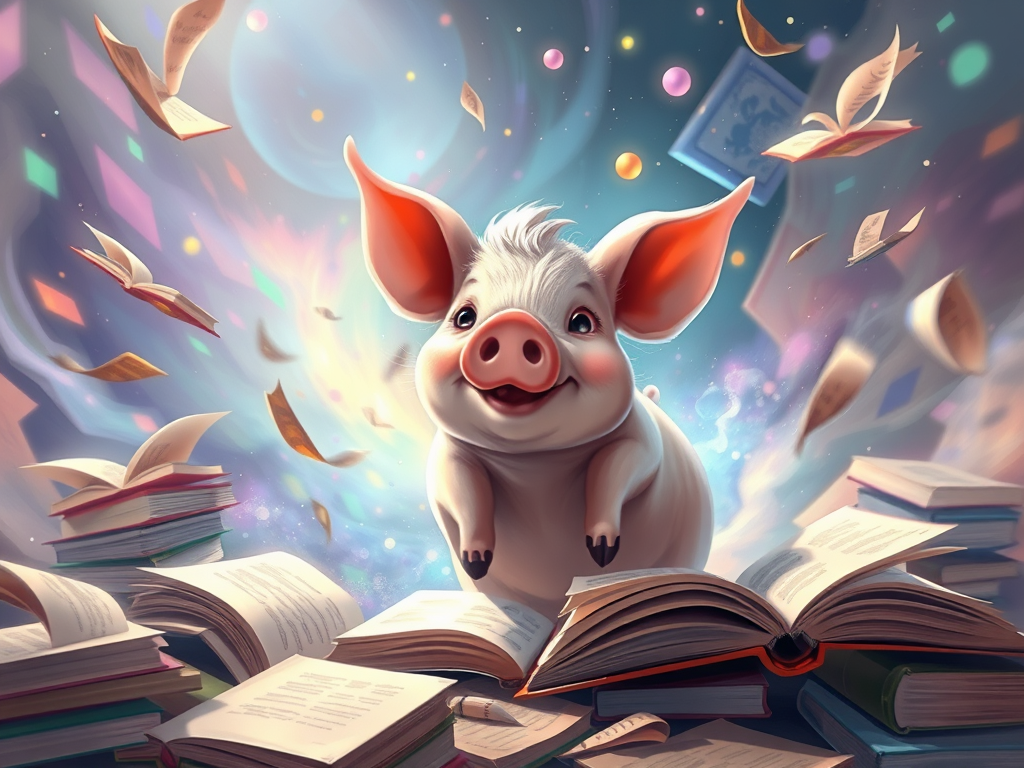
Her books flew everywhere.
Max laughed so hard he fell over.

Penny stood up, dusted herself off, and sadly picked up her books.
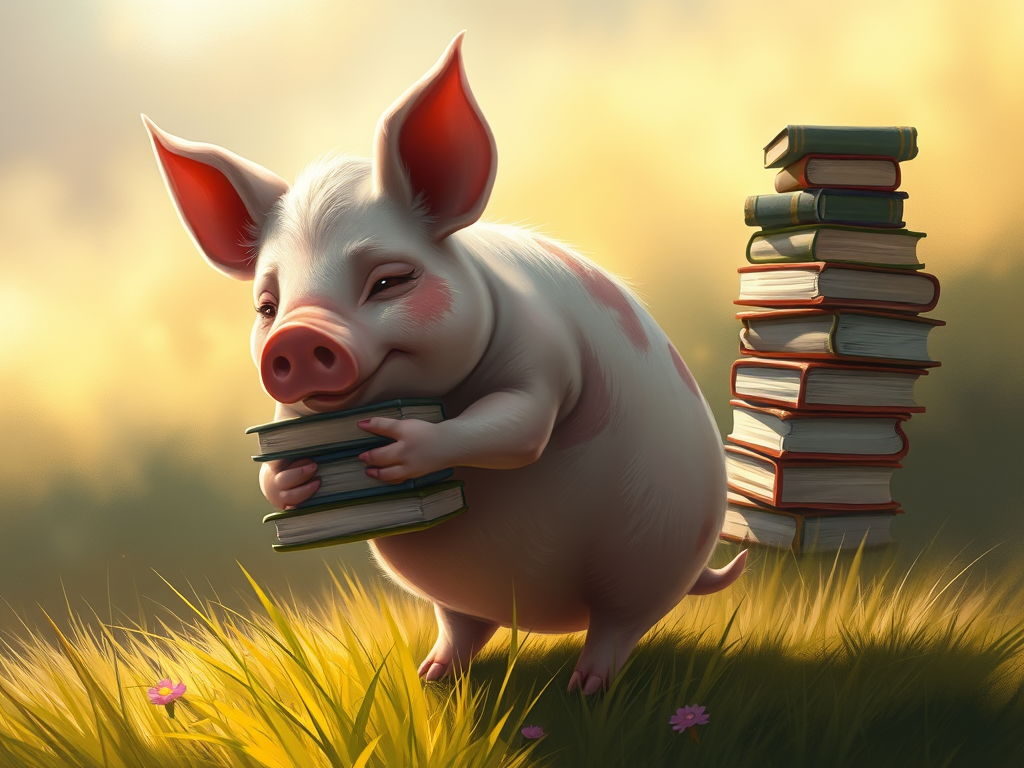
She didn’t say a word, she just walked away.

The Action: An hour later, Max was running away from a scary cat.
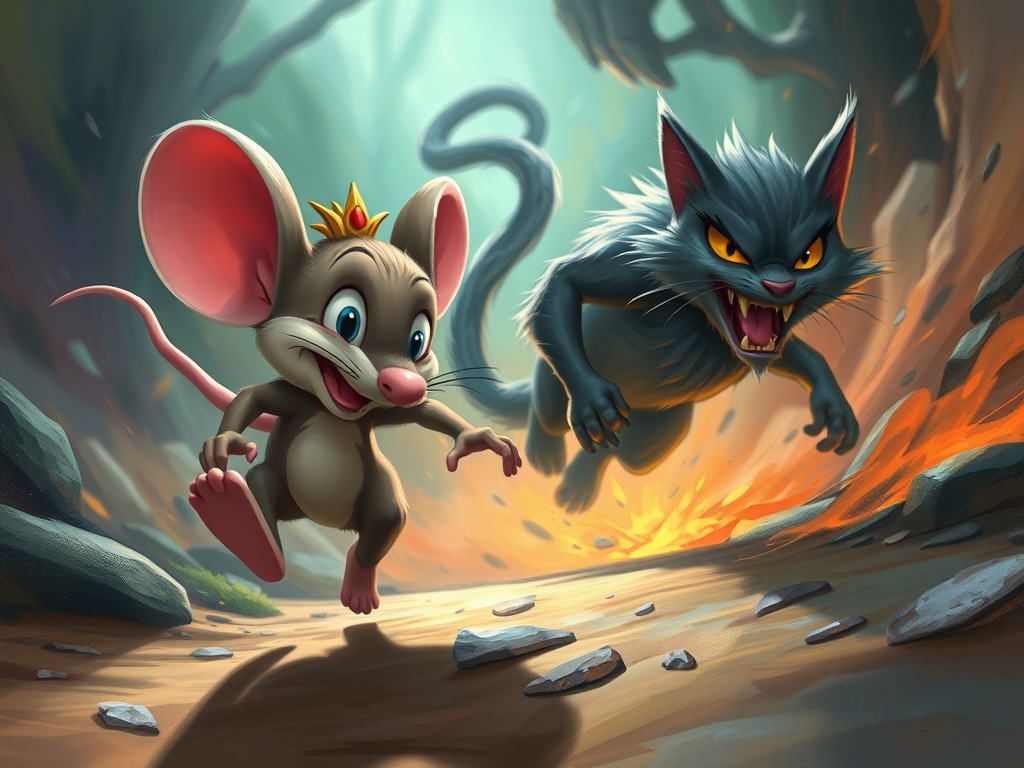
He wasn’t looking where he was going. He turned the corner sharply, right back into the same hallway.

The Climax: Max stepped on the exact same banana peel he had left there. SLIP! BOOM!

Max slid across the floor and crashed into a bucket of mop water. 💦🐁

The Moral: Max set the trap for Penny, but he was the one who got caught. The trap doesn’t care who steps in it. What goes around comes around.
🎓 Lesson for English Learners
How to use this phrase like a native speaker.
Consoling a Friend 🫂
Situation: Your friend was cheated on by their partner.

You say: “Don’t worry about getting revenge. Just let it go. What goes around comes around. They will regret losing you.”

Warning a Rival ⚠️
Situation: A colleague is stealing your clients.

You say: “Be careful how you treat people on your way up. What goes around comes around, and you might meet them on your way down.”

Vocabulary Expansion 📚
Karmic Debt (Noun): The accumulated negative consequences one must pay for past actions.

Just Desserts (Idiom): Getting what one deserves (usually punishment). “He finally got his just desserts.”

Pay it Forward (Phrase): Responding to a person’s kindness to you by being kind to someone else.

💬 Your Turn
The “Echo” Challenge 🗣️ The universe is listening. Let’s test the theory.

The Negative Echo: Have you ever done something petty/mean and had “bad luck” immediately after?

The Positive Echo: Have you ever helped a stranger, and then received help from a totally different person later?

Action Step: Do one “secret” nice thing today that no one will see (pick up trash, leave a nice note, donate anonymously). Wait and see how the universe pays you back!

Question: Do you believe in instant Karma, or does it take time?

Tell us your story below! 👇
https://www.facebook.com/BrainBattleground/
https://www.facebook.com/zubeyr.yurtkuran/