Tag: Reading Practice

  • 🏡 The Daily Shield: The Anchor of Comfort

    🏡 The Daily Shield: The Anchor of Comfort

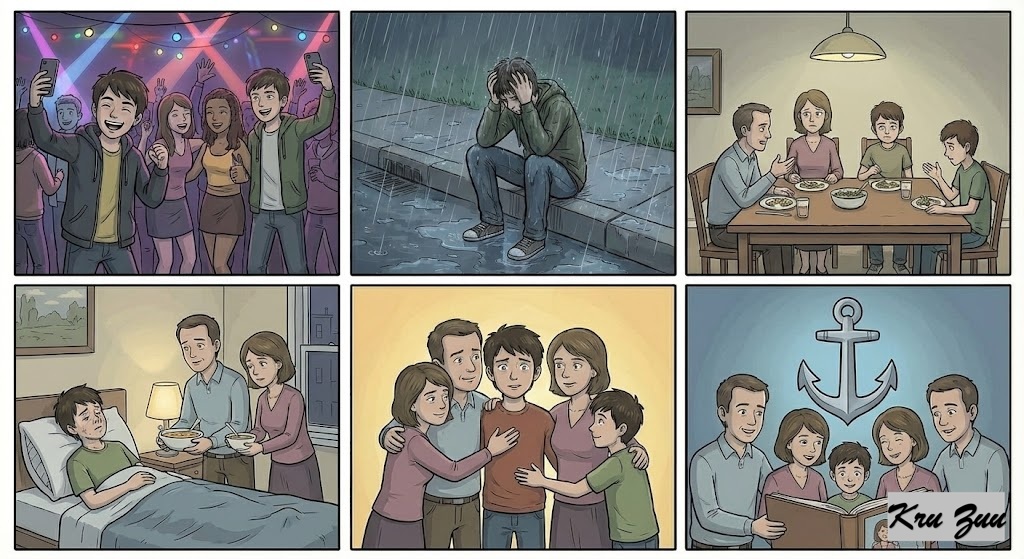
    “There’s no place like home.”


    😈 The Villain (The Eternal Tourist)


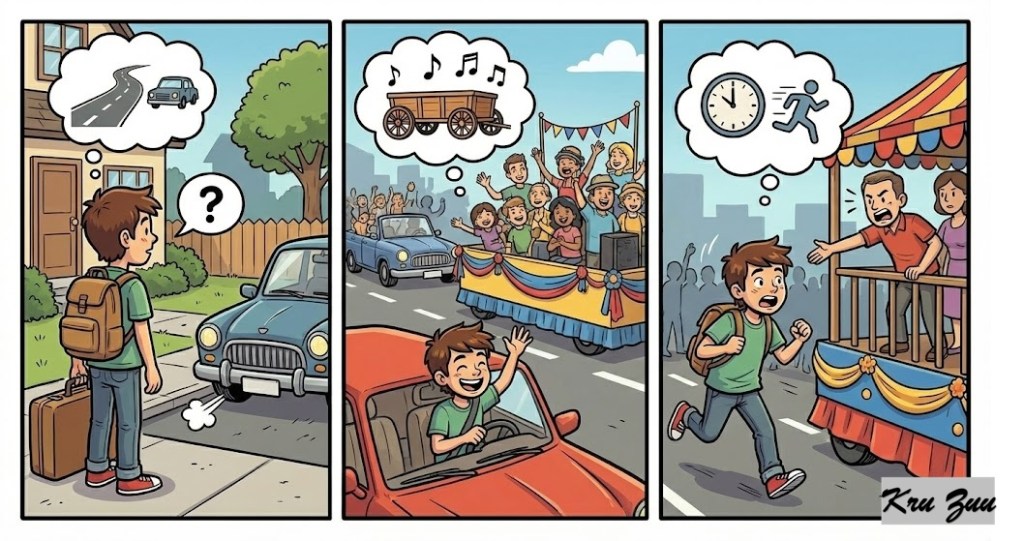
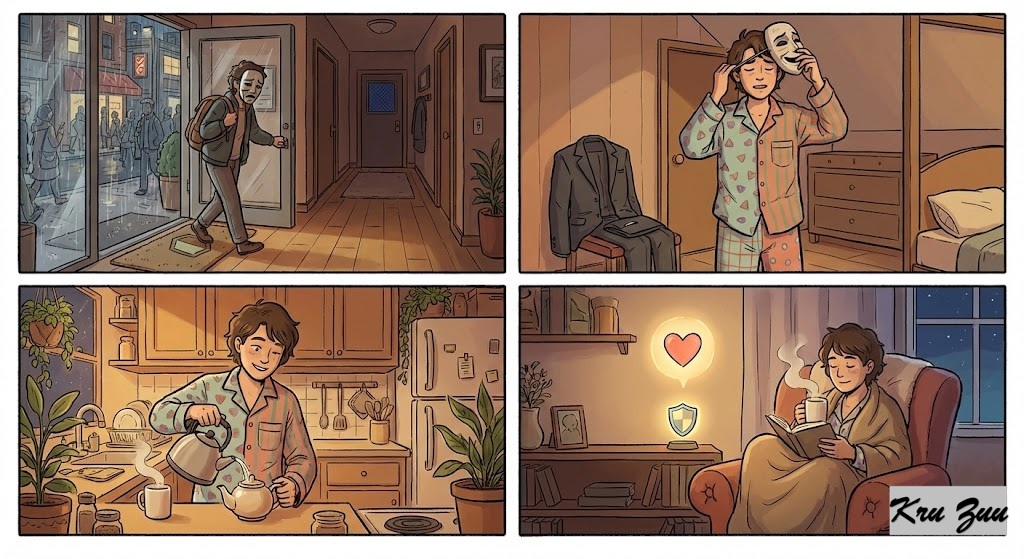
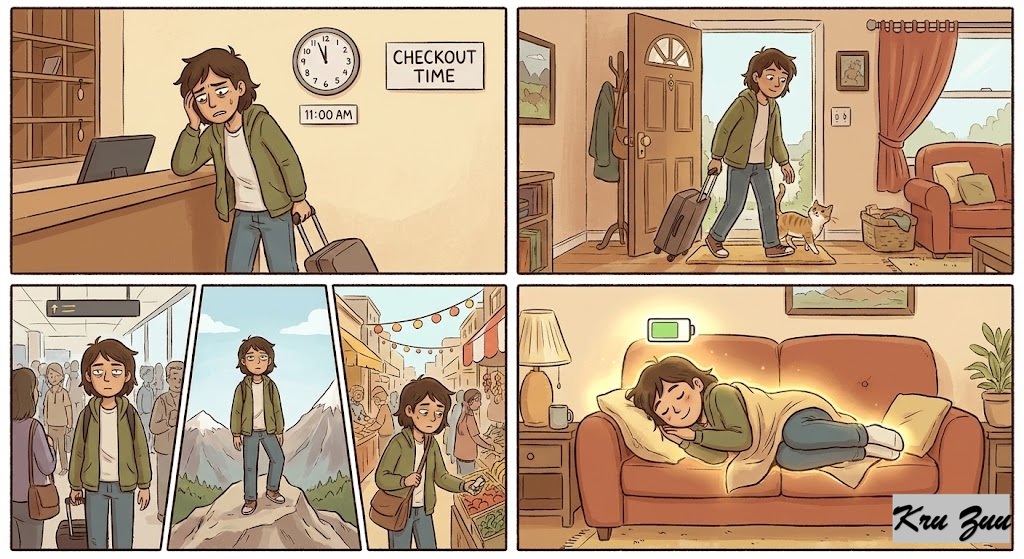
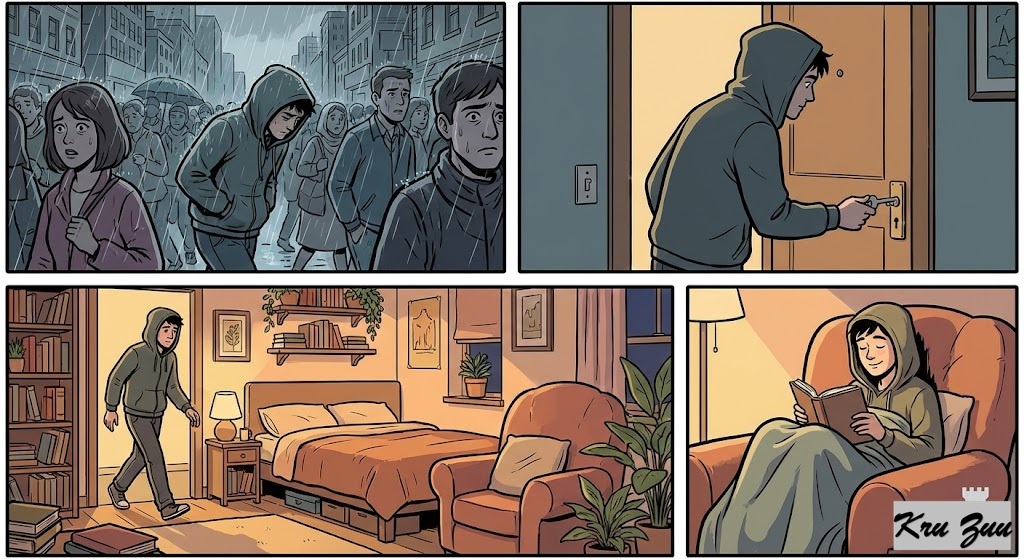
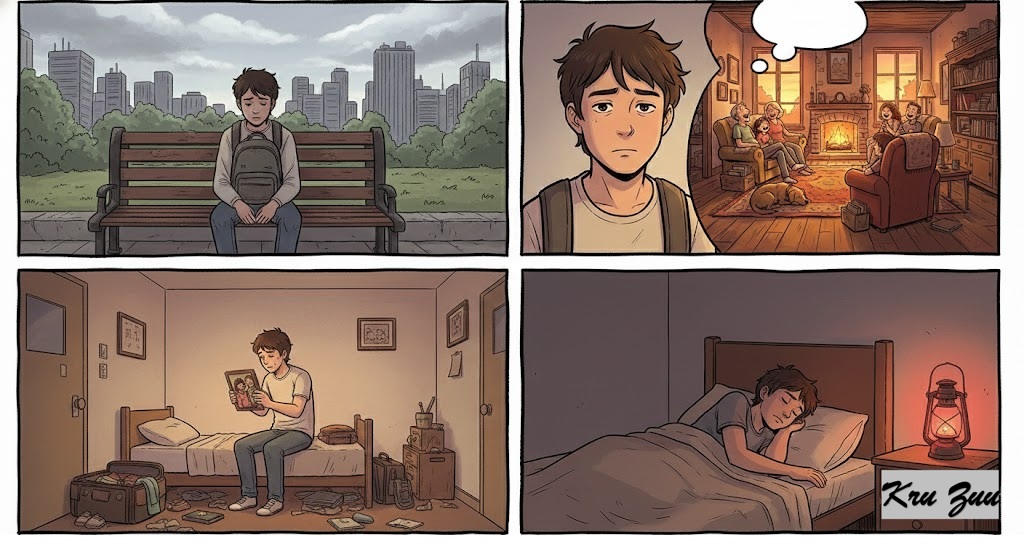
    You are always looking for happiness somewhere else. You say, “If I move to that city, I will be happy.” or “If I go to this fancy cafe, I will feel better.” You travel, you wander, you stay in expensive hotels. But everywhere you go, you feel restless. You are wearing a mask all day to impress strangers. You are exhausted because you have nowhere to truly recharge. You are a homeless soul in a world of houses. 🧳


    😇 The Hero (The Nester)


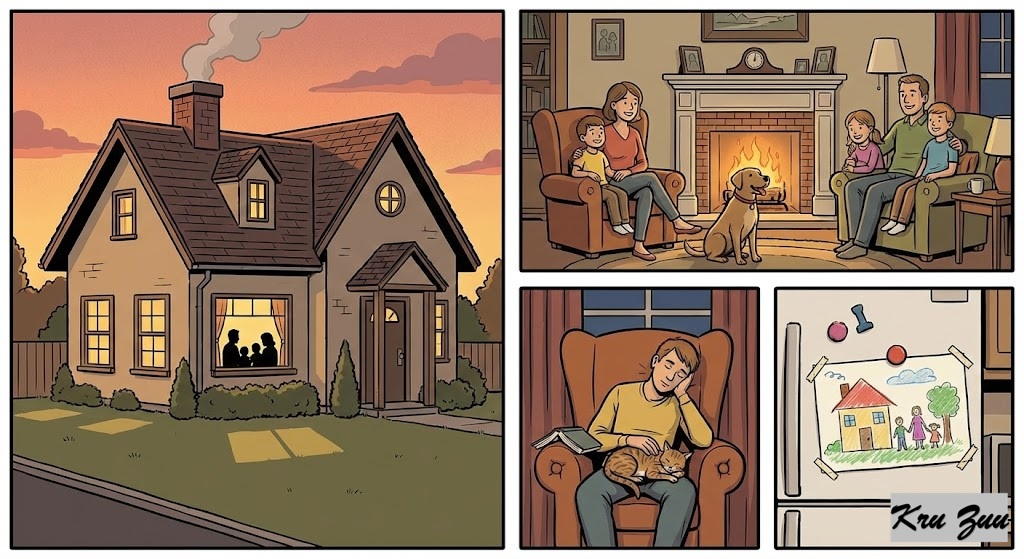
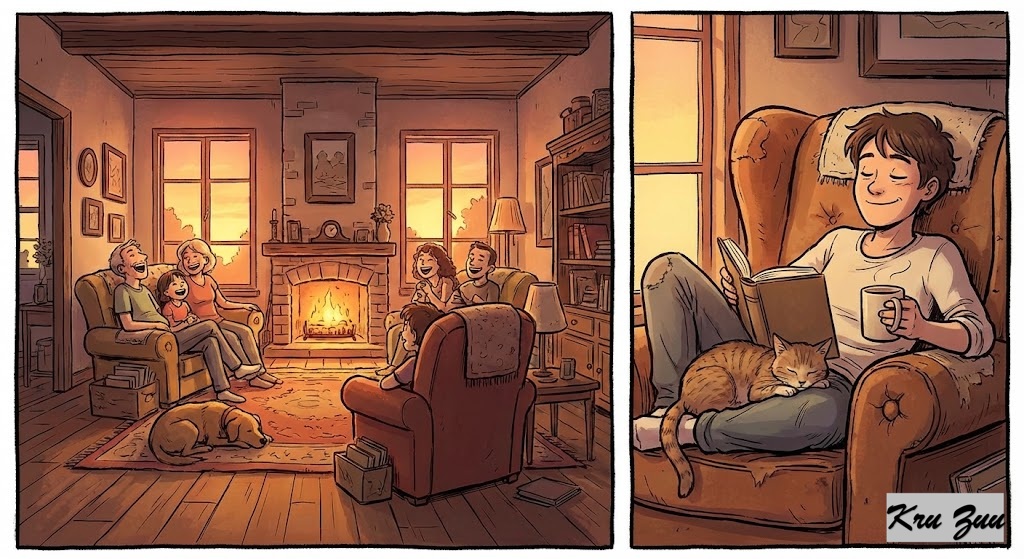
    You understand that the world is chaotic, but your space is your sanctuary. You step through your front door and take a deep breath. You take off the “outside world” mask. You wear your ugly, comfortable pajamas. You make tea exactly how you like it. You recharge your batteries in safety so that when you go out tomorrow, you are strong again. You know that peace isn’t a destination; it’s right where your heart is. 🛡️

    ⚖️ The Reality


    Hotels have checkout times. Home does not. We spend our lives chasing excitement, travel, and new places. But “Home” is the only place in the universe where you don’t have to explain yourself to anyone. It is the charging station for the human soul.

    💎 The Secret

    A house is made of bricks and beams. A home is made of hopes and dreams. You can buy a house, but you must build a home.

    🧐 The Anatomy of the Proverb


    This is the ultimate idiom for belonging and comfort.


    Place (Noun): A particular position or point in space.
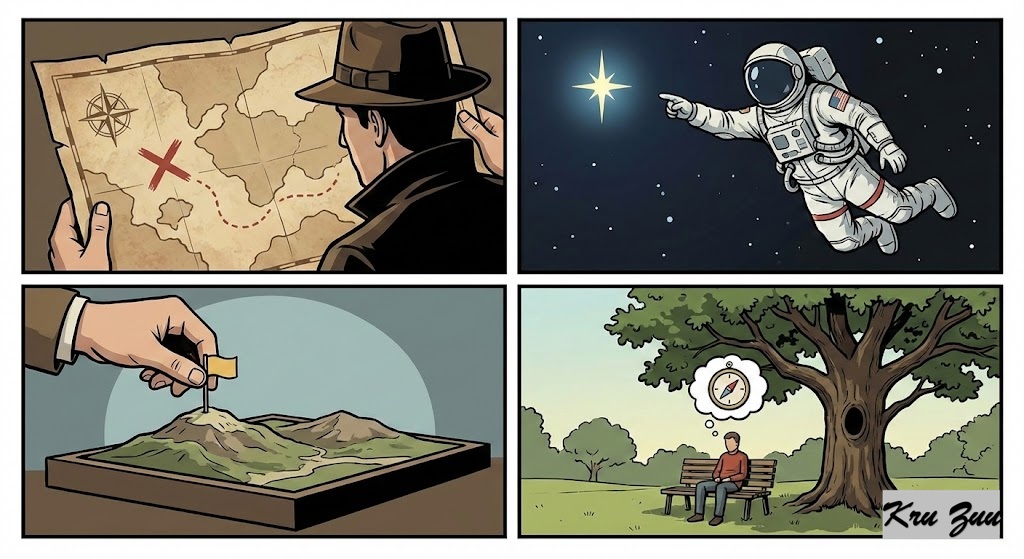

    Like (Preposition): Similar to; comparable to.
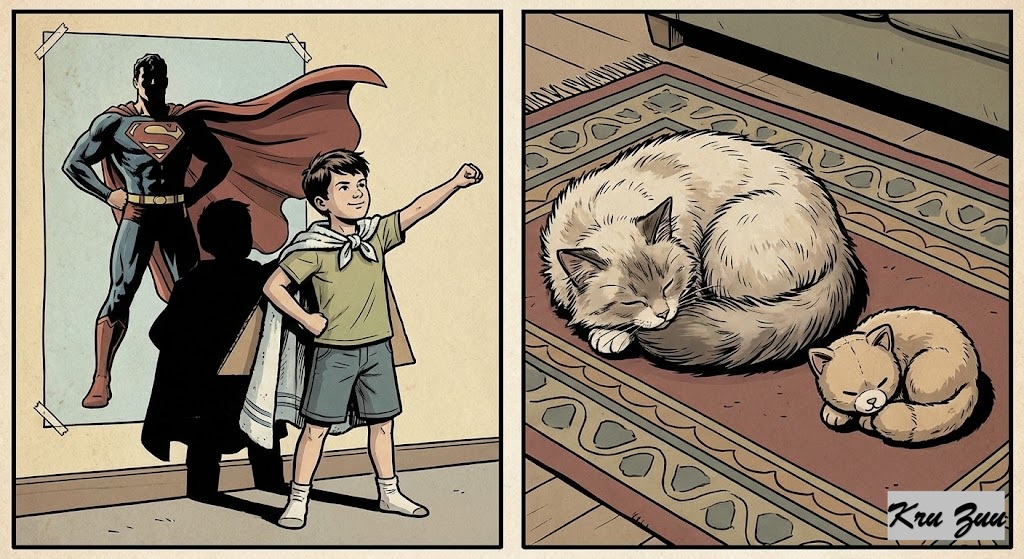

    Home (Noun): The place where one lives permanently, especially as a member of a family or household.

    Simpler Version: My home is the best place in the world.

    📚 Vocabulary Vault


    Sanctuary (Noun):
    A place of refuge or safety. (Your bedroom is your sanctuary). 🏰

    Homesick (Adjective): Feeling sad because you are away from your home.

    Domestic (Adjective): Relating to the running of a home or to family relations.
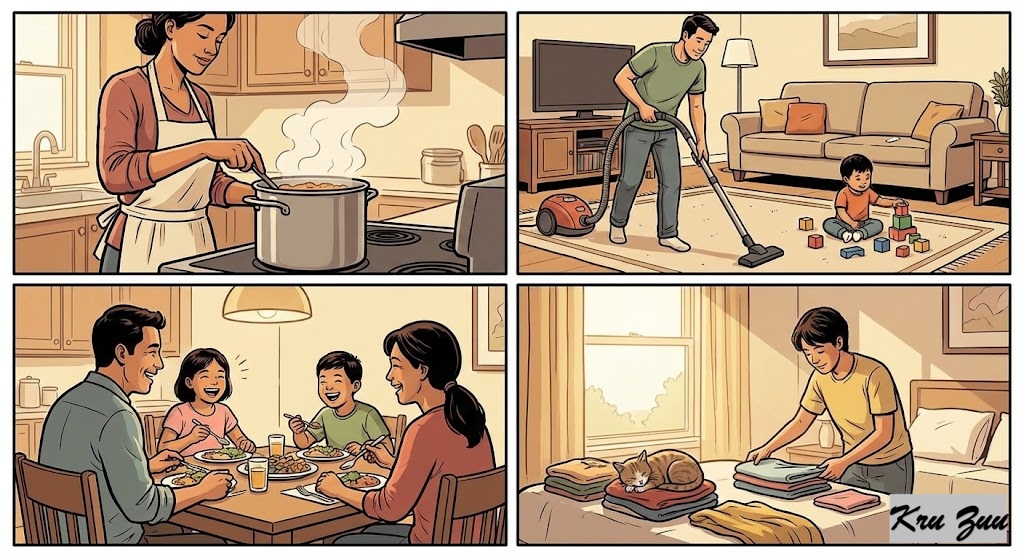

    Belonging (Noun): An affinity for a place or situation.


    Comfort Zone (Noun): A place or situation where one feels safe or at ease. 🛋️
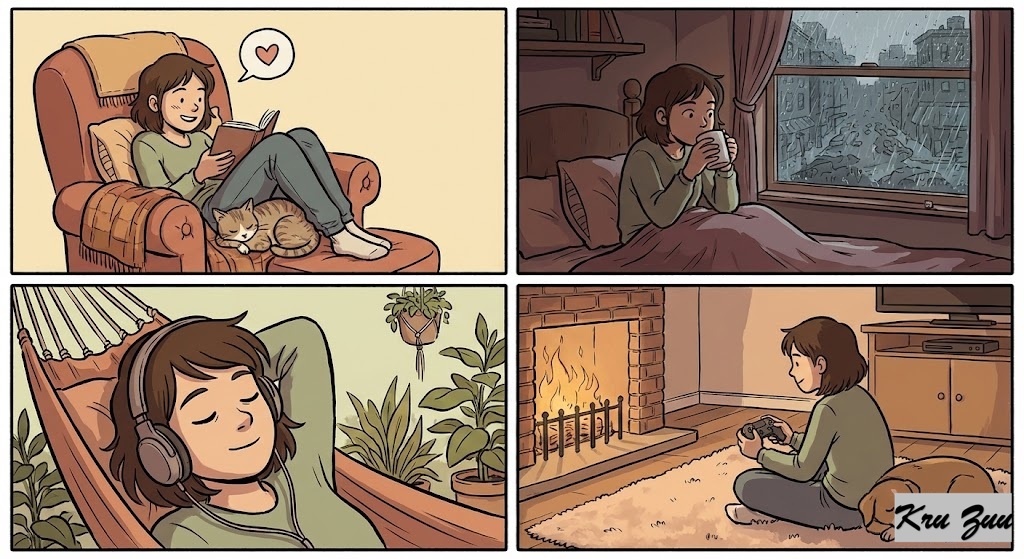

    🧠 Grammar Focus: “House” vs. “Home”


    English learners often confuse these two.


    House (The Building)
    Refers to the physical structure.
    Example: “I bought a new house.” (You bought the walls and the roof).
    Example: “My house is painted white.”


    Home (The Feeling/Location)
    Refers to the place where you live and feel an emotional connection. It can be a house, an apartment, or even a tent!
    Example: “I am going home.” (NOT: “I am going to home”).
    Example: “Make yourself at home.” (Relax).

    📜 History: The Ruby Slippers


    This phrase became legendary because of a movie.


    The Origin: The song “Home! Sweet Home!” (1823) made the sentiment popular, but…


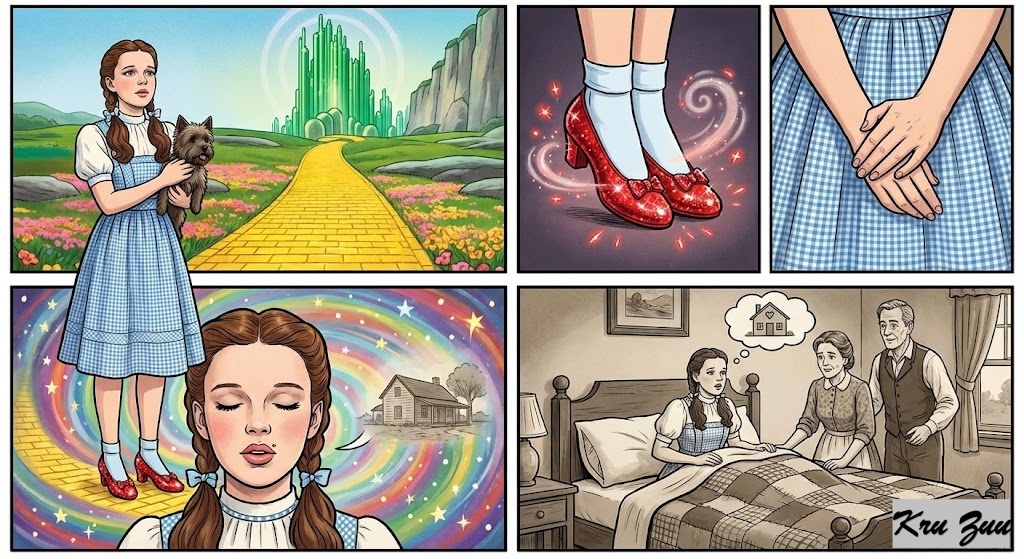
    The Explosion: The movie The Wizard of Oz (1939) made it iconic. The main character, Dorothy, is trapped in a magical land. To return to Kansas, she must click the heels of her ruby slippers three times and repeat: “There’s no place like home.”

    Global Cousins


    🇹🇷 Turkish:
    “Bülbülü altın kafese koymuşlar, ‘ah vatanım’ demiş.” (They put the nightingale in a golden cage, it cried ‘oh my homeland’.) OR “Evim güzel evim.”
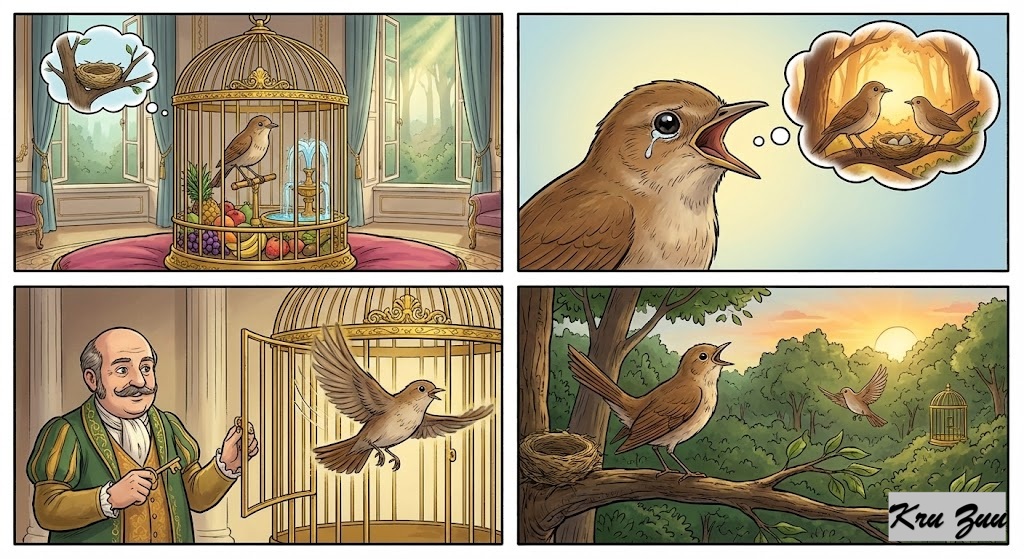

    🇪🇸 Spanish: “Hogar, dulce hogar.”
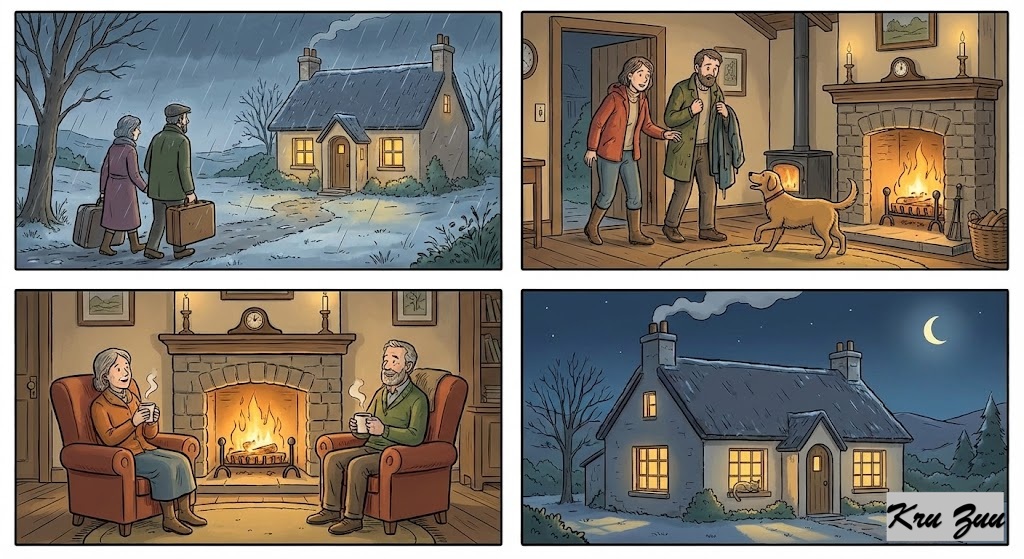
    🎭 Short Story: The Three Travelers


    Let’s meet three friends who thought the grass was greener on the other side.


    The Characters


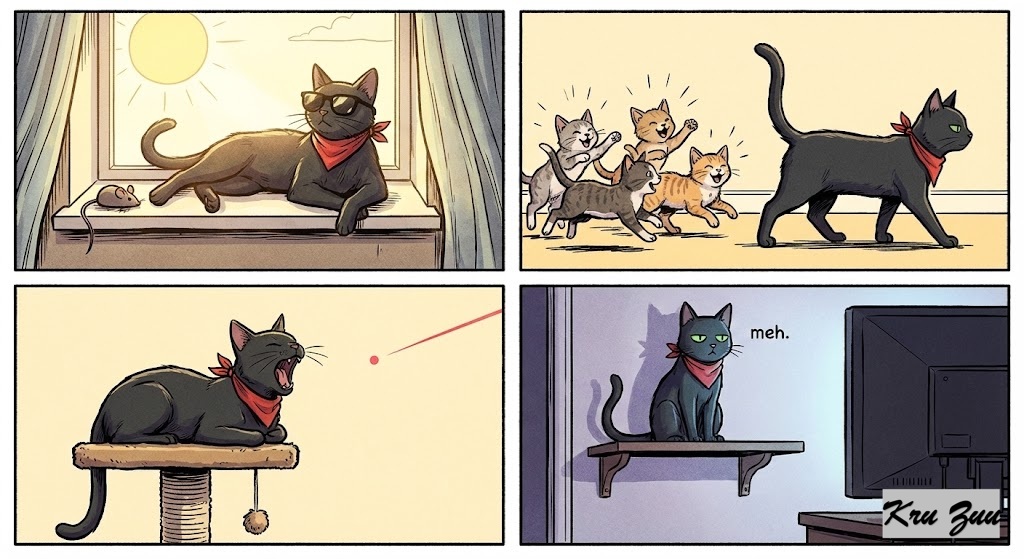
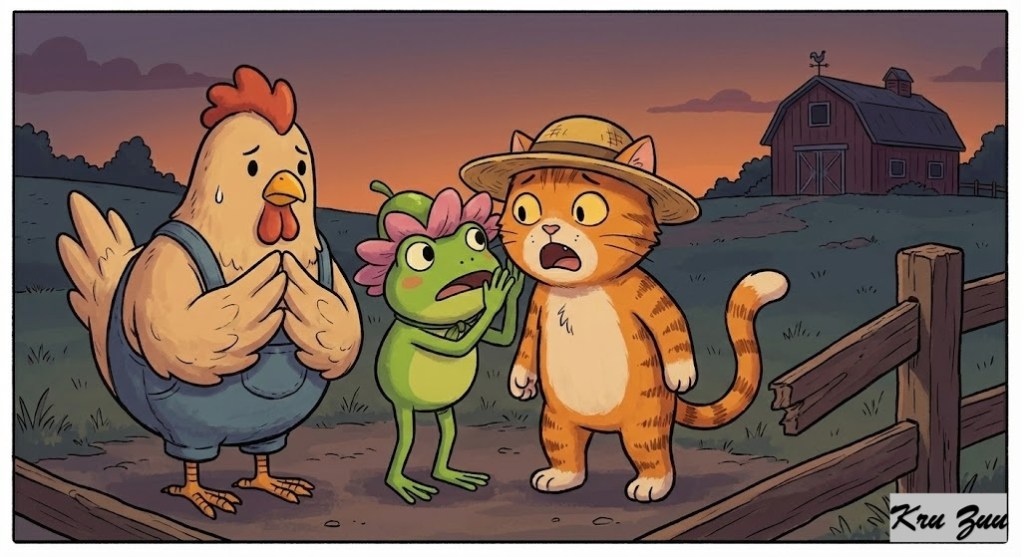
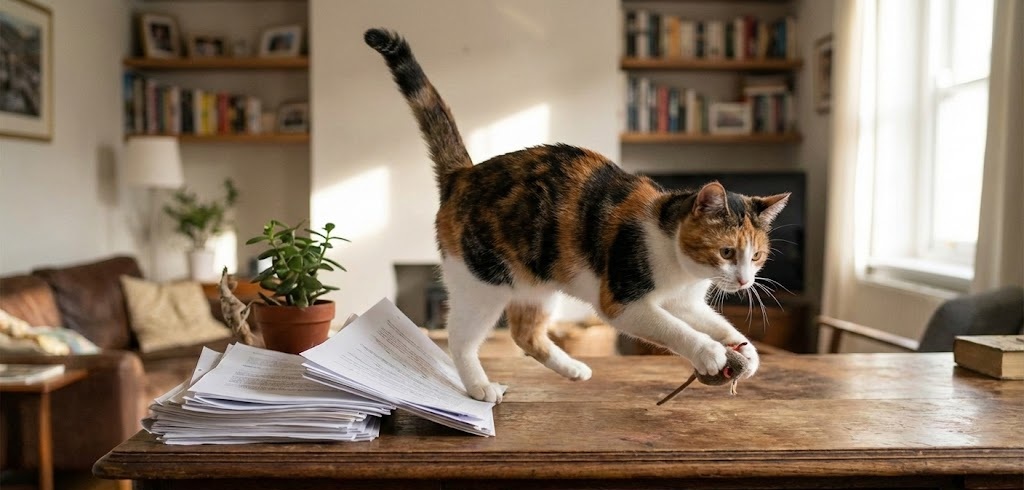
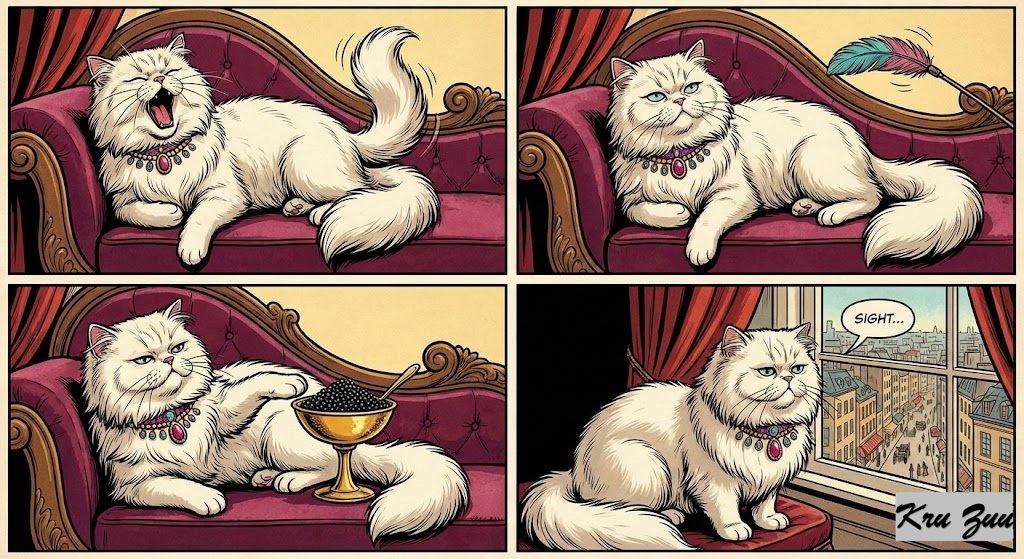
    🐱 Cleo the Cat:
    Fancy, proud, and easily bored.

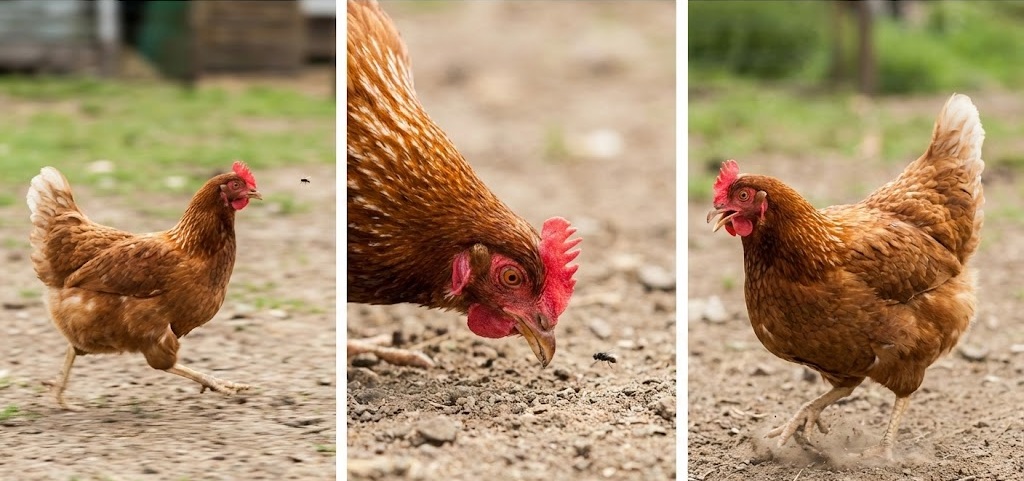
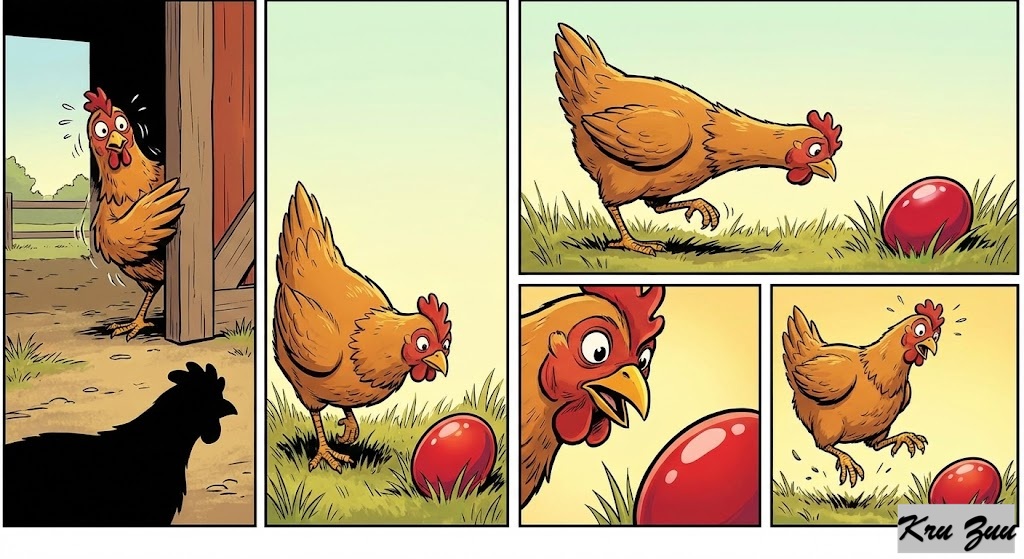
    🐔 Cluck the Chicken: Nervous but curious.

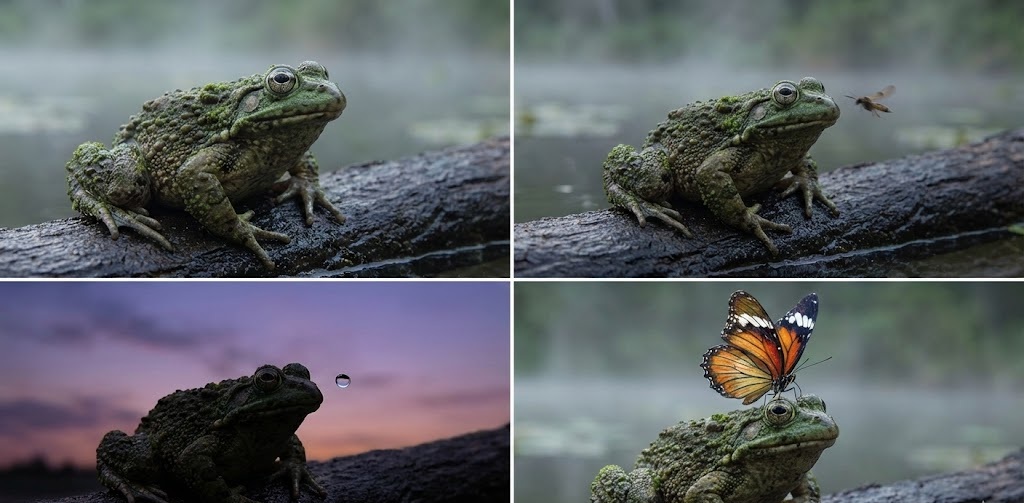
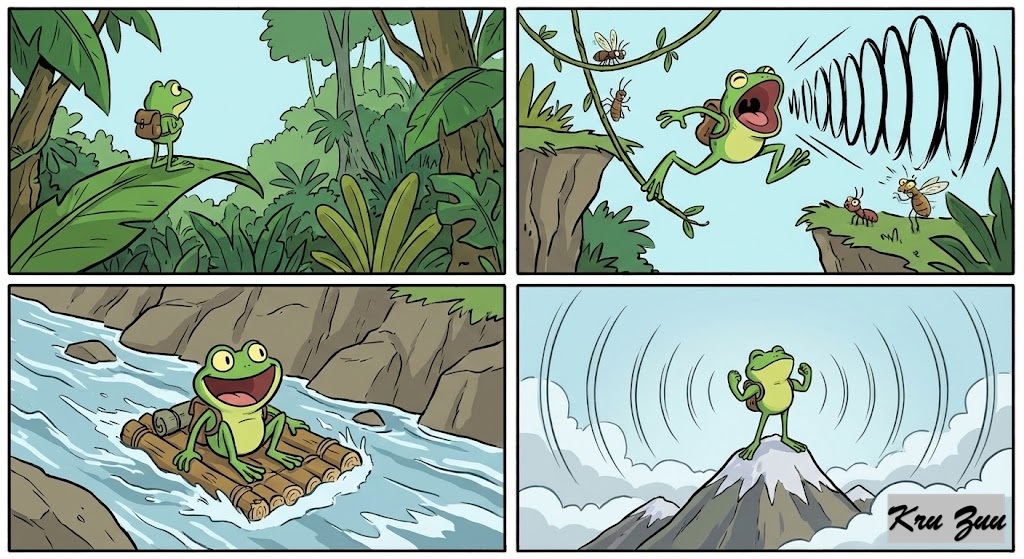
    🐸 Croak the Frog: Adventurous and loud.

    The Setup: They lived on a cozy, messy farm. One day, Cleo said, “This barn smells like hay. I deserve luxury! Let’s find a better place.” Cluck and Croak agreed. They packed their bags.
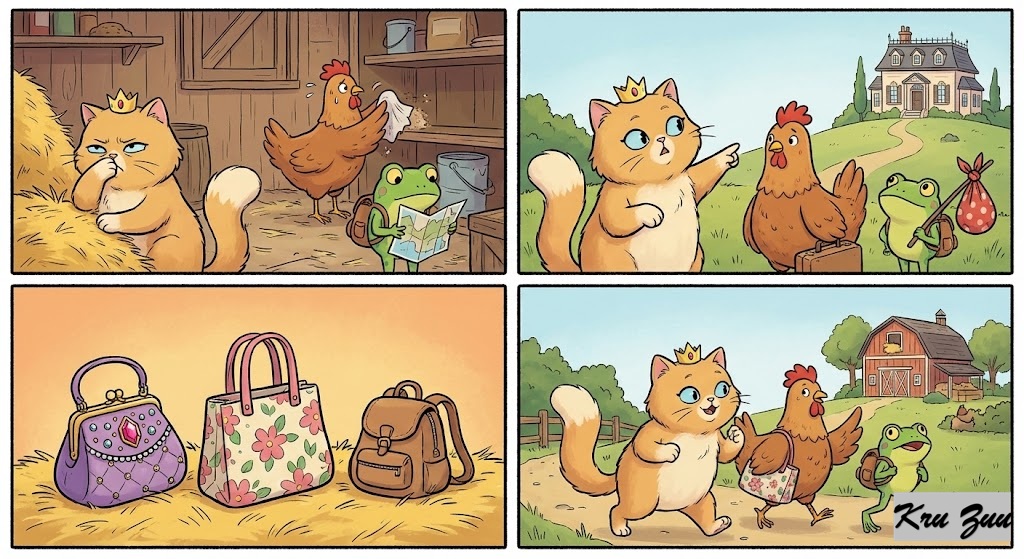

    The Journey


    The 5-Star Hotel:
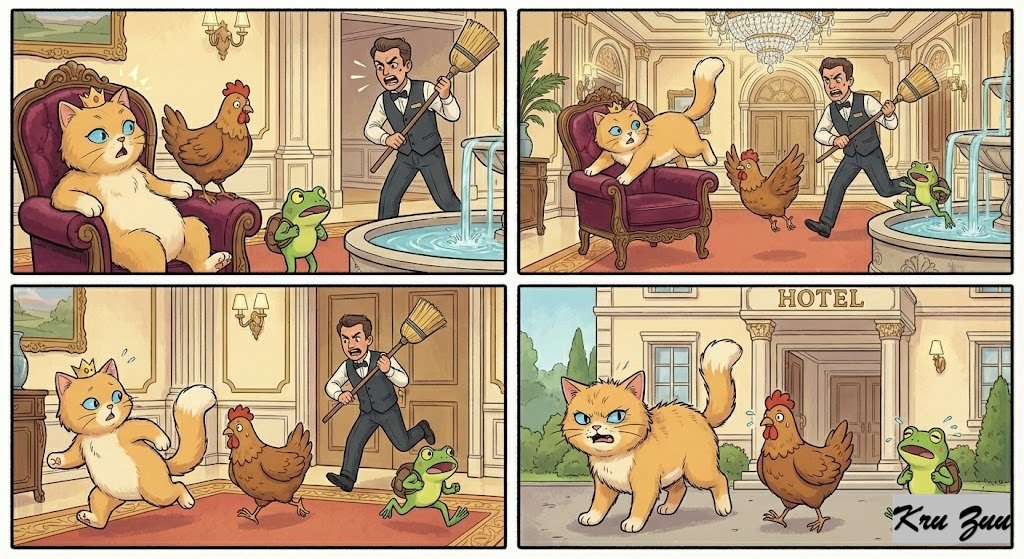
    They sneaked into a luxury hotel lobby.


    Cleo loved the velvet chairs but panicked when the staff shouted, “No pets allowed!” and chased them with a broom. “Too stressful!” she hissed.

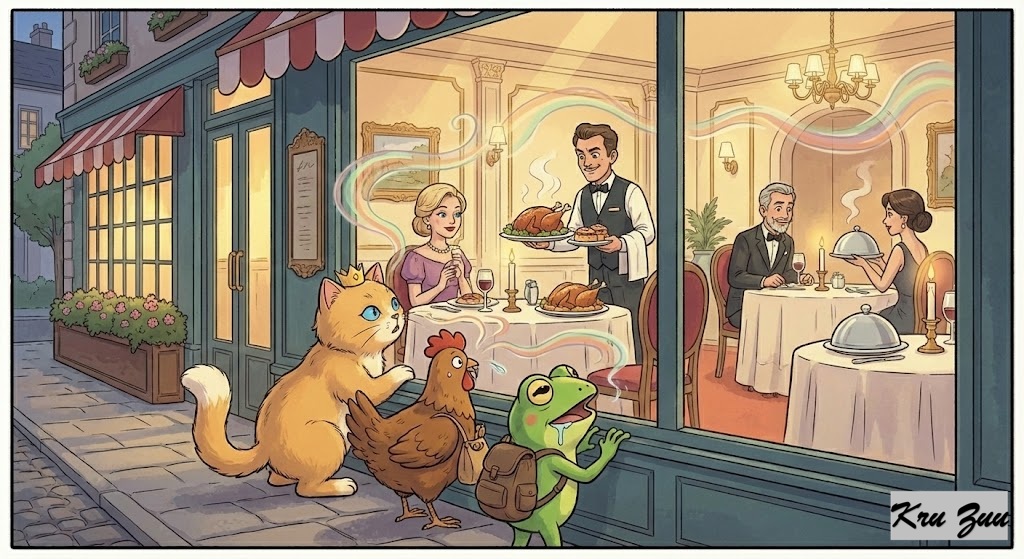
    The French Restaurant: They looked through the window. It smelled amazing.

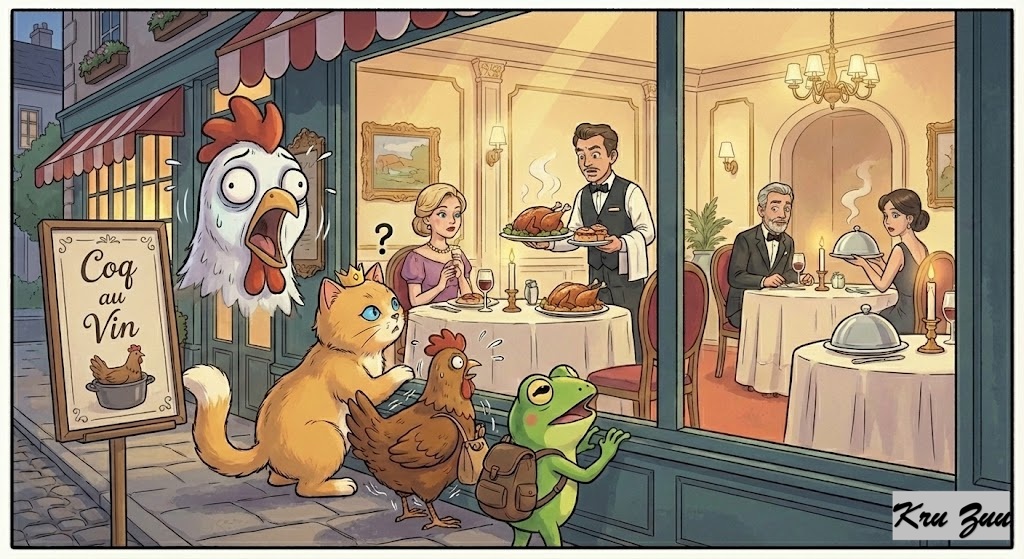
    Cluck looked at the menu and saw Coq au Vin (Chicken with Wine). She turned pale. “I am not a guest here; I am dinner!” she screamed.

    The Water Park: They found a giant pool with slides.
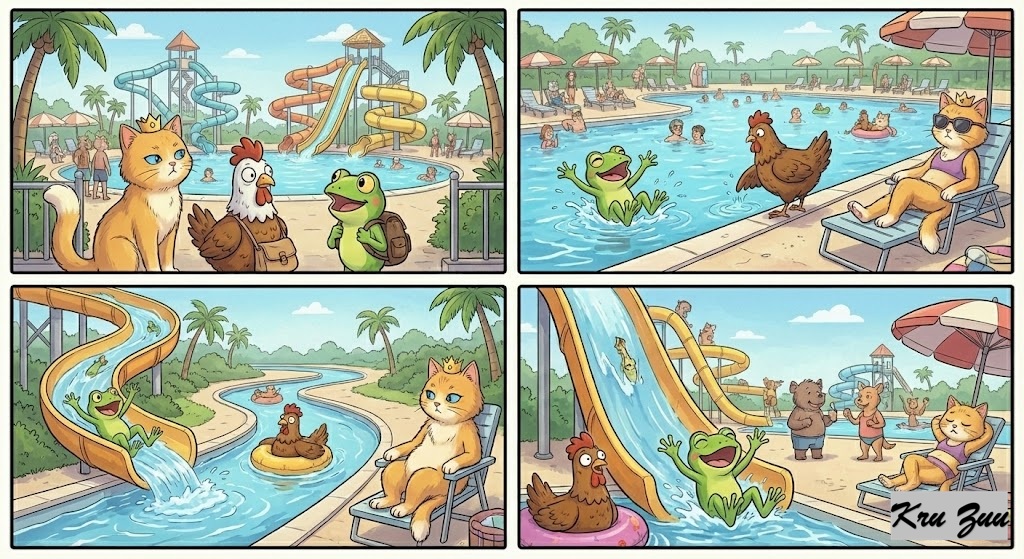

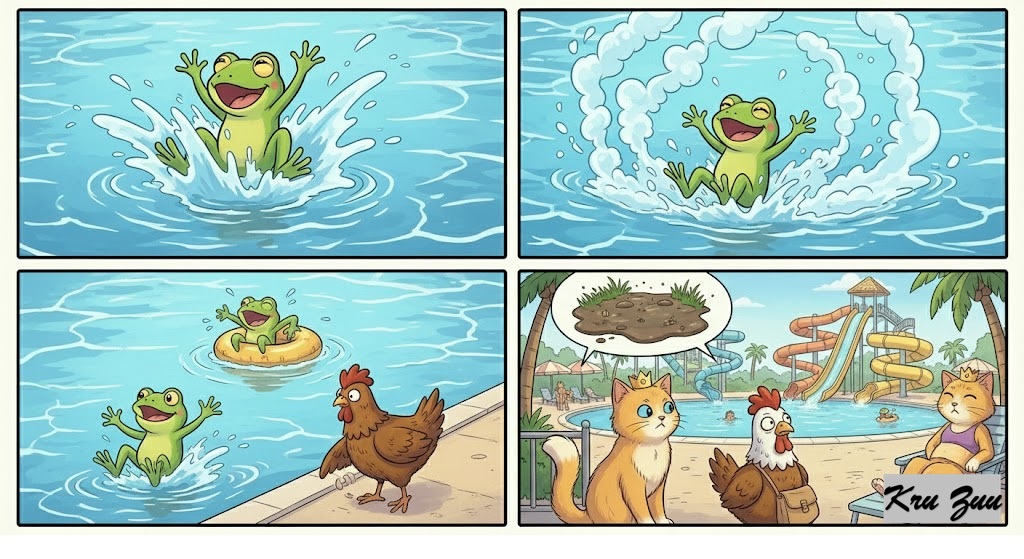
    Croak jumped in happily. But the water was full of chlorine chemicals, not tasty flies and mud. “It burns my skin! It’s too clean!” he croaked.

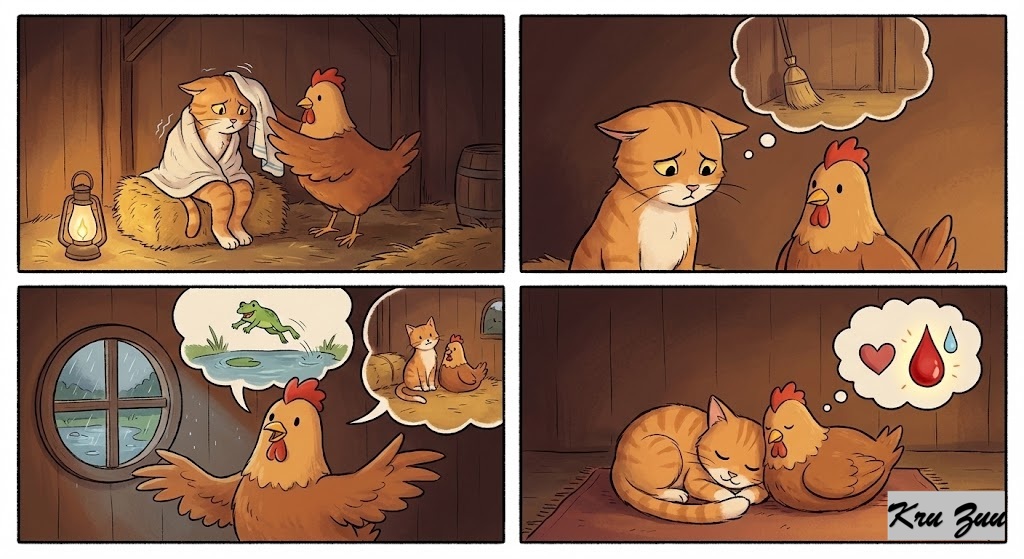
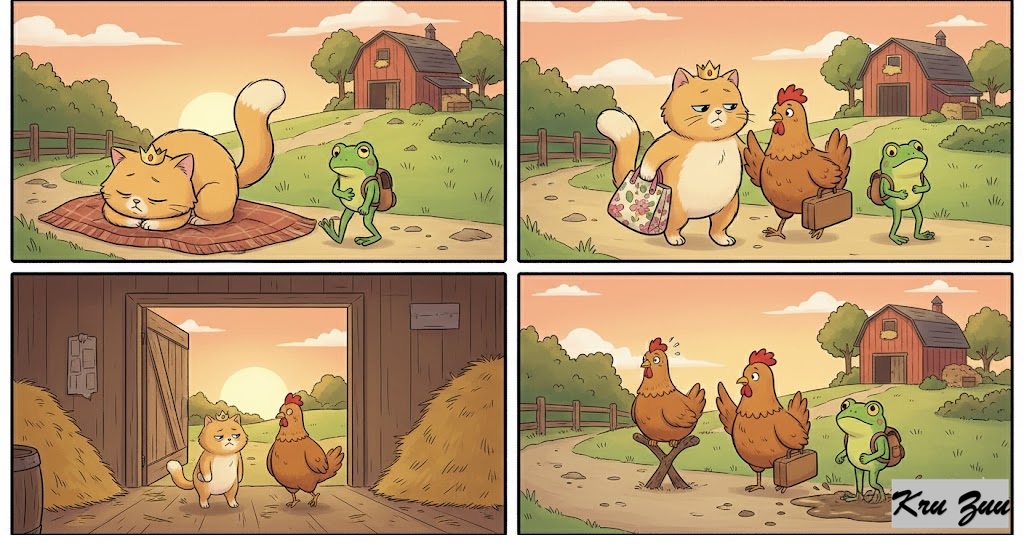
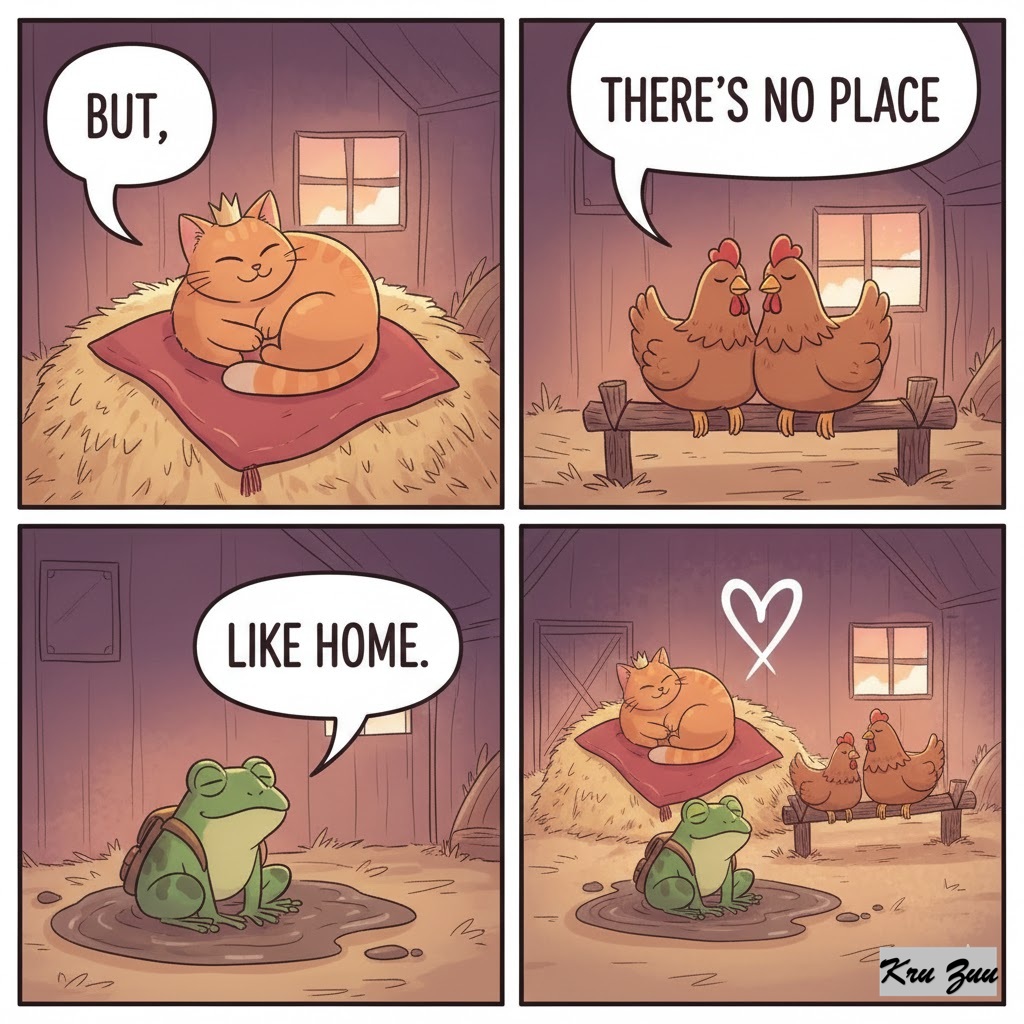
    The Return: Defeated, hungry, and tired, they walked back to the farm at sunset. They crawled into the old, smelly barn. Cleo curled up on a scratchy wool blanket. Cluck sat on her wooden roost. Croak jumped into his muddy puddle.

    Cleo purred louder than a tractor. “The hotel was rich,” Cleo said. “The restaurant was famous,” Cluck added. “The pool was big,” Croak noted.
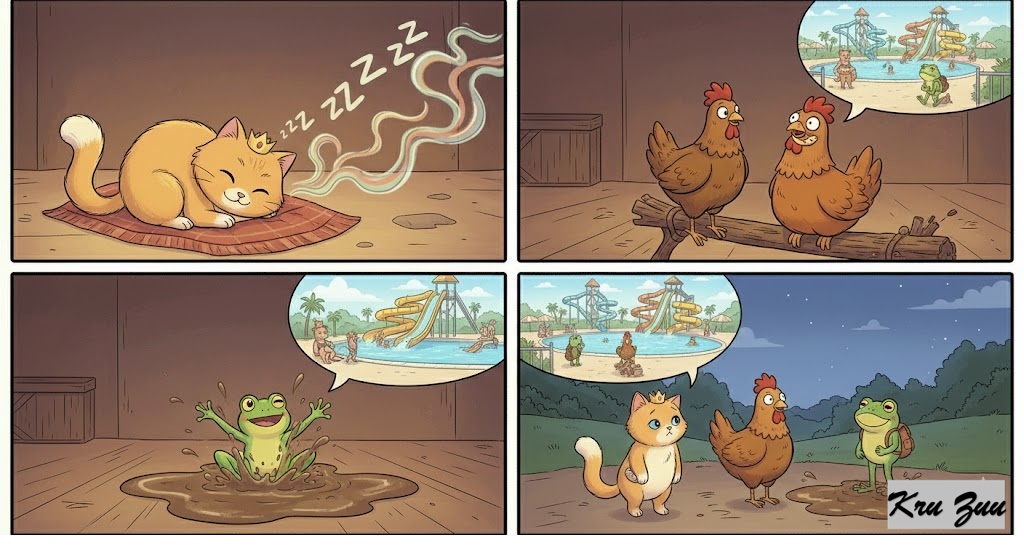

    “But,” they said in unison, closing their eyes, “There’s no place like home.” 🏚️❤️
    🎓 Lesson for English Learners


    Build Your “English Home.”
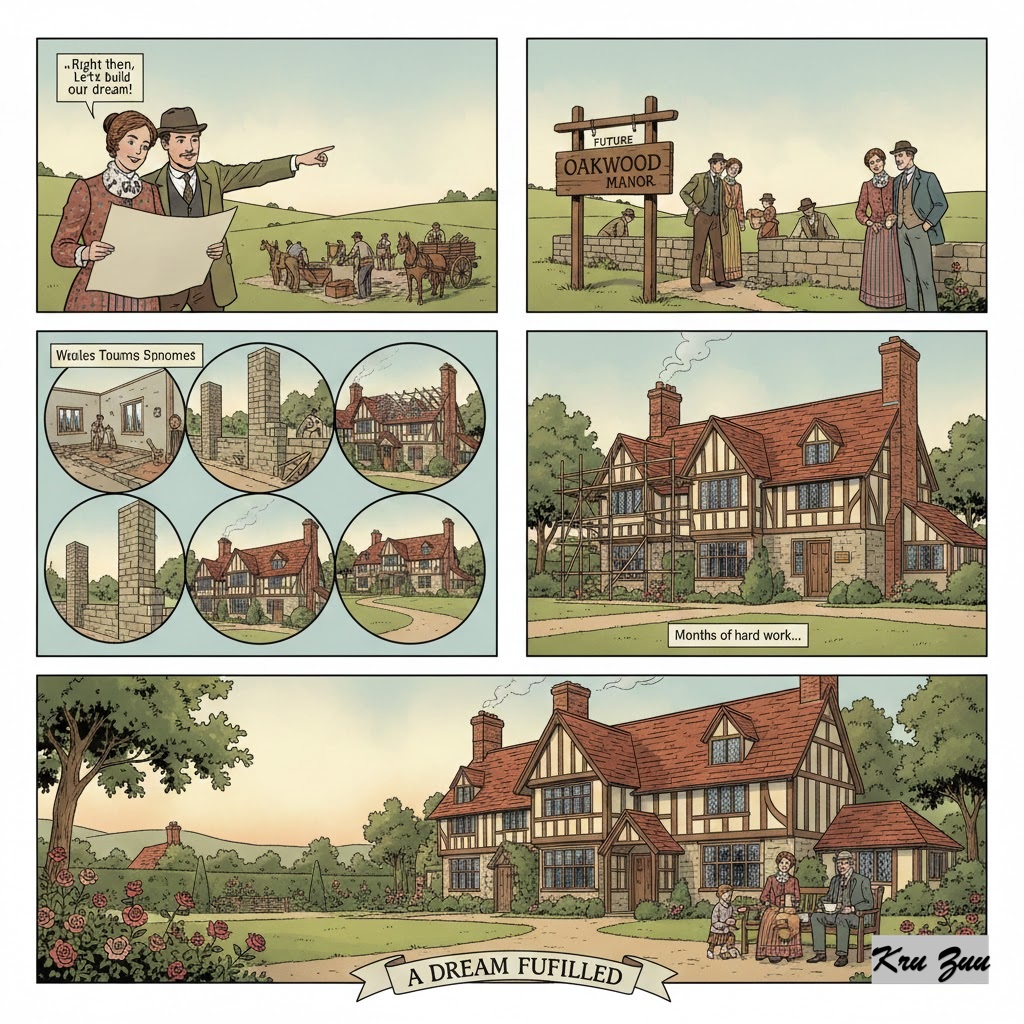

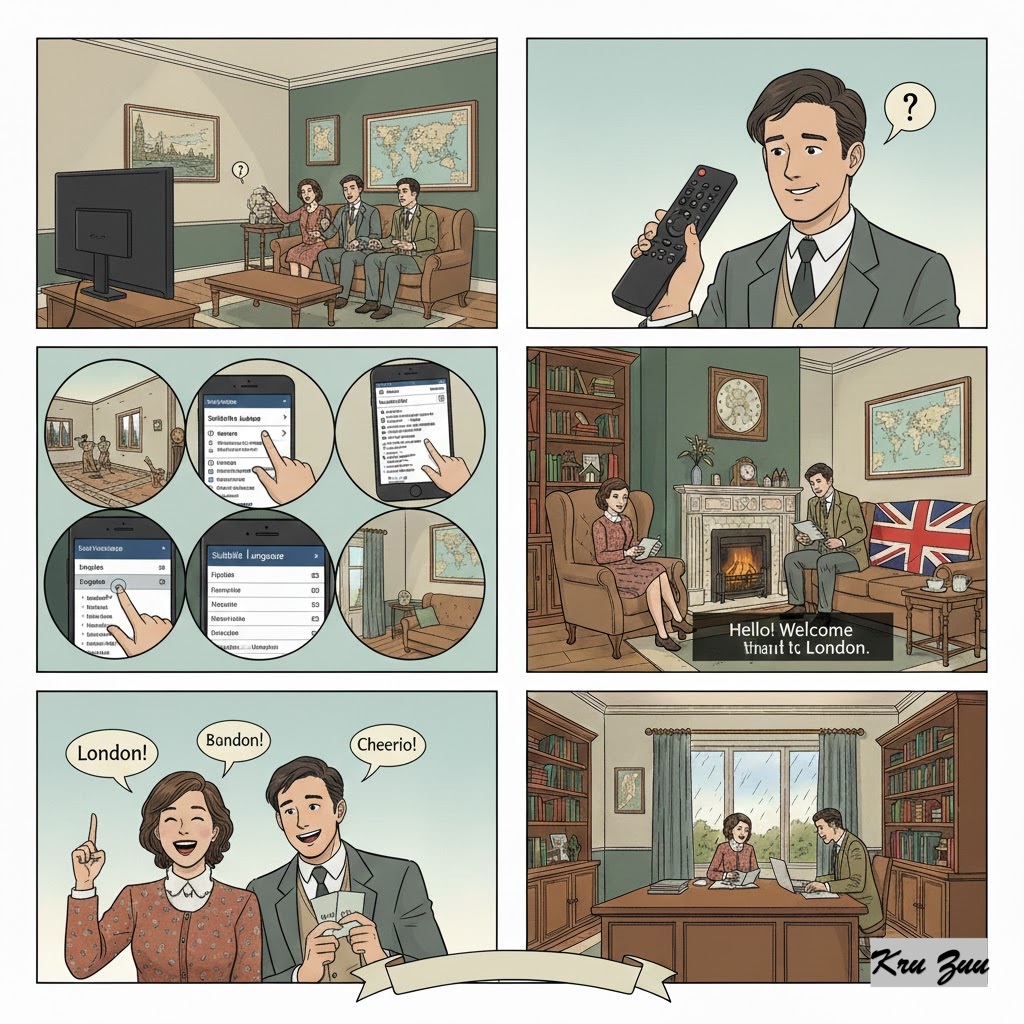
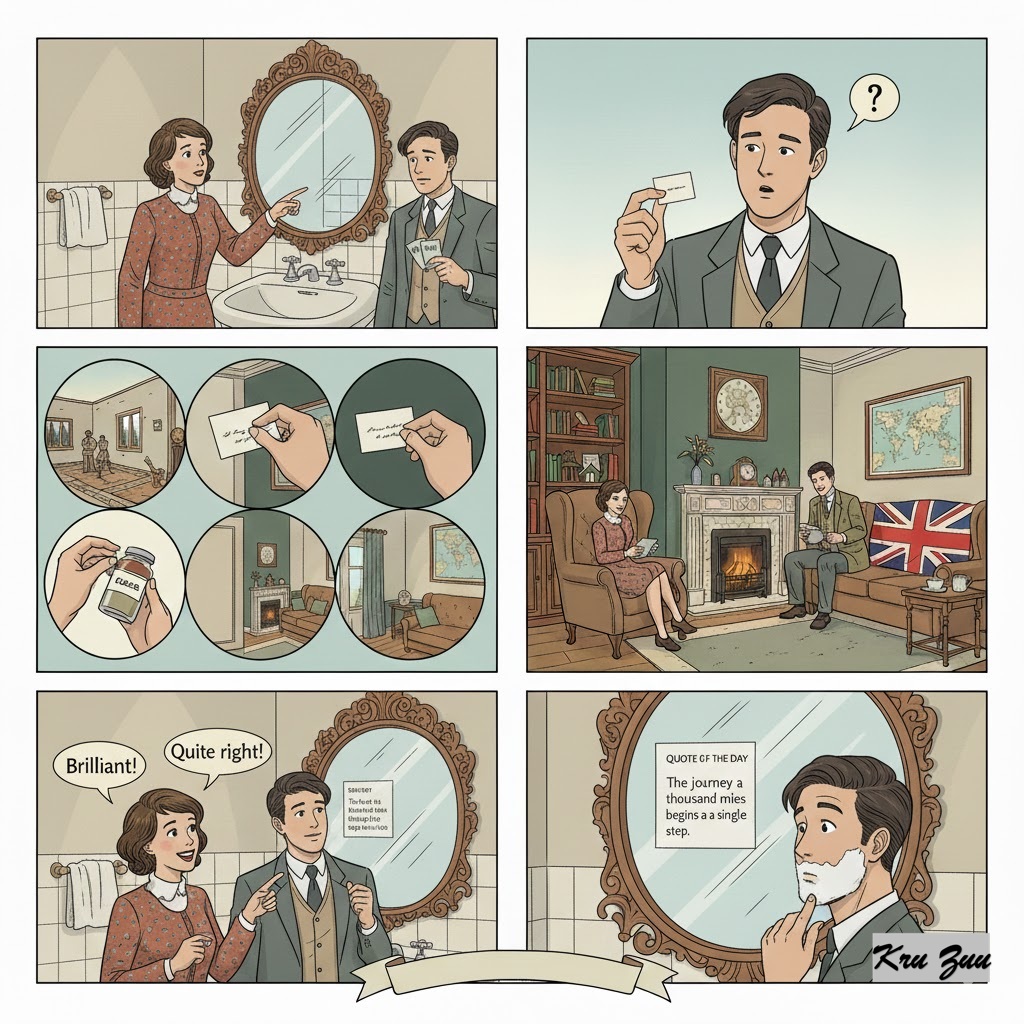
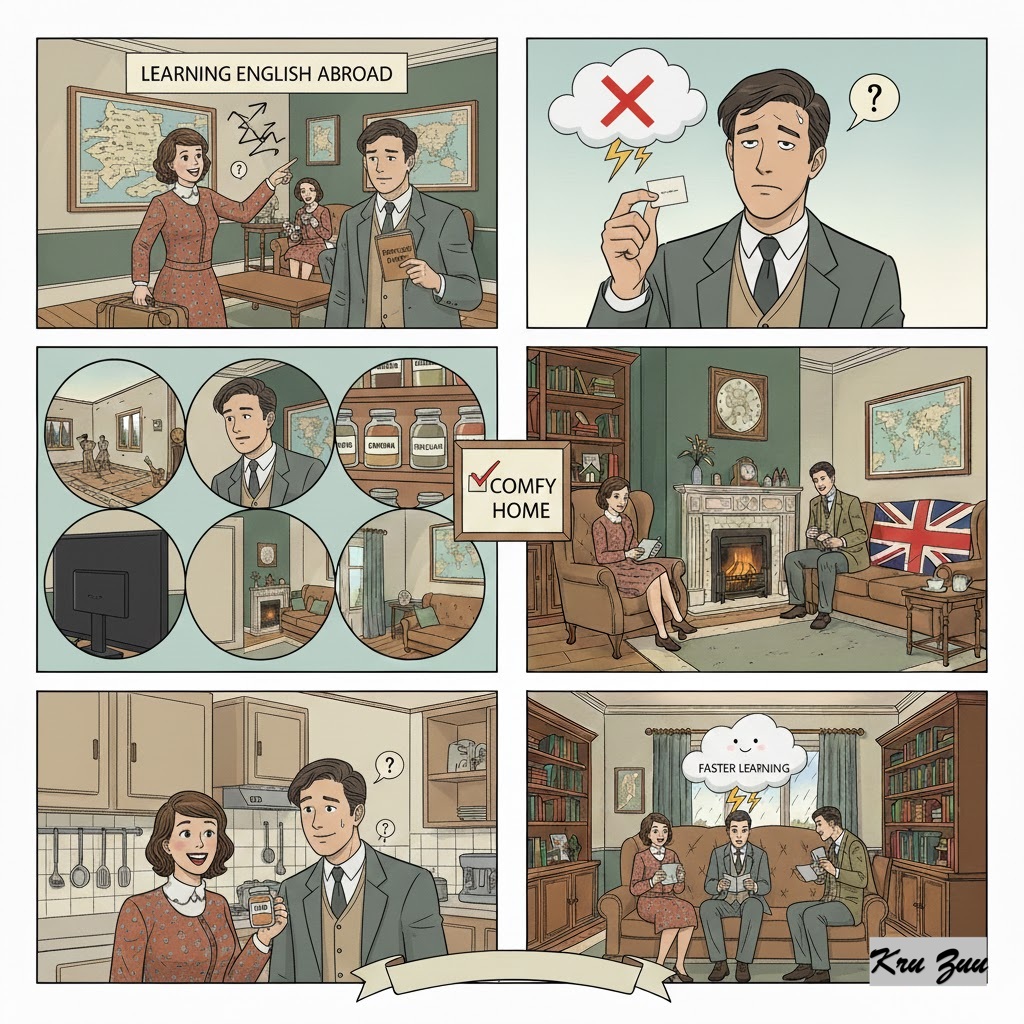
    Don’t wait to go to London or New York to learn English. That is the “Tourist” mindset. Build an English environment in your own home.
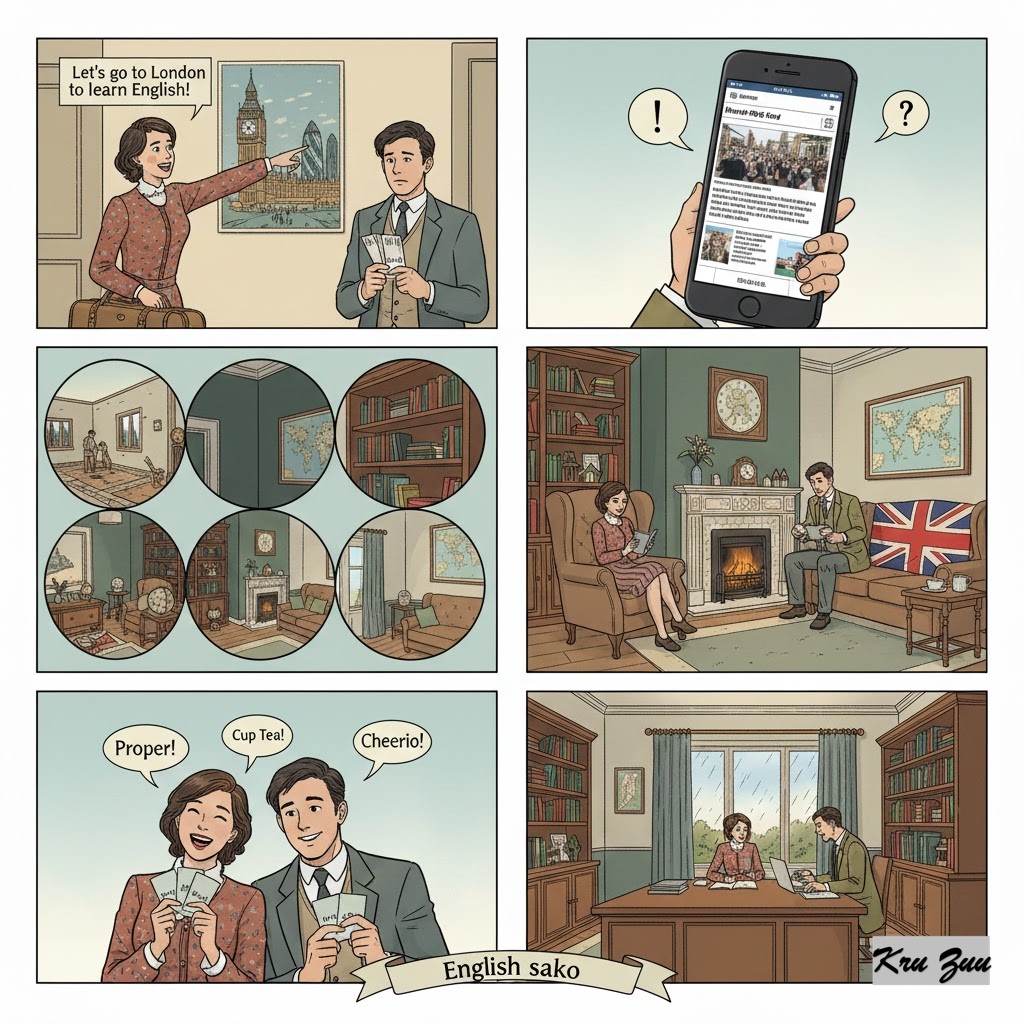

    The Kitchen:
    Label your spices in English.
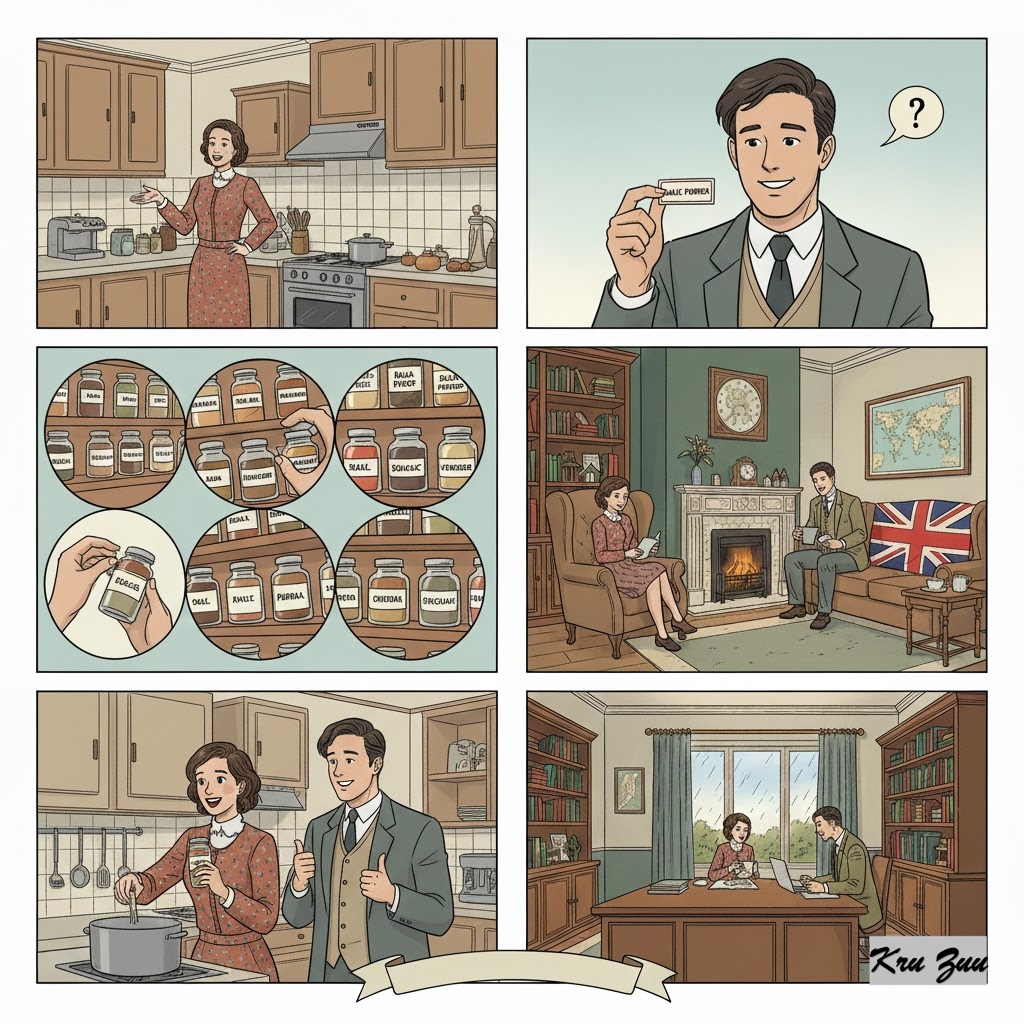

    The Living Room: Change your Netflix subtitles to English.

    The Mirror: Stick a “Quote of the Day” on your bathroom mirror.

    If you make English a part of your comfortable home life, you will learn faster than if you treat it like a stressful trip.

    💬 Your Turn


    We all have that one thing we love to do the moment we get home.
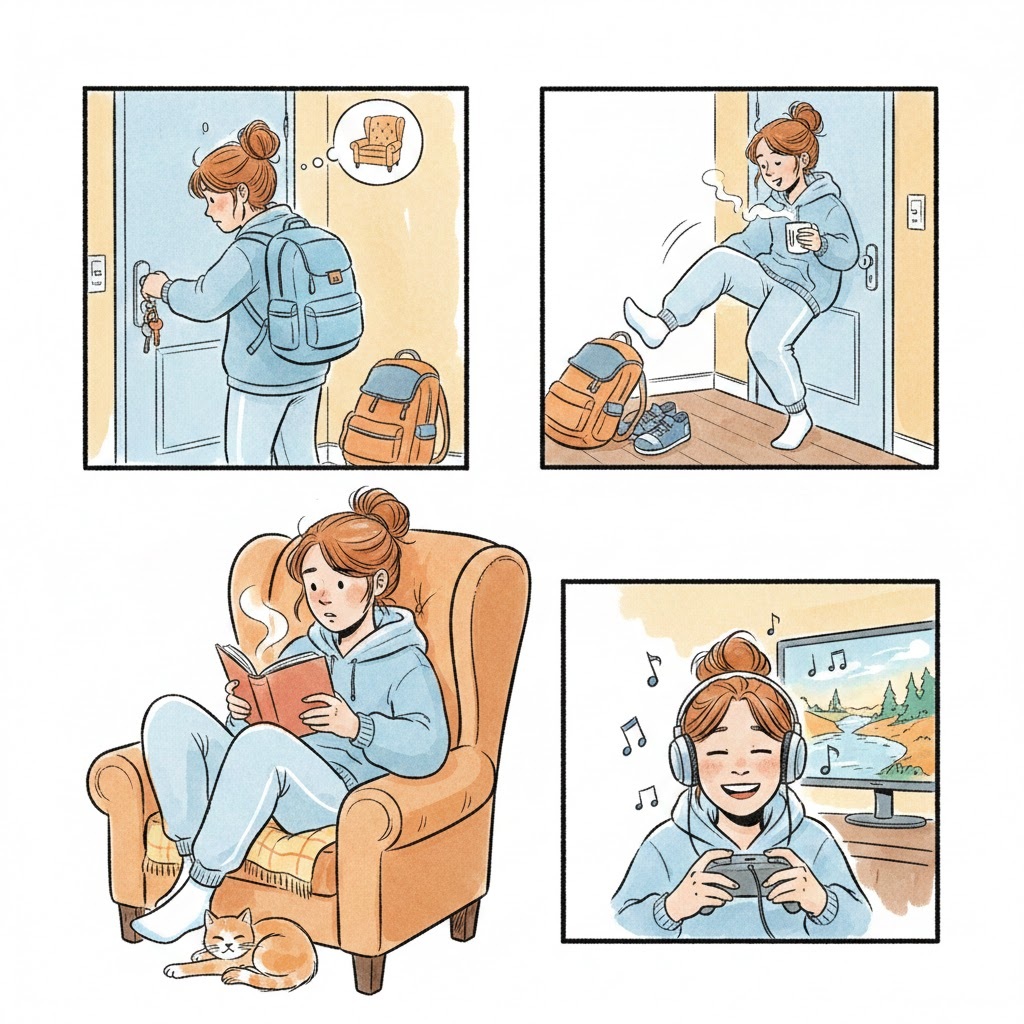

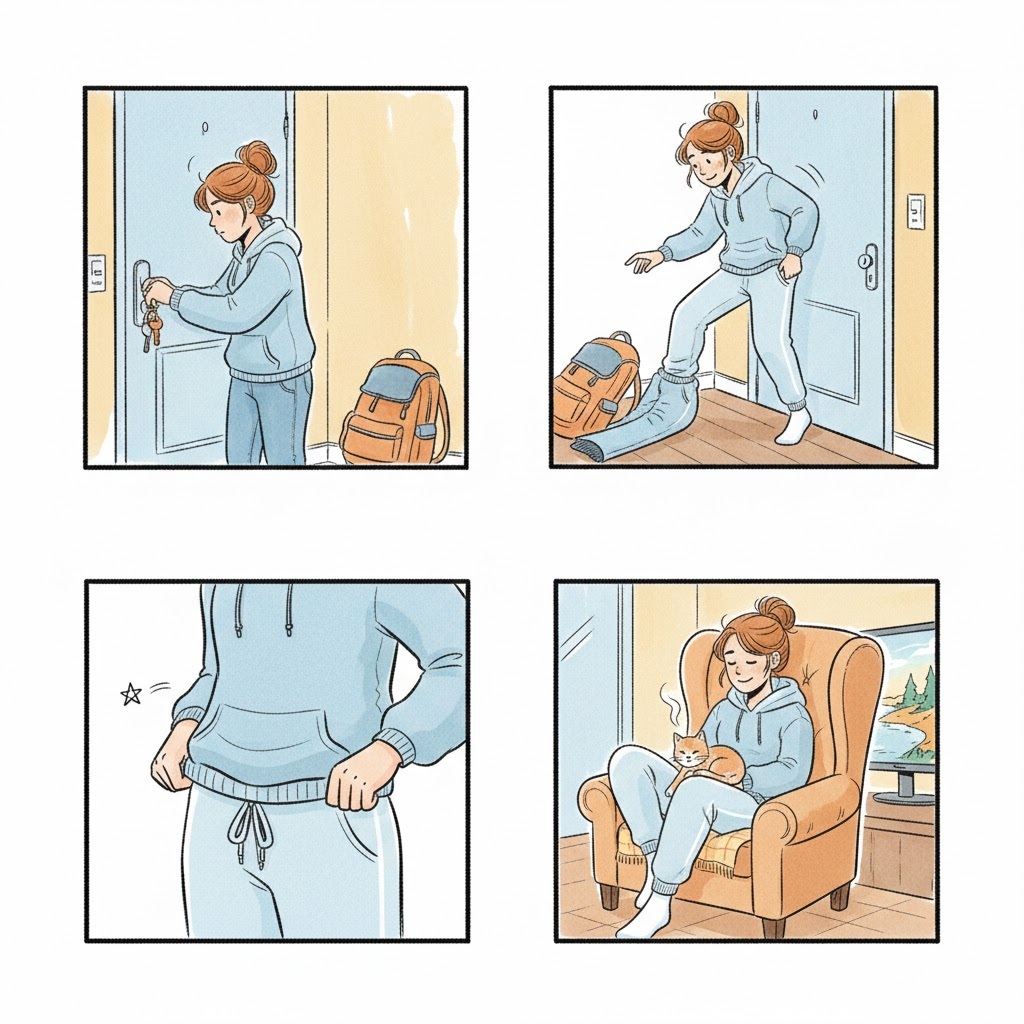
    Do you immediately put on sweatpants?

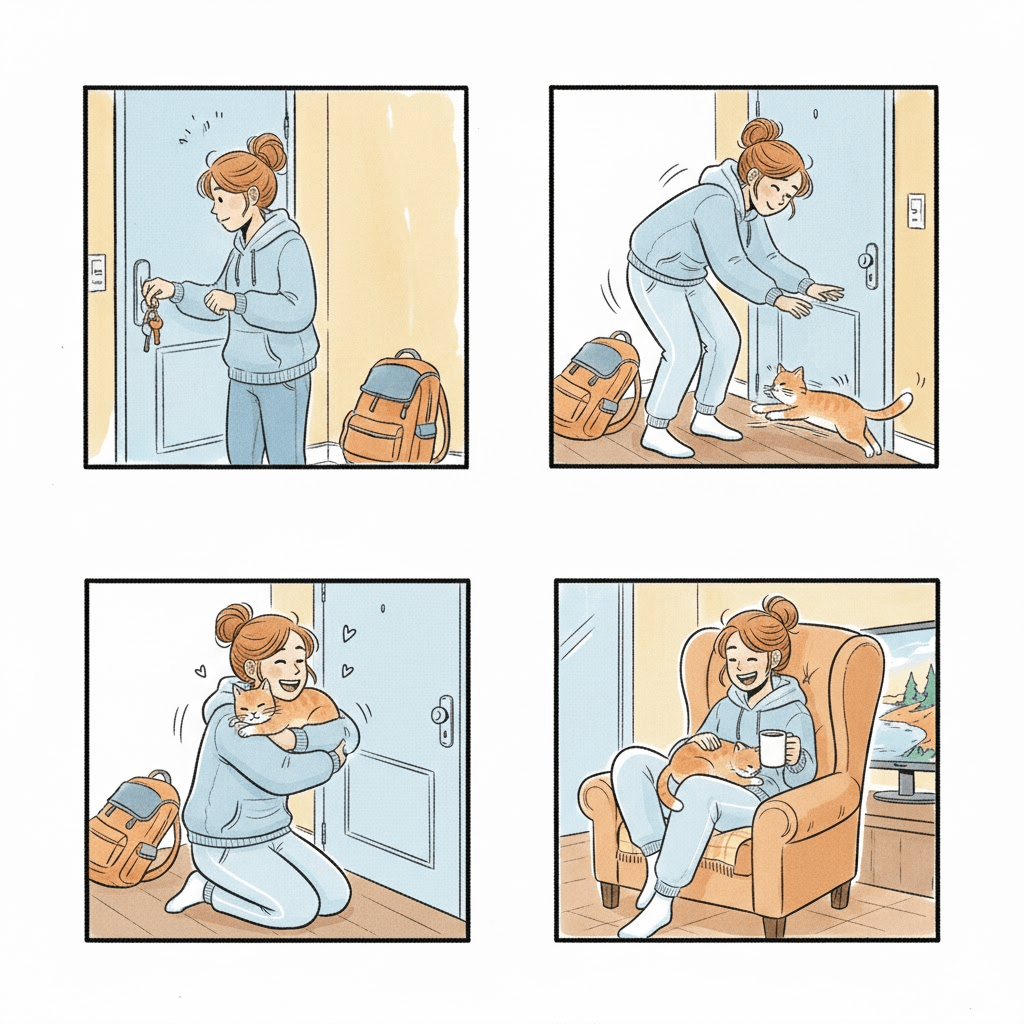
    Do you hug your pet?

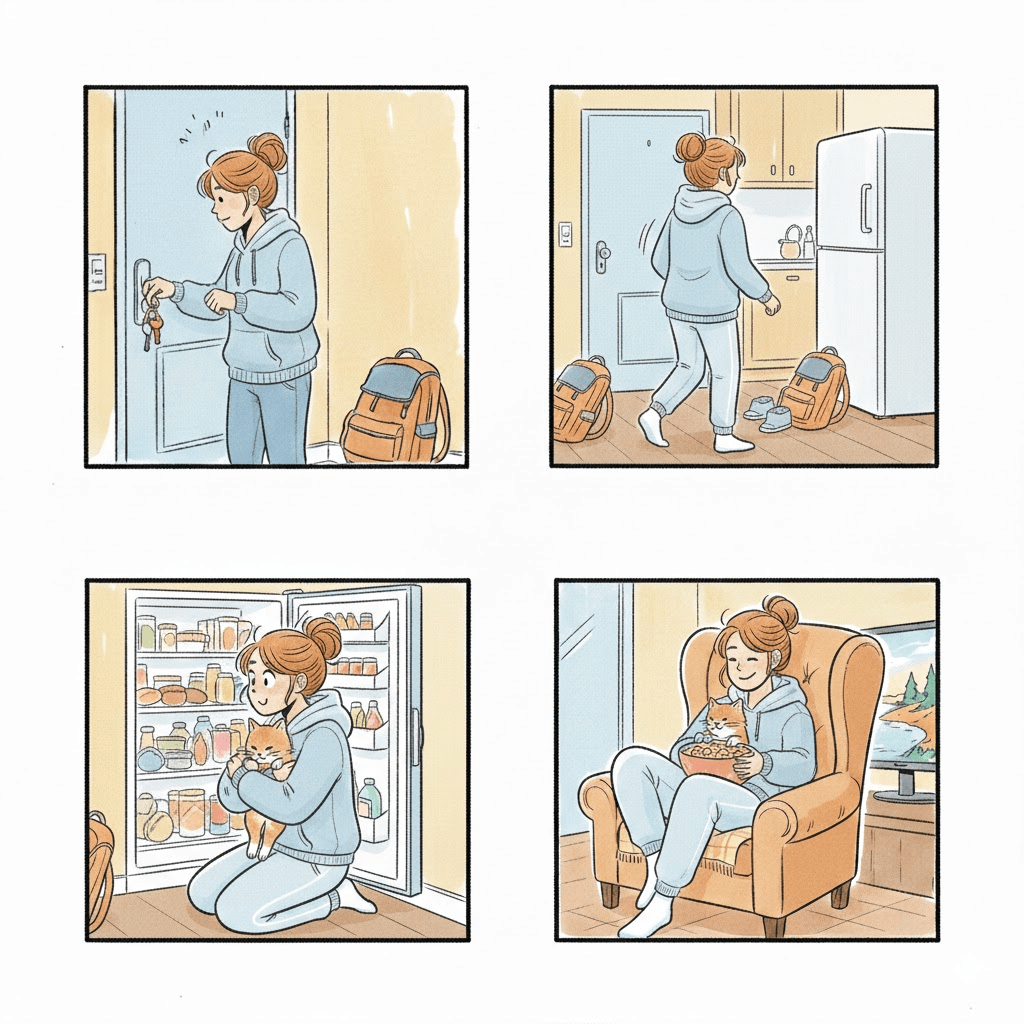
    Do you open the fridge?

    Tell us in the comments:
    What is the first thing you do when you walk through your door? 👇

    By Zubeyir YURTKURAN

    https://www.facebook.com/BrainBattleground/

    https://www.facebook.com/zubeyr.yurtkuran/

    https://www.instagram.com/zubeyryurtkuran/

    https://www.youtube.com/@BrainBattleground-b3p

    https://www.instagram.com/brainbattleground/

  • 🛡️ The Daily Shield: The Law of Loyalty

    🛡️ The Daily Shield: The Law of Loyalty

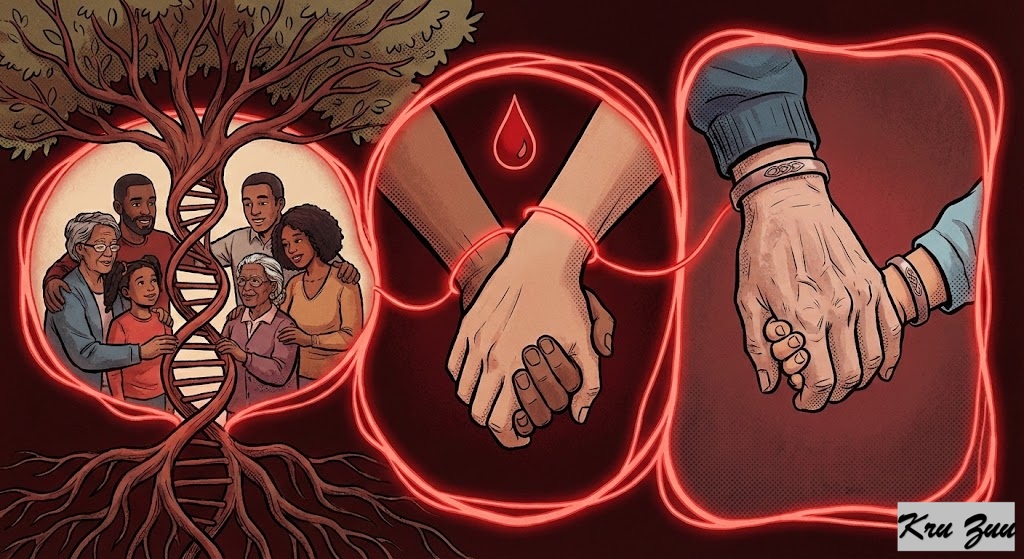
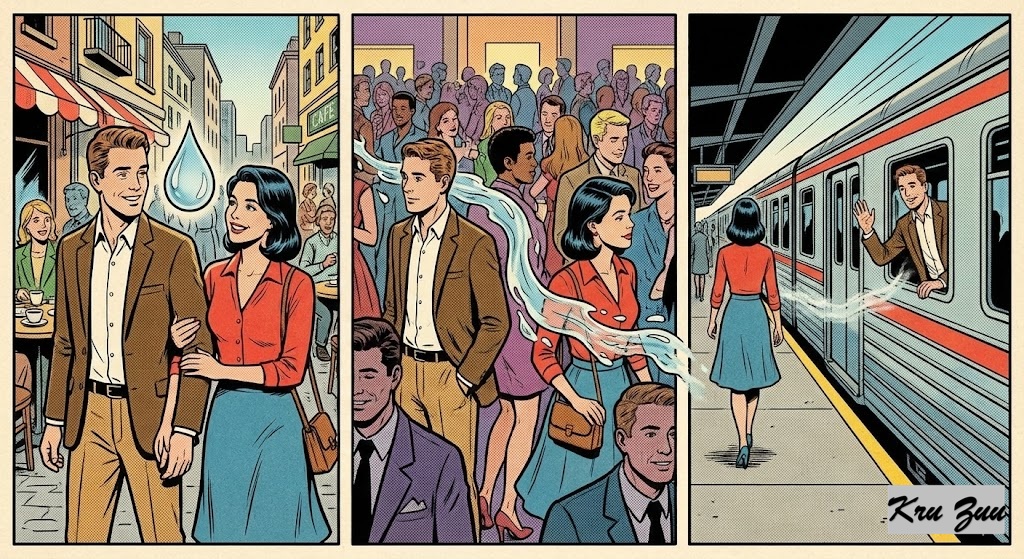
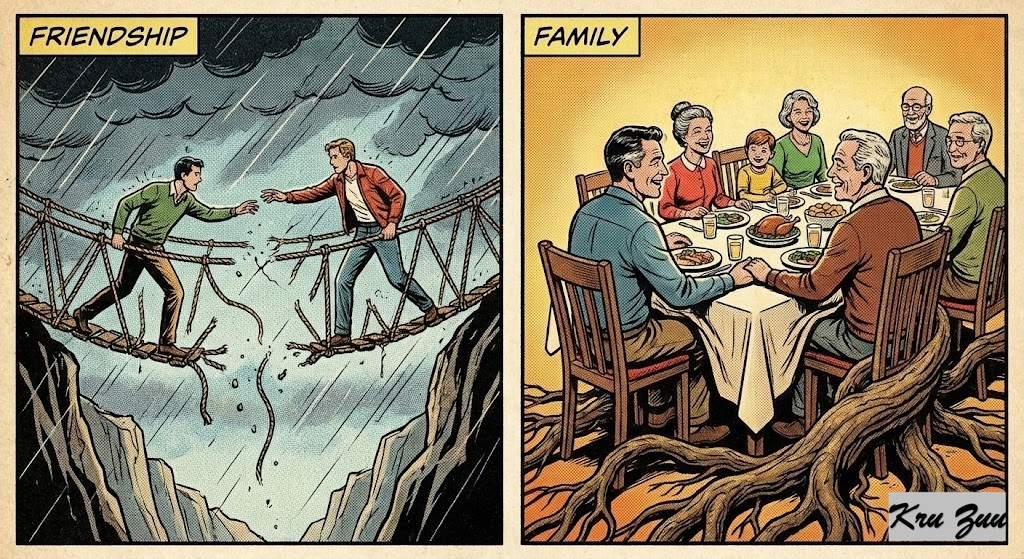
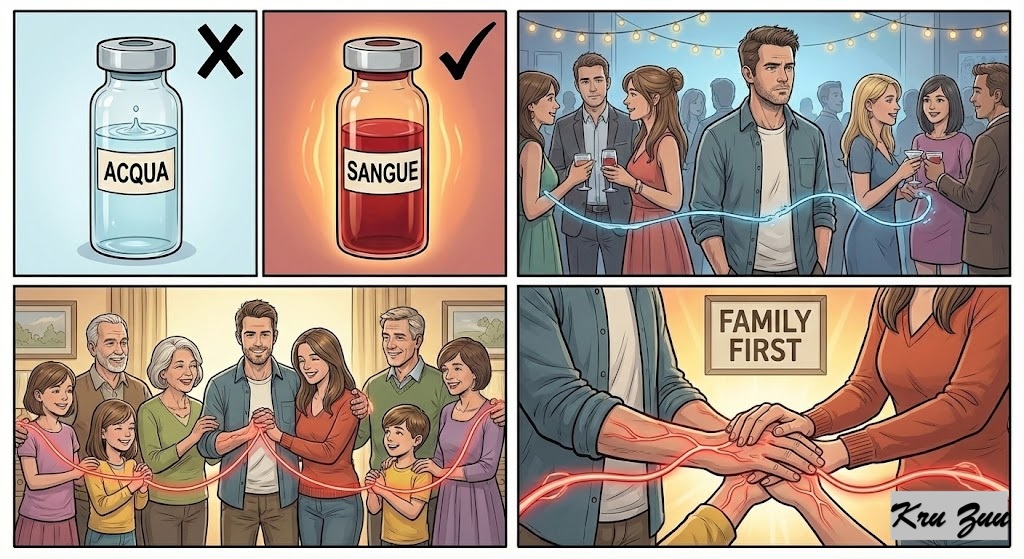
    “Blood is thicker than water.”


    😈 The Villain (The Fair-Weather Friend)


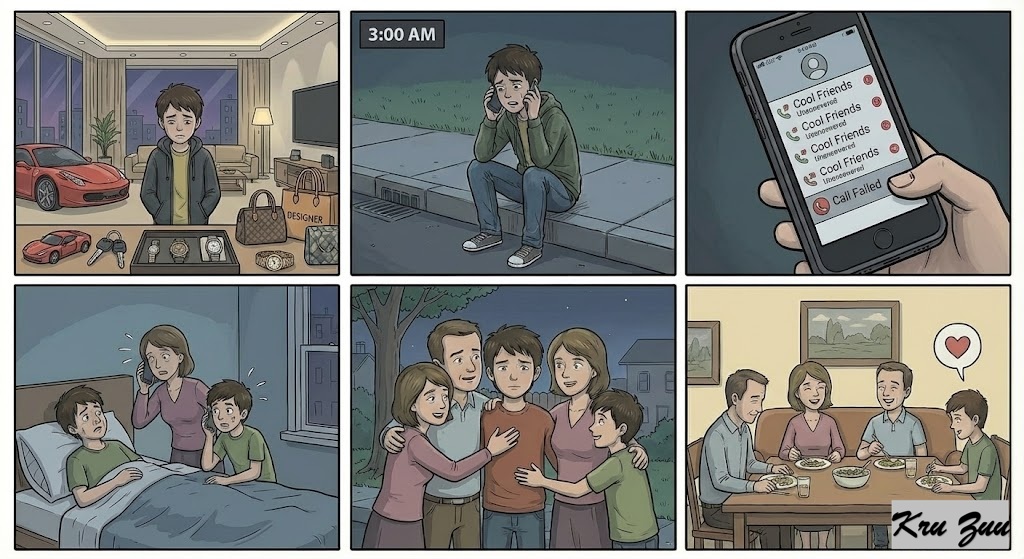
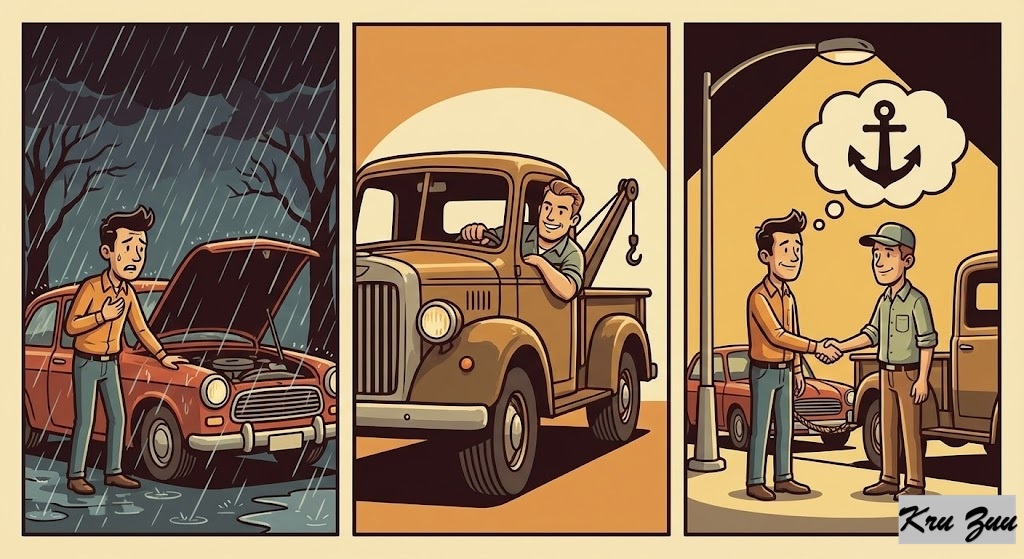
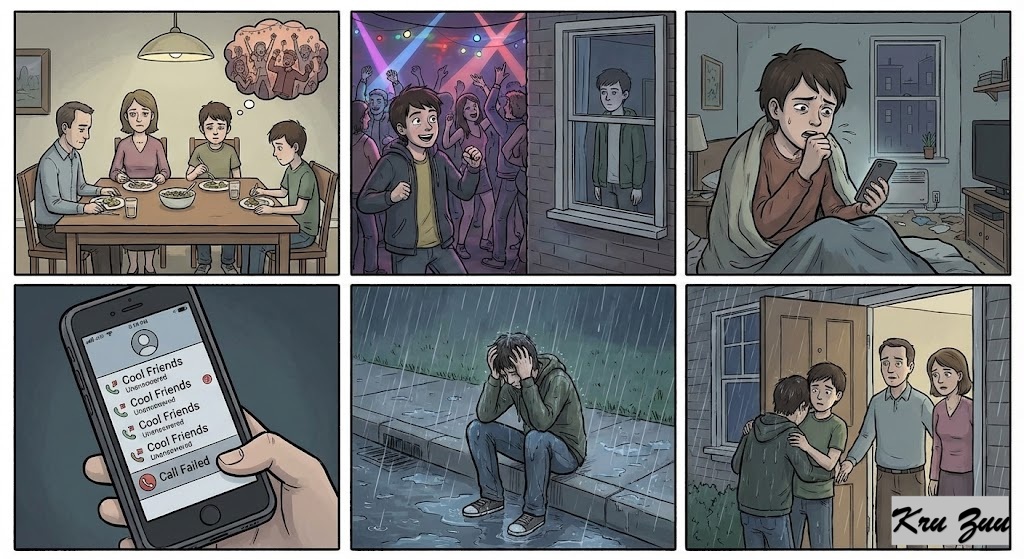
    You have a family dinner planned, but a new friend invites you to a cool party. You think, “My family is boring. I see them every day.” You ditch your brother to hang out with people who don’t even know your middle name. When you lose your job or get sick, you call those “cool friends.” No answer. They are busy. You are left alone in the rain. You chased the “water” and ignored the “blood.” 🌧️


    😇 The Hero (The Loyal Guardian)


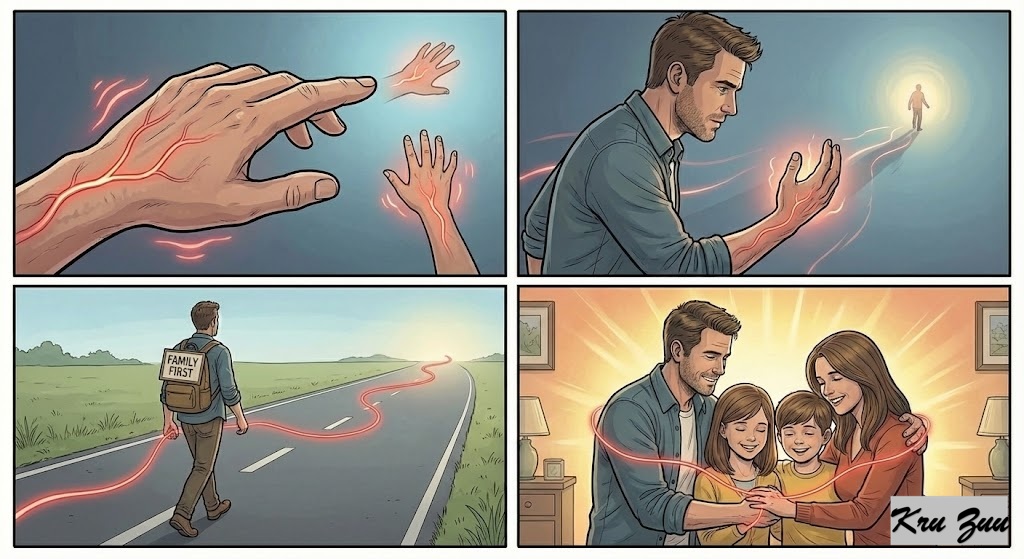
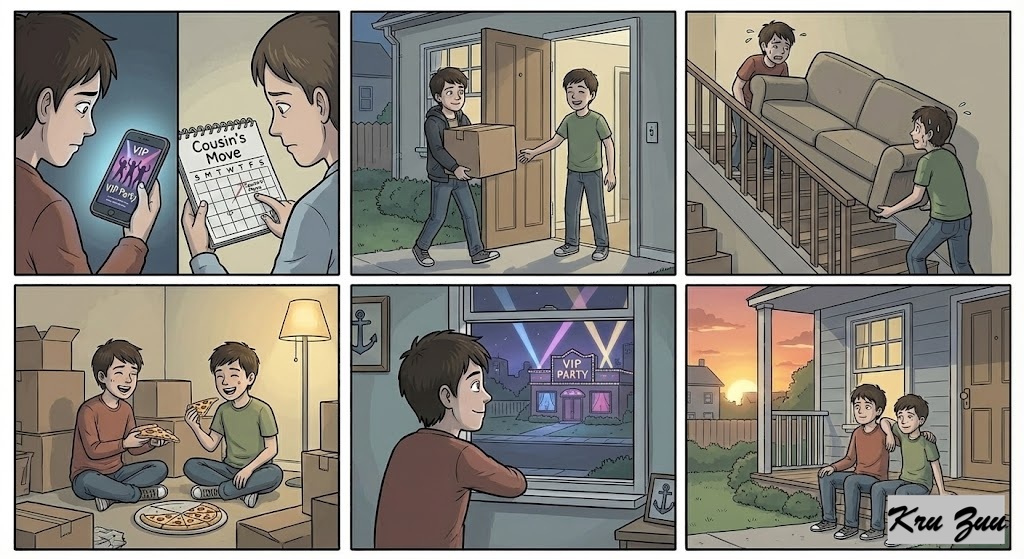
    You have a choice: A flashy event with strangers or helping your cousin move into a new house. It’s hard work. It’s not “fun.” But you choose family. You realize that friends may come and go like tides, but family (or the people who are like family) is the anchor.

    The Result? When your world falls apart, you have an army behind you. You are never truly alone. ⚔️


    ⚖️ The Reality


    Popularity is temporary. Loyalty is permanent. We often treat strangers better than our own family because we try to impress them. We treat our family poorly because we think, “They will forgive me anyway.” This is a dangerous trap.

    💎 The Secret

    Real wealth is not money; it is knowing exactly who will pick up the phone at 3:00 AM when you are in trouble.

    🧐 The Anatomy of the Proverb


    This is the ultimate rule of relationships.


    Blood (Noun): Represents family ties, genetics, and deep, unbreakable bonds. 🩸


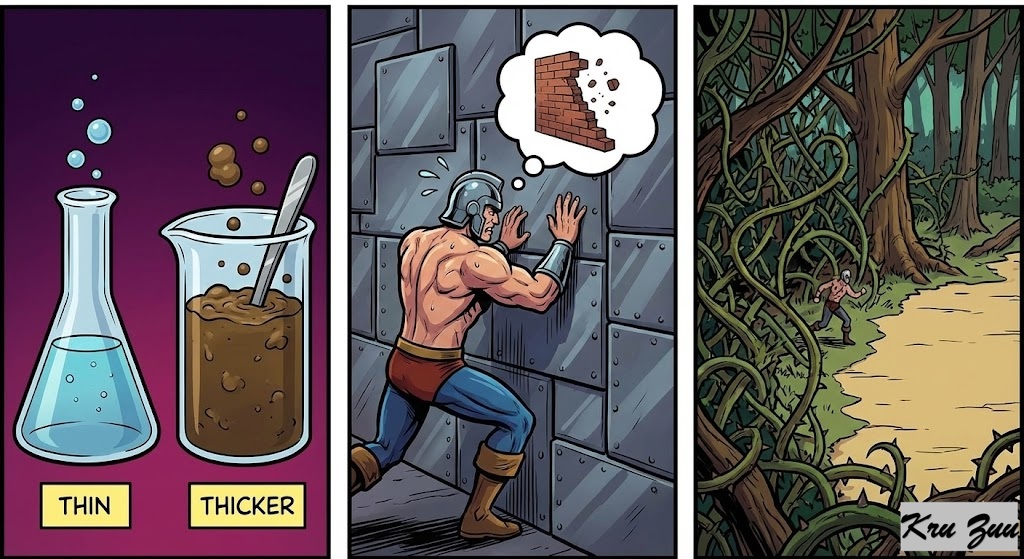
    Thicker (Comparative Adjective): More dense; stronger; harder to pass through.


    Water (Noun): Represents weak, temporary, or fluid relationships (acquaintances, casual friends). 💧


    Simpler Version:
    Family relationships are stronger than friendships.


    📚 Vocabulary Vault


    Bond (Noun): A strong connection between two people. (Example: The bond between brothers.)


    Loyalty (Noun): A strong feeling of support or allegiance.


    Kinship (Noun): Blood relationship; sharing the same origin.


    Betrayal (Noun): The action of breaking trust. (The opposite of loyalty). 💔


    Dependable (Adjective): Trustworthy and reliable.


    🧠 Grammar Focus: Comparative Adjectives


    This proverb uses the Comparative Form to measure the strength of relationships.


    Rule: Short adjectives + -er + than.


    Thick ➡️ Thicker than
    Strong ➡️ Stronger than
    Deep ➡️ Deeper than


    Example in context:
    “His love for his family is stronger than his love for money.”

    📜 History: Origin and Spread


    Where did this come from?


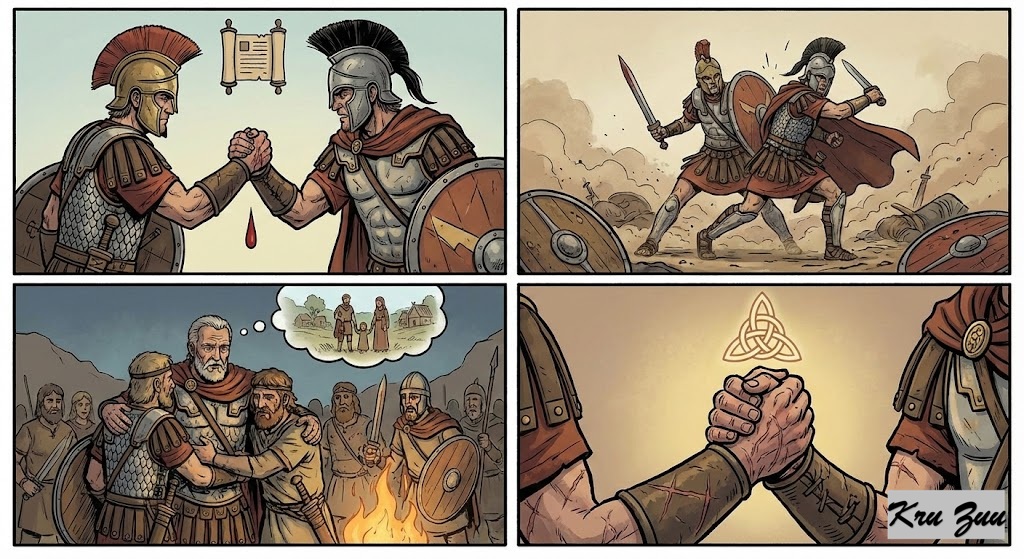
    The Twist: Originally, some historians believe the phrase was “The blood of the covenant is thicker than the water of the womb.” This meant that soldiers who bled together in battle (covenant) were closer than brothers by birth!


    Modern Meaning: Over centuries, the meaning flipped. Today, it strictly means Family comes first.


    Global Cousins


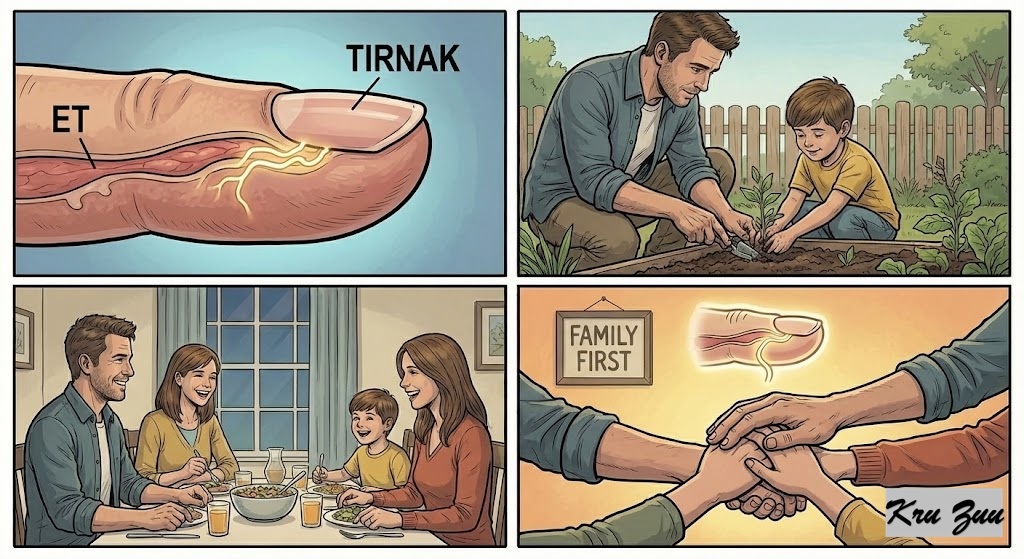
    🇹🇷 Turkish: “Et tırnaktan ayrılmaz.” (Flesh cannot be separated from the fingernail.) — A perfect biological metaphor!


    🇪🇸 Spanish: “La sangre tira.” (The blood pulls/calls.)


    🇮🇹 Italian: “Il sangue non è acqua.” (Blood is not water.)

    🎭 Short Story: The Pond, The Barn, and The Storm


    Let’s meet our unlikely trio to see this law in action.


    🐱 The Character: Whiskers (The Cat) – Cool, independent, and easily bored.

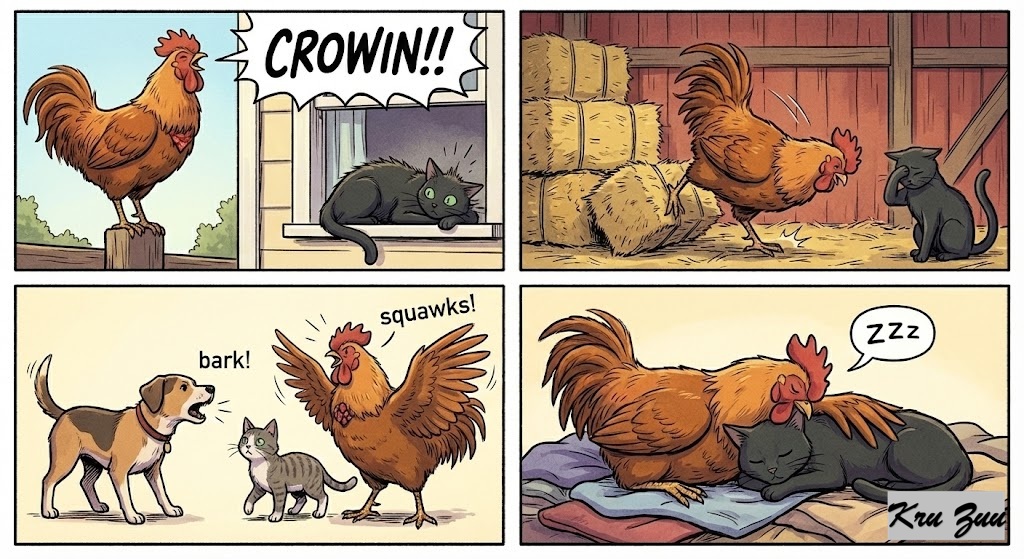
    🐔 The Character: Peck (The Chicken) – Whiskers’ adopted brother. Loud, clumsy, but loyal.

    🐸 The Character: Hop (The Frog) – The new, popular guy at the pond. Fun but slippery.


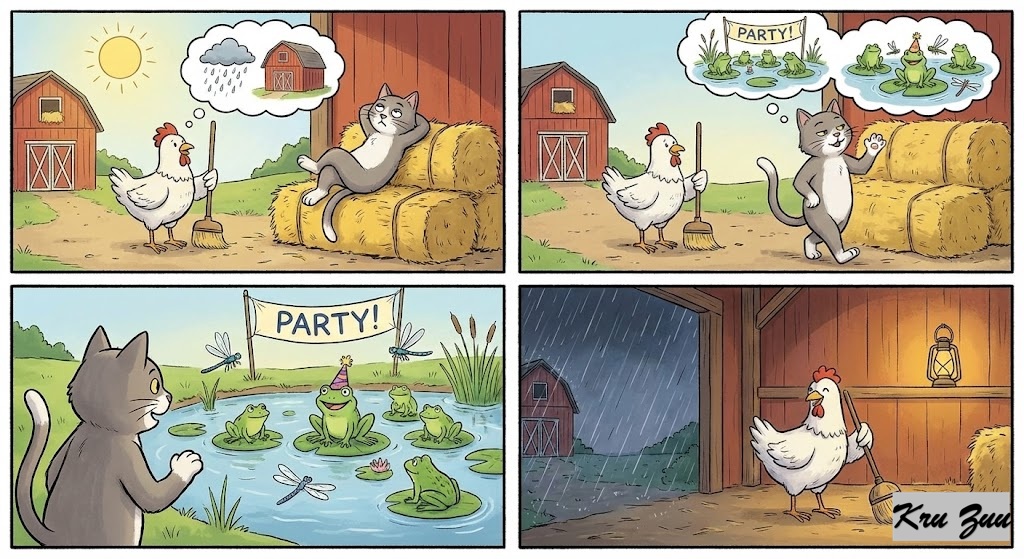
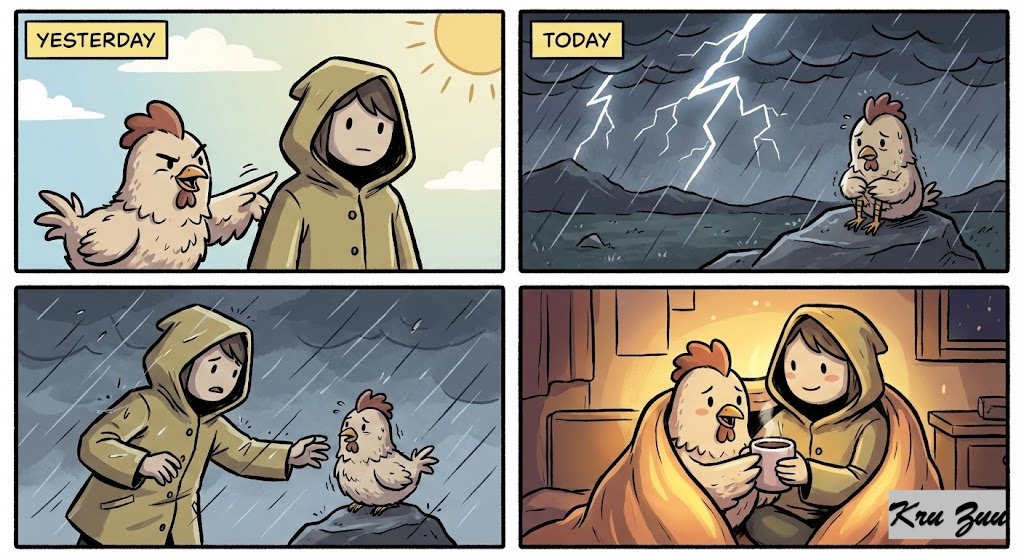
    🌟 The Setup: It is a sunny afternoon. Peck the Chicken says, “Hey Whiskers! Let’s clean the barn together. It’s going to rain later.” Whiskers rolls his eyes. “Cleaning? Boring! Hop the Frog invited me to the Lily Pad Party at the pond. Catch you later, feather-brain!”


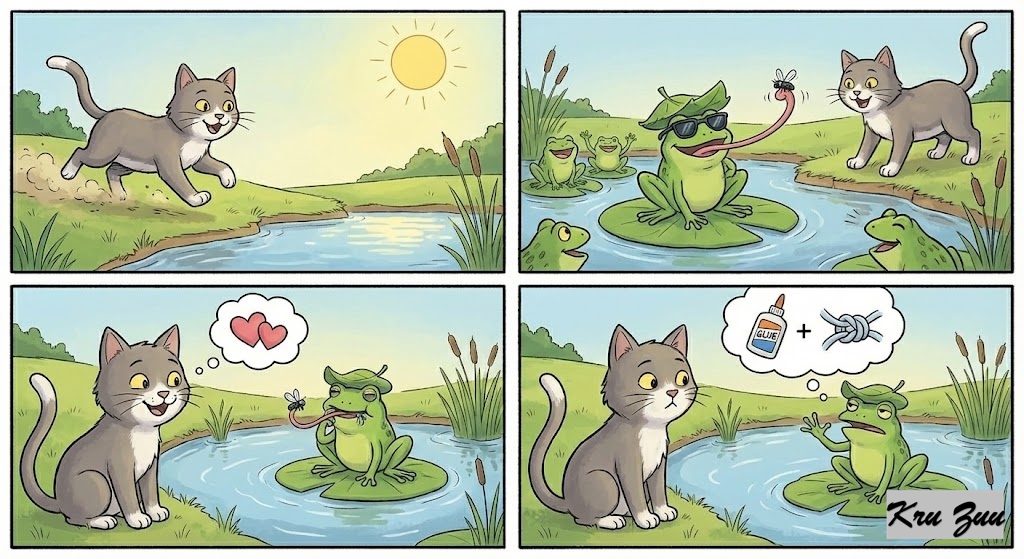
    The Conflict: Whiskers runs to the pond. Hop is there, telling jokes, catching flies, looking cool. “You are my best friend, Hop!” Whiskers says. “Sure, sure,” says Hop. “We are tight like glue!”


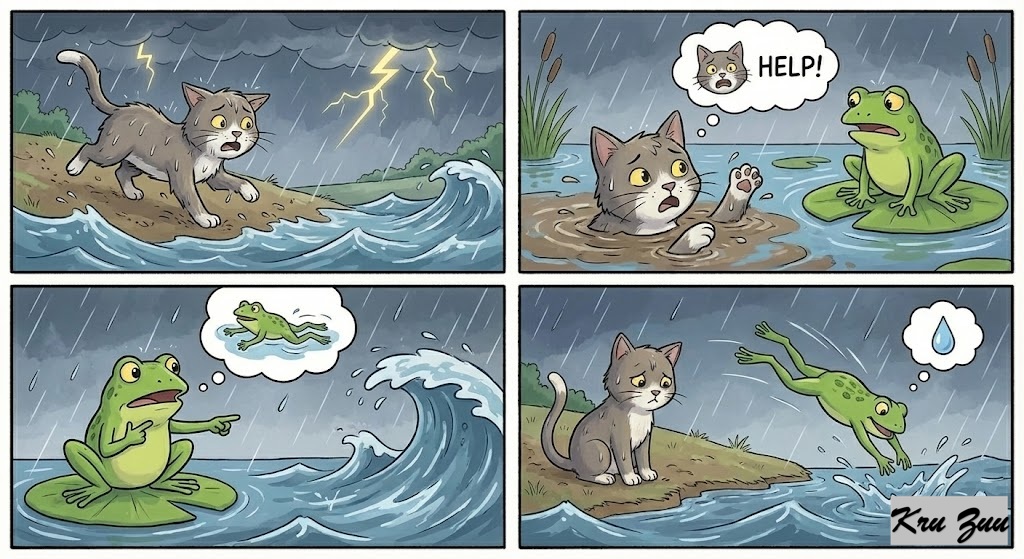
    The Climax: Suddenly, the sky turns black. Thunder shakes the ground. A massive storm hits. The water in the pond rises fast. Whiskers hates water. He slips into the mud. “Help! Hop, help me!” Hop looks at Whiskers, then looks at the dangerous water. “Sorry, cat! I’m an amphibian, I gotta save myself!” Hop splashes away, disappearing into the deep water. Water washes away easily.


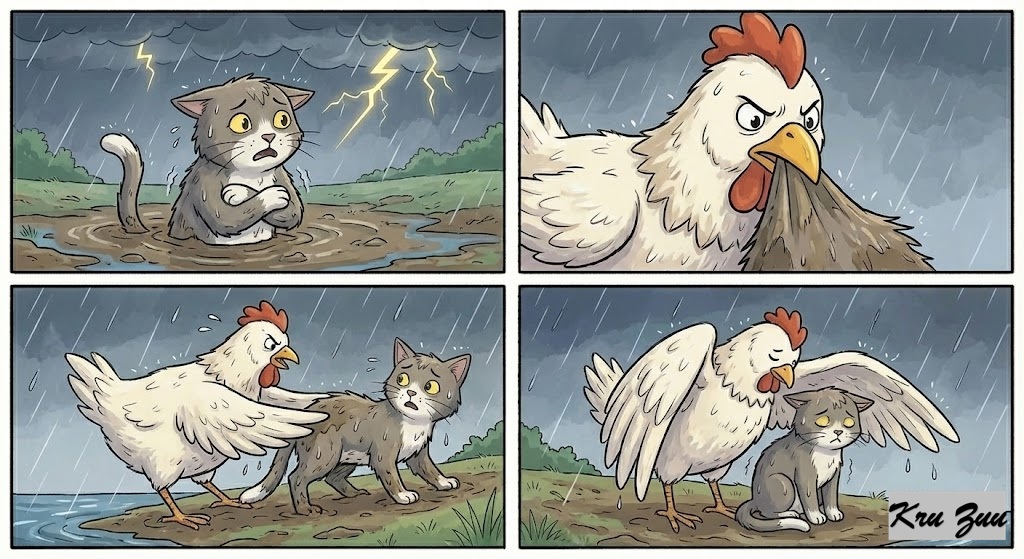
    Whiskers is stuck. He is wet, shivering, and scared. Suddenly, he feels a beak grabbing his collar. It’s Peck. Peck hates the rain too, but he ran all the way from the safe barn. He drags Whiskers out of the mud, covering him with his wings to block the rain.


    The Resolution: Safe in the barn, Whiskers dries off. “Why did you come?” Whiskers asks. “I left you alone to clean.” Peck clucks softly. “Hop is a pond creature. He flows where the water goes. We live in the same barn. We are family. And blood is thicker than water.”

    🎓 Lesson for English Learners


    Context Matters.


    Situation: Your friend asks you to skip your grandmother’s 80th birthday party to go to the cinema.


    You Say: “I can’t go. It’s my grandma’s big day, and you know what they say: Blood is thicker than water.


    Warning: Do not use this to excuse toxic behavior. It explains loyalty, but it shouldn’t justify bad actions!


    💬 Your Turn: The Loyalty Test 🚀


    Think about the “Peck” (The Chicken) in your life. Who is the person that would come to save you in a storm, even if you were annoying yesterday?


    The Challenge:
    Send that person a message right now. Just say: “I appreciate you being in my life.” (It takes 10 seconds. Do it!)


    Question: Have you ever had a “Frog” friend who disappeared when things got hard? Tell us in the comments! 👇


    By Zubeyir YURTKURAN

    https://www.facebook.com/BrainBattleground/

    https://www.facebook.com/zubeyr.yurtkuran/

    https://www.instagram.com/zubeyryurtkuran/
    https://www.youtube.com/@BrainBattleground-b3p

    https://www.instagram.com/brainbattleground/

  • 🛡️ The Daily Shield: The Law of Momentum

    🛡️ The Daily Shield: The Law of Momentum

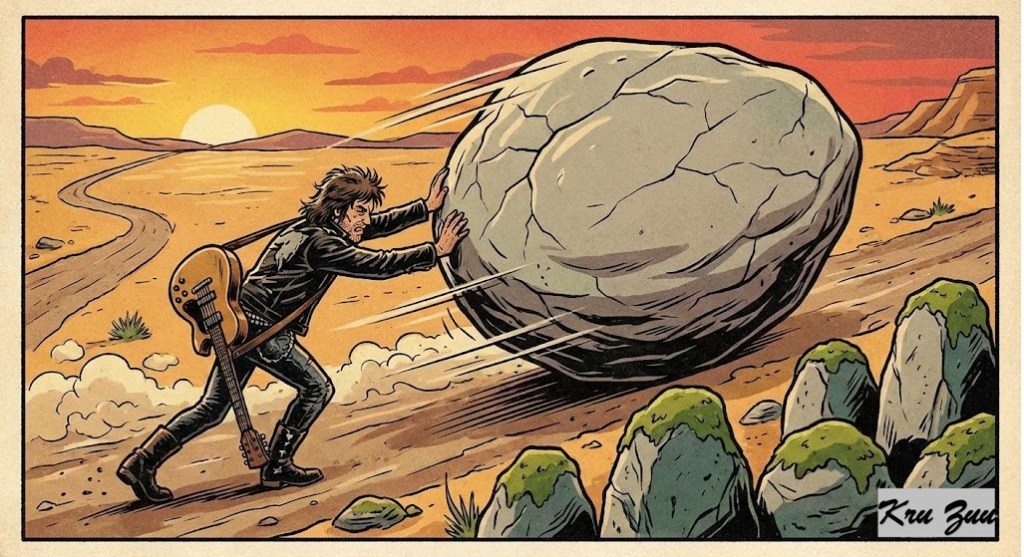
    “A rolling stone gathers no moss.”


    😈 The Villain (The Stagnant Statue)


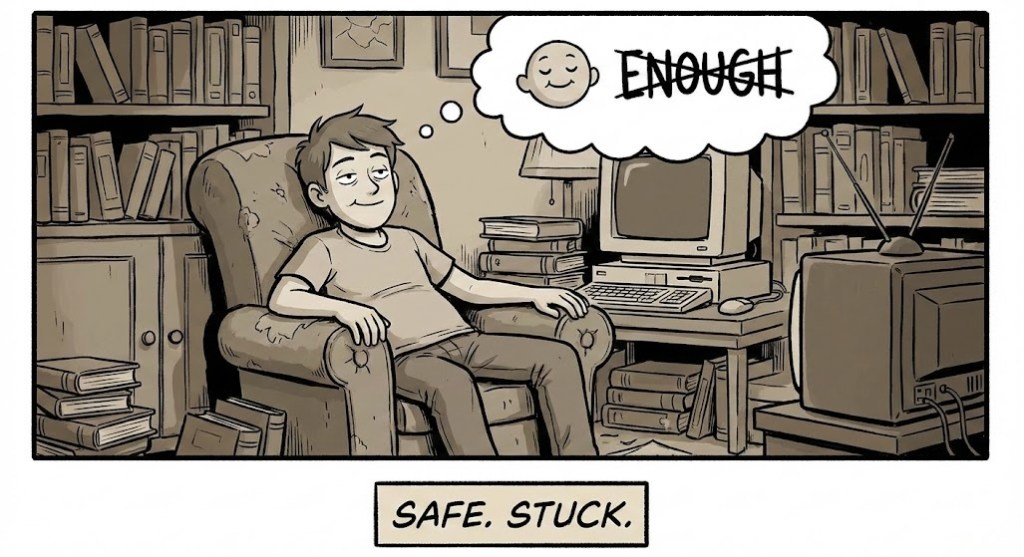
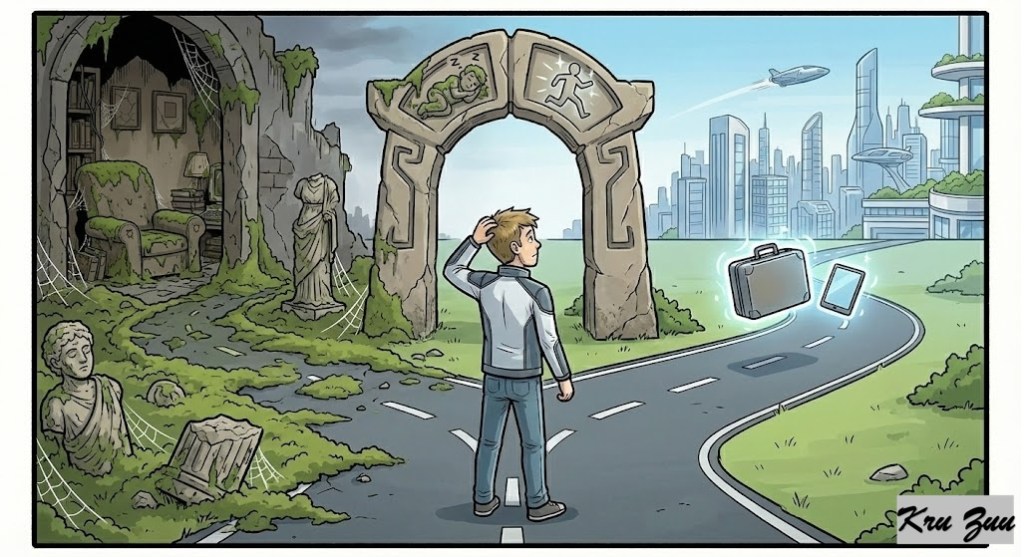
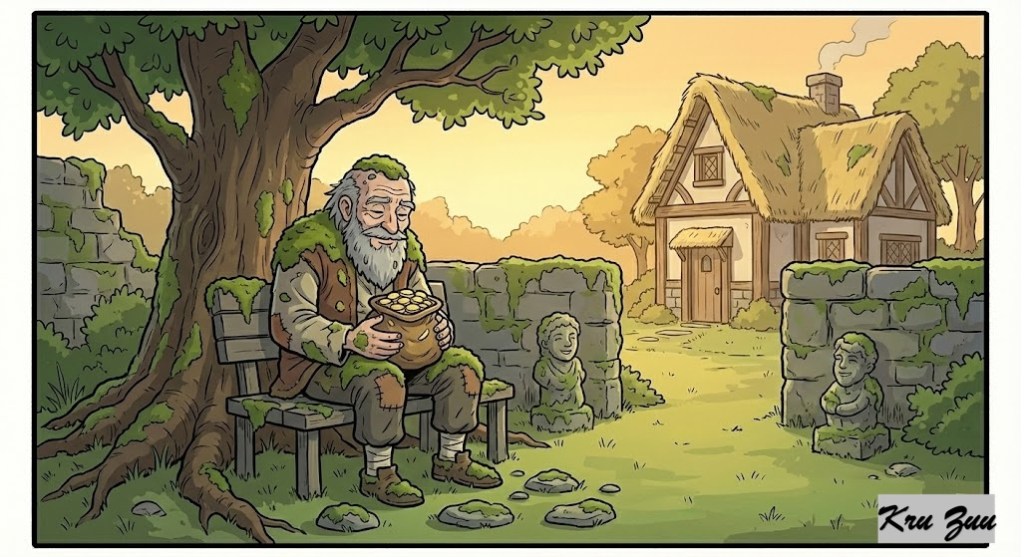
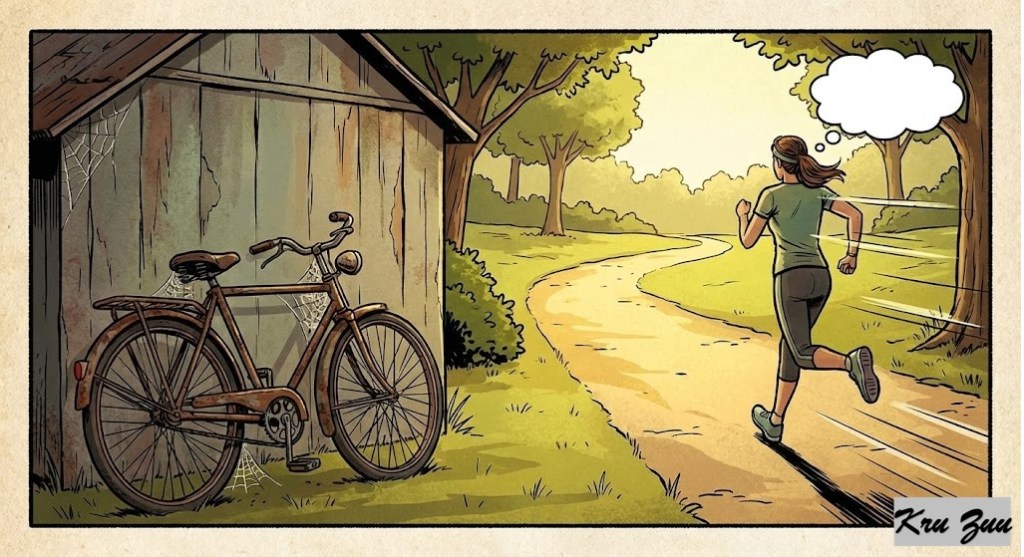
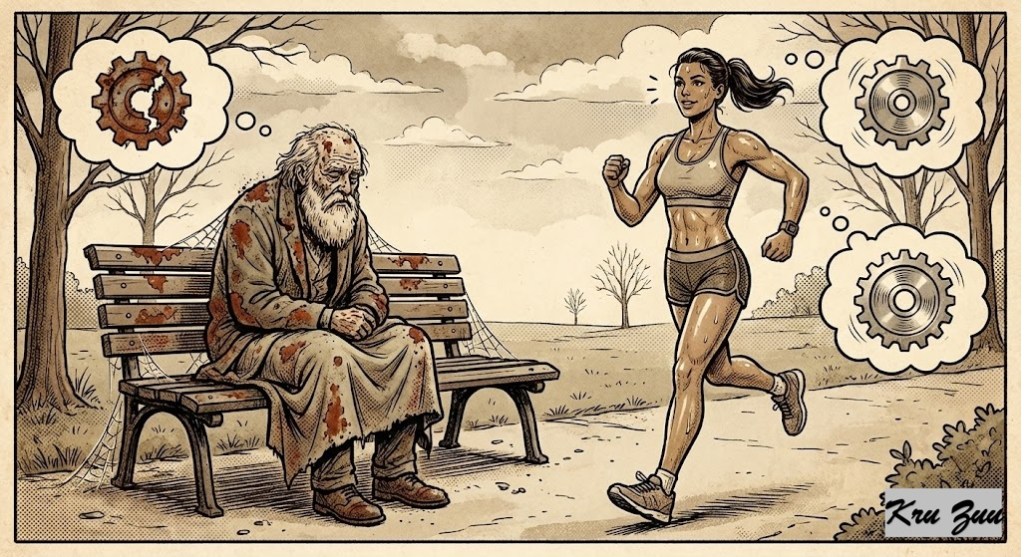
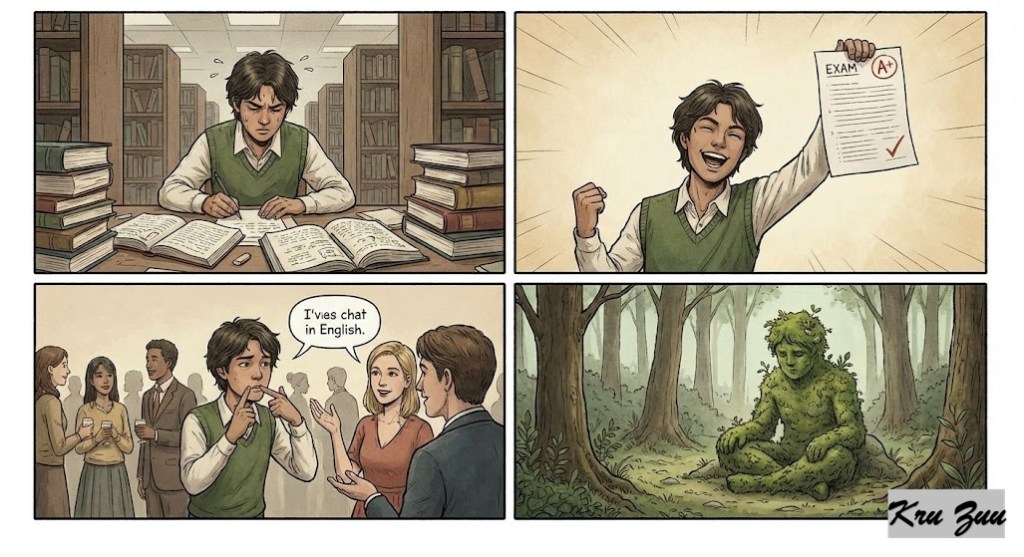
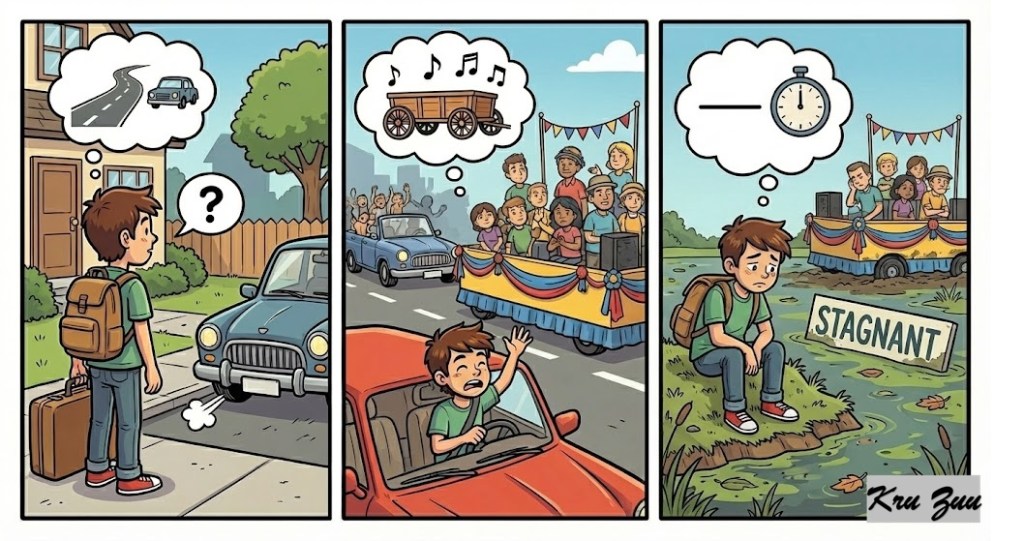
    You love your comfort zone. You learned English for two years, reached an intermediate level, and stopped. You think, “This is enough.” You sit in the same chair, do the same job, and refuse to learn new skills. You are safe, but you are stuck.

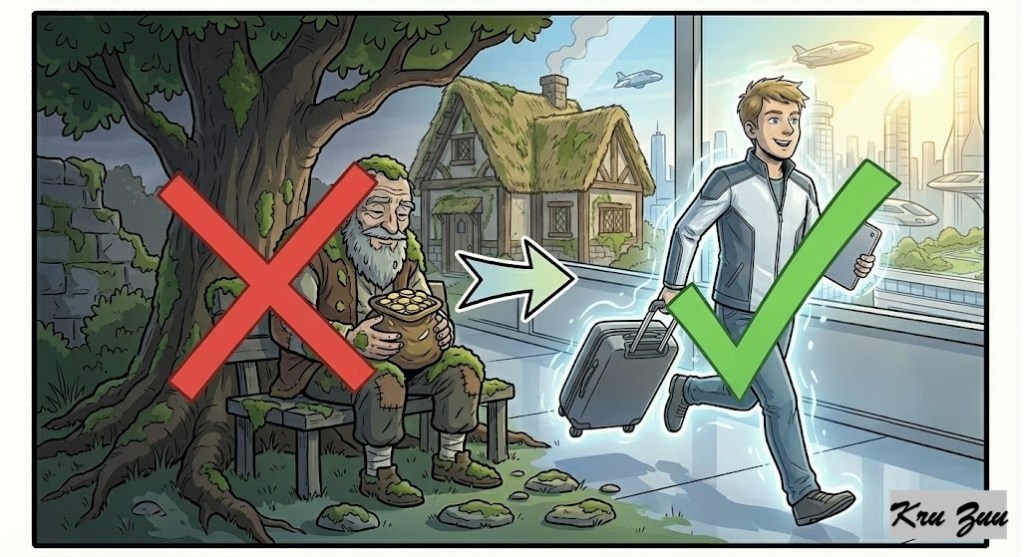
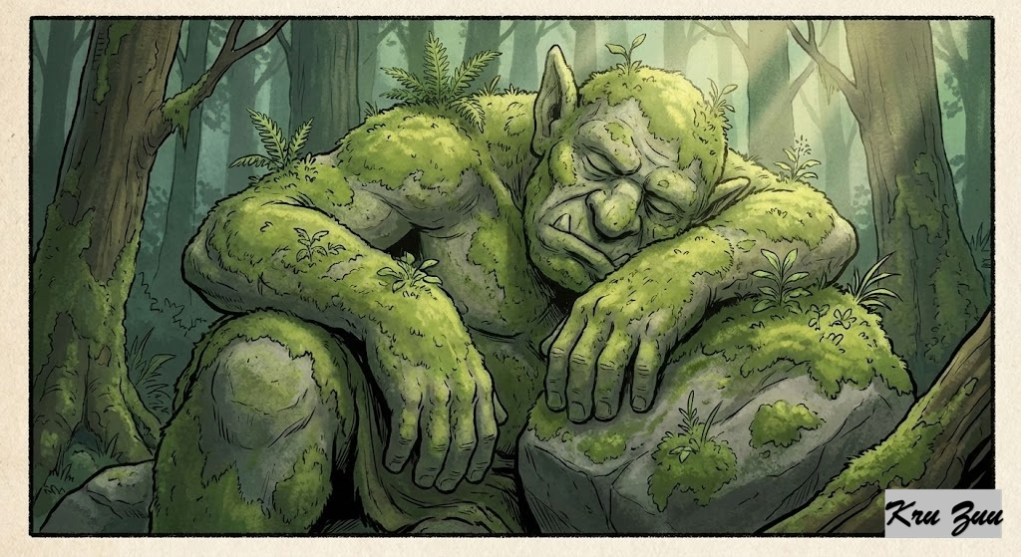
    The Result? You become “mossy.” In this metaphor, moss is rust, laziness, and obsolescence. Your skills fade away. Your English gets rusty. The world moves forward, but you stay behind like an old statue in a forgotten park. 🗿


    😇 The Hero (The Rolling Stone)


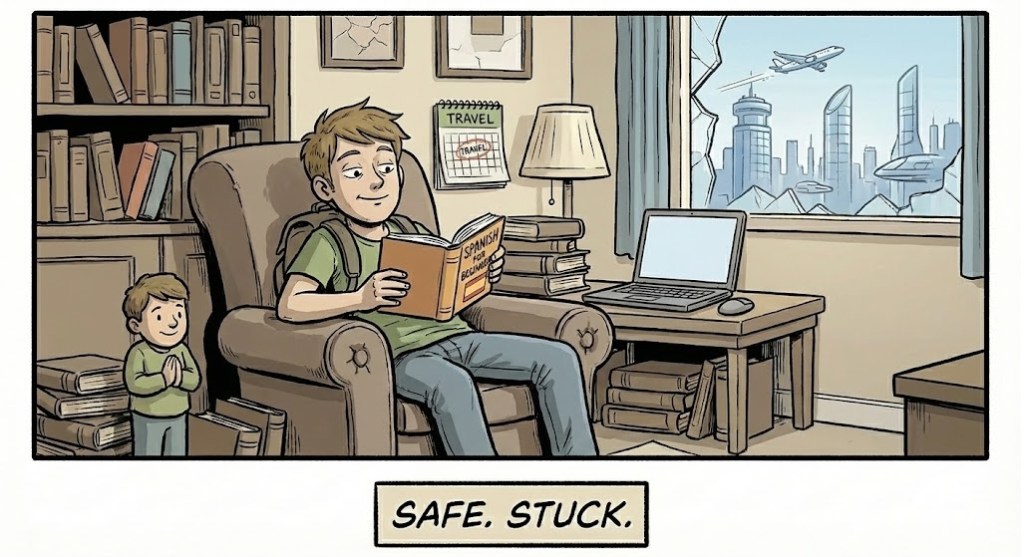
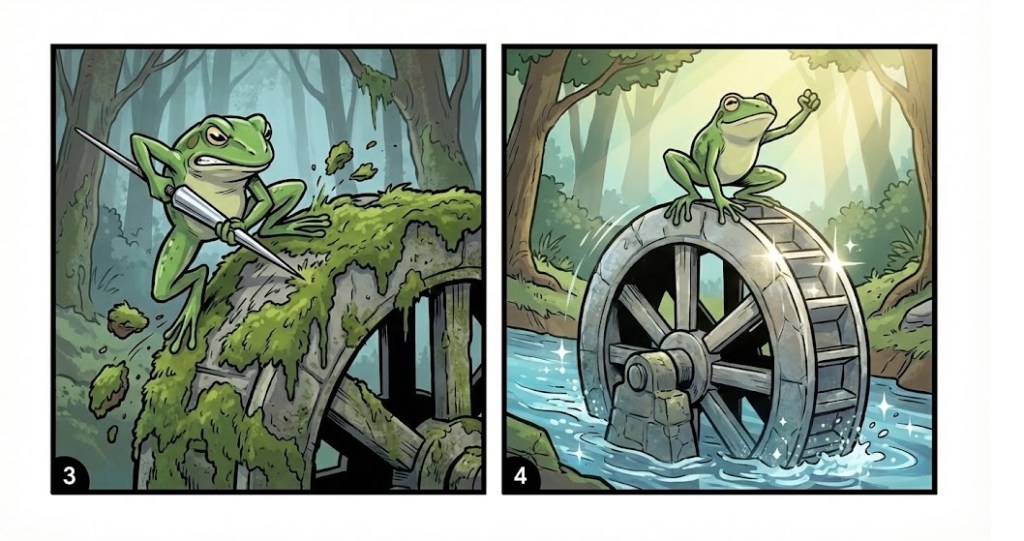
    You are restless in the best way possible. You finish one book and open another. You learn a new word every day. You travel, you change your routine, you challenge your brain. You don’t stay in one place long enough for the “moss” of laziness to grow on you.

    The Result? You are polished, sharp, and shiny. Because you are always moving (rolling), you are always ready. You are adaptable. You are alive. 🌪️


    ⚖️ The Reality: The Double Meaning


    WARNING:
    Cultural Trap! ⚠️ This proverb is unique because it has two opposite meanings!


    The Traditional (British) View: “Moss” is good (money, friends, roots). So, if you roll around too much, you will be poor and lonely.


    The Modern (American/Self-Improvement) View: “Moss” is bad (laziness, stagnation). So, you must keep moving to stay fresh.


    For this lesson, we choose the Modern View: Keep moving to stay sharp! 🚀

    🧐 The Anatomy of the Proverb


    Let’s break it down to understand the mechanics.


    Rolling (Participle Adjective): Moving by turning over and over. Here, it means “active” or “traveling.”


    Gathers (Verb): To collect or accumulate something over time.


    Moss (Noun): A small, soft green plant that grows on rocks that do not move. (Metaphor for: Laziness, rust, or old habits).


    Simpler Version: Keep moving, and you won’t get rusty.


    📚 Vocabulary Vault


    Stagnant (Adjective):
    Not moving or flowing; often smelling unpleasant. (Opposite of rolling). 🤢


    Momentum (Noun): The force that keeps an object moving. 🏎️


    Accumulate (Verb): To gather together or acquire an increasing number of something.


    Dynamic (Adjective): Constant change, activity, or progress.


    Adaptability (Noun): The quality of being able to adjust to new conditions.


    🧠 Grammar Focus: Participles as Adjectives


    Look at the word “Rolling” in “Rolling Stone.” Is it a verb? No! Here, it is an adjective.


    -ING Adjectives (Active): Describe what something does.
    The stone rolls -> It is a rolling stone.
    The class bores me -> It is a boring class.
    The movie excites me -> It is an exciting movie.


    Grammar Challenge: Don’t say: “I am boring.” (This means you are a boring person!) Say: “I am bored.” (This means you feel bored).

    📜 History & Global Cousins


    This proverb is ancient! It dates back to Roman times (Publius Syrus), but it became a rockstar legend in the 20th century.


    Music Legend: The band The Rolling Stones took their name from this proverb (meaning: wild, rebellious, and never settling down).


    Bob Dylan: Wrote the famous song “Like a Rolling Stone.”


    Global Cousins


    🇹🇷 Turkish: “İşleyen demir ışıldar.” (Working iron sparkles/shines). — This is the perfect match for the positive meaning! ✨


    🇹🇷 Turkish (Negative meaning): “Yuvarlanan taş yosun tutmaz.” (Used to warn people not to change jobs too often).


    🇩🇪 German: “Wer rastet, der rostet.” (He who rests, rusts).

    🎭 Short Story: The Barnyard Debate


    Let’s visit the farm to see this law in action with our three friends:
    Barnaby the Chicken, Fiona the Frog, and Whiskers the Cat.


    🌟 The Setup: A rumor spreads that the farmer is going to stop feeding the animals. They must survive on their own.


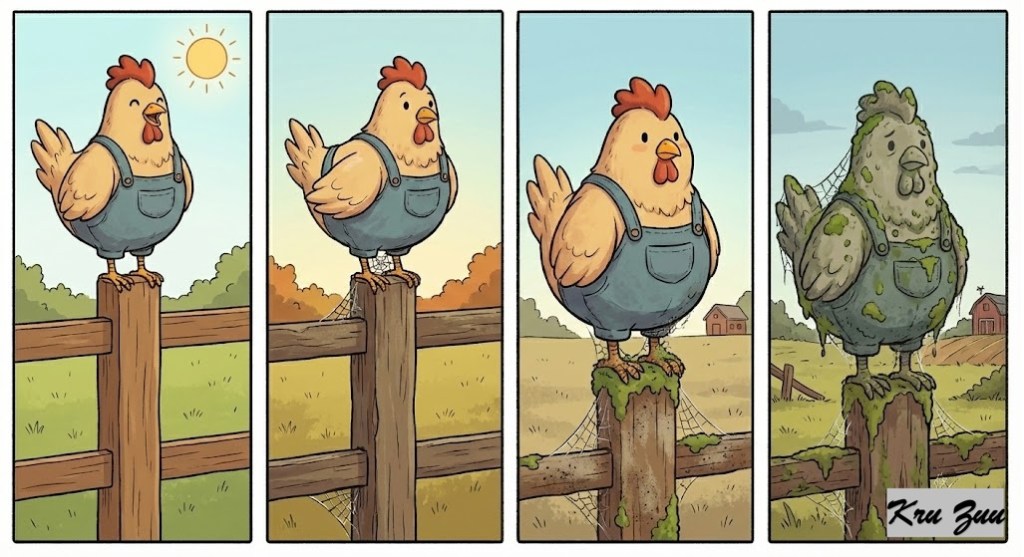
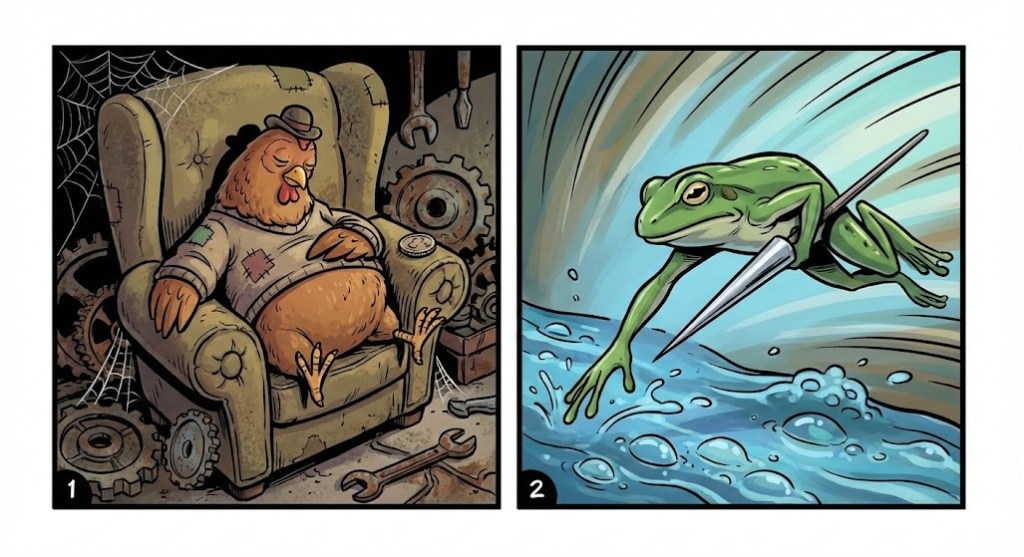
    Barnaby the Chicken (The Statue): Barnaby loved his coop. He sat on the same fence post every single day. He said, “I will not move. I have my spot. I have my feathers. I am comfortable.” Over the months, Barnaby stopped flying. He stopped hunting for bugs. He actually gathered “moss” (dust and cobwebs grew on his feet). He felt safe, but he became slow and heavy.


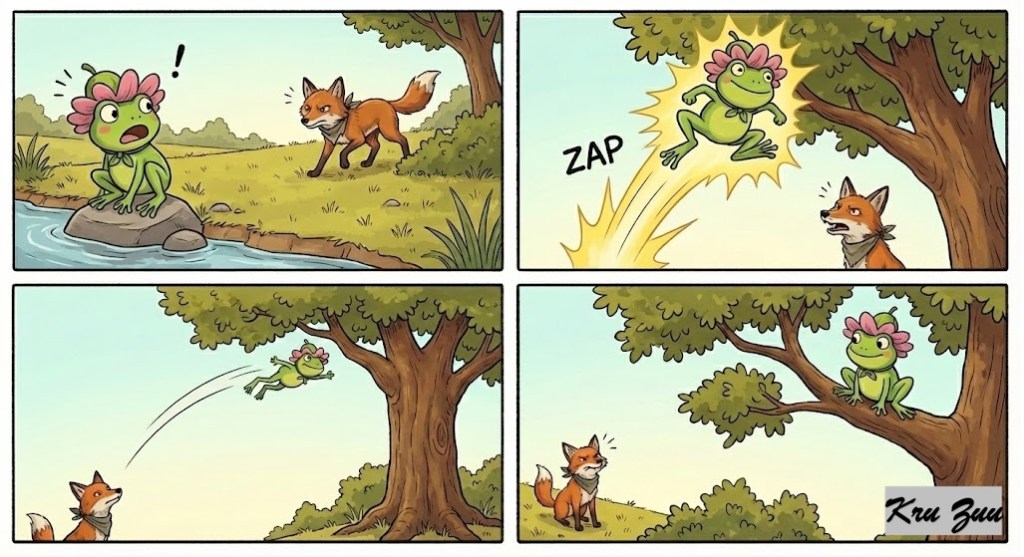
    Fiona the Frog (The Rolling Stone): Fiona was terrified of staying still. She hopped from the pond to the river, and from the river to the forest. She said, “New bugs! New water! New dangers!” She never built a permanent home (no moss), but her legs became incredibly strong. She learned how to catch 50 different types of flies. She was adaptable.


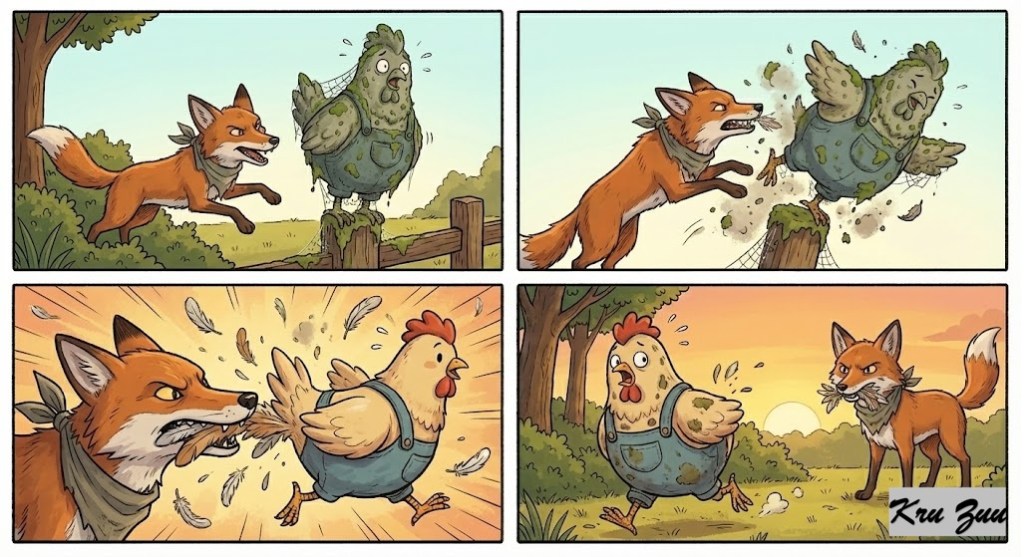
    The Crisis: One day, a hungry Fox entered the farm.


    Barnaby the Chicken tried to run. But he was “mossy.” His legs were stiff from sitting. He was too heavy. The Fox looked at him and smiled. (Don’t worry, Barnaby escaped, but he lost his tail feathers!) 🐔💨


    Fiona the Frog saw the Fox instantly. ZAP! She used her powerful legs to jump to the highest branch. She was safe. 🐸


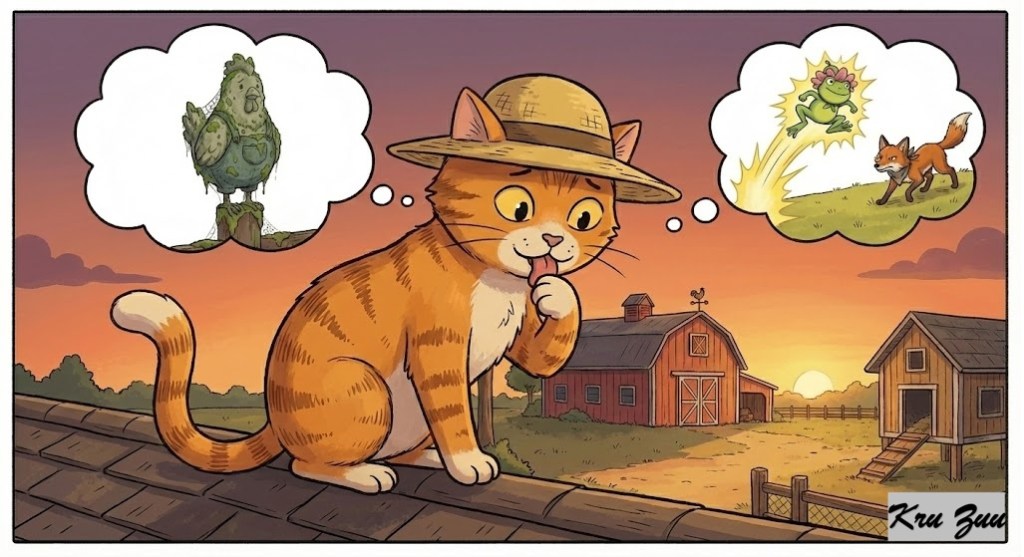
    The Verdict (Whiskers the Cat): Whiskers, sitting on the roof, licked his paw and observed: “Barnaby had a nice warm seat, but he got rusty. Fiona had no home, but she had skills. In a dangerous world, it is better to be a Rolling Stone than a Sitting Duck.” 🐱


    The Moral: Comfort is nice, but it makes you slow. Keep moving, keep learning, keep rolling.

    🎓 Lesson for English Learners


    Don’t Let Your English Gather Moss.


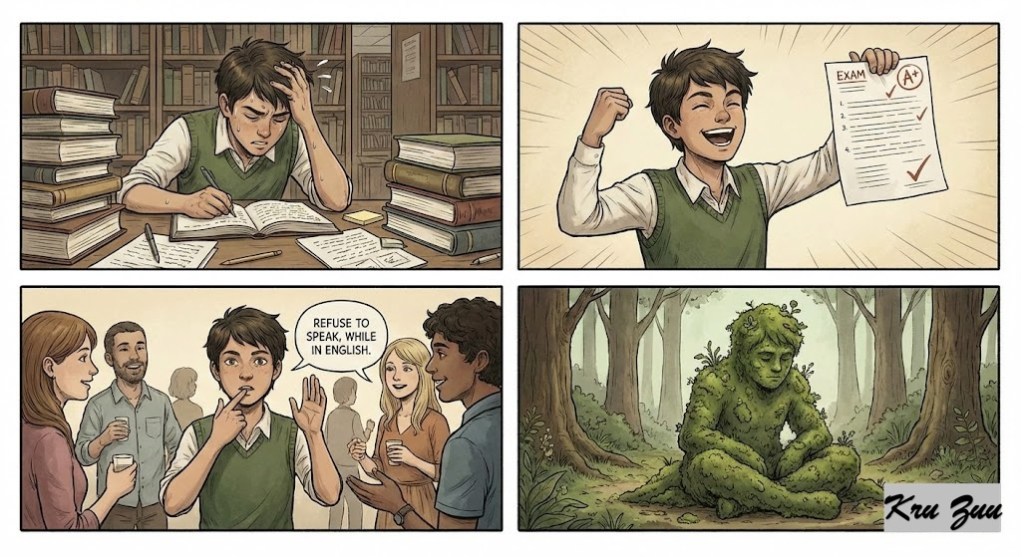
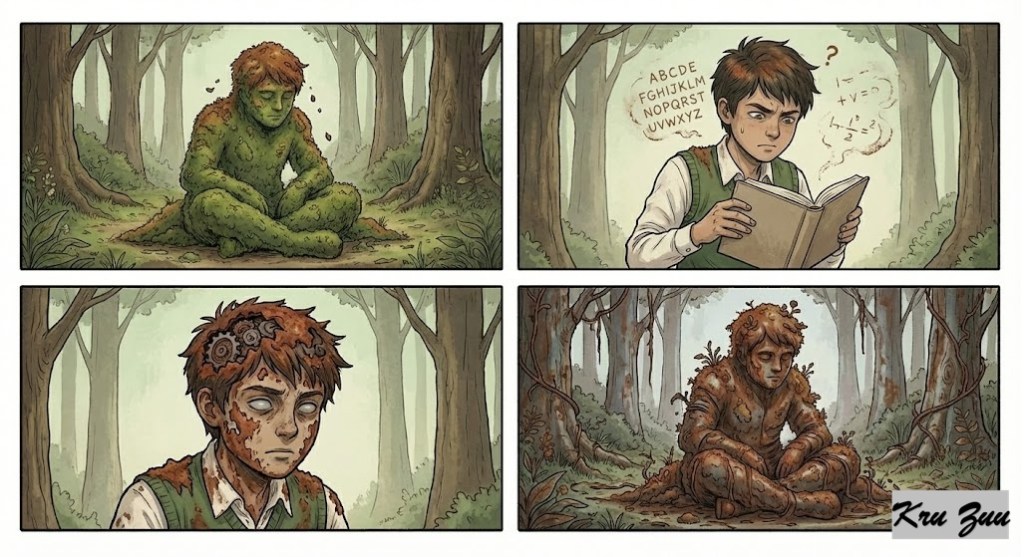
    The Mossy Student: Studies hard for an exam, passes it, and then doesn’t speak English for 3 months.


    Result: They forget everything. The “rust” covers their brain.


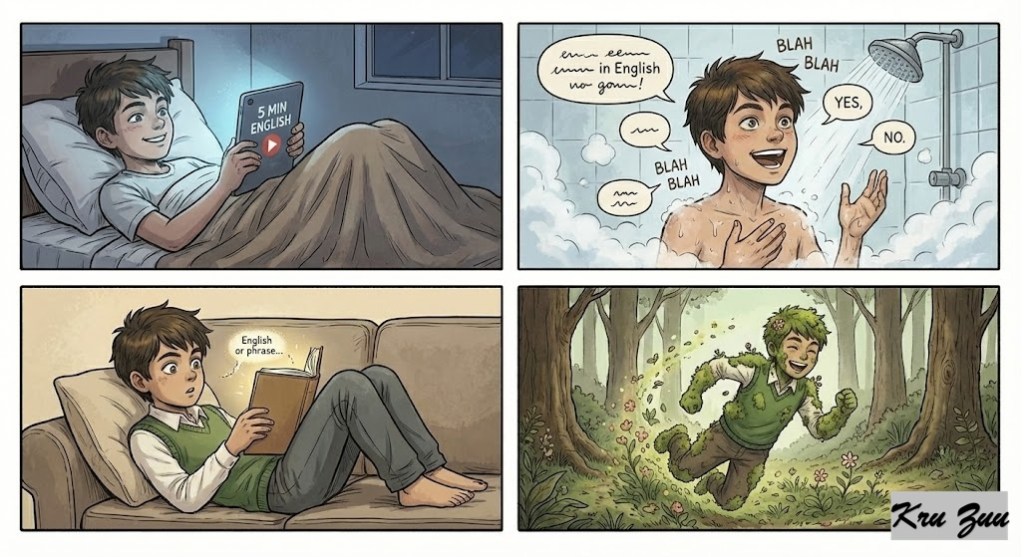
    The Rolling Student: Watches 5 minutes of English YouTube every day. Talks to themselves in the shower. Reads one page of a book.


    Result: They might not be perfect, but they are “shiny.” Their English is ready to use instantly.


    Question: Are you a Chicken (comfortable but rusty) or a Frog (moving and sharp)?


    💬 Your Turn: The “New Thing” Challenge 🚀


    To stop the moss from growing, you need to do something NEW today.


    Pick one:


    Listen to a song in English you have never heard before.


    Learn 3 idioms about “Movement.”


    Write a comment below using the word “Stagnant.”


    Tell us in the comments: What is a skill you used to have, but lost because you stopped practicing? (Did you play guitar? Did you speak French?). Let’s talk about our “moss”! 👇

    By Zubeyir YURTKURAN

    https://www.facebook.com/BrainBattleground/

    https://www.facebook.com/zubeyr.yurtkuran/

    https://www.instagram.com/zubeyryurtkuran/
    https://www.youtube.com/@BrainBattleground-b3p

    https://www.instagram.com/brainbattleground/

  • ⏳ The Daily Shield: The Law of Patience

    ⏳ The Daily Shield: The Law of Patience

    “Good things come to those who wait.”


    😈 The Villain (The Rusher)
    You want everything NOW. You put the frozen pizza in the oven, but you take it out 5 minutes early because you are hungry. The center is still frozen cold.

    You send 10 text messages because your friend didn’t reply in 30 seconds.

    You quit the gym after one week because you don’t have a six-pack yet.

    The Result? Burnt tongues, unfinished projects, and broken relationships. You are addicted to “Instant Gratification.”

    You run fast, but you never arrive. 🏃‍♂️💨


    😇 The Hero (The Strategist)
    You plant a seed. You water it. You watch nothing happen for days. But you don’t dig it up to check if it’s growing. You trust the process.

    You wait for the tea to cool down so you can taste the flavor.

    You study English for 15 minutes every day for a year, knowing the result will come later.

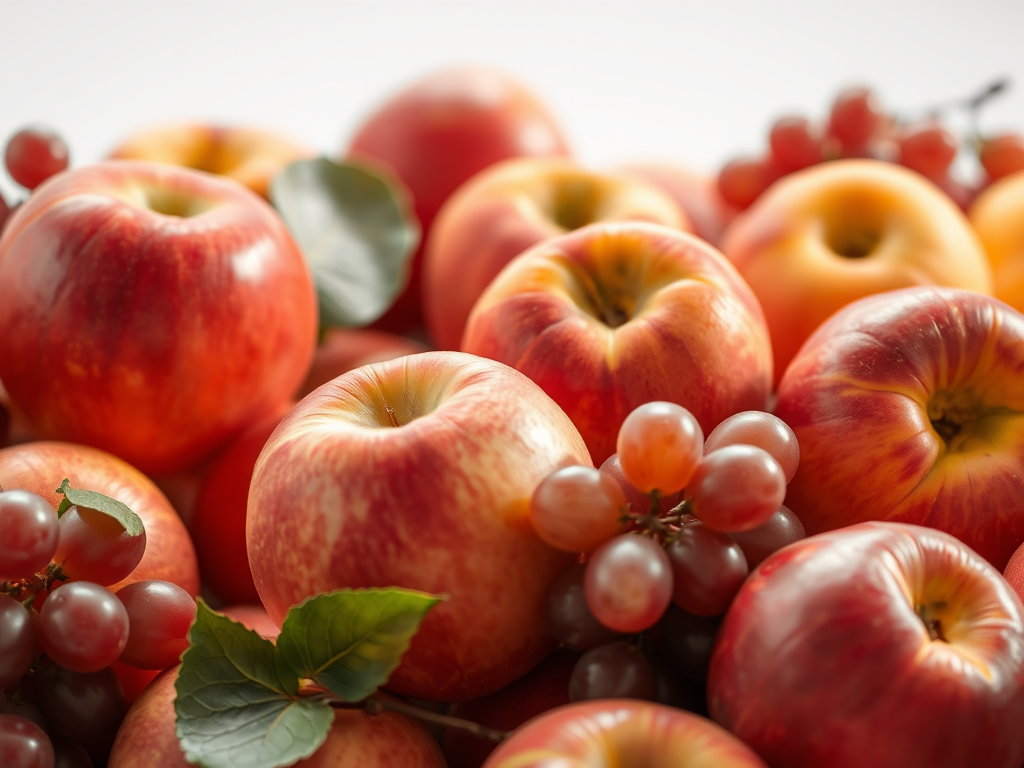
    The Result? You enjoy the sweetest fruit because you let it ripen.

    You win the game because you waited for the perfect moment to strike.

    You possess the superpower called Patience. 🛡️


    ⚖️ The Reality
    “Fast” is often “Fragile.” We live in a microwave generation. We want 5-minute abs, 1-minute rice, and instant success. But diamonds take millions of years to form. If you rush a diamond, you just get coal.

    💎 The Secret: Waiting is not “doing nothing.” Waiting is an action. It is gathering strength, observing, and preparing for the grand finale.

    🧐 The Anatomy of the Proverb

    Let’s break down this famous saying.


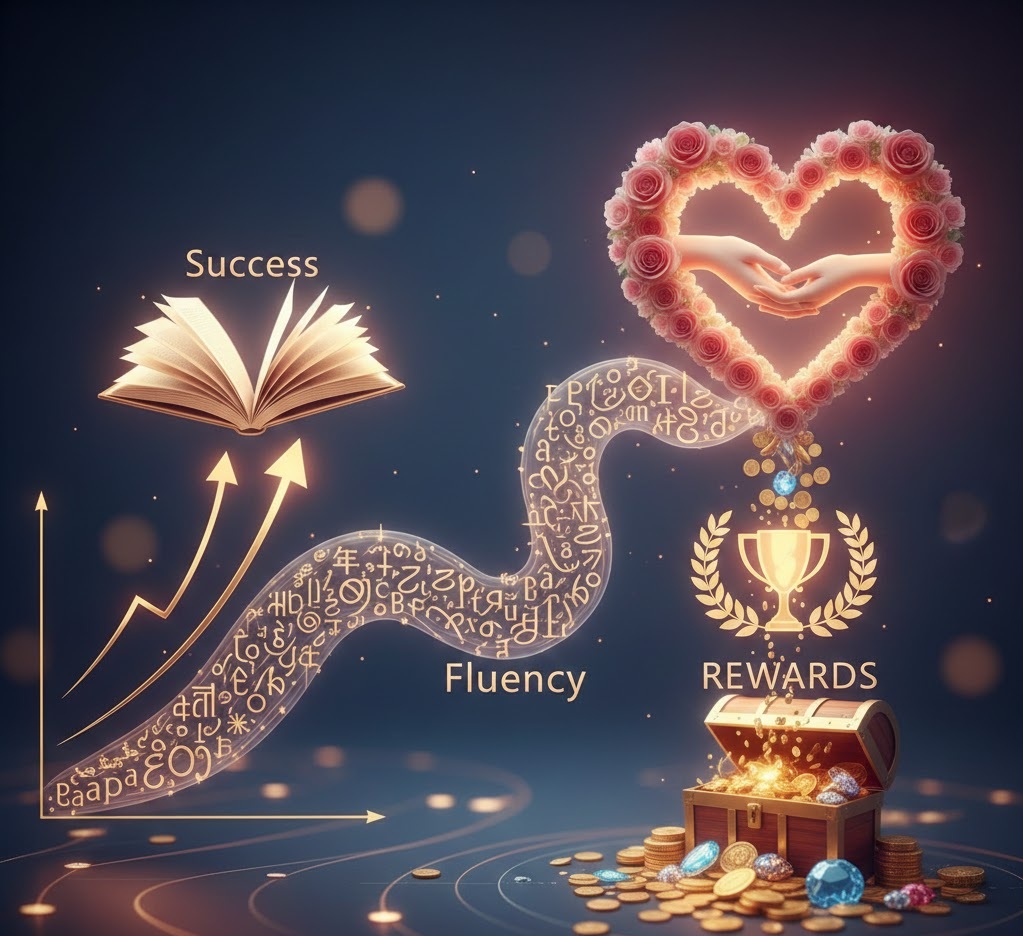
    Good things (Subject):
    Success, fluency, love, rewards.


    Come (Verb): Arrive; happen.


    To those who wait (Indirect Object): The people who show patience.


    Simpler Version: Be patient, and you will be rewarded.


    📚 Vocabulary Vault


    Patience (Noun):
    The capacity to accept or tolerate delay without getting angry. (The ultimate virtue).


    Impulsive (Adjective): Acting or doing something without thinking carefully. (The enemy of success).


    Virtue (Noun): A behavior showing high moral standards.


    Inevitable (Adjective): Certain to happen; unavoidable.


    Ripe (Adjective): Ready to be eaten; fully developed (used for fruit and opportunities). 🍎


    🧠 Grammar Focus: Relative Clauses


    Look at the phrase:
    “Those who wait.” This is a Defining Relative Clause.


    It tells us which people get the good things.


    Structure: Person + Who + Verb.


    Examples


    People who study pass the exam.


    He who laughs last, laughs best.


    God helps those who help themselves.

    📜 History: Origin and Spread


    Where did this wisdom come from?


    The Origin:
    While the idea is ancient, the poem “Tout vient à qui sait attendre” by Mary Montgomerie Currie (under the name Violet Fane) in the 19th century made it famous in English.


    The Logic: Hunters knew this best. If you shoot too early, you miss the deer. If you wait too long, it runs away. You must wait for the perfect shot.


    Global Cousins


    🇹🇷 Turkish:
    “Sabreden derviş muradına ermiş.” (The patient dervish attained his wish.) — A classic!


    🇮🇹 Italian: “Chi va piano, va sano e va lontano.” (He who goes slowly, goes safely and goes far.)


    🇦🇪 Arabic: “As-sabr miftah al-faraj.” (Patience is the key to relief.)

    🎯 Impact on Life: The Pros & Cons


    ✅ The Pros (The Reward)


    Quality:
    Work done with patience is always higher quality than rushed work.


    Wisdom: When you wait and observe, you learn things the “rushers” miss.


    ❌ The Cons (The Trap)


    Passive Waiting:
    There is a difference between “Patience” and “Laziness.”


    The Rule: You must work while you wait. Don’t just sit on the couch hoping for a million dollars!

    🎭 Short Story: The Pond Paradox


    Let’s go to the edge of a magical pond to see this proverb in action.


    🌟 The Characters


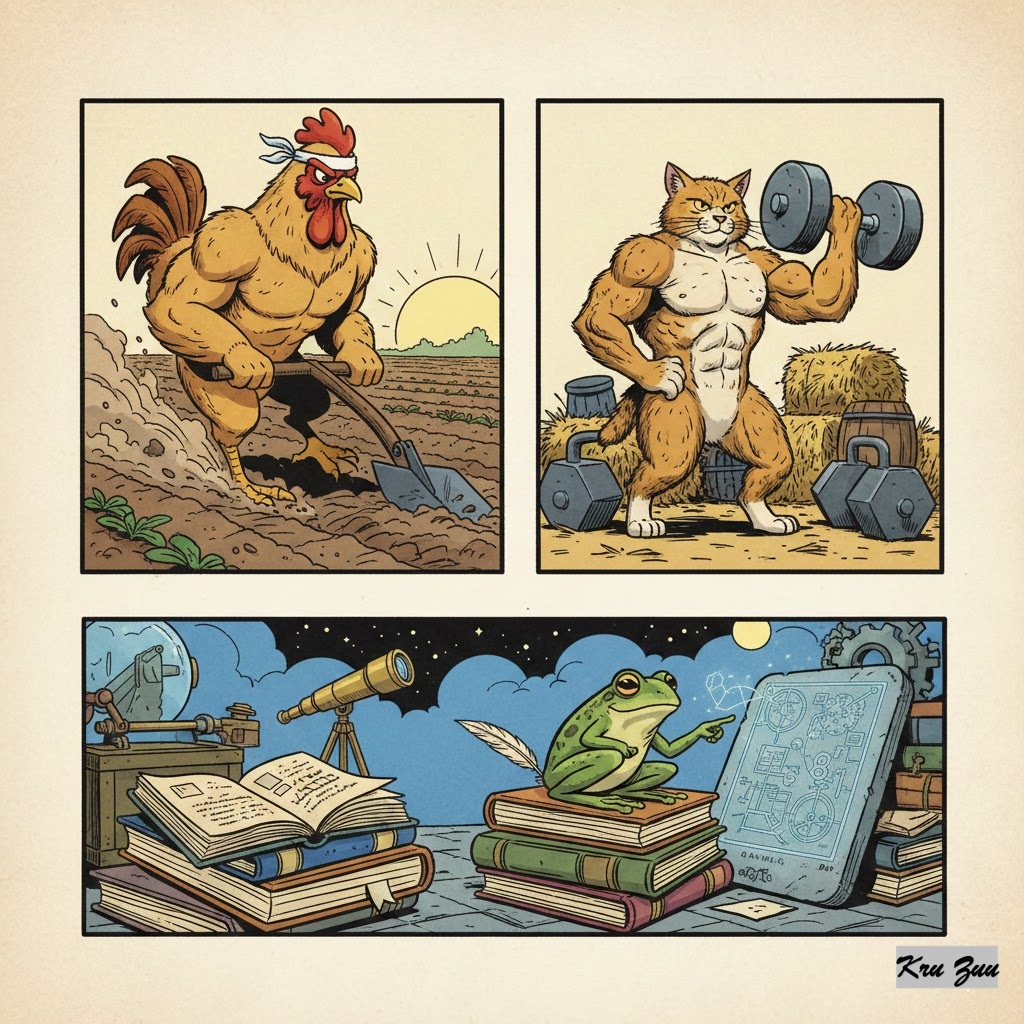
    🐔 The Chicken:
    Nervous, frantic, always moving.


    🐈 The Cat: Skilled but impulsive.


    🐸 The Frog: Ugly, still, and staring at nothing.


    The Scene: It is lunchtime. The pond is full of delicious flies.


    The Chicken’s Strategy: The Chicken sees a fly and runs after it immediately. Peck! Peck! Peck! She misses. She runs to another spot. She scratches the ground. She makes a lot of noise.

    Result: The flies are scared. They fly away. The Chicken eats only dust and dry seeds. She is tired and hungry.


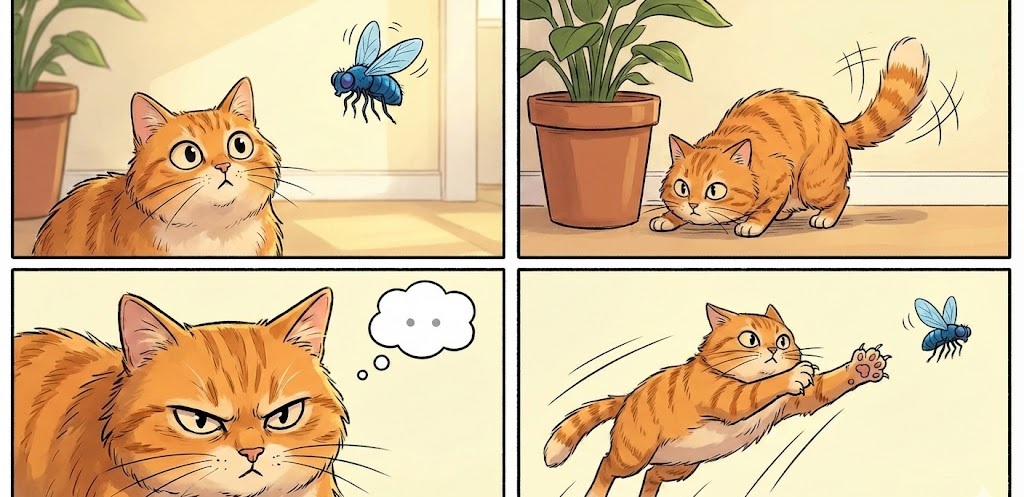
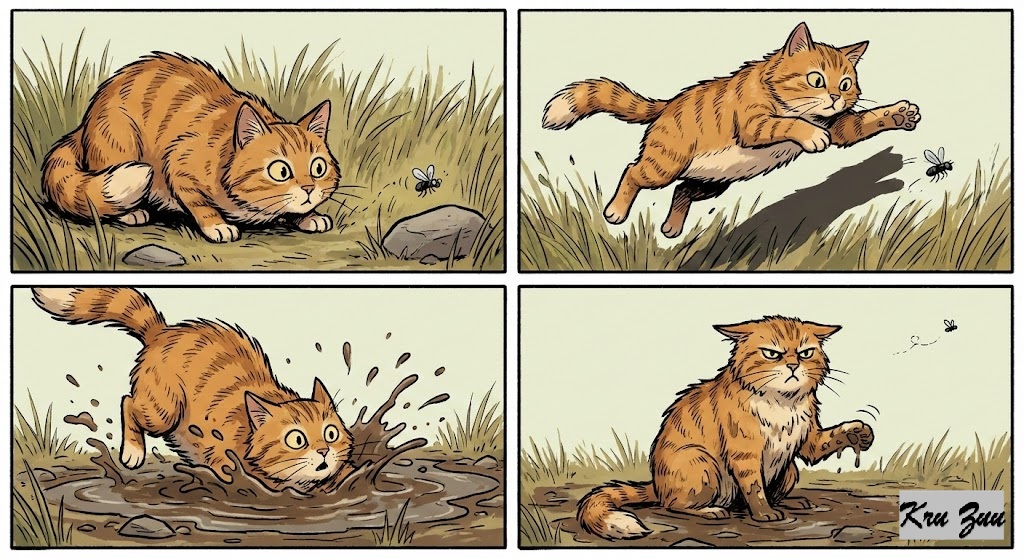
    The Cat’s Strategy: The Cat sees a big blue fly. He crouches. His tail wags excitedly. He counts to two and—POUNCE! He jumps into the air.

    Result: He was too eager. His shadow scared the fly a split second before he caught it. He lands in the mud. Wet and annoyed.


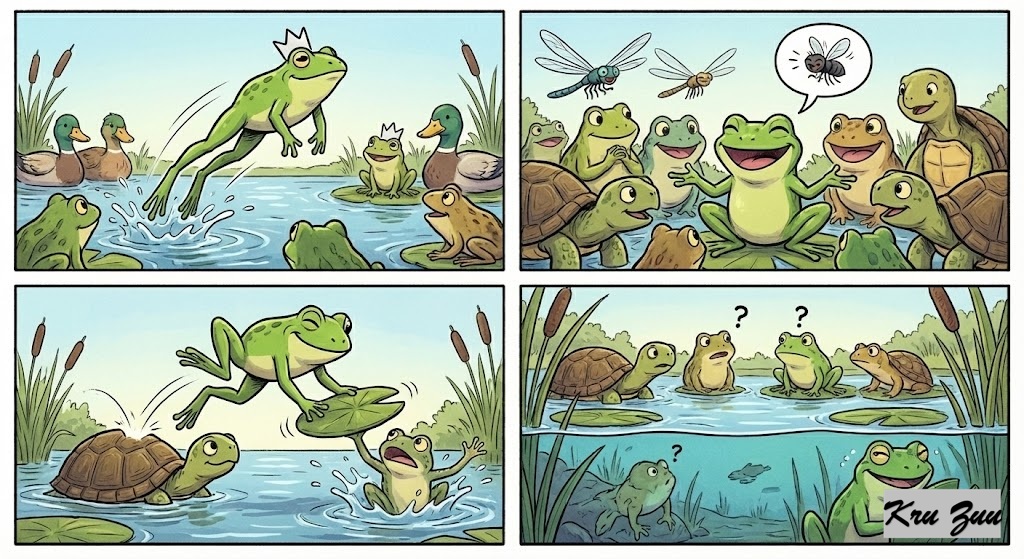
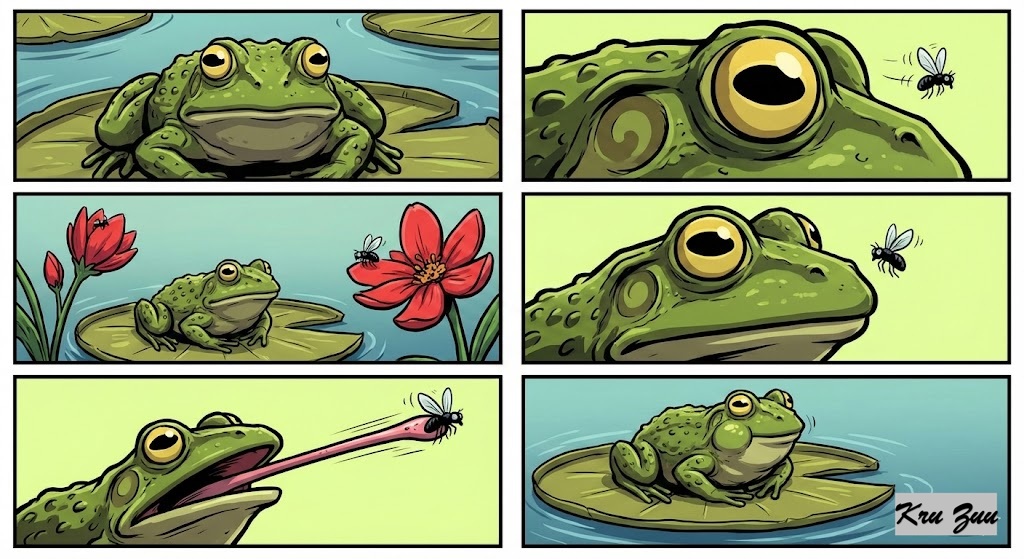
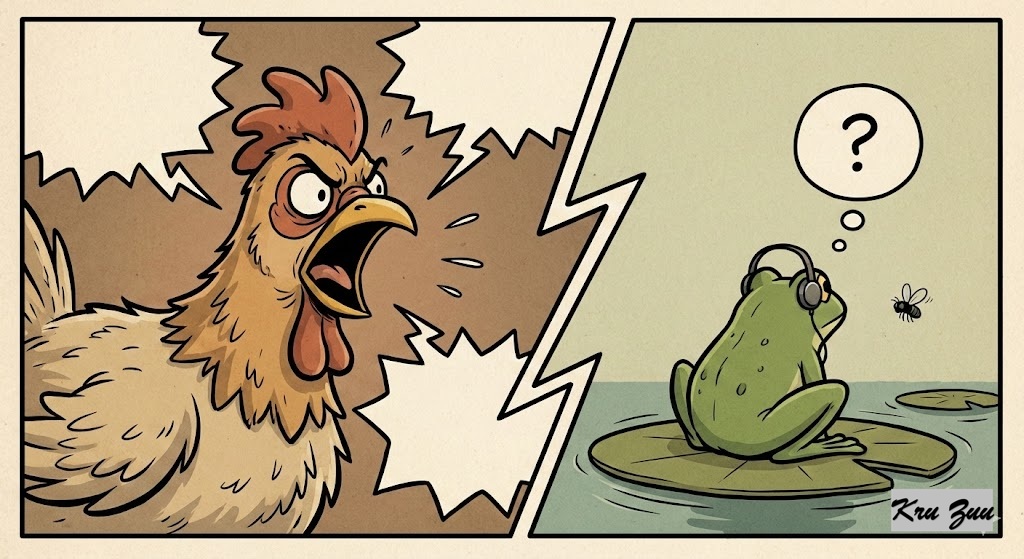
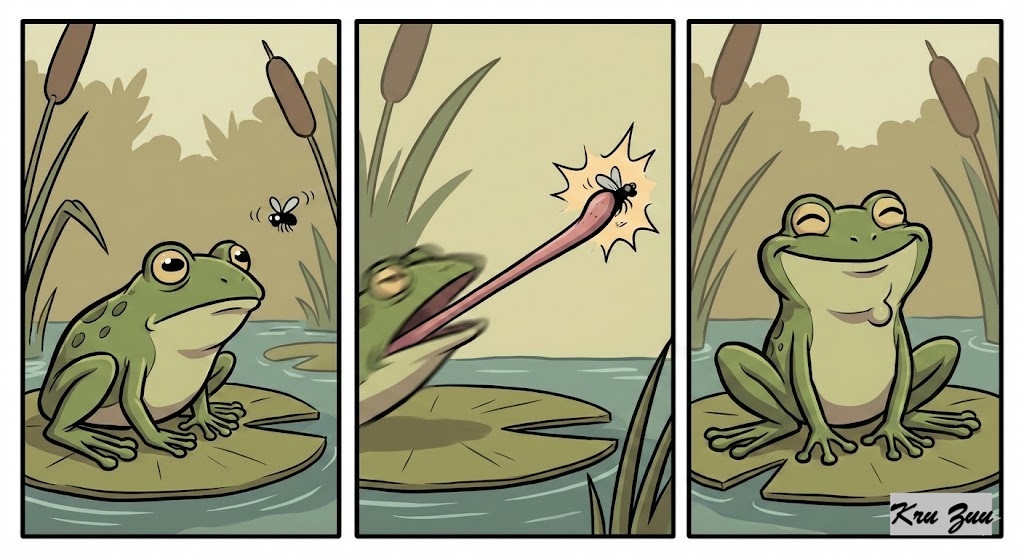
    The Frog’s Strategy: The Frog sits on a lily pad. He looks like a statue. He doesn’t blink. A fly buzzes near his ear. He waits. The fly lands on a flower nearby. He waits. The fly flies closer, right in front of his nose.

    The Chicken yells, “Why don’t you do something?!” The Frog ignores her.

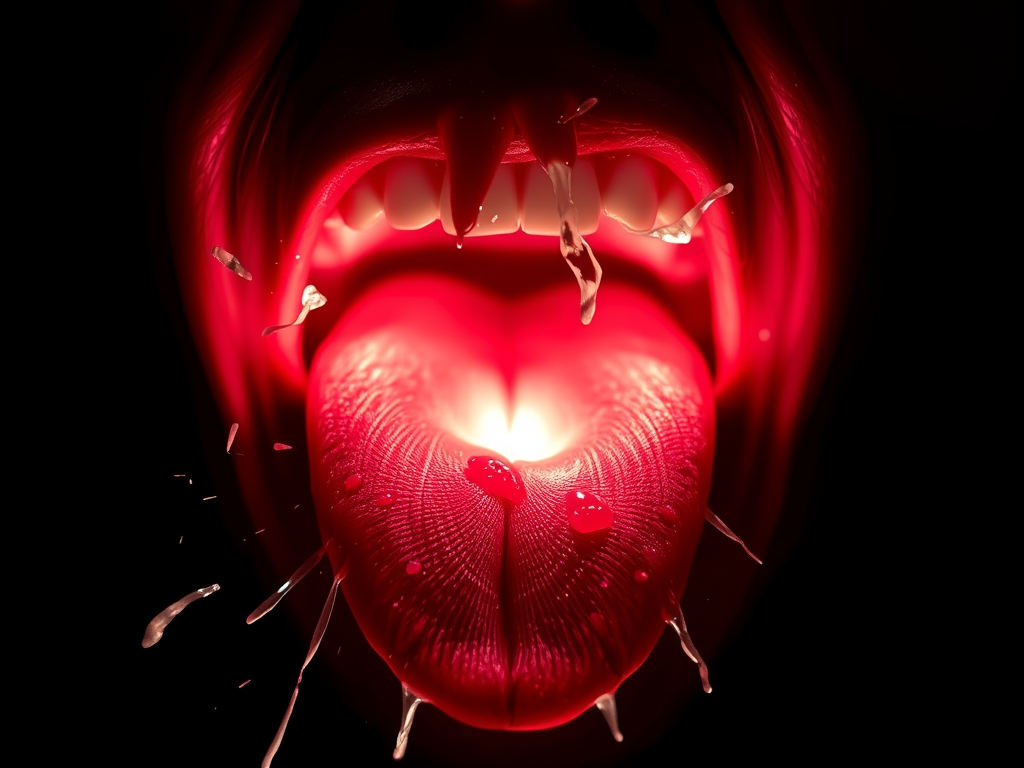
    He waits until the fly is relaxed. ZAP! 👅 In one millisecond, his tongue shoots out. The fly is gone. The Frog smiles.


    The Moral

    The Chicken worked the hardest.

    The Cat was the strongest.

    But the Frog was the smartest.

    Motion is not progress. Stillness is a strategy. 🐸

    🎓 Lesson for English Learners


    Don’t Quit in the “Plateau.”


    Situation:
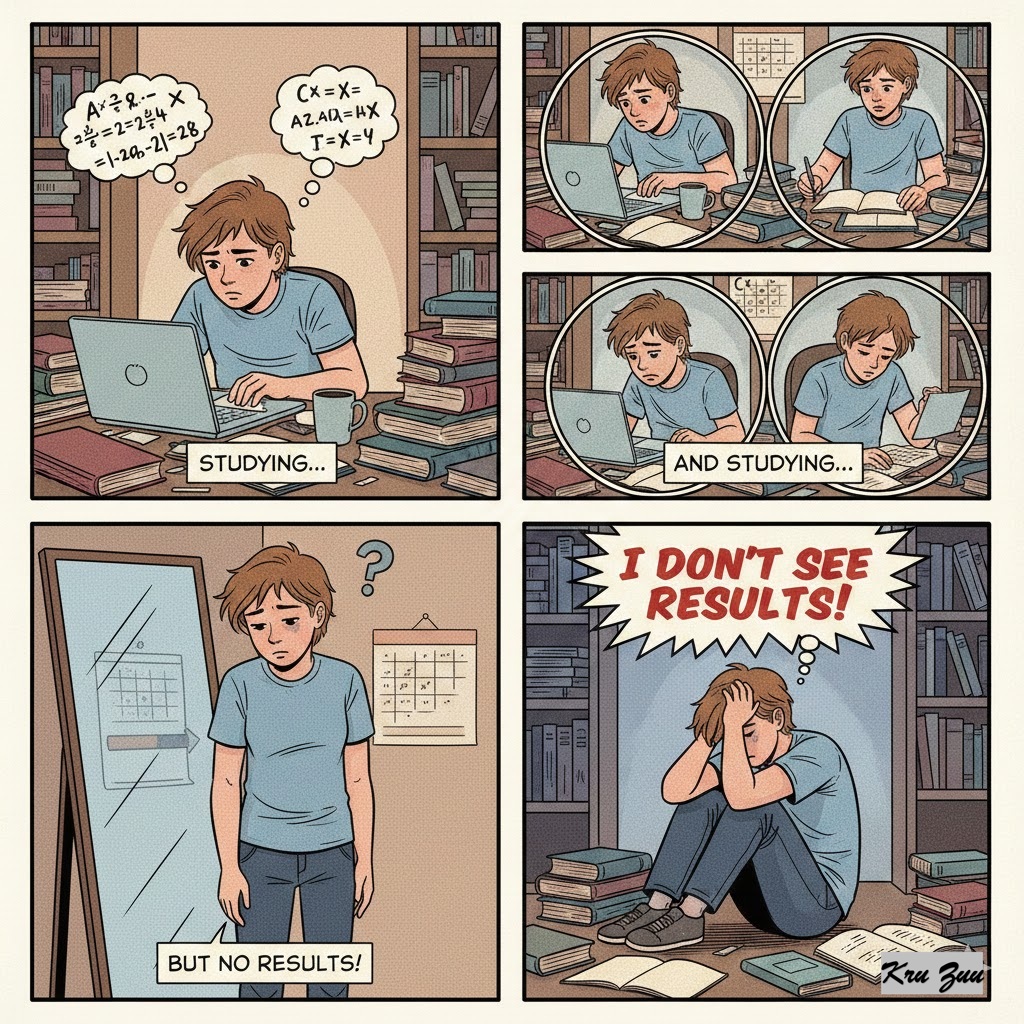
    You have been learning English for 6 months. You feel like you aren’t improving. You want to quit.


    You Say: “I am studying, but I don’t see results!”


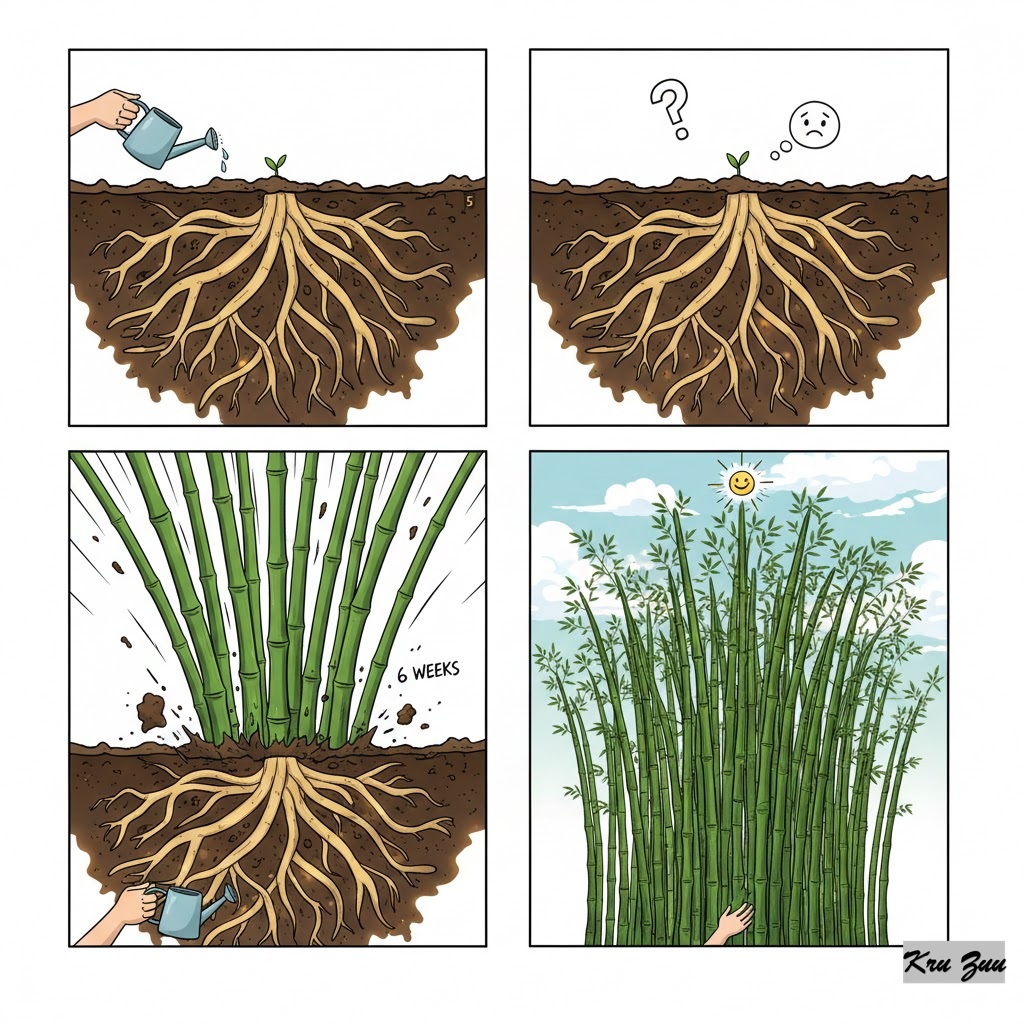
    The Reality: Language learning is like bamboo. For 5 years, bamboo grows underground (roots). You see nothing. Then, in 6 weeks, it shoots up 30 meters!


    The Advice: You are in the root phase. Good things come to those who wait (and keep studying).


    💬 Your Turn: The Marshmallow Test 🍬


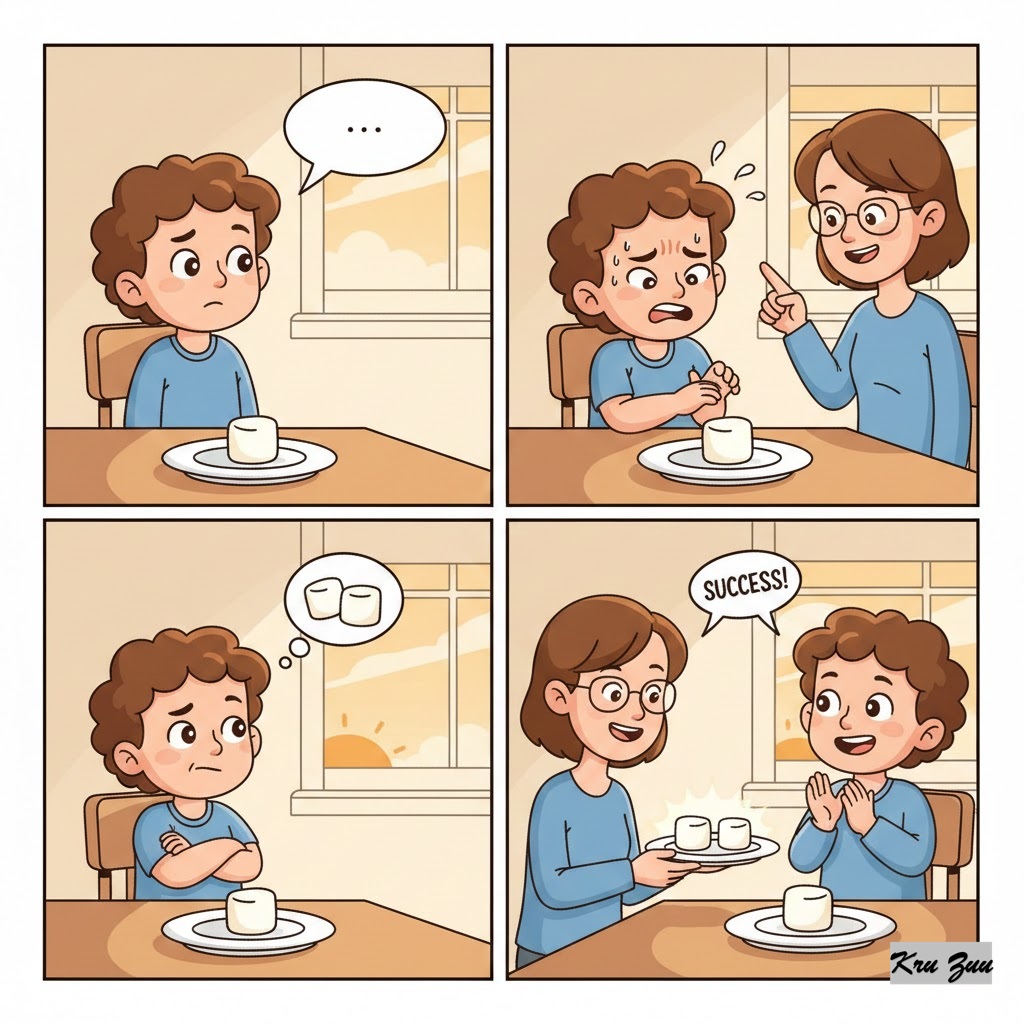
    Psychologists did a test on kids. They put one marshmallow in front of a child and said: “You can eat this now. OR, if you wait for me to come back, I will give you two marshmallows.” The kids who waited became more successful in life.


    Question for you: What is one thing you are being patient for right now? A promotion? Love? Learning a new skill? Tell us in the comments! Are you the Chicken, the Cat, or the Frog? 👇

    By Zubeyir YURTKURAN

    https://www.facebook.com/BrainBattleground/

    https://www.facebook.com/zubeyr.yurtkuran/

    https://www.instagram.com/zubeyryurtkuran/

    https://www.youtube.com/@BrainBattleground-b3p

    https://www.instagram.com/brainbattleground/

  • Why You Shouldn’t Trust Your Eyes: A Lesson on Glitter and Gold

    Why You Shouldn’t Trust Your Eyes: A Lesson on Glitter and Gold

    Shakespeare, Chickens, and Fake Gold: The Truth About “All That Glitters”

    We have all been there.
    🍔 A job offer that looks perfect on paper but turns out to be a nightmare.

    🎁 A beautifully packaged meal that tastes like cardboard.

    😎 A person who looks incredibly cool on Instagram but has zero personality in real life.


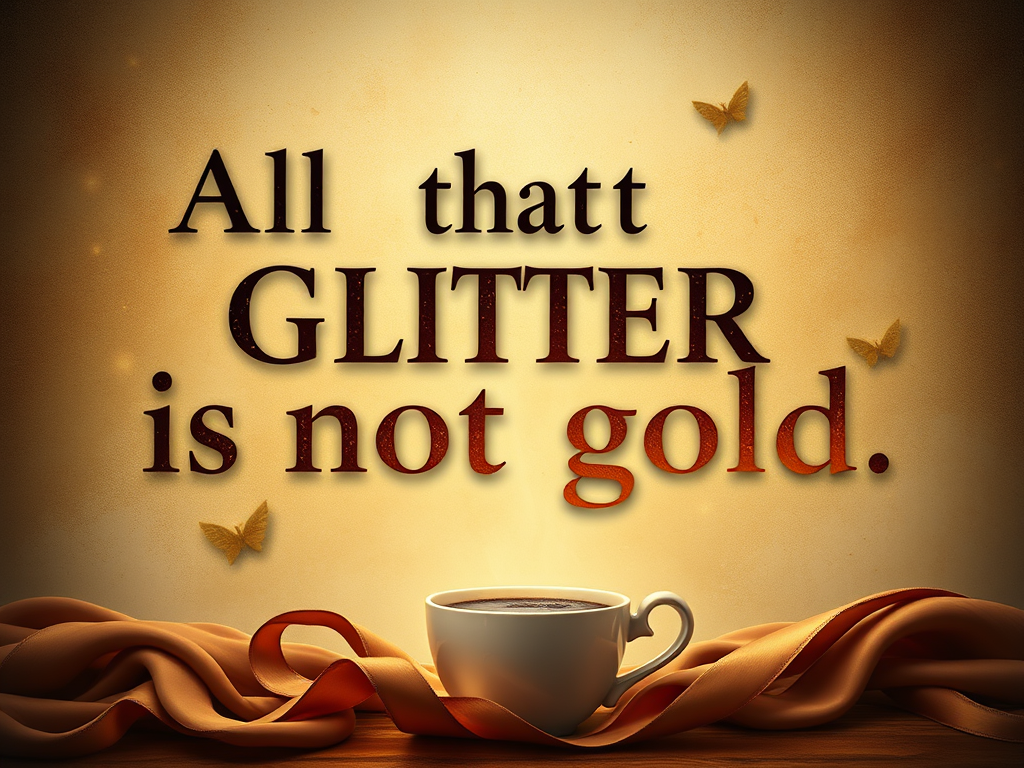
    Life has a way of teaching us this lesson over and over again: “All that glitters is not gold.”
    In this post, we are putting one of the most popular and historically rich English proverbs under the microscope. Grab your coffee, and let’s dive in! ☕

    The Anatomy of the Proverb


    Let’s break this sentence down like a linguist.
    📚 Vocabulary Vault
    Glitter (Verb):
    To shine with a bright, shimmering, reflected light (think of a disco ball or a diamond). ✨


    Gold (Noun): A precious yellow metal. In this context, it represents anything that is “genuine,” “valuable,” or “real.” 🏆

    🧠 Grammar Focus
    Here is the secret formula of the sentence:
    All (Subject) + [that glitters] (Relative Clause) + is (Verb) + not gold (Object/Complement).
    The Relative Clause: The phrase “that glitters” defines the subject “All.” We aren’t talking about everything in the world, just the things that shine.
    Subject-Verb Agreement: Watch out! In this proverb, “All” acts as a singular concept (everything). That’s why we say “glitters” (with an -s) and “is” (not are).

    History: Aesop or Shakespeare?


    The roots of this saying go deeper than you might think. It’s a battle between Ancient Greece and Renaissance England!


    🏛️ Ancient Roots: As far back as the 6th Century B.C., the Greek storyteller Aesop explored the idea that “not everything that looks good is actually good” in his fables.


    🎭 The Shakespeare Touch: The proverb became a celebrity thanks to William Shakespeare. In his play The Merchant of Venice (1596), a character chooses a gold casket hoping to win a prize, only to find a scroll inside that reads: “All that glisters is not gold.”


    Fun Fact: Shakespeare used the old word “glisters.” Over centuries, language evolved, and by the 19th century, we switched to the modern word “glitters.”

    Impact on Life: The Pros & Cons


    Should you adopt this proverb as your life philosophy? Let’s weigh the options.


    ✅ The Pros (Why it helps)
    Critical Thinking:
    It encourages you not to trust first impressions blindly. It pushes you to look beneath the surface.


    Protection: Whether it’s a scam product or a “too good to be true” promise, this proverb acts as a shield against deception. 🛡️


    ❌ The Cons (Why it can be tricky)
    Cynicism:
    If you take it too far, you might become overly suspicious of everyone, unable to trust sincere people.


    Missing the Beauty:
    Sometimes, things are just beautiful because they glitter, and that is enough. Constantly looking for a “flaw” might make you miss the joy of the moment.

    Short Story: The Shiny Pebble


    To understand this better, let’s visit our friends on the farm.
    It was a bright, sunny morning. Percy the Chicken, Luna the Cat, and Fred the Frog were relaxing near the farm pond. ☀️


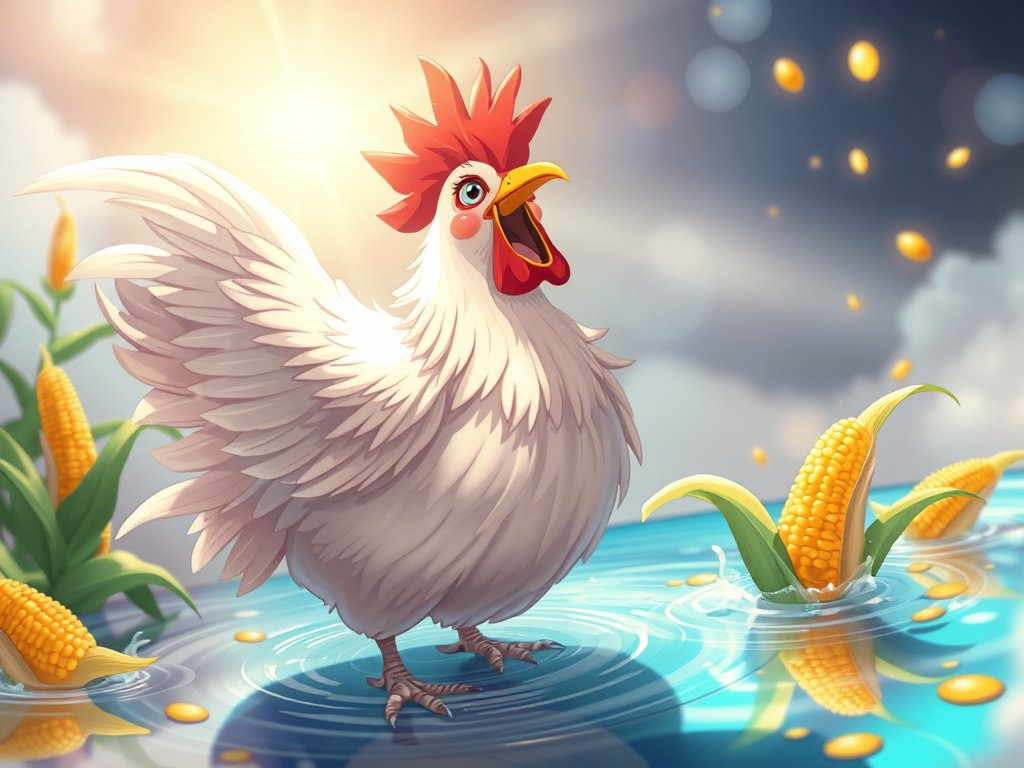
    Suddenly, Percy froze. He saw something shining at the bottom of the shallow water. It was bright, sparkly, and yellow.


    “Look!” clucked Percy, his feathers puffing up with excitement. “A piece of the sun has fallen into the water! It must be magic gold corn. I will eat it and become the King of Chickens!” 👑


    Luna the Cat yawned lazily and licked her paw. She looked at the shiny object with narrowed, skeptical eyes. “I wouldn’t do that if I were you, Percy,” she purred. “It looks sharp. Not everything that shines is food.” 🐱


    “You are just jealous because you didn’t find it first!” shouted Percy. He prepared to jump into the water to peck the treasure.


    Just then, Fred the Frog hopped onto a lily pad right next to the object. He looked at it closely, blinked his big eyes, and laughed. “Croak! Percy, stop!” 🐸


    “Move away, Fred! That is my gold!” Percy insisted, flapping his wings.


    Fred stuck out his long, sticky tongue and flipped the object over. It wasn’t gold. It wasn’t magic corn. It was just a jagged, sharp piece of a broken yellow soda bottle.


    “The sun makes it shine,” said Fred wisely, “but underneath, it is just dangerous trash.”


    Percy stopped in his tracks. He realized he had almost cut his beak on a piece of glass. He looked at his friends, lowered his head, and sighed.
    “I guess all that glitters is not gold,” Percy admitted.

    In this story, the characters represent different mindsets:


    Percy:
    Naivety and Greed 😵
    Luna: Skepticism 🧐
    Fred: Experience and Truth 🤓


    Lesson for English Learners: When learning a language, fancy words (glitter) are nice, but knowing how to use simple words correctly (gold) is often much more valuable.


    💬 What about you? Have you ever experienced a moment where “all that glitters was not gold”? Tell me in the comments!

    By Zubeyir YURTKURAN

    https://www.facebook.com/BrainBattleground/

    https://www.facebook.com/zubeyr.yurtkuran/

    https://www.instagram.com/zubeyryurtkuran/