
Plan Activities at the End of Each Unit: Celebrate Learning, Motivate Students
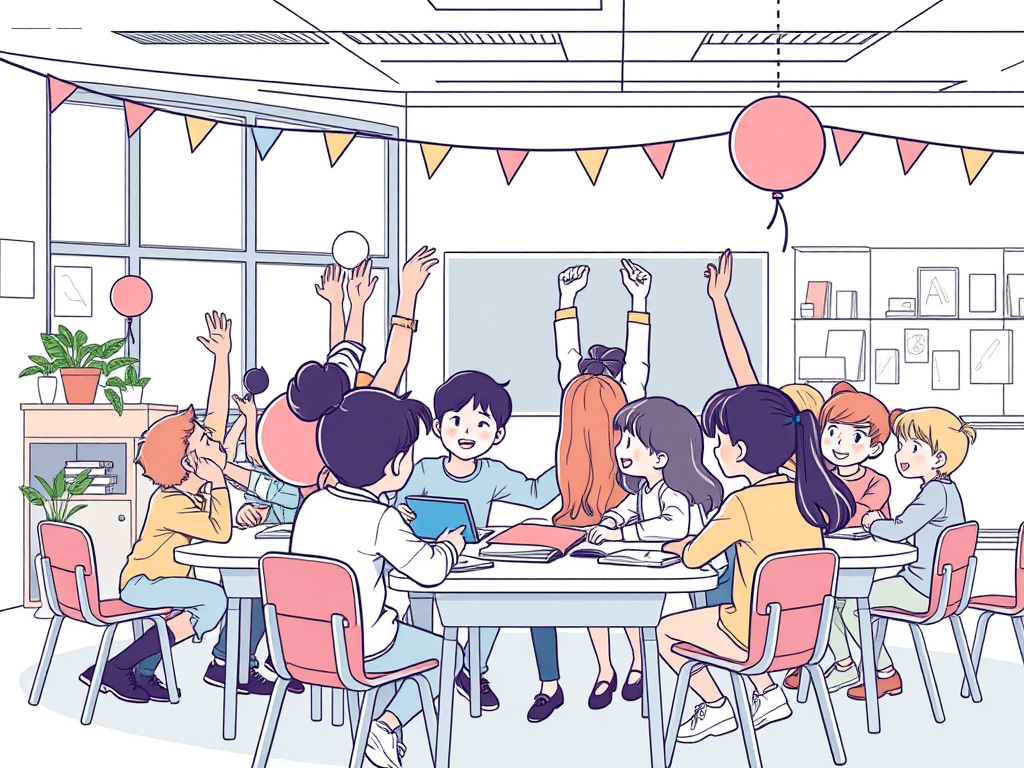
Finishing a unit doesn’t have to mean closing the book and moving on. In fact, it’s the perfect time to pause, reflect, and celebrate everything your students have just learned.
By planning creative and meaningful activities at the end of each unit, you help your students process the content, connect with it emotionally, and build motivation for what’s coming next.
Why End of Unit Activities Matter ?
✅ They provide a sense of closure and achievement
✅ They give students a chance to show what they’ve learned in different ways
✅ They break routine and refresh classroom energy
✅ They create positive memories associated with the subject
Most importantly, they send this message:
“Learning is not just tests and homework it can also be fun and rewarding.”
Simple and Fun End of Unit Activities That Actually Work
You don’t need fancy tools or big budgets. Sometimes, the best classroom moments come from the simplest ideas. At the end of each unit, I always try to wrap things up with a little fun activities that help review what we’ve learned, strengthen classroom connection, and leave students smiling.
Here are two of my favorite end of unit activities that my students truly love:
🟩 1. Vocabulary BINGO – Simple, Effective, and Always a Hit
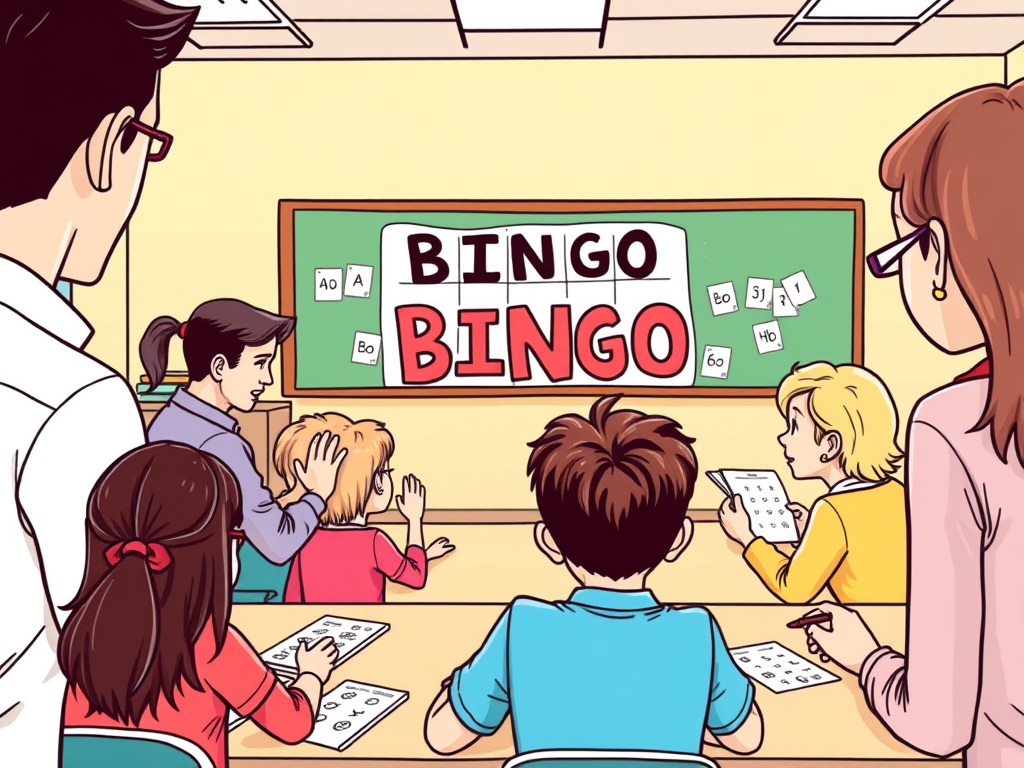
There’s something special about ending a unit with a bit of fun and a lot of learning. One of my favorite activities to review vocabulary and energize my students is a good old-fashioned game of BINGO. But with a classroom twist!
Let me walk you through how I use BINGO to make unit revision more exciting, engaging, and memorable for everyone.
🧩 How It Works
At the end of each unit, I prepare a list of 16 target words related to the vocabulary we’ve been studying. These can be verbs, nouns, adjectives, or a mix of all depending on the level and topic.
Here’s what I do step by step:
✏️ Step 1: Set Up
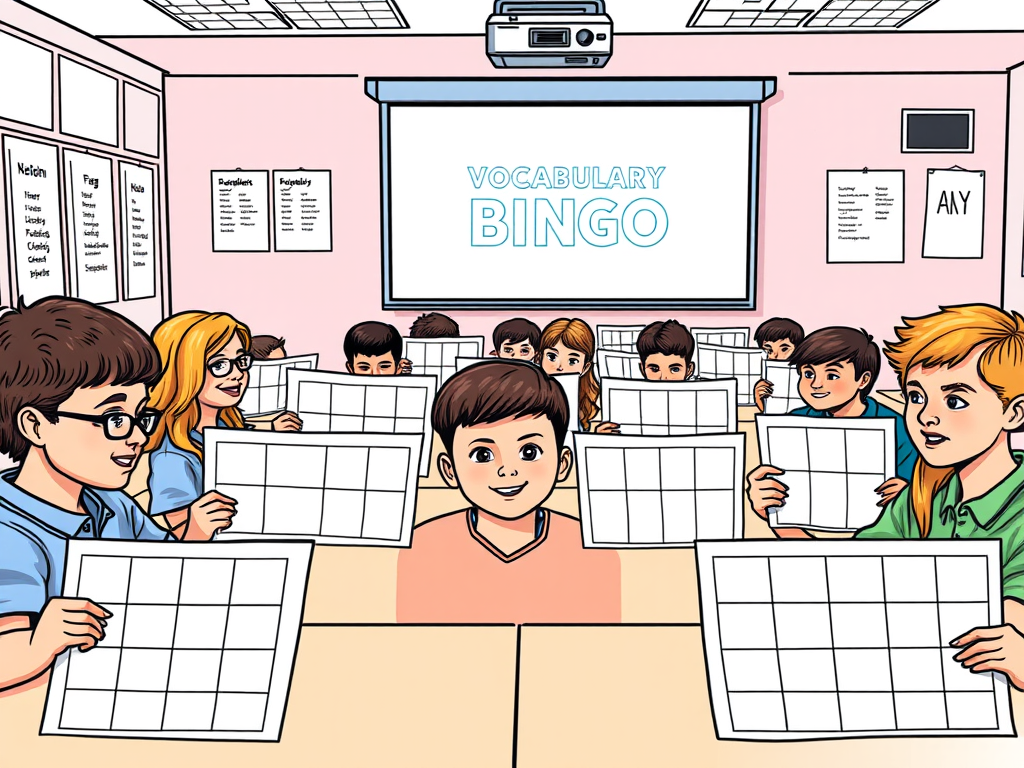
I hand out blank 4×4 BINGO grids to all students each paper has 16 empty squares.
Then, using the projector, I show them the 16 vocabulary words one by one. Students listen carefully and choose where to write each word on their grid. This part is fun because every student’s board becomes unique.
🎲 Step 2: The Draw
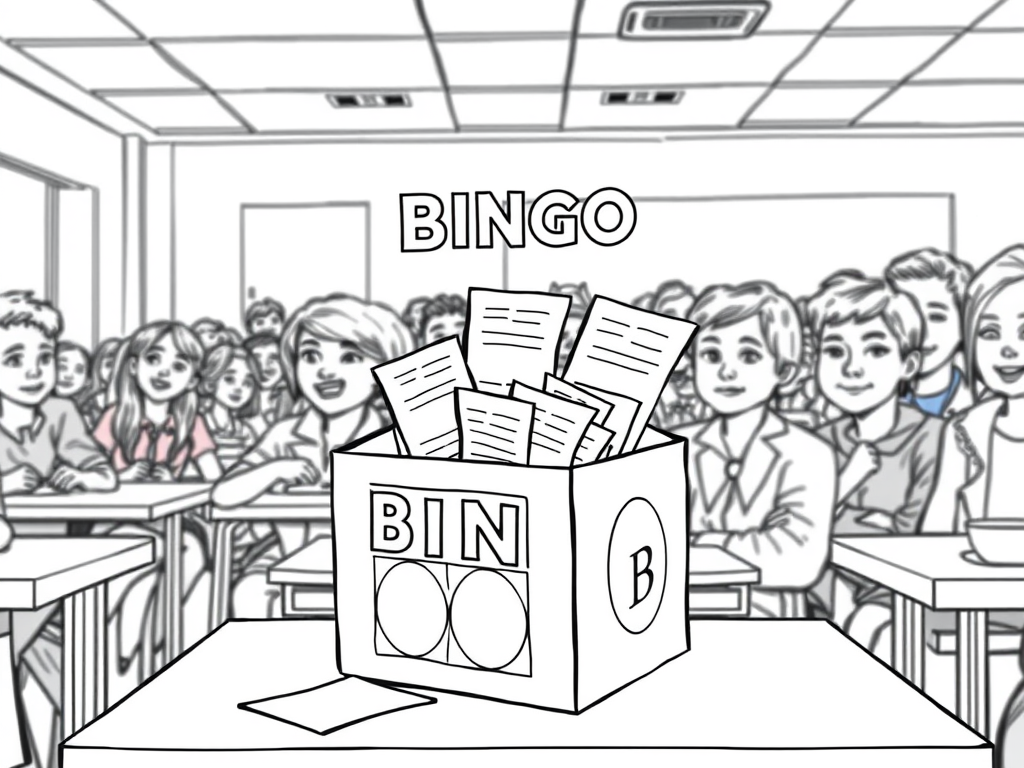
Next, I bring out my “BINGO box” a small container with all 16 words written on folded slips of paper.
I draw each word one by one, read it aloud, and give students time to check and cross off the word if they have it.
The excitement builds with every draw!
🗣️ Step 3: BINGO!
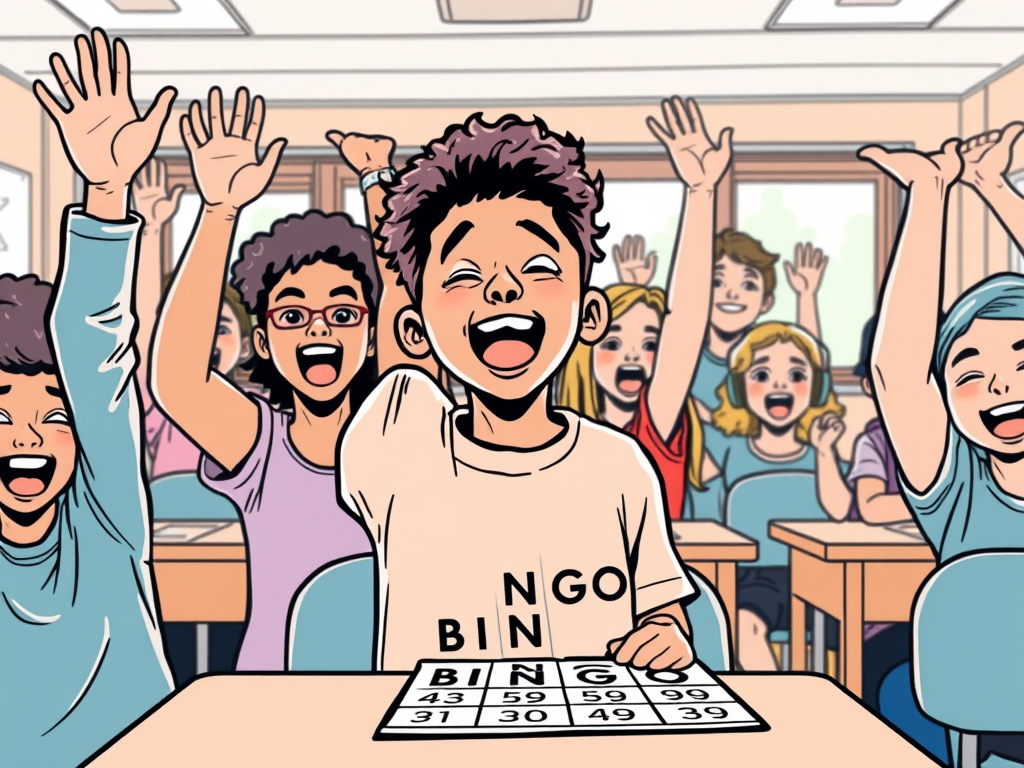
Whenever a student crosses off four words in a row (horizontal, vertical, or diagonal), they shout “BINGO!”
If more than one student calls “BINGO” at the same time, we settle it the fun way rock, paper, scissors at the front of the class. It always brings smiles and cheers!
🏆 Step 4: The Prize

The winner receives a small reward. It’s not about the prize, but the joy of winning and learning at the same time.
🧠 Why I Love This Game ?
Students revise vocabulary without realizing they’re studying.
Everyone participates no one is left behind.
It’s low-prep, yet highly effective.
It brings energy and joy into the classroom.
It encourages listening, spelling, and attention.
💡 Tips for Teachers
Let students write the words in any order they’ll feel more ownership over their boards.
Switch it up by using pictures instead of words for lower levels.
Add themes like “hobbies,” “feelings,” or “family members” to match your unit.
Final Thoughts
BINGO may be a simple game, but in the classroom, it turns into a powerful learning tool. When learning is active and joyful, students remember more and stress less. Whether you’re teaching vocabulary, grammar, or even idioms this game adapts beautifully.
So next time you’re wrapping up a unit, try a game of BINGO. Your students will thank you with laughter and learning.
🖼️ 2. Guess the Character – Communication Meets Creativity
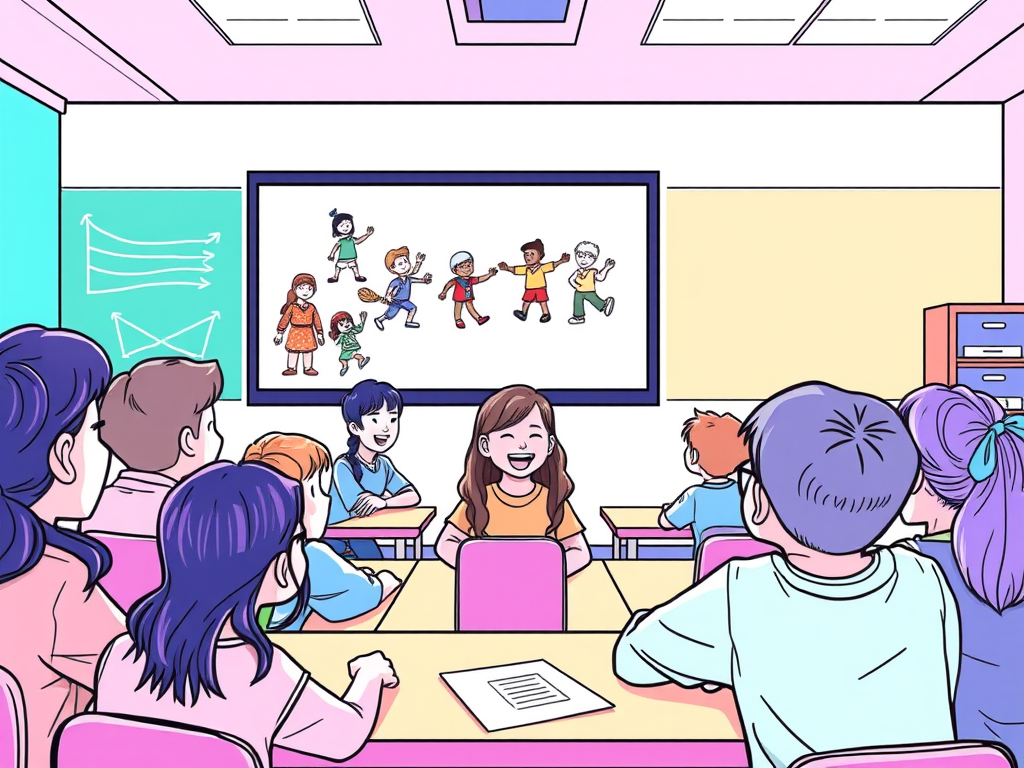
Another activity that sparks laughter and learning is what I call “Guess the Character.”
Here’s how it works:
I call one student to the front and turn their back to the screen.
I show an image on the projector this can be a cartoon character, an animal, or even a dancing figure.
The rest of the class describes the image using vocabulary from the unit.
The student must guess who or what it is, based only on their classmates’ clues.
Sometimes, I pick funny dancing characters and once the student guesses correctly, I ask them to try and imitate the dance. It’s hilarious, energizing, and builds both vocabulary and confidence.
🗣️ Why I love it: It encourages listening, speaking, teamwork, and LOTS of laughter!
🍭 End with a Treat!
To wrap it all up, I always give a small treat usually jelly or candy to celebrate their participation and effort.
💡 Final Thoughts
End of unit activities don’t need to be complex. With just a whiteboard, a projector, and a pocketful of imagination, you can create engaging lessons that review content and bring real joy to your students.
Give them a reason to look forward to every unit’s end not only with tests, but with fun, active learning.
What are your favorite end of unit activities?
Let me know in the comments or connect with me on social media to share ideas!
Make Activities Meaningful

While fun is important, the activity should still connect to the unit topic. A well-planned event reinforces what was taught and gives students another chance to absorb it from a new angle.
Try questions like:
“How can this activity help students remember the key ideas?”
“Does it allow different types of learners (visual, auditory, kinesthetic) to engage?”
The more meaningful the activity, the more lasting the learning.
Build Anticipation

Tell your students from the start of the unit:
“At the end of this unit, we’ll do something fun to celebrate what you’ve learned.”
This creates motivation from day one. Students have something to look forward to, and it encourages consistent effort throughout the unit.
Final Thought: Reward the Journey, Not Just the Destination

When students feel that their hard work leads to something meaningful and enjoyable, they develop a love for learning not just a habit of memorizing.
So don’t just end your units. Celebrate them. Explore them. Make them unforgettable.
“Learning is most powerful when it ends with joy.”
Let your classroom be a place where every unit ends with a smile and a spark.
A Note of Thanks to Fellow Teachers
Before I close this post, I want to take a moment to thank the many wonderful teachers I’ve met, worked with, and learned from both online and in real classrooms.
Many of the activities I now use with my students came from your creativity, generosity, and shared experiences. Whether it was a casual chat in the teachers’ room, a post on social media, or a workshop filled with ideas, your inspiration helped me bring more joy into my classroom.
So thank you for reminding me that teaching is not a solo journey, but a shared mission.
Let’s continue to support one another, share what works, and celebrate not just our students’ learning, but our growth as educators too.
Let every unit we teach end not only with knowledge, but with community, creativity, and a spark of joy.
For Those Who Want to Teach Abroad: Golden Tips for Inside and Outside the Classroom will continue. Until then, I’d love to hear your thoughts, suggestions, or memories that left a mark on your heart. See you in the next article. Stay safe, patient and kind.
