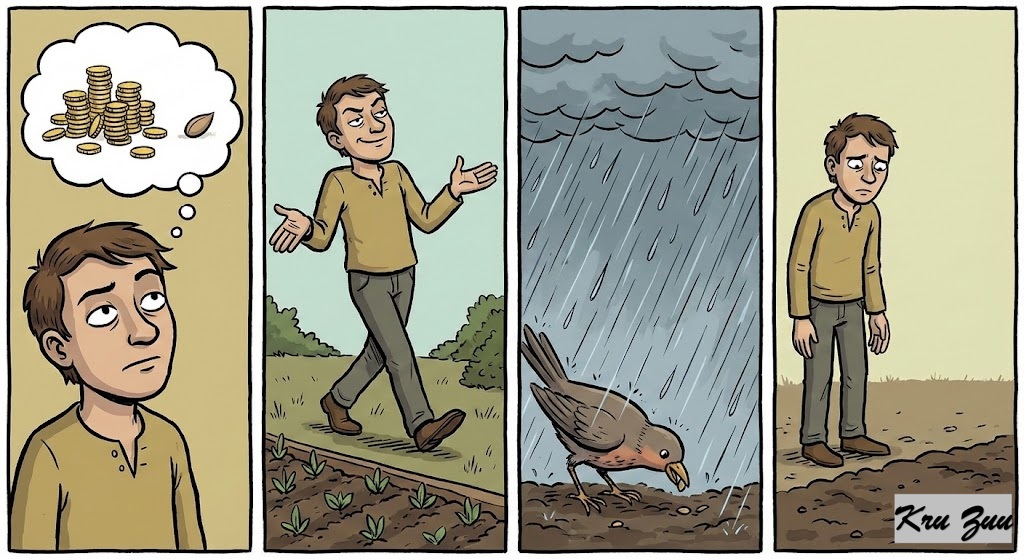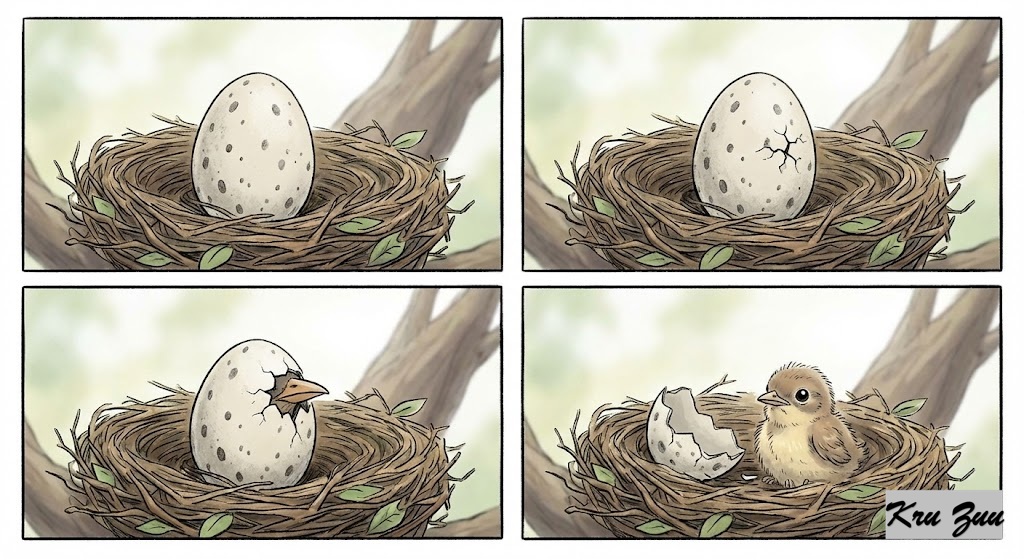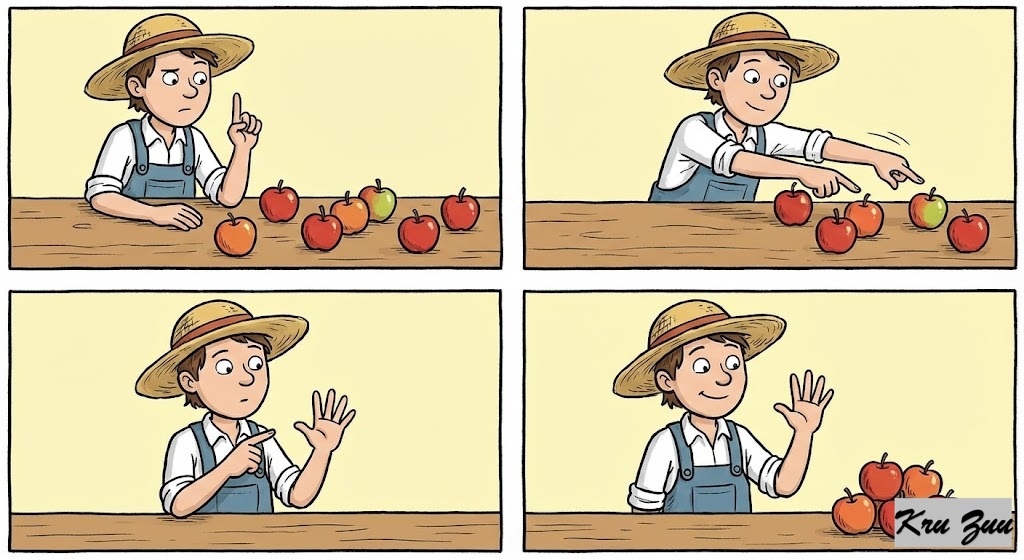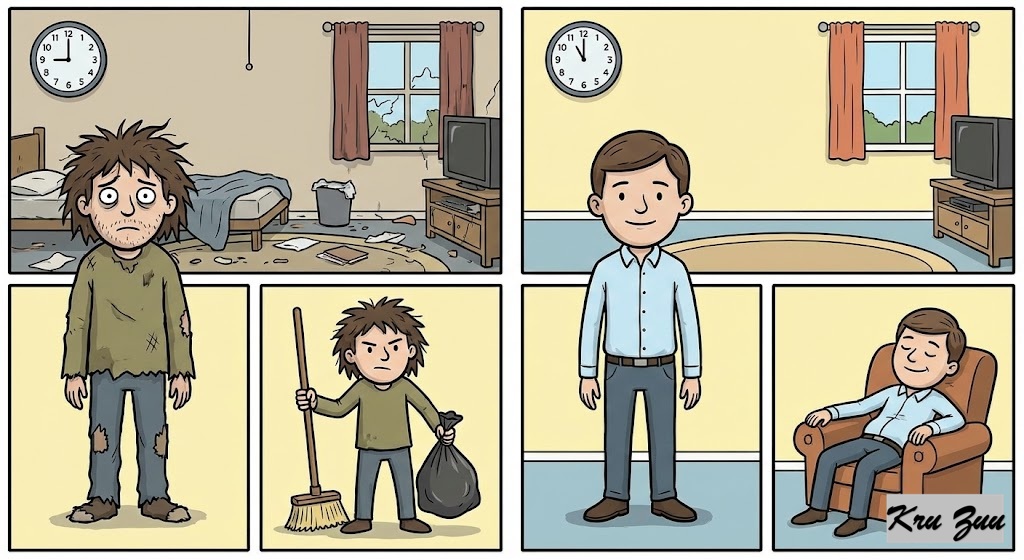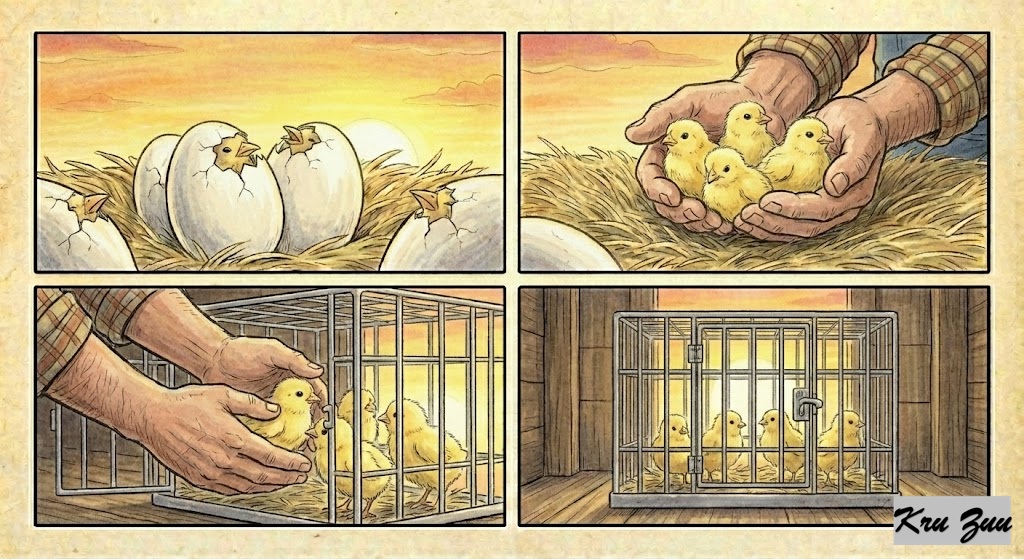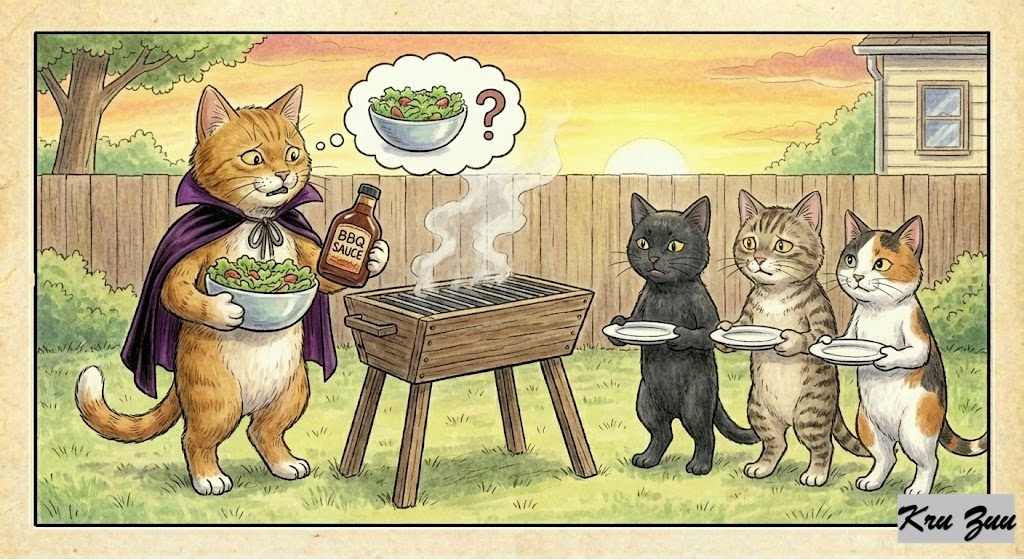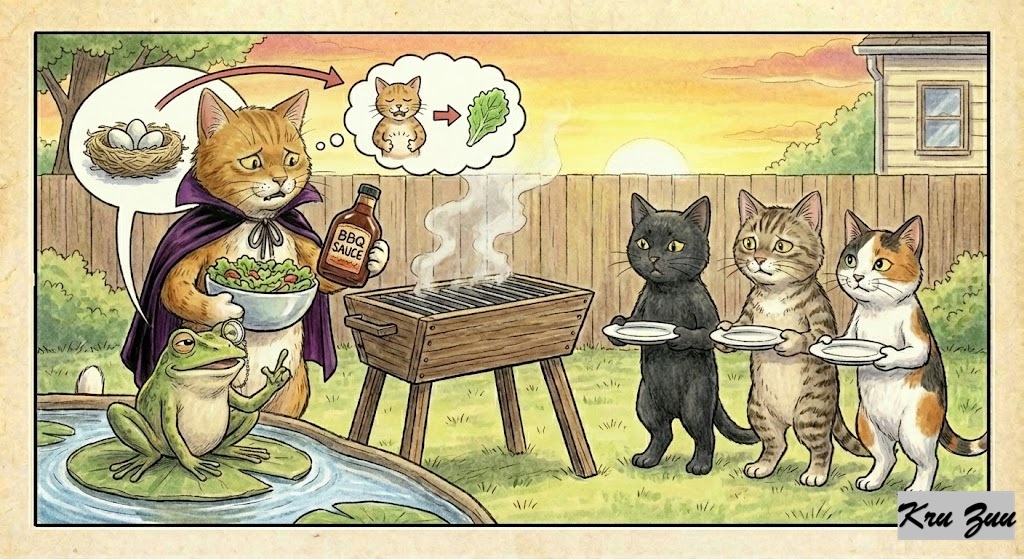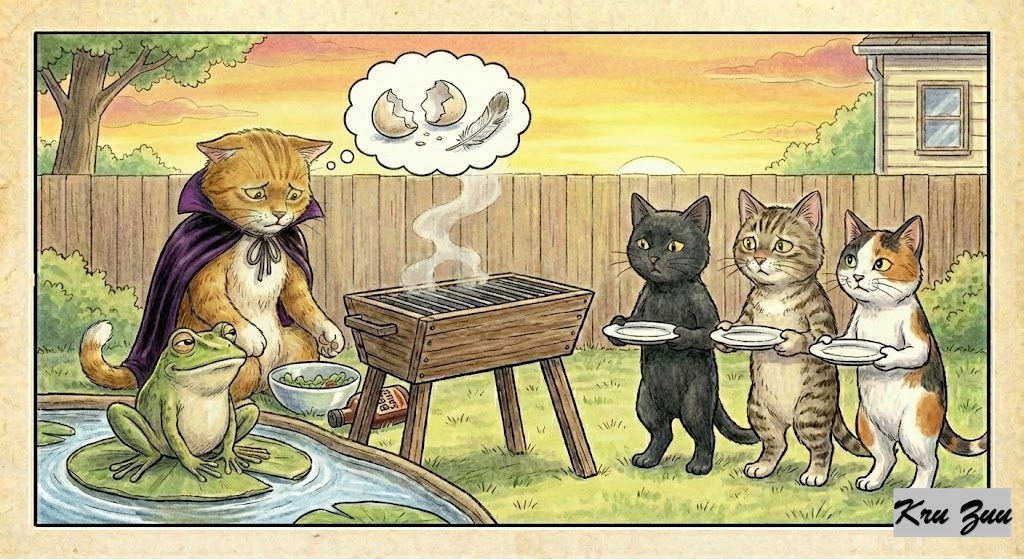
Tag: Proverbs

  • ๐Ÿ•ต๏ธ The Daily Shield: The Trap of Curiosity

    ๐Ÿ•ต๏ธ The Daily Shield: The Trap of Curiosity

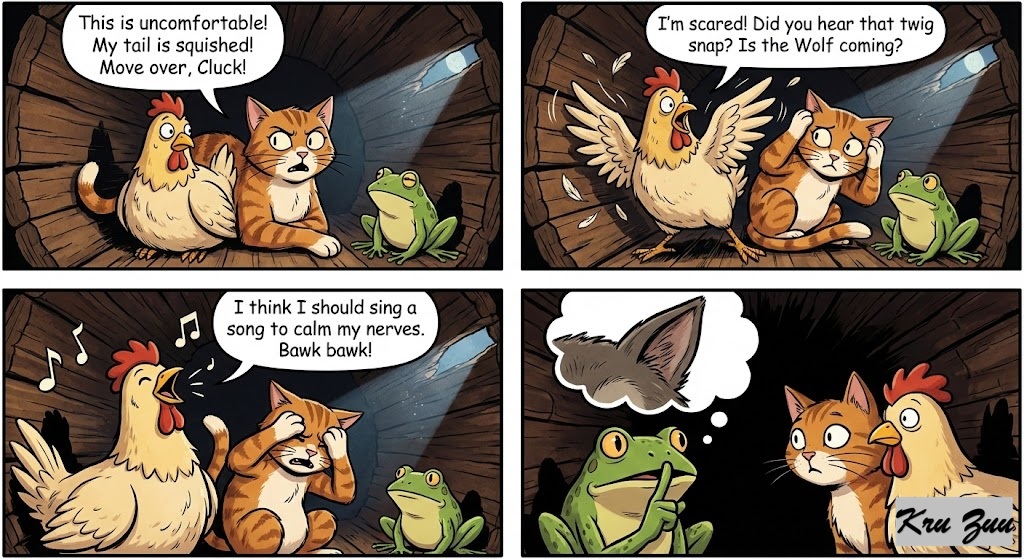
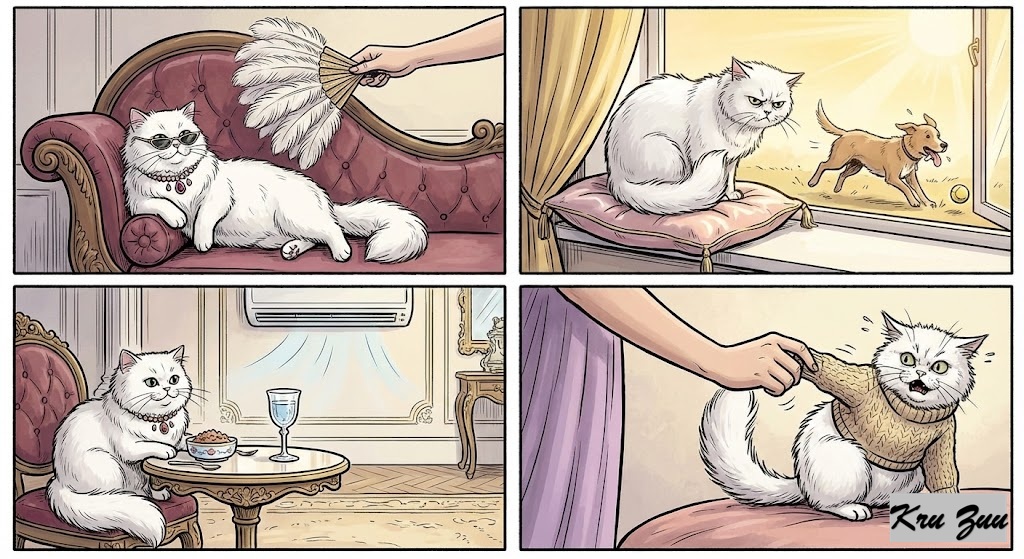
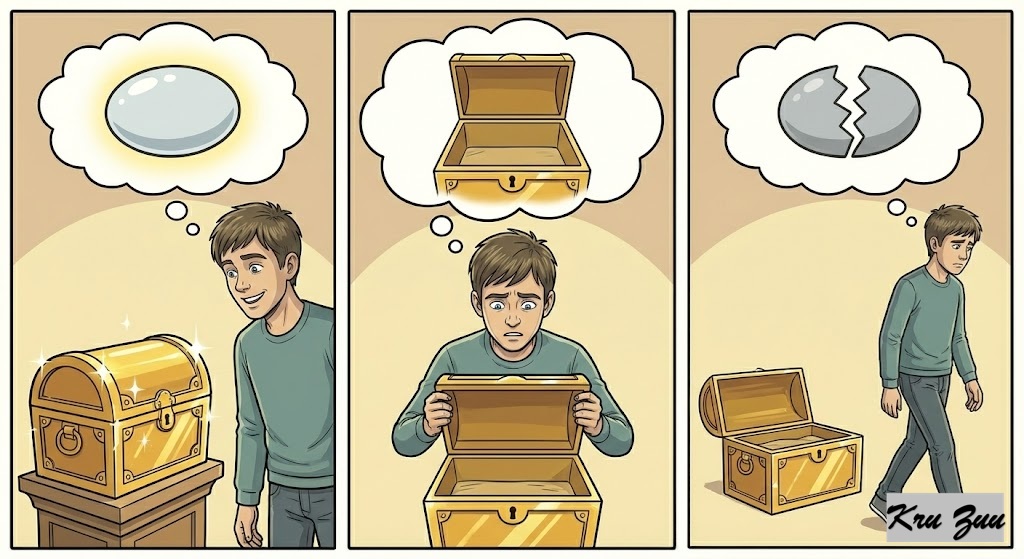
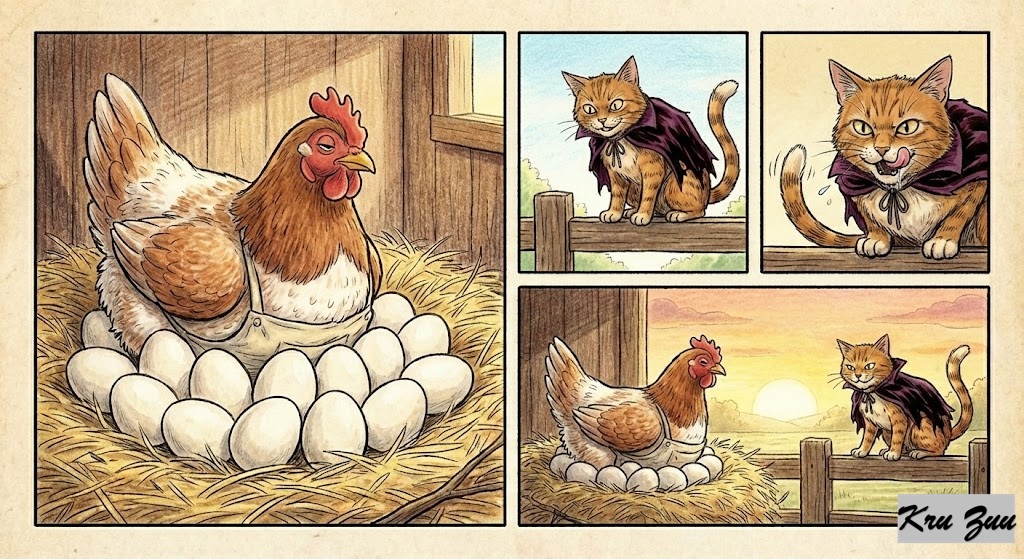
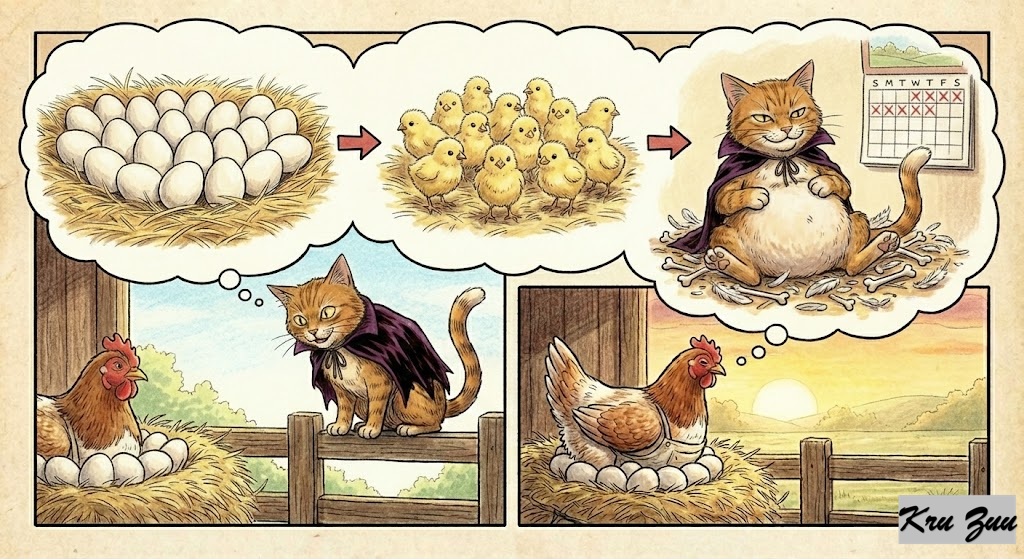
    “Curiosity killed the cat.”


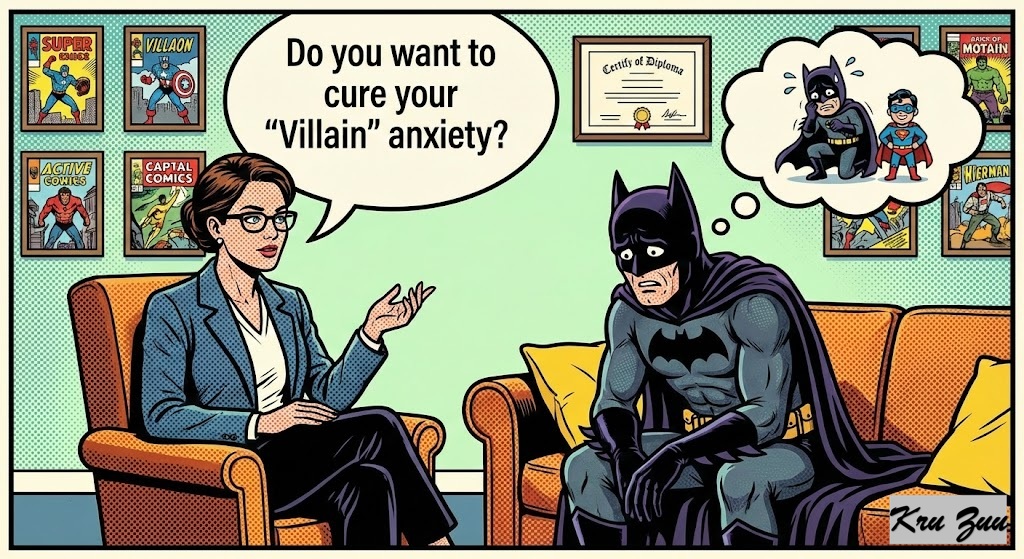
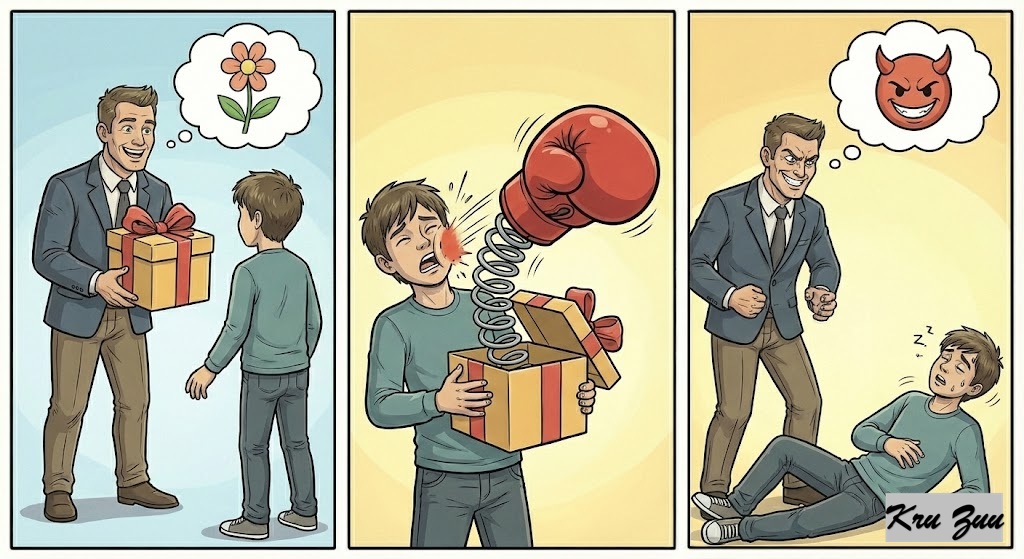
    ๐Ÿ˜ˆ The Villain (The Snooper):
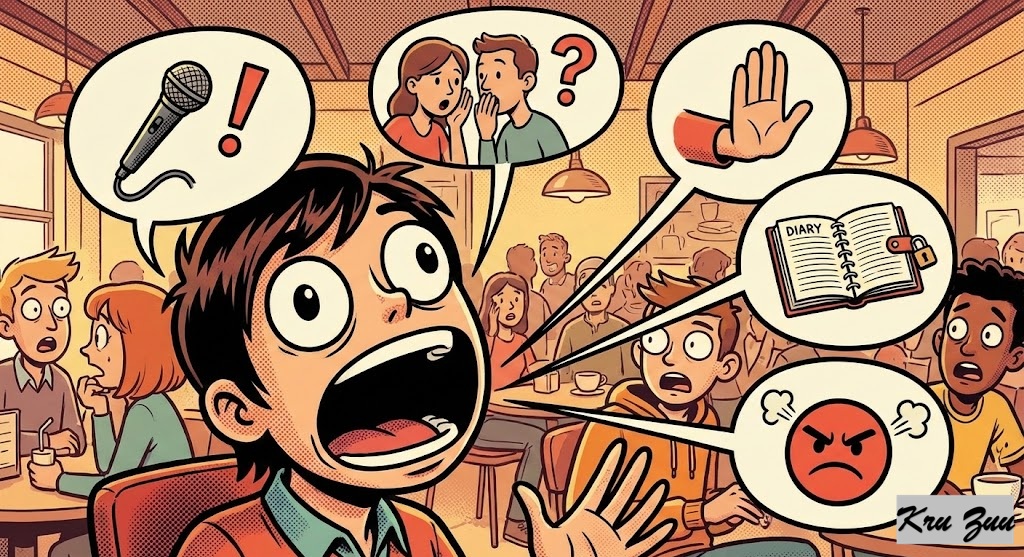
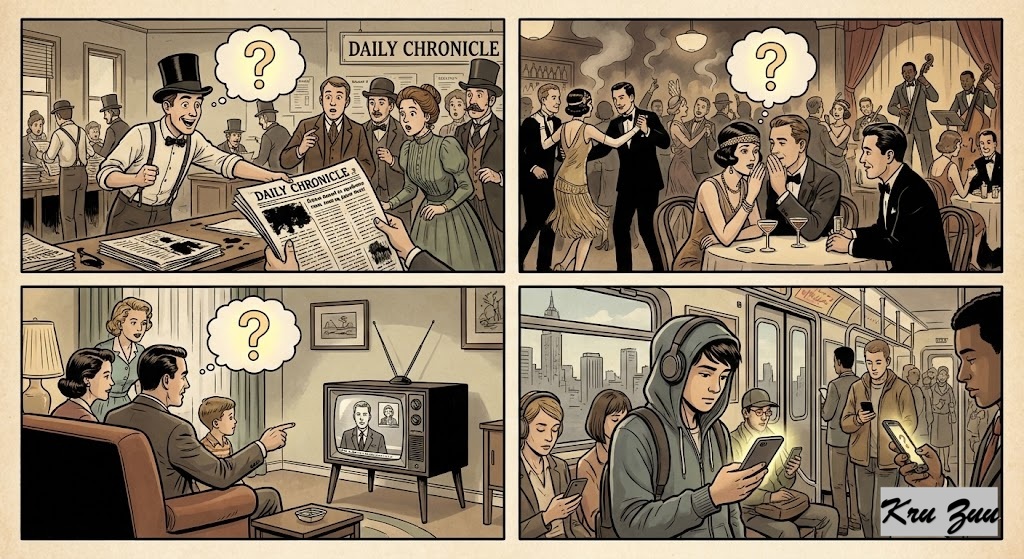
    You see an unlocked phone on the table. You shouldn’t look, but you must know.

    You see a door marked “Do Not Enter.” You open it.

    You hear a whisper about you. You demand to know what was said.

    The Result? You find text messages that hurt your feelings.

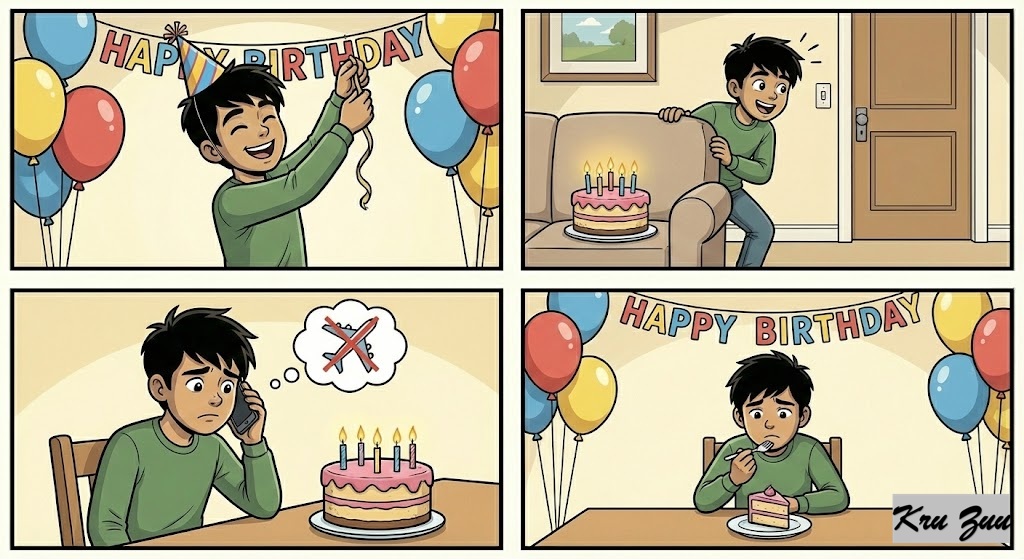
    You walk into a room and ruin your own surprise party.

    You learn a secret that keeps you awake at night.

    You chased the truth, but the truth bit you. ๐Ÿ


    ๐Ÿ˜‡ The Hero (The Wise Observer):


    You see the phone, but you respect privacy.

    You see the closed door, and you keep walking.

    You hear the whisper, but you realize that what others think of you is none of your business.

    The Result? You have peace of mind.

    You protect your relationships.

    You sleep soundly because your brain isn’t full of drama that doesn’t belong to you.

    You know that sometimes, ignorance is bliss. ๐Ÿง˜โ€โ™‚๏ธ


    โš–๏ธ The Reality


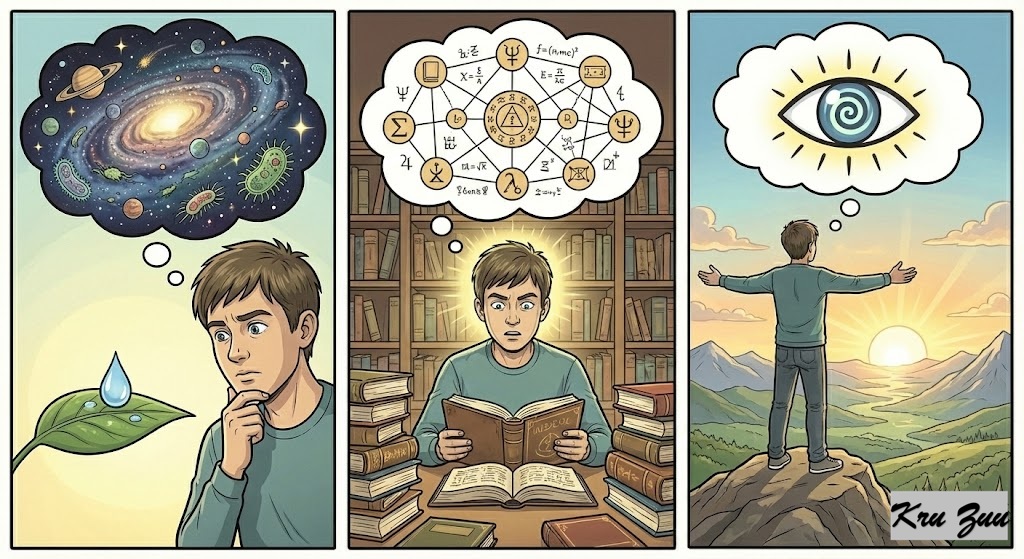
    Curiosity is the engine of science, but the enemy of peace.

    There is a thin line between Learning (Good Curiosity) and Snooping (Bad Curiosity).


    Good Curiosity: “How does the universe work?” ๐ŸŒŒ


    Bad Curiosity: “Why did my ex-boyfriend like that photo?” ๐Ÿ“ฑ


    ๐Ÿ’Ž The Plot Twist (Wait for itโ€ฆ)


    Did you know this proverb has a secret second half? Most people stop at the death of the cat. But the full version is:


    “Curiosity killed the cat, but satisfaction brought it back.”


    Meaning: Yes, taking a risk to find the truth might hurt you (kill the cat), but finding the answer is often worth the pain (brought it back).

    This changes everything! It means: Take the risk, but be ready for the consequences.

    ๐Ÿง The Anatomy of the Proverb


    Letโ€™s dissect this classic warning.


    Curiosity (Noun): A strong desire to know or learn something. (The trigger).


    Killed (Verb): Past tense of kill. (The consequence).


    The Cat (Noun): In idioms, cats often represent people who are getting into trouble.


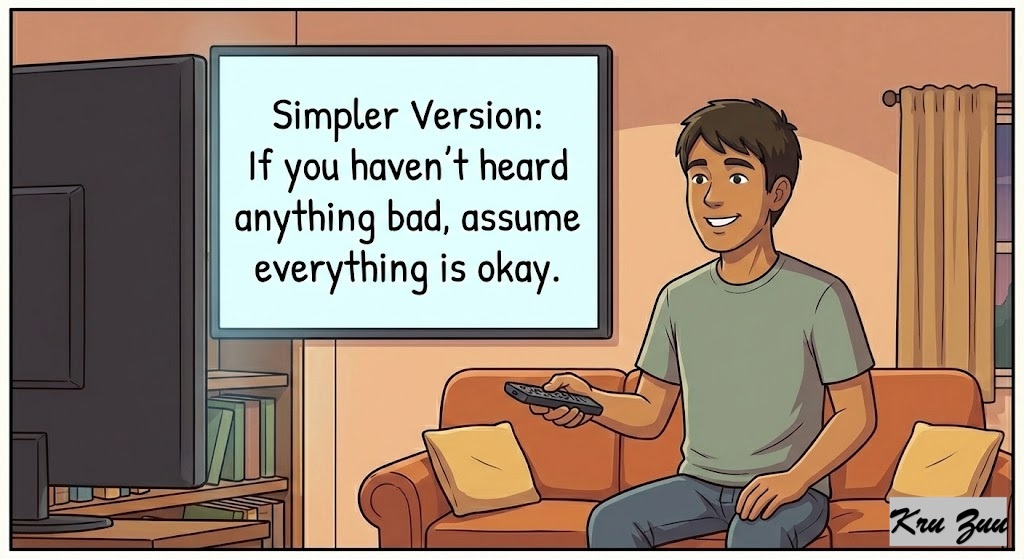
    Simpler Version: Stop asking questions you don’t want the answers to.


    ๐Ÿ“š Vocabulary Vault


    Add these words to your arsenal to sound like a native speaker.


    Nosy (Adjective): Showing too much curiosity about other peopleโ€™s affairs.


    Example: “Don’t be so nosy! It’s personal.”


    Pry (Verb): To inquire too closely into a person’s private affairs.


    Example: “I don’t mean to pry, but are you okay?”


    Eavesdrop (Verb): To secretly listen to a conversation. ๐Ÿ‘‚


    Example: “She was eavesdropping on the boss’s meeting.”


    Intriguing (Adjective):
    Arousing one’s curiosity or interest; fascinating.


    Example: “That is a very intriguing idea.”


    ๐Ÿง  Grammar Focus: Personification


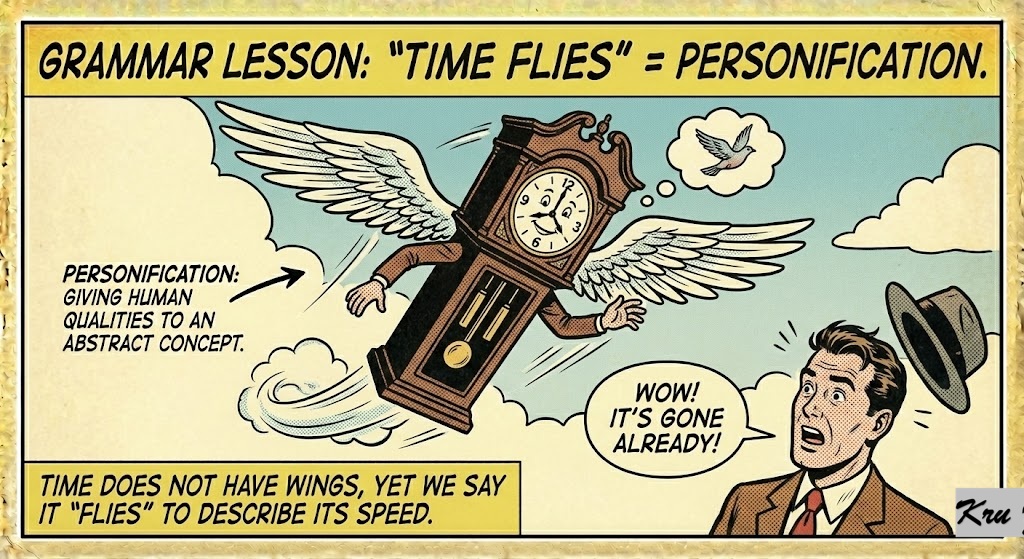
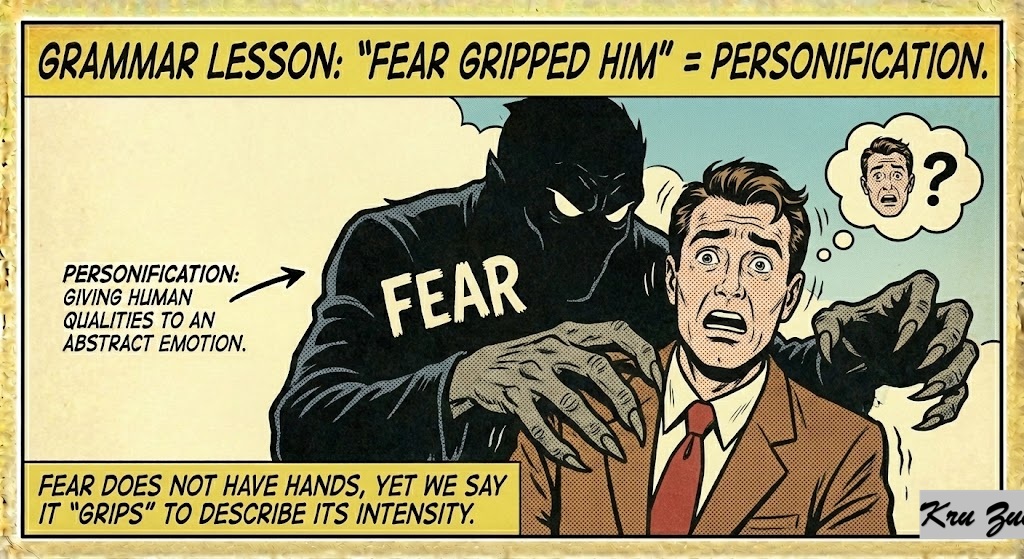
    English loves to make non-human things act like humans. This is called Personification.


    The Phrase: “Curiosity killed the cat.”


    The Logic: Curiosity is an emotion. It cannot hold a weapon. It cannot “kill” anything. But in English, we give it the power of a killer to show how dangerous it is.


    Other Examples:


    “Time flies.” (Time is not a bird).

    “Opportunity knocks.” (Opportunity does not have hands).

    “Fear gripped him.” (Fear does not have fingers).

    ๐Ÿ“œ History: From Shakespeare to Today


    Where did this come from?


    The Original:
    In 1598, Ben Jonson wrote a play where he said, “Care killed a cat.” Back then, “Care” meant “Worry” or “Sorrow.” The idea was that worrying too much is bad for your health.


    The Evolution: Over hundreds of years, “Care” changed to “Curiosity.”


    Global Cousins:


    ๐Ÿ‡น๐Ÿ‡ท Turkish:
    “Fazla merak kediyi รถldรผrรผr” (Too much curiosity kills the cat) or “Merak insanฤฑ mezara, parayฤฑ pazaraโ€ฆ” (Curiosity takes a man to the graveโ€ฆ).


    ๐Ÿ‡ช๐Ÿ‡ธ Spanish: “La curiosidad matรณ al gato.”


    ๐Ÿ‡ซ๐Ÿ‡ท French: “La curiositรฉ est un vilain dรฉfaut.” (Curiosity is a nasty fault).

    ๐ŸŽญ Short Story: The Blue Envelope


    Let’s visit our students, Penny and Max.


    ๐ŸŒŸ The Setup:
    The teacher leaves a Blue Envelope on his desk. He says, “Nobody touch this.” He leaves the room.


    The Conflict:


    Max (The Nosy One):
    He is sweating. He needs to know. Is it exam answers? Is it a love letter? He sneaks up. He opens the envelope.


    The Trap: Inside, there is only a piece of paper that says: “Detention for whoever opens this.” The teacher walks in. Max is caught. Curiosity killed Max’s free time. ๐Ÿ’€


    Penny (The Focused One): She stays in her seat. She opens her book. She knows the teacher is tricky.


    The Reward: Penny goes home early. Max stays at school.


    The Moral: Sometimes, the mystery is a trap. Be like Penny. Mind your own business. โœ‰๏ธ

    ๐ŸŽ“ Lesson for English Learners


    Don’t Ask “Why?” Too Much.


    Situation:
    You learn a grammar rule that makes no sense. (Example: Why is it “on the bus” but “in the car”?).


    The Trap: You stop speaking. You spend 3 hours searching Google for the history of prepositions. You get confused. You get frustrated.


    The Solution: Curiosity is killing your fluency!


    You Say: “I don’t care why. I just accept it.”


    The Rule: Sometimes in language learning, you must turn off your curiosity and just mimic what you hear.


    ๐Ÿ’ฌ Your Turn: The “Nosy” Test ๐Ÿš€


    Let’s see where you stand.


    Question:
    If you found your best friend’s diary open on the floorโ€ฆ

    A) I would read it immediately. (The Villain) ๐Ÿ˜ˆ

    B) I would close it without looking. (The Hero) ๐Ÿ˜‡

    C) I would read one page, then feel guilty. (The Human) ๐Ÿ˜


    Tell us in the comments! Are you A, B, or C? ๐Ÿ‘‡

    By Zubeyir YURTKURAN

    https://www.facebook.com/BrainBattleground/

    https://www.facebook.com/zubeyr.yurtkuran/

    https://www.instagram.com/zubeyryurtkuran/

    https://www.youtube.com/@BrainBattleground-b3p

  • ๐Ÿ”๏ธ The Daily Shield: The Law of Determination

    ๐Ÿ”๏ธ The Daily Shield: The Law of Determination

    Where there’s a will, there’s a way.


    ๐Ÿ‘ฟ The Villain (The Victim): You say “I can’t do it because I don’t have money.”

    You say “I’m too old to learn English.”

    You say “I don’t have time.”

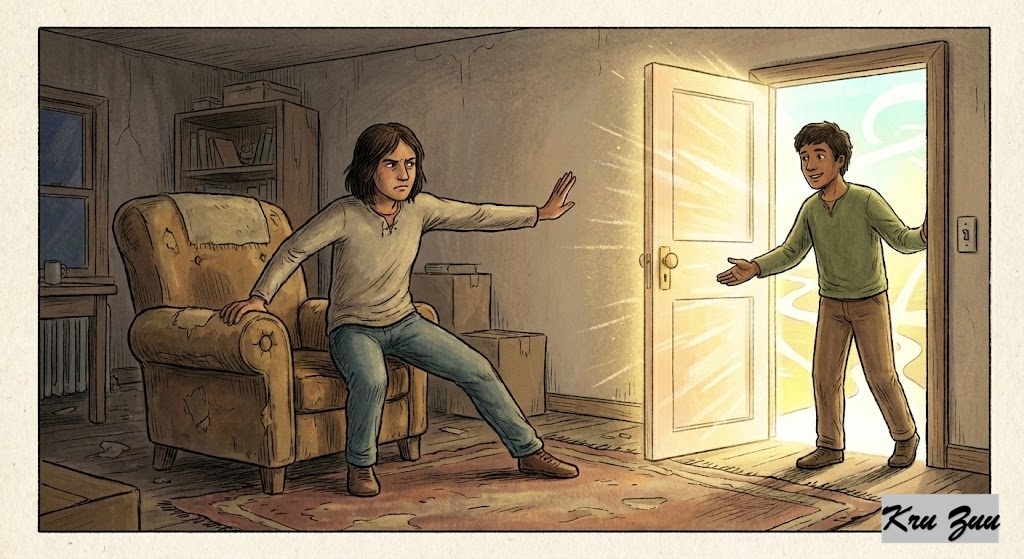
    You stare at the closed door and cry.

    You wait for someone else to open it for you.

    The Result? You stay in the same place for 10 years. You become bitter.

    You become the person who says, “I could have been great, butโ€ฆ” ๐ŸŒง๏ธ


    ๐Ÿ˜‡ The Hero (The Pathfinder): You see a closed door, so you look for a window.

    The window is locked? You look for the chimney.

    The chimney is blocked? You grab a hammer and break the wall!

    You don’t have money? You use free libraries.

    You don’t have time? You listen to podcasts while you sleep.

    The Result? You achieve the “impossible.” People call you lucky, but you know the truth: You just refused to take “No” for an answer. ๐Ÿ”จ


    โš–๏ธ The Reality: Talent is overrated. Resources are overrated. Desire is the only thing that matters.

    ๐Ÿ’Ž The Secret: Obstacles are not “Stop” signs; they are tests to see how badly you want it.

    ๐Ÿง The Anatomy of the Proverb


    This is the Golden Rule of Grit. It implies that if your desire (will) is strong enough, you will eventually find a method (way) to succeed, no matter how hard it is.


    Where: In any situation or place.


    Will (Noun): Not the future tense auxiliary verb! Here, it means strong desire, determination, or mental power. ๐Ÿ”ฅ


    Way (Noun): A method, a path, a plan, or a solution. ๐Ÿ—บ๏ธ


    ๐Ÿ“š Vocabulary Vault


    Determination (Noun):
    The quality of not giving up, even when things are difficult.


    Obstacle (Noun): Something that blocks your way (a problem).


    Resourceful (Adjective): Good at finding ways to solve problems. (MacGyver is resourceful!). ๐Ÿ› ๏ธ


    Persist (Verb): To continue doing something even though it is difficult.


    Inevitable (Adjective): Certain to happen; unavoidable.


    ๐Ÿง  Grammar Focus


    Parallel Structure & Existential “There is” This proverb uses a perfect balance. It links a condition to a result using “Where.”


    Structure: Where [Situation], [Result].


    Condition: Where there is a willโ€ฆ (If strong desire existsโ€ฆ)


    Result: โ€ฆthere is a way. (โ€ฆa solution also exists.)


    Note on “Will”:


    Verb: I will call you. (Future)


    Noun: He has a strong will. (Determination) -> This proverb uses the Noun form!

    ๐Ÿ“œ History: Origin and Spread


    This isn’t just modern motivation; it’s ancient wisdom.


    The Origin: It was popularized by the English poet George Herbert in 1640.


    The Logic: Historically, people believed the human spirit was stronger than physical reality. If you can imagine it, you can build it.


    Global Cousins:


    ๐Ÿ‡น๐Ÿ‡ท Turkish:
    “ฤฐsteyen รงaresini, istemeyen bahanesini bulur.” (The one who wants finds a remedy, the one who doesn’t finds an excuse.) โ€” Perfect match!


    ๐Ÿ‡ช๐Ÿ‡ธ Spanish: “Querer es poder.” (To want is to be able.)


    ๐Ÿ‡ฏ๐Ÿ‡ต Japanese: “Ishi no ue ni mo san nen.” (Sit on a stone for 3 years, and it will become warm.) โ€” Focus on patience/will.

    ๐ŸŽฏ Impact on Life: The Pros & Cons


    Is pure willpower enough?


    โœ… The Pros (The Fuel):


    Innovation:
    When you refuse to quit, you invent new solutions (like Elon Musk or Thomas Edison).


    Resilience: Failure doesn’t hurt you; it just teaches you “how NOT to do it.”


    โŒ The Cons (The Burnout):


    Stubbornness:
    Sometimes there isn’t a way (e.g., You can’t flap your arms and fly). Don’t confuse “Will” with “Delusion.”


    Exhaustion: Pushing too hard without rest can break you.

    ๐ŸŽญ Short Story: The High Wall


    Let’s visit our friends again, Penny and Max.


    ๐ŸŒŸ The Setup: Penny the Pig and Max the Mouse were hungry.

    They smelled delicious fresh corn inside a garden. But there was a huge, 3-meter stone wall around the garden. ๐Ÿงฑ


    The Conflict: Max looked at the wall. “It’s too high,” he sighed.

    “I am just a mouse. It is physically impossible to climb this.” Max sat down and cried. He had no Will.

    Penny looked at the wall. She couldn’t climb either.

    But she wanted that corn. She walked around the wall for 2 hours. Nothing.

    She tried to jump. Failed.


    The Action: Did Penny go home? No.

    She found a small crack in the ground near the wall.

    She started digging. She dug for 4 hours. Her hooves hurt. She was dirty.

    Max laughed, “Give up, Penny!”

    Suddenlyโ€ฆ Pop! Penny squeezed under the wall through the hole she dug.


    The Moral: Max focused on the Wall (The Obstacle).

    Penny focused on the Corn (The Goal).

    Max is still hungry.

    Penny is eating lunch.

    ๐ŸŽ“ Lesson for English Learners


    Don’t use this just for major life goals; use it for your English journey!


    Advice on Speaking ๐Ÿ—ฃ๏ธ


    Situation:
    A student says, “I can’t speak English because I don’t live in America.”


    You Say: “That is an excuse. You have the Internet, YouTube, and AI. Where there’s a will, there’s a way. Find a way!”


    Advice on Career ๐Ÿ’ผ


    Situation:
    Your friend hates their job but says, “I can’t quit, I have bills.”


    You Say: “Start a side hustle. Learn a new skill at night. If you really want freedom, you will find a path. Where there’s a will, there’s a way.”


    ๐Ÿ’ฌ Your Turn


    The “Impossible” Challenge ๐Ÿš€


    The Goal:
    Identify one thing you said you “CAN’T” do.


    “I can’t lose weight.”


    “I can’t wake up early.”


    “I can’t save money.”


    The Action:
    Replace “I can’t” with “How can I?” Write down 3 creative ways to solve that problem right now.


    Question: What is a “Wall” in your life right now?

    Are you going to be Max (sit and cry) or Penny (start digging)? ๐Ÿ‘‡

    By Zubeyir YURTKURAN

    https://www.facebook.com/BrainBattleground/

    https://www.facebook.com/zubeyr.yurtkuran/

    https://www.instagram.com/zubeyryurtkuran/

    https://www.youtube.com/@BrainBattleground-b3p

  • ๐ŸŽ The Daily Shield: The Law of Maintenance

    ๐ŸŽ The Daily Shield: The Law of Maintenance

    An apple a day keeps the doctor away.


    ๐Ÿ‘ฟ The Villain (The Gambler): You skip the gym because “one day won’t matter.”

    You ignore the weird noise your car is making.

    You eat fast food for lunch because you are “too busy.”

    You study only the night before the exam.

    The Result? One day, your body collapses.

    Your car breaks down on the highway.

    You fail the exam.

    You treated your life like a sprint, not a marathon.

    You waited for the disaster to happen before you paid attention. ๐Ÿš‘


    ๐Ÿ˜‡ The Hero (The Architect): You are not a superhero; you are just consistent.

    You walk for 20 minutes every day.

    You drink water.

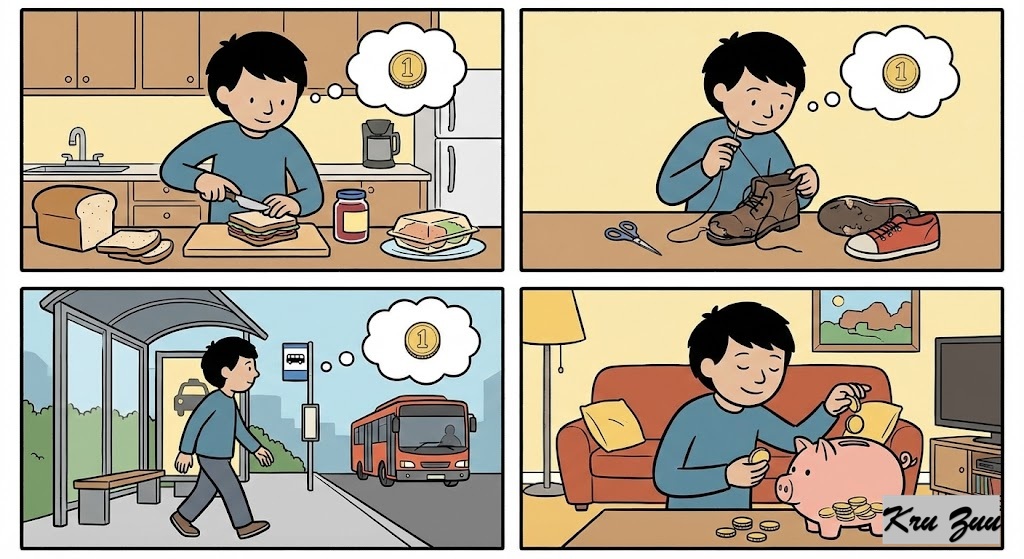
    You save $5 every morning.

    You read 10 pages of a book before bed.

    The Result? You don’t get sick often.

    Your bank account grows.

    You speak fluent English while others are still struggling.

    You didn’t do anything “magic” you just stacked small bricks every day to build a fortress. ๐Ÿฐ


    โš–๏ธ The Reality: We love “Big Dramatic Changes” (Crash diets, lottery wins). But reality respects “Small Boring Actions.”

    ๐Ÿ’Ž The Secret: Success is not a one-time event; it is a habit. The “Apple” is a metaphor for discipline.

    ๐Ÿง The Anatomy of the Proverb


    This is the golden rule of Preventive Care. It suggests that small, healthy habits practiced daily will prevent big problems in the future.


    Apple: Represents any healthy habit (exercise, vitamins, reading, meditation).


    Doctor: Represents the “Crisis” or the “Fixer” (Surgery, debt, failure).


    Keeps Away: To prevent someone/something from coming near. ๐Ÿ›ก๏ธ


    ๐Ÿ“š Vocabulary Vault


    Prevention (Noun):
    The action of stopping something from happening or arising. (Better than cure!)


    Consistency (Noun): Acting in the same way over time. (Doing it every single day). ๐Ÿ”„


    Maintenance (Noun): The process of keeping something in good condition.


    Compound Effect (Concept): Small actions + Time = Huge Results. ๐Ÿ“ˆ


    Sedentary (Adjective): Tending to spend much time seated; somewhat inactive. (The enemy of the Apple!)


    ๐Ÿง  Grammar Focus


    Simple Present Tense for General Truths Proverbs almost always use the Simple Present because they are timeless facts.


    Subject: An apple


    Frequency: [a day] (Adverbial phrase)


    Verb: [keeps] (Third Person Singular – don’t forget the ‘s’!)


    Object: [the doctor]


    Direction: [away]


    Incorrect: An apple a day keep the doctor away. โŒ


    Correct: An apple a day keeps the doctor away. โœ…

    ๐Ÿ“œ History: Origin and Spread


    Did you know this phrase started as a rhyme?


    The Origin: It originated in Wales (Pembrokeshire) in the 1860s.

    The original phrasing was: “Eat an apple on going to bed, and youโ€™ll keep the doctor from earning his bread.”


    The Logic: In the 19th century, food hygiene was poor. Apples were clean, full of fiber, and “cleaned” the teeth. It was a cheap way to stay alive!


    Global Cousins:


    ๐Ÿ‡น๐Ÿ‡ท Turkish:
    “GรผneลŸ giren eve doktor girmez.” (The doctor does not enter the house where the sun enters.) โ€” Emphasis on environment.


    ๐Ÿ‡ช๐Ÿ‡ธ Spanish: “Mรกs vale prevenir que curar.” (It is worth more to prevent than to cure.)


    ๐Ÿ‡ฎ๐Ÿ‡น Italian: “Una mela al giorno toglie il medico di torno.” (An apple a day gets the doctor out of the way.) โ€” Almost identical!

    ๐ŸŽฏ Impact on Life: The Pros & Cons


    Is it just about fruit, or a lifestyle?


    โœ… The Pros (The Insurance):


    Control:
    It makes you feel in charge of your health/destiny.


    Efficiency: It is much cheaper to buy apples (prevention) than to pay for surgery (cure).


    Discipline: It builds a mindset that helps you in business and relationships too.


    โŒ The Cons (The Illusion):


    False Security:
    Eating an apple won’t fix a broken leg. Don’t ignore professional help when you really need it.


    Obsession: Don’t stress so much about “perfect health” that you forget to enjoy life.

    ๐ŸŽญ Short Story: The Old Car


    Letโ€™s visit Penny, Fiona, and Max!


    ๐ŸŒŸ The Setup: Penny and Max both bought cars on the same day.

    Penny the Pig loved her car.

    Every Sunday morning, she checked the oil, cleaned the tires, and washed the windows. (This was her “Apple”).

    Max the Mouse loved his car too, but he just wanted to drive fast.

    “Maintenance is boring!” he said. “I’ll fix it when it breaks.”


    The Conflict: One year later, they planned a road trip to the beach. ๐Ÿ–๏ธ

    Pennyโ€™s car started smoothly: Purrโ€ฆ purrโ€ฆ purrโ€ฆ

    Maxโ€™s car made a scary sound: CLUNK! BANG! HISSS! Smoke came out of the engine.


    The Action: Max was stuck on the side of the road.

    “Why me?” he cried. He had to call a tow truck (The Doctor).

    It cost him all his vacation money.

    Penny drove by, waved, and enjoyed the sunset at the beach.


    The Moral: Penny paid a little bit of attention every day.

    Max paid a huge price at the end.

    Pennyโ€™s “apple a day” kept the mechanic away.

    ๐ŸŽ“ Lesson for English Learners


    This idiom is versatile! Use it for more than just health.


    Advice on Studying ๐Ÿ“–


    Situation:
    Your student asks how to learn 1,000 words in one night.


    You say: “You can’t cram everything. Study 5 words every morning.

    An apple a day keeps the doctor away, and daily practice keeps the failure away.”


    Advice on Relationships โค๏ธ


    Situation:
    A friend ignores their partner for weeks, then buys a huge gift to apologize.


    You say: “Don’t just buy gifts when things are bad. Show small love every day. An apple a day keeps the doctor away.”


    ๐Ÿ’ฌ Your Turn


    The “Micro-Habit” Challenge ๐Ÿค


    Let’s prove the theory.


    The Goal: Choose one tiny positive thing to do every day for the next 7 days.


    Examples: Drink 1 glass of water before coffee

    Do 5 pushups

    Read 1 page

    Save 1 coin.


    The Prediction: How will you feel in a week?


    Action Step: Go eat a piece of fruit right now. Seriously. Go do it. Your body will thank you! ๐Ÿ


    Question: What is YOUR “Apple”? What is the one small thing you do every day that keeps your life running smoothly?

    By Zubeyir YURTKURAN

    https://www.facebook.com/BrainBattleground/

    https://www.facebook.com/zubeyr.yurtkuran/

    https://www.instagram.com/zubeyryurtkuran/
    https://www.youtube.com/@BrainBattleground-b3p

  • ๐Ÿชƒ The Boomerang Effect: The Law of Cosmic Echoes

    ๐Ÿชƒ The Boomerang Effect: The Law of Cosmic Echoes

    What goes around comes around.


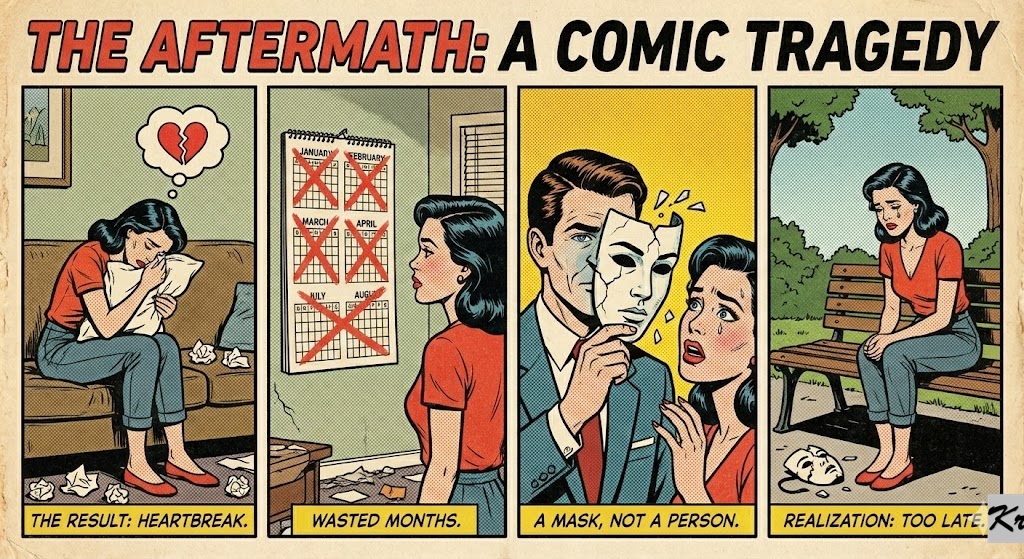
    ๐Ÿ‘ฟ The Villain (The Short-Sighted): You gossip about a coworker to get a promotion.

    You cheat on a test because “no one is looking.”

    You ignore a friend who needs help because you are “too busy.”

    The Result? Six months later, someone spreads a rumor that ruins your reputation. You get hired, but lack the knowledge to do the job and get fired. When you hit rock bottom, your phone is silent. No one is there to answer.

    You threw a stone, and it bounced back to hit you in the face. ๐Ÿค•


    ๐Ÿ˜‡ The Hero (The Investor): You stay late to help a newbie understand a project.

    You return a lost wallet with the cash inside.

    You smile at a rude waiter because you know they are having a hard day.

    The Result? Years later, that newbie becomes a CEO and hires you for your dream job.

    You lose your keys, and a stranger drives 20 minutes to bring them to you.

    The positive energy you sent out has returned with interest.

    You didn’t just spend kindness; you invested it. ๐ŸŒŸ


    โš–๏ธ The Reality: The universe is not a straight line; it is a circle.

    Every action is a seed.

    If you plant cactus seeds, you cannot be angry when you harvest thorns. ๐ŸŒต


    ๐Ÿ’Ž The Secret: Treat the world exactly how you want the world to treat you.

    You are not the audience; you are the protagonist, and the plot depends on your actions.

    ๐Ÿง The Anatomy of the Proverb


    This phrase is the ultimate definition of Karma. It means the energy (good or bad) you send out into the world will eventually return to you.


    ๐Ÿ“š Vocabulary Vault


    To Go Around (Phrasal Verb):
    To circulate or travel amongst people. (Here: The action you take.) ๐ŸŒฌ๏ธ


    To Come Around (Phrasal Verb): To return or happen again. (Here: The consequence arriving.) โ†ฉ๏ธ


    Karma (Noun): Destiny or fate, following as effect from cause.


    Retribution (Bonus Word): Punishment inflicted on someone as vengeance for a wrong or criminal act.


    Reciprocity (Bonus Word): The practice of exchanging things with others for mutual benefit.


    ๐Ÿง  Grammar Focus


    The Noun Clause as a Subject:
    This sentence is grammatically fascinating because it doesn’t start with a simple noun (like “The dog” or “He”).


    Subject: [What goes around]


    Verb: [comes]


    Adverb: [around]


    The entire phrase “What goes around” functions as a single noun.


    Example: “What you say matters.” (Subject: What you say)


    Incorrect: That goes around comes around. โŒ


    Correct:What goes around comes around. โœ…

    ๐Ÿ“œ History: Origin and Spread


    While the specific English phrasing became popular in the 1970s (thanks to pop culture), the wisdom is ancient.


    The Origin: It is deeply rooted in the concept of the Circle of Life found in nature and the spiritual law of Karma (Hinduism/Buddhism).


    The Fable: The Lion and the Mouse (Aesop). A Lion spares a Mouse’s life.

    Later, the Lion is trapped in a hunter’s net.

    The Mouse returns the favor by chewing the net to free the Lion.

    Small kindness leads to great salvation. ๐Ÿฆ๐Ÿญ


    Global Cousins:


    ๐Ÿ‡น๐Ÿ‡ท Turkish:
    “Ne ekersen, onu biรงersin.” (What you plant, you harvest.)

    “Etme bulma dรผnyasฤฑ.” (A world of ‘don’t do [bad], don’t find [bad]’.)


    ๐Ÿ‡ช๐Ÿ‡ธ Spanish: “Siembra vientos y recogerรกs tempestades.” (Sow winds and you will harvest storms.)


    ๐Ÿ‡ซ๐Ÿ‡ท French: “On rรฉcolte ce que l’on sรจme.” (We harvest what we sow.)


    ๐Ÿ‡ฉ๐Ÿ‡ช German: “Wie man in den Wald hineinruft, so schallt es heraus.” (As one shouts into the forest, so it echoes back.)

    ๐ŸŽฏ Impact on Life: The Pros & Cons


    Is this just superstition, or a rule to live by? โœ… The Pros (The Compass):


    Moral Guardrail: It stops you from acting out of anger.

    You pause and ask, “Do I want this negative energy back?”


    Hope: When you are suffering but doing the right thing, it gives you faith that justice will arrive eventually.


    Empathy: It forces you to stand in someone else’s shoes.


    โŒ The Cons (The Trap):


    Victim Blaming:
    If something bad happens to a friend, you might mistakenly think, “They must have done something to deserve this.” (This is dangerous thinking!)


    Transactional Kindness: Doing good only because you want a reward creates a selfish heart.

    ๐ŸŽญ Short Story: The Banana Peel Prank


    Letโ€™s visit our friends Penny, Fiona, and Max again!


    ๐ŸŒŸ The Setup: Max the Mouse was in a mischievous mood.

    He saw Penny the Pig walking down the hallway carrying a heavy stack of books.

    Max giggled and placed a slippery banana peel right in Penny’s path.

    “This will be hilarious!” he squeaked. ๐ŸŒ


    The Conflict: Penny stepped on the peelโ€”WHOOSH!โ€”and fell.

    Her books flew everywhere.

    Max laughed so hard he fell over.

    Penny stood up, dusted herself off, and sadly picked up her books.

    She didn’t say a word, she just walked away.


    The Action: An hour later, Max was running away from a scary cat.

    He wasn’t looking where he was going. He turned the corner sharply, right back into the same hallway.


    The Climax: Max stepped on the exact same banana peel he had left there. SLIP! BOOM!

    Max slid across the floor and crashed into a bucket of mop water. ๐Ÿ’ฆ๐Ÿ


    The Moral: Max set the trap for Penny, but he was the one who got caught. The trap doesn’t care who steps in it. What goes around comes around.

    ๐ŸŽ“ Lesson for English Learners


    How to use this phrase like a native speaker.


    Consoling a Friend ๐Ÿซ‚


    Situation:
    Your friend was cheated on by their partner.


    You say: “Don’t worry about getting revenge. Just let it go. What goes around comes around. They will regret losing you.”


    Warning a Rival โš ๏ธ


    Situation:
    A colleague is stealing your clients.


    You say: “Be careful how you treat people on your way up. What goes around comes around, and you might meet them on your way down.”


    Vocabulary Expansion ๐Ÿ“š


    Karmic Debt (Noun):
    The accumulated negative consequences one must pay for past actions.


    Just Desserts (Idiom): Getting what one deserves (usually punishment). “He finally got his just desserts.”


    Pay it Forward (Phrase): Responding to a person’s kindness to you by being kind to someone else.


    ๐Ÿ’ฌ Your Turn


    The “Echo” Challenge ๐Ÿ—ฃ๏ธ The universe is listening. Let’s test the theory.


    The Negative Echo: Have you ever done something petty/mean and had “bad luck” immediately after?


    The Positive Echo:
    Have you ever helped a stranger, and then received help from a totally different person later?


    Action Step: Do one “secret” nice thing today that no one will see (pick up trash, leave a nice note, donate anonymously). Wait and see how the universe pays you back!


    Question: Do you believe in instant Karma, or does it take time?

    Tell us your story below! ๐Ÿ‘‡

    By Zubeyir YURTKURAN

    https://www.facebook.com/BrainBattleground/

    https://www.facebook.com/zubeyr.yurtkuran/

    https://www.instagram.com/zubeyryurtkuran/

    https://www.youtube.com/@BrainBattleground-b3p

  • ๐Ÿงบ Don’t Put All Your Eggs in One Basket: The Secret to Risk Management

    ๐Ÿงบ Don’t Put All Your Eggs in One Basket: The Secret to Risk Management

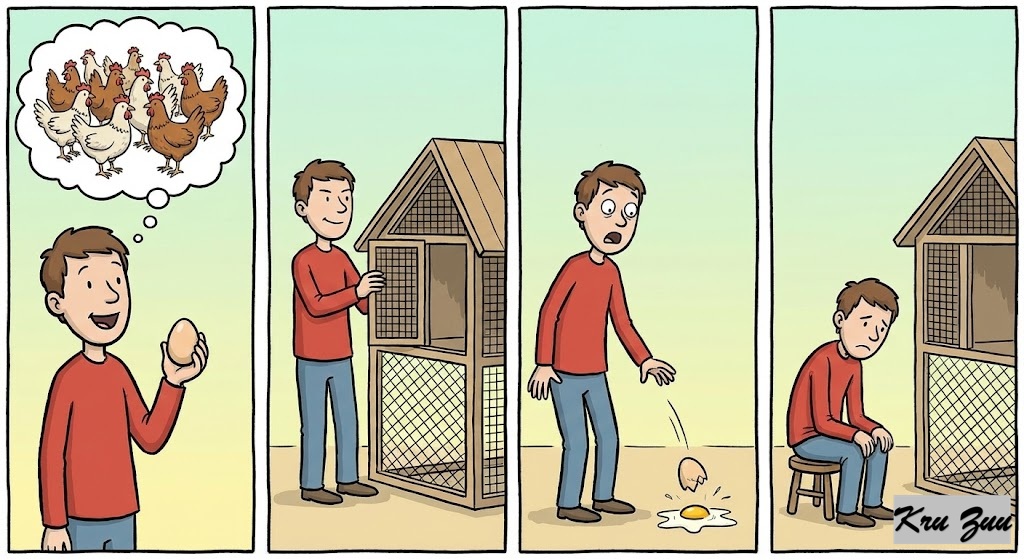
    Don’t put all your eggs in one basket.


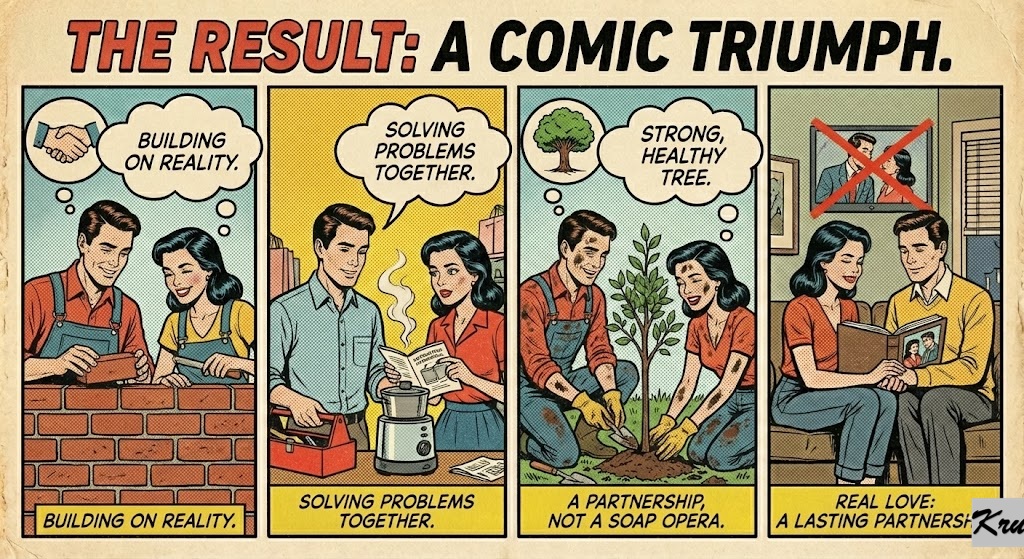
    ๐Ÿ‘ฟ The Risk Taker:
    You invested all your savings in a single stock.

    You applied to only one university. You are waiting solely for the job offer from one company.

    The Result? If that stock tanks, everything is gone. If that university rejects you, you have no backup.

    Stress levels skyrocket, and your entire life is tied to one fragile point. ๐ŸŒ‹


    ๐Ÿ˜‡ The Planner (The Diversifier): You spread your money across different bank accounts and investment tools.

    You applied to three different colleges.

    You are learning a new skill while also taking on some freelance work.

    The Result? If one investment dips, the others protect you. There is always a ‘Plan B.’ Your life rests on solid ground. ๐Ÿ›ก๏ธ


    ๐Ÿ“‰ The Reality: This saying is not just about finance. It applies to career, relationships, hobbies, and education too.

    Life is not a lottery where one thing saves you; it’s a strategic game where you manage probabilities. ๐ŸŽฏ


    ๐Ÿ’Ž The Secret: Flexibility is your power in life. If one area fails, the others can support you. Successful people always have a contingency plan.

    ๐Ÿง The Anatomy of the Proverb


    This common English phrase is a direct warning against making your life dependent on a single thing.


    ๐Ÿ“š Vocabulary Vault


    Basket (Noun):
    A container. (Here: An area of investment, an opportunity, or an effort.) ๐ŸŽ


    Example: “She keeps all her laundry in a plastic basket.”


    To Put (Verb): To place. (Here: To invest, to focus, to trust.)


    All Your Eggs: All your eggs. (Here: All your resources, money, energy, or hopes.) ๐Ÿฅš


    Diversification (Bonus Word):
    The strategy of investing in a variety of assets to reduce risk.


    ๐Ÿง  Grammar Focus


    The Negative Imperative Mood (The Bossy Verb, Negative):


    The sentence starts with “Don’t” (Do not). Like the positive imperative “Treat othersโ€ฆ”, this is a direct instruction or strong piece of advice.


    Normal: You should not putโ€ฆ


    Imperative:Don’t put all your eggsโ€ฆ (You are strongly advised not to do this!)

    ๐Ÿ“œ History: Origin and Spread


    The saying is based on a centuries old agricultural metaphor.


    The Origin: The phrase can be traced back to the 1600s in Spanish literature and the works of English writer Miguel de Cervantes (author of Don Quixote). The basic idea is simple: if you drop the basket, all your eggs break. ๐Ÿณ


    Global Cousins:


    ๐Ÿ‡น๐Ÿ‡ท Turkish:
    “Bรผtรผn yumurtalarฤฑnฤฑ tek bir sepete koyma.” (Direct translation and most common usage.)


    ๐Ÿ‡จ๐Ÿ‡ณ Chinese: “A man who wants his own end hangs himself from a single tree.” (The idea of finding alternative solutions.)


    ๐Ÿ‡ฎ๐Ÿ‡ณ Hindi: “Taking risks is fine, but don’t risk your entire existence.” (Emphasizing the same theme.)

    ๐ŸŽฏ Impact on Life: The Pros & Cons


    What are the benefits of living by this philosophy?


    โœ… The Pros (The Safety Net):


    Resilience:
    One failure doesn’t derail your whole life. You can recover quickly.


    Mental Peace: It reduces the pressure that comes from being over-reliant on a single outcome.


    Broader Experience: Trying different areas diversifies your skills and capabilities.


    โŒ The Cons (The Pitfalls):


    Dilution of Focus:
    If you spend too little energy on too many things, you might not achieve true excellence in any of them. (Too many baskets, too few eggs!)


    Missed Opportunity: Sometimes, taking a big risk can yield a big reward. This rule can sometimes lead to excessive caution.

    ๐ŸŽญ Short Story: The Village Market


    Let’s check in with our farm friends again!


    ๐ŸŒŸ Character Introduction


    Penny the Pig:
    Ambitious, highly focused. ๐Ÿท


    Fiona the Fox: Cunning, risk-management expert. ๐ŸฆŠ


    Max the Mouse:
    The market accountant. ๐Ÿญ


    The Setup: It was market day. Penny loaded all her delicious pumpkins onto one massive wheelbarrow. “This is the fastest way!” she thought.

    Fiona, however, divided her pumpkins into three separate smaller baskets, ready to sell at three different stalls.


    The Conflict: The path was bumpy, and just as Penny was descending a hill, her large wheelbarrow’s wheel came loose, and the WHOLE THING CRASHED! All her pumpkins were smashed. ๐ŸŽƒ


    The Solution: As Penny cried, Fiona realized that two of her three baskets were still perfectly fine. Even though the third basket had tipped, the bulk of her loss was contained.

    Max the Mouse summed it up: “Penny’s loss is 100%. Fiona’s loss is only 33%. Fiona earned less, but she didn’t crash.”


    The Moral: Success is measured not only by what you gain but by what you avoid losing. Separating the baskets minimizes the cost of risk.

    ๐ŸŽ“ Lesson for English Learners


    How can you use “The Basket Proverb” in your English conversations?


    Advice Language ๐Ÿ—ฃ๏ธ


    If your friend applies to only one company:
    “Hey, don’t put all your eggs in one basket. Maybe apply to two or three more places as a backup.”


    To someone stressing over an exam: “Remember to study a variety of topics. Don’t put all your eggs in one basket for the final exam!”


    Vocabulary Expansion ๐Ÿ“š


    Contingency Plan (Noun):
    A plan for a possible future event. “We need a contingency plan in case the main project fails.”


    Mitigate (Verb): To make less severe or serious. “The strategy is designed to mitigate risk.”


    Prudent (Adjective): Acting with or showing care for the future. “It is prudent to have multiple sources of income.”


    ๐Ÿ’ฌ Your Turn


    The Life Portfolio Challenge ๐Ÿ“


    Right now, think about the 3 most important “baskets” in your life and the “eggs” (energy/resources) you put into them.


    Basket 1 (e.g., Career/Job)


    Basket 2 (e.g., Health/Fitness)


    Basket 3 (e.g., Relationships/Family)


    Question: If one basket completely crashed (like losing your job), would the other two baskets be strong enough to save you? Or have you put all your eggs into one place?


    Tell me in the comments below which basket you’ve decided to strengthen! ๐Ÿ‘‡

    By Zubeyir YURTKURAN

    https://www.facebook.com/BrainBattleground/

    https://www.facebook.com/zubeyr.yurtkuran/

    https://www.instagram.com/zubeyryurtkuran/
    https://www.youtube.com/@BrainBattleground-b3p

  • ๐ŸŒ The Chameleon Code: How to Fit In Anywhere

    ๐ŸŒ The Chameleon Code: How to Fit In Anywhere

    When in Rome, do as the Romans do.


    ๐Ÿ“ธ The Tourist:
    You travel to Japan. You wear your shoes inside the house. You talk loudly on the train. You try to tip the waiter (which is rude there!). Everyone stares at you. You feel awkward.

    ๐Ÿ˜ณ ninja The Traveler: You arrive in Japan. You take your shoes off at the door. You whisper on the train. You bow respectfully instead of tipping. You make local friends instantly. You belong. ๐Ÿฃ

    ๐Ÿ“‰ The Reality: Rules change depending on where you are. ๐Ÿš€

    The Secret: Success isn’t about being right; it’s about being adaptable. In this post, we are mastering the art of “Cultural Intelligence.” Let’s pack our bags! ๐Ÿงณ

    ๐Ÿง The Anatomy of the Proverb


    Letโ€™s look under the hood of this famous idiom.


    ๐Ÿ“š Vocabulary Vault


    Rome (Proper Noun):
    In this idiom, “Rome” is a metaphor. It represents any new place, situation, or environment you are in. (e.g., A new office, a friend’s house, a different country). ๐Ÿ›๏ธ


    Do (Verb):
    To act, behave, or follow customs. ๐ŸŽญ


    Romans (Plural Noun): These represent the locals or the people who belong to that group. ๐Ÿ‘ฅ


    ๐Ÿง  Grammar Focus


    This is an Imperative Sentence (A command or advice).


    Structure: When [Condition/Place], [Command].


    Formula: [When you are in a specific context] + [Copy the behavior of the people there].


    Short Version: Native speakers often just say: “Well, when in Romeโ€ฆ” (and leave the rest silent!).

    ๐Ÿ“œ History: Saints & Emperors


    Did this actually happen in Rome? Yes!


    The Legend: In the year 387 AD, St. Augustine arrived in Milan. He noticed the church customs there were different from his home in Rome. He asked St. Ambrose what to do.


    The Advice: St. Ambrose famously said: “If you are at Rome, live in the Roman style; if you are elsewhere, live as they live elsewhere.”


    Global Cousins:


    ๐Ÿ‡น๐Ÿ‡ท Turkish:
    “GittiฤŸin yer kรถr ise, bir gรถzรผnรผ de sen kapat.” (If the place you go to is blind, close one of your eyes too!) ๐Ÿ˜‰


    ๐Ÿ‡ช๐Ÿ‡ธ Spanish: “Donde fueres, haz lo que vieres.” (Wherever you go, do what you see.)


    ๐Ÿ‡ฏ๐Ÿ‡ต Japanese: “Go ni itte wa, go ni shitagae.” (Enter the village, obey the village.)


    The Lesson: It is not about losing your identity. It is about showing respect and harmony.

    ๐ŸŽฏ Impact on Life: The Pros & Cons


    Should you always copy others?


    โœ… The Pros ( The Diplomat)


    Respect:
    People appreciate when you try to understand their culture.


    Safety: Blending in stops you from looking like a clueless tourist (and a target for pickpockets!).


    Connection: You make friends faster when you break down barriers.


    โŒ The Cons (The Peer Pressure)


    Losing Yourself:
    Don’t do things that violate your core morals just to fit in.


    The “Copycat” Risk: If “the Romans” are jumping off a bridge, you shouldn’t do it! ๐Ÿšซ

    ๐ŸŽญ Short Story: The Dinner Party


    Letโ€™s see how our farm friends handle a fancy dinner!


    ๐ŸŒŸ Character Introduction


    Percy the Chicken:
    Stubborn and stuck in his ways. ๐Ÿ”


    Fred the Frog: Observant and flexible. ๐Ÿธ


    The Swans: The fancy hosts of the dinner party. ๐Ÿฆข


    The animals were invited to a formal dinner at the Swan Lake.

    The Custom: Swans eat gracefully with their heads high, and they never make loud noises while chewing.


    Percy: Didn’t care. Percy sat at the table. He pecked at the food rapidly peck, peck, peck!

    He scratched the table with his feet (like a chicken does).

    He clucked loudly with his mouth full.

    The Swans looked at him in horror. “How rude,” they whispered. Percy was not invited back. ๐Ÿšซ


    Fred: Watched the Swans. Fred was a frog.

    He usually catches flies with his tongue. But he looked around.

    He saw the Swans eating soup slowly. Fred didn’t use his tongue. He used a spoon.

    He sat up straight. He mimicked their politeness. The Swans smiled. “What a charming gentleman,” they said. Fred was offered dessert. ๐Ÿฐ


    Luna the Cat watched from a tree: “Percy acted like a chicken in a swan’s house. Fred acted like a swan. Fred did as the Romans do.”

    ๐ŸŽ“ Lesson for English Learners


    How can you use this strategy to master English?

    Don’t just translate your language into English. Mimic the culture.


    The Greeting Protocol ๐Ÿ‘‹


    Your Home:
    Maybe you kiss on the cheek or bow.


    In Rome (USA/UK): A firm handshake or a simple “Hey.”


    Action: Watch movies. How do friends say hello? Copy that.


    The “Politeness” Filter โ˜•


    Direct Translation: “Give me coffee.” (Grammatically correct, but rude).


    The Roman Way: “Could I have a coffee, please?”


    Action: Learn the “softener” words (Could, Would, May).


    The Slang Squad ๐Ÿ—ฃ๏ธ


    If you are in a business meeting, speak formally.


    If you are gaming on Discord, don’t say “How do you do?” Say “What’s up?”


    Action: Match your vocabulary to your environment.


    ๐Ÿ’ฌ Your Turn


    Have you ever experienced Culture Shock? ๐Ÿคฏ


    Did you try food that was strange to you? ๐Ÿฆ‘


    Did you make a mistake in a new country? ๐ŸŒ


    Do you act differently at school vs. at home with family?


    Tell us your story in the comments! ๐Ÿ‘‡

    By Zubeyir YURTKURAN

    https://www.facebook.com/BrainBattleground/

    https://www.facebook.com/zubeyr.yurtkuran/

    https://www.instagram.com/zubeyryurtkuran/
  • โšก The Efficiency Hack: Do Less, Get More

    โšก The Efficiency Hack: Do Less, Get More

    Kill two birds with one stone.


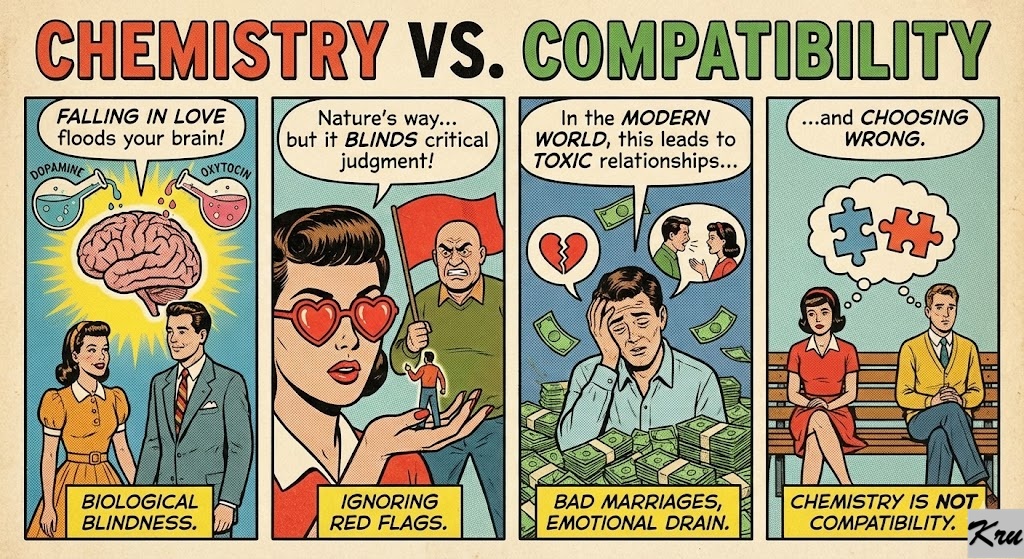
    ๐Ÿƒ The Busy Bee: You have a busy day. You drive to the gym to exercise. You drive home. Then, you realize you need milk. You drive to the supermarket. You drive home. You are exhausted. ๐Ÿฅต

    ๐Ÿง  The Strategist: You realize the supermarket is next to the gym. You exercise, then you buy milk on your way out. You are home early, relaxing on the sofa.

    ๐Ÿ“‰ The Reality: Hard work is good. Smart work is better.

    ๐Ÿš€ The Secret: Why do two separate tasks when one action can finish both? In this post, we are mastering the art of the “Double Win.” Let’s sharpen your strategy! โš”๏ธ

    ๐Ÿง The Anatomy of the Proverb


    Letโ€™s look under the hood of this famous idiom.


    ๐Ÿ“š Vocabulary Vault


    Kill (Verb):
    In this context, it doesn’t mean violence. It means to “complete” or “achieve” a task. โœ…


    Two Birds (Noun Phrase):
    These represent your Goals or Problems. (e.g., Learning English + Watching a Movie). ๐Ÿฆ๐Ÿฆ


    One Stone (Noun Phrase): This represents a single Action or Effort. ๐Ÿชจ


    ๐Ÿง  Grammar Focus


    This is an idiom used to describe efficiency.


    Structure: [Verb Phrase] + [Prepositional Phrase]


    Formula: [Solve 2 Problems] + [Using 1 Action]


    Example:“I cycled to work today. I killed two birds with one stone: I saved money on gas, and I got my daily exercise!”

    ๐Ÿ“œ History: Myths & Archers


    Is this actually about hunting? Originally, yes.


    The Legend: The story goes back to the Greek myth of Daedalus, who was so strong he killed two birds with one stone.


    The Written Record: It appeared in English philosophy in the 1600s (Thomas Hobbes).


    Global Cousins:


    ๐Ÿ‡จ๐Ÿ‡ณ Chinese:
    “One arrow, two hawks.” (Cooler, right?) ๐Ÿน


    ๐Ÿ‡น๐Ÿ‡ท Turkish: “Bir taลŸla iki kuลŸ vurmak.” (Exactly the same!)


    The Lesson: It is not about cruelty to animals. It is about maximum results with minimum effort.

    ๐ŸŽฏ Impact on Life: The Pros & Cons


    Is multitasking always the answer?


    โœ… The Pros (The Superpower)


    Time Management:
    You gain extra free time.


    Energy Saving: You don’t burn out doing unnecessary trips.


    Satisfaction: It feels amazing to be productive.


    โŒ The Cons (The Trap)


    Lower Quality:
    If you try to study, cook, and talk on the phone at the same time, you might burn the food! ๐Ÿ”ฅ


    Distraction: Sometimes, focusing on one bird is better than missing two.

    ๐ŸŽญ Short Story: The Rainy Day Errand


    Letโ€™s see how our farm friends handle a busy day!


    ๐ŸŒŸ Character Introduction


    Percy the Chicken (The Busy Body):
    Runs around a lot, but gets little done. ๐Ÿ”


    Fred the Frog (The Mastermind): Loves efficiency. ๐Ÿธ


    Luna the Cat (The Boss): Sleeping on the porch. ๐Ÿ˜ผ


    It was a rainy Tuesday. The animals had chores to do.

    Goal 1: They needed to mail a letter to the neighboring farm. โœ‰๏ธ

    Goal 2: They were out of corn and hungry. ๐ŸŒฝ


    Percy: Panicked. “I must go now!” Percy grabbed the letter and ran in the rain to the mailbox.

    He ran back, soaking wet. ๐ŸŒง๏ธ Then his stomach rumbled. “Oh no! We have no food!”

    Percy ran back out into the rain to the barn to get corn. He came back, shivering and tired.

    Percy walked 2 miles and got wet twice.


    Fred: Looked at the list.

    He sat on a lily pad and thought. “I am hungry, and I need to mail this letter.”

    Fred waited until he was hungry. He put the letter in his pocket.

    He hopped to the mailbox, dropped the letter, and then since the food barn was right next to the mailbox, he grabbed the corn bag. He hopped home.


    The Result:

    Percy was sneezing and exhausted. ๐Ÿคง

    Fred was dry, eating corn, and reading a book.


    Luna opened one eye: “Percy, you worked hard. Fred, you worked smart. Fred killed two birds with one stone.” (Disclaimer: No actual birds were harmed in this story!) ๐Ÿšซ๐Ÿฆ

    ๐ŸŽ“ Lesson for English Learners


    How can you use this strategy to learn English faster?


    Don’t “Make Time” for English. Combine it.


    The Commuter Strategy: ๐ŸšŒ
    Bird 1:
    Going to work/school (Boring travel time).


    Bird 2: Improving listening skills.


    The Stone: Listen to an English Podcast on the bus.


    The Netflix Method: ๐Ÿฟ
    Bird 1:
    Relaxing and having fun.


    Bird 2: Learning slang and vocabulary.


    The Stone: Watch your favorite series with English subtitles.


    The Gamer Hack: ๐ŸŽฎ
    Bird 1:
    Playing video games.


    Bird 2: Speaking practice.


    The Stone: Join an international server and chat with teammates in English.


    Remember: You don’t need more time. You just need a better stone.


    ๐Ÿ’ฌ Your Turn


    What is your best “efficiency hack”?


    Do you brush your teeth in the shower? ๐Ÿšฟ


    Do you listen to audiobooks while cleaning the house? ๐Ÿงน๐ŸŽง


    Tell us how YOU kill two birds with one stone in the comments! ๐Ÿ‘‡

    By Zubeyir YURTKURAN

    https://www.facebook.com/BrainBattleground/

    https://www.facebook.com/zubeyr.yurtkuran/

    https://www.instagram.com/zubeyryurtkuran/

  • ๐Ÿ’ก The Spark of Genius: Why Problems Are Good for You

    ๐Ÿ’ก The Spark of Genius: Why Problems Are Good for You

    Necessity is the mother of invention.


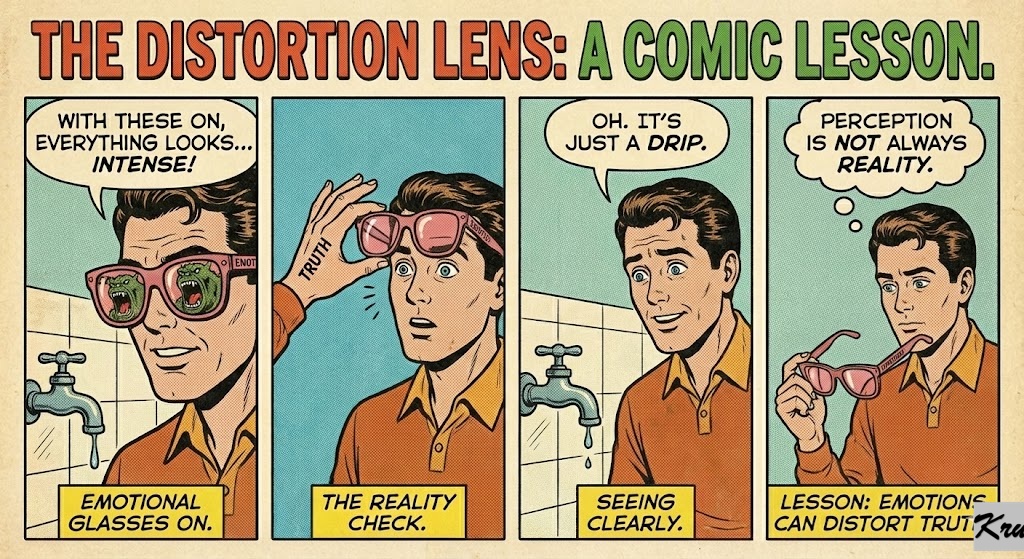
    ๐Ÿ–๏ธ The Comfort Zone: You have a car, a GPS, and a full tank of gas. You don’t need to think about directions. You just drive.

    ๐Ÿ“‰ The Reality: You rely on tools. If the battery dies, you are lost. Comfort kills creativity.


    ๐Ÿ”ฅ The Danger Zone: You are lost in the jungle. Your phone is dead. It is getting dark.

    ๐Ÿ“ˆ The Reality: Suddenly, your brain wakes up! You build a shelter, you find north using the sun, you find water. You become a genius because you have no choice.


    Life has a secret rule: We rarely change when we are comfortable. We change when we need to.


    In this post, we explore why “problems” are actually “gifts.” Let’s unlock your inner inventor! ๐Ÿ”“

    ๐Ÿง The Anatomy of the Proverb


    Letโ€™s dismantle this mechanical masterpiece.


    ๐Ÿ“š Vocabulary Vault


    Necessity (Noun):
    A situation where something is absolutely required or essential. (A “must-have” situation). ๐Ÿ†˜


    Mother (Noun – Metaphor): The source, origin, or creator of something. (Not a biological mom, but the “starting point”). ๐ŸŒฑ


    Invention (Noun): The action of inventing something typically a process or device. (Creating something new). โš™๏ธ


    ๐Ÿง  Grammar Focus


    This sentence uses a powerful literary device called a Metaphor.


    Subject: Necessity (Abstract Noun)


    Verb: Is (State of being)


    Object: The mother of invention (Noun Phrase)


    Formula: [Problem] = [Creator of Solution].

    Note: We are comparing “Need” to a “Mother.” Just as a mother gives birth to a child, a “Need” gives birth to a “New Idea.”

    ๐Ÿ“œ History: From Plato to Smartphones


    Is this just a catchy slogan? No, it is ancient wisdom.


    The Origin: The concept appears in Platoโ€™s Republic (Ancient Greece), where he wrote: “Our need will be the real creator.”


    The Evolution: It entered English in 1519, but the phrasing we use today became famous in the 1700s.


    Real Life Example: Why was the Internet created? Because the military needed a way to communicate if phone lines were destroyed.


    The Lesson: Don’t complain about problems. Problems are the fuel for progress.

    ๐ŸŽฏ Impact on Life: The Pros & Cons


    Is being under pressure always good?


    โœ… The Pros (Why it works)


    Focus:
    When you have a deadline in 1 hour, you don’t check Instagram. You focus 100%.


    Innovation: People didn’t invent the umbrella because they liked carrying sticks. They invented it because they hated getting wet! โ˜”


    Survival: Your brain is lazy. It only works hard when it feels it is necessary.


    โŒ The Cons (What to watch out for)


    Stress:
    Constant necessity (always being in “survival mode”) causes burnout. ๐Ÿ˜ซ


    Ugly Solutions: Sometimes, a quick fix is ugly. (Like fixing a broken window with duct tape). It works, but it isn’t “perfect.”

    ๐ŸŽญ Short Story: The Heatwave & The Bucket


    Let’s visit our farm friends to see who survives the summer heat!


    ๐ŸŒŸ Character Introduction


    Percy the Chicken (The Complainer):
    Waits for others to solve his problems. ๐Ÿ”


    Fred the Frog (The Thinker): Uses what he has to get what he needs. ๐Ÿธ


    Luna the Cat (The Observer): Watching from the shade. ๐Ÿ˜ผ


    It was the hottest day of the year. The farmer had left a tall, narrow bucket of cold water in the yard. But the water level was very low right at the bottom.


    The Problem: The animals were thirsty, but their heads couldn’t reach down to the water.


    Percy: Poked his beak into the bucket. Bonk. He couldn’t reach. “This is unfair!” Percy squawked. “The farmer forgot us! I will just sit here and be thirsty until he comes back.” Percy sat in the hot dust, miserable and waiting.


    Fred: Looked at the water. He was drying out. He needed that water to survive. He tried to jump in, but the bucket was too narrow. Luna watched lazily. “Give up, Fred. It’s physics.”


    Fred didn’t give up. He looked around. He saw a pile of small pebbles (stones) near the garden.

    Idea! ๐Ÿ’ก Fred picked up a pebble and dropped it into the bucket. Plop. Nothing happened. He dropped another. Plop. He dropped ten. Twenty. Fifty!


    Percy laughed: “Now you are just playing with rocks, you silly frog.”


    The Result: With every stone Fred dropped, the water level rose higher due to displacement. After the 100th stone, the cool water rose to the very top of the bucket.


    Fred took a long, refreshing drink. ๐Ÿฅค Percy looked shocked.


    Luna smiled: “Percy, you saw a problem. Fred saw a puzzle.”


    The Moral:


    Percy:
    Had a need, but waited for help = Thirsty.


    Fred: Had a need, and created a solution = Satisfied.

    ๐ŸŽ“ Lesson for English Learners


    How does this apply to learning a language?


    Don’t wait until you are “Ready.” Wait until you are “Desperate.”


    The “Survival” Method: If you study English in a classroom, you might be lazy. But imagine if you are dropped in the middle of London, hungry, and need to find a bathroom. Necessity will force you to speak. You won’t care about grammar rules; you will care about communication.


    Create Your Own Necessity:


    Don’t just read books.


    Change your phone language to English. (Now you need to understand it to use your phone).


    Promise to teach a friend a topic in English. (Now you need to learn it so you don’t look foolish).


    Remember: We learn fastest when we have no other choice.


    ๐Ÿ’ฌ Your Turn


    Have you ever fixed something using a strange object (like opening a box with a key, or fixing glasses with a paperclip) because you didn’t have the right tool? ๐Ÿ› ๏ธ๐Ÿ–‡๏ธ


    Tell us your best “MacGyver Moment” in the comments! ๐Ÿ‘‡

    By Zubeyir YURTKURAN

    https://www.facebook.com/BrainBattleground/

    https://www.facebook.com/zubeyr.yurtkuran/

    https://www.instagram.com/zubeyryurtkuran/
  • ๐Ÿš€ Practice Makes Perfect: The Secret Sauce of Mastery

    ๐Ÿš€ Practice Makes Perfect: The Secret Sauce of Mastery

    ๐Ÿšซ Can You Learn to Swim by Reading a Book?


    ๐Ÿ“– The Short Cut: You watch 50 YouTube videos about “How to play guitar,” memorize every chord name, but never actually pick up the instrument.

    ๐Ÿ“‰ The Reality: The moment you hold the guitar, your fingers don’t work. You have knowledge, but zero skill.

    ๐Ÿ—ฃ๏ธ The Short Cut: You study English grammar rules for 5 years but you are too afraid to speak because you might make a mistake.

    ๐Ÿ“‰ The Reality: You become a “Grammar Professor” who cannot order a coffee. Silence is not fluency.


    Life has a strict rule: You cannot think your way to mastery; you must do your way to mastery. In this post, we explore why repetition is the mother of skill. Don’t just read this do it! ๐Ÿ‘Š

    ๐Ÿง The Anatomy of the Proverb


    Let’s break down the mechanics of this golden rule.


    ๐Ÿ“š Vocabulary Vault


    Practice (Noun/Verb): Performing an activity or exercise repeatedly to improve your proficiency. (Doing it again and again). ๐Ÿ”„


    Make (Verb): To cause something to become specific. (To result in). ๐Ÿ”จ


    Perfect (Adjective): Having all the required or desirable elements; free from faults or defects. โœจ


    ๐Ÿง  Grammar Focus


    This is a concise Subject + Verb + Object sentence in the Present Simple Tense.


    Subject: Practice (Uncountable Noun – treated as Singular “It”)


    Verb: Makes (Causative verb)


    Object: Perfect (Adjective acting as a noun idea, “perfection”)


    Formula: [Practice] + [Makes] + [Perfect]. Note: Since “Practice” is a singular concept, we must add -s to the verb (Make -> Makes).

    ๐Ÿ“œ History: From Romans to Bruce Lee


    Is this a modern idea?


    The Origin: The roots go back to the Latin phrase “Uses promptos facit” (Use makes ready). The modern English version became popular in the 1500s.


    The Legend: Martial arts legend Bruce Lee famously said: “I fear not the man who has practiced 10,000 kicks once, but I fear the man who has practiced one kick 10,000 times.”


    The Lesson: It is better to do one thing deeply than 100 things shallowly.

    ๐ŸŽฏ Impact on Life: The Pros & Cons


    Is doing the same thing over and over always good?


    โœ… The Pros (Why it works)


    Muscle Memory: Whether it’s your tongue forming the “TH” sound or your fingers playing piano, repetition moves the skill from your brain to your body. You stop thinking and start doing. ๐Ÿง โžก๏ธ๐Ÿ’ช


    Confidence: Familiarity kills fear. The 100th time you give a presentation, you won’t be nervous.


    Speed: Amateurs are slow because they are thinking. Professionals are fast because they have practiced.


    โŒ The Cons (What to watch out for)


    Bad Practice:
    If you practice a mistake repeatedly, you make the mistake “perfect.” (e.g., pronouncing “Three” as “Tree” for 10 years). Correction is necessary.


    Boredom: Repetition can be dull. You must find ways to keep it fun (Gamification).

    ๐ŸŽญ Short Story: The Juggling Contest


    Let’s see how our farm friends handle a new talent show!


    ๐ŸŒŸ Character Introduction


    Percy the Chicken (The Impatient Talent):
    Wants to be a star immediately. ๐Ÿ”


    Fred the Frog (The Consistent Worker): Willing to look silly to get better. ๐Ÿธ


    Luna the Cat (The Critic): Watching from the fence. ๐Ÿ˜ผ


    The “Farm Talent Show” was one week away. Percy and Fred decided to learn juggling (throwing balls in the air).


    Day 1: Percy picked up three apples. “Watch this!” he shouted. He threw them upโ€ฆ and SPLAT! All three hit the floor. “This is stupid!” Percy yelled. “I don’t have the ‘juggling gene.’ I quit.” He went back to eating corn.


    Fred picked up three small berries. He threw one up, dropped it. Threw it up, dropped it. He did this 500 times. He looked clumsy. Luna laughed, “Fred, you look ridiculous.” Fred smiled, “Not yet, Luna. Give me time.”


    Day 4: Fred was still dropping berries, but now he could catch two in a row. His hands were starting to move automatically. Percy was sleeping.


    Day 7 (Showtime!): ๐ŸŽช Percy went on stage. “I will wing it!” he said. He threw the applesโ€ฆ BONK! One hit him on the head. The audience laughed. Percy was embarrassed. Then, Fred hopped on stage. He picked up three shining red berries. Whoosh, whoosh, whoosh. His hands moved like a blur. He didn’t even look at the berries; he looked at the audience and smiled. It was a flawless performance. ๐ŸŒŸ


    Luna pinned the blue ribbon on Fred: “Percy, you wanted magic. Fred understood that magic is just practice in disguise.”


    The Moral:


    Percy:
    Gave up after 1 fail = No Skill.


    Fred: Failed 500 times = Mastery.

    ๐ŸŽ“ Lesson for English Learners


    How do you use this for English?


    Don’t Aim for “Perfect” Immediately: A better version of this proverb is “Practice makes Progress.”


    The “Shadowing” Technique: Listen to a native speaker sentence. Pause. Repeat it exactly. Do this 20 times.


    Time 1: You feel weird.


    Time 10: Your tongue feels more comfortable.


    Time 20: You sound natural.


    Mistakes are Data: Every time you make a grammar mistake, don’t feel bad. That is just one “dropped berry.” Pick it up and try again.


    Remember: No one is born speaking a language. Every fluent speaker you see has “practiced” thousands of hours.


    ๐Ÿ’ฌ Your Turn


    Is there a skill (cooking, driving, a video game) that you used to be terrible at, but now you are a master of? ๐ŸŽฎ๐Ÿณ๐Ÿš—


    Tell us your story of “Zero to Hero” in the comments! ๐Ÿ‘‡

    By Zubeyir YURTKURAN

    https://www.facebook.com/BrainBattleground/

    https://www.facebook.com/zubeyr.yurtkuran/

    https://www.instagram.com/zubeyryurtkuran/

  • ๐ŸŒ… The Early Bird Catches the Worm: Why the Snooze Button is the Enemy of Success

    ๐ŸŒ… The Early Bird Catches the Worm: Why the Snooze Button is the Enemy of Success

    ๐Ÿšซ Can You Build an Empire While You Sleep?


    ๐Ÿ›Œ The Short Cut: Hitting the “Snooze” button 5 times because “5 more minutes” feels like heaven.

    ๐Ÿ“‰ The Reality: You rush, spill coffee on your shirt, miss the bus, and start the day stressed and behind schedule.

    ๐Ÿ“ฑ The Short Cut: Waiting for the “perfect time” or “New Year’s Day” to start studying English.

    ๐Ÿ“‰ The Reality: By the time you start, the job interview was yesterday. The position is filled by someone who started last month.


    Life has a simple timing algorithm: First come, first served. In this post, we explore why timing is everything. Wake up, grab your coffee; the opportunity bus is leaving! ๐ŸšŒ

    ๐Ÿง The Anatomy of the Proverb


    Let’s dissect this classic idiom to understand its mechanics.


    ๐Ÿ“š Vocabulary Vault


    Early (Adjective):
    Happening before the usual or expected time. (Being ahead of the crowd). โฐ


    Catch (Verb): To capture, seize, or grab something. ๐Ÿคฒ


    Worm (Noun): A small animal. Metaphorically: The prize, the opportunity, the job, or the reward. ๐Ÿชฑ


    ๐Ÿง  Grammar Focus


    This is a perfect example of the Present Simple Tense representing a “General Truth.”


    Subject:
    The early bird (The proactive person)


    Verb: Catches (The action/result)


    Object: The worm (The reward)


    Formula: [Subject] + [Verb + s] + [Object]. Note: Because “The bird” is singular (It), we add -es to the verb catch (Catches).

    ๐Ÿ“œ History: A 17th Century Wake-Up Call


    Who told us to wake up so early?


    The Origin:
    This phrase first appeared in a collection of proverbs by John Ray in 1670.


    The Logic: Before supermarkets, birds literally had to wake up at dawn to find worms coming out of the damp morning soil. If a bird slept until noon, the worms were gone (hiding underground from the sun).


    The Lesson: Opportunities are limited resources. They don’t wait for you to finish your breakfast.

    ๐ŸŽฏ Impact on Life: The Pros & Cons


    Is waking up at 5:00 AM the only way to succeed?


    โœ… The Pros (Why it works)


    Zero Distractions:
    At 6:00 AM, nobody is texting you. Instagram is quiet. It is just you and your goals. Focus is at 100%. ๐Ÿง˜โ€โ™‚๏ธ


    Proactivity: You act before problems arise. You control the day; the day doesn’t control you.


    The “First Choice” Privilege:
    The first person at the buffet gets the freshest food. The first applicant often gets the interview.


    โŒ The Cons (What to watch out for)


    The Night Owl Dilemma:
    Some people are genetically wired to be creative at night. If you force yourself to wake up early but are exhausted, you lose quality.


    Social Lag: If you wake up at 4 AM, you might be sleepy by 8 PM when your friends want to hang out.

    ๐ŸŽญ Short Story: The Great Garden Breakfast


    Let’s return to our farm friends to see this proverb in action.


    ๐ŸŒŸ Character Introduction


    Percy the Chicken (The Snoozer):
    Loves his warm bed and dreams of corn. ๐Ÿ”


    Fred the Frog (The Early Riser): Alert, hungry, and disciplined. ๐Ÿธ


    Luna the Cat (The Observer): Watches from the roof. ๐Ÿ˜ผ


    It was a rainy Tuesday morning. The soil was wet perfect conditions for finding juicy worms!


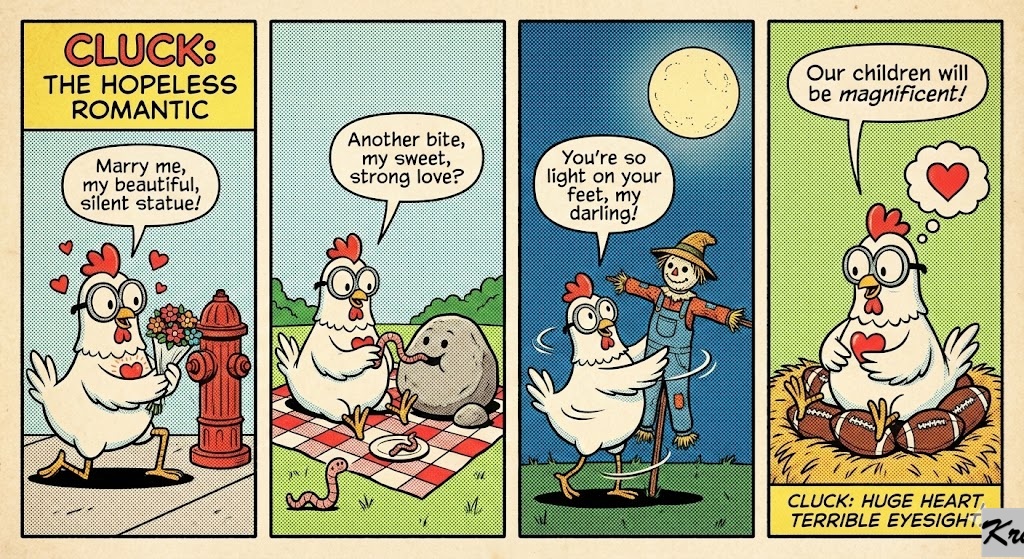
    5:30 AM: The sun began to rise. Fred the Frog opened his eyes immediately. “Rainy night means breakfast delight!” he croaked. He hopped out to the garden while the rest of the farm was snoring. He found the biggest, juiciest worm right in the middle of the path. “Delicious!” Fred said, enjoying his feast in the quiet morning mist. ๐Ÿ˜‹


    9:00 AM: Percy the Chicken’s alarm went offโ€ฆ for the third time. Percy stretched, yawned, and slowly walked out to the garden. “Okay world, I am ready for my breakfast!” he announced. He looked at the ground. Nothing. He scratched the dirt. Nothing. The sun was high now, and the ground was dry. All the worms had gone back underground.


    Luna looked down from the roof and laughed: “Percy, you have great feathers, but an empty stomach. Fred got the worm because he didn’t negotiate with his alarm clock.”


    The Moral:


    Percy:
    Slept late = Leftovers (or hunger).


    Fred: Woke up early = The Grand Prize.

    ๐ŸŽ“ Lesson for English Learners


    How does this apply to learning a language?


    The “Worm” is Fluency.


    The “Early Bird” is Preparation.


    Review Before Class: If you learn the vocabulary before the lesson starts (Early Bird), you can use the lesson to practice speaking (Catching the Worm). If you wait for the teacher to explain everything, you waste time.


    Morning Brain: Research shows that reviewing notes for 15 minutes in the morning is more effective than 1 hour when you are tired at night.


    Don’t Wait for “Someday”: “I will learn English when I have time” is the biggest lie. The time is now.


    Remember: You don’t have to be a genius to learn English; you just have to start before everyone else quits.


    ๐Ÿ’ฌ Your Turn


    Are you a Morning Person (Early Bird) โ˜€๏ธ or a Night Owl ๐Ÿฆ‰? Do you believe getting up early is the key to success, or can you catch the worm at midnight?


    Tell us your routine in the comments! ๐Ÿ‘‡

    By Zubeyir YURTKURAN

    https://www.facebook.com/BrainBattleground/

    https://www.facebook.com/zubeyr.yurtkuran/
    https://www.instagram.com/zubeyryurtkuran/