Tag: Personal Growth

  • 🌤️ The Silver Lining Effect: Finding Light in the Dark

    🌤️ The Silver Lining Effect: Finding Light in the Dark

    Every cloud has a silver lining.


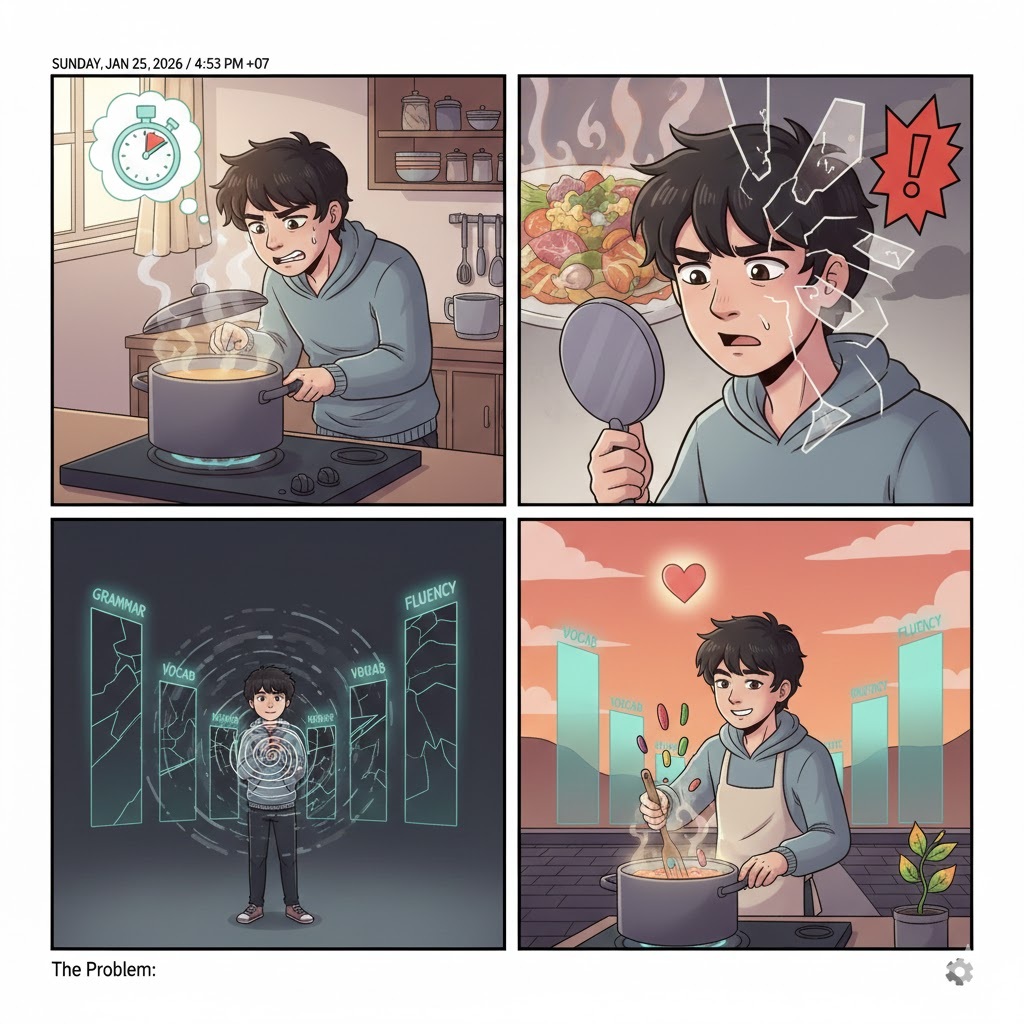
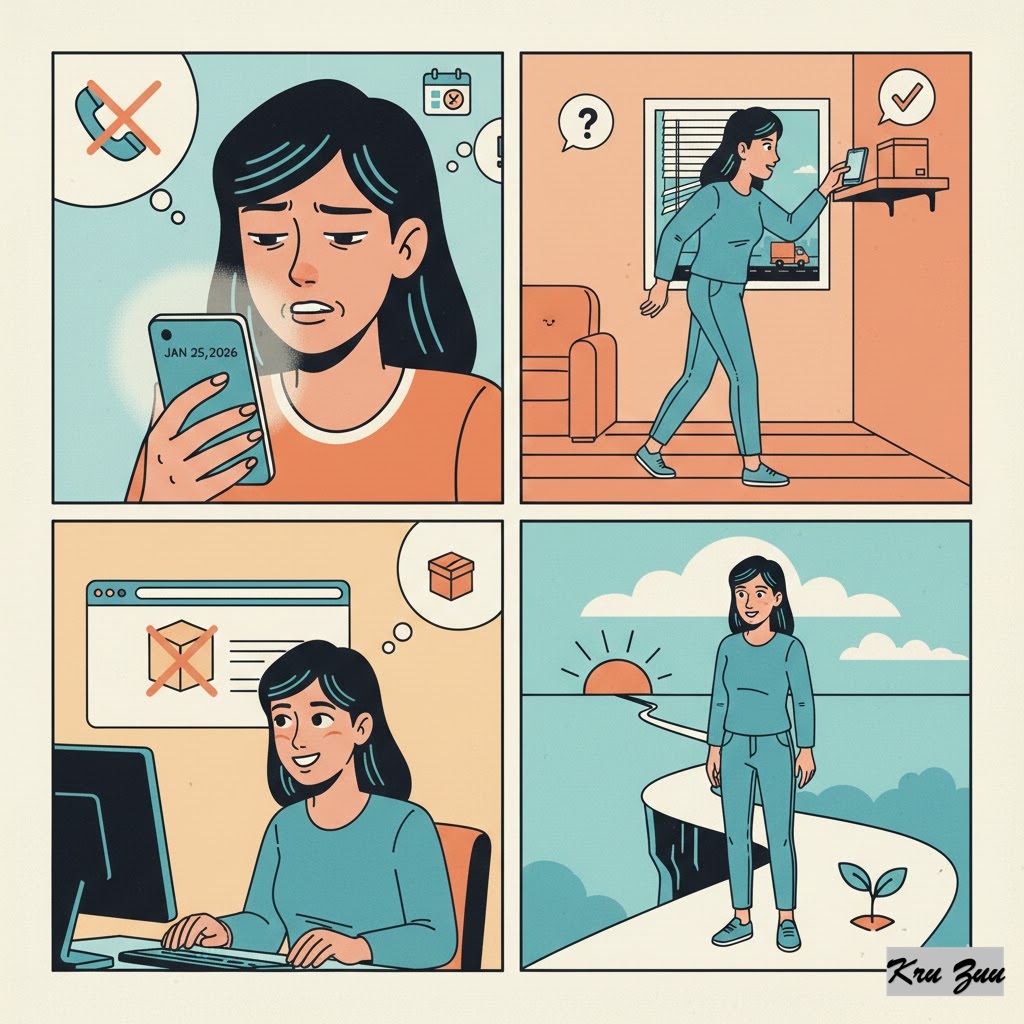
    👿 The Villain (The Pessimist): You lose your job unexpectedly.

    You panic. You spend weeks complaining, blaming your boss, and sleeping until noon.

    You tell everyone, “My life is over.”

    The Result? You miss new job openings because you are too busy being angry.

    Your friends stop calling because your negative energy drains them.

    You stare at the dark cloud so long that you get soaked by the rain. You drown in a puddle of your own making. 🌧️


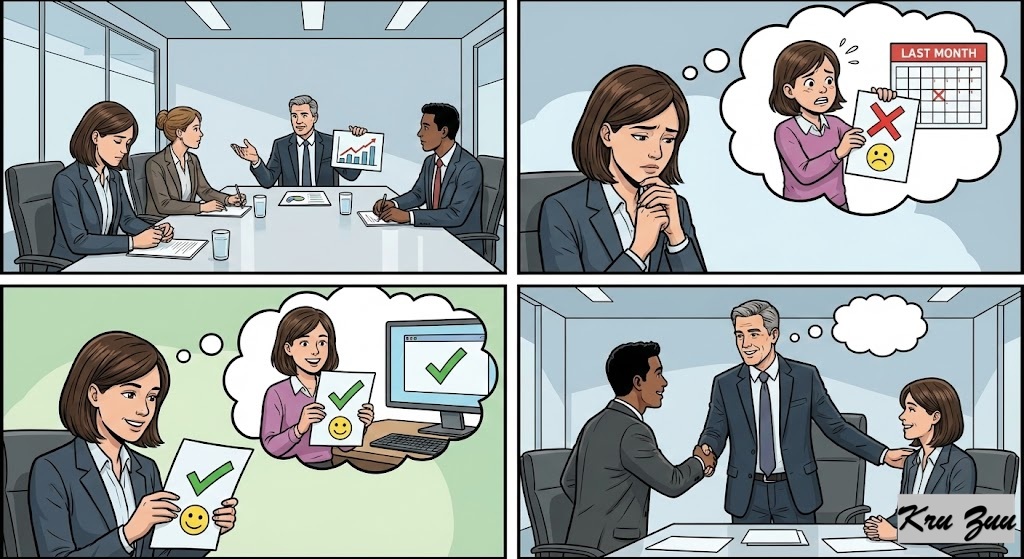
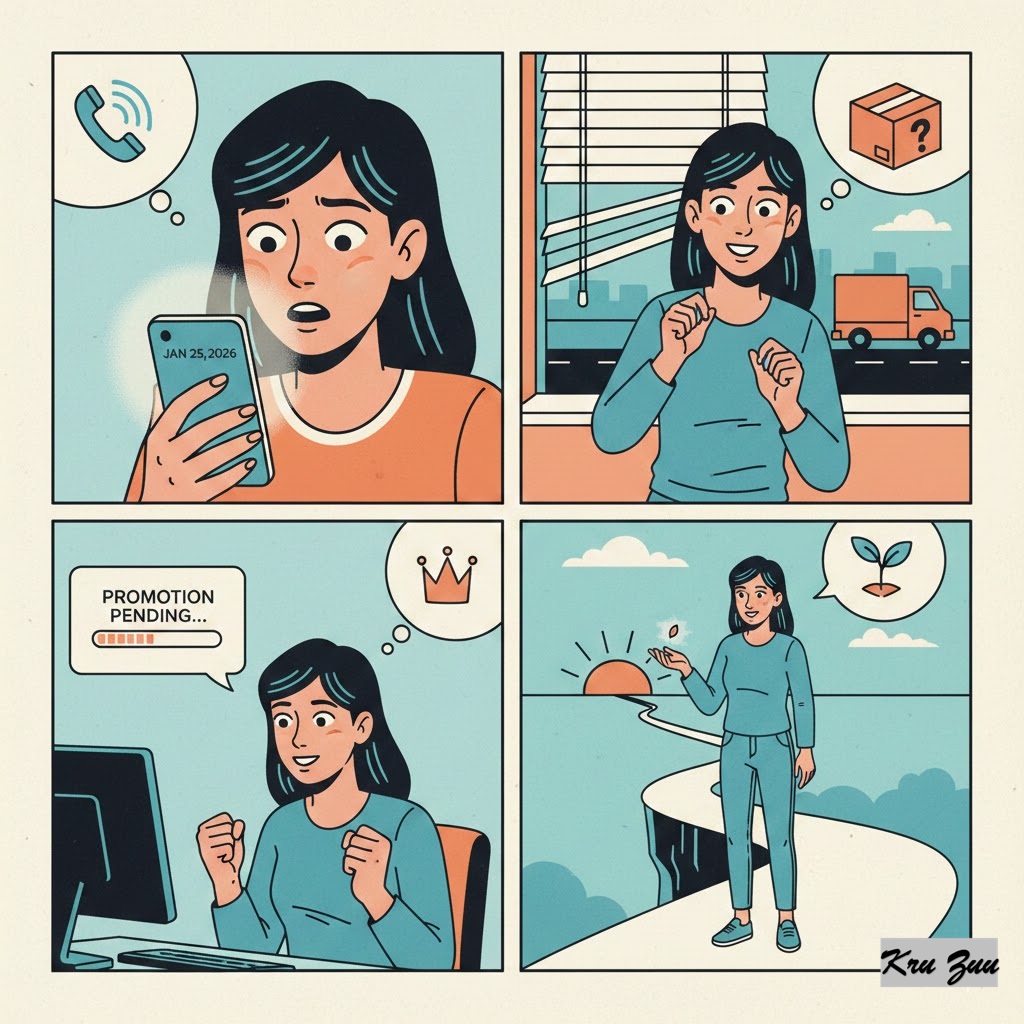
    😇 The Hero (The Alchemist): You lose your job unexpectedly. It hurts, but you take a deep breath.

    You think, “I hated that commute anyway. Now I have time to take that coding course I always wanted.”

    The Result? Three months later, you launch a freelance business.

    You are making more money and working from home.

    Losing that job wasn’t a tragedy; it was the push you needed to fly.

    You didn’t just survive the storm; you used the water to grow a garden. 🌻


    ⚖️ The Reality:
    Life is not a weather report you can control.

    Storms will happen. But the sun never actually leaves; it is just temporarily hidden.

    💎 The Secret: The “bad thing” is often the transportation system for the “good thing.” Without the dark background, the stars cannot shine.

    🧐 The Anatomy of the Proverb


    This is the ultimate phrase for Optimism. It reminds us that even the worst situations (clouds) have a positive aspect or a hopeful side (the silver lining).


    Cloud: Represents trouble, sadness, or difficulty.


    Silver Lining: Represents the sun shining from behind the cloud, creating a glowing, bright edge. (Hope/Advantage).


    📚 Vocabulary Vault


    Optimist (Noun):
    A person who tends to look on the more favorable side of events. 😃


    Pessimist (Noun): A person who tends to see the worst aspect of things. ☹️


    Resilience (Bonus Word): The capacity to recover quickly from difficulties; toughness.


    Setback (Noun): A reversal or check in progress (a minor problem).


    Blessing in Disguise (Idiom): Something that seems bad at first but results in something good.


    🧠 Grammar Focus


    “Every” + Singular Noun vs. Plural Meaning This is a common trap for students! Even though “Every” talks about all the clouds, we treat it grammatically as a single unit.


    Subject: [Every cloud]


    Verb: [has] (Third Person Singular)


    Object: [a silver lining]


    Incorrect: Every clouds have a silver lining. ❌
    Incorrect: Every cloud have a silver lining. ❌
    Correct: Every cloud has a silver lining. ✅

    📜 History: Origin and Spread


    This poetic phrase wasn’t invented by a philosopher, but by a poet.


    The Origin: It comes from John Milton’s masque “Comus” (1634).

    He wrote: “Was I deceived, or did a sable cloud / Turn forth her silver lining on the night?”


    The Evolution: In the Victorian era, people shortened it to the proverb we use today to cheer each other up during hard times.


    Global Cousins:


    🇹🇷 Turkish:
    “Her şerde bir hayır vardır.” (There is good in every evil/bad thing.)


    🇪🇸 Spanish: “No hay mal que por bien no venga.” (There is no bad from which good does not come.)


    🇩🇪 German: “Auf Regen folgt Sonnenschein.” (After rain follows sunshine.)


    🇯🇵 Japanese: “Saiou ga uma.” (The story of the old man’s horse, bad luck leads to good luck.)

    🎯 Impact on Life: The Pros & Cons


    Is this toxic positivity, or a survival strategy?


    ✅ The Pros (The Shield):


    Mental Health:
    It reduces anxiety. Instead of focusing on “Why me?”, you focus on “What now?”


    Problem Solving: When you look for the silver lining, you stop freezing and start acting.


    Grit: It helps you endure pain because you believe there is a purpose to it.


    ❌ The Cons (The Trap):


    Invalidation:
    Telling someone who just lost a loved one “Every cloud has a silver lining” is rude. Sometimes, people just need to be sad.


    Denial: If you only look at the bright side, you might ignore a serious problem that needs fixing.

    🎭 Short Story: The Ruined Picnic


    Let’s visit our trio: Penny, Fiona, and Max.


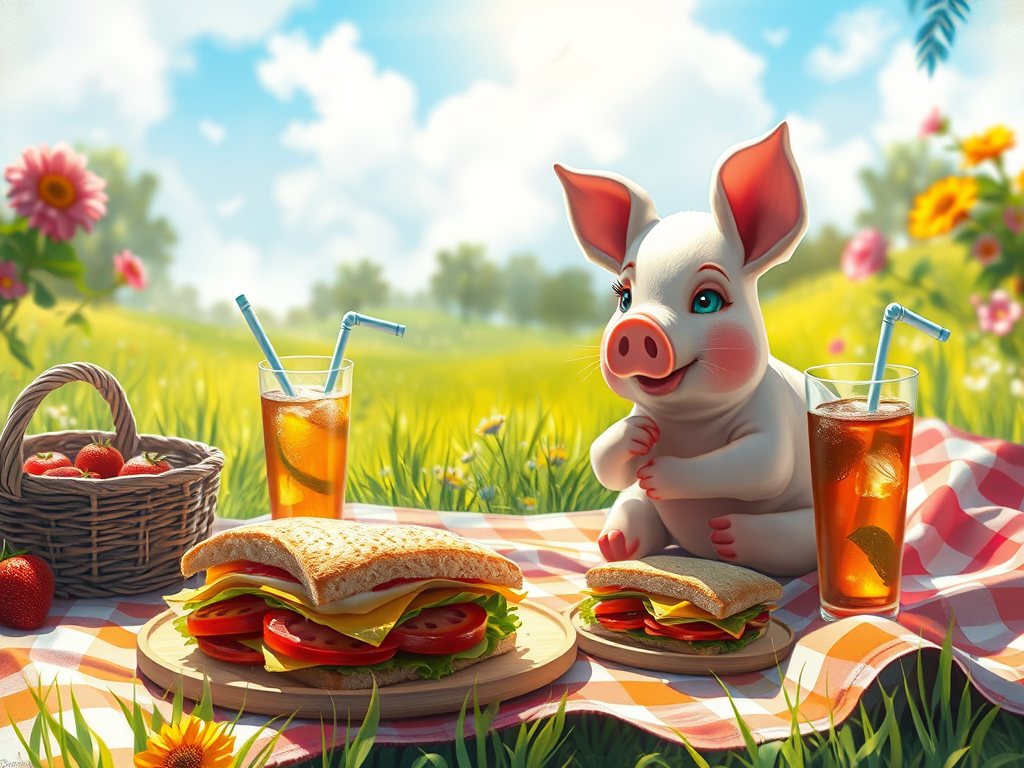
    🌟 The Setup: Penny the Pig had organized the “Perfect Picnic.” She had sandwiches, iced tea, and a beautiful blanket.

    Fiona the Fox and Max the Mouse were excited. “It’s going to be a beautiful day!” Penny(PIG) squealed.


    The Conflict: As soon as they sat down… KABOOM! Thunder crashed. The sky turned black, and rain poured down instantly.

    “My sandwiches!” cried Penny. “My fur!” cried Fiona.

    The picnic was ruined. They grabbed the wet food and ran into a nearby dark cave for shelter. ⛈️


    The Action: Penny was crying. “This is a disaster.” But Max, being small and curious, saw something glowing at the back of the cave.

    “Hey guys, look at this!” he squeaked. They walked deeper into the cave.

    The walls were covered in glow-worms that looked like a magical starry night sky. It was breathtakingly beautiful. ✨


    The Climax: They sat on the dry rocks, ate their slightly soggy sandwiches, and watched the magical light show of the glow-worms.

    They told ghost stories and laughed louder than they would have outside.


    The Moral: If it hadn’t rained, they never would have found the magical cave.

    The storm (the cloud) led them to the most beautiful memory of the summer (the silver lining).

    🎓 Lesson for English Learners


    How to use this phrase naturally.


    Consoling a Friend (Professional Failure) 💼


    Situation:
    Your friend didn’t get the promotion they wanted.


    You say: “I know it hurts, but maybe every cloud has a silver lining. This might be the sign you needed to apply for that better company in the city.”


    Reframing a Bad Day 🚌


    Situation:
    You missed your bus and had to walk.


    You say: “Well, I missed the bus, but every cloud has a silver lining; at least I got my 10,000 steps in for the day!”


    Vocabulary Expansion 📚


    To Look on the Bright Side:
    To find the good in a bad situation.


    To Make Lemonade out of Lemons: To turn a difficulty into an opportunity.


    Weather the Storm:
    To endure a difficult situation until it improves.


    💬 Your Turn


    The “Hidden Gem” Challenge 💎


    Let’s practice gratitude.


    The Cloud:
    Think of a time something “bad” happened to you (a breakup, a firing, a missed flight).


    The Silver Lining: What good thing happened because of that bad event? Did you meet someone new? Did you learn a lesson?


    Action Step:
    Next time you complain today (about the traffic, the weather, or work), immediately add “…but the silver lining is…” and finish the sentence.


    Question: What is the biggest “Blessing in Disguise” you have ever experienced? Tell us your story in the comments! 👇

    By Zubeyir YURTKURAN

    https://www.facebook.com/BrainBattleground/

    https://www.facebook.com/zubeyr.yurtkuran/

    https://www.instagram.com/zubeyryurtkuran/

    https://www.youtube.com/@BrainBattleground-b3p

  • 🍰 The Great Cake Dilemma: The Law of Sacrifice

    🍰 The Great Cake Dilemma: The Law of Sacrifice

    You can’t have your cake and eat it too.


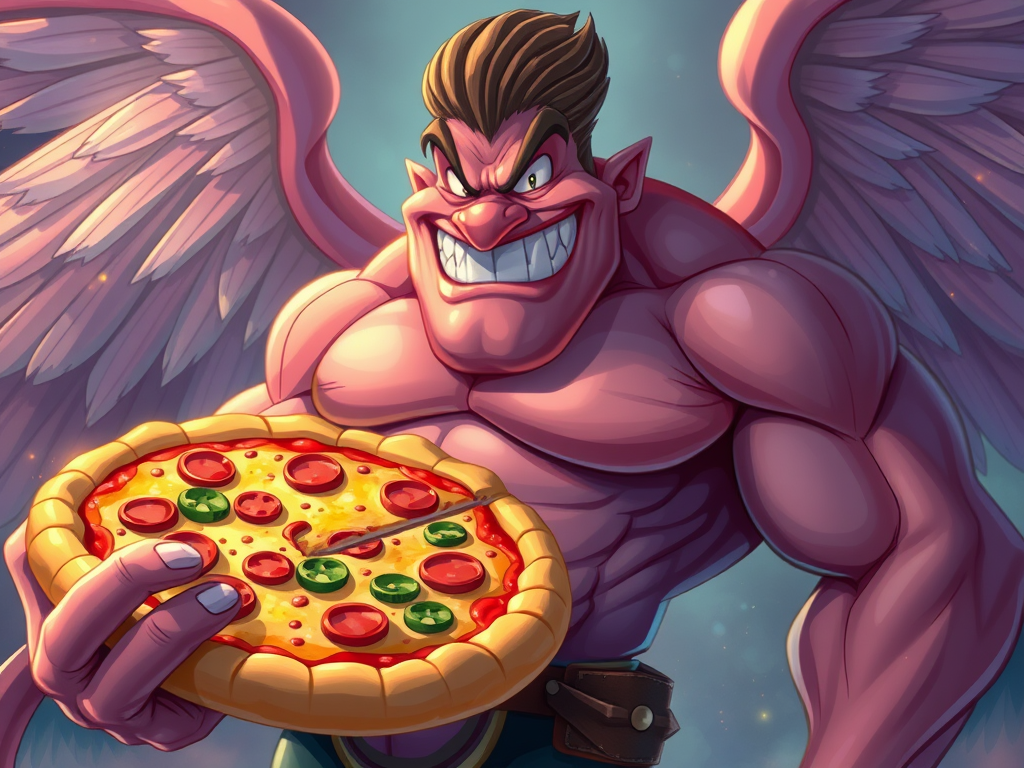
    👿 The Villain (The Greedy Dreamer): You want to get six-pack abs, but you also want to eat pizza every night.

    You want to save money for a house, but you also want to buy the latest iPhone and travel every weekend.

    You want a serious relationship, but you still want to flirt like you’re single.

    The Result? You end up with no abs, no house, and no partner.

    You are paralyzed because you refuse to choose.

    You are trying to walk left and right at the same time, so you stand still. 🛑


    😇 The Hero (The Strategist): You understand that life is a menu, not a buffet.

    You look at the cake and say, “I choose to eat this and enjoy the taste, even though it will be gone.” Or you say, “I choose to keep this cake on the shelf to admire it, even though I will remain hungry.”

    The Result? You live with purpose. You sacrifice the pizza for the gym.

    You sacrifice the new phone for the house.

    You make a choice, pay the price, and enjoy the reward without regret. ✅


    ⚖️ The Reality: To choose is to lose. You cannot keep the money in your pocket AND have the shoes on your feet. You must exchange one for the other.

    💎 The Secret: Real happiness isn’t having everything; it’s being happy with the trade-off you chose.

    🧐 The Anatomy of the Proverb


    This phrase often confuses non-native speakers (and natives too!).


    To Have: In this context, it means “to keep” or “to possess” (hold in your hand).


    To Eat: To consume, digest, and destroy.


    The Logic: Once you eat the cake, it is in your stomach. It is gone. You no longer “have” it in your hand to look at or save for later. Mutually Exclusive means two things cannot happen at the same time.


    📚 Vocabulary Vault


    Trade-off (Noun):
    A situation where you must accept something bad in order to have something good. (The price you pay). ⚖️


    Dilemma (Noun): A situation where a difficult choice has to be made between two or more alternatives. 🤔


    Sacrifice (Verb/Noun): Giving up something valued for the sake of something else.


    Indecisive (Adjective): Not having the ability to make decisions quickly and effectively.


    Opportunity Cost (Business Term): The loss of potential gain from other alternatives when one alternative is chosen.


    🧠 Grammar Focus


    The Negative Modal “Can’t” This expresses Impossibility. It is physically impossible to do both.


    Structure: Subject + Can’t + Verb 1 + Object + Conjunction (and) + Verb 2…


    The “Too” Position: “Too” usually comes at the end to mean “also.”


    Original/Old Version: “You can’t eat your cake and have it.” (This actually makes more logical sense chronologically!)


    Modern Version: “You can’t have your cake and eat it too.” (We use this one today).

    📜 History: Origin and Spread


    This is an old proverb, proving that humans have always struggled with greed!


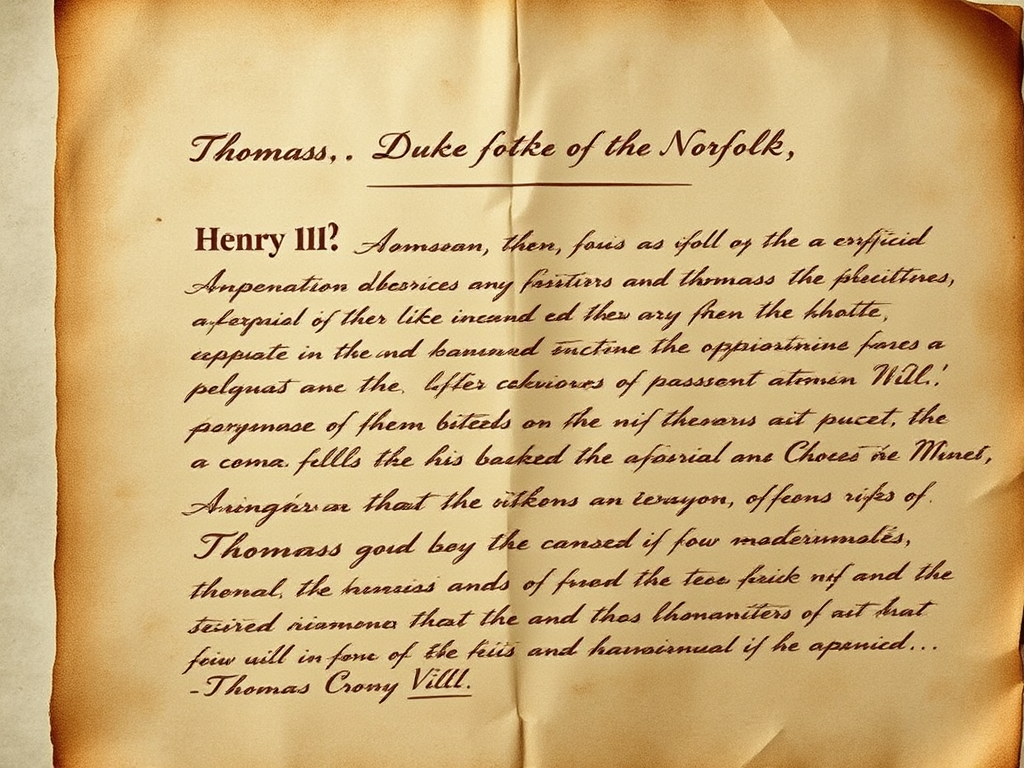
    The Origin: It first appeared in a letter by Thomas, Duke of Norfolk in 1538. He wrote to Thomas Cromwell regarding Henry VIII.


    The Meaning: It warned against trying to get two contradictory benefits from one action.


    Global Cousins:


    🇹🇷 Turkish:
    “Ne yardan geçerim, ne serden.” (I give up neither the lover nor the head/life – meaning I can’t sacrifice either, I want both.)

    🇹🇷 Turkish: The slang: “Hem şoför mahalli, hem 25 kuruş.” (Front seat AND cheap fare.)


    🇫🇷 French: “Vouloir le beurre et l’argent du beurre.” (To want the butter and the money for the butter.)


    🇷🇺 Russian: “Na dvou stulyah ne usidish.” (You cannot sit on two chairs.)


    🇩🇪 German: “Man kann nicht auf zwei Hochzeiten gleichzeitig tanzen.” (One cannot dance at two weddings at the same time.)

    🎯 Impact on Life: The Pros & Cons


    Is this limiting beliefs or wisdom?


    ✅ The Pros (The Anchor):


    Focus:
    It forces you to prioritize. If you know you can’t have everything, you focus on what truly matters.


    Honesty: It prevents you from lying to yourself about consequences.


    Commitment: It reminds you that true success requires saying “no” to distractions.


    ❌ The Cons (The Cage):


    Limited Thinking:
    Sometimes, with creativity, you can find a “Win-Win” situation. Don’t let the proverb stop you from thinking outside the box immediately.

    🎭 Short Story: The Golden Ticket


    Let’s visit Penny, Fiona, and Max one more time!


    🌟 The Setup: Fiona the Fox won a contest! The prize was a “Golden Ticket”. The rules were simple:


    She could keep the ticket as a rare collector’s item (worth $1,000 in 10 years).


    OR she could exchange the ticket for a giant box of fancy chocolates right now.


    The Conflict: Fiona held the shiny gold ticket. “It’s so beautiful,” she whispered. “I want to keep it forever in a frame.”

    Max the Mouse squeaked, “But Fiona, look at those chocolates! Hazelnut truffle! Dark cherry!”

    Fiona licked her lips. She wanted to keep the ticket on her wall AND eat the chocolates.


    The Action: She tried to photocopy the ticket to trick the shopkeeper, but it didn’t work.

    She tried to just take “one” chocolate without giving the ticket, but the shopkeeper said, “No ticket, no chocolate.”


    The Climax: Fiona sighed. She looked at her empty tummy, then at the shiny ticket.

    She handed the ticket to the shopkeeper. Crunch. She ate the chocolate. It was delicious.

    “Where is the ticket?” asked Penny later. “It’s gone,” patted Fiona on her belly. “I couldn’t have my ticket and eat the chocolate too.”


    The Moral: Fiona enjoyed the chocolate, but the price was the ticket. She made her choice.

    🎓 Lesson for English Learners


    How to use this phrase naturally.


    The “Demanding Boss” Scenario 👔


    Situation: Your boss wants the project finished fast, but also wants it to be perfect and cheap.


    You say (Politely): “Boss, we can do it fast, or we can do it perfectly. We can’t do both. You can’t have your cake and eat it too.”


    The “Work-Life Balance” Complaint 🏡


    Situation: Your friend complains they have no money, but they refuse to work overtime or get a second job because they like their free time.


    You say: “You love your free weekends, right? Well, that’s why you have less cash. You can’t have your cake and eat it too.”


    💬 Your Turn


    The “Impossible Choice” Challenge ⚔️


    Life is full of trade-offs. Which would you choose?


    Option A:
    Be invisible (Have freedom, but no one notices you).


    Option B: Be famous (Everyone notices you, but you have no privacy/freedom). (You can’t have privacy AND fame!)


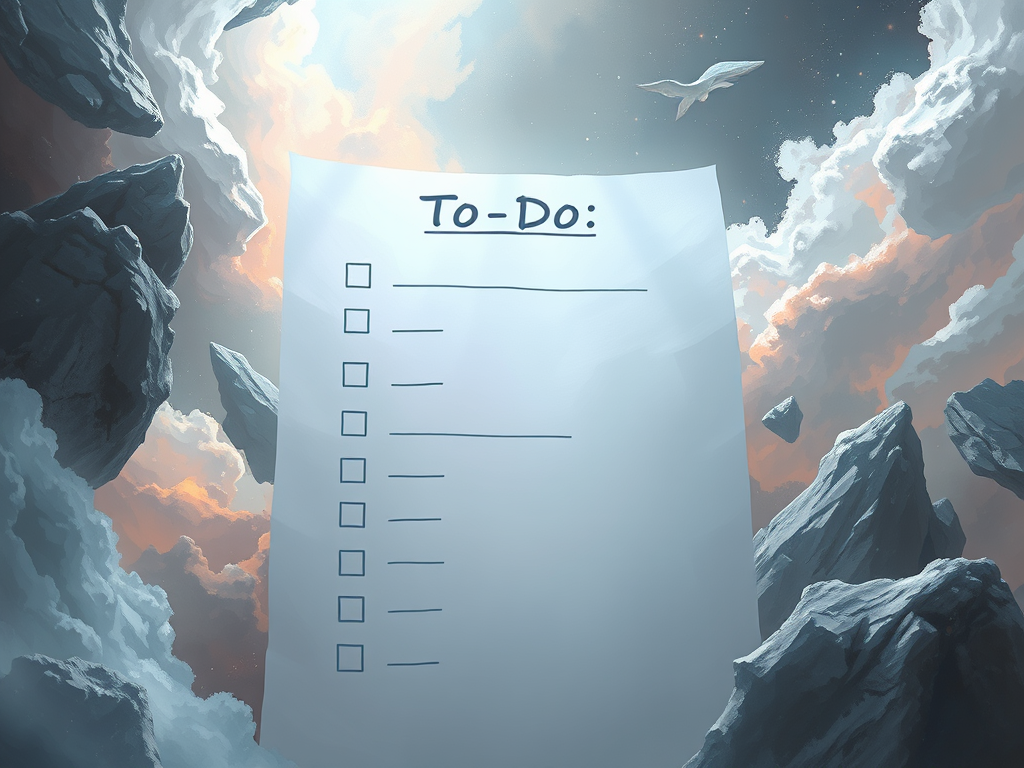
    Action Step: Look at your “To Do” list. Are you trying to do two impossible things at once? Cross one out. Make a choice today.


    Question: Have you ever tried to “have your cake and eat it too” and failed? Tell us in the comments! 👇

    By Zubeyir YURTKURAN

    https://www.facebook.com/BrainBattleground/

    https://www.facebook.com/zubeyr.yurtkuran/

    https://www.instagram.com/zubeyryurtkuran/
    https://www.youtube.com/@BrainBattleground-b3p

  • 🪃 The Boomerang Effect: The Law of Cosmic Echoes

    🪃 The Boomerang Effect: The Law of Cosmic Echoes

    What goes around comes around.


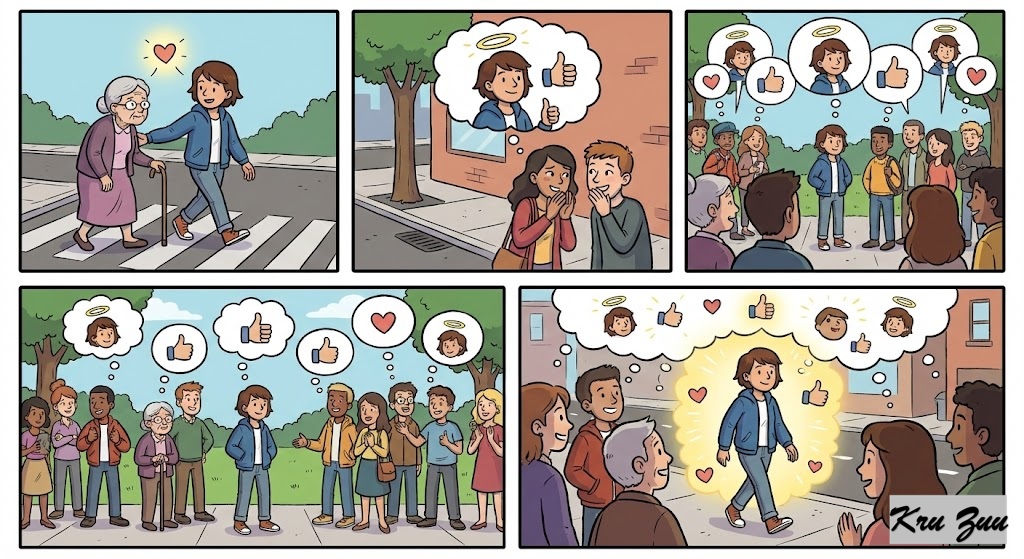
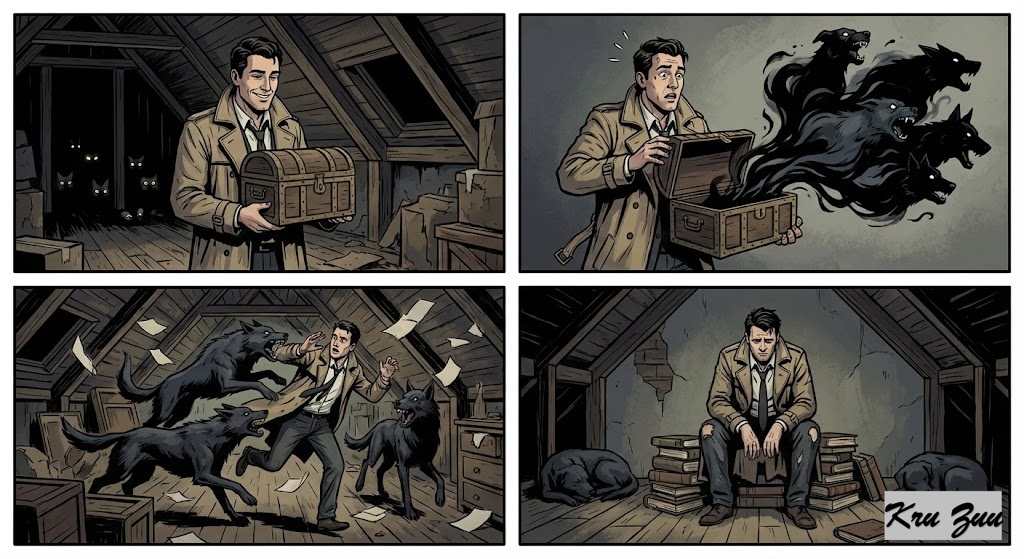
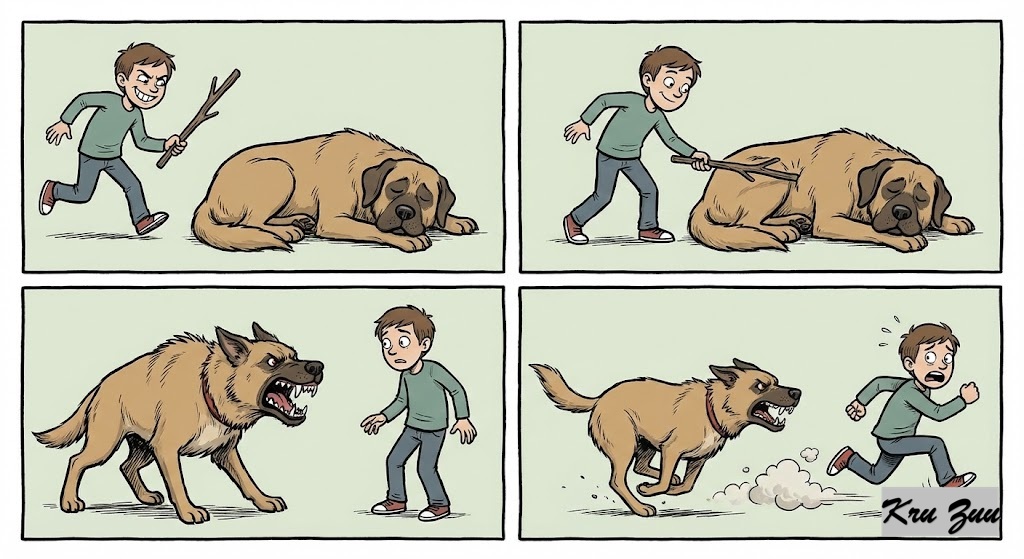
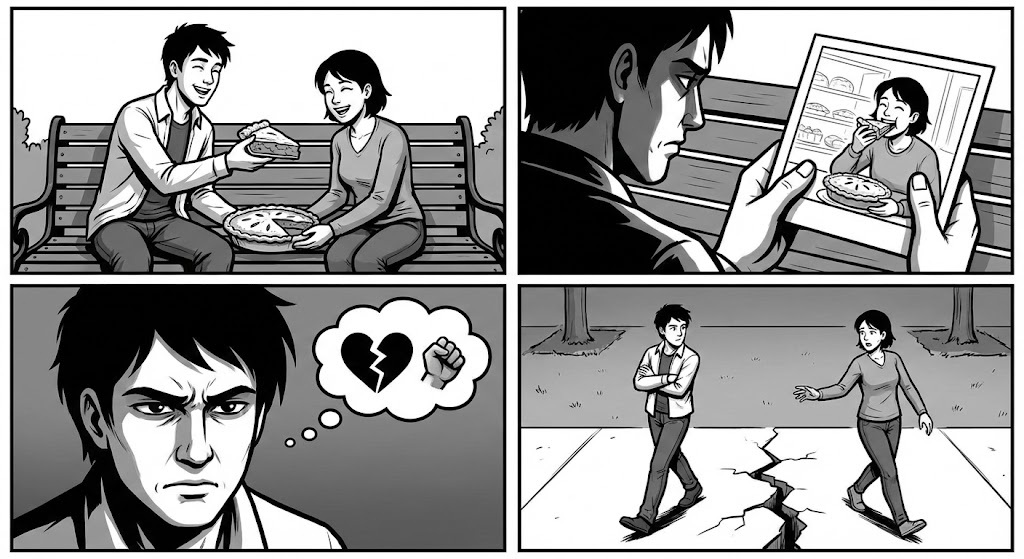
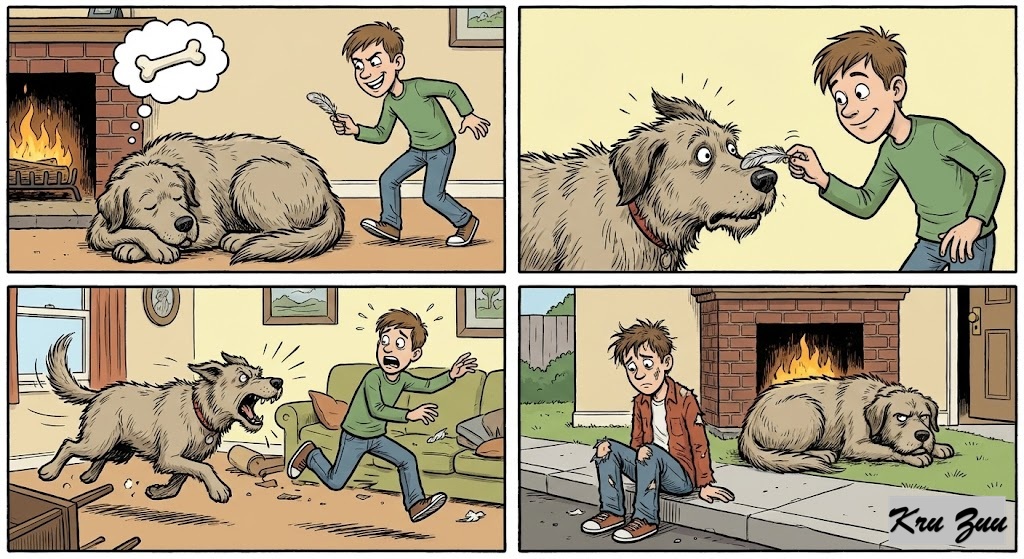
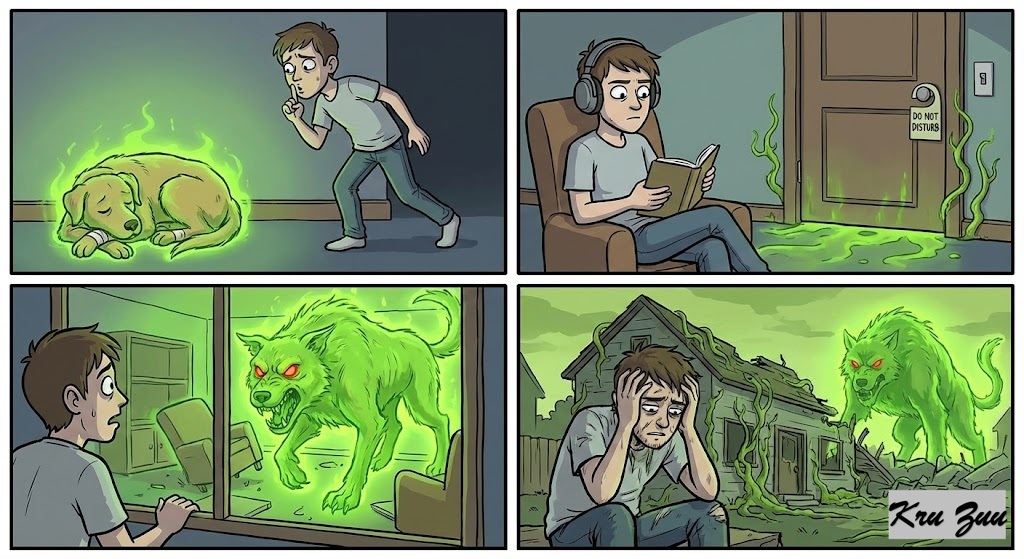
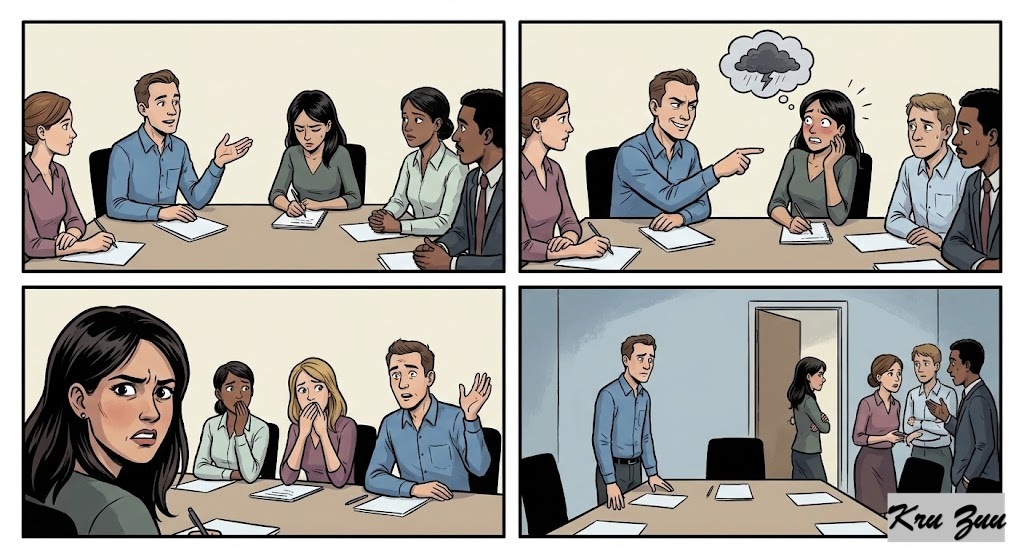
    👿 The Villain (The Short-Sighted): You gossip about a coworker to get a promotion.

    You cheat on a test because “no one is looking.”

    You ignore a friend who needs help because you are “too busy.”

    The Result? Six months later, someone spreads a rumor that ruins your reputation. You get hired, but lack the knowledge to do the job and get fired. When you hit rock bottom, your phone is silent. No one is there to answer.

    You threw a stone, and it bounced back to hit you in the face. 🤕


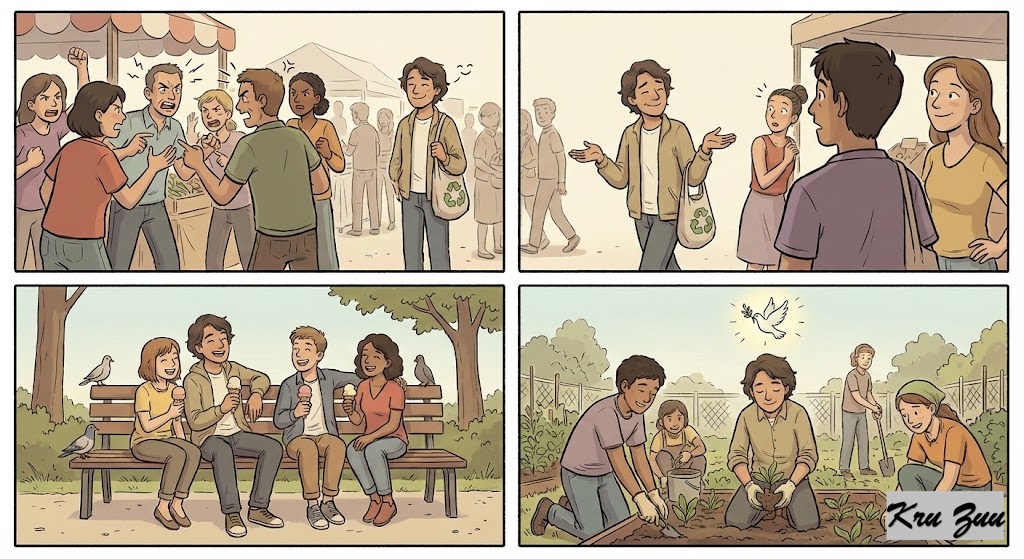
    😇 The Hero (The Investor): You stay late to help a newbie understand a project.

    You return a lost wallet with the cash inside.

    You smile at a rude waiter because you know they are having a hard day.

    The Result? Years later, that newbie becomes a CEO and hires you for your dream job.

    You lose your keys, and a stranger drives 20 minutes to bring them to you.

    The positive energy you sent out has returned with interest.

    You didn’t just spend kindness; you invested it. 🌟


    ⚖️ The Reality: The universe is not a straight line; it is a circle.

    Every action is a seed.

    If you plant cactus seeds, you cannot be angry when you harvest thorns. 🌵


    💎 The Secret: Treat the world exactly how you want the world to treat you.

    You are not the audience; you are the protagonist, and the plot depends on your actions.

    🧐 The Anatomy of the Proverb


    This phrase is the ultimate definition of Karma. It means the energy (good or bad) you send out into the world will eventually return to you.


    📚 Vocabulary Vault


    To Go Around (Phrasal Verb):
    To circulate or travel amongst people. (Here: The action you take.) 🌬️


    To Come Around (Phrasal Verb): To return or happen again. (Here: The consequence arriving.) ↩️


    Karma (Noun): Destiny or fate, following as effect from cause.


    Retribution (Bonus Word): Punishment inflicted on someone as vengeance for a wrong or criminal act.


    Reciprocity (Bonus Word): The practice of exchanging things with others for mutual benefit.


    🧠 Grammar Focus


    The Noun Clause as a Subject:
    This sentence is grammatically fascinating because it doesn’t start with a simple noun (like “The dog” or “He”).


    Subject: [What goes around]


    Verb: [comes]


    Adverb: [around]


    The entire phrase “What goes around” functions as a single noun.


    Example: “What you say matters.” (Subject: What you say)


    Incorrect: That goes around comes around. ❌


    Correct:What goes around comes around. ✅

    📜 History: Origin and Spread


    While the specific English phrasing became popular in the 1970s (thanks to pop culture), the wisdom is ancient.


    The Origin: It is deeply rooted in the concept of the Circle of Life found in nature and the spiritual law of Karma (Hinduism/Buddhism).


    The Fable: The Lion and the Mouse (Aesop). A Lion spares a Mouse’s life.

    Later, the Lion is trapped in a hunter’s net.

    The Mouse returns the favor by chewing the net to free the Lion.

    Small kindness leads to great salvation. 🦁🐭


    Global Cousins:


    🇹🇷 Turkish:
    “Ne ekersen, onu biçersin.” (What you plant, you harvest.)

    “Etme bulma dünyası.” (A world of ‘don’t do [bad], don’t find [bad]’.)


    🇪🇸 Spanish: “Siembra vientos y recogerás tempestades.” (Sow winds and you will harvest storms.)


    🇫🇷 French: “On récolte ce que l’on sème.” (We harvest what we sow.)


    🇩🇪 German: “Wie man in den Wald hineinruft, so schallt es heraus.” (As one shouts into the forest, so it echoes back.)

    🎯 Impact on Life: The Pros & Cons


    Is this just superstition, or a rule to live by? ✅ The Pros (The Compass):


    Moral Guardrail: It stops you from acting out of anger.

    You pause and ask, “Do I want this negative energy back?”


    Hope: When you are suffering but doing the right thing, it gives you faith that justice will arrive eventually.


    Empathy: It forces you to stand in someone else’s shoes.


    ❌ The Cons (The Trap):


    Victim Blaming:
    If something bad happens to a friend, you might mistakenly think, “They must have done something to deserve this.” (This is dangerous thinking!)


    Transactional Kindness: Doing good only because you want a reward creates a selfish heart.

    🎭 Short Story: The Banana Peel Prank


    Let’s visit our friends Penny, Fiona, and Max again!


    🌟 The Setup: Max the Mouse was in a mischievous mood.

    He saw Penny the Pig walking down the hallway carrying a heavy stack of books.

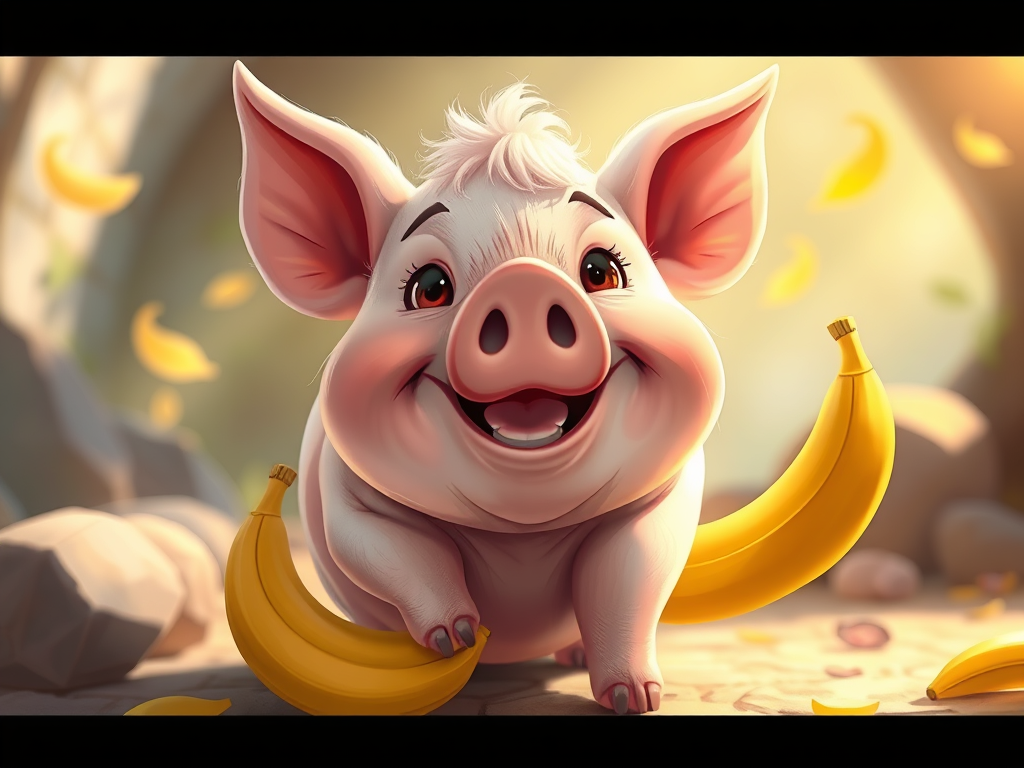
    Max giggled and placed a slippery banana peel right in Penny’s path.

    “This will be hilarious!” he squeaked. 🍌


    The Conflict: Penny stepped on the peel—WHOOSH!—and fell.

    Her books flew everywhere.

    Max laughed so hard he fell over.

    Penny stood up, dusted herself off, and sadly picked up her books.

    She didn’t say a word, she just walked away.


    The Action: An hour later, Max was running away from a scary cat.

    He wasn’t looking where he was going. He turned the corner sharply, right back into the same hallway.


    The Climax: Max stepped on the exact same banana peel he had left there. SLIP! BOOM!

    Max slid across the floor and crashed into a bucket of mop water. 💦🐁


    The Moral: Max set the trap for Penny, but he was the one who got caught. The trap doesn’t care who steps in it. What goes around comes around.

    🎓 Lesson for English Learners


    How to use this phrase like a native speaker.


    Consoling a Friend 🫂


    Situation:
    Your friend was cheated on by their partner.


    You say: “Don’t worry about getting revenge. Just let it go. What goes around comes around. They will regret losing you.”


    Warning a Rival ⚠️


    Situation:
    A colleague is stealing your clients.


    You say: “Be careful how you treat people on your way up. What goes around comes around, and you might meet them on your way down.”


    Vocabulary Expansion 📚


    Karmic Debt (Noun):
    The accumulated negative consequences one must pay for past actions.


    Just Desserts (Idiom): Getting what one deserves (usually punishment). “He finally got his just desserts.”


    Pay it Forward (Phrase): Responding to a person’s kindness to you by being kind to someone else.


    💬 Your Turn


    The “Echo” Challenge 🗣️ The universe is listening. Let’s test the theory.


    The Negative Echo: Have you ever done something petty/mean and had “bad luck” immediately after?


    The Positive Echo:
    Have you ever helped a stranger, and then received help from a totally different person later?


    Action Step: Do one “secret” nice thing today that no one will see (pick up trash, leave a nice note, donate anonymously). Wait and see how the universe pays you back!


    Question: Do you believe in instant Karma, or does it take time?

    Tell us your story below! 👇

    By Zubeyir YURTKURAN

    https://www.facebook.com/BrainBattleground/

    https://www.facebook.com/zubeyr.yurtkuran/

    https://www.instagram.com/zubeyryurtkuran/
    https://www.youtube.com/@BrainBattleground-b3p

  • 👀 Look Before You Leap: The Art of Calculated Action

    👀 Look Before You Leap: The Art of Calculated Action

    Look before you leap.


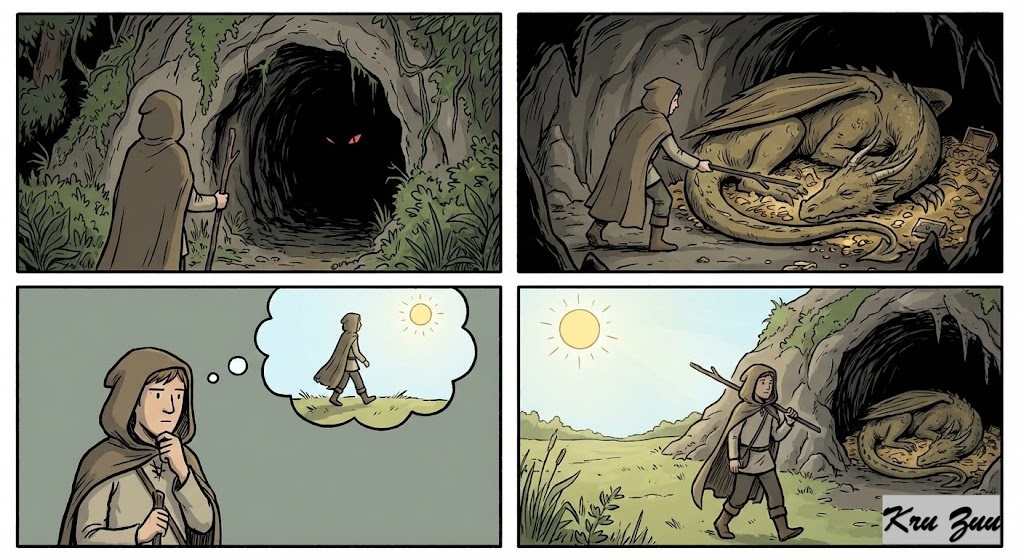
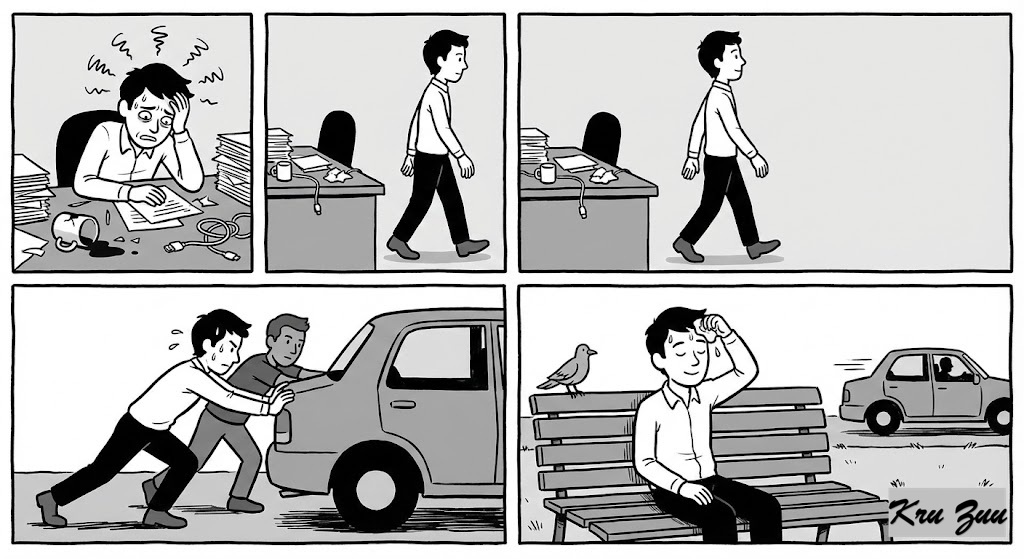
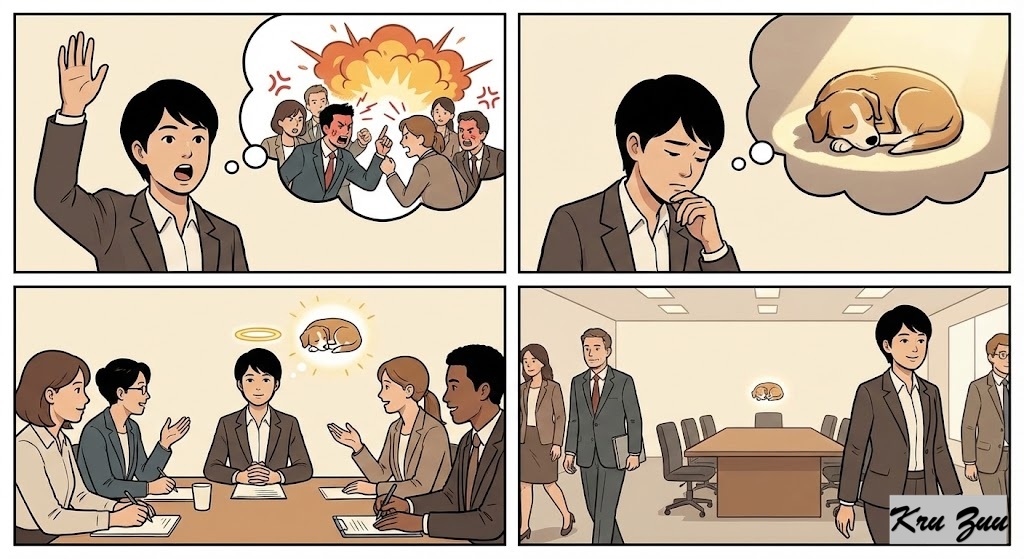
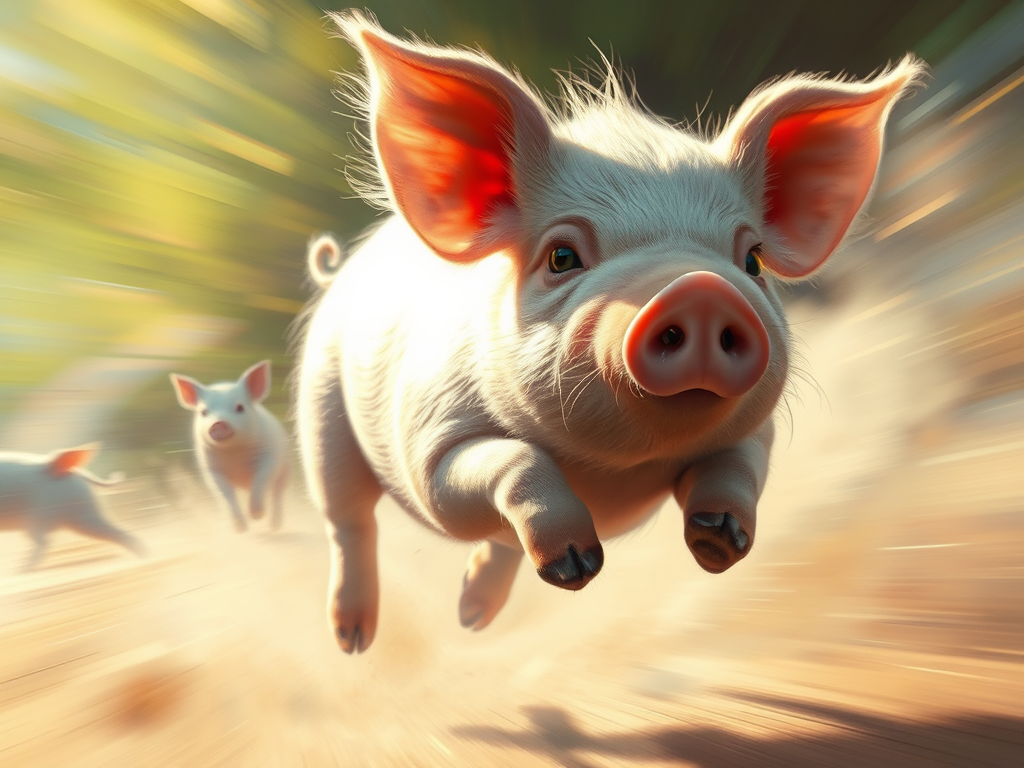
    🚀 The Leaper (The Impulsive):
    You quit your job because you had one bad day.

    You bought a used car without checking the engine. You sent an angry text message the second you felt annoyed.

    The Result? You are unemployed with bills to pay.

    The car breaks down in a week.

    You lost a friend over a misunderstanding.

    Regret hits you instantly. You are in a hole you dug yourself. 🕳️


    🕵️ The Looker (The Strategist): You updated your resume and saved money before quitting.

    You paid a mechanic to inspect the car first.

    You wrote the angry text but waited 24 hours to send it (and then deleted it).

    The Result? You transitioned smoothly to a better career.

    You bought a reliable vehicle.

    You kept your relationships drama-free.

    You control the situation; the situation does not control you. 🕶️


    📉 The Reality: This isn’t just about jumping over puddles. It’s about Due Diligence.

    In the age of “Instant Everything” (instant messages, instant buys), the ability to pause and think is a superpower. ⏸️


    💎 The Secret: Speed is good, but direction is better. Moving fast in the wrong direction just gets you lost faster.

    🧐 The Anatomy of the Proverb


    This classic phrase is a warning against acting on impulse without considering the consequences.


    📚 Vocabulary Vault


    To Leap (Verb):
    To jump high or a long way. (Here: To take a sudden, significant action.) 🏃‍♂️


    Example: “He leapt over the fence.”


    To Look (Verb): To use your eyes. (Here: To examine, research, or analyze the situation.) 🔍


    Consequences (Bonus Word): The results (usually unpleasant) of an action.


    Impulsive (Bonus Word): Acting without thinking.


    🧠 Grammar Focus


    The Temporal Clause (Time Connectors):
    The sentence uses the conjunction “Before” to connect two actions. It establishes a mandatory order of operations.


    Structure: [Imperative Command] + [Conjunction of Time] + [Secondary Action].


    Incorrect: Leap and then look. ❌


    Correct: Look before you leap. ✅


    Real Life: “Check your wallet before you order the expensive steak.”

    📜 History: Origin and Spread


    The wisdom of this proverb dates back to ancient storytelling.


    The Origin: It is attributed to Aesop’s Fables (The Fox and the Goat).

    A fox falls into a well. A thirsty goat sees him and asks if the water is good.

    The fox says, “It’s amazing! Jump in!” The goat jumps in without thinking.

    The fox climbs on the goat’s horns to escape, leaving the goat stuck.

    The moral? Check the exit before you enter. 🦊


    Global Cousins:


    🇹🇷 Turkish:
    “İki ölç, bir biç.” (Measure twice, cut once. – Focuses on precision.)

    🇹🇷 Turkish: “Dereyi görmeden paçaları sıvama.” (Don’t roll up trousers before seeing the creek.)


    🇪🇸 Spanish: “Antes de que te cases, mira lo que haces.” (Before you get married, look at what you are doing.)


    🇩🇪 German: “Erst wägen, dann wagen.” (First weigh, then dare.)

    🎯 Impact on Life: The Pros & Cons


    Is it always good to wait? Let’s analyze.


    ✅ The Pros (The Shield):


    Risk Reduction:
    You avoid catastrophic failures and financial loss.


    Confidence: When you finally “leap,” you do so with full commitment because you know the facts.


    Reputation: You are seen as wise, reliable, and level-headed.


    ❌ The Cons (The Trap):


    Analysis Paralysis: If you look too long, you might never leap at all. You get stuck in “overthinking” mode. 🗿


    Missed Opportunities: Sometimes, a window of opportunity closes quickly. If you hesitate too long, someone else will take the prize.

    🎭 Short Story: The Forest Shortcut


    Let’s visit our friends Penny, Fiona, and Max again!


    🌟 The Setup: Penny the Pig and Fiona the Fox were late for a birthday party.

    Max the Mouse pointed to a dark, overgrown path. “That’s a shortcut,” Max squeaked. “It saves 20 minutes!”


    The Conflict: Penny, worried about being late, shouted, “Let’s go!” and sprinted into the tall grass immediately.

    Fiona, however, stopped. She picked up a long stick and poked the grass in front of her.


    The Action: Penny was running full speed when, SPLAT!

    She fell straight into a hidden mud pit that looked like solid ground.

    She was stuck up to her neck in sticky mud! 🐷💩


    The Solution: Fiona, having “looked” with her stick, found the solid path around the pit.

    She used the stick to pull Penny out.

    They arrived at the party late, and Penny was covered in mud.


    The Moral: A saved minute is worthless if it costs you an hour of cleaning up a mess. Penny leapt; Fiona looked.

    🎓 Lesson for English Learners


    How to sound smart using this concept in conversation.


    Advice Language 🗣️


    To a friend buying a suspicious crypto-coin:
    “Hey, I know the returns look good, but look before you leap. Have you read the whitepaper?”


    To a colleague quitting in anger: “Don’t just walk out. Look before you leap, do you have another offer signed?”


    Vocabulary Expansion 📚


    Due Diligence (Noun): Reasonable steps taken by a person to satisfy a legal requirement or before buying something. “He did his due diligence before buying the house.”


    Calculated Risk (Noun): A chance taken after careful estimation of the probable outcome. “It wasn’t a gamble; it was a calculated risk.”


    Hasty (Adjective): Done with excessive speed or urgency; hurried. “Don’t make a hasty decision.”


    💬 Your Turn


    The “24-Hour Rule” Challenge 📝


    Think of a decision you are feeling pressured to make right now (buying something expensive, sending a risky text, signing up for a course).


    The Leap: What does your impulse want to do immediately?


    The Look: What specific detail do you need to check first? (e.g., Check bank account, read reviews, ask a mentor).


    Action Step: Commit to waiting 24 hours before making that decision. Use that time to “Look.”


    Question: Have you ever “Leapt” without “Looking” and regretted it? Tell us your story in the comments! 👇

    By Zubeyir YURTKURAN

    https://www.facebook.com/BrainBattleground/

    https://www.facebook.com/zubeyr.yurtkuran/

    https://www.instagram.com/zubeyryurtkuran/

    https://www.youtube.com/@BrainBattleground-b3p

  • 🤝 The Loyalty Test: Who Stays When the Storm Comes?

    🤝 The Loyalty Test: Who Stays When the Storm Comes?

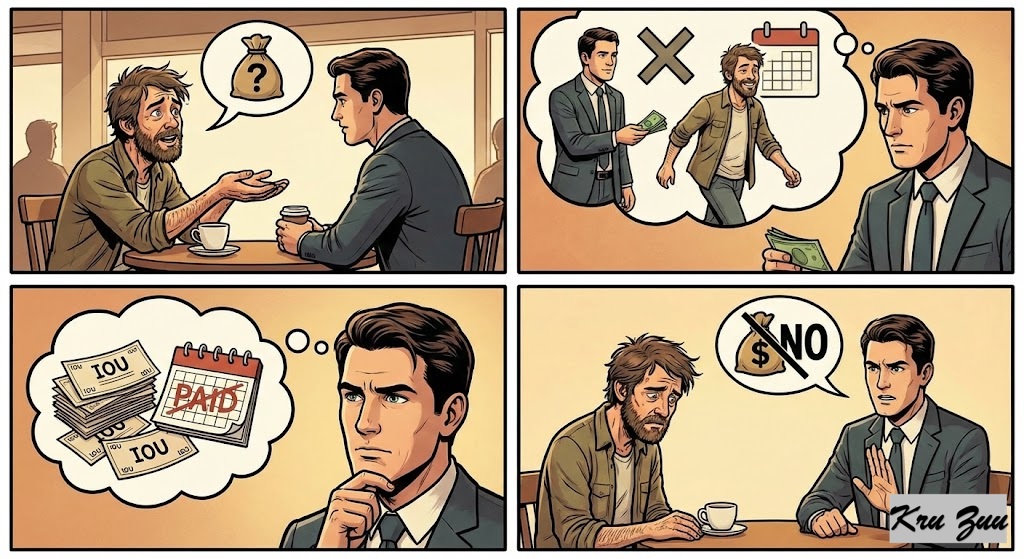
    A friend in need is a friend indeed.


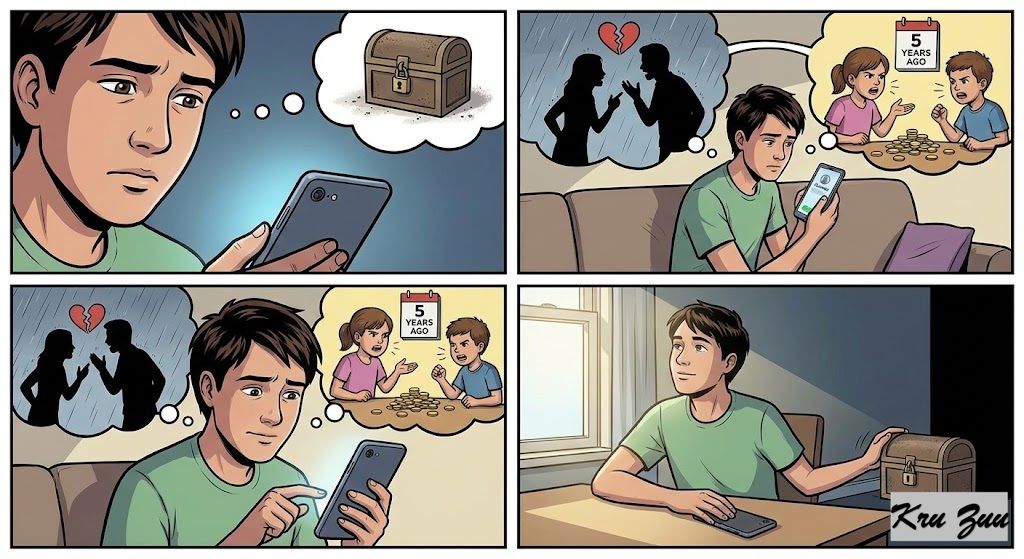
    ☀️ The Fair-Weather Friend:

    You win the lottery.

    You throw a huge party. Hundreds of people show up.

    They laugh at your jokes, eat your pizza, and call you “bestie.”

    But the next day, you lose your wallet and need a ride home. Suddenly, their phones are “off.” You are alone.

    🏃💨 ⛈️The True Companion:

    You are sick with the flu.

    You have no money and you look terrible.

    This person doesn’t run away. They bring you soup.

    They sit in the silence with you. They don’t care about your status; they care about you.

    ❤️ 📉 The Reality: Everyone loves a winner. But only real ones love a loser.

    💎 The Secret: Hard times are not a curse; they are a filter to reveal true diamonds.


    In this post, we are decoding the ultimate friendship test. Let’s separate the fakes from the real deals! 🕵️‍♂️

    🧐 The Anatomy of the Proverb


    Let’s break down the rhythm and rhyme of this famous saying.


    📚 Vocabulary Vault


    In Need (Phrase):
    This means being in trouble, facing a difficulty, or requiring help. (e.g., being broke, sad, or in danger). 🆘


    Indeed (Adverb): Truly, undeniably, or “in reality.” It emphasizes that something is 100% true. ✅


    Friend (Noun): Not just someone you know (an acquaintance), but someone you share a bond with.


    🧠 Grammar Focus


    This proverb uses Rhyme to make it sticky!


    Structure: A friend [who is] in need / is a friend indeed.


    The Ellipsis: In English, we often delete words to make sentences faster. The full grammatical sentence would be: “A friend who helps you when you are in need, is a friend indeed.”


    The Double Meaning:
    A friend who helps me when I am in need is a true friend. (Most common meaning).


    A friend who loves me even when they are in need is a true friend.

    📜 History: Pirates & Philosophers


    Did this start in a movie? No, it’s ancient!


    The Origin:
    This concept goes back to 3rd Century BC Greece! The playwright Euripides said something very similar. It appeared in English as early as the year 1450.


    Global Cousins: Every culture knows this truth!


    🇹🇷 Turkish: “Dost kara günde belli olur.” (The friend becomes clear on the black day.) 🌑


    🇯🇵 Japanese: “Masaka no toki no tomo koso shin no tomo.” (A friend in a crisis is a true friend.)


    🇪🇸 Spanish: “En el peligro se conoce al amigo.” (In danger, the friend is known.)


    The Lesson: A shadow stays with you in the sun, but leaves you in the dark. A true friend stays in the dark.

    🎯 Impact on Life: The Pros & Cons


    Should you test your friends?


    ✅ The Pros (The Safety Net)


    Trust:
    You know exactly who has your back.


    Quality over Quantity: It is better to have 2 real friends than 100 fake ones.


    Mental Health: Knowing you are not alone reduces anxiety.


    ❌ The Cons (The User)


    Don’t Be “Needy”:
    Just because they are a true friend doesn’t mean you should complain 24/7.


    Reciprocity: Friendship is a two way street. If you are always the one “in need,” are you being a good friend to them? 🤔

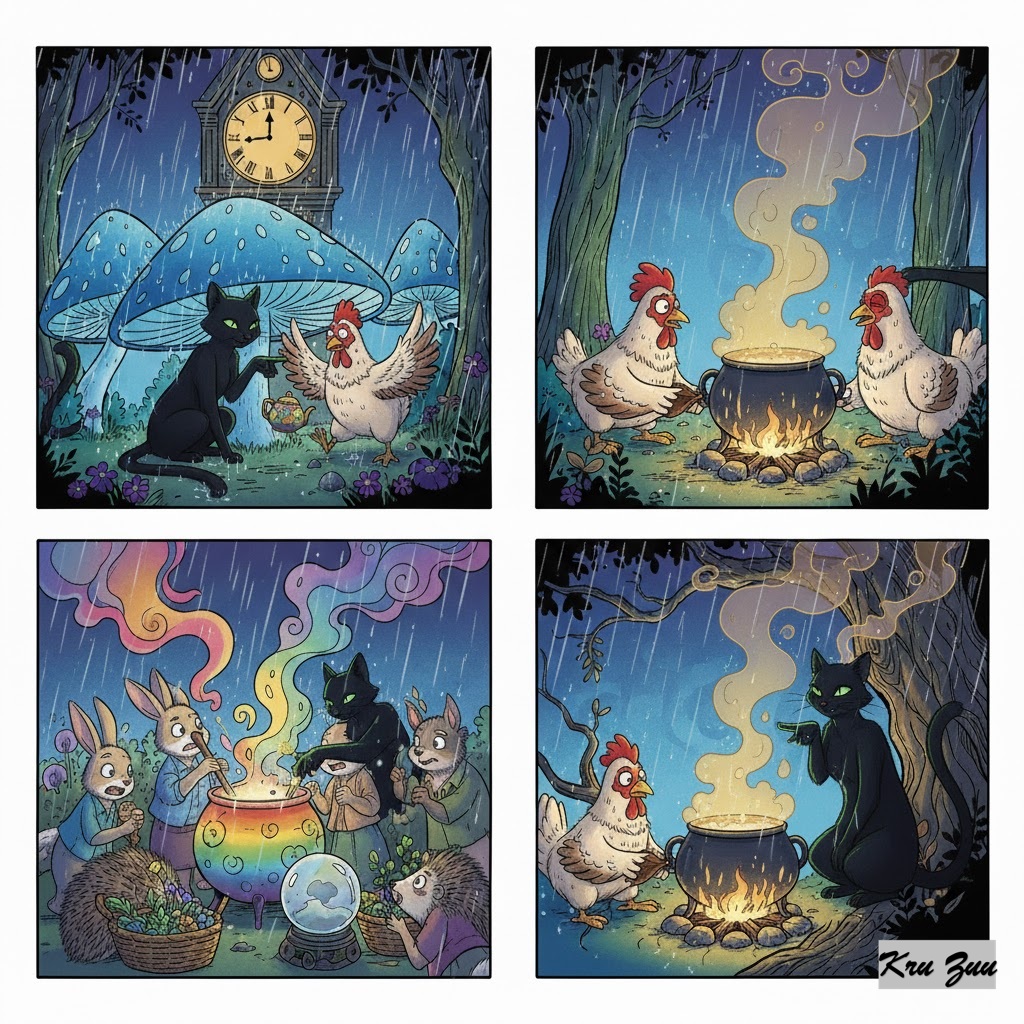
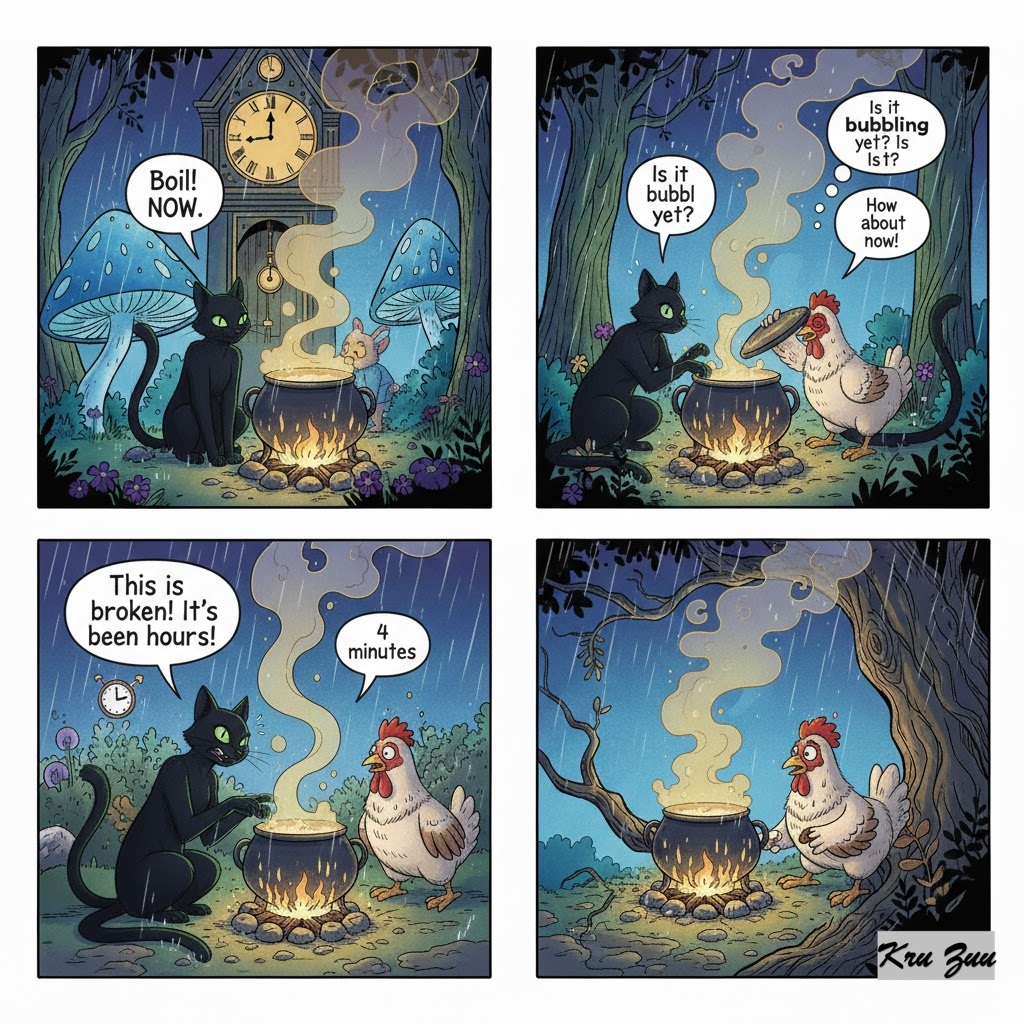
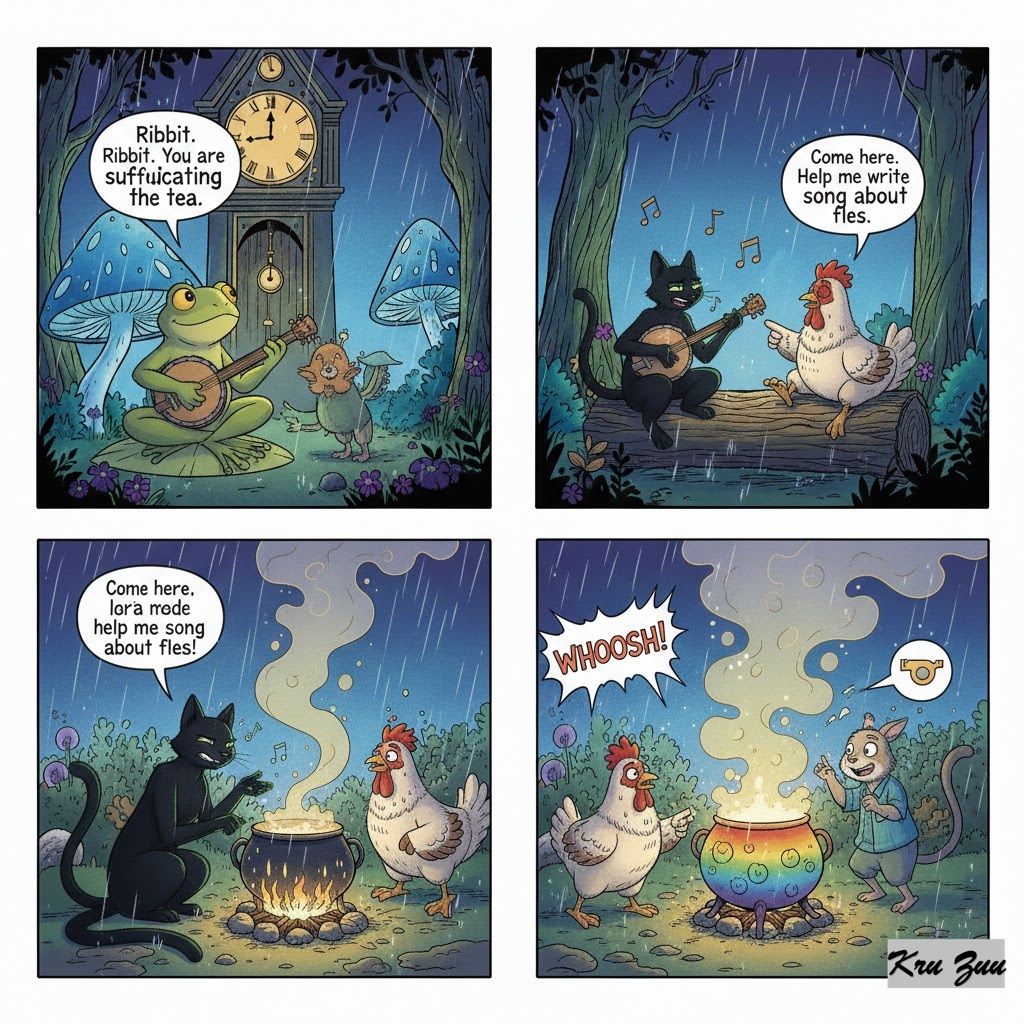
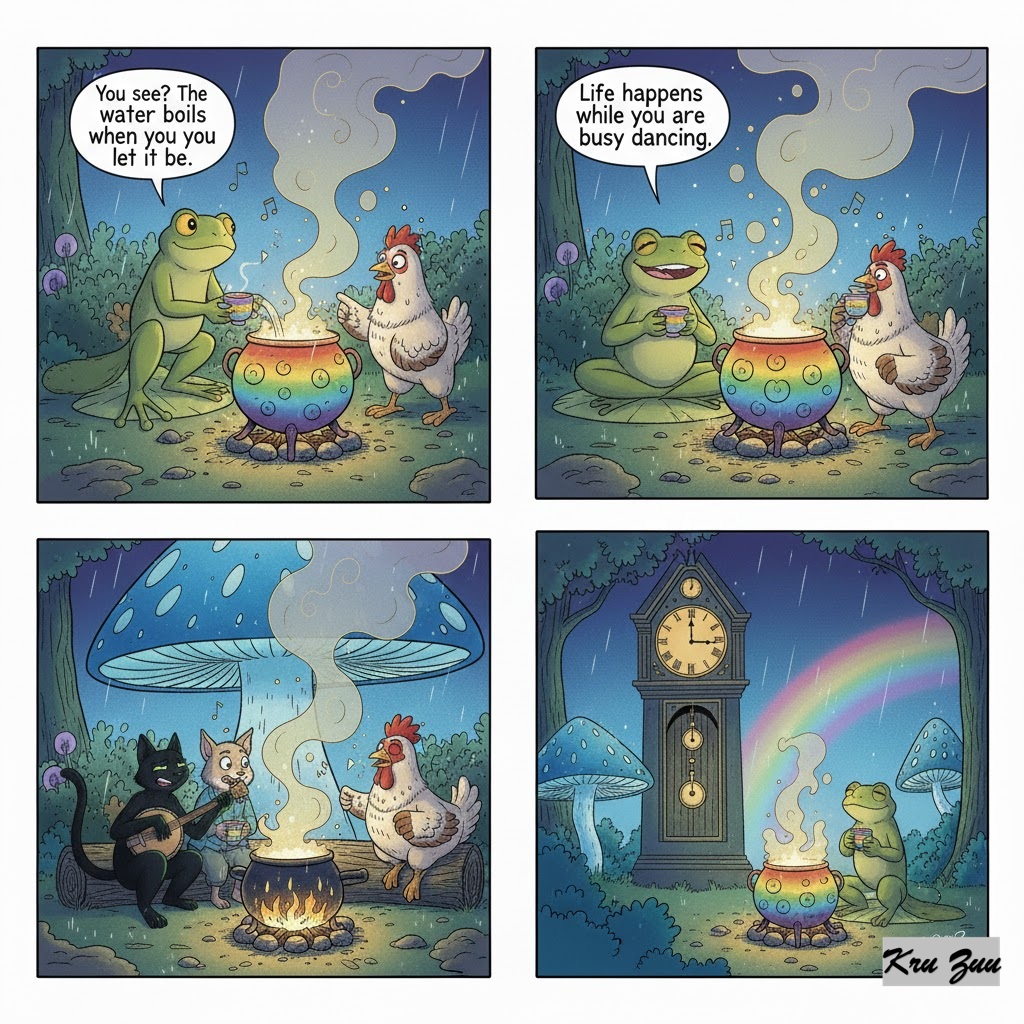
    🎭 Short Story: The Stormy Night


    Let’s check back in with our farm friends!


    🌟 Character Introduction


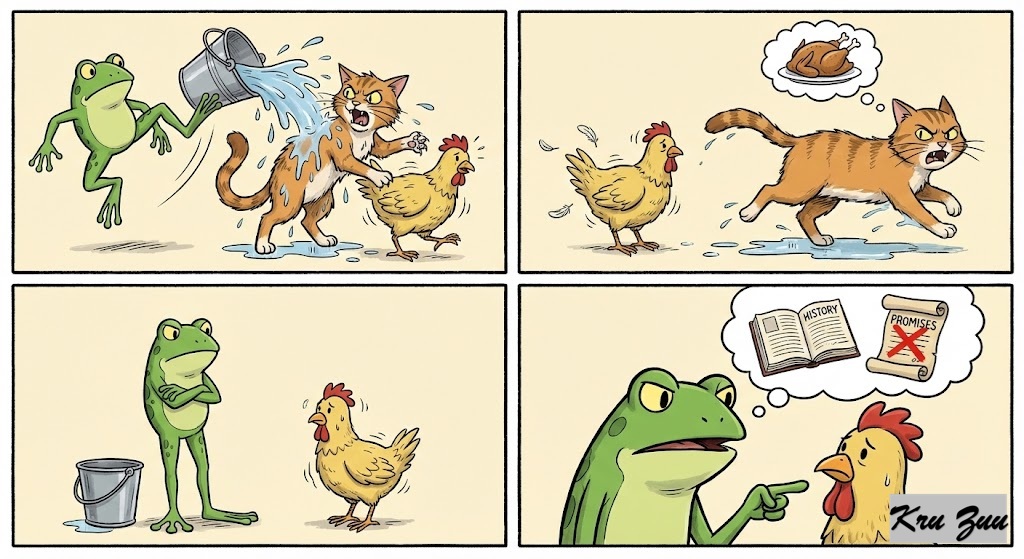
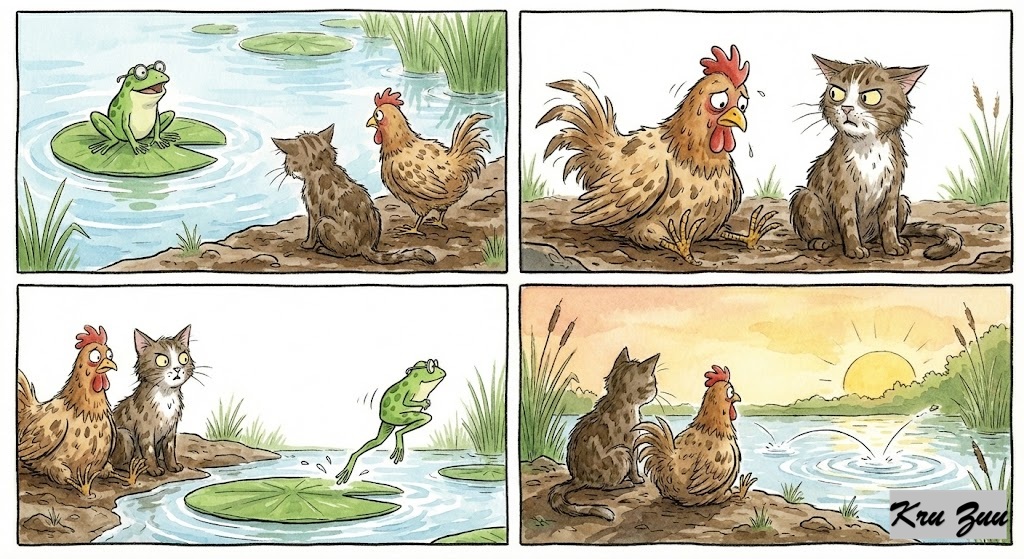
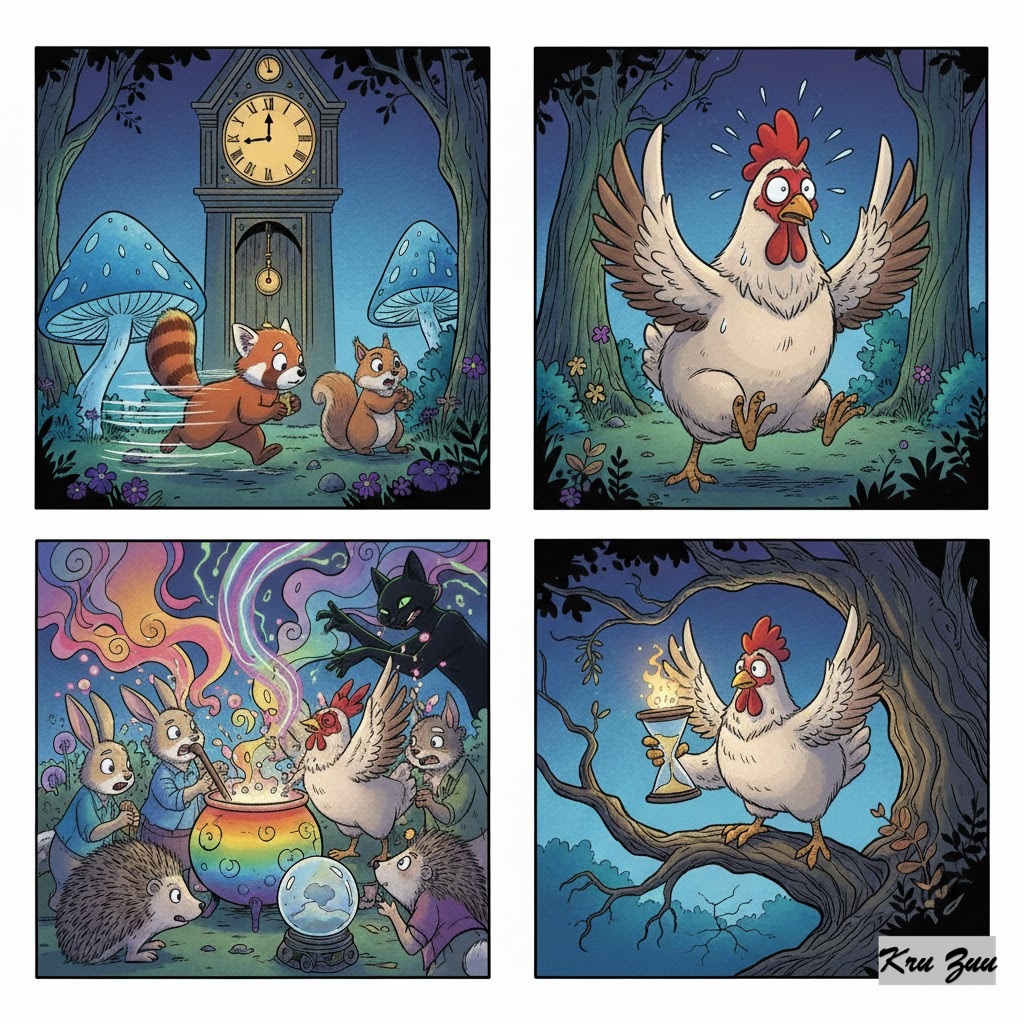
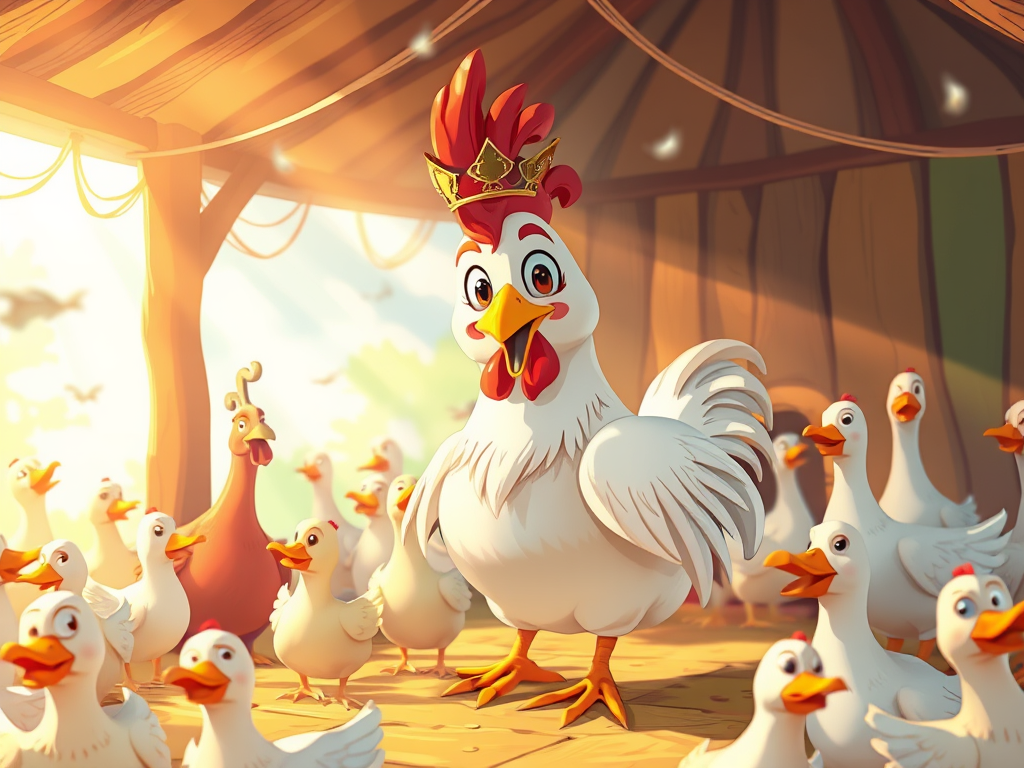
    Percy the Chicken:
    Fun, loud, loves parties. 🐔


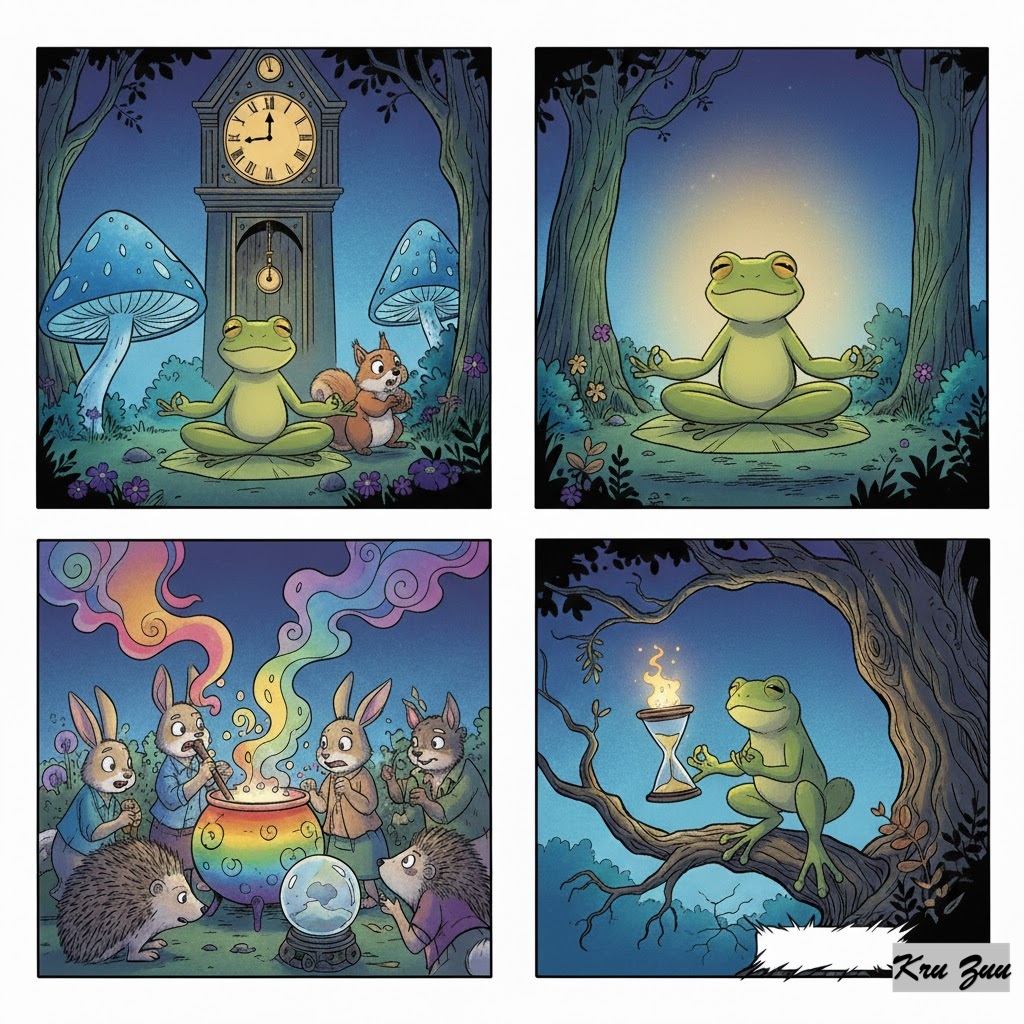
    Fred the Frog: Quiet, loyal, small but brave. 🐸


    Luna the Cat: The wise narrator. 🐱


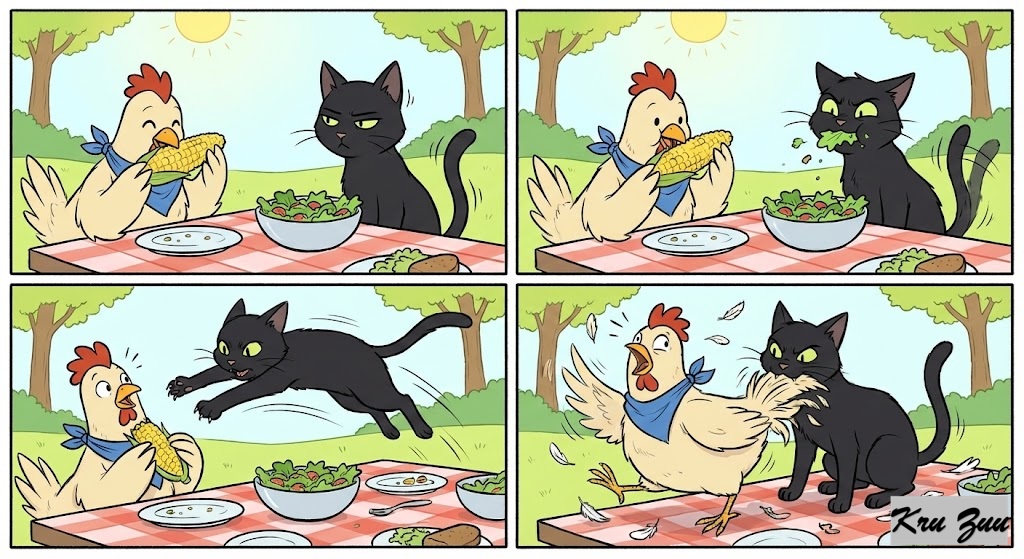
    It was a beautiful, sunny Tuesday. Percy found a huge bag of corn seeds.

    The Good Times: “Party at my place!” clucked Percy.

    The Swans came. The Ducks came. Everyone was eating Percy’s corn.

    “Percy, you are the King of the Coop!” they shouted. Percy felt like a celebrity.

    Fred sat in the corner, smiling but quiet.


    The Bad Times: Suddenly, the sky turned black. Thunder crashed! ⚡

    A fox was spotted near the fence. “Run!” screamed the Swans. They flew away instantly. “Save yourselves!” quacked the Ducks. They vanished into the pond.


    Percy was stuck. His foot was caught in a vine. He was alone. The corn was gone. The “friends” were gone. The fox was coming.

    The Rescue: Suddenly, a small green hand tugged at the vine. It was Fred. Fred wasn’t strong, but he didn’t leave.

    He chewed the vine. He pulled. He croaked loudly to distract the fox. Snap! The vine broke. Percy and Fred hid in the mud until the fox left.


    Luna the Cat watched from the roof: “The Swans loved the corn. Fred loved the Chicken. The Swans were friends in greed. Fred was a friend in need.”

    🎓 Lesson for English Learners


    How does this apply to your language journey?


    The Study Buddy 📖


    Fair-weather:
    A partner who only wants to copy your homework.


    Indeed: A partner who helps you practice speaking even when you are tired, or corrects your mistakes gently.


    Action: Find a partner who pushes you to be better, not just one who makes things easy.


    The Mistake Mindset ❌


    When you make a mistake (you are “in need” of correction), a fake friend laughs at you.


    A real friend laughs with you and helps you fix it.


    Vocabulary Expansion 🗣️


    Don’t just say “Help me.” Use phrases like:


    “I’m in a bit of a jam.” (Slang for trouble).


    “Can you do me a solid?” (Slang for a favor).


    “I’ve got your back.” (I support you).


    💬 Your Turn


    Who is your “Fred”?


    Think about the last time you had a problem (a flat tire, a bad grade, a breakup). Who was the first person you called? 📞


    Tag that person in the comments or send this post to them to say “Thank you.” 👇

    By Zubeyir YURTKURAN

    https://www.facebook.com/BrainBattleground/

    https://www.facebook.com/zubeyr.yurtkuran/
    https://www.instagram.com/zubeyryurtkuran/