Tag: personal-growth

  • 🍰 The Great Cake Dilemma: The Law of Sacrifice

    🍰 The Great Cake Dilemma: The Law of Sacrifice

    You can’t have your cake and eat it too.


    👿 The Villain (The Greedy Dreamer): You want to get six-pack abs, but you also want to eat pizza every night.

    You want to save money for a house, but you also want to buy the latest iPhone and travel every weekend.

    You want a serious relationship, but you still want to flirt like you’re single.

    The Result? You end up with no abs, no house, and no partner.

    You are paralyzed because you refuse to choose.

    You are trying to walk left and right at the same time, so you stand still. 🛑


    😇 The Hero (The Strategist): You understand that life is a menu, not a buffet.

    You look at the cake and say, “I choose to eat this and enjoy the taste, even though it will be gone.” Or you say, “I choose to keep this cake on the shelf to admire it, even though I will remain hungry.”

    The Result? You live with purpose. You sacrifice the pizza for the gym.

    You sacrifice the new phone for the house.

    You make a choice, pay the price, and enjoy the reward without regret. ✅


    ⚖️ The Reality: To choose is to lose. You cannot keep the money in your pocket AND have the shoes on your feet. You must exchange one for the other.

    💎 The Secret: Real happiness isn’t having everything; it’s being happy with the trade-off you chose.

    🧐 The Anatomy of the Proverb


    This phrase often confuses non-native speakers (and natives too!).


    To Have: In this context, it means “to keep” or “to possess” (hold in your hand).


    To Eat: To consume, digest, and destroy.
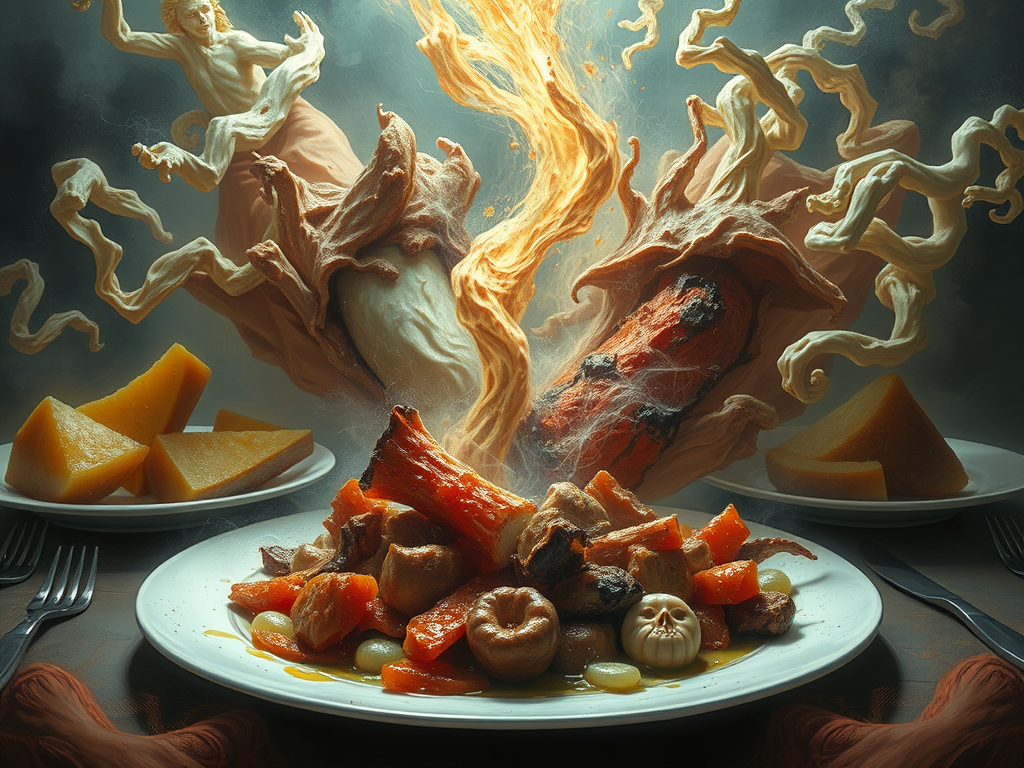

    The Logic: Once you eat the cake, it is in your stomach. It is gone. You no longer “have” it in your hand to look at or save for later. Mutually Exclusive means two things cannot happen at the same time.


    📚 Vocabulary Vault


    Trade-off (Noun):
    A situation where you must accept something bad in order to have something good. (The price you pay). ⚖️


    Dilemma (Noun): A situation where a difficult choice has to be made between two or more alternatives. 🤔


    Sacrifice (Verb/Noun): Giving up something valued for the sake of something else.


    Indecisive (Adjective): Not having the ability to make decisions quickly and effectively.


    Opportunity Cost (Business Term): The loss of potential gain from other alternatives when one alternative is chosen.


    🧠 Grammar Focus


    The Negative Modal “Can’t” This expresses Impossibility. It is physically impossible to do both.

    Structure: Subject + Can’t + Verb 1 + Object + Conjunction (and) + Verb 2…


    The “Too” Position: “Too” usually comes at the end to mean “also.”


    Original/Old Version: “You can’t eat your cake and have it.” (This actually makes more logical sense chronologically!)


    Modern Version: “You can’t have your cake and eat it too.” (We use this one today).

    📜 History: Origin and Spread


    This is an old proverb, proving that humans have always struggled with greed!


    The Origin: It first appeared in a letter by Thomas, Duke of Norfolk in 1538. He wrote to Thomas Cromwell regarding Henry VIII.
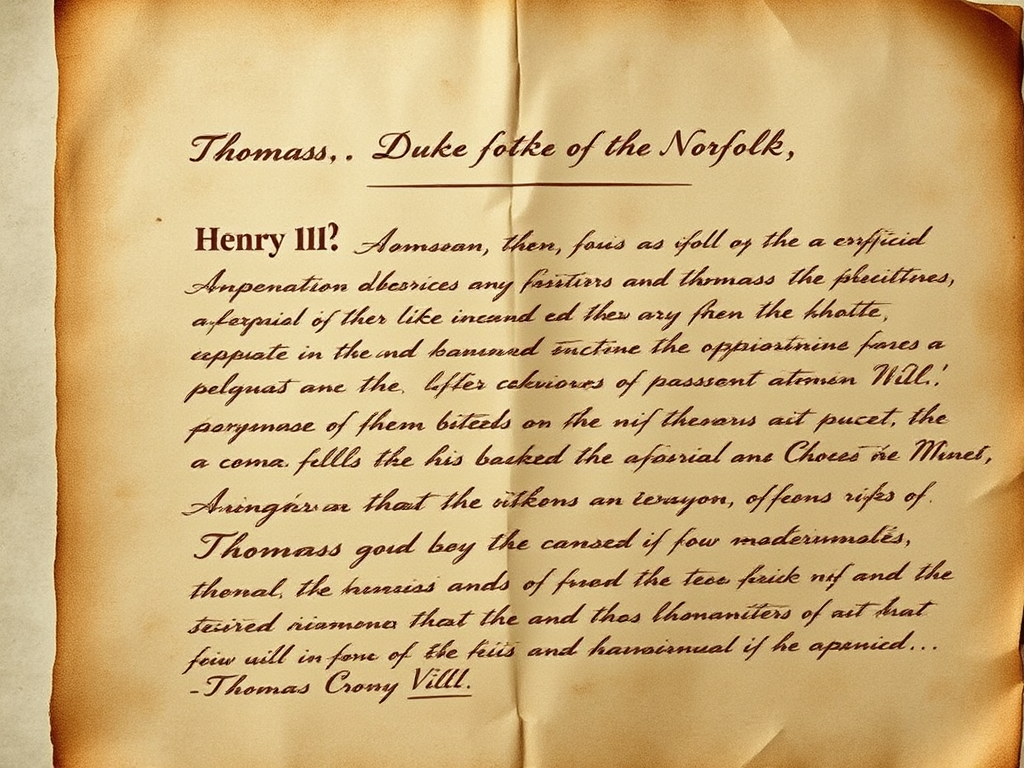

    The Meaning: It warned against trying to get two contradictory benefits from one action.


    Global Cousins:


    🇹🇷 Turkish:
    “Ne yardan geçerim, ne serden.” (I give up neither the lover nor the head/life – meaning I can’t sacrifice either, I want both.)

    🇹🇷 Turkish: The slang: “Hem şoför mahalli, hem 25 kuruş.” (Front seat AND cheap fare.)


    🇫🇷 French: “Vouloir le beurre et l’argent du beurre.” (To want the butter and the money for the butter.)


    🇷🇺 Russian: “Na dvou stulyah ne usidish.” (You cannot sit on two chairs.)


    🇩🇪 German: “Man kann nicht auf zwei Hochzeiten gleichzeitig tanzen.” (One cannot dance at two weddings at the same time.)

    🎯 Impact on Life: The Pros & Cons


    Is this limiting beliefs or wisdom?


    ✅ The Pros (The Anchor):


    Focus:
    It forces you to prioritize. If you know you can’t have everything, you focus on what truly matters.


    Honesty: It prevents you from lying to yourself about consequences.


    Commitment: It reminds you that true success requires saying “no” to distractions.


    ❌ The Cons (The Cage):


    Limited Thinking:
    Sometimes, with creativity, you can find a “Win-Win” situation. Don’t let the proverb stop you from thinking outside the box immediately.

    🎭 Short Story: The Golden Ticket


    Let’s visit Penny, Fiona, and Max one more time!


    🌟 The Setup: Fiona the Fox won a contest! The prize was a “Golden Ticket”. The rules were simple:


    She could keep the ticket as a rare collector’s item (worth $1,000 in 10 years).


    OR she could exchange the ticket for a giant box of fancy chocolates right now.


    The Conflict: Fiona held the shiny gold ticket. “It’s so beautiful,” she whispered. “I want to keep it forever in a frame.”

    Max the Mouse squeaked, “But Fiona, look at those chocolates! Hazelnut truffle! Dark cherry!”

    Fiona licked her lips. She wanted to keep the ticket on her wall AND eat the chocolates.


    The Action: She tried to photocopy the ticket to trick the shopkeeper, but it didn’t work.

    She tried to just take “one” chocolate without giving the ticket, but the shopkeeper said, “No ticket, no chocolate.”
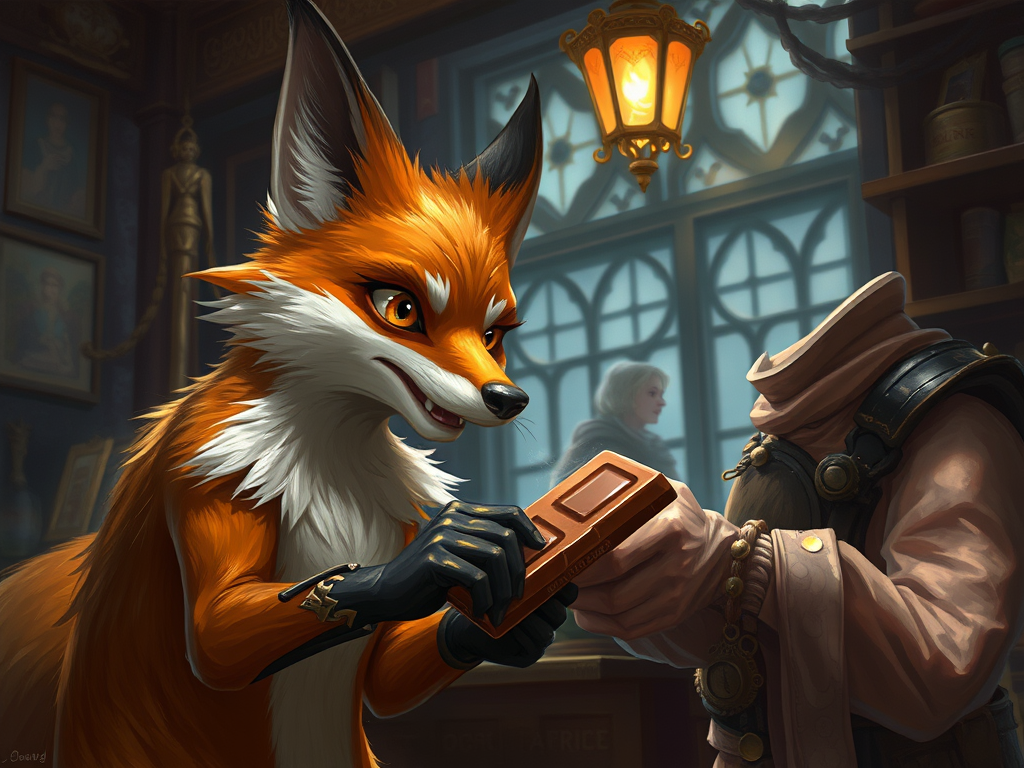

    The Climax: Fiona sighed. She looked at her empty tummy, then at the shiny ticket.

    She handed the ticket to the shopkeeper. Crunch. She ate the chocolate. It was delicious.

    “Where is the ticket?” asked Penny later. “It’s gone,” patted Fiona on her belly. “I couldn’t have my ticket and eat the chocolate too.”


    The Moral: Fiona enjoyed the chocolate, but the price was the ticket. She made her choice.

    🎓 Lesson for English Learners


    How to use this phrase naturally.


    The “Demanding Boss” Scenario 👔


    Situation: Your boss wants the project finished fast, but also wants it to be perfect and cheap.


    You say (Politely): “Boss, we can do it fast, or we can do it perfectly. We can’t do both. You can’t have your cake and eat it too.”


    The “Work-Life Balance” Complaint 🏡


    Situation: Your friend complains they have no money, but they refuse to work overtime or get a second job because they like their free time.


    You say: “You love your free weekends, right? Well, that’s why you have less cash. You can’t have your cake and eat it too.”


    💬 Your Turn


    The “Impossible Choice” Challenge ⚔️


    Life is full of trade-offs. Which would you choose?


    Option A:
    Be invisible (Have freedom, but no one notices you).


    Option B: Be famous (Everyone notices you, but you have no privacy/freedom). (You can’t have privacy AND fame!)


    Action Step: Look at your “To Do” list. Are you trying to do two impossible things at once? Cross one out. Make a choice today.

    Question: Have you ever tried to “have your cake and eat it too” and failed? Tell us in the comments! 👇

    By Zubeyir YURTKURAN

    https://www.facebook.com/BrainBattleground/

    https://www.facebook.com/zubeyr.yurtkuran/

    https://www.instagram.com/zubeyryurtkuran/

    https://www.youtube.com/@BrainBattleground-b3p

  • 🌍 The Chameleon Code: How to Fit In Anywhere

    🌍 The Chameleon Code: How to Fit In Anywhere

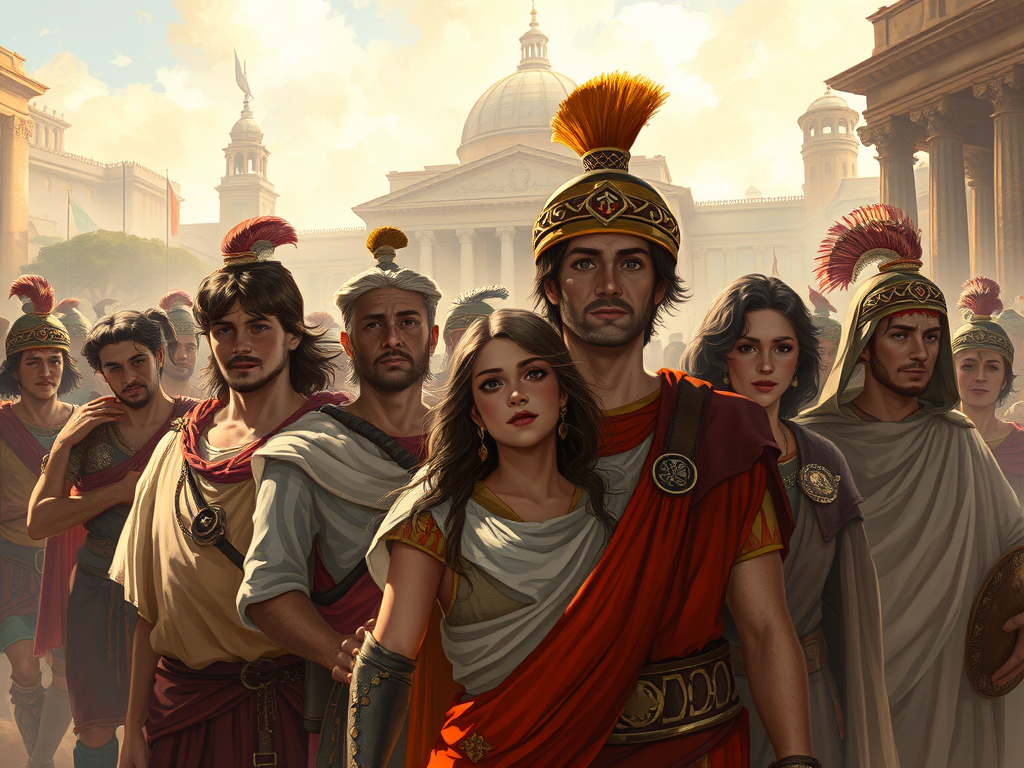
    When in Rome, do as the Romans do.


    📸 The Tourist:
    You travel to Japan. You wear your shoes inside the house. You talk loudly on the train. You try to tip the waiter (which is rude there!). Everyone stares at you. You feel awkward.

    😳 ninja The Traveler: You arrive in Japan. You take your shoes off at the door. You whisper on the train. You bow respectfully instead of tipping. You make local friends instantly. You belong. 🍣

    📉 The Reality: Rules change depending on where you are. 🚀

    The Secret: Success isn’t about being right; it’s about being adaptable. In this post, we are mastering the art of “Cultural Intelligence.” Let’s pack our bags! 🧳

    🧐 The Anatomy of the Proverb


    Let’s look under the hood of this famous idiom.


    📚 Vocabulary Vault


    Rome (Proper Noun):
    In this idiom, “Rome” is a metaphor. It represents any new place, situation, or environment you are in. (e.g., A new office, a friend’s house, a different country). 🏛️


    Do (Verb):
    To act, behave, or follow customs. 🎭


    Romans (Plural Noun): These represent the locals or the people who belong to that group. 👥


    🧠 Grammar Focus


    This is an Imperative Sentence (A command or advice).


    Structure: When [Condition/Place], [Command].


    Formula: [When you are in a specific context] + [Copy the behavior of the people there].


    Short Version: Native speakers often just say: “Well, when in Rome…” (and leave the rest silent!).

    📜 History: Saints & Emperors


    Did this actually happen in Rome? Yes!


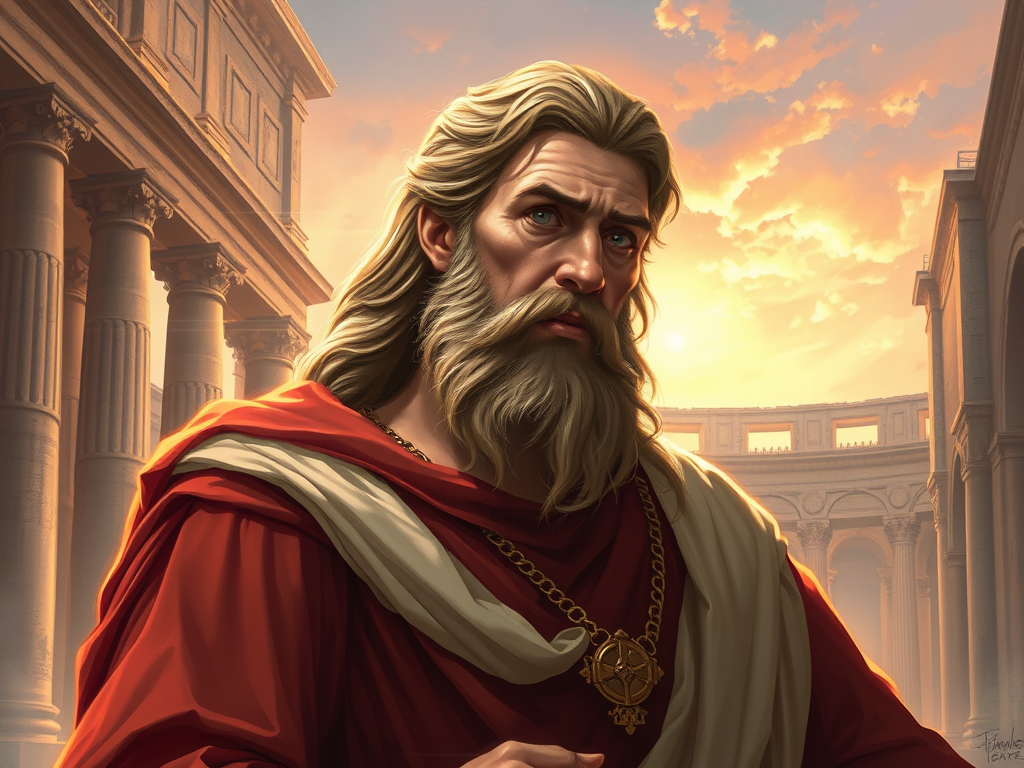
    The Legend: In the year 387 AD, St. Augustine arrived in Milan. He noticed the church customs there were different from his home in Rome. He asked St. Ambrose what to do.


    The Advice: St. Ambrose famously said: “If you are at Rome, live in the Roman style; if you are elsewhere, live as they live elsewhere.”


    Global Cousins:


    🇹🇷 Turkish:
    “Gittiğin yer kör ise, bir gözünü de sen kapat.” (If the place you go to is blind, close one of your eyes too!) 😉


    🇪🇸 Spanish: “Donde fueres, haz lo que vieres.” (Wherever you go, do what you see.)


    🇯🇵 Japanese: “Go ni itte wa, go ni shitagae.” (Enter the village, obey the village.)


    The Lesson: It is not about losing your identity. It is about showing respect and harmony.

    🎯 Impact on Life: The Pros & Cons


    Should you always copy others?


    ✅ The Pros ( The Diplomat)


    Respect:
    People appreciate when you try to understand their culture.


    Safety: Blending in stops you from looking like a clueless tourist (and a target for pickpockets!).


    Connection: You make friends faster when you break down barriers.


    ❌ The Cons (The Peer Pressure)


    Losing Yourself:
    Don’t do things that violate your core morals just to fit in.


    The “Copycat” Risk: If “the Romans” are jumping off a bridge, you shouldn’t do it! 🚫

    🎭 Short Story: The Dinner Party


    Let’s see how our farm friends handle a fancy dinner!


    🌟 Character Introduction


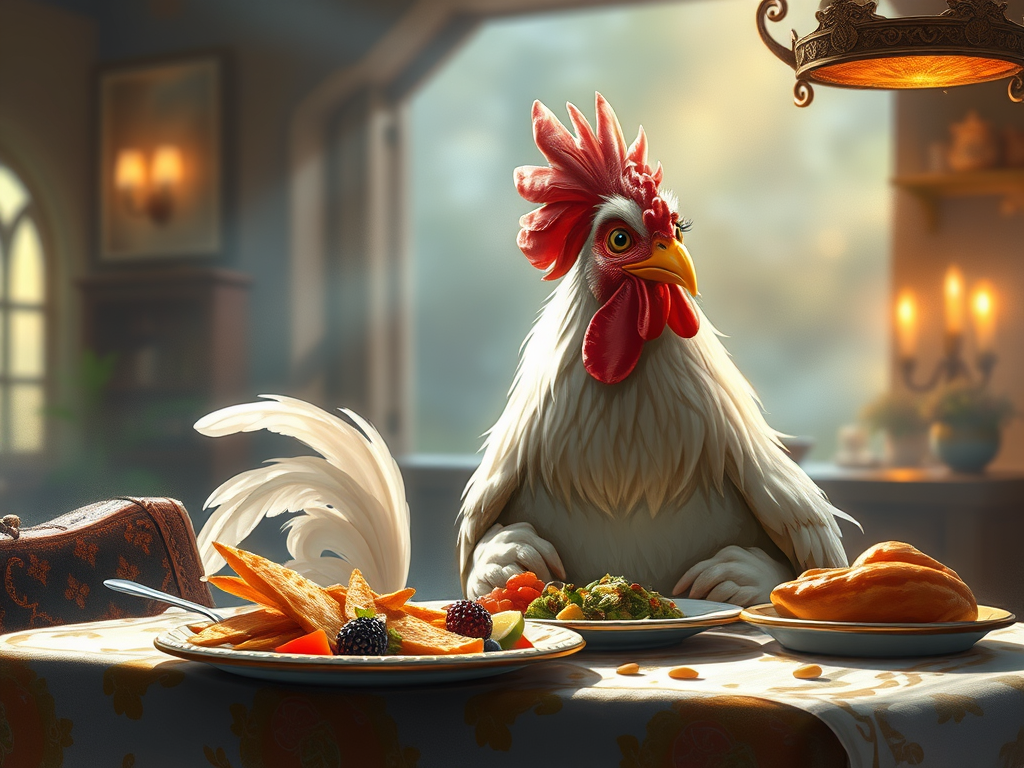
    Percy the Chicken:
    Stubborn and stuck in his ways. 🐔


    Fred the Frog: Observant and flexible. 🐸


    The Swans: The fancy hosts of the dinner party. 🦢


    The animals were invited to a formal dinner at the Swan Lake.

    The Custom: Swans eat gracefully with their heads high, and they never make loud noises while chewing.


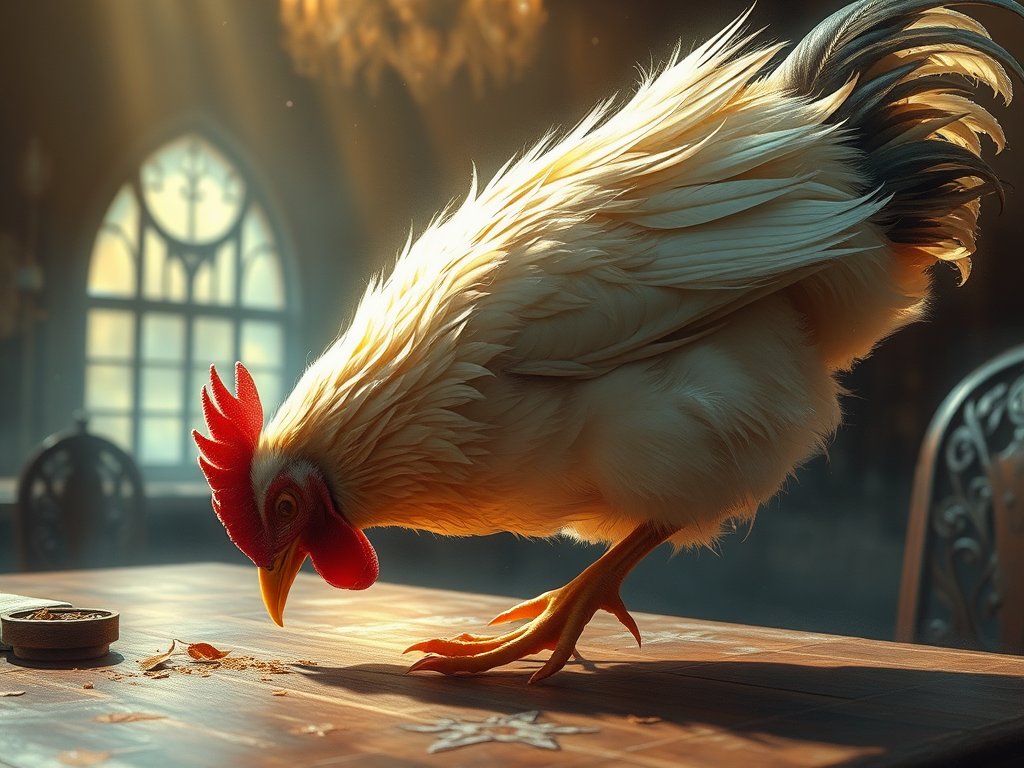
    Percy: Didn’t care. Percy sat at the table. He pecked at the food rapidly peck, peck, peck!

    He scratched the table with his feet (like a chicken does).

    He clucked loudly with his mouth full.

    The Swans looked at him in horror. “How rude,” they whispered. Percy was not invited back. 🚫


    Fred: Watched the Swans. Fred was a frog.

    He usually catches flies with his tongue. But he looked around.

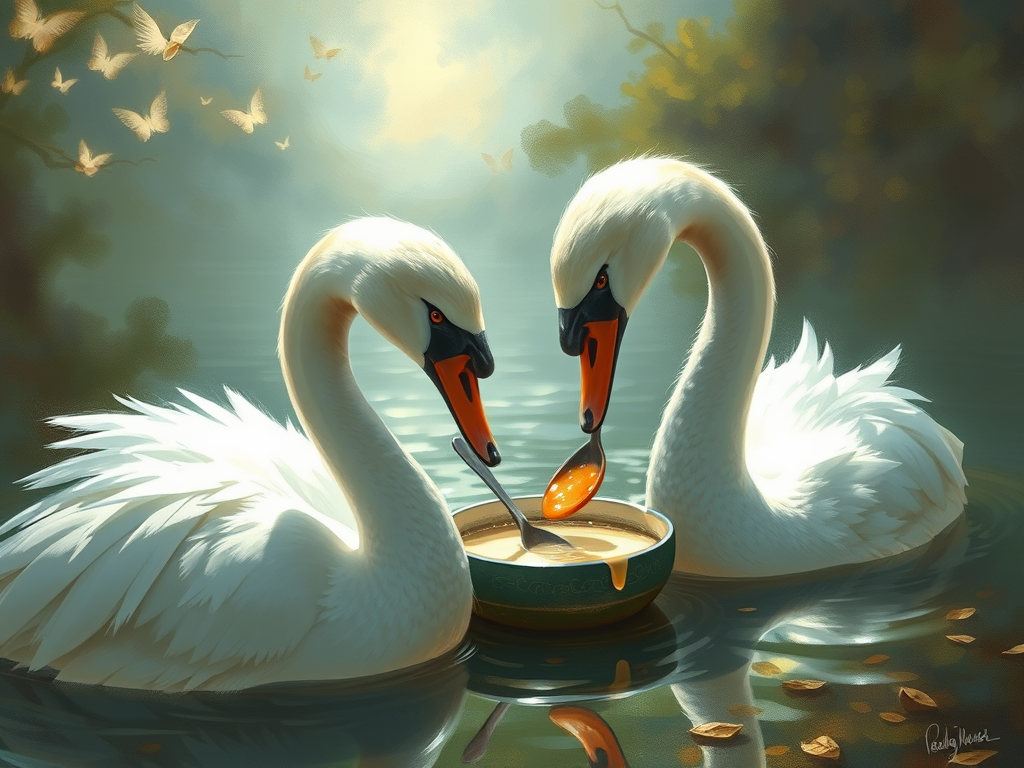
    He saw the Swans eating soup slowly. Fred didn’t use his tongue. He used a spoon.

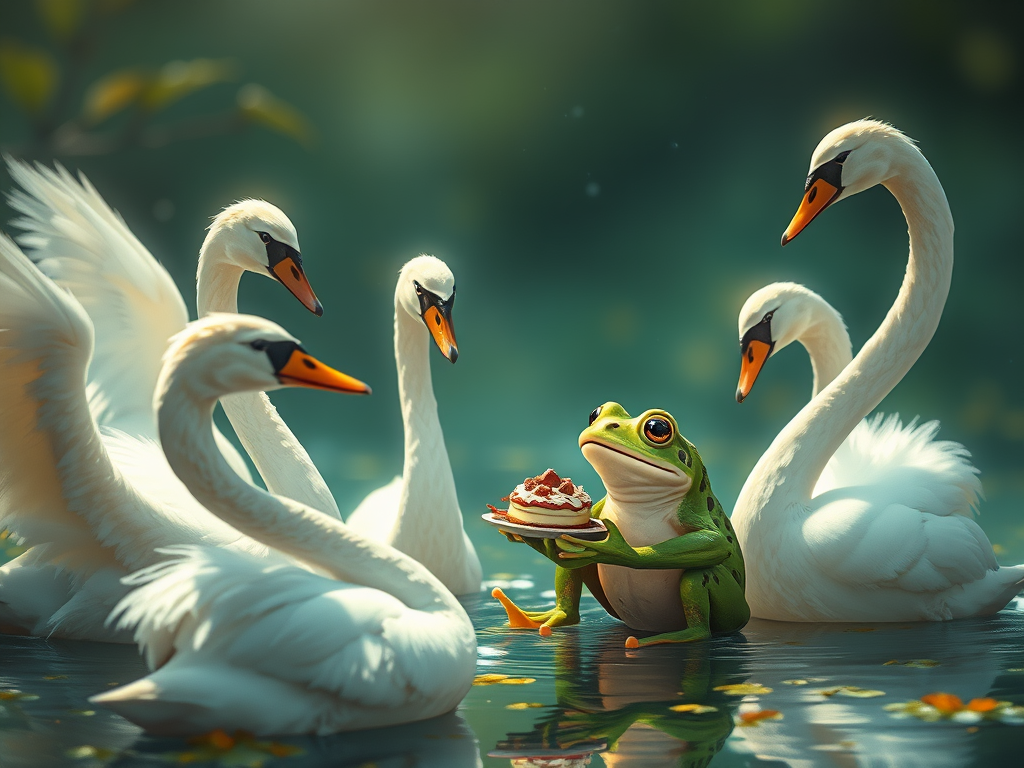
    He sat up straight. He mimicked their politeness. The Swans smiled. “What a charming gentleman,” they said. Fred was offered dessert. 🍰


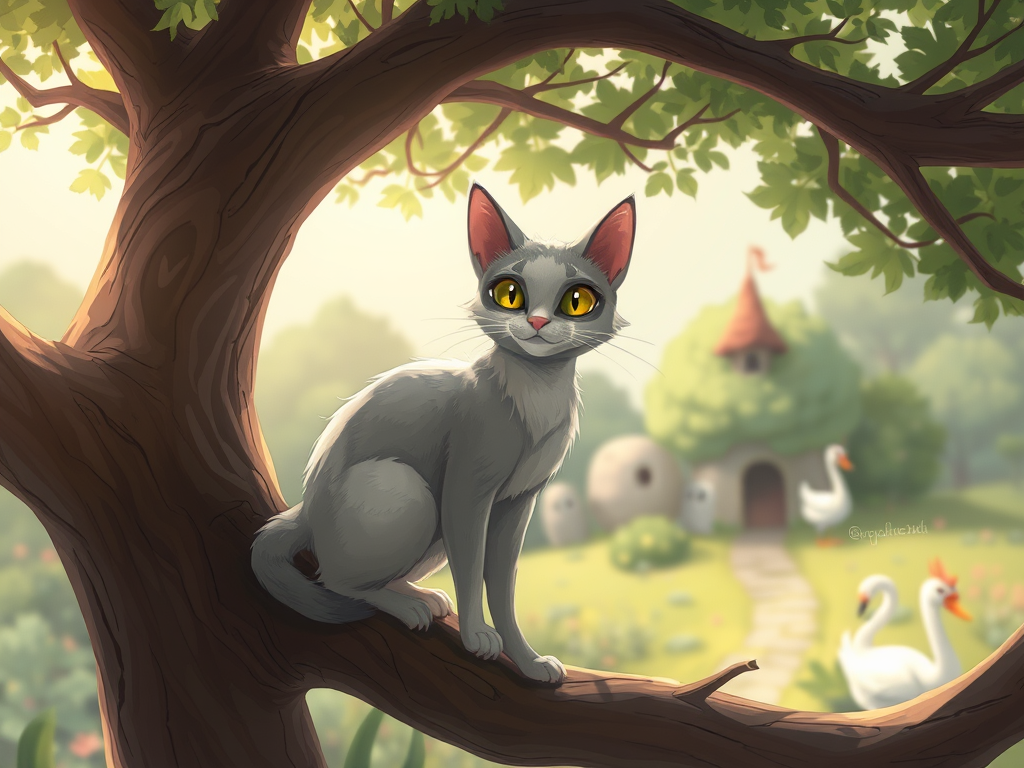
    Luna the Cat watched from a tree: “Percy acted like a chicken in a swan’s house. Fred acted like a swan. Fred did as the Romans do.”

    🎓 Lesson for English Learners


    How can you use this strategy to master English?

    Don’t just translate your language into English. Mimic the culture.


    The Greeting Protocol 👋


    Your Home:
    Maybe you kiss on the cheek or bow.


    In Rome (USA/UK): A firm handshake or a simple “Hey.”


    Action: Watch movies. How do friends say hello? Copy that.


    The “Politeness” Filter ☕


    Direct Translation: “Give me coffee.” (Grammatically correct, but rude).


    The Roman Way: “Could I have a coffee, please?”


    Action: Learn the “softener” words (Could, Would, May).


    The Slang Squad 🗣️


    If you are in a business meeting, speak formally.


    If you are gaming on Discord, don’t say “How do you do?” Say “What’s up?”


    Action: Match your vocabulary to your environment.


    💬 Your Turn


    Have you ever experienced Culture Shock? 🤯


    Did you try food that was strange to you? 🦑


    Did you make a mistake in a new country? 🌍


    Do you act differently at school vs. at home with family?


    Tell us your story in the comments! 👇

    By Zubeyir YURTKURAN

    https://www.facebook.com/BrainBattleground/

    https://www.facebook.com/zubeyr.yurtkuran/

    https://www.instagram.com/zubeyryurtkuran/

  • Facing Yourself at the End of the Day: The Voice of Conscience

    Facing Yourself at the End of the Day: The Voice of Conscience

    Reviewing what we have done at the end of the day is one of the most valuable moments to speak honestly with ourselves. It is not just about summarizing daily routines; it is about listening to the voice of our heart and examining our conscience.

    Did you break someone’s heart today? Did you unintentionally harm a living being? How did that make you feel? Is your conscience at peace, or is it troubled? All these questions guide you to face yourself at the end of the day. Because when alone, a person can recognize their mistakes, accept their faults, and say, “Yes, this was my mistake.”

    Remember, making mistakes is part of being human. What matters is acknowledging the mistake, feeling uneasy about it, and making an effort not to repeat it. Making the same mistake a second time can be seen as an error, and a third time may be considered a choice. Sometimes, we may even be unsure whether what we did was truly a mistake. In my view, if there is even the slightest possibility that something was wrong, it is better not to repeat it, so you don’t constantly ask yourself, “Did I make a mistake? Did I do the same thing again?”

    People around you might sometimes say, “Don’t worry about it, these things happen.” Yes, mistakes happen and they will continue to happen. But what matters is understanding why you made the mistake, what you overlooked, and reflecting on it. This awareness is the key to avoiding the same mistake in the future.

    When thinking about the biggest mistake we can make in life, for me, it is slandering someone, harming them, or spreading false accusations without knowing the truth. That is why I stay away from gossip and avoid hurting others in matters I am not sure about. We walk a fine line, and unknowingly crossing it can lead to consequences that are hard to reverse.

    Facing yourself at the end of the day and doing this inner reflection not only clears your conscience but also guides your life, strengthens your decisions, and makes you a more conscious person. Never neglect this self-confrontation, because seeing your own truth is the greatest freedom.

    At the end of each day, taking a moment to reflect is one of the most powerful ways to be honest with yourself. It’s more than reviewing routines it’s listening to your heart and checking in with your conscience.
Did you hurt someone today, knowingly or unknowingly? How did it make you feel? Is your conscience calm, or uneasy? These questions guide you to face yourself, because when we are alone, we can truly acknowledge our mistakes and say, “Yes, this was my fault.”
Mistakes are part of being human. What matters is recognizing them, feeling the discomfort they cause, and striving not to repeat them. A second mistake can be seen as a lapse, a third as a choice. And sometimes, we may even question whether what we did was wrong. If there’s even a hint of doubt, it’s wiser not to repeat it to avoid asking yourself later, “Did I do it again?”
People may say, “Don’t overthink it; it happens.” True, mistakes happen. But understanding why they occurred, what went unnoticed, and reflecting on it is what prevents us from repeating them.
For me, the gravest mistake in life is harming someone with words spreading falsehoods or attacking them without knowing the truth. That’s why I avoid gossip and never wish to hurt others with uncertainty. Life often walks a thin line, and crossing it unknowingly can have lasting consequences.
Taking time at the end of the day to reflect doesn’t just ease your conscience it guides your choices, strengthens your decisions, and shapes you into a more mindful person. Face yourself honestly, because understanding your own truth is life’s greatest freedom.

    Facing yourself at the end of the day is one of life’s most valuable tests. Recognizing and accepting our mistakes makes us more conscious and responsible. Listen to your heart, examine your conscience, and make an effort not to repeat your mistakes. Remember, being human starts with making mistakes, but true maturity is shaped by learning from them and choosing the right path. Be honest with yourself, because seeing your own truth is the greatest guide in life.

  • “Be the Master of Time: Discover Yourself, Plan, and Execute!”

    “Be the Master of Time: Discover Yourself, Plan, and Execute!”

    The Value of Time: Can We Understand Before It’s Too Late?

    Time… A word that slips off the tongue easily, yet it’s the most precious and irreversible thing in our lives. Money can be earned, objects can be fixed, and opportunities may come again. But once time is gone, there’s no way to bring it back. And most of the time, we only realize its value after it’s already too late.

    We say, “I wish I had done that earlier,” or “If only I had learned, tried, or started sooner…

    Time doesn’t just pass it drains us. It flows not only from our schedule but from our bodies, our souls, and our energy. Often, we don’t notice it while it’s happening. Every passing minute silently takes a piece of us. That’s why it’s crucial not only to plan and manage time but also to gain from it.

    So here’s the real question: Can we become friends with time?

    Planning Is Not Fate, It’s a Guide

    We can make perfect plans, but let’s not forget life doesn’t always follow the script. Sometimes the conditions change. Sometimes we change. Taking a different route at a crossroads doesn’t mean we failed. In fact, having the flexibility to redirect ourselves shows growth and courage.

    If Plan A doesn’t work, try Plan B. And if that doesn’t work, go all the way to Plan Z if needed. What matters is to stay on the road, to keep going.

    A new plan brings new energy. That’s why building alternative plans isn’t a weakness it’s a strength. Limiting yourself to a single path leads to fear of failure. But when you have options, you move with confidence and resilience.

    Mental and Physical Agility: Not Laziness, but Skill

    Handling multiple responsibilities is one of the best ways to use time efficiently. When we train our minds and bodies from a young age to be active and organized, we grow into productive adults who manage their time wisely.

    Being practical does not mean being lazy. On the contrary, practical people know when to act, how to act, and don’t waste time. They reach success quicker and smarter.

    For Young People and Students: Time is Gold

    For young individuals, the value of time is on a whole different level. School years shape the foundation of one’s life. If time is wisely used during this stage, it becomes a major advantage later. School subjects, of course, are a priority but what about your free time? That’s equally important.

    The first step is to get to know yourself:

    What excites you? What makes you lose track of time when you’re doing it? What topics stir your curiosity?

    Once you’ve discovered those, read books about them, watch documentaries, write your thoughts down, or even start a blog.

    If you already know what career you want, start preparing now step by step. If you dream of being a doctor, explore biology. If you want to be a writer, fuel your imagination by writing just one paragraph every day. Each step gets you closer.

    Beyond the Classroom: The Most Enjoyable Way to Grow

    Life is more than tests and grades. Learn an instrument. Join a sport. Volunteer. Get involved in the arts.

    All these enrich your time and your character not just your knowledge. They help you grow in confidence, self-discipline, and creativity.

    Love history? Watch documentaries, read books, visit museums.

    Love writing? Pour your emotions and observations onto paper. Maybe one day, those writings become a book.

    Explore what interests you and grow into yourself.

    Don’t Say “It’s Too Late” Know the Worth of Now

    Never believe it’s too late. In the journey of life, every step can be a fresh beginning.

    Don’t give up on yourself. No matter your age, the ability to manage and make the most of your time is something you can always develop. All it takes is awareness, persistence, and a little courage.

    And most importantly: Keep growing.

    This world needs practical, intelligent, and creative minds like yours.

    We believe in you. Now it’s time for you to believe in yourself and honor the value of time.

    A Final Thought to Carry With You

    Time is the invisible thread that weaves every moment of our lives into meaning. It doesn’t shout; it simply moves on quietly, steadily, irreversibly. Whether you’re a student dreaming big, an adult seeking direction, or someone simply wishing for a fresh start, remember this: time is not your enemy it’s your greatest tool.

    Don’t wait for the “perfect moment.” There’s power in beginning now, exactly where you are, with what you have. Start small, stay consistent, and let your actions shape the future you imagine.

    If this article inspired even one new habit, one new plan, or one spark of belief in yourself then it served its purpose.

    Time is not just a river that flows away it’s a current we can direct.

    Those who manage it well build bridges to the future.

    Start small today, and watch how you construct the great successes of tomorrow.

    Before time passes take the first step.

    Until next time,

    Use your time wisely, and never stop growing.

    With love and respect…

    With gratitude,
    Zübeyir Yurtkuran