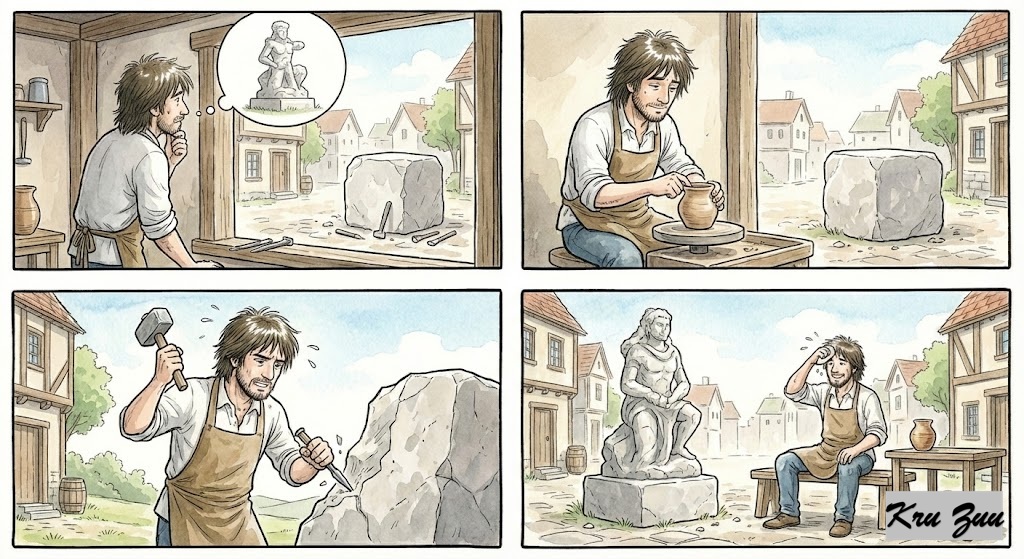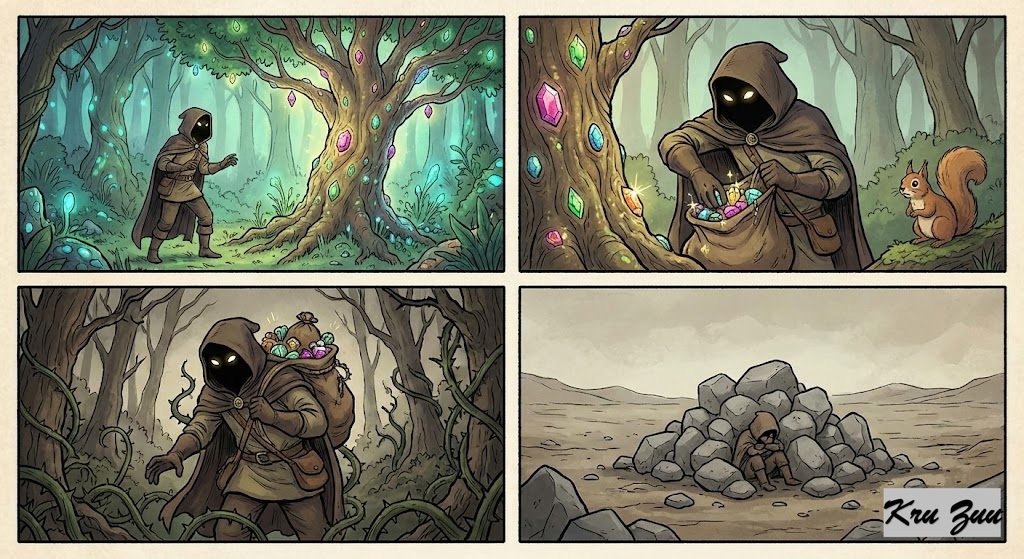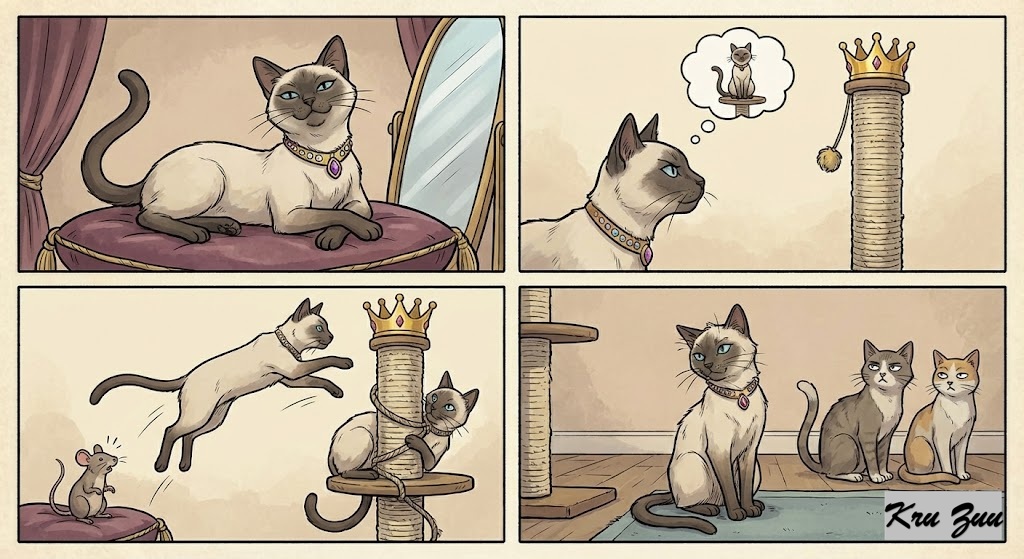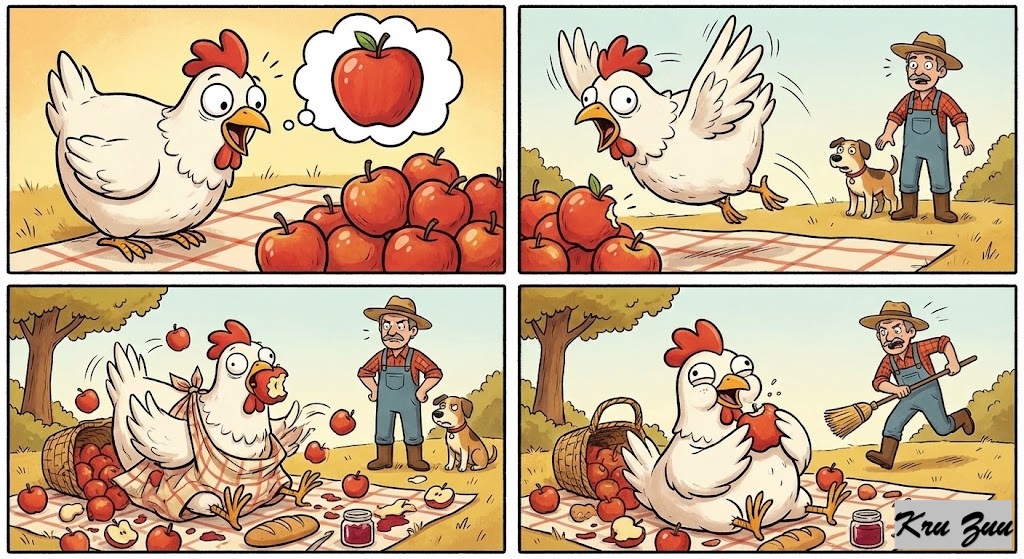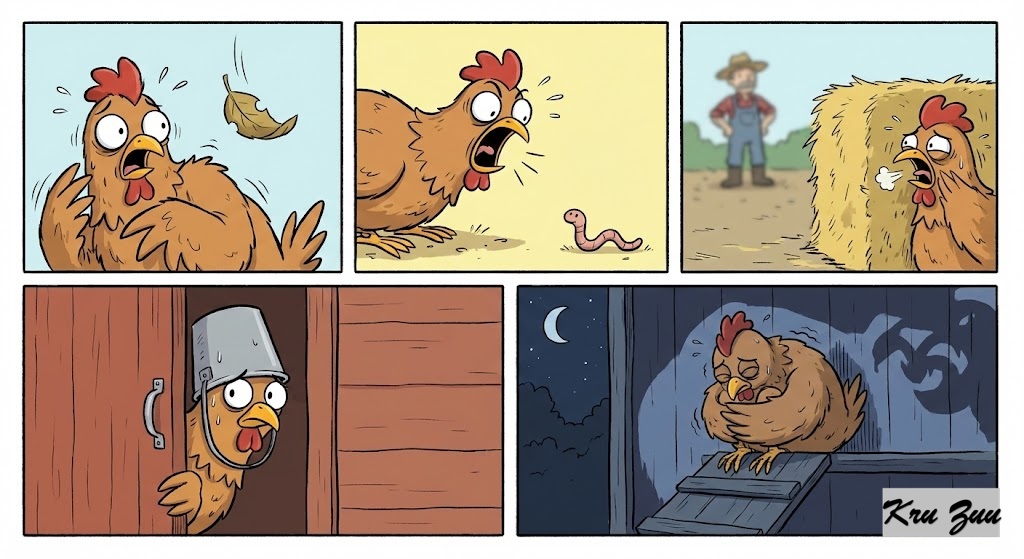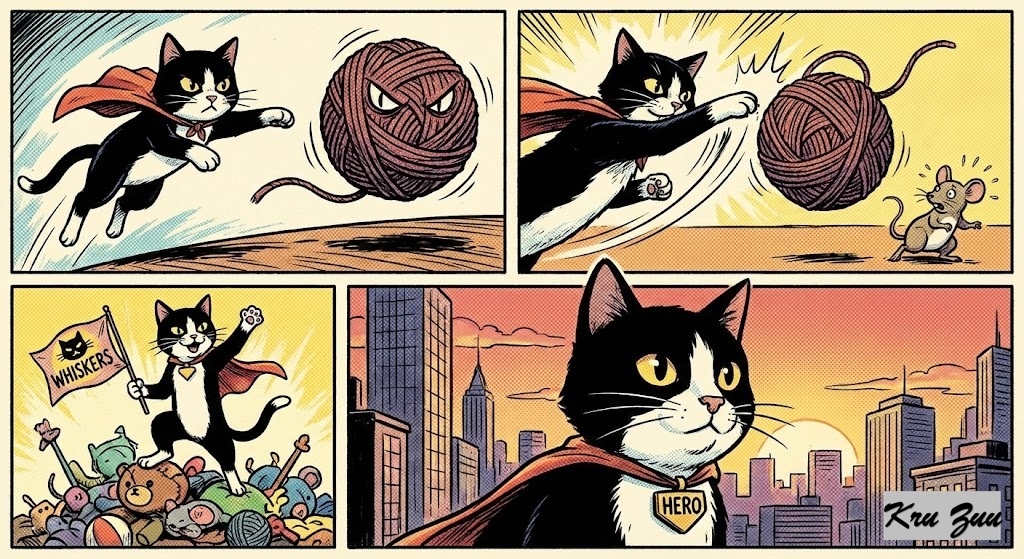
Tag: Personal Development

  • 🧠 The Daily Shield: The Law of Connection

    🧠 The Daily Shield: The Law of Connection

    “Great minds think alike.”


    😈 The Villain (The Intellectual Snob)

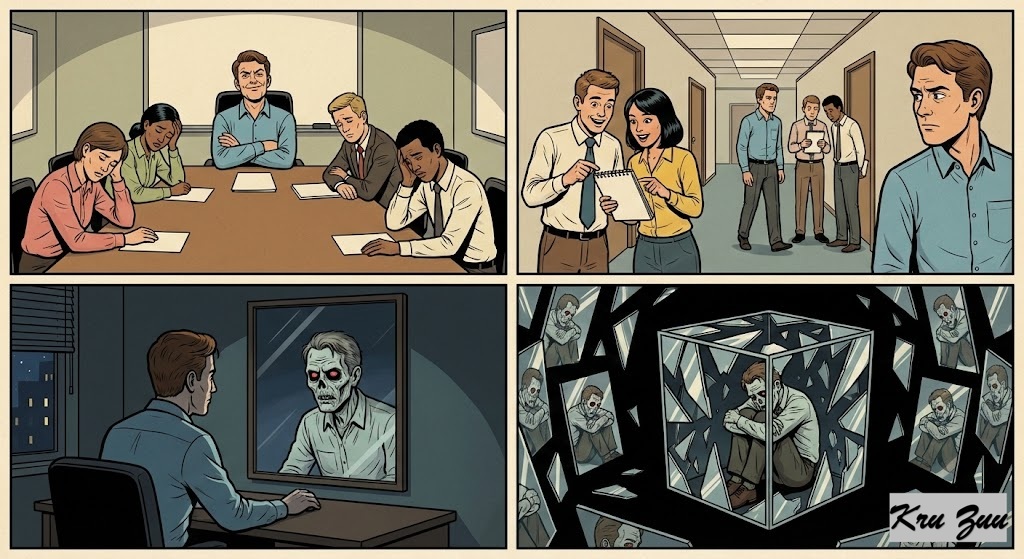
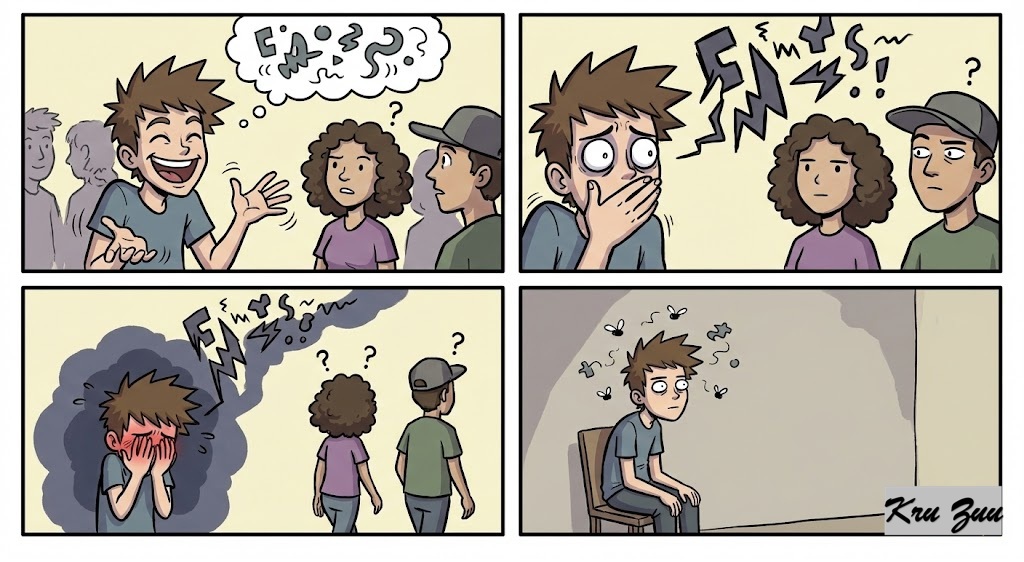
    You have an idea. Someone else suggests the same thing. What do you do? You get annoyed. 😒 “Hey, I thought of that first!””Stop copying me!” You believe your ideas are special property. You see shared thoughts as theft, not connection. You want to be the “Lone Wolf” genius.
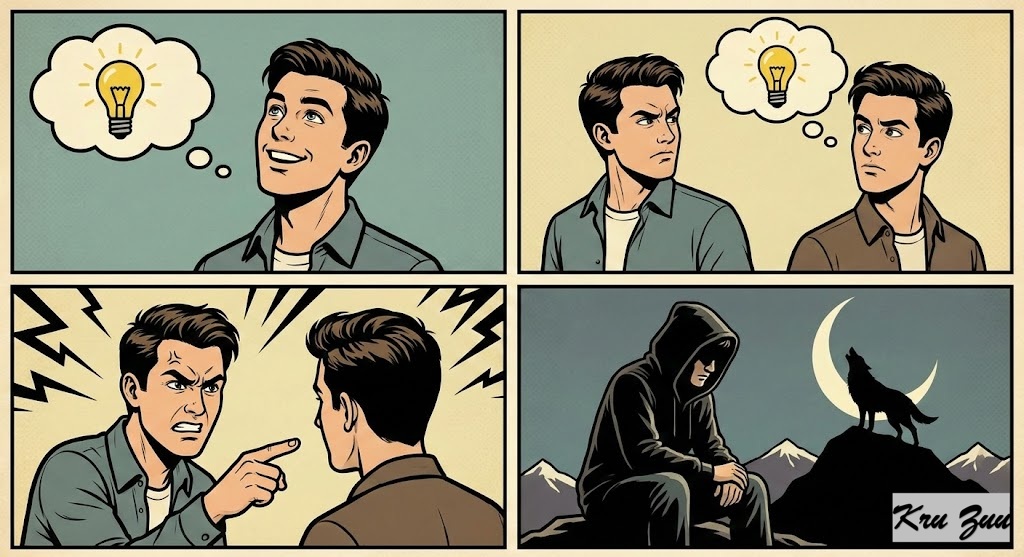
    The Result? You isolate yourself. People feel awkward sharing ideas with you. You kill the momentum of the team because you are too busy claiming credit. You are trapped in the “Ego Trap.” 🧟‍♂️


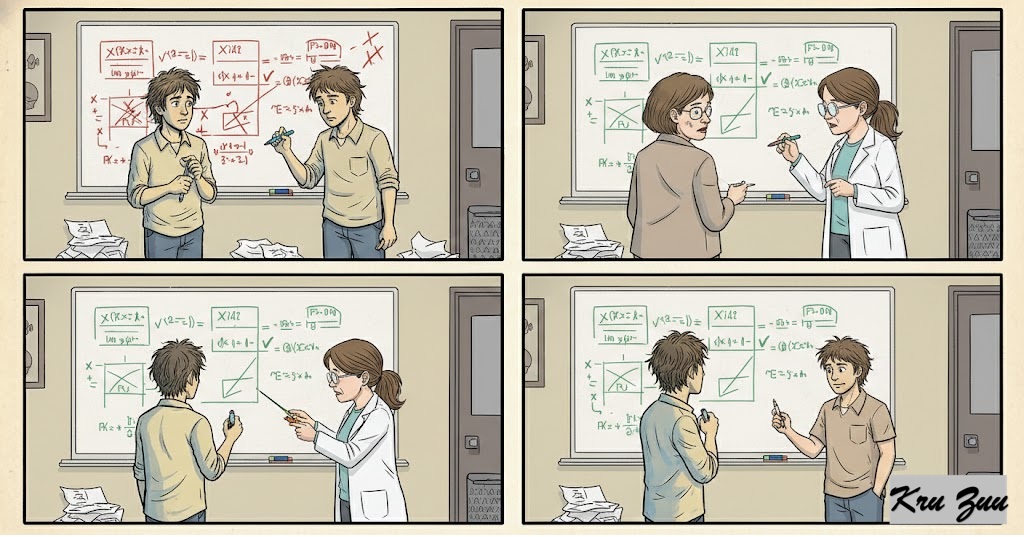
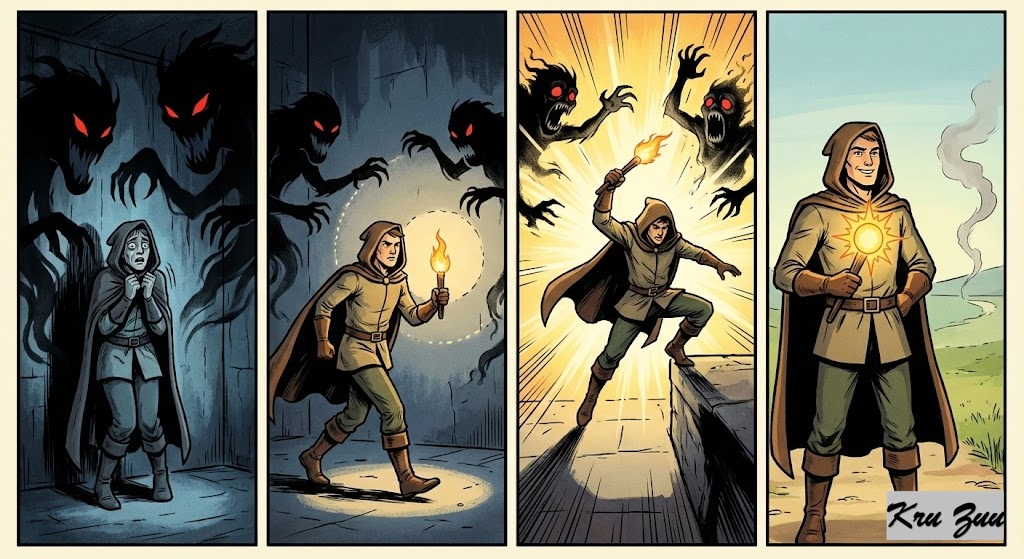
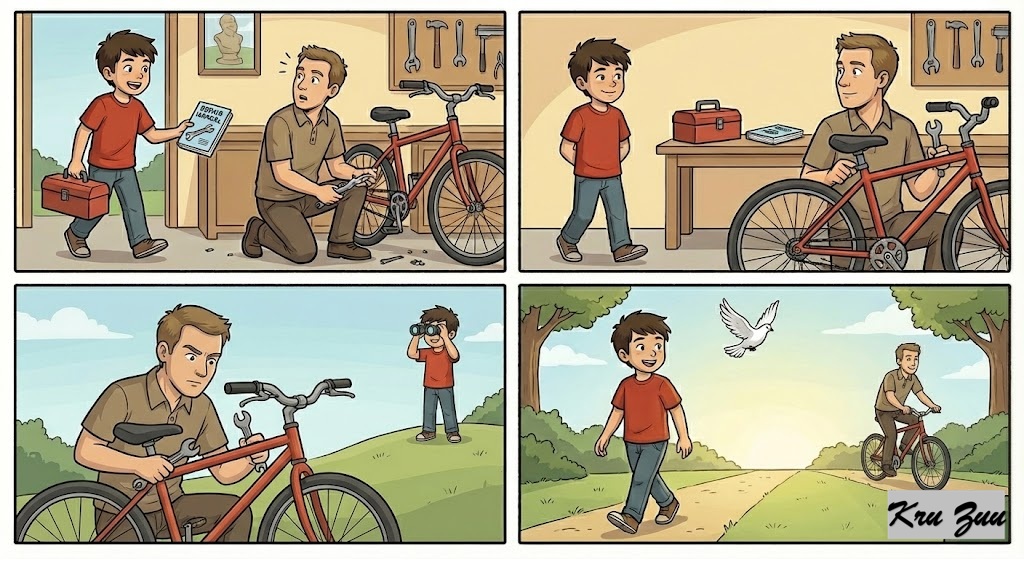
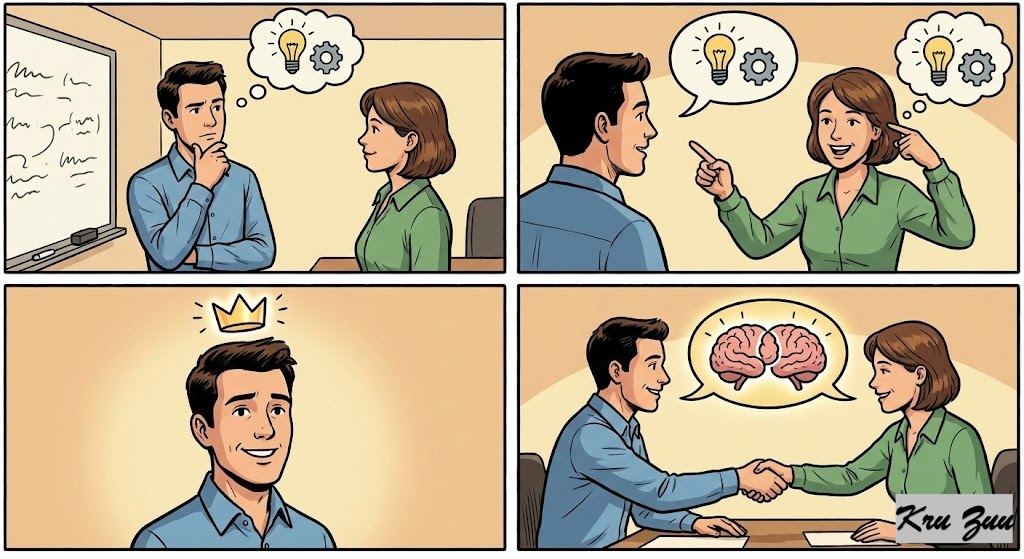
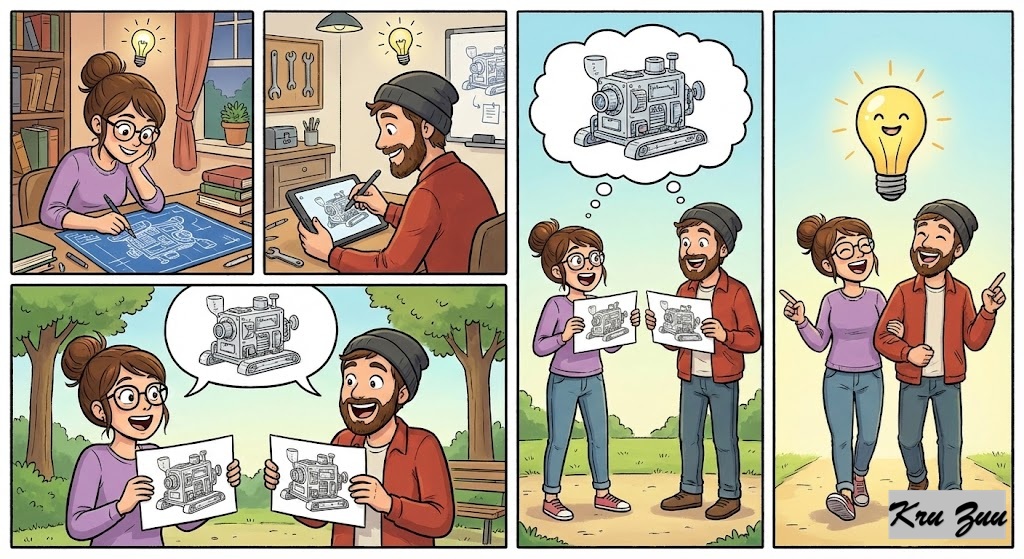
    😇 The Hero (The Synergist): You are brainstorming. A colleague blurts out the exact solution you were just thinking of. Instead of getting jealous, you smile. 😄 You point at them and say: “Great minds think alike!” You validate their intelligence, which validates yours. You realize that shared thinking isn’t copying, it’s alignment.

    The Result? Instant rapport. The other person feels smart and connected to you. You create a bond of trust (“We are on the same wavelength”). You build a tribe, not just a resume. ⚡


    ⚖️ The Reality


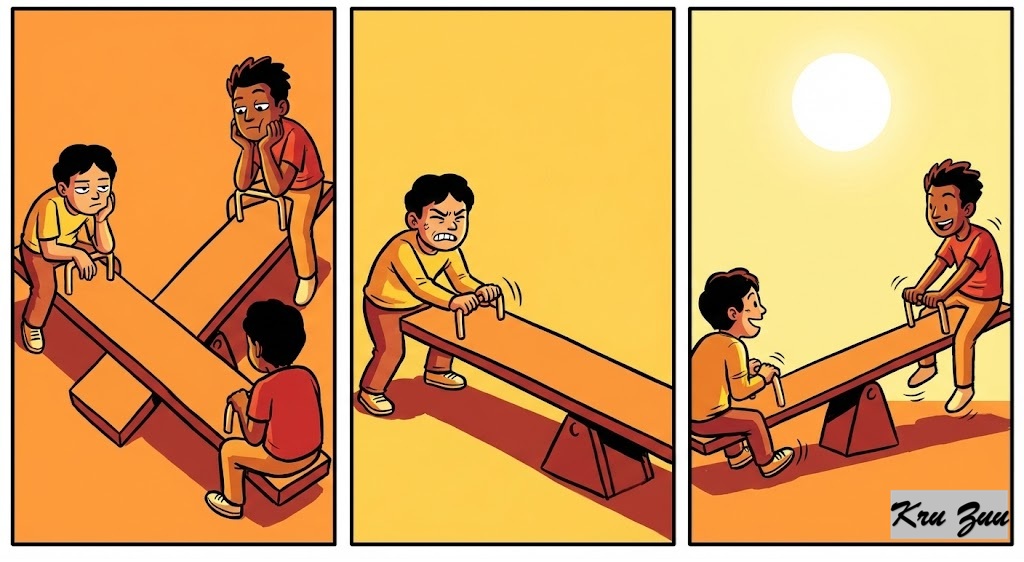
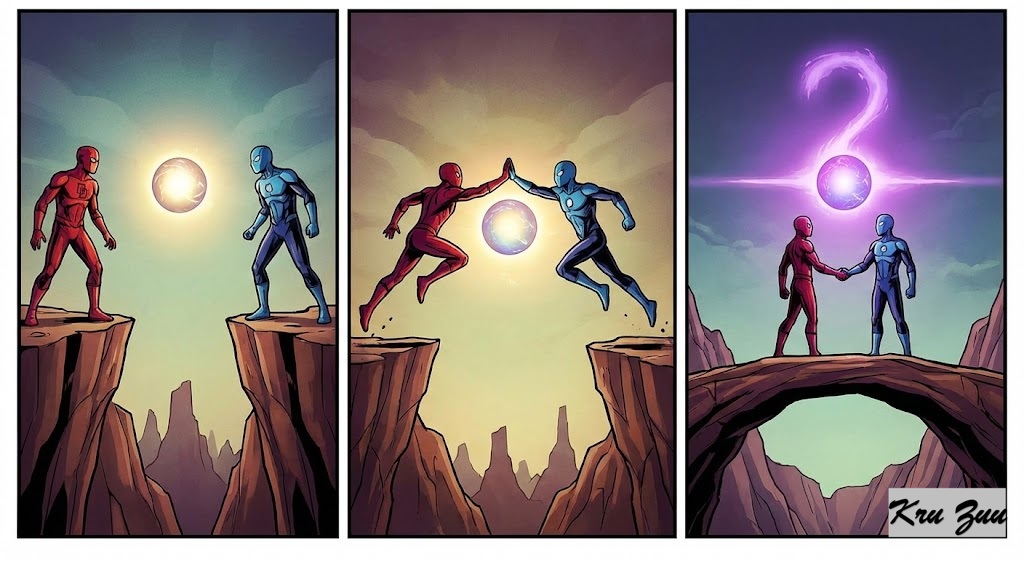
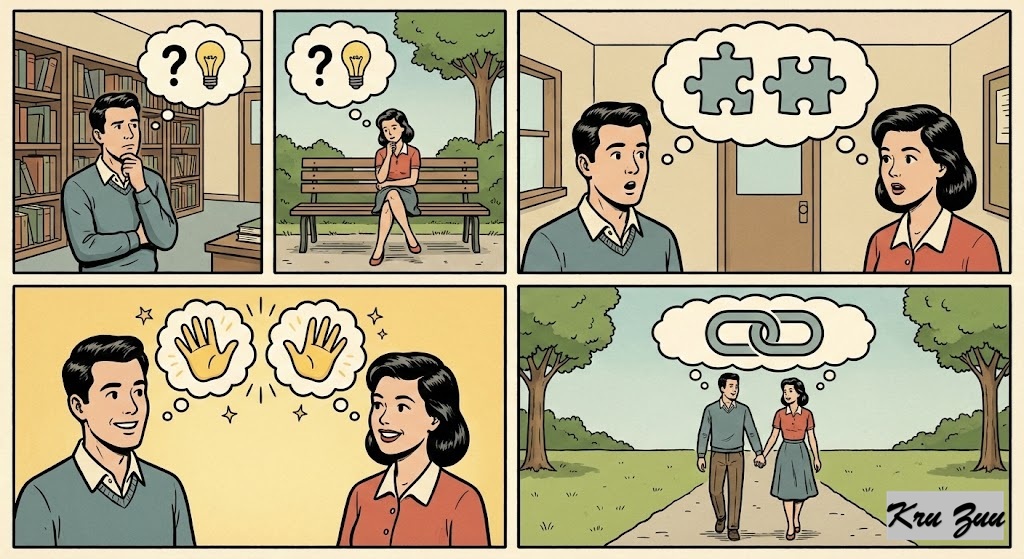
    We are social creatures. When two people arrive at the same conclusion independently, it is a powerful signal of compatibility. It means your values, logic, or instincts are aligned. It is a moment of “mental high-five.” 👋

    💎 The Secret

    Using this phrase isn’t just about being right; it is a tool to make the other person feel good. It says, “You are smart because you think like me.”
    🧐 The Anatomy of the Proverb


    This is your go-to phrase for those “Jinx!” moments.


    Great Minds (Noun Phrase): Intelligent people; thinkers; visionaries.

    Think (Verb): To process thoughts/ideas.
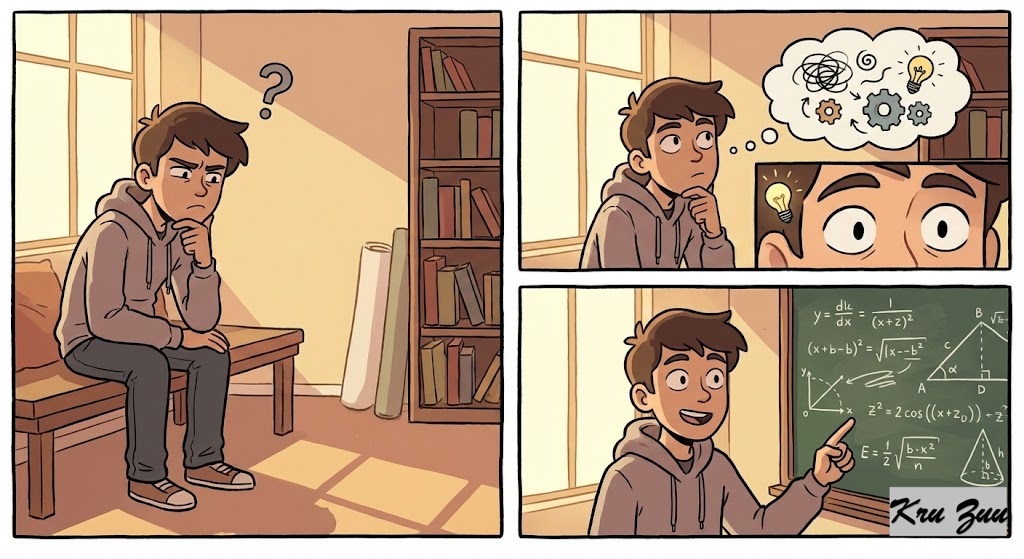

    Alike (Adverb):
    In a similar way; identically.
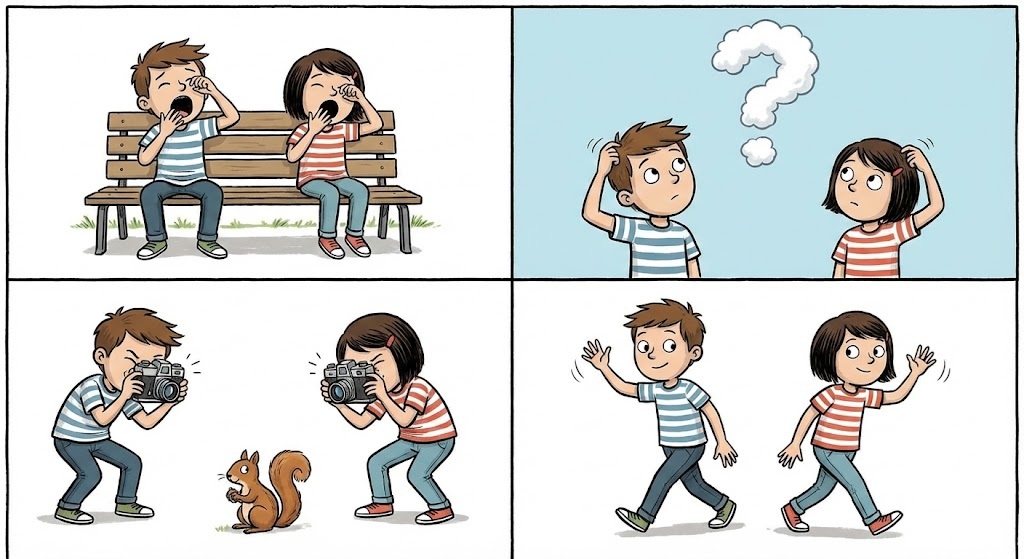

    Simpler Version: Smart people have the same ideas. / We are on the same page.

    📚 Vocabulary Vault


    Synergy (Noun):
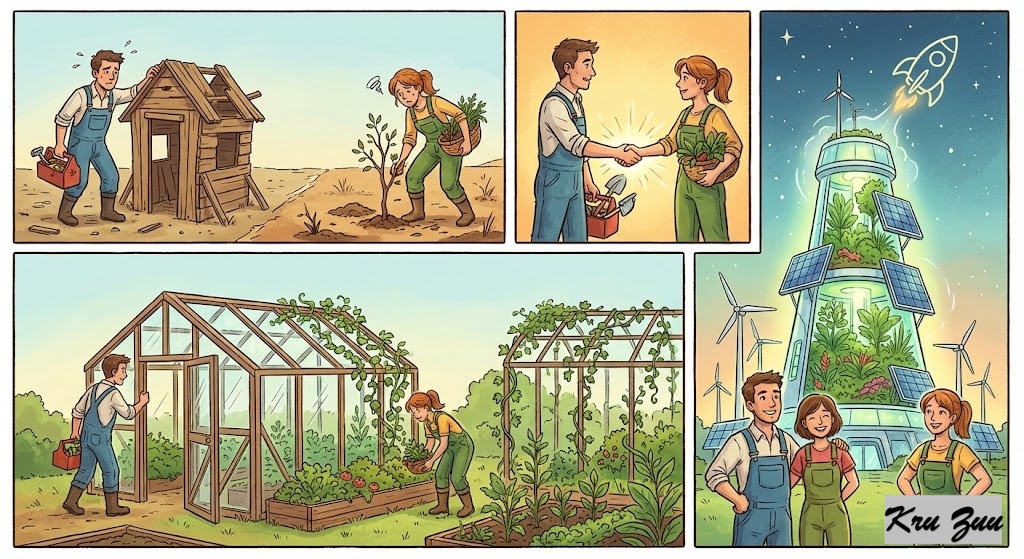
    When the combined effect is greater than the sum of separate effects. (1+1=3). 🚀

    Telepathy (Noun): The supposed communication of thoughts by means other than the known senses. (e.g., “It’s like we have telepathy!”).
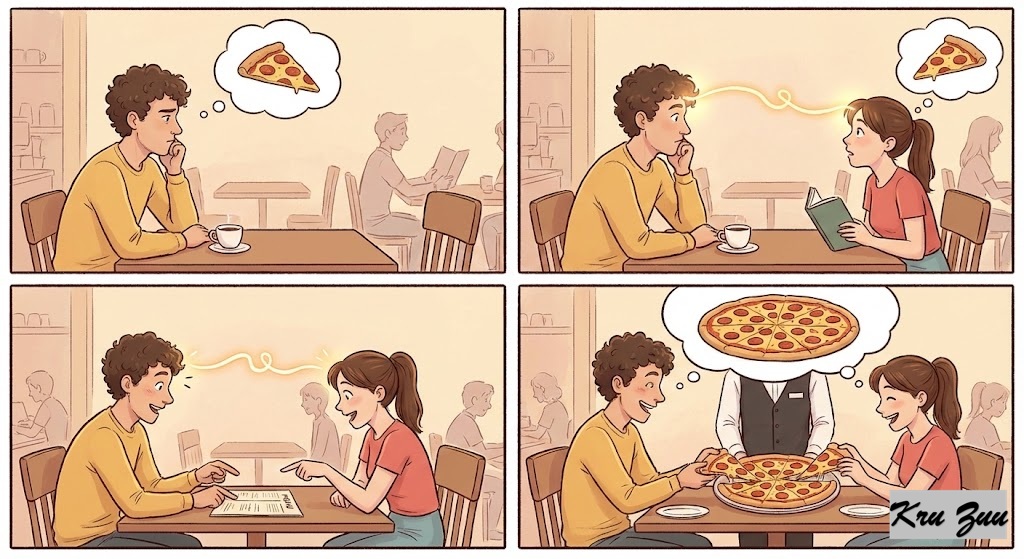

    Validation (Noun): Recognition or affirmation that a person’s feelings or opinions are valid or worthwhile.


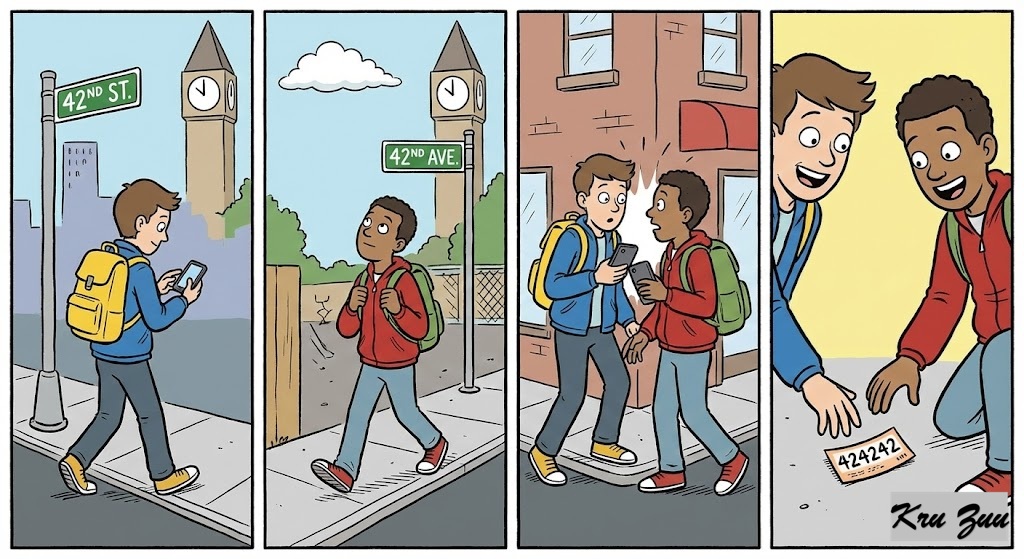
    Coincidence (Noun): A remarkable concurrence of events or circumstances without apparent causal connection.

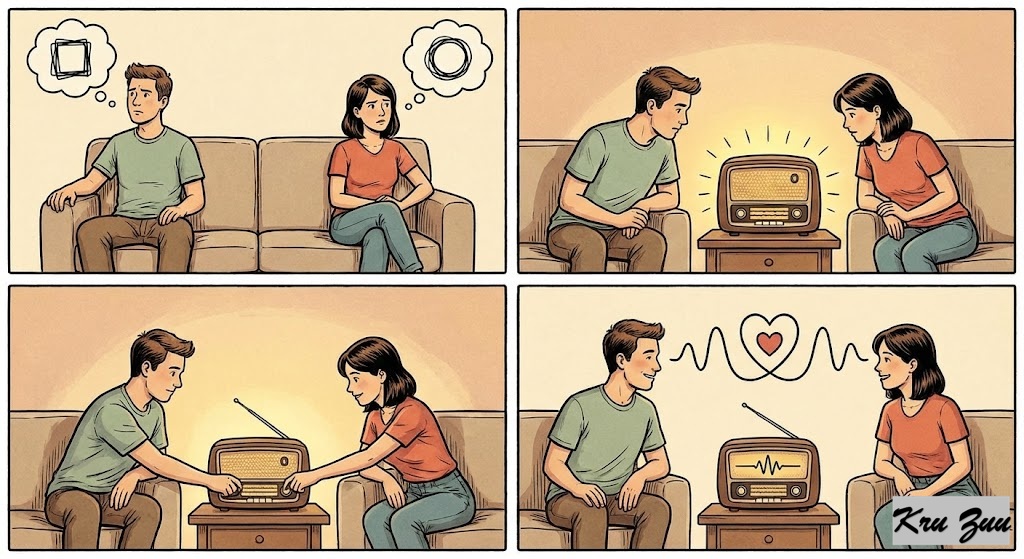
    Wavelength (Noun):Idiom: “To be on the same wavelength” (To think similarly). 📻
    📜 History: Origin and The Twist


    Where did this compliment come from?


    The Origin: The idea has been around since the early 1600s. The original recorded phrase in English was “Great wits jump” (meaning “jump to the same conclusion”). It evolved into “Great minds think alike” over time.
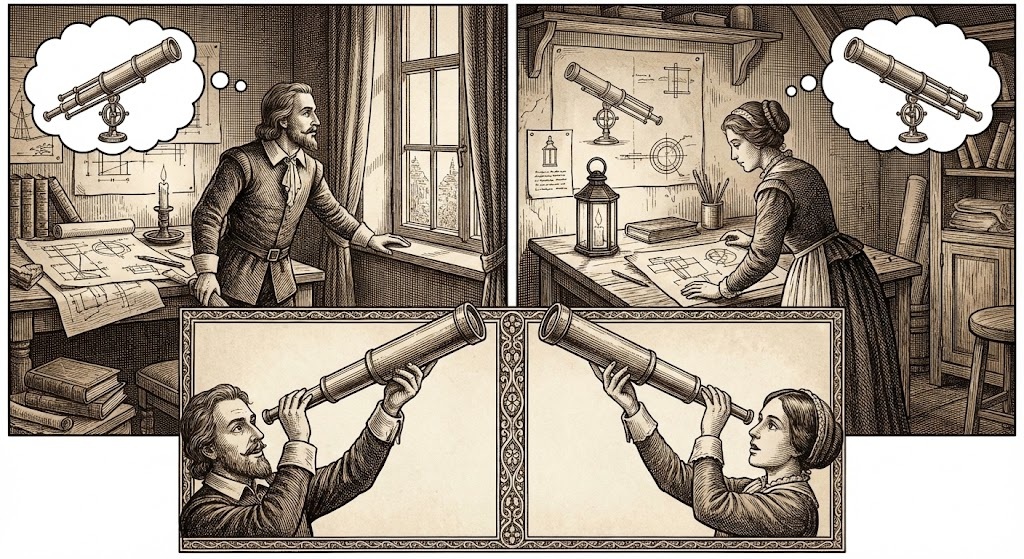

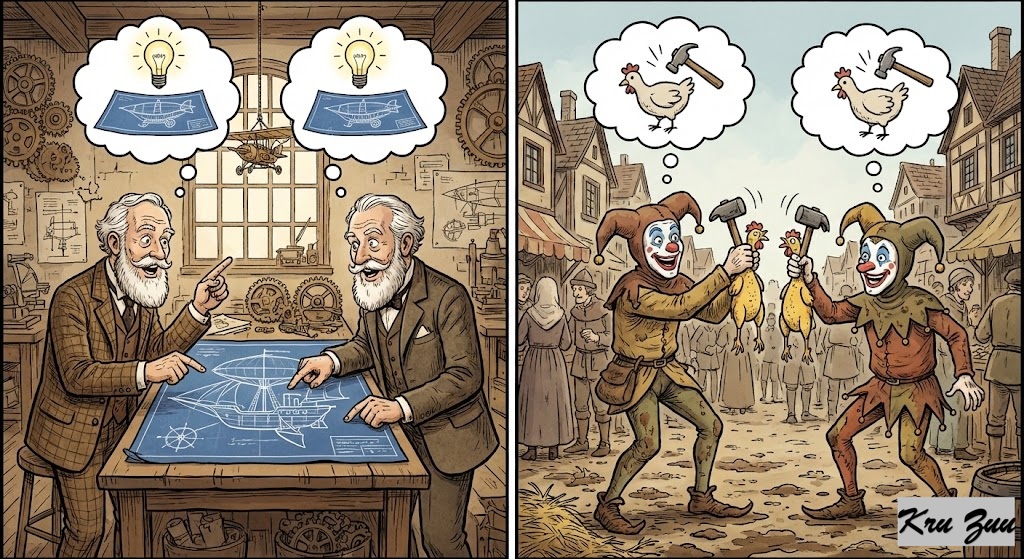
    The Twist (The Humorous Truth): Did you know this idiom has a second half that is often left out? The full phrase is historically known as:”Great minds think alike, though fools seldom differ.”
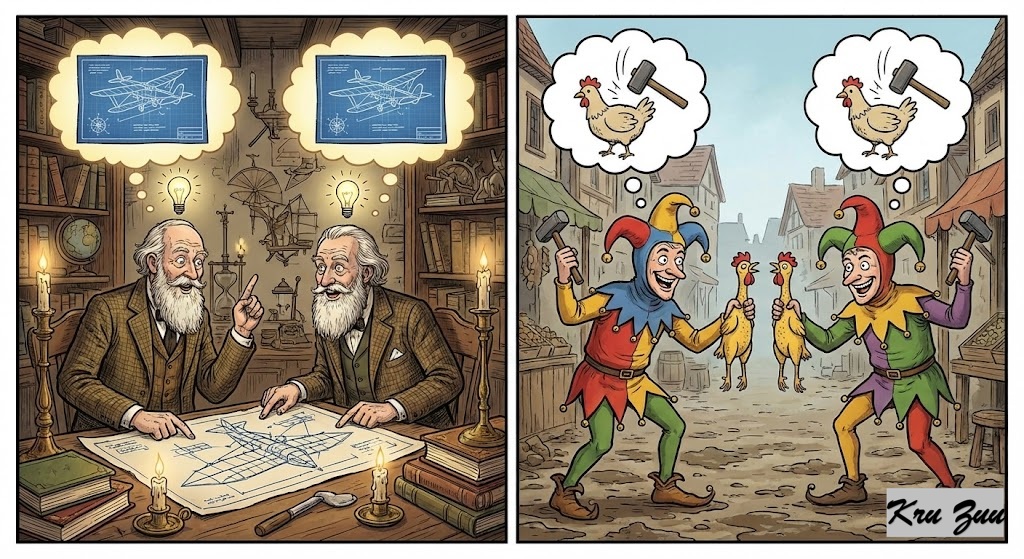

    Translation: Smart people might have the same idea, but stupid people also follow the crowd! Note: We usually only use the first half (the polite half) in business and friendship! 😉
    🎯 Impact on Life: The Pros & Cons


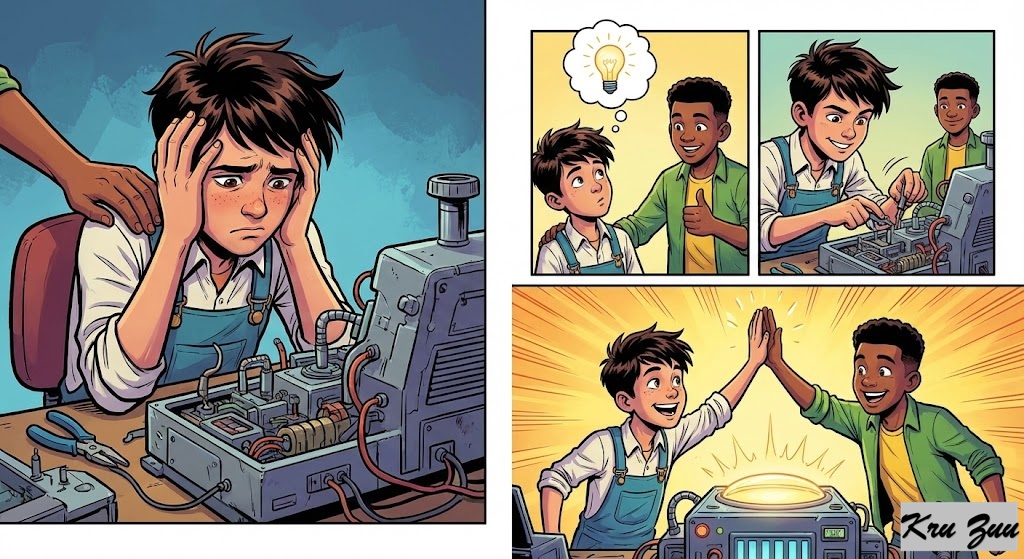
    ✅ The Pros (The Bond)


    Speed:
    You don’t have to explain yourself. The other person already “gets it.”


    Confidence: Knowing someone supports your idea makes you more likely to succeed.

    ❌ The Cons (The Echo Chamber)


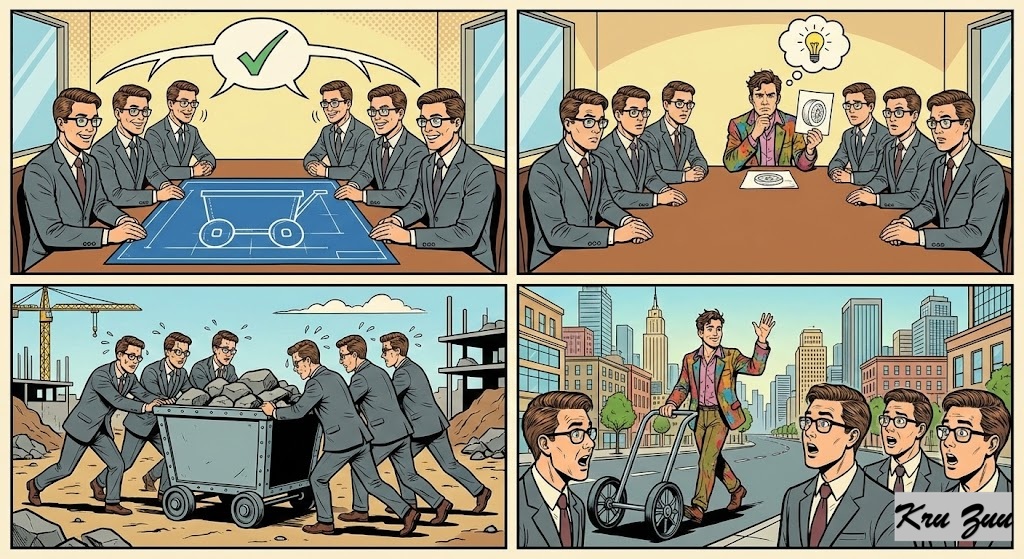
    Groupthink:
    If everyone thinks alike, no one is spotting the mistakes. Sometimes you need a “Great Mind” who thinks differently to challenge you.
    🎭 Short Story: The Mystery of the Locked Box 📦


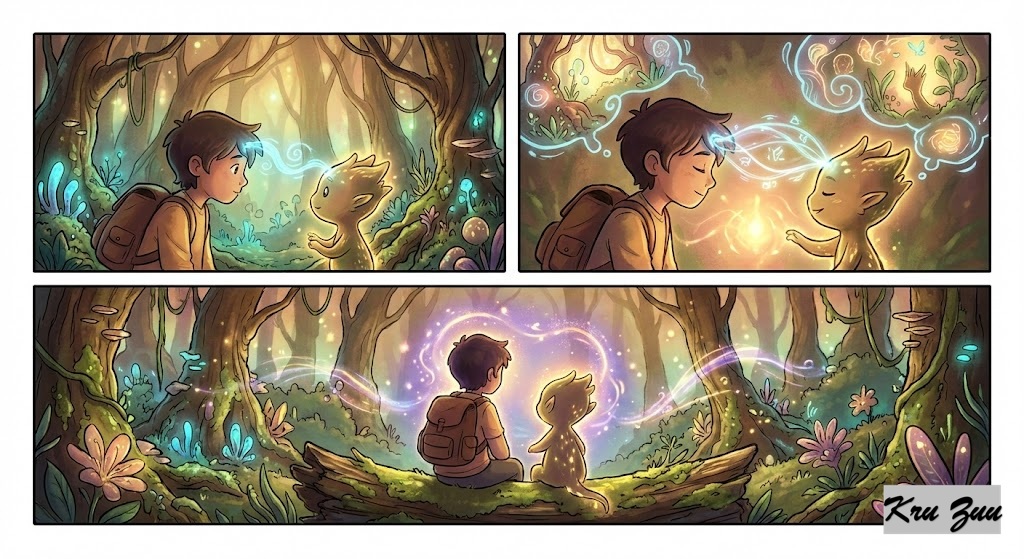
    Let’s visit the magical forest to see how mental connection works.

    🌟 The Cast


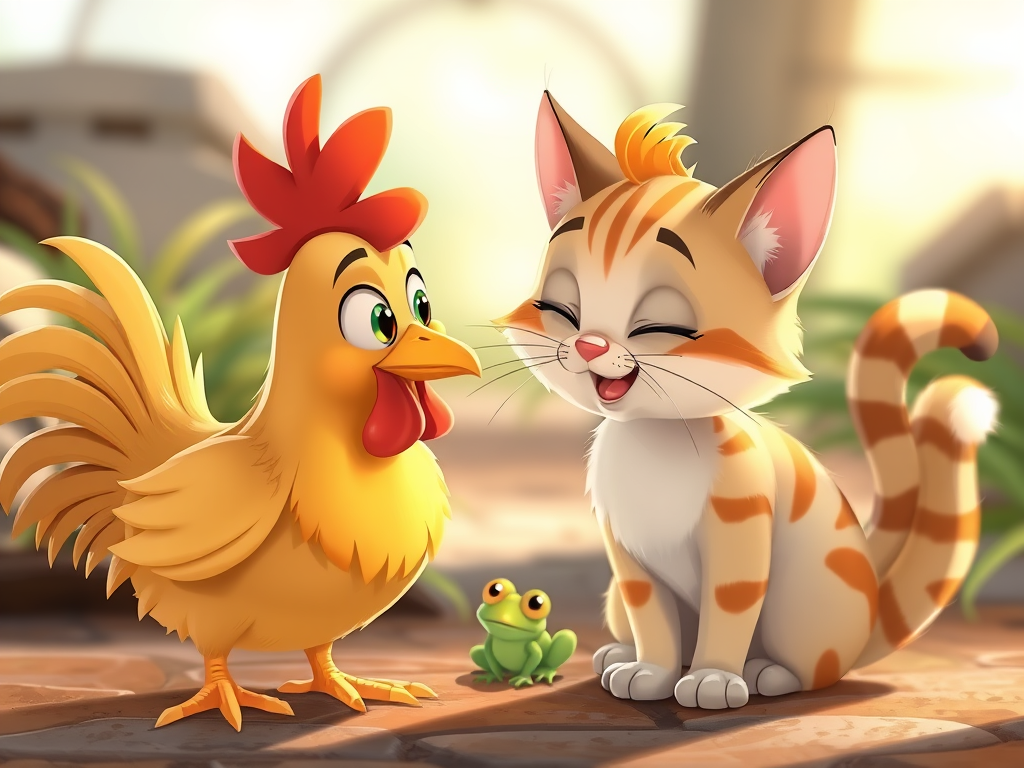
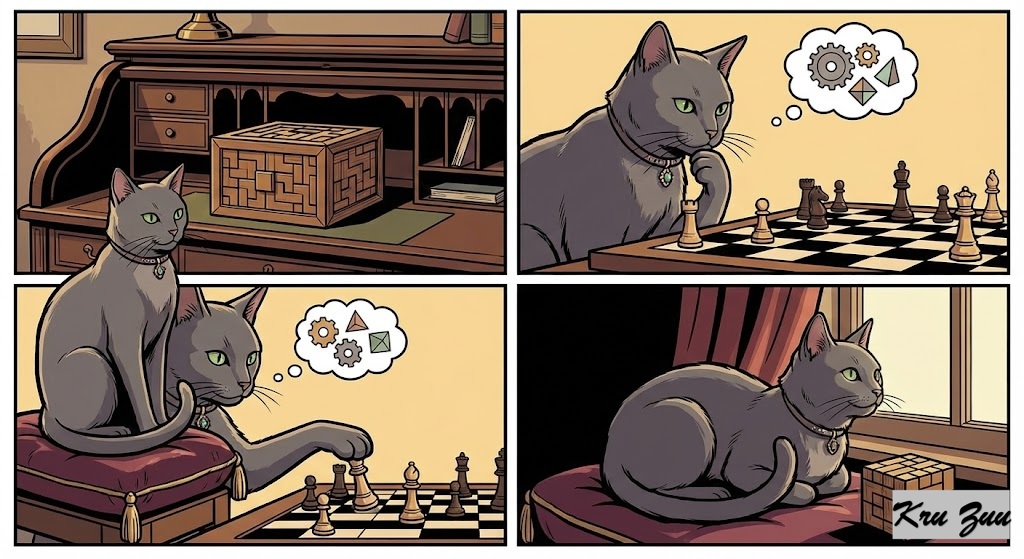
    Cleo the Cat: Elegant, logical, loves puzzles. 😼

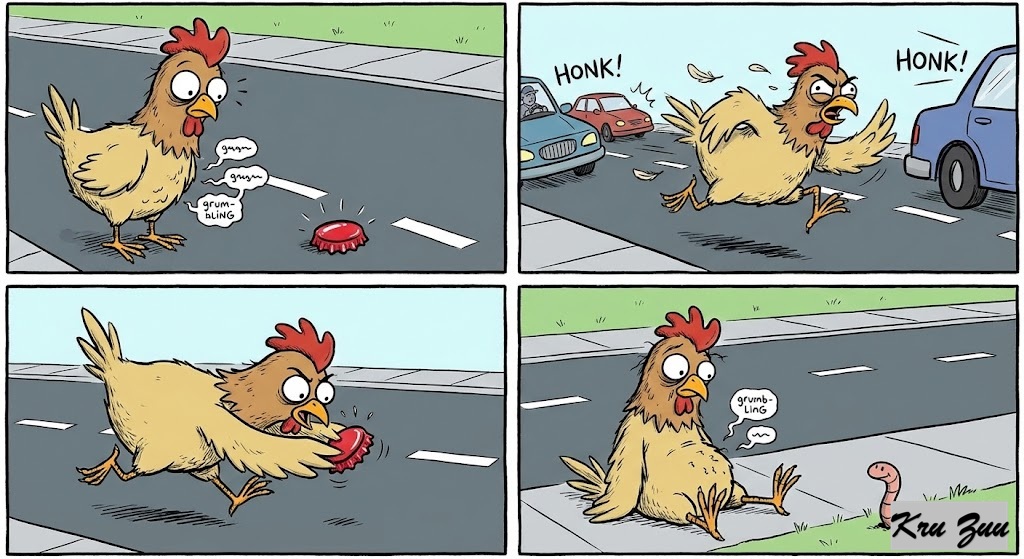
    Cluck the Chicken: Impulsive, hungry, relies on gut instinct. 🐔

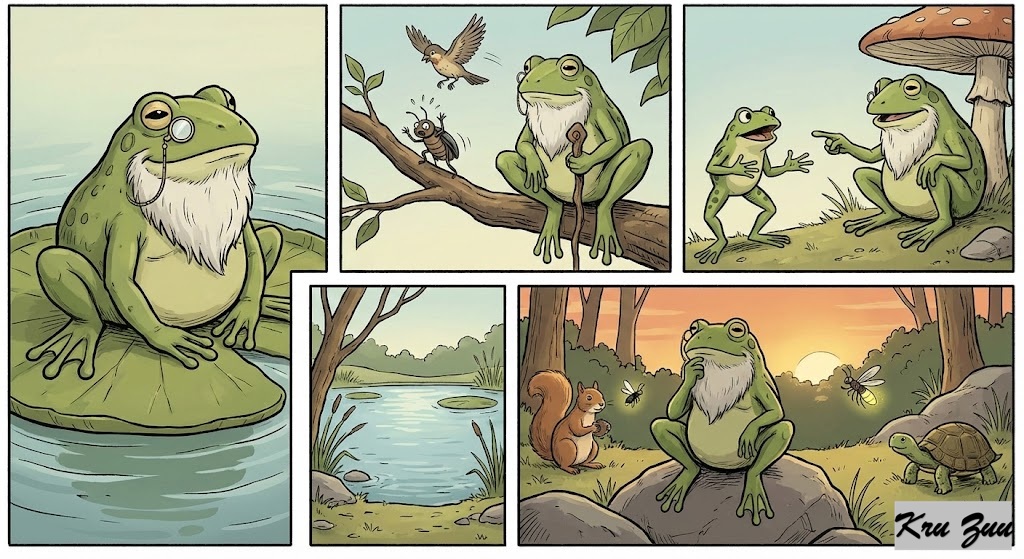
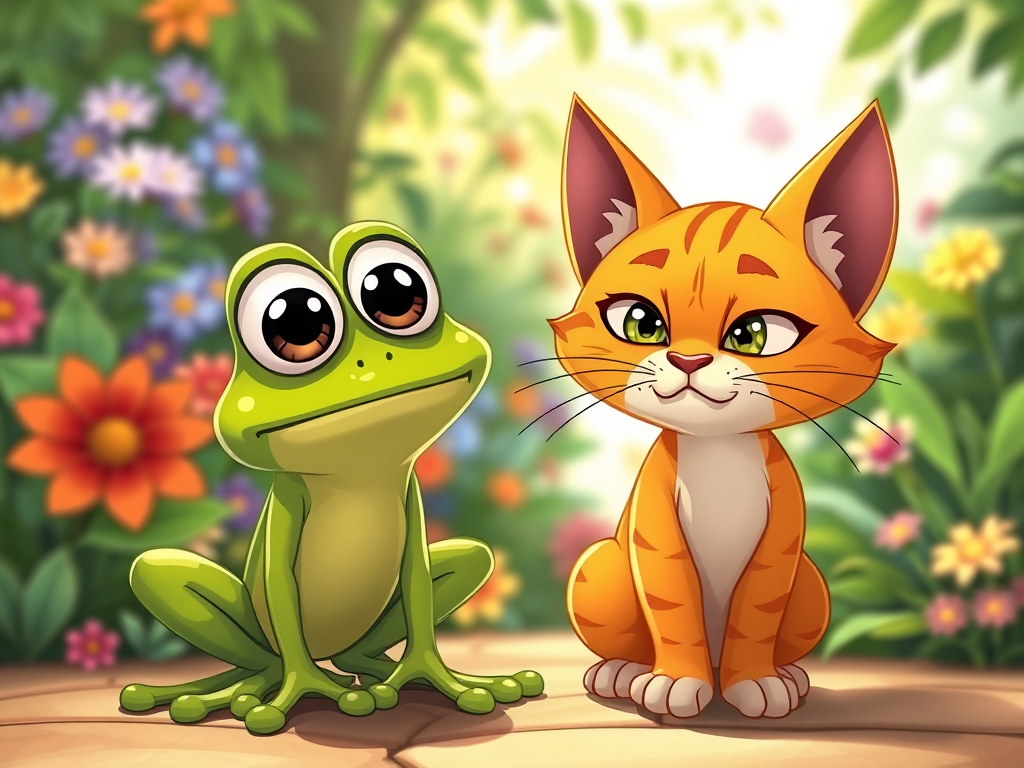
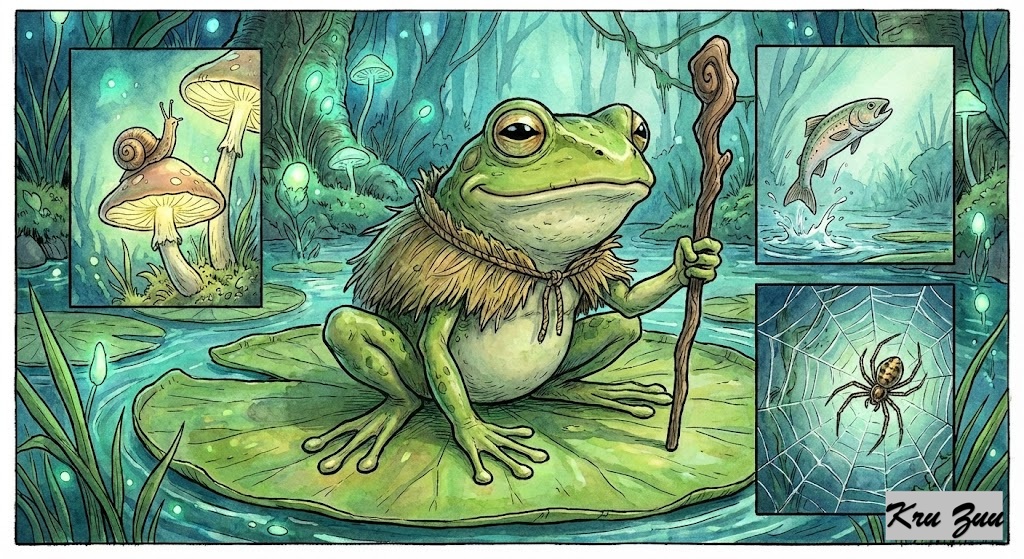
    Fred the Frog: The wise, green observer. 🐸

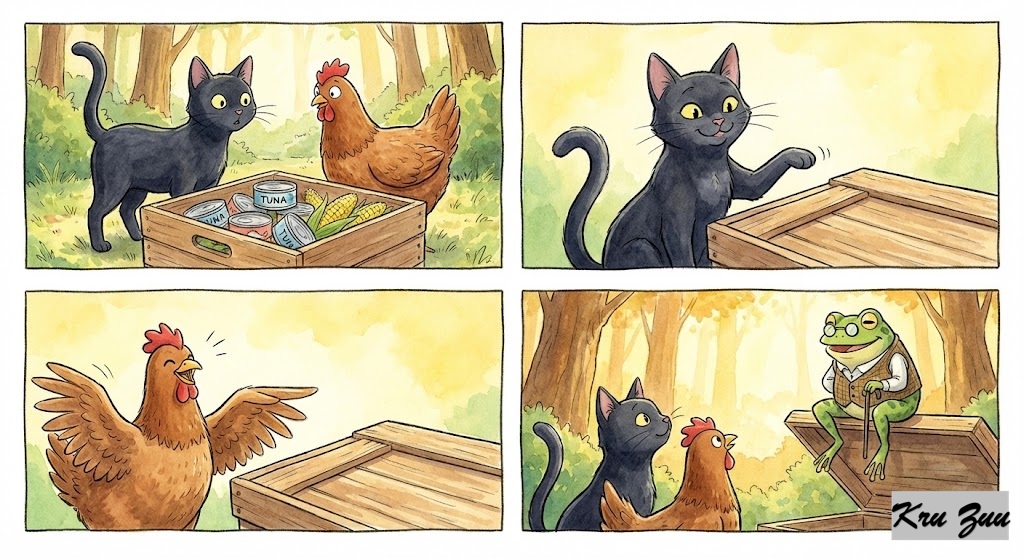
    The Situation: Fred the Frog has placed a mysterious, heavy wooden box in the middle of the clearing. It has no keyhole. It has no handle. Just a sign that says: “The treat is inside.”
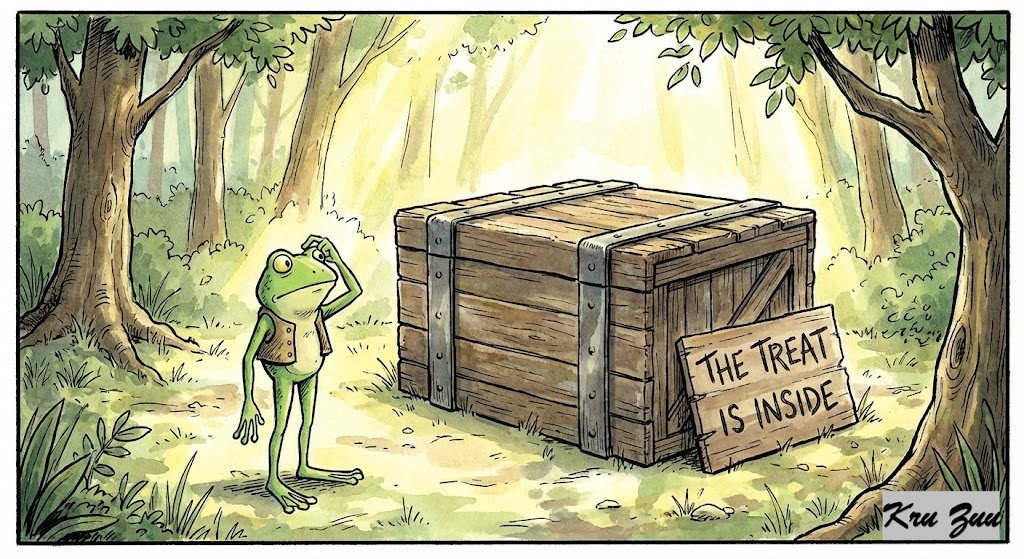

    The Conflict:
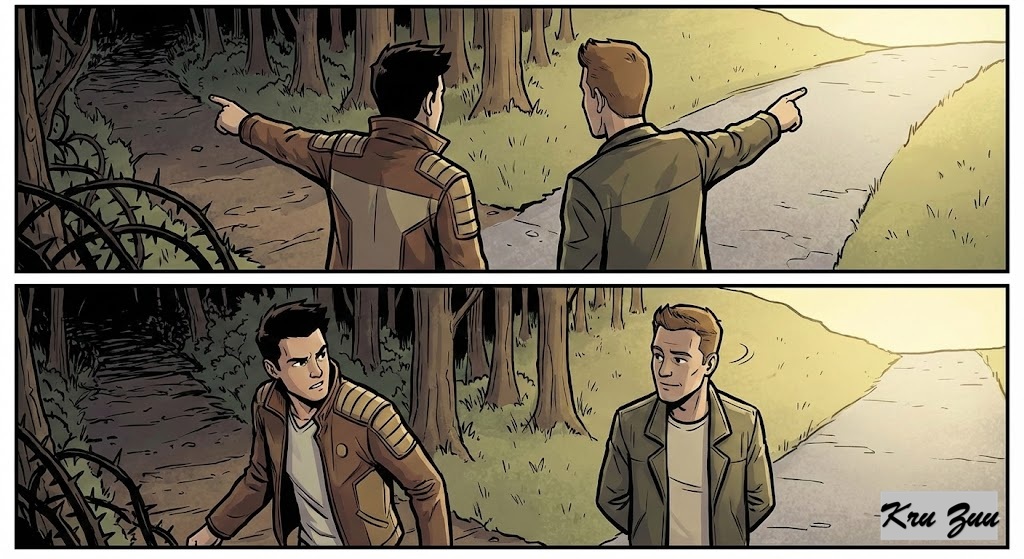
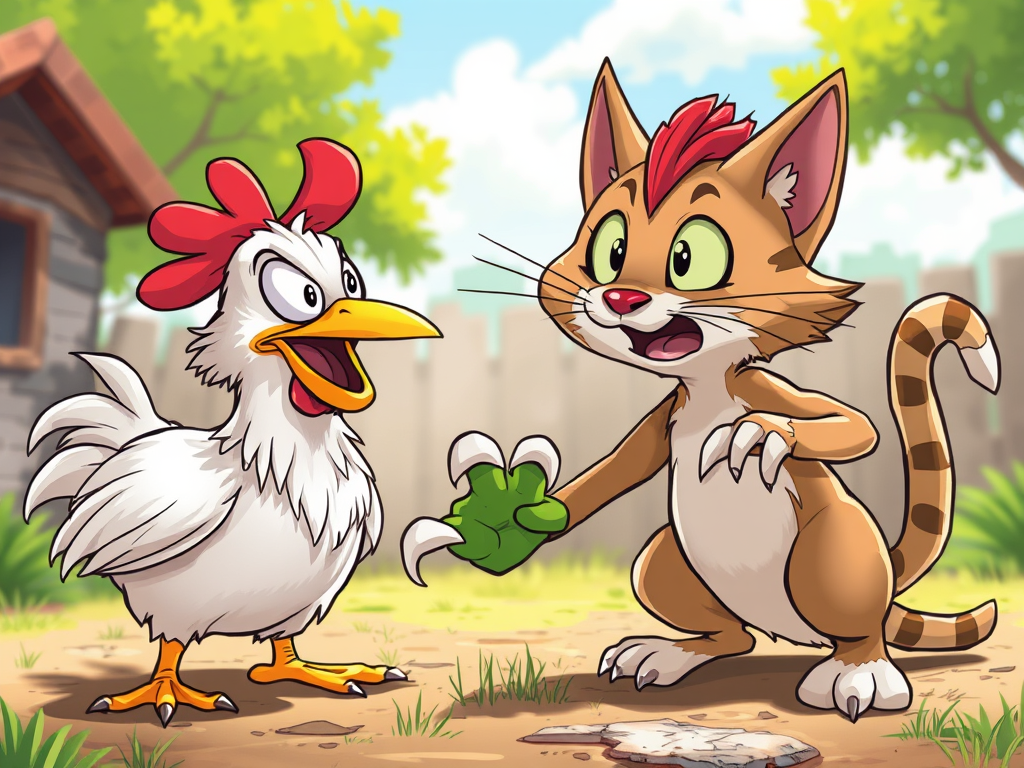
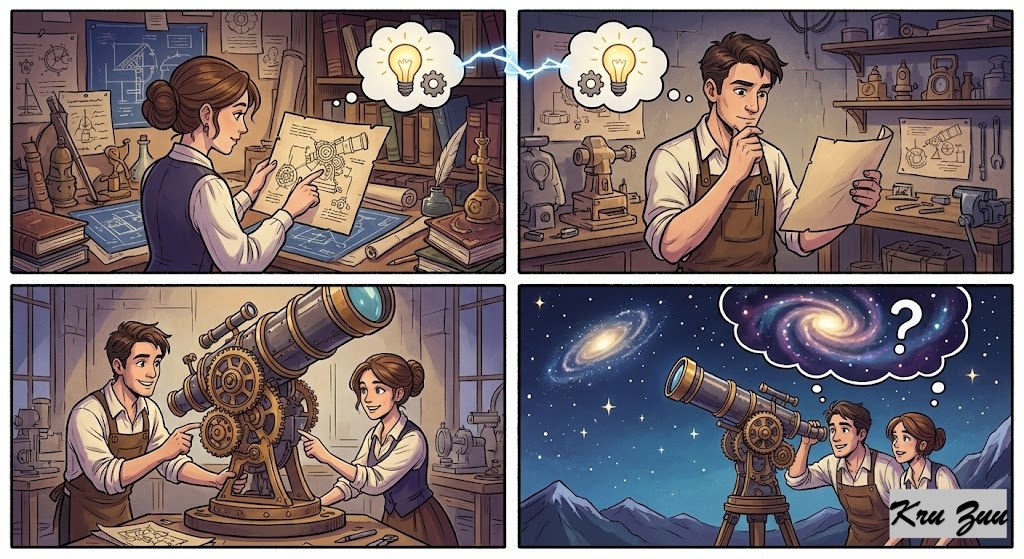
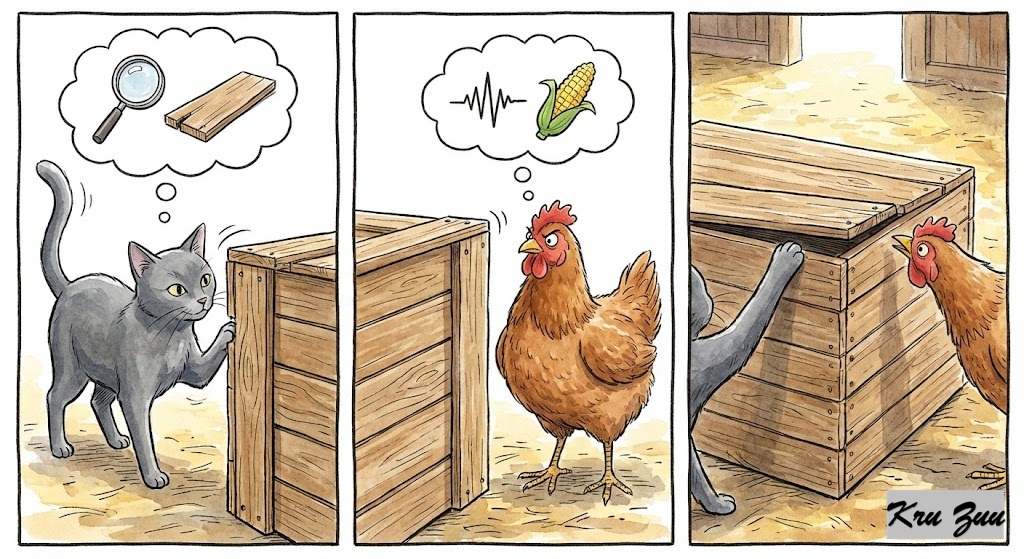
    Cleo circles the box, analyzing the wood grain. She thinks hard. “The wood is loose on the top right corner. I need something thin to pry it open.” Cluck stares at the box, thinking about the corn inside. He feels a vibration. “The top right corner looks weak. I need something flat to poke it.”

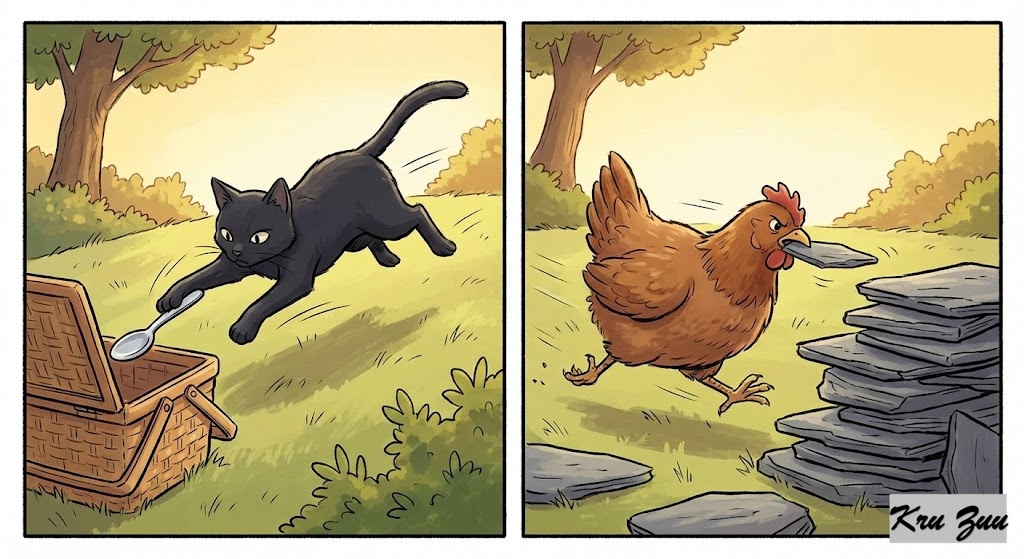
    The Climax: Without saying a word to each other… Cleo runs to the left and grabs a flat, silver spoon from a picnic basket. 🥄 Cluck runs to the right and grabs a flat, loose slate of rock. 🪨

    They both run back to the box and jam their tools into the exact same spot (the top right corner) at the exact same time. Click! The box pops open. It is filled with tuna and corn!
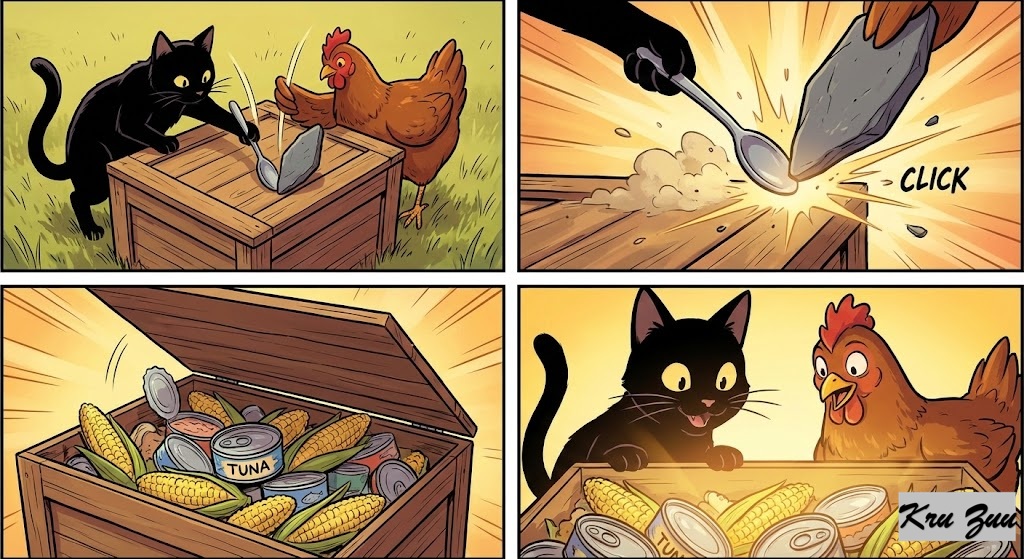

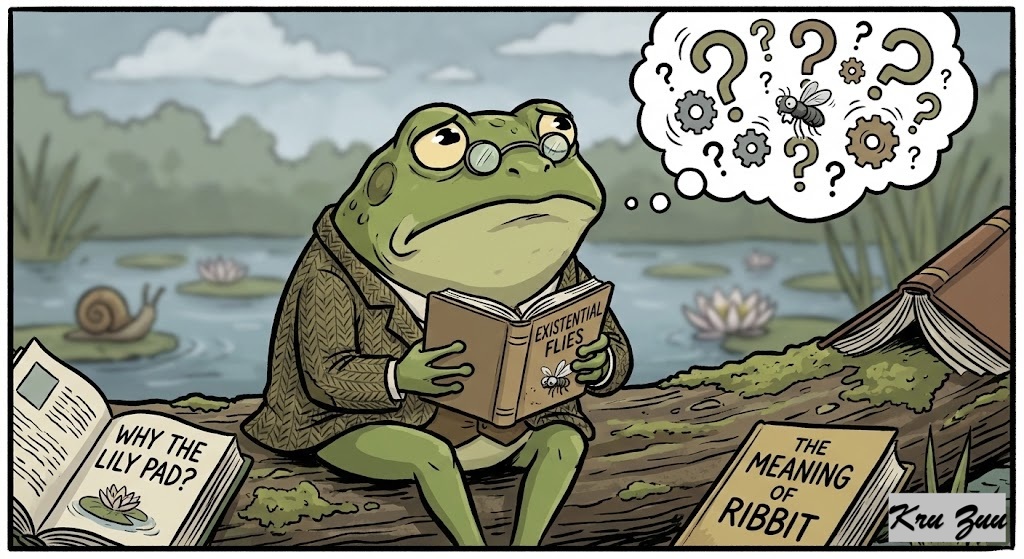
    The Resolution: They look at each other, shocked. Cleo smiles, her tail twitching. “I was going for the leverage point.” Cluck laughs. “I just knew that was the weak spot!” Fred the Frog hops onto the open lid. He adjusts his tiny glasses. “Ribbit,” Fred says. “Different species, different styles, but the same solution. Great minds think alike.”

    The Moral: You don’t have to be identical to be compatible. When you find someone who solves problems the way you do, hold onto them. That is your teammate.
    🎓 Lesson for English Learners


    Context is Key.

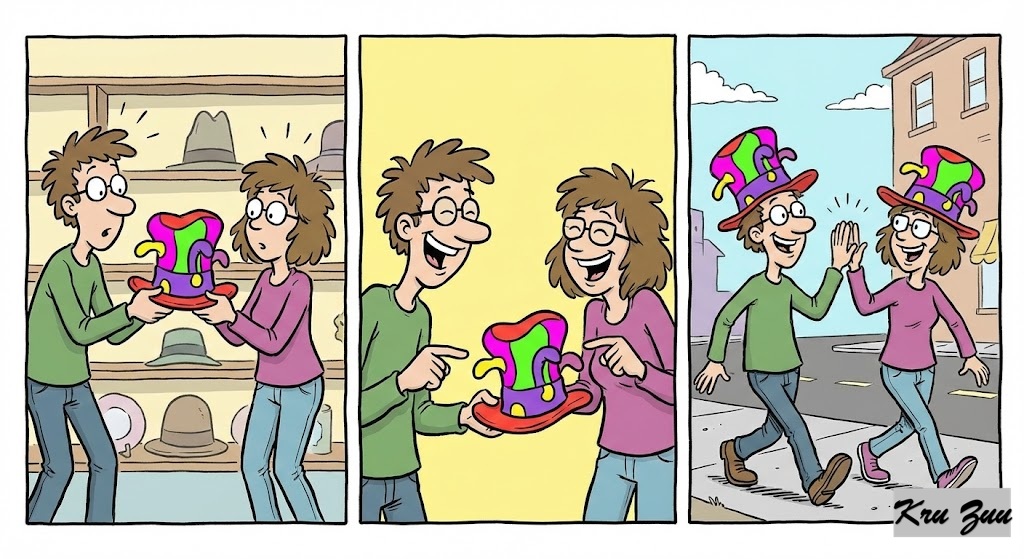
    Situation: You and your friend both reach for the last slice of pizza at the same time.


    You Say: “Great minds think alike!” (This is funny/playful).

    Situation: You and your boss both suggest the same marketing strategy in a meeting.
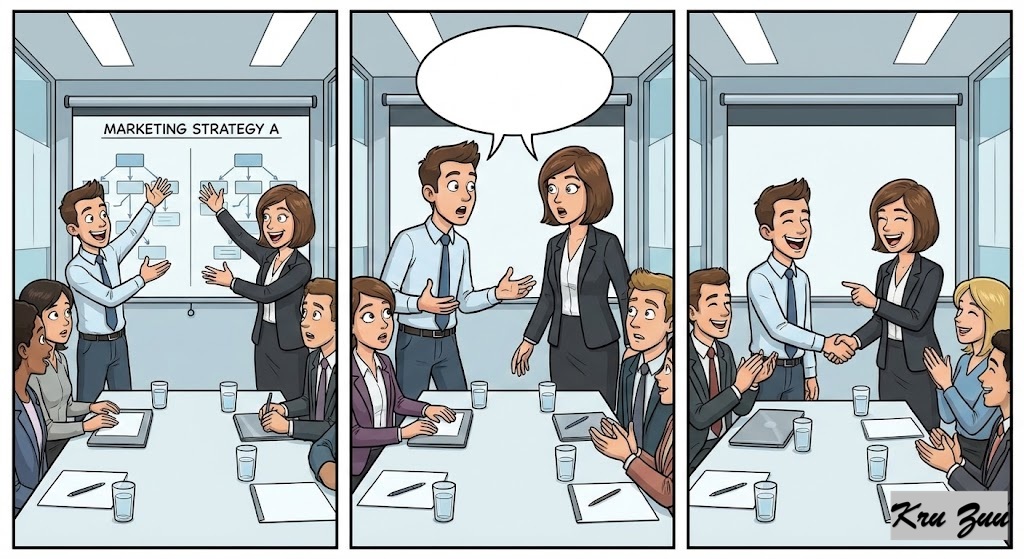

    You Say: “Great minds think alike!” (This is complimentary and builds a professional bond).


    💬 Your Turn: The Connection Challenge 🚀


    Is there someone in your life (a partner, a best friend, a coworker) who often finishes your sentences?
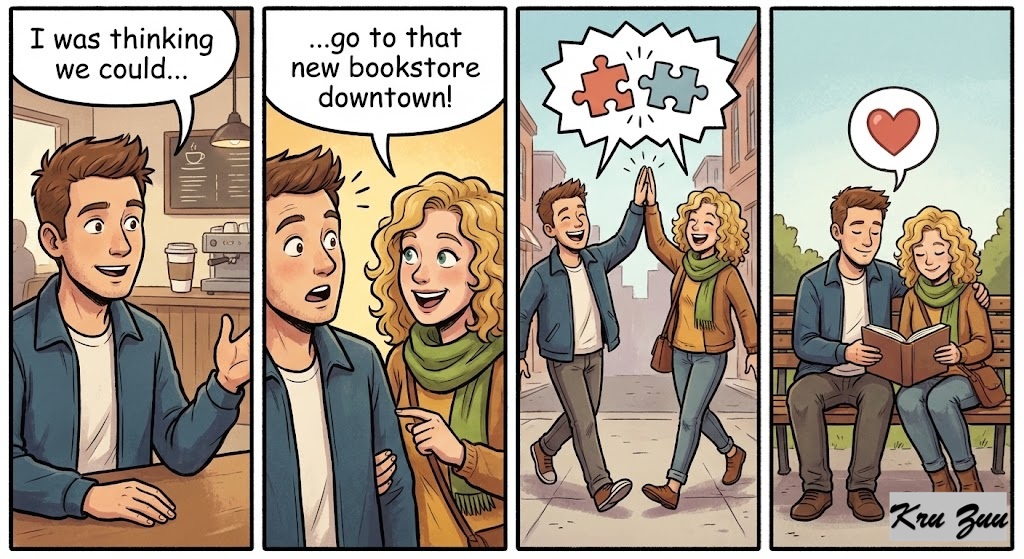

    The Challenge:
    The next time this happens, the next time you both say the same thing or text each other at the same moment, do not ignore it.

    The Action: Immediately send them a message or say: “Great minds think alike! 🧠✨”
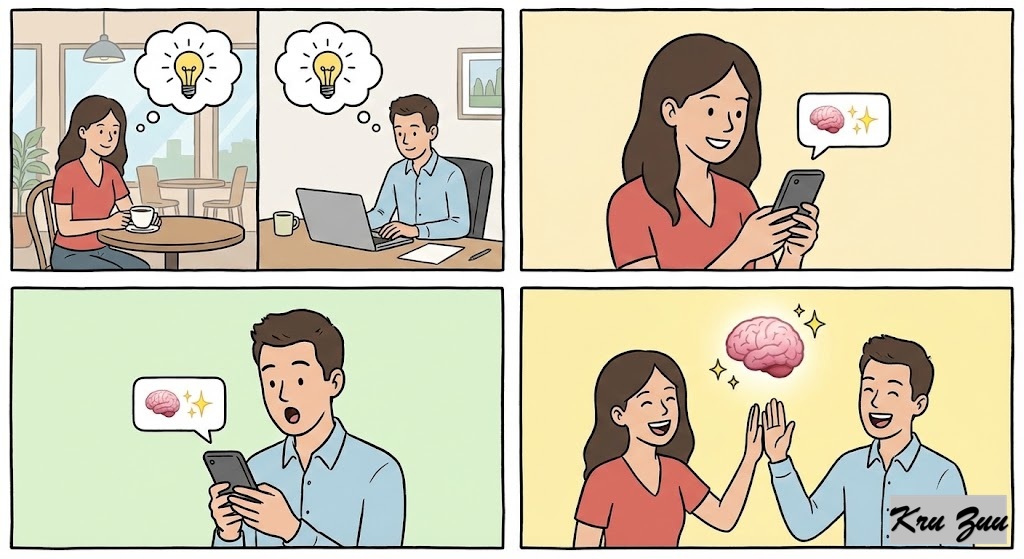

    Celebrate the connection. It turns a coincidence into a relationship builder.

    👇 Question for the comments: Who is your “Mind Twin”? Tag the person who always seems to know what you are thinking!

  • 🍕 The Daily Shield: The Law of Realistic Limits

    🍕 The Daily Shield: The Law of Realistic Limits

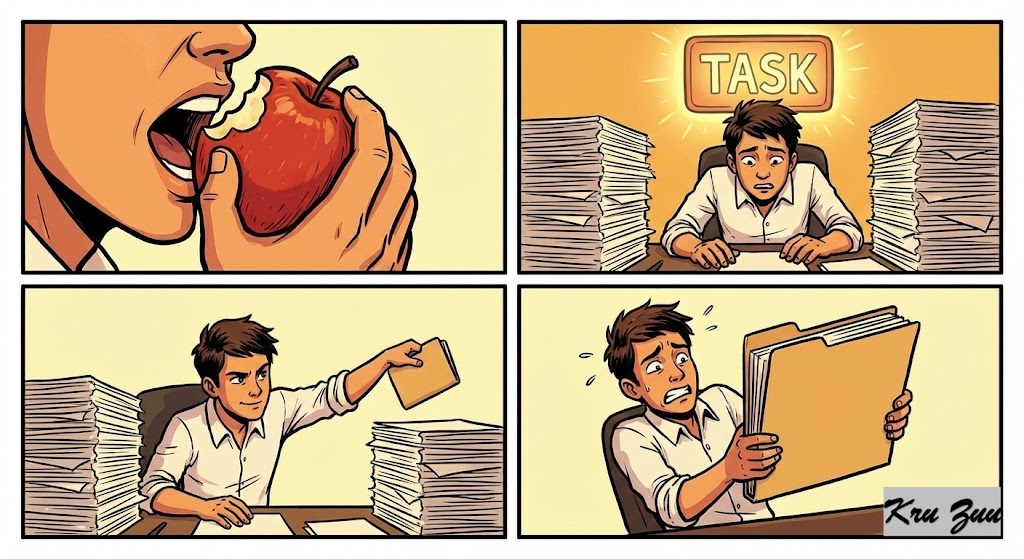
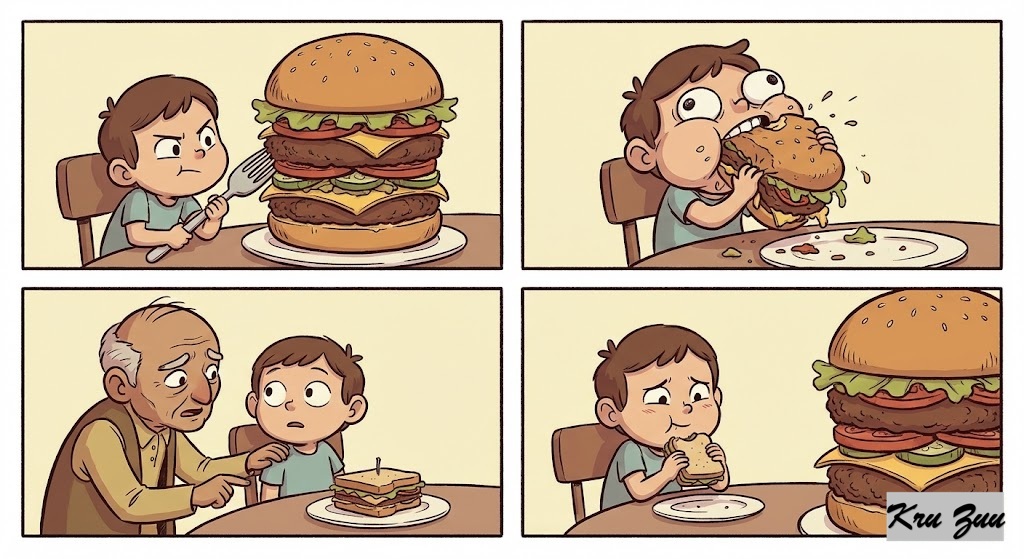
    “Don’t bite off more than you can chew.”


    😈 The Villain (The Over-Committer)

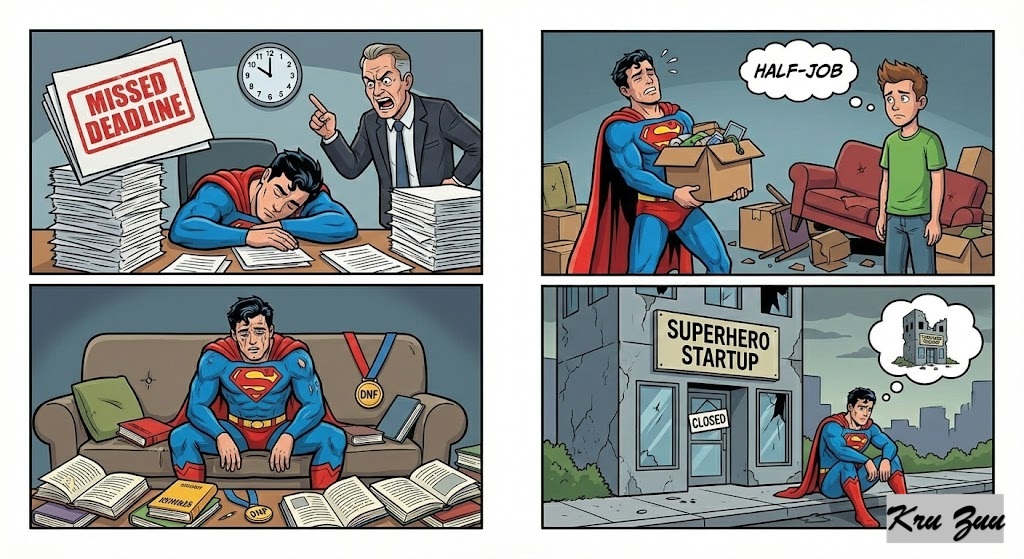
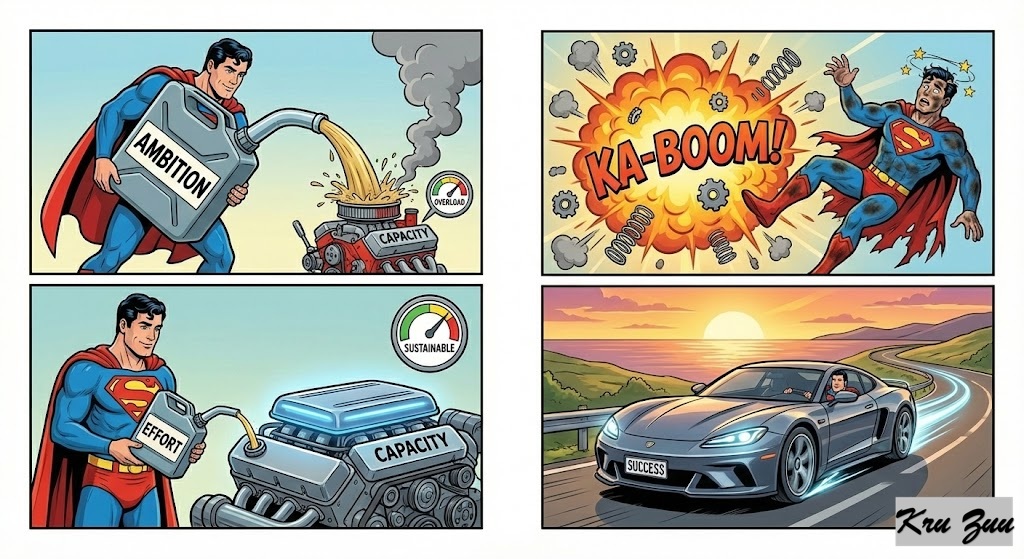
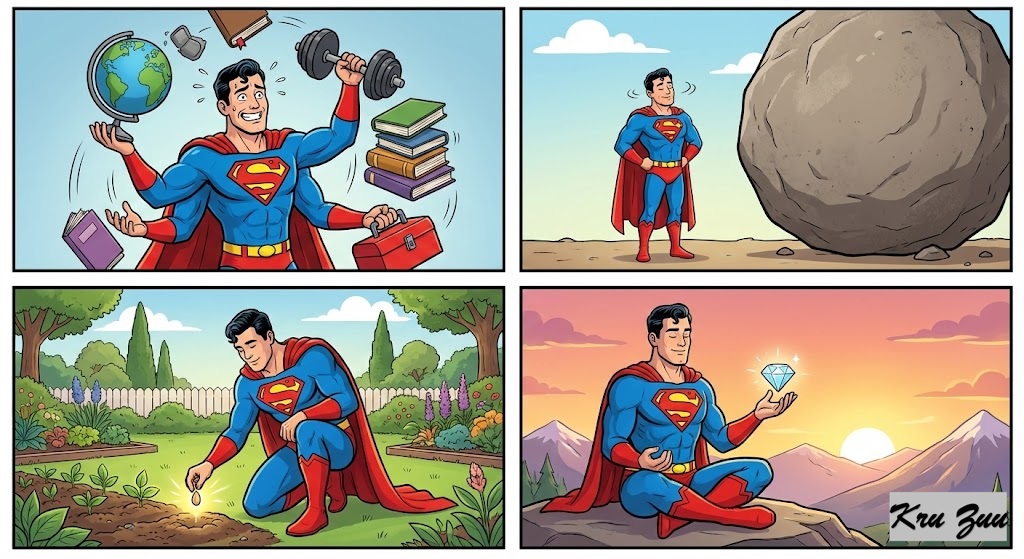
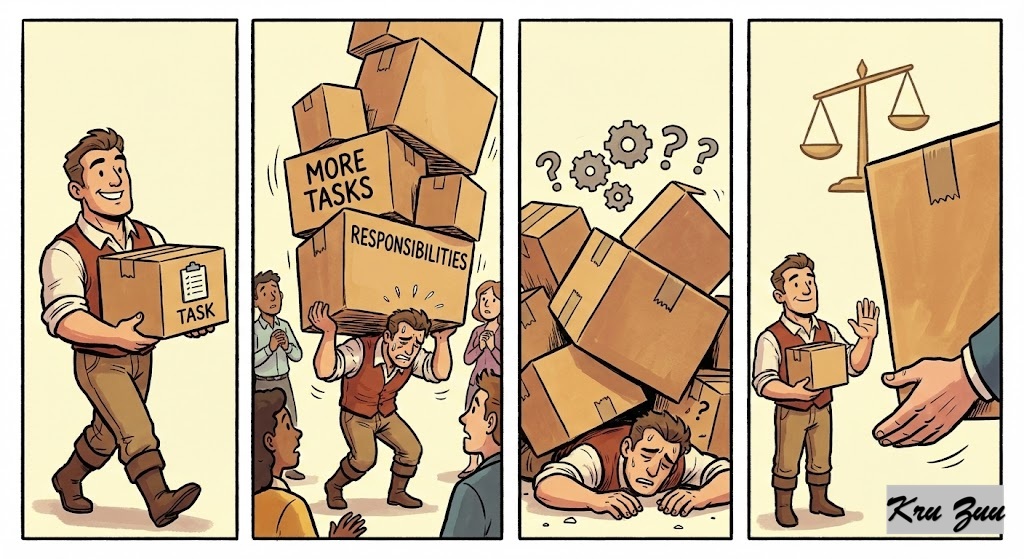
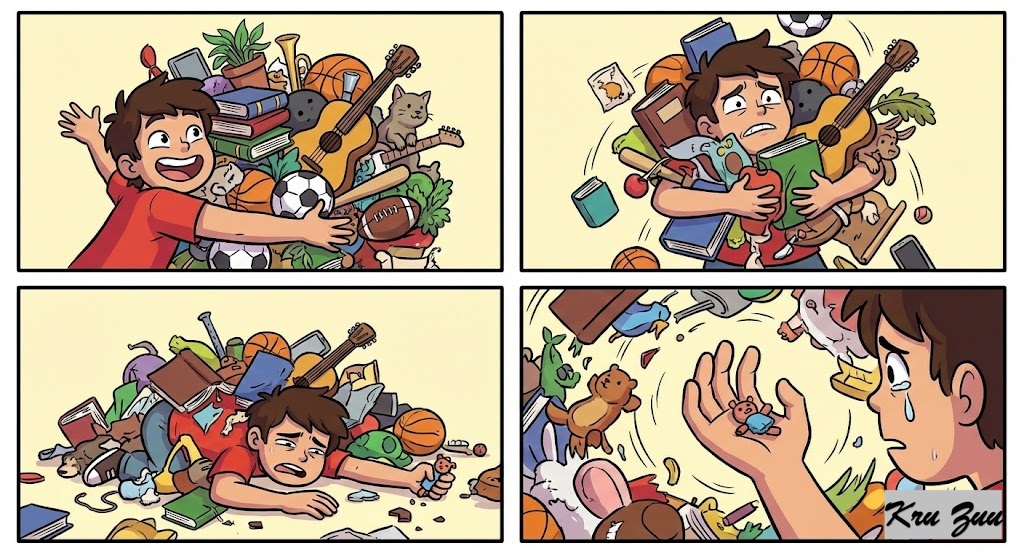
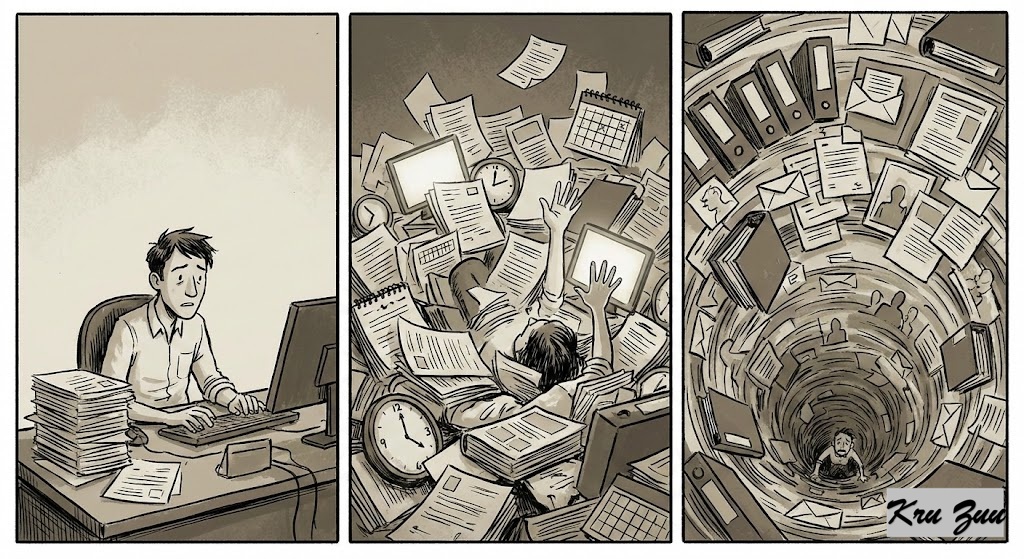
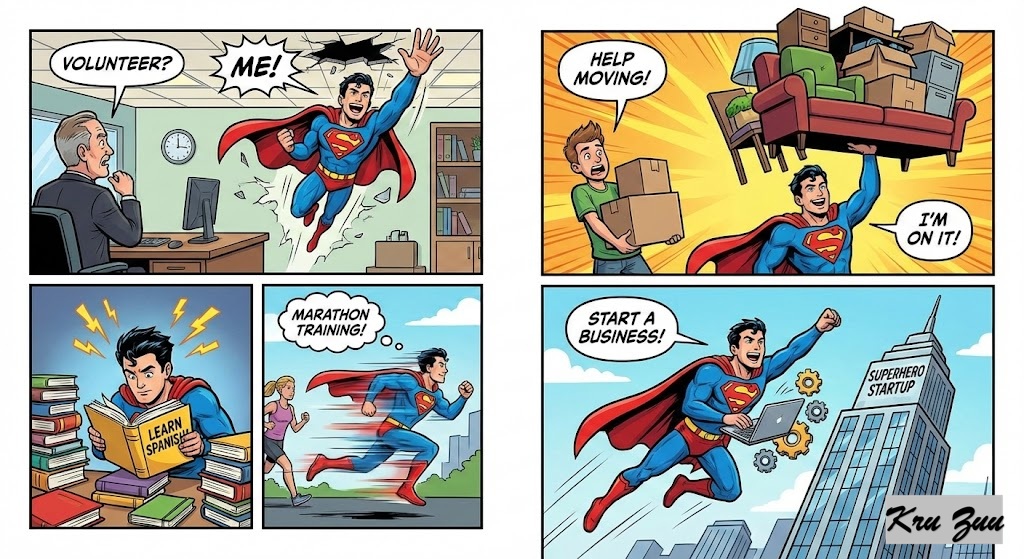
    It’s Monday morning. Your boss asks for a volunteer. Your hand shoots up. 🙋‍♂️ Your friend needs help moving house. “I’ll be there!” you shout. You decide to learn Spanish, run a marathon, and start a business all in the same week. You act as if you are a superhero with infinite energy.

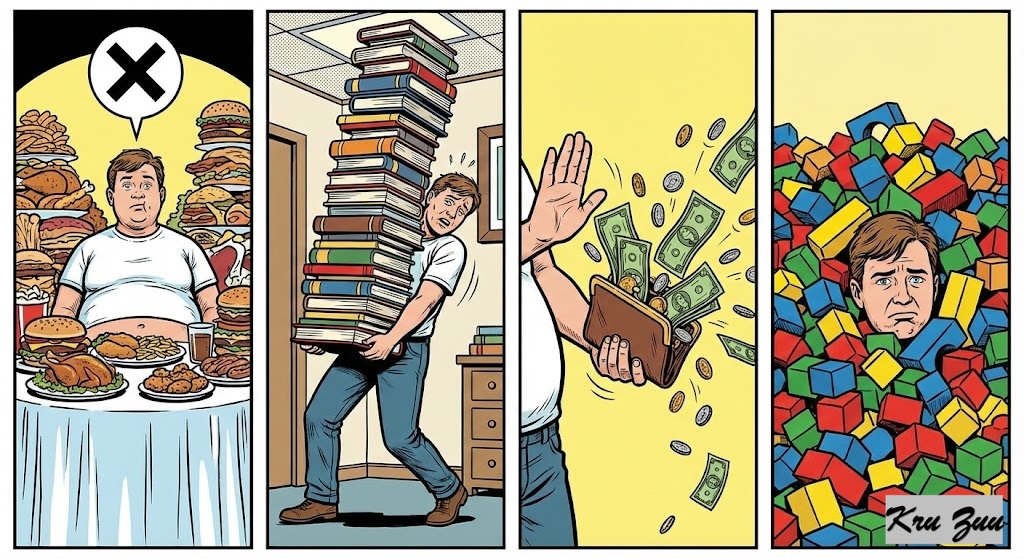
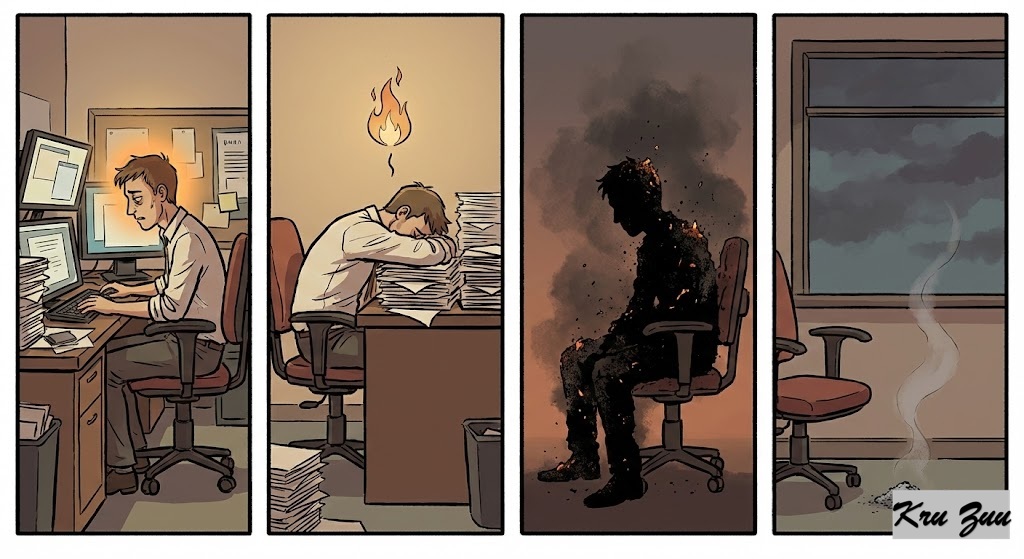
    The Result? Total burnout. 🤯 You miss deadlines. You show up late. You do a “half-job” on everything because you are rushing. You feel stressed, anxious, and exhausted. By trying to do everything, you end up achieving nothing. You are the architect of your own panic.


    😇 The Hero (The Essentialist)

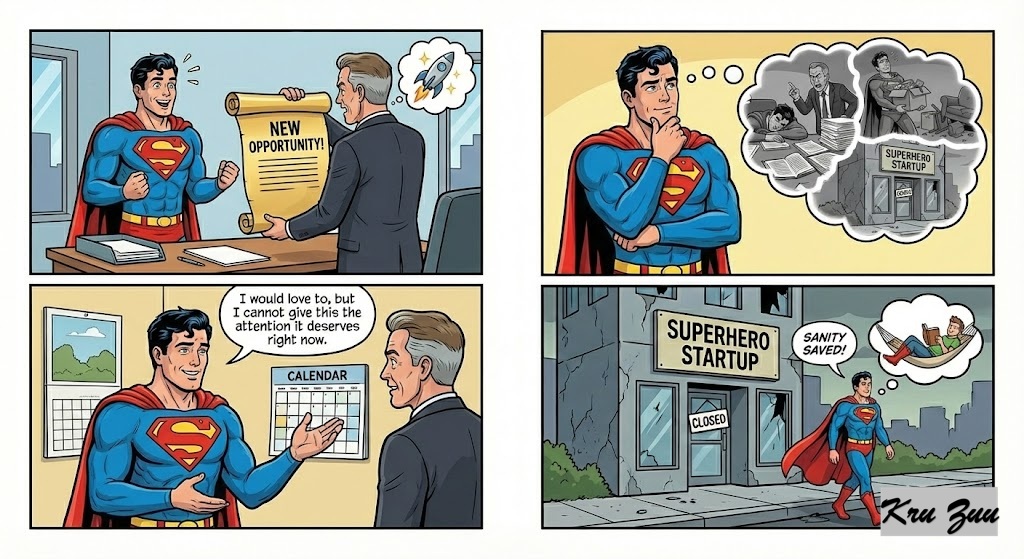
    An opportunity comes up. It looks exciting. But instead of instantly saying “Yes,” you pause. You look at your plate (your schedule/energy). You realize that saying “Yes” to this means saying “No” to your sanity. You say: “I would love to, but I cannot give this the attention it deserves right now.”

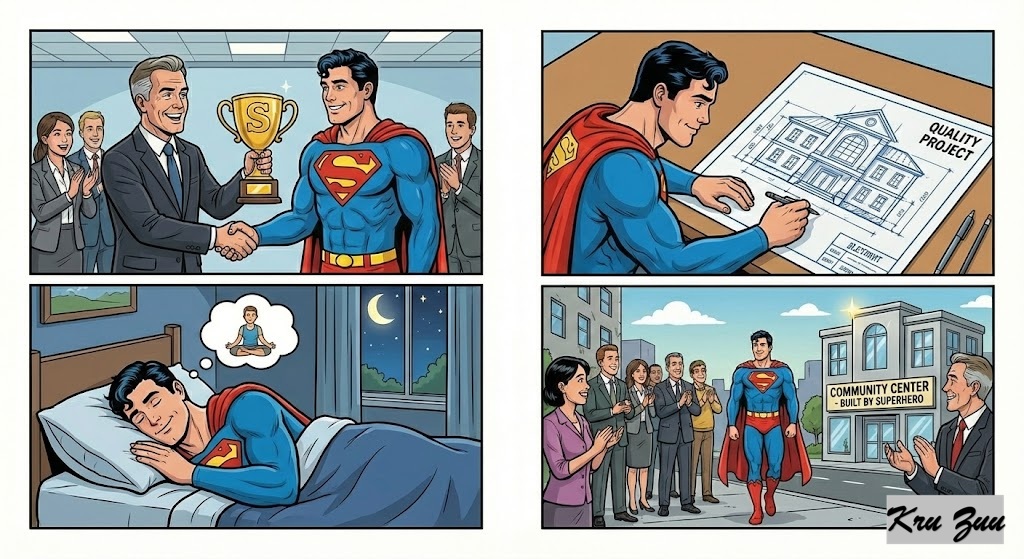
    The Result? You protect your reputation. The work you do finish is excellent quality. You sleep at night. You are respected not for how much you do, but for how well you do it. 🧘‍♂️


    ⚖️ The Reality


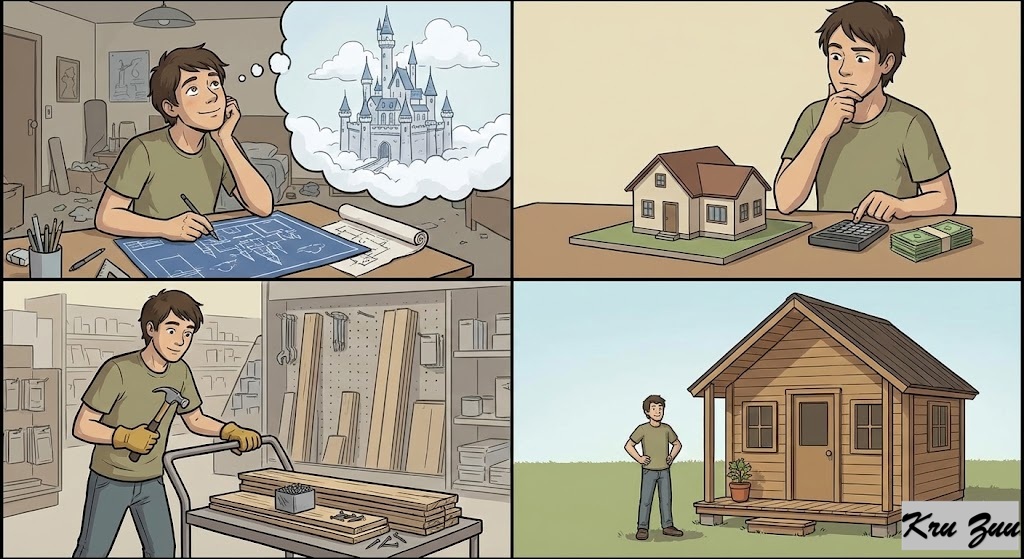
    Ambition is gasoline; capacity is the engine. If you pour too much gas into a small engine, you don’t go faster, you explode. Success isn’t about the volume of tasks; it’s about the sustainability of effort.


    💎 The Secret: Real confidence isn’t knowing you can do everything. Real confidence is knowing what you can’t do, and being okay with it.

    🧐 The Anatomy of the Proverb


    This is your reminder that resources (time, energy, money) are limited.


    Bite off (Phrasal Verb): To grab a piece of something (literally with teeth, metaphorically accepting a task).


    More than: An amount exceeding your limit.


    Chew (Verb): To process; to handle; to finish successfully.


    Simpler Version: Do not accept more responsibility than you can handle. / Know your limits.


    📚 Vocabulary Vault


    Overwhelmed (Adjective):
    Buried or drowning beneath a huge mass of something (usually work or emotion). 🌊


    Capacity (Noun): The maximum amount that something can contain or produce.


    Burnout (Noun): Physical or mental collapse caused by overwork or stress. 🔥


    Prioritize (Verb): To designate or treat (something) as more important than other things.


    Realistic (Adjective): Having or showing a sensible and practical idea of what can be achieved.


    🧠 Grammar Focus: Idioms as Advice


    We use this idiom when warning someone who looks too ambitious or stressed.


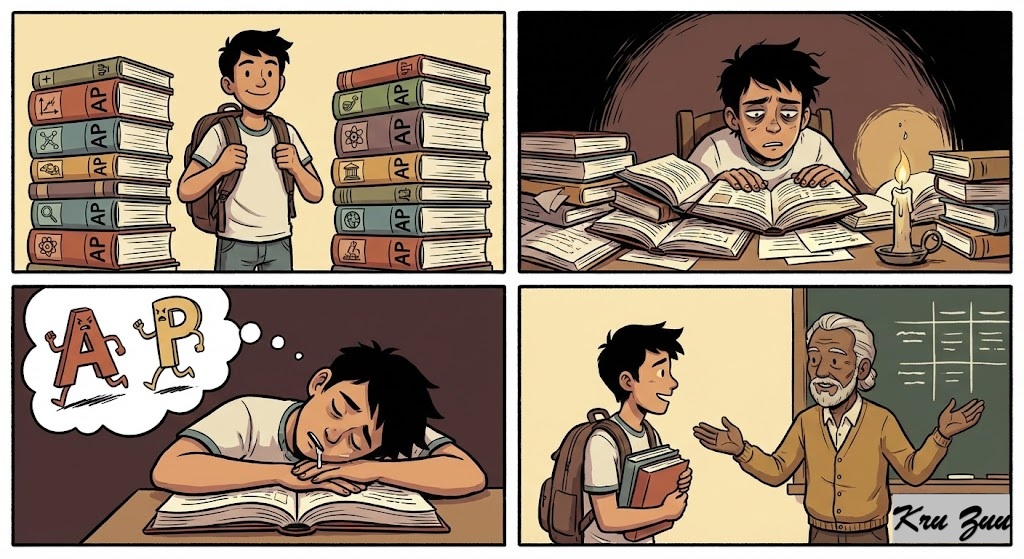
    Student: “I’m going to take 6 Advanced Placement classes this semester!”


    Teacher: “Be careful. That is a heavy workload. Don’t bite off more than you can chew.”

    📜 History: Origin and Spread


    Where did this tasty phrase come from?


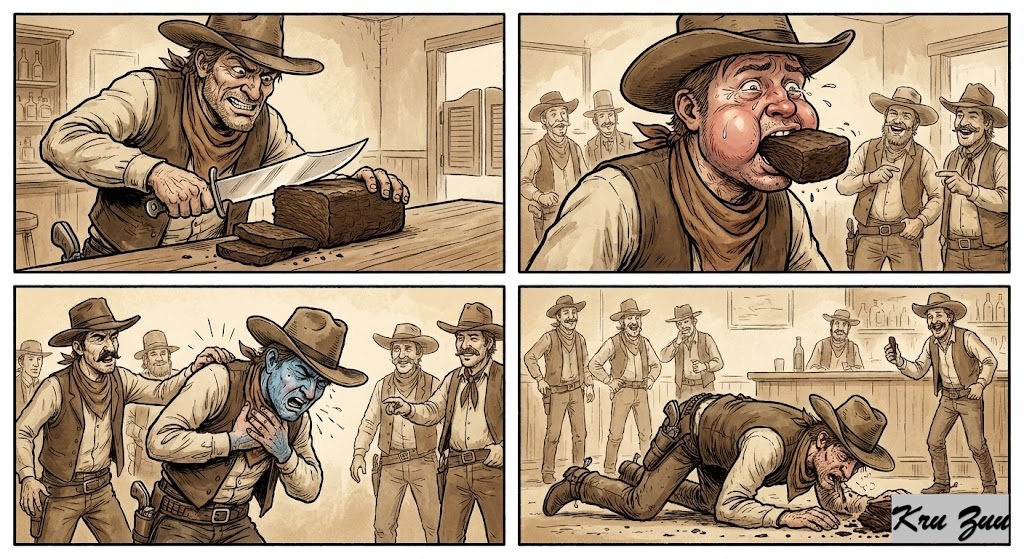
    The Origin: It dates back to the 1800s in America, likely referring to chewing tobacco. People would slice off a “plug” of tobacco to put in their mouth. If they were greedy and sliced a piece too big, they couldn’t chew it, they looked ridiculous, and they might even choke! 🤢


    Global Cousins


    🇹🇷 Turkish:
    “Boyundan büyük işlere kalkışmak” (Attempting things bigger than your height) or “Açgözlülük etmek” (To be greedy/Eyes bigger than stomach).


    🇪🇸 Spanish:“Quien mucho abarca, poco aprieta” (He who embraces too much, squeezes little).


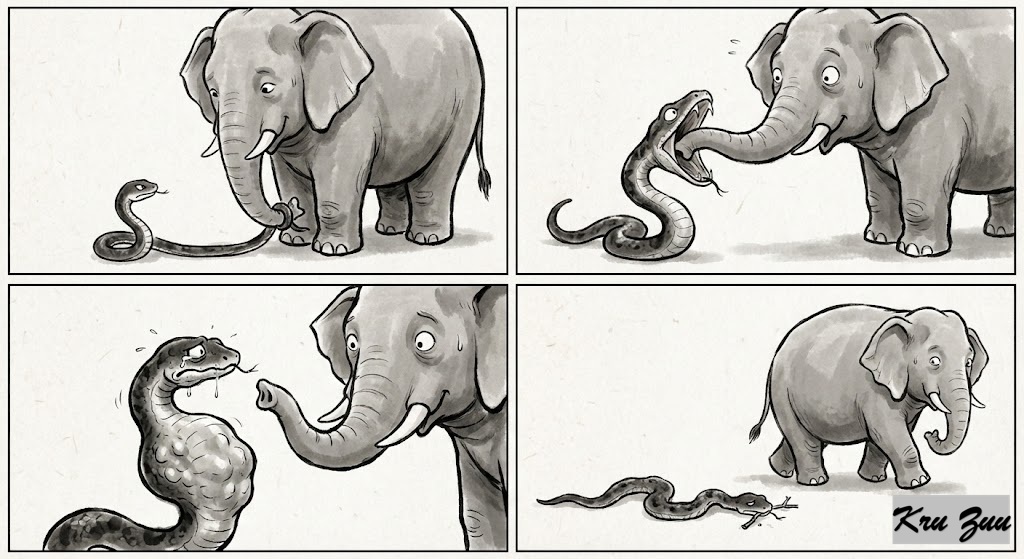
    🇨🇳 Chinese:“A snake trying to swallow an elephant” (Greed beyond ability).

    🎯 Impact on Life: The Pros & Cons


    ✅ The Pros (The Focus)


    Quality:
    When you do less, you do it better.


    Trust: People trust you because when you promise something, you actually deliver it.


    ❌ The Cons (The Fear)


    Missed Opportunities: Sometimes, to grow, you must bite off a little more than you can chew. If you are always too safe, you never learn new skills. The key is balance.

    🎭 Short Story: The Great Feast Fiasco 🐸🐱🐔


    Let’s return to the magical forest to see why greed leads to disaster.


    🌟 The Cast


    Cleo the Cat: Elegant, ambitious, and wants to impress everyone. 😼


    Cluck the Chicken: Excitable, hungry, and has zero impulse control. 🐔


    Fred the Frog: The minimalistic Zen master. 🐸


    The Situation:
    It is the day of the “Forest Potluck.” Every animal must bring a dish.

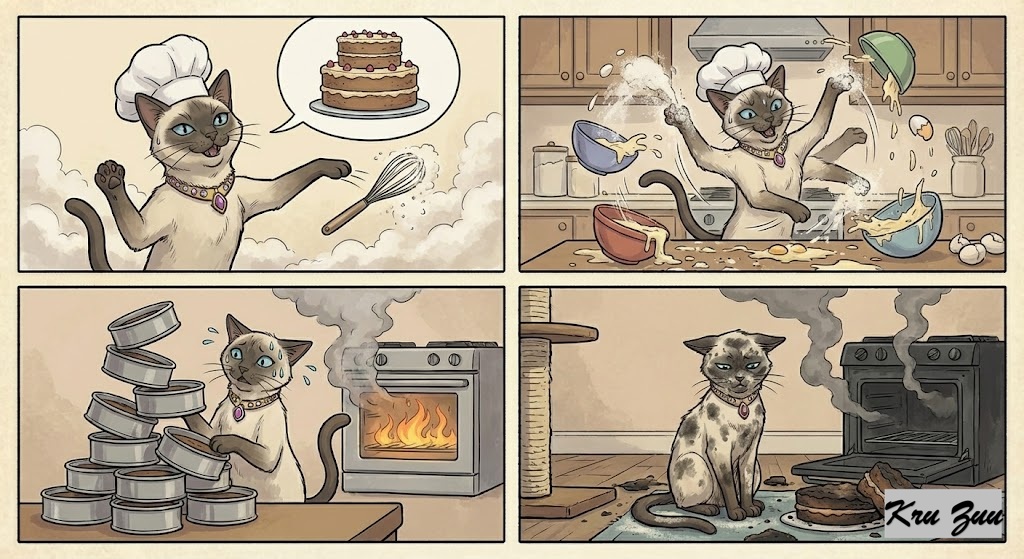
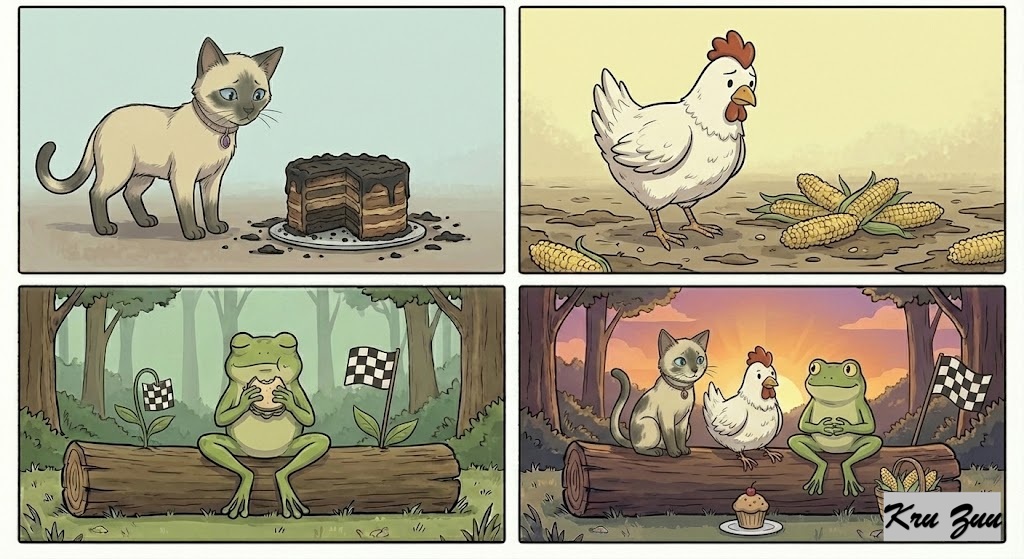
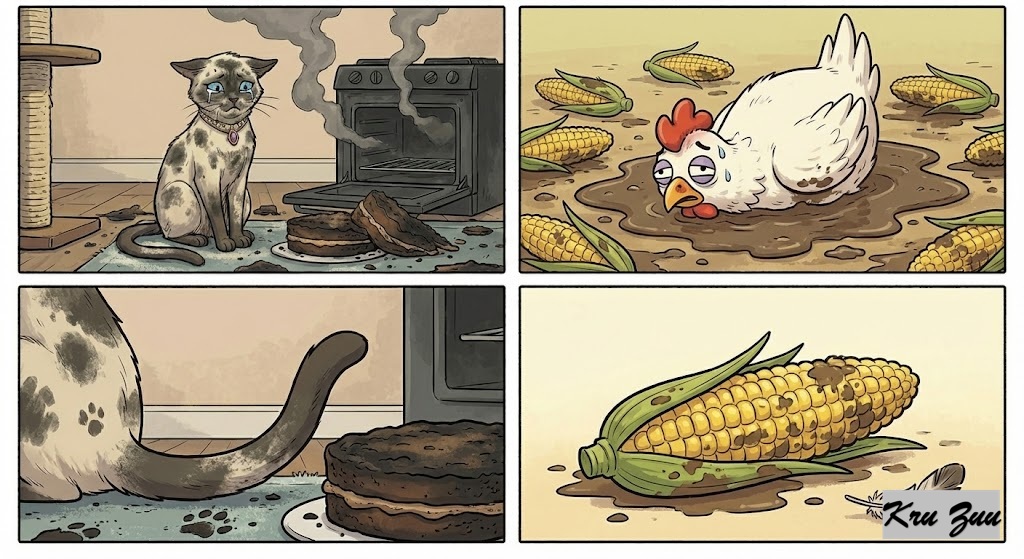
    The Conflict: Cleo (The Cat) decides she won’t just bring a dish. She wants to be the Queen of the Feast. “I will bake a 10-layer fish cake with cream frosting!” she declares. She rushes around the kitchen, throwing flour everywhere, trying to cook 10 layers at once. The oven is smoking. She is sweating. 🎂🔥


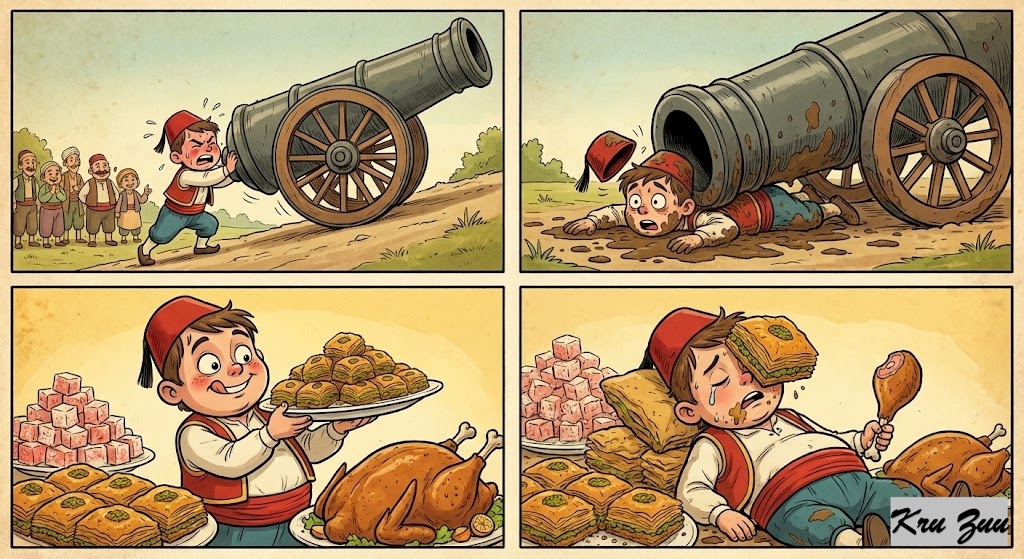
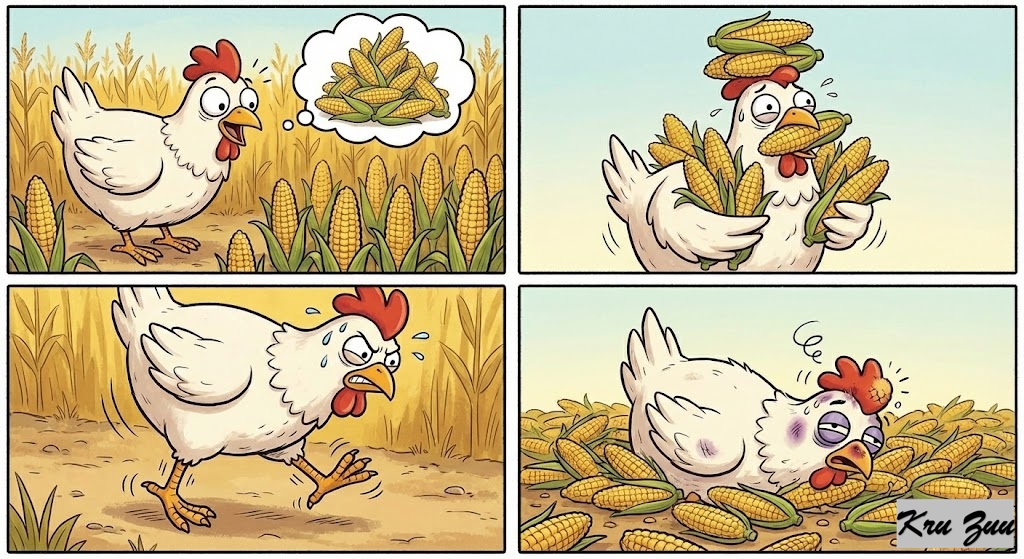
    Cluck (The Chicken) goes to the cornfield. “I will bring ALL the corn!” he squawks. He tries to carry 50 cobs of corn in his wings, under his beak, and balanced on his head. He can barely walk. His legs are shaking. 🌽🤕


    The Result? CRASH! 💥 Cleo’s oven overheats, burning the cake to a crisp. She collapses on the floor, covered in soot, crying. BUMP! 📉 Cluck trips over a rock because he can’t see over the pile of corn. The corn spills everywhere into the mud. Ruined.


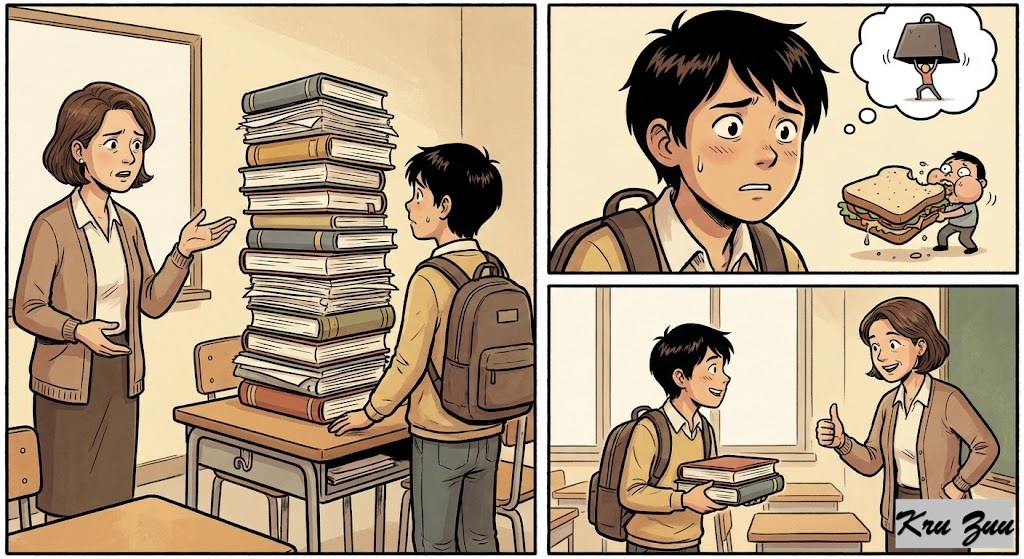
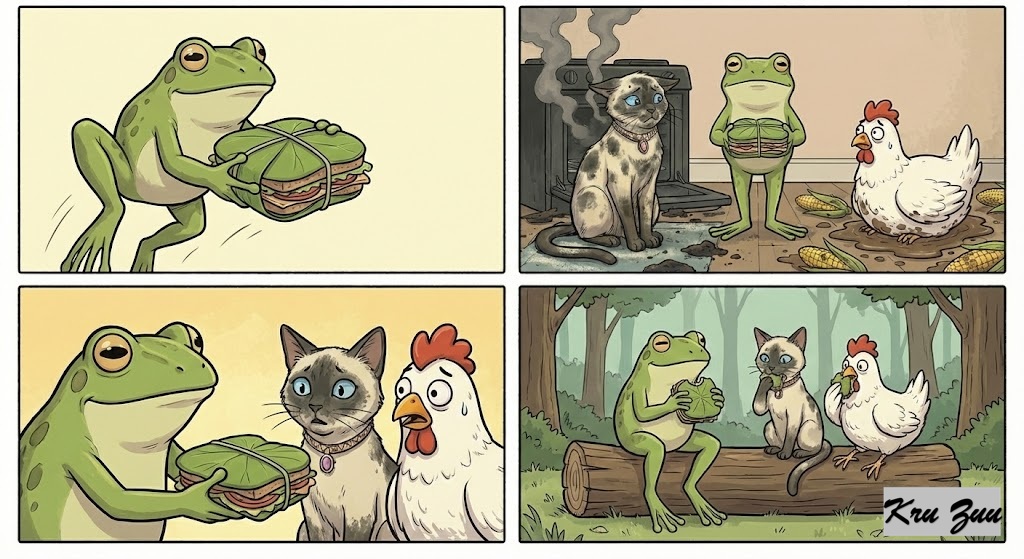
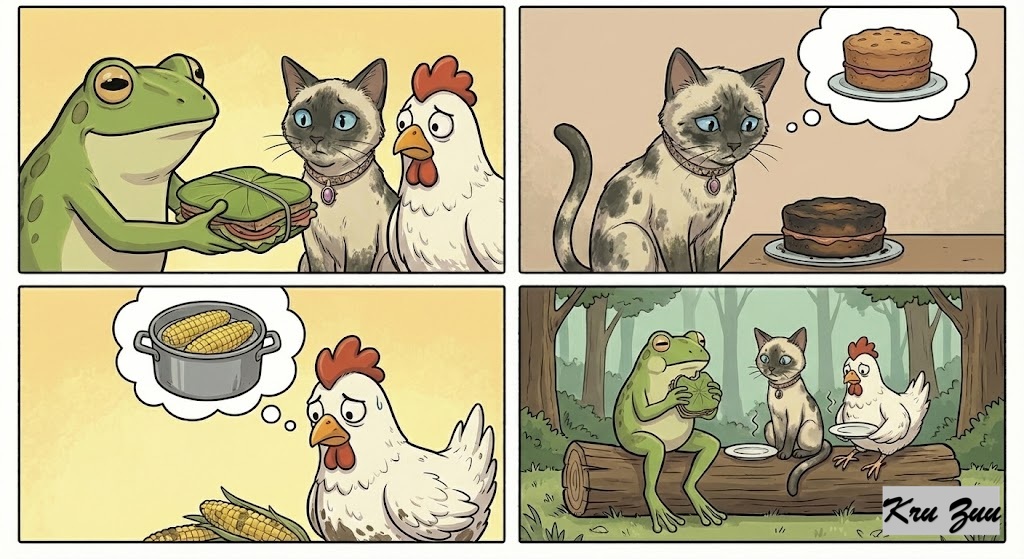
    The Resolution: Fred the Frog hops over. He is holding a single, perfectly prepared lily-pad sandwich. 🥪 He looks at Cleo (covered in ash) and Cluck (tangled in corn).


    “Ribbit,” says Fred. “Cleo, one delicious cake is better than ten burnt ones. Cluck, two cobs of corn in the pot are better than fifty in the mud.” Fred takes a small, polite bite of his sandwich. “You both bit off more than you could chew. Now, nobody eats.”


    Cleo wiped her face. “Next time… just cupcakes?” Cluck sighed. “Next time… just a bucket.”


    The Moral: Effectiveness is not about how much you try to carry; it’s about how much you can bring to the finish line. 🏁

    🎓 Lesson for English Learners


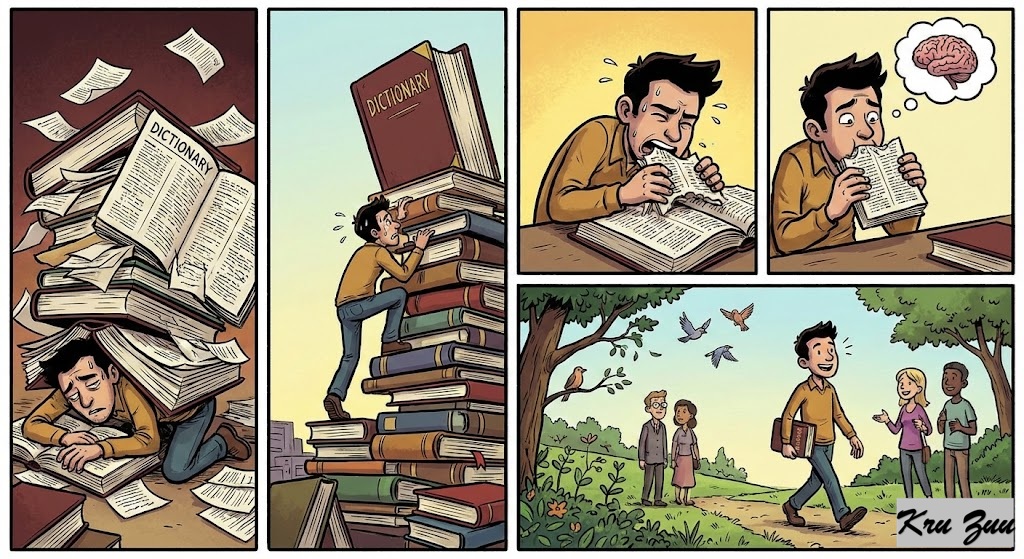
    Don’t try to memorize the dictionary.


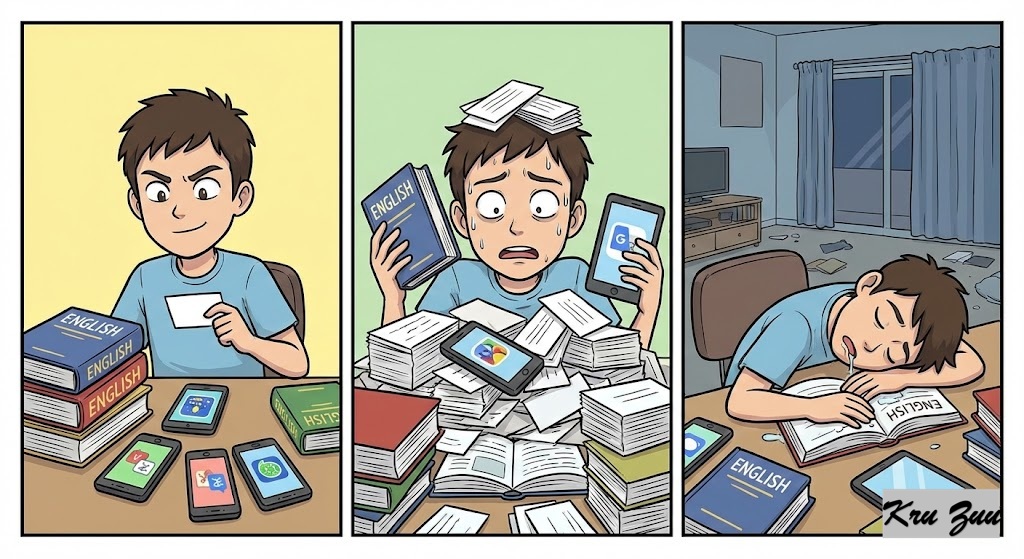
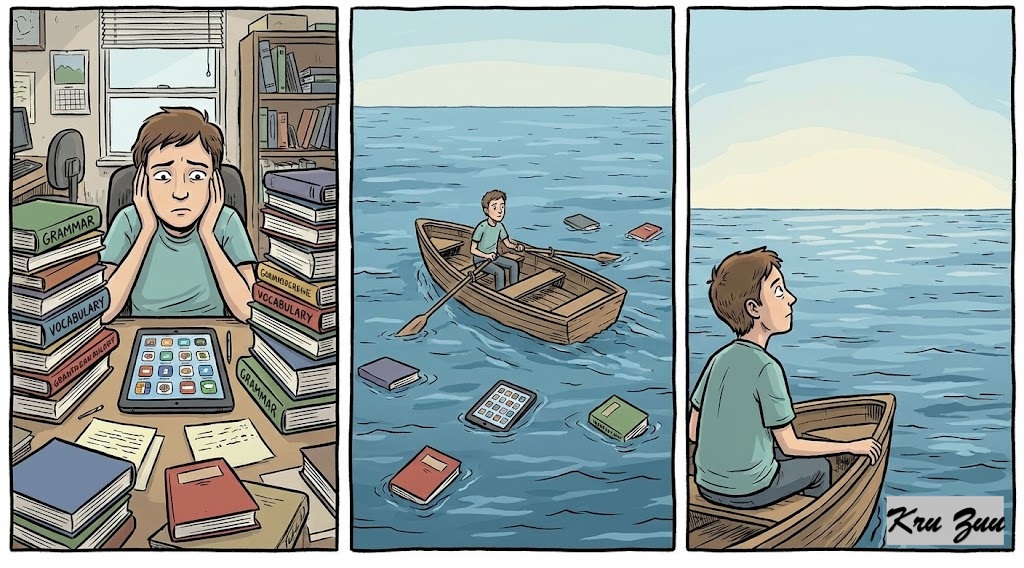
    Situation: You want to learn English fast. You download 5 apps, buy 3 books, and try to learn 50 new words a day.

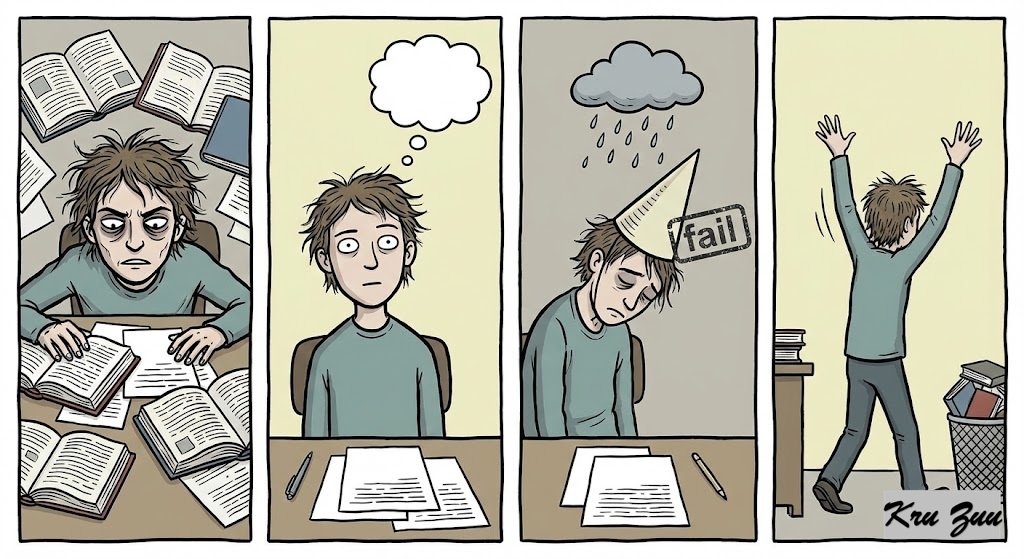
    The Trap: After 3 days, you remember nothing. You feel stupid. You quit.

    The Shift: Apply the law.

    You Say: “I will learn 5 words today. But I will learn them perfectly. I will use them in sentences. I will not bite off more than I can chew.”


    💬 Your Turn: The Capacity Check 🚀


    Are you drowning in work or commitments right now?

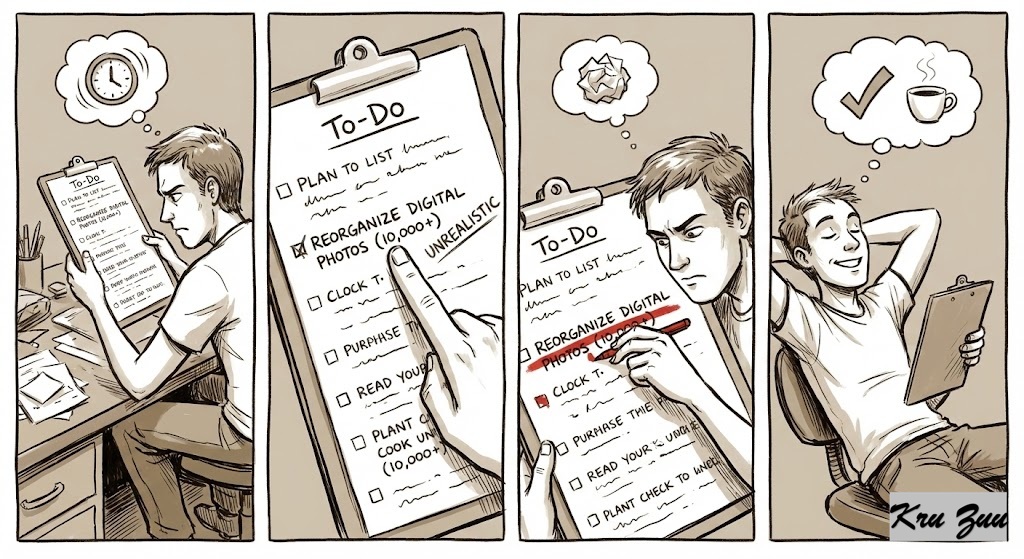
    The Challenge: Look at your “To-Do” list for this week. Find one item that is not essential, or one deadline that is unrealistic.

    The Action: Cancel it. Delegate it. Or reschedule it.

    Send that email: “I want to give this project my best effort, so I will need to move the deadline to next week.” Feel the weight lift off your shoulders.


    👇 Question for the comments: Have you ever agreed to do something and immediately regretted it? What happened? Tell us your “horror story” below!

    By Zubeyir YURTKURAN

    https://www.facebook.com/BrainBattleground/

    https://www.facebook.com/zubeyr.yurtkuran/

    https://www.instagram.com/zubeyryurtkuran/

    https://www.youtube.com/@BrainBattleground-b3p

    https://www.instagram.com/brainbattleground/

  • 💃 The Daily Shield: The Law of Mutual Responsibility

    💃 The Daily Shield: The Law of Mutual Responsibility

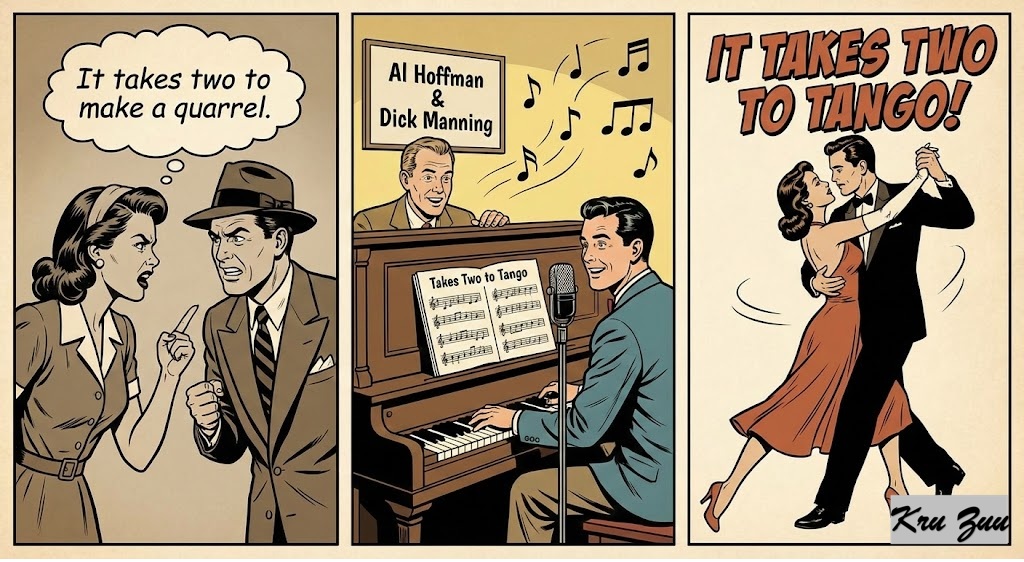
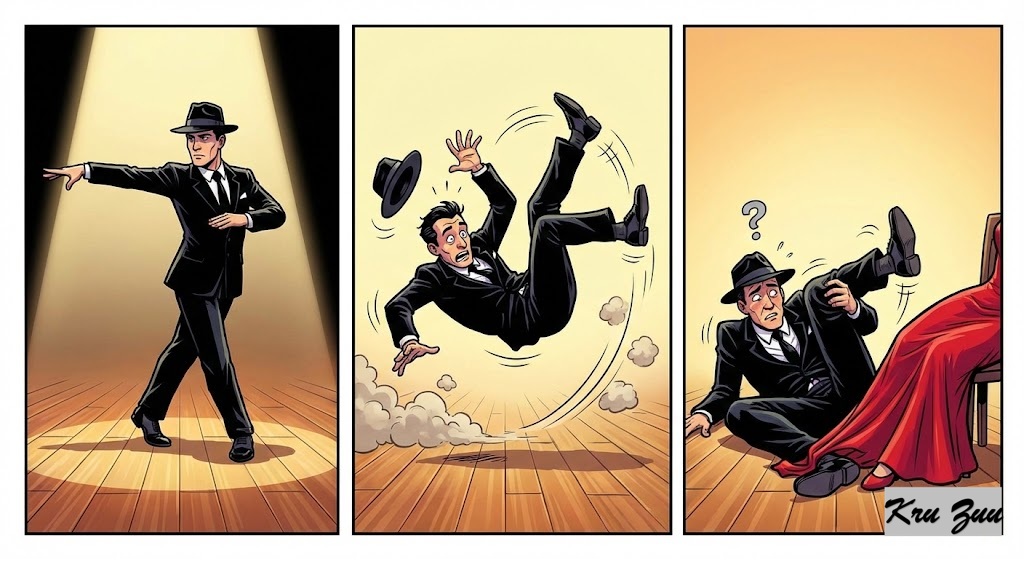
    “It takes two to tango.”


    😈 The Villain (The Blamer)

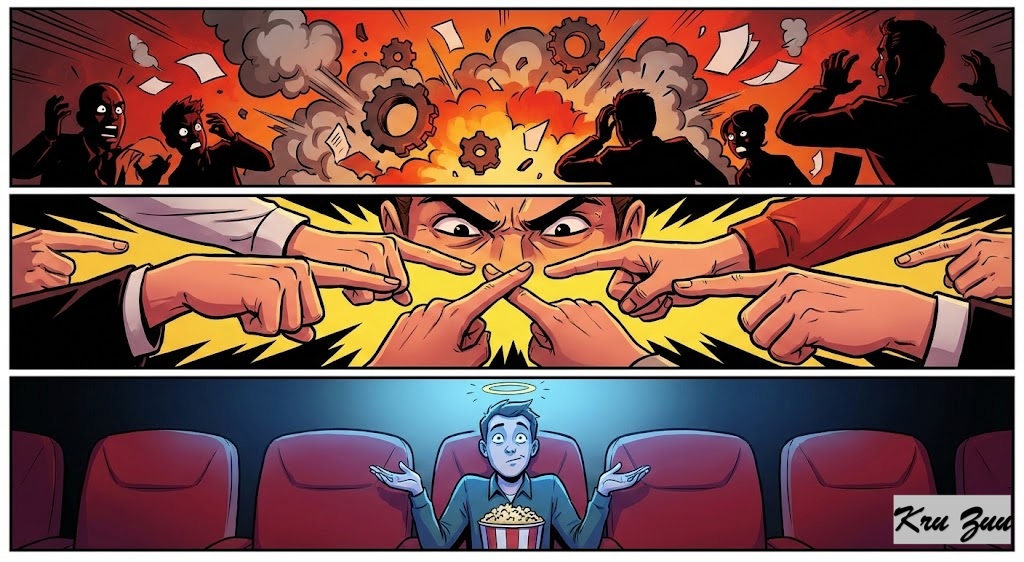
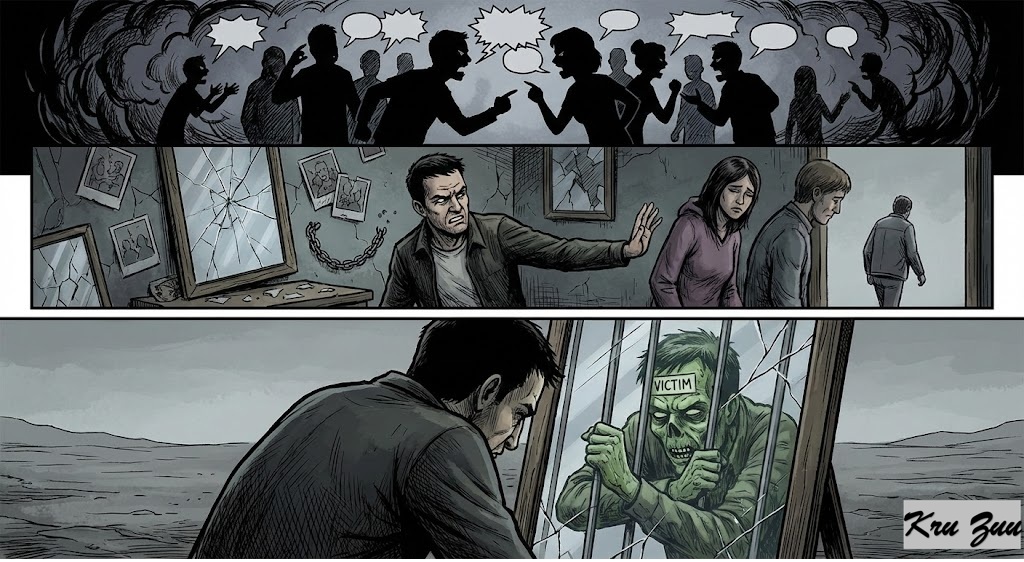
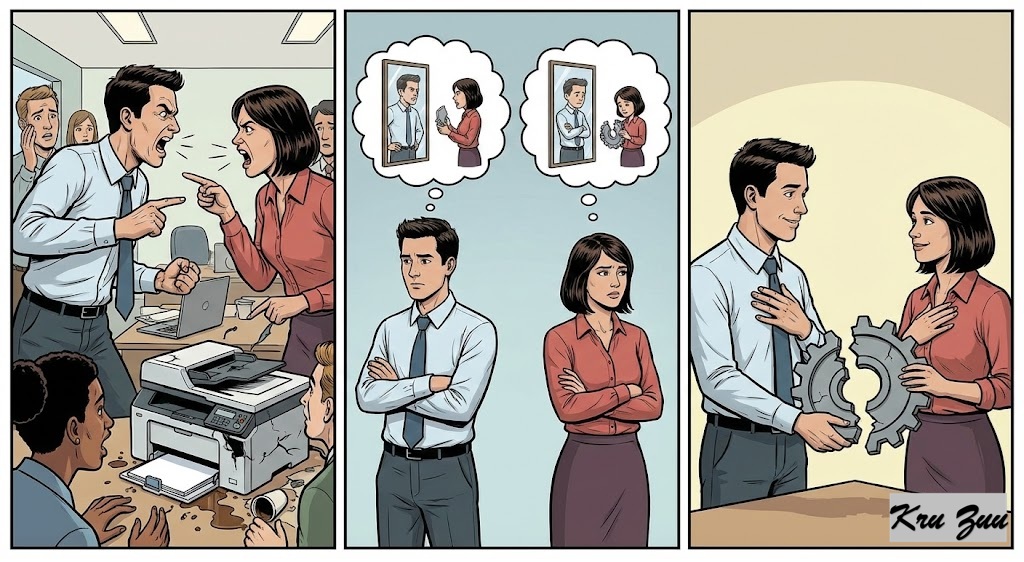
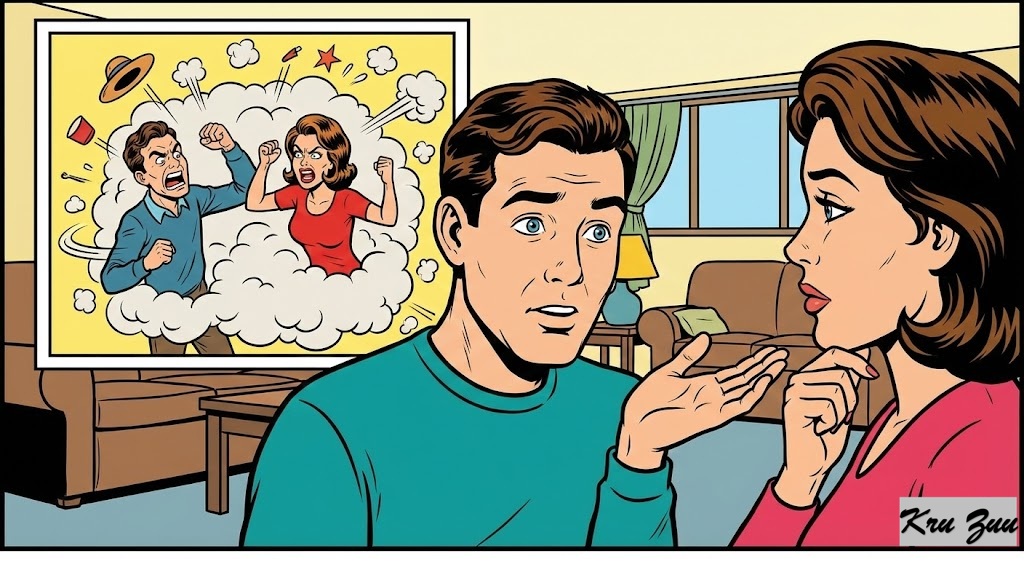
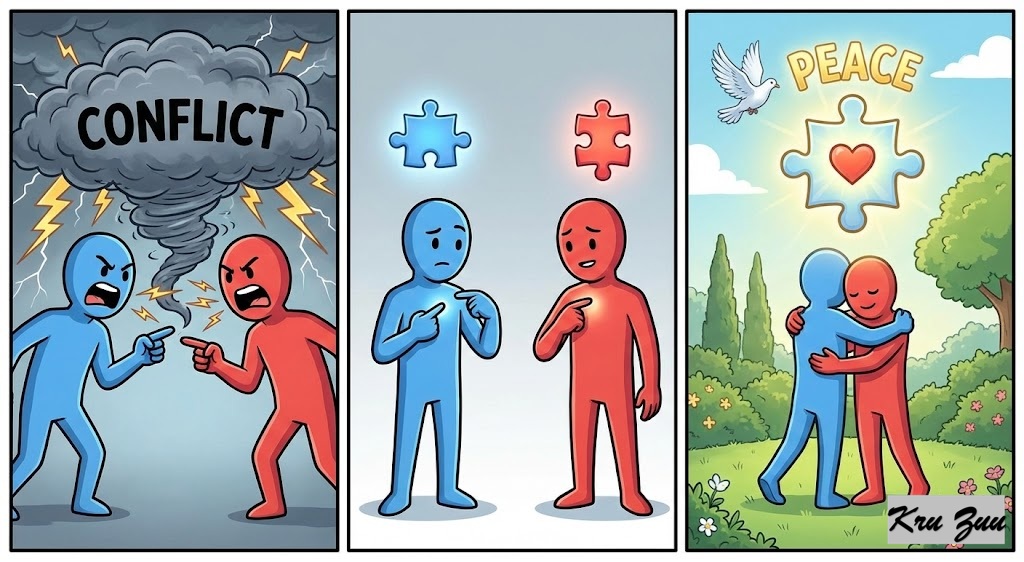
    Something goes wrong. An argument explodes. What is the first thing you do? You point your finger. 👉 “It’s his fault!” “She started it!” “The team failed because they didn’t listen to me.” You act as if you are innocent. You pretend you are just an audience member in the movie of your life.

    The Result? Arguments never end. Resentment builds. You lose friends, partners, and colleagues because you refuse to look in the mirror. You are trapped in the “Victim Mindset.” 🧟‍♂️


    😇 The Hero (The Partner)

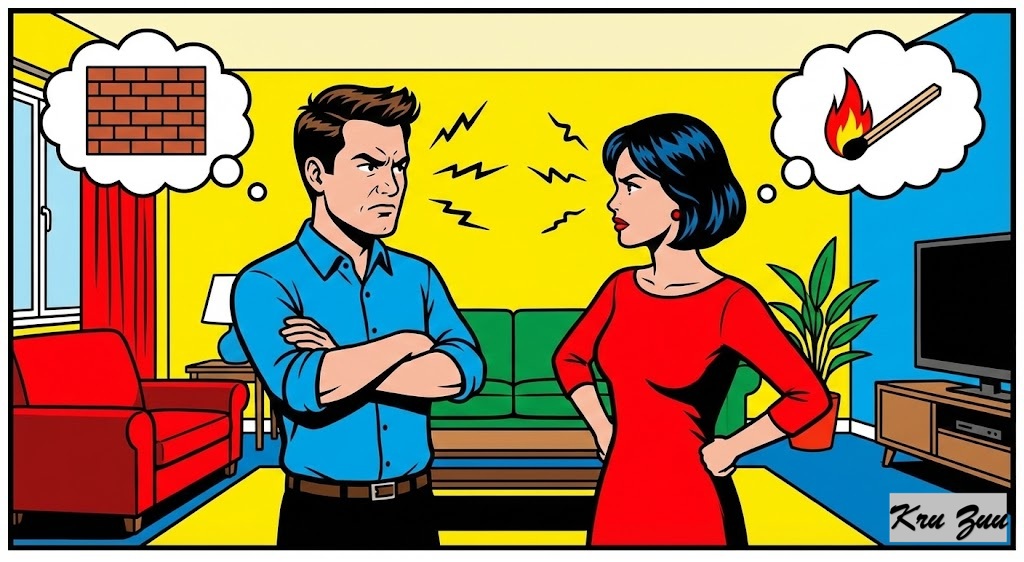
    Conflict happens. A mistake is made. Instead of pointing fingers, you pause. You realize that in almost every interaction, both sides play a role. You say: “We both own this.” You accept your 50% (or even your 10%) of the responsibility.

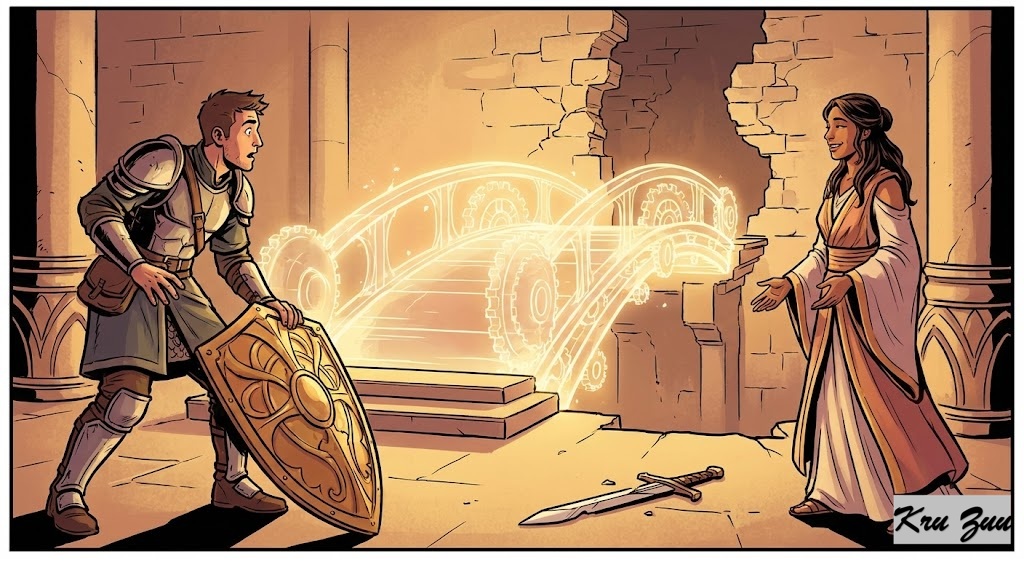
    The Result? The fighting stops immediately. The other person lowers their defenses. You solve the problem together instead of attacking each other. You build bridges, not walls. 🛡️


    ⚖️ The Reality


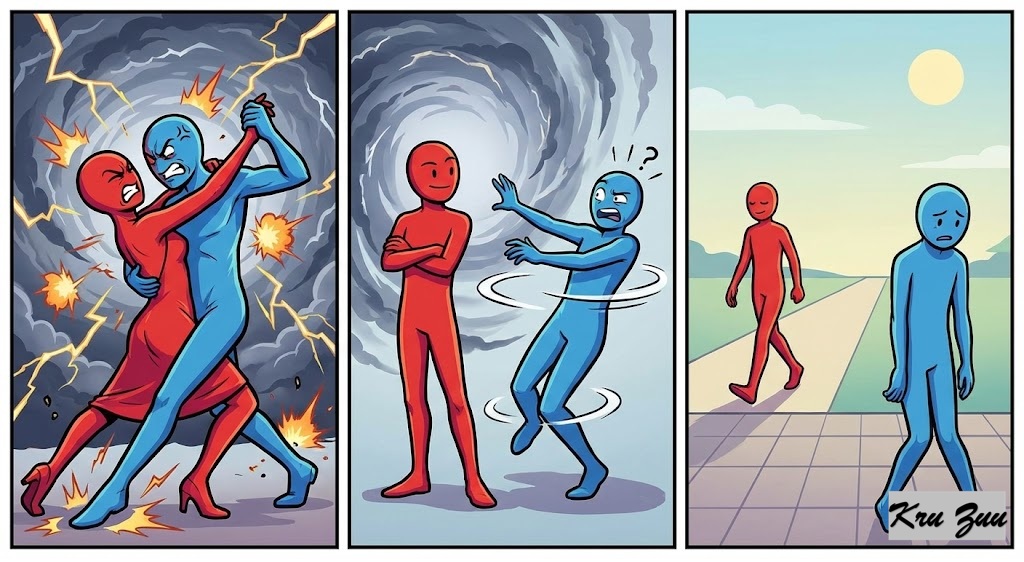
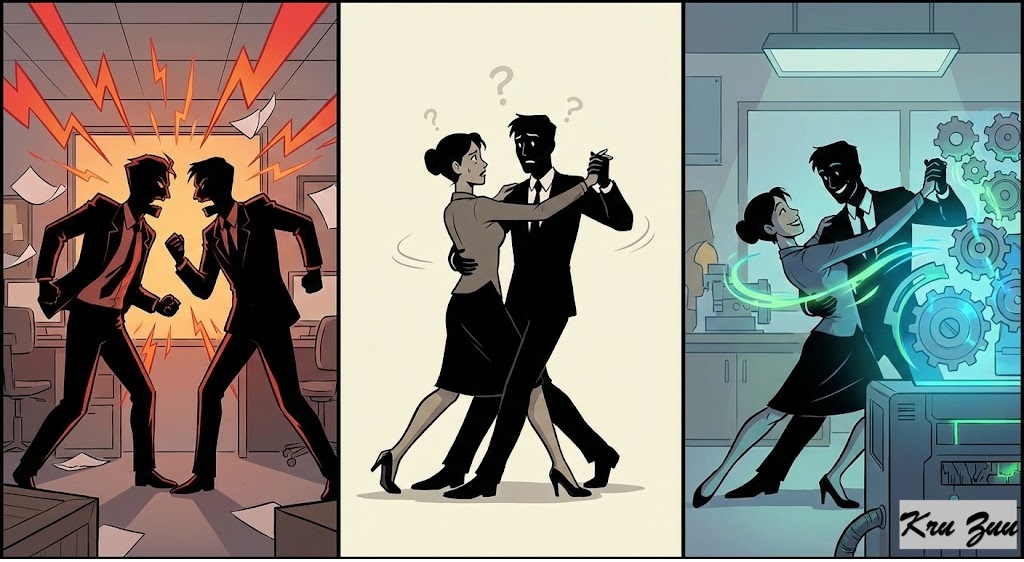
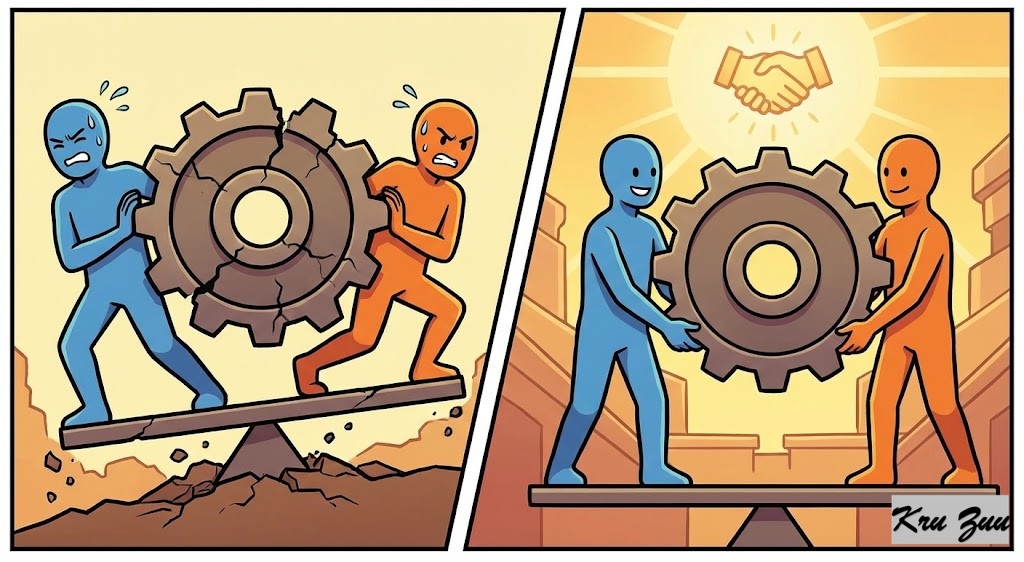
    One hand cannot clap. Arguments, bad relationships, and failed projects are rarely 100% one person’s fault. Conflict is a dance. It requires two participants to keep the drama going. If one person stops dancing (stops arguing), the tango ends.


    💎 The Secret

    You cannot control the other person’s steps, but you can control yours. If you change your steps, the dance changes.

    🧐 The Anatomy of the Proverb


    This is your reminder that interaction requires participation from both sides.


    It takes (Verb phrase): It requires; it needs.


    Two (Number): Both parties.


    To Tango (Infinitive Verb): To perform the dance (metaphor for interacting, arguing, or collaborating).


    Simpler Version: Both people are responsible. / Cooperation is necessary.


    📚 Vocabulary Vault


    Accountability (Noun):
    Taking responsibility for your actions. (The sign of a leader).


    Conflict (Noun): A serious disagreement or argument. ⚔️


    Collaborate (Verb): To work jointly on an activity to produce or create something.


    Mutual (Adjective): Held in common by two or more parties. (e.g., “Mutual respect”).


    Engagement (Noun): The action of being involved in something.


    🧠 Grammar Focus: Idioms as Explanations


    We often use this idiom as a standalone sentence to explain why something is happening.


    Person A: “Why are John and Sarah always fighting?”


    Person B: “Well, he is stubborn, but she loves to provoke him. It takes two to tango.”

    📜 History: Origin and Spread


    Where did this groovy phrase come from?


    The Origin: It was popularized by the catchy song “Takes Two to Tango” written by Al Hoffman and Dick Manning in 1952. Before this, people simply said “It takes two to make a quarrel.”


    The Logic: The Tango is a dramatic, complex dance from Argentina. You literally cannot do the moves alone. If you try, you just look silly falling over!


    Global Cousins


    🇹🇷 Turkish:
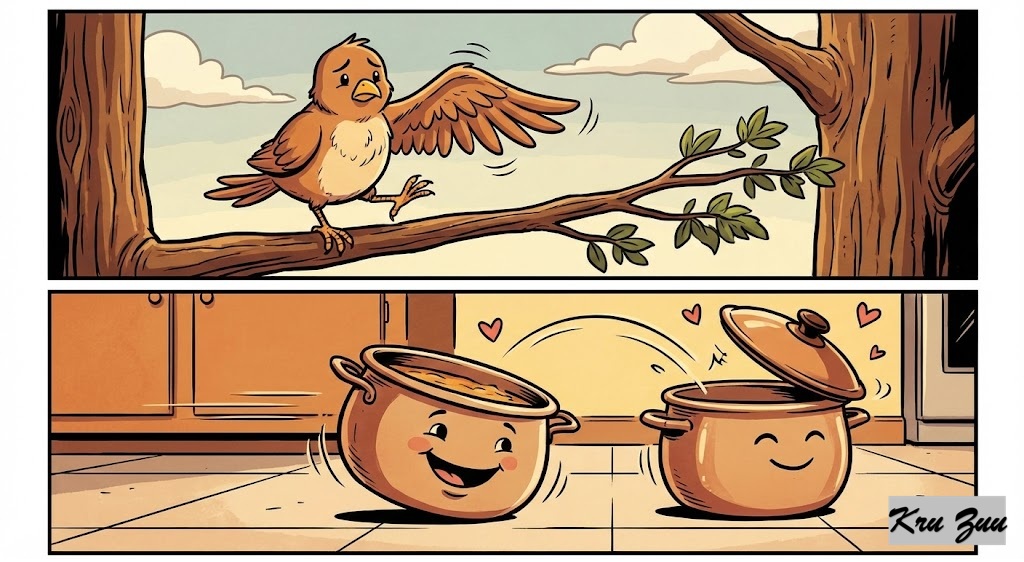
    “Tek kanatla kuş uçmaz” (A bird doesn’t fly with one wing) or “Tencere yuvarlanmış kapağını bulmuş” (The pot rolled and found its lid – for compatible pairs).


    🇷🇺 Russian:“One man in the field is not a warrior.”


    🇨🇳 Chinese:“A lone palm cannot clap.”

    🎯 Impact on Life: The Pros & Cons


    ✅ The Pros (The Connection)


    Resolution:
    When you admit your part in a problem, the other person usually admits theirs. Peace comes instantly.


    Success: Great businesses and marriages are built on the idea that “we are in this together.”


    ❌ The Cons (The Trap)


    False Guilt:
    Be careful. If someone abuses you or commits a crime against you, that is not a tango. That is an attack. Do not accept blame for things you didn’t do.

    🎭 Short Story: The Swamp Symphony 🐸🐱🐔


    Let’s visit the edge of the magical forest to see this law in action.


    🌟 The Cast


    Cleo the Cat: Elegant, perfectionist, but bossy. 😼


    Cluck the Chicken: Energetic, clumsy, and loud. 🐔


    Fred the Frog: The wise, green observer. 🐸


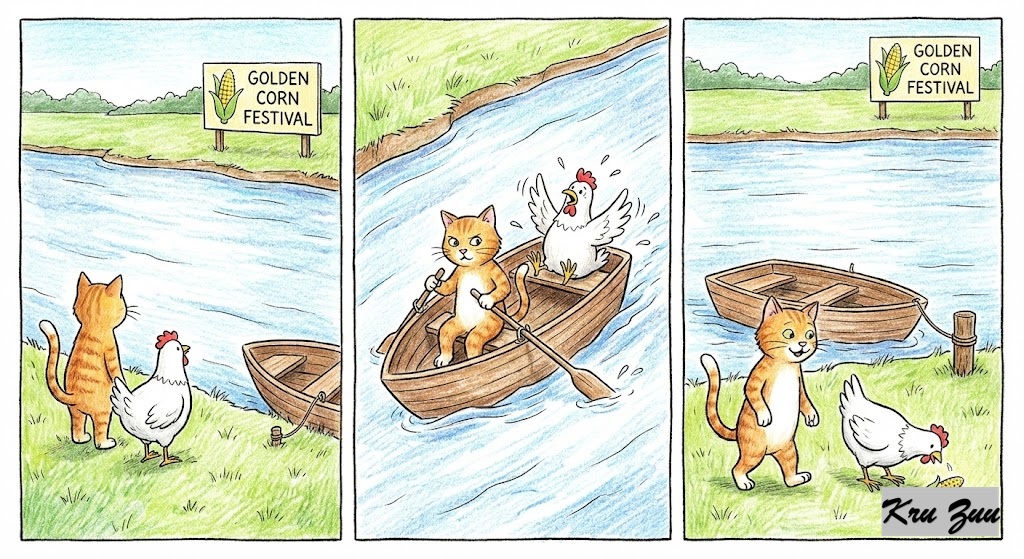
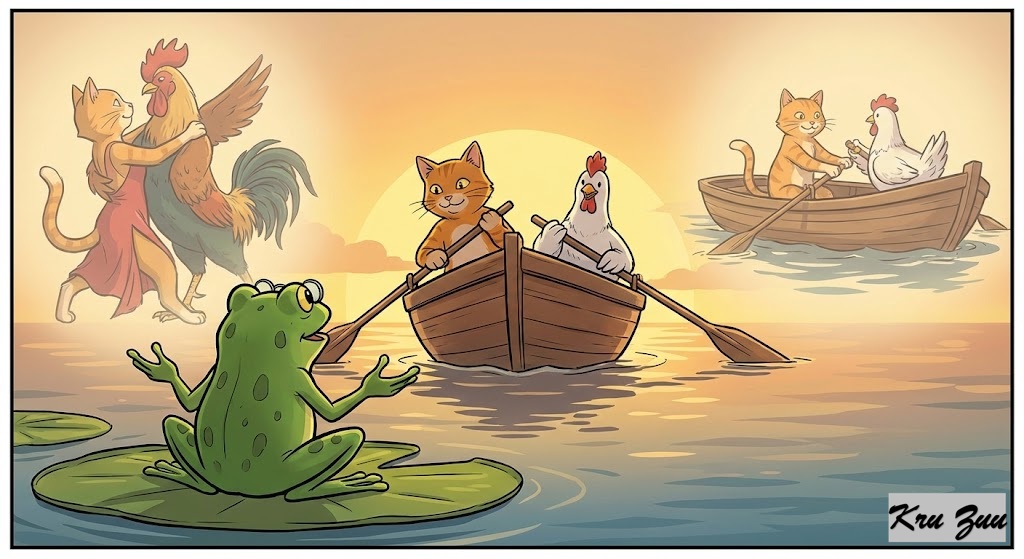
    The Situation: Cleo and Cluck want to cross the river to get to the “Golden Corn Festival.” There is only one small rowboat.


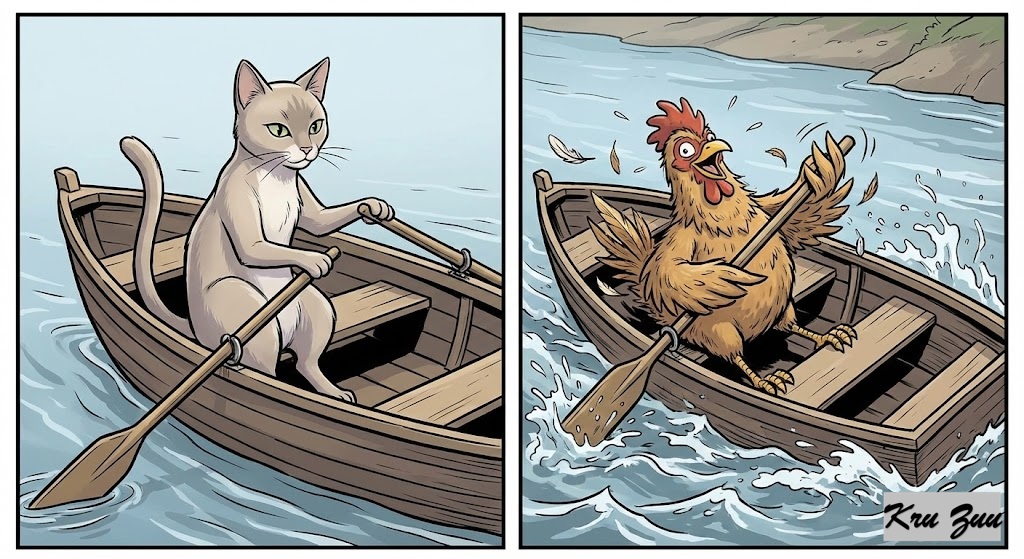
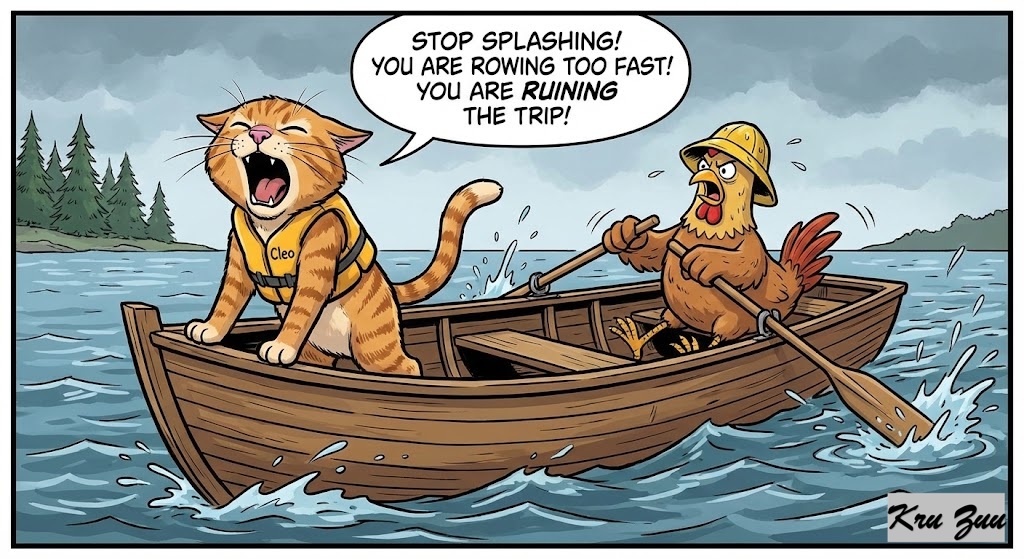
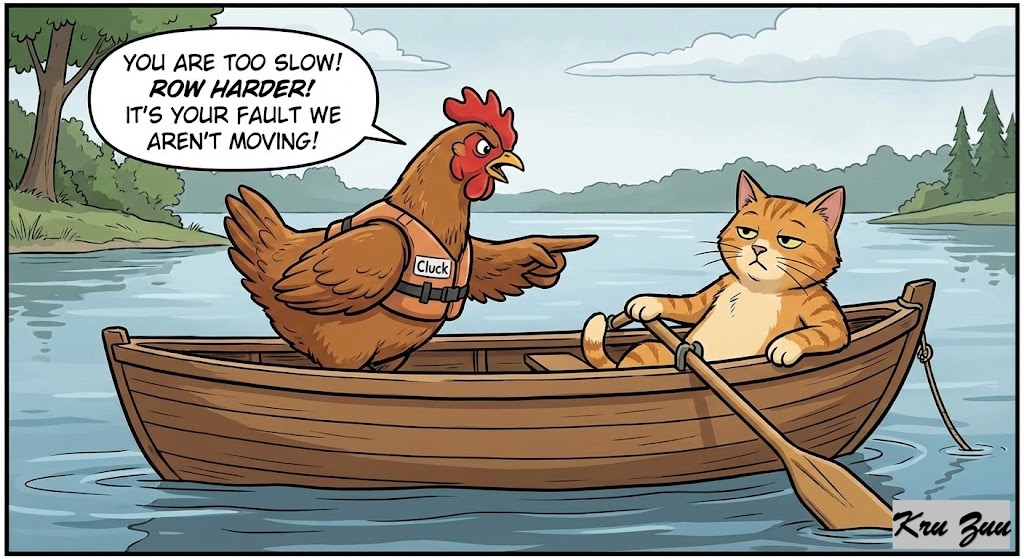
    The Conflict: They jump in the boat. Cleo (Cat) grabs the left oar. She wants to row gracefully and slowly so she doesn’t get her fur wet. Cluck (Chicken) grabs the right oar. He is excited! He flaps his wings and rows furiously fast to get to the corn.


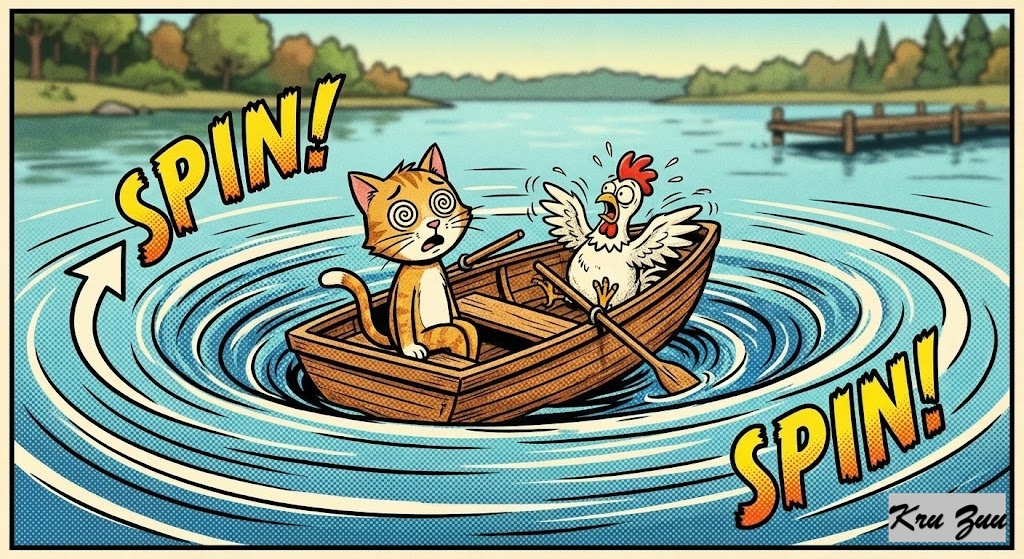
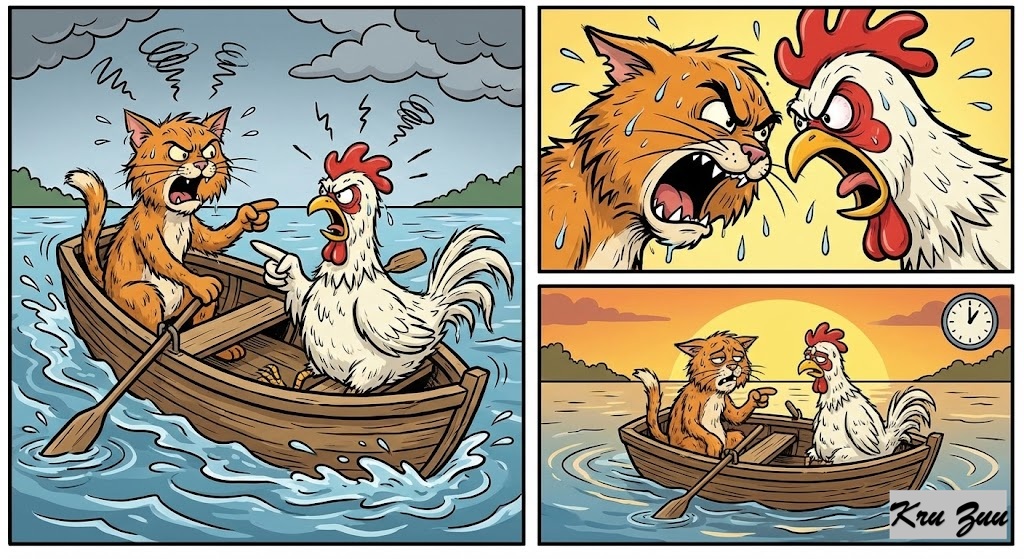
    The Result? The boat spins in circles! 🔄


    Cleo screams: “Stop splashing! You are rowing too fast! You are ruining the trip!”

    Cluck clucks: “You are too slow! Row harder! It’s your fault we aren’t moving!”


    They sit in the middle of the river, spinning, wet, and angry. They blame each other for an hour.


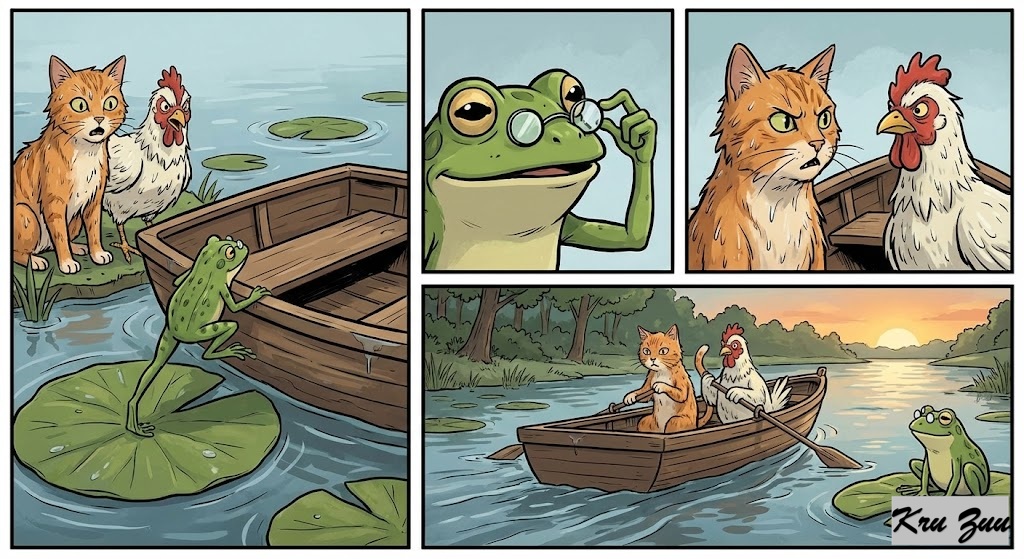
    The Resolution: Fred the Frog hops onto a lily pad next to the boat. He adjusts his tiny glasses. “Ribbit,” Fred says calmly. “Cleo, you are steering left. Cluck, you are steering right. The boat doesn’t care who is ‘right.’ The boat only moves if you find a rhythm.”


    Fred looks at them. “It takes two to tango, my friends. But it also takes two to row a boat.”


    Cleo sighed and sped up. Cluck took a deep breath and slowed down. They matched their rhythm. The boat shot forward straight to the festival. 🌽


    The Moral: If you are spinning in circles in a relationship or a project, stop blaming the other person. Check your own oar. Are you rowing in rhythm? 🚣‍♀️

    🎓 Lesson for English Learners


    Don’t talk to a wall.


    Situation: You are trying to practice English with a partner, but the conversation is dying. You blame yourself: “My English is bad.”


    The Shift: Remember, conversation is a tango. If your partner gives one-word answers (Yes/No), they are stepping on your feet.


    You Say: “I need you to ask me questions too. It takes two to tango! Let’s make this a real conversation.”


    💬 Your Turn: The Mirror Challenge 🚀


    Is there a conflict in your life right now? A “cold war” with a colleague? A silent treatment with a friend?


    The Challenge: Identify one argument where you feel you are 100% right. Now, find just 5% of the problem that is YOUR fault. (Did you yell? Did you ignore them? Did you forget to ask?)


    The Action: Go to that person and say: “I realized I made a mistake by [your 5%]. I want to fix this.” Watch how fast the “Tango” changes from a battle to a dance.


    👇 Question for the comments: Have you ever worked on a team project where one person refused to “dance”? How did you handle it? Tell us below!

    By Zubeyir YURTKURAN

    https://www.facebook.com/BrainBattleground/

    https://www.facebook.com/zubeyr.yurtkuran/

    https://www.instagram.com/zubeyryurtkuran/

    https://www.youtube.com/@BrainBattleground-b3p

    https://www.instagram.com/brainbattleground/

  • ⏳ The Daily Shield: The Law of Patience -1

    ⏳ The Daily Shield: The Law of Patience -1

    “Haste makes waste.”


    😈 The Villain (The Speed Demon)


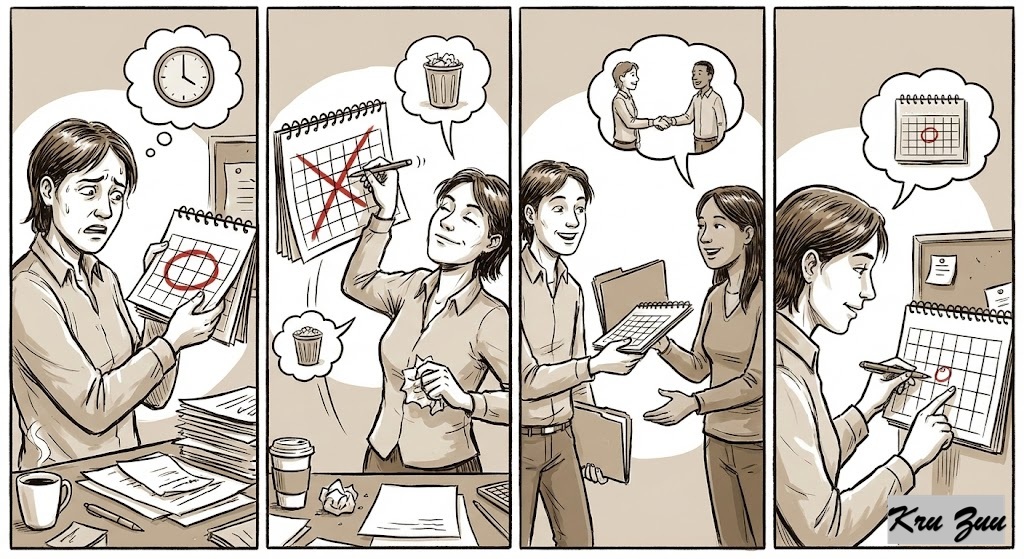
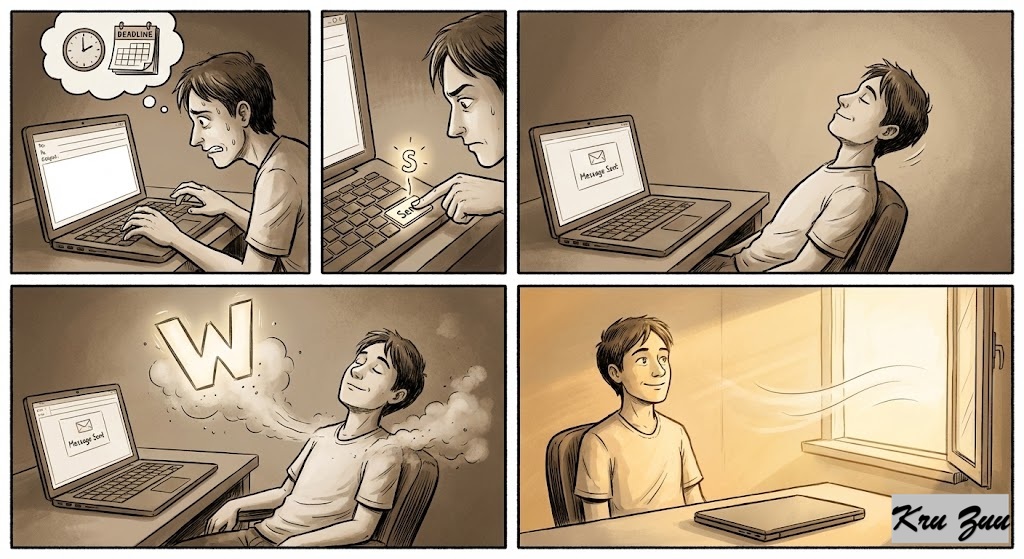
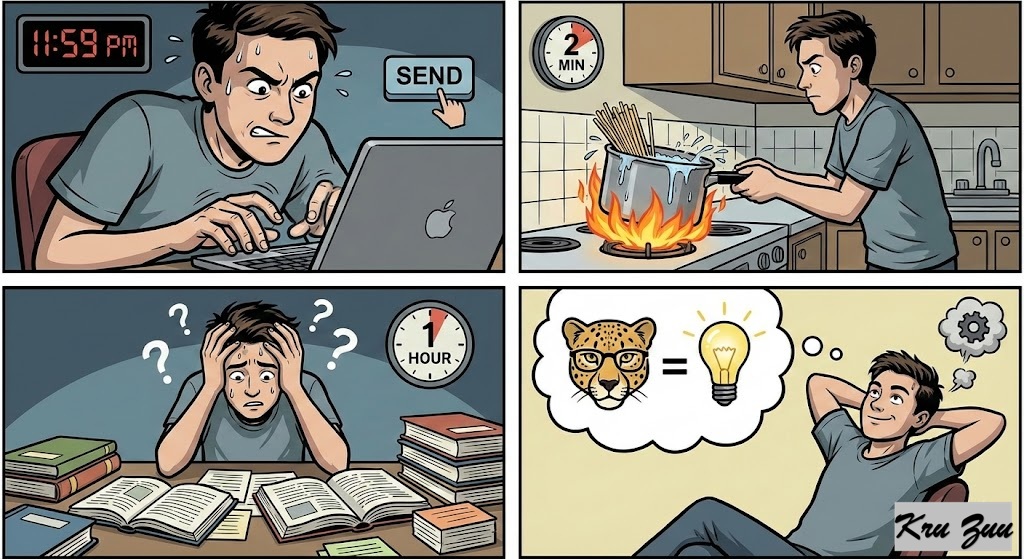
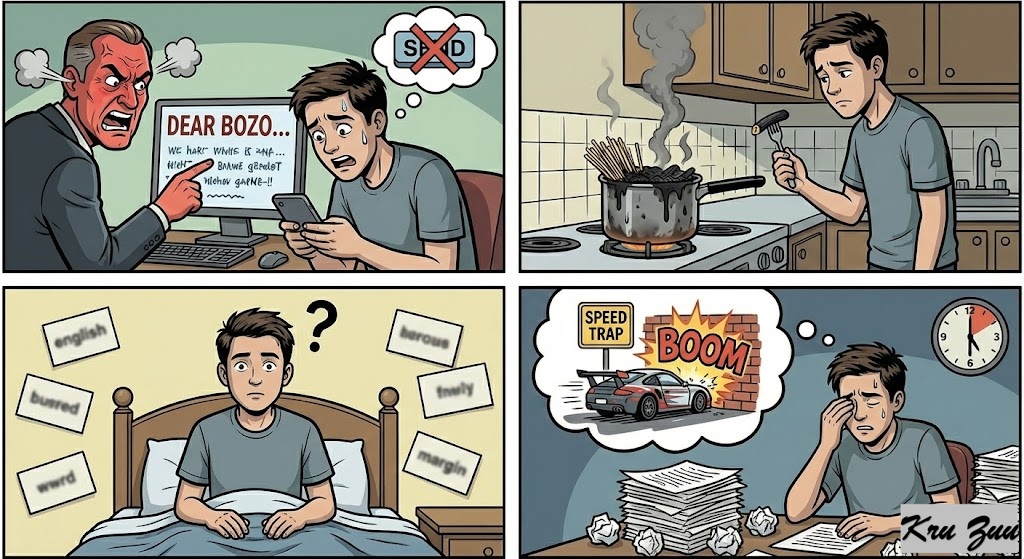
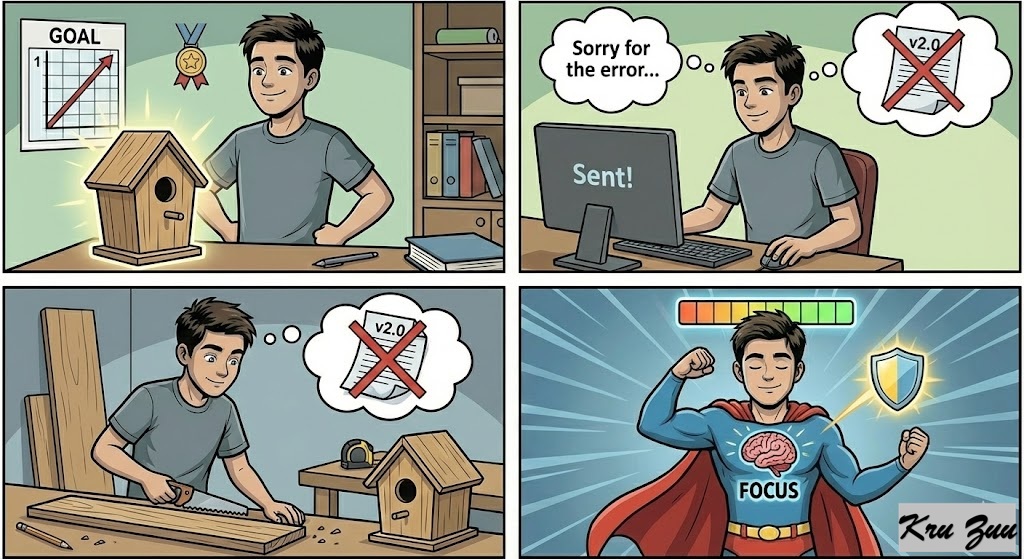
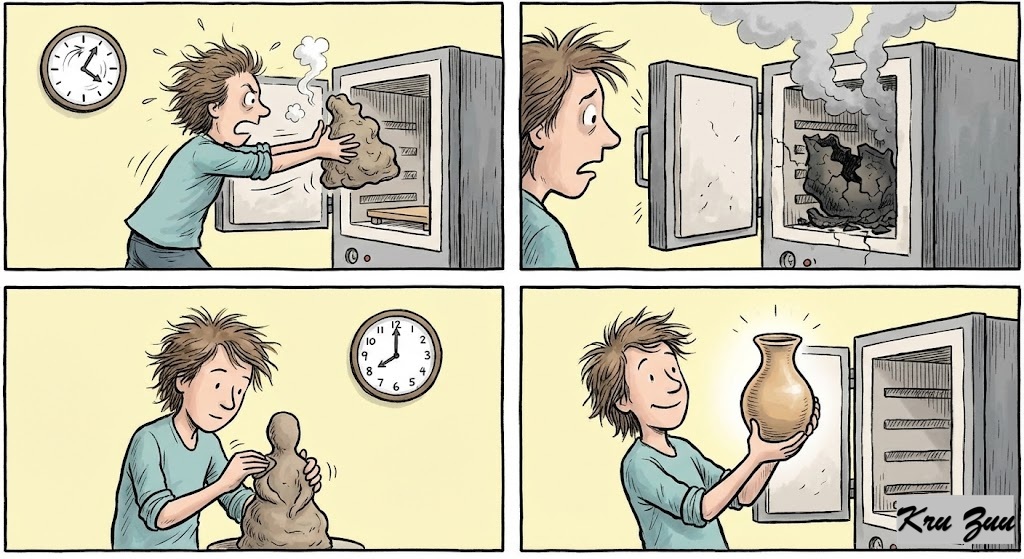
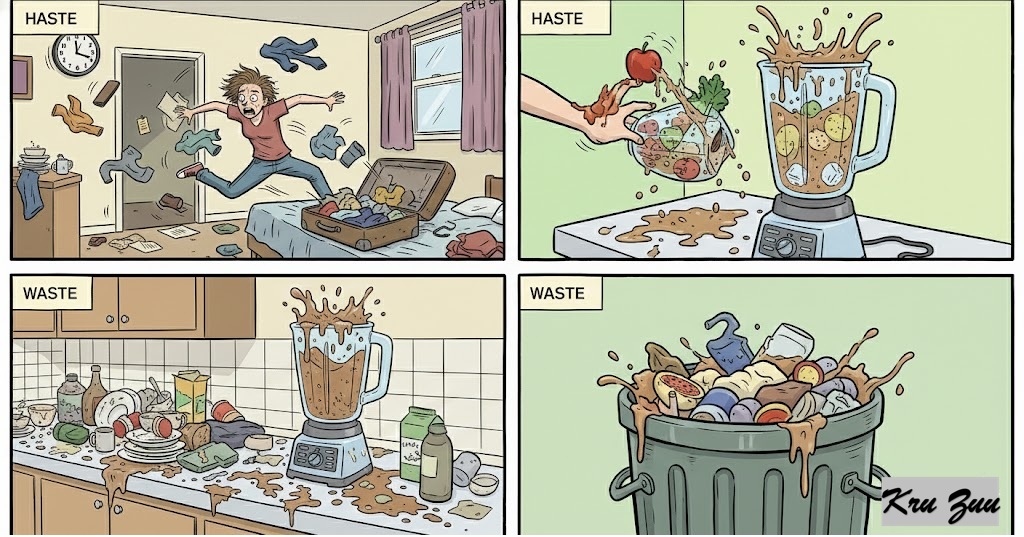
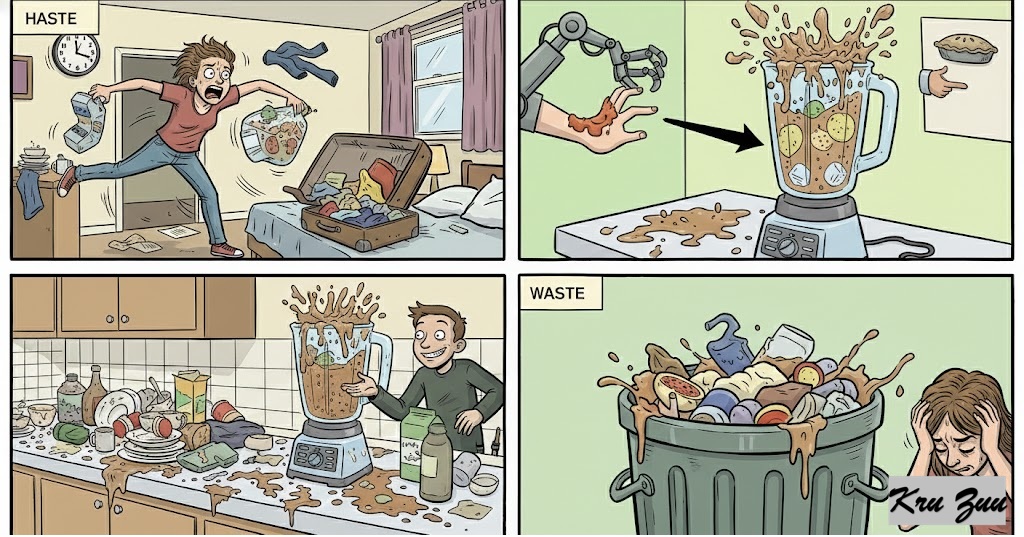
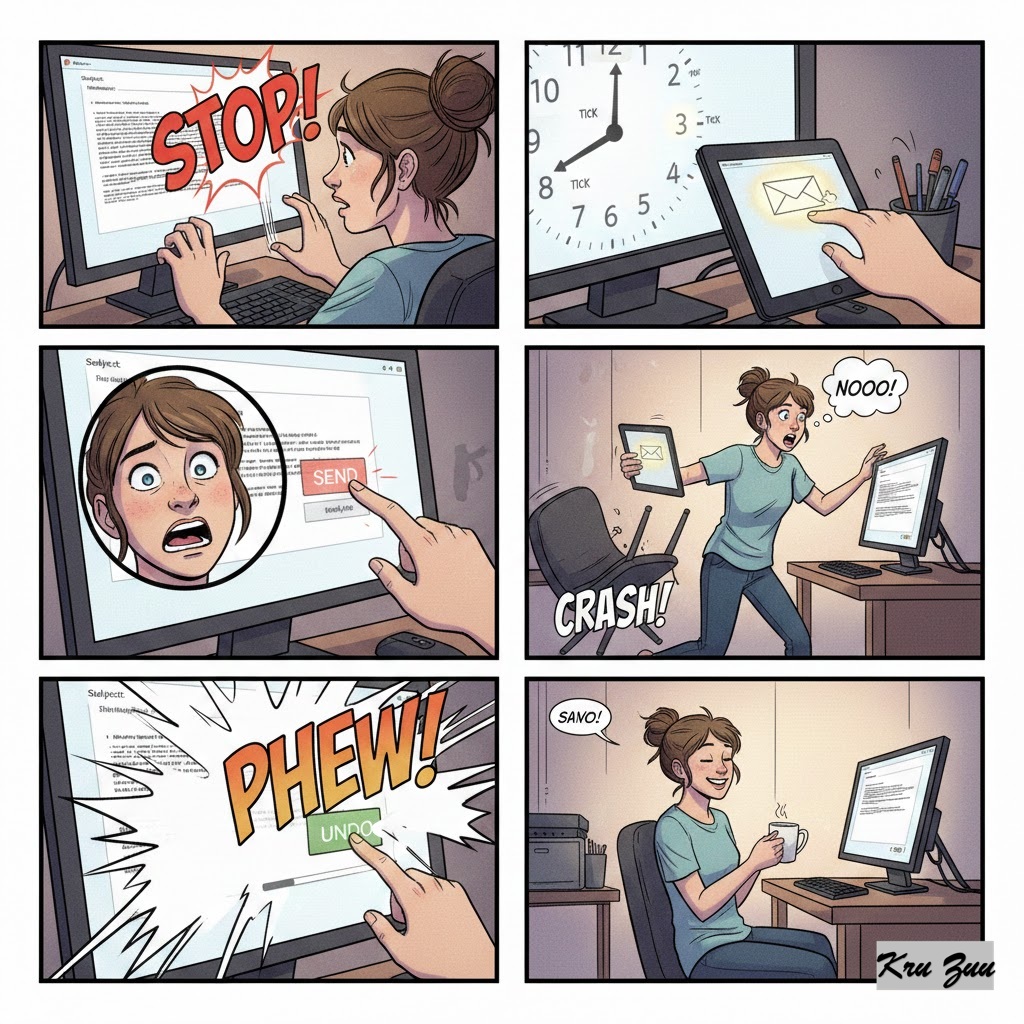
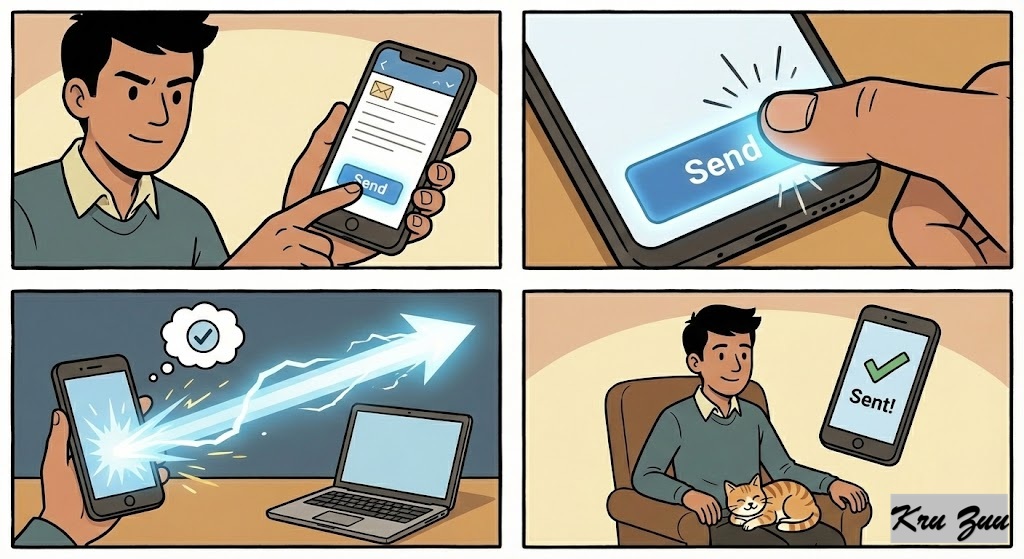
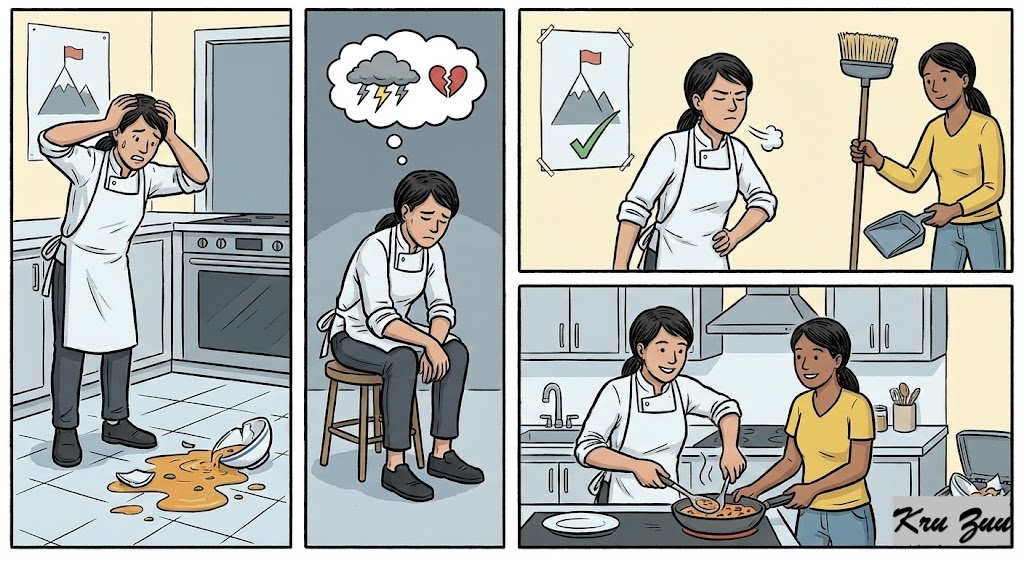
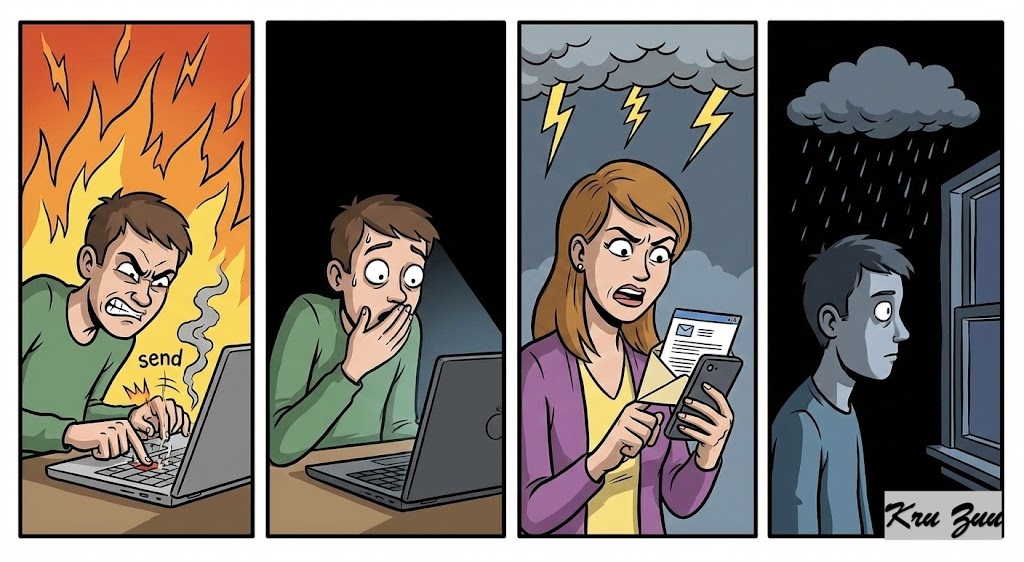
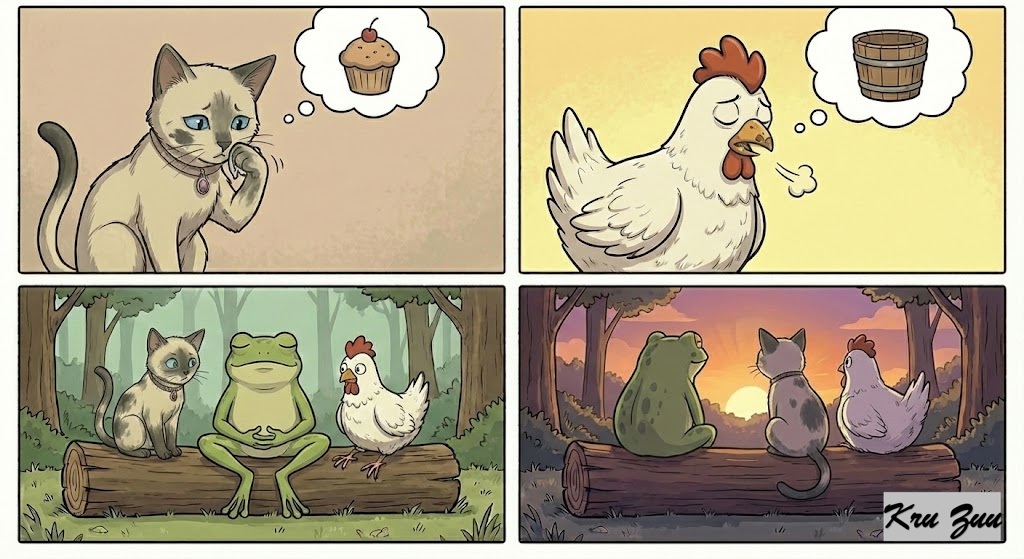
    You have a goal. You want it now. You type the email without proofreading and hit send. You cook the pasta on maximum heat to save 2 minutes. You try to learn 100 English words in one hour. You convince yourself that “Fast” equals “Smart.”

    The Result? The email has a typo that insults your boss. The pasta is burnt on the outside and crunchy on the inside. You remember zero vocabulary words the next day. You have to fix everything. You actually spend double the time correcting your mistakes. You are a victim of the “Speed Trap.” 🏎️💥


    😇 The Hero (The Architect)


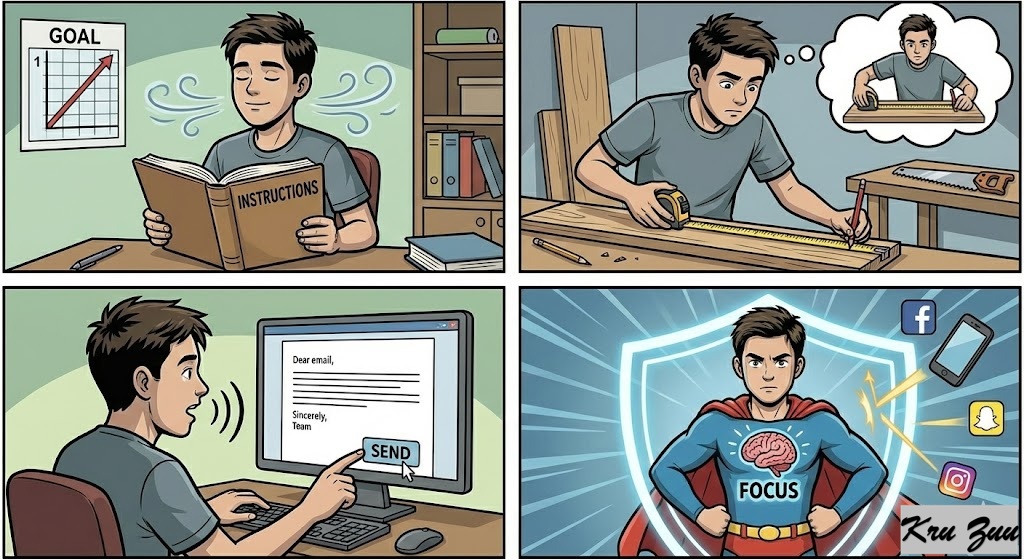
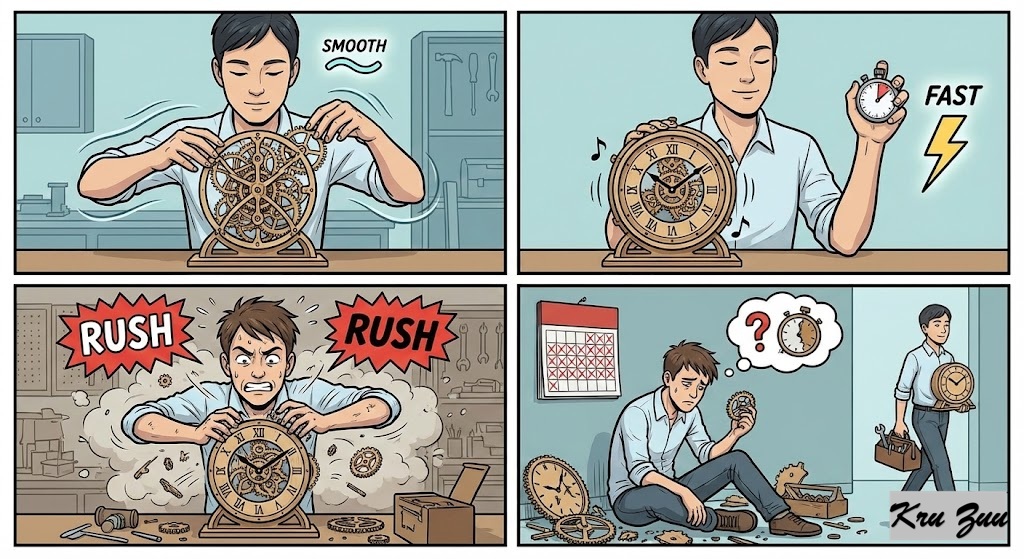
    You have a goal. You take a deep breath. You read the instructions first. You measure twice, cut once. You write the email, pause, read it aloud, and then click send. You treat focus as your superpower.

    The Result? The work is flawless. There are no apologies to make. No “Version 2.0” is needed. You finish with energy to spare because you didn’t panic. You are slow, but you are smooth. 🛡️


    ⚖️ The Reality


    Speed is a liar. We live in a world of 5-second TikToks and instant noodles. We think if we aren’t running, we are losing. But in reality, rushing is the most expensive way to work. It costs you accuracy, quality, and dignity.


    💎 The Secret

    Slow is smooth, and smooth is fast. If you don’t have time to do it right, when will you have time to do it over?

    🧐 The Anatomy of the Proverb


    This is your shield against sloppy mistakes.


    Haste (Noun): Excessive speed or urgency of movement or action; hurry. (The bad kind of fast). 🌪️


    Makes (Verb): Causes to happen.


    Waste (Noun): Material that is not wanted; the act of using something carelessly. 🗑️


    Simpler Version: If you rush, you will ruin it.


    📚 Vocabulary Vault


    Efficient (Adjective): Achieving maximum productivity with minimum wasted effort. (The goal!) 🎯


    Sloppy (Adjective): Careless and unsystematic; messy.


    Thorough (Adjective): Complete with regard to every detail; not superficial.


    Correction (Noun): The action of setting right what is wrong.


    Patience (Noun): The capacity to accept or tolerate delay without getting angry. 🧘


    🧠 Grammar Focus: The Rhyme & Cause


    Why do we remember this phrase? Because it rhymes!


    Haste / Waste: The sound /eɪst/ connects the cause (Haste) directly to the bad result (Waste).


    Cause and Effect


    Subject: Haste


    Verb: Makes


    Object: Waste


    Note: It treats “Haste” as an uncountable abstract noun (singular).

    📜 History: Origin and Spread


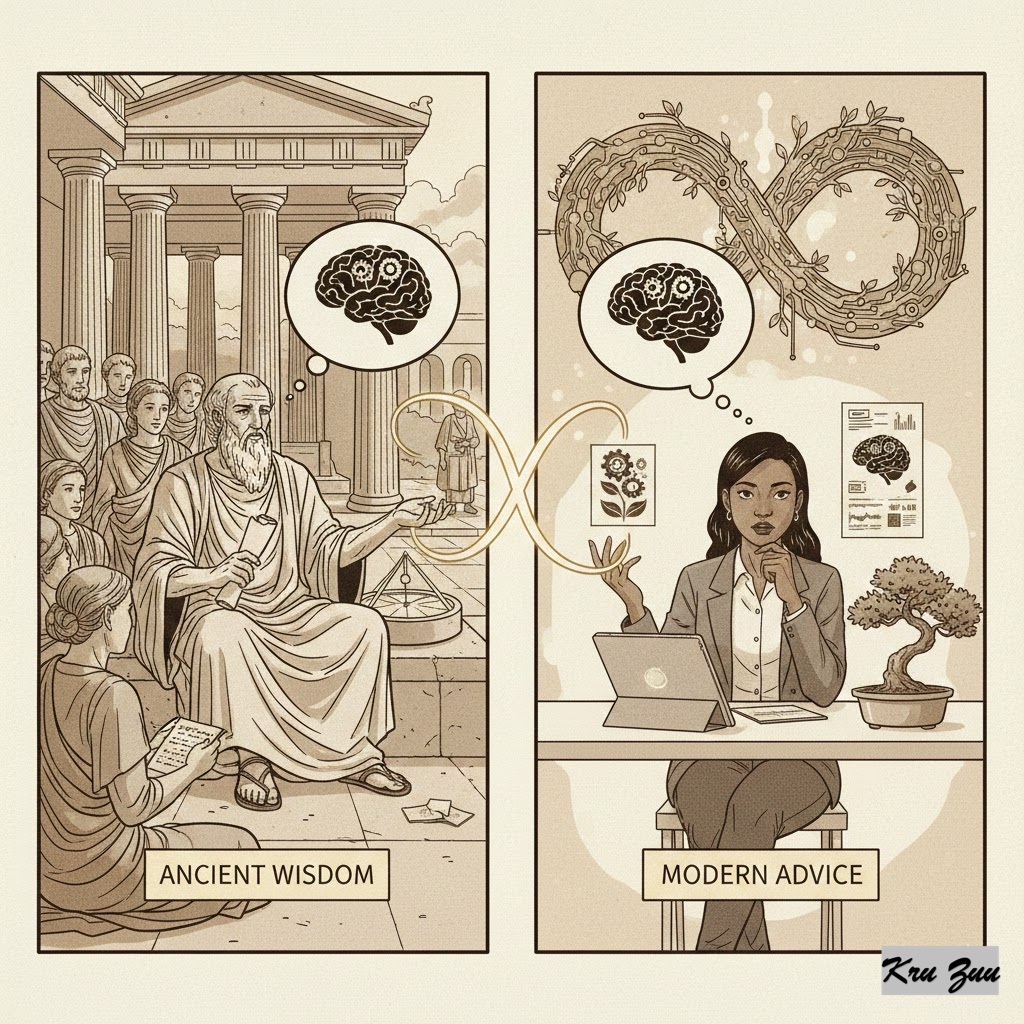
    This isn’t just modern advice; it is ancient wisdom.


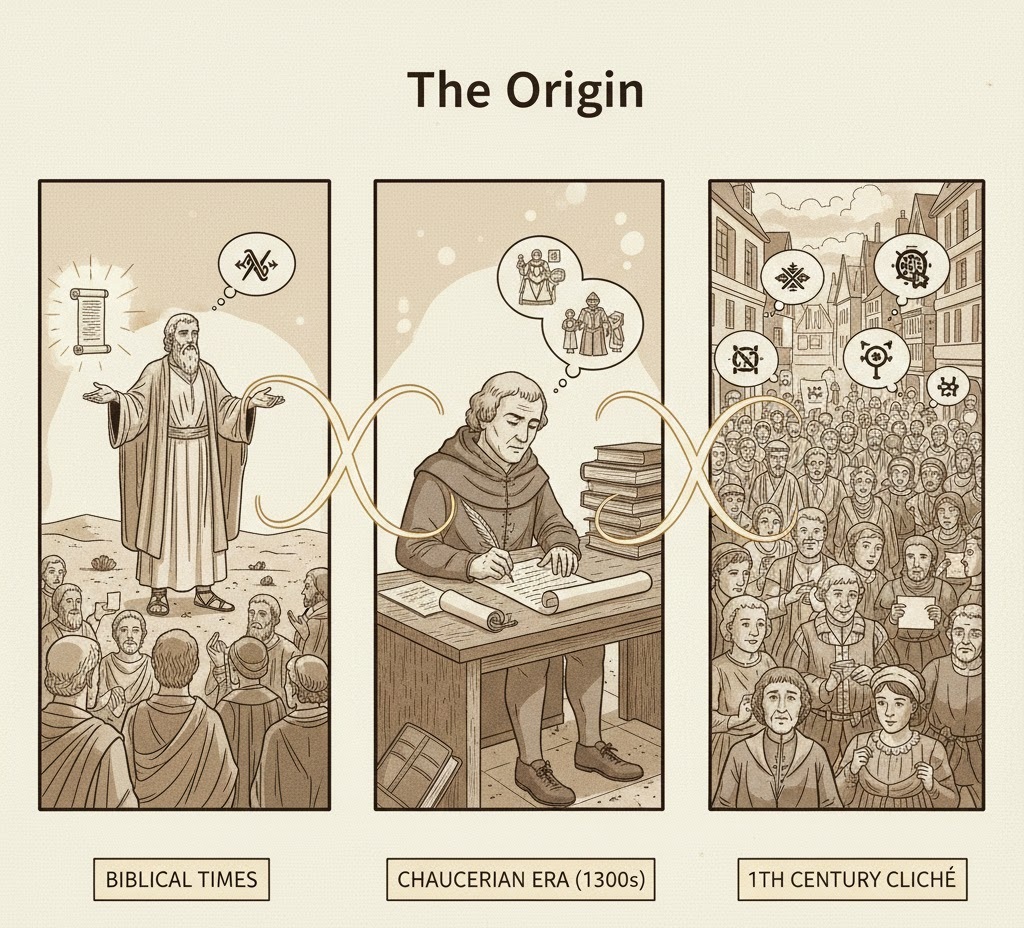
    The Origin: This concept appears in the Bible and the works of Chaucer (1300s), but became a “cliché” in the 16th century.


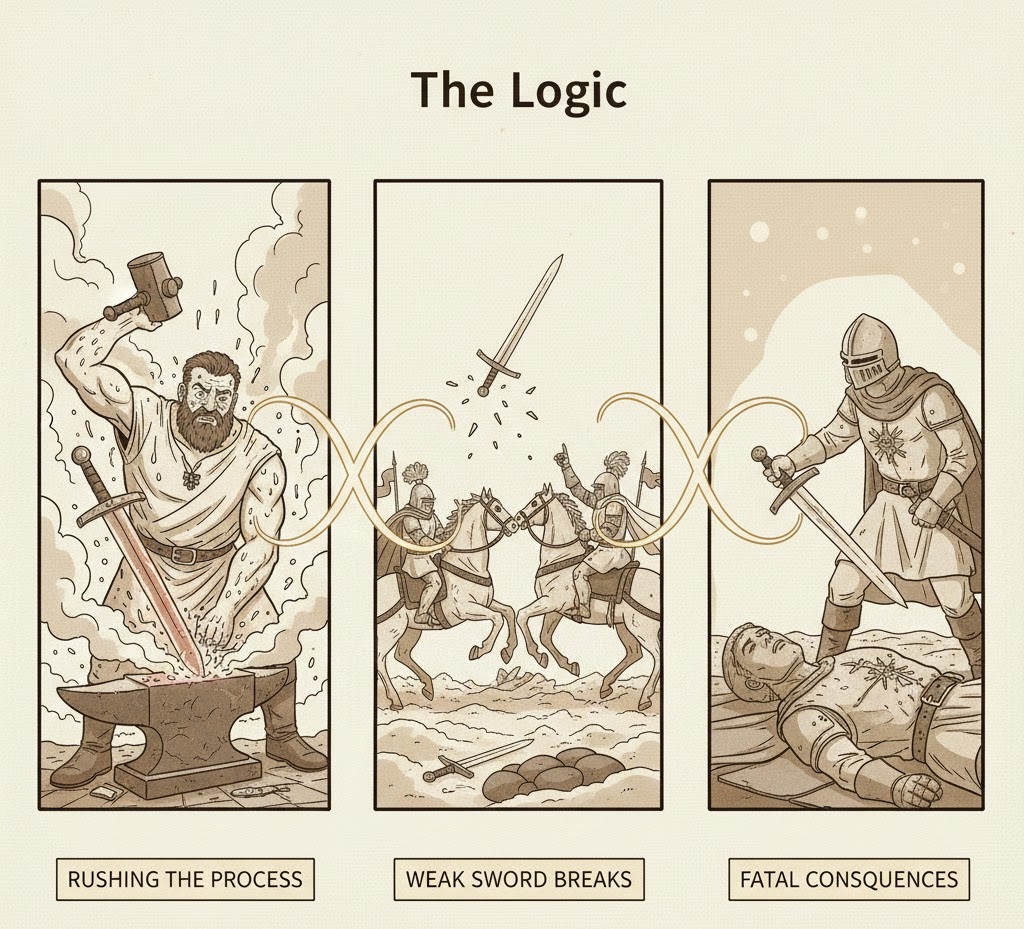
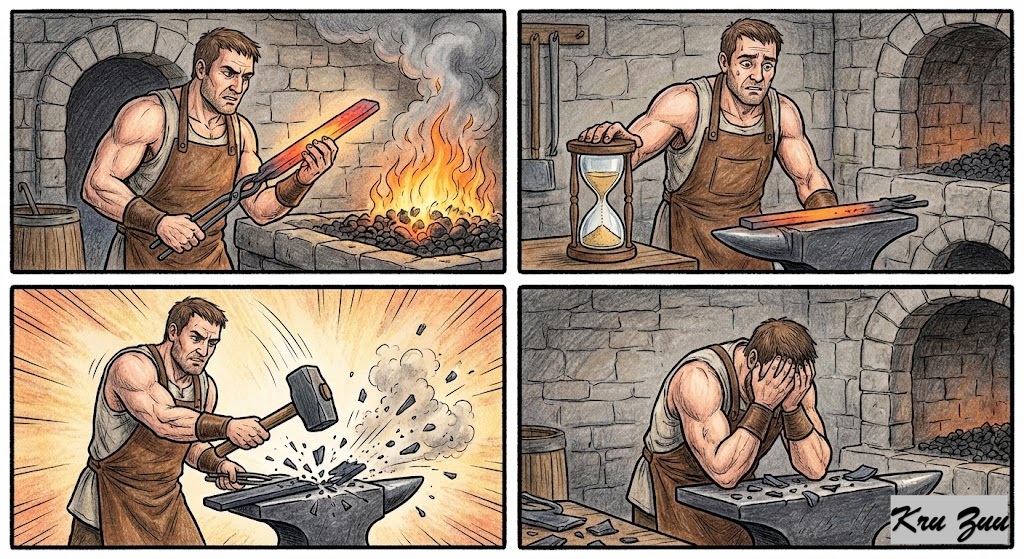
    The Logic: In the old days, if a blacksmith rushed making a sword, the sword would break in battle. Rushing could literally kill you.


    Global Cousins


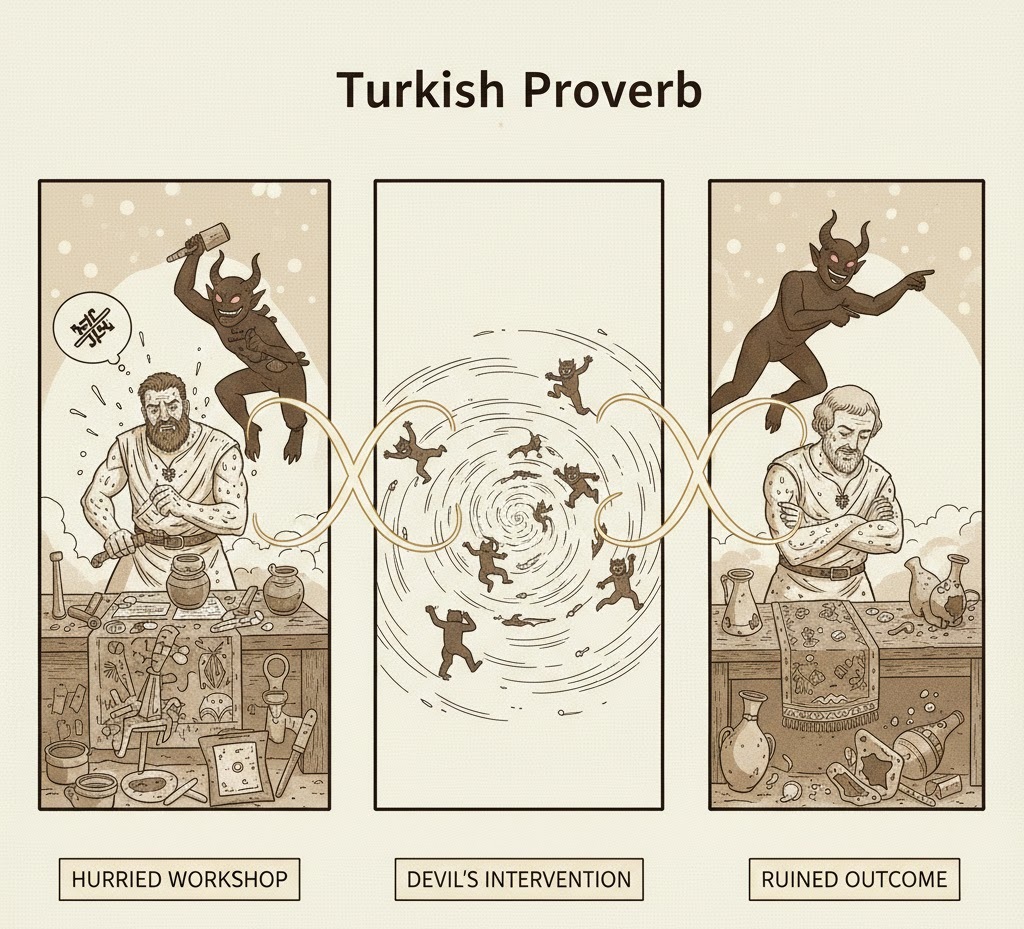
    🇹🇷 Turkish:“Acele işe şeytan karışır.” (The devil mixes in with hurried work.) — A powerful warning!

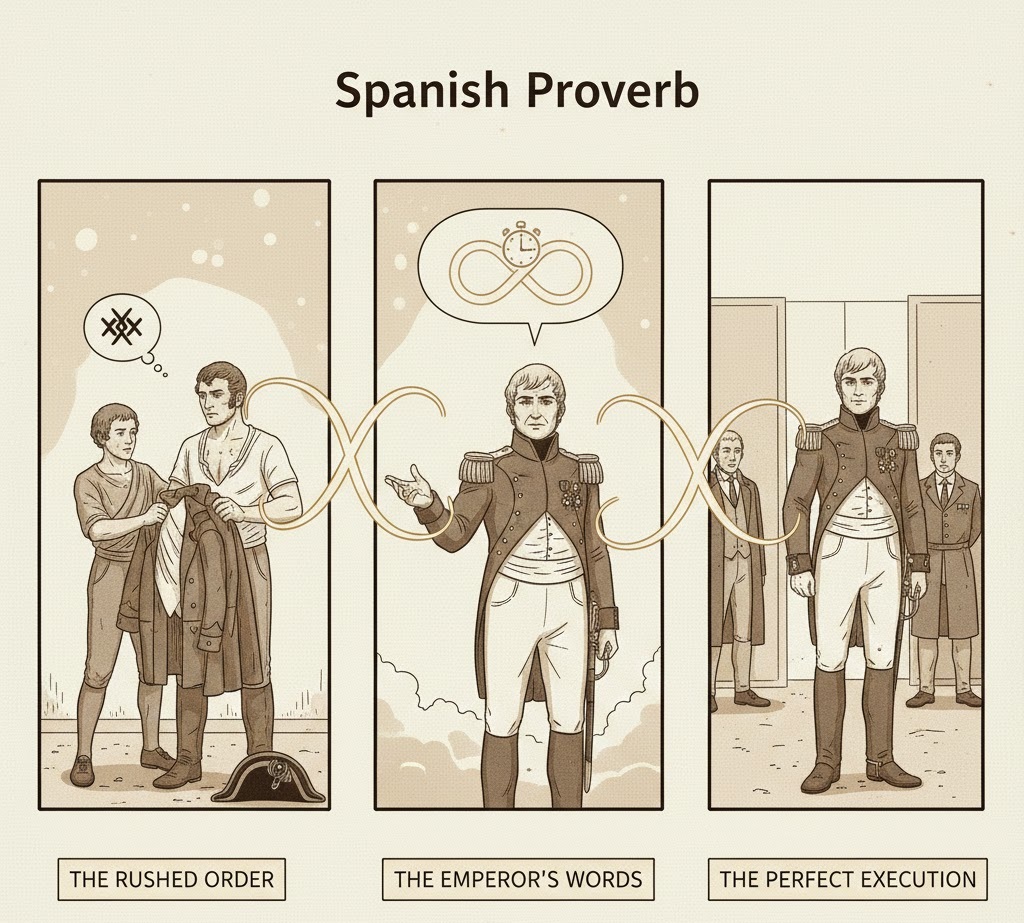
    🇪🇸 Spanish:“Vísteme despacio que tengo prisa.” (Dress me slowly, for I am in a rush.) — Attributed to Napoleon; implying that because time is short, we cannot afford a mistake.


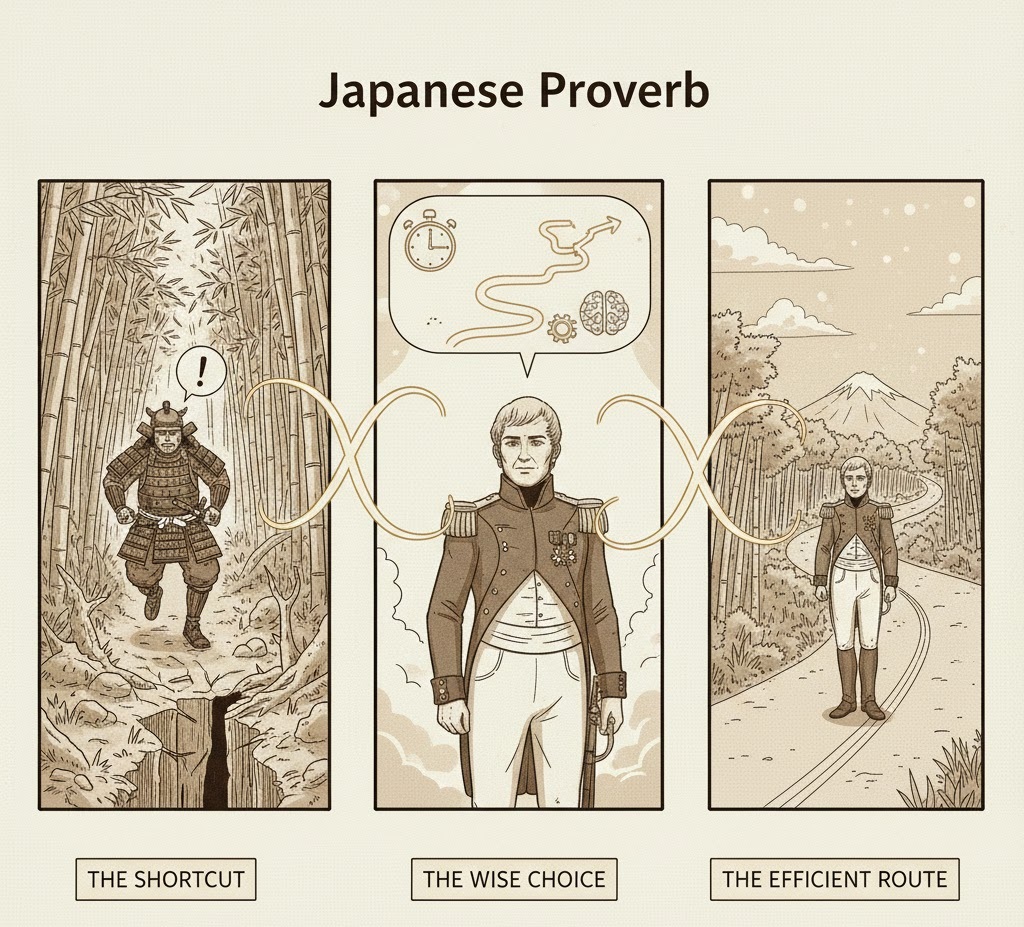
    🇯🇵 Japanese:“Isogaba maware.” (If you are in a rush, go the long way around.)

    🎯 Impact on Life: The Pros & Cons


    ✅ The Pros (The Masterpiece)


    Reputation: People trust you because your work is always correct.


    Calm: You avoid the adrenaline spike of “panic fixing.”


    ❌ The Cons (The Perfectionism Trap)


    Analysis Paralysis:
    Don’t be so slow that you never finish. The goal is “No Mistakes,” not “Forever.”

    🎭 Short Story: The Forest Chef Competition


    Let’s visit the Great Forest Kitchen.


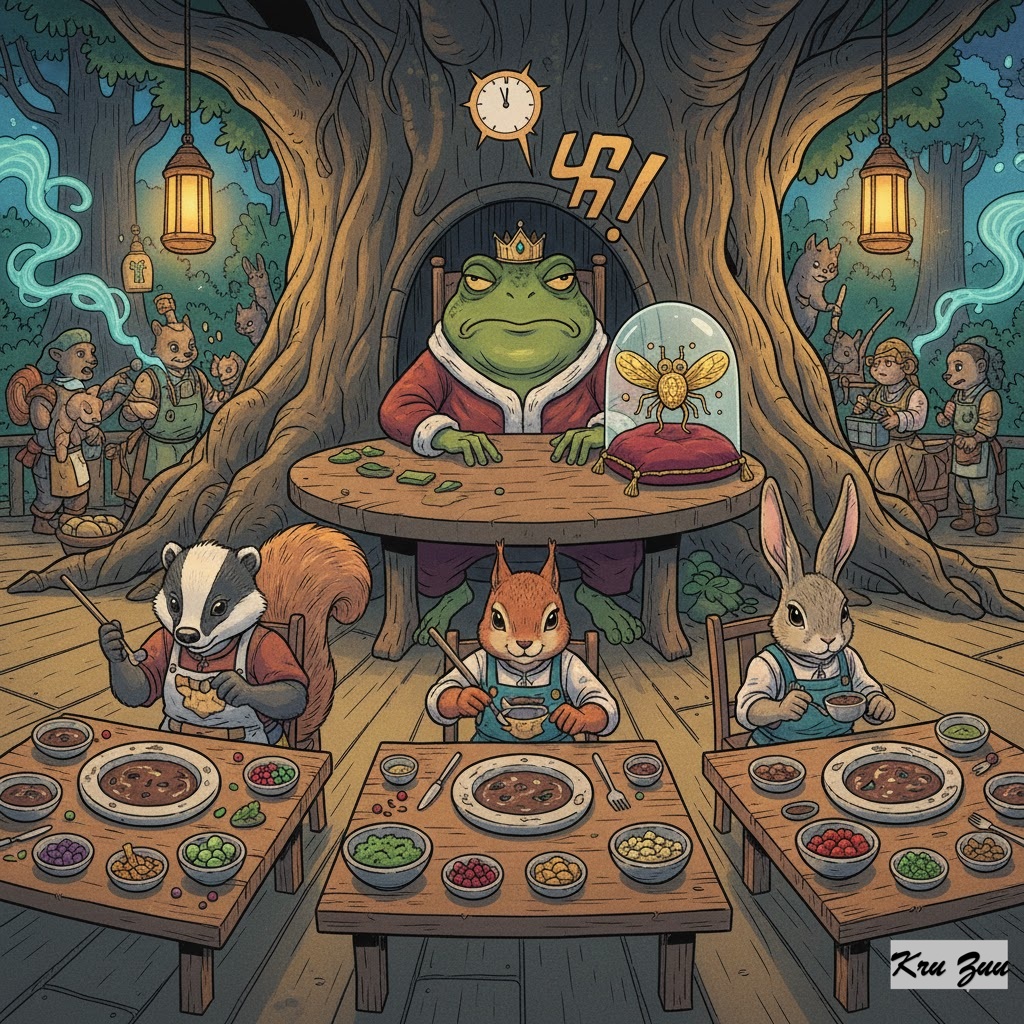
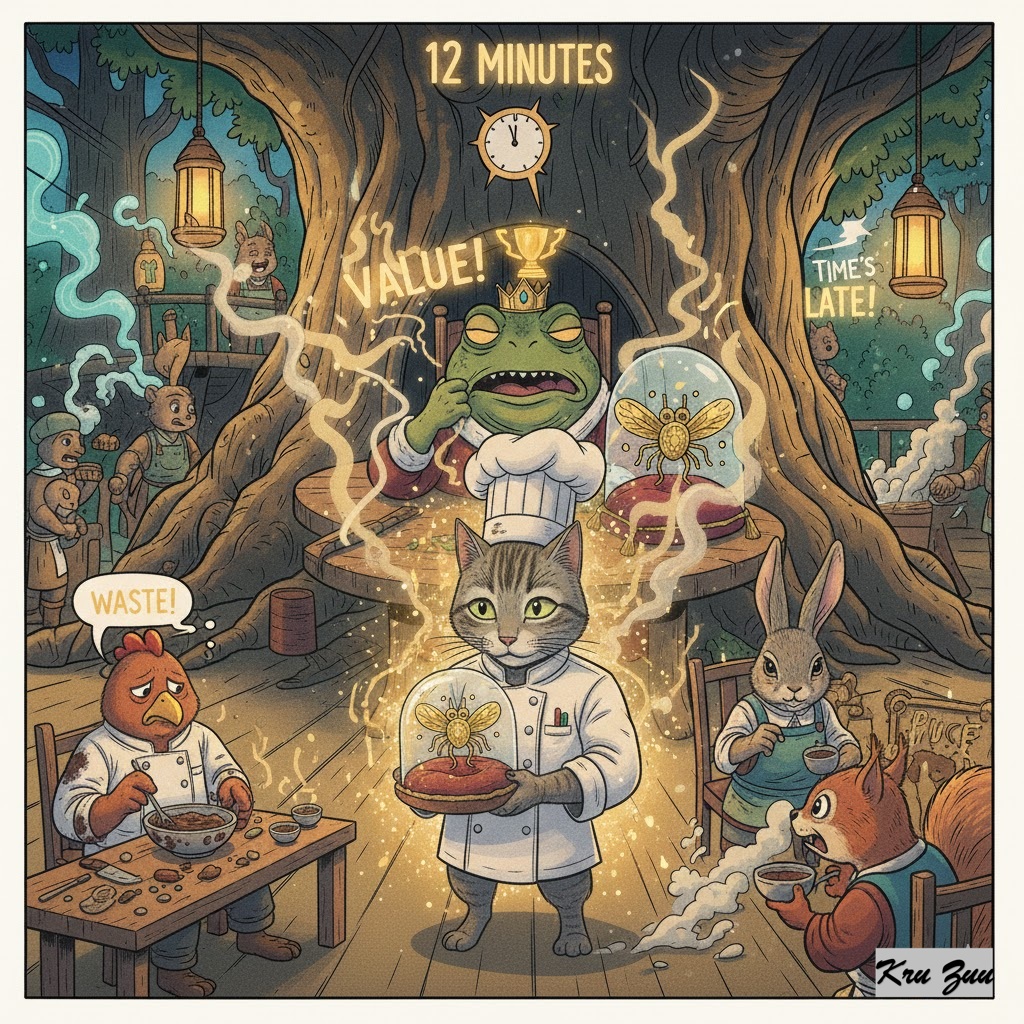
    🌟 The Setup: There is a contest to bake the perfect Mud Pie. The prize is a Golden Fly. The Judge is Mr. Frog 🐸. He is hungry and impatient. “I want my pie in 10 minutes!” he croaks.


    The Competitors


    Chico the Chicken 🐔 (The Rusher)


    Luna the Cat 🐱 (The Planner)


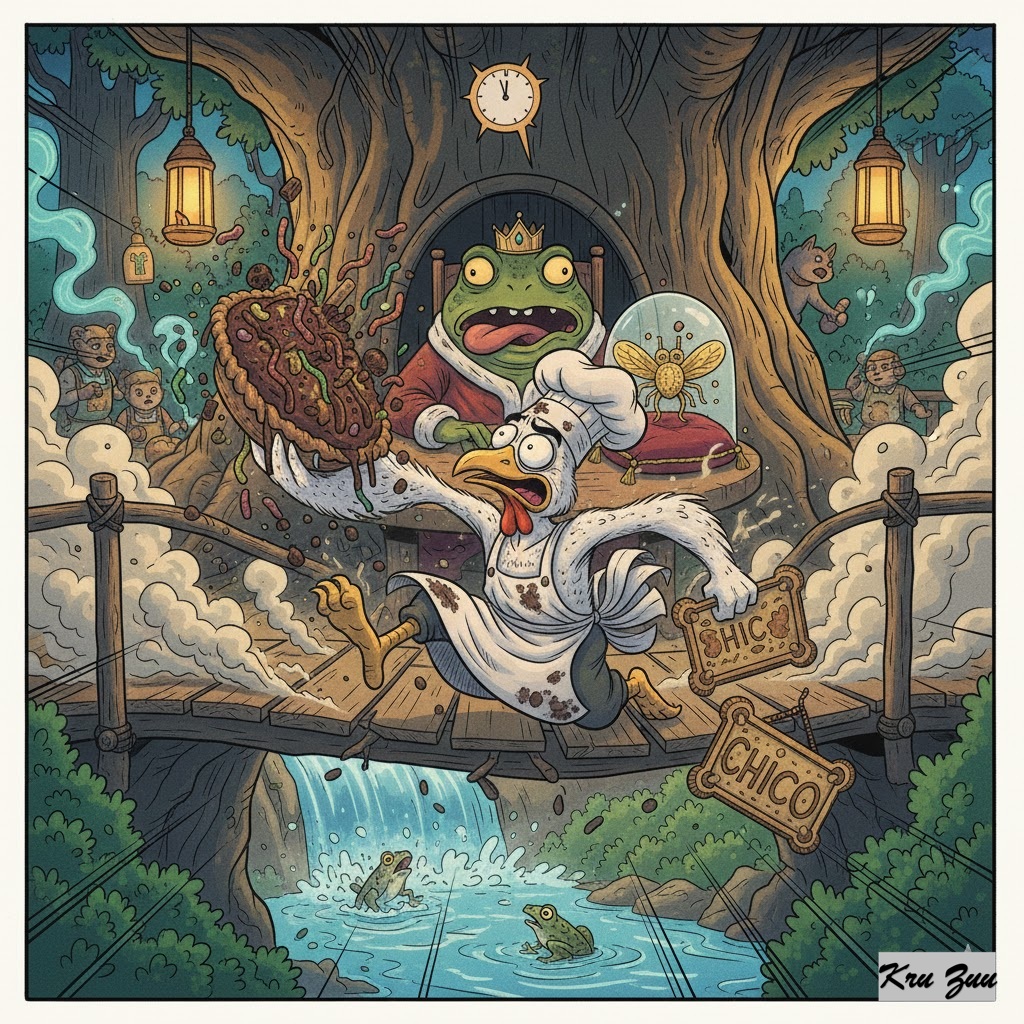
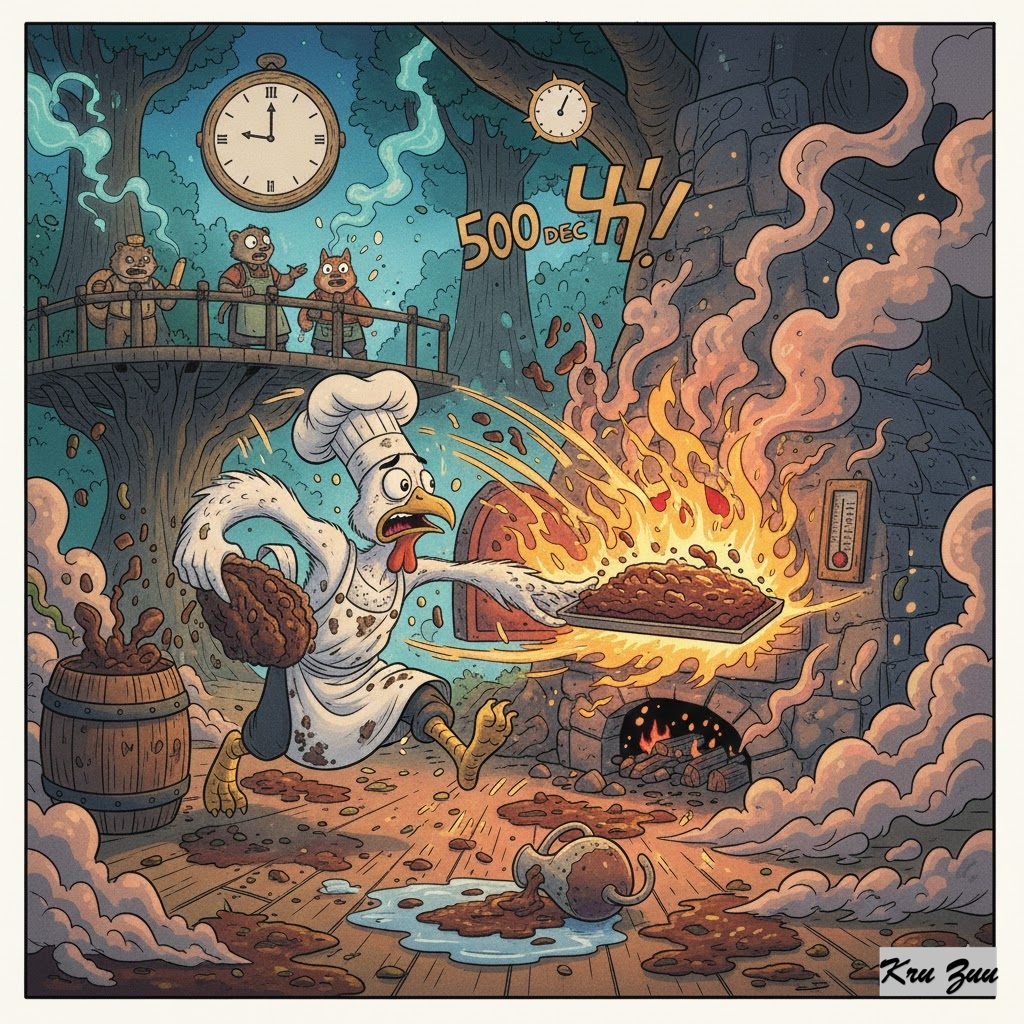
    The Conflict: Chico the Chicken panics. “10 minutes?! I must fly!” He throws the mud into the bowl. He doesn’t measure the water. He turns the oven to 500 degrees to cook it faster. He flaps his wings to fan the flames. “Faster! Faster!” he clucks.


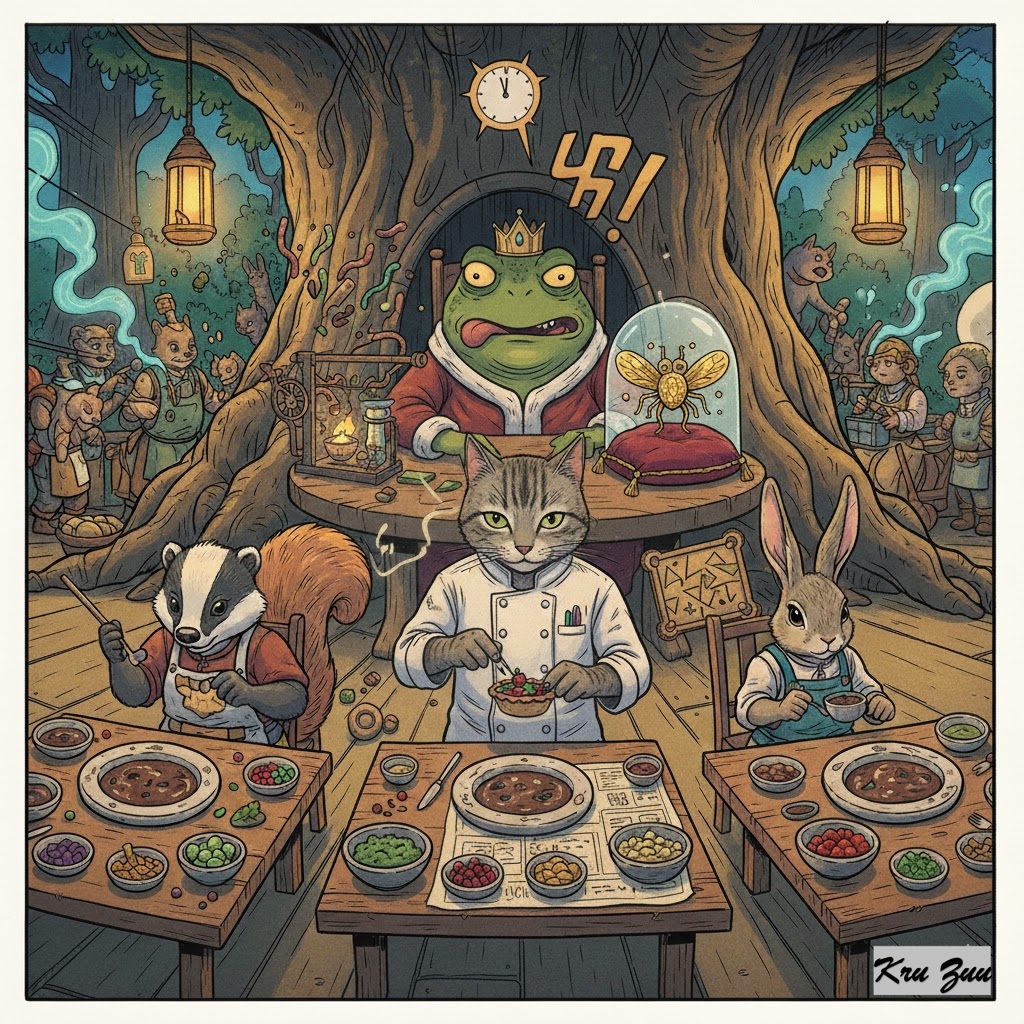
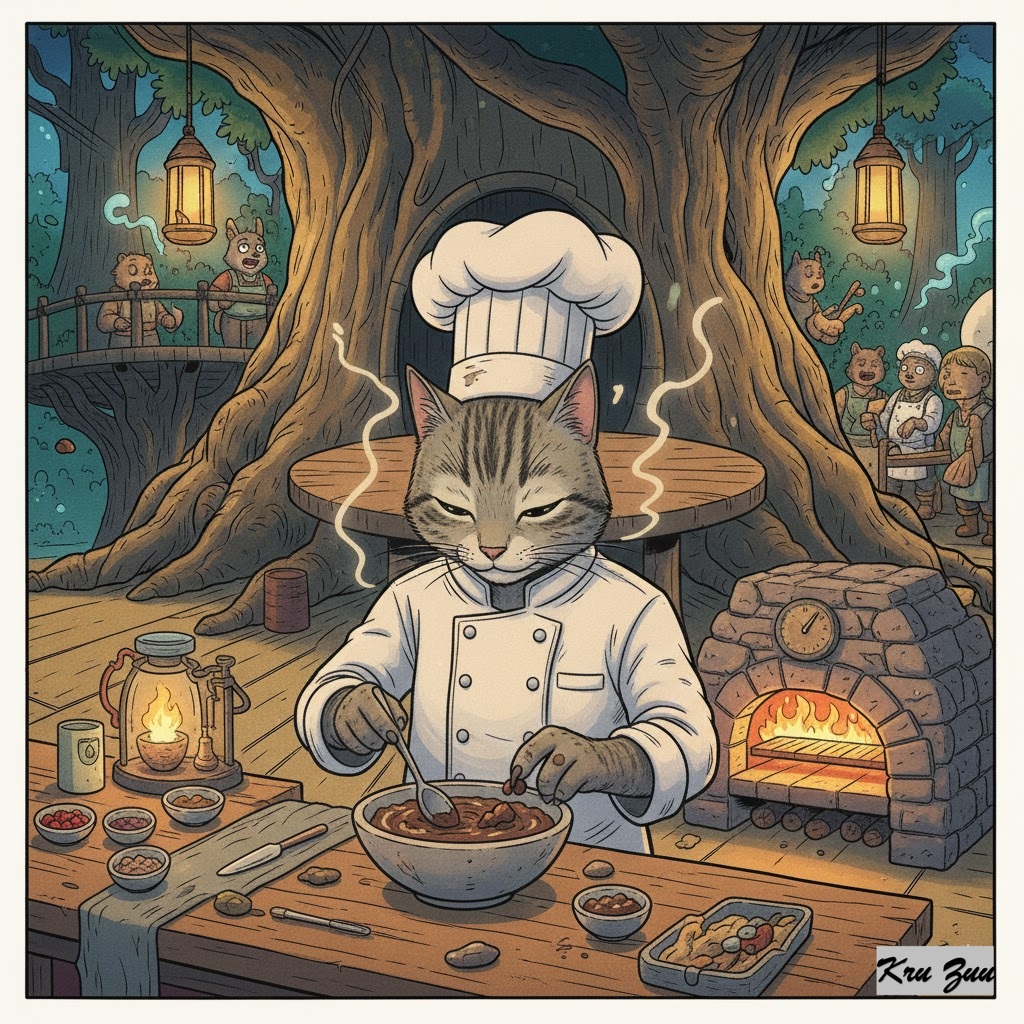
    Luna the Cat stays calm. She looks at Mr. Frog. “A good pie takes 12 minutes,” she thinks. She carefully mixes the mud. She picks out the rocks. She sets the oven to a gentle heat. She moves with grace.


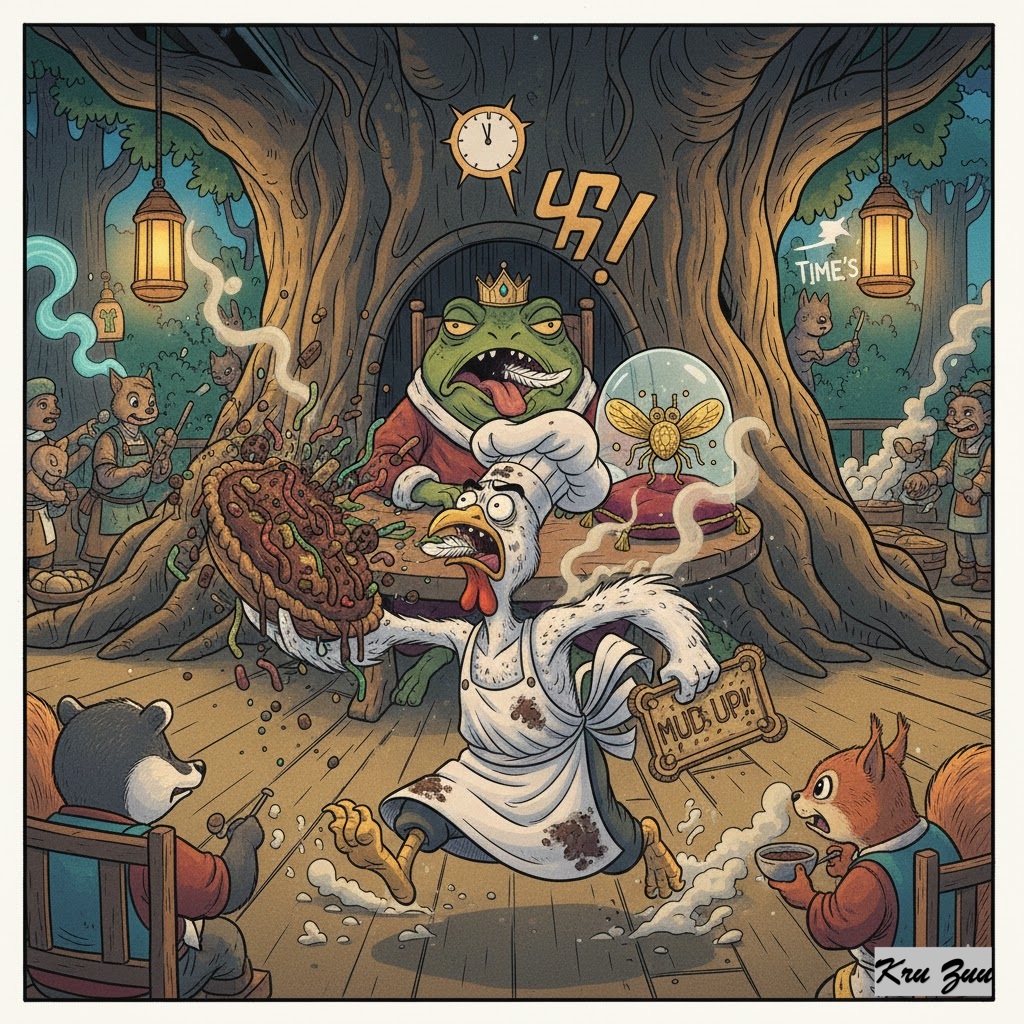
    The Climax: Mr. Frog yells, “TIME’S UP!” Chico the Chicken proudly presents his pie. It is smoking. Mr. Frog takes a bite… and spits it out! 🤮 “It is burnt on the outside and frozen on the inside! And… is this a feather in my pie?!”


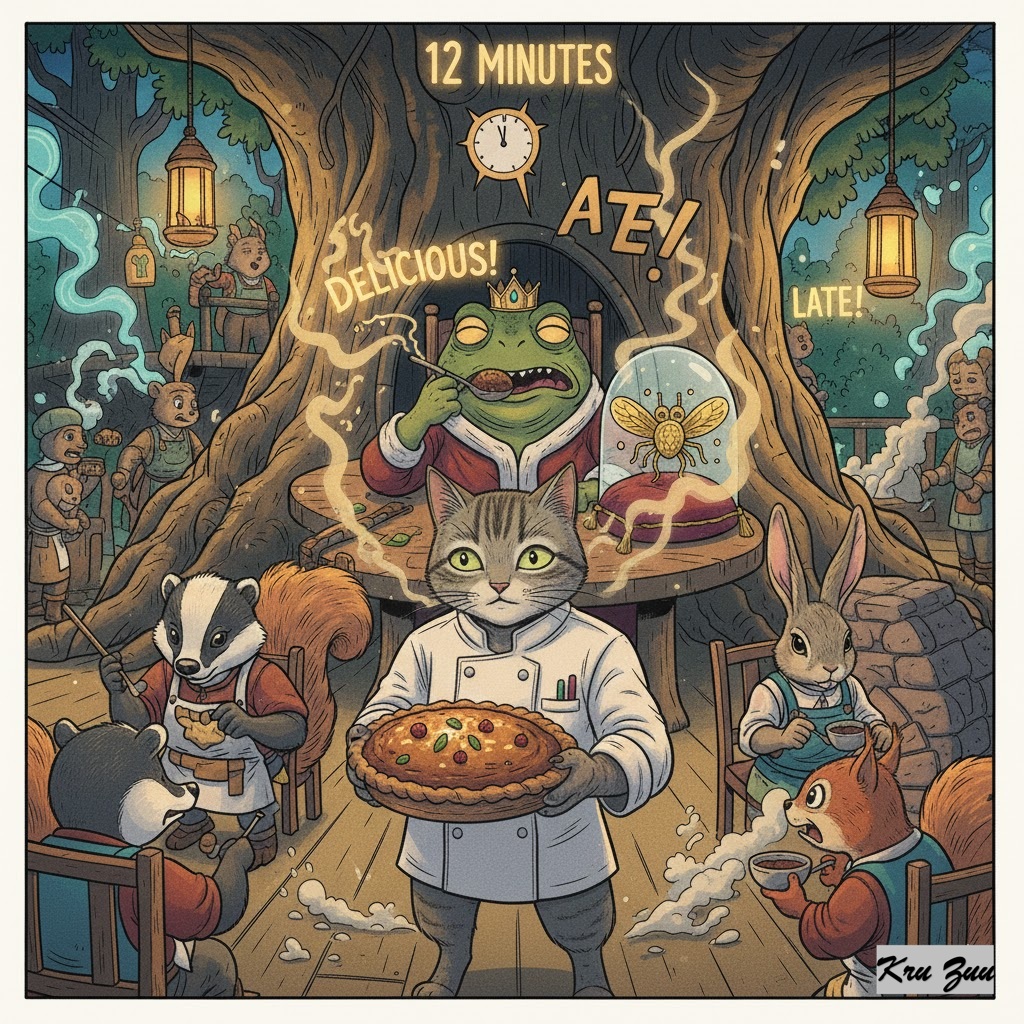
    Luna the Cat presents her pie 2 minutes late. Mr. Frog is angry she is late, but he takes a bite. His eyes widen. “Perfect texture. Zero rocks. Delicious.”


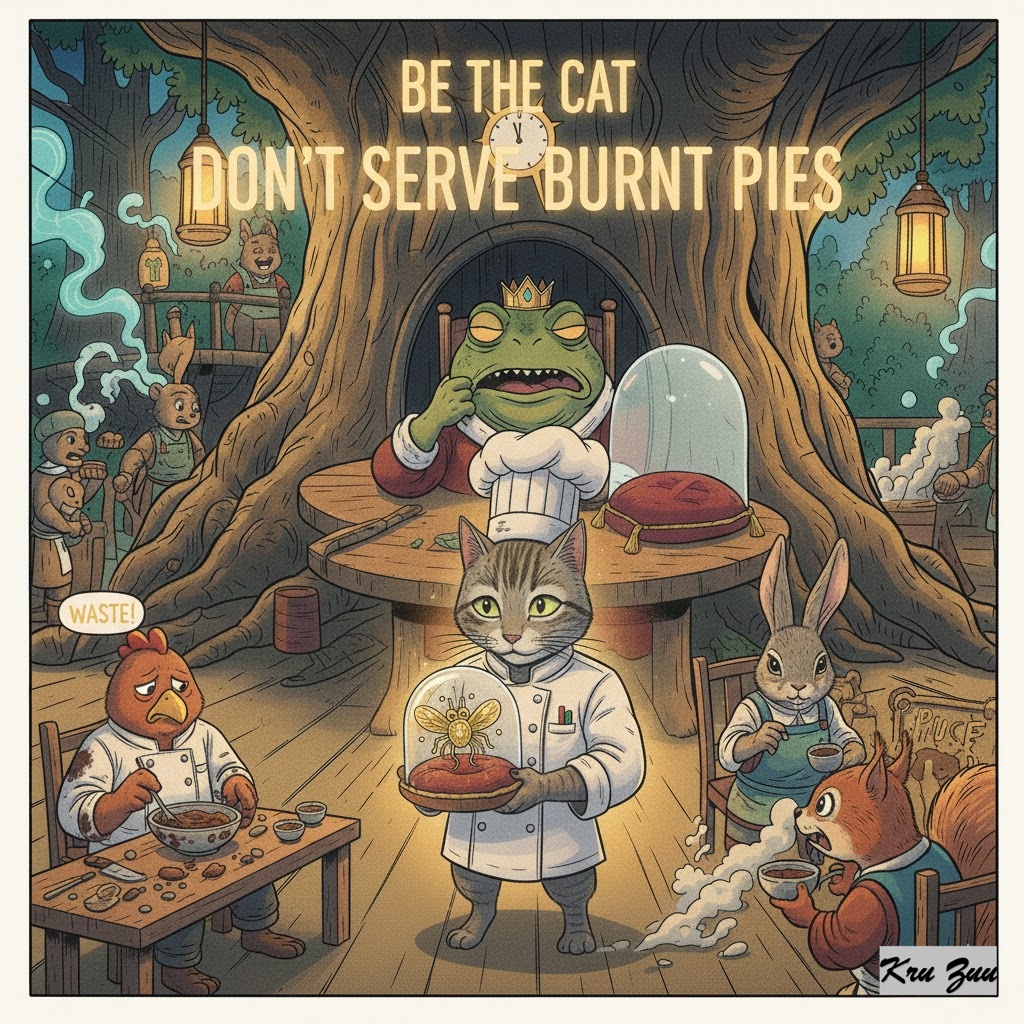
    The Moral: Chico the Chicken finished first, but he created garbage. He had to start over (Waste). Luna the Cat finished late, but she created value. Mr. Frog gave the Golden Fly to the Cat. 🏆


    Be the Cat. Don’t serve burnt pies.

    🎓 Lesson for English Learners


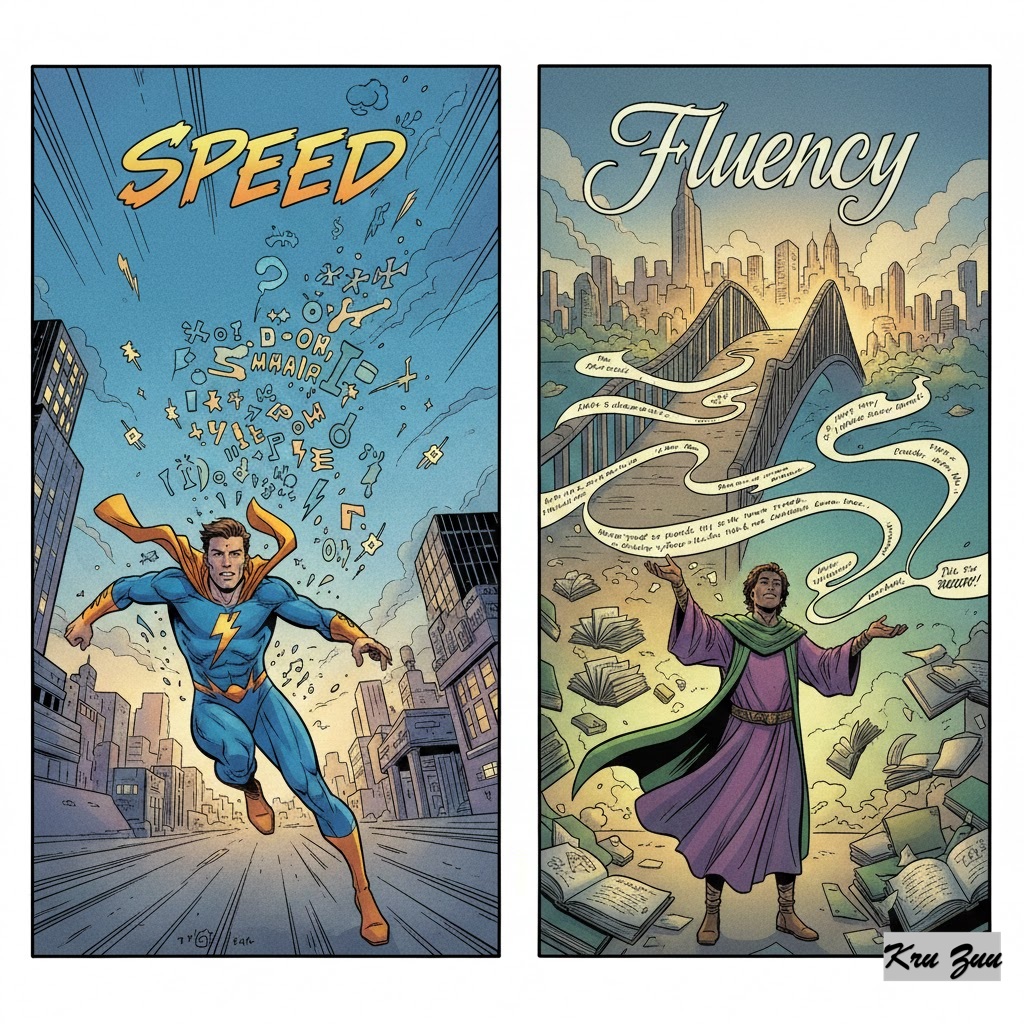
    Don’t confuse Speed with Fluency.


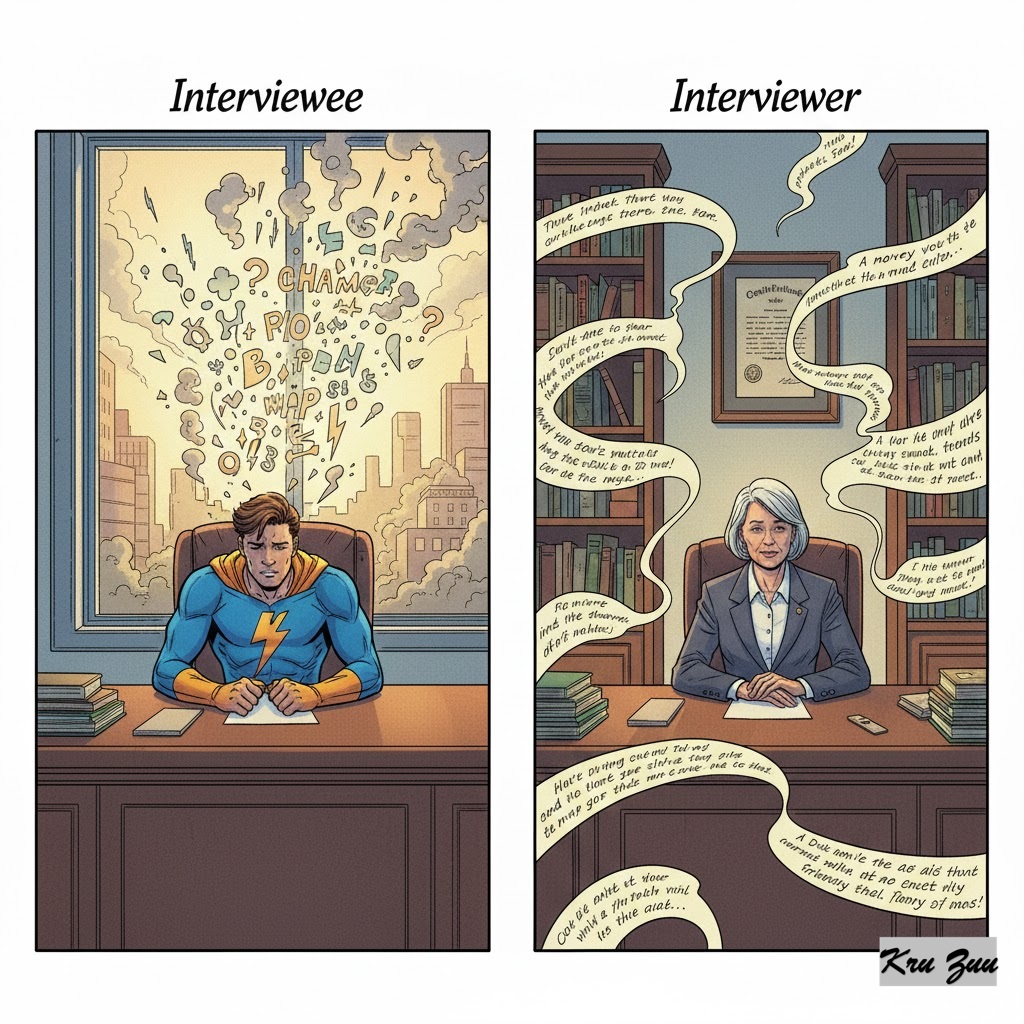
    Situation: You are in a job interview speaking English.


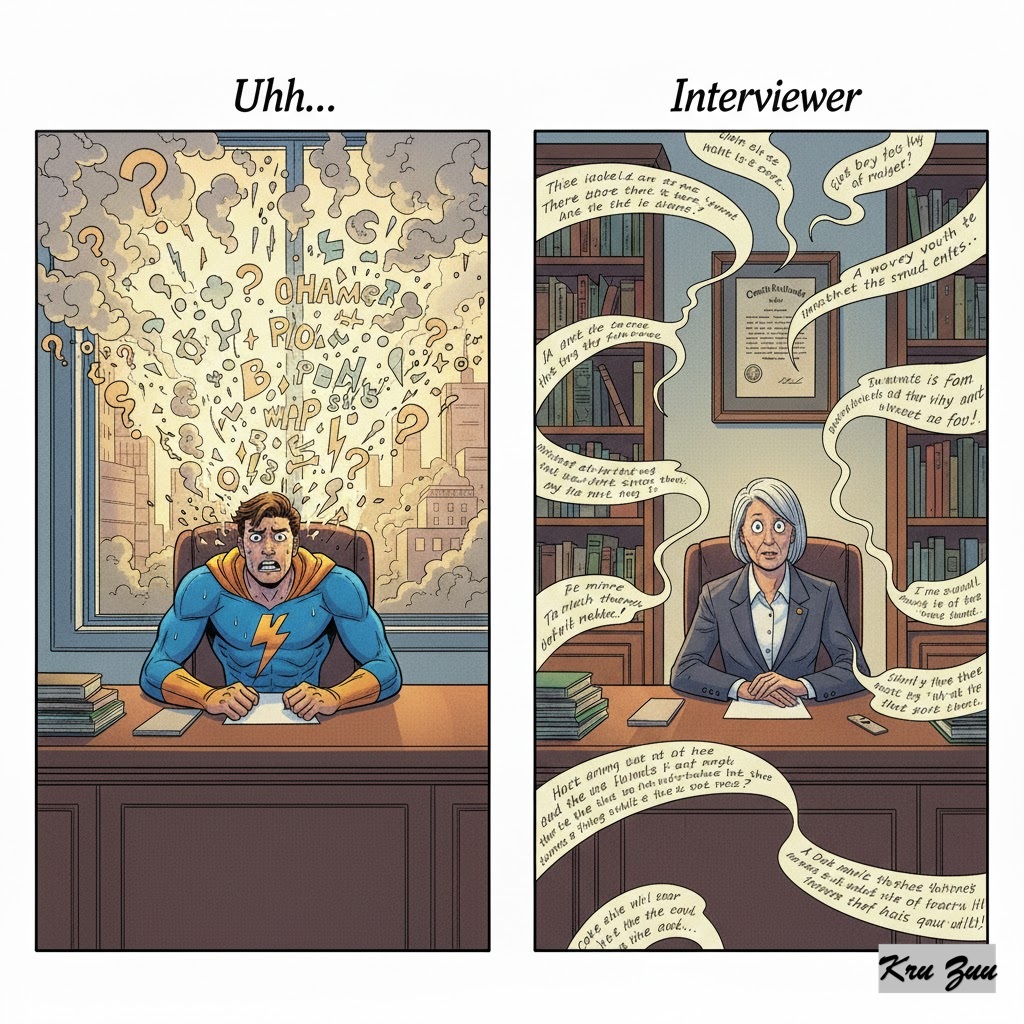
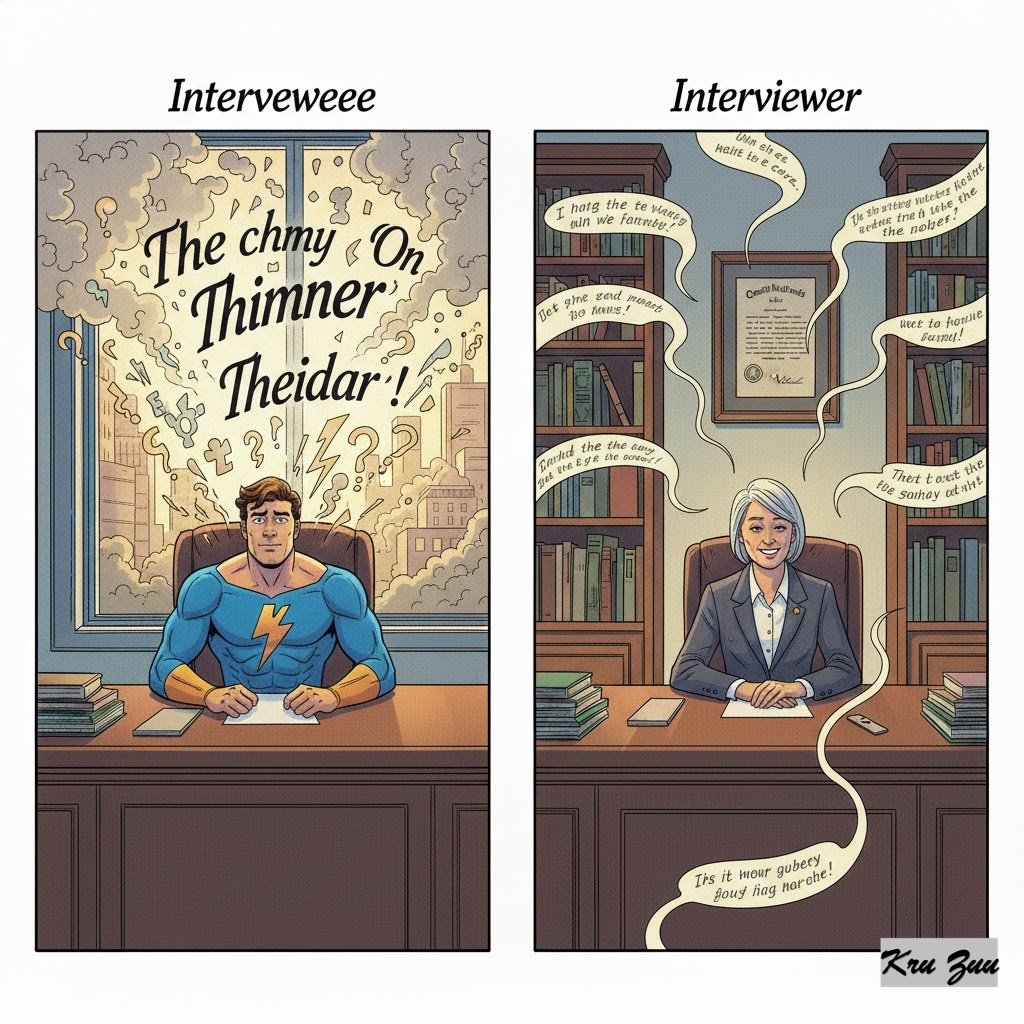
    The Mistake: You try to speak at 100mph because you think “Fast speakers = Native speakers.” You stumble, use the wrong tense, and say “Uhhh” 20 times.


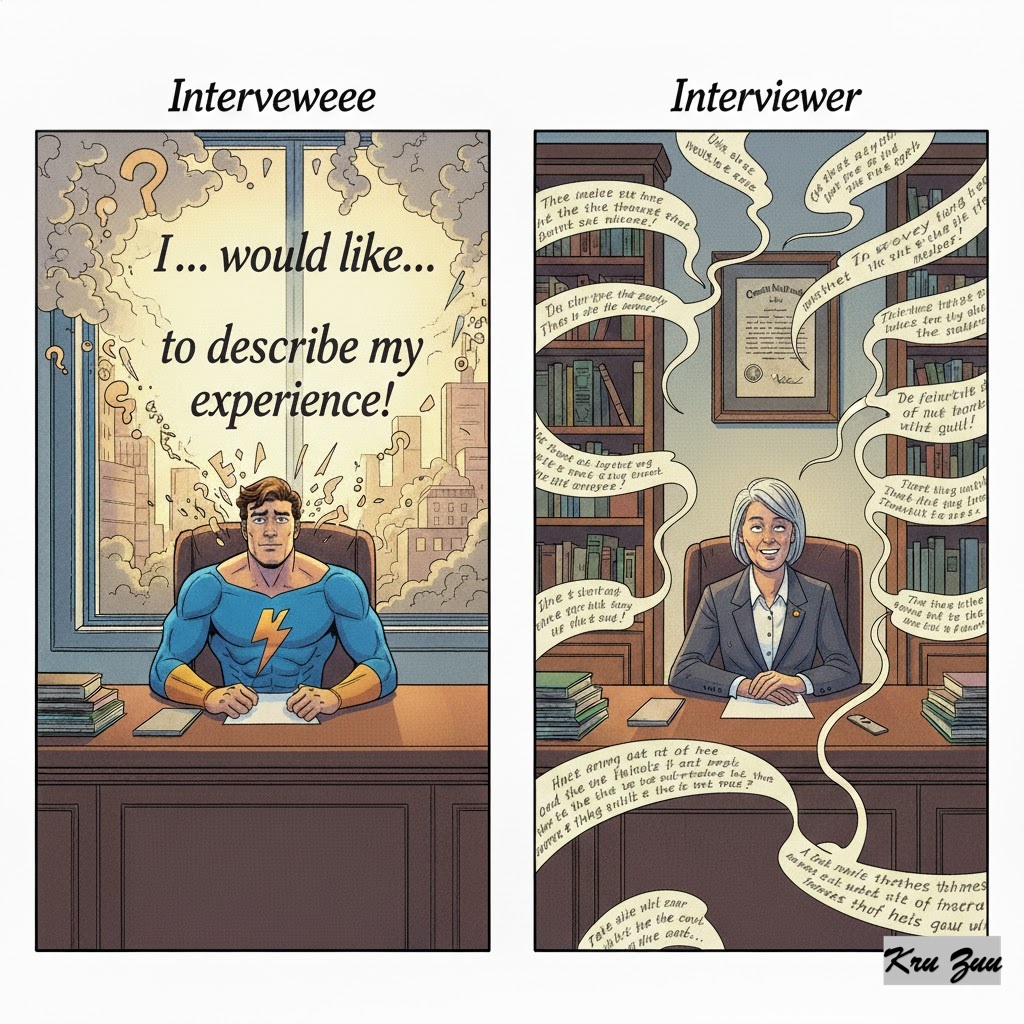
    The Fix: Slow down. Speak clearly.


    You Say: “I… would like… to describe my experience.”


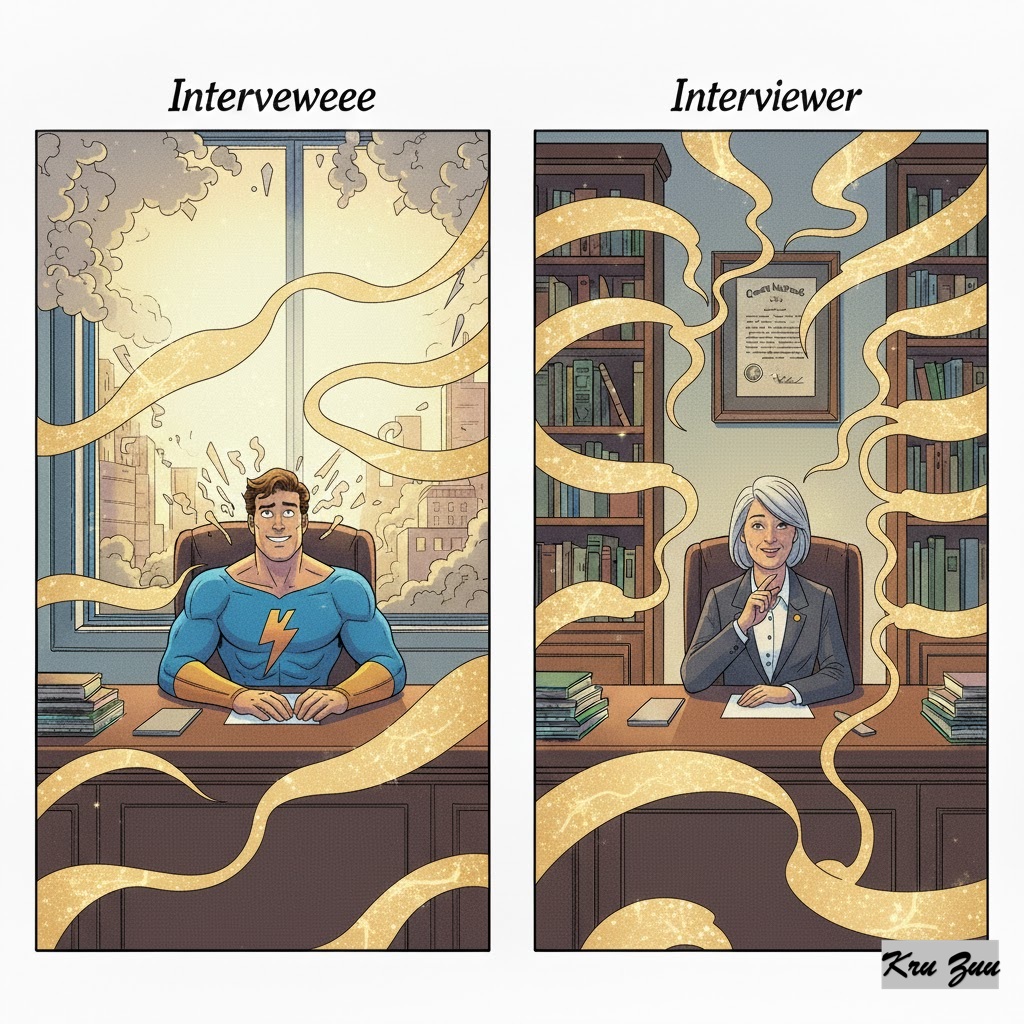
    Result: You sound confident and thoughtful.


    Remember: It is better to be understood slowly than to be misunderstood quickly.


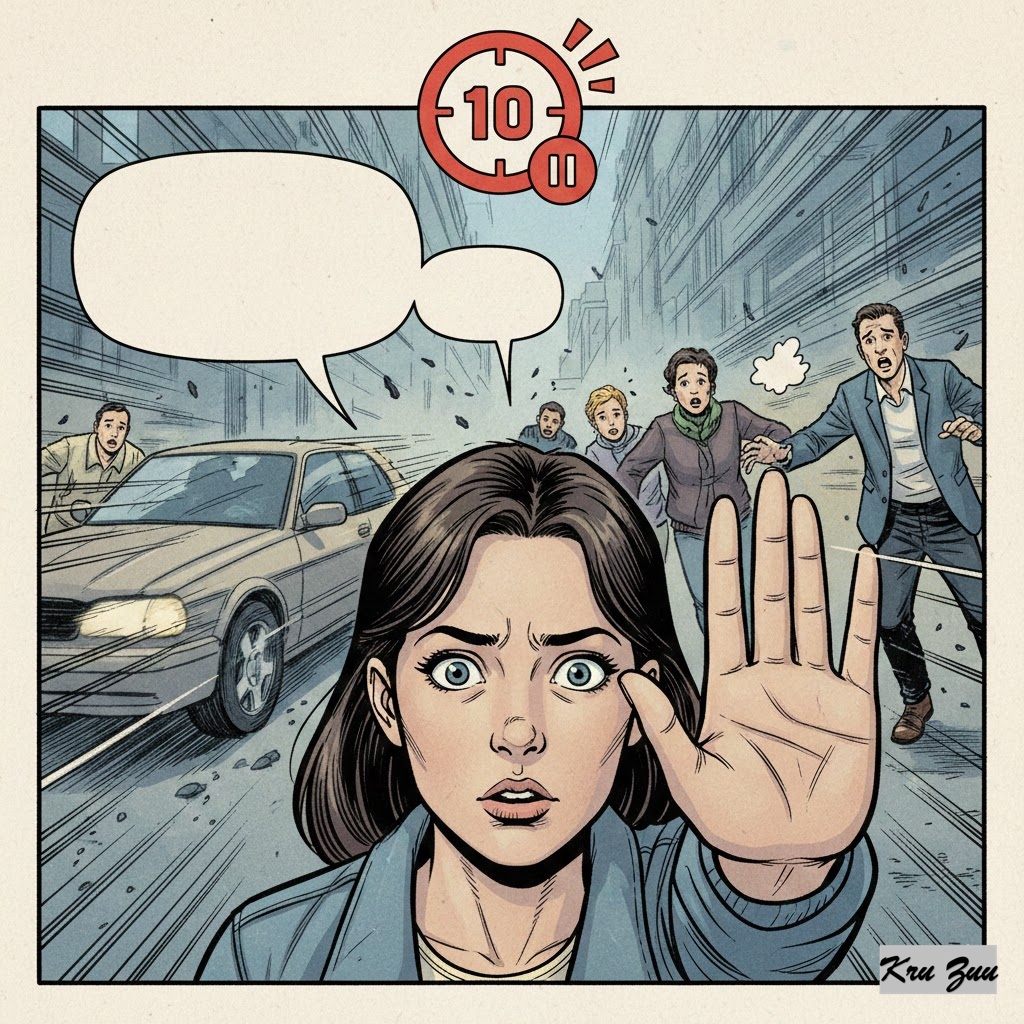
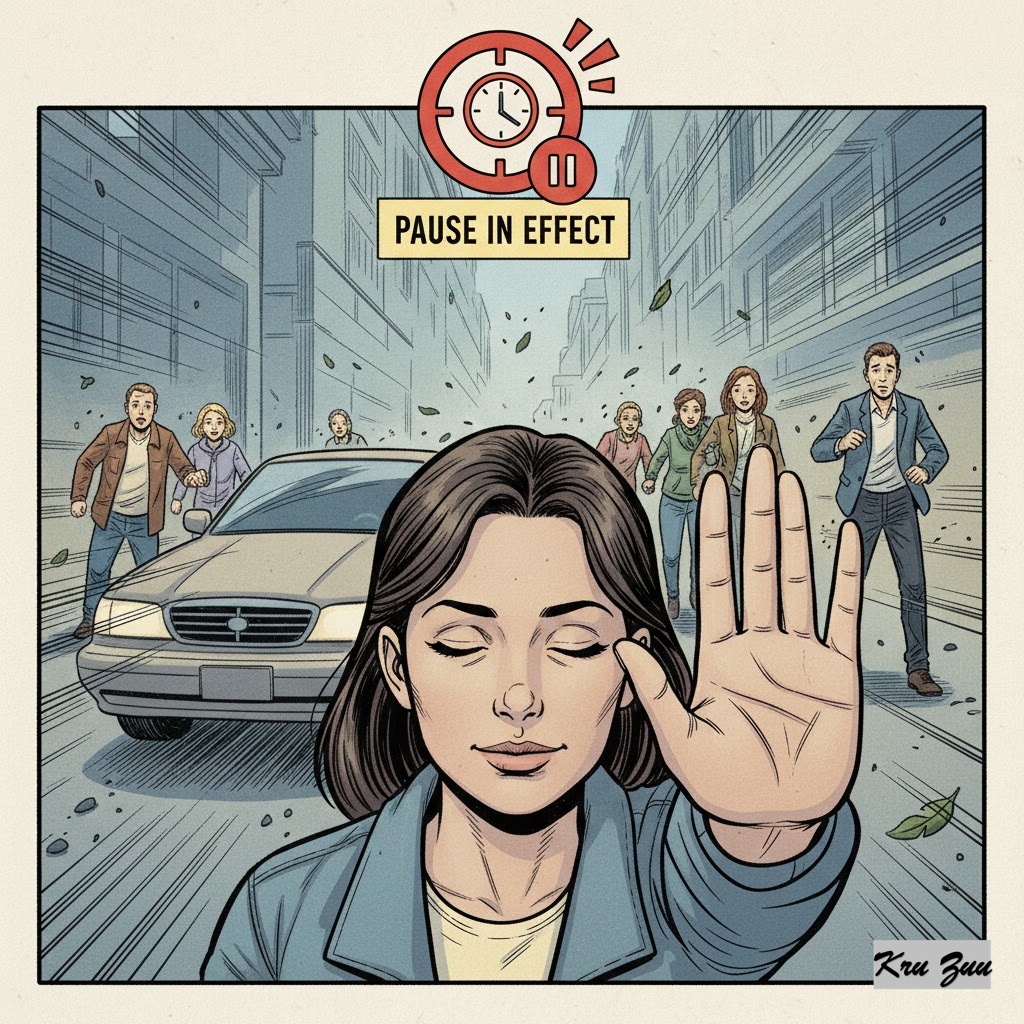
    💬 Your Turn: The 10-Second Pause 🛑


    We are breaking the cycle of rushing today.


    The Challenge: Before you send your next text message, email, or comment on social media…


    Stop typing.


    Take your hands off the keyboard.


    Count to 10.


    Read it one last time.


    Question: Tell us a time when you rushed something and it went horribly wrong! Did you ruin a meal? Send a text to the wrong person? Tell us in the comments! 👇
    By Zubeyir YURTKURAN

    https://www.facebook.com/BrainBattleground/

    https://www.facebook.com/zubeyr.yurtkuran/

    https://www.instagram.com/zubeyryurtkuran/

    https://www.youtube.com/@BrainBattleground-b3p

    https://www.instagram.com/brainbattleground/

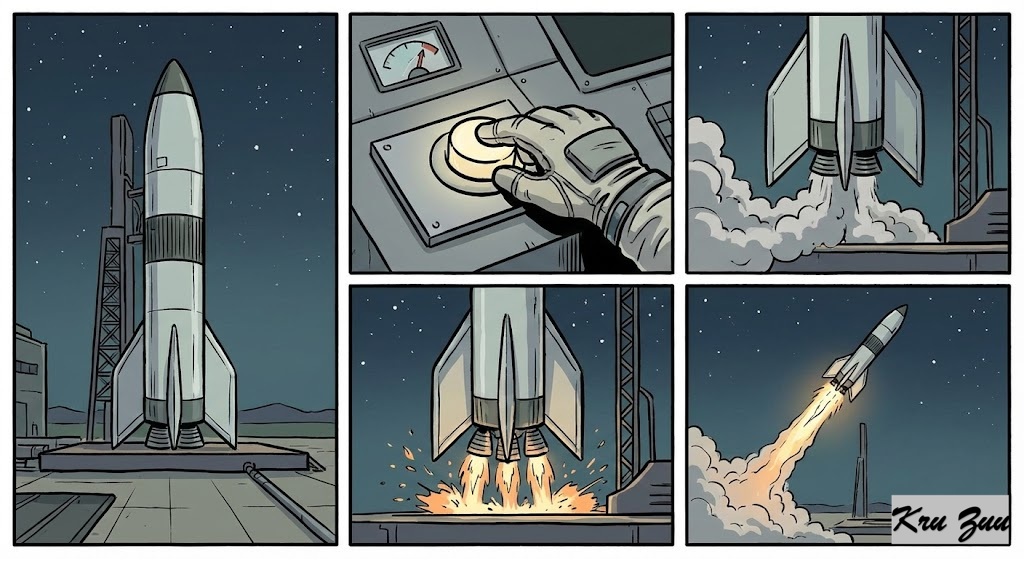
  • ⚔️ The Daily Shield: The Law of Momentum

    ⚔️ The Daily Shield: The Law of Momentum

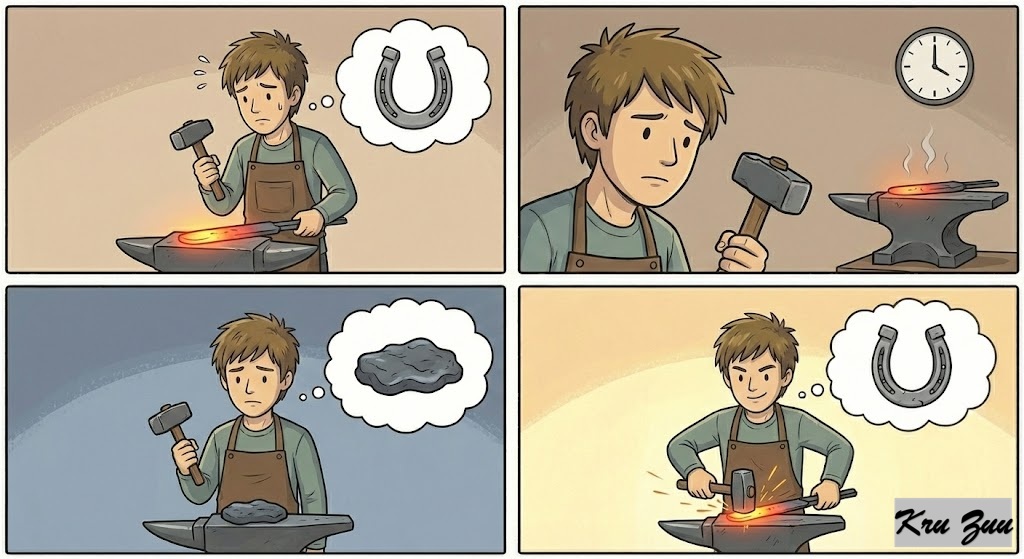
    “Strike while the iron is hot.”


    🥶 The Villain (The Hesitator)


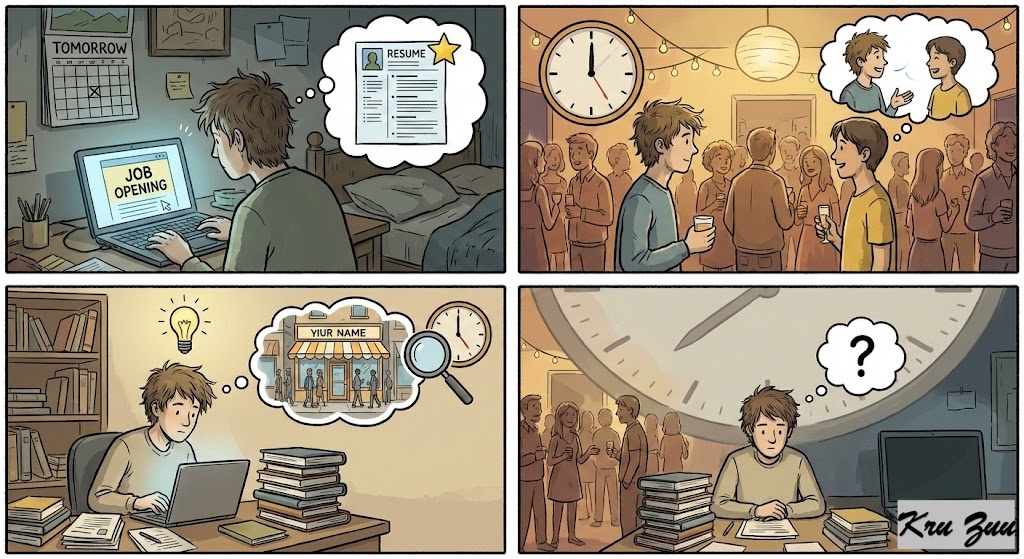
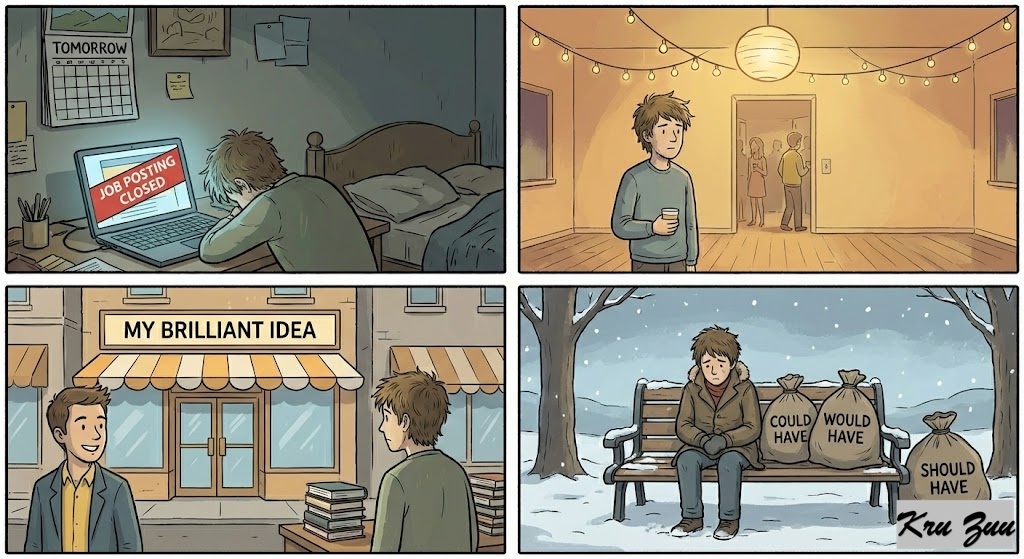
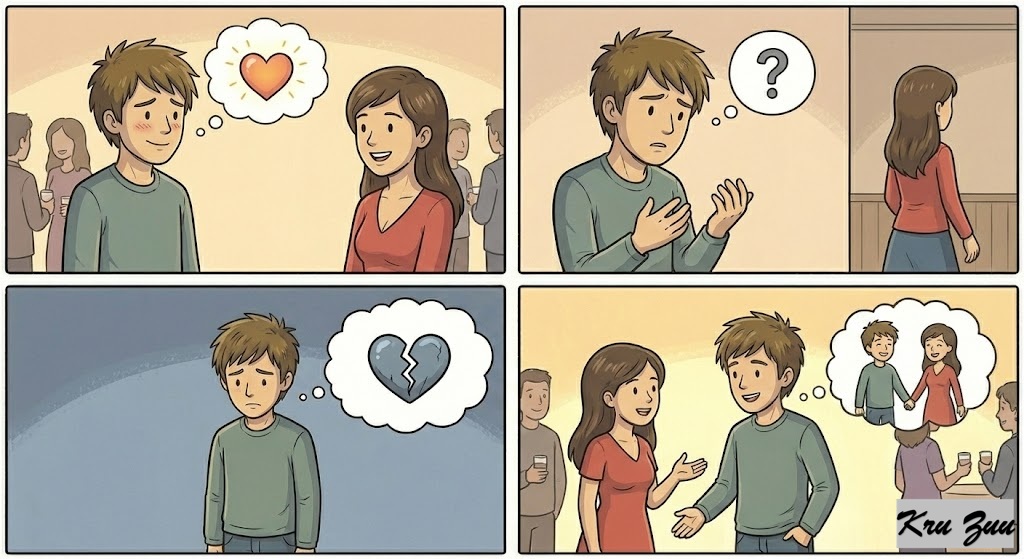
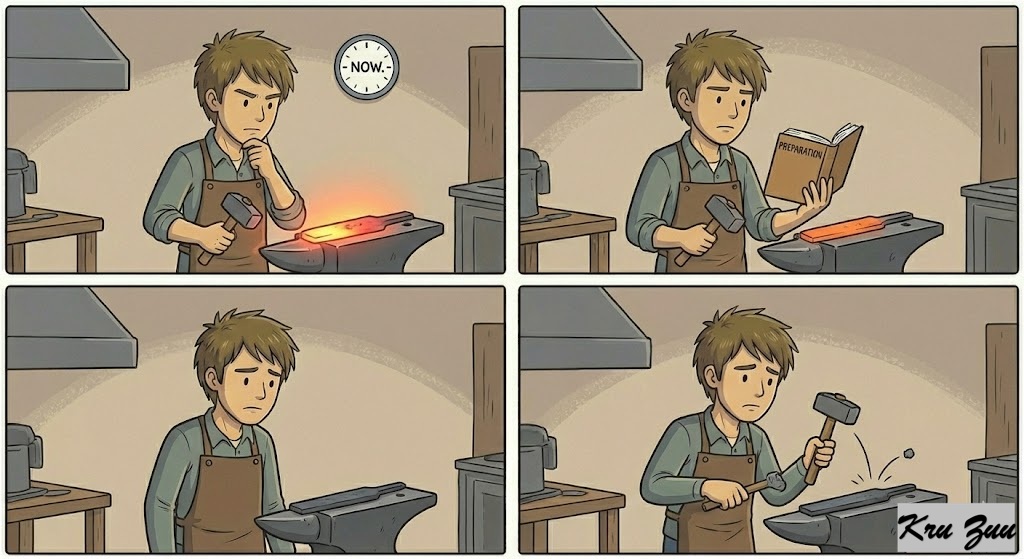
    You see a job opening that is perfect for you. You say, “I’ll apply tomorrow; I need to update my CV perfectly first.” You see a person you want to talk to at a party. You wait for the “right moment.” You have a brilliant idea for a business, but you decide to “research more” first.

    The Result? The job posting closes. The person leaves the party. Someone else launches your business idea. You are left standing in the cold, holding a bag full of “Could have,” “Would have,” and “Should have.” The opportunity didn’t wait for you. It vanished. ❄️


    🔥 The Hero (The Striker)


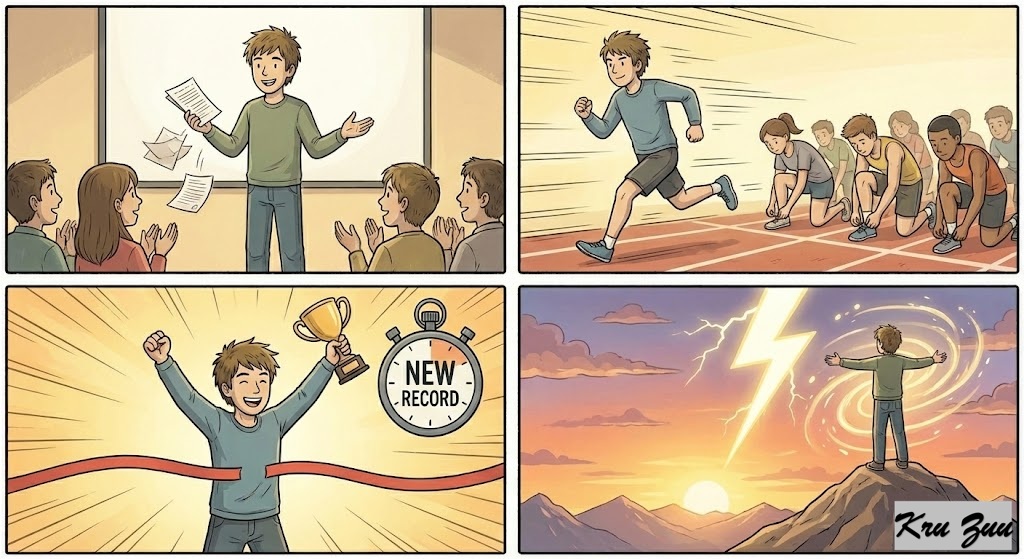
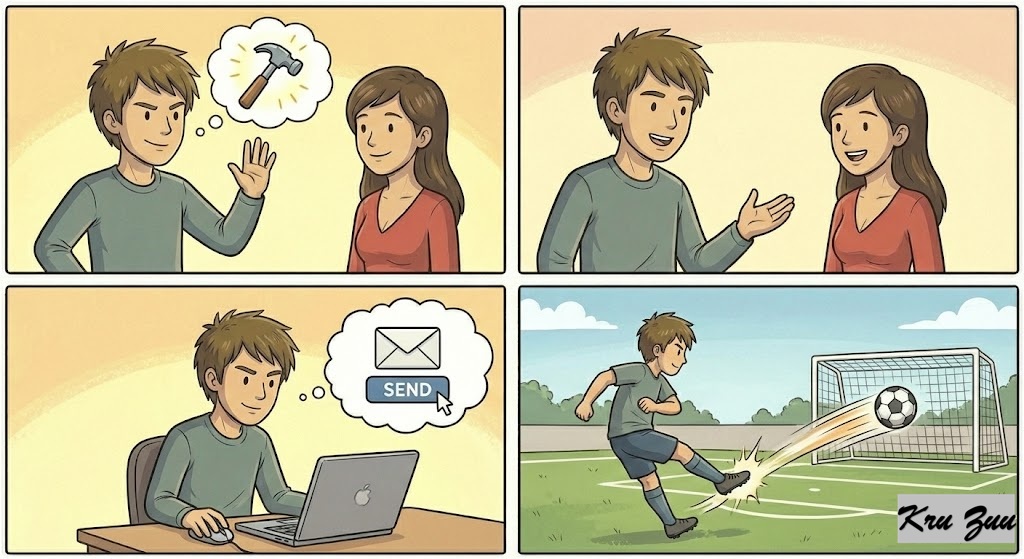
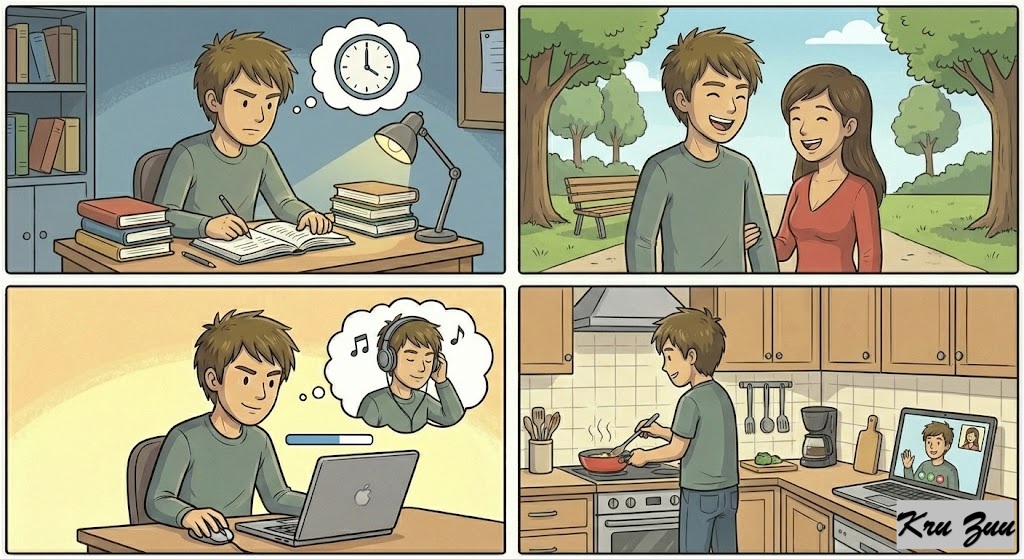
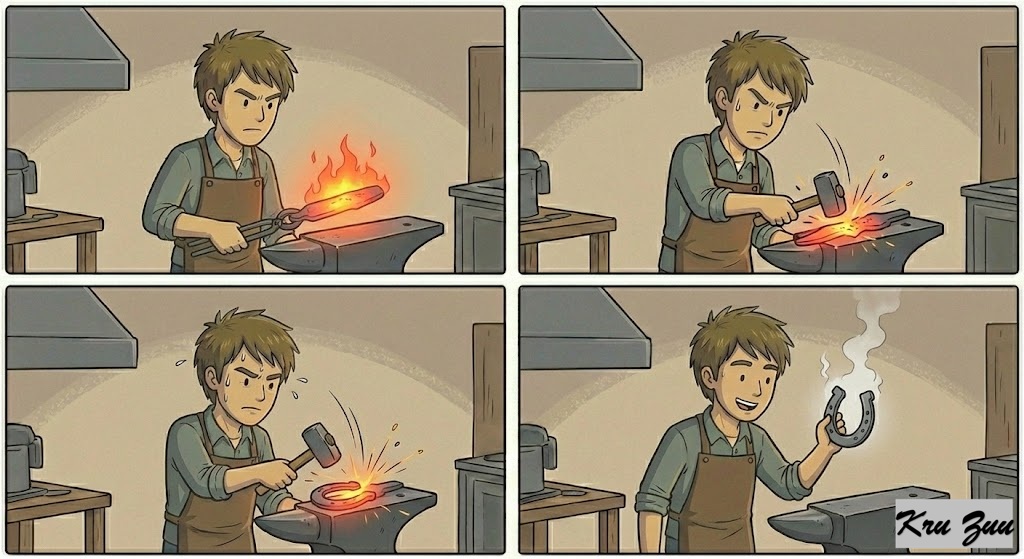
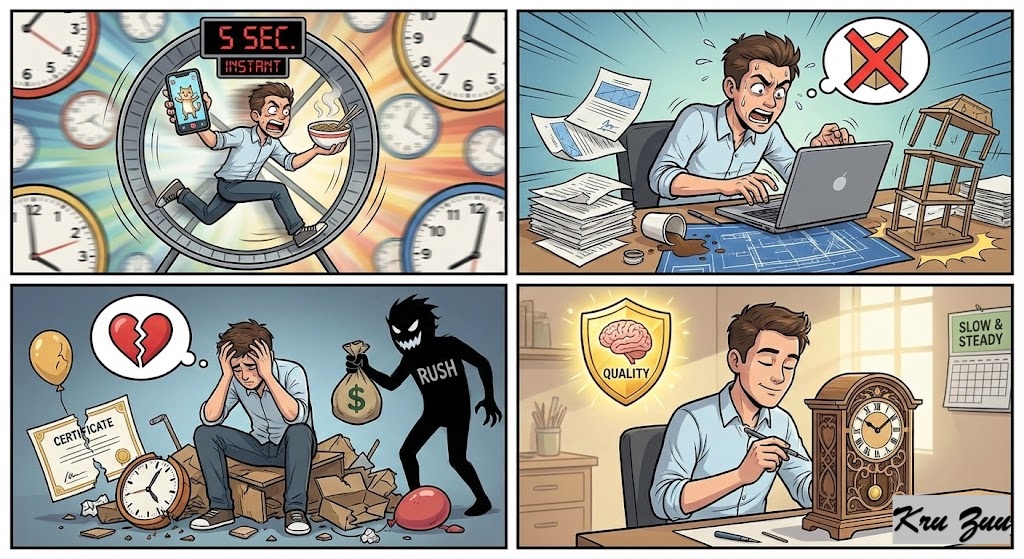
    You see the window of opportunity open. It’s scary. You aren’t 100% ready. But you know that speed is a weapon. You send the email now. You say “Hello” now. You launch the beta version now.

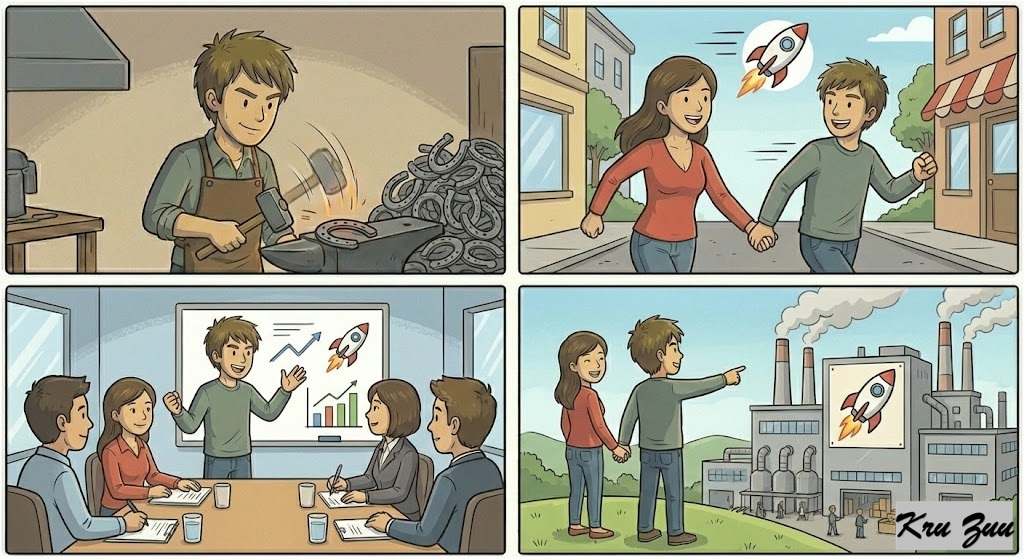
    The Result? You might make a mistake, but you are in the game. You are moving. You grab the win while others are still tying their shoelaces. You understand that the universe loves speed. ⚡


    ⚖️ The Reality


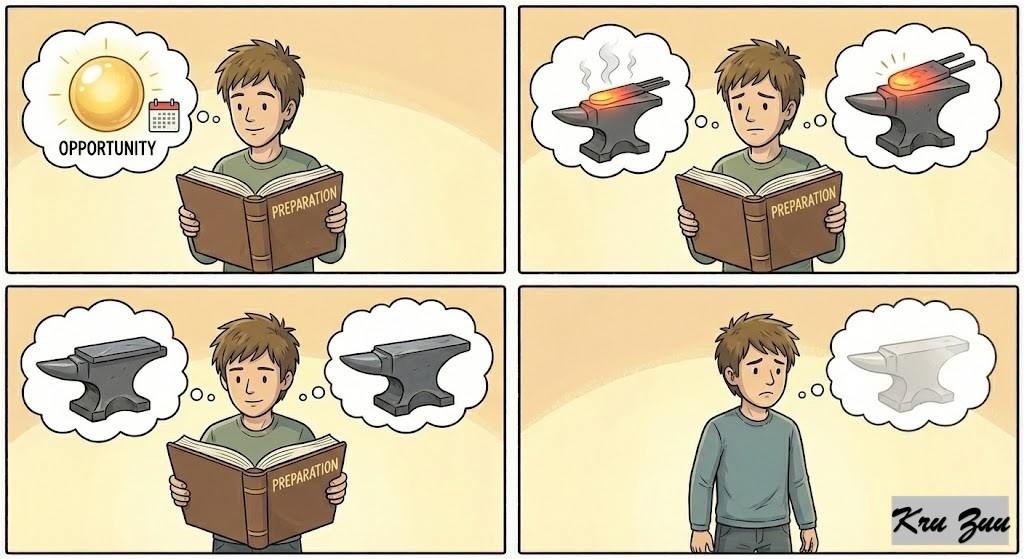
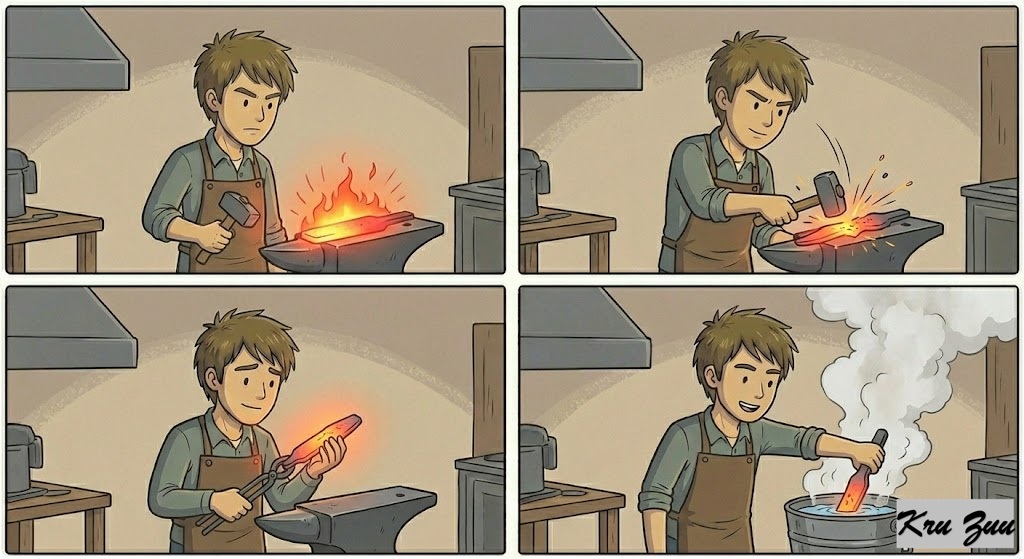
    Opportunities have an expiration date. Ideally, we want to be 100% prepared. But in reality, by the time you are 100% prepared, the chance is usually gone. The “Iron” (the opportunity) cools down and hardens rapidly.


    💎 The Secret

    You don’t need to be perfect; you just need to be present. It is better to strike imperfectly than to stare at the hammer until the metal goes cold.

    🧐 The Anatomy of the Proverb


    This is the ultimate rule for success and dating!

    Strike (Verb): To hit forcibly; to take action. 🔨


    While (Conjunction): During the time that; at the same time as.


    Iron (Noun): The metal (representing the opportunity).


    Hot (Adjective): Ready to be shaped.


    Simpler Version: Act immediately when you have the chance.


    📚 Vocabulary Vault


    Momentum (Noun): The force that keeps an object moving. (Action creates momentum!). 🚀


    Fleeting (Adjective): Lasting for a very short time. (Opportunities are fleeting). 💨


    Decisive (Adjective): Having the ability to make decisions quickly and effectively.


    Hesitation (Noun): The action of pausing before doing something. (The enemy of speed).


    Window of Opportunity (Phrase):
    A short period of time during which an action can be taken. 🪟


    🧠 Grammar Focus: Time Clauses with “While”


    This proverb uses a Time Clause to show two things happening at once.


    Structure: [Action Verb] + while + [Condition].


    The Logic: You must do the action during the condition. Once the condition ends, the action is useless.


    Examples


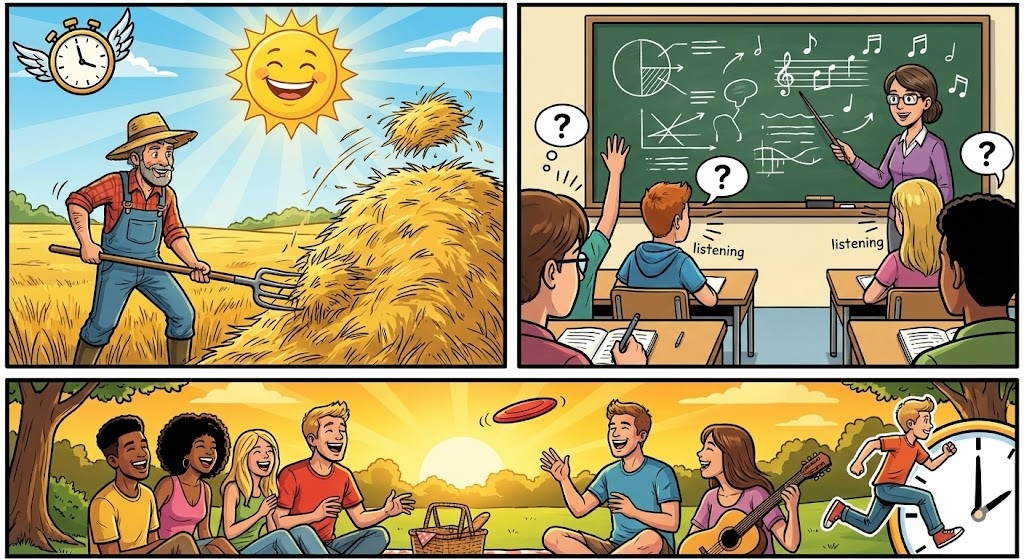
    “Make hay while the sun shines.” (Another famous idiom!)
    “Listen while the teacher is speaking.”
    “Enjoy your youth while you are young.”

    📜 History: Origin and Spread


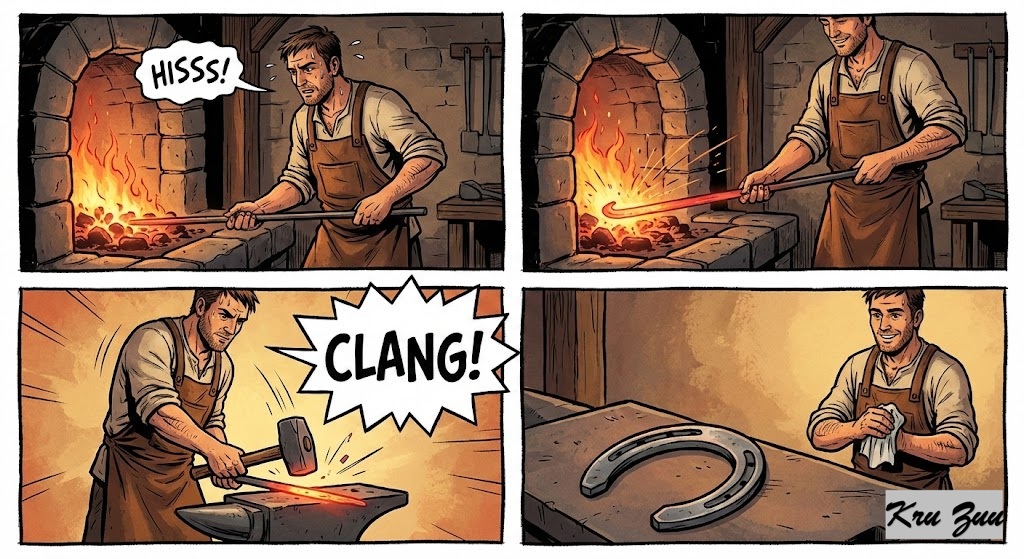
    This idiom comes straight from the blacksmith’s workshop.


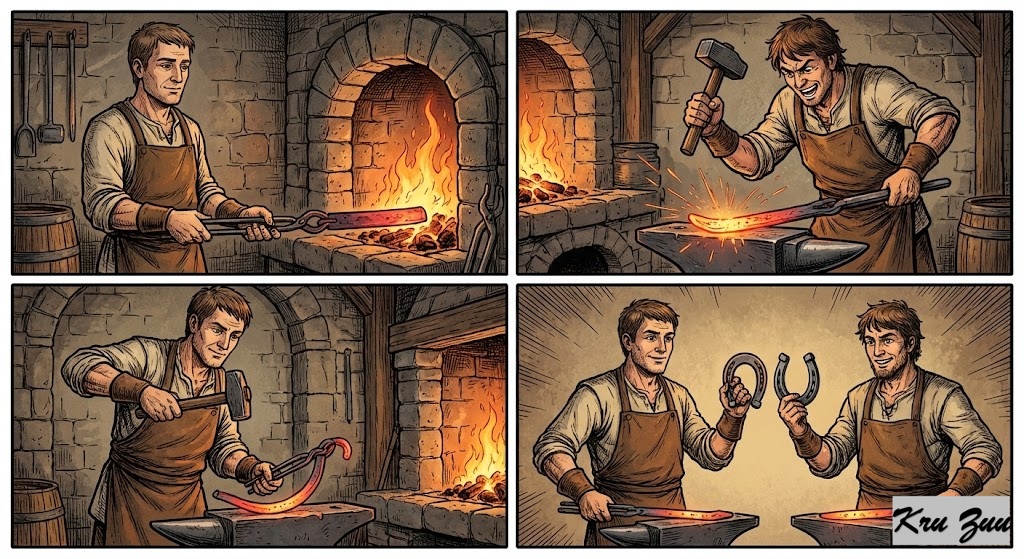
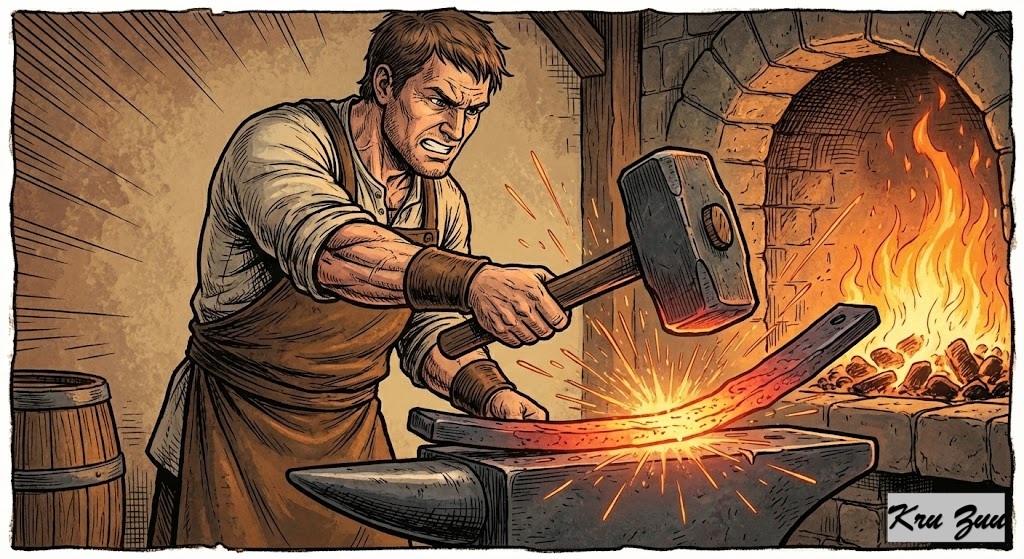
    The Origin: In medieval times, blacksmiths had to heat iron in a fire until it glowed red. Only then was it soft enough to hammer into a sword or horseshoe. If they waited even 30 seconds, the iron would cool, turn hard, and shatter if hit.


    Global Cousins


    🇹🇷 Turkish:“Demir tavında dövülür.” (Iron is beaten at its proper heat/temper.) — Identical meaning!

    🇮🇹 Italian:“Batti il ferro finché è caldo.”


    👺 Latin:“Carpe Diem” (Seize the day) — The spiritual ancestor of this phrase.

    🎯 Impact on Life: The Pros & Cons


    ✅ The Pros (The Winner’s Edge)


    First Mover Advantage: The first person to act usually gets the biggest slice of the cake.


    Confidence: Taking action kills fear. Waiting feeds fear.


    ❌ The Cons (The Reckless Risk)


    Impulsiveness:
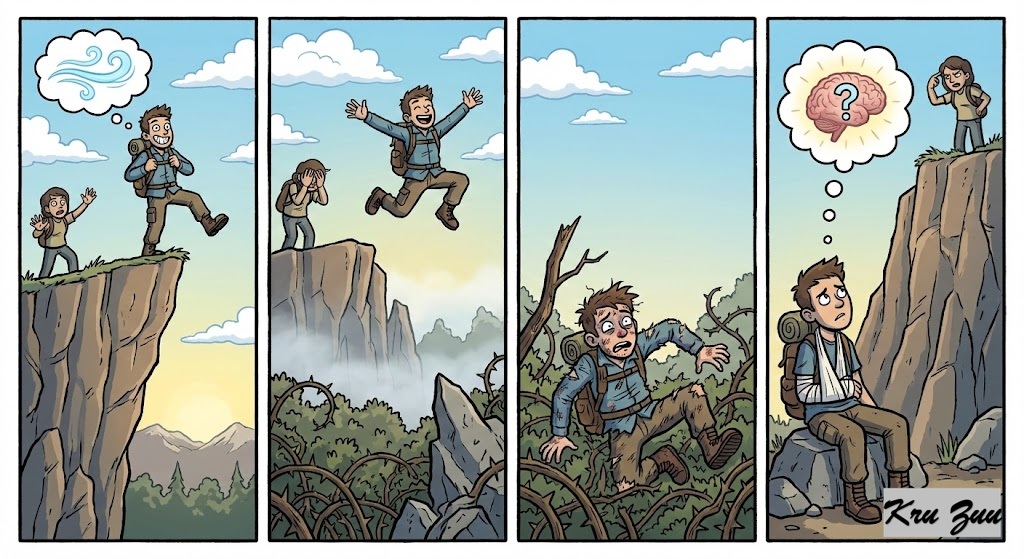
    Striking too fast without looking can be dangerous. Don’t jump off a cliff just because “the air is nice.” Use common sense!

    🎭 Short Story: The Open Gate 🚪


    Let’s visit the barnyard to see this law in action.


    🌟 The Characters


    🐸 Freddie the Frog: The Philosopher (Overthinks everything).


    🐔 Clucky the Chicken: The Worrier (Scared of everything).


    🐱 Whiskers the Cat: The Striker (The Hero).


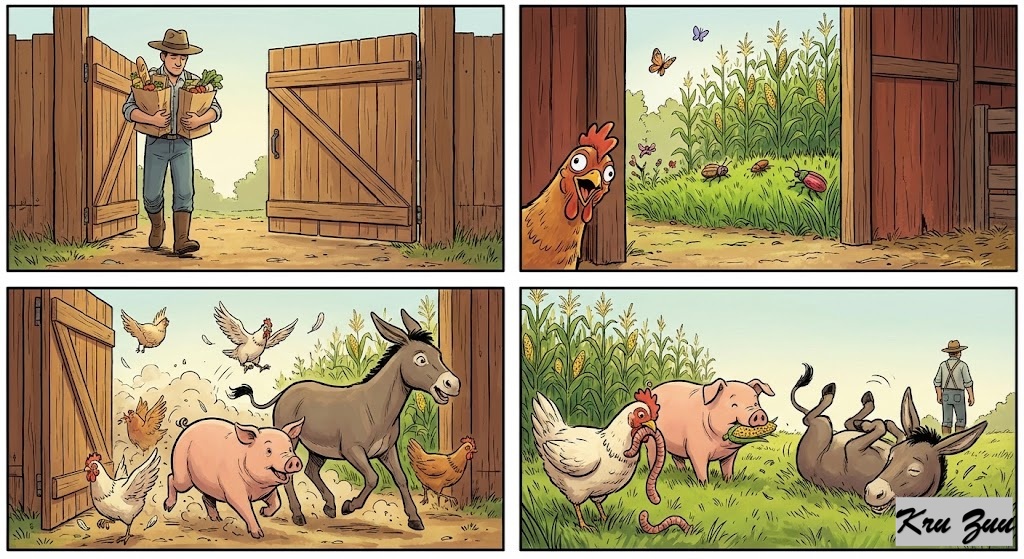
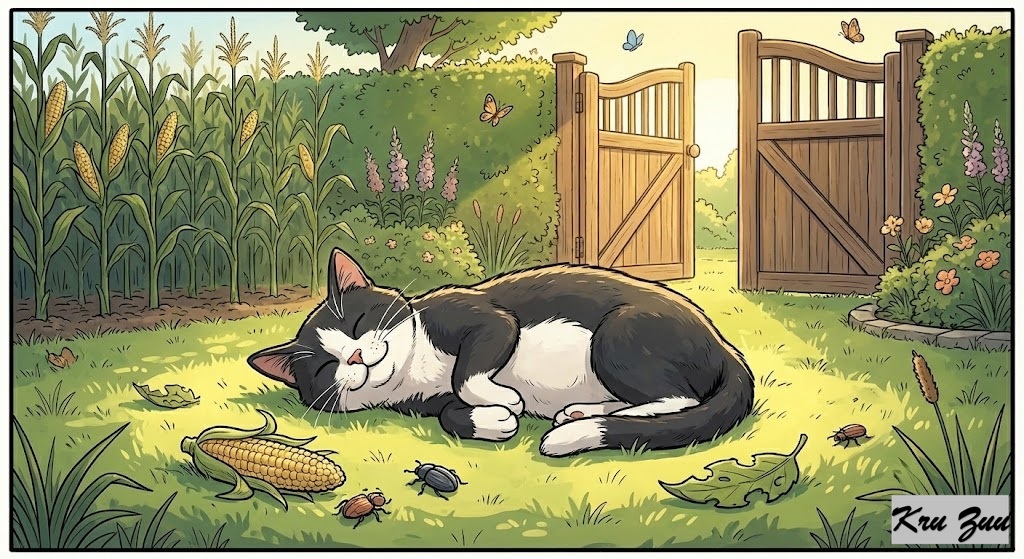
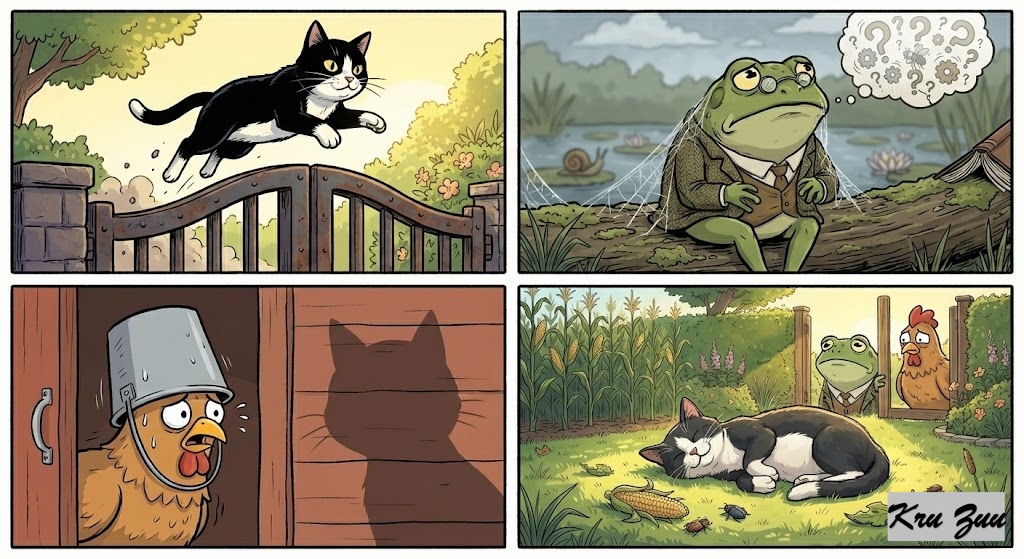
    The Situation: The Farmer is carrying groceries. For exactly 10 seconds, he leaves the garden gate wide open. Inside, there is a paradise of bugs, corn, and soft grass.


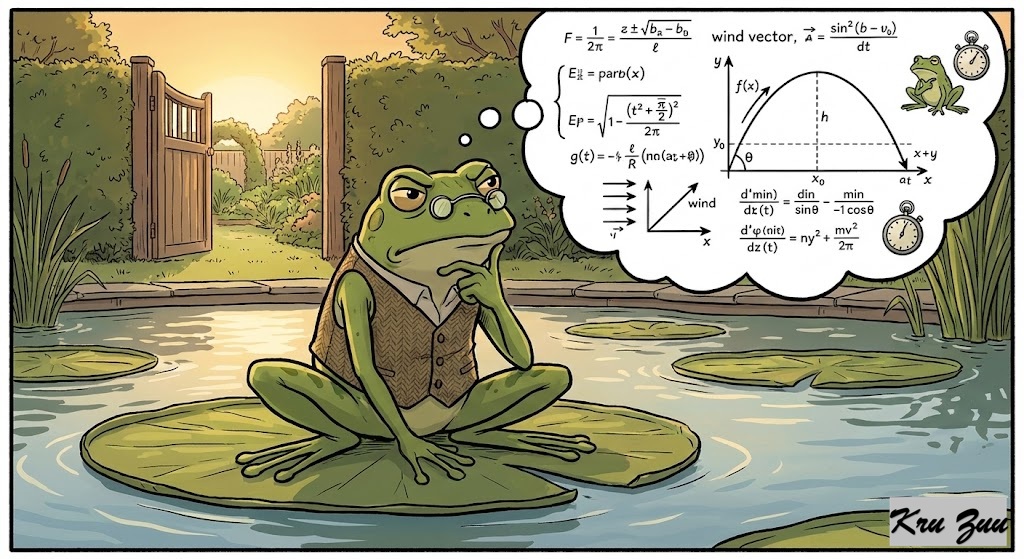
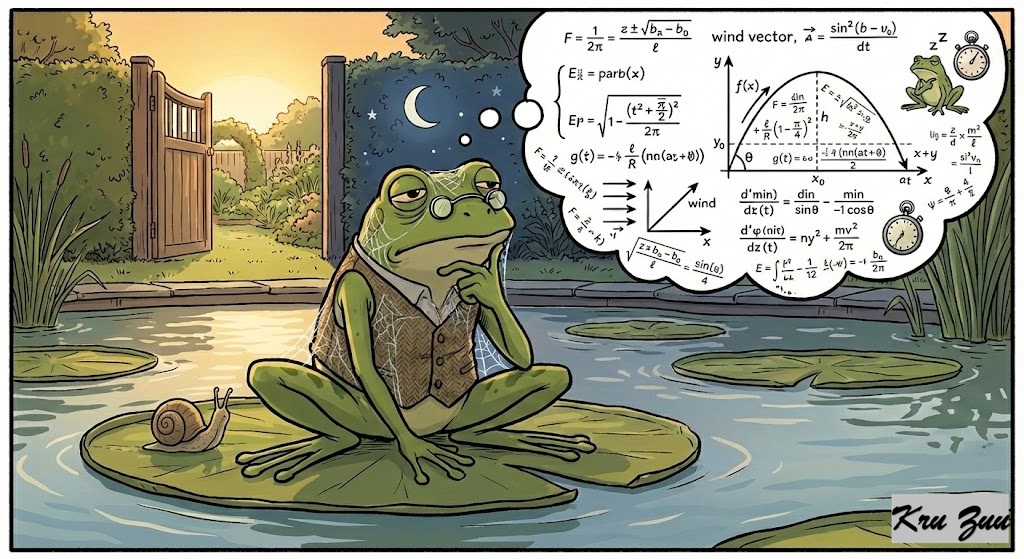
    The Reaction:🐸 Freddie the Frog sees the gate. He sits on his lily pad. “Hmm,” he croaks. “The humidity is good, but I need to calculate the trajectory of my jump. If I wait for the wind to die down, my jump will be 4% more aerodynamic.”

    Result: He stays on the lily pad, calculating.


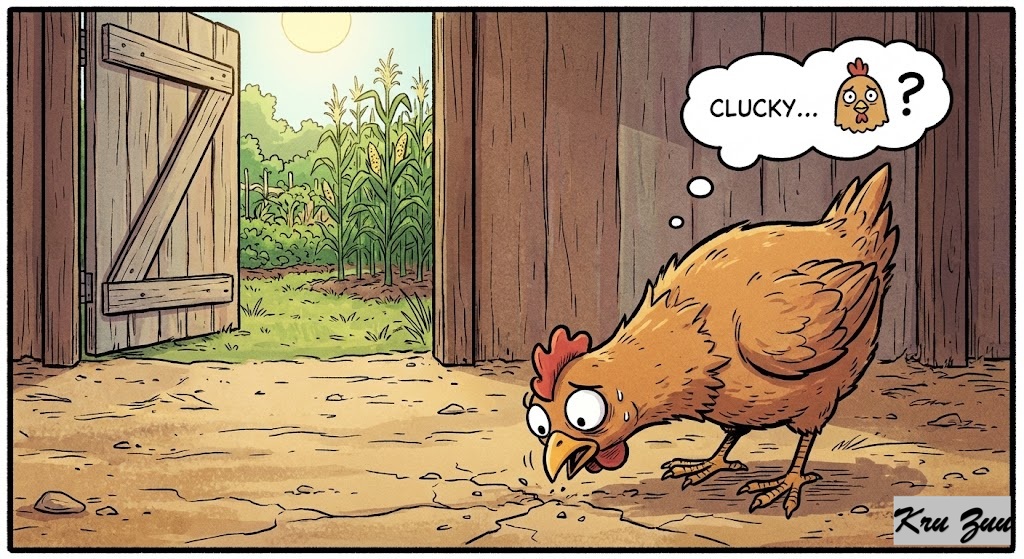
    🐔 Clucky the Chicken sees the gate. She flaps her wings nervously. “Oh my!” she clucks. “It looks delicious. But what if the Farmer sees me? What if I trip? Maybe I should wait until the Farmer goes to sleep tonight. Yes, that is safer.”

    Result: She pecks at the dry dirt, waiting for “safe.”


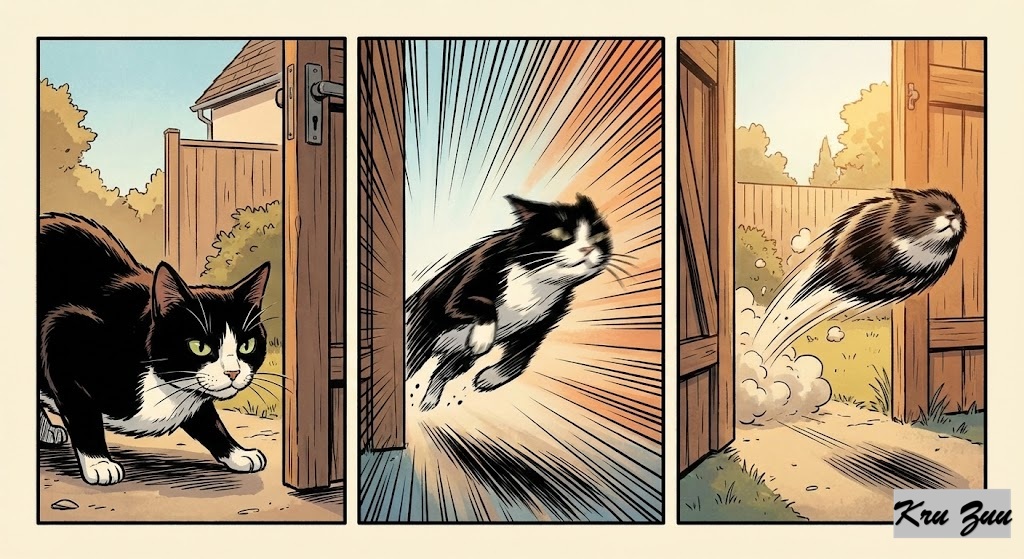
    🐱 Whiskers the Cat sees the gate. Whiskers doesn’t think. Whiskers doesn’t calculate wind speed. Whiskers sees the gap. 1, 2, ZOOM. Whiskers shoots through the gap like a fuzzy bullet.


    The Outcome


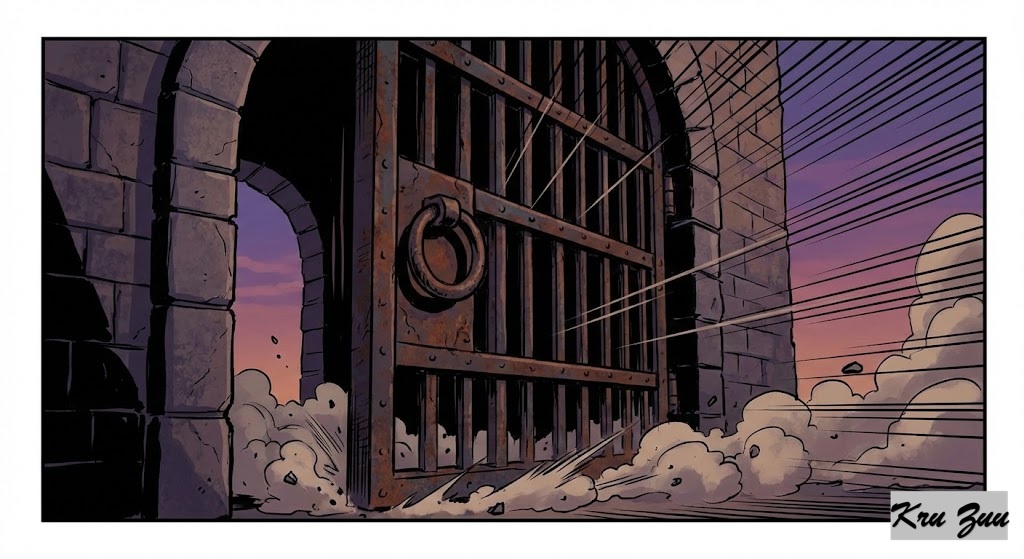
    CLANG. The gate slams shut.


    Freddie is still calculating his jump.


    Clucky is still hungry and safe in the dirt.


    Whiskers is inside the garden, napping in the sun after eating a feast.


    The Moral: The world belongs to the Cats. Don’t be a Frog calculating the wind. Don’t be a Chicken waiting for safety. Jump.

    🎓 Lesson for English Learners


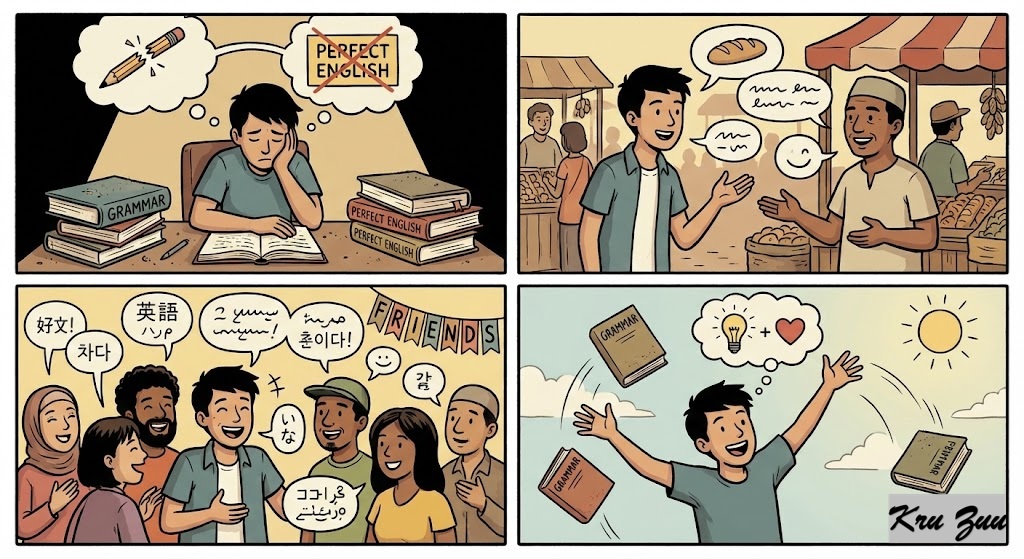
    Don’t wait for “Perfect English.”


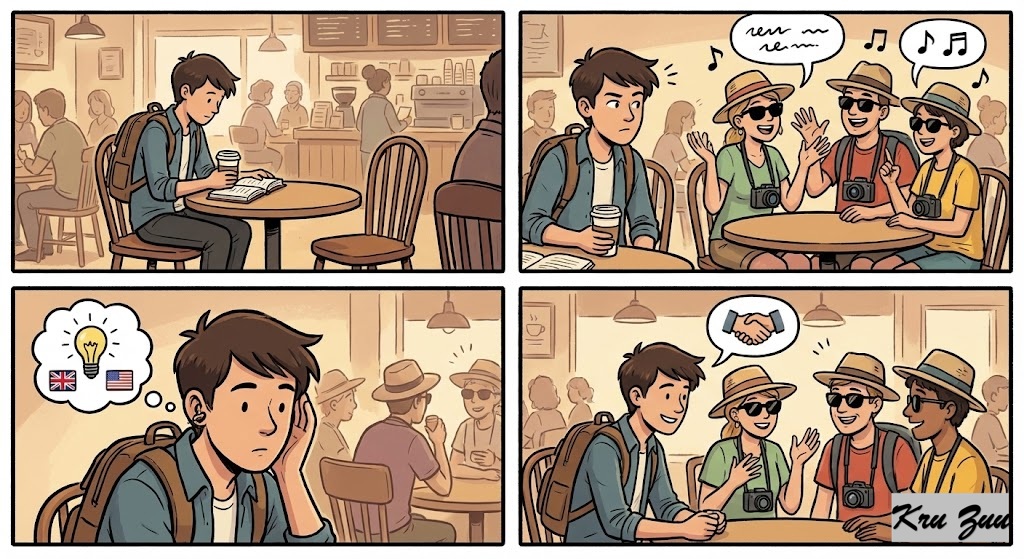
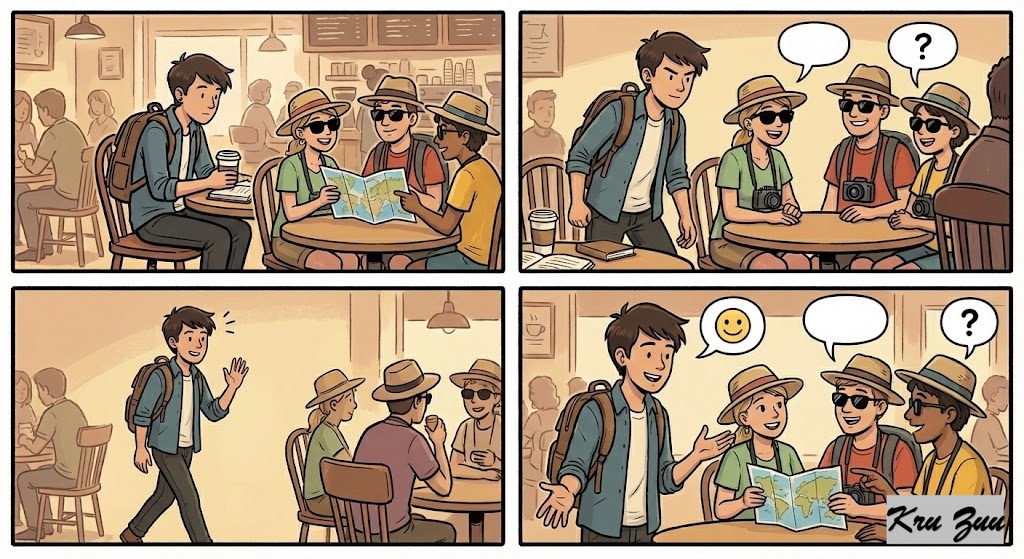
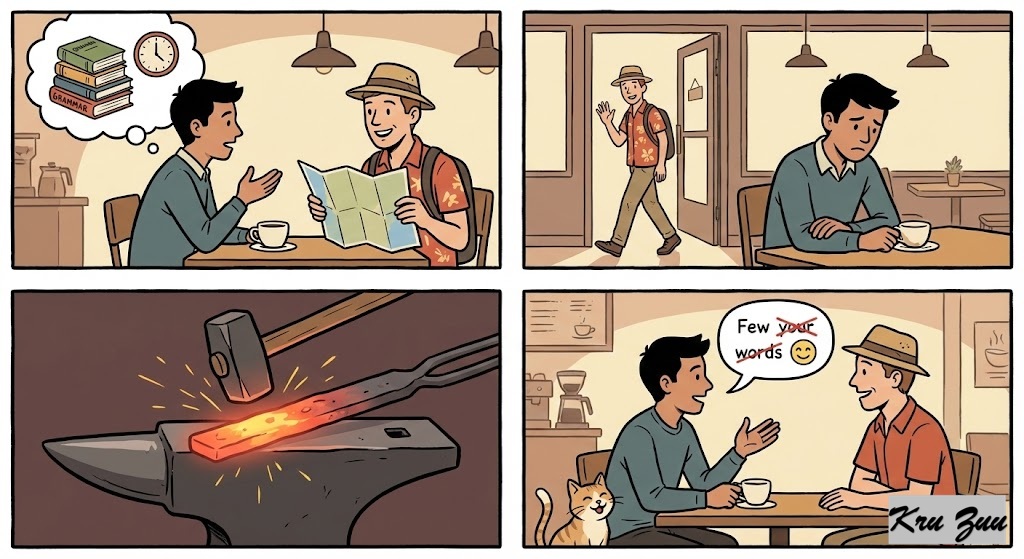
    Situation: You are in a coffee shop. You hear tourists speaking English.


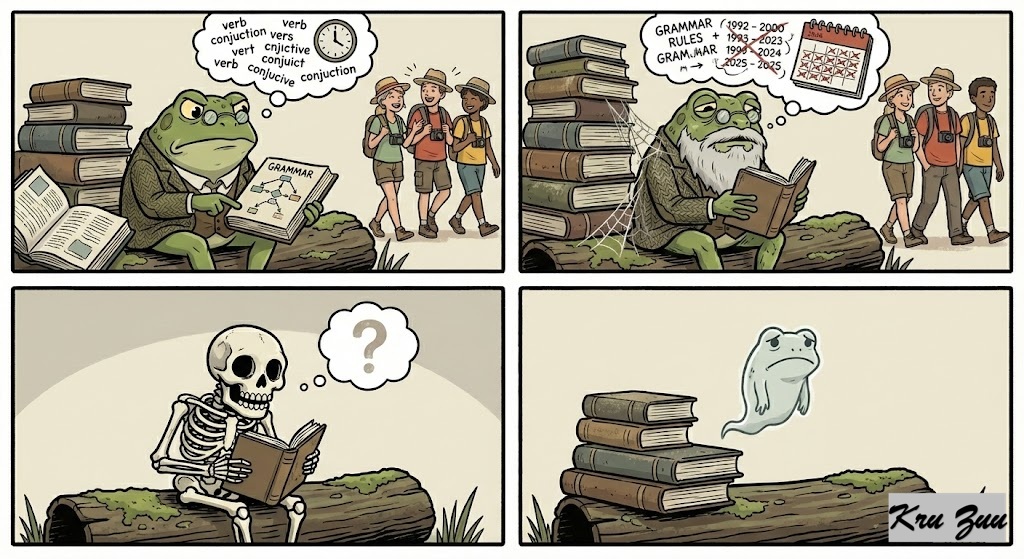
    The Frog approach: “I will talk to them once I master the Present Perfect Continuous tense.”


    The Cat approach: You stand up, walk over, and say, “Hi! Where are you from?”


    Why? Because 5 minutes later, they will leave. The iron will be cold. Speak now, fix your grammar later.


    💬 Your Turn: The “5-Second Rule” 🚀


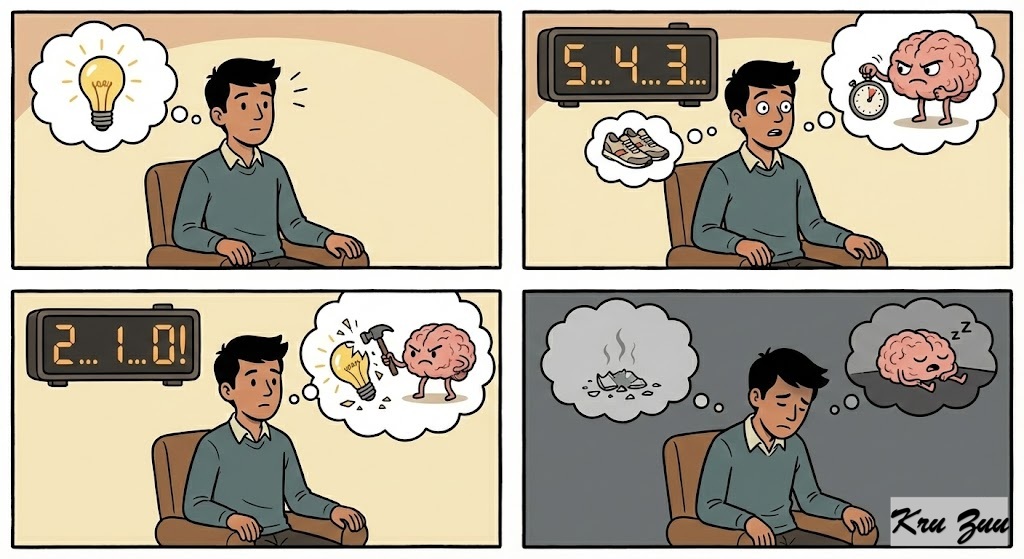
    When you feel an instinct to act on a goal, you must physically move within 5 seconds, or your brain will kill the idea.


    The Challenge: Is there an email you need to send? A text to a crush? A domain name you want to buy?


    The Action: Do it. Strike. Don’t think. Just click “Send.”


    👇 Tell us in the comments: What is an opportunity you missed because you waited too long? Let’s mourn it together, then move on!

    By Zubeyir YURTKURAN

    https://www.facebook.com/BrainBattleground/

    https://www.facebook.com/zubeyr.yurtkuran/

    https://www.instagram.com/zubeyryurtkuran/

    https://www.youtube.com/@BrainBattleground-b3p

    https://www.instagram.com/brainbattleground/

  • 🥛 The Daily Shield: The Law of Acceptance

    🥛 The Daily Shield: The Law of Acceptance

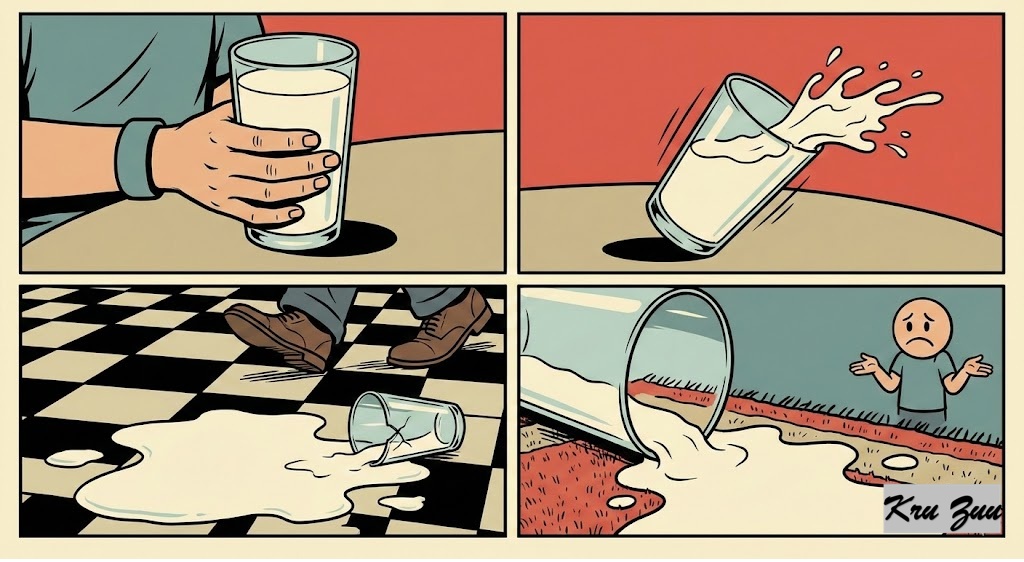
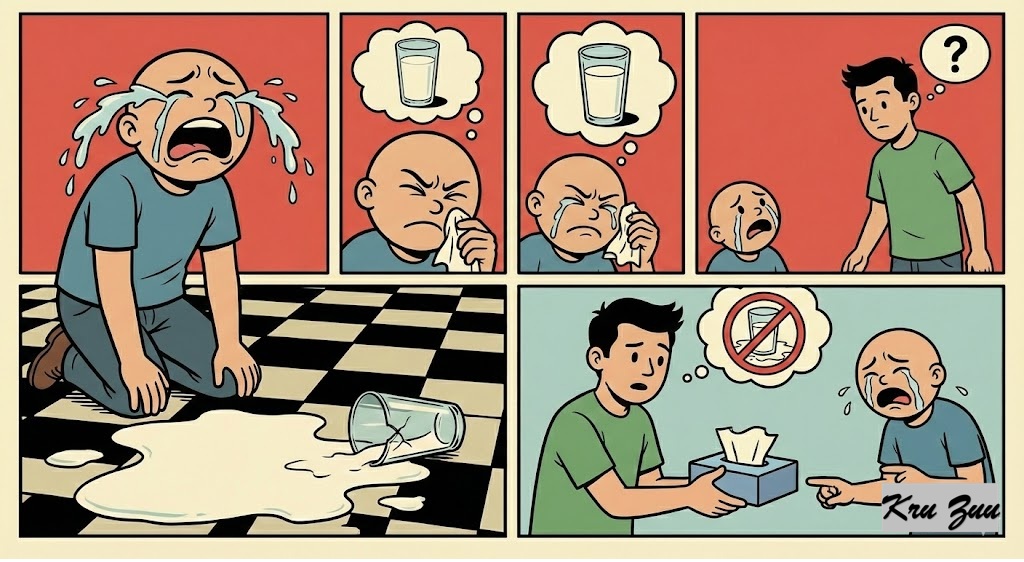
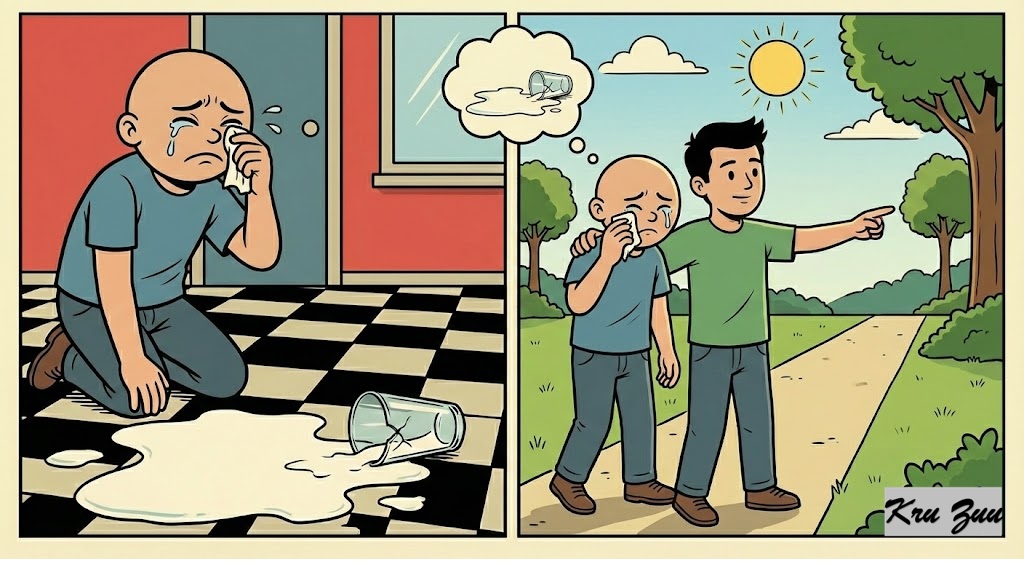
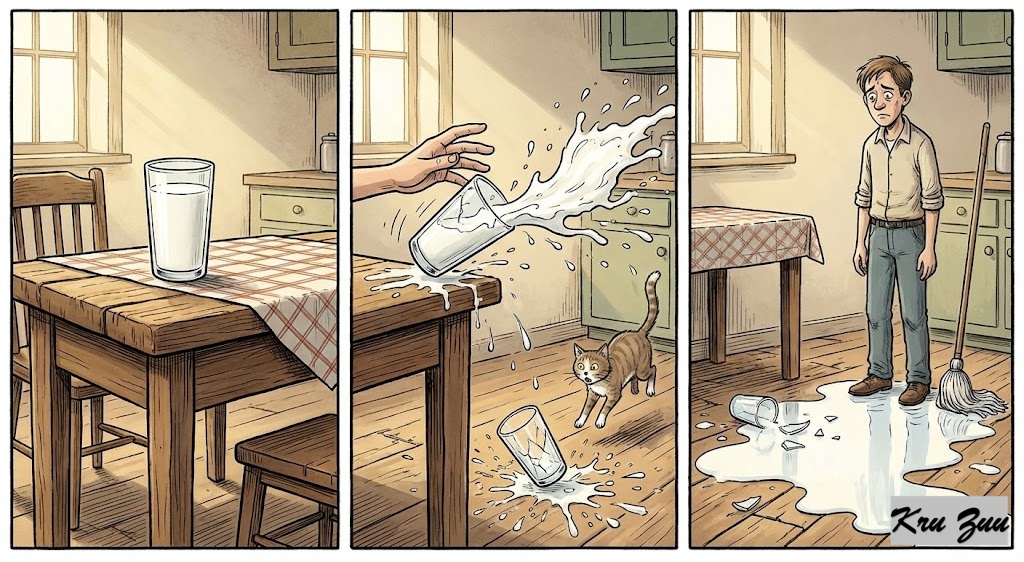
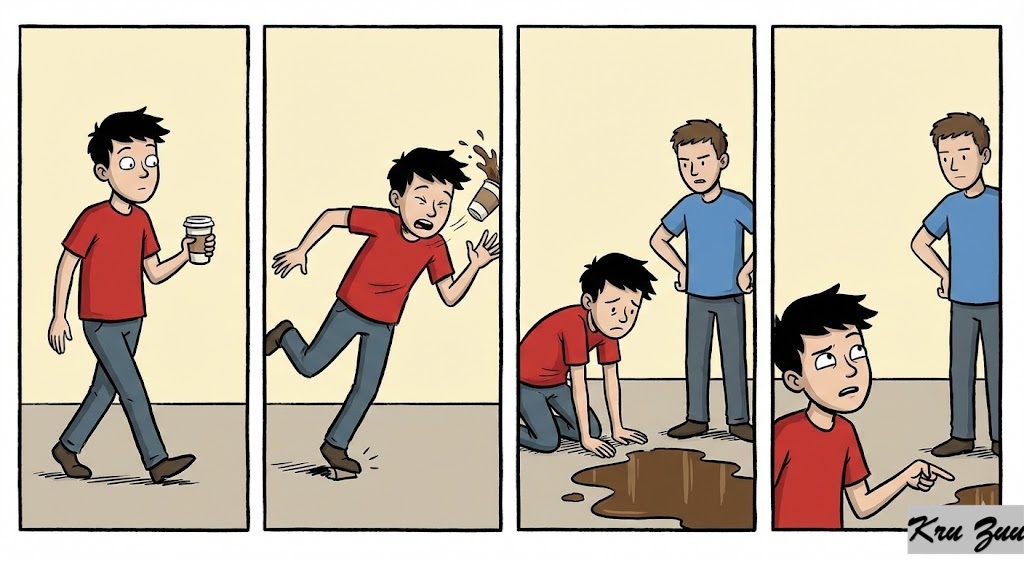
    “Don’t cry over spilt milk.”


    😈 The Villain (The Dweller)

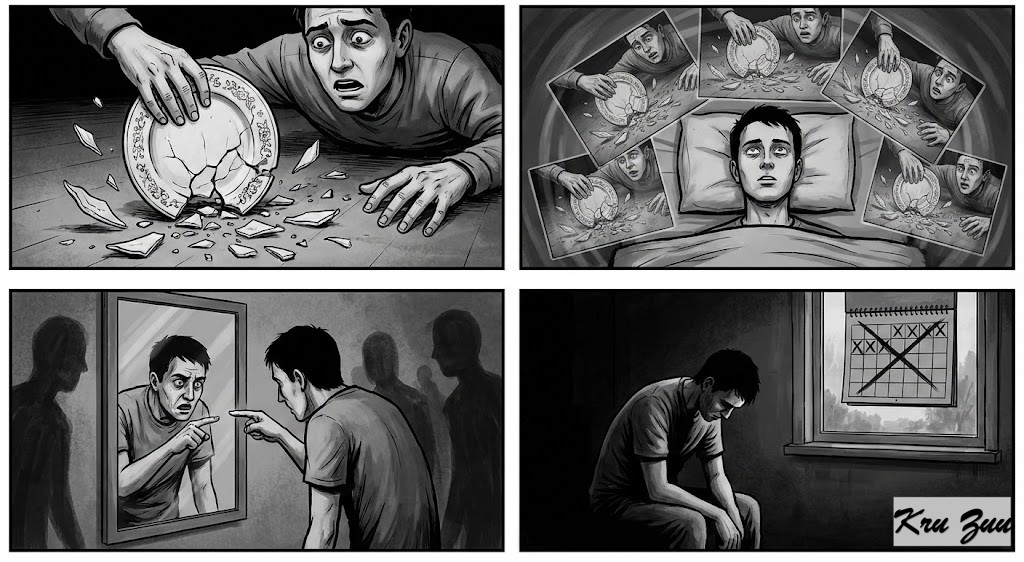
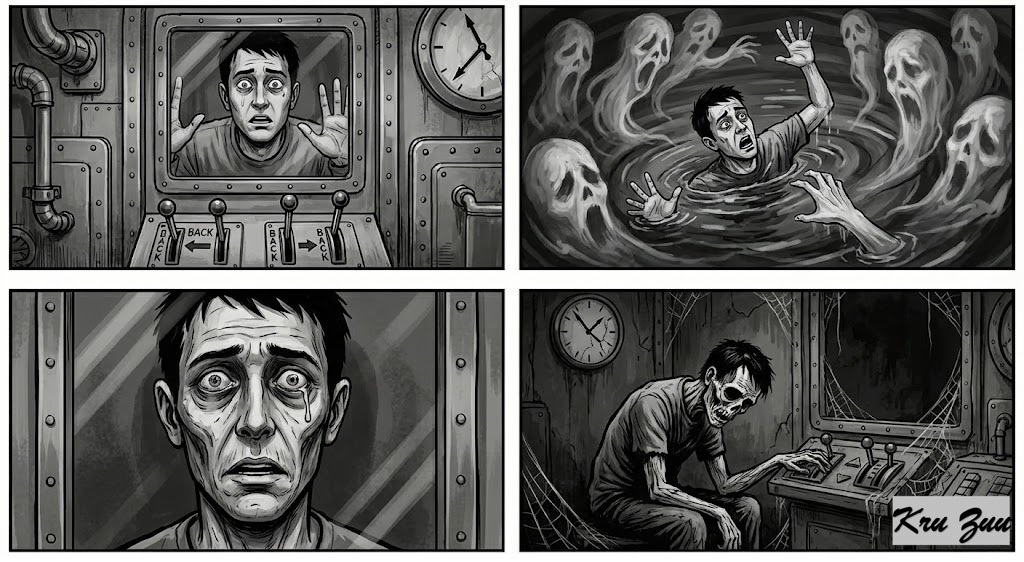
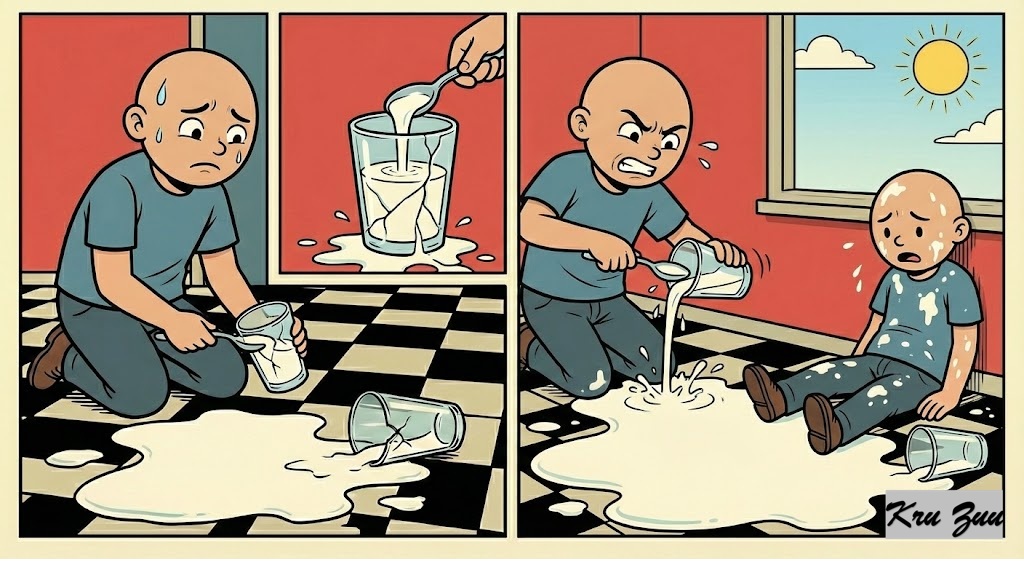
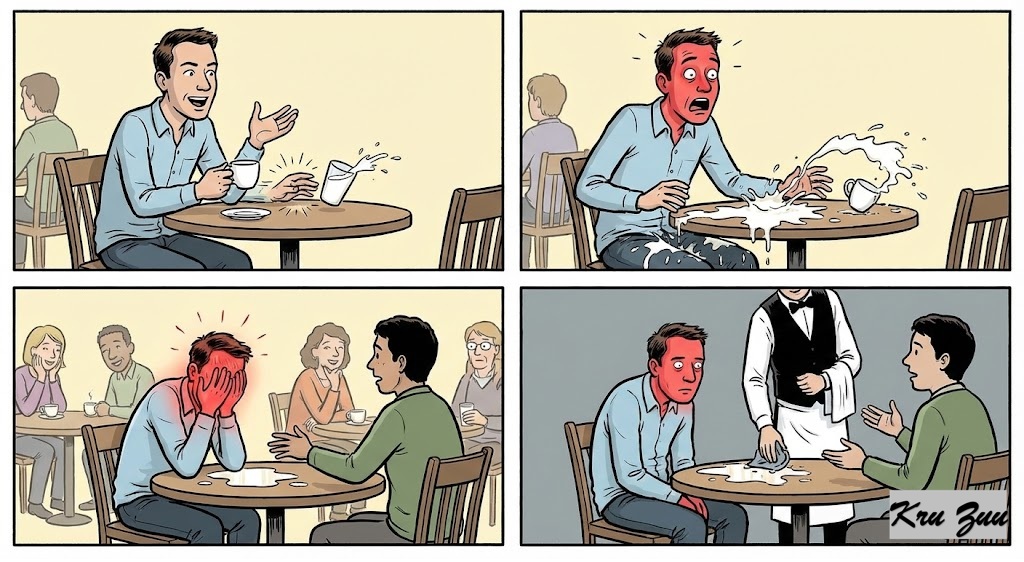
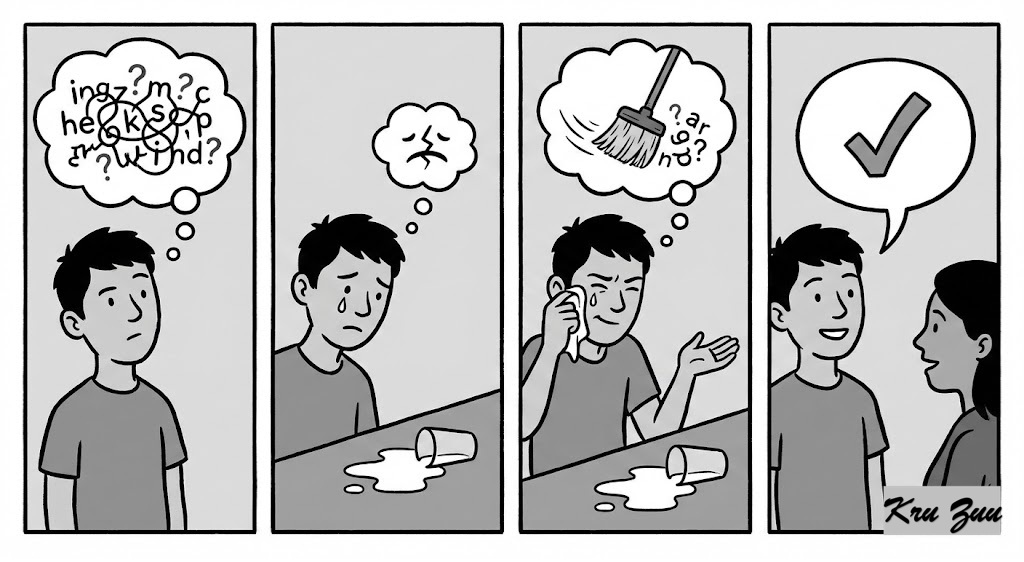
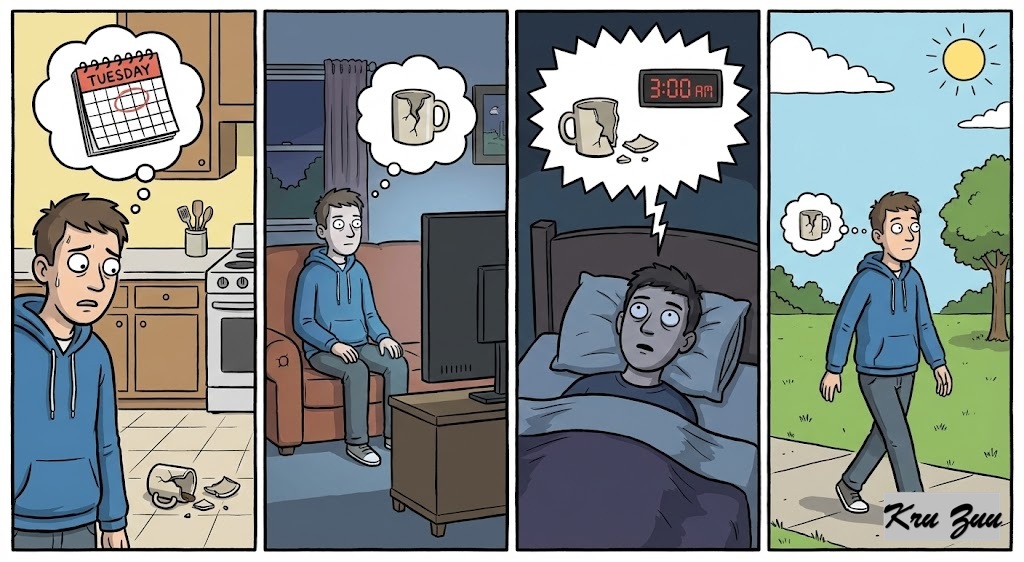
    You make a mistake. Maybe you failed an exam, sent an embarrassing text, or broke a valuable plate. What do you do? You replay the scene in your head 1,000 times. You say, “If only I had been faster… If only I had been smarter.” You let one bad moment ruin your entire week. You dwell on the past until you are paralyzed by it.

    The Result? You are stuck in a time machine that only goes backward. You are drowning in a puddle of regret. 🧟‍♂️


    😇 The Hero (The Stoic)

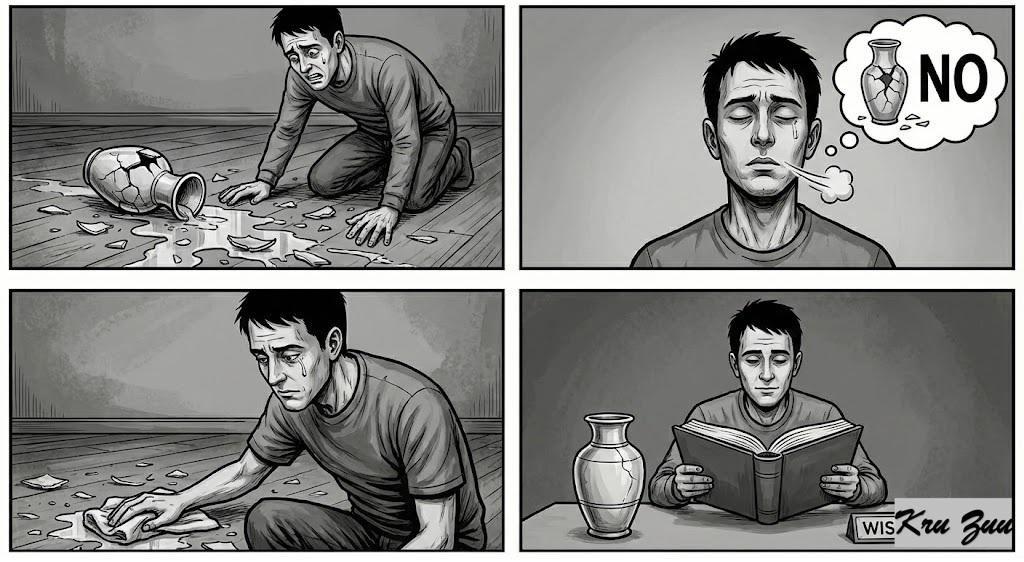
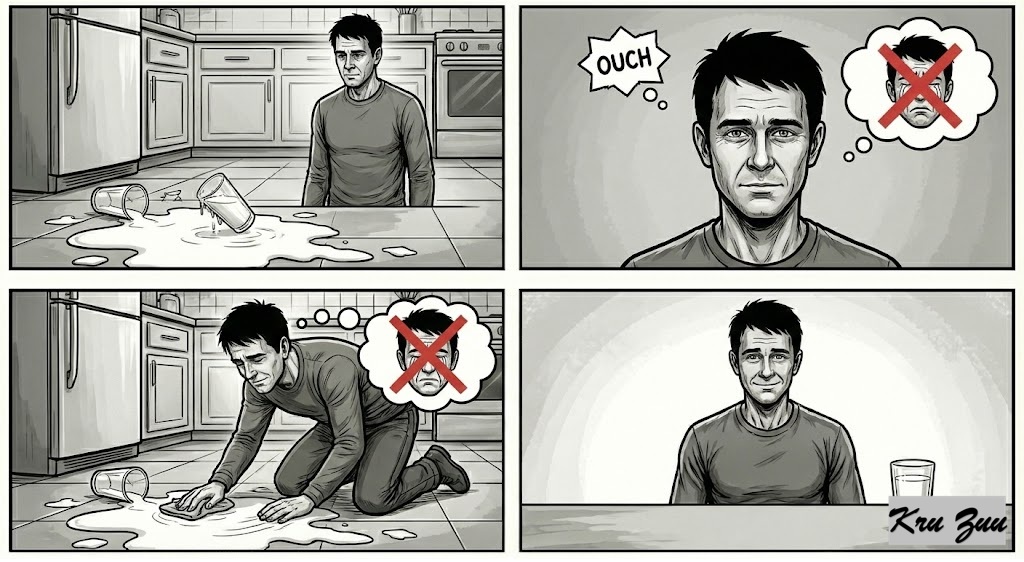
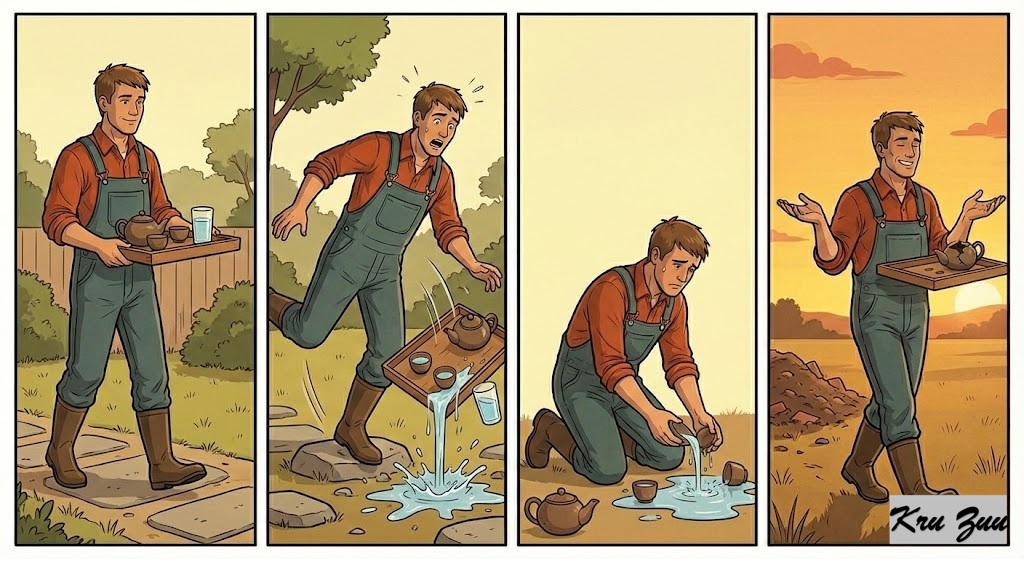
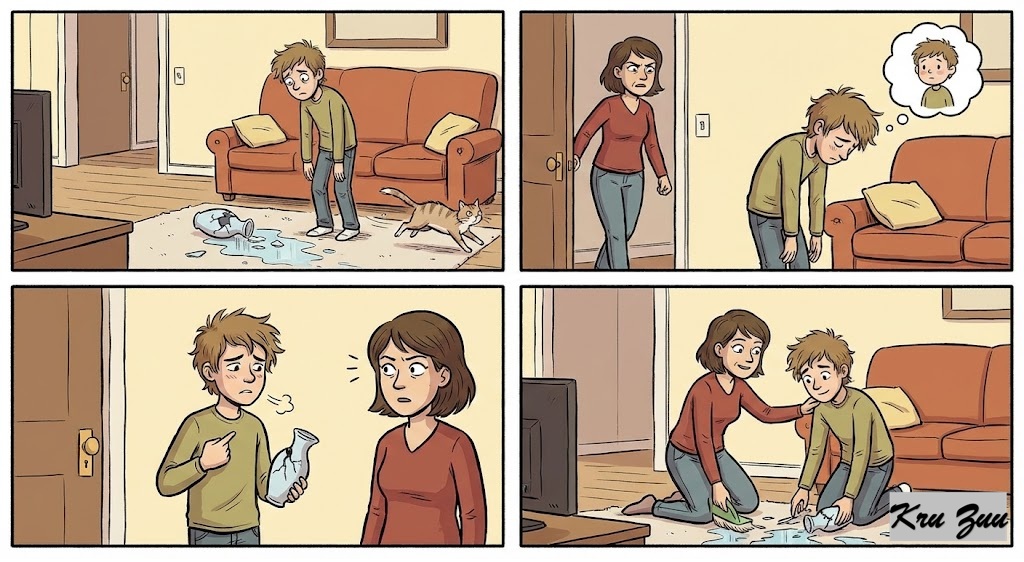
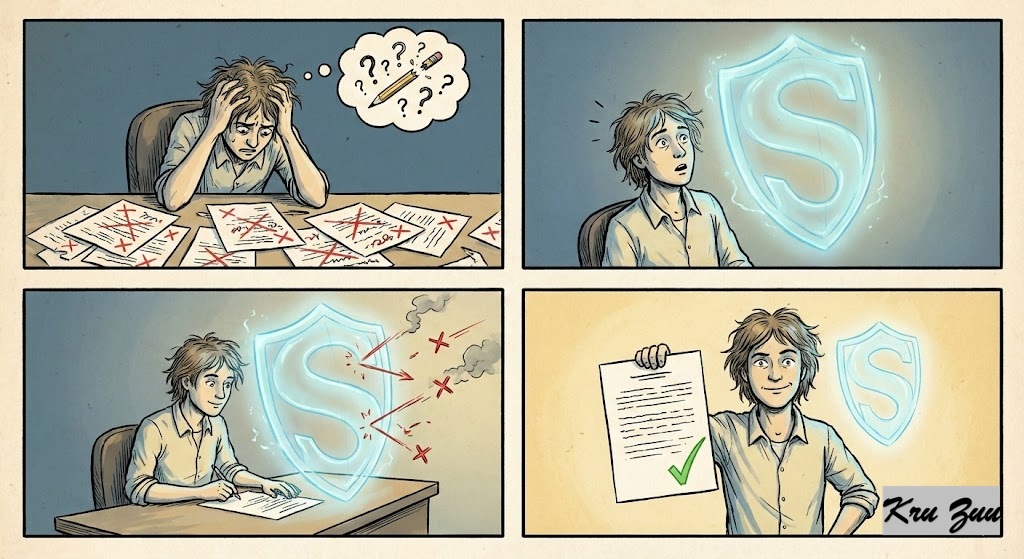
    You make a mistake. It stings. It hurts. You take a deep breath and look at the mess. You ask one question: “Can I change this?” The answer is No. So, you grab a towel, clean it up, and learn the lesson. You treat the mistake as a tuition fee for wisdom.

    The Result? You move forward instantly. Your energy is spent on fixing the future, not mourning the past. You are bulletproof against regret. 🛡️


    ⚖️ The Reality


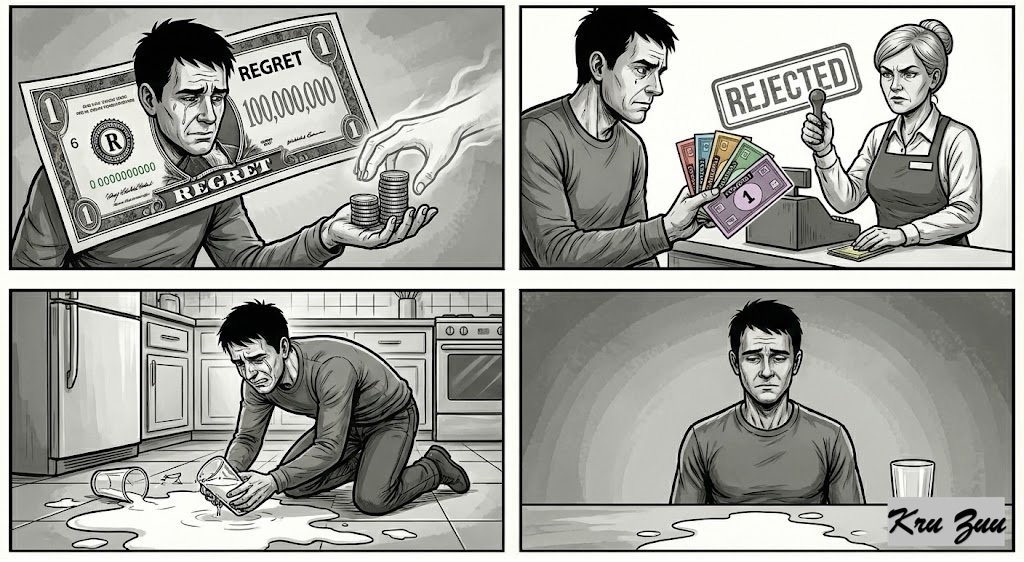
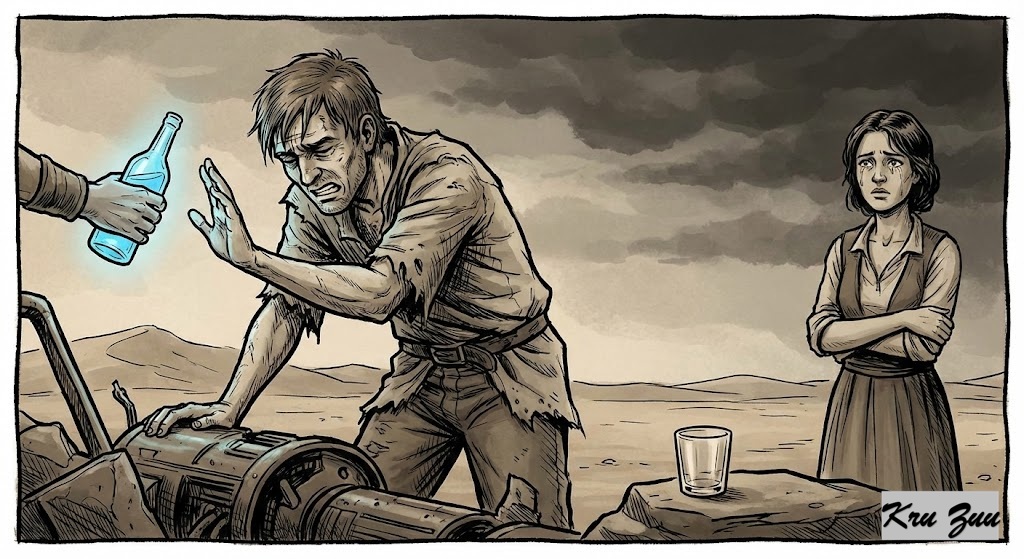
    Regret is expensive. Worrying about what already happened is like trying to pay a bill with Monopoly money. It doesn’t work. The milk is on the floor. No amount of crying, screaming, or analyzing will put the milk back into the glass.


    💎 The Secret

    The event (the spill) is not what hurts you. It is your reaction (the crying) that hurts you. Pain is inevitable; suffering is optional.

    🧐 The Anatomy of the Proverb


    This is the ultimate weapon against anxiety.


    Spilt (Adjective): The past participle of “spill.” It is done. Finished. Irreversible.


    Cry Over (Phrasal Verb): To be upset or sad about a specific thing.


    Simpler Version: Move on.


    📚 Vocabulary Vault


    Irreversible (Adjective):
    Cannot be changed or undone. (The milk is irreversible).


    Dwell (Verb): To think/speak about something for too long (usually something bad).


    Resilience (Noun): The ability to recover quickly from difficulties. 🚀


    Ruminate (Verb): To think deeply about something; often negative thoughts on a loop.


    Futile (Adjective): Pointless; producing no useful result.


    🧠 Grammar Focus: Prepositions of Cause


    Notice the preposition “Over.” We don’t cry for the milk or at the milk. We cry over it.


    English Logic: The emotion is covering the subject.


    Examples: “He is arguing over money.” / “Don’t worry over small details.”

    📜 History: Origin and Spread


    The Origin:
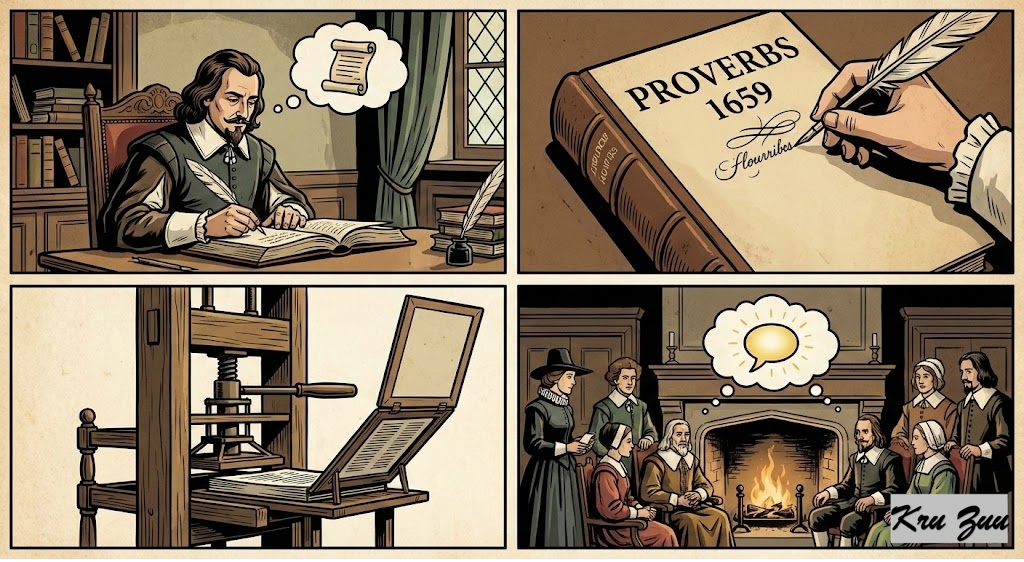
    This proverb was first recorded in 1659 by historian James Howell.

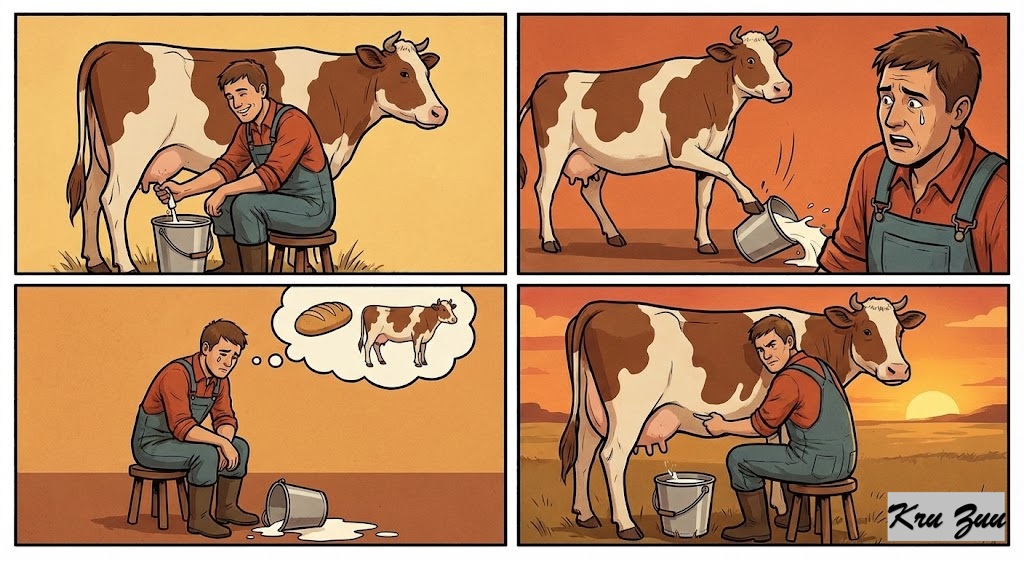
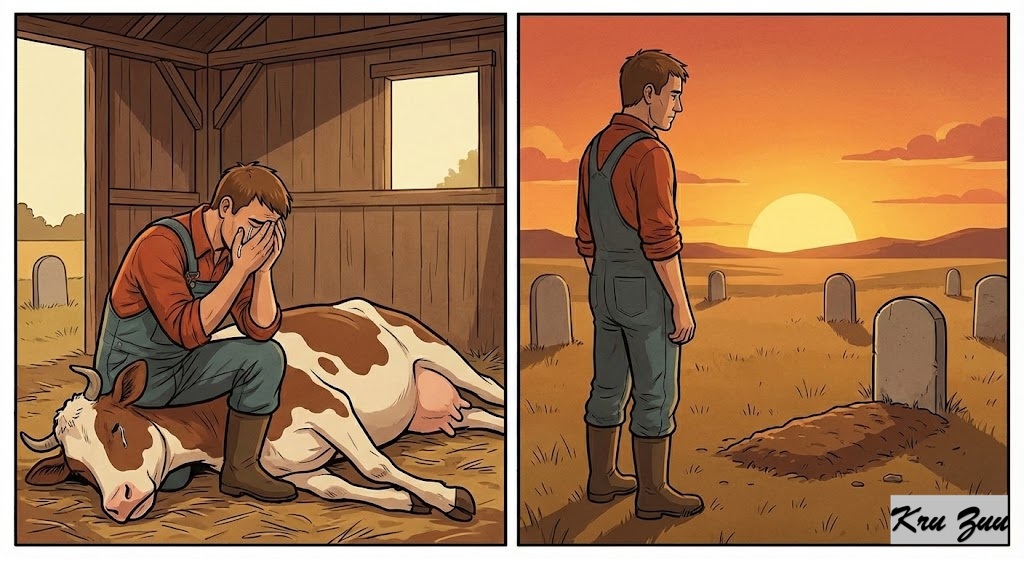
    The Logic: In old farming days, milk was money. If a cow kicked the bucket over, the farmer lost that day’s profit. But standing there crying wouldn’t feed the family, milking the next cow would.


    Global Cousins


    🇹🇷 Turkish:
    “Olanla ölene çare yoktur.” (There is no cure for what has happened or who has died.) — A darker, but very true equivalent!


    🇫🇷 French:“Ce qui est fait est fait.” (What is done is done.)


    🇯🇵 Japanese:“Fukusui bon ni kaerazu.” (Spilt water will not return to the tray.)

    🎭 Short Story: The Picnic at the Pond


    Let’s see how different personalities handle a disaster.


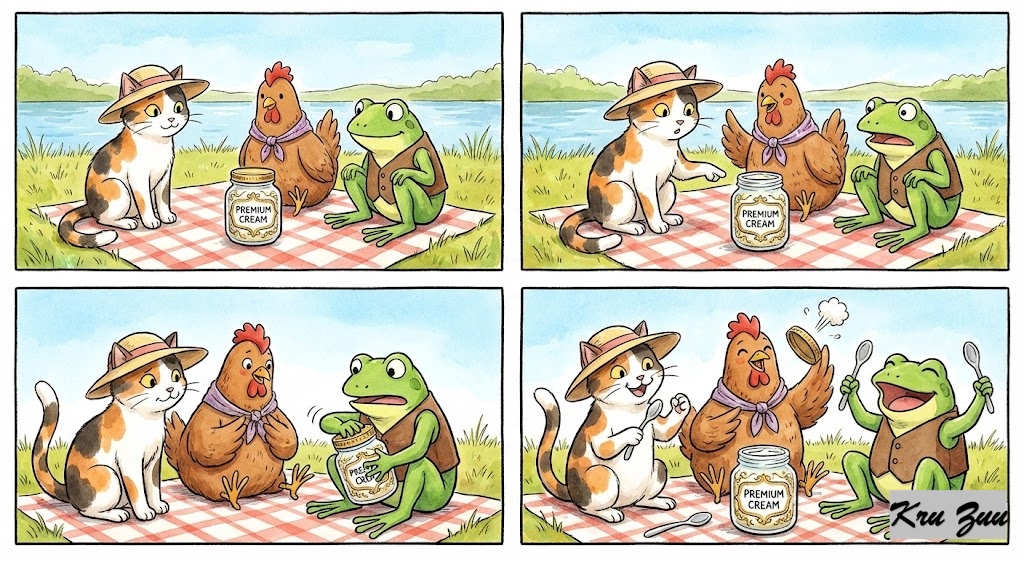
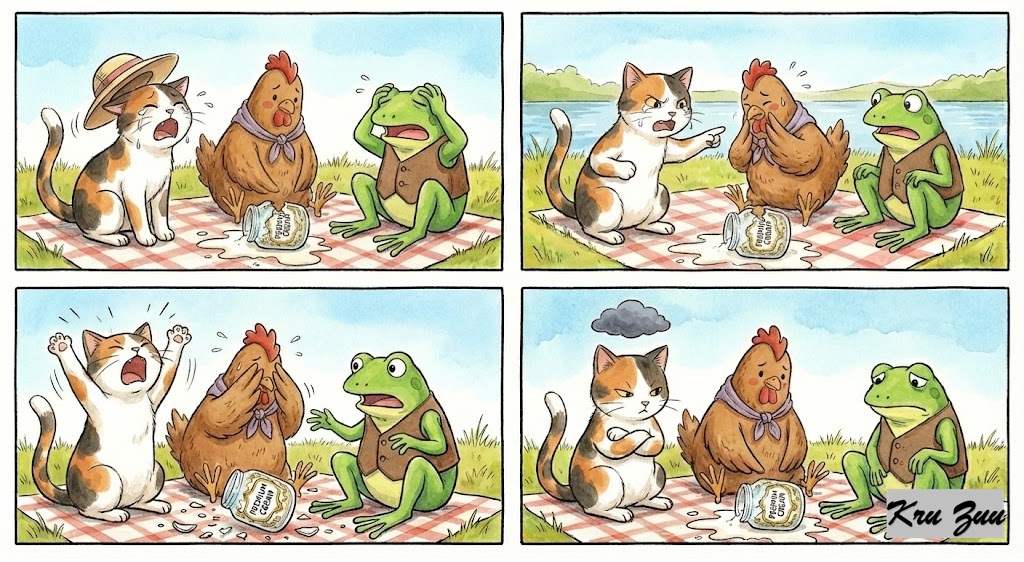
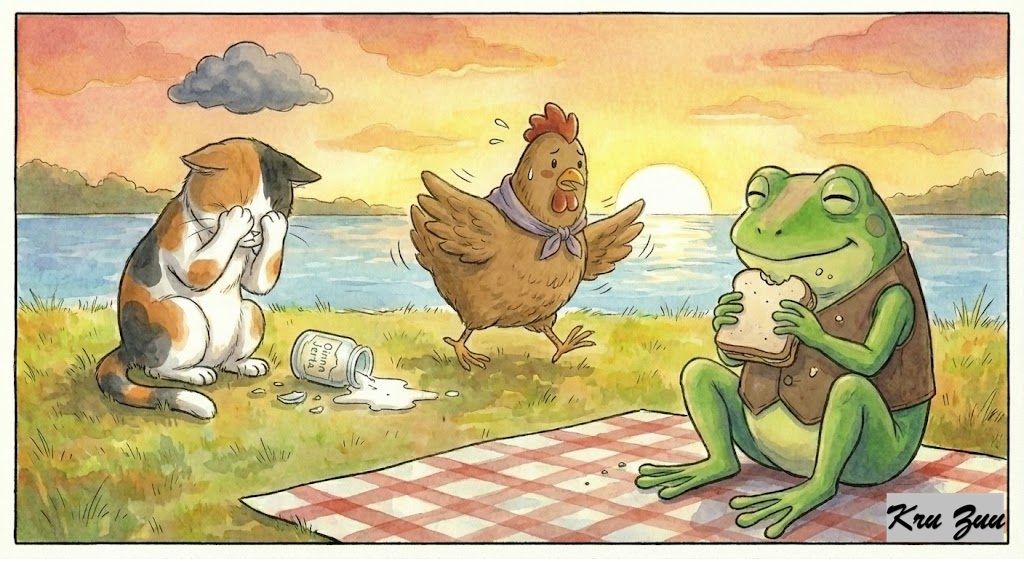
    🌟 The Setup: It is a beautiful Sunday. Three friends are having a picnic by the lake: Cleo the Cat, Henrietta the Chicken, and Franklin the Frog. They have one jar of delicious, expensive cream.


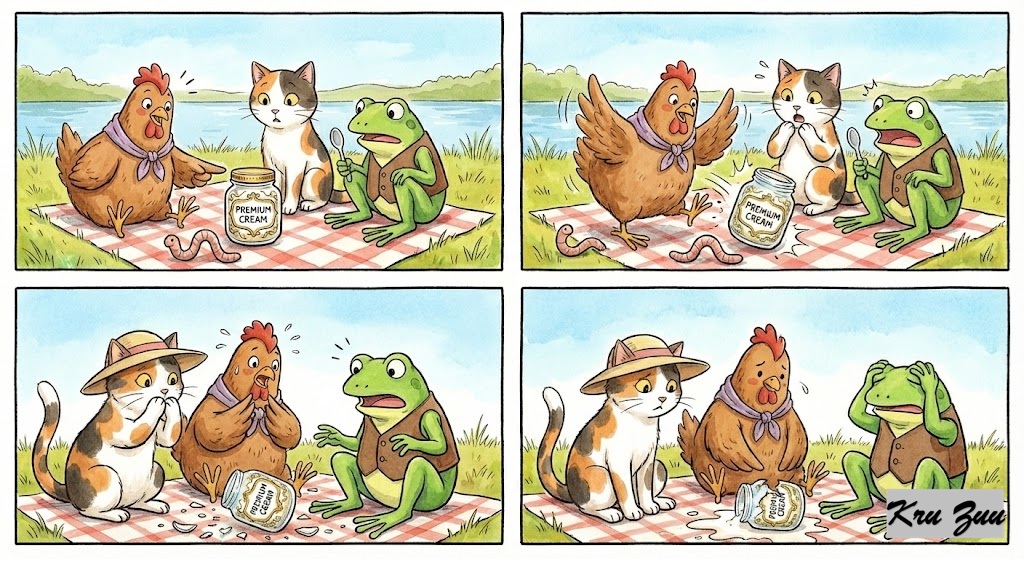
    The Accident: Henrietta the Chicken gets excited about a worm. She flaps her wings, hits the table, and—SMASH. The jar breaks. The expensive cream soaks into the dirt. It is gone.


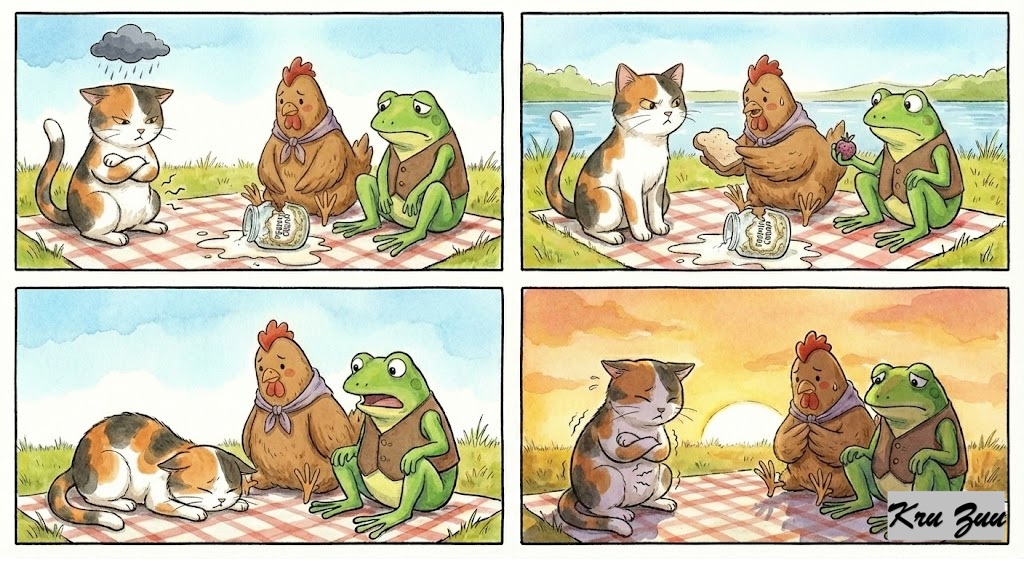
    😿 Cleo the Cat (The Dweller): Cleo stares at the cream. She starts to wail. “My cream! It was perfect! Why are you so clumsy, Henrietta? If we had sat on the grass, this wouldn’t have happened! I can’t believe this. My day is ruined. I’m not eating anything else!”

    Result: Cleo is hungry and miserable.


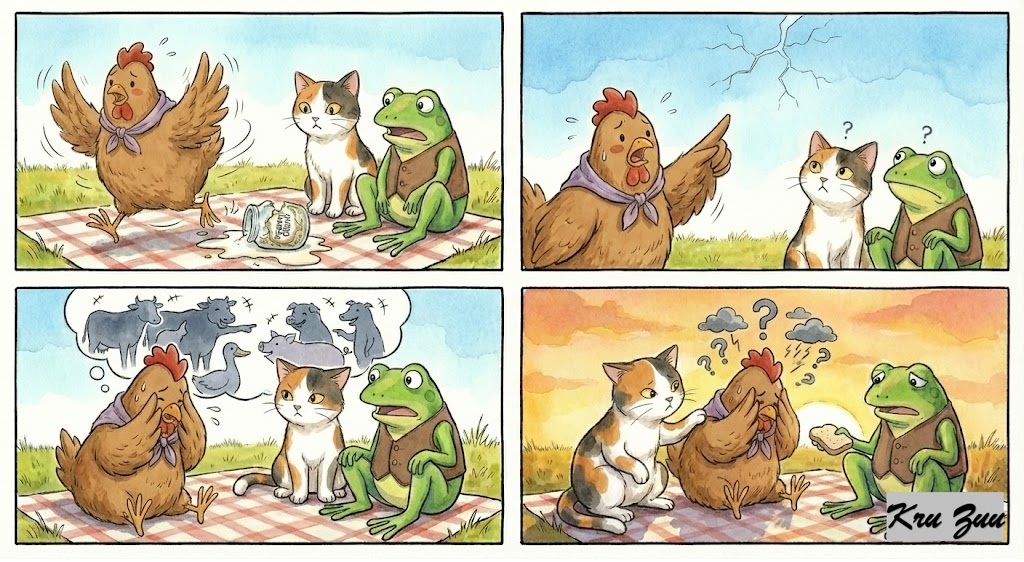
    🐔 Henrietta the Chicken (The Anxious): Henrietta runs in circles, flapping wildly. “Oh no! Oh no! The sky is falling! What will we do? We have no cream! It’s a disaster! Everyone will laugh at us!”
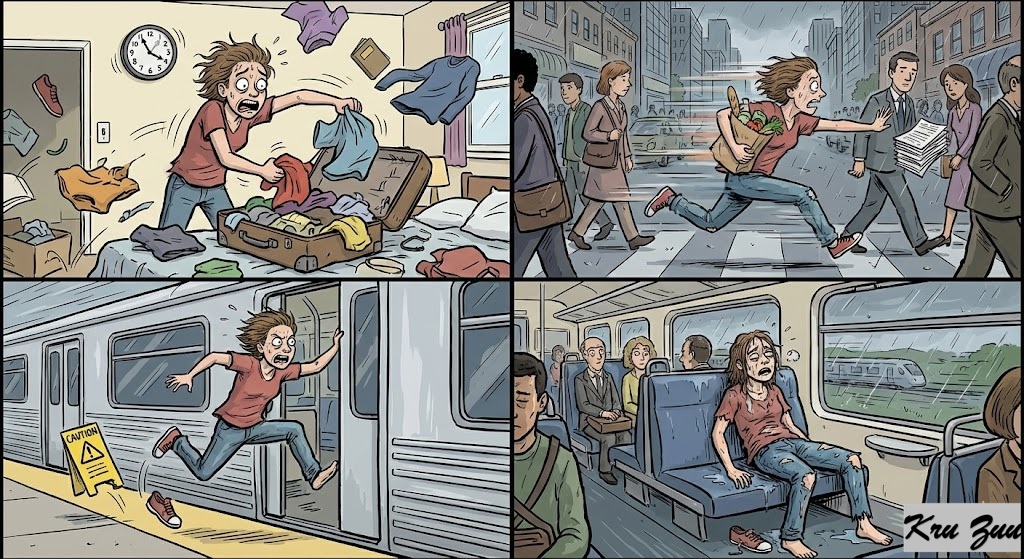
    Result: Henrietta is having a panic attack.


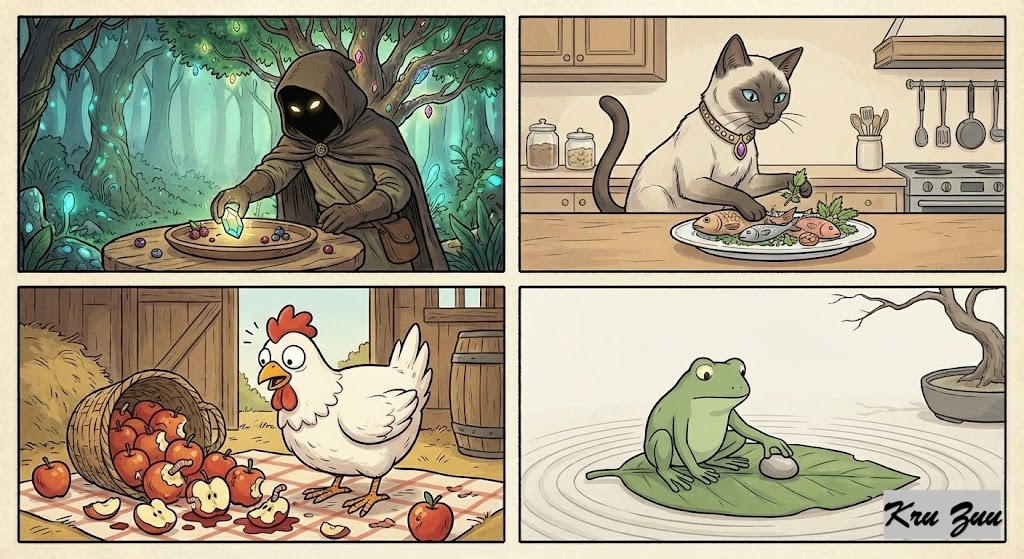
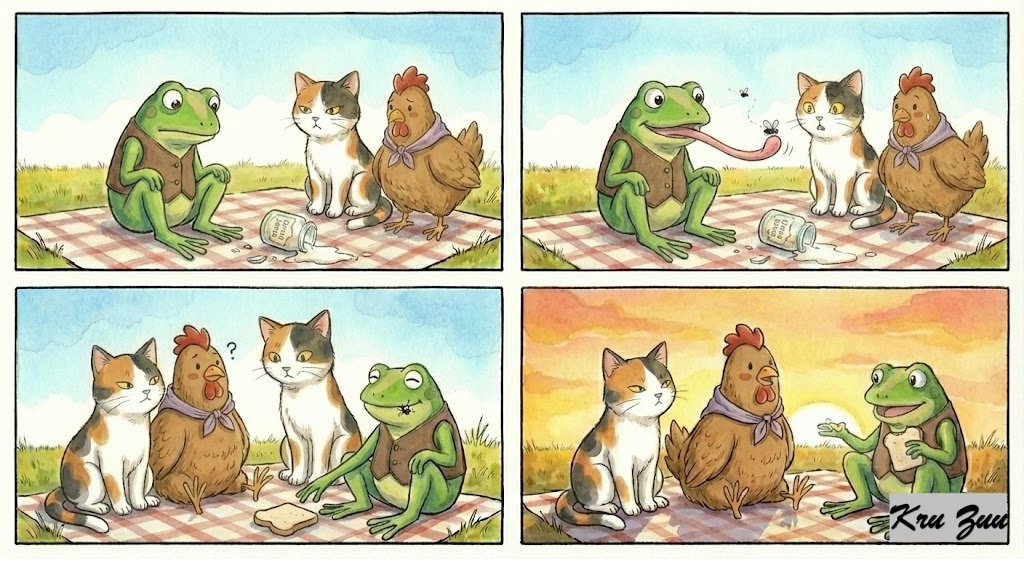
    🐸 Franklin the Frog (The Stoic): Franklin looks at the broken glass. He looks at the cream in the dirt. He blinks his big eyes. “Ribbit,” says Franklin. He sticks out his long tongue and catches a fly buzzing near the mess. “The cream is gone,” Franklin says calmly. “But the sandwiches are still dry. And the sun is still warm. Pass the bread, please.”


    The Moral: Cleo cried. Henrietta panicked. Franklin ate lunch. Be like Franklin. Eat the sandwich. 🥪

    🎓 Lesson for English Learners


    Don’t Let Mistakes Silence You.


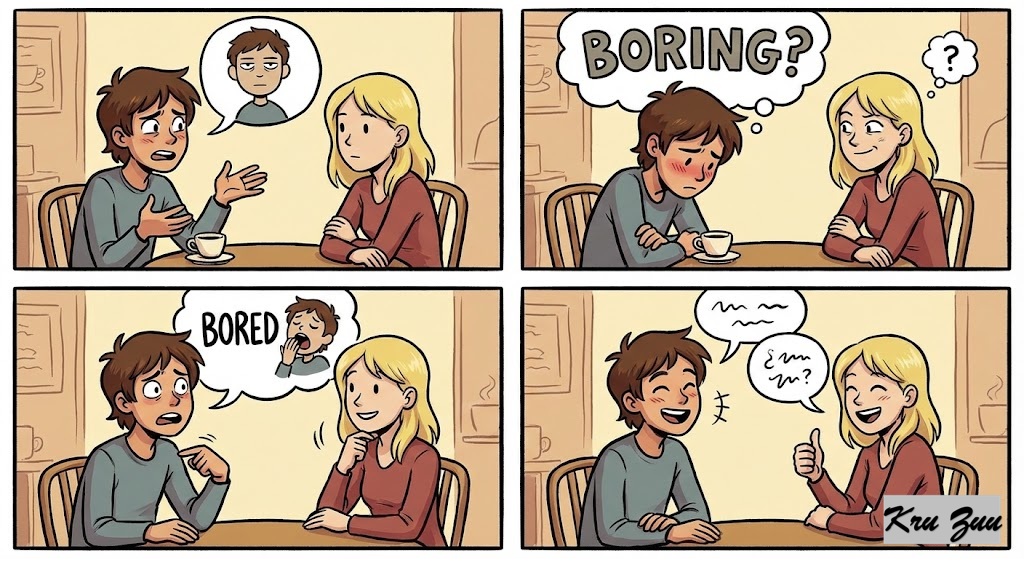
    Situation: You are speaking English to a native speaker. You try to say “I was bored,” but you accidentally say “I was boring.”


    The “Spilt Milk” Reaction: You freeze. Your face turns red. You stop talking because you are afraid of making another mistake.


    The Hero Reaction: You laugh. You say, “Oops! I mean I was bored!” and you keep talking.


    Remember: A grammar mistake is spilt milk. Once the words leave your mouth, they are gone. You cannot catch them. Don’t cry over a bad verb tense. Just speak the next sentence better.


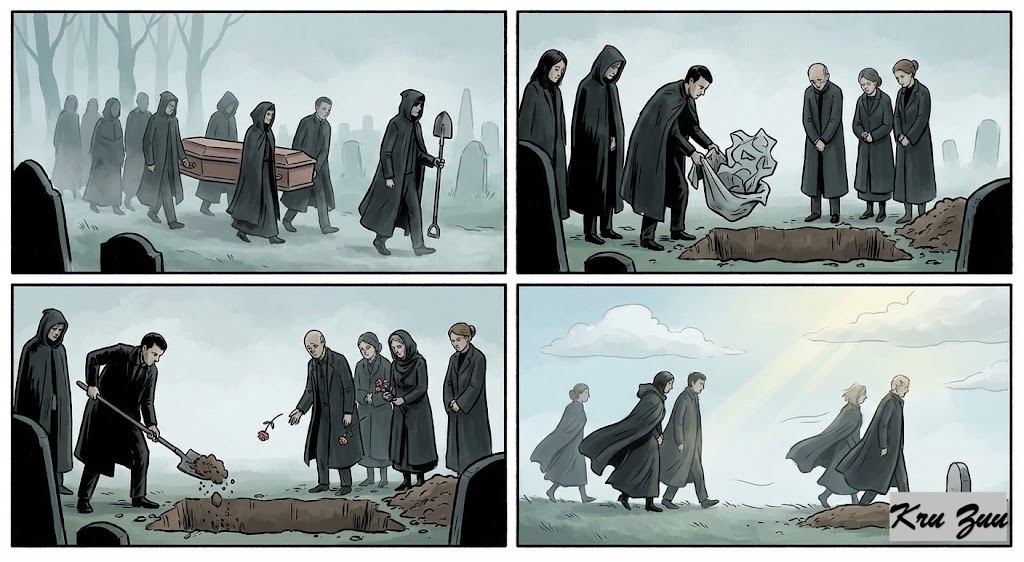
    💬 Your Turn: The 5-Second Funeral 🚀


    We all have “spilt milk” in our lives. Here is your challenge.


    The Exercise: Think of one small mistake you made this week that is still bothering you.


    A rude email you sent?


    A workout you skipped?


    A dumb comment you made?


    The Action:
    We are going to hold a funeral for that mistake.


    Close your eyes.


    Admit the mistake happened.


    Count backward:
    5, 4, 3, 2, 1.


    Say out loud: “It is spilt.”


    Move on.


    Question:
    What is one “spilt milk” moment you are letting go of today? Tell us in the comments! 👇

    By Zubeyir YURTKURAN

    https://www.facebook.com/BrainBattleground/

    https://www.facebook.com/zubeyr.yurtkuran/

    https://www.instagram.com/zubeyryurtkuran/

    https://www.youtube.com/@BrainBattleground-b3p

    https://www.instagram.com/brainbattleground/

  • 🐴 The Daily Shield: The Law of Free Will

    🐴 The Daily Shield: The Law of Free Will

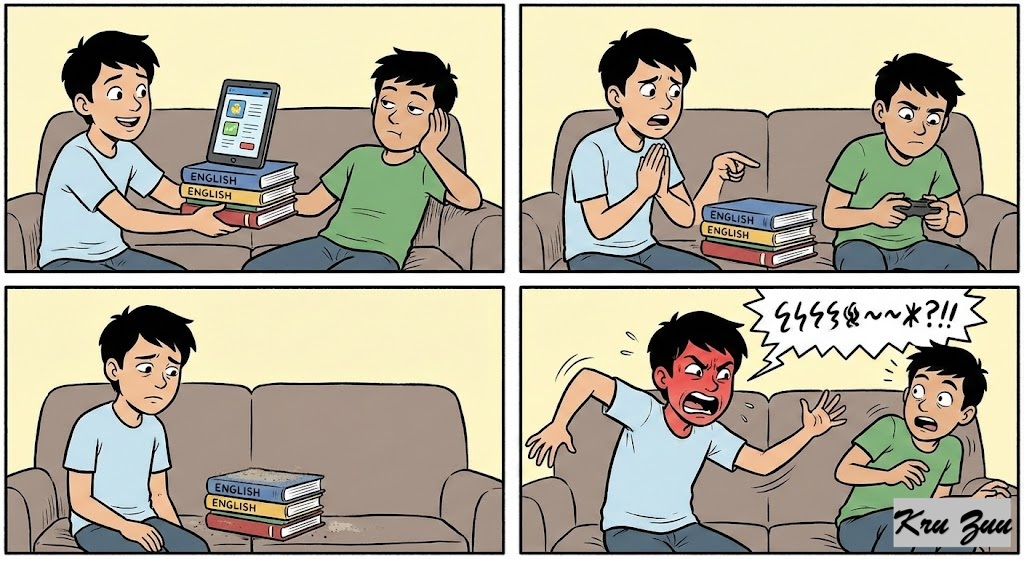
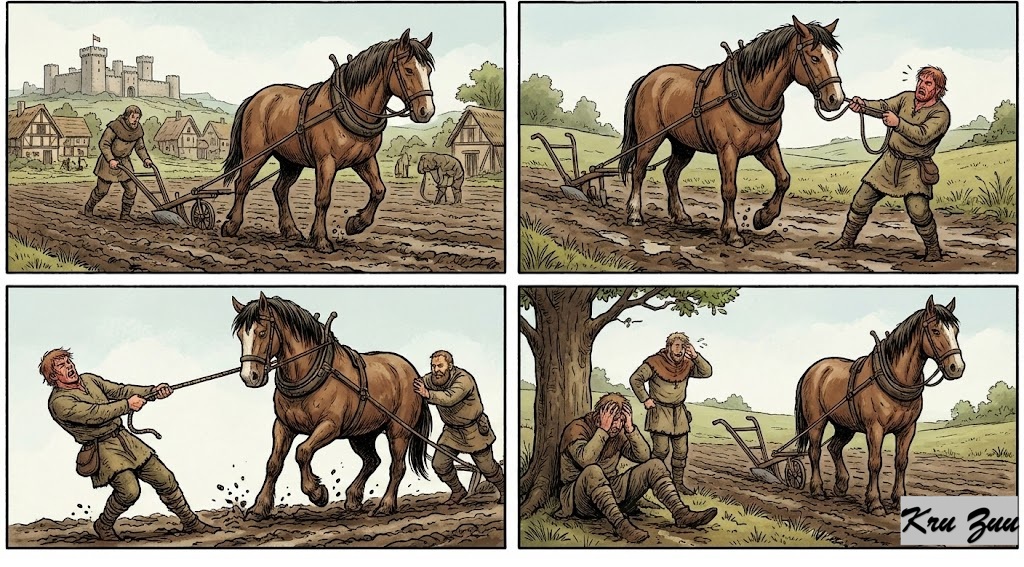
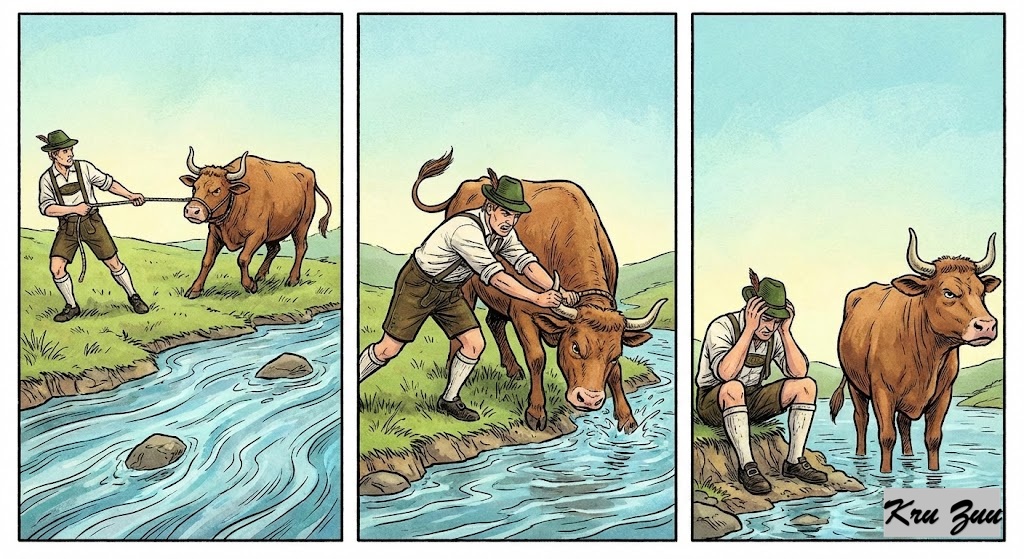
    “You can lead a horse to water, but you can’t make him drink.”


    😈 The Villain (The Control Freak)
    You want your friend to learn English. You buy them books, you send them links, you beg them to study. They don’t do it. You get angry.

    You want your brother to eat healthy. You cook him broccoli. He orders pizza. You feel frustrated and exhausted.

    You think, “If I try harder, I can change them.” You are fighting a war you cannot win. You are trying to control another person’s mind. 🤯


    😇 The Hero (The Guide)
    You offer help. You open the door. You say, “Here are the tools if you need them.” Then, you step back. You understand that you are the guide, not the commander. You focus on your own actions, not their reactions.

    The Result? You protect your energy. You don’t take their refusal personally. You are helpful, but you are also free. 🕊️


    ⚖️ The Reality
    Help is not a forceful injection; it is an offering. You can provide the best opportunity in the world (the water), but the desire to take it (the drinking) must come from inside them. Motivation cannot be donated.


    💎 The Secret: You are responsible to people (to help them), but you are not responsible for people (for their choices).

    🧐 The Anatomy of the Proverb


    This is the ultimate lesson in boundaries.


    Lead (Verb): To show the way; to guide someone to a place. 🗺️


    Make (Causative Verb): To force or compel someone to do something. (This is the impossible part!).


    Simpler Version: You can’t force people to accept your help.


    📚 Vocabulary Vault


    Reluctant (Adjective):
    Unwilling and hesitant to do something.


    Initiative (Noun): The power or opportunity to act or take charge before others do.


    Stubborn (Adjective): Having a determination not to change one’s attitude. 🧱


    Autonomy (Noun): The right or condition of self-government; freedom to choose.


    Influence (Verb/Noun): To have an effect on someone, but not total control.


    🧠 Grammar Focus: Causative Verbs


    This proverb uses a very specific grammar structure called Causative Verbs.


    The Structure: Subject + Make + Person + Verb (Base Form).


    Meaning: To force someone to do something.


    Examples


    ❌ “You can’t make him to drink.” (Incorrect!)


    ✅ “You can’t make him drink.” (Correct)


    “My teacher made me study extra hours.”


    “Sad movies make me cry.”

    📜 History: Origin and Spread


    This is one of the oldest proverbs in the English language!


    The Origin:
    It was first recorded in 1175 in Old English homilies. Horses were essential for survival (transport, farming). Everyone knew that a stubborn horse could not be moved, no matter how strong the farmer was.


    Global Cousins


    🇹🇷 Turkish:
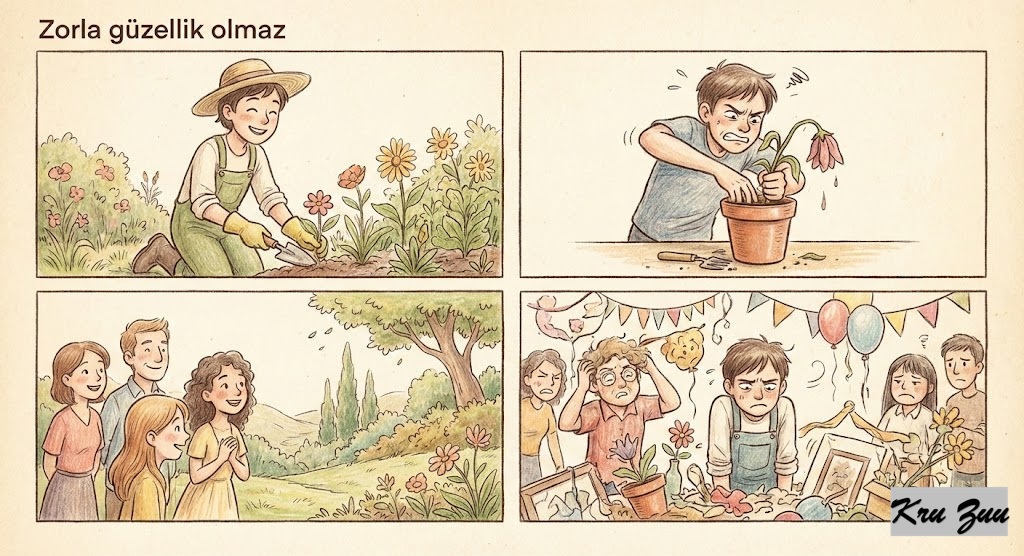
    “Zorla güzellik olmaz.” (Beauty cannot be forced/There is no forced beauty.) OR “Zorla kuyu kazılmaz.”


    🇩🇪 German: “Man kann einen Ochsen zum Wasser führen, aber man kann ihn nicht zwingen, zu saufen.” (You can lead an ox to water, but you can’t force it to booze/drink.)

    🎯 Impact on Life: The Pros & Cons


    ✅ The Pros (Inner Peace)
    Relief:
    When you realize you can’t “fix” everyone, a huge weight lifts off your shoulders.


    Respect: You respect others’ choices, even if they are bad choices.


    ❌ The Cons (The frustration)


    Watching Failure:
    Sometimes, you have to watch people you love fail because they refuse the “water.” That requires emotional strength.

    🎭 Short Story: The Chicken’s Great Feast


    Let’s visit the farm to see this law in action.


    🌟 The Characters


    🐔 Mrs. Hen (The Over-Helper):
    She thinks she knows what is best for everyone.


    🐸 Freddy Frog: He loves flies and mud.


    🐱 Leo the Cat: He is proud, stubborn, and hates being told what to do.


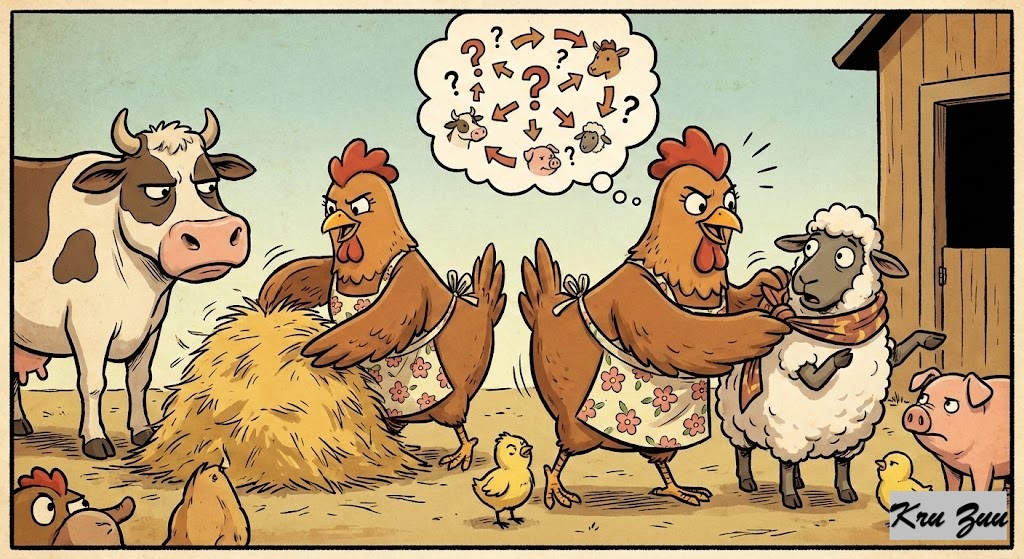
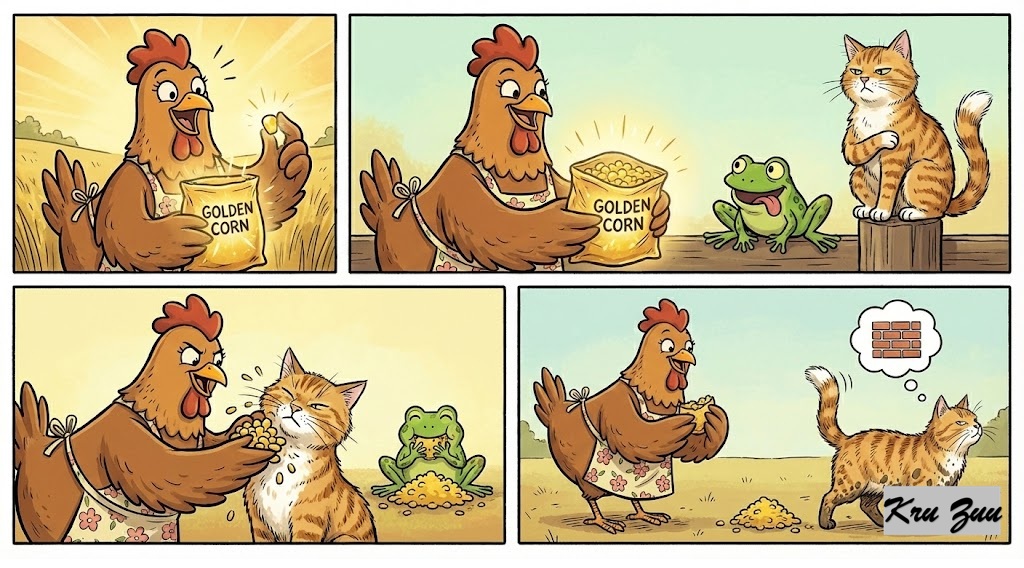
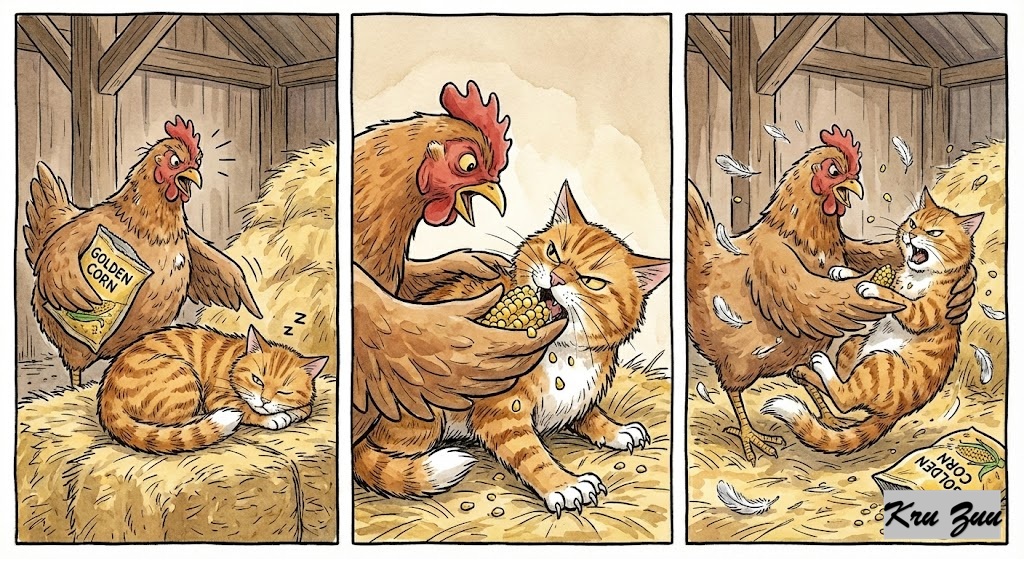
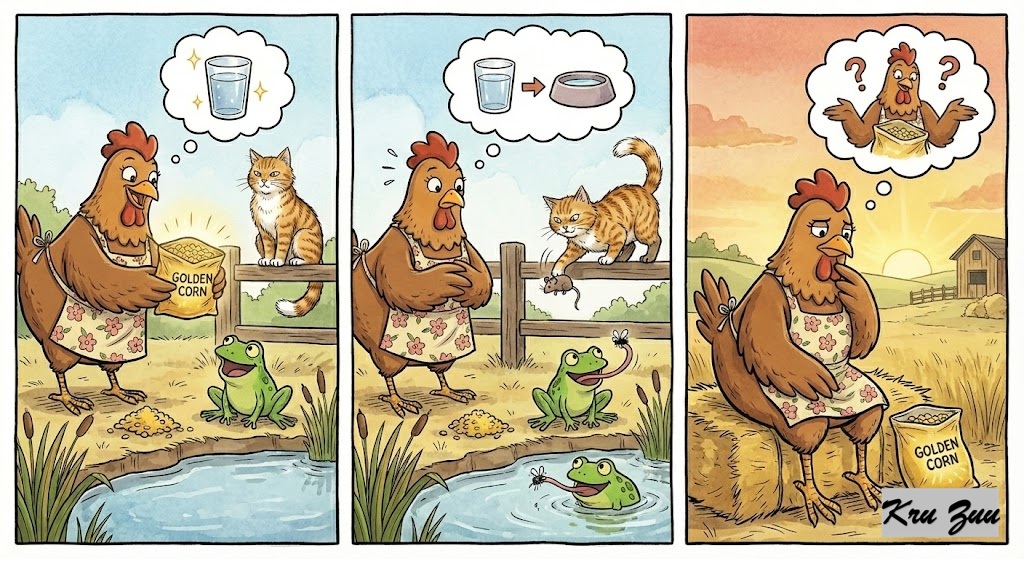
    The Situation: Mrs. Hen found a bag of “Golden Corn.” It was the most delicious, expensive corn in the world. She was so excited! She wanted everyone to be happy and full.


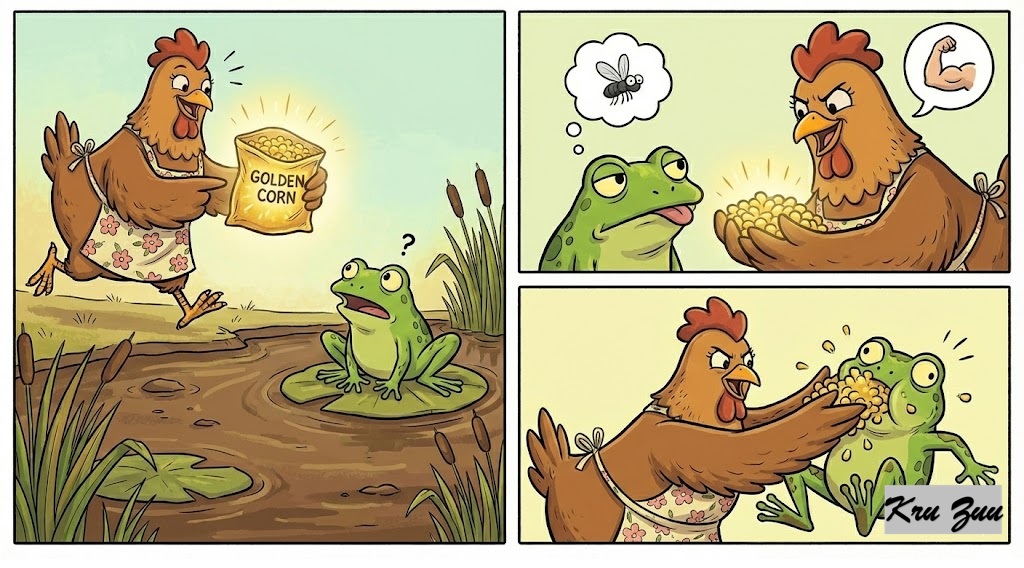
    Scene 1: The Frog Mrs. Hen ran to the pond. “Freddy! Look! Golden Corn! Eat it, it will make you strong!” Freddy Frog looked at the corn. He looked at Mrs. Hen. “But I like flies,” Freddy said. “No, no! This is better than flies,” insisted Mrs. Hen. She pushed the corn into his face.

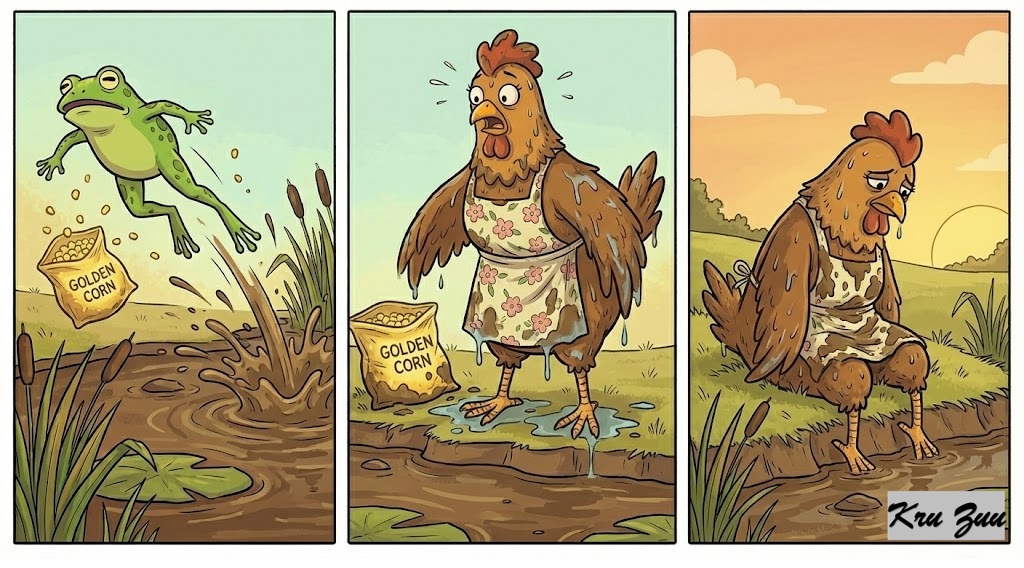
    The Result: Freddy jumped into the muddy water to escape. Mrs. Hen was wet and sad.


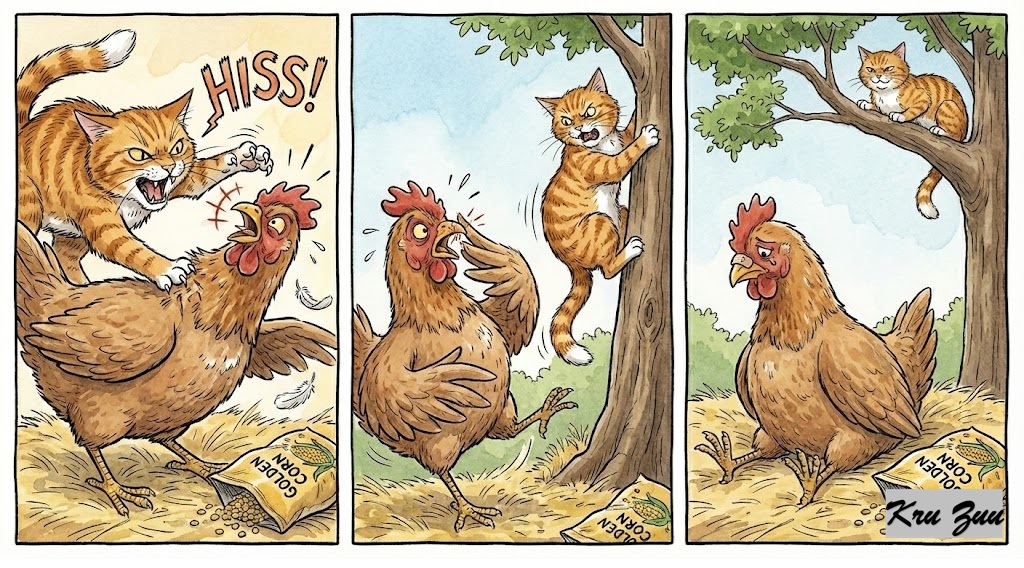
    Scene 2: The Cat Mrs. Hen didn’t give up. She went to the barn. “Leo! You are thin. You need this corn.” Leo the Cat was sleeping. He opened one eye. “I am a carnivore, Mrs. Hen. I eat meat.” “Just try it!” Mrs. Hen shouted. She tried to open Leo’s mouth to put the corn in. “You must eat it!”

    The Result:HISS! Leo scratched Mrs. Hen’s beak and ran up a tree.

    The Moral: Mrs. Hen had good intentions (The Water). But a Frog and a Cat have different needs (The Drinking). Mrs. Hen wasted her day trying to turn a Cat into a Chicken. Don’t be Mrs. Hen. Offer the corn, but don’t force the feast. 🌽

    🎓 Lesson for English Learners


    Stop Buying, Start Doing.


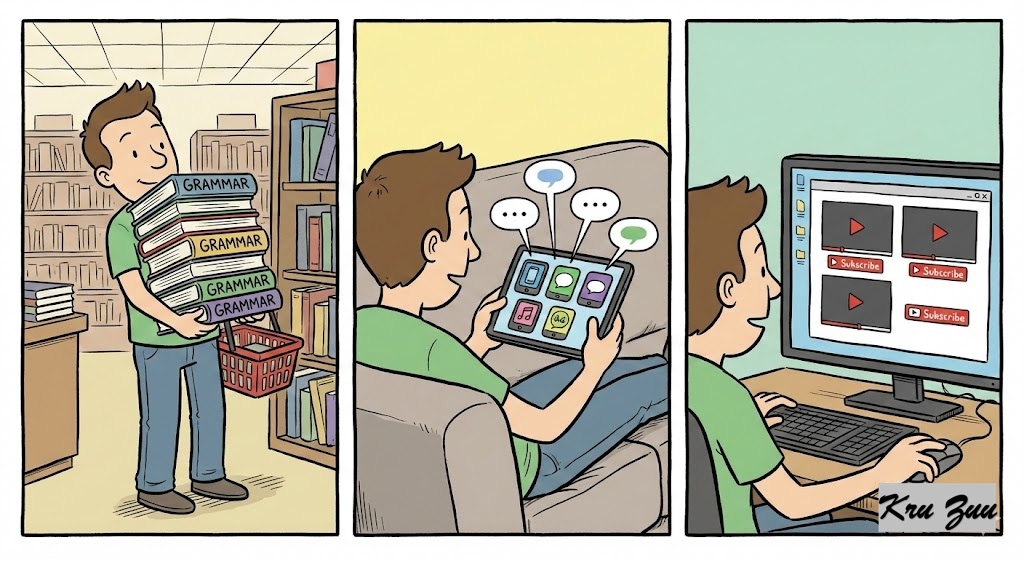
    The Situation: You buy 10 grammar books. You download 5 language apps. You subscribe to 3 YouTube channels.

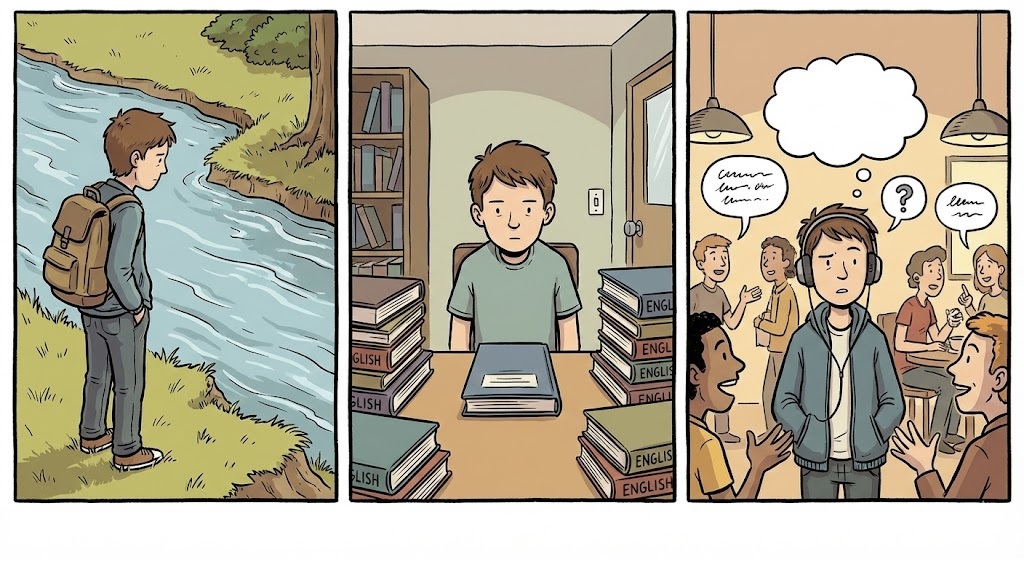
    The Reality: The books and apps are just “the water.”


    The Problem: You are standing by the river, but you aren’t drinking. Buying the book doesn’t put the English in your brain.


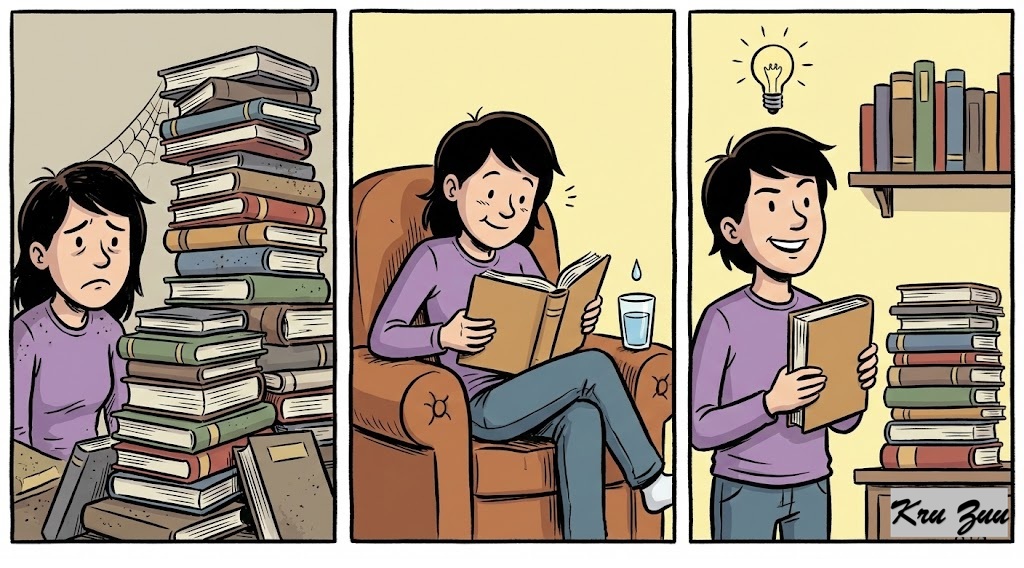
    The Fix: One page read is better than ten books bought. Drink the water. 💧


    💬 Your Turn: The Reflection 🚀


    Think about your life this week.


    Who are you trying to “force” to drink? (A friend? A student? Yourself?)


    Are you the stubborn horse? Is someone giving you good advice that you are ignoring?


    👇 Tell us in the comments! Have you ever tried to help someone who didn’t want help?

    By Zubeyir YURTKURAN

    https://www.facebook.com/BrainBattleground/

    https://www.facebook.com/zubeyr.yurtkuran/

    https://www.instagram.com/zubeyryurtkuran/

    https://www.youtube.com/@BrainBattleground-b3p

    https://www.instagram.com/brainbattleground/

  • ⏳ The Daily Shield: The Law of Patience

    ⏳ The Daily Shield: The Law of Patience

    “Good things come to those who wait.”


    😈 The Villain (The Rusher)
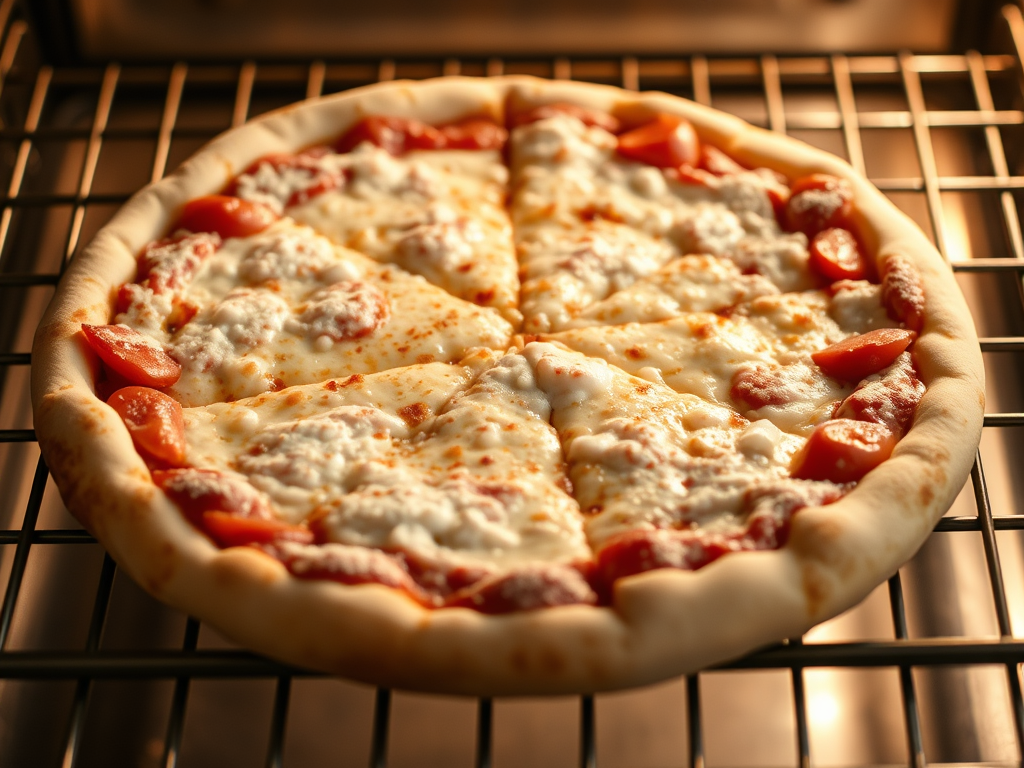
    You want everything NOW. You put the frozen pizza in the oven, but you take it out 5 minutes early because you are hungry. The center is still frozen cold.

    You send 10 text messages because your friend didn’t reply in 30 seconds.

    You quit the gym after one week because you don’t have a six-pack yet.

    The Result? Burnt tongues, unfinished projects, and broken relationships. You are addicted to “Instant Gratification.”

    You run fast, but you never arrive. 🏃‍♂️💨


    😇 The Hero (The Strategist)
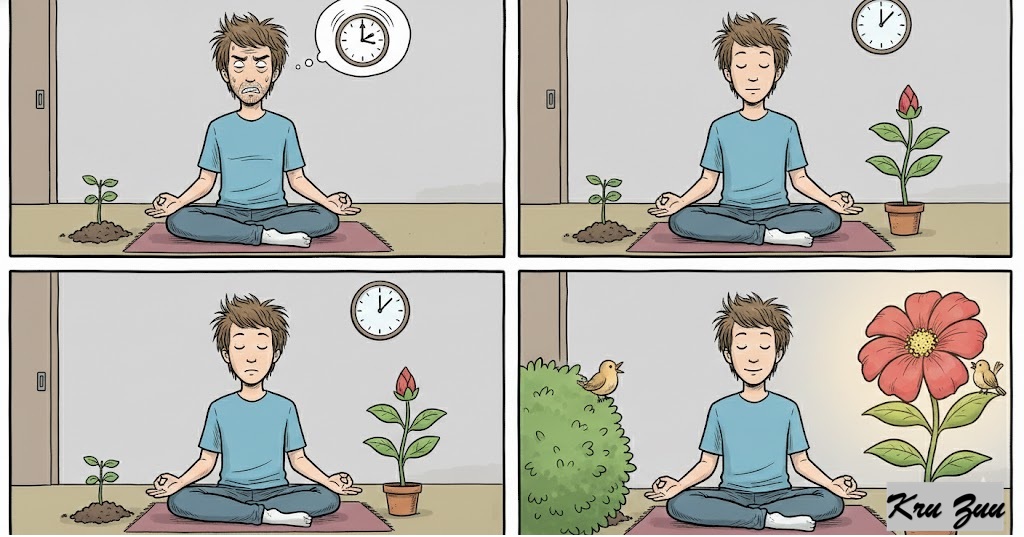
    You plant a seed. You water it. You watch nothing happen for days. But you don’t dig it up to check if it’s growing. You trust the process.

    You wait for the tea to cool down so you can taste the flavor.

    You study English for 15 minutes every day for a year, knowing the result will come later.

    The Result? You enjoy the sweetest fruit because you let it ripen.

    You win the game because you waited for the perfect moment to strike.

    You possess the superpower called Patience. 🛡️


    ⚖️ The Reality
    “Fast” is often “Fragile.” We live in a microwave generation. We want 5-minute abs, 1-minute rice, and instant success. But diamonds take millions of years to form. If you rush a diamond, you just get coal.

    💎 The Secret: Waiting is not “doing nothing.” Waiting is an action. It is gathering strength, observing, and preparing for the grand finale.

    🧐 The Anatomy of the Proverb

    Let’s break down this famous saying.


    Good things (Subject):
    Success, fluency, love, rewards.


    Come (Verb): Arrive; happen.


    To those who wait (Indirect Object): The people who show patience.


    Simpler Version: Be patient, and you will be rewarded.


    📚 Vocabulary Vault


    Patience (Noun):
    The capacity to accept or tolerate delay without getting angry. (The ultimate virtue).


    Impulsive (Adjective): Acting or doing something without thinking carefully. (The enemy of success).


    Virtue (Noun): A behavior showing high moral standards.


    Inevitable (Adjective): Certain to happen; unavoidable.


    Ripe (Adjective): Ready to be eaten; fully developed (used for fruit and opportunities). 🍎


    🧠 Grammar Focus: Relative Clauses


    Look at the phrase:
    “Those who wait.” This is a Defining Relative Clause.


    It tells us which people get the good things.


    Structure: Person + Who + Verb.


    Examples


    People who study pass the exam.


    He who laughs last, laughs best.


    God helps those who help themselves.

    📜 History: Origin and Spread


    Where did this wisdom come from?


    The Origin:
    While the idea is ancient, the poem “Tout vient à qui sait attendre” by Mary Montgomerie Currie (under the name Violet Fane) in the 19th century made it famous in English.


    The Logic: Hunters knew this best. If you shoot too early, you miss the deer. If you wait too long, it runs away. You must wait for the perfect shot.


    Global Cousins


    🇹🇷 Turkish:
    “Sabreden derviş muradına ermiş.” (The patient dervish attained his wish.) — A classic!


    🇮🇹 Italian: “Chi va piano, va sano e va lontano.” (He who goes slowly, goes safely and goes far.)


    🇦🇪 Arabic: “As-sabr miftah al-faraj.” (Patience is the key to relief.)

    🎯 Impact on Life: The Pros & Cons


    ✅ The Pros (The Reward)


    Quality:
    Work done with patience is always higher quality than rushed work.


    Wisdom: When you wait and observe, you learn things the “rushers” miss.


    ❌ The Cons (The Trap)


    Passive Waiting:
    There is a difference between “Patience” and “Laziness.”


    The Rule: You must work while you wait. Don’t just sit on the couch hoping for a million dollars!

    🎭 Short Story: The Pond Paradox


    Let’s go to the edge of a magical pond to see this proverb in action.


    🌟 The Characters


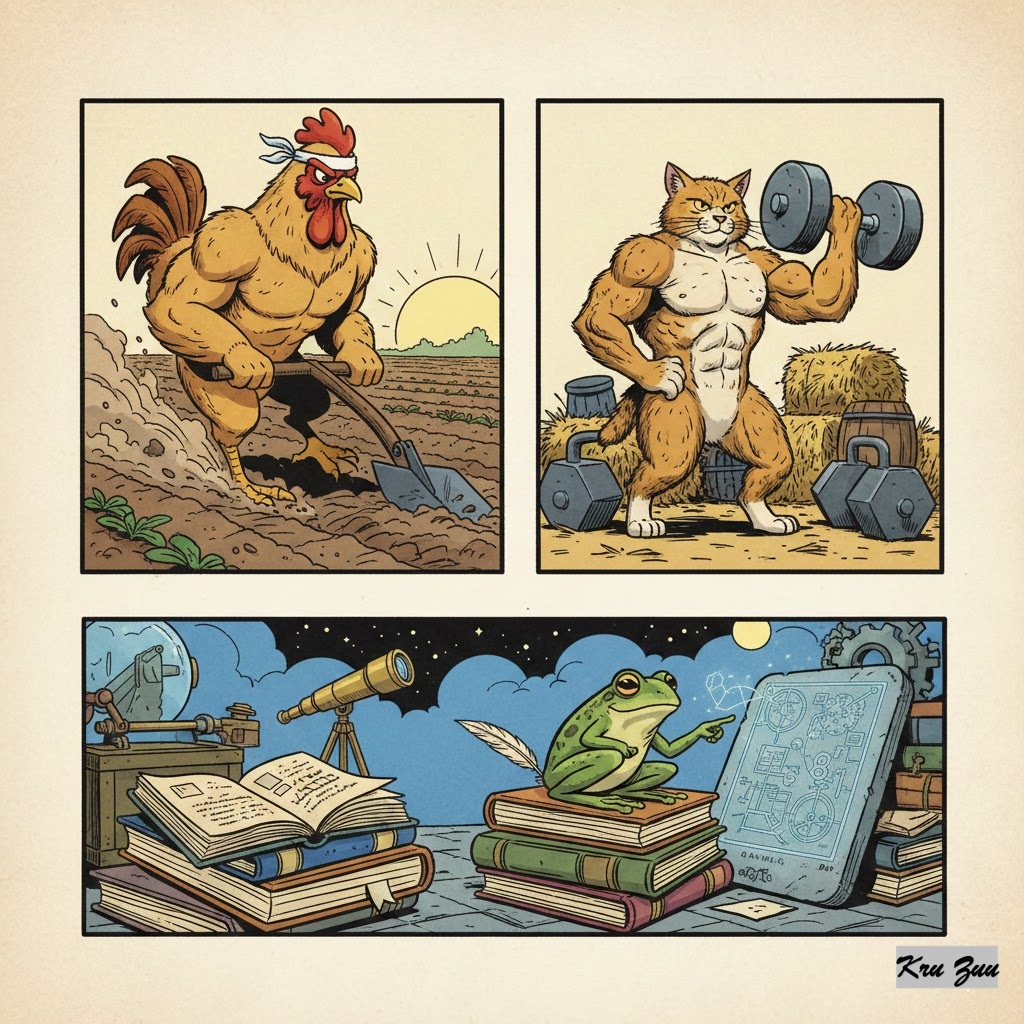
    🐔 The Chicken:
    Nervous, frantic, always moving.


    🐈 The Cat: Skilled but impulsive.


    🐸 The Frog: Ugly, still, and staring at nothing.


    The Scene: It is lunchtime. The pond is full of delicious flies.


    The Chicken’s Strategy: The Chicken sees a fly and runs after it immediately. Peck! Peck! Peck! She misses. She runs to another spot. She scratches the ground. She makes a lot of noise.

    Result: The flies are scared. They fly away. The Chicken eats only dust and dry seeds. She is tired and hungry.


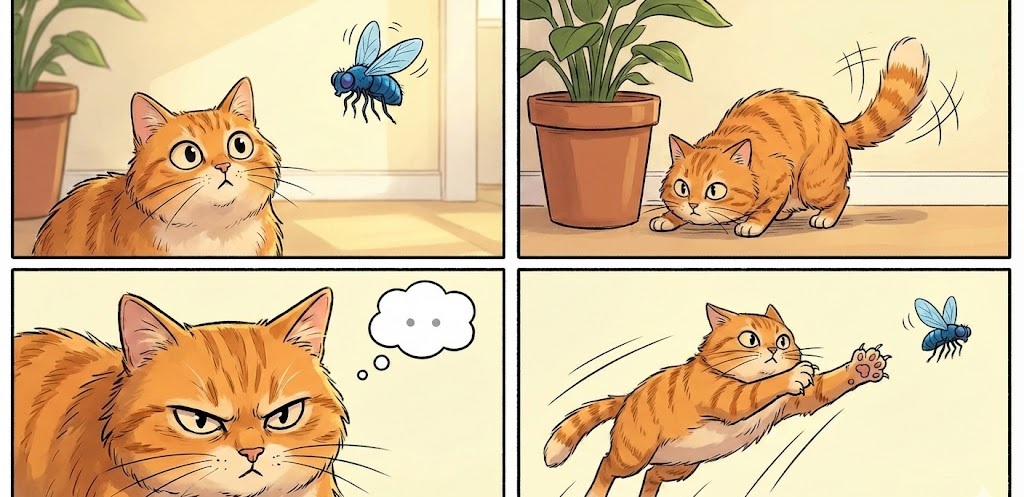
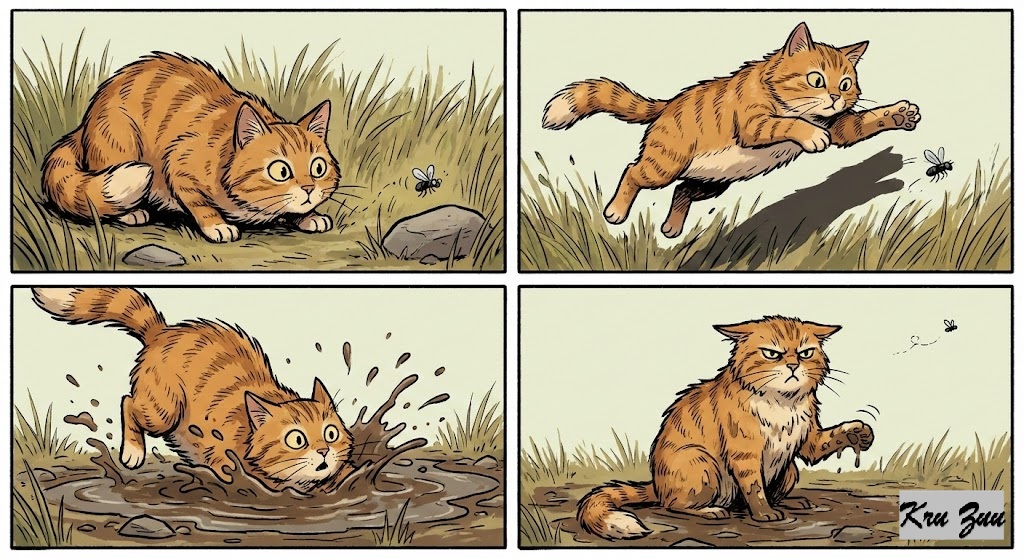
    The Cat’s Strategy: The Cat sees a big blue fly. He crouches. His tail wags excitedly. He counts to two and—POUNCE! He jumps into the air.

    Result: He was too eager. His shadow scared the fly a split second before he caught it. He lands in the mud. Wet and annoyed.


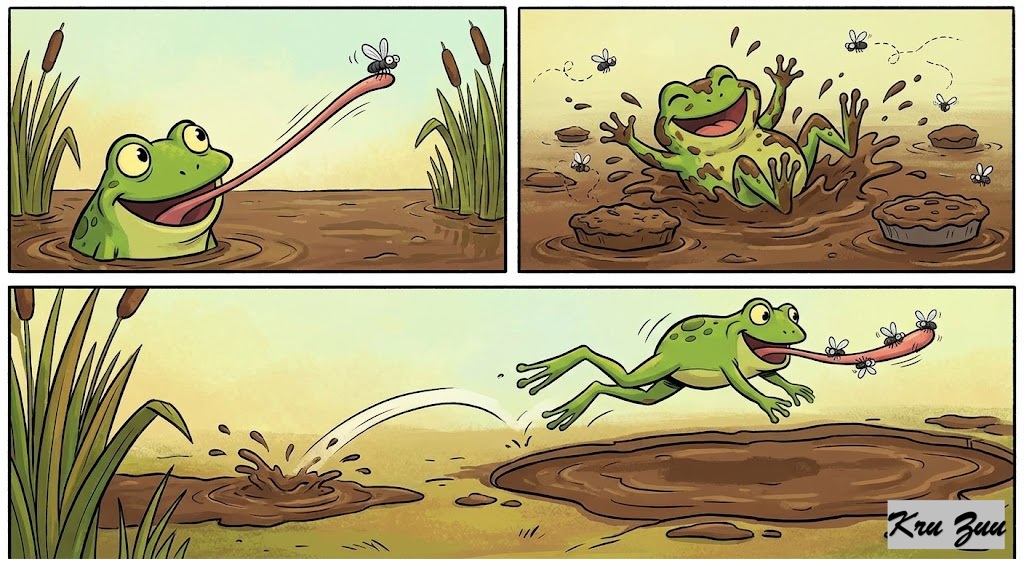
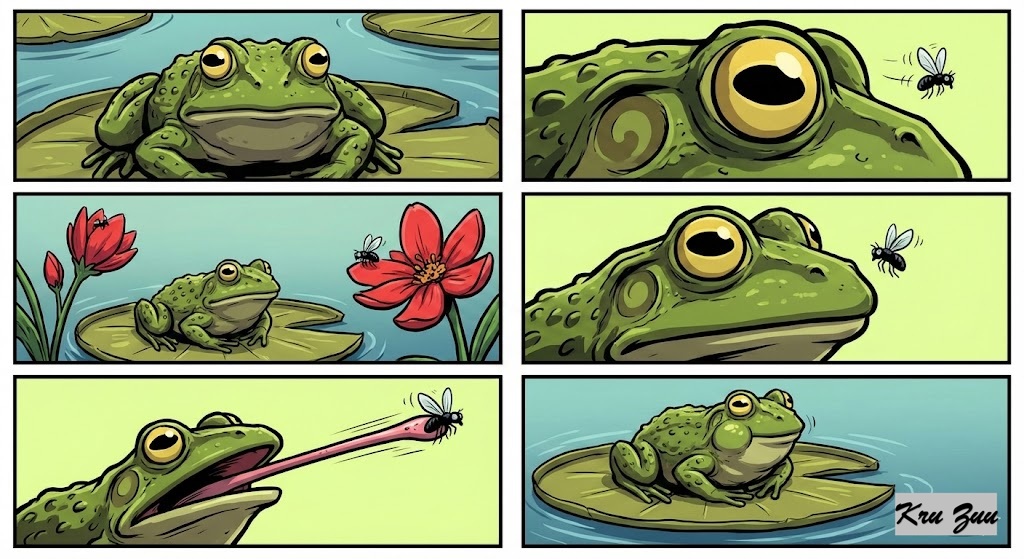
    The Frog’s Strategy: The Frog sits on a lily pad. He looks like a statue. He doesn’t blink. A fly buzzes near his ear. He waits. The fly lands on a flower nearby. He waits. The fly flies closer, right in front of his nose.

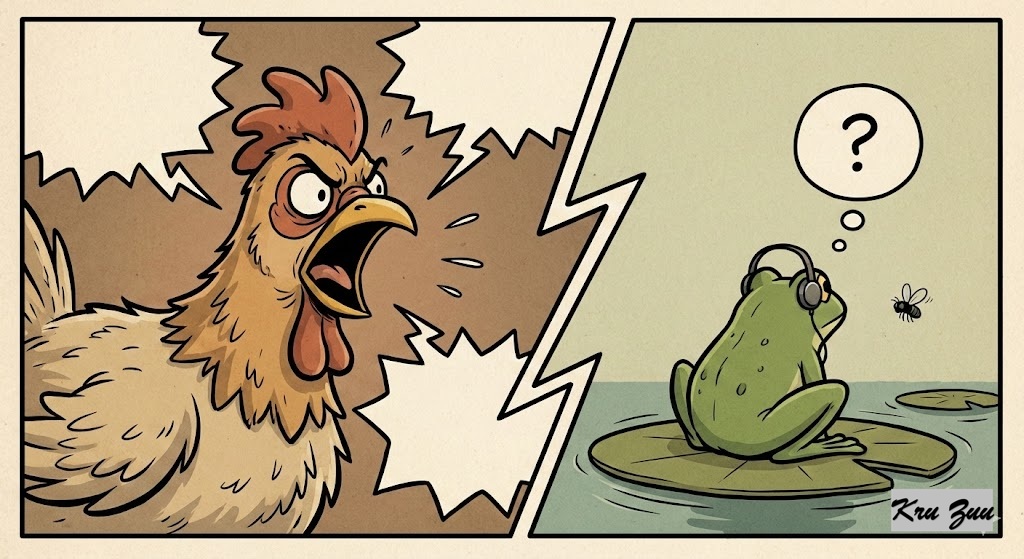
    The Chicken yells, “Why don’t you do something?!” The Frog ignores her.

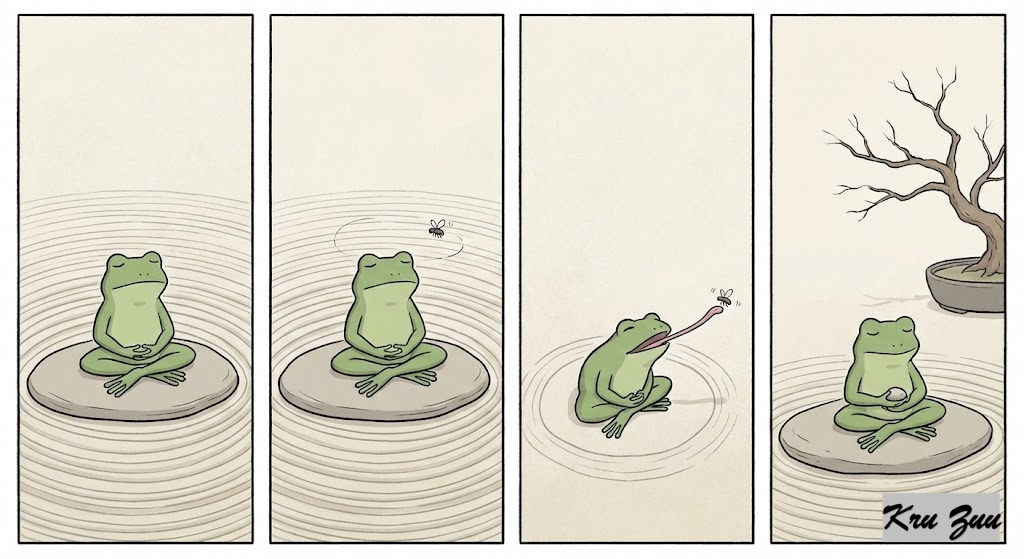
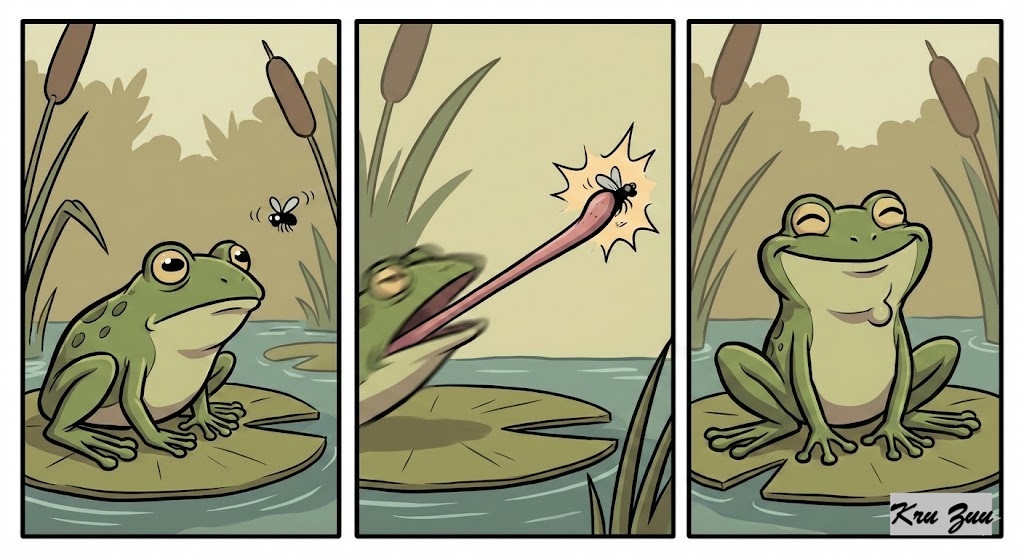
    He waits until the fly is relaxed. ZAP! 👅 In one millisecond, his tongue shoots out. The fly is gone. The Frog smiles.


    The Moral

    The Chicken worked the hardest.

    The Cat was the strongest.

    But the Frog was the smartest.

    Motion is not progress. Stillness is a strategy. 🐸

    🎓 Lesson for English Learners


    Don’t Quit in the “Plateau.”


    Situation:
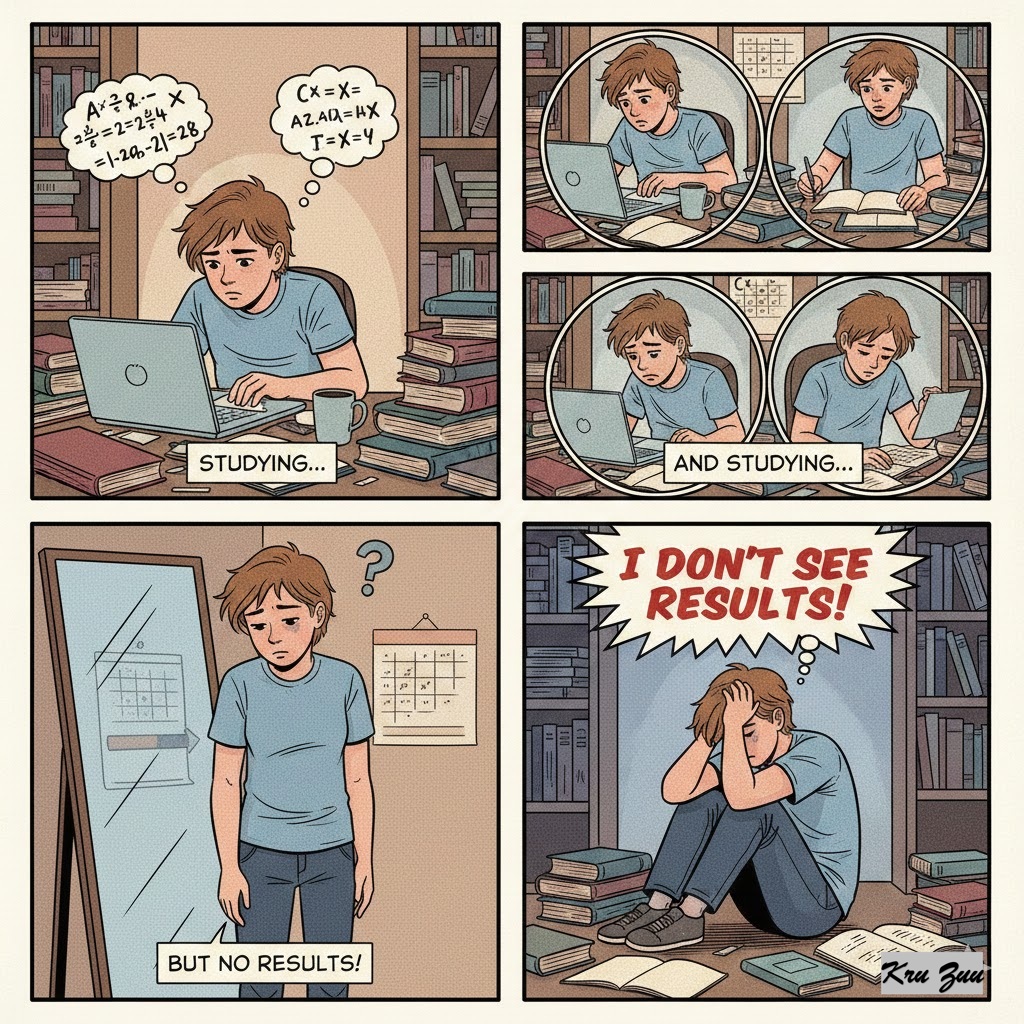
    You have been learning English for 6 months. You feel like you aren’t improving. You want to quit.


    You Say: “I am studying, but I don’t see results!”


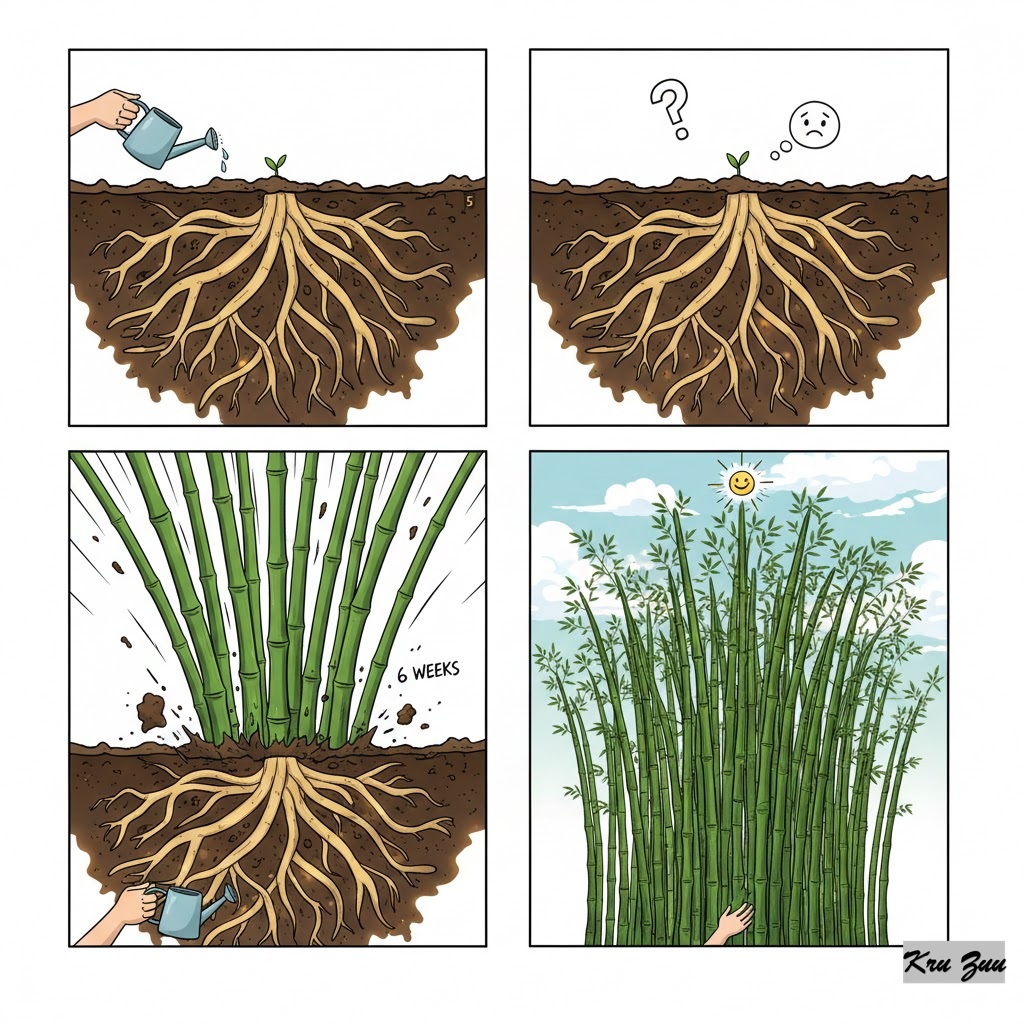
    The Reality: Language learning is like bamboo. For 5 years, bamboo grows underground (roots). You see nothing. Then, in 6 weeks, it shoots up 30 meters!


    The Advice: You are in the root phase. Good things come to those who wait (and keep studying).


    💬 Your Turn: The Marshmallow Test 🍬


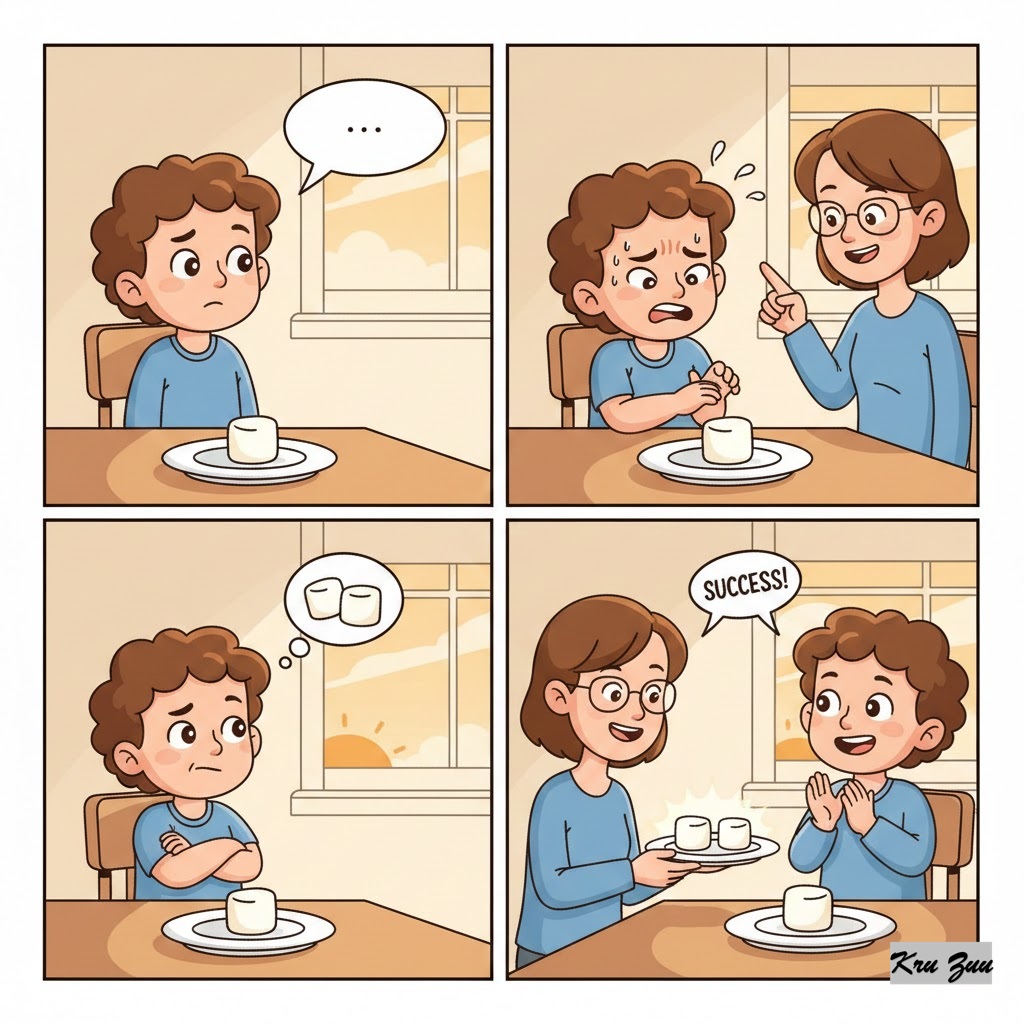
    Psychologists did a test on kids. They put one marshmallow in front of a child and said: “You can eat this now. OR, if you wait for me to come back, I will give you two marshmallows.” The kids who waited became more successful in life.


    Question for you: What is one thing you are being patient for right now? A promotion? Love? Learning a new skill? Tell us in the comments! Are you the Chicken, the Cat, or the Frog? 👇

    By Zubeyir YURTKURAN

    https://www.facebook.com/BrainBattleground/

    https://www.facebook.com/zubeyr.yurtkuran/

    https://www.instagram.com/zubeyryurtkuran/

    https://www.youtube.com/@BrainBattleground-b3p

    https://www.instagram.com/brainbattleground/

  • 🛡️ The Daily Shield: The Law of Visibility

    🛡️ The Daily Shield: The Law of Visibility

    “Out of sight, out of mind.”


    👻 The Villain (The Ghost)

    You have a best friend. You move to a different city. You promise to call every week.

    But then… life happens. You get busy with work. You make new friends. You stop seeing your old friend’s face.

    Slowly, the messages stop. The memories fade. A year later, you realize you haven’t spoken to them at all. You didn’t mean to be bad; you just forgot because they weren’t there. You let the connection die. The fog of “distance” won. 🌫️


    ❤️ The Hero (The Connector)

    You know that human memory is weak.

    You move away, but you put a photo of your friend on your desk.

    You set a reminder on your phone: “Call Mom.””Text Bestie.”

    You keep your English books on the coffee table, not hidden in a drawer.

    You fight the distance. You force your brain to remember what is important, even if it isn’t right in front of your eyes. You keep the fire alive. 🔥


    ⚖️ The Reality


    Your brain is lazy.

    The human brain prioritizes what it can see immediately. It’s a survival instinct. If a tiger is in front of you, you care about the tiger. If the tiger is 100km away, the tiger doesn’t exist.

    The Danger: This ruins relationships, kills hobbies (like learning English), and destroys goals.


    💎 The Secret: To keep something in your mind, you must keep it in your sight. Visibility = Priority.

    🧐 The Anatomy of the Proverb


    This is a warning about human nature.


    Out of (Preposition):
    Beyond; no longer inside.


    Sight (Noun): The ability to see; vision; range of view. 👀


    Mind (Noun): Memory; attention; thoughts. 🧠


    Simpler Version: If I can’t see it, I will forget it.


    📚 Vocabulary Vault


    Neglect (Verb):
    To not pay enough attention to something. (The result of “out of sight”).


    Fade (Verb): To slowly disappear or become less bright.


    Recall (Verb): To bring a fact back into one’s mind; to remember.


    Distance (Noun): The amount of space between two things. 📏


    Permanence (Noun): The state of remaining unchanged indefinitely.


    🧠 Grammar Focus: Parallelism


    This proverb uses a beautiful structure called Parallelism. It balances two similar phrases to create a catchy rhythm.


    Structure: Out of [Noun A], out of [Noun B].


    Why it works: It suggests a direct cause and effect. Because A happened, B happened.


    Other examples of this rhythm:


    “Easy come, easy go.”


    “No pain, no gain.”

    📜 History & Global Cousins


    This isn’t just English wisdom; it’s human wisdom.


    The Origin

    This idea is ancient. It appears in Homer’s Odyssey (ancient Greece), but the exact English rhyme became popular in the 1500s.


    Global Cousins
    🇹🇷 Turkish:
    “Gözden ırak olan, gönülden de ırak olur.” (He who is far from the eye is also far from the heart.) — A perfect match!


    🇪🇸 Spanish:“Ojos que no ven, corazón que no siente.” (Eyes that don’t see, heart that doesn’t feel.)


    🇫🇷 French:“Loin des yeux, loin du cœur.” (Far from eyes, far from heart.)

    🎭 Short Story: The Trio of the Pond 🐸🐔🐱


    Let’s visit the farm to see this law in action.


    🌟 The Cast
    Cleo the Cat:
    Cool, lazy, and loves naps.


    Cluck the Chicken: Anxious, loud, and easily distracted.


    Fred the Frog: The adventurous traveler.


    The Separation: Fred the Frog was tired of the small farm pond. “I am going to the Amazon River!” he announced.

    Cluck cried, “We will miss you every second!”

    Cleo opened one eye and said, “Don’t worry, Fred. We are the Three Musketeers. We never forget.”


    Month 1 (The Departure): Fred left. Cluck looked at Fred’s empty lily pad every day. “I miss Fred,” she clucked.

    Cleo looked at the empty pond. “Life is boring without Fred.”


    Month 6 (Out of Sight): Cluck found a new shiny beetle to chase. She was very busy pecking the ground. She stopped looking at the pond. Cleo found a warm spot on the roof. She slept 18 hours a day.

    One day, Cluck asked, “Hey Cleo, didn’t we have a green friend? Small guy? Jumped a lot?”

    Cleo yawned. “I think so. Maybe it was a dream. Pass me the milk.”

    Fred was gone from their eyes, so he was fading from their minds.


    Year 1 (The Return): Suddenly, a green figure jumped onto the fence. It was Fred! He had returned from the Amazon! “Hello, family! It’s me, Fred!” he shouted.


    Cluck screamed, “Monster! A green monster!” Cleo hissed and showed her claws. “Who are you, stranger?”


    Fred was shocked. “It’s me! Fred! Best friends?” Cleo squinted her eyes. “Sorry, buddy. I don’t recall a Fred. You’ve been out of sight too long.”


    The Moral: Even best friends can forget if they don’t stay connected. Don’t be like Cleo and Cluck. Keep your friends close, or at least keep their photos visible!

    🎓 Lesson for English Learners


    Don’t hide your English!


    The Mistake:
    You finish studying and put your notebook inside a drawer. You close the app on your phone.


    The Result: You don’t see English for 2 days. You forget the vocabulary.


    The Fix


    Change your phone language to English. (Make it visible!)


    Put sticky notes on your mirror (e.g., “This is a mirror”).


    Follow English pages on Instagram. Don’t let English go “out of sight,” or it will go “out of your mind.”


    💬 Your Turn


    Be honest:
    Is there an old friend you haven’t spoken to in over a year because they moved away? Or a hobby you stopped doing because you packed the equipment in a box?


    👇 Tell us in the comments below! Let’s bring them back into sight today.

    By Zubeyir YURTKURAN

    https://www.facebook.com/BrainBattleground/

    https://www.facebook.com/zubeyr.yurtkuran/

    https://www.instagram.com/zubeyryurtkuran/

    https://www.youtube.com/@BrainBattleground-b3p

    https://www.instagram.com/brainbattleground/

  • 🛡️ The Daily Shield: The Law of Association

    🛡️ The Daily Shield: The Law of Association

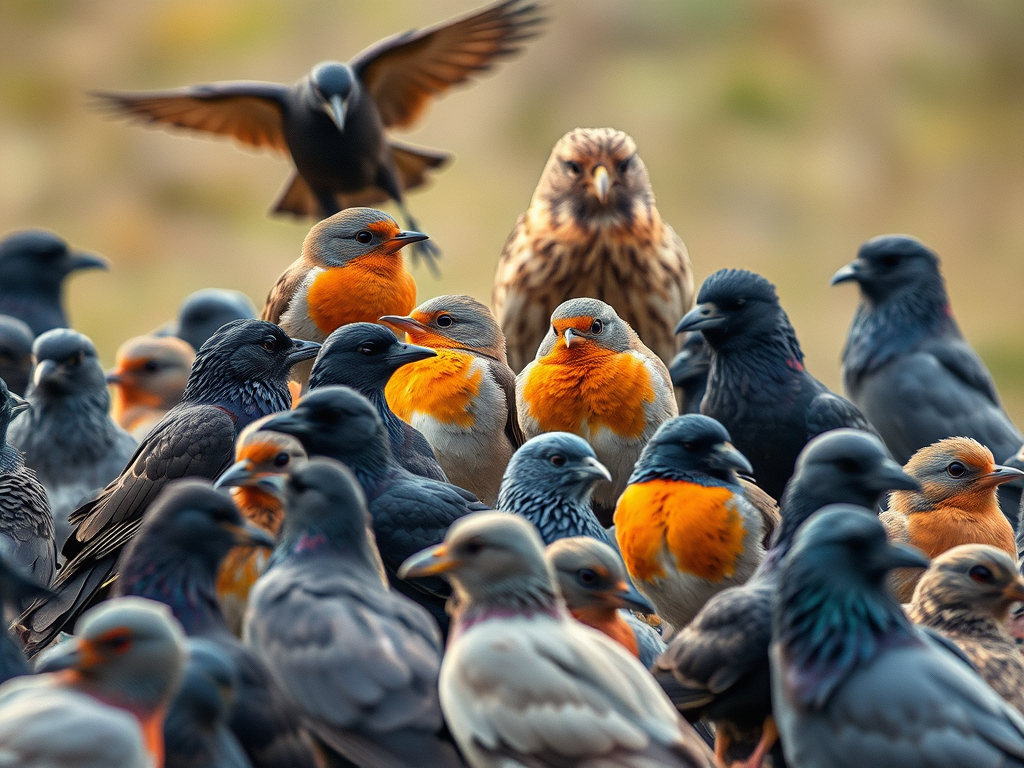
    “Birds of a feather flock together.”


    😈 The Villain (The Energy Vampire):

    You have big dreams. You want to learn English, get fit, or start a business.

    But your “squad” only wants to gossip, complain about the weather, and play video games for 6 hours straight.

    You try to work, but they say, “Come on, relax! You are boring.” You slowly lower your standards to match theirs.

    The Result? You become the average of the people around you.

    You lose your fire.

    You wonder why you are stuck in the same place while others move forward.

    You are trapped in the “Comfort Zone Cage.” 🧟‍♂️


    😇 The Hero (The Tribe Builder):

    You realize that emotions and habits are contagious.

    You look at your circle and ask: “Do these people inspire me or drain me?”

    You bravely distance yourself from toxic negativity. You find a new group, people who are smarter, faster, and kinder than you.

    The Result? Their habits rub off on you. You study because they study. You aim high because they aim high. You don’t just fly; you soar. You understand that your network is your net worth. 🦅

    ⚖️ The Reality


    “Show me your friends, and I will show you your future.” We like to think we are independent thinkers.

    But biology says otherwise. We are social chameleons.

    If your friends eat fast food every day, you will eventually eat a burger.

    If your friends read books, you will eventually pick up a book.

    💎 The Secret: You cannot change the people around you, but you can change the people around you. (Read that again).

    🧐 The Anatomy of the Proverb


    Why birds? Why feathers? Let’s break it down.


    Birds of a feather (Idiom): People who are similar (same character, same interests, same background). Just like a sparrow has different feathers than an eagle.


    Flock (Verb): To gather or travel together in a crowd.


    Together (Adverb): With or near to each other.


    Simpler Version: Similar people hang out with similar people.


    📚 Vocabulary Vault


    Clique (Noun):
    A small group of people, with shared interests or other features in common, who spend time together and do not readily allow others to join them. (Example: “The popular clique in high school.”)


    Peer Pressure (Noun): Influence from members of one’s peer group. 😬


    Entourage (Noun): A group of people attending or surrounding an important person.


    Toxic (Adjective): Very harmful or unpleasant in a pervasive or insidious way.


    Like-minded (Adjective): Having similar tastes or opinions. 🧠


    🧠 Grammar Focus: Collective Nouns


    The word “Flock” is special. It is often used for birds, but English loves “Collective Nouns” (names for groups of animals).


    A flock of birds (or sheep). 🐦


    A pack of wolves. 🐺


    A school of fish. 🐟


    A pride of lions. 🦁


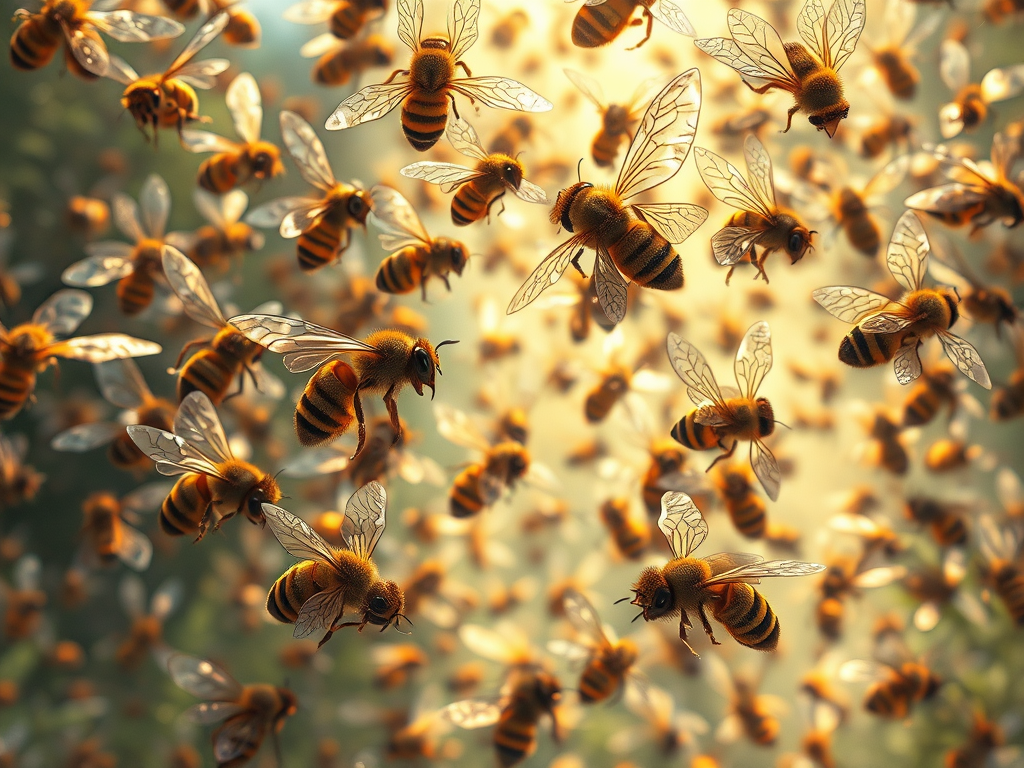
    A swarm of bees. 🐝


    Grammar Trap: When the group acts as one unit, use a singular verb.


    Correct: The flock is flying south. (Not “are”)

    📜 History & Global Wisdom


    This observation is as old as nature itself.


    The Origin

    The phrase has been used since the mid-16th century. William Turner used a version of it in 1545. It comes from the simple observation that robins fly with robins, and crows fly with crows. You never see a pigeon hanging out with a hawk.


    Global Cousins
    🇹🇷 Turkish:
    “Bana arkadaşını söyle, sana kim olduğunu söyleyeyim.” (Tell me your friend, and I will tell you who you are.) — Direct hits on the meaning!


    🇹🇷 Turkish (Alternative): “Körle yatan şaşı kalkar.” (He who sleeps with the blind wakes up cross-eyed.) — Warning about bad influence.


    🇪🇸 Spanish: “Dime con quién andas, y te diré quién eres.”


    🇯🇵 Japanese: “Rui wa tomo wo yobu.” (Similar types call their friends.)

    🎯 Impact on Life: The Audit


    ✅ The Pros (The Mastermind):
    Acceleration:
    Being around experts makes you learn faster by osmosis.


    Support: When you fall, a strong flock catches you.


    ❌ The Cons (The Echo Chamber):
    Blindness:
    If everyone agrees with you, you never grow. Sometimes you need a friend who is different to challenge your ideas.


    Exclusion: Don’t be so close to your flock that you reject everyone else. That is prejudice.

    🎭 Short Story: The Eagle in the Chicken Coop


    Once, an eagle egg rolled out of a nest and fell into a farm.

    A chicken sat on it. When the baby eagle hatched, he looked around.

    Everyone was pecking at the ground, eating corn, and clucking.

    The Conditioning: The baby eagle thought, “I guess I am a chicken.”

    He walked on the ground. He never tried to fly high. He spent his days gossiping about the farmer.

    The Awakening: One day, he looked up and saw a majestic bird gliding effortlessly in the clouds.

    “What is that?” asked the eagle. “That’s an eagle, the king of the birds,” said the old chicken. “But don’t worry about him. You and I belong to the ground.”

    The Tragedy: The eagle believed his “flock.” He lived and died a chicken, never knowing he was born to rule the sky.

    The Moral: If you hang out with chickens, you will never fly. Find your eagles. 🦅

    🎓 Lesson for English Learners


    Create Your “English Flock.”


    Situation: You study English alone in your room. When you go out, you only speak your native language.


    The Fix: You cannot learn a language in isolation.


    Join an English speaking club (online or offline).


    Change your digital flock: Follow accounts that only post in English.


    Find a “study buddy” who is more advanced than you. They will pull you up.


    💬 Your Turn: The Friendship Audit 🚀


    Jim Rohn said, “You are the average of the five people you spend the most time with.”


    The Challenge:
    Write down the names of the 3 people you text the most.


    Do they inspire you?


    Do they support your goals?


    Do they make you laugh or stress you out?


    Comment below:
    What kind of “flock” are you looking for this year? (Example: “I am looking for a creative flock!” or “I need a gym flock!”) 👇