
“Out of sight, out of mind.”
👻 The Villain (The Ghost)
You have a best friend. You move to a different city. You promise to call every week.

But then… life happens. You get busy with work. You make new friends. You stop seeing your old friend’s face.

Slowly, the messages stop. The memories fade. A year later, you realize you haven’t spoken to them at all. You didn’t mean to be bad; you just forgot because they weren’t there. You let the connection die. The fog of “distance” won. 🌫️

❤️ The Hero (The Connector)
You know that human memory is weak.

You move away, but you put a photo of your friend on your desk.

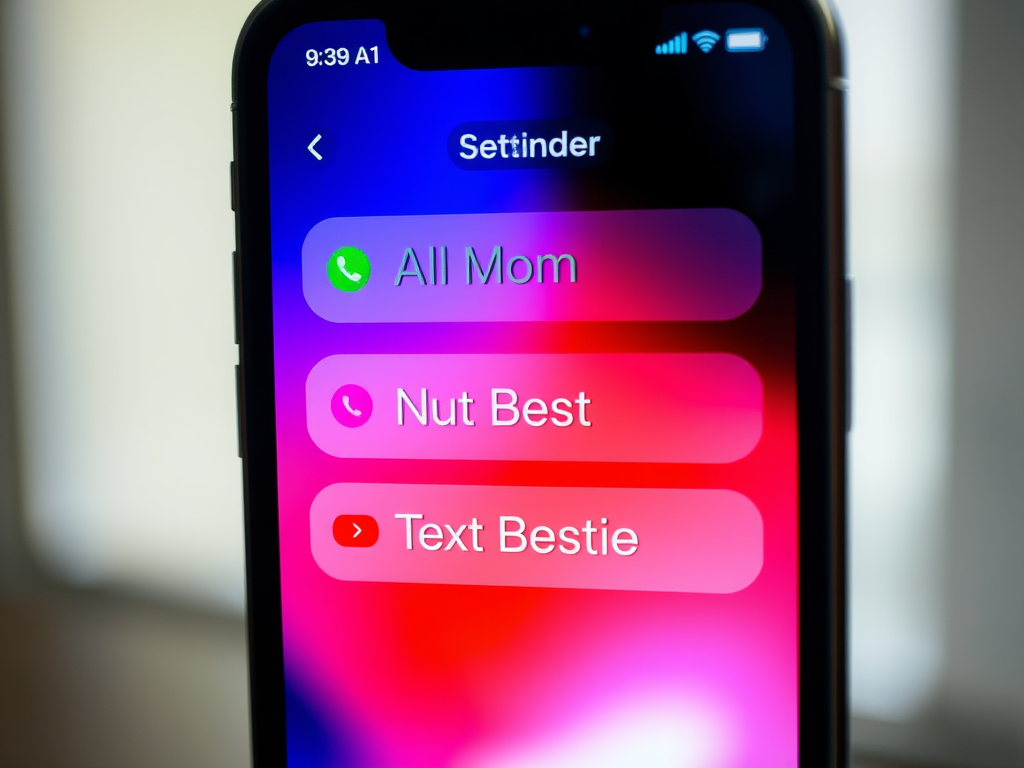
You set a reminder on your phone: “Call Mom.””Text Bestie.”
You keep your English books on the coffee table, not hidden in a drawer.

You fight the distance. You force your brain to remember what is important, even if it isn’t right in front of your eyes. You keep the fire alive. 🔥

⚖️ The Reality
Your brain is lazy.
The human brain prioritizes what it can see immediately. It’s a survival instinct. If a tiger is in front of you, you care about the tiger. If the tiger is 100km away, the tiger doesn’t exist.
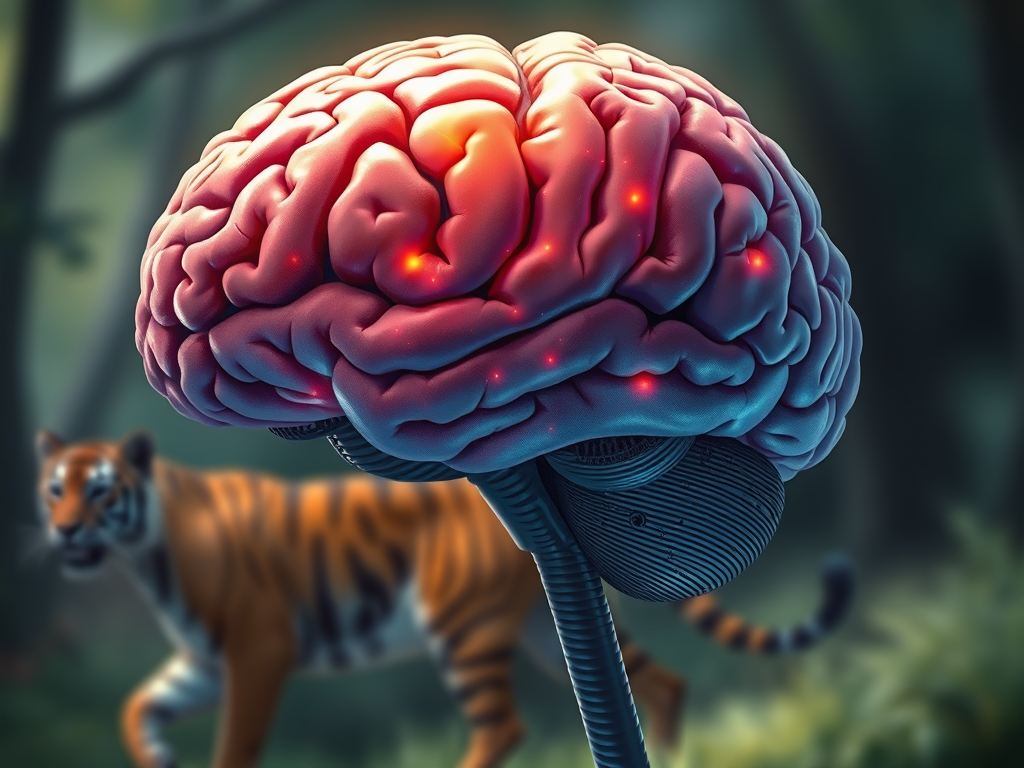
The Danger: This ruins relationships, kills hobbies (like learning English), and destroys goals.

💎 The Secret: To keep something in your mind, you must keep it in your sight. Visibility = Priority.

🧐 The Anatomy of the Proverb
This is a warning about human nature.

Out of (Preposition): Beyond; no longer inside.

Sight (Noun): The ability to see; vision; range of view. 👀

Mind (Noun): Memory; attention; thoughts. 🧠
Simpler Version: If I can’t see it, I will forget it.

📚 Vocabulary Vault
Neglect (Verb): To not pay enough attention to something. (The result of “out of sight”).

Fade (Verb): To slowly disappear or become less bright.

Recall (Verb): To bring a fact back into one’s mind; to remember.

Distance (Noun): The amount of space between two things. 📏

Permanence (Noun): The state of remaining unchanged indefinitely.

🧠 Grammar Focus: Parallelism
This proverb uses a beautiful structure called Parallelism. It balances two similar phrases to create a catchy rhythm.
Structure: Out of [Noun A], out of [Noun B].
Why it works: It suggests a direct cause and effect. Because A happened, B happened.
Other examples of this rhythm:
“Easy come, easy go.”
“No pain, no gain.”
📜 History & Global Cousins
This isn’t just English wisdom; it’s human wisdom.
The Origin
This idea is ancient. It appears in Homer’s Odyssey (ancient Greece), but the exact English rhyme became popular in the 1500s.

Global Cousins
🇹🇷 Turkish:“Gözden ırak olan, gönülden de ırak olur.” (He who is far from the eye is also far from the heart.) — A perfect match!

🇪🇸 Spanish:“Ojos que no ven, corazón que no siente.” (Eyes that don’t see, heart that doesn’t feel.)

🇫🇷 French:“Loin des yeux, loin du cœur.” (Far from eyes, far from heart.)

🎭 Short Story: The Trio of the Pond 🐸🐔🐱
Let’s visit the farm to see this law in action.
🌟 The Cast
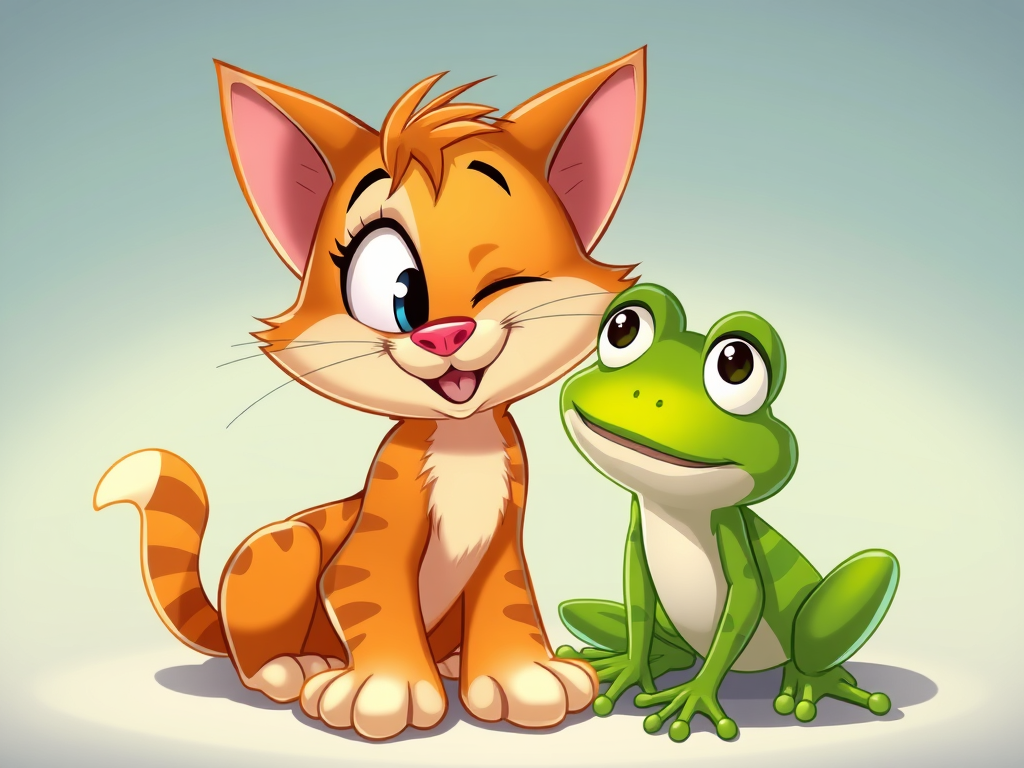
Cleo the Cat: Cool, lazy, and loves naps.

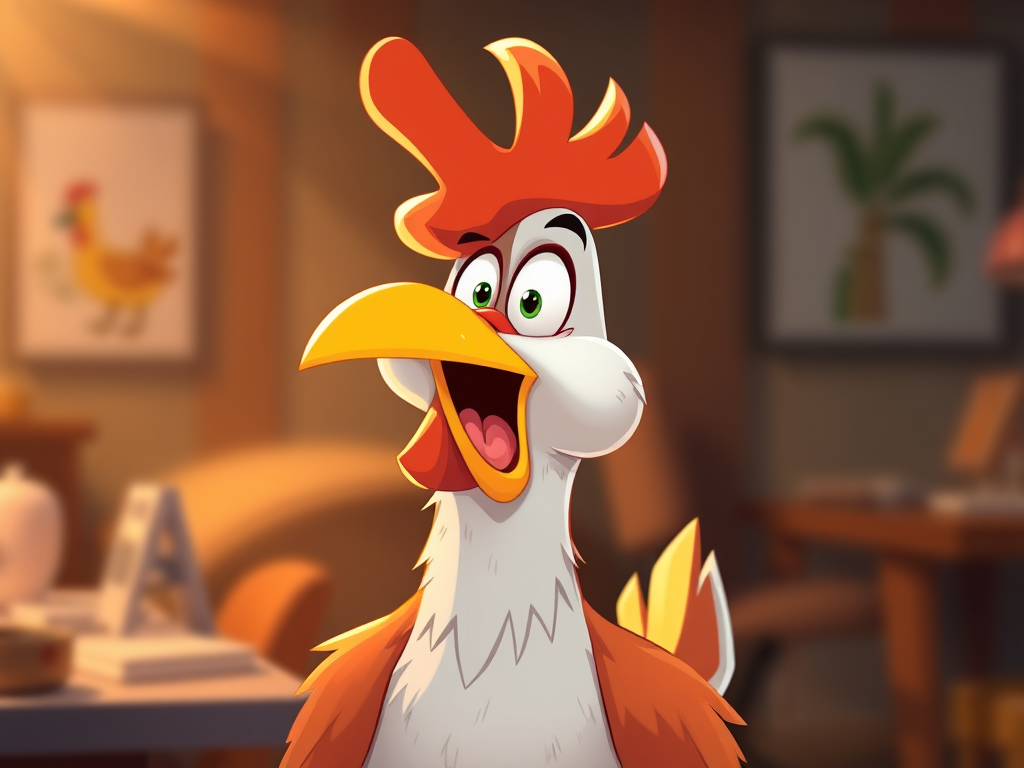
Cluck the Chicken: Anxious, loud, and easily distracted.
Fred the Frog: The adventurous traveler.
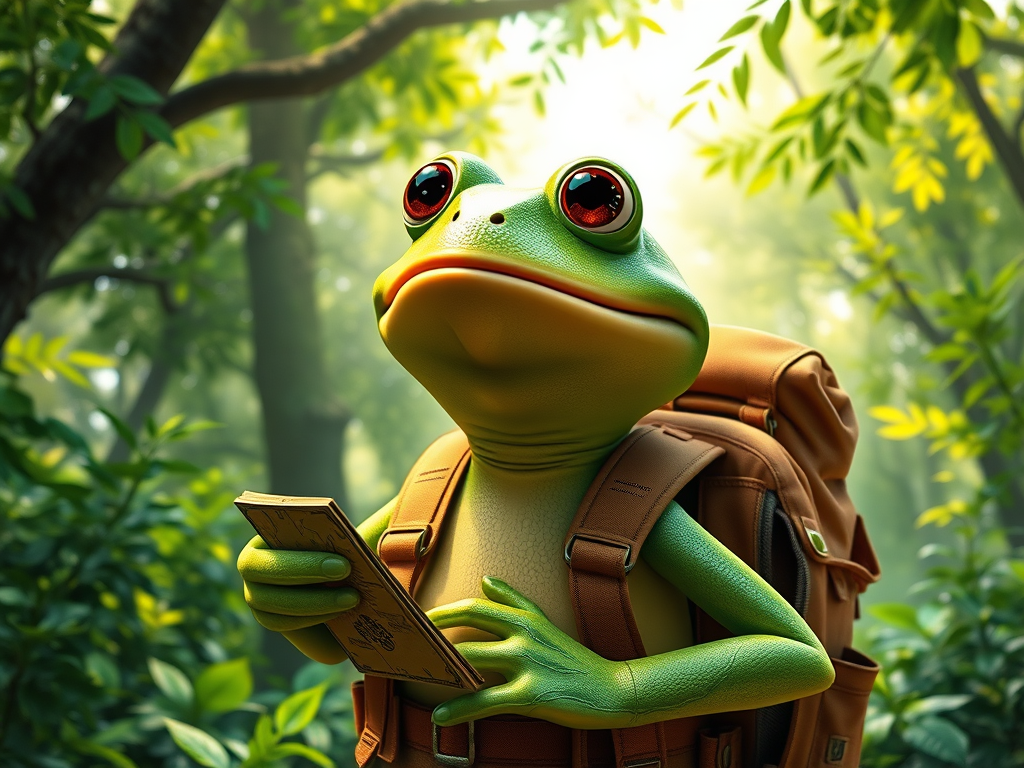
The Separation: Fred the Frog was tired of the small farm pond. “I am going to the Amazon River!” he announced.

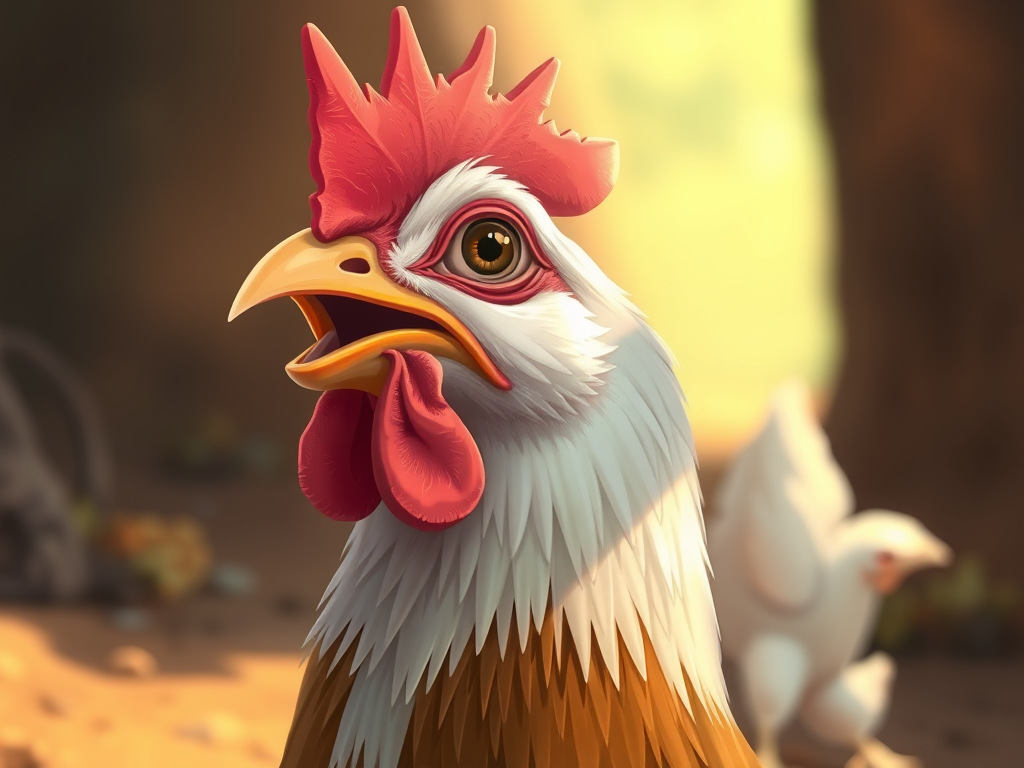
Cluck cried, “We will miss you every second!”
Cleo opened one eye and said, “Don’t worry, Fred. We are the Three Musketeers. We never forget.”
Month 1 (The Departure): Fred left. Cluck looked at Fred’s empty lily pad every day. “I miss Fred,” she clucked.

Cleo looked at the empty pond. “Life is boring without Fred.”

Month 6 (Out of Sight): Cluck found a new shiny beetle to chase. She was very busy pecking the ground. She stopped looking at the pond. Cleo found a warm spot on the roof. She slept 18 hours a day.
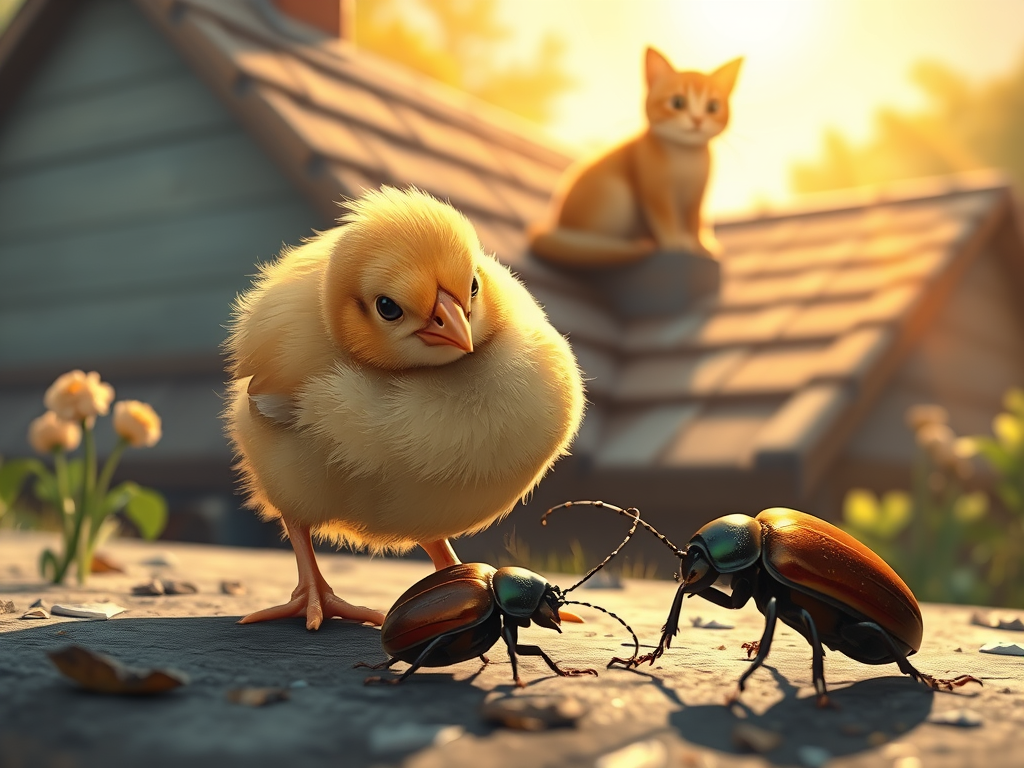
One day, Cluck asked, “Hey Cleo, didn’t we have a green friend? Small guy? Jumped a lot?”
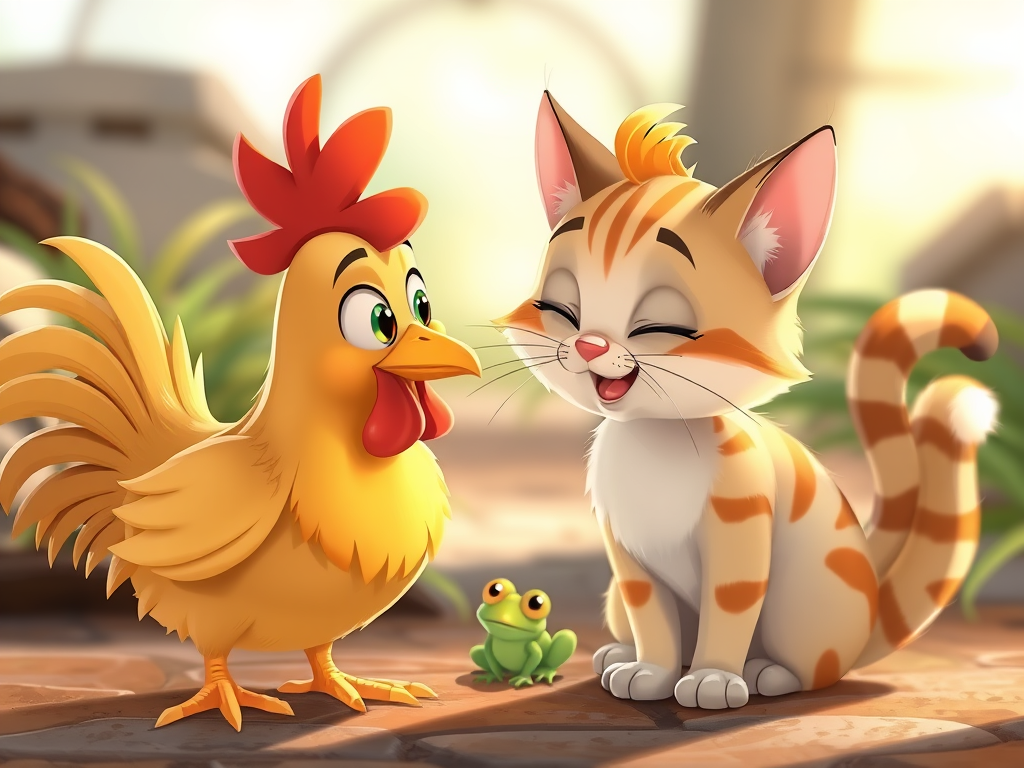
Cleo yawned. “I think so. Maybe it was a dream. Pass me the milk.”

Fred was gone from their eyes, so he was fading from their minds.

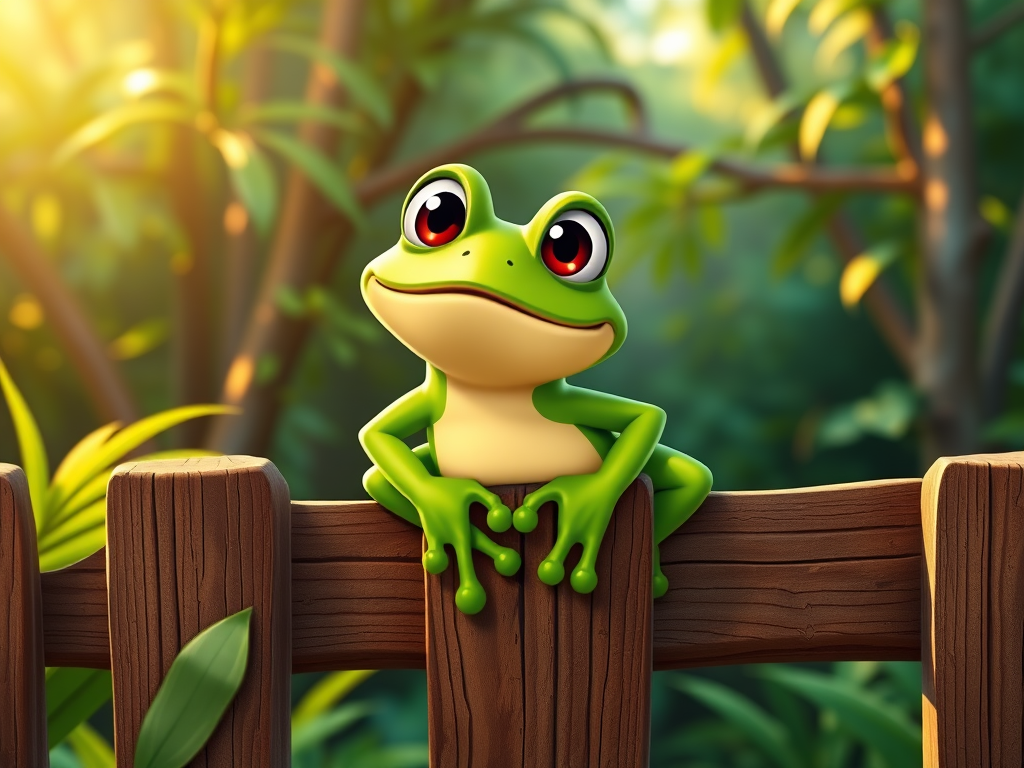
Year 1 (The Return): Suddenly, a green figure jumped onto the fence. It was Fred! He had returned from the Amazon! “Hello, family! It’s me, Fred!” he shouted.
Cluck screamed, “Monster! A green monster!” Cleo hissed and showed her claws. “Who are you, stranger?”
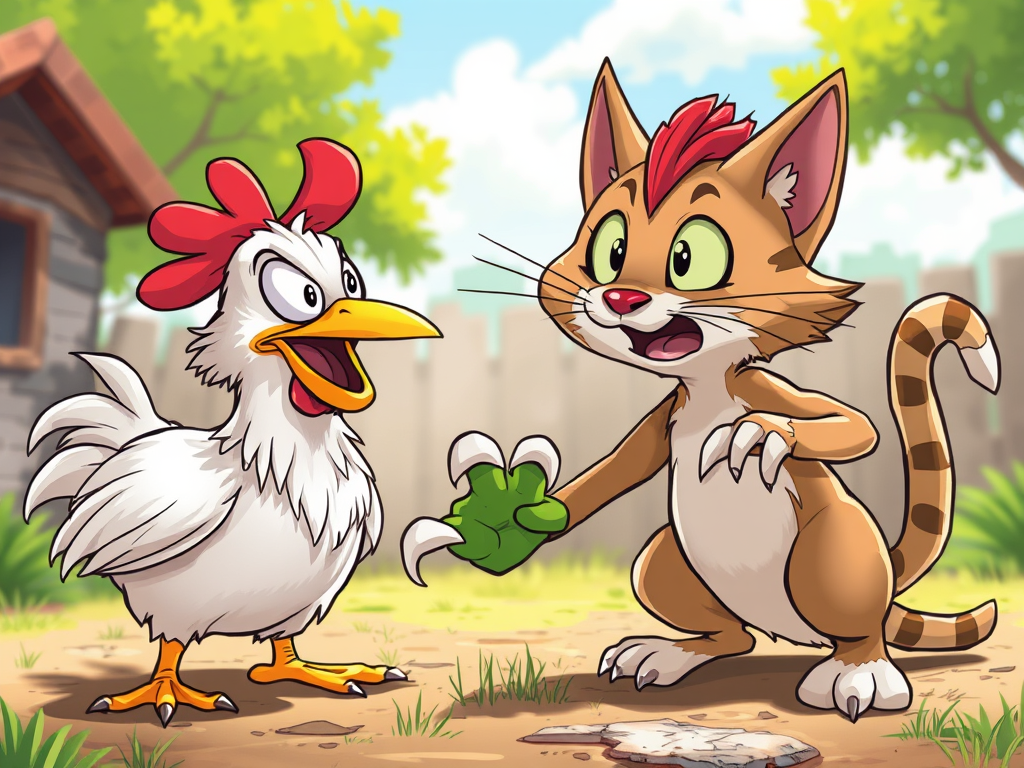
Fred was shocked. “It’s me! Fred! Best friends?” Cleo squinted her eyes. “Sorry, buddy. I don’t recall a Fred. You’ve been out of sight too long.”
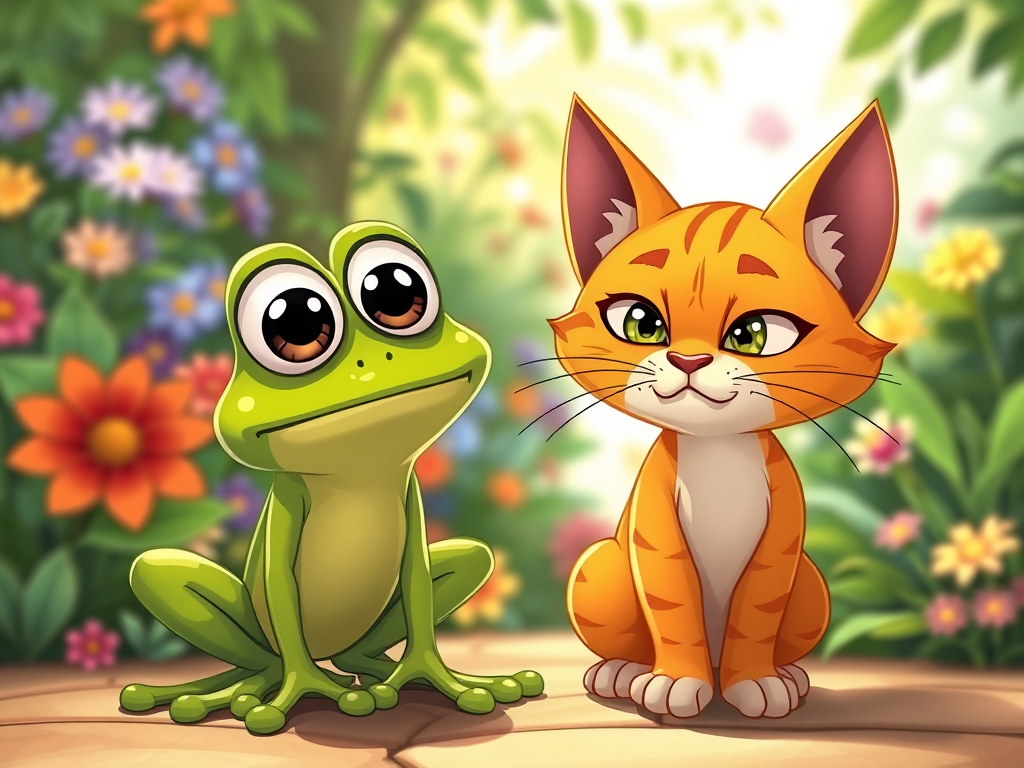
The Moral: Even best friends can forget if they don’t stay connected. Don’t be like Cleo and Cluck. Keep your friends close, or at least keep their photos visible!

🎓 Lesson for English Learners
Don’t hide your English!
The Mistake: You finish studying and put your notebook inside a drawer. You close the app on your phone.

The Result: You don’t see English for 2 days. You forget the vocabulary.

The Fix
Change your phone language to English. (Make it visible!)

Put sticky notes on your mirror (e.g., “This is a mirror”).

Follow English pages on Instagram. Don’t let English go “out of sight,” or it will go “out of your mind.”
💬 Your Turn
Be honest: Is there an old friend you haven’t spoken to in over a year because they moved away? Or a hobby you stopped doing because you packed the equipment in a box?
👇 Tell us in the comments below! Let’s bring them back into sight today.
https://www.facebook.com/BrainBattleground/
https://www.facebook.com/zubeyr.yurtkuran/
https://www.instagram.com/zubeyryurtkuran/
