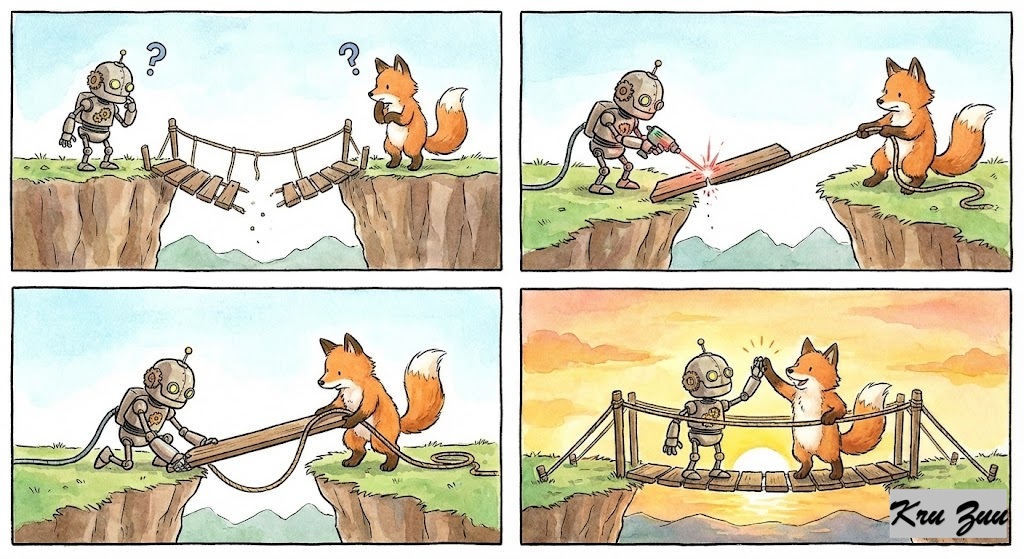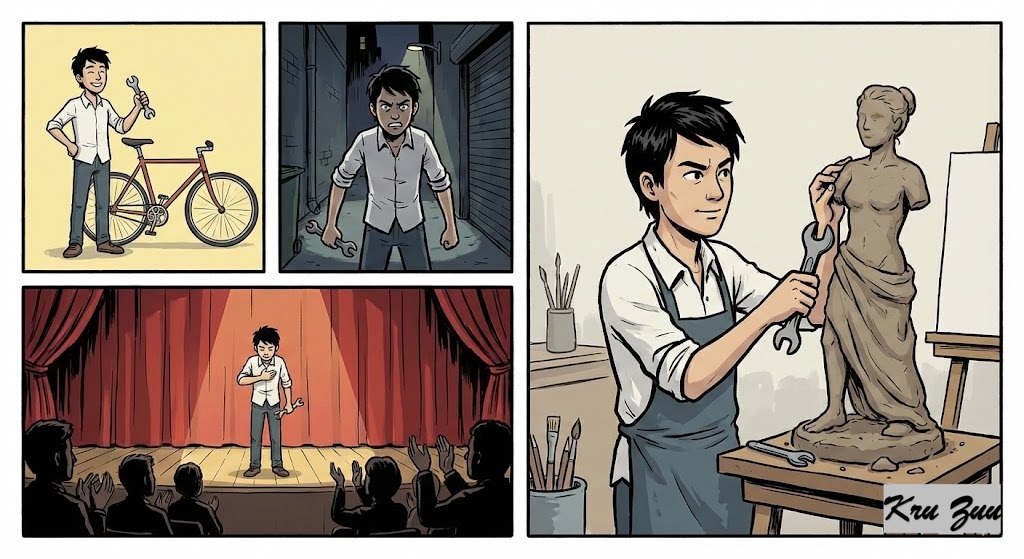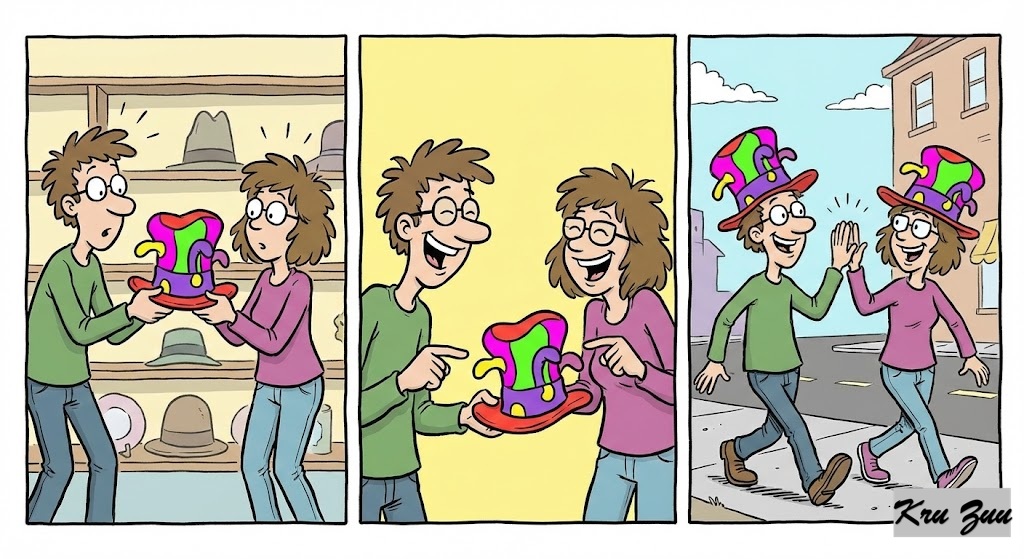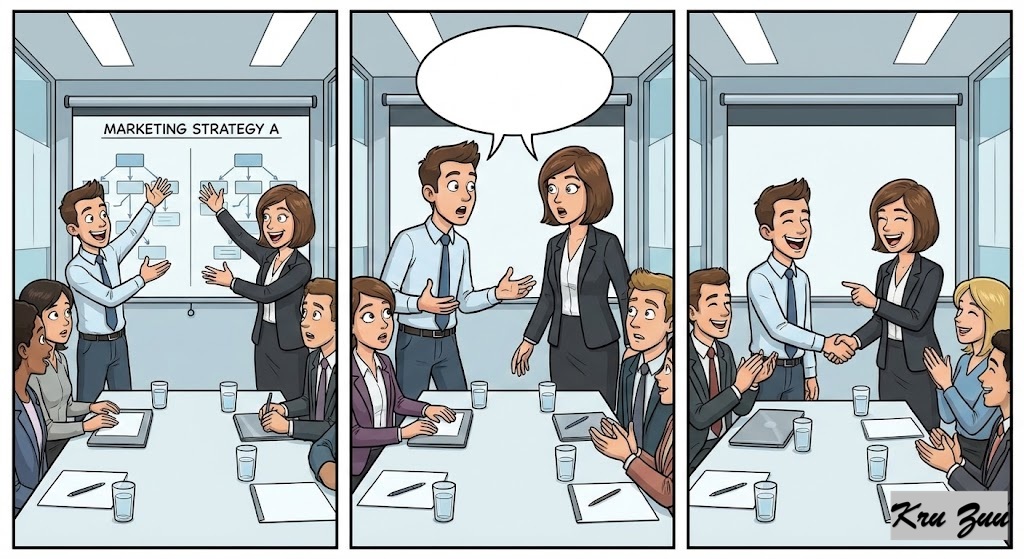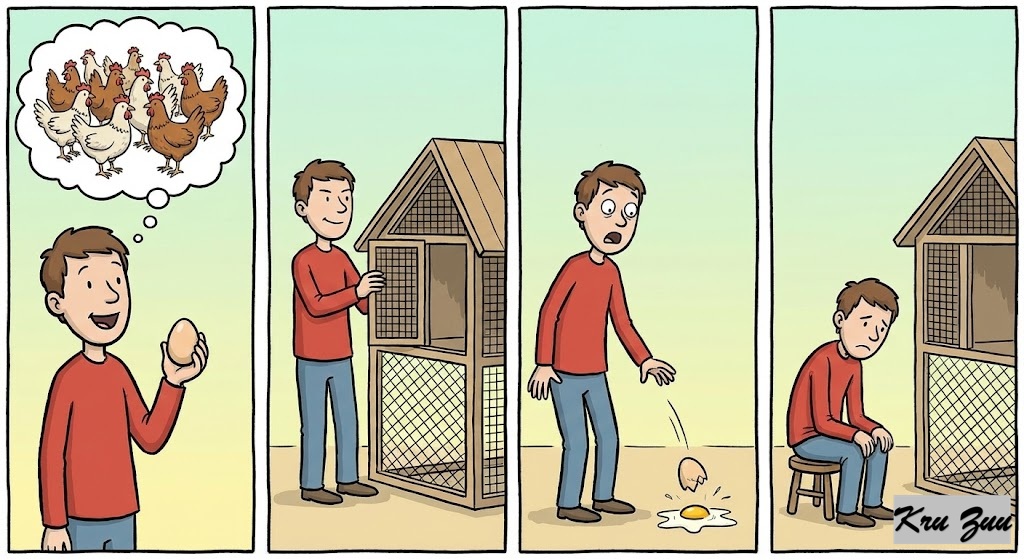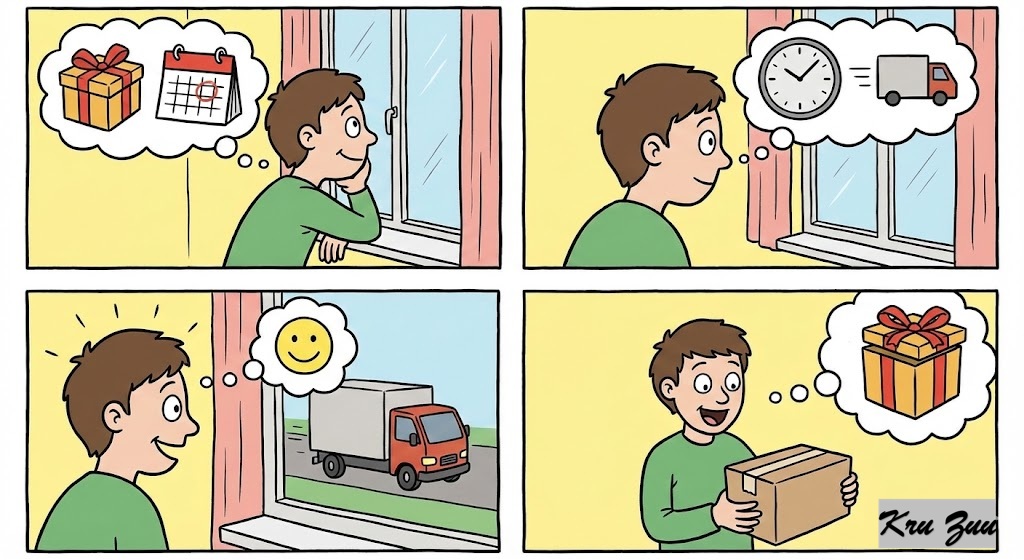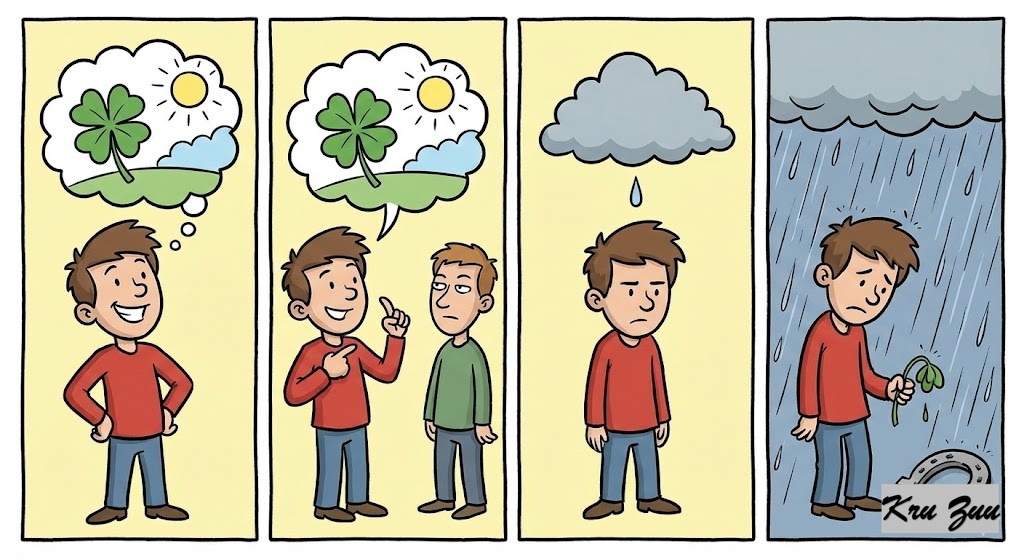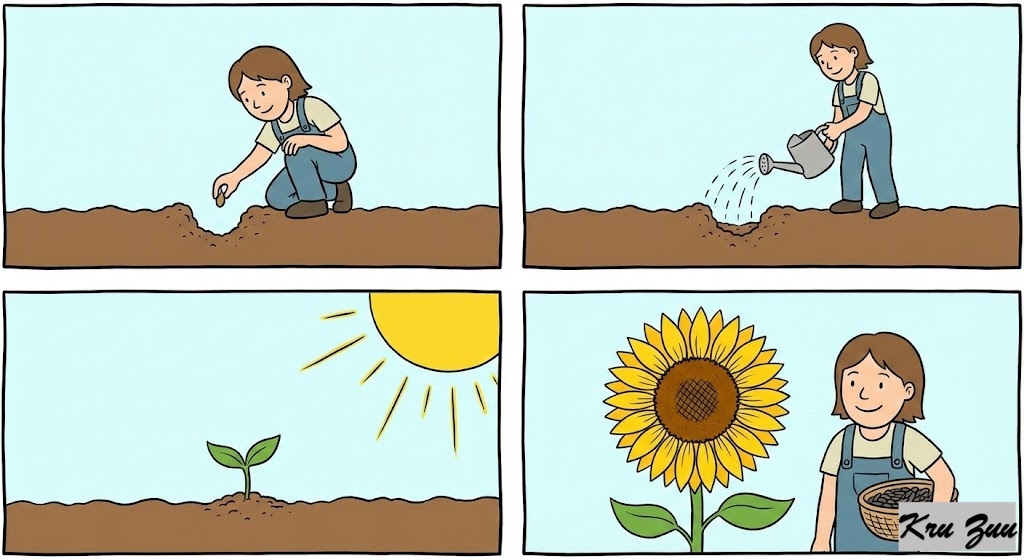
Tag: Mindset

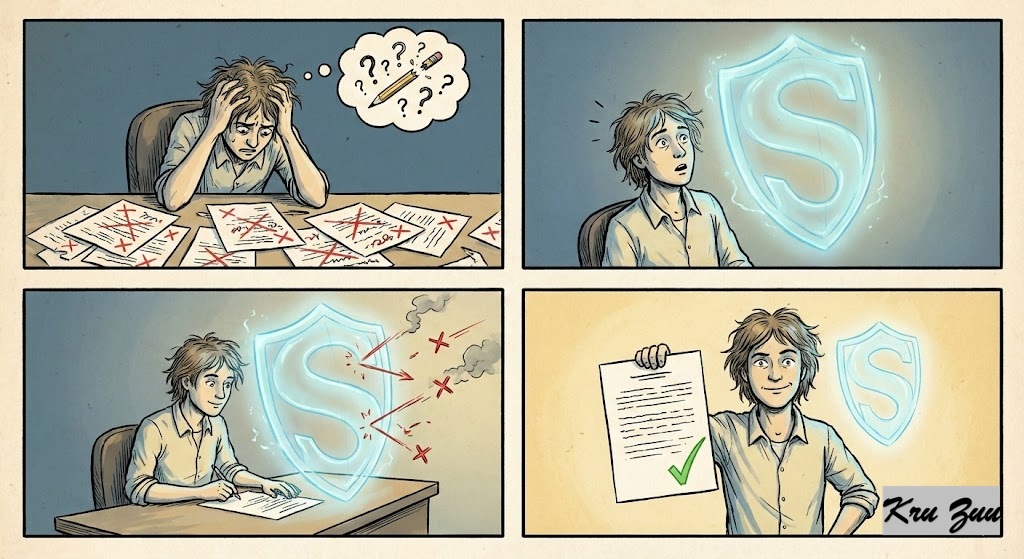
  • 🍎 The Daily Shield: The Law of Maintenance

    🍎 The Daily Shield: The Law of Maintenance

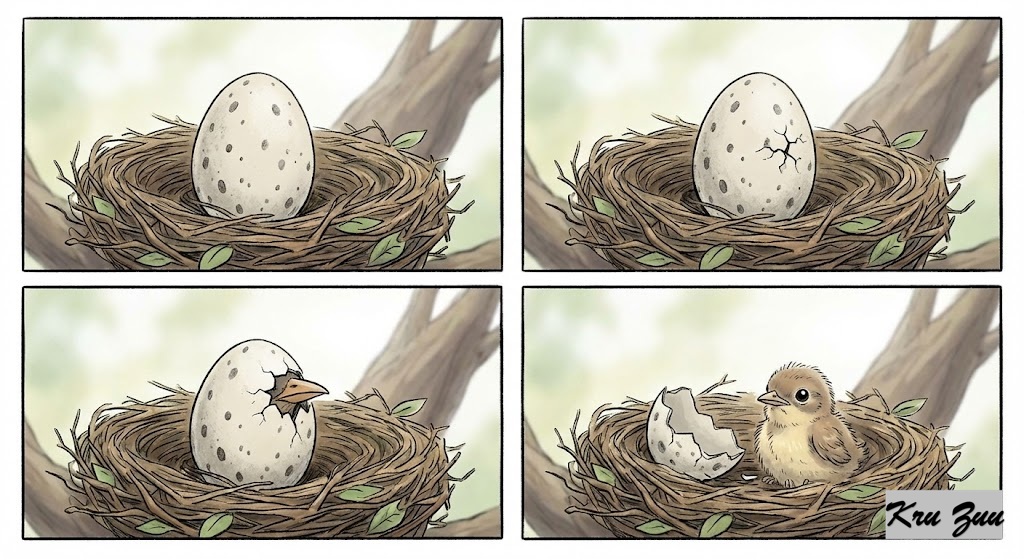
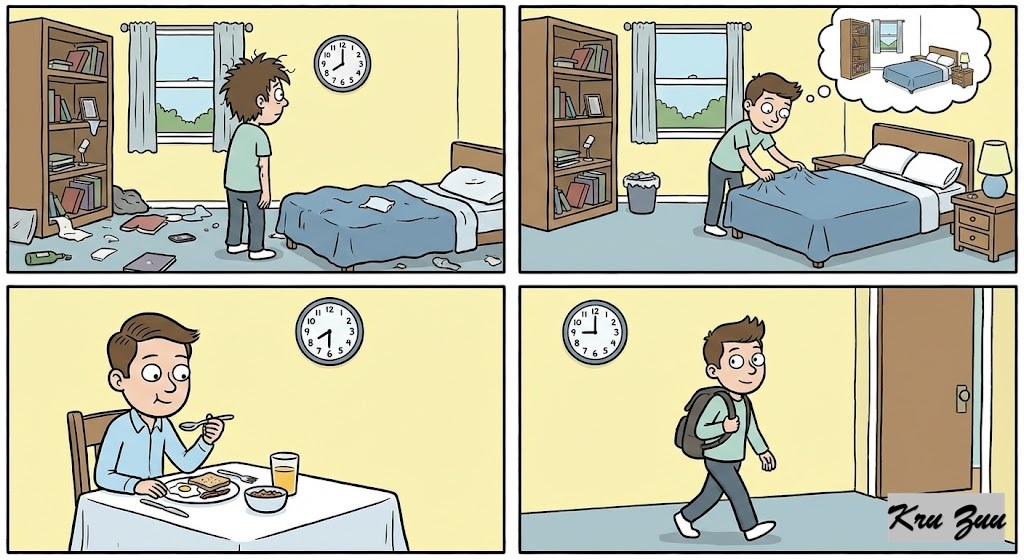
    An apple a day keeps the doctor away.


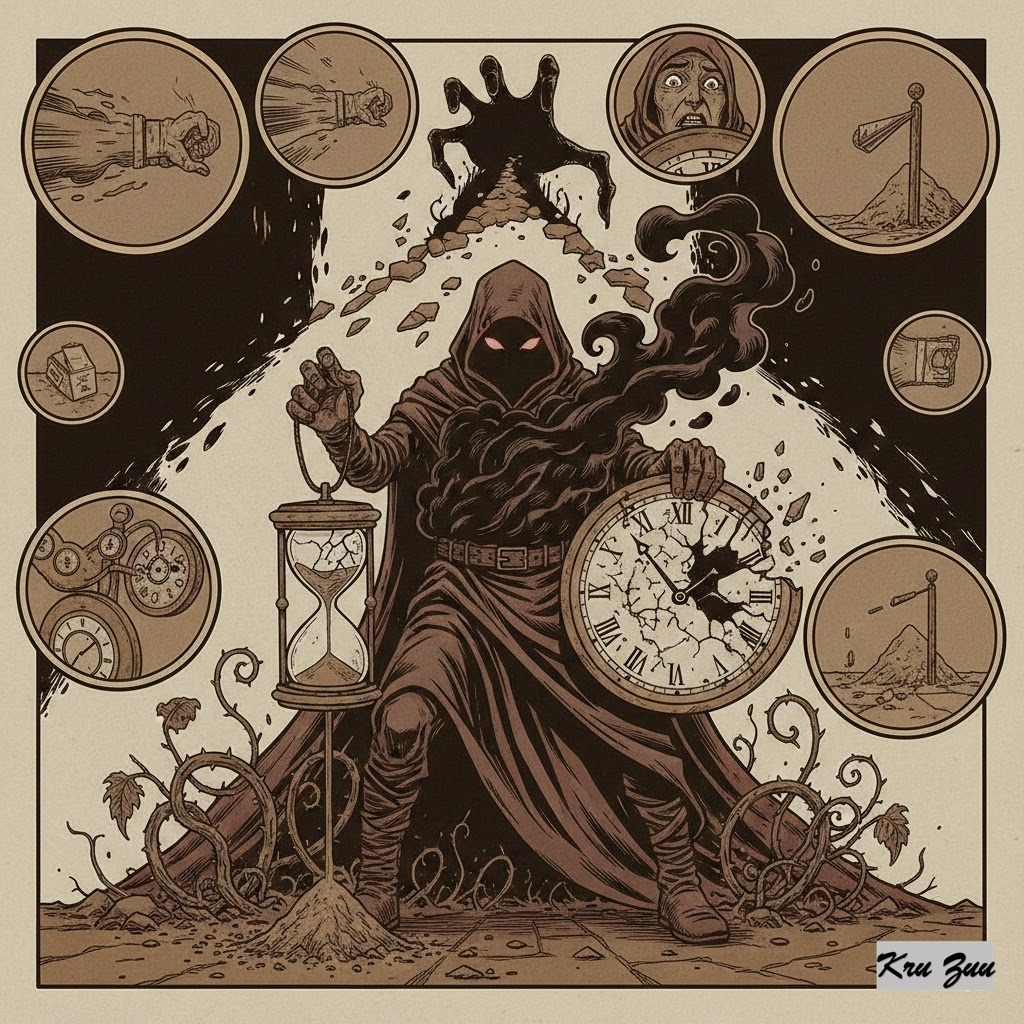
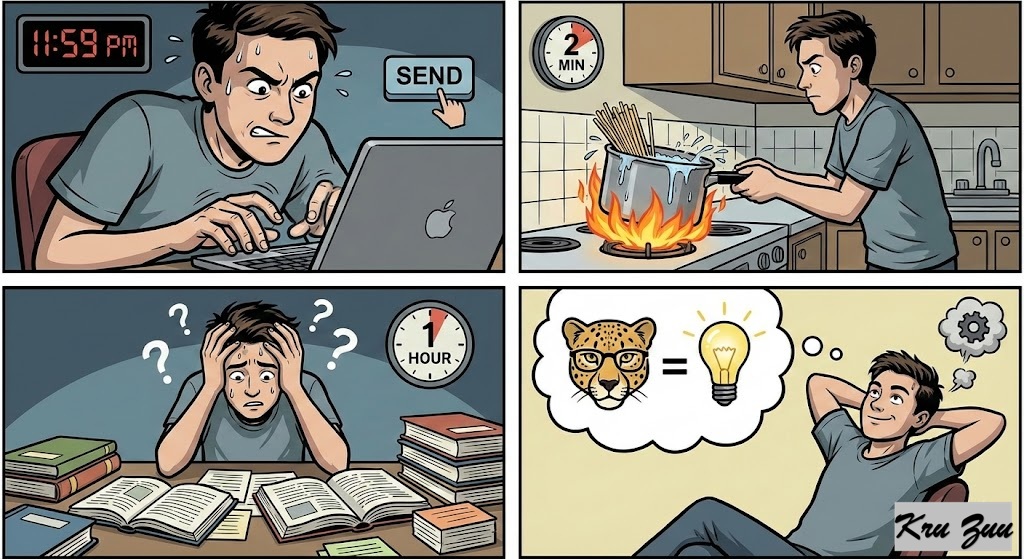
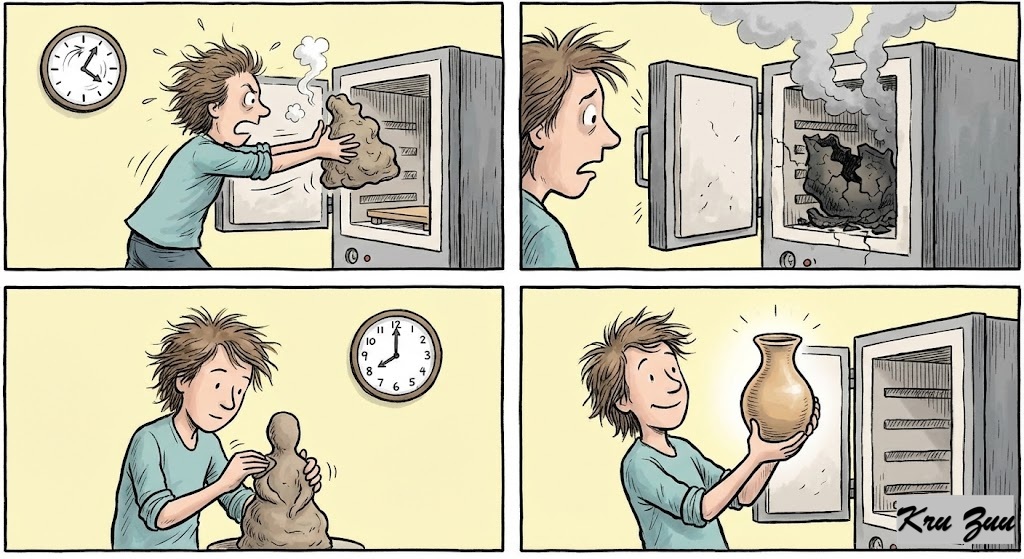
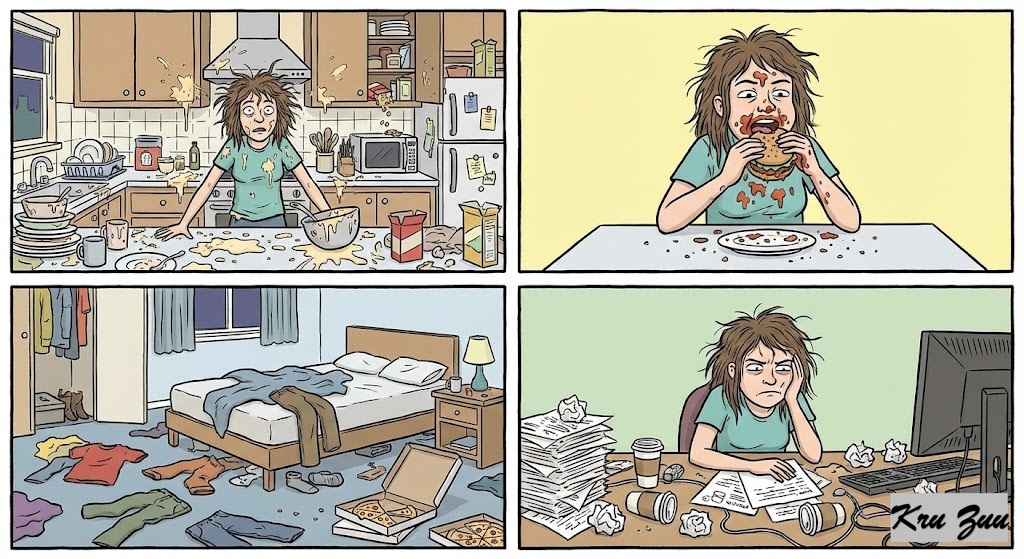
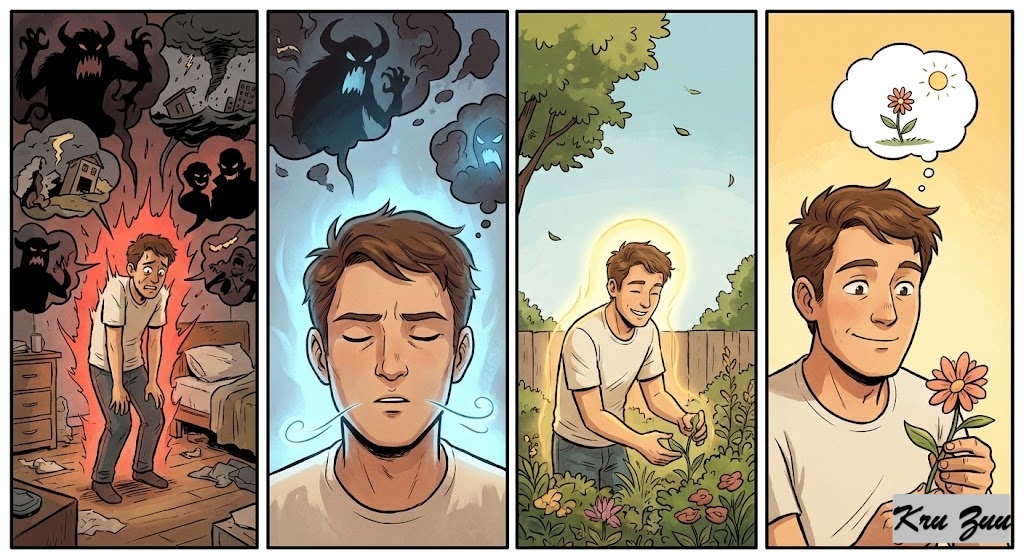
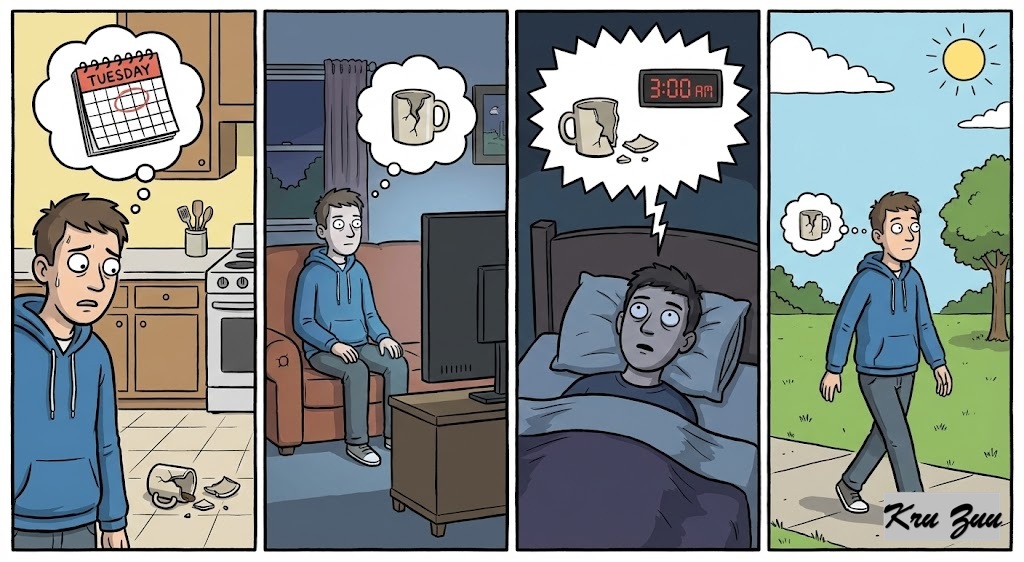
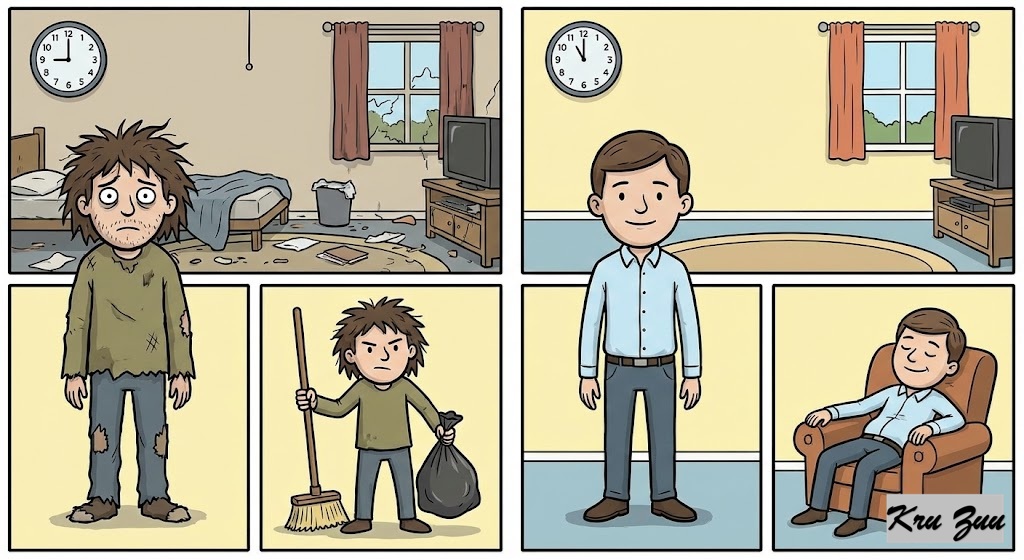
    👿 The Villain (The Gambler): You skip the gym because “one day won’t matter.”

    You ignore the weird noise your car is making.

    You eat fast food for lunch because you are “too busy.”

    You study only the night before the exam.

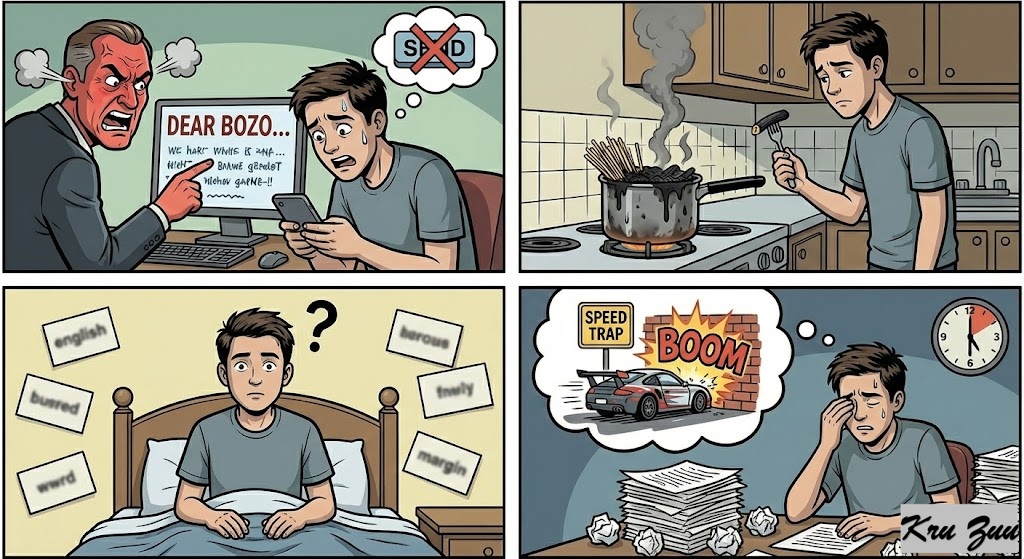
    The Result? One day, your body collapses.

    Your car breaks down on the highway.

    You fail the exam.

    You treated your life like a sprint, not a marathon.

    You waited for the disaster to happen before you paid attention. 🚑


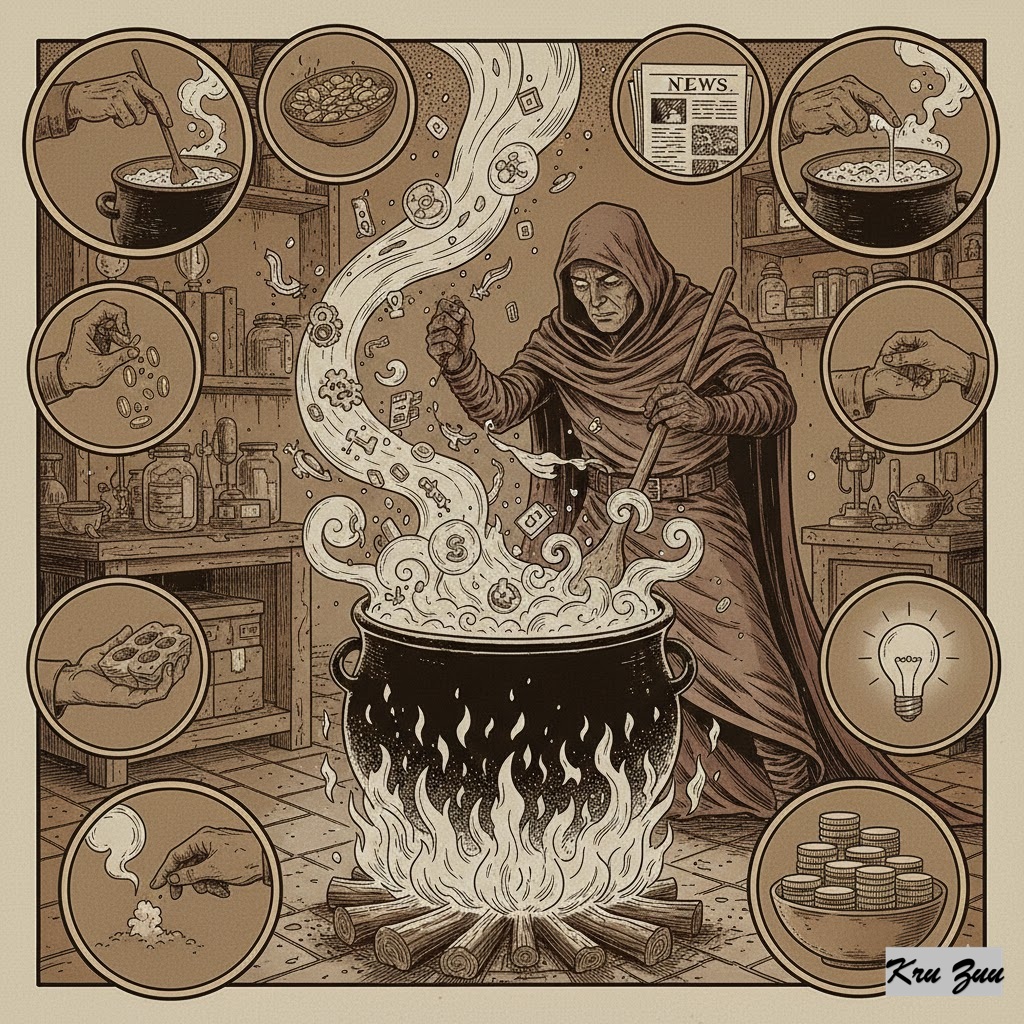
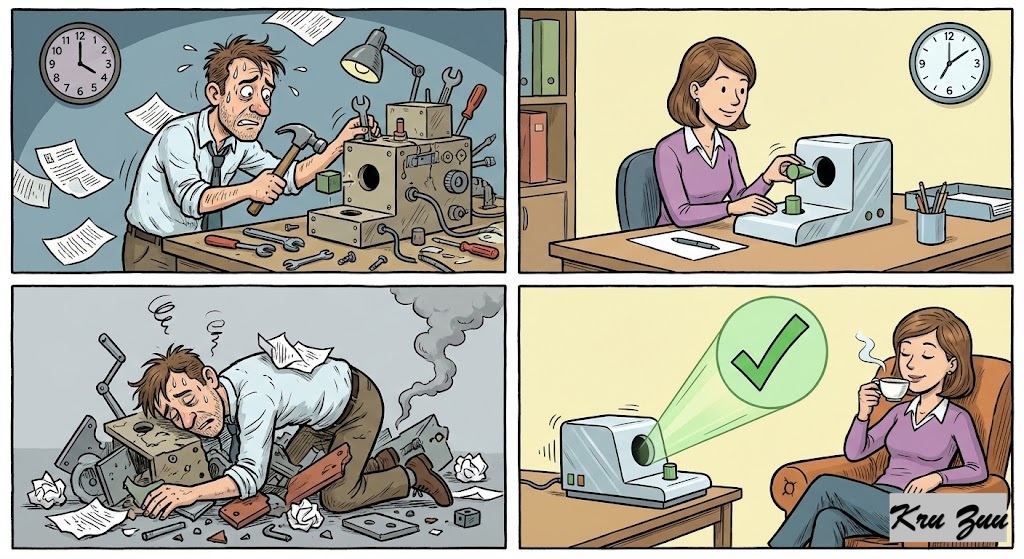
    😇 The Hero (The Architect): You are not a superhero; you are just consistent.

    You walk for 20 minutes every day.

    You drink water.

    You save $5 every morning.

    You read 10 pages of a book before bed.

    The Result? You don’t get sick often.

    Your bank account grows.

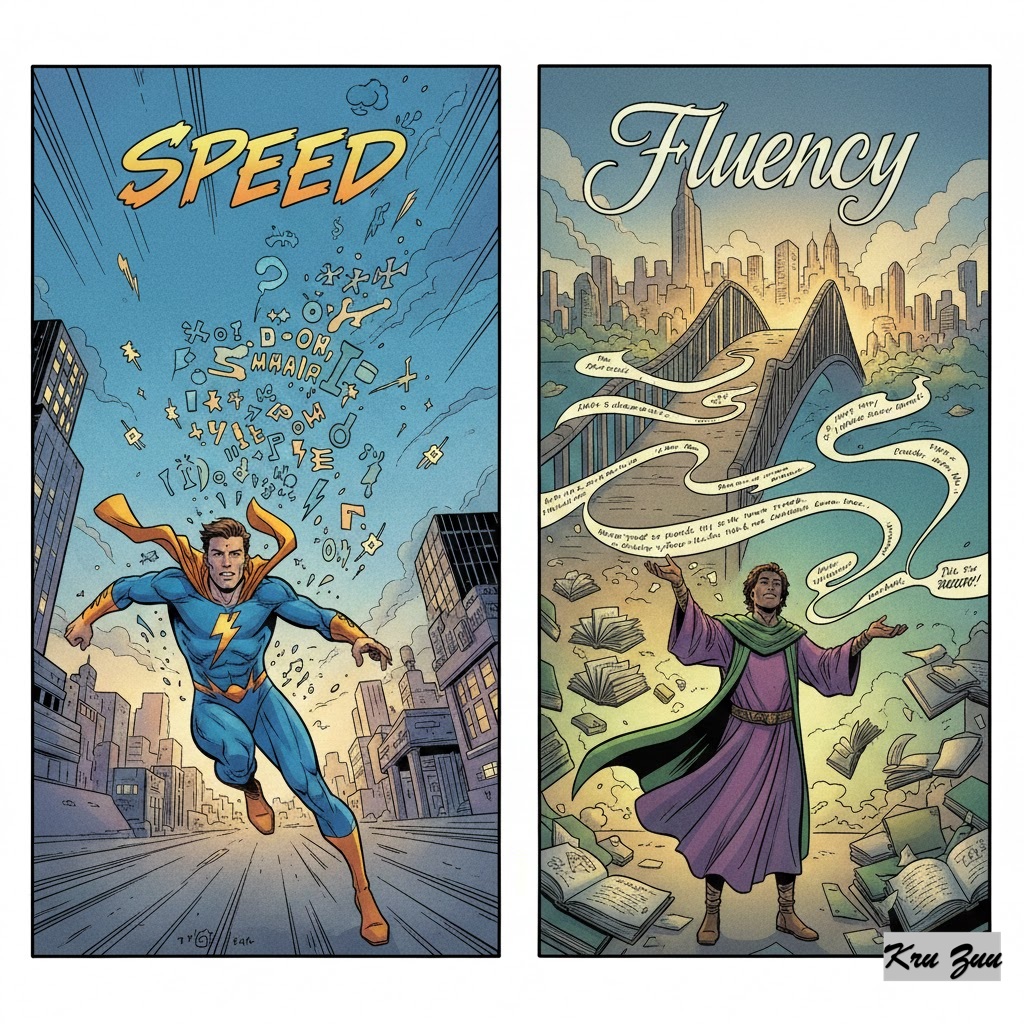
    You speak fluent English while others are still struggling.

    You didn’t do anything “magic” you just stacked small bricks every day to build a fortress. 🏰


    ⚖️ The Reality: We love “Big Dramatic Changes” (Crash diets, lottery wins). But reality respects “Small Boring Actions.”

    💎 The Secret: Success is not a one-time event; it is a habit. The “Apple” is a metaphor for discipline.

    🧐 The Anatomy of the Proverb


    This is the golden rule of Preventive Care. It suggests that small, healthy habits practiced daily will prevent big problems in the future.


    Apple: Represents any healthy habit (exercise, vitamins, reading, meditation).


    Doctor: Represents the “Crisis” or the “Fixer” (Surgery, debt, failure).


    Keeps Away: To prevent someone/something from coming near. 🛡️


    📚 Vocabulary Vault


    Prevention (Noun):
    The action of stopping something from happening or arising. (Better than cure!)


    Consistency (Noun): Acting in the same way over time. (Doing it every single day). 🔄


    Maintenance (Noun): The process of keeping something in good condition.


    Compound Effect (Concept): Small actions + Time = Huge Results. 📈


    Sedentary (Adjective): Tending to spend much time seated; somewhat inactive. (The enemy of the Apple!)


    🧠 Grammar Focus


    Simple Present Tense for General Truths Proverbs almost always use the Simple Present because they are timeless facts.


    Subject: An apple


    Frequency: [a day] (Adverbial phrase)


    Verb: [keeps] (Third Person Singular – don’t forget the ‘s’!)


    Object: [the doctor]


    Direction: [away]


    Incorrect: An apple a day keep the doctor away. ❌


    Correct: An apple a day keeps the doctor away. ✅

    📜 History: Origin and Spread


    Did you know this phrase started as a rhyme?


    The Origin: It originated in Wales (Pembrokeshire) in the 1860s.

    The original phrasing was: “Eat an apple on going to bed, and you’ll keep the doctor from earning his bread.”


    The Logic: In the 19th century, food hygiene was poor. Apples were clean, full of fiber, and “cleaned” the teeth. It was a cheap way to stay alive!


    Global Cousins:


    🇹🇷 Turkish:
    “Güneş giren eve doktor girmez.” (The doctor does not enter the house where the sun enters.) — Emphasis on environment.


    🇪🇸 Spanish: “Más vale prevenir que curar.” (It is worth more to prevent than to cure.)


    🇮🇹 Italian: “Una mela al giorno toglie il medico di torno.” (An apple a day gets the doctor out of the way.) — Almost identical!

    🎯 Impact on Life: The Pros & Cons


    Is it just about fruit, or a lifestyle?


    ✅ The Pros (The Insurance):


    Control:
    It makes you feel in charge of your health/destiny.


    Efficiency: It is much cheaper to buy apples (prevention) than to pay for surgery (cure).


    Discipline: It builds a mindset that helps you in business and relationships too.


    ❌ The Cons (The Illusion):


    False Security:
    Eating an apple won’t fix a broken leg. Don’t ignore professional help when you really need it.


    Obsession: Don’t stress so much about “perfect health” that you forget to enjoy life.

    🎭 Short Story: The Old Car


    Let’s visit Penny, Fiona, and Max!


    🌟 The Setup: Penny and Max both bought cars on the same day.

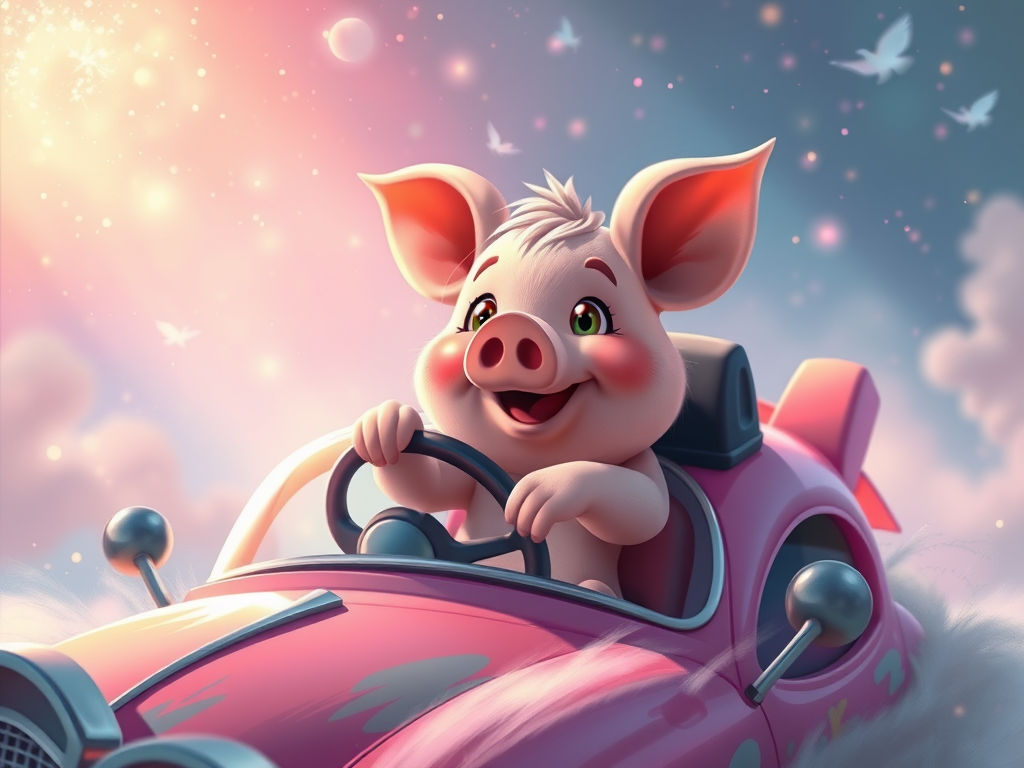
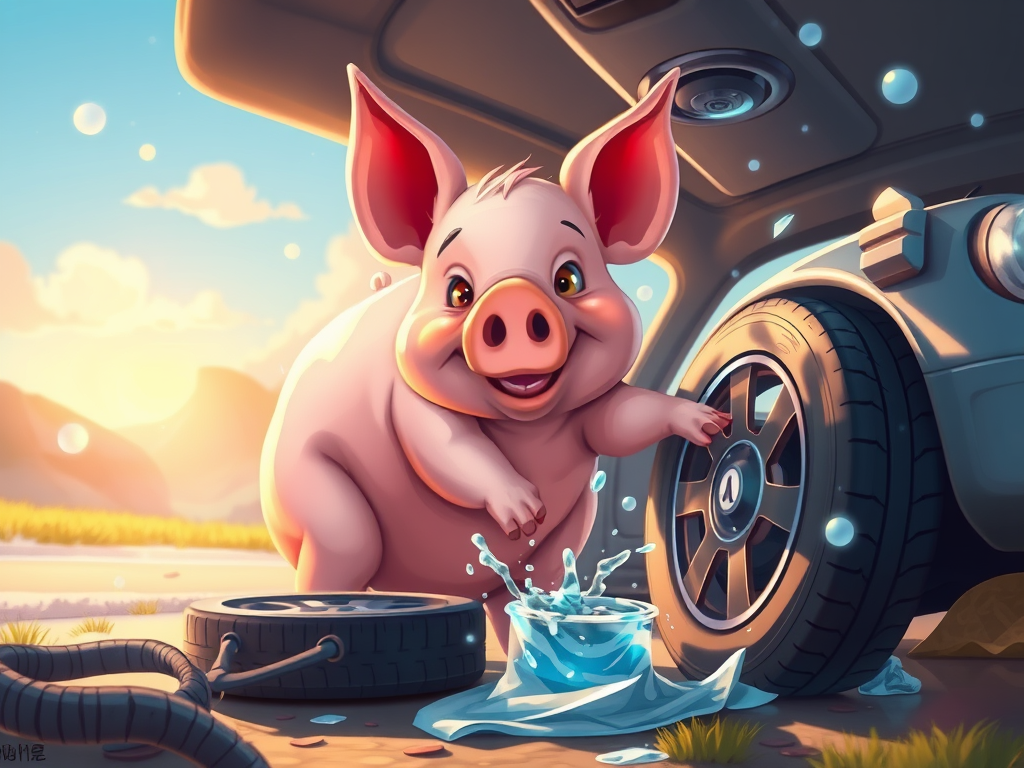
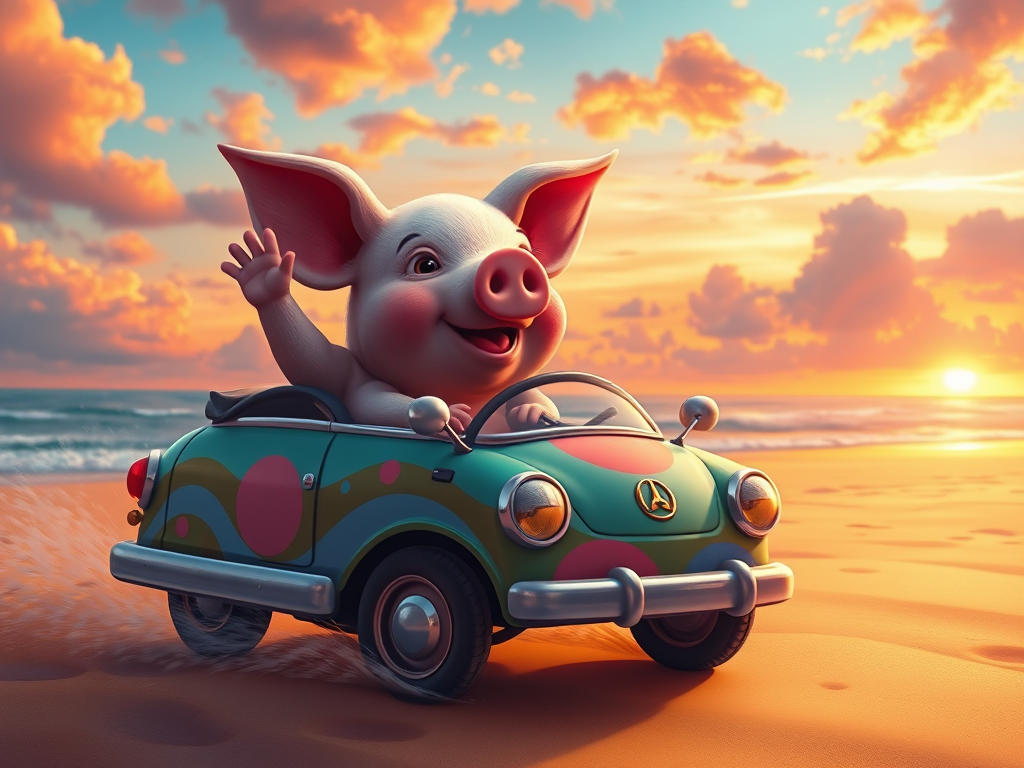
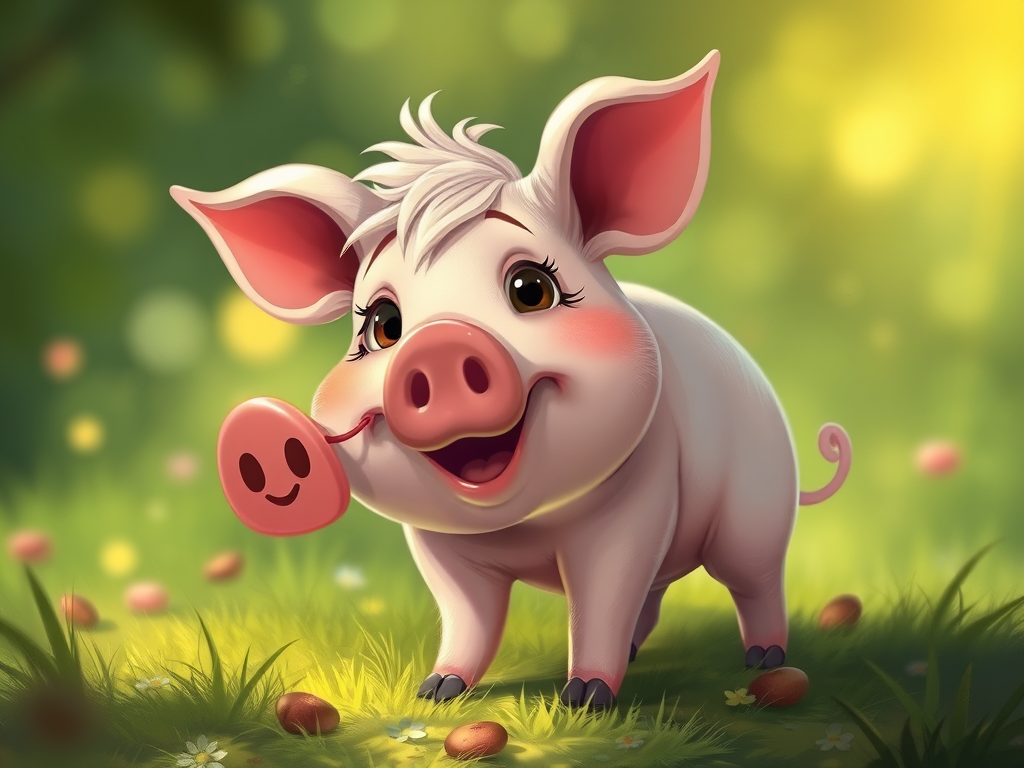
    Penny the Pig loved her car.

    Every Sunday morning, she checked the oil, cleaned the tires, and washed the windows. (This was her “Apple”).

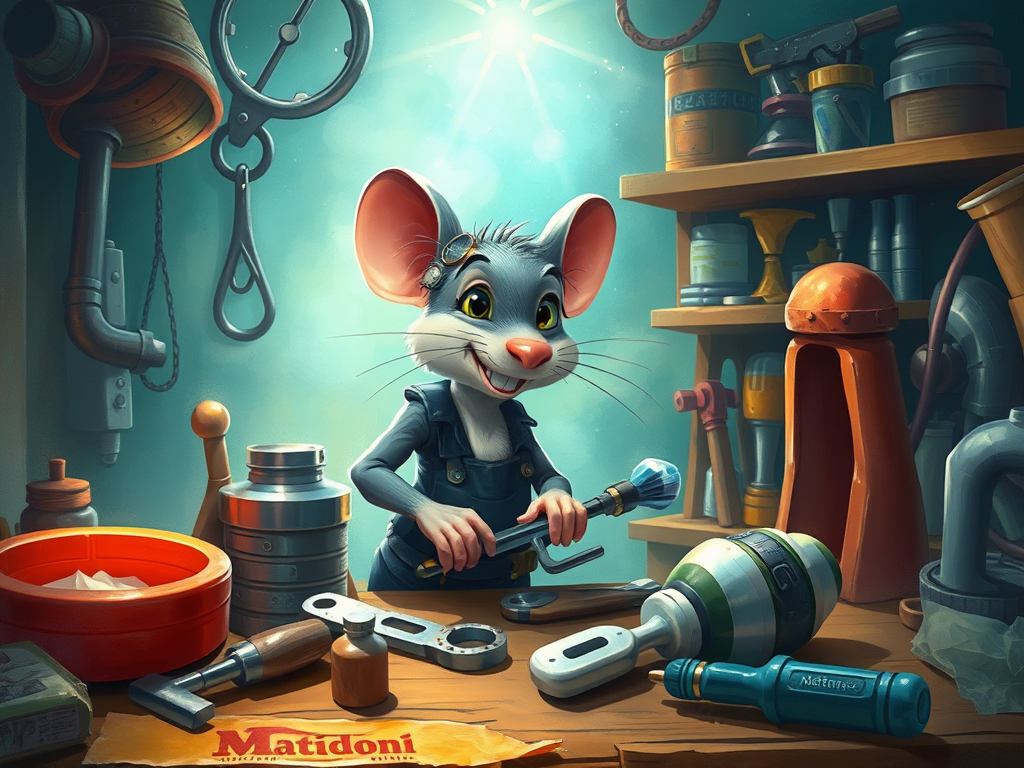
    Max the Mouse loved his car too, but he just wanted to drive fast.

    “Maintenance is boring!” he said. “I’ll fix it when it breaks.”


    The Conflict: One year later, they planned a road trip to the beach. 🏖️

    Penny’s car started smoothly: Purr… purr… purr…

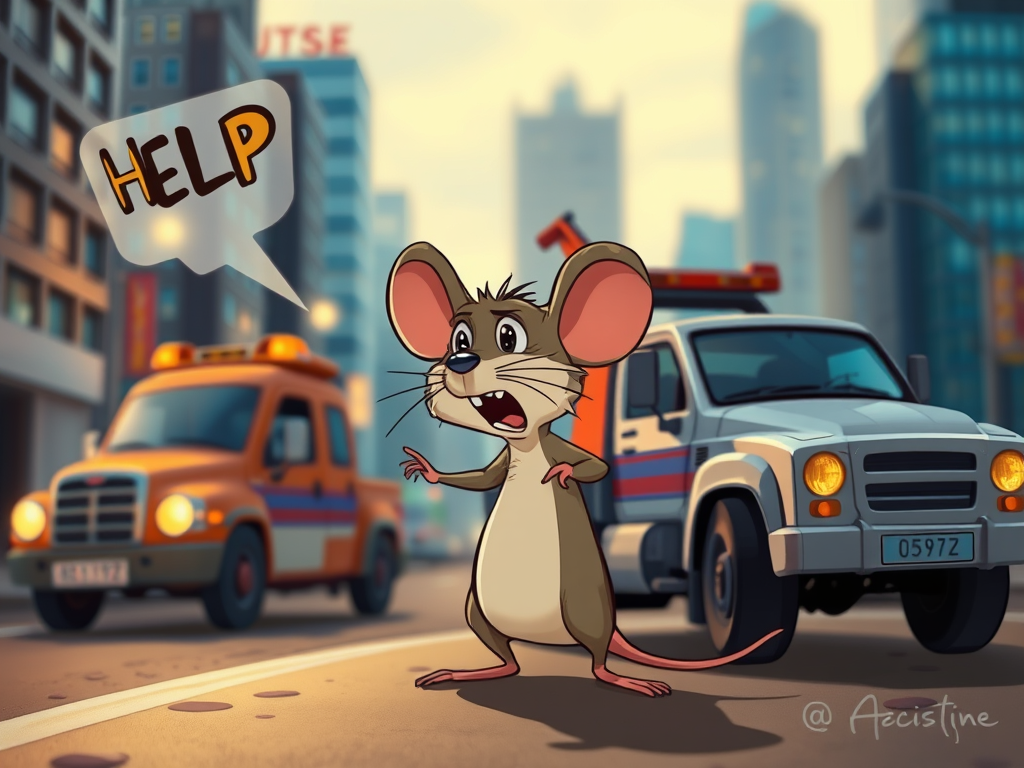
    Max’s car made a scary sound: CLUNK! BANG! HISSS! Smoke came out of the engine.


    The Action: Max was stuck on the side of the road.

    “Why me?” he cried. He had to call a tow truck (The Doctor).

    It cost him all his vacation money.

    Penny drove by, waved, and enjoyed the sunset at the beach.


    The Moral: Penny paid a little bit of attention every day.

    Max paid a huge price at the end.

    Penny’s “apple a day” kept the mechanic away.

    🎓 Lesson for English Learners


    This idiom is versatile! Use it for more than just health.


    Advice on Studying 📖


    Situation:
    Your student asks how to learn 1,000 words in one night.


    You say: “You can’t cram everything. Study 5 words every morning.

    An apple a day keeps the doctor away, and daily practice keeps the failure away.”


    Advice on Relationships ❤️


    Situation:
    A friend ignores their partner for weeks, then buys a huge gift to apologize.


    You say: “Don’t just buy gifts when things are bad. Show small love every day. An apple a day keeps the doctor away.”


    💬 Your Turn


    The “Micro-Habit” Challenge 🤏


    Let’s prove the theory.


    The Goal: Choose one tiny positive thing to do every day for the next 7 days.


    Examples: Drink 1 glass of water before coffee

    Do 5 pushups

    Read 1 page

    Save 1 coin.


    The Prediction: How will you feel in a week?


    Action Step: Go eat a piece of fruit right now. Seriously. Go do it. Your body will thank you! 🍏


    Question: What is YOUR “Apple”? What is the one small thing you do every day that keeps your life running smoothly?

    By Zubeyir YURTKURAN

    https://www.facebook.com/BrainBattleground/

    https://www.facebook.com/zubeyr.yurtkuran/

    https://www.instagram.com/zubeyryurtkuran/

    https://www.youtube.com/@BrainBattleground-b3p

  • 🌤️ The Silver Lining Effect: Finding Light in the Dark

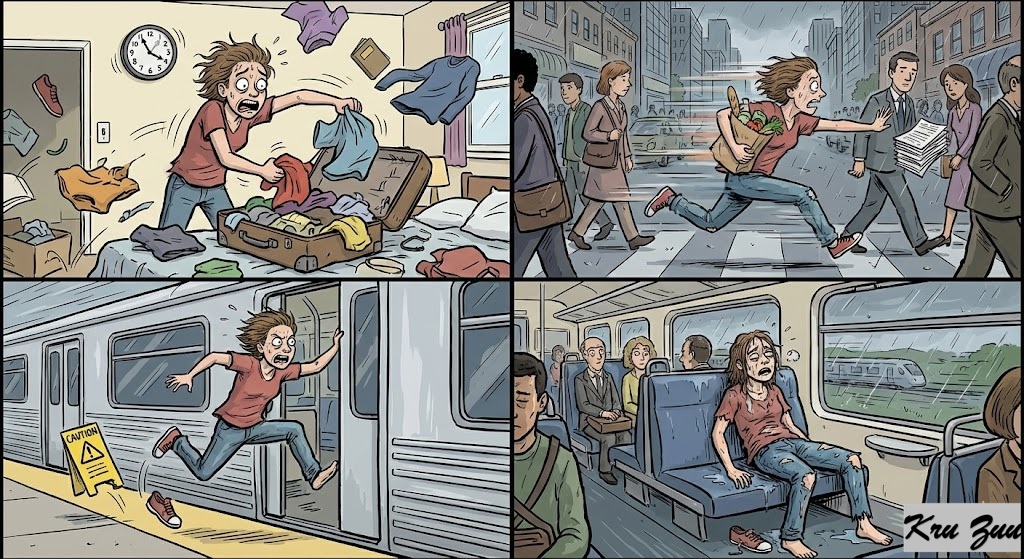
    🌤️ The Silver Lining Effect: Finding Light in the Dark

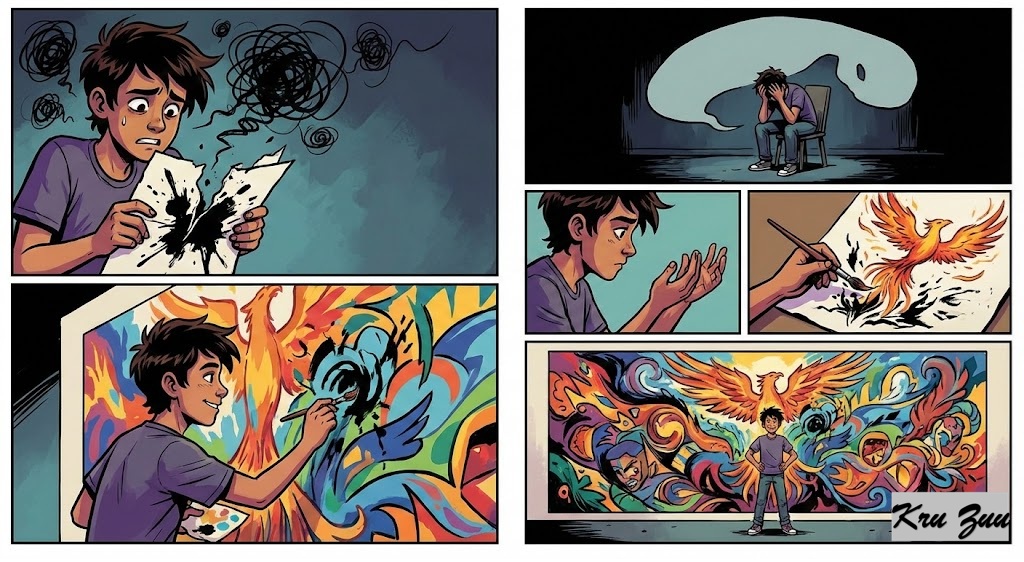
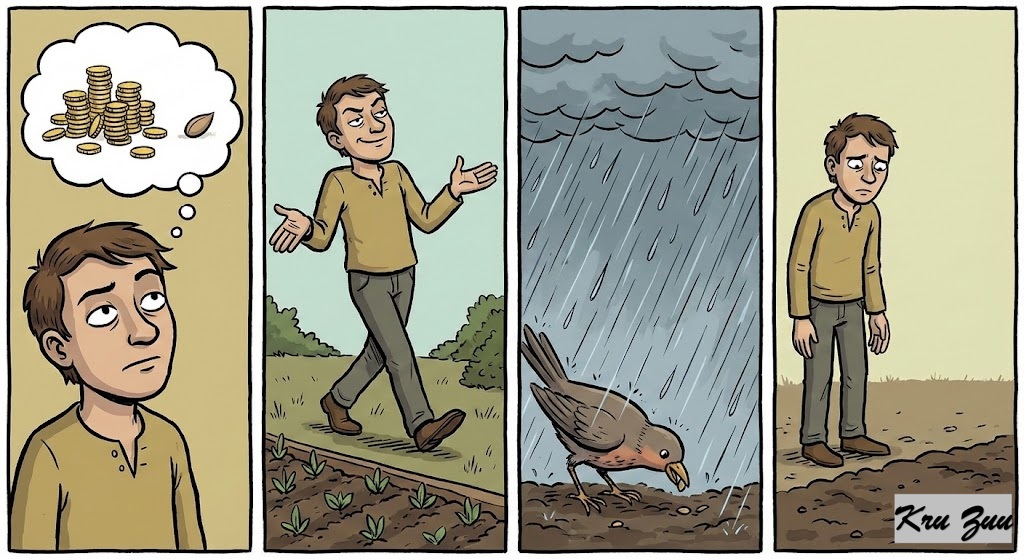
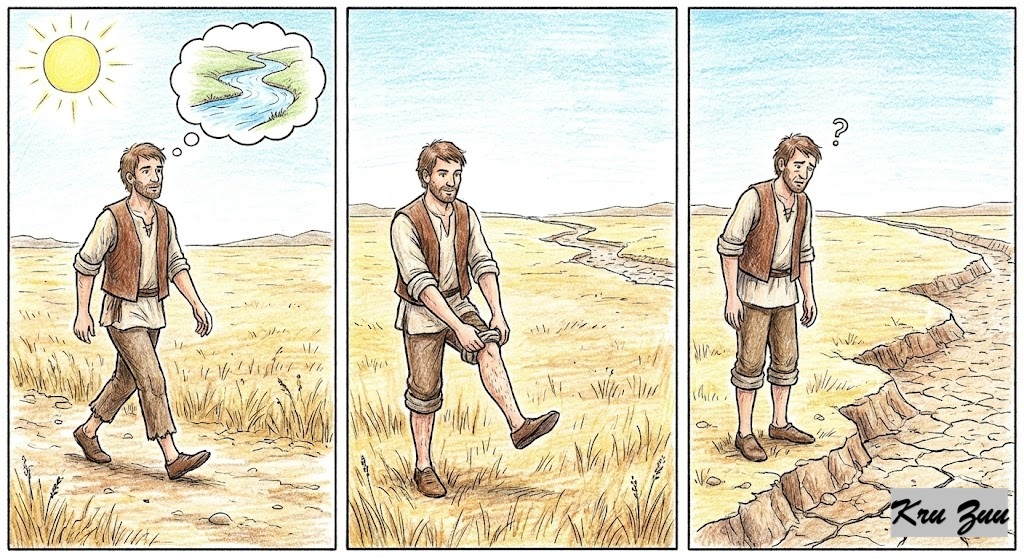
    Every cloud has a silver lining.


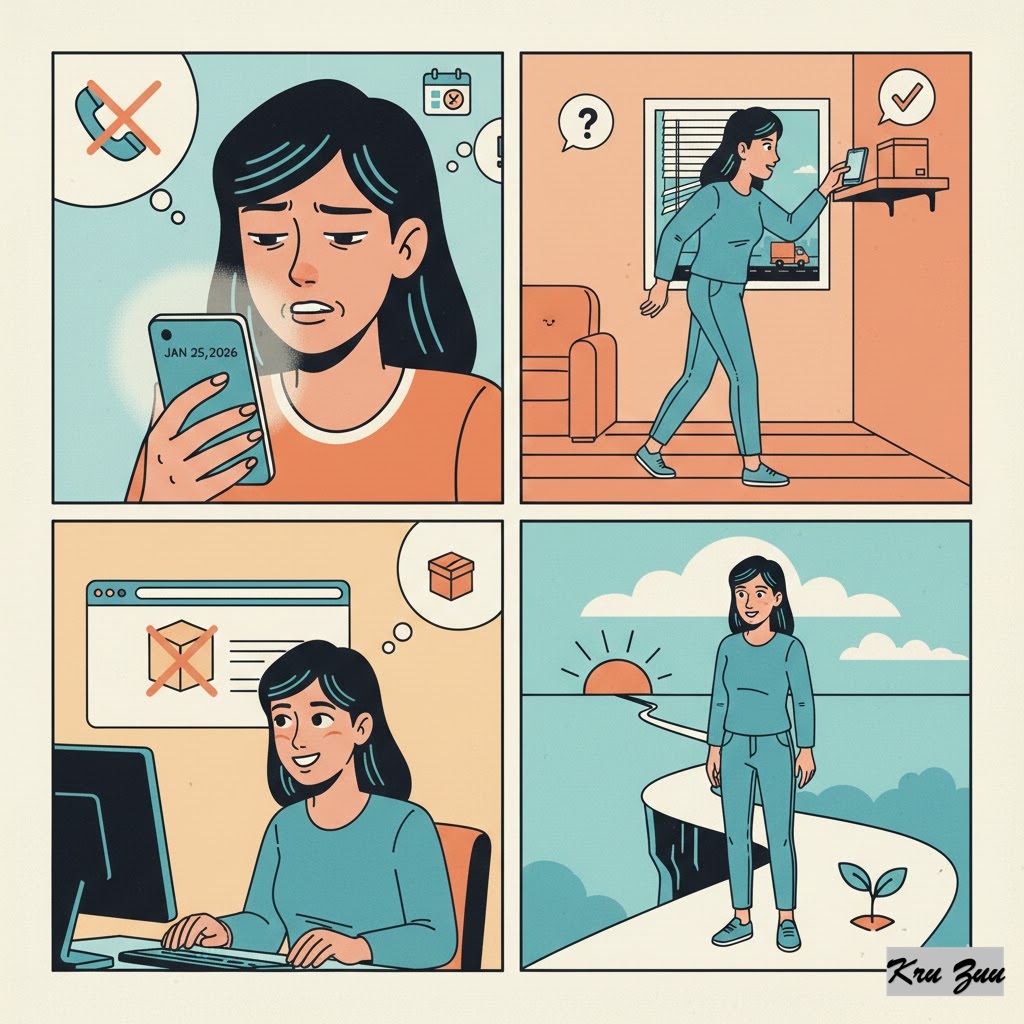
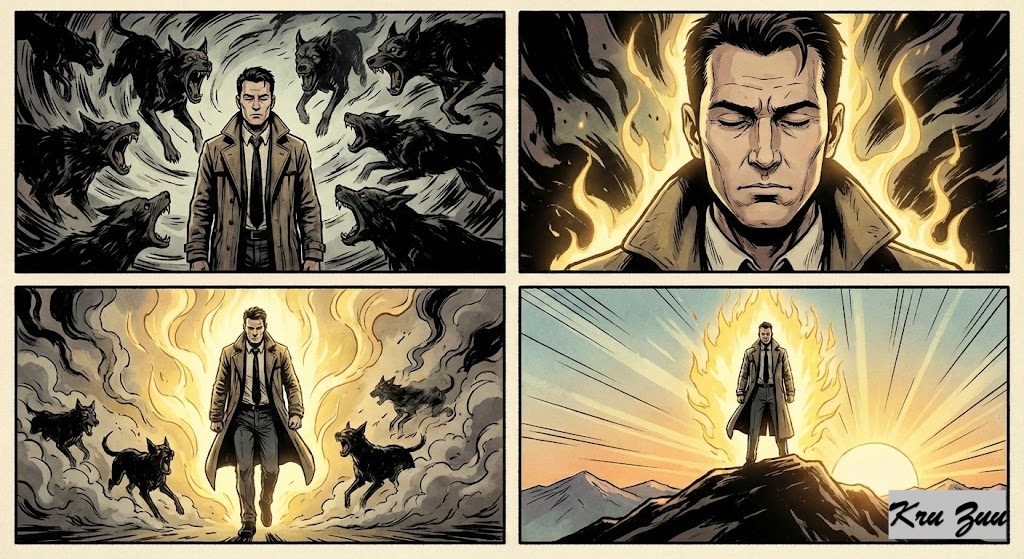
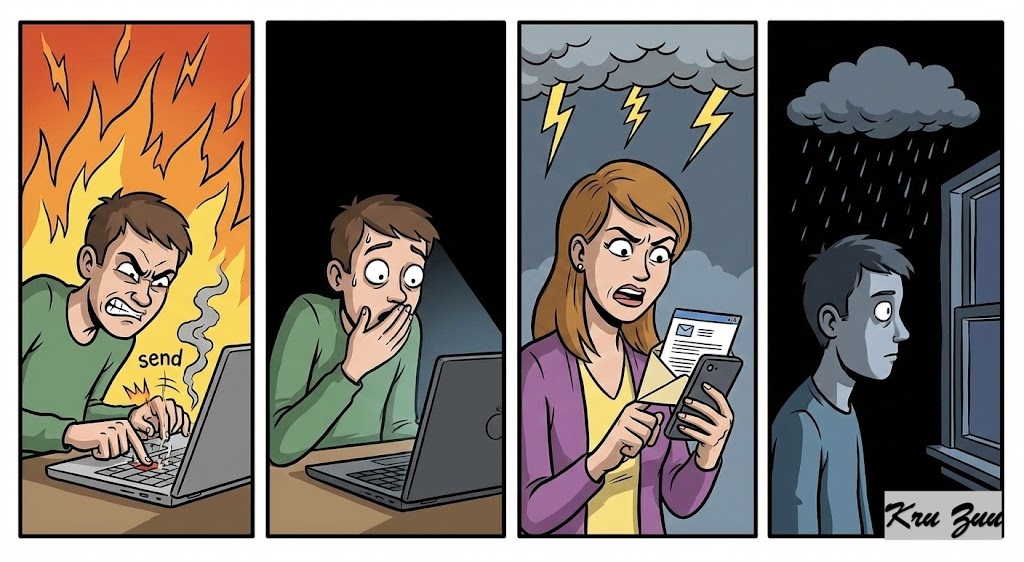
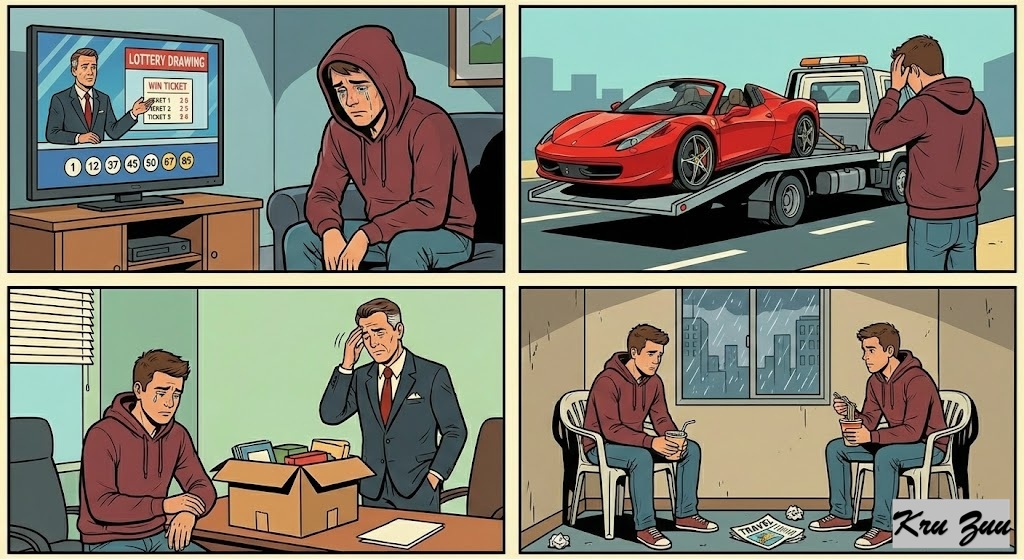
    👿 The Villain (The Pessimist): You lose your job unexpectedly.

    You panic. You spend weeks complaining, blaming your boss, and sleeping until noon.

    You tell everyone, “My life is over.”

    The Result? You miss new job openings because you are too busy being angry.

    Your friends stop calling because your negative energy drains them.

    You stare at the dark cloud so long that you get soaked by the rain. You drown in a puddle of your own making. 🌧️


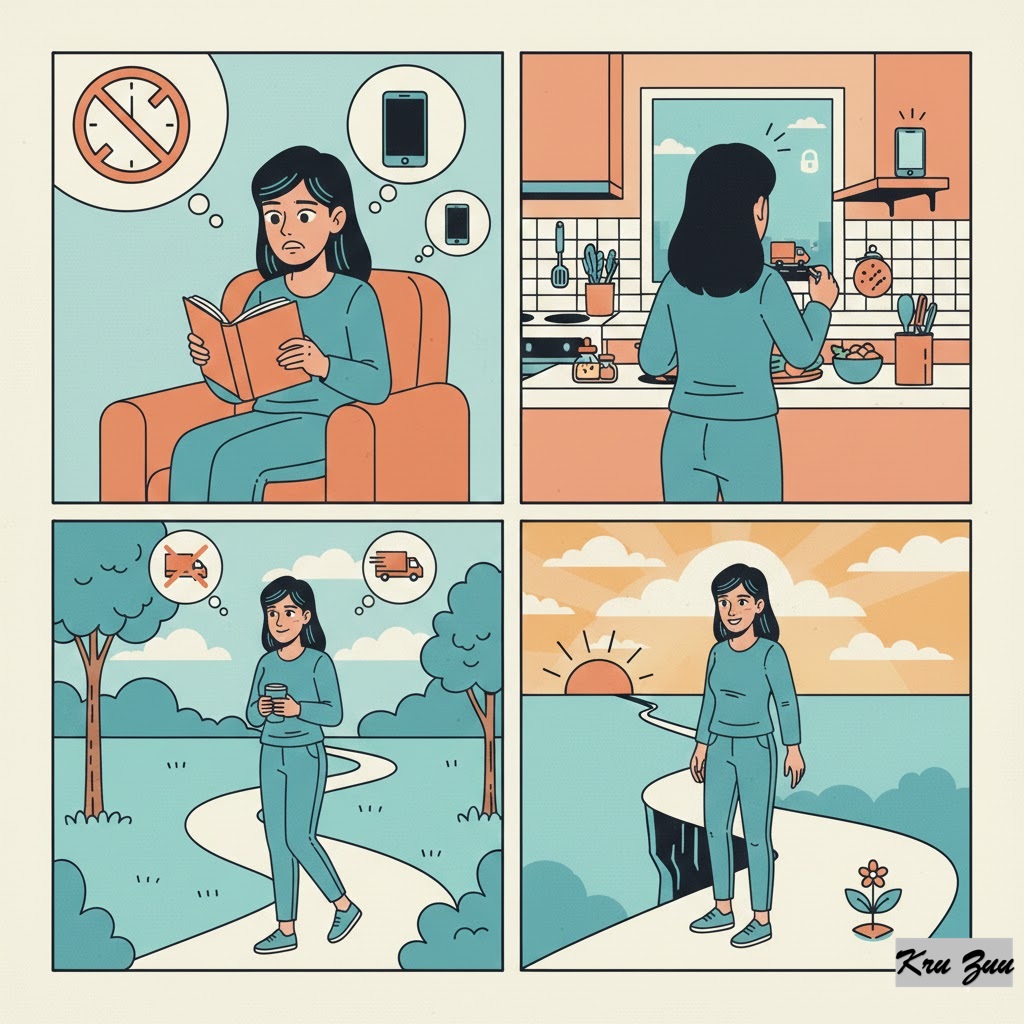
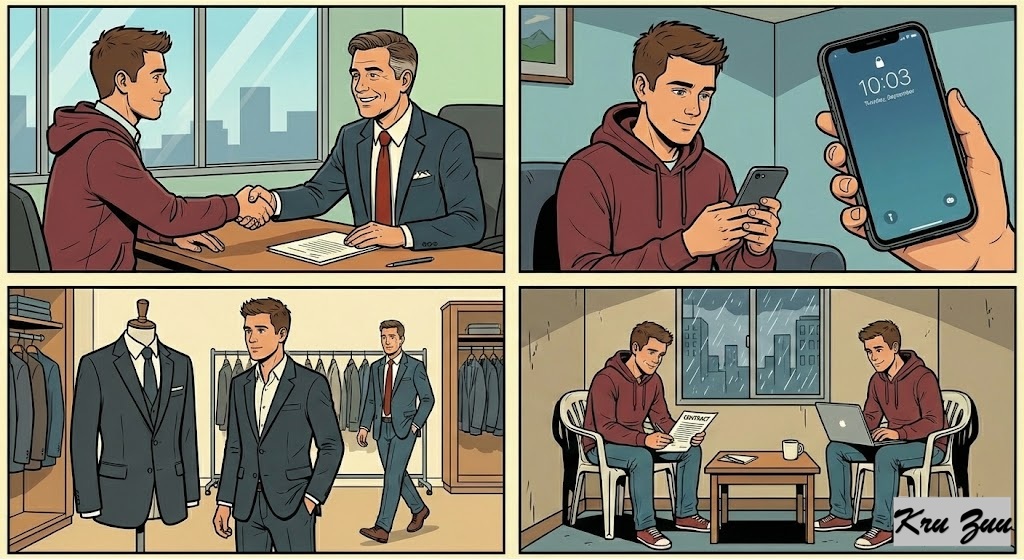
    😇 The Hero (The Alchemist): You lose your job unexpectedly. It hurts, but you take a deep breath.

    You think, “I hated that commute anyway. Now I have time to take that coding course I always wanted.”

    The Result? Three months later, you launch a freelance business.

    You are making more money and working from home.

    Losing that job wasn’t a tragedy; it was the push you needed to fly.

    You didn’t just survive the storm; you used the water to grow a garden. 🌻


    ⚖️ The Reality:
    Life is not a weather report you can control.

    Storms will happen. But the sun never actually leaves; it is just temporarily hidden.

    💎 The Secret: The “bad thing” is often the transportation system for the “good thing.” Without the dark background, the stars cannot shine.

    🧐 The Anatomy of the Proverb


    This is the ultimate phrase for Optimism. It reminds us that even the worst situations (clouds) have a positive aspect or a hopeful side (the silver lining).


    Cloud: Represents trouble, sadness, or difficulty.


    Silver Lining: Represents the sun shining from behind the cloud, creating a glowing, bright edge. (Hope/Advantage).


    📚 Vocabulary Vault


    Optimist (Noun):
    A person who tends to look on the more favorable side of events. 😃


    Pessimist (Noun): A person who tends to see the worst aspect of things. ☹️


    Resilience (Bonus Word): The capacity to recover quickly from difficulties; toughness.


    Setback (Noun): A reversal or check in progress (a minor problem).


    Blessing in Disguise (Idiom): Something that seems bad at first but results in something good.


    🧠 Grammar Focus


    “Every” + Singular Noun vs. Plural Meaning This is a common trap for students! Even though “Every” talks about all the clouds, we treat it grammatically as a single unit.


    Subject: [Every cloud]


    Verb: [has] (Third Person Singular)


    Object: [a silver lining]


    Incorrect: Every clouds have a silver lining. ❌
    Incorrect: Every cloud have a silver lining. ❌
    Correct: Every cloud has a silver lining. ✅

    📜 History: Origin and Spread


    This poetic phrase wasn’t invented by a philosopher, but by a poet.


    The Origin: It comes from John Milton’s masque “Comus” (1634).

    He wrote: “Was I deceived, or did a sable cloud / Turn forth her silver lining on the night?”


    The Evolution: In the Victorian era, people shortened it to the proverb we use today to cheer each other up during hard times.


    Global Cousins:


    🇹🇷 Turkish:
    “Her şerde bir hayır vardır.” (There is good in every evil/bad thing.)


    🇪🇸 Spanish: “No hay mal que por bien no venga.” (There is no bad from which good does not come.)


    🇩🇪 German: “Auf Regen folgt Sonnenschein.” (After rain follows sunshine.)


    🇯🇵 Japanese: “Saiou ga uma.” (The story of the old man’s horse, bad luck leads to good luck.)

    🎯 Impact on Life: The Pros & Cons


    Is this toxic positivity, or a survival strategy?


    ✅ The Pros (The Shield):


    Mental Health:
    It reduces anxiety. Instead of focusing on “Why me?”, you focus on “What now?”


    Problem Solving: When you look for the silver lining, you stop freezing and start acting.


    Grit: It helps you endure pain because you believe there is a purpose to it.


    ❌ The Cons (The Trap):


    Invalidation:
    Telling someone who just lost a loved one “Every cloud has a silver lining” is rude. Sometimes, people just need to be sad.


    Denial: If you only look at the bright side, you might ignore a serious problem that needs fixing.

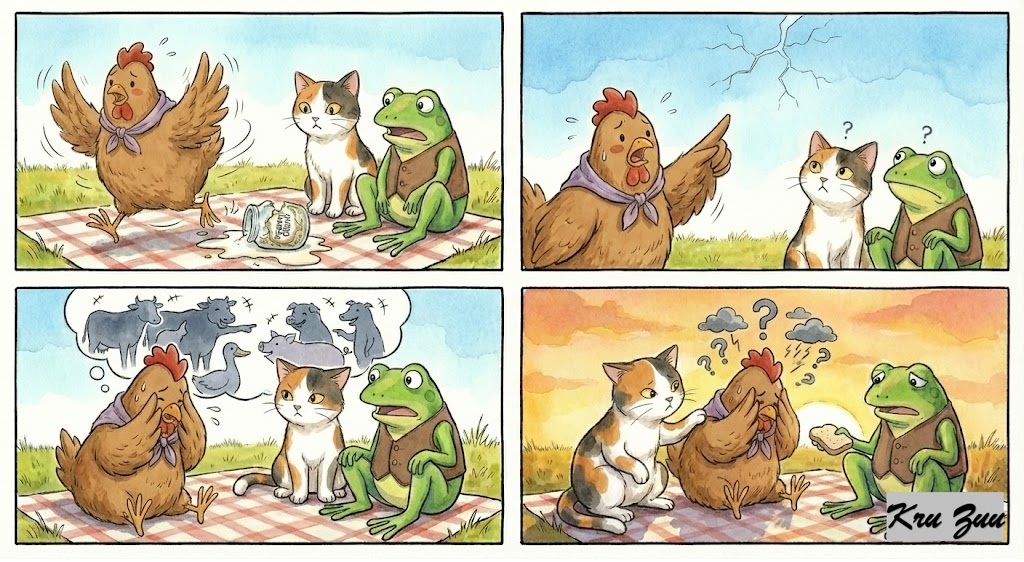
    🎭 Short Story: The Ruined Picnic


    Let’s visit our trio: Penny, Fiona, and Max.


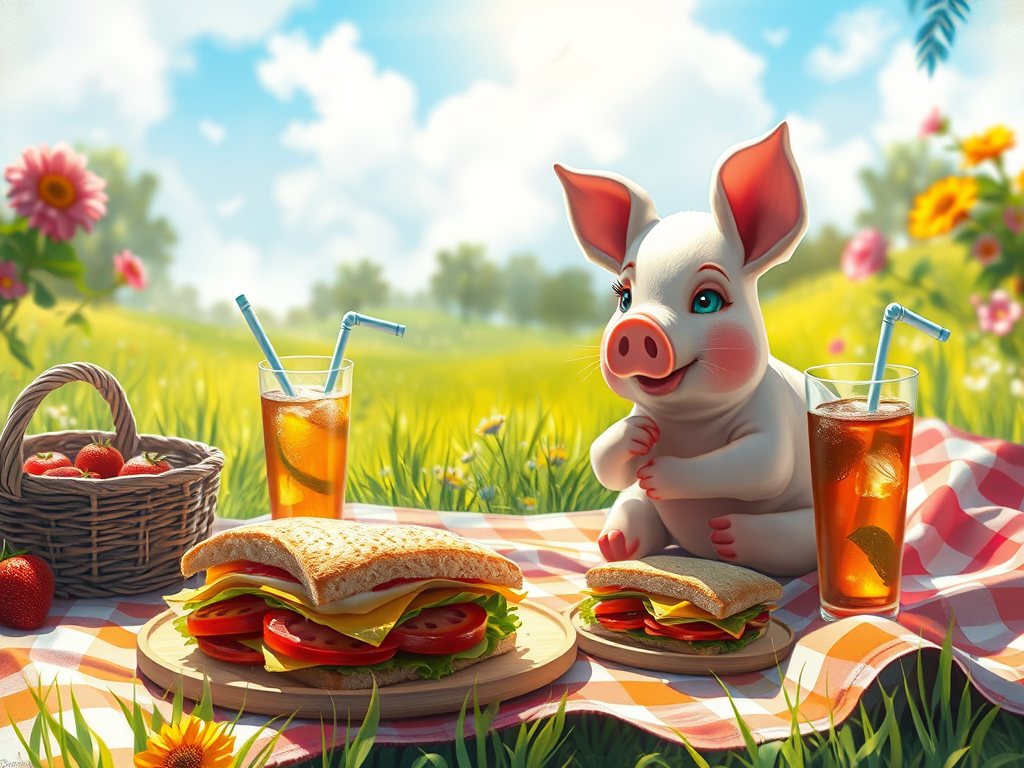
    🌟 The Setup: Penny the Pig had organized the “Perfect Picnic.” She had sandwiches, iced tea, and a beautiful blanket.

    Fiona the Fox and Max the Mouse were excited. “It’s going to be a beautiful day!” Penny(PIG) squealed.


    The Conflict: As soon as they sat down… KABOOM! Thunder crashed. The sky turned black, and rain poured down instantly.

    “My sandwiches!” cried Penny. “My fur!” cried Fiona.

    The picnic was ruined. They grabbed the wet food and ran into a nearby dark cave for shelter. ⛈️


    The Action: Penny was crying. “This is a disaster.” But Max, being small and curious, saw something glowing at the back of the cave.

    “Hey guys, look at this!” he squeaked. They walked deeper into the cave.

    The walls were covered in glow-worms that looked like a magical starry night sky. It was breathtakingly beautiful. ✨


    The Climax: They sat on the dry rocks, ate their slightly soggy sandwiches, and watched the magical light show of the glow-worms.

    They told ghost stories and laughed louder than they would have outside.


    The Moral: If it hadn’t rained, they never would have found the magical cave.

    The storm (the cloud) led them to the most beautiful memory of the summer (the silver lining).

    🎓 Lesson for English Learners


    How to use this phrase naturally.


    Consoling a Friend (Professional Failure) 💼


    Situation:
    Your friend didn’t get the promotion they wanted.


    You say: “I know it hurts, but maybe every cloud has a silver lining. This might be the sign you needed to apply for that better company in the city.”


    Reframing a Bad Day 🚌


    Situation:
    You missed your bus and had to walk.


    You say: “Well, I missed the bus, but every cloud has a silver lining; at least I got my 10,000 steps in for the day!”


    Vocabulary Expansion 📚


    To Look on the Bright Side:
    To find the good in a bad situation.


    To Make Lemonade out of Lemons: To turn a difficulty into an opportunity.


    Weather the Storm:
    To endure a difficult situation until it improves.


    💬 Your Turn


    The “Hidden Gem” Challenge 💎


    Let’s practice gratitude.


    The Cloud:
    Think of a time something “bad” happened to you (a breakup, a firing, a missed flight).


    The Silver Lining: What good thing happened because of that bad event? Did you meet someone new? Did you learn a lesson?


    Action Step:
    Next time you complain today (about the traffic, the weather, or work), immediately add “…but the silver lining is…” and finish the sentence.


    Question: What is the biggest “Blessing in Disguise” you have ever experienced? Tell us your story in the comments! 👇

    By Zubeyir YURTKURAN

    https://www.facebook.com/BrainBattleground/

    https://www.facebook.com/zubeyr.yurtkuran/

    https://www.instagram.com/zubeyryurtkuran/
    https://www.youtube.com/@BrainBattleground-b3p

  • 🍰 The Great Cake Dilemma: The Law of Sacrifice

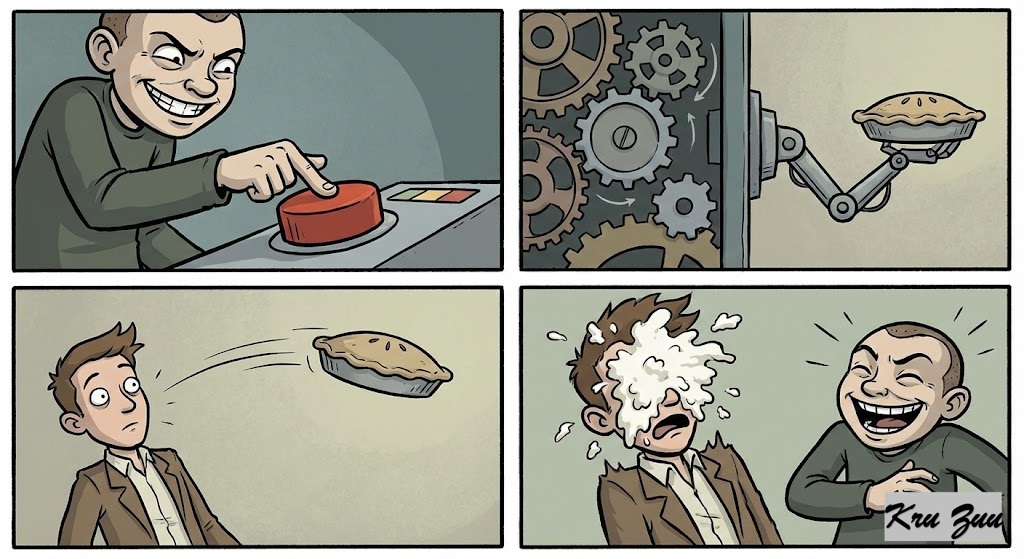
    🍰 The Great Cake Dilemma: The Law of Sacrifice

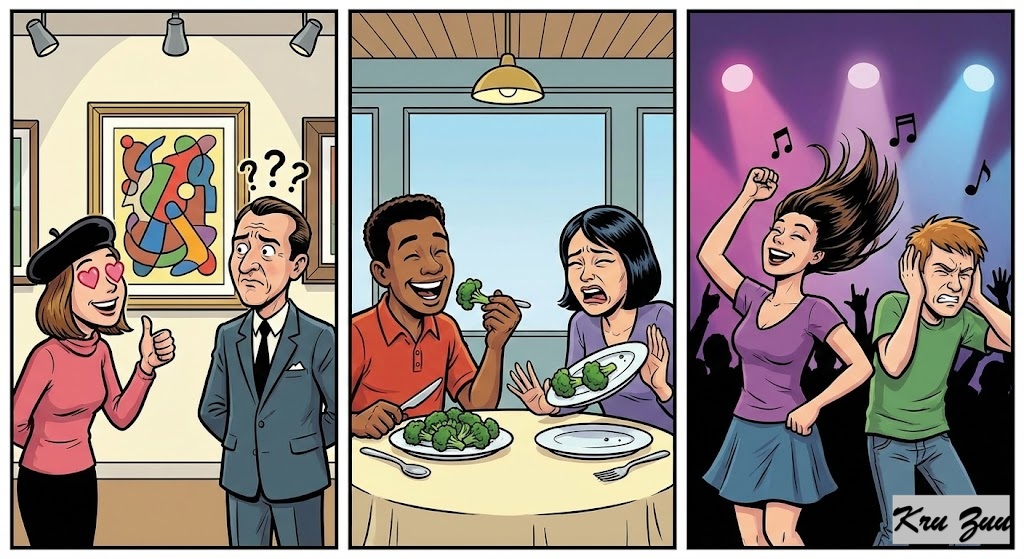
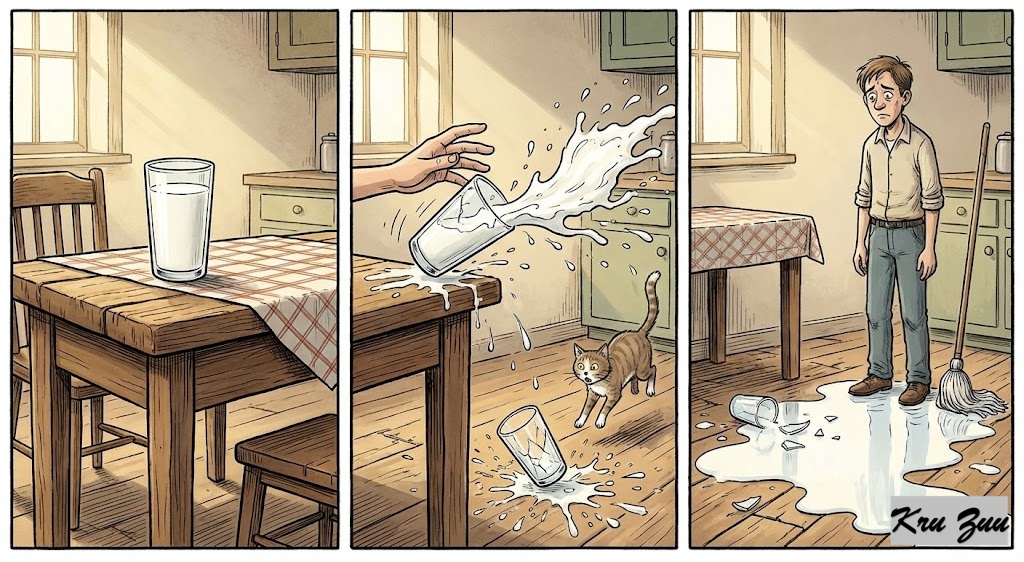
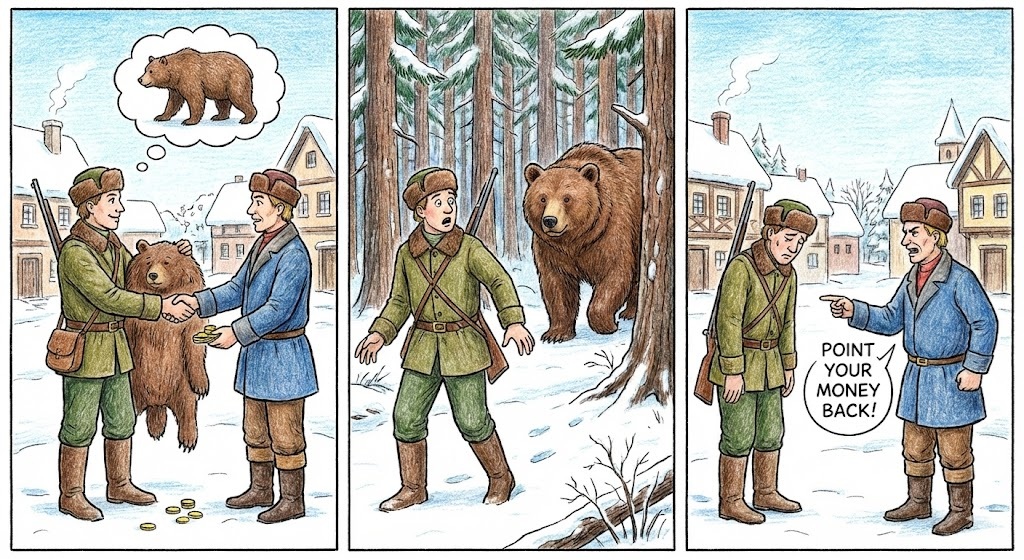
    You can’t have your cake and eat it too.


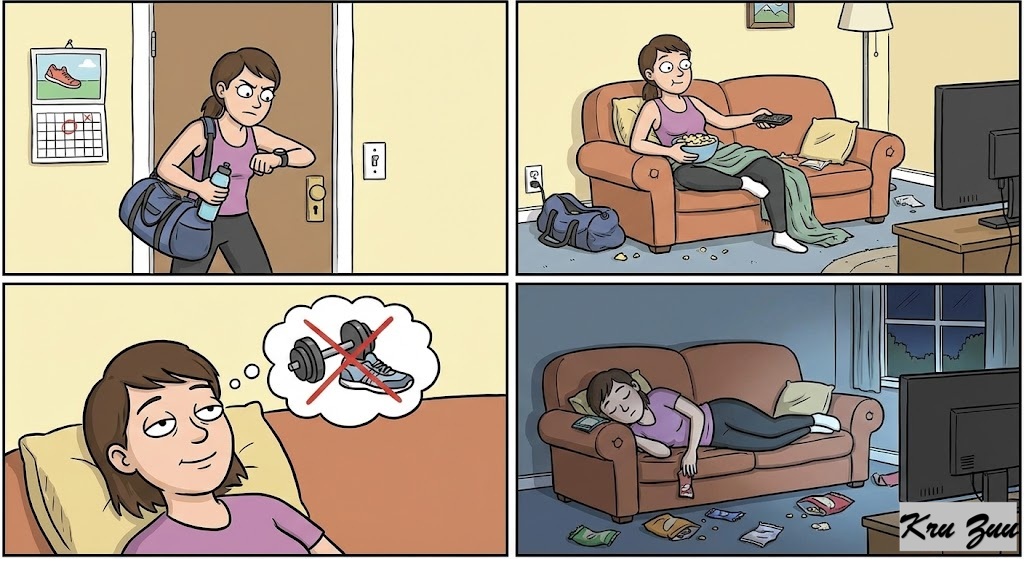
    👿 The Villain (The Greedy Dreamer): You want to get six-pack abs, but you also want to eat pizza every night.

    You want to save money for a house, but you also want to buy the latest iPhone and travel every weekend.

    You want a serious relationship, but you still want to flirt like you’re single.

    The Result? You end up with no abs, no house, and no partner.

    You are paralyzed because you refuse to choose.

    You are trying to walk left and right at the same time, so you stand still. 🛑


    😇 The Hero (The Strategist): You understand that life is a menu, not a buffet.

    You look at the cake and say, “I choose to eat this and enjoy the taste, even though it will be gone.” Or you say, “I choose to keep this cake on the shelf to admire it, even though I will remain hungry.”

    The Result? You live with purpose. You sacrifice the pizza for the gym.

    You sacrifice the new phone for the house.

    You make a choice, pay the price, and enjoy the reward without regret. ✅


    ⚖️ The Reality: To choose is to lose. You cannot keep the money in your pocket AND have the shoes on your feet. You must exchange one for the other.

    💎 The Secret: Real happiness isn’t having everything; it’s being happy with the trade-off you chose.

    🧐 The Anatomy of the Proverb


    This phrase often confuses non-native speakers (and natives too!).


    To Have: In this context, it means “to keep” or “to possess” (hold in your hand).


    To Eat: To consume, digest, and destroy.


    The Logic: Once you eat the cake, it is in your stomach. It is gone. You no longer “have” it in your hand to look at or save for later. Mutually Exclusive means two things cannot happen at the same time.


    📚 Vocabulary Vault


    Trade-off (Noun):
    A situation where you must accept something bad in order to have something good. (The price you pay). ⚖️


    Dilemma (Noun): A situation where a difficult choice has to be made between two or more alternatives. 🤔


    Sacrifice (Verb/Noun): Giving up something valued for the sake of something else.


    Indecisive (Adjective): Not having the ability to make decisions quickly and effectively.


    Opportunity Cost (Business Term): The loss of potential gain from other alternatives when one alternative is chosen.


    🧠 Grammar Focus


    The Negative Modal “Can’t” This expresses Impossibility. It is physically impossible to do both.


    Structure: Subject + Can’t + Verb 1 + Object + Conjunction (and) + Verb 2…


    The “Too” Position: “Too” usually comes at the end to mean “also.”


    Original/Old Version: “You can’t eat your cake and have it.” (This actually makes more logical sense chronologically!)


    Modern Version: “You can’t have your cake and eat it too.” (We use this one today).

    📜 History: Origin and Spread


    This is an old proverb, proving that humans have always struggled with greed!


    The Origin: It first appeared in a letter by Thomas, Duke of Norfolk in 1538. He wrote to Thomas Cromwell regarding Henry VIII.


    The Meaning: It warned against trying to get two contradictory benefits from one action.


    Global Cousins:


    🇹🇷 Turkish:
    “Ne yardan geçerim, ne serden.” (I give up neither the lover nor the head/life – meaning I can’t sacrifice either, I want both.)

    🇹🇷 Turkish: The slang: “Hem şoför mahalli, hem 25 kuruş.” (Front seat AND cheap fare.)


    🇫🇷 French: “Vouloir le beurre et l’argent du beurre.” (To want the butter and the money for the butter.)


    🇷🇺 Russian: “Na dvou stulyah ne usidish.” (You cannot sit on two chairs.)


    🇩🇪 German: “Man kann nicht auf zwei Hochzeiten gleichzeitig tanzen.” (One cannot dance at two weddings at the same time.)

    🎯 Impact on Life: The Pros & Cons


    Is this limiting beliefs or wisdom?


    ✅ The Pros (The Anchor):


    Focus:
    It forces you to prioritize. If you know you can’t have everything, you focus on what truly matters.


    Honesty: It prevents you from lying to yourself about consequences.


    Commitment: It reminds you that true success requires saying “no” to distractions.


    ❌ The Cons (The Cage):


    Limited Thinking:
    Sometimes, with creativity, you can find a “Win-Win” situation. Don’t let the proverb stop you from thinking outside the box immediately.

    🎭 Short Story: The Golden Ticket


    Let’s visit Penny, Fiona, and Max one more time!


    🌟 The Setup: Fiona the Fox won a contest! The prize was a “Golden Ticket”. The rules were simple:


    She could keep the ticket as a rare collector’s item (worth $1,000 in 10 years).


    OR she could exchange the ticket for a giant box of fancy chocolates right now.


    The Conflict: Fiona held the shiny gold ticket. “It’s so beautiful,” she whispered. “I want to keep it forever in a frame.”

    Max the Mouse squeaked, “But Fiona, look at those chocolates! Hazelnut truffle! Dark cherry!”

    Fiona licked her lips. She wanted to keep the ticket on her wall AND eat the chocolates.


    The Action: She tried to photocopy the ticket to trick the shopkeeper, but it didn’t work.

    She tried to just take “one” chocolate without giving the ticket, but the shopkeeper said, “No ticket, no chocolate.”


    The Climax: Fiona sighed. She looked at her empty tummy, then at the shiny ticket.

    She handed the ticket to the shopkeeper. Crunch. She ate the chocolate. It was delicious.

    “Where is the ticket?” asked Penny later. “It’s gone,” patted Fiona on her belly. “I couldn’t have my ticket and eat the chocolate too.”


    The Moral: Fiona enjoyed the chocolate, but the price was the ticket. She made her choice.

    🎓 Lesson for English Learners


    How to use this phrase naturally.


    The “Demanding Boss” Scenario 👔


    Situation: Your boss wants the project finished fast, but also wants it to be perfect and cheap.


    You say (Politely): “Boss, we can do it fast, or we can do it perfectly. We can’t do both. You can’t have your cake and eat it too.”


    The “Work-Life Balance” Complaint 🏡


    Situation: Your friend complains they have no money, but they refuse to work overtime or get a second job because they like their free time.


    You say: “You love your free weekends, right? Well, that’s why you have less cash. You can’t have your cake and eat it too.”


    💬 Your Turn


    The “Impossible Choice” Challenge ⚔️


    Life is full of trade-offs. Which would you choose?


    Option A:
    Be invisible (Have freedom, but no one notices you).


    Option B: Be famous (Everyone notices you, but you have no privacy/freedom). (You can’t have privacy AND fame!)


    Action Step: Look at your “To Do” list. Are you trying to do two impossible things at once? Cross one out. Make a choice today.


    Question: Have you ever tried to “have your cake and eat it too” and failed? Tell us in the comments! 👇

    By Zubeyir YURTKURAN

    https://www.facebook.com/BrainBattleground/

    https://www.facebook.com/zubeyr.yurtkuran/

    https://www.instagram.com/zubeyryurtkuran/
    https://www.youtube.com/@BrainBattleground-b3p

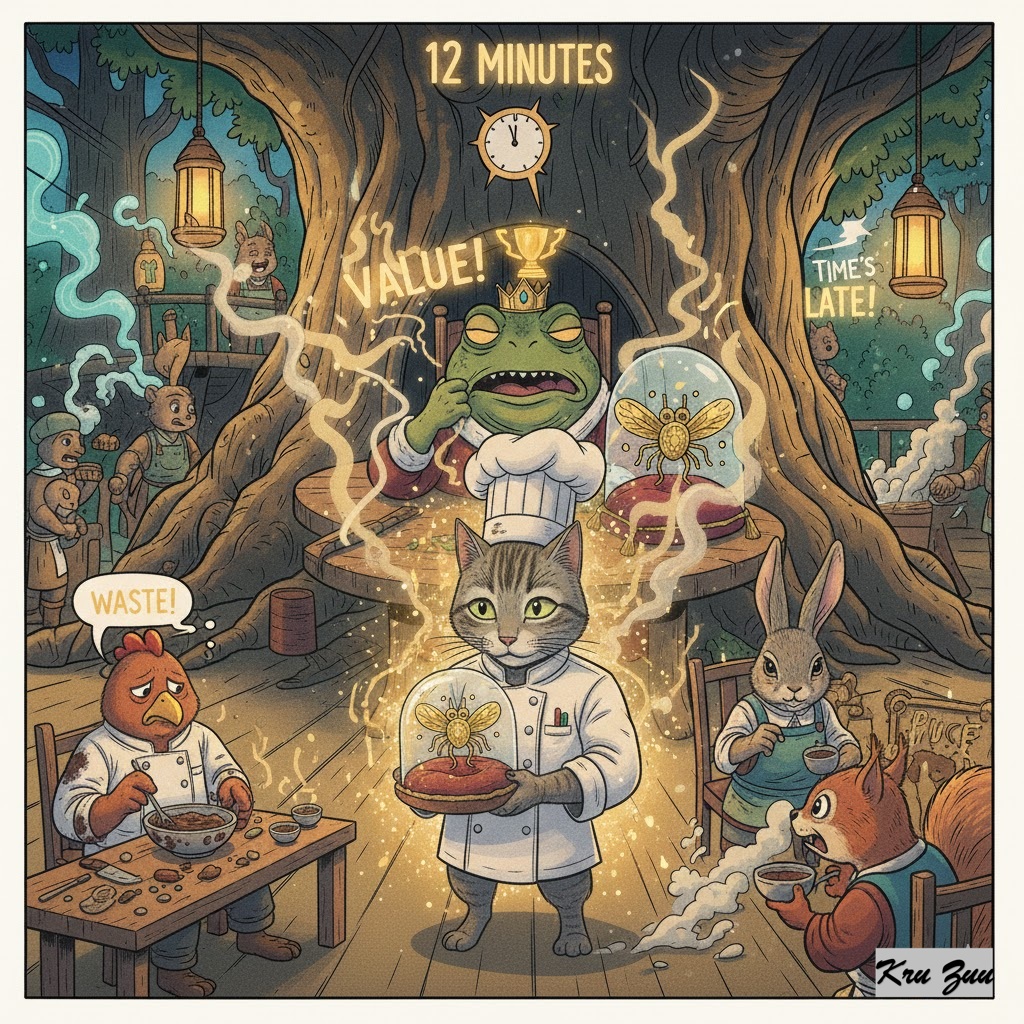
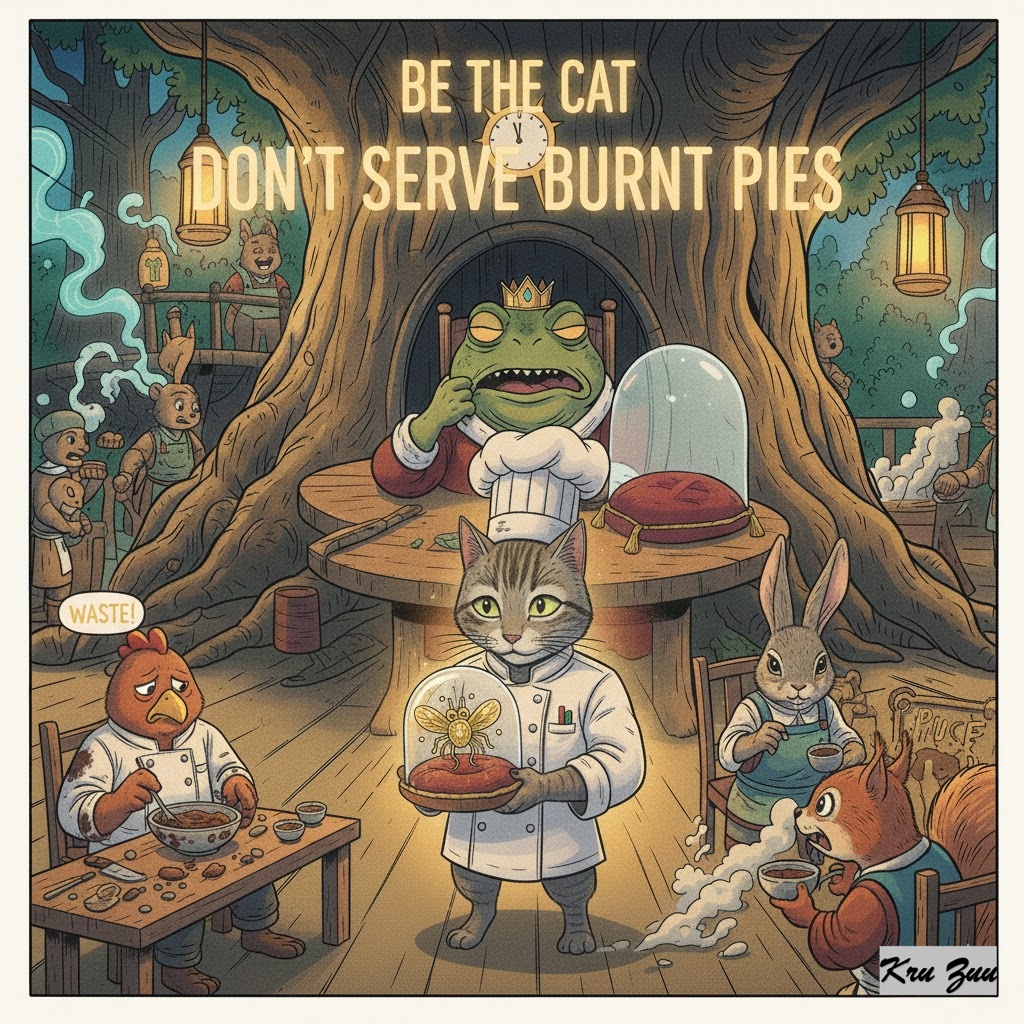
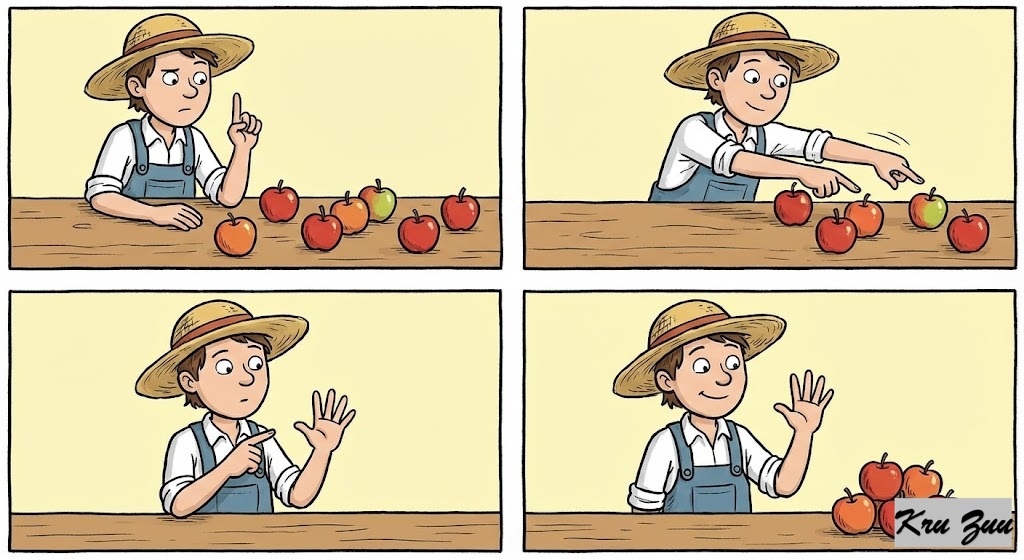
  • 🐢 Better Late Than Never: Why Doing It “Late” Beats Not Doing It At All

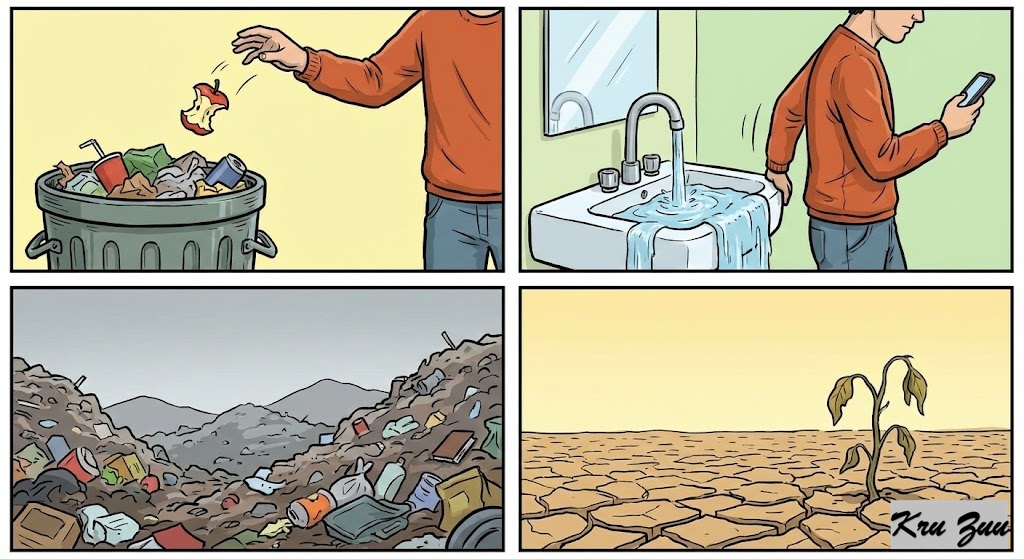
    🐢 Better Late Than Never: Why Doing It “Late” Beats Not Doing It At All

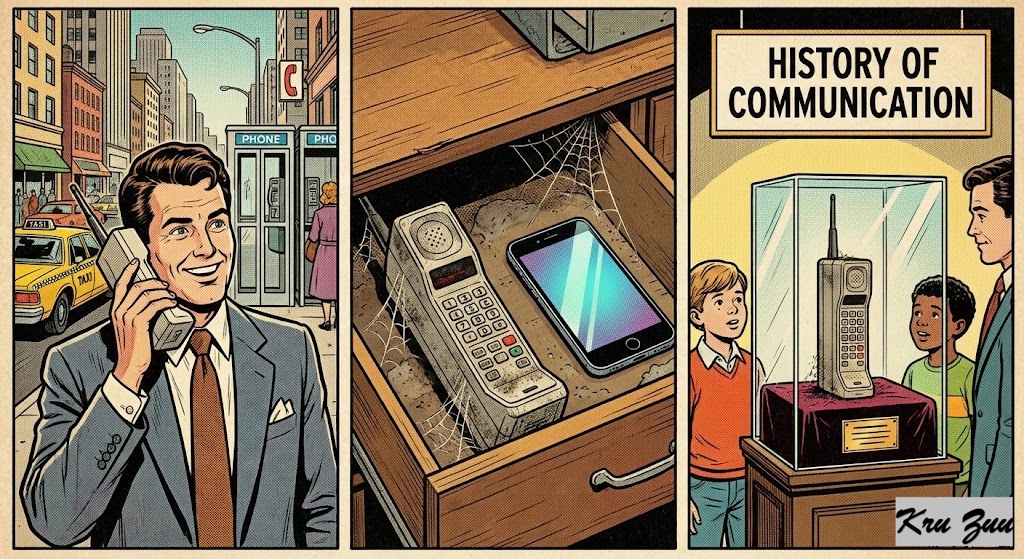
    ⏳ Time flies, but is the opportunity really gone?


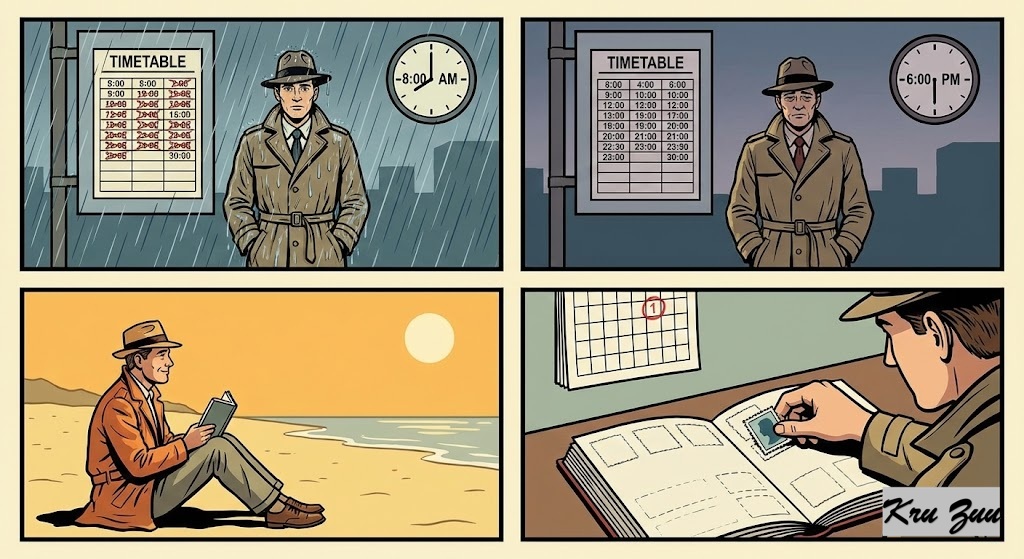
    🚌 Scenario: You missed the bus by 5 minutes.

    The “Never” Approach: “Today is ruined. I’m going back home. I give up.”

    The “Better Late” Approach: “I’ll wait for the next one. I will be late for the meeting, but at least I will be there.”


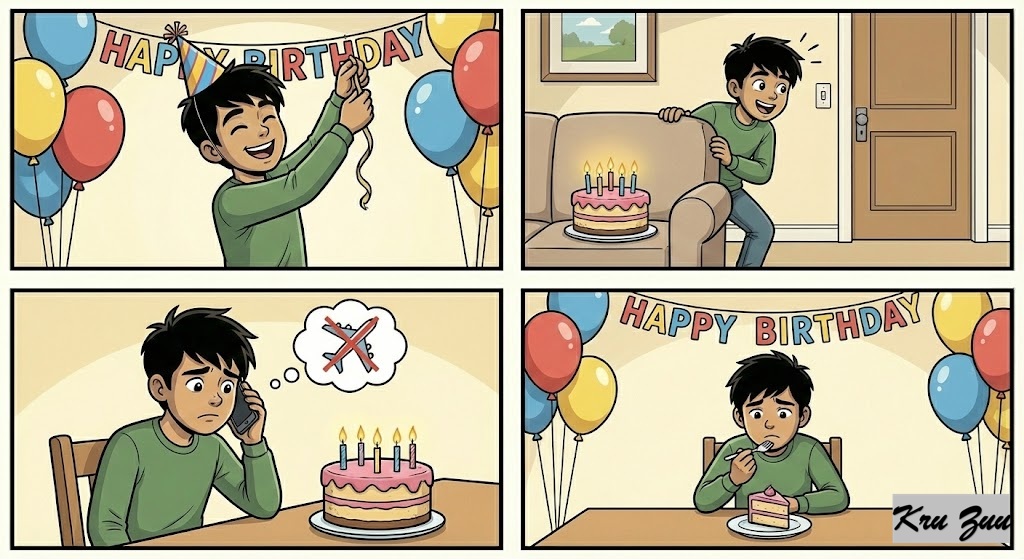
    🎂 Scenario: You forgot your friend’s birthday, and the date was yesterday.

    The “Never” Approach: “It’s too late now. It would be embarrassing to text. I just won’t say anything.”

    The “Better Late” Approach: “I will apologize and celebrate today. It is better than completely ignoring it.”


    Life isn’t perfect. Sometimes we miss the train, sometimes we don’t start our diet on Monday. This is exactly where the golden rule comes in to save us from guilt: “Better Late Than Never.”


    In this post, we explore the proverb that is the biggest enemy of perfectionism. Forgive yourself, pick yourself up, and let’s begin.

    🧐 The Anatomy of the Proverb


    Let’s look at the mechanics of this comforting phrase.


    📚 Vocabulary Vault


    Late (Adjective/Adverb): Doing something after the expected, proper, or usual time. 🕒


    Never (Adverb): At no time in the past or future; not ever. ⛔


    Better (Adjective): More desirable, satisfactory, or effective. 👍


    🧠 Grammar Focus


    This sentence is a comparative structure (Ellipsis is used, meaning words are omitted).


    Full Sentence: [It is] Better [to be] late + than [to] never [arrive].


    The Meaning: Doing something after the scheduled time is far superior to not doing it at all. Delay is a flaw, but quitting is a total loss.


    📜 History: Timeless Wisdom


    Who made this famous? Humans have been battling procrastination for thousands of years.


    The Origin: The phrase was notably used by the father of English literature, Geoffrey Chaucer, in his work “The Yeoman’s Tale” in 1386. However, its roots trace back even further to the Roman historian Livy.


    The Lesson: Perfect timing is great, but a completed task (even if late) is always better than an abandoned dream.

    🎯 Impact on Life: The Pros & Cons


    Is it always okay to rely on this proverb? Let’s weigh the scales.


    ✅ The Pros (Why it helps)


    Relieves Guilt:
    Instead of giving up after a mistake, it gives you a chance to fix it.


    Results-Oriented: It ensures you reach the goal, even if slowly. Remember the Tortoise and the Hare; crossing the finish line is what matters. 🏁


    Encourages Action: It gives power to those who say “I’m too old” or “I missed my chance” to finally start.


    ❌ The Cons (Why it can be tricky)


    Excuse for Laziness: If you constantly say, “I’ll do it later, better late than never,” you become unreliable.


    Loss of Trust: Delivering a project late is better than never delivering it, but it still damages your professional reputation. Balance is key. ⚖️

    🎭 Short Story: The Last Harvest


    To understand this better, let’s return to the farm. Winter is coming, and it is time to plant seeds for the winter food supply!


    🌟 Character Introduction


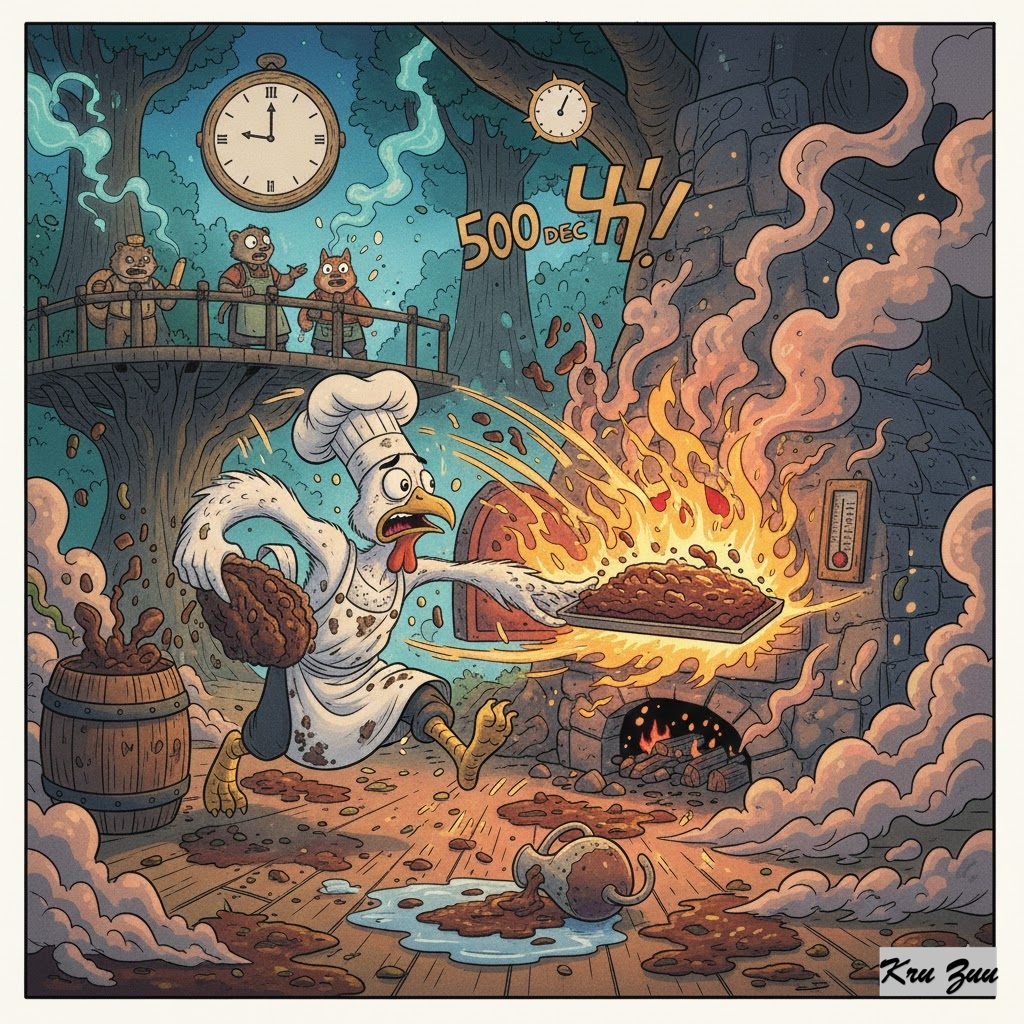
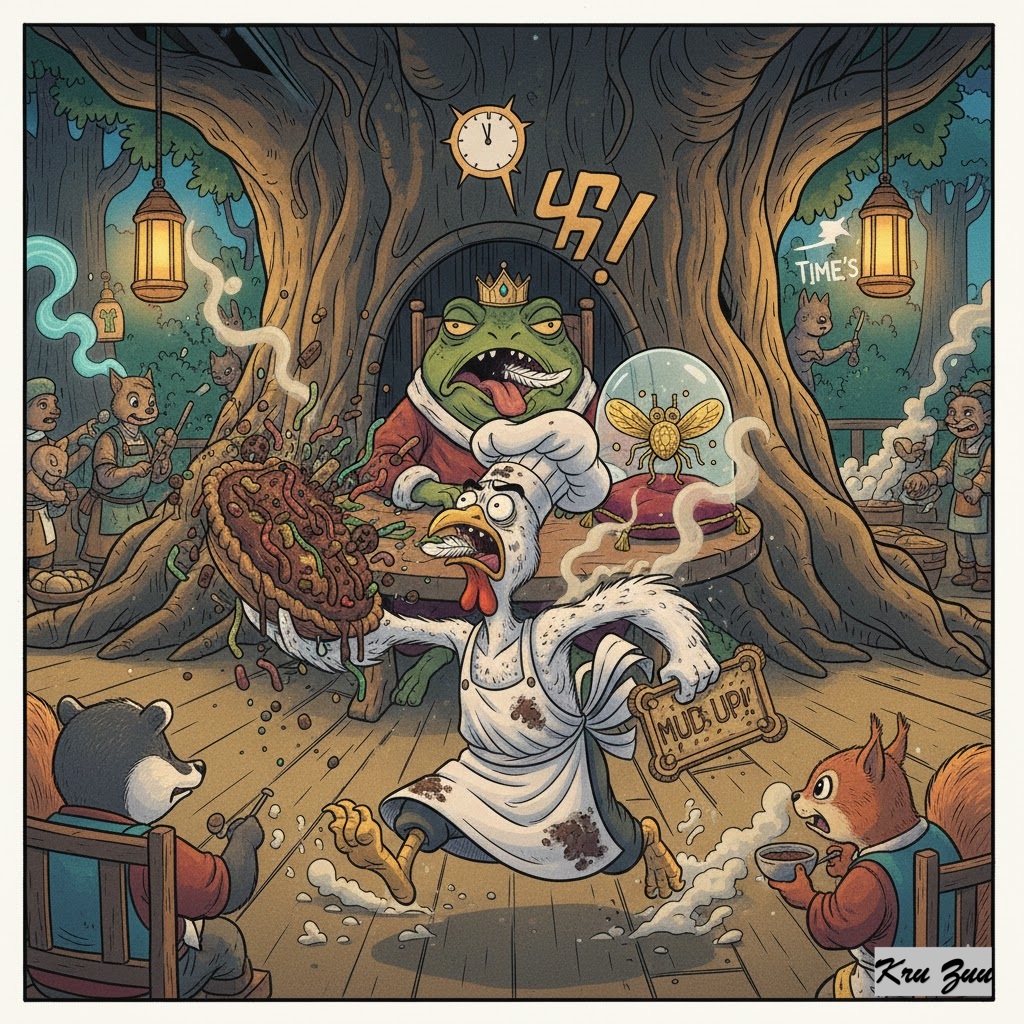
    Percy the Chicken (The Quitter): Has an “All or Nothing” mindset. If he misses the perfect time, he thinks trying is pointless. He gives up immediately. 😵


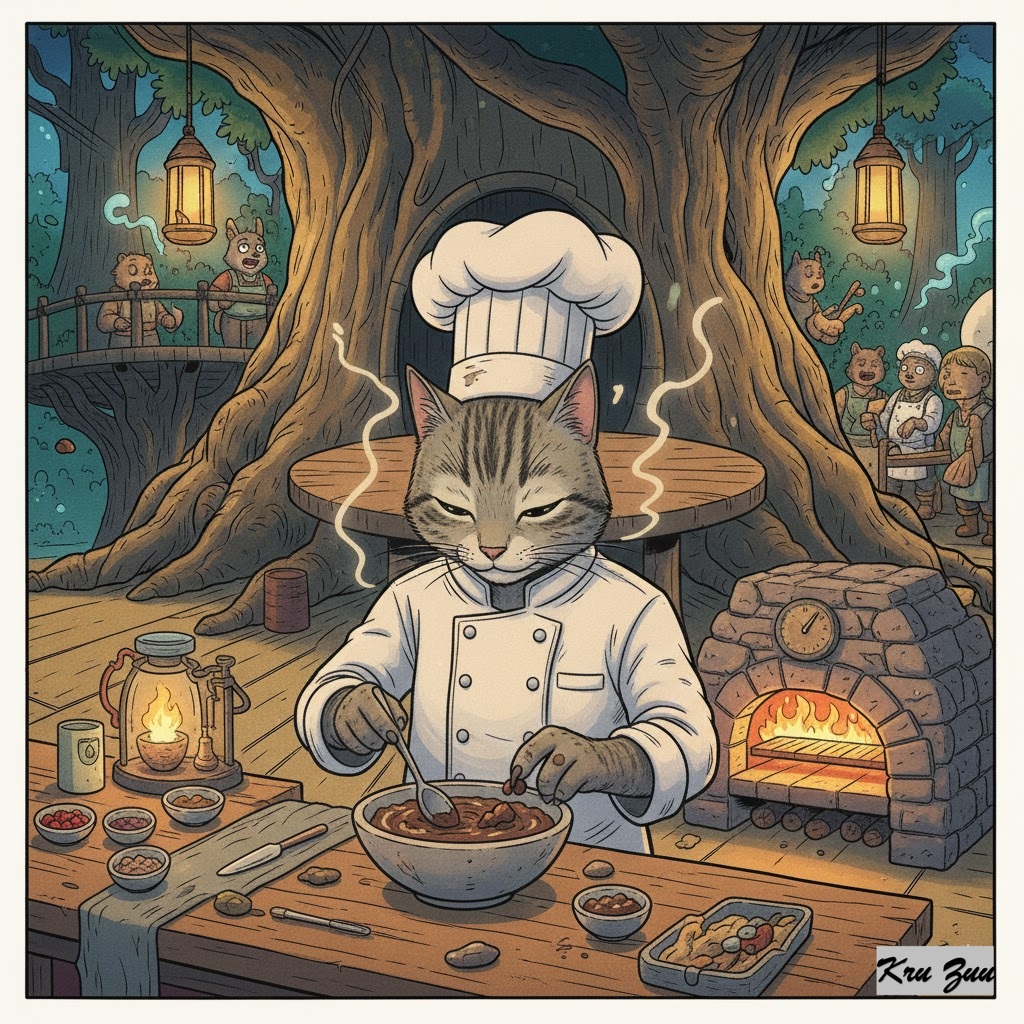
    Luna the Cat (The Punctual One): Does everything on time. She is disciplined and never late. ✨


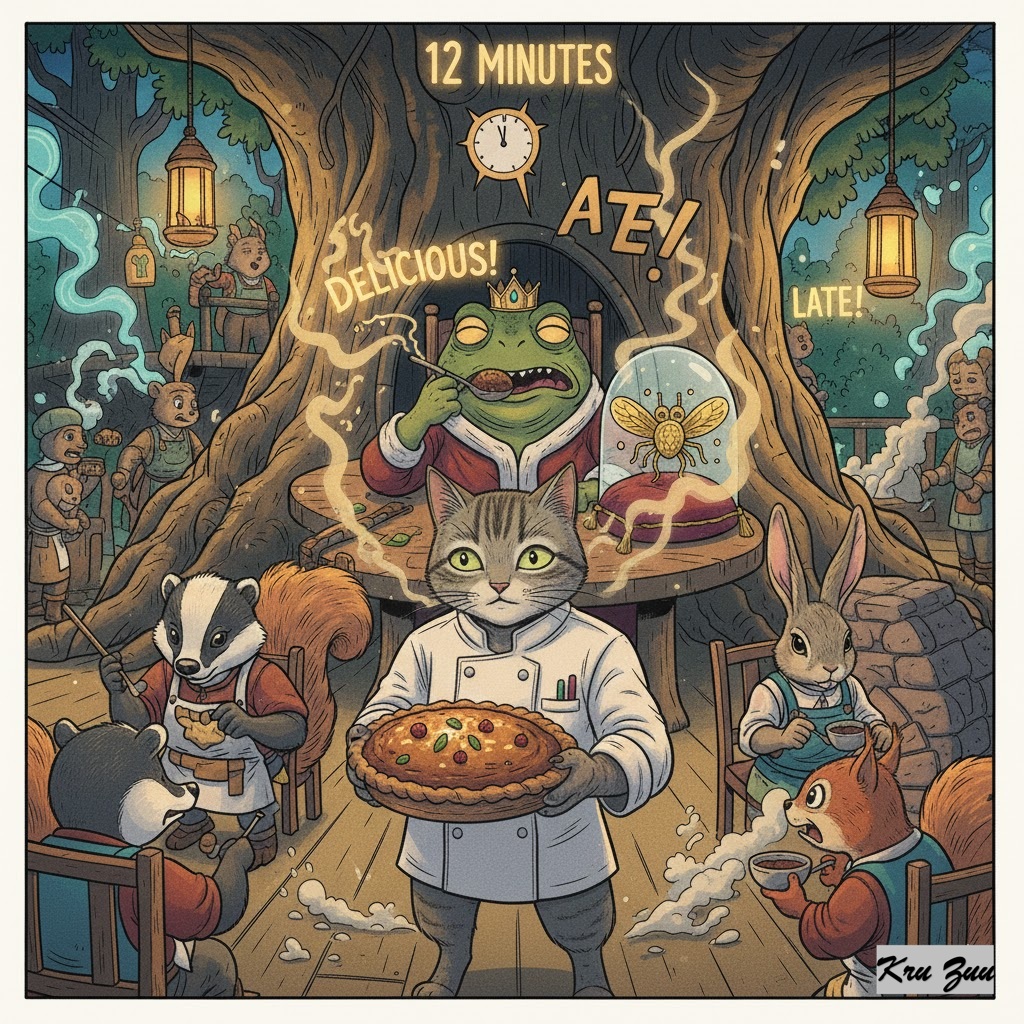
    Fred the Frog (The Hopeful Latecomer): Sometimes distracted and misses the deadline, but never gives up. He knows that some result is better than zero result. 🐸


    Luna woke up with the first light of morning. “The sun is up! The perfect time to plant corn!” she said. Luna plowed her field, planted her seeds by noon, and went to rest, satisfied with a job well done.


    Percy and Fred, however, had overslept.


    At 3:00 PM, Percy woke up. He looked at the sun and panicked. “Oh no! The day is almost over! Luna has already finished. There is no point in starting now. The seeds won’t have enough sun. I’ll just plant them next year.” Percy shrugged and went off to play video games. 🎮


    Fred woke up at the same time. “Oh dear!” he shouted. “I am so late!” He ran to his field. The sun was already setting.


    Percy yelled from the fence: “Hey Fred! Don’t bother, buddy. We missed the perfect window. Just let it go!”


    Fred wiped the sweat from his forehead and shouted back: “Better late than never, Percy!” Fred worked furiously, planting his seeds even after the sun went down, working by the light of the moon. 🌙


    Months passed. The harvest time arrived.


    Luna’s Field: Full of perfect, golden corn. Her pantry was completely full.


    Percy’s Field: Full of weeds. He would spend the winter hungry because he did nothing just because he was late.


    Fred’s Field: His corn wasn’t as big as Luna’s, and it was a bit smaller, but it was there. Fred’s basket was full enough to survive.


    Fred munched on his corn and looked at the hungry Percy. “You see, Percy? It wasn’t perfect, but at least I’m not starving. I was late, but I didn’t quit.”


    In this story, the characters represent the outcomes:


    Luna: Perfection (Timely execution) 🏆


    Percy: Bankruptcy / “Never” (Giving up and getting zero results) 🌪️


    Fred: Salvation / “Better Late” (Delayed but satisfactory results) 🌽

    🎓 Lesson for English Learners:


    You might be 30, 40, or 60 years old. You might regretfully say, “I wish I had learned English when I was a child.” (Percy’s Method)


    But remember this truth: Being able to speak English 1 year from now is a million times better than finishing your life saying “I wish.”


    Did you arrive 10 minutes late for class today? Go in and listen anyway. (Fred’s Method)


    It is better than missing the entire lesson.


    💬 Your turn: Is there something in your life you gave up on because you thought “It’s too late”? Or a project you finished late but were glad you did? Share your story in the comments! 👇

    By Zubeyir YURTKURAN

    https://www.facebook.com/BrainBattleground/

    https://www.facebook.com/zubeyr.yurtkuran/

    https://www.instagram.com/zubeyryurtkuran/
  • Don’t Judge a Book by Its Cover: How Appearance Hides True Value

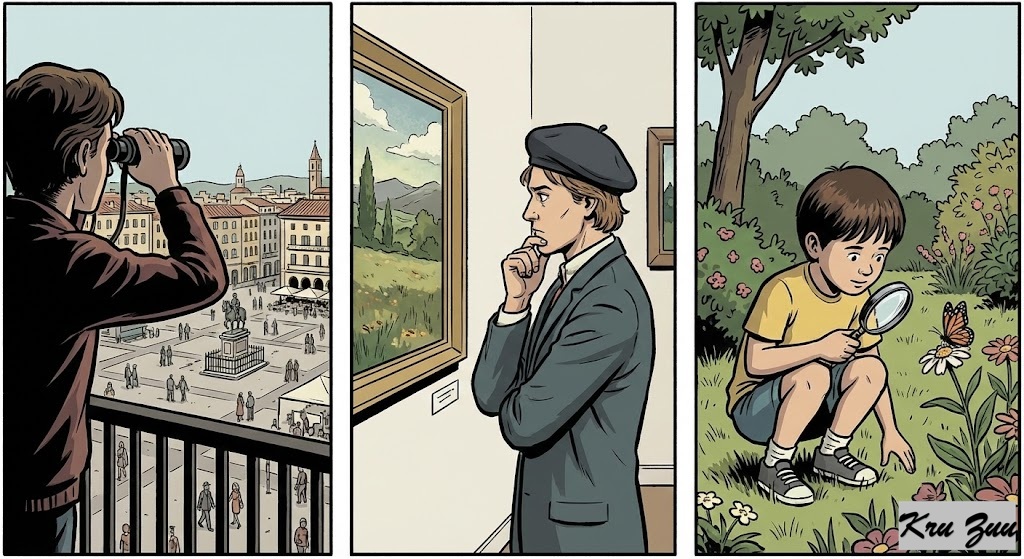
    Don’t Judge a Book by Its Cover: How Appearance Hides True Value

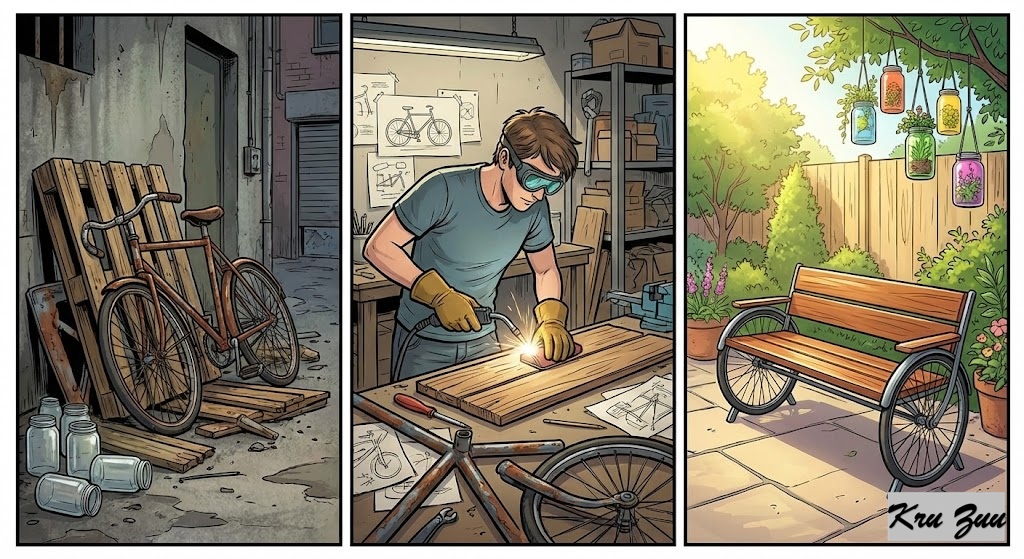
    First Impressions Can Be Deceiving


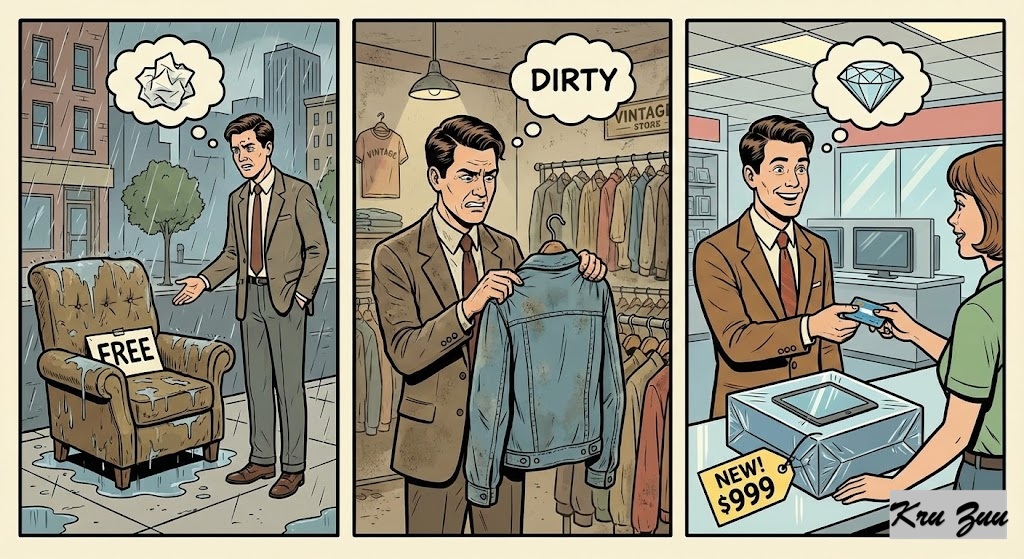
    The Cover: A speaker in a perfect suit, delivering a cool, confident presentation.

    The Truth: All the data in the presentation was copied from someone else’s work, and the content is fundamentally empty.


    The Cover: A person using a plain, old phone and wearing modest clothes.

    The Truth: That person is managing the stock exchange of a massive tech company in minutes on that very phone.


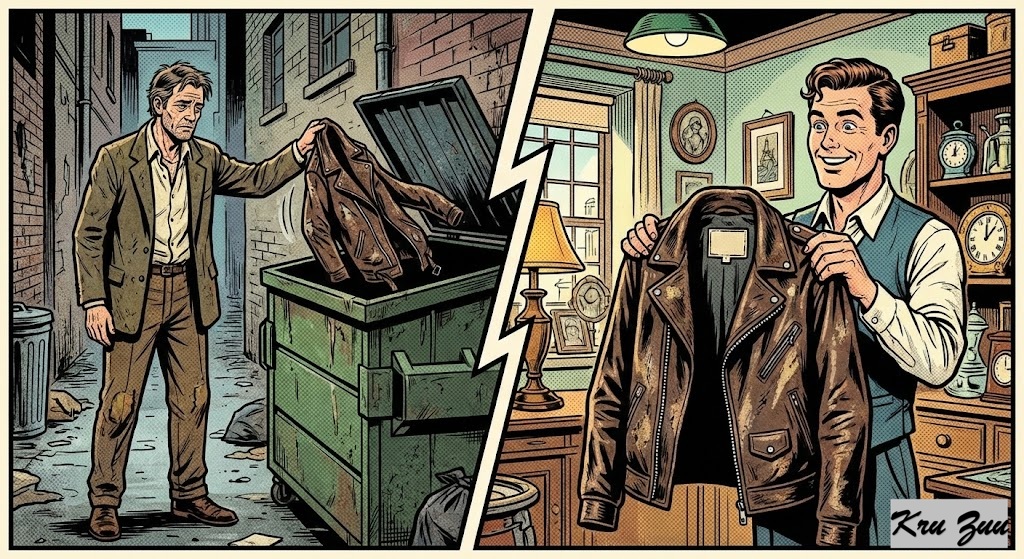
    The Cover: A beat-up, old laptop showing signs of heavy use.

    The Truth: This computer is the place where the code for a groundbreaking future AI application was written.


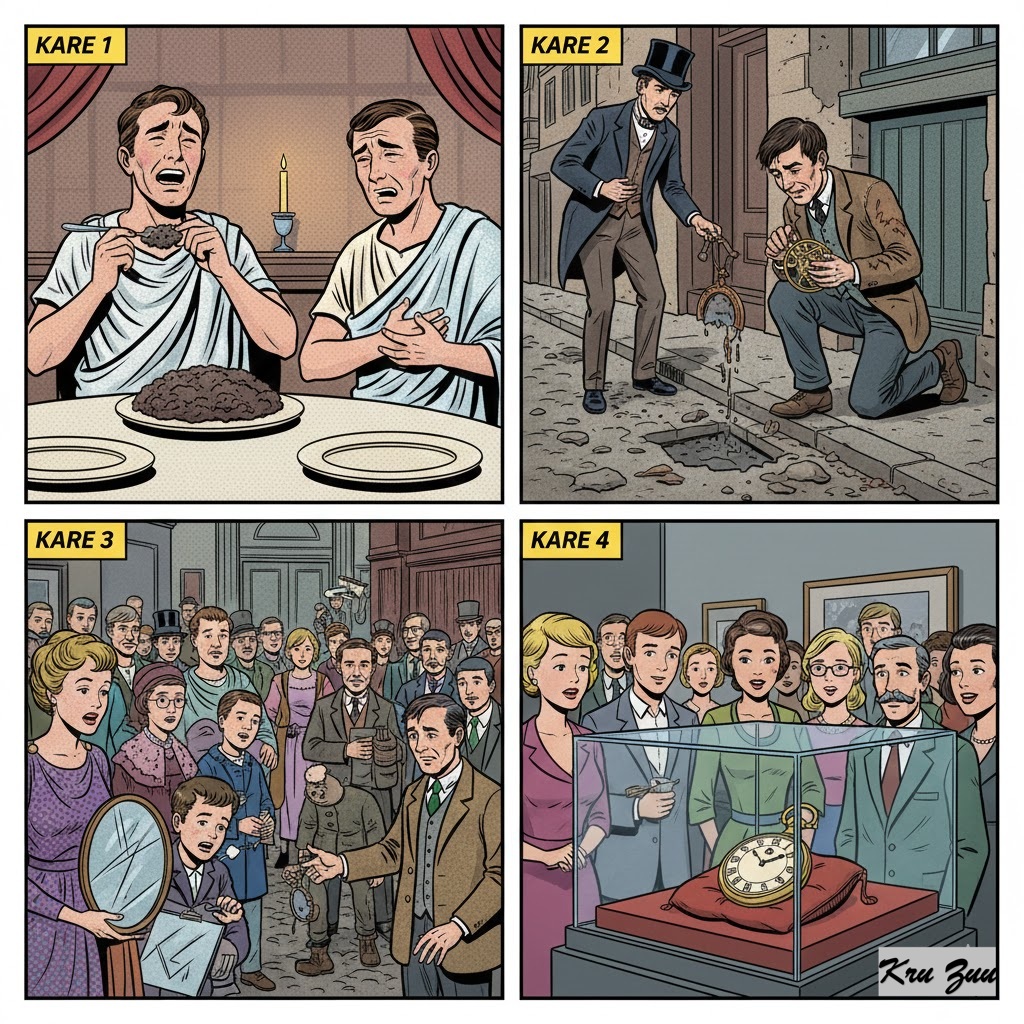
    Life constantly proves a rule well-known to successful people: “Don’t Judge a Book by Its Cover.”


    In this post, we dive into the depths of this famous proverb, focusing on discovering the true value hidden behind the surface. Set aside your biases, open your mind, and let’s dive in.

    The Anatomy of the Proverb


    Let’s look at the mechanics of this famous phrase.


    Vocabulary Vault


    Cover (Noun): The exterior surface of something; the part seen first (Clothing, title, physical appearance).


    Book (Noun): The inner value of something; the essence, content, and depth (Character, knowledge, skill).


    Grammar Focus


    This sentence is a cautionary idiom.


    Formula: Don’t + judge + [a book] + [by] + [its cover].


    The Meaning: Do not make the mistake of determining the worth of a person or thing based solely on its outward appearance or first impression. True value lies in the content.


    History: Essence Matters More Than Reputation


    When did this idea become popular? People have always understood the risks of being fooled by showiness.


    The Origin: The sentiment has existed since the 17th century. However, the exact phrase is known to have been used in modern English for the first time in Robert Casey’sThe Secret of the Old House in 1944.


    The Lesson: What matters is not what someone looks like, but who they are or what an object actually does.

    Impact on Life: The Pros & Cons


    Is ignoring external appearance a good way to live? Let’s weigh the options.


    The Pros (Why it helps)


    Discovery: It allows you to see the hidden potential in people or ideas that society has labeled as “unimportant.”


    Equality: It helps you value people based on their character and abilities, not their title, wealth, or outward beauty.


    Authenticity: It encourages focusing on substance and originality instead of just playing to external perceptions.


    The Cons (Why it can be tricky)


    Security Risk: Sometimes, first impressions indicate danger or incompatibility. Always “ignoring the cover” may not be practical or safe.


    Time Consumption: You might end up spending time reading every “book under the cover.” This can be challenging in situations requiring quick decisions.

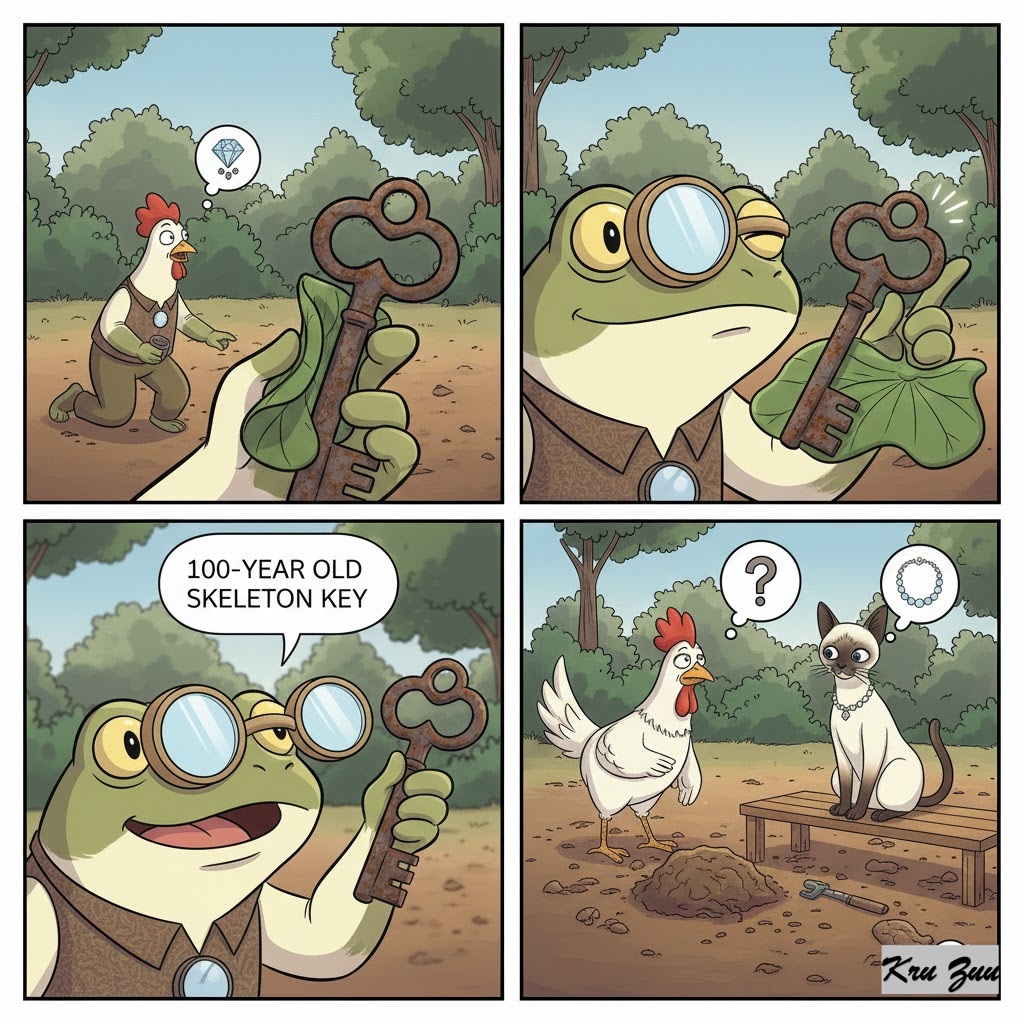
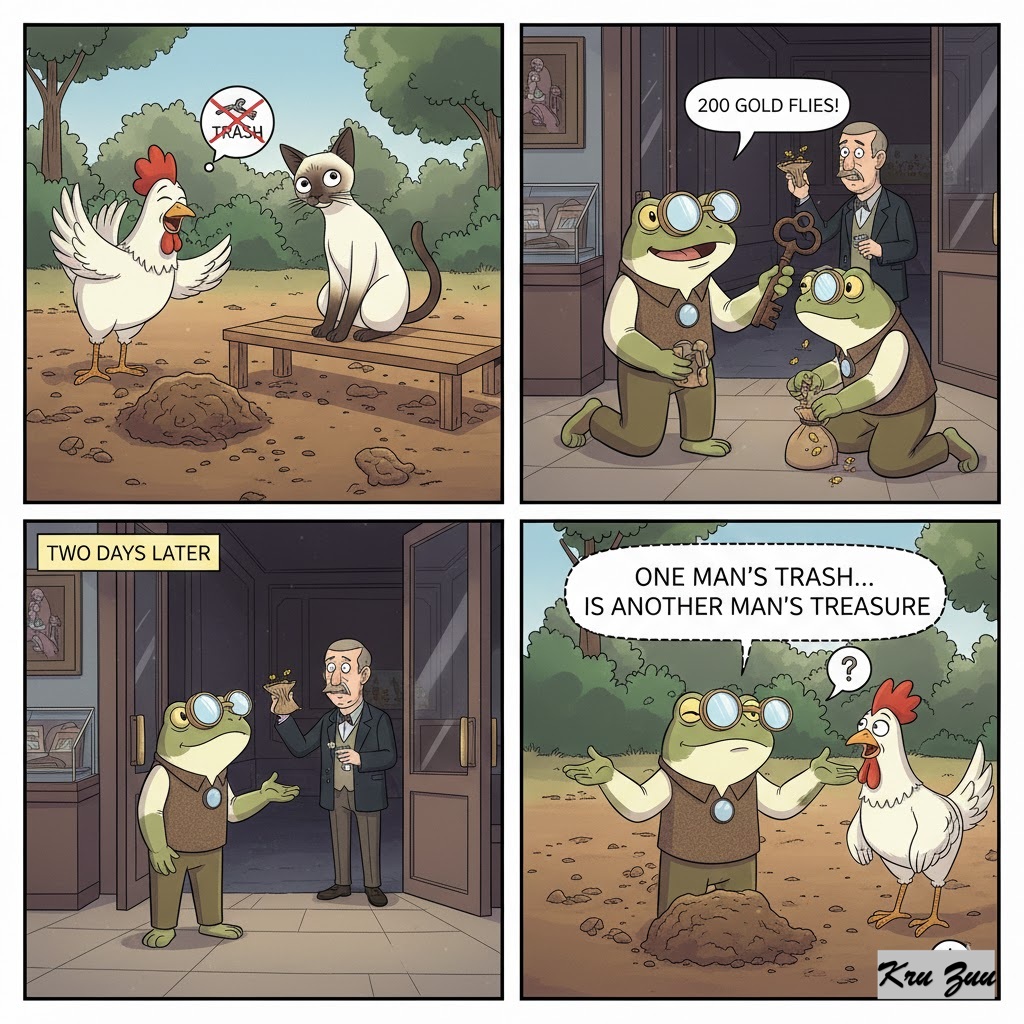
    Short Story: The Rusty Key


    To understand this proverb better, let’s visit our friends on the farm again.


    Character Introduction


    Percy the Chicken (The Show-Off):
    Always believes the brightest, newest, and most noticeable thing is the best. He trusts appearance 100%.


    Luna the Cat (The Practical Observer): Quickly assesses the situation and often prefers to act on the first impression. She favors outward beauty.


    Fred the Frog (The Value Expert): Ignores appearance. He always focuses on something’s true function, what it does, and the power within.


    One day, the lock on the old barn door was stuck. No one could get inside.


    Luna brought a shiny, gleaming silver key. “Let’s try this one,” Luna said. “Look how bright and new it looks!”


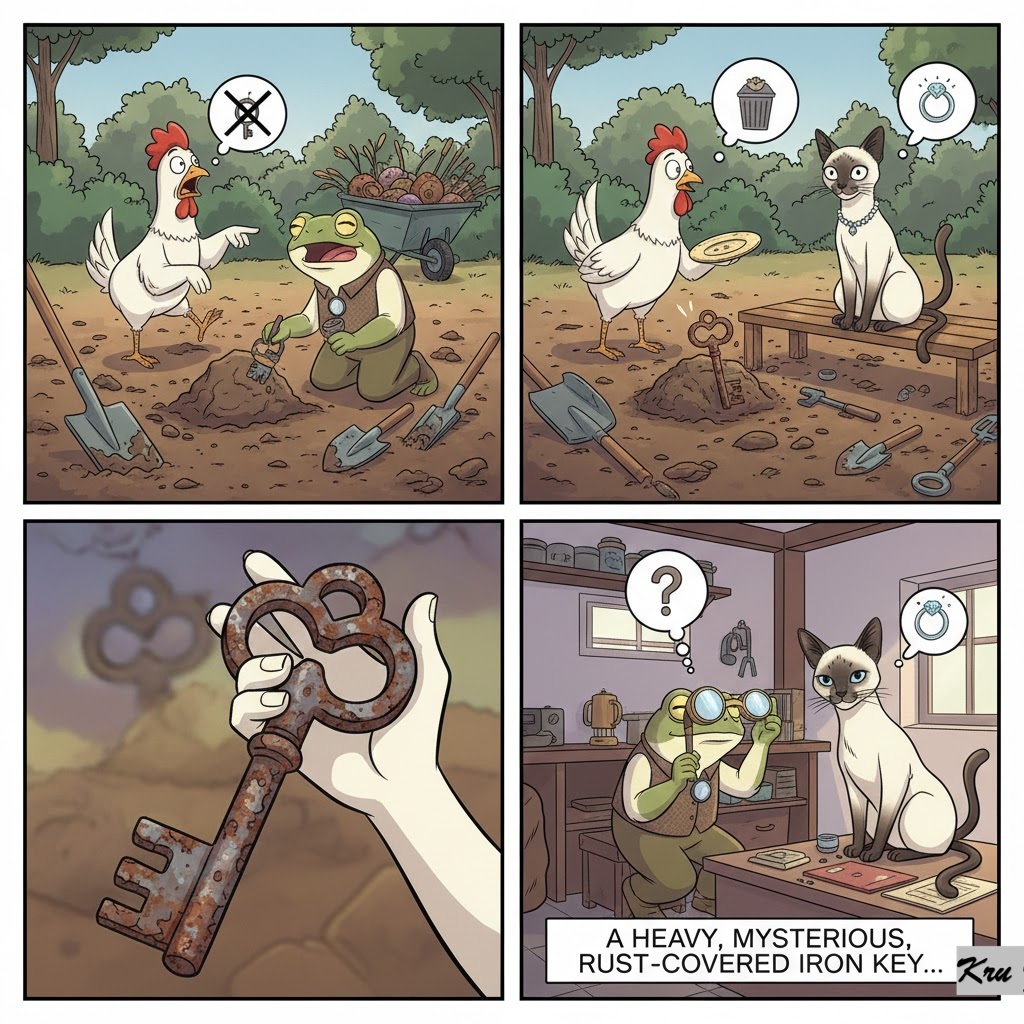
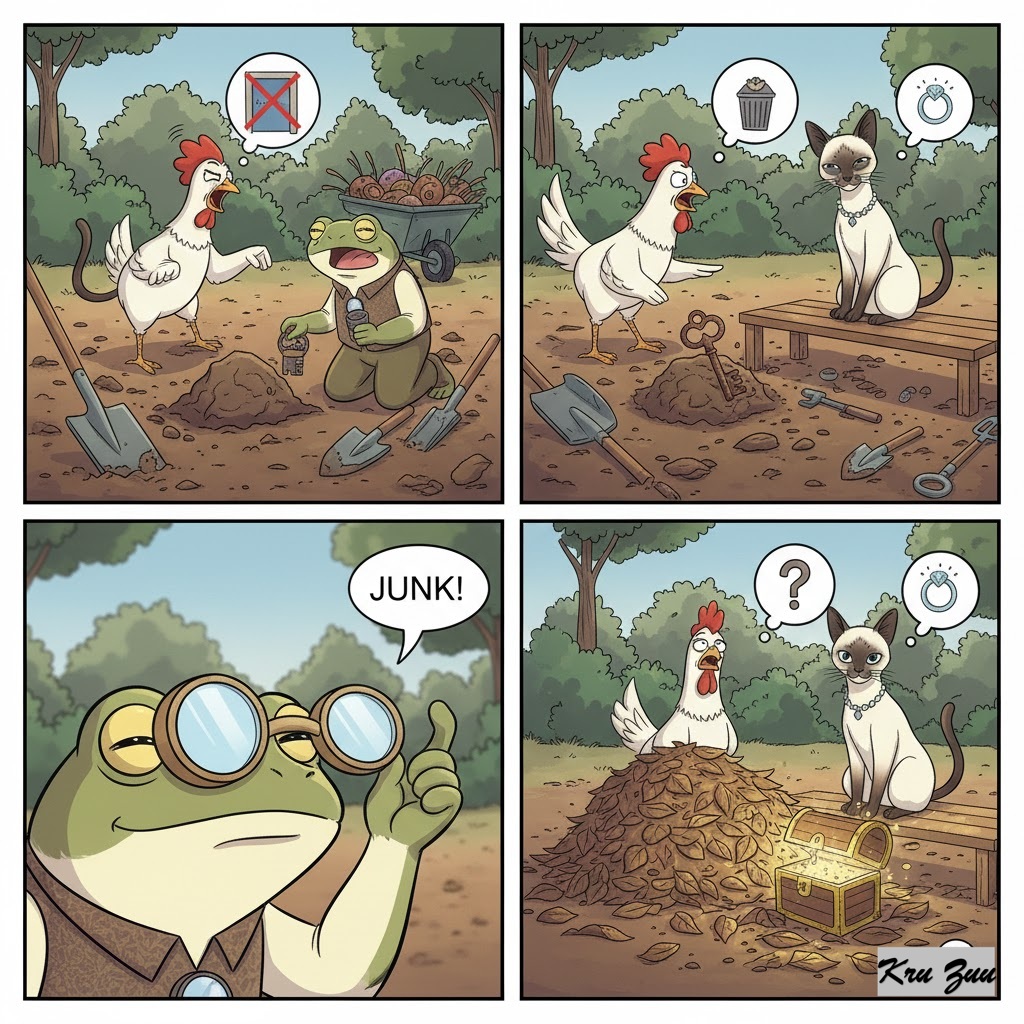
    Fred held a rusty, crooked key he had found in the muddy dirt on the ground. “The cover doesn’t matter,” Fred mumbled. “What matters are the teeth of the lock.”


    Percy, as usual, chose the bright and showy option. “Of course, Luna’s will work! Look at yours, Fred, it’s completely dirty and rusty!”


    Luna tried to insert the silver key into the lock, but the key was too large. The lock didn’t budge. Luna was disappointed.


    Fred quietly took the small, rusty key. The exterior of the key looked terrible, but its function was perfect. Click! The lock opened instantly.


    Percy’s mouth dropped open. “Unbelievable! It looked so bad…”


    Fred shrugged as he walked through the unlocked door. “You shouldn’t look at the outer shine, but at the correct function inside. Don’t judge a book by its cover.”


    In this story, the characters represent our tendency to judge:


    The Silver Key (Luna’s Choice):
    High Appearance, Low Function (Being fooled by showiness)


    The Rusty Key (Fred’s Choice): Low Appearance, High Function (Focusing on true value)


    The Lock: Opportunity (The path to valuable things)

    Lesson for English Learners


    A native speaker explaining a complex grammar rule might sometimes sound unenthusiastic or have slow English. (The Rusty Key)
    Conversely, someone teaching you simple greetings with a perfect accent on social media might know nothing about the depth of the language. (The Silver Key)
    True learning value is always more important than outward appearance.


    What do you think? Have you ever missed a “rusty key” in your life, or regretted judging something by its cover? Tell me in the comments!

    By Zubeyir YURTKURAN

    https://www.facebook.com/BrainBattleground/

    https://www.facebook.com/zubeyr.yurtkuran/
    https://www.instagram.com/zubeyryurtkuran/