
“Cleanliness is next to godliness.”
😈 The Villain (The Chaos Magnet)
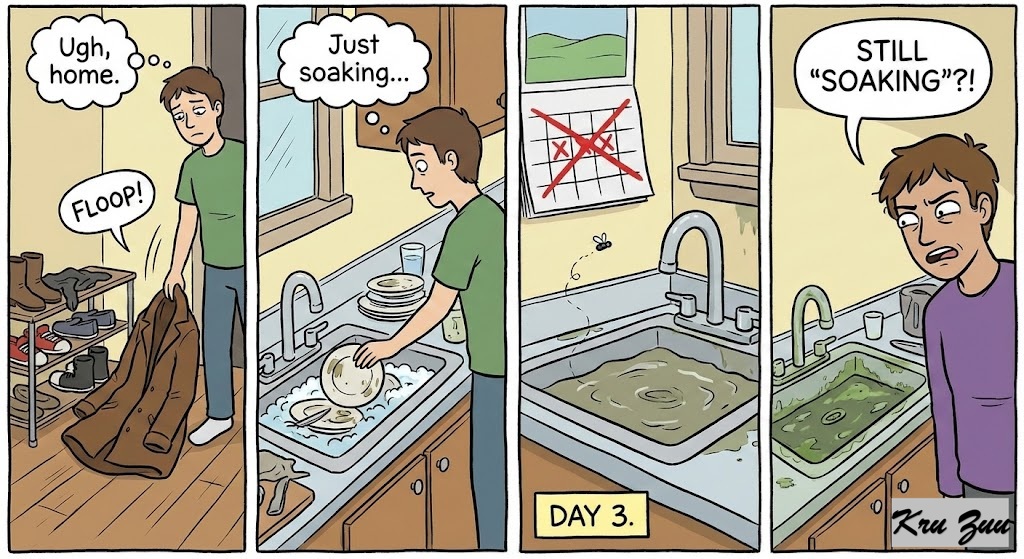
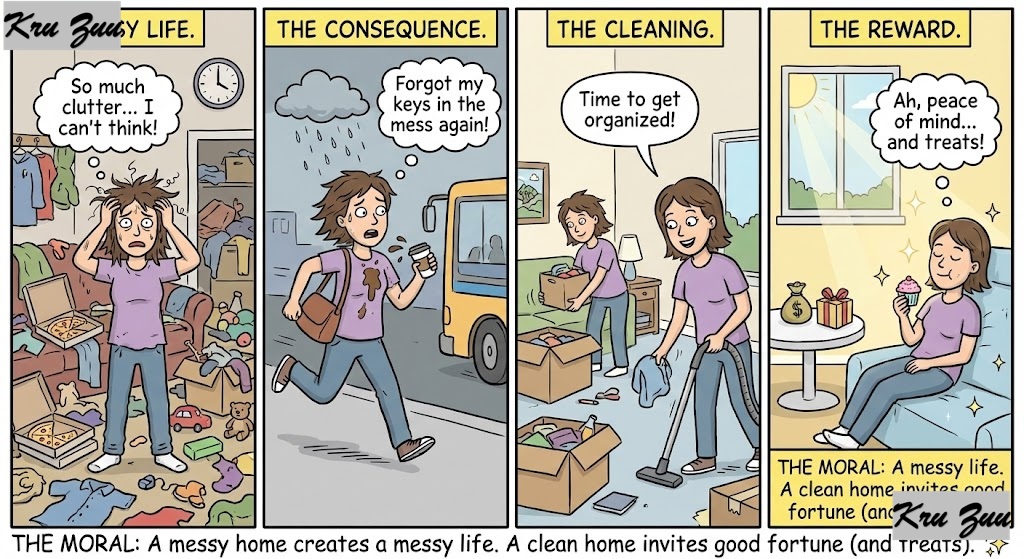
You drop your coat on the floor. You leave dishes in the sink “to soak” (for three days).
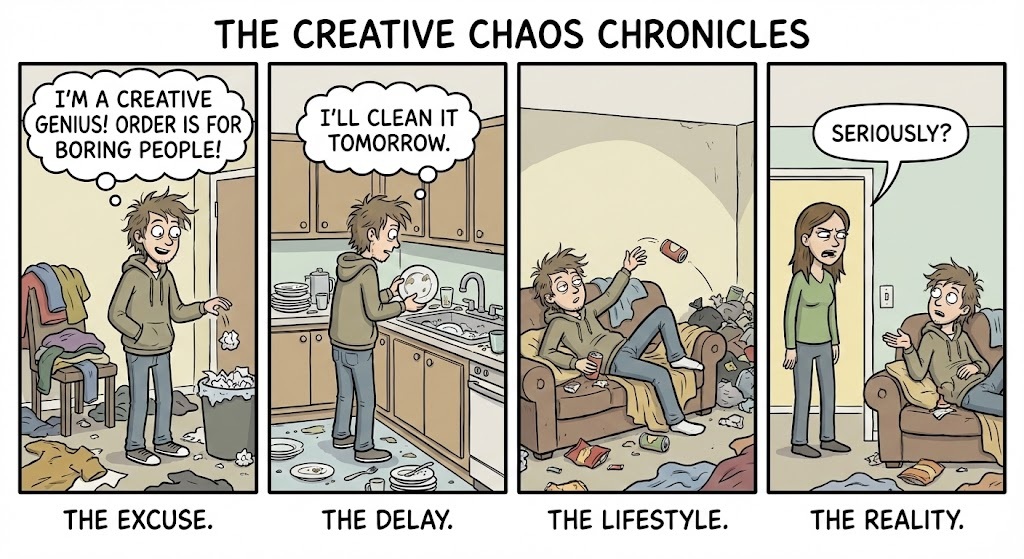
You say: “I’m a creative genius! Order is for boring people!” or “I’ll clean it tomorrow.” 🌪️ You treat your environment like a trash can.
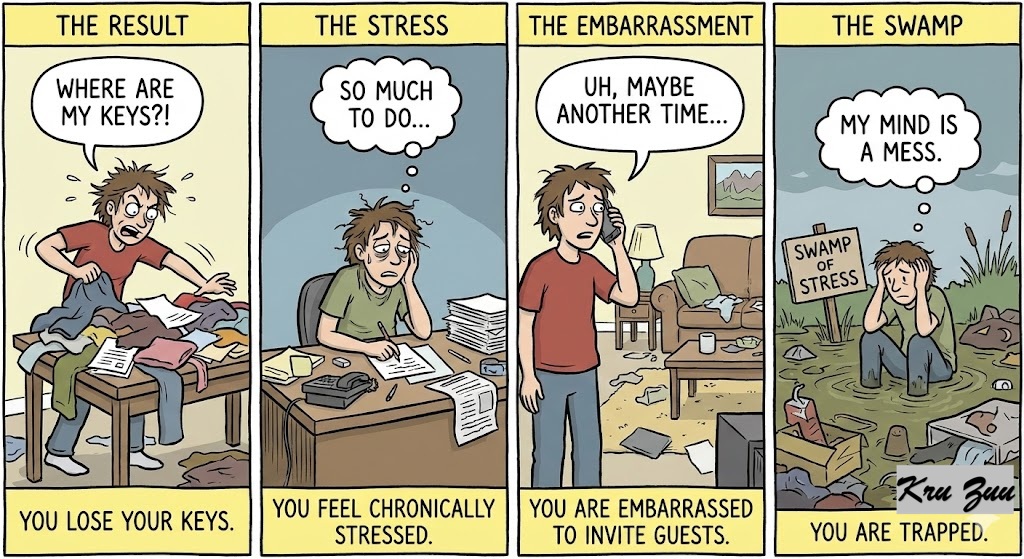
The Result? You lose your keys. You feel chronically stressed. You are embarrassed to invite guests over. Your mind feels as cluttered as your desk. You are trapped in the “Swamp of Stress.” 😫
😇 The Hero (The Zen Master): You finish eating; you wash the plate. You wake up; you make your bed. 🛑 You understand that your outer world reflects your inner world.
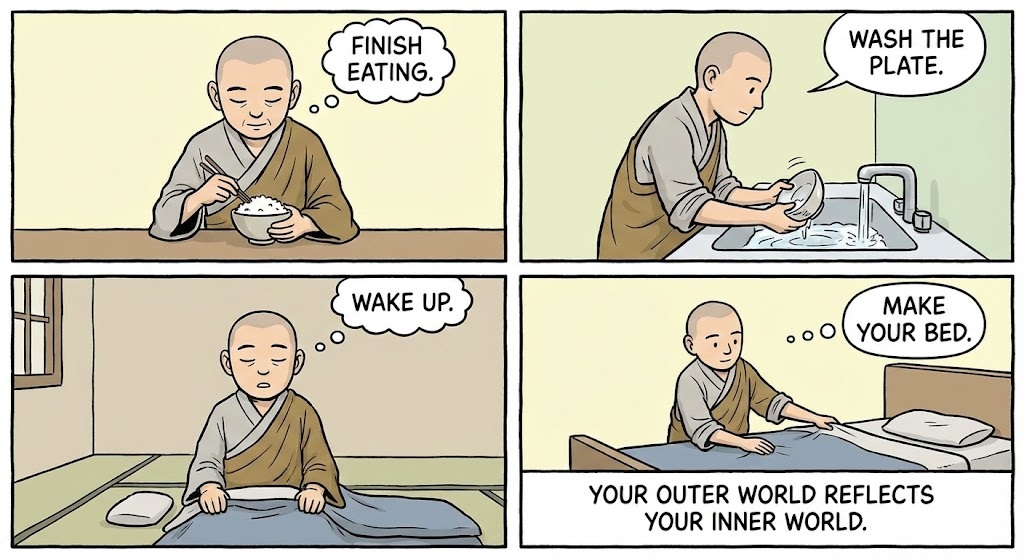
You think: “A clear space equals a clear mind.” You respect yourself enough to live in a sanitary environment.
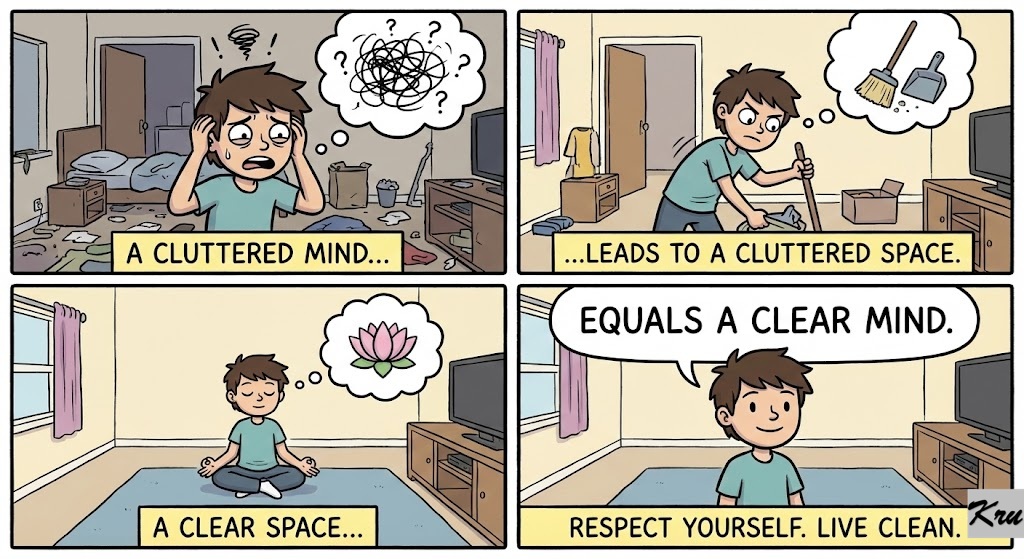
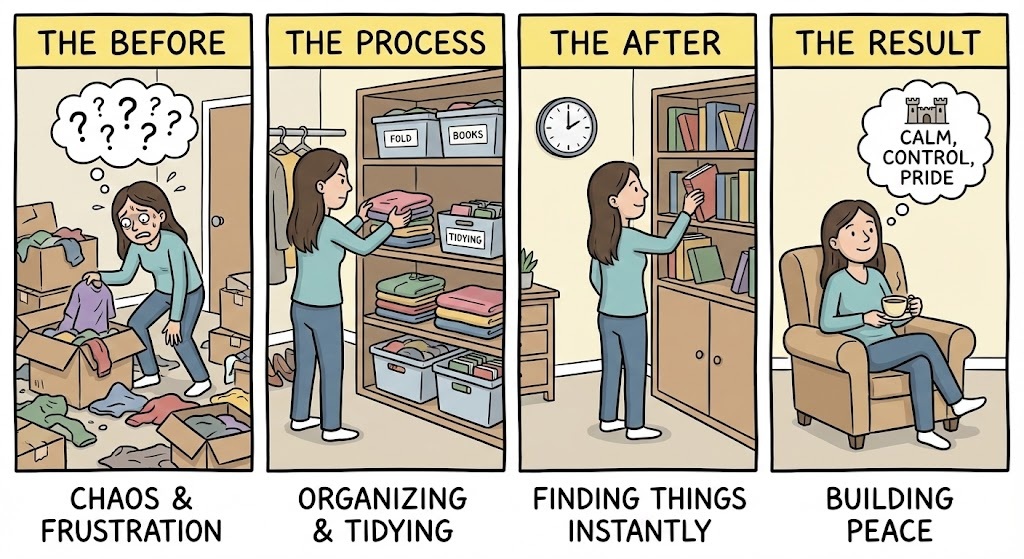
The Result? You find things instantly. You feel calm and in control. You save time not hunting for lost items. You build pride, discipline, and peace. 🏰
⚖️ The Reality
Entropy vs. Discipline.
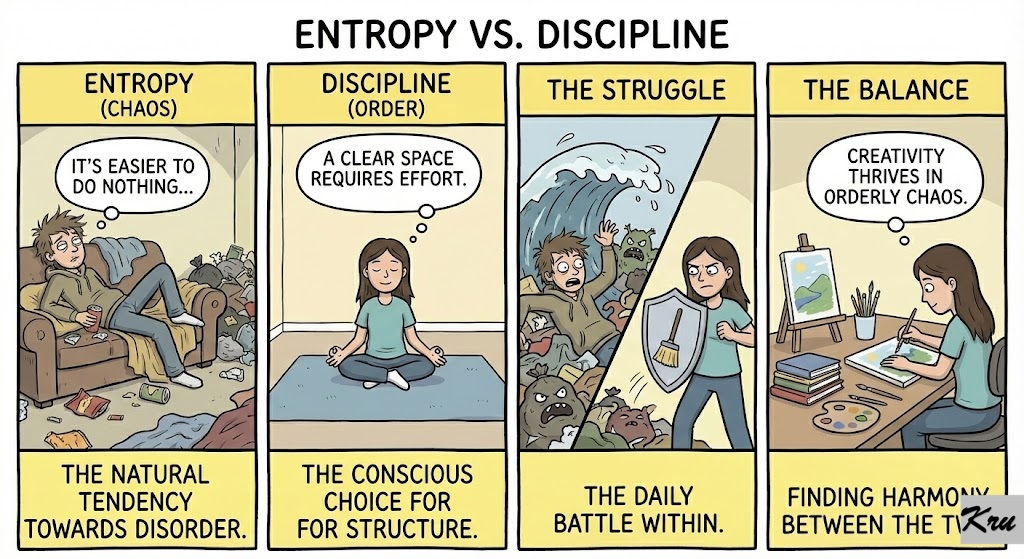
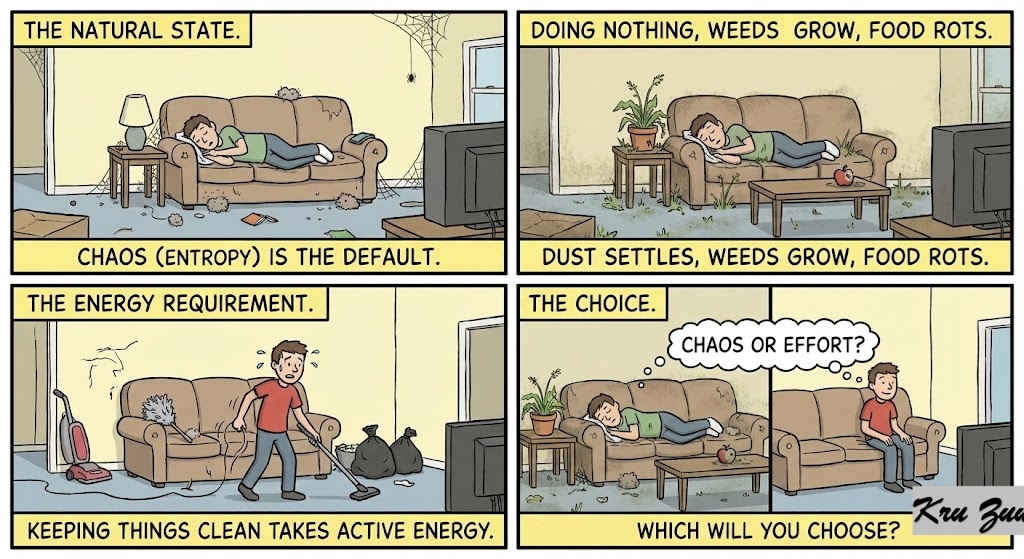
The universe naturally moves toward chaos (entropy). If you do nothing, dust settles, weeds grow, and food rots. Keeping things clean requires active energy.
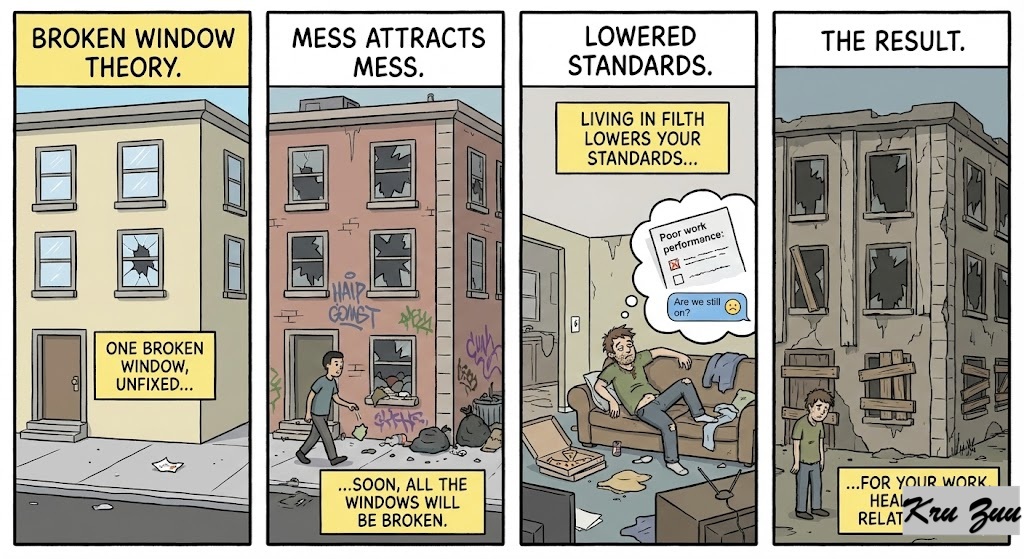
Think of the “Broken Window Theory.” If a building has one broken window that isn’t fixed, soon all the windows will be broken. Mess attracts more mess. If you live in filth, your standards for your work, your health, and your relationships will lower.
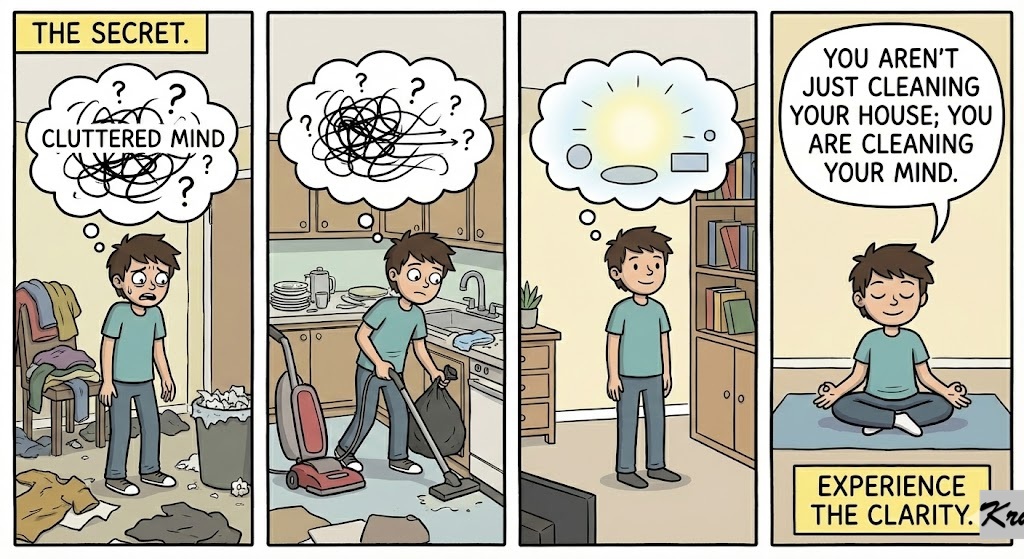
💎 The Secret: You aren’t just cleaning your house; you are cleaning your mind.
🧐 The Anatomy of the Proverb
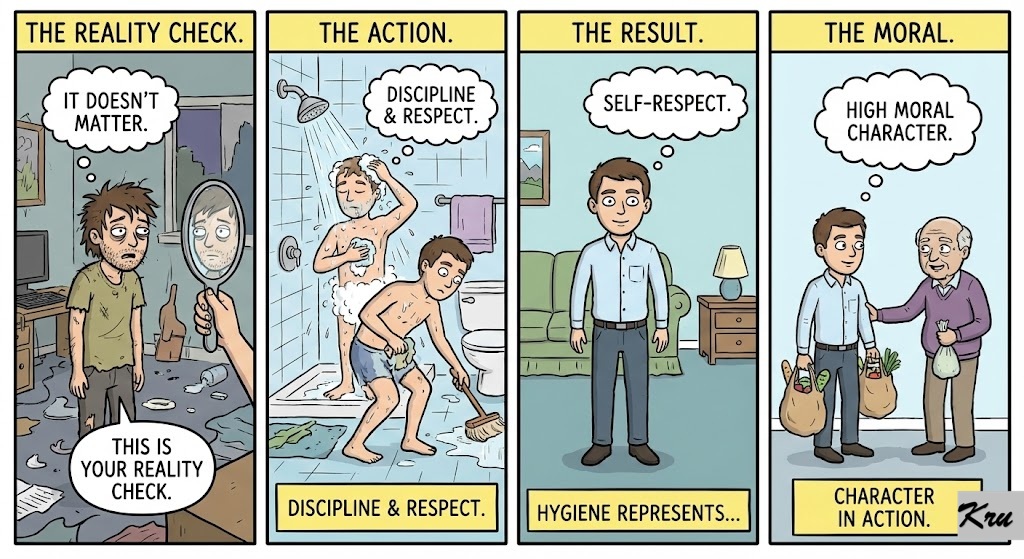
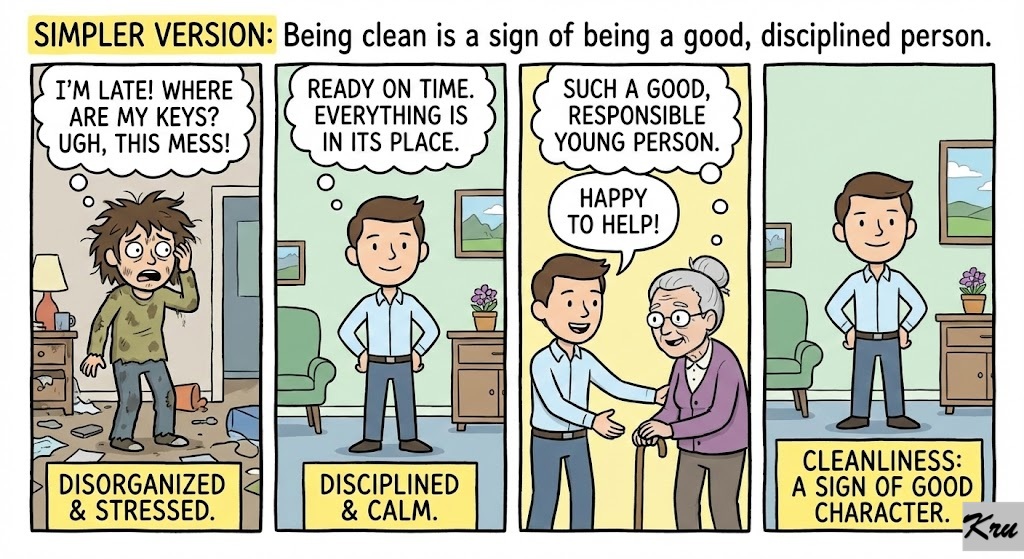
This is your reality check that hygiene represents high moral character.
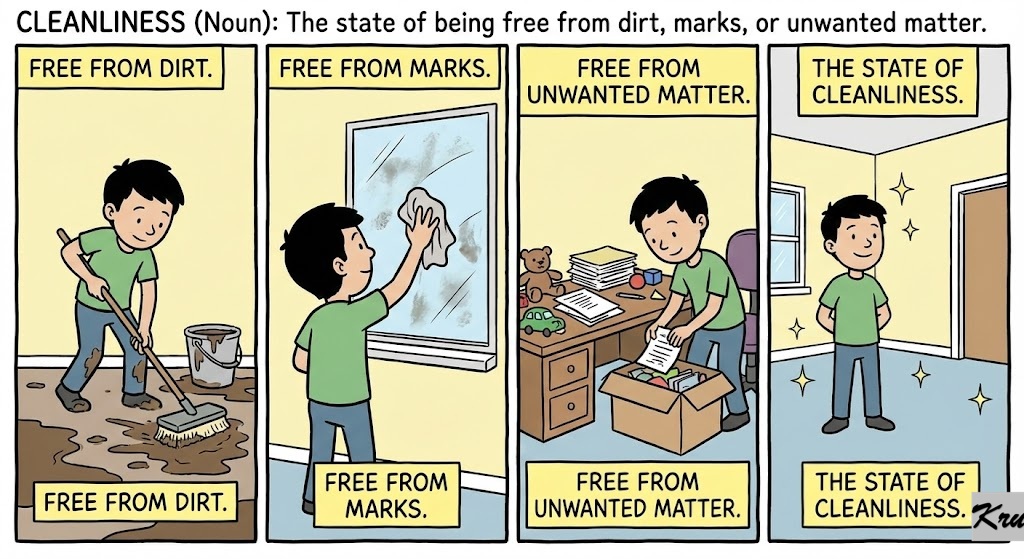
Cleanliness (Noun): The state of being free from dirt, marks, or unwanted matter.
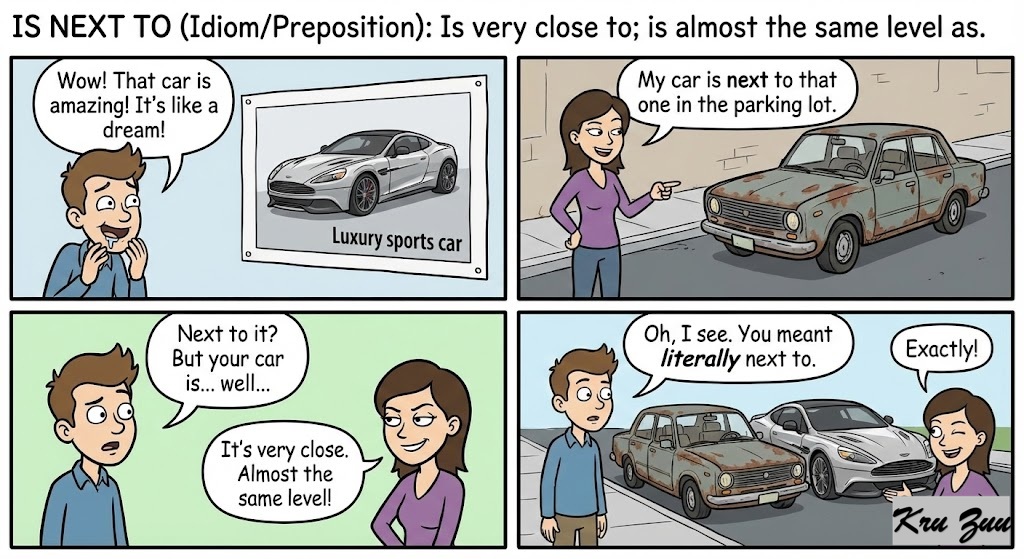
Is Next To (Idiom/Preposition): Is very close to; is almost the same level as.
Godliness (Noun): Divine quality; spiritual perfection; high moral virtue.

Simpler Version: Being clean is a sign of being a good, disciplined person.
📚 Vocabulary Vault
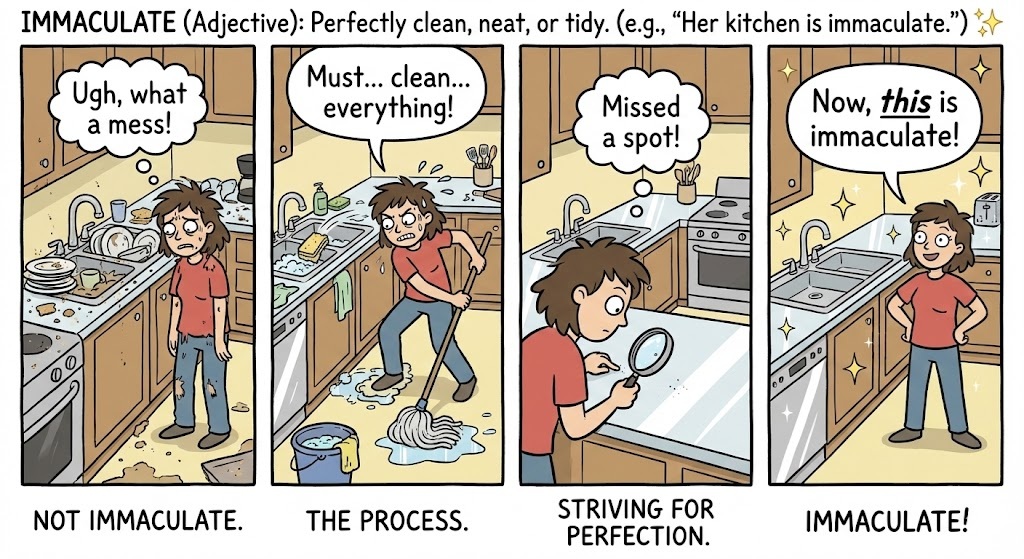
Immaculate (Adjective): Perfectly clean, neat, or tidy. (e.g., “Her kitchen is immaculate.”) ✨
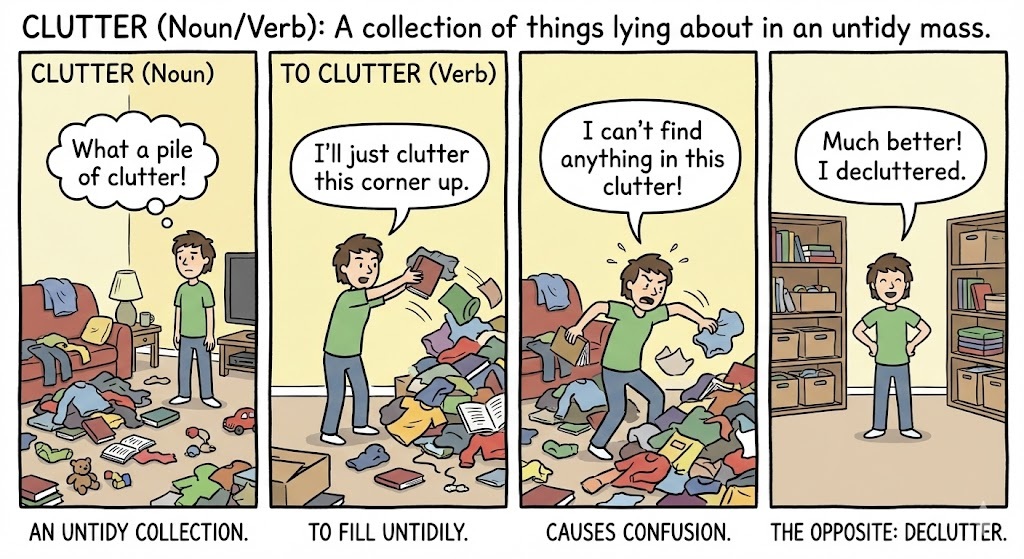
Clutter (Noun/Verb): A collection of things lying about in an untidy mass.
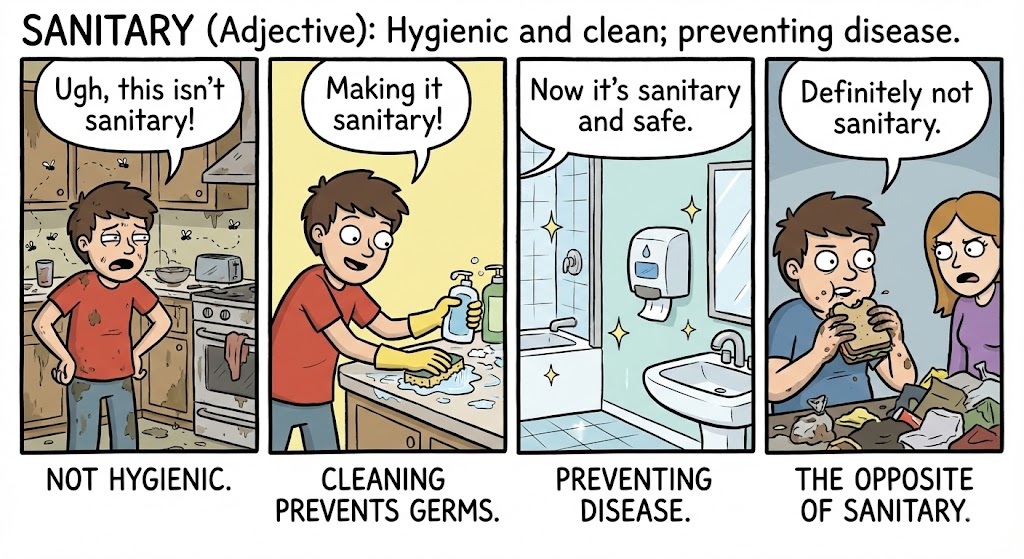
Sanitary (Adjective): Hygienic and clean; preventing disease.
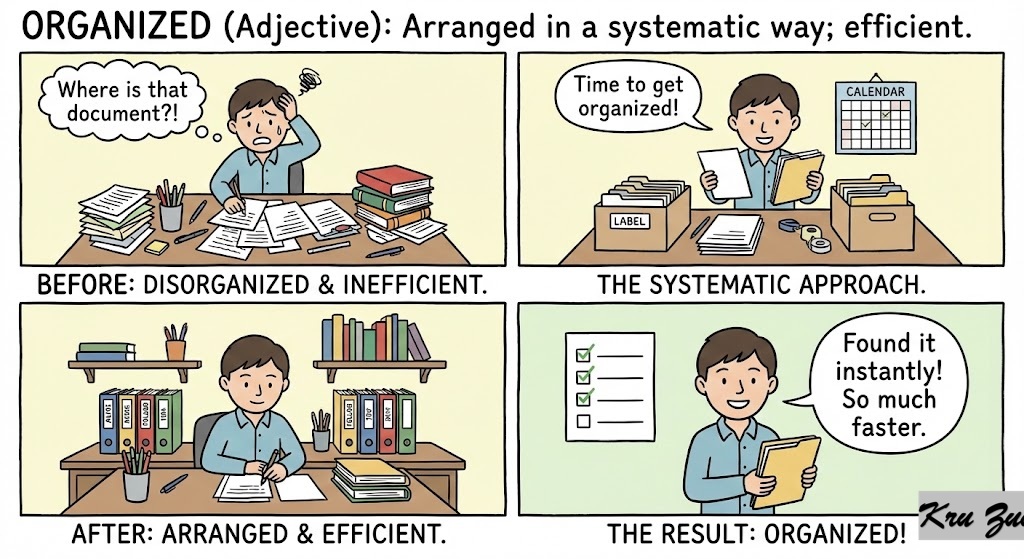
Organized (Adjective): Arranged in a systematic way; efficient.
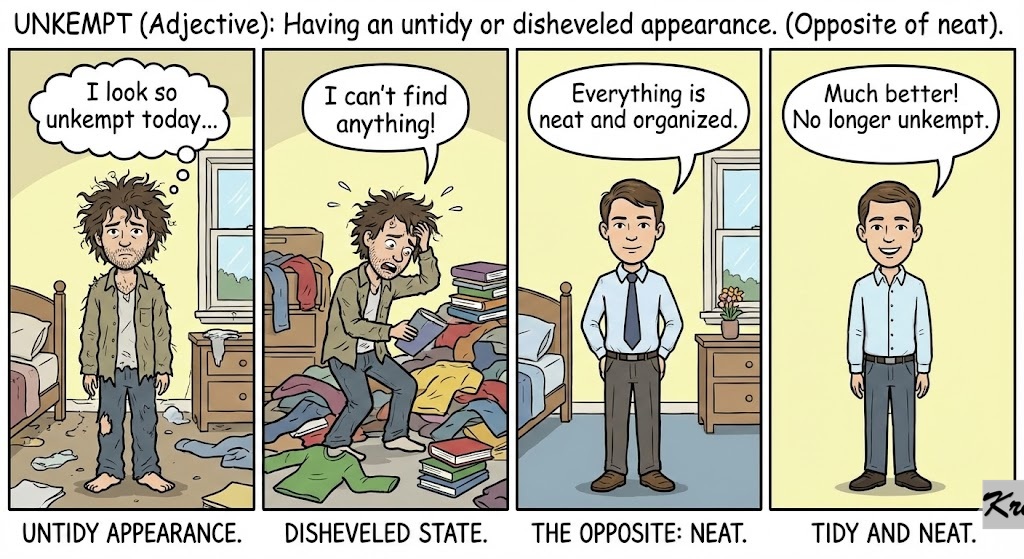
Unkempt (Adjective): Having an untidy or disheveled appearance. (Opposite of neat).
🧠 Grammar Focus: “Next to” indicating Hierarchy
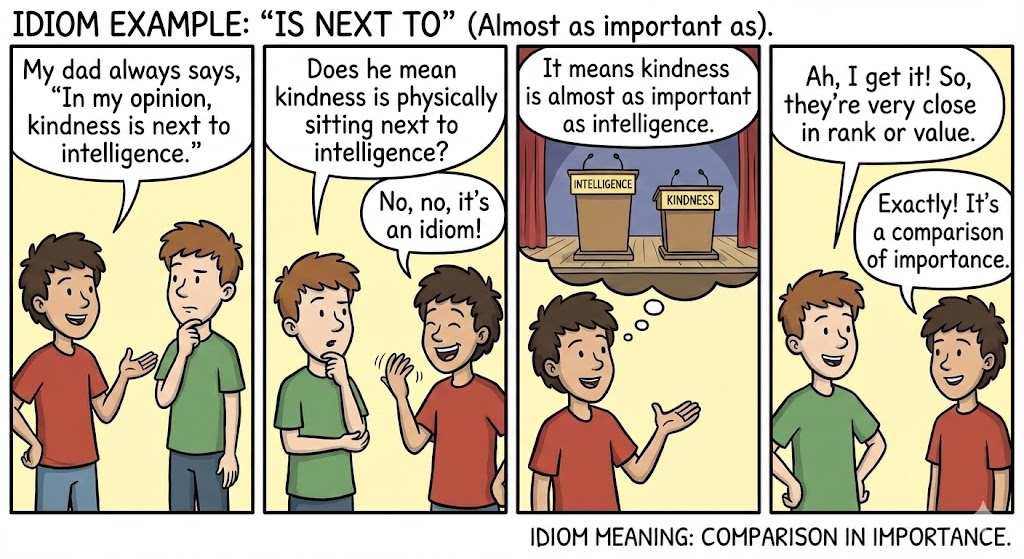
We usually use “next to” for physical location (The chair is next to the table). However, in idioms, it means “comparison in rank.”
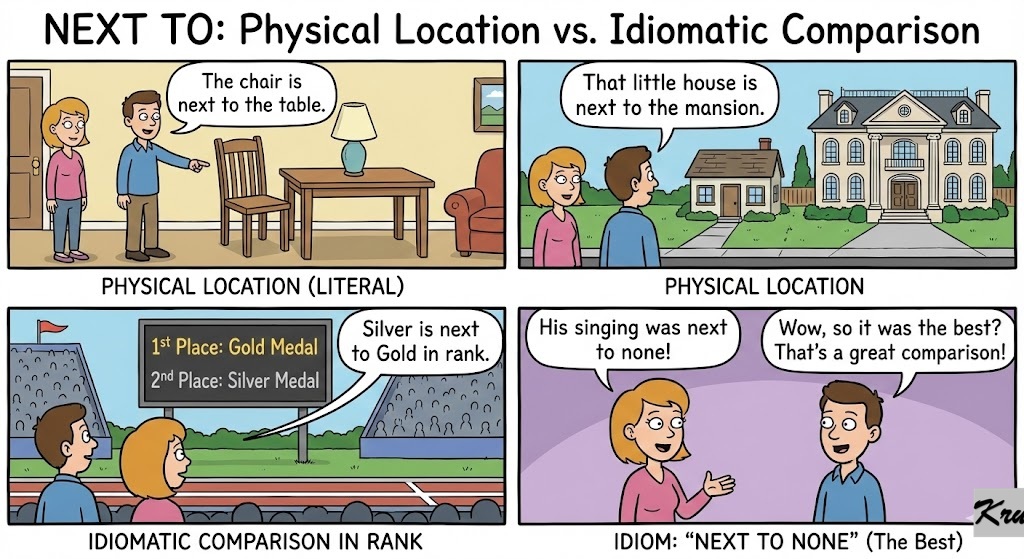
Example: “In my opinion, kindness is next to intelligence.” (Kindness is almost as important as intelligence).
Bossing Tool
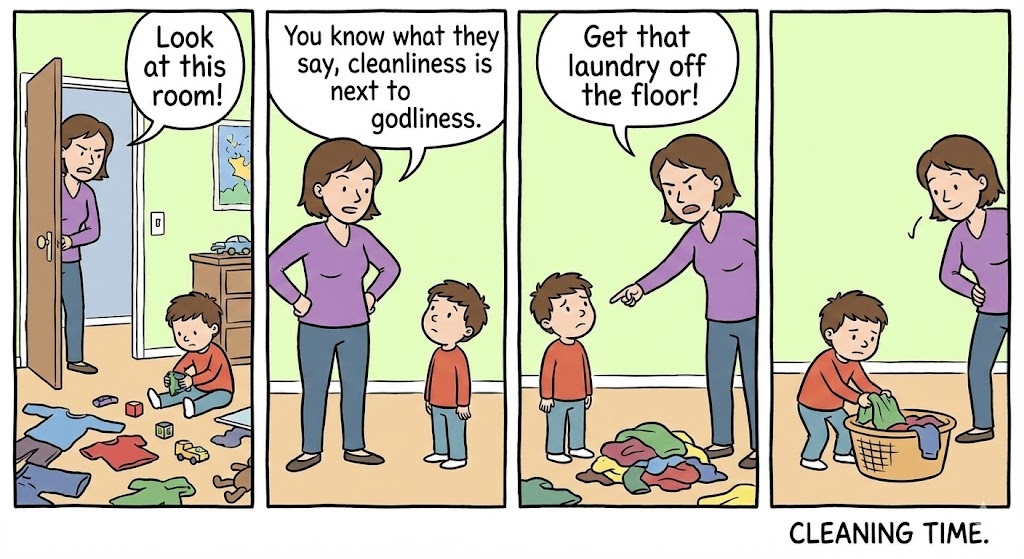
Parent to Child: “Look at this room! You know what they say, cleanliness is next to godliness. Get that laundry off the floor!”
📜 History: Origin and Spread
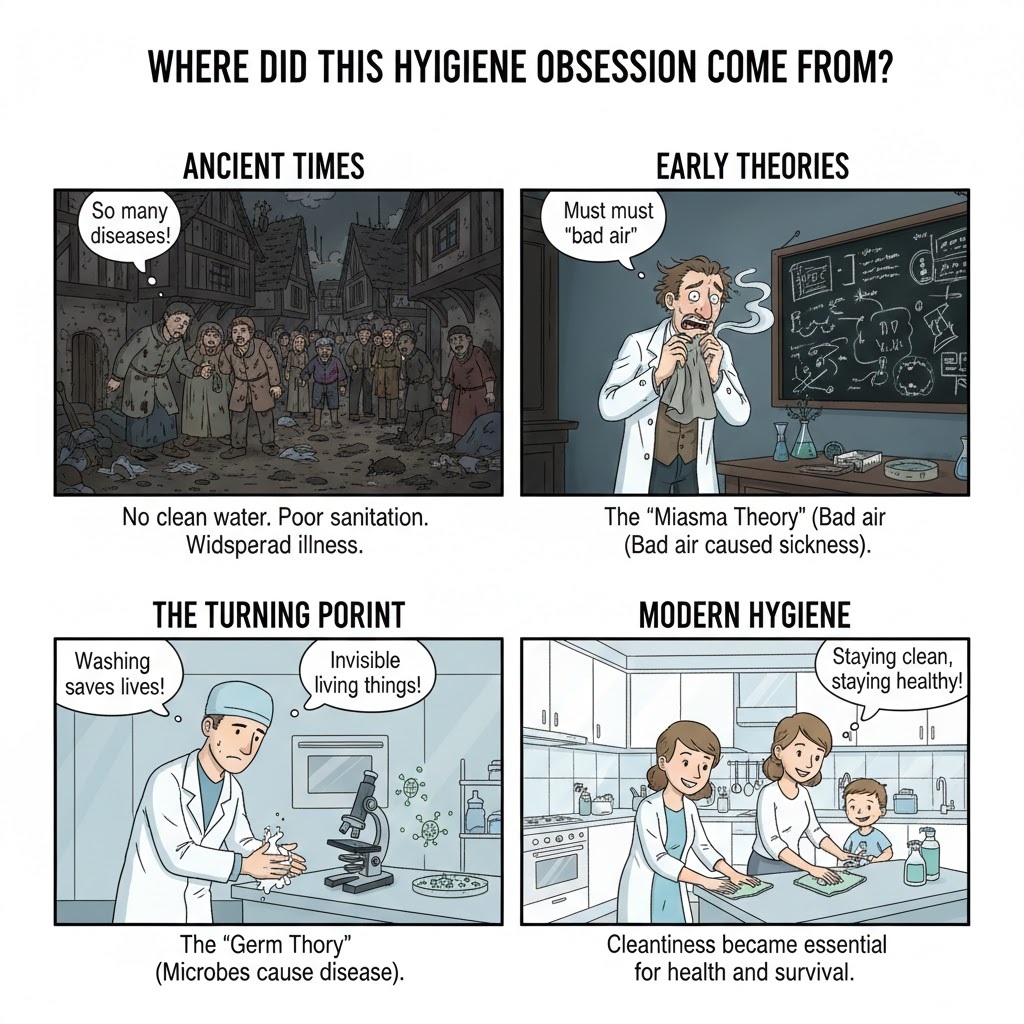
Where did this hygiene obsession come from?
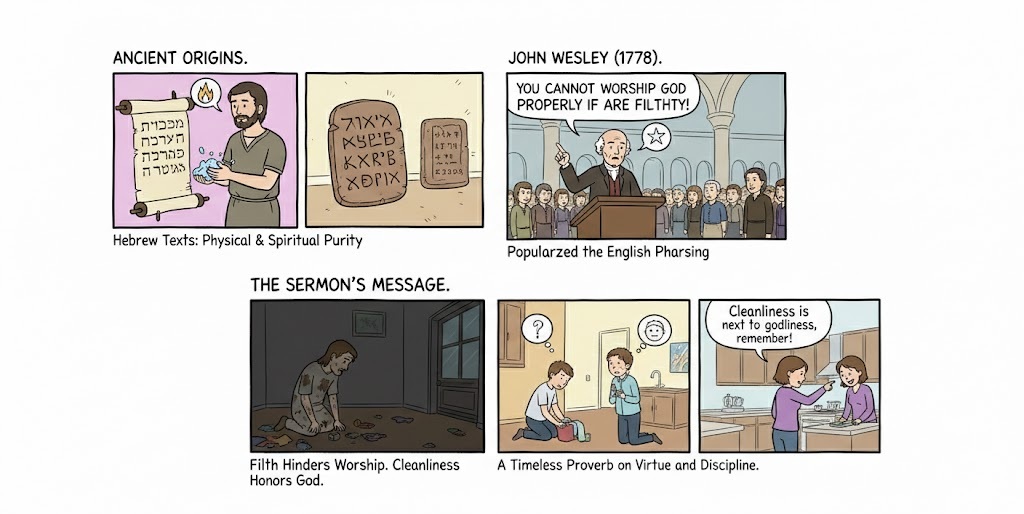
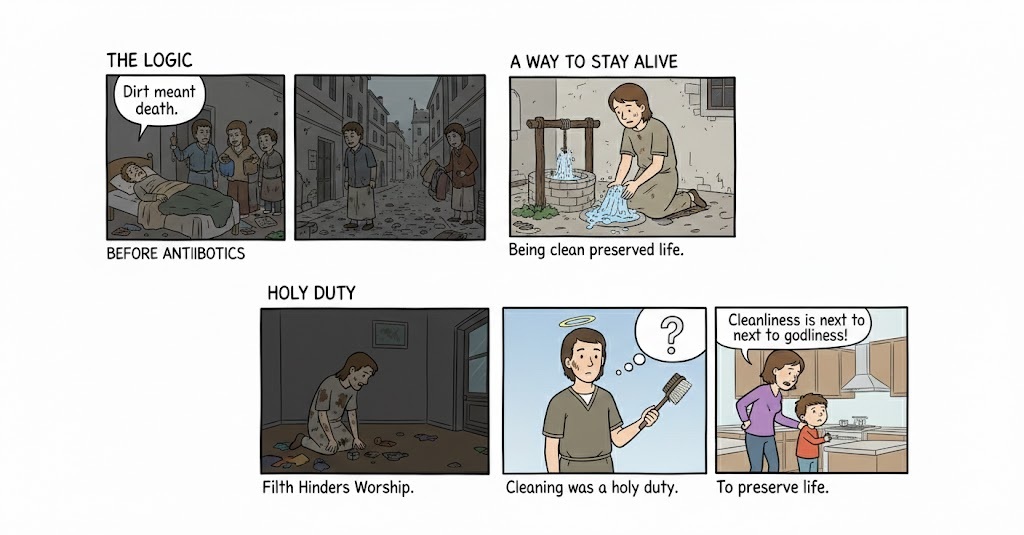
The Origin: While ancient Hebrew and Babylonian texts linked physical purity with spiritual purity, the exact English phrasing was popularized by John Wesley in a sermon in 1778. He argued that you cannot worship God properly if you are filthy.
The Logic: Before antibiotics, dirt meant death. Being clean was literally a way to stay alive. Therefore, cleaning was seen as a holy duty to preserve life.
Global Cousins
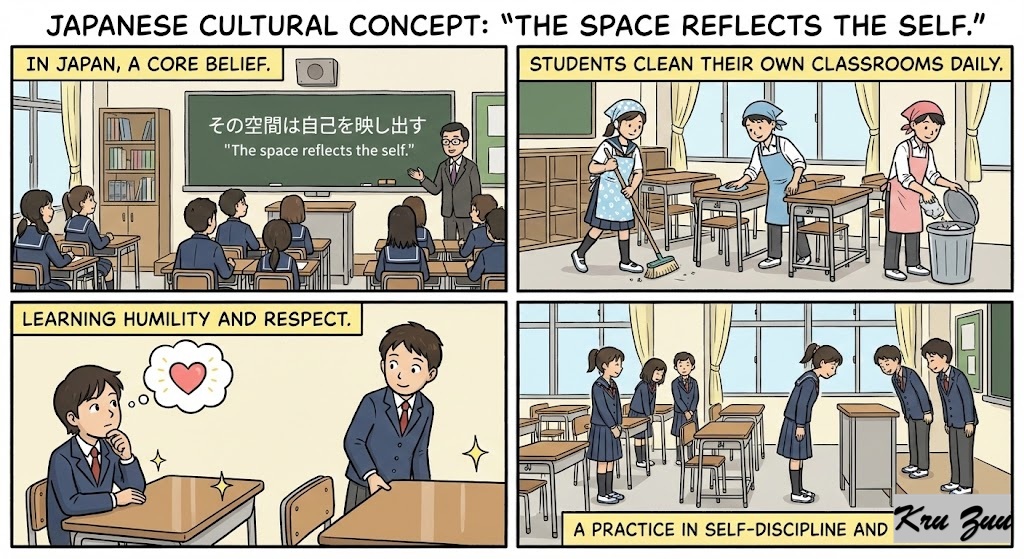
🇯🇵 Japanese: “The space reflects the self.” (In Japan, students clean their own classrooms to learn humility).
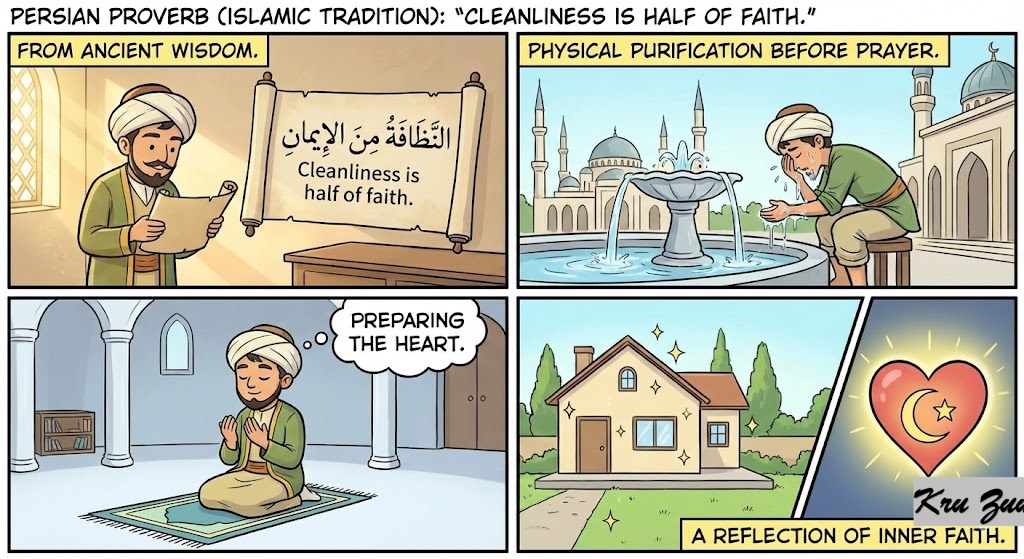
🇮🇷 Persian: “Cleanliness is half of faith.” (From Islamic tradition).
🇷🇺 Russian: “Purity is the best beauty.”

🎭 Short Story: The Dust Bunny Disaster 🧹🐱🐔🐸
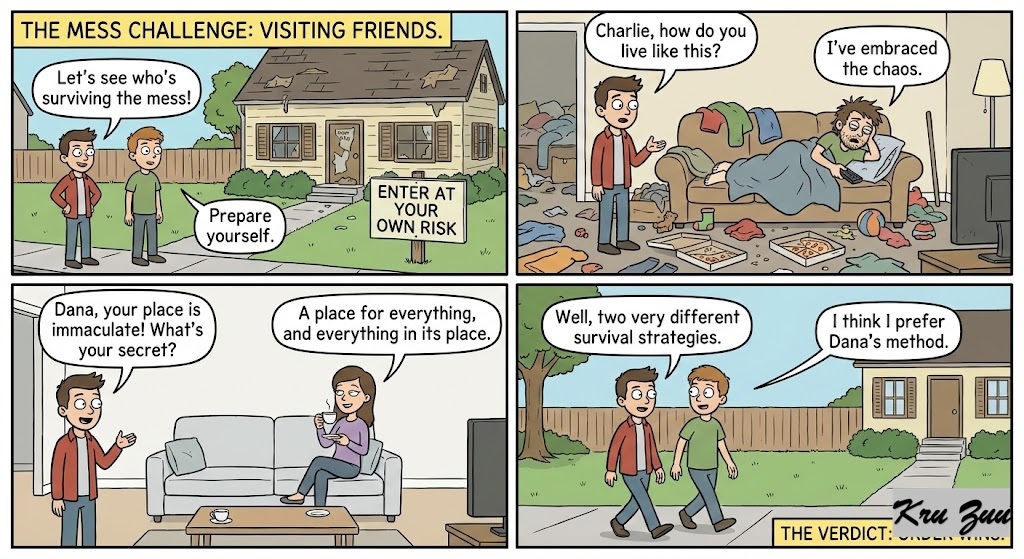
Let’s visit our friends to see who survives the mess.
🌟 The Cast
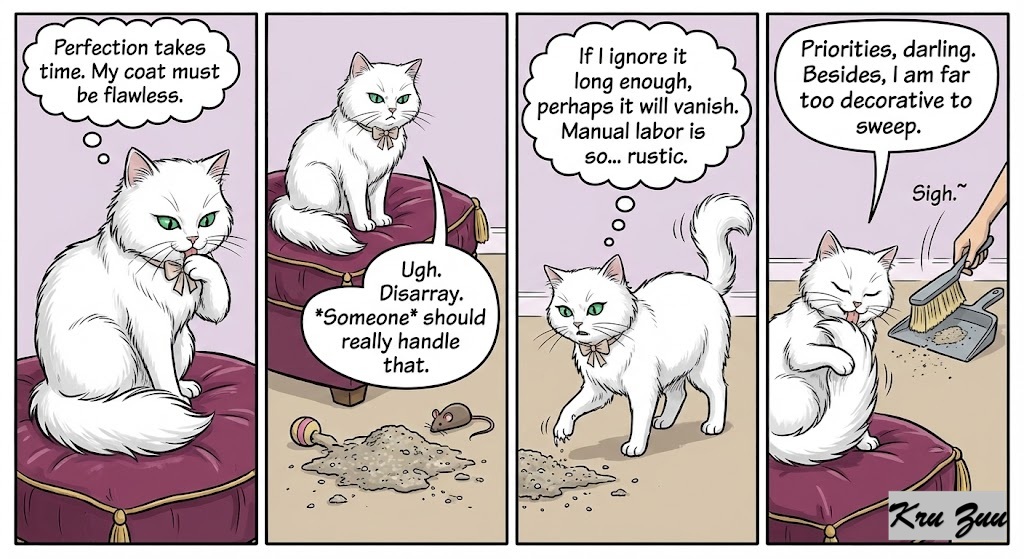
Cleo the Cat: Elegant, well-groomed personally, but hates doing chores. 😼
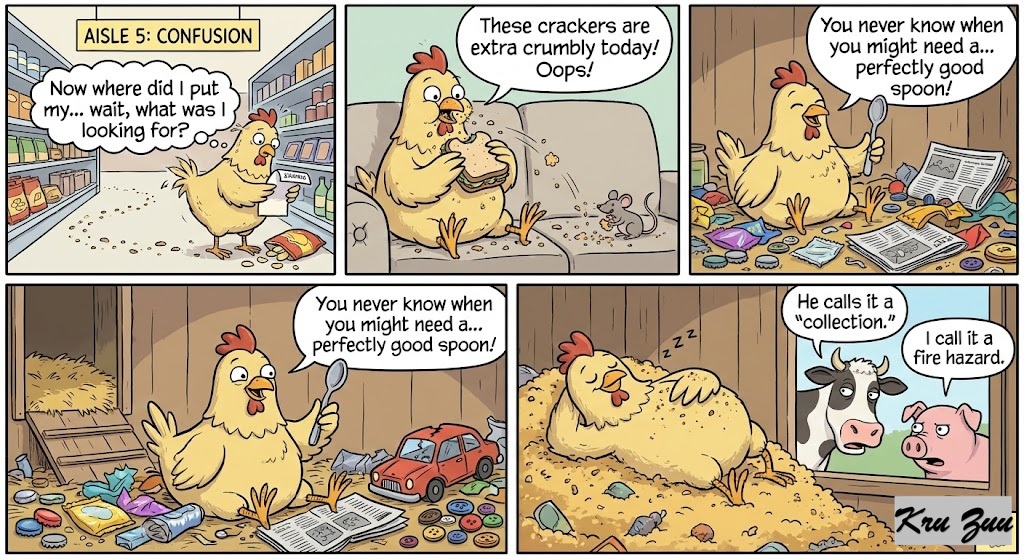
Cluck the Chicken: Scatterbrained, leaves crumbs everywhere, a “hoarder.” 🐔
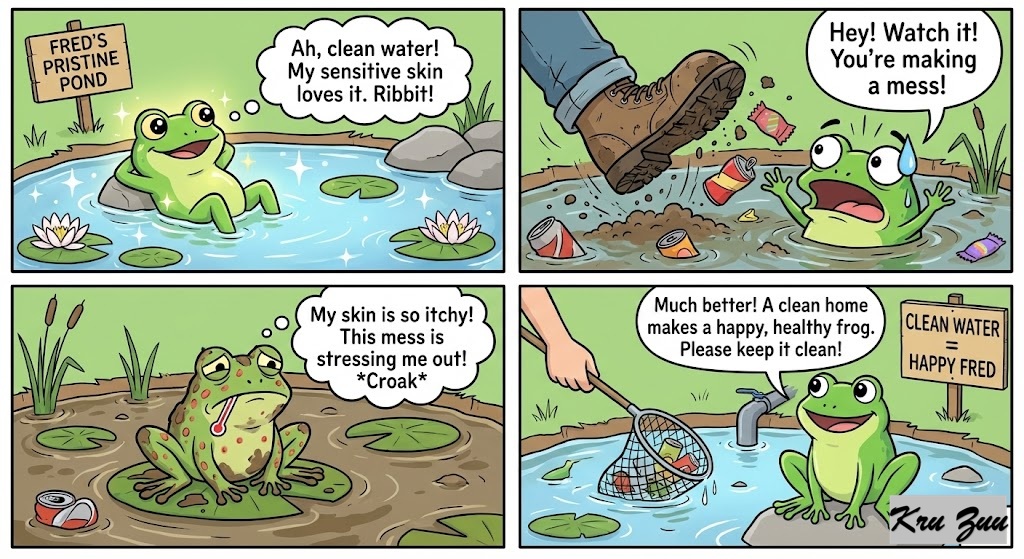
Fred the Frog: Sensitive skin, needs clean water, gets stressed by mess. 🐸
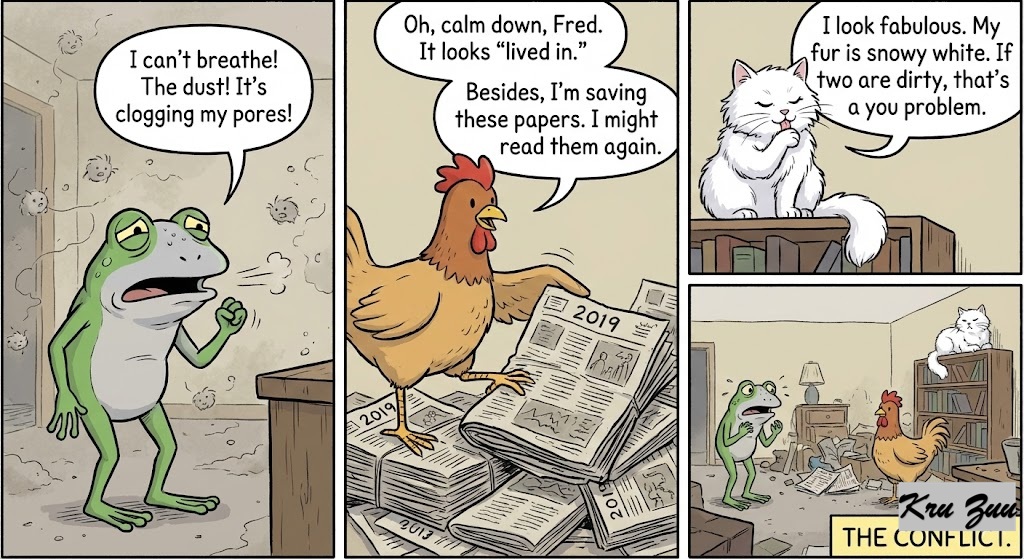
The Situation: The three friends share a small cottage. It is Sunday morning. The house looks like a tornado hit it. There are feathers on the sofa. There are dried flies on the counter. The floor is covered in dust bunnies (balls of dust).
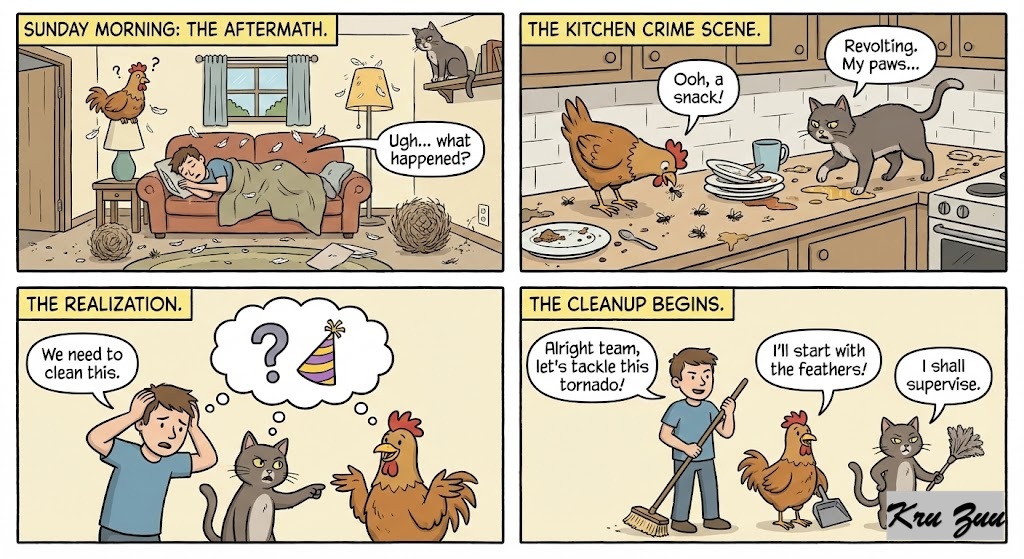
The Conflict: “I can’t breathe!” Fred wheezes, his green skin turning a pale grey. “The dust! It’s clogging my pores!” Cluck steps over a pile of old newspapers. “Oh, calm down, Fred. It looks ‘lived in.’ Besides, I’m saving these papers. I might read them again.” (The papers are from 2019). Cleo is sitting on the highest shelf, licking her paw. “I look fabulous,” she purrs. “My fur is snowy white. If you two are dirty, that’s a you problem.”
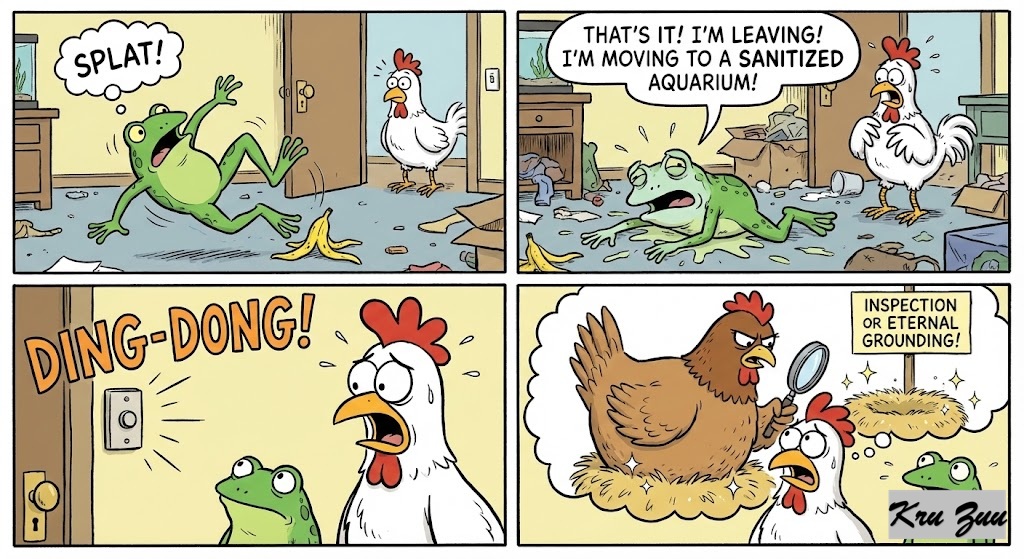
The Crisis: Fred tries to hop to the kitchen, but he slips on a banana peel Cluck dropped. SPLAT! “That’s it!” Fred croaks. “I’m leaving! I’m moving to a sanitized aquarium!” Suddenly, the doorbell rings. DING-DONG. Cluck gasps. “Oh no! It’s my mother! The Great Hen! She’s coming to inspect the coop!” The Great Hen is famous for her immaculate nest. If she sees this mess, Cluck will be grounded for eternity.
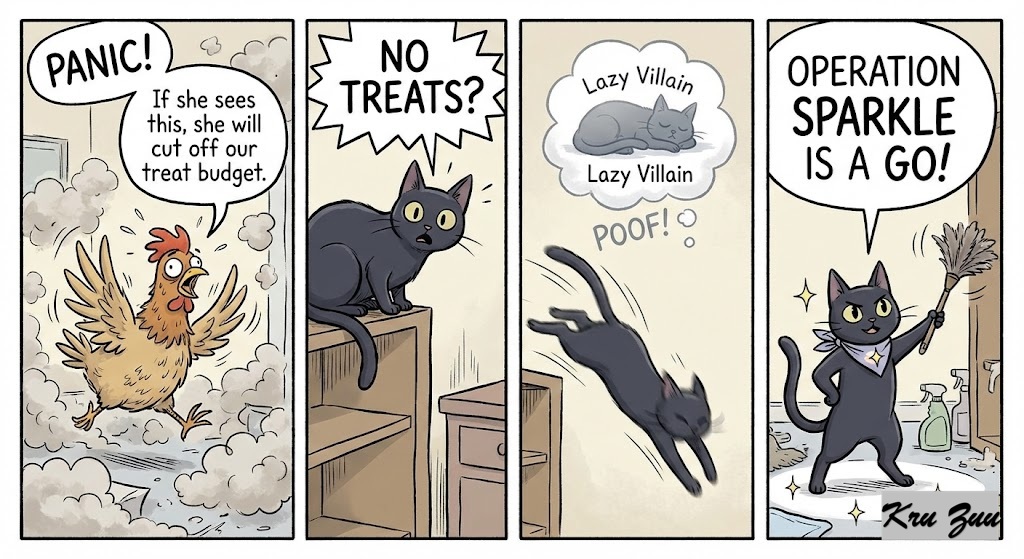
The Reaction: “Panic!” Cluck squawks, flapping wings and blowing more dust into the air. Cleo looks down. “If she sees this, she will cut off our treat budget.” Cleo’s eyes widen. “No treats?” Suddenly, the “Lazy Villain” vanished. Cleo jumped down. “Operation Sparkle is a go!”
The Resolution: They divided the labor (Labor = Work).
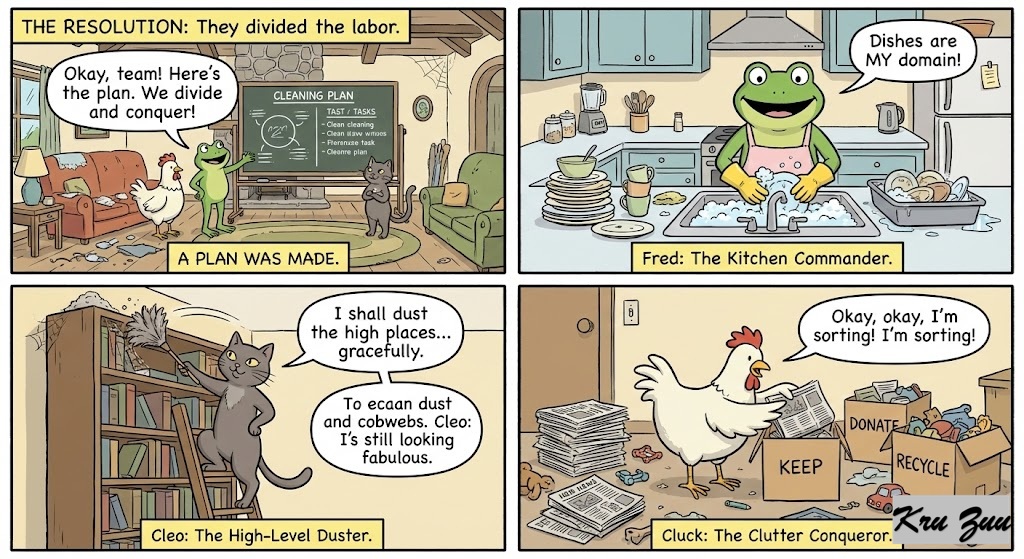
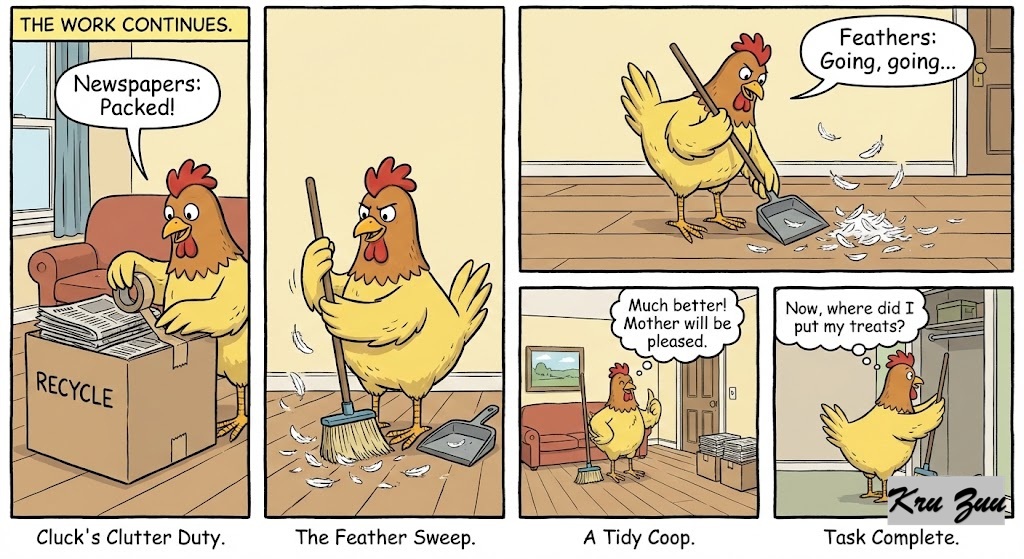
Cluck: Packed the newspapers and swept the feathers.
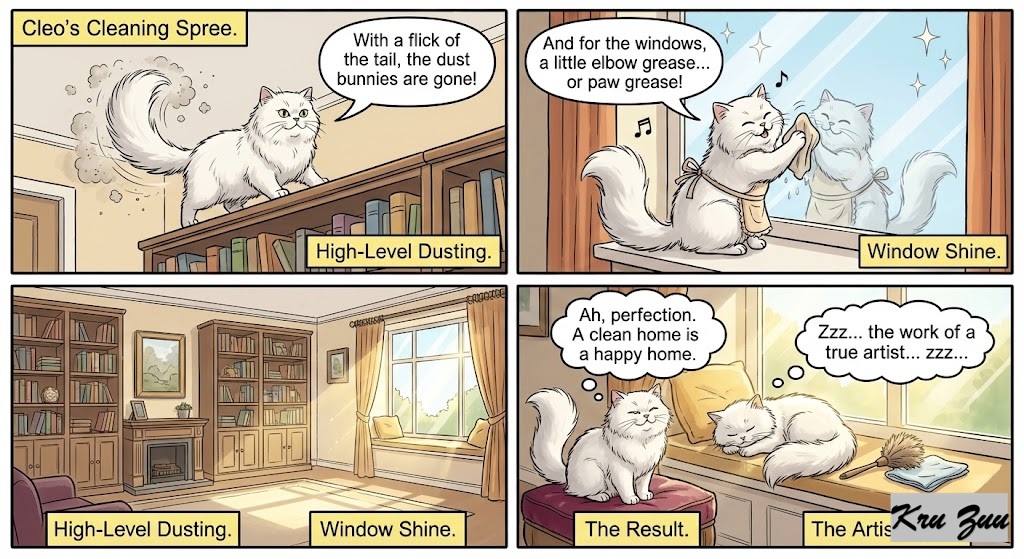
Cleo: Used her tail to dust the high shelves and polished the windows.
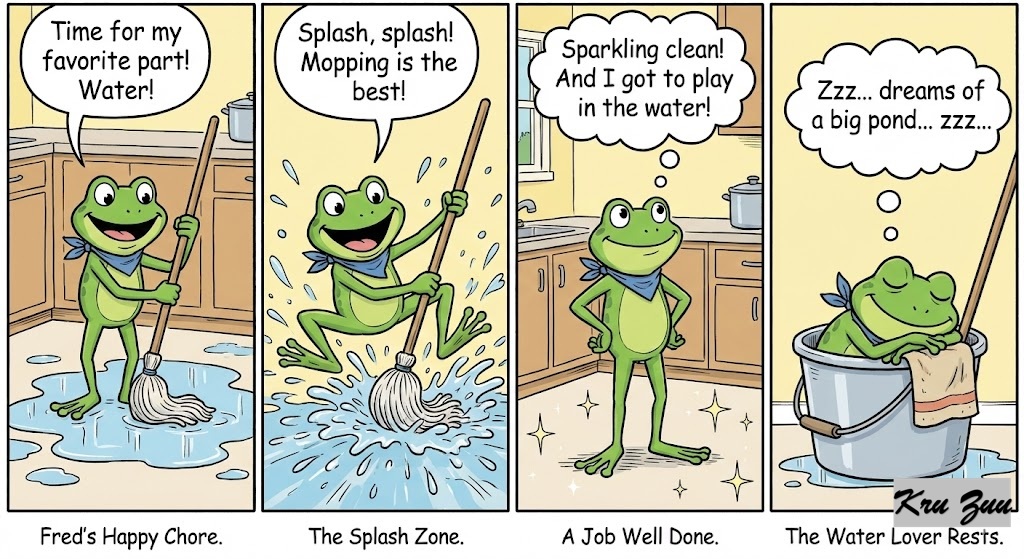
Fred: Mopped the floor with water (he loves water).
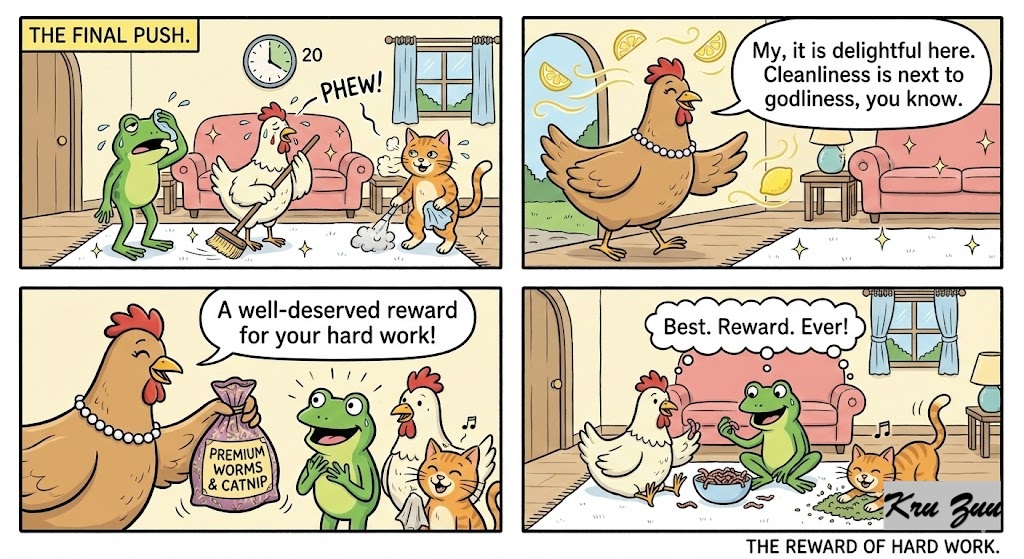
They worked for 20 minutes, sweating and grunting. When the Great Hen entered, the cottage smelled like lemons. “My,” she clucked. “It is delightful here. Cleanliness is next to godliness, you know.” She gave them a bag of premium worms and catnip.
The Moral: A messy home creates a messy life. A clean home invites good fortune (and treats). ✨
🎓 Lesson for English Learners
How to politely complain about a smell or mess.
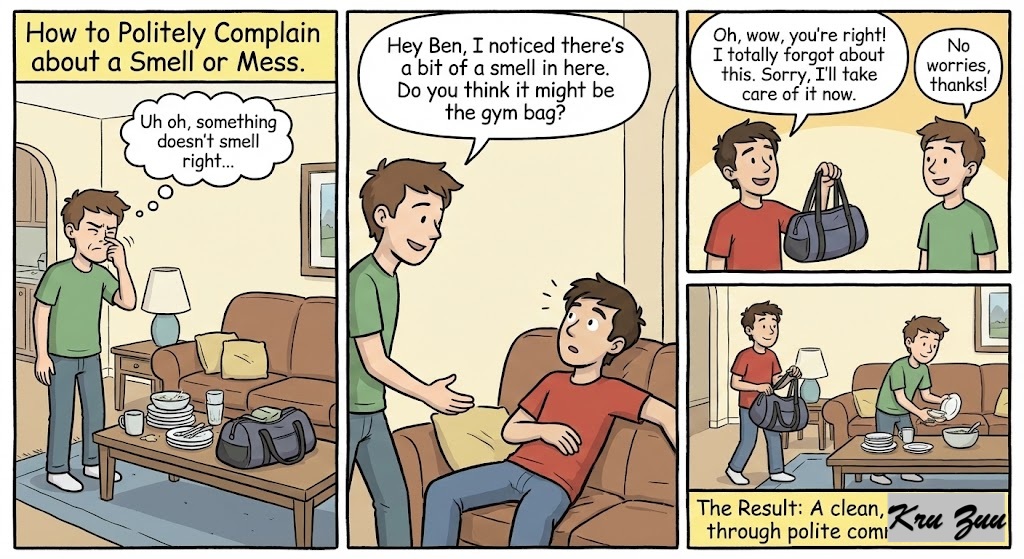
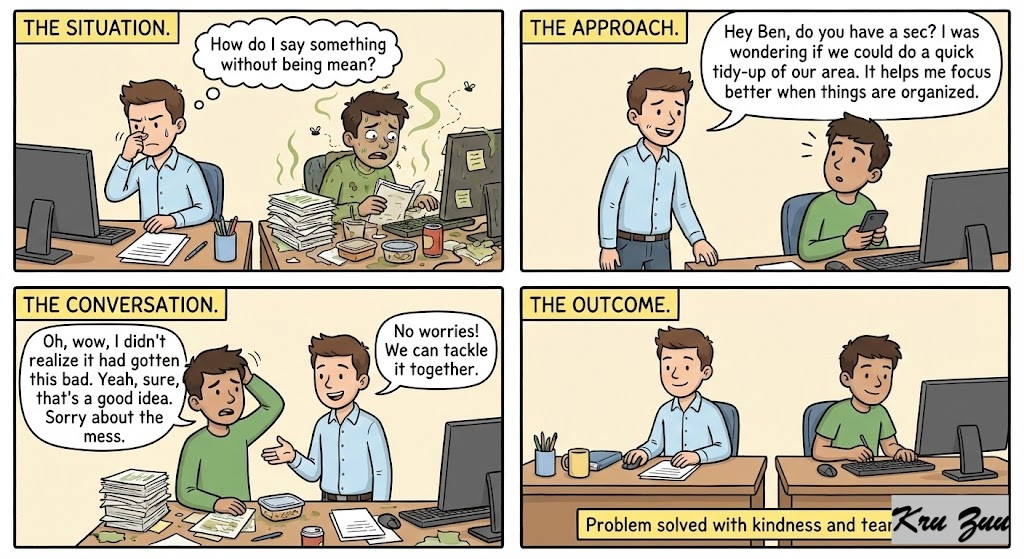
Situation: Your roommate or colleague has a messy desk or bad hygiene. You don’t want to be mean, but it bothers you.
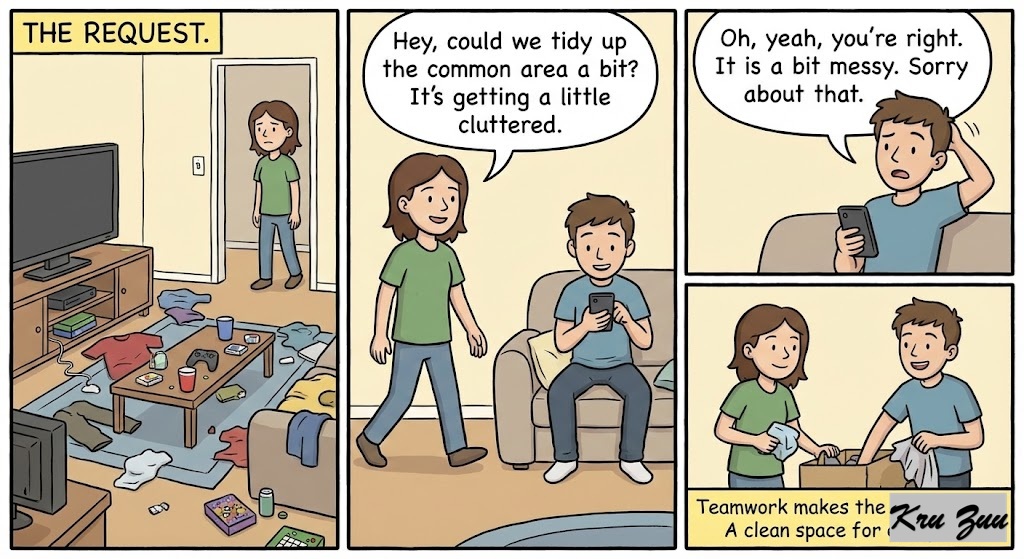
The Shift: Don’t say “You are dirty.” Focus on the environment.
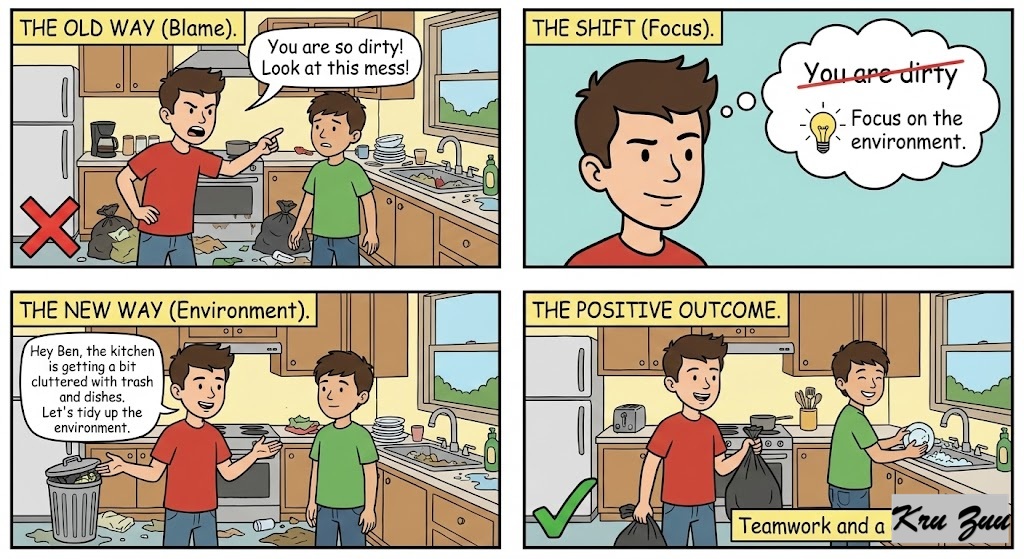
You Say:“Hey, could we tidy up the common area a bit? It’s getting a little cluttered.”
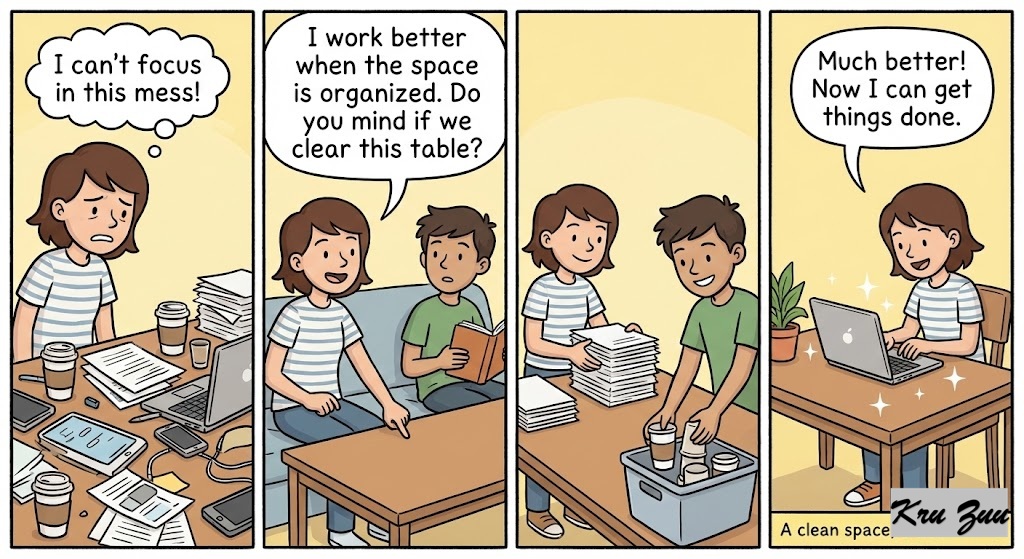
“I work better when the space is organized. Do you mind if we clear this table?”
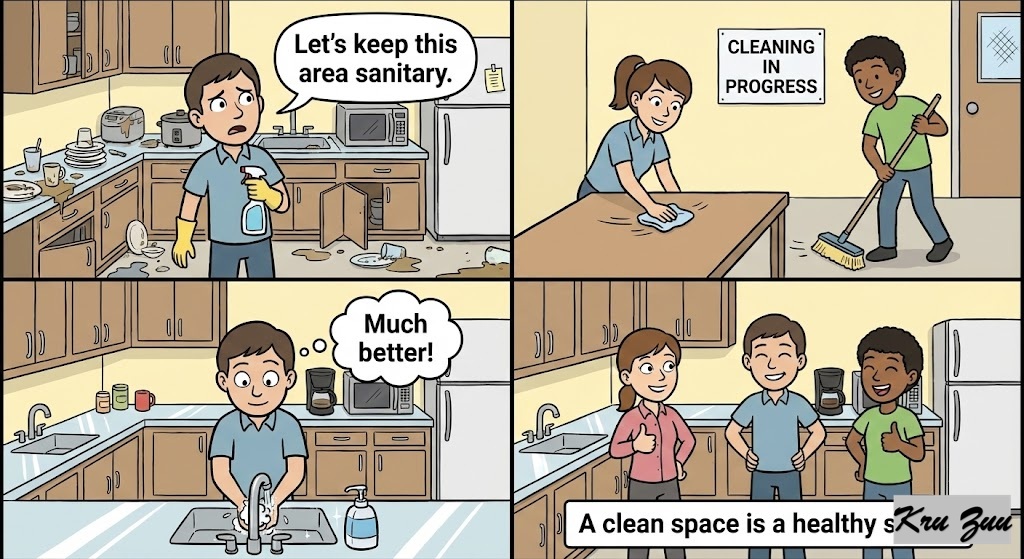
“Let’s keep this area sanitary.”
💬 Your Turn: The “2-Minute” Challenge 🚀
Do you want to defeat the “Villain” of mess?
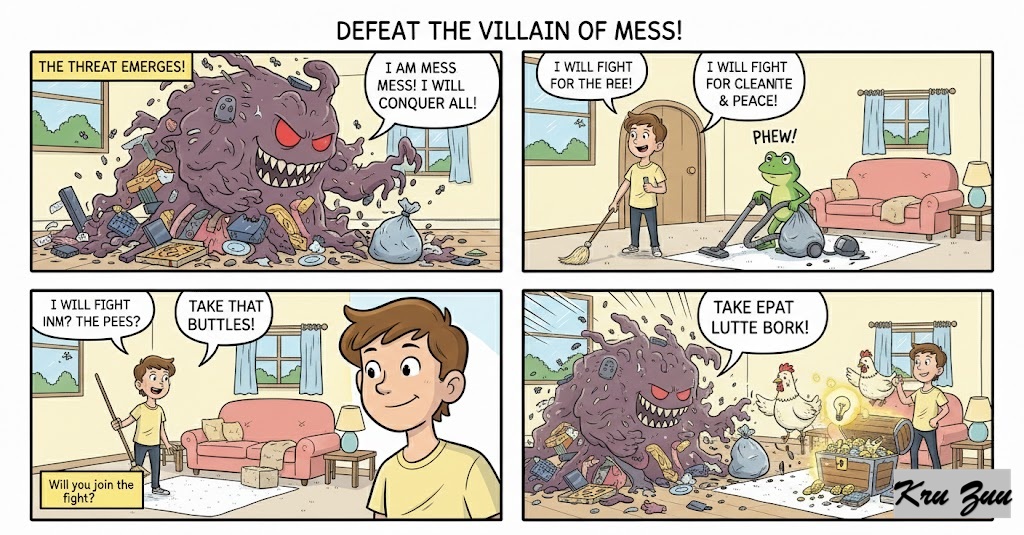
The Challenge: Look around you right now. Find one thing that is out of place (a cup, a wrapper, a sock).
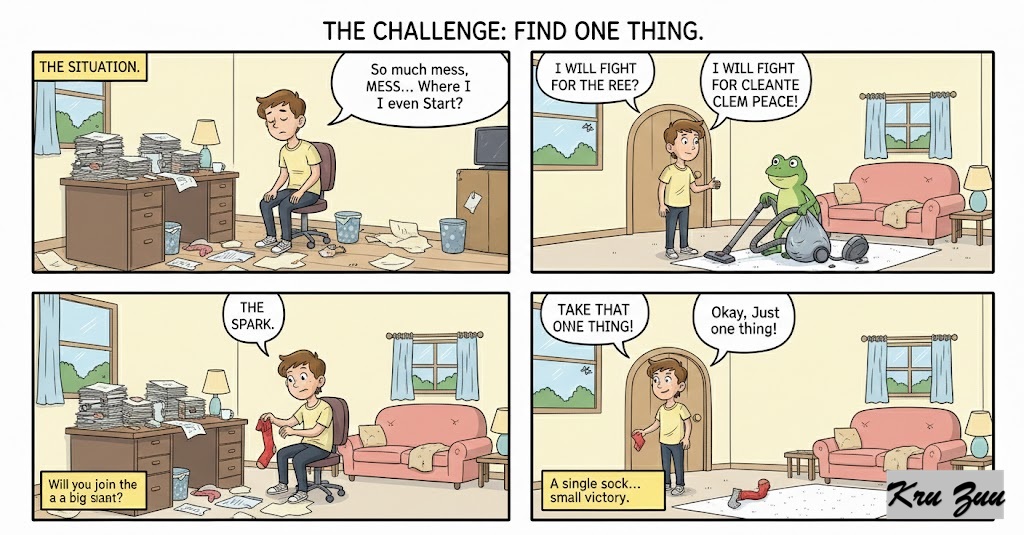
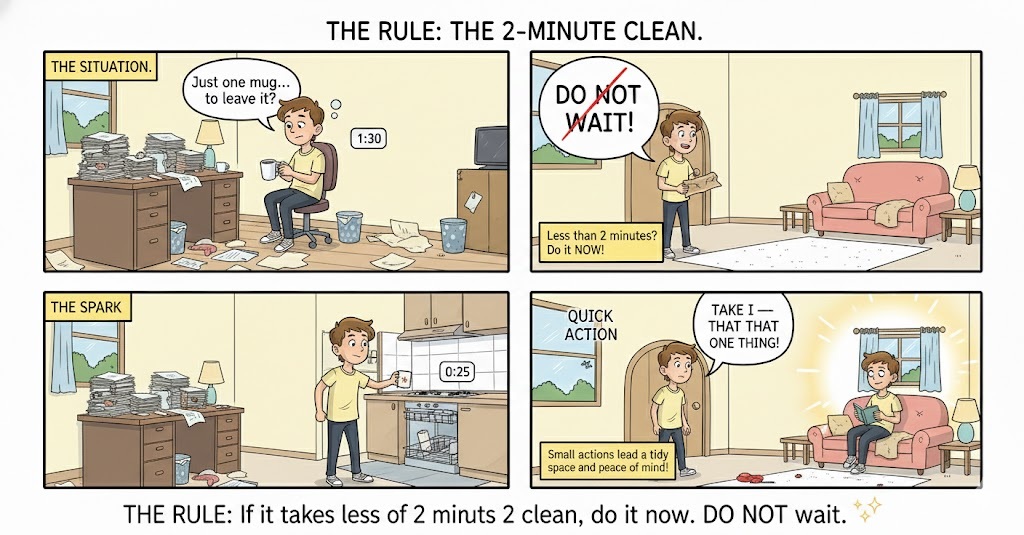
The Rule: If it takes less than 2 minutes to clean, do it now. DO NOT wait.
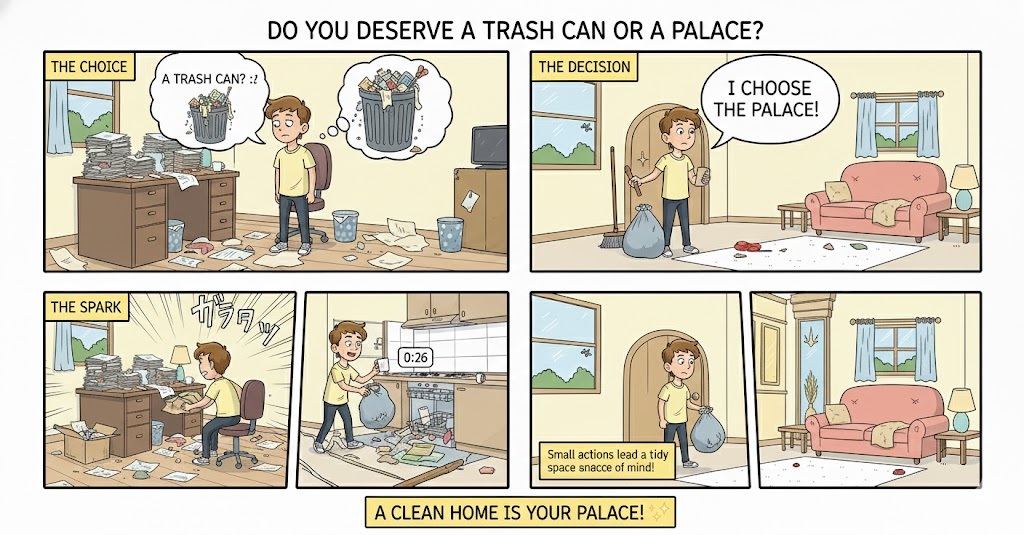
Ask yourself: “Do I deserve to live in a trash can, or do I deserve to live in a palace?”
👇 Question for the comments: Are you a “Cleo” (clean self, messy house), a “Cluck” (messy everywhere), or a “Fred” (clean freak)? Tell us your worst cleaning disaster below!
https://www.facebook.com/BrainBattleground/
https://www.facebook.com/zubeyr.yurtkuran/
https://www.instagram.com/zubeyryurtkuran/
