Tag: marketing

  • 🥣 The Daily Shield: The Law of Leadership

    🥣 The Daily Shield: The Law of Leadership

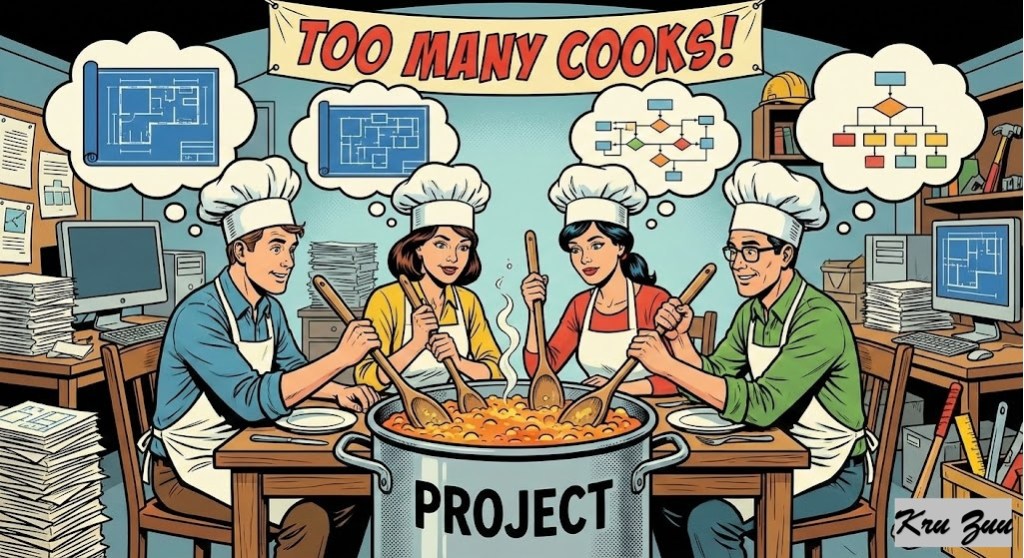
    “Too many cooks spoil the broth.”


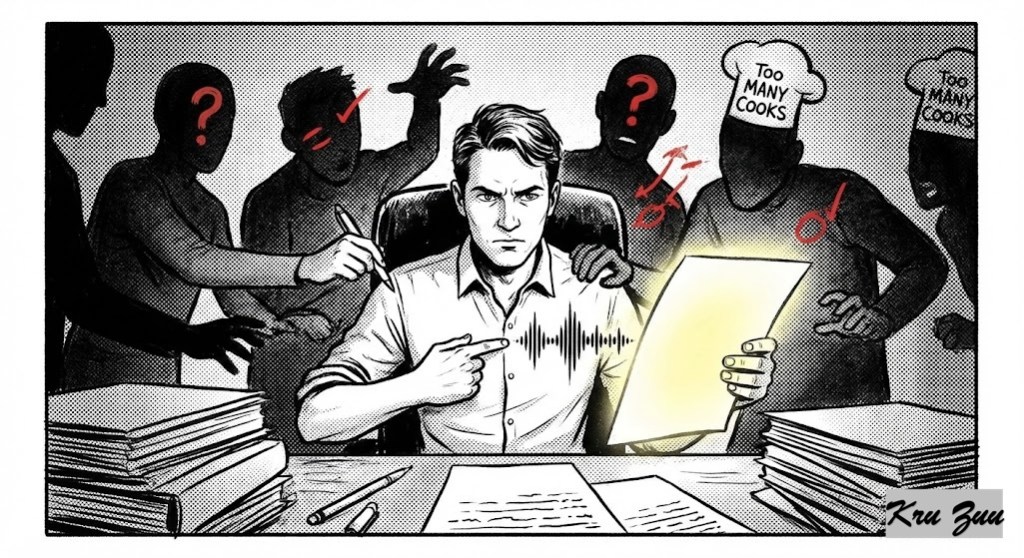
    😈 The Villain (The Committee)


    Imagine you are trying to paint a picture. Someone says, “Use blue!” Another shouts, “No, red is better!” A third person grabs the brush and paints a yellow line. A fourth person erases it. Everyone is shouting. Everyone is touching the canvas.

    The Result? You don’t have a masterpiece. You have a brown, muddy mess. Confusion reigns. No one takes responsibility because “everyone” did it. You are trapped in the chaos of Micromanagement. 🌪️


    😇 The Hero (The Captain)


    You have a vision. You listen to advice, but you hold the paintbrush. You assign roles clearly. One person mixes the paint, one person cleans the brushes, but only one person decides where the paint goes.

    The Result? A clear, beautiful image. The work flows smoothly. There is order. There is focus. You understand that a ship with two captains will sink. ⚓


    ⚖️ The Reality
    Collaboration is good. Chaos is bad. We are taught that “teamwork makes the dream work.” This is true. But teamwork without a leader is just a crowd. If everyone is in charge, nobody is in charge.


    💎 The Secret

    Great things are not created by committees. They are created by a focused mind (or a small, focused team) with a single vision.

    🧐 The Anatomy of the Proverb


    This phrase is about the danger of too many opinions.


    Cooks (Noun): People who prepare food (in this context, people trying to control a project). 👨‍🍳


    Spoil (Verb): To ruin; to destroy the value or quality of something. 🤢
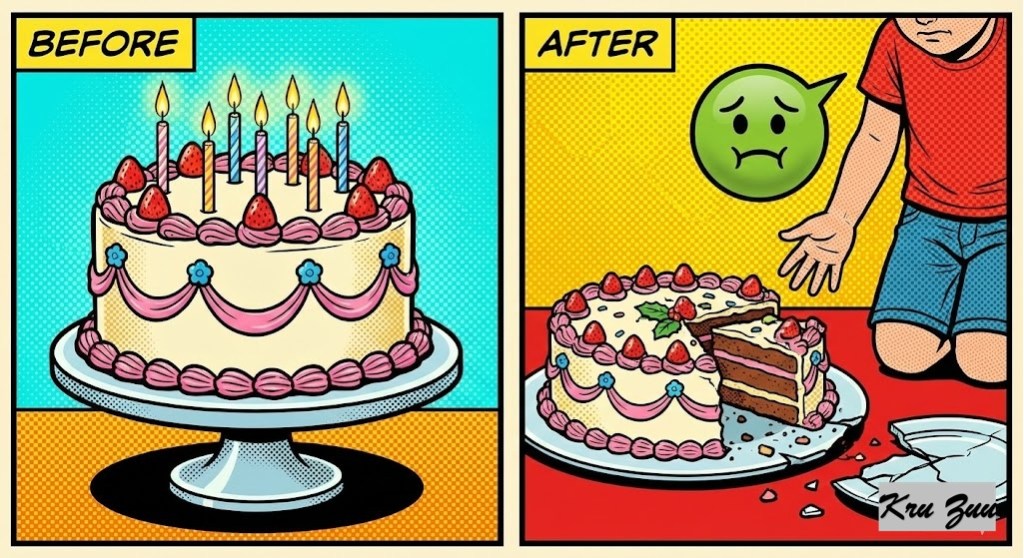

    Broth (Noun): A thin soup made by boiling meat or vegetables. (A metaphor for the “Project”). 🍲
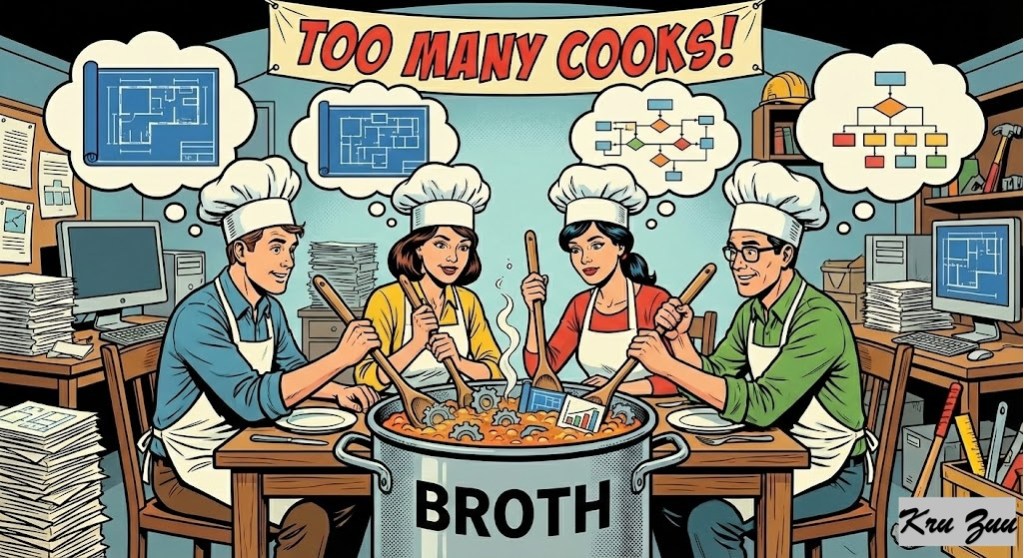

    Simpler Version: Too many leaders ruin the plan.


    📚 Vocabulary Vault


    Chaos (Noun):
    Complete disorder and confusion.


    Micromanage (Verb): To control every small part of a project (very annoying!).


    Consensus (Noun): General agreement. (Sometimes impossible to reach!).


    Autonomy (Noun): The right or condition of self-government; freedom to act.


    Vision (Noun): The ability to think about or plan the future with imagination. 👁️


    🧠 Grammar Focus: Quantifiers (Countable vs. Uncountable)


    This proverb teaches us a very important grammar rule!


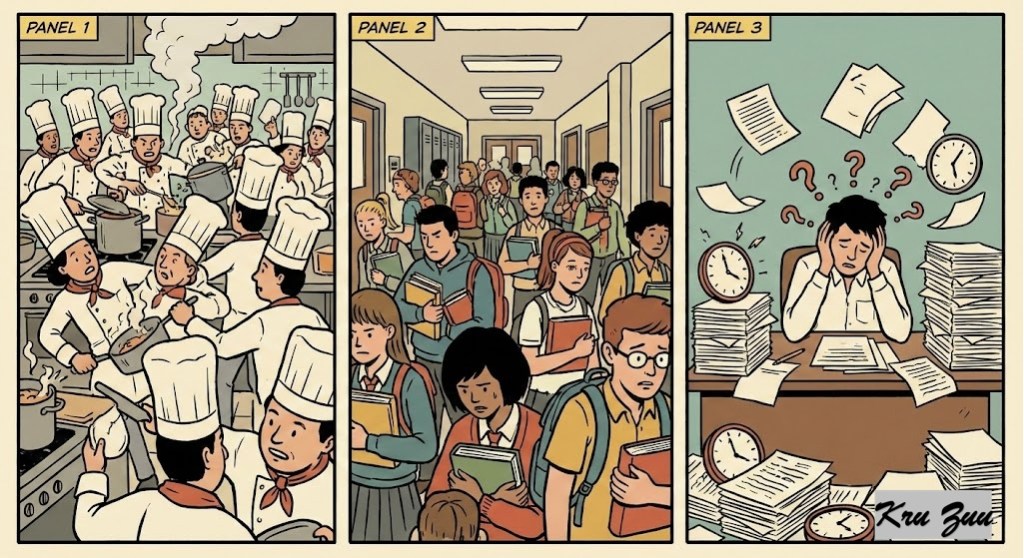
    “Too Many” (For Countable Nouns) We use “Many” for things we can count (1, 2, 3…).


    Too many cooks.


    Too many students.


    Too many problems.

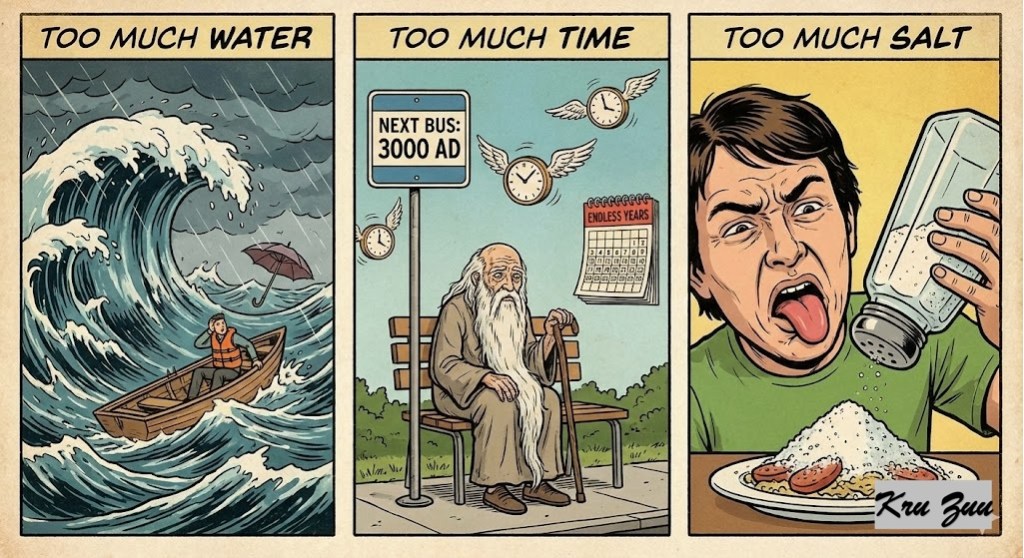
    “Too Much” (For Uncountable Nouns) We use “Much” for things we generally cannot count (liquids, concepts).


    Too much water.


    Too much time.


    Too much salt.

    Quiz: Do we say “Too many homework” or “Too much homework”? (Answer: Too much! Homework is uncountable.)

    📜 History: Origin and Spread


    This is a universal truth found in almost every culture.


    The Origin

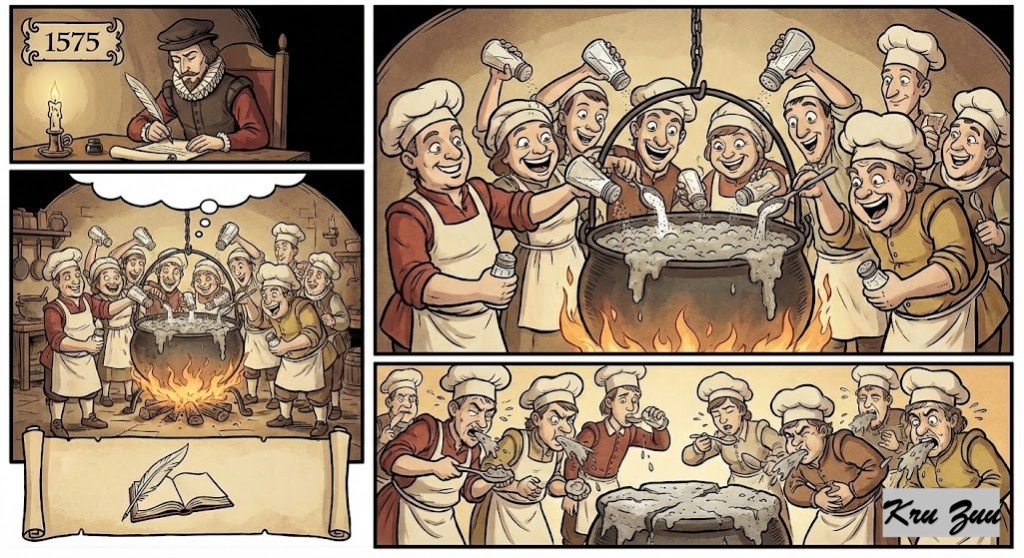
    It first appeared in English writings in 1575 by George Gascoigne. It was originally about actual cooking! If everyone adds salt, the soup becomes inedible.

    Global Cousins
    🇹🇷 Turkish:
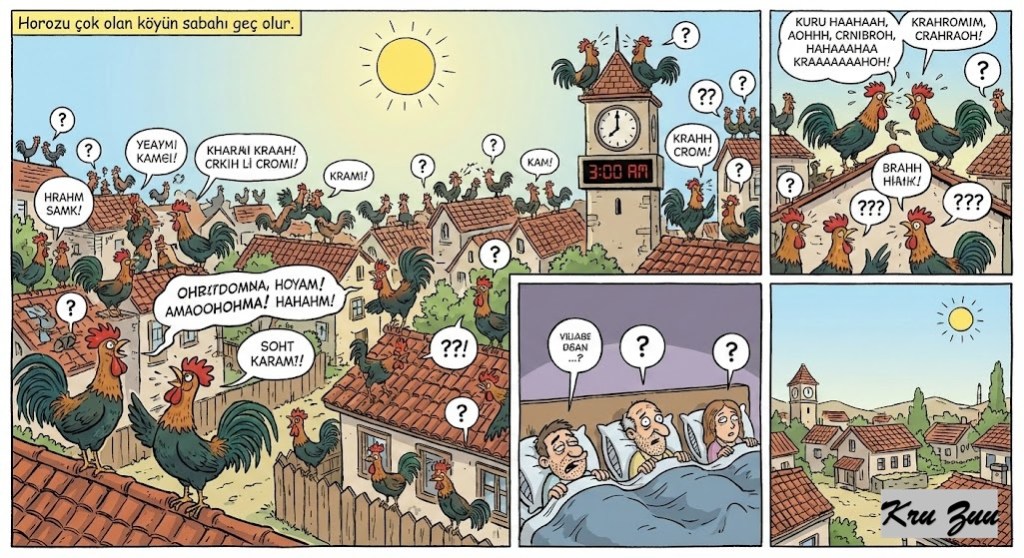
    “Horozu çok olan köyün sabahı geç olur.” (The village with too many roosters has a late morning.) — Because they can’t agree on when to crow!

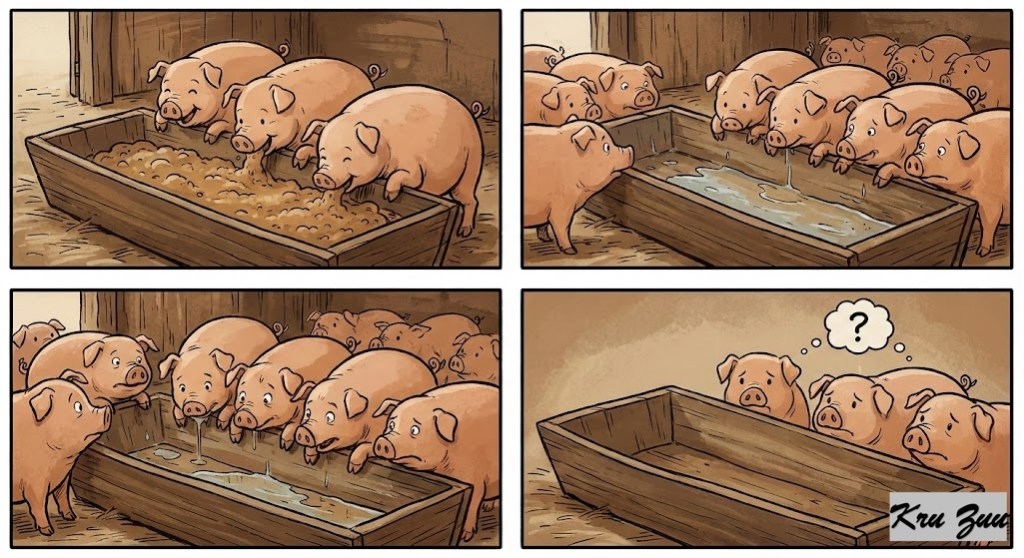
    🇳🇱 Dutch:“Veel varkens maken de spoeling dun.” (Many pigs make the slop thin.)

    🇮🇷 Persian: “Two captains sink the ship.”

    🎯 Impact on Life: The Pros & Cons


    ✅ The Pros (Ownership):


    Speed:
    One decision-maker moves faster than a group debating for hours.
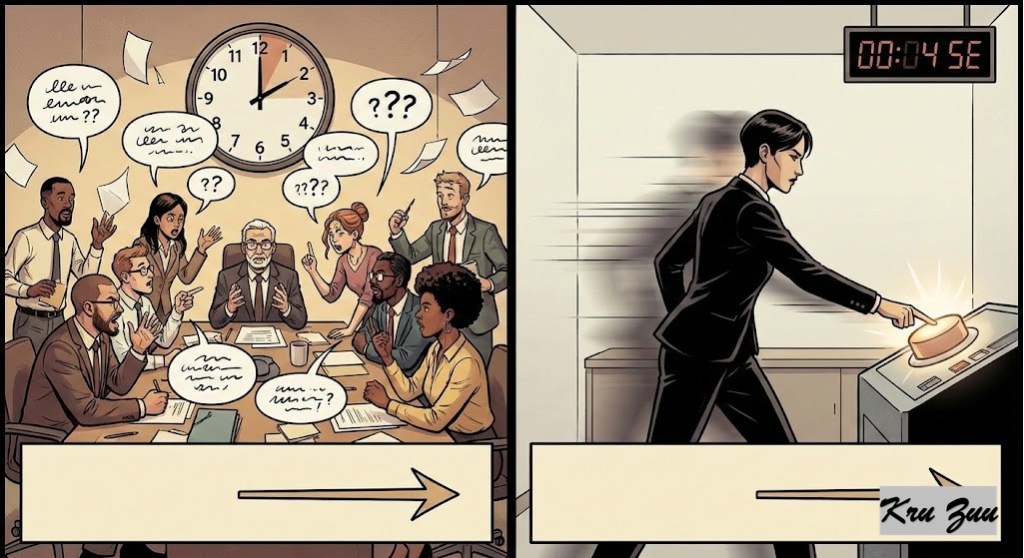

    Clarity: Everyone knows exactly what the goal is.


    ❌ The Cons (The Ego Trap):


    Arrogance:
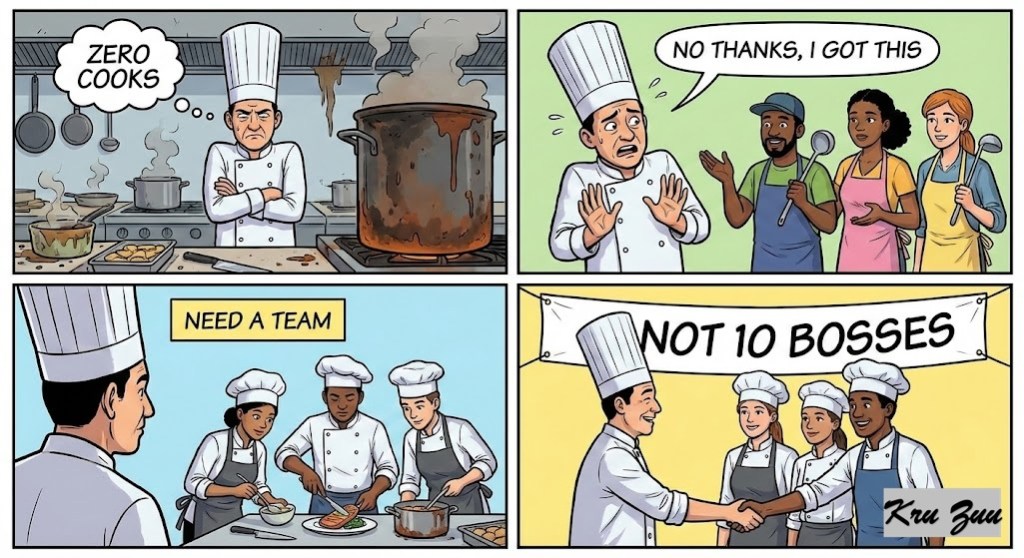
    “Too many cooks” is bad, but “Zero cooks” is also bad. Don’t reject help. You still need a team; you just don’t need 10 bosses.
    🎭 Short Story: The “Perfect” Stew


    Let’s visit the Animal Kingdom Kitchen to see this proverb in action.


    🌟 The Setup

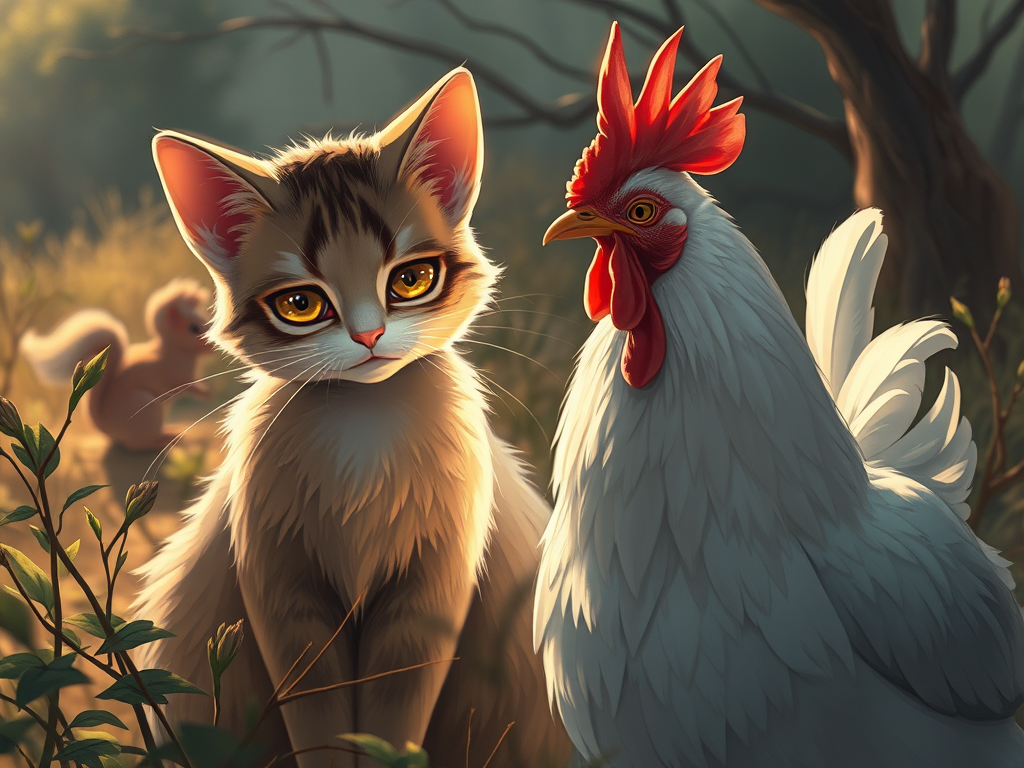
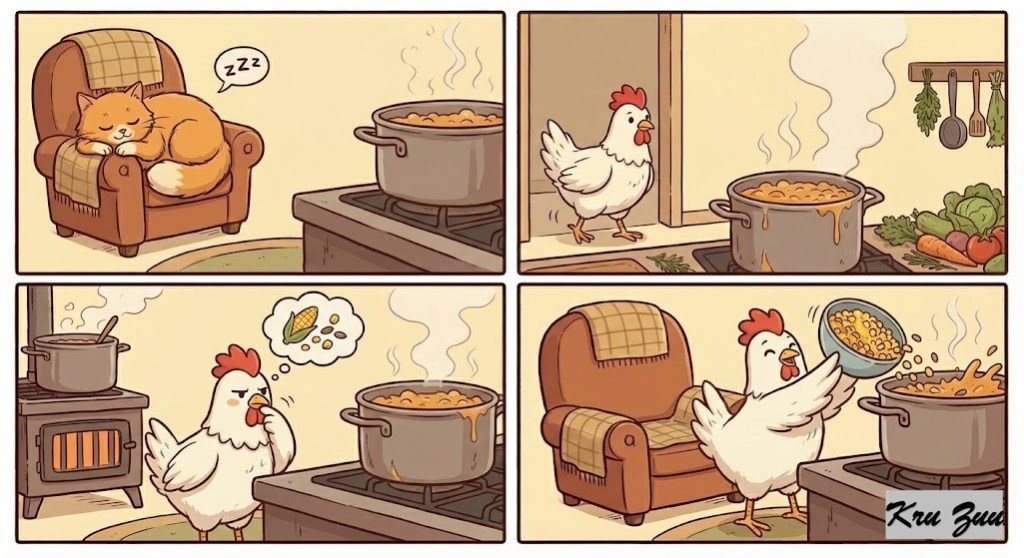
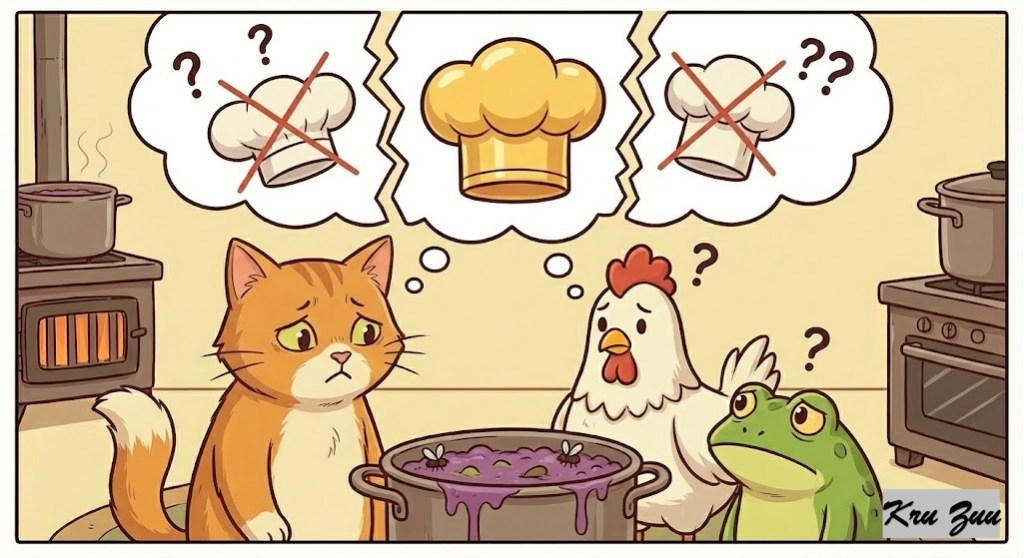
    Chef Whiskers (The Cat) 🐱 is famous for his delicious fish stew. Today is the Grand Feast. He starts the pot with fresh water and perfect fish. It smells amazing. “Perfect,” says Whiskers. “I will go take a nap while it boils.”


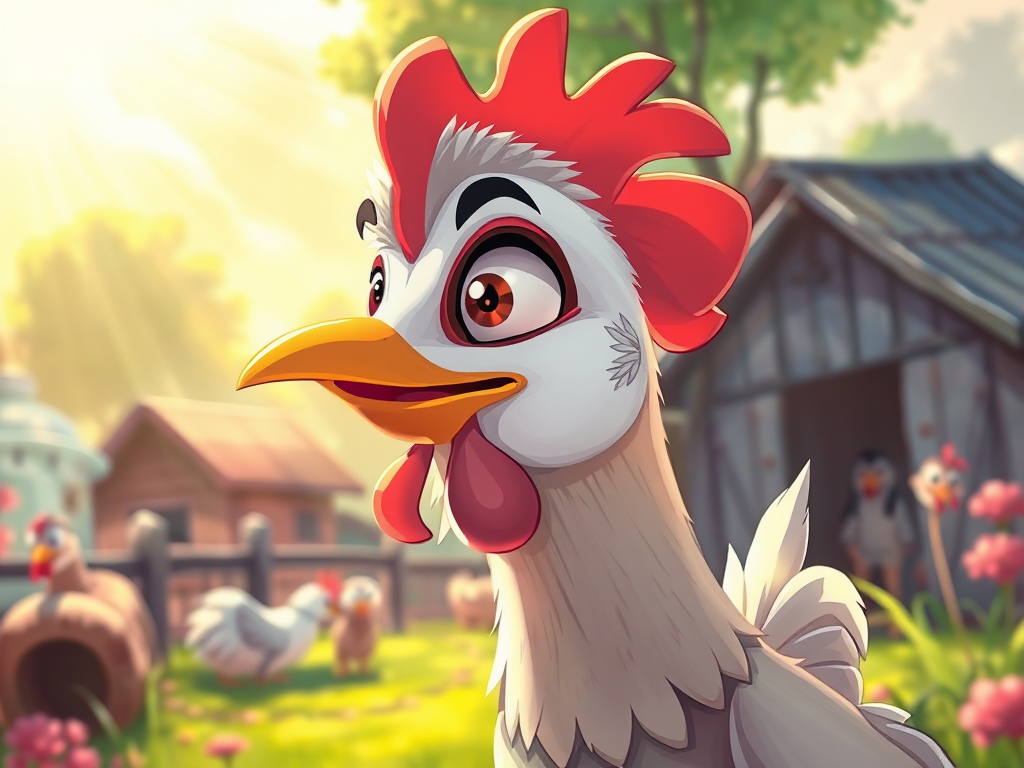
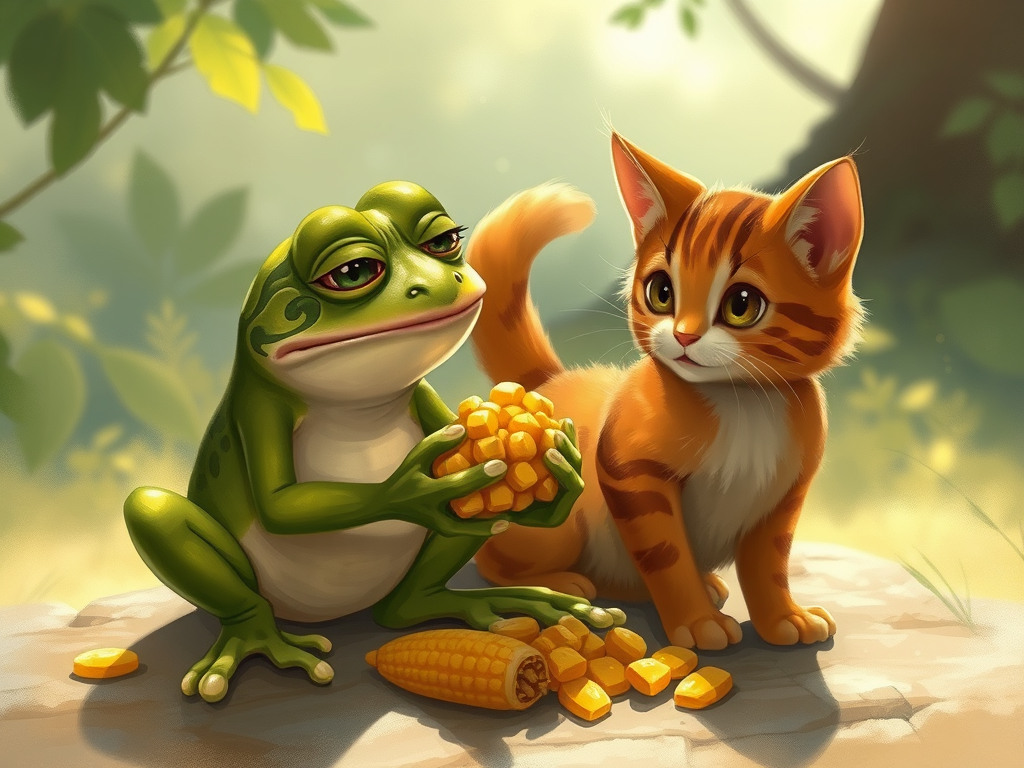
    The Conflict: While Whiskers is sleeping, Clucky (The Chicken) 🐔 walks into the kitchen. Clucky sniffs the pot. “Hmm. Too plain. You know what this needs? Corn. Chickens love corn!” Splash! Clucky dumps a bowl of dry corn and seeds into the soup and leaves.

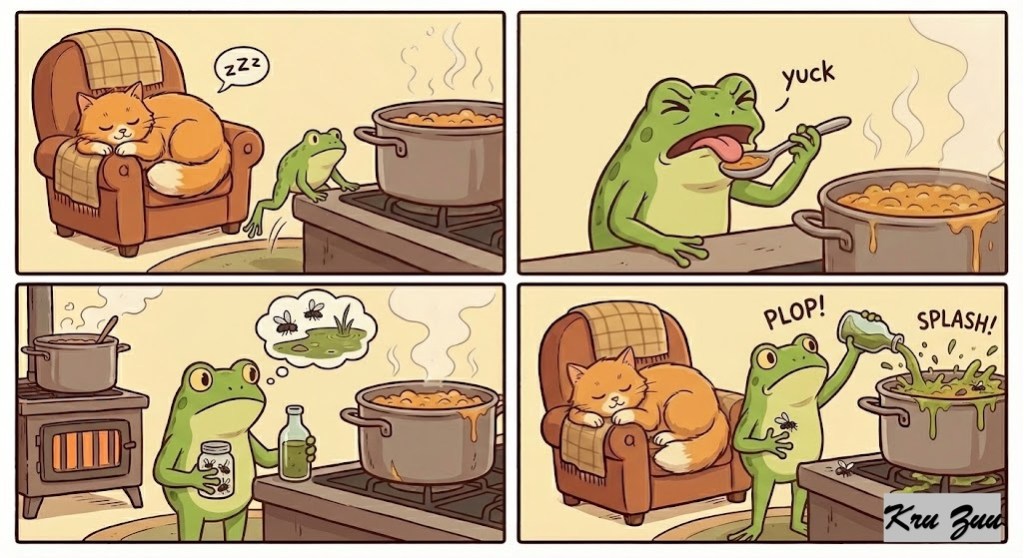
    Five minutes later, Jumper (The Frog) 🐸 hops onto the counter. Jumper tastes the soup. “Yuck! Too crunchy. It needs flavor. It needs… Dead Flies and Swamp Water!” Plop! Splash! Jumper throws in his ‘special ingredients’ and hops away.

    The Disaster: Chef Whiskers wakes up. He is ready to serve the King. He opens the lid. The soup is purple. It has floating flies. It smells like old socks. He tastes one spoon… and faints. 😵
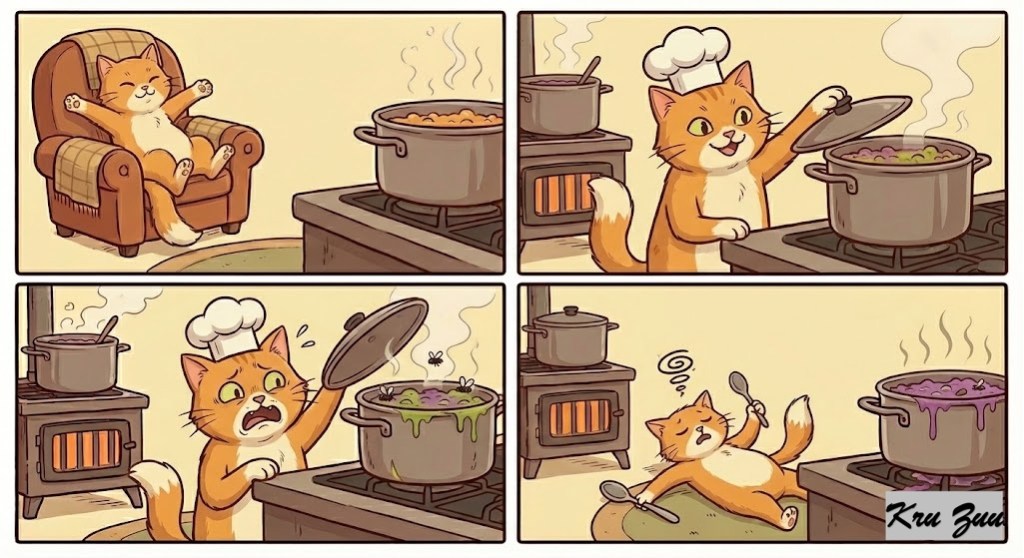

    The Moral: The Cat, the Chicken, and the Frog were all trying to help. But because they didn’t communicate and all tried to be the “Chef,” they created a monster. One Head Chef is better than three helpful friends.
    🎓 Lesson for English Learners


    Stop asking everyone!


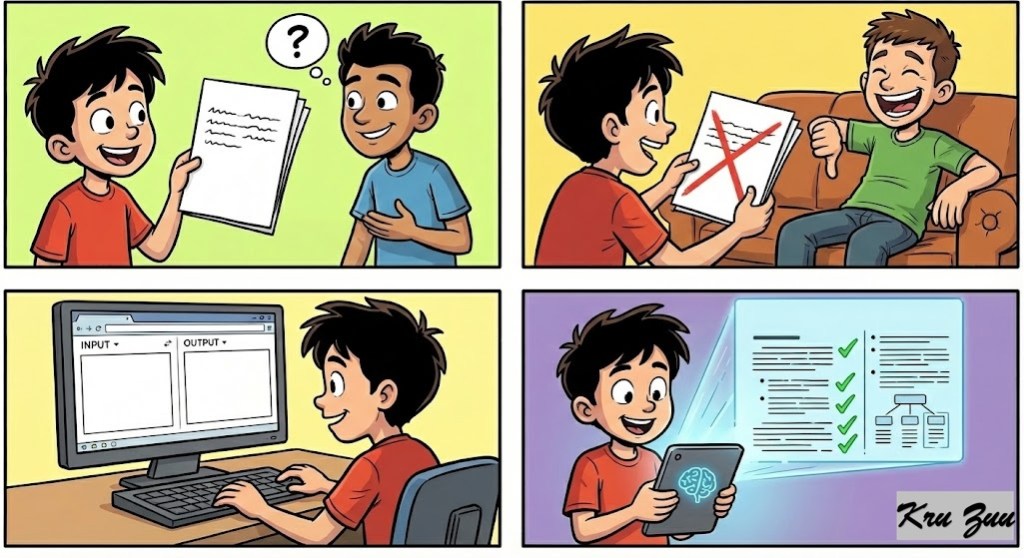
    Situation

    You write an English essay. You show it to your friend, your brother, Google Translate, and an AI.

    The Problem

    Your friend changes a word. Google changes the grammar. The AI rewrites the tone.


    The Result

    Your essay sounds like a robot fighting a dictionary. It has no “voice.”


    The Solution

    Trust your teacher or trust one reliable source. Don’t let too many “cooks” edit your writing until it loses its meaning. Trust your own voice.

    💬 Your Turn: The Group Project 🚀


    We have all been there. Have you ever been in a “Group Project” at school or work where everyone tried to be the boss? What happened? Did you finish the project, or did it explode like Chef Whiskers’ soup?


    Tell us your story in the comments below! 👇

    By Zubeyir YURTKURAN

    https://www.facebook.com/BrainBattleground/

    https://www.facebook.com/zubeyr.yurtkuran/

    https://www.instagram.com/zubeyryurtkuran/

    https://www.youtube.com/@BrainBattleground-b3p

    https://www.instagram.com/brainbattleground/

  • Honesty Is The Best Policy: How Short-Term Comfort Kills Long-Term Trust

    Honesty Is The Best Policy: How Short-Term Comfort Kills Long-Term Trust

    🧐 When Does the Liar’s Lamp Go Out?


    📝 The Short Cut: Fabricating an excuse to cover up that you haven’t finished a report.

    🔥 The Long-Term Cost: Having to invent three more lies to support the first one; permanently losing your manager’s/friend’s trust.


    💰 The Short Cut: Intentionally concealing a small piece of information in a deal to gain immediate profit.

    📉 The Long-Term Cost: Your reputation spreading, being labeled “untrustworthy” in the industry, and losing all future major deals.


    Life constantly proves a rule well-known to successful people: “Honesty Is The Best Policy.”


    In this post, we examine why a simple ethical rule is the most profitable strategy in life. Take off your masks, take a deep breath, and let’s dive into the value of trust. 💡

    🧐 The Anatomy of the Proverb


    Let’s look at the mechanics of this ethical compass.


    📚 Vocabulary Vault


    Honesty (Noun):
    The quality of being truthful, sincere, and possessing integrity. 🛡️


    Policy (Noun): A course of action or set of principles adopted by an individual or organization to achieve a goal. ⚖️


    Best (Adjective): Most profitable, most advantageous, or most long-lasting.


    🧠 Grammar Focus


    This sentence is a defining statement that establishes honesty as the wisest strategy.


    Formula: Honesty + [is] (Linking Verb) + [the best policy].


    The Meaning: Even if it causes immediate difficulty, honesty is the smartest policy because it secures reputation, trust, and therefore, long-term success.


    📜 History: The Price of Trust


    When did this idea become popular? People have known the societal cost of trust since they started living in groups.


    The Origin:
    The proverb is commonly associated with the American Founding Father, Benjamin Franklin. Franklin believed that honesty would lead to financial success in business. However, the saying itself predates him.


    The Lesson: The price of dishonesty (lost trust) is always higher than the immediate cost of telling the truth (the consequence of confession).

    🎯 Impact on Life: The Pros & Cons


    Is being 100% honest always a viable lifestyle? Let’s weigh the options.


    ✅ The Pros (Why it helps)


    Reputation: It builds and sustains trust, the most valuable asset one can acquire in the marketplace.


    Mental Peace: You don’t have to remember your lies. Your mind is free from the stress of managing a web of deceit. 🧘


    Simplifies Life: Instead of building complex lies, it simplifies your life and allows you to focus.


    ❌ The Cons (Why it can be tricky)


    Immediate Penalty:
    Sometimes, honesty means admitting a mistake or deficiency, which can result in an instant penalty.


    Emotional Harm: In sensitive social situations where white lies are often preferred, excessive blunt honesty can cause emotional damage.

    🎭 Short Story: The Missing Nut Fund


    To understand this proverb better, let’s revisit our friends on the farm. The communal winter provisions fund (nuts and corn) is running low.


    🌟 Character Introduction


    Percy the Chicken (The Short-Cutter): Resorts to big lies for instant relief. He prioritizes short-term gain over long-term reputation. 😵


    Luna the Cat (The Trust Manager): Manages the farm’s funds. She highly values trust, and once broken, it cannot be easily restored. ✨


    Fred the Frog (The Integrity Expert): If he makes a mistake, he confesses immediately and knows that rectifying his error is the most profitable path. 🐸


    Luna noticed a small amount of nuts was missing from the winter provisions fund.


    Percy immediately rushed over. “Ah, Luna! I’m sure that pesky squirrel, Sneaky Tail, came and stole it! I saw him this morning, he’s very crafty!” Percy had actually secretly eaten the nuts but blamed someone else. 🤥


    Meanwhile, Fred approached Luna to confess that he had accidentally knocked over and spilled a tiny portion of corn due to fatigue.


    Percy whispered to him: “Shhh, Fred! No one will notice two kernels of corn. Why put yourself in trouble by confessing?”


    Fred shrugged. He turned to Luna: “Luna, I am very sorry. I spilled two kernels of corn because I was tired. I will immediately replace them. I promise to bring back double tomorrow.” 🐸


    Luna smiled at Fred. “Thank you, Fred. There is no penalty for your honesty. Your integrity is worth far more than two kernels of corn.”


    A week later, inconsistencies in Percy’s story surfaced. Luna realized that the specific type of squirrel he mentioned didn’t even live in that area. Luna approached Percy: “The nuts are gone. But worse, my trust is gone.”


    Percy bowed his head in ashamed regret.


    Fred, that week, not only replaced the corn but also found extra nuts, solidifying his position as Luna’s most trusted partner.


    In this story, the characters represent the cost of integrity:


    Percy’s Lie:
    Short-term comfort (No immediate penalty) 😵


    Fred’s Truth: Immediate cost (Confession and promise to fix) 🤓


    Luna’s Trust: Long-term profit (The most valuable asset in the marketplace) 🛡️

    🎓 Lesson for English Learners:


    You made a mistake in a speaking club and mispronounced a word. You ignored your error out of shame. (Percy’s Method)


    If your teacher asks, “Did I make a mistake?” and you confess and correct it immediately, the moment of shame is fleeting, but the correct learning is guaranteed. (Fred’s Method)


    True learning lies not in concealing errors, but in openly confessing and correcting them.


    💬 Your turn: Was there a time when honesty opened a big door for you, or a lie cost you dearly in life? Share your story in the comments! 👇

    By Zubeyir YURTKURAN

    https://www.facebook.com/BrainBattleground/

    https://www.facebook.com/zubeyr.yurtkuran/

    https://www.instagram.com/zubeyryurtkuran/