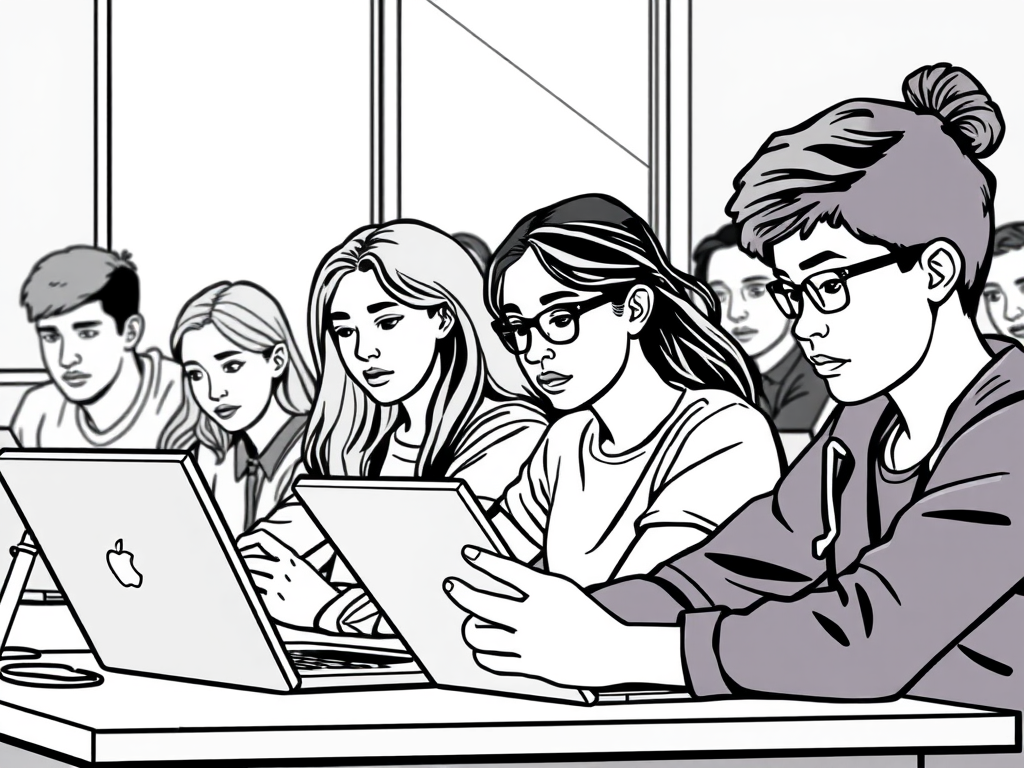
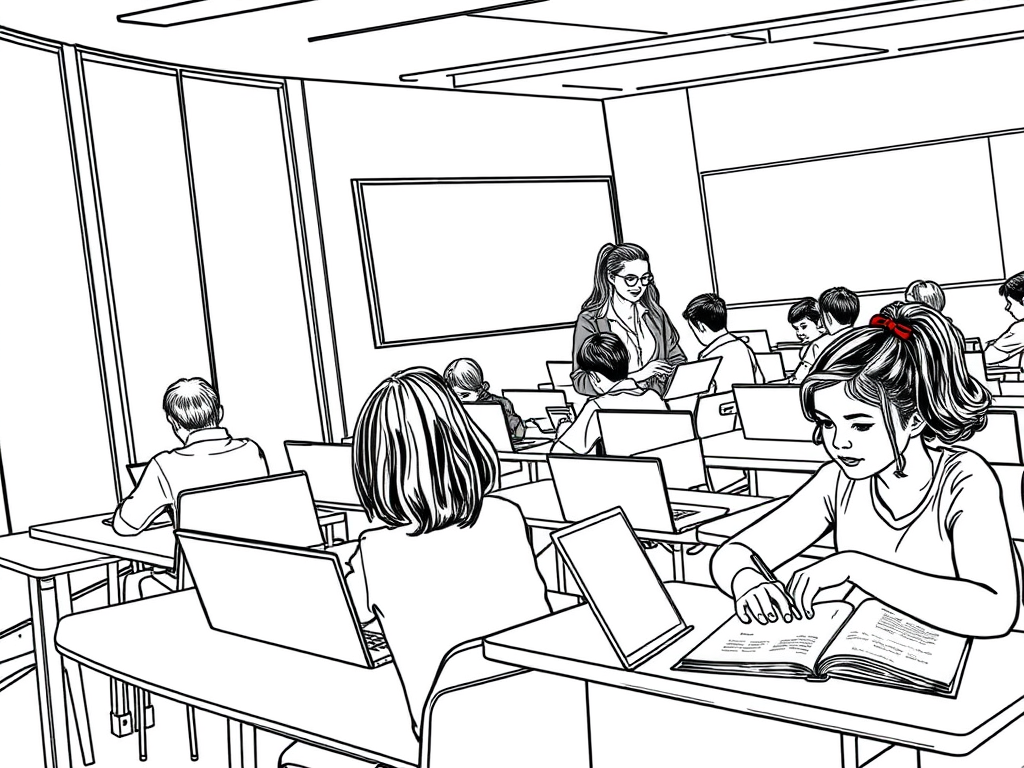
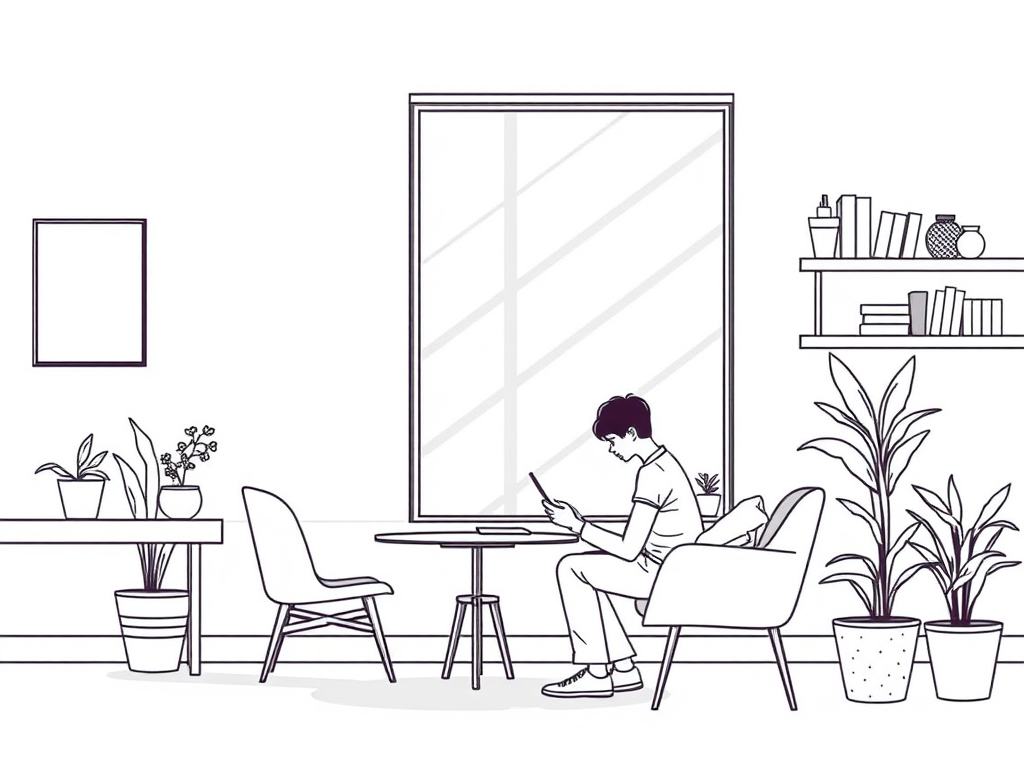
Technology… For some, it is the greatest blessing of our time; for others, it is the most dangerous addiction of the modern age. While this debate has been ongoing for years, my opinion is clear: When used in moderation, technology is a powerful tool and opportunity.
As a teacher, I benefit from technology in many ways. From researching lesson topics to enhancing my presentations with photos and videos, technology has helped me keep my students engaged and motivated to learn. I am truly grateful for what it offers.
But as the saying goes, “Every rose has its thorns.”
The thorns of technology its risks can overshadow all its beauty when we ignore them. If we pay attention while holding the rose, we can enjoy its fragrance. The same goes for technology:
If we handle it carefully, it can bring beautiful results to our lives.
Who Controls Whom?
Here’s where the real question begins:
Do we control technology, or does it control us?
Sadly, in some of my students, I’ve observed that the control has shifted. It’s no longer the students using technology; rather, technology has started using them.
This pushed me to reflect more deeply and take action.
Because the future belongs to these children and we cannot let their minds be shaped by thoughtless scrolling or emotionless consumption.
The younger generation should not be poisoned by the harms of technology but instead benefit from its advantages.
My Approach: Observation, Gentle Warnings, Clear Boundaries
To reduce this issue or even solve it at its root I’ve tried and continue to apply various strategies:
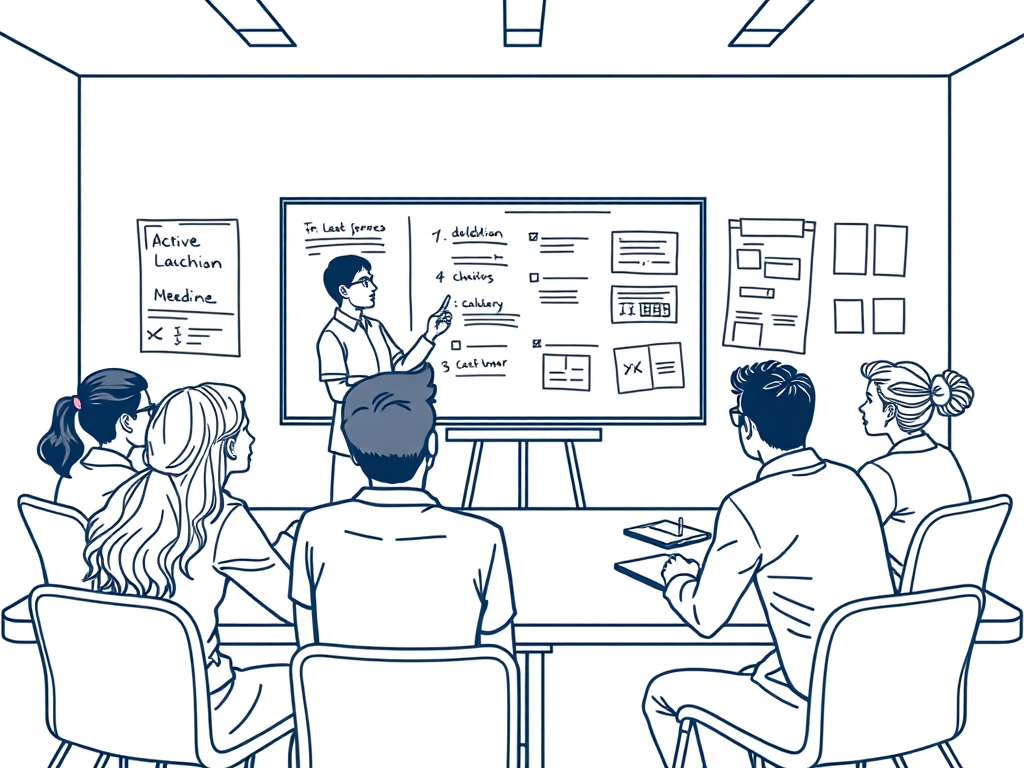
Carefully observing students during class breaks
Creating an awareness that they are being watched
Keeping them occupied with small assignments
Asking surprise questions and making them expect more at any moment
Not rushing to punishment, but giving a first warning
If a student is caught again using a device unrelated to the lesson, they know there will be consequences. These may include changing their seat, answering a quick quiz, or temporarily taking away the device.
Respect for Technology, Backed by Discipline
I have great respect for technology.
I fully support its use for educational purposes.
But when it comes to personal, unrelated use during lesson time, a firm and clear boundary must be set.
This not only protects classroom focus but also helps students realize that technology is useful for research, learning, and communication not just for games or social media.
In Conclusion…
Otherwise, we risk handing over the future not to human minds, but to emotionless, thoughtless patterns of behavior shaped by machines.
My method is built on three principles:
Balance, willpower, and guidance.
With these, technology becomes our servant not our master.
Let’s Shape a Healthier Digital Future Together
Technology is not going anywhere it’s evolving faster than ever. So instead of resisting it, let’s learn to guide it with purpose.
As educators, parents, and role models, our influence can help young minds build healthy habits, set digital boundaries, and make the most of technology’s limitless potential.
What about you?
How do you manage technology in your classroom or home?
Have you faced similar struggles with screen time and attention?
What solutions worked or didn’t work for you?
I’d love to hear your thoughts, strategies, or questions. Feel free to leave a comment or share this post with other teachers and parents who care about shaping a more mindful, balanced relationship with technology.
Together, we can raise a generation that uses technology wisely, responsibly, and creatively.
Approach Students Based on Their Age Group: One Size Doesn’t Fit All
In teaching, understanding your students’ age and developmental stage is just as important as knowing your lesson plan. Different age groups require different emotional, social, and educational approaches.
Whether you’re teaching first graders or teenagers, adapting your methods and tone can be the key to effective communication and real connection.
Primary School Students: Lead with Love
Young learners in primary school are emotional sponges they soak up the atmosphere around them. Before they focus on learning, they need to feel:
Loved 💖 Safe 🛡 Valued ⭐
Your warmth and kindness are not just nice extras they’re essential tools. These students:
Learn best through encouragement, not pressure Respond to routine and praise Need patience when expressing themselves Be playful. Be positive. Be gentle. A caring relationship with the teacher builds their confidence, motivation, and love for school.
“To little hearts, a kind teacher is everything.”
High School Students: Lead with Understanding
Teenagers are navigating complex emotional and social challenges. They often don’t just want answers they want to be heard.
High school students need:
Respect and space to express opinions Flexible guidance rather than strict control Honest conversations and emotional support
As a teacher, your role shifts from caregiver to mentor. You’re not just teaching subjects you’re modeling adulthood. This age group values teachers who:
Listen without judgment Set boundaries but stay fair Treat them like young adults A simple “How are you really doing today?” can open doors to trust and cooperation.
Balance is the Key
While the approaches may differ, your consistency and authenticity matter in every classroom.
Students of all ages:
Know when you care Feel when you’re genuine Respond better when they’re respected
Adjusting your tone, expectations, and teaching style according to the age group doesn’t mean being less of yourself it means being a more effective version of yourself.
Final Thought: Teach the Age, Not Just the Subject
The same content can’t be delivered the same way to all students.
Just like a coach wouldn’t train a child and an adult the same way, a great teacher adapts to meet the student where they are.
So whether your student is 6 or 16, ask yourself:
“What does this child need from me today not just as a student, but as a human being?”
Because when students feel truly seen and understood, that’s when real learning begins.
“A good teacher knows the subject. A great teacher knows the student.”
In the end, the heart of teaching lies not just in what we deliver, but in how we connect. Every age group is a new language, and great teachers become fluent by listening first. When we approach students not just as learners, but as people with needs, feelings, and dreams we unlock something powerful: real, lasting impact.
So before the next lesson begins, pause and ask:
“How can I reach their heart before I reach their mind?”
Because that’s where all meaningful education begins.
“Teach the age, understand the heart, and the learning will follow.”
For Those Who Want to Teach Abroad: Golden Tips for Inside and Outside the Classroom – The End
Teaching abroad is not just a career choice it’s a life-changing journey filled with challenges, discoveries, and incredible rewards. Throughout this series, we’ve explored the golden tips to help you thrive both inside the classroom and beyond. Remember, adaptability, cultural sensitivity, and a genuine passion for your students are your greatest tools on this path.
As you take your first steps into this exciting adventure, keep an open heart and mind. Every experience, whether smooth or difficult, will enrich your growth as an educator and as a person.
Thank you for joining me on this journey. I hope these insights have prepared and inspired you to make the most of your teaching abroad experience. Wherever your path leads, may you touch lives and be touched in return.
Plan Activities at the End of Each Unit: Celebrate Learning, Motivate Students
Finishing a unit doesn’t have to mean closing the book and moving on. In fact, it’s the perfect time to pause, reflect, and celebrate everything your students have just learned.
By planning creative and meaningful activities at the end of each unit, you help your students process the content, connect with it emotionally, and build motivation for what’s coming next.
Why End of Unit Activities Matter ?
✅ They provide a sense of closure and achievement ✅ They give students a chance to show what they’ve learned in different ways ✅ They break routine and refresh classroom energy ✅ They create positive memories associated with the subject
Most importantly, they send this message:
“Learning is not just tests and homework it can also be fun and rewarding.”
Simple and Fun End of Unit Activities That Actually Work
You don’t need fancy tools or big budgets. Sometimes, the best classroom moments come from the simplest ideas. At the end of each unit, I always try to wrap things up with a little fun activities that help review what we’ve learned, strengthen classroom connection, and leave students smiling.
Here are two of my favorite end of unit activities that my students truly love:
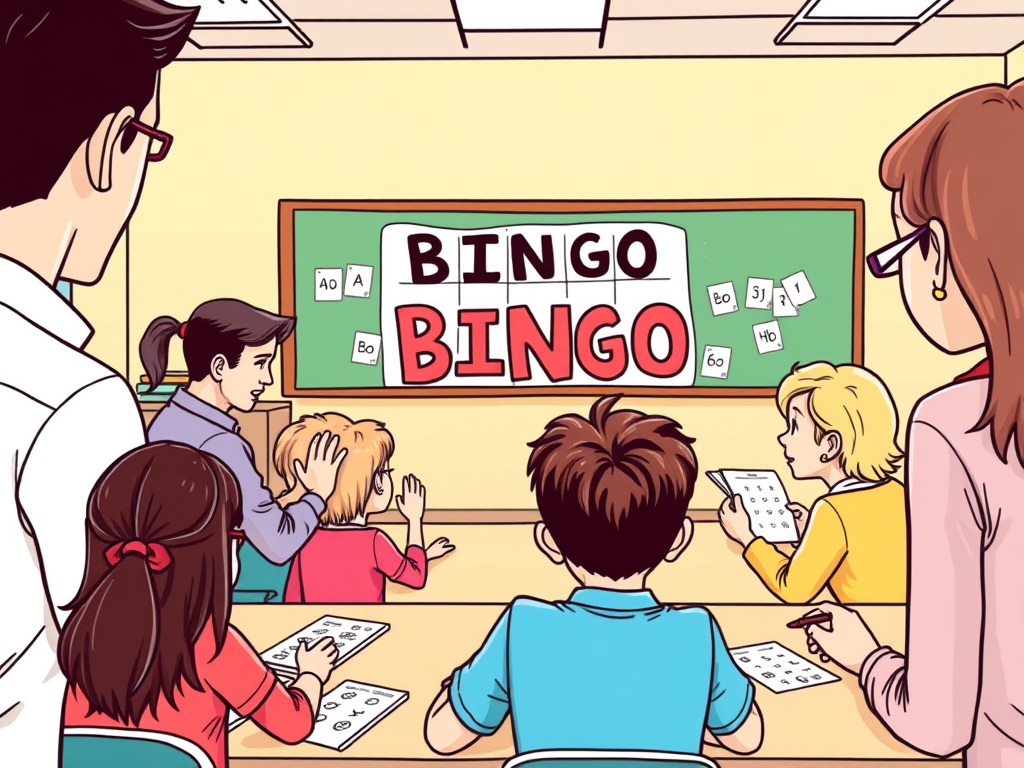
🟩 1. Vocabulary BINGO – Simple, Effective, and Always a Hit
There’s something special about ending a unit with a bit of fun and a lot of learning. One of my favorite activities to review vocabulary and energize my students is a good old-fashioned game of BINGO. But with a classroom twist!
Let me walk you through how I use BINGO to make unit revision more exciting, engaging, and memorable for everyone.
🧩 How It Works
At the end of each unit, I prepare a list of 16 target words related to the vocabulary we’ve been studying. These can be verbs, nouns, adjectives, or a mix of all depending on the level and topic.
Here’s what I do step by step:
✏️ Step 1: Set Up
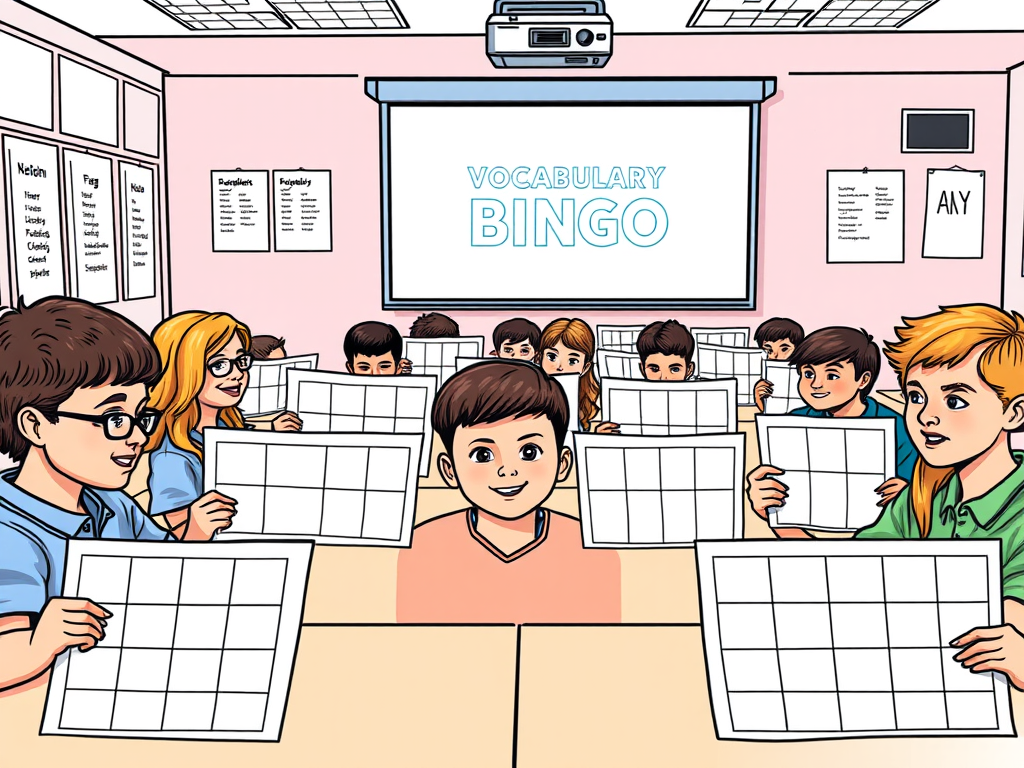
I hand out blank 4×4 BINGO grids to all students each paper has 16 empty squares.
Then, using the projector, I show them the 16 vocabulary words one by one. Students listen carefully and choose where to write each word on their grid. This part is fun because every student’s board becomes unique.
🎲 Step 2: The Draw
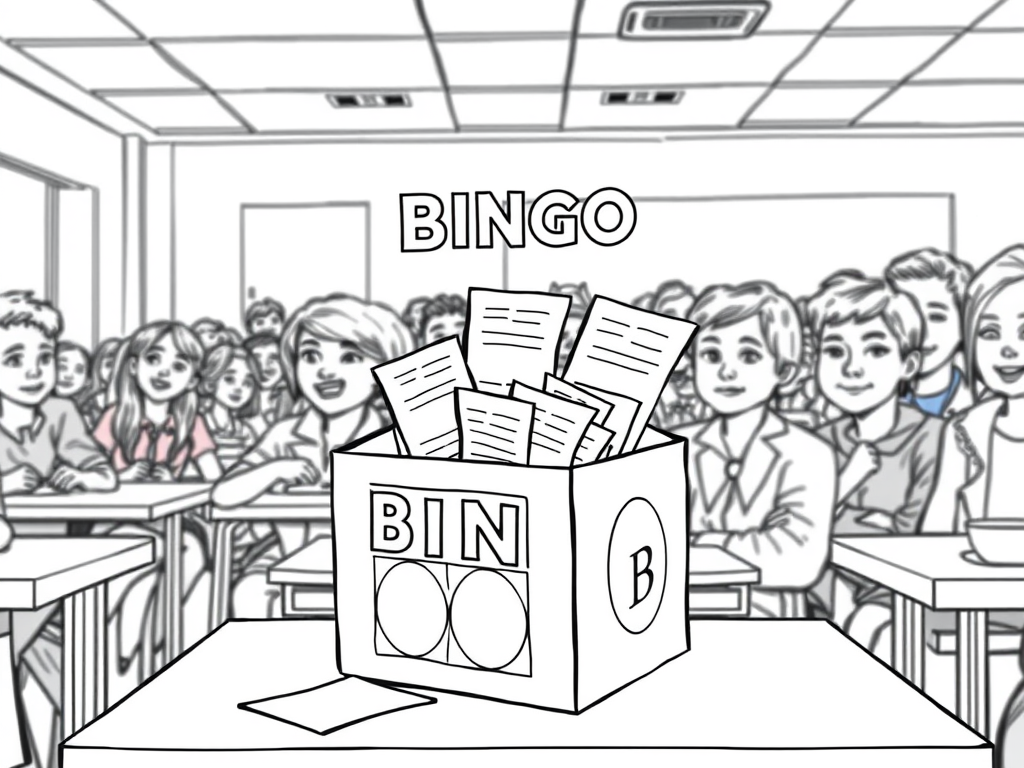
Next, I bring out my “BINGO box” a small container with all 16 words written on folded slips of paper.
I draw each word one by one, read it aloud, and give students time to check and cross off the word if they have it. The excitement builds with every draw!
🗣️ Step 3: BINGO!
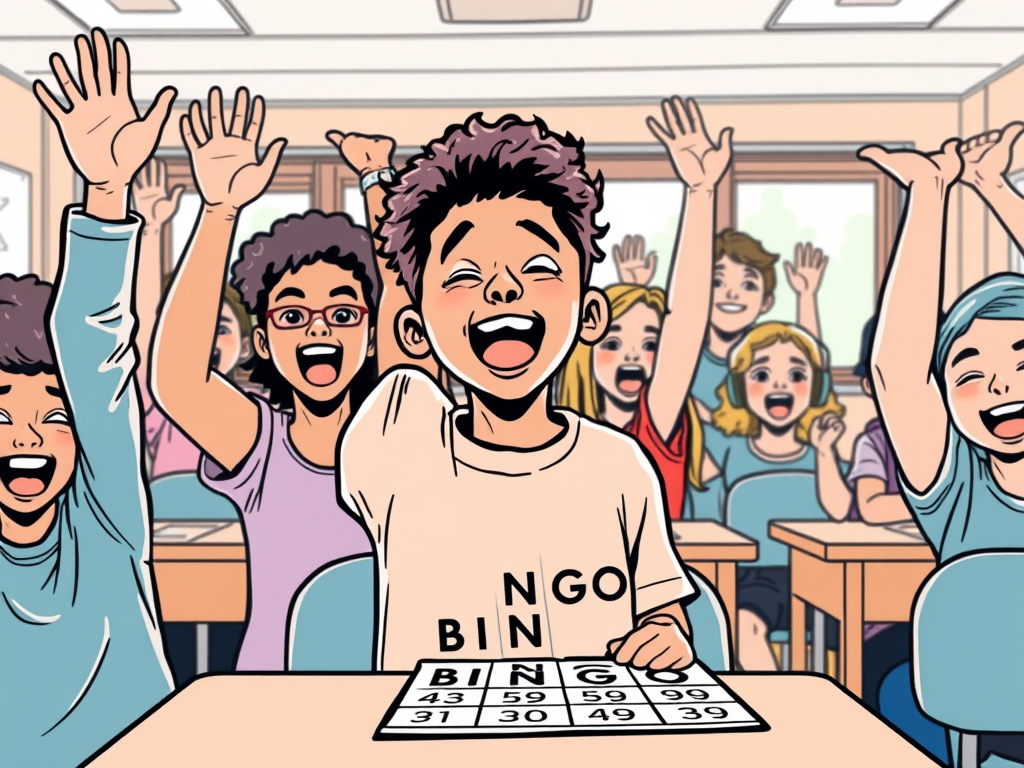
Whenever a student crosses off four words in a row (horizontal, vertical, or diagonal), they shout “BINGO!”
If more than one student calls “BINGO” at the same time, we settle it the fun way rock, paper, scissors at the front of the class. It always brings smiles and cheers!
🏆 Step 4: The Prize
The winner receives a small reward. It’s not about the prize, but the joy of winning and learning at the same time.
🧠 Why I Love This Game ?
Students revise vocabulary without realizing they’re studying. Everyone participates no one is left behind. It’s low-prep, yet highly effective. It brings energy and joy into the classroom. It encourages listening, spelling, and attention.
💡 Tips for Teachers
Let students write the words in any order they’ll feel more ownership over their boards.
Switch it up by using pictures instead of words for lower levels.
Add themes like “hobbies,” “feelings,” or “family members” to match your unit.
Final Thoughts
BINGO may be a simple game, but in the classroom, it turns into a powerful learning tool. When learning is active and joyful, students remember more and stress less. Whether you’re teaching vocabulary, grammar, or even idioms this game adapts beautifully.
So next time you’re wrapping up a unit, try a game of BINGO. Your students will thank you with laughter and learning.
🖼️ 2. Guess the Character – Communication Meets Creativity
Another activity that sparks laughter and learning is what I call “Guess the Character.”
Here’s how it works:
I call one student to the front and turn their back to the screen.
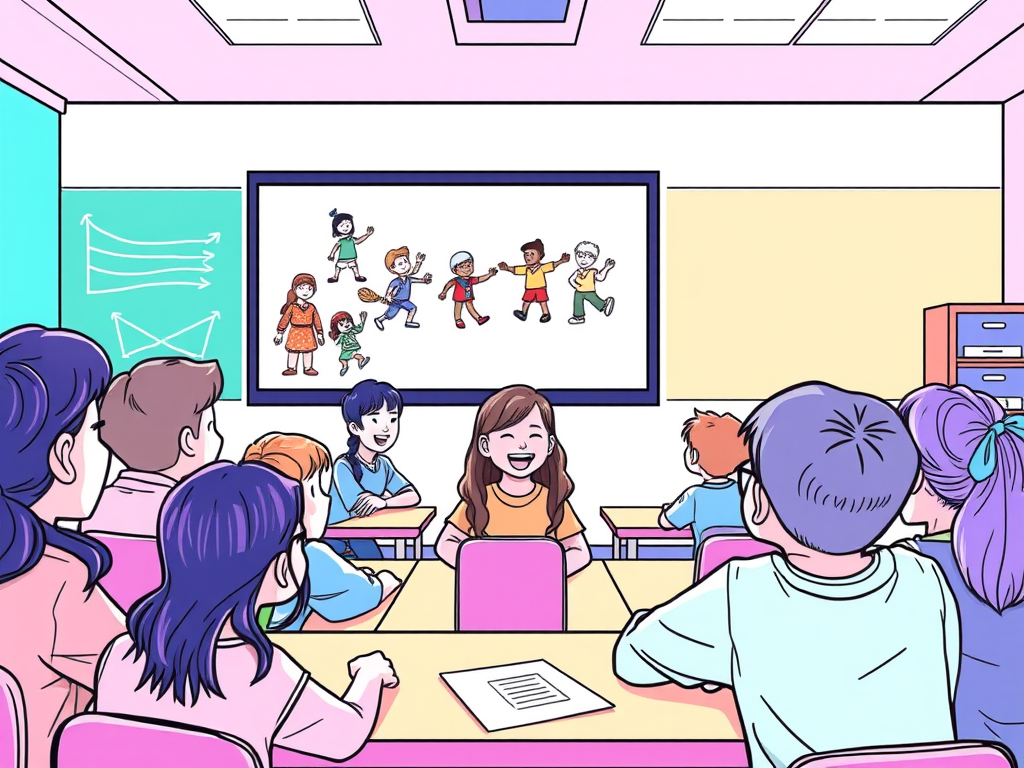
I show an image on the projector this can be a cartoon character, an animal, or even a dancing figure.
The rest of the class describes the image using vocabulary from the unit.
The student must guess who or what it is, based only on their classmates’ clues.
Sometimes, I pick funny dancing characters and once the student guesses correctly, I ask them to try and imitate the dance. It’s hilarious, energizing, and builds both vocabulary and confidence.
🗣️ Why I love it: It encourages listening, speaking, teamwork, and LOTS of laughter!
🍭 End with a Treat!
To wrap it all up, I always give a small treat usually jelly or candy to celebrate their participation and effort.
💡 Final Thoughts
End of unit activities don’t need to be complex. With just a whiteboard, a projector, and a pocketful of imagination, you can create engaging lessons that review content and bring real joy to your students.
Give them a reason to look forward to every unit’s end not only with tests, but with fun, active learning.
What are your favorite end of unit activities?
Let me know in the comments or connect with me on social media to share ideas!
Make Activities Meaningful
While fun is important, the activity should still connect to the unit topic. A well-planned event reinforces what was taught and gives students another chance to absorb it from a new angle.
Try questions like:
“How can this activity help students remember the key ideas?” “Does it allow different types of learners (visual, auditory, kinesthetic) to engage?”
The more meaningful the activity, the more lasting the learning.
Build Anticipation
Tell your students from the start of the unit:
“At the end of this unit, we’ll do something fun to celebrate what you’ve learned.”
This creates motivation from day one. Students have something to look forward to, and it encourages consistent effort throughout the unit.
Final Thought: Reward the Journey, Not Just the Destination
When students feel that their hard work leads to something meaningful and enjoyable, they develop a love for learning not just a habit of memorizing.
So don’t just end your units. Celebrate them. Explore them. Make them unforgettable.
“Learning is most powerful when it ends with joy.”
Let your classroom be a place where every unit ends with a smile and a spark.
A Note of Thanks to Fellow Teachers
Before I close this post, I want to take a moment to thank the many wonderful teachers I’ve met, worked with, and learned from both online and in real classrooms.
Many of the activities I now use with my students came from your creativity, generosity, and shared experiences. Whether it was a casual chat in the teachers’ room, a post on social media, or a workshop filled with ideas, your inspiration helped me bring more joy into my classroom.
So thank you for reminding me that teaching is not a solo journey, but a shared mission.
Let’s continue to support one another, share what works, and celebrate not just our students’ learning, but our growth as educators too.
Let every unit we teach end not only with knowledge, but with community, creativity, and a spark of joy.
For Those Who Want to Teach Abroad: Golden Tips for Inside and Outside the Classroom will continue. Until then, I’d love to hear your thoughts, suggestions, or memories that left a mark on your heart. See you in the next article. Stay safe, patient and kind.
Great teaching doesn’t only happen at the front of the room.
Too often, teachers fall into the habit of standing in one spot usually near the board while explaining lessons. While this might seem organized and controlled, it can unintentionally create distance between you and your students. If your students feel distant from you, they may mentally disconnect from the lesson too.
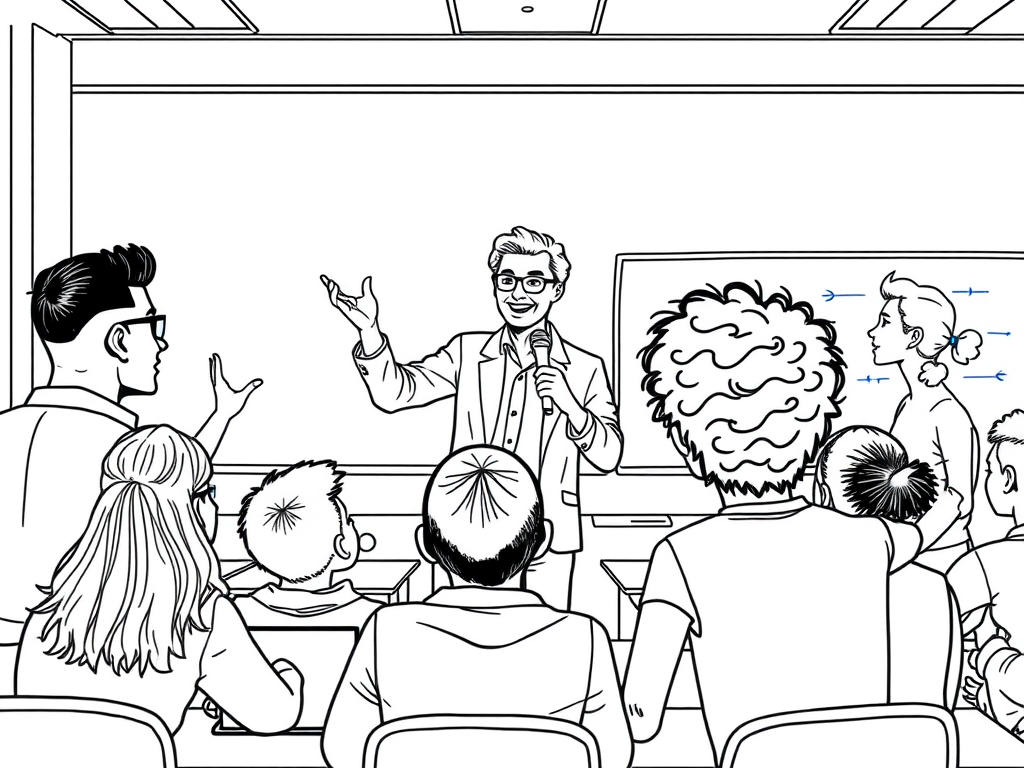
That’s why it’s important to be active, move around, and bring your presence to every corner of the room.
Why Movement Matters
Walking around the classroom keeps students alert. It also sends a message:
“I am with you. I see you. I care.”
Students are less likely to lose focus or get distracted when they feel that the teacher might appear next to them at any moment. This kind of presence encourages participation and accountability not out of fear, but out of connection.
The Power of Surprise Questions
While you walk, ask spontaneous, friendly questions:
“What do you think about this?” “Can you explain it in your own words?” “Can you give an example?” These questions: Break the routine Encourage deeper thinking Show students that everyone is expected to participate Even students who usually stay quiet begin to listen more carefully, just in case their turn is next!
Being Among Your Students Builds Trust
When you walk between the rows of desks, kneel next to a struggling student, or high-five someone who gave a great answer, you’re doing more than teaching content you’re building a human connection.
Your movement makes you feel more real and more approachable. Students are more likely to ask for help, share opinions, and take academic risks when they feel supported, not judged.
Energy Is Contagious
When you move with purpose and enthusiasm, your energy spreads. The classroom feels more alive. Learning becomes dynamic instead of static. Instead of being a spectator sport, class becomes something students are part of.
Remember, your energy often sets the tone for the entire room.
Practical Tips for Active Teaching
Walk slowly and intentionally—don’t rush, but stay mobile. Make eye contact with students at all areas of the room. Use your voice and gestures to emphasize key points. Smile and make your presence a positive force.
Final Thought: Teach With Your Whole Body
You are not just a voice. You are not just words on a board. You are a full presence—a guide, a motivator, a leader.
So, don’t just stand and deliver—move and connect. Because when students feel your presence, they give you their attention. And that’s where the real teaching begins.
“Where you move, attention follows.”
Be the teacher who brings the lesson to life with every step you take.
Let your presence be the spark.
In every step you take, every glance you share, every question you ask you’re not just teaching a subject, you’re shaping an experience. The classroom is more than four walls; it’s a stage where movement creates magic, where connection fuels curiosity. So keep moving, keep engaging, and keep inspiring because when you teach with your whole self, you invite your students to learn with their whole hearts.
For Those Who Want to Teach Abroad: Golden Tips for Inside and Outside the Classroom will continue. Until then, I’d love to hear your thoughts, suggestions, or memories that left a mark on your heart. See you in the next article. Stay safe, patient and kind.
Remember: Students Are Watching You – Always Be the Role Model
When you work as a foreign teacher abroad, you might think that your influence starts and ends in the classroom. But the truth is, your role as a teacher doesn’t pause when the bell rings. Whether you realize it or not, students and even other staff members are constantly observing you.
Your actions, expressions, tone, and even the way you walk through the hallways become part of how you’re remembered. You are the lesson.
You’re a Guest and a Highlight
In many schools, especially in countries where foreign teachers are not common, your presence alone makes you stand out. You are not just “another teacher” you are the foreign teacher. That label comes with curiosity, expectations, and, yes, attention.
Students are curious about who you are, how you behave, and what you do differently. They may try to imitate you. That’s why it’s so important to be conscious of your actions both inside and outside the classroom.
Small Moments, Big Lessons
The way you greet others in the morning, how you respond to mistakes, how you handle stress, how you talk to cleaning staff all of these moments send a message to your students.
Ask yourself:
Am I showing patience? Am I respectful to everyone equally? Do I stay calm under pressure? Do I model kindness, responsibility, and curiosity?
You may think no one notices but your students do. And they remember.
Classroom Behavior Isn’t Everything
A great lesson can be undone by negative behavior in the hallway or lunchroom. If a student sees their teacher acting rudely, using bad language, or showing favoritism outside the classroom, it shakes the trust you’ve built.
On the other hand, consistent professionalism and kindness make your lessons more effective because students respect you beyond the lesson plan.
Act Like a Student Is Always With You
A good rule of thumb for teaching abroad is this:
Behave as if one of your students is always by your side.
Would you say that in front of them? Would you act like that if they were watching? The truth is they probably are.
What Makes a Role Model
Being a role model doesn’t mean being perfect. It means being honest, respectful, and consistent. It means owning your mistakes, treating everyone fairly, and showing what maturity and responsibility look like.
In a foreign country, this also includes respecting local customs and learning about the culture. Your effort to understand and integrate sends a powerful message: “I respect you, your country, and your values.”
In Conclusion: Your Presence Is Powerful
Teaching abroad is more than a job it’s an opportunity to inspire through who you are. Every smile, every greeting, every respectful gesture plants a seed. Students might forget some of your lessons, but they won’t forget how you lived those lessons yourself.
“You teach more by what you are than by what you say.”
So be the kind of teacher your students will always remember with admiration, not just for your teaching, but for your character.
Final Thoughts
As educators abroad, we are more than just teachers we are daily examples of what it means to lead with integrity, patience, and empathy. Every hallway interaction, every small gesture, every cultural effort is a chance to teach without ever opening our mouths. So the next time you walk into school, remember: your presence alone is powerful. You don’t have to be perfect. You just have to be aware, be kind, and be real.
Now it’s your turn: Have you ever realized how much your students watch and learn from your actions? I’d love to hear your stories, reflections, or even the small moments that reminded you how powerful your role truly is.
For Those Who Want to Teach Abroad: Golden Tips for Inside and Outside the Classroom will continue. Until then, I’d love to hear your thoughts, suggestions, or memories that left a mark on your heart. See you in the next article. Stay safe, patient and kind.
A quiet classroom isn’t always a focused classroom. Just because students are seated doesn’t mean they’re engaged. As teachers, our challenge is not just to teach but to capture attention, spark curiosity, and maintain meaningful involvement.
The secret? Well-planned tasks and engaging activities.
Why Engagement Matters
Students learn best when they’re actively involved. Passive listening may work for a few, but most students need to do something in order to retain new information. When you give them a role whether it’s solving a problem, creating something, or working in a team you shift them from observers to participants.
This kind of active learning is more effective, more enjoyable, and far more memorable.
Simple Actions, Powerful Results
Keeping students engaged doesn’t require expensive materials or complicated planning. Small, consistent strategies can make a big impact.
Give worksheets that match the day’s topic short, clear, and with a purpose.
Assign roles during group work: leader, note-taker, presenter.
Use games and quizzes to reinforce content in a fun way.
Ask open-ended questions and give students time to think and respond.
Plan short projects that allow creativity posters, skits, interviews, or mini-presentations.
Even a 5-minute pair discussion can turn a sleepy lesson into a dynamic exchange.
Match the Activity to the Lesson
Not every topic requires the same kind of activity. For grammar lessons, a worksheet or sentence-building challenge might work best. For social studies, maybe a role-play or debate. For science, let them experiment or research. The key is to make the activity serve the learning goal not just fill time.
When students see how the task connects to what they’re learning, they are more invested in doing it well.
Promote Teamwork and Responsibility
Group activities not only help with content, but they also build important life skills like cooperation, problem-solving, and communication. Students learn how to listen, how to lead, and how to support each other. This turns your classroom into a mini community where every voice matters.
Make It a Habit
Engaging students isn’t something you do just once a week. The more regularly you include meaningful tasks, the more your students expect and enjoy them. They come to class ready, curious, and involved. This consistency builds a learning culture that’s positive, respectful, and full of energy.
Final Thought: Active Minds Learn Better
A teacher’s goal is not just to cover the syllabus, but to make sure the students connect with it. By giving tasks, activities, and space for creativity, you give your students the opportunity to discover, think, and grow.
“Engaged students are not just learning they’re living the lesson.”
Make every class a moment worth participating in.
Teaching Without Forgetting What It’s Like to Be a Student
Let’s not forget we were once students too. Some of us struggled to stay focused in class, and at times, it wasn’t because we lacked ability, but because the lessons simply didn’t spark our interest. Overcoming this challenge often falls to the teacher. A great teacher is not just a giver of knowledge, but a guide who makes learning engaging and meaningful.
When a student finds a subject boring, it often means they haven’t formed a personal connection to it yet. Creating that connection, sparking curiosity, and capturing attention is part of the teacher’s craft. What we teach is important but how we teach it makes all the difference. With relatable examples, real-life connections, and opportunities for active participation, even the quietest student can begin to show signs of curiosity and involvement.
Final Word: Involved Students Are Empowered Students
A teacher’s true success isn’t just measured by how much content is covered but by how deeply students connect with it. That connection happens when lessons are active, creative, and meaningful. Don’t aim for a silent classroom aim for a thinking one. Let your students ask, explore, create, and take part. Because students who are engaged don’t just learn they grow. They gain confidence, purpose, and a voice that matters.
Remember: “Even a small task can make a big difference in a student’s world.” So turn every lesson into a journey and invite your students to be part of it.
For Those Who Want to Teach Abroad: Golden Tips for Inside and Outside the Classroom will continue. Until then, I’d love to hear your thoughts, suggestions, or memories that left a mark on your heart. See you in the next article. Stay safe, patient and kind.
As teachers, we are more than just sources of knowledge we are role models, guides, and, whether we realize it or not, mirrors of justice in the eyes of our students. Among all the values a teacher should uphold, fairness stands as one of the most powerful.
In fact, it can make or break the atmosphere of your classroom.
Why Fairness Matters ?
Students notice everything. Who gets called on most often, who gets praised more, who gets second chances and who doesn’t. Even young learners are remarkably perceptive when it comes to fairness. The moment they sense favoritism, trust begins to fade. Motivation drops. Some students may feel invisible, while others may feel untouchable. This is not the kind of classroom where real learning can thrive.
In fact, it can make or break the atmosphere of your classroom.
Equal Doesn’t Always Mean Identical
Being fair doesn’t mean treating every student exactly the same. It means giving each student what they need to succeed, within a framework of consistency and respect.
For example:
Some students might need extra time to complete tasks give it without making them feel lesser.
Others may need more challenges to stay engaged provide them without creating a sense of superiority.
Fairness is about balancing individual support with equal respect.
Beware of Unconscious Favoritism
It’s human nature to connect more easily with certain personalities maybe a student reminds you of yourself, or perhaps they’re just more outgoing or helpful. But this connection should never result in unequal attention or opportunity.
To keep yourself in check:
Keep track of who you call on during class try to rotate.
Distribute responsibilities and leadership roles evenly.
Make space for quiet or struggling students to shine.
When all students feel seen, heard, and valued, their confidence grows and so does their effort.
Build a Culture of Trust
Fairness is the foundation of a classroom where students feel safe. When they know that every student is held to the same standards, and that rewards and consequences are given with integrity, they’re more likely to respect you and each other.
You’re also setting an example. When you model fairness, your students learn how to be fair themselves. They learn to listen, share, and support one another.
In Conclusion: Fairness Builds Futures
Your students will forget some of your lessons. But they will never forget how you made them feel. If they remember you as someone who was fair, consistent, and respectful to all that is a lesson they will carry for life.
“Fairness is not an attitude. It’s a professional skill.”
As a teacher, make it one of your strongest.
In the end, fairness isn’t just a classroom strategy it’s a form of silent leadership. It’s in the way we speak, respond, distribute attention, and set expectations. When practiced with intention, fairness has the power to shape not only a student’s academic experience but also their sense of justice, self-worth, and how they treat others. As teachers, let’s choose every day to be the kind of adult we wish every child could learn from fair, thoughtful, and unwavering in our commitment to equity. Because a fair classroom isn’t just a better place to learn it’s a better place to grow. For Those Who Want to Teach Abroad: Golden Tips for Inside and Outside the Classroom will continue. Until then, I’d love to hear your thoughts, suggestions, or memories that left a mark on your heart. See you in the next article. Stay safe, patient and kind.
Fairness is Crucial: Building Trust Through Equality in the Classroom Being fair doesn’t mean treating every student the same it means giving each one what they need to grow, with respect and consistency. In this post, I explore why fairness is more than a value it’s a teaching skill that shapes classroom culture, builds trust, and empowers every learner.
📚 Why does fairness matter so much? 🔍 How can we avoid unconscious favoritism? 🤝 What does “equal but not identical” really mean?
✨ If you’re an educator, or simply someone who believes in the power of respect, this post is for you.
When teaching in a foreign country, it’s essential to adapt to the cultural and educational norms of the environment. Don’t hesitate to question your own habits. Observe, listen, and learn. Every school has its own unique atmosphere, and understanding it is the key to success.
Teaching Abroad with Cultural Awareness
Teaching abroad is an incredible opportunity not just to educate others, but to learn deeply yourself. While you bring knowledge, passion, and experience into the classroom, one thing becomes clear almost immediately: you are not in your home country anymore. And that means the rules both written and unwritten are different.
Your Habits Might Not Fit
When you first step into a classroom in a foreign country, it’s natural to rely on the methods and behaviors you’re used to. But what works in one country might be misunderstood or even considered inappropriate in another. For example, your sense of humor might not translate well. Your way of giving feedback might seem too direct or too passive. Even your body language can send unintended messages.
That’s why the first rule of international teaching is simple: Don’t assume, observe.
Become a Student Again
To succeed in a new educational culture, you must become a learner first. Watch how local teachers interact with students. Listen to how they speak, how they manage discipline, how they build rapport. Pay attention to what students expect from a “good teacher.” You may be surprised by how different it is from your own background.
Ask questions. Reflect on your own habits. Be open to the idea that there is more than one “right way” to teach.
Every School Has Its Own Micro culture
Even within the same country, no two schools are exactly alike. Some are highly formal, with strict rules and clear hierarchies. Others are relaxed and emphasize creativity and student voice. You need to feel the rhythm of the school before you find your place in it.
Try not to rush into changing things. Instead, show that you’re willing to adapt. When people see that you respect their system, they will be more open to your ideas and innovations later on.
Respect is a Two Way Street
As a foreign teacher, you naturally stand out. Students and colleagues are curious about you, your culture, and your teaching style. This attention can feel exciting—or overwhelming. But the way you handle that attention matters.
Be respectful of local customs, dress appropriately, and speak thoughtfully. Remember that you are not only representing yourself but also your home country. Small gestures learning a few words in the local language, joining school events, eating local food go a long way in building trust and connection.
Final Thoughts: Flexibility is Power
Teaching abroad is not about blending in completely or losing your identity. It’s about being flexible while staying true to your core values as an educator. It’s about choosing when to adapt, when to lead, and when to listen.
In the end, your success abroad won’t just be measured by how much your students learn, but by how well you adapted, respected, and grew through the experience.
“When in Rome, do as the Romans do.”
And when you teach abroad, teach with your eyes open and your heart ready to learn.
Teaching abroad is more than just changing countries it’s about understanding new cultures, adapting to different educational environments, and respecting local norms. Success comes not from sticking to what you know, but from observing, listening, and being open to growth. Every school, every classroom, is a chance to learn again. With humility, curiosity, and flexibility, you’ll not only teach you’ll transform. For Those Who Want to Teach Abroad: Golden Tips for Inside and Outside the Classroom will continue. Until then, I’d love to hear your thoughts, suggestions, or memories that left a mark on your heart. See you in the next article. Stay safe and stay patient and kind.
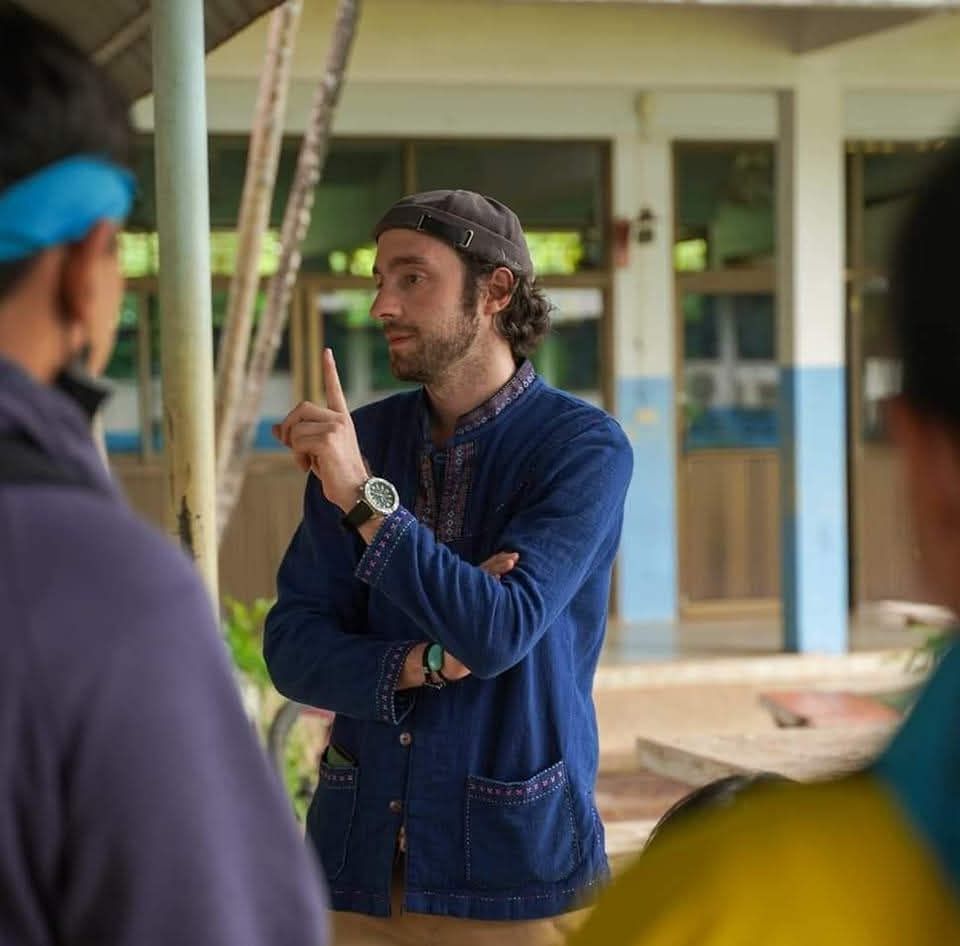
Teaching abroad is not just about standing in front of a class; it’s about stepping into a whole new world.
You’re not only teaching a subject; you’re representing a different culture, adapting to new systems, and learning as much as you teach. It’s a deeply rewarding journey, but also one that comes with its own unique set of challenges.
When I first stepped into a classroom in a foreign country, I thought my biggest concern would be language. But soon, I realized that teaching abroad demands much more: patience, adaptability, emotional intelligence, and above all, observation.
Over the years, through both successes and struggles, I’ve collected valuable insights; lessons that came from real classrooms, real students, and real-life experiences. This blog post is for those who are considering teaching abroad, or perhaps have already taken the leap but are still finding their footing.
Here are some golden tips both inside and outside the classroom that I wish someone had told me when I first started.
Every Student is Different: Be Patient
Remember, each student has a unique capacity to understand and learn. Some grasp concepts quickly, while others may need more repetition and support. Never give up on any of your students. Give them time and opportunities to improve. A true teacher is someone who tries to reach all students.
One of the most essential truths in teaching, regardless of where in the world you are, is this: Every student is different. They come from different backgrounds, have different interests and, most importantly, learn in different ways.
Teaching is Not a One-Size-Fits-All Job
In every classroom, you’ll find students who seem to “get it” instantly. They grasp new concepts quickly, participate actively, and often set the pace for others. Then there are those who need a bit more time—those who process things slowly, hesitate to speak, or seem easily distracted. This is not a flaw. It’s part of the natural diversity of learning.
As a teacher, your role is not to expect uniformity. Your role is to embrace these differences and to create a space where every student can thrive at their own pace.
Patience is More Than Waiting
Being patient doesn’t mean just waiting for students to catch up, it means actively supporting them while they do. It means giving them second chances, explaining something in a different way, and sometimes simply sitting beside them so they know you care.
Patience is also understanding that a student’s silence doesn’t always mean disinterest. It might mean confusion, fear, or simply a different learning style. Some students think out loud. Others need quiet reflection. It’s our job to notice that.
Never Give Up on a Student
There may be days when it feels like you’re not getting through to a particular student. But the moment you give up, they will feel it—and they may give up on themselves too. Instead, show up with consistency. Celebrate small improvements. Let them know their effort matters, even when results are not immediate.
Sometimes, years later, that student will come back and say, “You were the first person who believed in me.” And that is a reward no exam result can match.
Create an Inclusive Environment
Classroom management isn’t just about order, it’s about inclusion. Design your lessons in ways that reach all types of learners: visual, auditory, kinesthetic. Use group work, storytelling, games, drawing, and discussion. When students see that there’s more than one way to learn, they begin to understand that there’s more than one way to succeed.
In Summary: Be the Teacher They Need, Not Just the Teacher You Had
It’s easy to teach the way we were taught. But every new generation needs something a little different. The world is changing, and our students are growing up with challenges and tools we never imagined.
So take a breath. Look at each student as a unique individual with hidden potential. Be patient, not just for them, but with yourself, too. Because teaching is not about perfect methods. It’s about consistent care.
“Behind every struggling student is a teacher who didn’t give up.”
Be that teacher.
A Single Test, A Lifetime Lesson: Never Give Up on a Student
Looking back on my high school years, there’s one moment that still shines clearly in my memory, my chemistry exam. It was the first semester, and my grades were far from promising.
I could feel it. Many teachers had already given up on me. I sensed that quiet judgment, the look that said, “He’s not going to make it.” And for a 13 years old boy trying to adjust to a new environment, that silent verdict was heavy.
But what saved me wasn’t a sudden burst of genius. It was people, my support system. In times like these, your family and especially your friends can be your lifeline. And in high school, friendships often take center stage. You share emotions, fears, and dreams more easily with peers who are walking the same path. They understand you in a way no one else can.
I was lucky. I had good friends.
I was staying in a student dormitory at the time, and a friend from another school took the time to teach me chemistry in a way that actually made sense and even made me enjoy it. He didn’t laugh at my questions or rush me. He helped me believe that I could do it.
The Exam That Changed Everything
When the exam day arrived, I sat down not with fear but with focus. I gave it my all. And to everyone’s surprise, including mine, I ended up scoring one of the highest marks in class. But my teacher didn’t believe it. She thought I had cheated. She called me to the board and started asking questions, one after another. And I answered them. Every single one.
It wasn’t just a chemistry test anymore it was a turning point. That teacher, who had once written me off, realized he had been wrong.
She didn’t just admit it she rewarded me with two perfect scores in my assessments.
Looking Back with Gratitude
At the time, I didn’t fully grasp how much that experience meant. But now, as a teacher myself, I can see it clearly:
That moment connected me to school.
It boosted my motivation.
It shattered the false label that I “wasn’t capable.”
It showed me the power of faith, friendship, and second chances.
I never got the chance to thank that teacher back then.
But today, I want to say:
Thank you.
Thank you for changing your mind.
Thank you for giving me a chance.
Thank you for reminding me what belief can do.
A Message to Fellow Teachers and Future Educators
Please never give up on a student.
Even when the signs seem weak, even when others have lost hope don’t stop believing.
Because sometimes, all it takes is one test, one chance, one conversation to turn everything around.
That student you almost gave up on?
They may become someone who inspires a whole generation.
Give hope, hold on to that spark, and watch it grow.
“Every child is one caring teacher away from being a success story.”
— Rita Pierson
A teaching life shaped by patience can sometimes inspire a whole generation. In today’s post, I wanted to highlight that silent but powerful influence. For Those Who Want to Teach Abroad: Golden Tips for Inside and Outside the Classroom will continue. Until then, I’d love to hear your thoughts, suggestions, or memories that left a mark on your heart. See you in the next article. Stay safe and stay patient and kind.