Tag: Learn English Online

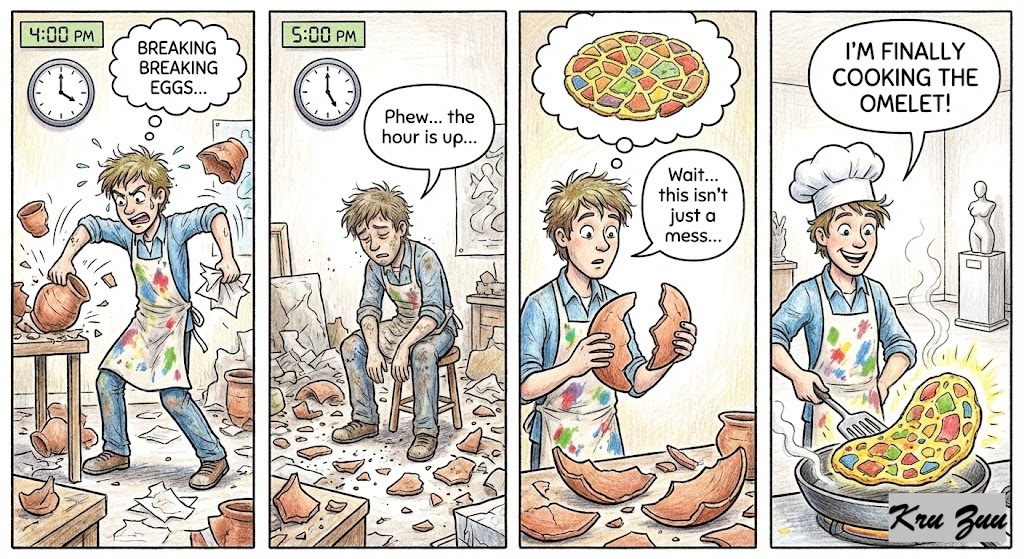
  • 🍳 The Daily Shield: The Law of Necessary Chaos “You can’t make an omelet without breaking eggs.”

    🍳 The Daily Shield: The Law of Necessary Chaos “You can’t make an omelet without breaking eggs.”

    😈 The Villain (The Paralyzed Perfectionist)

    You want to start a business, change careers, or set a new boundary. But you freeze.
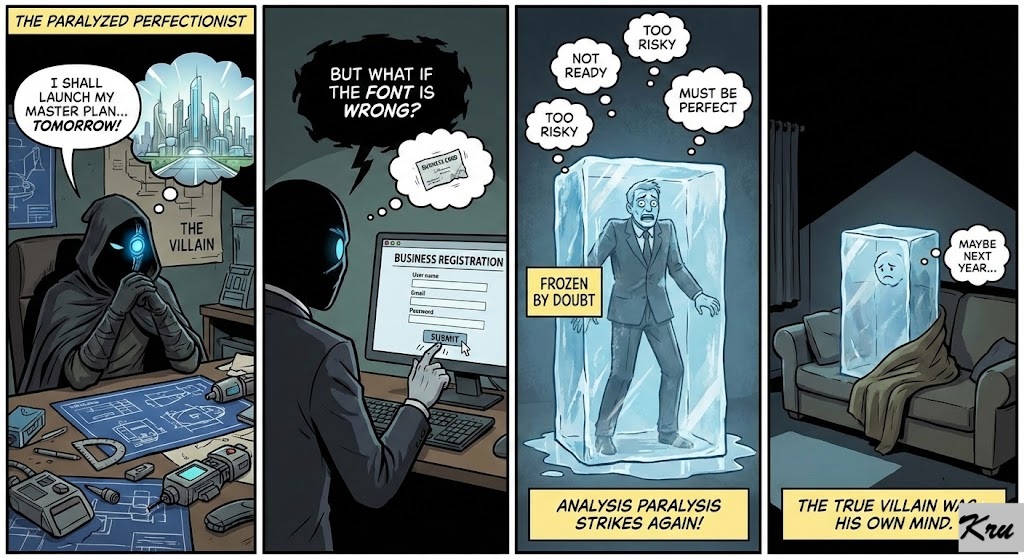
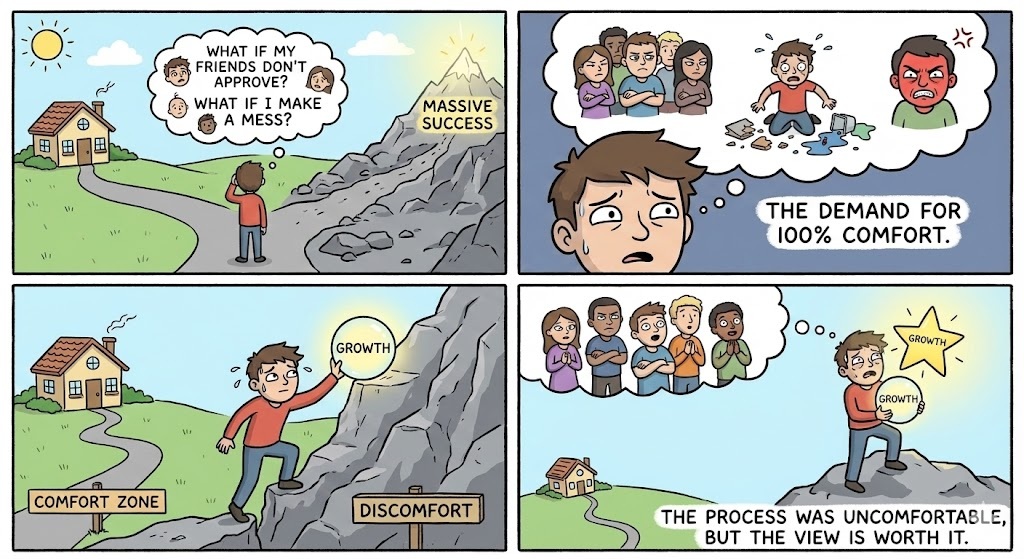
    🛑 You think: “What if my friends don’t approve?” “What if I make a mess?” “What if someone gets temporarily upset with me?” You want massive success and growth, but you demand that the process be 100% comfortable for everyone involved.
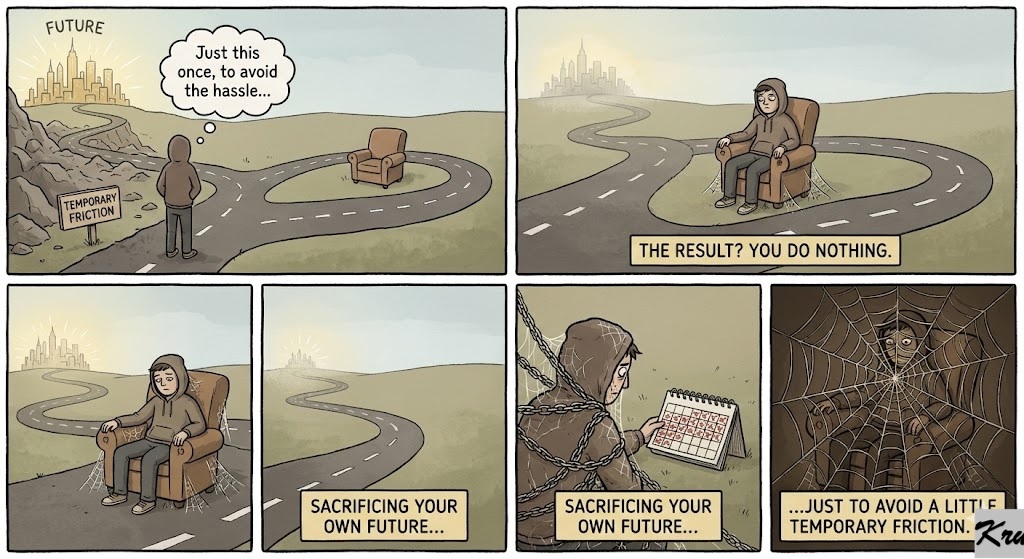
    The Result? You do nothing. You stay stuck in the same place. You sacrifice your own future just to avoid a little temporary friction. 🕸️

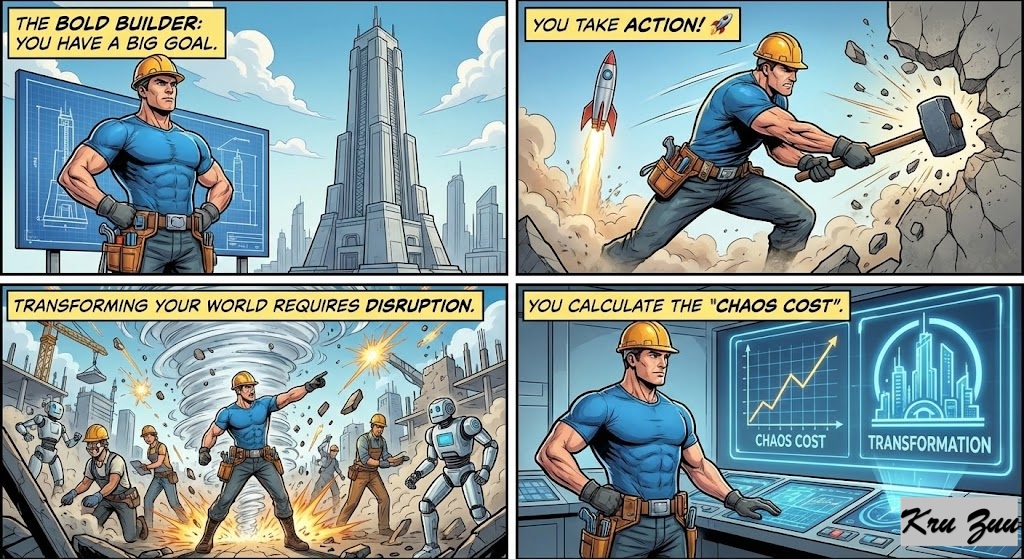
    😇 The Hero (The Bold Builder): You have a big goal. You take action. 🚀 You know that transforming your life, your team, or your environment requires disruption. You calculate the “Chaos Cost.”
    You think: “This new project will require long hours and might temporarily disrupt our normal workflow, but the end result will be worth it.” You accept that progress is rarely pretty.
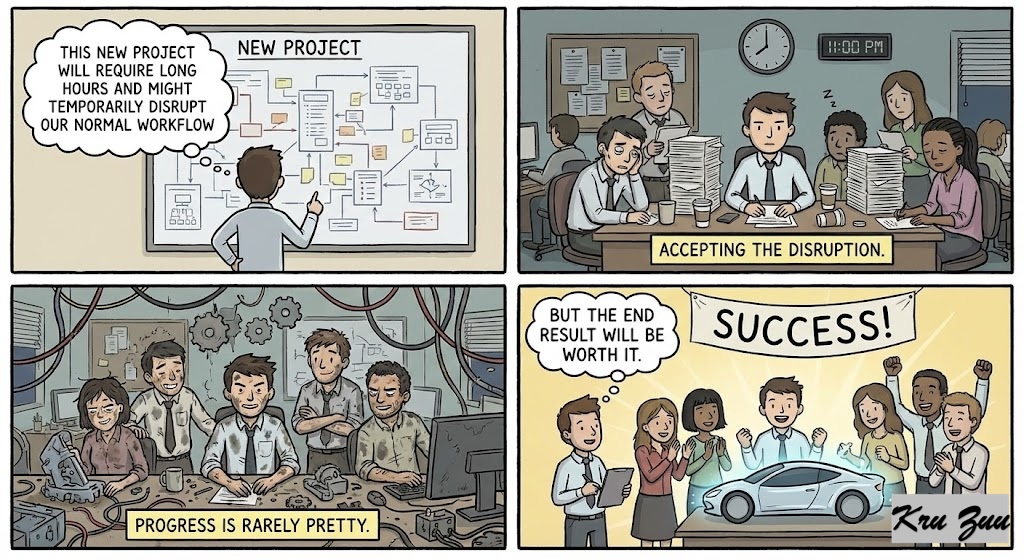
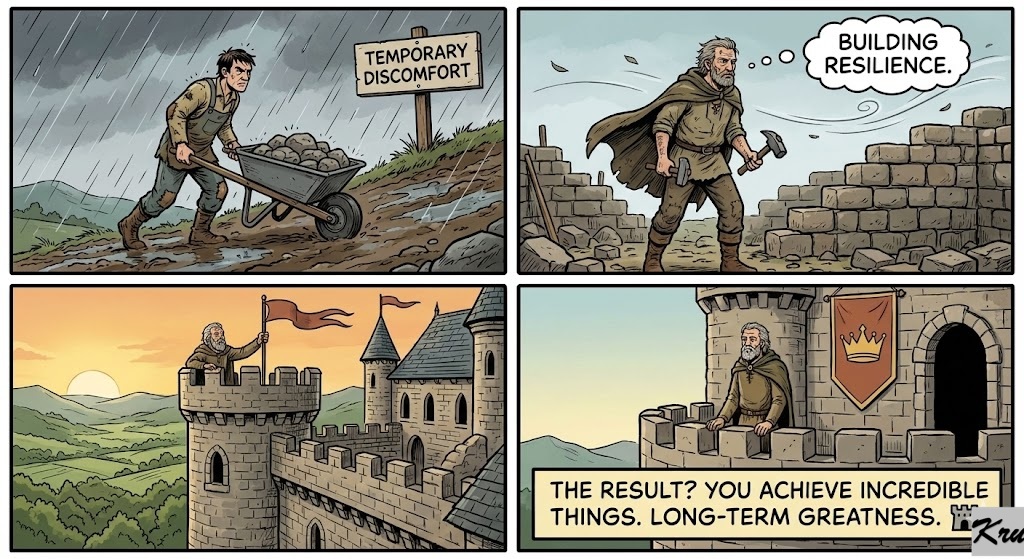
    The Result? You achieve incredible things. You build resilience. You understand that temporary discomfort is the price of admission for long-term greatness. 🏰

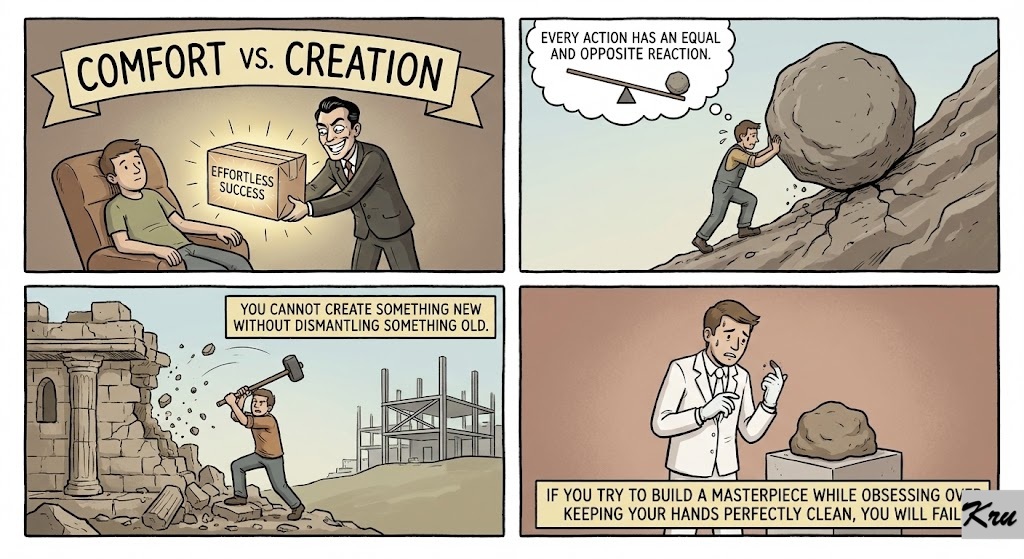
    ⚖️ The Reality Comfort vs. Creation. We live in a world that sells us the illusion of “effortless success.” But the laws of achievement are grounded in physics: every action has an equal and opposite reaction. You cannot create something new without dismantling something old. If you try to build a masterpiece while obsessing over keeping your hands perfectly clean, you will fail.

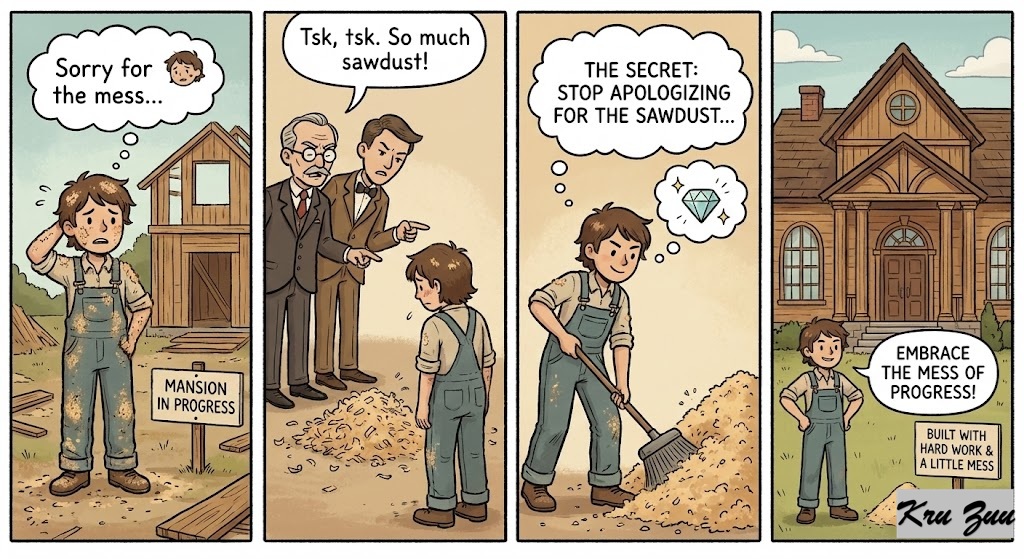
    💎 The Secret: Stop apologizing for the sawdust when you are building a mansion. Embrace the mess of progress.

    🧐 The Anatomy of the Proverb


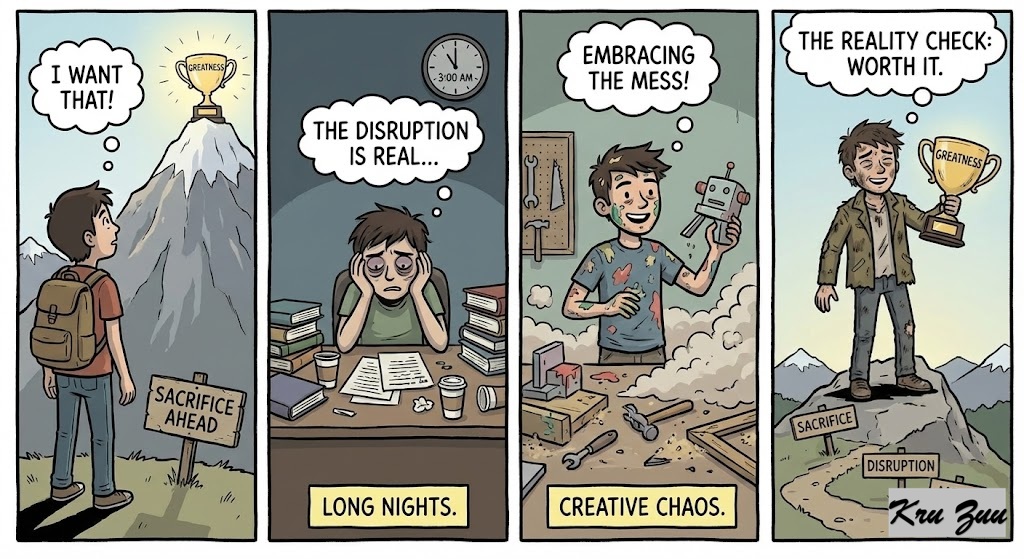
    This is your reality check that achieving greatness always requires some level of sacrifice, disruption, or mess.

    You can’t make an omelet (The Goal): You cannot achieve something worthwhile, delicious, or successful…
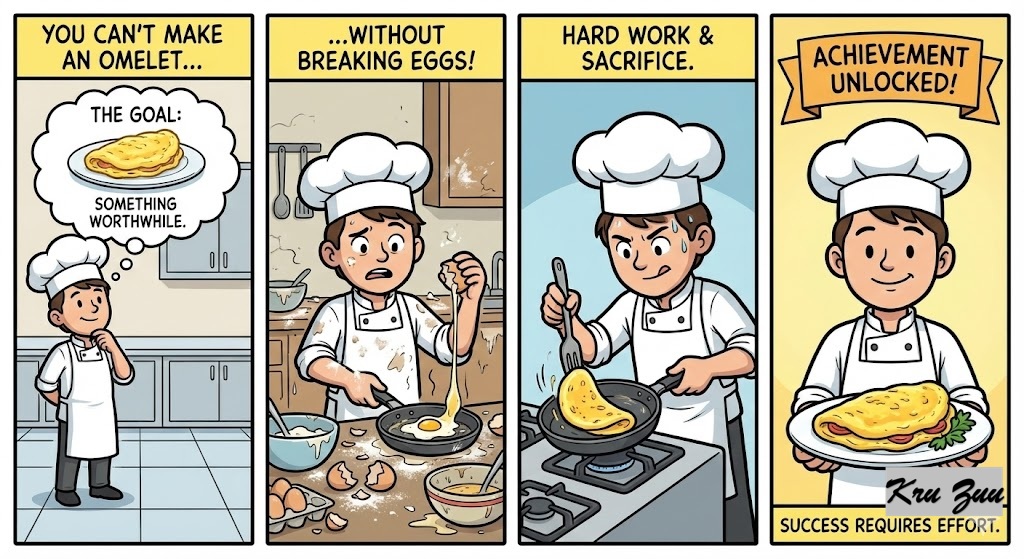

    Without breaking (The Action): …without causing some disruption, dismantling the old way, or…


    Eggs (The Sacrifice): …giving up something of value, causing temporary pain, or making a mess.
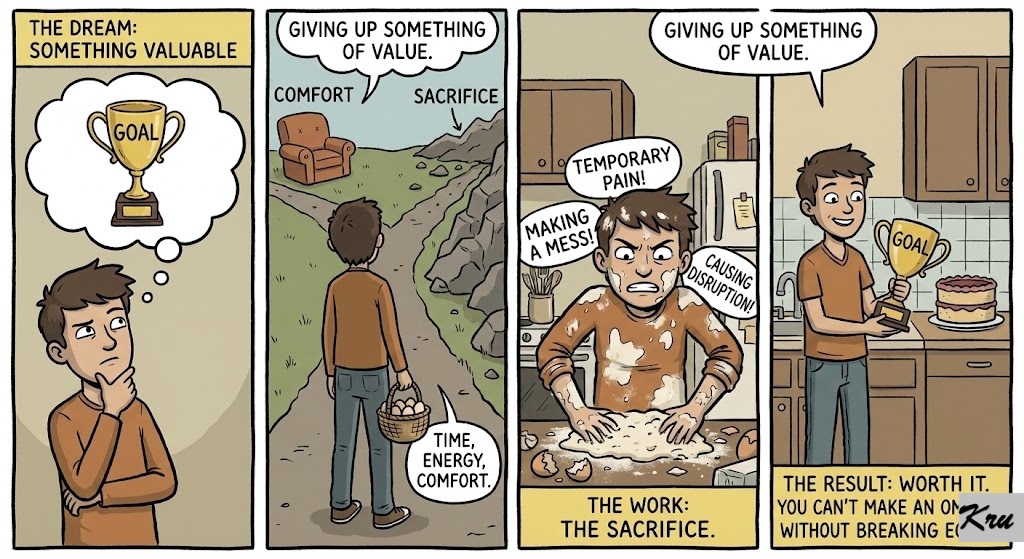

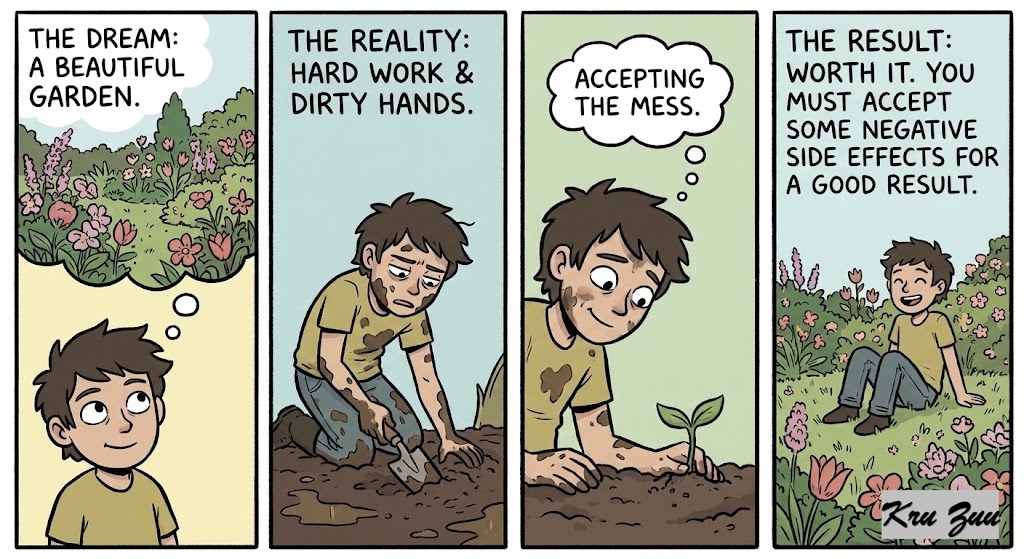
    Simpler Version: To get a good result, you must accept some negative side effects.

    📚 Vocabulary Vault


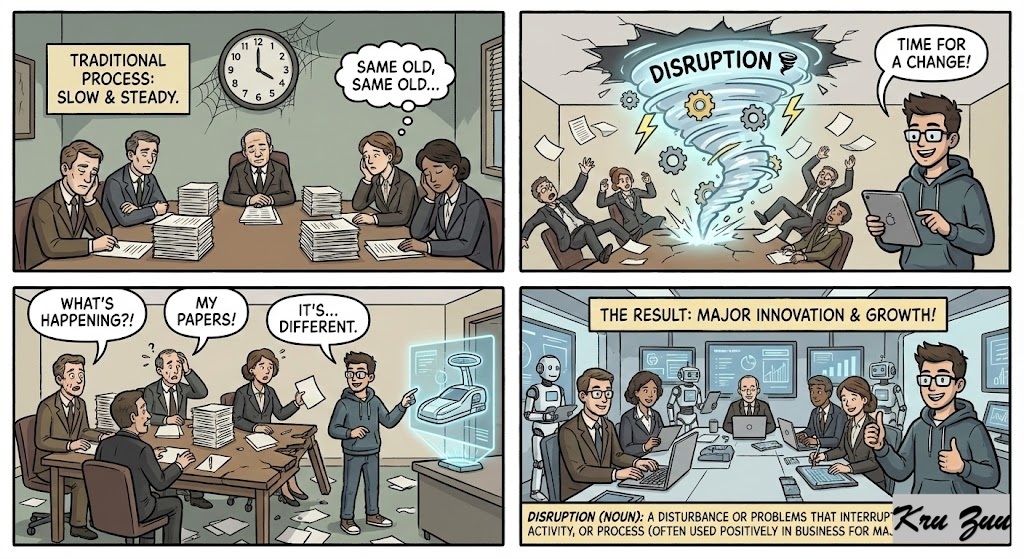
    Disruption (Noun):
    A disturbance or problems that interrupt an event, activity, or process (often used positively in business for major innovation). 🌪️

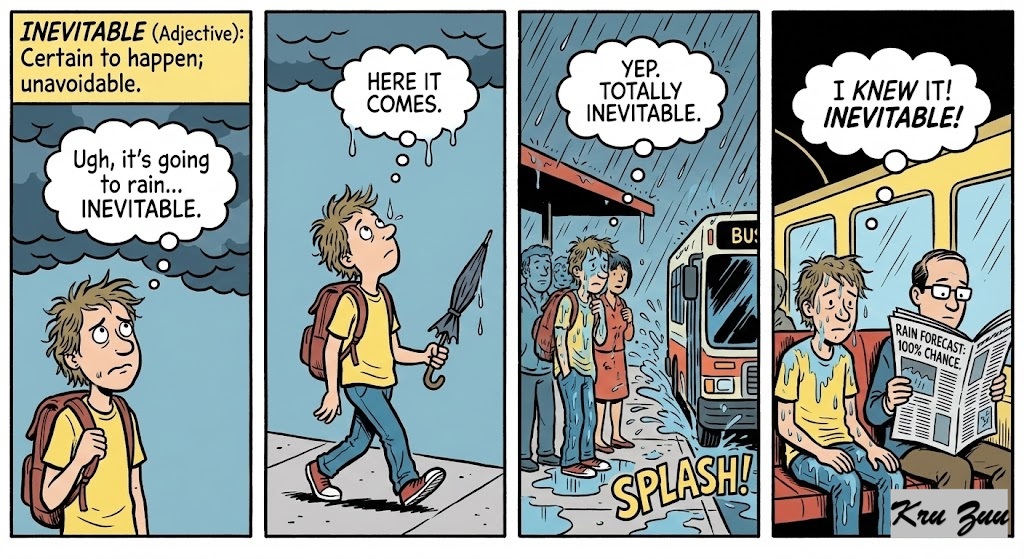
    Inevitable (Adjective): Certain to happen; unavoidable.

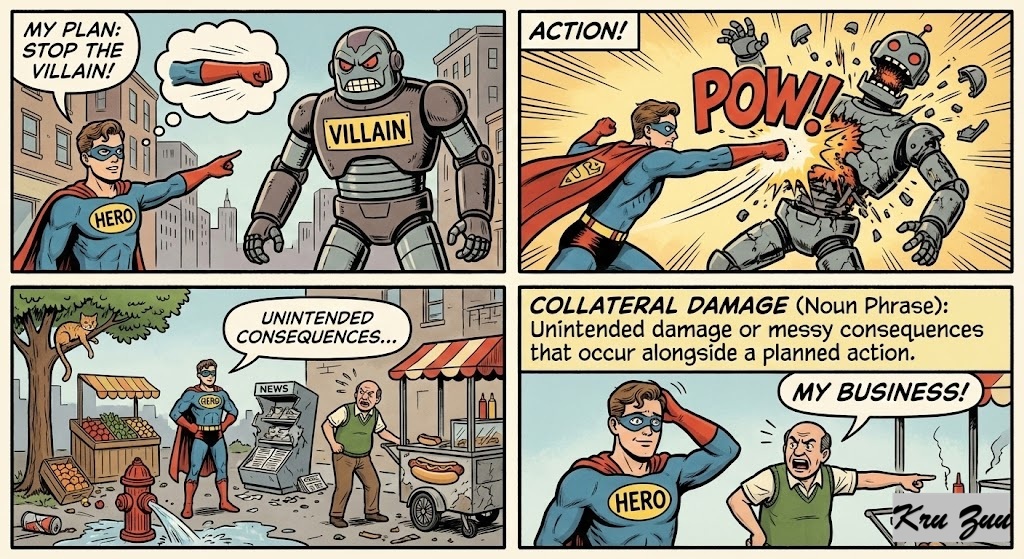
    Collateral Damage (Noun Phrase): Unintended damage or messy consequences that occur alongside a planned action.

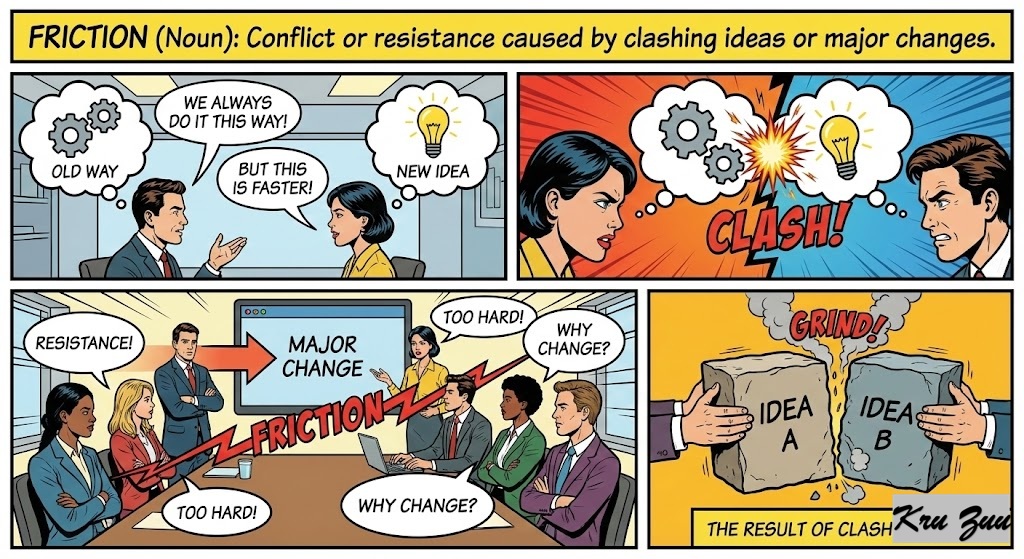
    Friction (Noun): Conflict or resistance caused by clashing ideas or major changes.

    Perfectionism (Noun): Refusal to accept any standard short of perfection, often leading to paralysis. 🚫


    🧠 Grammar Focus: Idioms as Parenting/Bossing Tools


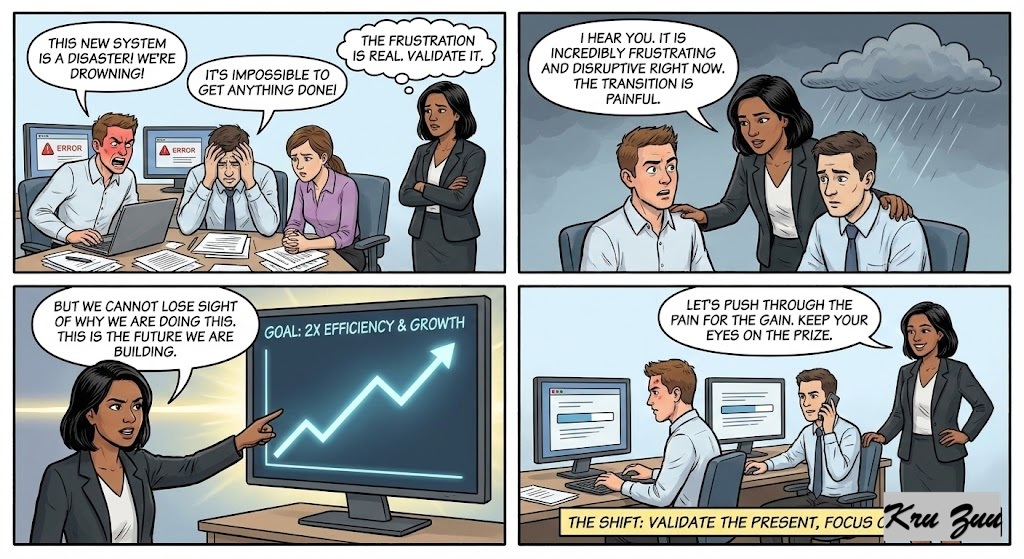
    Leaders and parents often use this idiom to justify a tough but necessary decision, shutting down complaints about the “messy” process.
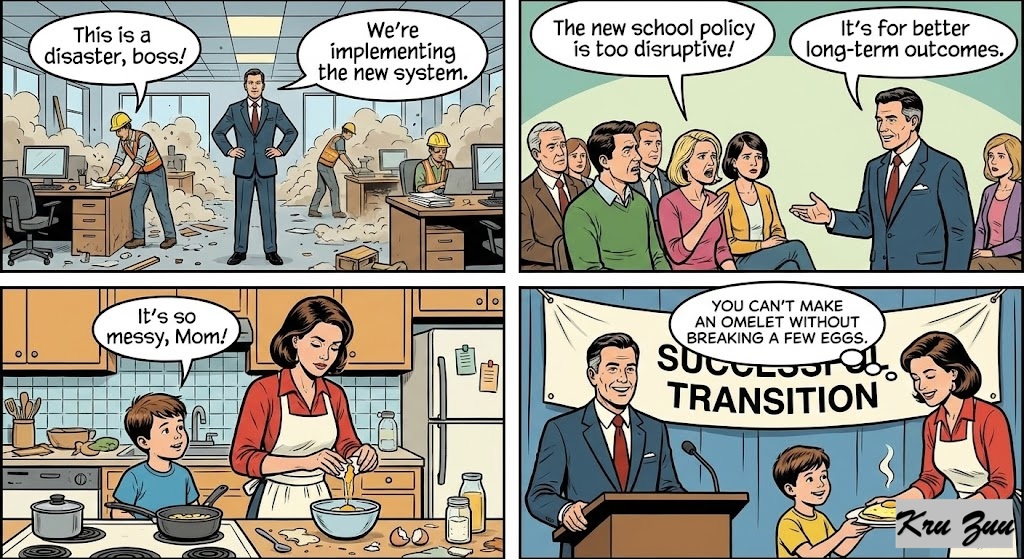

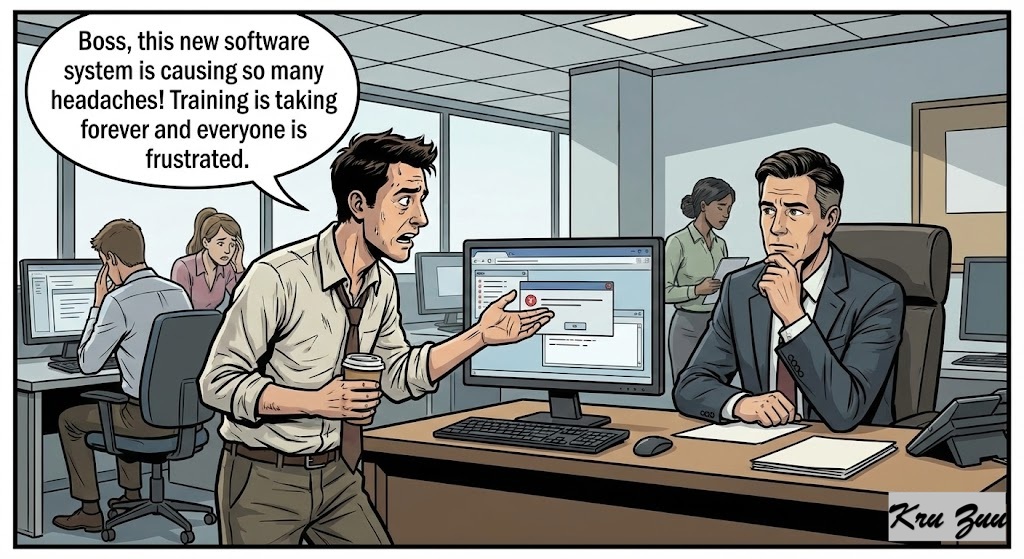
    Employee: “Boss, this new software system is causing so many headaches! Training is taking forever and everyone is frustrated.”

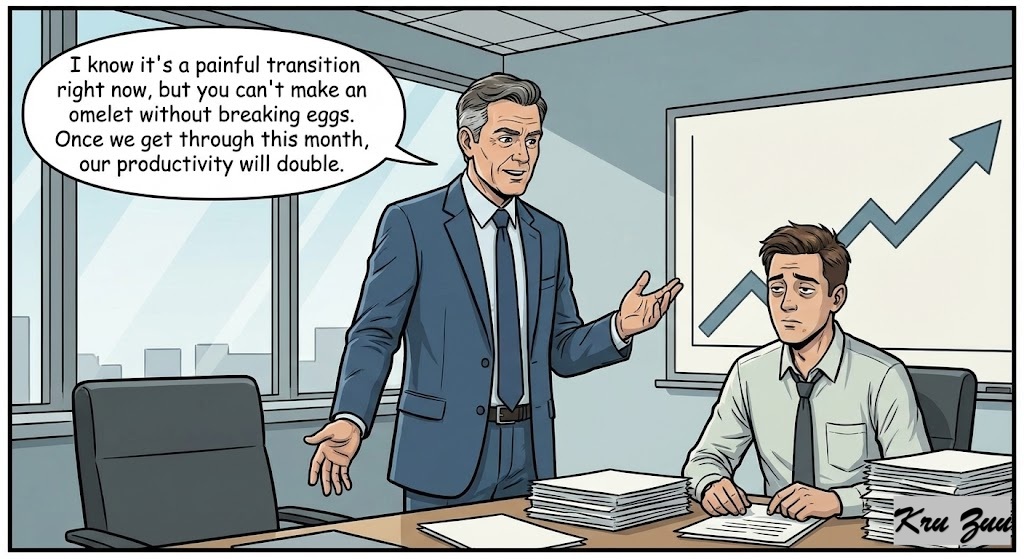
    Boss: “I know it’s a painful transition right now, but you can’t make an omelet without breaking eggs. Once we get through this month, our productivity will double.”
    📜 History: Origin and Spread


    Where did this culinary truth come from?
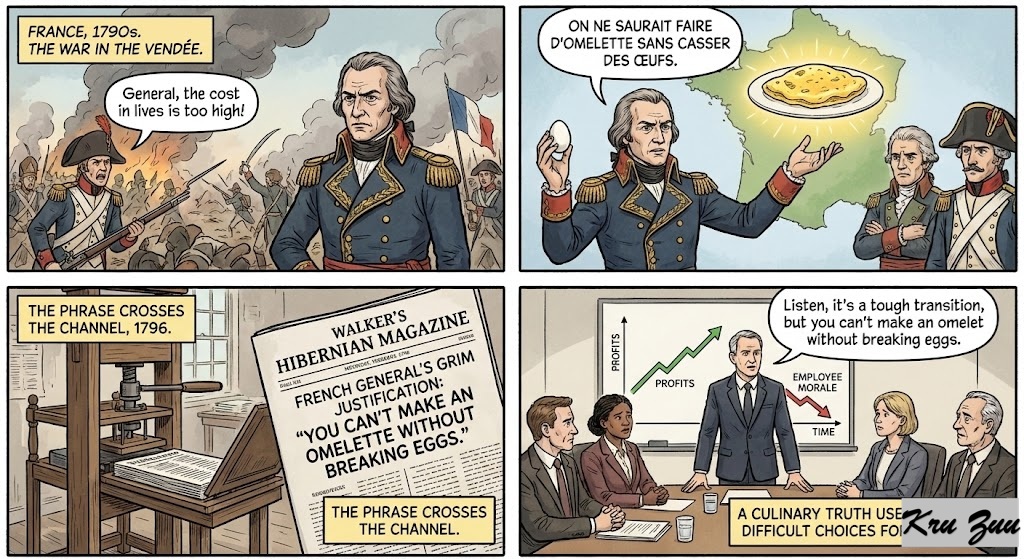

    The Origin: The phrase is widely attributed to François de Charette, a French Royalist leader during the French Revolution (late 1700s). When accused of being responsible for the loss of lives during his rebellion, he reportedly replied: “On ne saurait faire d’omelette sans casser des œufs.” (One cannot make an omelet without breaking eggs).
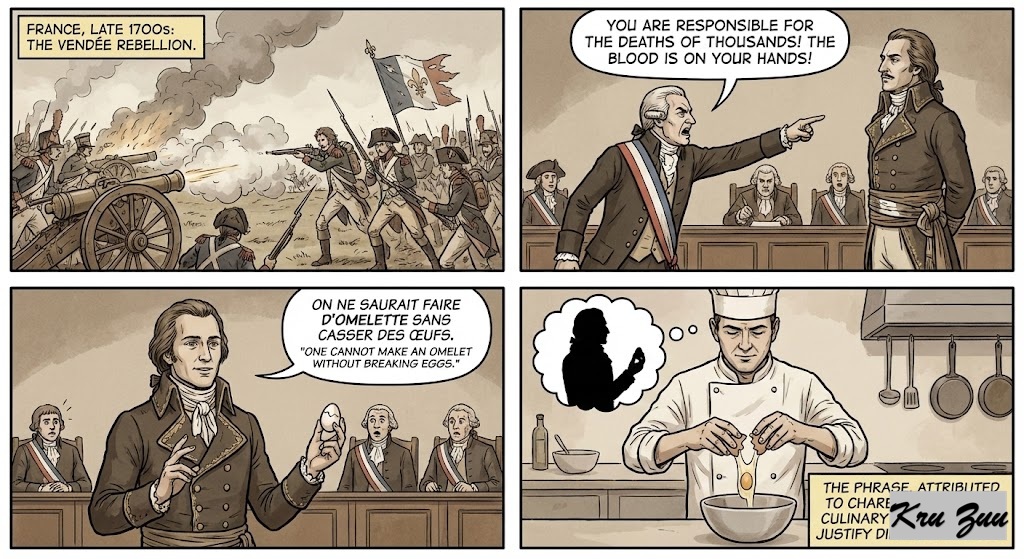

    The Logic: It is a literal kitchen truth applied to life. An egg must be completely destroyed from its original, neat form to become a delicious, complex meal.
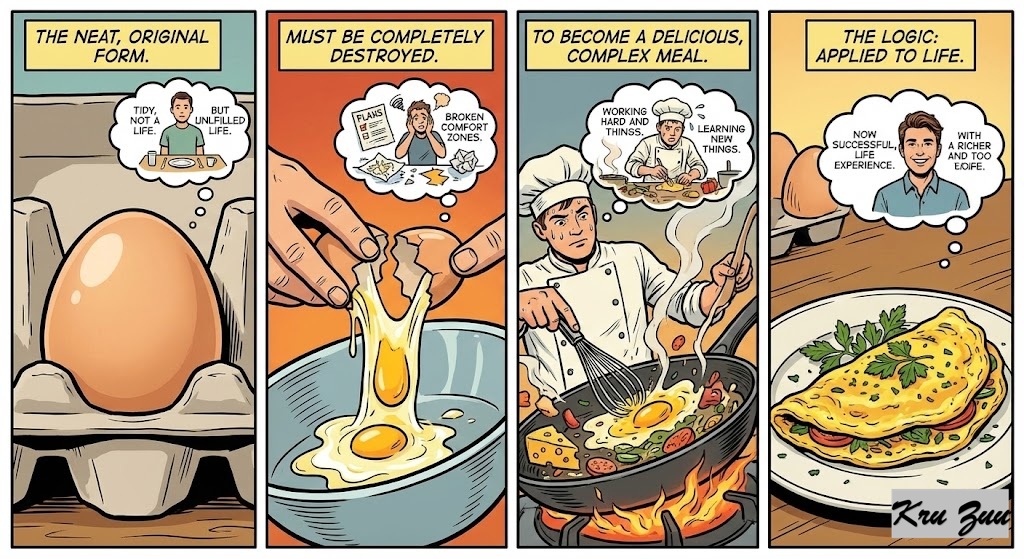

    Global Cousins: * 🇩🇪 German: “Wo gehobelt wird, da fallen Späne.” (Where wood is planed, shavings fall).


    🇮🇹 Italian: “Non si può avere la botte piena e la moglie ubriaca.” (You can’t have a full wine barrel and a drunk wife – meaning you can’t have it both ways).

    🎭 Short Story: The Golden Smoothie 🥤🐱🐔🐸


    Let’s visit the magical forest to see who understands the messy reality of progress.


    🌟 The Cast


    Cleo the Cat: The ambitious, creative, and slightly chaotic head chef. 😼
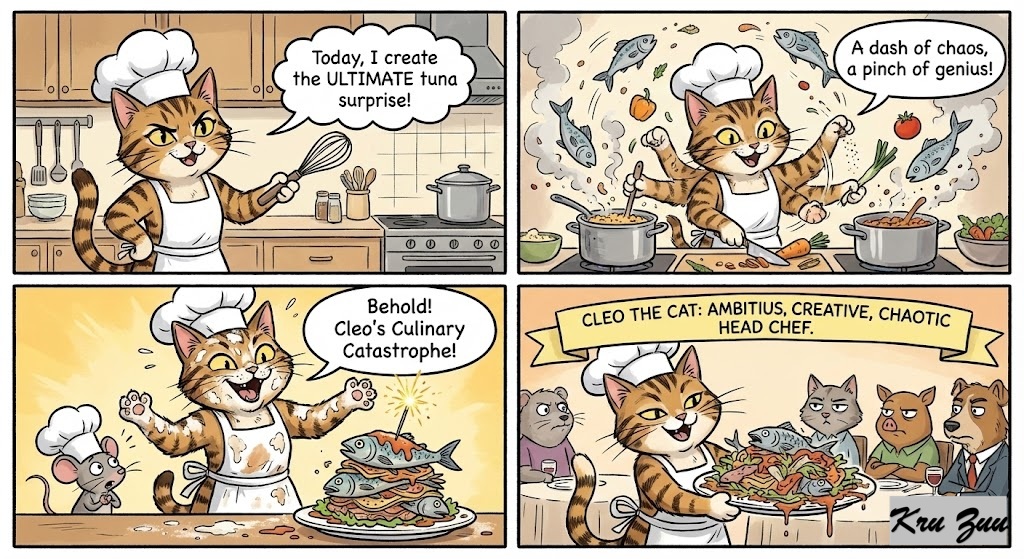

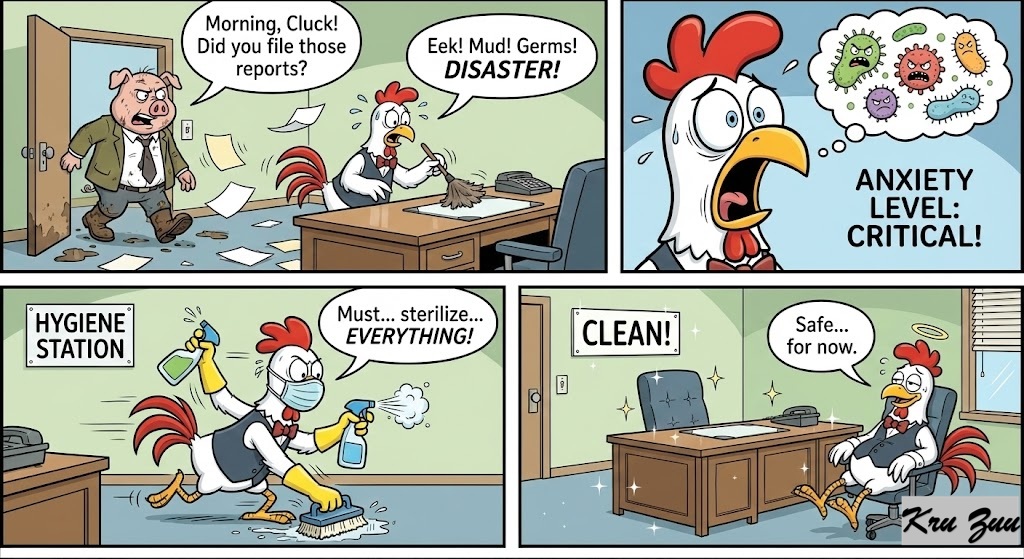
    Cluck the Chicken: The highly anxious, cleanliness-obsessed assistant. 🐔

    Fred the Frog: The wise, calm manager of the Royal Swamp Café. 🐸
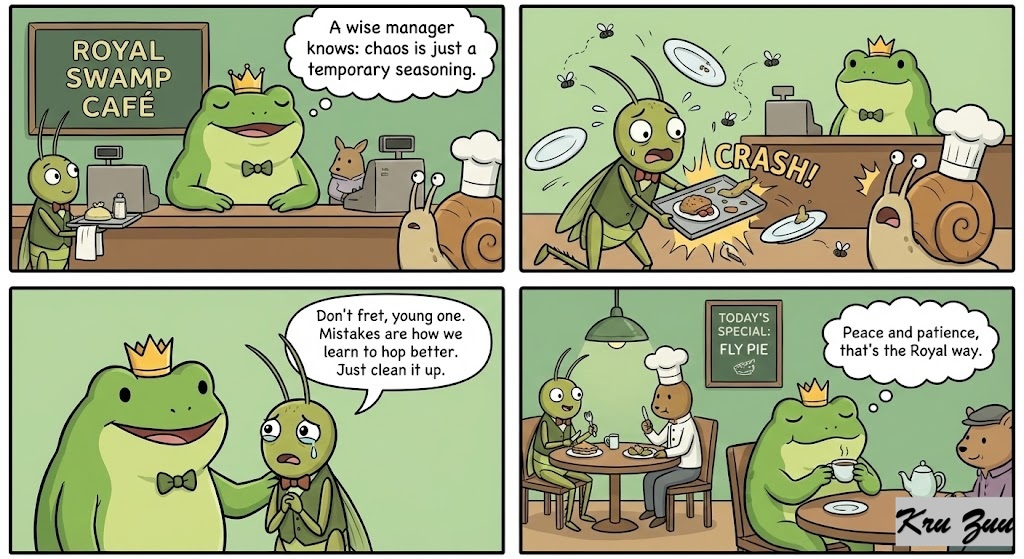

    The Situation: The café is preparing for the highly anticipated “Summer Solstice Festival.” Cleo the Cat has decided to upgrade their famous drink, inventing the “Ultimate Golden Smoothie 2.0.”
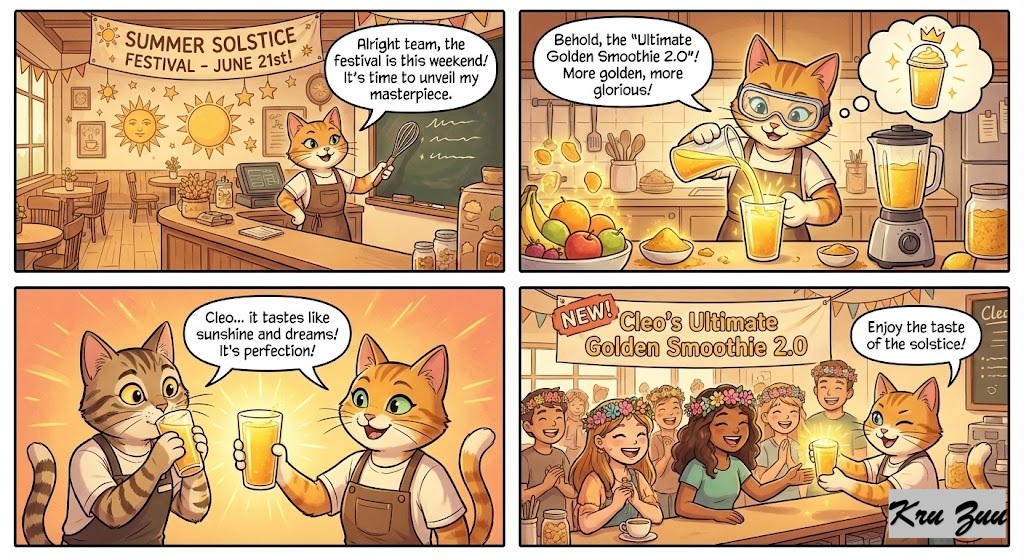

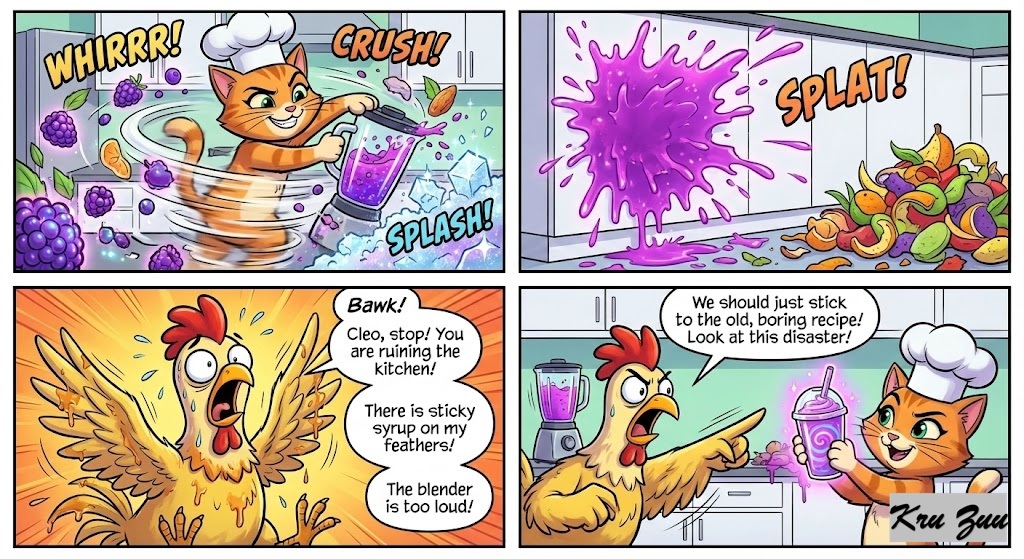
    The Conflict: To make this masterpiece, Cleo is moving at lightning speed. She’s blending exotic glowing berries, crushing magic ice, and tossing ingredients everywhere. A splash of glowing purple juice hits the pristine walls. A pile of discarded fruit peels builds up on the floor. Cluck the Chicken starts hyperventilating, flapping his wings wildly. “Bawk! Cleo, stop! You are ruining the kitchen! There is sticky syrup on my feathers! The blender is too loud! We should just stick to the old, boring recipe! Look at this disaster!”

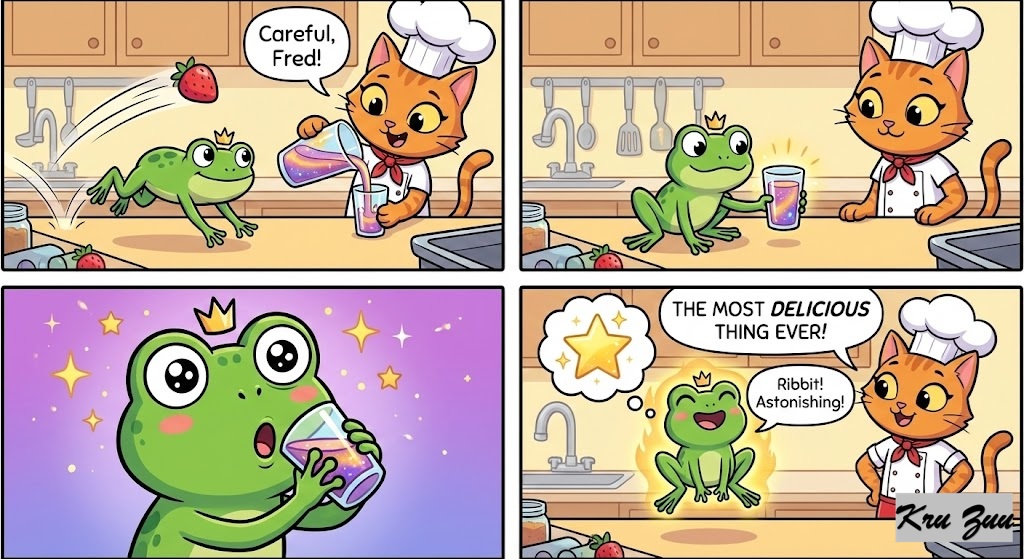
    The Reaction: Fred the Frog hops onto the counter, carefully avoiding a flying strawberry. He takes a tiny sip of the bright, shimmering new smoothie Cleo just poured into a test glass. His eyes widen in amazement. It is the most delicious thing he has ever tasted.

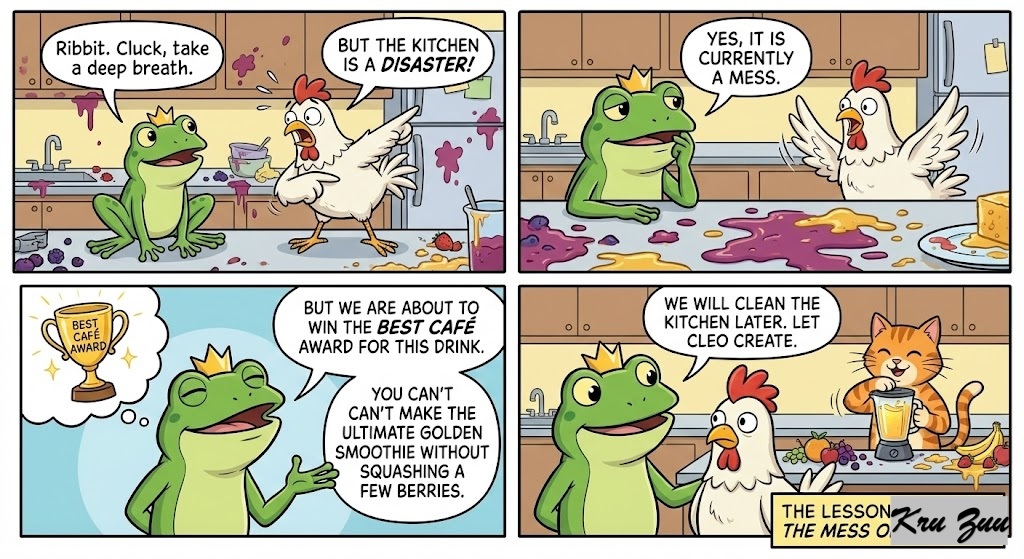
    The Lesson: Fred turns to the panicking chicken. “Ribbit,” says Fred calmly. “Cluck, take a deep breath.” “But the kitchen is a disaster!” Cluck squawks, pointing at the sticky counters. Fred nods. “Yes, it is currently a mess. But we are about to win the Best Café Award for this drink. As the humans say, you can’t make an omelet without breaking eggs… or in this case, you can’t make the Ultimate Golden Smoothie without squashing a few berries. We will clean the kitchen later. Let Cleo create.”

    The Resolution: Cluck realizes the temporary mess is worth the permanent success. He grabs a mop to help manage the chaos instead of fighting it. Cleo finishes her masterpiece, and the café wins first place at the festival.
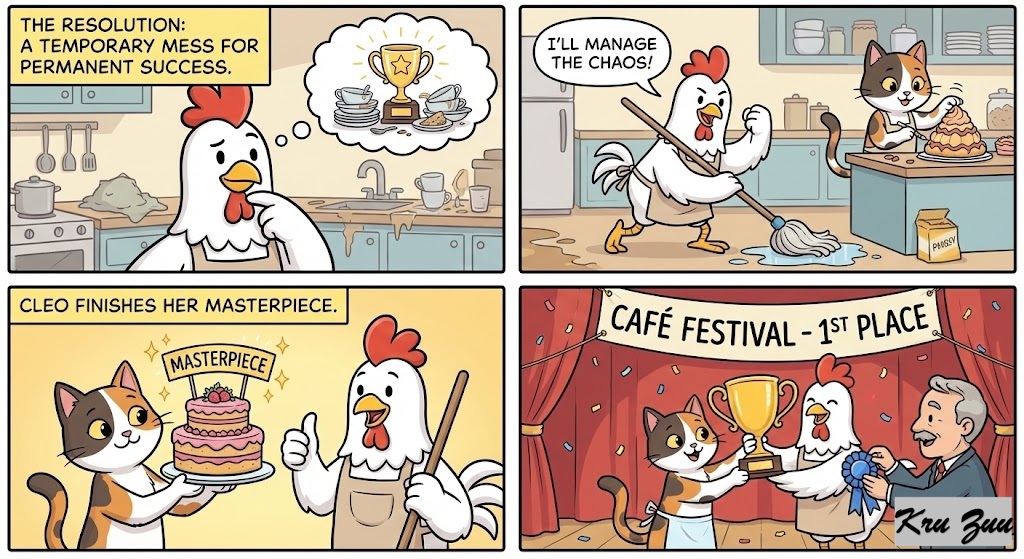
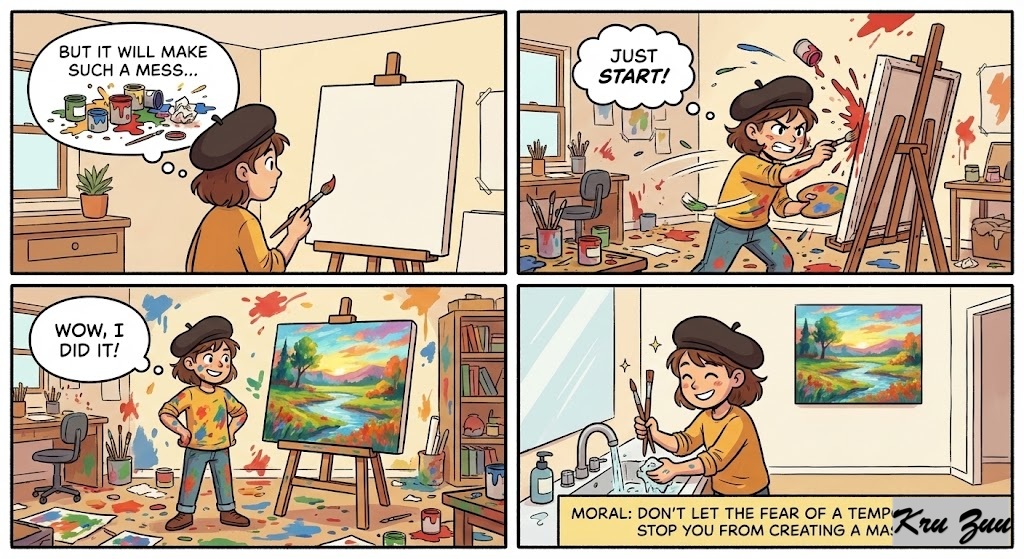
    The Moral: Don’t let the fear of a temporary mess stop you from creating a masterpiece. 🎨
    🎓 Lesson for English Learners


    Pushing through complaints in a professional setting.
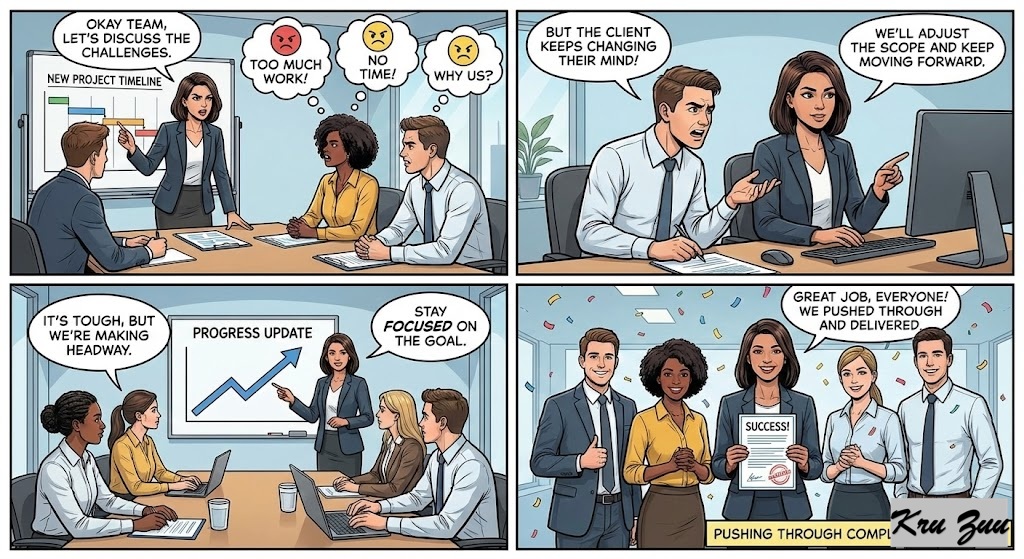

    Situation: You are leading a project, restructuring a team, or introducing a new rule. People are complaining about the temporary inconvenience.
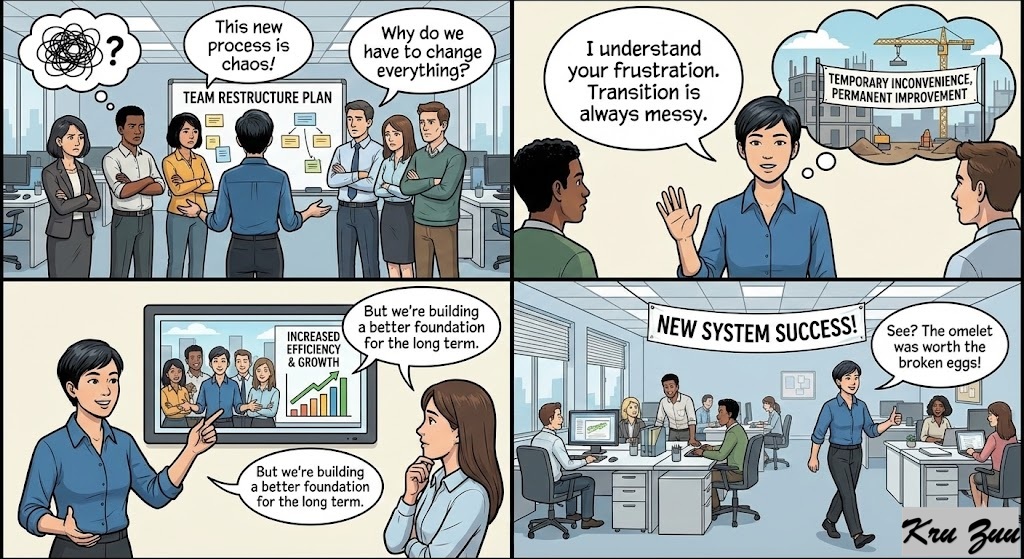

    The Shift: You need to validate their frustration but firmly keep them focused on the positive end goal.

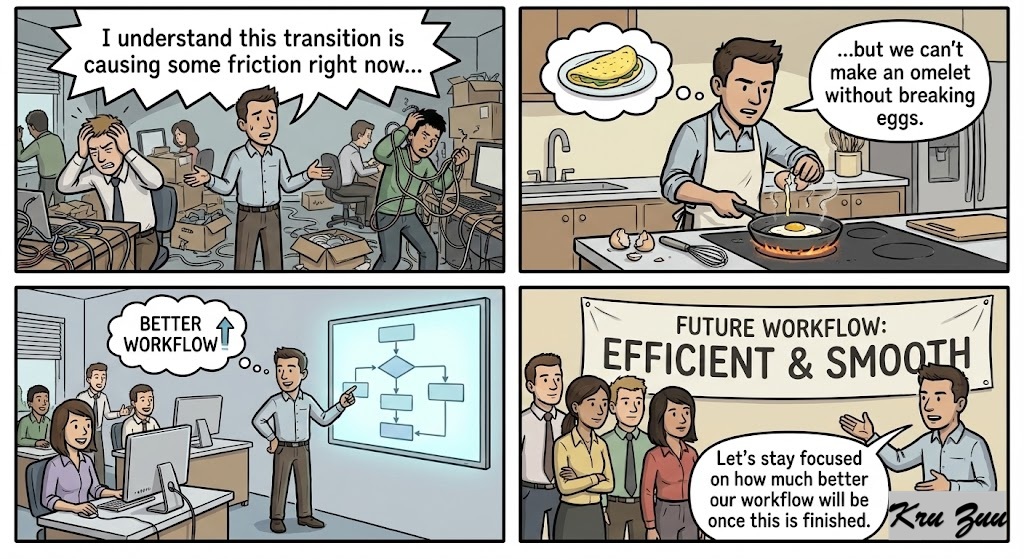
    You Say: “I understand this transition is causing some friction right now, but we can’t make an omelet without breaking eggs. Let’s stay focused on how much better our workflow will be once this is finished.”

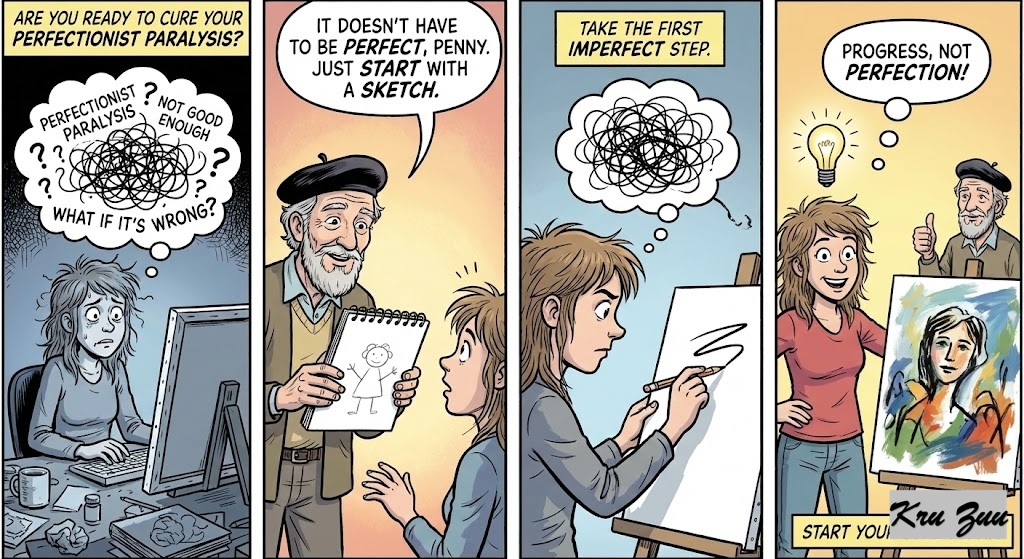
    💬 Your Turn: The “Hourly” Challenge 🚀


    Are you ready to cure your Perfectionist paralysis?

    The Challenge: The 1-Hour Chaos Sprint. The Action: Pick one task you have been putting off because you know it will be messy, emotionally draining, or disruptive (e.g., completely emptying your closet to reorganize it, writing the terrible first draft of an essay, or having a difficult boundary-setting conversation). Set a timer for exactly one hour. Dive in. Allow it to be messy. Allow it to be chaotic. Do not try to keep it neat.
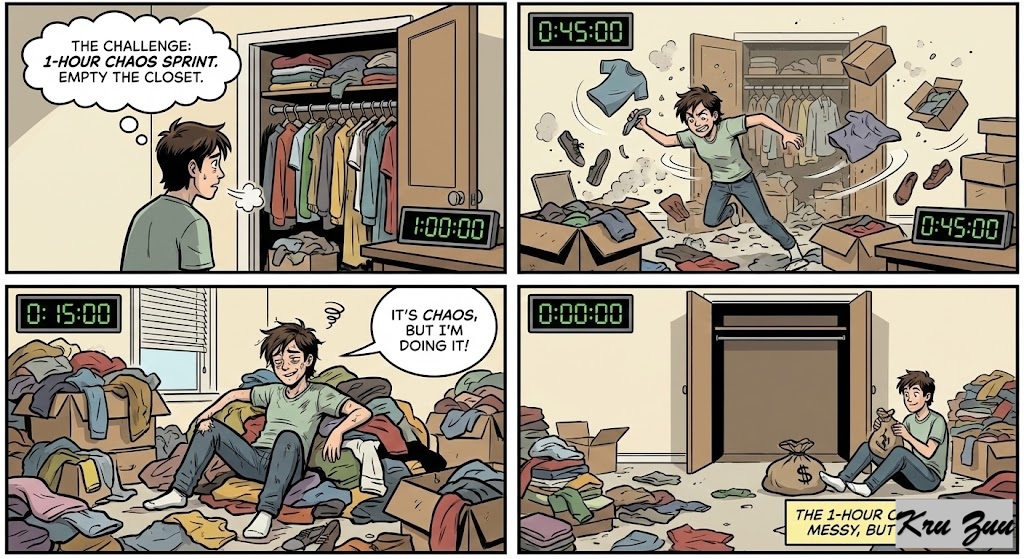

    When the hour is up, look at what you accomplished. You broke the eggs, but you are finally cooking the omelet! 🍳

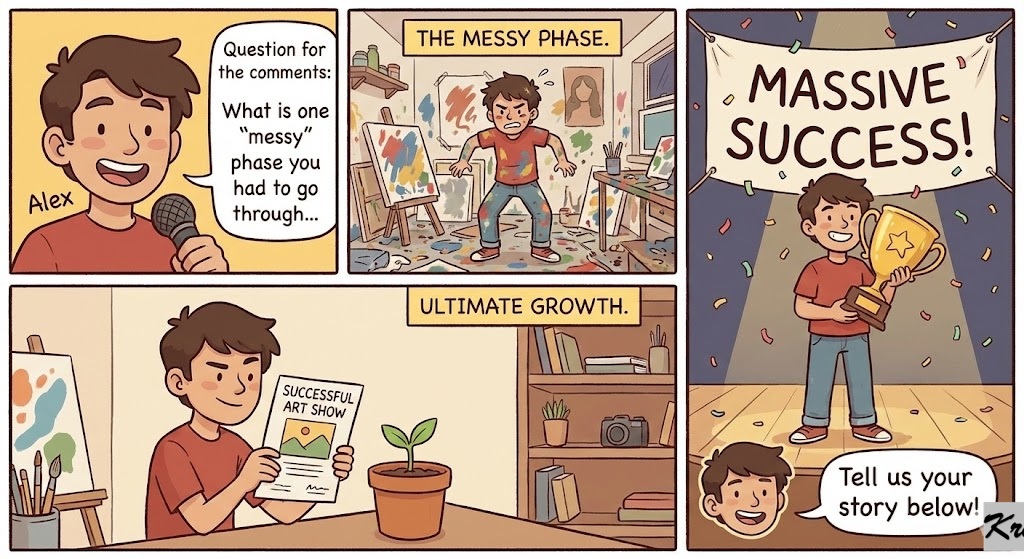
    👇 Question for the comments: What is one “messy” phase you had to go through in your life that ultimately resulted in a massive success or personal growth? Tell us your story below!
    By Zubeyir YURTKURAN

    https://www.facebook.com/BrainBattleground/

    https://www.facebook.com/zubeyr.yurtkuran/

    https://www.instagram.com/zubeyryurtkuran/

    https://www.youtube.com/@BrainBattleground-b3p

    https://www.instagram.com/brainbattleground/

  • 🛡️ The Daily Shield: The Law of Unseen Integrity

    🛡️ The Daily Shield: The Law of Unseen Integrity

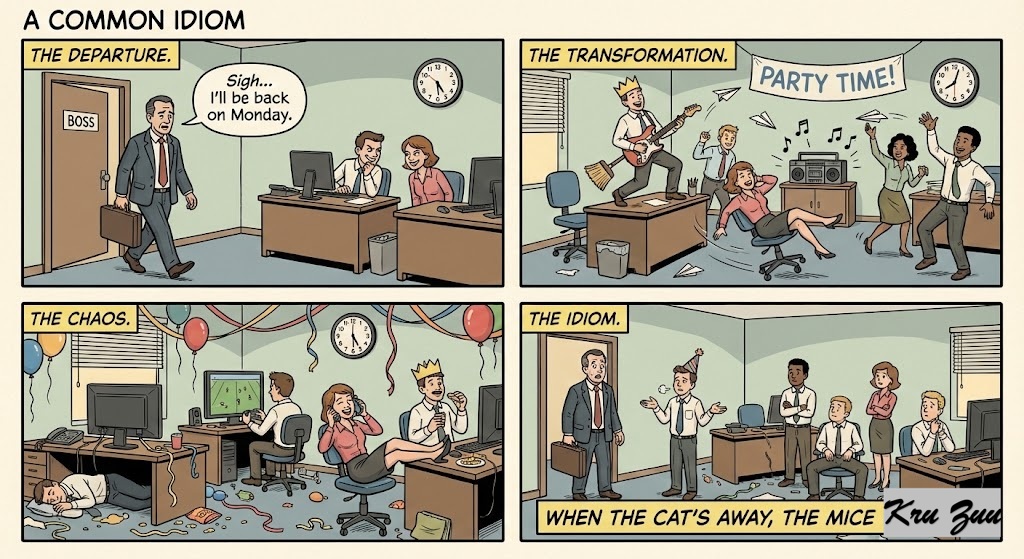
    “While the cat’s away, the mice will play.”


    😈 The Villain (The Opportunist)

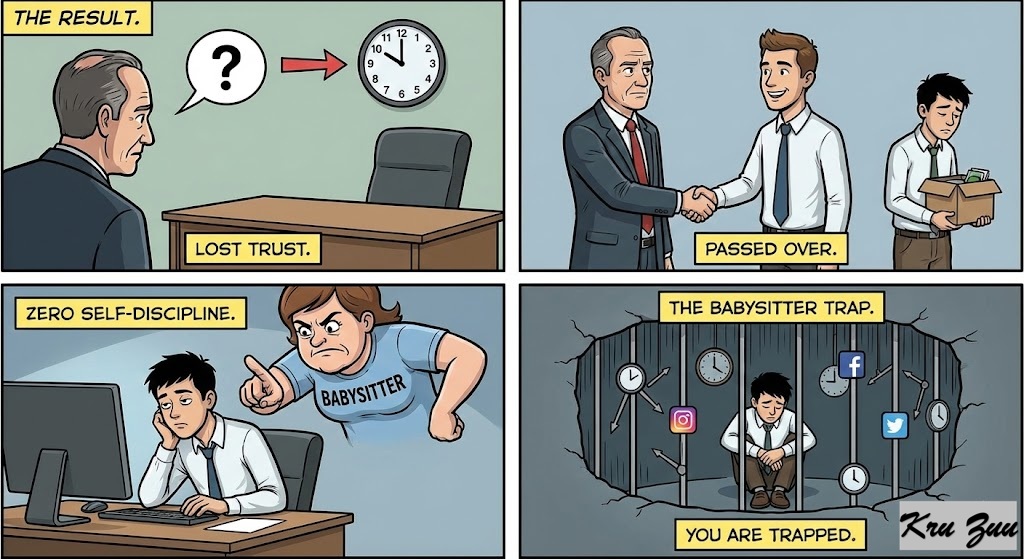
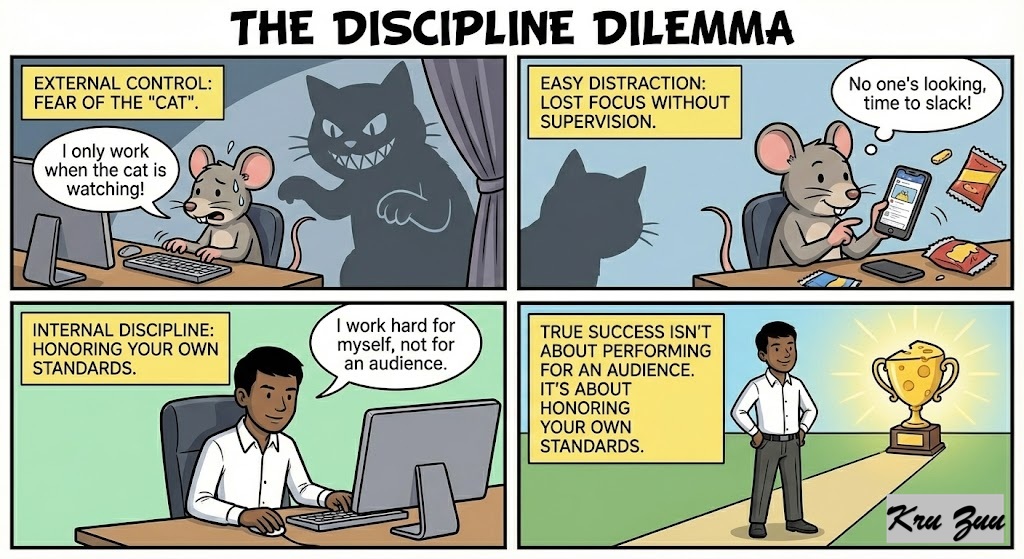
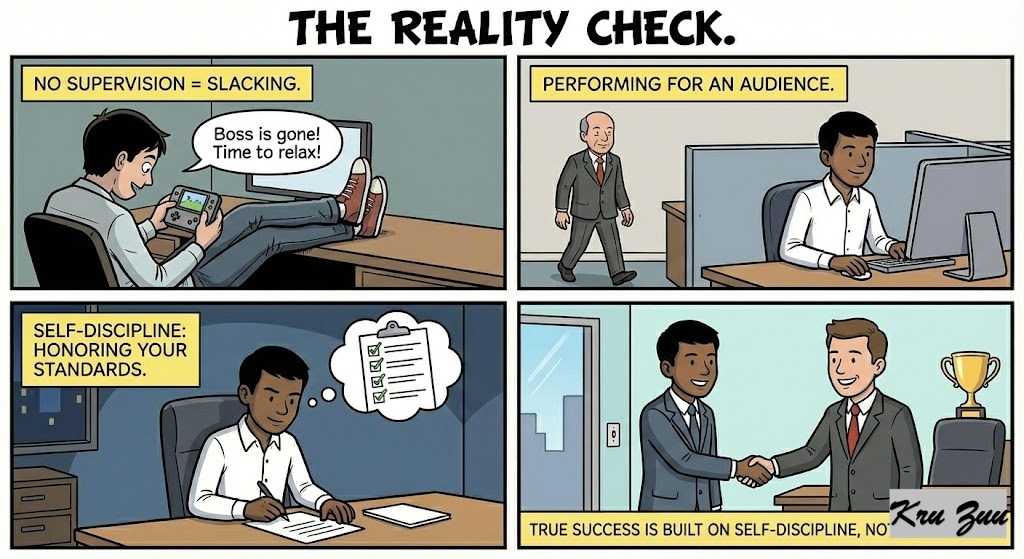
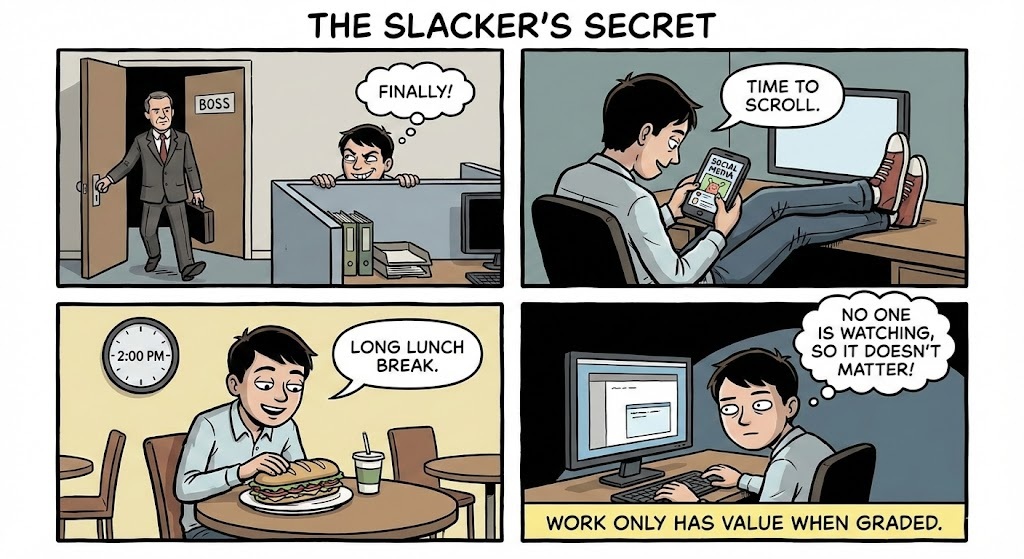
    You wait for the boss to leave the office. The moment the door clicks shut, you open social media. You take a two-hour lunch. You slack off on your project. You think: “No one is watching, so it doesn’t matter!” You act as if your work only has value when somebody is grading it.

    The Result? You lose trust. When promotions come around, you are passed over. You rely on external pressure to do anything, meaning you have zero self-discipline. You are trapped in the “Babysitter Trap.” 📉


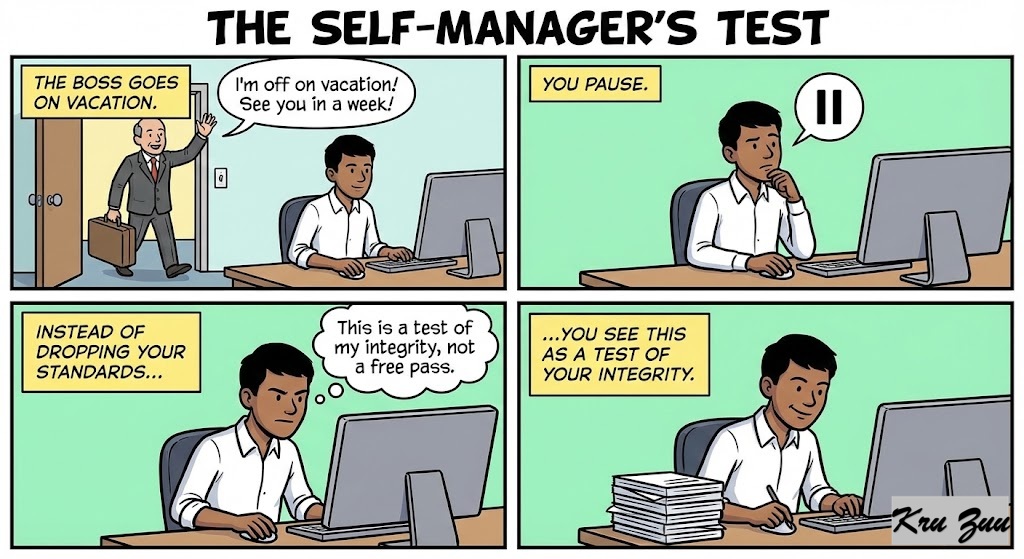
    😇 The Hero (The Self-Manager): The boss goes on vacation. You pause. 🛑 Instead of dropping your standards, you see this as a test of your integrity.

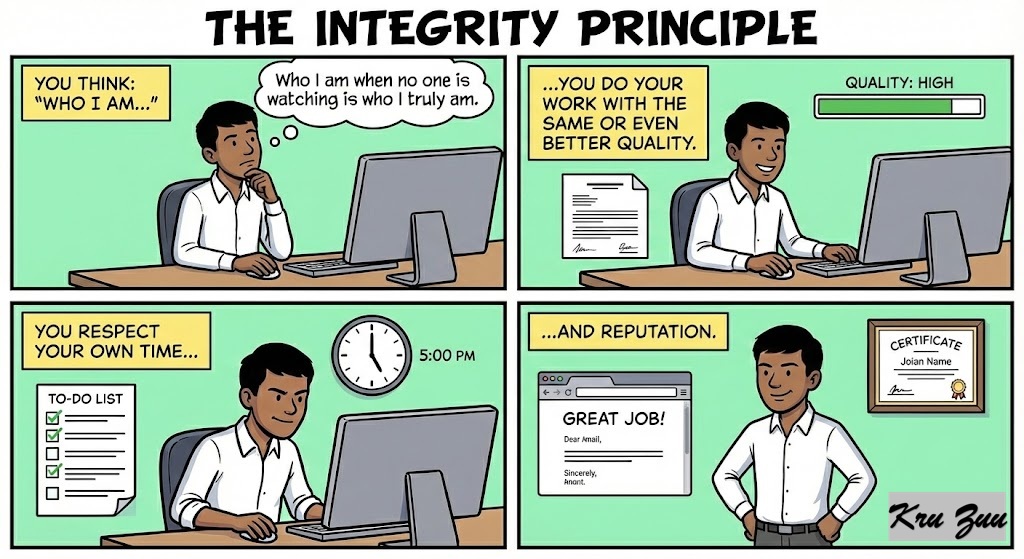
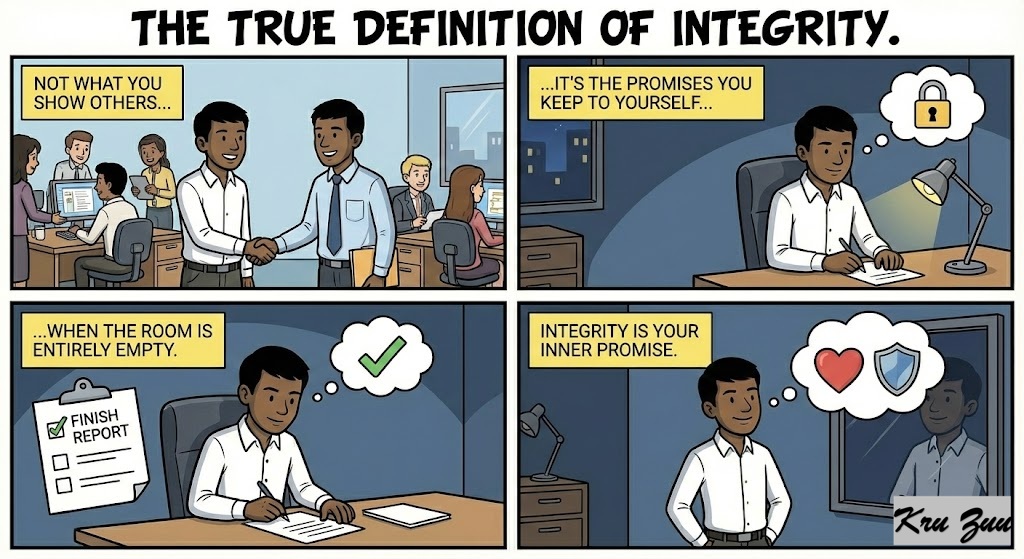
    You think: “Who I am when no one is watching is who I truly am.” You do your work with the same or even better quality. You respect your own time and reputation.

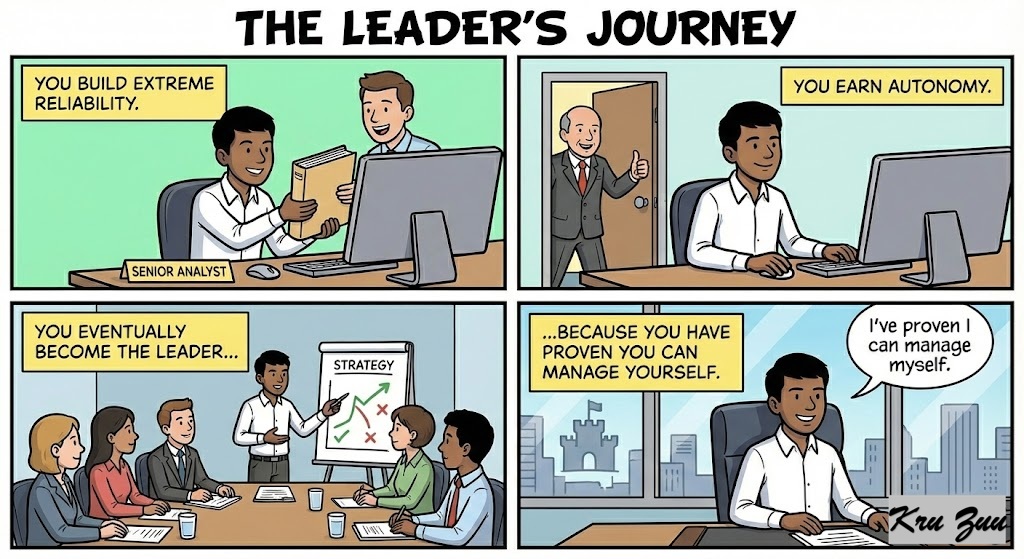
    The Result? You build extreme reliability. You earn autonomy. You eventually become the leader because you have proven you can manage yourself. 🏰


    ⚖️ The Reality


    External control vs. Internal discipline. We live in a world where it is incredibly easy to get distracted the second supervision disappears. But true success isn’t about performing for an audience; it’s about honoring your own standards. If you only do the right thing when there is a threat of punishment (the “cat”), you are living like a scared mouse.


    💎 The Secret

    Integrity isn’t what you show others; it’s the promises you keep to yourself when the room is entirely empty.

    🧐 The Anatomy of the Proverb


    This is your reality check about human nature, supervision, and self-discipline.


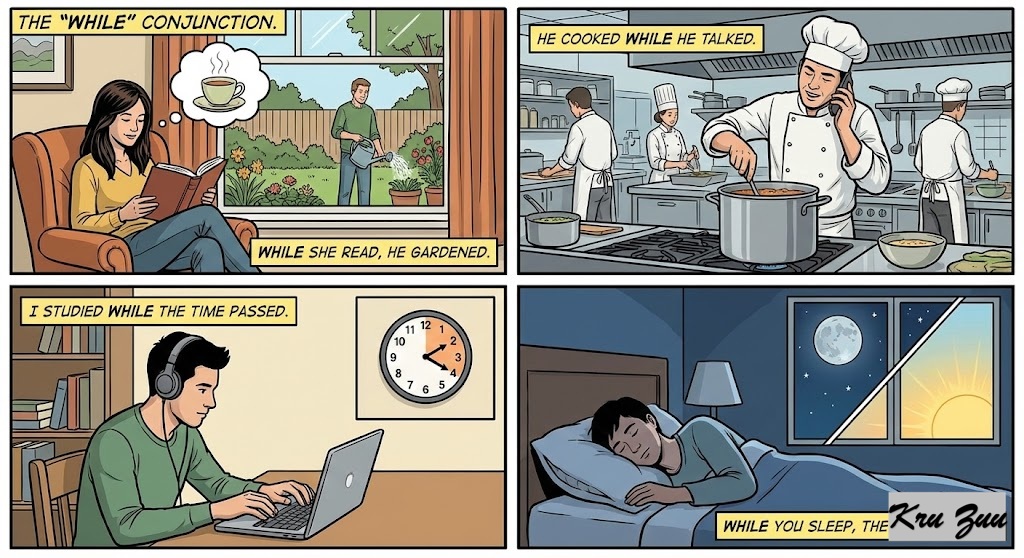
    While (Conjunction): During the time that.


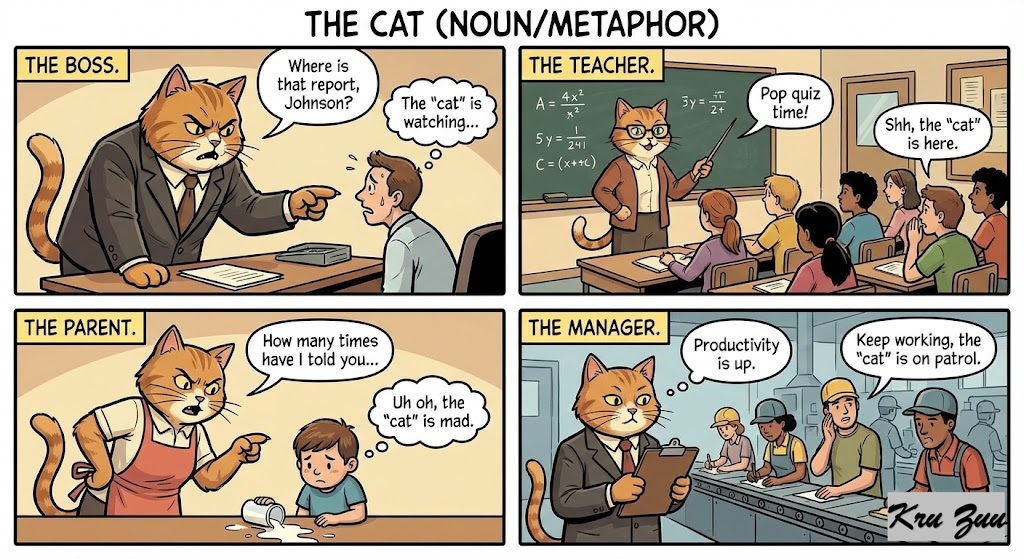
    The Cat (Noun/Metaphor): The authority figure (boss, parent, teacher, manager).


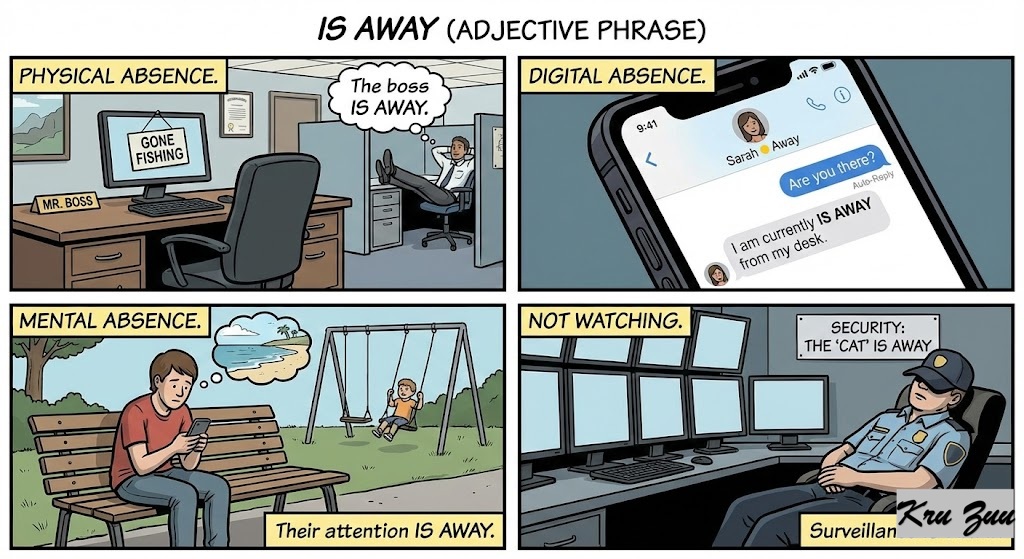
    Is Away (Adjective Phrase): Absent; not currently watching.


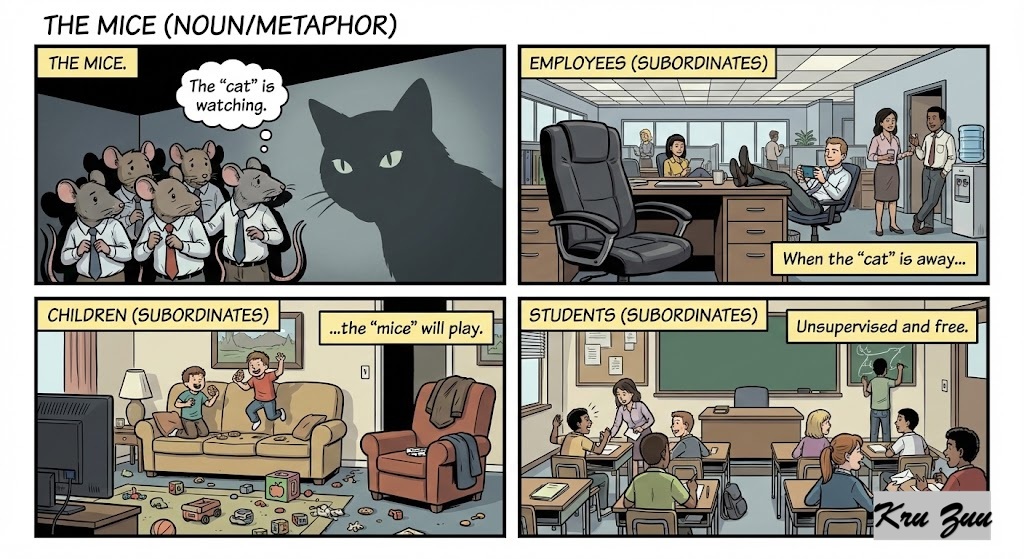
    The Mice (Noun/Metaphor): The subordinates (employees, children, students).


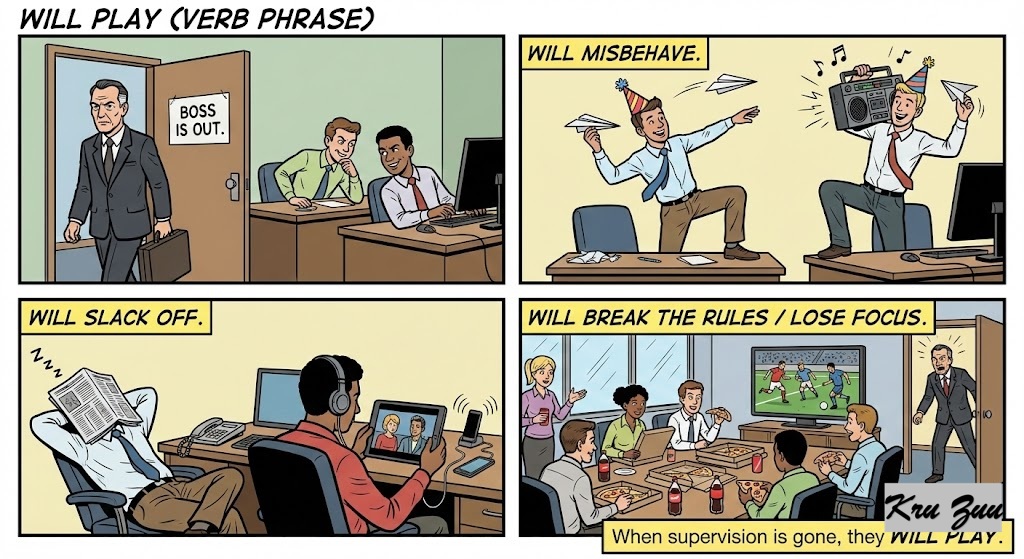
    Will Play (Verb Phrase): Will misbehave, slack off, break the rules, or lose focus.


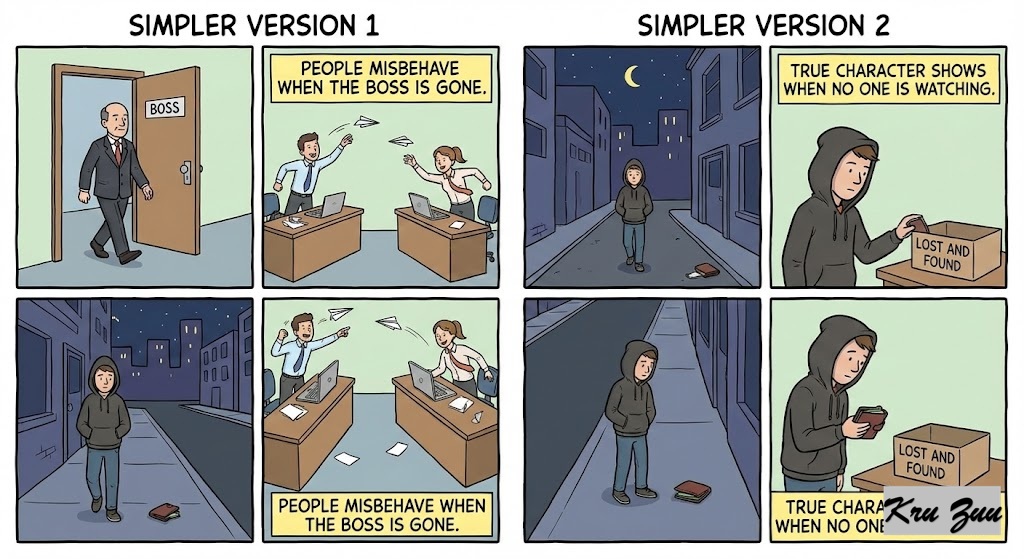
    Simpler Version: People misbehave when the boss is gone. / True character shows when no one is watching.


    📚 Vocabulary Vault


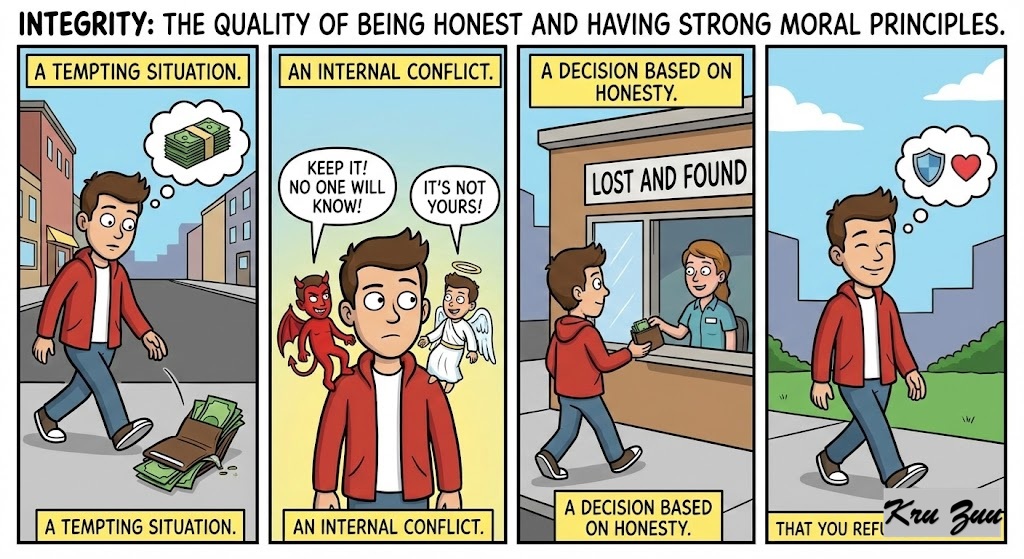
    Integrity (Noun): The quality of being honest and having strong moral principles that you refuse to change.


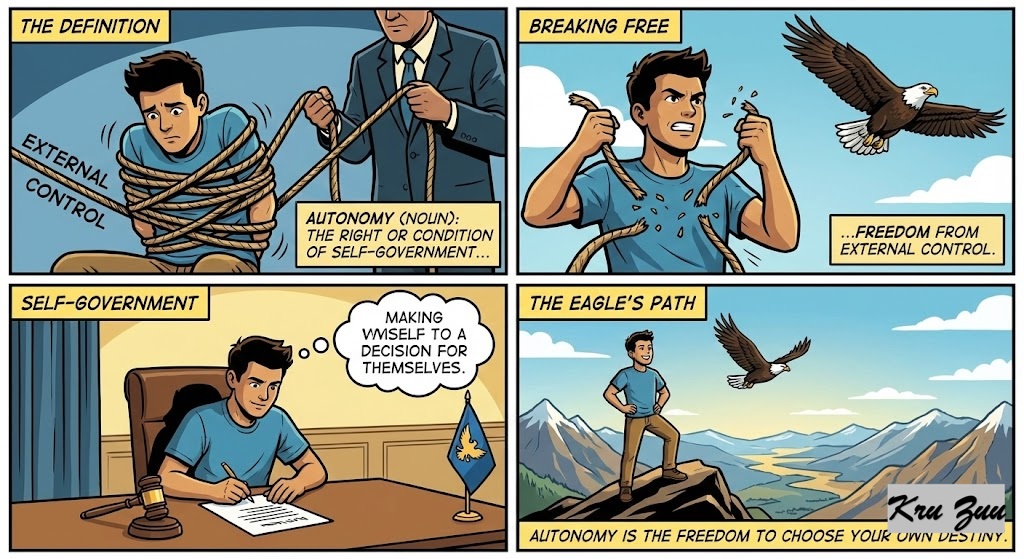
    Autonomy (Noun): The right or condition of self-government; freedom from external control. 🦅


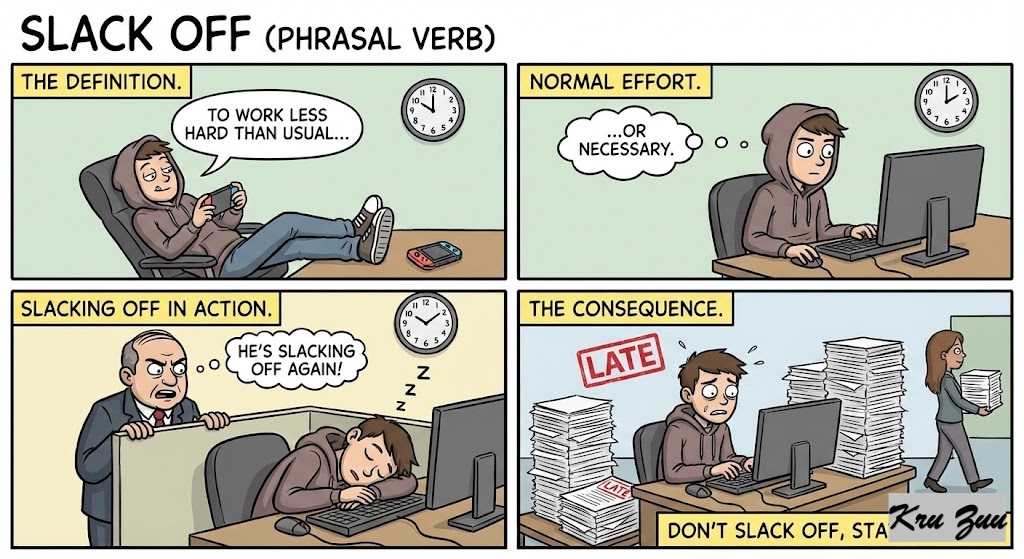
    Slack off (Phrasal Verb): To work less hard than is usual or necessary.


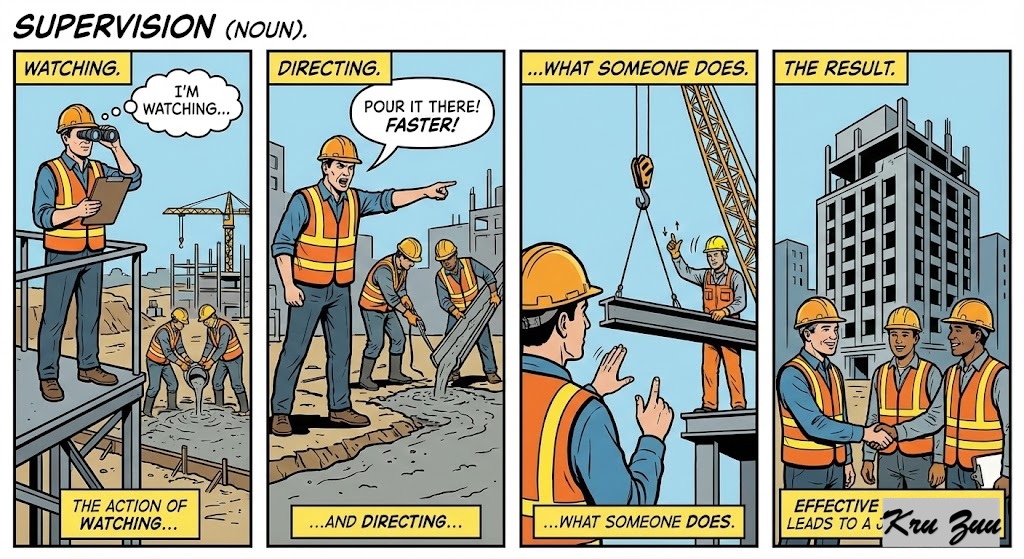
    Supervision (Noun): The action of watching and directing what someone does.


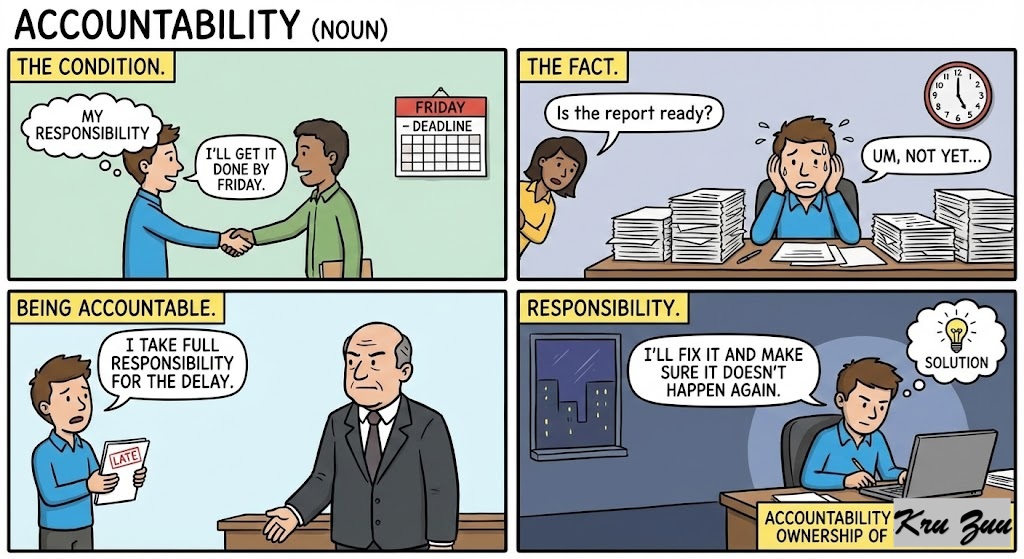
    Accountability (Noun): The fact or condition of being accountable; responsibility.


    🧠 Grammar Focus: Idioms as Parenting/Bossing Tools


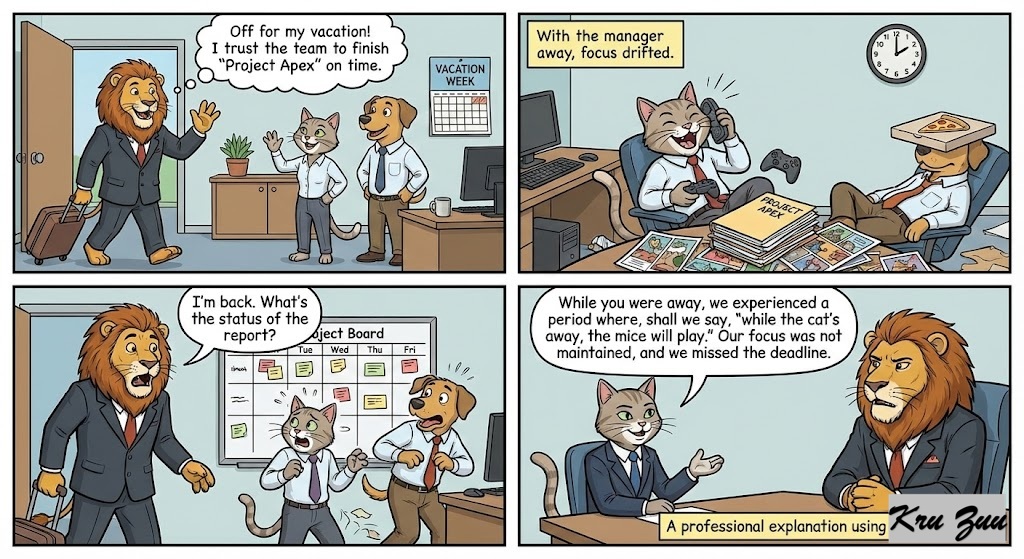
    We often use this idiom to sigh and describe the chaos that happens when supervision is removed.


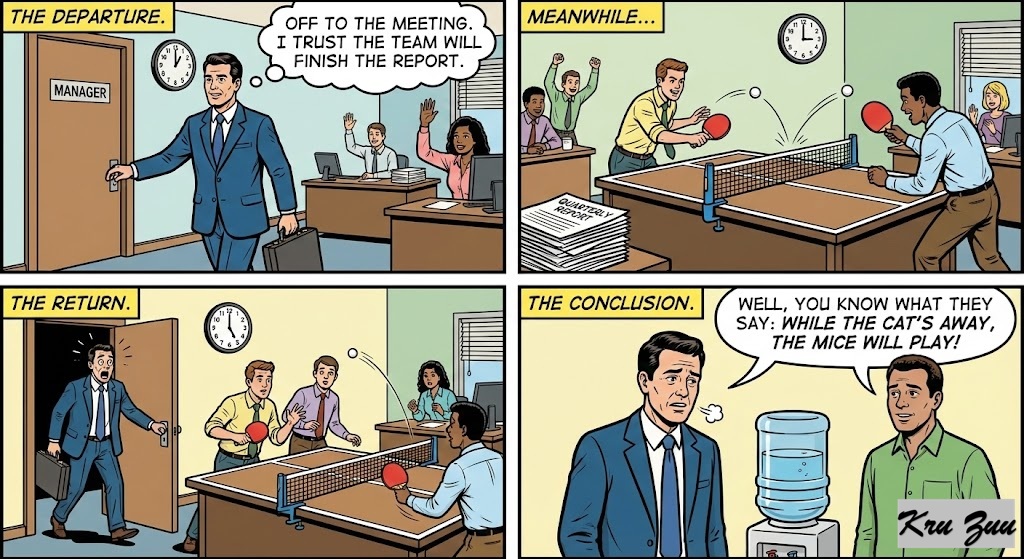
    Manager to a colleague:
    “I left the team alone for one afternoon to attend a meeting, and I came back to find them playing ping-pong instead of finishing the quarterly report. Well, you know what they say: while the cat’s away, the mice will play!”

    📜 History: Origin and Spread


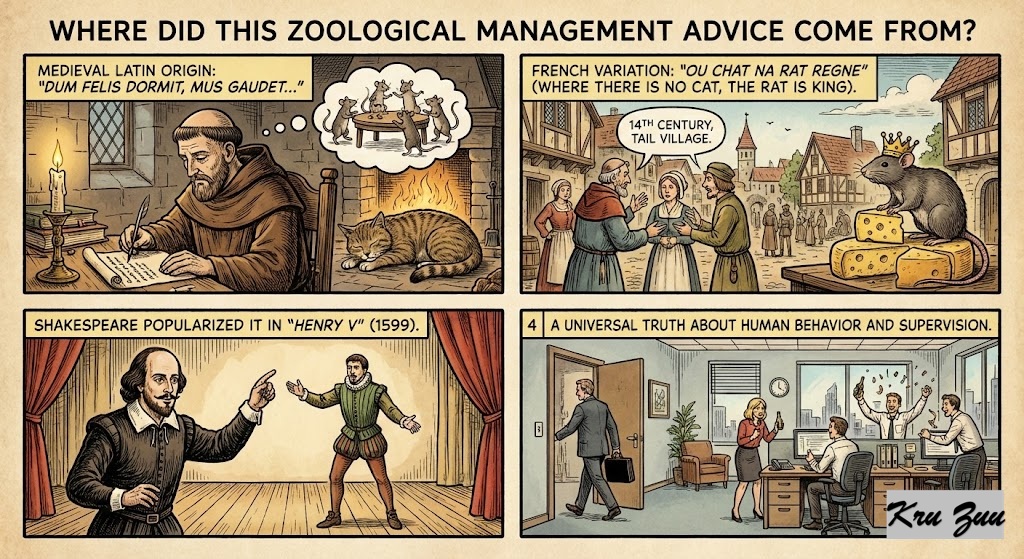
    Where did this zoological management advice come from?


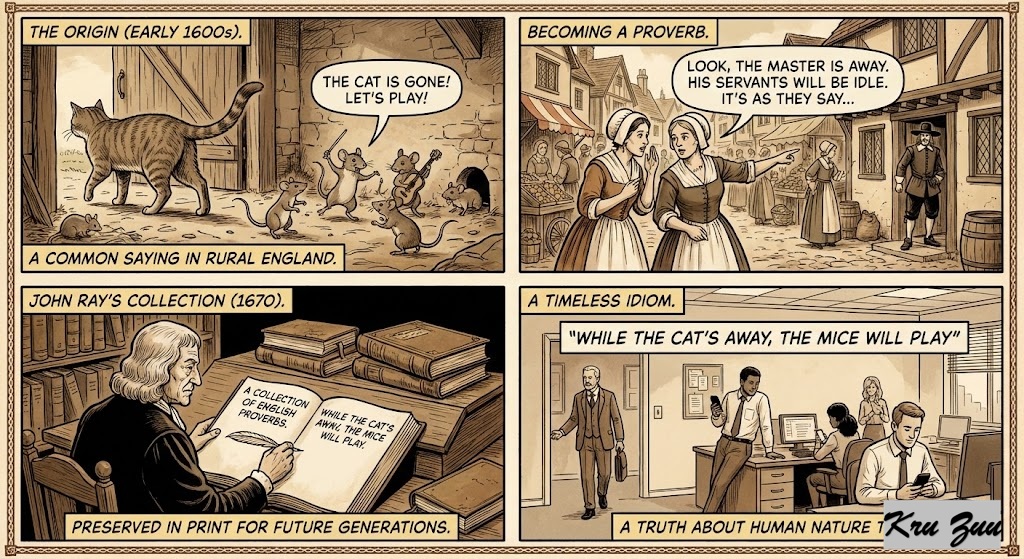
    The Origin: This proverb dates back to the early 1600s in England, appearing in John Ray’s famous collection of English proverbs in 1670.


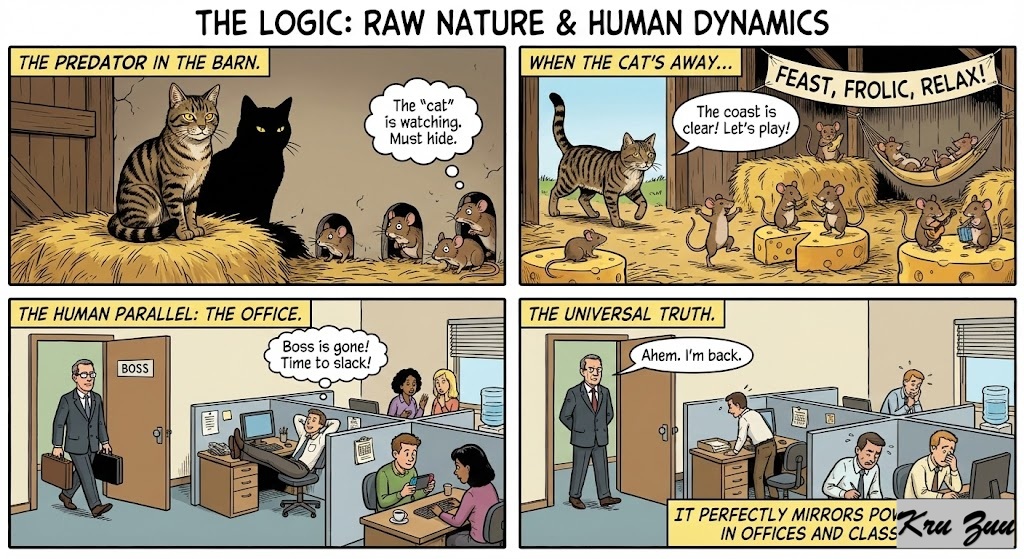
    The Logic: It is based on raw nature. Cats are predators; mice are prey. When the predator leaves the barn, the prey comes out of the walls to feast, frolic, and relax without fear. It perfectly mirrors human power dynamics in offices and classrooms.


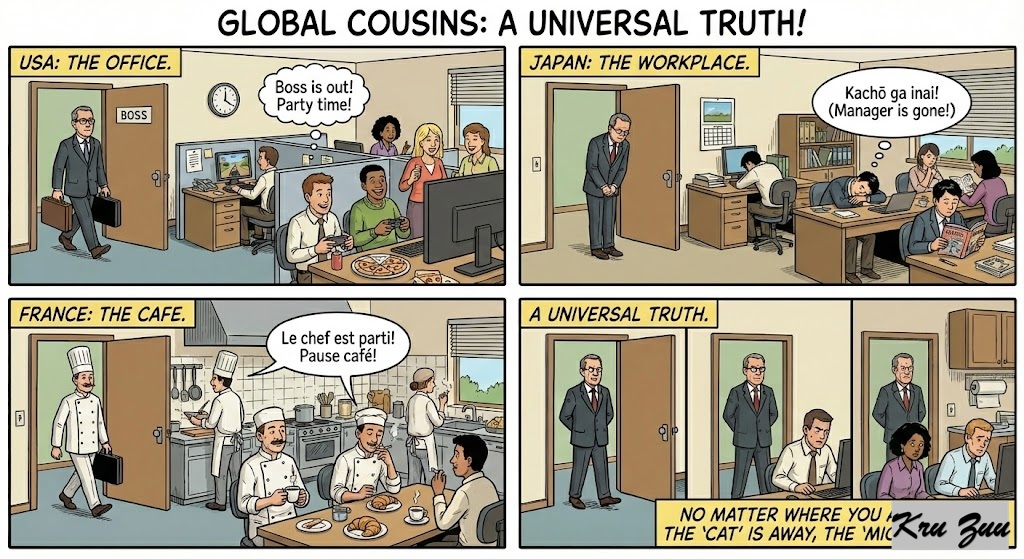
    Global Cousins: This is a universal human truth!


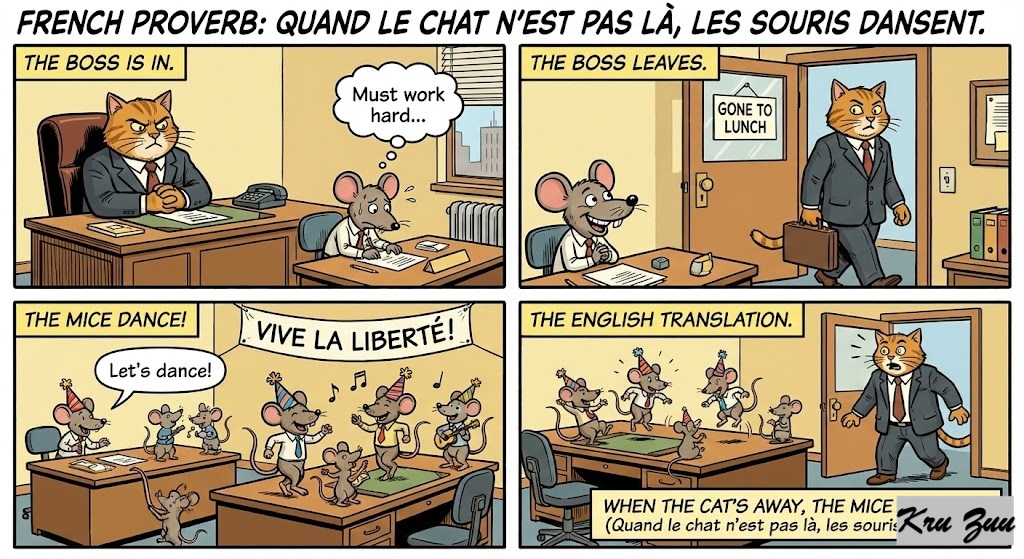
    🇫🇷 French:“Quand le chat n’est pas là, les souris dansent.” (When the cat is not there, the mice dance).


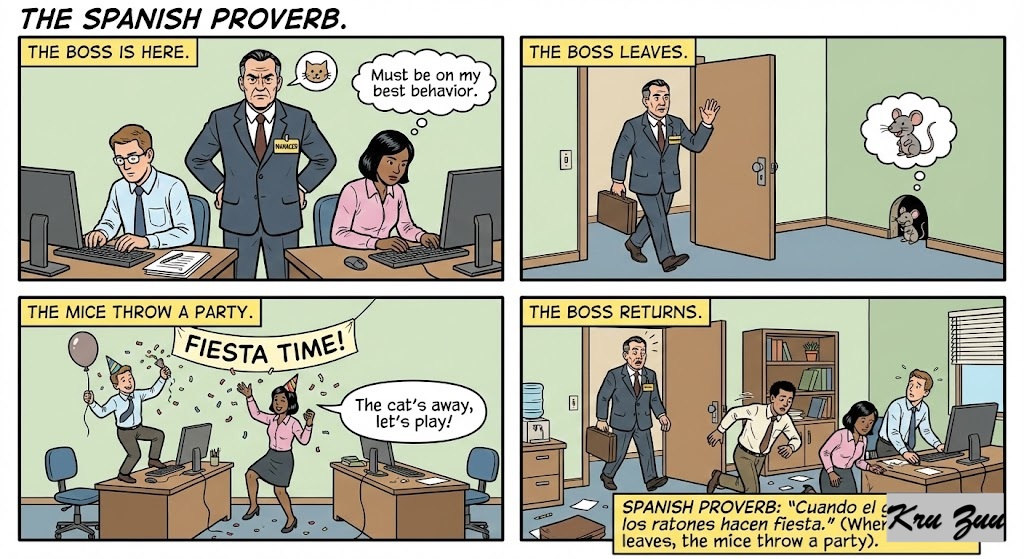
    🇪🇸 Spanish:“Cuando el gato se va, los ratones hacen fiesta.” (When the cat leaves, the mice throw a party).


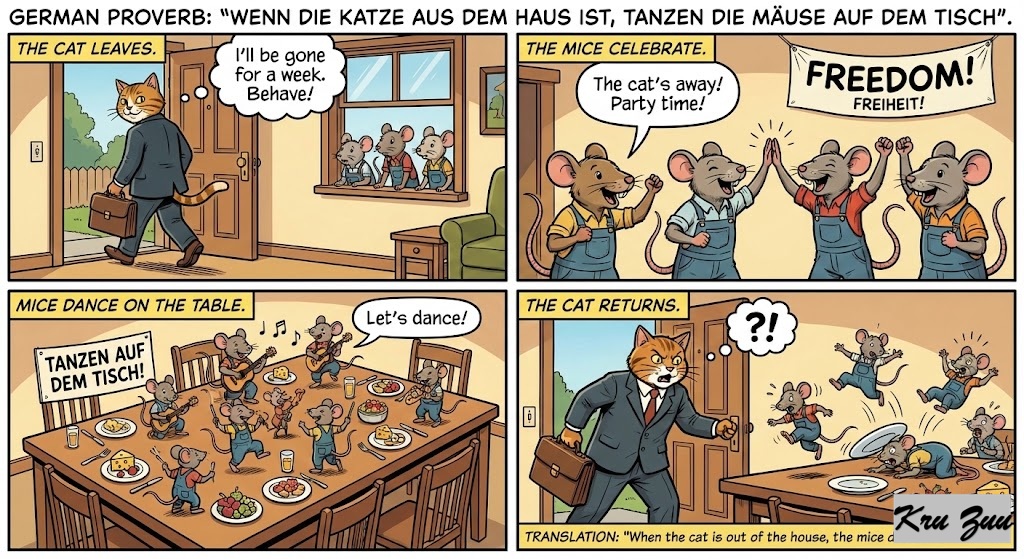
    🇩🇪 German:“Wenn die Katze aus dem Haus ist, tanzen die Mäuse auf dem Tisch.” (When the cat is out of the house, the mice dance on the table).

    🎭 Short Story: The Great Lily Pad Rebellion 🥤🐱🐔🐸


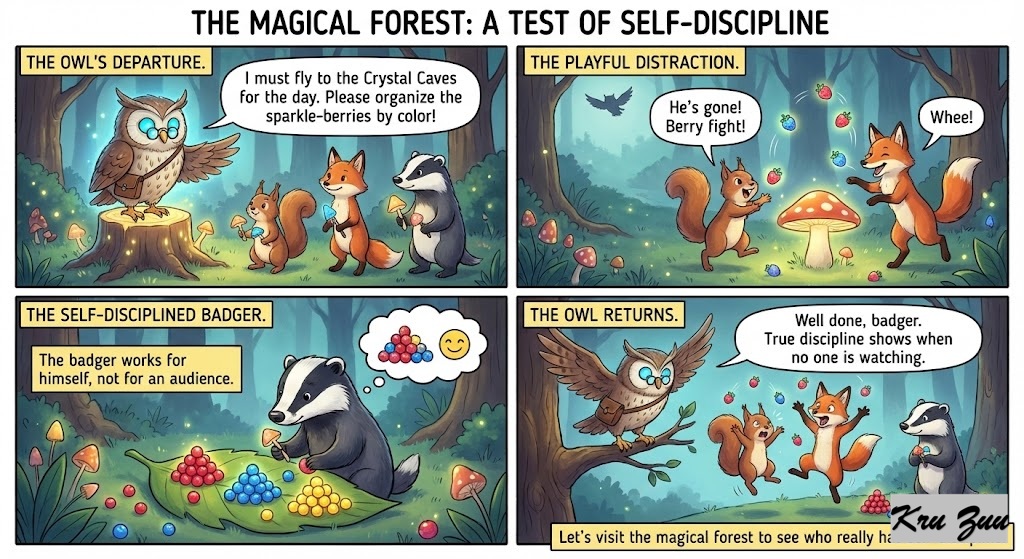
    Let’s visit the magical forest to see who really has self-discipline.


    🌟 The Cast


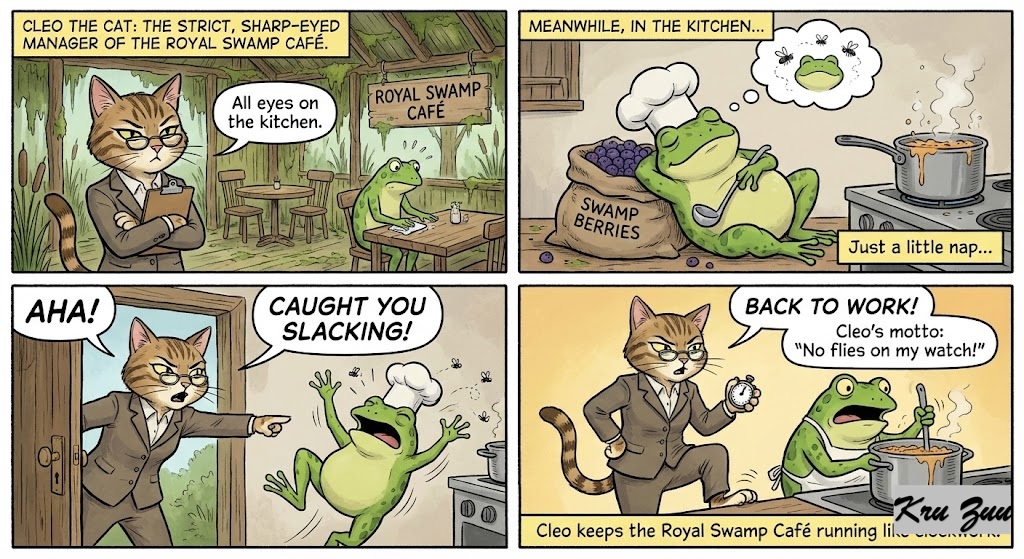
    Cleo the Cat: The strict, sharp-eyed manager of the Royal Swamp Café. 😼


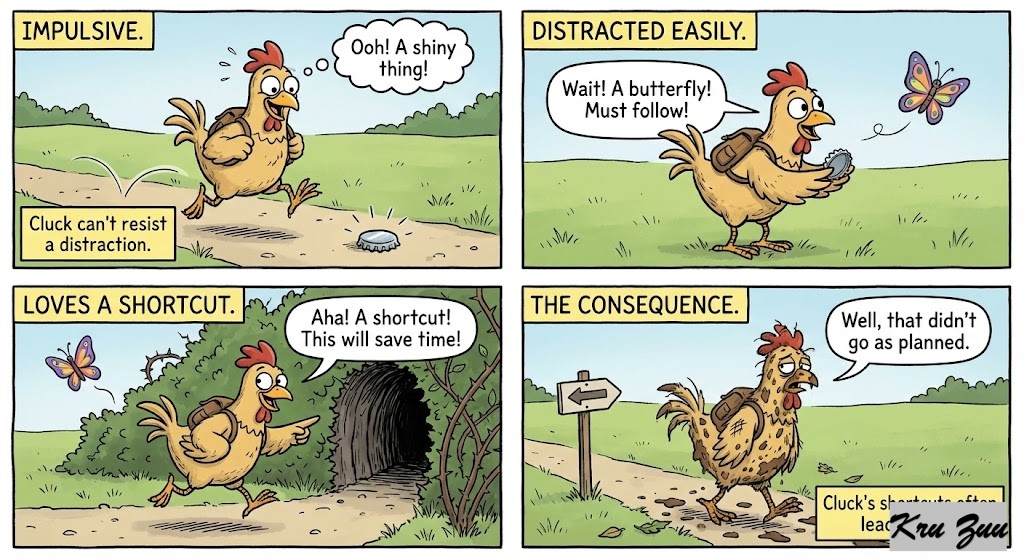
    Cluck the Chicken: Impulsive, gets distracted easily, loves a shortcut. 🐔


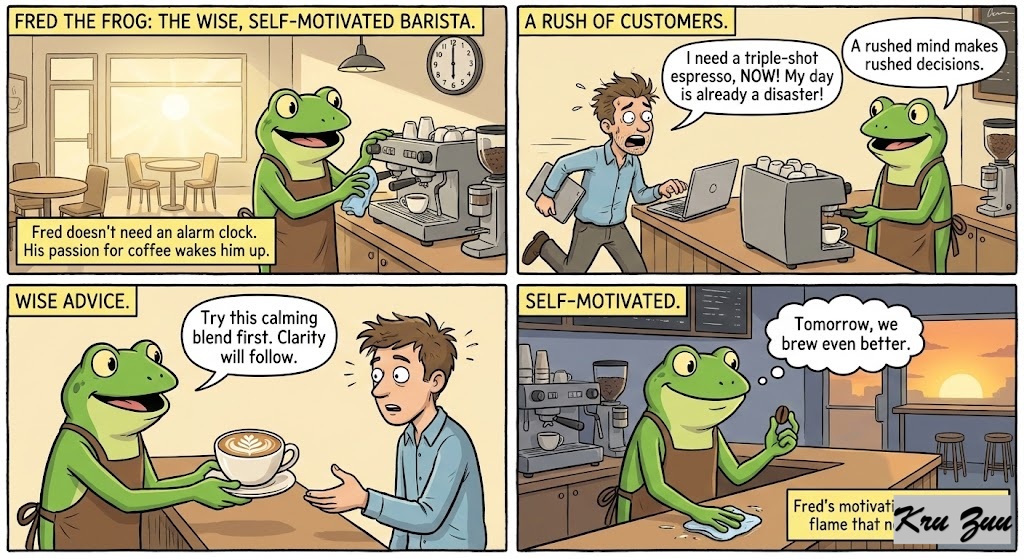
    Fred the Frog: The wise, green, self-motivated barista. 🐸


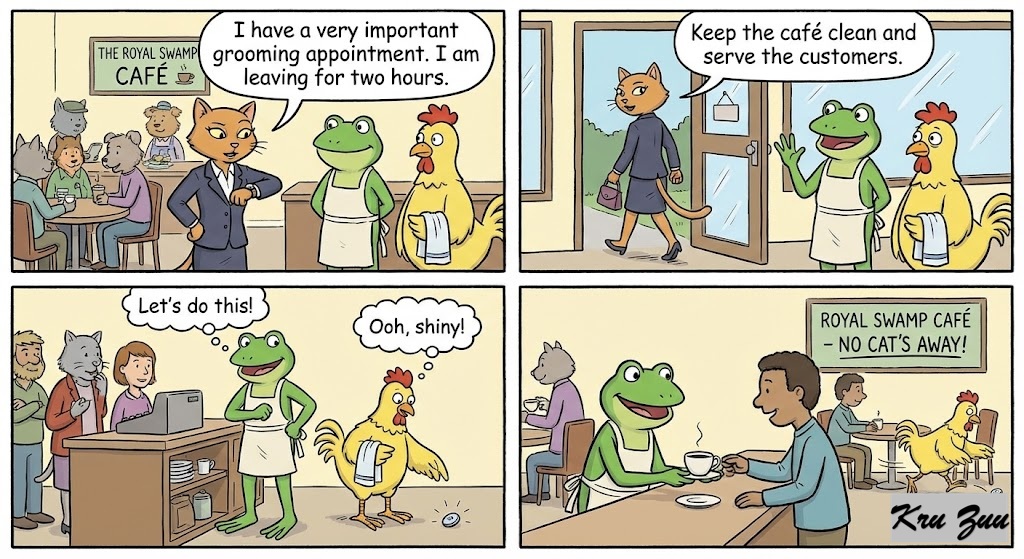
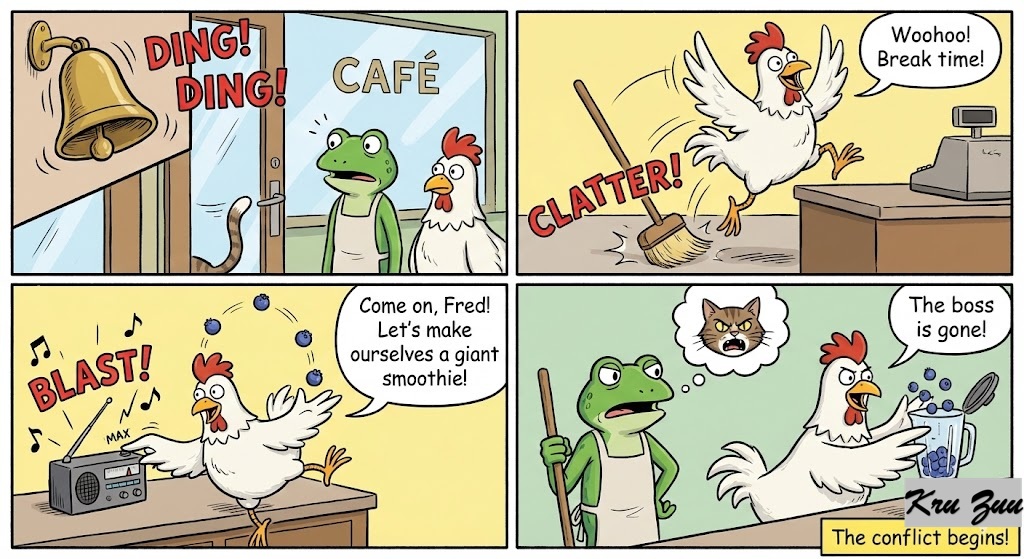
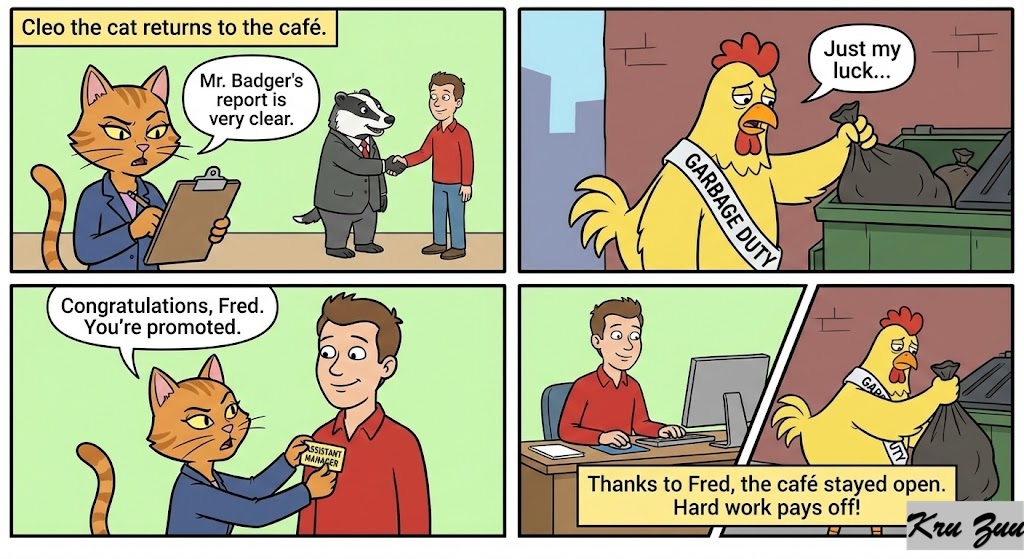
    The Situation: It is a busy Tuesday at the Royal Swamp Café. Cleo the Cat looks at her watch. “I have a very important grooming appointment,” she announces. “Fred, Cluck, I am leaving for two hours. Keep the café clean and serve the customers.” Cleo walks out the door.


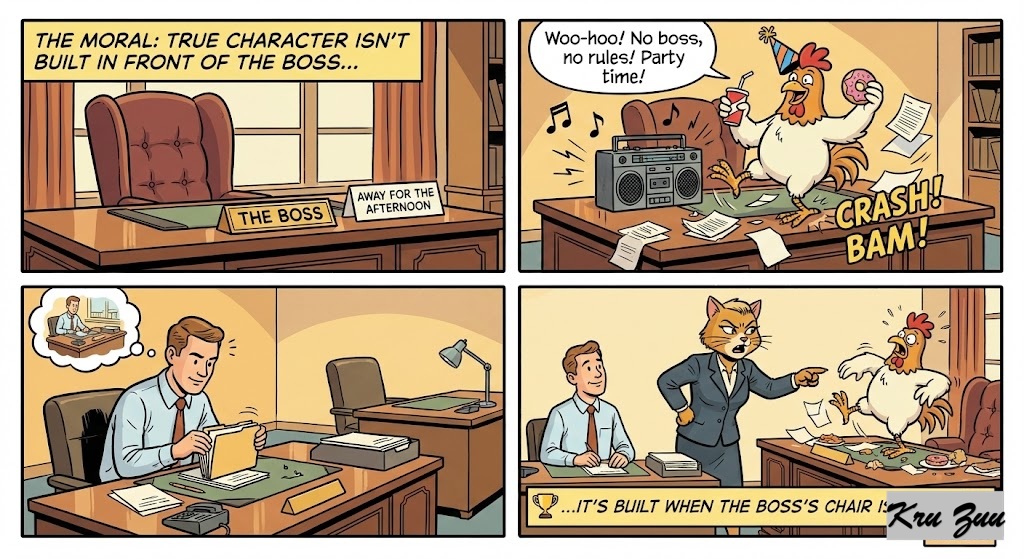
    The Conflict: The exact second the bell on the door rings, Cluck drops his broom. “Woohoo! Break time!” Cluck squawks, hopping onto the counter. He turns the radio up to maximum volume and starts juggling fresh blueberries. “Come on, Fred! Let’s make ourselves a giant smoothie! The boss is gone!”


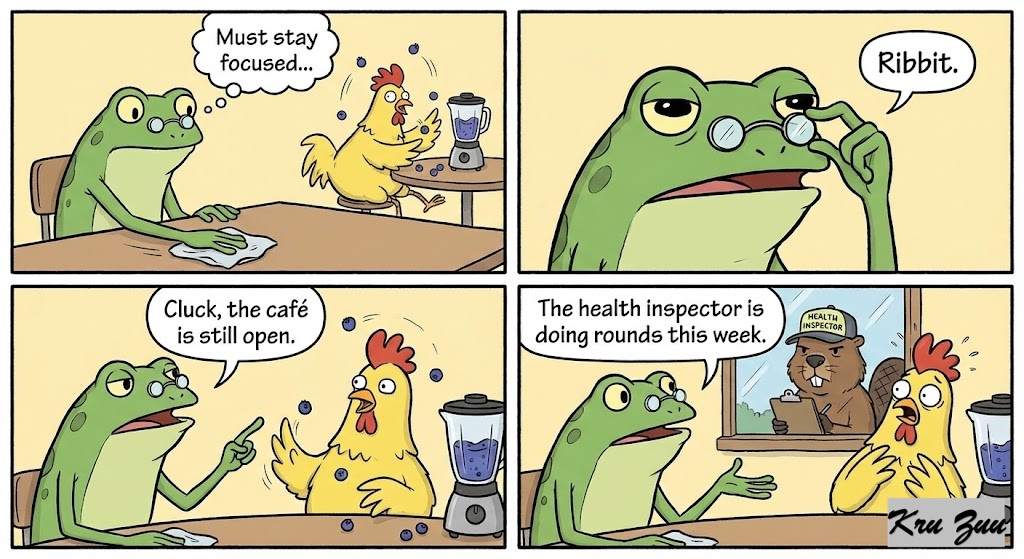
    The Reaction: Fred doesn’t stop wiping the tables. He adjusts his glasses. “Ribbit,” says Fred. “Cluck, the café is still open. The health inspector is doing rounds this week.”


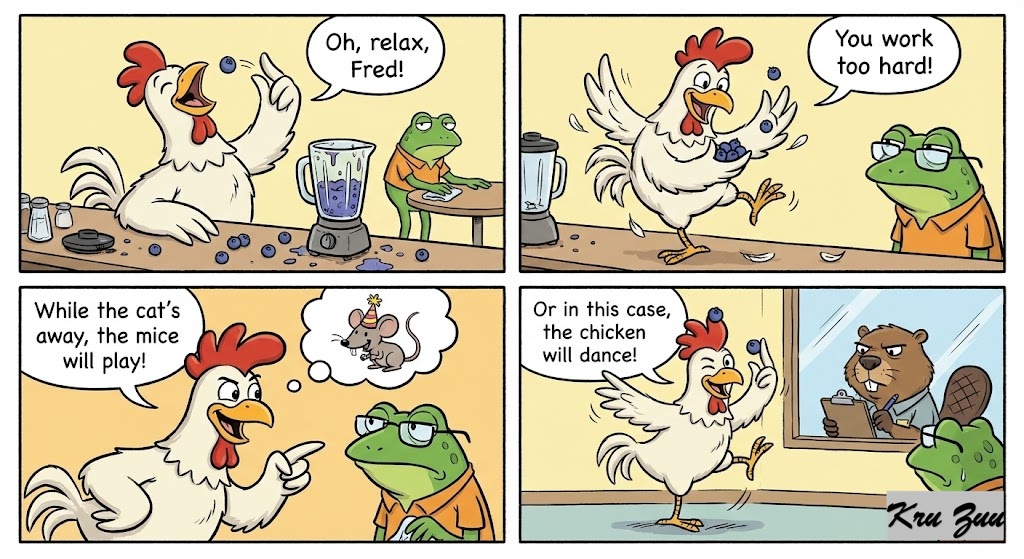
    Cluck laughs and eats a blueberry. “Oh, relax, Fred! You work too hard. While the cat’s away, the mice will play! Or in this case, the chicken will dance!”


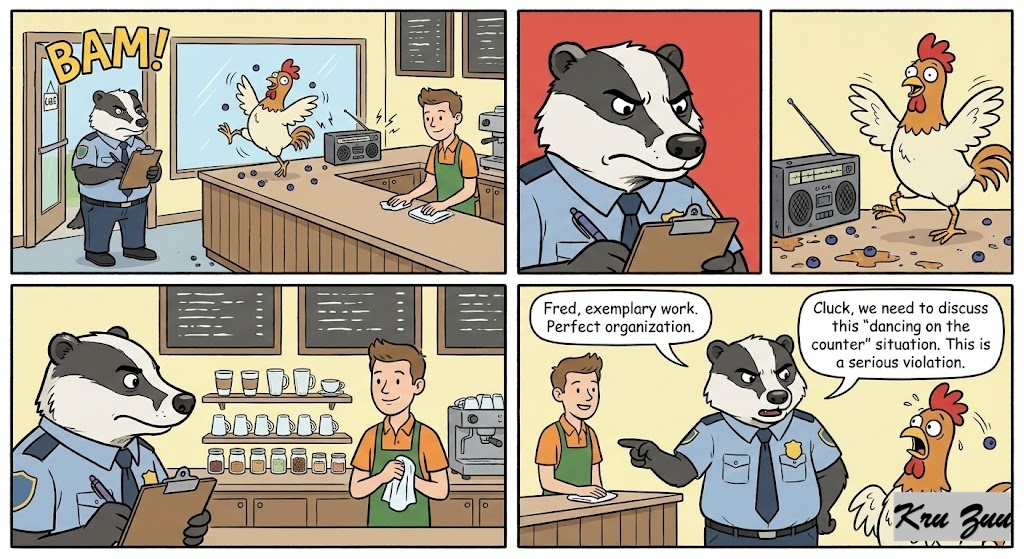
    The Lesson: Suddenly, the door flies open. It isn’t Cleo. It is Mr. Badger, the city Health Inspector. He looks at the sticky floor, the loud radio, and the chicken dancing on the counter with blueberries. Then, he looks at Fred’s perfectly organized, spotless barista station.


    The Resolution: When Cleo returned, Mr. Badger had left a very clear report. Because of Fred’s perfect section, the café wasn’t shut down. Cluck was put on garbage duty for a month. Fred, however, was immediately promoted to Assistant Manager.


    The Moral: True character isn’t built in front of the boss; it’s built when the boss’s chair is empty. 🏆

    🎓 Lesson for English Learners


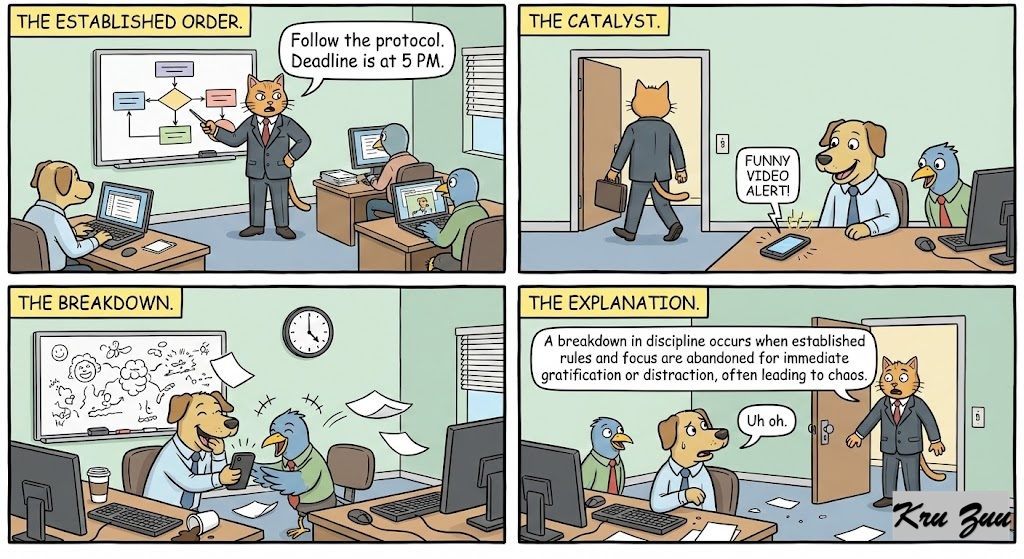
    Explaining a breakdown in discipline.


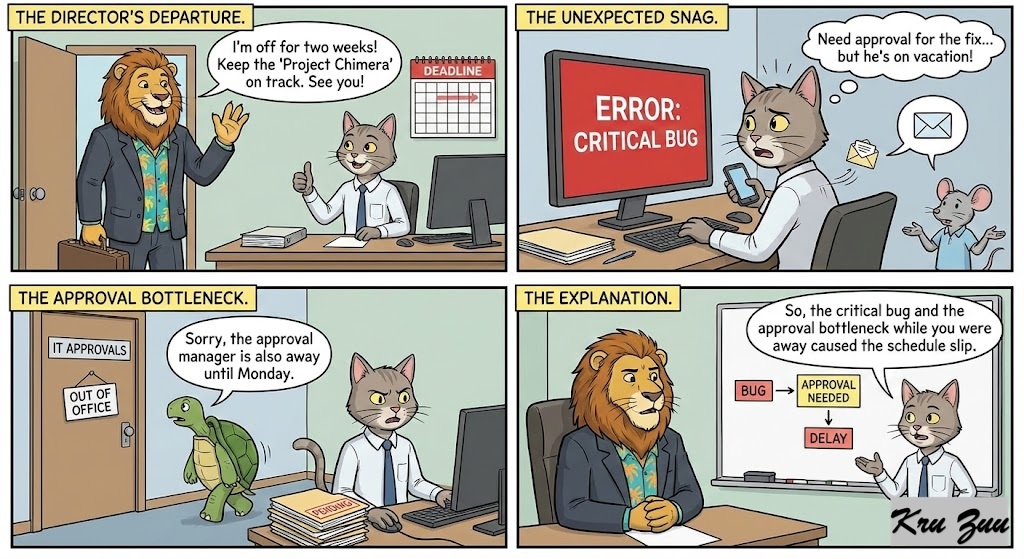
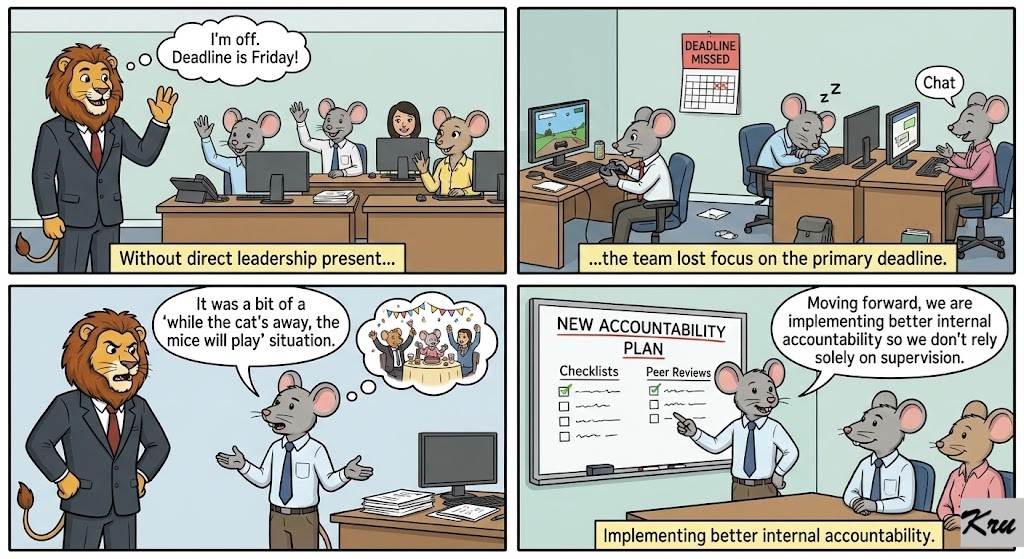
    Situation: You are explaining to a senior director why a project fell behind schedule while they were on vacation.


    The Shift: You need to describe the team’s lack of focus professionally, without sounding overly aggressive, using a recognized cultural idiom.


    You Say: “Unfortunately, without direct leadership present, the team lost focus on the primary deadline. It was a bit of a ‘while the cat’s away, the mice will play’ situation. Moving forward, we are implementing better internal accountability so we don’t rely solely on supervision.”


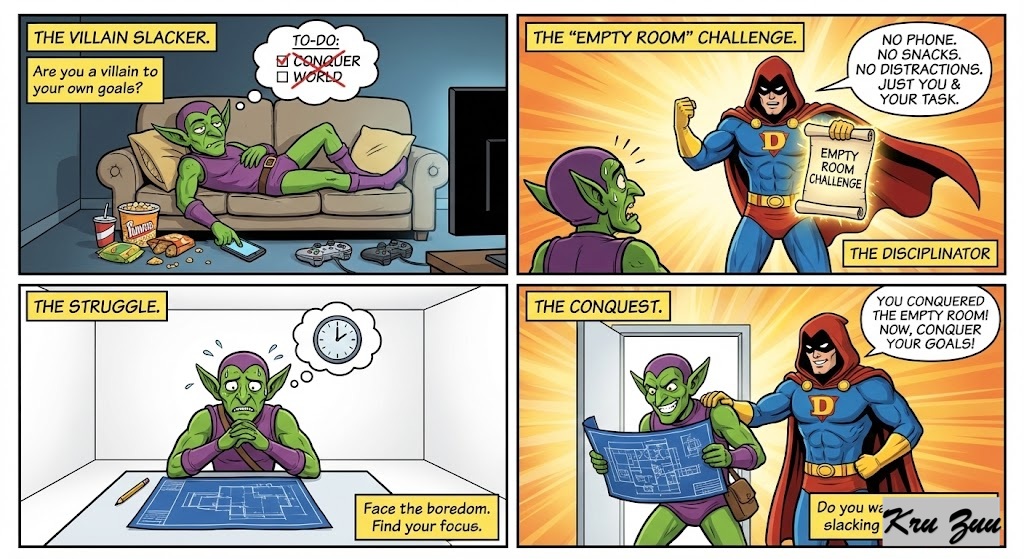
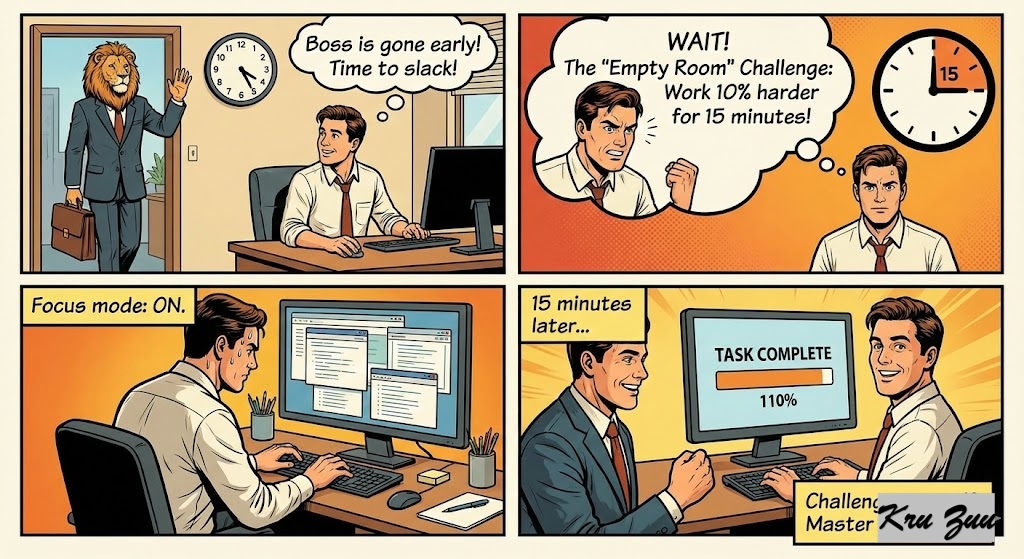
    💬 Your Turn: The “Empty Room” Challenge 🚀


    Do you want to cure your “Villain” slacking habits?


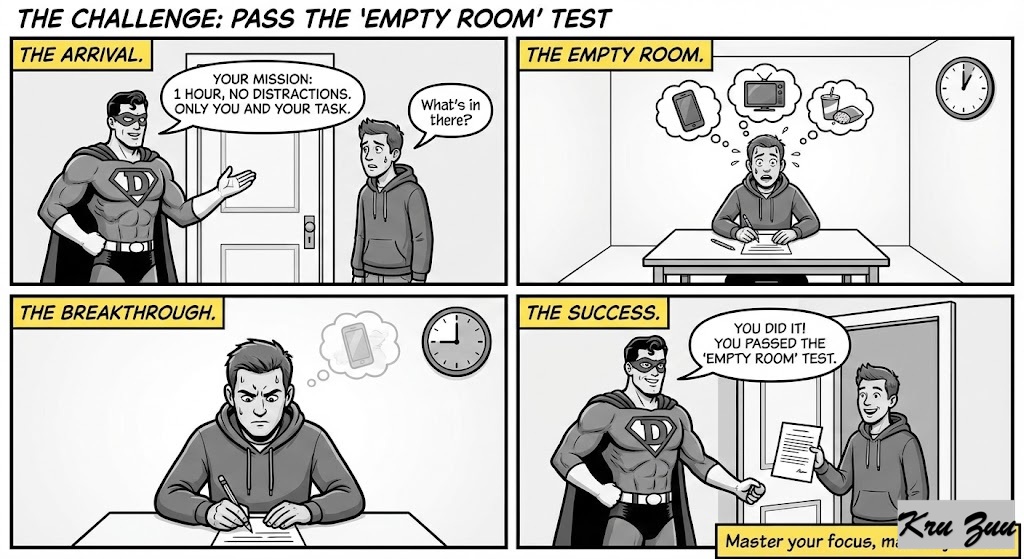
    The Challenge: Pass the “Empty Room” Test.


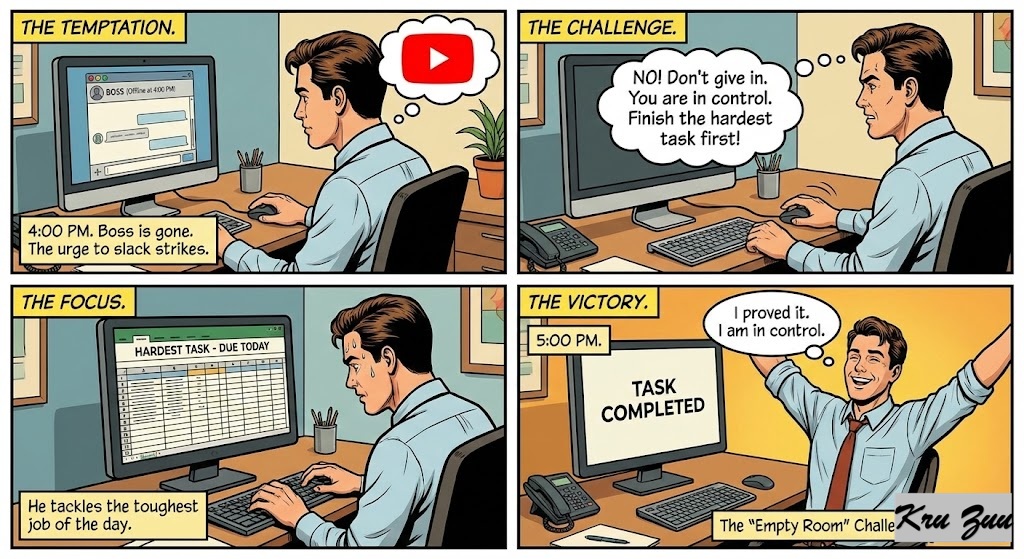
    The Action: The next time your boss logs off early, your teacher leaves the room, or your partner stops watching you do a chore challenge yourself to work 10% harder for the next 15 minutes.


    Example: If your manager goes offline on Slack at 4:00 PM on a Friday, don’t instantly open YouTube. Finish the hardest task of the day first. Prove to yourself that you are in control.


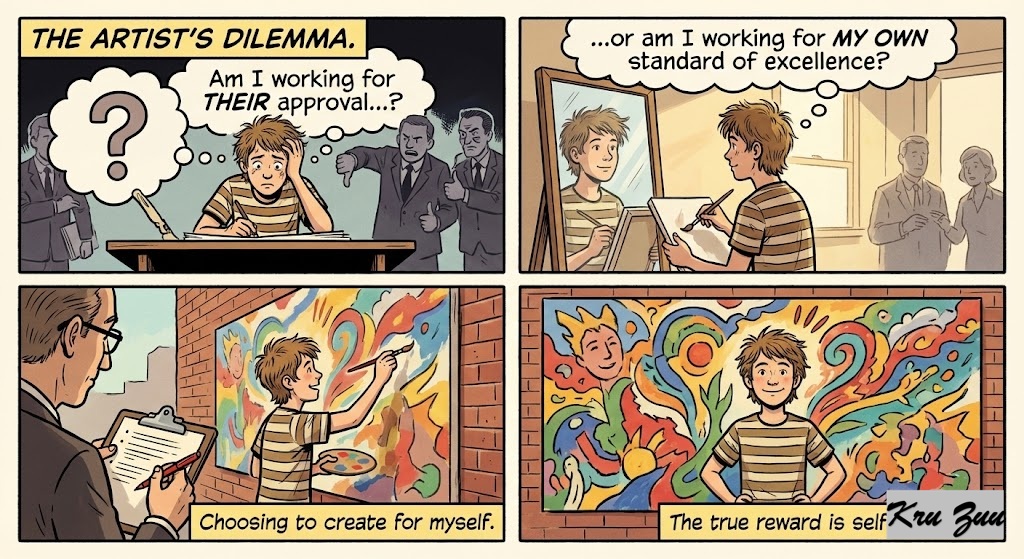
    Ask yourself: “Am I working for their approval, or am I working for my own standard of excellence?”


    👇 Question for the comments: What is the hardest task for you to stay focused on when no one is watching? How do you keep yourself motivated? Tell us below!

    By Zubeyir YURTKURAN

    https://www.facebook.com/BrainBattleground/

    https://www.facebook.com/zubeyr.yurtkuran/

    https://www.instagram.com/zubeyryurtkuran/
    https://www.youtube.com/@BrainBattleground-b3p

    https://www.instagram.com/brainbattleground/