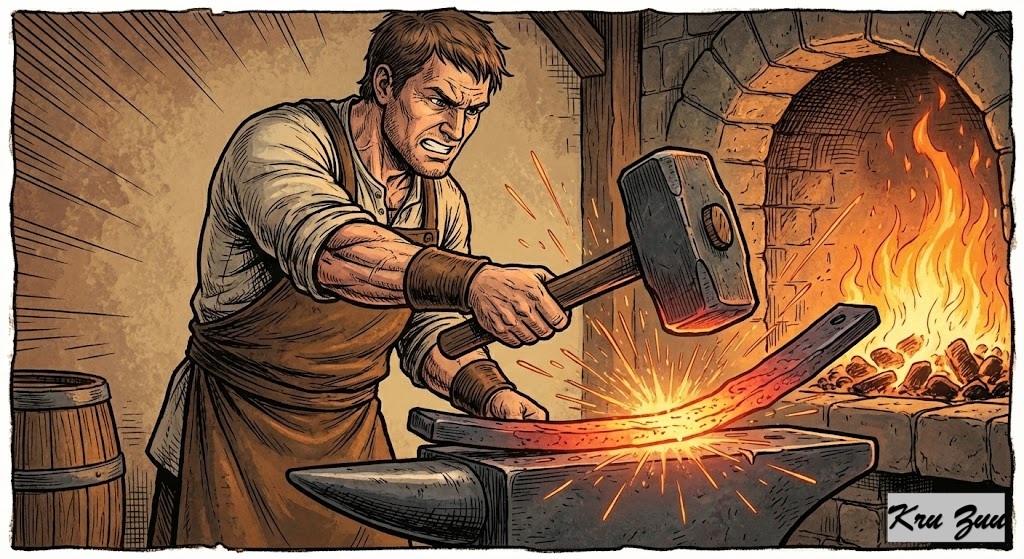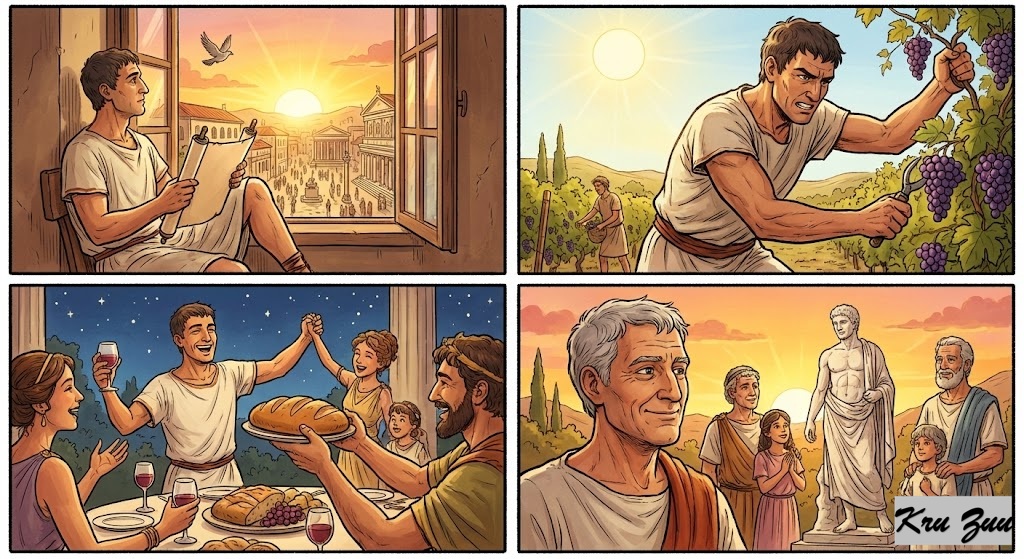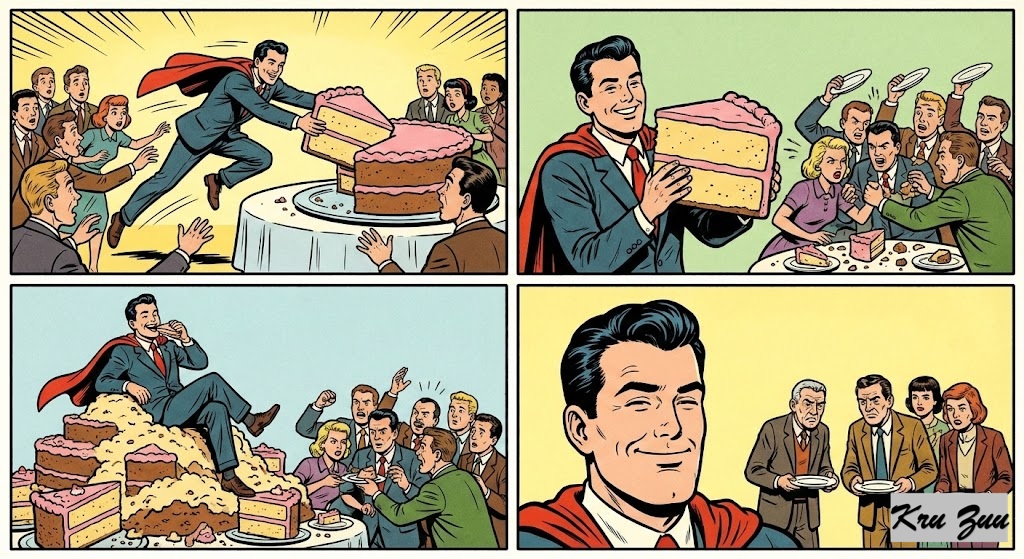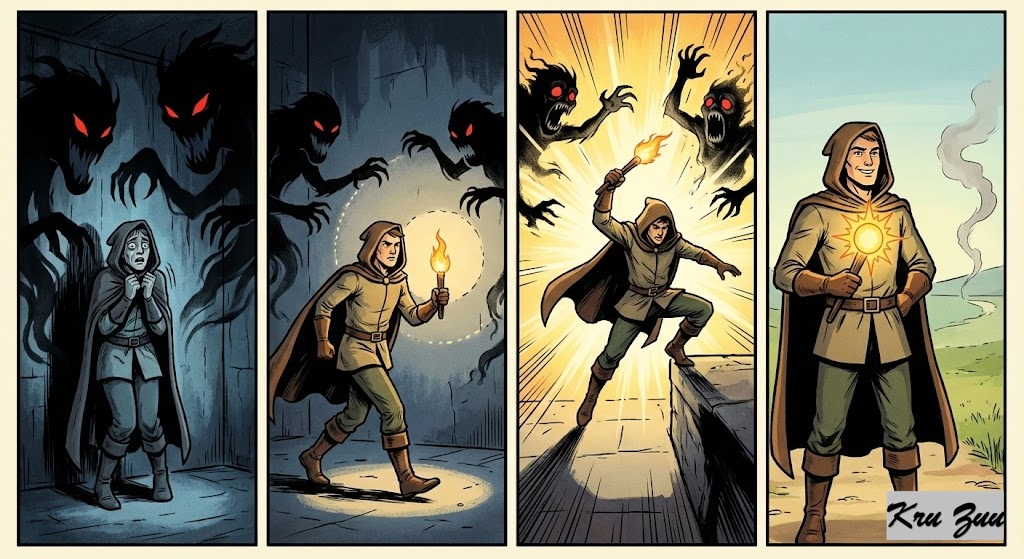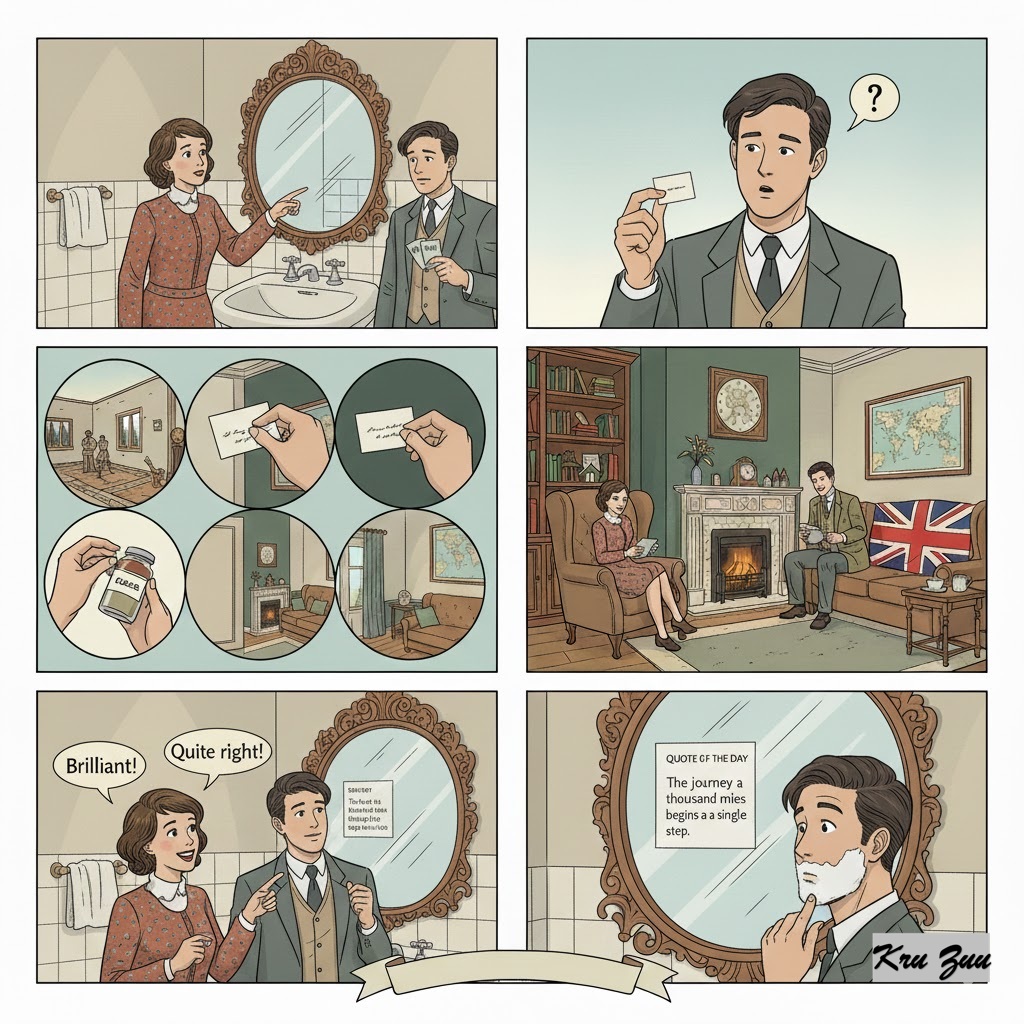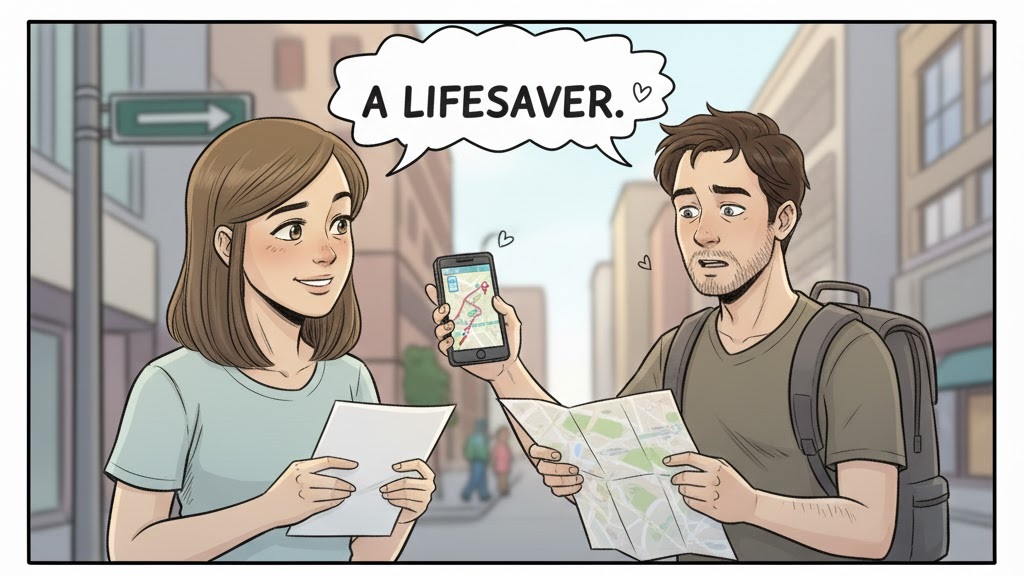
“A journey of a thousand miles begins with a single step.”
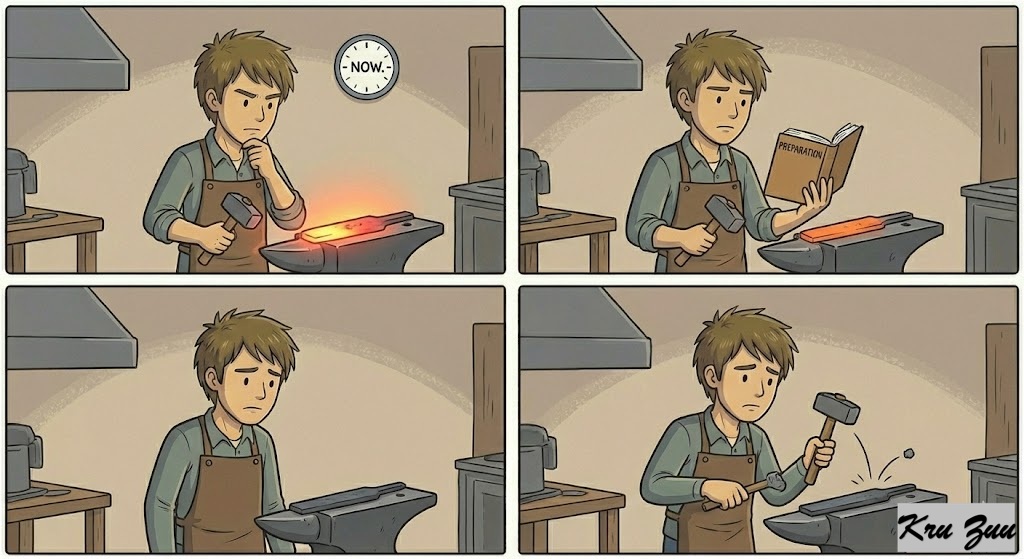
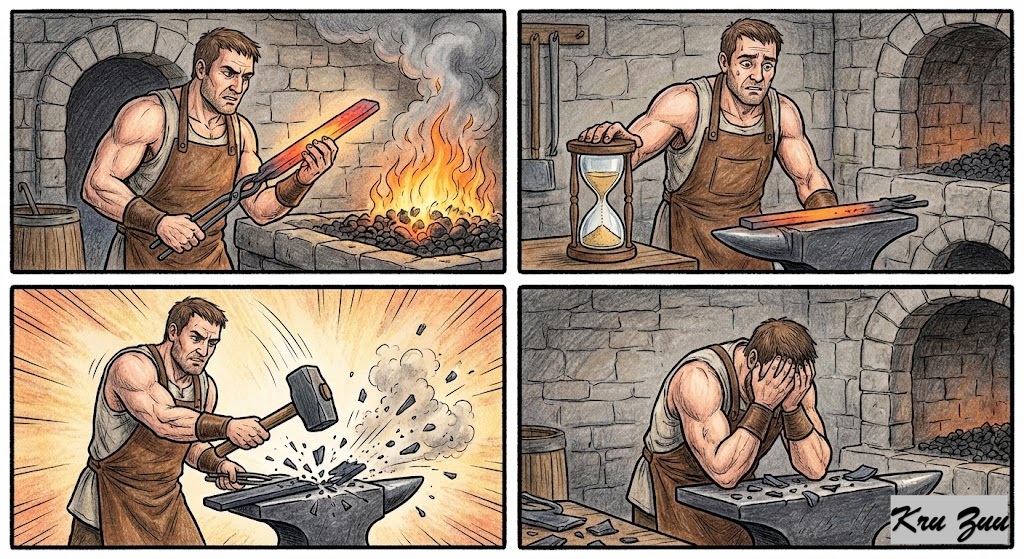
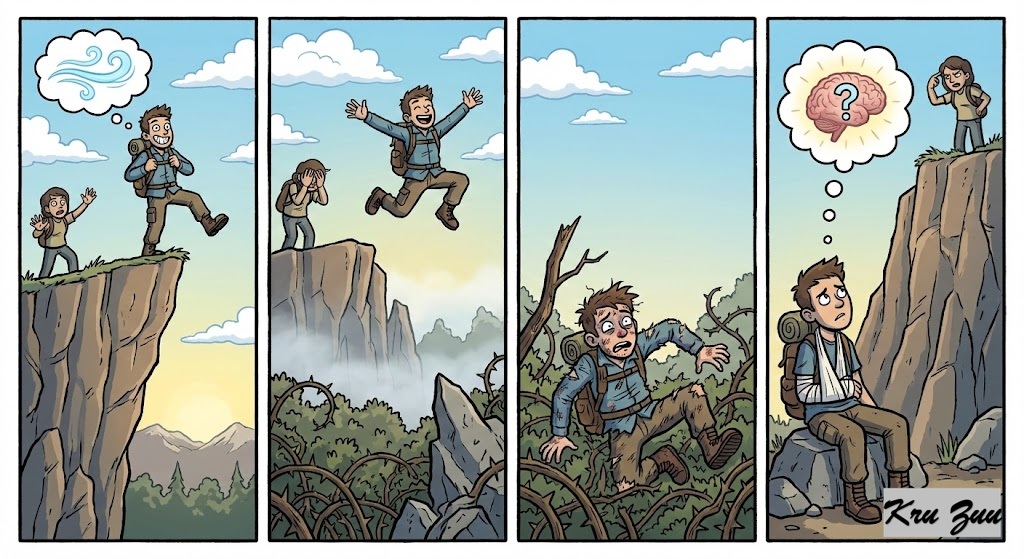
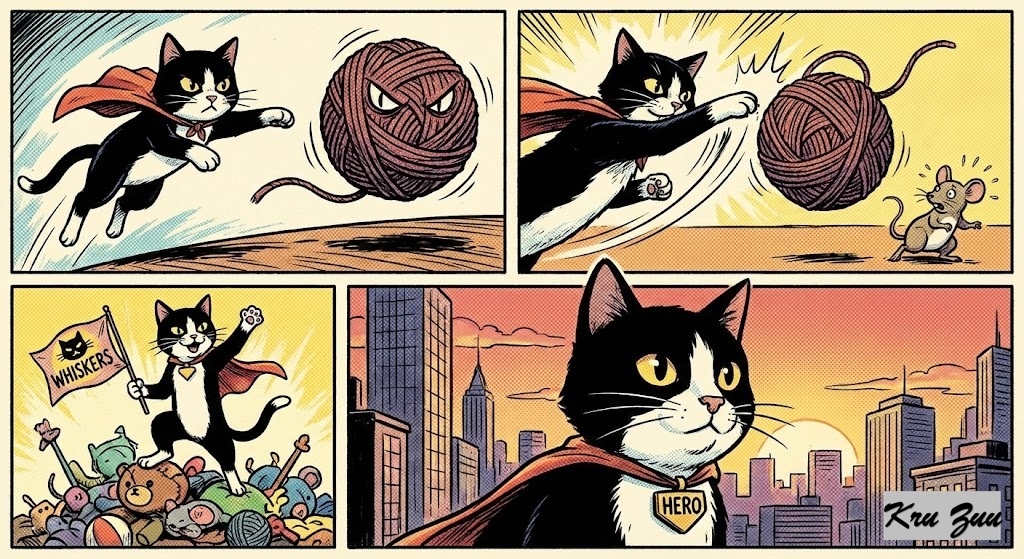
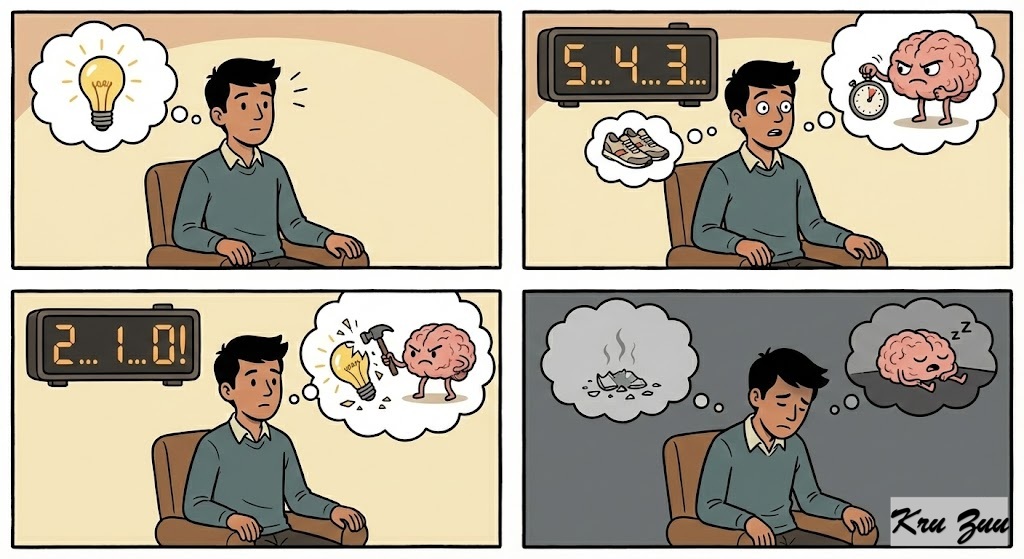
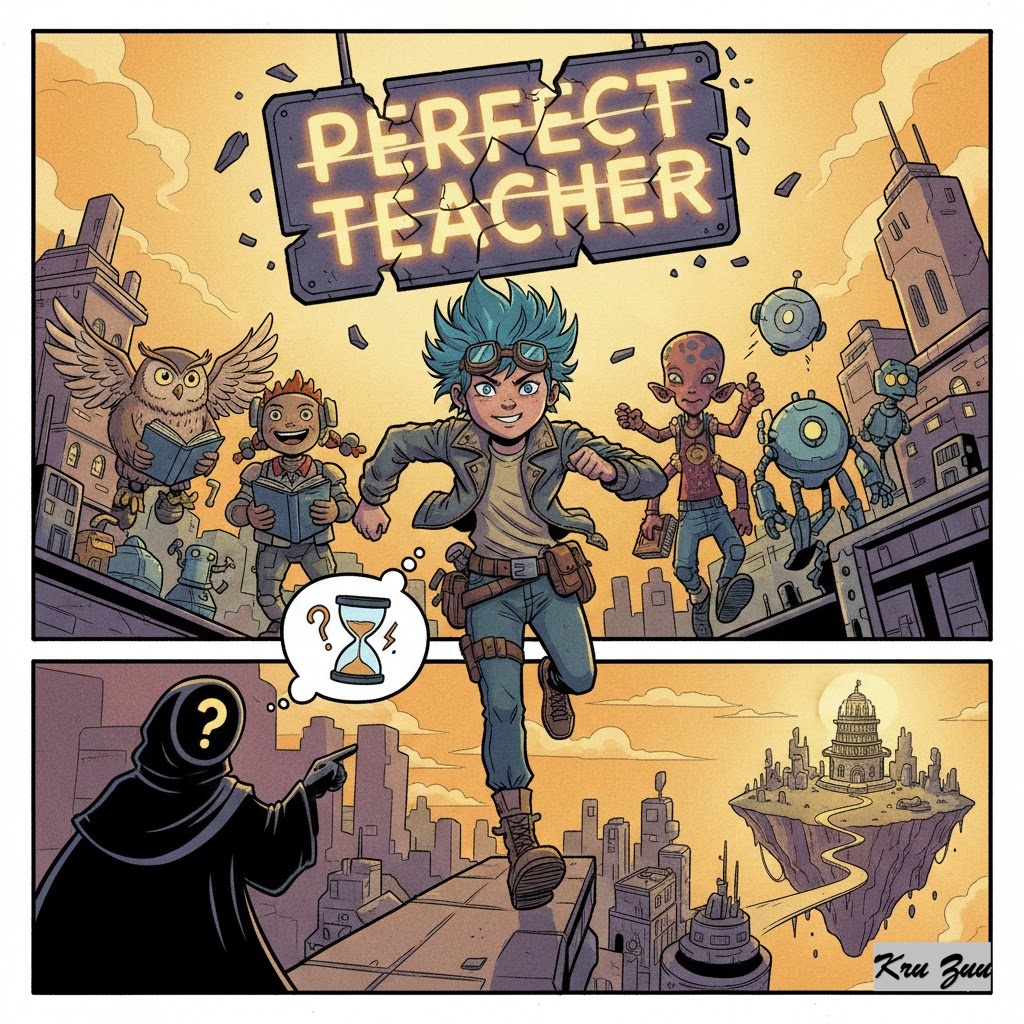
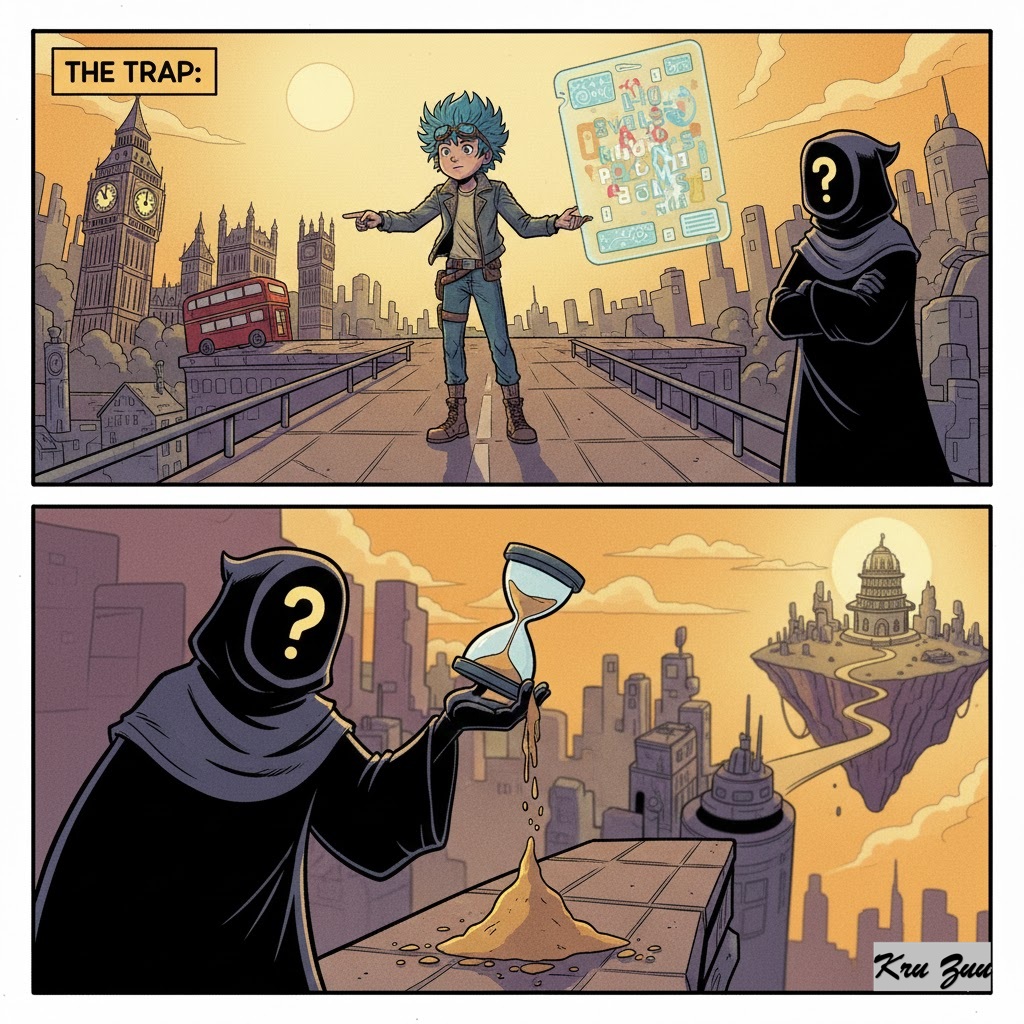
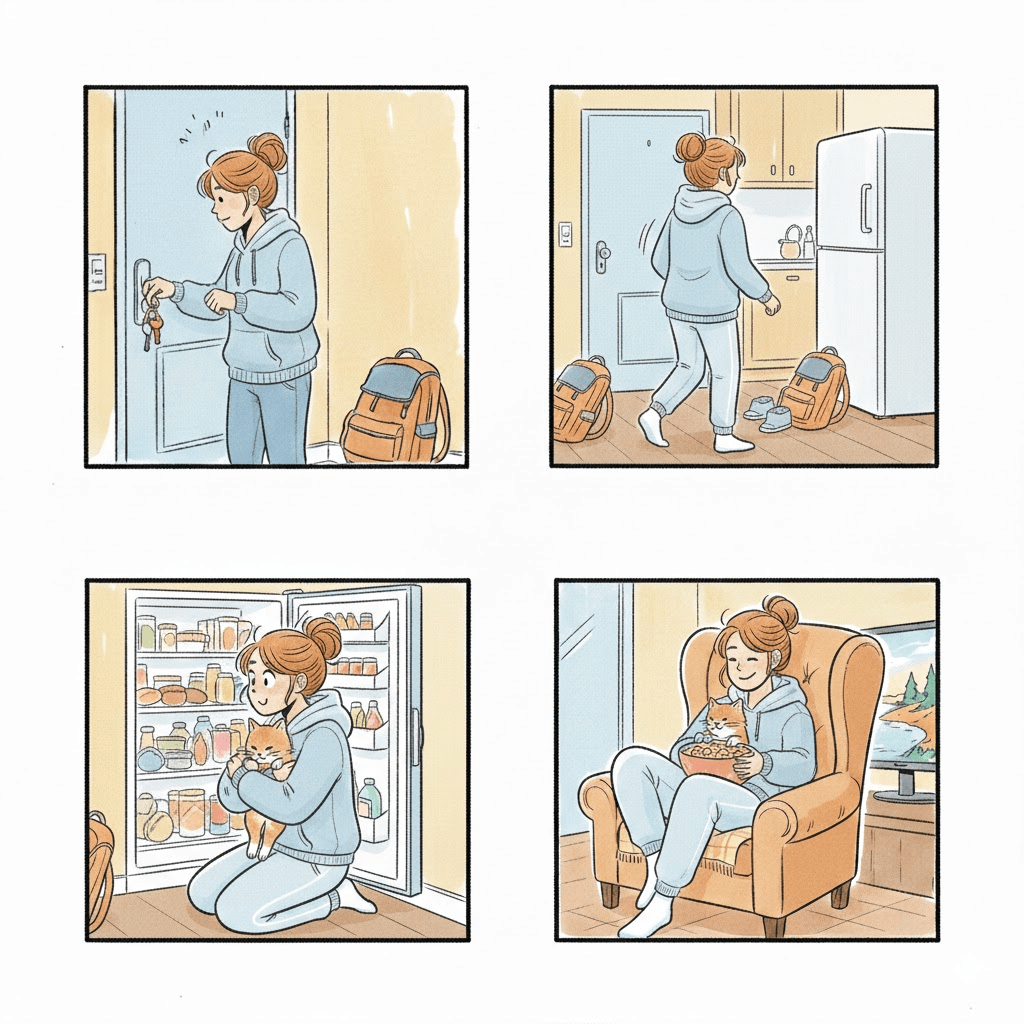
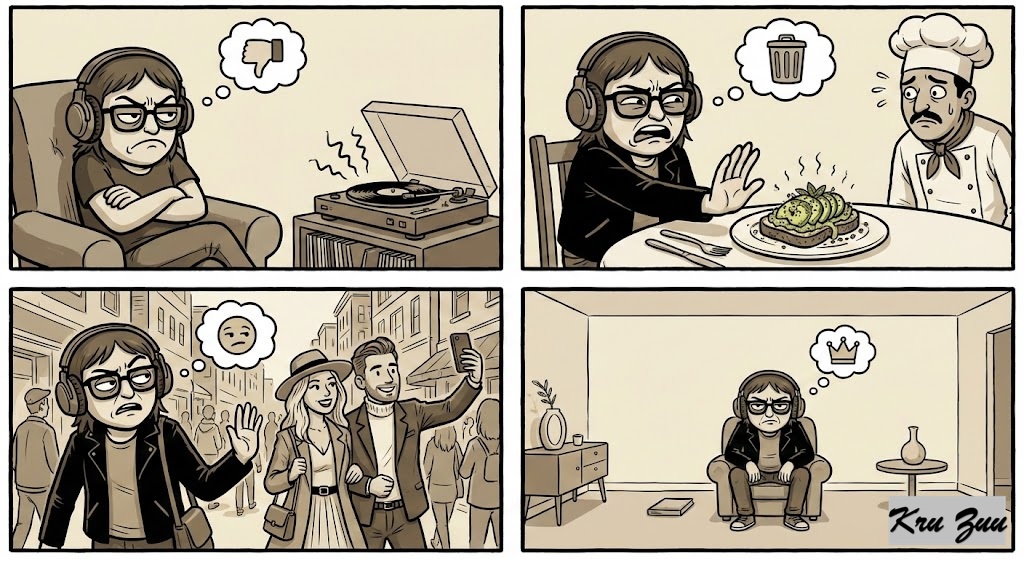
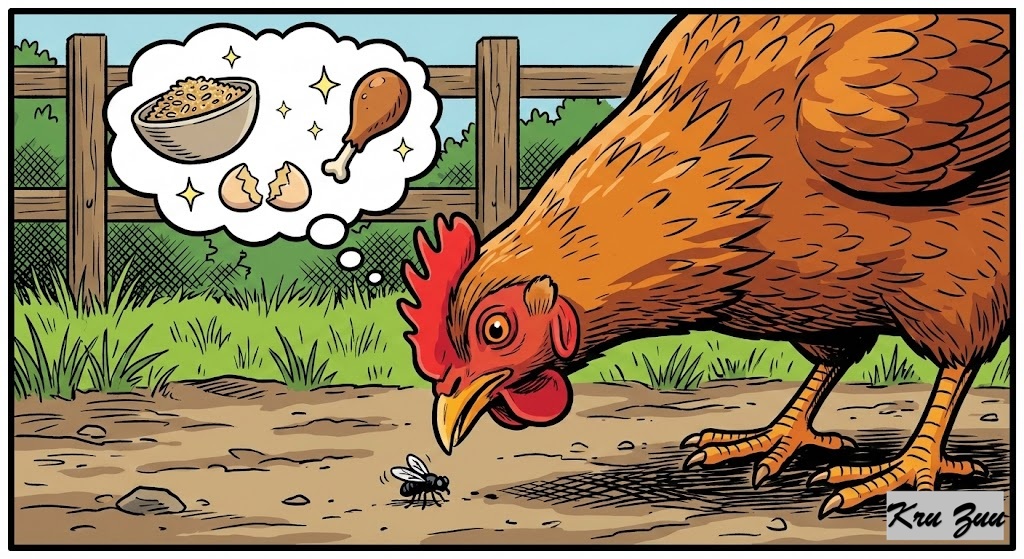
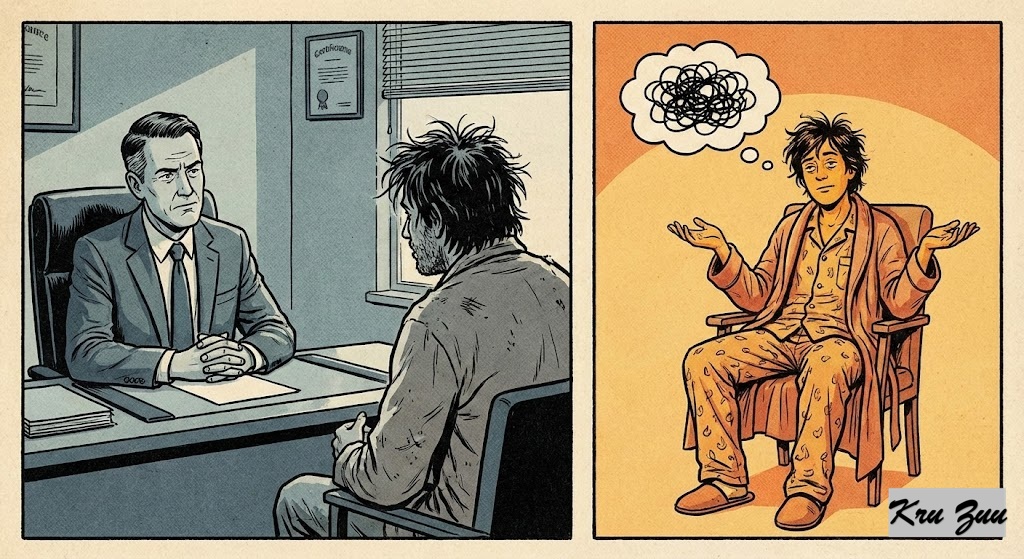
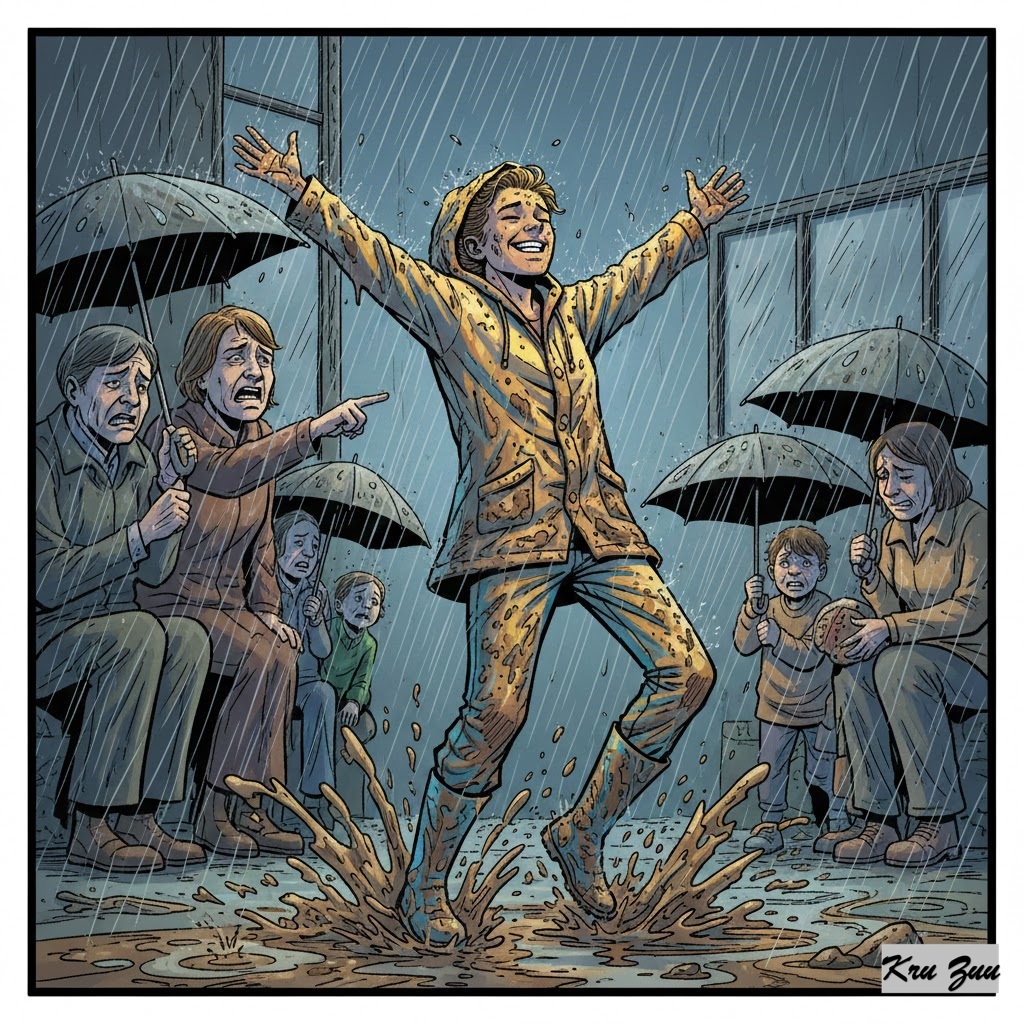
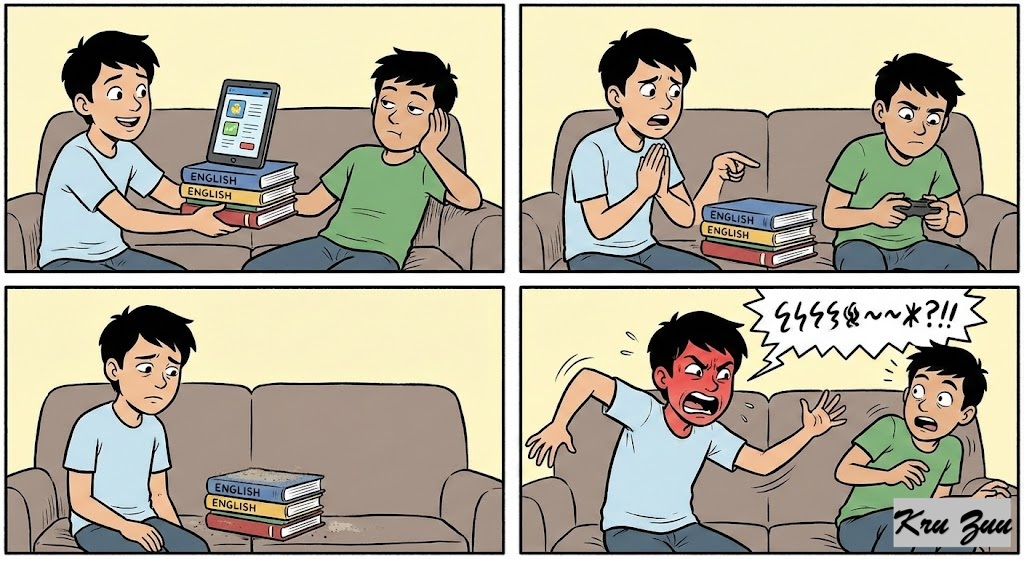
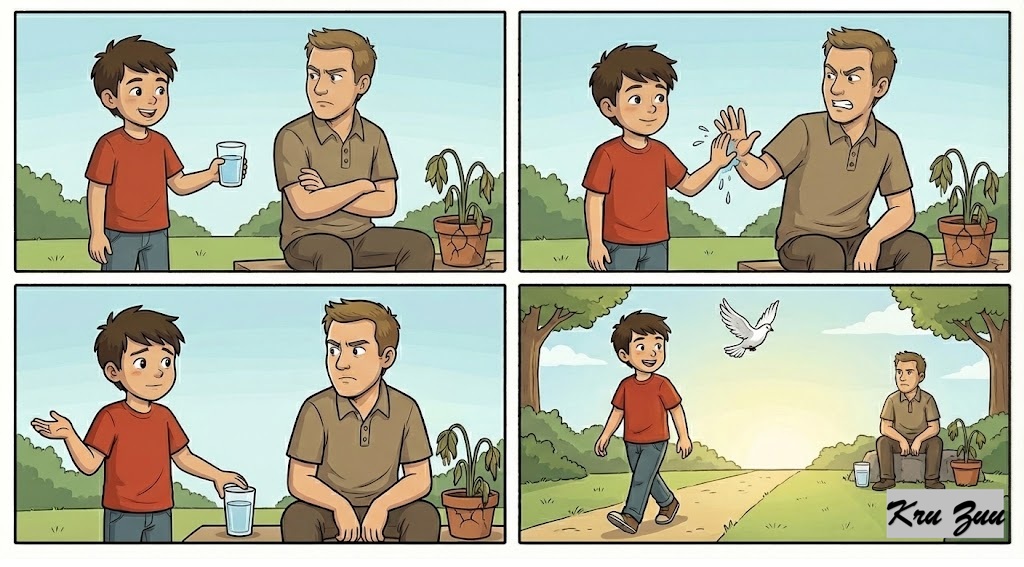
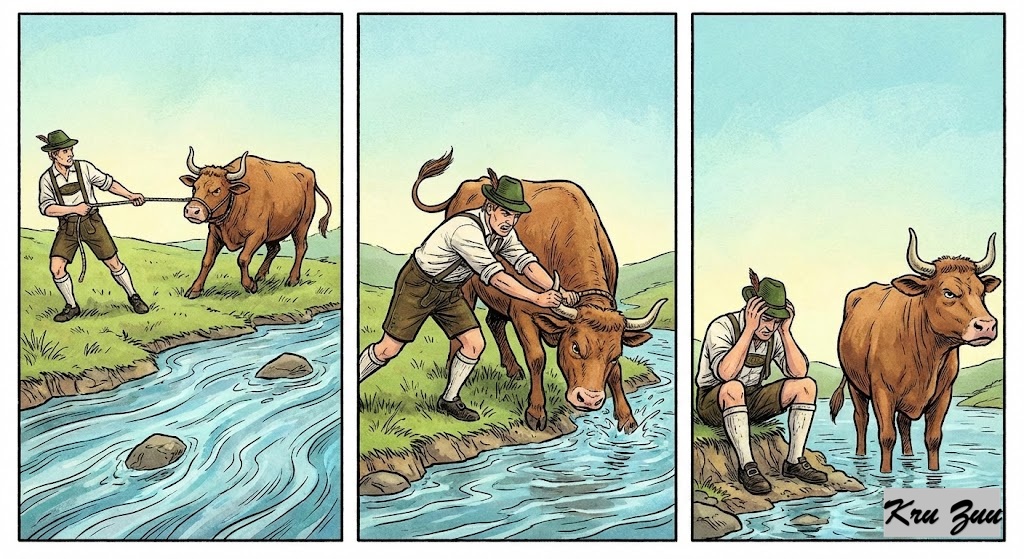
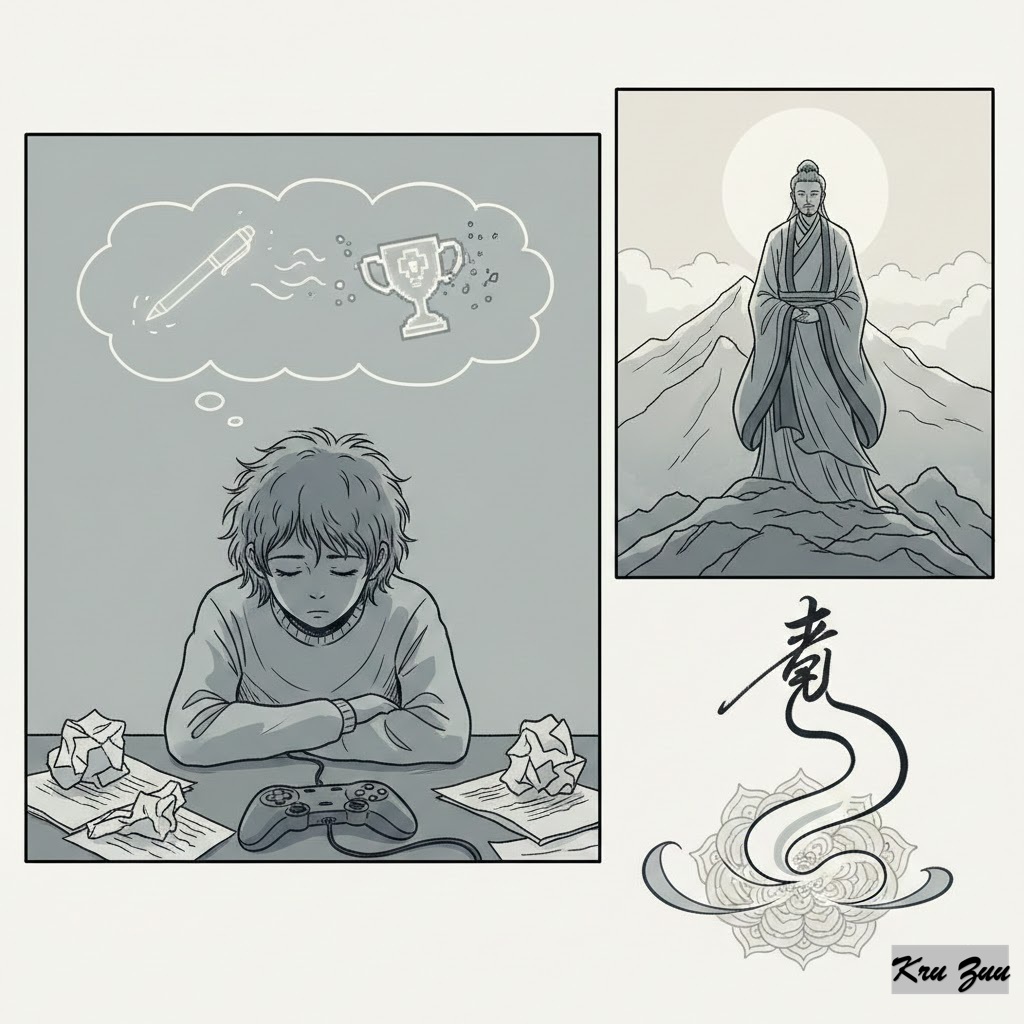
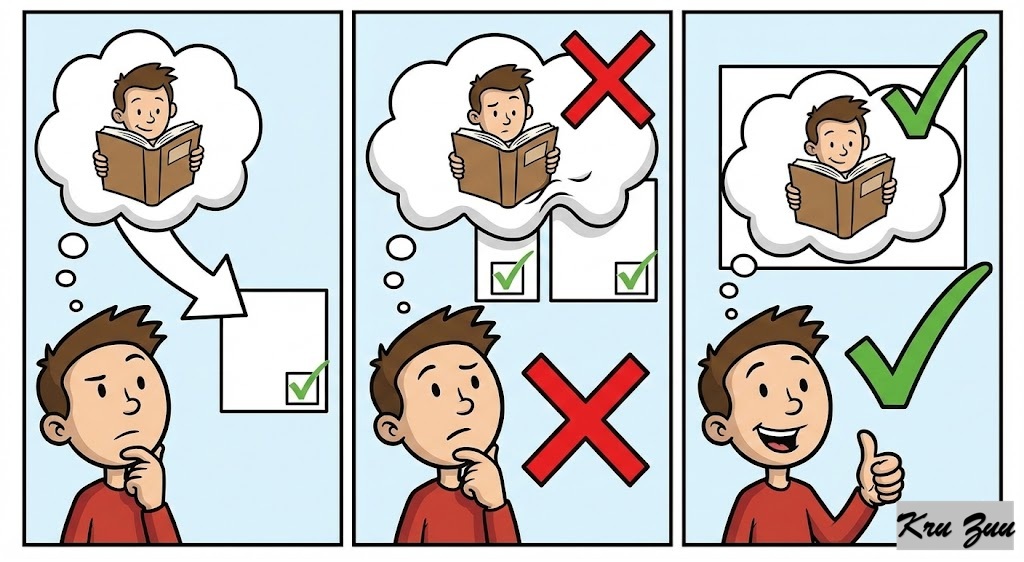
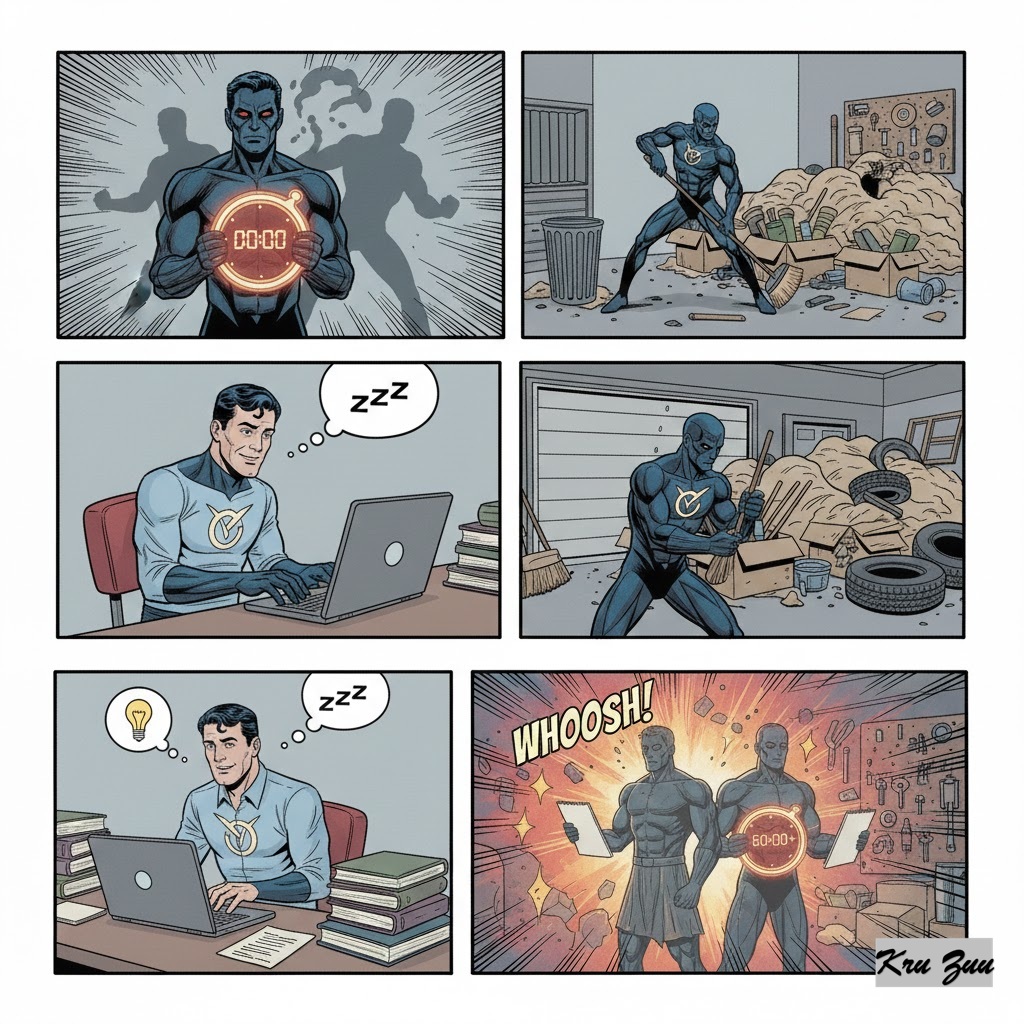
😈 The Villain (The Procrastinator)
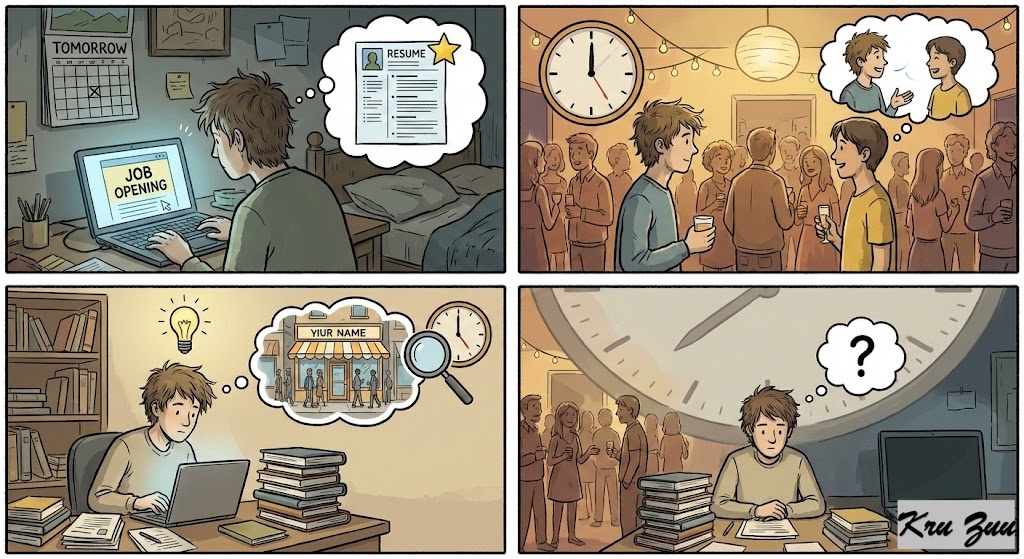
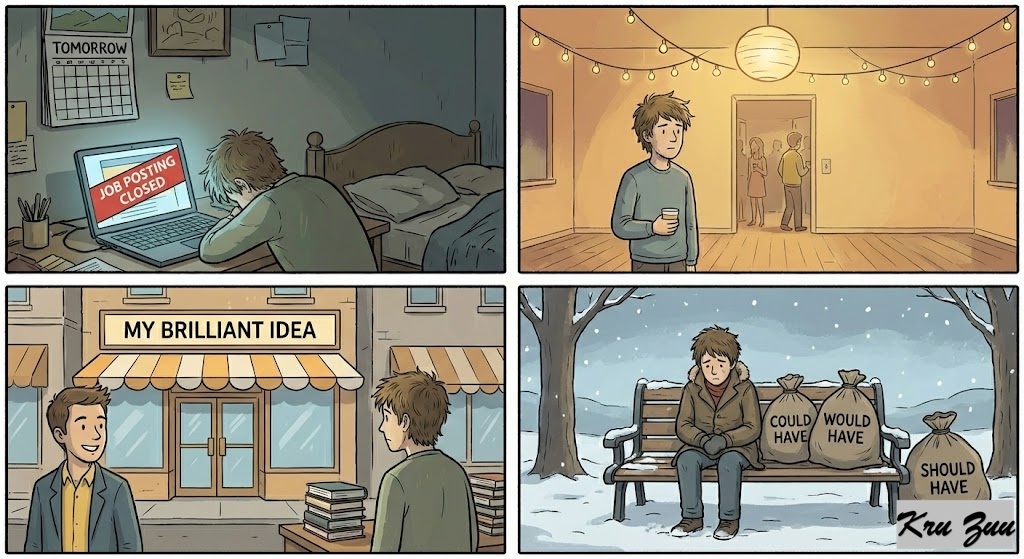
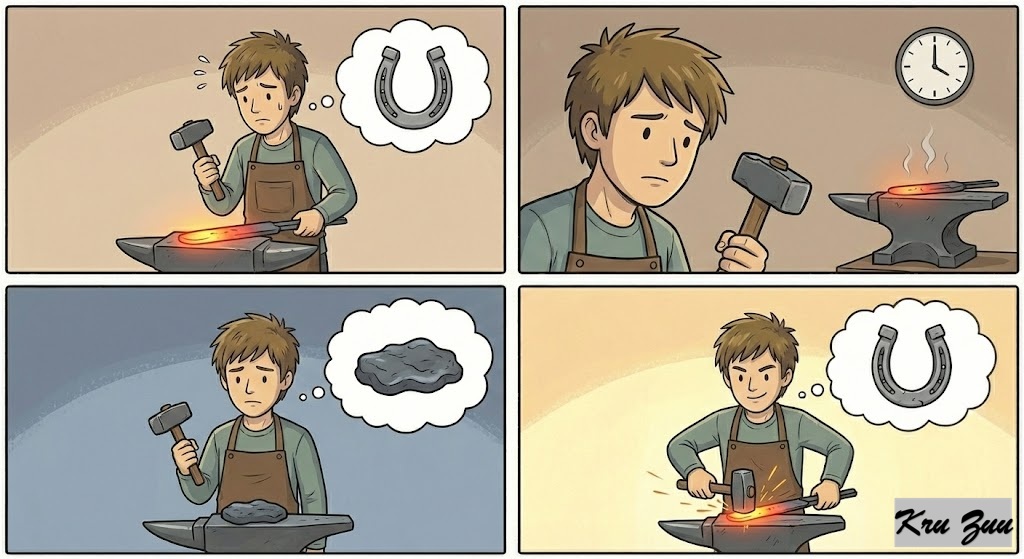
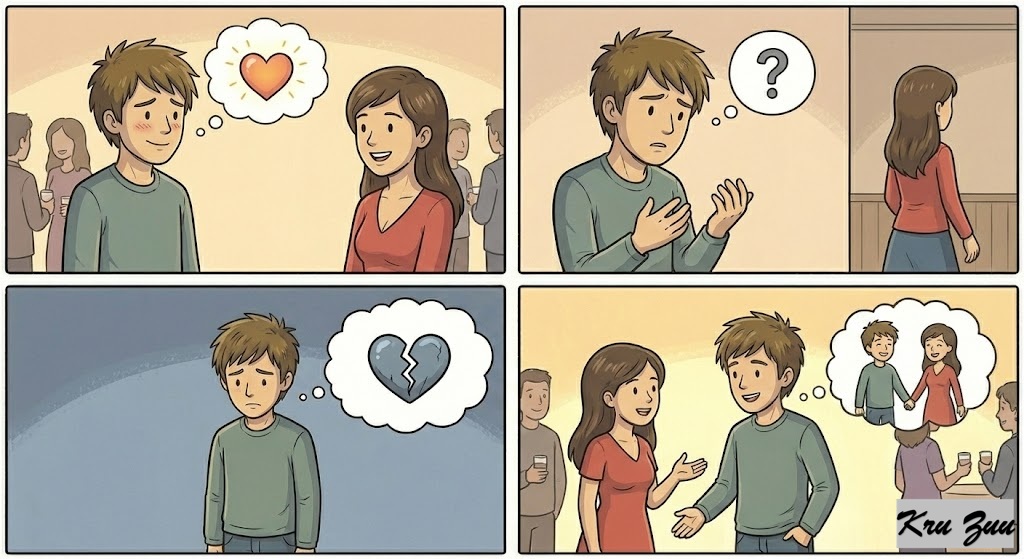
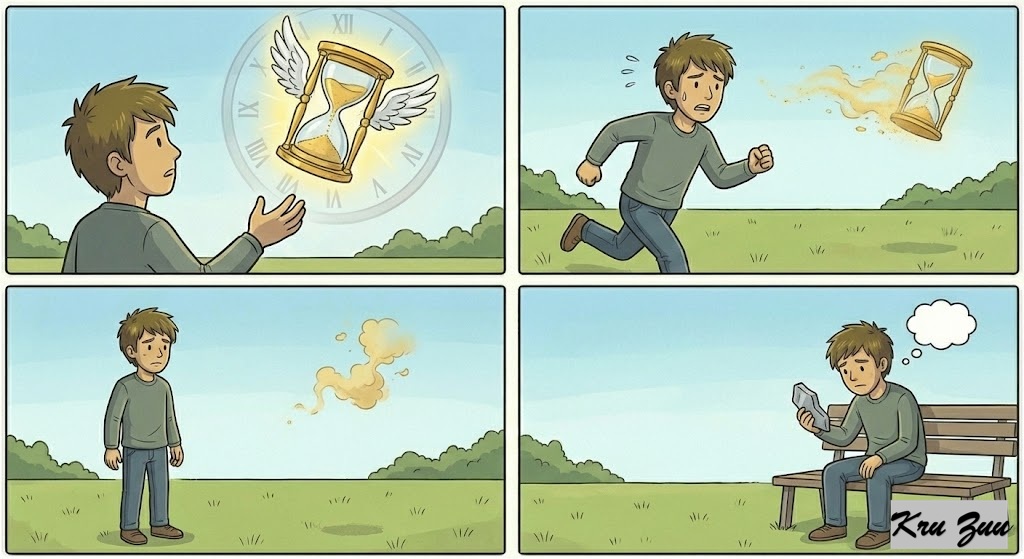
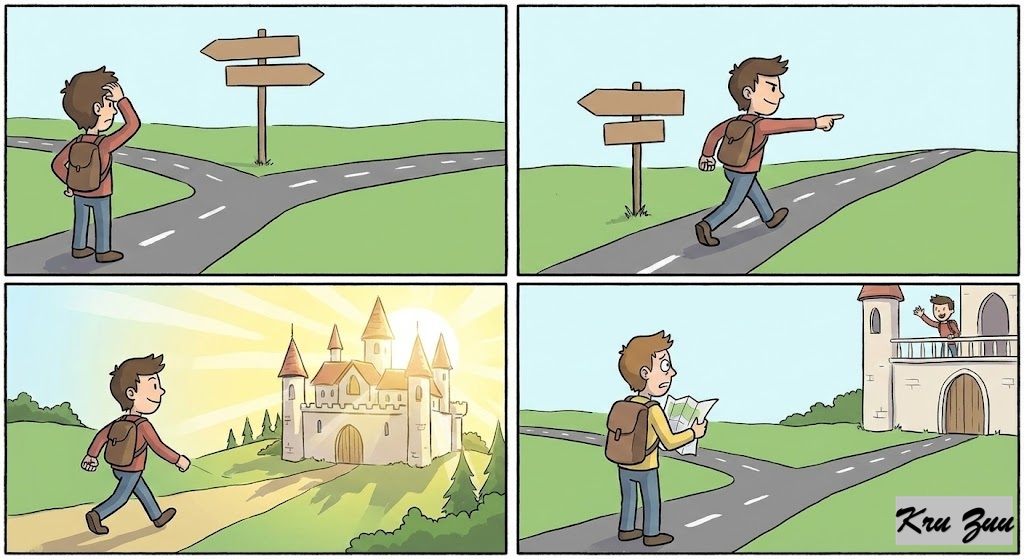
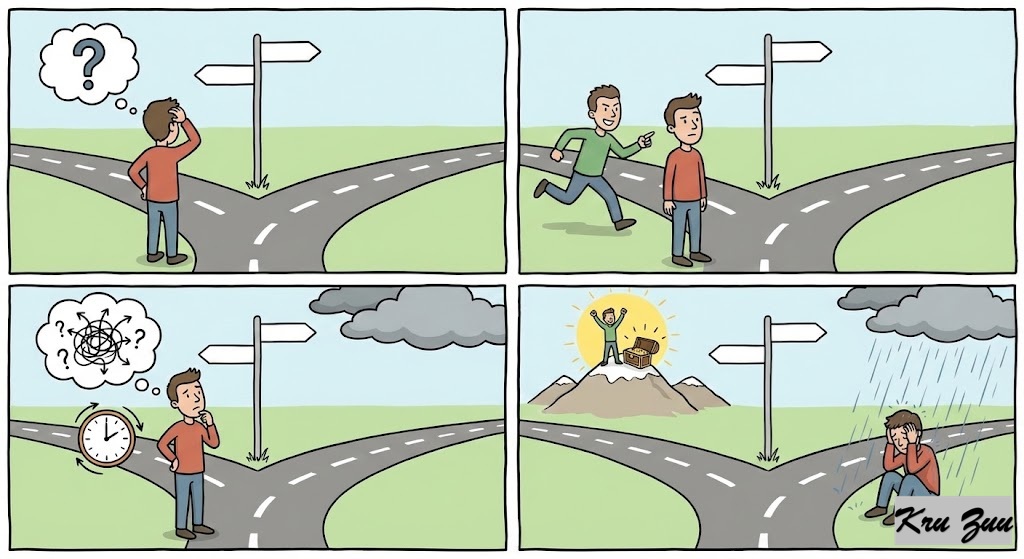
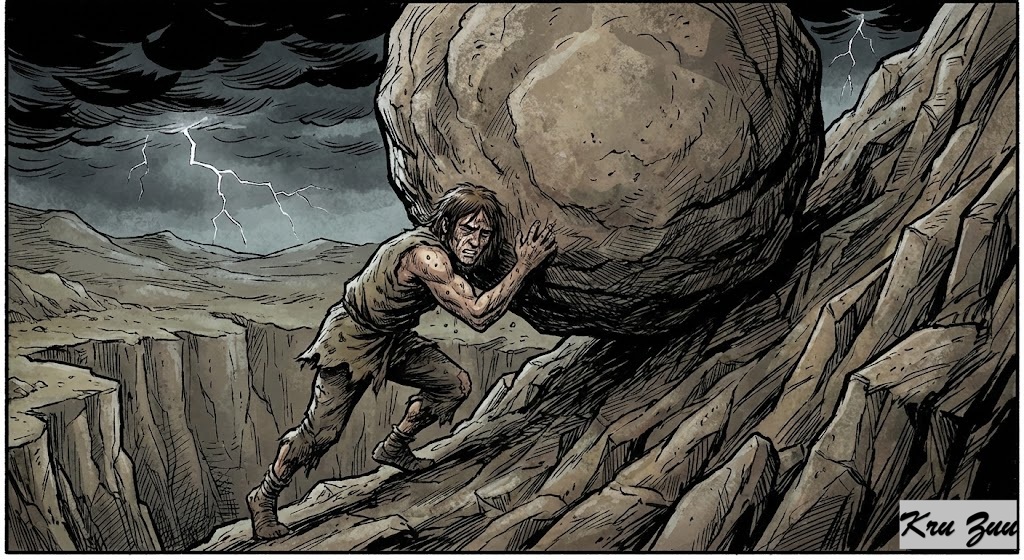
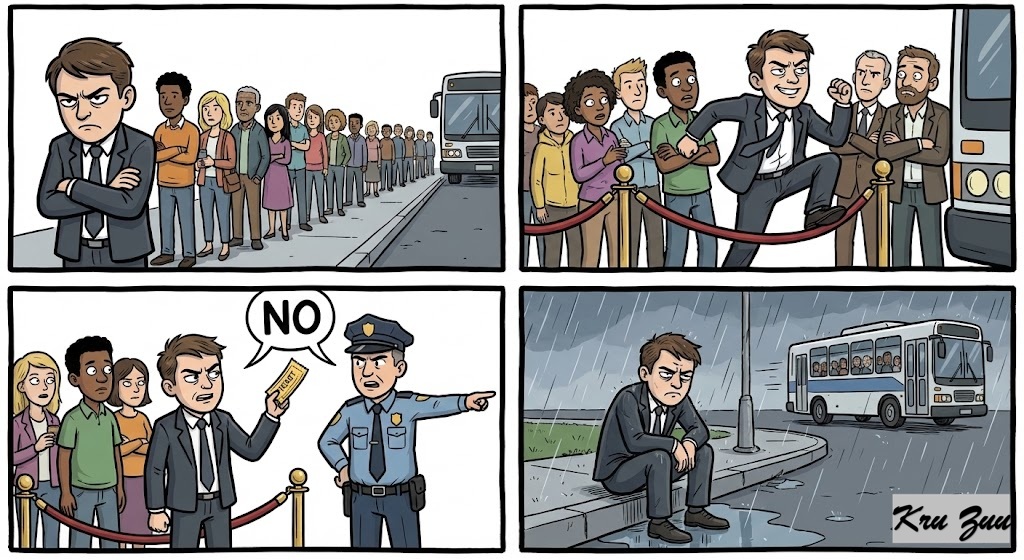
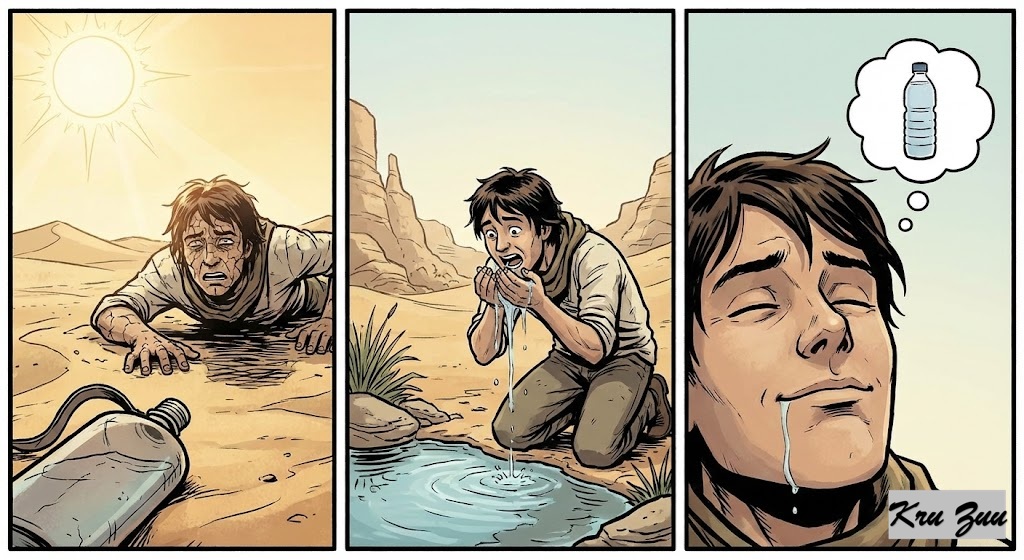
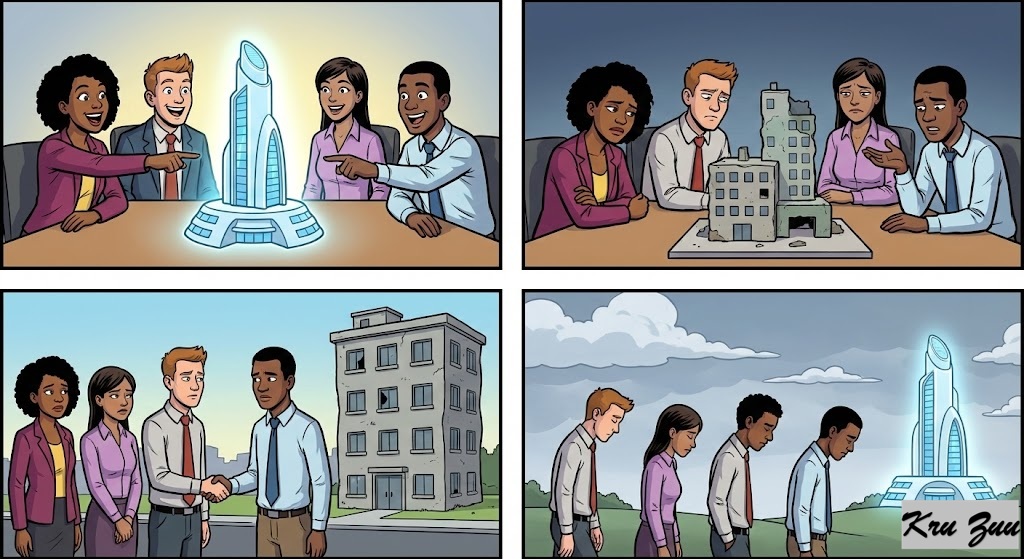
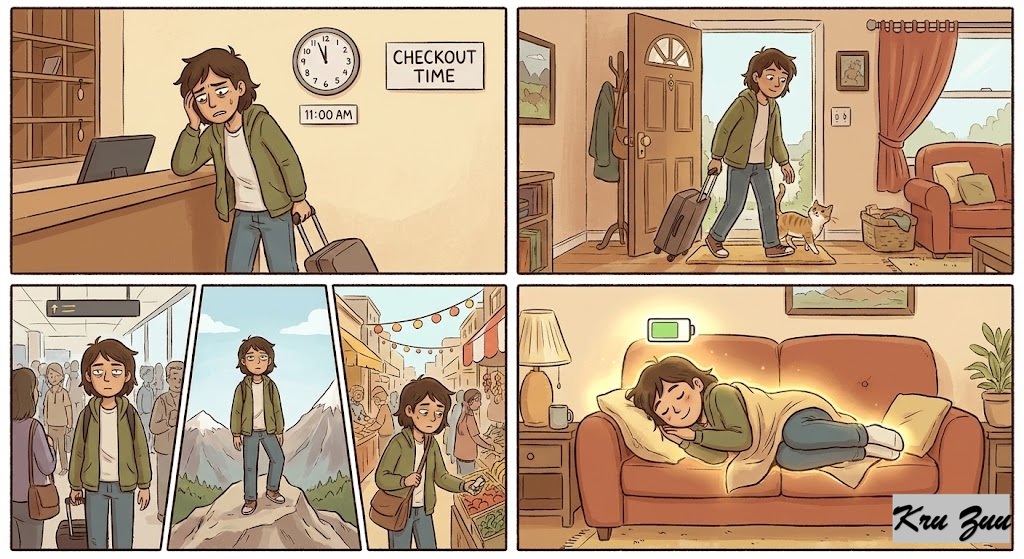
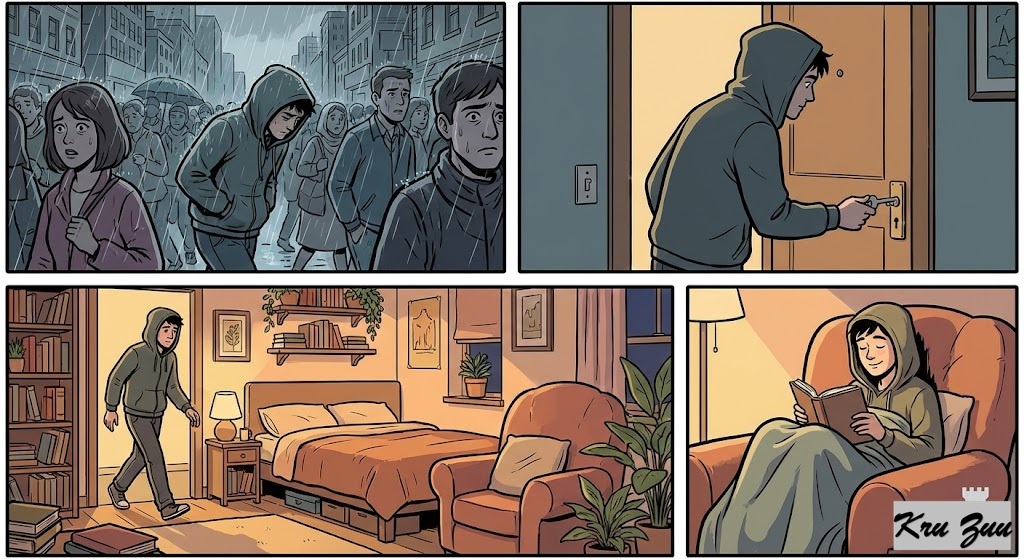
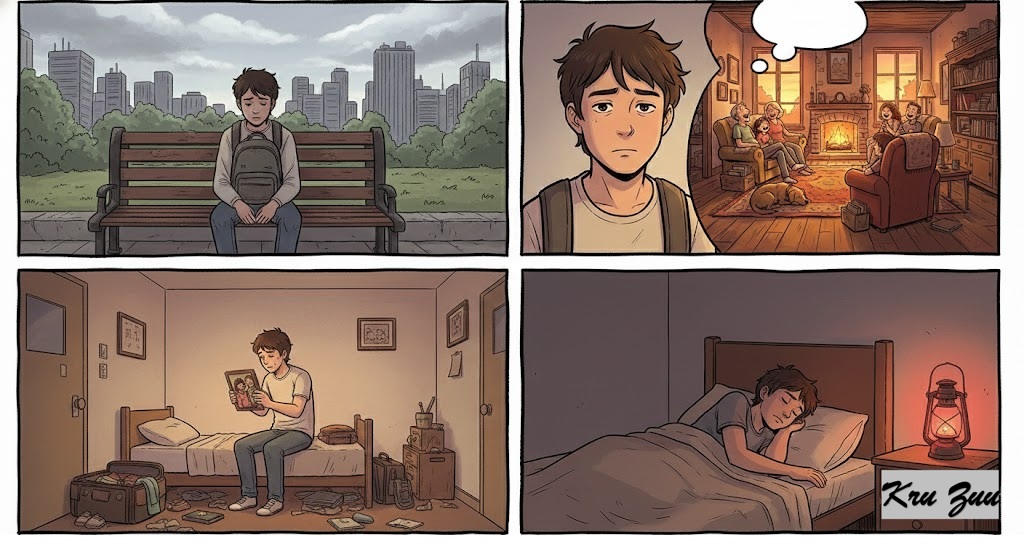
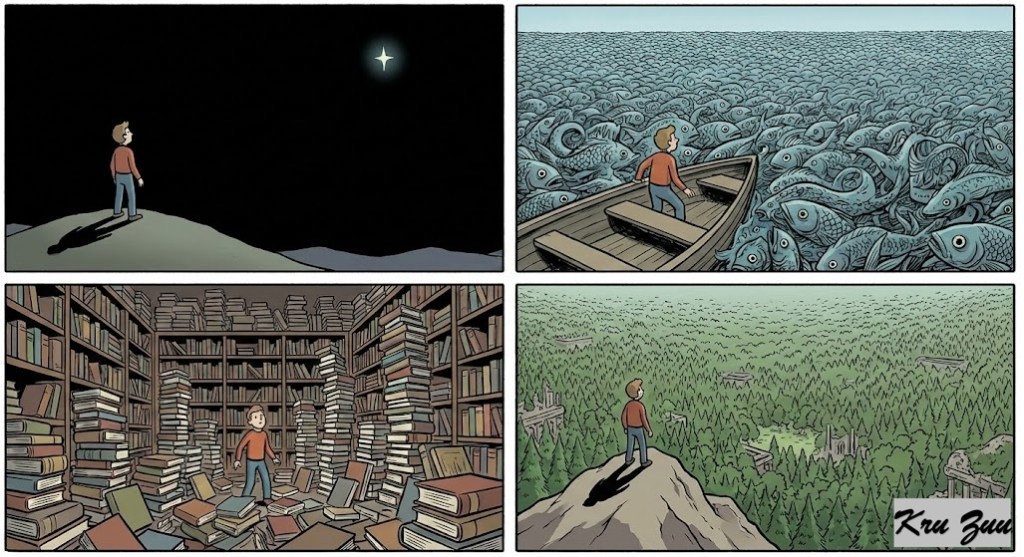
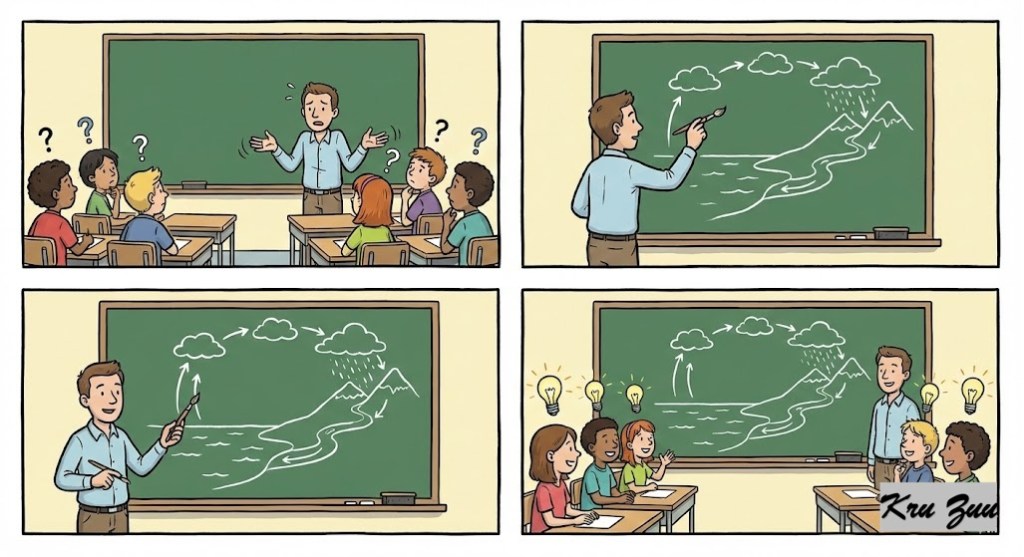
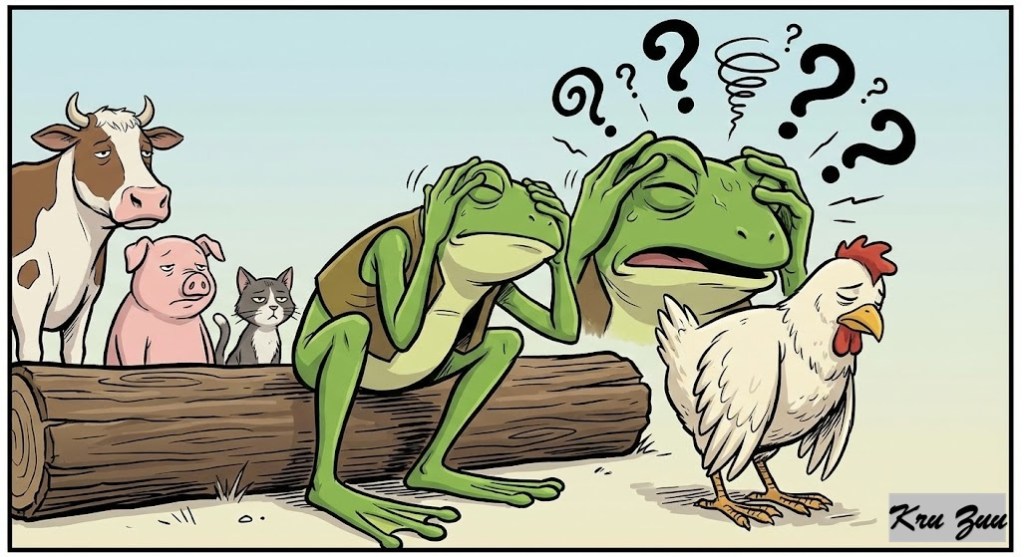
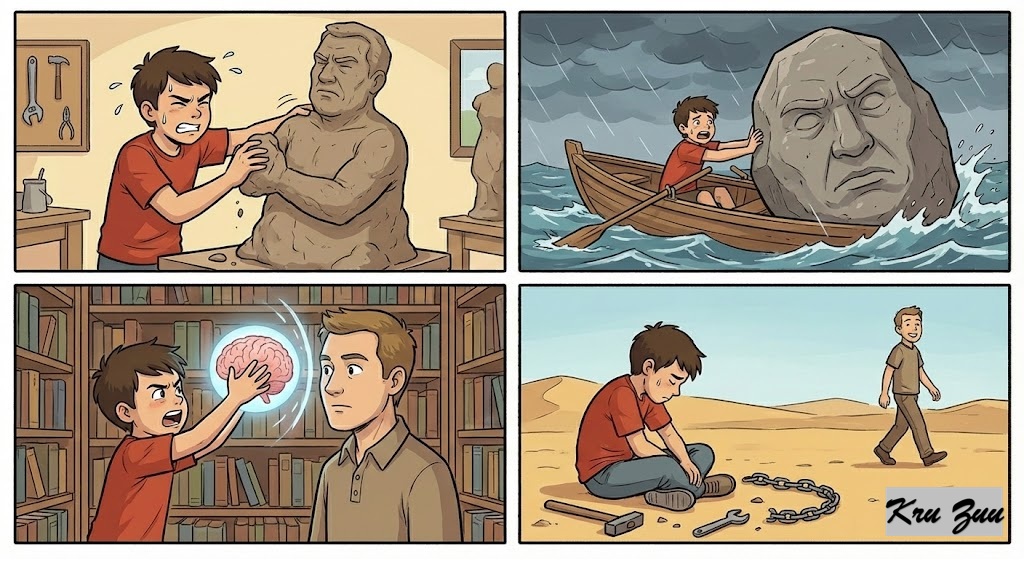
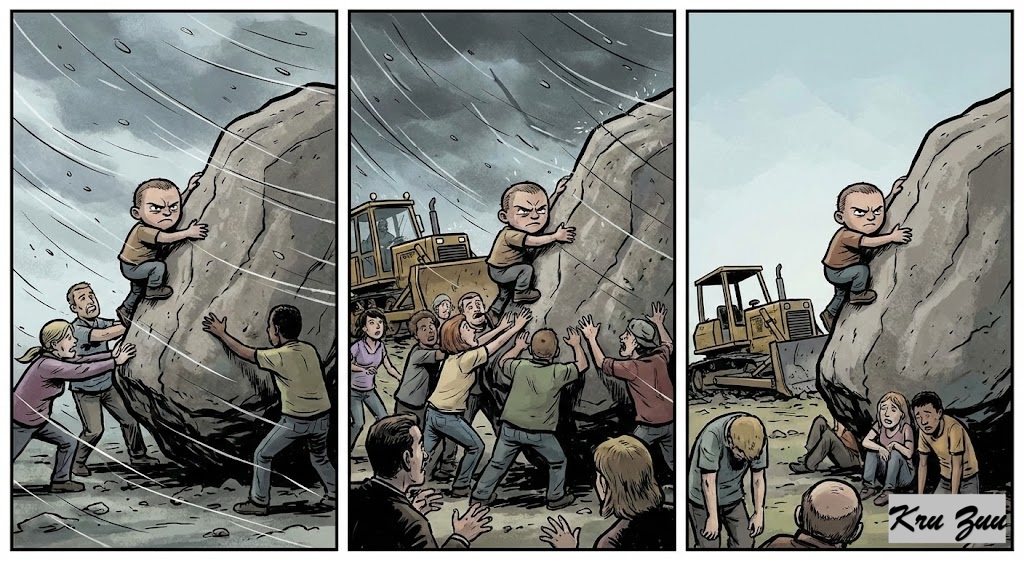
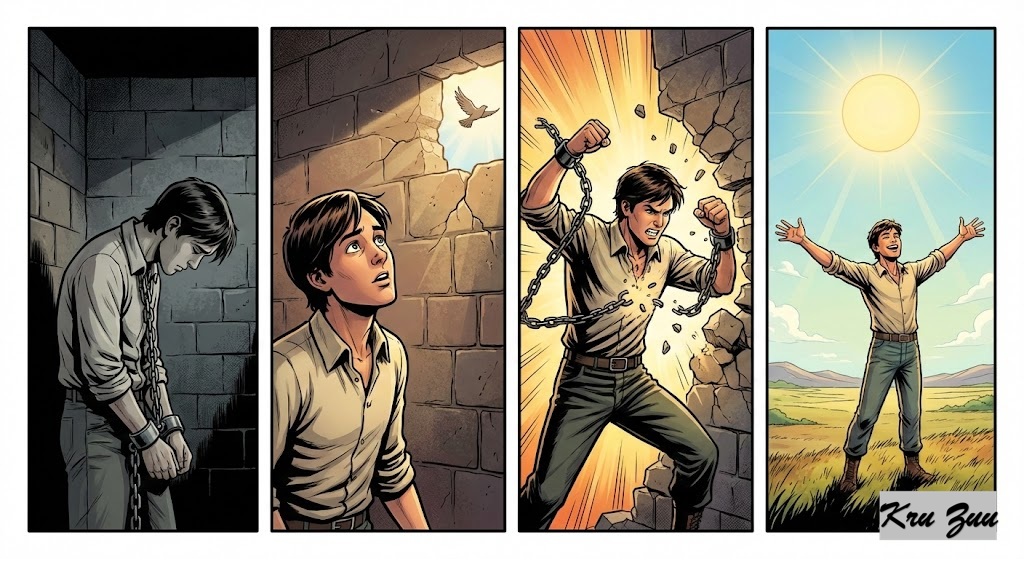
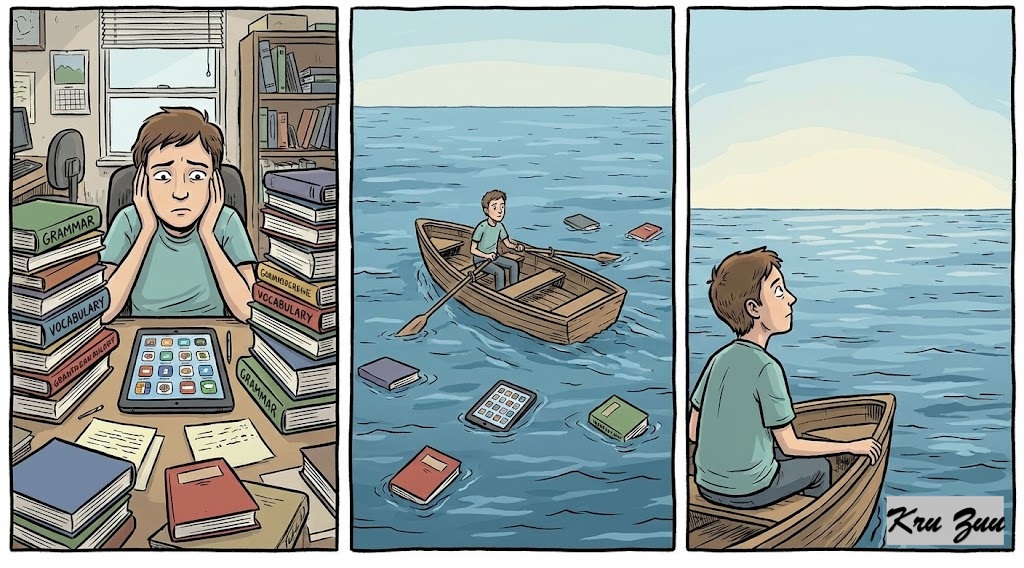
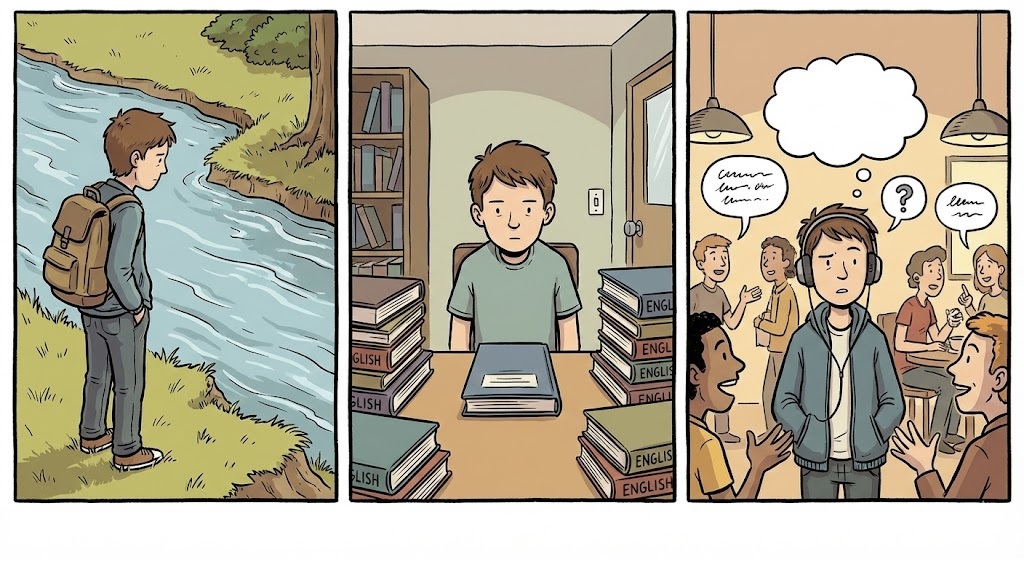
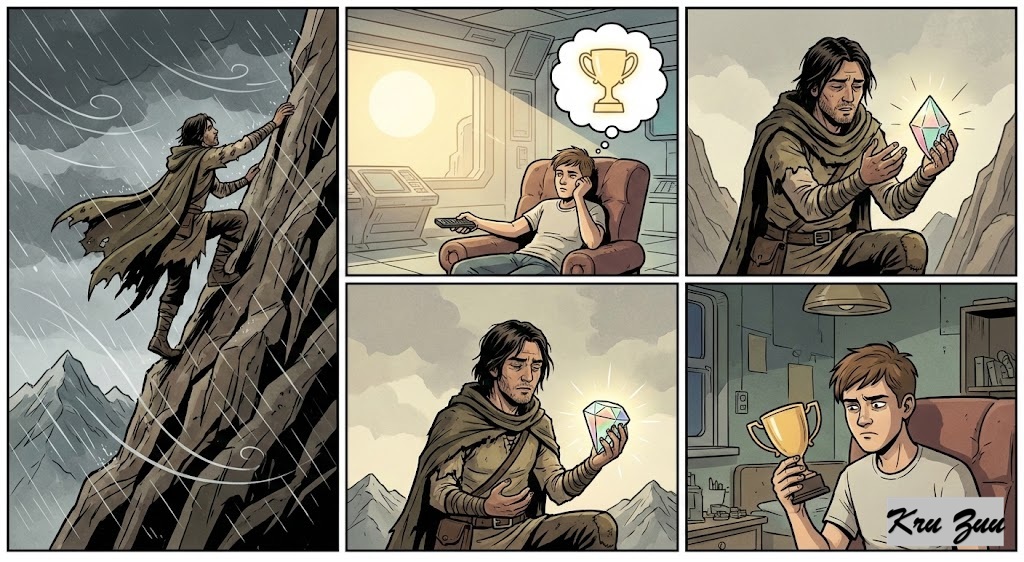
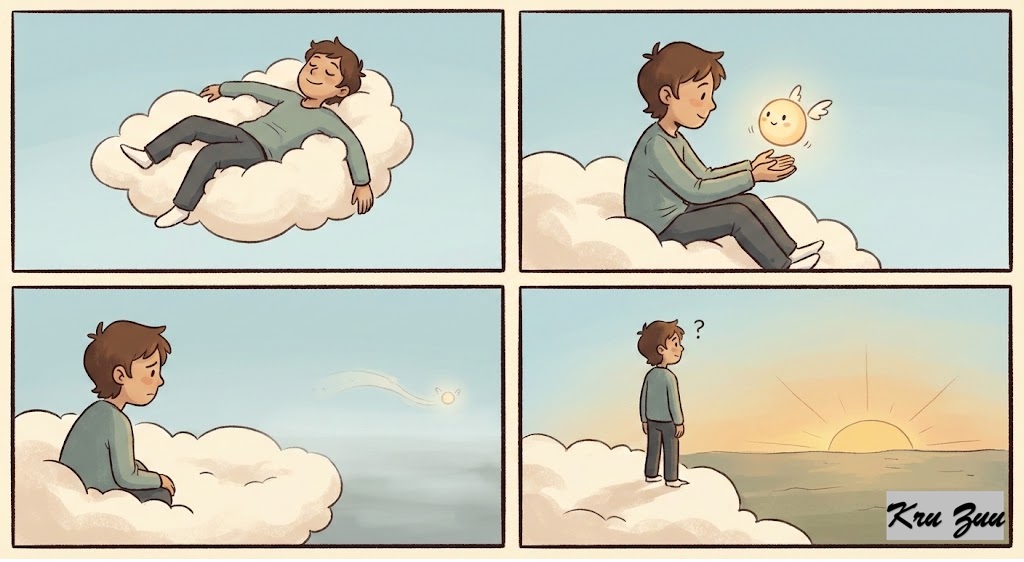
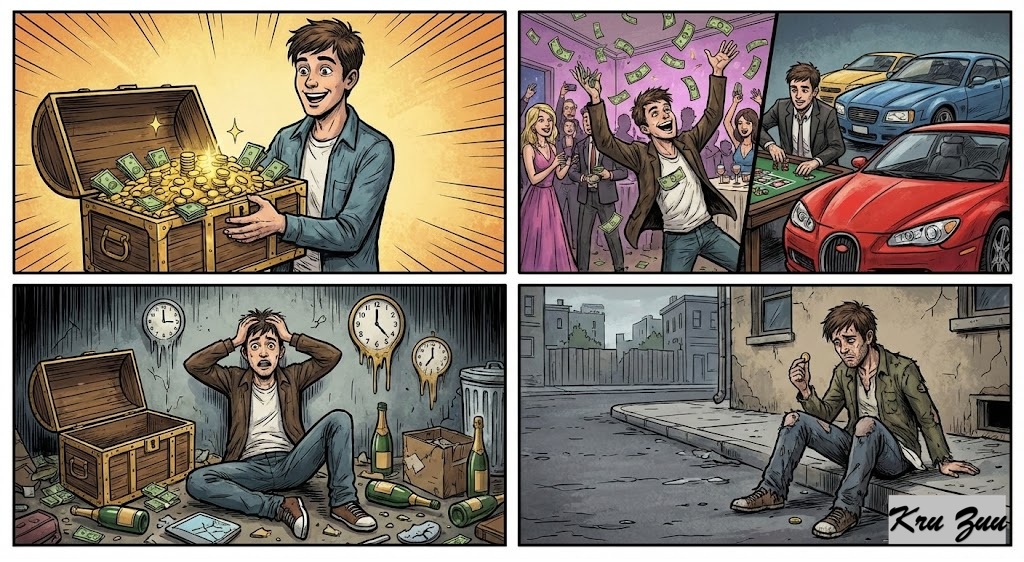
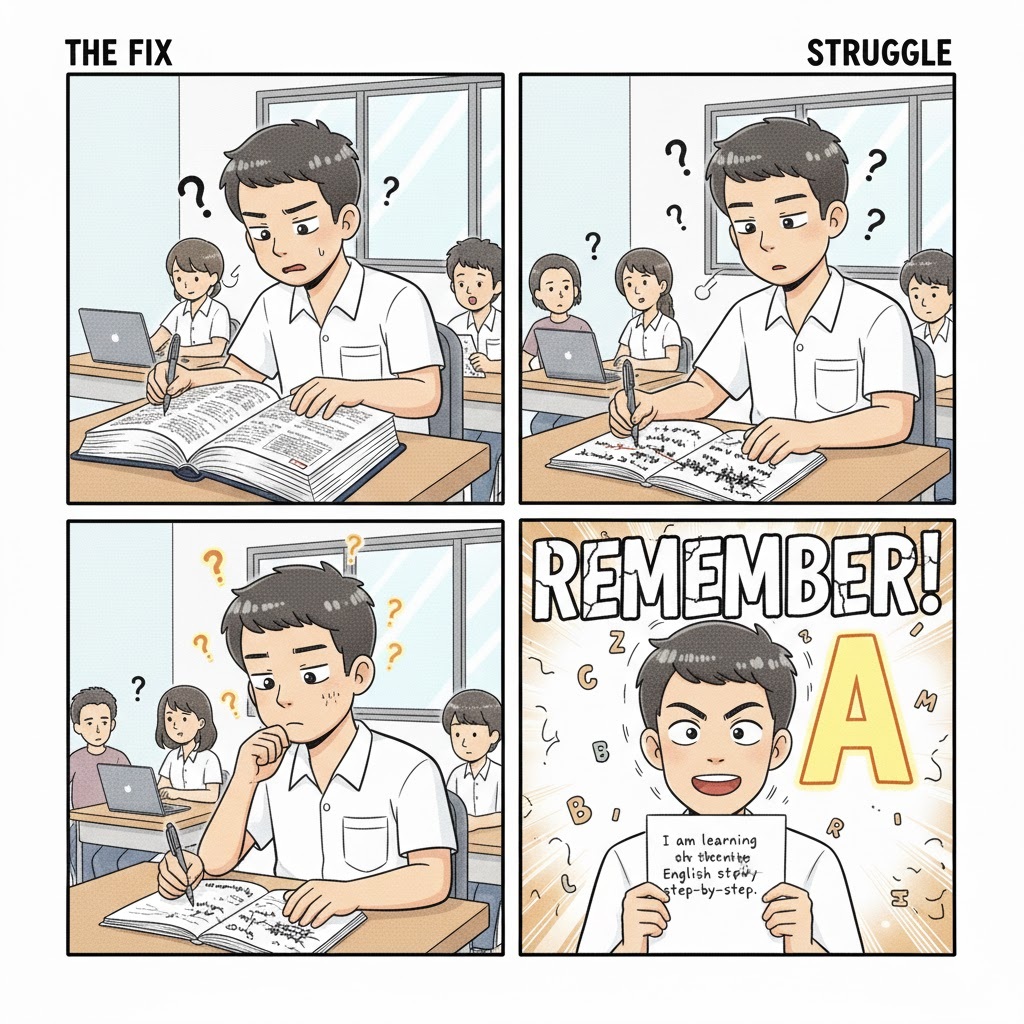
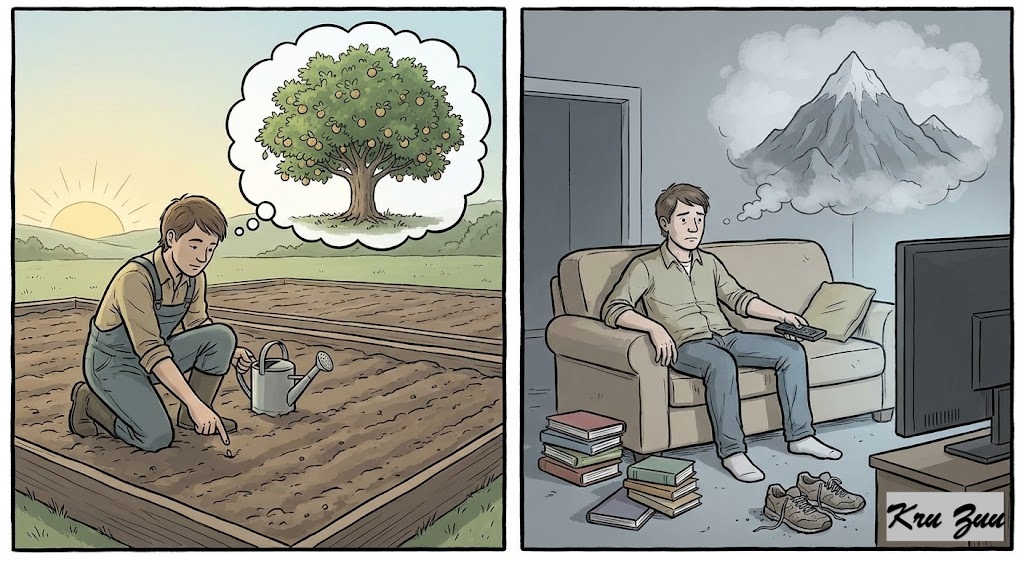
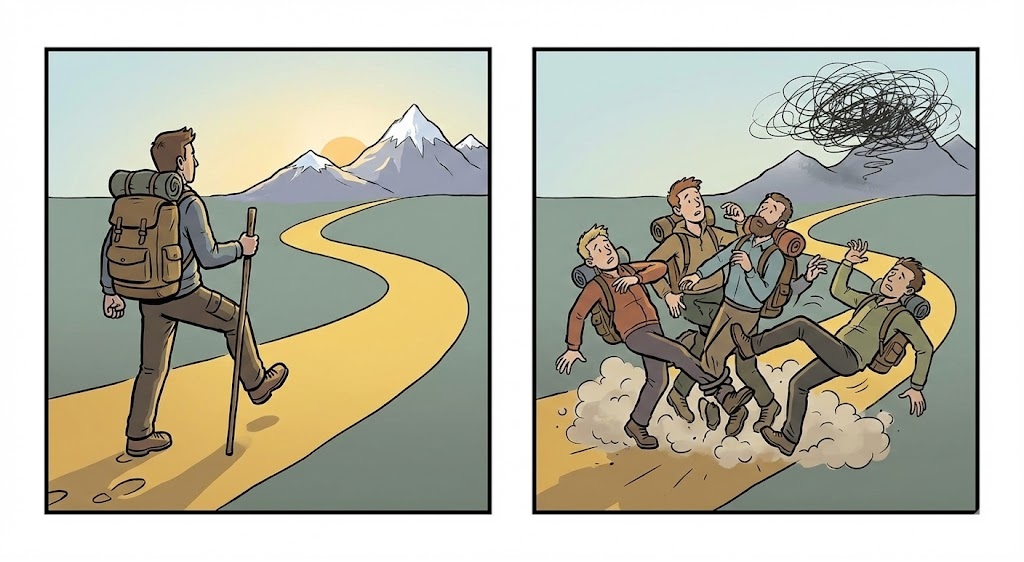
You have a big dream. You want to learn English, lose weight, or write a book. But you look at the mountain ahead and you freeze. 🧊 “It’s too hard!” “It will take years!” “I’ll start next Monday (or next year).” You are obsessed with the finish line, so you never cross the starting line. You wait for the “perfect time” or “perfect mood.”
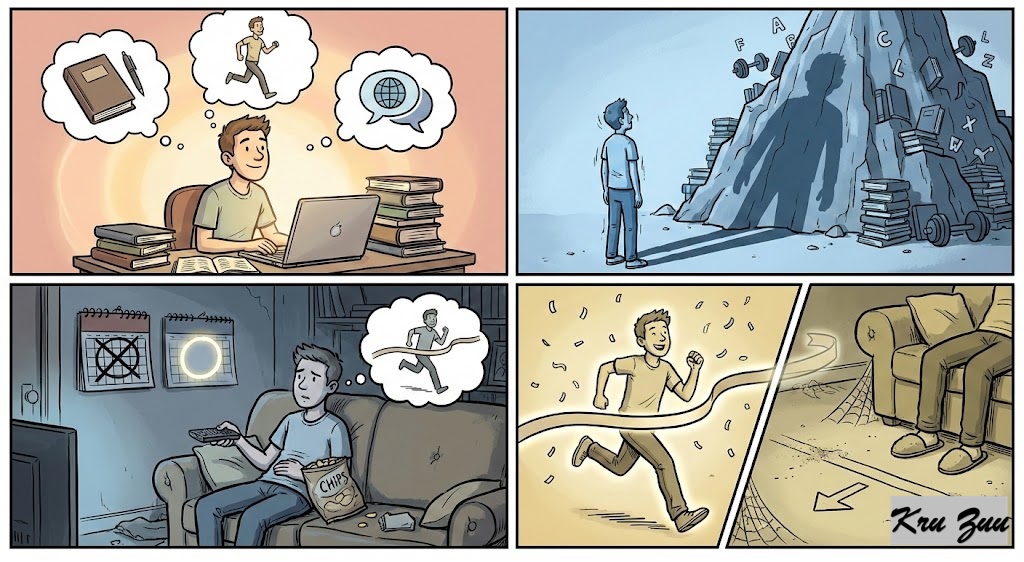
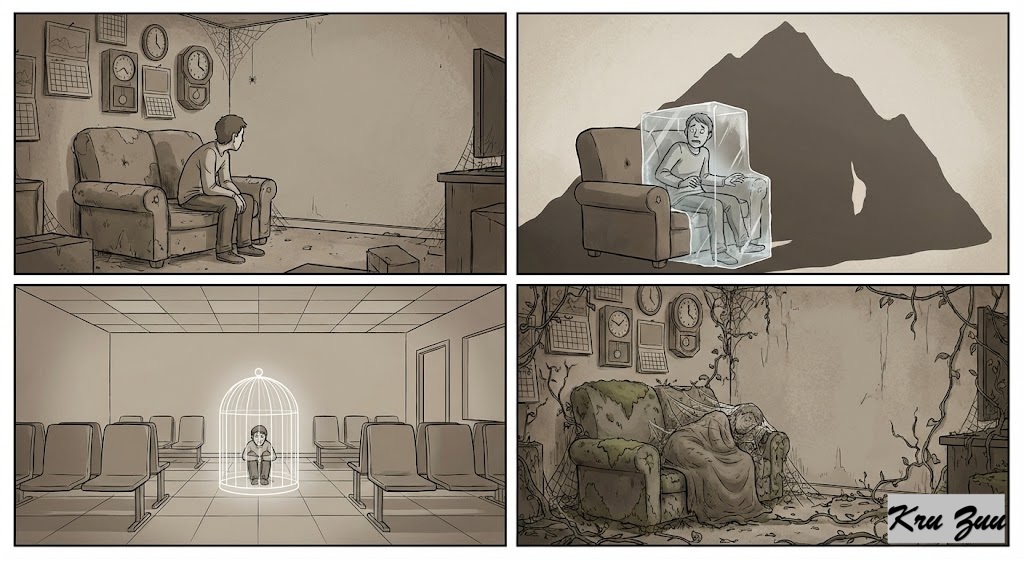
The Result? You stay exactly where you are. You are paralyzed by the size of the task. You are trapped in the “Waiting Room of Life.” 🛋️
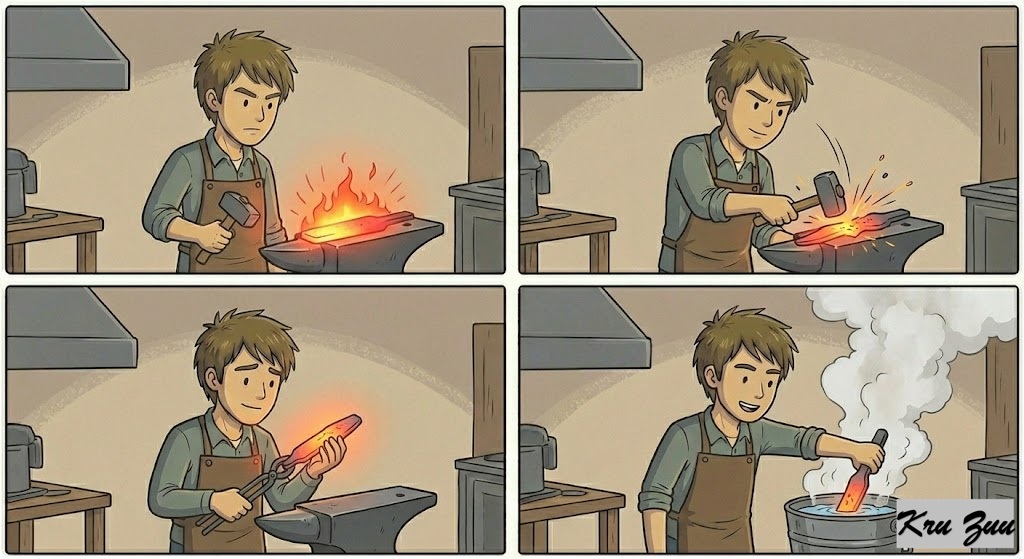
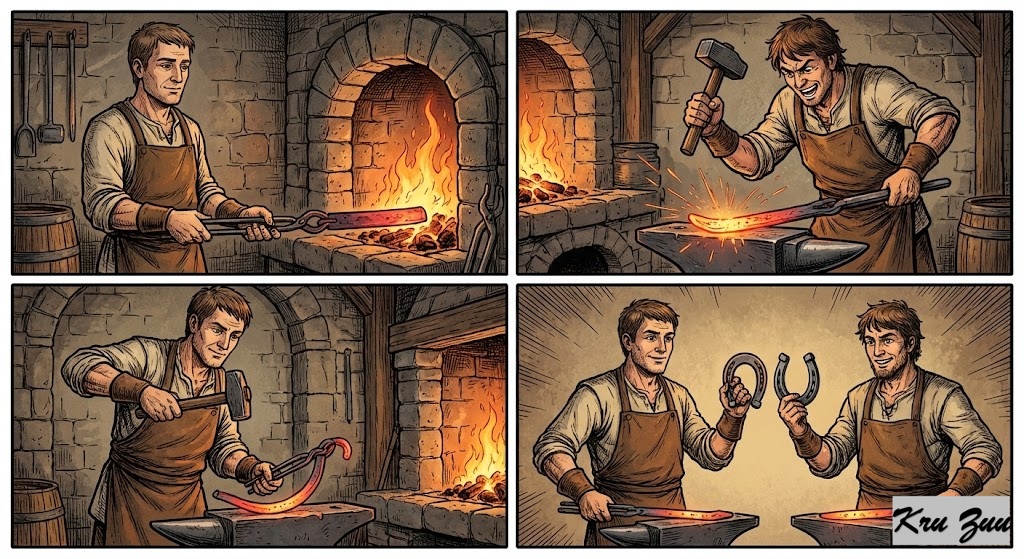
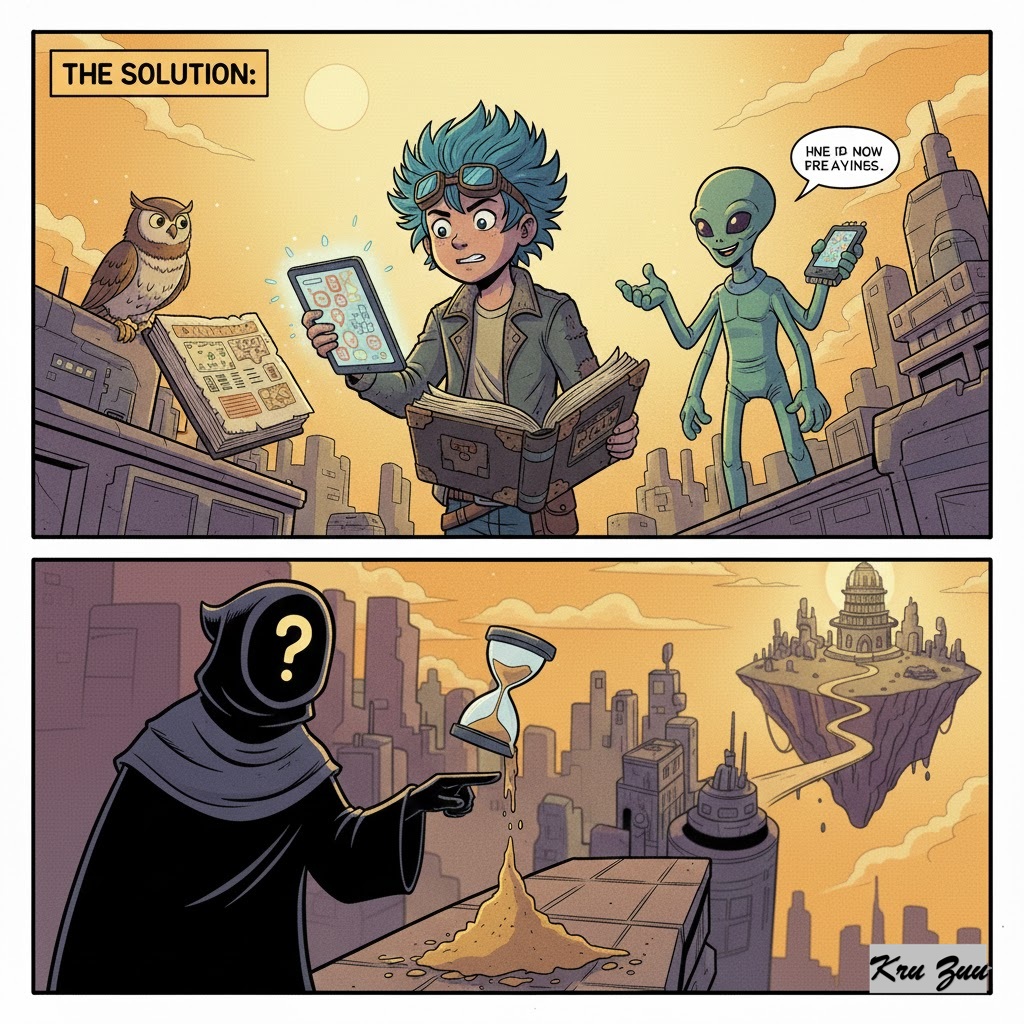
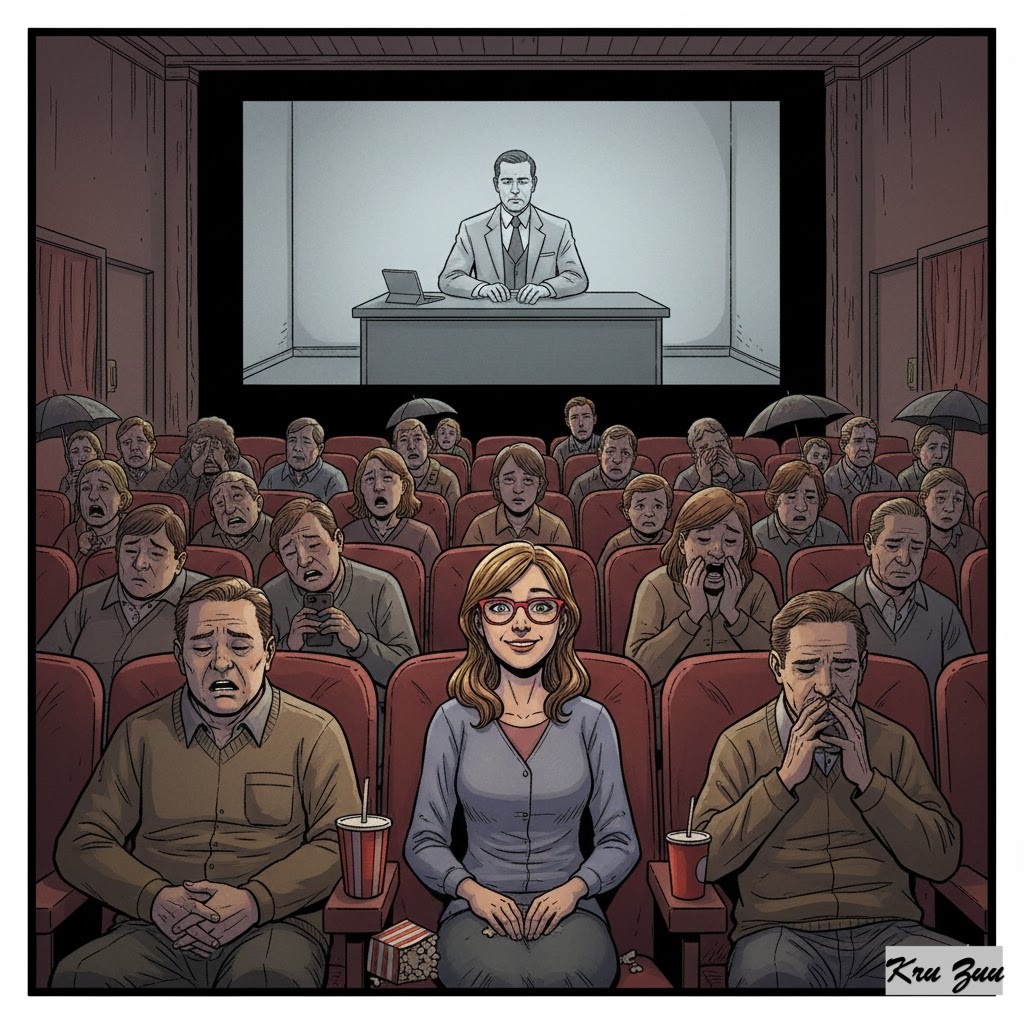
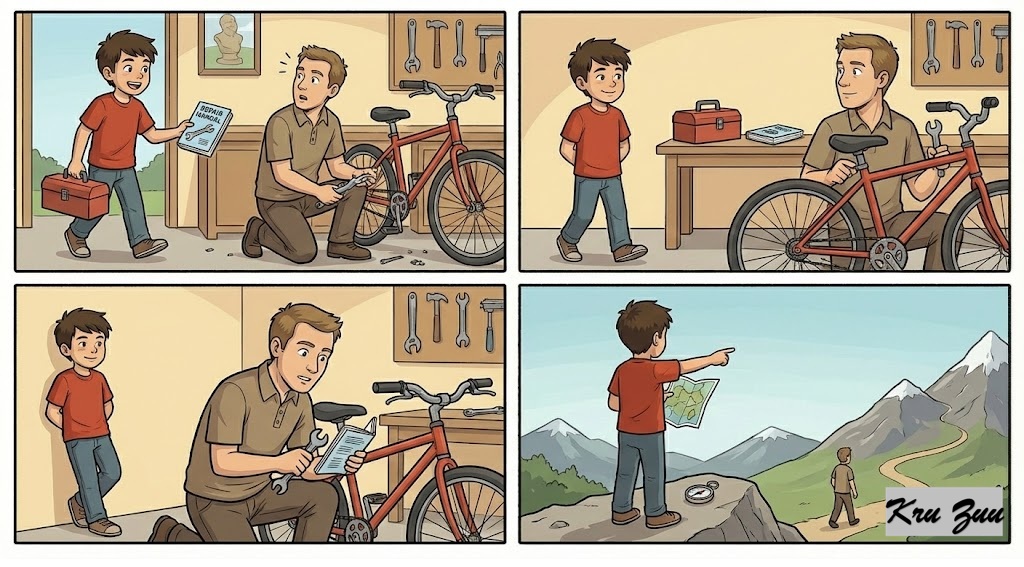
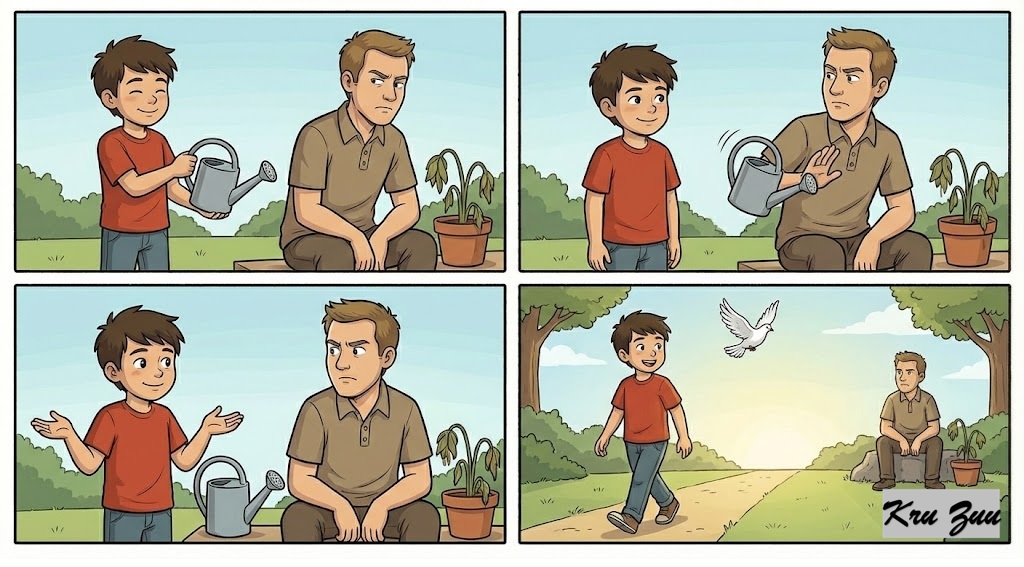
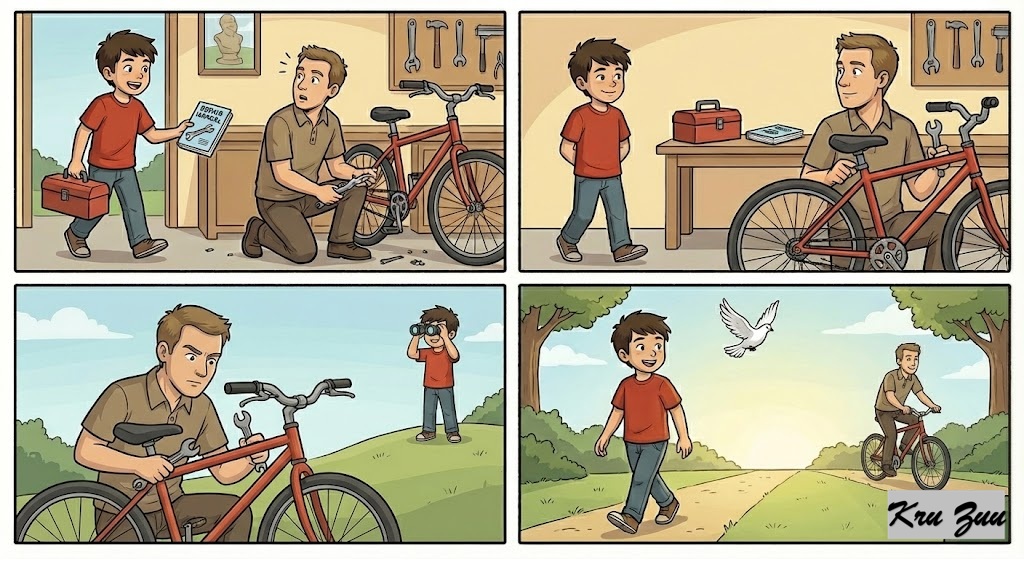
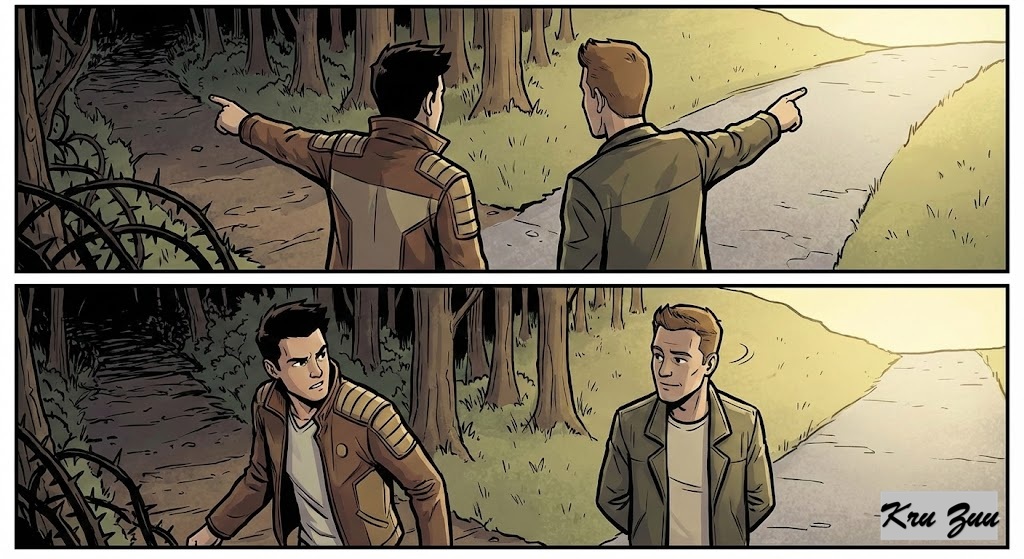
😇 The Hero (The Walker)
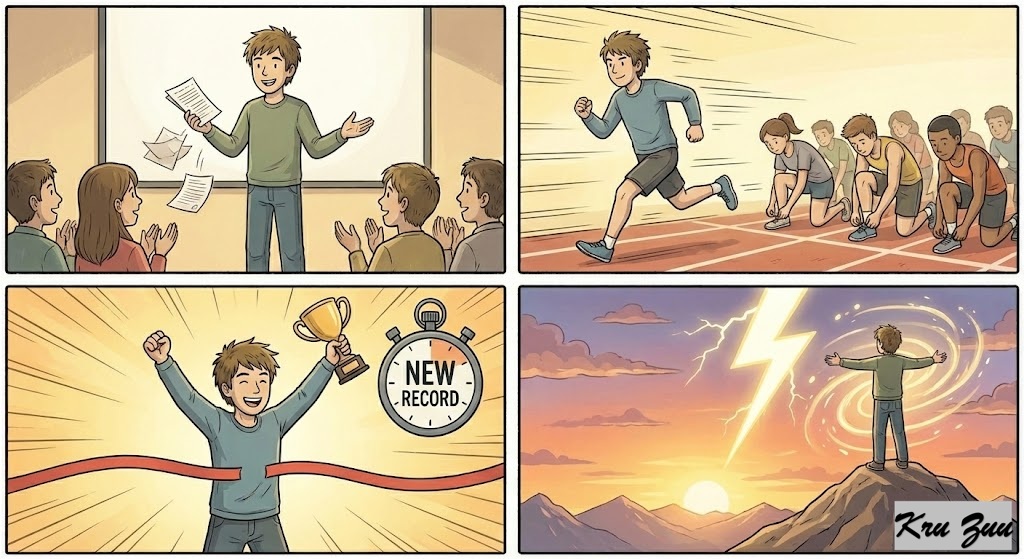
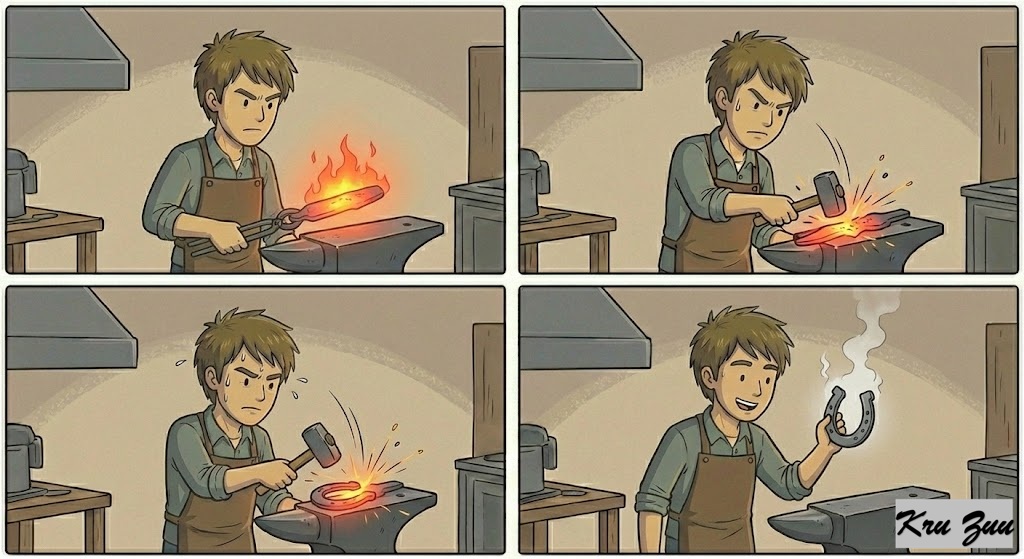
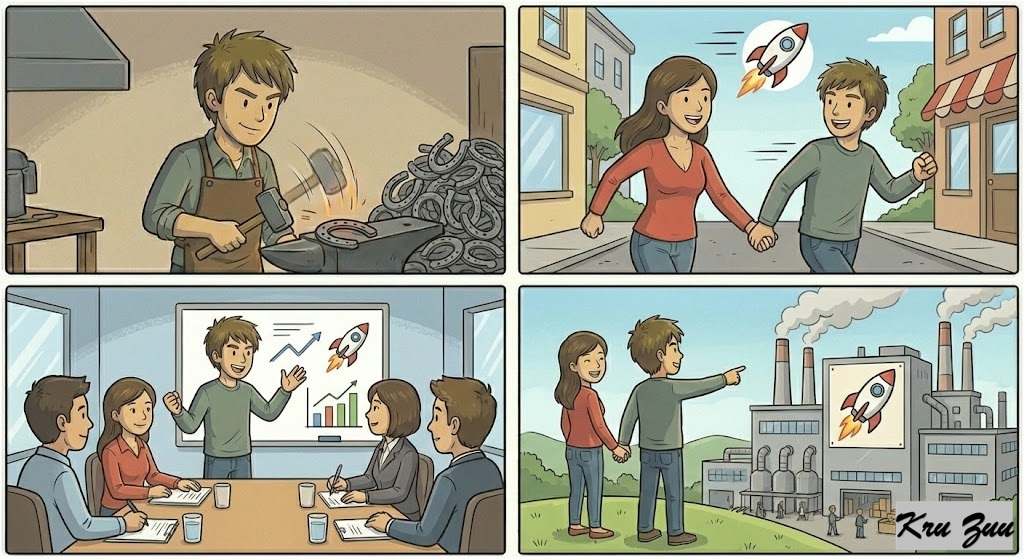
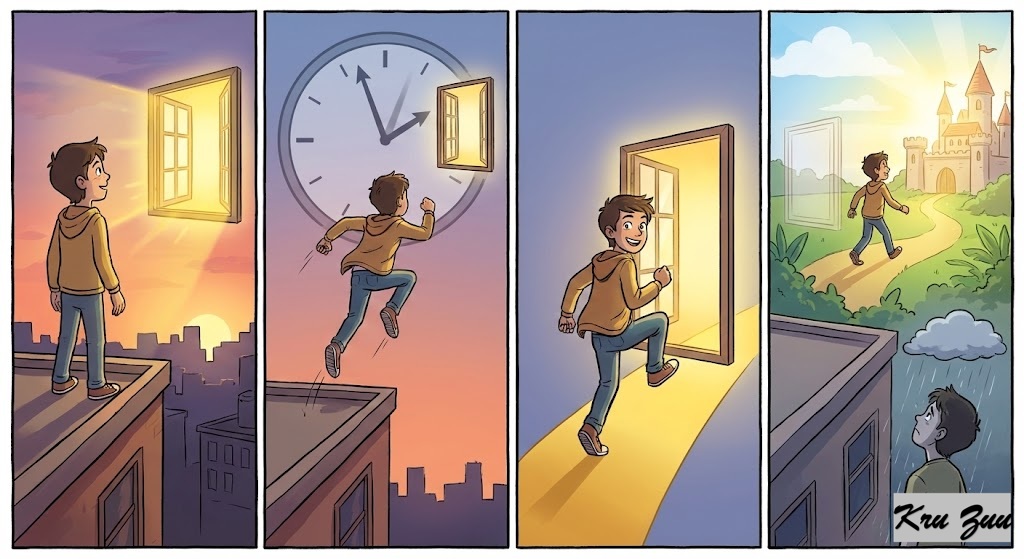
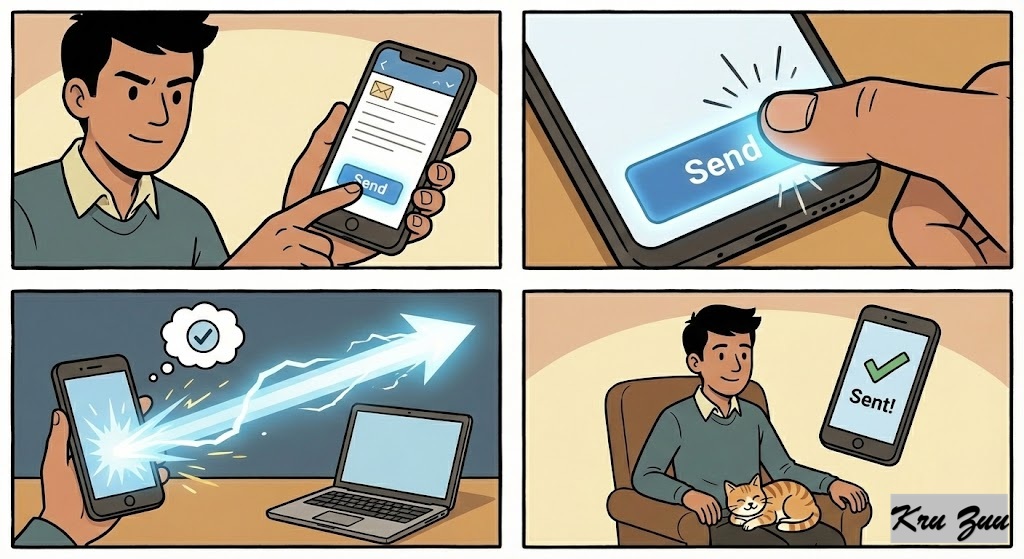
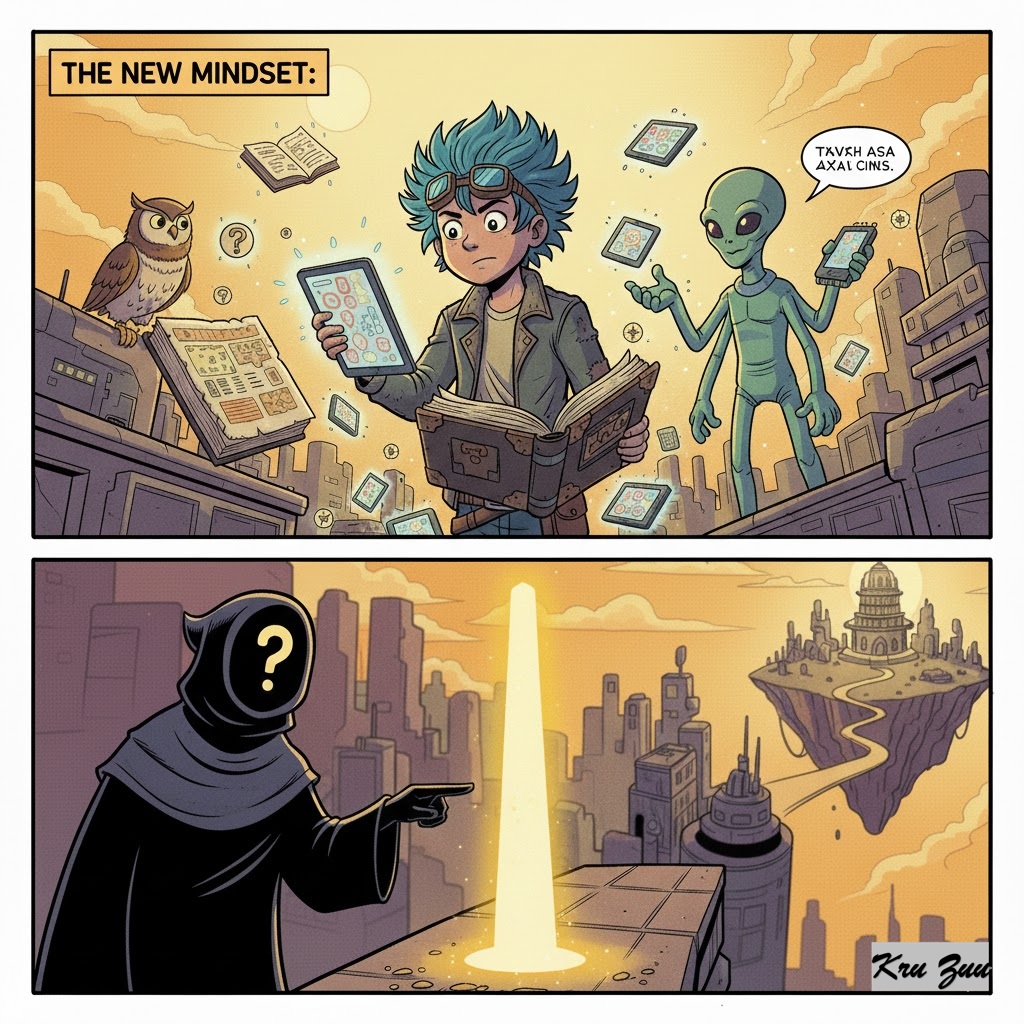
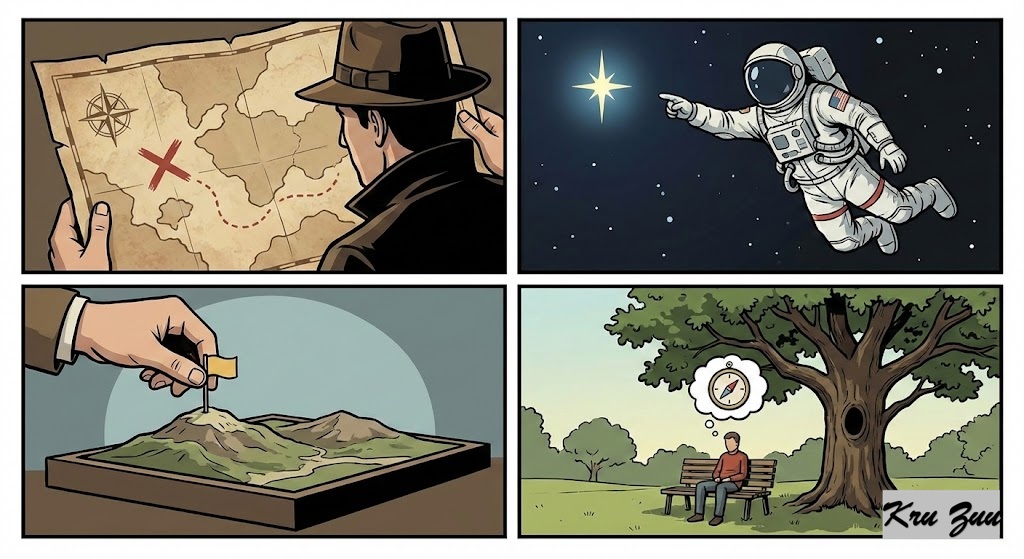
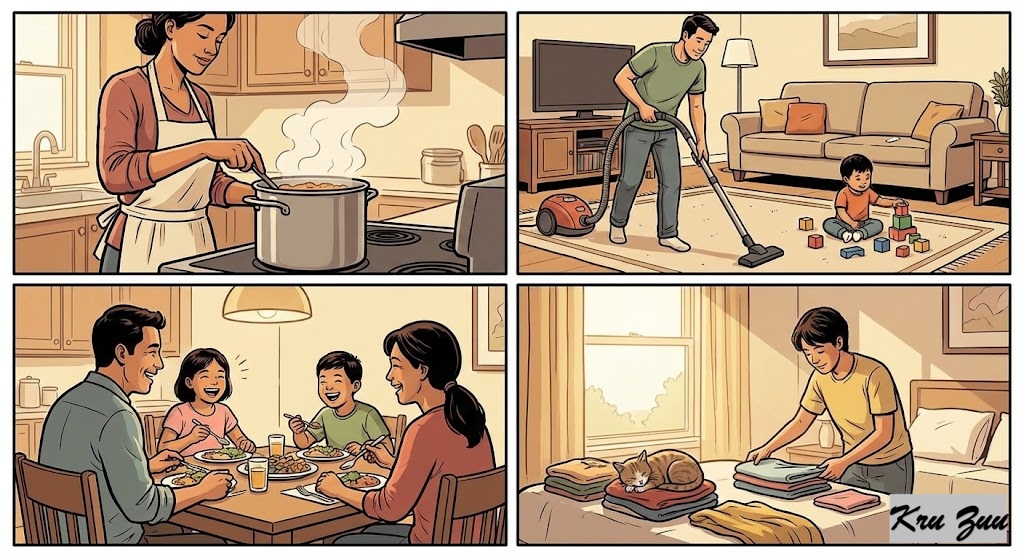
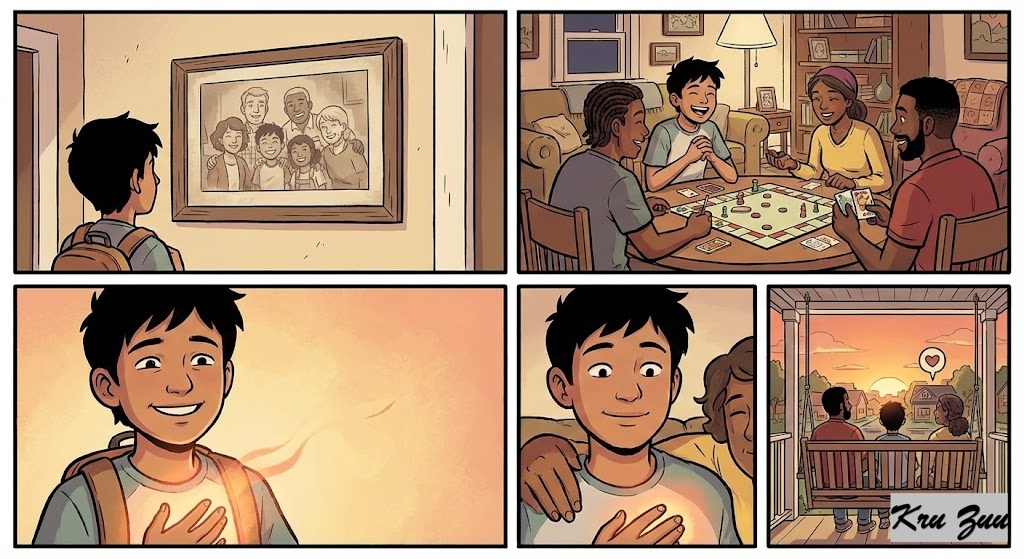
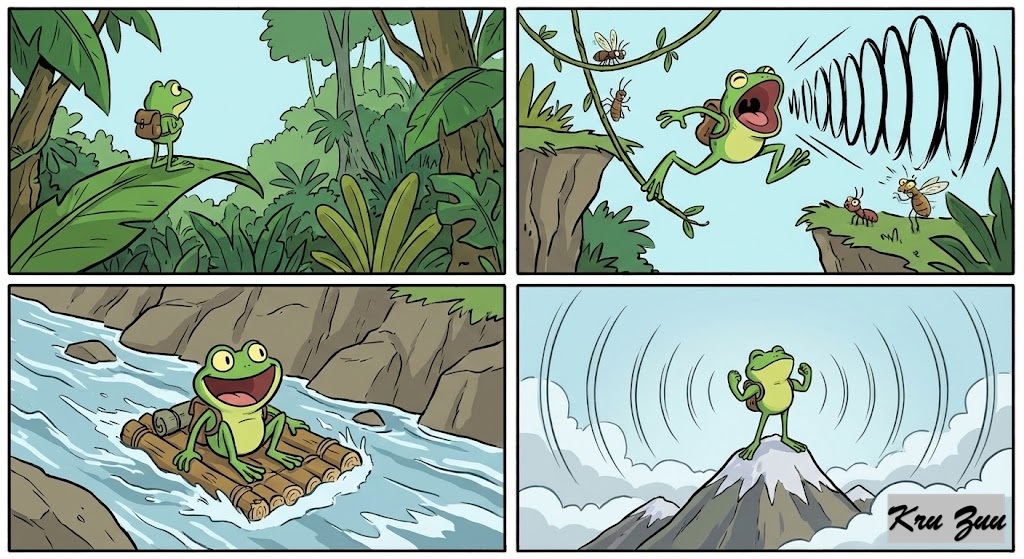
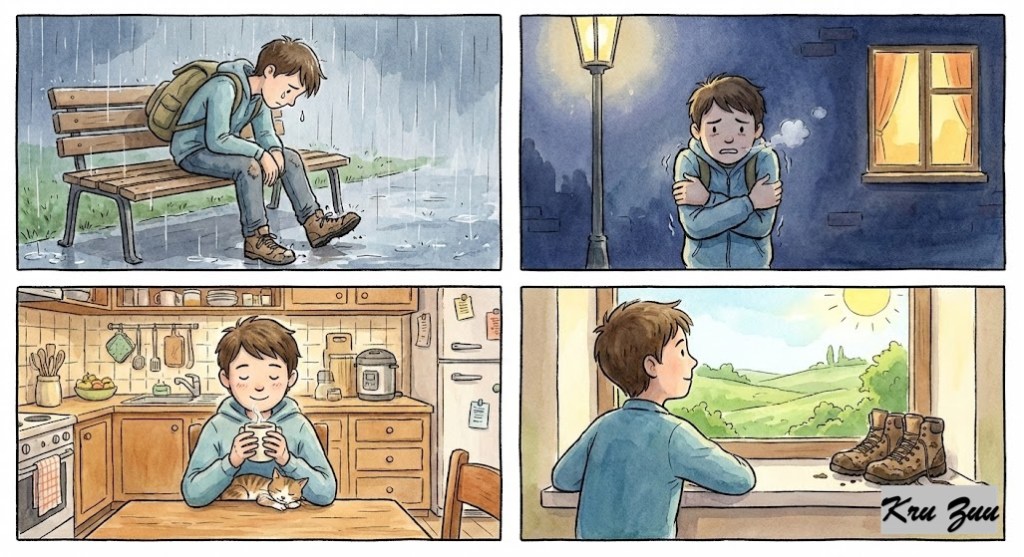
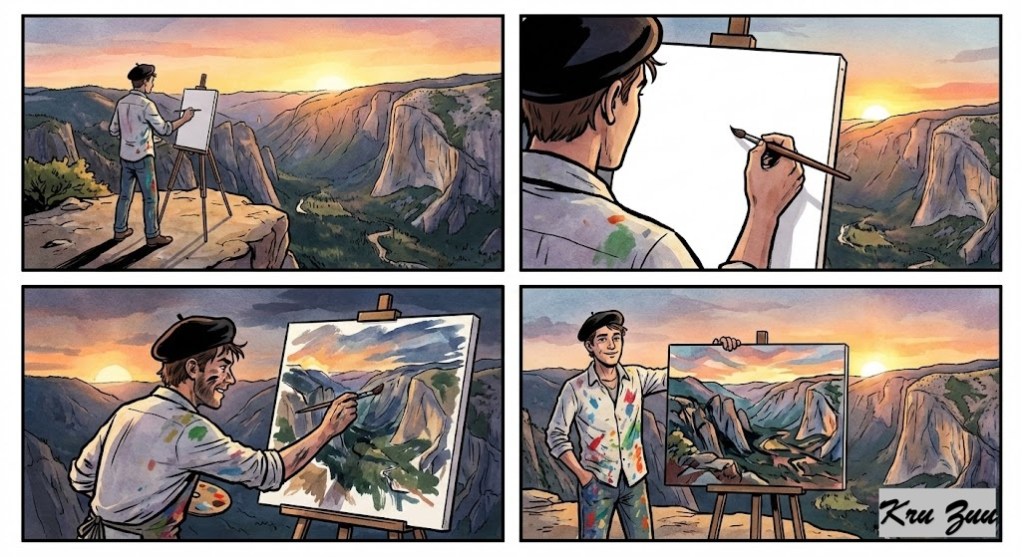
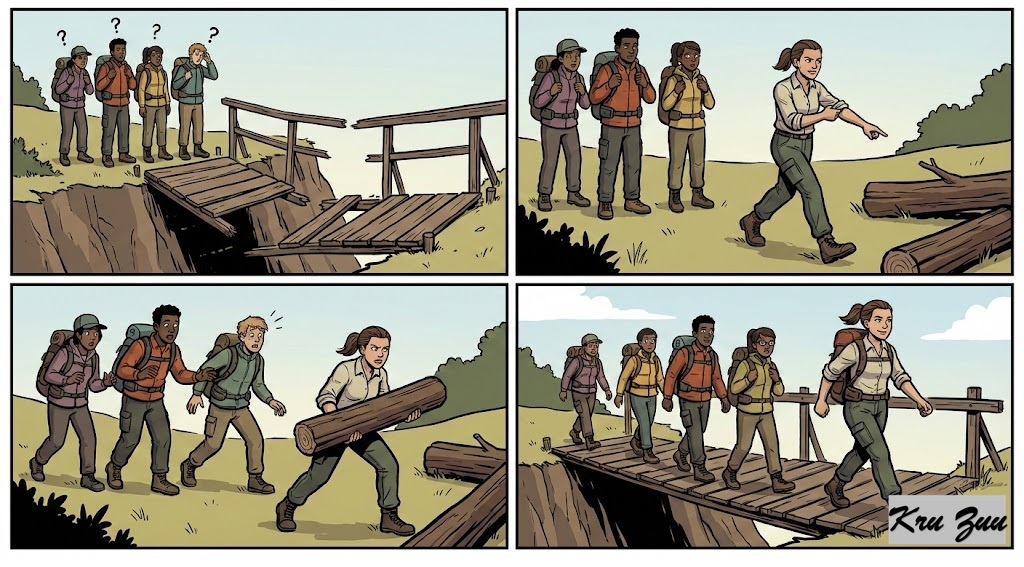
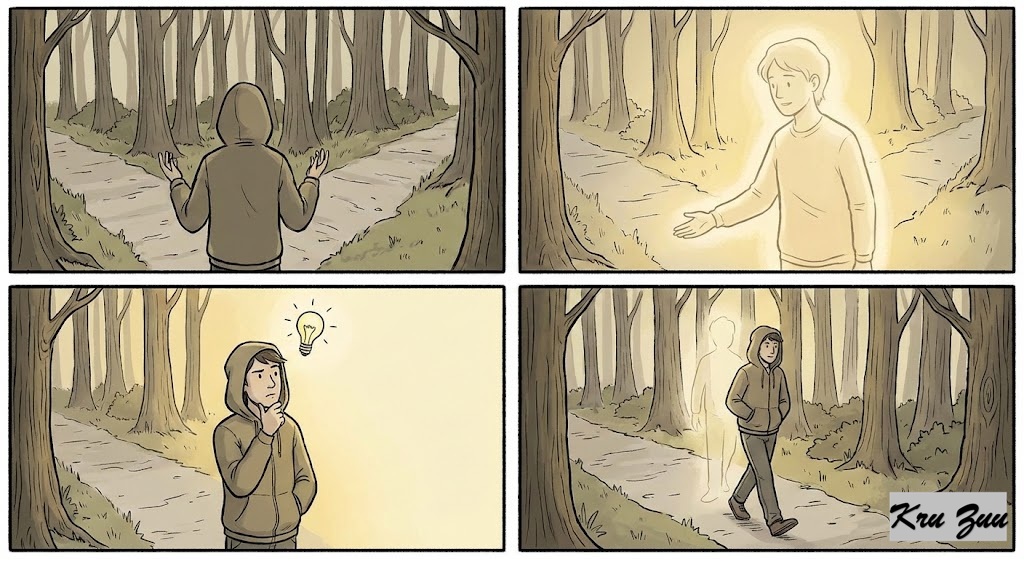
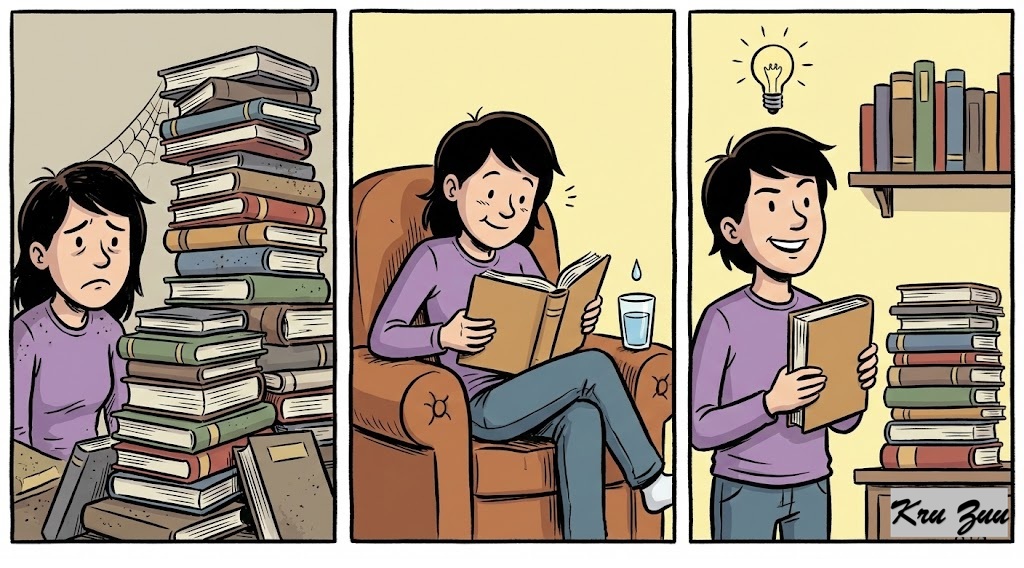
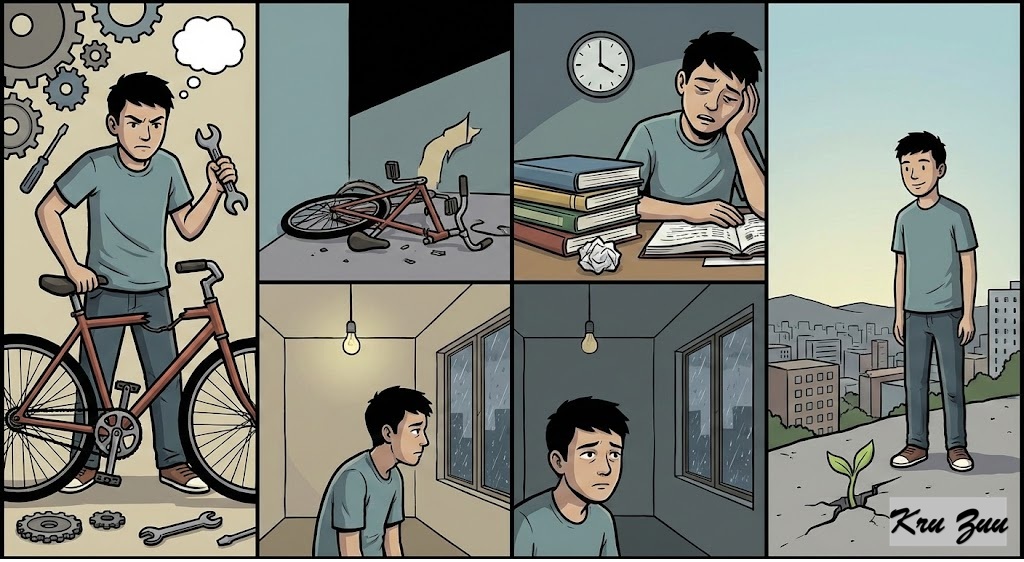
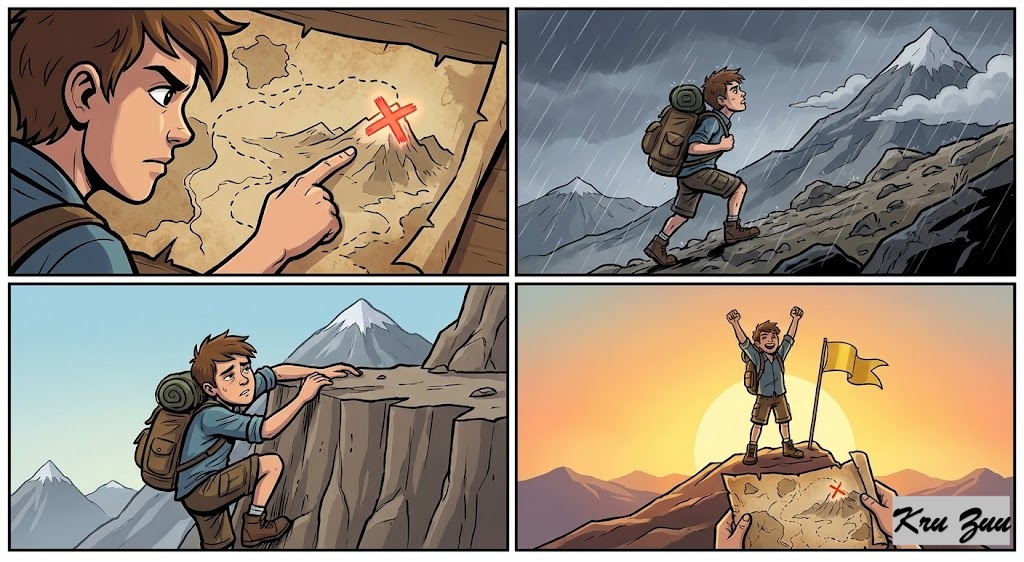
You see the big mountain, but you look at your feet. 🦶 You don’t worry about Mile 500; you only focus on Step 1. You say: “I don’t have to finish today. I just have to start.” You write one sentence. You learn one word. You do one push-up. You respect the power of small progress.
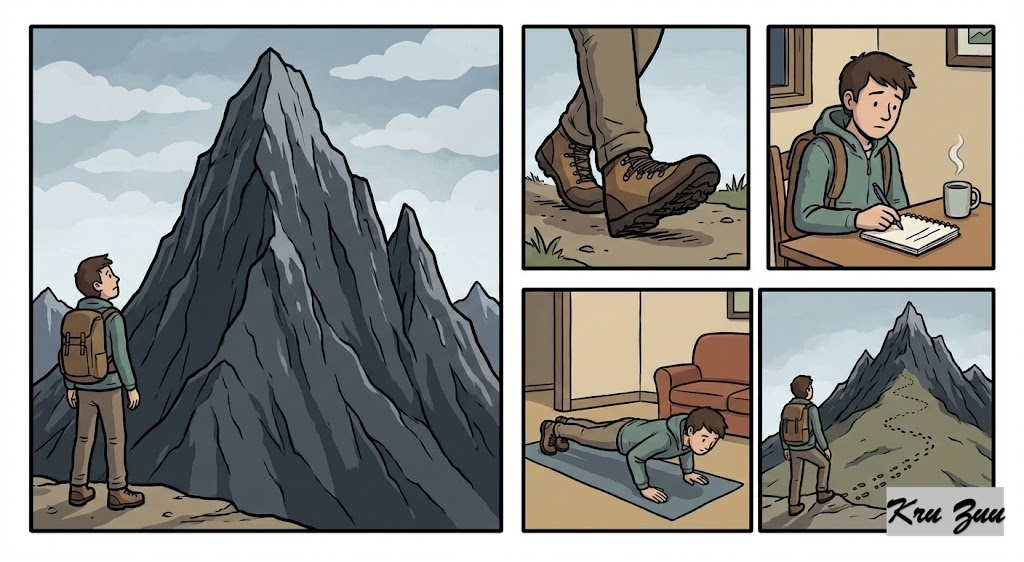
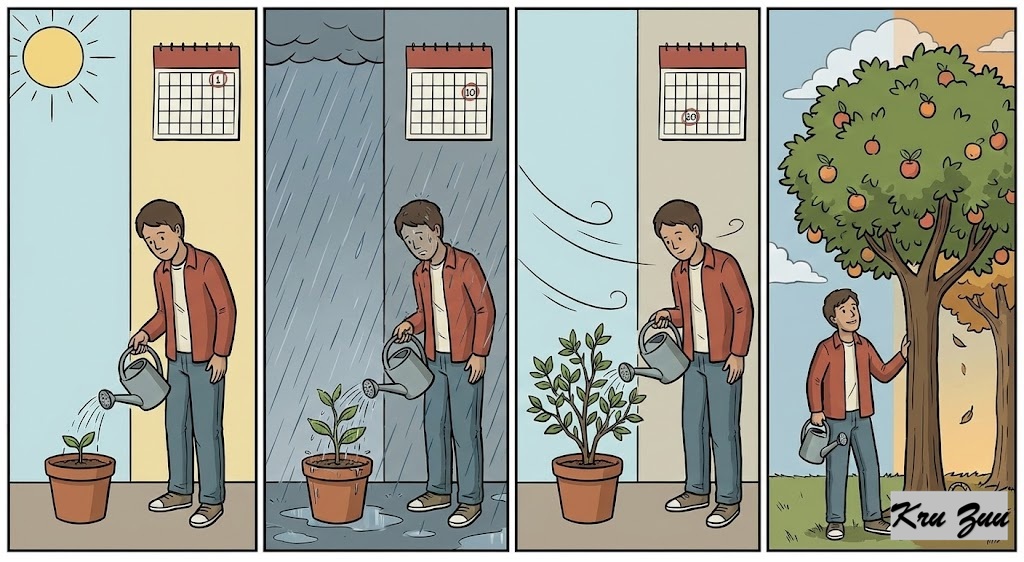
The Result? You build momentum. Suddenly, you look back and realize you have climbed the mountain without even noticing the pain. You build consistency, not excuses. 🚀
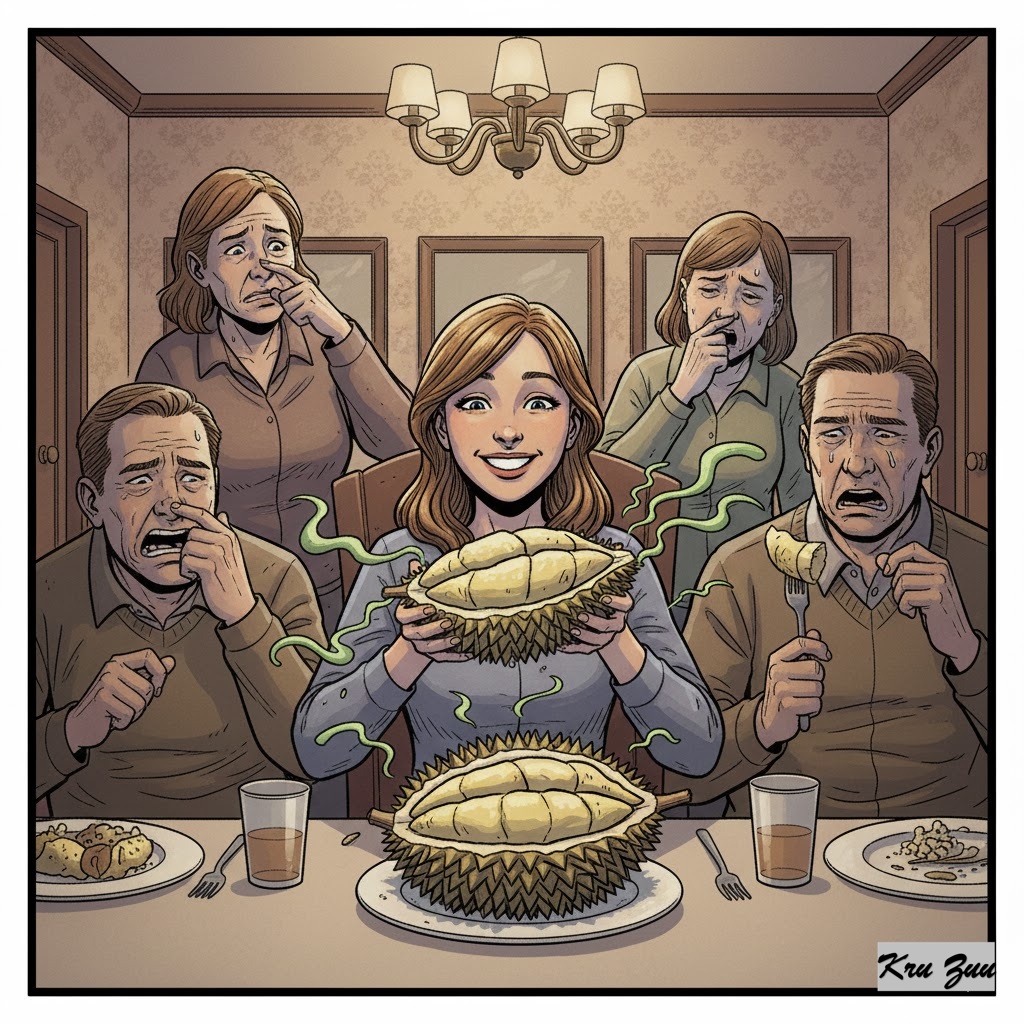
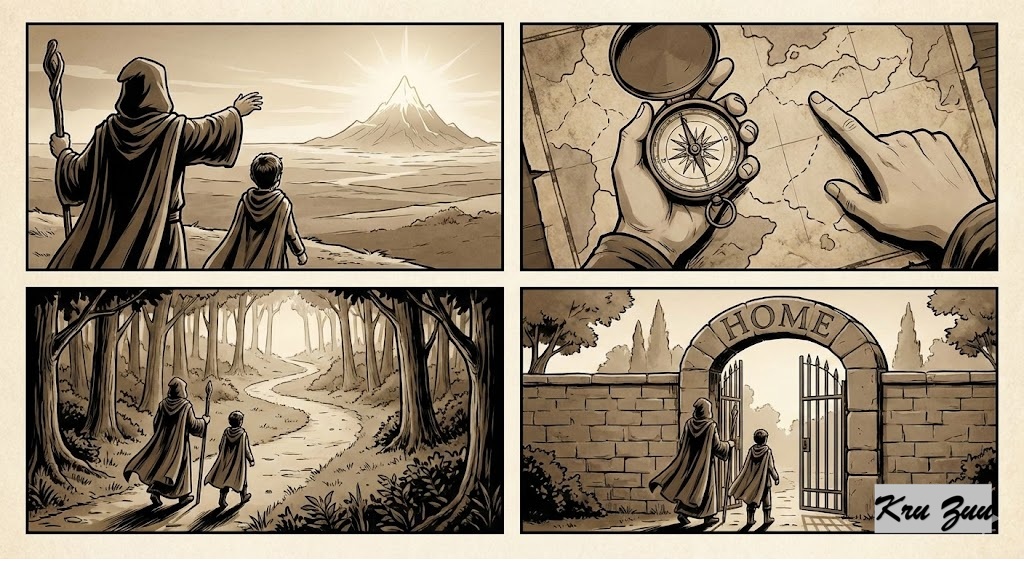
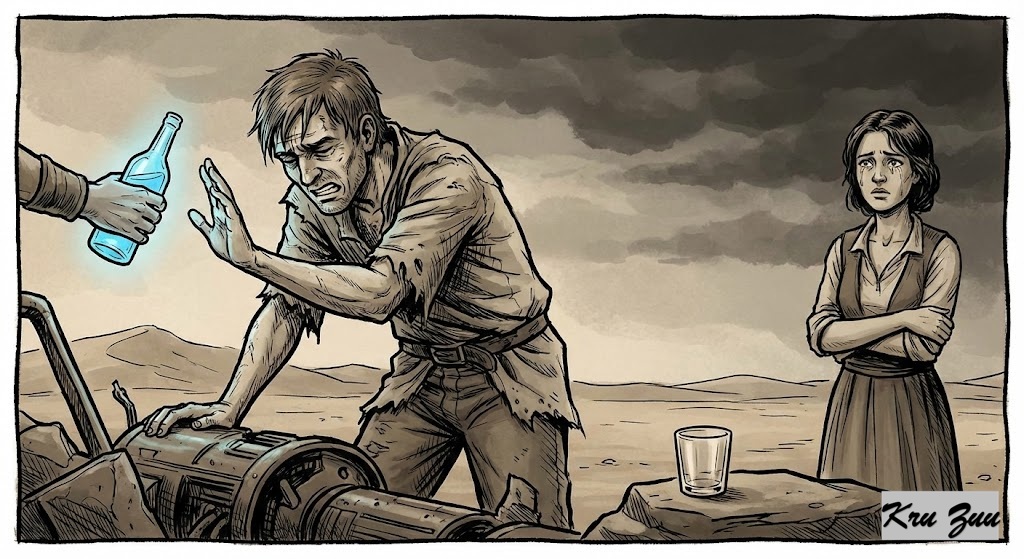
⚖️ The Reality
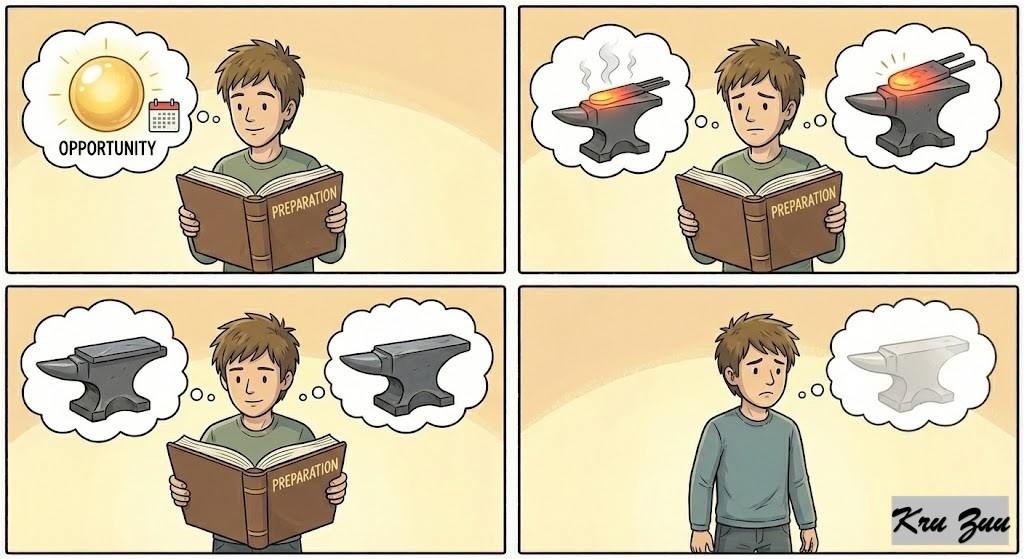
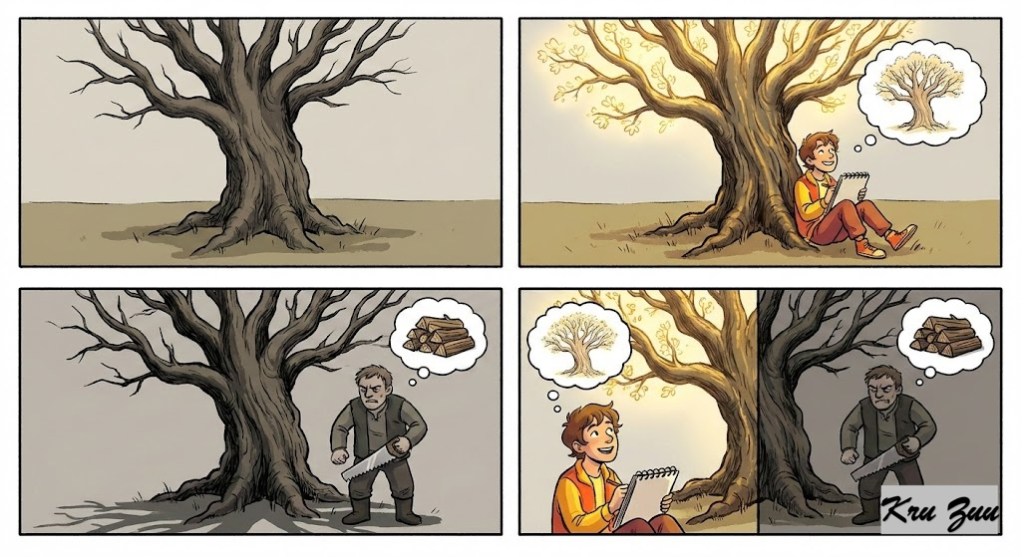
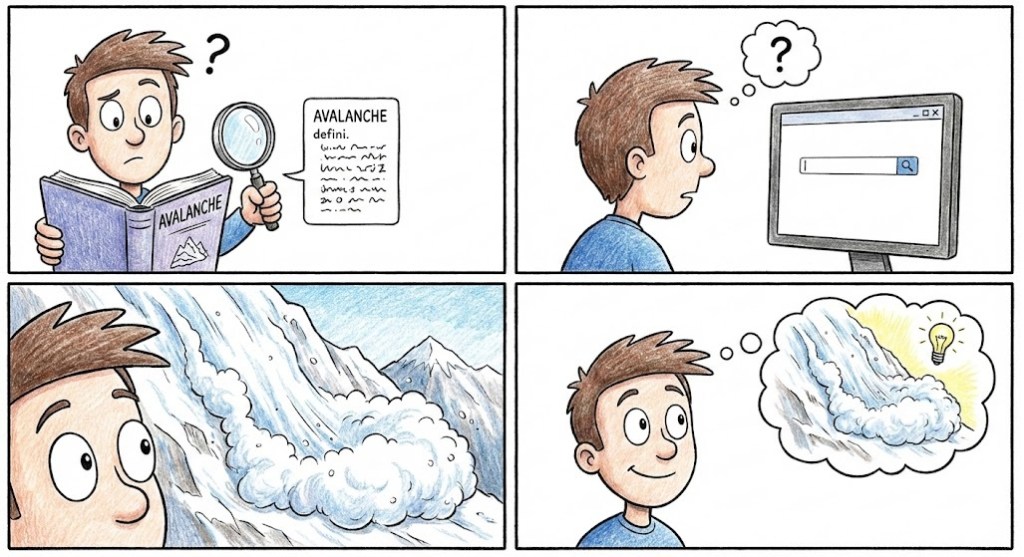
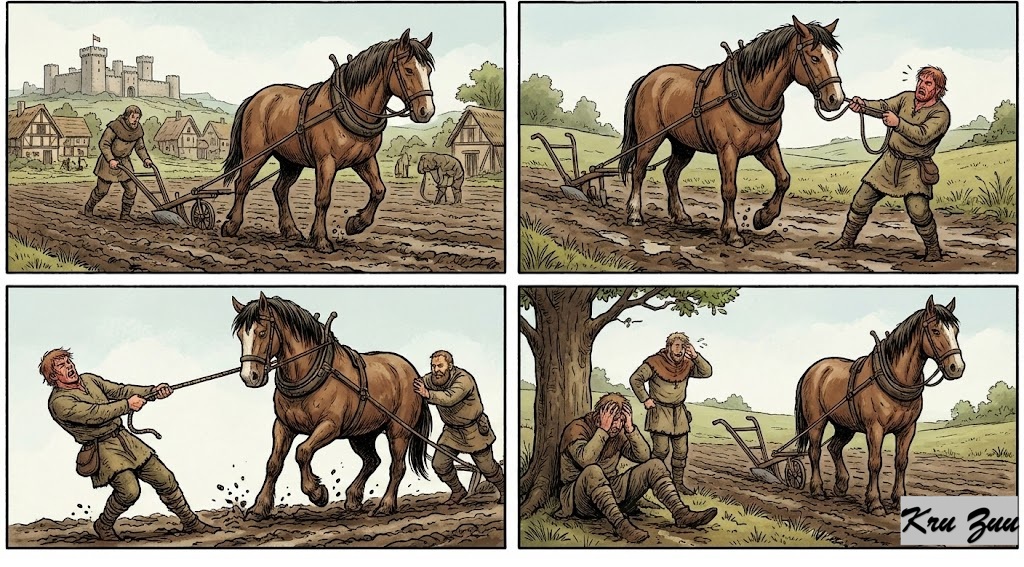
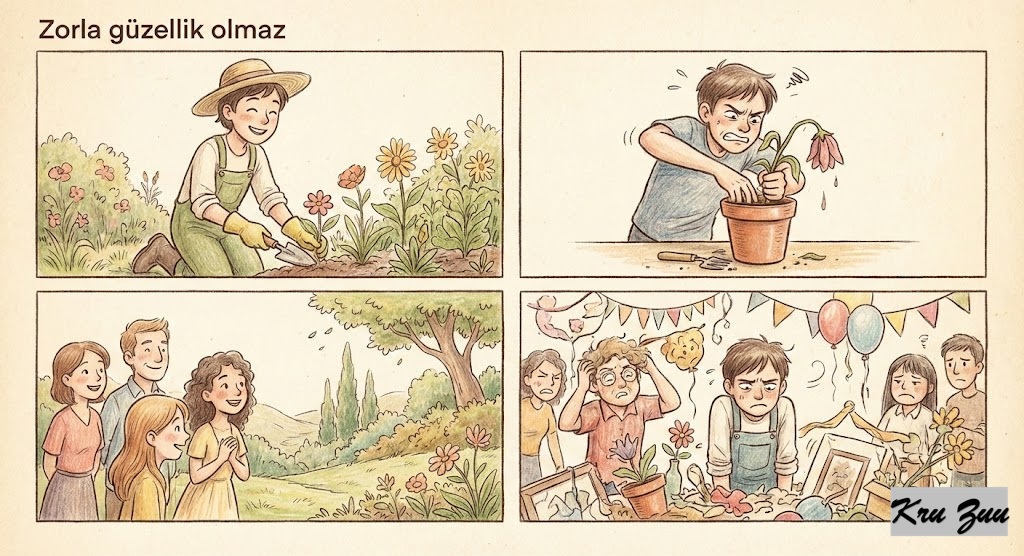
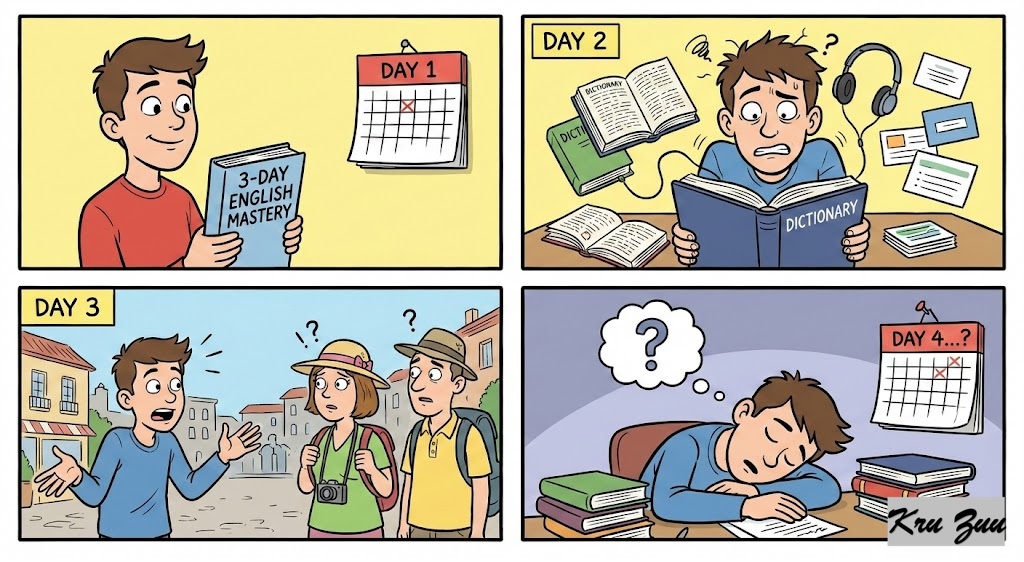
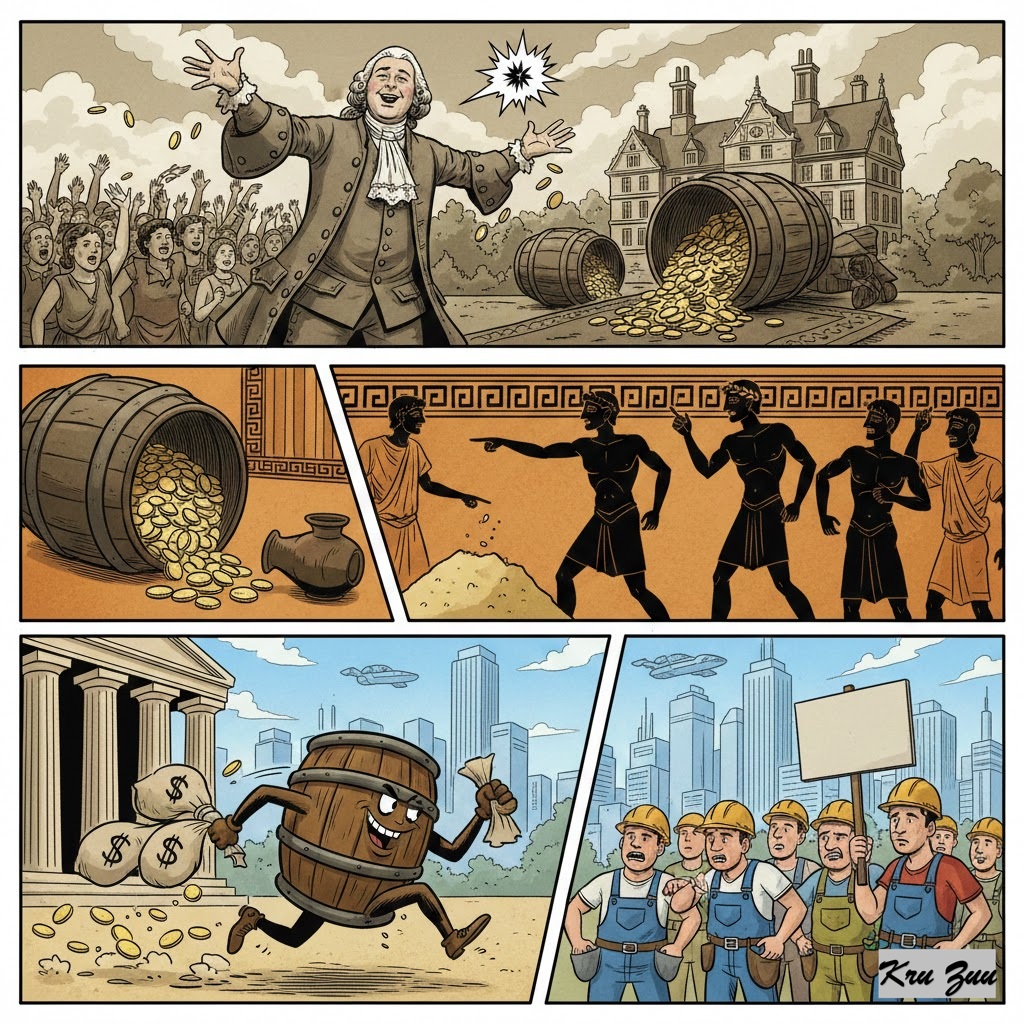
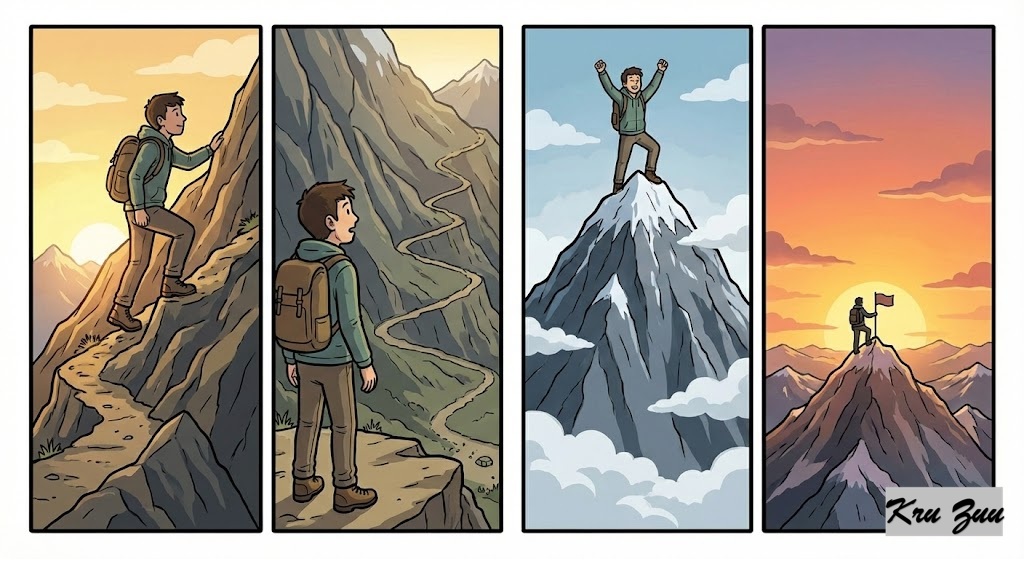
Motion vs. Stagnation. We live in a world of “instant results.” We want the six-pack abs in 2 days, or fluency in English in 2 weeks. But big things are just a pile of small things added together. A blizzard is just billions of single snowflakes. A novel is just thousands of single words. If you refuse to take the first step because the journey looks long, you guarantee failure.
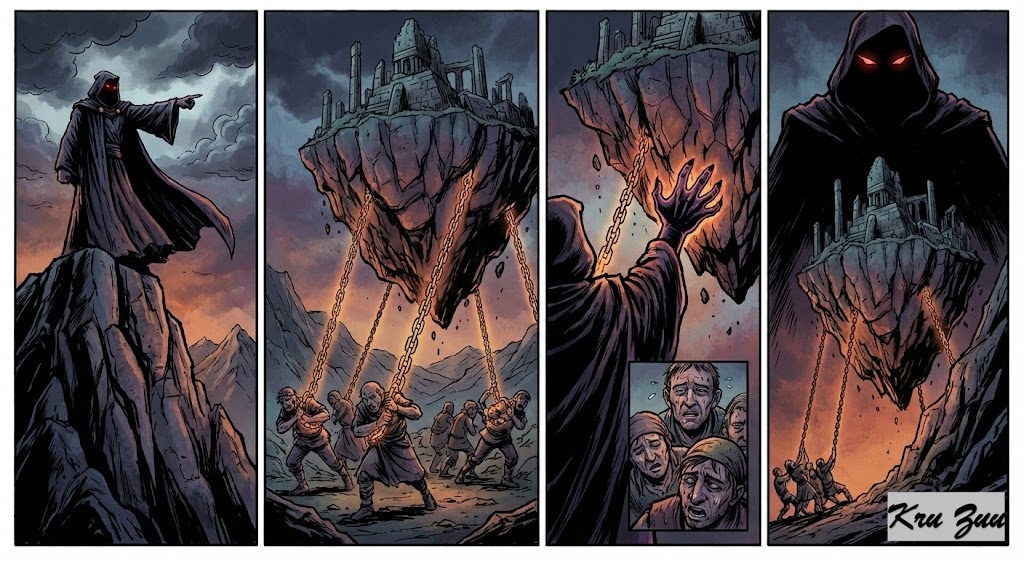
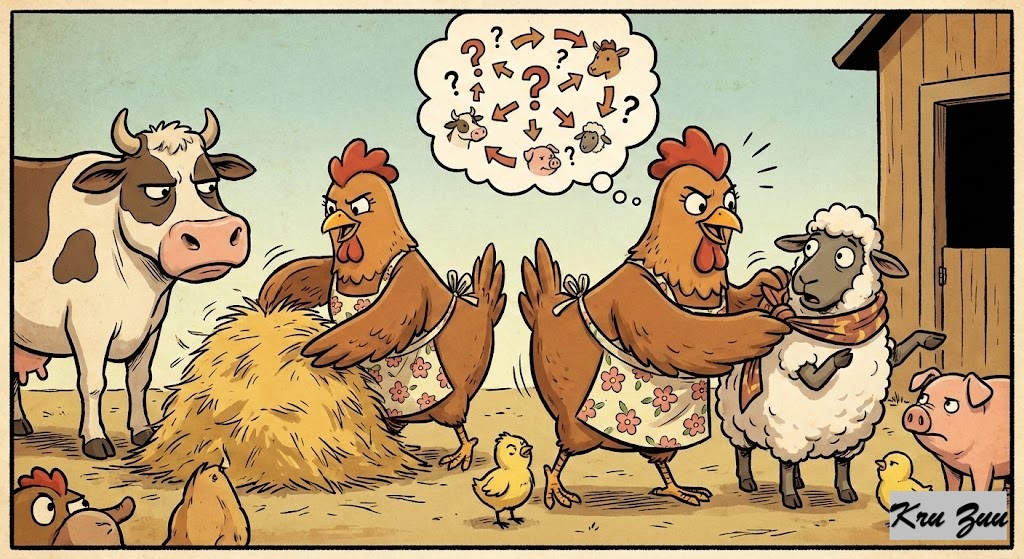
💎 The Secret
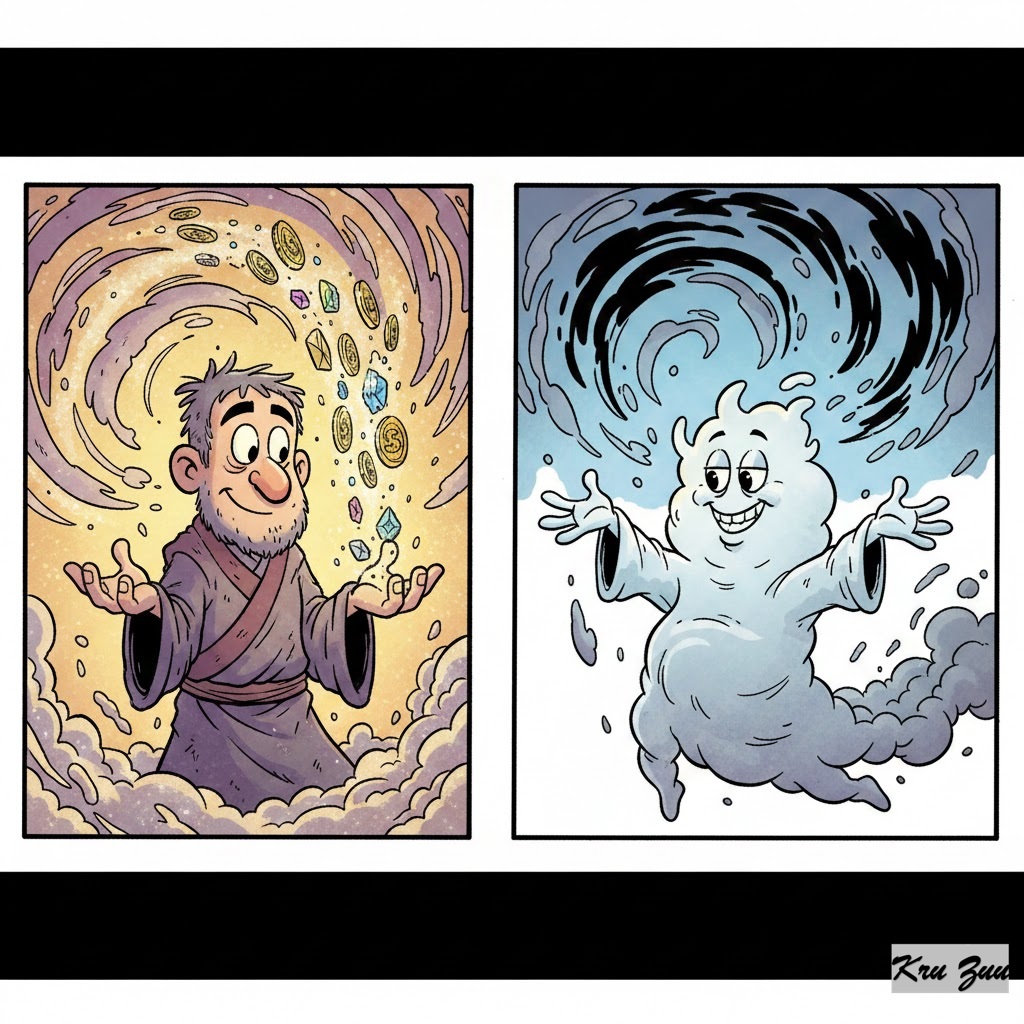
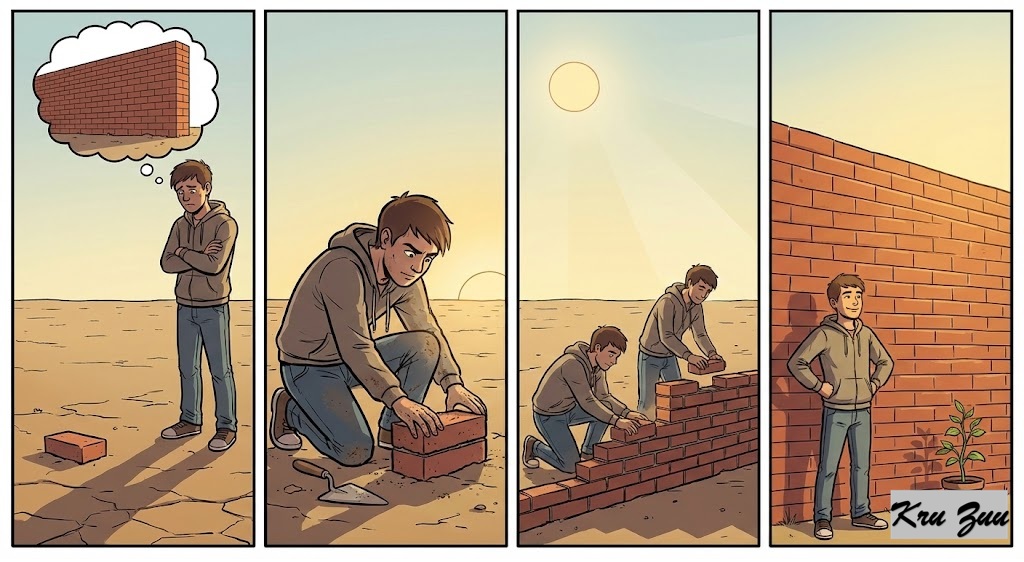
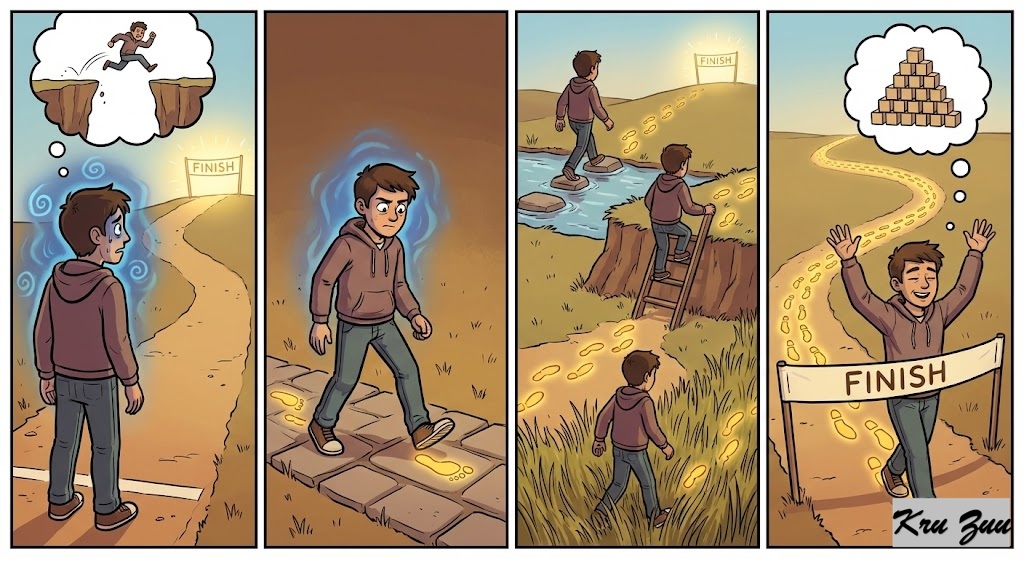
You cannot teleport to the finish line. Success is not a giant leap; it is a million tiny, boring steps taken one after another. Action cures fear.
🧐 The Anatomy of the Proverb
This is your reminder that every expert was once a beginner.
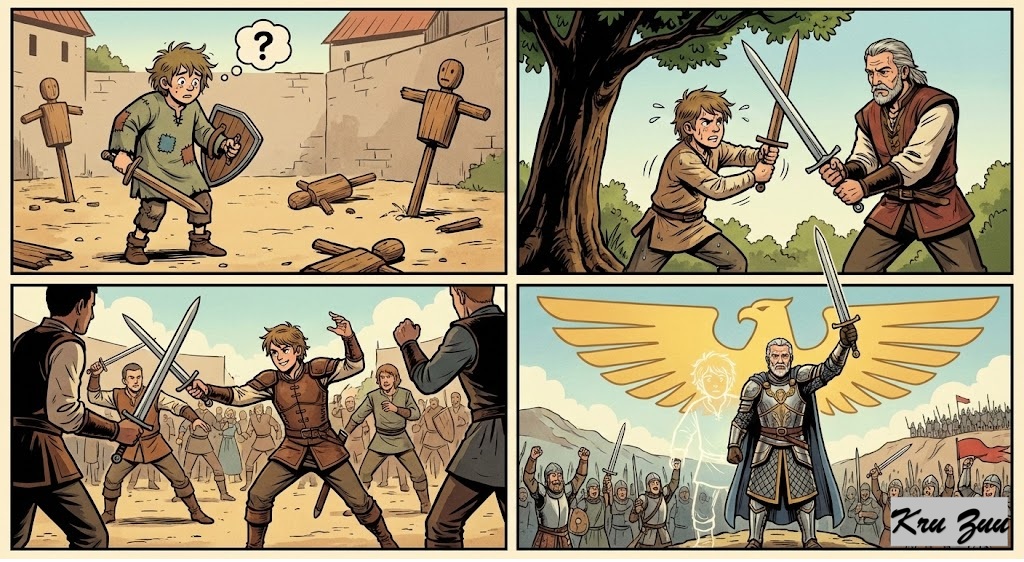
Journey (Noun): A long trip or process of personal change.
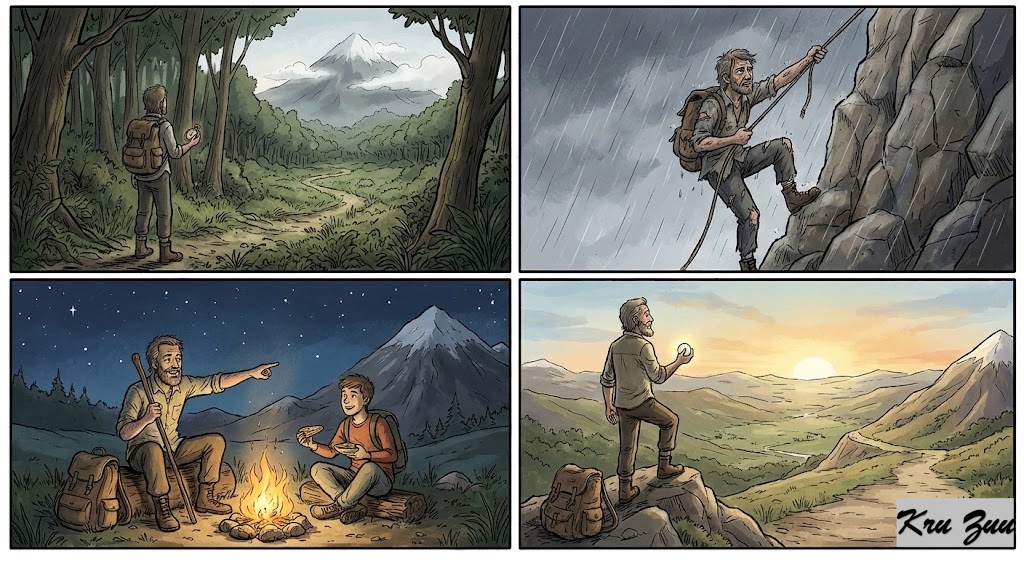
Thousand Miles (Noun Phrase): A metaphor for a very large, difficult, or long-term task.
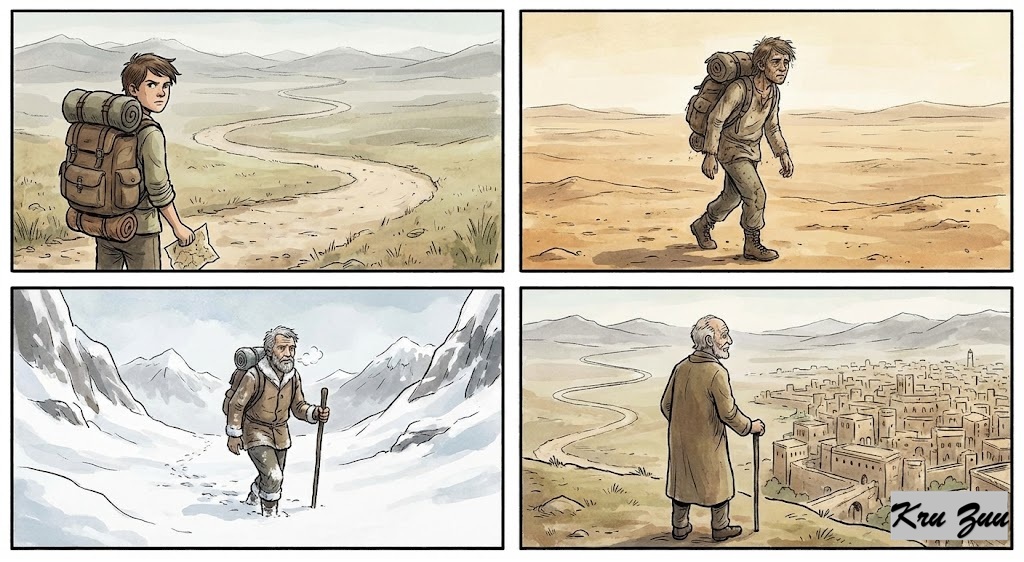
Single (Adjective): Just one; individual.
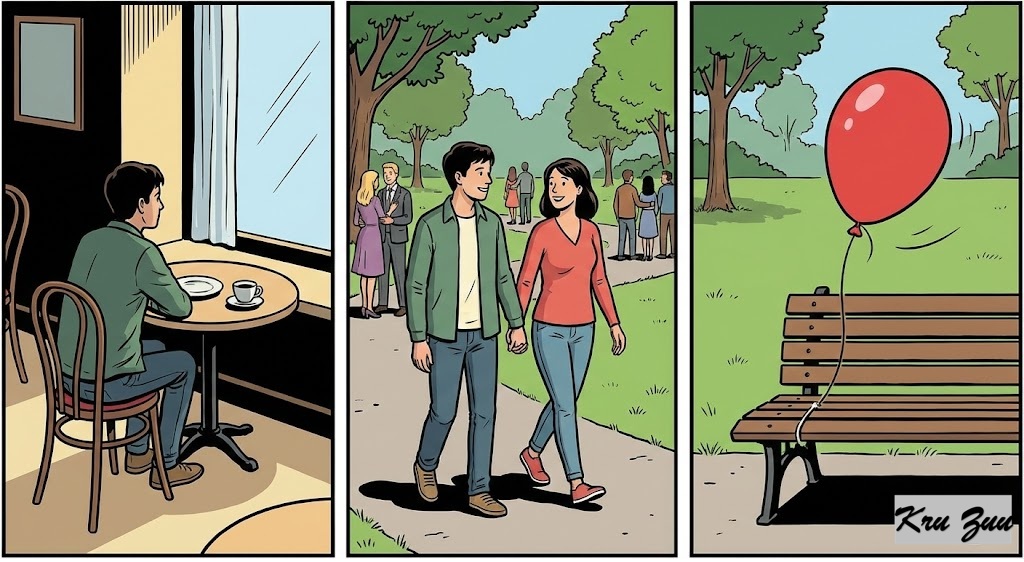
Step (Noun): The movement of lifting your foot and putting it down; a small action.
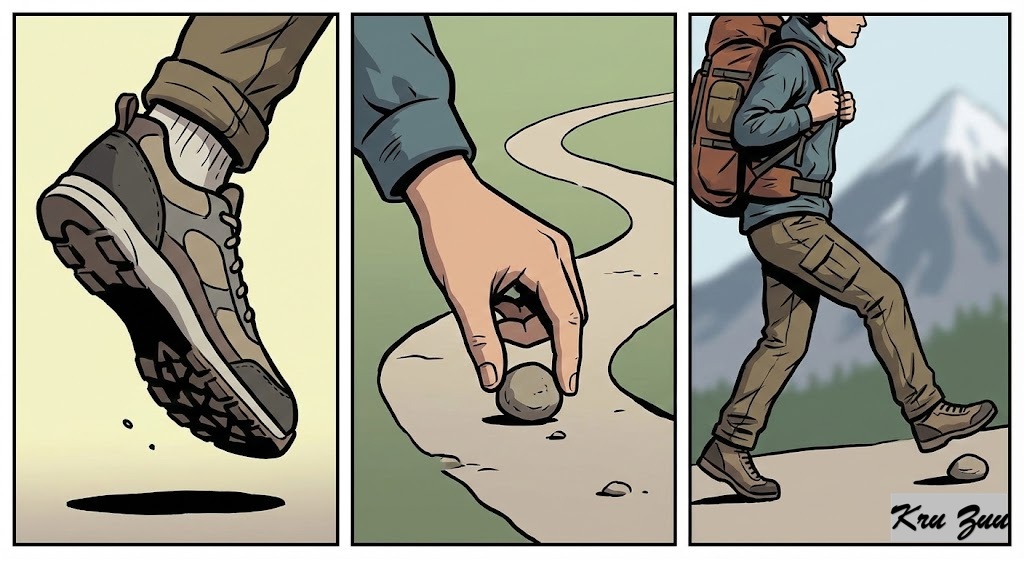
Simpler Version: Start small. / Don’t give up before you start.
📚 Vocabulary Vault
Daunting (Adjective): Seeming difficult to deal with; intimidating. (e.g., “The exam looked daunting.”) 😨
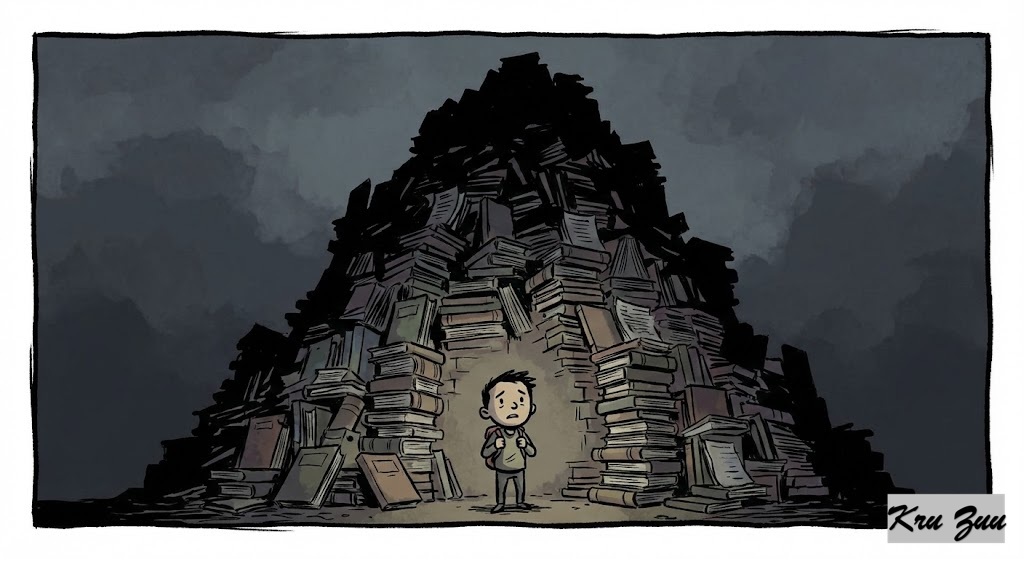
Procrastinate (Verb): To delay or postpone action; putting off doing something.

Momentum (Noun): The quantity of motion of a moving body; the strength or force gained by motion. 🚄
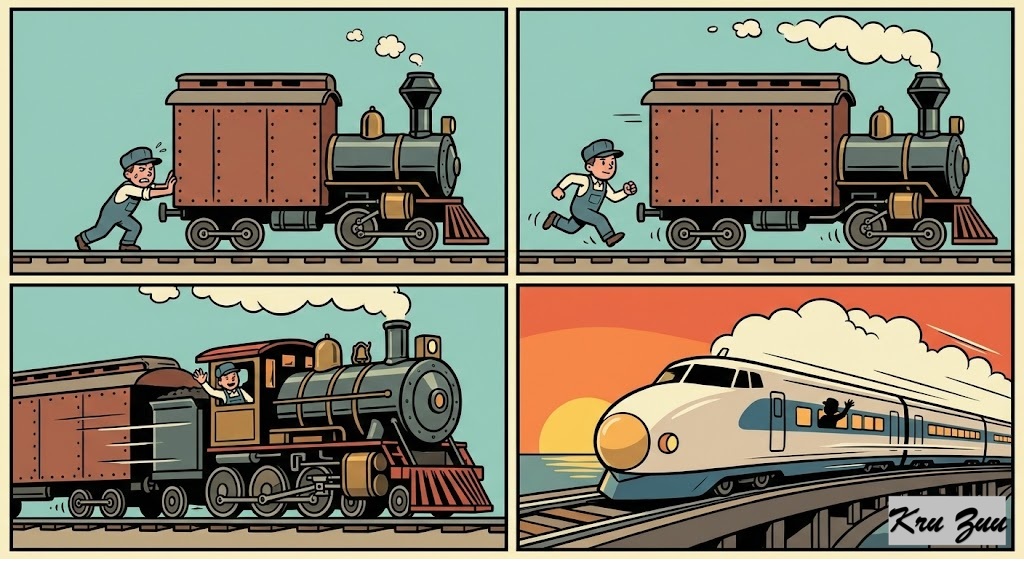
Objective (Noun): A goal or aim.
Consistent (Adjective): Acting or done in the same way over time, especially so as to be fair or accurate. (The key to success!).
🧠 Grammar Focus: Singular vs. Plural Subjects
Notice the grammar in the proverb: “A journey (singular subject) … begins (singular verb + s).” It is NOT “The journey begin.”
Wrong: “Learning English take a long time.”
Right: “Learning English takes a long time.”
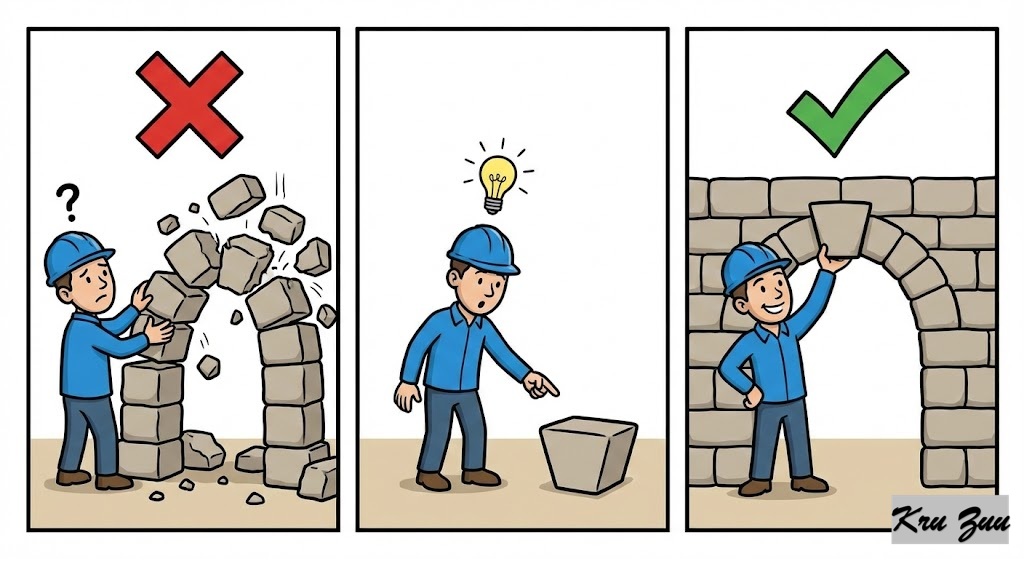
Tip: When a gerund (verb + ing, like “Learning”) is the subject, treat it as singular (It).
📜 History: Origin and Spread
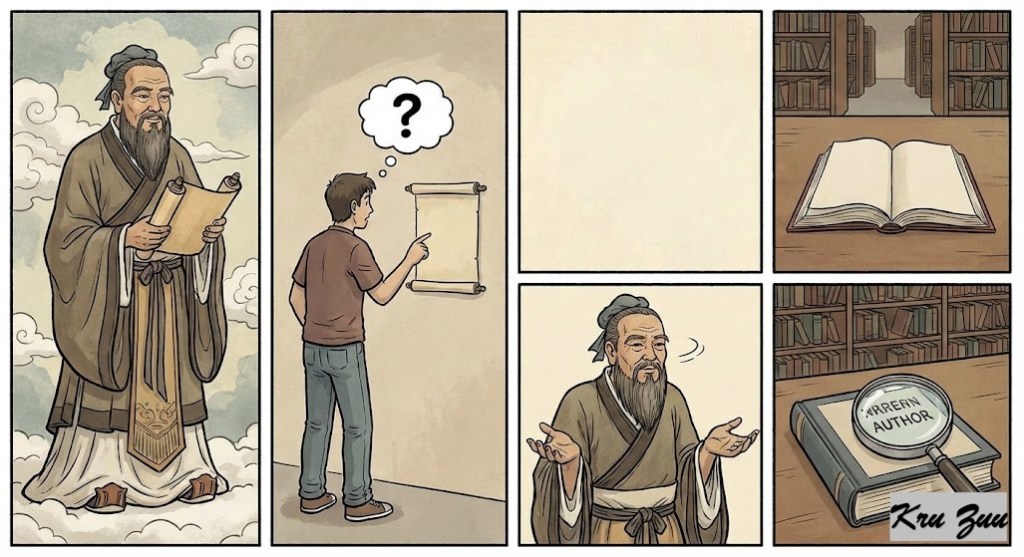
Who said this wise sentence?
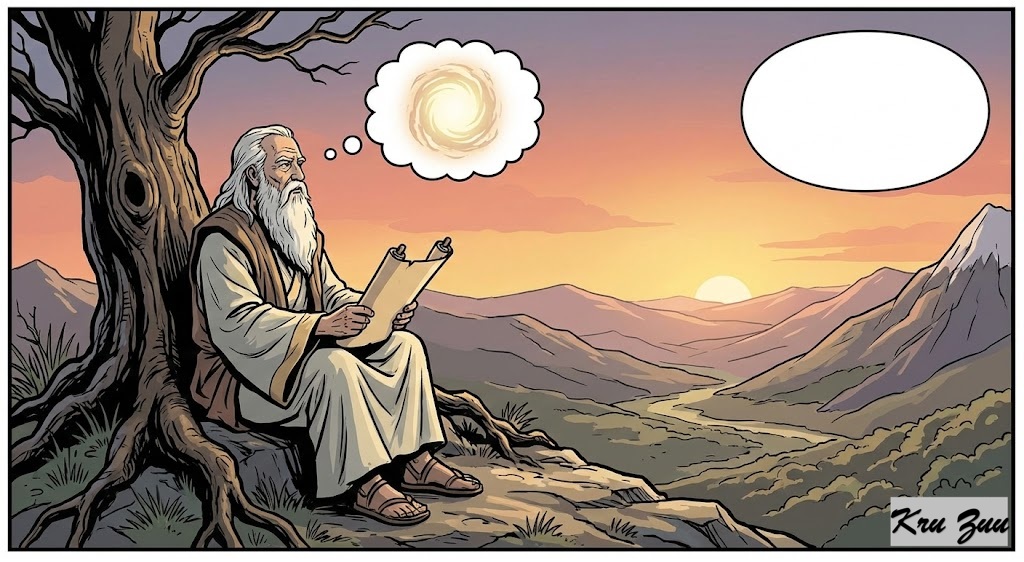
The Origin: This is an ancient Chinese proverb, written by the philosopher Laozi (Lao Tzu) around the 6th century BC. It appears in the Tao Te Ching (Chapter 64).
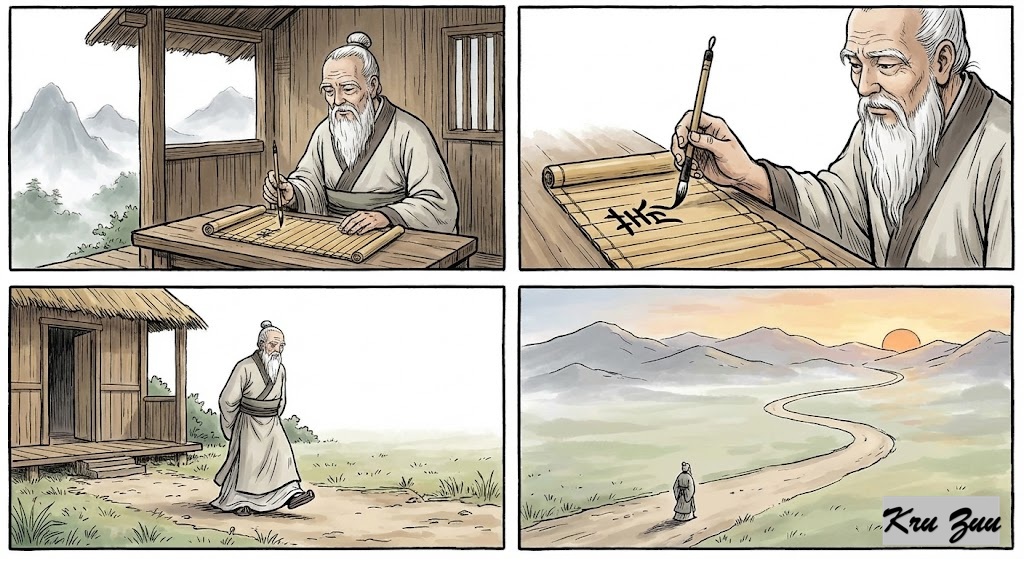
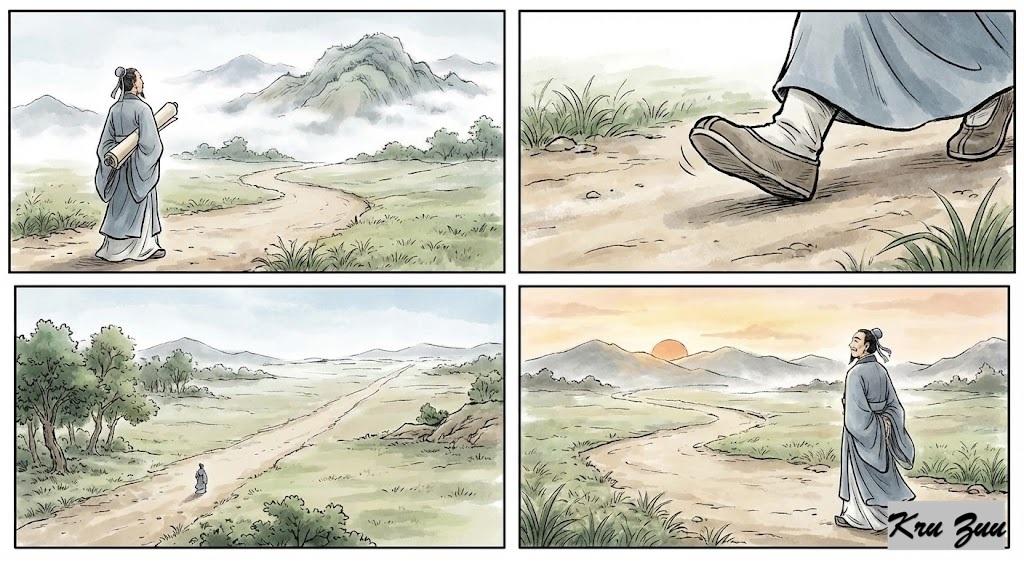
The Translation: The original Chinese text mentions “1,000 li” (a Chinese unit of distance). It translates literally to: “A journey of a thousand li starts beneath one’s feet.”
Global Cousins
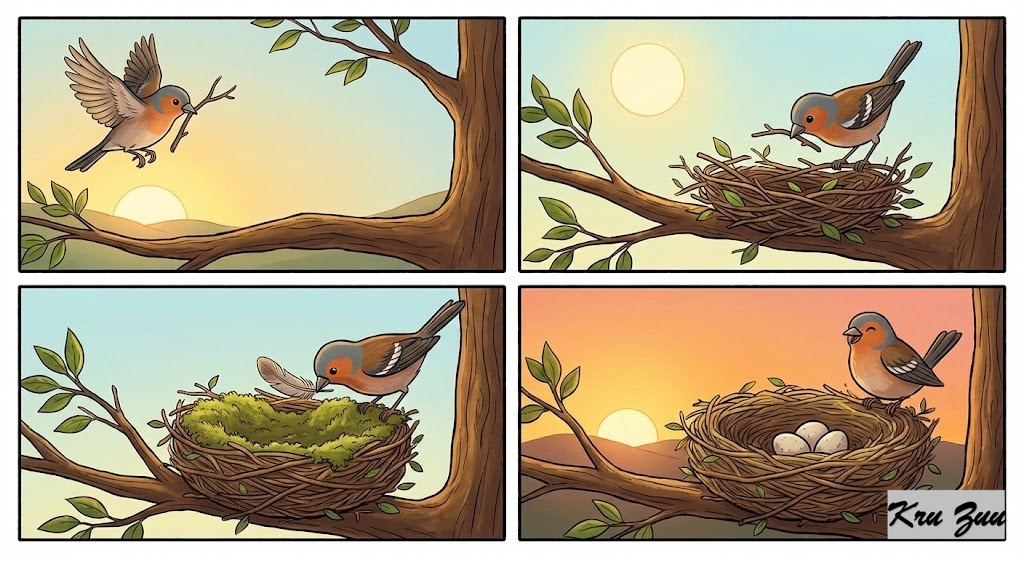
🇫🇷 French: “Petit à petit, l’oiseau fait son nid.” (Little by little, the bird makes its nest).
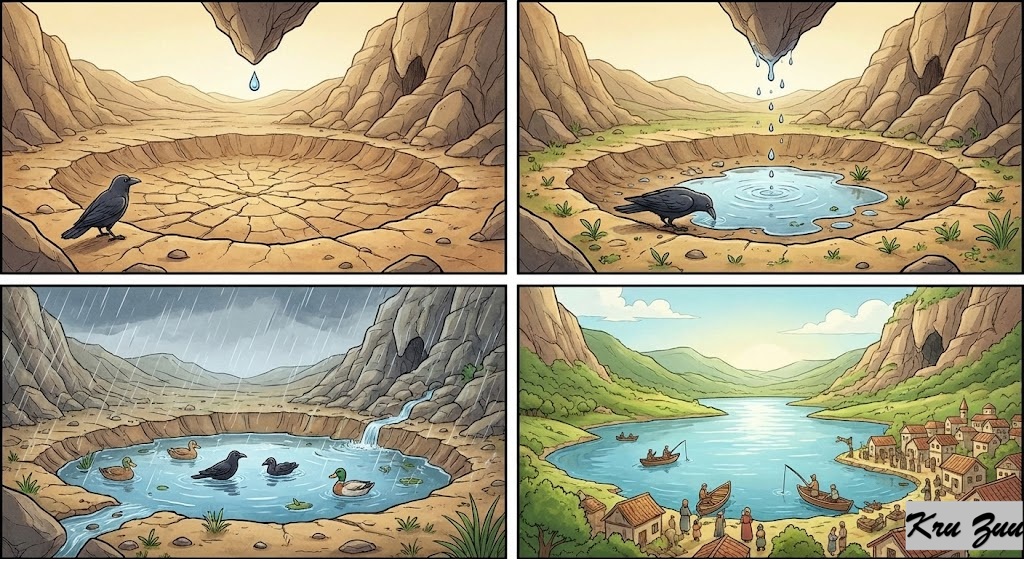
🇹🇷 Turkish: “Damlaya damlaya göl olur.” (Drop by drop, it becomes a lake).
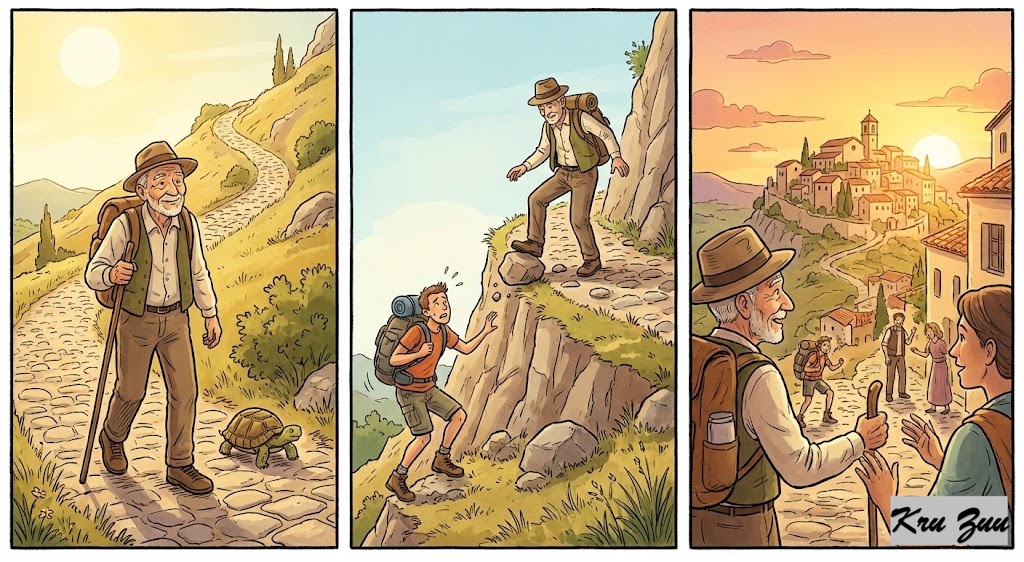
🇮🇹 Italian: “Chi va piano, va sano e va lontano.” (He who goes slowly, goes safely and goes far).
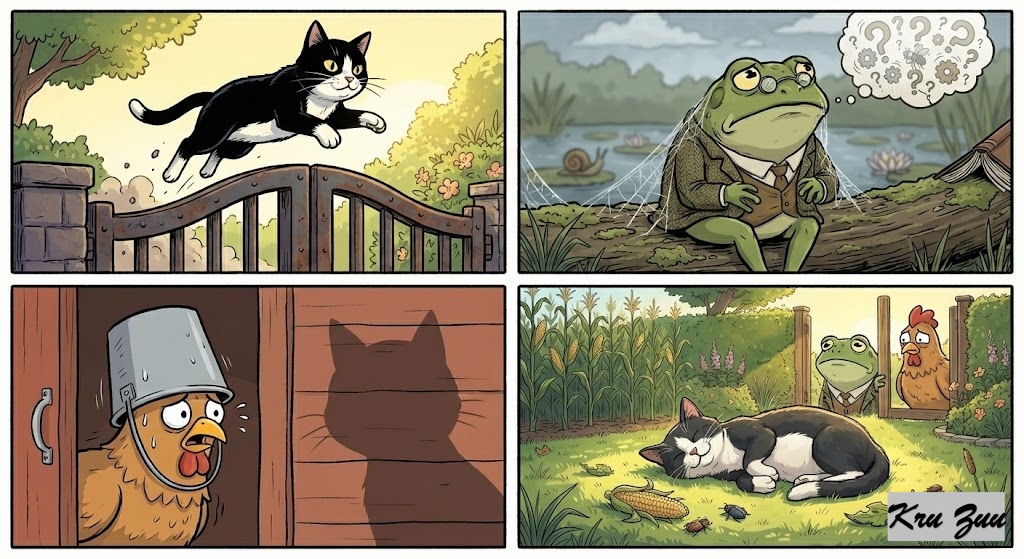
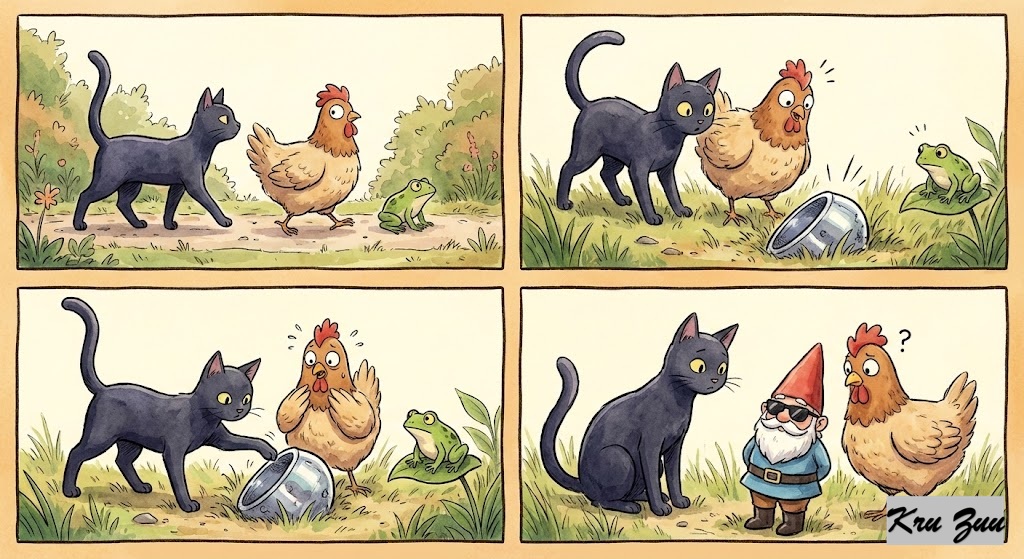
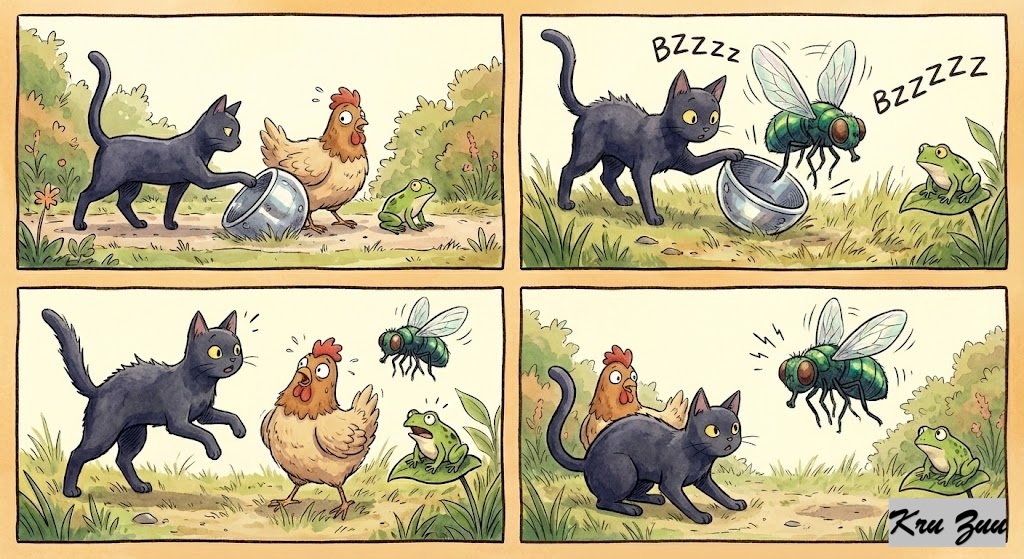
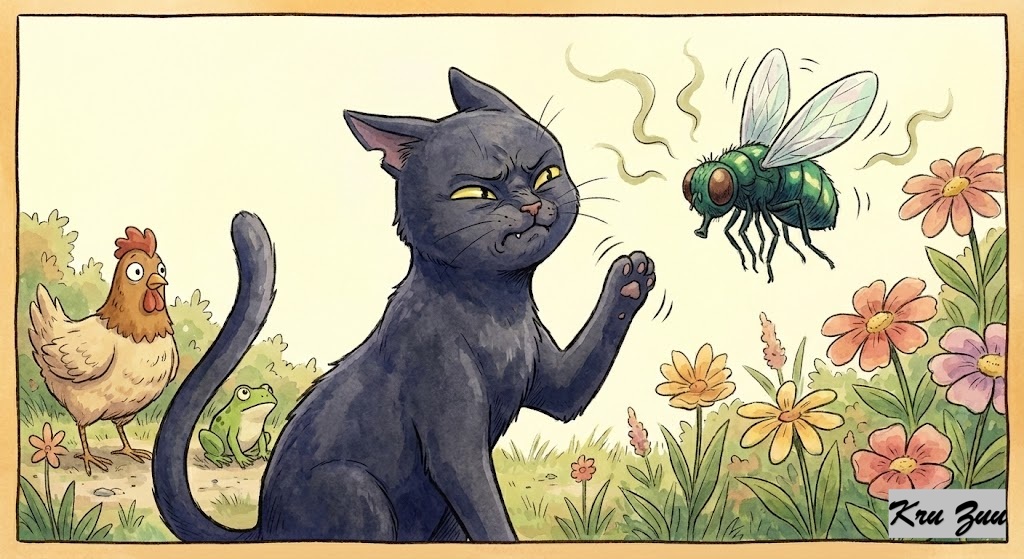
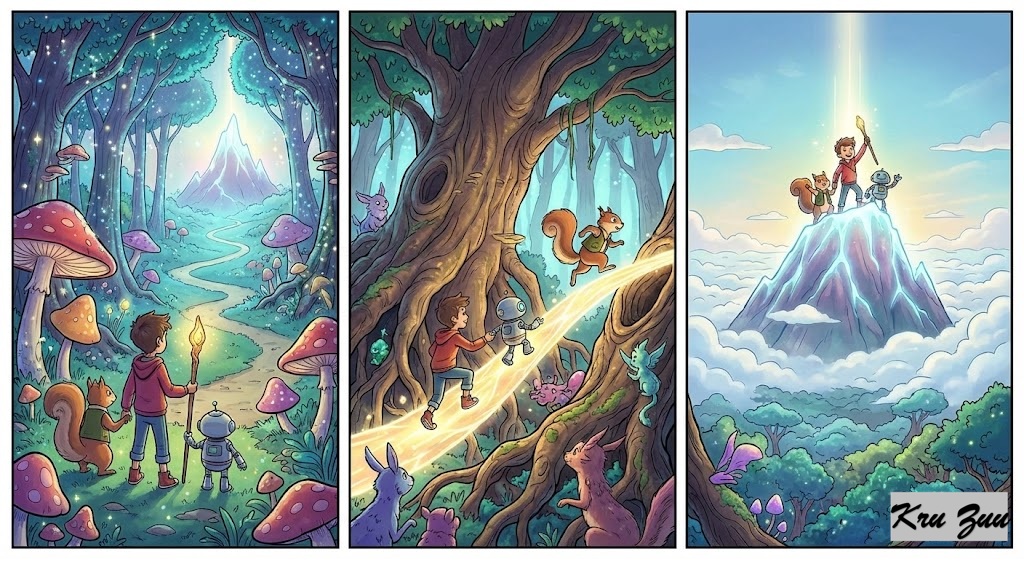
🎭 Short Story: The Mountain of Mangoes 🥭🐱🐔🐸
Let’s visit the magical forest to see who reaches the top.
🌟 The Cast
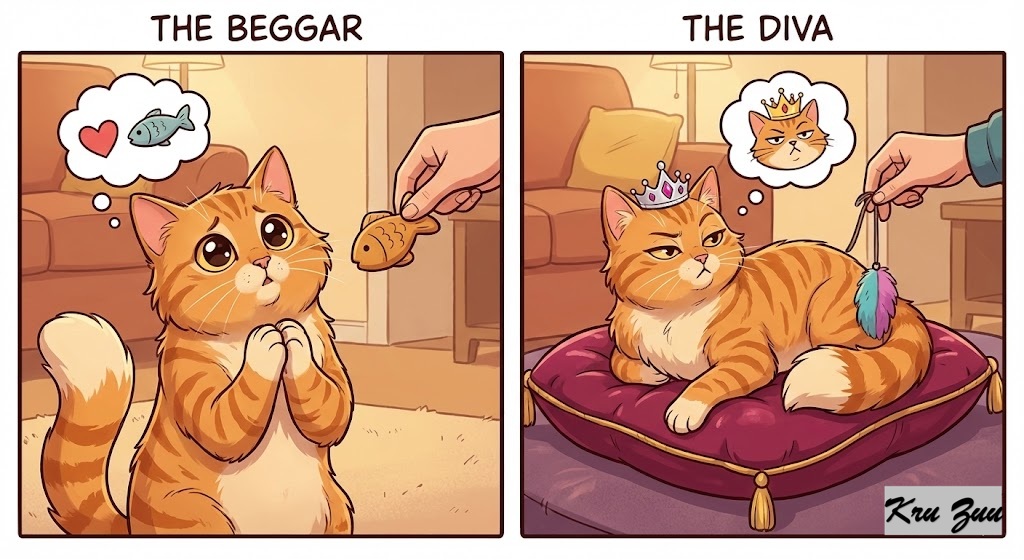
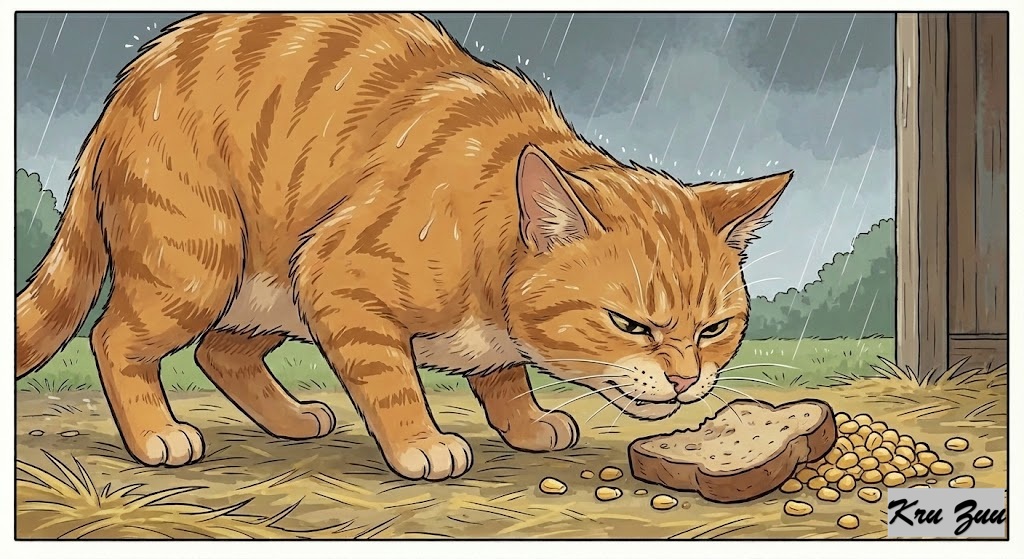
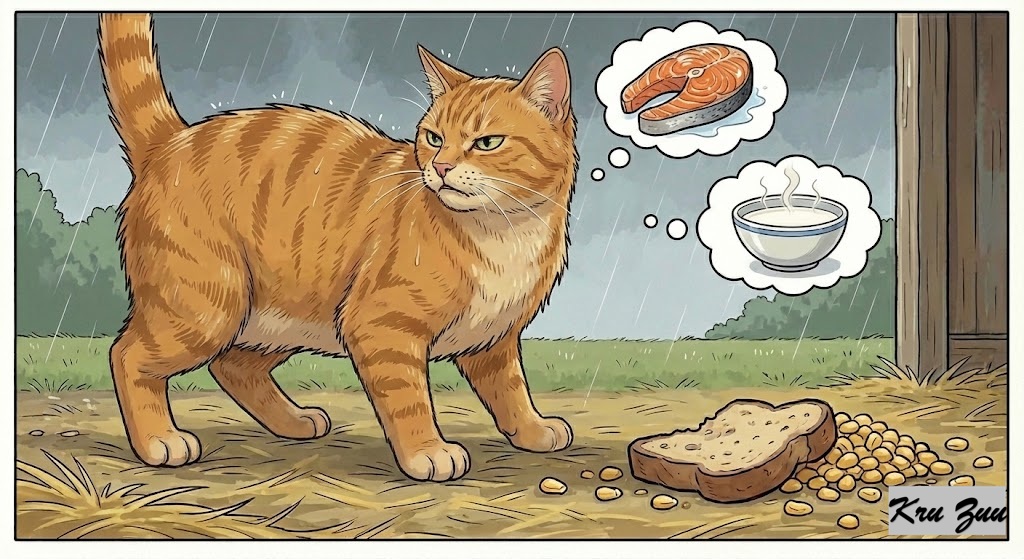
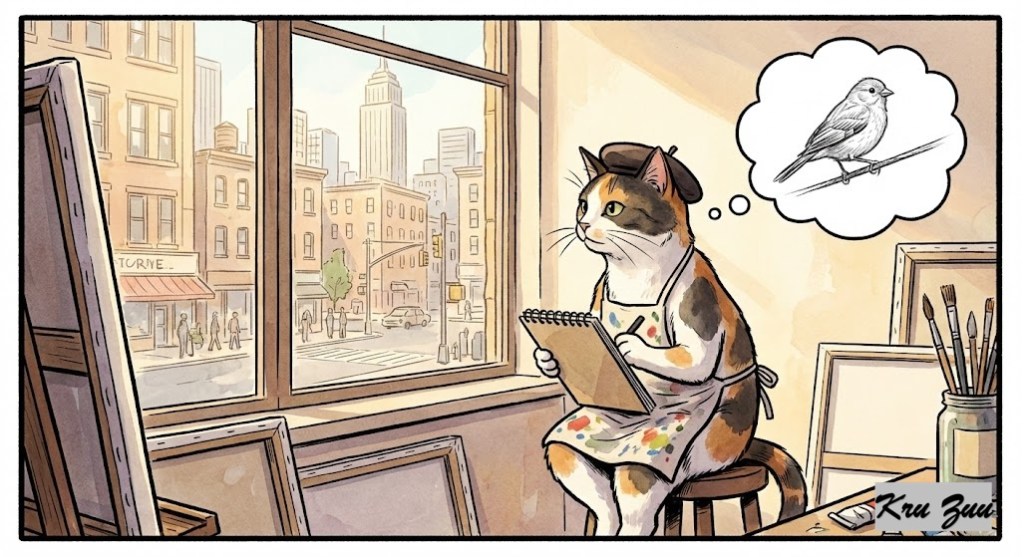
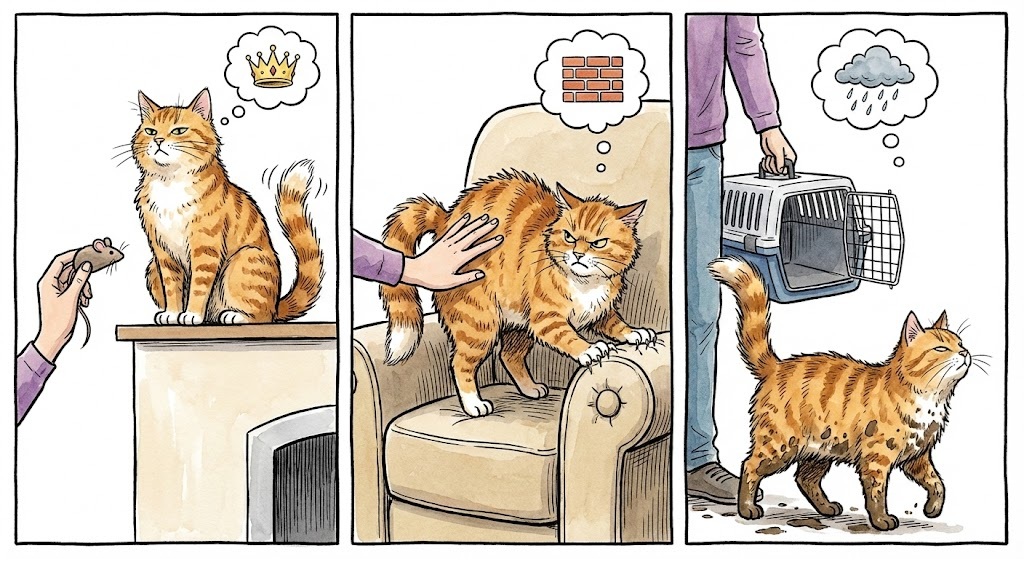
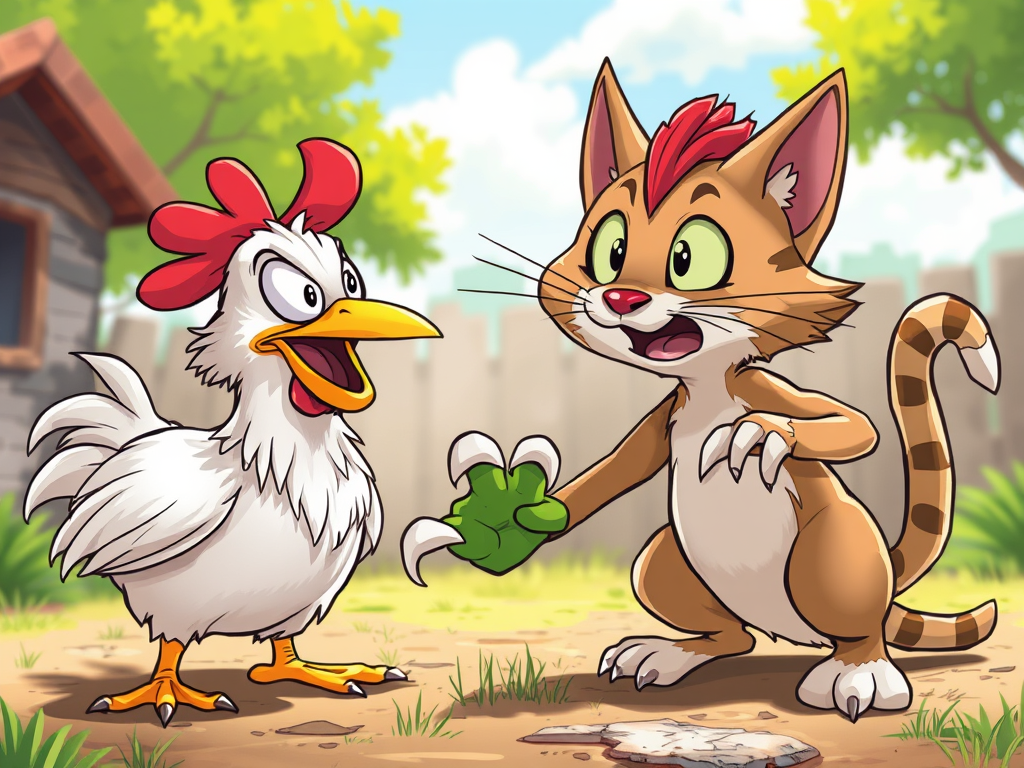
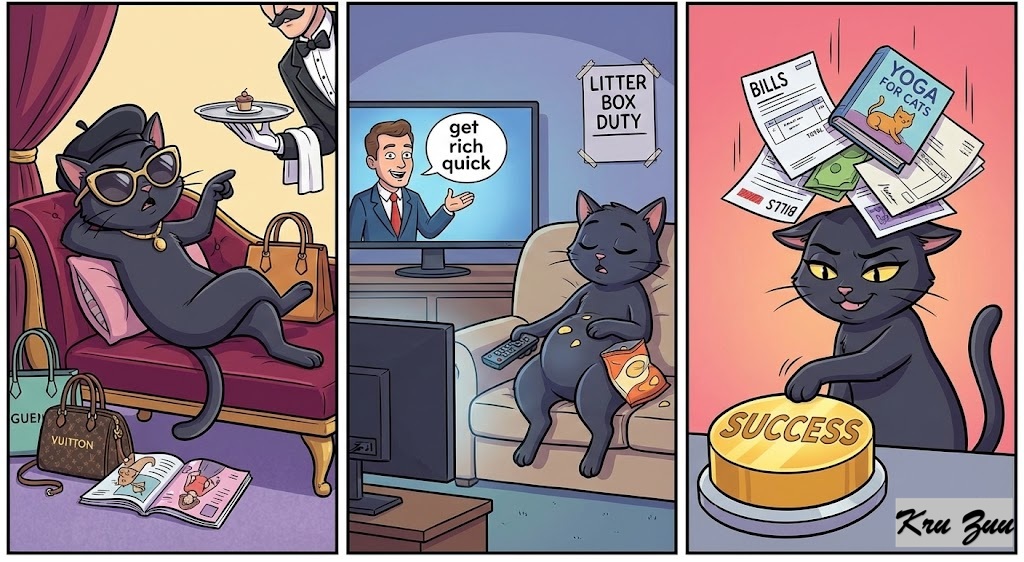
Cleo the Cat: Stylish, lazy, wants instant success. 😼
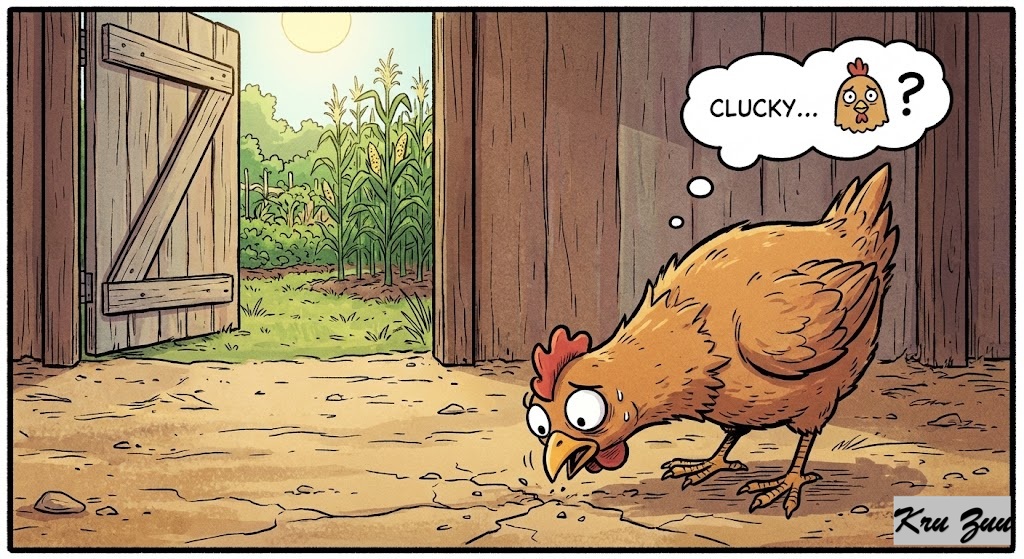
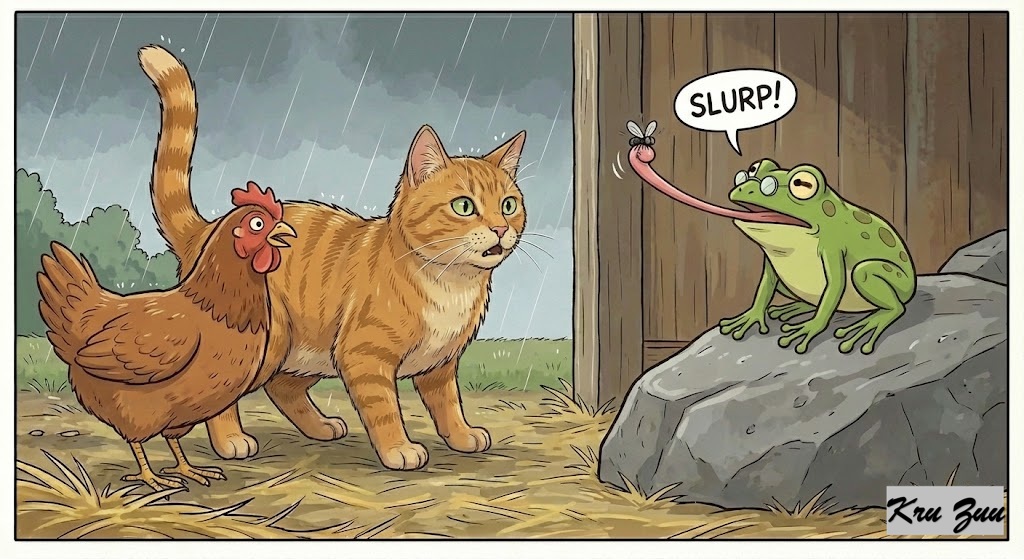
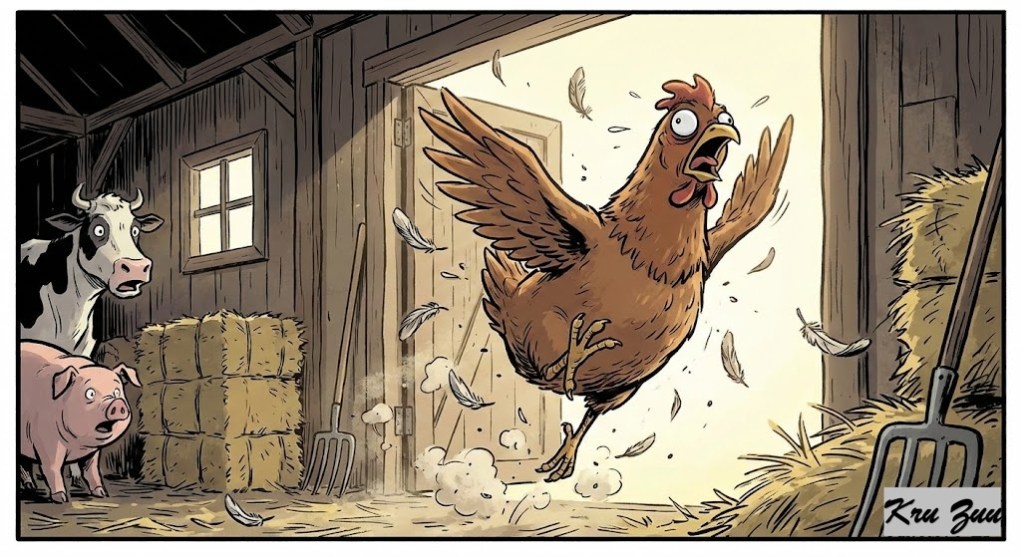
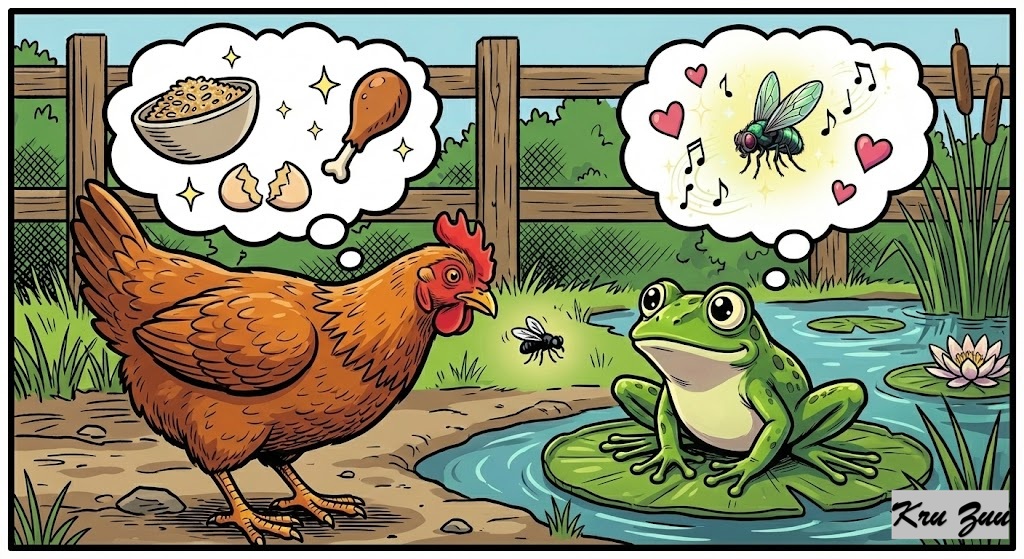
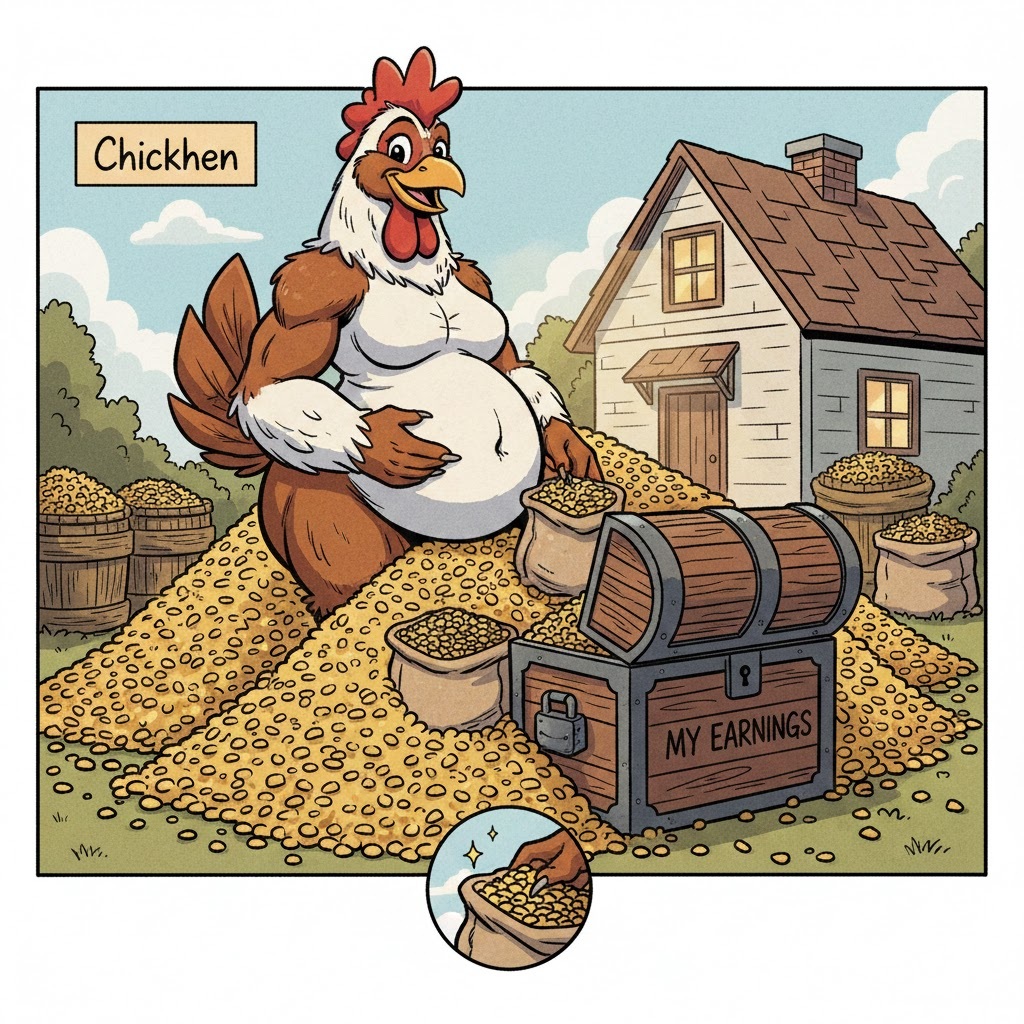
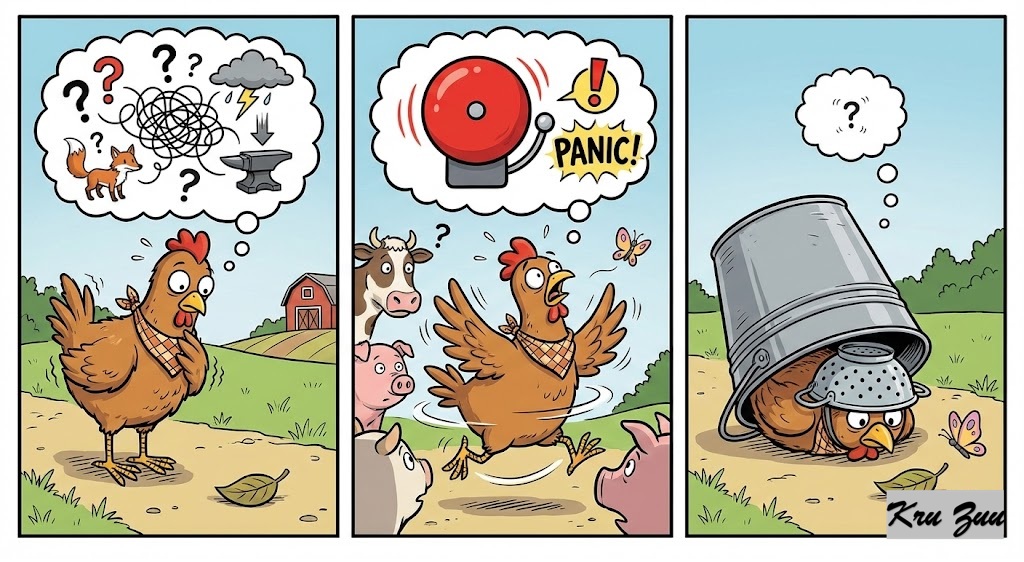
Cluck the Chicken: Nervous, overthinker, panic-prone. 🐔
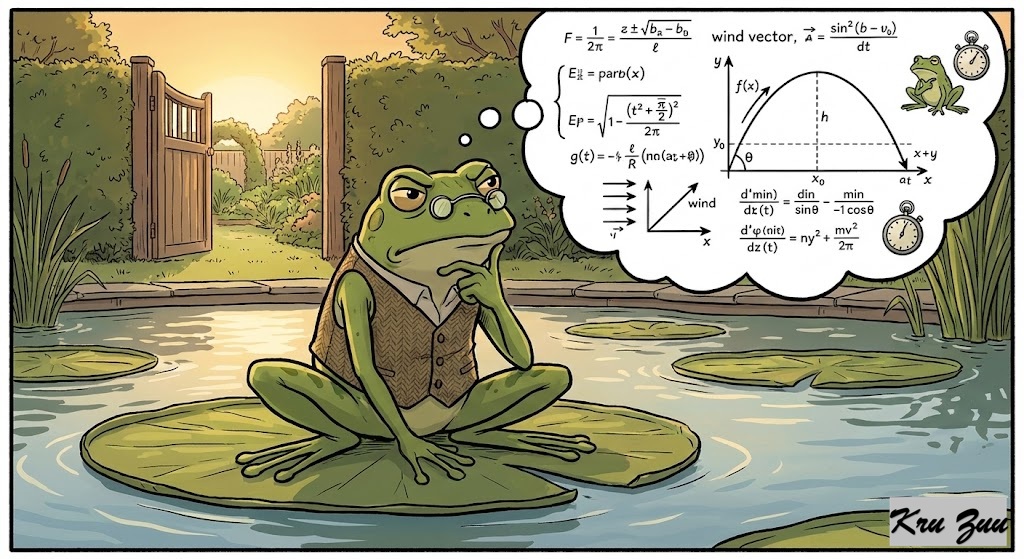
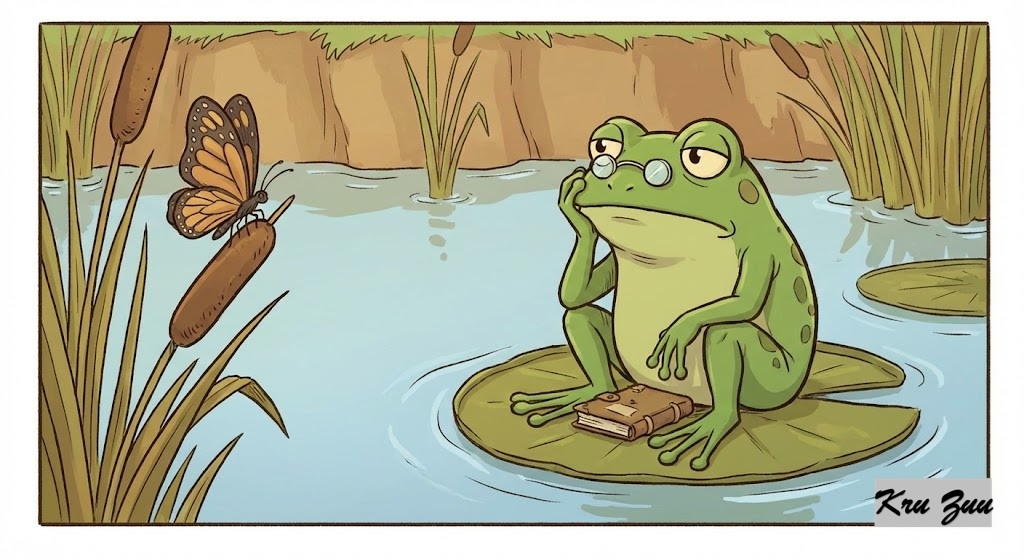
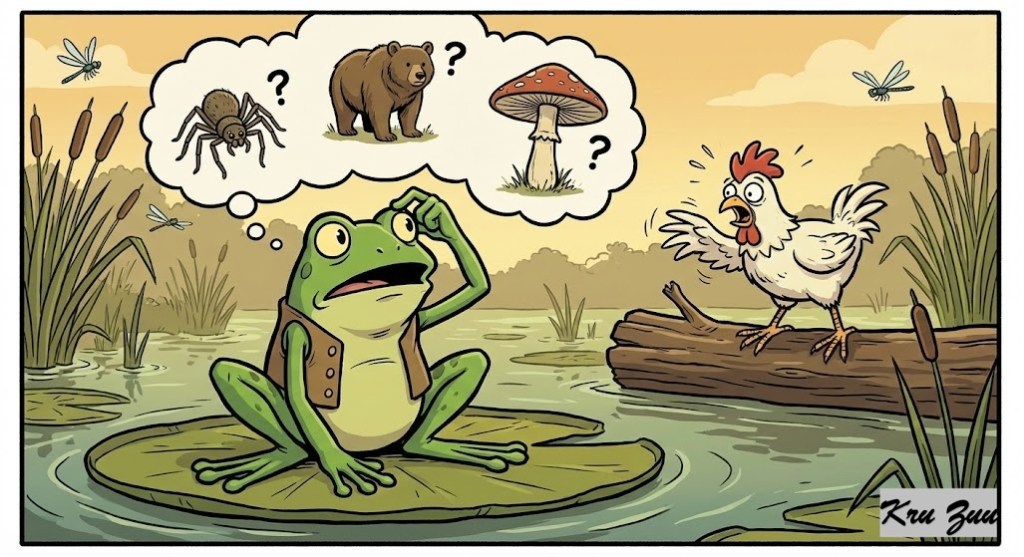
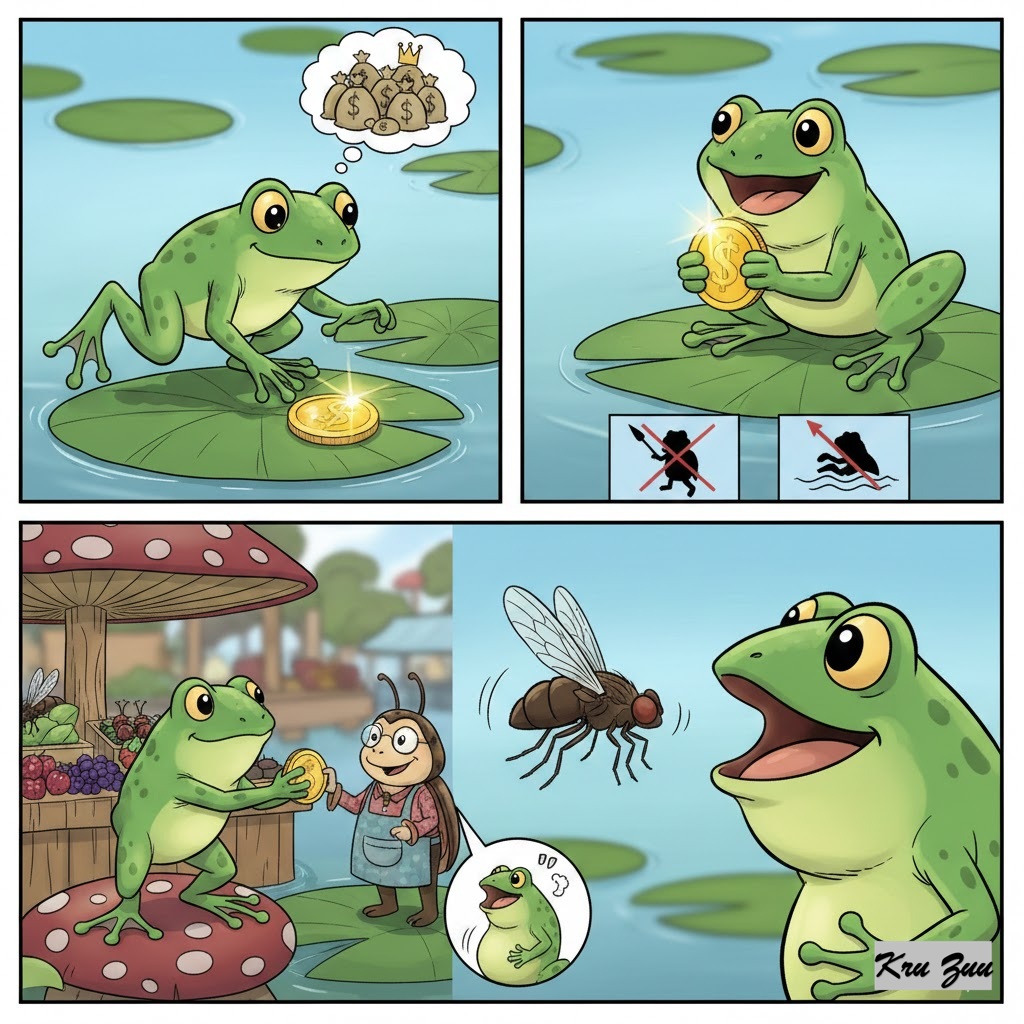
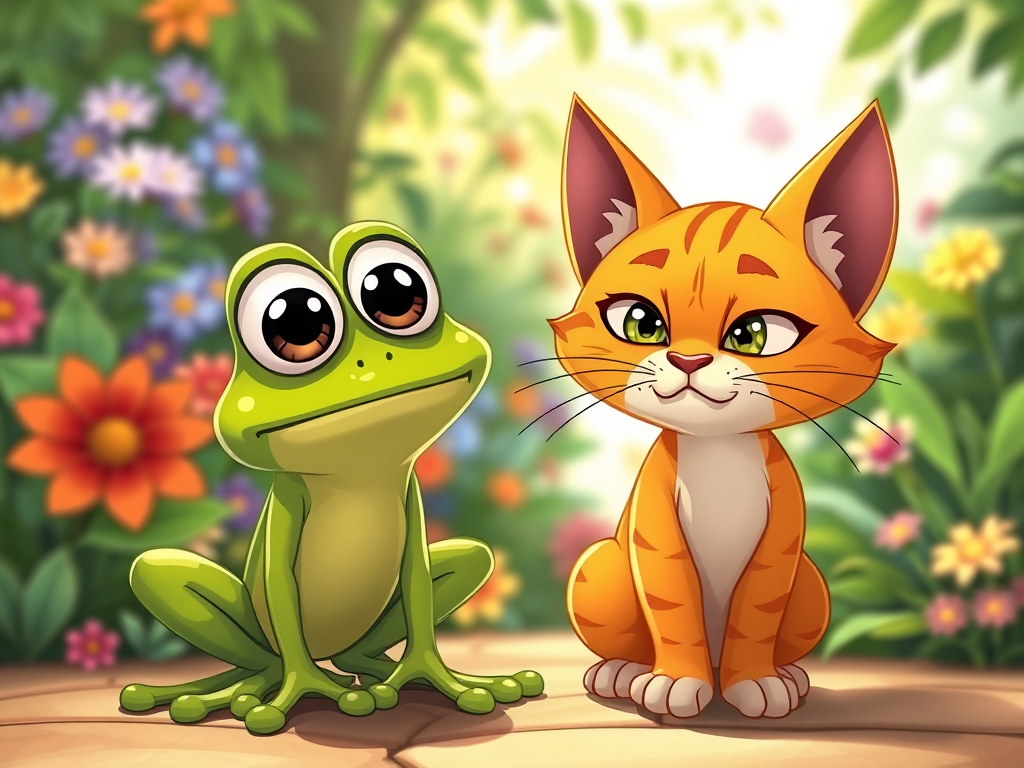
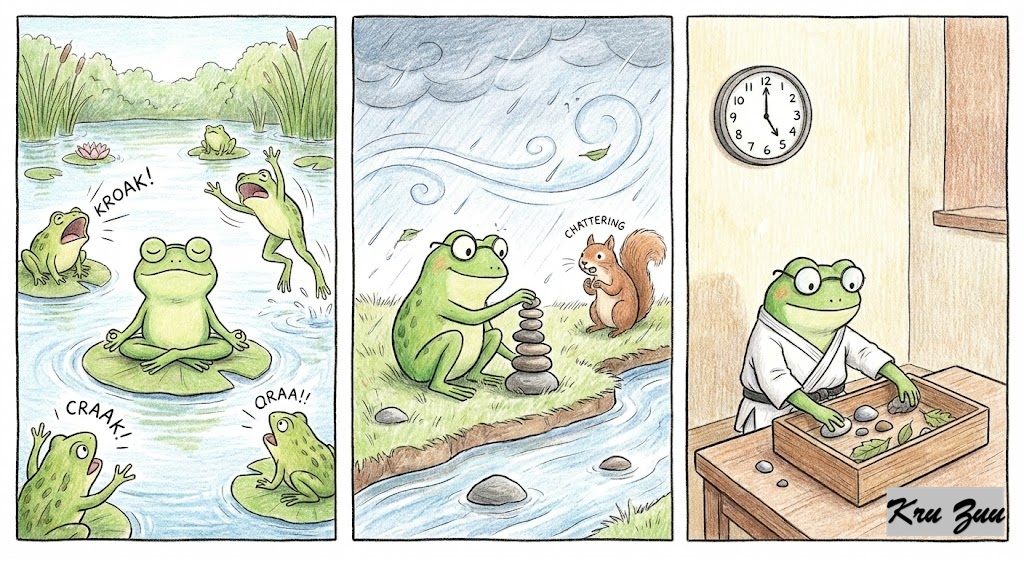
Fred the Frog: Quiet, steady, disciplined. 🐸
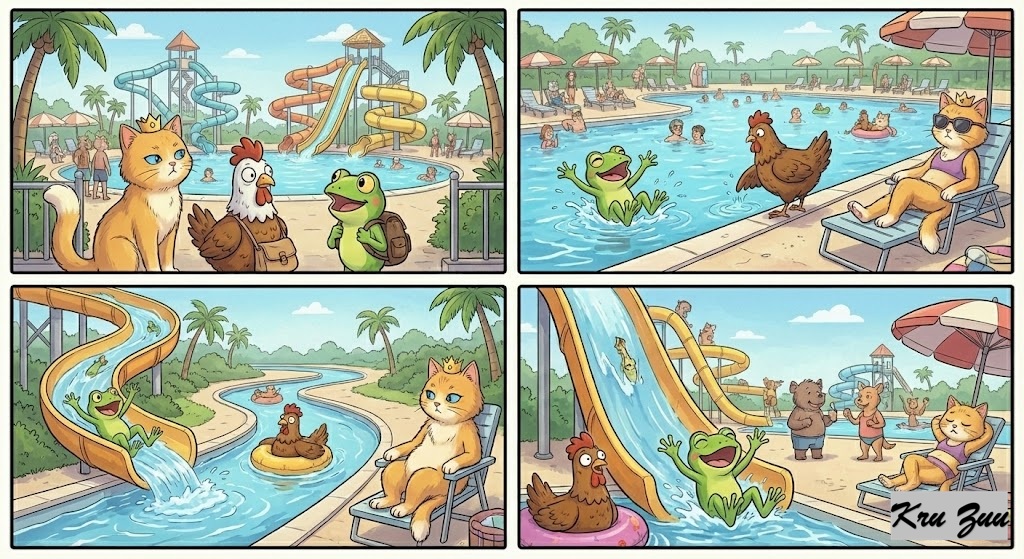
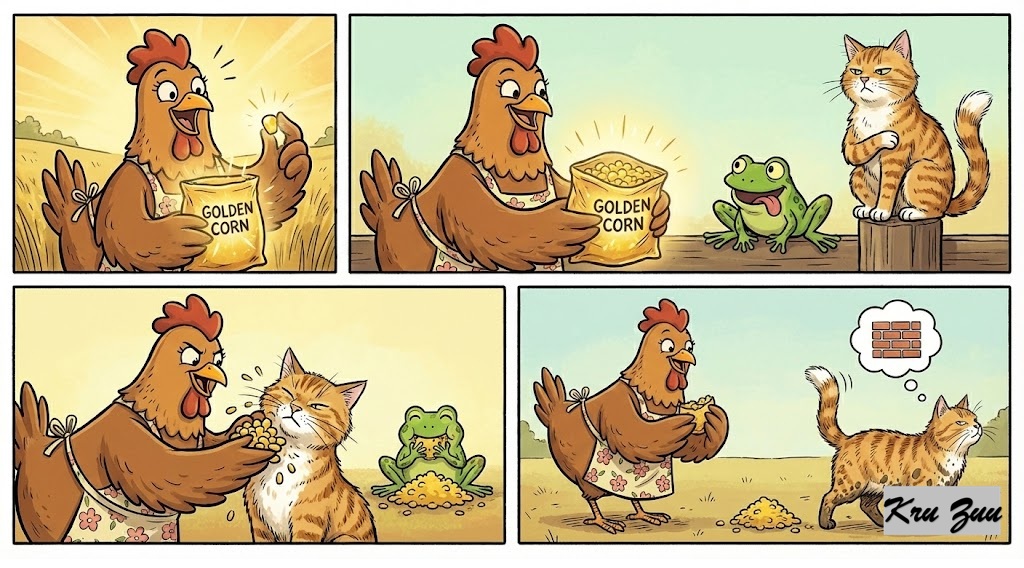
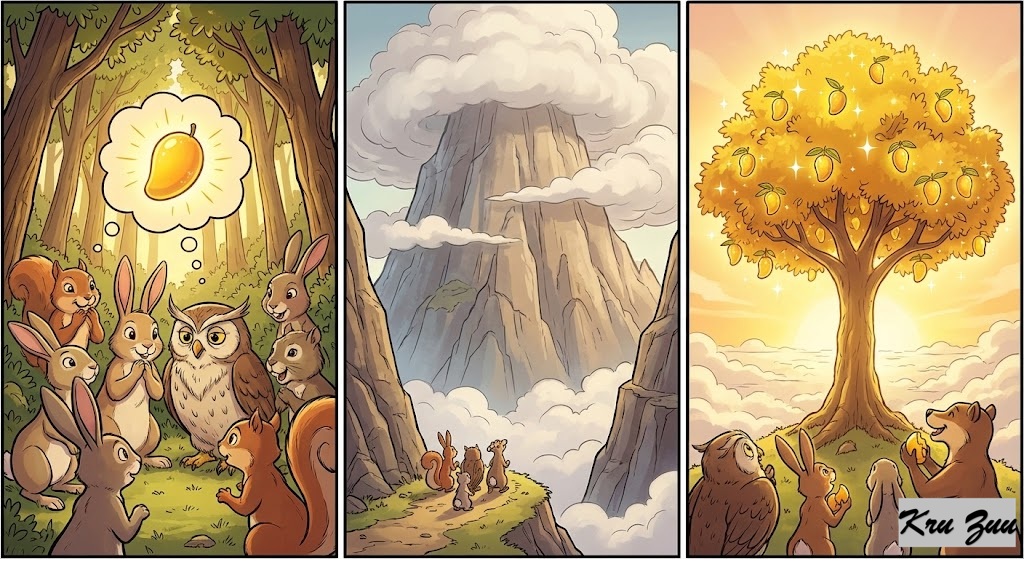
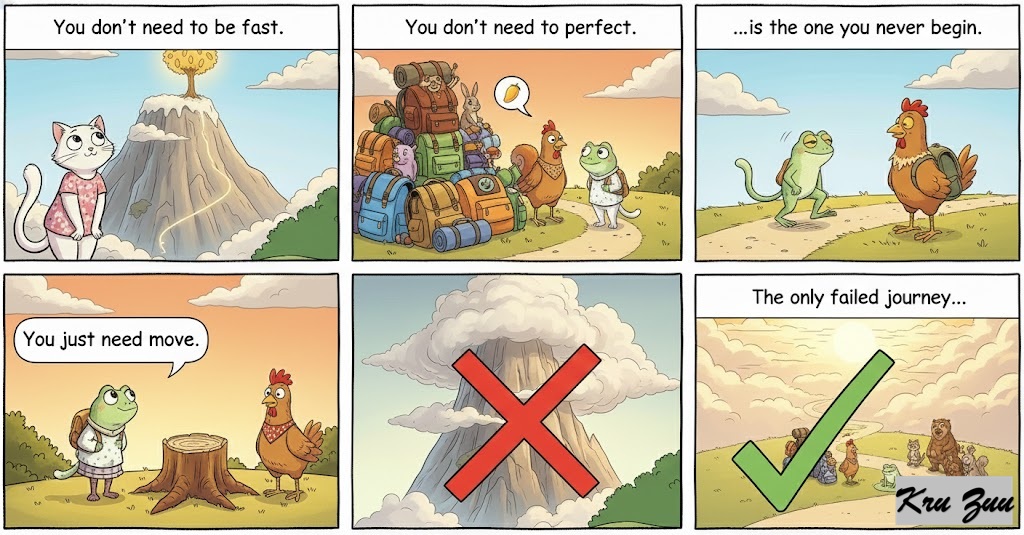
The Situation: A rumor spreads in the forest. On top of the “High Peak Mountain,” there is a legendary Golden Mango Tree. The mangoes grant eternal happiness (and they are delicious). The mountain is huge. It touches the clouds.
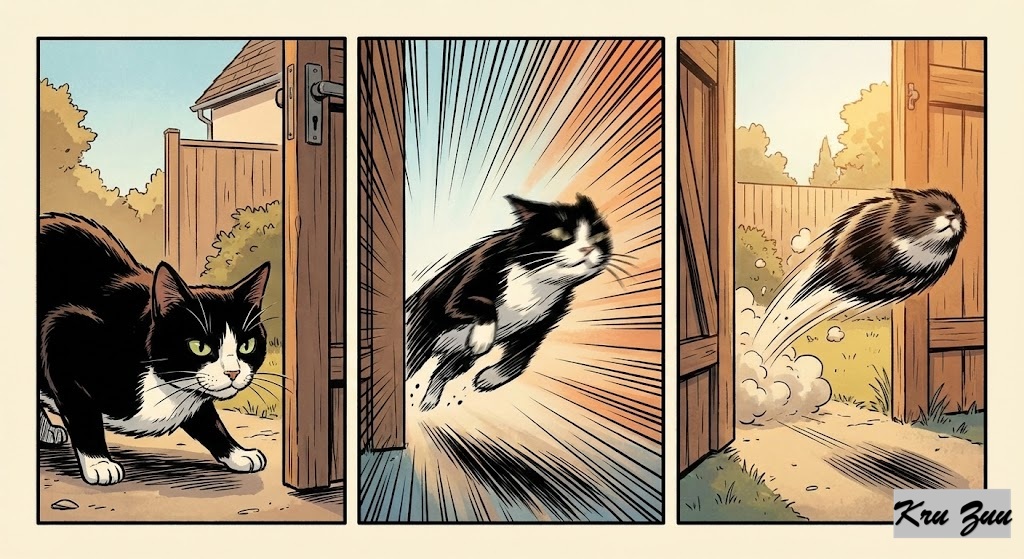
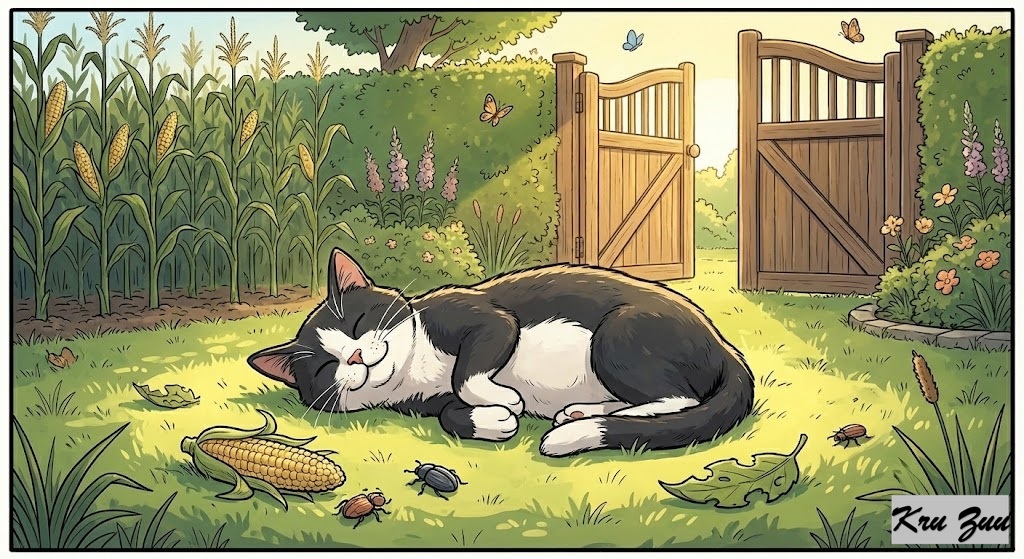
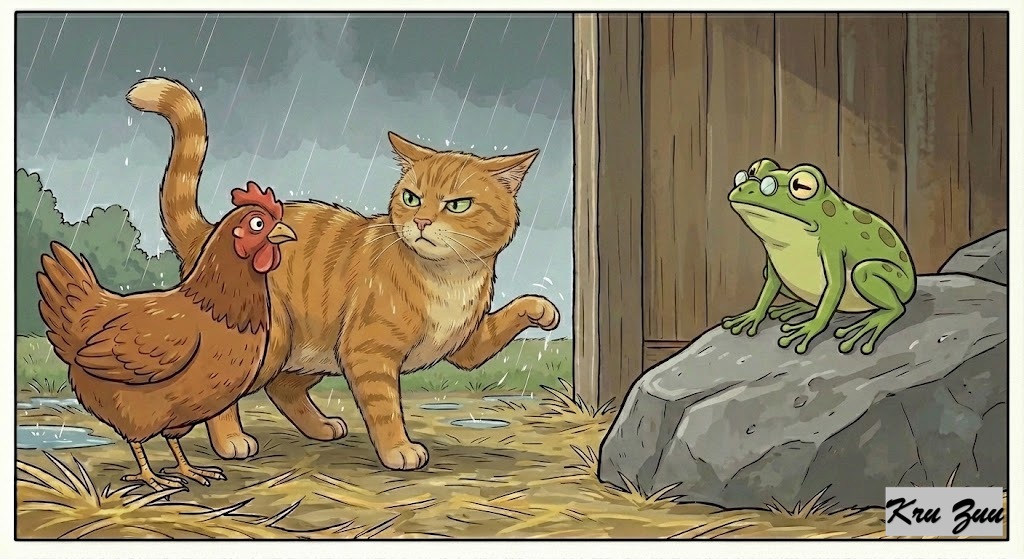
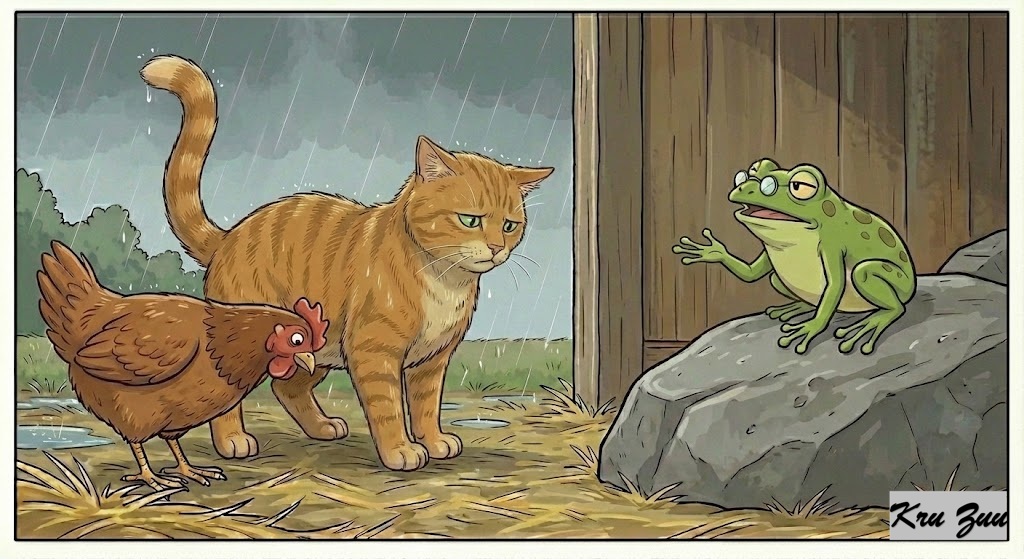
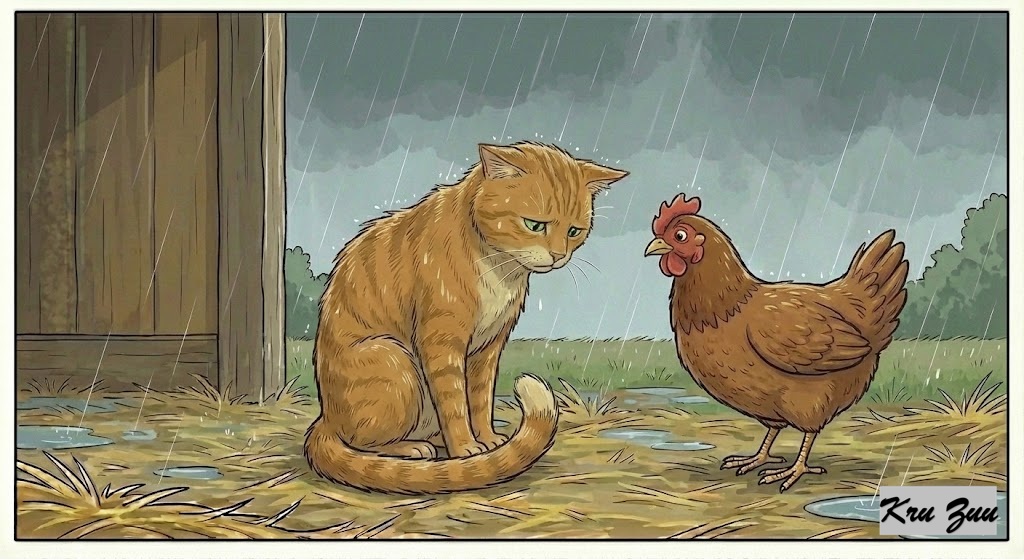
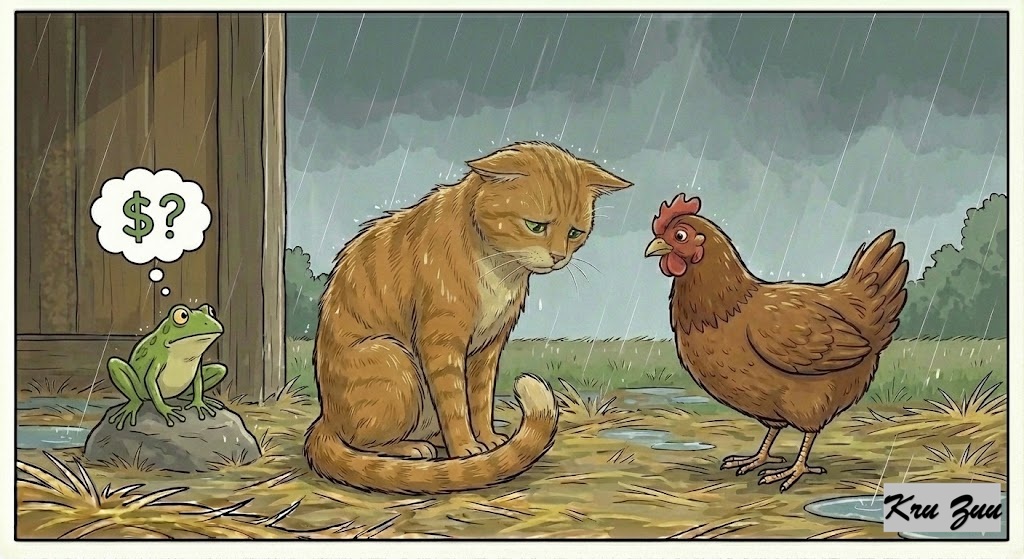
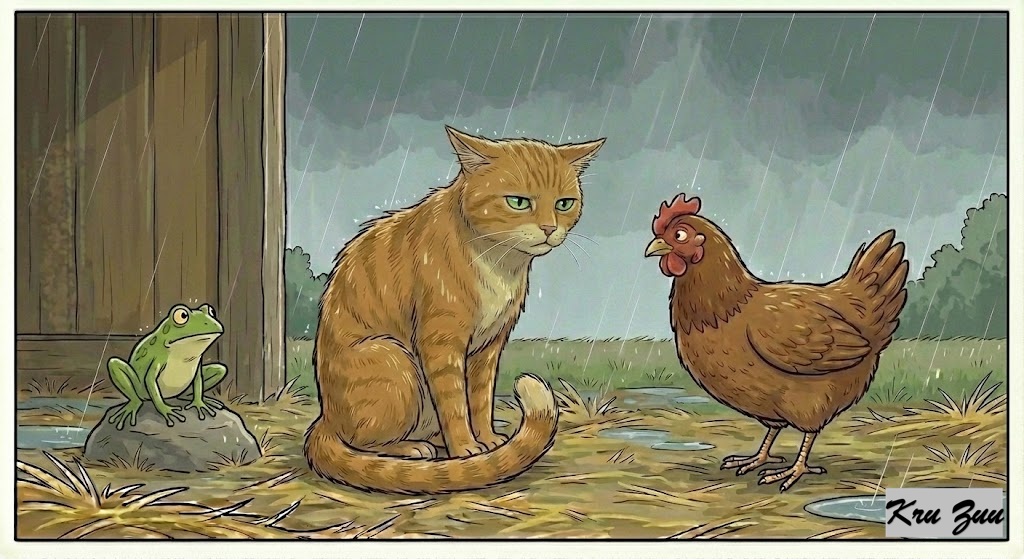
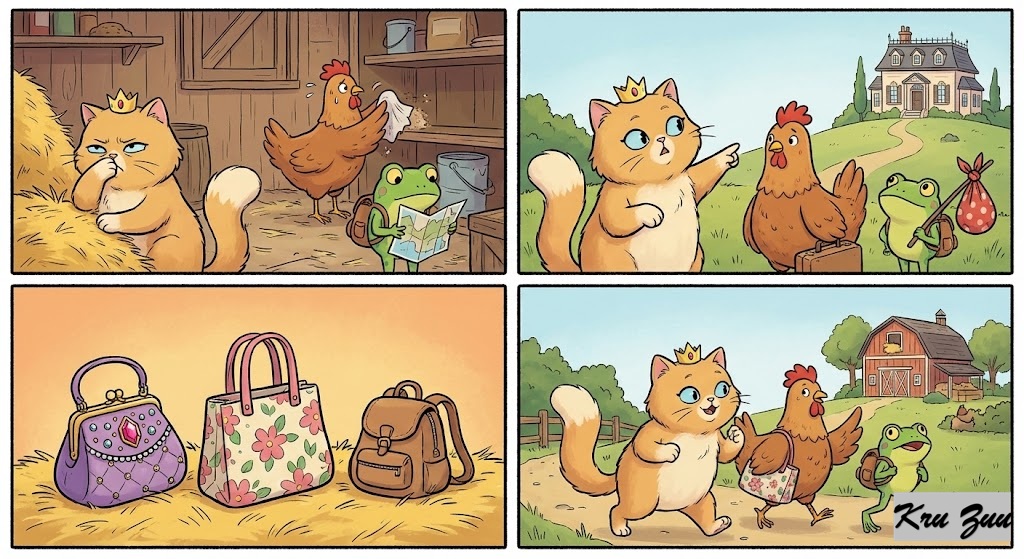
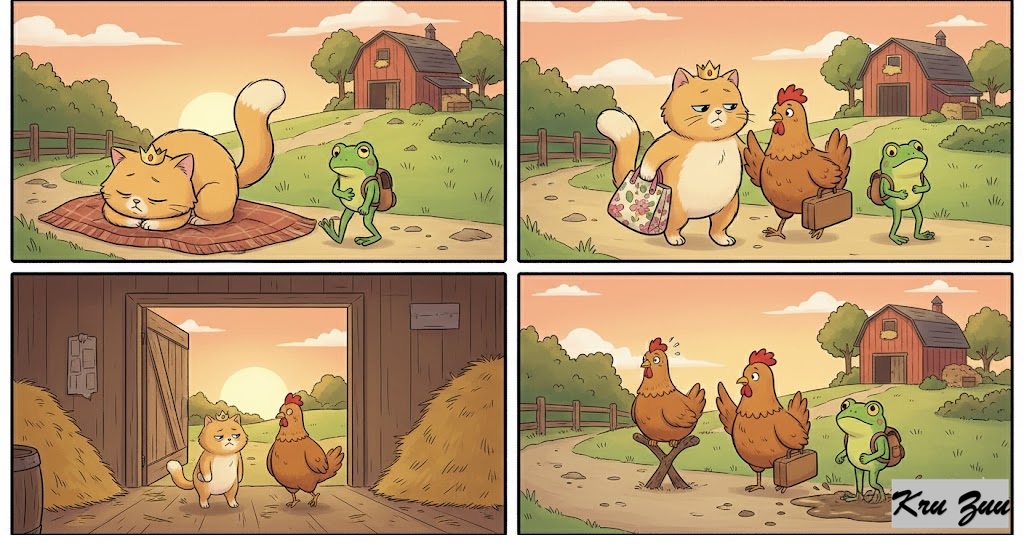
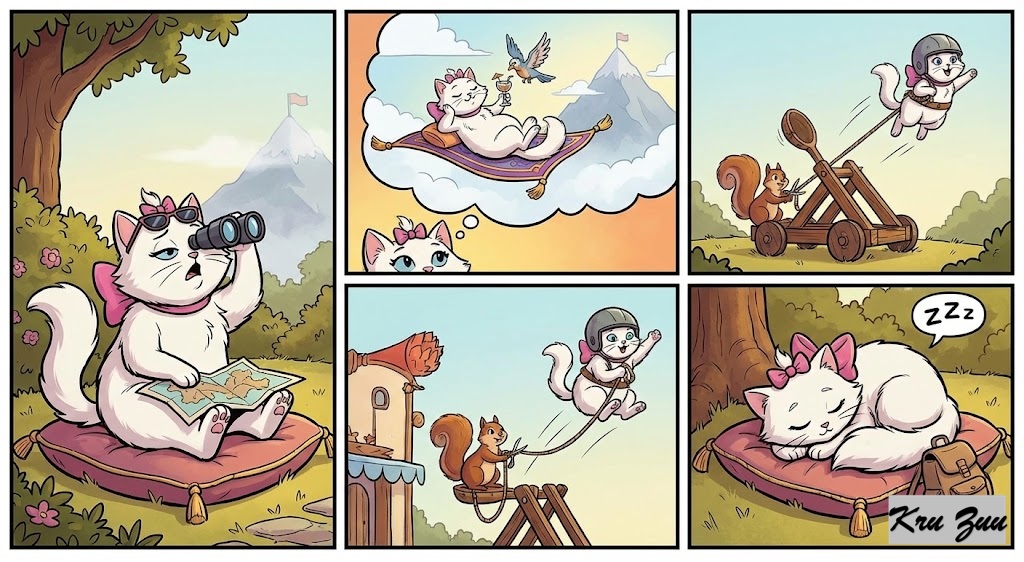
The Conflict: Cleo looks up and sighs. “Ugh. That is miles away. My paws are too delicate for hiking. I need a magic carpet. Or maybe a catapult? I’m not going unless I can get there fast.” She sits down to nap.
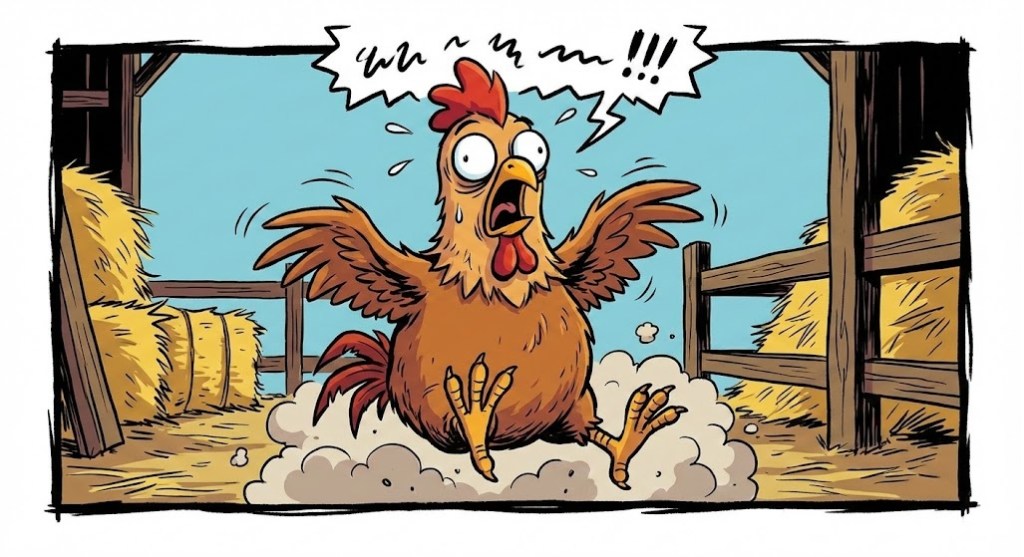
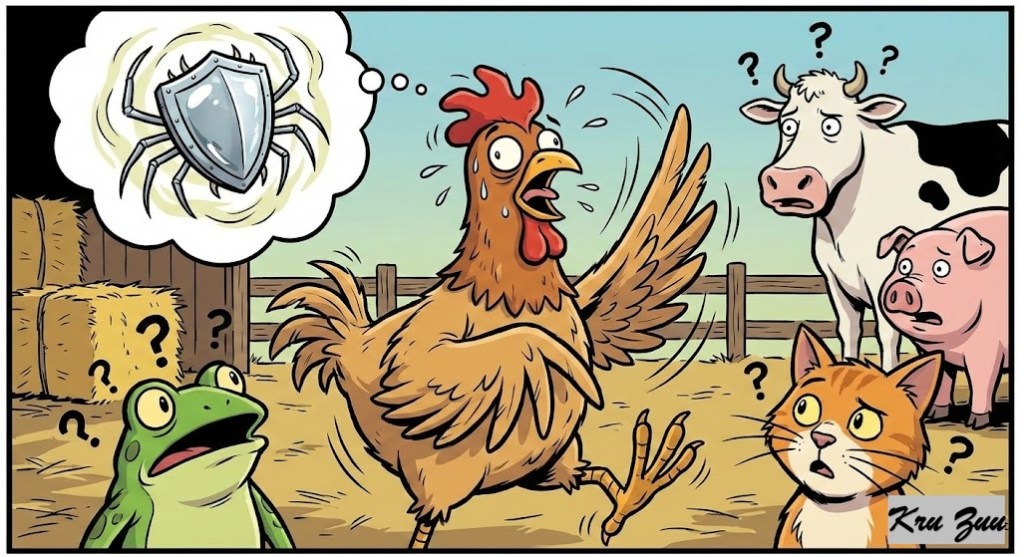
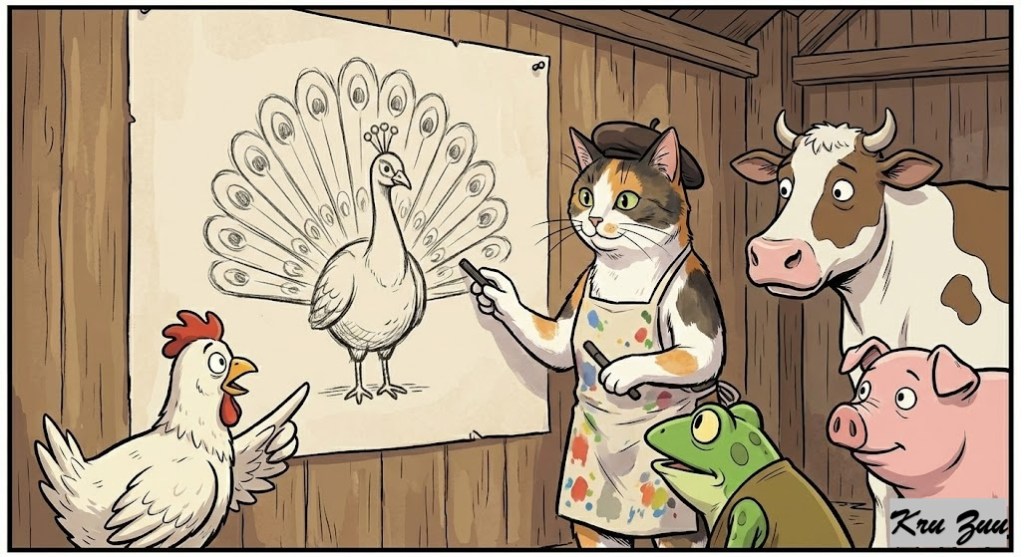
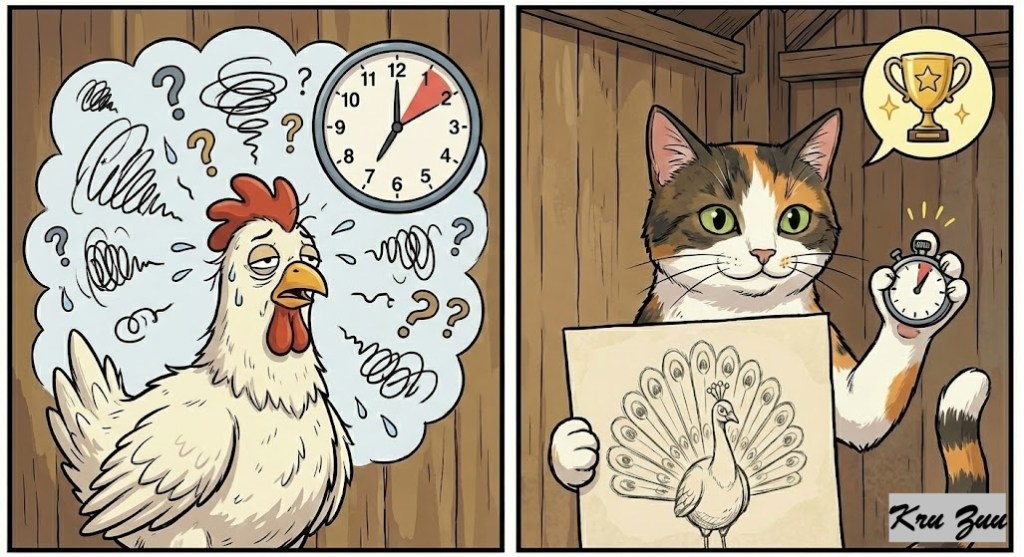
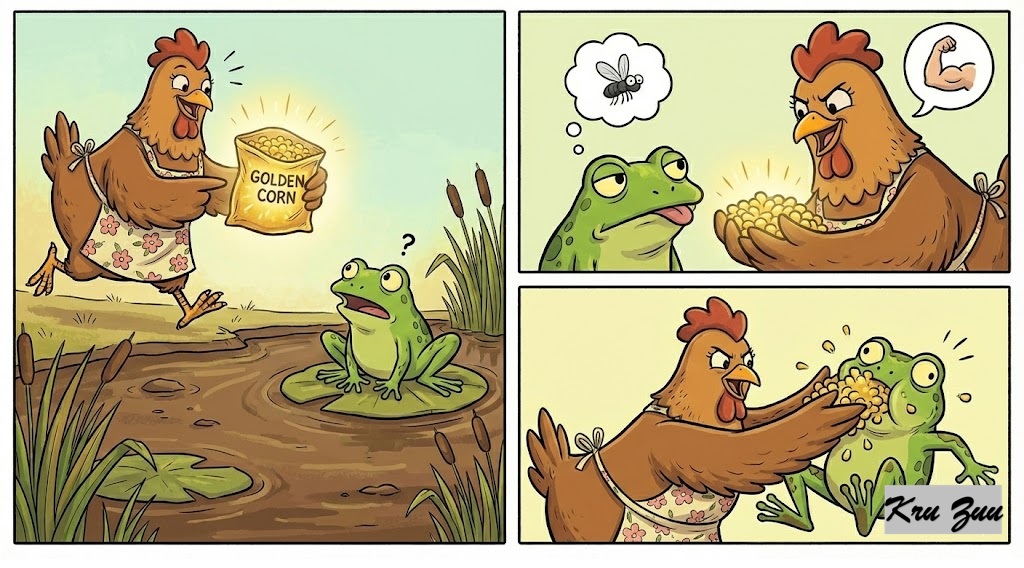
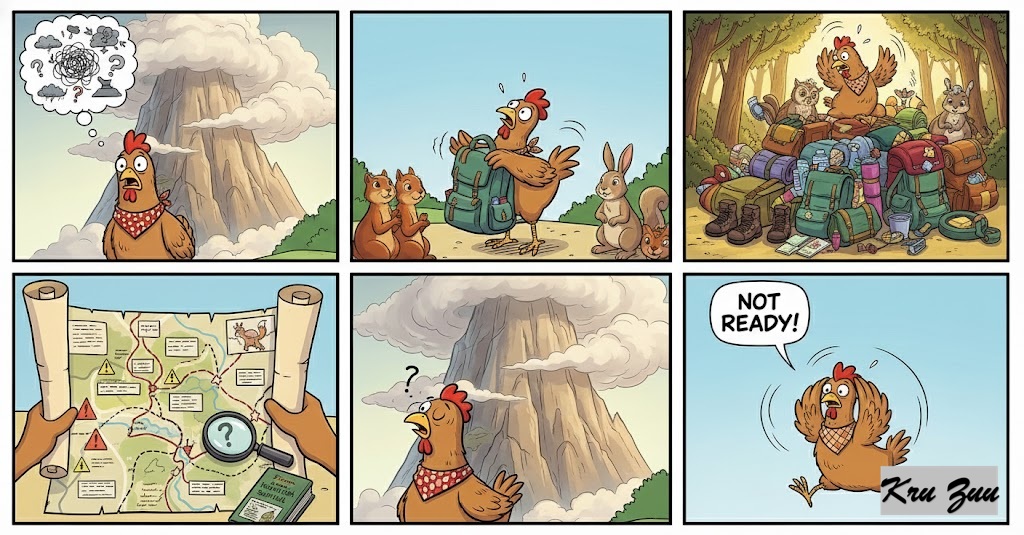
Cluck looks up and panics. “Oh no! It’s too high! What if it rains? What if I get hungry? What if my shoes untie? I need to pack 50 bags! I need to plan the route! I’m not ready!” Cluck runs around in circles, packing and unpacking his backpack.
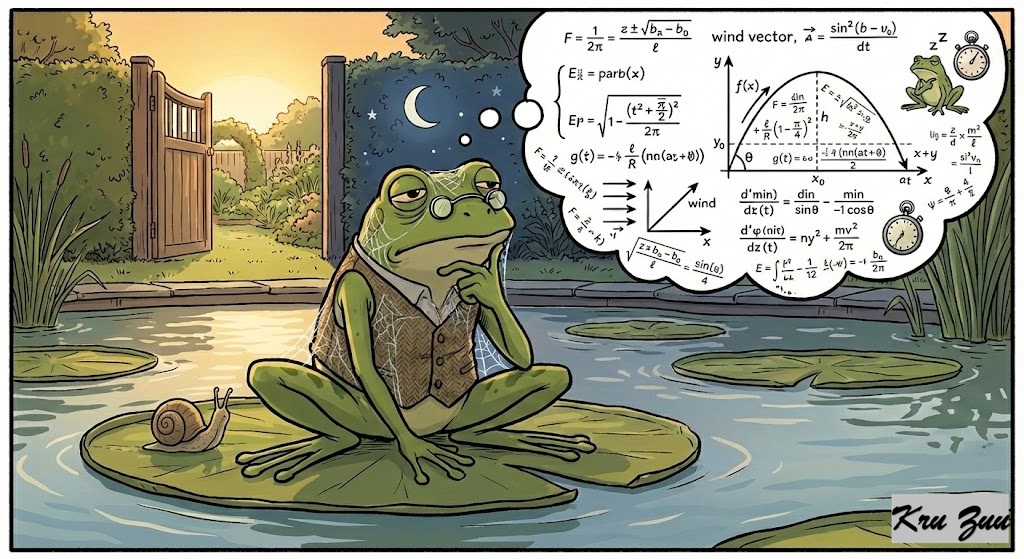
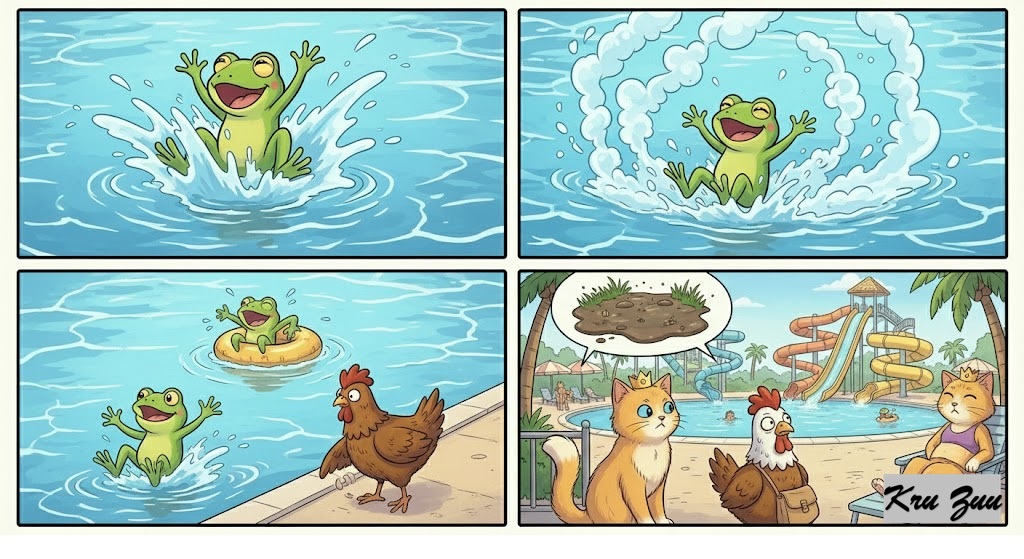
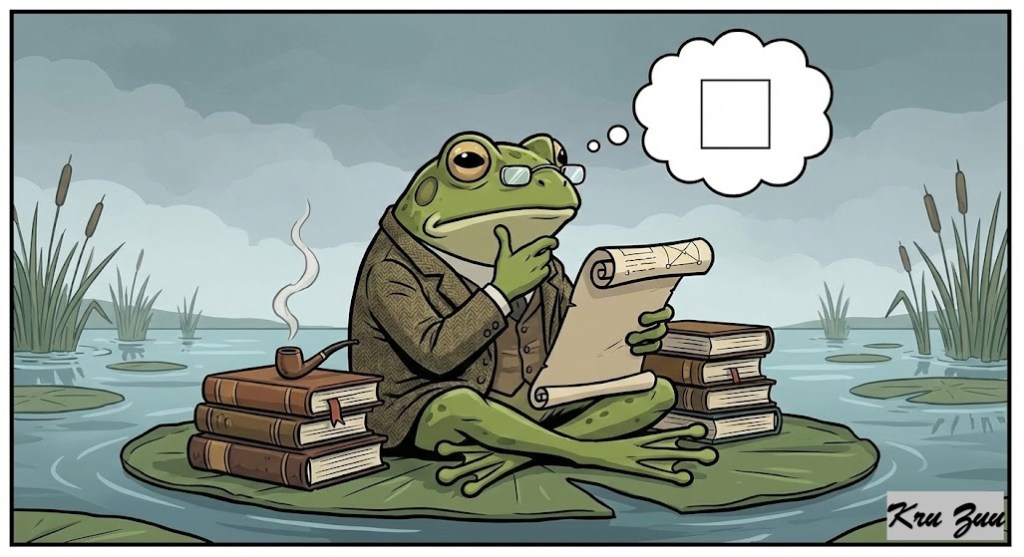
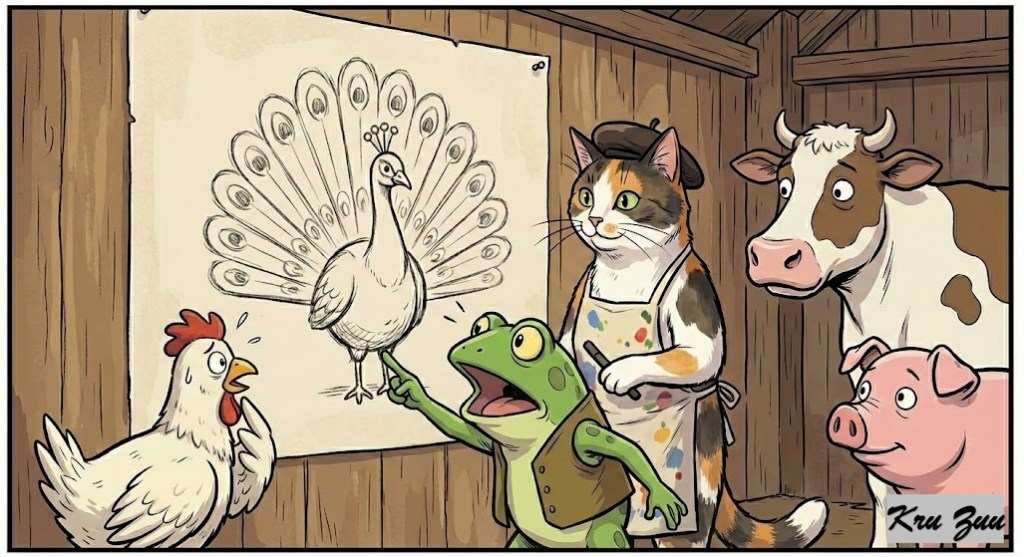
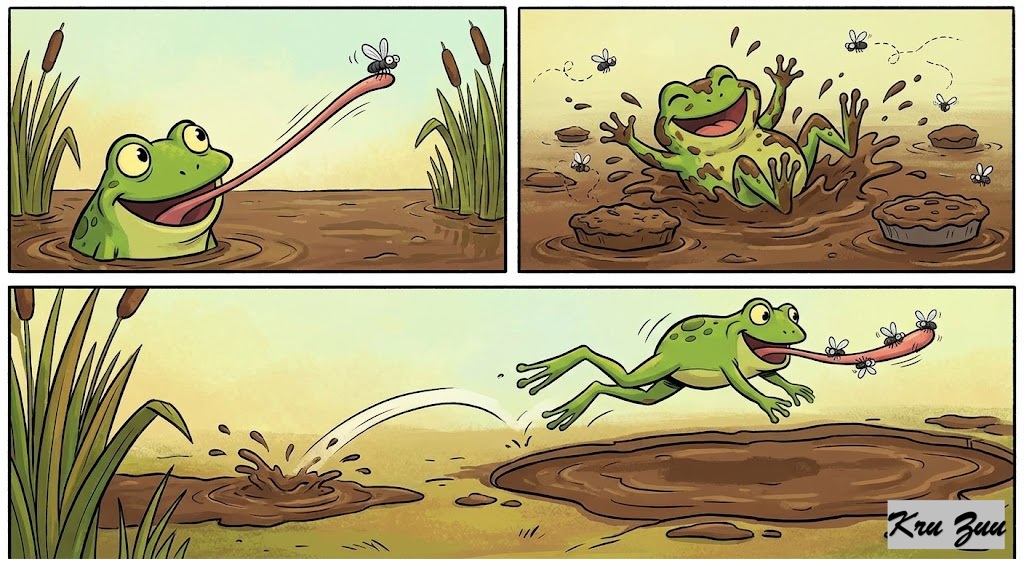
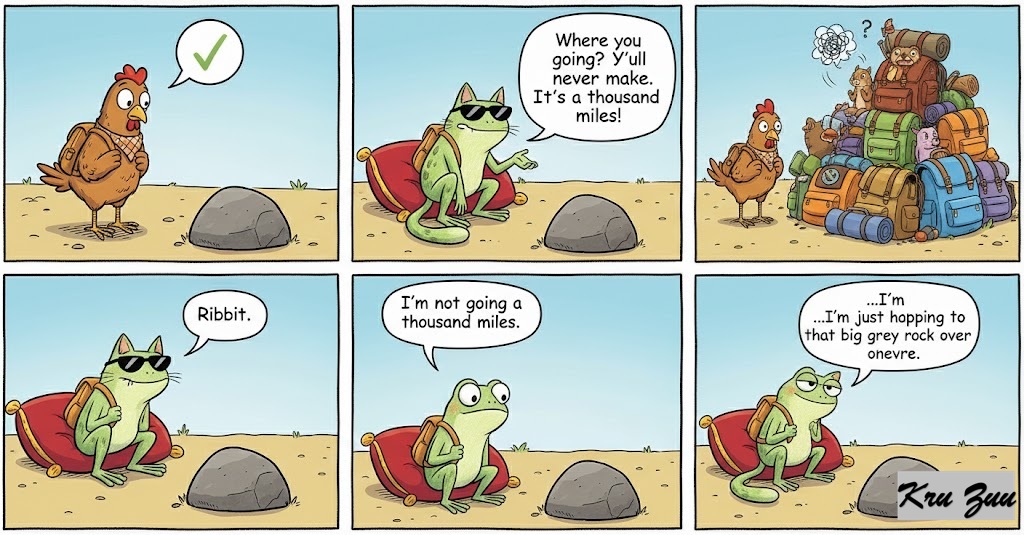
The Reaction: Fred adjusts his backpack. He doesn’t look at the top of the mountain. He looks at the ground in front of him. “Ribbit,” says Fred. “Where are you going?” asks Cleo. “You’ll never make it. It’s a thousand miles!” “I’m not going a thousand miles,” Fred says calmly. “I am just hopping to that big gray rock over there.”
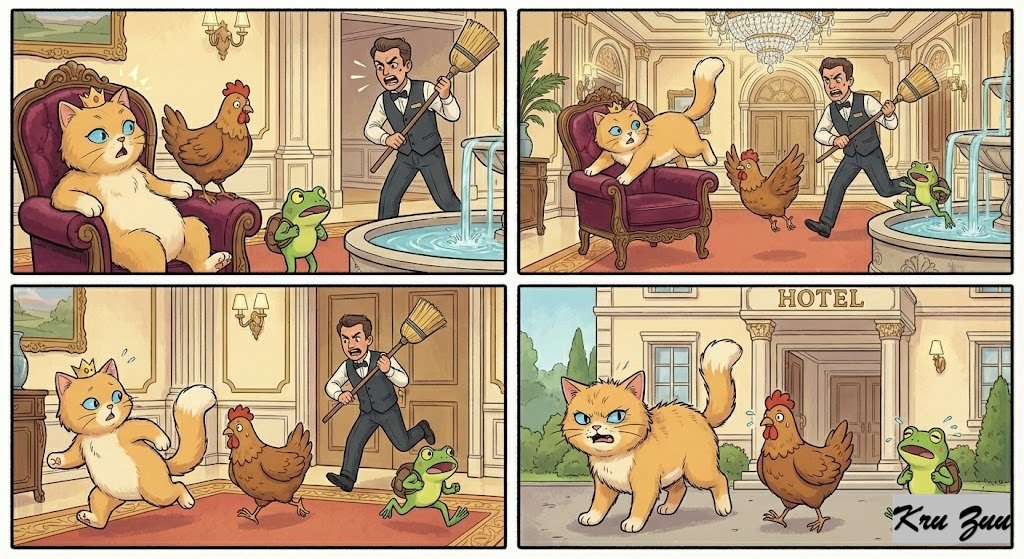
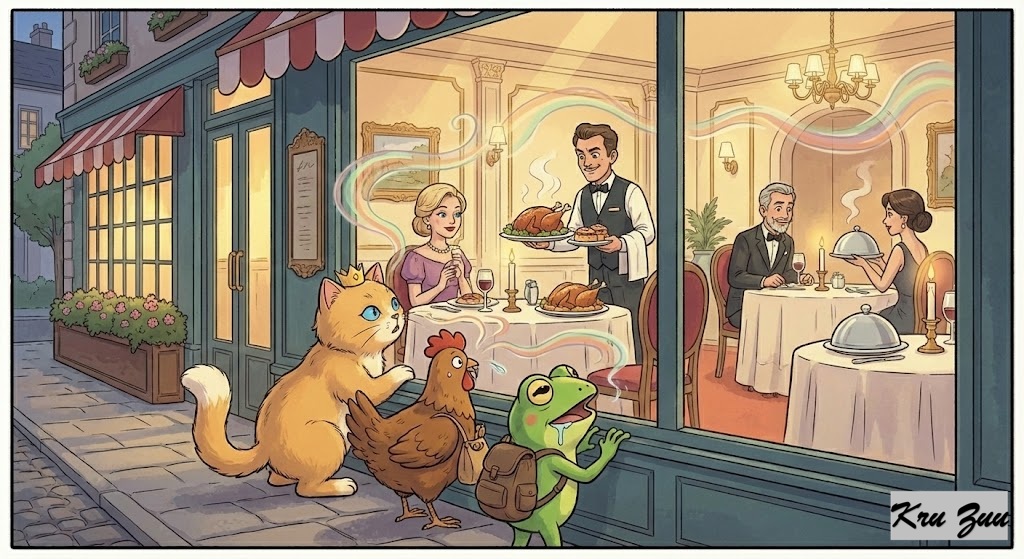
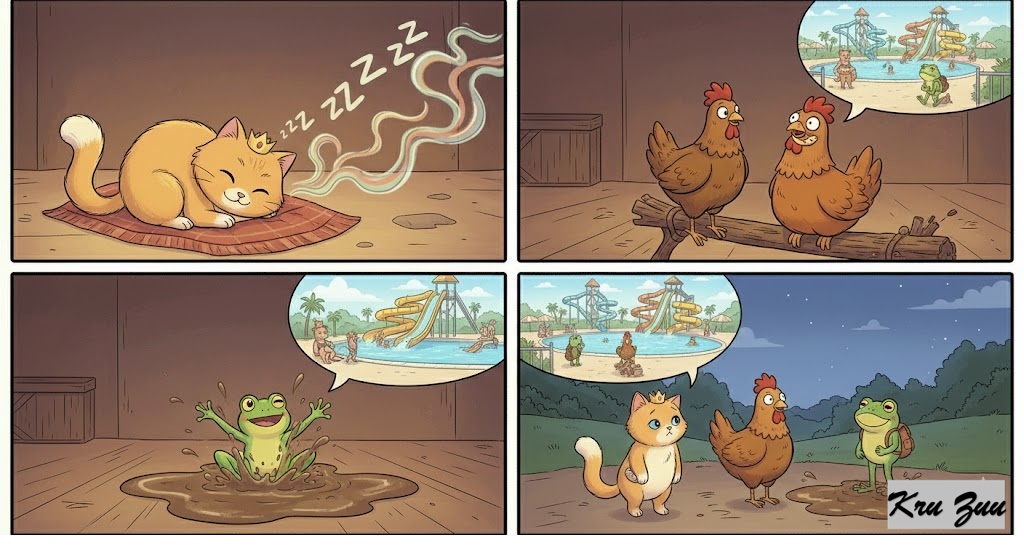
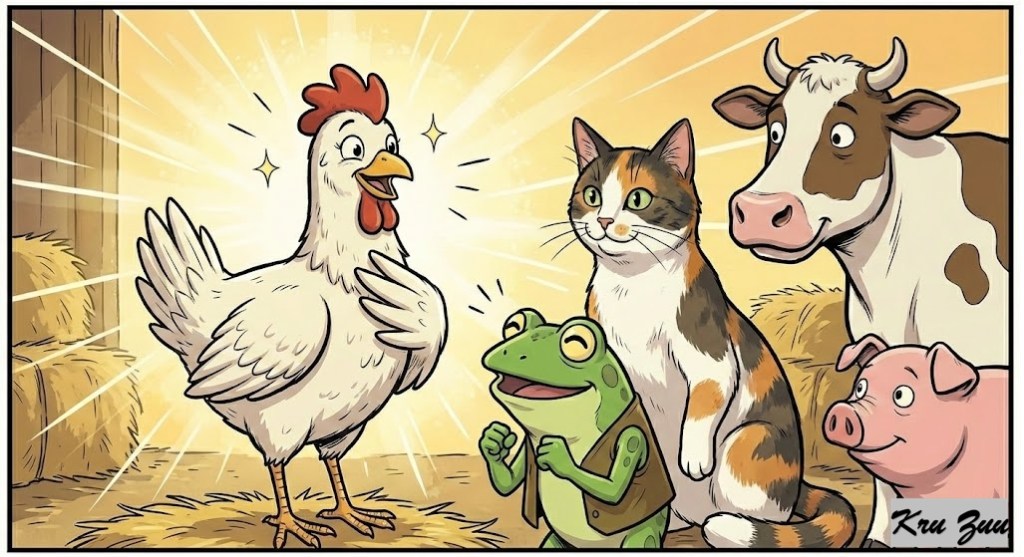
The Lesson: Fred hops to the rock. Then he hops to a flower. Then to a tree stump. Days pass. Cleo is still sleeping at the bottom, waiting for a magic carpet. Cluck is still at the bottom, worrying about the weather forecast. But Fred? Fred is gone. He just kept hopping. One hop at a time. A week later, a mango falls from the sky and hits Cleo on the head. She looks up. Tiny Fred is waving from the top of the mountain. He didn’t have magic. He just didn’t stop.
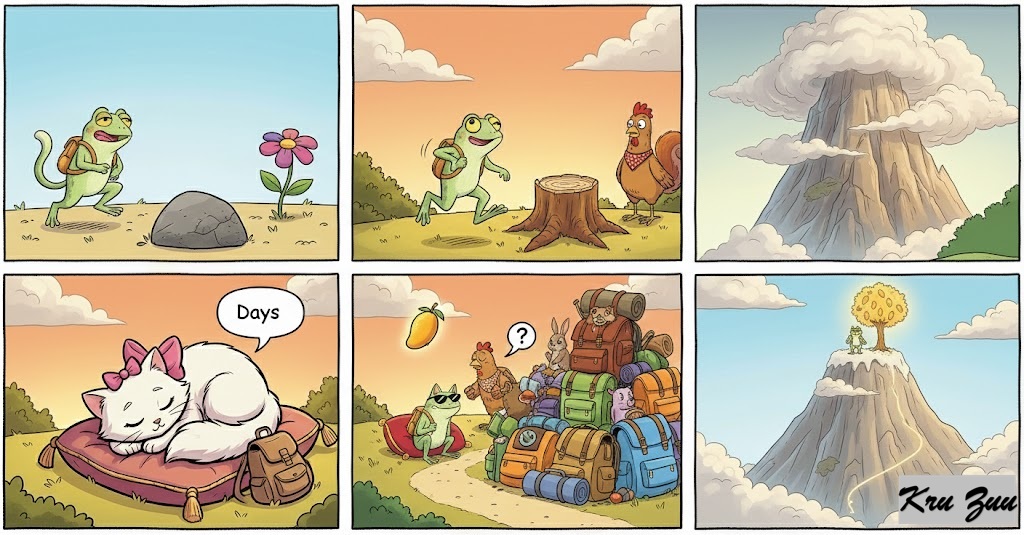
The Moral: You don’t need to be fast. You don’t need to be perfect. You just need to move. The only failed journey is the one you never begin.
🎓 Lesson for English Learners
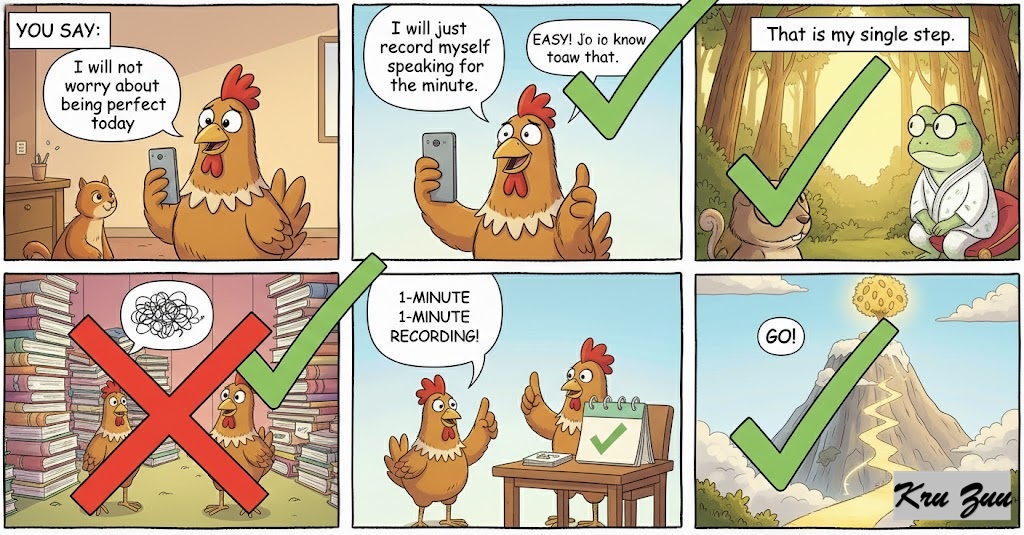
Stop Planning, Start Speaking.
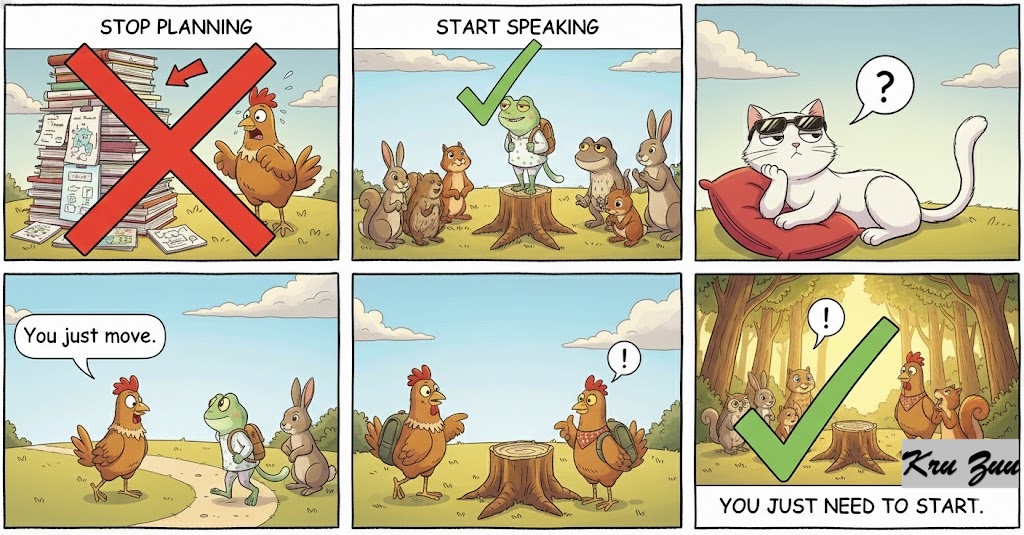
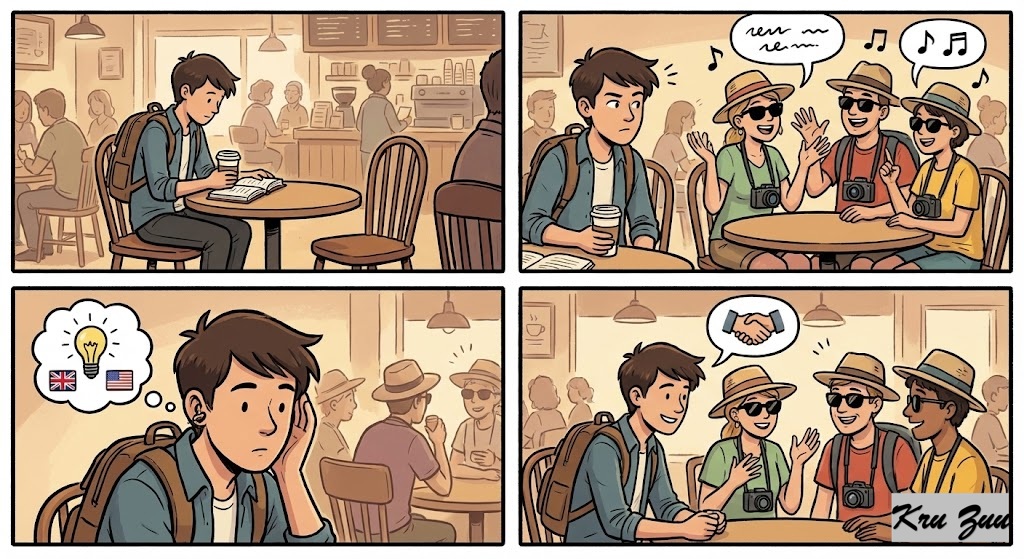
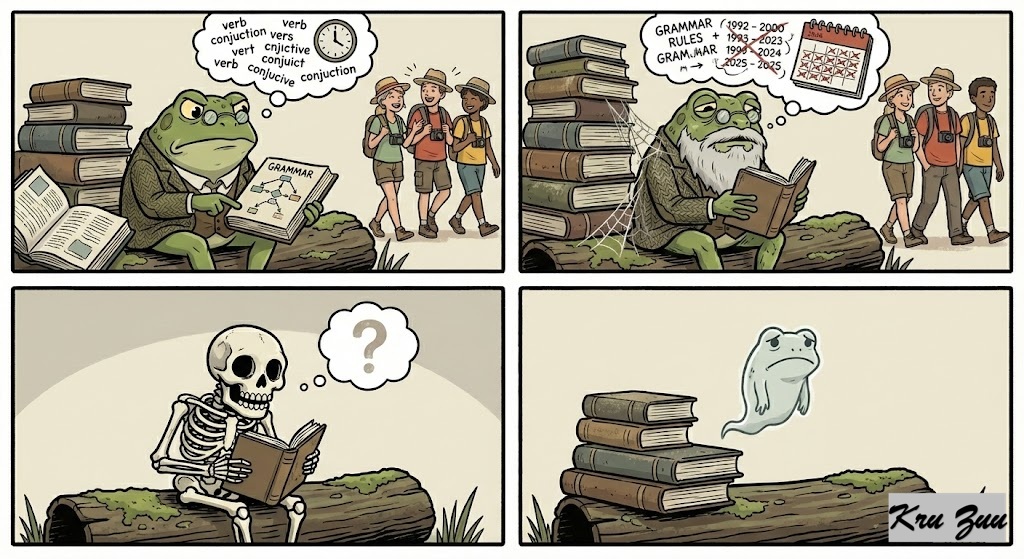
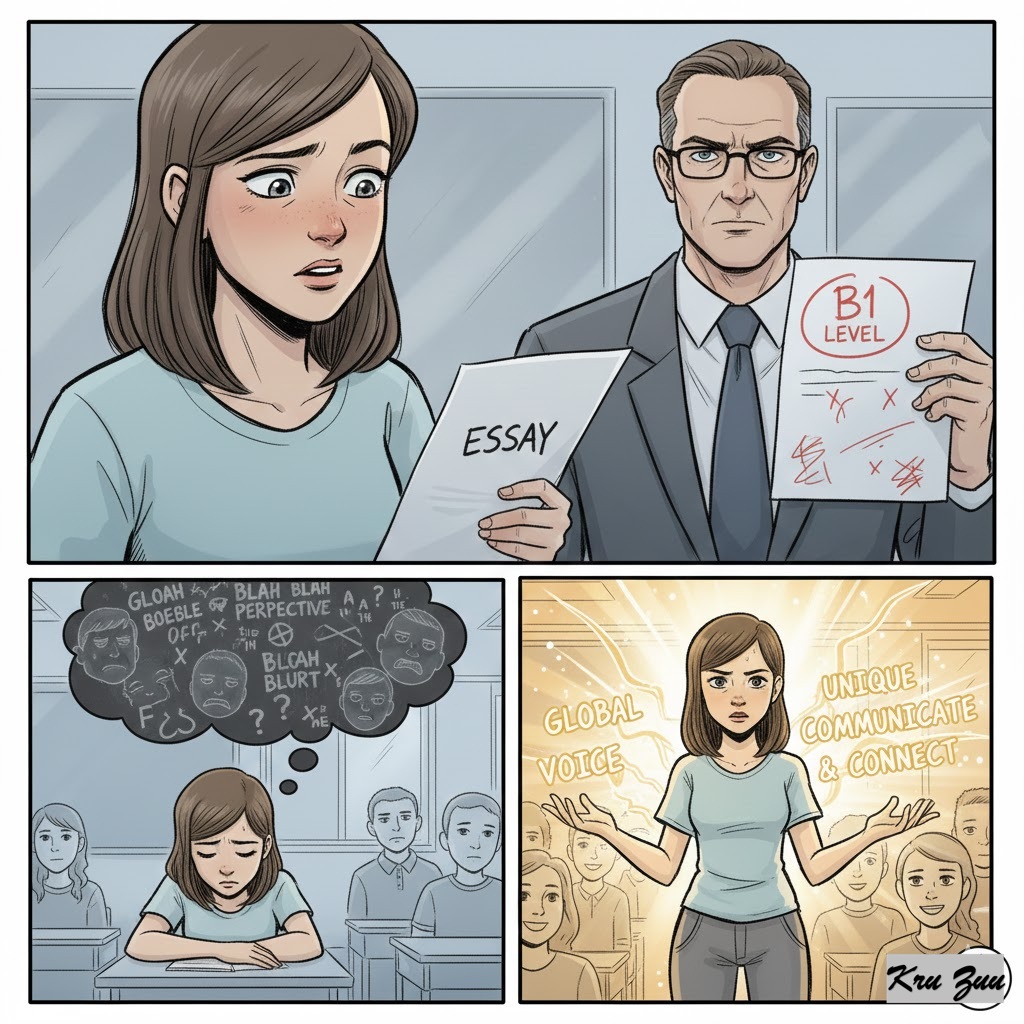
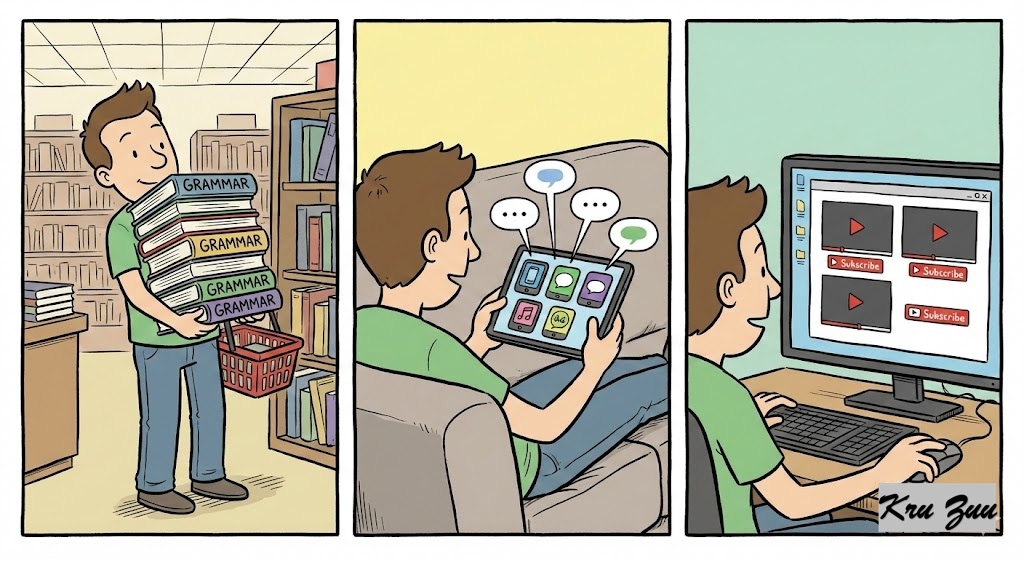
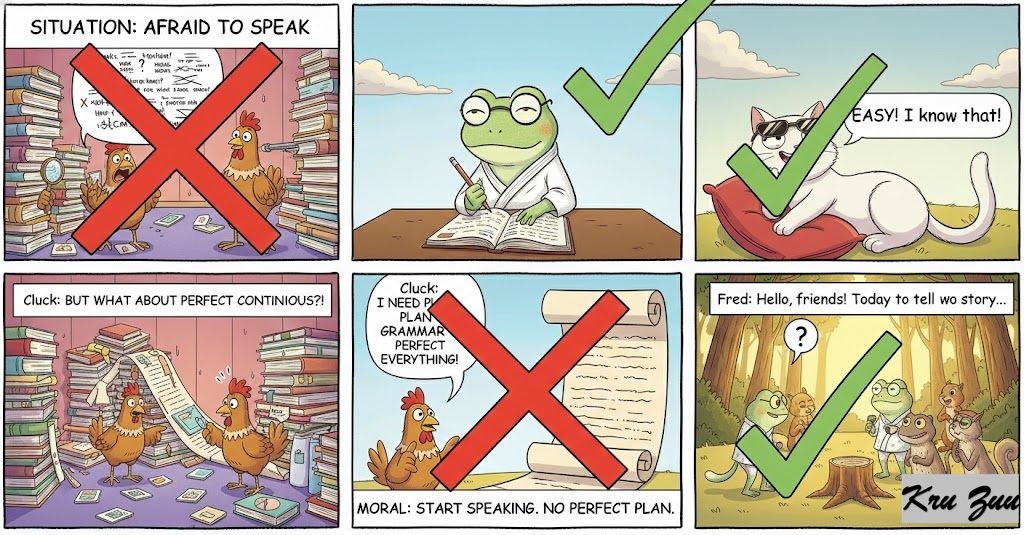
Situation: You want to speak English fluently, but you are afraid of making mistakes. You spend all your time reading grammar books but never speaking.
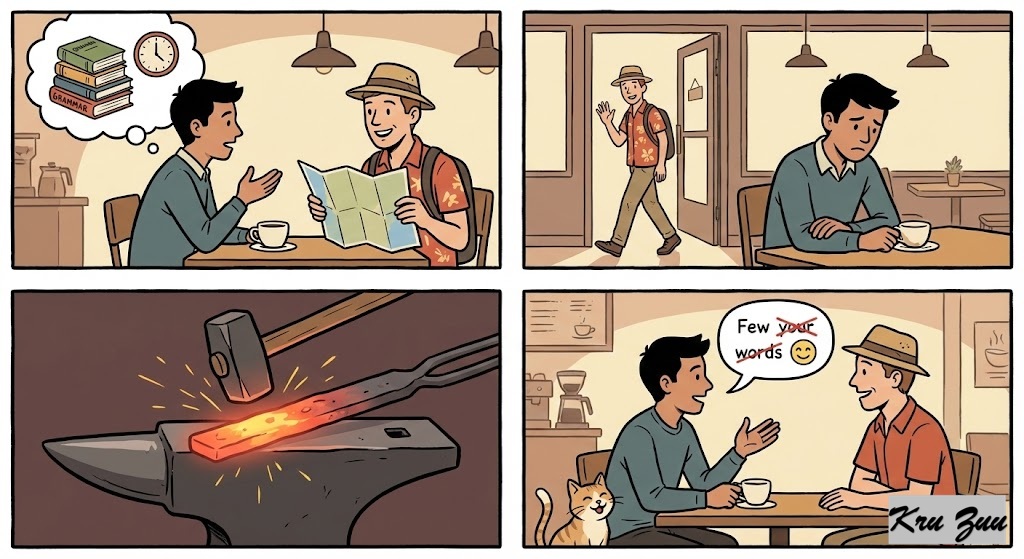
The Shift: Realize that fluency is built by 1,000 bad sentences.
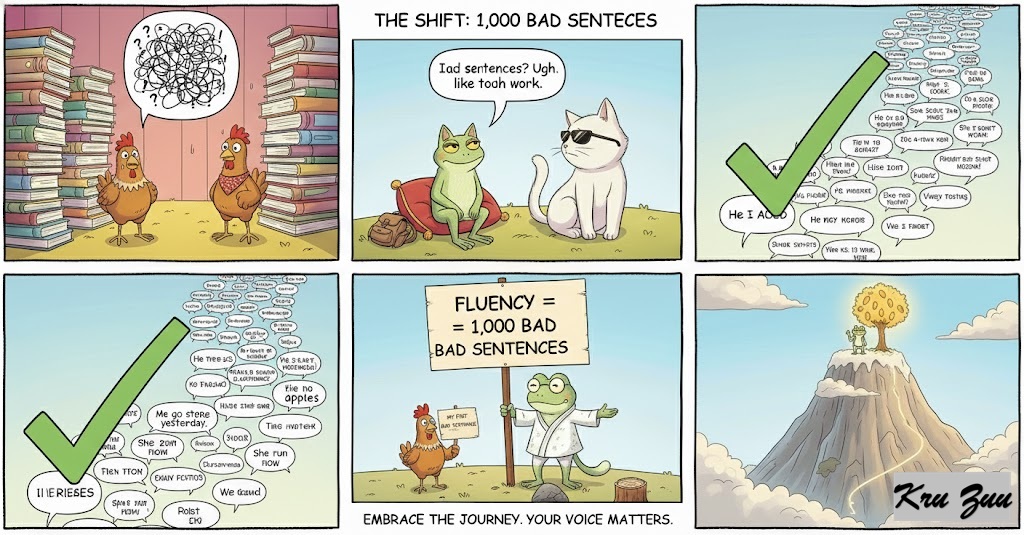
You Say: “I will not worry about being perfect today. I will just record myself speaking for 1 minute. That is my single step.”
💬 Your Turn: The “5-Minute” Challenge 🚀
Do you want to defeat your inner “Villain”?
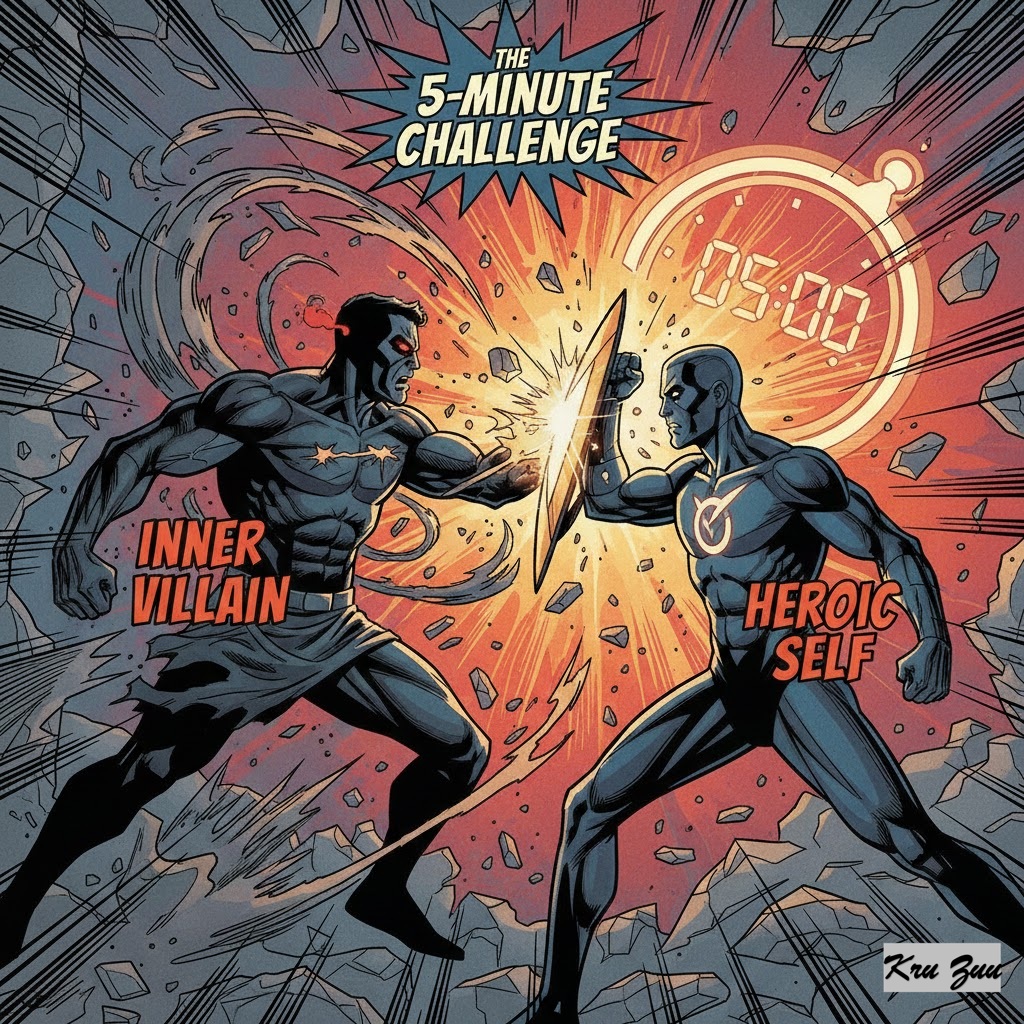
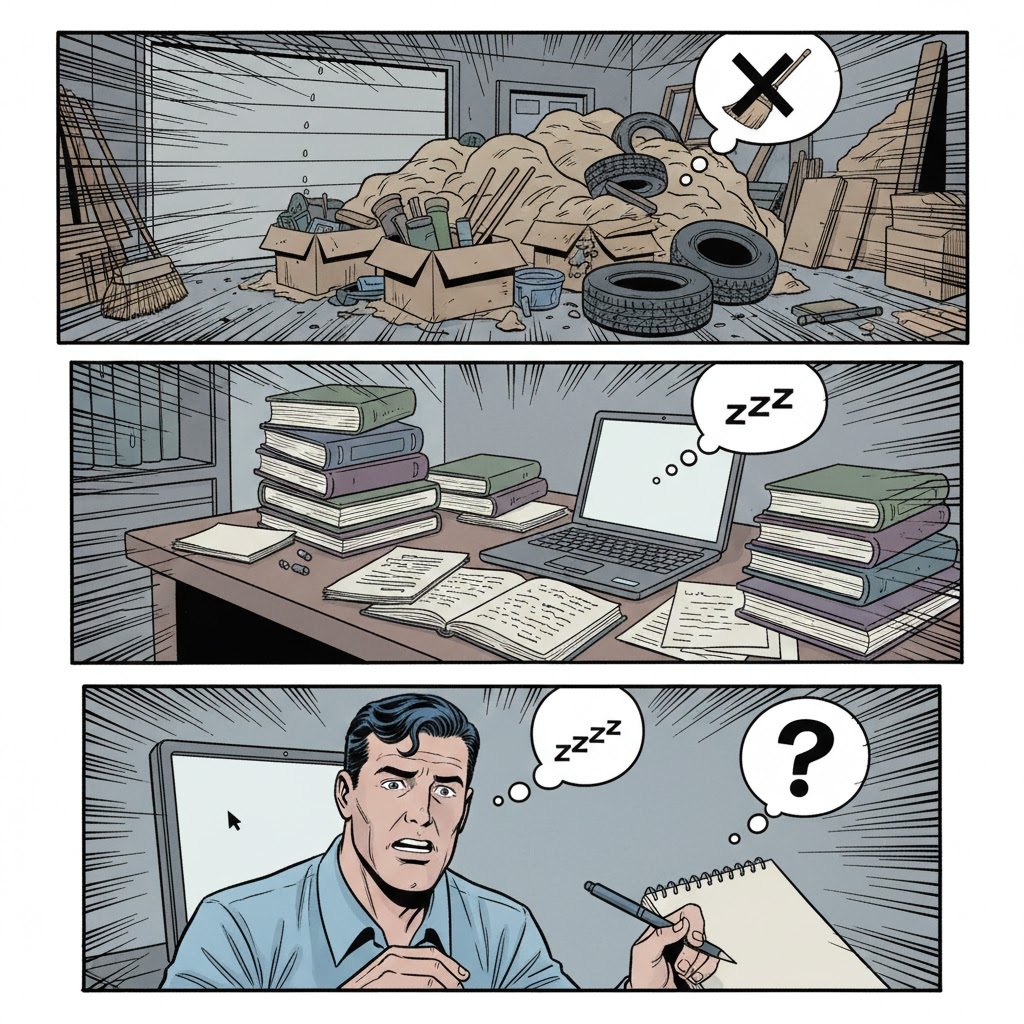
The Challenge: Think of a task you have been avoiding (cleaning the garage, studying for an exam, writing a report).
The Action: Commit to doing it for ONLY 5 minutes. Tell yourself: “I will just do this for 5 minutes, then I can stop.”
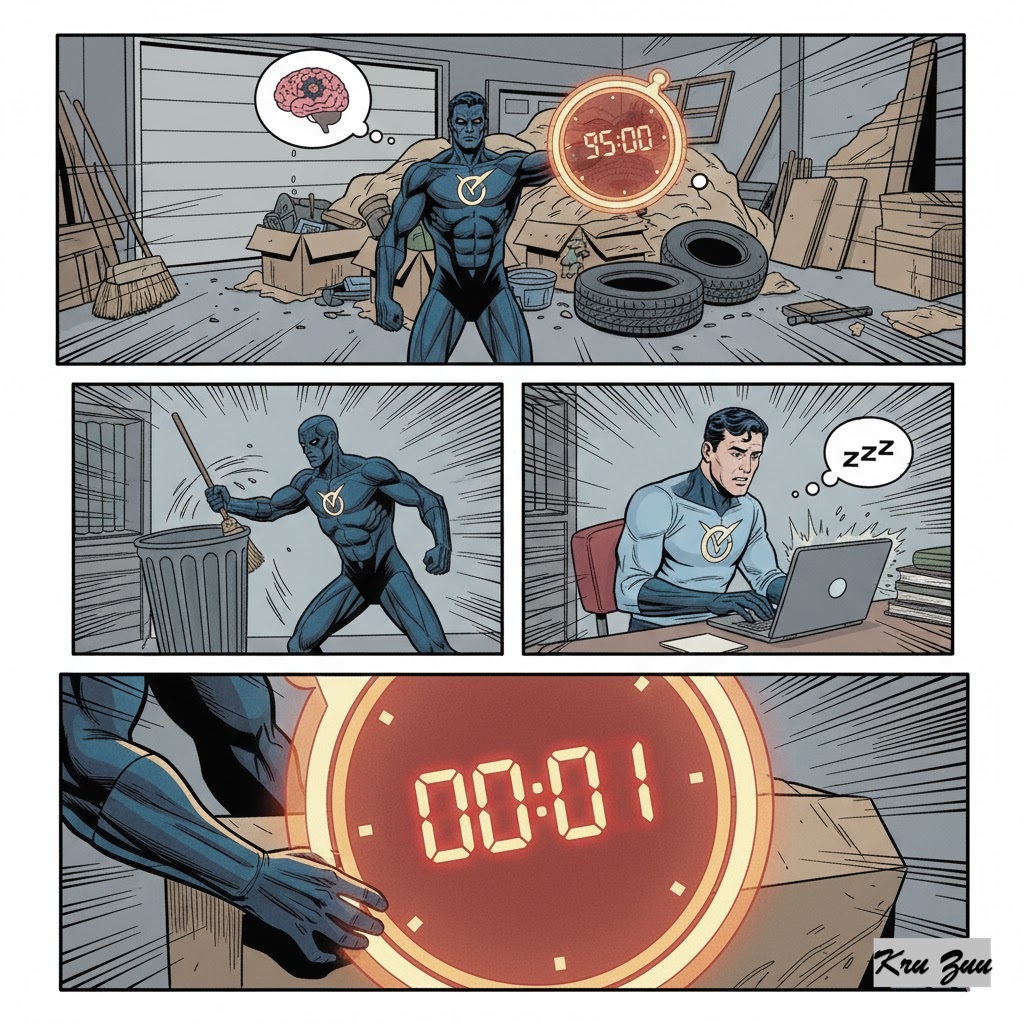
The Magic: Usually, once you start, the “pain” of starting disappears, and you will keep going. The hardest part is the first step.
👇 Question for the comments: What is one big goal you have right now? What is the smallest step you can take today to start it? Tell us below!
https://www.facebook.com/BrainBattleground/
https://www.facebook.com/zubeyr.yurtkuran/
https://www.instagram.com/zubeyryurtkuran/