Tag: İngilizce Deyimler

  • 🕵️ The Daily Shield: The Trap of Curiosity

    🕵️ The Daily Shield: The Trap of Curiosity

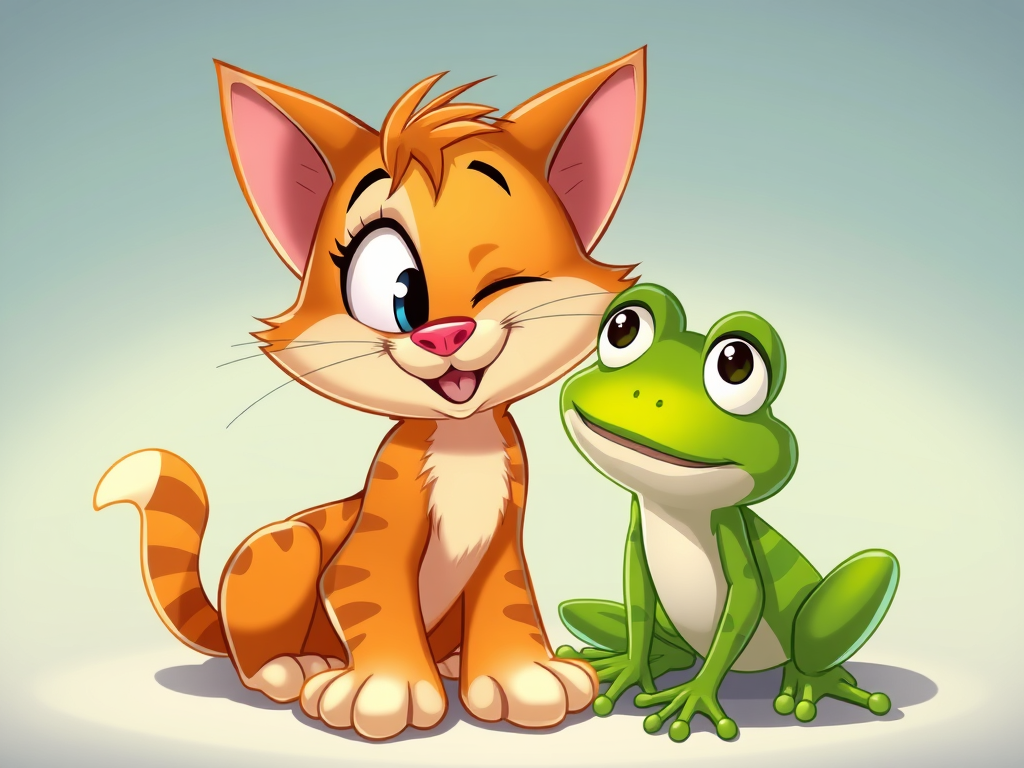
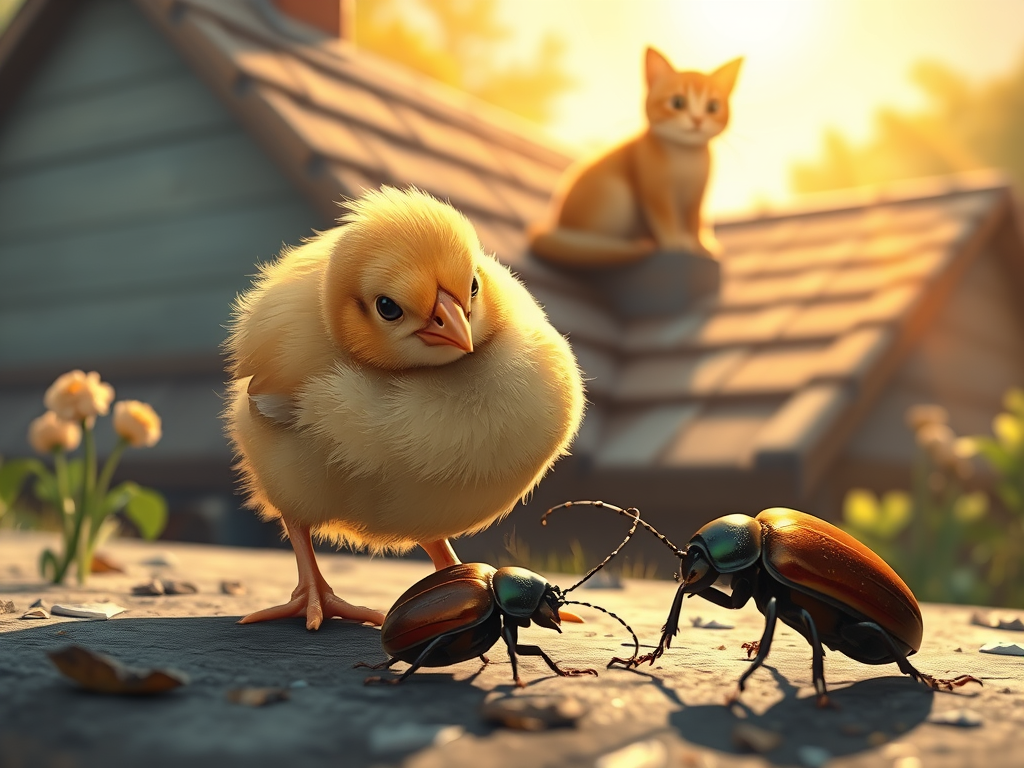
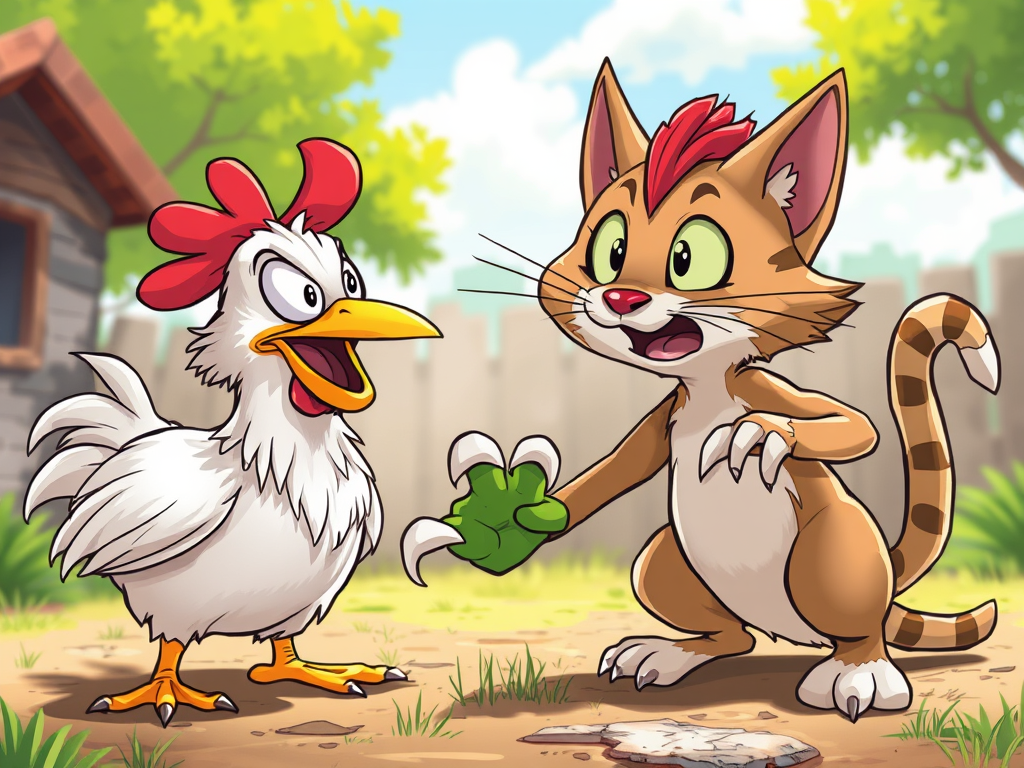
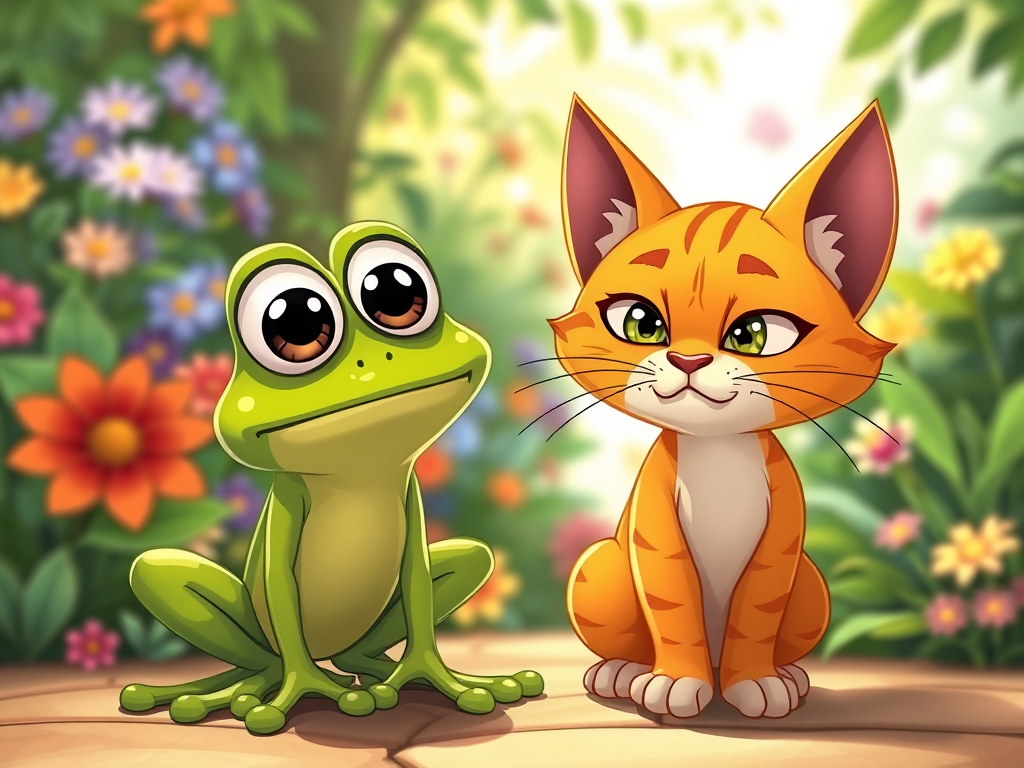
    “Curiosity killed the cat.”


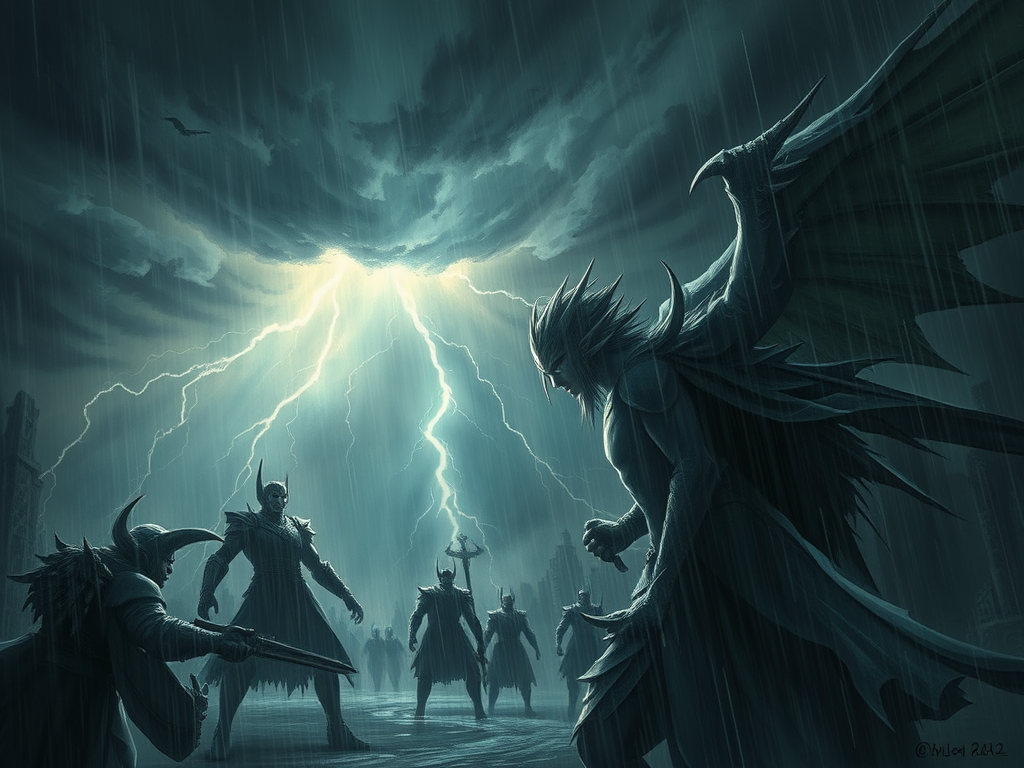
    😈 The Villain (The Snooper):
    You see an unlocked phone on the table. You shouldn’t look, but you must know.

    You see a door marked “Do Not Enter.” You open it.

    You hear a whisper about you. You demand to know what was said.

    The Result? You find text messages that hurt your feelings.

    You walk into a room and ruin your own surprise party.

    You learn a secret that keeps you awake at night.

    You chased the truth, but the truth bit you. 🐍


    😇 The Hero (The Wise Observer):


    You see the phone, but you respect privacy.

    You see the closed door, and you keep walking.

    You hear the whisper, but you realize that what others think of you is none of your business.

    The Result? You have peace of mind.

    You protect your relationships.

    You sleep soundly because your brain isn’t full of drama that doesn’t belong to you.

    You know that sometimes, ignorance is bliss. 🧘‍♂️


    ⚖️ The Reality


    Curiosity is the engine of science, but the enemy of peace.

    There is a thin line between Learning (Good Curiosity) and Snooping (Bad Curiosity).


    Good Curiosity: “How does the universe work?” 🌌


    Bad Curiosity: “Why did my ex-boyfriend like that photo?” 📱


    💎 The Plot Twist (Wait for it…)


    Did you know this proverb has a secret second half? Most people stop at the death of the cat. But the full version is:


    “Curiosity killed the cat, but satisfaction brought it back.”


    Meaning: Yes, taking a risk to find the truth might hurt you (kill the cat), but finding the answer is often worth the pain (brought it back).

    This changes everything! It means: Take the risk, but be ready for the consequences.

    🧐 The Anatomy of the Proverb


    Let’s dissect this classic warning.


    Curiosity (Noun): A strong desire to know or learn something. (The trigger).


    Killed (Verb): Past tense of kill. (The consequence).


    The Cat (Noun): In idioms, cats often represent people who are getting into trouble.


    Simpler Version: Stop asking questions you don’t want the answers to.


    📚 Vocabulary Vault


    Add these words to your arsenal to sound like a native speaker.


    Nosy (Adjective): Showing too much curiosity about other people’s affairs.


    Example: “Don’t be so nosy! It’s personal.”


    Pry (Verb): To inquire too closely into a person’s private affairs.


    Example: “I don’t mean to pry, but are you okay?”


    Eavesdrop (Verb): To secretly listen to a conversation. 👂


    Example: “She was eavesdropping on the boss’s meeting.”


    Intriguing (Adjective):
    Arousing one’s curiosity or interest; fascinating.


    Example: “That is a very intriguing idea.”


    🧠 Grammar Focus: Personification


    English loves to make non-human things act like humans. This is called Personification.


    The Phrase: “Curiosity killed the cat.”


    The Logic: Curiosity is an emotion. It cannot hold a weapon. It cannot “kill” anything. But in English, we give it the power of a killer to show how dangerous it is.


    Other Examples:


    “Time flies.” (Time is not a bird).

    “Opportunity knocks.” (Opportunity does not have hands).

    “Fear gripped him.” (Fear does not have fingers).

    📜 History: From Shakespeare to Today


    Where did this come from?


    The Original:
    In 1598, Ben Jonson wrote a play where he said, “Care killed a cat.” Back then, “Care” meant “Worry” or “Sorrow.” The idea was that worrying too much is bad for your health.


    The Evolution: Over hundreds of years, “Care” changed to “Curiosity.”


    Global Cousins:


    🇹🇷 Turkish:
    “Fazla merak kediyi öldürür” (Too much curiosity kills the cat) or “Merak insanı mezara, parayı pazara…” (Curiosity takes a man to the grave…).


    🇪🇸 Spanish: “La curiosidad mató al gato.”


    🇫🇷 French: “La curiosité est un vilain défaut.” (Curiosity is a nasty fault).

    🎭 Short Story: The Blue Envelope


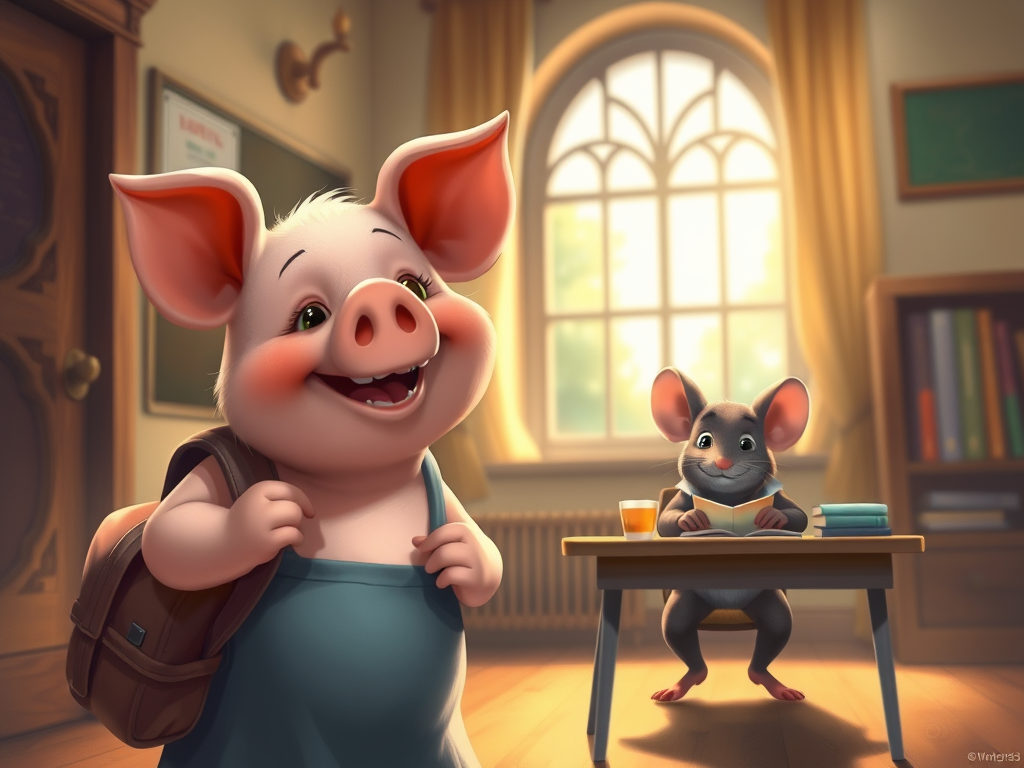
    Let’s visit our students, Penny and Max.


    🌟 The Setup:
    The teacher leaves a Blue Envelope on his desk. He says, “Nobody touch this.” He leaves the room.


    The Conflict:


    Max (The Nosy One):
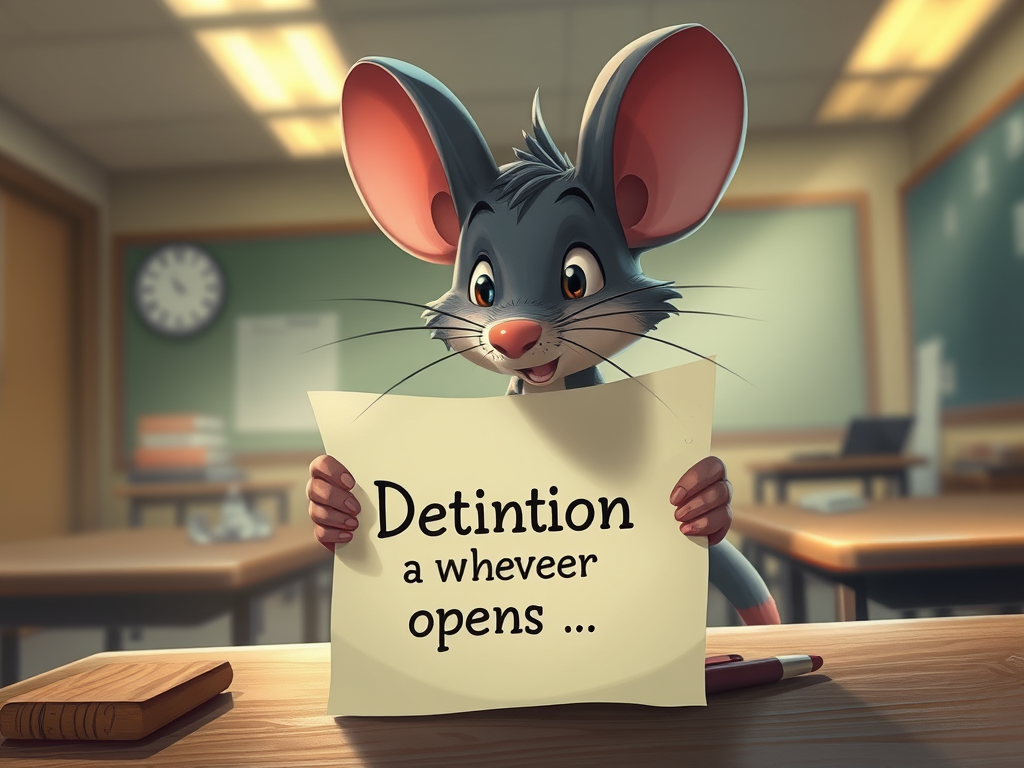
    He is sweating. He needs to know. Is it exam answers? Is it a love letter? He sneaks up. He opens the envelope.


    The Trap: Inside, there is only a piece of paper that says: “Detention for whoever opens this.” The teacher walks in. Max is caught. Curiosity killed Max’s free time. 💀


    Penny (The Focused One): She stays in her seat. She opens her book. She knows the teacher is tricky.


    The Reward: Penny goes home early. Max stays at school.


    The Moral: Sometimes, the mystery is a trap. Be like Penny. Mind your own business. ✉️

    🎓 Lesson for English Learners


    Don’t Ask “Why?” Too Much.


    Situation:
    You learn a grammar rule that makes no sense. (Example: Why is it “on the bus” but “in the car”?).


    The Trap: You stop speaking. You spend 3 hours searching Google for the history of prepositions. You get confused. You get frustrated.


    The Solution: Curiosity is killing your fluency!


    You Say: “I don’t care why. I just accept it.”


    The Rule: Sometimes in language learning, you must turn off your curiosity and just mimic what you hear.


    💬 Your Turn: The “Nosy” Test 🚀


    Let’s see where you stand.


    Question:
    If you found your best friend’s diary open on the floor…

    A) I would read it immediately. (The Villain) 😈

    B) I would close it without looking. (The Hero) 😇

    C) I would read one page, then feel guilty. (The Human) 😐


    Tell us in the comments! Are you A, B, or C? 👇

    By Zubeyir YURTKURAN

    https://www.facebook.com/BrainBattleground/

    https://www.facebook.com/zubeyr.yurtkuran/

    https://www.instagram.com/zubeyryurtkuran/

    https://www.youtube.com/@BrainBattleground-b3p

  • 🌤️ The Silver Lining Effect: Finding Light in the Dark

    🌤️ The Silver Lining Effect: Finding Light in the Dark

    Every cloud has a silver lining.


    👿 The Villain (The Pessimist): You lose your job unexpectedly.

    You panic. You spend weeks complaining, blaming your boss, and sleeping until noon.

    You tell everyone, “My life is over.”

    The Result? You miss new job openings because you are too busy being angry.

    Your friends stop calling because your negative energy drains them.

    You stare at the dark cloud so long that you get soaked by the rain. You drown in a puddle of your own making. 🌧️


    😇 The Hero (The Alchemist): You lose your job unexpectedly. It hurts, but you take a deep breath.

    You think, “I hated that commute anyway. Now I have time to take that coding course I always wanted.”

    The Result? Three months later, you launch a freelance business.

    You are making more money and working from home.

    Losing that job wasn’t a tragedy; it was the push you needed to fly.

    You didn’t just survive the storm; you used the water to grow a garden. 🌻


    ⚖️ The Reality:
    Life is not a weather report you can control.

    Storms will happen. But the sun never actually leaves; it is just temporarily hidden.

    💎 The Secret: The “bad thing” is often the transportation system for the “good thing.” Without the dark background, the stars cannot shine.

    🧐 The Anatomy of the Proverb


    This is the ultimate phrase for Optimism. It reminds us that even the worst situations (clouds) have a positive aspect or a hopeful side (the silver lining).


    Cloud: Represents trouble, sadness, or difficulty.


    Silver Lining: Represents the sun shining from behind the cloud, creating a glowing, bright edge. (Hope/Advantage).


    📚 Vocabulary Vault


    Optimist (Noun):
    A person who tends to look on the more favorable side of events. 😃


    Pessimist (Noun): A person who tends to see the worst aspect of things. ☹️


    Resilience (Bonus Word): The capacity to recover quickly from difficulties; toughness.


    Setback (Noun): A reversal or check in progress (a minor problem).


    Blessing in Disguise (Idiom): Something that seems bad at first but results in something good.


    🧠 Grammar Focus


    “Every” + Singular Noun vs. Plural Meaning This is a common trap for students! Even though “Every” talks about all the clouds, we treat it grammatically as a single unit.


    Subject: [Every cloud]


    Verb: [has] (Third Person Singular)


    Object: [a silver lining]


    Incorrect: Every clouds have a silver lining. ❌
    Incorrect: Every cloud have a silver lining. ❌
    Correct: Every cloud has a silver lining. ✅

    📜 History: Origin and Spread


    This poetic phrase wasn’t invented by a philosopher, but by a poet.


    The Origin: It comes from John Milton’s masque “Comus” (1634).

    He wrote: “Was I deceived, or did a sable cloud / Turn forth her silver lining on the night?”


    The Evolution: In the Victorian era, people shortened it to the proverb we use today to cheer each other up during hard times.


    Global Cousins:


    🇹🇷 Turkish:
    “Her şerde bir hayır vardır.” (There is good in every evil/bad thing.)


    🇪🇸 Spanish: “No hay mal que por bien no venga.” (There is no bad from which good does not come.)


    🇩🇪 German: “Auf Regen folgt Sonnenschein.” (After rain follows sunshine.)


    🇯🇵 Japanese: “Saiou ga uma.” (The story of the old man’s horse, bad luck leads to good luck.)

    🎯 Impact on Life: The Pros & Cons


    Is this toxic positivity, or a survival strategy?


    ✅ The Pros (The Shield):


    Mental Health:
    It reduces anxiety. Instead of focusing on “Why me?”, you focus on “What now?”


    Problem Solving: When you look for the silver lining, you stop freezing and start acting.


    Grit: It helps you endure pain because you believe there is a purpose to it.


    ❌ The Cons (The Trap):


    Invalidation:
    Telling someone who just lost a loved one “Every cloud has a silver lining” is rude. Sometimes, people just need to be sad.


    Denial: If you only look at the bright side, you might ignore a serious problem that needs fixing.

    🎭 Short Story: The Ruined Picnic


    Let’s visit our trio: Penny, Fiona, and Max.


    🌟 The Setup: Penny the Pig had organized the “Perfect Picnic.” She had sandwiches, iced tea, and a beautiful blanket.

    Fiona the Fox and Max the Mouse were excited. “It’s going to be a beautiful day!” Penny(PIG) squealed.


    The Conflict: As soon as they sat down… KABOOM! Thunder crashed. The sky turned black, and rain poured down instantly.

    “My sandwiches!” cried Penny. “My fur!” cried Fiona.

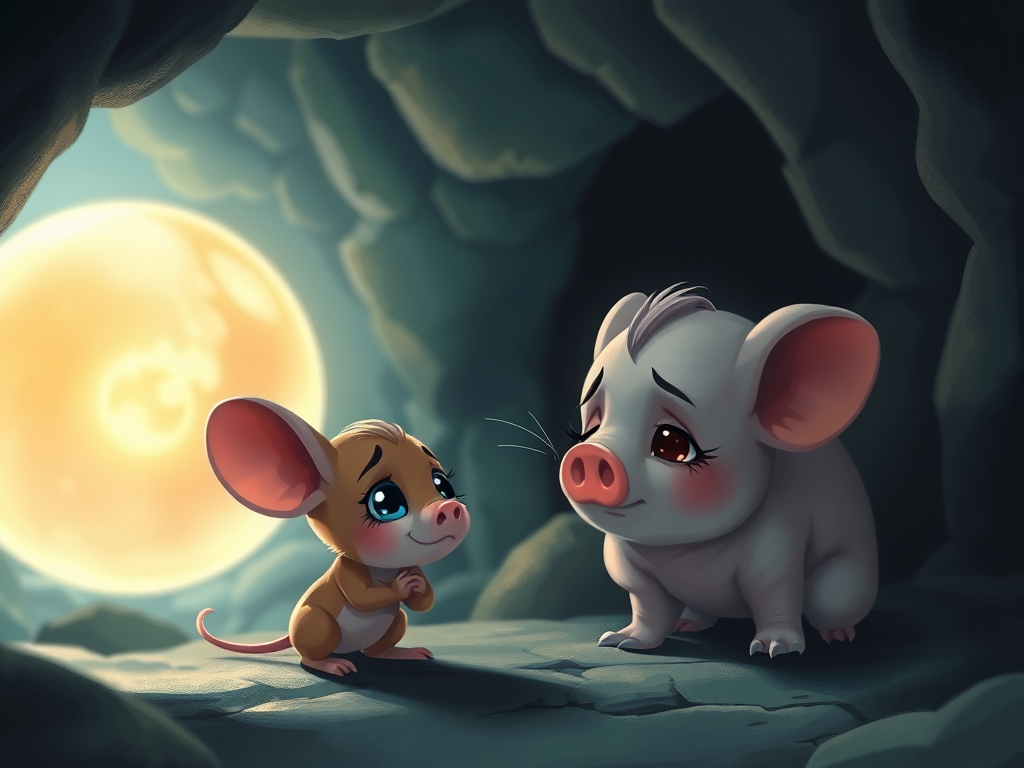
    The picnic was ruined. They grabbed the wet food and ran into a nearby dark cave for shelter. ⛈️


    The Action: Penny was crying. “This is a disaster.” But Max, being small and curious, saw something glowing at the back of the cave.

    “Hey guys, look at this!” he squeaked. They walked deeper into the cave.

    The walls were covered in glow-worms that looked like a magical starry night sky. It was breathtakingly beautiful. ✨


    The Climax: They sat on the dry rocks, ate their slightly soggy sandwiches, and watched the magical light show of the glow-worms.

    They told ghost stories and laughed louder than they would have outside.


    The Moral: If it hadn’t rained, they never would have found the magical cave.

    The storm (the cloud) led them to the most beautiful memory of the summer (the silver lining).

    🎓 Lesson for English Learners


    How to use this phrase naturally.


    Consoling a Friend (Professional Failure) 💼


    Situation:
    Your friend didn’t get the promotion they wanted.


    You say: “I know it hurts, but maybe every cloud has a silver lining. This might be the sign you needed to apply for that better company in the city.”


    Reframing a Bad Day 🚌


    Situation:
    You missed your bus and had to walk.


    You say: “Well, I missed the bus, but every cloud has a silver lining; at least I got my 10,000 steps in for the day!”


    Vocabulary Expansion 📚


    To Look on the Bright Side:
    To find the good in a bad situation.


    To Make Lemonade out of Lemons: To turn a difficulty into an opportunity.


    Weather the Storm:
    To endure a difficult situation until it improves.


    💬 Your Turn


    The “Hidden Gem” Challenge 💎


    Let’s practice gratitude.


    The Cloud:
    Think of a time something “bad” happened to you (a breakup, a firing, a missed flight).


    The Silver Lining: What good thing happened because of that bad event? Did you meet someone new? Did you learn a lesson?


    Action Step:
    Next time you complain today (about the traffic, the weather, or work), immediately add “…but the silver lining is…” and finish the sentence.


    Question: What is the biggest “Blessing in Disguise” you have ever experienced? Tell us your story in the comments! 👇

    By Zubeyir YURTKURAN

    https://www.facebook.com/BrainBattleground/

    https://www.facebook.com/zubeyr.yurtkuran/

    https://www.instagram.com/zubeyryurtkuran/

    https://www.youtube.com/@BrainBattleground-b3p