Tag: Grammar

  • ๐Ÿ•ต๏ธ The Daily Shield: The Trap of Curiosity

    ๐Ÿ•ต๏ธ The Daily Shield: The Trap of Curiosity

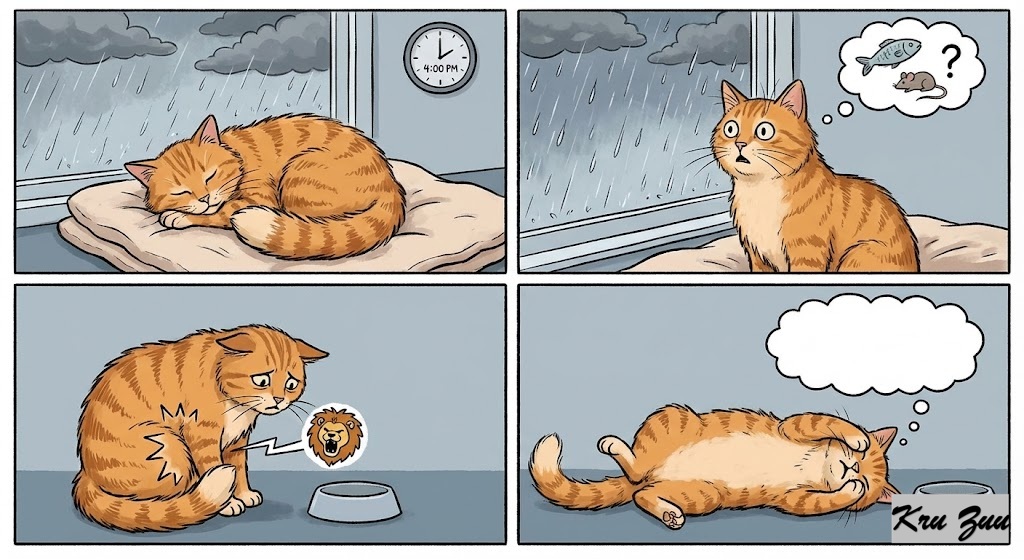
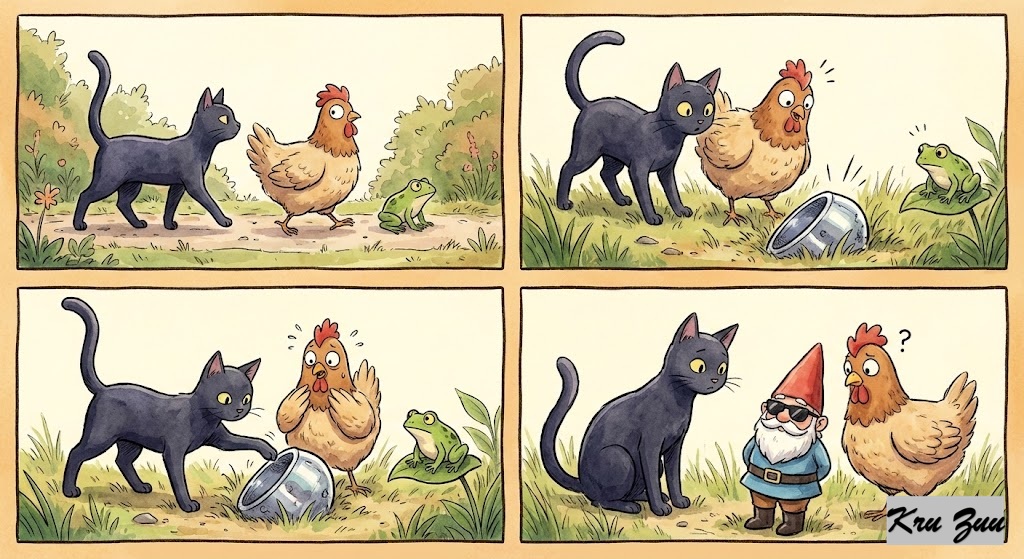
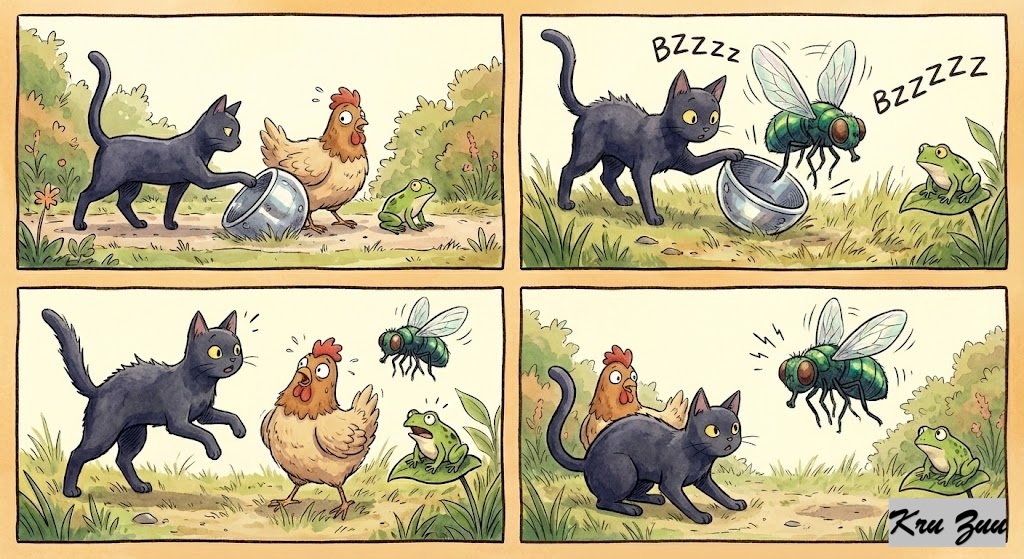
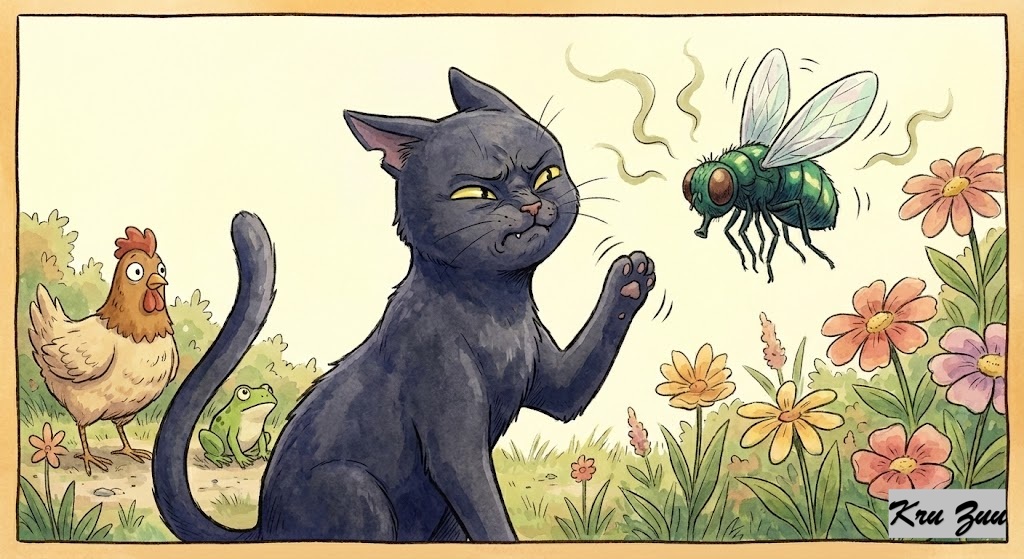
    “Curiosity killed the cat.”


    ๐Ÿ˜ˆ The Villain (The Snooper):
    You see an unlocked phone on the table. You shouldn’t look, but you must know.

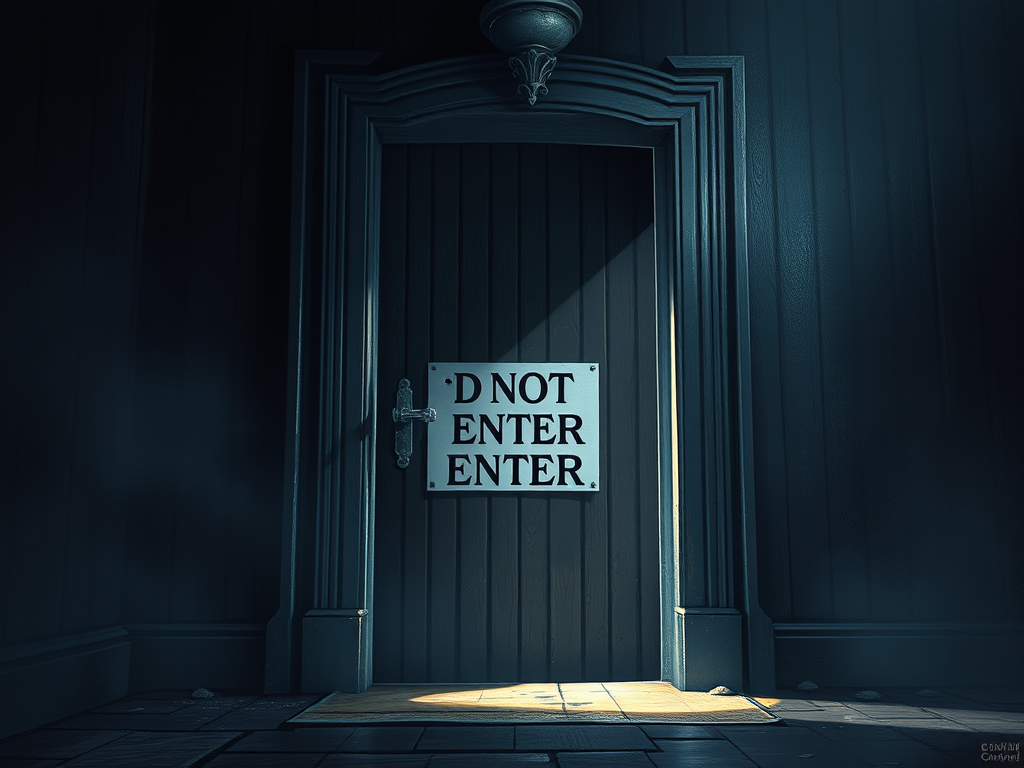
    You see a door marked “Do Not Enter.” You open it.

    You hear a whisper about you. You demand to know what was said.

    The Result? You find text messages that hurt your feelings.

    You walk into a room and ruin your own surprise party.

    You learn a secret that keeps you awake at night.

    You chased the truth, but the truth bit you. ๐Ÿ


    ๐Ÿ˜‡ The Hero (The Wise Observer):


    You see the phone, but you respect privacy.

    You see the closed door, and you keep walking.

    You hear the whisper, but you realize that what others think of you is none of your business.

    The Result? You have peace of mind.

    You protect your relationships.

    You sleep soundly because your brain isn’t full of drama that doesn’t belong to you.

    You know that sometimes, ignorance is bliss. ๐Ÿง˜โ€โ™‚๏ธ


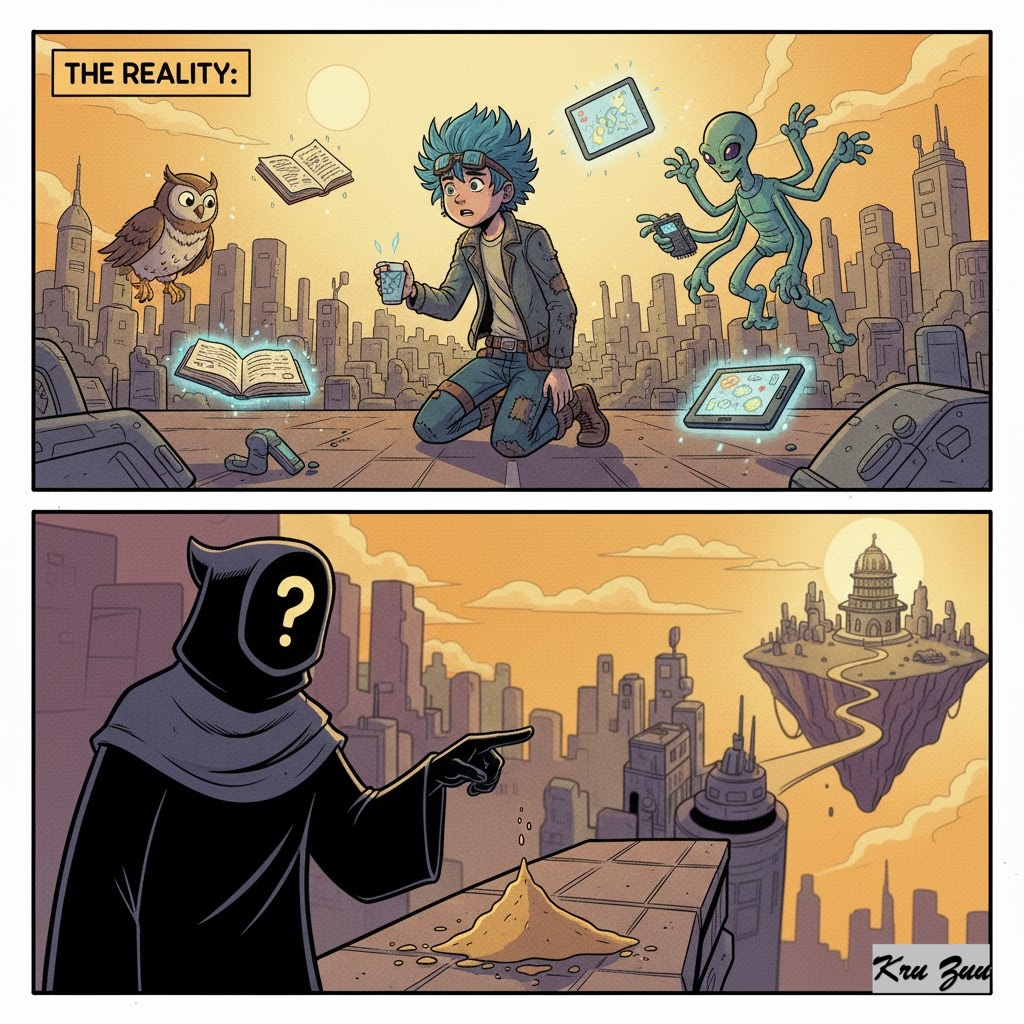
    โš–๏ธ The Reality


    Curiosity is the engine of science, but the enemy of peace.

    There is a thin line between Learning (Good Curiosity) and Snooping (Bad Curiosity).


    Good Curiosity: “How does the universe work?” ๐ŸŒŒ


    Bad Curiosity: “Why did my ex-boyfriend like that photo?” ๐Ÿ“ฑ


    ๐Ÿ’Ž The Plot Twist (Wait for itโ€ฆ)


    Did you know this proverb has a secret second half? Most people stop at the death of the cat. But the full version is:


    “Curiosity killed the cat, but satisfaction brought it back.”


    Meaning: Yes, taking a risk to find the truth might hurt you (kill the cat), but finding the answer is often worth the pain (brought it back).

    This changes everything! It means: Take the risk, but be ready for the consequences.

    ๐Ÿง The Anatomy of the Proverb


    Letโ€™s dissect this classic warning.


    Curiosity (Noun): A strong desire to know or learn something. (The trigger).


    Killed (Verb): Past tense of kill. (The consequence).


    The Cat (Noun): In idioms, cats often represent people who are getting into trouble.


    Simpler Version: Stop asking questions you don’t want the answers to.


    ๐Ÿ“š Vocabulary Vault


    Add these words to your arsenal to sound like a native speaker.


    Nosy (Adjective): Showing too much curiosity about other peopleโ€™s affairs.


    Example: “Don’t be so nosy! It’s personal.”


    Pry (Verb): To inquire too closely into a person’s private affairs.


    Example: “I don’t mean to pry, but are you okay?”


    Eavesdrop (Verb): To secretly listen to a conversation. ๐Ÿ‘‚


    Example: “She was eavesdropping on the boss’s meeting.”


    Intriguing (Adjective):
    Arousing one’s curiosity or interest; fascinating.


    Example: “That is a very intriguing idea.”


    ๐Ÿง  Grammar Focus: Personification


    English loves to make non-human things act like humans. This is called Personification.


    The Phrase: “Curiosity killed the cat.”


    The Logic: Curiosity is an emotion. It cannot hold a weapon. It cannot “kill” anything. But in English, we give it the power of a killer to show how dangerous it is.


    Other Examples:


    “Time flies.” (Time is not a bird).

    “Opportunity knocks.” (Opportunity does not have hands).

    “Fear gripped him.” (Fear does not have fingers).

    ๐Ÿ“œ History: From Shakespeare to Today


    Where did this come from?


    The Original:
    In 1598, Ben Jonson wrote a play where he said, “Care killed a cat.” Back then, “Care” meant “Worry” or “Sorrow.” The idea was that worrying too much is bad for your health.


    The Evolution: Over hundreds of years, “Care” changed to “Curiosity.”


    Global Cousins:


    ๐Ÿ‡น๐Ÿ‡ท Turkish:
    “Fazla merak kediyi รถldรผrรผr” (Too much curiosity kills the cat) or “Merak insanฤฑ mezara, parayฤฑ pazaraโ€ฆ” (Curiosity takes a man to the graveโ€ฆ).


    ๐Ÿ‡ช๐Ÿ‡ธ Spanish: “La curiosidad matรณ al gato.”


    ๐Ÿ‡ซ๐Ÿ‡ท French: “La curiositรฉ est un vilain dรฉfaut.” (Curiosity is a nasty fault).

    ๐ŸŽญ Short Story: The Blue Envelope


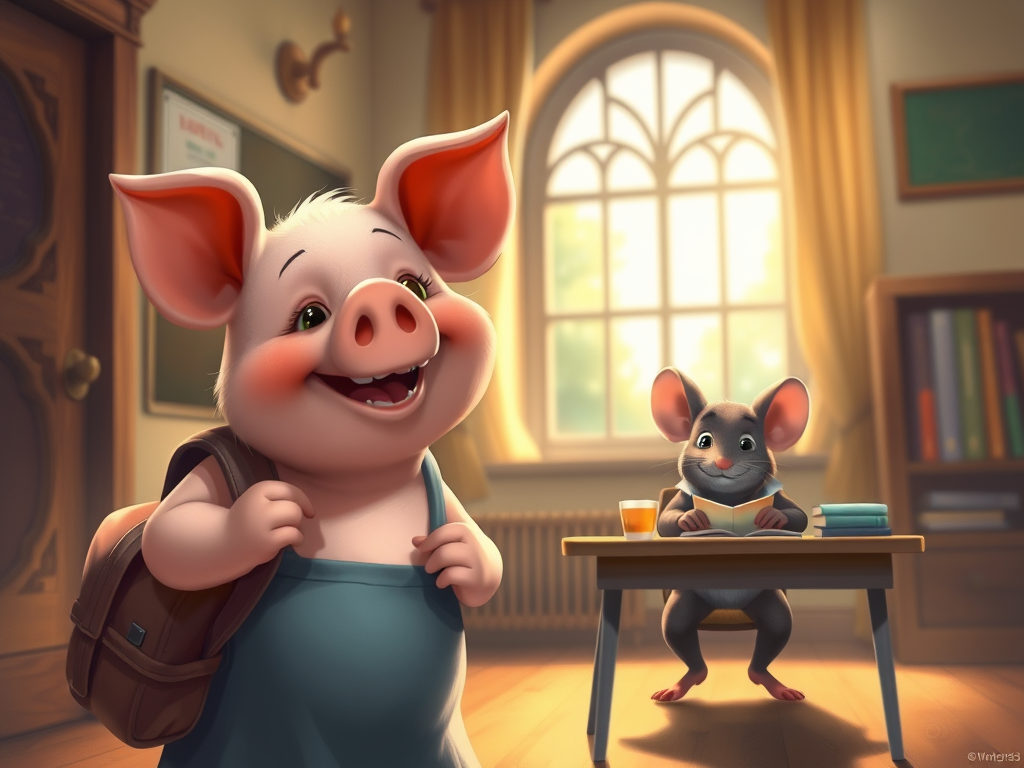
    Let’s visit our students, Penny and Max.


    ๐ŸŒŸ The Setup:
    The teacher leaves a Blue Envelope on his desk. He says, “Nobody touch this.” He leaves the room.


    The Conflict:


    Max (The Nosy One):
    He is sweating. He needs to know. Is it exam answers? Is it a love letter? He sneaks up. He opens the envelope.


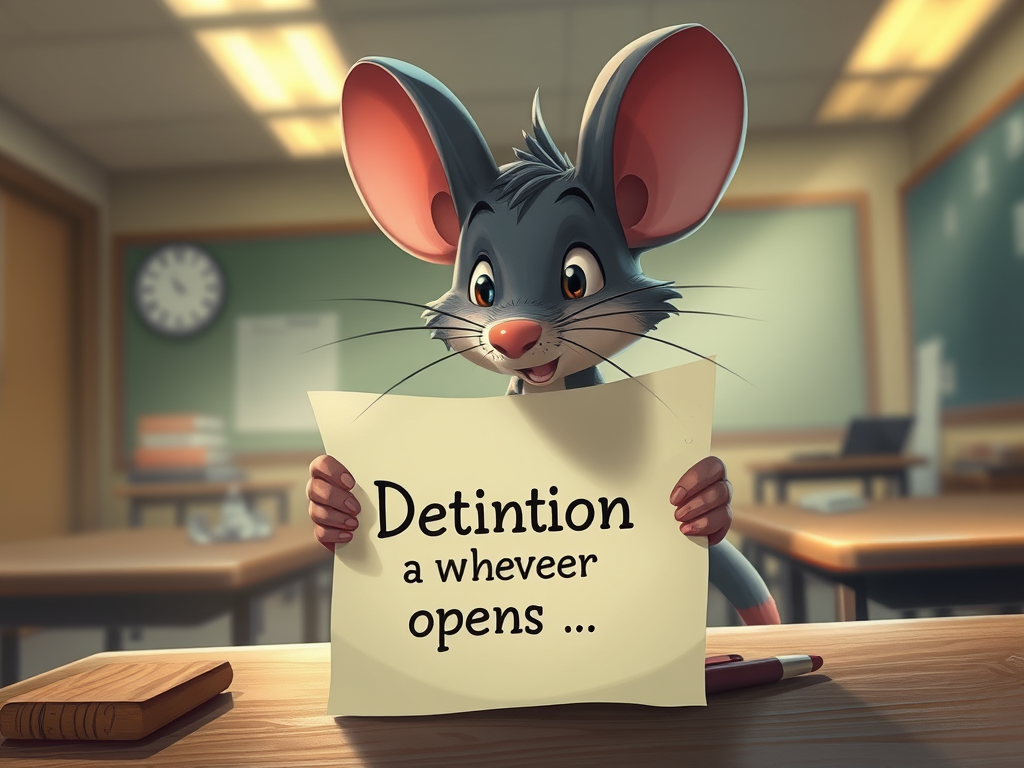
    The Trap: Inside, there is only a piece of paper that says: “Detention for whoever opens this.” The teacher walks in. Max is caught. Curiosity killed Max’s free time. ๐Ÿ’€


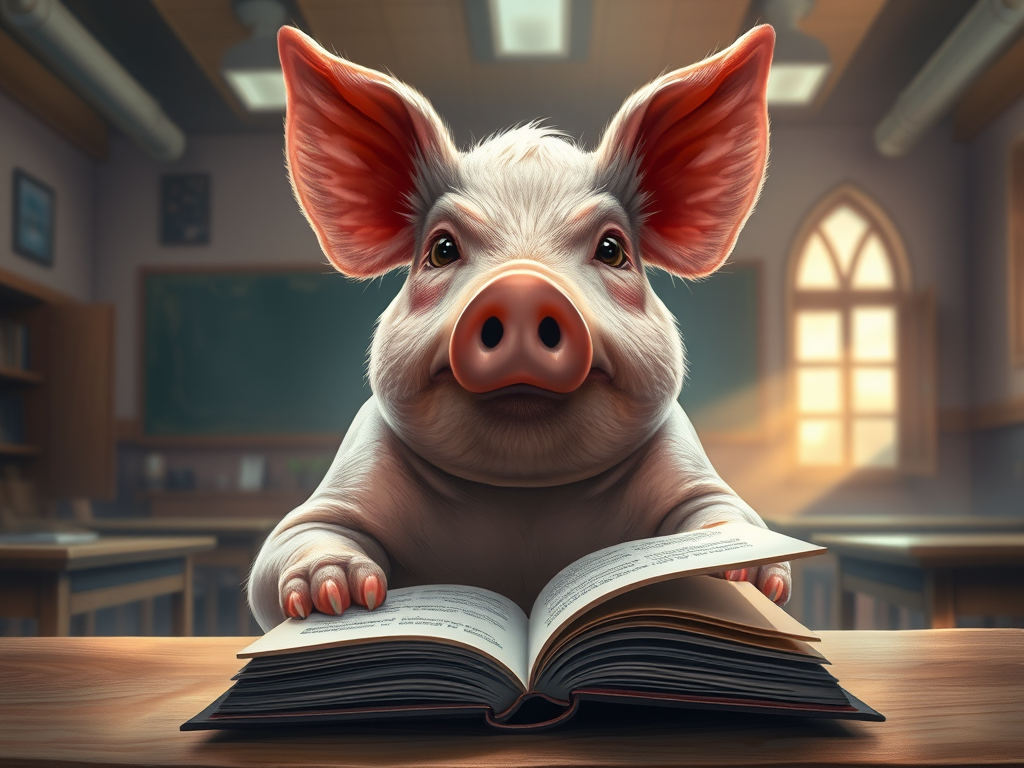
    Penny (The Focused One): She stays in her seat. She opens her book. She knows the teacher is tricky.


    The Reward: Penny goes home early. Max stays at school.


    The Moral: Sometimes, the mystery is a trap. Be like Penny. Mind your own business. โœ‰๏ธ

    ๐ŸŽ“ Lesson for English Learners


    Don’t Ask “Why?” Too Much.


    Situation:
    You learn a grammar rule that makes no sense. (Example: Why is it “on the bus” but “in the car”?).


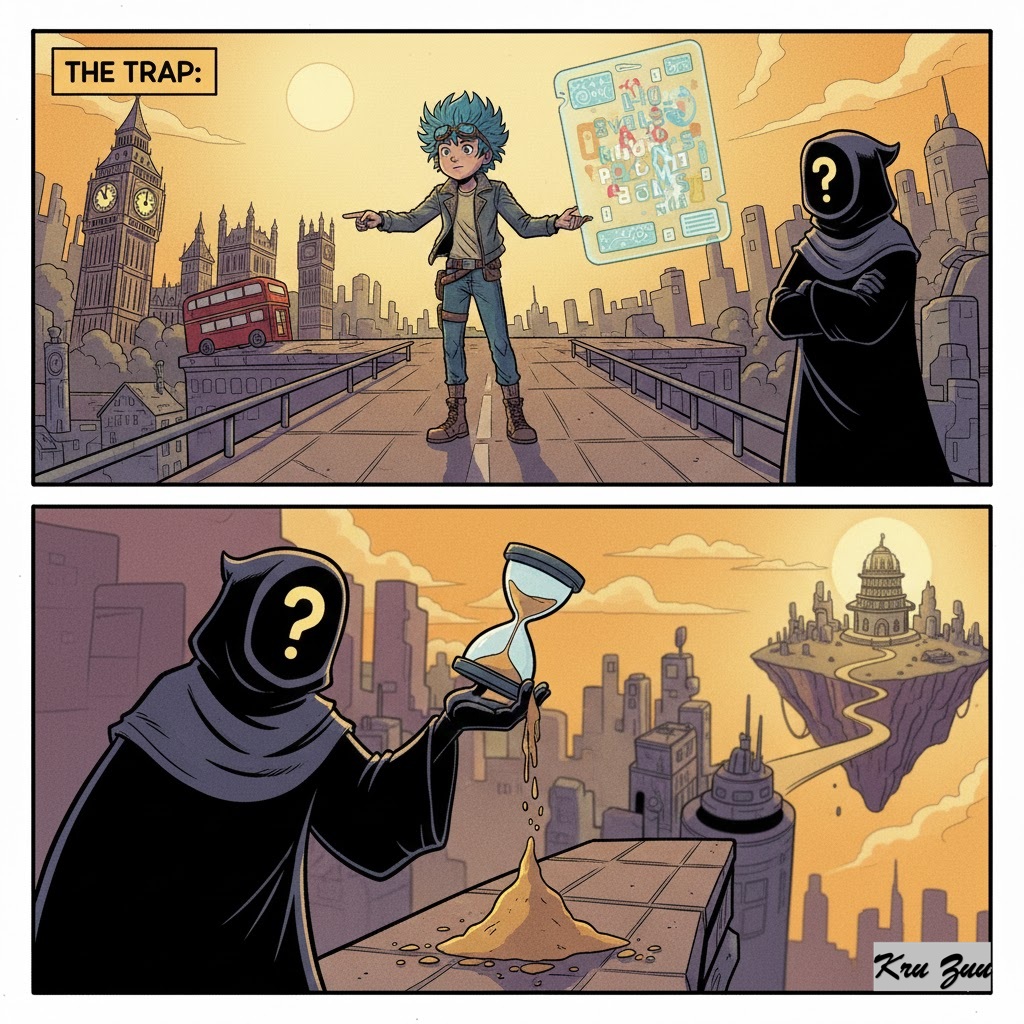
    The Trap: You stop speaking. You spend 3 hours searching Google for the history of prepositions. You get confused. You get frustrated.


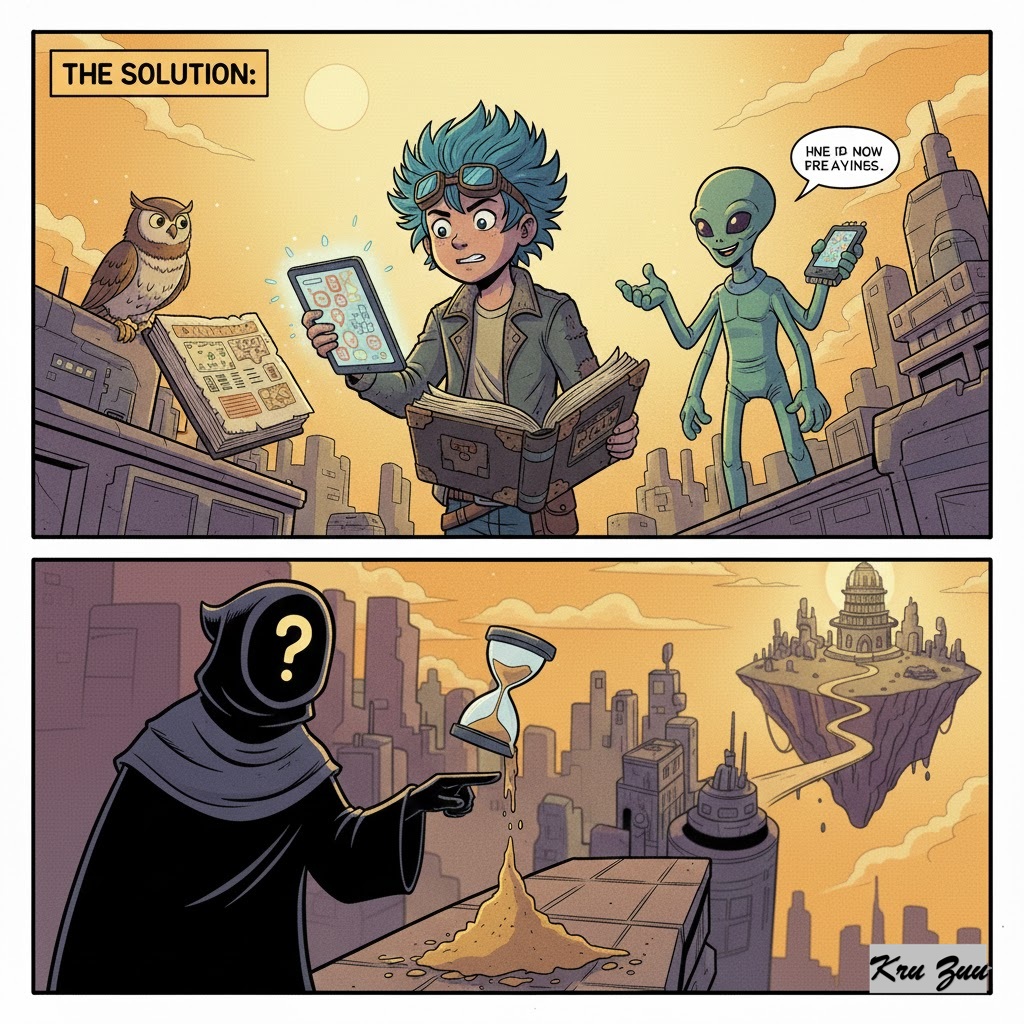
    The Solution: Curiosity is killing your fluency!


    You Say: “I don’t care why. I just accept it.”


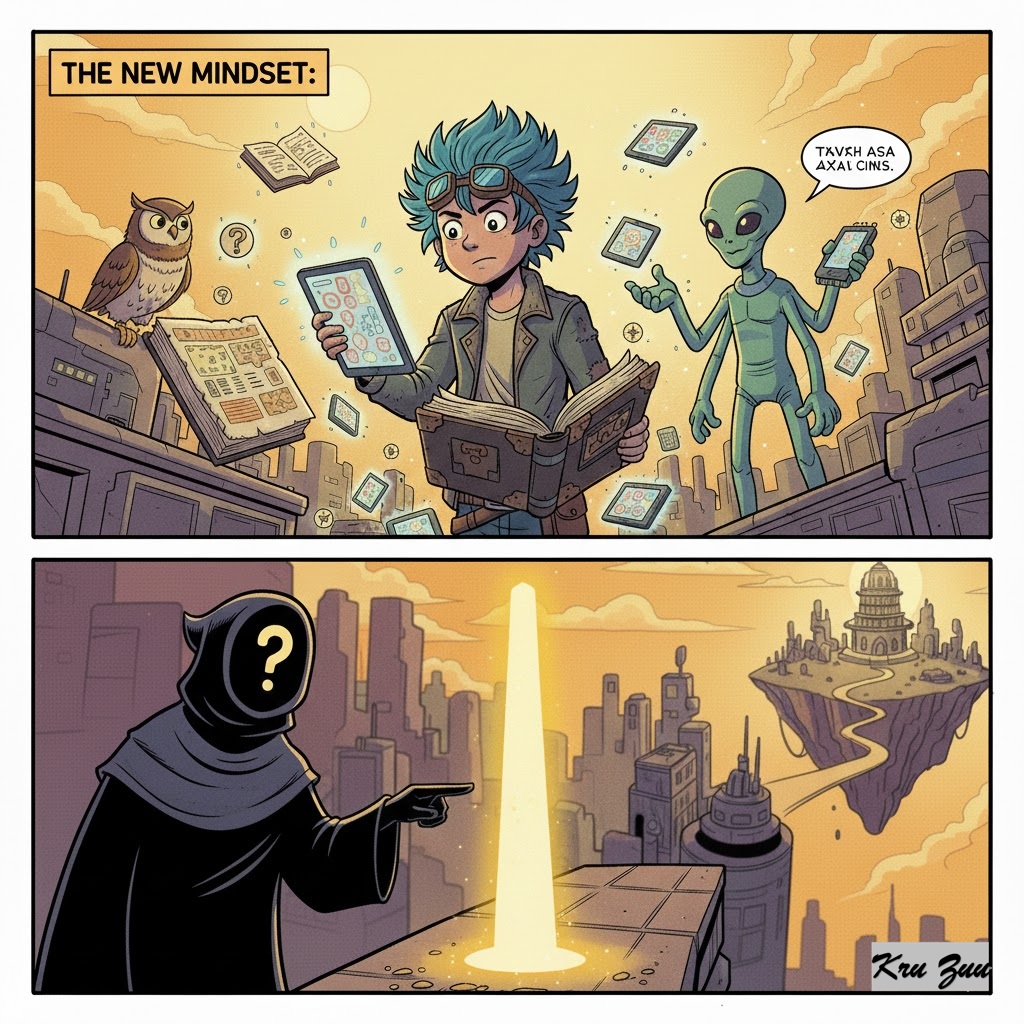
    The Rule: Sometimes in language learning, you must turn off your curiosity and just mimic what you hear.


    ๐Ÿ’ฌ Your Turn: The “Nosy” Test ๐Ÿš€


    Let’s see where you stand.


    Question:
    If you found your best friend’s diary open on the floorโ€ฆ

    A) I would read it immediately. (The Villain) ๐Ÿ˜ˆ

    B) I would close it without looking. (The Hero) ๐Ÿ˜‡

    C) I would read one page, then feel guilty. (The Human) ๐Ÿ˜


    Tell us in the comments! Are you A, B, or C? ๐Ÿ‘‡

    By Zubeyir YURTKURAN

    https://www.facebook.com/BrainBattleground/

    https://www.facebook.com/zubeyr.yurtkuran/

    https://www.instagram.com/zubeyryurtkuran/

    https://www.youtube.com/@BrainBattleground-b3p

  • ๐Ÿ”๏ธ The Daily Shield: The Law of Determination

    ๐Ÿ”๏ธ The Daily Shield: The Law of Determination

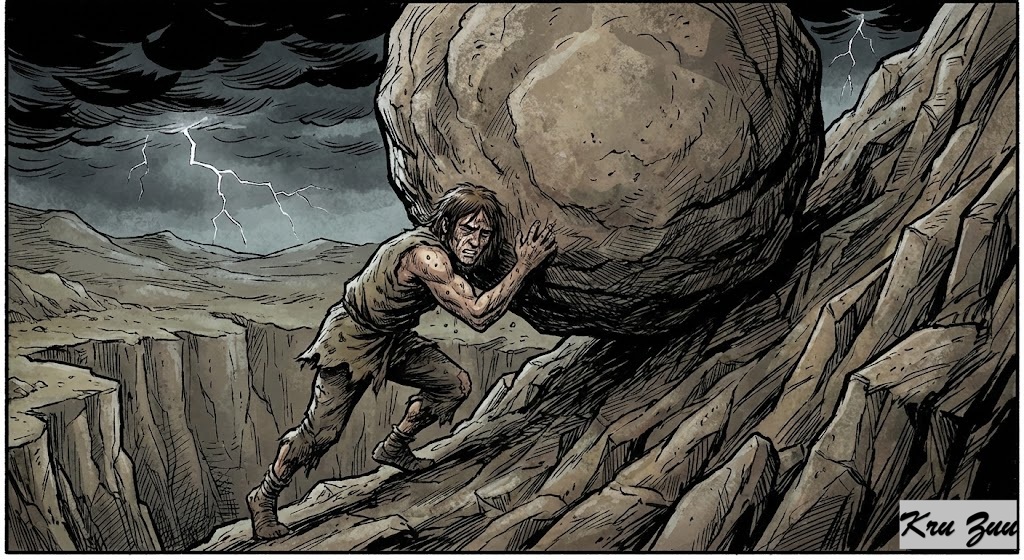
    Where there’s a will, there’s a way.


    ๐Ÿ‘ฟ The Villain (The Victim): You say “I can’t do it because I don’t have money.”

    You say “I’m too old to learn English.”

    You say “I don’t have time.”

    You stare at the closed door and cry.

    You wait for someone else to open it for you.

    The Result? You stay in the same place for 10 years. You become bitter.

    You become the person who says, “I could have been great, butโ€ฆ” ๐ŸŒง๏ธ


    ๐Ÿ˜‡ The Hero (The Pathfinder): You see a closed door, so you look for a window.

    The window is locked? You look for the chimney.

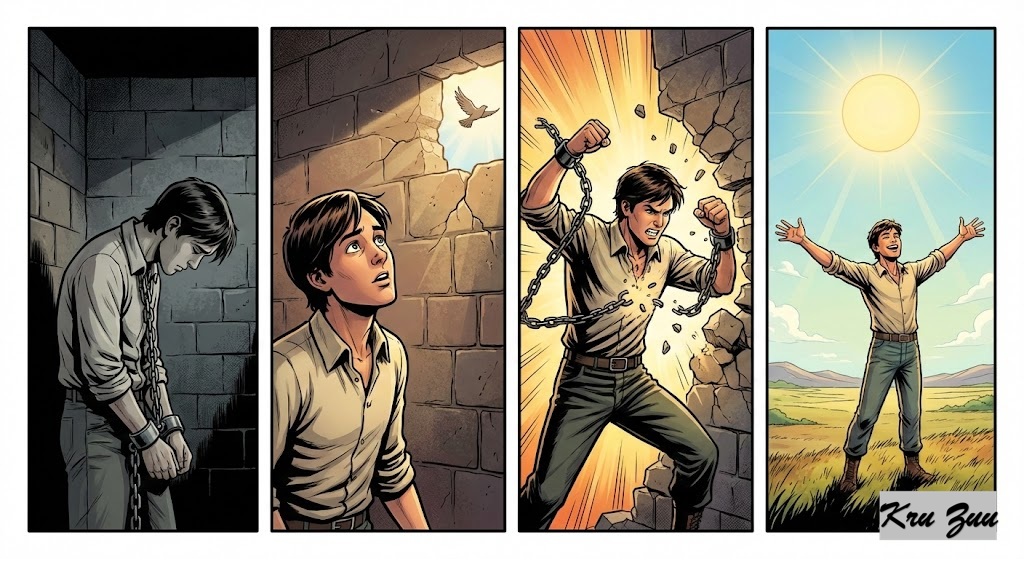
    The chimney is blocked? You grab a hammer and break the wall!

    You don’t have money? You use free libraries.

    You don’t have time? You listen to podcasts while you sleep.

    The Result? You achieve the “impossible.” People call you lucky, but you know the truth: You just refused to take “No” for an answer. ๐Ÿ”จ


    โš–๏ธ The Reality: Talent is overrated. Resources are overrated. Desire is the only thing that matters.

    ๐Ÿ’Ž The Secret: Obstacles are not “Stop” signs; they are tests to see how badly you want it.

    ๐Ÿง The Anatomy of the Proverb


    This is the Golden Rule of Grit. It implies that if your desire (will) is strong enough, you will eventually find a method (way) to succeed, no matter how hard it is.


    Where: In any situation or place.


    Will (Noun): Not the future tense auxiliary verb! Here, it means strong desire, determination, or mental power. ๐Ÿ”ฅ


    Way (Noun): A method, a path, a plan, or a solution. ๐Ÿ—บ๏ธ


    ๐Ÿ“š Vocabulary Vault


    Determination (Noun):
    The quality of not giving up, even when things are difficult.


    Obstacle (Noun): Something that blocks your way (a problem).


    Resourceful (Adjective): Good at finding ways to solve problems. (MacGyver is resourceful!). ๐Ÿ› ๏ธ


    Persist (Verb): To continue doing something even though it is difficult.


    Inevitable (Adjective): Certain to happen; unavoidable.


    ๐Ÿง  Grammar Focus


    Parallel Structure & Existential “There is” This proverb uses a perfect balance. It links a condition to a result using “Where.”


    Structure: Where [Situation], [Result].


    Condition: Where there is a willโ€ฆ (If strong desire existsโ€ฆ)


    Result: โ€ฆthere is a way. (โ€ฆa solution also exists.)


    Note on “Will”:


    Verb: I will call you. (Future)


    Noun: He has a strong will. (Determination) -> This proverb uses the Noun form!

    ๐Ÿ“œ History: Origin and Spread


    This isn’t just modern motivation; it’s ancient wisdom.


    The Origin: It was popularized by the English poet George Herbert in 1640.


    The Logic: Historically, people believed the human spirit was stronger than physical reality. If you can imagine it, you can build it.


    Global Cousins:


    ๐Ÿ‡น๐Ÿ‡ท Turkish:
    “ฤฐsteyen รงaresini, istemeyen bahanesini bulur.” (The one who wants finds a remedy, the one who doesn’t finds an excuse.) โ€” Perfect match!


    ๐Ÿ‡ช๐Ÿ‡ธ Spanish: “Querer es poder.” (To want is to be able.)


    ๐Ÿ‡ฏ๐Ÿ‡ต Japanese: “Ishi no ue ni mo san nen.” (Sit on a stone for 3 years, and it will become warm.) โ€” Focus on patience/will.

    ๐ŸŽฏ Impact on Life: The Pros & Cons


    Is pure willpower enough?


    โœ… The Pros (The Fuel):


    Innovation:
    When you refuse to quit, you invent new solutions (like Elon Musk or Thomas Edison).


    Resilience: Failure doesn’t hurt you; it just teaches you “how NOT to do it.”


    โŒ The Cons (The Burnout):


    Stubbornness:
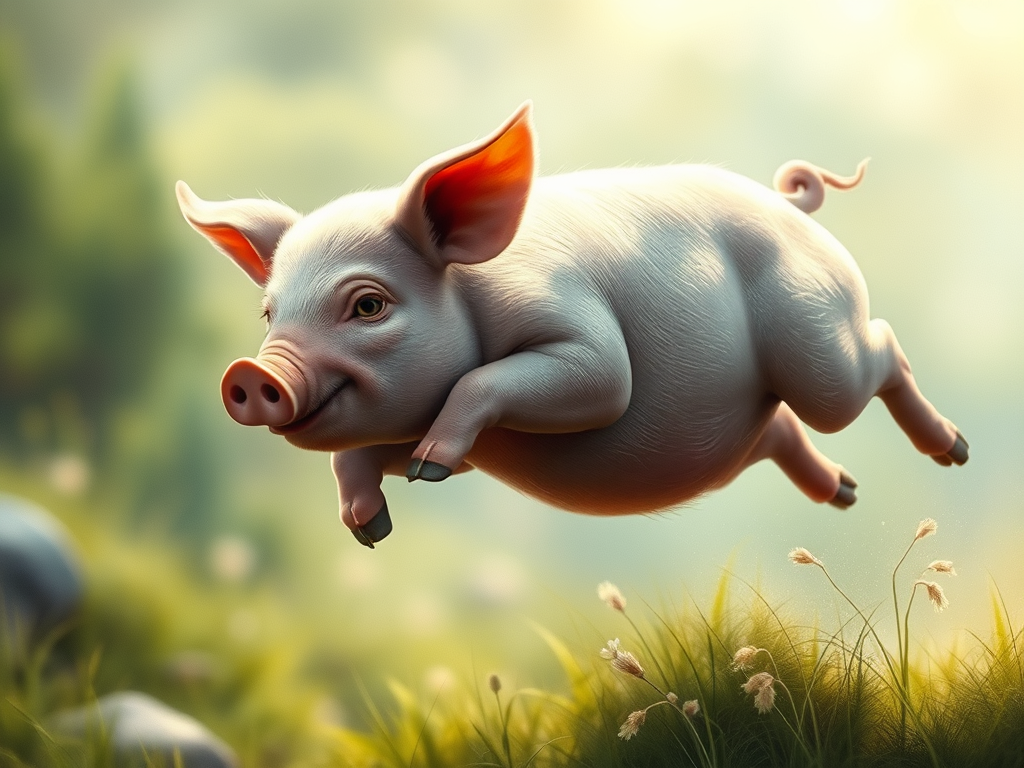
    Sometimes there isn’t a way (e.g., You can’t flap your arms and fly). Don’t confuse “Will” with “Delusion.”


    Exhaustion: Pushing too hard without rest can break you.

    ๐ŸŽญ Short Story: The High Wall


    Let’s visit our friends again, Penny and Max.


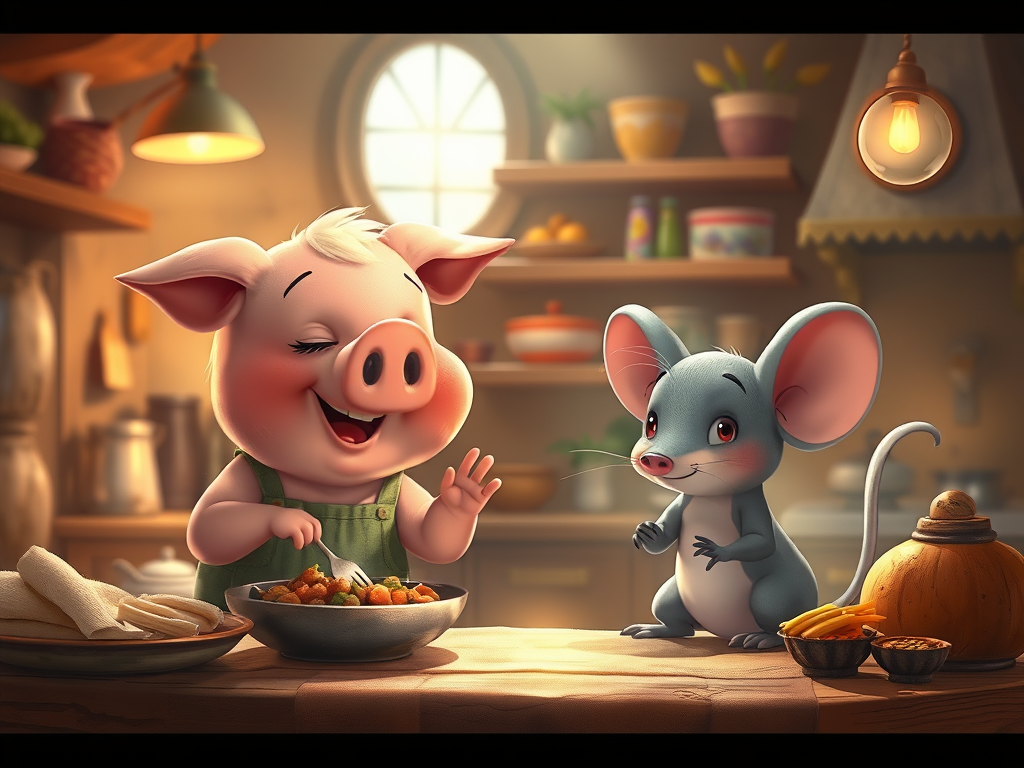
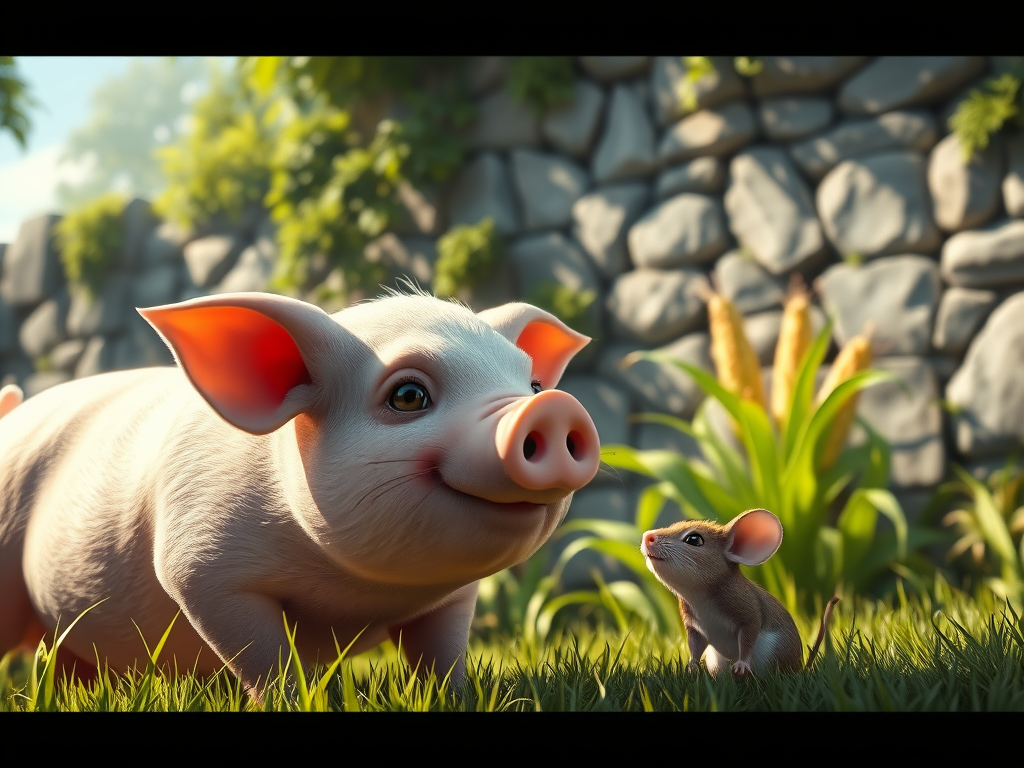
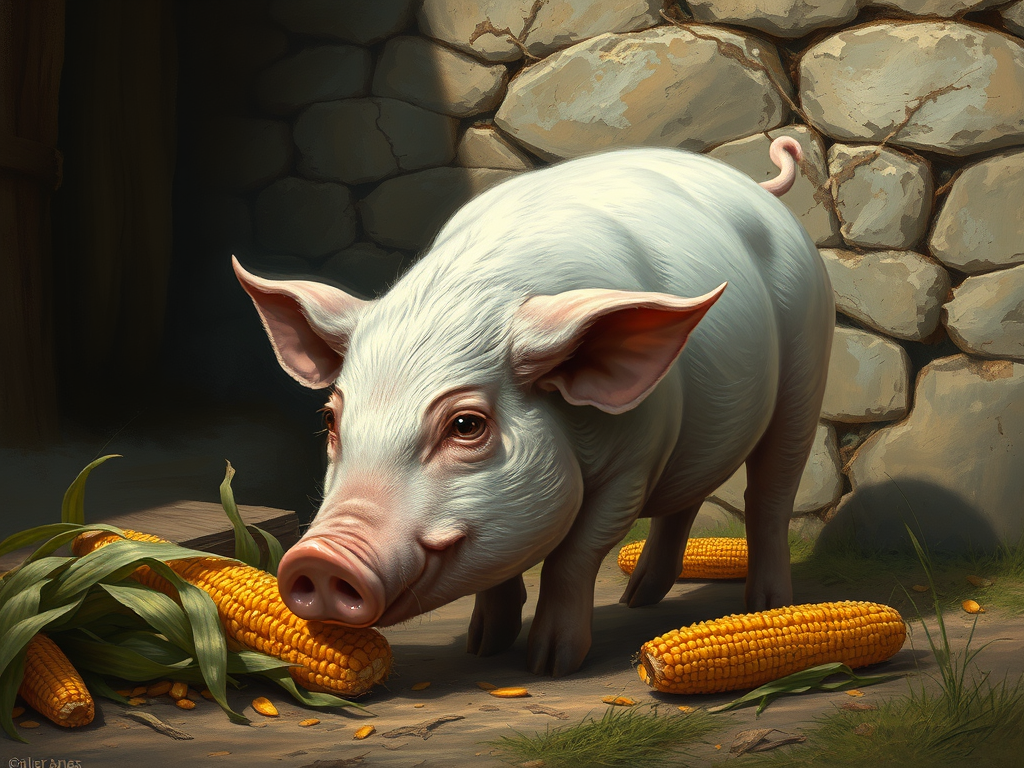
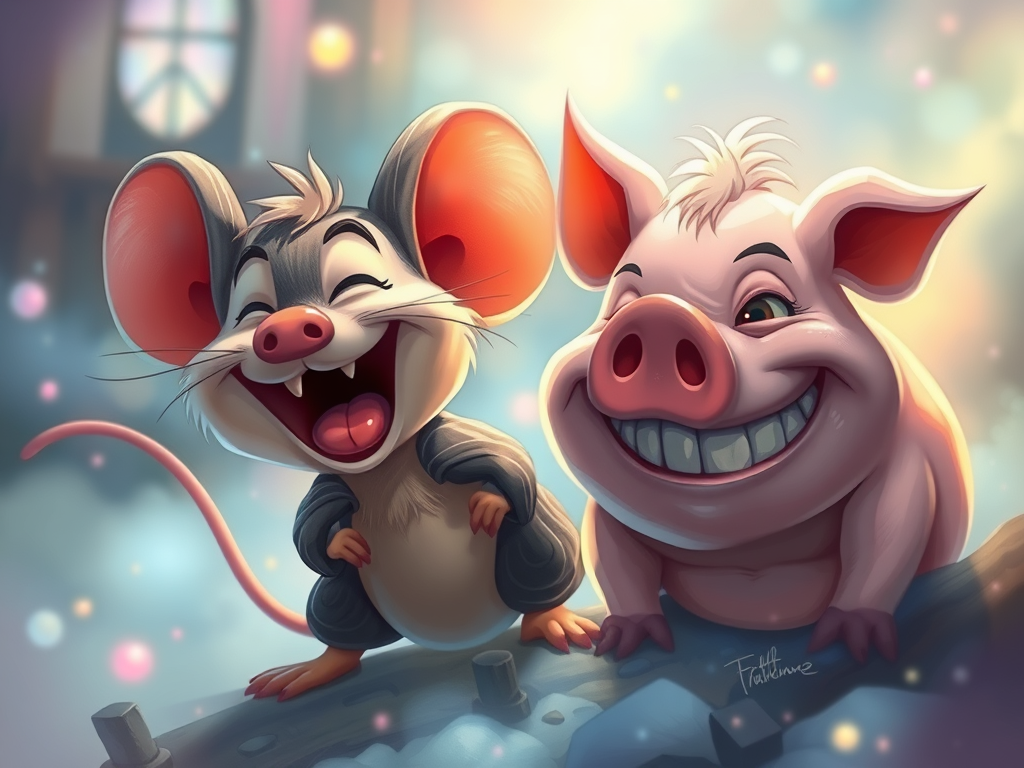
    ๐ŸŒŸ The Setup: Penny the Pig and Max the Mouse were hungry.

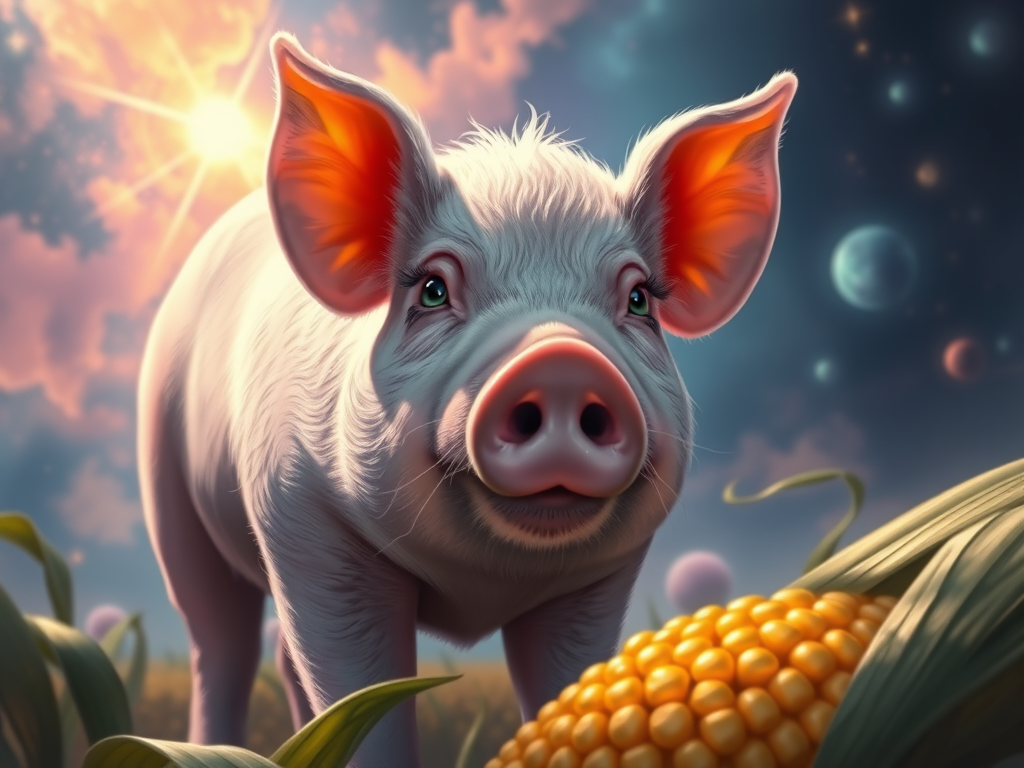
    They smelled delicious fresh corn inside a garden. But there was a huge, 3-meter stone wall around the garden. ๐Ÿงฑ


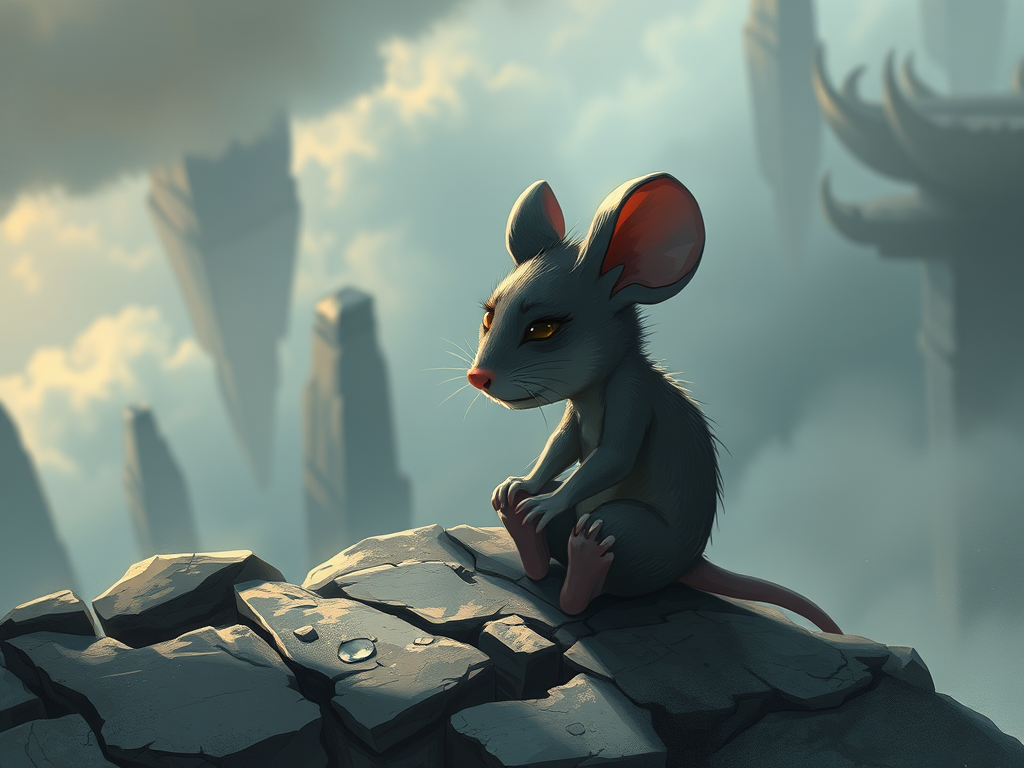
    The Conflict: Max looked at the wall. “It’s too high,” he sighed.

    “I am just a mouse. It is physically impossible to climb this.” Max sat down and cried. He had no Will.

    Penny looked at the wall. She couldn’t climb either.

    But she wanted that corn. She walked around the wall for 2 hours. Nothing.

    She tried to jump. Failed.


    The Action: Did Penny go home? No.

    She found a small crack in the ground near the wall.

    She started digging. She dug for 4 hours. Her hooves hurt. She was dirty.

    Max laughed, “Give up, Penny!”

    Suddenlyโ€ฆ Pop! Penny squeezed under the wall through the hole she dug.


    The Moral: Max focused on the Wall (The Obstacle).

    Penny focused on the Corn (The Goal).

    Max is still hungry.

    Penny is eating lunch.

    ๐ŸŽ“ Lesson for English Learners


    Don’t use this just for major life goals; use it for your English journey!


    Advice on Speaking ๐Ÿ—ฃ๏ธ


    Situation:
    A student says, “I can’t speak English because I don’t live in America.”


    You Say: “That is an excuse. You have the Internet, YouTube, and AI. Where there’s a will, there’s a way. Find a way!”


    Advice on Career ๐Ÿ’ผ


    Situation:
    Your friend hates their job but says, “I can’t quit, I have bills.”


    You Say: “Start a side hustle. Learn a new skill at night. If you really want freedom, you will find a path. Where there’s a will, there’s a way.”


    ๐Ÿ’ฌ Your Turn


    The “Impossible” Challenge ๐Ÿš€


    The Goal:
    Identify one thing you said you “CAN’T” do.


    “I can’t lose weight.”


    “I can’t wake up early.”


    “I can’t save money.”


    The Action:
    Replace “I can’t” with “How can I?” Write down 3 creative ways to solve that problem right now.


    Question: What is a “Wall” in your life right now?

    Are you going to be Max (sit and cry) or Penny (start digging)? ๐Ÿ‘‡

    By Zubeyir YURTKURAN

    https://www.facebook.com/BrainBattleground/

    https://www.facebook.com/zubeyr.yurtkuran/

    https://www.instagram.com/zubeyryurtkuran/
    https://www.youtube.com/@BrainBattleground-b3p

  • ๐ŸŒ… The Early Bird Catches the Worm: Why the Snooze Button is the Enemy of Success

    ๐ŸŒ… The Early Bird Catches the Worm: Why the Snooze Button is the Enemy of Success

    ๐Ÿšซ Can You Build an Empire While You Sleep?


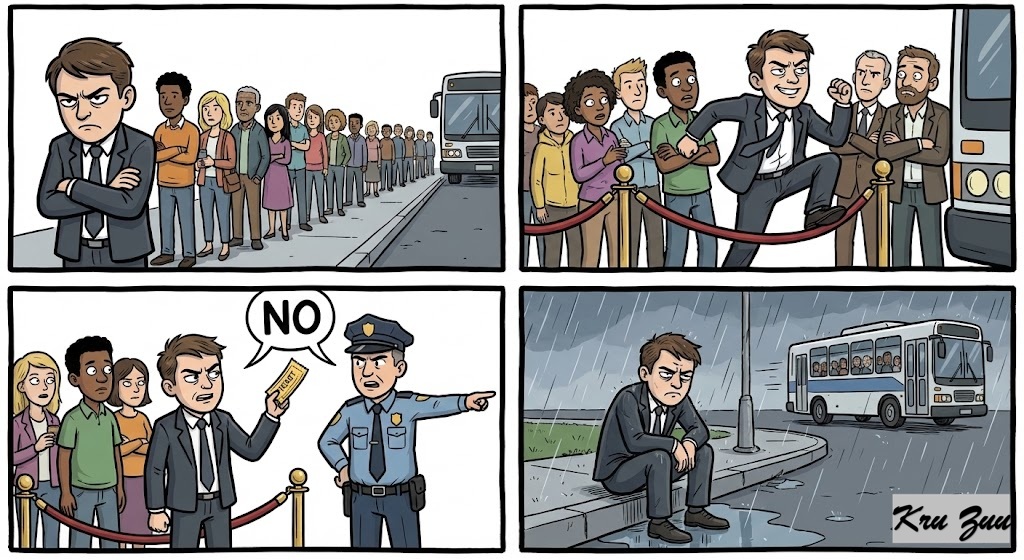
    ๐Ÿ›Œ The Short Cut: Hitting the “Snooze” button 5 times because “5 more minutes” feels like heaven.

    ๐Ÿ“‰ The Reality: You rush, spill coffee on your shirt, miss the bus, and start the day stressed and behind schedule.

    ๐Ÿ“ฑ The Short Cut: Waiting for the “perfect time” or “New Year’s Day” to start studying English.

    ๐Ÿ“‰ The Reality: By the time you start, the job interview was yesterday. The position is filled by someone who started last month.


    Life has a simple timing algorithm: First come, first served. In this post, we explore why timing is everything. Wake up, grab your coffee; the opportunity bus is leaving! ๐ŸšŒ

    ๐Ÿง The Anatomy of the Proverb


    Let’s dissect this classic idiom to understand its mechanics.


    ๐Ÿ“š Vocabulary Vault


    Early (Adjective):
    Happening before the usual or expected time. (Being ahead of the crowd). โฐ


    Catch (Verb): To capture, seize, or grab something. ๐Ÿคฒ


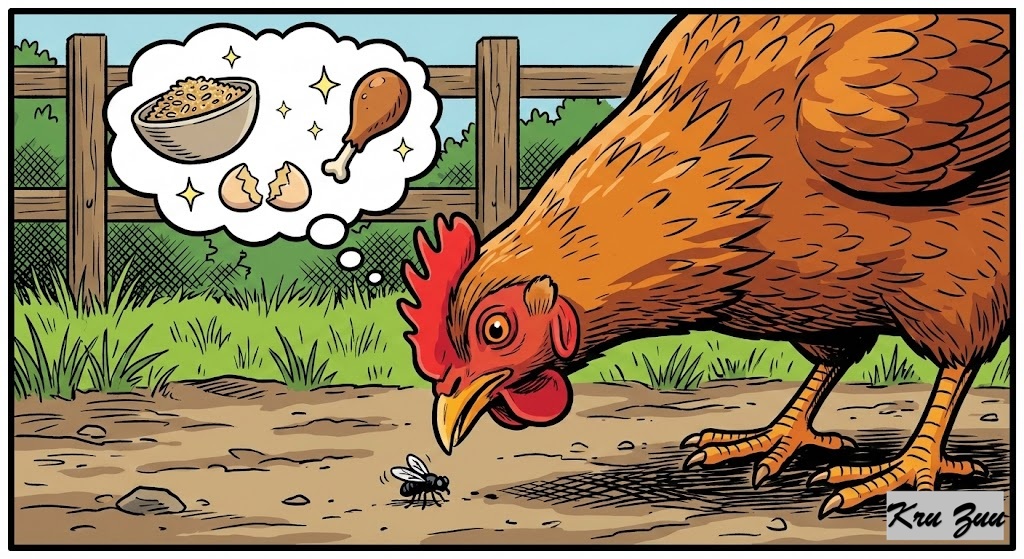
    Worm (Noun): A small animal. Metaphorically: The prize, the opportunity, the job, or the reward. ๐Ÿชฑ


    ๐Ÿง  Grammar Focus


    This is a perfect example of the Present Simple Tense representing a “General Truth.”


    Subject:
    The early bird (The proactive person)


    Verb: Catches (The action/result)


    Object: The worm (The reward)


    Formula: [Subject] + [Verb + s] + [Object]. Note: Because “The bird” is singular (It), we add -es to the verb catch (Catches).

    ๐Ÿ“œ History: A 17th Century Wake-Up Call


    Who told us to wake up so early?


    The Origin:
    This phrase first appeared in a collection of proverbs by John Ray in 1670.


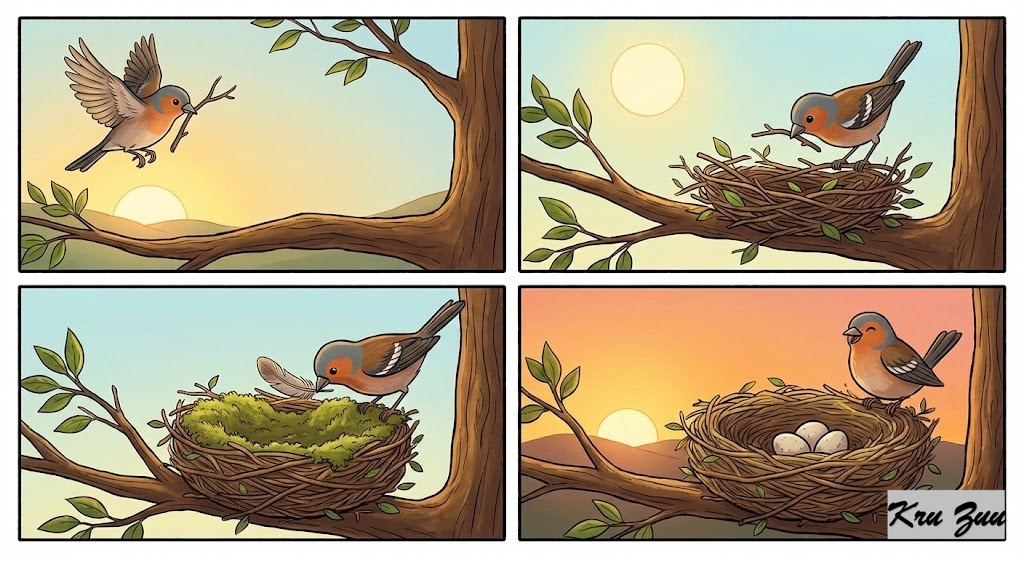
    The Logic: Before supermarkets, birds literally had to wake up at dawn to find worms coming out of the damp morning soil. If a bird slept until noon, the worms were gone (hiding underground from the sun).


    The Lesson: Opportunities are limited resources. They don’t wait for you to finish your breakfast.

    ๐ŸŽฏ Impact on Life: The Pros & Cons


    Is waking up at 5:00 AM the only way to succeed?


    โœ… The Pros (Why it works)


    Zero Distractions:
    At 6:00 AM, nobody is texting you. Instagram is quiet. It is just you and your goals. Focus is at 100%. ๐Ÿง˜โ€โ™‚๏ธ


    Proactivity: You act before problems arise. You control the day; the day doesn’t control you.


    The “First Choice” Privilege:
    The first person at the buffet gets the freshest food. The first applicant often gets the interview.


    โŒ The Cons (What to watch out for)


    The Night Owl Dilemma:
    Some people are genetically wired to be creative at night. If you force yourself to wake up early but are exhausted, you lose quality.


    Social Lag: If you wake up at 4 AM, you might be sleepy by 8 PM when your friends want to hang out.

    ๐ŸŽญ Short Story: The Great Garden Breakfast


    Let’s return to our farm friends to see this proverb in action.


    ๐ŸŒŸ Character Introduction


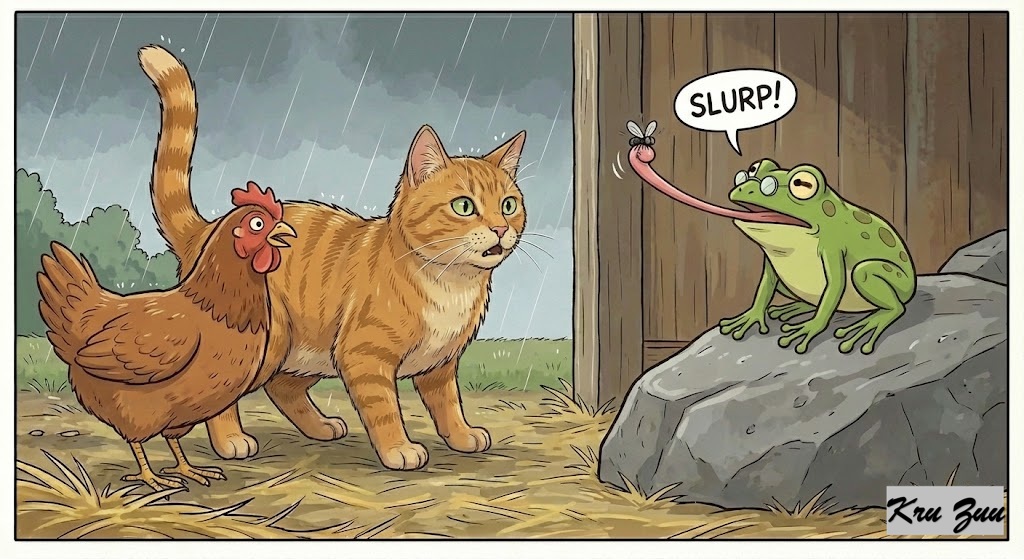
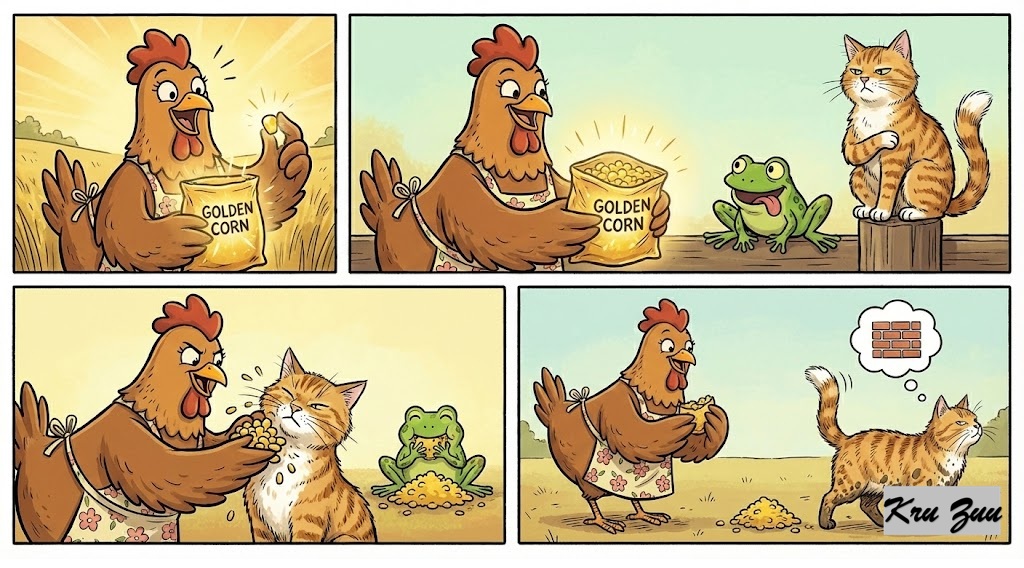
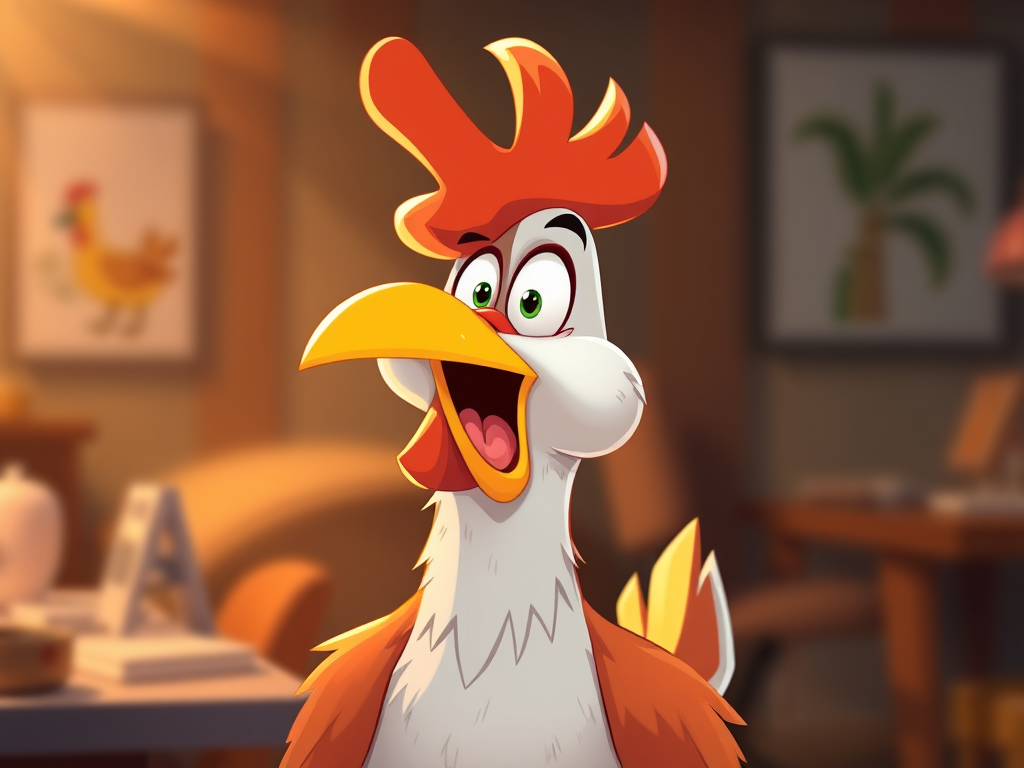
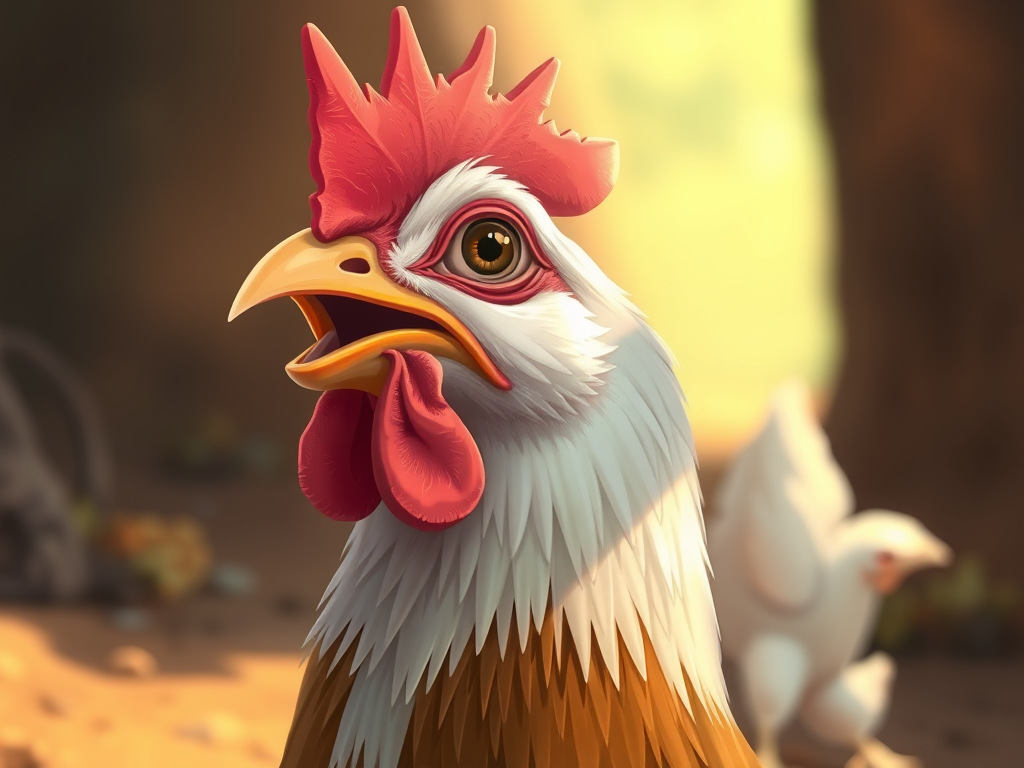
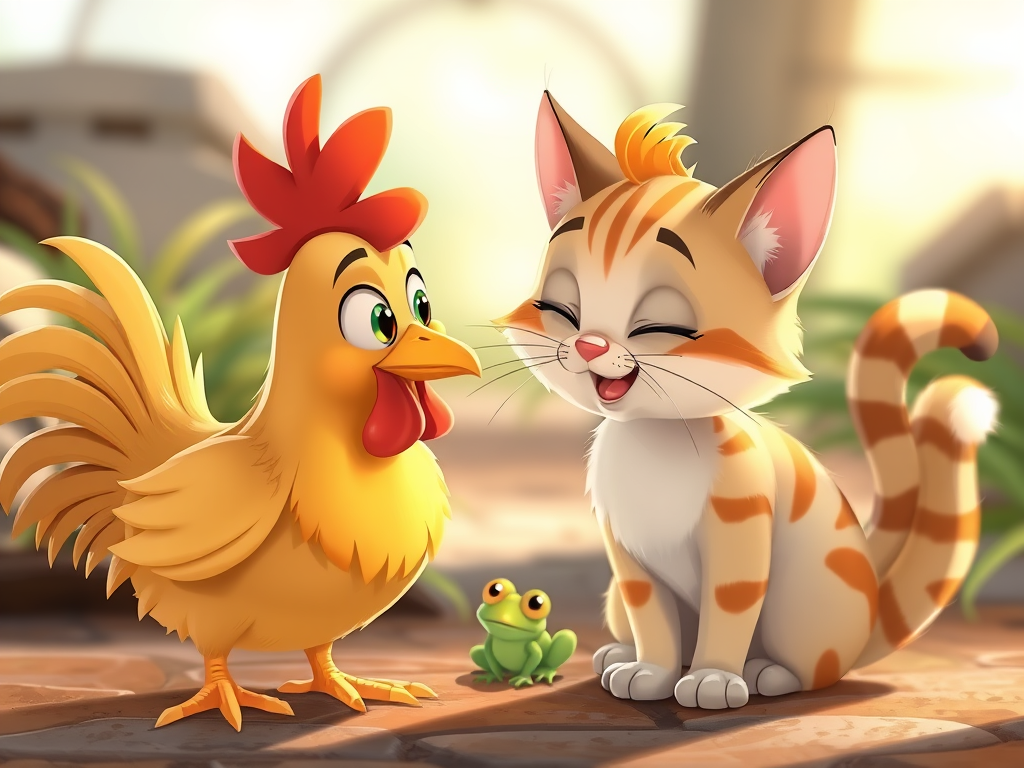
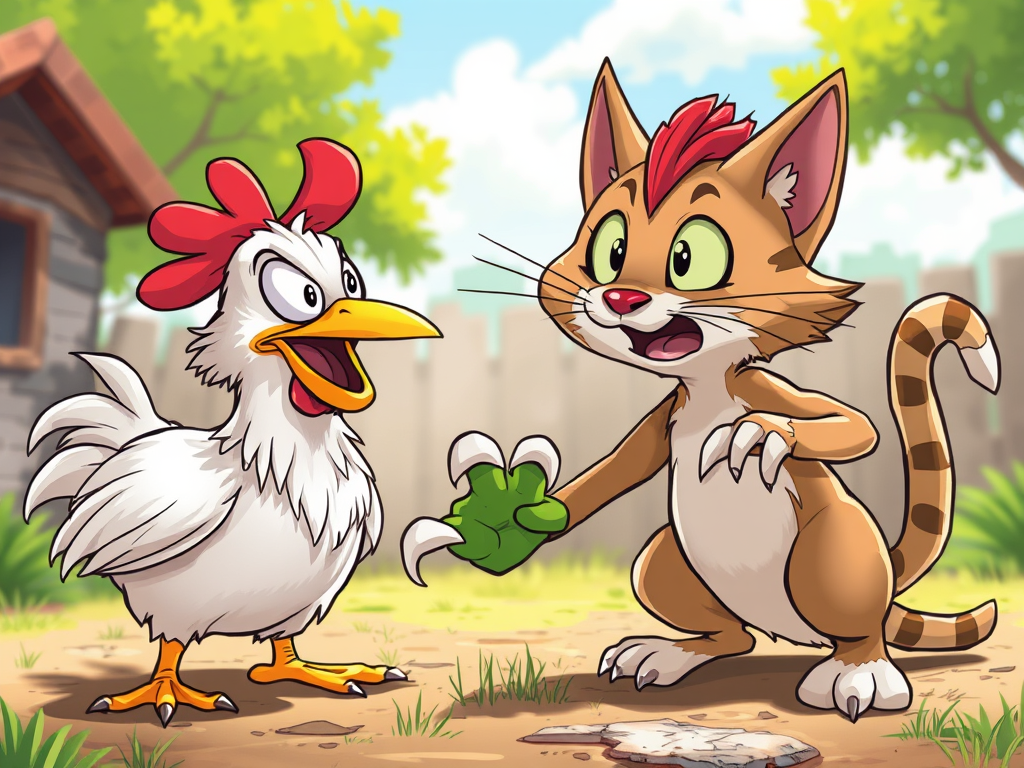
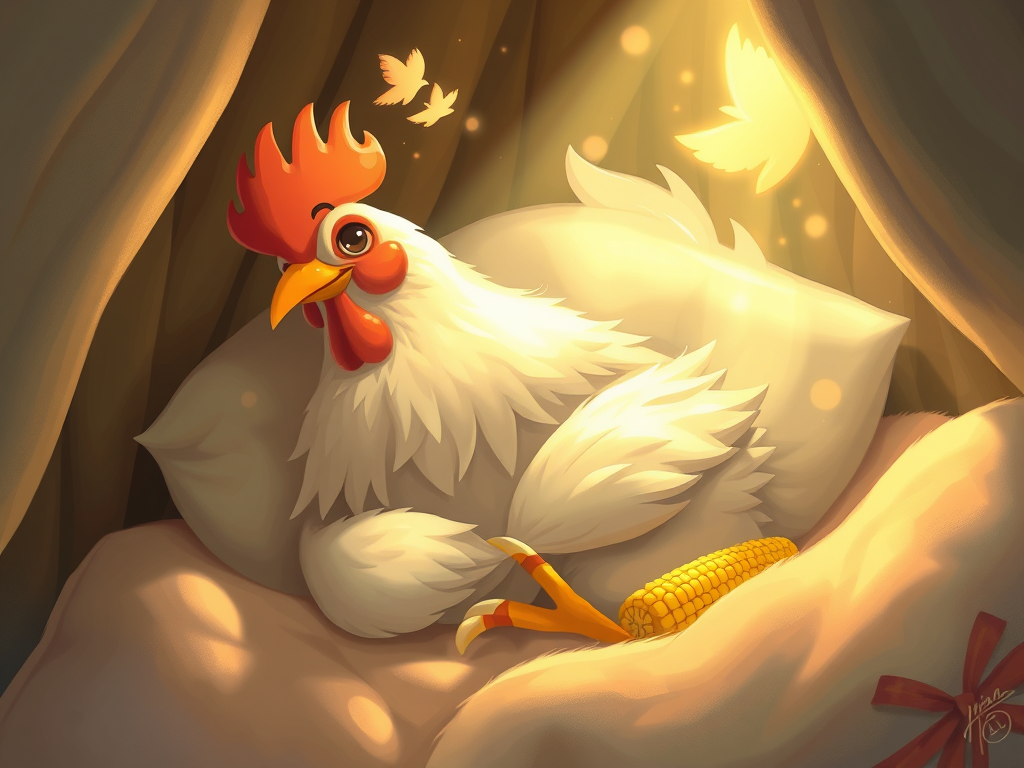
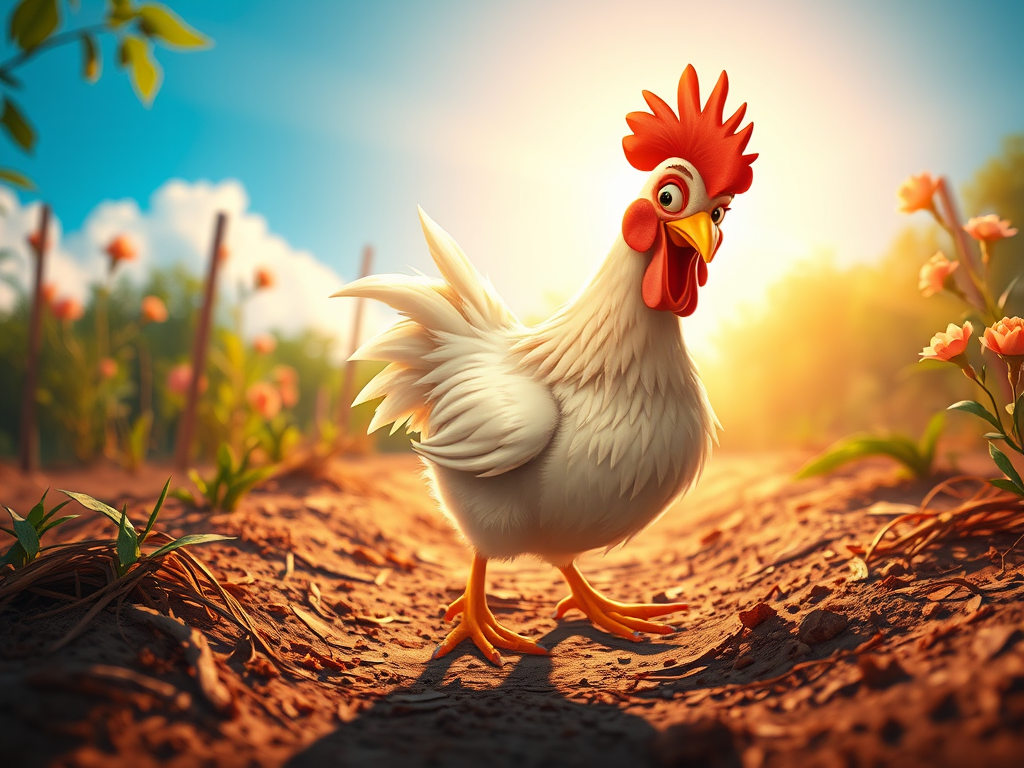
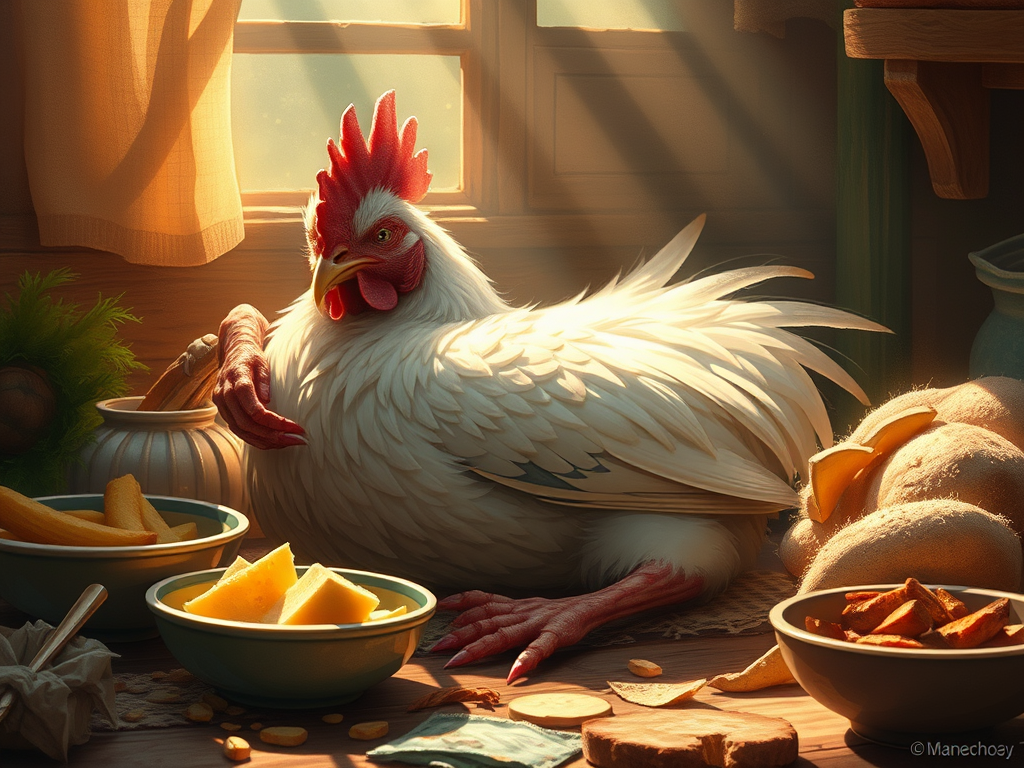
    Percy the Chicken (The Snoozer):
    Loves his warm bed and dreams of corn. ๐Ÿ”


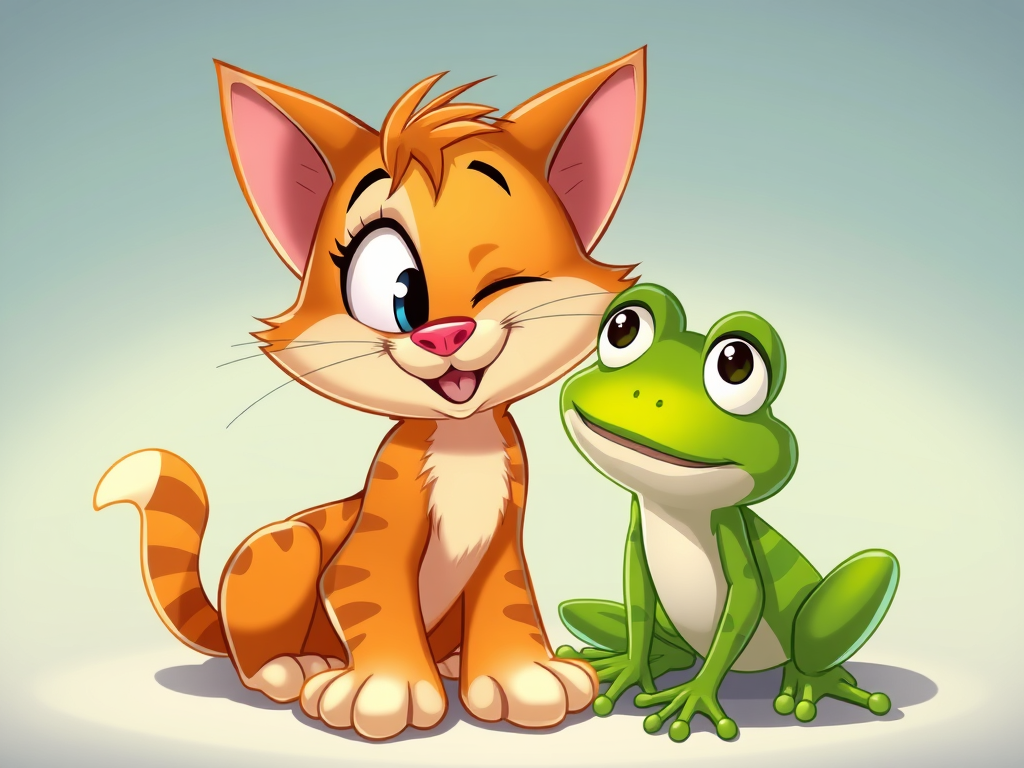
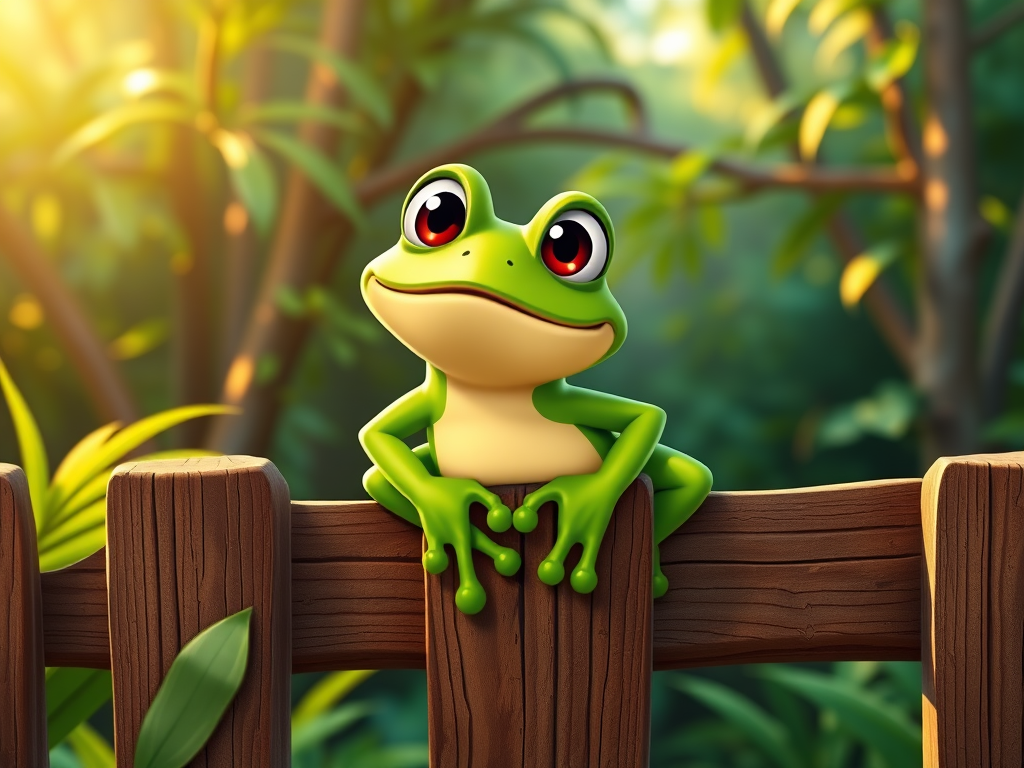
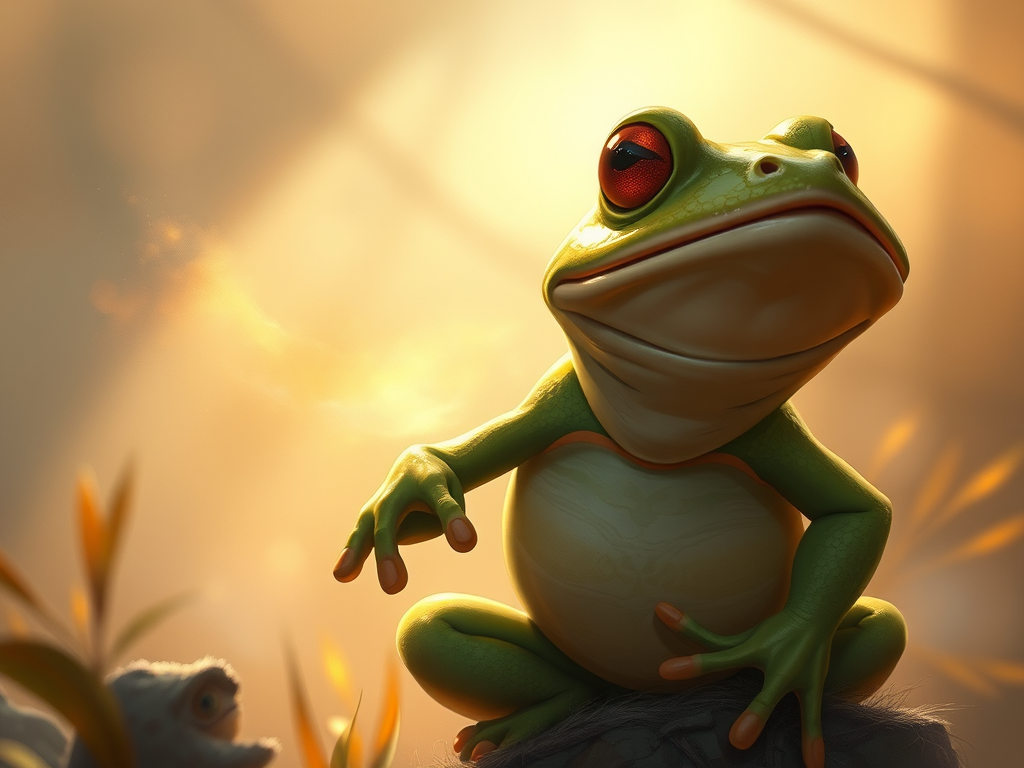
    Fred the Frog (The Early Riser): Alert, hungry, and disciplined. ๐Ÿธ


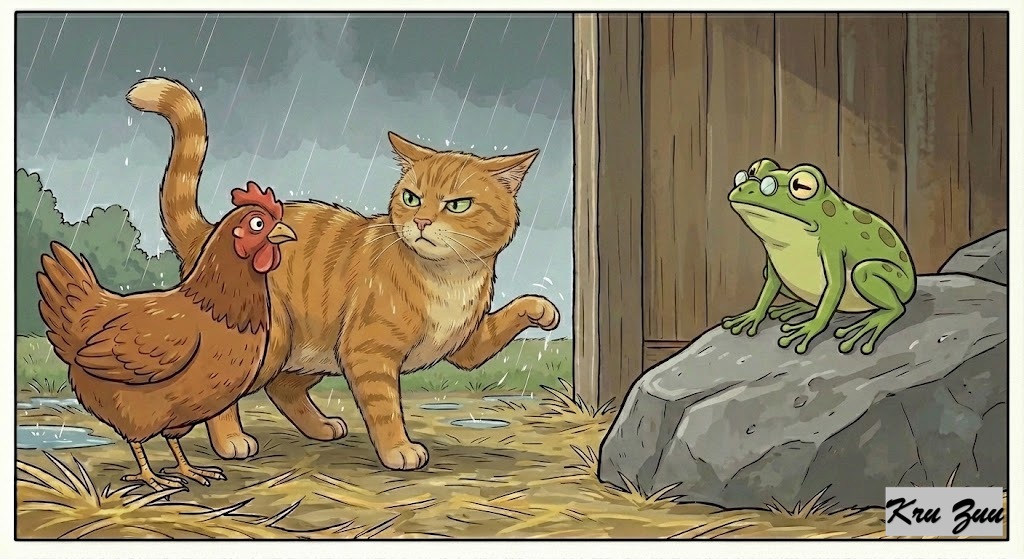
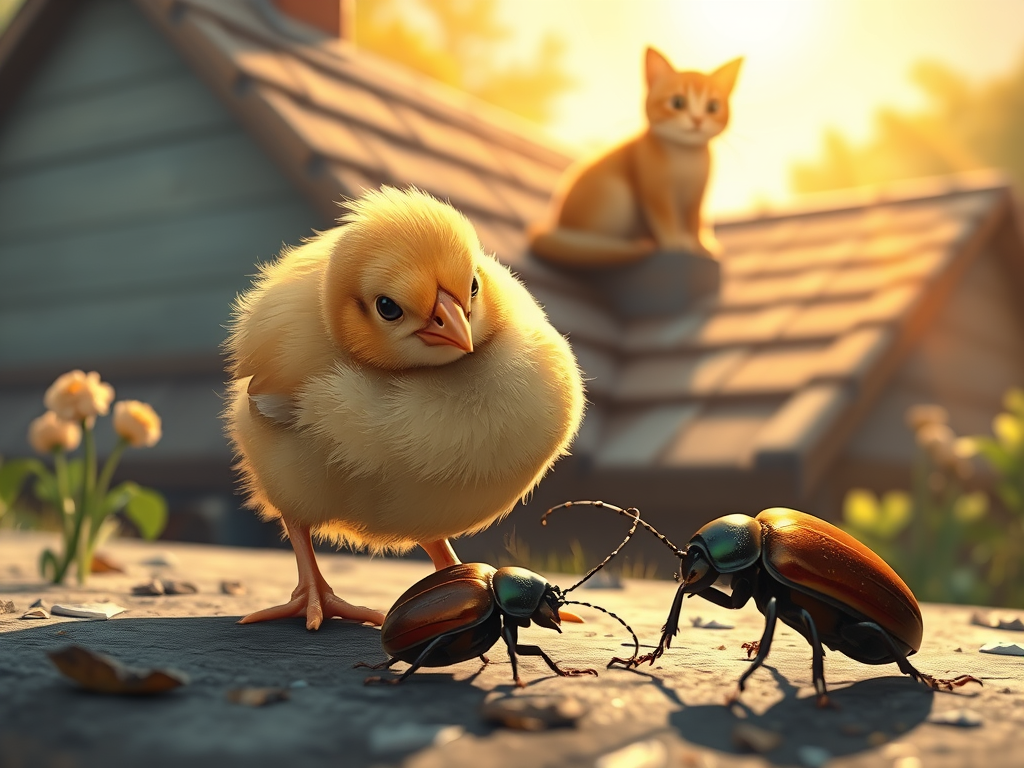
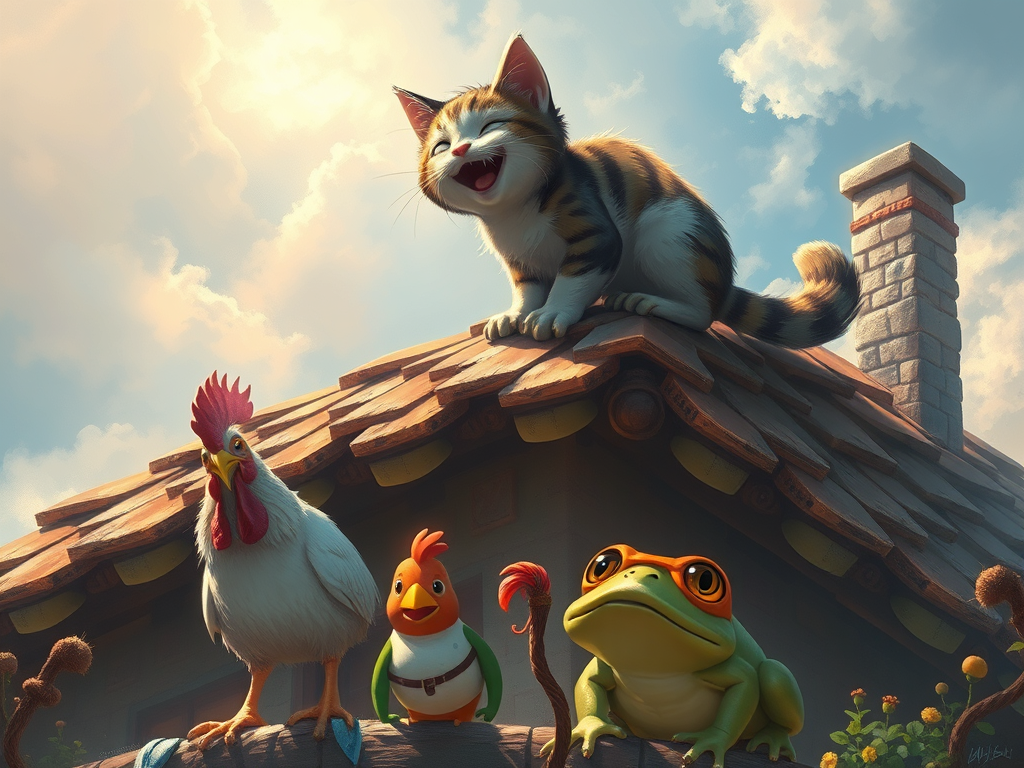
    Luna the Cat (The Observer): Watches from the roof. ๐Ÿ˜ผ


    It was a rainy Tuesday morning. The soil was wet perfect conditions for finding juicy worms!


    5:30 AM: The sun began to rise. Fred the Frog opened his eyes immediately. “Rainy night means breakfast delight!” he croaked. He hopped out to the garden while the rest of the farm was snoring. He found the biggest, juiciest worm right in the middle of the path. “Delicious!” Fred said, enjoying his feast in the quiet morning mist. ๐Ÿ˜‹


    9:00 AM: Percy the Chicken’s alarm went offโ€ฆ for the third time. Percy stretched, yawned, and slowly walked out to the garden. “Okay world, I am ready for my breakfast!” he announced. He looked at the ground. Nothing. He scratched the dirt. Nothing. The sun was high now, and the ground was dry. All the worms had gone back underground.


    Luna looked down from the roof and laughed: “Percy, you have great feathers, but an empty stomach. Fred got the worm because he didn’t negotiate with his alarm clock.”


    The Moral:


    Percy:
    Slept late = Leftovers (or hunger).


    Fred: Woke up early = The Grand Prize.

    ๐ŸŽ“ Lesson for English Learners


    How does this apply to learning a language?


    The “Worm” is Fluency.


    The “Early Bird” is Preparation.


    Review Before Class: If you learn the vocabulary before the lesson starts (Early Bird), you can use the lesson to practice speaking (Catching the Worm). If you wait for the teacher to explain everything, you waste time.


    Morning Brain: Research shows that reviewing notes for 15 minutes in the morning is more effective than 1 hour when you are tired at night.


    Don’t Wait for “Someday”: “I will learn English when I have time” is the biggest lie. The time is now.


    Remember: You don’t have to be a genius to learn English; you just have to start before everyone else quits.


    ๐Ÿ’ฌ Your Turn


    Are you a Morning Person (Early Bird) โ˜€๏ธ or a Night Owl ๐Ÿฆ‰? Do you believe getting up early is the key to success, or can you catch the worm at midnight?


    Tell us your routine in the comments! ๐Ÿ‘‡

    By Zubeyir YURTKURAN

    https://www.facebook.com/BrainBattleground/

    https://www.facebook.com/zubeyr.yurtkuran/

    https://www.instagram.com/zubeyryurtkuran/