Tag: food

  • 🍎 The Daily Shield: The Law of Maintenance

    🍎 The Daily Shield: The Law of Maintenance

    An apple a day keeps the doctor away.


    👿 The Villain (The Gambler): You skip the gym because “one day won’t matter.”

    You ignore the weird noise your car is making.

    You eat fast food for lunch because you are “too busy.”

    You study only the night before the exam.

    The Result? One day, your body collapses.

    Your car breaks down on the highway.

    You fail the exam.

    You treated your life like a sprint, not a marathon.

    You waited for the disaster to happen before you paid attention. 🚑


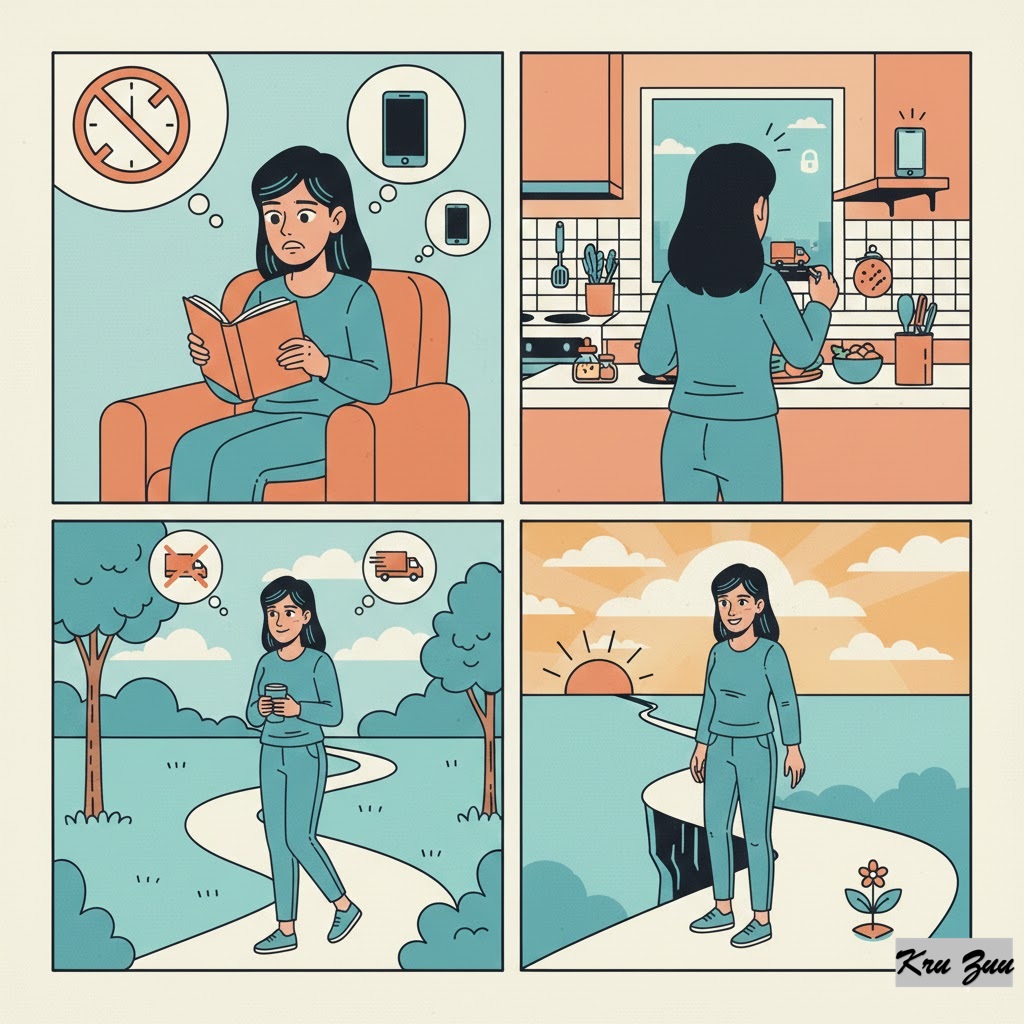
    😇 The Hero (The Architect): You are not a superhero; you are just consistent.

    You walk for 20 minutes every day.

    You drink water.

    You save $5 every morning.

    You read 10 pages of a book before bed.

    The Result? You don’t get sick often.

    Your bank account grows.

    You speak fluent English while others are still struggling.

    You didn’t do anything “magic” you just stacked small bricks every day to build a fortress. 🏰


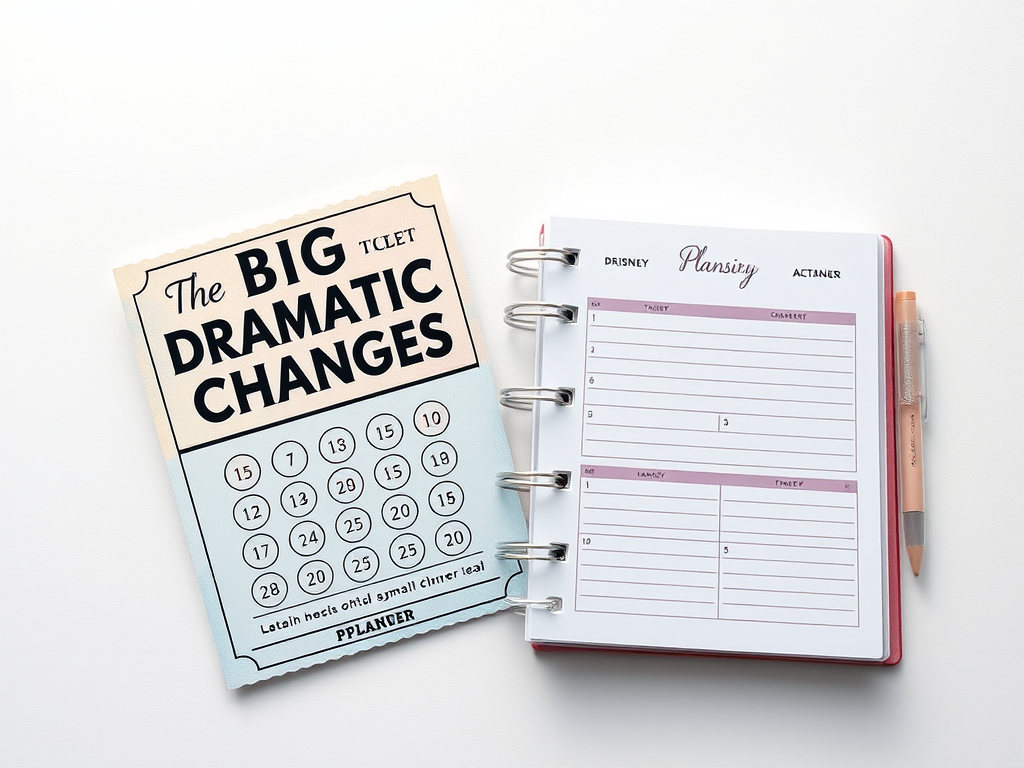
    ⚖️ The Reality: We love “Big Dramatic Changes” (Crash diets, lottery wins). But reality respects “Small Boring Actions.”

    💎 The Secret: Success is not a one-time event; it is a habit. The “Apple” is a metaphor for discipline.

    🧐 The Anatomy of the Proverb


    This is the golden rule of Preventive Care. It suggests that small, healthy habits practiced daily will prevent big problems in the future.


    Apple: Represents any healthy habit (exercise, vitamins, reading, meditation).


    Doctor: Represents the “Crisis” or the “Fixer” (Surgery, debt, failure).


    Keeps Away: To prevent someone/something from coming near. 🛡️


    📚 Vocabulary Vault


    Prevention (Noun):
    The action of stopping something from happening or arising. (Better than cure!)


    Consistency (Noun): Acting in the same way over time. (Doing it every single day). 🔄


    Maintenance (Noun): The process of keeping something in good condition.


    Compound Effect (Concept): Small actions + Time = Huge Results. 📈


    Sedentary (Adjective): Tending to spend much time seated; somewhat inactive. (The enemy of the Apple!)


    🧠 Grammar Focus


    Simple Present Tense for General Truths Proverbs almost always use the Simple Present because they are timeless facts.


    Subject: An apple


    Frequency: [a day] (Adverbial phrase)


    Verb: [keeps] (Third Person Singular – don’t forget the ‘s’!)


    Object: [the doctor]


    Direction: [away]


    Incorrect: An apple a day keep the doctor away. ❌


    Correct: An apple a day keeps the doctor away. ✅

    📜 History: Origin and Spread


    Did you know this phrase started as a rhyme?


    The Origin: It originated in Wales (Pembrokeshire) in the 1860s.

    The original phrasing was: “Eat an apple on going to bed, and you’ll keep the doctor from earning his bread.”


    The Logic: In the 19th century, food hygiene was poor. Apples were clean, full of fiber, and “cleaned” the teeth. It was a cheap way to stay alive!


    Global Cousins:


    🇹🇷 Turkish:
    “Güneş giren eve doktor girmez.” (The doctor does not enter the house where the sun enters.) — Emphasis on environment.


    🇪🇸 Spanish: “Más vale prevenir que curar.” (It is worth more to prevent than to cure.)


    🇮🇹 Italian: “Una mela al giorno toglie il medico di torno.” (An apple a day gets the doctor out of the way.) — Almost identical!

    🎯 Impact on Life: The Pros & Cons


    Is it just about fruit, or a lifestyle?


    ✅ The Pros (The Insurance):


    Control:
    It makes you feel in charge of your health/destiny.


    Efficiency: It is much cheaper to buy apples (prevention) than to pay for surgery (cure).


    Discipline: It builds a mindset that helps you in business and relationships too.


    ❌ The Cons (The Illusion):


    False Security:
    Eating an apple won’t fix a broken leg. Don’t ignore professional help when you really need it.


    Obsession: Don’t stress so much about “perfect health” that you forget to enjoy life.

    🎭 Short Story: The Old Car


    Let’s visit Penny, Fiona, and Max!


    🌟 The Setup: Penny and Max both bought cars on the same day.

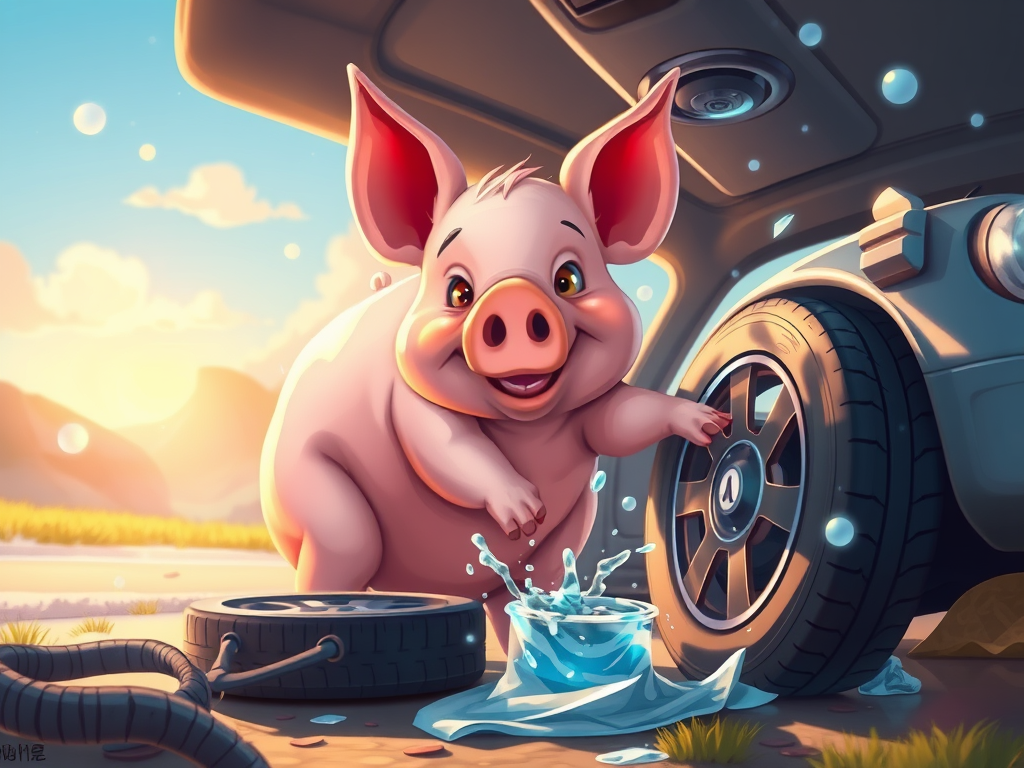
    Penny the Pig loved her car.

    Every Sunday morning, she checked the oil, cleaned the tires, and washed the windows. (This was her “Apple”).

    Max the Mouse loved his car too, but he just wanted to drive fast.

    “Maintenance is boring!” he said. “I’ll fix it when it breaks.”


    The Conflict: One year later, they planned a road trip to the beach. 🏖️

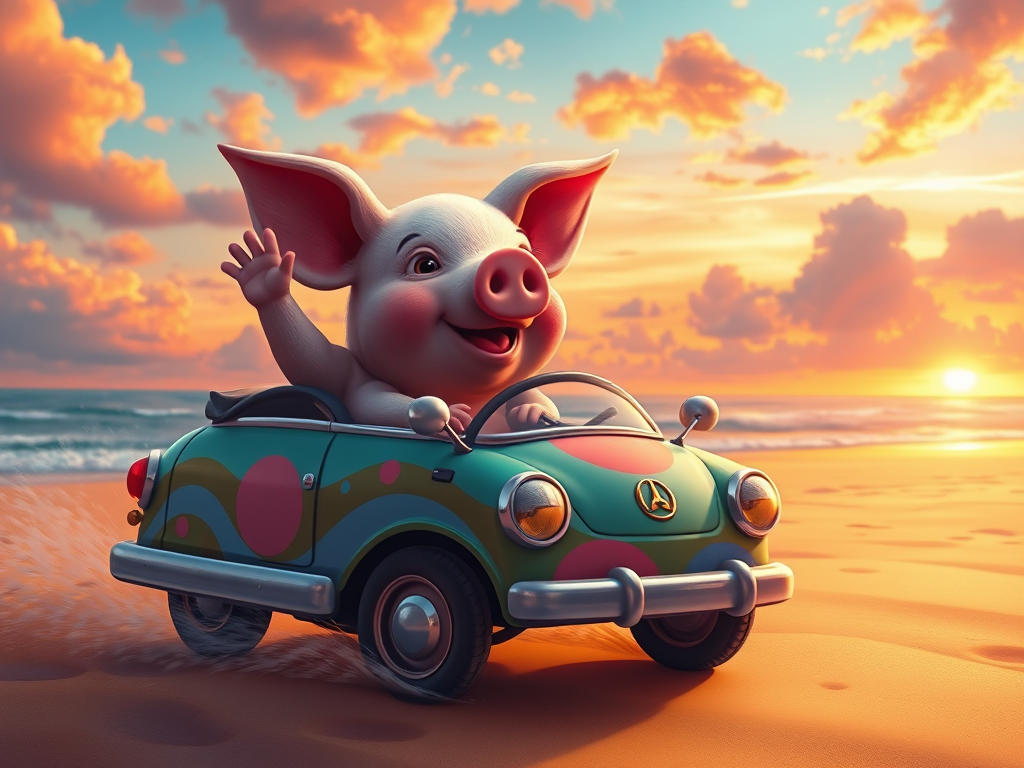
    Penny’s car started smoothly: Purr… purr… purr…

    Max’s car made a scary sound: CLUNK! BANG! HISSS! Smoke came out of the engine.


    The Action: Max was stuck on the side of the road.

    “Why me?” he cried. He had to call a tow truck (The Doctor).

    It cost him all his vacation money.

    Penny drove by, waved, and enjoyed the sunset at the beach.


    The Moral: Penny paid a little bit of attention every day.

    Max paid a huge price at the end.

    Penny’s “apple a day” kept the mechanic away.

    🎓 Lesson for English Learners


    This idiom is versatile! Use it for more than just health.


    Advice on Studying 📖


    Situation:
    Your student asks how to learn 1,000 words in one night.


    You say: “You can’t cram everything. Study 5 words every morning.

    An apple a day keeps the doctor away, and daily practice keeps the failure away.”


    Advice on Relationships ❤️


    Situation:
    A friend ignores their partner for weeks, then buys a huge gift to apologize.


    You say: “Don’t just buy gifts when things are bad. Show small love every day. An apple a day keeps the doctor away.”


    💬 Your Turn


    The “Micro-Habit” Challenge 🤏


    Let’s prove the theory.


    The Goal: Choose one tiny positive thing to do every day for the next 7 days.


    Examples: Drink 1 glass of water before coffee

    Do 5 pushups

    Read 1 page

    Save 1 coin.


    The Prediction: How will you feel in a week?


    Action Step: Go eat a piece of fruit right now. Seriously. Go do it. Your body will thank you! 🍏


    Question: What is YOUR “Apple”? What is the one small thing you do every day that keeps your life running smoothly?

    By Zubeyir YURTKURAN

    https://www.facebook.com/BrainBattleground/

    https://www.facebook.com/zubeyr.yurtkuran/

    https://www.instagram.com/zubeyryurtkuran/

    https://www.youtube.com/@BrainBattleground-b3p

  • 💡 The Spark of Genius: Why Problems Are Good for You

    💡 The Spark of Genius: Why Problems Are Good for You

    Necessity is the mother of invention.


    🏖️ The Comfort Zone: You have a car, a GPS, and a full tank of gas. You don’t need to think about directions. You just drive.

    📉 The Reality: You rely on tools. If the battery dies, you are lost. Comfort kills creativity.


    🔥 The Danger Zone: You are lost in the jungle. Your phone is dead. It is getting dark.

    📈 The Reality: Suddenly, your brain wakes up! You build a shelter, you find north using the sun, you find water. You become a genius because you have no choice.


    Life has a secret rule: We rarely change when we are comfortable. We change when we need to.


    In this post, we explore why “problems” are actually “gifts.” Let’s unlock your inner inventor! 🔓

    🧐 The Anatomy of the Proverb


    Let’s dismantle this mechanical masterpiece.


    📚 Vocabulary Vault


    Necessity (Noun):
    A situation where something is absolutely required or essential. (A “must-have” situation). 🆘


    Mother (Noun – Metaphor): The source, origin, or creator of something. (Not a biological mom, but the “starting point”). 🌱


    Invention (Noun): The action of inventing something typically a process or device. (Creating something new). ⚙️


    🧠 Grammar Focus


    This sentence uses a powerful literary device called a Metaphor.


    Subject: Necessity (Abstract Noun)


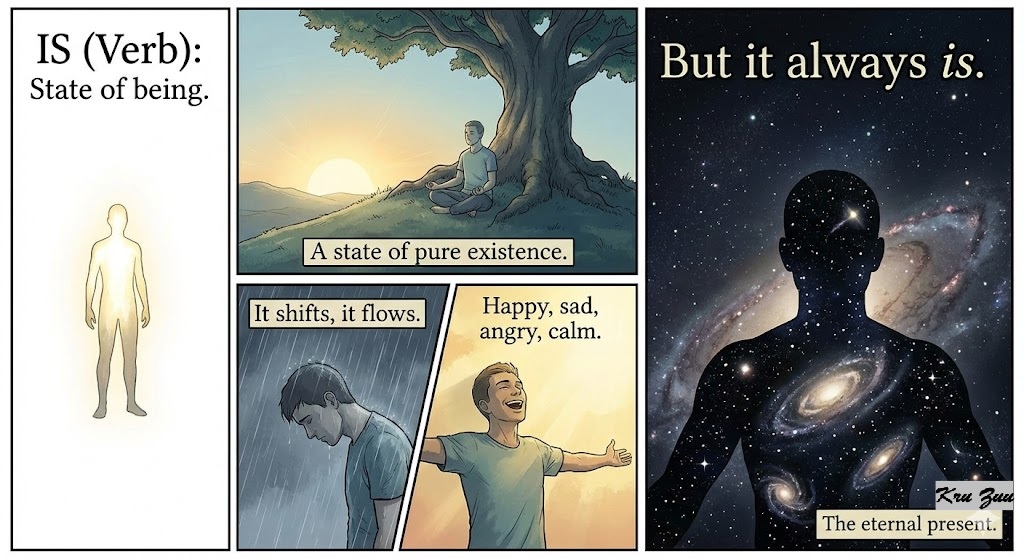
    Verb: Is (State of being)


    Object: The mother of invention (Noun Phrase)


    Formula: [Problem] = [Creator of Solution].

    Note: We are comparing “Need” to a “Mother.” Just as a mother gives birth to a child, a “Need” gives birth to a “New Idea.”

    📜 History: From Plato to Smartphones


    Is this just a catchy slogan? No, it is ancient wisdom.


    The Origin: The concept appears in Plato’s Republic (Ancient Greece), where he wrote: “Our need will be the real creator.”


    The Evolution: It entered English in 1519, but the phrasing we use today became famous in the 1700s.


    Real Life Example: Why was the Internet created? Because the military needed a way to communicate if phone lines were destroyed.


    The Lesson: Don’t complain about problems. Problems are the fuel for progress.

    🎯 Impact on Life: The Pros & Cons


    Is being under pressure always good?


    ✅ The Pros (Why it works)


    Focus:
    When you have a deadline in 1 hour, you don’t check Instagram. You focus 100%.


    Innovation: People didn’t invent the umbrella because they liked carrying sticks. They invented it because they hated getting wet! ☔


    Survival: Your brain is lazy. It only works hard when it feels it is necessary.


    ❌ The Cons (What to watch out for)


    Stress:
    Constant necessity (always being in “survival mode”) causes burnout. 😫


    Ugly Solutions: Sometimes, a quick fix is ugly. (Like fixing a broken window with duct tape). It works, but it isn’t “perfect.”

    🎭 Short Story: The Heatwave & The Bucket


    Let’s visit our farm friends to see who survives the summer heat!


    🌟 Character Introduction


    Percy the Chicken (The Complainer):
    Waits for others to solve his problems. 🐔


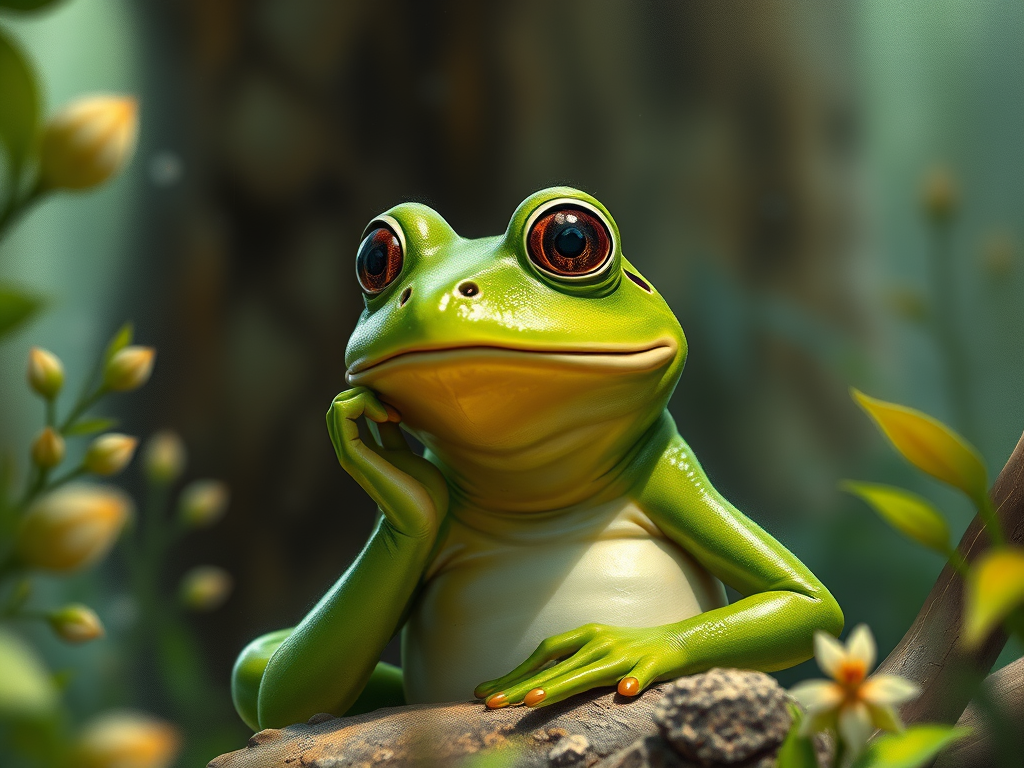
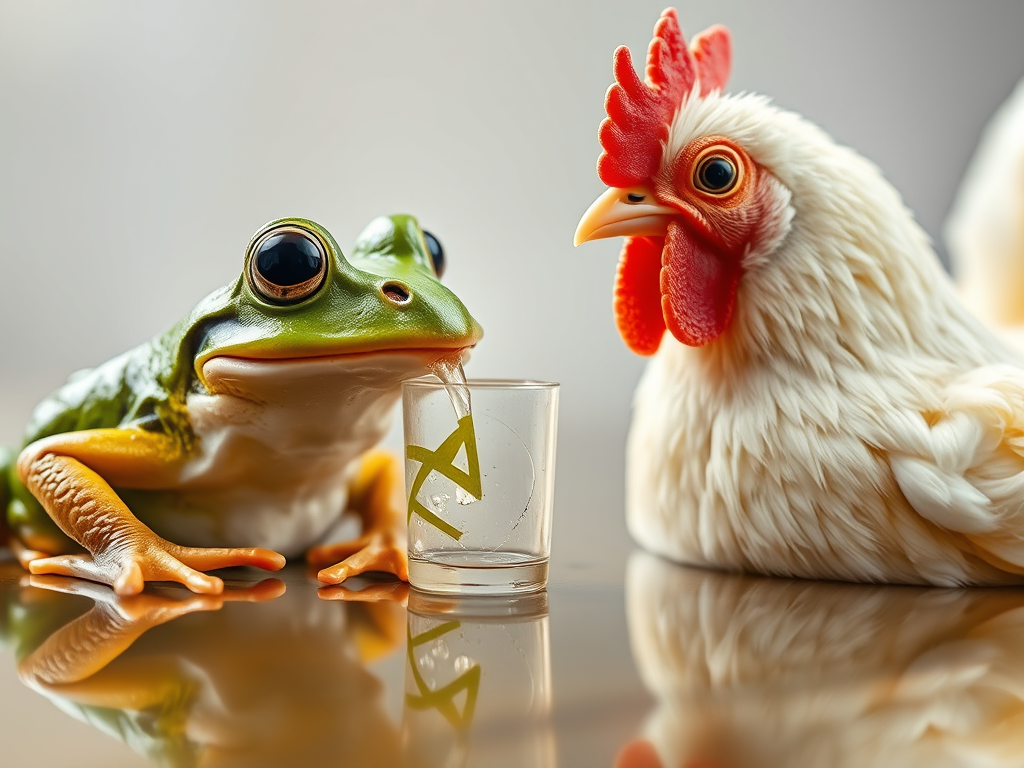
    Fred the Frog (The Thinker): Uses what he has to get what he needs. 🐸


    Luna the Cat (The Observer): Watching from the shade. 😼


    It was the hottest day of the year. The farmer had left a tall, narrow bucket of cold water in the yard. But the water level was very low right at the bottom.


    The Problem: The animals were thirsty, but their heads couldn’t reach down to the water.


    Percy: Poked his beak into the bucket. Bonk. He couldn’t reach. “This is unfair!” Percy squawked. “The farmer forgot us! I will just sit here and be thirsty until he comes back.” Percy sat in the hot dust, miserable and waiting.


    Fred: Looked at the water. He was drying out. He needed that water to survive. He tried to jump in, but the bucket was too narrow. Luna watched lazily. “Give up, Fred. It’s physics.”


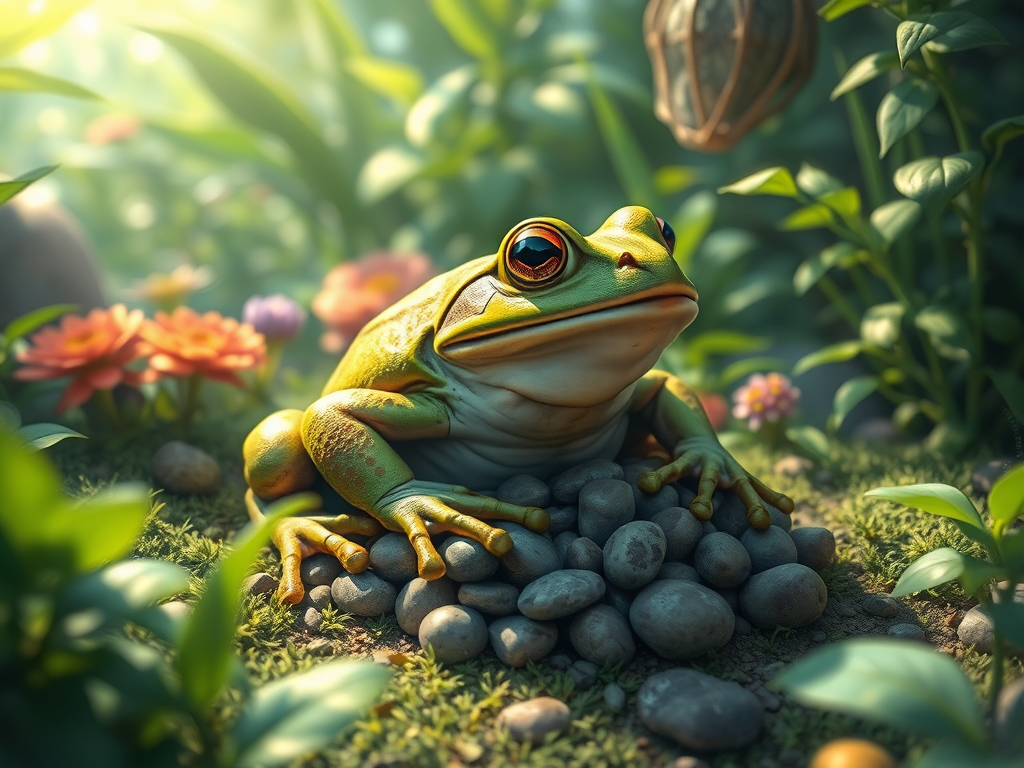
    Fred didn’t give up. He looked around. He saw a pile of small pebbles (stones) near the garden.

    Idea! 💡 Fred picked up a pebble and dropped it into the bucket. Plop. Nothing happened. He dropped another. Plop. He dropped ten. Twenty. Fifty!


    Percy laughed: “Now you are just playing with rocks, you silly frog.”


    The Result: With every stone Fred dropped, the water level rose higher due to displacement. After the 100th stone, the cool water rose to the very top of the bucket.


    Fred took a long, refreshing drink. 🥤 Percy looked shocked.


    Luna smiled: “Percy, you saw a problem. Fred saw a puzzle.”


    The Moral:


    Percy:
    Had a need, but waited for help = Thirsty.


    Fred: Had a need, and created a solution = Satisfied.

    🎓 Lesson for English Learners


    How does this apply to learning a language?


    Don’t wait until you are “Ready.” Wait until you are “Desperate.”


    The “Survival” Method: If you study English in a classroom, you might be lazy. But imagine if you are dropped in the middle of London, hungry, and need to find a bathroom. Necessity will force you to speak. You won’t care about grammar rules; you will care about communication.


    Create Your Own Necessity:


    Don’t just read books.


    Change your phone language to English. (Now you need to understand it to use your phone).


    Promise to teach a friend a topic in English. (Now you need to learn it so you don’t look foolish).


    Remember: We learn fastest when we have no other choice.


    💬 Your Turn


    Have you ever fixed something using a strange object (like opening a box with a key, or fixing glasses with a paperclip) because you didn’t have the right tool? 🛠️🖇️


    Tell us your best “MacGyver Moment” in the comments! 👇

    By Zubeyir YURTKURAN

    https://www.facebook.com/BrainBattleground/

    https://www.facebook.com/zubeyr.yurtkuran/

    https://www.instagram.com/zubeyryurtkuran/
  • Part 6: For Those Who Want to Teach Abroad: Golden Tips for Inside and Outside the Classroom

    Part 6: For Those Who Want to Teach Abroad: Golden Tips for Inside and Outside the Classroom

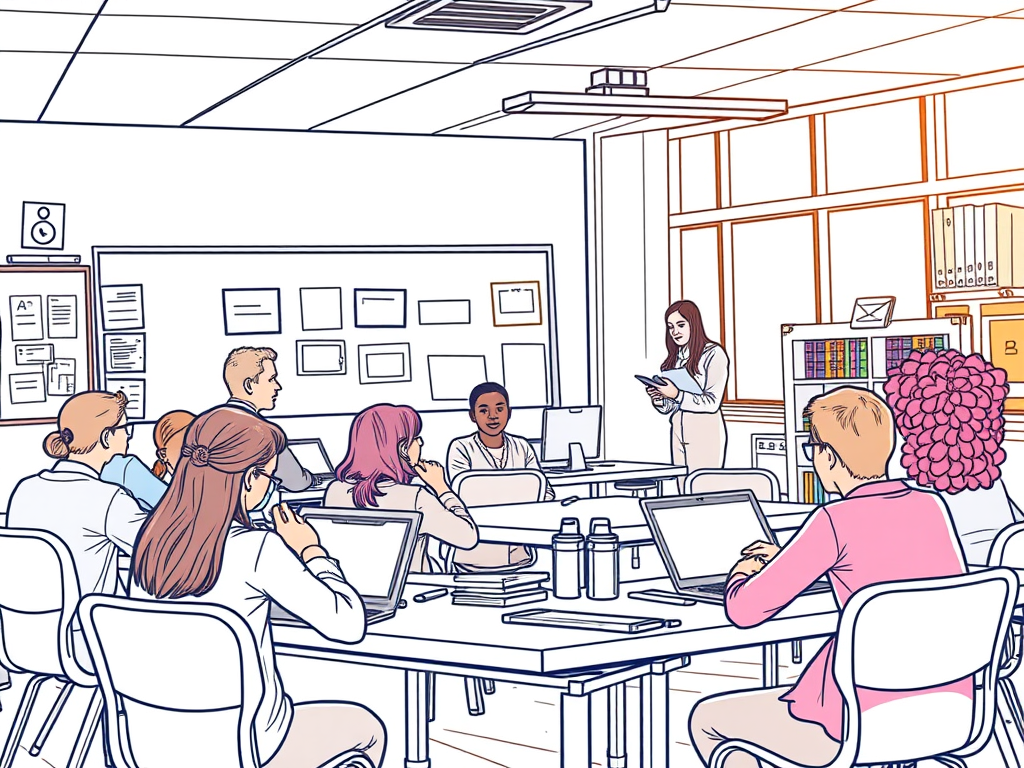
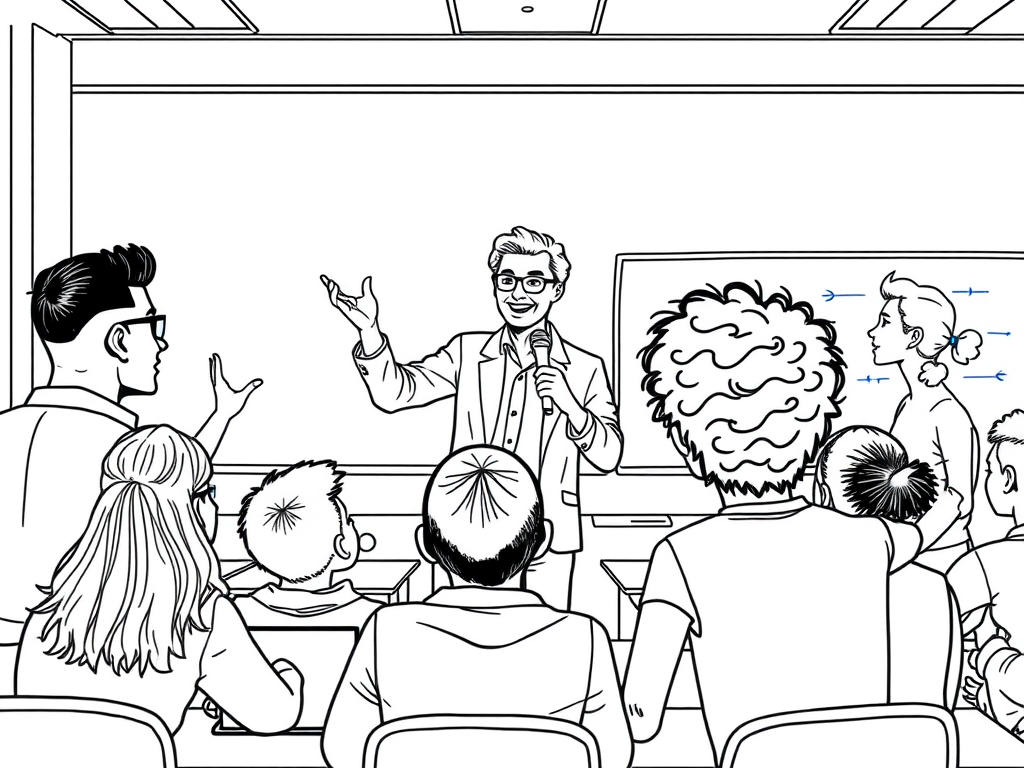
    Be Active in the Classroom: Move, Engage, Inspire

    Great teaching doesn’t only happen at the front of the room.

    Too often, teachers fall into the habit of standing in one spot usually near the board while explaining lessons. While this might seem organized and controlled, it can unintentionally create distance between you and your students. If your students feel distant from you, they may mentally disconnect from the lesson too.

    That’s why it’s important to be active, move around, and bring your presence to every corner of the room.

    Why Movement Matters

    Walking around the classroom keeps students alert. It also sends a message:

    “I am with you. I see you. I care.”

    Students are less likely to lose focus or get distracted when they feel that the teacher might appear next to them at any moment. This kind of presence encourages participation and accountability not out of fear, but out of connection.

    The Power of Surprise Questions

    While you walk, ask spontaneous, friendly questions:

    “What do you think about this?”
    “Can you explain it in your own words?”
    “Can you give an example?”
    These questions:
    Break the routine
    Encourage deeper thinking
    Show students that everyone is expected to participate
    Even students who usually stay quiet begin to listen more carefully, just in case their turn is next!

    Being Among Your Students Builds Trust

    When you walk between the rows of desks, kneel next to a struggling student, or high-five someone who gave a great answer, you’re doing more than teaching content you’re building a human connection.

    Your movement makes you feel more real and more approachable. Students are more likely to ask for help, share opinions, and take academic risks when they feel supported, not judged.

    Energy Is Contagious

    When you move with purpose and enthusiasm, your energy spreads. The classroom feels more alive. Learning becomes dynamic instead of static. Instead of being a spectator sport, class becomes something students are part of.

    Remember, your energy often sets the tone for the entire room.

    Practical Tips for Active Teaching

    Walk slowly and intentionally—don’t rush, but stay mobile.
    Make eye contact with students at all areas of the room.
    Use your voice and gestures to emphasize key points.
    Smile and make your presence a positive force.

    Final Thought: Teach With Your Whole Body

    You are not just a voice. You are not just words on a board.
    You are a full presence—a guide, a motivator, a leader.

    So, don’t just stand and deliver—move and connect.
    Because when students feel your presence, they give you their attention.
    And that’s where the real teaching begins.

    “Where you move, attention follows.”

    Be the teacher who brings the lesson to life with every step you take.

    Let your presence be the spark.

    In every step you take, every glance you share, every question you ask you’re not just teaching a subject, you’re shaping an experience. The classroom is more than four walls; it’s a stage where movement creates magic, where connection fuels curiosity. So keep moving, keep engaging, and keep inspiring because when you teach with your whole self, you invite your students to learn with their whole hearts.

    For Those Who Want to Teach Abroad: Golden Tips for Inside and Outside the Classroom will continue. Until then, I’d love to hear your thoughts, suggestions, or memories that left a mark on your heart. See you in the next article. Stay safe, patient and kind.

  • My First Days in Thailand: New Smiles, New Lessons

    My First Days in Thailand: New Smiles, New Lessons

    Leaving your home country and stepping into the unknown is both exciting and scary.
    When I first arrived in Thailand to begin my journey as an English teacher, I didn’t know what to expect. The language, the culture, the food — everything was different.
    But from the very beginning, Thailand welcomed me with open arms and warm smiles.

    Here’s a glimpse into my very first days in the Land of Smiles.

    Arrival at the Airport: A Mix of Excitement and Nerves

    The moment I stepped off the plane, I was hit by the heat and humidity — a big change from what I was used to.
    At the airport, signs were in both Thai and English, but I still felt a little lost. Luckily, Thai people were kind and willing to help, even with limited English.

    The first lesson I learned? A smile goes a long way.

    Settling In: First Impressions of My Town

    I was placed in a small town surrounded by rice fields, hills, and temples. It was peaceful and quiet — very different from the busy cities I had known.
    The streets were filled with motorbikes, markets, and friendly faces. I quickly noticed how respectful and polite people were — especially students!

    Even though I couldn’t speak Thai, neighbors smiled at me, offered food, or waved from across the road.

    On my second day, I had my first real Thai meal — Pad Kra Pao (spicy basil chicken) with rice and a fried egg on top. It was spicy, but delicious!
    I quickly learned that not all food stalls have English menus, but pointing and smiling helped a lot.
    One kind vendor even taught me how to say “A little spicy” in Thai:
    “Pet nit noy” (เผ็ดนิดหน่อย) – a phrase I still use today!

    First Day at School: Meeting My Students

    Walking into a classroom in a new country, surrounded by curious eyes, was a moment I’ll never forget.
    Some students shouted “Hello, teacher!” while others were shy and giggled from behind their desks.
    Even though I felt nervous, their energy made me feel at home.

    I used basic games and gestures to break the ice — and it worked! We laughed, clapped, and began learning together.

    Cultural Surprises

    Some things really surprised me in the first few days:

    Students greet teachers with a “wai” (palms together, bowing slightly).

    There’s a school-wide morning assembly every day with national anthem.

    People remove shoes before entering classrooms or homes.

    These traditions were beautiful — and I did my best to show respect and adapt.

    Learning to Let Go of Control

    My biggest personal lesson in those first days?
    Be flexible.
    Plans will change, timetables may shift, communication won’t always be clear. But if you stay calm, open-minded, and positive, everything works out.

    Final Thoughts

    My first days in Thailand were filled with learning, laughter, and a little bit of confusion — and I wouldn’t change a thing.
    Those early experiences helped shape who I am today: a more patient, understanding, and adaptable person.

    If you’re thinking of teaching or traveling abroad, I encourage you to take that leap. You’ll discover a new world — and maybe even a new version of yourself.

    Thanks for reading!
    Have you ever had a culture shock experience or moved to a new country? Share your story in the comments — I’d love to hear it!

    My next blog post will focus on my personal experiences and observations for those who are considering teaching abroad — including important things to keep in mind both inside and outside the classroom.

    See you soon krubb.