Tag: fantasy

  • 🛡️ The Daily Shield: The Law of Silent Safety

    🛡️ The Daily Shield: The Law of Silent Safety

    “No news is good news.”


    😈 The Villain (The Anxiety Spinner)

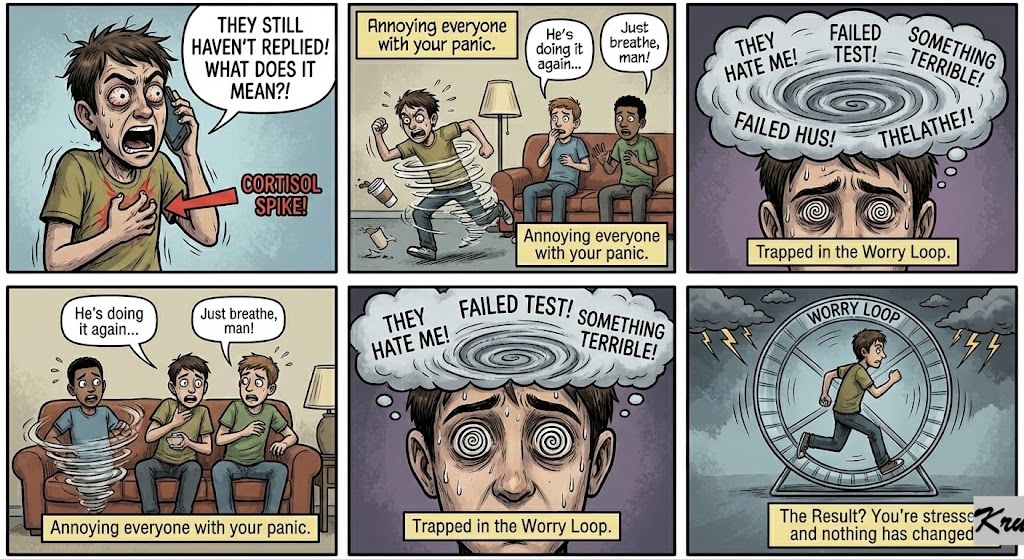
    You sent the email two hours ago. No reply. You check your phone. Nothing. 📱 You check the spam folder. Empty. Your brain starts to scream: “They hate me.” “I failed the test.” “Something terrible has happened to them!” You fill the silence with noise and worst-case scenarios. You create a disaster in your head that hasn’t happened in reality.
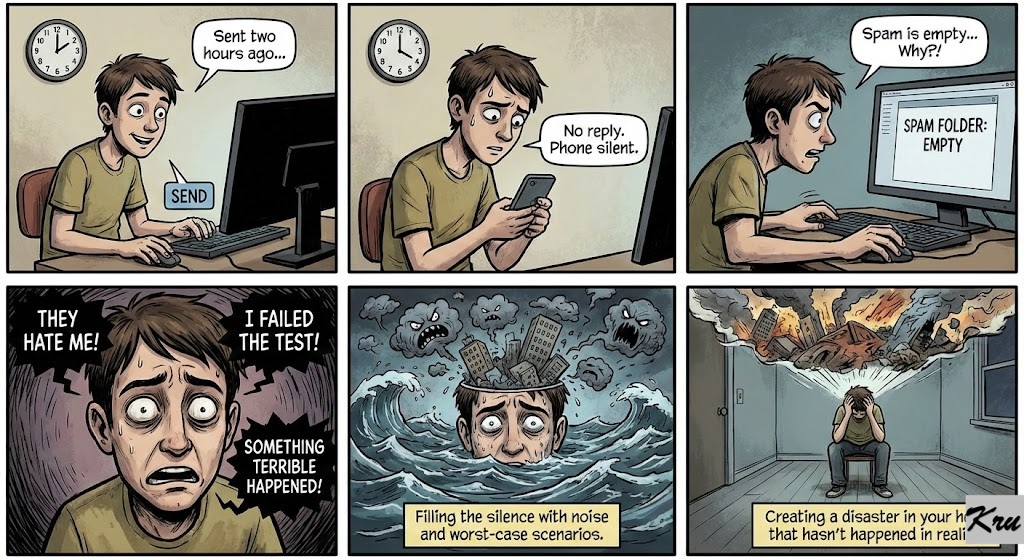
    The Result? You are stressed, your cortisol spikes, and you annoy everyone around you with your panic. You are trapped in the “Worry Loop.” 🌀

    😇 The Hero (The Peaceful Stoic)

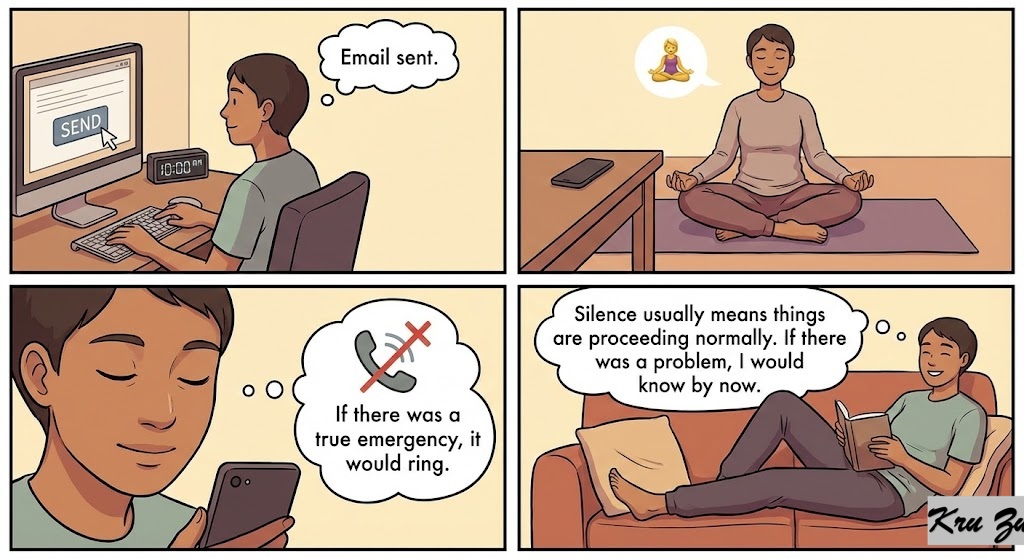
    You send the email. You put the phone down. 🧘 You realize that if there was a true emergency, the phone would ring. You understand that silence usually means things are proceeding normally. You say: “If there was a problem, I would know by now.”
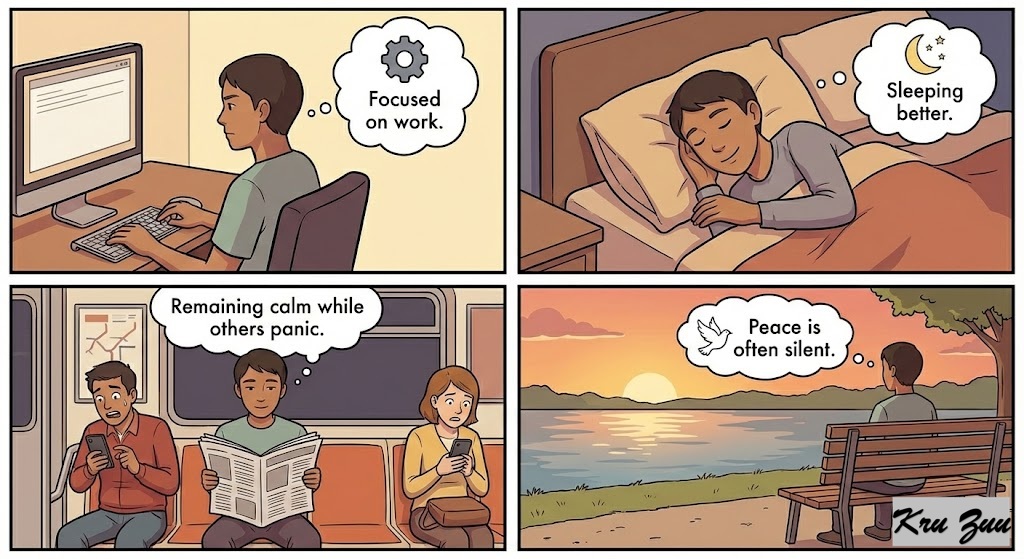
    The Result? You focus on your work. You sleep better. You remain calm while others panic. You understand that Peace is often silent. 🕊️

    ⚖️ The Reality


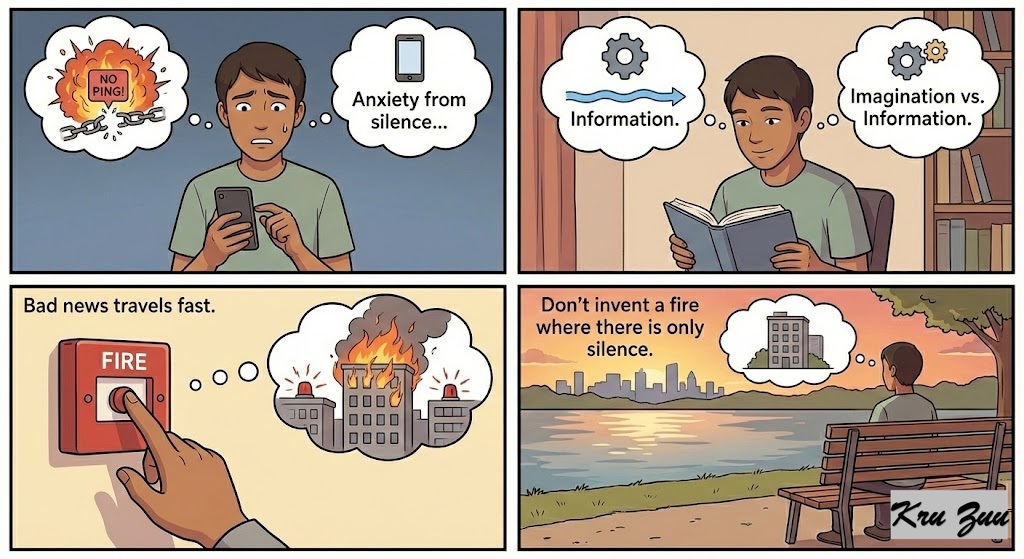
    Information vs. Imagination. We live in an age of instant notifications. When we don’t get a “ping,” we assume the connection is broken. But historically (and logically), bad news travels fast because it requires urgent action. Good news, or the status quo, does not require an alarm. If the fire alarm isn’t ringing, the building is likely not on fire. Don’t let your imagination invent a fire where there is only silence.

    💎 The Secret

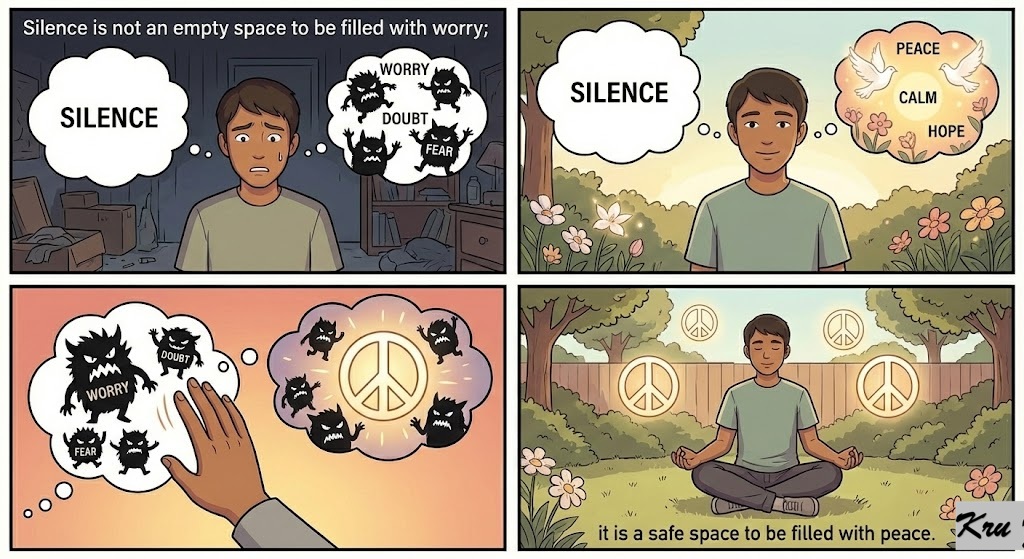
    Silence is not an empty space to be filled with worry; it is a safe space to be filled with peace.
    🧐 The Anatomy of the Proverb


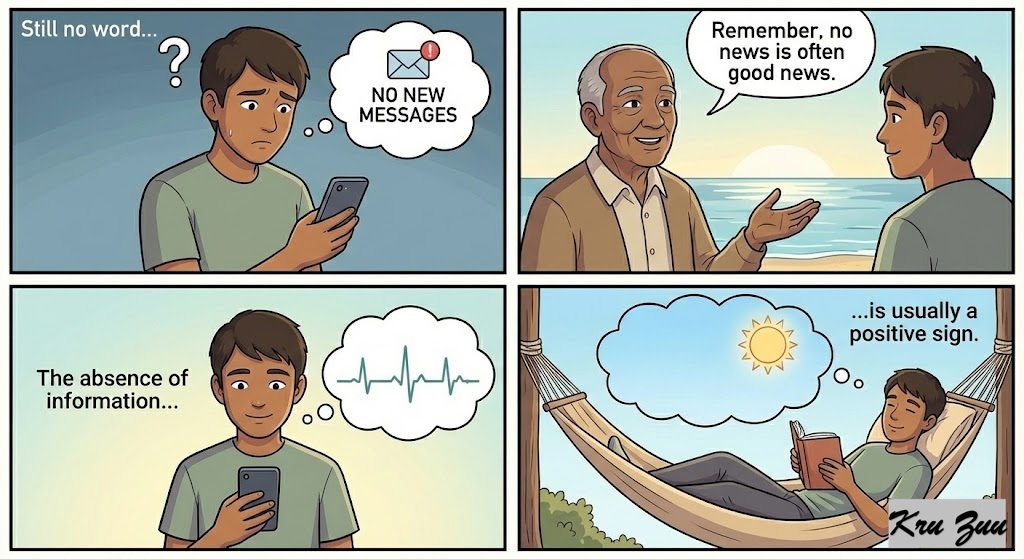
    This is your reminder that the absence of information is usually a positive sign, not a negative one.

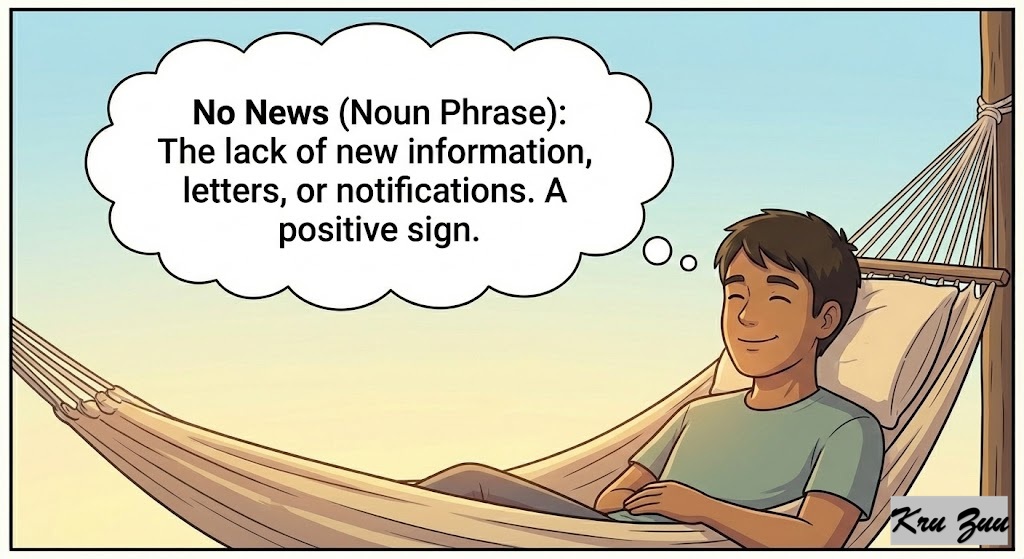
    No News (Noun Phrase):
    The lack of new information, letters, or notifications.

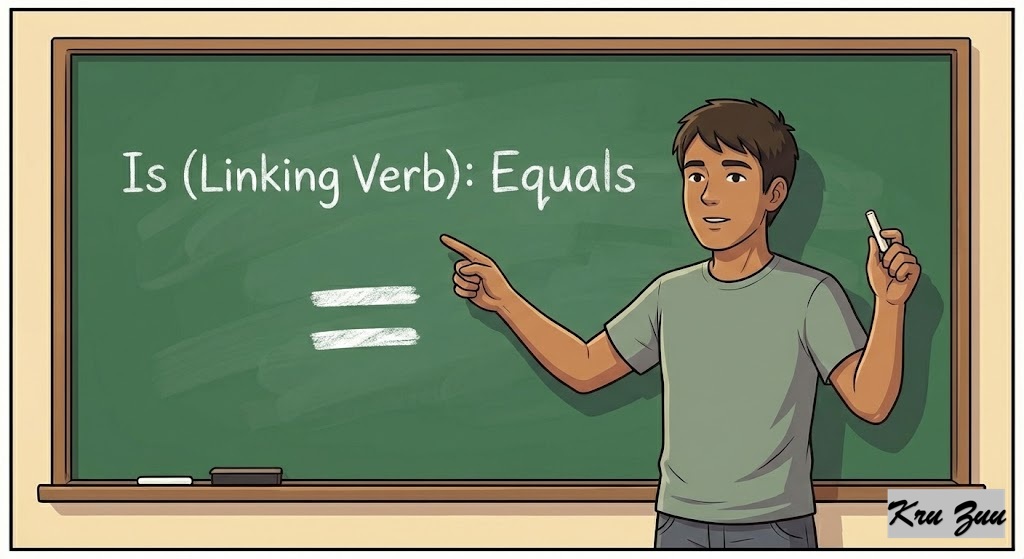
    Is (Linking Verb): Equals.

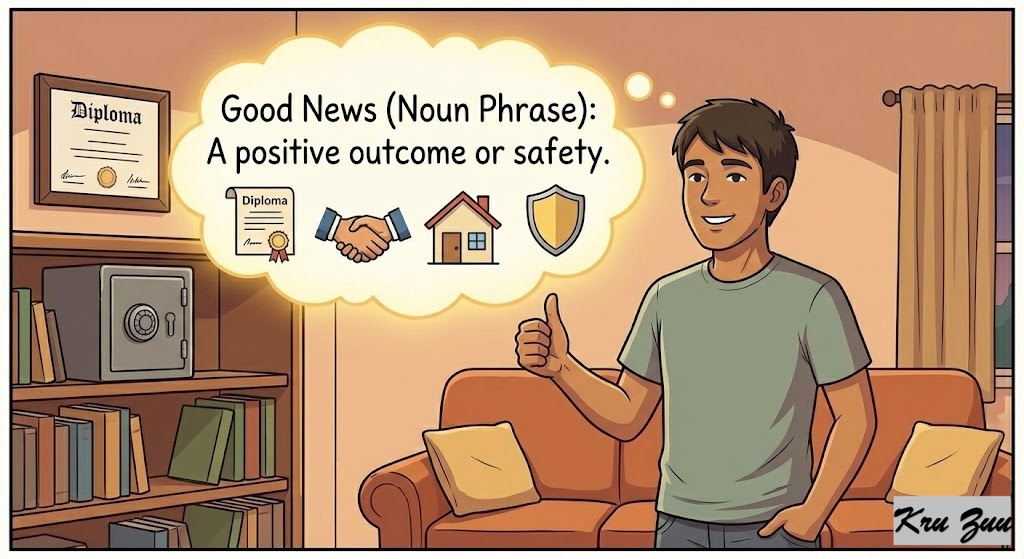
    Good News (Noun Phrase):
    A positive outcome or safety.

    Simpler Version: If you haven’t heard anything bad, assume everything is okay.

    📚 Vocabulary Vault


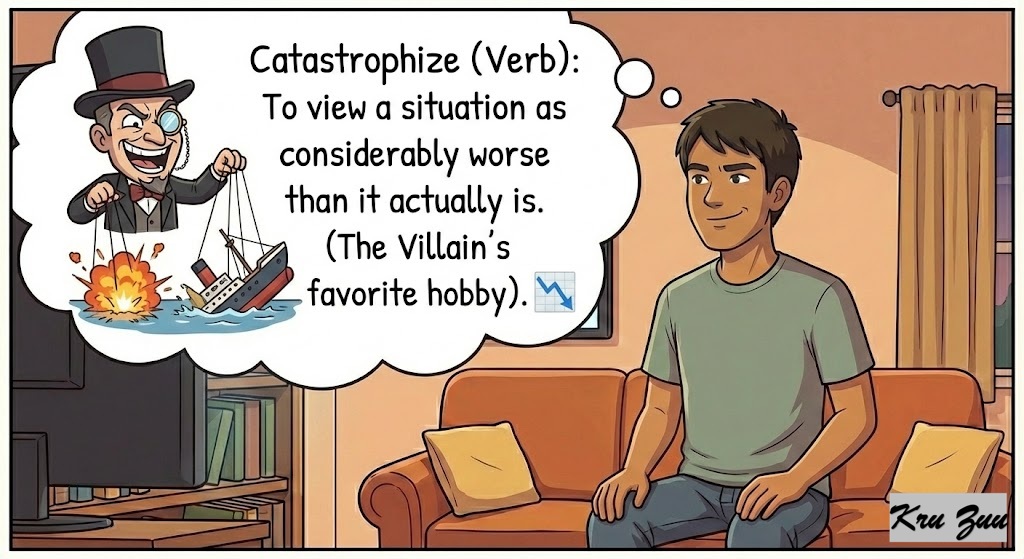
    Catastrophize (Verb): To view a situation as considerably worse than it actually is. (The Villain’s favorite hobby). 📉

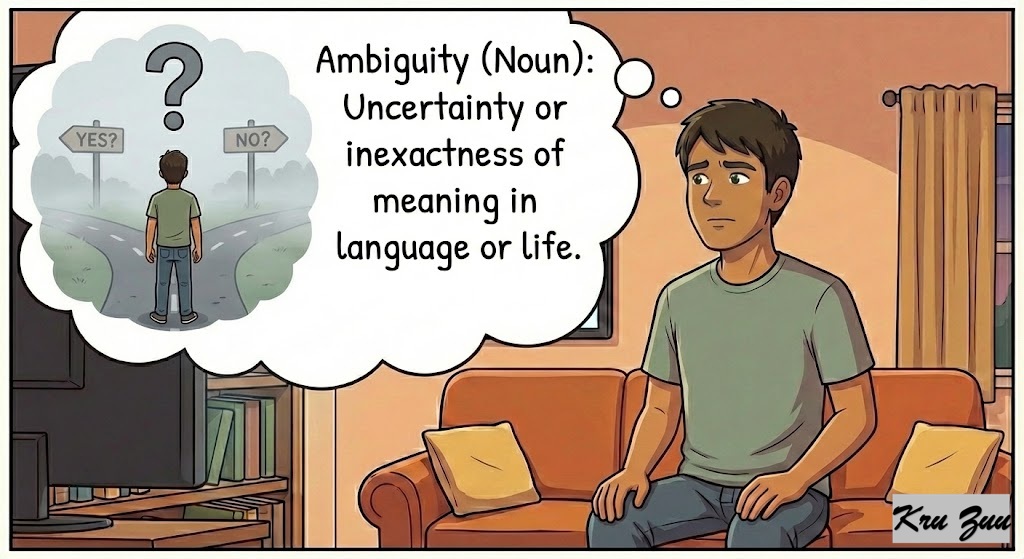
    Ambiguity (Noun): Uncertainty or inexactness of meaning in language or life.

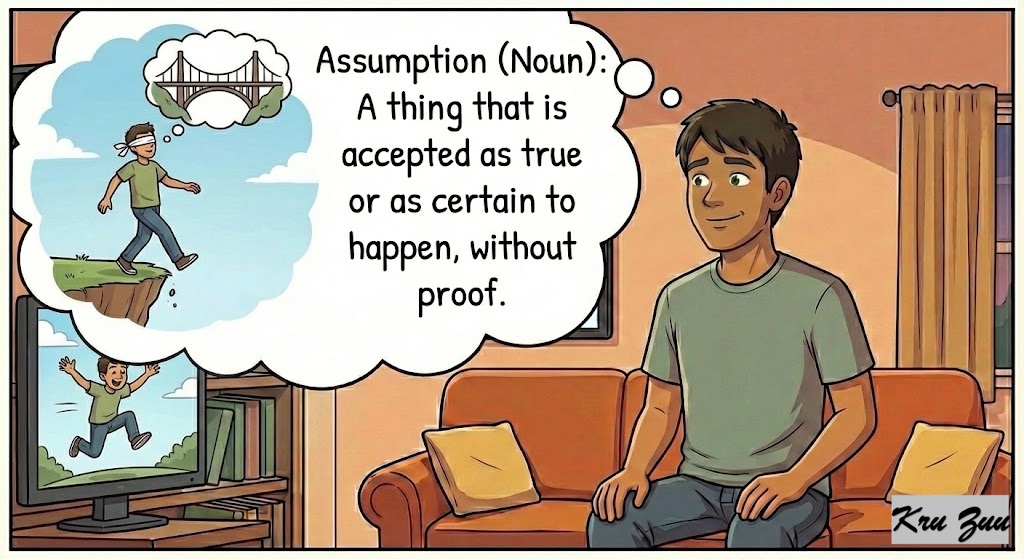
    Assumption (Noun): A thing that is accepted as true or as certain to happen, without proof.

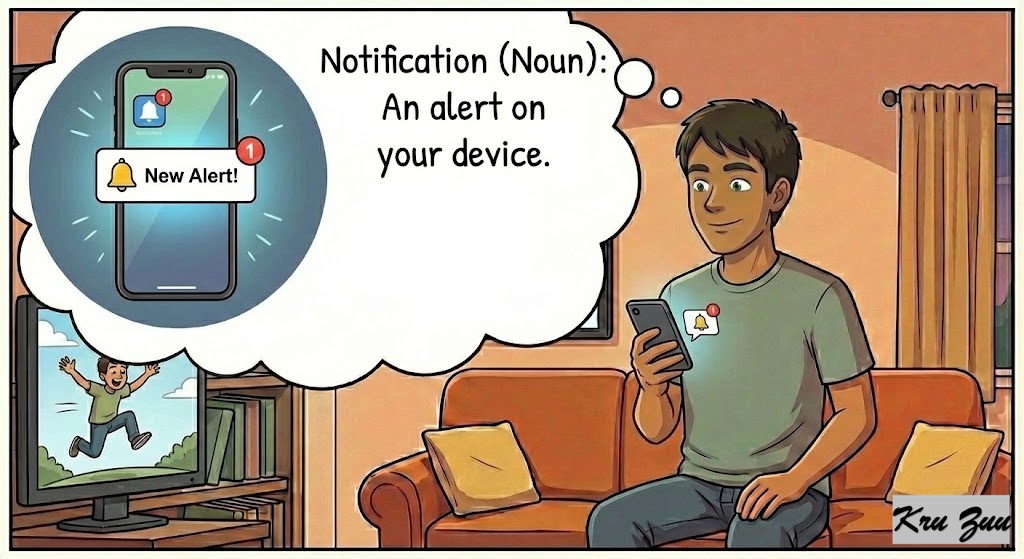
    Notification (Noun): An alert on your device.

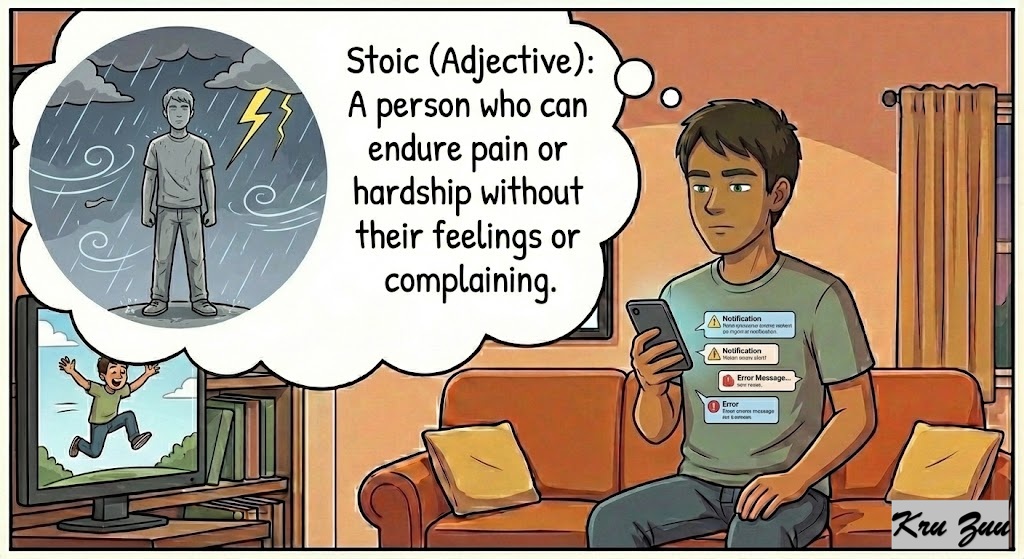
    Stoic (Adjective): A person who can endure pain or hardship without showing their feelings or complaining.

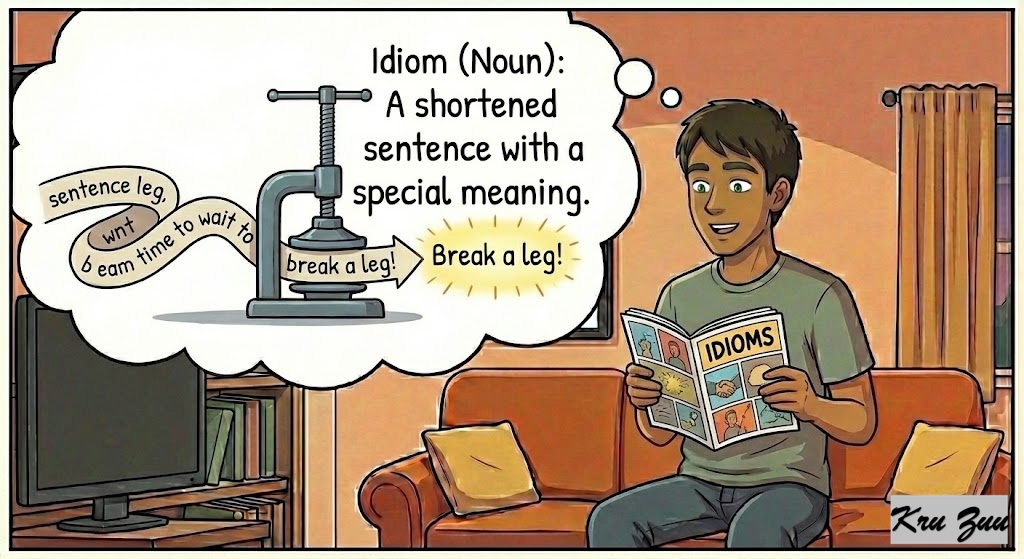
    🧠 Grammar Focus: Ellipsis (Leaving words out)


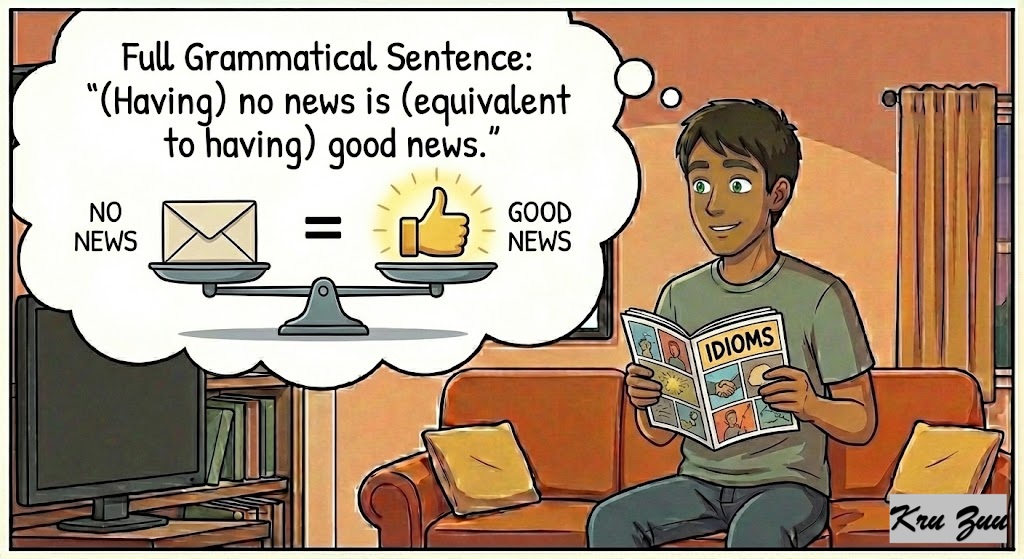
    This idiom is a shortened sentence.

    Full Grammatical Sentence: “(Having) no news is (equivalent to having) good news.”

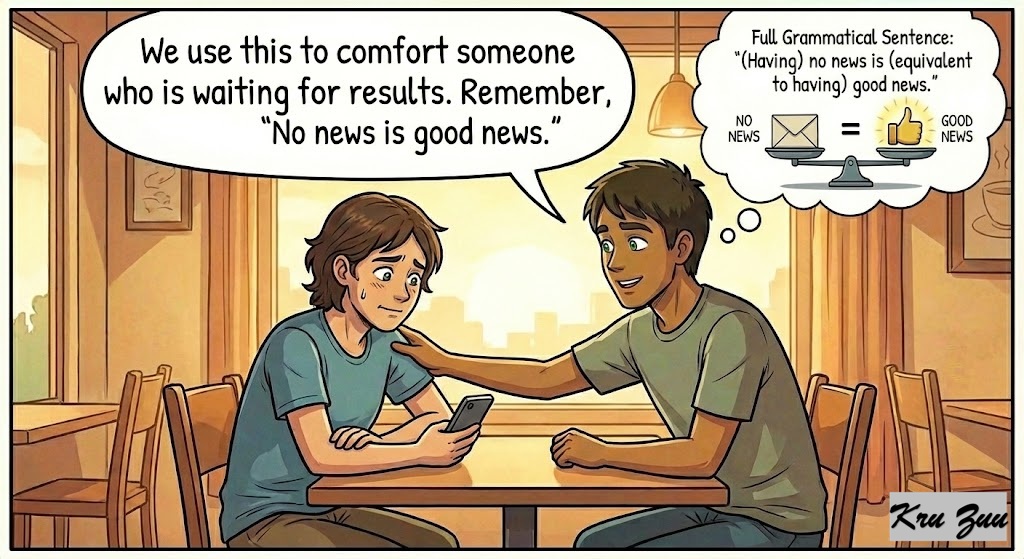
    Usage: We use this to comfort someone who is waiting for results.

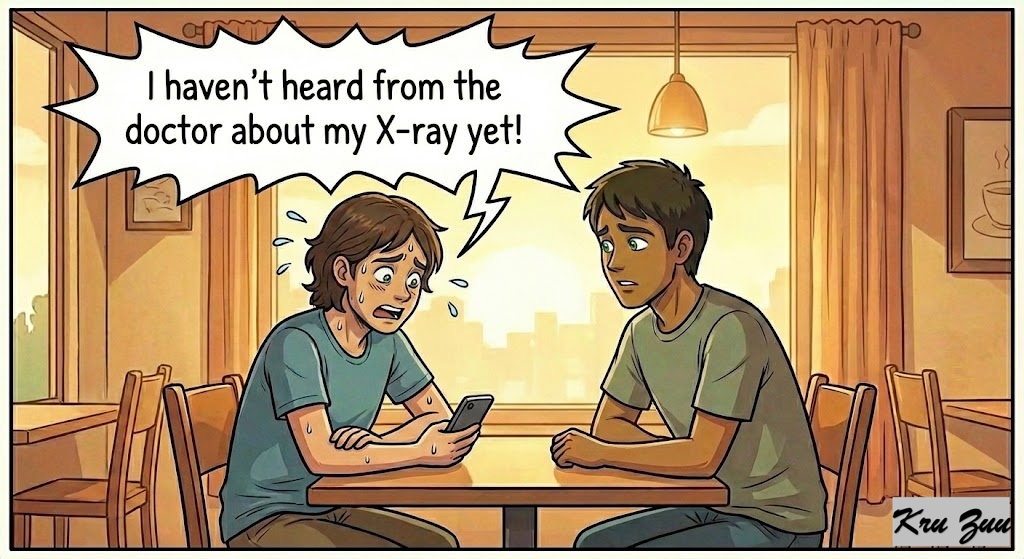
    Example


    Anxious Friend:
    “I haven’t heard from the doctor about my X-ray yet!”

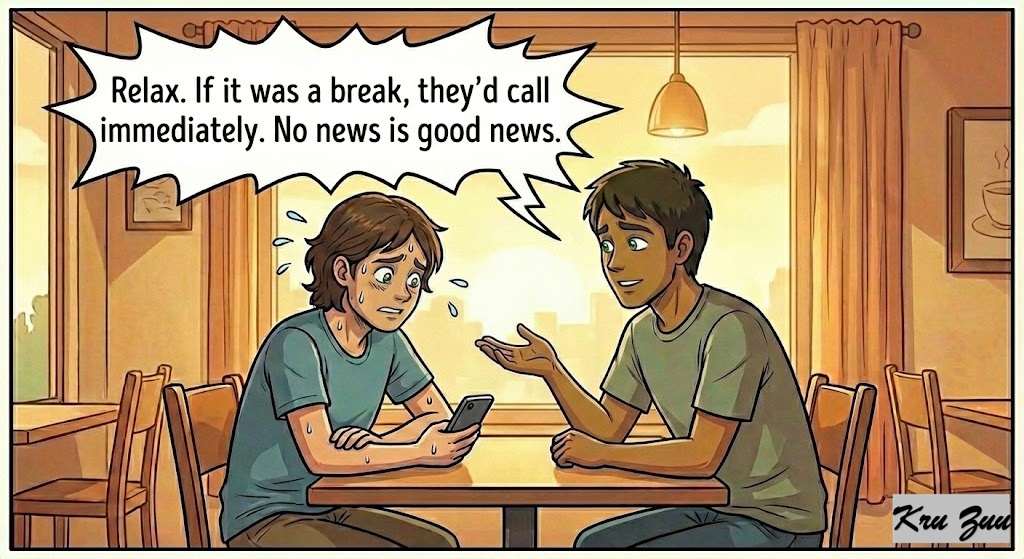
    Supportive Friend: “Relax. If it was a break, they’d call immediately. No news is good news.”
    📜 History: Origin and Spread


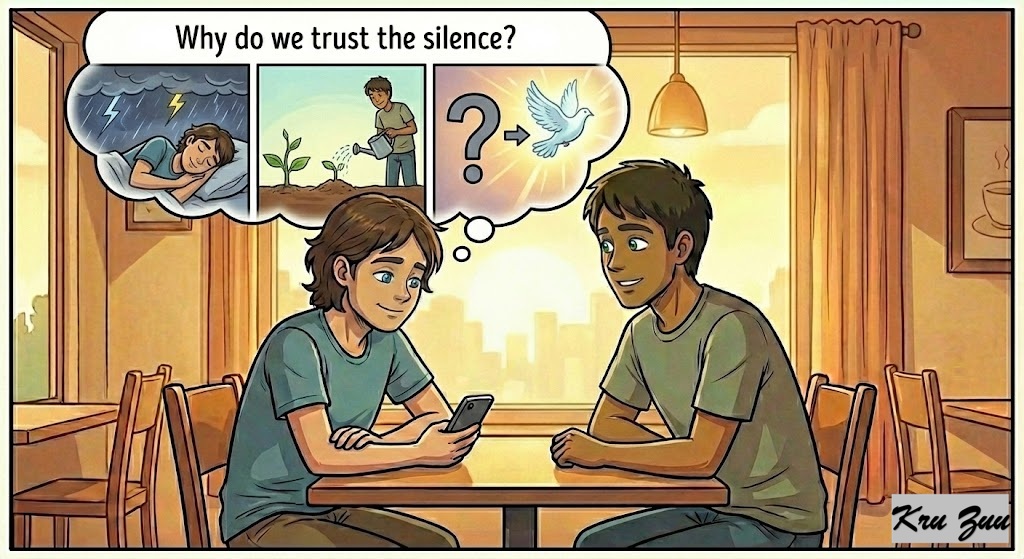
    Why do we trust the silence?

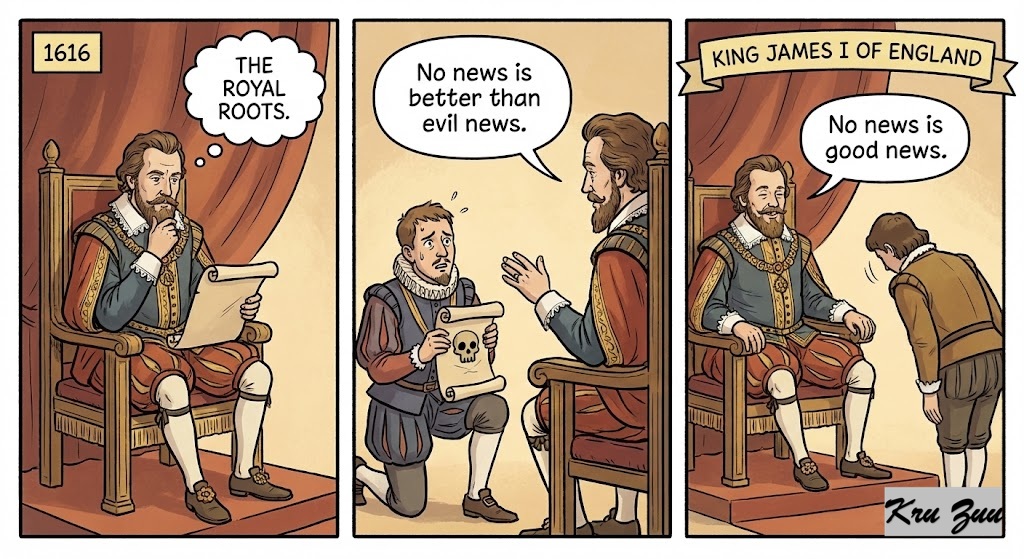
    The Royal Roots: King James I of England is quoted as saying, “No news is better than evil news” as far back as 1616.

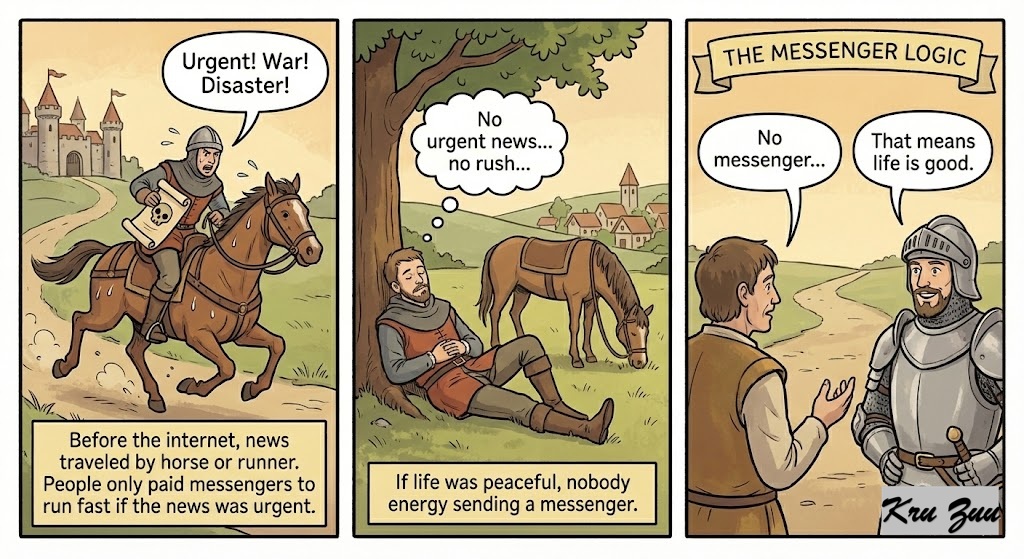
    The Messenger Logic: Before the internet, news traveled by horse or runner. 🐎 People only paid messengers to run fast if the news was urgent (wars, deaths, disasters). If life was peaceful, nobody wasted energy sending a messenger. Therefore, if no runner arrived, life was good.

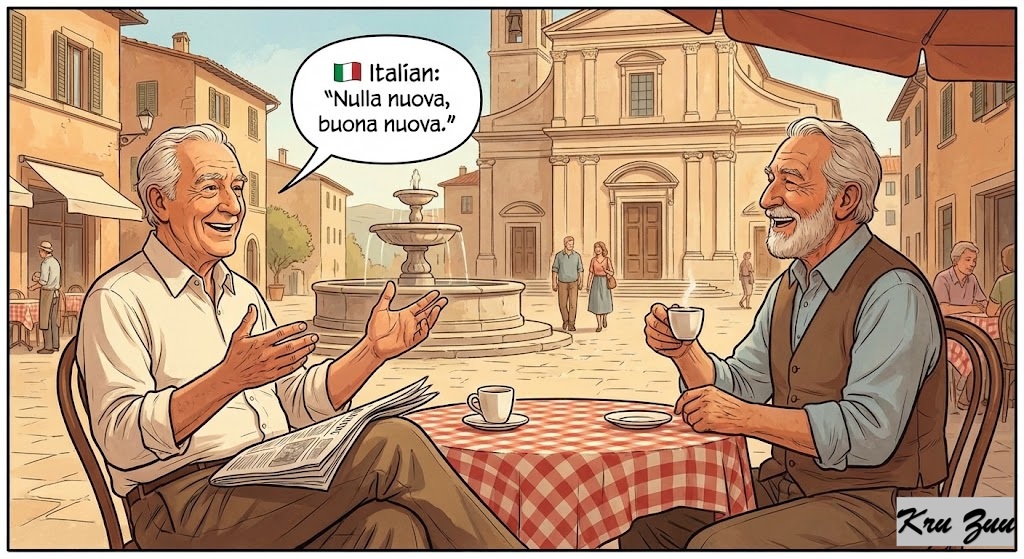
    Global Cousins


    🇮🇹 Italian:“Nulla nuova, buona nuova.”

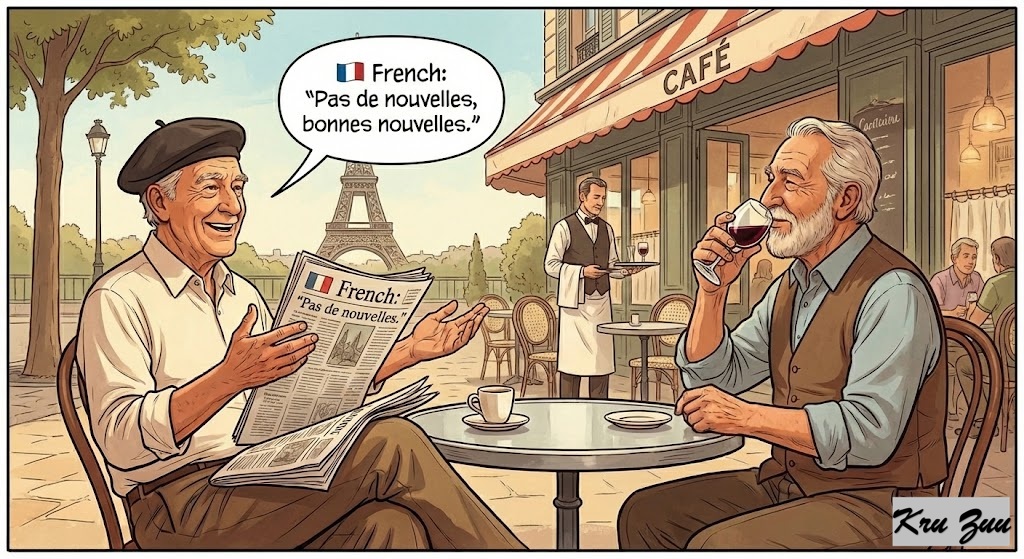
    🇫🇷 French:“Pas de nouvelles, bonnes nouvelles.”

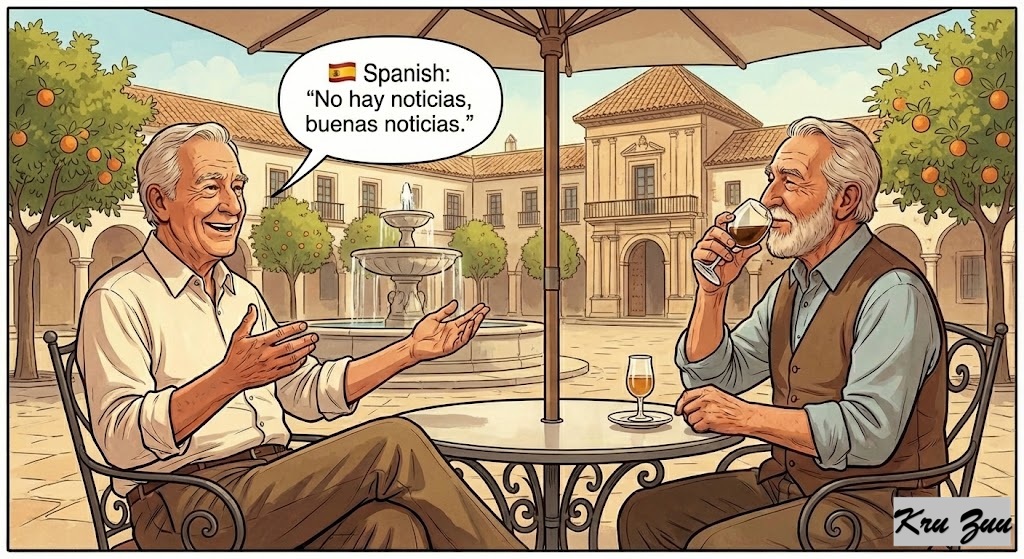
    🇪🇸 Spanish:“No hay noticias, buenas noticias.”
    🎭 Short Story: The Silent Mailbox 📬🐱🐔🐸


    Let’s return to the magical forest to see how our trio handles the stress of waiting.
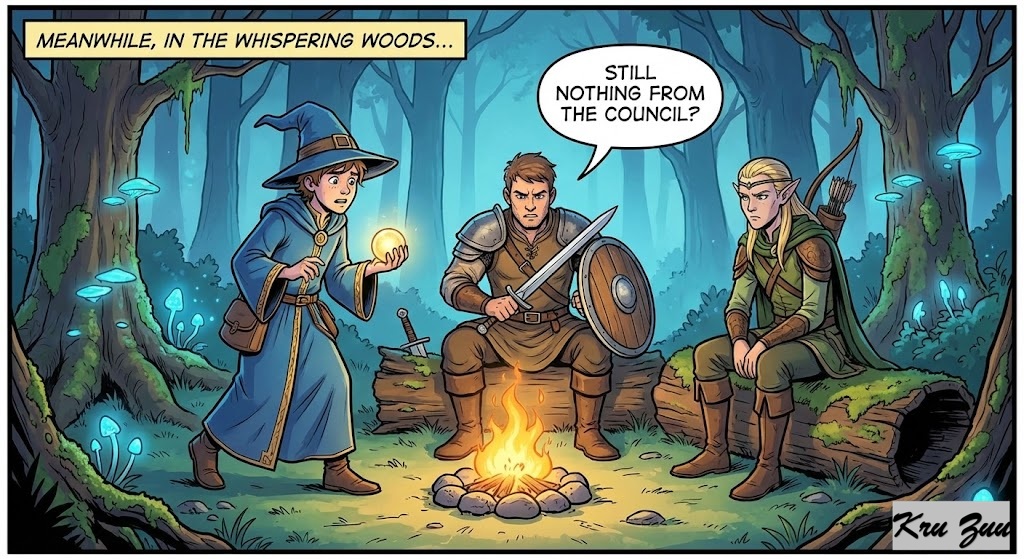

    🌟 The Cast


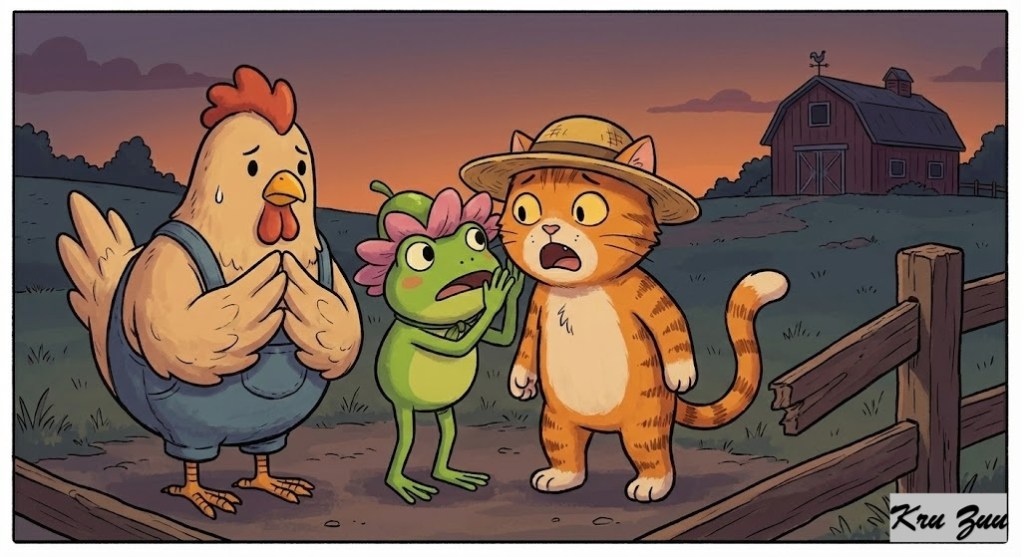
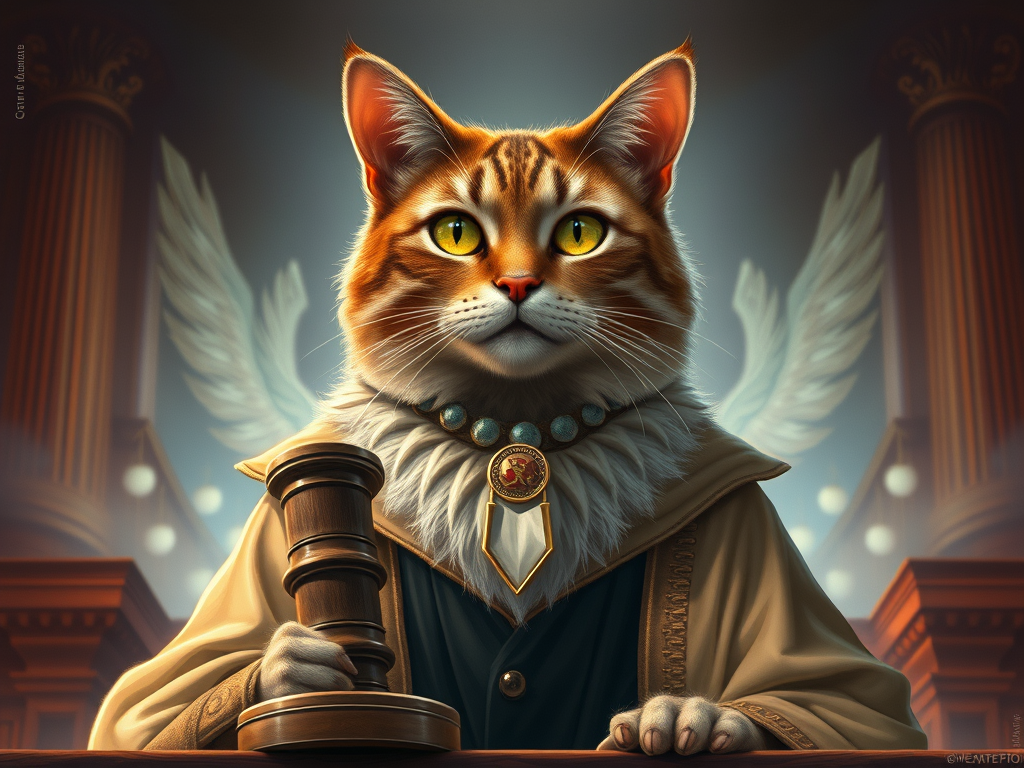
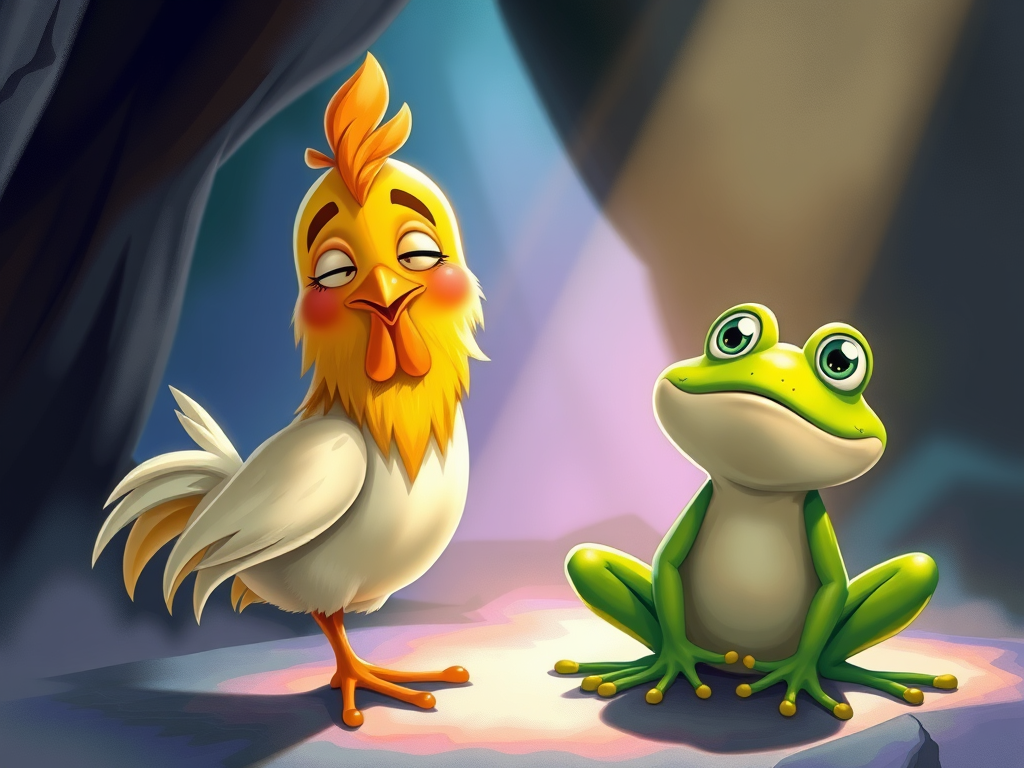
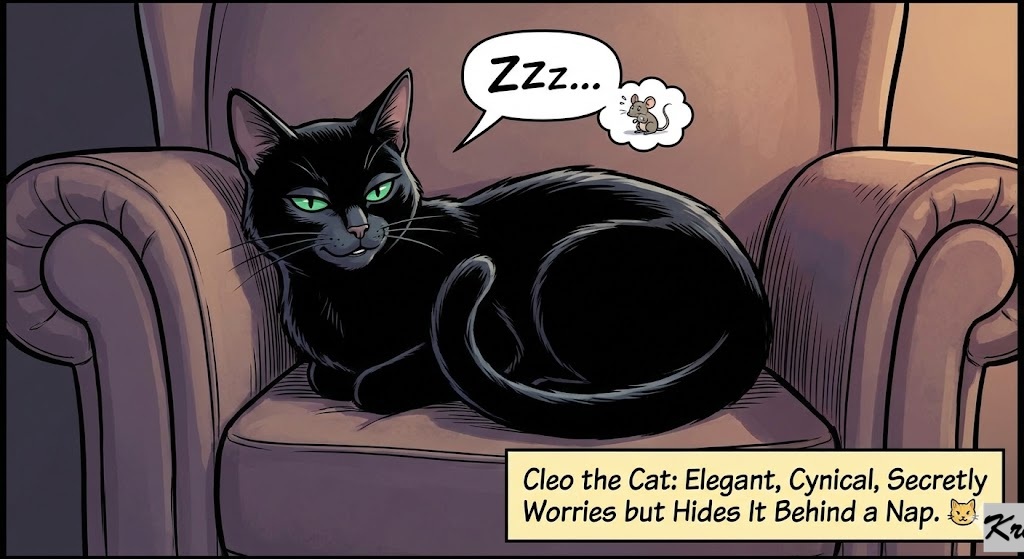
    Cleo the Cat: Elegant, cynical, secretly worries but hides it behind a nap. 😼

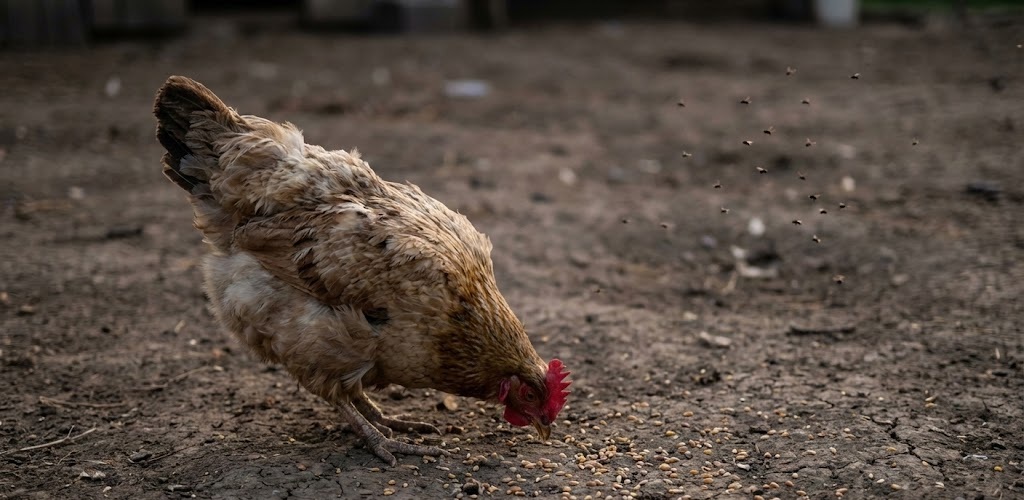
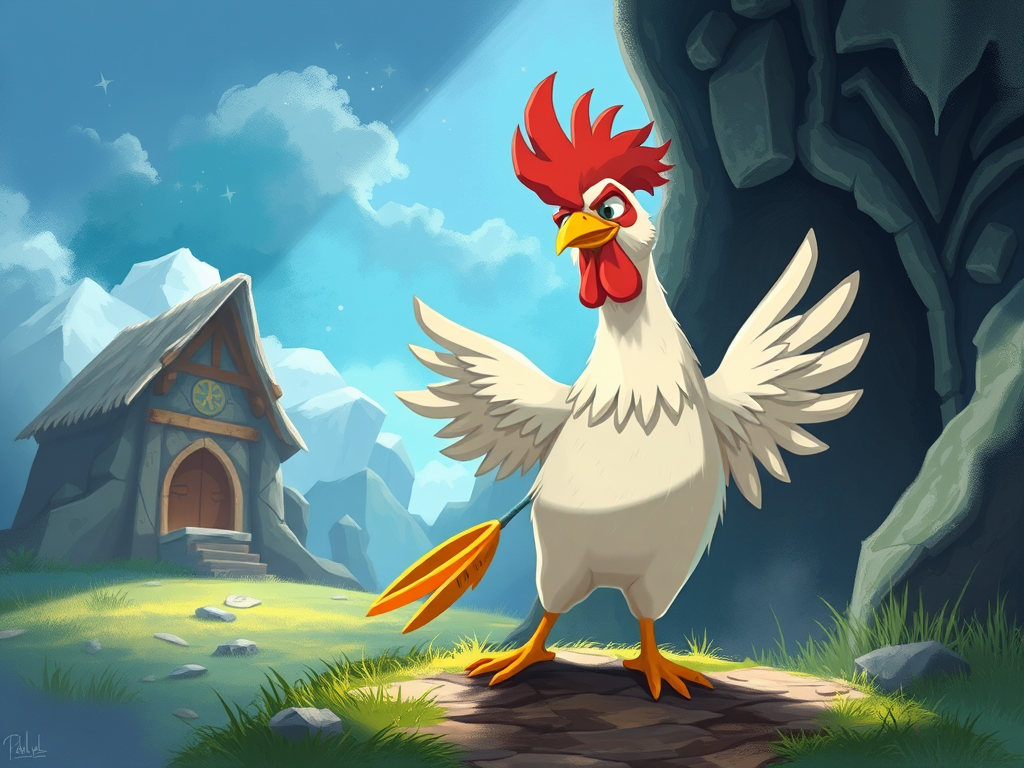
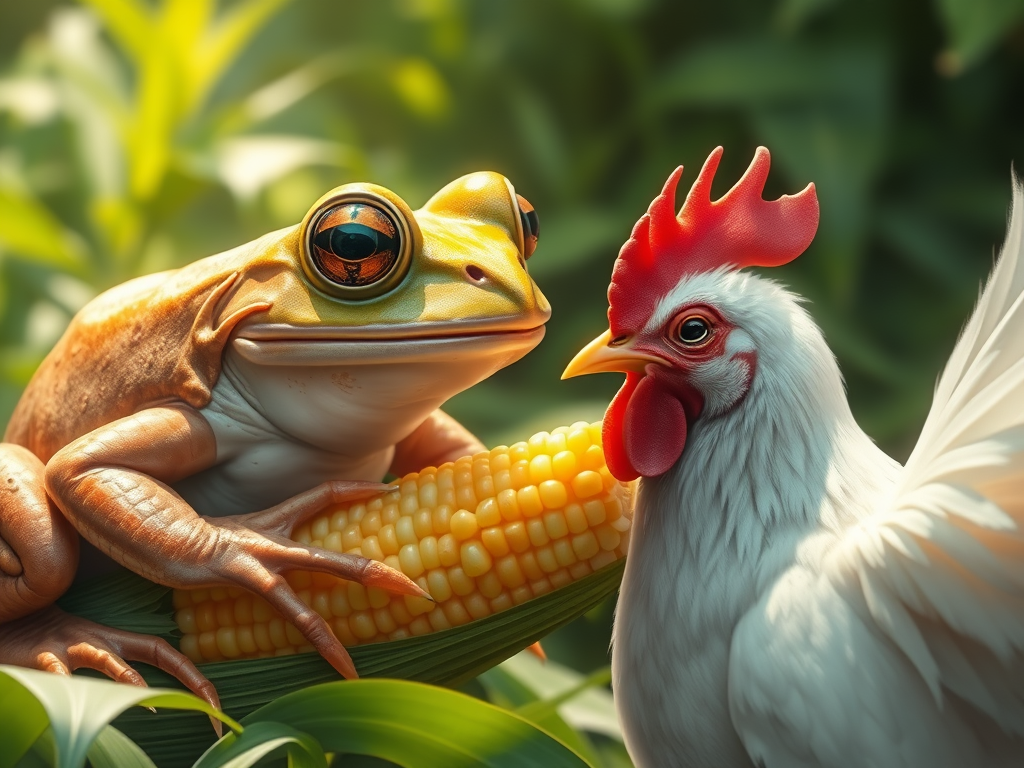
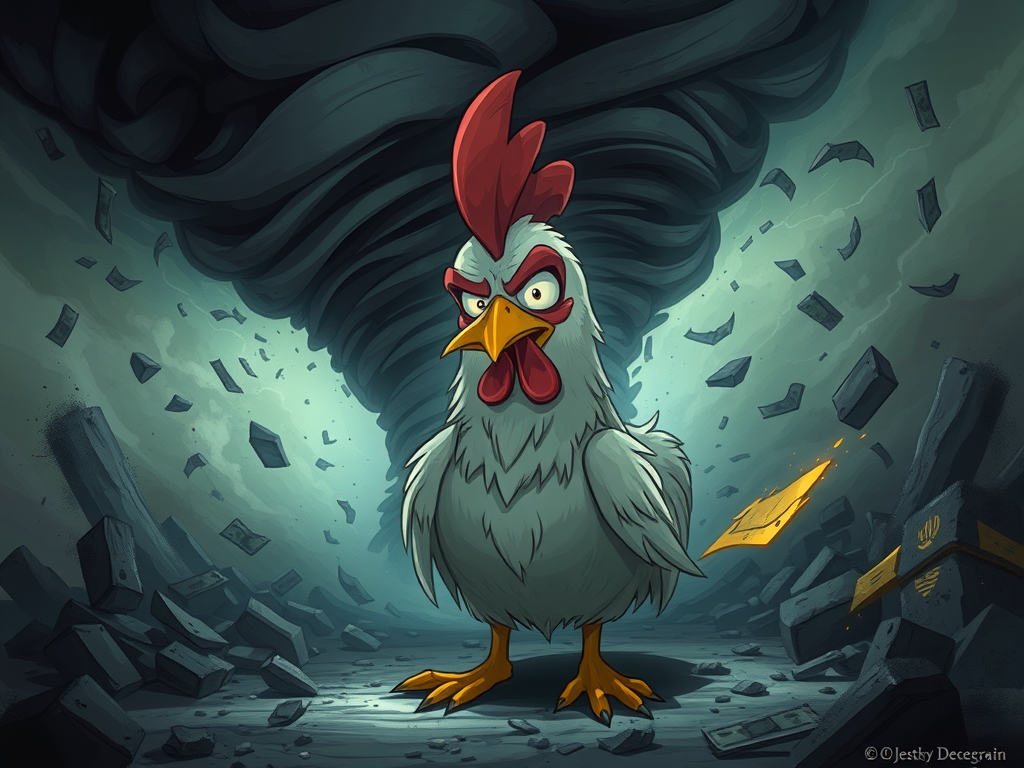
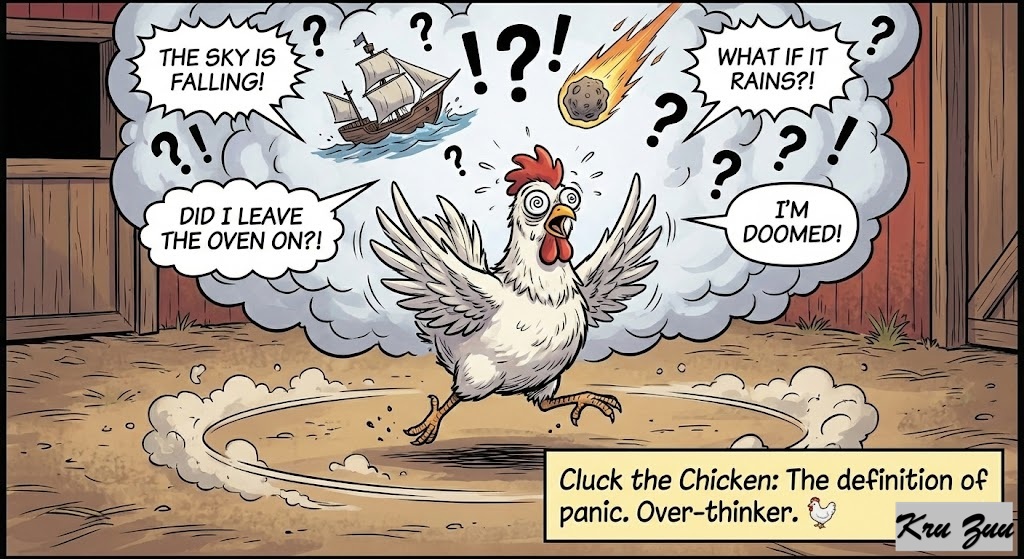
    Cluck the Chicken: The definition of panic. Over-thinker. 🐔

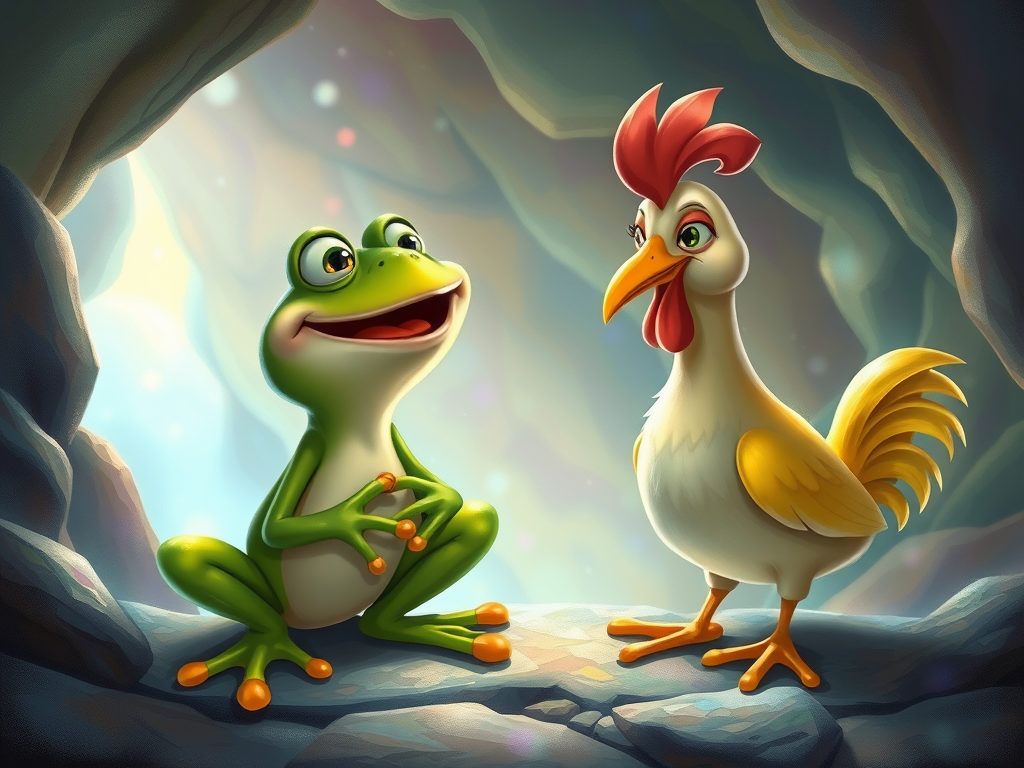
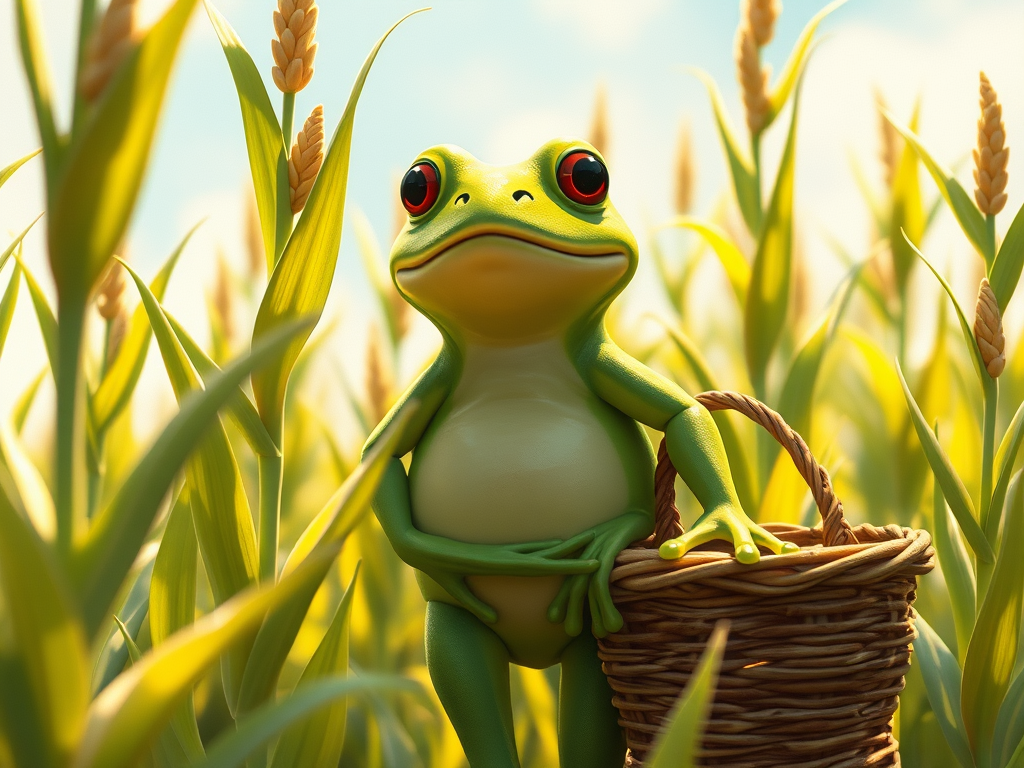
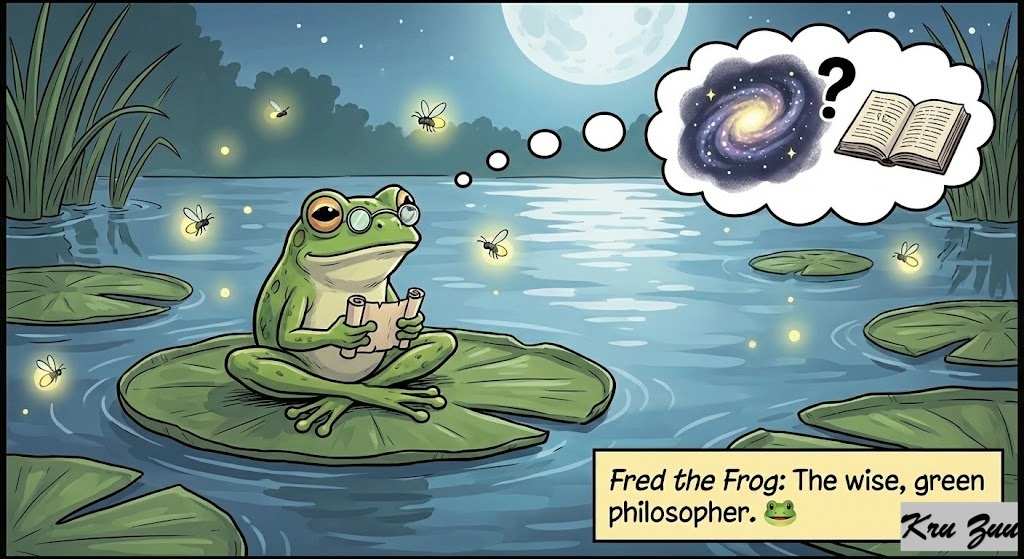
    Fred the Frog: The wise, green philosopher. 🐸

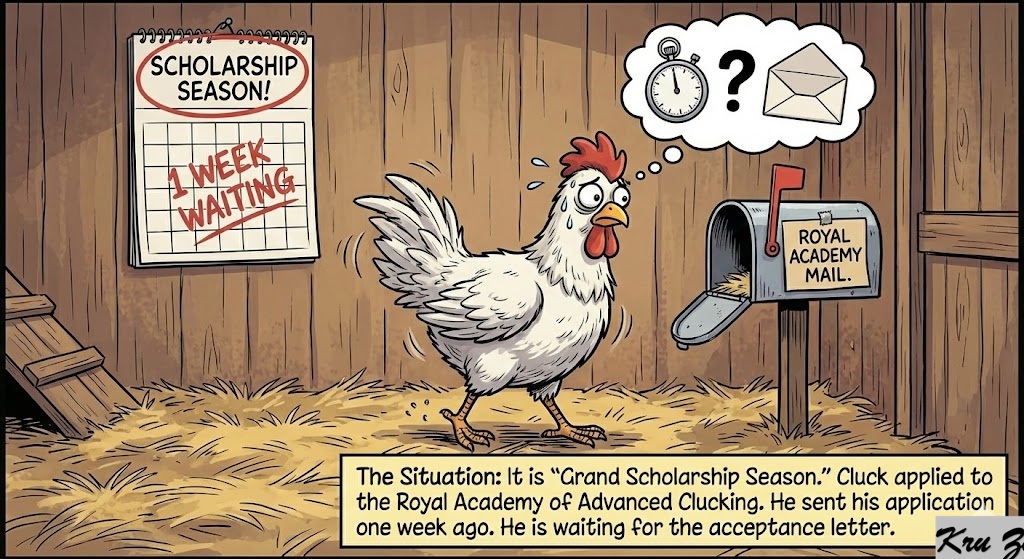
    The Situation: It is “Grand Scholarship Season.” Cluck has applied to the Royal Academy of Advanced Clucking. He sent his application one week ago. He is waiting for the acceptance letter.

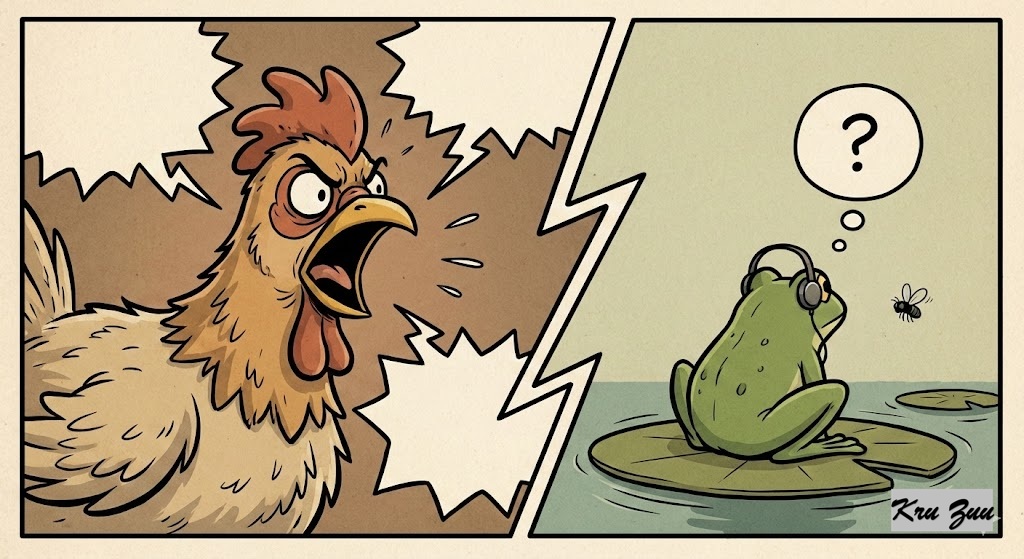
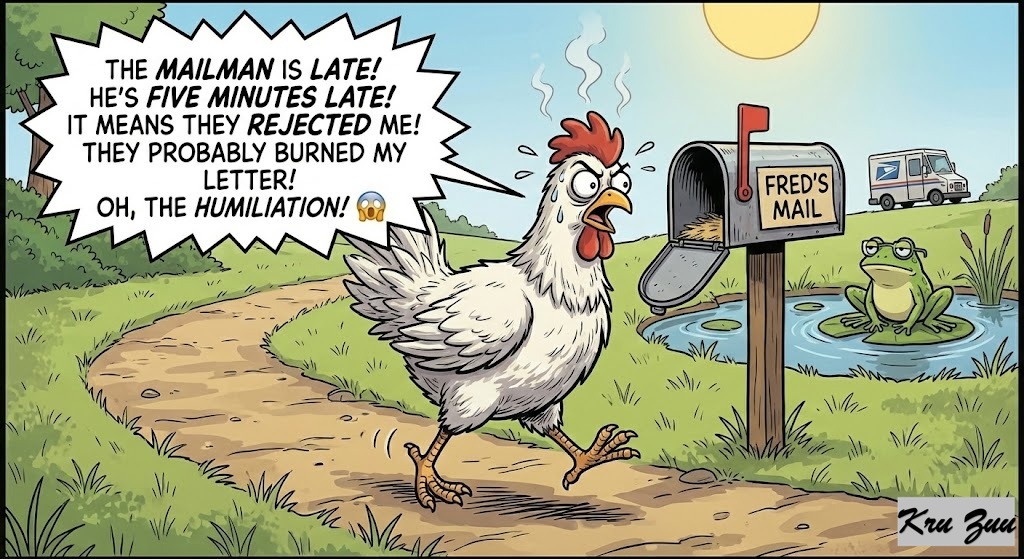
    The Conflict: Cluck is pacing back and forth in front of Fred’s mailbox. He has worn a path in the grass. “The mailman is late!” Cluck squawks. “He’s five minutes late! It means they rejected me! They probably burned my letter! Oh, the humiliation!” 😱

    Cleo is lying on the mailbox, grooming her tail. “Calm down, feather-brain. Maybe the mailman was eaten by a bear. That would be dramatic.” Cleo checks her claws. “I haven’t heard from my stylist either. But you don’t see me running in circles.”
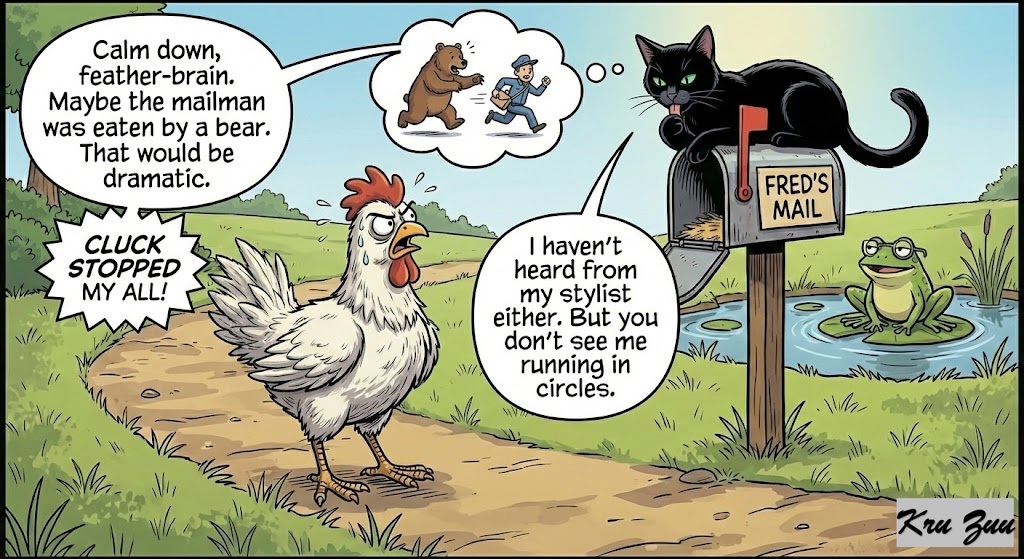

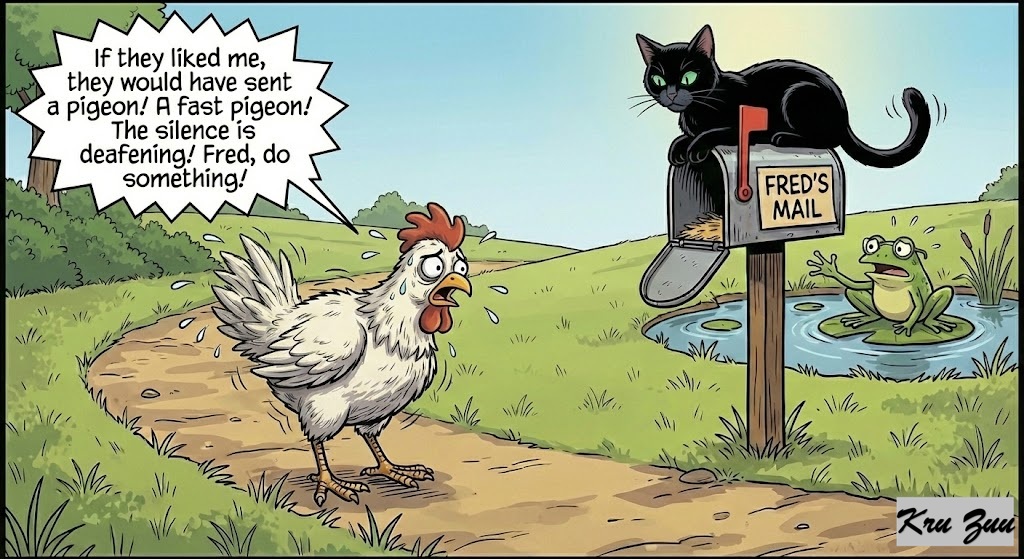
    The Reaction: Cluck hyperventilates. “If they liked me, they would have sent a pigeon! A fast pigeon! The silence is deafening! Fred, do something!”

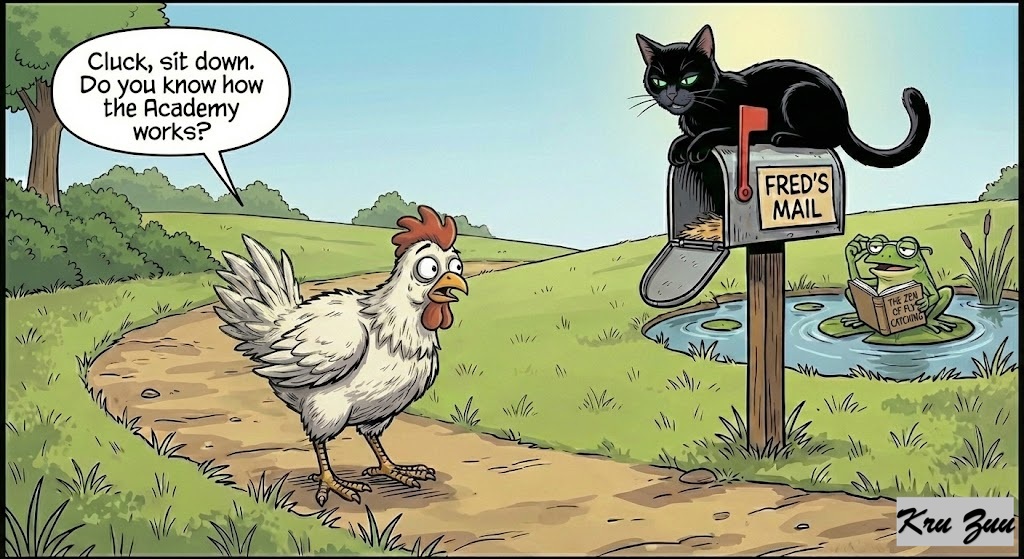
    Fred looks up from his book (The Zen of Fly Catching). He adjusts his glasses. “Cluck, sit down,” Fred croaks calmly. “Do you know how the Academy works?”

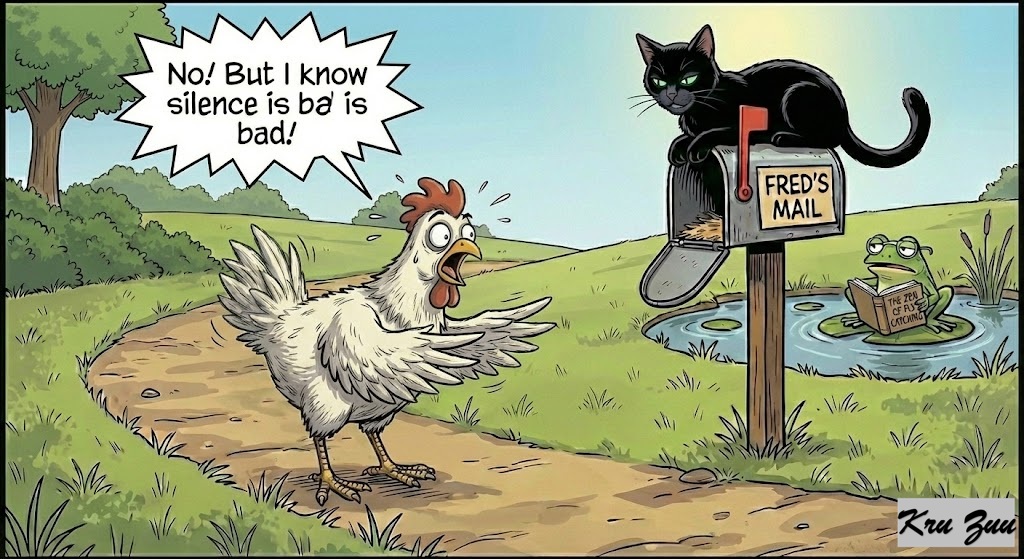
    “No! But I know silence is bad!” Cluck yells.

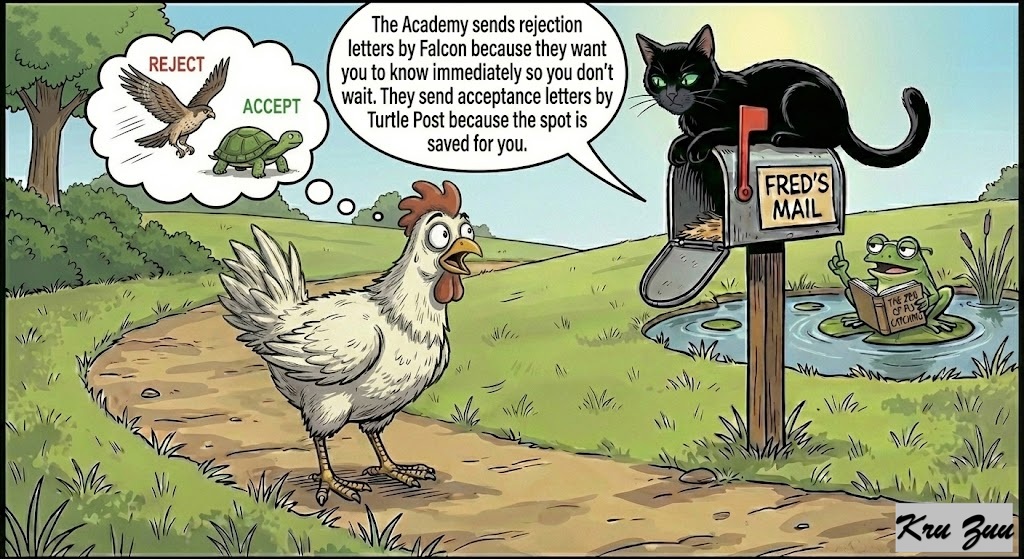
    The Lesson: Fred points a green finger at the sky. “The Academy sends rejection letters by Falcon because they want you to know immediately so you don’t wait. They send acceptance letters by Turtle Post because the spot is saved for you.”

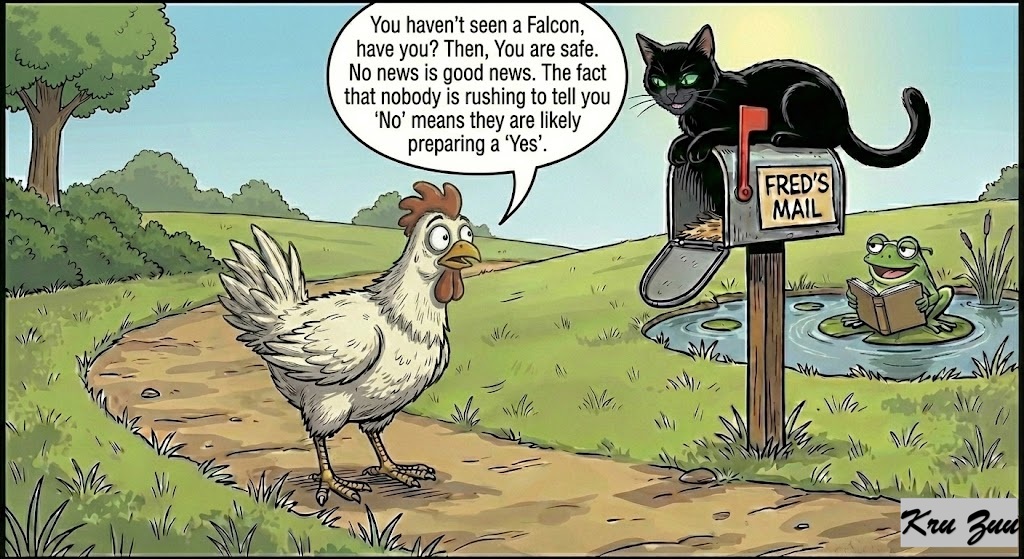
    Fred smiles. “You haven’t seen a Falcon, have you?” Cluck stops. “No.” “Then,” Fred says, “You are safe. No news is good news. The fact that nobody is rushing to tell you ‘No’ means they are likely preparing a ‘Yes’.”

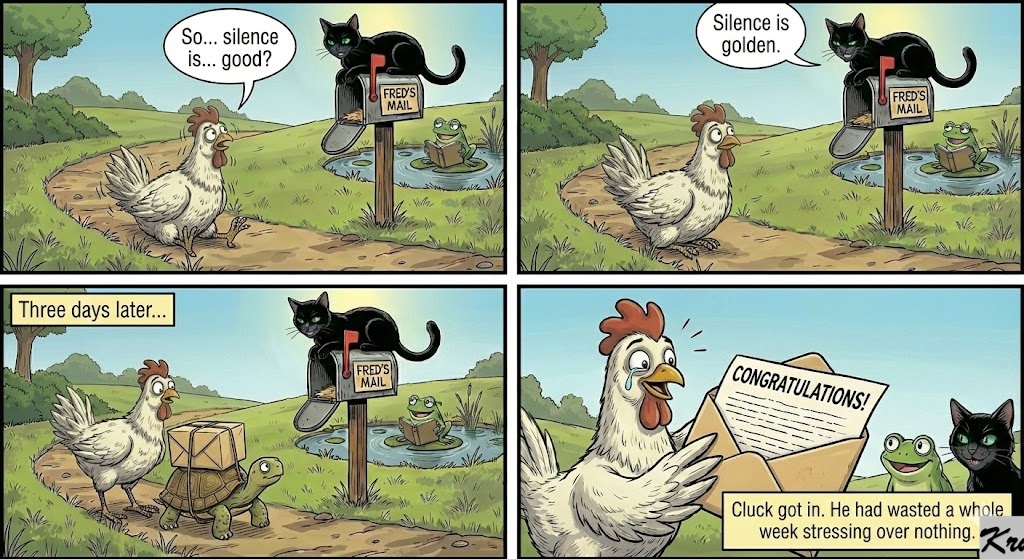
    The Resolution: Cluck sat down, trembling slightly. “So… silence is… good?” “Silence is golden,” Cleo purred. Three days later, a very slow turtle arrived with a thick envelope. Cluck got in. He had wasted a whole week stressing over nothing.

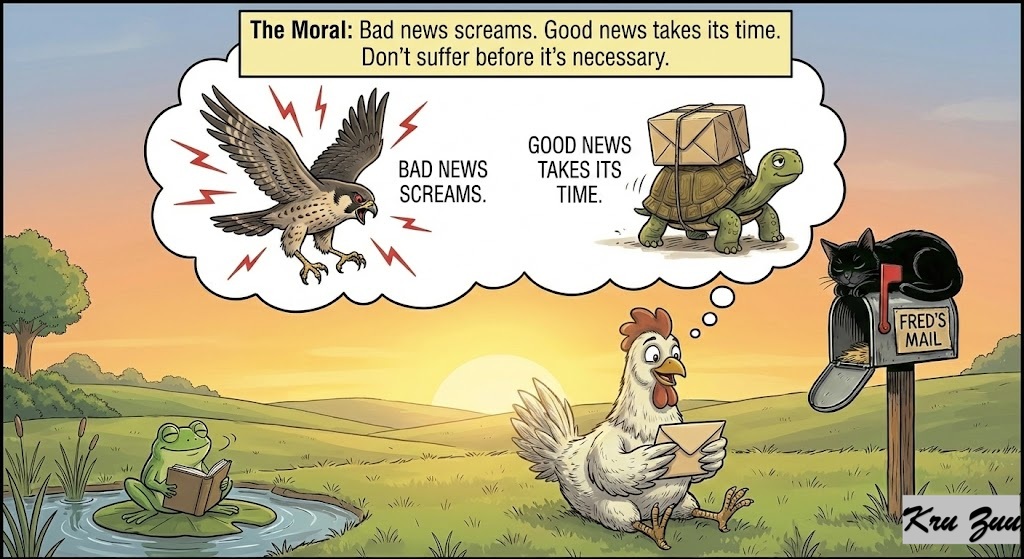
    The Moral: Bad news screams. Good news takes its time. Don’t suffer before it’s necessary.
    🎓 Lesson for English Learners


    Context:
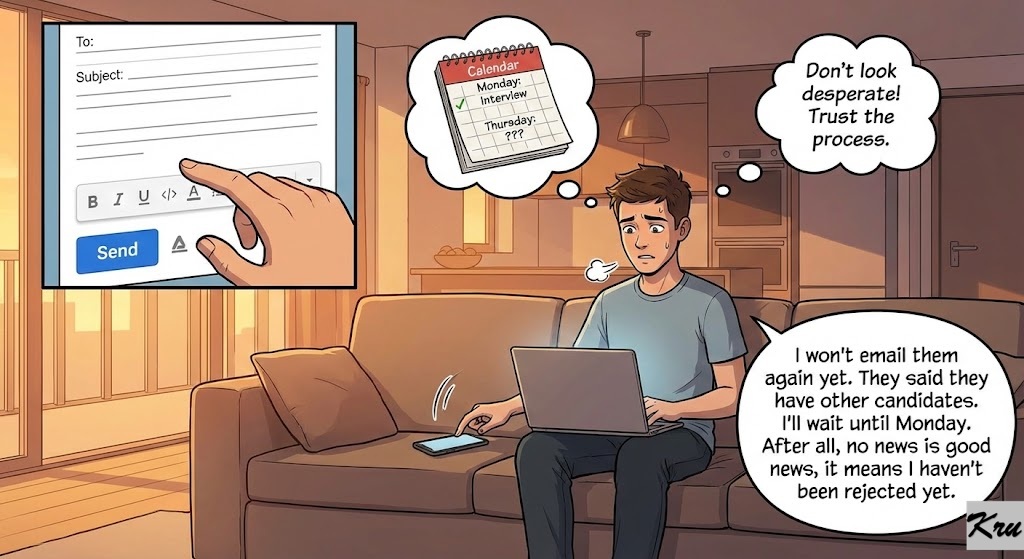
    Waiting for a Job Interview Reply. Situation: You interviewed on Monday. It is Thursday. You want to email them again. The Shift: Don’t look desperate. Trust the process. You Say (To yourself or a friend): “I won’t email them again yet. They said they have other candidates. I’ll wait until Monday. After all, no news is good news, it means I haven’t been rejected yet.”

    💬 Your Turn: The “Notification Fast” 🚀


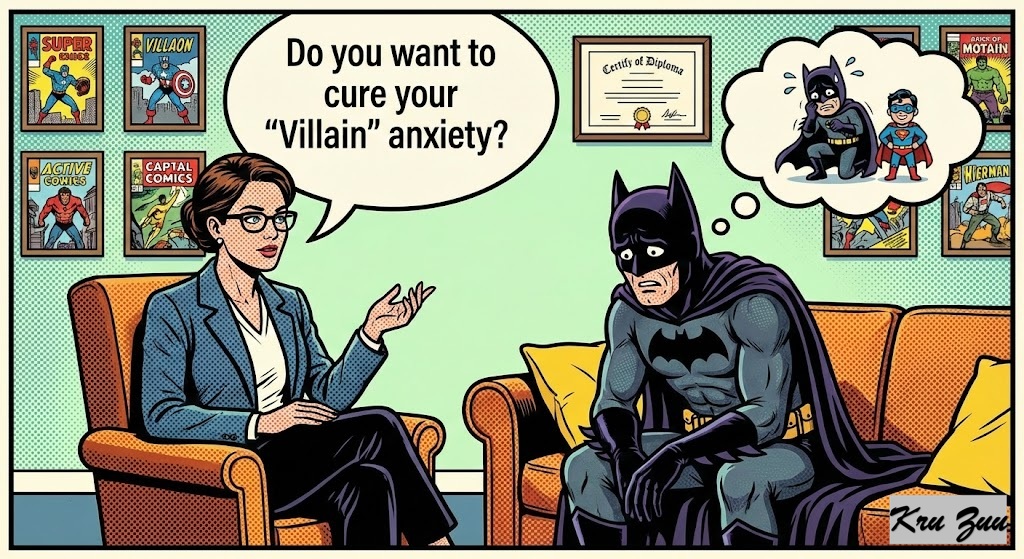
    Do you want to cure your “Villain” anxiety?

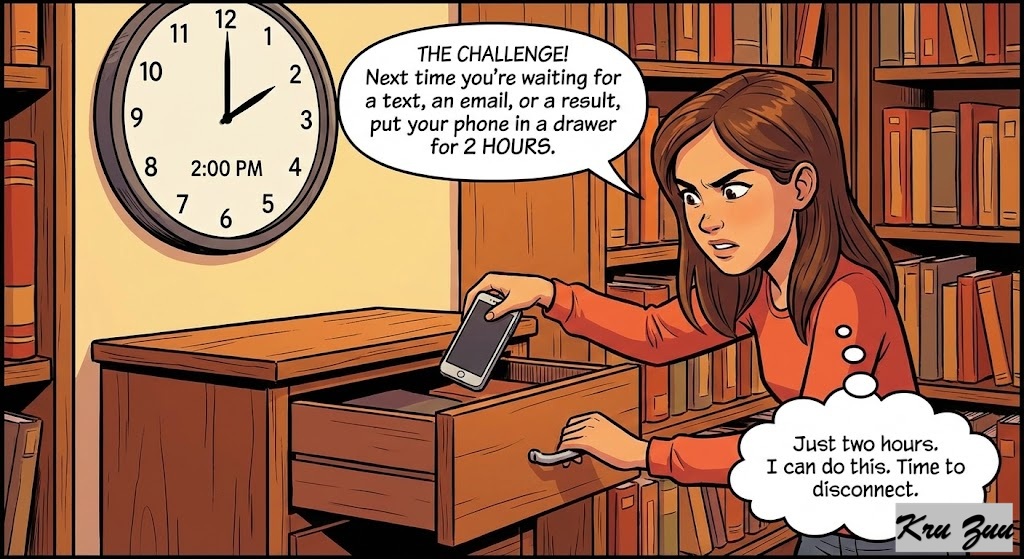
    The Challenge: Next time you are waiting for a text, an email, or a result, put your phone in a drawer for 2 hours.

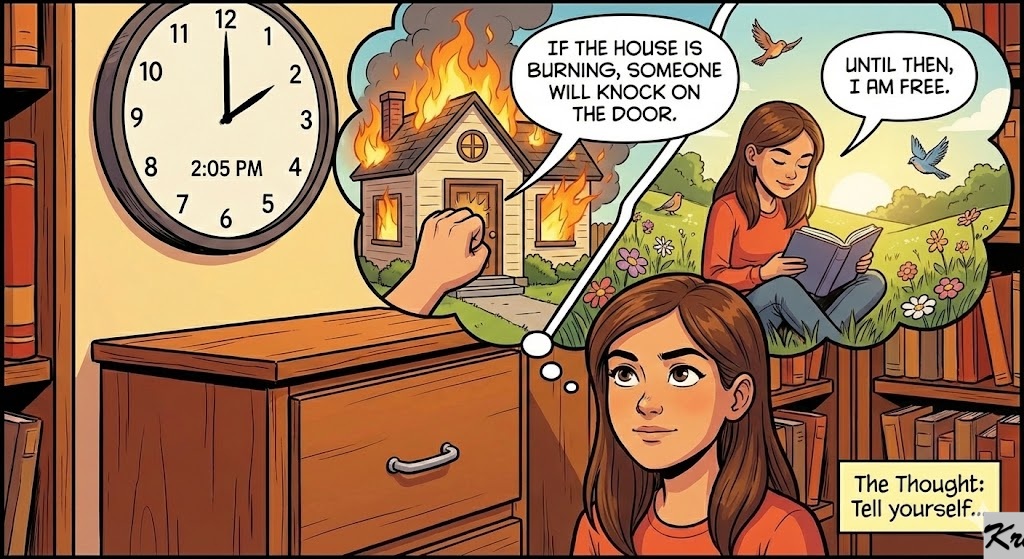
    The Thought: Tell yourself: “If the house is burning, someone will knock on the door. Until then, I am free.”

    👇 Question for the comments: When was the last time you worried about something that never actually happened? Did the “Villain” steal your joy? Tell us your story below!

    By Zubeyir YURTKURAN

    https://www.facebook.com/BrainBattleground/

    https://www.facebook.com/zubeyr.yurtkuran/

    https://www.instagram.com/zubeyryurtkuran/

    https://www.youtube.com/@BrainBattleground-b3p

    https://www.instagram.com/brainbattleground/

  • ⚔️ The Daily Shield: The Law of Momentum

    ⚔️ The Daily Shield: The Law of Momentum

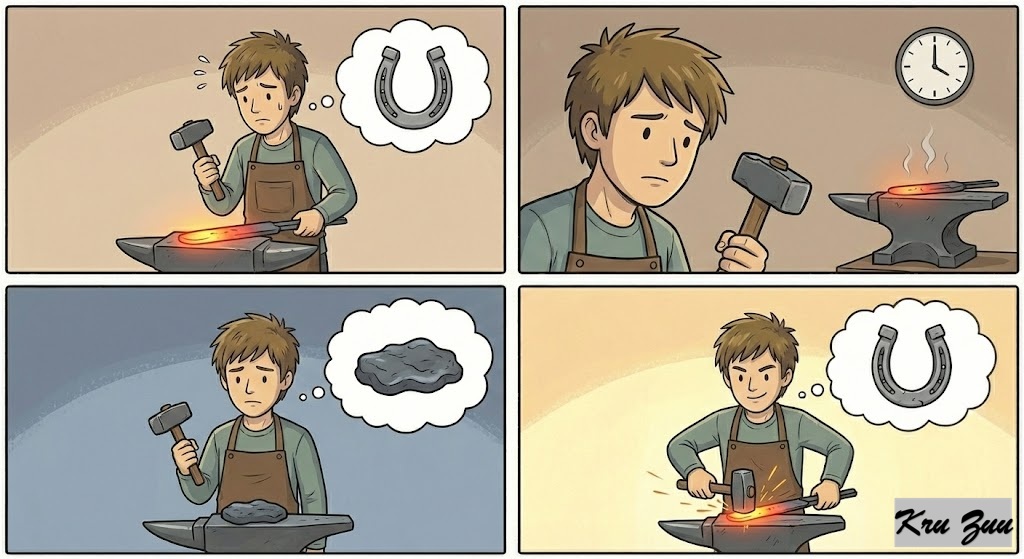
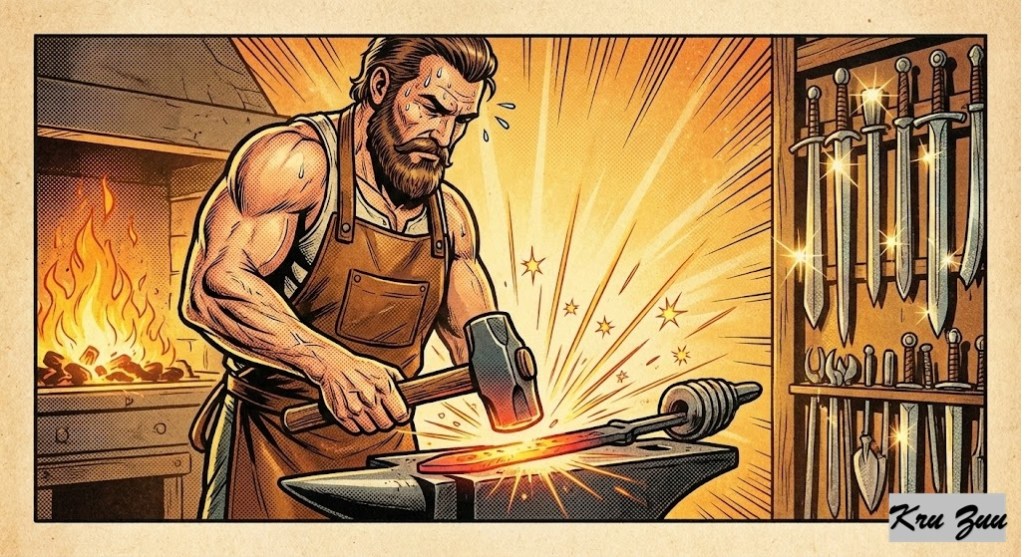
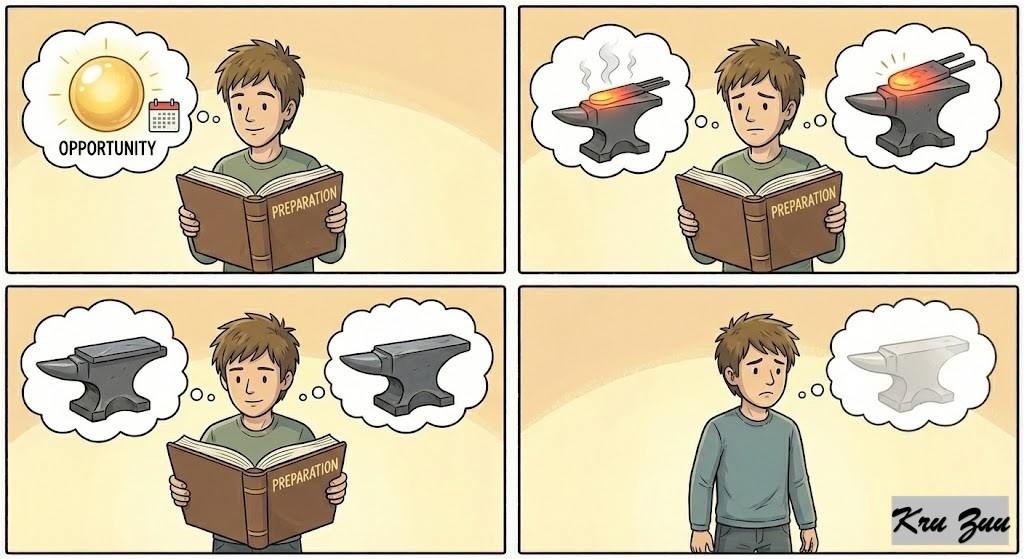
    “Strike while the iron is hot.”


    🥶 The Villain (The Hesitator)


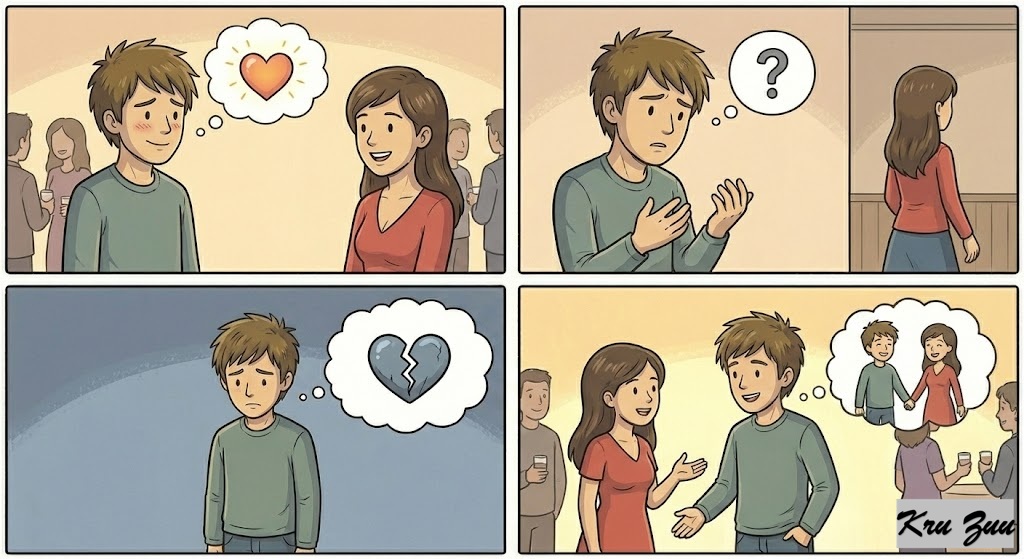
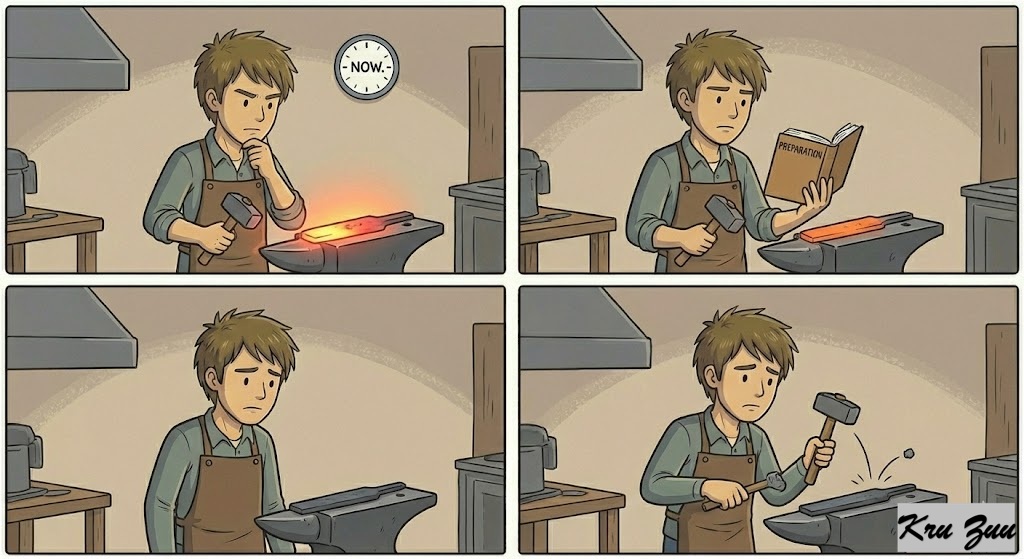
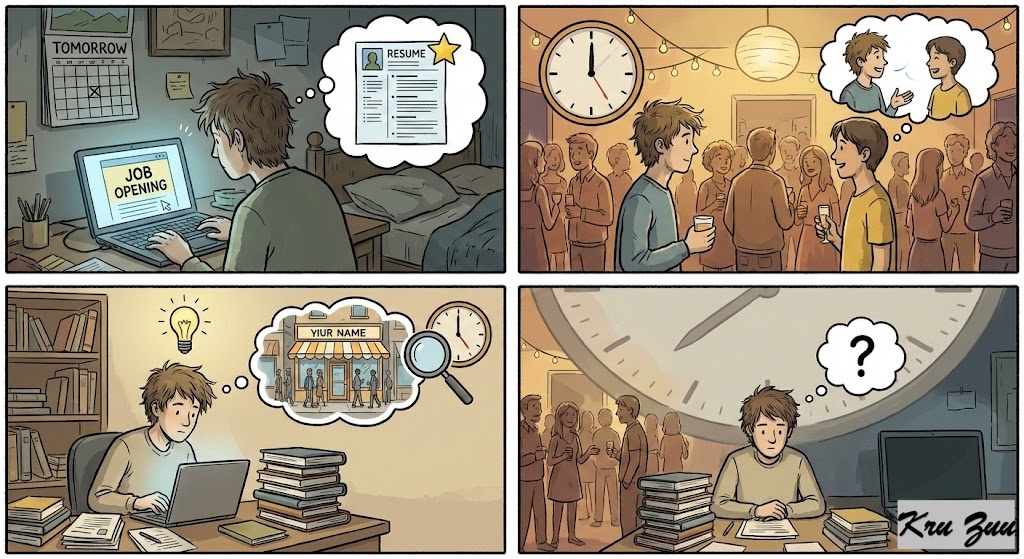
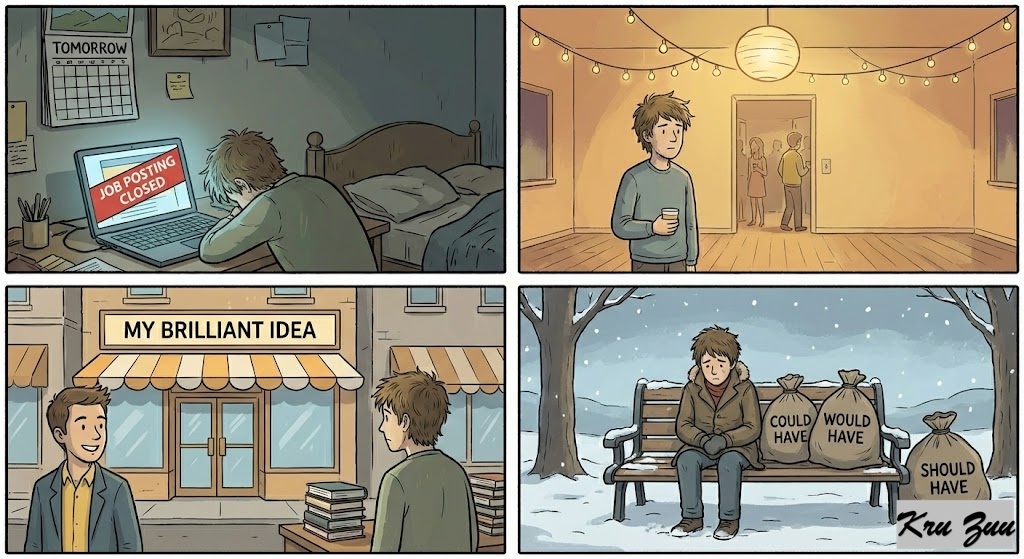
    You see a job opening that is perfect for you. You say, “I’ll apply tomorrow; I need to update my CV perfectly first.” You see a person you want to talk to at a party. You wait for the “right moment.” You have a brilliant idea for a business, but you decide to “research more” first.

    The Result? The job posting closes. The person leaves the party. Someone else launches your business idea. You are left standing in the cold, holding a bag full of “Could have,” “Would have,” and “Should have.” The opportunity didn’t wait for you. It vanished. ❄️


    🔥 The Hero (The Striker)


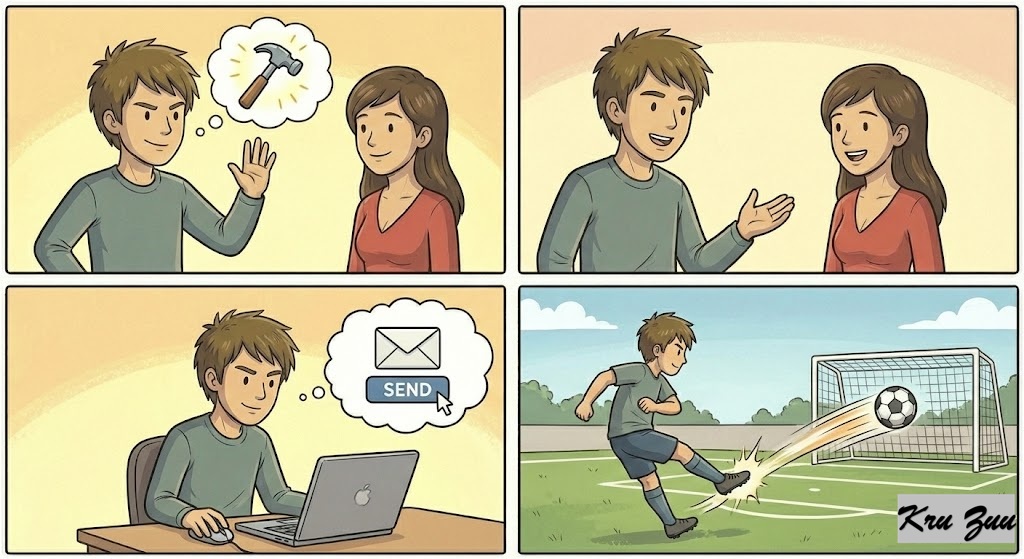
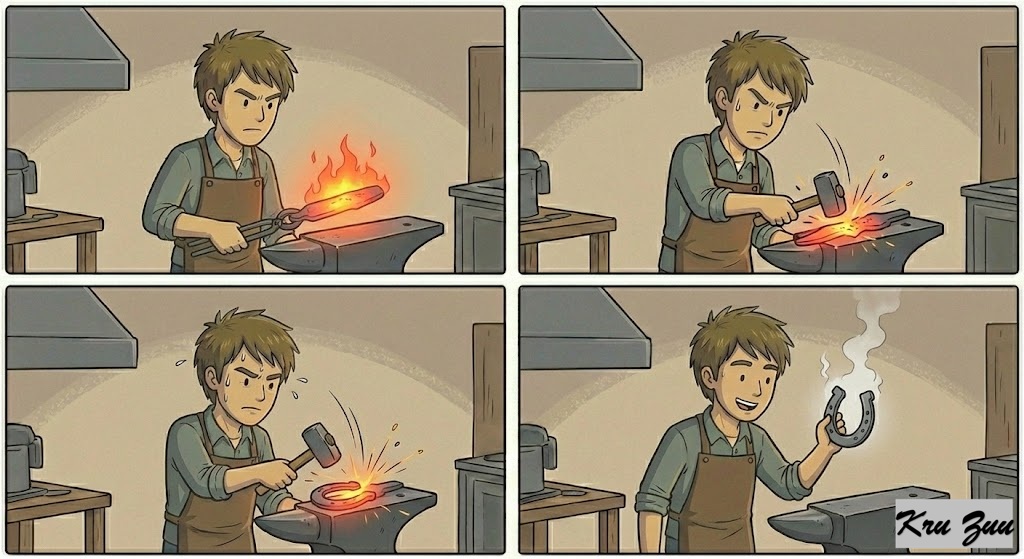
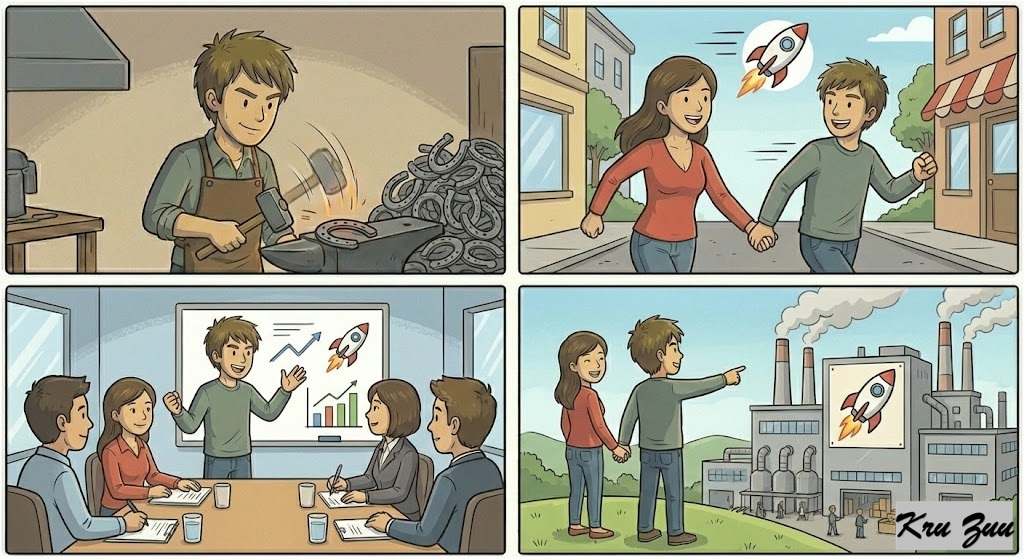
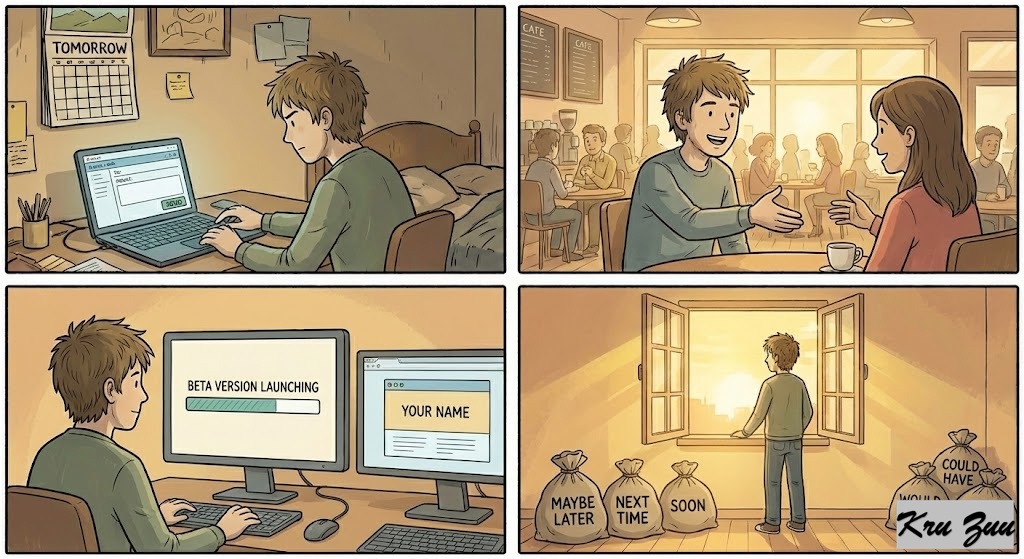
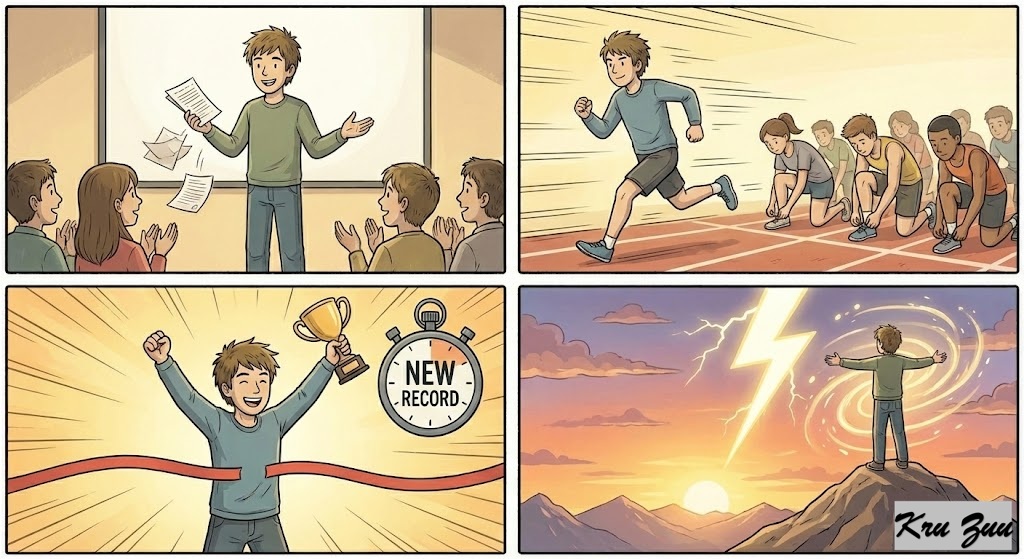
    You see the window of opportunity open. It’s scary. You aren’t 100% ready. But you know that speed is a weapon. You send the email now. You say “Hello” now. You launch the beta version now.

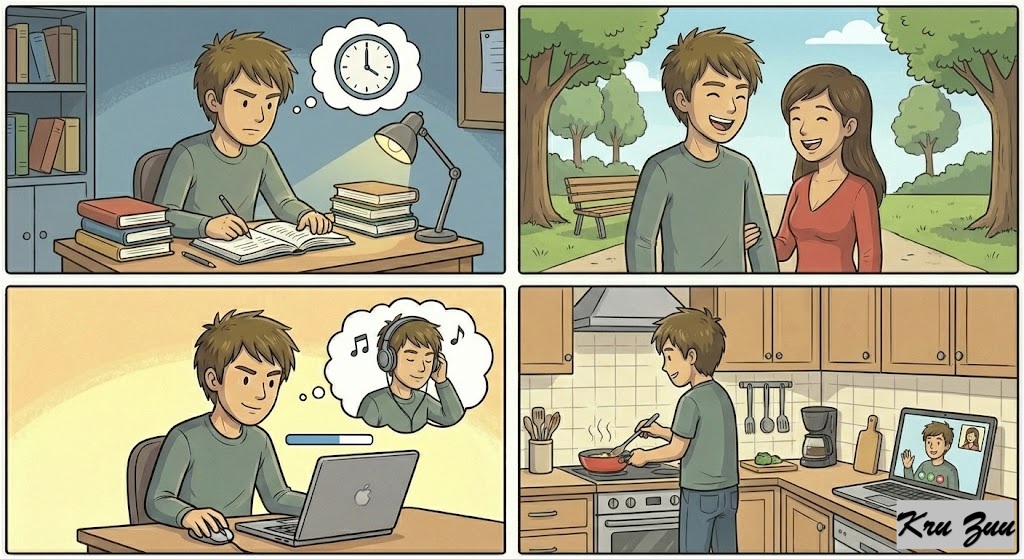
    The Result? You might make a mistake, but you are in the game. You are moving. You grab the win while others are still tying their shoelaces. You understand that the universe loves speed. ⚡


    ⚖️ The Reality


    Opportunities have an expiration date. Ideally, we want to be 100% prepared. But in reality, by the time you are 100% prepared, the chance is usually gone. The “Iron” (the opportunity) cools down and hardens rapidly.


    💎 The Secret

    You don’t need to be perfect; you just need to be present. It is better to strike imperfectly than to stare at the hammer until the metal goes cold.

    🧐 The Anatomy of the Proverb


    This is the ultimate rule for success and dating!


    Strike (Verb): To hit forcibly; to take action. 🔨


    While (Conjunction): During the time that; at the same time as.


    Iron (Noun): The metal (representing the opportunity).


    Hot (Adjective): Ready to be shaped.


    Simpler Version: Act immediately when you have the chance.


    📚 Vocabulary Vault


    Momentum (Noun): The force that keeps an object moving. (Action creates momentum!). 🚀


    Fleeting (Adjective): Lasting for a very short time. (Opportunities are fleeting). 💨


    Decisive (Adjective): Having the ability to make decisions quickly and effectively.


    Hesitation (Noun): The action of pausing before doing something. (The enemy of speed).


    Window of Opportunity (Phrase):
    A short period of time during which an action can be taken. 🪟


    🧠 Grammar Focus: Time Clauses with “While”


    This proverb uses a Time Clause to show two things happening at once.


    Structure: [Action Verb] + while + [Condition].


    The Logic: You must do the action during the condition. Once the condition ends, the action is useless.


    Examples


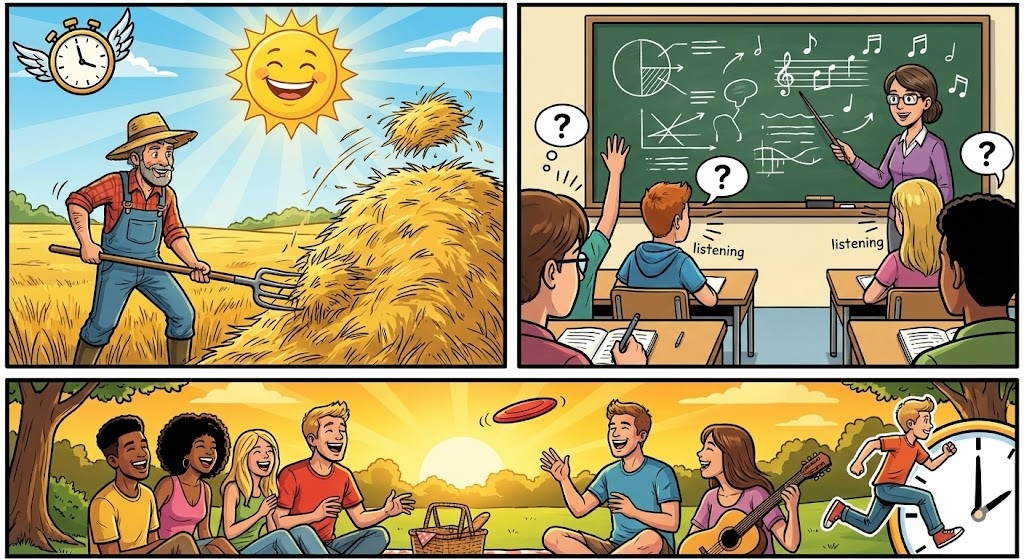
    “Make hay while the sun shines.” (Another famous idiom!)
    “Listen while the teacher is speaking.”
    “Enjoy your youth while you are young.”

    📜 History: Origin and Spread


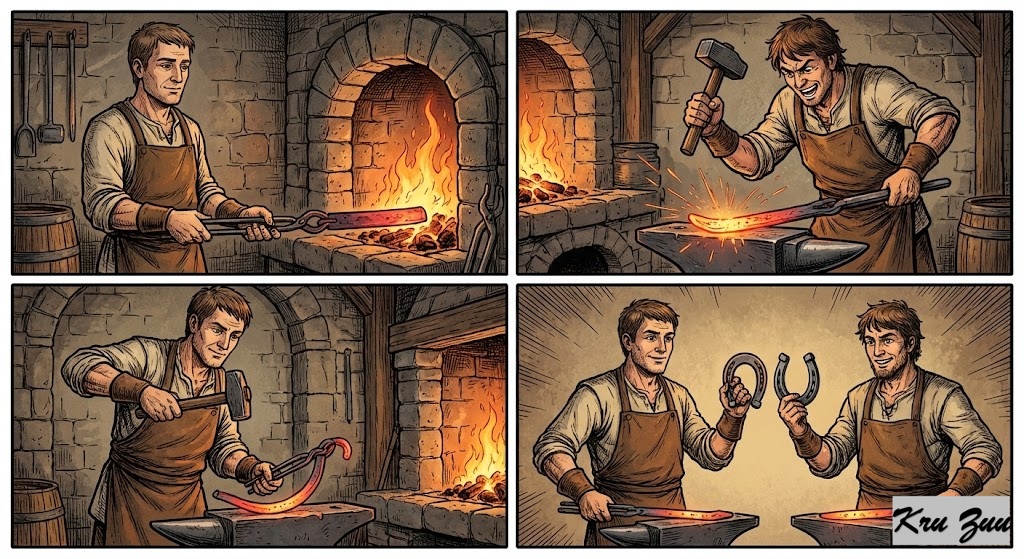
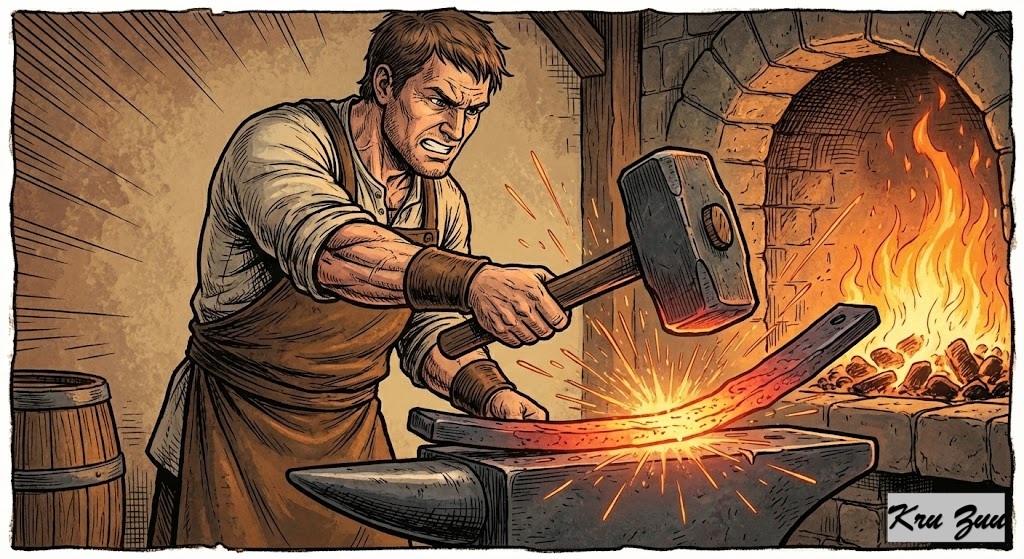
    This idiom comes straight from the blacksmith’s workshop.


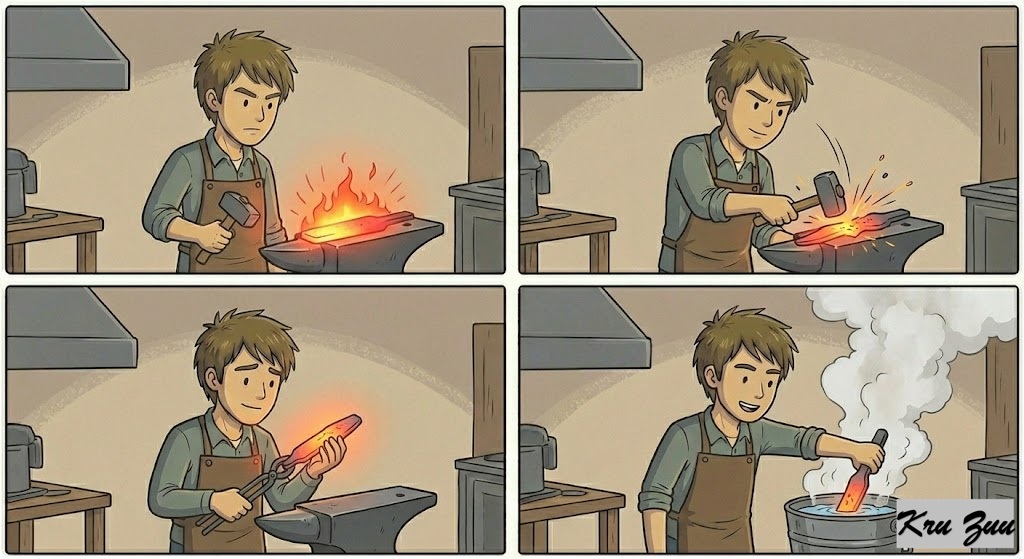
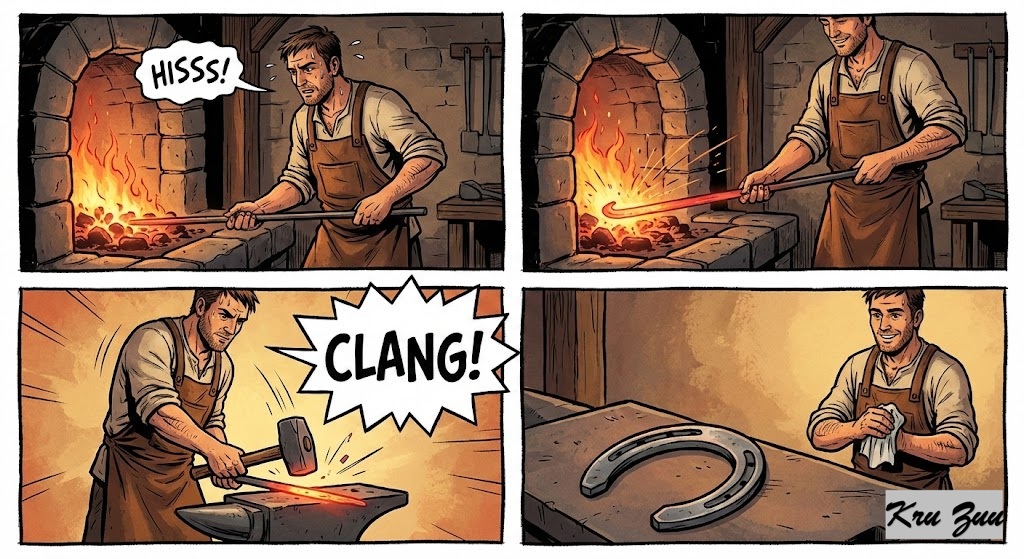
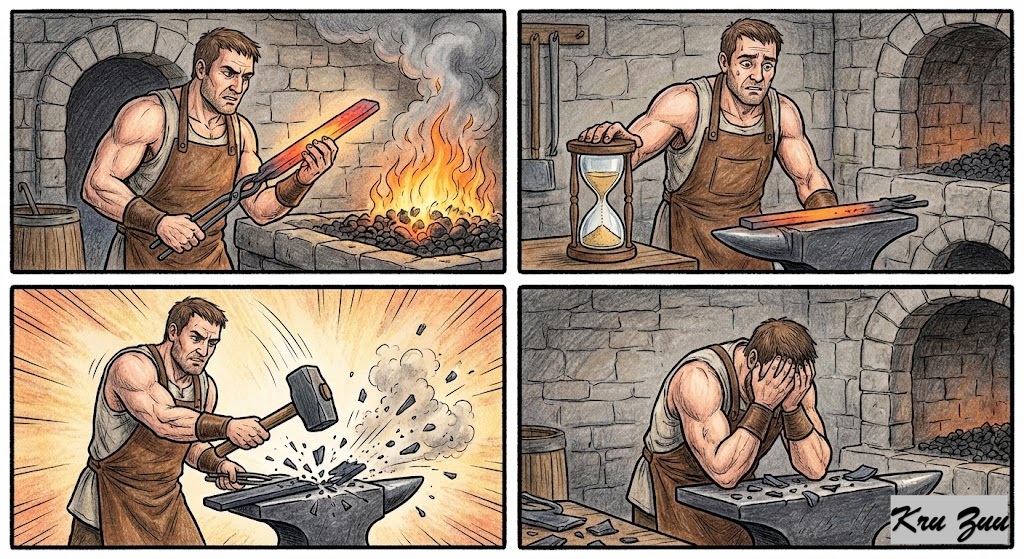
    The Origin: In medieval times, blacksmiths had to heat iron in a fire until it glowed red. Only then was it soft enough to hammer into a sword or horseshoe. If they waited even 30 seconds, the iron would cool, turn hard, and shatter if hit.


    Global Cousins


    🇹🇷 Turkish:“Demir tavında dövülür.” (Iron is beaten at its proper heat/temper.) — Identical meaning!


    🇮🇹 Italian:“Batti il ferro finché è caldo.”


    👺 Latin:“Carpe Diem” (Seize the day) — The spiritual ancestor of this phrase.

    🎯 Impact on Life: The Pros & Cons


    ✅ The Pros (The Winner’s Edge)


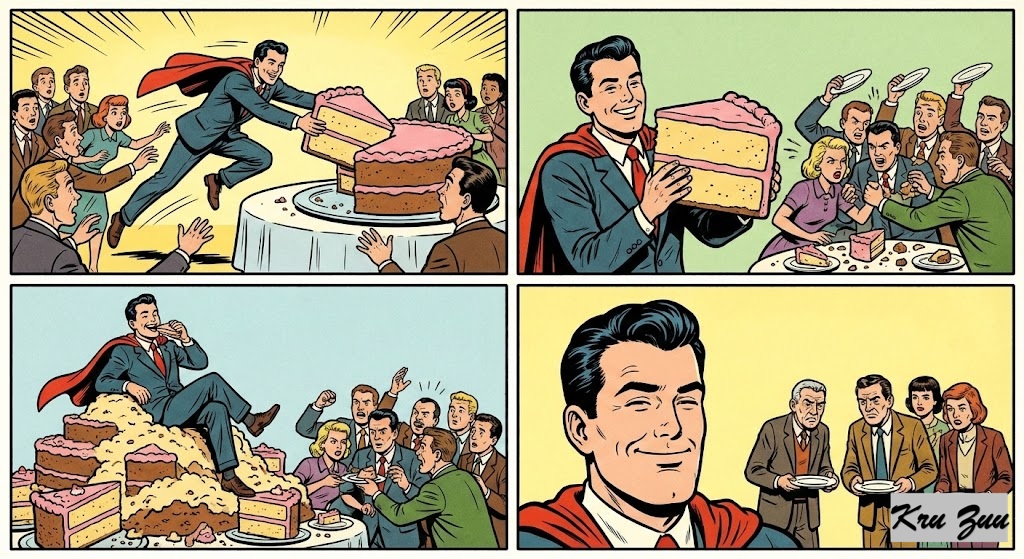
    First Mover Advantage: The first person to act usually gets the biggest slice of the cake.


    Confidence: Taking action kills fear. Waiting feeds fear.


    ❌ The Cons (The Reckless Risk)


    Impulsiveness:
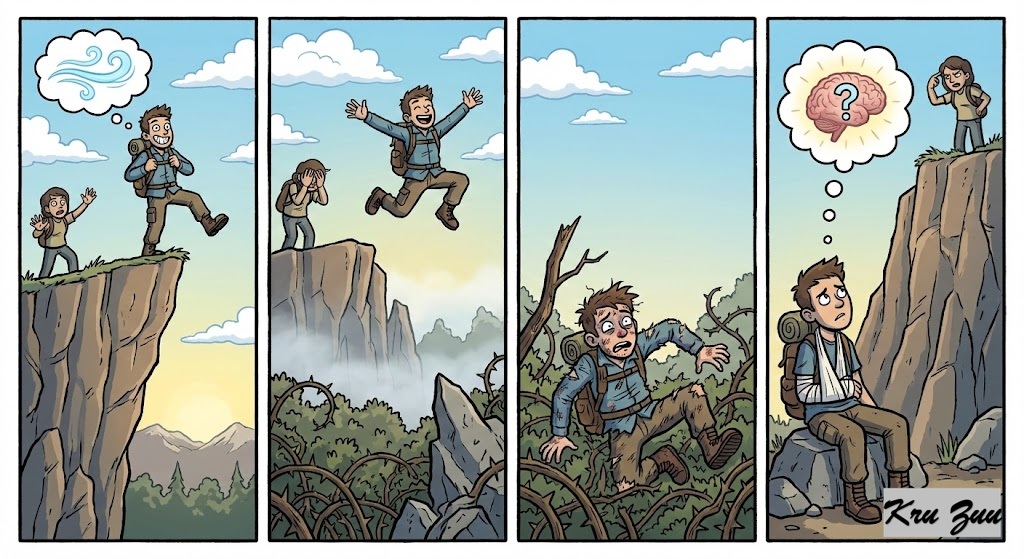
    Striking too fast without looking can be dangerous. Don’t jump off a cliff just because “the air is nice.” Use common sense!

    🎭 Short Story: The Open Gate 🚪


    Let’s visit the barnyard to see this law in action.


    🌟 The Characters


    🐸 Freddie the Frog: The Philosopher (Overthinks everything).


    🐔 Clucky the Chicken: The Worrier (Scared of everything).


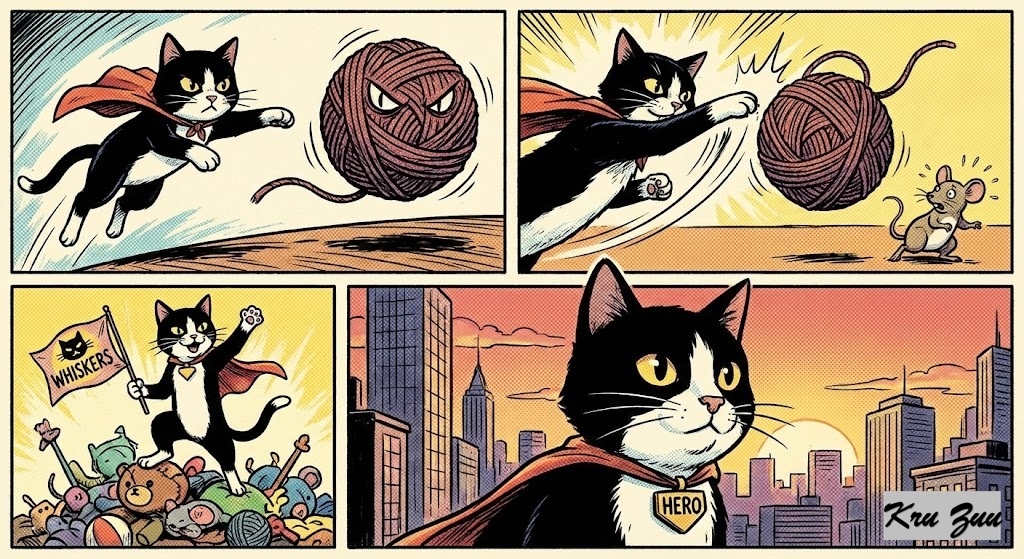
    🐱 Whiskers the Cat: The Striker (The Hero).


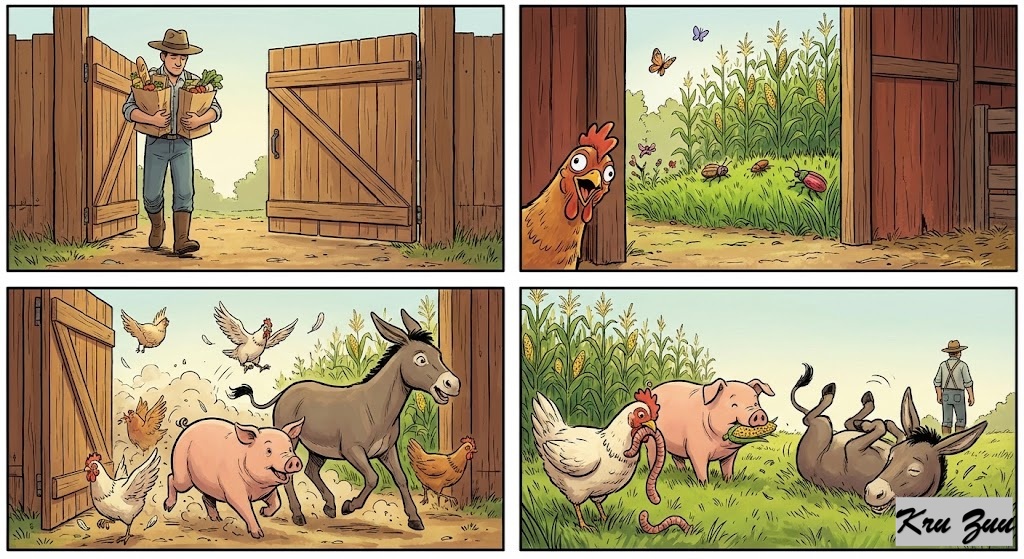
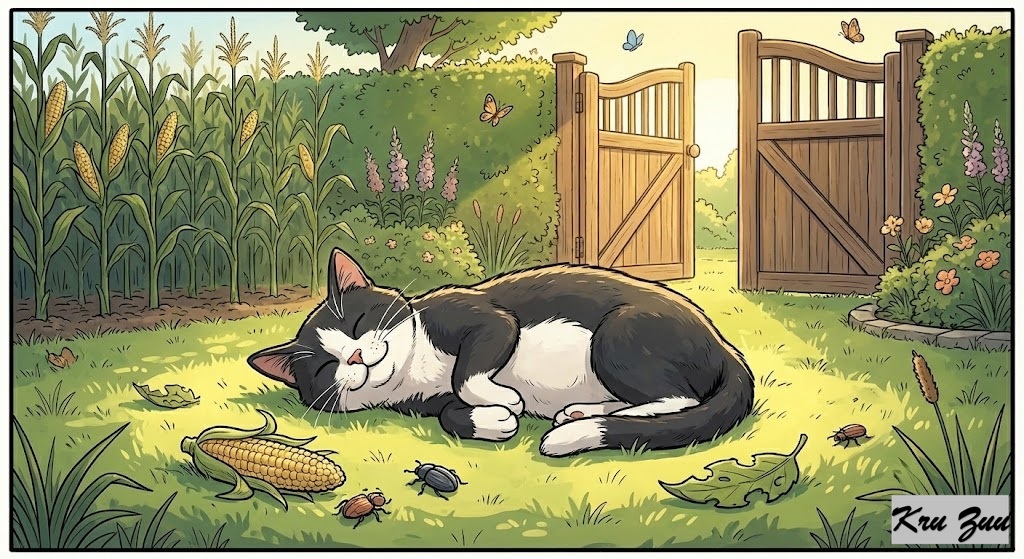
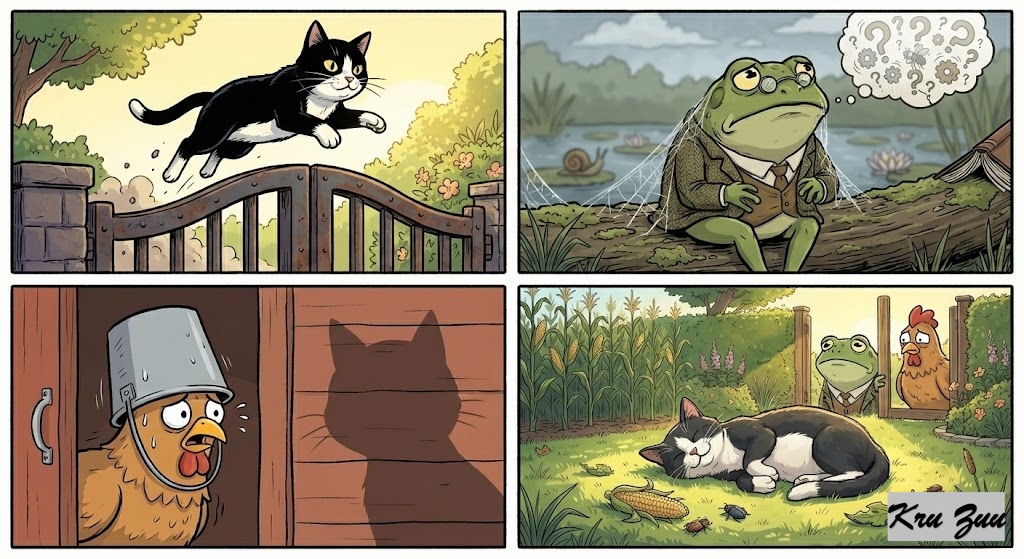
    The Situation: The Farmer is carrying groceries. For exactly 10 seconds, he leaves the garden gate wide open. Inside, there is a paradise of bugs, corn, and soft grass.


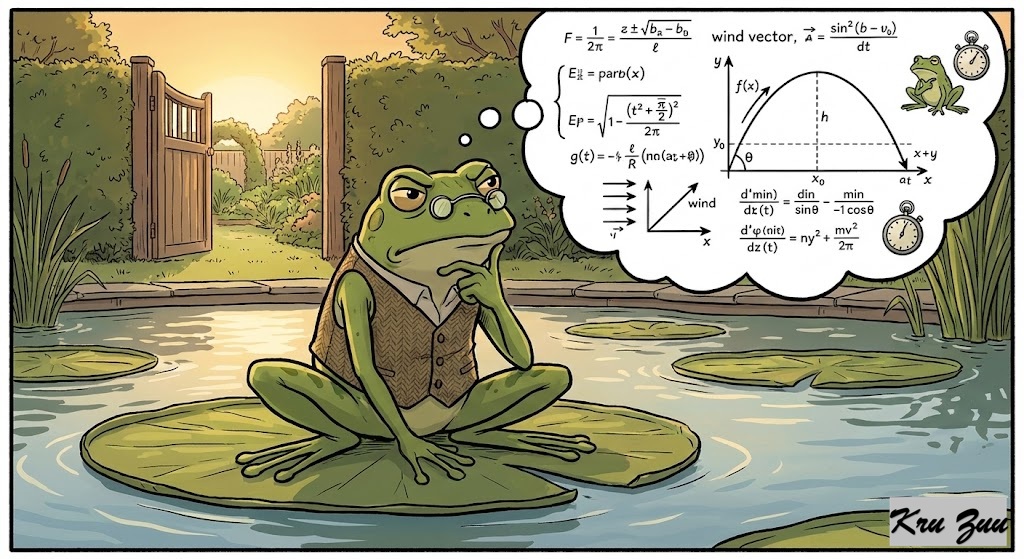
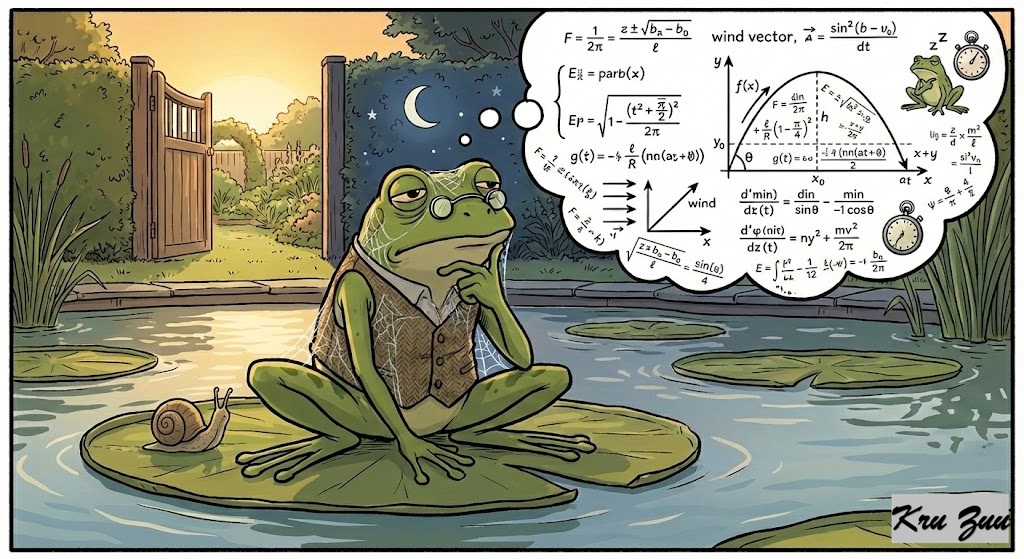
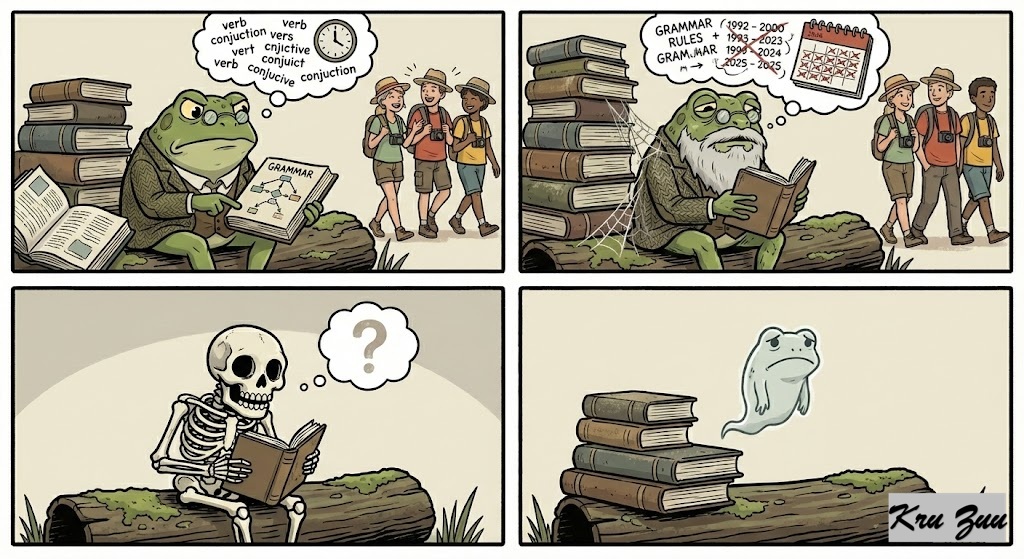
    The Reaction:🐸 Freddie the Frog sees the gate. He sits on his lily pad. “Hmm,” he croaks. “The humidity is good, but I need to calculate the trajectory of my jump. If I wait for the wind to die down, my jump will be 4% more aerodynamic.”

    Result: He stays on the lily pad, calculating.


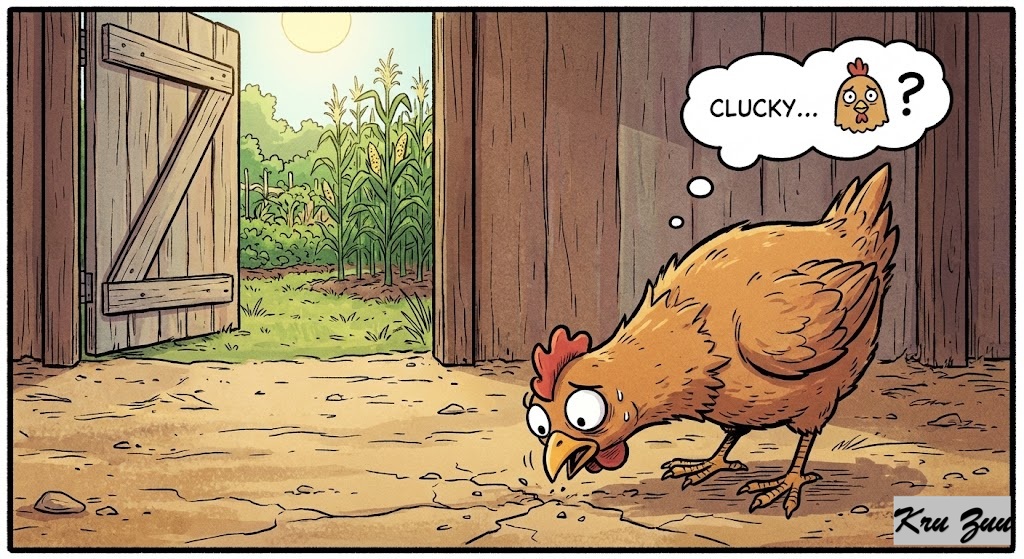
    🐔 Clucky the Chicken sees the gate. She flaps her wings nervously. “Oh my!” she clucks. “It looks delicious. But what if the Farmer sees me? What if I trip? Maybe I should wait until the Farmer goes to sleep tonight. Yes, that is safer.”

    Result: She pecks at the dry dirt, waiting for “safe.”


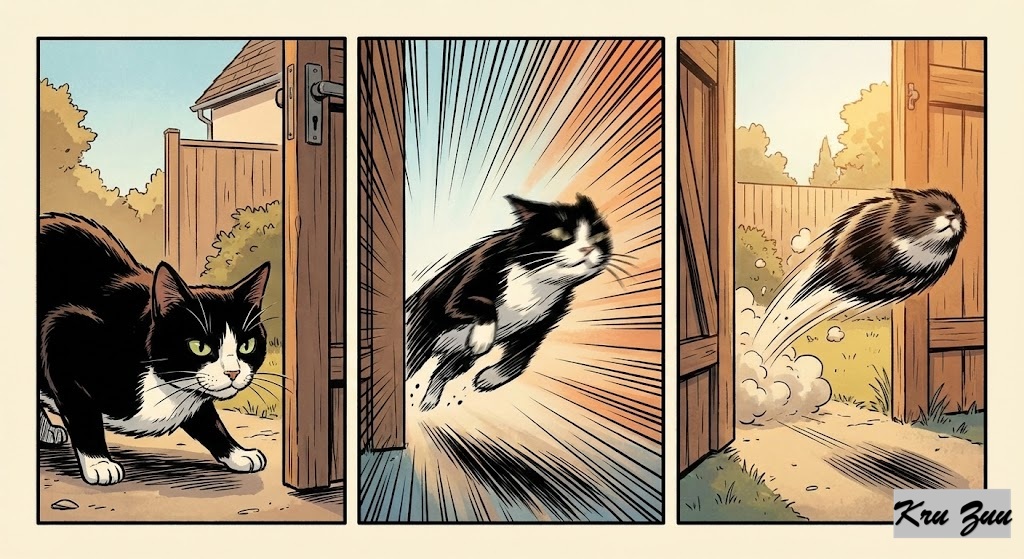
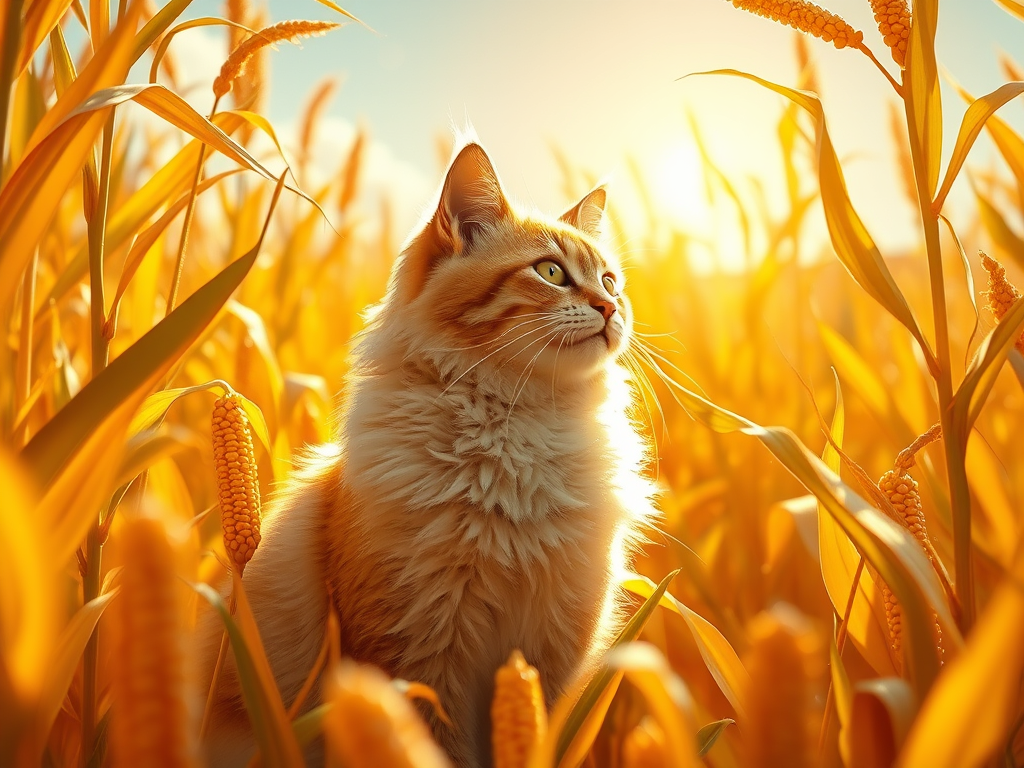
    🐱 Whiskers the Cat sees the gate. Whiskers doesn’t think. Whiskers doesn’t calculate wind speed. Whiskers sees the gap. 1, 2, ZOOM. Whiskers shoots through the gap like a fuzzy bullet.


    The Outcome


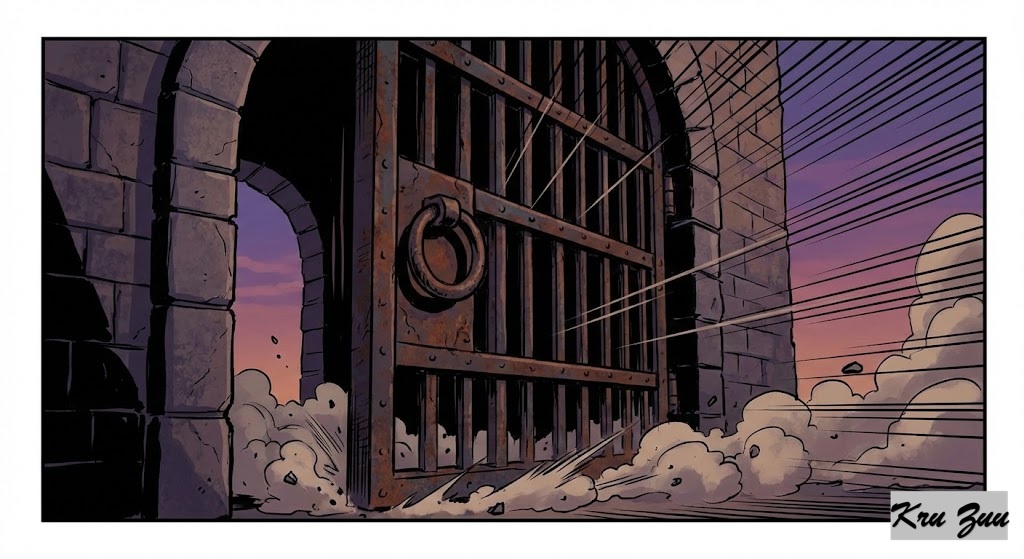
    CLANG. The gate slams shut.


    Freddie is still calculating his jump.


    Clucky is still hungry and safe in the dirt.


    Whiskers is inside the garden, napping in the sun after eating a feast.


    The Moral: The world belongs to the Cats. Don’t be a Frog calculating the wind. Don’t be a Chicken waiting for safety. Jump.

    🎓 Lesson for English Learners


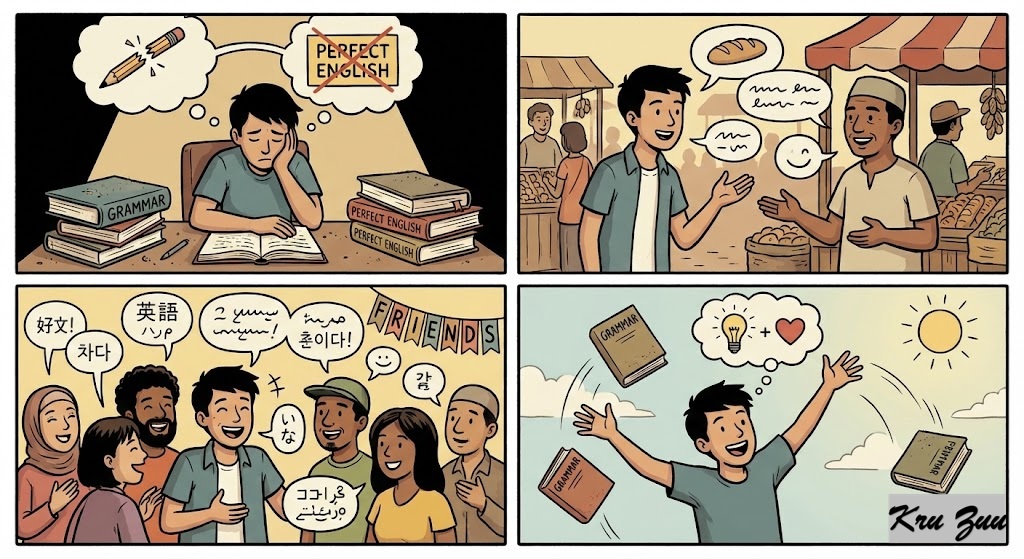
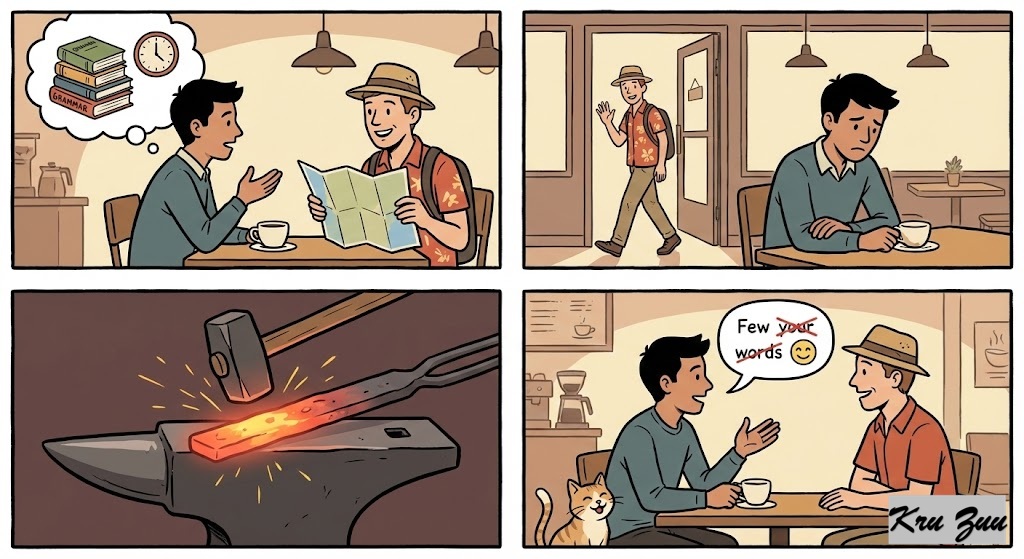
    Don’t wait for “Perfect English.”


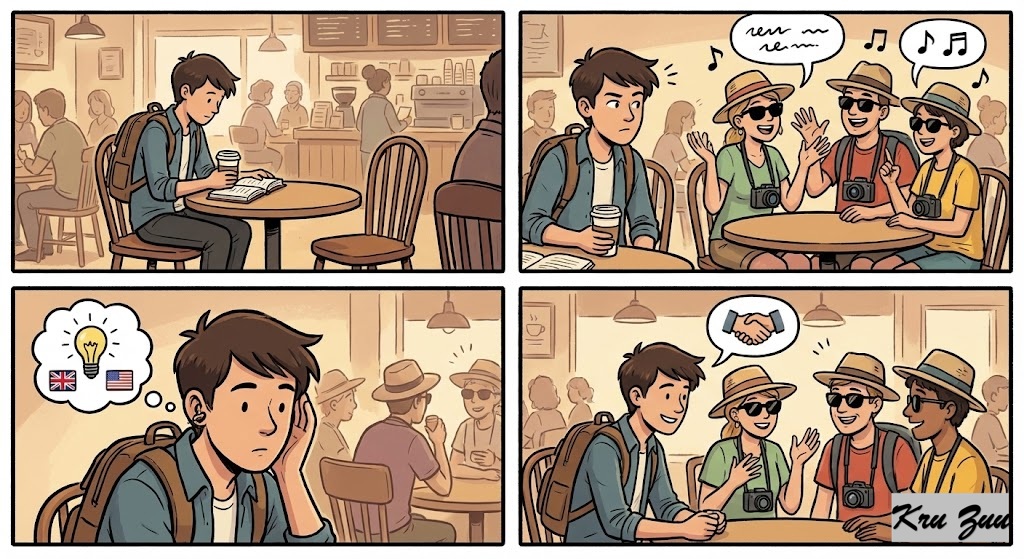
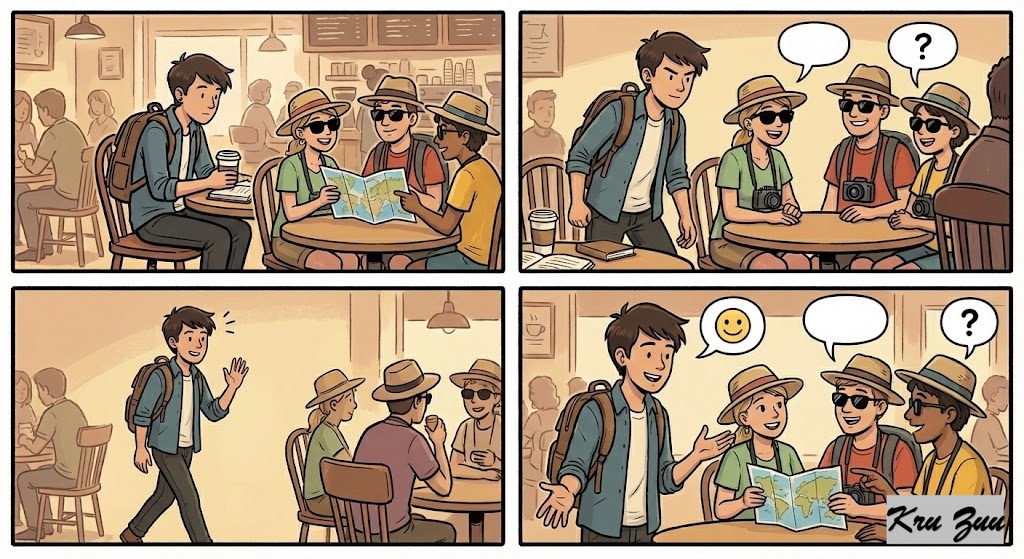
    Situation: You are in a coffee shop. You hear tourists speaking English.


    The Frog approach: “I will talk to them once I master the Present Perfect Continuous tense.”


    The Cat approach: You stand up, walk over, and say, “Hi! Where are you from?”


    Why? Because 5 minutes later, they will leave. The iron will be cold. Speak now, fix your grammar later.


    💬 Your Turn: The “5-Second Rule” 🚀


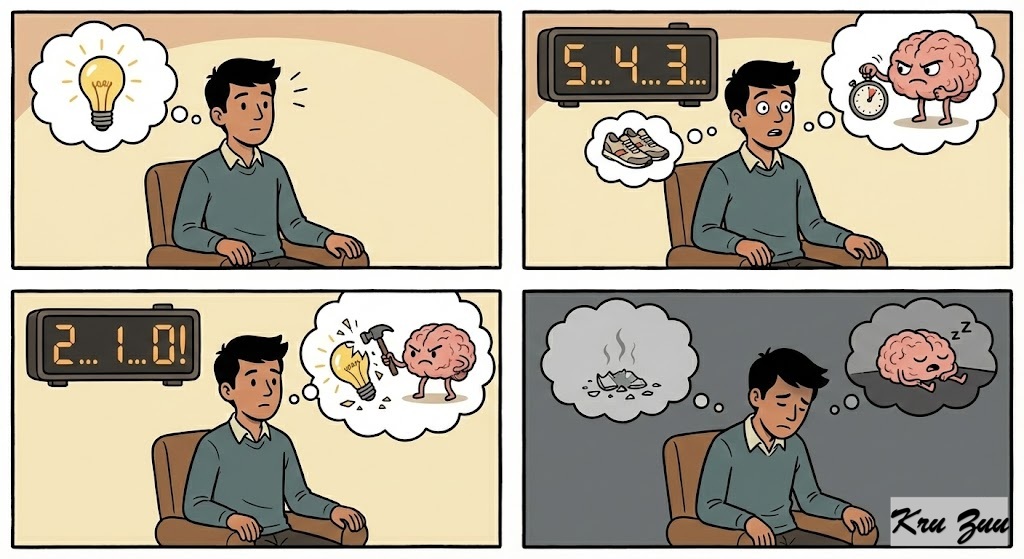
    When you feel an instinct to act on a goal, you must physically move within 5 seconds, or your brain will kill the idea.


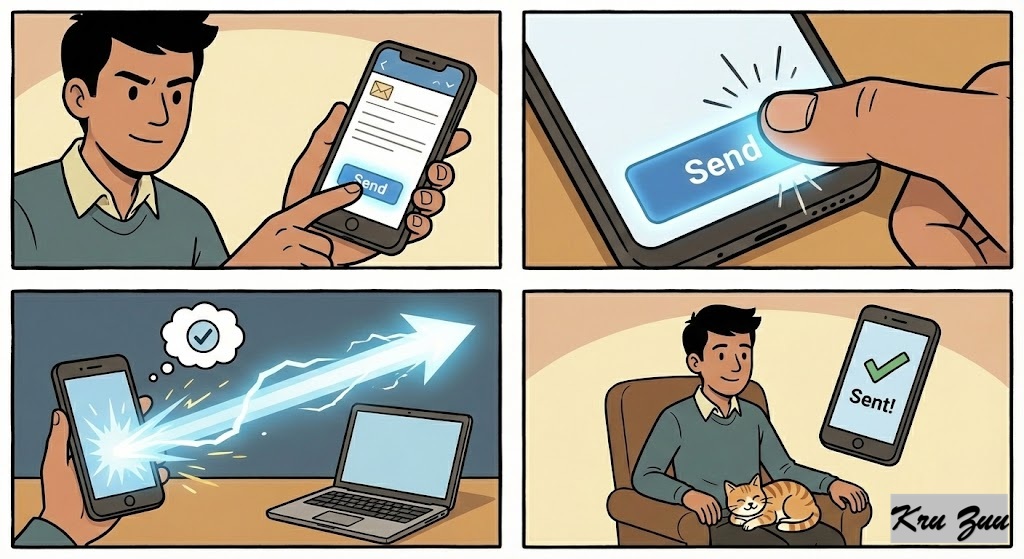
    The Challenge: Is there an email you need to send? A text to a crush? A domain name you want to buy?


    The Action: Do it. Strike. Don’t think. Just click “Send.”


    👇 Tell us in the comments: What is an opportunity you missed because you waited too long? Let’s mourn it together, then move on!

    By Zubeyir YURTKURAN

    https://www.facebook.com/BrainBattleground/

    https://www.facebook.com/zubeyr.yurtkuran/

    https://www.instagram.com/zubeyryurtkuran/
    https://www.youtube.com/@BrainBattleground-b3p

    https://www.instagram.com/brainbattleground/

  • 🛡️ The Daily Shield: The Law of Momentum

    🛡️ The Daily Shield: The Law of Momentum

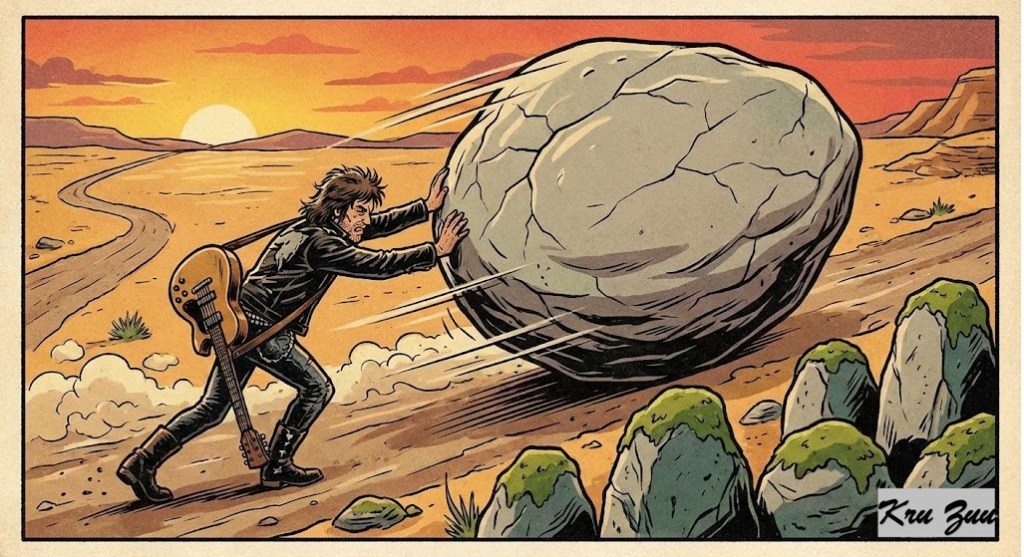
    “A rolling stone gathers no moss.”


    😈 The Villain (The Stagnant Statue)


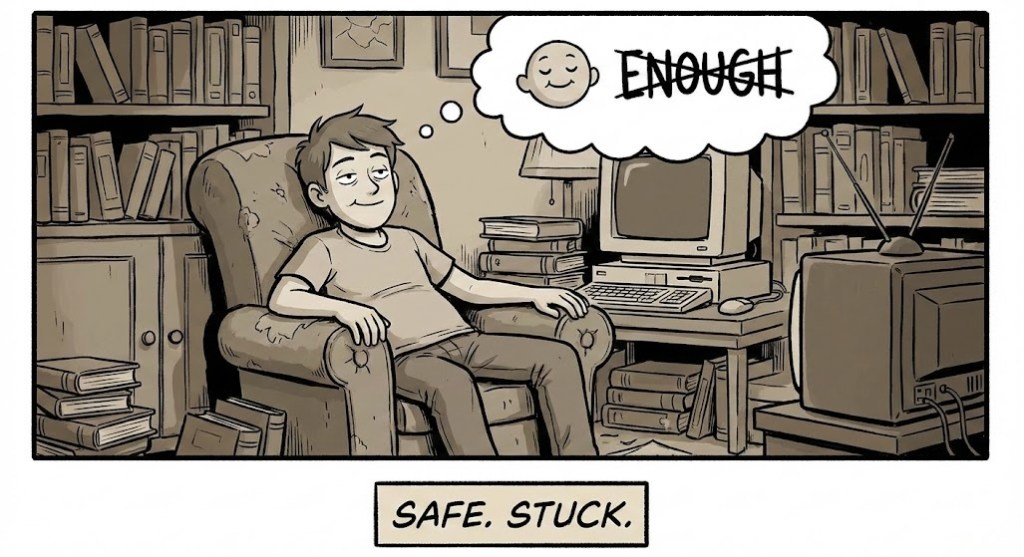
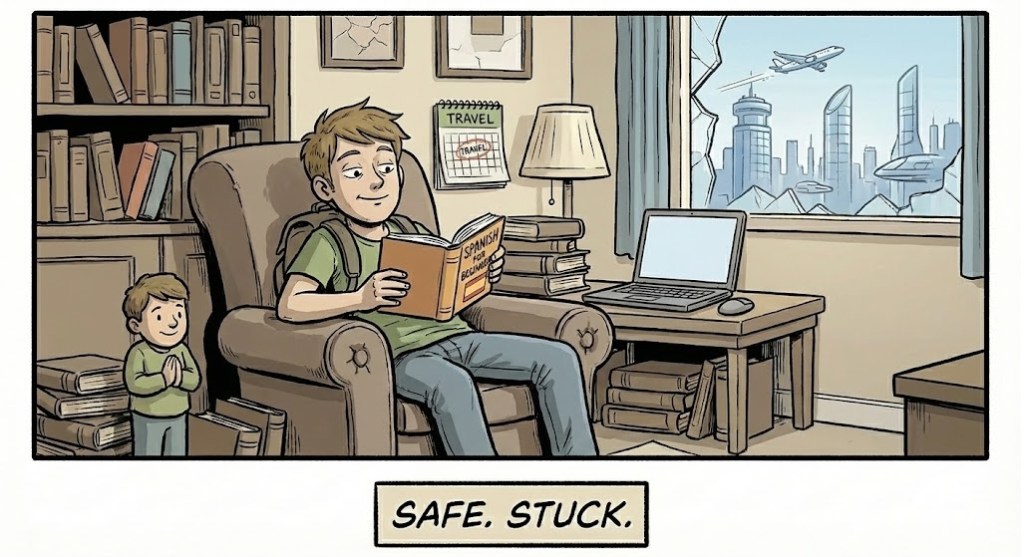
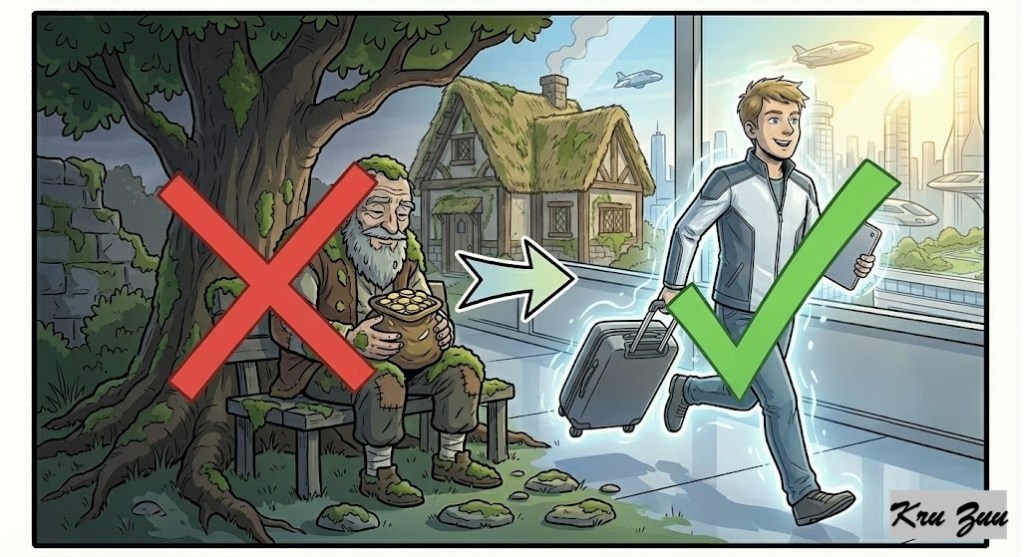
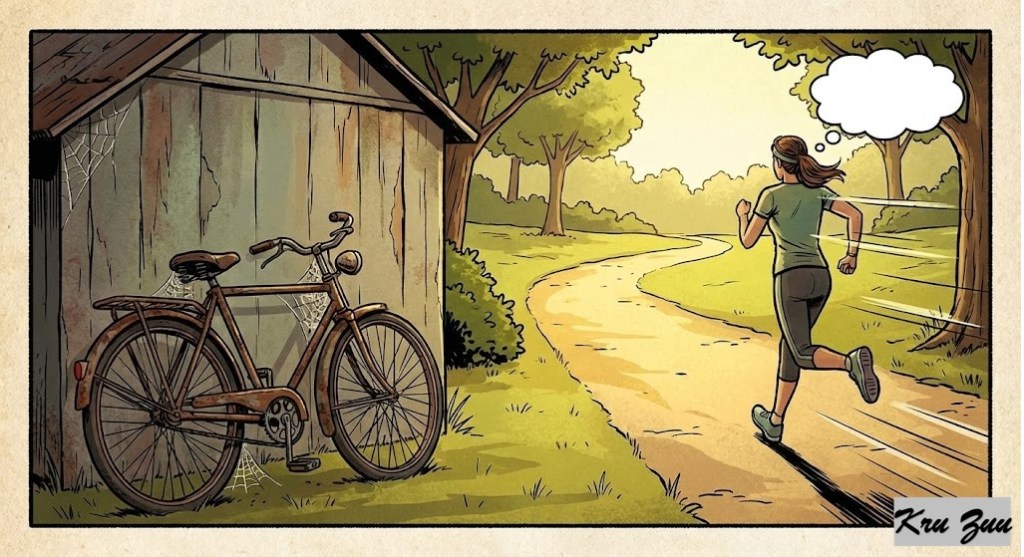
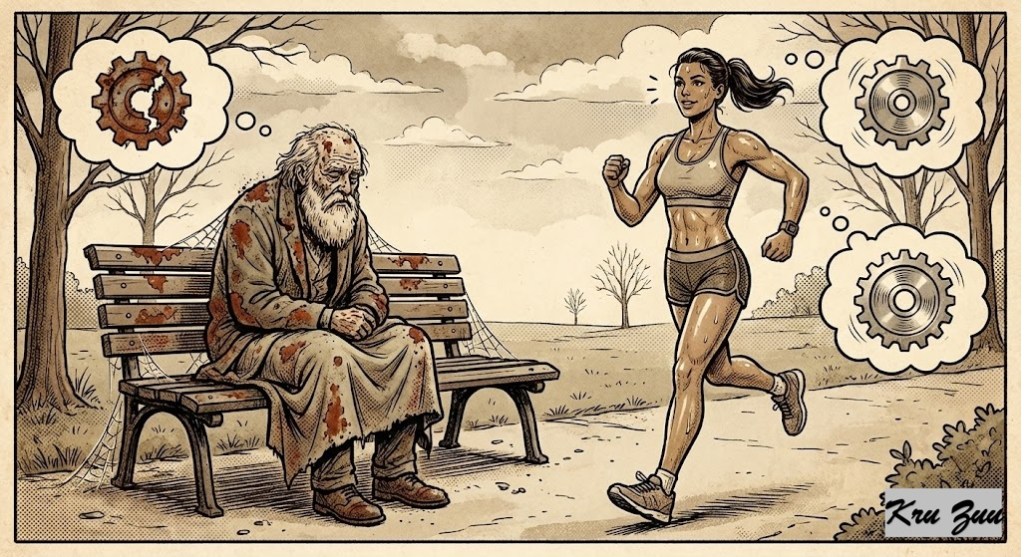
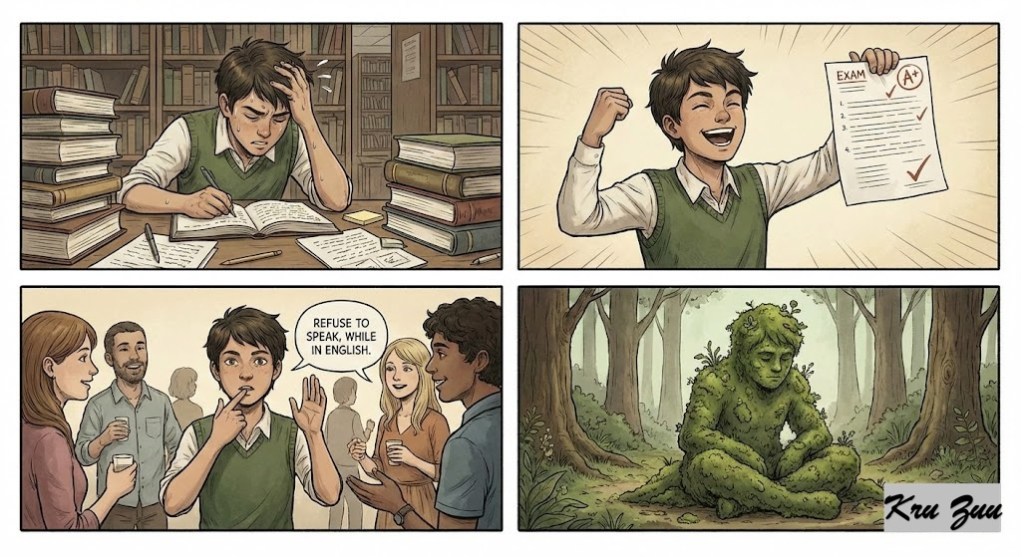
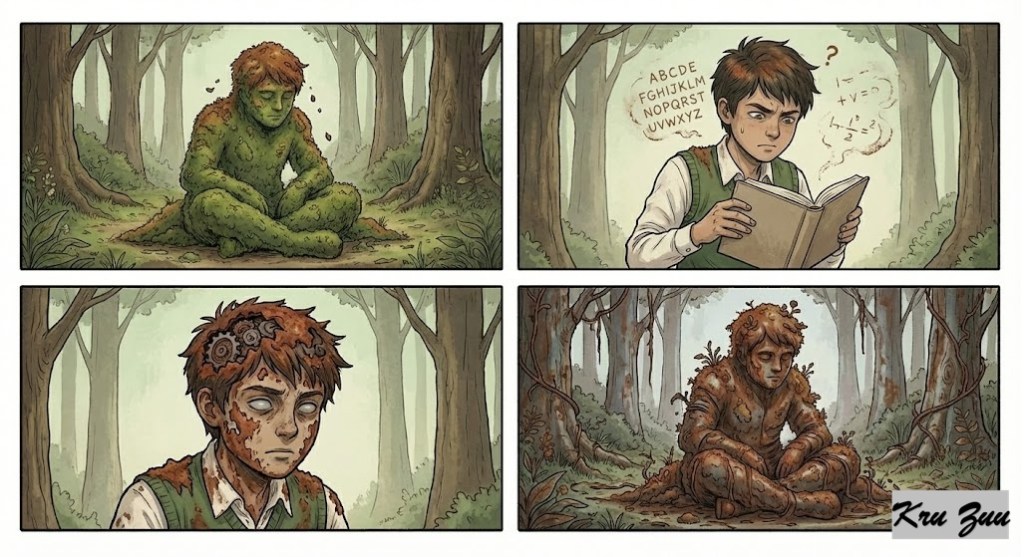
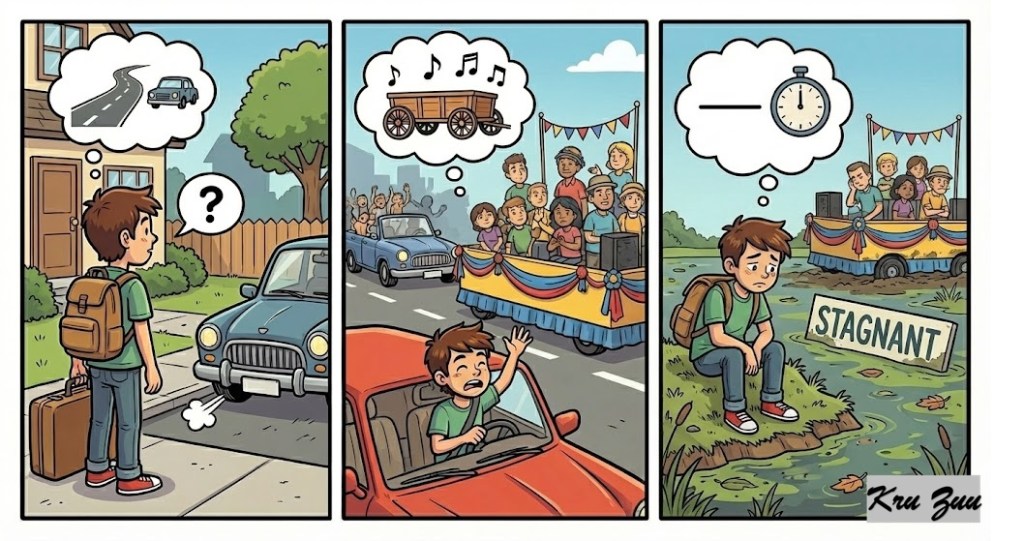
    You love your comfort zone. You learned English for two years, reached an intermediate level, and stopped. You think, “This is enough.” You sit in the same chair, do the same job, and refuse to learn new skills. You are safe, but you are stuck.

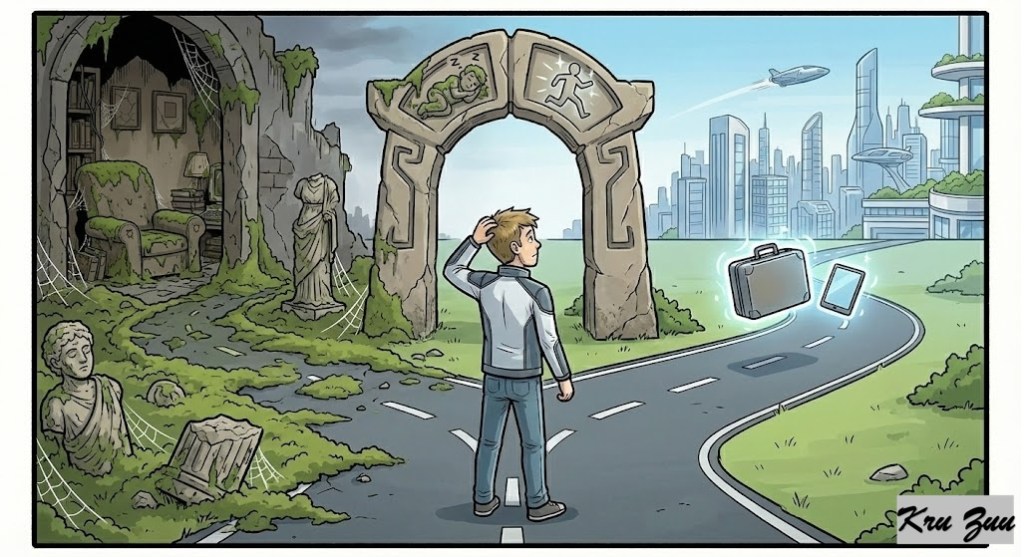
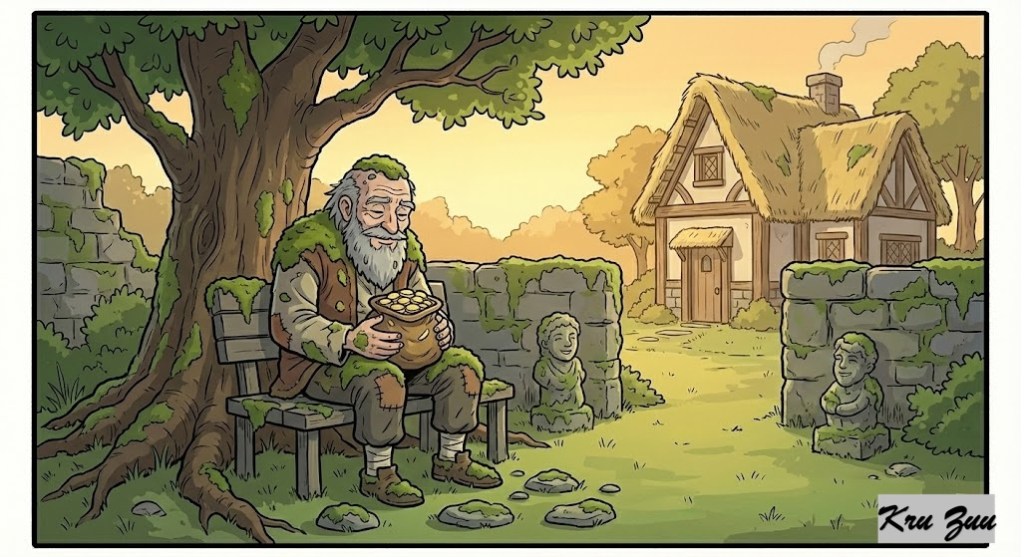
    The Result? You become “mossy.” In this metaphor, moss is rust, laziness, and obsolescence. Your skills fade away. Your English gets rusty. The world moves forward, but you stay behind like an old statue in a forgotten park. 🗿


    😇 The Hero (The Rolling Stone)


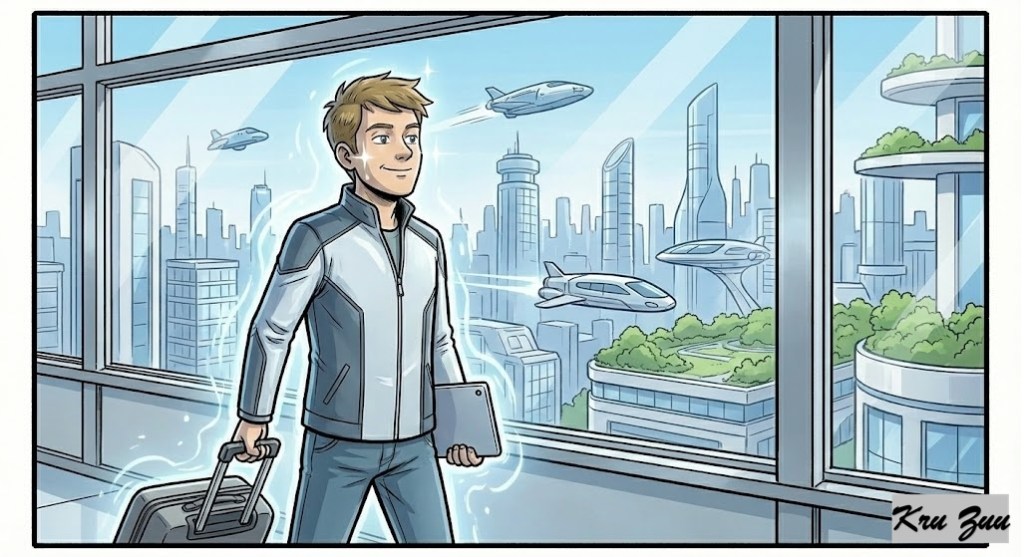
    You are restless in the best way possible. You finish one book and open another. You learn a new word every day. You travel, you change your routine, you challenge your brain. You don’t stay in one place long enough for the “moss” of laziness to grow on you.

    The Result? You are polished, sharp, and shiny. Because you are always moving (rolling), you are always ready. You are adaptable. You are alive. 🌪️


    ⚖️ The Reality: The Double Meaning


    WARNING:
    Cultural Trap! ⚠️ This proverb is unique because it has two opposite meanings!


    The Traditional (British) View: “Moss” is good (money, friends, roots). So, if you roll around too much, you will be poor and lonely.


    The Modern (American/Self-Improvement) View: “Moss” is bad (laziness, stagnation). So, you must keep moving to stay fresh.


    For this lesson, we choose the Modern View: Keep moving to stay sharp! 🚀

    🧐 The Anatomy of the Proverb


    Let’s break it down to understand the mechanics.


    Rolling (Participle Adjective): Moving by turning over and over. Here, it means “active” or “traveling.”


    Gathers (Verb): To collect or accumulate something over time.


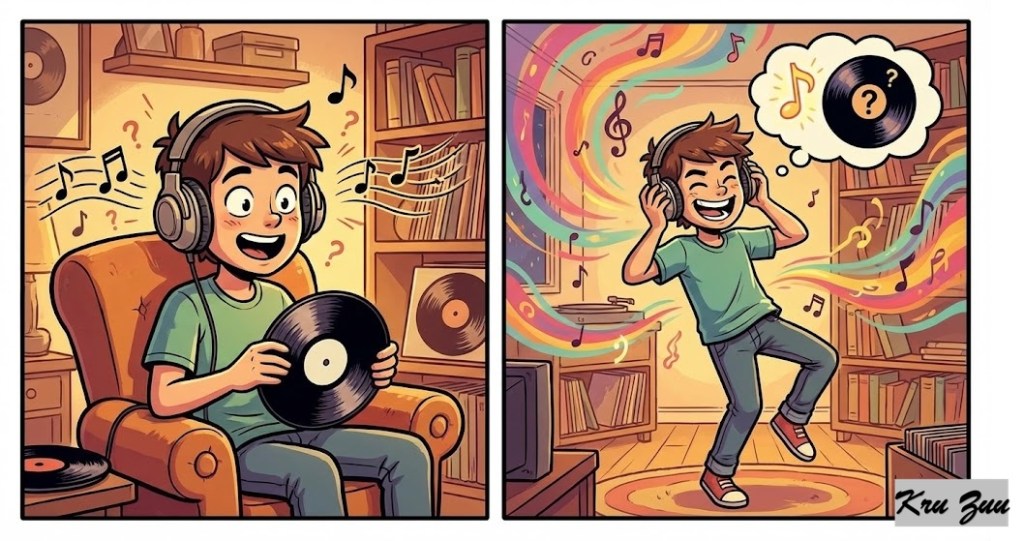
    Moss (Noun): A small, soft green plant that grows on rocks that do not move. (Metaphor for: Laziness, rust, or old habits).


    Simpler Version: Keep moving, and you won’t get rusty.


    📚 Vocabulary Vault


    Stagnant (Adjective):
    Not moving or flowing; often smelling unpleasant. (Opposite of rolling). 🤢


    Momentum (Noun): The force that keeps an object moving. 🏎️


    Accumulate (Verb): To gather together or acquire an increasing number of something.


    Dynamic (Adjective): Constant change, activity, or progress.


    Adaptability (Noun): The quality of being able to adjust to new conditions.


    🧠 Grammar Focus: Participles as Adjectives


    Look at the word “Rolling” in “Rolling Stone.” Is it a verb? No! Here, it is an adjective.


    -ING Adjectives (Active): Describe what something does.
    The stone rolls -> It is a rolling stone.
    The class bores me -> It is a boring class.
    The movie excites me -> It is an exciting movie.


    Grammar Challenge: Don’t say: “I am boring.” (This means you are a boring person!) Say: “I am bored.” (This means you feel bored).

    📜 History & Global Cousins


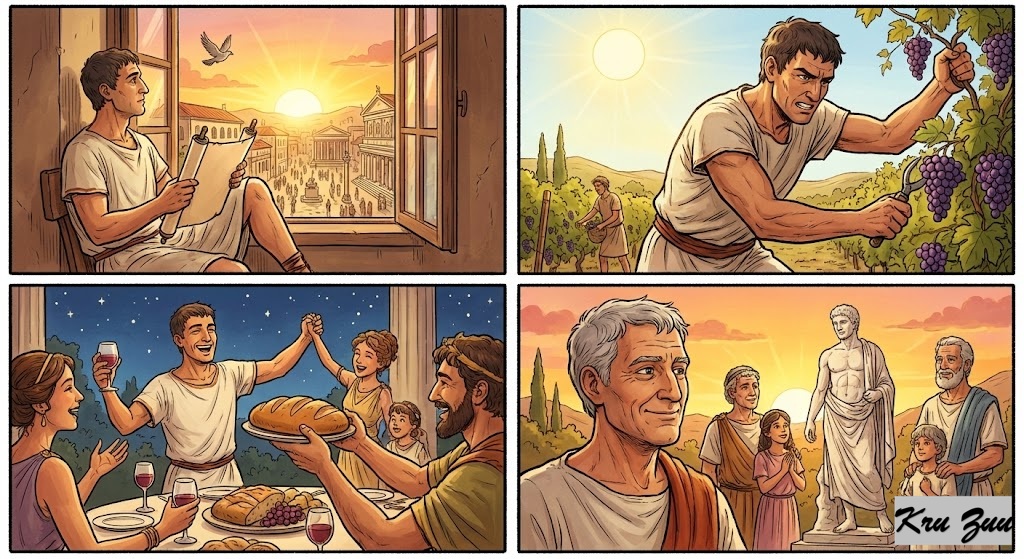
    This proverb is ancient! It dates back to Roman times (Publius Syrus), but it became a rockstar legend in the 20th century.


    Music Legend: The band The Rolling Stones took their name from this proverb (meaning: wild, rebellious, and never settling down).


    Bob Dylan: Wrote the famous song “Like a Rolling Stone.”


    Global Cousins


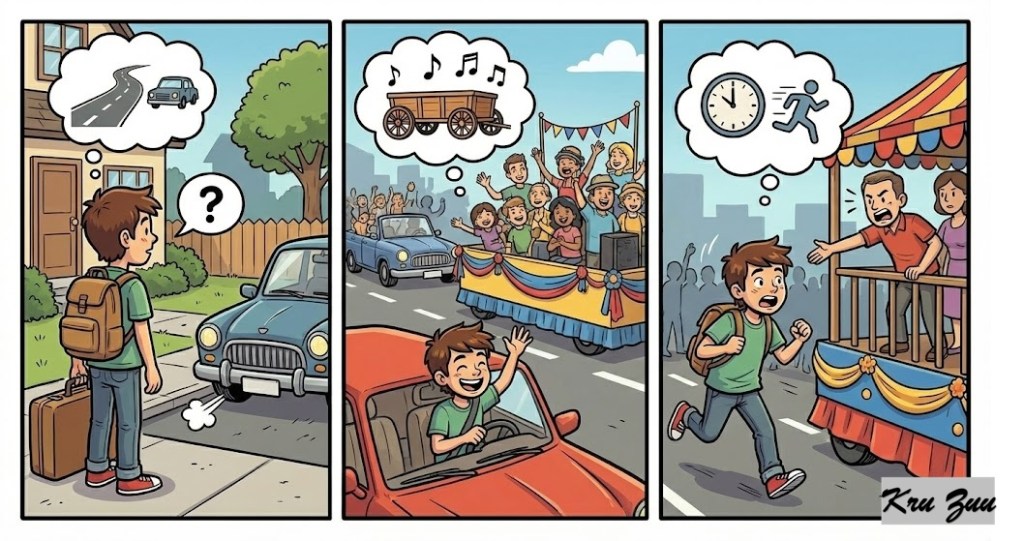
    🇹🇷 Turkish: “İşleyen demir ışıldar.” (Working iron sparkles/shines). — This is the perfect match for the positive meaning! ✨


    🇹🇷 Turkish (Negative meaning): “Yuvarlanan taş yosun tutmaz.” (Used to warn people not to change jobs too often).


    🇩🇪 German: “Wer rastet, der rostet.” (He who rests, rusts).

    🎭 Short Story: The Barnyard Debate


    Let’s visit the farm to see this law in action with our three friends:
    Barnaby the Chicken, Fiona the Frog, and Whiskers the Cat.


    🌟 The Setup: A rumor spreads that the farmer is going to stop feeding the animals. They must survive on their own.


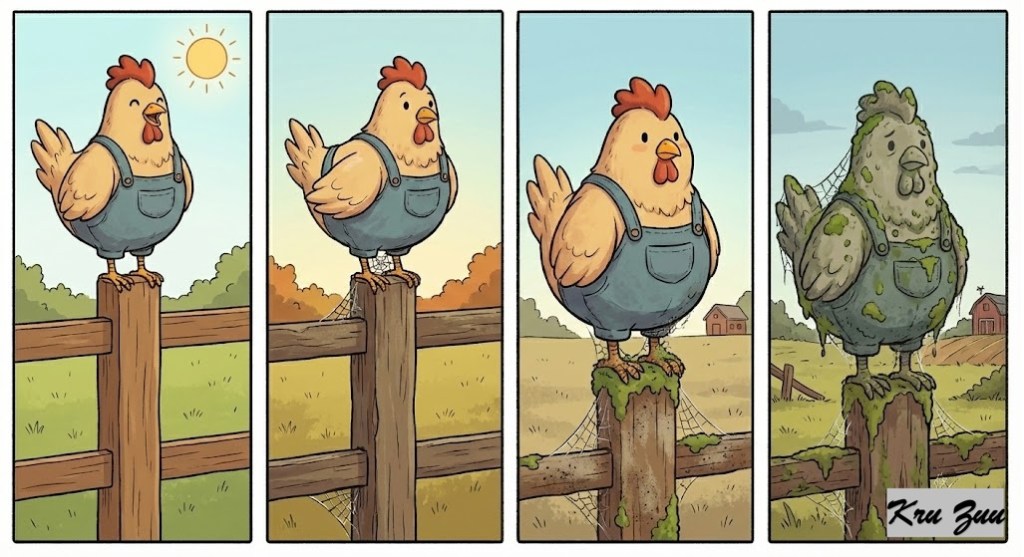
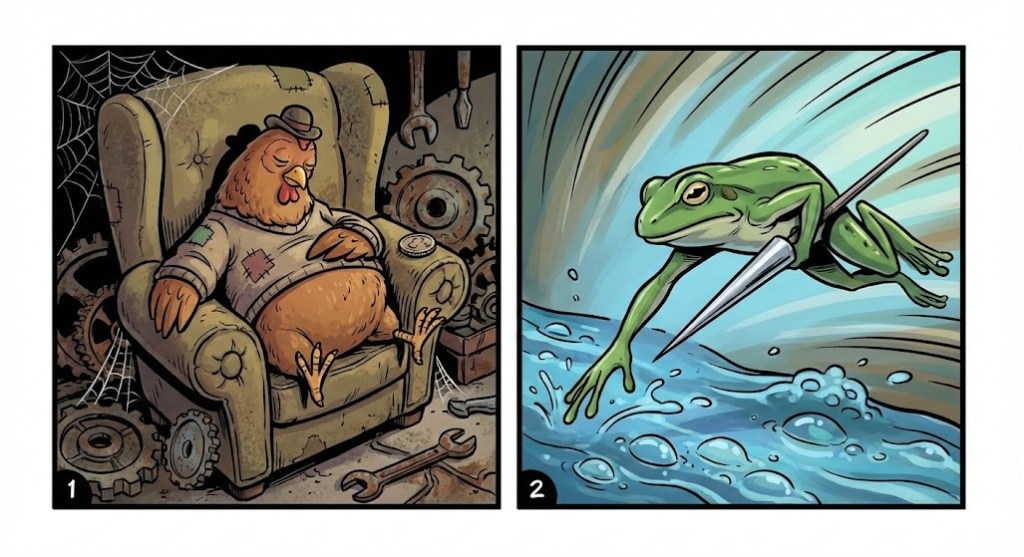
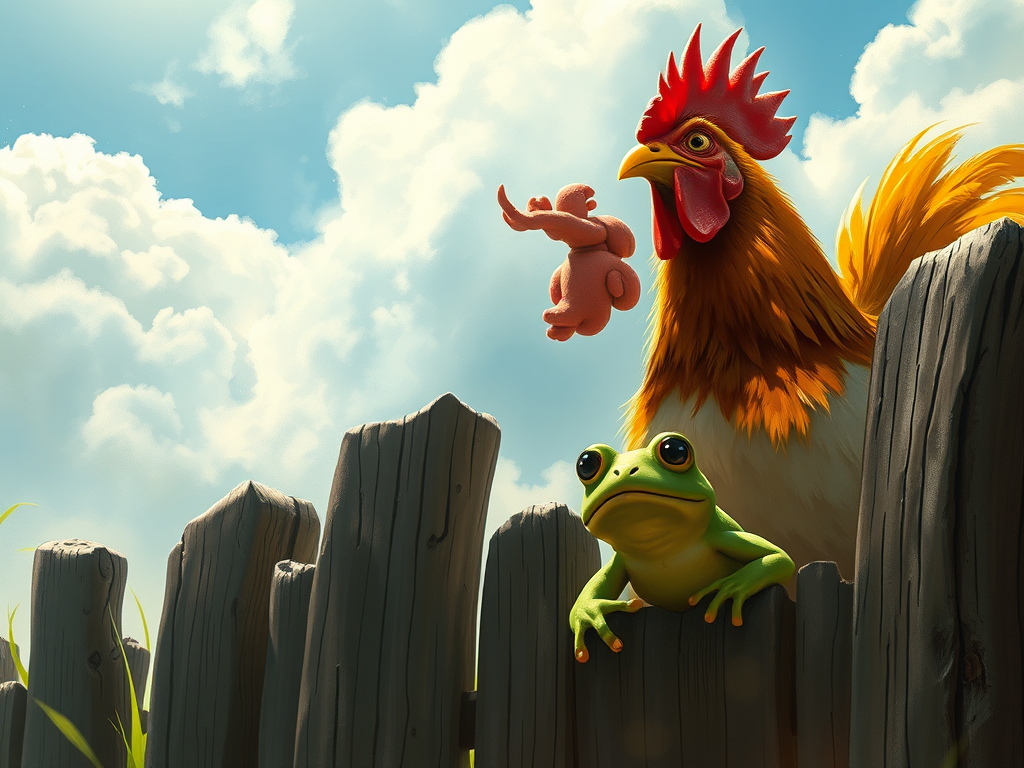
    Barnaby the Chicken (The Statue): Barnaby loved his coop. He sat on the same fence post every single day. He said, “I will not move. I have my spot. I have my feathers. I am comfortable.” Over the months, Barnaby stopped flying. He stopped hunting for bugs. He actually gathered “moss” (dust and cobwebs grew on his feet). He felt safe, but he became slow and heavy.


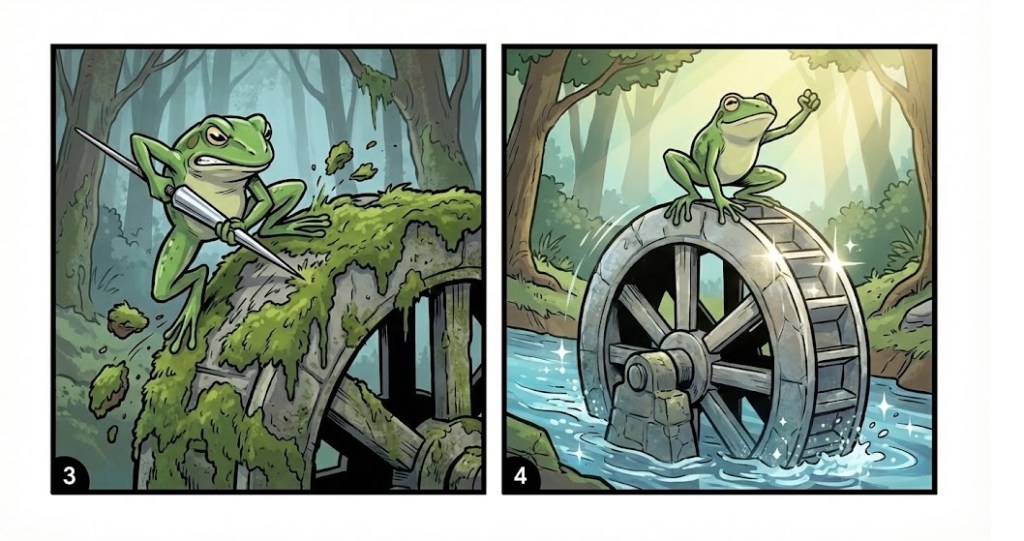
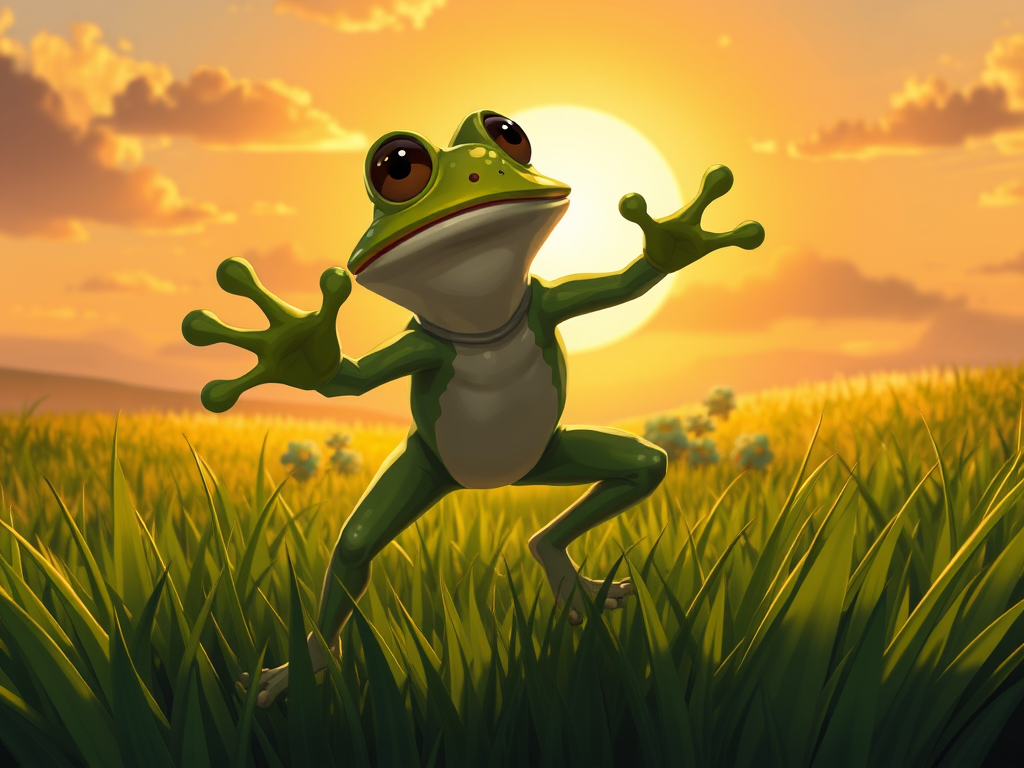
    Fiona the Frog (The Rolling Stone): Fiona was terrified of staying still. She hopped from the pond to the river, and from the river to the forest. She said, “New bugs! New water! New dangers!” She never built a permanent home (no moss), but her legs became incredibly strong. She learned how to catch 50 different types of flies. She was adaptable.


    The Crisis: One day, a hungry Fox entered the farm.


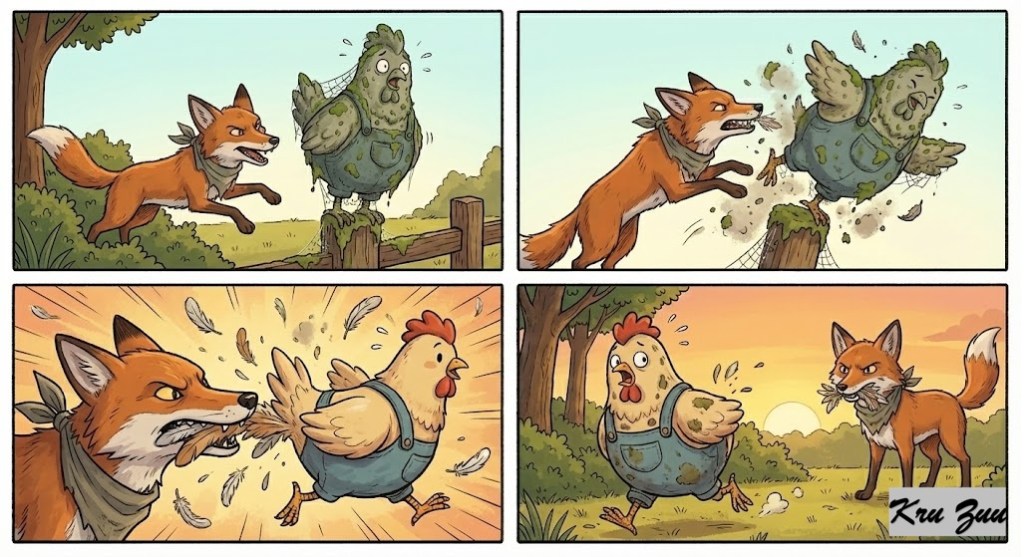
    Barnaby the Chicken tried to run. But he was “mossy.” His legs were stiff from sitting. He was too heavy. The Fox looked at him and smiled. (Don’t worry, Barnaby escaped, but he lost his tail feathers!) 🐔💨


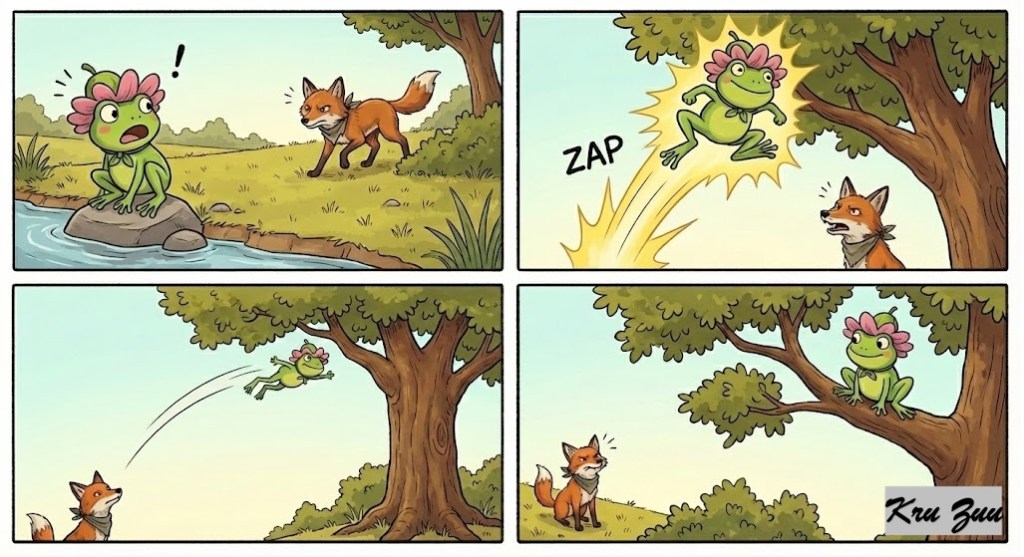
    Fiona the Frog saw the Fox instantly. ZAP! She used her powerful legs to jump to the highest branch. She was safe. 🐸


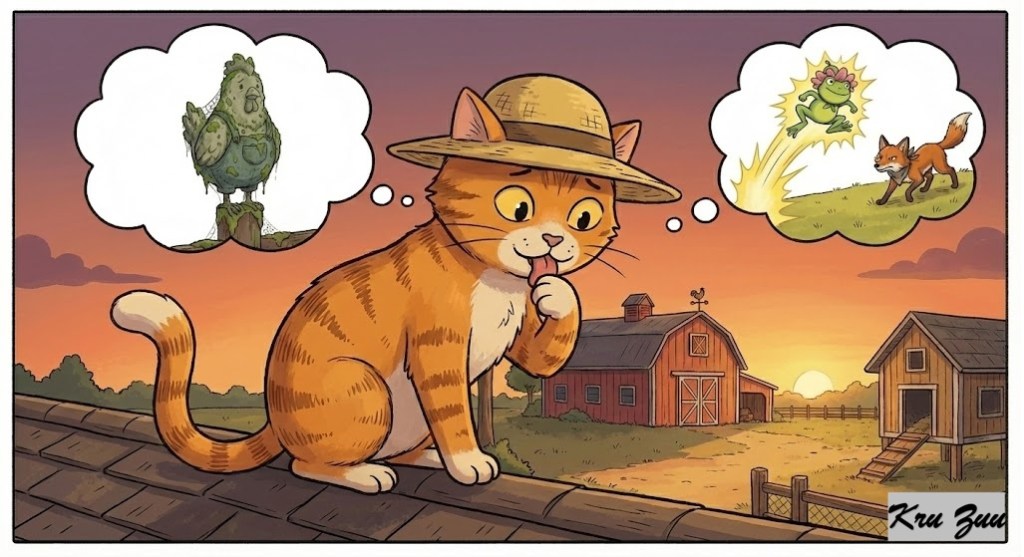
    The Verdict (Whiskers the Cat): Whiskers, sitting on the roof, licked his paw and observed: “Barnaby had a nice warm seat, but he got rusty. Fiona had no home, but she had skills. In a dangerous world, it is better to be a Rolling Stone than a Sitting Duck.” 🐱


    The Moral: Comfort is nice, but it makes you slow. Keep moving, keep learning, keep rolling.

    🎓 Lesson for English Learners


    Don’t Let Your English Gather Moss.


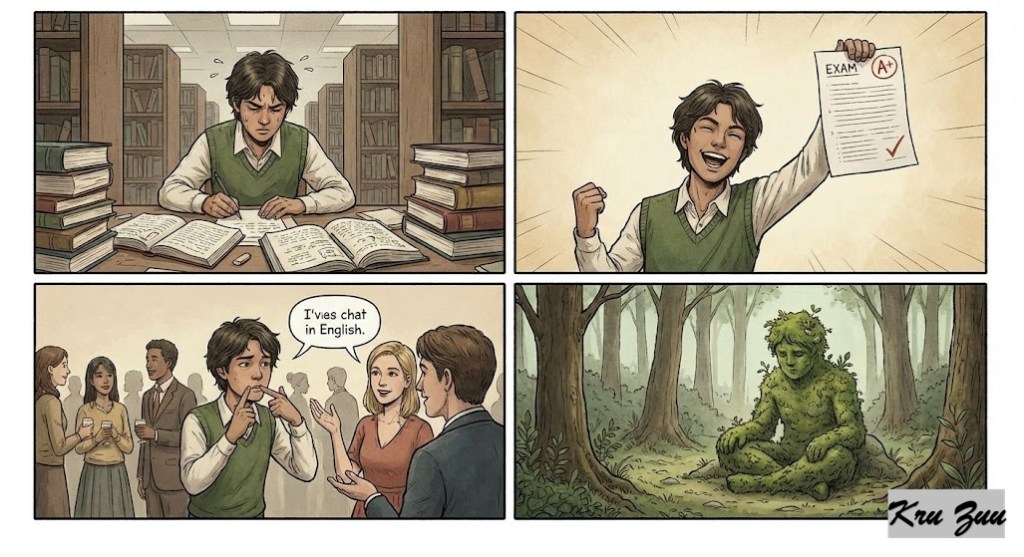
    The Mossy Student: Studies hard for an exam, passes it, and then doesn’t speak English for 3 months.


    Result: They forget everything. The “rust” covers their brain.


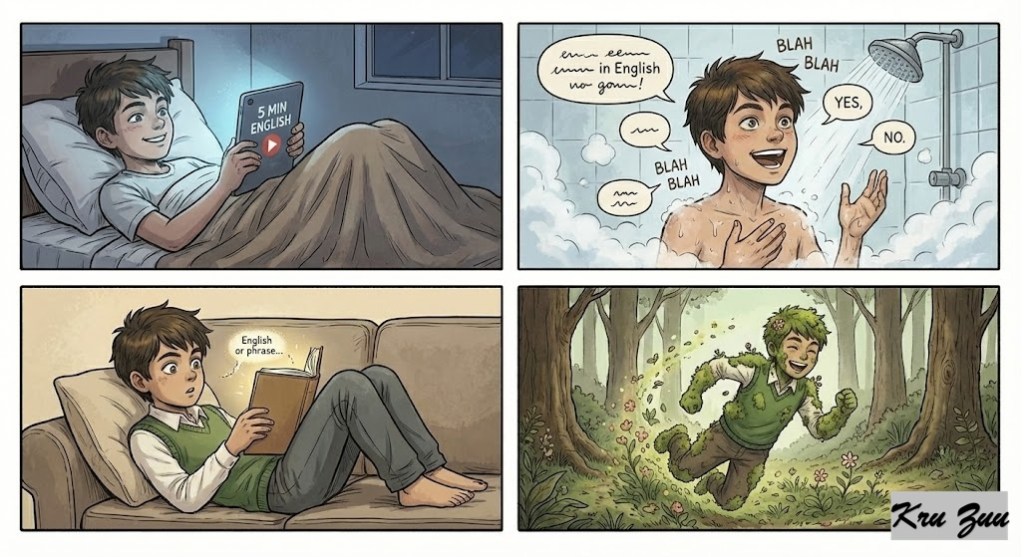
    The Rolling Student: Watches 5 minutes of English YouTube every day. Talks to themselves in the shower. Reads one page of a book.


    Result: They might not be perfect, but they are “shiny.” Their English is ready to use instantly.


    Question: Are you a Chicken (comfortable but rusty) or a Frog (moving and sharp)?


    💬 Your Turn: The “New Thing” Challenge 🚀


    To stop the moss from growing, you need to do something NEW today.


    Pick one:


    Listen to a song in English you have never heard before.


    Learn 3 idioms about “Movement.”


    Write a comment below using the word “Stagnant.”


    Tell us in the comments: What is a skill you used to have, but lost because you stopped practicing? (Did you play guitar? Did you speak French?). Let’s talk about our “moss”! 👇

    By Zubeyir YURTKURAN

    https://www.facebook.com/BrainBattleground/

    https://www.facebook.com/zubeyr.yurtkuran/

    https://www.instagram.com/zubeyryurtkuran/
    https://www.youtube.com/@BrainBattleground-b3p

    https://www.instagram.com/brainbattleground/

  • ⏳ The Daily Shield: The Law of Patience

    ⏳ The Daily Shield: The Law of Patience

    “Good things come to those who wait.”


    😈 The Villain (The Rusher)
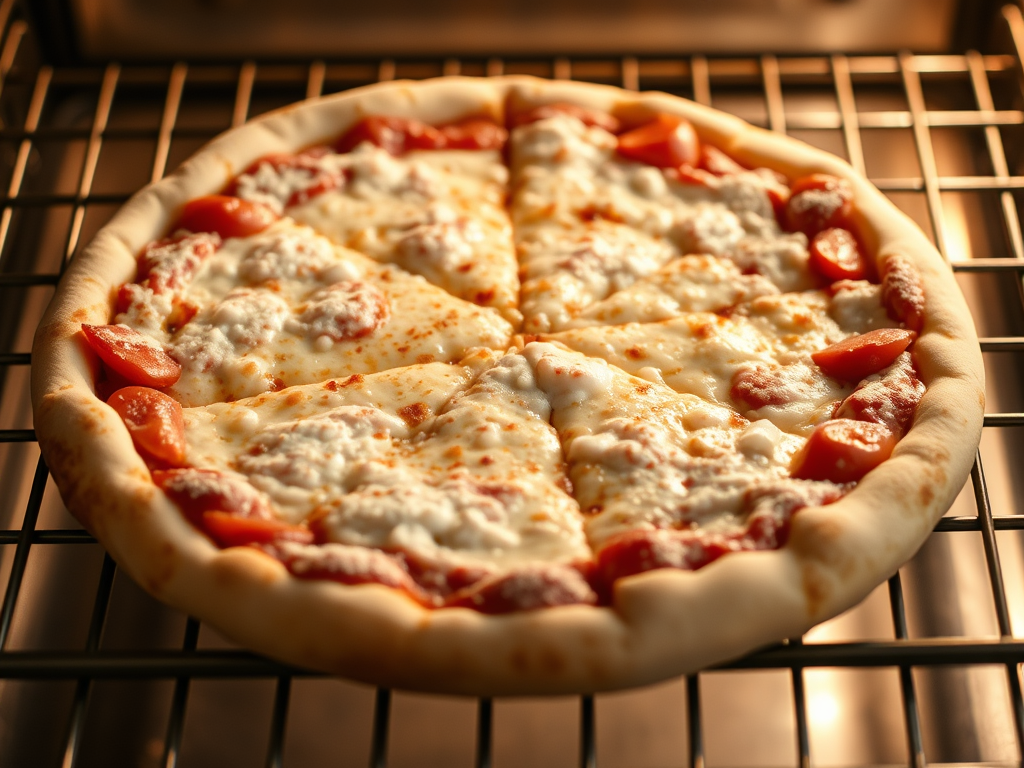
    You want everything NOW. You put the frozen pizza in the oven, but you take it out 5 minutes early because you are hungry. The center is still frozen cold.

    You send 10 text messages because your friend didn’t reply in 30 seconds.

    You quit the gym after one week because you don’t have a six-pack yet.

    The Result? Burnt tongues, unfinished projects, and broken relationships. You are addicted to “Instant Gratification.”

    You run fast, but you never arrive. 🏃‍♂️💨


    😇 The Hero (The Strategist)
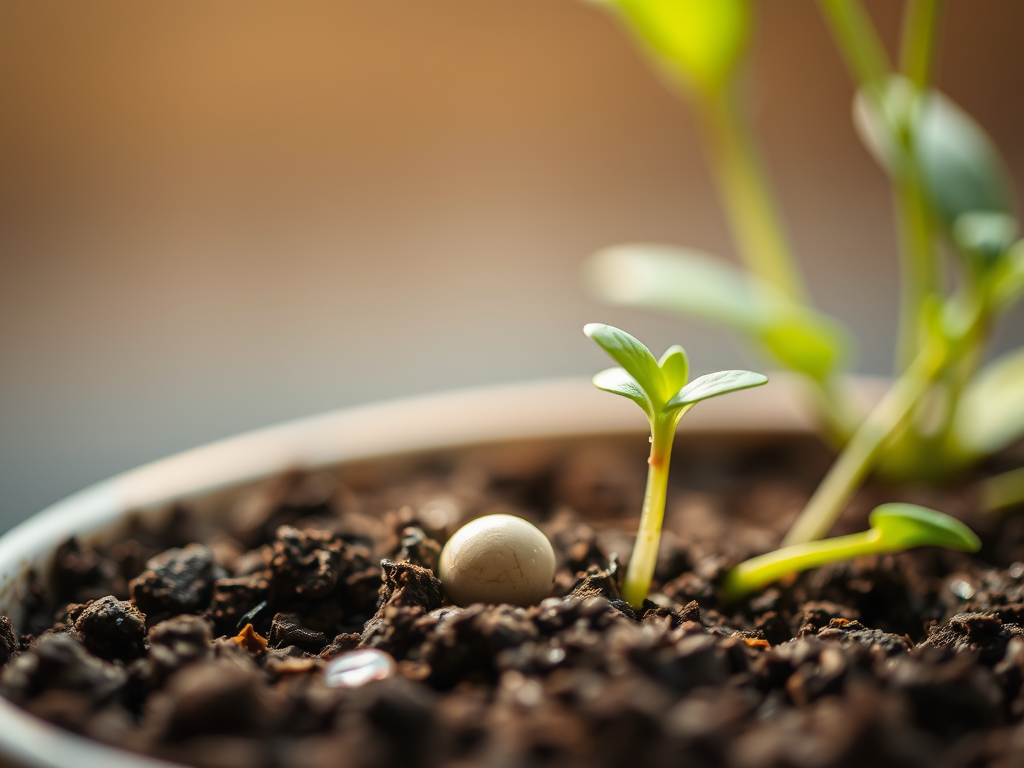
    You plant a seed. You water it. You watch nothing happen for days. But you don’t dig it up to check if it’s growing. You trust the process.

    You wait for the tea to cool down so you can taste the flavor.

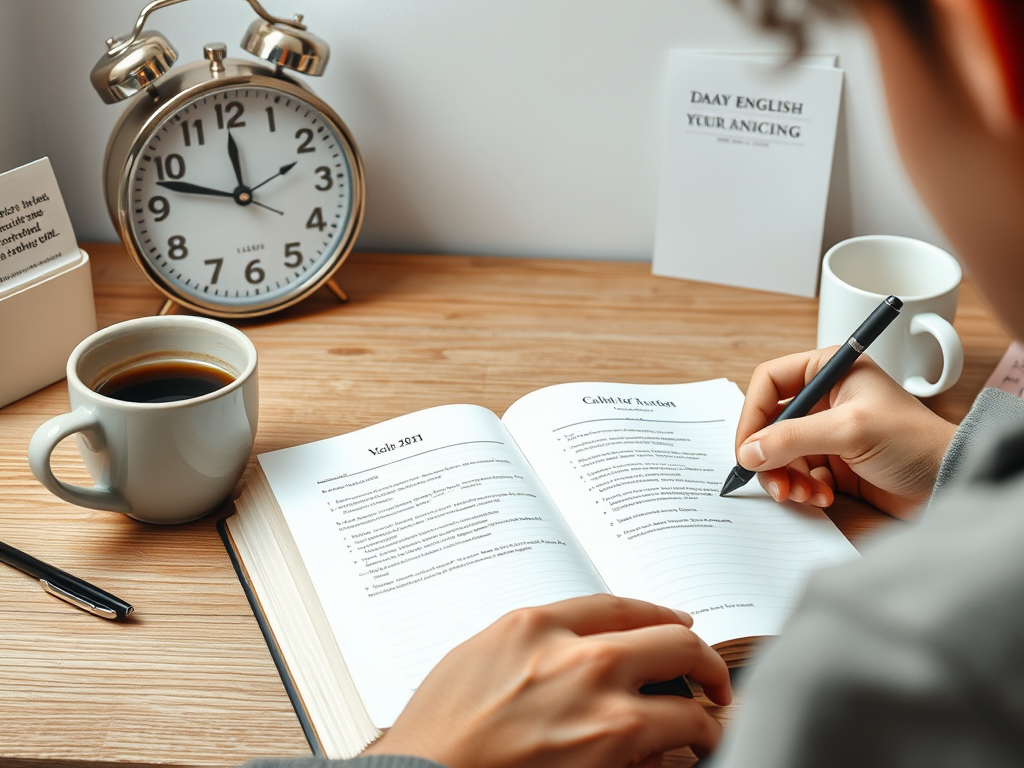
    You study English for 15 minutes every day for a year, knowing the result will come later.

    The Result? You enjoy the sweetest fruit because you let it ripen.

    You win the game because you waited for the perfect moment to strike.

    You possess the superpower called Patience. 🛡️


    ⚖️ The Reality
    “Fast” is often “Fragile.” We live in a microwave generation. We want 5-minute abs, 1-minute rice, and instant success. But diamonds take millions of years to form. If you rush a diamond, you just get coal.

    💎 The Secret: Waiting is not “doing nothing.” Waiting is an action. It is gathering strength, observing, and preparing for the grand finale.

    🧐 The Anatomy of the Proverb

    Let’s break down this famous saying.


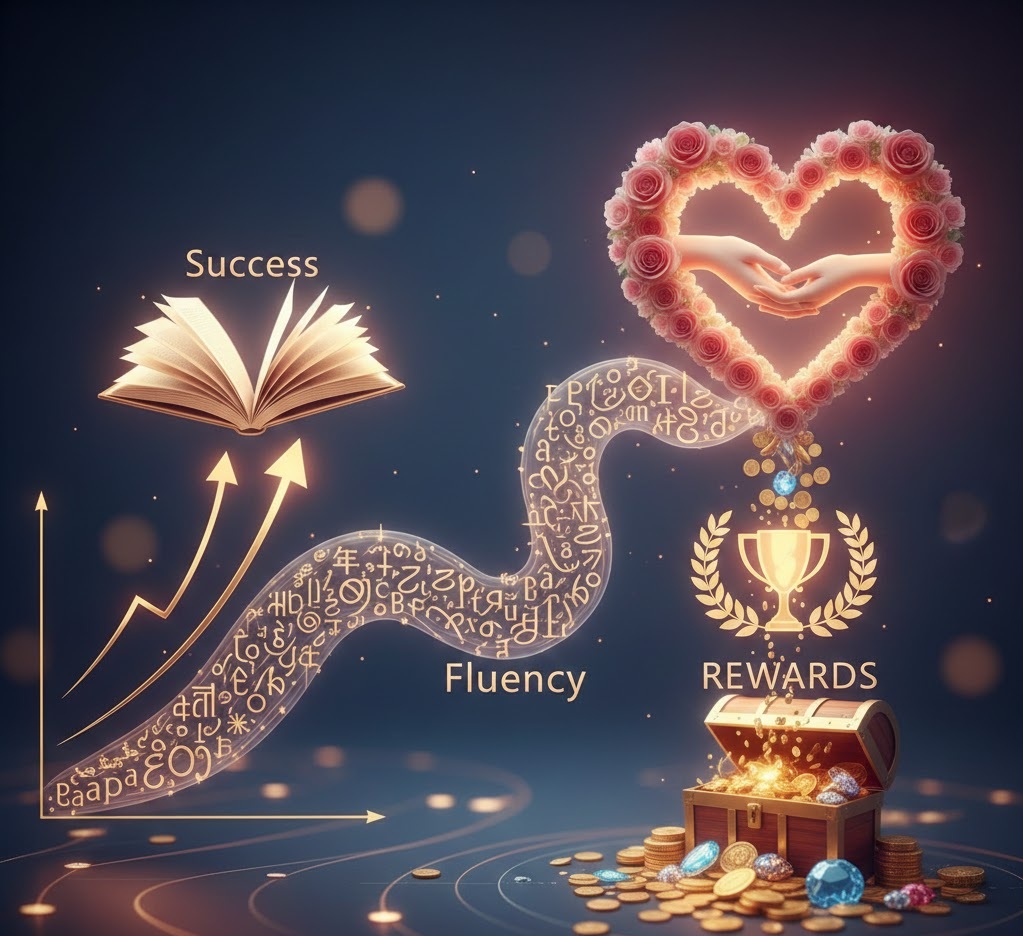
    Good things (Subject):
    Success, fluency, love, rewards.


    Come (Verb): Arrive; happen.


    To those who wait (Indirect Object): The people who show patience.


    Simpler Version: Be patient, and you will be rewarded.


    📚 Vocabulary Vault


    Patience (Noun):
    The capacity to accept or tolerate delay without getting angry. (The ultimate virtue).


    Impulsive (Adjective): Acting or doing something without thinking carefully. (The enemy of success).


    Virtue (Noun): A behavior showing high moral standards.


    Inevitable (Adjective): Certain to happen; unavoidable.


    Ripe (Adjective): Ready to be eaten; fully developed (used for fruit and opportunities). 🍎


    🧠 Grammar Focus: Relative Clauses


    Look at the phrase:
    “Those who wait.” This is a Defining Relative Clause.


    It tells us which people get the good things.


    Structure: Person + Who + Verb.


    Examples


    People who study pass the exam.


    He who laughs last, laughs best.


    God helps those who help themselves.

    📜 History: Origin and Spread


    Where did this wisdom come from?


    The Origin:
    While the idea is ancient, the poem “Tout vient à qui sait attendre” by Mary Montgomerie Currie (under the name Violet Fane) in the 19th century made it famous in English.


    The Logic: Hunters knew this best. If you shoot too early, you miss the deer. If you wait too long, it runs away. You must wait for the perfect shot.


    Global Cousins


    🇹🇷 Turkish:
    “Sabreden derviş muradına ermiş.” (The patient dervish attained his wish.) — A classic!


    🇮🇹 Italian: “Chi va piano, va sano e va lontano.” (He who goes slowly, goes safely and goes far.)


    🇦🇪 Arabic: “As-sabr miftah al-faraj.” (Patience is the key to relief.)

    🎯 Impact on Life: The Pros & Cons


    ✅ The Pros (The Reward)


    Quality:
    Work done with patience is always higher quality than rushed work.


    Wisdom: When you wait and observe, you learn things the “rushers” miss.


    ❌ The Cons (The Trap)


    Passive Waiting:
    There is a difference between “Patience” and “Laziness.”


    The Rule: You must work while you wait. Don’t just sit on the couch hoping for a million dollars!

    🎭 Short Story: The Pond Paradox


    Let’s go to the edge of a magical pond to see this proverb in action.


    🌟 The Characters


    🐔 The Chicken:
    Nervous, frantic, always moving.


    🐈 The Cat: Skilled but impulsive.


    🐸 The Frog: Ugly, still, and staring at nothing.


    The Scene: It is lunchtime. The pond is full of delicious flies.


    The Chicken’s Strategy: The Chicken sees a fly and runs after it immediately. Peck! Peck! Peck! She misses. She runs to another spot. She scratches the ground. She makes a lot of noise.

    Result: The flies are scared. They fly away. The Chicken eats only dust and dry seeds. She is tired and hungry.


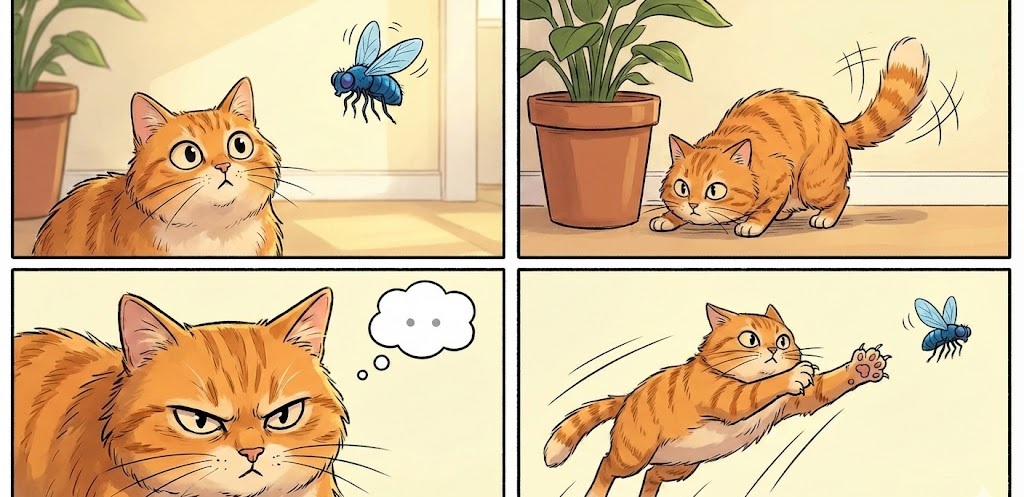
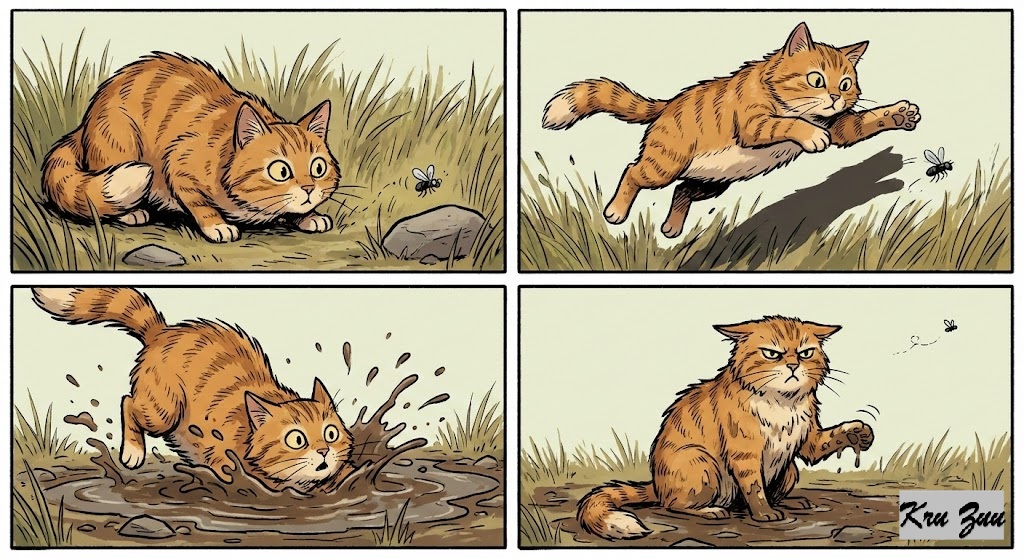
    The Cat’s Strategy: The Cat sees a big blue fly. He crouches. His tail wags excitedly. He counts to two and—POUNCE! He jumps into the air.

    Result: He was too eager. His shadow scared the fly a split second before he caught it. He lands in the mud. Wet and annoyed.


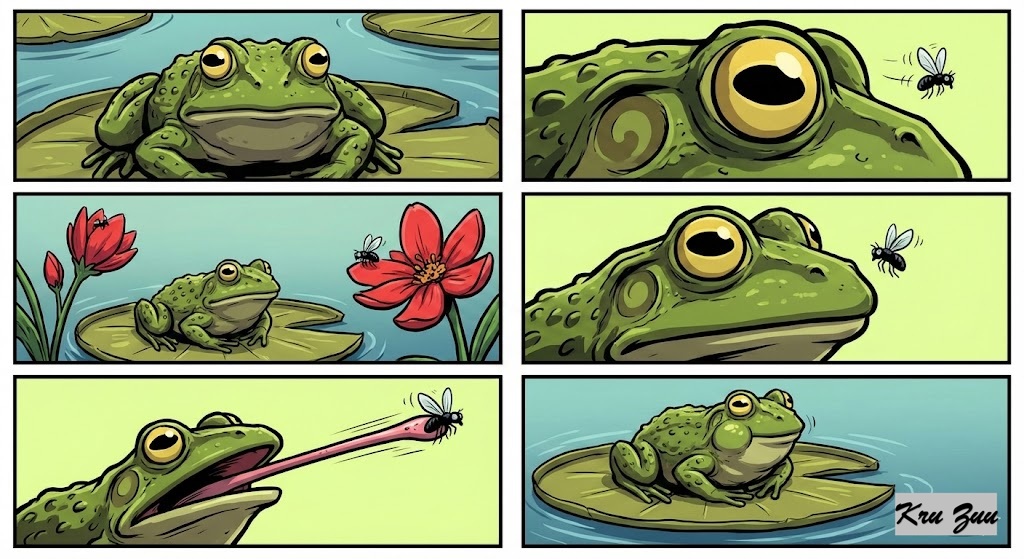
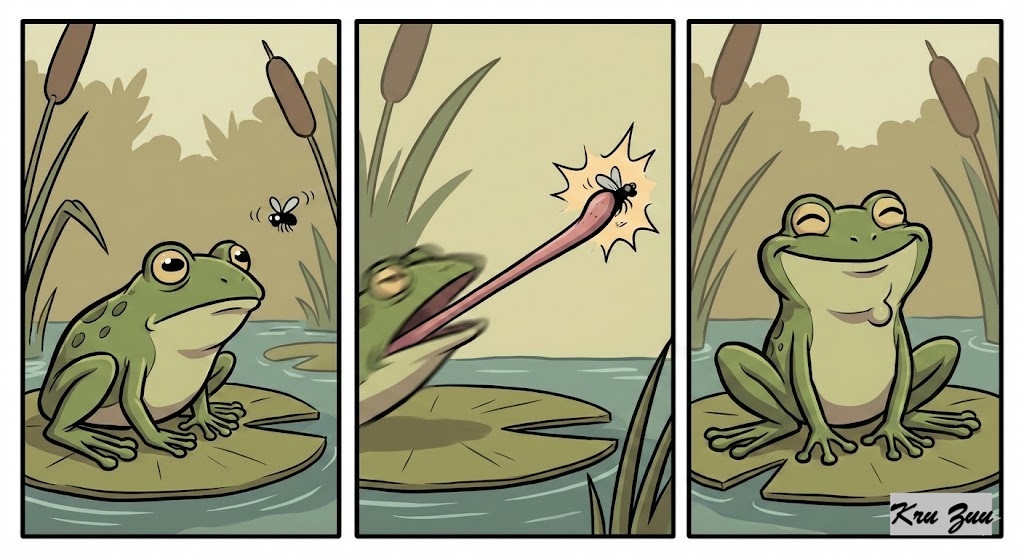
    The Frog’s Strategy: The Frog sits on a lily pad. He looks like a statue. He doesn’t blink. A fly buzzes near his ear. He waits. The fly lands on a flower nearby. He waits. The fly flies closer, right in front of his nose.

    The Chicken yells, “Why don’t you do something?!” The Frog ignores her.

    He waits until the fly is relaxed. ZAP! 👅 In one millisecond, his tongue shoots out. The fly is gone. The Frog smiles.


    The Moral

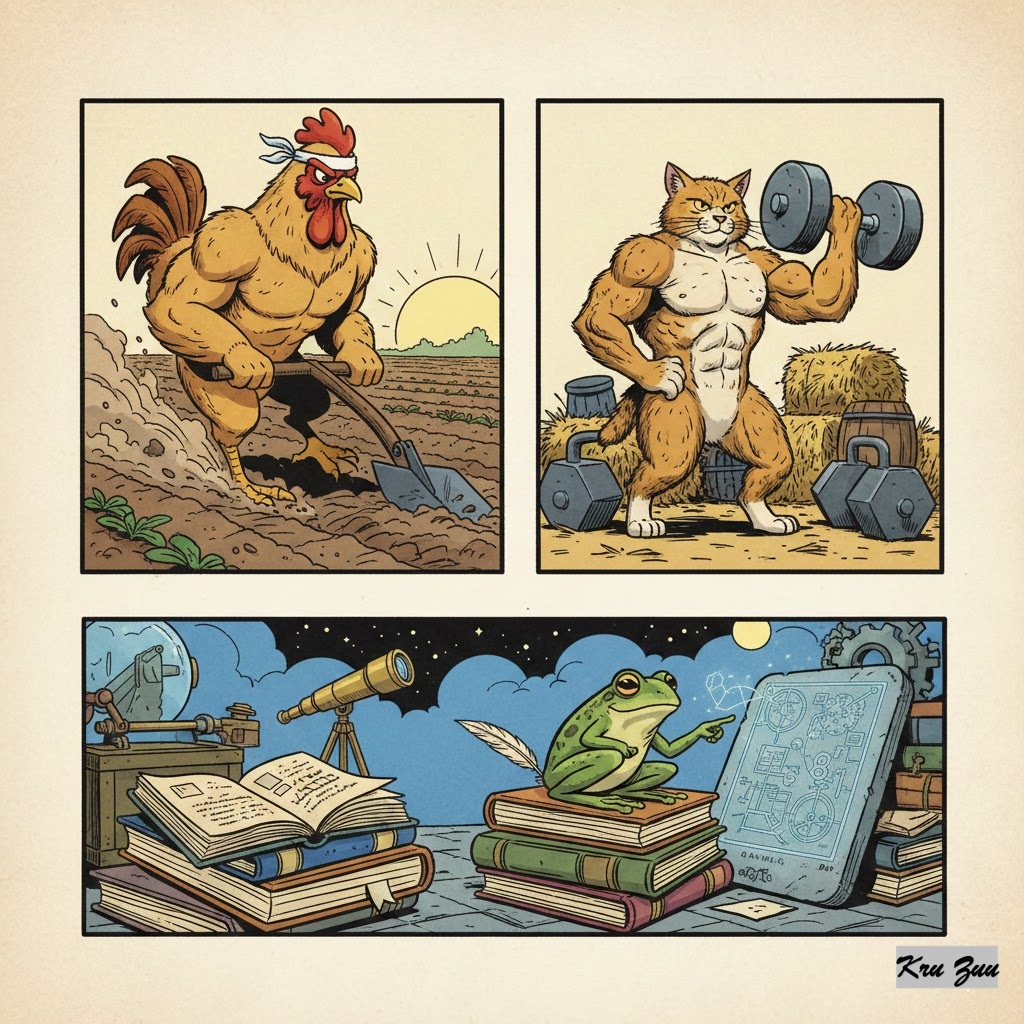
    The Chicken worked the hardest.

    The Cat was the strongest.

    But the Frog was the smartest.

    Motion is not progress. Stillness is a strategy. 🐸

    🎓 Lesson for English Learners


    Don’t Quit in the “Plateau.”


    Situation:
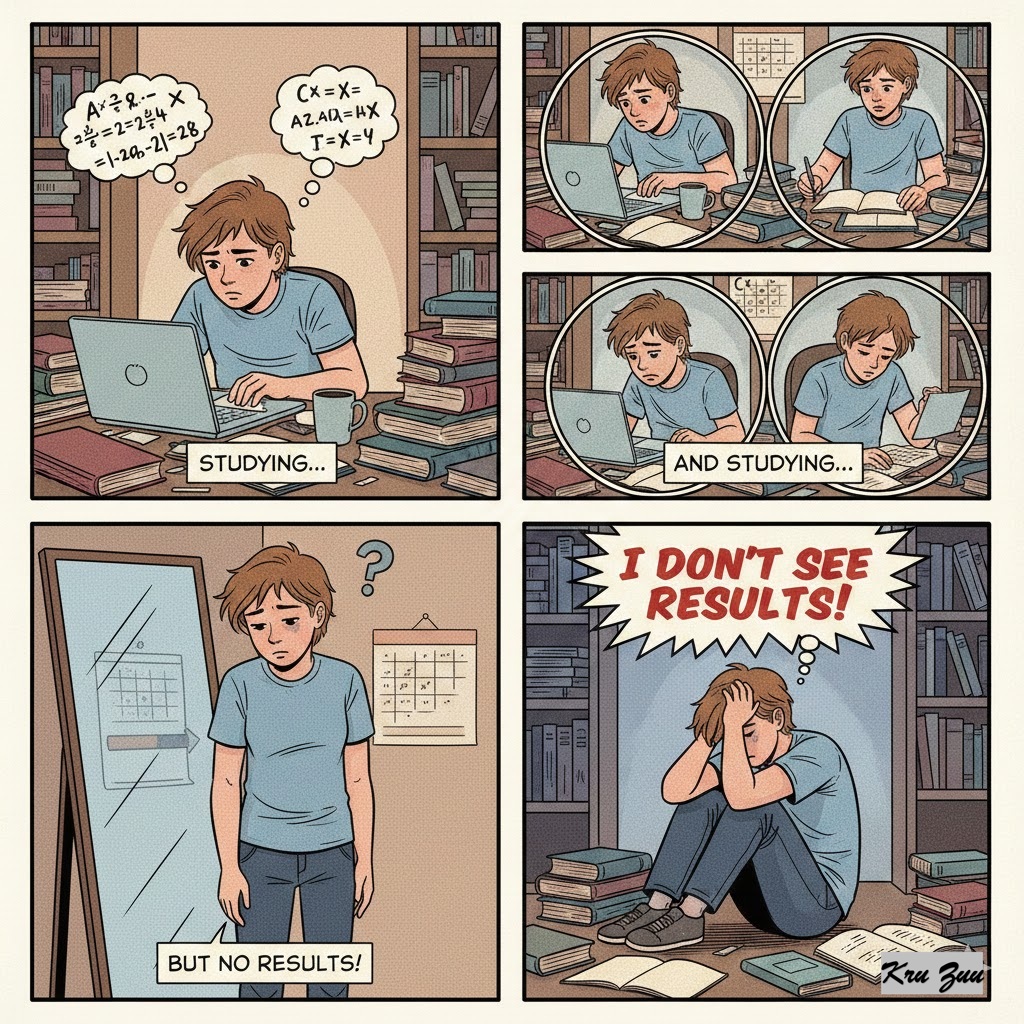
    You have been learning English for 6 months. You feel like you aren’t improving. You want to quit.


    You Say: “I am studying, but I don’t see results!”


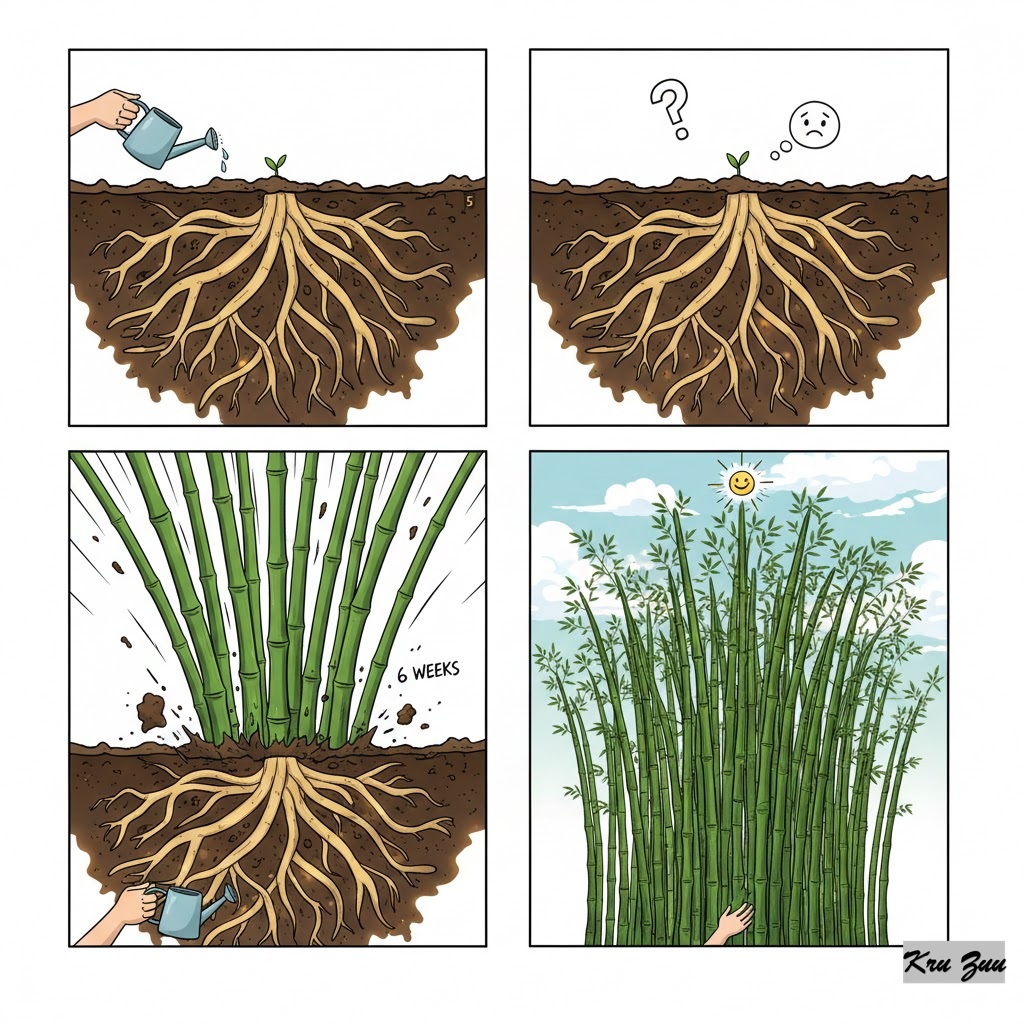
    The Reality: Language learning is like bamboo. For 5 years, bamboo grows underground (roots). You see nothing. Then, in 6 weeks, it shoots up 30 meters!


    The Advice: You are in the root phase. Good things come to those who wait (and keep studying).


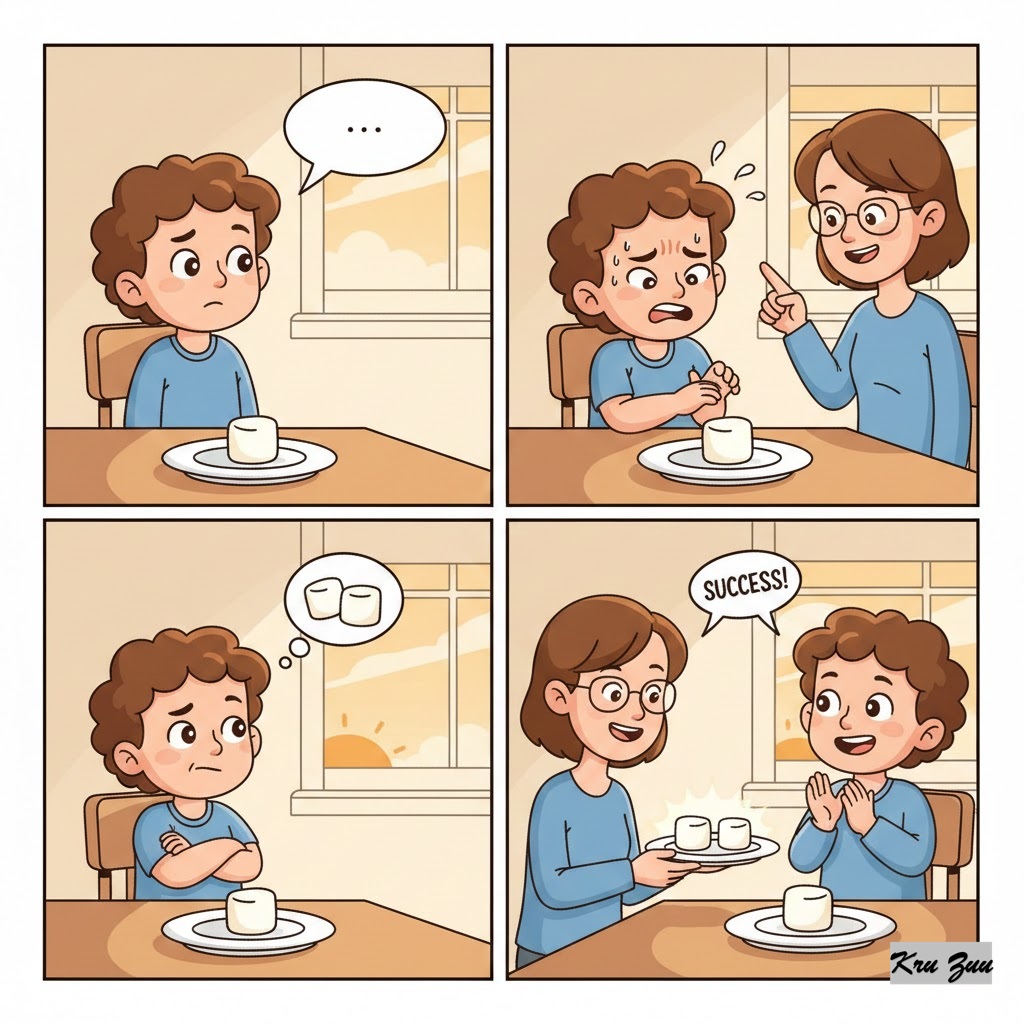
    💬 Your Turn: The Marshmallow Test 🍬


    Psychologists did a test on kids. They put one marshmallow in front of a child and said: “You can eat this now. OR, if you wait for me to come back, I will give you two marshmallows.” The kids who waited became more successful in life.


    Question for you: What is one thing you are being patient for right now? A promotion? Love? Learning a new skill? Tell us in the comments! Are you the Chicken, the Cat, or the Frog? 👇

    By Zubeyir YURTKURAN

    https://www.facebook.com/BrainBattleground/

    https://www.facebook.com/zubeyr.yurtkuran/

    https://www.instagram.com/zubeyryurtkuran/
    https://www.youtube.com/@BrainBattleground-b3p

    https://www.instagram.com/brainbattleground/

  • 🌤️ The Silver Lining Effect: Finding Light in the Dark

    🌤️ The Silver Lining Effect: Finding Light in the Dark

    Every cloud has a silver lining.


    👿 The Villain (The Pessimist): You lose your job unexpectedly.

    You panic. You spend weeks complaining, blaming your boss, and sleeping until noon.

    You tell everyone, “My life is over.”

    The Result? You miss new job openings because you are too busy being angry.

    Your friends stop calling because your negative energy drains them.

    You stare at the dark cloud so long that you get soaked by the rain. You drown in a puddle of your own making. 🌧️


    😇 The Hero (The Alchemist): You lose your job unexpectedly. It hurts, but you take a deep breath.

    You think, “I hated that commute anyway. Now I have time to take that coding course I always wanted.”

    The Result? Three months later, you launch a freelance business.

    You are making more money and working from home.

    Losing that job wasn’t a tragedy; it was the push you needed to fly.

    You didn’t just survive the storm; you used the water to grow a garden. 🌻


    ⚖️ The Reality:
    Life is not a weather report you can control.

    Storms will happen. But the sun never actually leaves; it is just temporarily hidden.

    💎 The Secret: The “bad thing” is often the transportation system for the “good thing.” Without the dark background, the stars cannot shine.

    🧐 The Anatomy of the Proverb


    This is the ultimate phrase for Optimism. It reminds us that even the worst situations (clouds) have a positive aspect or a hopeful side (the silver lining).


    Cloud: Represents trouble, sadness, or difficulty.


    Silver Lining: Represents the sun shining from behind the cloud, creating a glowing, bright edge. (Hope/Advantage).


    📚 Vocabulary Vault


    Optimist (Noun):
    A person who tends to look on the more favorable side of events. 😃


    Pessimist (Noun): A person who tends to see the worst aspect of things. ☹️


    Resilience (Bonus Word): The capacity to recover quickly from difficulties; toughness.


    Setback (Noun): A reversal or check in progress (a minor problem).


    Blessing in Disguise (Idiom): Something that seems bad at first but results in something good.


    🧠 Grammar Focus


    “Every” + Singular Noun vs. Plural Meaning This is a common trap for students! Even though “Every” talks about all the clouds, we treat it grammatically as a single unit.


    Subject: [Every cloud]


    Verb: [has] (Third Person Singular)


    Object: [a silver lining]


    Incorrect: Every clouds have a silver lining. ❌
    Incorrect: Every cloud have a silver lining. ❌
    Correct: Every cloud has a silver lining. ✅

    📜 History: Origin and Spread


    This poetic phrase wasn’t invented by a philosopher, but by a poet.


    The Origin: It comes from John Milton’s masque “Comus” (1634).

    He wrote: “Was I deceived, or did a sable cloud / Turn forth her silver lining on the night?”


    The Evolution: In the Victorian era, people shortened it to the proverb we use today to cheer each other up during hard times.


    Global Cousins:


    🇹🇷 Turkish:
    “Her şerde bir hayır vardır.” (There is good in every evil/bad thing.)


    🇪🇸 Spanish: “No hay mal que por bien no venga.” (There is no bad from which good does not come.)


    🇩🇪 German: “Auf Regen folgt Sonnenschein.” (After rain follows sunshine.)


    🇯🇵 Japanese: “Saiou ga uma.” (The story of the old man’s horse, bad luck leads to good luck.)

    🎯 Impact on Life: The Pros & Cons


    Is this toxic positivity, or a survival strategy?


    ✅ The Pros (The Shield):


    Mental Health:
    It reduces anxiety. Instead of focusing on “Why me?”, you focus on “What now?”


    Problem Solving: When you look for the silver lining, you stop freezing and start acting.


    Grit: It helps you endure pain because you believe there is a purpose to it.


    ❌ The Cons (The Trap):


    Invalidation:
    Telling someone who just lost a loved one “Every cloud has a silver lining” is rude. Sometimes, people just need to be sad.


    Denial: If you only look at the bright side, you might ignore a serious problem that needs fixing.

    🎭 Short Story: The Ruined Picnic


    Let’s visit our trio: Penny, Fiona, and Max.


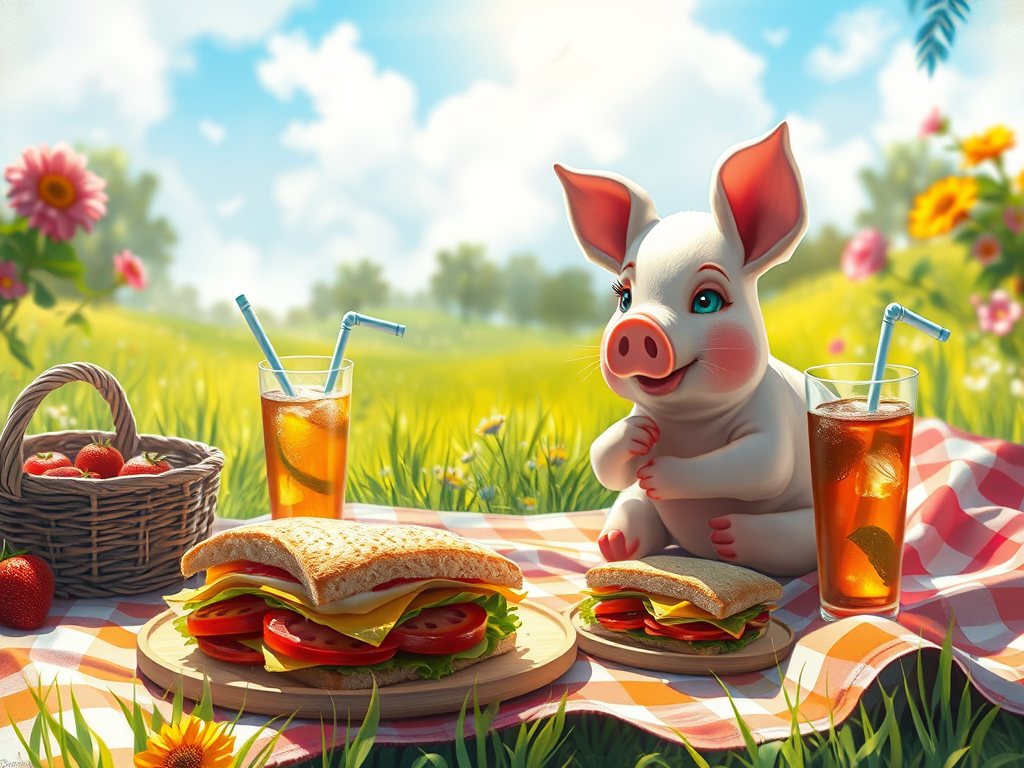
    🌟 The Setup: Penny the Pig had organized the “Perfect Picnic.” She had sandwiches, iced tea, and a beautiful blanket.

    Fiona the Fox and Max the Mouse were excited. “It’s going to be a beautiful day!” Penny(PIG) squealed.


    The Conflict: As soon as they sat down… KABOOM! Thunder crashed. The sky turned black, and rain poured down instantly.

    “My sandwiches!” cried Penny. “My fur!” cried Fiona.

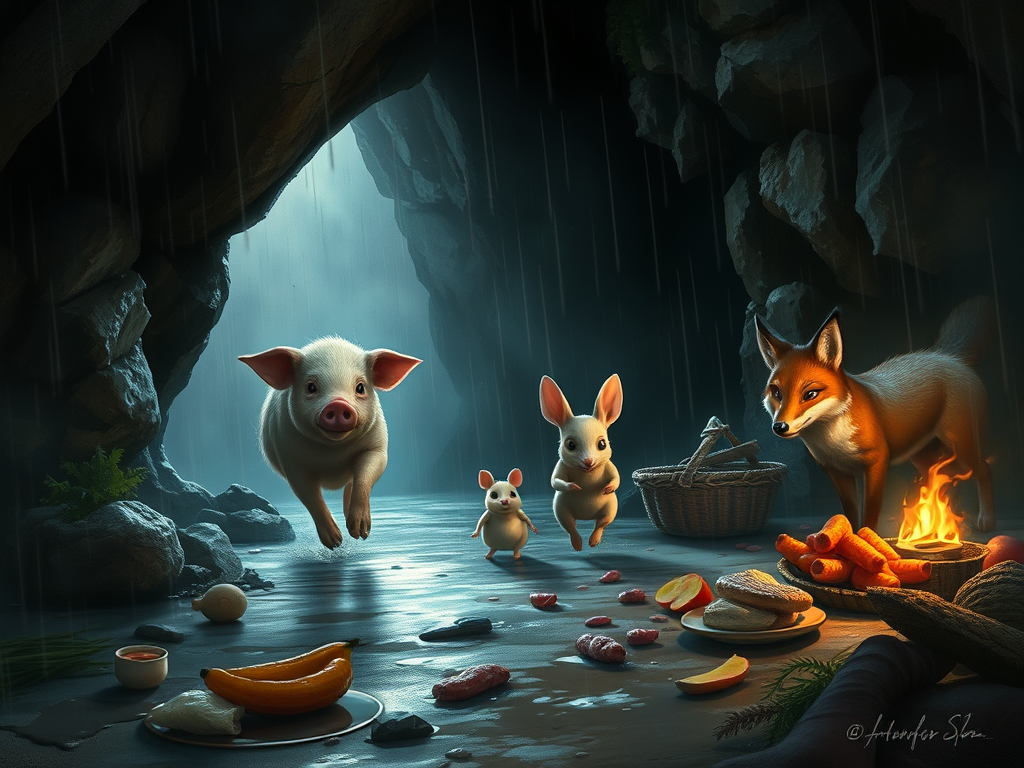
    The picnic was ruined. They grabbed the wet food and ran into a nearby dark cave for shelter. ⛈️


    The Action: Penny was crying. “This is a disaster.” But Max, being small and curious, saw something glowing at the back of the cave.

    “Hey guys, look at this!” he squeaked. They walked deeper into the cave.

    The walls were covered in glow-worms that looked like a magical starry night sky. It was breathtakingly beautiful. ✨


    The Climax: They sat on the dry rocks, ate their slightly soggy sandwiches, and watched the magical light show of the glow-worms.

    They told ghost stories and laughed louder than they would have outside.


    The Moral: If it hadn’t rained, they never would have found the magical cave.

    The storm (the cloud) led them to the most beautiful memory of the summer (the silver lining).

    🎓 Lesson for English Learners


    How to use this phrase naturally.


    Consoling a Friend (Professional Failure) 💼


    Situation:
    Your friend didn’t get the promotion they wanted.


    You say: “I know it hurts, but maybe every cloud has a silver lining. This might be the sign you needed to apply for that better company in the city.”


    Reframing a Bad Day 🚌


    Situation:
    You missed your bus and had to walk.


    You say: “Well, I missed the bus, but every cloud has a silver lining; at least I got my 10,000 steps in for the day!”


    Vocabulary Expansion 📚


    To Look on the Bright Side:
    To find the good in a bad situation.


    To Make Lemonade out of Lemons: To turn a difficulty into an opportunity.


    Weather the Storm:
    To endure a difficult situation until it improves.


    💬 Your Turn


    The “Hidden Gem” Challenge 💎


    Let’s practice gratitude.


    The Cloud:
    Think of a time something “bad” happened to you (a breakup, a firing, a missed flight).


    The Silver Lining: What good thing happened because of that bad event? Did you meet someone new? Did you learn a lesson?


    Action Step:
    Next time you complain today (about the traffic, the weather, or work), immediately add “…but the silver lining is…” and finish the sentence.


    Question: What is the biggest “Blessing in Disguise” you have ever experienced? Tell us your story in the comments! 👇

    By Zubeyir YURTKURAN

    https://www.facebook.com/BrainBattleground/

    https://www.facebook.com/zubeyr.yurtkuran/

    https://www.instagram.com/zubeyryurtkuran/
    https://www.youtube.com/@BrainBattleground-b3p

  • 🔄 The Golden Rule: The Boomerang of Life

    🔄 The Golden Rule: The Boomerang of Life

    Treat others how you want to be treated.


    👿 The Villain:
    You are having a bad day. You yell at the waiter because your coffee is cold.

    You push past people on the bus.

    You ignore your friend’s text.

    Result? The world feels angry. People are rude back to you. You feel like a victim, but actually, you started the fire. 🔥


    😇 The Hero: You smile at the stranger on the street.

    You hold the door open for someone carrying heavy boxes.

    You listen when your friend is sad.

    Result? Suddenly, people smile back. When you drop your books, someone rushes to help you pick them up. The world feels warm. ☀️


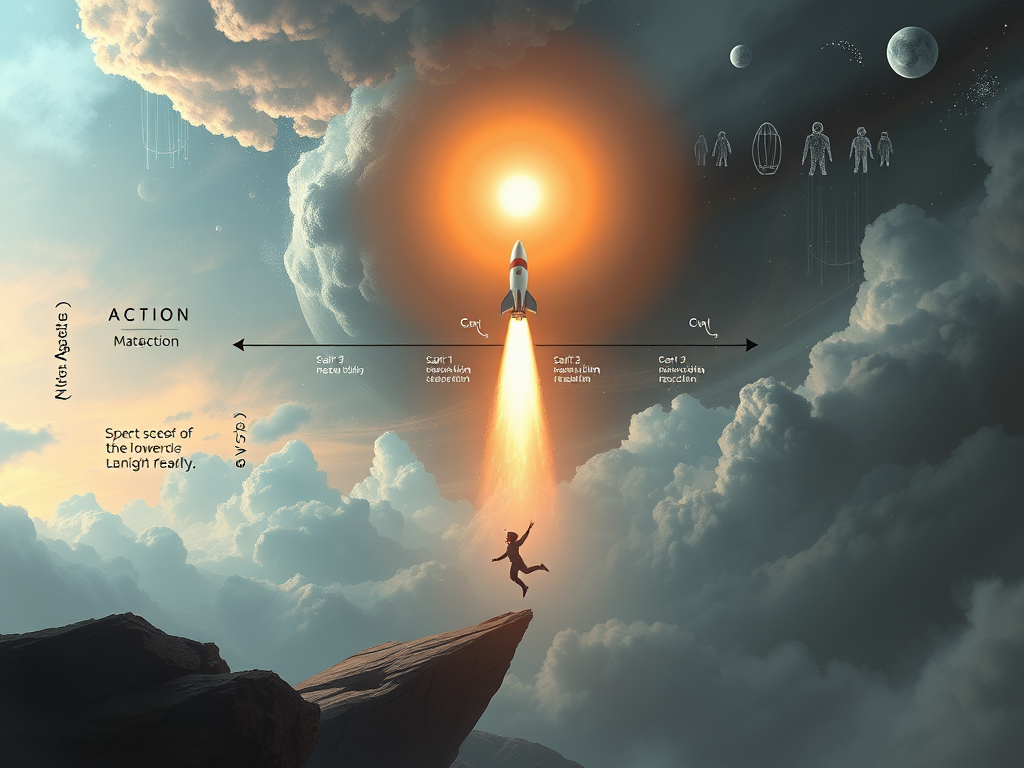
    📉 The Reality: Newton’s Third Law of Physics says: “For every action, there is an equal and opposite reaction.” This applies to humans too!

    💎 The Secret: Life is an echo. What you send out, comes back. If you want respect, you must give it first.


    In this post, we are decoding the secret to being popular, respected, and happy. Let’s look at the Boomerang Effect! 🪃

    🧐 The Anatomy of the Proverb


    Let’s break down the grammar to understand the command.


    📚 Vocabulary Vault


    Treat (Verb): To behave towards someone or deal with someone in a certain way.


    Example: “Please treat this glass carefully, it is fragile!” 🍷


    Others (Pronoun): People who are not you. Everyone else. 👥


    The Golden Rule (Idiom): A universal moral principle found in almost every culture.


    🧠 Grammar Focus


    The Imperative Mood (The Bossy Verb):
    This sentence starts with a verb (Treat). There is no “You.”


    Normal: You should treat others…


    Imperative:Treat others… (It is a direct instruction or strong advice).


    The “How” Clause: “How you want to be treated” acts as an adverb describing the verb Treat.


    Do it how? Like you want it done to you.

    📜 History: Ancient Wisdom


    Is this just a modern polite phrase? No! It is thousands of years old.


    The Origin:
    This is arguably the oldest ethical rule in human history. It appears in Ancient Egypt (The Tale of the Eloquent Peasant), in Confucianism, and in the Bible.


    Global Cousins:


    🇹🇷 Turkish: “
    Ne ekersen, onu biçersin.” (You reap what you sow.)

    🇹🇷 Turkish:“İğneyi kendine, çuvaldızı başkasına batır.” (Prick yourself with a needle before you prick others with a packing needle.) 🪡


    🇨🇳 Chinese: “Do not do to others what you do not want done to yourself.” (Confucius).


    🇮🇳 Hindi: “Karma.” (What goes around, comes around).


    The Lesson: You are the architect of your own social life.

    🎯 Impact on Life: The Pros & Cons


    Why should you be nice to mean people?


    ✅ The Pros (The Magnet)


    Likability:
    People naturally gravitate towards kind people.


    Peace: You have less drama and fewer fights in your life.


    Self-Respect: Even if they are rude, you know you kept your dignity.


    ❌ The Cons (The Doormat)


    Expectations:
    Just because you are nice, doesn’t mean everyone will be nice back instantly. Don’t do it for a reward; do it because it’s right.


    Boundaries: Treating people well does not mean letting them use you. You can be kind but still say “No.” 🛑

    🎭 Short Story: The Echo Cave


    Let’s check back in with our farm friends!


    🌟 Character Introduction


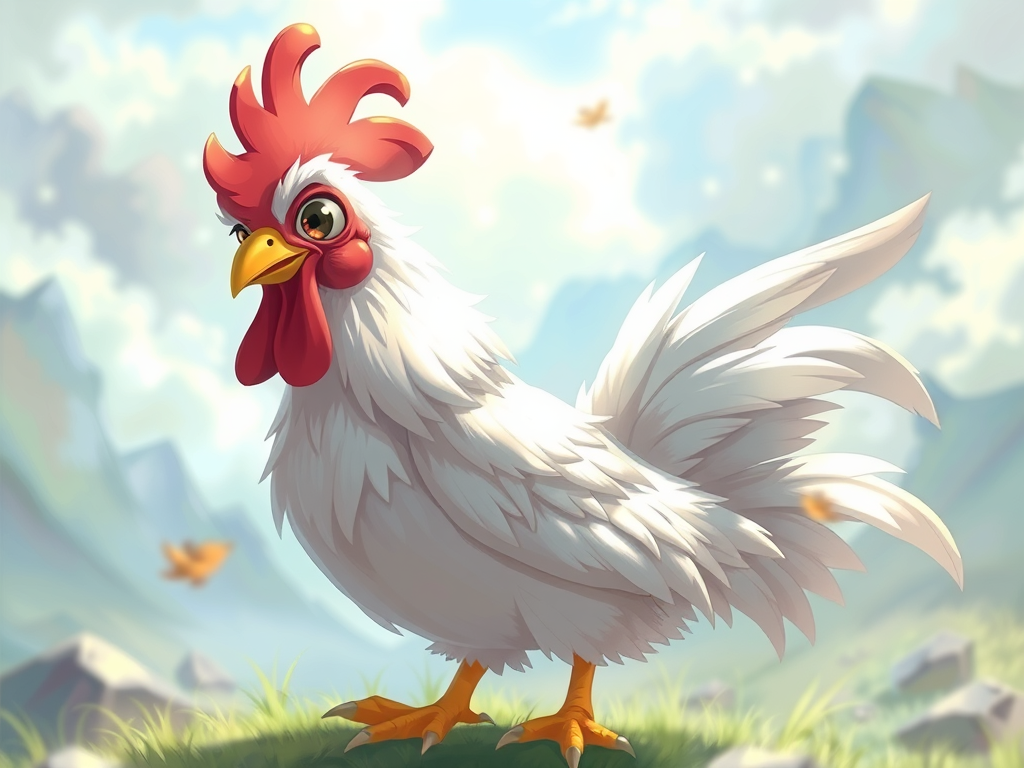
    Percy the Chicken:
    Impatient, loud, thinks he is the boss. 🐔


    Fred the Frog: Chill, observant, polite. 🐸


    Luna the Cat: The wise judge. 🐱


    The Setup: Percy was in a bad mood. He walked to the edge of the farm, near the Big Cave. “HEY! YOU ARE STUPID!” Percy shouted into the cave. The cave shouted back: “YOU ARE STUPID… stupid… stupid…” Percy got angry. “NO, YOU ARE UGLY!” The cave echoed: “YOU ARE UGLY… ugly… ugly…”


    The Conflict: Percy ran to Luna the Cat, feathers puffing up. “Luna! There is a monster in the cave! It called me stupid and ugly! We must attack it!” ⚔️


    The Solution: Luna smiled slowly. “Percy, go back. But this time, say something nice.”

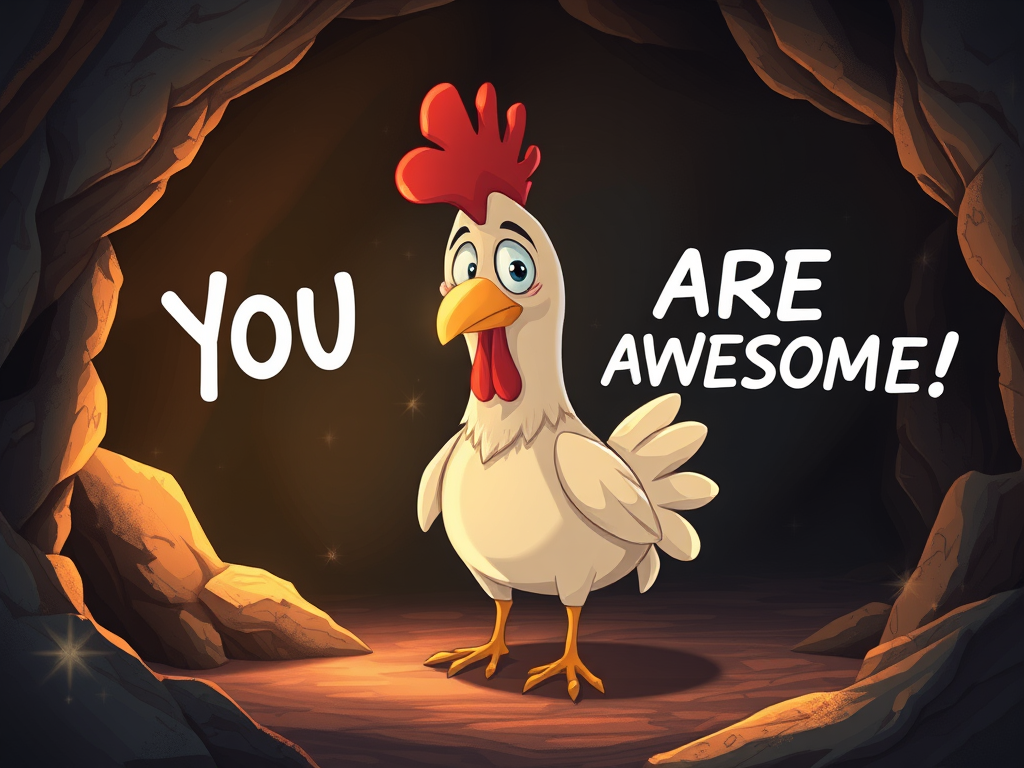
    Percy was confused, but he went back. “HELLO! YOU ARE AWESOME!” Percy shouted. The cave replied: “YOU ARE AWESOME… awesome… awesome…” ✨


    The Moral: Fred hopped by and laughed. “The cave is like people, Percy. If you shout hate, you hear hate. If you shout love, you hear love.”

    🎓 Lesson for English Learners


    How to use “The Golden Rule” in your English class?


    Empathy Language (Walk in their shoes) 👞 Before you judge a classmate, ask yourself:


    “If I made a pronunciation mistake, would I want them to laugh?”


    Answer: No. So, I will not laugh at them.


    Polite Requests vs. Demands 🗣️


    Rude (Don’t treat people like this):
    “Give me a pen.”


    Golden Rule (Do this): “Could I borrow a pen, please?” (Because you like it when people say please to you!)


    Vocabulary Expansion


    Reciprocity:
    (Noun) An exchange for mutual benefit. “Friendship is based on reciprocity.”


    Compassion: (Noun) Sympathy and concern for others.


    Karma: (Noun) Destiny or fate, following as effect from cause.


    💬 Your Turn


    The 24-Hour Challenge ⏳


    For the next 24 hours, I want you to treat everyone like a VIP (Very Important Person).


    Say “Good Morning” to the security guard.


    Smile at the person you don’t talk to often.


    Help someone before they ask.


    Question: How did people react? Did their energy change? Tell me in the comments below! 👇

    By Zubeyir YURTKURAN

    https://www.facebook.com/BrainBattleground/

    https://www.facebook.com/zubeyr.yurtkuran/

    https://www.instagram.com/zubeyryurtkuran/
    https://www.youtube.com/@BrainBattleground-b3p

  • 🐢 Better Late Than Never: Why Doing It “Late” Beats Not Doing It At All

    🐢 Better Late Than Never: Why Doing It “Late” Beats Not Doing It At All

    ⏳ Time flies, but is the opportunity really gone?


    🚌 Scenario: You missed the bus by 5 minutes.

    The “Never” Approach: “Today is ruined. I’m going back home. I give up.”

    The “Better Late” Approach: “I’ll wait for the next one. I will be late for the meeting, but at least I will be there.”


    🎂 Scenario: You forgot your friend’s birthday, and the date was yesterday.

    The “Never” Approach: “It’s too late now. It would be embarrassing to text. I just won’t say anything.”

    The “Better Late” Approach: “I will apologize and celebrate today. It is better than completely ignoring it.”


    Life isn’t perfect. Sometimes we miss the train, sometimes we don’t start our diet on Monday. This is exactly where the golden rule comes in to save us from guilt: “Better Late Than Never.”


    In this post, we explore the proverb that is the biggest enemy of perfectionism. Forgive yourself, pick yourself up, and let’s begin.

    🧐 The Anatomy of the Proverb


    Let’s look at the mechanics of this comforting phrase.


    📚 Vocabulary Vault


    Late (Adjective/Adverb): Doing something after the expected, proper, or usual time. 🕒


    Never (Adverb): At no time in the past or future; not ever. ⛔


    Better (Adjective): More desirable, satisfactory, or effective. 👍


    🧠 Grammar Focus


    This sentence is a comparative structure (Ellipsis is used, meaning words are omitted).


    Full Sentence: [It is] Better [to be] late + than [to] never [arrive].


    The Meaning: Doing something after the scheduled time is far superior to not doing it at all. Delay is a flaw, but quitting is a total loss.


    📜 History: Timeless Wisdom


    Who made this famous? Humans have been battling procrastination for thousands of years.


    The Origin: The phrase was notably used by the father of English literature, Geoffrey Chaucer, in his work “The Yeoman’s Tale” in 1386. However, its roots trace back even further to the Roman historian Livy.


    The Lesson: Perfect timing is great, but a completed task (even if late) is always better than an abandoned dream.

    🎯 Impact on Life: The Pros & Cons


    Is it always okay to rely on this proverb? Let’s weigh the scales.


    ✅ The Pros (Why it helps)


    Relieves Guilt:
    Instead of giving up after a mistake, it gives you a chance to fix it.


    Results-Oriented: It ensures you reach the goal, even if slowly. Remember the Tortoise and the Hare; crossing the finish line is what matters. 🏁


    Encourages Action: It gives power to those who say “I’m too old” or “I missed my chance” to finally start.


    ❌ The Cons (Why it can be tricky)


    Excuse for Laziness: If you constantly say, “I’ll do it later, better late than never,” you become unreliable.


    Loss of Trust: Delivering a project late is better than never delivering it, but it still damages your professional reputation. Balance is key. ⚖️

    🎭 Short Story: The Last Harvest


    To understand this better, let’s return to the farm. Winter is coming, and it is time to plant seeds for the winter food supply!


    🌟 Character Introduction


    Percy the Chicken (The Quitter): Has an “All or Nothing” mindset. If he misses the perfect time, he thinks trying is pointless. He gives up immediately. 😵


    Luna the Cat (The Punctual One): Does everything on time. She is disciplined and never late. ✨


    Fred the Frog (The Hopeful Latecomer): Sometimes distracted and misses the deadline, but never gives up. He knows that some result is better than zero result. 🐸


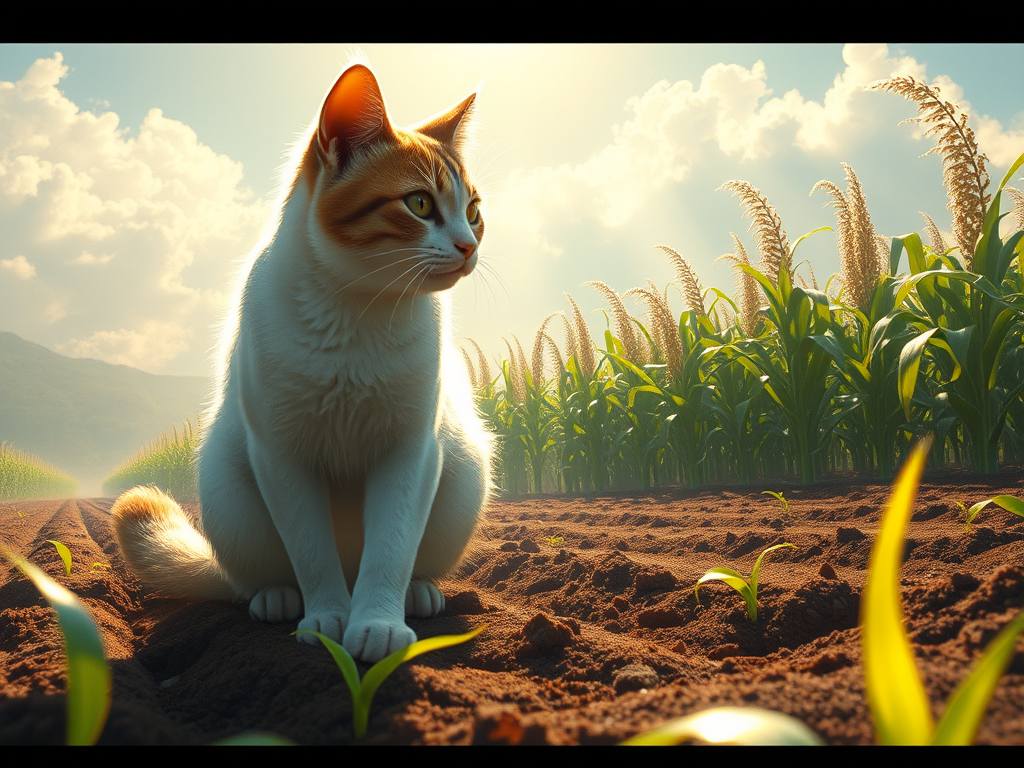
    Luna woke up with the first light of morning. “The sun is up! The perfect time to plant corn!” she said. Luna plowed her field, planted her seeds by noon, and went to rest, satisfied with a job well done.


    Percy and Fred, however, had overslept.


    At 3:00 PM, Percy woke up. He looked at the sun and panicked. “Oh no! The day is almost over! Luna has already finished. There is no point in starting now. The seeds won’t have enough sun. I’ll just plant them next year.” Percy shrugged and went off to play video games. 🎮


    Fred woke up at the same time. “Oh dear!” he shouted. “I am so late!” He ran to his field. The sun was already setting.


    Percy yelled from the fence: “Hey Fred! Don’t bother, buddy. We missed the perfect window. Just let it go!”


    Fred wiped the sweat from his forehead and shouted back: “Better late than never, Percy!” Fred worked furiously, planting his seeds even after the sun went down, working by the light of the moon. 🌙


    Months passed. The harvest time arrived.


    Luna’s Field: Full of perfect, golden corn. Her pantry was completely full.


    Percy’s Field: Full of weeds. He would spend the winter hungry because he did nothing just because he was late.


    Fred’s Field: His corn wasn’t as big as Luna’s, and it was a bit smaller, but it was there. Fred’s basket was full enough to survive.


    Fred munched on his corn and looked at the hungry Percy. “You see, Percy? It wasn’t perfect, but at least I’m not starving. I was late, but I didn’t quit.”


    In this story, the characters represent the outcomes:


    Luna: Perfection (Timely execution) 🏆


    Percy: Bankruptcy / “Never” (Giving up and getting zero results) 🌪️


    Fred: Salvation / “Better Late” (Delayed but satisfactory results) 🌽

    🎓 Lesson for English Learners:


    You might be 30, 40, or 60 years old. You might regretfully say, “I wish I had learned English when I was a child.” (Percy’s Method)


    But remember this truth: Being able to speak English 1 year from now is a million times better than finishing your life saying “I wish.”


    Did you arrive 10 minutes late for class today? Go in and listen anyway. (Fred’s Method)


    It is better than missing the entire lesson.


    💬 Your turn: Is there something in your life you gave up on because you thought “It’s too late”? Or a project you finished late but were glad you did? Share your story in the comments! 👇

    By Zubeyir YURTKURAN

    https://www.facebook.com/BrainBattleground/

    https://www.facebook.com/zubeyr.yurtkuran/
    https://www.instagram.com/zubeyryurtkuran/