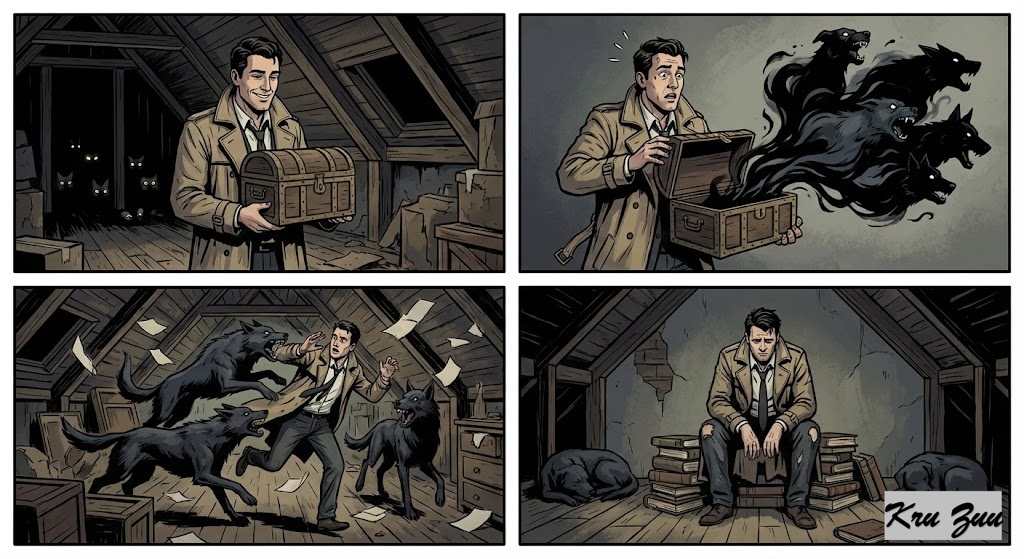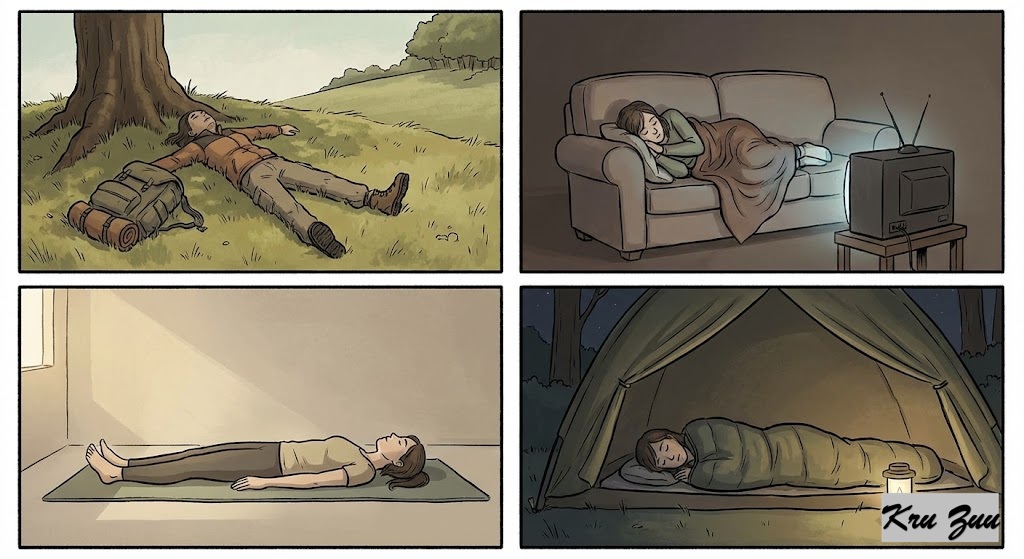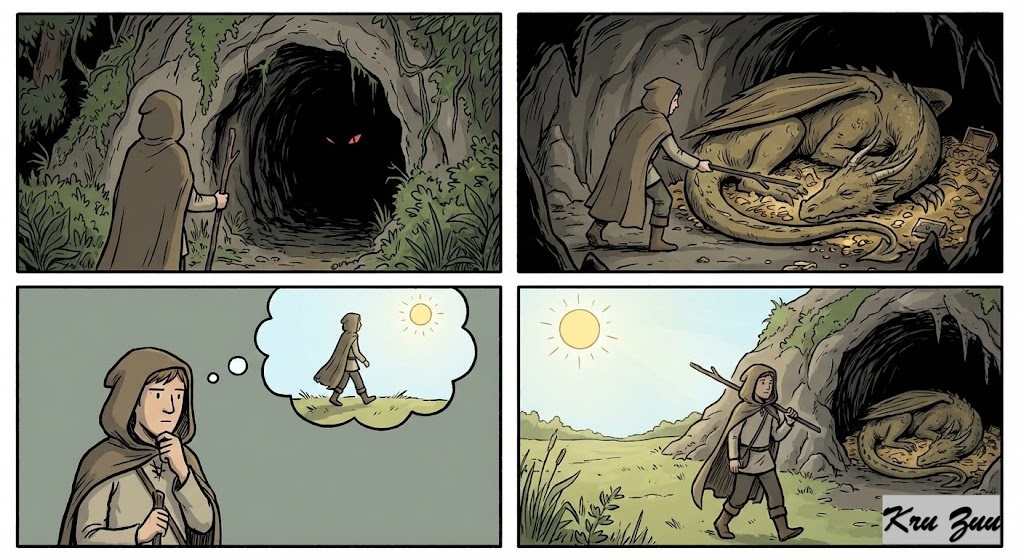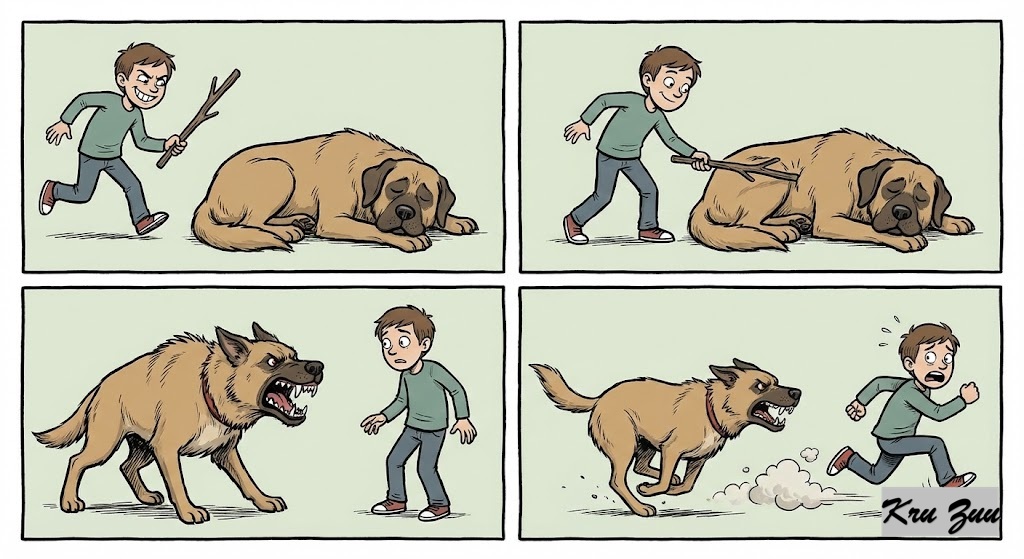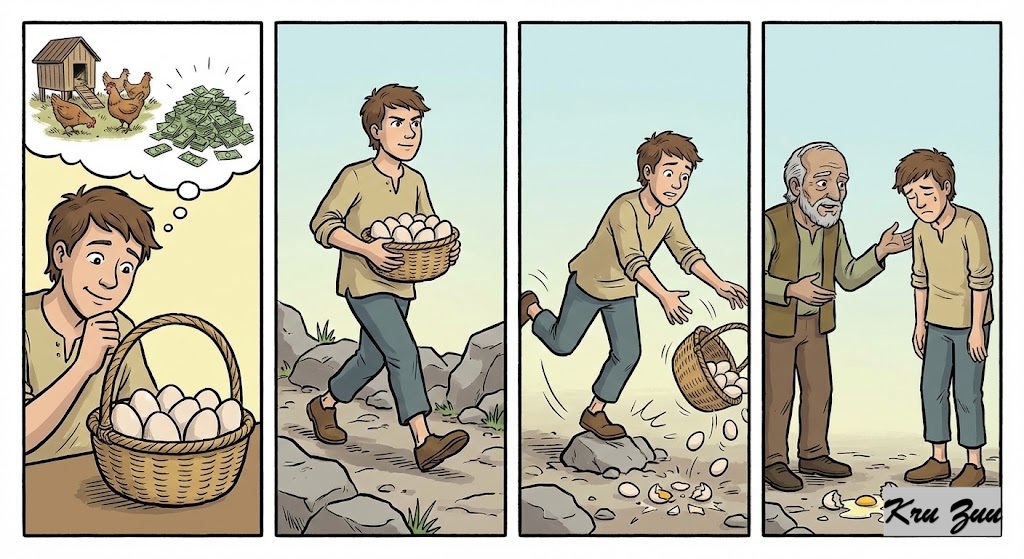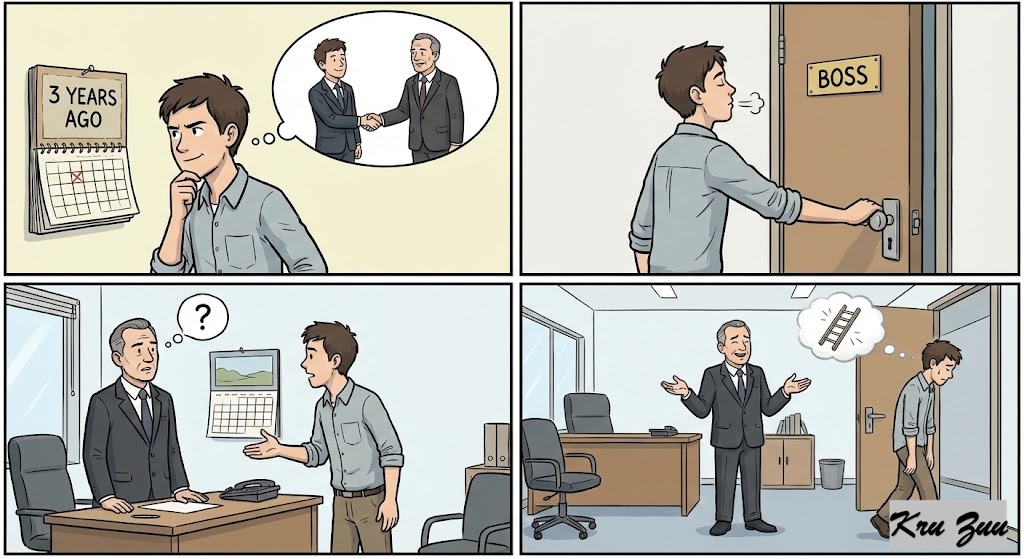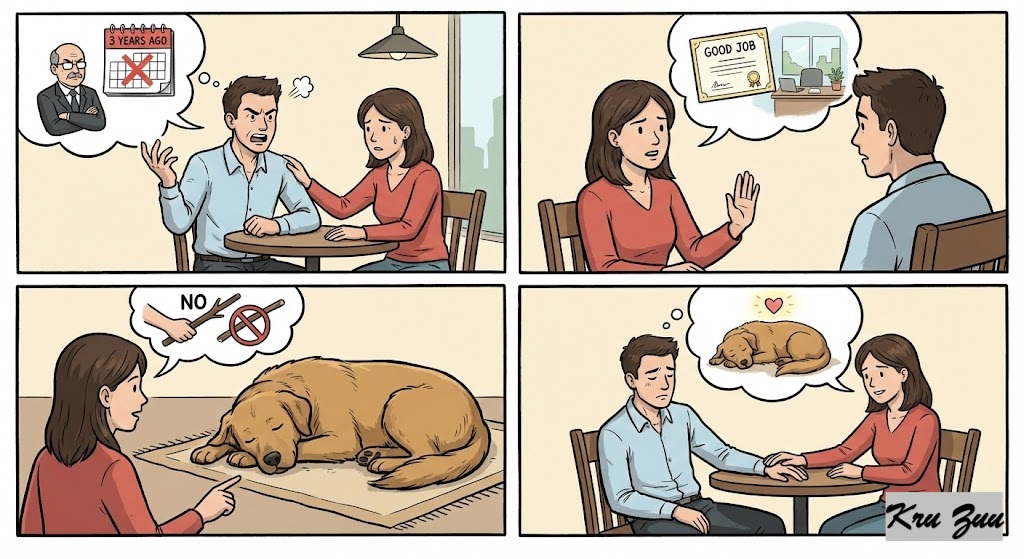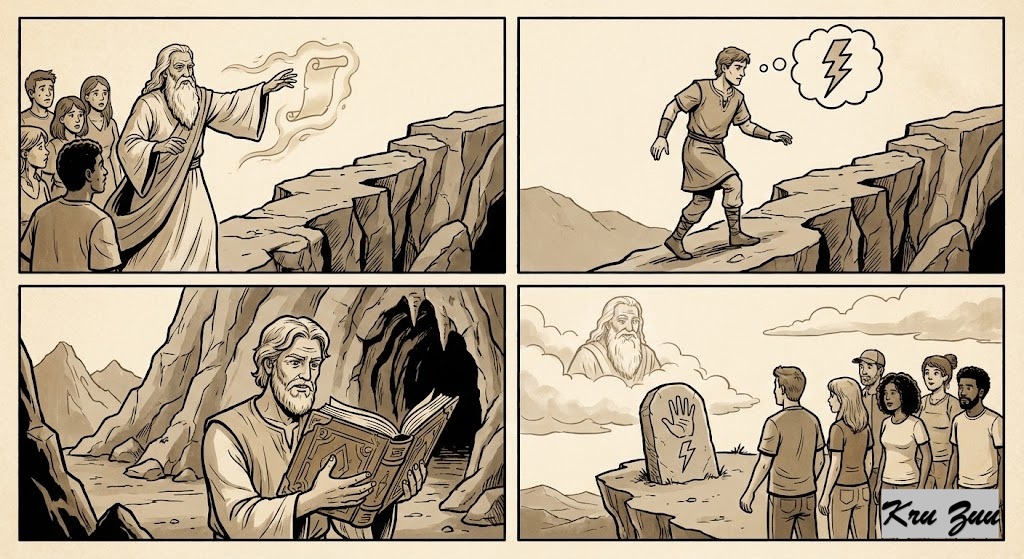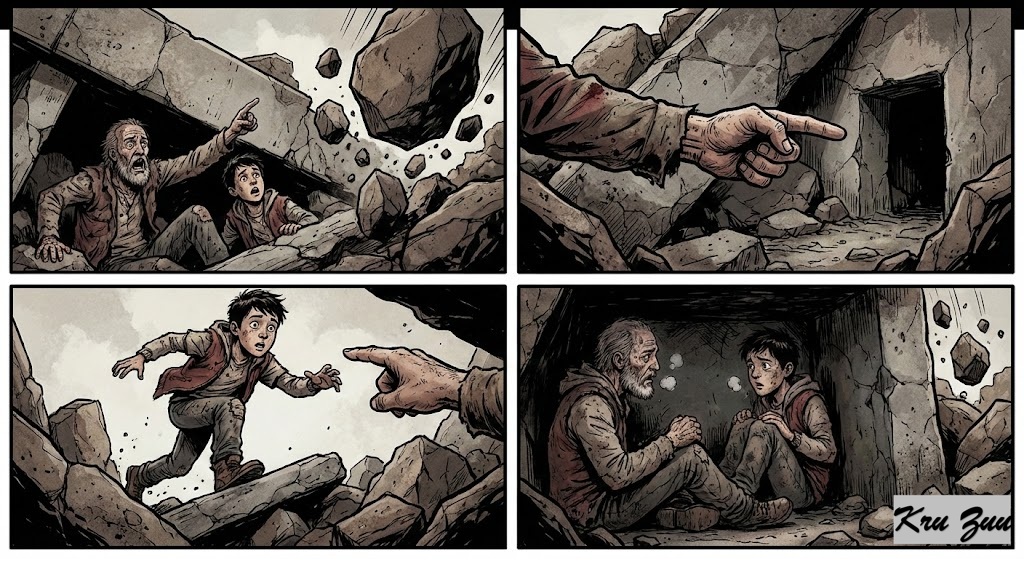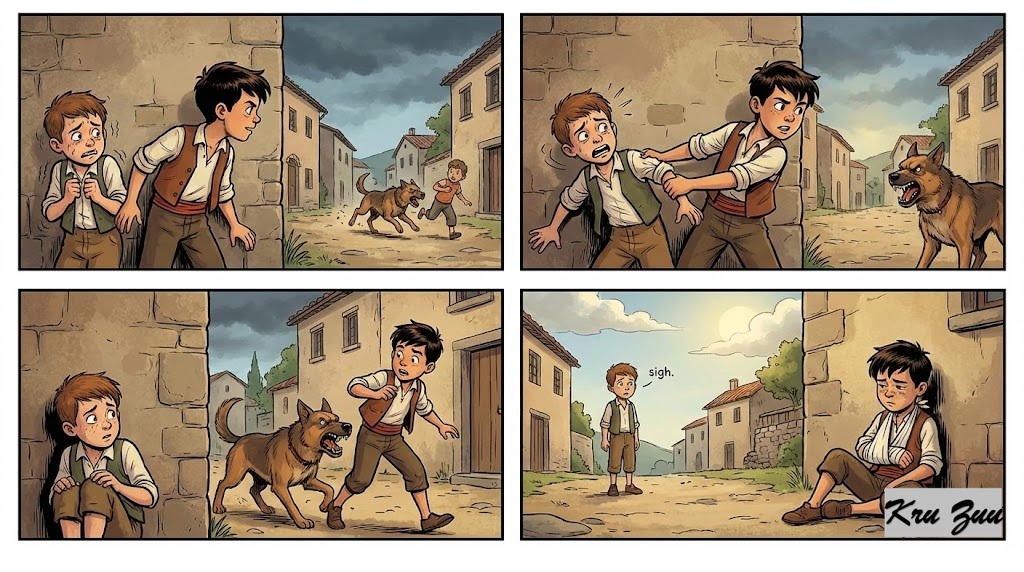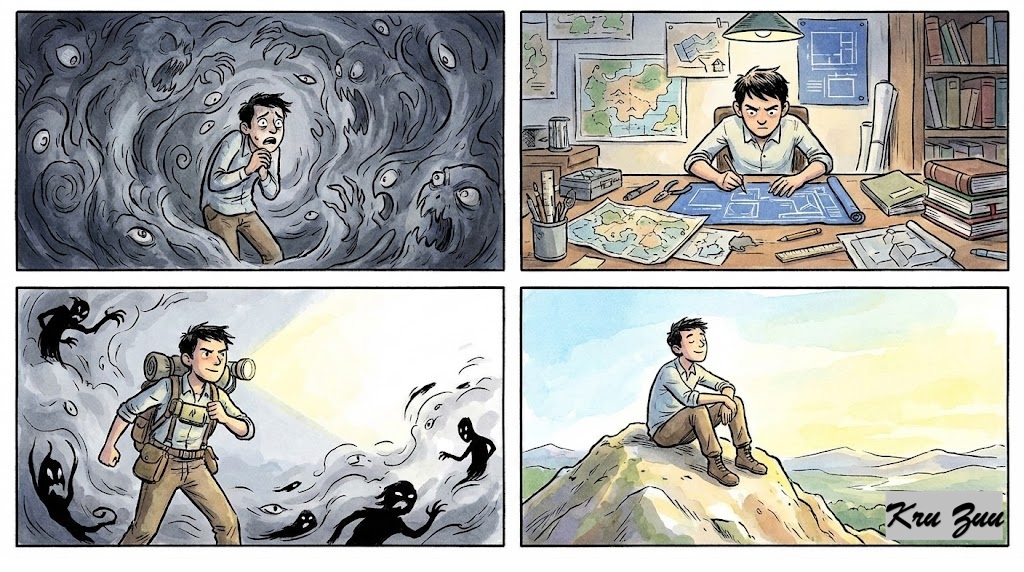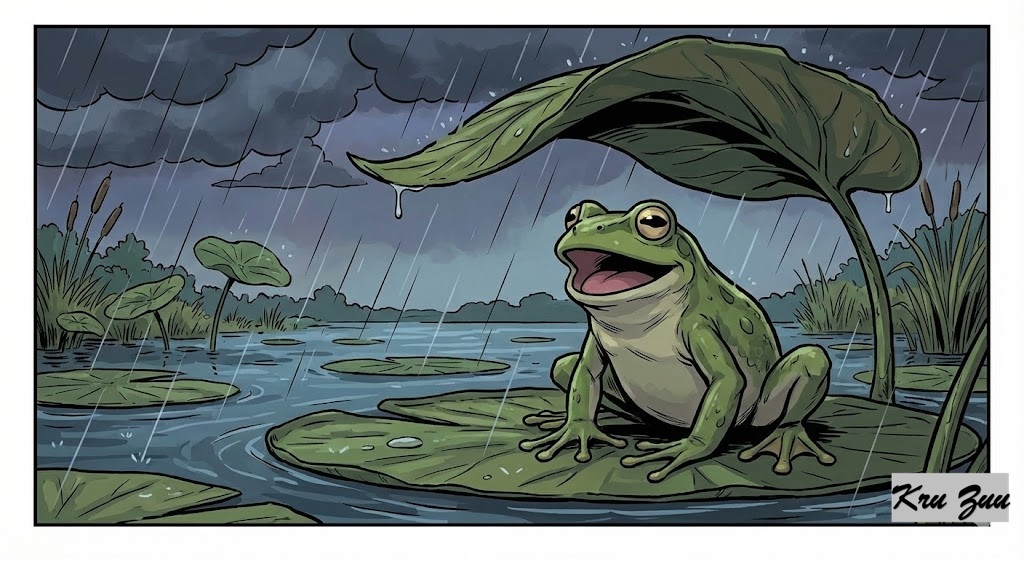
Tag: ESL Learning

  • 🪞 The Daily Shield: The Law of Self-Reflection

    🪞 The Daily Shield: The Law of Self-Reflection

    “People who live in glass houses shouldn’t throw stones.”


    😈 The Villain (The Hypocrite)

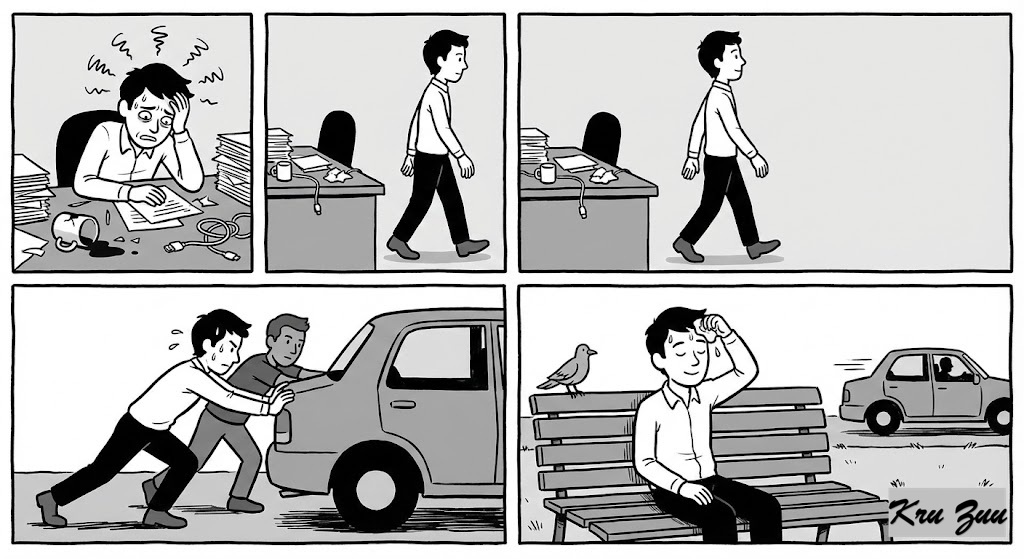
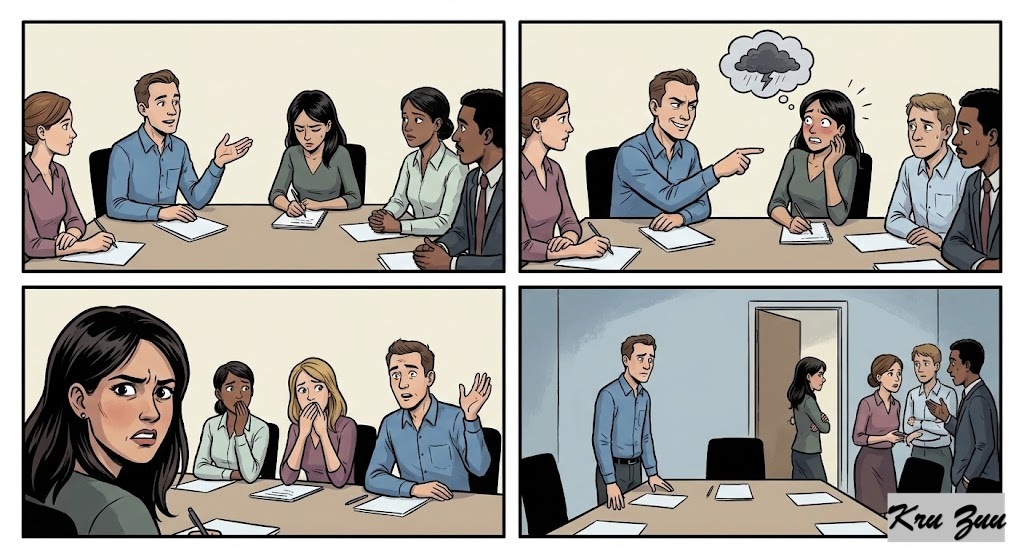
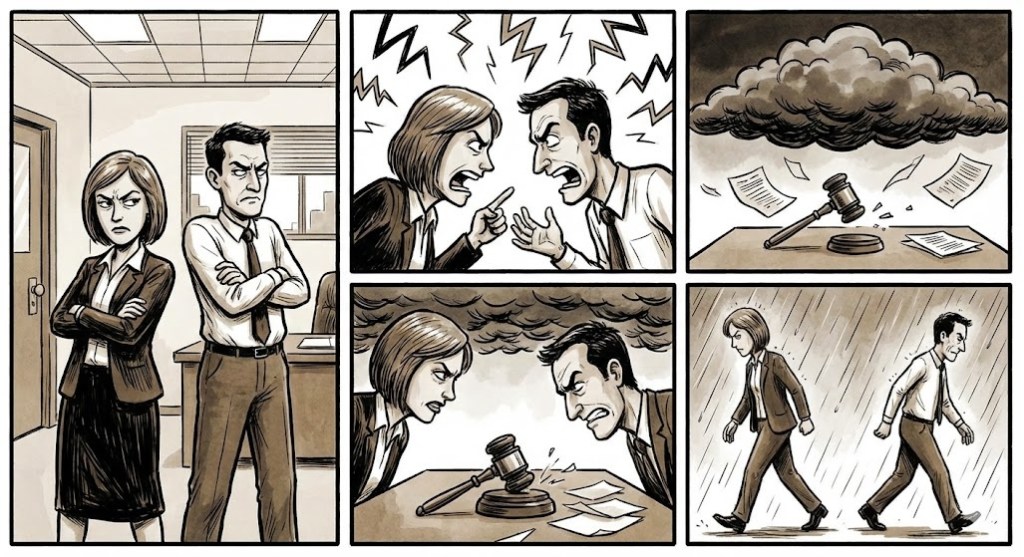
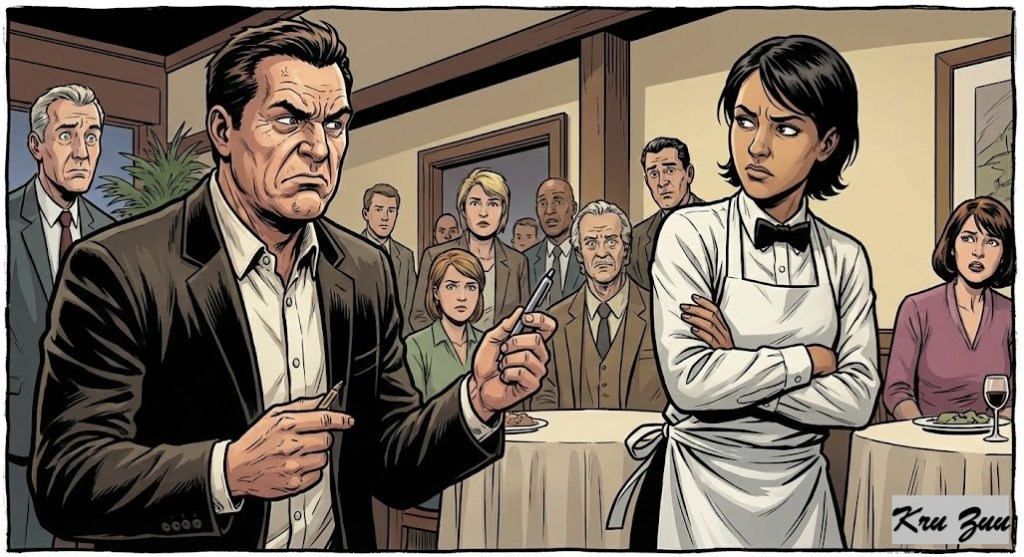
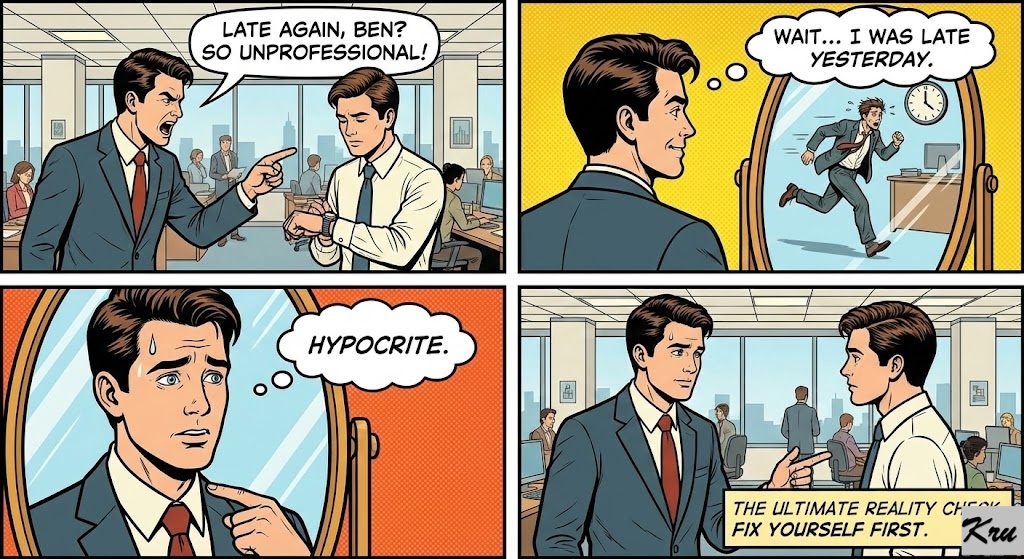
    You see a flaw in someone else. You immediately point it out, criticize them loudly, and demand they do better. 🗣️ “I can’t believe he is always late!” you say… while your own desk is a complete disaster and you missed yesterday’s deadline. You are blind to your own faults but have 20/20 vision for everyone else’s.
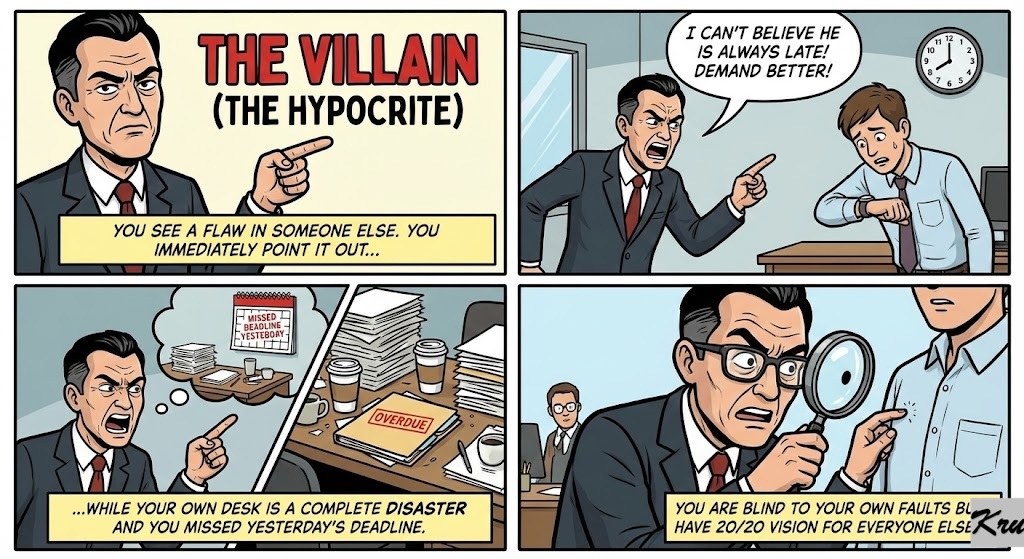
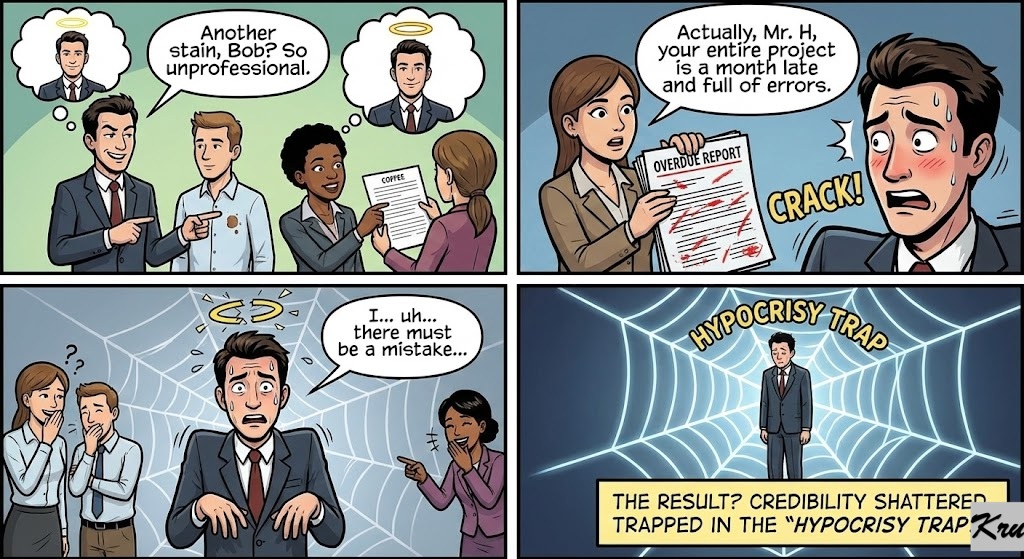
    The Result? You look foolish. When people inevitably point out your own mistakes, your credibility shatters. You are trapped in the “Hypocrisy Trap.” 🕸️

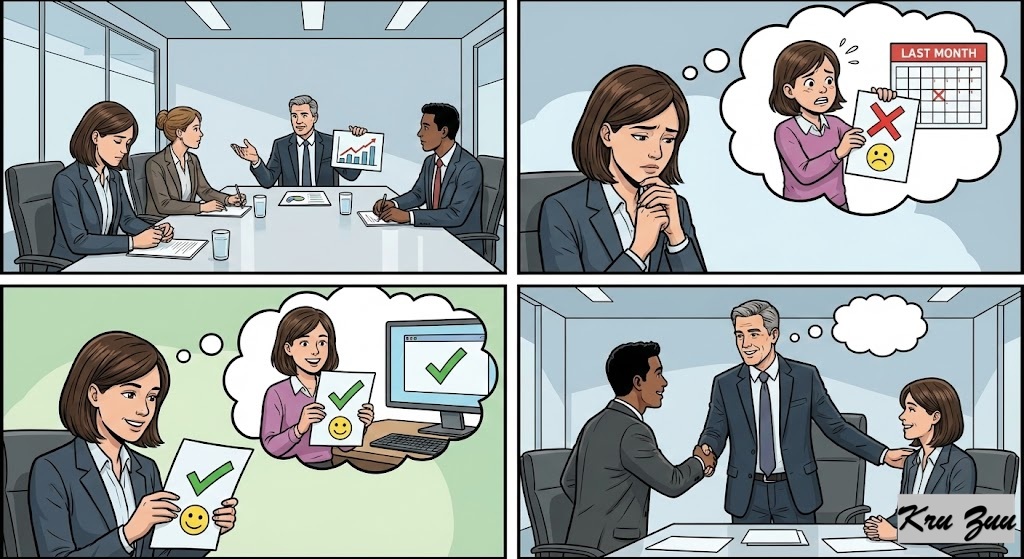
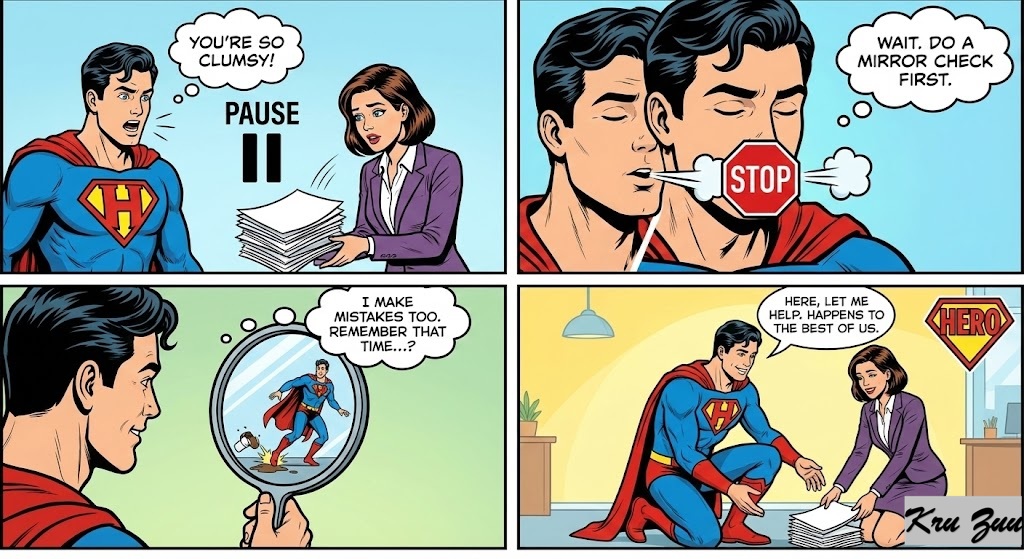
    😇 The Hero (The Self-Aware): You notice someone’s mistake. You pause. 🛑 Instead of launching an attack, you do a quick “Mirror Check.”
    You ask yourself: “Do I ever do something similar? Are my own habits perfect?” You choose empathy over criticism. If you must correct them, you do it with grace, acknowledging your own imperfections.
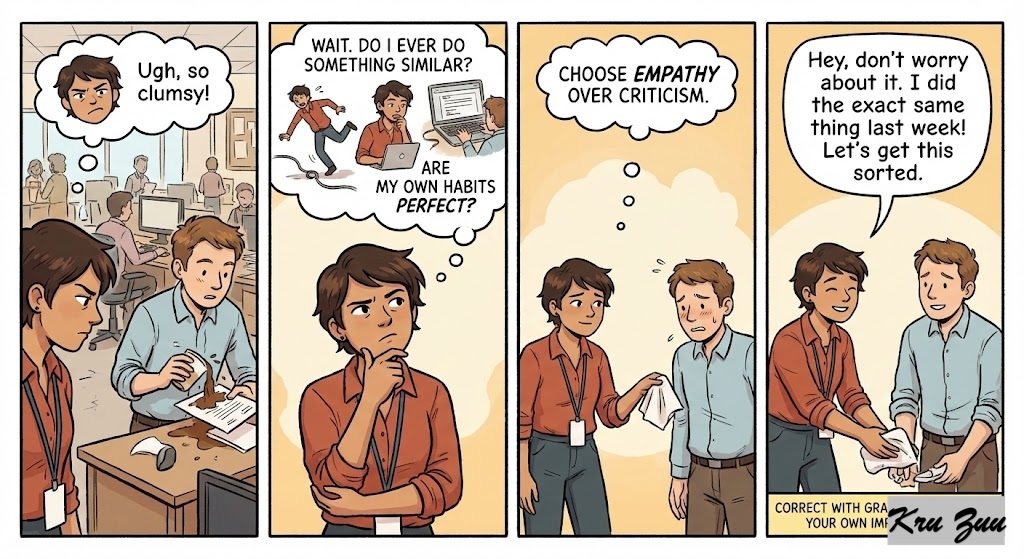
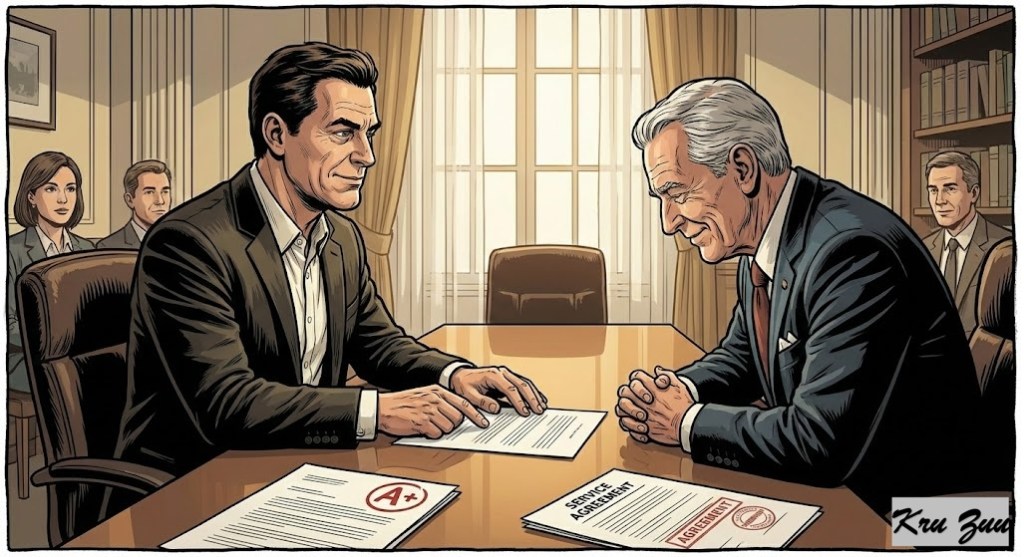
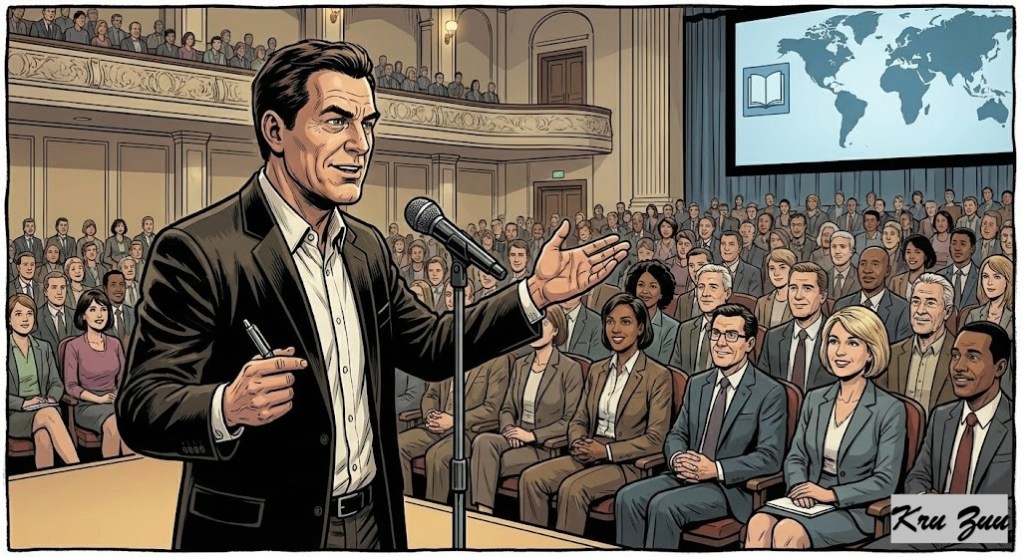
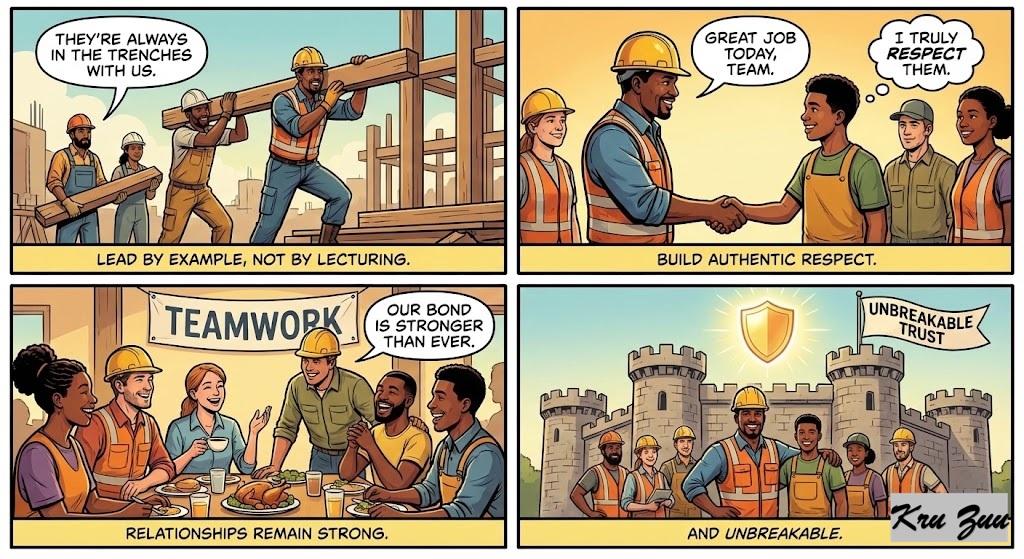
    The Result? You build authentic respect. You lead by example rather than by lecturing, and your relationships remain strong and unbreakable. 🏰

    ⚖️ The Reality


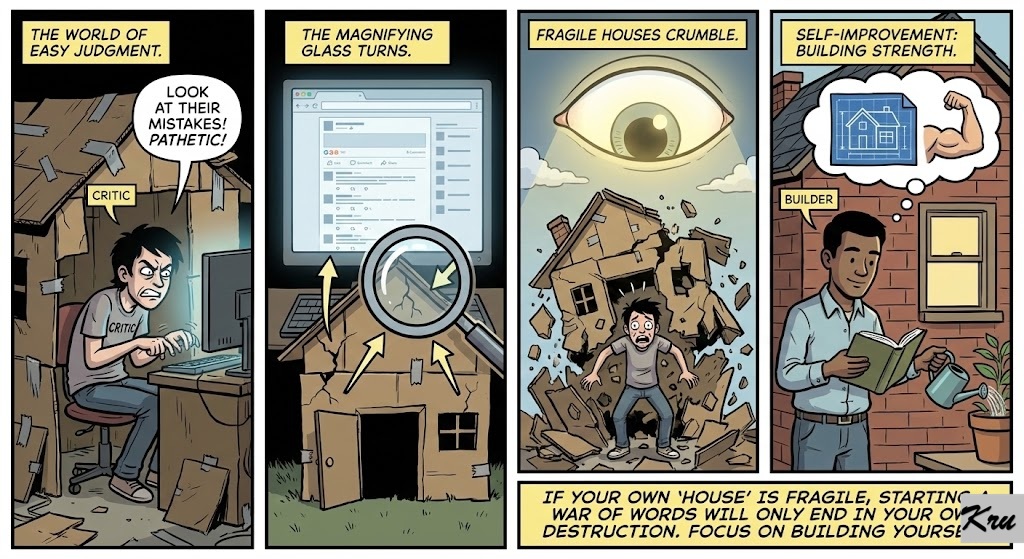
    Criticizing others vs. Self-improvement. We live in a world where it is incredibly easy to point fingers and judge people from behind a screen. But human nature is flawed. The moment you attack someone for a weakness, you invite the world to inspect your own life with a magnifying glass. If your own “house” is fragile, starting a war of words will only end in your own destruction.

    💎 The Secret

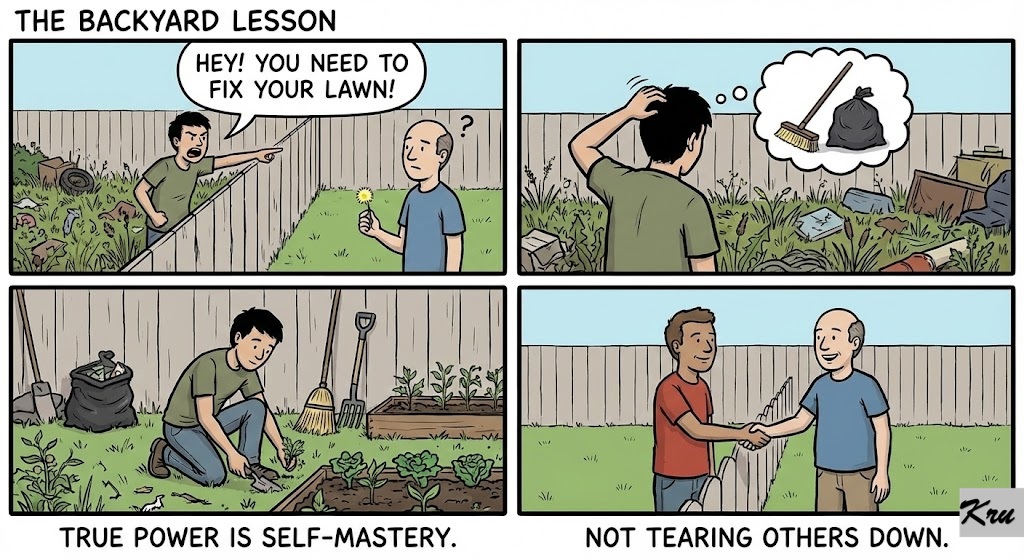
    Before you try to fix someone else, make sure your own backyard is clean. True power is self-mastery, not tearing others down.
    🧐 The Anatomy of the Proverb


    This is your ultimate reality check to stop criticizing others for faults you also have.

    People who live (Subject Phrase): Individuals who exist in a certain state.
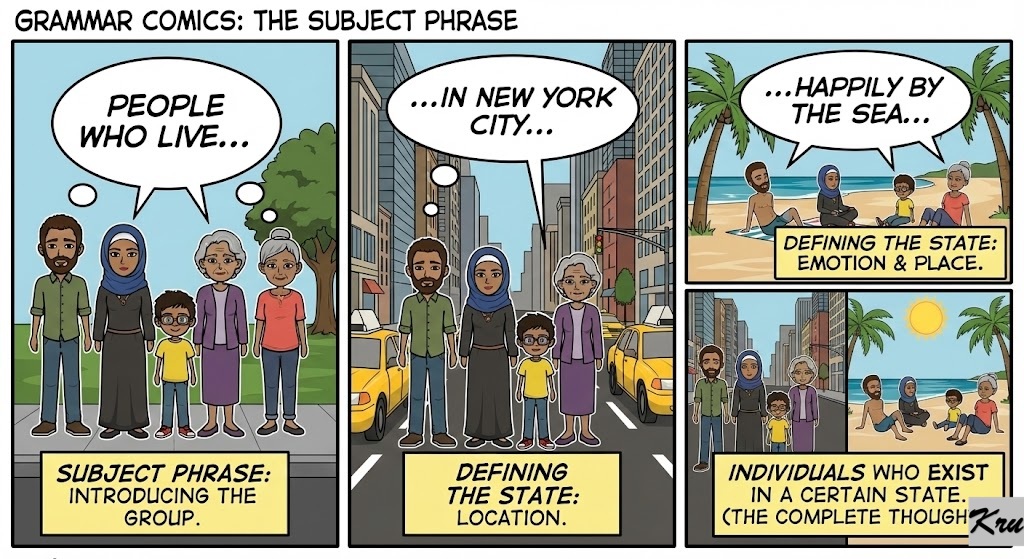

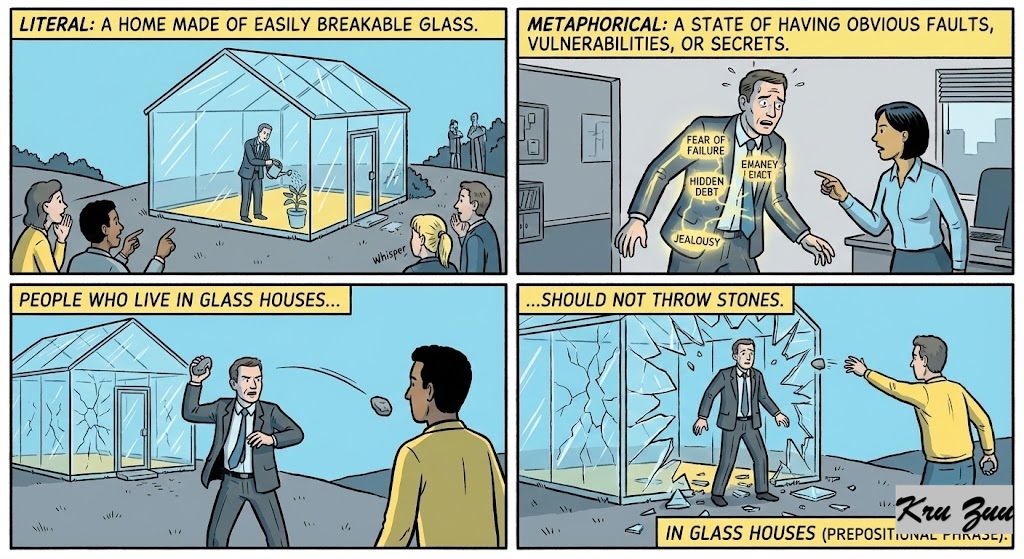
    In glass houses (Prepositional Phrase): Literally, a home made of easily breakable glass; metaphorically, a state of having obvious faults, vulnerabilities, or secrets.

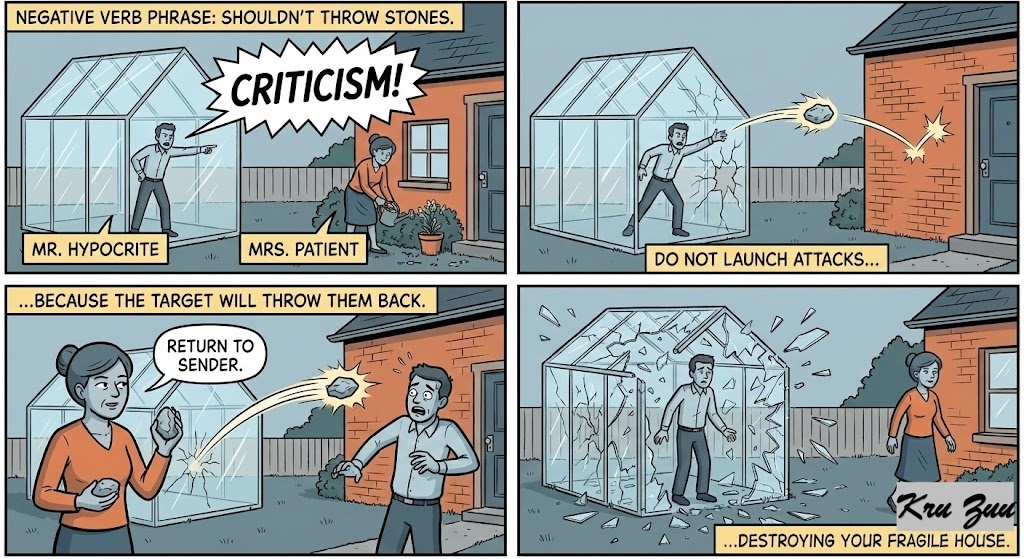
    Shouldn’t throw stones (Negative Verb Phrase): Do not launch attacks or harsh criticisms, because the target will throw them back, destroying your fragile house.

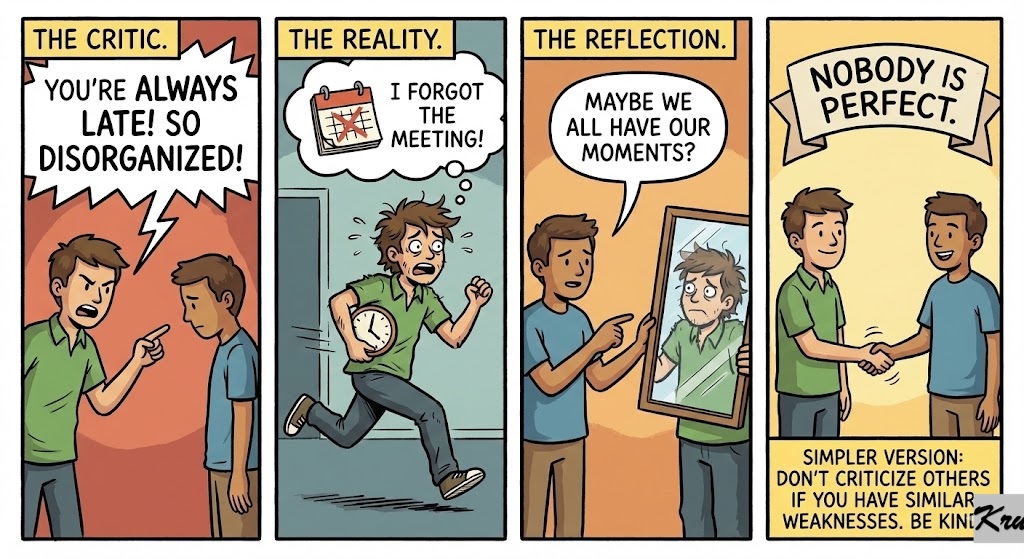
    Simpler Version: Don’t criticize others if you have similar weaknesses. / Nobody is perfect.

    📚 Vocabulary Vault


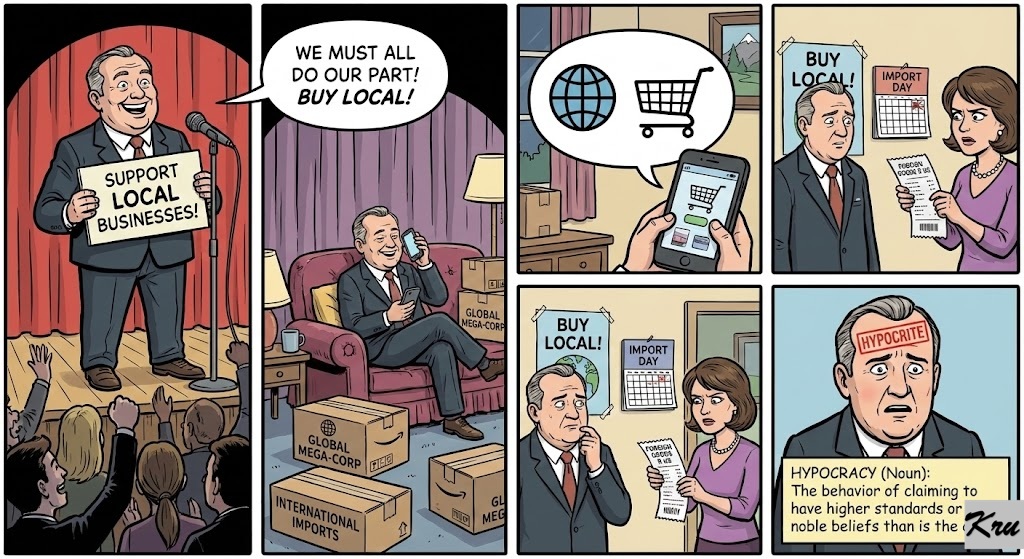
    Hypocrisy (Noun):
    The behavior of claiming to have higher standards or more noble beliefs than is the case. 🤥

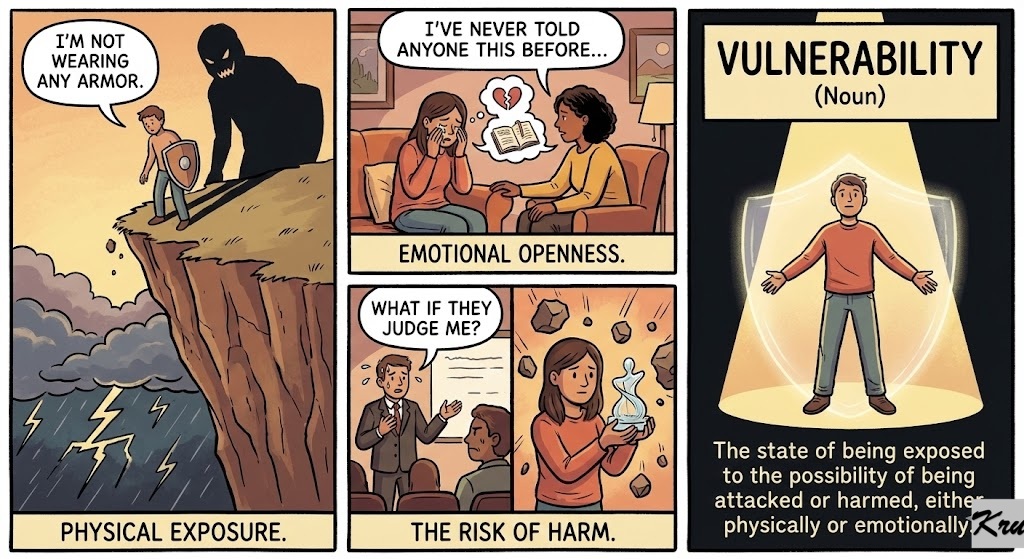
    Vulnerability (Noun): The state of being exposed to the possibility of being attacked or harmed, either physically or emotionally.

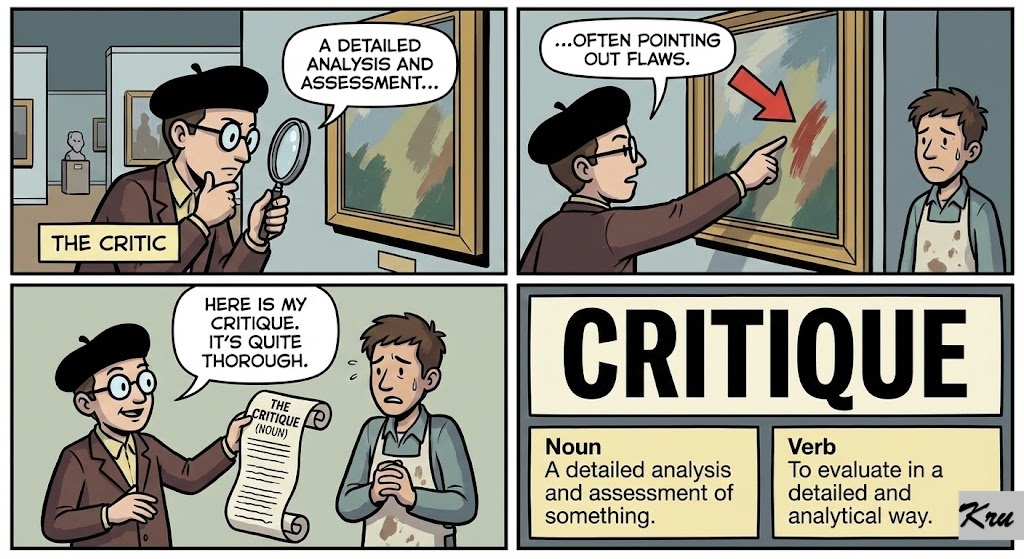
    Critique (Noun/Verb): A detailed analysis and assessment of something (often pointing out flaws).

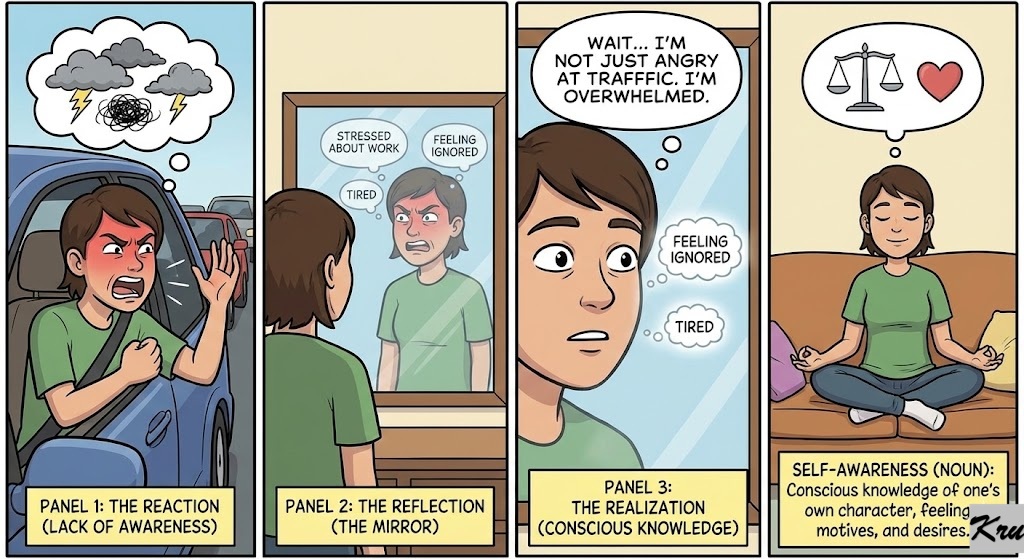
    Self-awareness (Noun): Conscious knowledge of one’s own character, feelings, motives, and desires. 🪞

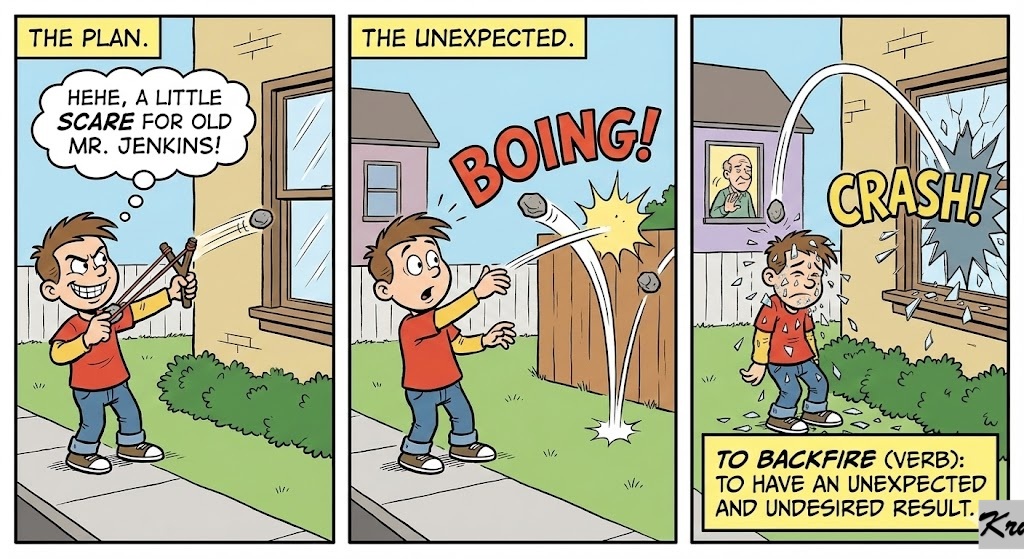
    To backfire (Verb): To have an unexpected and undesired result (like a stone bouncing back to hit your own window).

    🧠 Grammar Focus: Idioms as Parenting/Bossing Tools


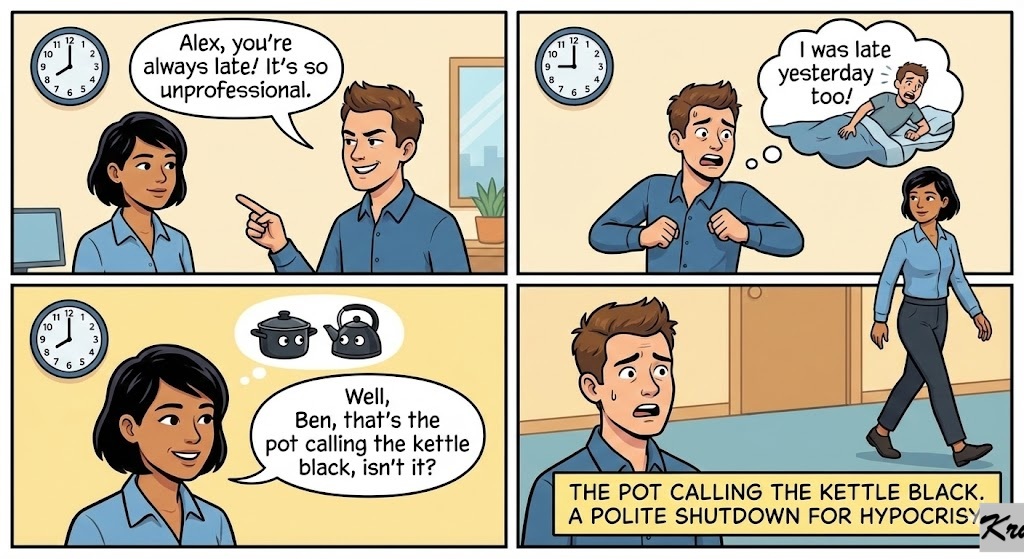
    This idiom is the perfect “polite shutdown” for a hypocritical conversation.

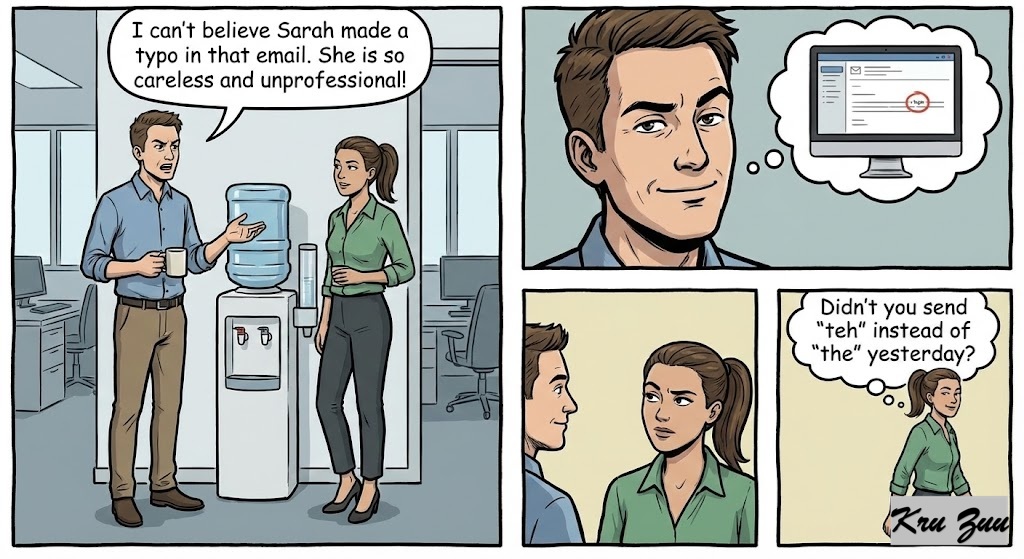
    Coworker 1: “I can’t believe Sarah made a typo in that email. She is so careless and unprofessional!”

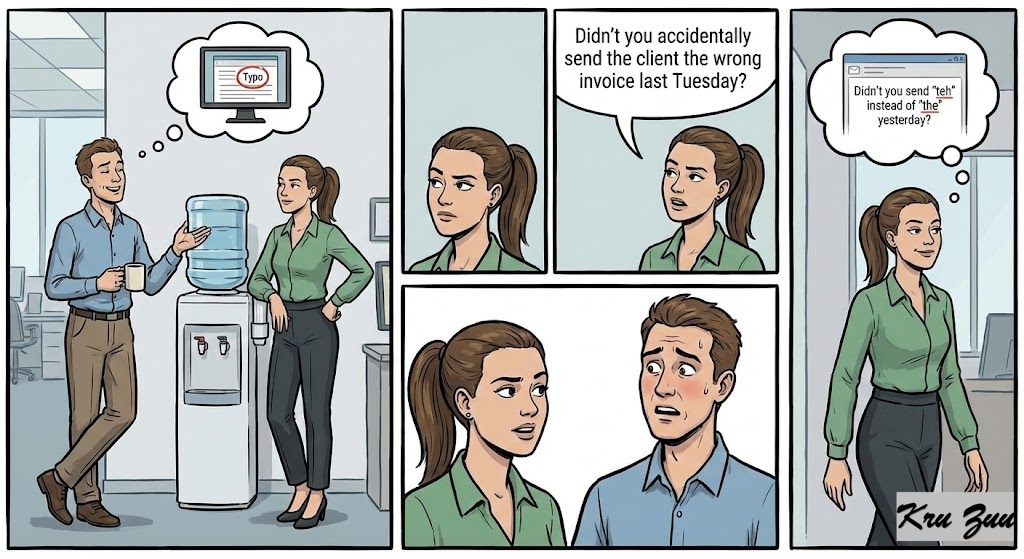
    Coworker 2: “Didn’t you accidentally send the client the wrong invoice last Tuesday?”

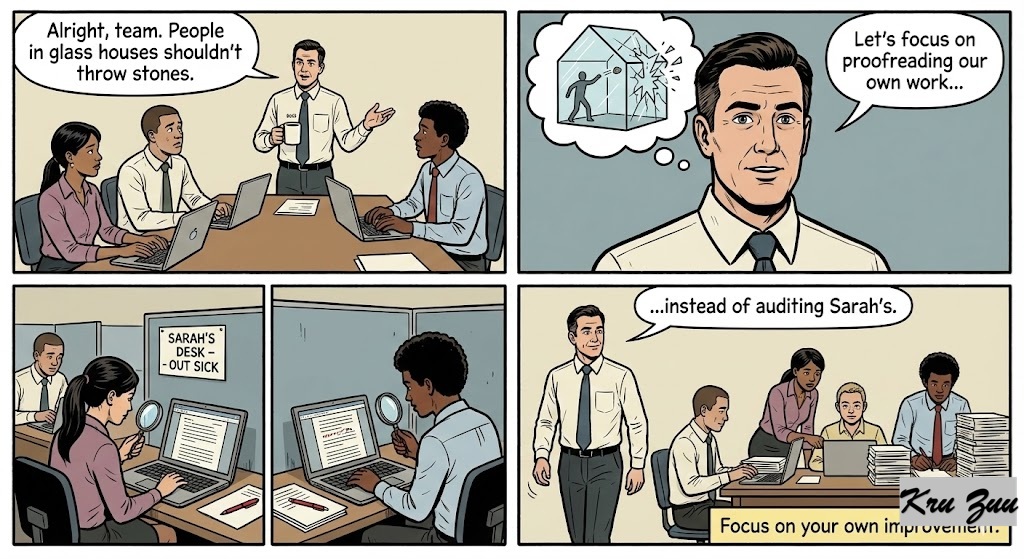
    Boss: “Alright, team. People in glass houses shouldn’t throw stones. Let’s focus on proofreading our own work instead of auditing Sarah’s.”
    📜 History: Origin and Spread


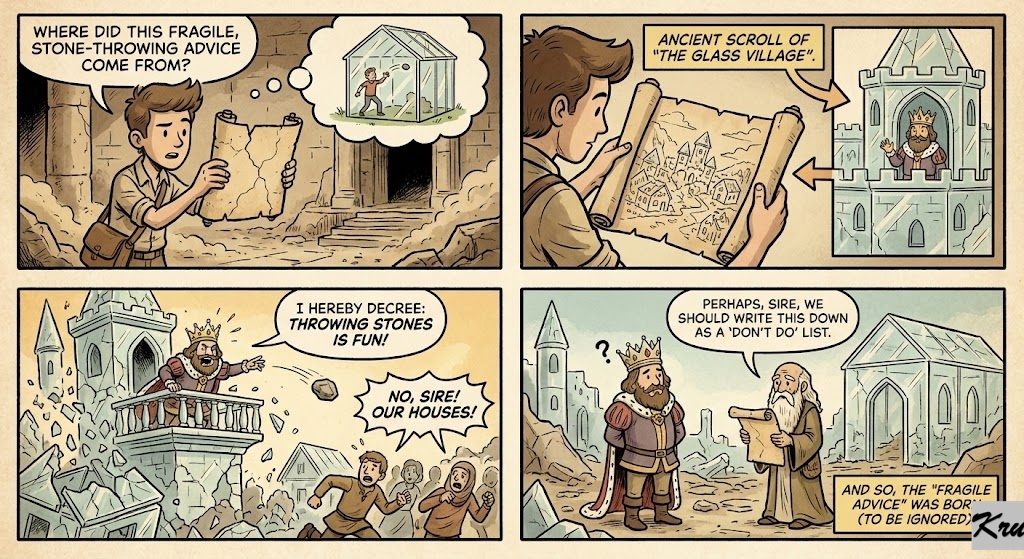
    Where did this fragile, stone-throwing advice come from?

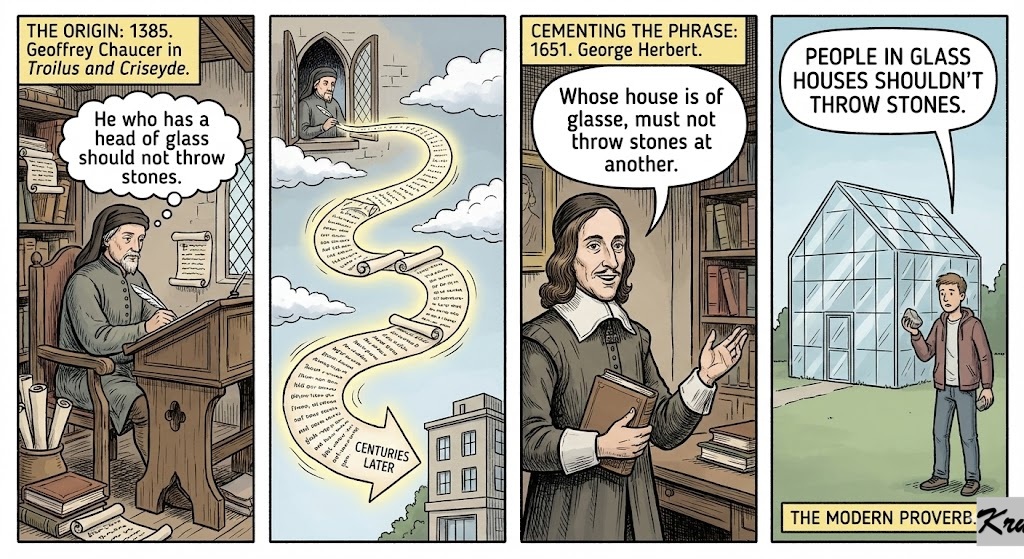
    The Origin: The great English writer Geoffrey Chaucer used a very early version of this idea in his poem Troilus and Criseyde way back in 1385! However, the modern phrasing was cemented by the poet George Herbert in 1651, who wrote: “Whose house is of glasse, must not throw stones at another.”

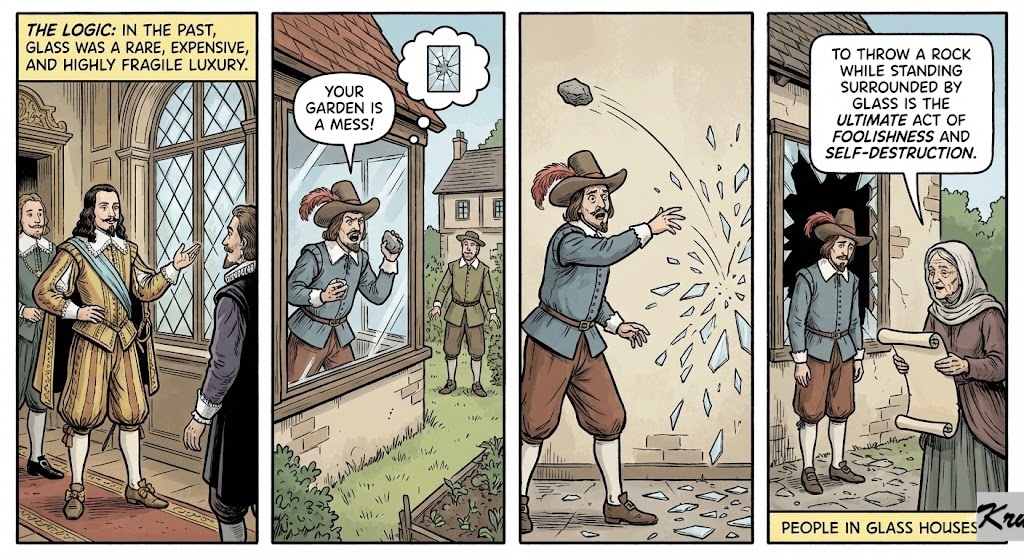
    The Logic: Glass was a rare, expensive, and highly fragile luxury in the past. To throw a rock while standing surrounded by glass is the ultimate act of foolishness and self-destruction.

    Global Cousins


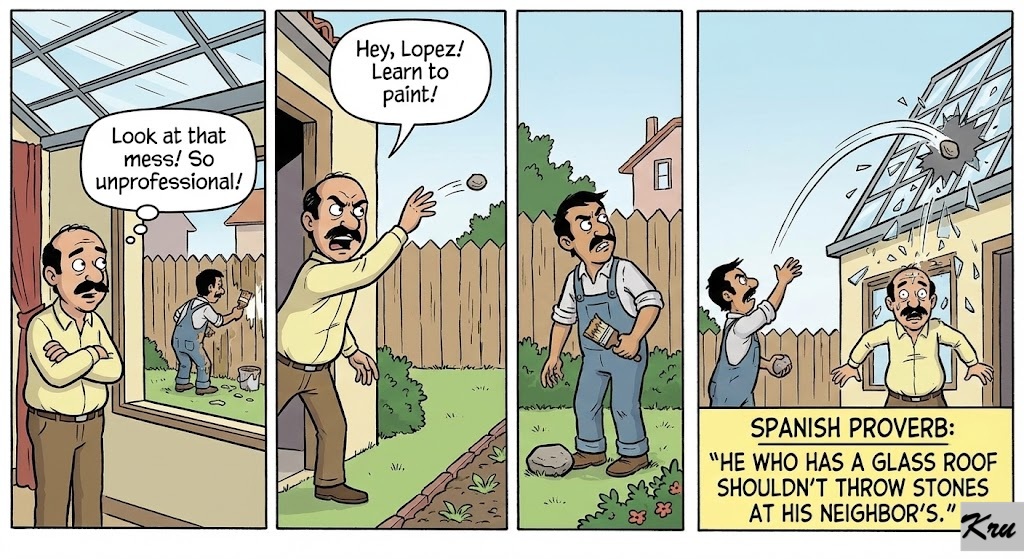
    🇪🇸 Spanish:“El que tiene tejado de vidrio, no tire piedras al del vecino.” (He who has a glass roof shouldn’t throw stones at his neighbor’s).

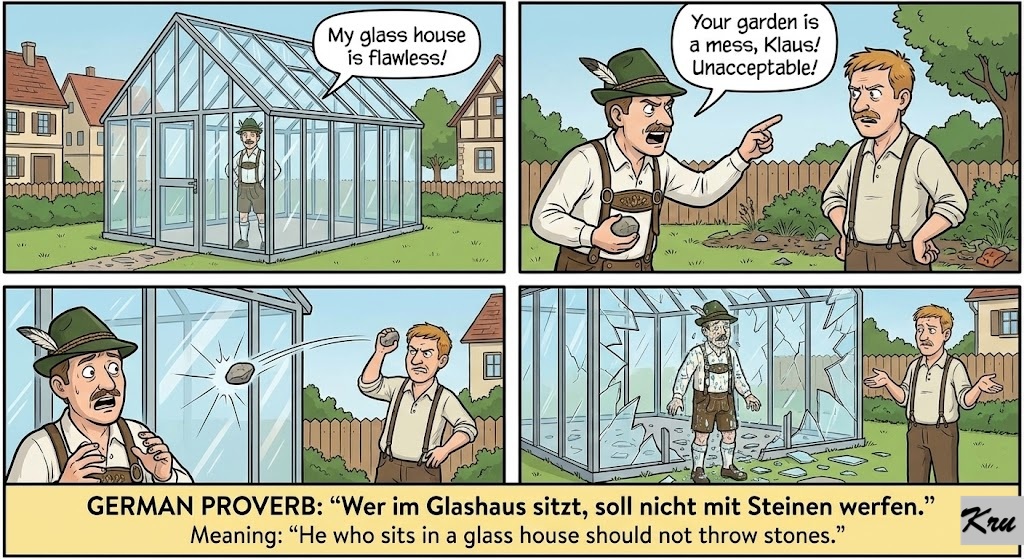
    🇩🇪 German:“Wer im Glashaus sitzt, soll nicht mit Steinen werfen.” (Exact same meaning!).

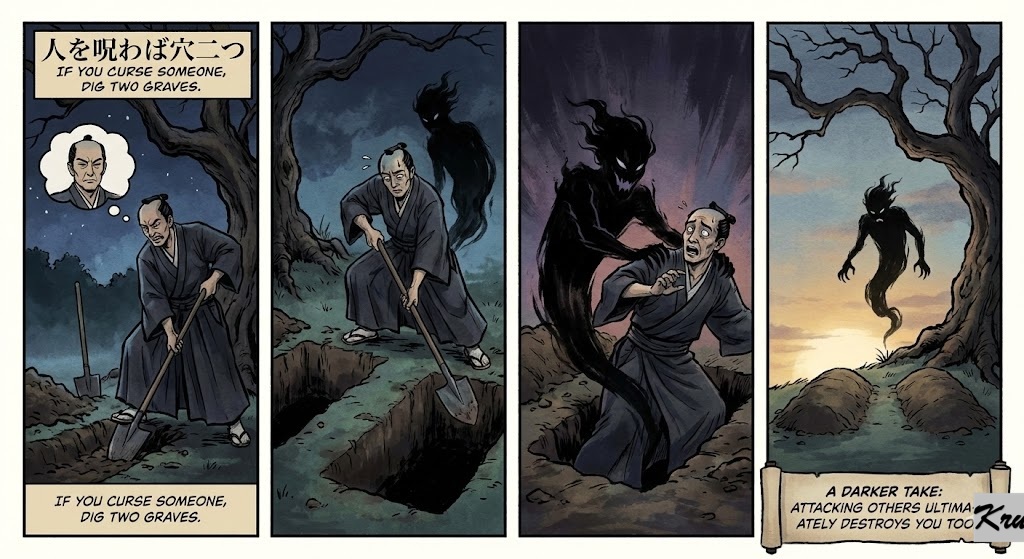
    🇯🇵 Japanese:“人を呪わば穴二つ” (If you curse someone, dig two graves — a darker take, meaning attacking others ultimately destroys you too).
    🎭 Short Story: The Muddy Paws 🐾🐱🐔🐸


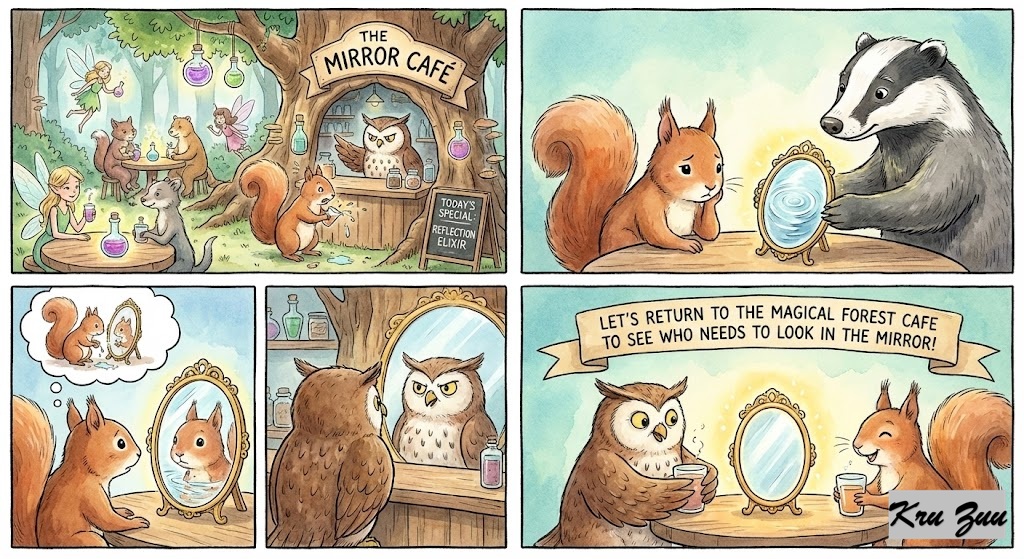
    Let’s return to the magical forest café to see who needs to look in the mirror!

    🌟 The Cast


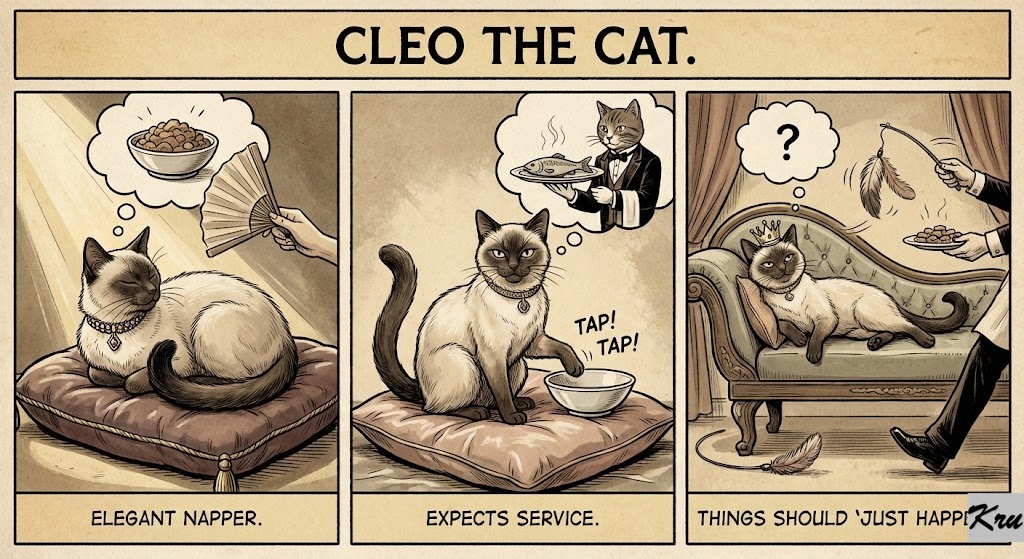
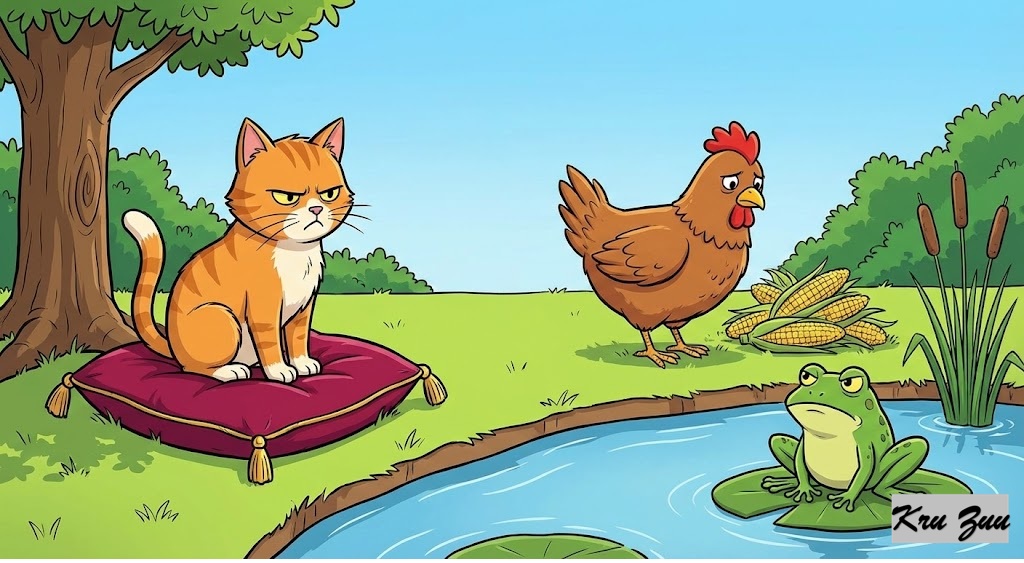
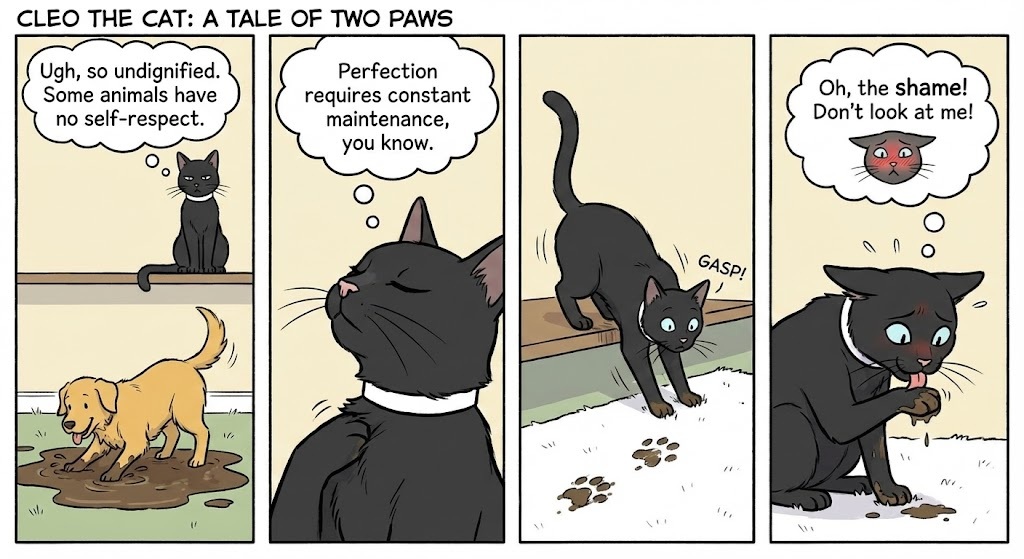
    Cleo the Cat: Fastidious, judgmental, currently sporting some very dirty paws. 😼

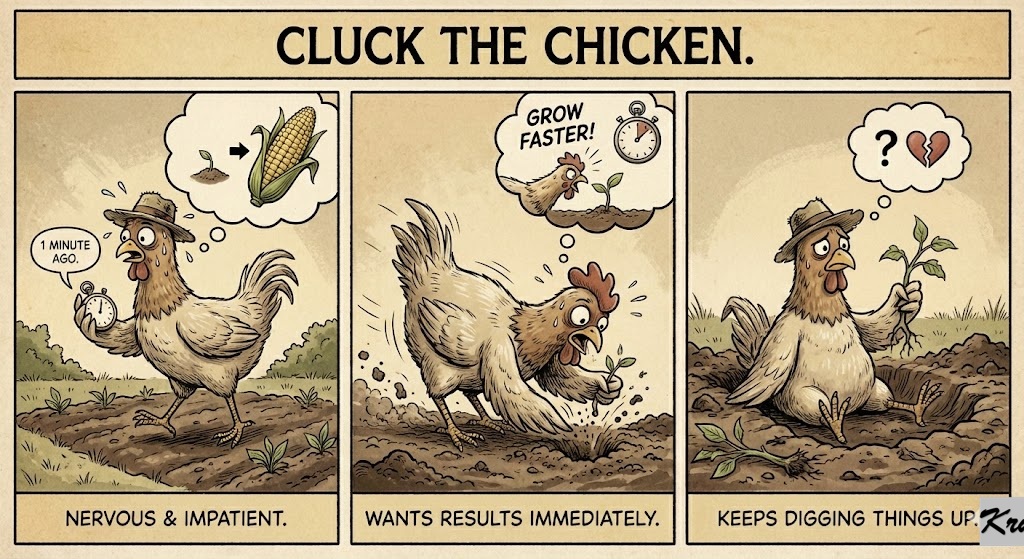
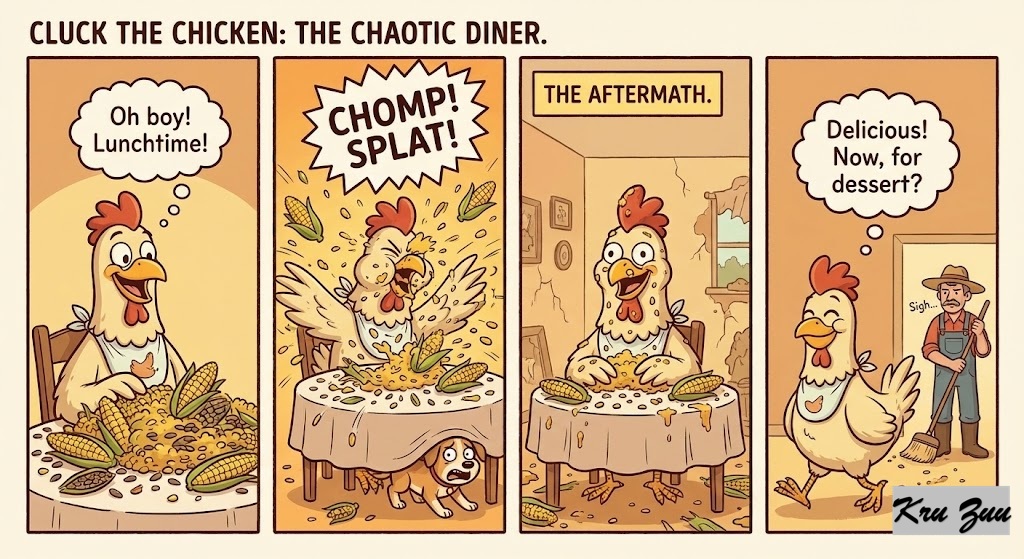
    Cluck the Chicken: A messy eater, happily unaware of the chaos he creates. 🐔

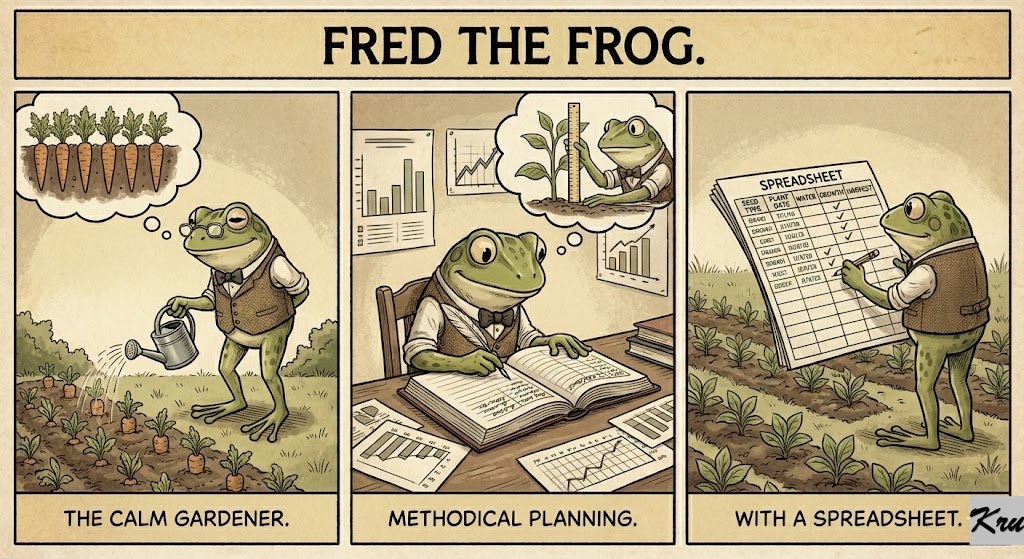
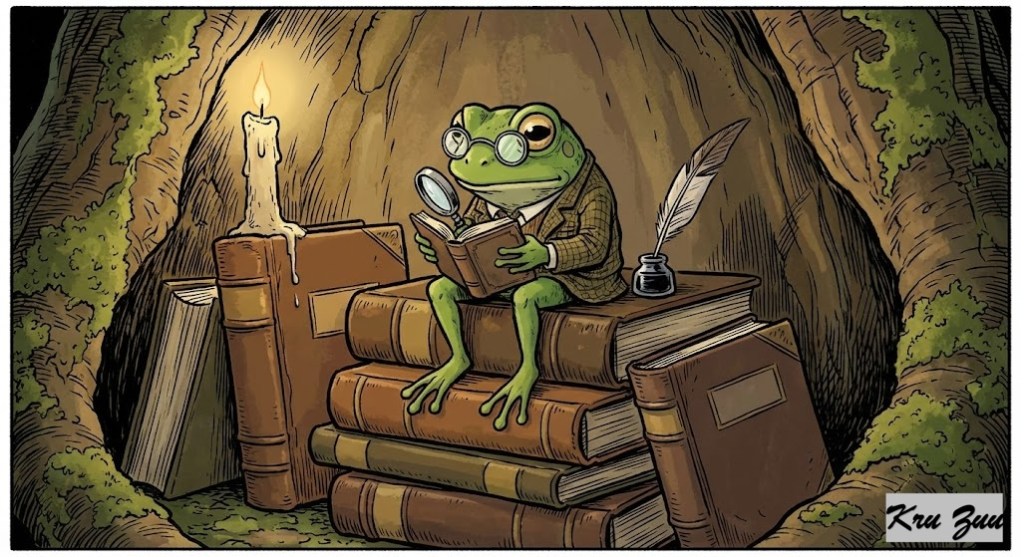
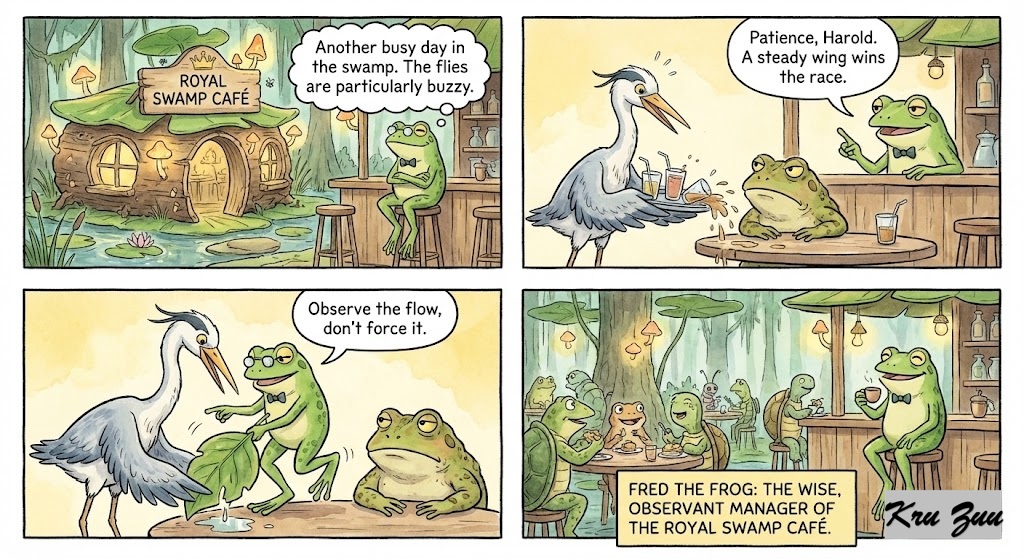
    Fred the Frog: The wise, observant manager of the Royal Swamp Café. 🐸

    The Situation: The afternoon sun is shining on the Royal Swamp Café. Cluck the Chicken is happily pecking at a giant Seed Muffin, scattering crumbs all over the floor.
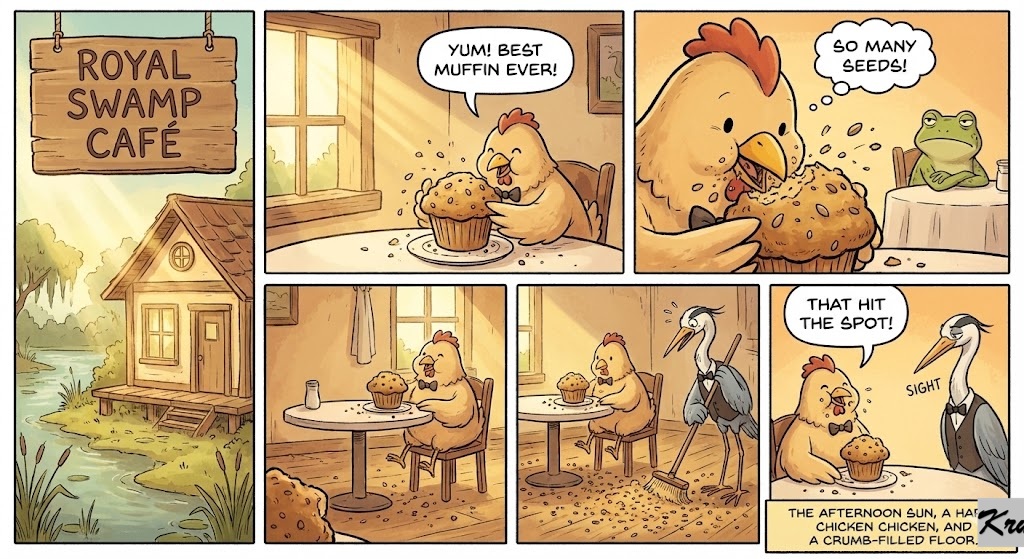

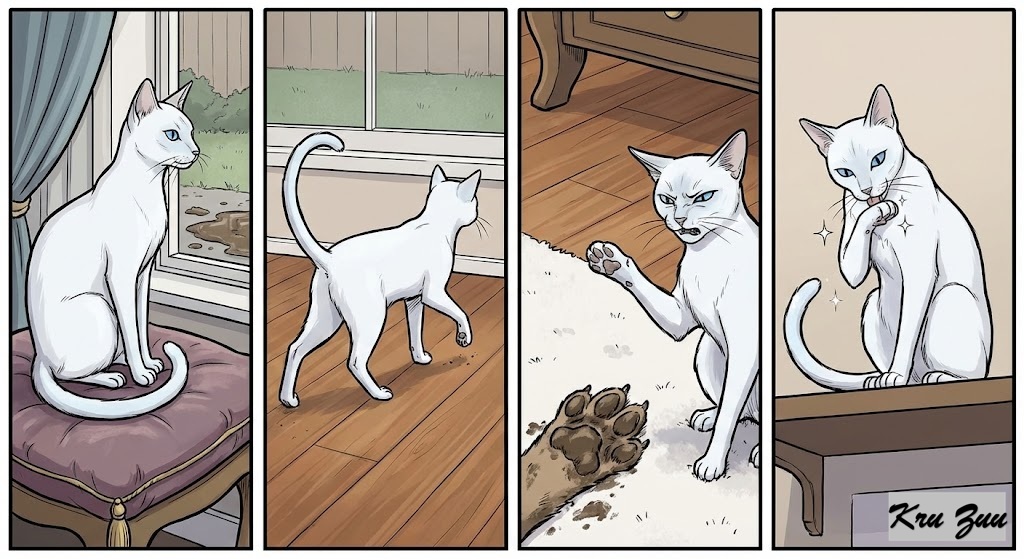
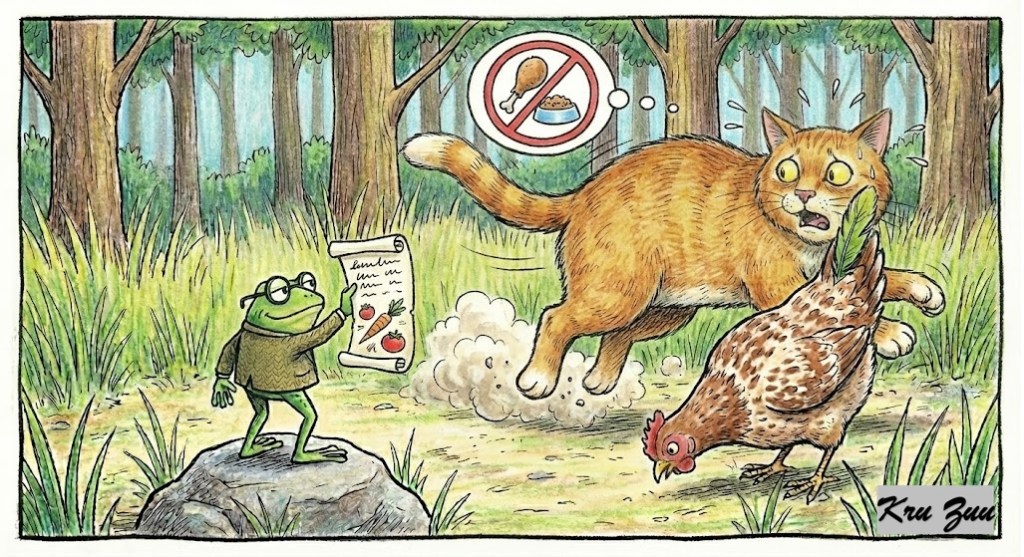
    The Conflict: Cleo the Cat walks in and immediately scrunches her nose. “Ugh, Cluck! You are absolutely disgusting!” she loudly announces, flicking her tail. “Look at the mess you’re making! You have no table manners. It’s embarrassing to even be in the same café as someone so unhygienic!”
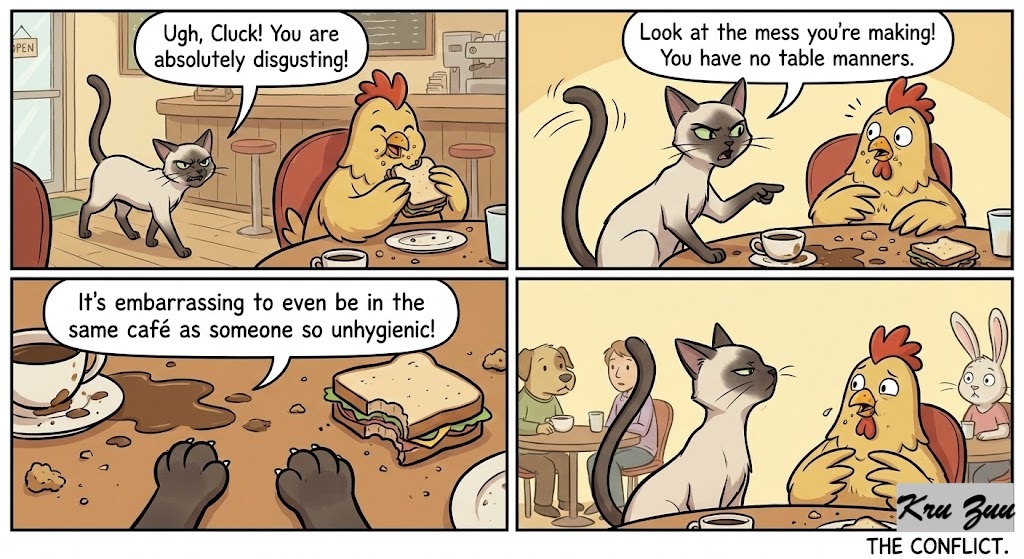

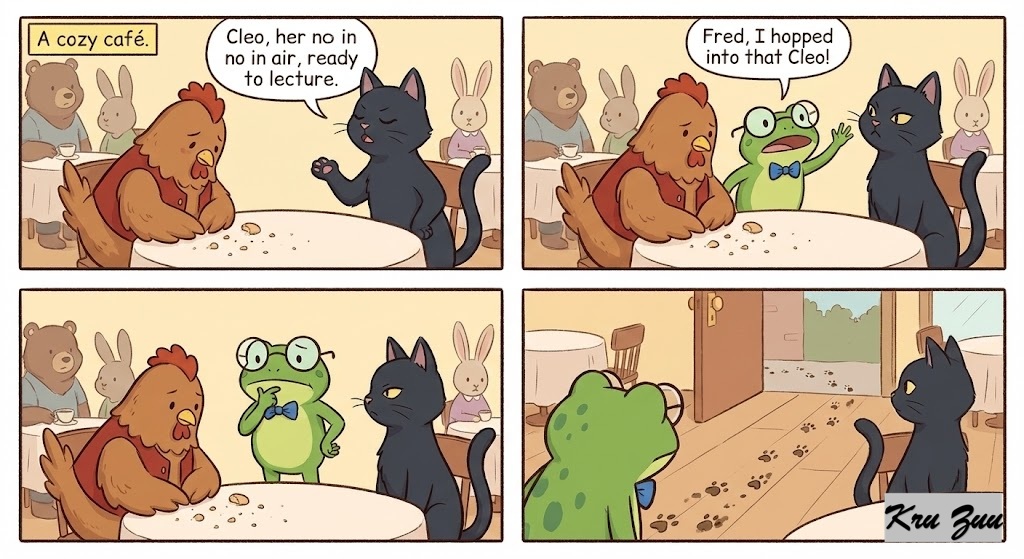
    The Reaction: The café goes quiet. Cluck stops eating, looking down sadly at his crumbs. But before Cleo can continue her lecture, Fred the Frog hops over, adjusting his bowtie. He looks at Cluck’s crumbs, and then he looks down at the floor behind Cleo.

    “Ribbit,” says Fred calmly. “Cleo, please turn around.”
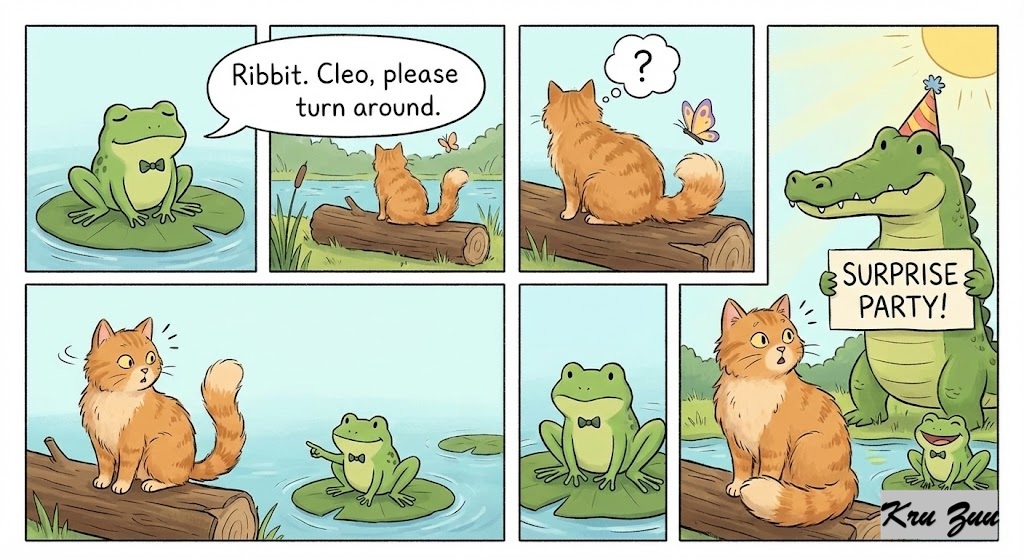

    The Lesson: Cleo huffs and turns around. To her absolute horror, a trail of thick, black, smelly swamp mud leads straight from the café entrance directly to her feet. While she was busy yelling at Cluck for a few dry crumbs, she had tracked mud all over Fred’s freshly mopped floor.
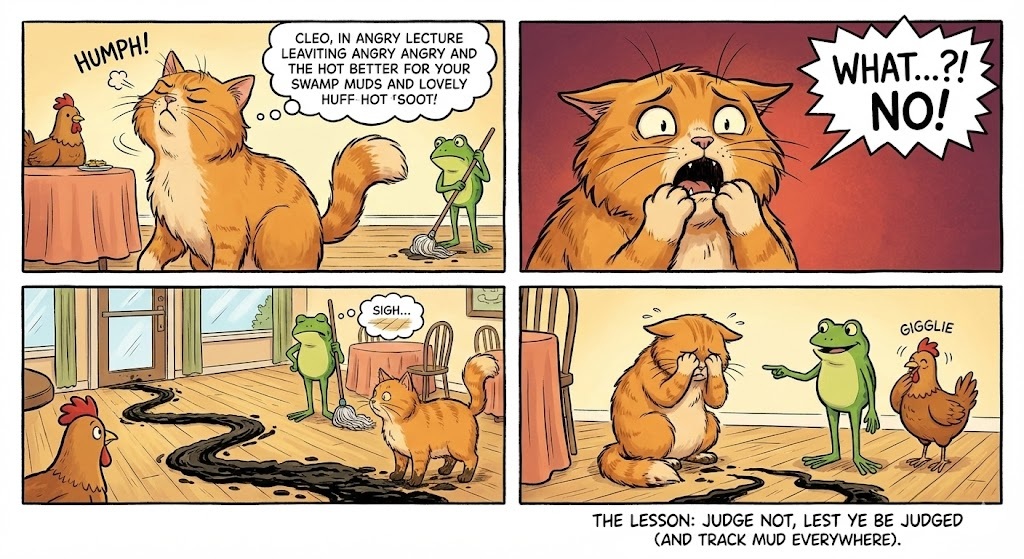

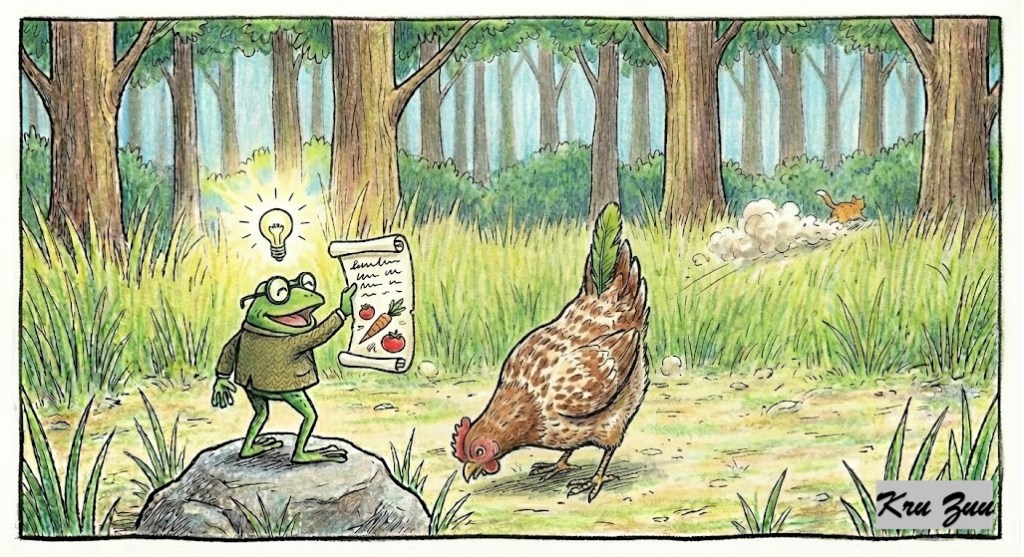
    Fred hands Cleo a mop. “A few crumbs can be swept up in a second, Cleo. But you’ve ruined the floor. People who live in glass houses shouldn’t throw stones. Perhaps check your own paws before you criticize someone else’s beak.”
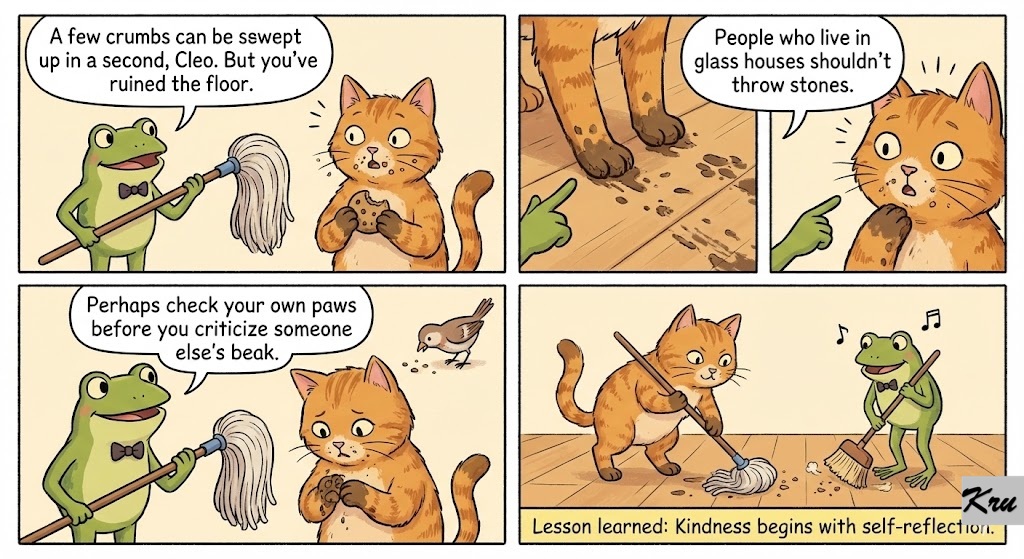

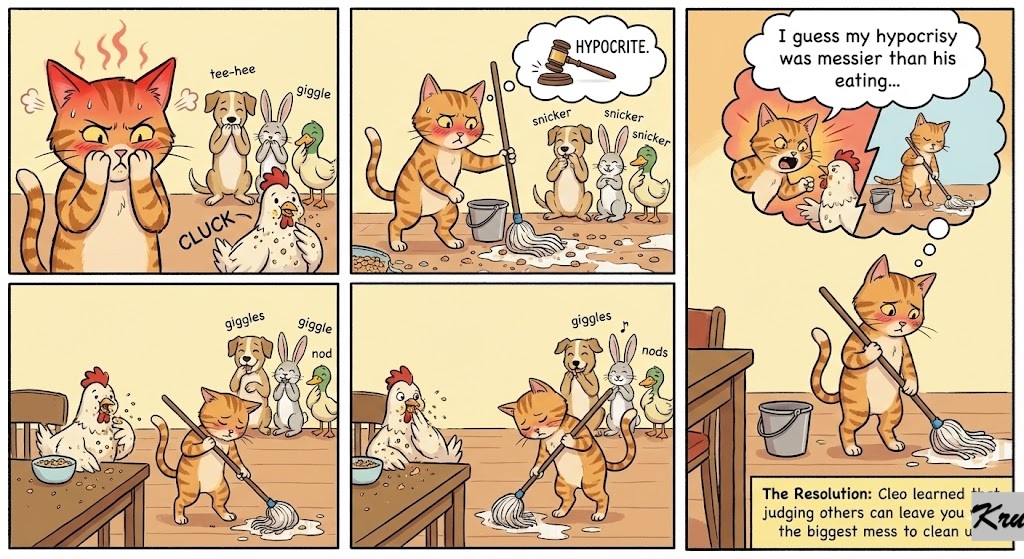
    The Resolution: Cleo’s ears turn hot with embarrassment. The other animals hold back giggles. Without another word, she takes the mop and starts cleaning the floor, realizing her hypocrisy made her look much worse than Cluck’s messy eating.

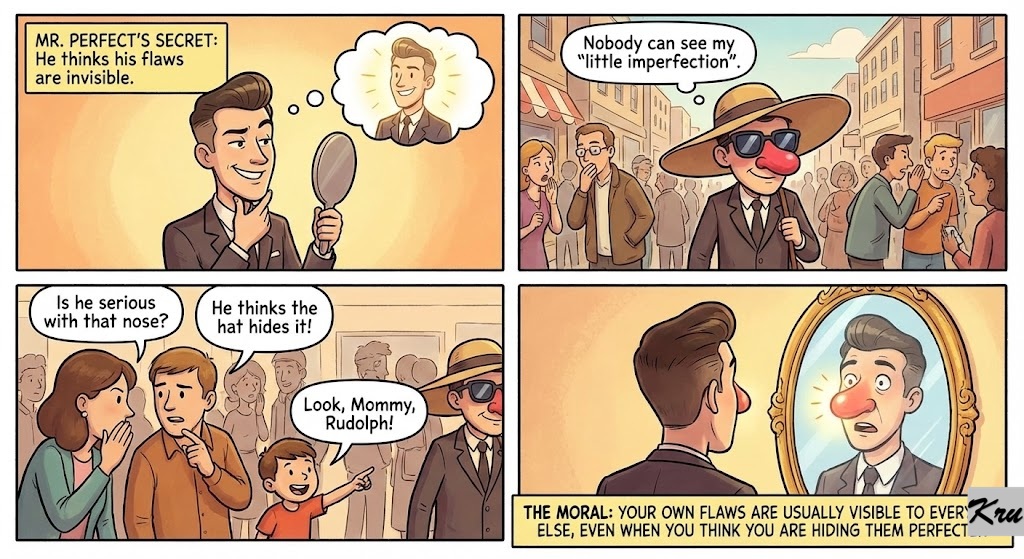
    The Moral: Your own flaws are usually visible to everyone else, even when you think you are hiding them perfectly. 🪞
    🎓 Lesson for English Learners


    Politely pointing out hypocrisy without starting a fight.
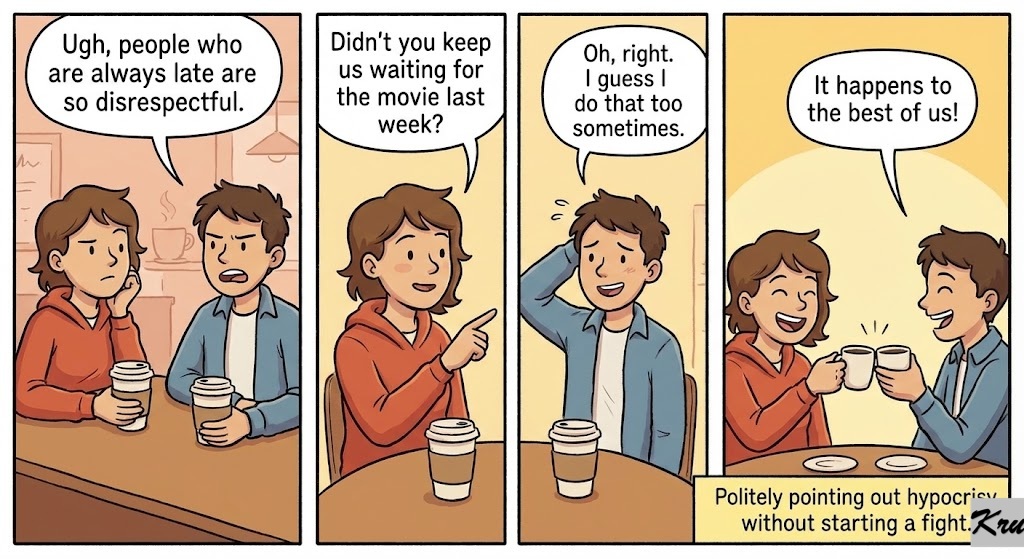

    Situation: You are in a meeting, and someone is aggressively criticizing a colleague for a mistake that they also make frequently.
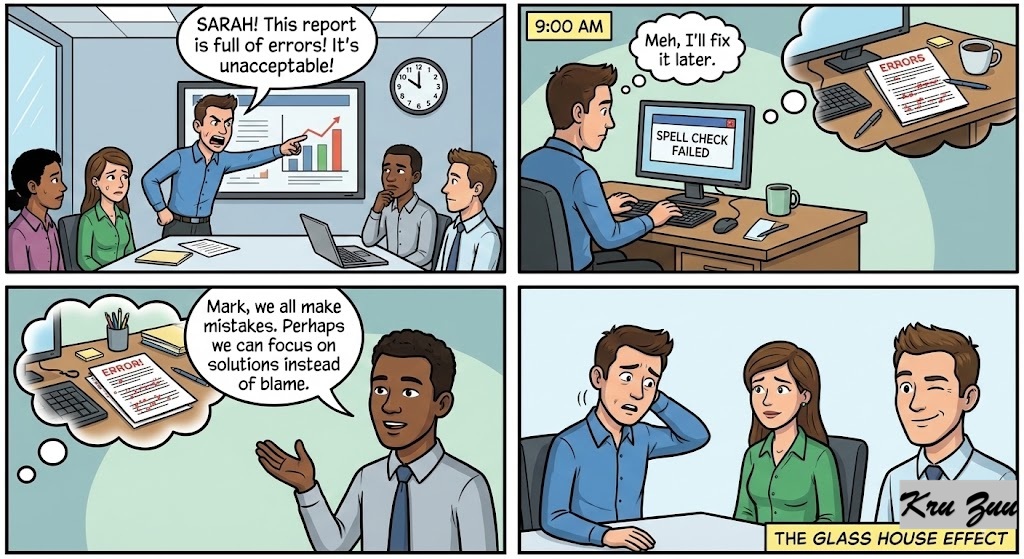

    The Shift: You want to defend the colleague and stop the hypocrite, but calling someone a “hypocrite” directly is too aggressive for professional English.
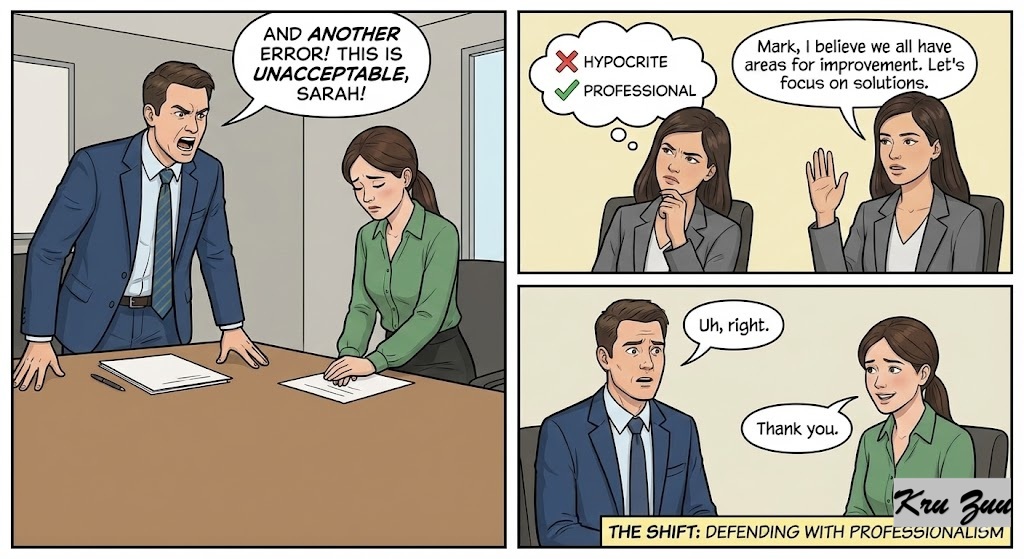

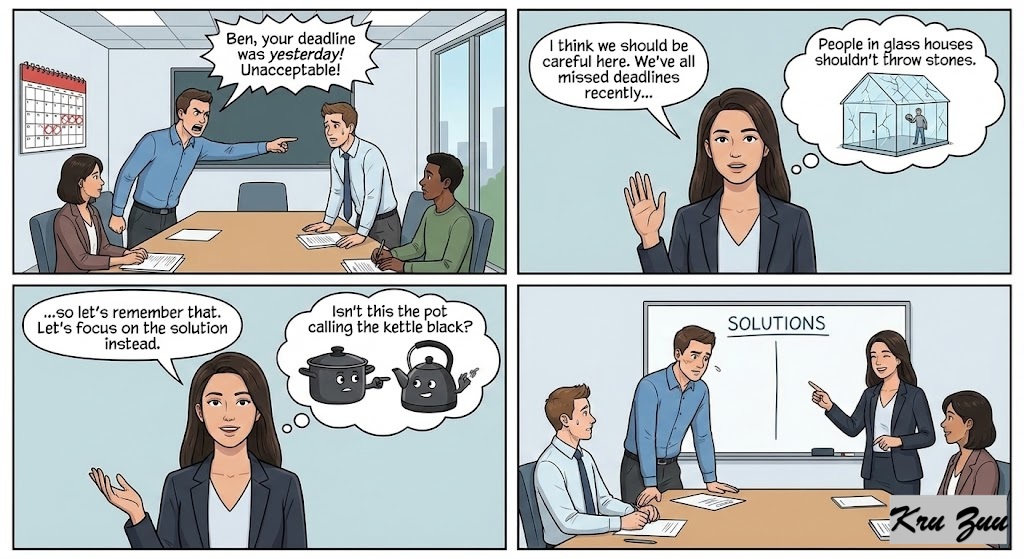
    You Say:“I think we should be careful here. We’ve all missed deadlines recently, so let’s remember that people in glass houses shouldn’t throw stones. Let’s focus on the solution instead.” (Bonus idiom: You can also say, “Isn’t this the pot calling the kettle black?”)

    💬 Your Turn: The “Hourly” Challenge 🚀


    Do you want to cure your “Villain” criticizing habits?
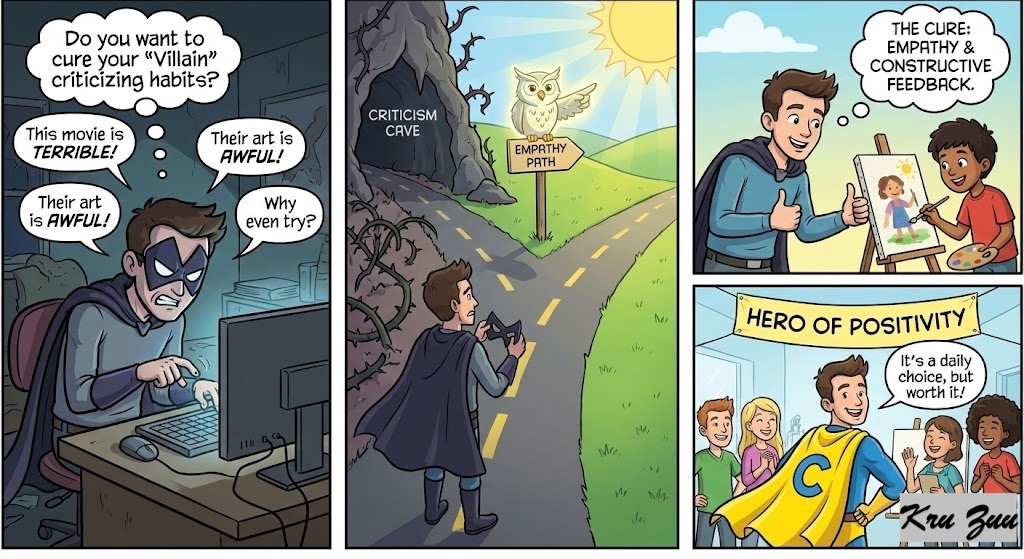

    The Challenge:
    Implement the Hourly Rule.
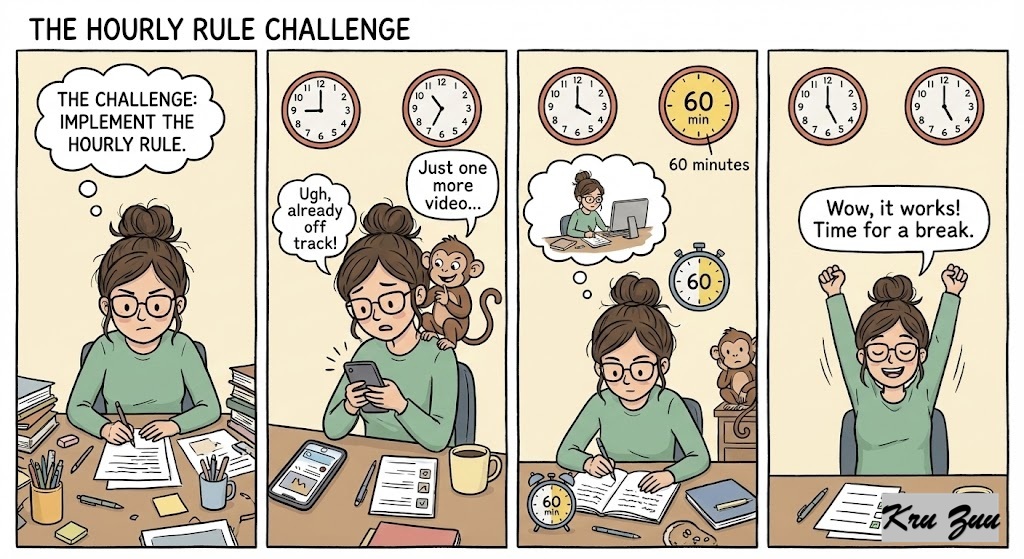
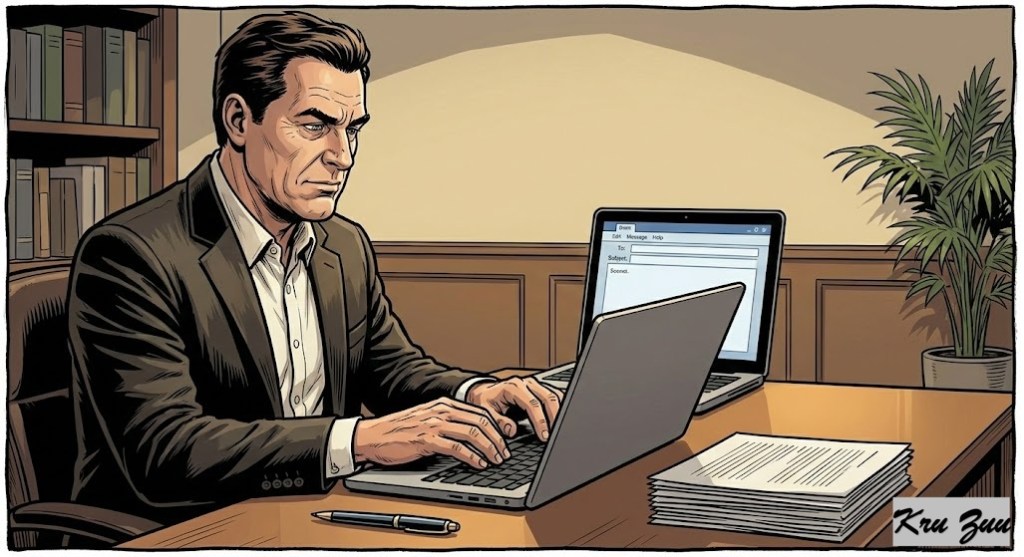
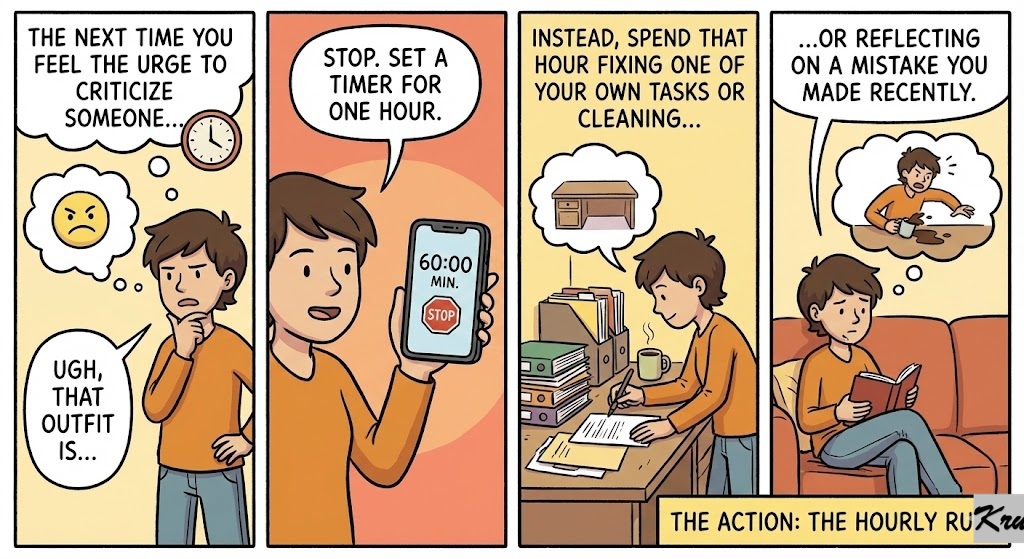
    The Action: The next time you feel the urge to criticize someone’s work, outfit, lifestyle, or mistake… stop. Set a timer for one hour. For that entire hour, you are not allowed to say anything negative about that person. Instead, you must spend that hour fixing one of your own pending tasks, cleaning up your space, or reflecting on a mistake you made recently.

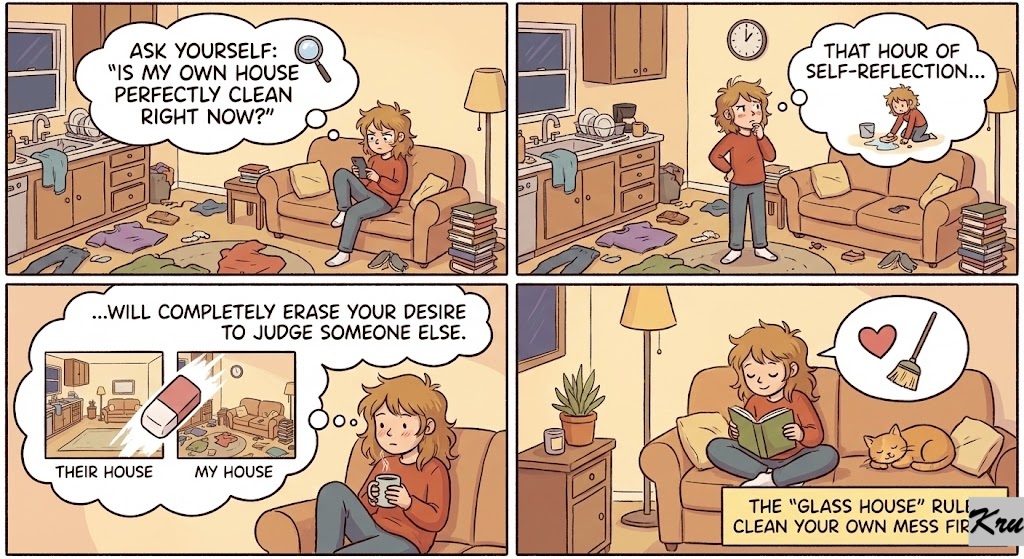
    Ask yourself: “Is my own house perfectly clean right now?” Most of the time, that hour of self-reflection will completely erase your desire to judge someone else.

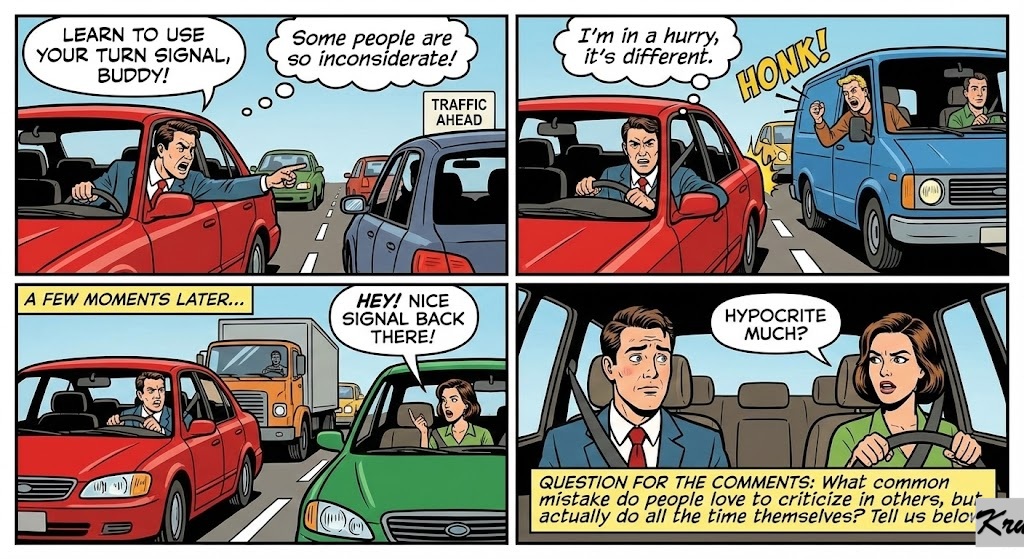
    👇 Question for the comments: What is a common mistake that people love to criticize in others, but actually do all the time themselves? Tell us below!
    By Zubeyir YURTKURAN

    https://www.facebook.com/BrainBattleground/

    https://www.facebook.com/zubeyr.yurtkuran/

    https://www.instagram.com/zubeyryurtkuran/

    https://www.youtube.com/@BrainBattleground-b3p

    https://www.instagram.com/brainbattleground/

  • 🛡️ The Daily Shield: The Law of Emotional Contagion

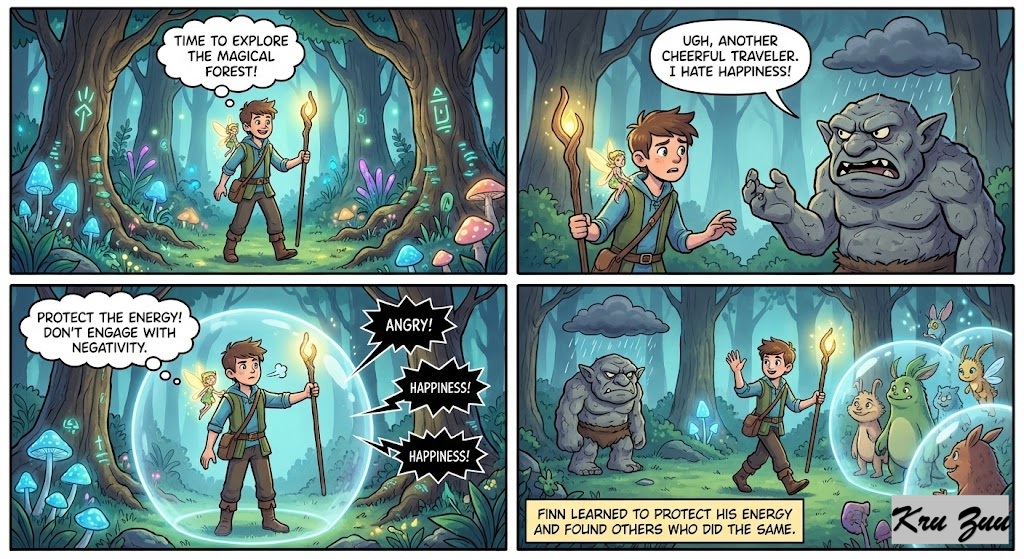
    🛡️ The Daily Shield: The Law of Emotional Contagion

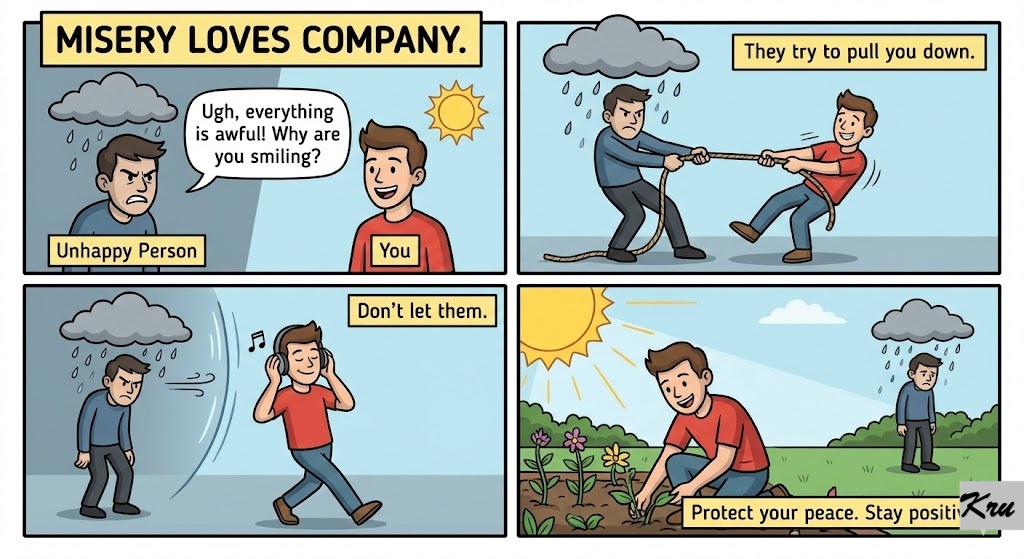
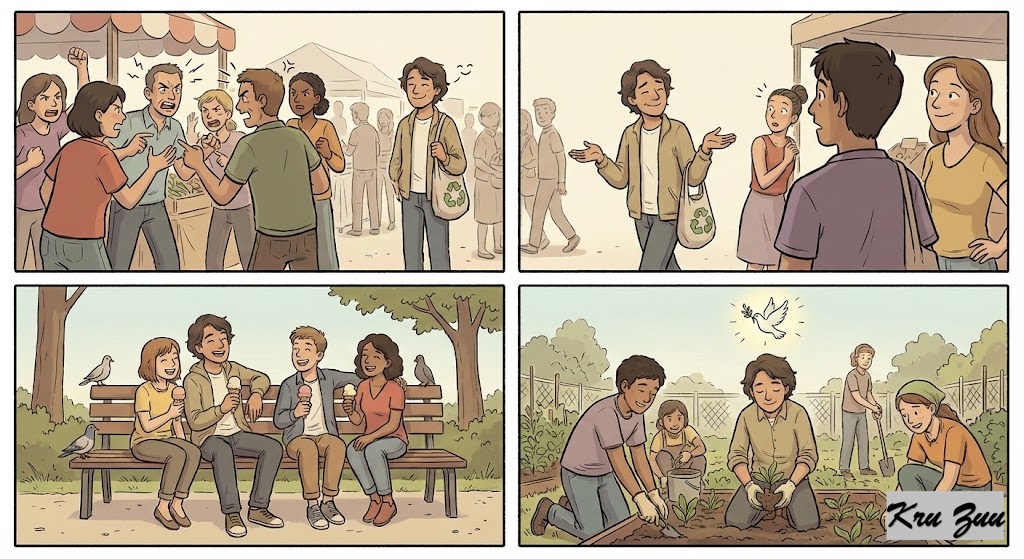
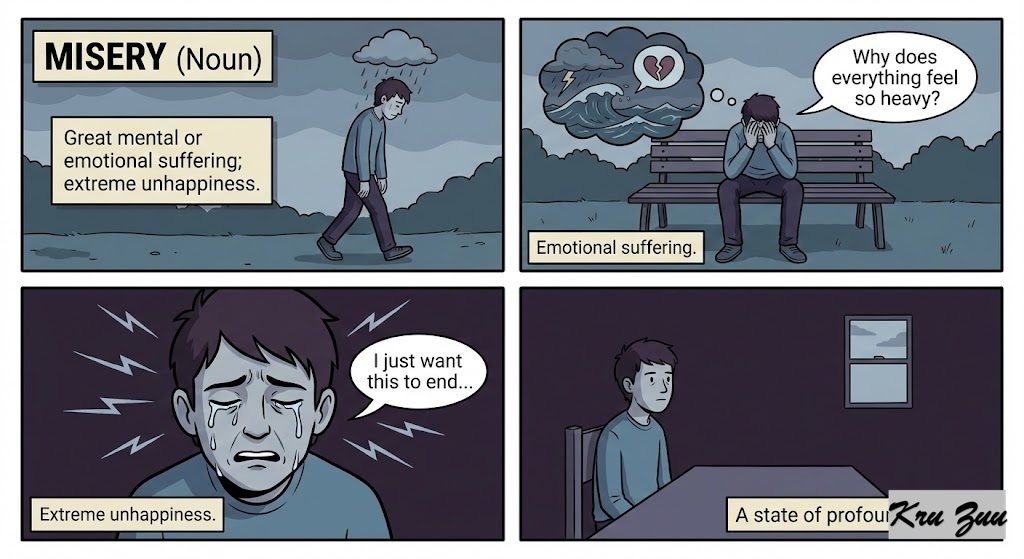
    “Misery loves company.”


    😈 The Villain (The Energy Vampire)

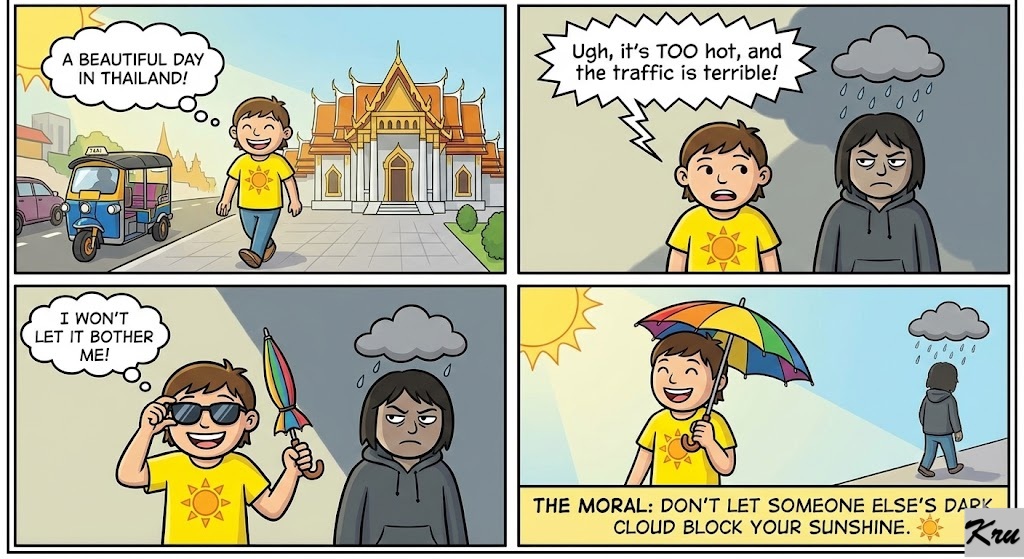
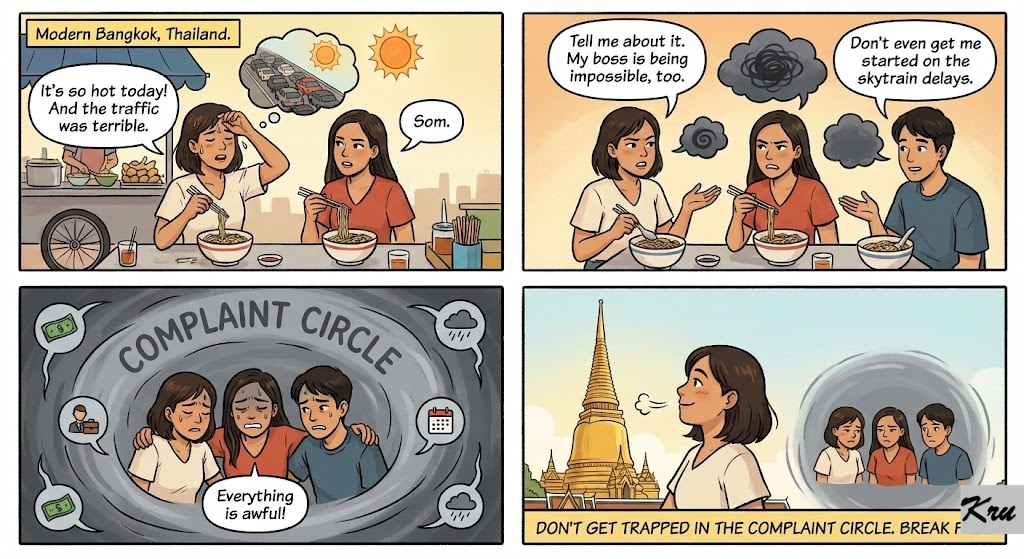
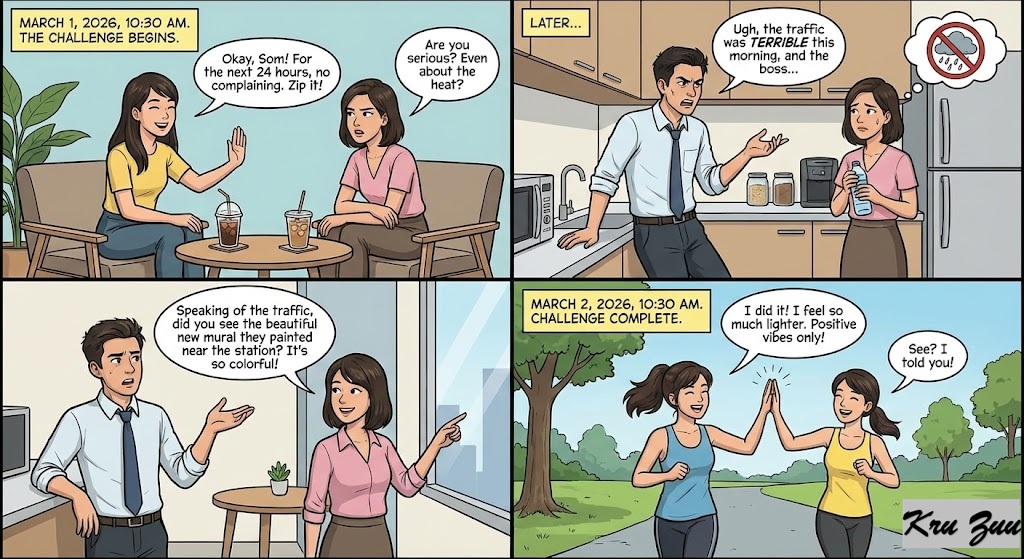
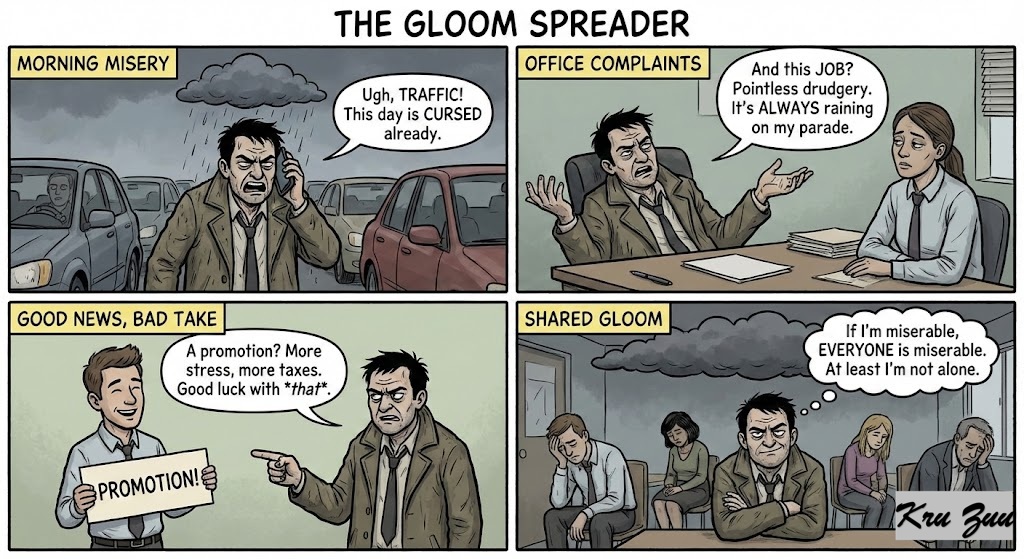
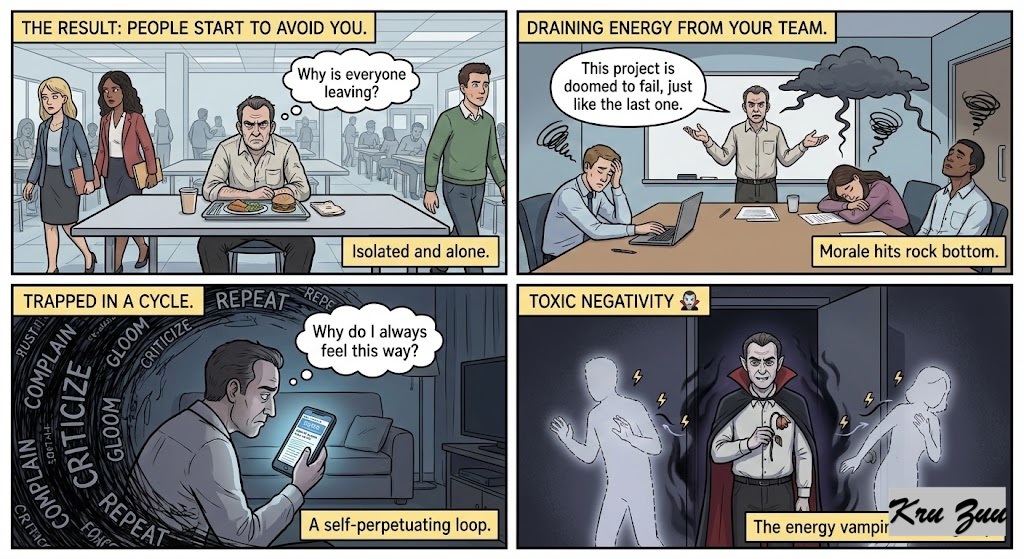
    You are having a bad day, so you make sure everyone else has a bad day, too. You complain loudly about the weather, the traffic, or your job. If a friend shares good news, you quickly find a negative detail to bring them down. You drag the mood of the room into the mud because sitting in sadness alone feels uncomfortable.

    The Result? People start to avoid you. You drain the energy from your team and your family. You are trapped in a cycle of toxic negativity. 🧛‍♂️


    😇 The Hero (The Peace Protector)

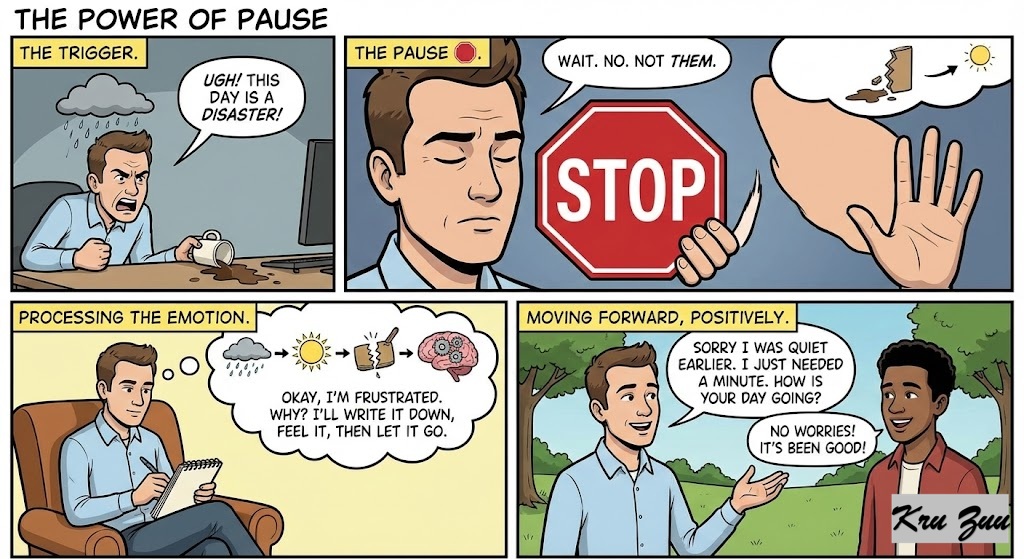
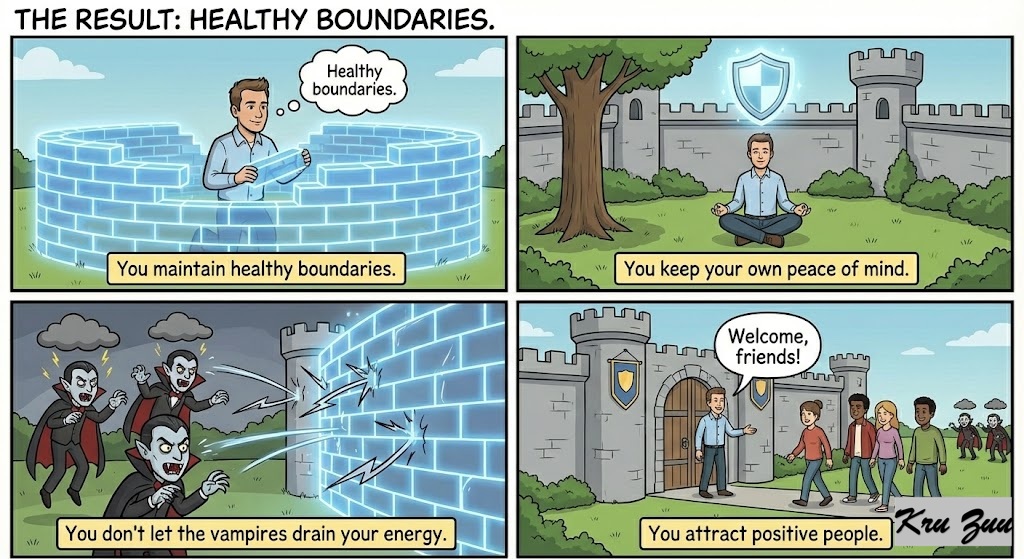
    You acknowledge your bad mood, but you refuse to infect others with it. You pause. 🛑 Instead of spreading your frustration, you process it.

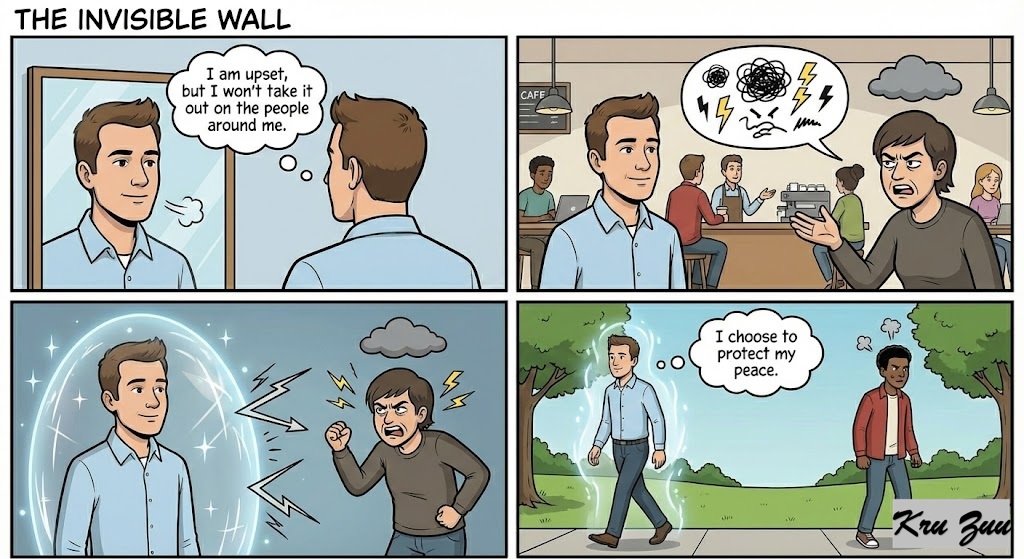
    You think: “I am upset, but I won’t take it out on the people around me.” When you encounter someone else who is miserable and complaining, you build an invisible wall.

    The Result? You maintain healthy boundaries. You keep your own peace of mind. You attract positive people because you don’t let the vampires drain your energy. 🏰


    ⚖️ The Reality


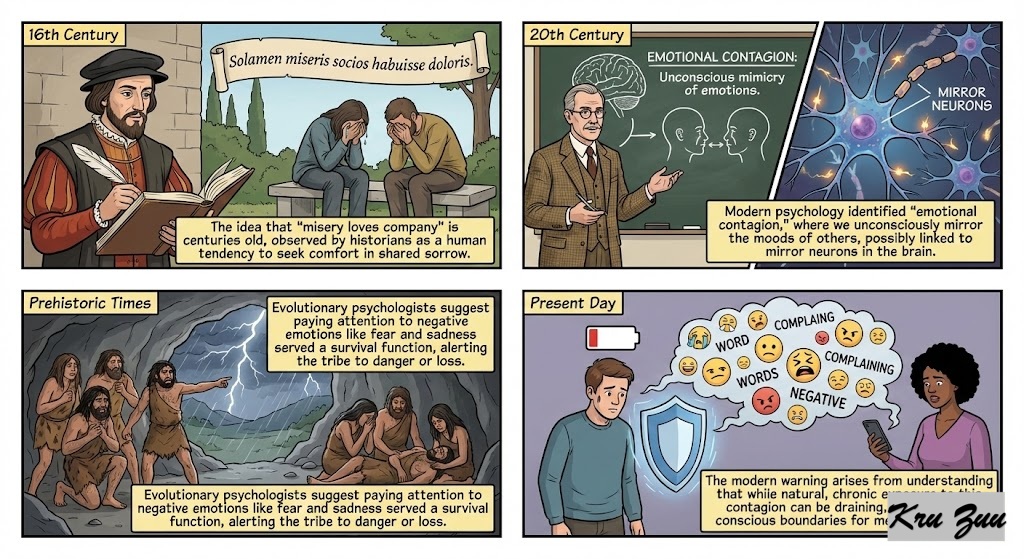
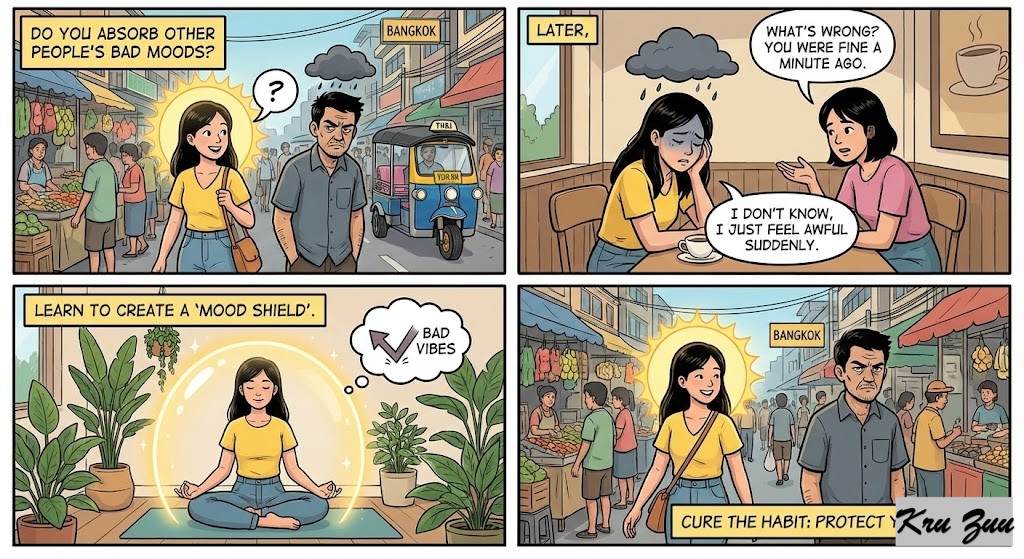
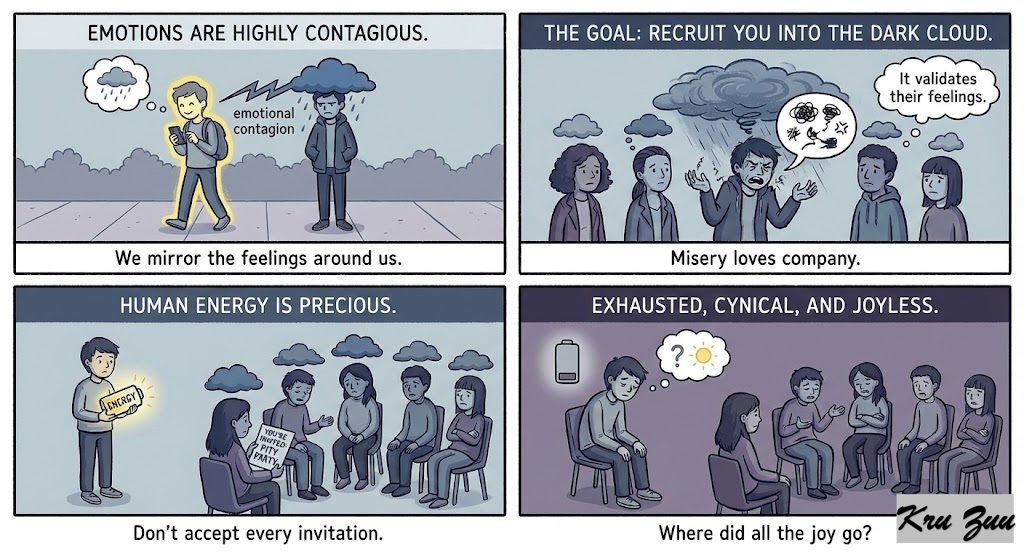
    Emotions are highly contagious. We live in a world where it is incredibly easy to mirror the feelings of the people around us. When someone is miserable, their subconscious goal is often to recruit you into their dark cloud. It validates their feelings. But human energy is precious. If you accept every invitation to a “pity party,” you will soon find yourself exhausted, cynical, and wondering where all your joy went.


    💎 The Secret

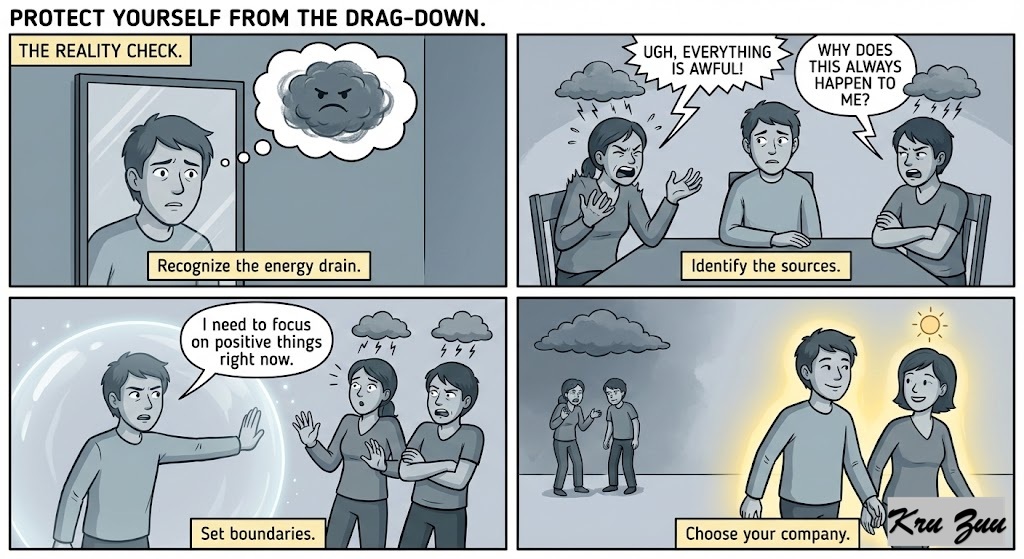
    You don’t have to attend every argument or complaining session you are invited to. Protect your peace.

    🧐 The Anatomy of the Proverb


    This is your reality check to protect yourself from people who want to drag you down.


    Misery (Noun): Great mental or emotional suffering; extreme unhappiness.


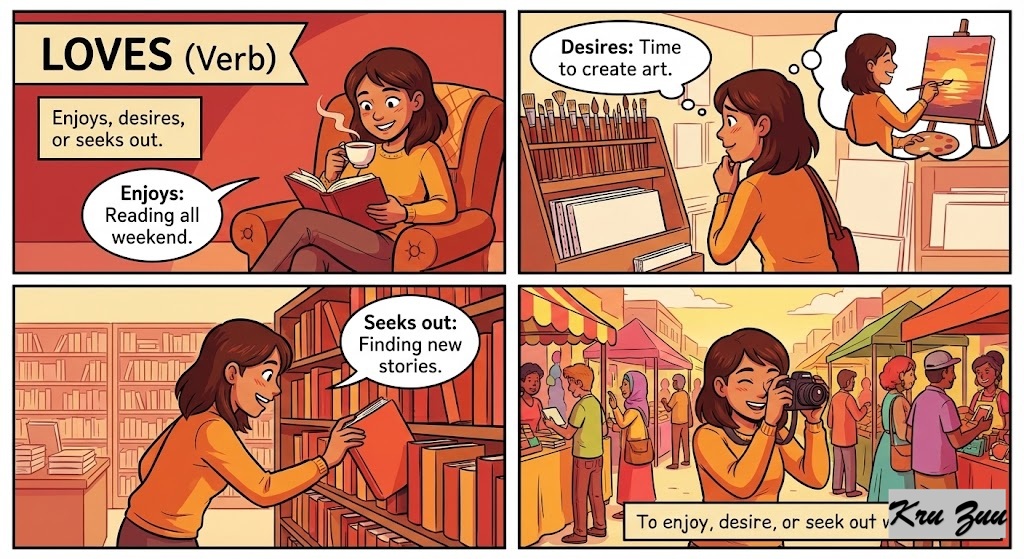
    Loves (Verb): Enjoys, desires, or seeks out.


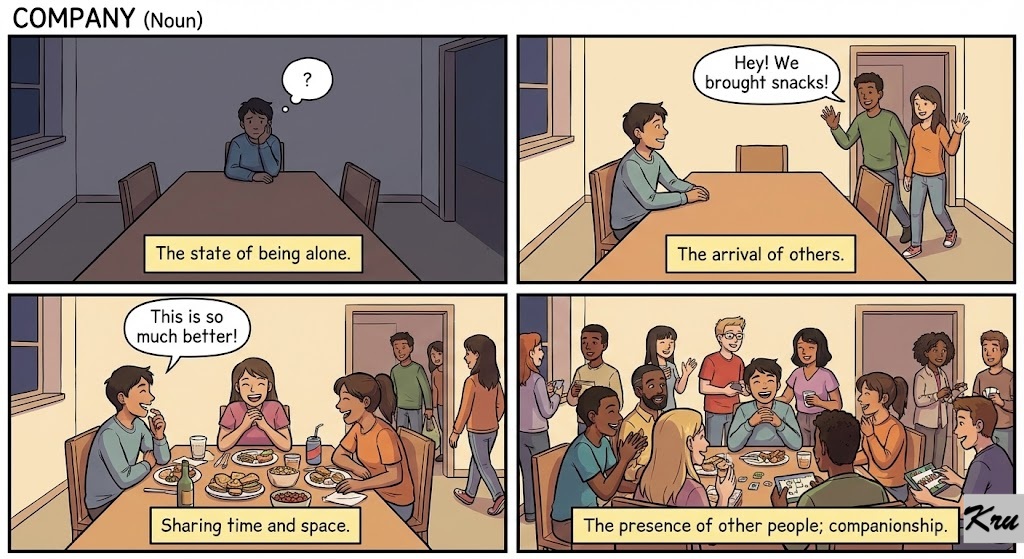
    Company (Noun): The presence of other people.


    Simpler Version: Unhappy people want others to be unhappy too. / Don’t let negative people bring you down.


    📚 Vocabulary Vault


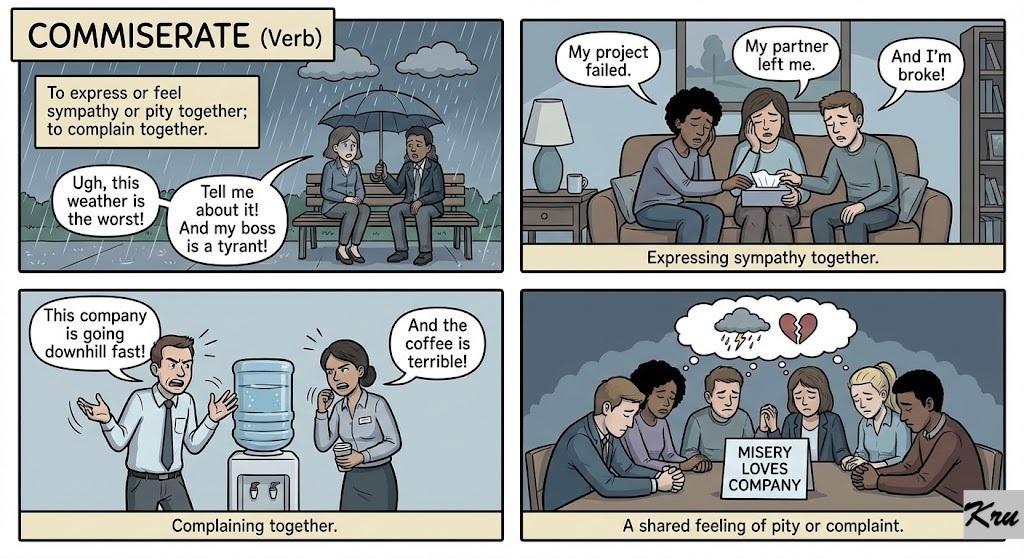
    Commiserate (Verb):
    To express or feel sympathy or pity together; to complain together.


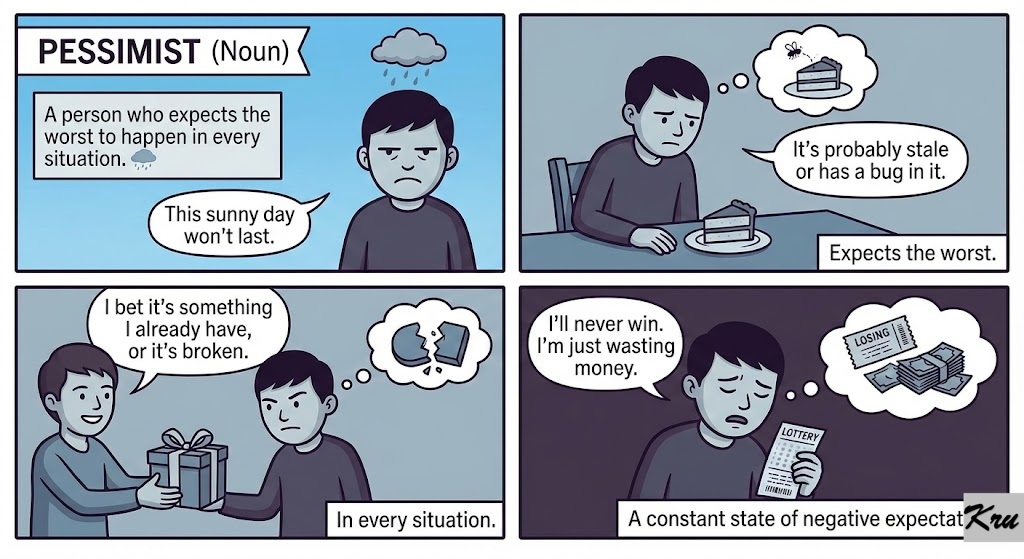
    Pessimist (Noun): A person who expects the worst to happen in every situation. 🌧️


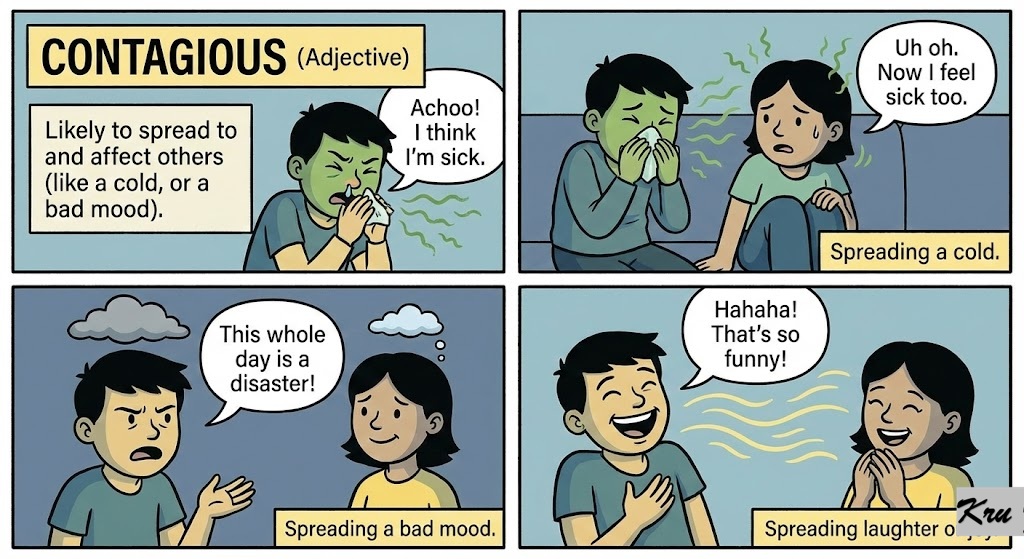
    Contagious (Adjective): Likely to spread to and affect others (like a cold, or a bad mood).


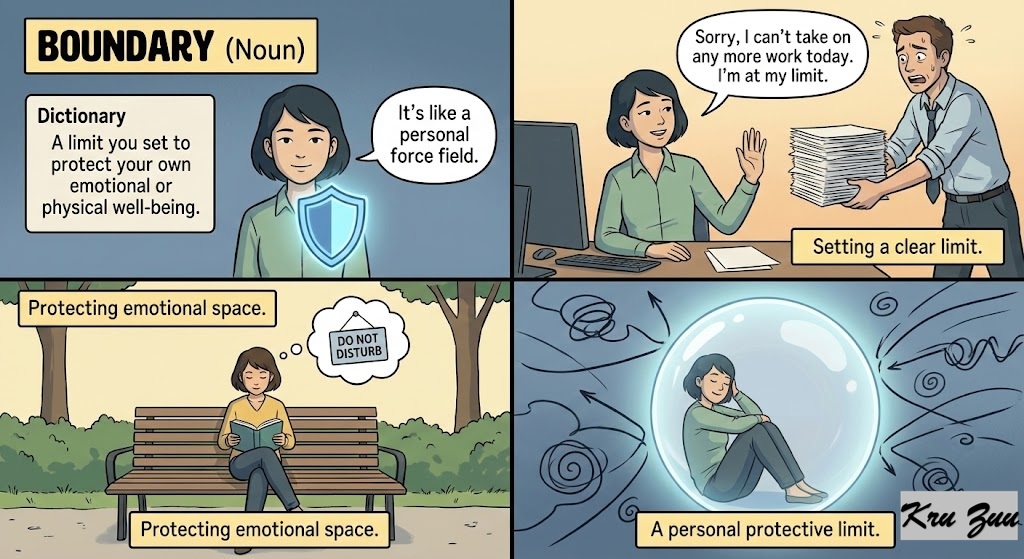
    Boundary (Noun): A limit you set to protect your own emotional or physical well-being.


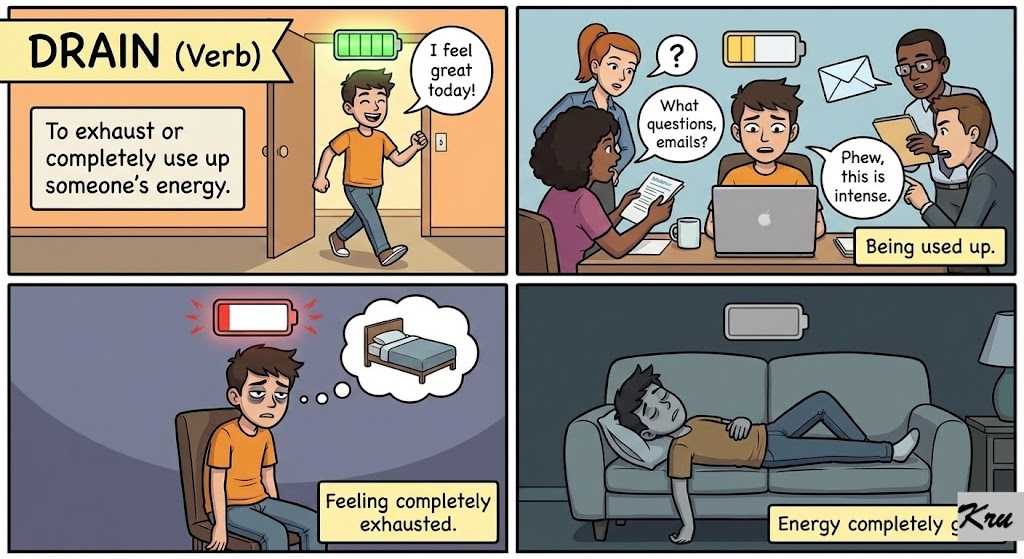
    Drain (Verb): To exhaust or completely use up someone’s energy.


    🧠 Grammar Focus: Idioms as Parenting/Bossing Tools


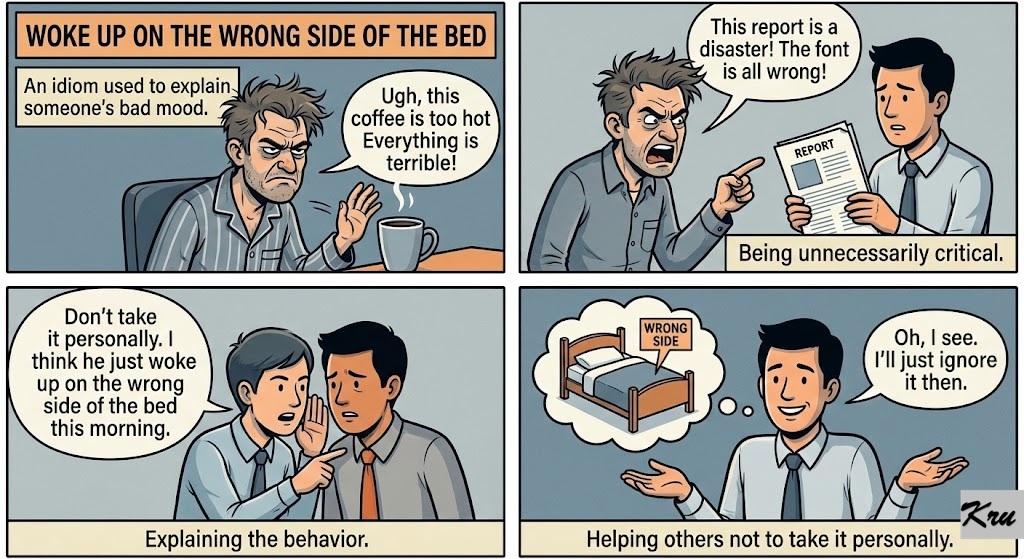
    We often use this idiom to explain why someone is being unnecessarily critical or mean, helping others not to take it personally.


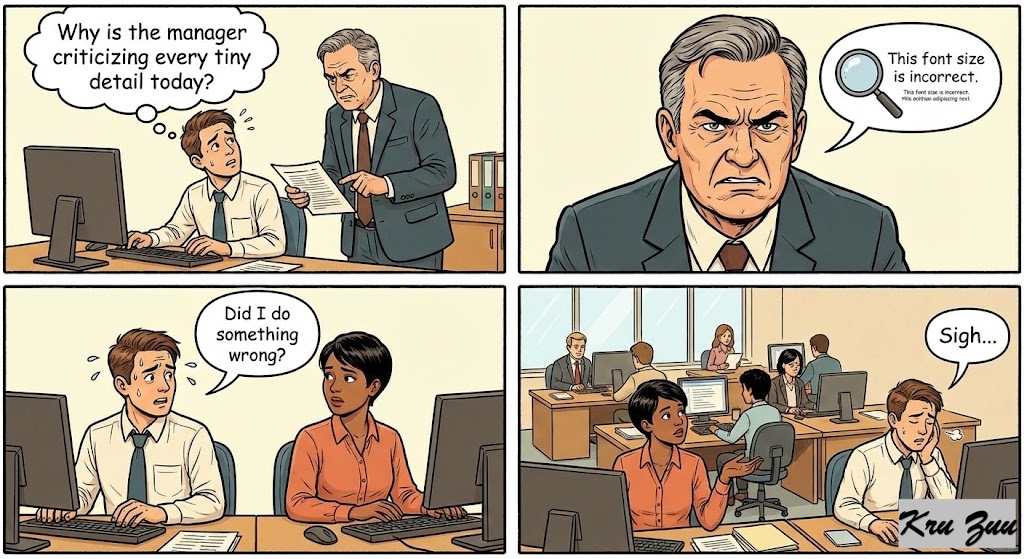
    Employee A: “Why is the manager criticizing every tiny detail today? Did I do something wrong?”

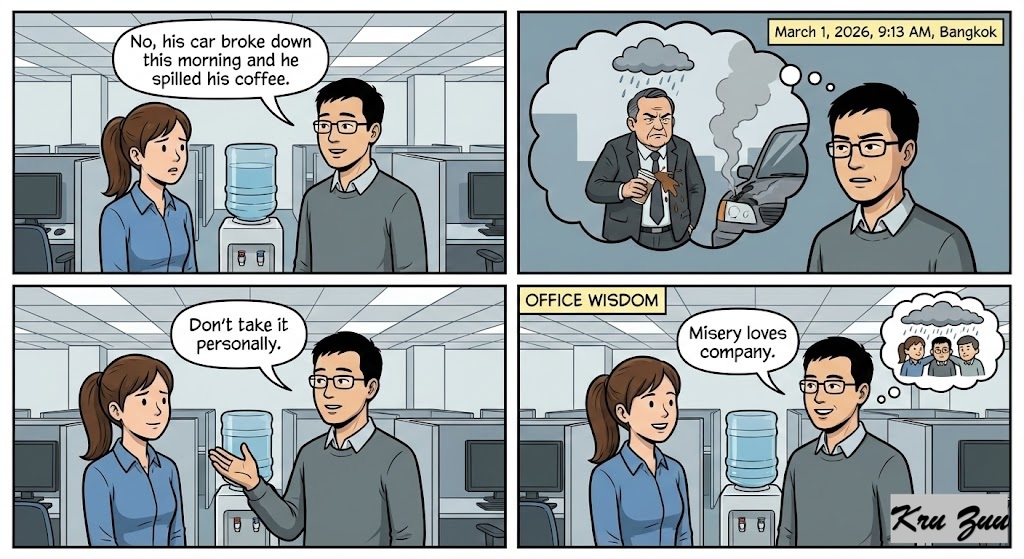
    Employee B: “No, his car broke down this morning and he spilled his coffee. Don’t take it personally. Misery loves company.”

    📜 History: Origin and Spread


    Where did this psychological warning come from?


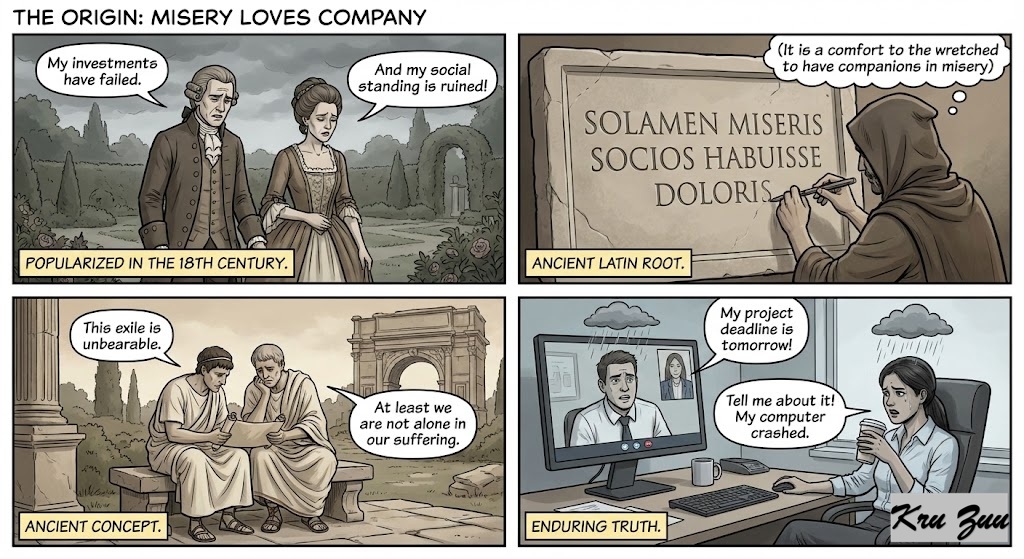
    The Origin: The exact English phrasing was heavily popularized in the 18th century, but the concept is ancient. It traces back to the Latin phrase “Solamen miseris socios habuisse doloris” (It is a comfort to the wretched to have companions in misery).


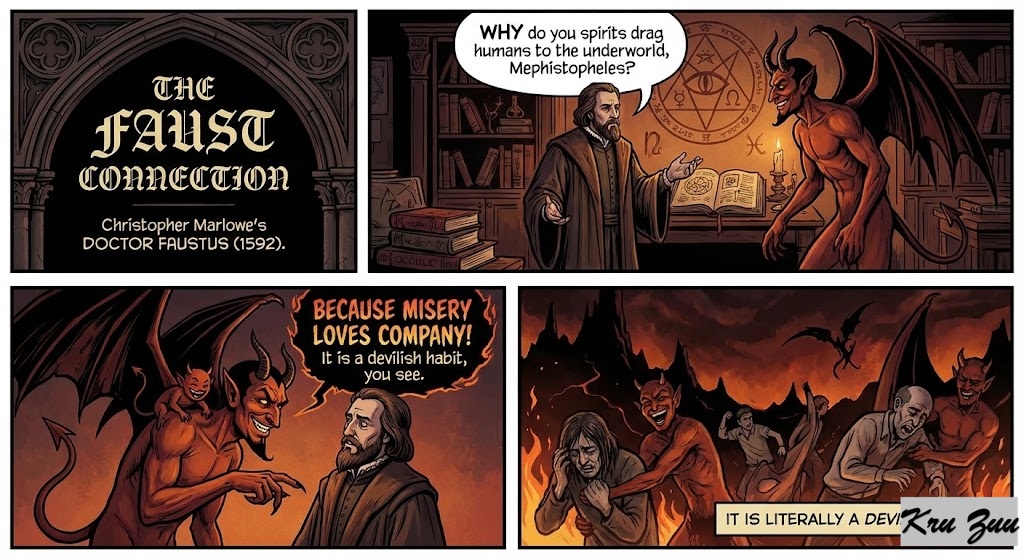
    The Faust Connection: The famous English playwright Christopher Marlowe used a version of this in his 1592 play Doctor Faustus. When Faustus asks the demon Mephistopheles why spirits try to drag humans to the underworld, the demon basically replies: because misery loves company! It is literally a devilish habit.


    Global Cousins


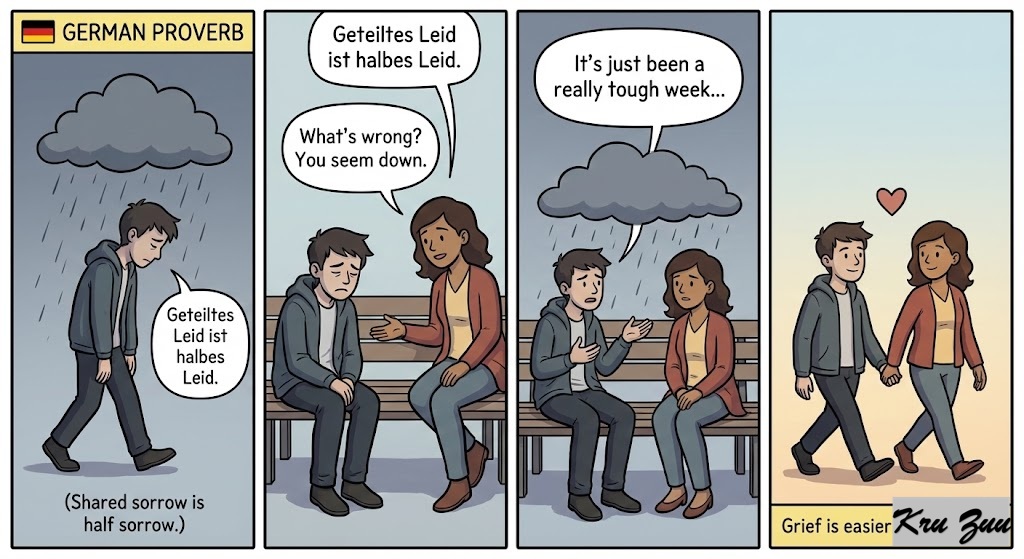
    🇩🇪 German: “Geteiltes Leid ist halbes Leid.” (Shared sorrow is half sorrow, this takes a slightly more positive angle, meaning grief is easier when shared, but the core mechanic is the same).


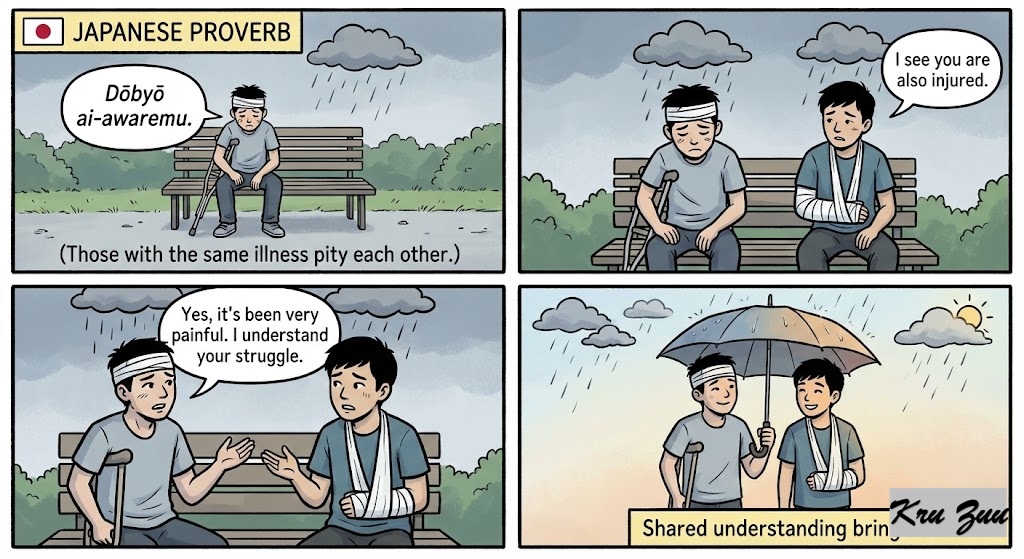
    🇯🇵 Japanese: “同病相憐れむ” (Dōbyō ai-awaremu — Those with the same illness pity each other).

    🎭 Short Story: The Muddy Puddle 🌧️🐱🐔🐸


    Let’s visit the magical forest to see who knows how to protect their energy.


    🌟 The Cast


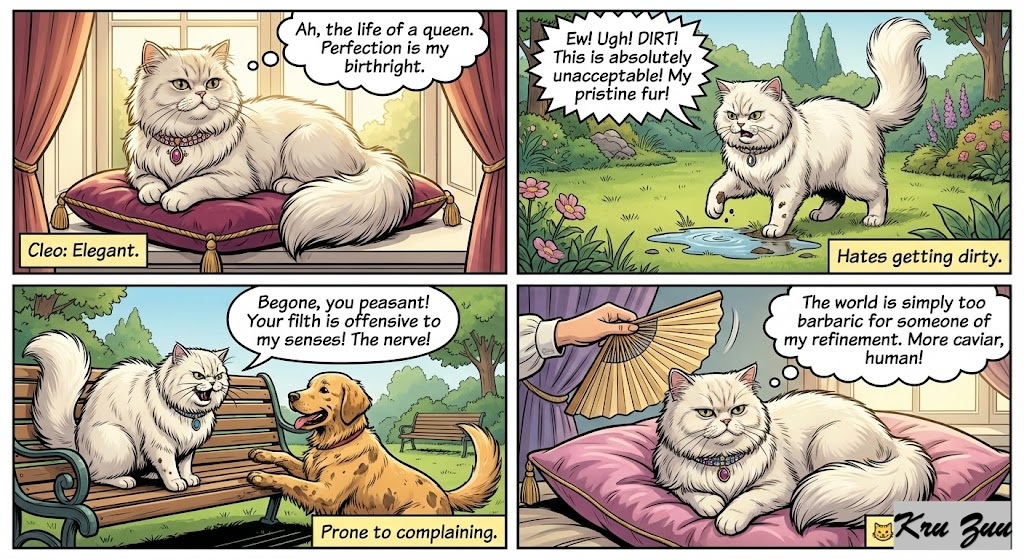
    Cleo the Cat: Elegant, hates getting dirty, prone to complaining. 😼


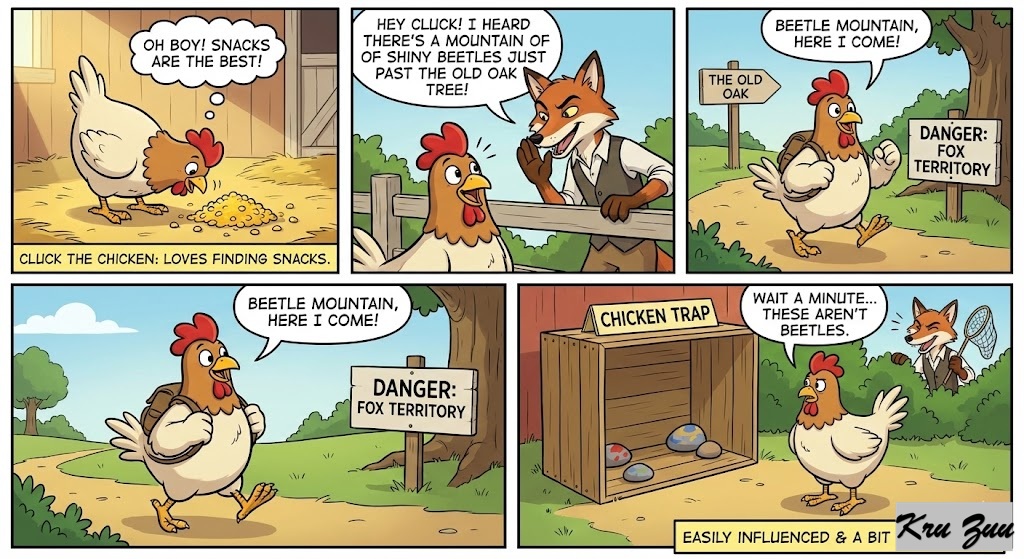
    Cluck the Chicken: Easily influenced, loves finding snacks, a bit gullible. 🐔


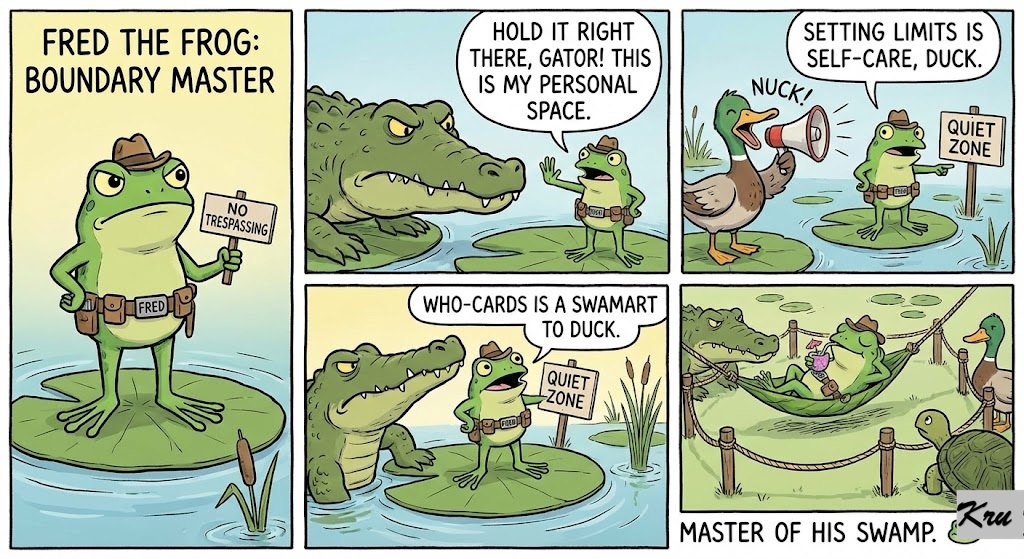
    Fred the Frog: The boundary, setting master of the swamp. 🐸


    The Situation:
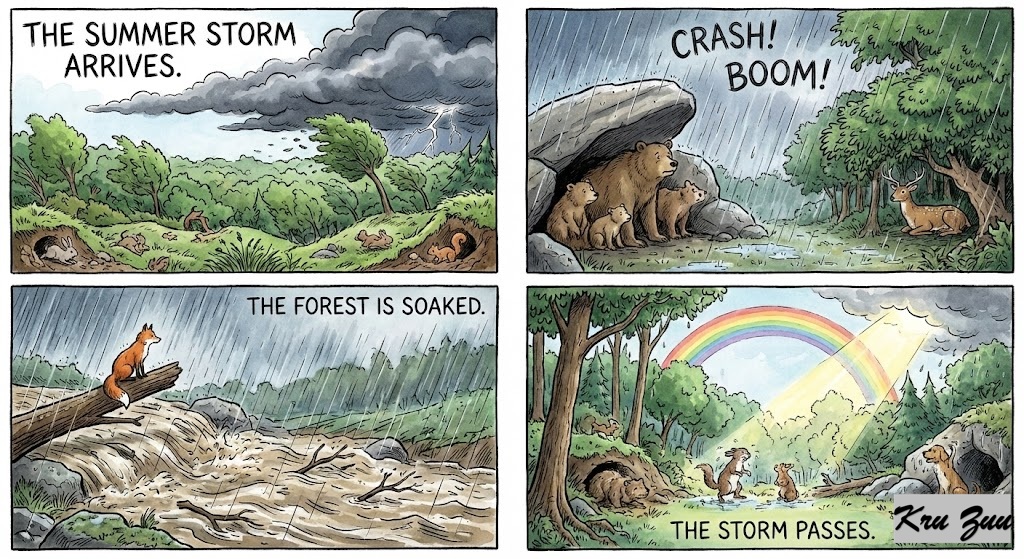
    A massive summer rainstorm has hit the forest.


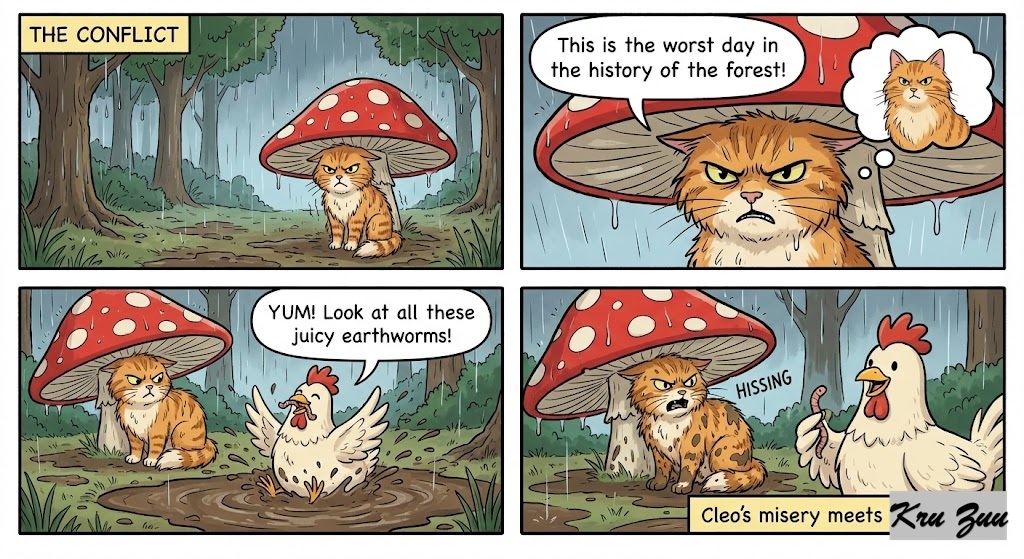
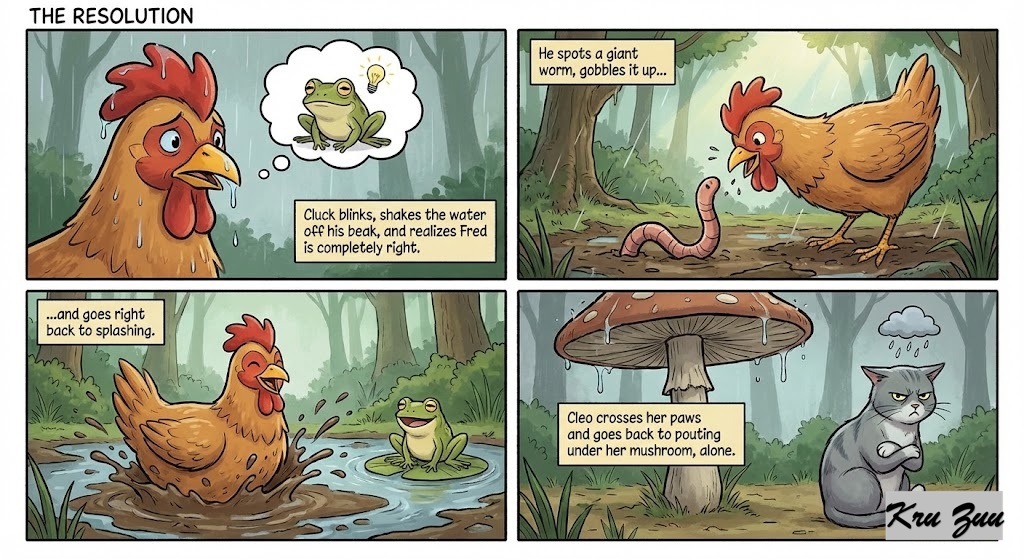
    The Conflict: Cleo’s beautiful, fluffy fur is completely soaked. She is furious. She hides under a large mushroom, shivering and scowling. “This is the worst day in the history of the forest!” she hisses. Meanwhile, Cluck the Chicken is splashing in a muddy puddle right in front of her. Cluck is thrilled because the rain has brought all the juicy earthworms up to the surface. “Yum!” squawks Cluck.


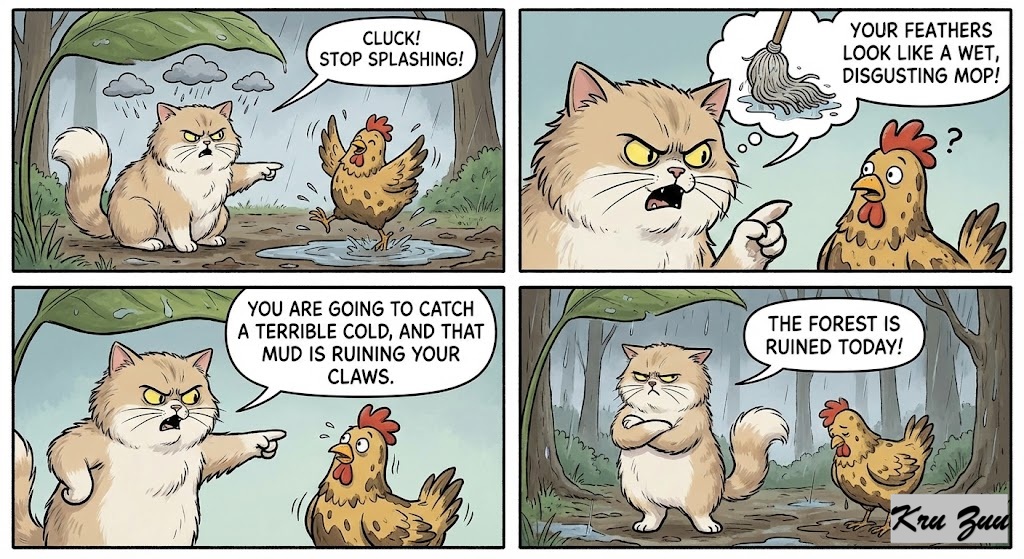
    The Reaction: Cleo hates seeing Cluck so happy while she is suffering. “Cluck!” she snaps. “Stop splashing! Your feathers look like a wet, disgusting mop! You are going to catch a terrible cold, and that mud is ruining your claws. The forest is ruined today!”


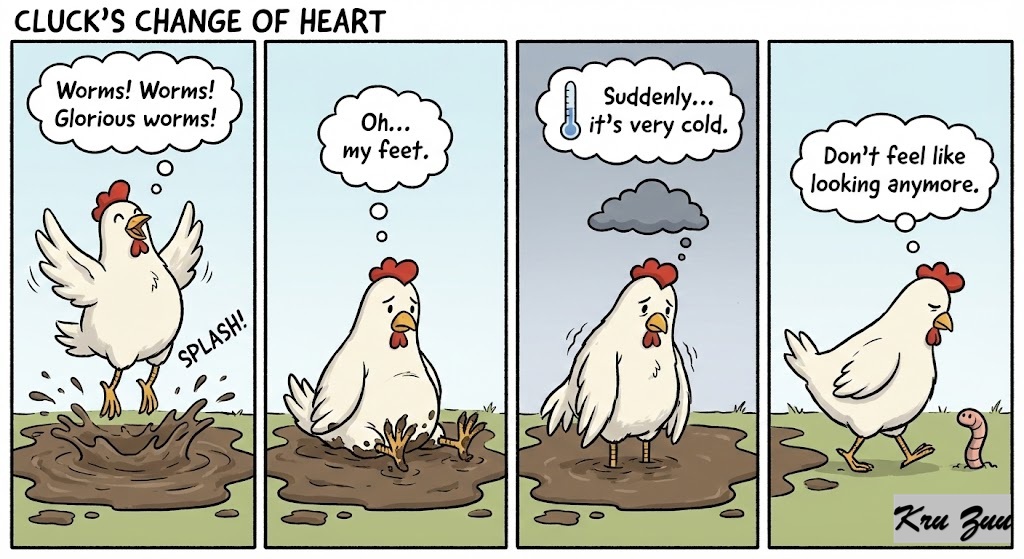
    Cluck immediately stops jumping. He looks down at his muddy feet. He drops his wings. Suddenly, he feels very cold and very sad. He stops looking for worms.


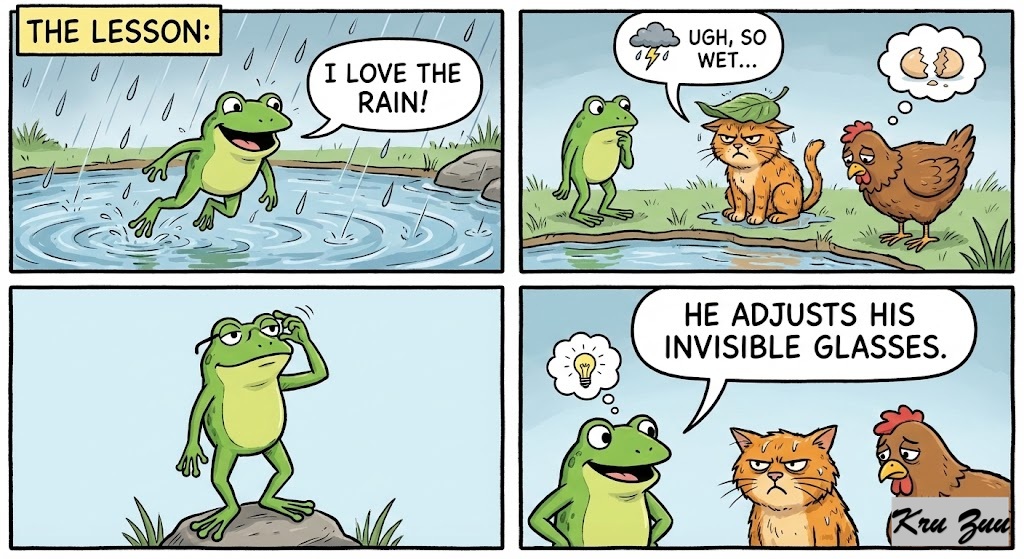
    The Lesson: Just then, Fred the Frog hops out of the pond. He loves the rain! He looks at the grumbling cat and the suddenly depressed chicken. He adjusts his invisible glasses.


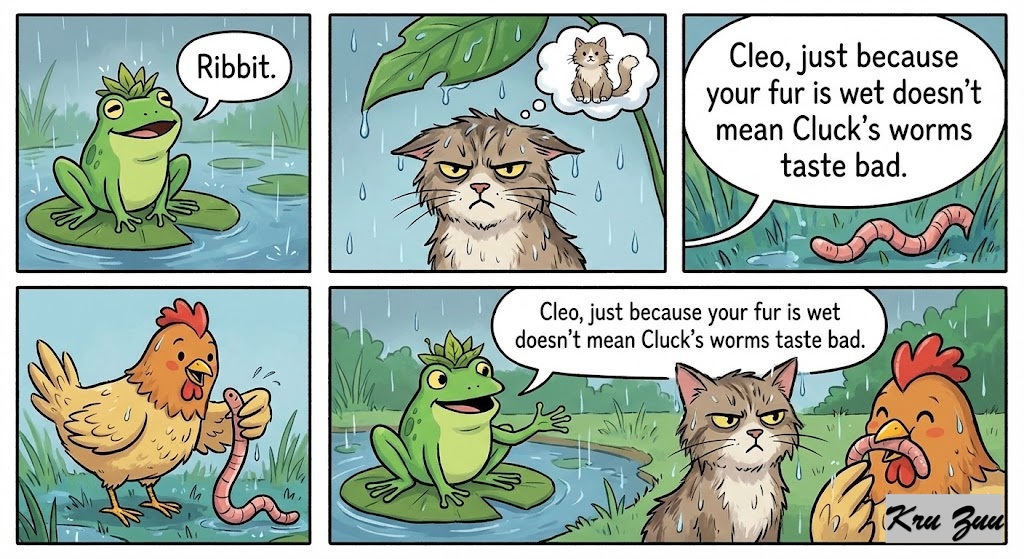
    “Ribbit,” says Fred. “Cleo, just because your fur is wet doesn’t mean Cluck’s worms taste bad.”


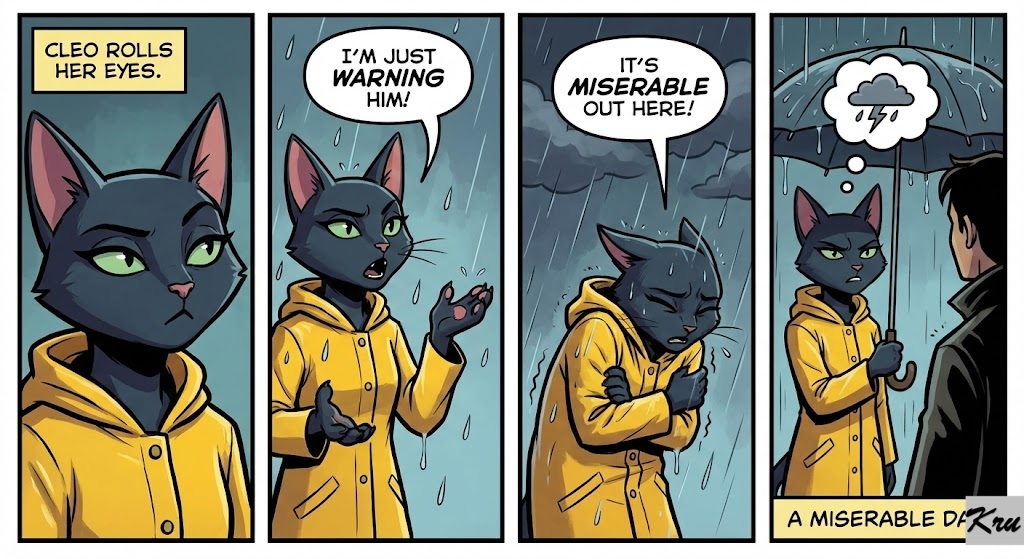
    Cleo rolls her eyes. “I’m just warning him! It’s miserable out here!”


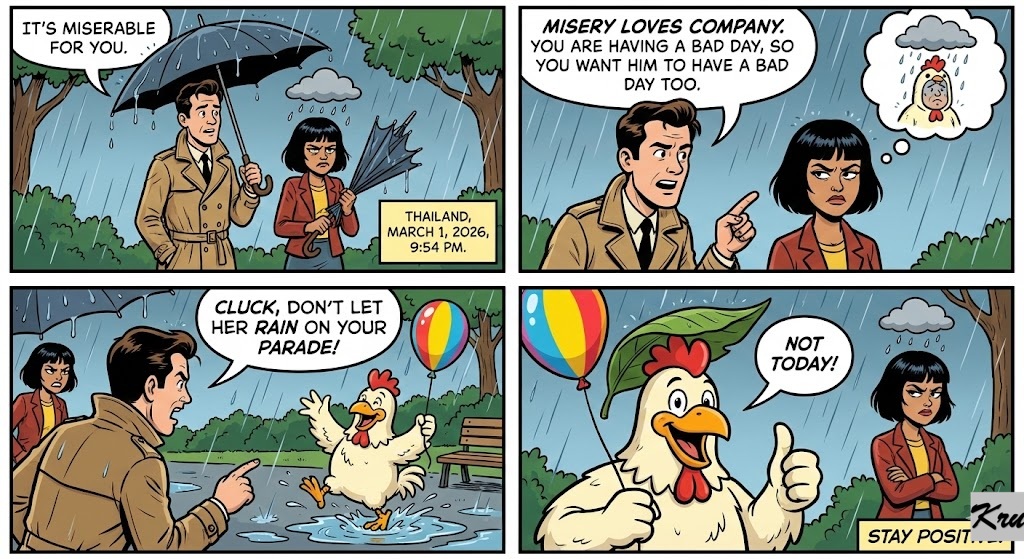
    “It’s miserable for you,” Fred corrects her. “Misery loves company. You are having a bad day, so you want him to have a bad day too. Cluck, don’t let her rain on your parade.”


    The Resolution: Cluck blinks, shakes the water off his beak, and realizes Fred is completely right. He spots a giant worm, gobbles it up, and goes right back to splashing. Cleo crosses her paws and goes back to pouting under her mushroom, alone.


    The Moral: Don’t let someone else’s dark cloud block your sunshine. ☀️

    🎓 Lesson for English Learners


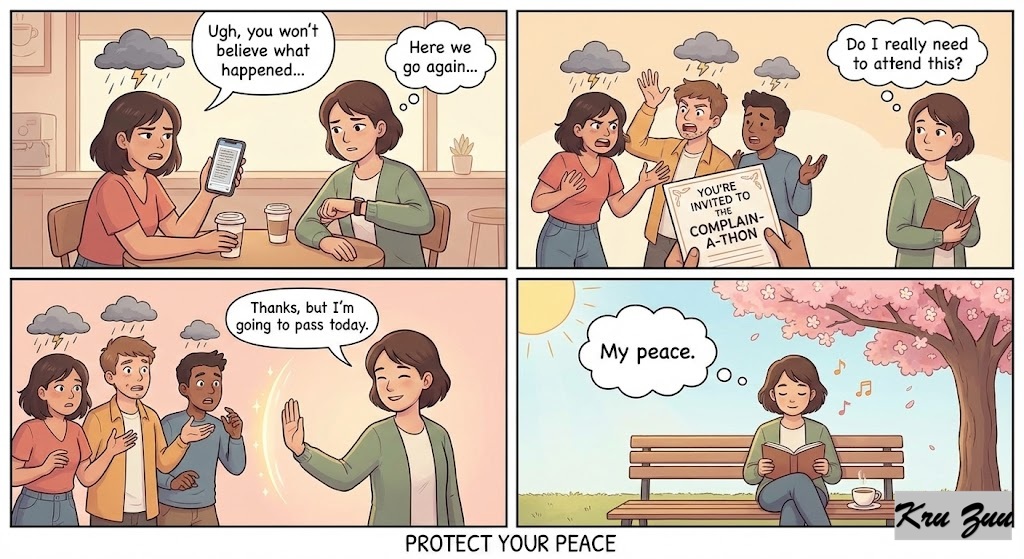
    Don’t get trapped in the complaint circle.


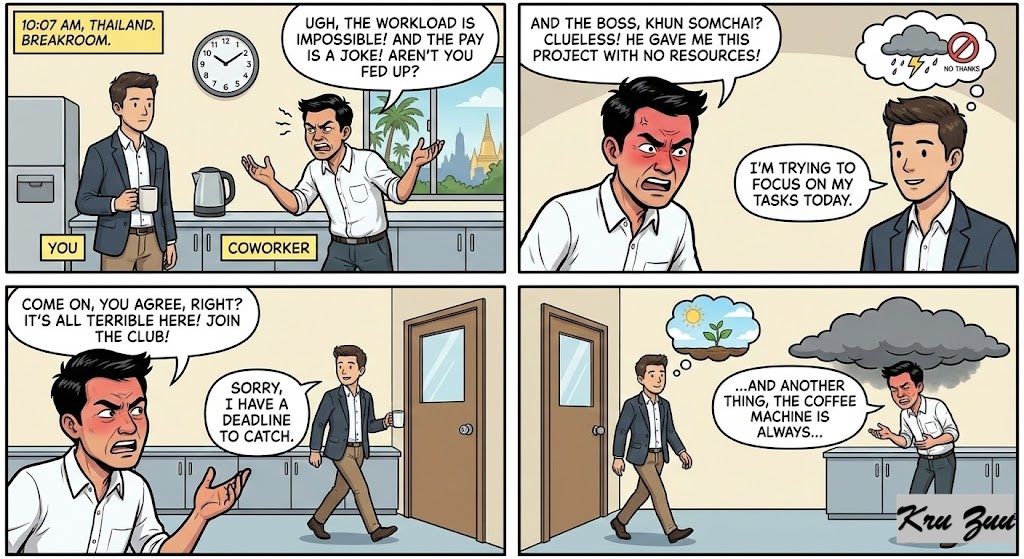
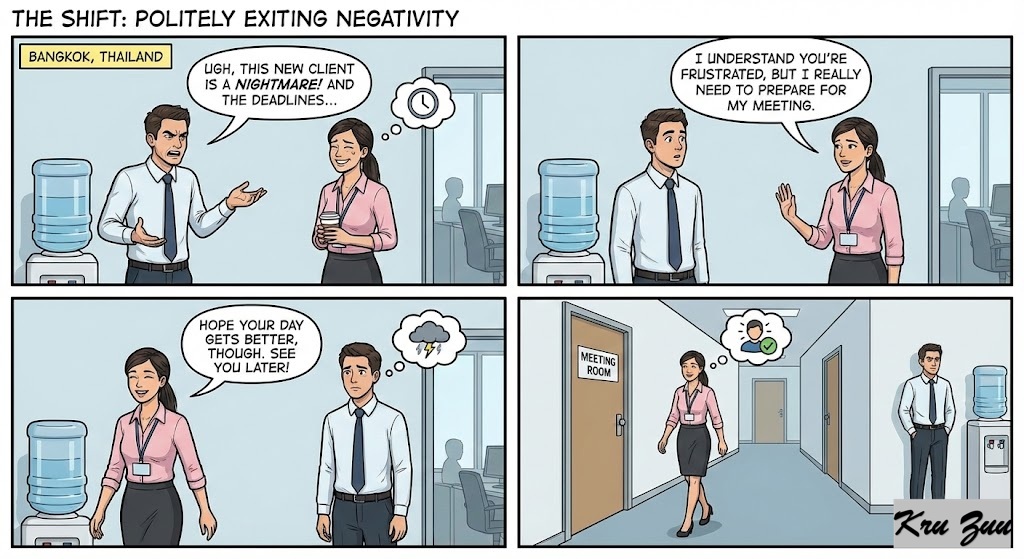
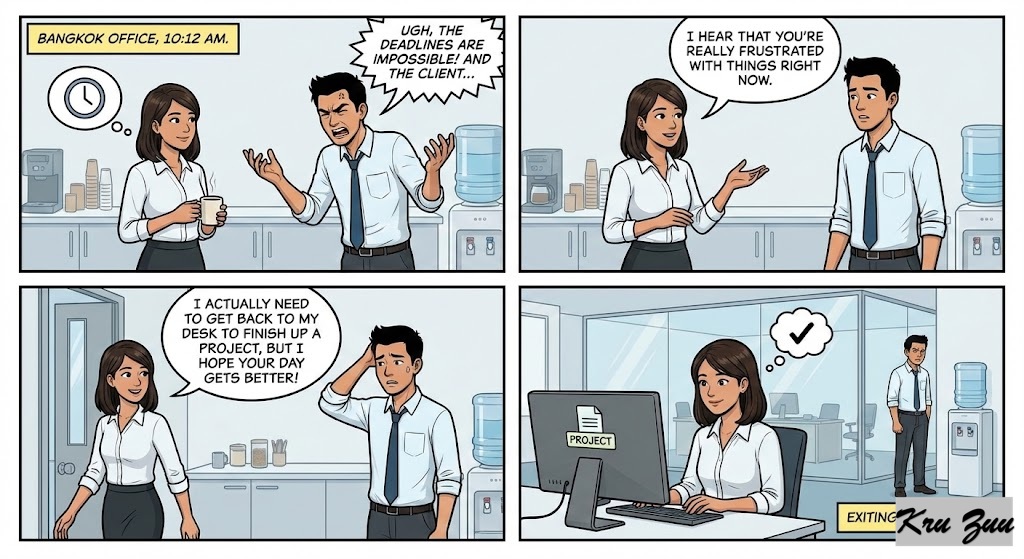
    Situation: You are in the breakroom, and a coworker starts complaining endlessly about the job, the boss, and the pay, trying to drag you into a negative conversation.

    The Shift: You need to politely exit the conversation without agreeing with their negativity.

    You Say: “I hear that you’re really frustrated with things right now. I actually need to get back to my desk to finish up a project, but I hope your day gets better!”


    💬 Your Turn: The “Energy Shield” Challenge 🚀


    Do you want to cure your habit of absorbing other people’s bad moods?


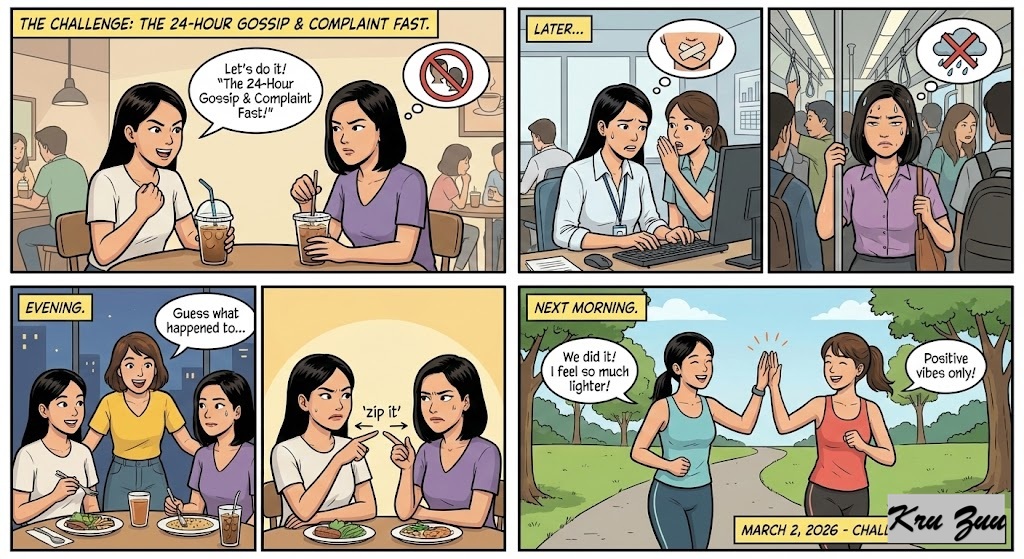
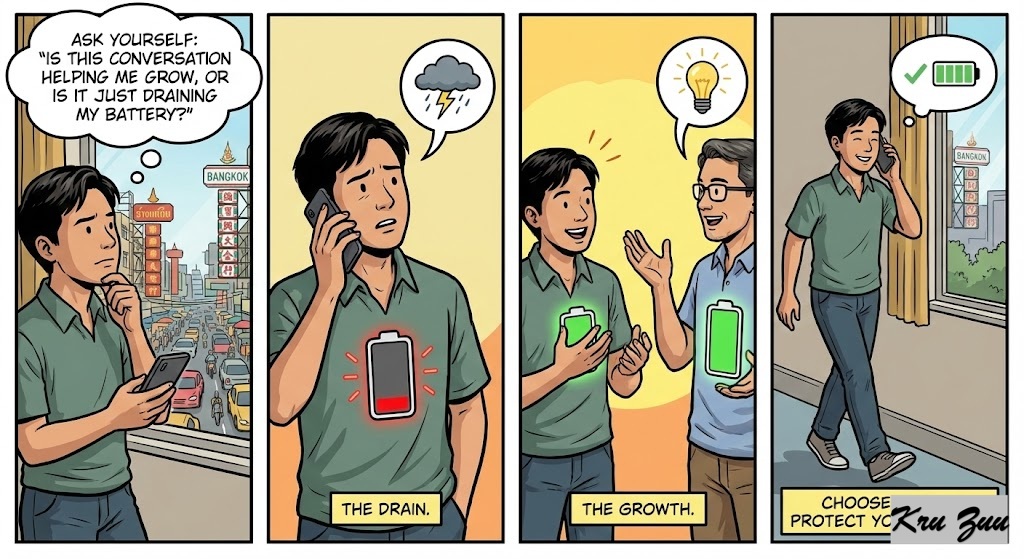
    The Challenge: The 24-Hour Gossip & Complaint Fast.

    The Action: For the next 24 hours, if someone tries to start a toxic complaining session with you, you are not allowed to join in. You must either gently change the subject to something positive, or politely walk away.


    Ask yourself: “Is this conversation helping me grow, or is it just draining my battery?”


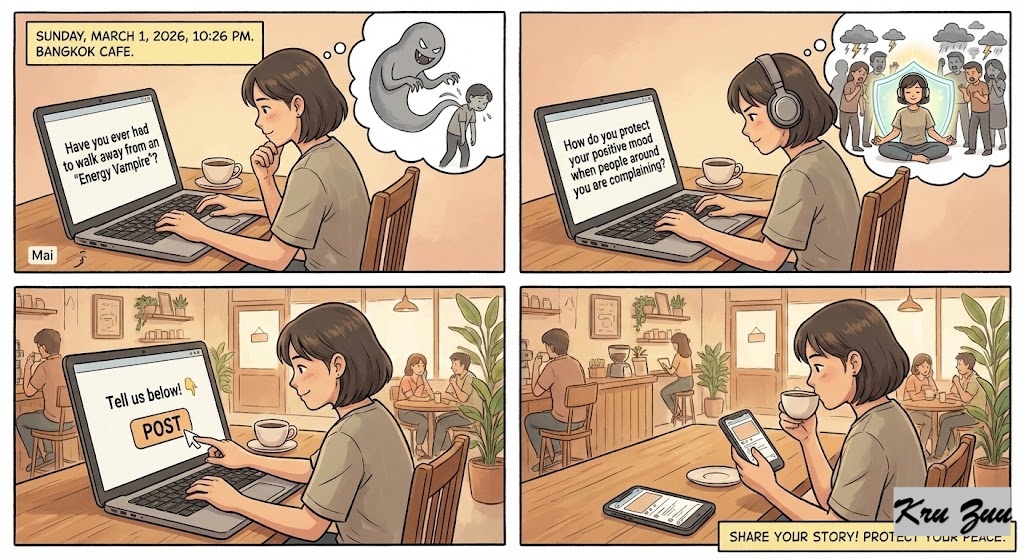
    👇 Question for the comments: Have you ever had to walk away from an “Energy Vampire”? How do you protect your positive mood when people around you are complaining? Tell us below!

    By Zubeyir YURTKURAN

    https://www.facebook.com/BrainBattleground/

    https://www.facebook.com/zubeyr.yurtkuran/

    https://www.instagram.com/zubeyryurtkuran/
    https://www.youtube.com/@BrainBattleground-b3p

    https://www.instagram.com/brainbattleground/

  • 🌾 The Daily Shield: The Law of the Harvest

    🌾 The Daily Shield: The Law of the Harvest

    “You reap what you sow.”


    😈 The Villain (The Instant Gratification Seeker)


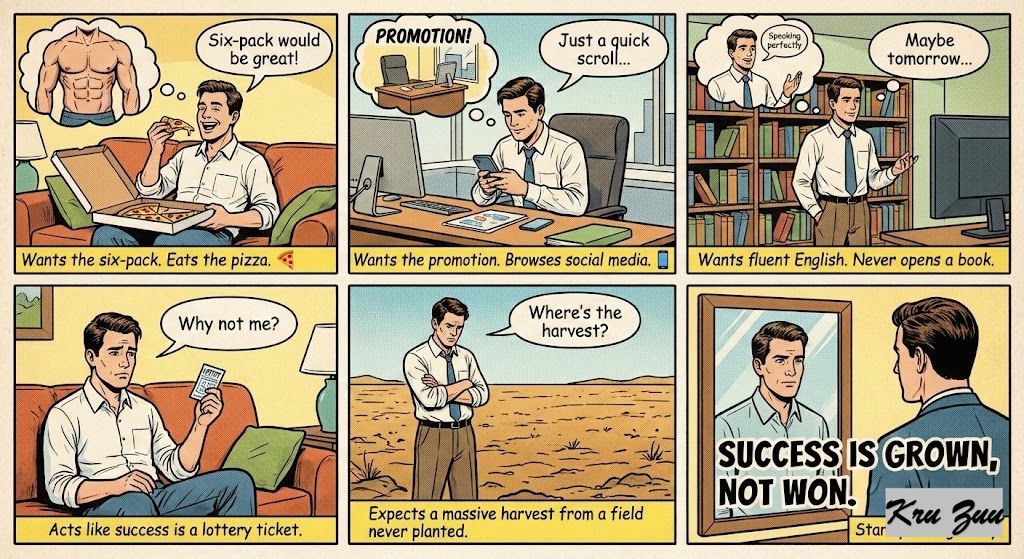
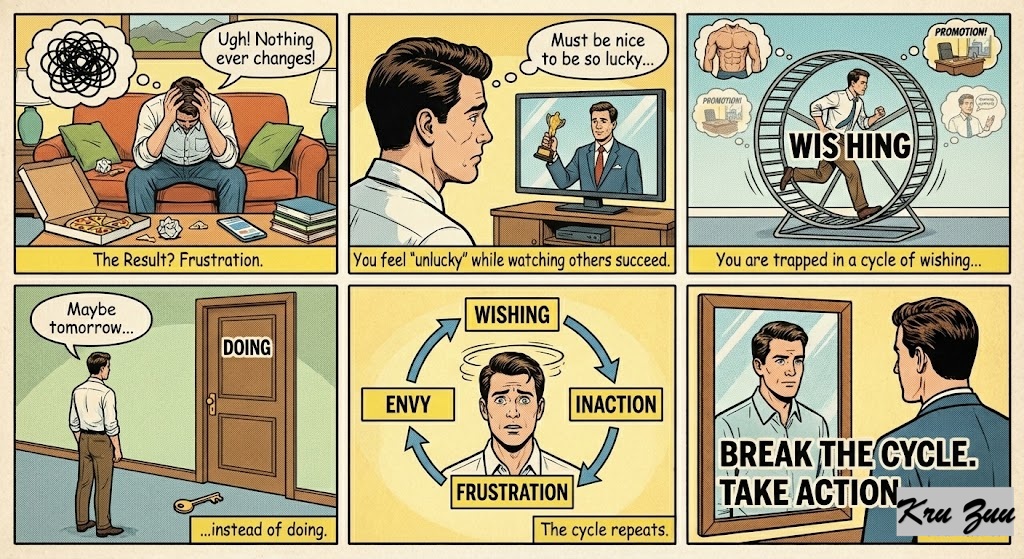
    You want the six-pack, but you eat the pizza. 🍕 You want the promotion, but you browse social media all day. 📱 You want to speak perfect English, but you never open a book. You act as if success is a lottery ticket you just happen to win. You expect a massive harvest from a field you never planted.

    The Result? Frustration. You feel “unlucky” while watching others succeed. You are trapped in a cycle of wishing instead of doing.


    😇 The Hero (The Patient Planter)


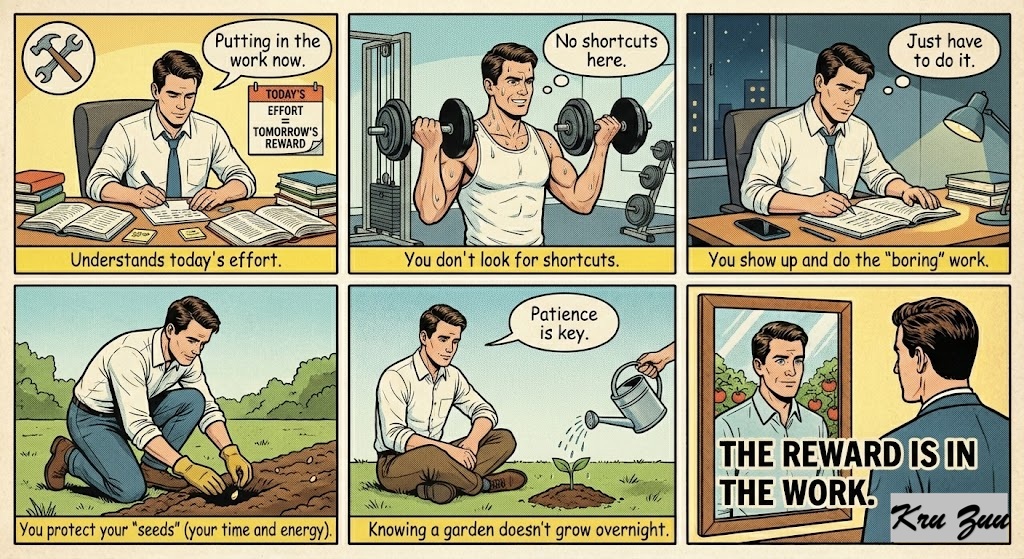
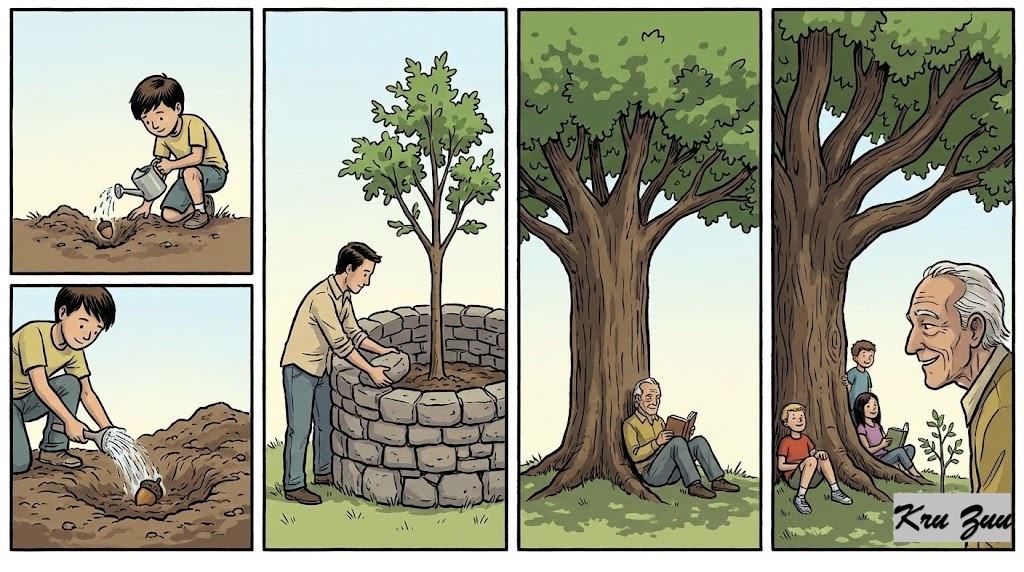
    You understand that today’s effort is tomorrow’s reward. 🛠️ You don’t look for shortcuts. You show up, you do the “boring” work, and you protect your “seeds” (your time and energy). You know that a garden doesn’t grow overnight.

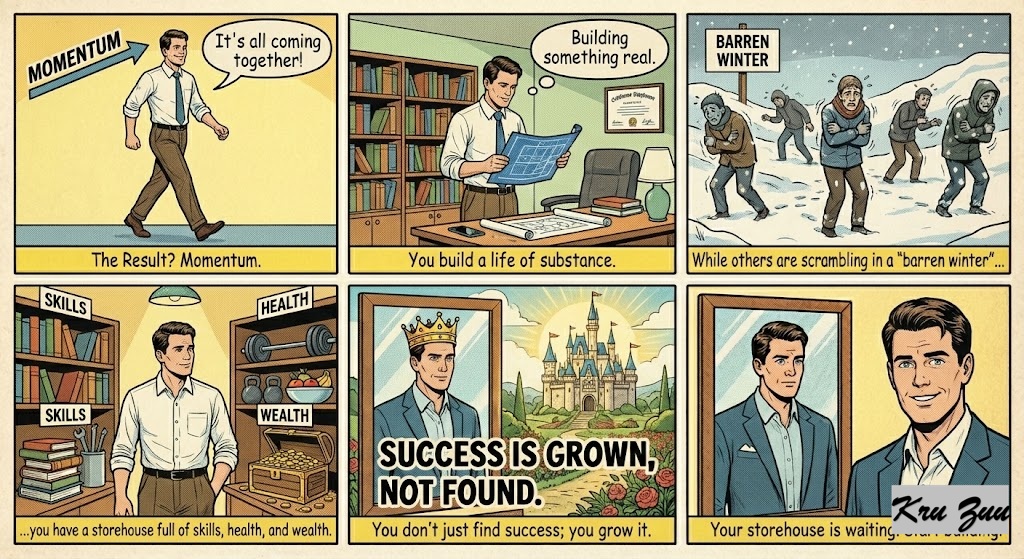
    The Result? Momentum. You build a life of substance. While others are scrambling in a “barren winter,” you have a storehouse full of skills, health, and wealth. You don’t just find success; you grow it. 🏰


    ⚖️ The Reality


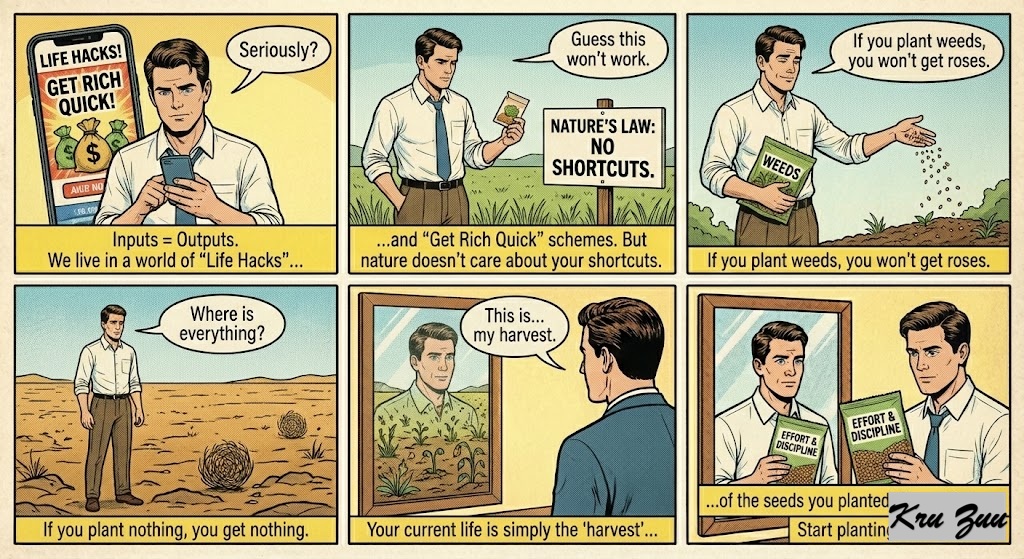
    Inputs = Outputs. We live in a world of “Life Hacks” and “Get Rich Quick” schemes. But nature doesn’t care about your shortcuts. If you plant weeds, you won’t get roses. If you plant nothing, you get nothing. Your current life is simply the “harvest” of the seeds you planted six months ago.


    💎 The Secret

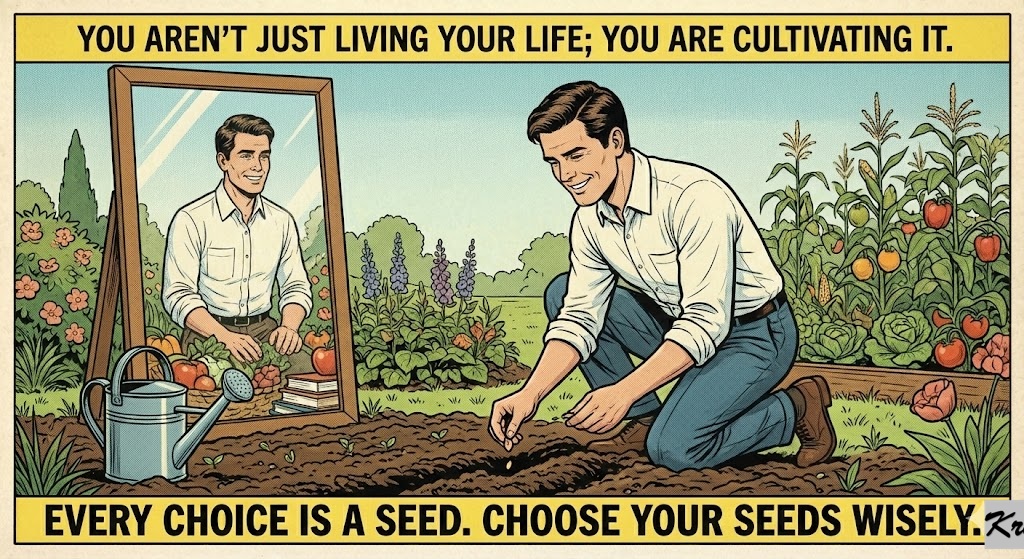
    You aren’t just living your life; you are cultivating it. Every choice is a seed. Choose your seeds wisely.

    🧐 The Anatomy of the Proverb


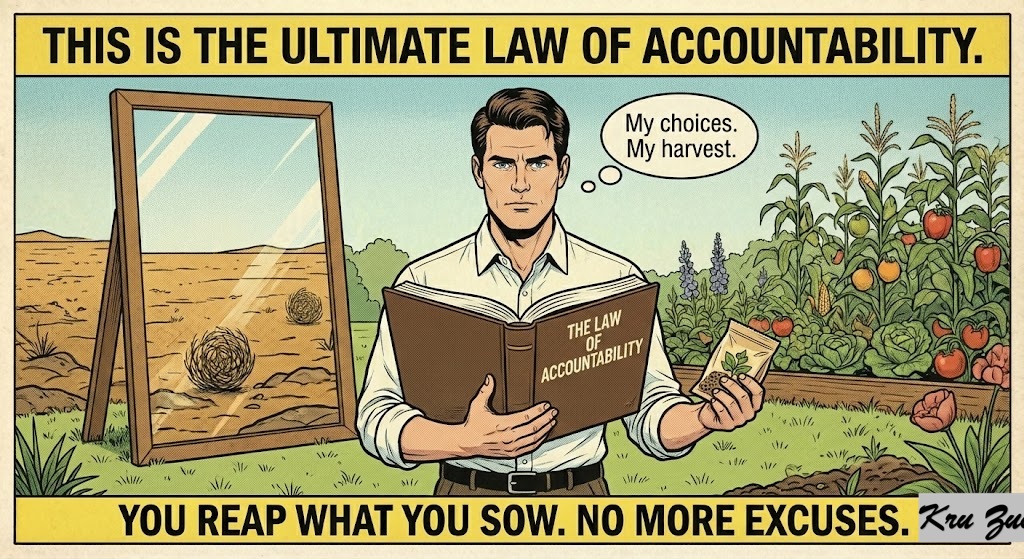
    This is the ultimate law of accountability.


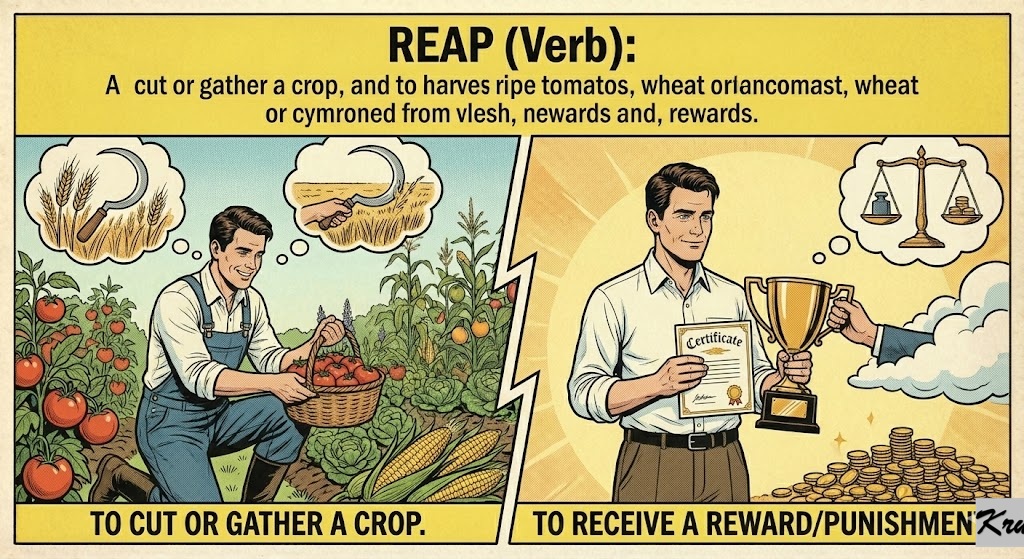
    Reap (Verb): To cut or gather a crop; to receive a reward/punishment.


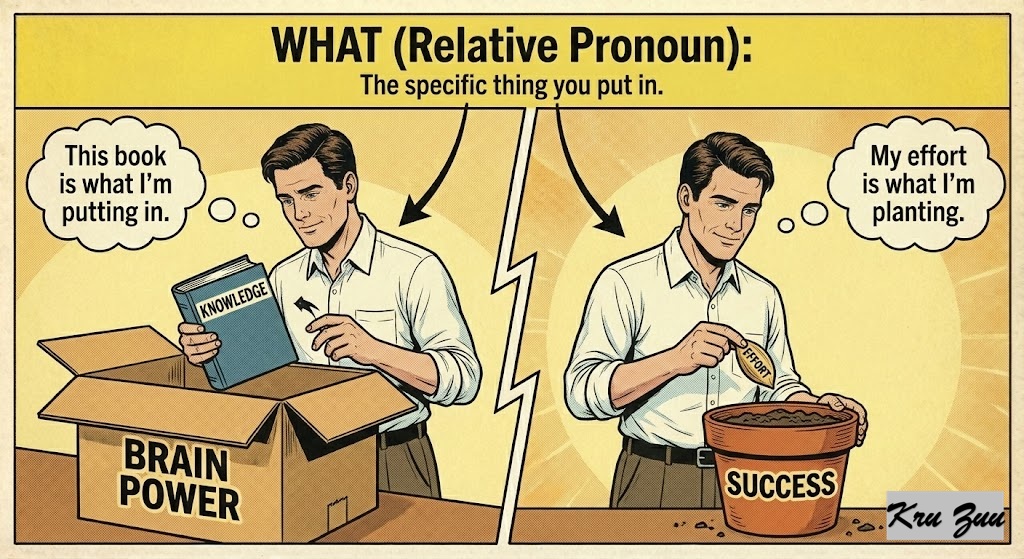
    What (Relative Pronoun): The specific thing you put in.


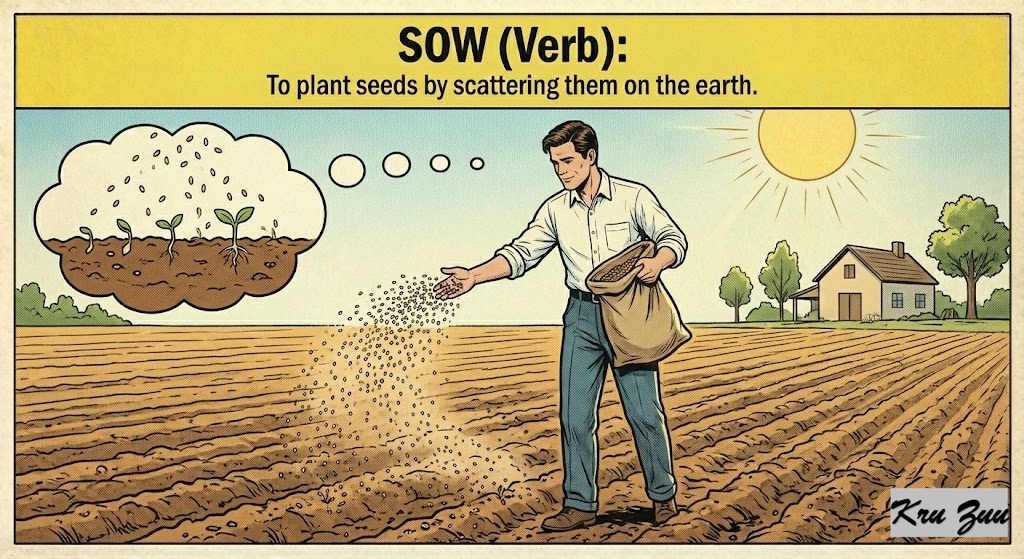
    You Sow (Verb): To plant seeds by scattering them on the earth.


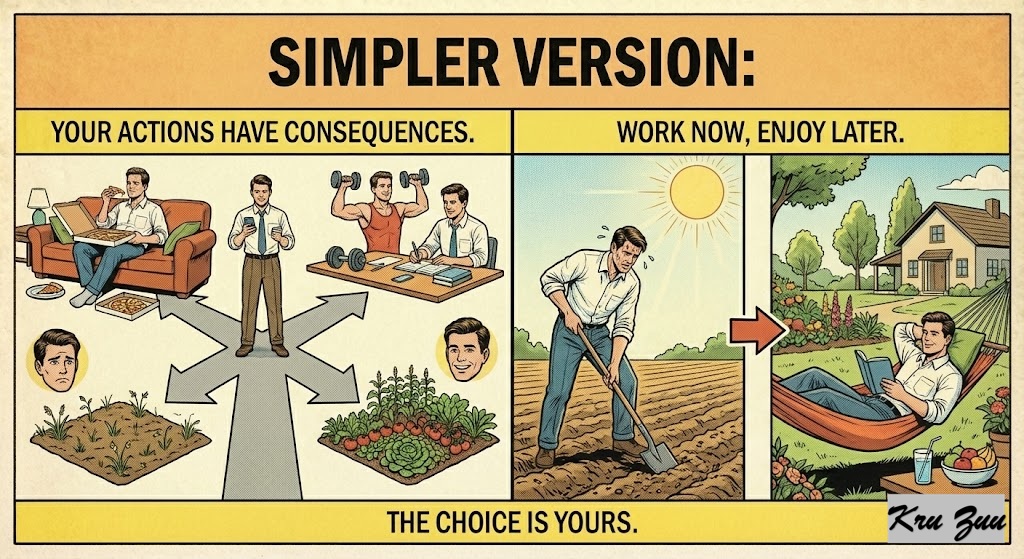
    Simpler Version: Your actions have consequences. / Work now, enjoy later.


    📚 Vocabulary Vault


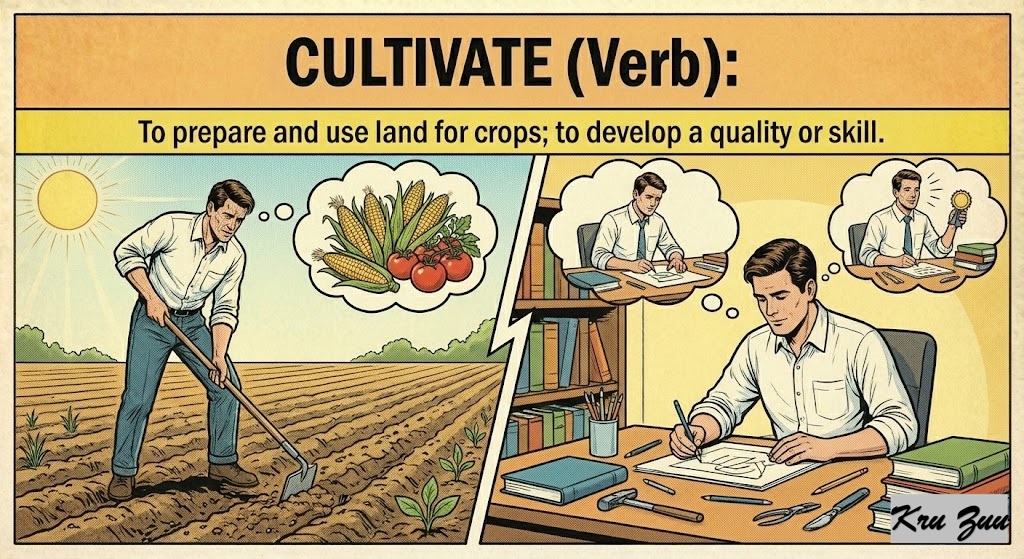
    Cultivate (Verb):
    To prepare and use land for crops; to develop a quality or skill.


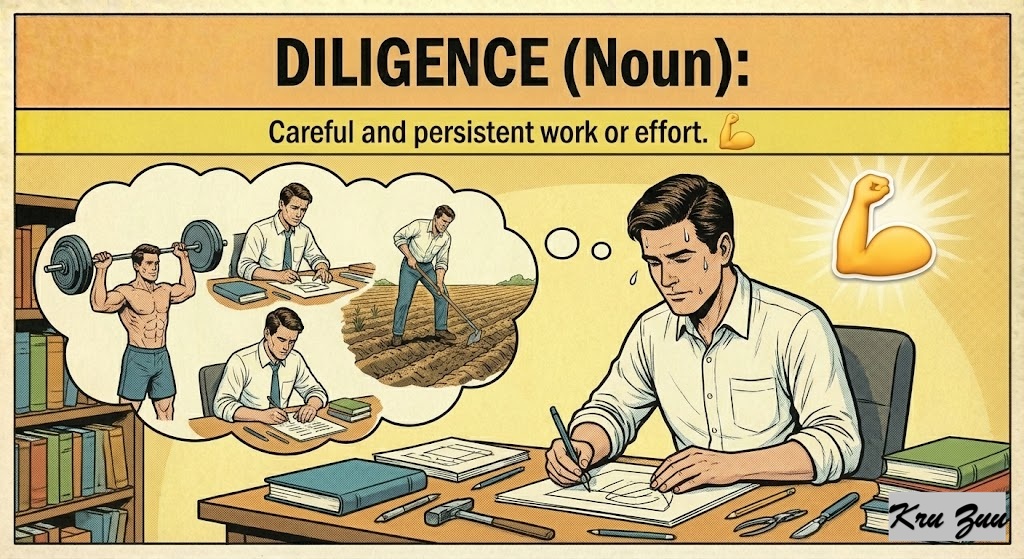
    Diligence (Noun): Careful and persistent work or effort. 💪


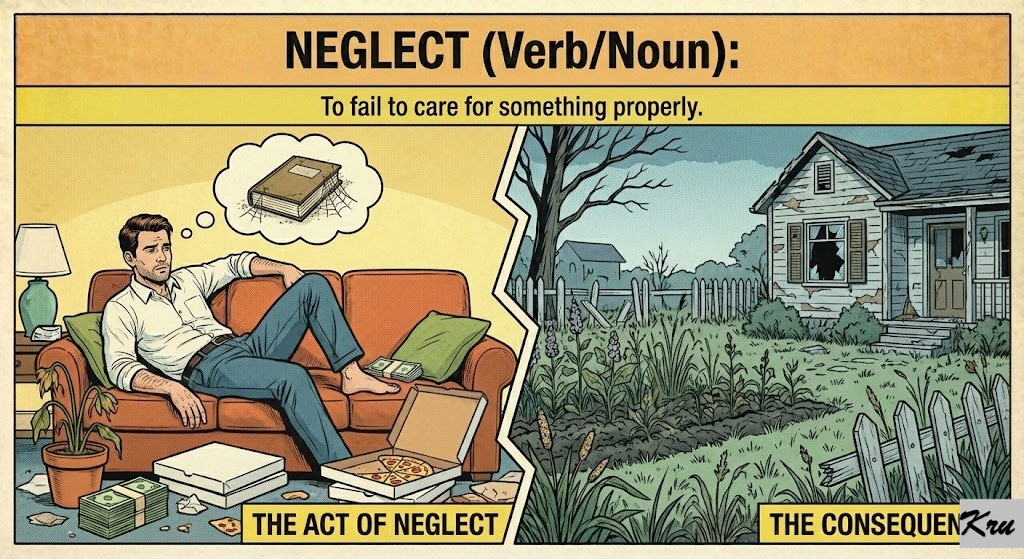
    Neglect (Verb/Noun): To fail to care for something properly.


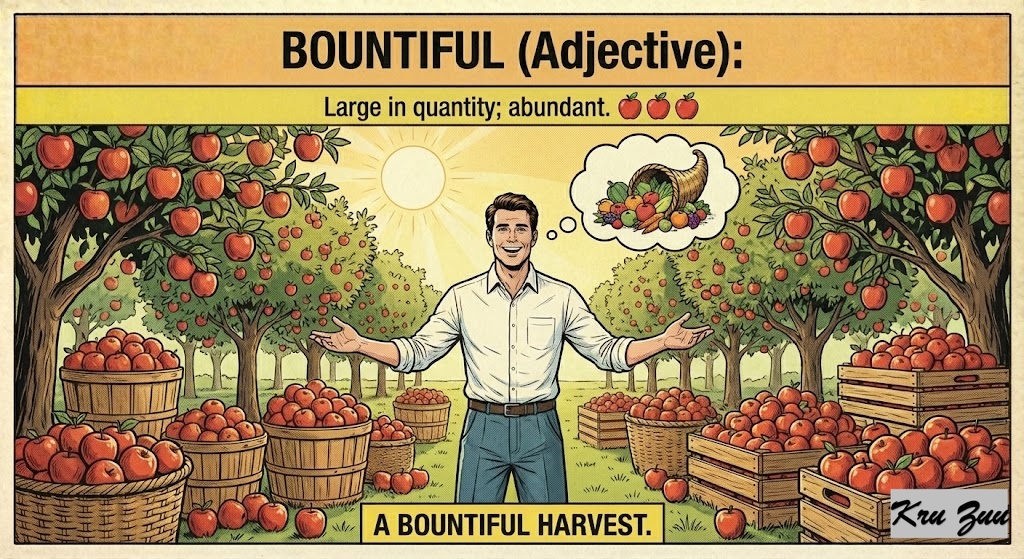
    Bountiful (Adjective): Large in quantity; abundant. 🍎🍎🍎


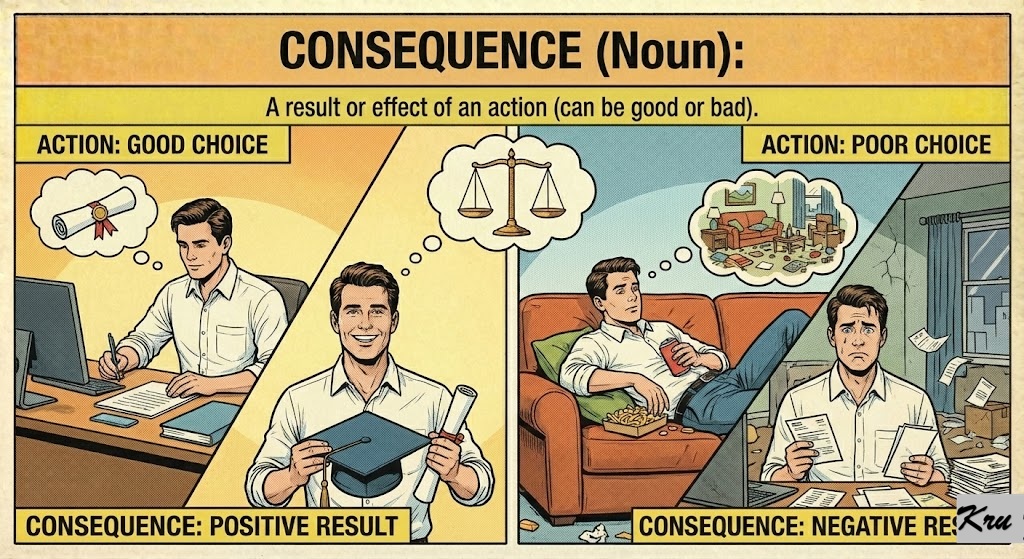
    Consequence (Noun): A result or effect of an action (can be good or bad).


    🧠 Grammar Focus: Idioms as Accountability Tools


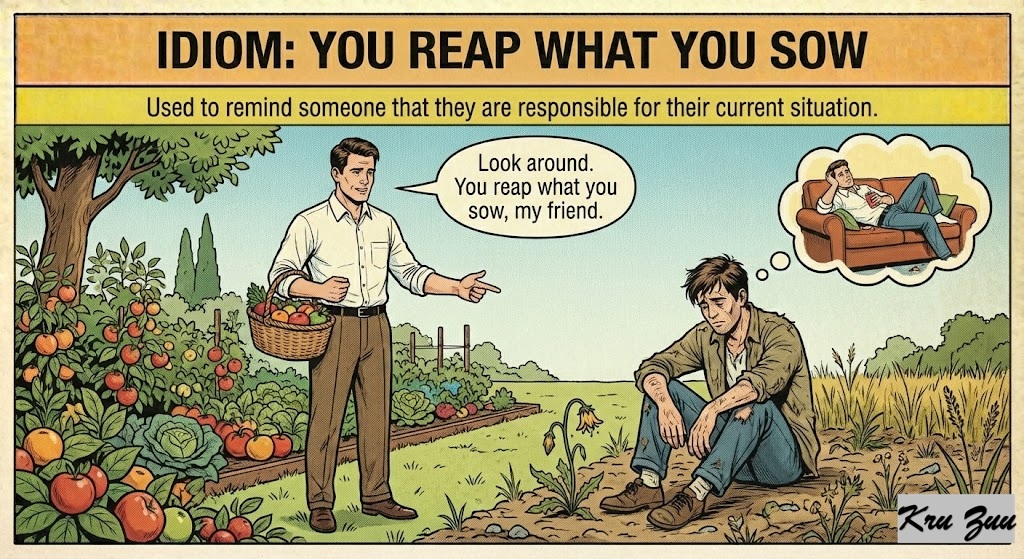
    We use this idiom to remind someone that they are responsible for their current situation.


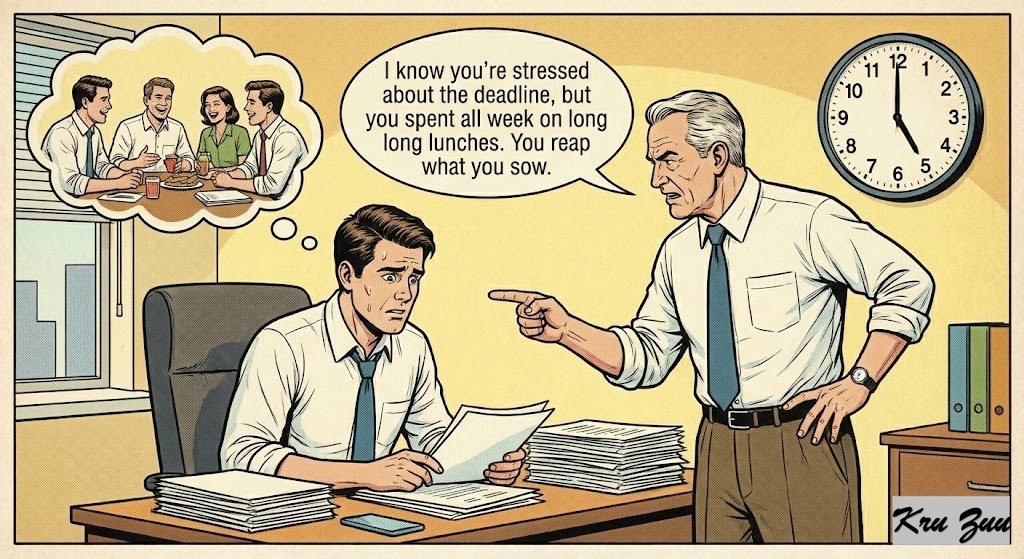
    Boss to Employee: “I know you’re stressed about the deadline, but you spent all week on long lunches. You reap what you sow.”


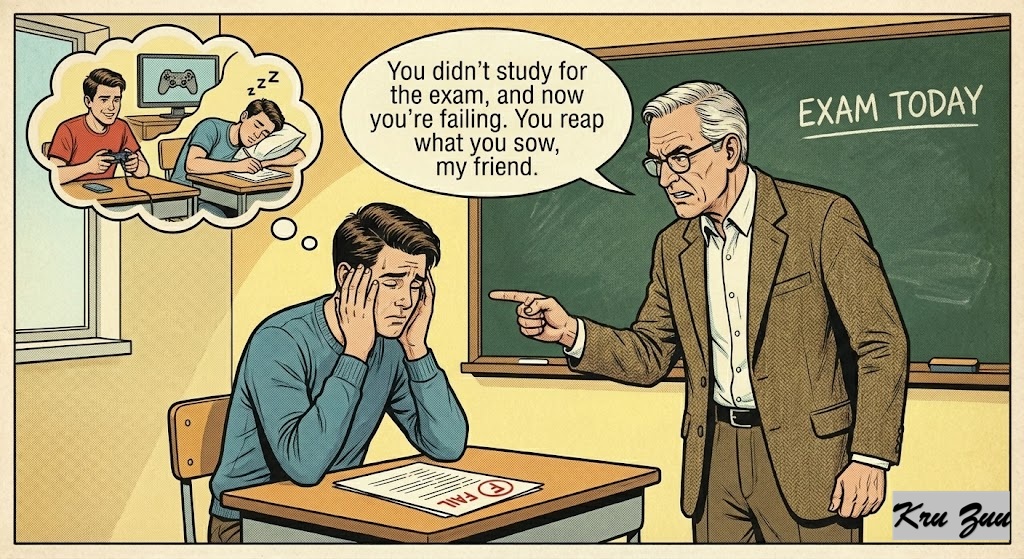
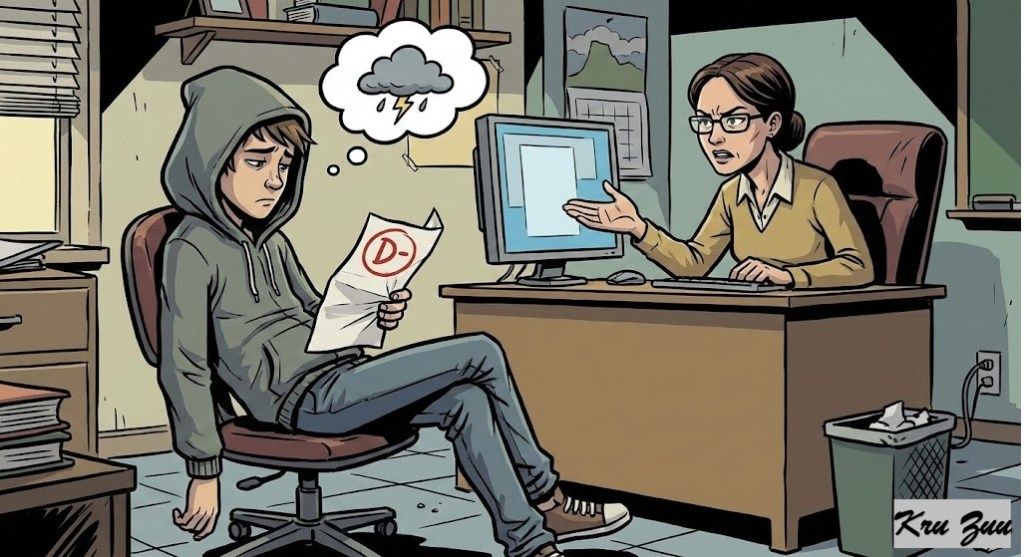
    Teacher to Student: “You didn’t study for the exam, and now you’re failing. You reap what you sow, my friend.”

    📜 History: Origin and Spread


    Where did this agricultural wisdom start?


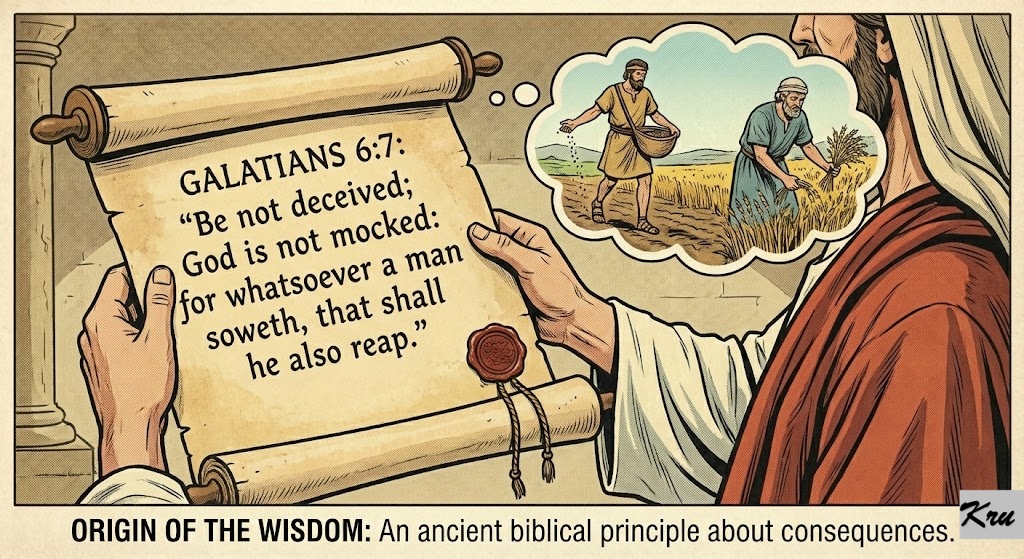
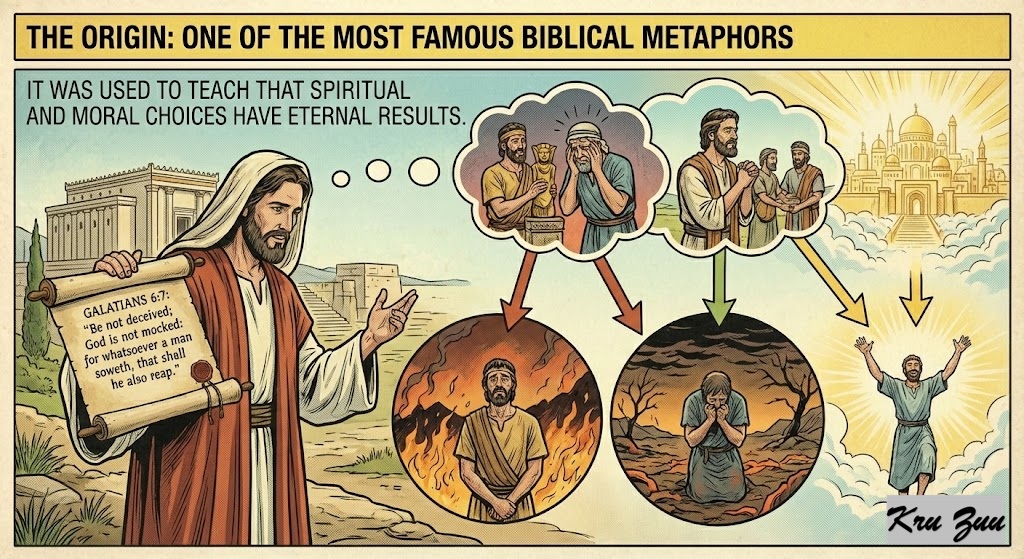
    The Origin: This is one of the most famous biblical metaphors (Galatians 6:7). It was used to teach that spiritual and moral choices have eternal results.


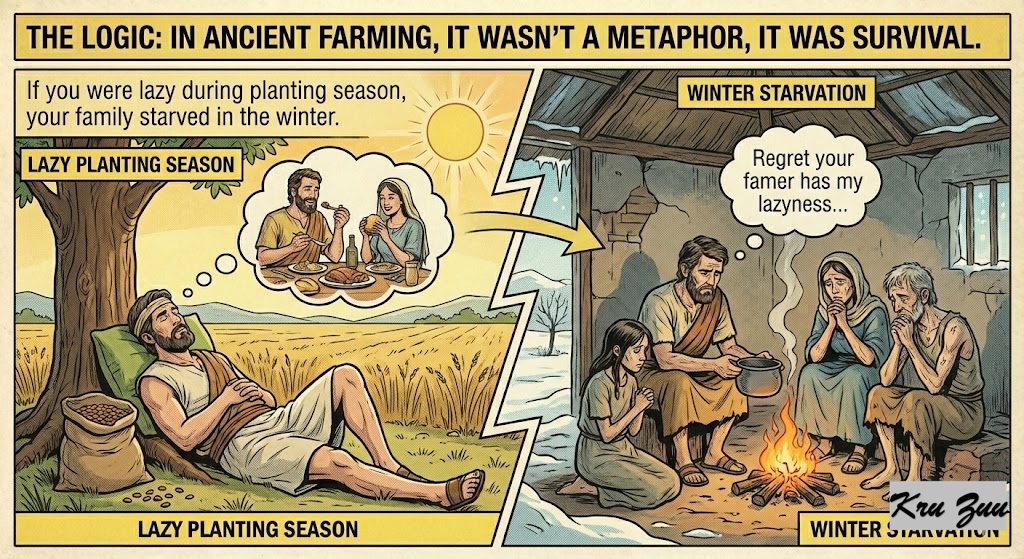
    The Logic: In ancient farming, if you were lazy during planting season, your family starved in the winter. It wasn’t a “metaphor” back then, it was survival.


    Global Cousins


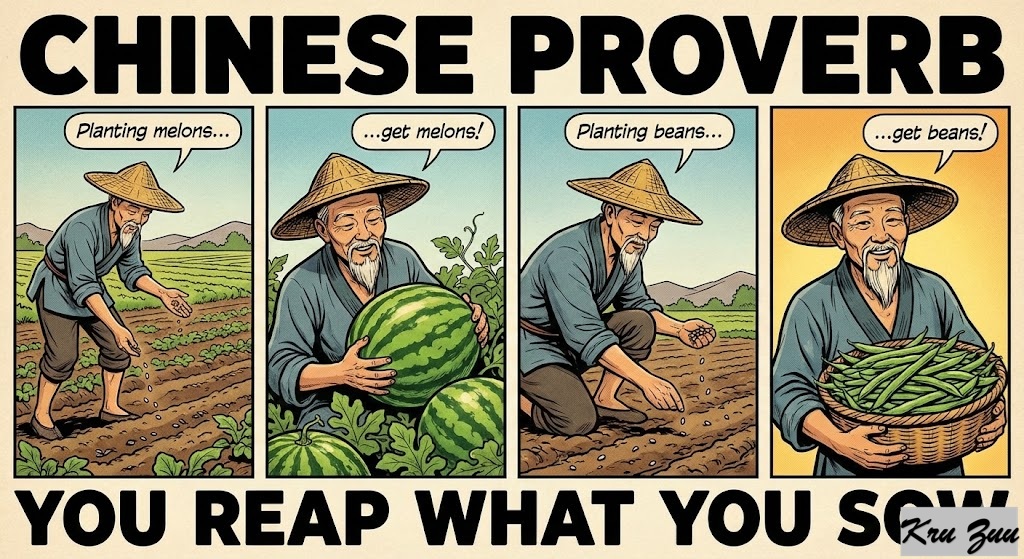
    🇨🇳 Chinese:
    “You reap what you sow” (种瓜得瓜, 种豆得豆 – Plant melons, get melons; plant beans, get beans).


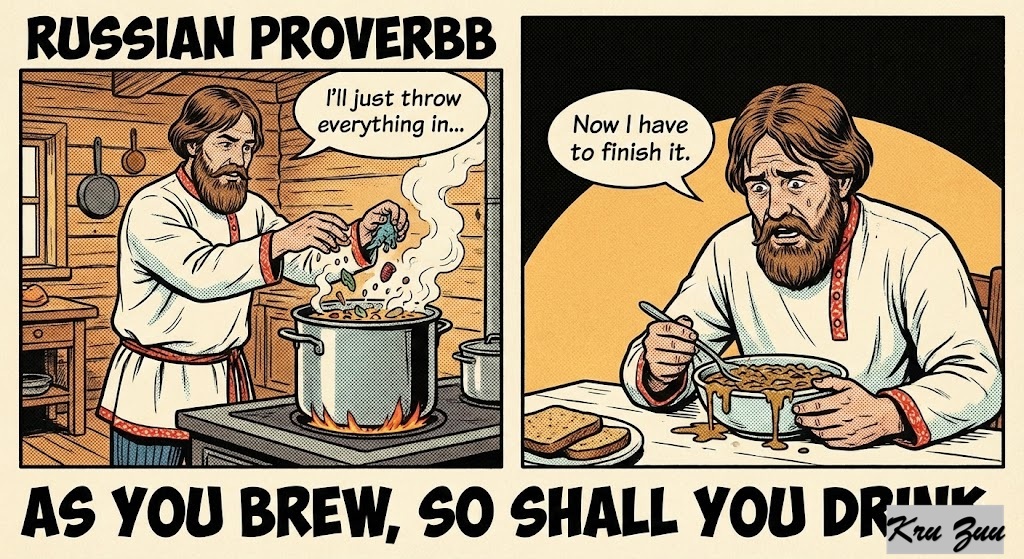
    🇷🇺 Russian: “As you brew, so shall you drink.” (Что заварил, то и расхлёбывай).


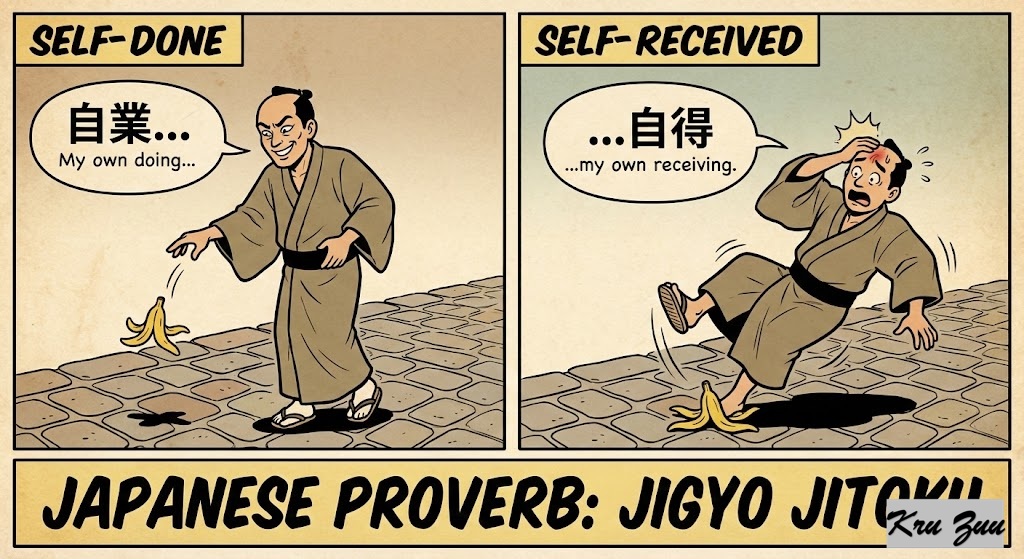
    🇯🇵 Japanese: “Self-done, self-received” (自業自得 – Jigyo Jitoku).

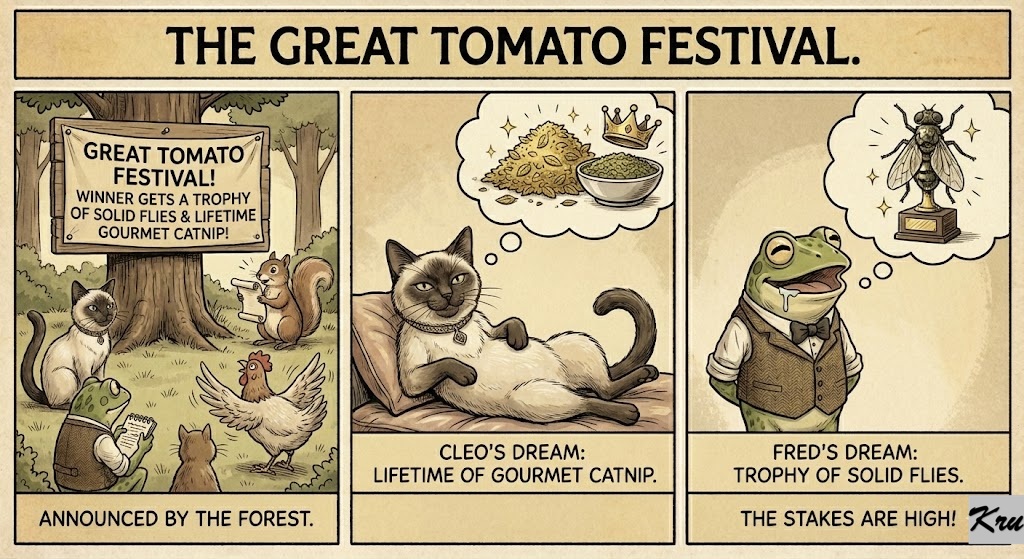
    🎭 Short Story: The Great Tomato Festival 🍅🐱🐔🐸


    🌟 The Cast


    Cleo the Cat: Elegant, loves napping, expects things to “just happen.” 😼


    Cluck the Chicken: Nervous, wants results immediately, keeps digging things up. 🐔


    Fred the Frog: The calm, methodical gardener with a spreadsheet. 🐸


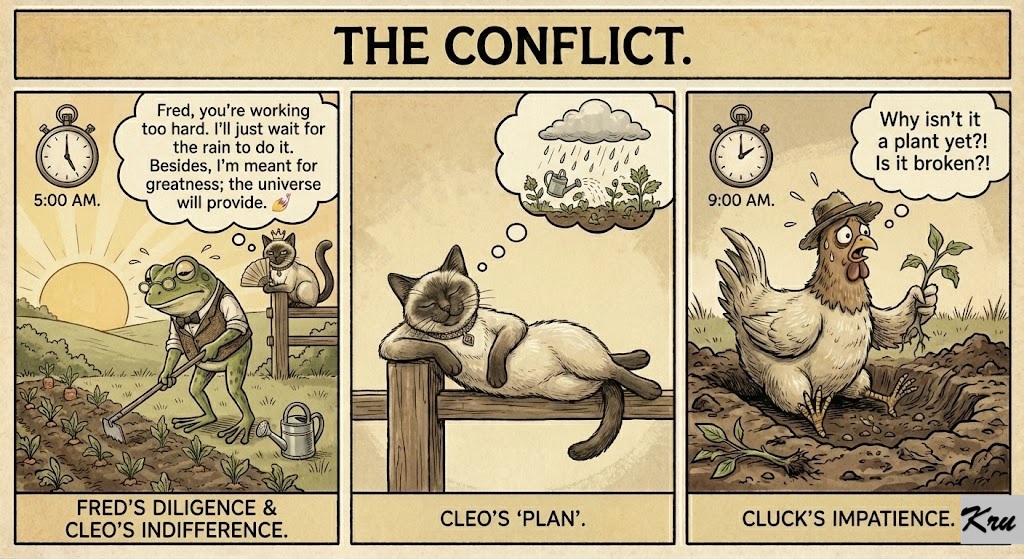
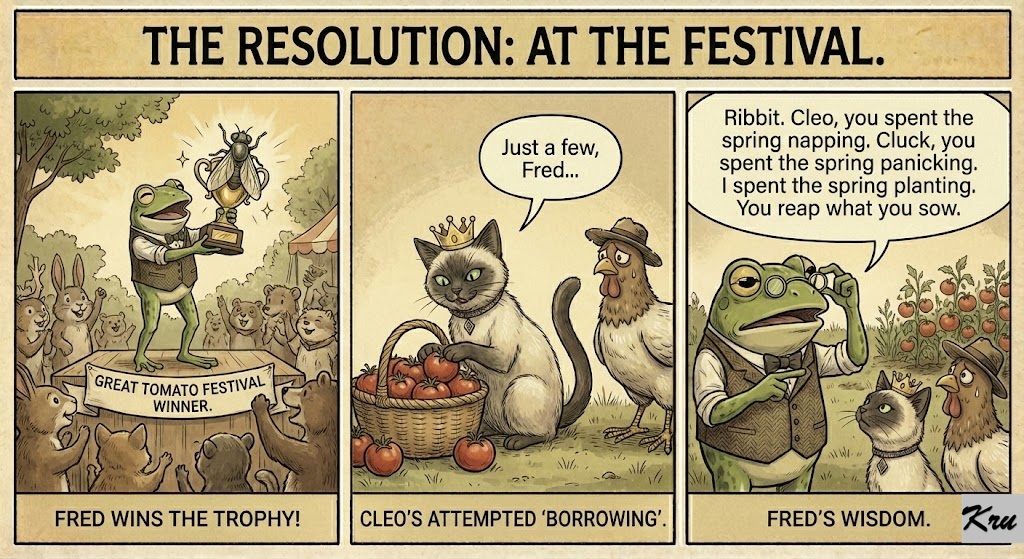
    The Situation: The forest announced a “Great Tomato Festival.” The winner gets a trophy made of solid flies (Fred’s dream) and a lifetime of gourmet catnip (Cleo’s dream).


    The Conflict: Fred spent weeks preparing the soil. He watered every morning at 5:00 AM. Cleo watched from the fence. “Fred, you’re working too hard. I’ll just wait for the rain to do it. Besides, I’m meant for greatness; the universe will provide.” 💅 Cluck planted his seeds, but every two hours, he dug them up to see if they were growing yet. “Why isn’t it a plant yet?! Is it broken?!” 🐔


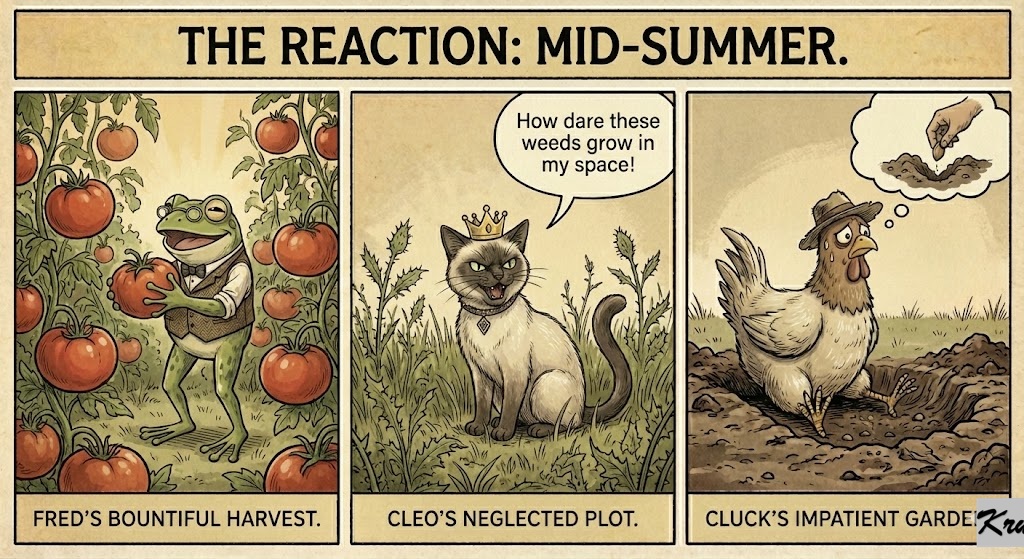
    The Reaction: By mid-summer, Fred’s garden was a jungle of red, juicy tomatoes. Cleo’s plot was a patch of tall, prickly weeds. “How dare these weeds grow in my space!” she hissed. Cluck had nothing but dirt because he never let the seeds stay in the ground long enough to sprout.


    The Resolution: At the festival, Fred won the trophy. Cleo tried to “borrow” some of Fred’s tomatoes to enter. Fred adjusted his glasses. “Ribbit. Cleo, you spent the spring napping. Cluck, you spent the spring panicking. I spent the spring planting. You reap what you sow.”


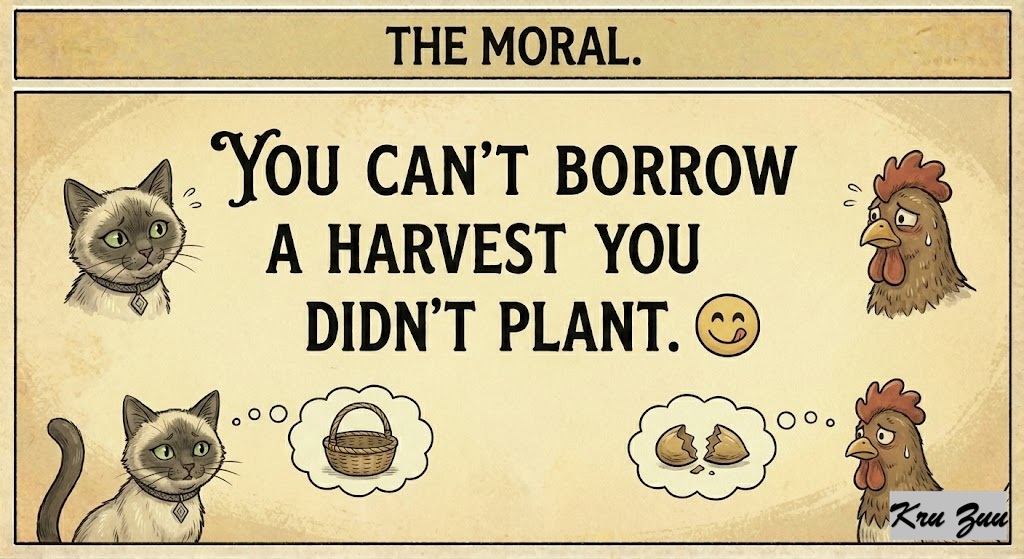
    The Moral: You can’t borrow a harvest you didn’t plant. 😋

    🎓 Lesson for English Learners


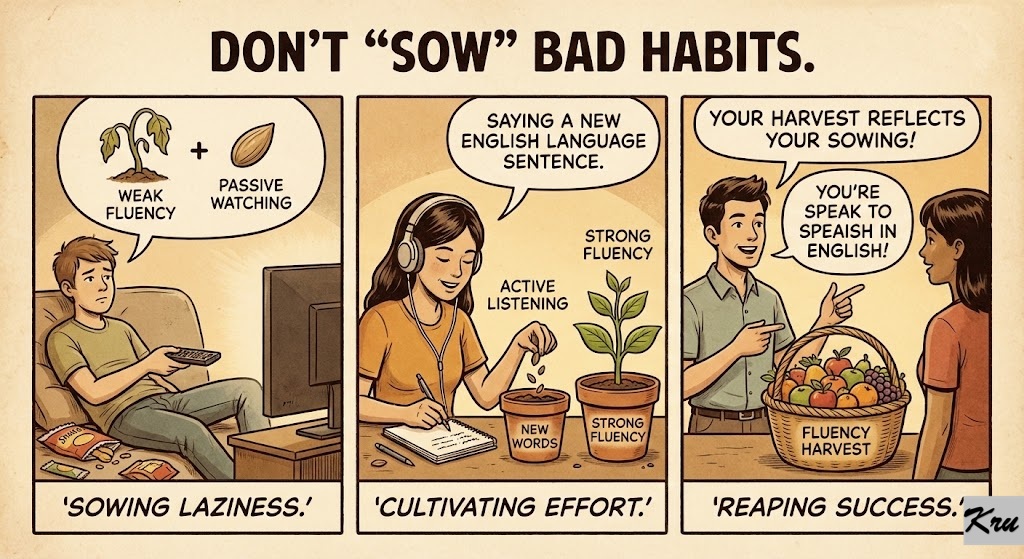
    Don’t “Sow” Bad Habits. When learning English, every 10 minutes of listening is a seed. Every new word you use in a sentence is a seed. If you only “sow” passive watching without “cultivating” active speaking, your “harvest” (fluency) will be weak.

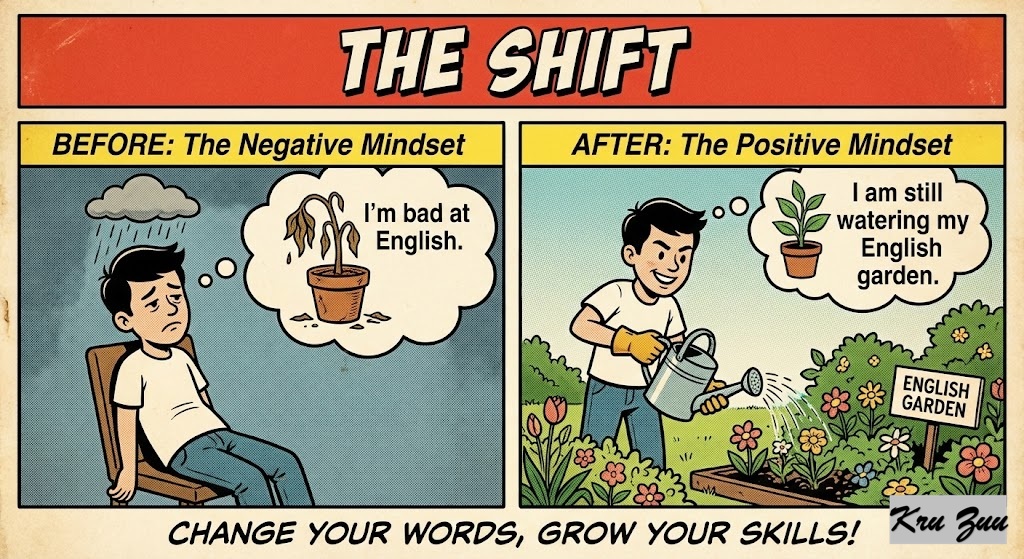
    The Shift: Stop saying “I’m bad at English.” Start saying “I am still watering my English garden.”


    💬 Your Turn: The “Daily Seed” Challenge 🚀


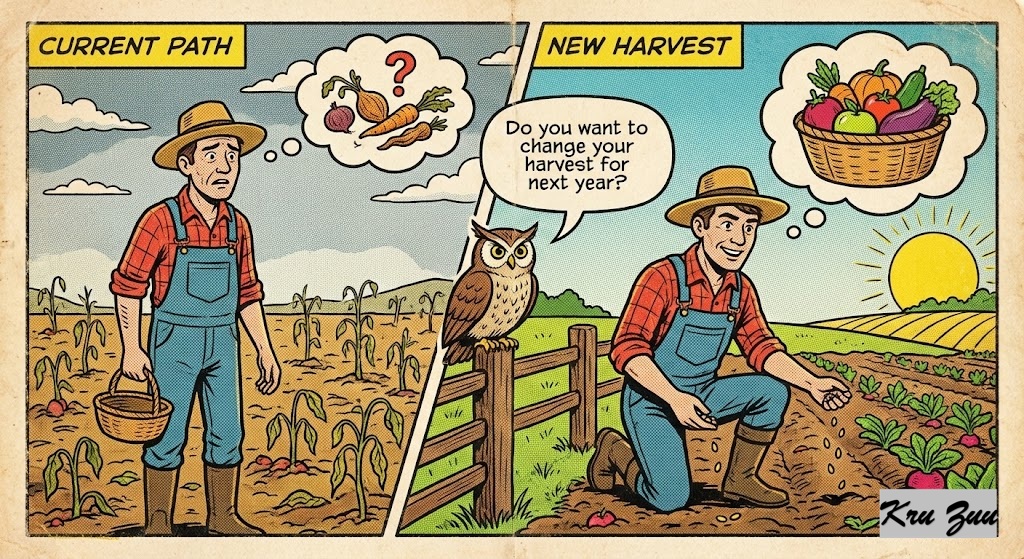
    Do you want to change your harvest for next year?


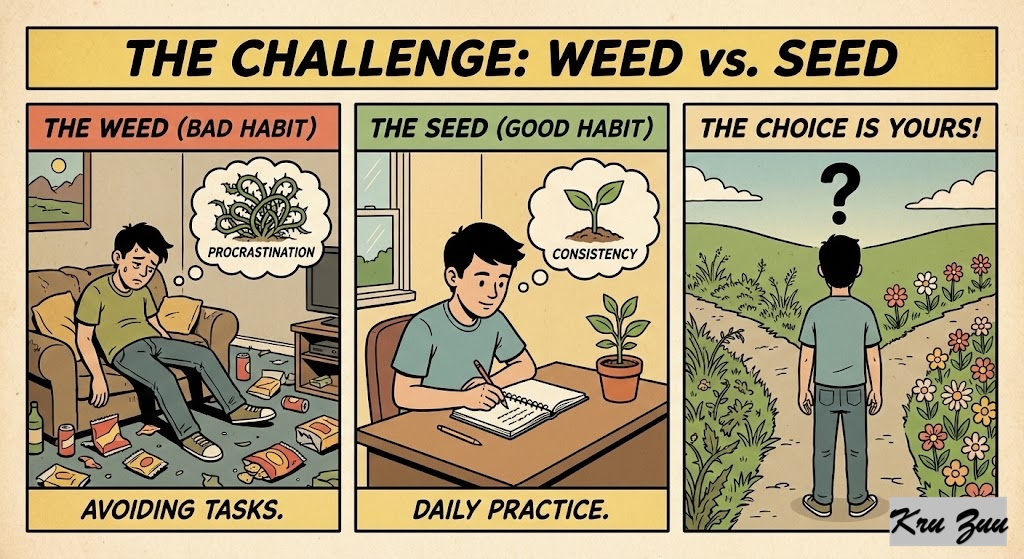
    The Challenge: Identify one “Weed” (bad habit) and one “Seed” (good habit).

    The Action

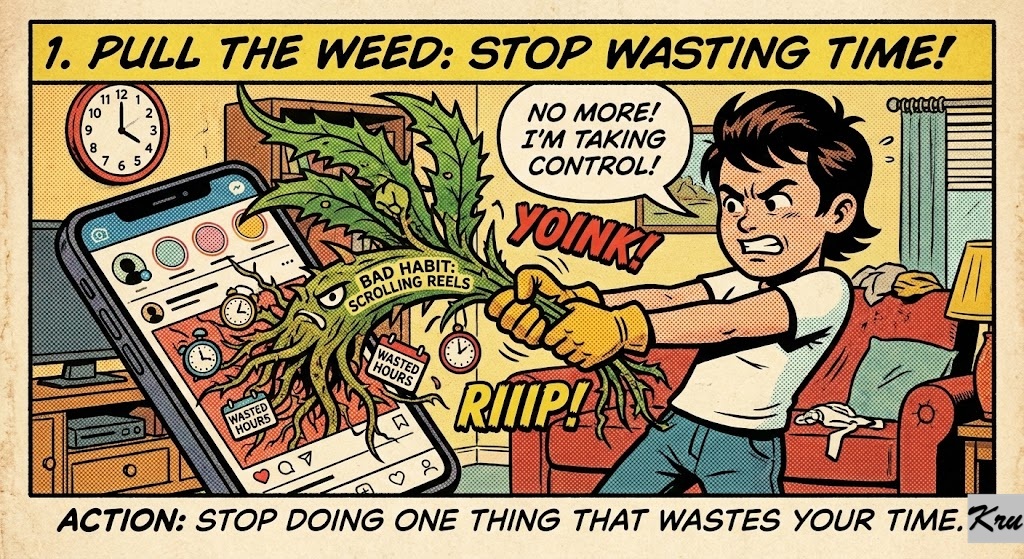
    1. Pull the Weed: Stop doing one thing that wastes your time (e.g., scrolling Reels for an hour).

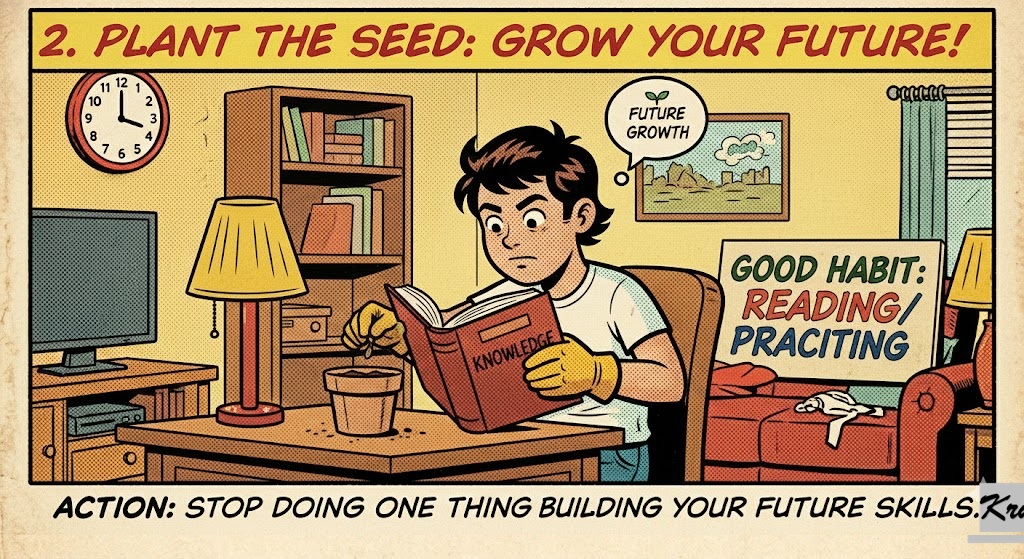
    2. Plant the Seed: Spend that same hour on one thing that grows your future (e.g., reading a book, practicing a skill).


    👇 Question for the comments: What is one “seed” you planted in the past that is finally starting to grow today? Let’s celebrate your harvest below!

    By Zubeyir YURTKURAN

    https://www.facebook.com/BrainBattleground/

    https://www.facebook.com/zubeyr.yurtkuran/

    https://www.instagram.com/zubeyryurtkuran/
    https://www.youtube.com/@BrainBattleground-b3p

    https://www.instagram.com/brainbattleground/

  • 🛡️ The Daily Shield: The Law of Unseen Integrity

    🛡️ The Daily Shield: The Law of Unseen Integrity

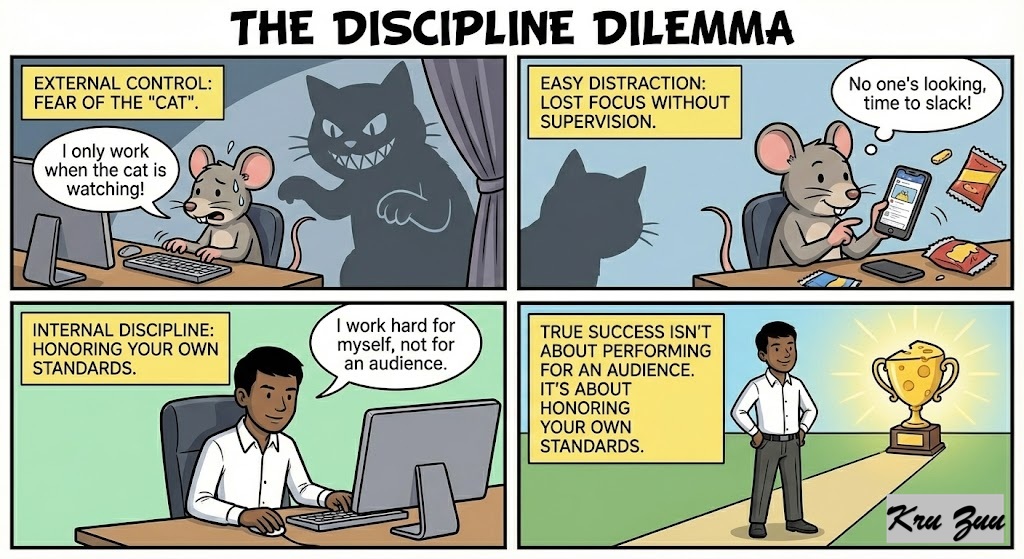
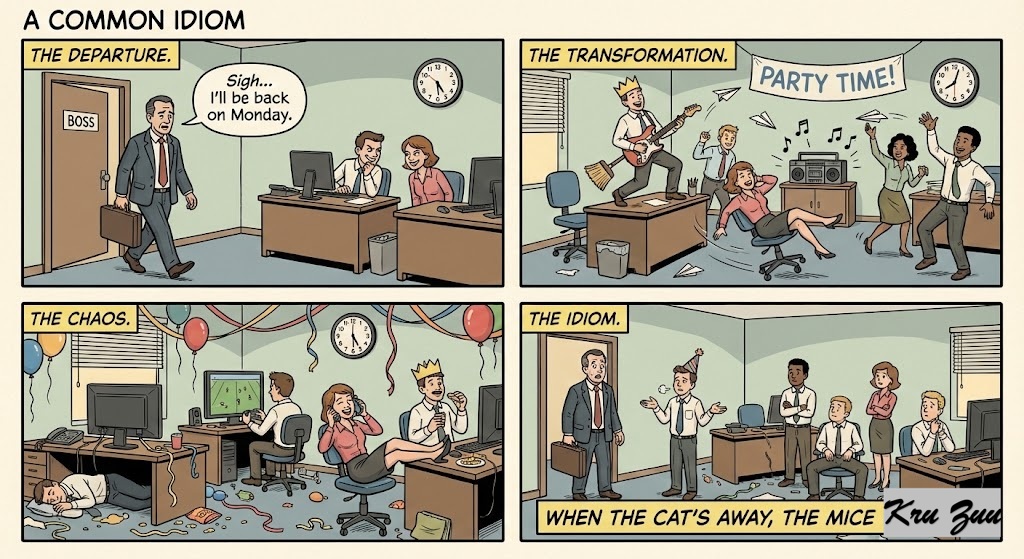
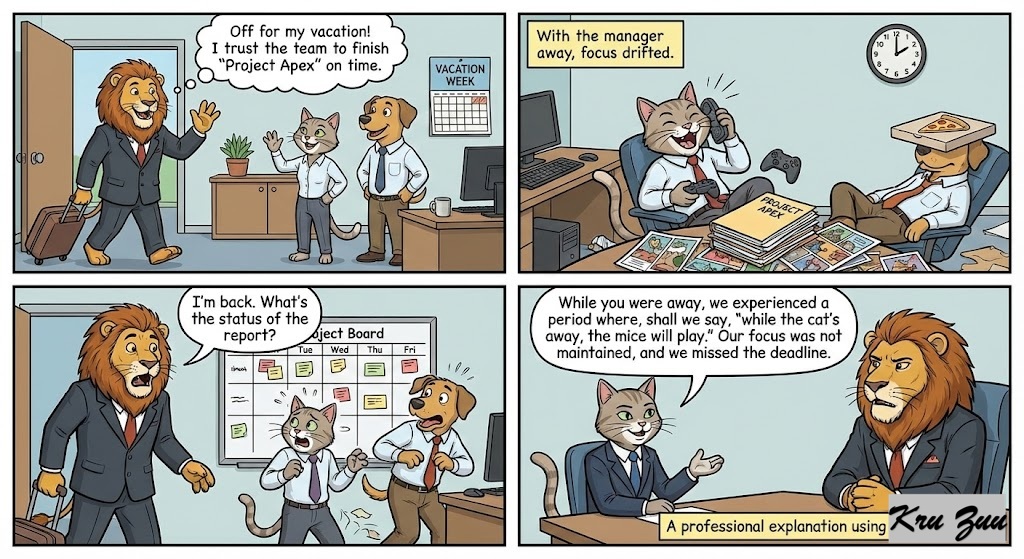
    “While the cat’s away, the mice will play.”


    😈 The Villain (The Opportunist)

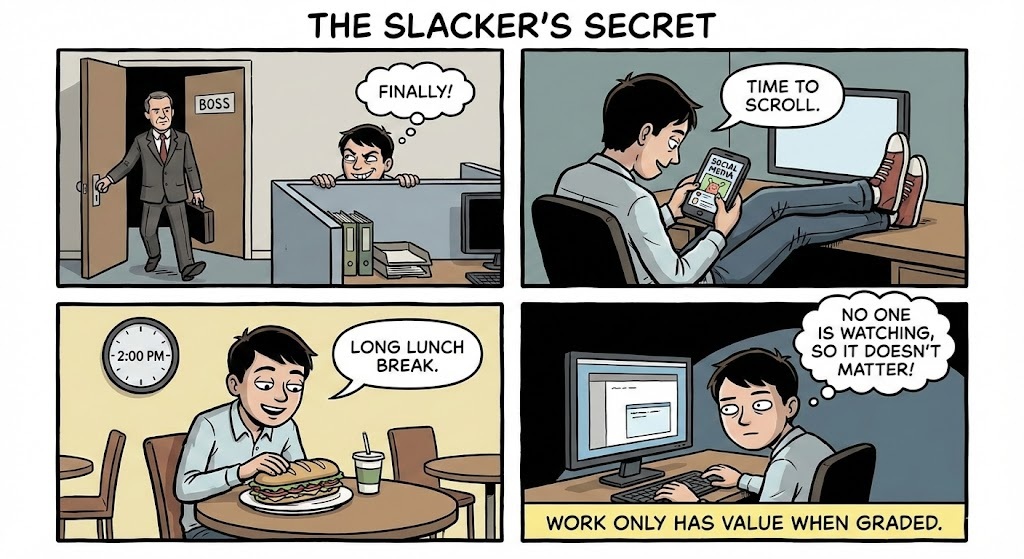
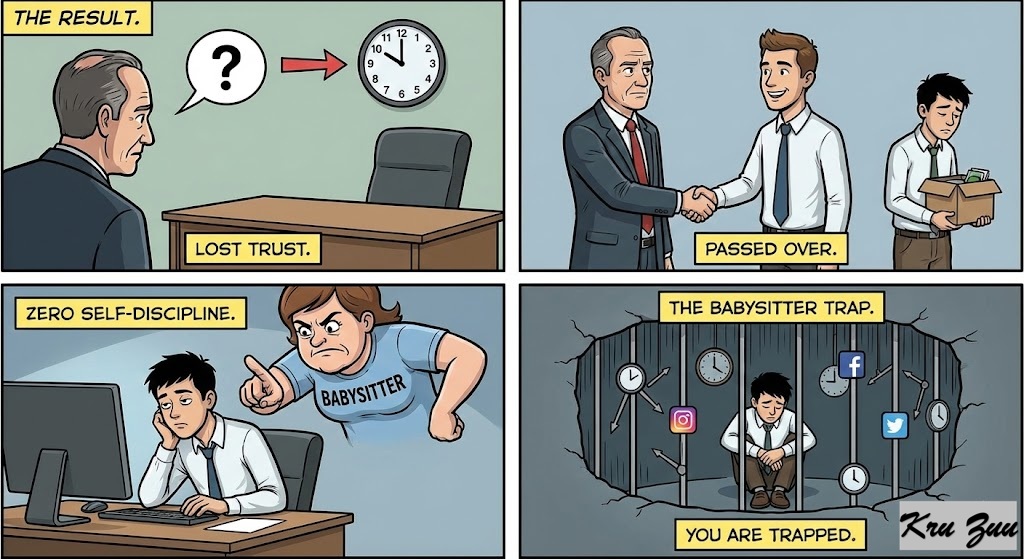
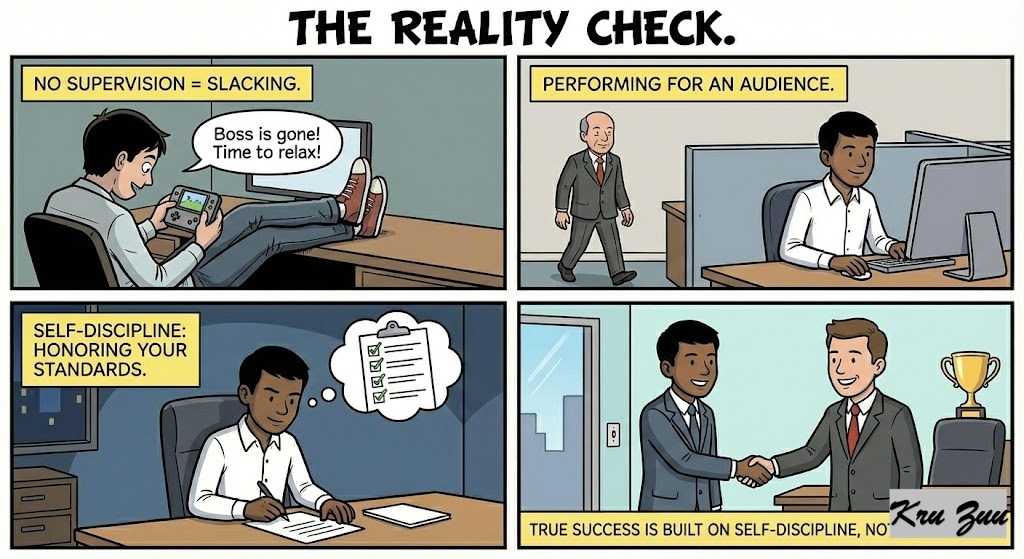
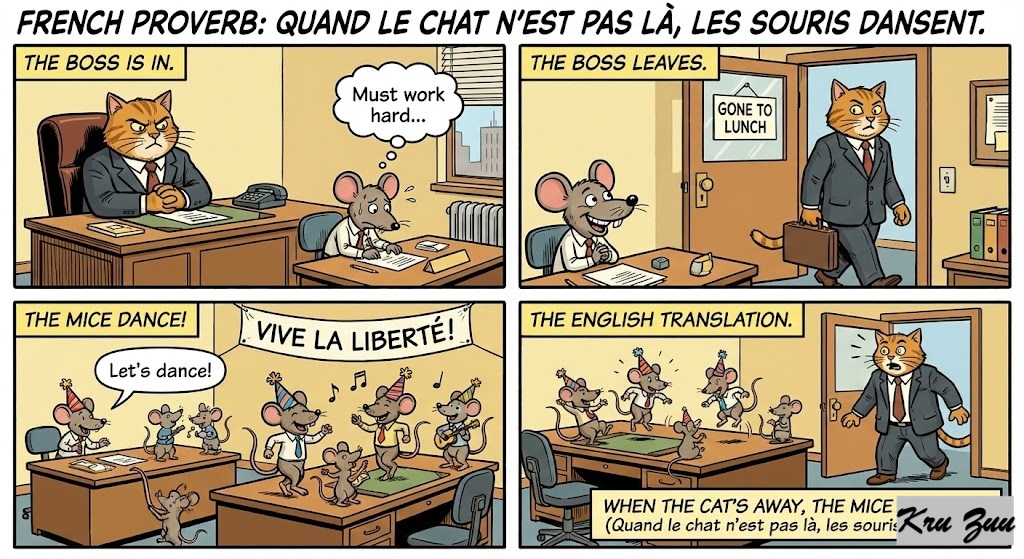
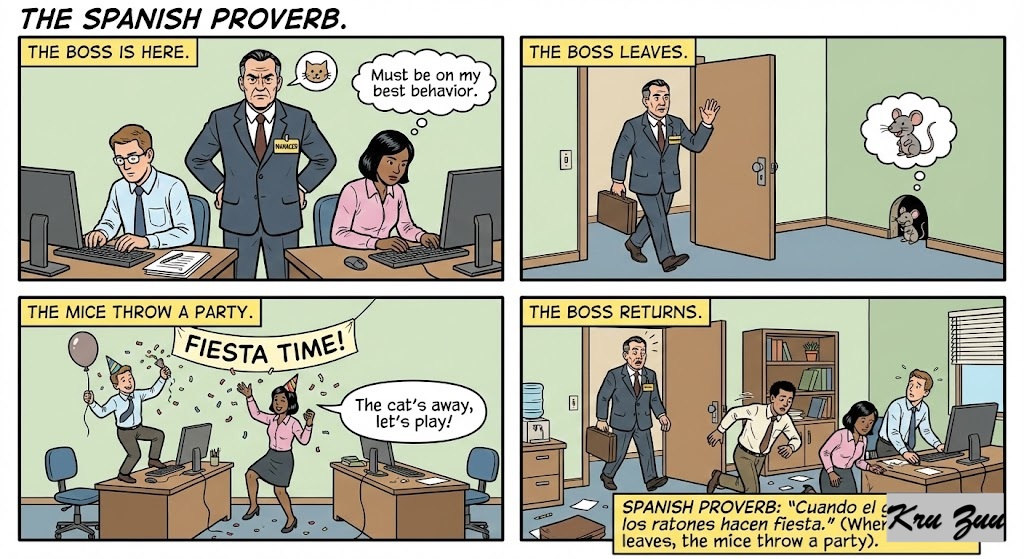
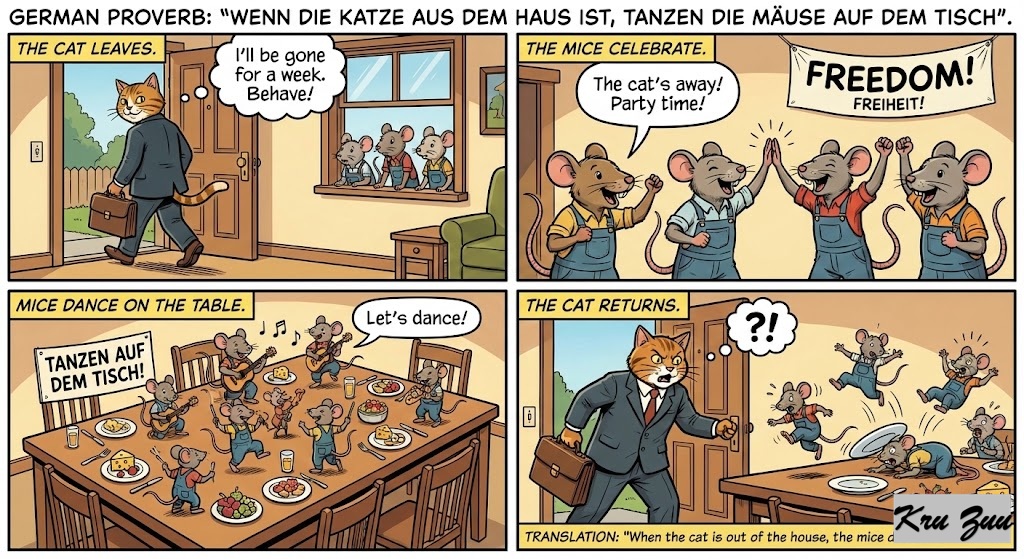
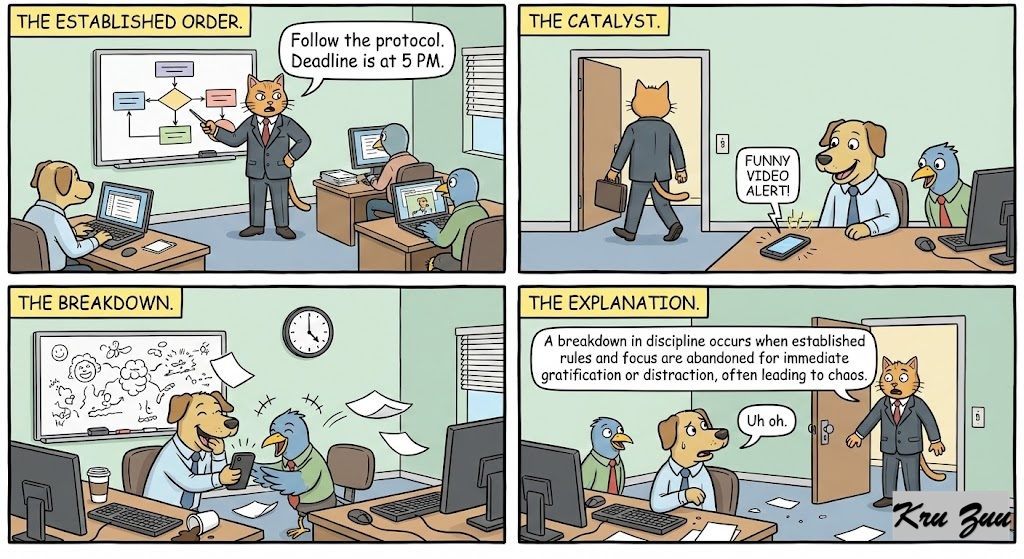
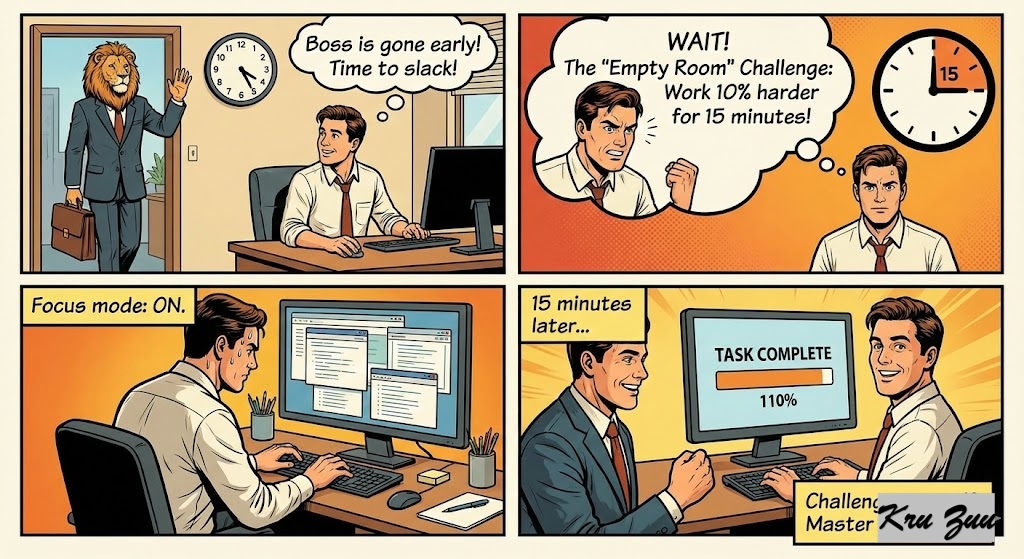
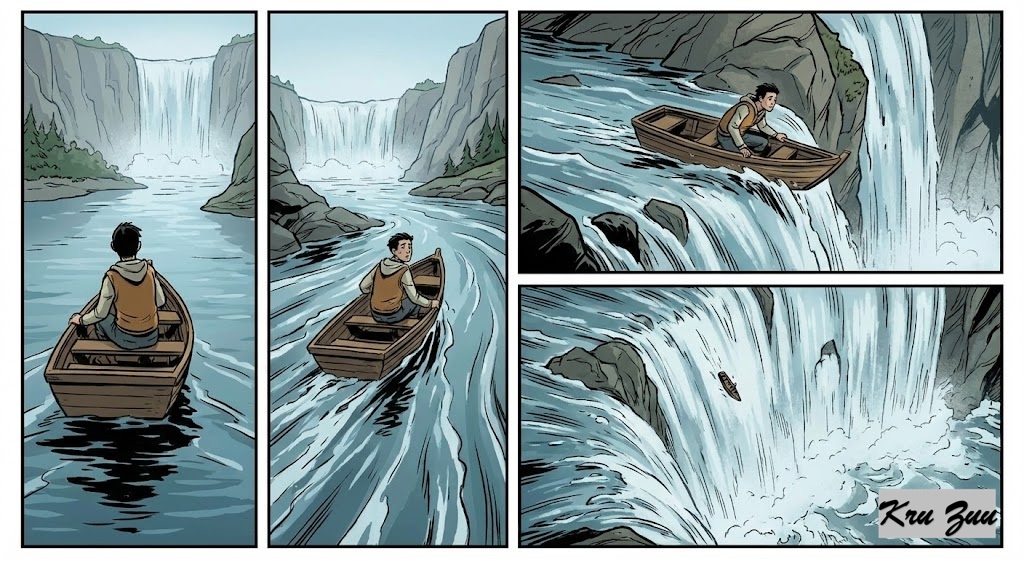
    You wait for the boss to leave the office. The moment the door clicks shut, you open social media. You take a two-hour lunch. You slack off on your project. You think: “No one is watching, so it doesn’t matter!” You act as if your work only has value when somebody is grading it.

    The Result? You lose trust. When promotions come around, you are passed over. You rely on external pressure to do anything, meaning you have zero self-discipline. You are trapped in the “Babysitter Trap.” 📉


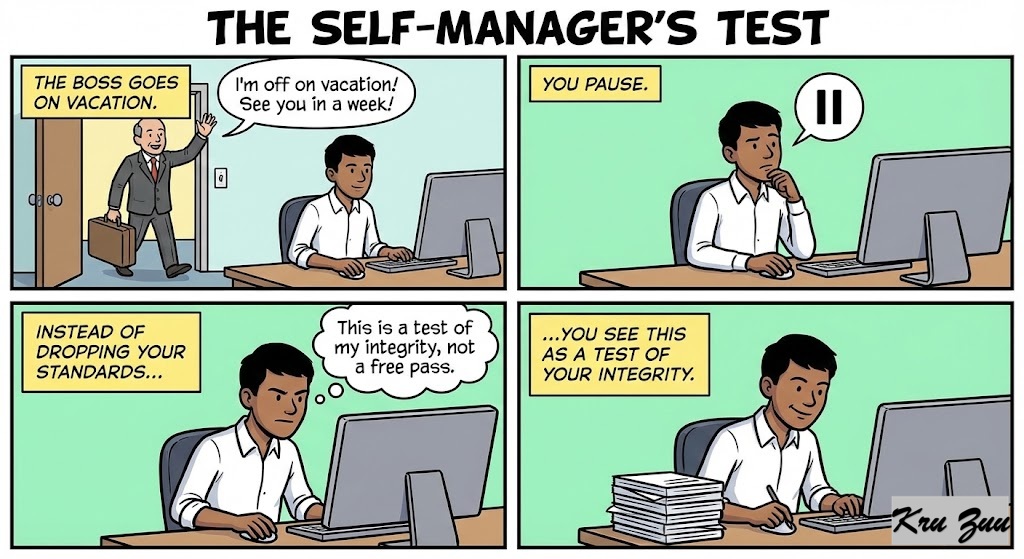
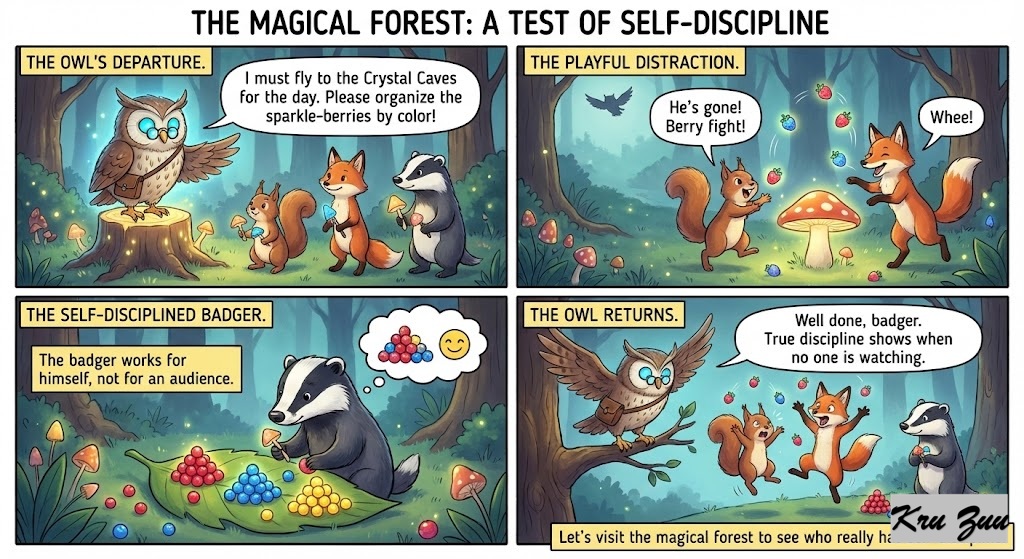
    😇 The Hero (The Self-Manager): The boss goes on vacation. You pause. 🛑 Instead of dropping your standards, you see this as a test of your integrity.

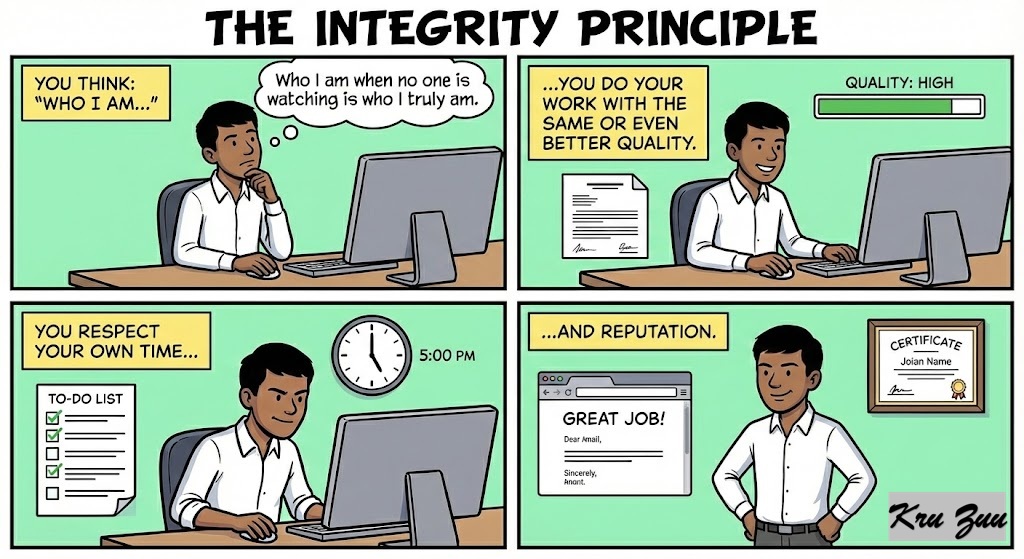
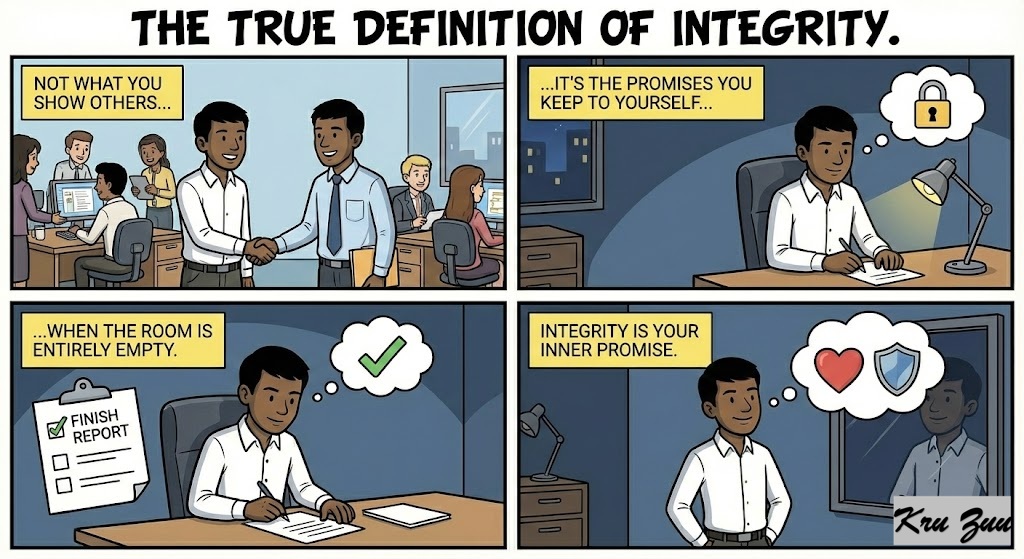
    You think: “Who I am when no one is watching is who I truly am.” You do your work with the same or even better quality. You respect your own time and reputation.

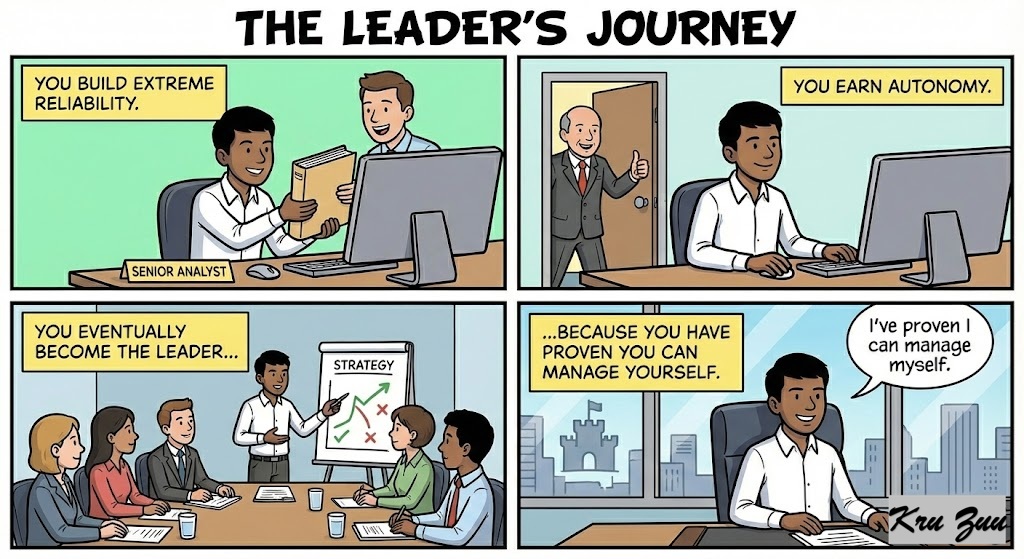
    The Result? You build extreme reliability. You earn autonomy. You eventually become the leader because you have proven you can manage yourself. 🏰


    ⚖️ The Reality


    External control vs. Internal discipline. We live in a world where it is incredibly easy to get distracted the second supervision disappears. But true success isn’t about performing for an audience; it’s about honoring your own standards. If you only do the right thing when there is a threat of punishment (the “cat”), you are living like a scared mouse.


    💎 The Secret

    Integrity isn’t what you show others; it’s the promises you keep to yourself when the room is entirely empty.

    🧐 The Anatomy of the Proverb


    This is your reality check about human nature, supervision, and self-discipline.


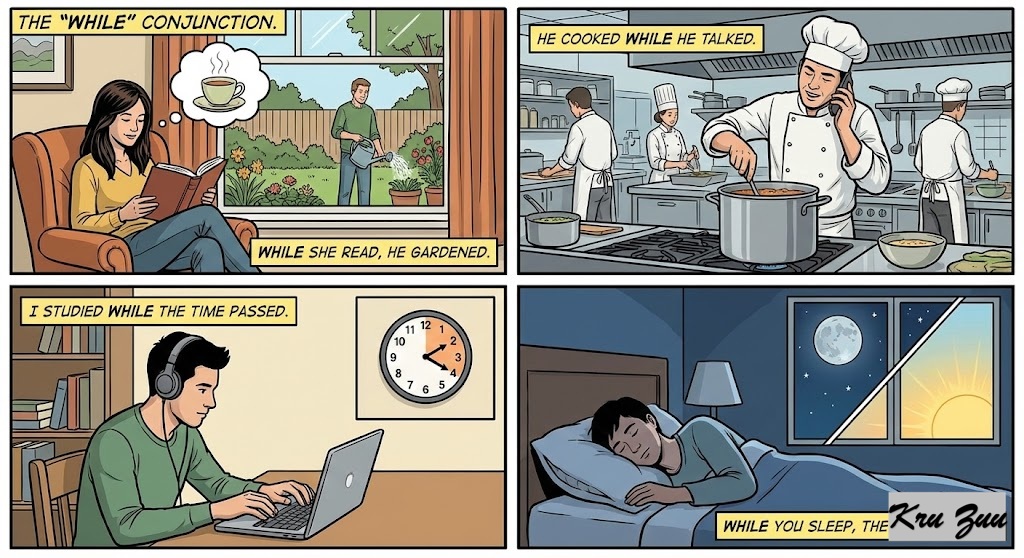
    While (Conjunction): During the time that.


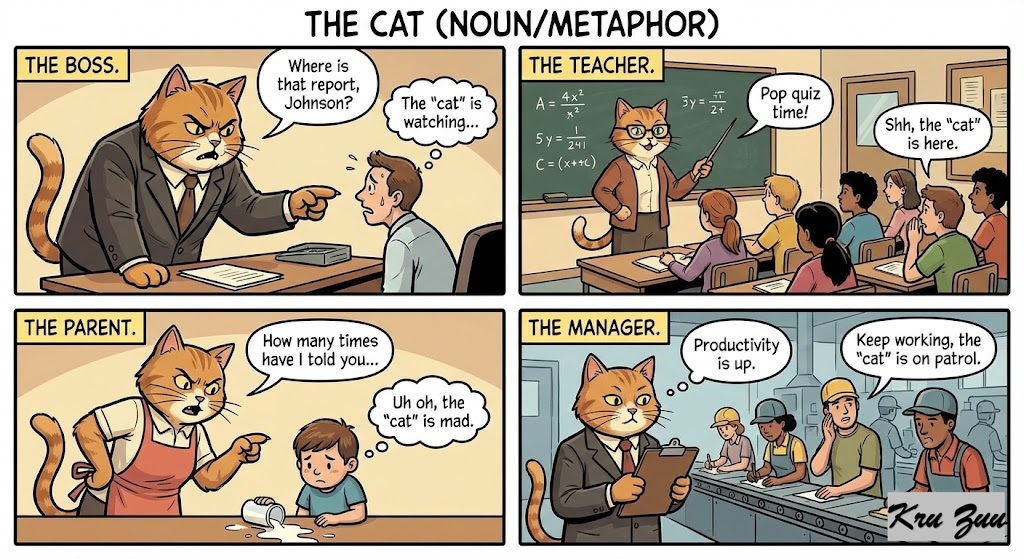
    The Cat (Noun/Metaphor): The authority figure (boss, parent, teacher, manager).


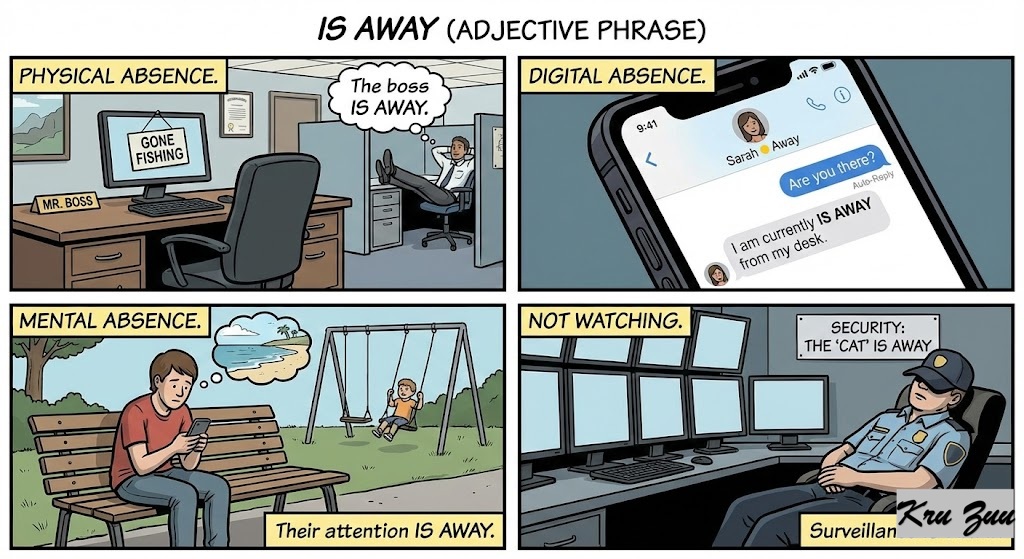
    Is Away (Adjective Phrase): Absent; not currently watching.


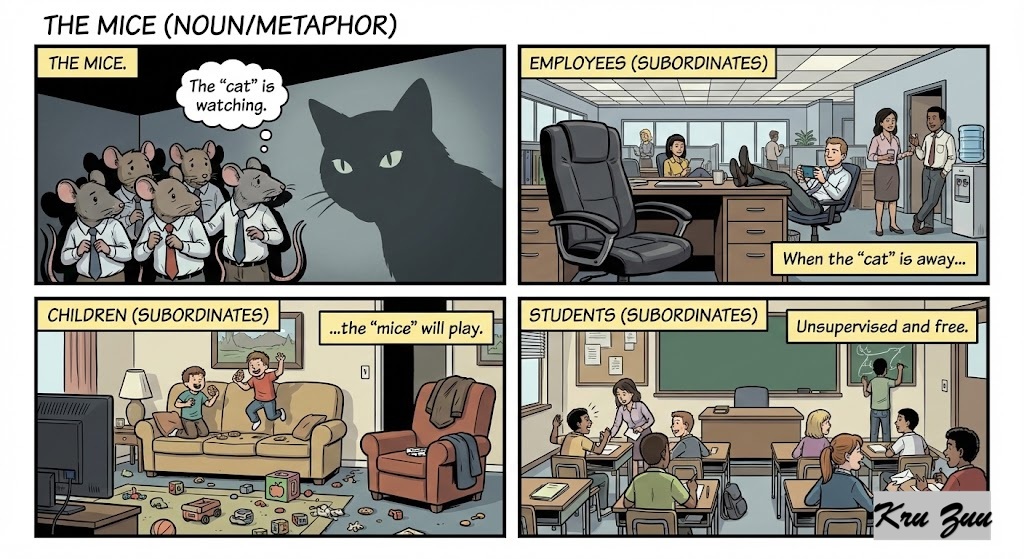
    The Mice (Noun/Metaphor): The subordinates (employees, children, students).


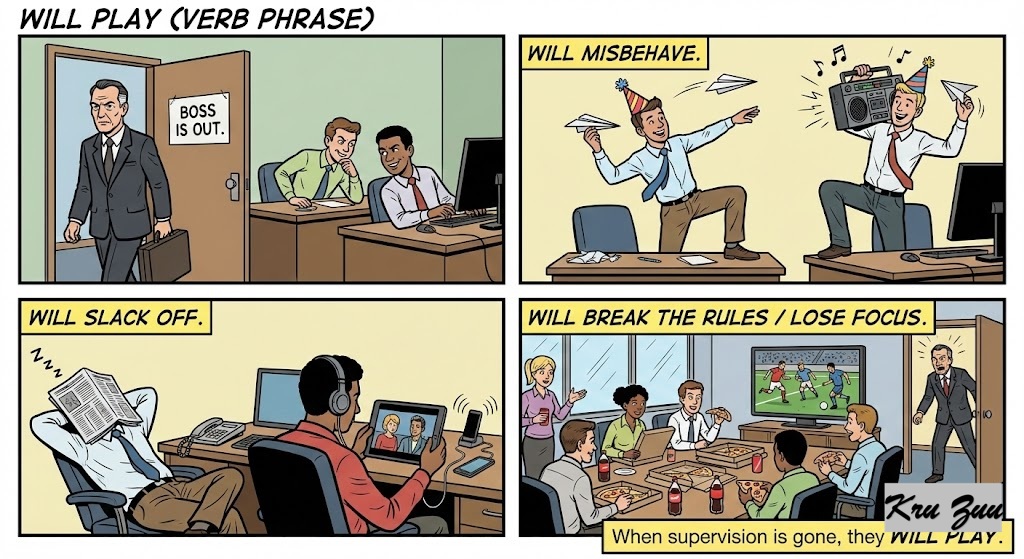
    Will Play (Verb Phrase): Will misbehave, slack off, break the rules, or lose focus.


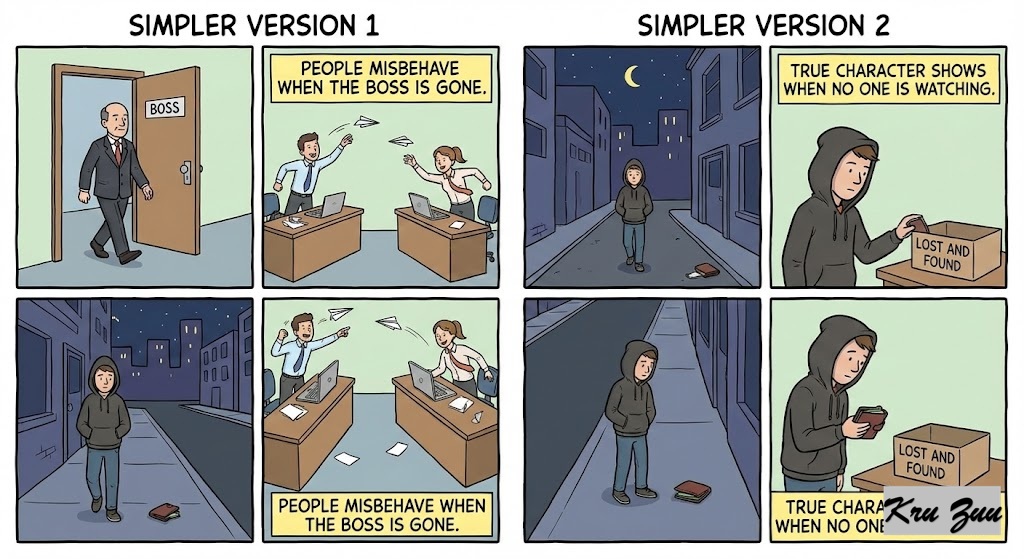
    Simpler Version: People misbehave when the boss is gone. / True character shows when no one is watching.


    📚 Vocabulary Vault


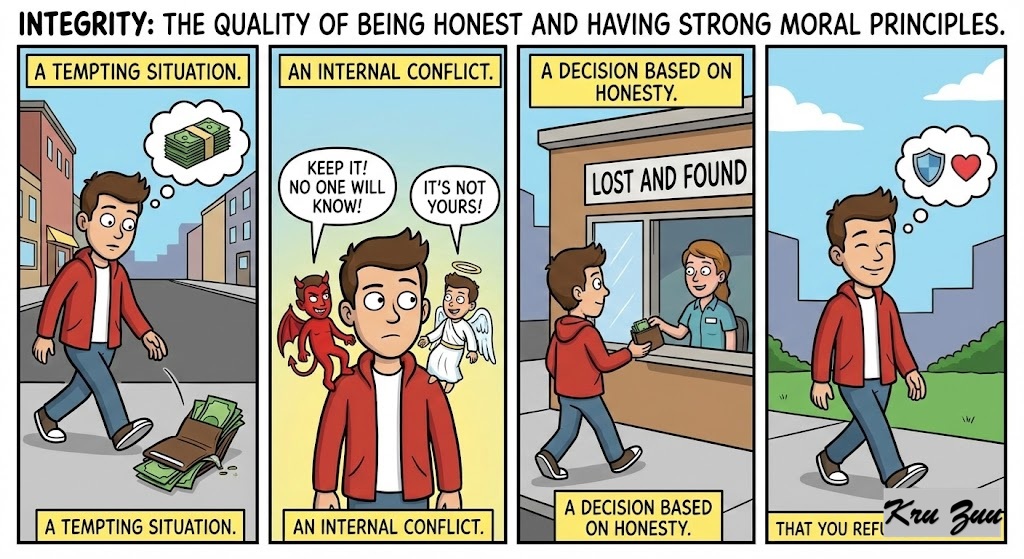
    Integrity (Noun): The quality of being honest and having strong moral principles that you refuse to change.


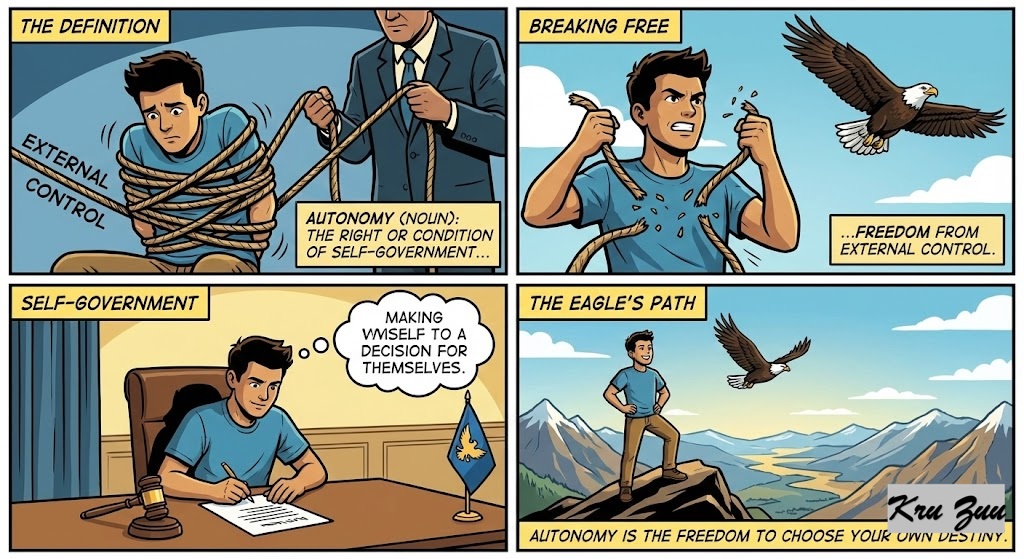
    Autonomy (Noun): The right or condition of self-government; freedom from external control. 🦅


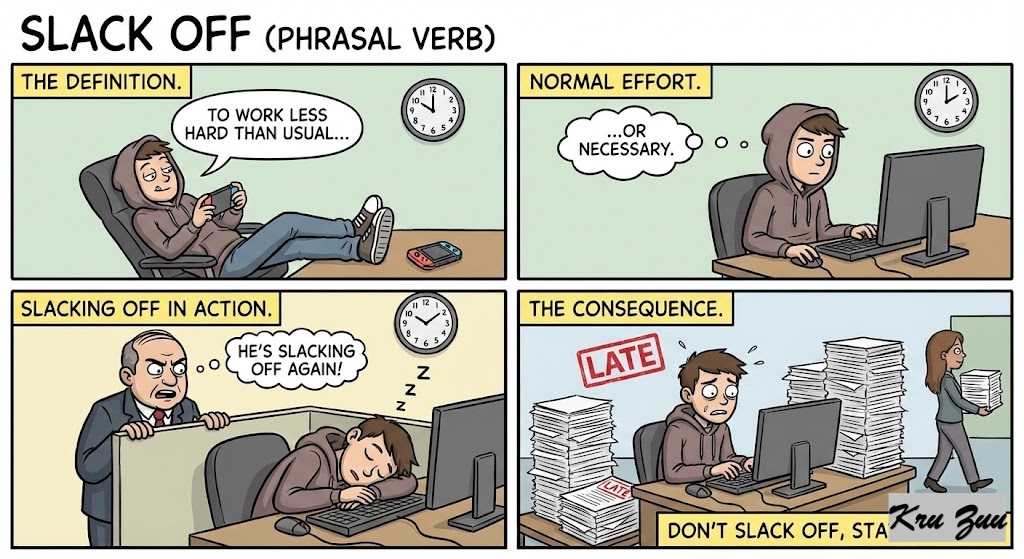
    Slack off (Phrasal Verb): To work less hard than is usual or necessary.


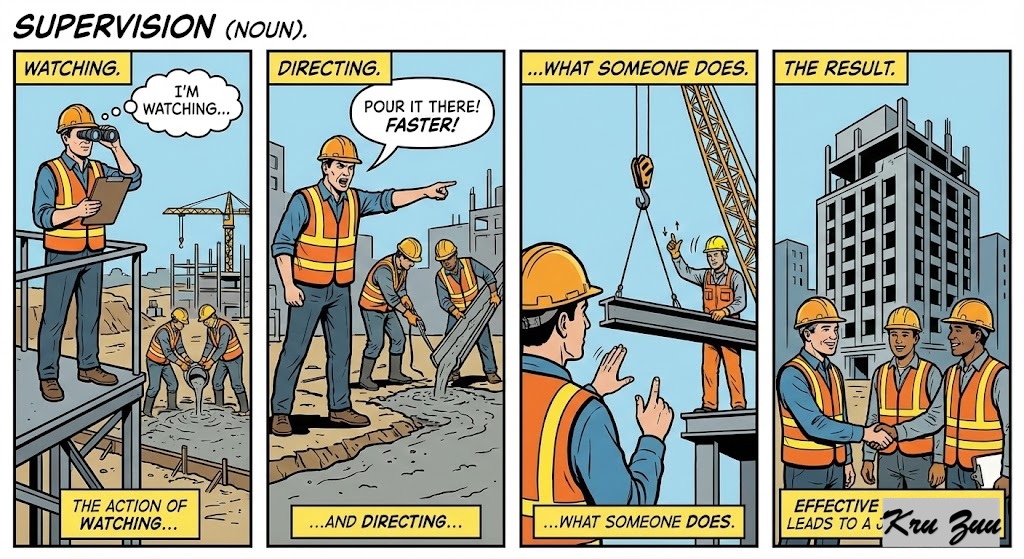
    Supervision (Noun): The action of watching and directing what someone does.


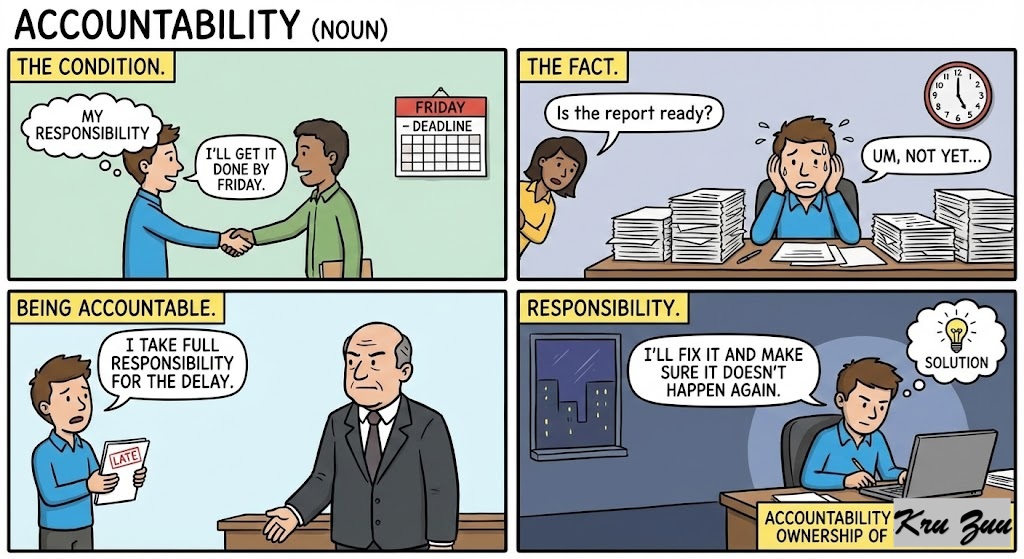
    Accountability (Noun): The fact or condition of being accountable; responsibility.


    🧠 Grammar Focus: Idioms as Parenting/Bossing Tools


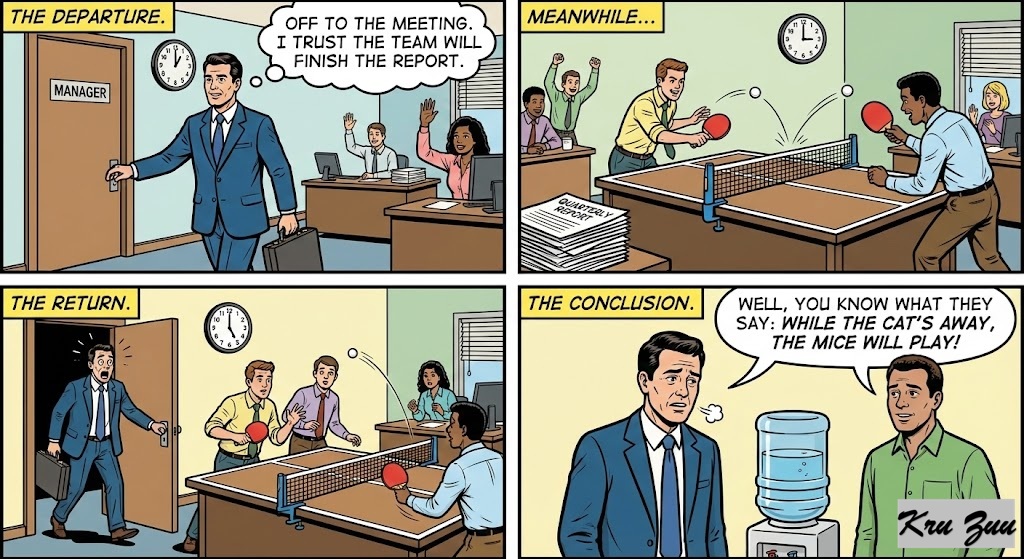
    We often use this idiom to sigh and describe the chaos that happens when supervision is removed.


    Manager to a colleague:
    “I left the team alone for one afternoon to attend a meeting, and I came back to find them playing ping-pong instead of finishing the quarterly report. Well, you know what they say: while the cat’s away, the mice will play!”

    📜 History: Origin and Spread


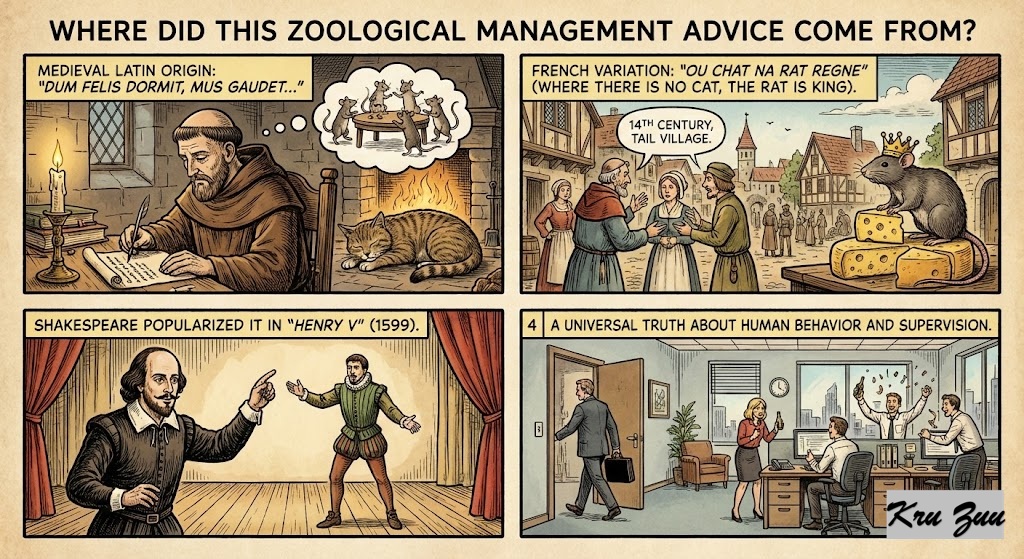
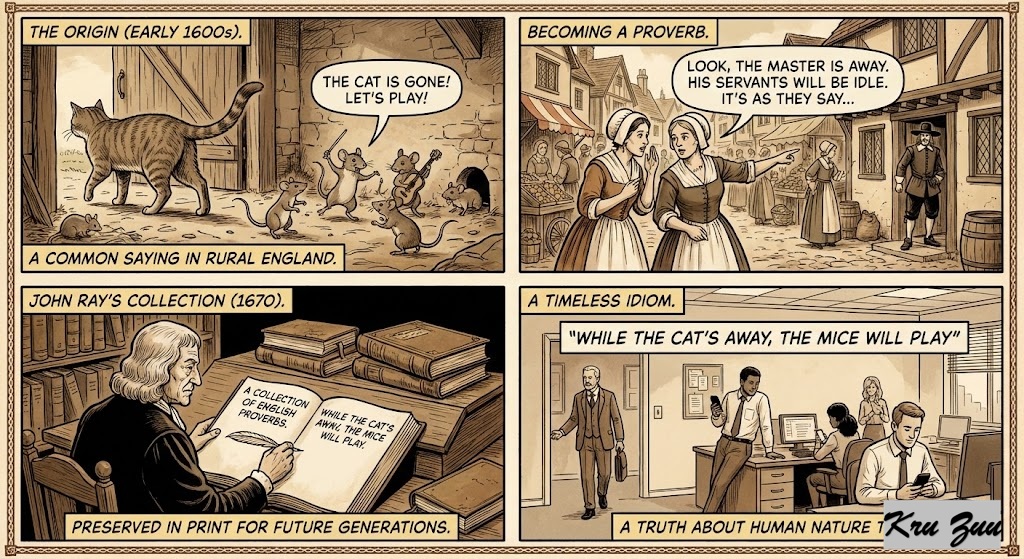
    Where did this zoological management advice come from?


    The Origin: This proverb dates back to the early 1600s in England, appearing in John Ray’s famous collection of English proverbs in 1670.


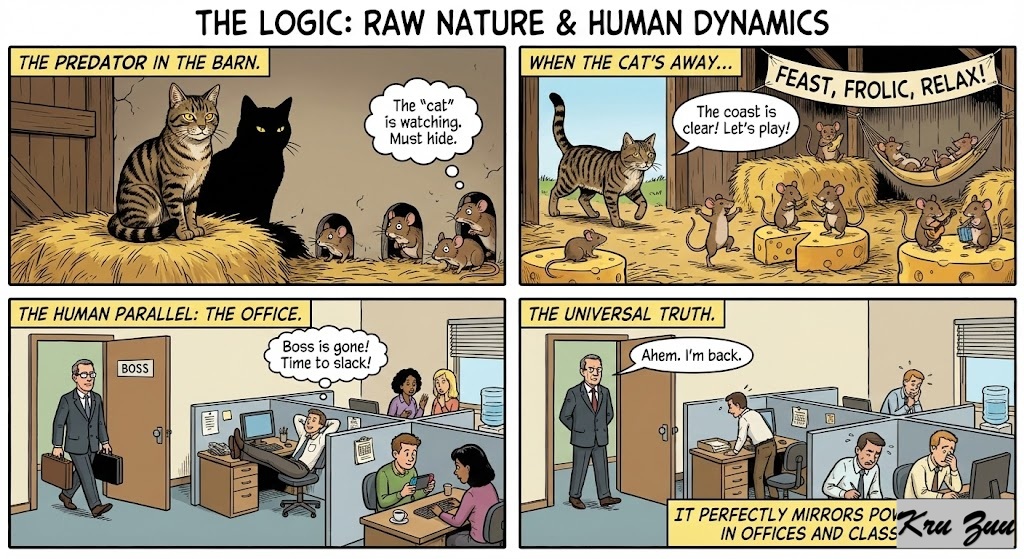
    The Logic: It is based on raw nature. Cats are predators; mice are prey. When the predator leaves the barn, the prey comes out of the walls to feast, frolic, and relax without fear. It perfectly mirrors human power dynamics in offices and classrooms.


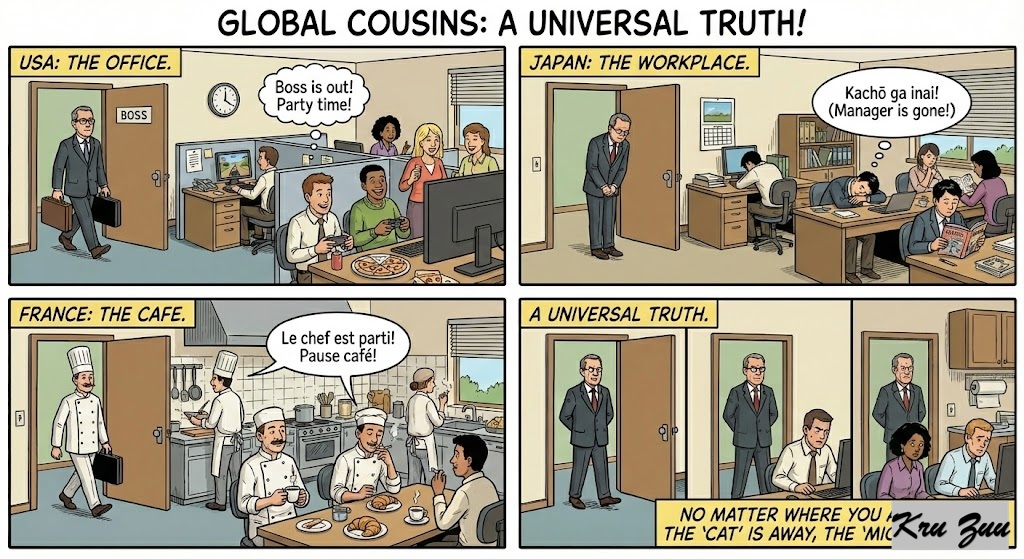
    Global Cousins: This is a universal human truth!


    🇫🇷 French:“Quand le chat n’est pas là, les souris dansent.” (When the cat is not there, the mice dance).


    🇪🇸 Spanish:“Cuando el gato se va, los ratones hacen fiesta.” (When the cat leaves, the mice throw a party).


    🇩🇪 German:“Wenn die Katze aus dem Haus ist, tanzen die Mäuse auf dem Tisch.” (When the cat is out of the house, the mice dance on the table).

    🎭 Short Story: The Great Lily Pad Rebellion 🥤🐱🐔🐸


    Let’s visit the magical forest to see who really has self-discipline.


    🌟 The Cast


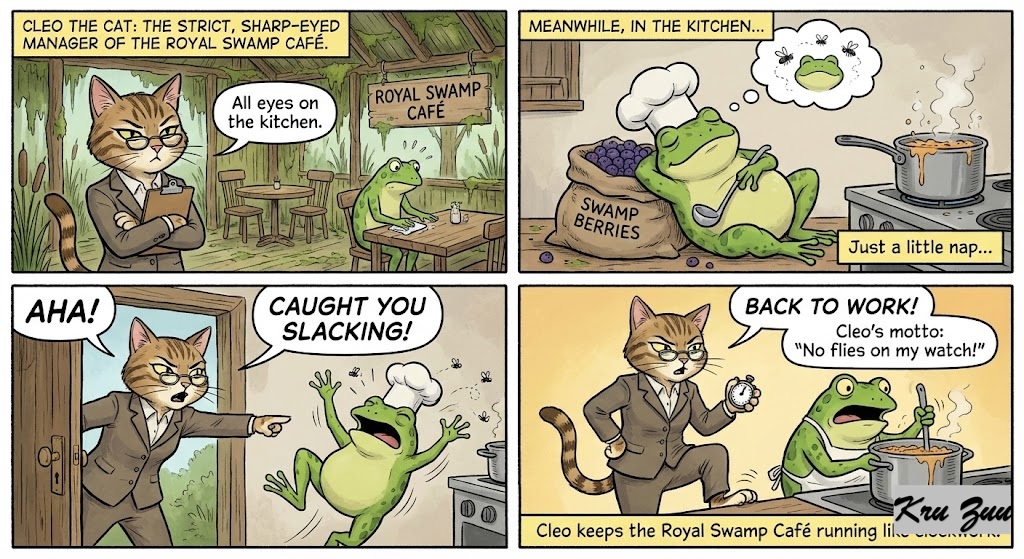
    Cleo the Cat: The strict, sharp-eyed manager of the Royal Swamp Café. 😼


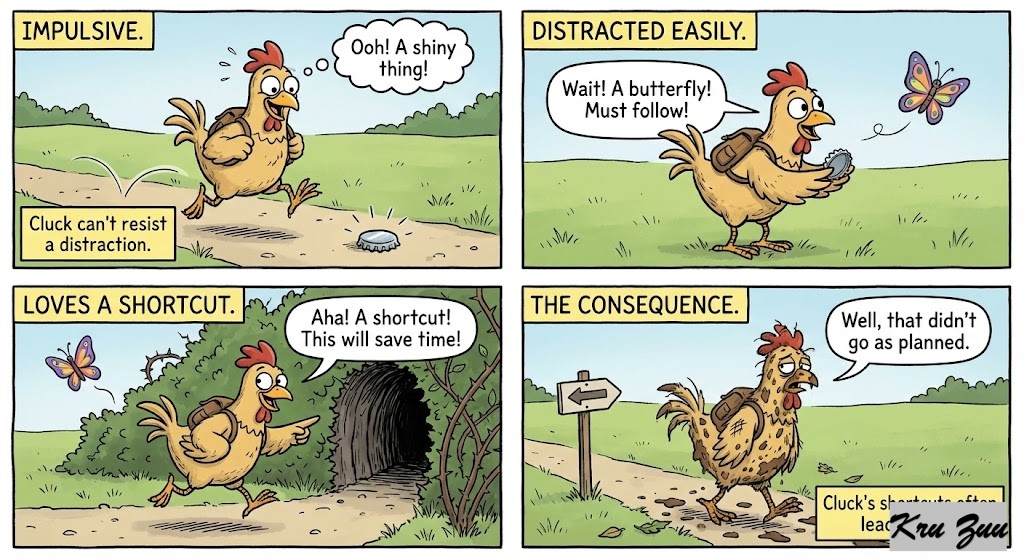
    Cluck the Chicken: Impulsive, gets distracted easily, loves a shortcut. 🐔


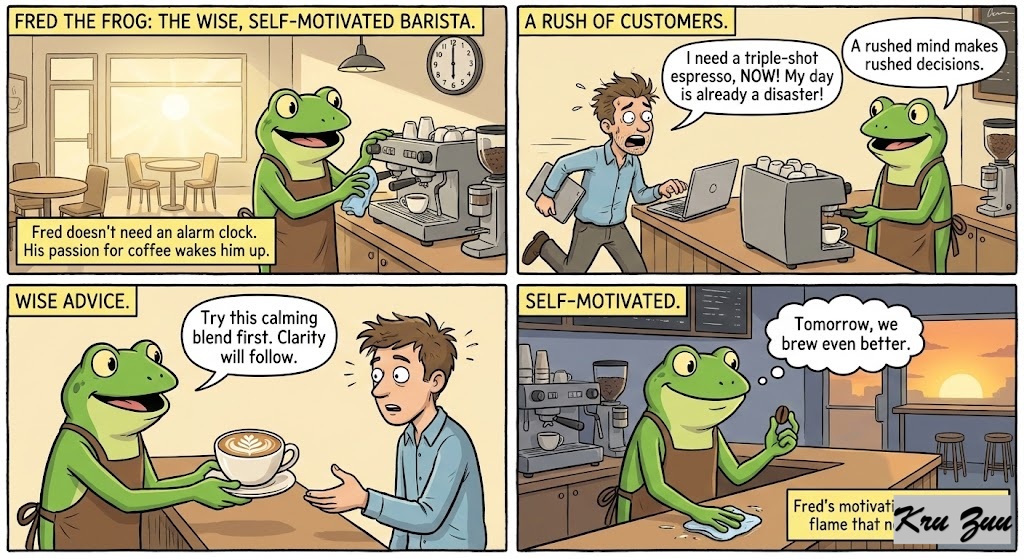
    Fred the Frog: The wise, green, self-motivated barista. 🐸


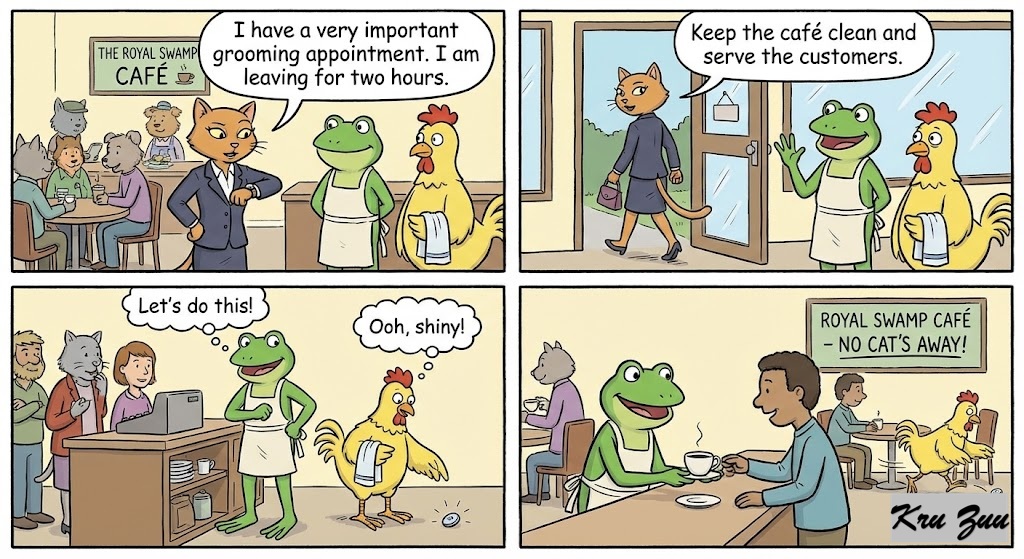
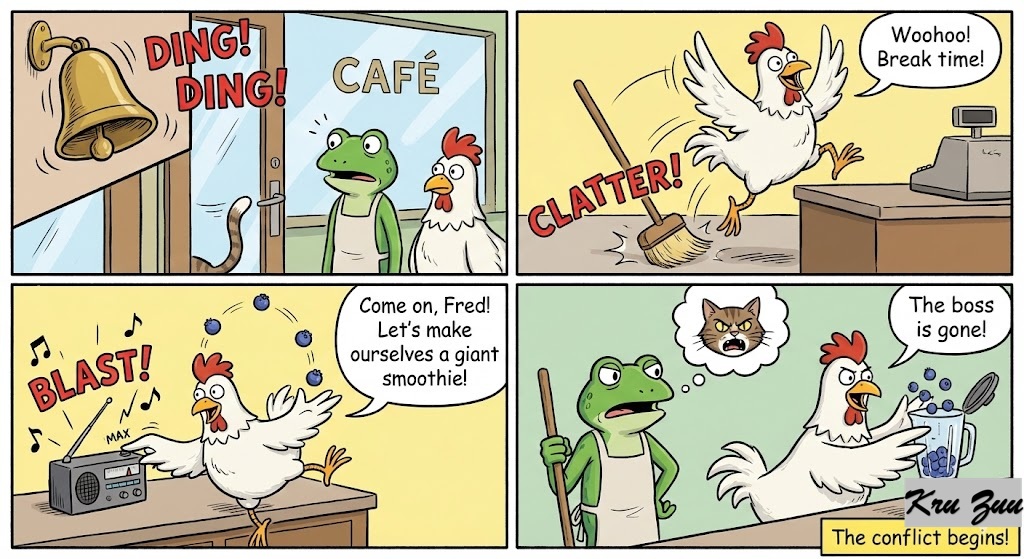
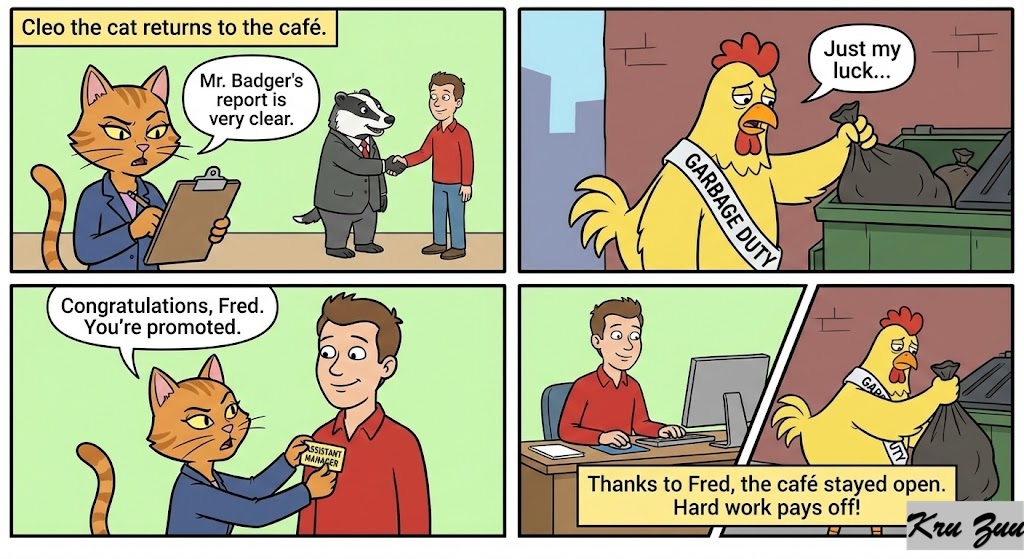
    The Situation: It is a busy Tuesday at the Royal Swamp Café. Cleo the Cat looks at her watch. “I have a very important grooming appointment,” she announces. “Fred, Cluck, I am leaving for two hours. Keep the café clean and serve the customers.” Cleo walks out the door.


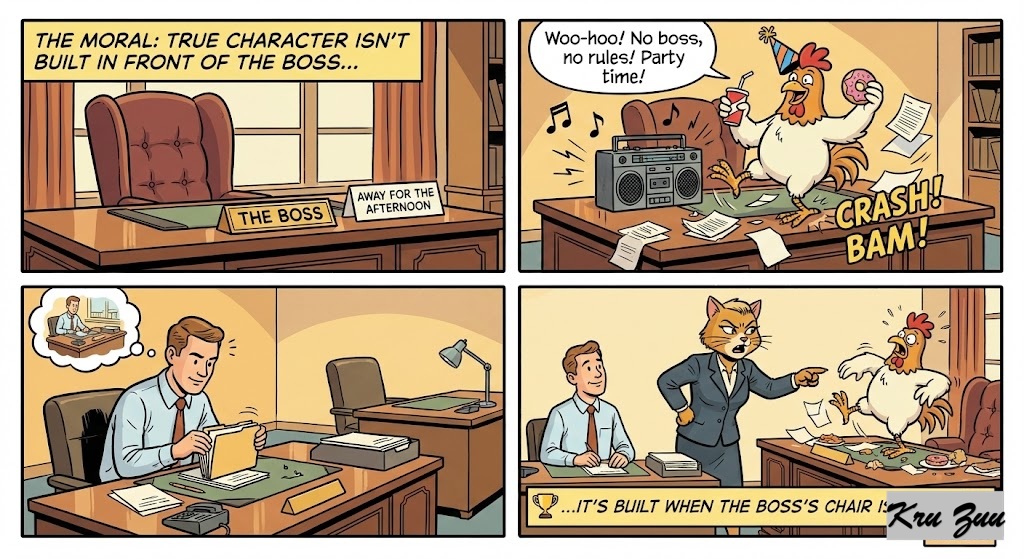
    The Conflict: The exact second the bell on the door rings, Cluck drops his broom. “Woohoo! Break time!” Cluck squawks, hopping onto the counter. He turns the radio up to maximum volume and starts juggling fresh blueberries. “Come on, Fred! Let’s make ourselves a giant smoothie! The boss is gone!”


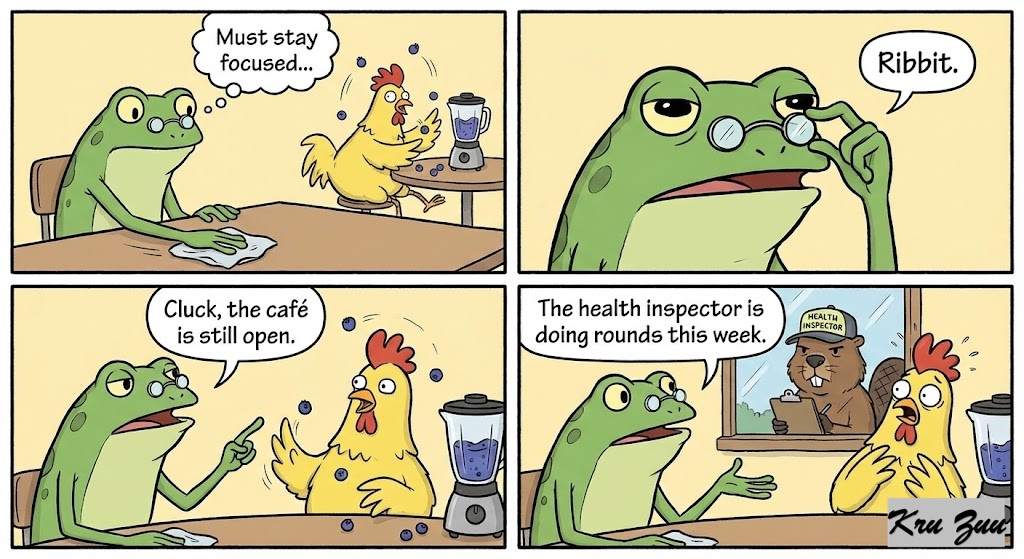
    The Reaction: Fred doesn’t stop wiping the tables. He adjusts his glasses. “Ribbit,” says Fred. “Cluck, the café is still open. The health inspector is doing rounds this week.”


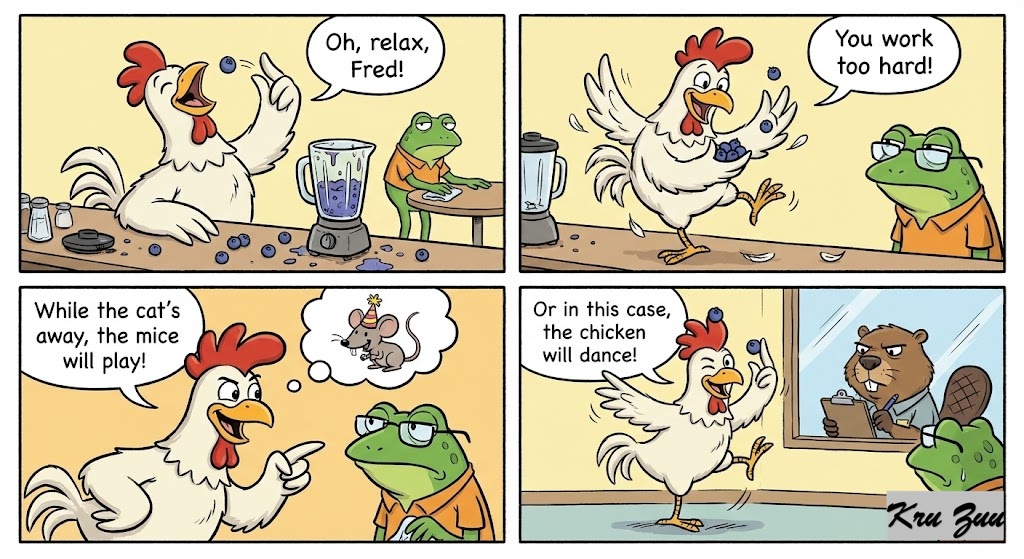
    Cluck laughs and eats a blueberry. “Oh, relax, Fred! You work too hard. While the cat’s away, the mice will play! Or in this case, the chicken will dance!”


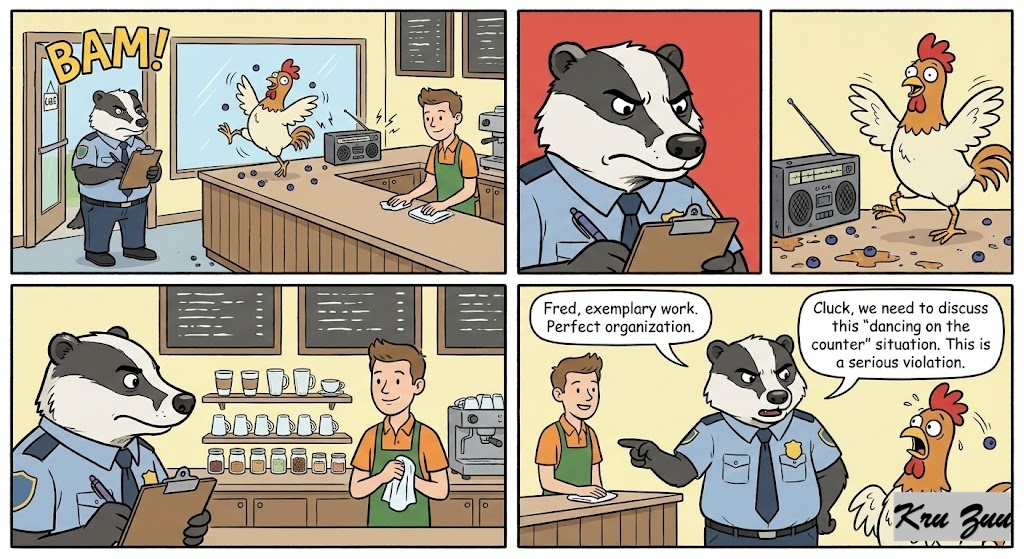
    The Lesson: Suddenly, the door flies open. It isn’t Cleo. It is Mr. Badger, the city Health Inspector. He looks at the sticky floor, the loud radio, and the chicken dancing on the counter with blueberries. Then, he looks at Fred’s perfectly organized, spotless barista station.


    The Resolution: When Cleo returned, Mr. Badger had left a very clear report. Because of Fred’s perfect section, the café wasn’t shut down. Cluck was put on garbage duty for a month. Fred, however, was immediately promoted to Assistant Manager.


    The Moral: True character isn’t built in front of the boss; it’s built when the boss’s chair is empty. 🏆

    🎓 Lesson for English Learners


    Explaining a breakdown in discipline.


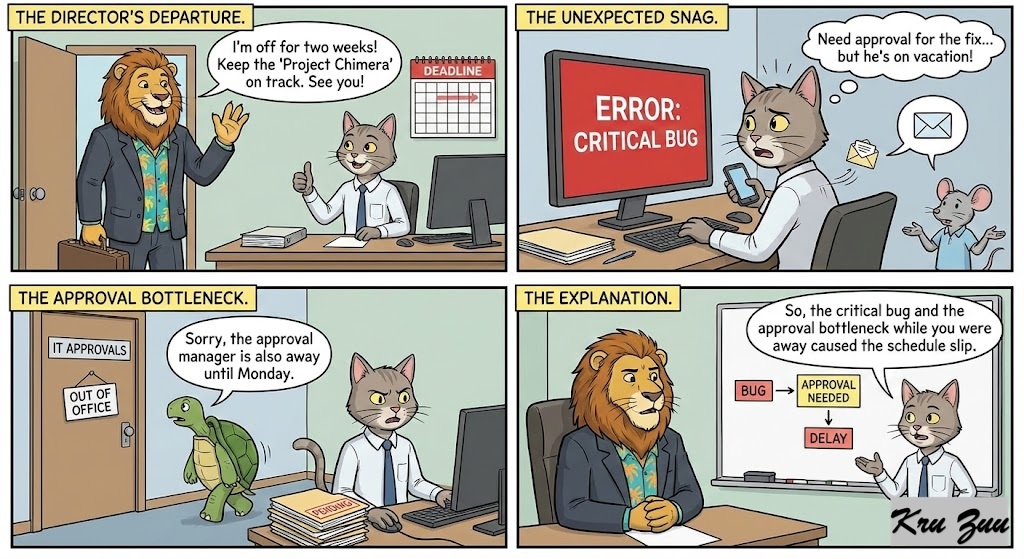
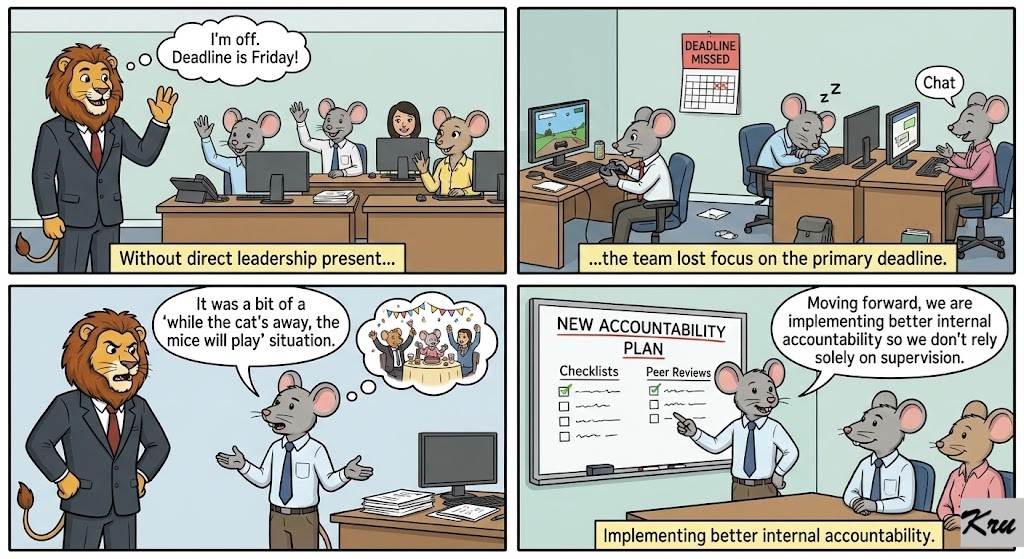
    Situation: You are explaining to a senior director why a project fell behind schedule while they were on vacation.


    The Shift: You need to describe the team’s lack of focus professionally, without sounding overly aggressive, using a recognized cultural idiom.


    You Say: “Unfortunately, without direct leadership present, the team lost focus on the primary deadline. It was a bit of a ‘while the cat’s away, the mice will play’ situation. Moving forward, we are implementing better internal accountability so we don’t rely solely on supervision.”


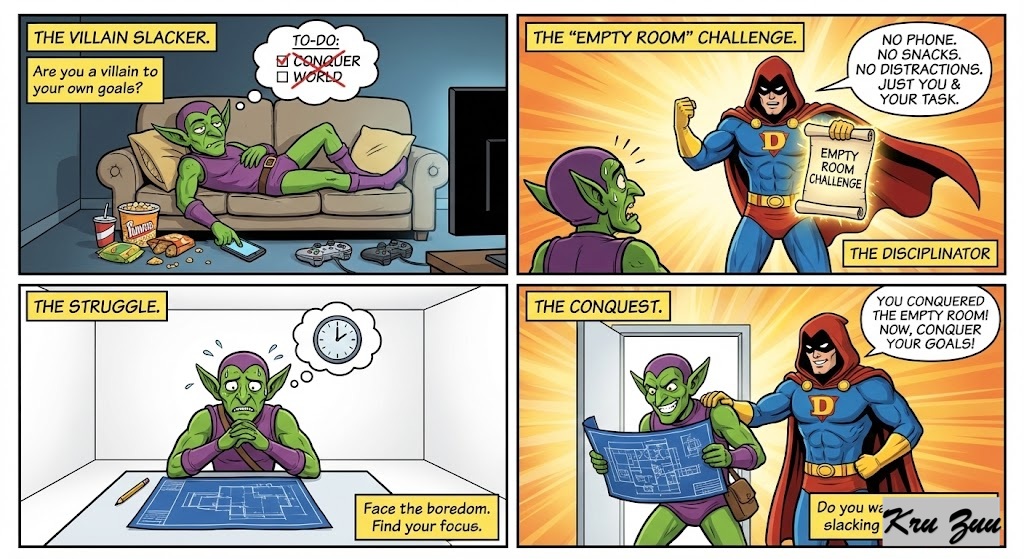
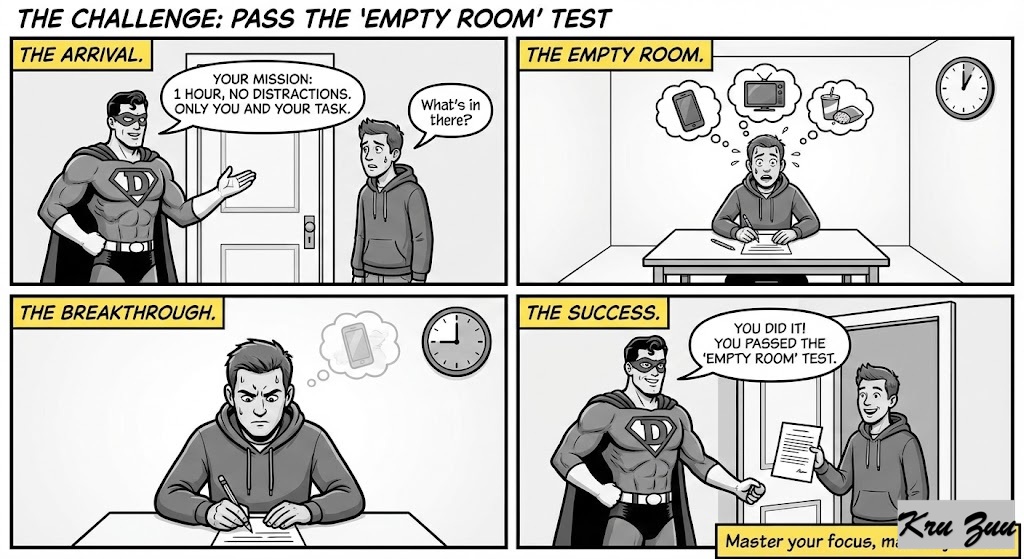
    💬 Your Turn: The “Empty Room” Challenge 🚀


    Do you want to cure your “Villain” slacking habits?


    The Challenge: Pass the “Empty Room” Test.


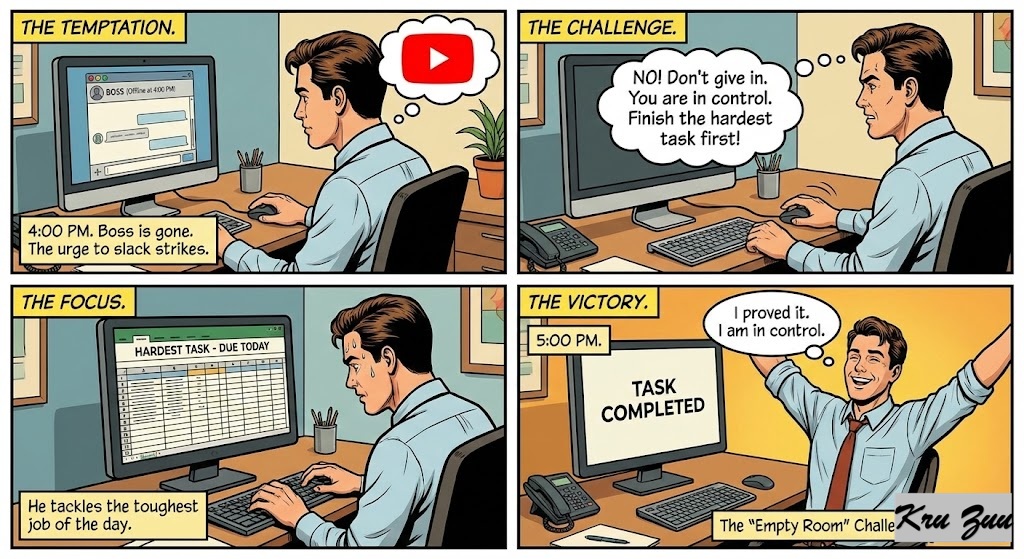
    The Action: The next time your boss logs off early, your teacher leaves the room, or your partner stops watching you do a chore challenge yourself to work 10% harder for the next 15 minutes.


    Example: If your manager goes offline on Slack at 4:00 PM on a Friday, don’t instantly open YouTube. Finish the hardest task of the day first. Prove to yourself that you are in control.


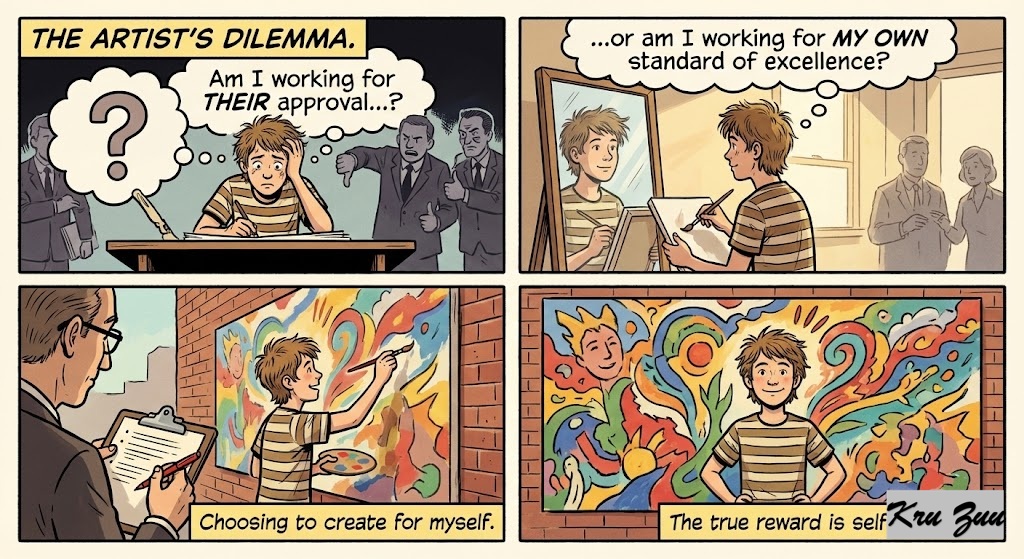
    Ask yourself: “Am I working for their approval, or am I working for my own standard of excellence?”


    👇 Question for the comments: What is the hardest task for you to stay focused on when no one is watching? How do you keep yourself motivated? Tell us below!

    By Zubeyir YURTKURAN

    https://www.facebook.com/BrainBattleground/

    https://www.facebook.com/zubeyr.yurtkuran/

    https://www.instagram.com/zubeyryurtkuran/
    https://www.youtube.com/@BrainBattleground-b3p

    https://www.instagram.com/brainbattleground/

  • 🦁 The Daily Courage: The Law of Calculated Risk

    🦁 The Daily Courage: The Law of Calculated Risk

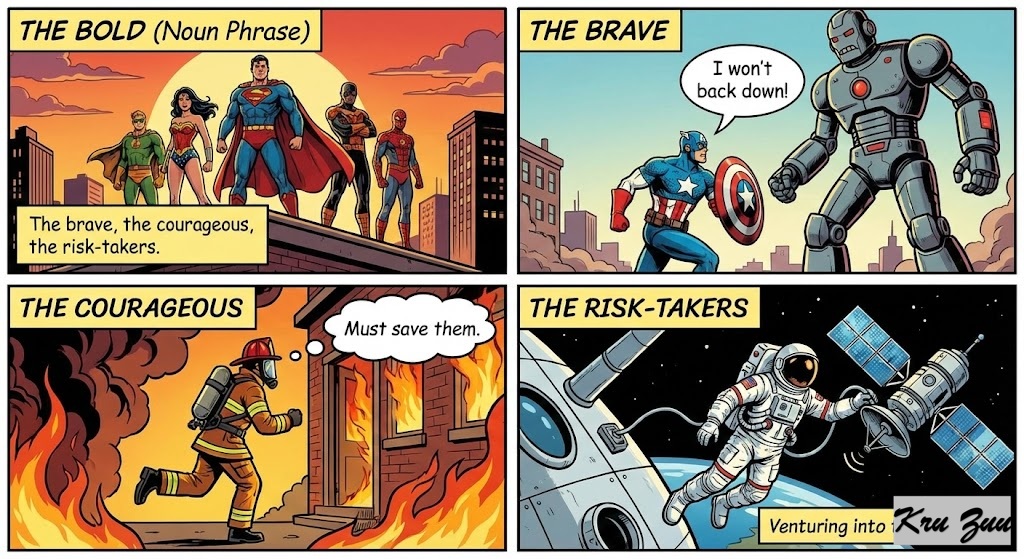
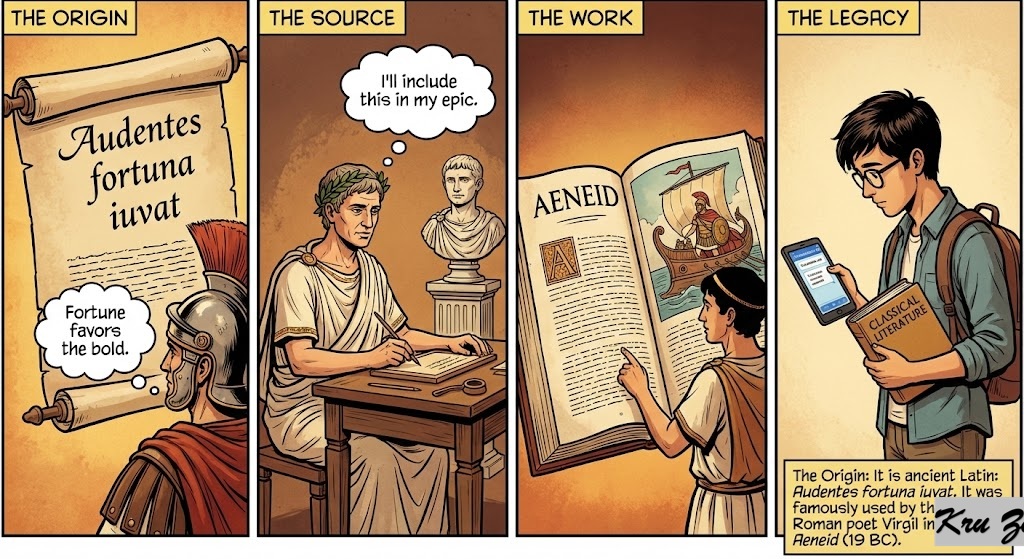
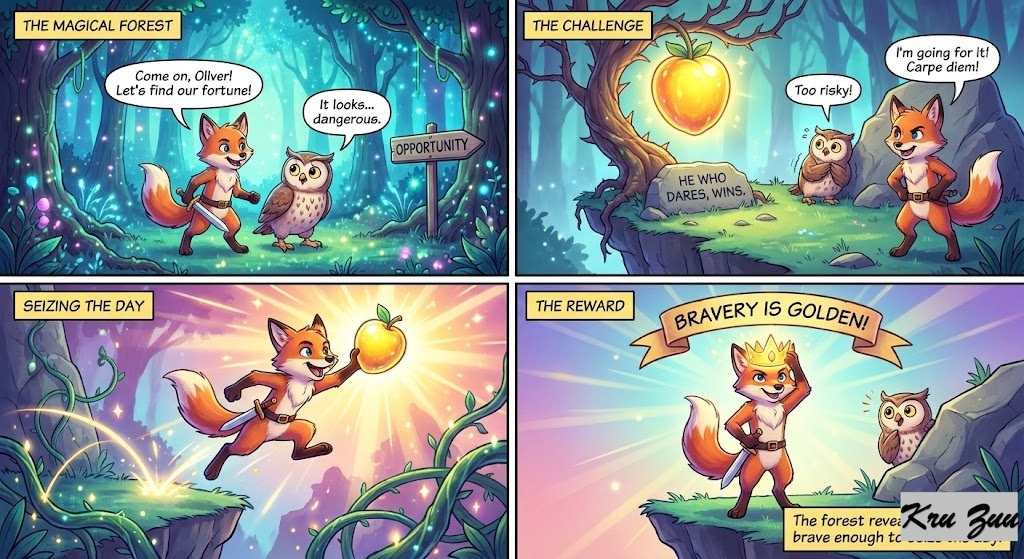
    “Fortune favors the bold.”


    😈 The Villain (The Comfort Seeker)

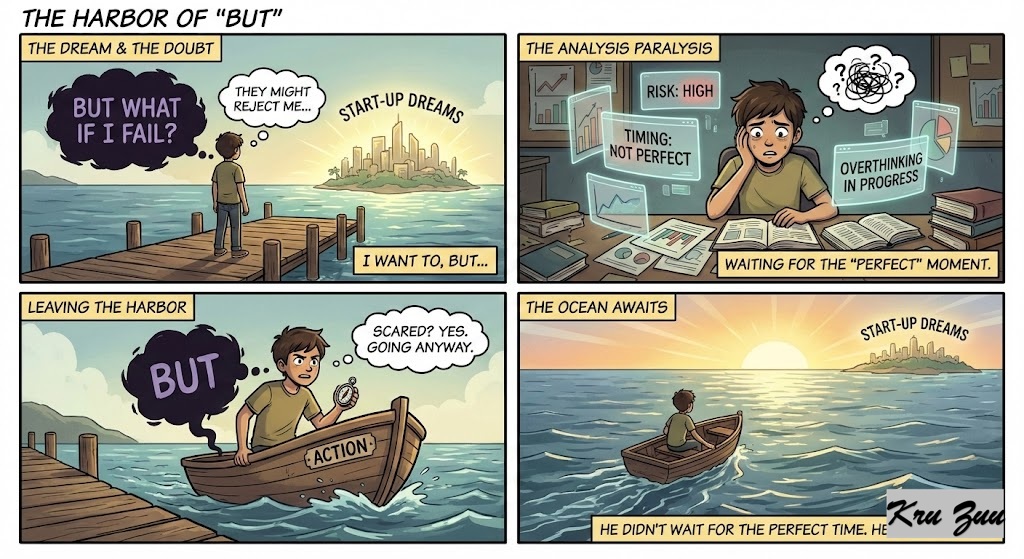
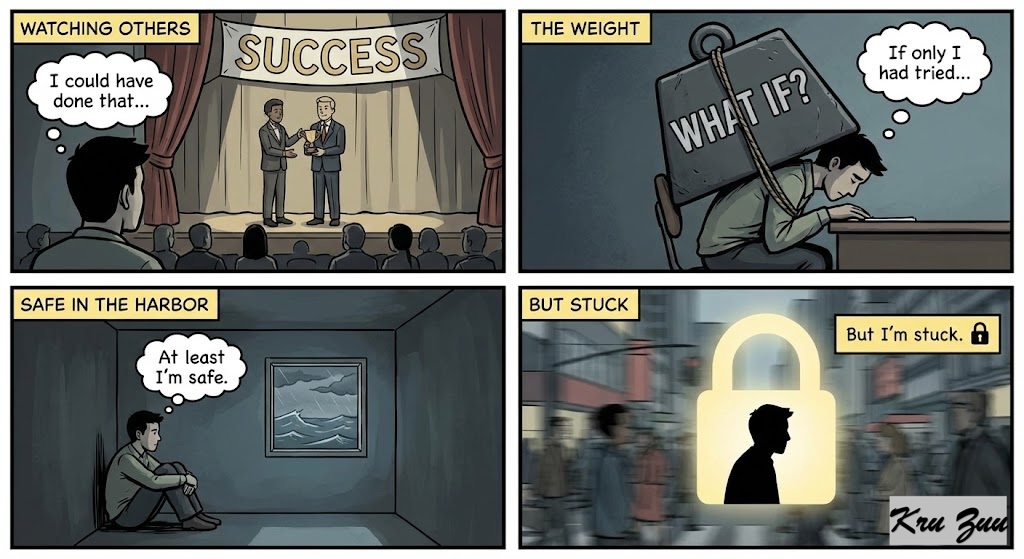
    You have a dream, but you also have a “but.” “I want to start a business, but what if I fail?” “I want to talk to that person, but what if they reject me?” You wait for the “perfect time.” You over-analyze every detail. You stay in the harbor because the ocean looks scary.

    The Result? You watch others succeed with half your talent but double your courage. You live with the heavy weight of “What if?” You are safe, but you are stuck. 🔒


    😇 The Hero (The Action Taker)

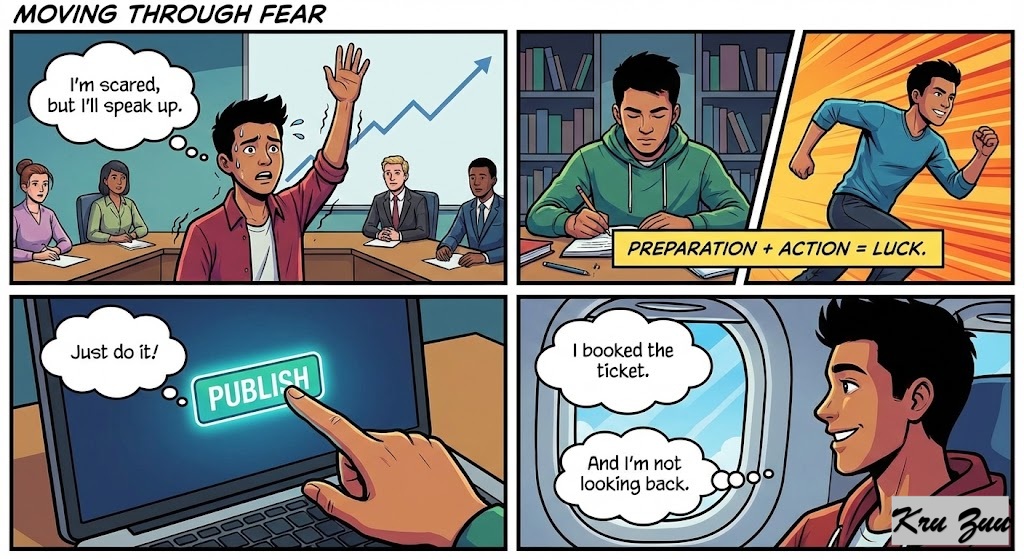
    You feel the fear, but you move anyway. You understand that luck isn’t magic; it is what happens when preparation meets action. You raise your hand in the meeting. You book the ticket. You hit “publish” on the scary project.

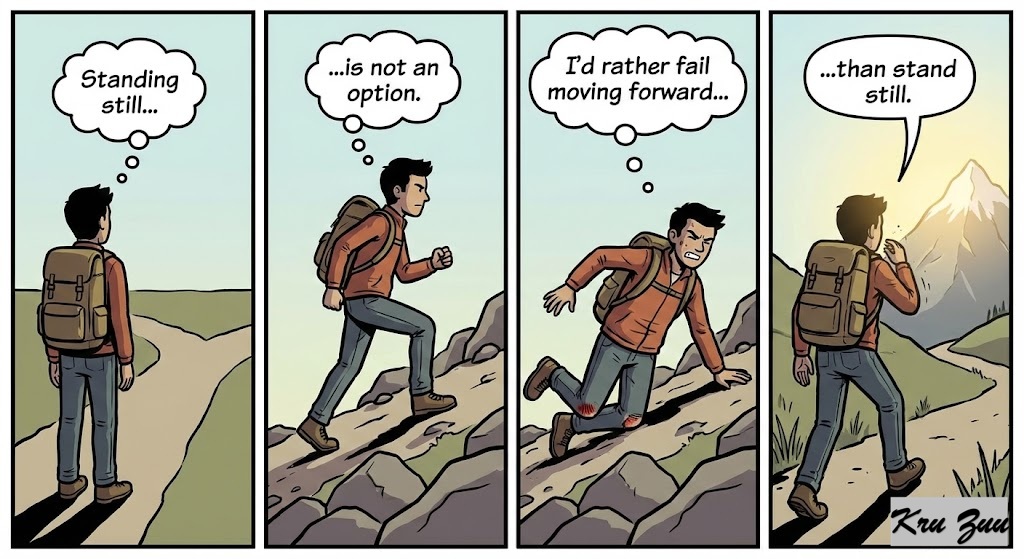
    You say: “I’d rather fail moving forward than stand still.”

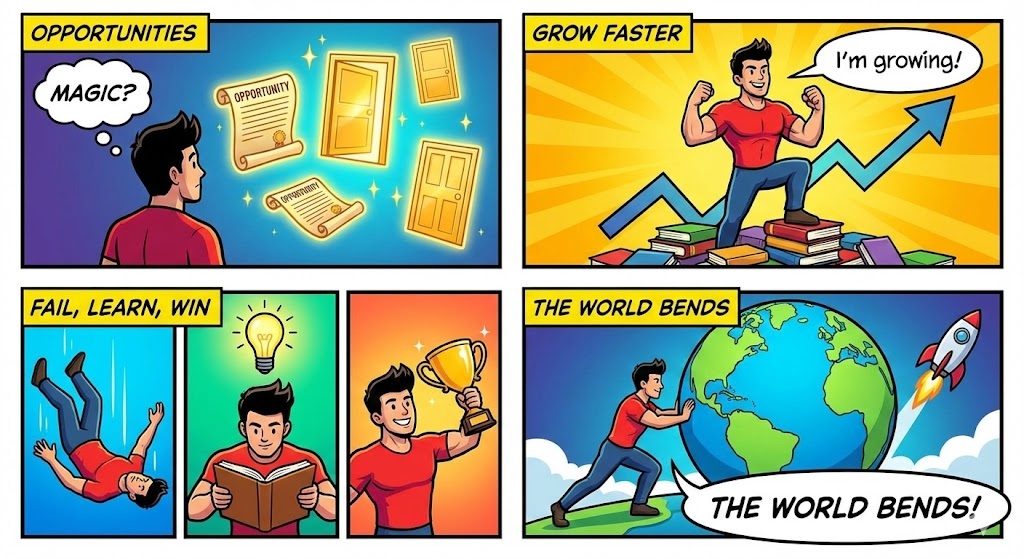
    The Result? Opportunities seem to “magically” find you. You grow faster. You fail, learn, and win. You realize the world bends for those who push against it. 🚀


    ⚖️ The Reality


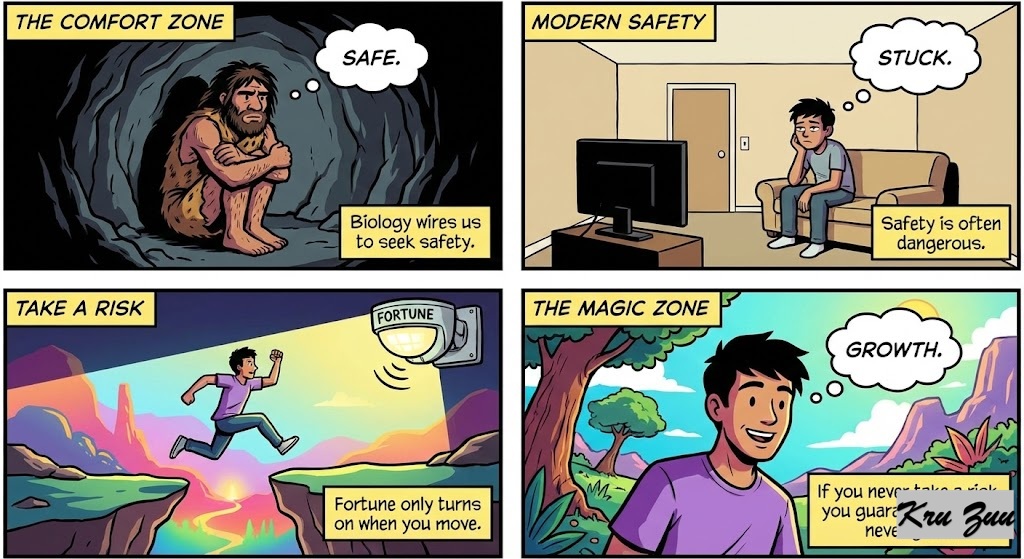
    The Comfort Zone vs. The Magic Zone. Biology wires us to seek safety. Our ancestors survived by hiding in caves. But in the modern world, safety is often dangerous. If you never take a risk, you guarantee you will never grow. “Fortune” (Success/Luck) acts like a motion sensor light, it only turns on when you move.

    🧐 The Anatomy of the Proverb


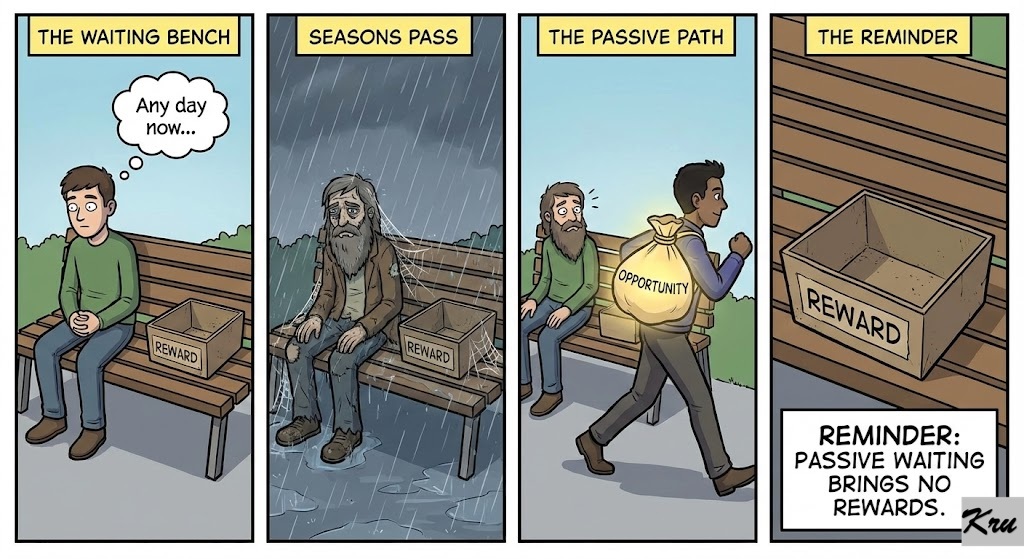
    This is your reminder that passive waiting brings no rewards.


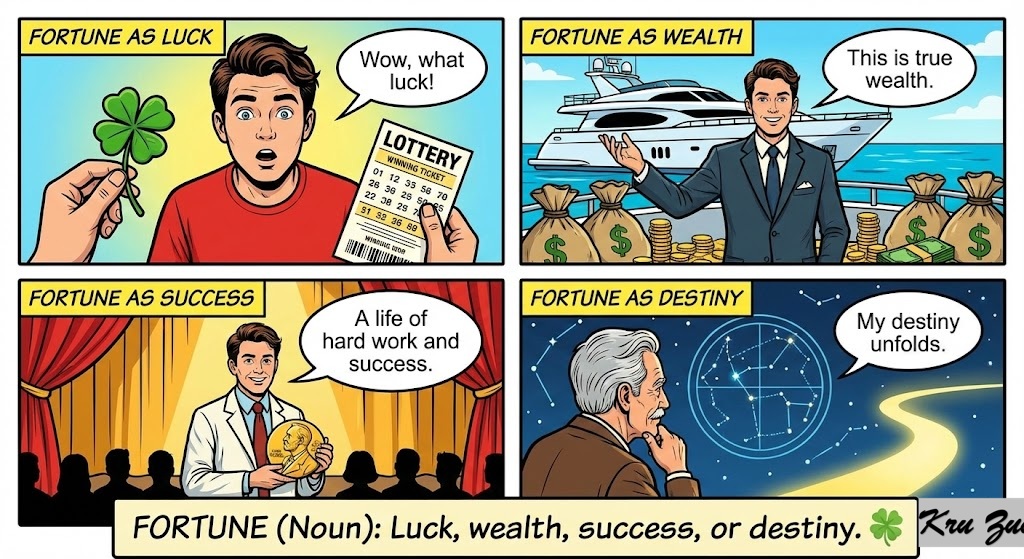
    Fortune (Noun): Luck, wealth, success, or destiny. 🍀


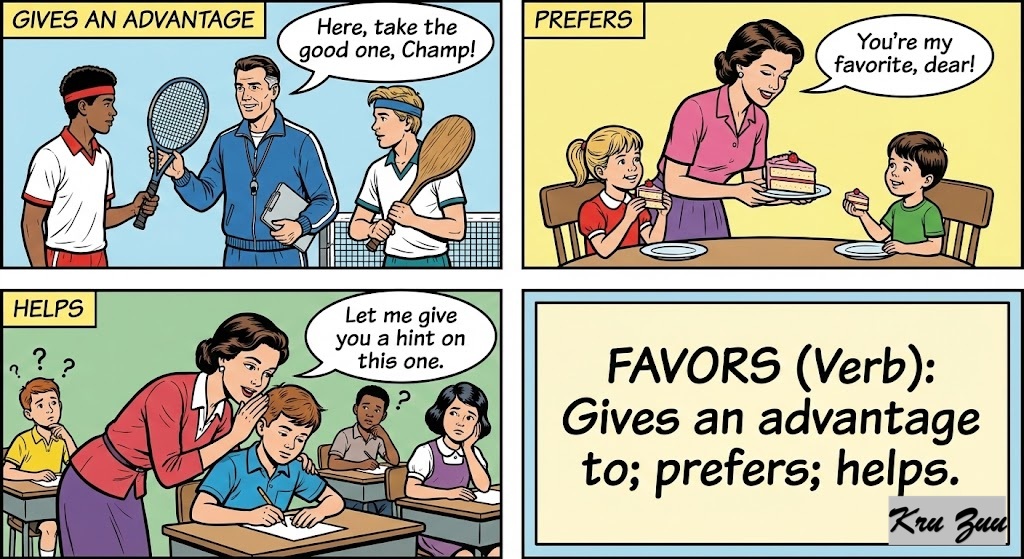
    Favors (Verb): Gives an advantage to; prefers; helps.


    The Bold (Noun Phrase): The brave, the courageous, the risk-takers.


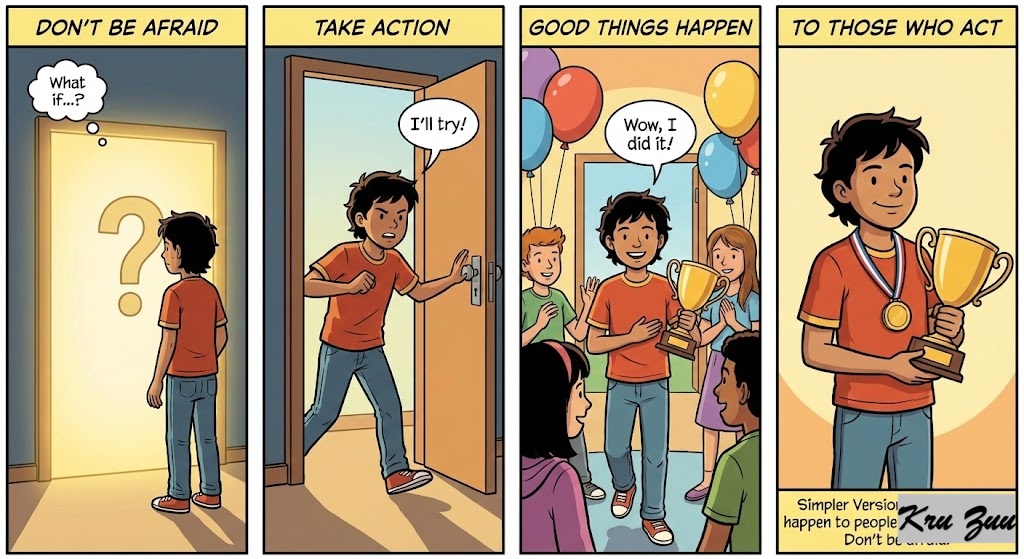
    Simpler Version: Good things happen to people who take action. / Don’t be afraid.


    📚 Vocabulary Vault


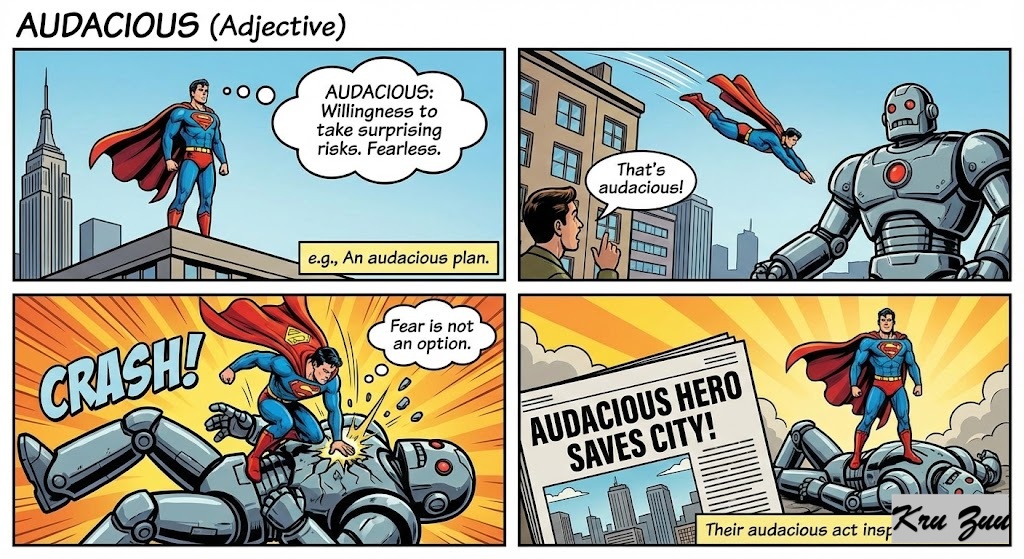
    Audacious (Adjective): Showing a willingness to take surprisingly bold risks. (Fearless).


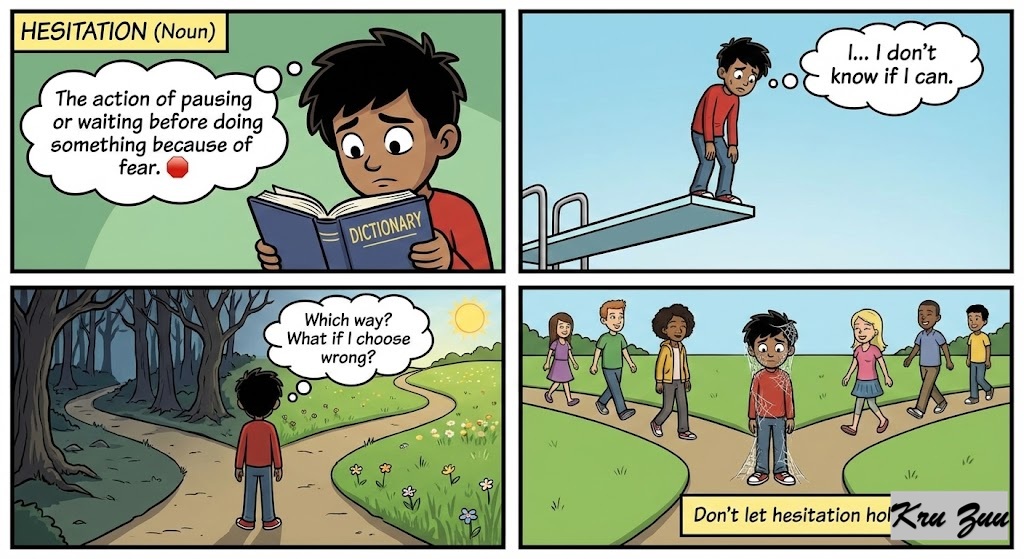
    Hesitation (Noun): The action of pausing or waiting before doing something because of fear. 🛑


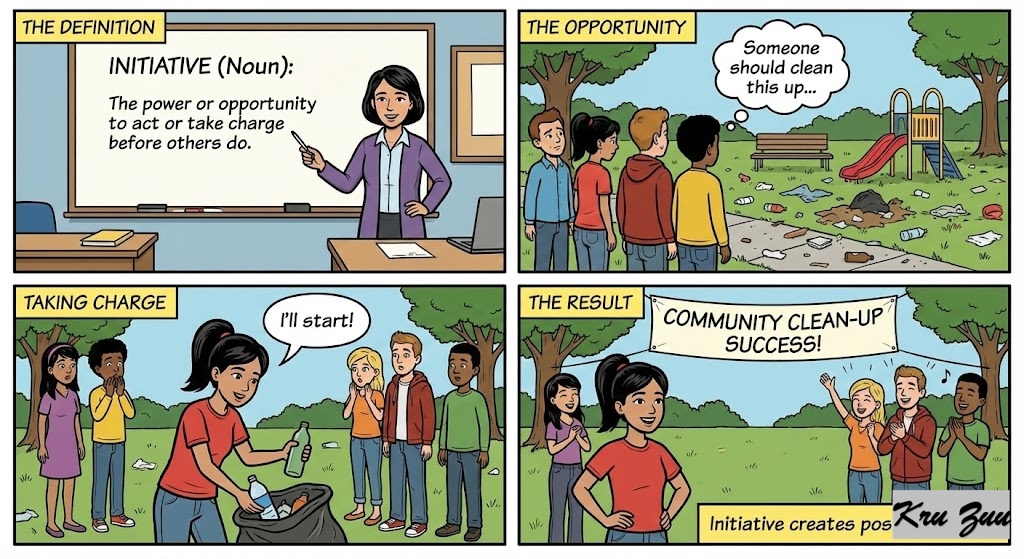
    Initiative (Noun): The power or opportunity to act or take charge before others do.


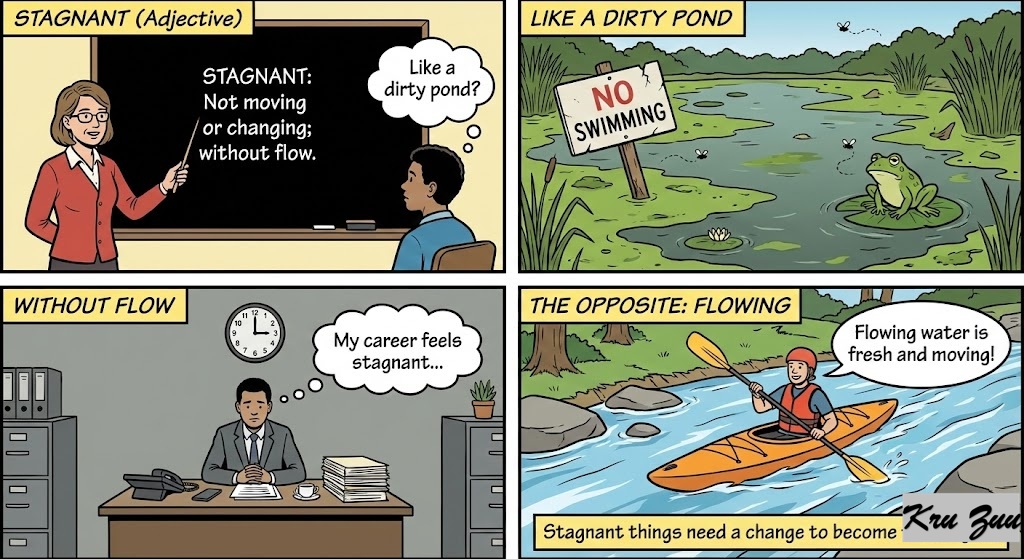
    Stagnant (Adjective): Not moving or changing; without flow. (Like a dirty pond).


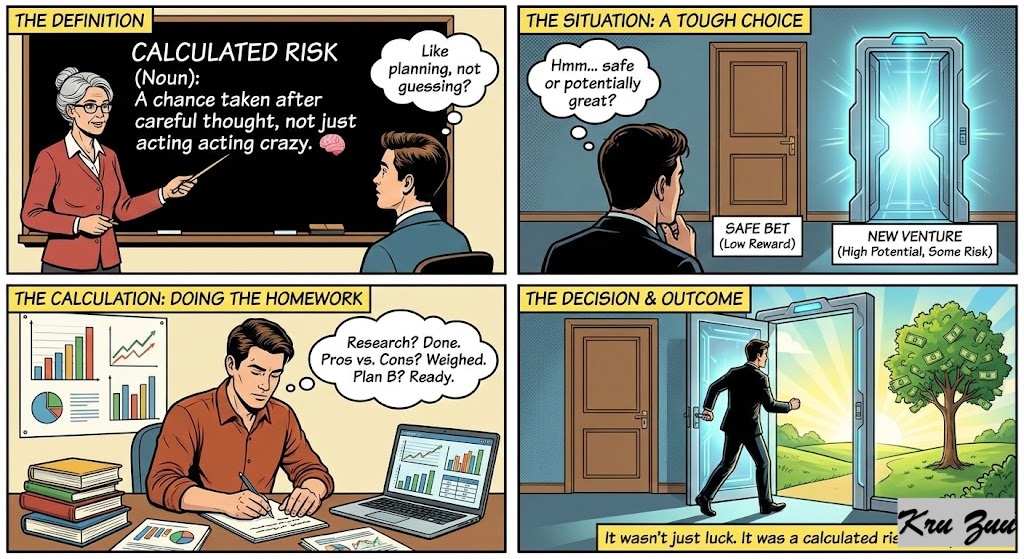
    Calculated Risk (Noun): A chance taken after careful thought, not just acting crazy. 🧠


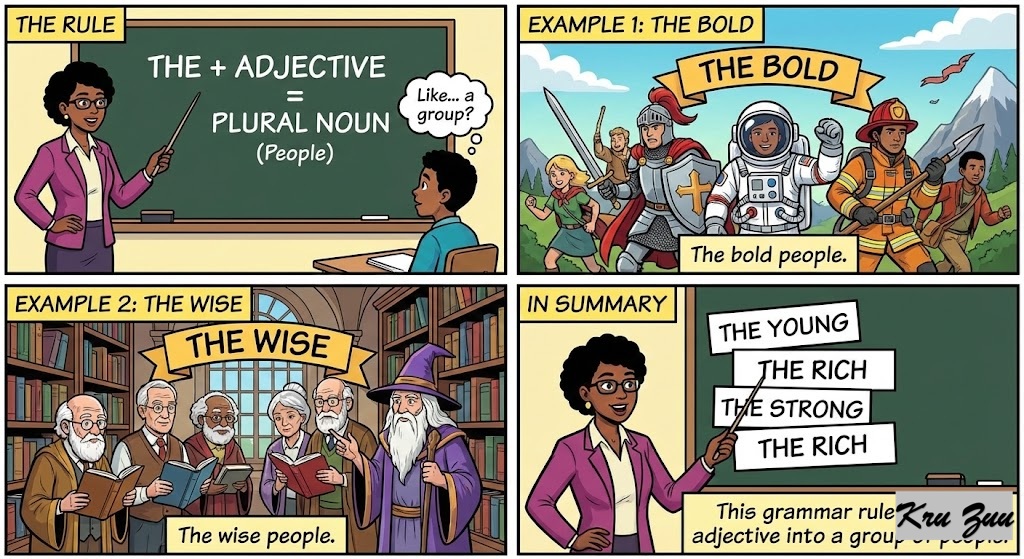
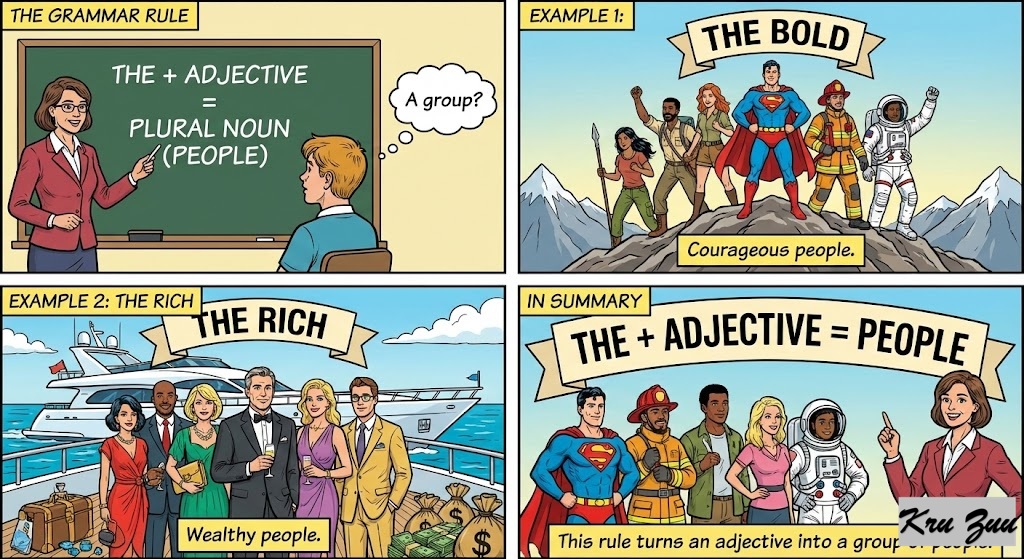
    🧠 Grammar Focus: “The” + Adjective


    Notice the phrase “The Bold.” In English, when we use “The” + an Adjective, it turns into a Plural Noun describing a group of people.


    The Bold = Bold people.
    The Rich = Rich people.

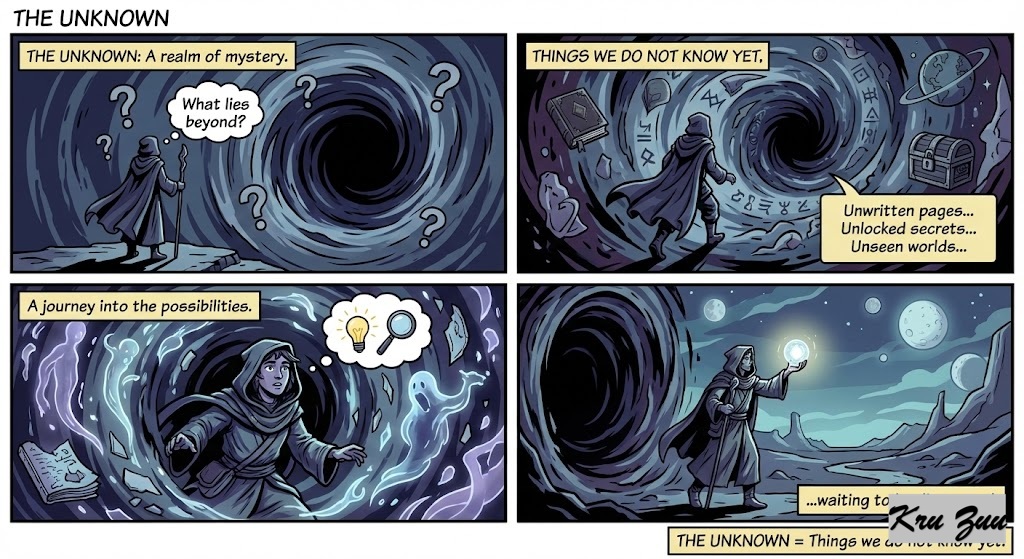
    The Unknown = Things we do not know yet.


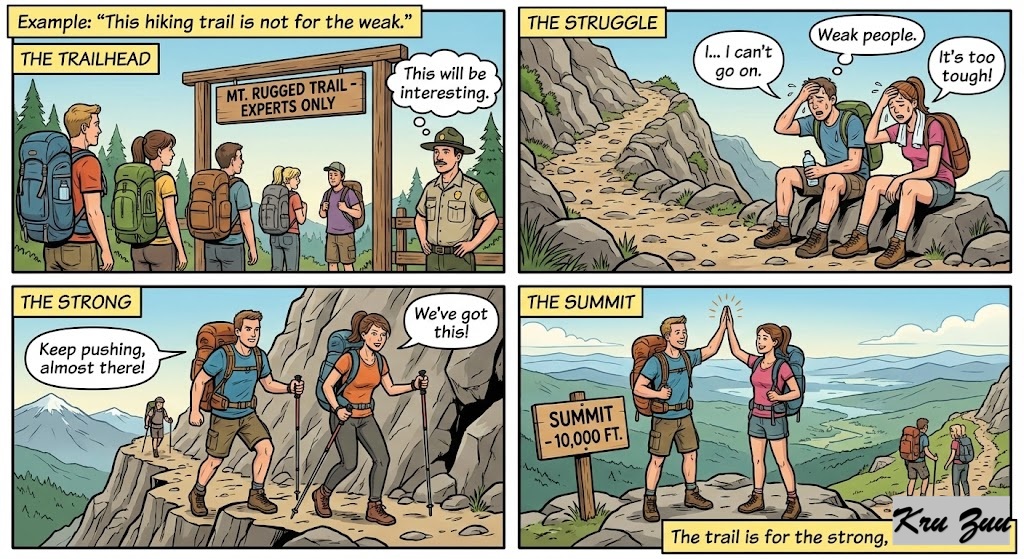
    Example: “This hiking trail is not for the weak.” (Weak people).

    📜 History: Origin and Spread


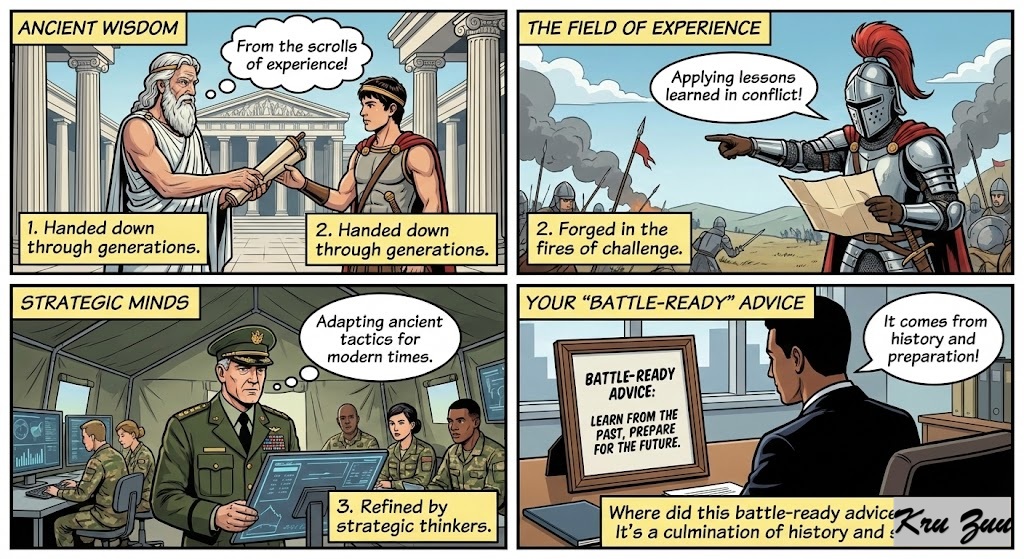
    Where did this battle-ready advice come from?


    The Origin: It is ancient Latin: Audentes fortuna iuvat. It was famously used by the Roman poet Virgil in the Aeneid (19 BC).


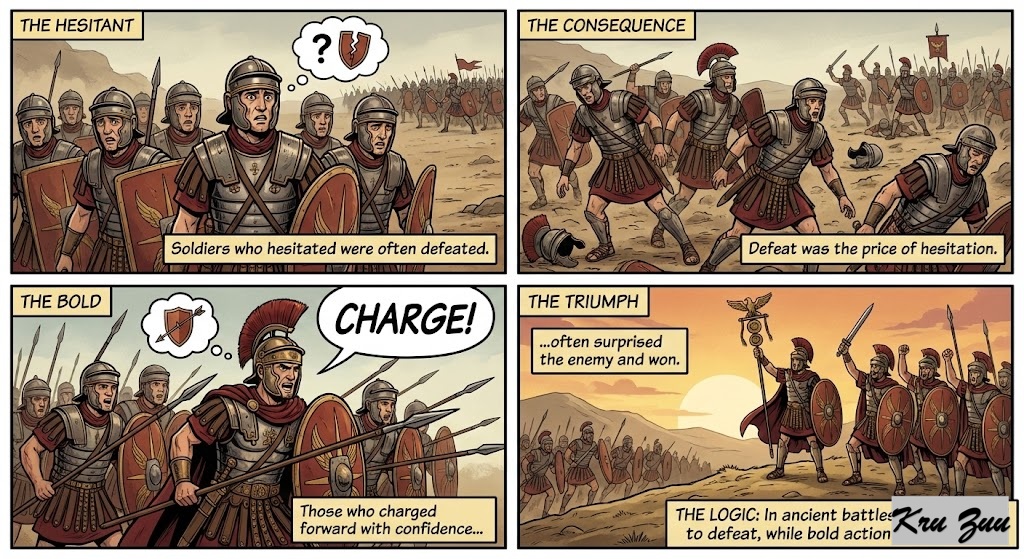
    The Logic: In ancient battles, the soldiers who hesitated were often defeated. Those who charged forward with confidence often surprised the enemy and won.


    Global Cousins


    🇹🇷 Turkish:
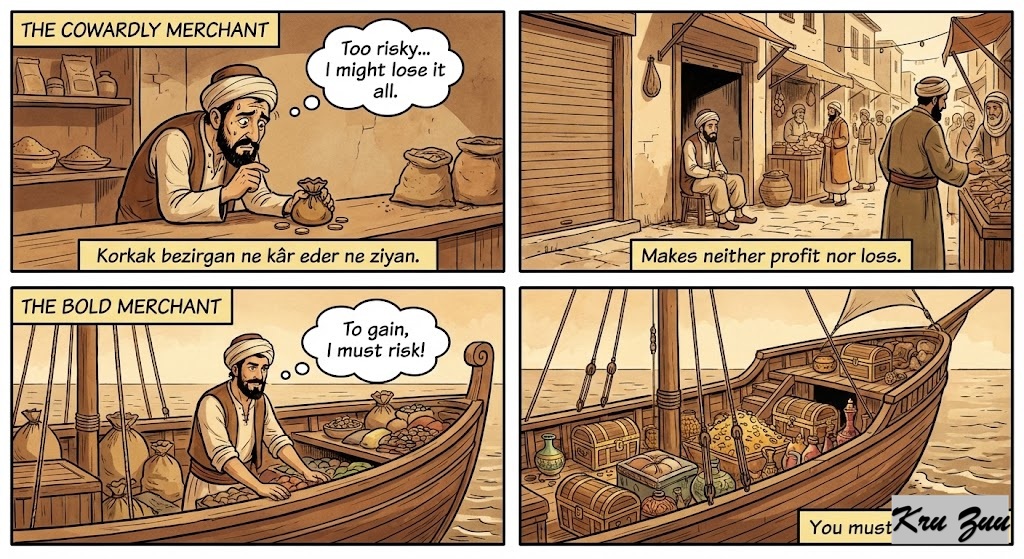
    “Korkak bezirgan ne kâr eder ne ziyan.” (The cowardly merchant makes neither profit nor loss — meaning you must risk to gain).


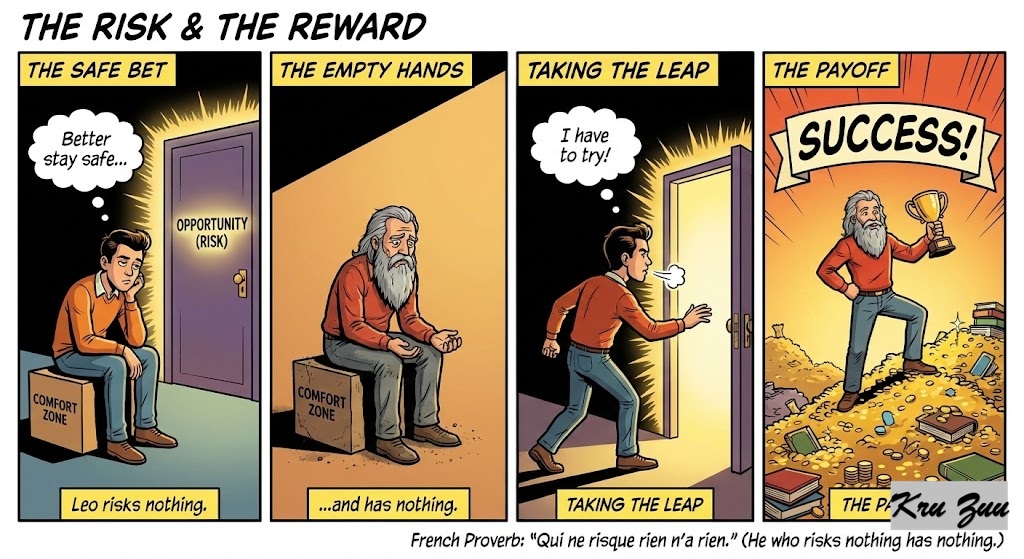
    🇫🇷 French:“Qui ne risque rien n’a rien.” (He who risks nothing has nothing).


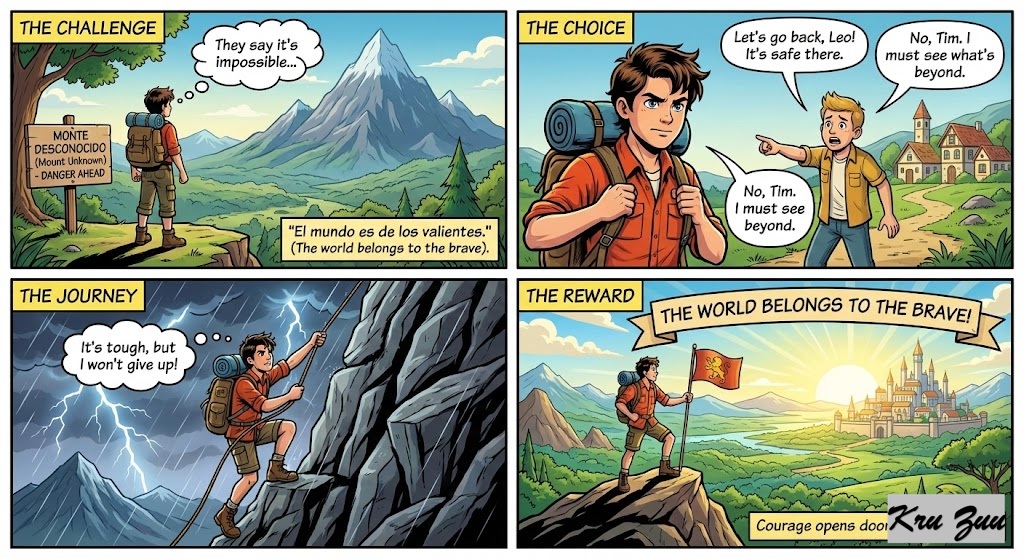
    🇪🇸 Spanish:“El mundo es de los valientes.” (The world belongs to the brave).

    🎭 Short Story: The Island of Golden Flies 🏝️🐱🐔🐸


    Let’s visit the magical forest to see who is brave enough to seize the day.


    🌟 The Cast


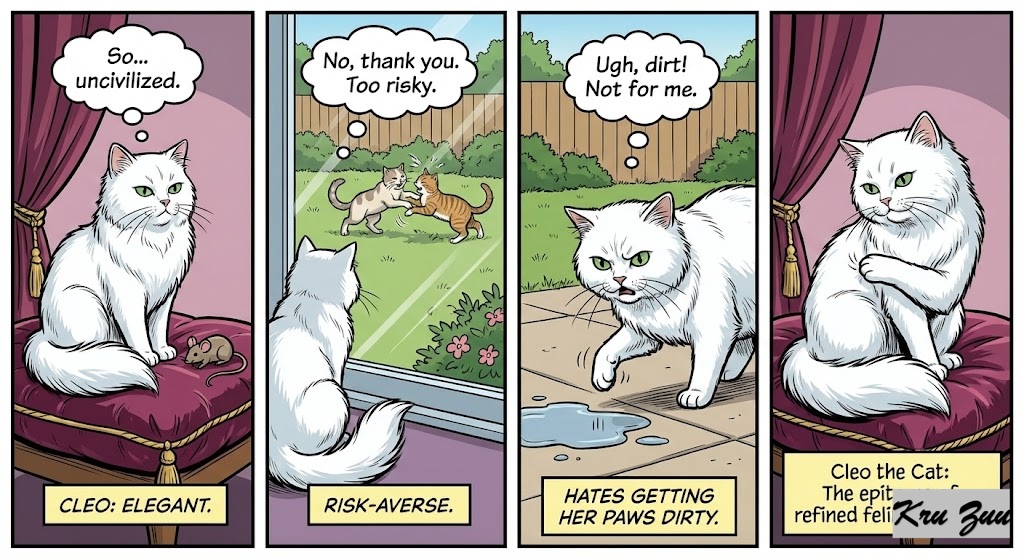
    Cleo the Cat: Elegant, risk-averse, hates getting her paws dirty. 😼


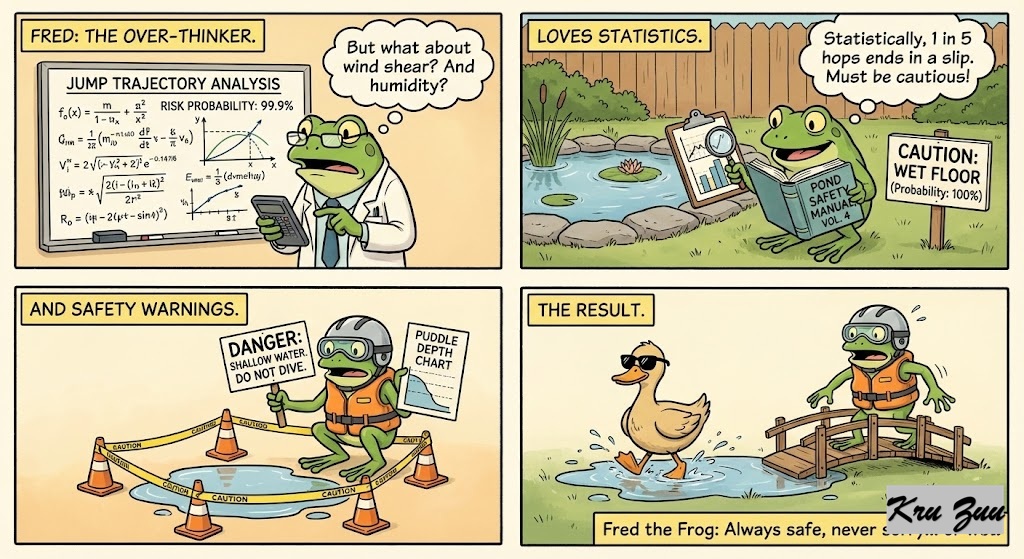
    Fred the Frog: The over-thinker, loves statistics and safety warnings. 🐸


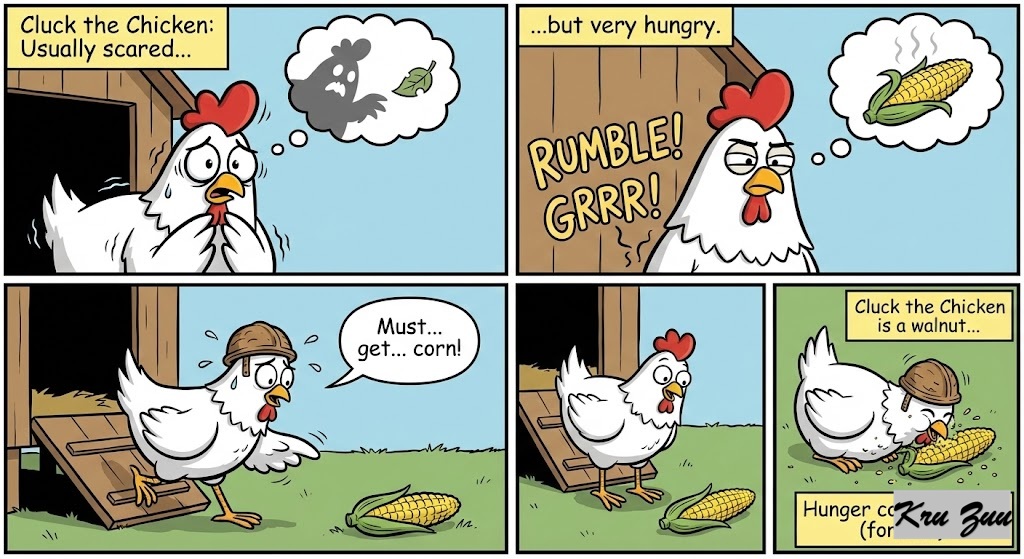
    Cluck the Chicken: Usually scared, but very hungry. 🐔


    The Situation


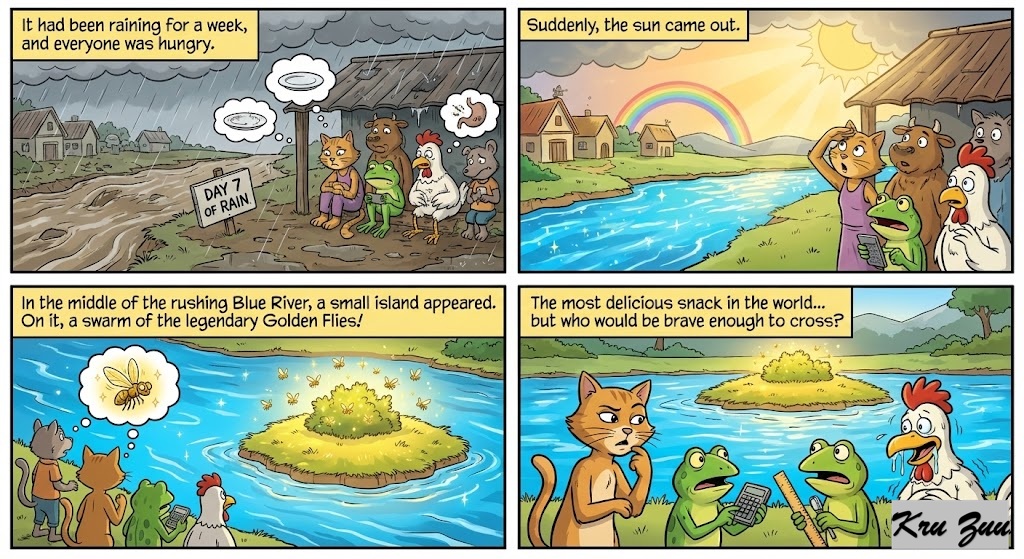
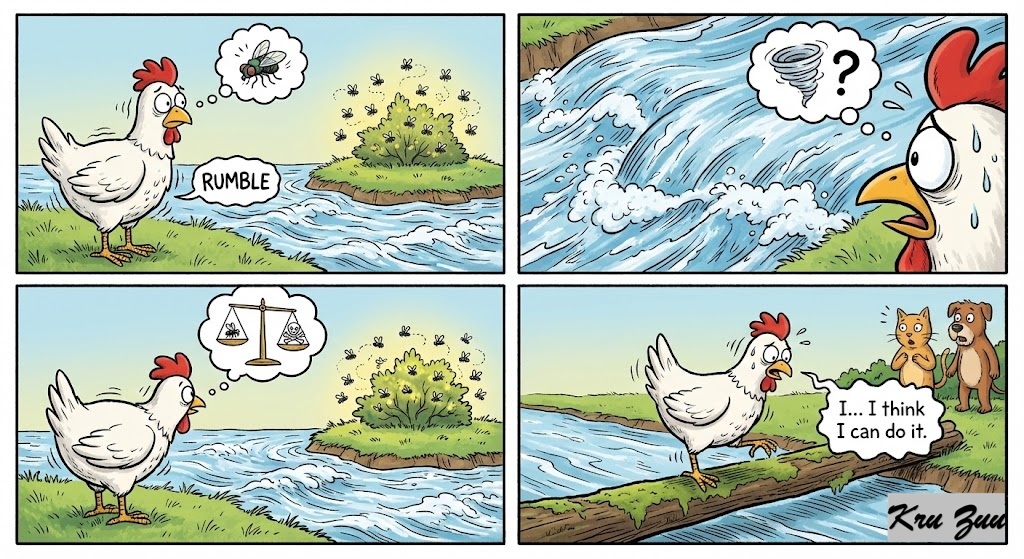
    It had been raining for a week, and everyone was hungry. Suddenly, the sun came out. In the middle of the rushing Blue River, a small island appeared. On that island was a swarm of the legendary Golden Flies (the most delicious snack in the world).


    The Conflict


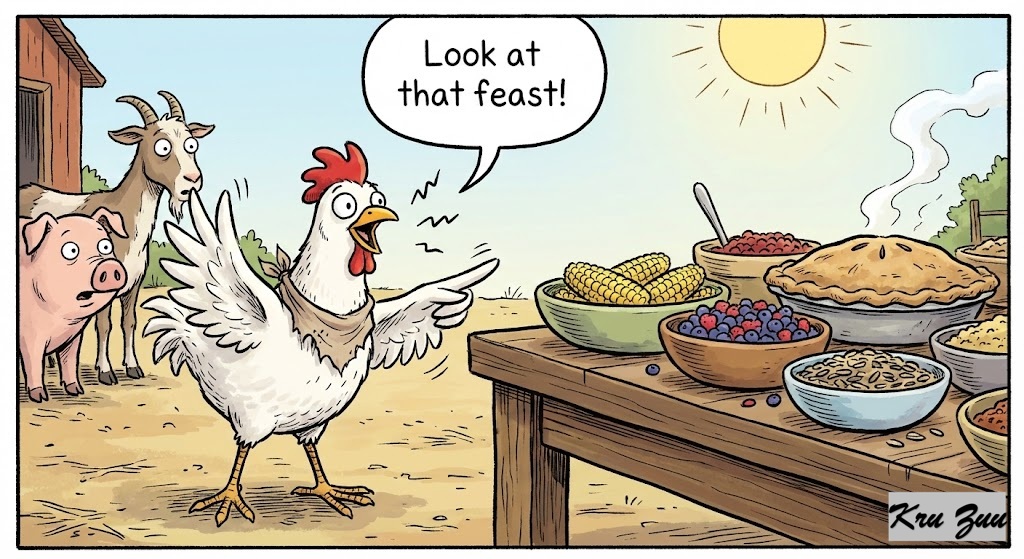
    “Look at that feast!” Cluck squawked.


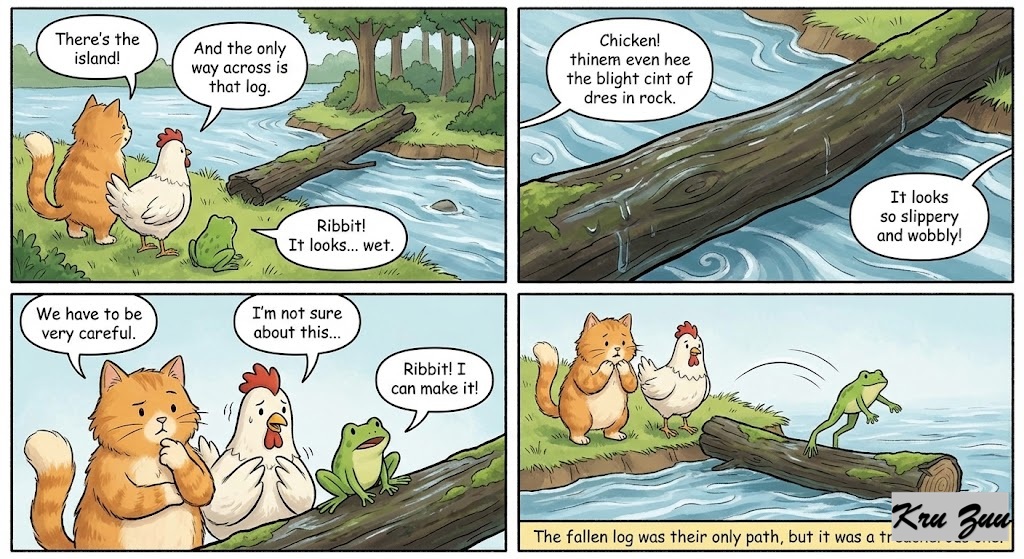
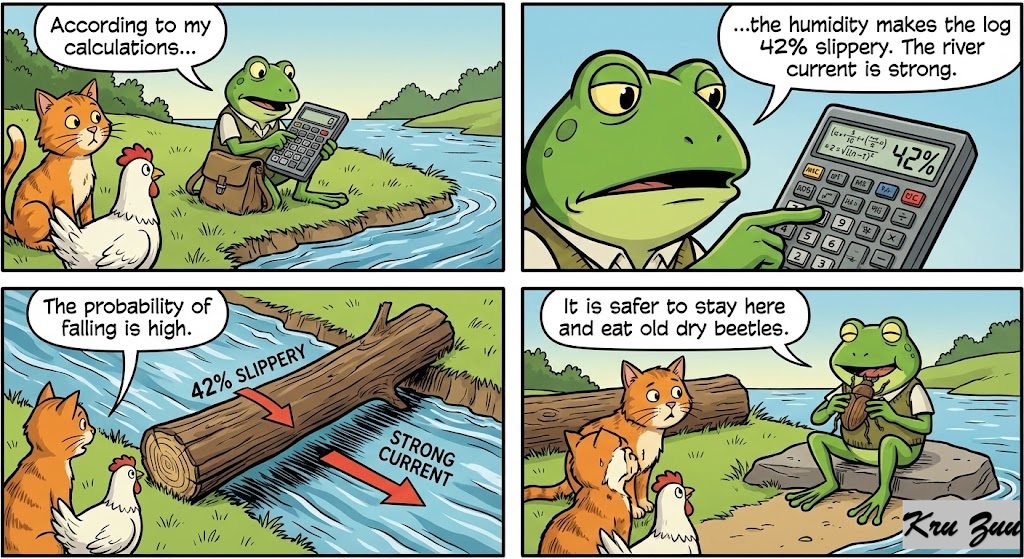
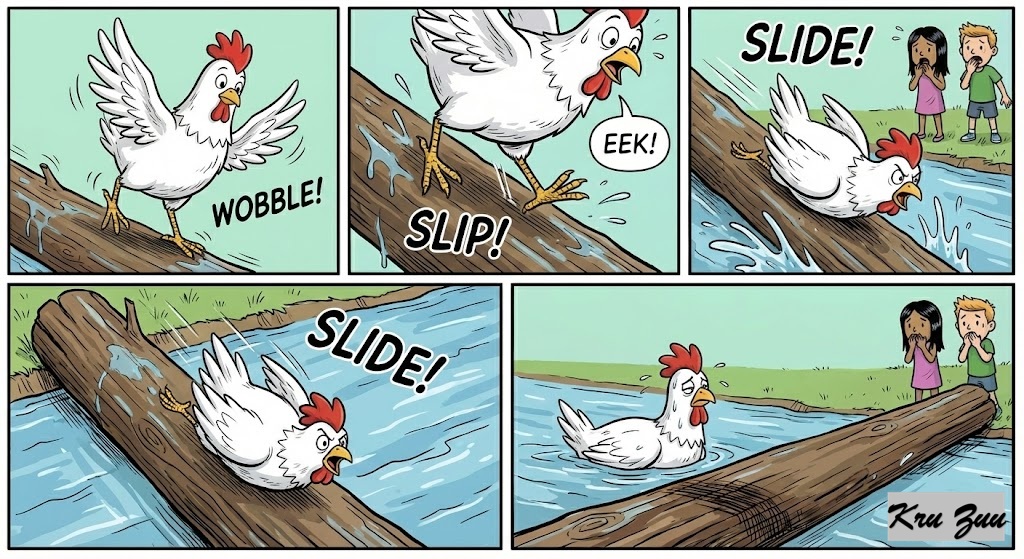
    The three friends stood on the riverbank. There was a fallen log connecting the shore to the island, but it looked slippery and wobbly.


    The Reaction


    Fred (The Over-Thinker):
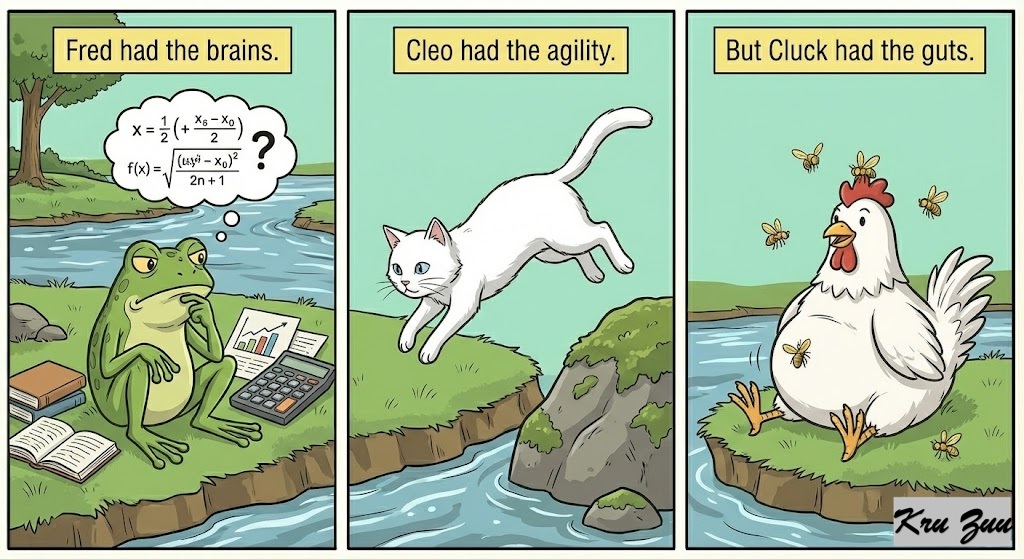
    He pulled out a calculator. “According to my calculations, the humidity makes the log 42% slippery. The river current is strong. The probability of falling is high. It is safer to stay here and eat old dry beetles.”


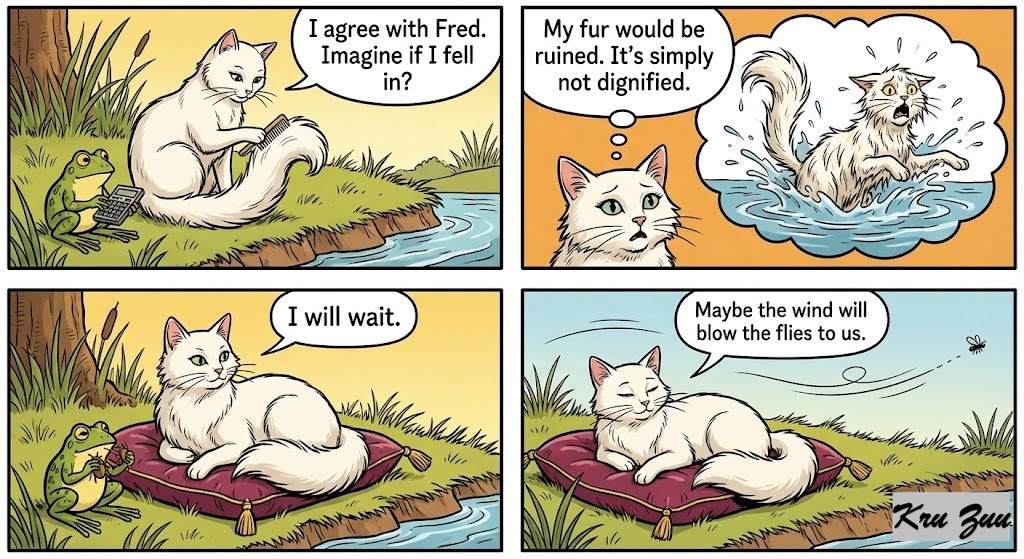
    Cleo (The Comfort Seeker): She groomed her tail. “I agree with Fred. Imagine if I fell in? My fur would be ruined. It’s simply not dignified. I will wait. Maybe the wind will blow the flies to us.”


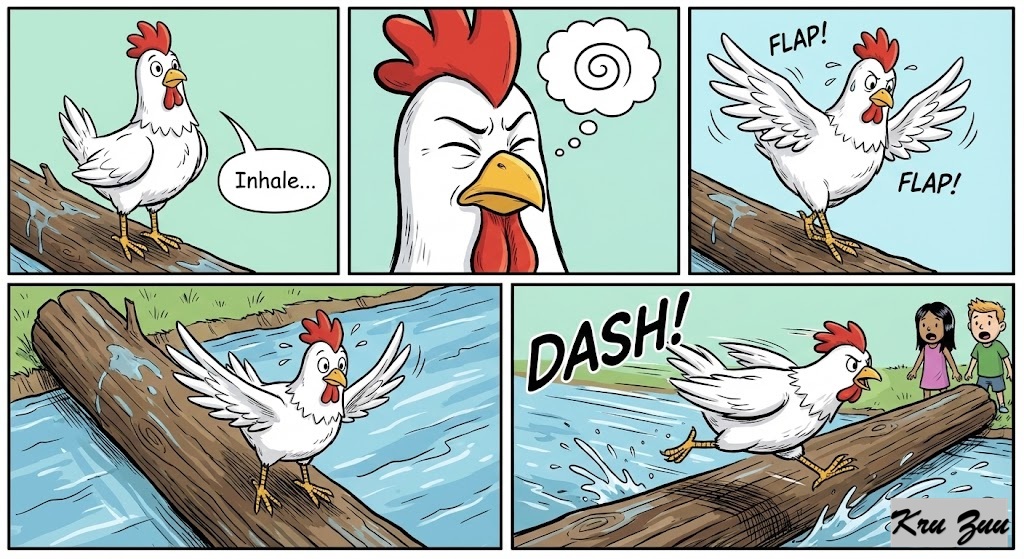
    Cluck (The Surprise Hero): Cluck looked at the flies. His stomach rumbled. He looked at the rushing water. He was terrified. “I… I think I can do it,” Cluck whispered.


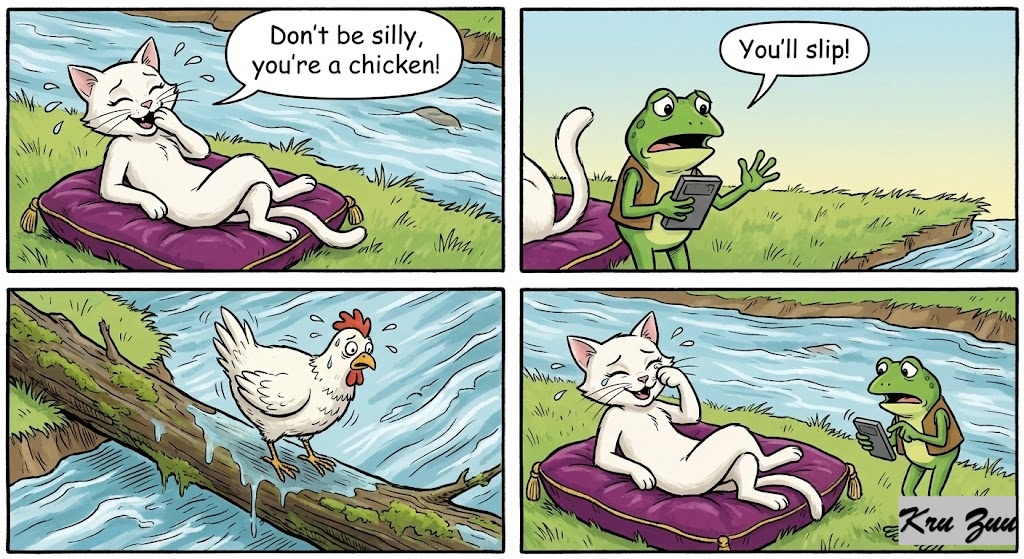
    “Don’t be silly, you’re a chicken!” laughed Cleo. “You’ll slip!” warned Fred.


    The Action


    Cluck took a deep breath. He closed his eyes for a second, flapped his wings for balance, and ran.


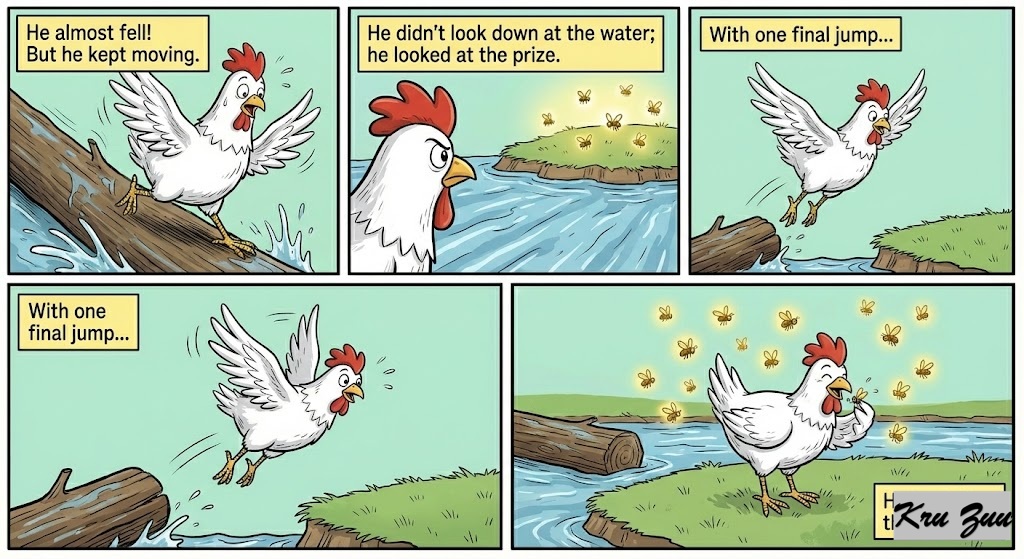
    Wobble… slip… slide…


    He almost fell! But he kept moving. He didn’t look down at the water; he looked at the prize. With one final jump, he landed on the island.


    The Resolution


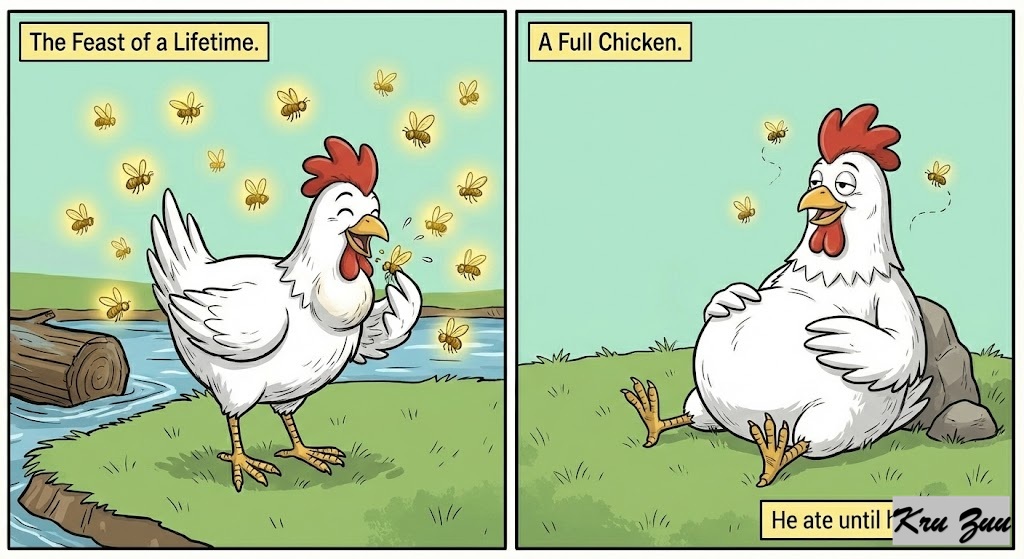
    Cluck enjoyed the feast of a lifetime. He ate until he was full.


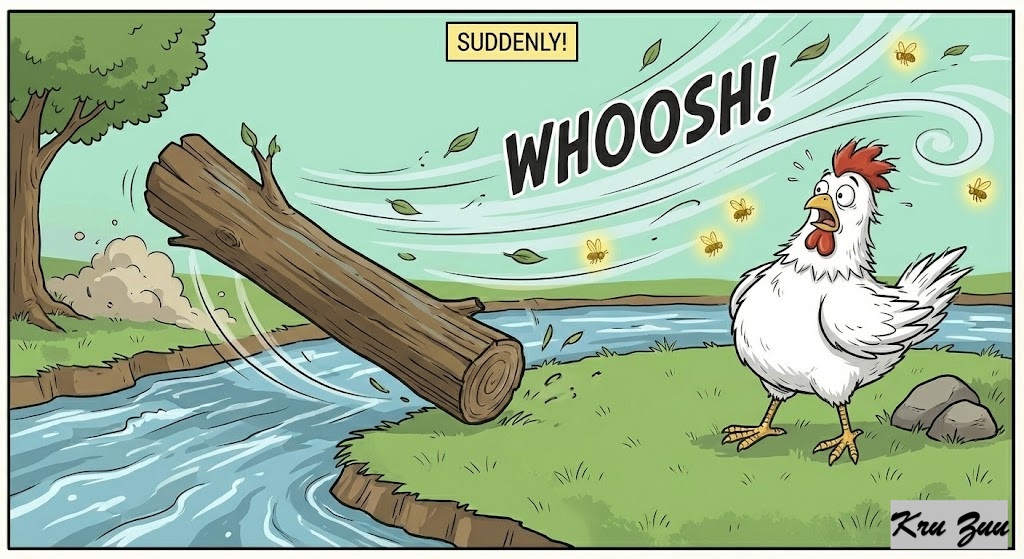
    Suddenly, a heavy wind blew the log away.


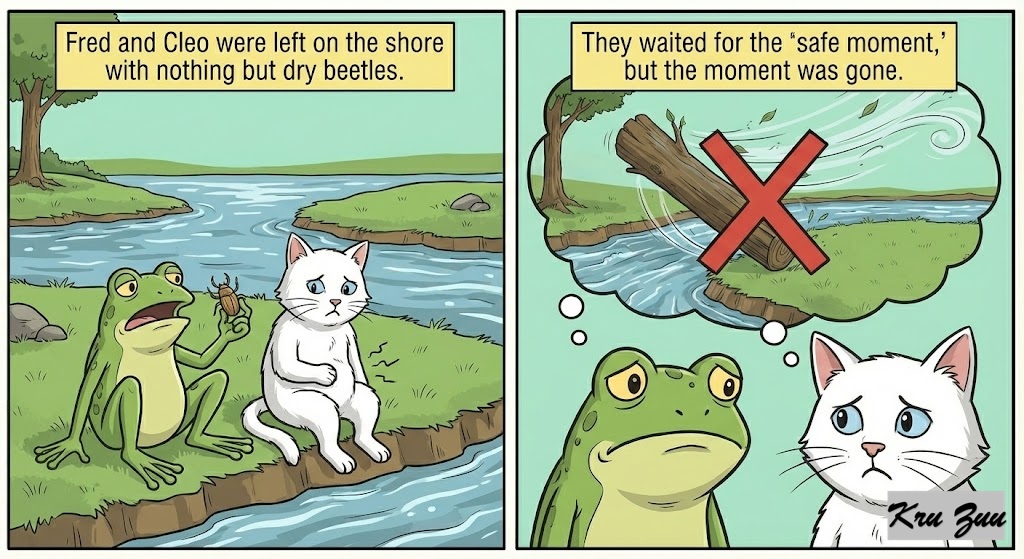
    Fred and Cleo were left on the shore with nothing but dry beetles. They waited for the “safe moment,” but the moment was gone.


    The Moral


    Fred had the brains. Cleo had the agility. But Cluck had the guts.


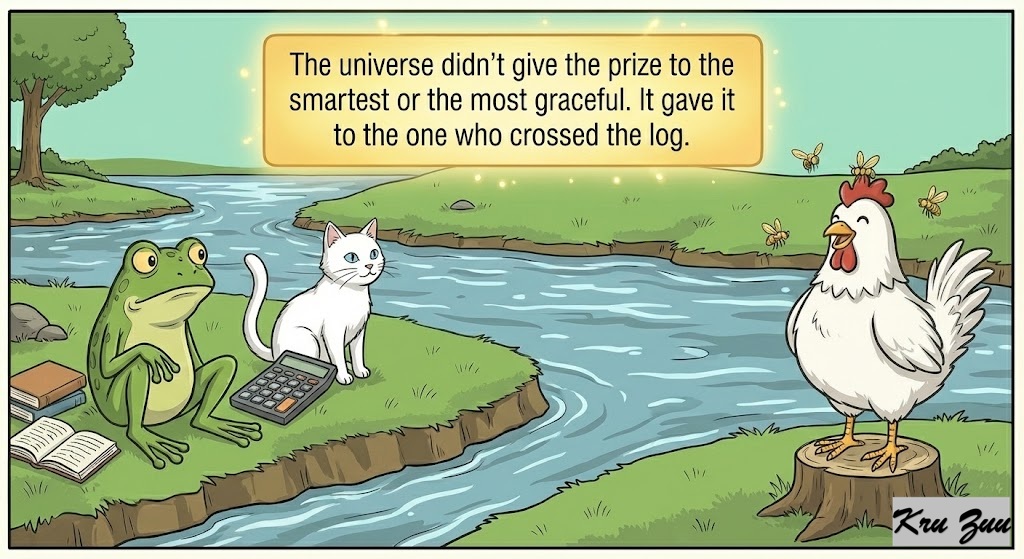
    The universe didn’t give the prize to the smartest or the most graceful. It gave it to the one who crossed the log.

    🎓 Lesson for English Learners


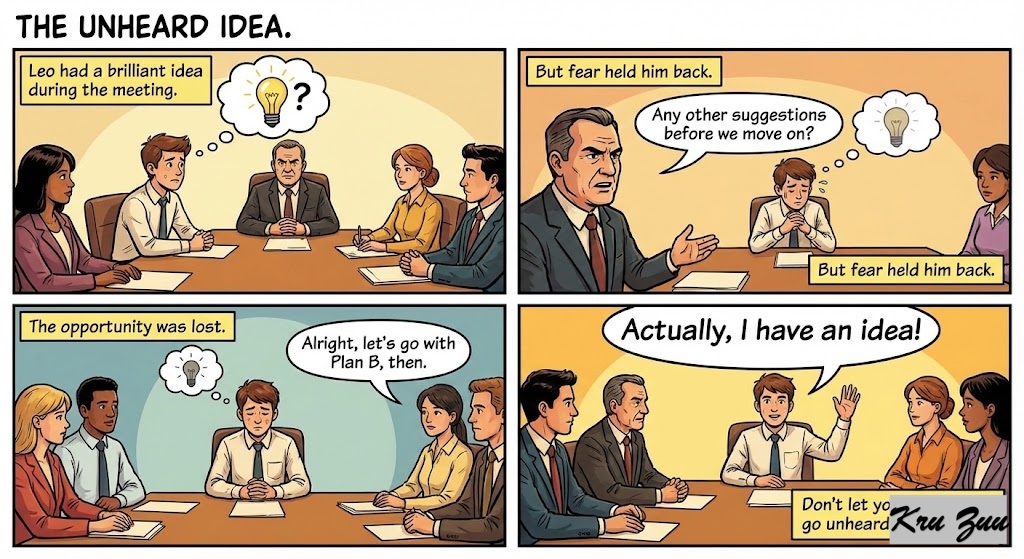
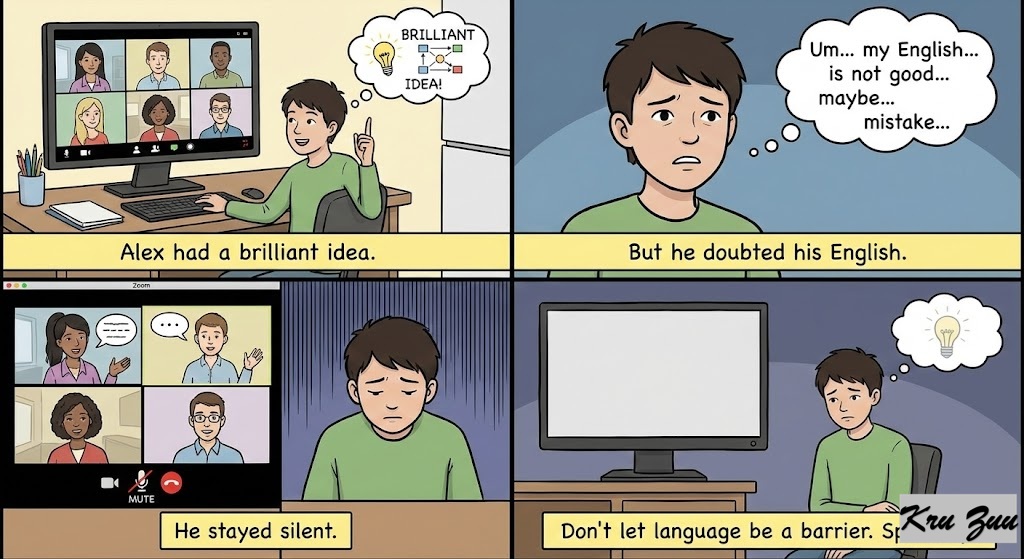
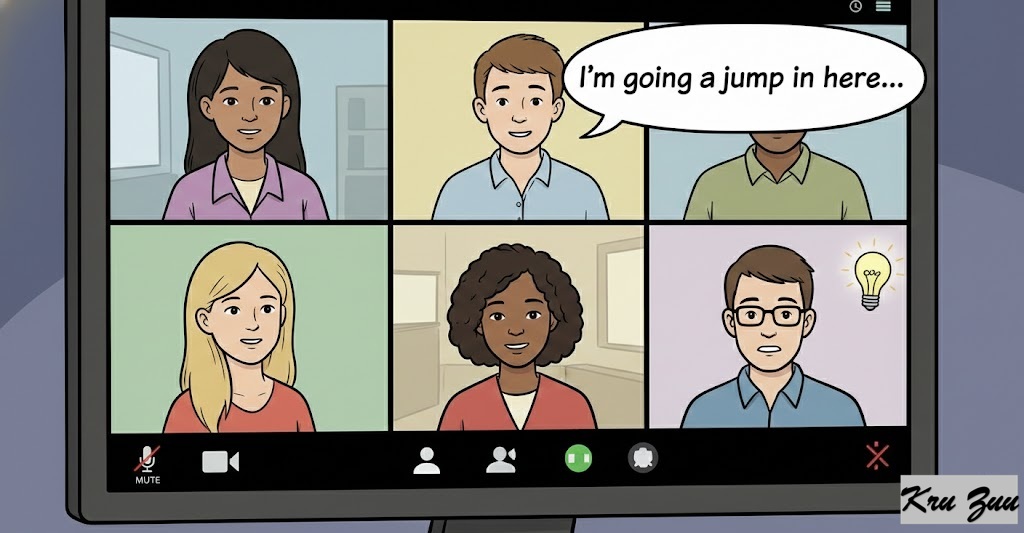
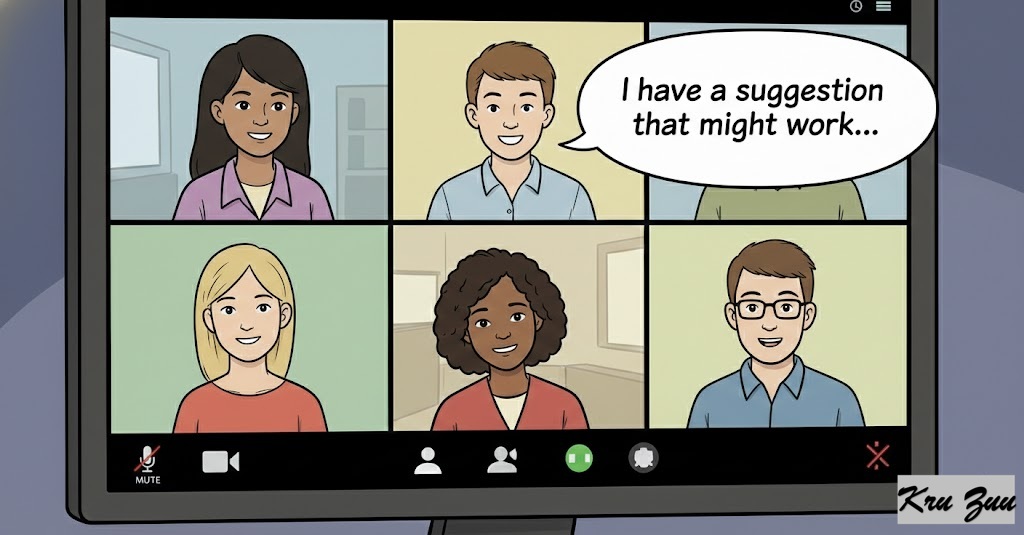
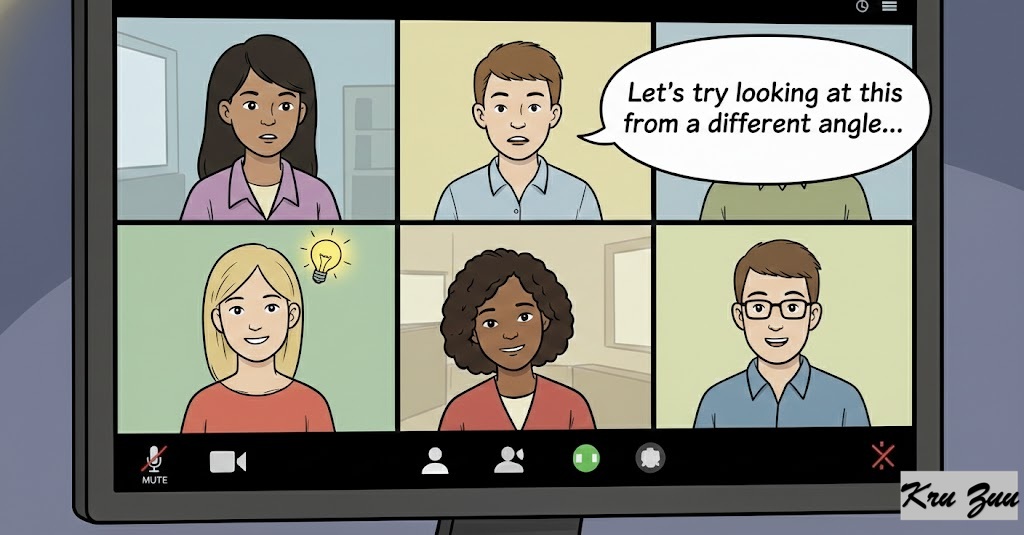
    Speaking Up in Meetings


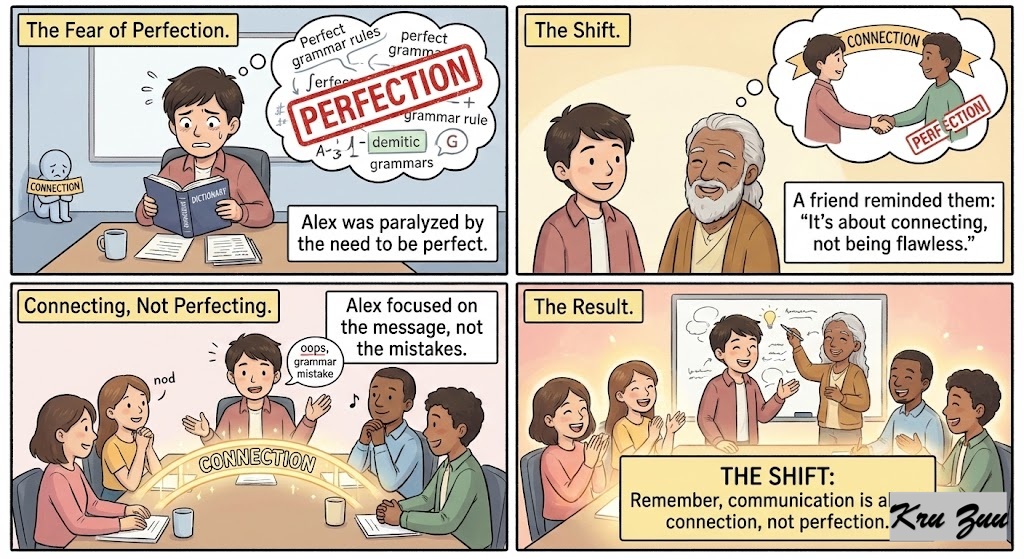
    Situation: You are in a Zoom meeting. You have a great idea, but you are afraid your English isn’t perfect, so you stay silent.


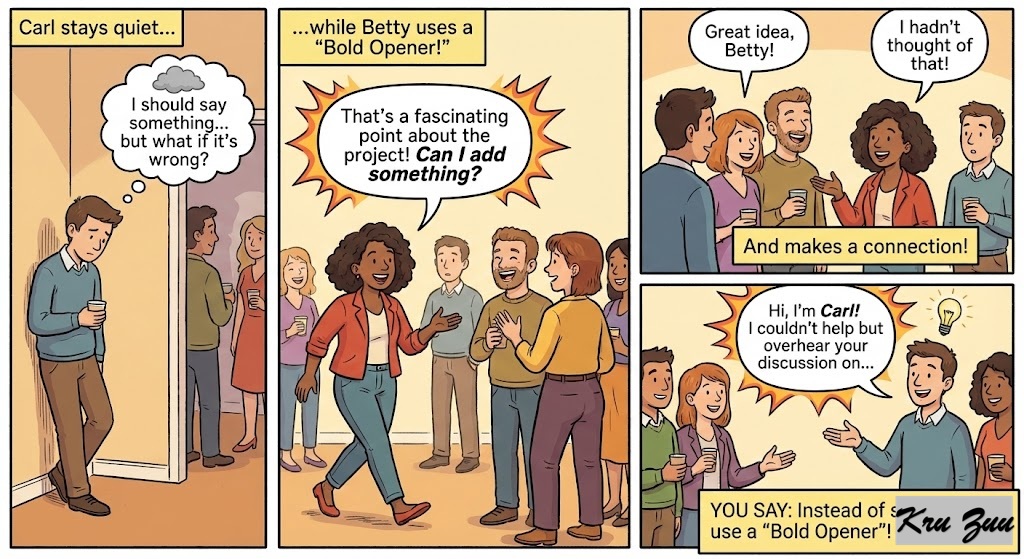
    The Shift: Remember, communication is about connection, not perfection.


    You Say: Instead of staying quiet, use a “Bold Opener.”


    “I’m going to jump in here…”


    “I have a suggestion that might work…”


    “Let’s try looking at this from a different angle…”


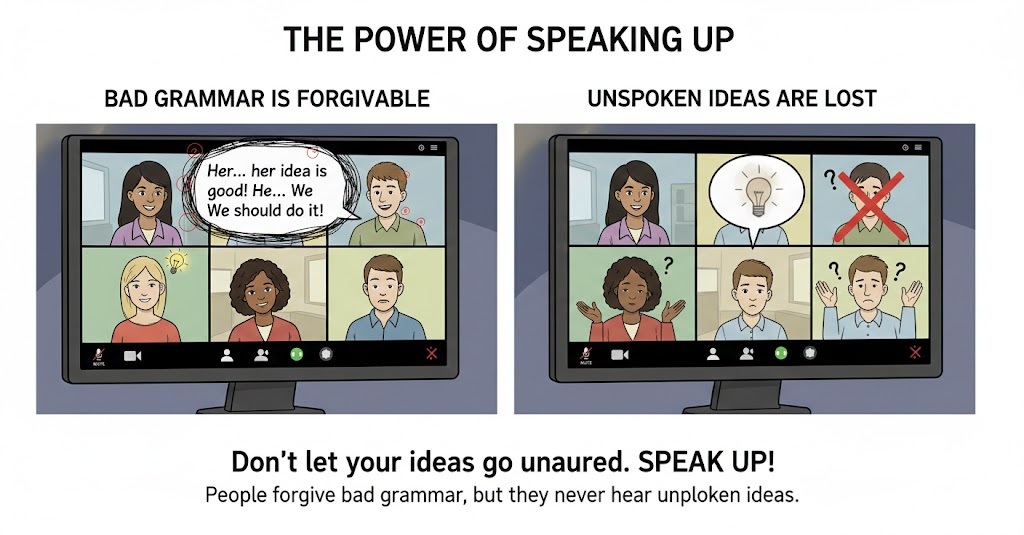
    Why? Because people forgive bad grammar, but they never hear unspoken ideas.


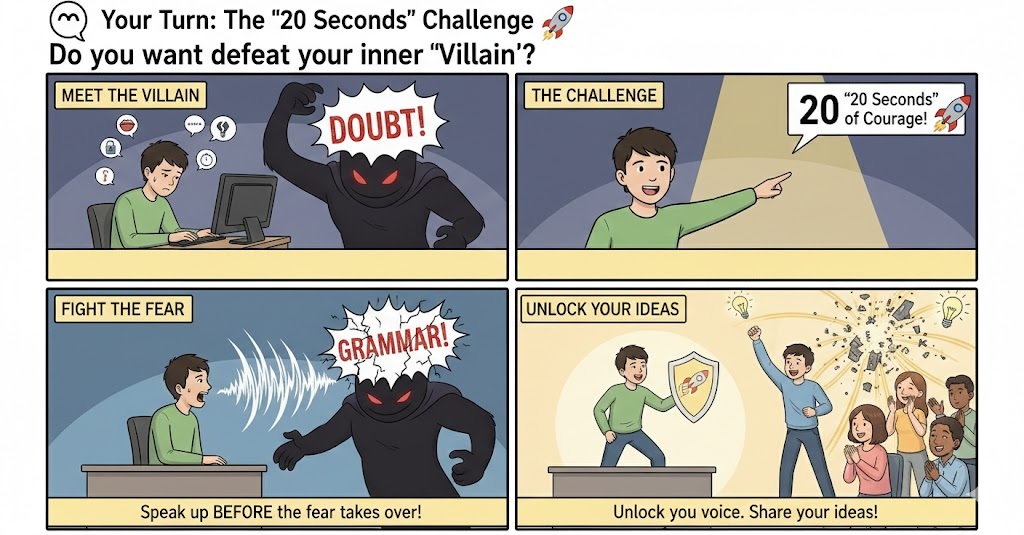
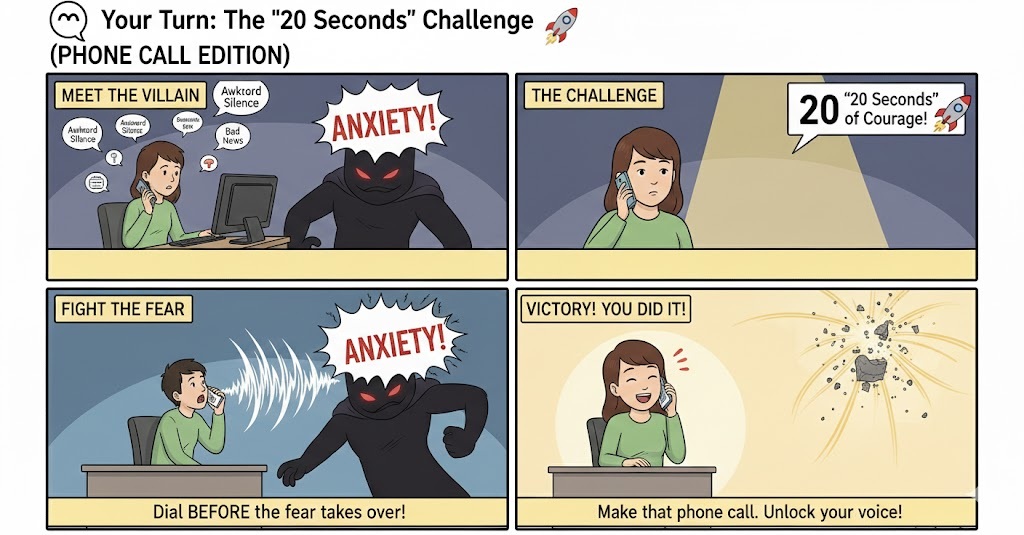
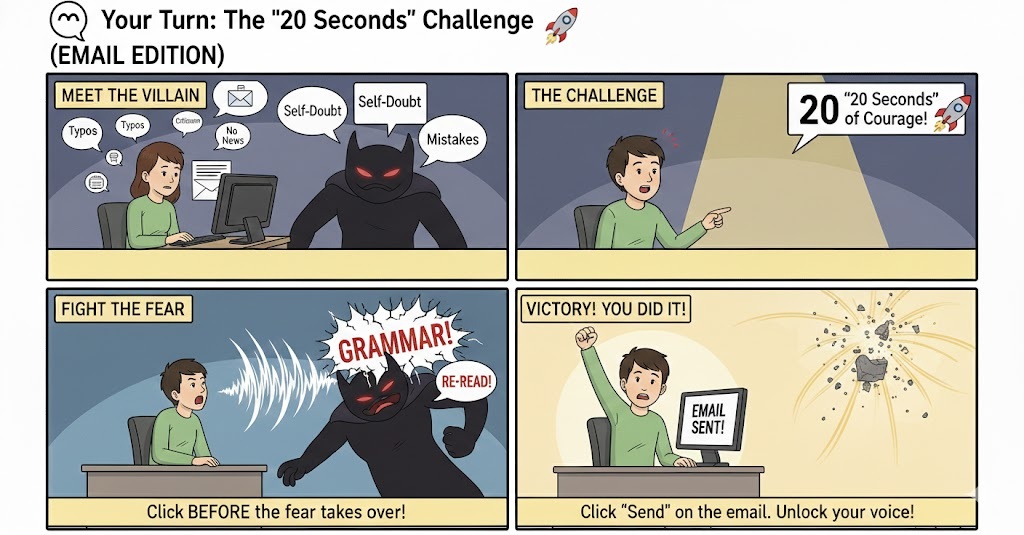
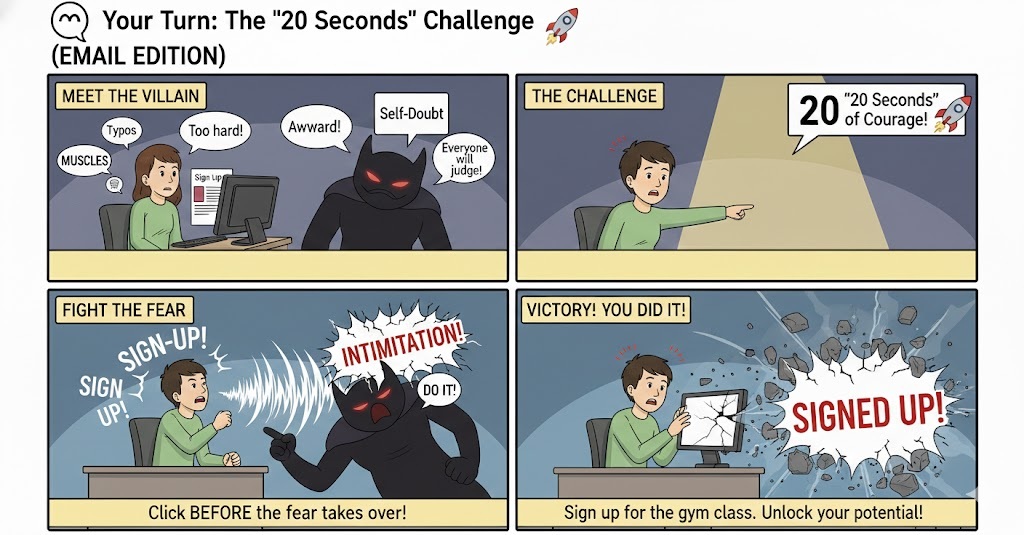
    💬 Your Turn: The “20 Seconds” Challenge 🚀


    Do you want to defeat your inner “Villain”?


    The Challenge: Psychologists say you only need 20 seconds of insane courage. You don’t need to be brave all day, just for the 20 seconds it takes to:
    Make that phone call.


    Click “Send” on the email.


    Sign up for the gym class.


    👇 Question for the comments: What is one risk you took in the past that paid off? Or, what is one thing you want to do but are scared to try? Let’s encourage each other below!

    By Zubeyir YURTKURAN

    https://www.facebook.com/BrainBattleground/

    https://www.facebook.com/zubeyr.yurtkuran/

    https://www.instagram.com/zubeyryurtkuran/
    https://www.youtube.com/@BrainBattleground-b3p

    https://www.instagram.com/brainbattleground/

  • ⏳ The Daily Shield: The Law of Relative Time

    ⏳ The Daily Shield: The Law of Relative Time

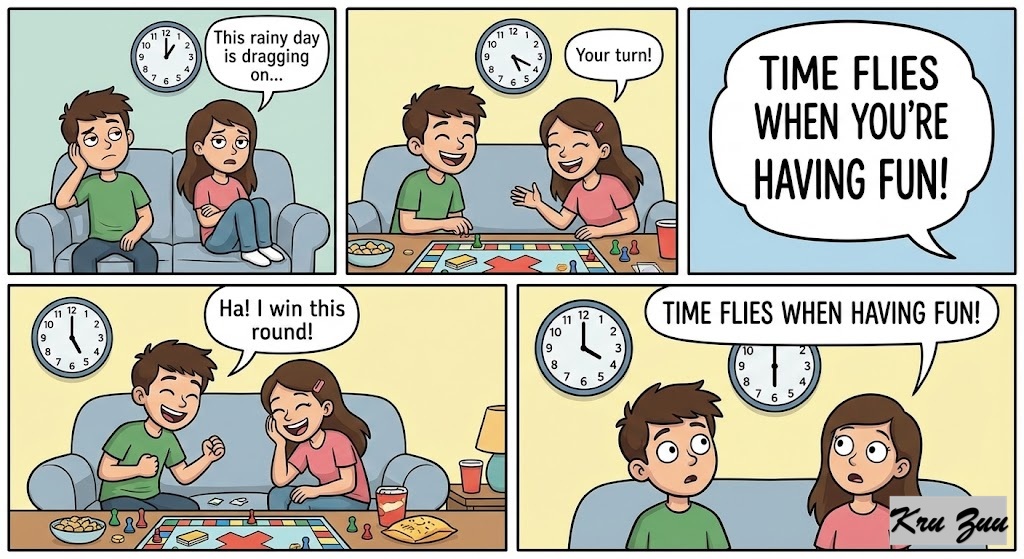
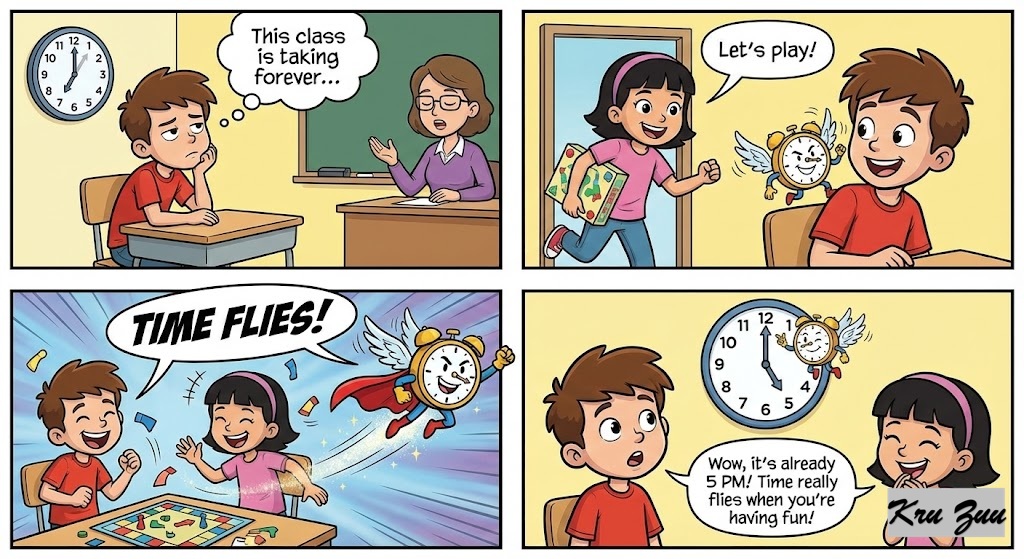
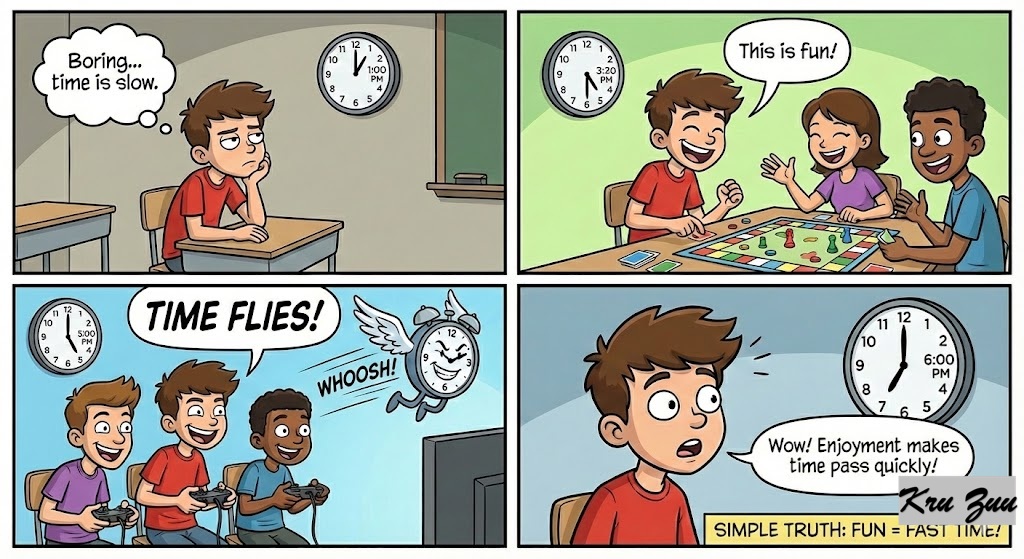
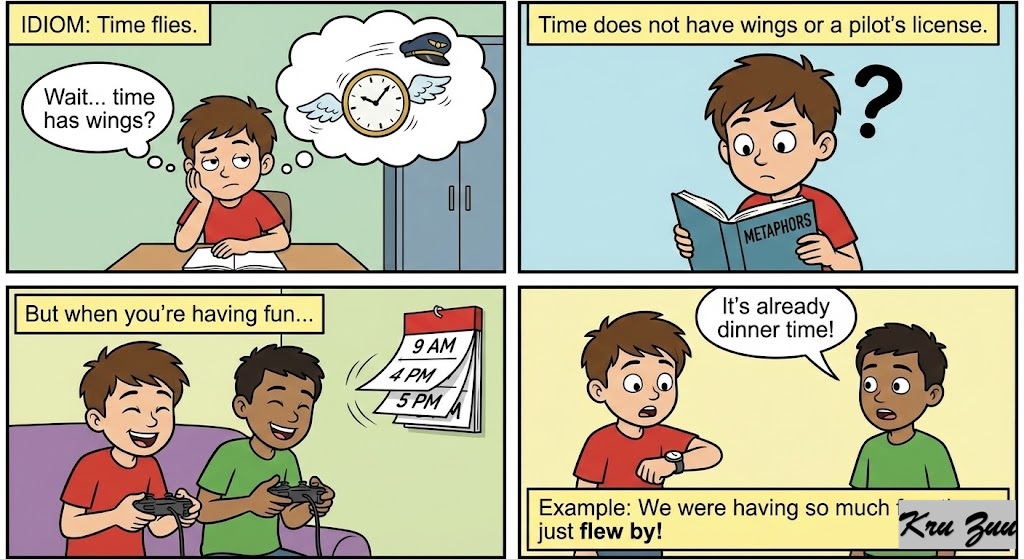
    “Time flies when you’re having fun.”


    😈 The Villain (The Clock Watcher)


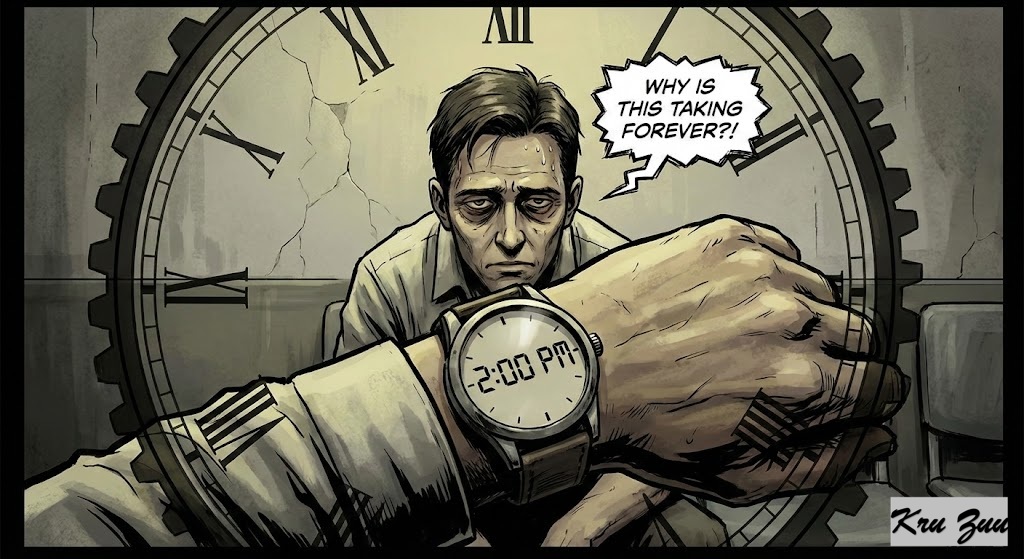
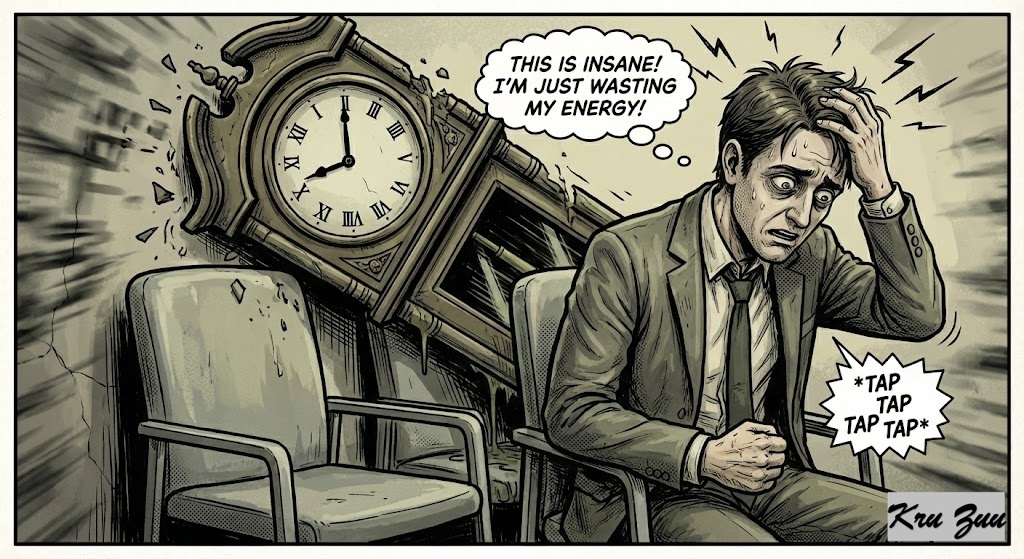
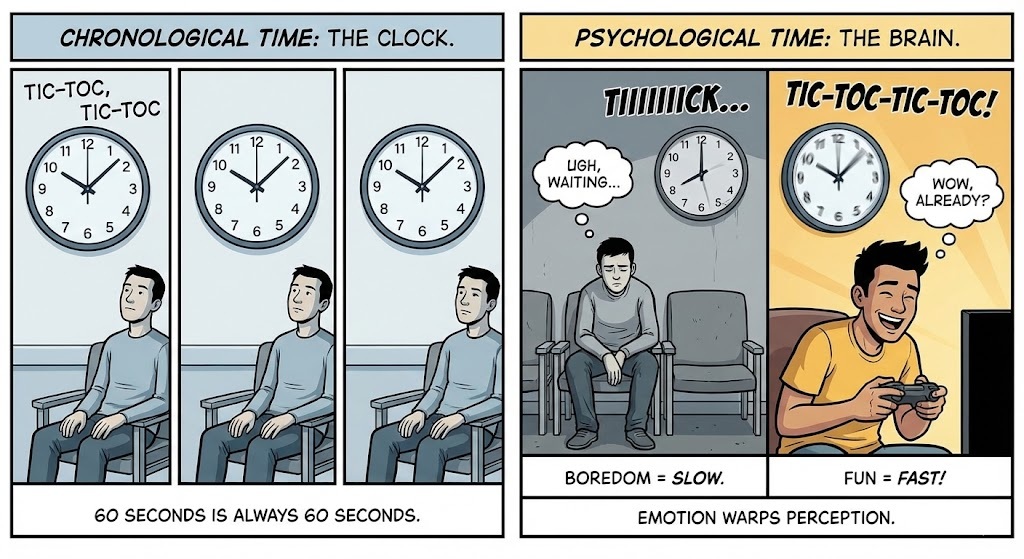
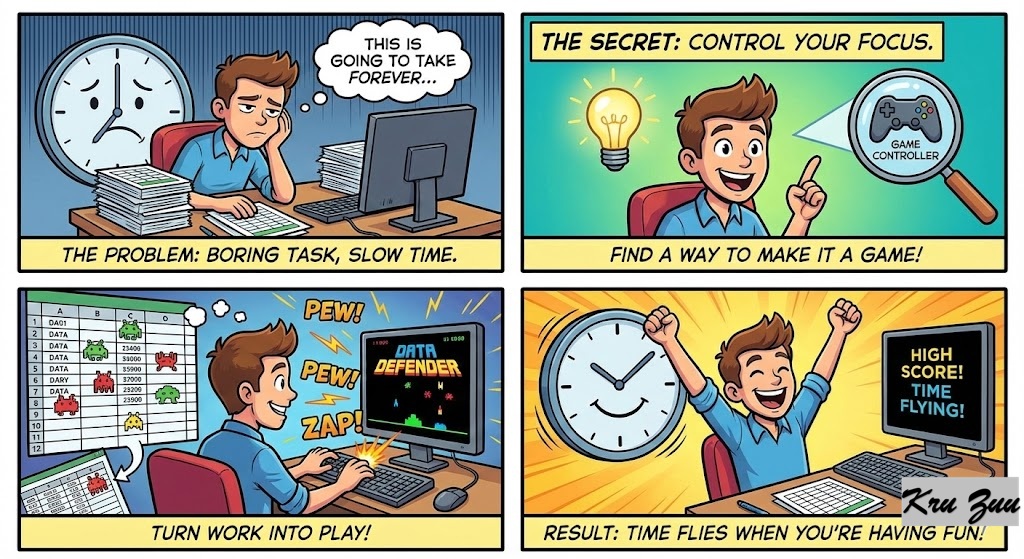
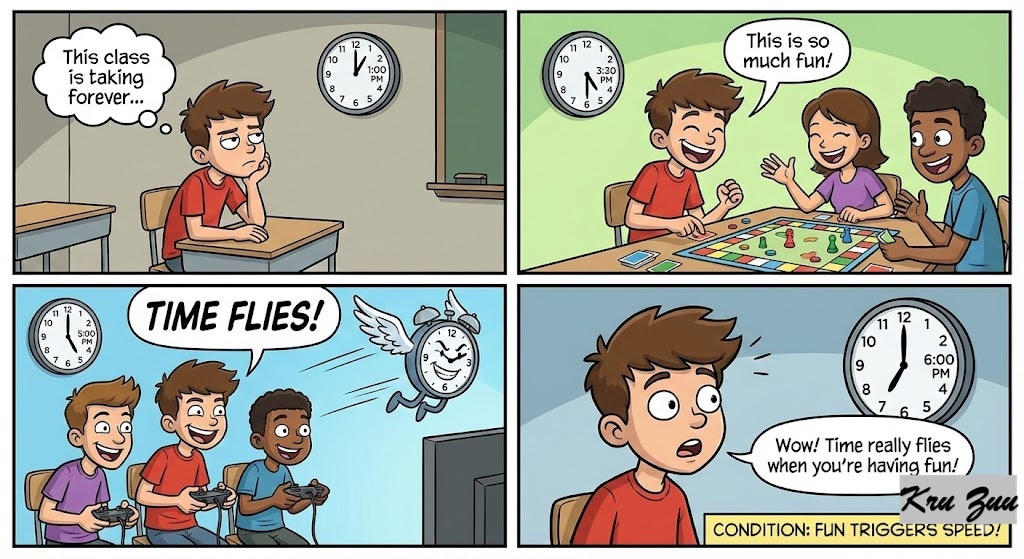
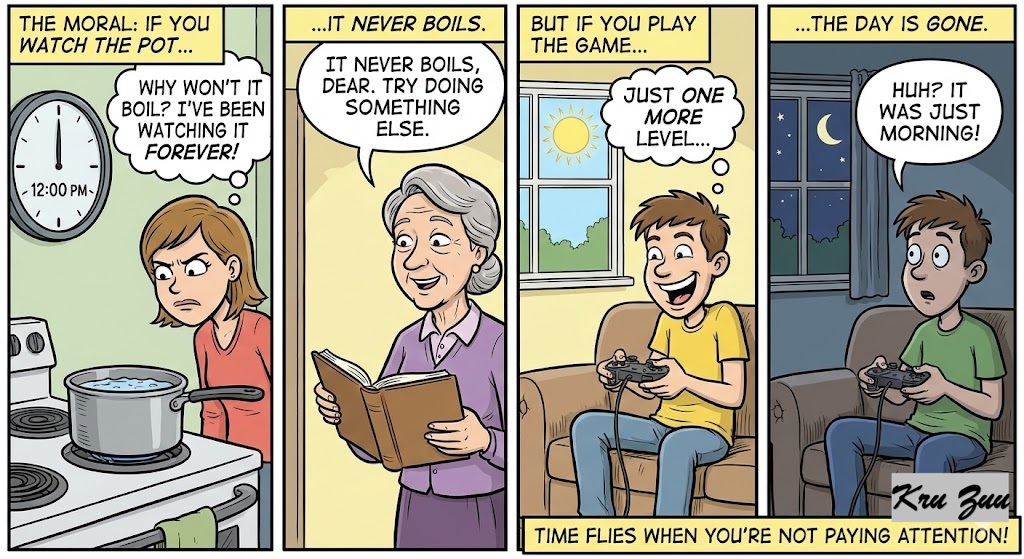
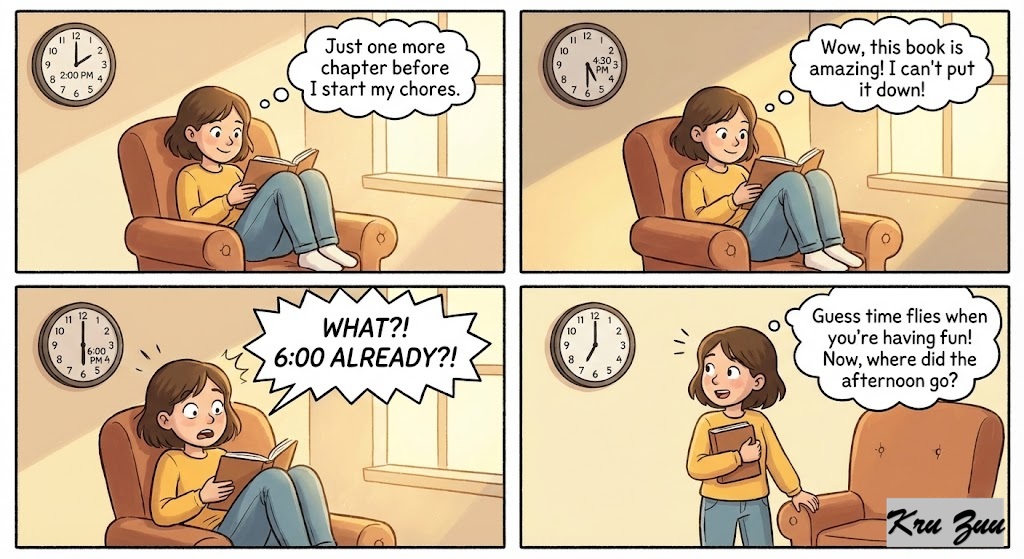
    You are sitting in a meeting, a classroom, or a waiting room. You check your watch: 2:00 PM. You sigh, tap your foot, and stare at the wall. You check your watch again. 2:01 PM. 😱 “Why is this taking forever?” When you are bored, anxious, or doing something you hate, you become the Clock Watcher. You feel every single second tick by. You are trapped in “Slow Motion Misery.”

    The result? You become impatient, irritable, and you waste mental energy fighting against reality.


    😇 The Hero (The Flow Master)


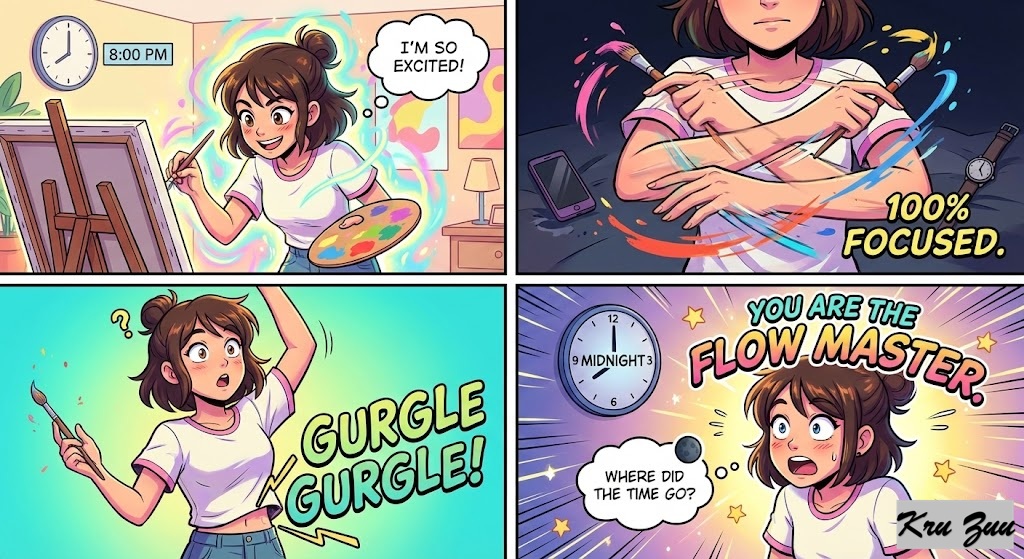
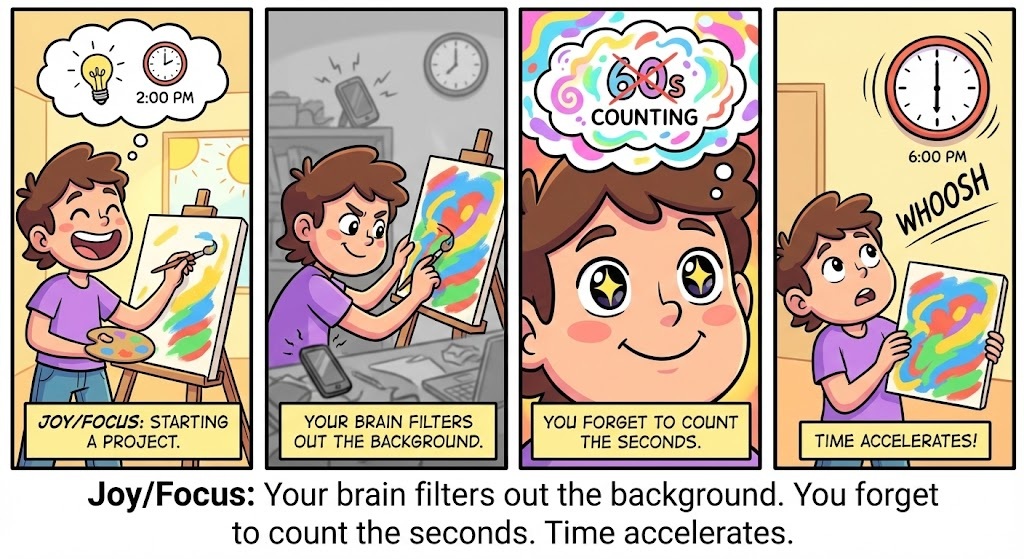
    You sit down to play your favorite video game, paint a picture, or talk to your best friend. You feel excited. You are 100% focused. You don’t look at your phone. You don’t look at the clock. Suddenly, your stomach growls. You look up. It was 8:00 PM when you started… now it is midnight! 🌑 “Where did the time go?” You are the Flow Master. Because your brain was happy and engaged, you skipped the boring parts of time.

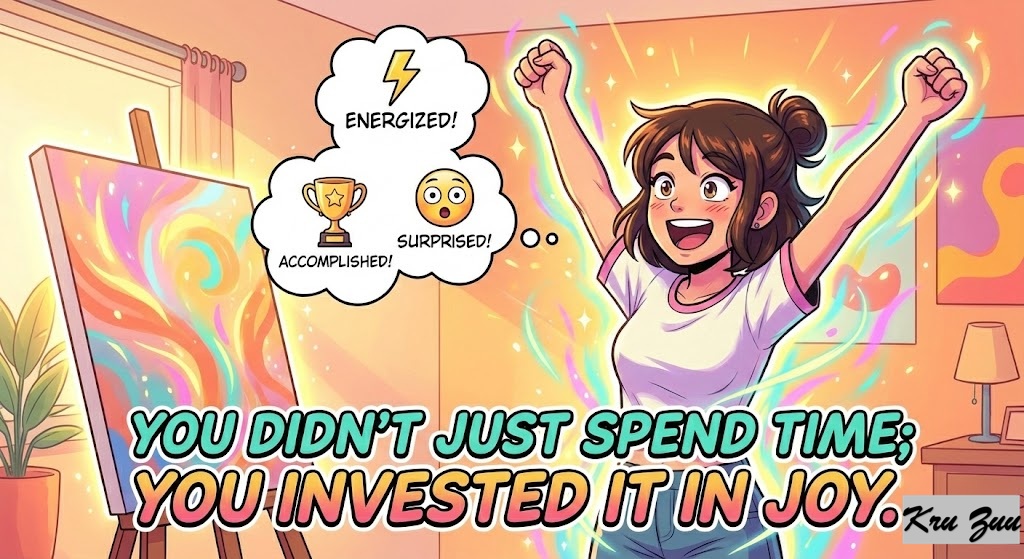
    The result? You feel energized, accomplished, and surprised. You didn’t just spend time; you invested it in joy.


    ⚖️ The Reality


    Chronological Time vs. Psychological Time. The clock on the wall never changes its speed. One minute is always 60 seconds. However, your brain processes time differently based on emotion.


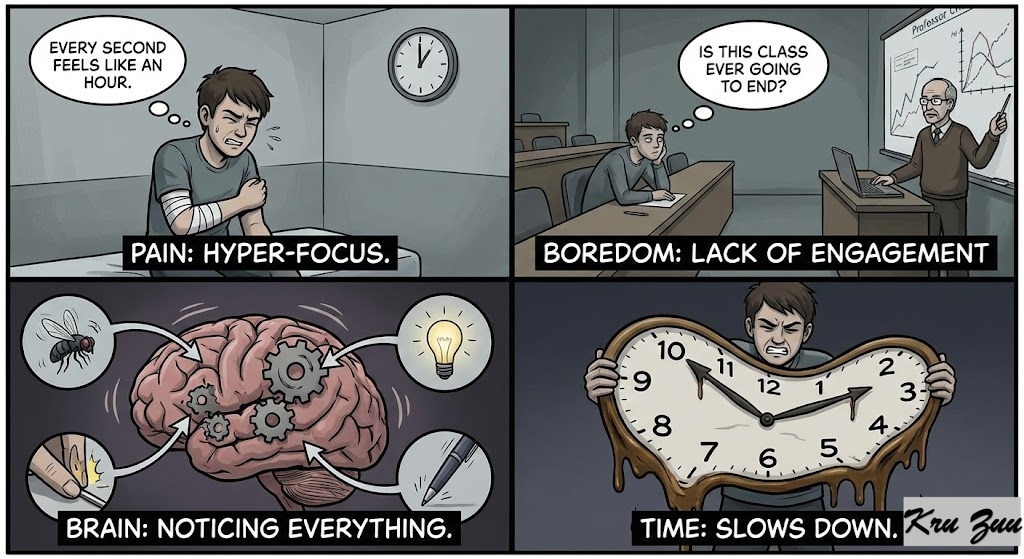
    Pain/Boredom: Your brain pays attention to everything. Time slows down.


    Joy/Focus: Your brain filters out the background. You forget to count the seconds. Time accelerates.


    💎 The Secret: You cannot control the clock, but you can control your focus. If you want a boring task to go faster, find a way to make it a game.

    🧐 The Anatomy of the Proverb


    This idiom is used to express surprise that a period of time has passed quickly because you were enjoying yourself.


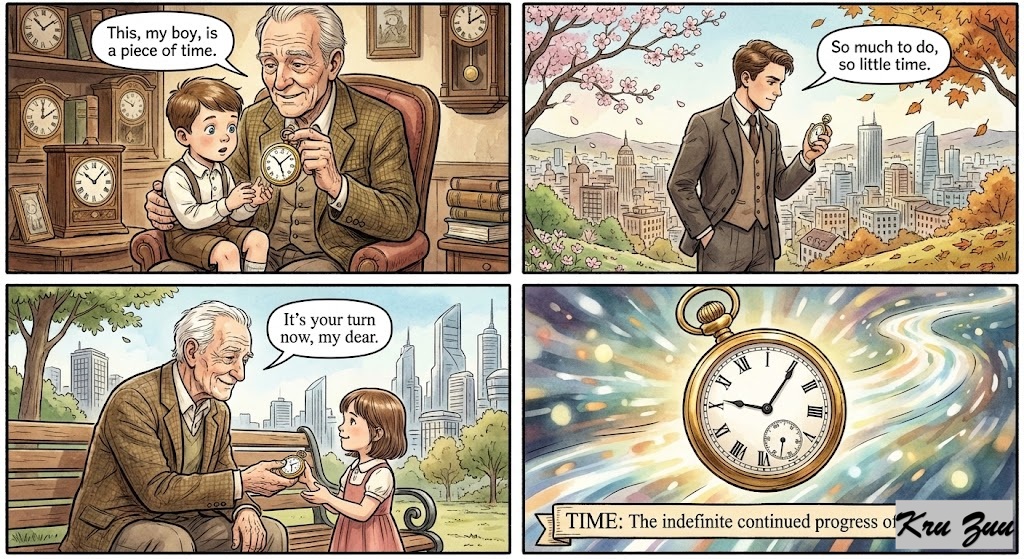
    Time (Noun): The indefinite continued progress of existence.


    Flies (Metaphorical Verb): Moves through the air with wings (meaning: moves extremely fast).


    When you’re having fun (Condition): The trigger for the speed.


    Simpler Version: Enjoyment makes time pass quickly.


    📚 Vocabulary Vault


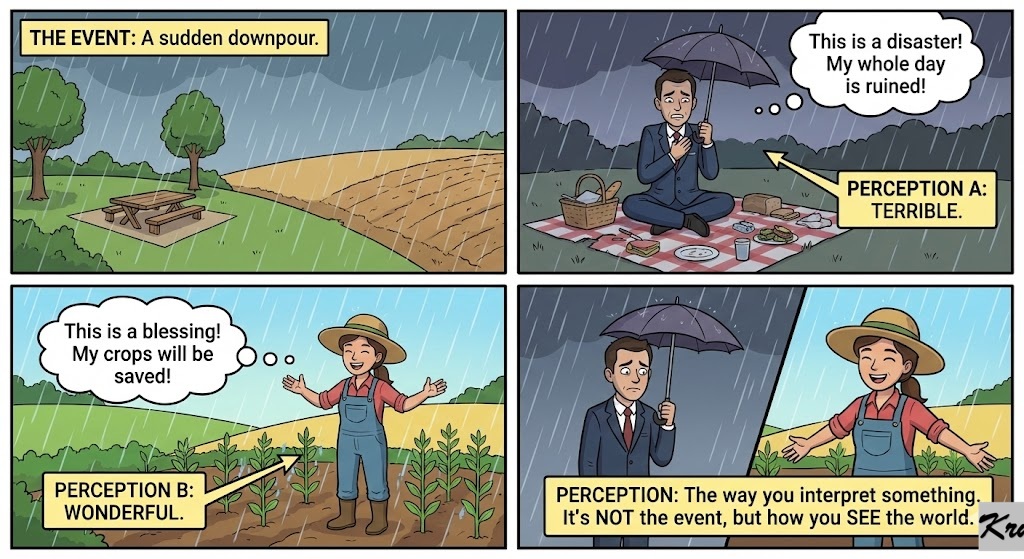
    Perception (Noun):
    The way you interpret or understand something. (How you see the world).


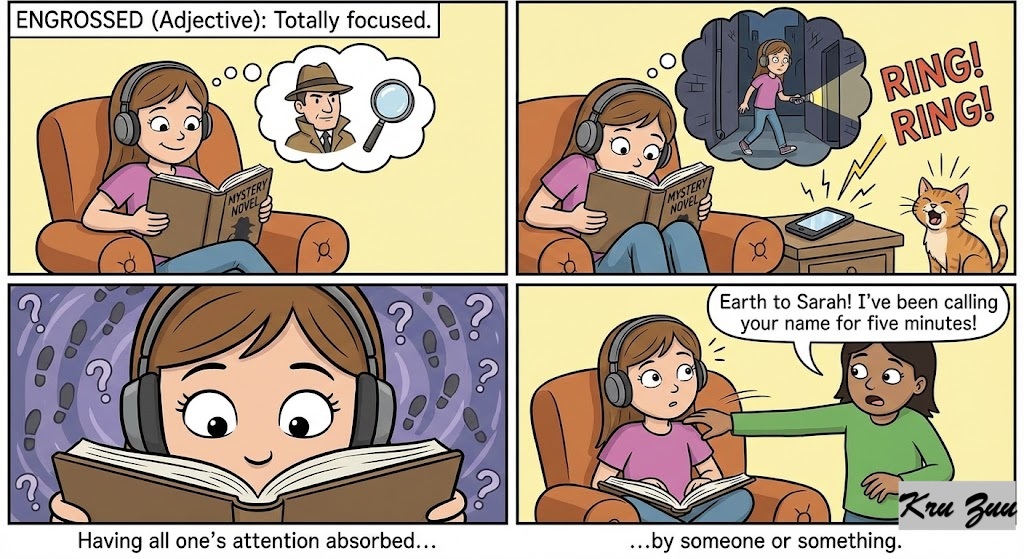
    Engrossed (Adjective): Having all one’s attention or interest absorbed by someone or something. (Totally focused). 🧠


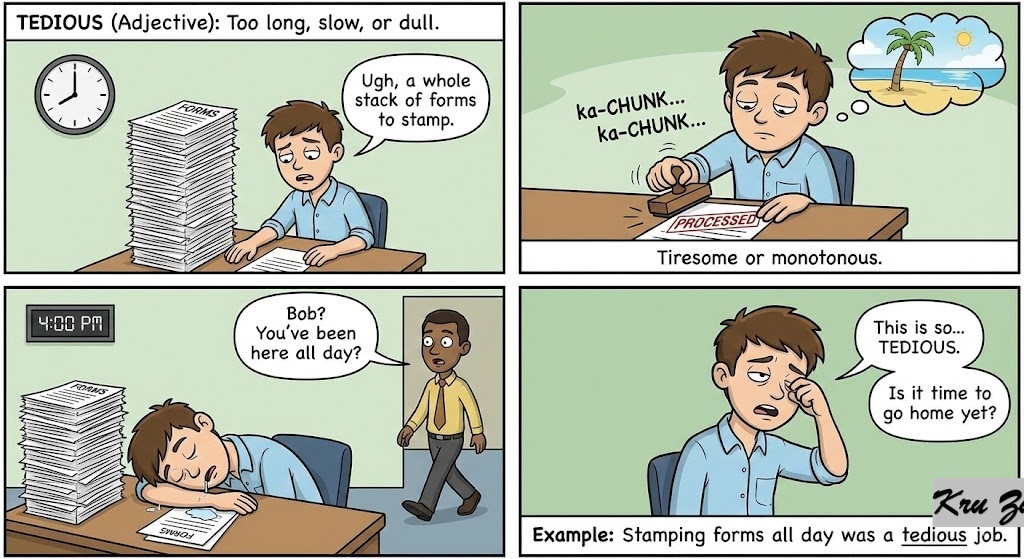
    Tedious (Adjective): Too long, slow, or dull; tiresome or monotonous.


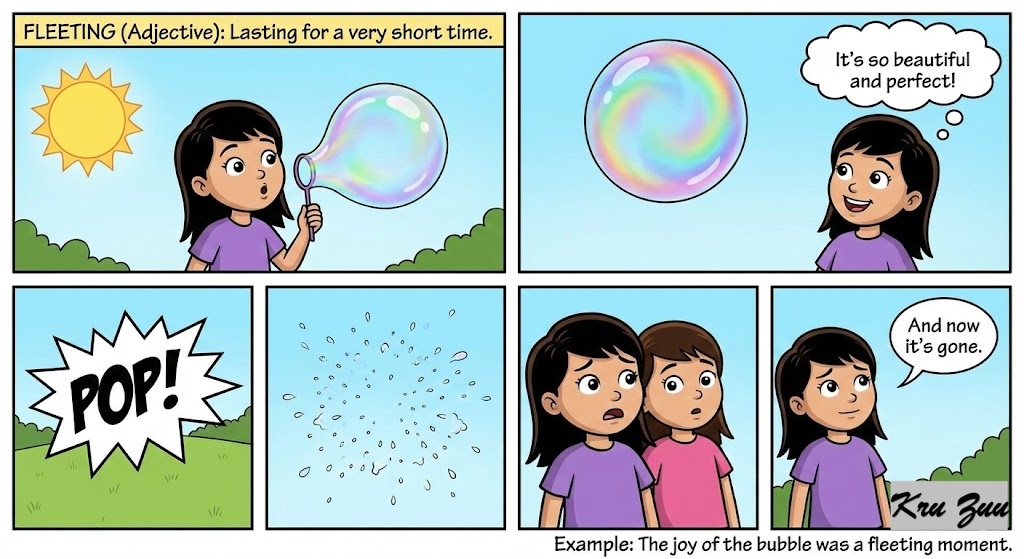
    Fleeting (Adjective): Lasting for a very short time.


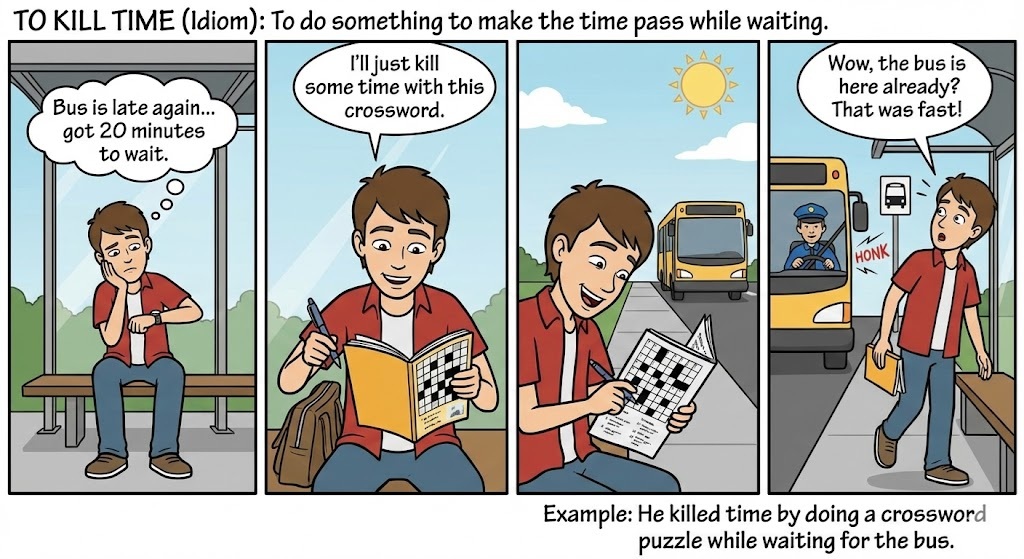
    To kill time (Idiom): To do something to make the time pass while waiting.


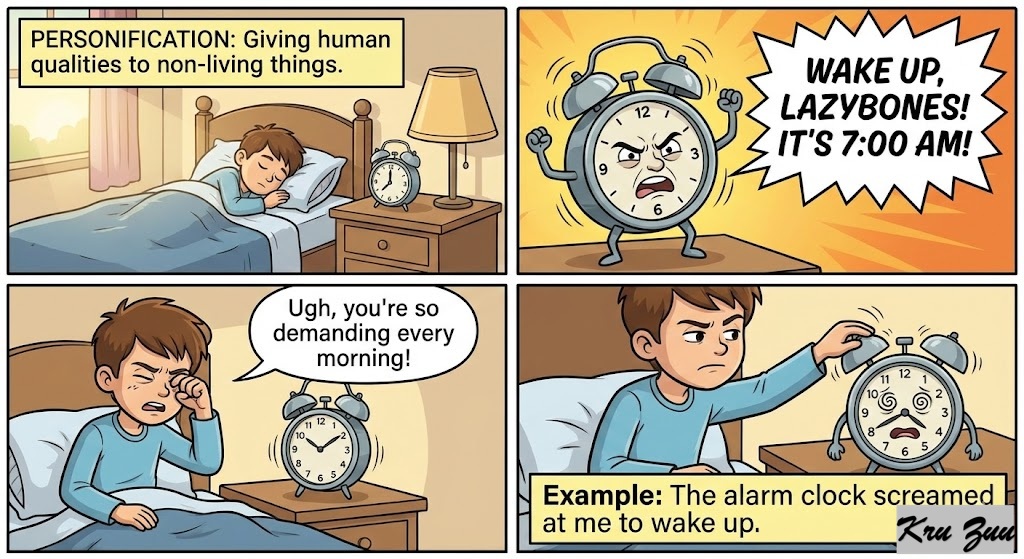
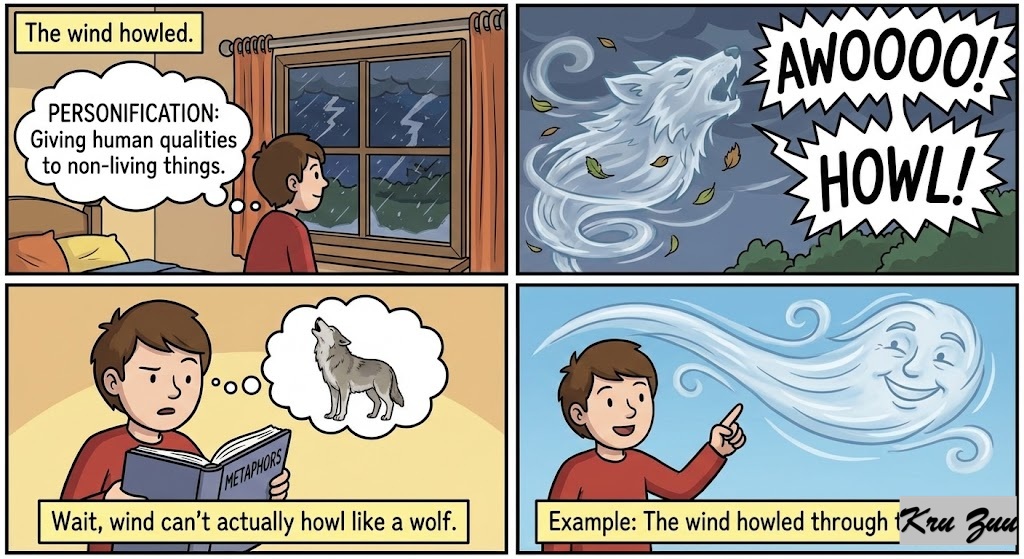
    🧠 Grammar Focus: Personification


    Personification is when we give human or animal qualities to non-living things.


    The wind howled. (Wind can’t actually howl like a wolf).


    Time flies. (Time does not have wings or a pilot’s license).


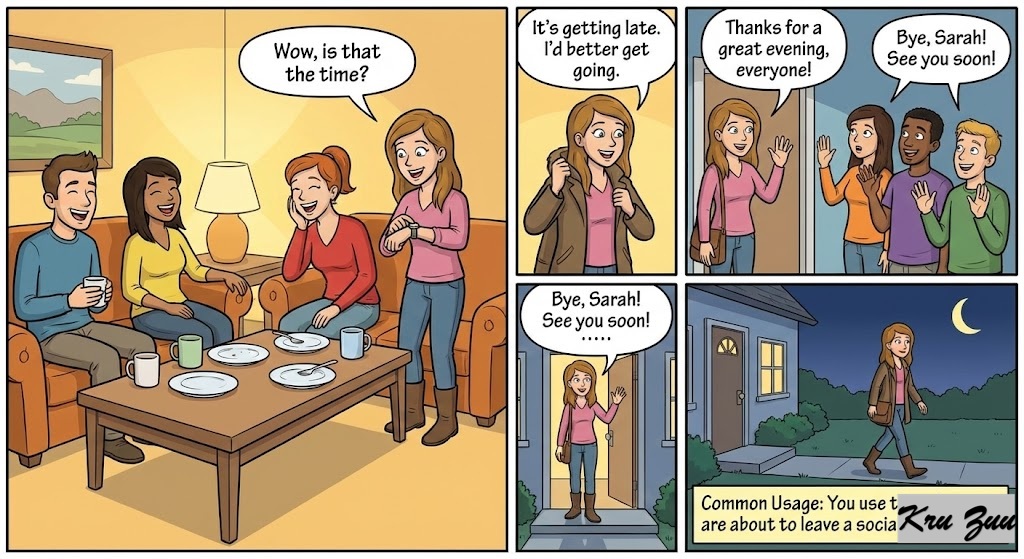
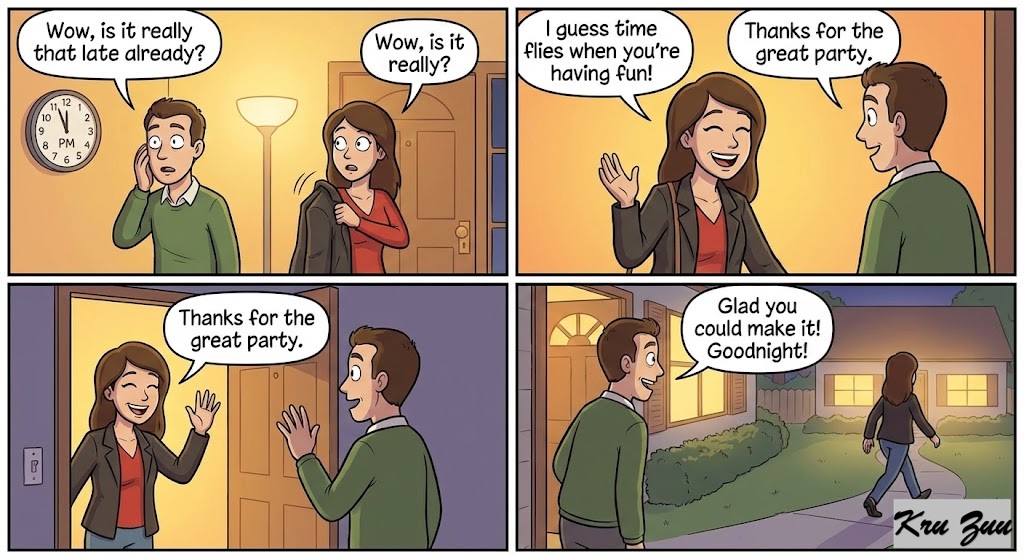
    Common Usage: You use this when you are about to leave a social gathering.


    Host: “Leaving so soon? It’s only 11 PM!”


    Guest: “Wow, is it really? I guess time flies when you’re having fun! Thanks for the great party.”

    📜 History: Origin and Spread


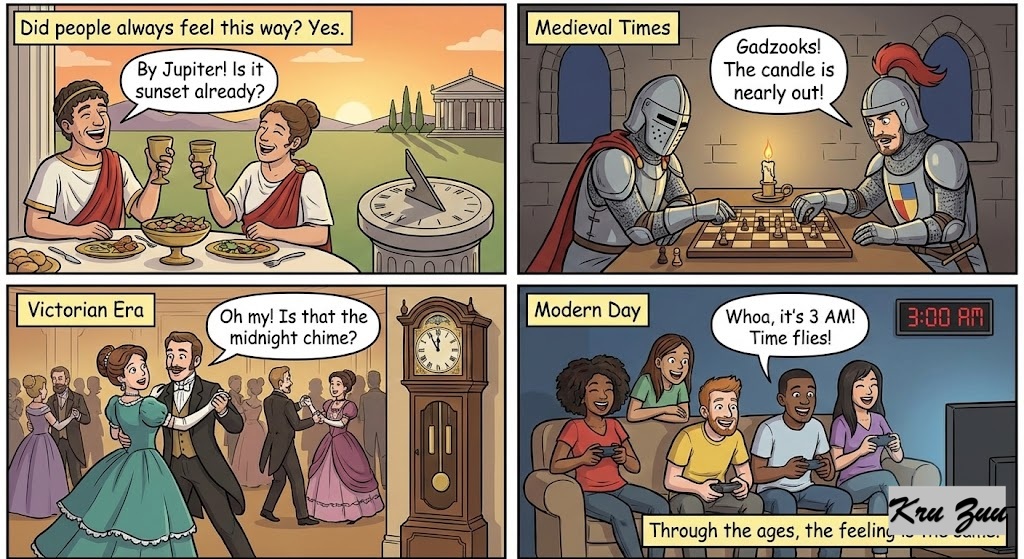
    Did people always feel this way? Yes.


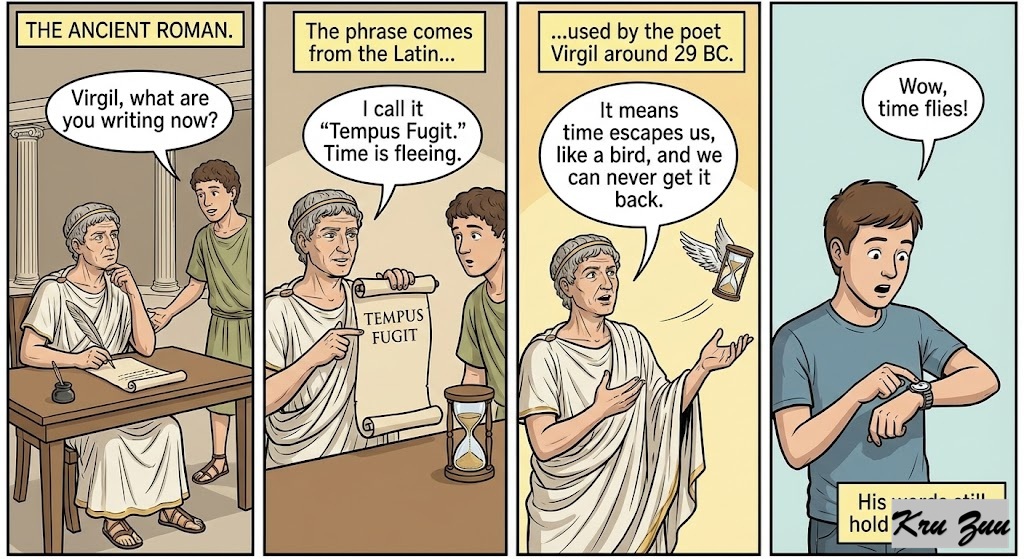
    The Ancient Roman: The phrase comes from the Latin “Tempus Fugit” (Time Fleeing), used by the poet Virgil around 29 BC. He meant that time escapes us and we can never get it back.


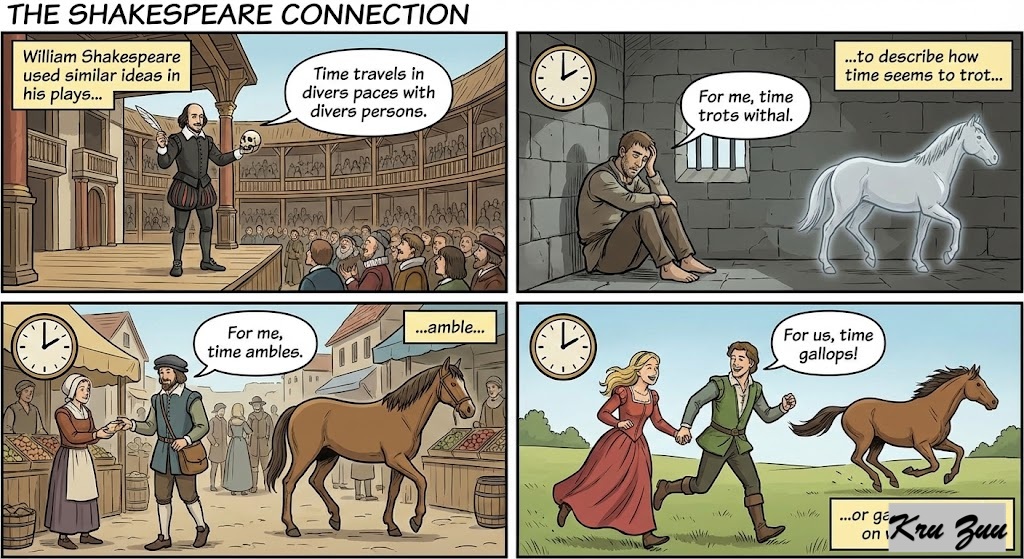
    The Shakespeare Connection: William Shakespeare used similar ideas in his plays to describe how time seems to trot, amble, or gallop depending on who you are.


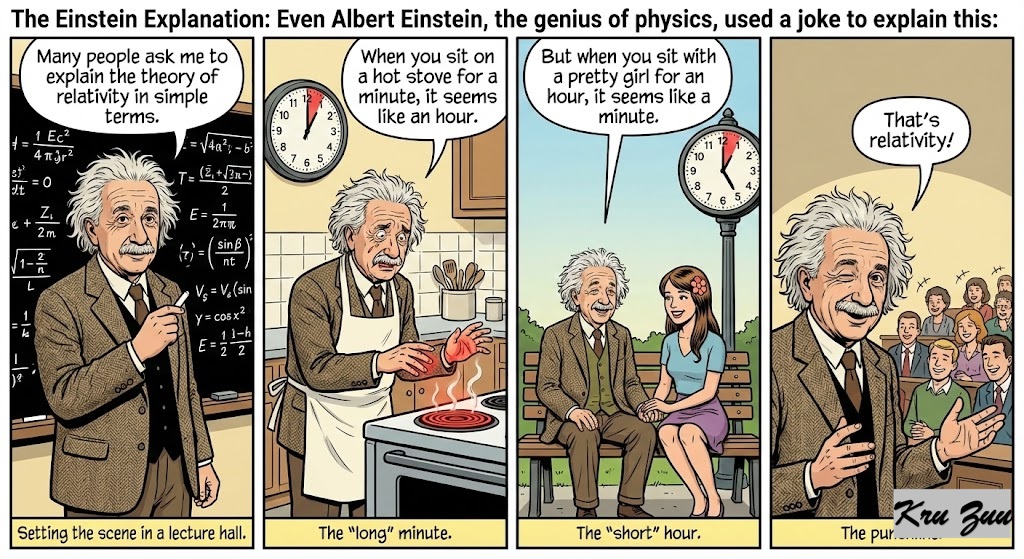
    The Einstein Explanation: Even Albert Einstein, the genius of physics, used a joke to explain this:


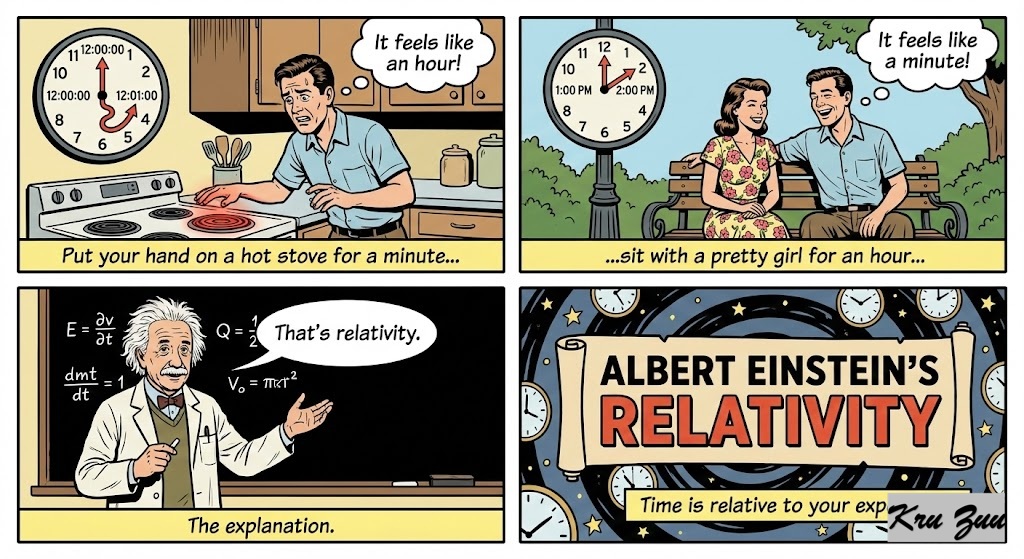
    “Put your hand on a hot stove for a minute, and it seems like an hour. Sit with a pretty girl for an hour, and it seems like a minute. That’s relativity.”

    🎭 Short Story: The Waiting Room & The Arcade 🎮🙀🐸


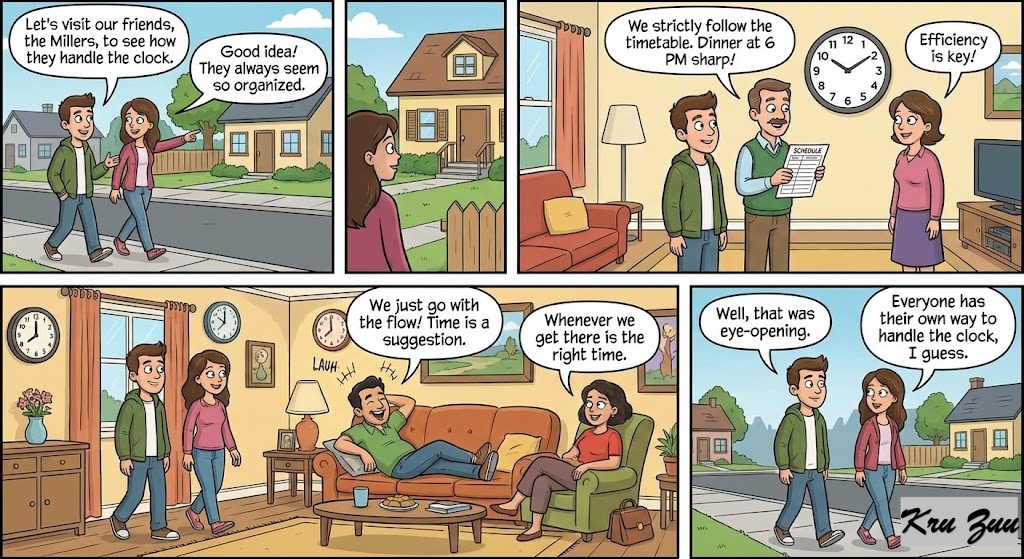
    Let’s visit our friends to see how they handle the clock.


    🌟 The Cast


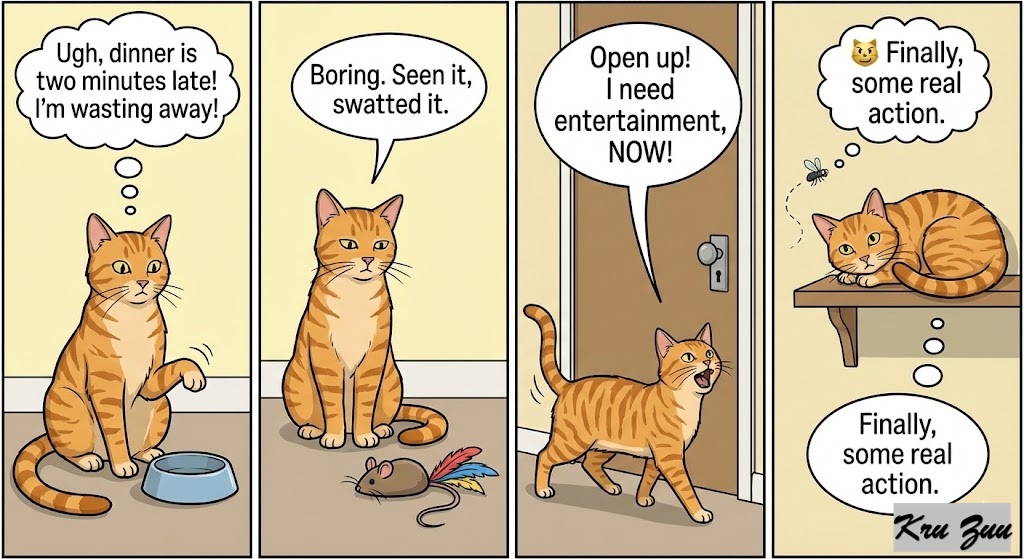
    Cleo the Cat: Impatient, hates waiting, easily bored. 😼


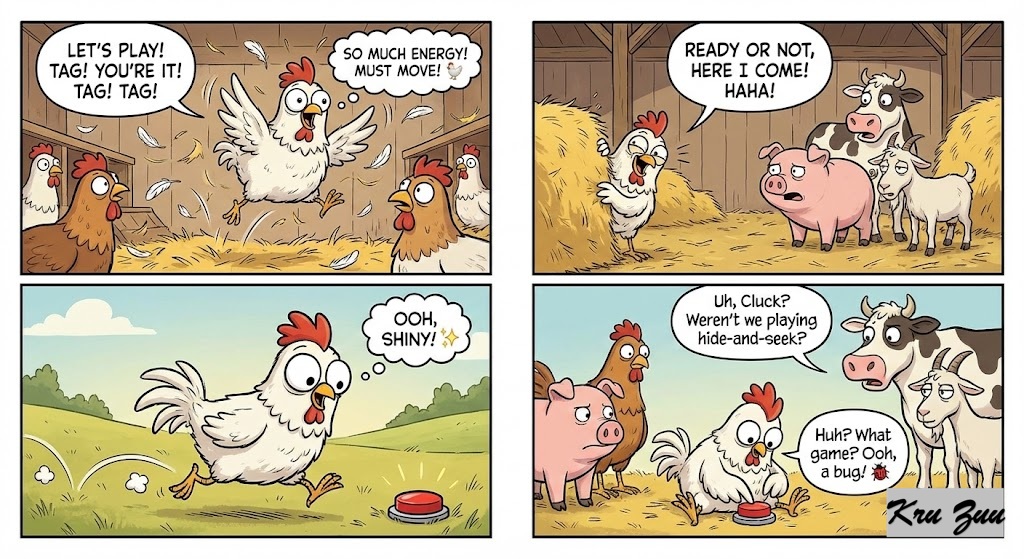
    Cluck the Chicken: Hyperactive, loves games, loses focus easily. 🐔


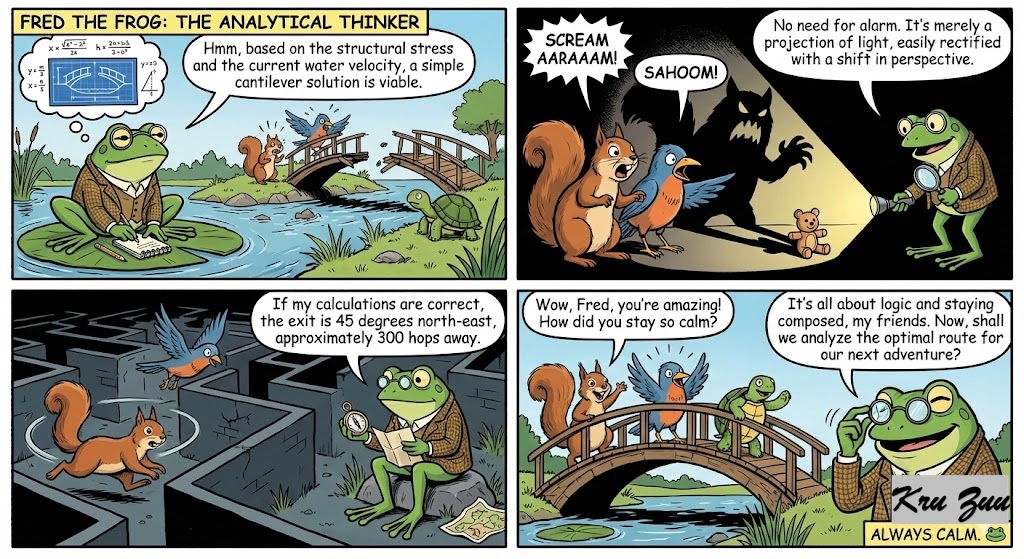
    Fred the Frog: The analytical thinker, always calm. 🐸


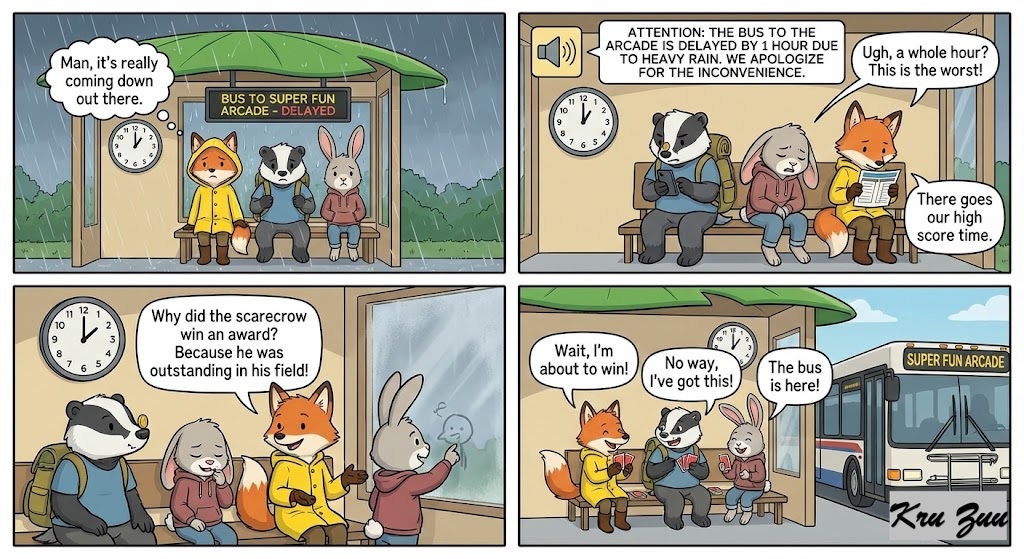
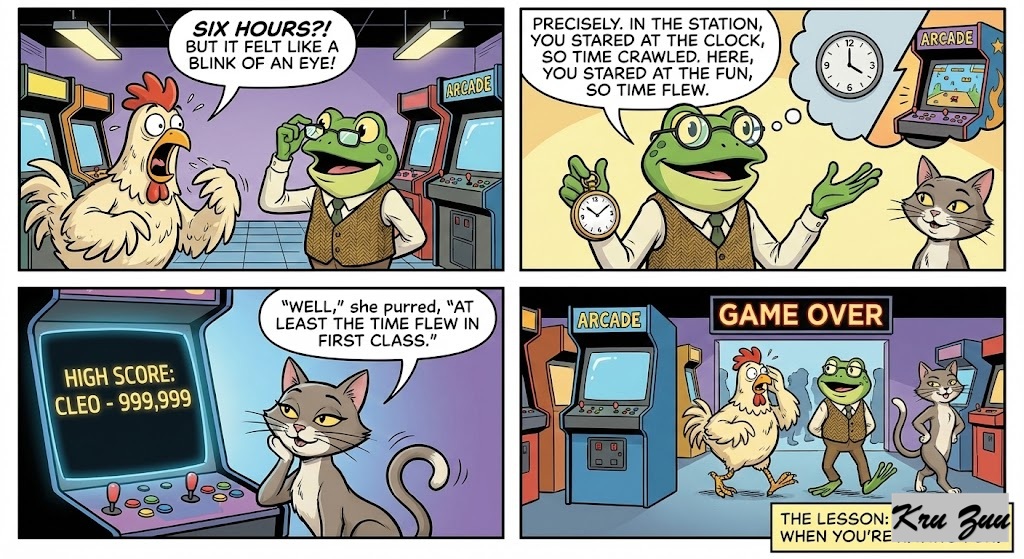
    The Situation: It was pouring rain. The three friends were stuck inside the “Lily Pad Station” waiting for the bus to take them to the “Super Fun Arcade.” The bus was delayed by 1 hour.


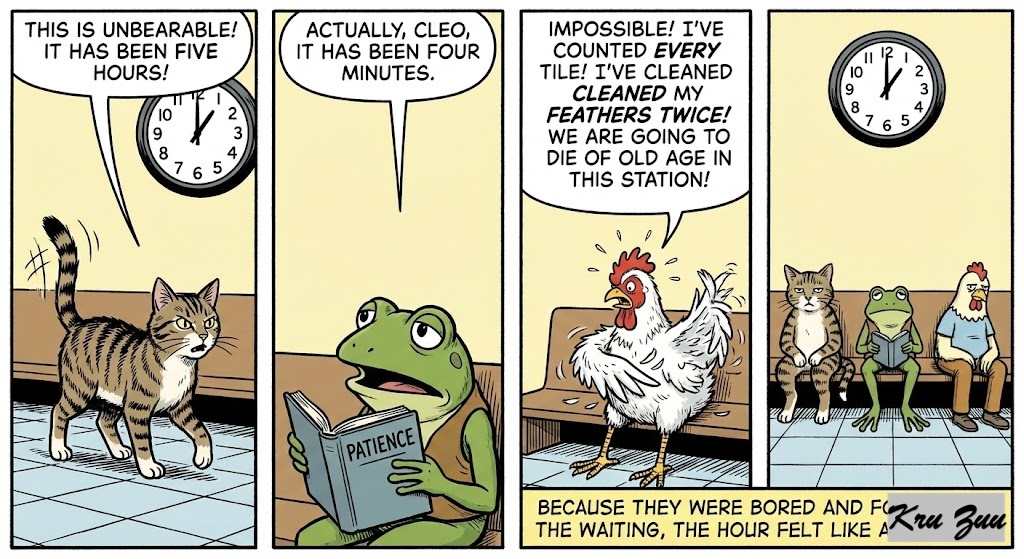
    Part 1: The Torture (The Waiting Room) Cleo paced back and forth, swishing her tail angrily. She stared at the clock on the wall. Tick… tock… tick… tock. “This is unbearable!” Cleo hissed. “It has been five hours!” Fred looked up from his book. “Actually, Cleo, it has been four minutes.” “Impossible!” Cluck squawked. “I have counted every tile on the floor. I have cleaned my feathers twice. We are going to die of old age in this station!” Because they were bored and focused on the waiting, the hour felt like a century. 🐢


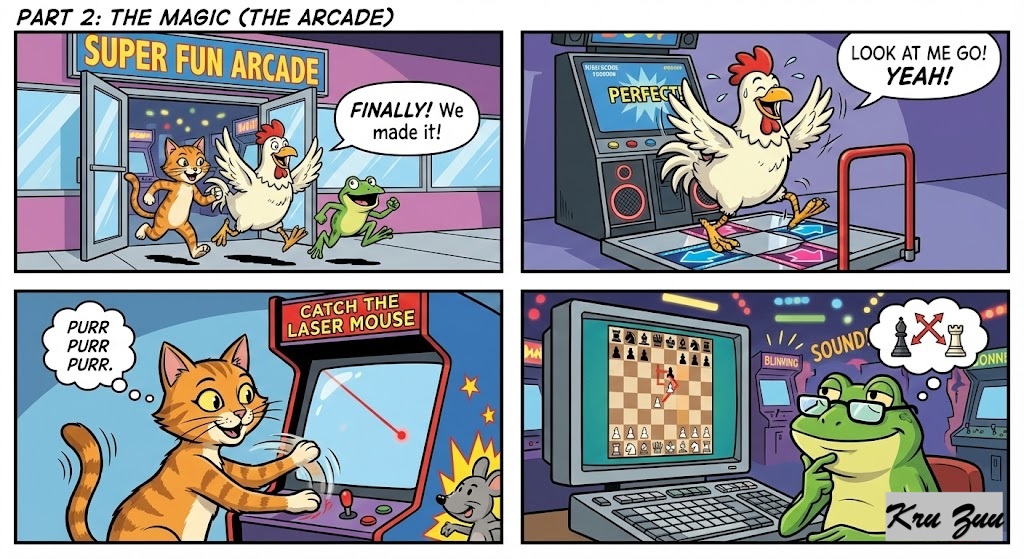
    Part 2: The Magic (The Arcade) Finally, the bus arrived. They rushed into the Super Fun Arcade. Cluck ran to the Dance-Dance-Revolution machine. “Look at me go!” he yelled, flapping his wings to the beat. Cleo found a game called Catch the Laser Mouse. She was obsessed. She jumped, swiped, and purred, completely engrossed in the game. Fred found a difficult chess computer. He calculated moves, tapped his chin, and smiled.


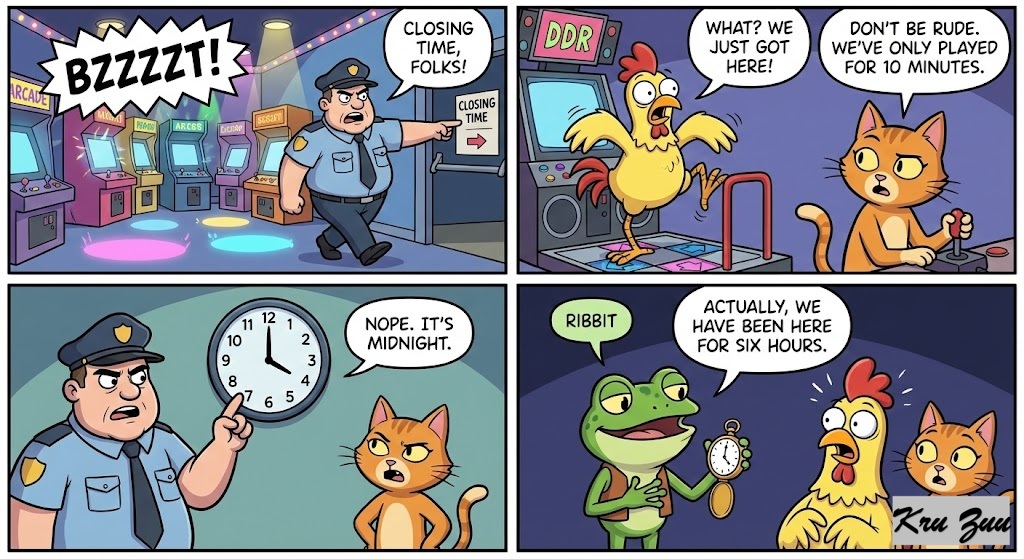
    The Shock: Suddenly, a loud buzzer sounded. BZZZZT! The lights flickered. A security guard walked in. “Closing time, folks!” Cluck froze mid-dance. “What? We just got here!” Cleo looked around, confused. “Don’t be rude. We’ve only played for 10 minutes.” Fred checked his pocket watch. “Ribbit,” he croaked. ” actually, we have been here for six hours.”


    The Lesson: “Six hours?!” Cluck screamed. “But it felt like a blink of an eye!” Fred adjusted his glasses. “Precisely. In the station, you stared at the clock, so time crawled. Here, you stared at the fun, so time flew.” Cleo sighed, looking at her high score. “Well,” she purred, “At least the time flew in first class.”


    The Moral: If you watch the pot, it never boils. If you play the game, the day is gone.

    🎓 Lesson for English Learners


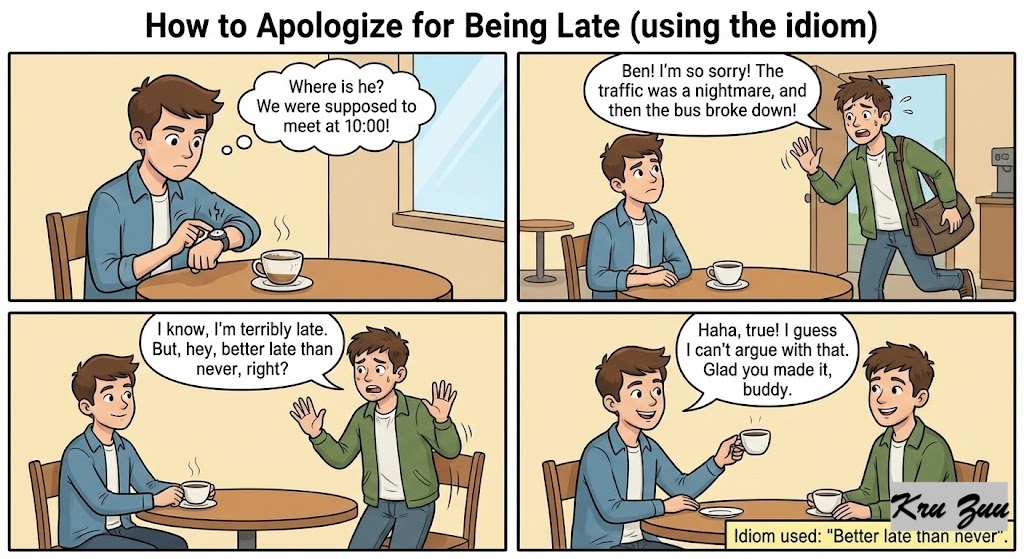
    How to apologize for being late (using the idiom).


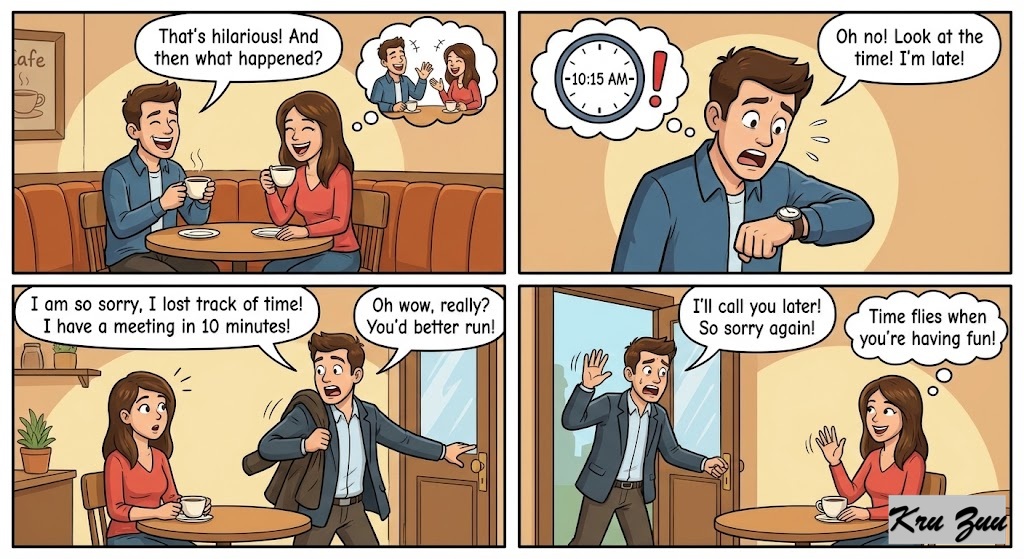
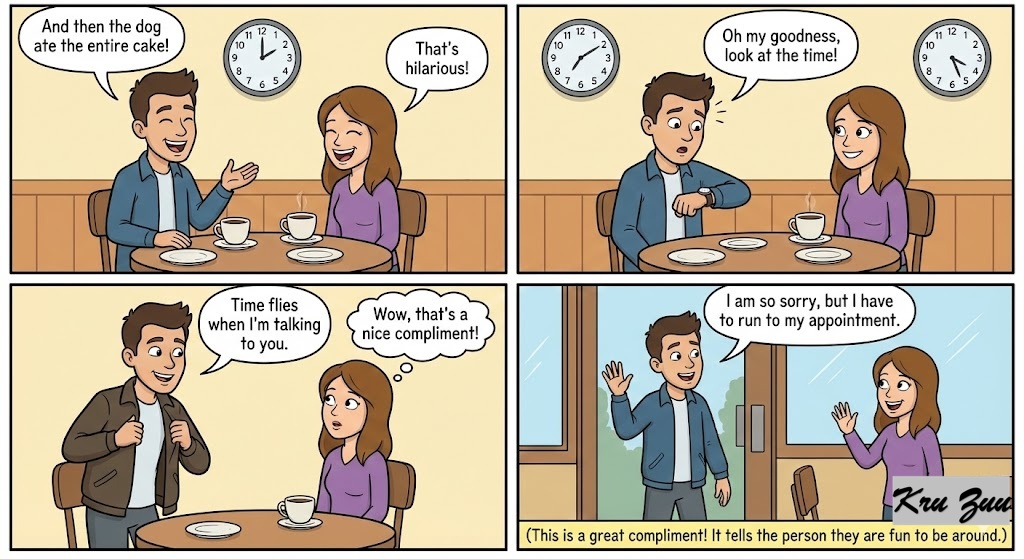
    Situation: You are having coffee with a friend. You are talking and laughing. You realize you are late for your next meeting.

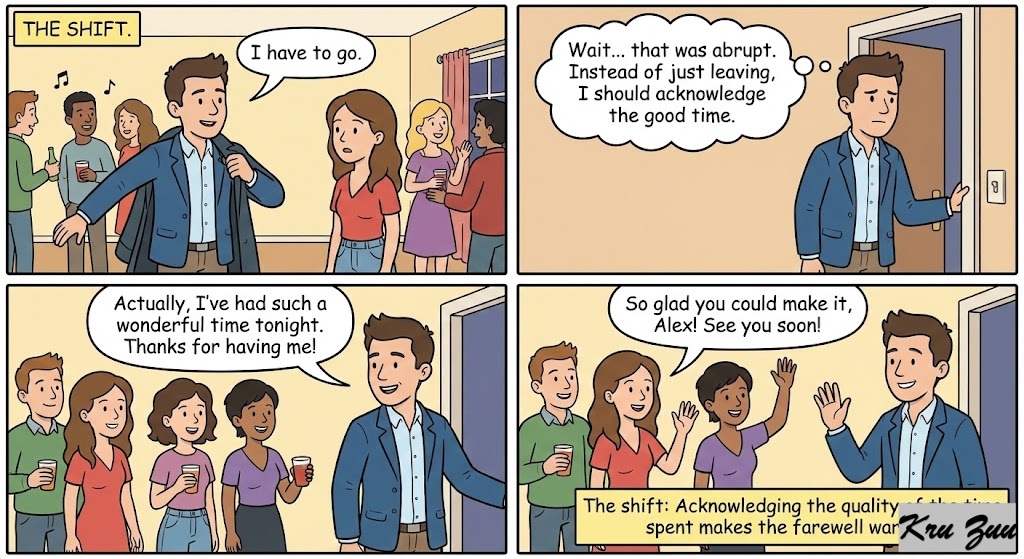
    The Shift: Instead of just saying “I have to go,” acknowledge the quality of the time spent.

    You Say: “Oh my goodness, look at the time! Time flies when I’m talking to you. I am so sorry, but I have to run to my appointment.” (This is a great compliment! It tells the person they are fun to be around.)


    💬 Your Turn: The “Flow” Challenge 🚀


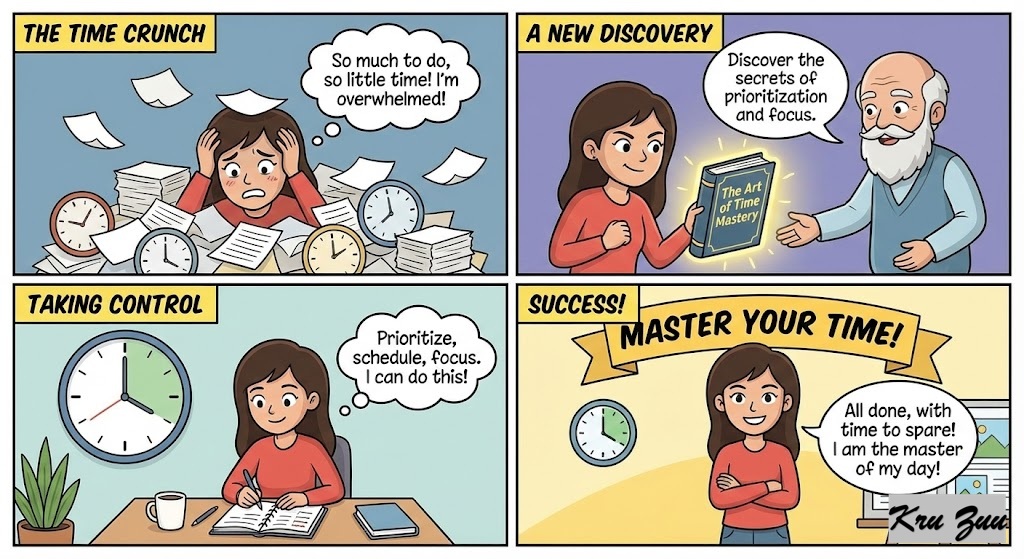
    Do you want to master your time?


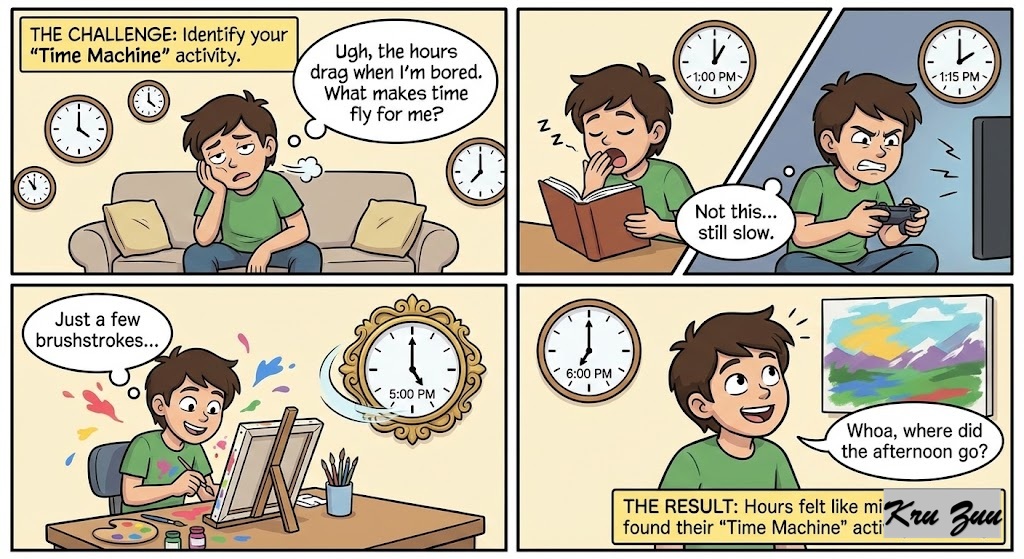
    The Challenge: Identify your “Time Machine” activity.


    Think of the last time you looked at the clock and were shocked that hours had passed.


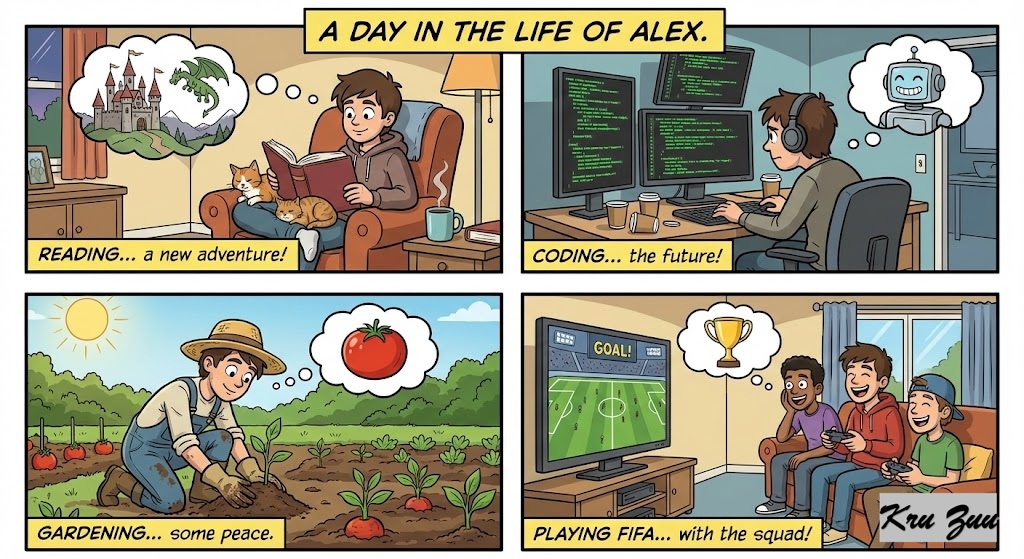
    What were you doing? (Reading? Coding? Gardening? Playing FIFA?)


    The Goal:
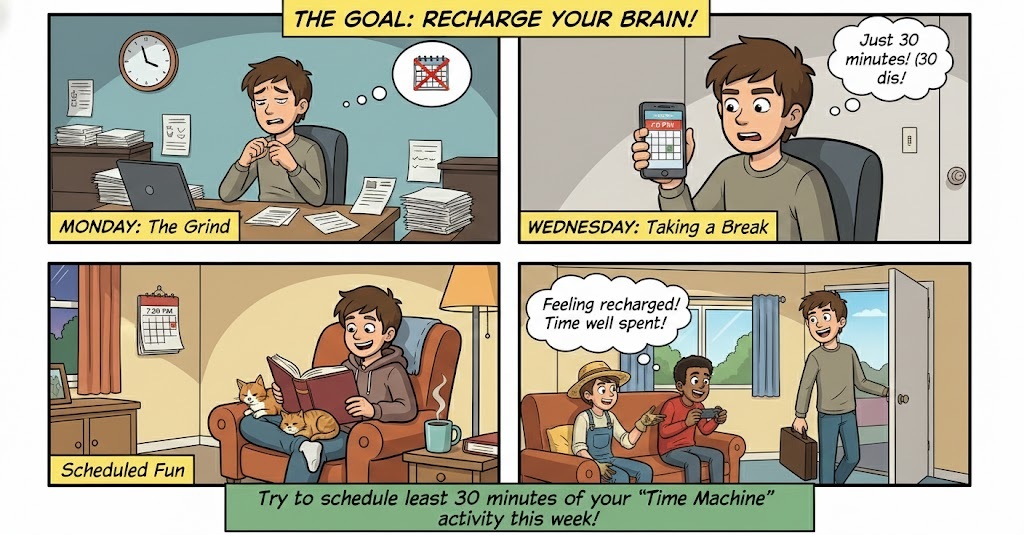
    Try to schedule at least 30 minutes of that activity this week to recharge your brain.


    👇 Question for the comments: What is the ONE activity that makes time fly for you? For me, it’s writing these blog posts! Let me know below! 👇

    By Zubeyir YURTKURAN

    https://www.facebook.com/BrainBattleground/

    https://www.facebook.com/zubeyr.yurtkuran/

    https://www.instagram.com/zubeyryurtkuran/
    https://www.youtube.com/@BrainBattleground-b3p

    https://www.instagram.com/brainbattleground/

  • 🤫 The Daily Shield: The Art of Peace

    🤫 The Daily Shield: The Art of Peace

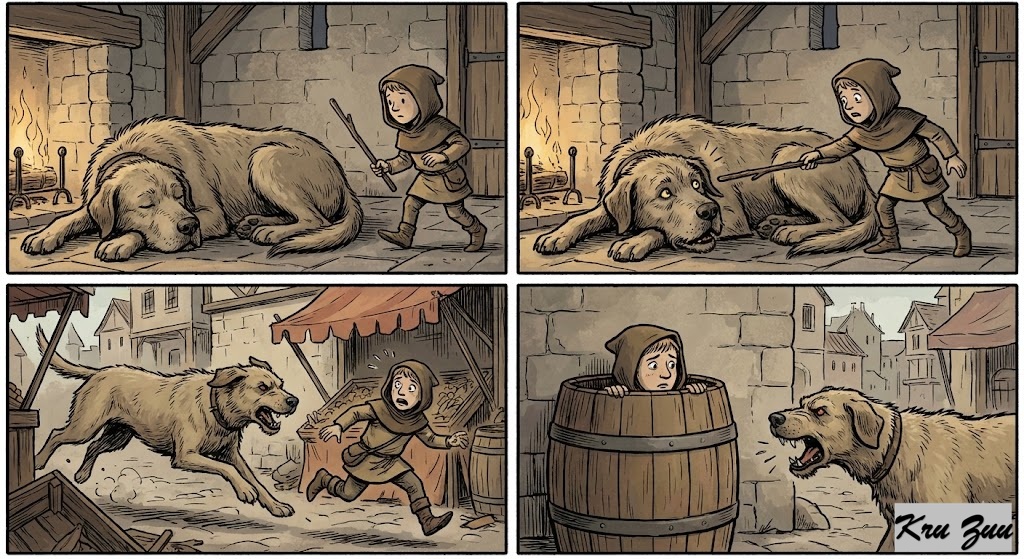
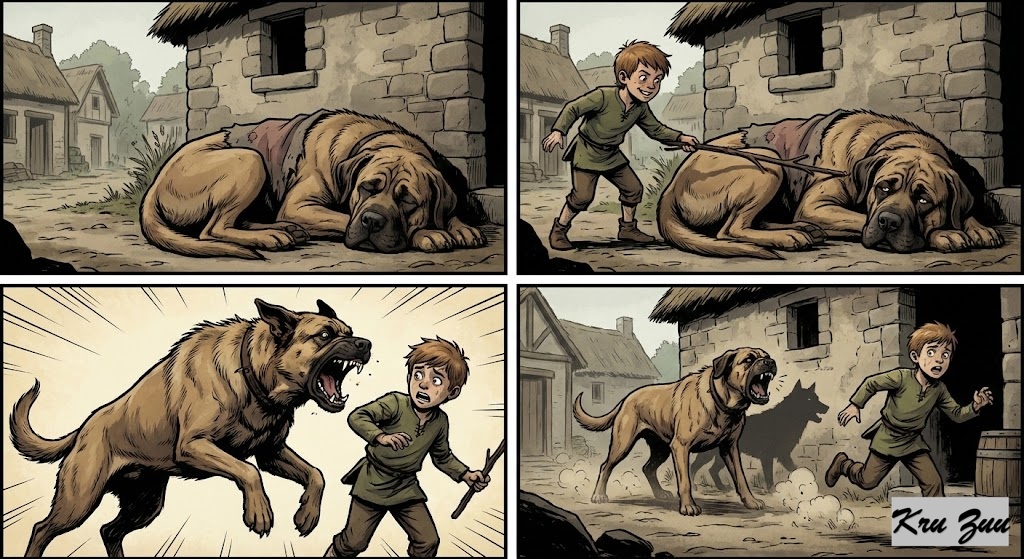
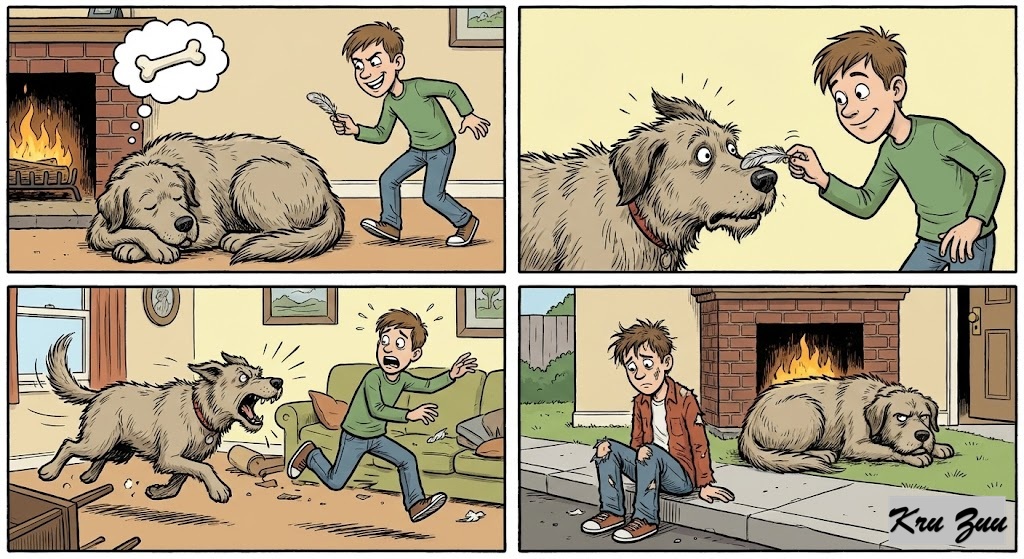
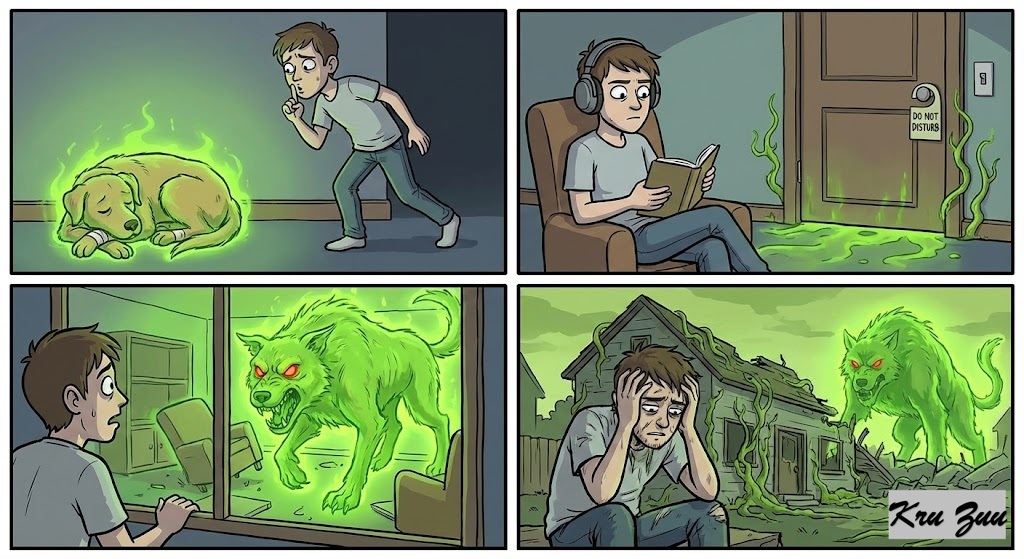
    “Let sleeping dogs lie.”


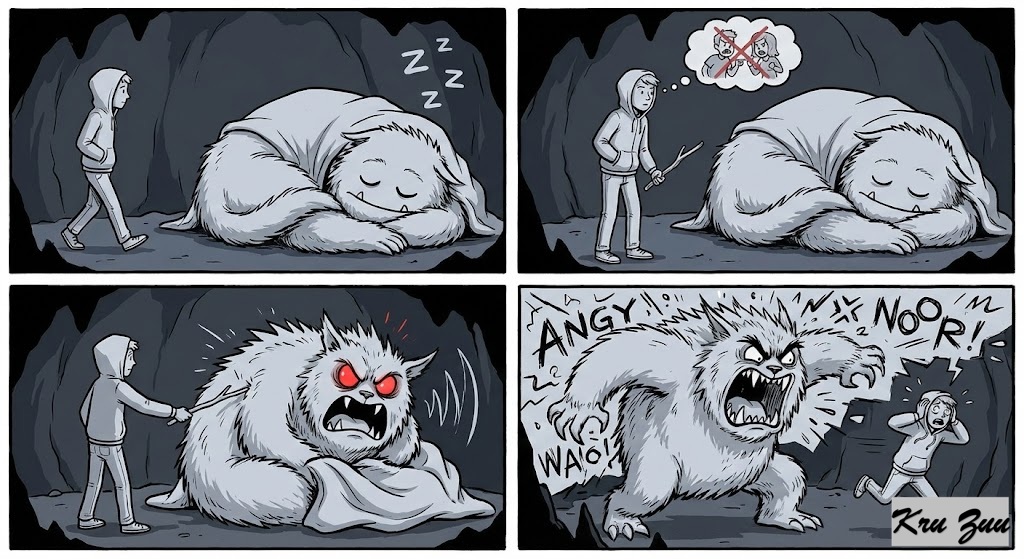
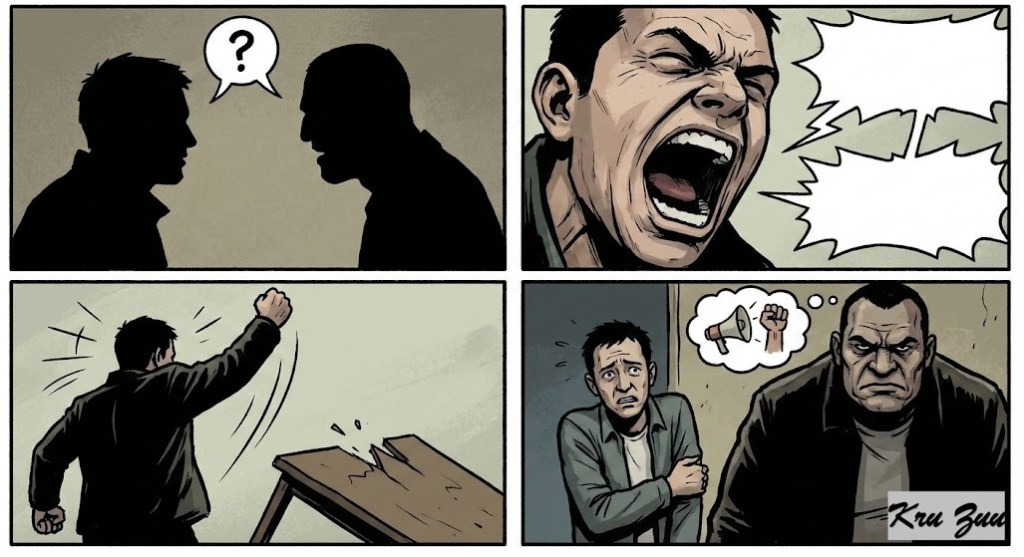
    😈 The Villain (The Poker)

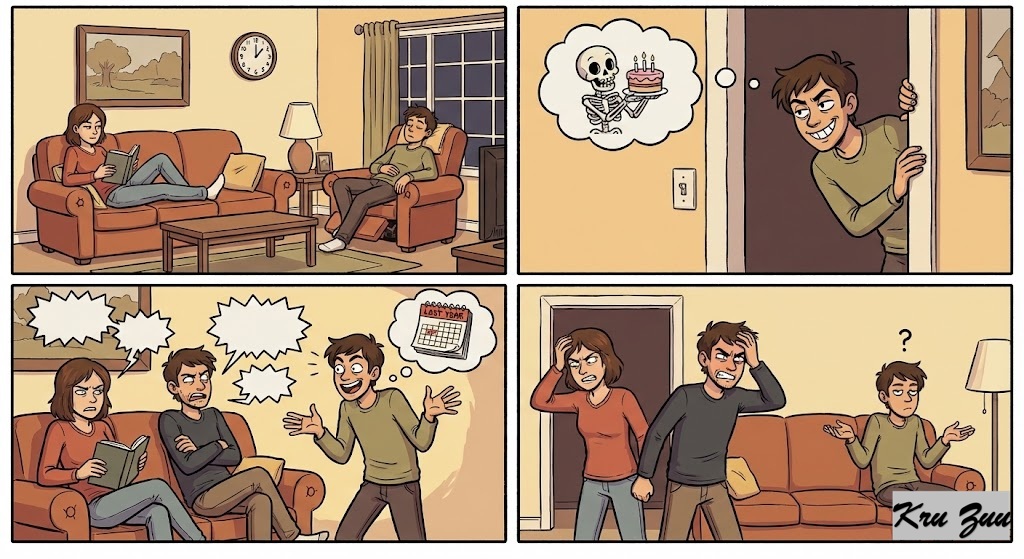
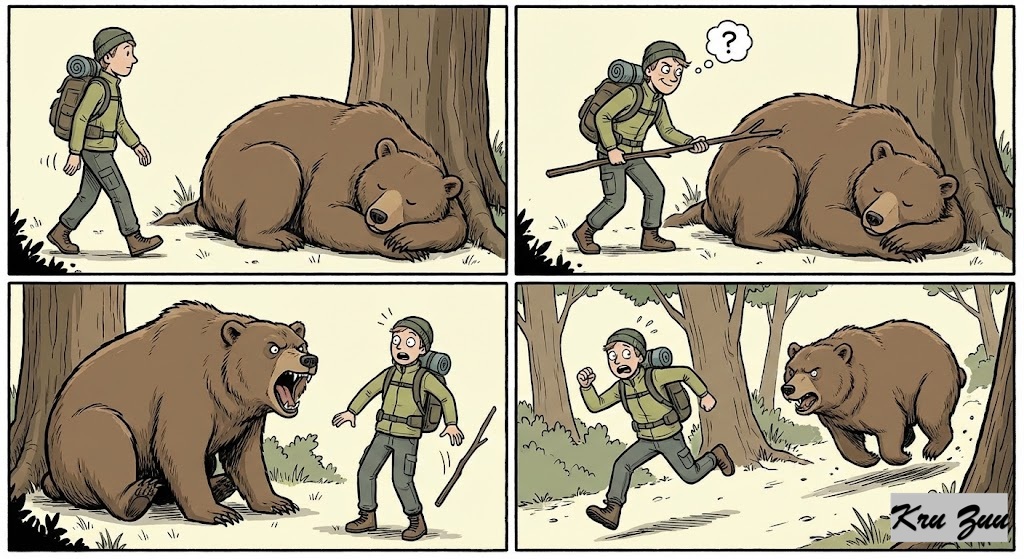
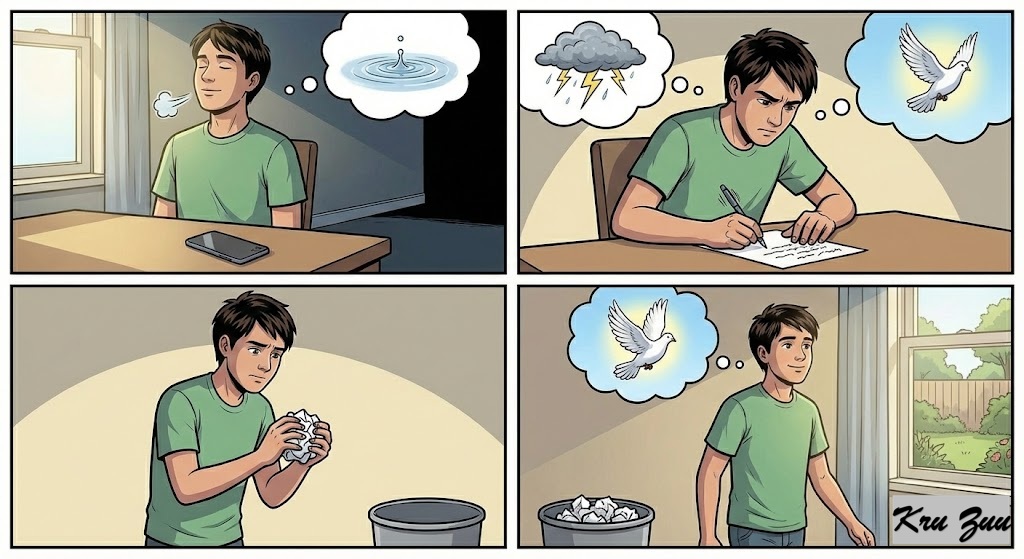
    Things are finally calm. The argument ended three days ago. Everyone is relaxing. But then… you walk in. You are bored with peace. You say: “Hey, remember last year when you forgot my birthday?” or “I’m still not sure why you looked at me like that yesterday.” 👉 You poke the wound. You dig up old skeletons. You insist on “talking it out” even when there is nothing left to say.

    The Result? Chaos returns. The calm evening turns into a screaming match. You just woke up the beast, and now you have to run. 🧟‍♂️


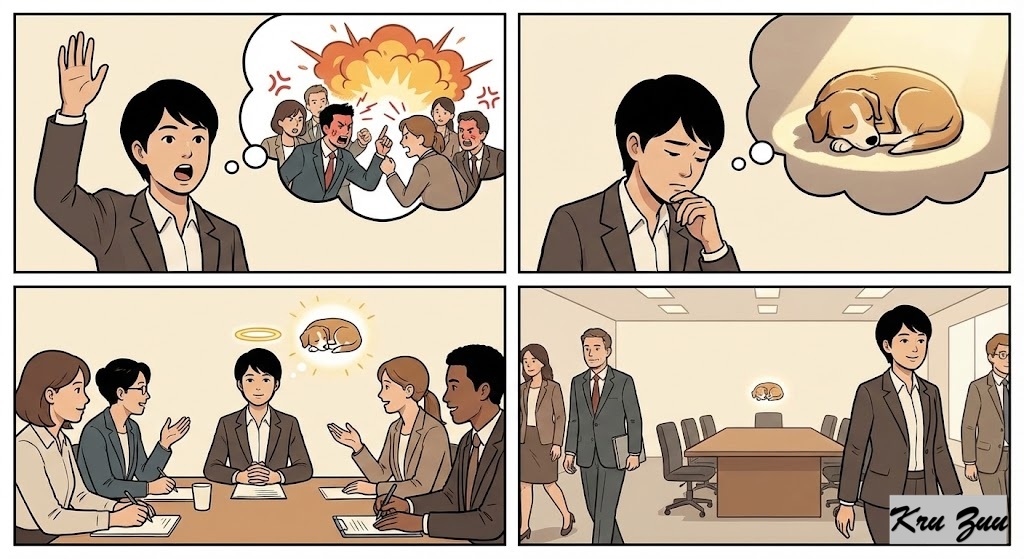
    😇 The Hero (The Peacemaker): You notice a sensitive topic, but you see that everyone is currently happy. You make a conscious choice. You realize that digging up the past won’t fix the future—it will only create new pain. You smile and say nothing. You focus on today.

    The Result? The moment remains peaceful. Relationships heal naturally over time because you didn’t pick at the scab. You chose wisdom over drama. 🛡️


    ⚖️ The Reality


    Some problems are like sleeping monsters. If they are quiet, they can’t bite you. Bringing up old grievances or reopening settled arguments rarely leads to a “better understanding.” Usually, it just leads to noise.


    💎 The Secret

    Peace is not just the absence of war; it is the discipline to keep your mouth shut when everything is calm.

    🧐 The Anatomy of the Proverb


    This is your permission to leave things alone.


    Let (Verb): Allow; permit.


    Sleeping (Adjective): Inactive; quiet; at rest.


    Dogs (Noun): A metaphor for trouble, old arguments, or hidden secrets.


    Lie (Verb): To rest in a horizontal position (stay down).


    Simpler Version: Don’t look for trouble. / Don’t restart an old conflict.


    📚 Vocabulary Vault


    Provoke (Verb): To stimulate or give rise to anger (poking the dog). 😡


    Dormant (Adjective): Having normal physical functions suspended or slowed down for a period of time; in or as if in a deep sleep.


    Grievance (Noun): A real or imagined wrong or other cause for complaint or protest.


    Tact (Noun): Sensitivity in dealing with others or with difficult issues.


    Instigate (Verb): To bring about or initiate (an action or event).


    🧠 Grammar Focus: Imperative Mood


    This idiom is almost always used as a command or advice (Imperative).


    Person A: “I want to ask my boss why he didn’t promote me three years ago.”


    Person B: “Don’t do it. You have a great job now. Let sleeping dogs lie.”

    📜 History: Origin and Spread


    Where did this wise warning come from?

    The Origin: The legendary writer Geoffrey Chaucer used a version of this in the 1300s! He wrote, “It is nought good a slepyng hound to wake.”

    The Logic: Before domesticated pets, dogs were working animals—guards and hunters. They were often fierce. If you woke a sleeping guard dog suddenly, it would likely bite your face before realizing who you were.

    Global Cousins

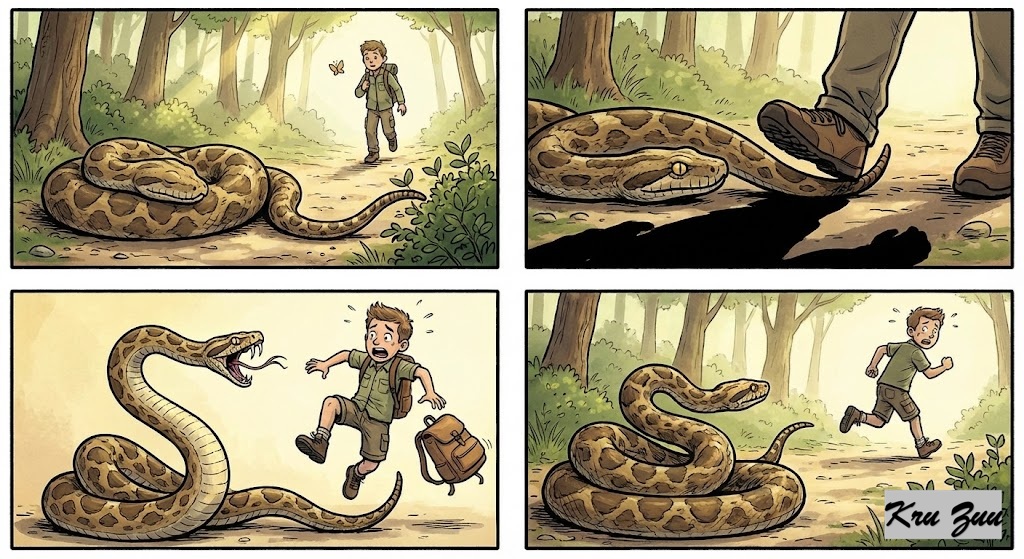
    🇹🇷 Turkish: “Uyuyan yılanın kuyruğuna basma.” (Don’t step on the tail of a sleeping snake.)

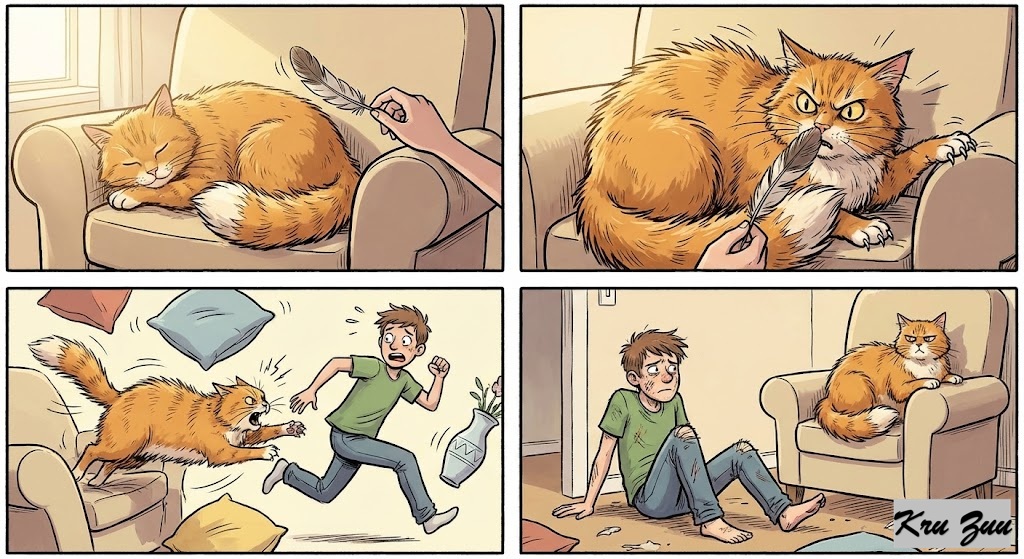
    🇫🇷 French: “N’éveillez pas le chat qui dort.” (Don’t wake the sleeping cat.)

    🇩🇪 German: “Schlafende Hunde soll man nicht wecken.” (One should not wake sleeping dogs.)

    🎯 Impact on Life: The Pros & Cons


    ✅ The Pros (The Shield)


    Stress Reduction:
    You save your energy for problems that actually matter today.


    Harmony: You become known as an easy-going person, not a drama-seeker.


    ❌ The Cons (The Trap)


    Avoidance:
    Be careful. Don’t use this idiom to ignore serious problems that are getting worse. If the “dog” has a disease (a toxic issue), letting it sleep won’t cure it.

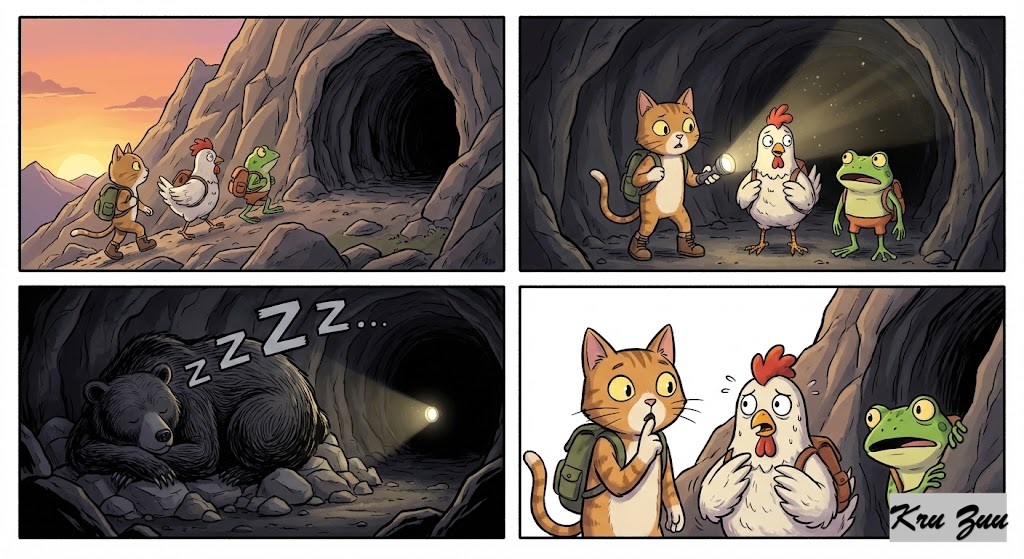
    🎭 Short Story: The Cave of Grumpy Bears 🐸🐱🐔


    Let’s return to the magical forest to see why curiosity can be dangerous.


    🌟 The Cast


    Cleo the Cat:
    Cautious, elegant, dislikes dirty paws. 😼


    Cluck the Chicken: Impulsive, loud, loves drama. 🐔


    Fred the Frog: The wise observer on the lily pad. 🐸


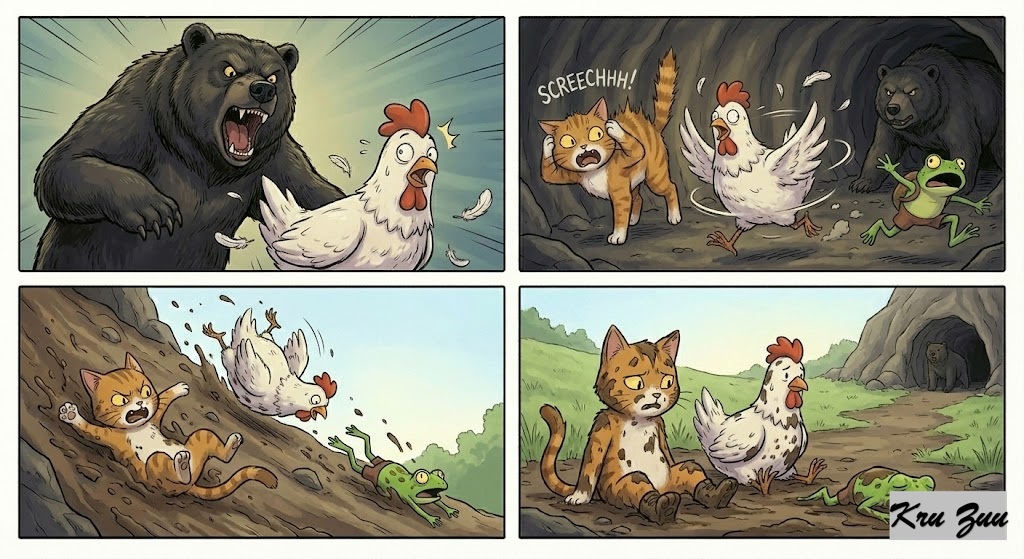
    The Situation: The trio is hiking up “Mount Mystery.” They come across a dark, echoing cave. Inside, a massive Shadow Bear is sleeping. It is snoring loudly: ZzzZZzz…


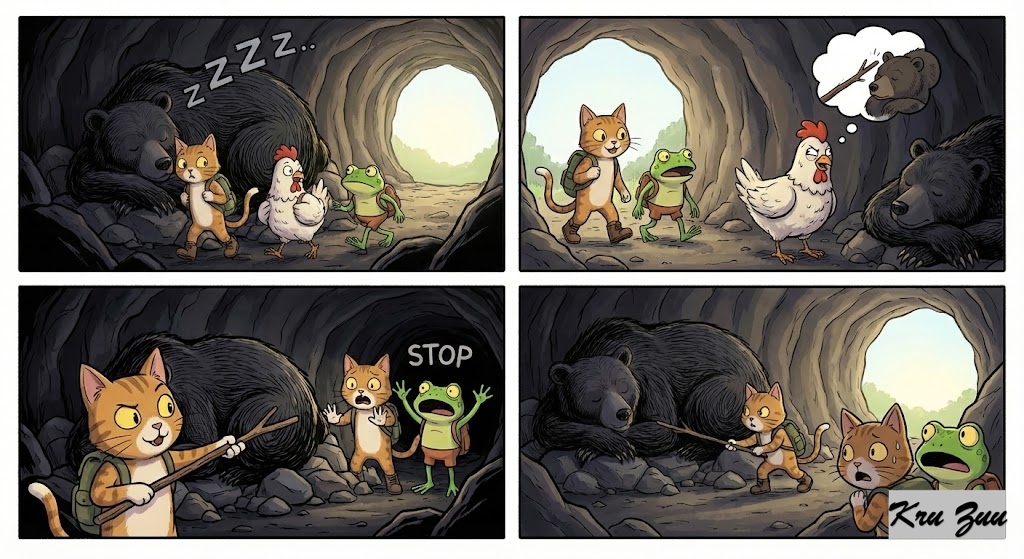
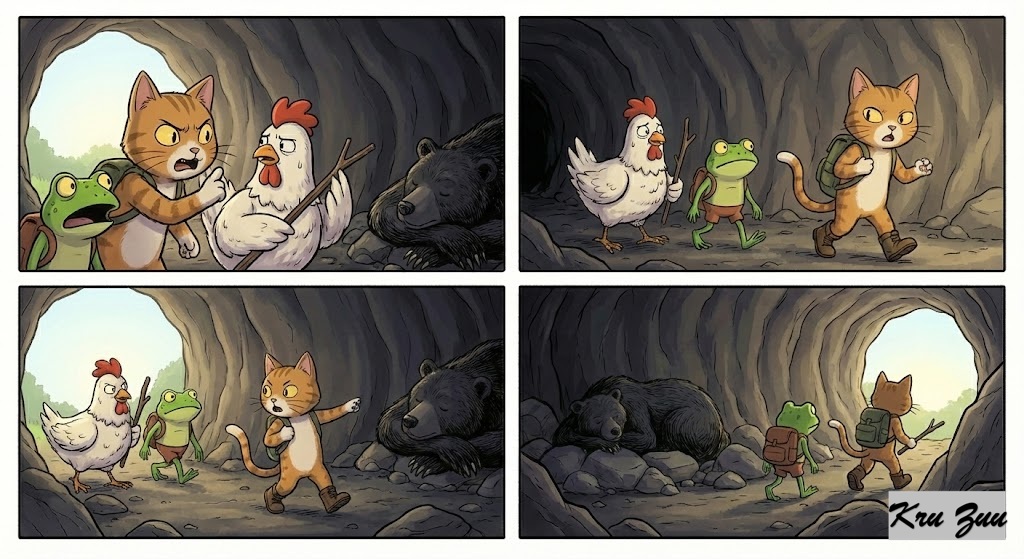
    The Conflict: They tiptoe past the bear safely. They are almost at the exit! But Cluck stops. He whispers loudly, “Hey! I wonder if that bear is actually asleep or just pretending? I bet I can poke him and run away before he catches me!”


    Cleo hisses quietly, “Cluck! Are you crazy? We are safe. Just keep walking!”


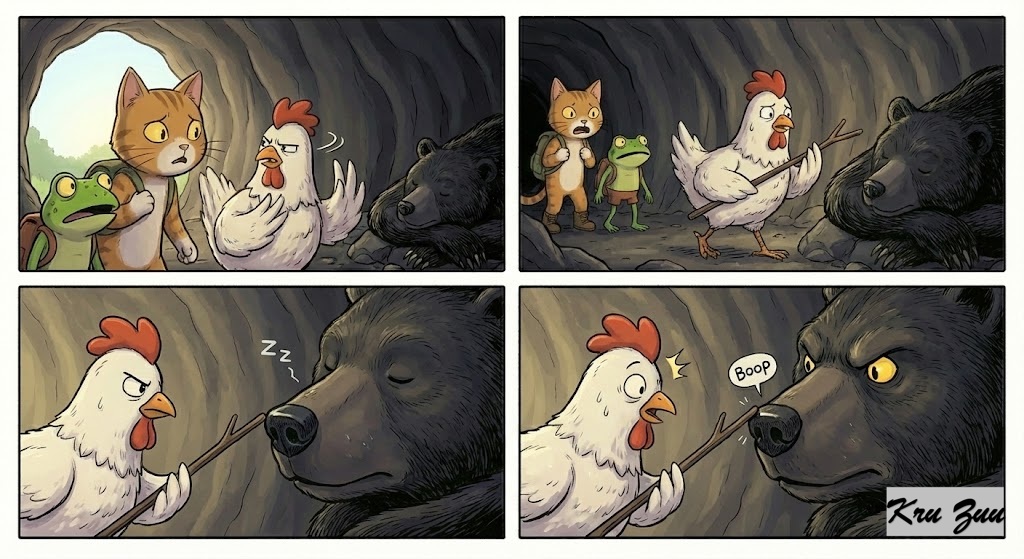
    Cluck shakes his head. “No, no. I need to know. Plus, remember that time a bear ate my corn? I want revenge!” Cluck picks up a long stick. He creeps toward the massive, snoring beast. He pokes the bear’s nose. Boop.


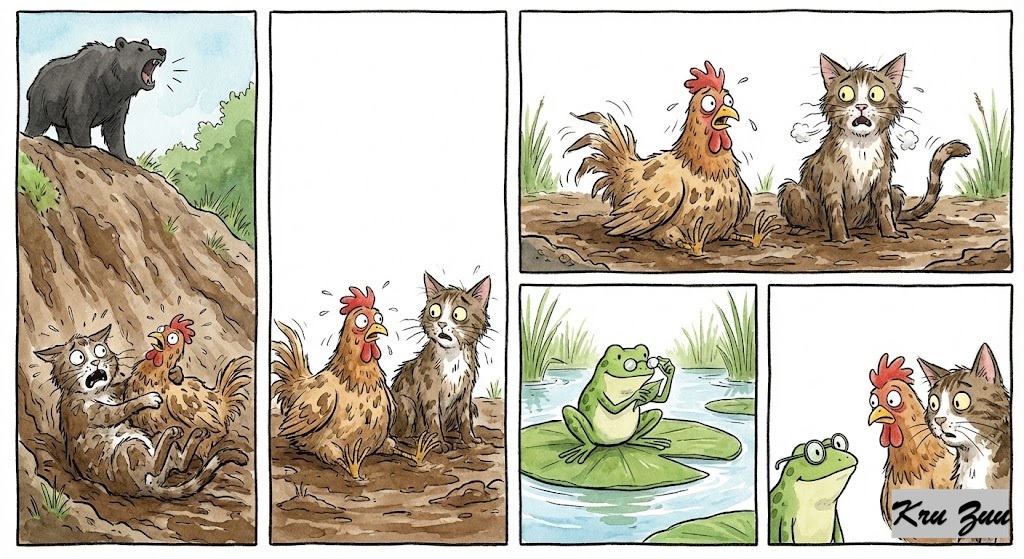
    The Result? ROAAAAAR! 🐻 The bear wakes up instantly. It is NOT happy. Cleo screeches! Feathers fly everywhere! Cluck runs in circles, clucking in terror! They barely escape the cave, sliding down the mud, ruining Cleo’s perfect fur.


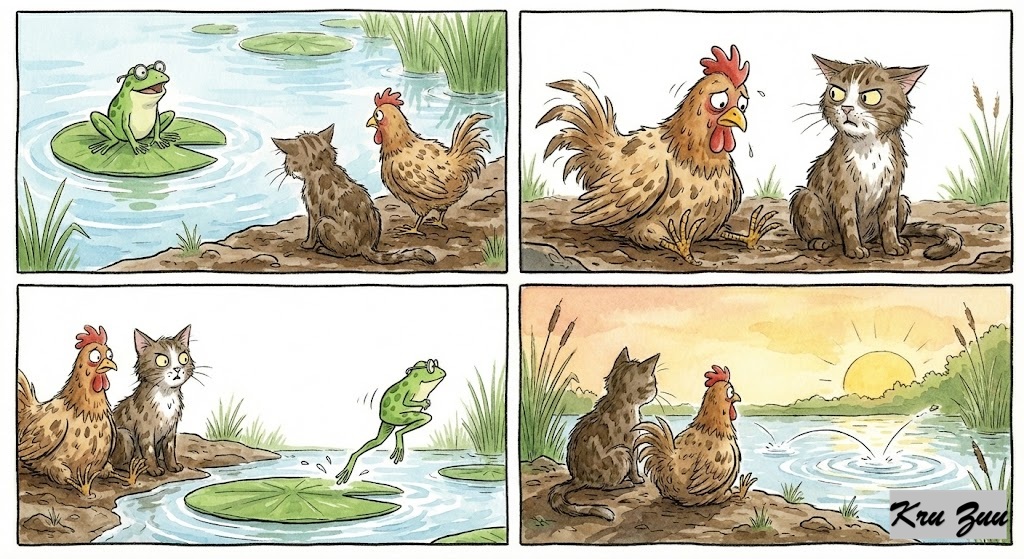
    The Resolution: They land at the bottom of the hill, covered in mud, shaking with fear. Fred the Frog is sitting there, polishing his glasses. He looks at the breathless Chicken.


    “Ribbit,” Fred says. “Cluck, the bear was happy. You were safe. You poked the problem, and now you are covered in mud.” Fred hops away. “Next time, my friend… let sleeping dogs (or bears) lie.”


    The Moral: If the problem is sleeping, don’t be the one to wake it up with a stick.

    🎓 Lesson for English Learners


    Context Matters Situation:
    You are in a meeting. Your colleague, Sarah, made a mistake last month. She fixed it. The boss has forgotten about it.

    Bad Move: Saying, “Well, at least this isn’t like the mistake Sarah made last month…”

    The Correction: Stop yourself. Think: If I say this, I create new drama.You Say: Nothing. You let sleeping dogs lie.


    💬 Your Turn: The Peace Challenge 🚀


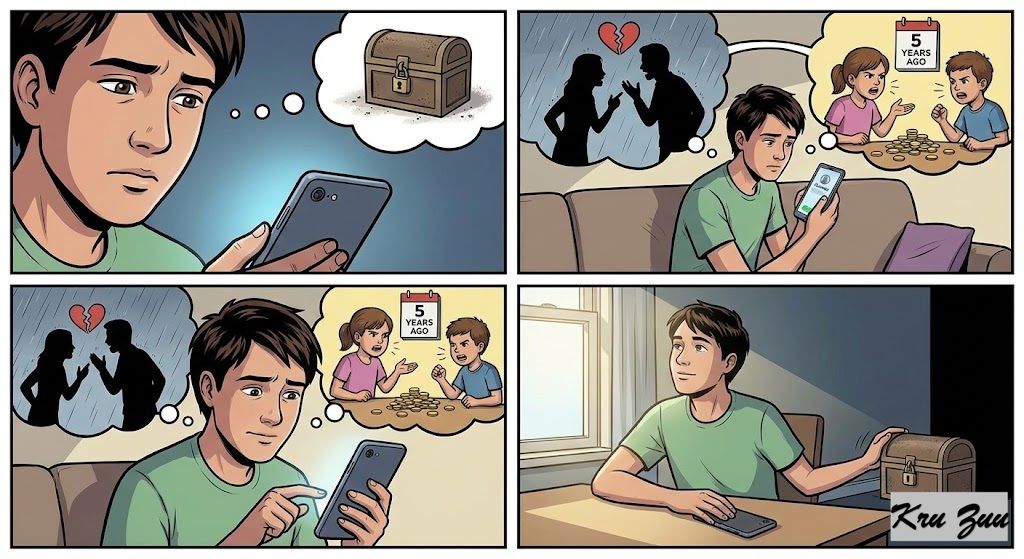
    Is there an old argument you are tempted to bring up? Maybe you want to text your ex? Maybe you want to remind your sibling about money they owed you 5 years ago?


    The Challenge:
    Don’t. Take a deep breath. Write the complaint on a piece of paper. Then, crumple the paper and throw it in the trash. Tell yourself: “I am choosing peace today.”


    👇 Question for the comments: Have you ever “woked a sleeping dog” and regretted it immediately? Tell us your story below! (I promise we won’t judge!)

    By Zubeyir YURTKURAN

    https://www.facebook.com/BrainBattleground/

    https://www.facebook.com/zubeyr.yurtkuran/

    https://www.instagram.com/zubeyryurtkuran/
    https://www.youtube.com/@BrainBattleground-b3p

    https://www.instagram.com/brainbattleground/

  • 🛡️ The Daily Shield: The Law of Precaution

    🛡️ The Daily Shield: The Law of Precaution

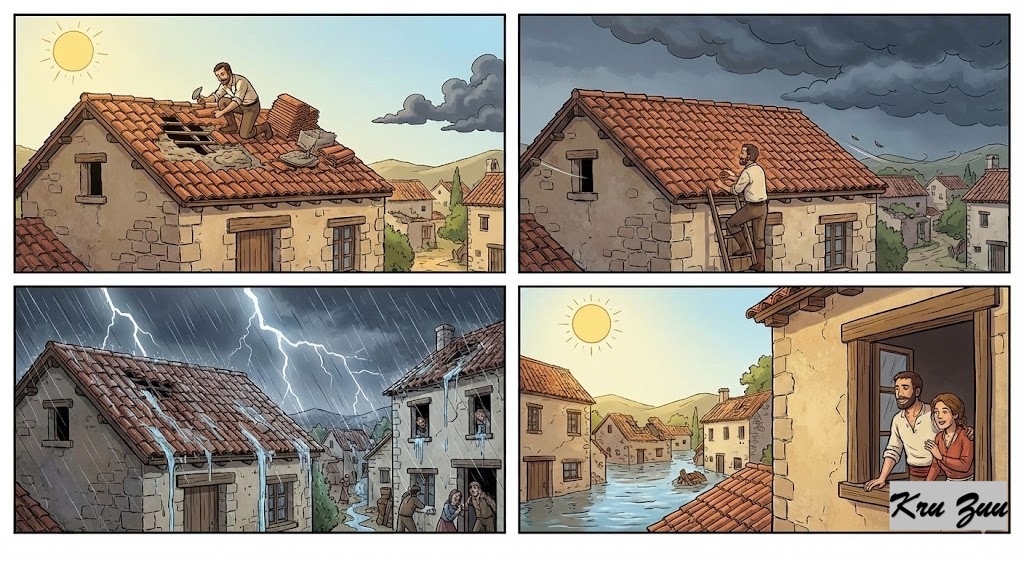
    “Better safe than sorry.”


    😈 The Villain (The Gambler)


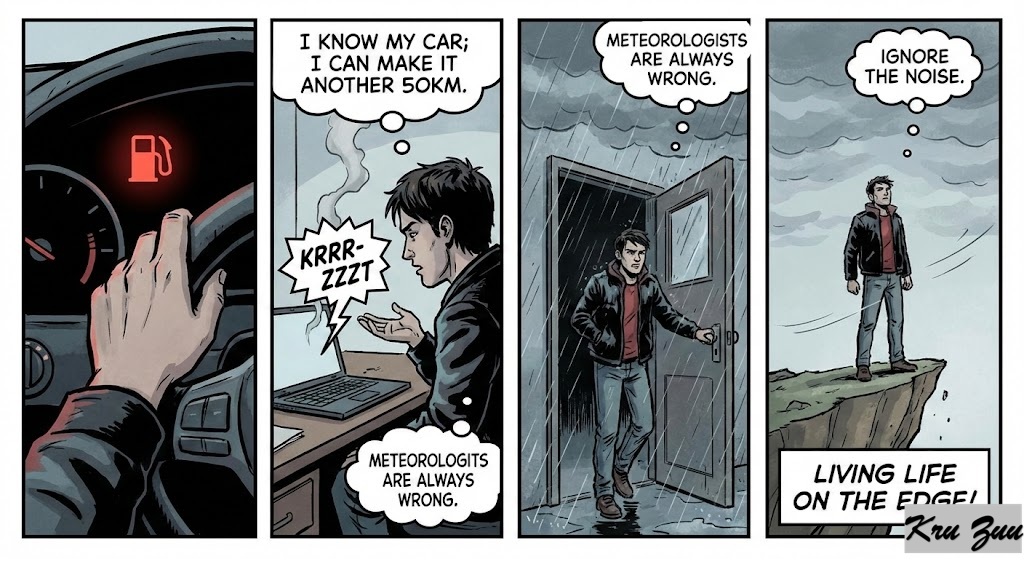
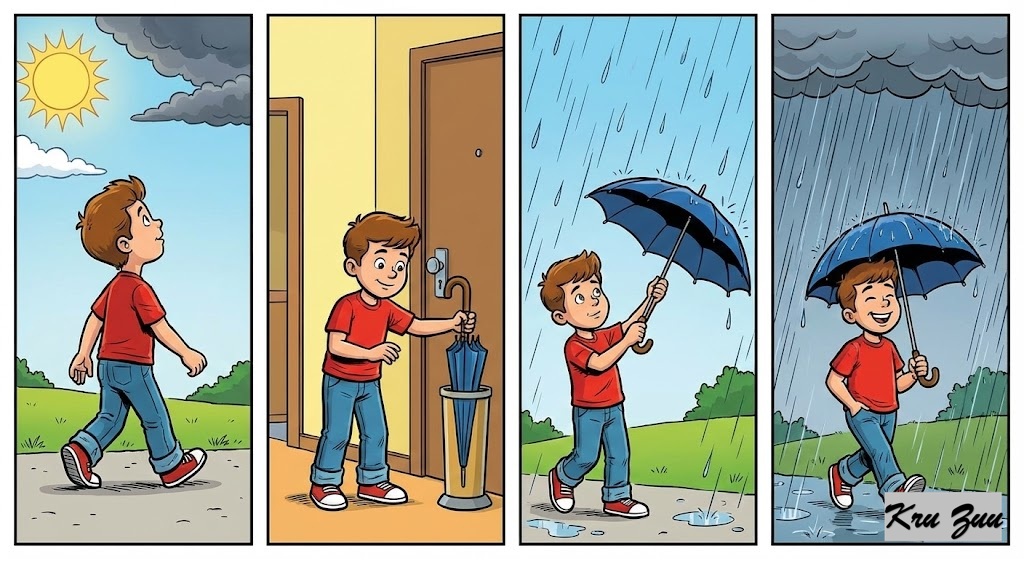
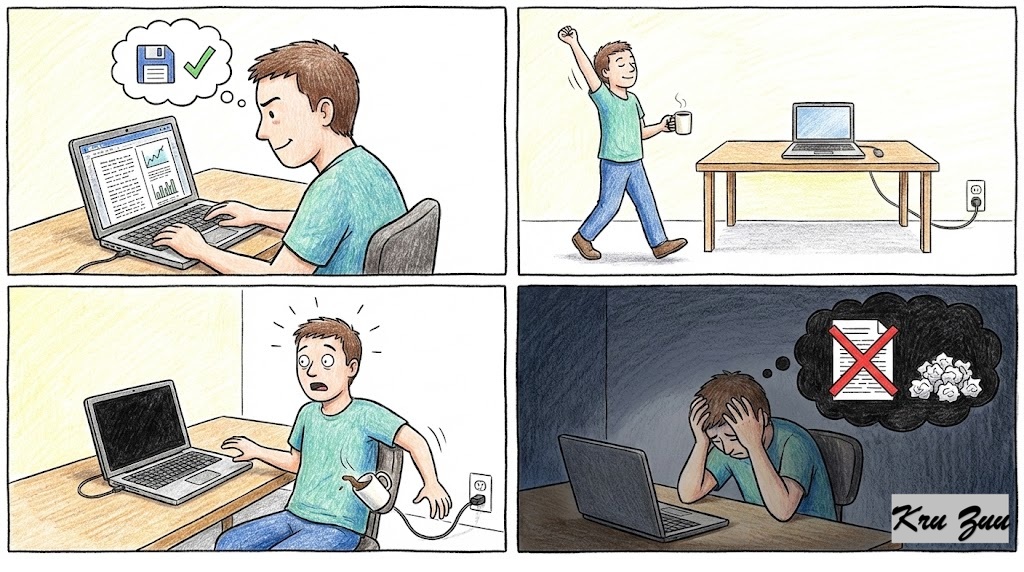
    You are driving, and the fuel light turns on. You say, “I know my car; I can make it another 50km.” You ignore the strange noise your laptop is making. You walk out into a grey sky without an umbrella because “Meteorologists are always wrong.” You live life on the edge.

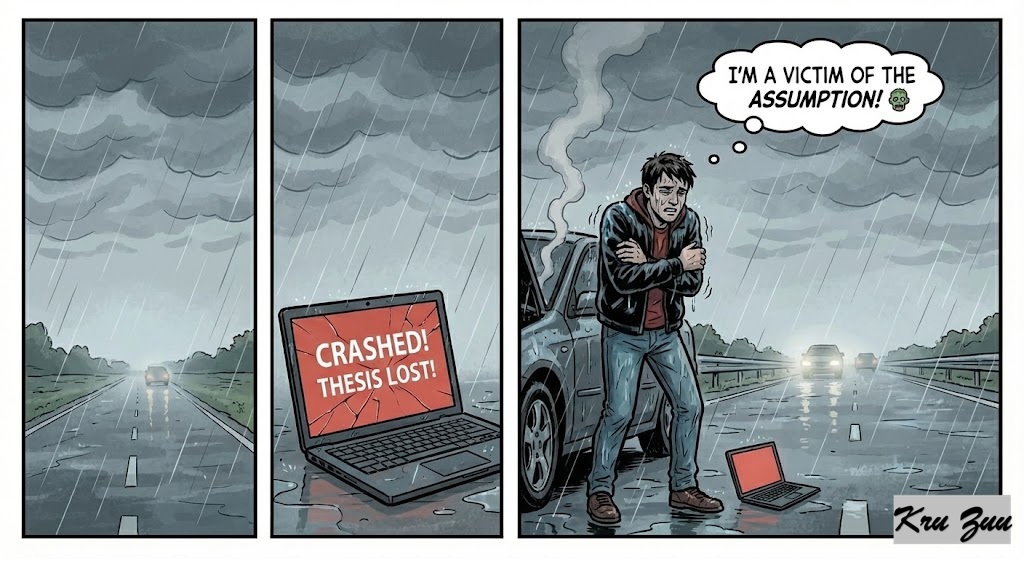
    The Result? You are stranded on the side of the highway in the rain. Your hard drive crashes, and you lose your thesis. You are soaked, cold, and miserable. You are a victim of The Assumption. 🧟‍♂️


    😇 The Hero (The Guardian)


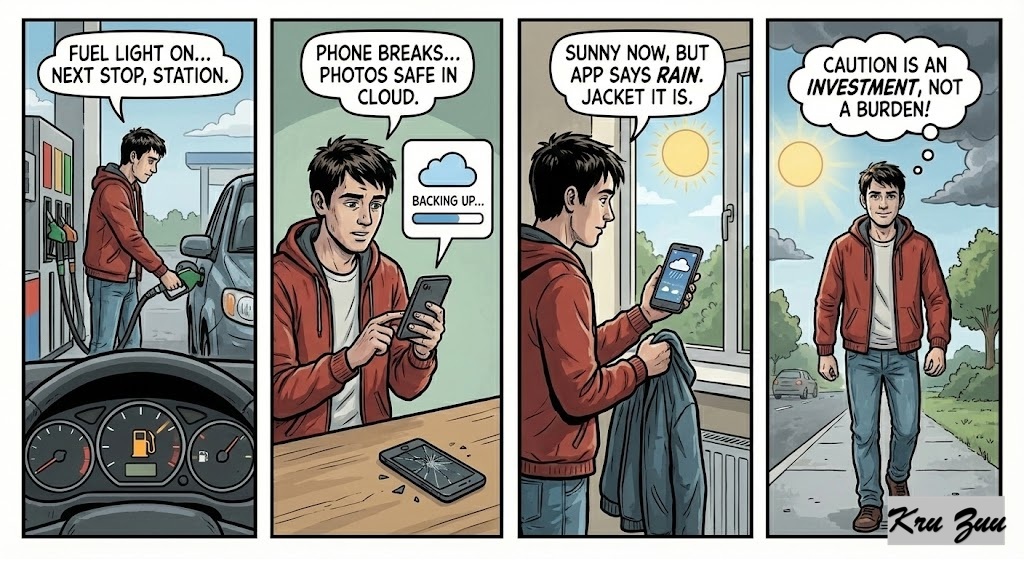
    You see the fuel light, and you stop at the next station. You backup your photos to the cloud before your phone breaks. You check the weather app and grab a jacket, even if it looks sunny now. You treat “Caution” as an investment, not a burden.

    The Result? When disaster strikes, you are untouched. You sleep soundly because you are prepared. You don’t rely on luck; you rely on Strategy. 🛡️


    ⚖️ The Reality


    “Optimism” is dangerous without a plan. We all think, “It won’t happen to me.” That is the brain’s favorite lie. Accidents, storms, and crashes don’t make appointments. They just show up.

    💎 The Secret

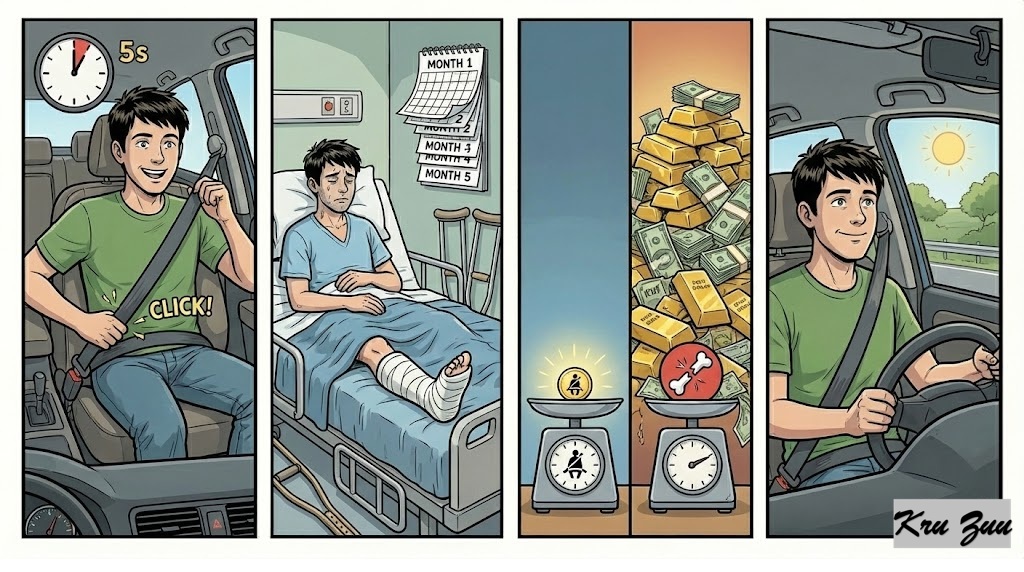
    It takes 5 seconds to fasten a seatbelt. It takes 5 months to recover from an injury. The “cost” of being safe is tiny. The “cost” of being sorry is enormous.

    🧐 The Anatomy of the Proverb


    This is the Golden Rule of Risk Management.


    Better (Adjective – Comparative): More desirable; superior.


    Safe (Adjective): Protected from or not exposed to danger or risk. 🛡️


    Sorry (Adjective):
    Feeling distress, typically through sympathy with someone else’s misfortune or regret. 😢


    Simpler Version: Be careful now so you don’t cry later.


    📚 Vocabulary Vault


    Precaution (Noun): A measure taken in advance to prevent something dangerous. (Example: Buying travel insurance is a smart precaution.)


    Inevitable (Adjective): Certain to happen; unavoidable.


    Hindsight (Noun): Understanding a situation only after it has happened.


    Prudent (Adjective): Acting with or showing care and thought for the future. 🧠


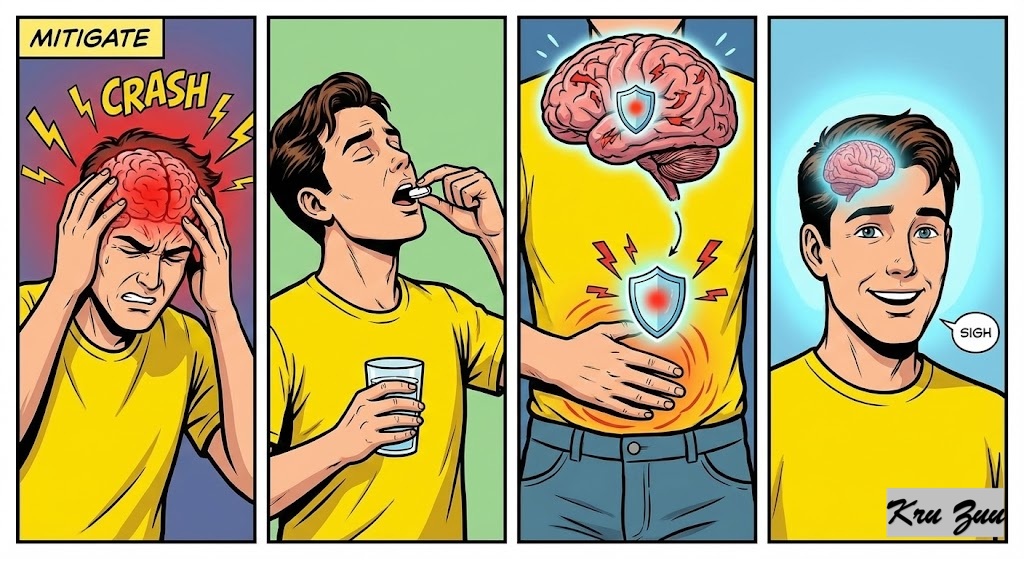
    Mitigate (Verb): Make less severe, serious, or painful.


    🧠 Grammar Focus: Comparative Adjectives & Ellipsis


    This proverb is a masterclass in shortening sentences (Ellipsis).


    The Full Sentence:“It is better to be safe than it is to be sorry.”


    The Grammar Rule: When comparing two states, we use [Adjective] + -er or More + [Adjective].


    Good → Better
    Bad → Worse


    Examples:
    “Better late than never.”
    “Sooner or later.”

    📜 History: Origin and Spread


    This isn’t just English; it’s universal human survival instinct.


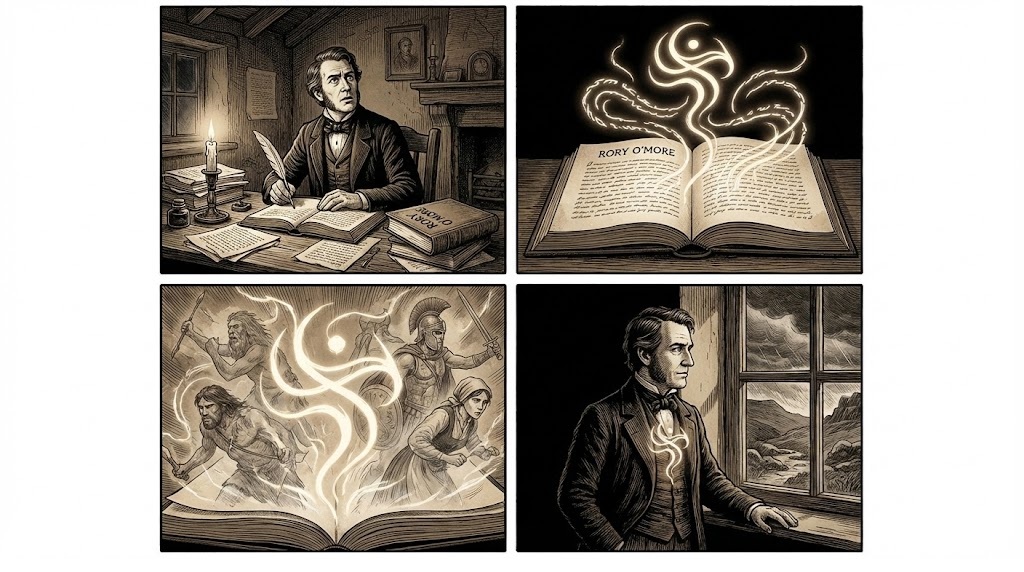
    The Origin: While the concept is ancient, this specific phrasing appeared in the Irish novel Rory O’More in 1837.


    Global Cousins


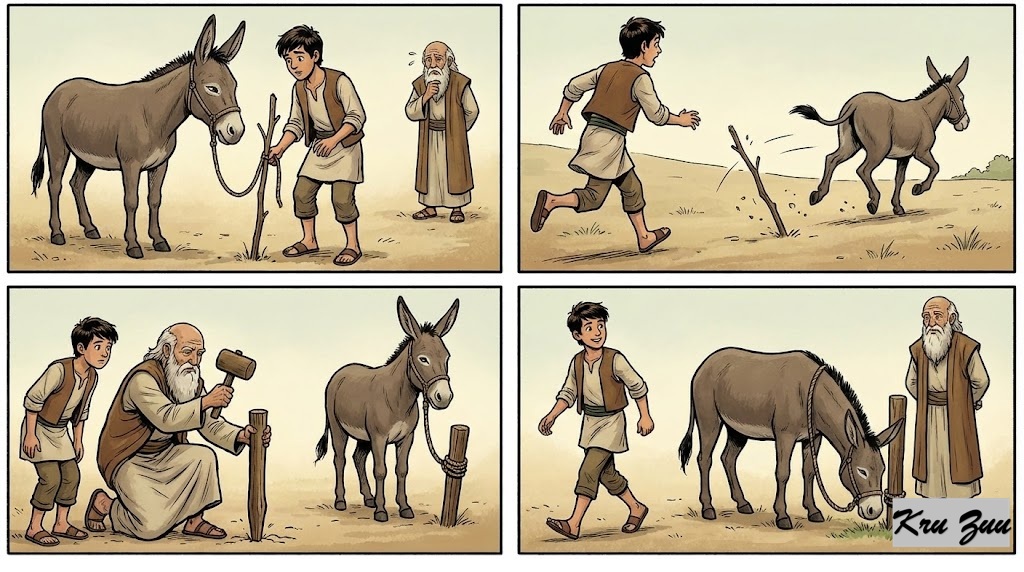
    🇹🇷 Turkish:“Eşeğini sağlam kazığa bağla.” (Tie your donkey to a sturdy stake.) — Don’t trust the donkey to stay; trust the rope!


    🇪🇸 Spanish:“Mas vale prevenir que curar.” (It is better to prevent than to cure.)


    🇮🇹 Italian:“Meglio aver paura che buscarne.” (Better to be afraid than to get hurt.)

    🎯 Impact on Life: The Pros & Cons


    ✅ The Pros (The Confidence)


    Peace of Mind:
    Anxiety comes from the unknown. Preparation kills anxiety.


    Control: When you are safe, you control the situation, instead of the situation controlling you.


    ❌ The Cons (The Paranoia)


    Overthinking:
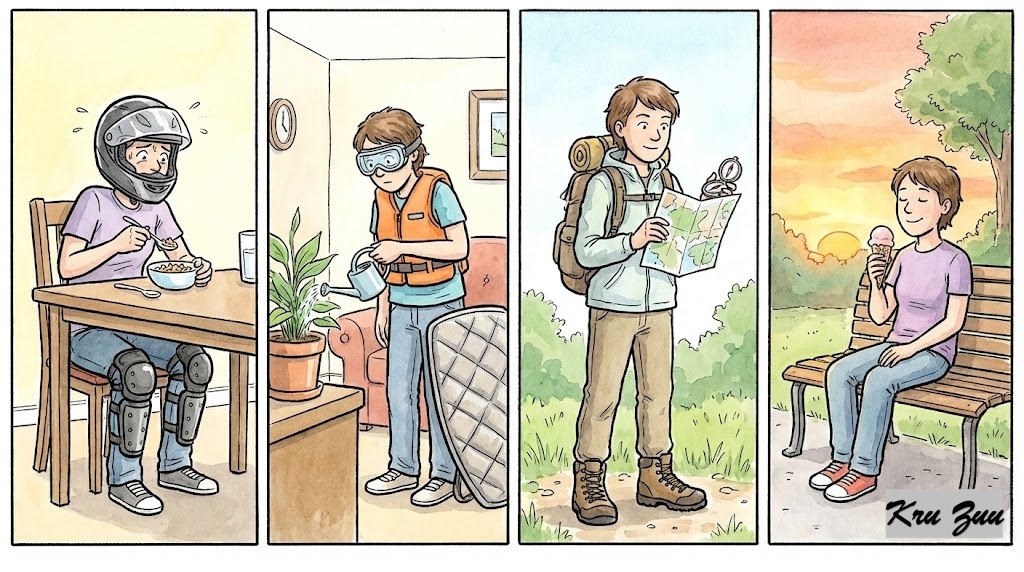
    Don’t wear a helmet to eat dinner. There is a fine line between “Safety” and “Fear.” Be prepared, not scared.

    🎭 Short Story: The Storm and the Shelter


    Let’s visit our animal friends to see this law in action.


    🌟 The Setup: The weather forecast predicts a massive storm tonight.


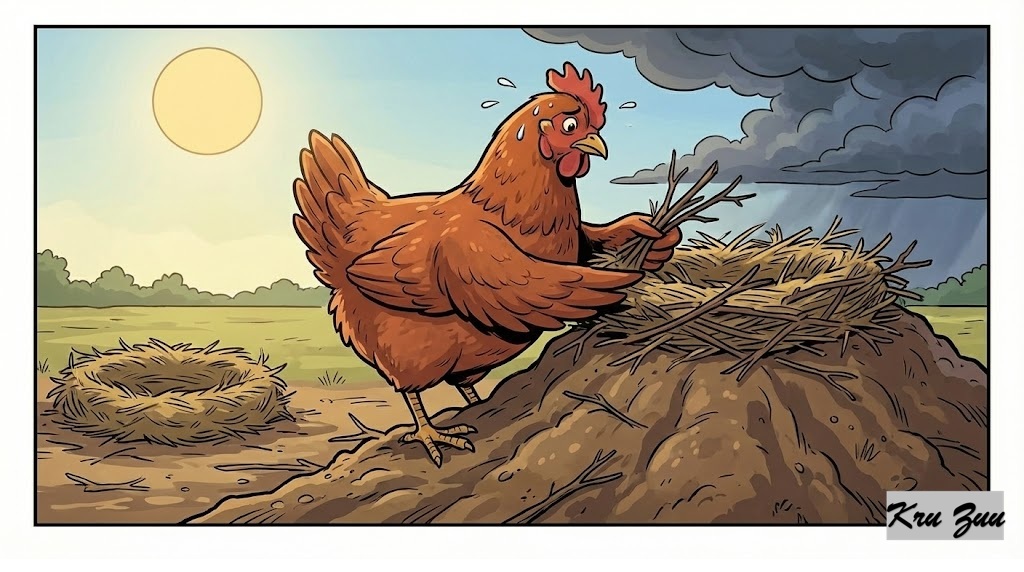
    🐸 The Frog (The Risk-Taker): The Frog is sharp and fast. He laughs. “A storm? I live in nature! I can jump away from danger. I don’t need to reinforce my lily pad. I’ll just hide under a leaf when the rain starts. I have plenty of time.” The Frog chooses “Later.”


    🐔 The Chicken (The Cautious One): The Chicken is rusty but comfortable. She is worried. “My feathers cannot get wet,” she clucks. She spends the whole afternoon moving her nest to high ground. She reinforces the walls with extra twigs. She works hard while the sun is still shining. The Chicken chooses “Now.”


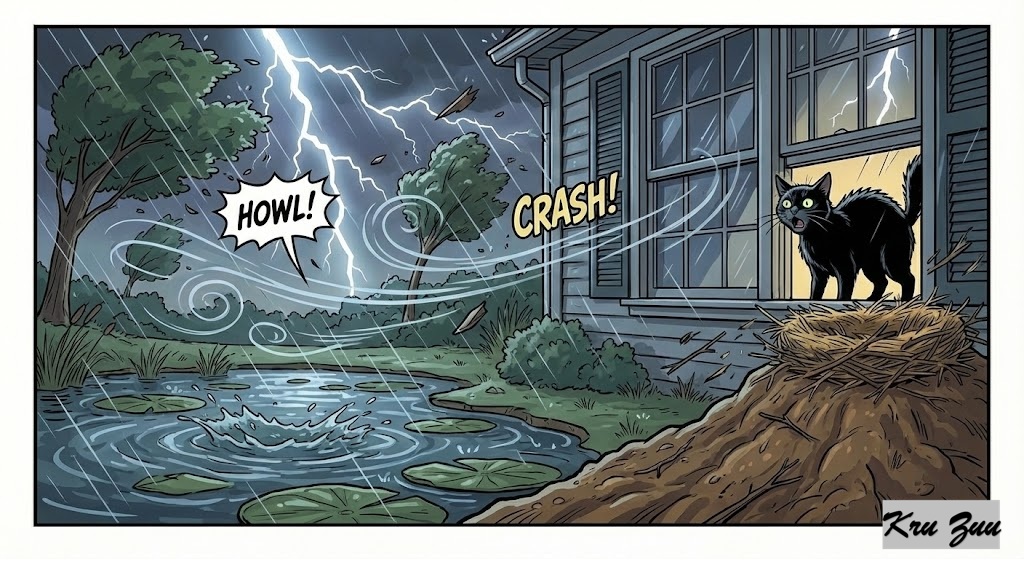
    🐱 The Cat (The Observer): The Cat watches them both from the window. “Meow,” implies the Cat. “The Frog is arrogant. The Chicken is prudent.”


    The Climax: Midnight comes. The storm is stronger than expected. The wind howls.


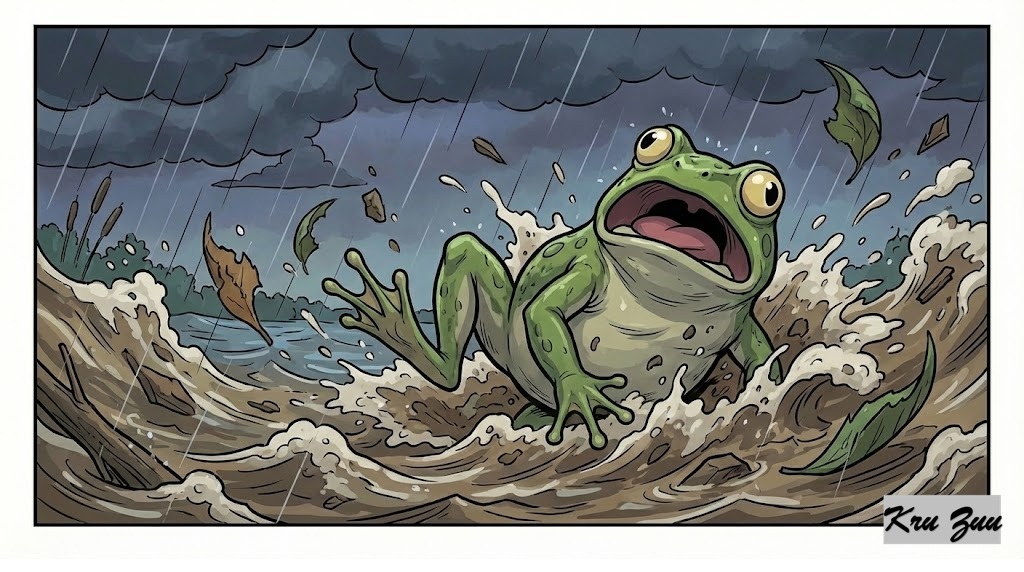
    The Frog: The wind blows his leaf away instantly. He is tossed around in the chaotic muddy water, cold and terrified. He wishes he had prepared a burrow. He is Sorry.


    The Chicken: She sits warm and dry in her reinforced nest on high ground, sipping corn tea. She sleeps peacefully. She is Safe.


    The Moral: You don’t prepare for the storm when the rain starts. You prepare when the sun is shining. Be the Chicken. 🐔

    🎓 Lesson for English Learners


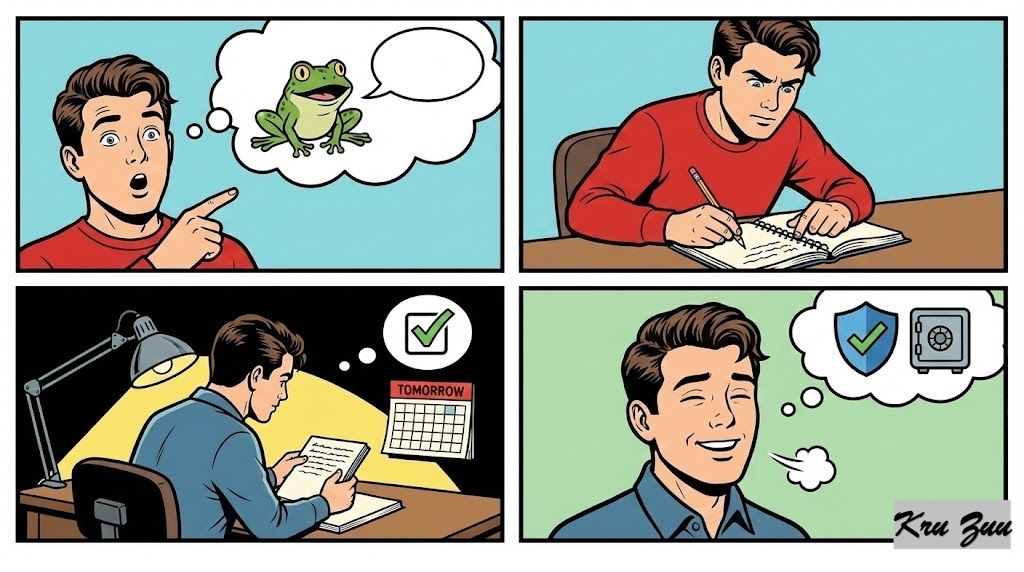
    Don’t trust your memory.


    Situation: You learn a new word. You tell yourself, “I will remember this.”


    You Say: “No, that is the Frog talking. I will write it down. I will review it tomorrow. Better safe than sorry.”


    Situation: You have an exam in 3 days. You think you know the topics.


    You Say: “I will study for one hour today anyway. If the exam is hard, I will be ready. If it is easy, I lost nothing.”


    💬 Your Turn: The “Backup” Challenge 🚀


    We all have one area where we are being a “Frog.”


    The Challenge


    Check your phone. When was the last time you backed up your photos?


    Check your bag. Do you have a portable charger?


    Check your work. Did you hit “Save” on that document?


    The Action: Do one act of “Safety” right now. Back up the files. Lock the door. Check the tires.


    Question: What is one thing you always double-check before leaving the house? Tell us in the comments! 👇


    By Zubeyir YURTKURAN

    https://www.facebook.com/BrainBattleground/

    https://www.facebook.com/zubeyr.yurtkuran/

    https://www.instagram.com/zubeyryurtkuran/
    https://www.youtube.com/@BrainBattleground-b3p

    https://www.instagram.com/brainbattleground/

  • 🖋️ The Daily Shield: The Law of Influence

    🖋️ The Daily Shield: The Law of Influence

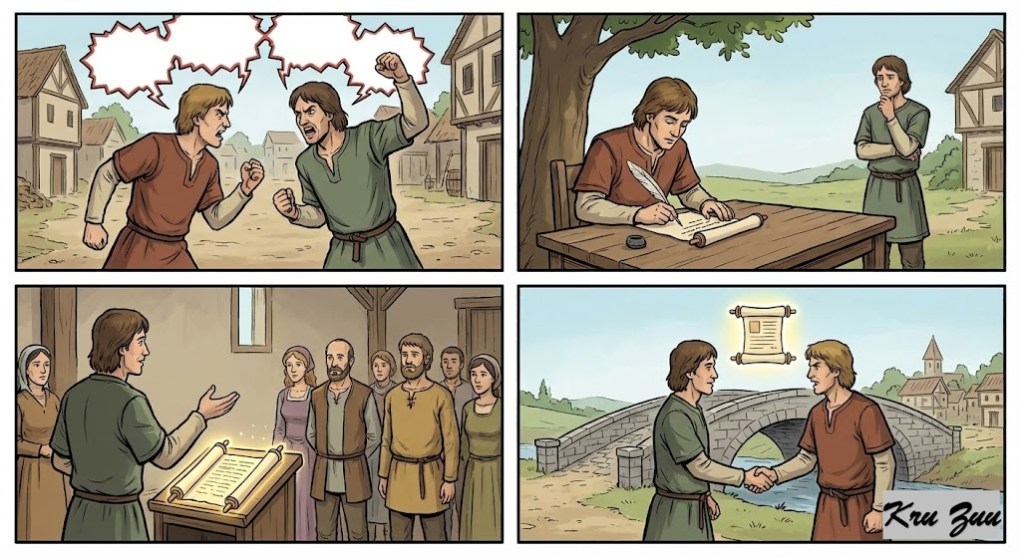
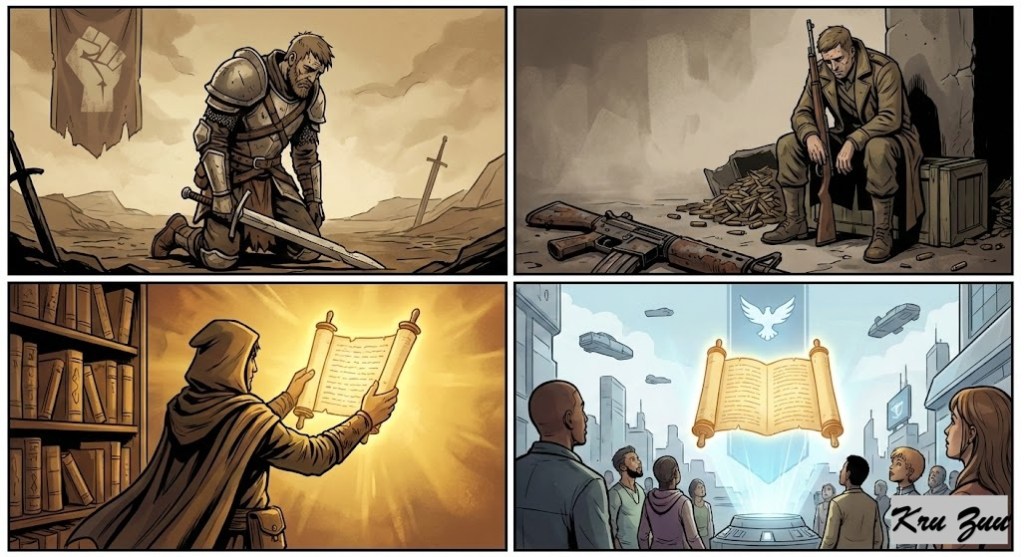
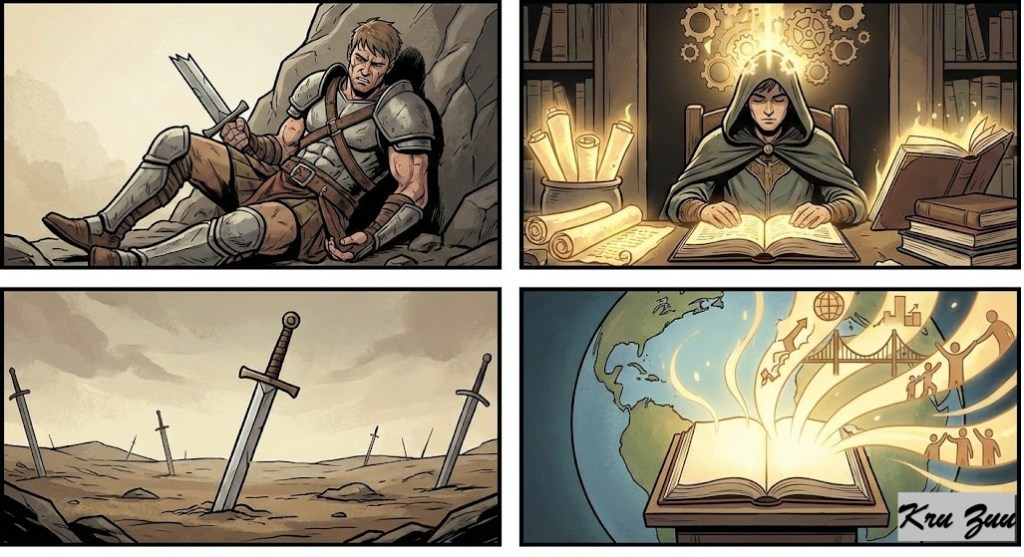
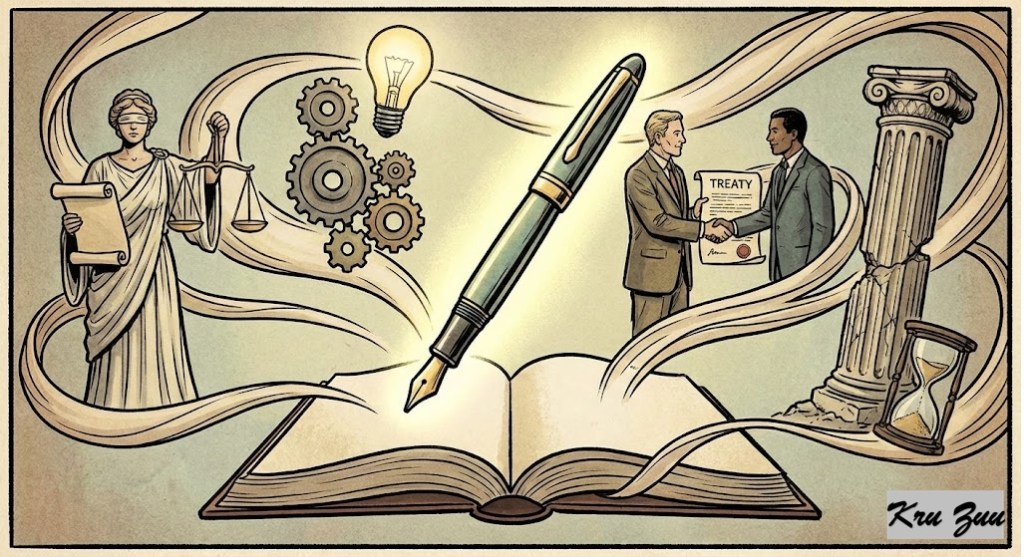
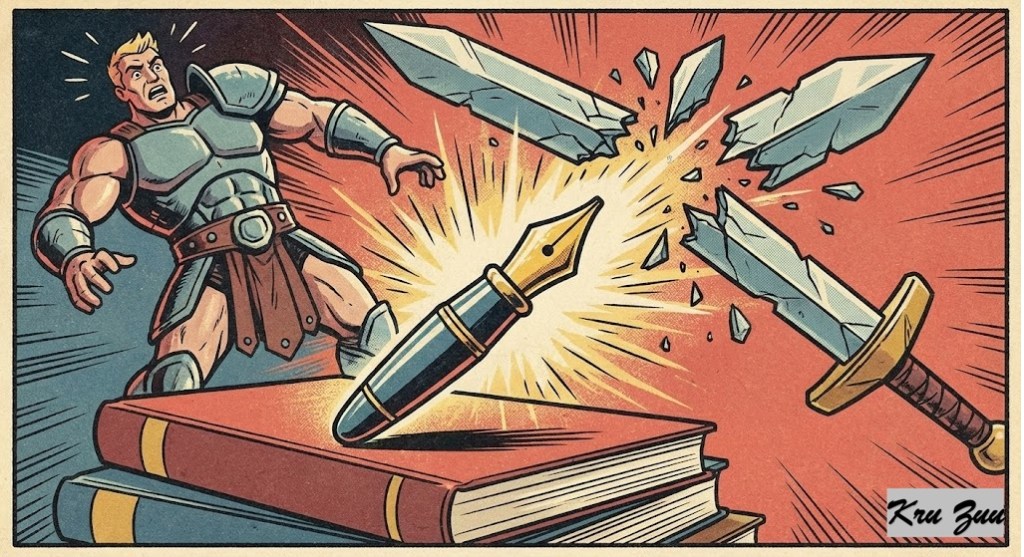
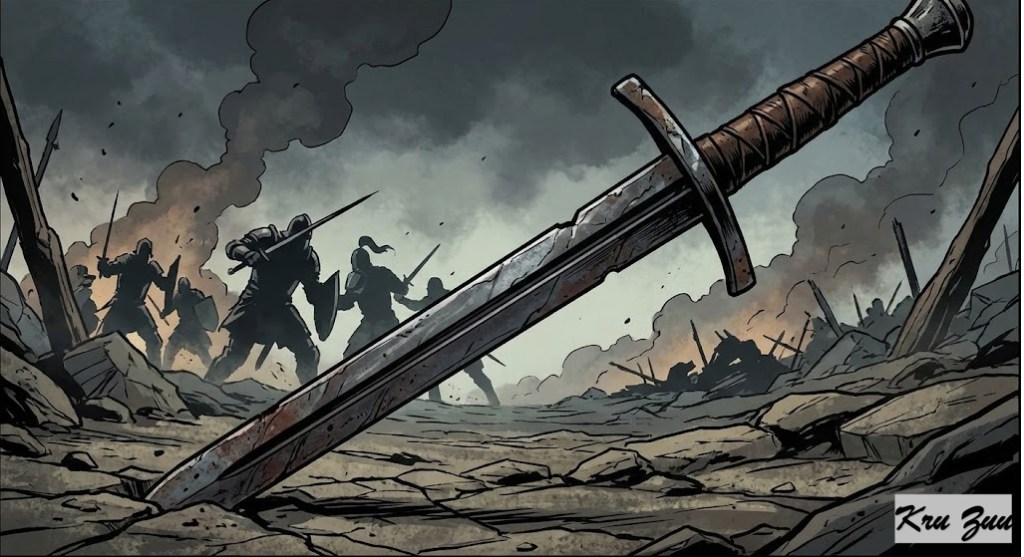
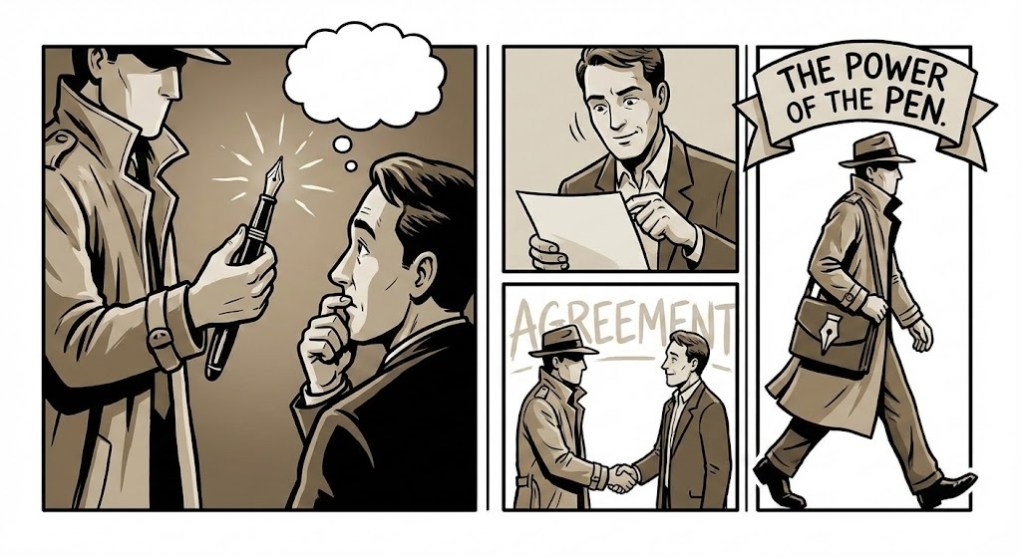
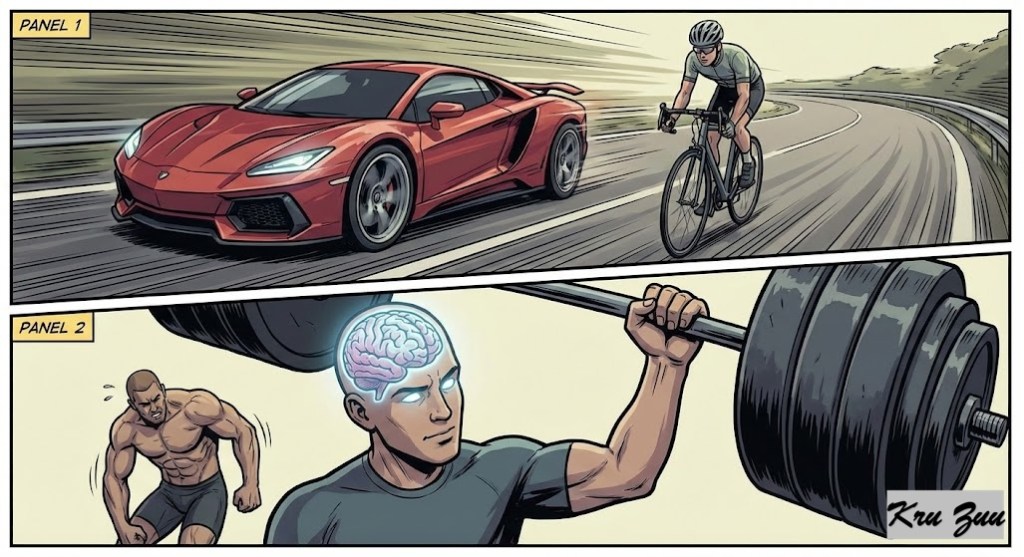
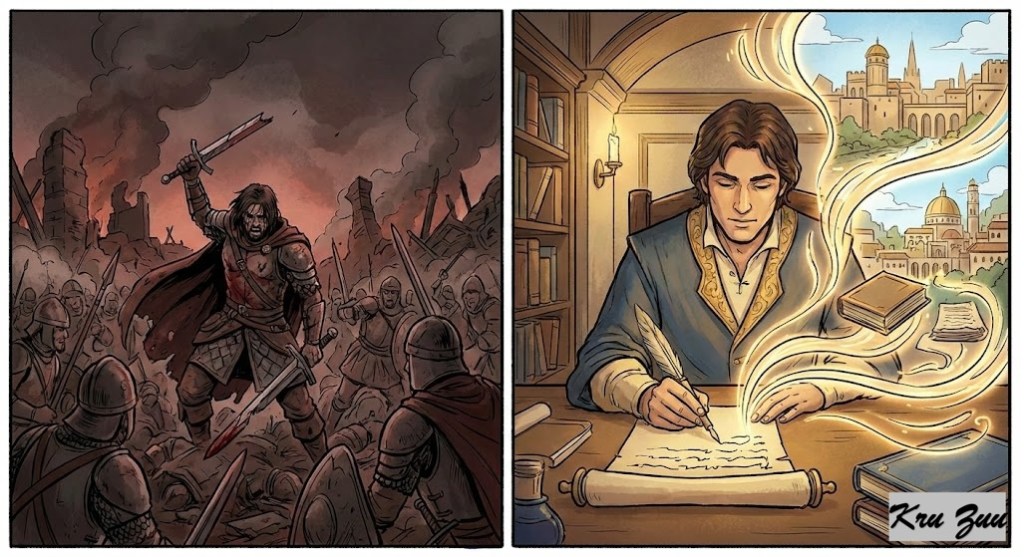
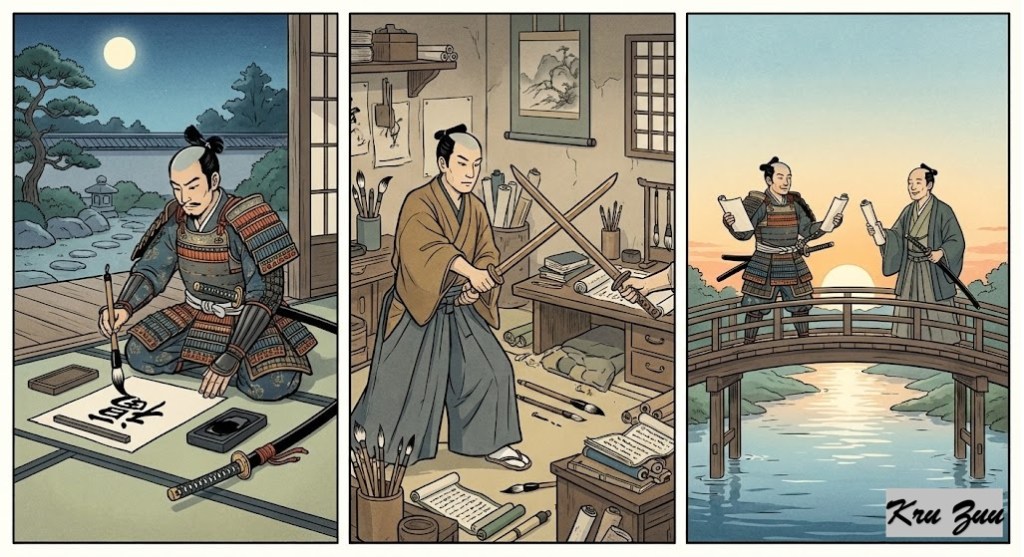
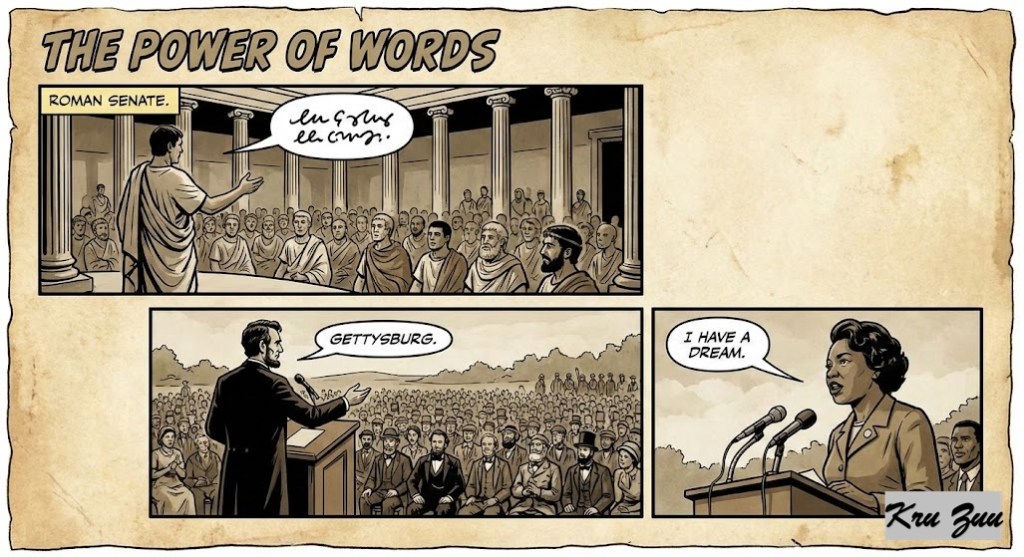
    “The pen is mightier than the sword.”


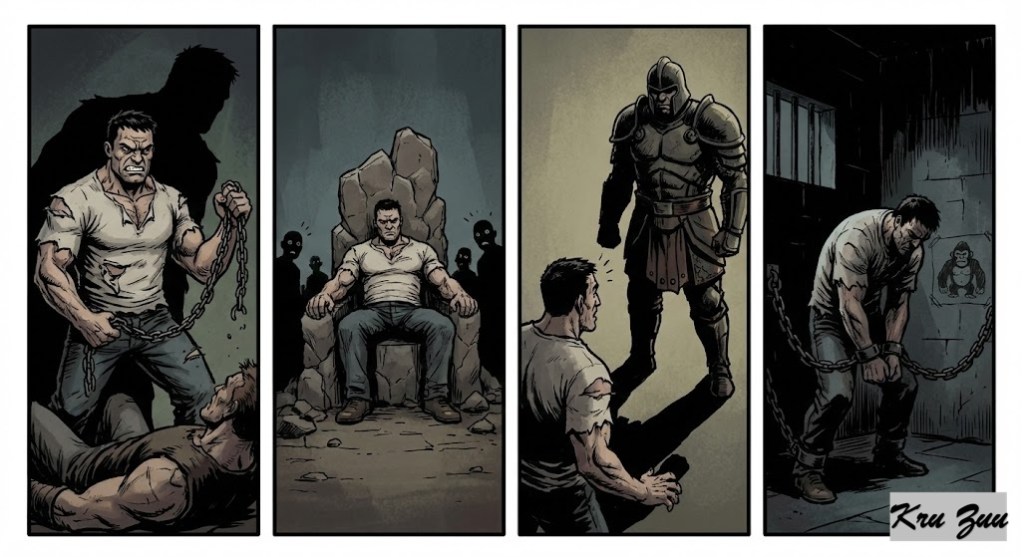
    😈 The Villain (The Barbarian)


    You encounter a problem. Maybe someone disagrees with you, or you want something someone else has. Your instinct? Scream. Shout. Threaten. Use force. You think, “If I am louder and stronger, I win.”

    The Result? You might win the battle, but you lose the war. You create enemies. People fear you, but they don’t respect you. Physical force is temporary; eventually, someone stronger than you will come along. You are a slave to Brute Force. 🦍


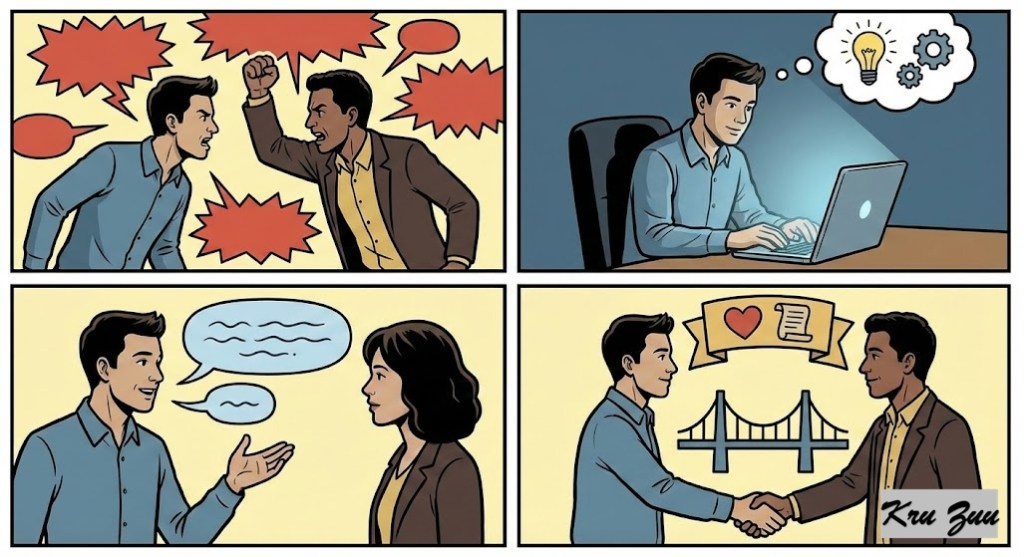
    😇 The Hero (The Diplomat)


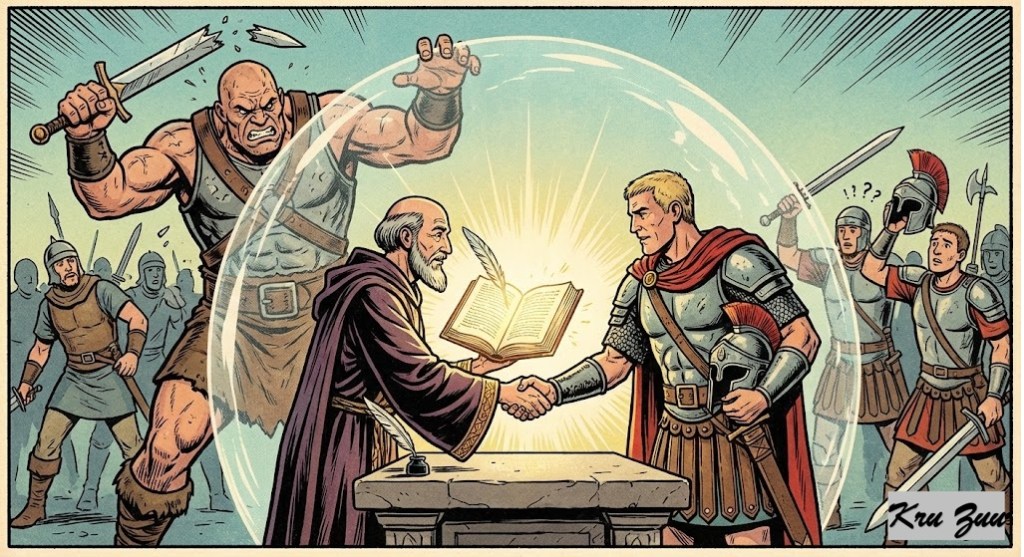
    You face a conflict. Instead of raising your voice (or your fist), you sharpen your mind. You write a persuasive email. You speak with logic and emotion. You use words to change how people think.

    The Result? You solve the problem without bloodshed. You turn enemies into allies. You create a change that lasts forever because you changed the mind, not just the situation. You wield the ultimate weapon: The Truth. 📜


    ⚖️ The Reality


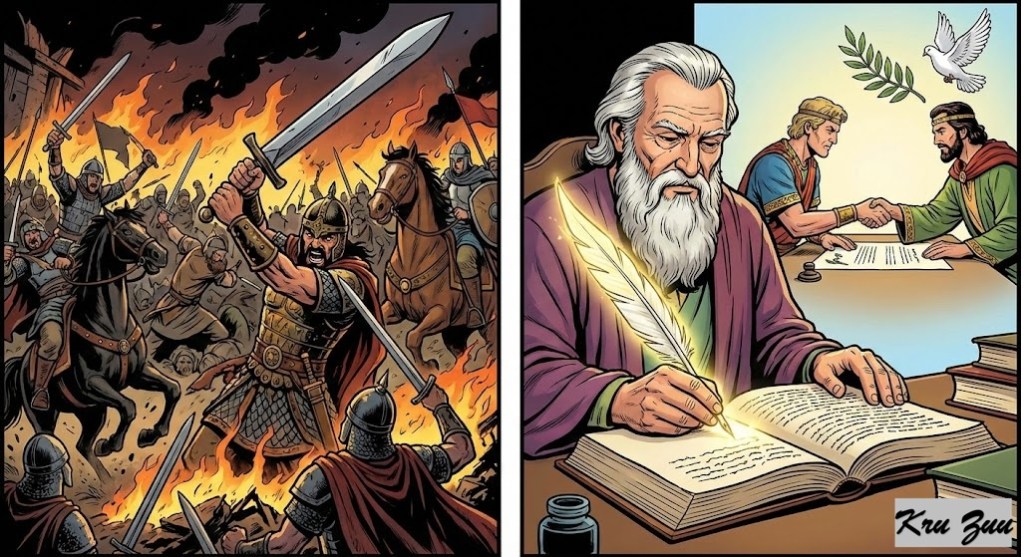
    Muscles get tired. Swords rust. Guns run out of bullets. But an Idea? An idea written down can live for 1,000 years. It can start revolutions, stop wars, and build nations. Violence forces the body to obey; Words inspire the soul to follow.


    💎 The Secret


    Physical strength is limited. Intellectual strength is infinite. A sword can kill one man, but a book can change the world.

    🧐 The Anatomy of the Proverb


    This proverb teaches the power of communication over violence.


    The Pen (Noun): A tool for writing. (Symbolizes: Intellect, diplomacy, communication, laws, history).


    Mightier (Adjective – Comparative): Stronger; having more power. 💪


    The Sword (Noun): A weapon with a long metal blade. (Symbolizes: Violence, war, physical force, coercion). ⚔️


    Simpler Version: Thinking and talking are more effective than fighting.


    📚 Vocabulary Vault


    Persuasion (Noun): The act of convincing someone to do or believe something. (The superpower of the “Pen”).


    Conflict (Noun): A serious disagreement or argument.


    Diplomacy (Noun): The art of dealing with people in a sensitive and effective way.


    Intellect (Noun): The faculty of reasoning and understanding objectively. 🧠


    Coercion (Noun): Persuading someone to do something by using force or threats. (The method of the “Sword”).


    🧠 Grammar Focus: Comparatives


    This proverb is a perfect example of Comparative Adjectives.


    The Rule: When comparing two things, we usually add “-er” to short adjectives and use “than”.


    Mighty (Strong/Powerful) ➡️ Mightier (Note: The ‘y’ turns into ‘ier’).


    Strong ➡️ Stronger


    Sharp ➡️ Sharper


    Example Structure: [Noun A] + [is] + [Adjective-er] + [than] + [Noun B].


    My car is faster than your bike.


    Your brain is stronger than your muscles.

    📜 History: Origin and Spread


    Where did this famous phrase come from?


    The Origin:
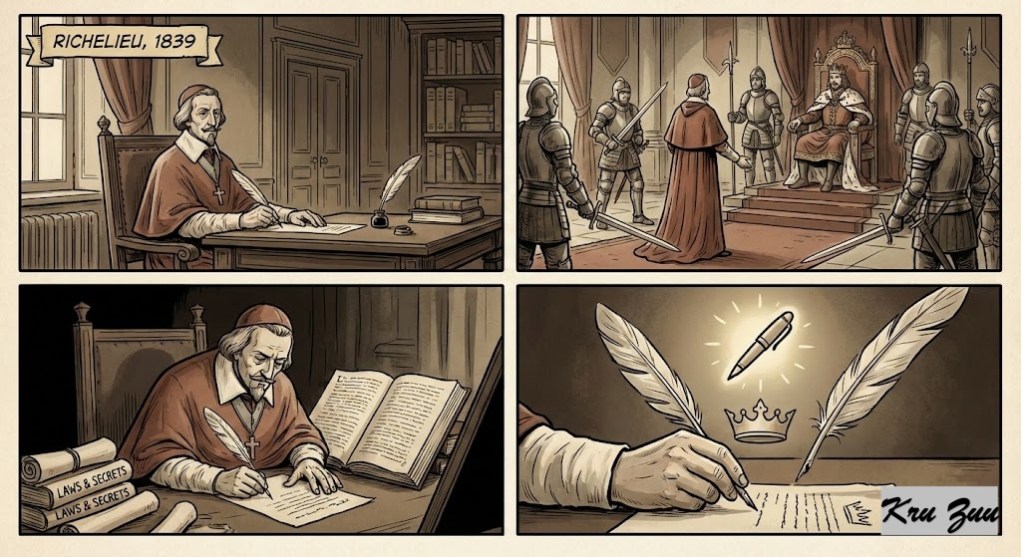
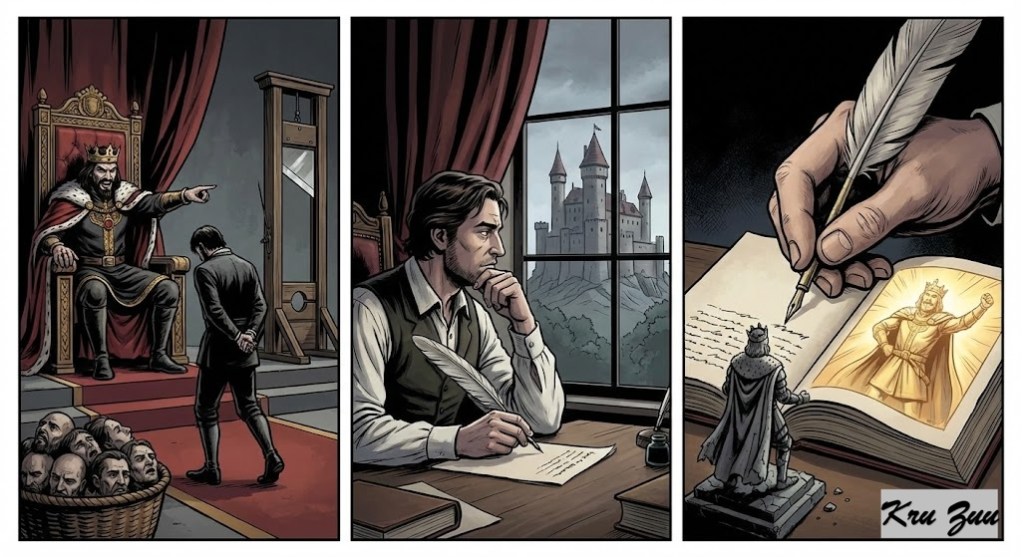
    It was written by the English author Edward Bulwer-Lytton in 1839 for his play Richelieu. The main character discovers that he can control the King not by fighting him, but by writing laws and secrets.


    The Logic: Kings can cut off heads, but writers decide how history remembers those Kings.


    Global Cousins


    🇹🇷 Turkish:
    “Kalem kılıçtan keskindir.” (The pen is sharper than the sword). — Almost identical!


    🇪🇸 Spanish: “La pluma es más poderosa que la espada.”


    🇯🇵 Japanese: “Bunbu Ryodo” (The pen and the sword in accord) — Suggesting you need balance.

    🎭 Short Story: The Barnyard Battle


    Let’s see why words win, featuring our animal friends.


    🌟 The Cast


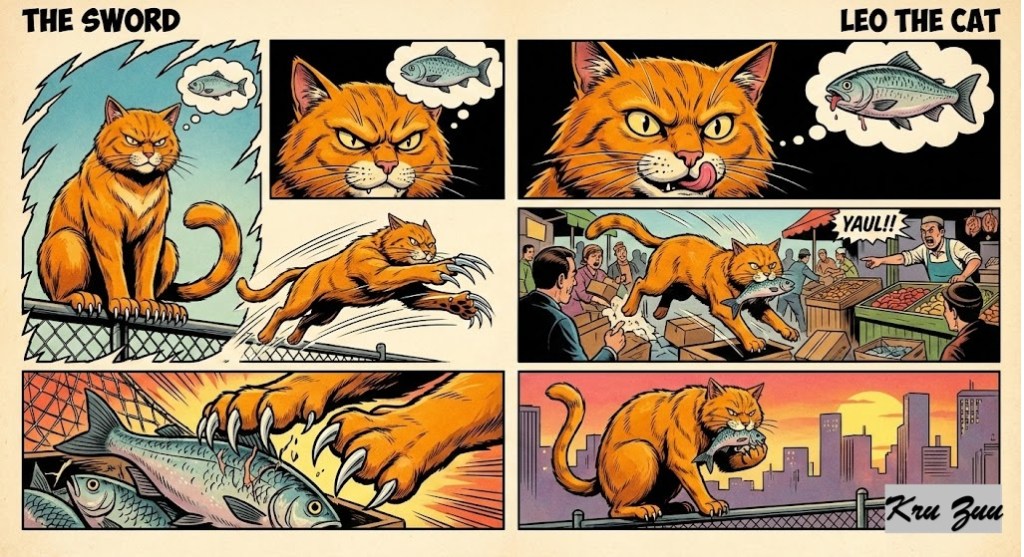
    Leo the Cat:
    Big, strong claws, hungry. Represents The Sword. 😼


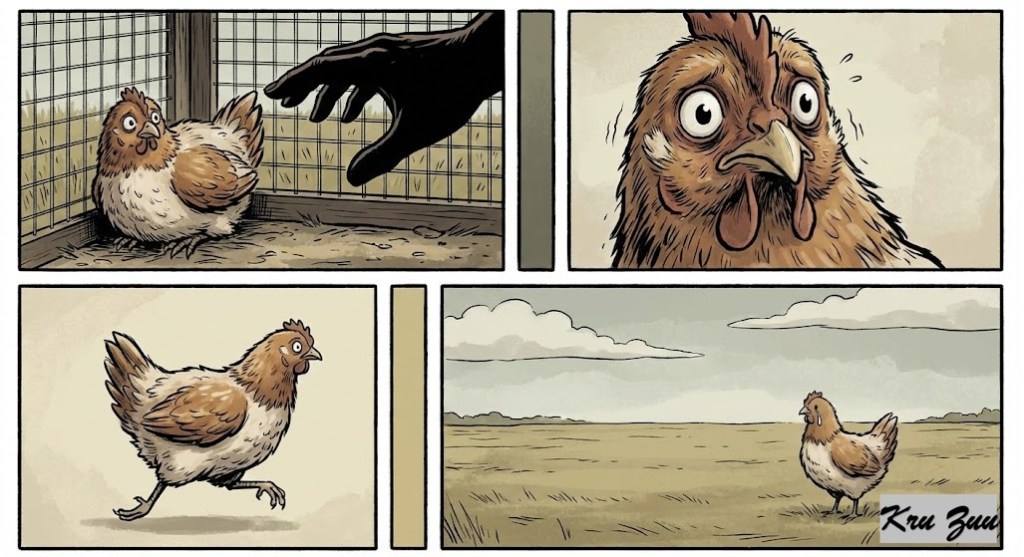
    Bella the Chicken: Delicious, scared, physically weak. Represents The Victim. 🐔


    Professor Croak (The Frog): Small, wears glasses, loves to read. Represents The Pen. 🐸


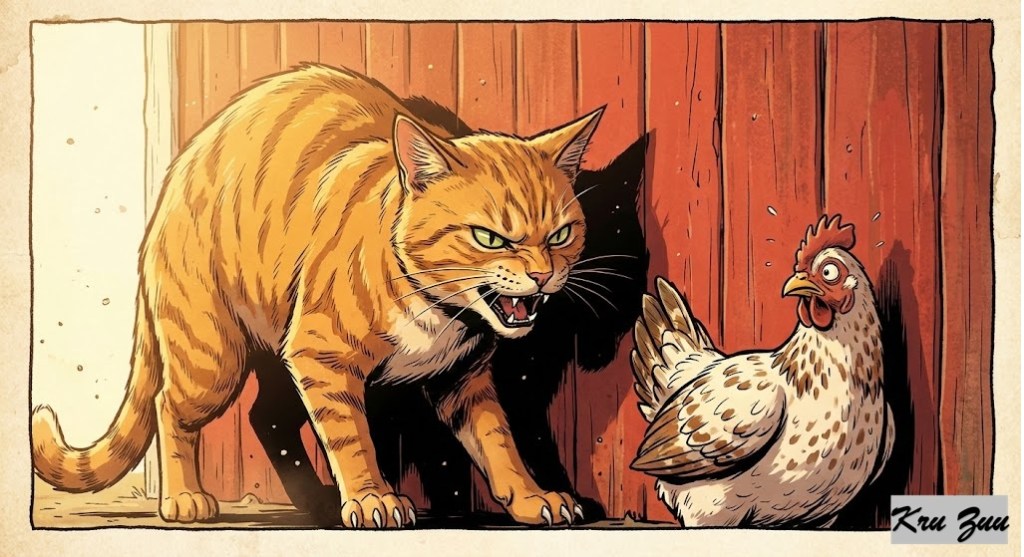
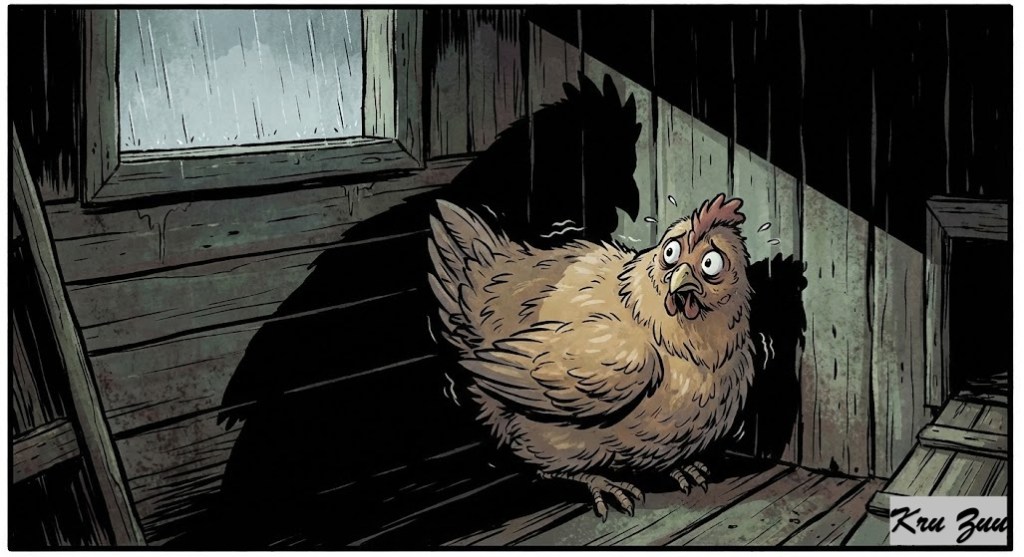
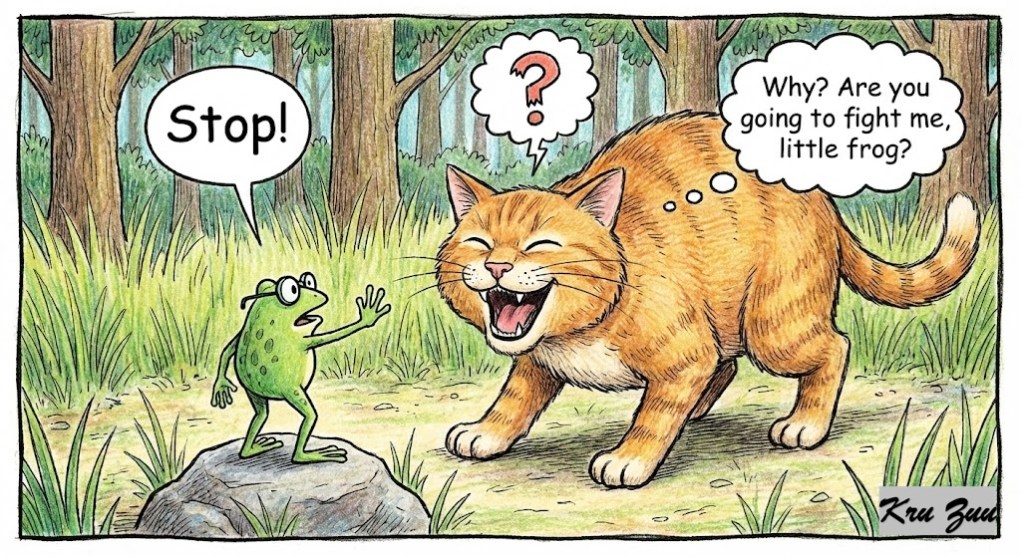
    The Plot: It was a sunny Tuesday. Leo the Cat cornered Bella the Chicken against the barn wall. “I am going to eat you!” Leo hissed, showing his sharp claws. “I am stronger than you. I am faster than you. Physical force wins!”


    Bella trembled. She couldn’t fight. She was doomed.


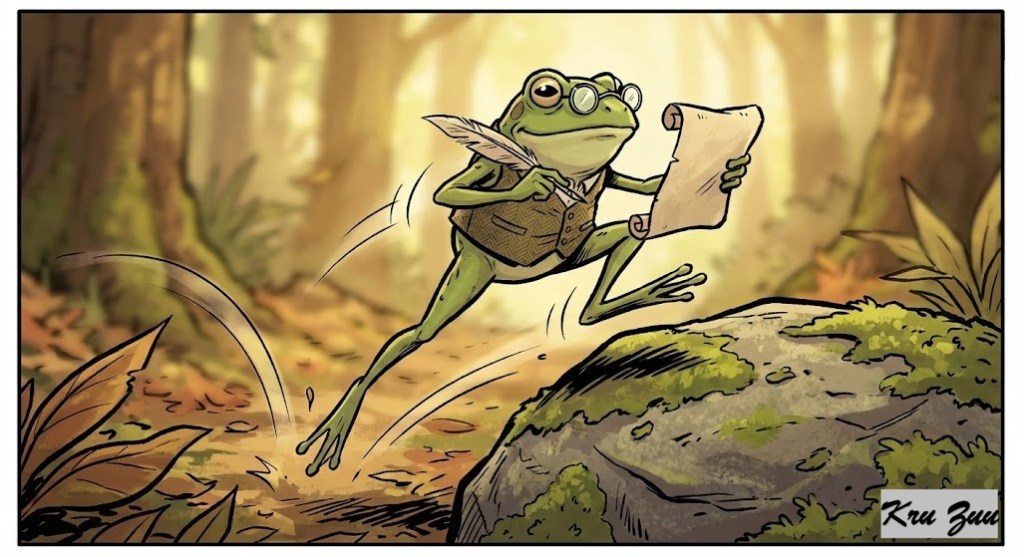
    Suddenly, Professor Croak hopped onto a rock. He didn’t have claws. He didn’t have muscles. He held a piece of paper and a pen.


    “Stop!” croaked the Professor. “Why?” laughed Leo. “Are you going to fight me, little frog?”


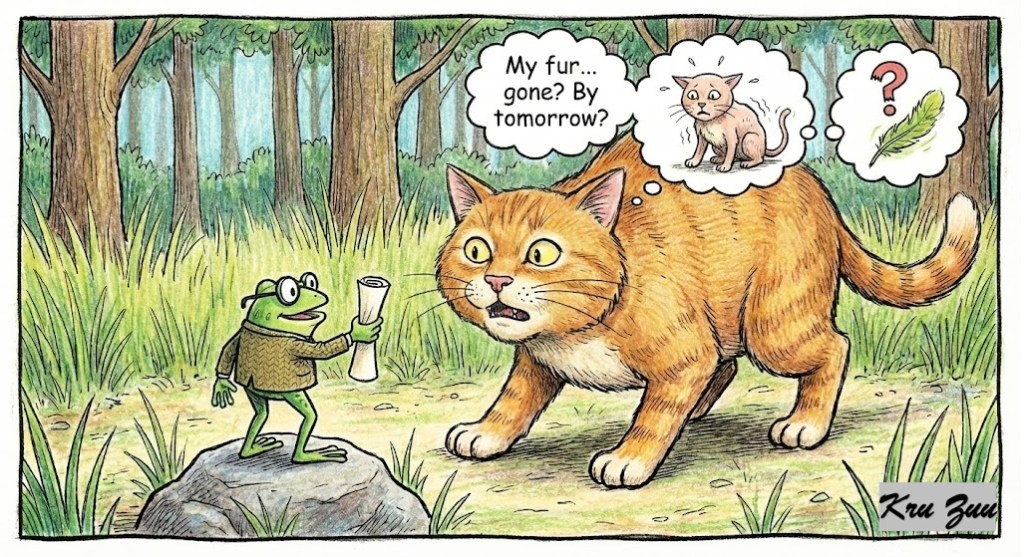
    “No,” said Professor Croak calmly. “But I just wrote a letter to the Farmer. In this letter, I explained that Bella has the ‘Green-Feather Flu’. It is very contagious to cats. If you bite her, your beautiful fur will fall out by tomorrow morning.”


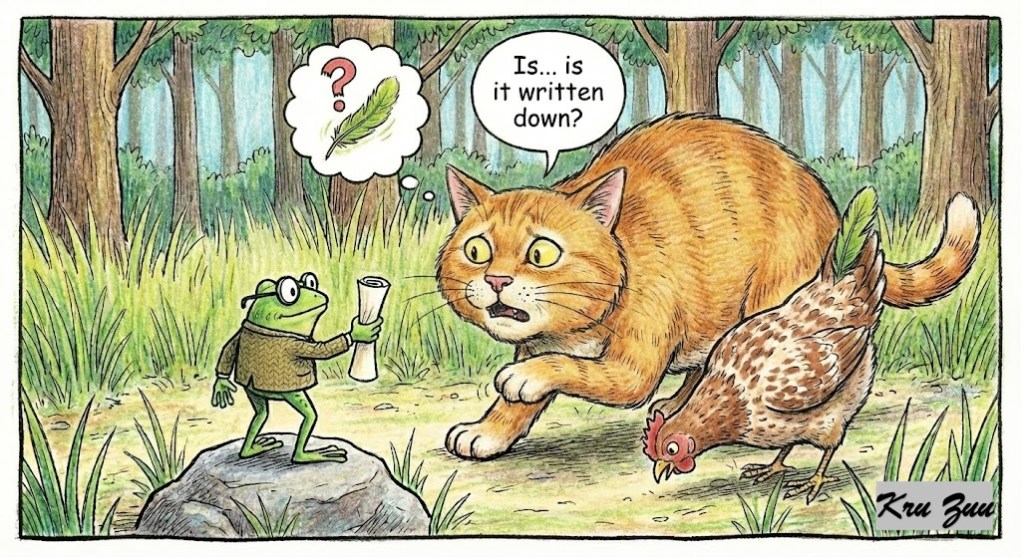
    Leo froze. He looked at Bella. She looked fine, but… was that a green feather? “Is… is it written down?” Leo asked nervously.


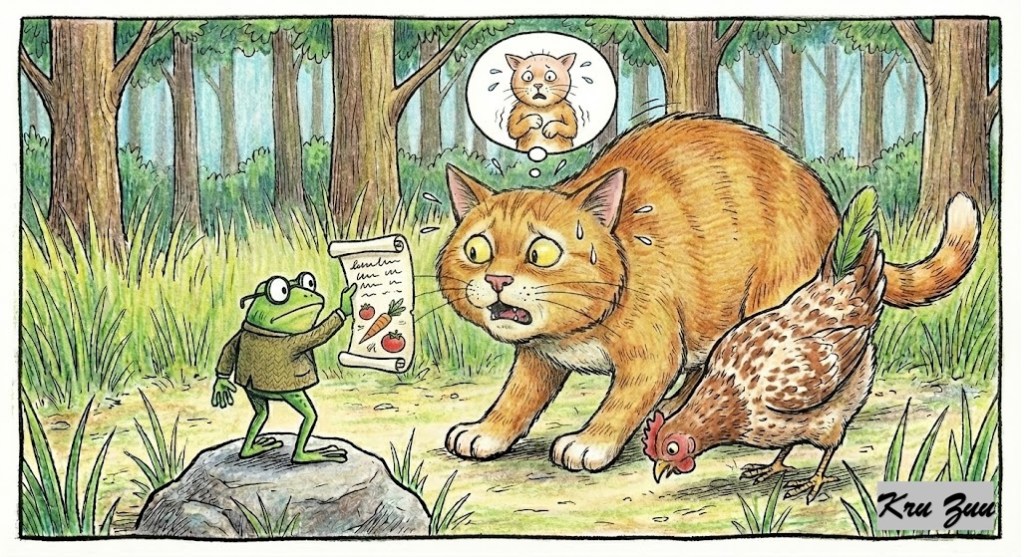
    “Yes,” said the Frog, holding up the paper (which was actually just a grocery list, but Leo couldn’t read). “It is documented. The Pen has spoken.”


    Leo panicked. He valued his fur more than his dinner. “I’m not hungry anyway!” he shouted and ran away.


    The Moral: Professor Croak couldn’t fight the Cat (The Sword). But using his intelligence and a “written” lie (The Pen), he saved the day. Smart beats Strong.

    🎓 Lesson for English Learners


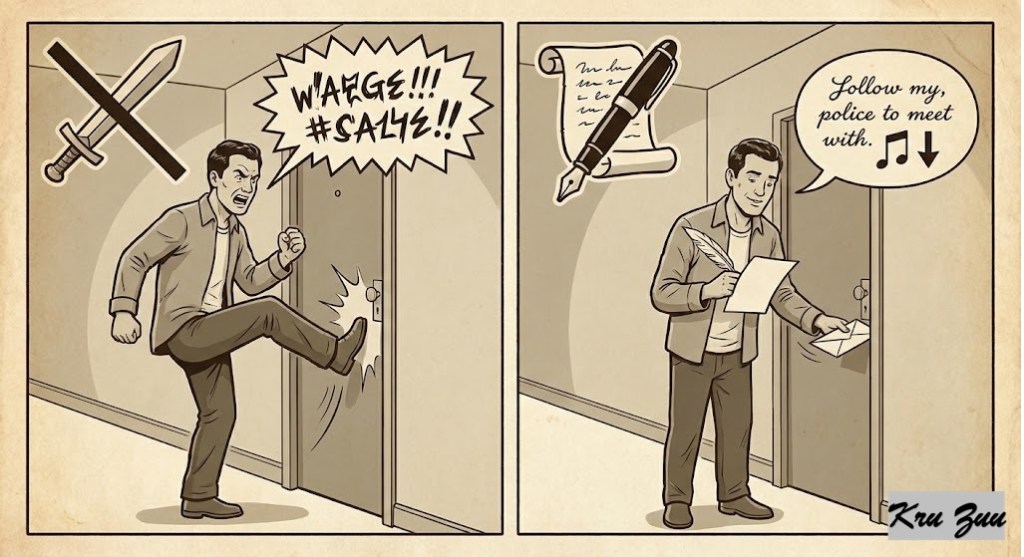
    Words unlock doors that kicks cannot.


    Situation: You are unhappy with a grade or a service. The “Sword”

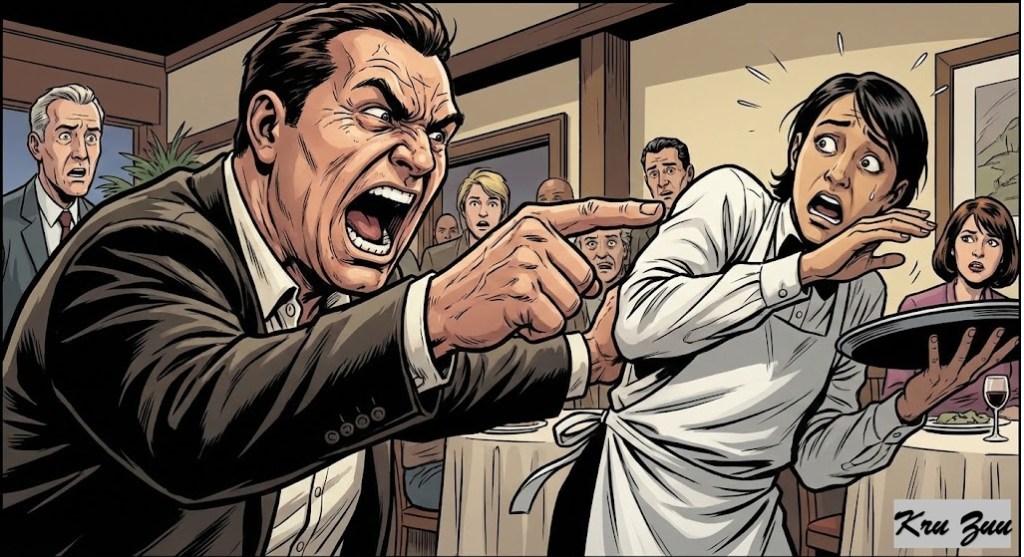
    Approach: You shout at the teacher or the waiter.

    Result? They get defensive. You get nothing. The “Pen”

    Approach: You write a polite, logical email explaining your point using the correct vocabulary.

    Result? They listen. They respect you. You get what you want.


    Your Goal: Don’t just learn English to order coffee. Learn English to persuade, to negotiate, and to tell your story. That is real power.


    💬 Your Turn: The Writer’s Challenge 🚀


    History is full of speeches and letters that changed the world.


    The Challenge:
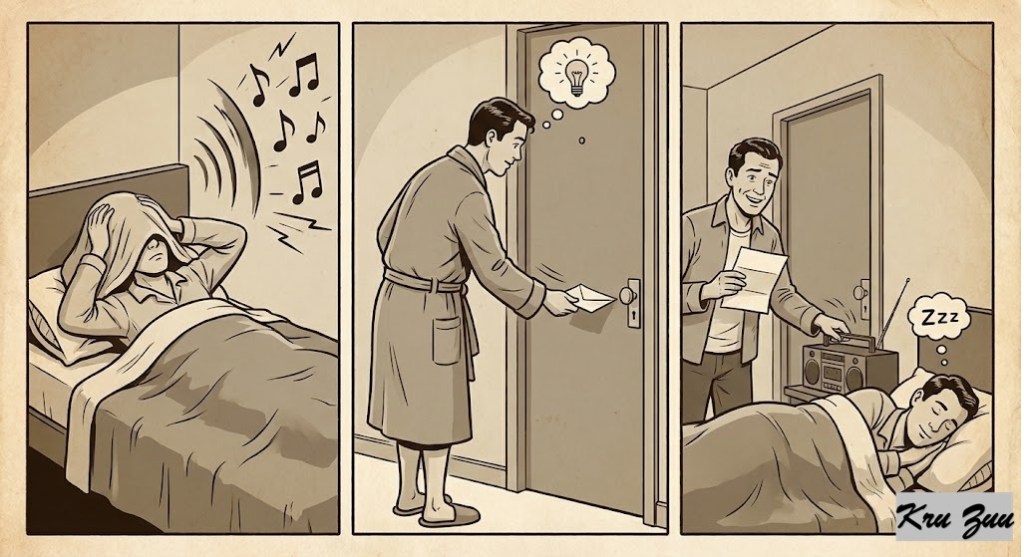
    Think of a problem you have right now (maybe a noisy neighbor, or a friend who is angry). Don’t fight. Write a 3-sentence message to solve it politely.


    Example:Instead of: “Shut up!” (Sword) ⚔️ Write: “Hey! I have a big exam tomorrow and the music is a bit loud. Could you please turn it down? Thanks!” (Pen) 🖋️


    Question: When was the last time you used “words” to get out of trouble? Tell us in the comments! 👇

    By Zubeyir YURTKURAN

    https://www.facebook.com/BrainBattleground/

    https://www.facebook.com/zubeyr.yurtkuran/

    https://www.instagram.com/zubeyryurtkuran/
    https://www.youtube.com/@BrainBattleground-b3p

    https://www.instagram.com/brainbattleground/

  • 🌿 The Daily Insight: The Green Grass Trap

    🌿 The Daily Insight: The Green Grass Trap

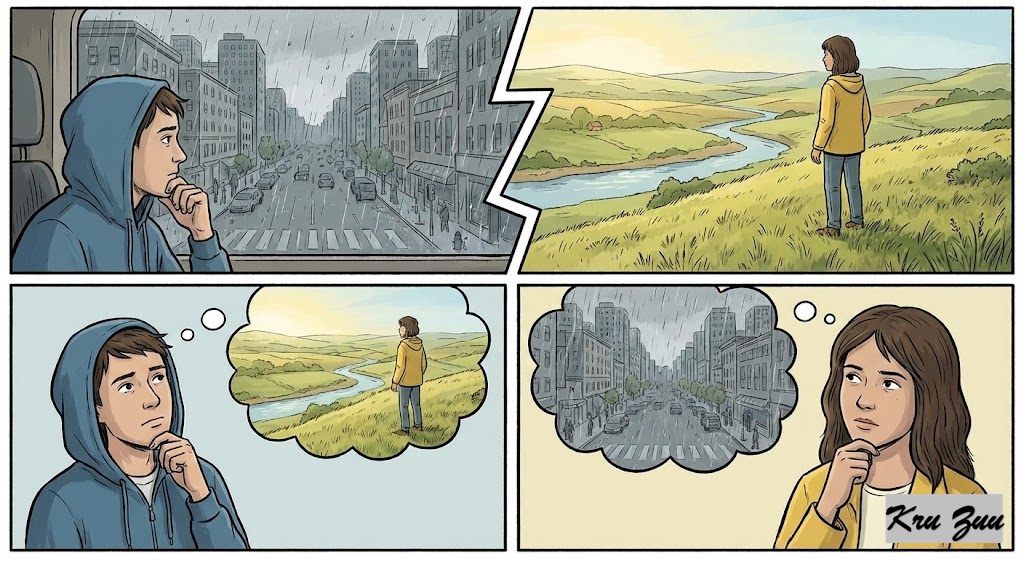
    “The grass is always greener on the other side.”


    😈 The Villain (The Dreamer)

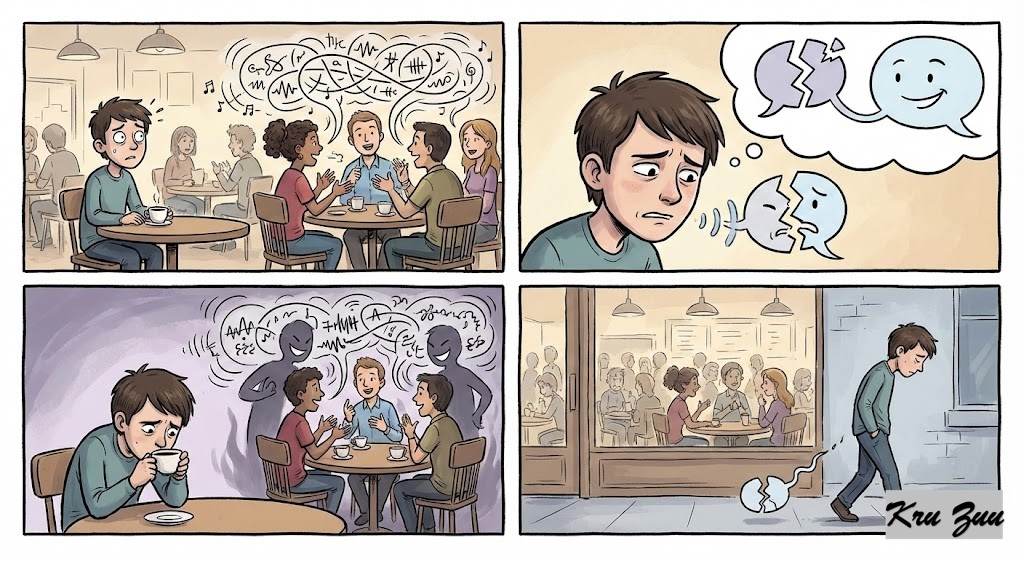
    You look at your life and sigh. You scroll through Instagram and see your friend in Paris. You see your coworker’s new car. You think, “If only I had their life, I would be happy.” You ignore the blessings right in front of your face because you are too busy staring over the fence. You are trapped in the prison of “What If.” 🧟‍♂️


    😇 The Hero (The Gardener)

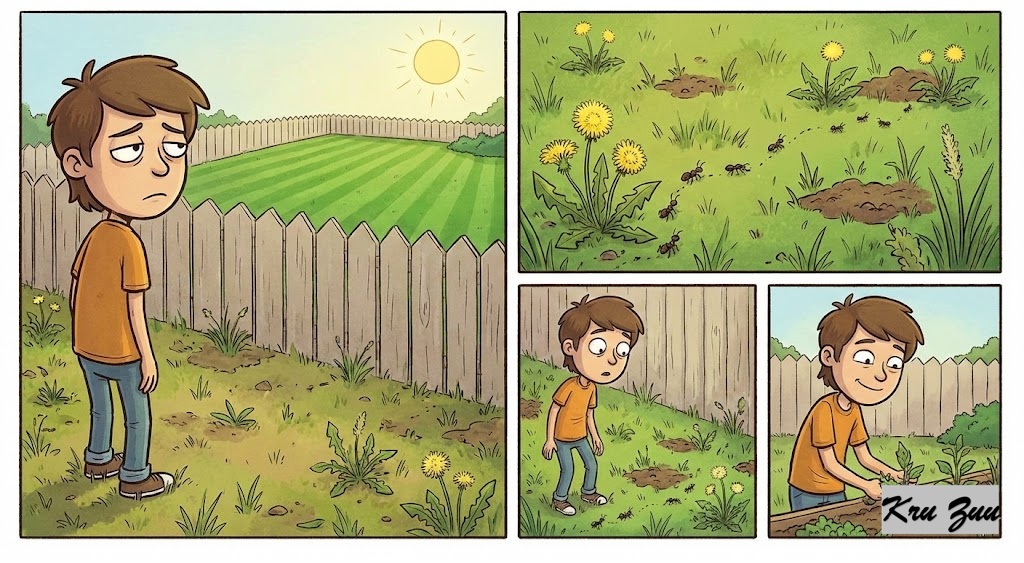
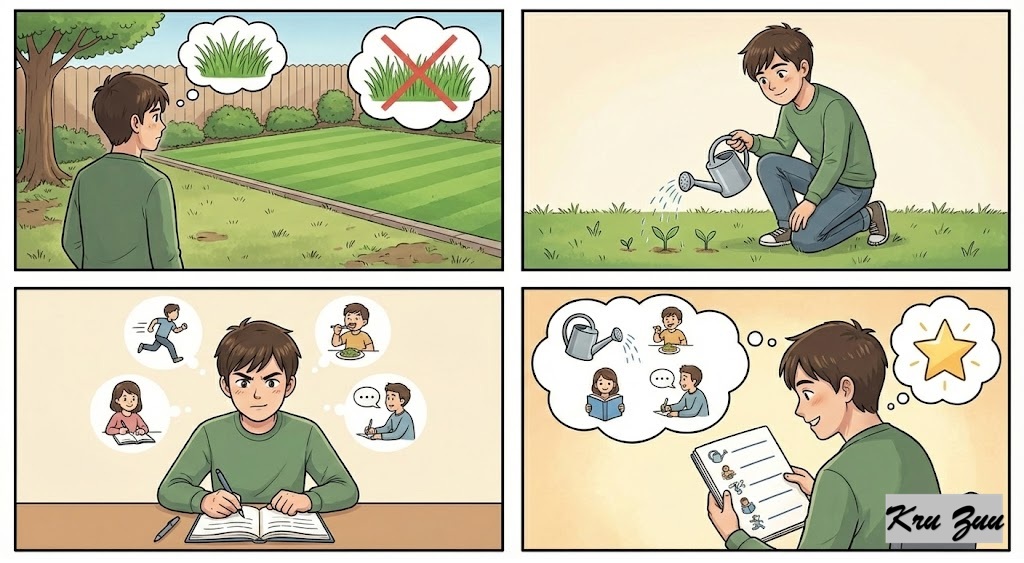
    You admire other people’s success, but you don’t envy it. You know a secret: Grass is greenest where you water it. Instead of staring at your neighbor’s lawn, you pick up a hose and water your own garden. You focus on your own growth. You find joy in what you have today. 🛡️


    ⚖️ The Reality


    Comparison is the thief of joy. From a distance, the neighbor’s grass looks perfect. But if you walk over there, you will see weeds, dirt, and ants, just like yours. Every life has problems; you just can’t see them from far away.


    💎 The Secret

    Happiness is not about getting what you want. It is about wanting what you have.

    🧐 The Anatomy of the Proverb


    This is the ultimate idiom for dissatisfaction.


    Greener (Comparative Adjective): More green; better; healthier.


    On the other side (Prepositional Phrase): In a different place; in someone else’s situation.


    Simpler Version: We always think other people have it better than us.


    📚 Vocabulary Vault


    Envy (Noun/Verb):
    The feeling of wanting what someone else has. (The green-eyed monster). 😠


    Contentment (Noun): A state of happiness and satisfaction. 😌


    Perspective (Noun): A particular attitude toward or way of regarding something; a point of view.


    Illusion (Noun): A false idea or belief. 🪄


    Appreciate (Verb): To recognize the full worth of something.


    🧠 Grammar Focus: Comparatives


    This proverb uses the Comparative Form to show the difference between two things.


    The Rule (Short Adjectives): Add -er to the end of the adjective.


    Green ➡️ Greener
    Fast ➡️ Faster
    Rich ➡️ Richer


    The Structure: [Subject A] is [Adjective + er] + THAN + [Subject B].


    My neighbor is richer than me.


    Summer is hotter than winter.

    📜 History & Global Cousins


    This idea is ancient because human jealousy is ancient!


    The Origin

    The Roman poet Ovid (43 B.C.) wrote about this concept: “The harvest is always more fruitful in another man’s field.”


    Global Cousins


    🇹🇷 Turkish:
    “Davulun sesi uzaktan hoş gelir.” (The drum sounds nice from afar.)

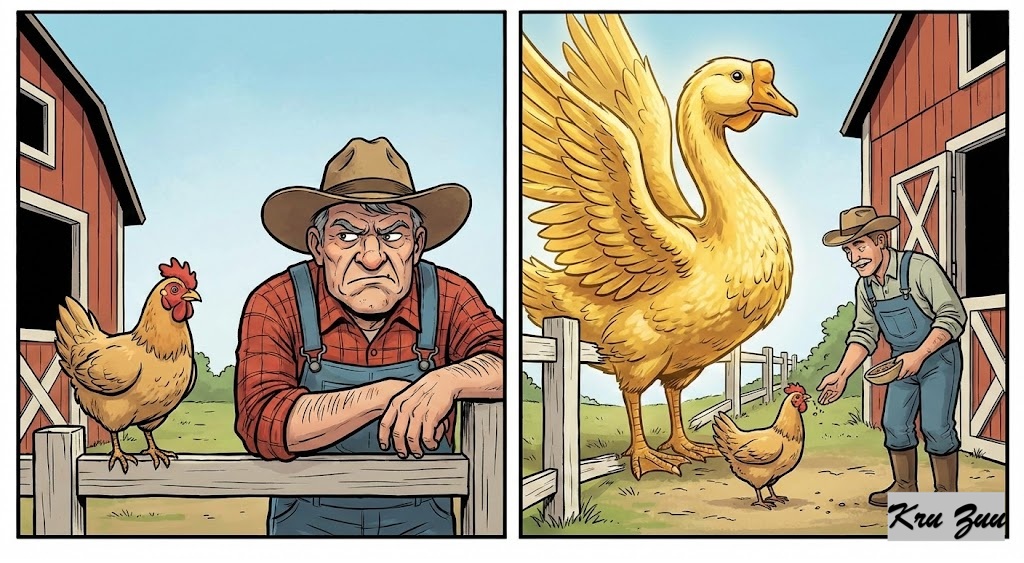
    🇹🇷 Turkish: “Komşunun tavuğu komşuya kaz görünür.” (The neighbor’s chicken looks like a goose to the neighbor.) — Keep this in mind for our story below! 🐔


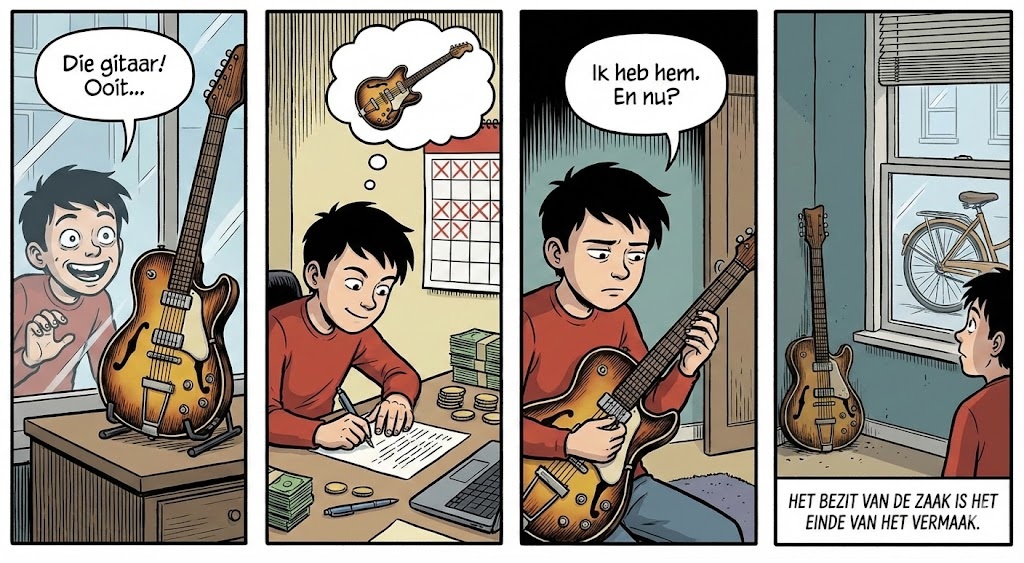
    🇳🇱 Dutch: “Het bezit van de zaak is het einde van het vermaak.” (Possession of the thing is the end of the fun.)

    🎭 Short Story: The Great Animal Swap


    Let’s meet three unhappy animals living on a farm.


    🌟 The Cast


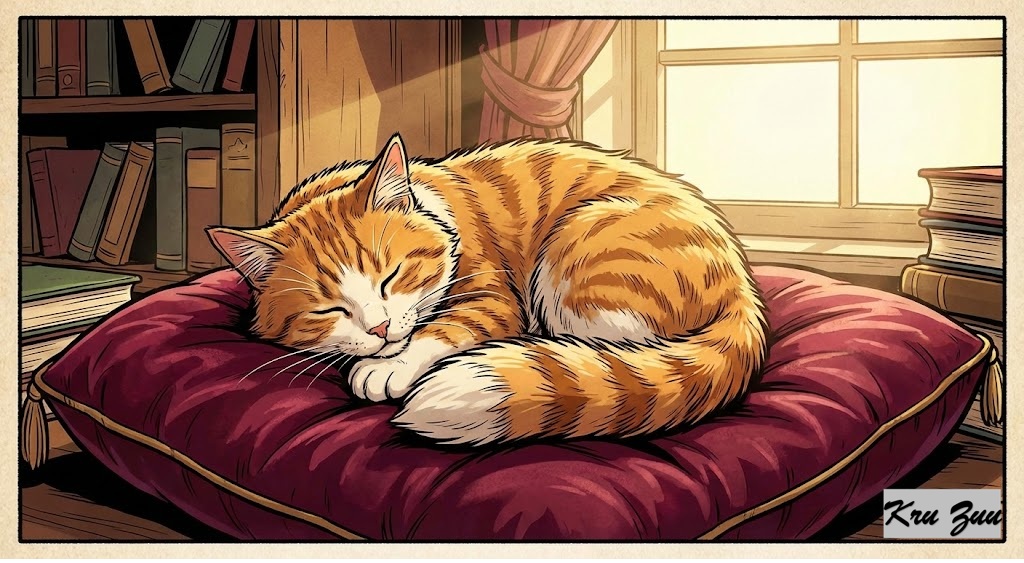
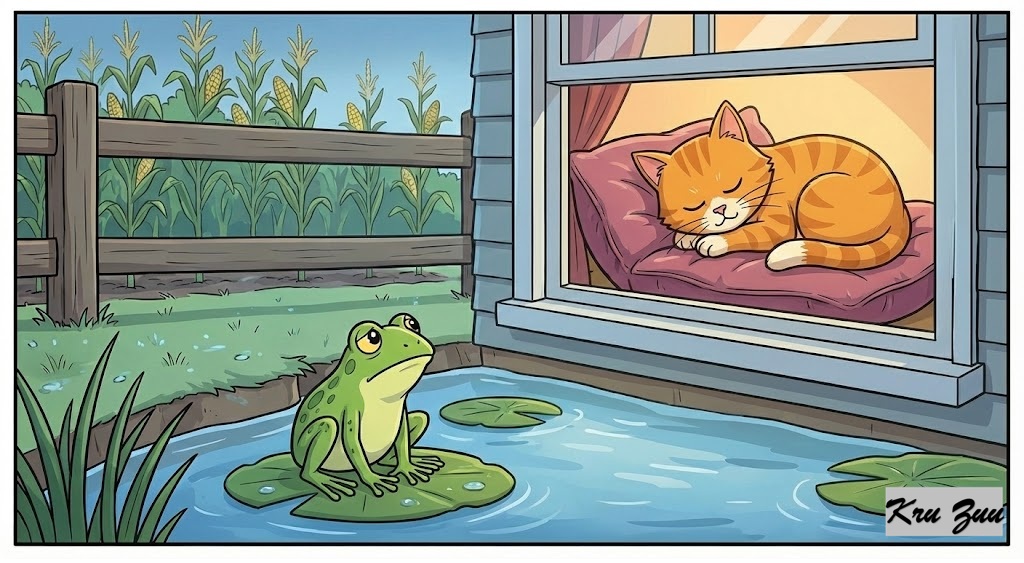
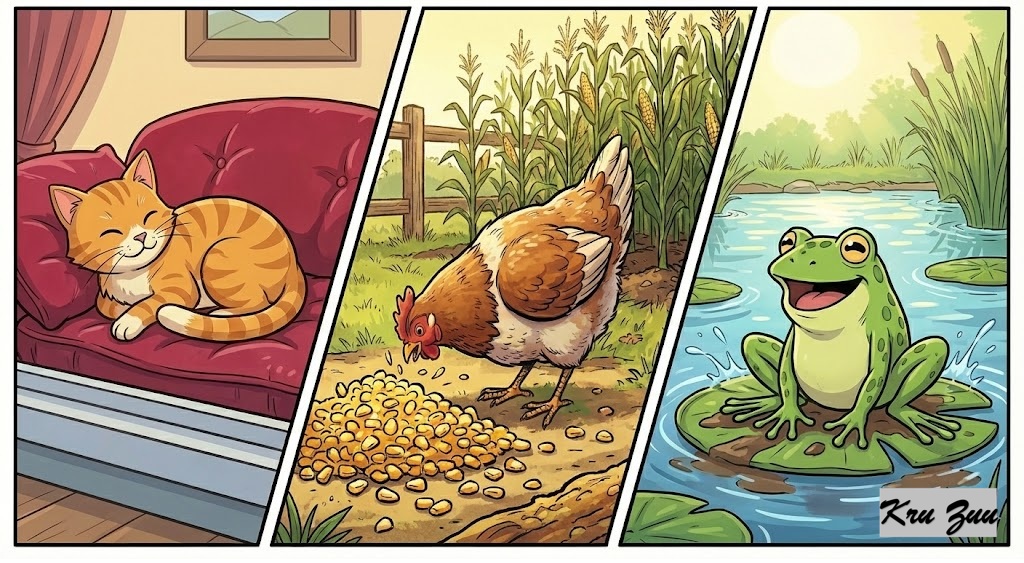
    🐱 Whiskers (The Cat): Sleeps on a velvet pillow inside the house.


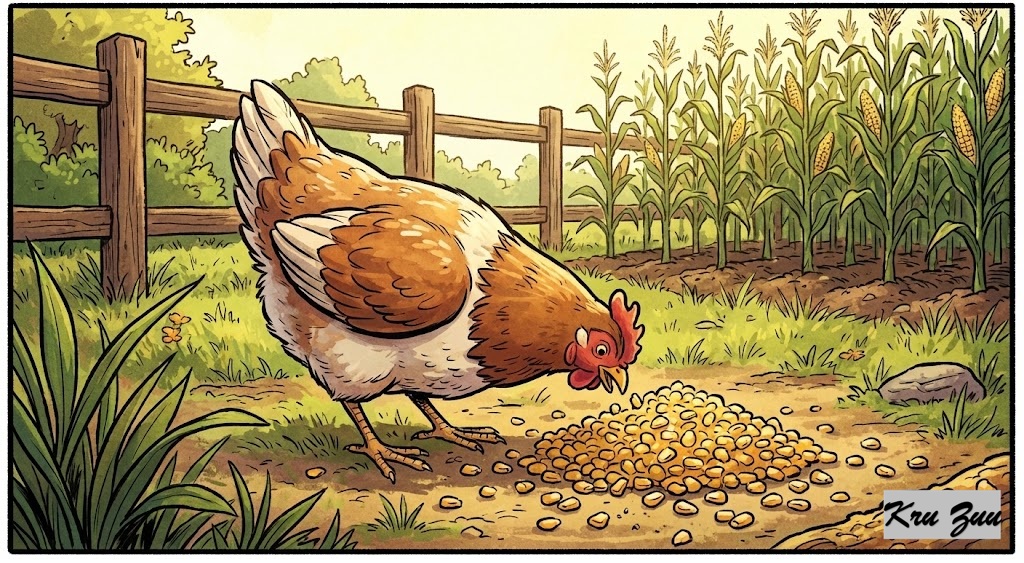
    🐔 Pecky (The Chicken): Lives in the garden with unlimited corn.


    🐸 Hops (The Frog): Lives freely by the cool pond.


    The Conflict: It is a sunny Tuesday, but nobody is happy.


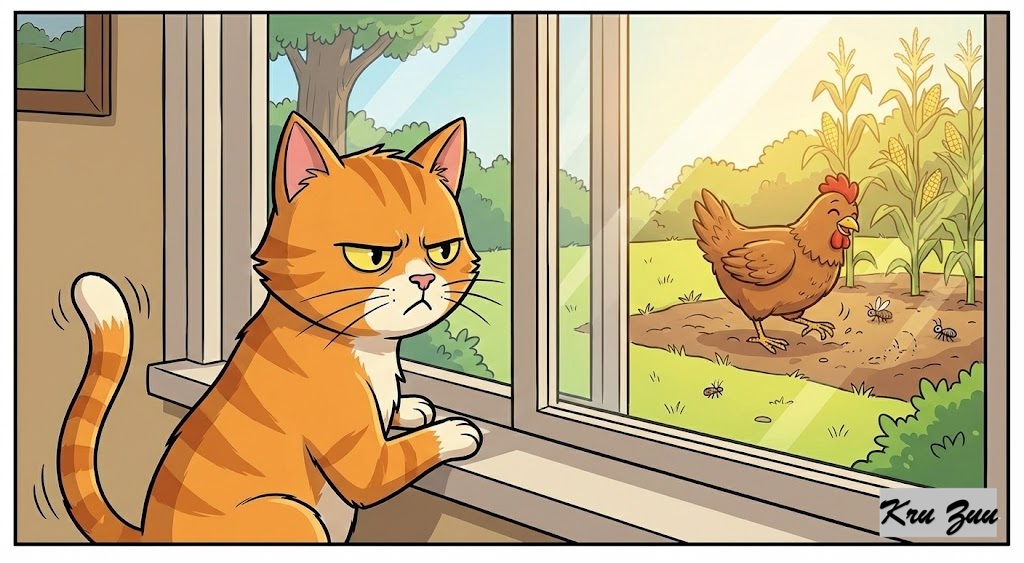
    Whiskers the Cat looks out the window. “Look at Pecky. She is so free! She feels the sun and eats bugs all day. I am trapped in this boring house. I wish I were a chicken.”


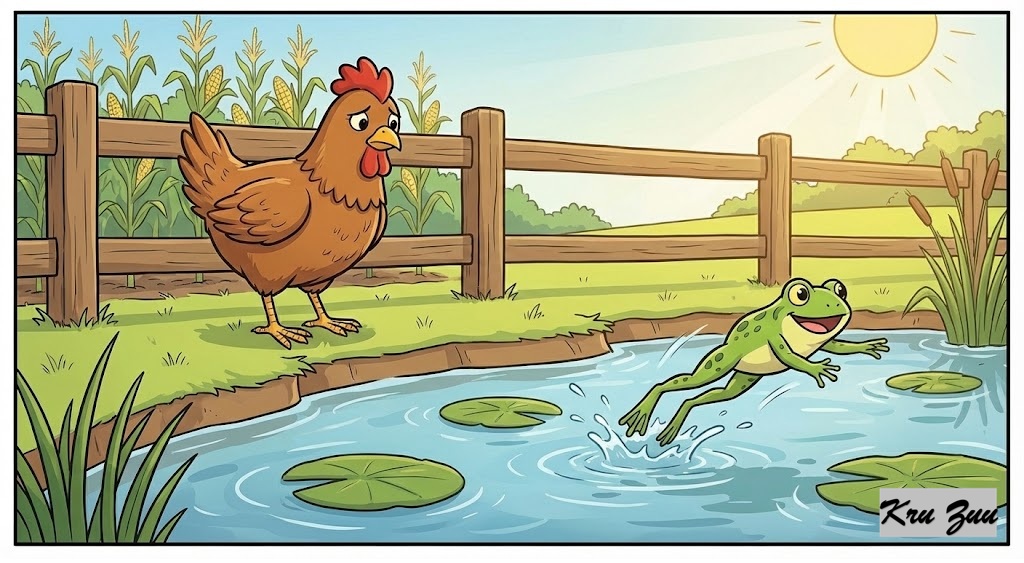
    Pecky the Chicken looks at the pond. “Look at Hops. He can swim! He travels wherever he wants. I am stuck behind this fence waiting to be eaten! I wish I were a frog.”


    Hops the Frog looks at the window. “Look at Whiskers. He sleeps on a soft pillow. He never gets cold or wet. He is treated like a King. I wish I were a cat.”


    The Swap (The Disaster):
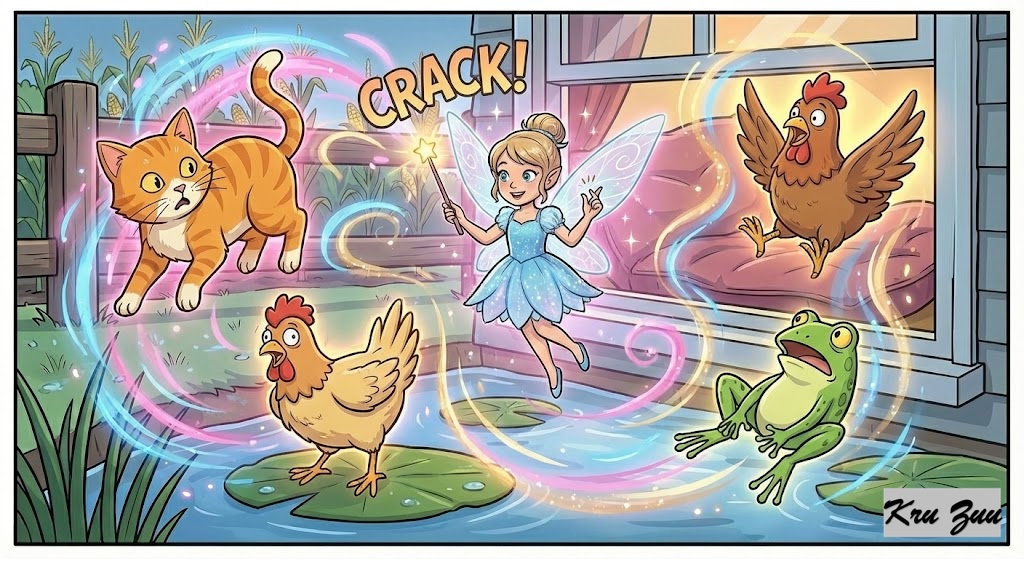
    A magic fairy hears their complaints and snaps her fingers! 🪄💥


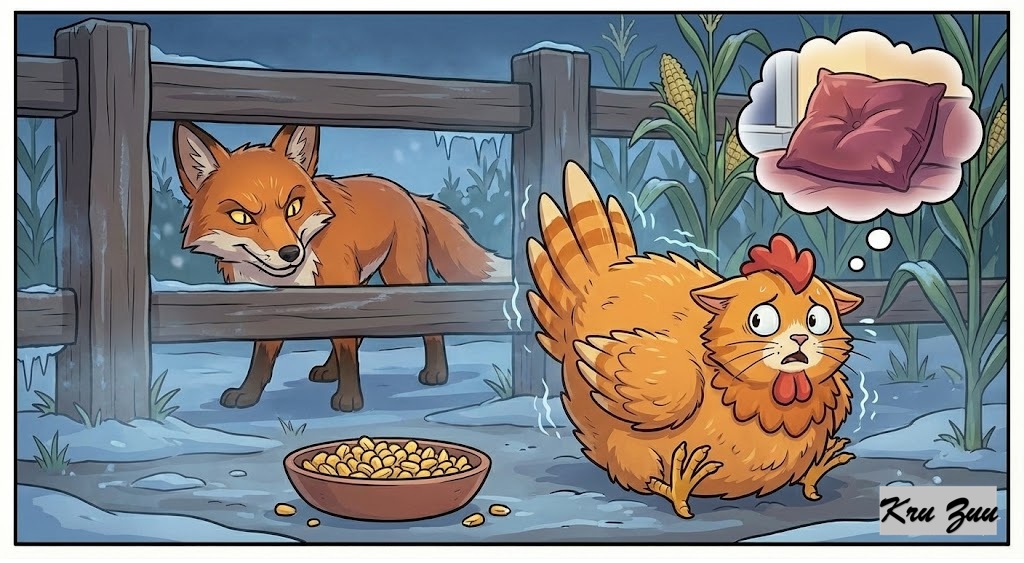
    The Cat becomes a Chicken: Whiskers is now outside. It is cold. The food is hard corn (yuck!). A fox stares at him. He is terrified! “Take me back to my pillow!” 🙀


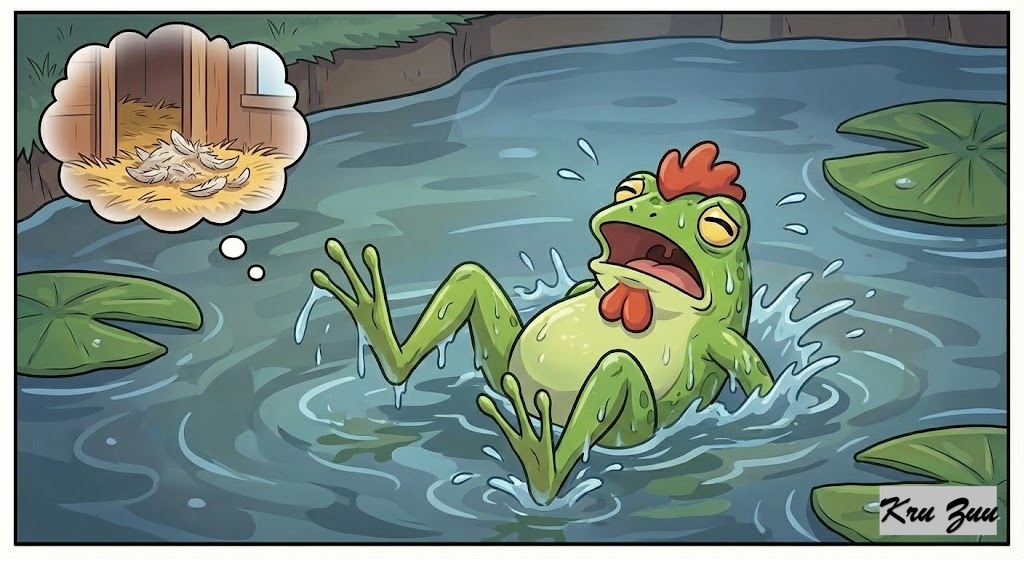
    The Chicken becomes a Frog: Pecky jumps into the water. “Help! I can’t swim!” She is wet, cold, and slimy. She misses her warm feathers. “Take me back to my coop!” 🐔💦


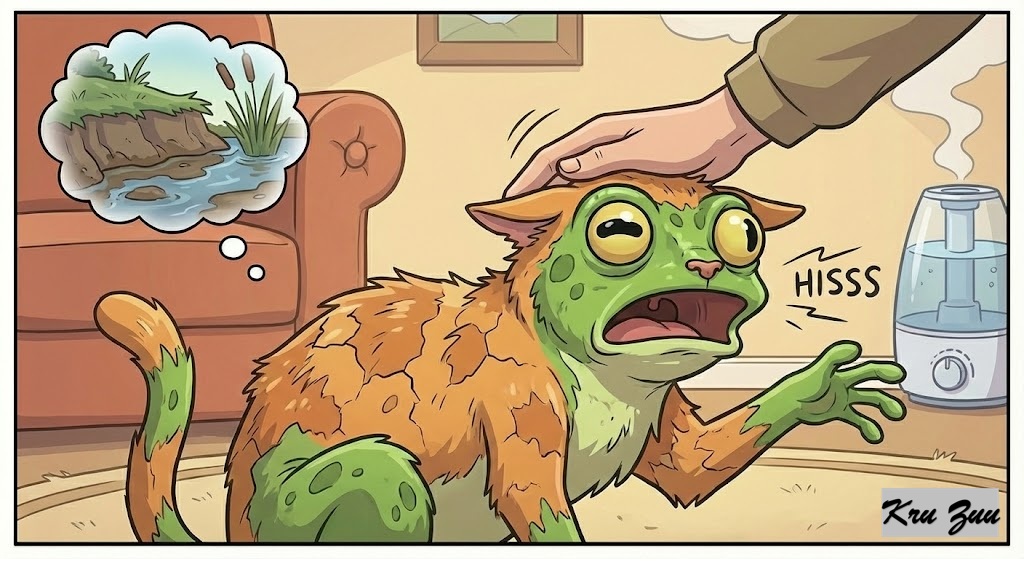
    The Frog becomes a Cat: Hops is inside. The air is dry. His skin starts to crack. The human tries to cuddle him. “Don’t touch me! I need water!” He feels suffocated. “Take me back to my mud!” 🐸🚫


    The Moral: When the magic ended, they all sighed with relief. The pillow, the corn, and the mud never looked so good. The grass wasn’t greener; it was just different.

    🎓 Lesson for English Learners


    Don’t compare your “Chapter 1” to someone else’s “Chapter 20.”


    Situation

    You hear a native speaker talking fast and fluent. You feel bad about your English.


    The Reality

    They have been speaking English since they were babies. You started 2 years ago.


    You Say: “I will not look at their grass. I will water my own grass. Today, I will learn 5 new verbs. That is progress.”


    💬 Your Turn: The Gratitude Challenge 🚀


    Stop looking over the fence. Look at your feet.


    The Challenge: Identify ONE thing in your life that someone else might be jealous of.


    Do you have free time?


    Do you have a loving family?


    Can you read this blog post? (Yes, you can!)


    The Action:
    Write that one thing in the comments below! 👇 “I am happy that I have…”


    (Don’t put it off! Do it now!) 😉

    By Zubeyir YURTKURAN

    https://www.facebook.com/BrainBattleground/

    https://www.facebook.com/zubeyr.yurtkuran/

    https://www.instagram.com/zubeyryurtkuran/
    https://www.youtube.com/@BrainBattleground-b3p

    https://www.instagram.com/brainbattleground/