Tag: English Tips

  • ⚡ The Efficiency Hack: Do Less, Get More

    ⚡ The Efficiency Hack: Do Less, Get More

    Kill two birds with one stone.


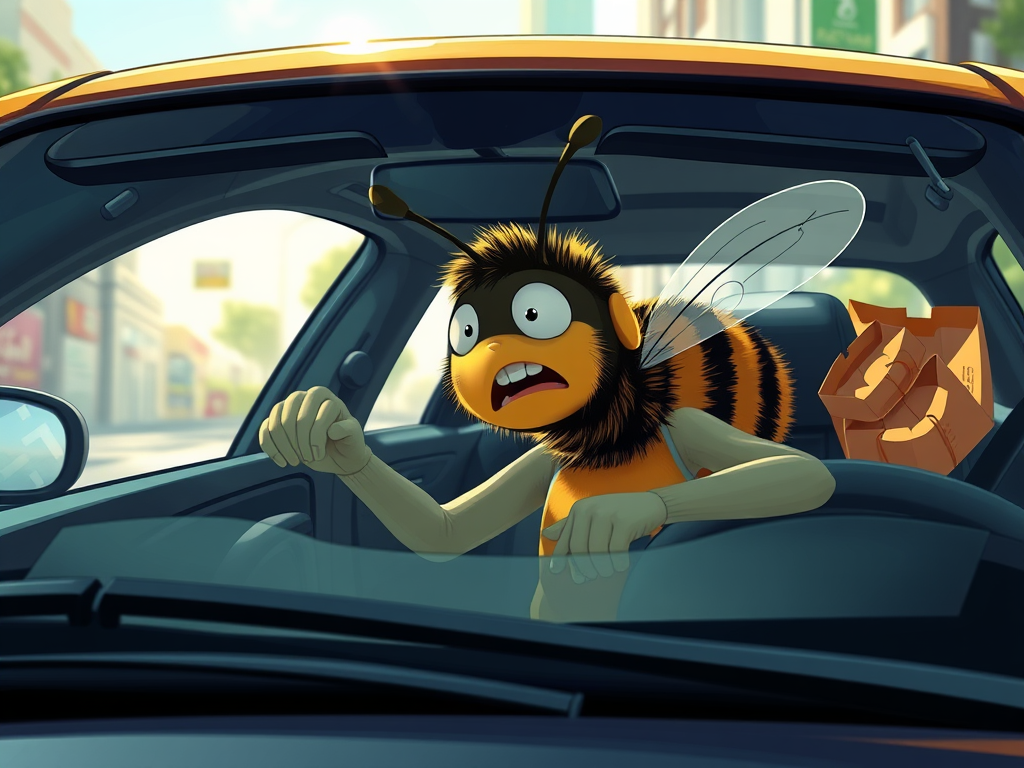
    🏃 The Busy Bee: You have a busy day. You drive to the gym to exercise. You drive home. Then, you realize you need milk. You drive to the supermarket. You drive home. You are exhausted. 🥵

    🧠 The Strategist: You realize the supermarket is next to the gym. You exercise, then you buy milk on your way out. You are home early, relaxing on the sofa.

    📉 The Reality: Hard work is good. Smart work is better.

    🚀 The Secret: Why do two separate tasks when one action can finish both? In this post, we are mastering the art of the “Double Win.” Let’s sharpen your strategy! ⚔️

    🧐 The Anatomy of the Proverb


    Let’s look under the hood of this famous idiom.


    📚 Vocabulary Vault


    Kill (Verb):
    In this context, it doesn’t mean violence. It means to “complete” or “achieve” a task. ✅


    Two Birds (Noun Phrase):
    These represent your Goals or Problems. (e.g., Learning English + Watching a Movie). 🐦🐦


    One Stone (Noun Phrase): This represents a single Action or Effort. 🪨


    🧠 Grammar Focus


    This is an idiom used to describe efficiency.


    Structure: [Verb Phrase] + [Prepositional Phrase]


    Formula: [Solve 2 Problems] + [Using 1 Action]


    Example:“I cycled to work today. I killed two birds with one stone: I saved money on gas, and I got my daily exercise!”

    📜 History: Myths & Archers


    Is this actually about hunting? Originally, yes.


    The Legend: The story goes back to the Greek myth of Daedalus, who was so strong he killed two birds with one stone.


    The Written Record: It appeared in English philosophy in the 1600s (Thomas Hobbes).


    Global Cousins:


    🇨🇳 Chinese:
    “One arrow, two hawks.” (Cooler, right?) 🏹


    🇹🇷 Turkish: “Bir taşla iki kuş vurmak.” (Exactly the same!)


    The Lesson: It is not about cruelty to animals. It is about maximum results with minimum effort.

    🎯 Impact on Life: The Pros & Cons


    Is multitasking always the answer?


    ✅ The Pros (The Superpower)


    Time Management:
    You gain extra free time.


    Energy Saving: You don’t burn out doing unnecessary trips.


    Satisfaction: It feels amazing to be productive.


    ❌ The Cons (The Trap)


    Lower Quality:
    If you try to study, cook, and talk on the phone at the same time, you might burn the food! 🔥


    Distraction: Sometimes, focusing on one bird is better than missing two.

    🎭 Short Story: The Rainy Day Errand


    Let’s see how our farm friends handle a busy day!


    🌟 Character Introduction


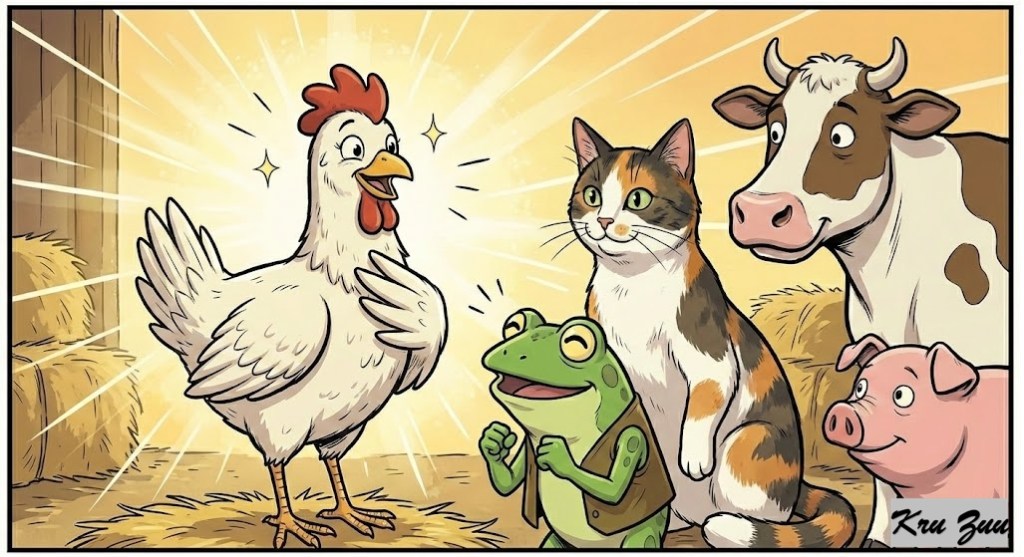
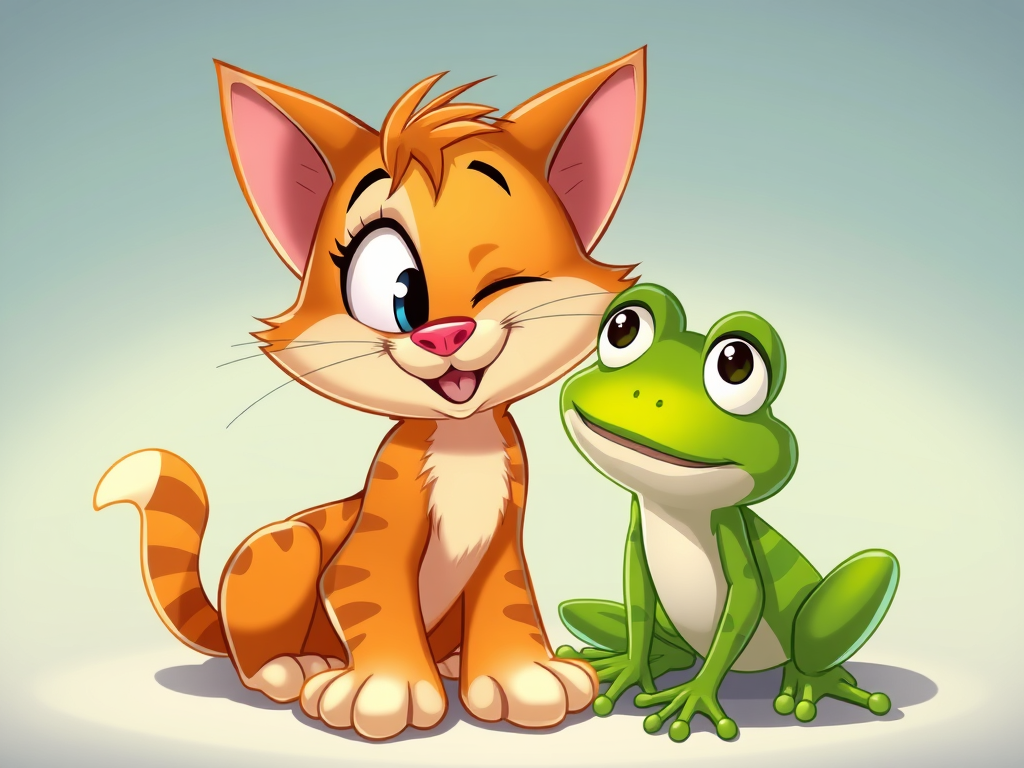
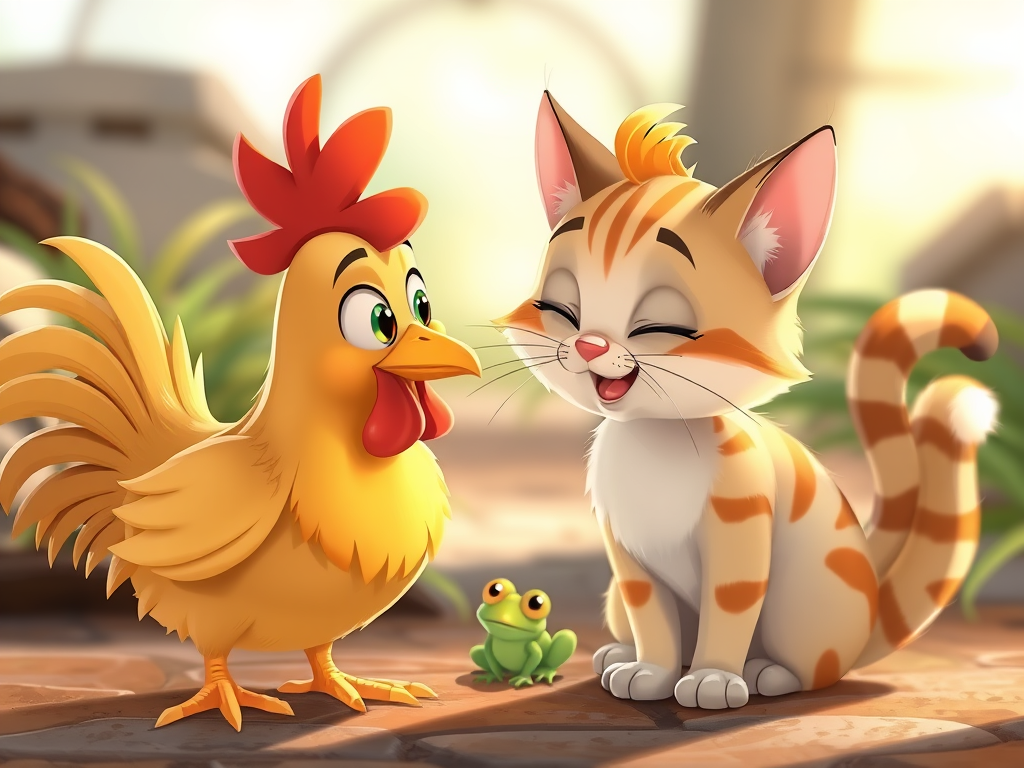
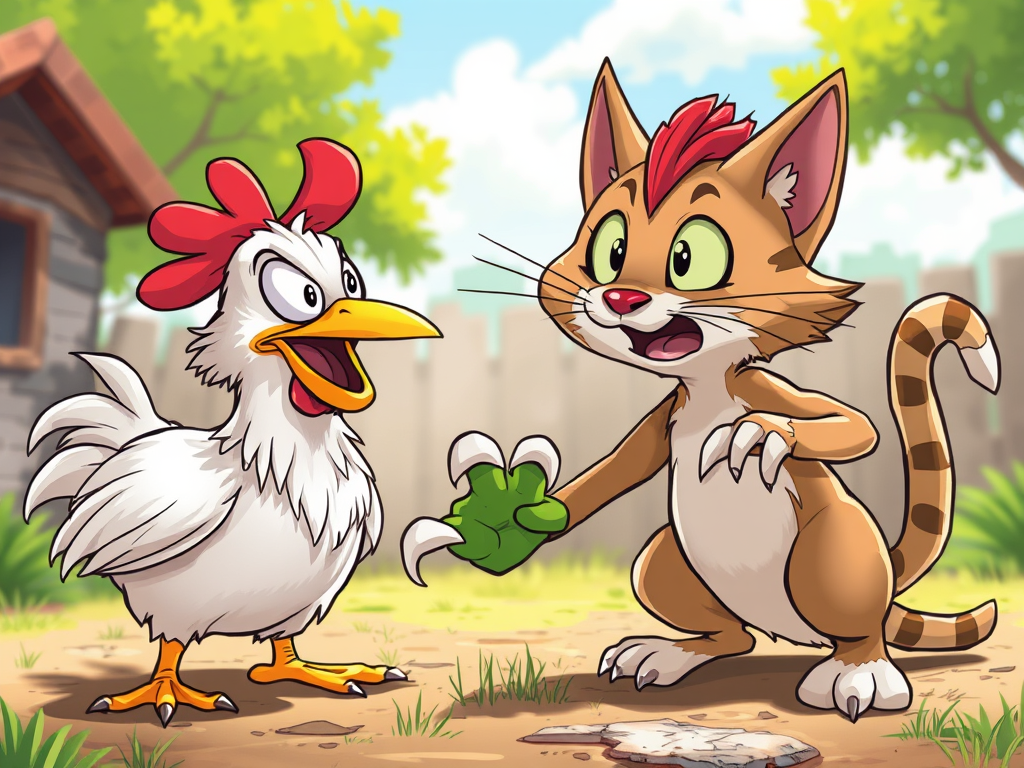
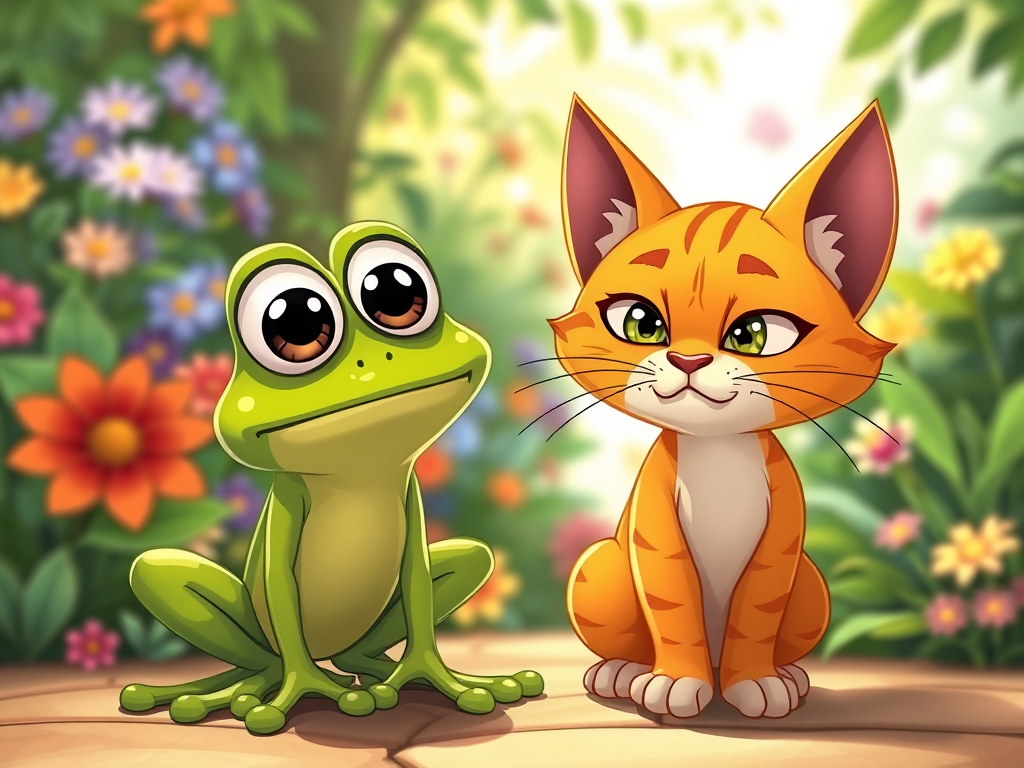
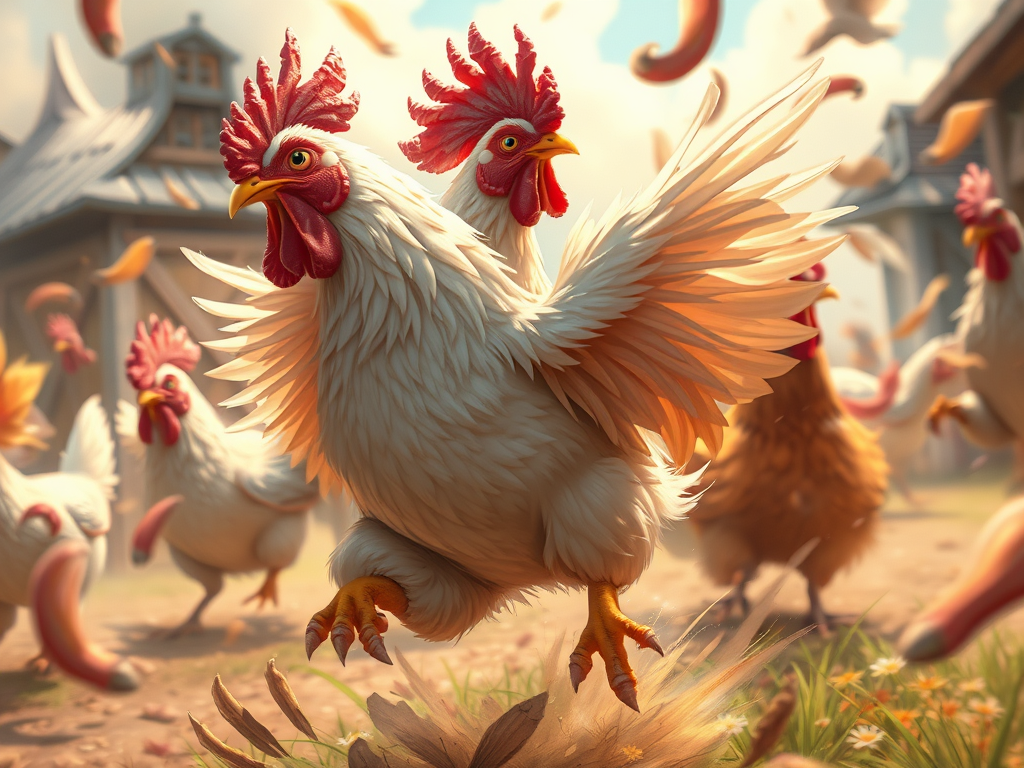
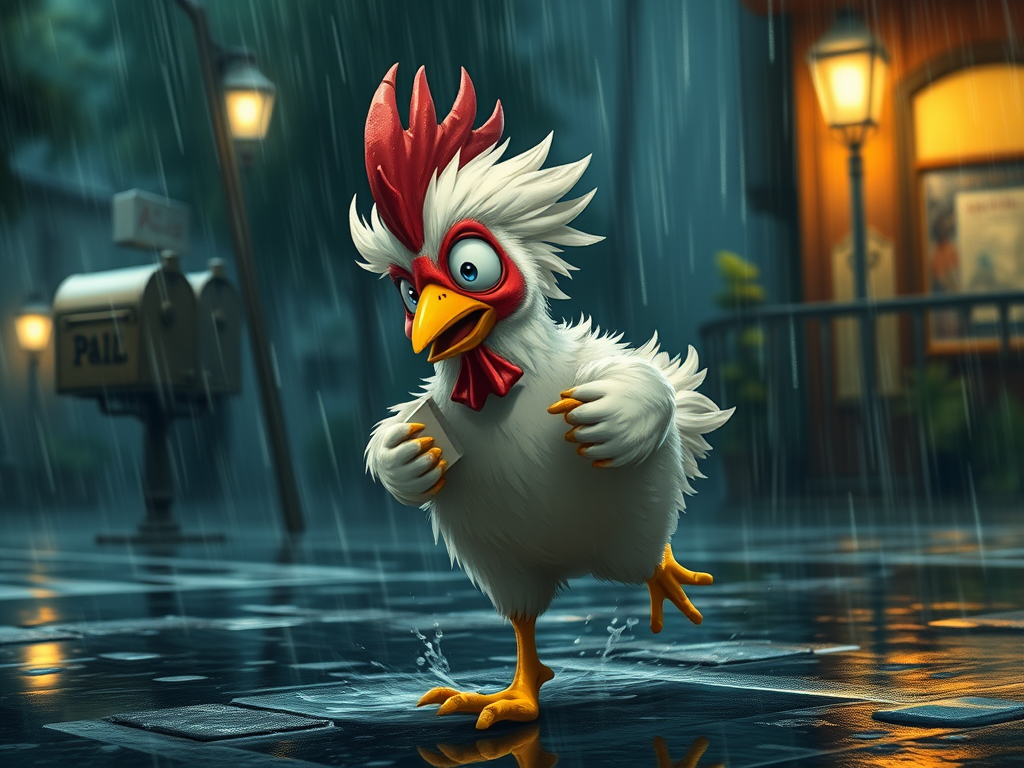
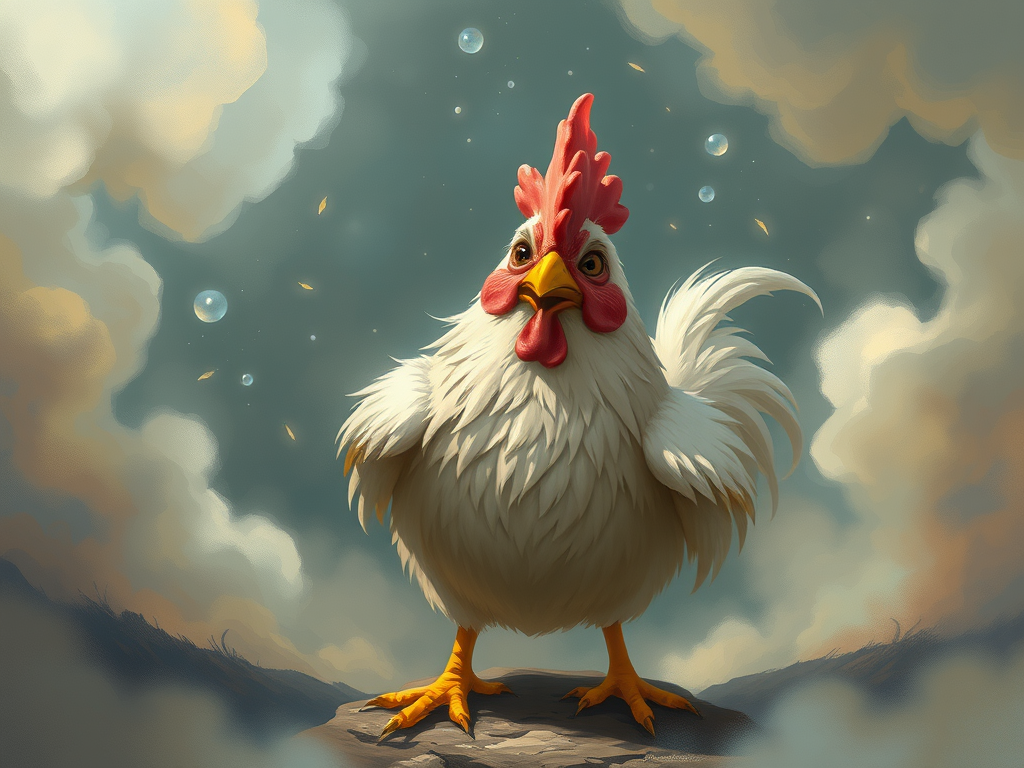
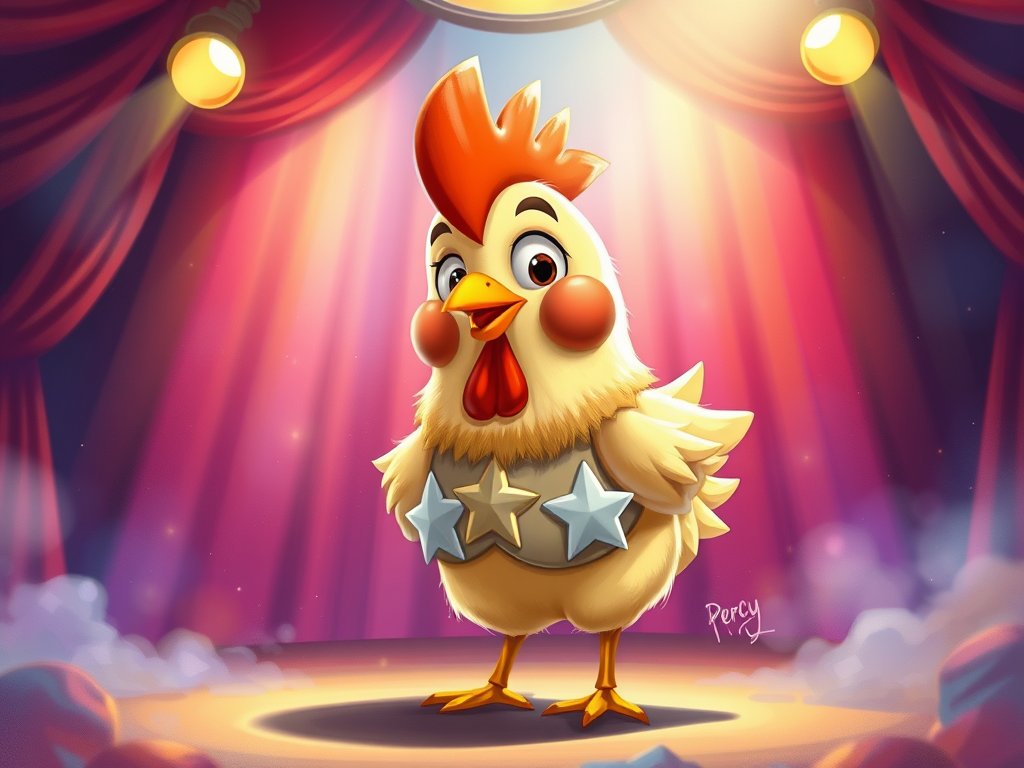
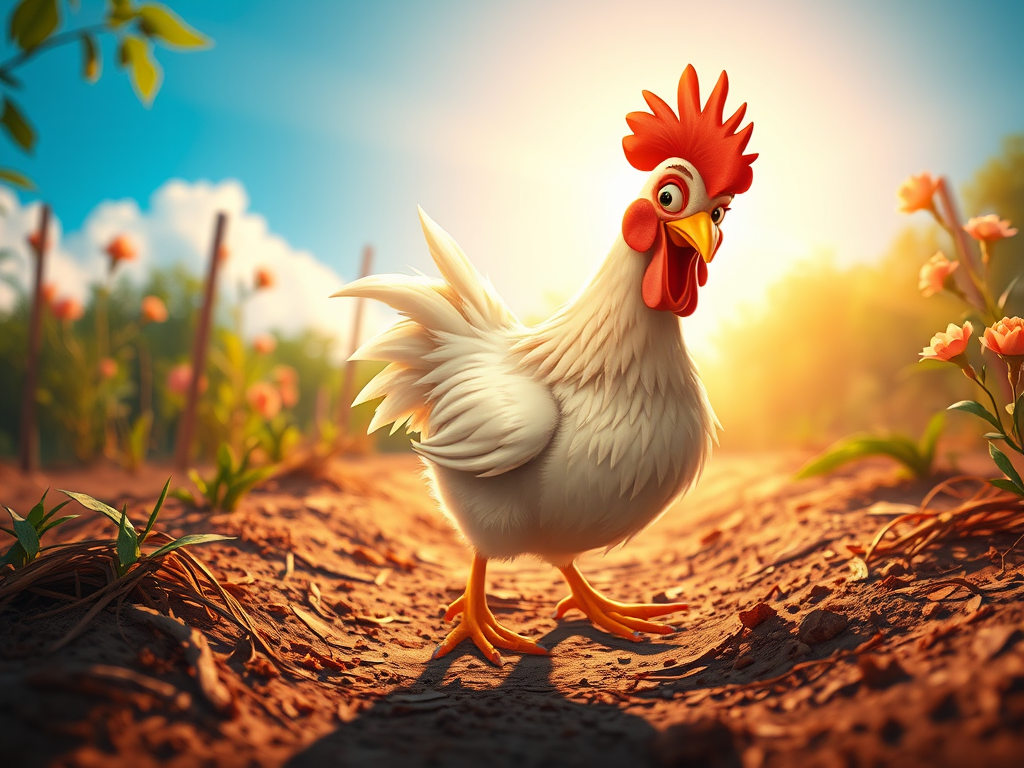
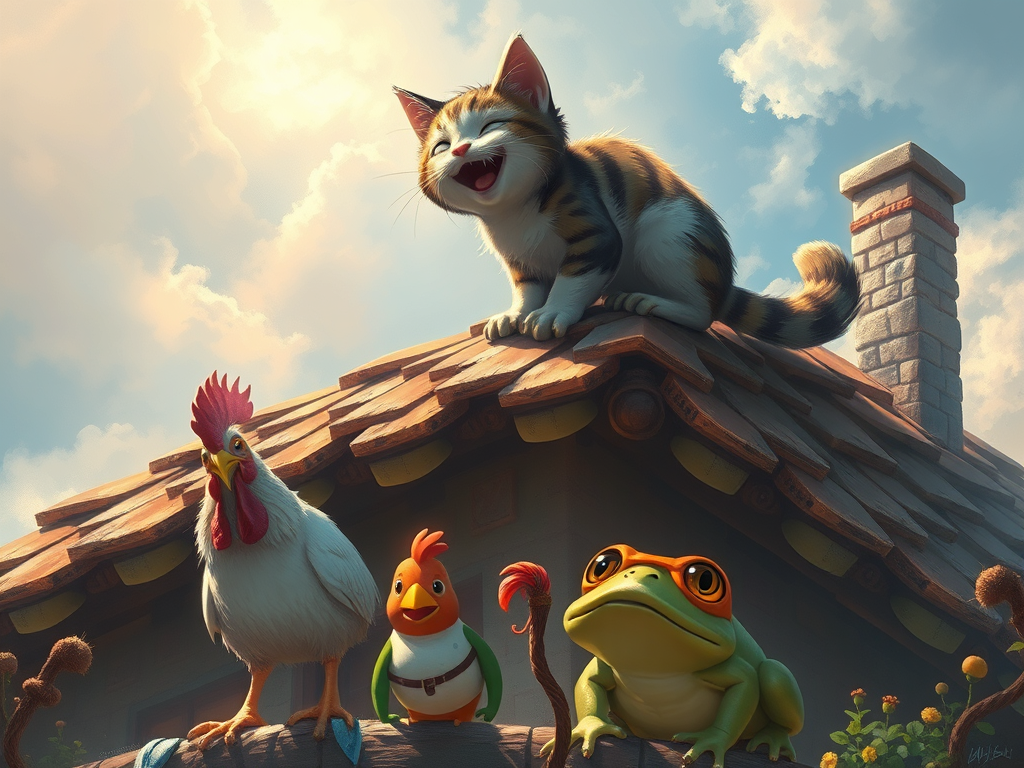
    Percy the Chicken (The Busy Body):
    Runs around a lot, but gets little done. 🐔


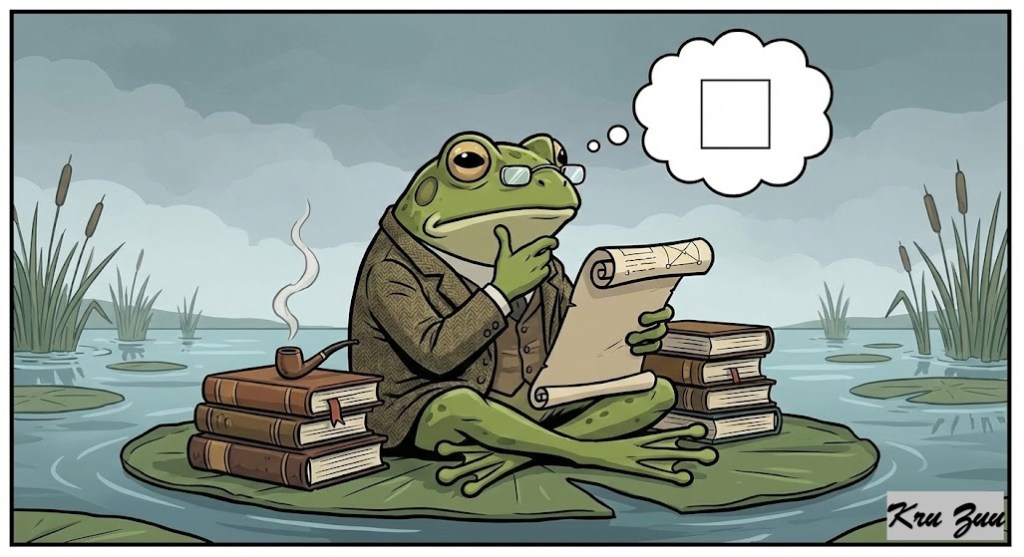
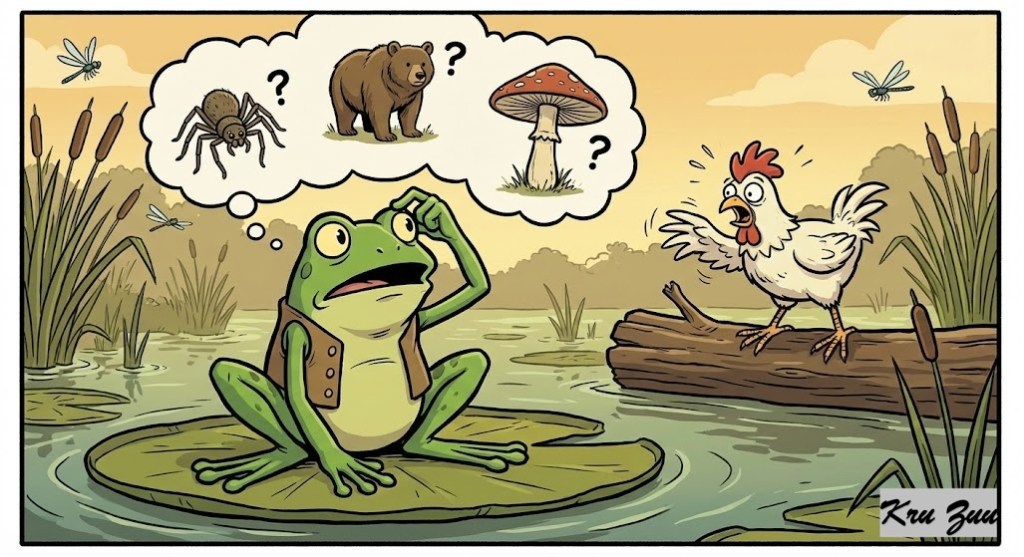
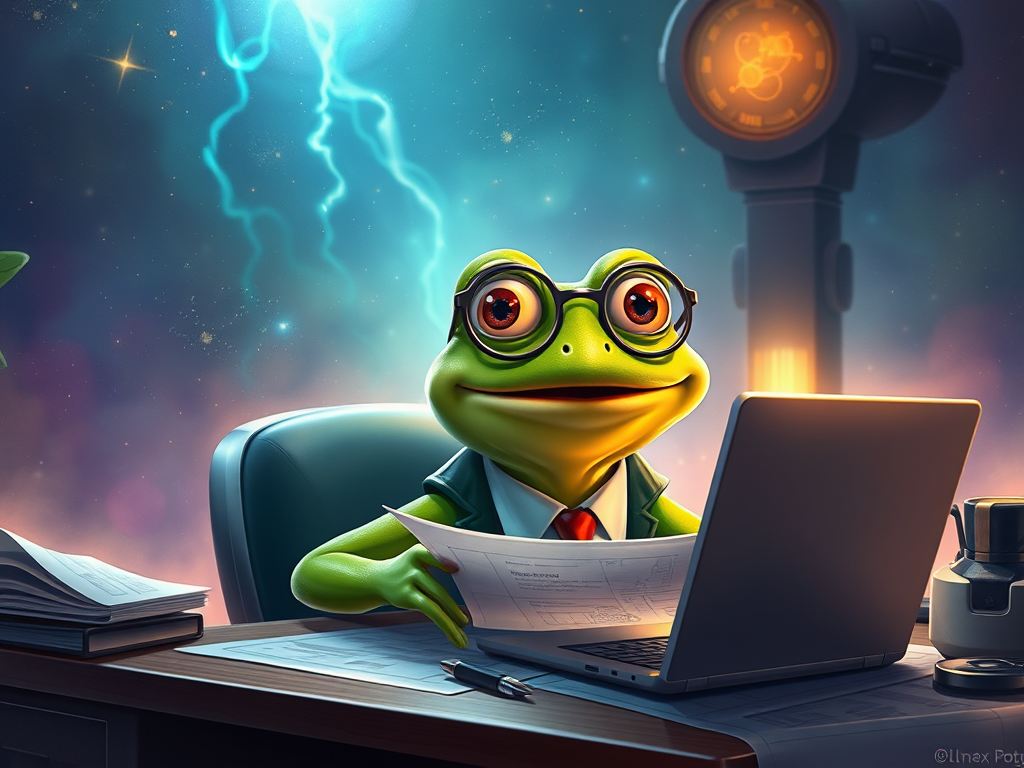
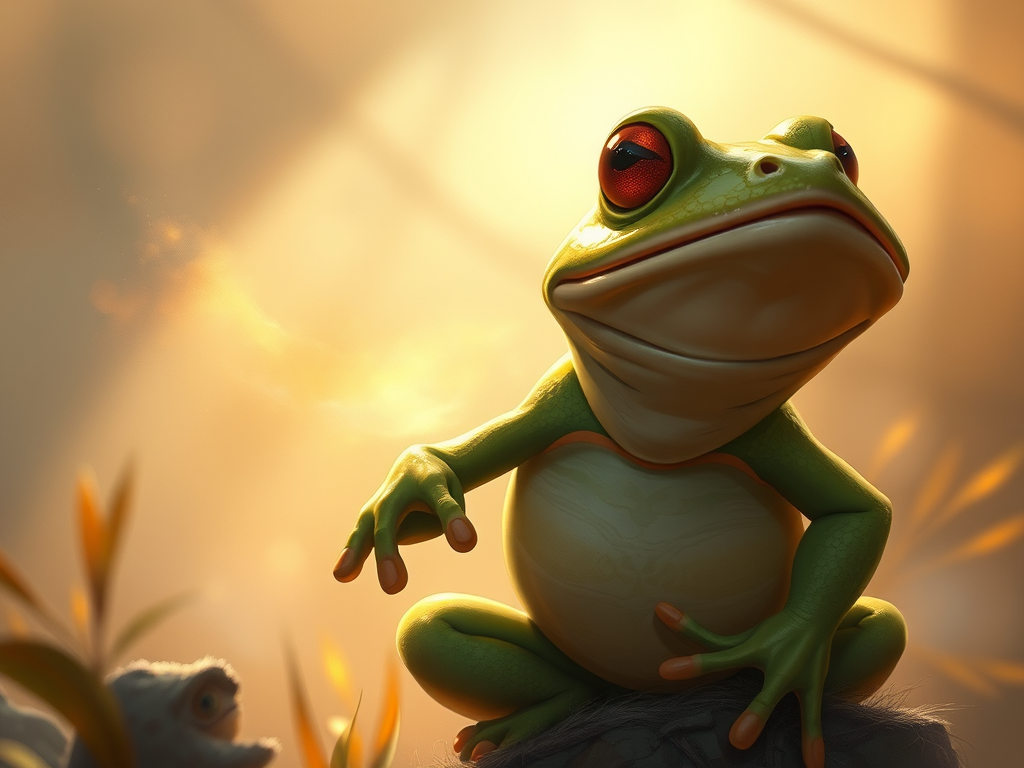
    Fred the Frog (The Mastermind): Loves efficiency. 🐸


    Luna the Cat (The Boss): Sleeping on the porch. 😼


    It was a rainy Tuesday. The animals had chores to do.

    Goal 1: They needed to mail a letter to the neighboring farm. ✉️

    Goal 2: They were out of corn and hungry. 🌽


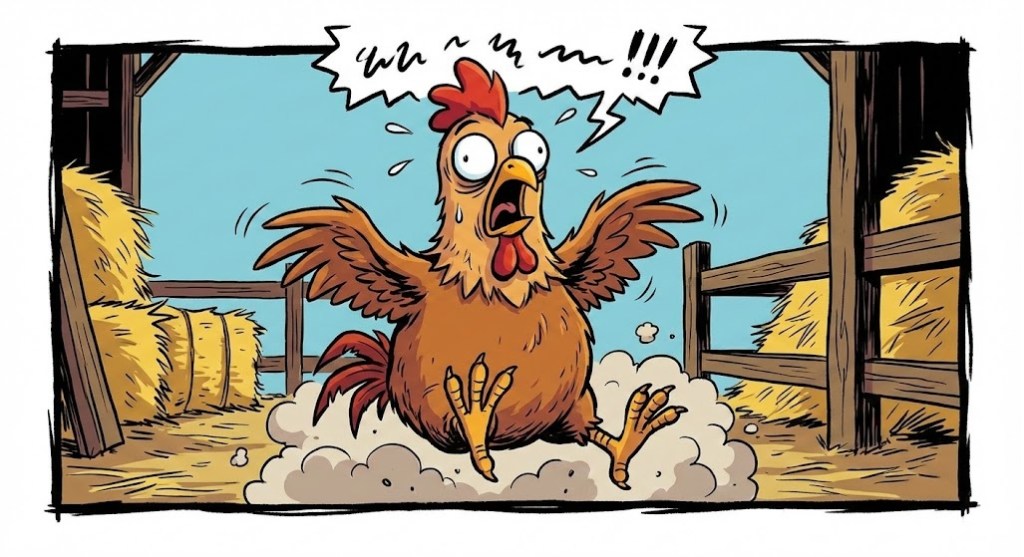
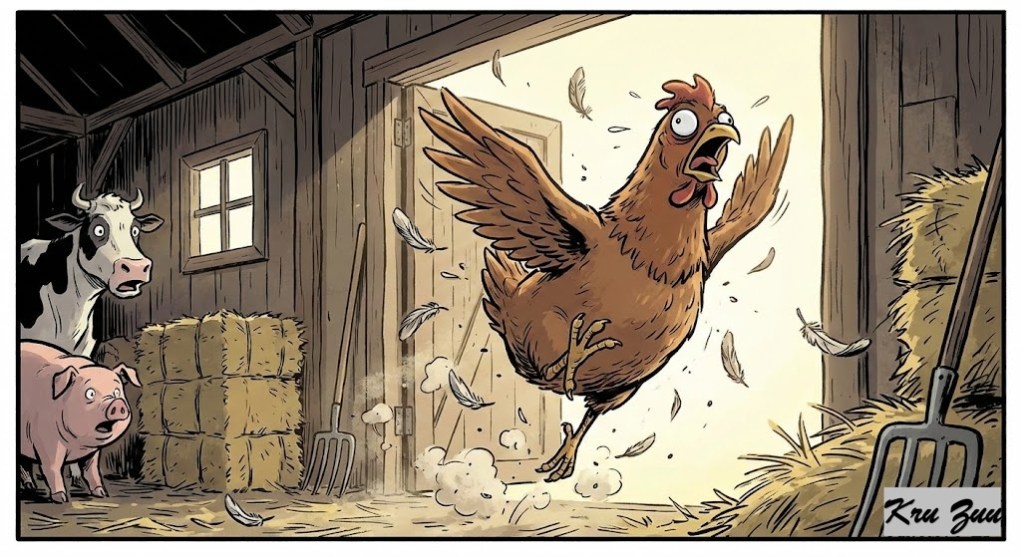
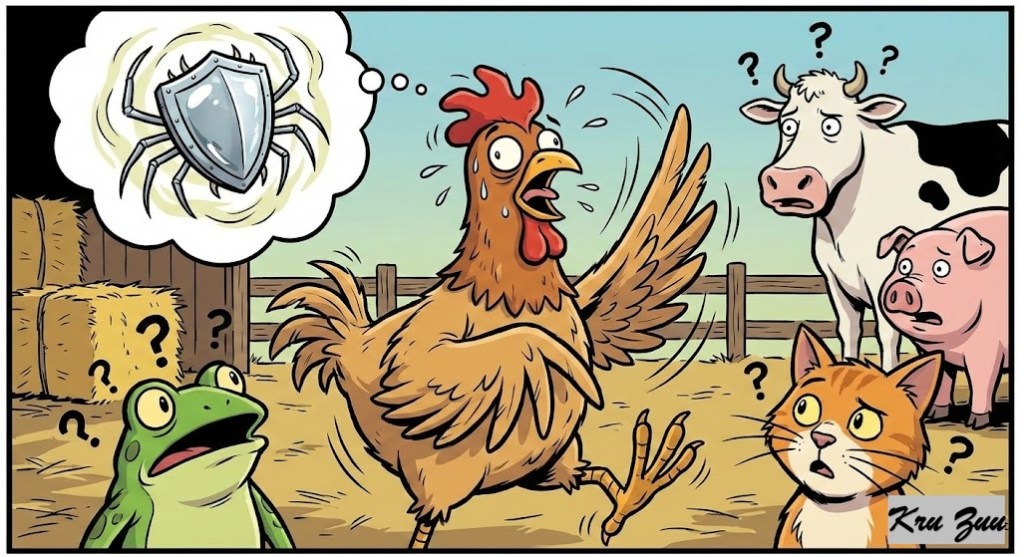
    Percy: Panicked. “I must go now!” Percy grabbed the letter and ran in the rain to the mailbox.

    He ran back, soaking wet. 🌧️ Then his stomach rumbled. “Oh no! We have no food!”

    Percy ran back out into the rain to the barn to get corn. He came back, shivering and tired.

    Percy walked 2 miles and got wet twice.


    Fred: Looked at the list.

    He sat on a lily pad and thought. “I am hungry, and I need to mail this letter.”

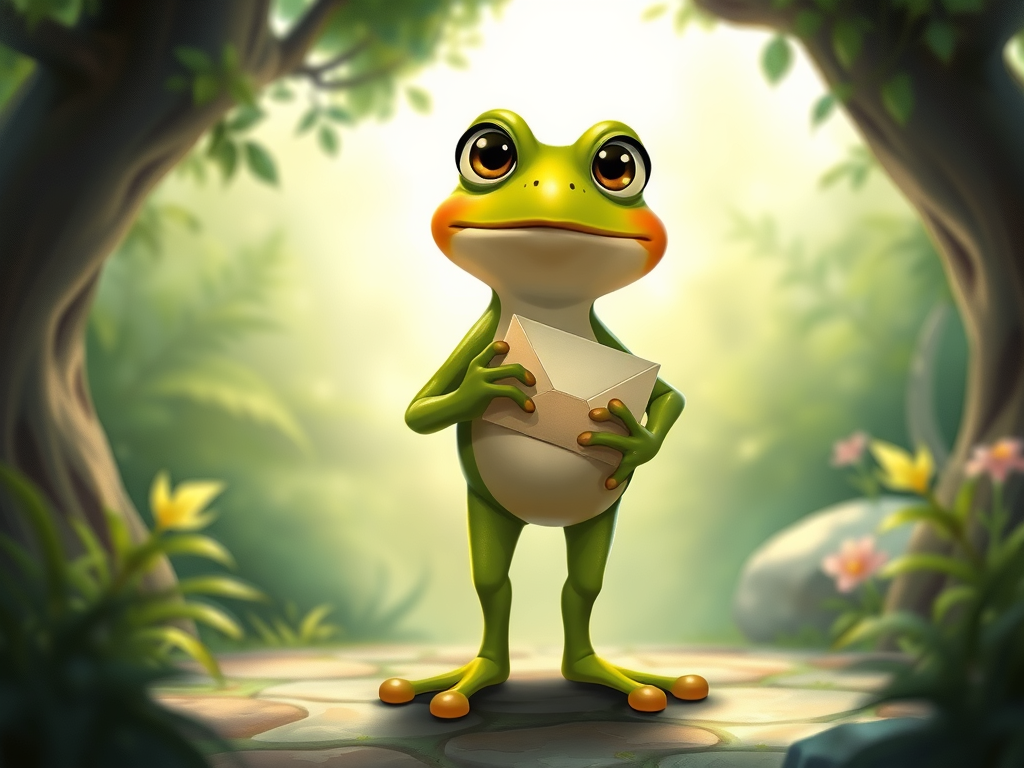
    Fred waited until he was hungry. He put the letter in his pocket.

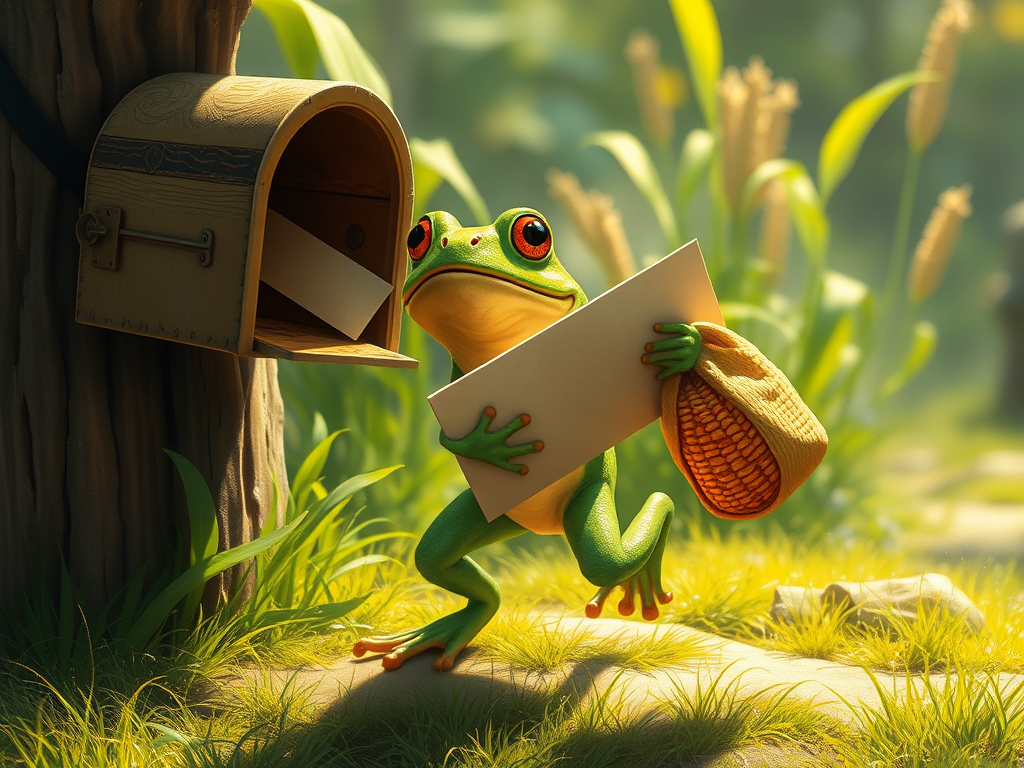
    He hopped to the mailbox, dropped the letter, and then since the food barn was right next to the mailbox, he grabbed the corn bag. He hopped home.


    The Result:

    Percy was sneezing and exhausted. 🤧

    Fred was dry, eating corn, and reading a book.


    Luna opened one eye: “Percy, you worked hard. Fred, you worked smart. Fred killed two birds with one stone.” (Disclaimer: No actual birds were harmed in this story!) 🚫🐦

    🎓 Lesson for English Learners


    How can you use this strategy to learn English faster?


    Don’t “Make Time” for English. Combine it.


    The Commuter Strategy: 🚌
    Bird 1:
    Going to work/school (Boring travel time).


    Bird 2: Improving listening skills.


    The Stone: Listen to an English Podcast on the bus.


    The Netflix Method: 🍿
    Bird 1:
    Relaxing and having fun.


    Bird 2: Learning slang and vocabulary.


    The Stone: Watch your favorite series with English subtitles.


    The Gamer Hack: 🎮
    Bird 1:
    Playing video games.


    Bird 2: Speaking practice.


    The Stone: Join an international server and chat with teammates in English.


    Remember: You don’t need more time. You just need a better stone.


    💬 Your Turn


    What is your best “efficiency hack”?


    Do you brush your teeth in the shower? 🚿


    Do you listen to audiobooks while cleaning the house? 🧹🎧


    Tell us how YOU kill two birds with one stone in the comments! 👇

    By Zubeyir YURTKURAN

    https://www.facebook.com/BrainBattleground/

    https://www.facebook.com/zubeyr.yurtkuran/

    https://www.instagram.com/zubeyryurtkuran/

  • 🚀 Practice Makes Perfect: The Secret Sauce of Mastery

    🚀 Practice Makes Perfect: The Secret Sauce of Mastery

    🚫 Can You Learn to Swim by Reading a Book?


    📖 The Short Cut: You watch 50 YouTube videos about “How to play guitar,” memorize every chord name, but never actually pick up the instrument.

    📉 The Reality: The moment you hold the guitar, your fingers don’t work. You have knowledge, but zero skill.

    🗣️ The Short Cut: You study English grammar rules for 5 years but you are too afraid to speak because you might make a mistake.

    📉 The Reality: You become a “Grammar Professor” who cannot order a coffee. Silence is not fluency.


    Life has a strict rule: You cannot think your way to mastery; you must do your way to mastery. In this post, we explore why repetition is the mother of skill. Don’t just read this do it! 👊

    🧐 The Anatomy of the Proverb


    Let’s break down the mechanics of this golden rule.


    📚 Vocabulary Vault


    Practice (Noun/Verb): Performing an activity or exercise repeatedly to improve your proficiency. (Doing it again and again). 🔄


    Make (Verb): To cause something to become specific. (To result in). 🔨


    Perfect (Adjective): Having all the required or desirable elements; free from faults or defects. ✨


    🧠 Grammar Focus


    This is a concise Subject + Verb + Object sentence in the Present Simple Tense.


    Subject: Practice (Uncountable Noun – treated as Singular “It”)


    Verb: Makes (Causative verb)


    Object: Perfect (Adjective acting as a noun idea, “perfection”)


    Formula: [Practice] + [Makes] + [Perfect]. Note: Since “Practice” is a singular concept, we must add -s to the verb (Make -> Makes).

    📜 History: From Romans to Bruce Lee


    Is this a modern idea?


    The Origin: The roots go back to the Latin phrase “Uses promptos facit” (Use makes ready). The modern English version became popular in the 1500s.


    The Legend: Martial arts legend Bruce Lee famously said: “I fear not the man who has practiced 10,000 kicks once, but I fear the man who has practiced one kick 10,000 times.”


    The Lesson: It is better to do one thing deeply than 100 things shallowly.

    🎯 Impact on Life: The Pros & Cons


    Is doing the same thing over and over always good?


    ✅ The Pros (Why it works)


    Muscle Memory: Whether it’s your tongue forming the “TH” sound or your fingers playing piano, repetition moves the skill from your brain to your body. You stop thinking and start doing. 🧠➡️💪


    Confidence: Familiarity kills fear. The 100th time you give a presentation, you won’t be nervous.


    Speed: Amateurs are slow because they are thinking. Professionals are fast because they have practiced.


    ❌ The Cons (What to watch out for)


    Bad Practice:
    If you practice a mistake repeatedly, you make the mistake “perfect.” (e.g., pronouncing “Three” as “Tree” for 10 years). Correction is necessary.


    Boredom: Repetition can be dull. You must find ways to keep it fun (Gamification).

    🎭 Short Story: The Juggling Contest


    Let’s see how our farm friends handle a new talent show!


    🌟 Character Introduction


    Percy the Chicken (The Impatient Talent):
    Wants to be a star immediately. 🐔


    Fred the Frog (The Consistent Worker): Willing to look silly to get better. 🐸


    Luna the Cat (The Critic): Watching from the fence. 😼


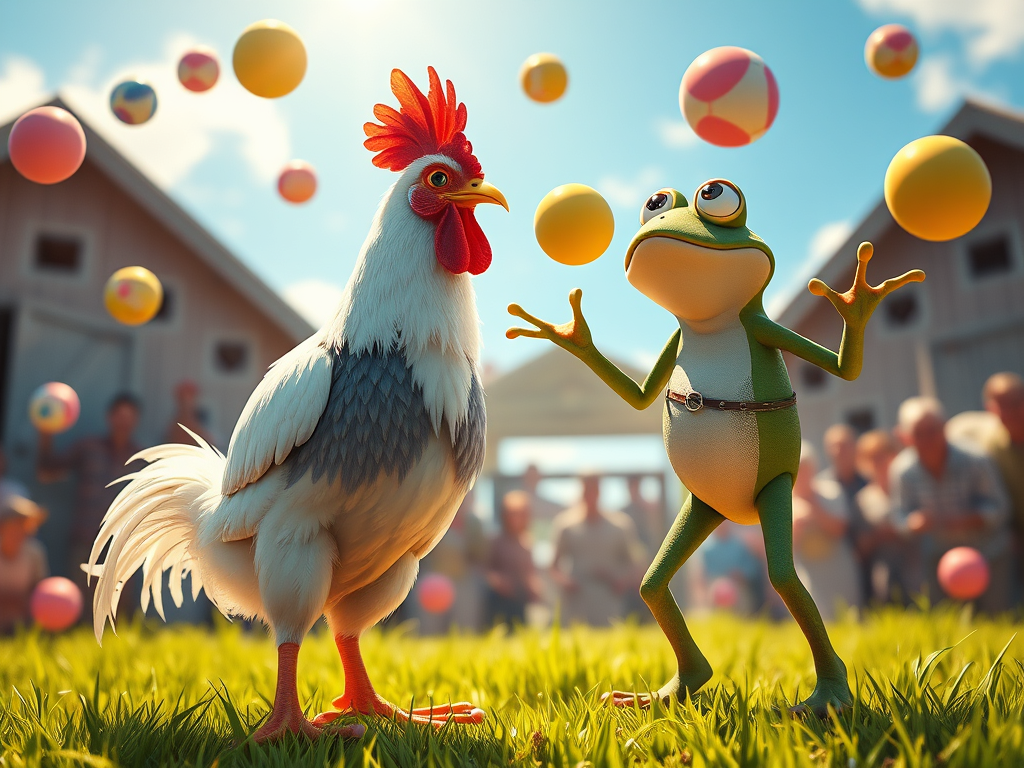
    The “Farm Talent Show” was one week away. Percy and Fred decided to learn juggling (throwing balls in the air).


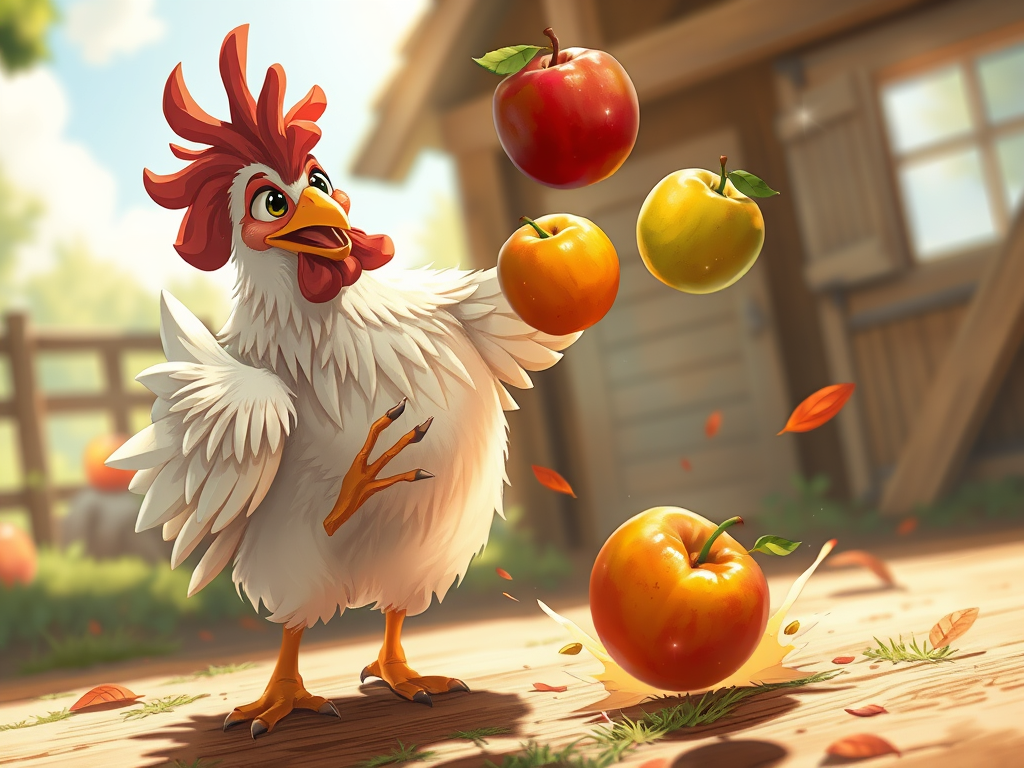
    Day 1: Percy picked up three apples. “Watch this!” he shouted. He threw them up… and SPLAT! All three hit the floor. “This is stupid!” Percy yelled. “I don’t have the ‘juggling gene.’ I quit.” He went back to eating corn.


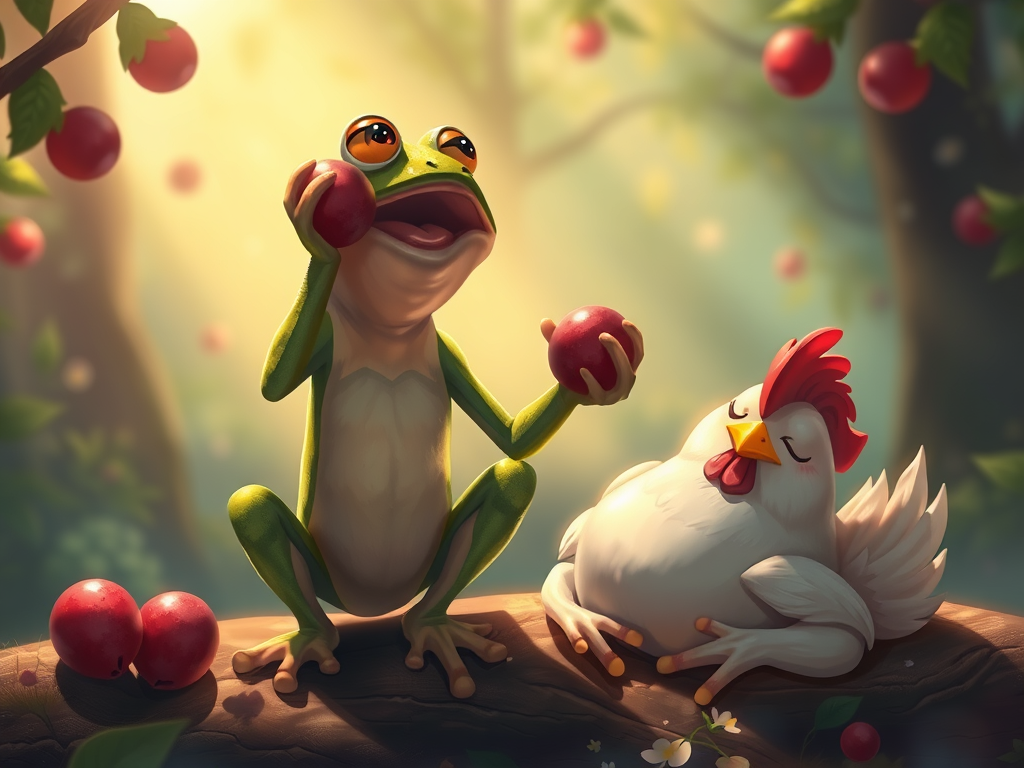
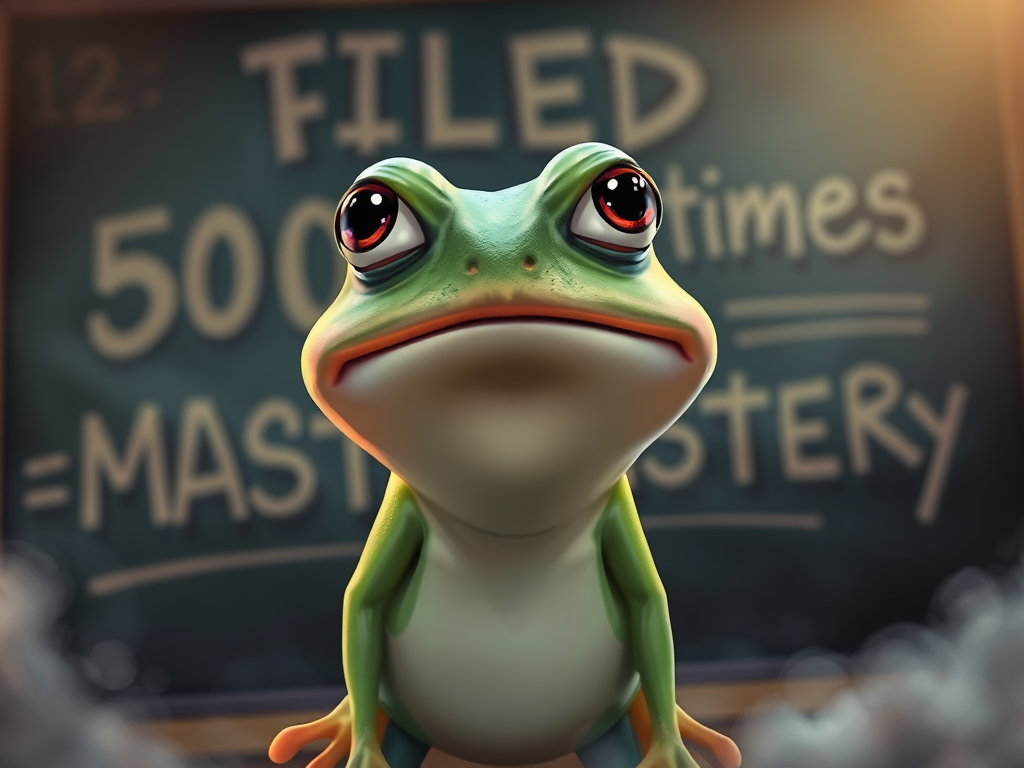
    Fred picked up three small berries. He threw one up, dropped it. Threw it up, dropped it. He did this 500 times. He looked clumsy. Luna laughed, “Fred, you look ridiculous.” Fred smiled, “Not yet, Luna. Give me time.”


    Day 4: Fred was still dropping berries, but now he could catch two in a row. His hands were starting to move automatically. Percy was sleeping.


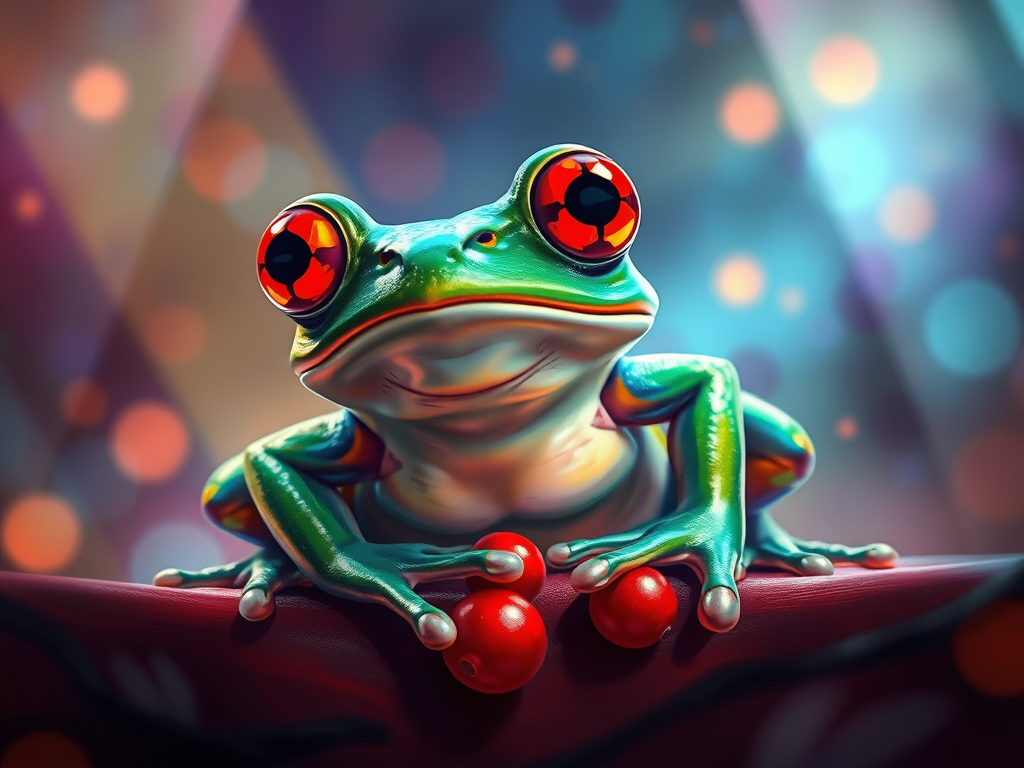
    Day 7 (Showtime!): 🎪 Percy went on stage. “I will wing it!” he said. He threw the apples… BONK! One hit him on the head. The audience laughed. Percy was embarrassed. Then, Fred hopped on stage. He picked up three shining red berries. Whoosh, whoosh, whoosh. His hands moved like a blur. He didn’t even look at the berries; he looked at the audience and smiled. It was a flawless performance. 🌟


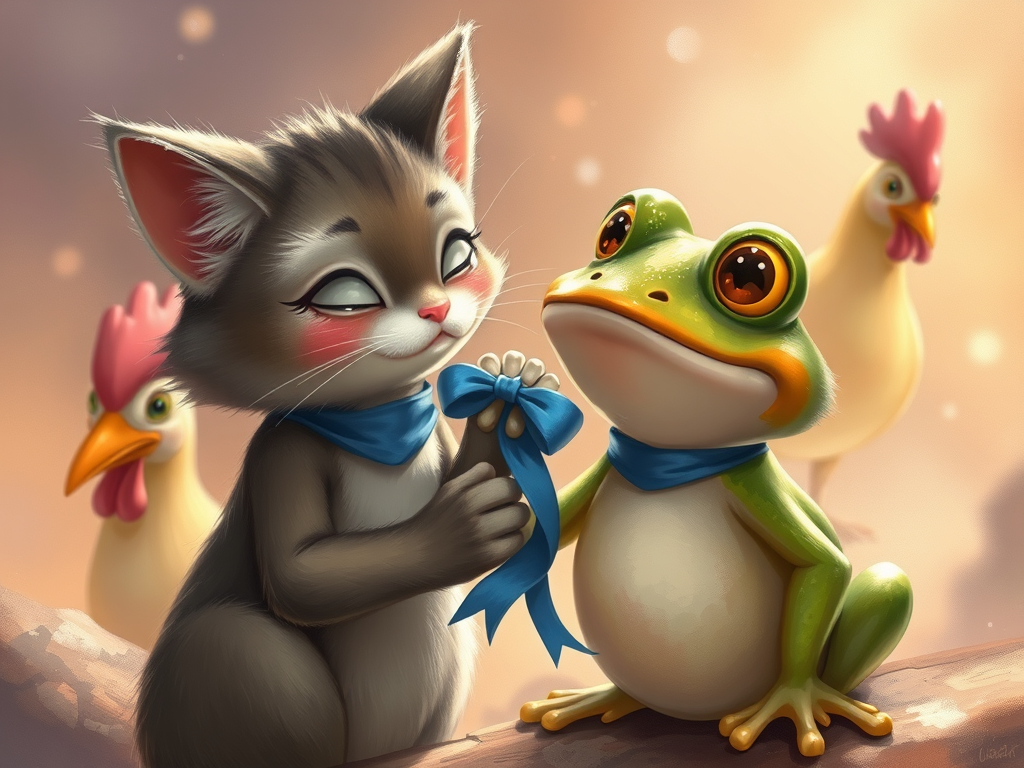
    Luna pinned the blue ribbon on Fred: “Percy, you wanted magic. Fred understood that magic is just practice in disguise.”


    The Moral:


    Percy:
    Gave up after 1 fail = No Skill.


    Fred: Failed 500 times = Mastery.

    🎓 Lesson for English Learners


    How do you use this for English?


    Don’t Aim for “Perfect” Immediately: A better version of this proverb is “Practice makes Progress.”


    The “Shadowing” Technique: Listen to a native speaker sentence. Pause. Repeat it exactly. Do this 20 times.


    Time 1: You feel weird.


    Time 10: Your tongue feels more comfortable.


    Time 20: You sound natural.


    Mistakes are Data: Every time you make a grammar mistake, don’t feel bad. That is just one “dropped berry.” Pick it up and try again.


    Remember: No one is born speaking a language. Every fluent speaker you see has “practiced” thousands of hours.


    💬 Your Turn


    Is there a skill (cooking, driving, a video game) that you used to be terrible at, but now you are a master of? 🎮🍳🚗


    Tell us your story of “Zero to Hero” in the comments! 👇

    By Zubeyir YURTKURAN

    https://www.facebook.com/BrainBattleground/

    https://www.facebook.com/zubeyr.yurtkuran/

    https://www.instagram.com/zubeyryurtkuran/

  • 🌅 The Early Bird Catches the Worm: Why the Snooze Button is the Enemy of Success

    🌅 The Early Bird Catches the Worm: Why the Snooze Button is the Enemy of Success

    🚫 Can You Build an Empire While You Sleep?


    🛌 The Short Cut: Hitting the “Snooze” button 5 times because “5 more minutes” feels like heaven.

    📉 The Reality: You rush, spill coffee on your shirt, miss the bus, and start the day stressed and behind schedule.

    📱 The Short Cut: Waiting for the “perfect time” or “New Year’s Day” to start studying English.

    📉 The Reality: By the time you start, the job interview was yesterday. The position is filled by someone who started last month.


    Life has a simple timing algorithm: First come, first served. In this post, we explore why timing is everything. Wake up, grab your coffee; the opportunity bus is leaving! 🚌

    🧐 The Anatomy of the Proverb


    Let’s dissect this classic idiom to understand its mechanics.


    📚 Vocabulary Vault


    Early (Adjective):
    Happening before the usual or expected time. (Being ahead of the crowd). ⏰


    Catch (Verb): To capture, seize, or grab something. 🤲


    Worm (Noun): A small animal. Metaphorically: The prize, the opportunity, the job, or the reward. 🪱


    🧠 Grammar Focus


    This is a perfect example of the Present Simple Tense representing a “General Truth.”


    Subject:
    The early bird (The proactive person)


    Verb: Catches (The action/result)


    Object: The worm (The reward)


    Formula: [Subject] + [Verb + s] + [Object]. Note: Because “The bird” is singular (It), we add -es to the verb catch (Catches).

    📜 History: A 17th Century Wake-Up Call


    Who told us to wake up so early?


    The Origin:
    This phrase first appeared in a collection of proverbs by John Ray in 1670.


    The Logic: Before supermarkets, birds literally had to wake up at dawn to find worms coming out of the damp morning soil. If a bird slept until noon, the worms were gone (hiding underground from the sun).


    The Lesson: Opportunities are limited resources. They don’t wait for you to finish your breakfast.

    🎯 Impact on Life: The Pros & Cons


    Is waking up at 5:00 AM the only way to succeed?


    ✅ The Pros (Why it works)


    Zero Distractions:
    At 6:00 AM, nobody is texting you. Instagram is quiet. It is just you and your goals. Focus is at 100%. 🧘‍♂️


    Proactivity: You act before problems arise. You control the day; the day doesn’t control you.


    The “First Choice” Privilege:
    The first person at the buffet gets the freshest food. The first applicant often gets the interview.


    ❌ The Cons (What to watch out for)


    The Night Owl Dilemma:
    Some people are genetically wired to be creative at night. If you force yourself to wake up early but are exhausted, you lose quality.


    Social Lag: If you wake up at 4 AM, you might be sleepy by 8 PM when your friends want to hang out.

    🎭 Short Story: The Great Garden Breakfast


    Let’s return to our farm friends to see this proverb in action.


    🌟 Character Introduction


    Percy the Chicken (The Snoozer):
    Loves his warm bed and dreams of corn. 🐔


    Fred the Frog (The Early Riser): Alert, hungry, and disciplined. 🐸


    Luna the Cat (The Observer): Watches from the roof. 😼


    It was a rainy Tuesday morning. The soil was wet perfect conditions for finding juicy worms!


    5:30 AM: The sun began to rise. Fred the Frog opened his eyes immediately. “Rainy night means breakfast delight!” he croaked. He hopped out to the garden while the rest of the farm was snoring. He found the biggest, juiciest worm right in the middle of the path. “Delicious!” Fred said, enjoying his feast in the quiet morning mist. 😋


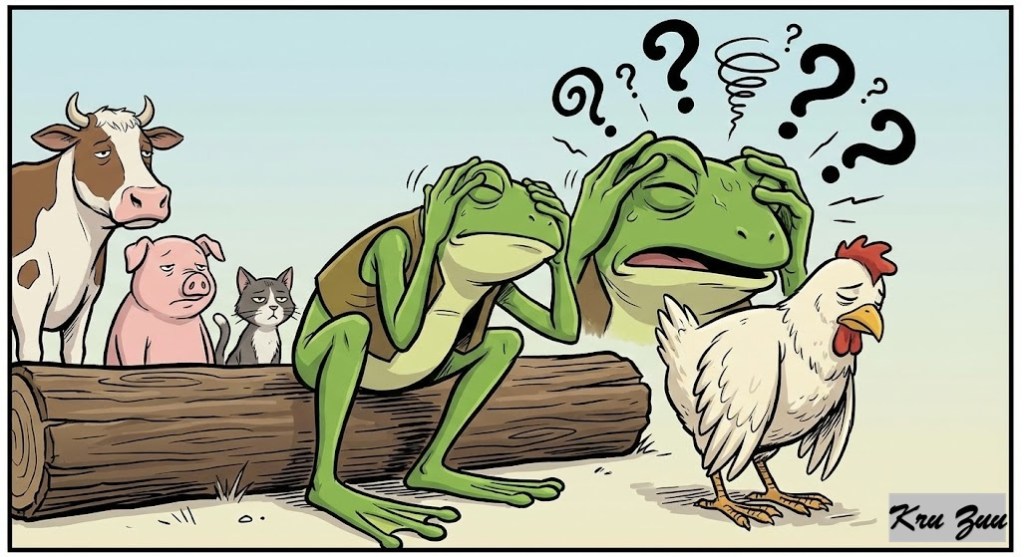
    9:00 AM: Percy the Chicken’s alarm went off… for the third time. Percy stretched, yawned, and slowly walked out to the garden. “Okay world, I am ready for my breakfast!” he announced. He looked at the ground. Nothing. He scratched the dirt. Nothing. The sun was high now, and the ground was dry. All the worms had gone back underground.


    Luna looked down from the roof and laughed: “Percy, you have great feathers, but an empty stomach. Fred got the worm because he didn’t negotiate with his alarm clock.”


    The Moral:


    Percy:
    Slept late = Leftovers (or hunger).


    Fred: Woke up early = The Grand Prize.

    🎓 Lesson for English Learners


    How does this apply to learning a language?


    The “Worm” is Fluency.


    The “Early Bird” is Preparation.


    Review Before Class: If you learn the vocabulary before the lesson starts (Early Bird), you can use the lesson to practice speaking (Catching the Worm). If you wait for the teacher to explain everything, you waste time.


    Morning Brain: Research shows that reviewing notes for 15 minutes in the morning is more effective than 1 hour when you are tired at night.


    Don’t Wait for “Someday”: “I will learn English when I have time” is the biggest lie. The time is now.


    Remember: You don’t have to be a genius to learn English; you just have to start before everyone else quits.


    💬 Your Turn


    Are you a Morning Person (Early Bird) ☀️ or a Night Owl 🦉? Do you believe getting up early is the key to success, or can you catch the worm at midnight?


    Tell us your routine in the comments! 👇

    By Zubeyir YURTKURAN

    https://www.facebook.com/BrainBattleground/

    https://www.facebook.com/zubeyr.yurtkuran/

    https://www.instagram.com/zubeyryurtkuran/

  • Why You Shouldn’t Trust Your Eyes: A Lesson on Glitter and Gold

    Why You Shouldn’t Trust Your Eyes: A Lesson on Glitter and Gold

    Shakespeare, Chickens, and Fake Gold: The Truth About “All That Glitters”

    We have all been there.
    🍔 A job offer that looks perfect on paper but turns out to be a nightmare.

    🎁 A beautifully packaged meal that tastes like cardboard.

    😎 A person who looks incredibly cool on Instagram but has zero personality in real life.


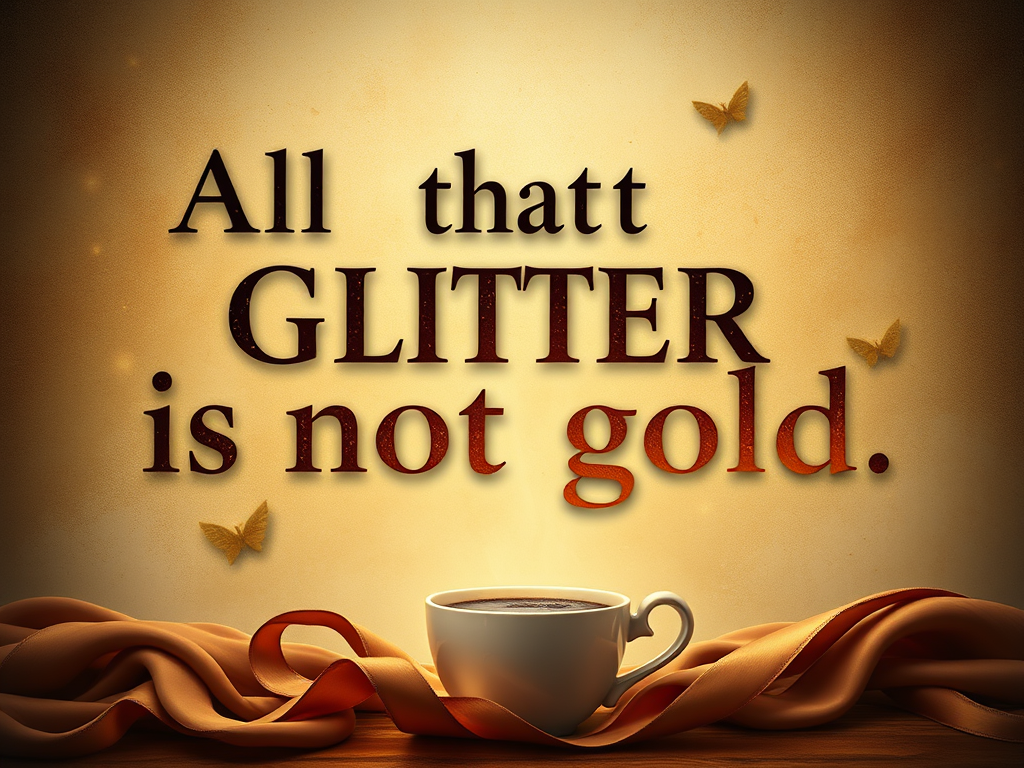
    Life has a way of teaching us this lesson over and over again: “All that glitters is not gold.”
    In this post, we are putting one of the most popular and historically rich English proverbs under the microscope. Grab your coffee, and let’s dive in! ☕

    The Anatomy of the Proverb


    Let’s break this sentence down like a linguist.
    📚 Vocabulary Vault
    Glitter (Verb):
    To shine with a bright, shimmering, reflected light (think of a disco ball or a diamond). ✨


    Gold (Noun): A precious yellow metal. In this context, it represents anything that is “genuine,” “valuable,” or “real.” 🏆

    🧠 Grammar Focus
    Here is the secret formula of the sentence:
    All (Subject) + [that glitters] (Relative Clause) + is (Verb) + not gold (Object/Complement).
    The Relative Clause: The phrase “that glitters” defines the subject “All.” We aren’t talking about everything in the world, just the things that shine.
    Subject-Verb Agreement: Watch out! In this proverb, “All” acts as a singular concept (everything). That’s why we say “glitters” (with an -s) and “is” (not are).

    History: Aesop or Shakespeare?


    The roots of this saying go deeper than you might think. It’s a battle between Ancient Greece and Renaissance England!


    🏛️ Ancient Roots: As far back as the 6th Century B.C., the Greek storyteller Aesop explored the idea that “not everything that looks good is actually good” in his fables.


    🎭 The Shakespeare Touch: The proverb became a celebrity thanks to William Shakespeare. In his play The Merchant of Venice (1596), a character chooses a gold casket hoping to win a prize, only to find a scroll inside that reads: “All that glisters is not gold.”


    Fun Fact: Shakespeare used the old word “glisters.” Over centuries, language evolved, and by the 19th century, we switched to the modern word “glitters.”

    Impact on Life: The Pros & Cons


    Should you adopt this proverb as your life philosophy? Let’s weigh the options.


    ✅ The Pros (Why it helps)
    Critical Thinking:
    It encourages you not to trust first impressions blindly. It pushes you to look beneath the surface.


    Protection: Whether it’s a scam product or a “too good to be true” promise, this proverb acts as a shield against deception. 🛡️


    ❌ The Cons (Why it can be tricky)
    Cynicism:
    If you take it too far, you might become overly suspicious of everyone, unable to trust sincere people.


    Missing the Beauty:
    Sometimes, things are just beautiful because they glitter, and that is enough. Constantly looking for a “flaw” might make you miss the joy of the moment.

    Short Story: The Shiny Pebble


    To understand this better, let’s visit our friends on the farm.
    It was a bright, sunny morning. Percy the Chicken, Luna the Cat, and Fred the Frog were relaxing near the farm pond. ☀️


    Suddenly, Percy froze. He saw something shining at the bottom of the shallow water. It was bright, sparkly, and yellow.


    “Look!” clucked Percy, his feathers puffing up with excitement. “A piece of the sun has fallen into the water! It must be magic gold corn. I will eat it and become the King of Chickens!” 👑


    Luna the Cat yawned lazily and licked her paw. She looked at the shiny object with narrowed, skeptical eyes. “I wouldn’t do that if I were you, Percy,” she purred. “It looks sharp. Not everything that shines is food.” 🐱


    “You are just jealous because you didn’t find it first!” shouted Percy. He prepared to jump into the water to peck the treasure.


    Just then, Fred the Frog hopped onto a lily pad right next to the object. He looked at it closely, blinked his big eyes, and laughed. “Croak! Percy, stop!” 🐸


    “Move away, Fred! That is my gold!” Percy insisted, flapping his wings.


    Fred stuck out his long, sticky tongue and flipped the object over. It wasn’t gold. It wasn’t magic corn. It was just a jagged, sharp piece of a broken yellow soda bottle.


    “The sun makes it shine,” said Fred wisely, “but underneath, it is just dangerous trash.”


    Percy stopped in his tracks. He realized he had almost cut his beak on a piece of glass. He looked at his friends, lowered his head, and sighed.
    “I guess all that glitters is not gold,” Percy admitted.

    In this story, the characters represent different mindsets:


    Percy:
    Naivety and Greed 😵
    Luna: Skepticism 🧐
    Fred: Experience and Truth 🤓


    Lesson for English Learners: When learning a language, fancy words (glitter) are nice, but knowing how to use simple words correctly (gold) is often much more valuable.


    💬 What about you? Have you ever experienced a moment where “all that glitters was not gold”? Tell me in the comments!

    By Zubeyir YURTKURAN

    https://www.facebook.com/BrainBattleground/

    https://www.facebook.com/zubeyr.yurtkuran/

    https://www.instagram.com/zubeyryurtkuran/