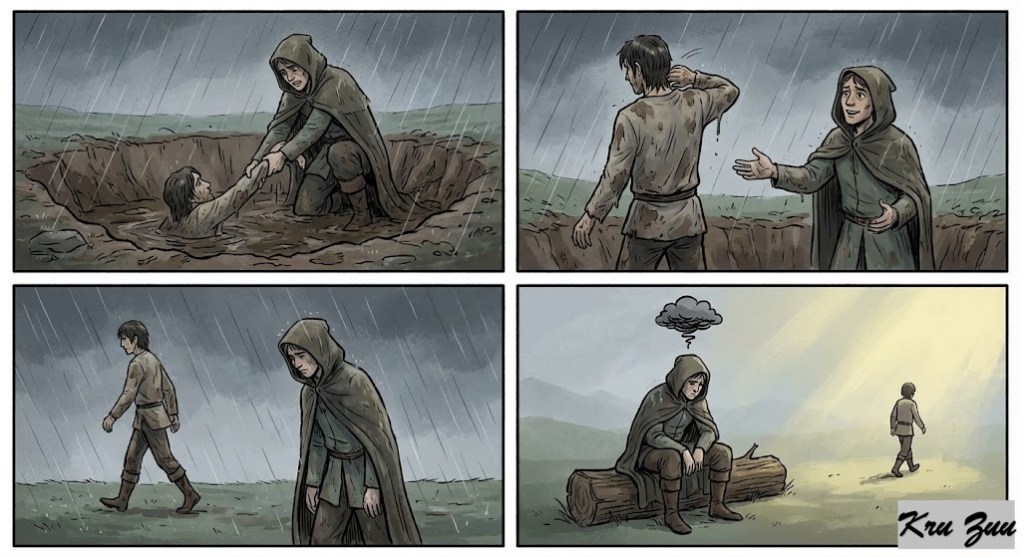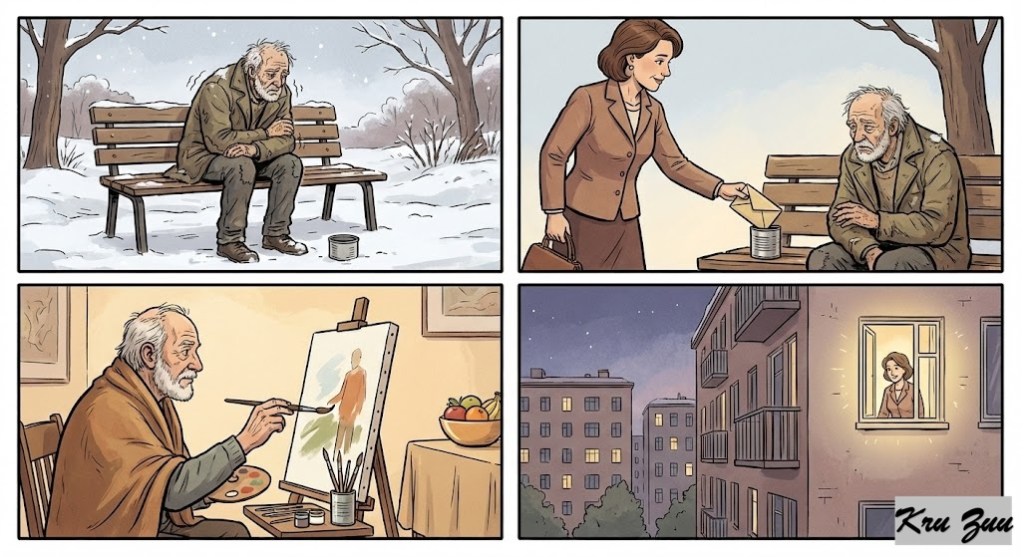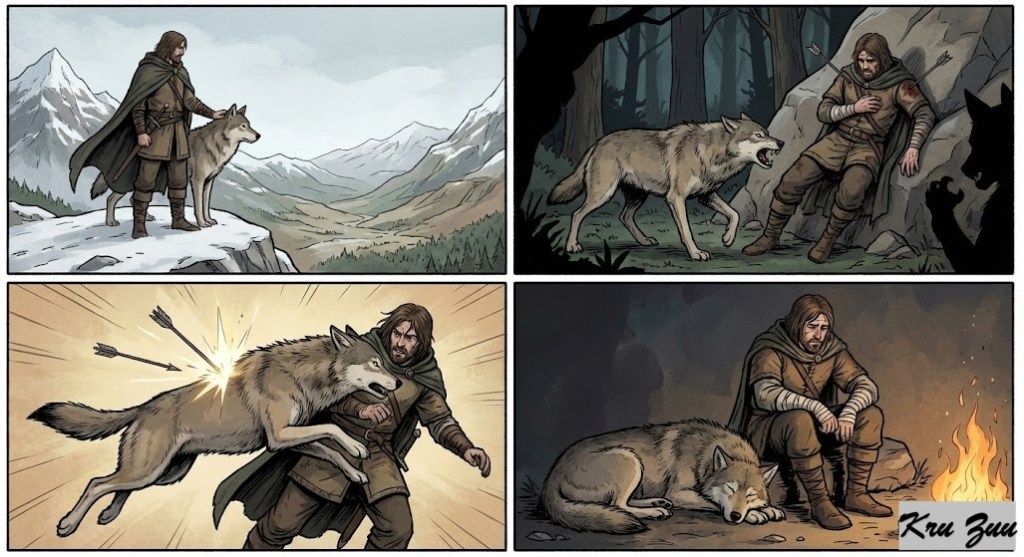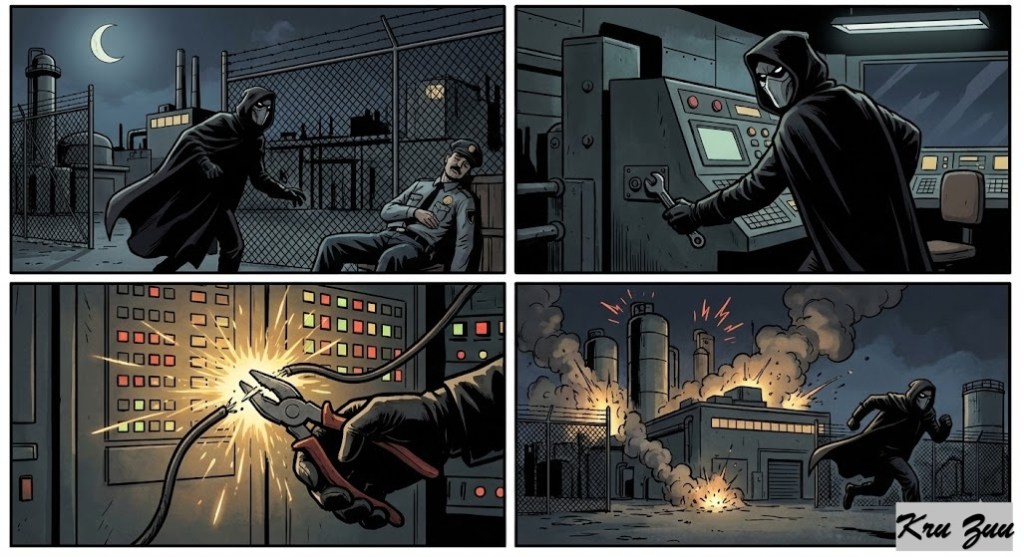
Tag: English Teacher

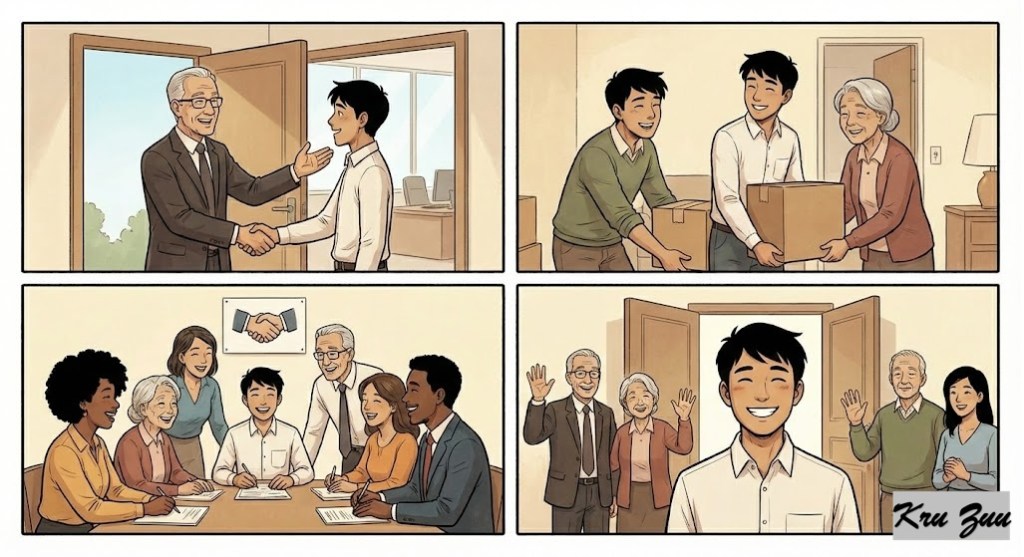
  • 🔄 The Golden Rule: The Boomerang of Life

    🔄 The Golden Rule: The Boomerang of Life

    Treat others how you want to be treated.


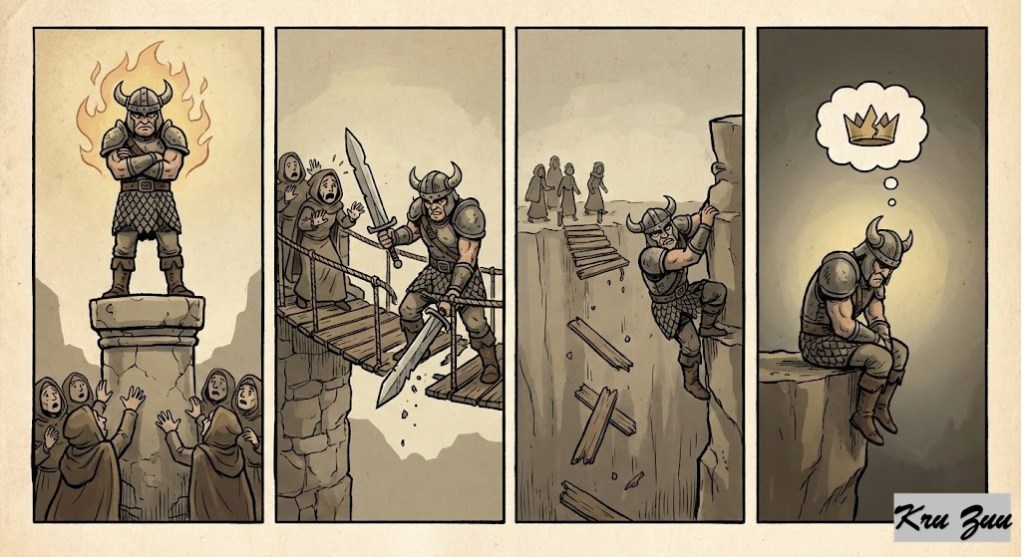
    👿 The Villain:
    You are having a bad day. You yell at the waiter because your coffee is cold.

    You push past people on the bus.

    You ignore your friend’s text.

    Result? The world feels angry. People are rude back to you. You feel like a victim, but actually, you started the fire. 🔥


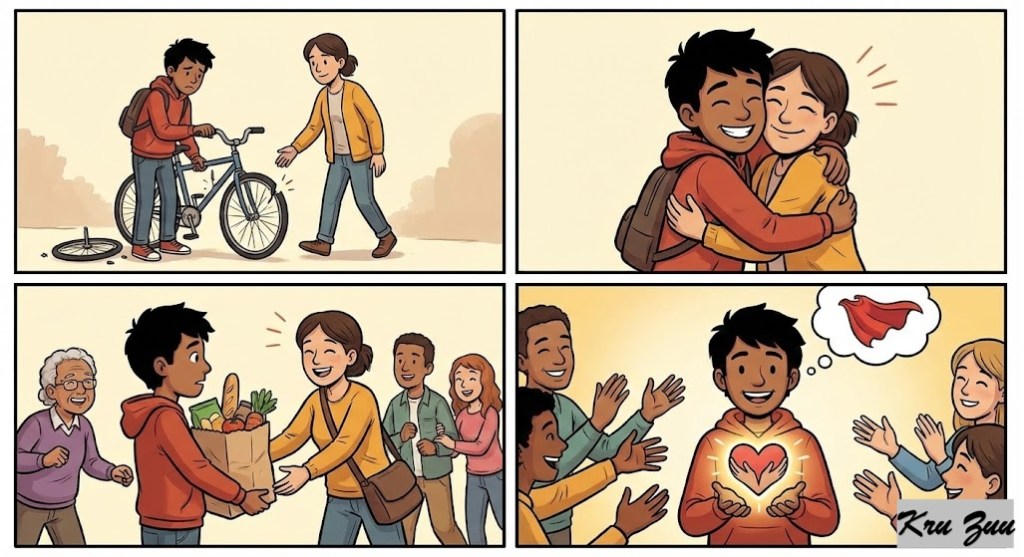
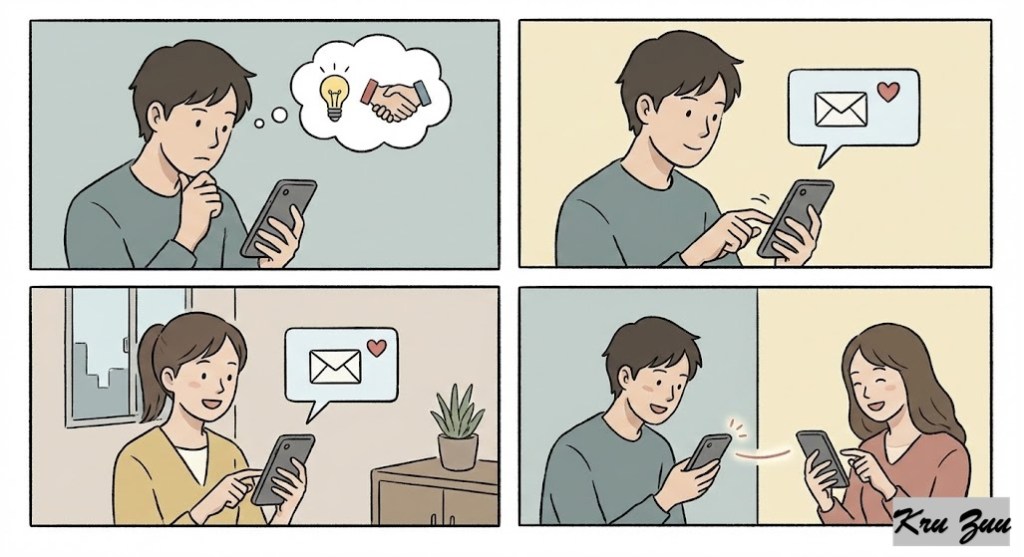
    😇 The Hero: You smile at the stranger on the street.

    You hold the door open for someone carrying heavy boxes.

    You listen when your friend is sad.

    Result? Suddenly, people smile back. When you drop your books, someone rushes to help you pick them up. The world feels warm. ☀️


    📉 The Reality: Newton’s Third Law of Physics says: “For every action, there is an equal and opposite reaction.” This applies to humans too!

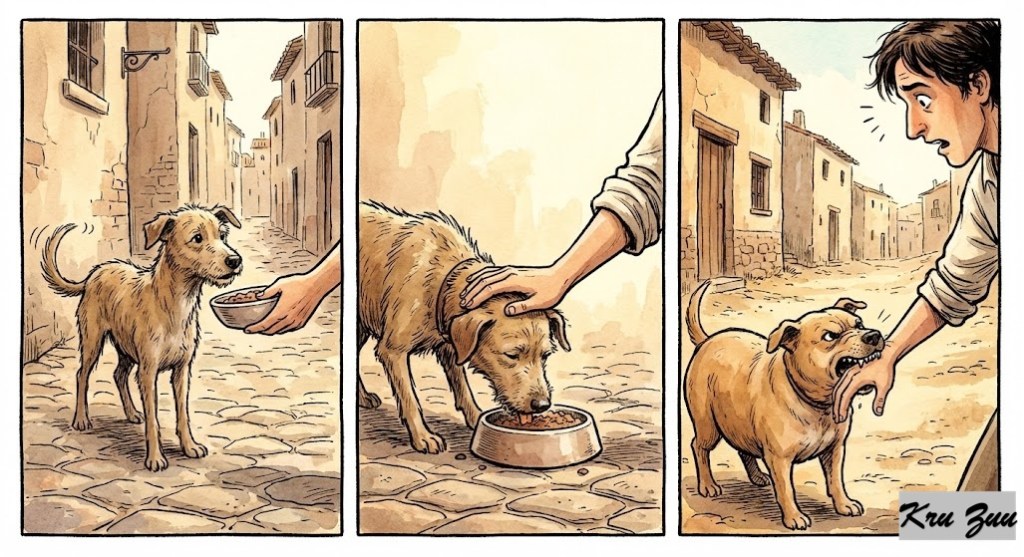
    💎 The Secret: Life is an echo. What you send out, comes back. If you want respect, you must give it first.


    In this post, we are decoding the secret to being popular, respected, and happy. Let’s look at the Boomerang Effect! 🪃

    🧐 The Anatomy of the Proverb


    Let’s break down the grammar to understand the command.


    📚 Vocabulary Vault


    Treat (Verb): To behave towards someone or deal with someone in a certain way.


    Example: “Please treat this glass carefully, it is fragile!” 🍷


    Others (Pronoun): People who are not you. Everyone else. 👥


    The Golden Rule (Idiom): A universal moral principle found in almost every culture.


    🧠 Grammar Focus


    The Imperative Mood (The Bossy Verb):
    This sentence starts with a verb (Treat). There is no “You.”


    Normal: You should treat others…


    Imperative:Treat others… (It is a direct instruction or strong advice).


    The “How” Clause: “How you want to be treated” acts as an adverb describing the verb Treat.


    Do it how? Like you want it done to you.

    📜 History: Ancient Wisdom


    Is this just a modern polite phrase? No! It is thousands of years old.


    The Origin:
    This is arguably the oldest ethical rule in human history. It appears in Ancient Egypt (The Tale of the Eloquent Peasant), in Confucianism, and in the Bible.


    Global Cousins:


    🇹🇷 Turkish: “
    Ne ekersen, onu biçersin.” (You reap what you sow.)

    🇹🇷 Turkish:“İğneyi kendine, çuvaldızı başkasına batır.” (Prick yourself with a needle before you prick others with a packing needle.) 🪡


    🇨🇳 Chinese: “Do not do to others what you do not want done to yourself.” (Confucius).


    🇮🇳 Hindi: “Karma.” (What goes around, comes around).


    The Lesson: You are the architect of your own social life.

    🎯 Impact on Life: The Pros & Cons


    Why should you be nice to mean people?


    ✅ The Pros (The Magnet)


    Likability:
    People naturally gravitate towards kind people.


    Peace: You have less drama and fewer fights in your life.


    Self-Respect: Even if they are rude, you know you kept your dignity.


    ❌ The Cons (The Doormat)


    Expectations:
    Just because you are nice, doesn’t mean everyone will be nice back instantly. Don’t do it for a reward; do it because it’s right.


    Boundaries: Treating people well does not mean letting them use you. You can be kind but still say “No.” 🛑

    🎭 Short Story: The Echo Cave


    Let’s check back in with our farm friends!


    🌟 Character Introduction


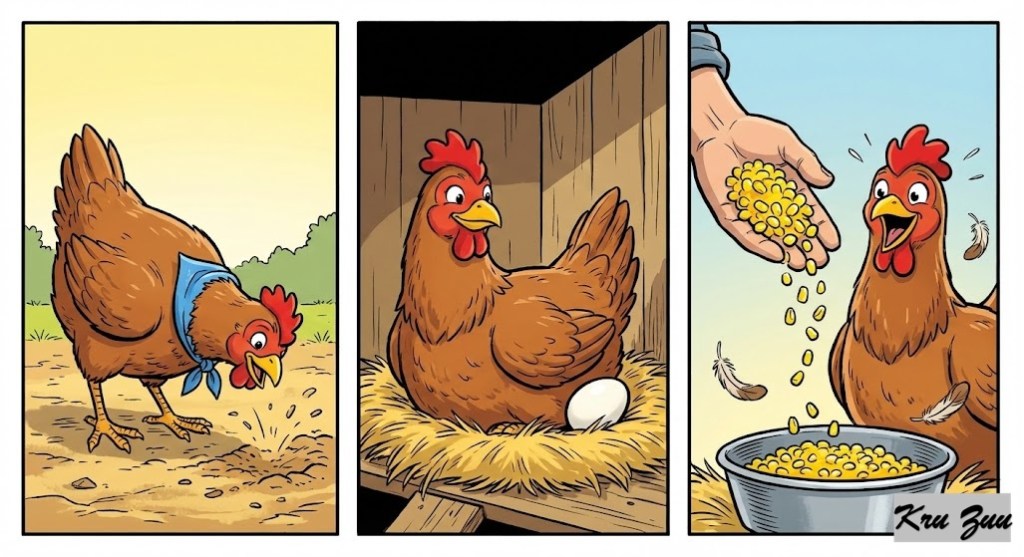
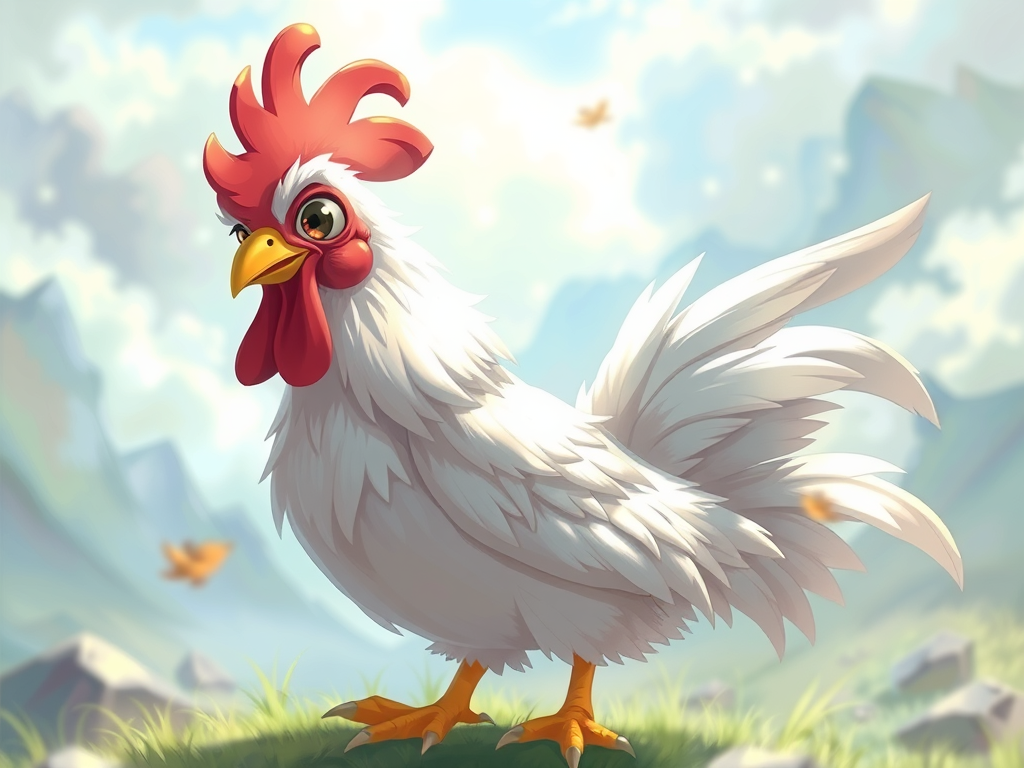
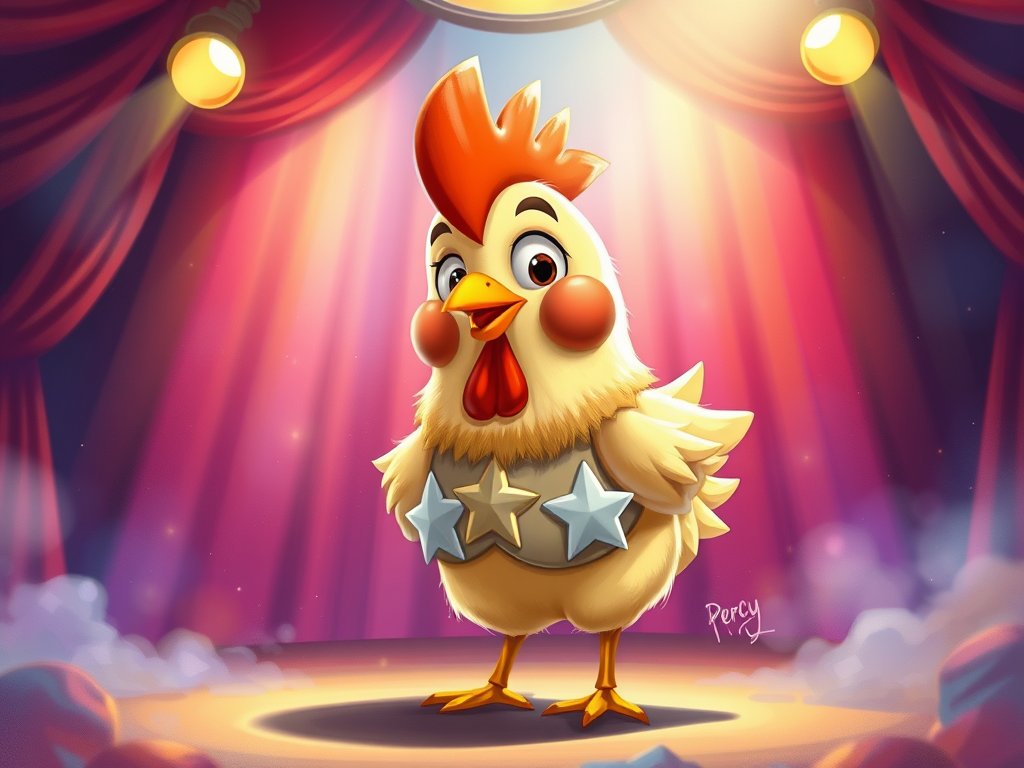
    Percy the Chicken:
    Impatient, loud, thinks he is the boss. 🐔


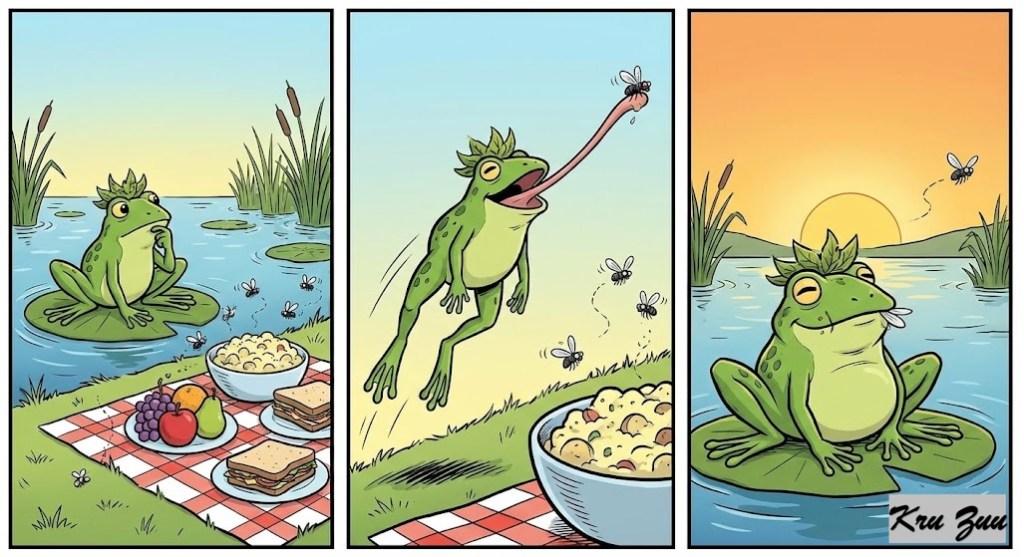
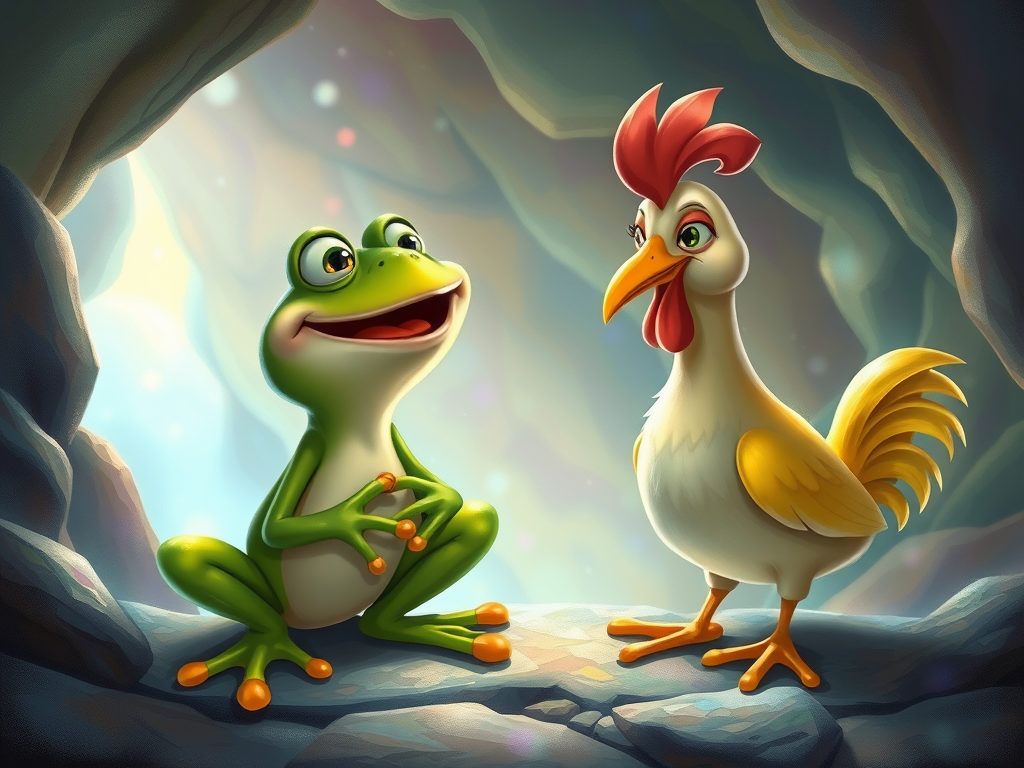
    Fred the Frog: Chill, observant, polite. 🐸


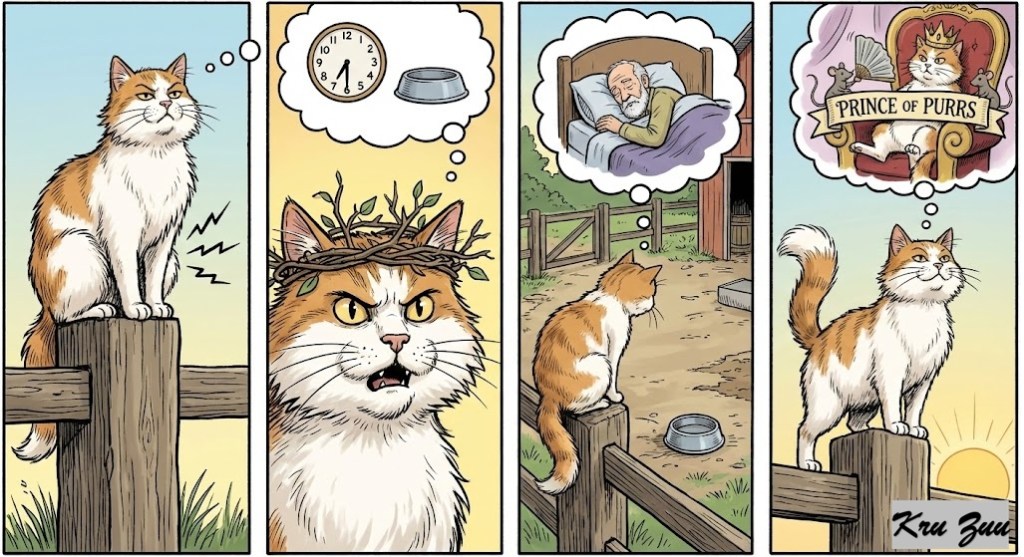
    Luna the Cat: The wise judge. 🐱


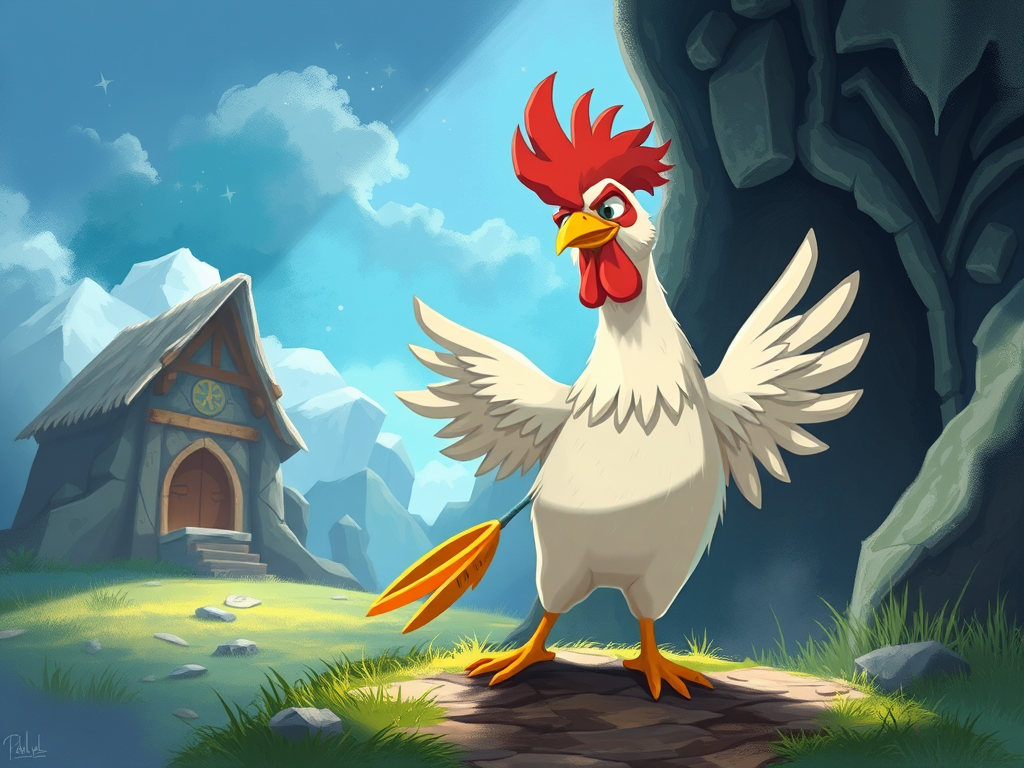
    The Setup: Percy was in a bad mood. He walked to the edge of the farm, near the Big Cave. “HEY! YOU ARE STUPID!” Percy shouted into the cave. The cave shouted back: “YOU ARE STUPID… stupid… stupid…” Percy got angry. “NO, YOU ARE UGLY!” The cave echoed: “YOU ARE UGLY… ugly… ugly…”


    The Conflict: Percy ran to Luna the Cat, feathers puffing up. “Luna! There is a monster in the cave! It called me stupid and ugly! We must attack it!” ⚔️


    The Solution: Luna smiled slowly. “Percy, go back. But this time, say something nice.”

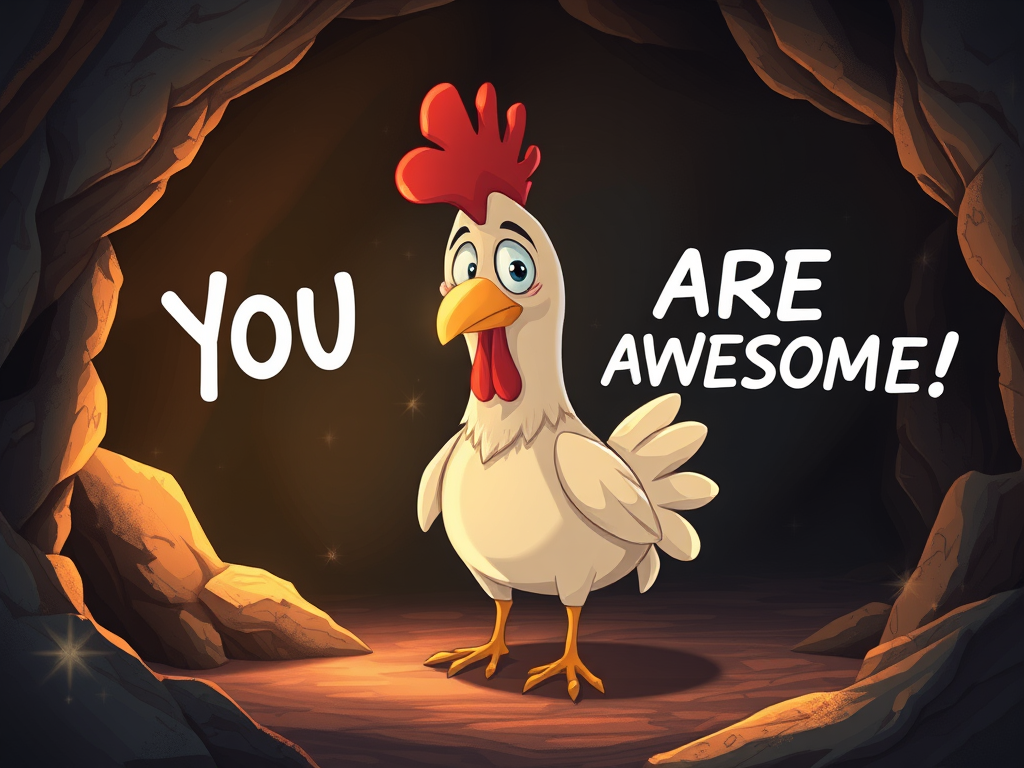
    Percy was confused, but he went back. “HELLO! YOU ARE AWESOME!” Percy shouted. The cave replied: “YOU ARE AWESOME… awesome… awesome…” ✨


    The Moral: Fred hopped by and laughed. “The cave is like people, Percy. If you shout hate, you hear hate. If you shout love, you hear love.”

    🎓 Lesson for English Learners


    How to use “The Golden Rule” in your English class?


    Empathy Language (Walk in their shoes) 👞 Before you judge a classmate, ask yourself:


    “If I made a pronunciation mistake, would I want them to laugh?”


    Answer: No. So, I will not laugh at them.


    Polite Requests vs. Demands 🗣️


    Rude (Don’t treat people like this):
    “Give me a pen.”


    Golden Rule (Do this): “Could I borrow a pen, please?” (Because you like it when people say please to you!)


    Vocabulary Expansion


    Reciprocity:
    (Noun) An exchange for mutual benefit. “Friendship is based on reciprocity.”


    Compassion: (Noun) Sympathy and concern for others.


    Karma: (Noun) Destiny or fate, following as effect from cause.


    💬 Your Turn


    The 24-Hour Challenge ⏳


    For the next 24 hours, I want you to treat everyone like a VIP (Very Important Person).


    Say “Good Morning” to the security guard.


    Smile at the person you don’t talk to often.


    Help someone before they ask.


    Question: How did people react? Did their energy change? Tell me in the comments below! 👇

    By Zubeyir YURTKURAN

    https://www.facebook.com/BrainBattleground/

    https://www.facebook.com/zubeyr.yurtkuran/

    https://www.instagram.com/zubeyryurtkuran/

    https://www.youtube.com/@BrainBattleground-b3p

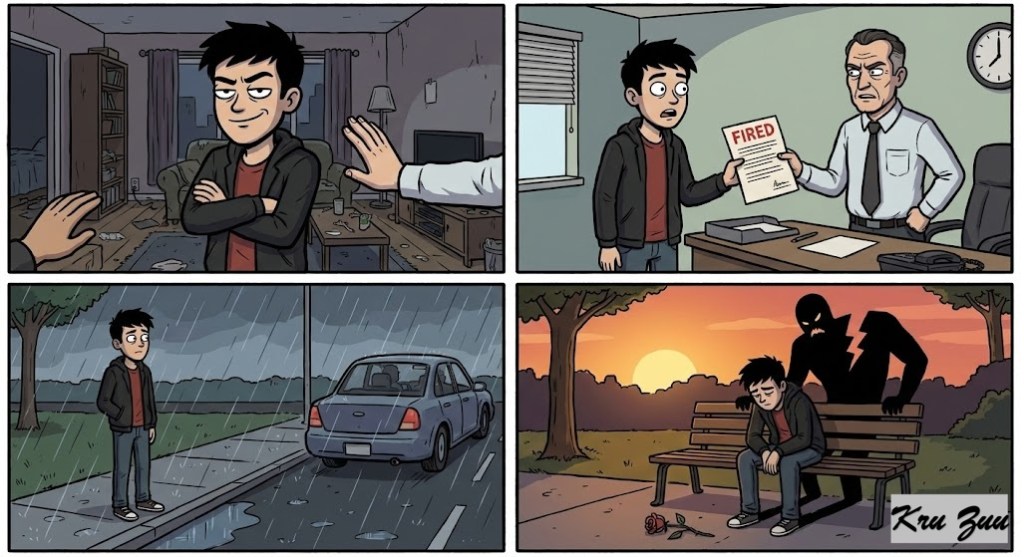
  • 🤝 The Loyalty Test: Who Stays When the Storm Comes?

    🤝 The Loyalty Test: Who Stays When the Storm Comes?

    A friend in need is a friend indeed.


    ☀️ The Fair-Weather Friend:

    You win the lottery.

    You throw a huge party. Hundreds of people show up.

    They laugh at your jokes, eat your pizza, and call you “bestie.”

    But the next day, you lose your wallet and need a ride home. Suddenly, their phones are “off.” You are alone.

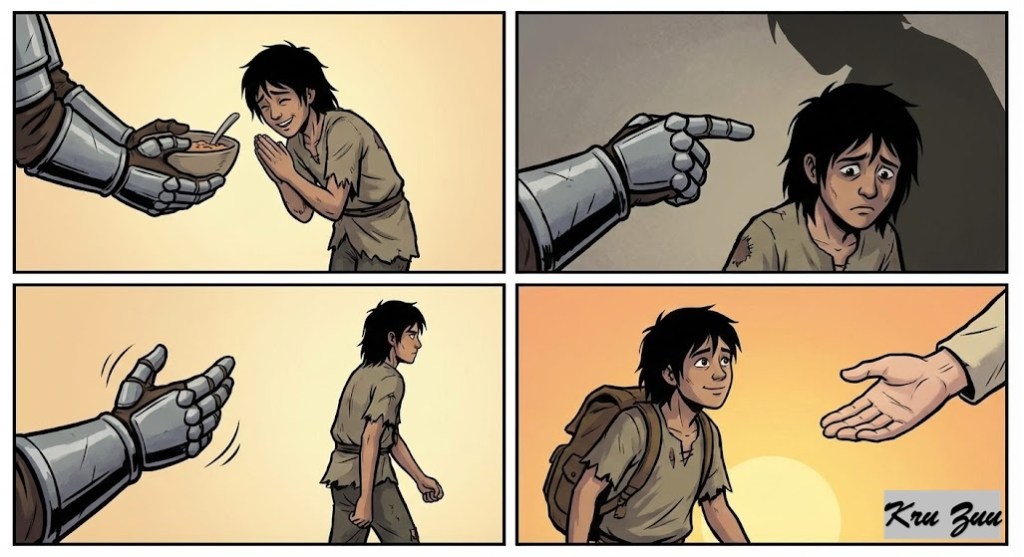
    🏃💨 ⛈️The True Companion:

    You are sick with the flu.

    You have no money and you look terrible.

    This person doesn’t run away. They bring you soup.

    They sit in the silence with you. They don’t care about your status; they care about you.

    ❤️ 📉 The Reality: Everyone loves a winner. But only real ones love a loser.

    💎 The Secret: Hard times are not a curse; they are a filter to reveal true diamonds.


    In this post, we are decoding the ultimate friendship test. Let’s separate the fakes from the real deals! 🕵️‍♂️

    🧐 The Anatomy of the Proverb


    Let’s break down the rhythm and rhyme of this famous saying.


    📚 Vocabulary Vault


    In Need (Phrase):
    This means being in trouble, facing a difficulty, or requiring help. (e.g., being broke, sad, or in danger). 🆘


    Indeed (Adverb): Truly, undeniably, or “in reality.” It emphasizes that something is 100% true. ✅


    Friend (Noun): Not just someone you know (an acquaintance), but someone you share a bond with.


    🧠 Grammar Focus


    This proverb uses Rhyme to make it sticky!


    Structure: A friend [who is] in need / is a friend indeed.


    The Ellipsis: In English, we often delete words to make sentences faster. The full grammatical sentence would be: “A friend who helps you when you are in need, is a friend indeed.”


    The Double Meaning:
    A friend who helps me when I am in need is a true friend. (Most common meaning).


    A friend who loves me even when they are in need is a true friend.

    📜 History: Pirates & Philosophers


    Did this start in a movie? No, it’s ancient!


    The Origin:
    This concept goes back to 3rd Century BC Greece! The playwright Euripides said something very similar. It appeared in English as early as the year 1450.


    Global Cousins: Every culture knows this truth!


    🇹🇷 Turkish: “Dost kara günde belli olur.” (The friend becomes clear on the black day.) 🌑


    🇯🇵 Japanese: “Masaka no toki no tomo koso shin no tomo.” (A friend in a crisis is a true friend.)


    🇪🇸 Spanish: “En el peligro se conoce al amigo.” (In danger, the friend is known.)


    The Lesson: A shadow stays with you in the sun, but leaves you in the dark. A true friend stays in the dark.

    🎯 Impact on Life: The Pros & Cons


    Should you test your friends?


    ✅ The Pros (The Safety Net)


    Trust:
    You know exactly who has your back.


    Quality over Quantity: It is better to have 2 real friends than 100 fake ones.


    Mental Health: Knowing you are not alone reduces anxiety.


    ❌ The Cons (The User)


    Don’t Be “Needy”:
    Just because they are a true friend doesn’t mean you should complain 24/7.


    Reciprocity: Friendship is a two way street. If you are always the one “in need,” are you being a good friend to them? 🤔

    🎭 Short Story: The Stormy Night


    Let’s check back in with our farm friends!


    🌟 Character Introduction


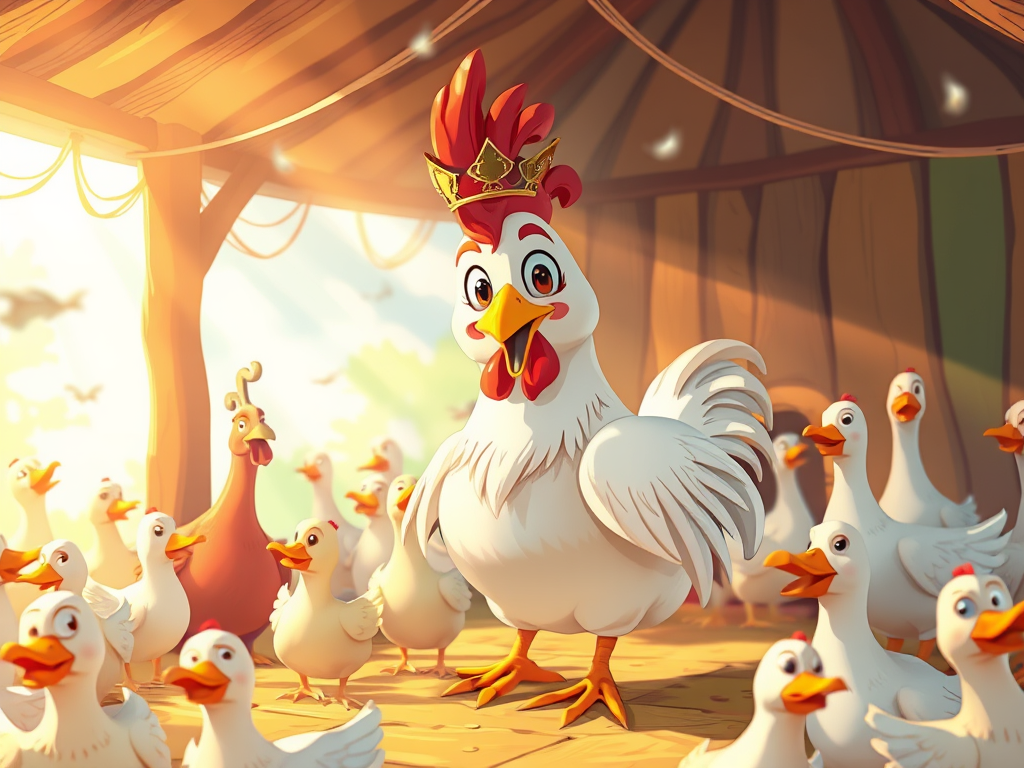
    Percy the Chicken:
    Fun, loud, loves parties. 🐔


    Fred the Frog: Quiet, loyal, small but brave. 🐸


    Luna the Cat: The wise narrator. 🐱


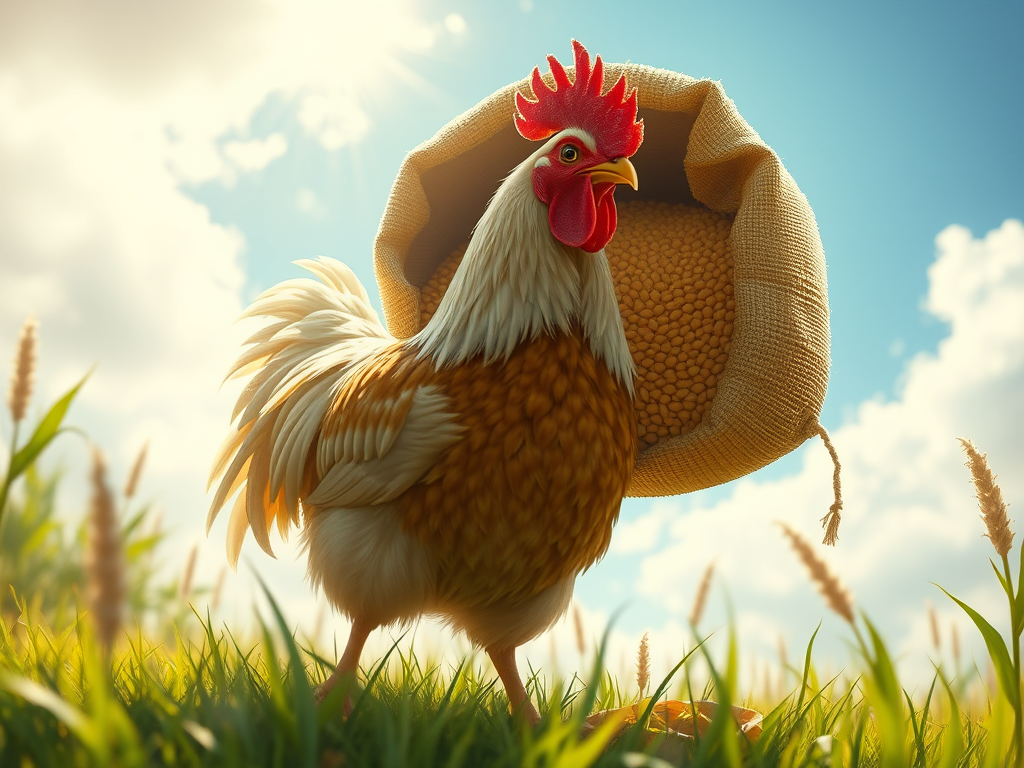
    It was a beautiful, sunny Tuesday. Percy found a huge bag of corn seeds.

    The Good Times: “Party at my place!” clucked Percy.

    The Swans came. The Ducks came. Everyone was eating Percy’s corn.

    “Percy, you are the King of the Coop!” they shouted. Percy felt like a celebrity.

    Fred sat in the corner, smiling but quiet.


    The Bad Times: Suddenly, the sky turned black. Thunder crashed! ⚡

    A fox was spotted near the fence. “Run!” screamed the Swans. They flew away instantly. “Save yourselves!” quacked the Ducks. They vanished into the pond.


    Percy was stuck. His foot was caught in a vine. He was alone. The corn was gone. The “friends” were gone. The fox was coming.

    The Rescue: Suddenly, a small green hand tugged at the vine. It was Fred. Fred wasn’t strong, but he didn’t leave.

    He chewed the vine. He pulled. He croaked loudly to distract the fox. Snap! The vine broke. Percy and Fred hid in the mud until the fox left.


    Luna the Cat watched from the roof: “The Swans loved the corn. Fred loved the Chicken. The Swans were friends in greed. Fred was a friend in need.”

    🎓 Lesson for English Learners


    How does this apply to your language journey?


    The Study Buddy 📖


    Fair-weather:
    A partner who only wants to copy your homework.


    Indeed: A partner who helps you practice speaking even when you are tired, or corrects your mistakes gently.


    Action: Find a partner who pushes you to be better, not just one who makes things easy.


    The Mistake Mindset ❌


    When you make a mistake (you are “in need” of correction), a fake friend laughs at you.


    A real friend laughs with you and helps you fix it.


    Vocabulary Expansion 🗣️


    Don’t just say “Help me.” Use phrases like:


    “I’m in a bit of a jam.” (Slang for trouble).


    “Can you do me a solid?” (Slang for a favor).


    “I’ve got your back.” (I support you).


    💬 Your Turn


    Who is your “Fred”?


    Think about the last time you had a problem (a flat tire, a bad grade, a breakup). Who was the first person you called? 📞


    Tag that person in the comments or send this post to them to say “Thank you.” 👇

    By Zubeyir YURTKURAN

    https://www.facebook.com/BrainBattleground/

    https://www.facebook.com/zubeyr.yurtkuran/

    https://www.instagram.com/zubeyryurtkuran/

  • 🌍 The Chameleon Code: How to Fit In Anywhere

    🌍 The Chameleon Code: How to Fit In Anywhere

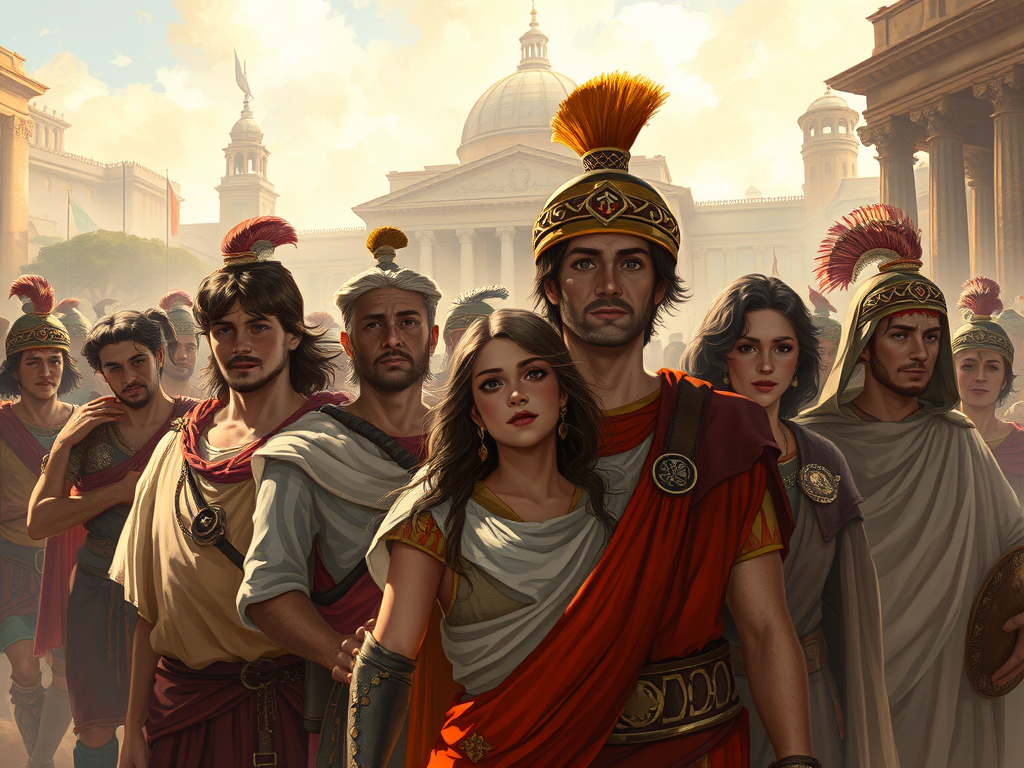
    When in Rome, do as the Romans do.


    📸 The Tourist:
    You travel to Japan. You wear your shoes inside the house. You talk loudly on the train. You try to tip the waiter (which is rude there!). Everyone stares at you. You feel awkward.

    😳 ninja The Traveler: You arrive in Japan. You take your shoes off at the door. You whisper on the train. You bow respectfully instead of tipping. You make local friends instantly. You belong. 🍣

    📉 The Reality: Rules change depending on where you are. 🚀

    The Secret: Success isn’t about being right; it’s about being adaptable. In this post, we are mastering the art of “Cultural Intelligence.” Let’s pack our bags! 🧳

    🧐 The Anatomy of the Proverb


    Let’s look under the hood of this famous idiom.


    📚 Vocabulary Vault


    Rome (Proper Noun):
    In this idiom, “Rome” is a metaphor. It represents any new place, situation, or environment you are in. (e.g., A new office, a friend’s house, a different country). 🏛️


    Do (Verb):
    To act, behave, or follow customs. 🎭


    Romans (Plural Noun): These represent the locals or the people who belong to that group. 👥


    🧠 Grammar Focus


    This is an Imperative Sentence (A command or advice).


    Structure: When [Condition/Place], [Command].


    Formula: [When you are in a specific context] + [Copy the behavior of the people there].


    Short Version: Native speakers often just say: “Well, when in Rome…” (and leave the rest silent!).

    📜 History: Saints & Emperors


    Did this actually happen in Rome? Yes!


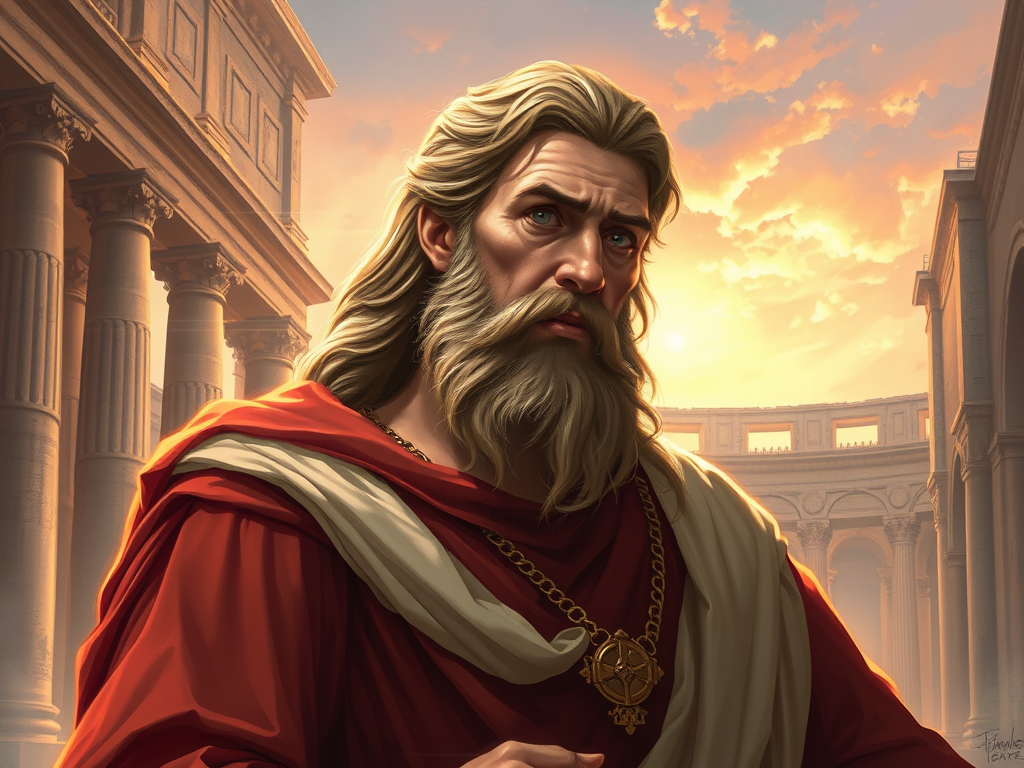
    The Legend: In the year 387 AD, St. Augustine arrived in Milan. He noticed the church customs there were different from his home in Rome. He asked St. Ambrose what to do.


    The Advice: St. Ambrose famously said: “If you are at Rome, live in the Roman style; if you are elsewhere, live as they live elsewhere.”


    Global Cousins:


    🇹🇷 Turkish:
    “Gittiğin yer kör ise, bir gözünü de sen kapat.” (If the place you go to is blind, close one of your eyes too!) 😉


    🇪🇸 Spanish: “Donde fueres, haz lo que vieres.” (Wherever you go, do what you see.)


    🇯🇵 Japanese: “Go ni itte wa, go ni shitagae.” (Enter the village, obey the village.)


    The Lesson: It is not about losing your identity. It is about showing respect and harmony.

    🎯 Impact on Life: The Pros & Cons


    Should you always copy others?


    ✅ The Pros ( The Diplomat)


    Respect:
    People appreciate when you try to understand their culture.


    Safety: Blending in stops you from looking like a clueless tourist (and a target for pickpockets!).


    Connection: You make friends faster when you break down barriers.


    ❌ The Cons (The Peer Pressure)


    Losing Yourself:
    Don’t do things that violate your core morals just to fit in.


    The “Copycat” Risk: If “the Romans” are jumping off a bridge, you shouldn’t do it! 🚫

    🎭 Short Story: The Dinner Party


    Let’s see how our farm friends handle a fancy dinner!


    🌟 Character Introduction


    Percy the Chicken:
    Stubborn and stuck in his ways. 🐔


    Fred the Frog: Observant and flexible. 🐸


    The Swans: The fancy hosts of the dinner party. 🦢


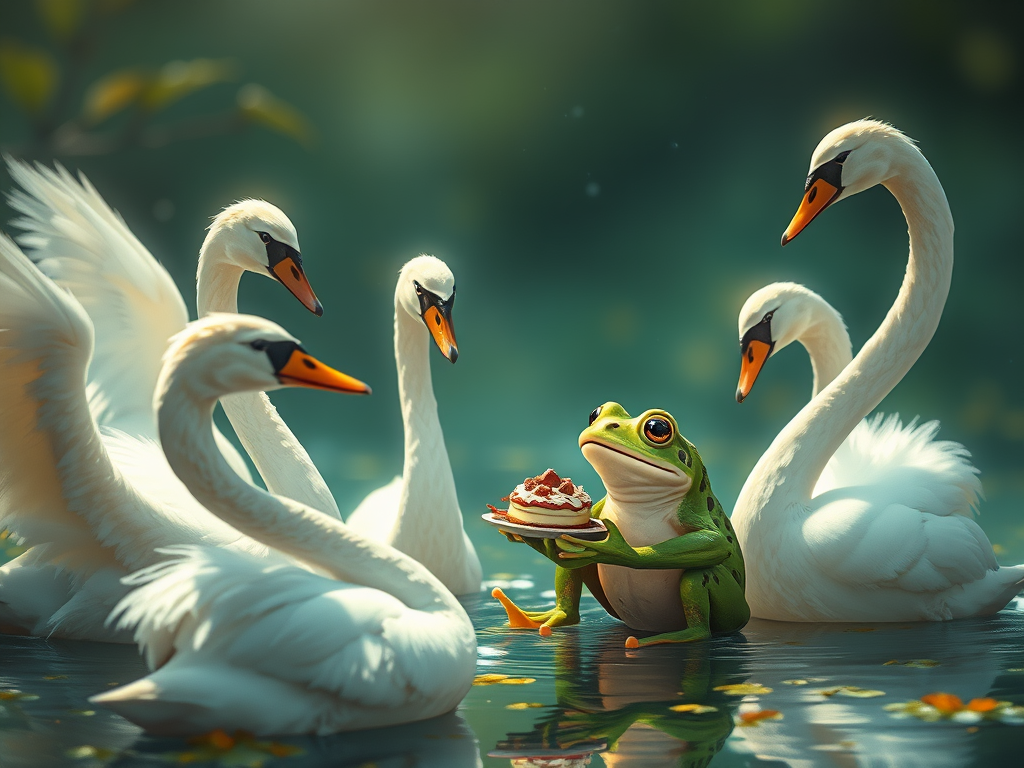
    The animals were invited to a formal dinner at the Swan Lake.

    The Custom: Swans eat gracefully with their heads high, and they never make loud noises while chewing.


    Percy: Didn’t care. Percy sat at the table. He pecked at the food rapidly peck, peck, peck!

    He scratched the table with his feet (like a chicken does).

    He clucked loudly with his mouth full.

    The Swans looked at him in horror. “How rude,” they whispered. Percy was not invited back. 🚫


    Fred: Watched the Swans. Fred was a frog.

    He usually catches flies with his tongue. But he looked around.

    He saw the Swans eating soup slowly. Fred didn’t use his tongue. He used a spoon.

    He sat up straight. He mimicked their politeness. The Swans smiled. “What a charming gentleman,” they said. Fred was offered dessert. 🍰


    Luna the Cat watched from a tree: “Percy acted like a chicken in a swan’s house. Fred acted like a swan. Fred did as the Romans do.”

    🎓 Lesson for English Learners


    How can you use this strategy to master English?

    Don’t just translate your language into English. Mimic the culture.


    The Greeting Protocol 👋


    Your Home:
    Maybe you kiss on the cheek or bow.


    In Rome (USA/UK): A firm handshake or a simple “Hey.”


    Action: Watch movies. How do friends say hello? Copy that.


    The “Politeness” Filter ☕


    Direct Translation: “Give me coffee.” (Grammatically correct, but rude).


    The Roman Way: “Could I have a coffee, please?”


    Action: Learn the “softener” words (Could, Would, May).


    The Slang Squad 🗣️


    If you are in a business meeting, speak formally.


    If you are gaming on Discord, don’t say “How do you do?” Say “What’s up?”


    Action: Match your vocabulary to your environment.


    💬 Your Turn


    Have you ever experienced Culture Shock? 🤯


    Did you try food that was strange to you? 🦑


    Did you make a mistake in a new country? 🌍


    Do you act differently at school vs. at home with family?


    Tell us your story in the comments! 👇

    By Zubeyir YURTKURAN

    https://www.facebook.com/BrainBattleground/

    https://www.facebook.com/zubeyr.yurtkuran/

    https://www.instagram.com/zubeyryurtkuran/

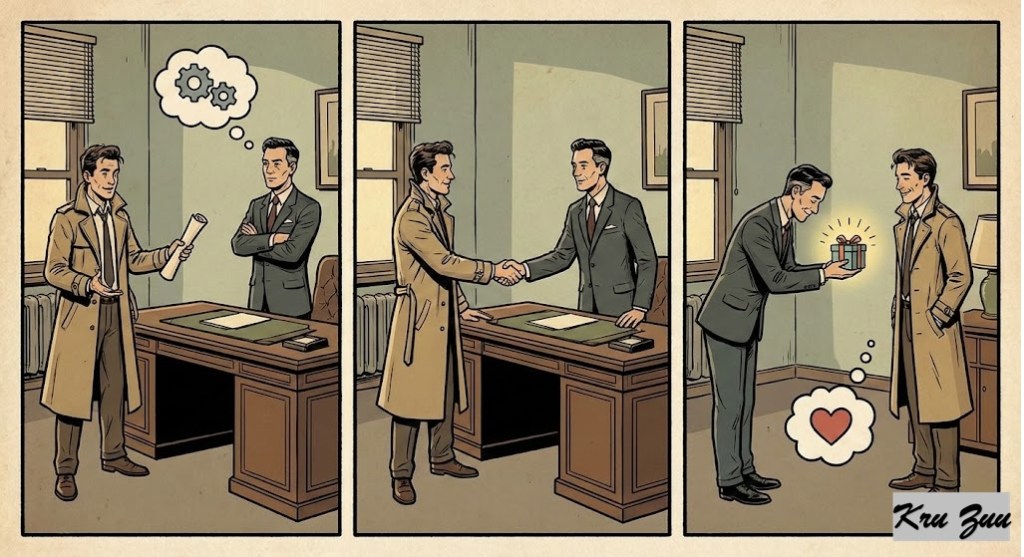
  • 💡 The Spark of Genius: Why Problems Are Good for You

    💡 The Spark of Genius: Why Problems Are Good for You

    Necessity is the mother of invention.


    🏖️ The Comfort Zone: You have a car, a GPS, and a full tank of gas. You don’t need to think about directions. You just drive.

    📉 The Reality: You rely on tools. If the battery dies, you are lost. Comfort kills creativity.


    🔥 The Danger Zone: You are lost in the jungle. Your phone is dead. It is getting dark.

    📈 The Reality: Suddenly, your brain wakes up! You build a shelter, you find north using the sun, you find water. You become a genius because you have no choice.


    Life has a secret rule: We rarely change when we are comfortable. We change when we need to.


    In this post, we explore why “problems” are actually “gifts.” Let’s unlock your inner inventor! 🔓

    🧐 The Anatomy of the Proverb


    Let’s dismantle this mechanical masterpiece.


    📚 Vocabulary Vault


    Necessity (Noun):
    A situation where something is absolutely required or essential. (A “must-have” situation). 🆘


    Mother (Noun – Metaphor): The source, origin, or creator of something. (Not a biological mom, but the “starting point”). 🌱


    Invention (Noun): The action of inventing something typically a process or device. (Creating something new). ⚙️


    🧠 Grammar Focus


    This sentence uses a powerful literary device called a Metaphor.


    Subject: Necessity (Abstract Noun)


    Verb: Is (State of being)


    Object: The mother of invention (Noun Phrase)


    Formula: [Problem] = [Creator of Solution].

    Note: We are comparing “Need” to a “Mother.” Just as a mother gives birth to a child, a “Need” gives birth to a “New Idea.”

    📜 History: From Plato to Smartphones


    Is this just a catchy slogan? No, it is ancient wisdom.


    The Origin: The concept appears in Plato’s Republic (Ancient Greece), where he wrote: “Our need will be the real creator.”


    The Evolution: It entered English in 1519, but the phrasing we use today became famous in the 1700s.


    Real Life Example: Why was the Internet created? Because the military needed a way to communicate if phone lines were destroyed.


    The Lesson: Don’t complain about problems. Problems are the fuel for progress.

    🎯 Impact on Life: The Pros & Cons


    Is being under pressure always good?


    ✅ The Pros (Why it works)


    Focus:
    When you have a deadline in 1 hour, you don’t check Instagram. You focus 100%.


    Innovation: People didn’t invent the umbrella because they liked carrying sticks. They invented it because they hated getting wet! ☔


    Survival: Your brain is lazy. It only works hard when it feels it is necessary.


    ❌ The Cons (What to watch out for)


    Stress:
    Constant necessity (always being in “survival mode”) causes burnout. 😫


    Ugly Solutions: Sometimes, a quick fix is ugly. (Like fixing a broken window with duct tape). It works, but it isn’t “perfect.”

    🎭 Short Story: The Heatwave & The Bucket


    Let’s visit our farm friends to see who survives the summer heat!


    🌟 Character Introduction


    Percy the Chicken (The Complainer):
    Waits for others to solve his problems. 🐔


    Fred the Frog (The Thinker): Uses what he has to get what he needs. 🐸


    Luna the Cat (The Observer): Watching from the shade. 😼


    It was the hottest day of the year. The farmer had left a tall, narrow bucket of cold water in the yard. But the water level was very low right at the bottom.


    The Problem: The animals were thirsty, but their heads couldn’t reach down to the water.


    Percy: Poked his beak into the bucket. Bonk. He couldn’t reach. “This is unfair!” Percy squawked. “The farmer forgot us! I will just sit here and be thirsty until he comes back.” Percy sat in the hot dust, miserable and waiting.


    Fred: Looked at the water. He was drying out. He needed that water to survive. He tried to jump in, but the bucket was too narrow. Luna watched lazily. “Give up, Fred. It’s physics.”


    Fred didn’t give up. He looked around. He saw a pile of small pebbles (stones) near the garden.

    Idea! 💡 Fred picked up a pebble and dropped it into the bucket. Plop. Nothing happened. He dropped another. Plop. He dropped ten. Twenty. Fifty!


    Percy laughed: “Now you are just playing with rocks, you silly frog.”


    The Result: With every stone Fred dropped, the water level rose higher due to displacement. After the 100th stone, the cool water rose to the very top of the bucket.


    Fred took a long, refreshing drink. 🥤 Percy looked shocked.


    Luna smiled: “Percy, you saw a problem. Fred saw a puzzle.”


    The Moral:


    Percy:
    Had a need, but waited for help = Thirsty.


    Fred: Had a need, and created a solution = Satisfied.

    🎓 Lesson for English Learners


    How does this apply to learning a language?


    Don’t wait until you are “Ready.” Wait until you are “Desperate.”


    The “Survival” Method: If you study English in a classroom, you might be lazy. But imagine if you are dropped in the middle of London, hungry, and need to find a bathroom. Necessity will force you to speak. You won’t care about grammar rules; you will care about communication.


    Create Your Own Necessity:


    Don’t just read books.


    Change your phone language to English. (Now you need to understand it to use your phone).


    Promise to teach a friend a topic in English. (Now you need to learn it so you don’t look foolish).


    Remember: We learn fastest when we have no other choice.


    💬 Your Turn


    Have you ever fixed something using a strange object (like opening a box with a key, or fixing glasses with a paperclip) because you didn’t have the right tool? 🛠️🖇️


    Tell us your best “MacGyver Moment” in the comments! 👇

    By Zubeyir YURTKURAN

    https://www.facebook.com/BrainBattleground/

    https://www.facebook.com/zubeyr.yurtkuran/

    https://www.instagram.com/zubeyryurtkuran/

  • 🚀 Practice Makes Perfect: The Secret Sauce of Mastery

    🚀 Practice Makes Perfect: The Secret Sauce of Mastery

    🚫 Can You Learn to Swim by Reading a Book?


    📖 The Short Cut: You watch 50 YouTube videos about “How to play guitar,” memorize every chord name, but never actually pick up the instrument.

    📉 The Reality: The moment you hold the guitar, your fingers don’t work. You have knowledge, but zero skill.

    🗣️ The Short Cut: You study English grammar rules for 5 years but you are too afraid to speak because you might make a mistake.

    📉 The Reality: You become a “Grammar Professor” who cannot order a coffee. Silence is not fluency.


    Life has a strict rule: You cannot think your way to mastery; you must do your way to mastery. In this post, we explore why repetition is the mother of skill. Don’t just read this do it! 👊

    🧐 The Anatomy of the Proverb


    Let’s break down the mechanics of this golden rule.


    📚 Vocabulary Vault


    Practice (Noun/Verb): Performing an activity or exercise repeatedly to improve your proficiency. (Doing it again and again). 🔄


    Make (Verb): To cause something to become specific. (To result in). 🔨


    Perfect (Adjective): Having all the required or desirable elements; free from faults or defects. ✨


    🧠 Grammar Focus


    This is a concise Subject + Verb + Object sentence in the Present Simple Tense.


    Subject: Practice (Uncountable Noun – treated as Singular “It”)


    Verb: Makes (Causative verb)


    Object: Perfect (Adjective acting as a noun idea, “perfection”)


    Formula: [Practice] + [Makes] + [Perfect]. Note: Since “Practice” is a singular concept, we must add -s to the verb (Make -> Makes).

    📜 History: From Romans to Bruce Lee


    Is this a modern idea?


    The Origin: The roots go back to the Latin phrase “Uses promptos facit” (Use makes ready). The modern English version became popular in the 1500s.


    The Legend: Martial arts legend Bruce Lee famously said: “I fear not the man who has practiced 10,000 kicks once, but I fear the man who has practiced one kick 10,000 times.”


    The Lesson: It is better to do one thing deeply than 100 things shallowly.

    🎯 Impact on Life: The Pros & Cons


    Is doing the same thing over and over always good?


    ✅ The Pros (Why it works)


    Muscle Memory: Whether it’s your tongue forming the “TH” sound or your fingers playing piano, repetition moves the skill from your brain to your body. You stop thinking and start doing. 🧠➡️💪


    Confidence: Familiarity kills fear. The 100th time you give a presentation, you won’t be nervous.


    Speed: Amateurs are slow because they are thinking. Professionals are fast because they have practiced.


    ❌ The Cons (What to watch out for)


    Bad Practice:
    If you practice a mistake repeatedly, you make the mistake “perfect.” (e.g., pronouncing “Three” as “Tree” for 10 years). Correction is necessary.


    Boredom: Repetition can be dull. You must find ways to keep it fun (Gamification).

    🎭 Short Story: The Juggling Contest


    Let’s see how our farm friends handle a new talent show!


    🌟 Character Introduction


    Percy the Chicken (The Impatient Talent):
    Wants to be a star immediately. 🐔


    Fred the Frog (The Consistent Worker): Willing to look silly to get better. 🐸


    Luna the Cat (The Critic): Watching from the fence. 😼


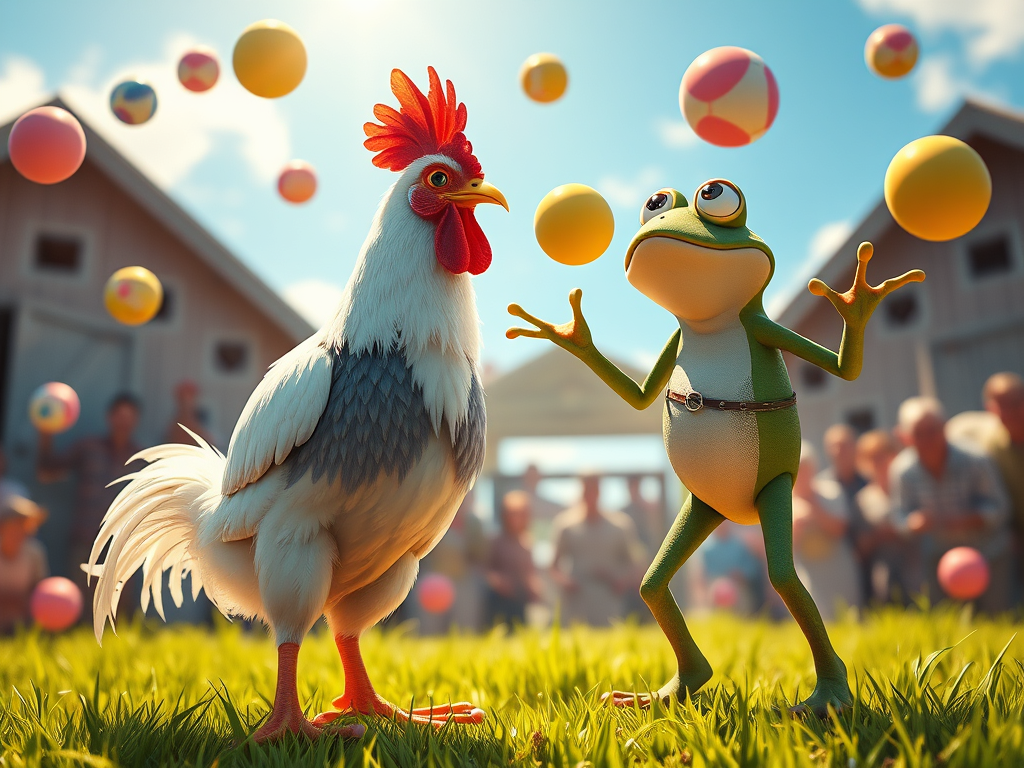
    The “Farm Talent Show” was one week away. Percy and Fred decided to learn juggling (throwing balls in the air).


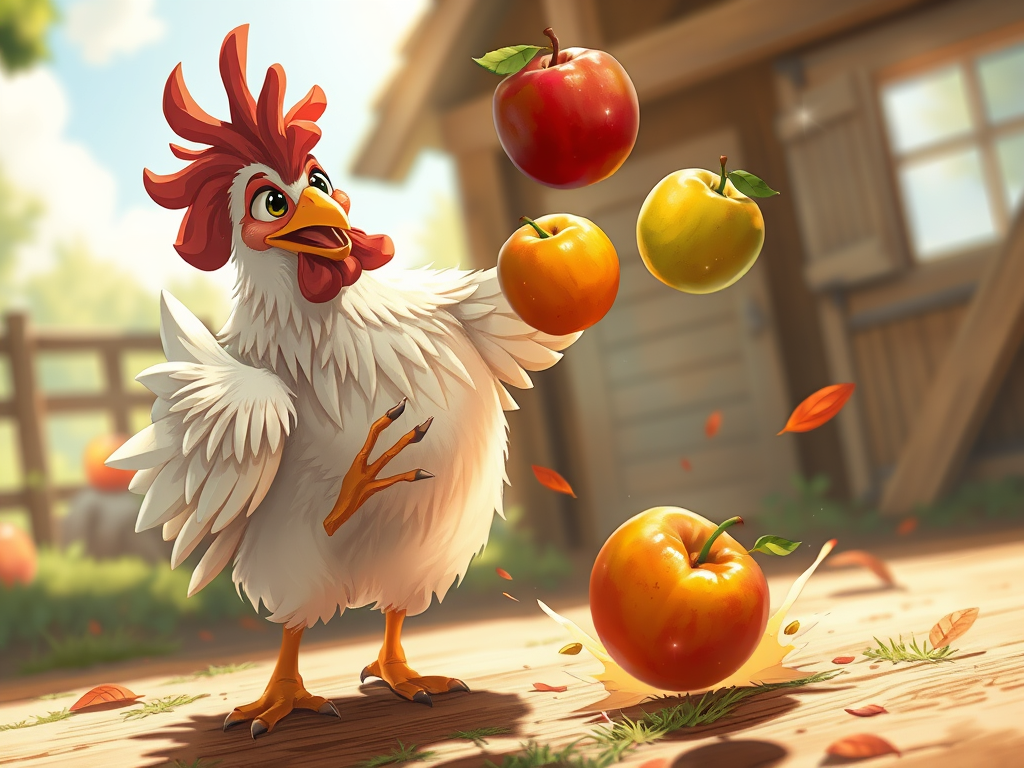
    Day 1: Percy picked up three apples. “Watch this!” he shouted. He threw them up… and SPLAT! All three hit the floor. “This is stupid!” Percy yelled. “I don’t have the ‘juggling gene.’ I quit.” He went back to eating corn.


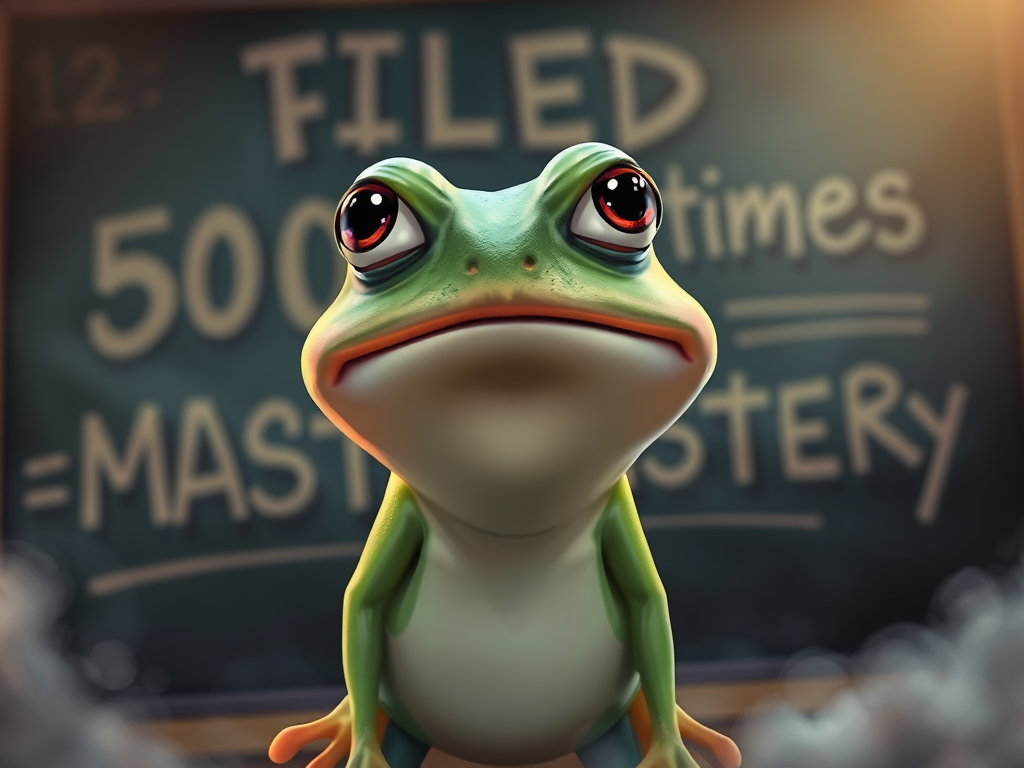
    Fred picked up three small berries. He threw one up, dropped it. Threw it up, dropped it. He did this 500 times. He looked clumsy. Luna laughed, “Fred, you look ridiculous.” Fred smiled, “Not yet, Luna. Give me time.”


    Day 4: Fred was still dropping berries, but now he could catch two in a row. His hands were starting to move automatically. Percy was sleeping.


    Day 7 (Showtime!): 🎪 Percy went on stage. “I will wing it!” he said. He threw the apples… BONK! One hit him on the head. The audience laughed. Percy was embarrassed. Then, Fred hopped on stage. He picked up three shining red berries. Whoosh, whoosh, whoosh. His hands moved like a blur. He didn’t even look at the berries; he looked at the audience and smiled. It was a flawless performance. 🌟


    Luna pinned the blue ribbon on Fred: “Percy, you wanted magic. Fred understood that magic is just practice in disguise.”


    The Moral:


    Percy:
    Gave up after 1 fail = No Skill.


    Fred: Failed 500 times = Mastery.

    🎓 Lesson for English Learners


    How do you use this for English?


    Don’t Aim for “Perfect” Immediately: A better version of this proverb is “Practice makes Progress.”


    The “Shadowing” Technique: Listen to a native speaker sentence. Pause. Repeat it exactly. Do this 20 times.


    Time 1: You feel weird.


    Time 10: Your tongue feels more comfortable.


    Time 20: You sound natural.


    Mistakes are Data: Every time you make a grammar mistake, don’t feel bad. That is just one “dropped berry.” Pick it up and try again.


    Remember: No one is born speaking a language. Every fluent speaker you see has “practiced” thousands of hours.


    💬 Your Turn


    Is there a skill (cooking, driving, a video game) that you used to be terrible at, but now you are a master of? 🎮🍳🚗


    Tell us your story of “Zero to Hero” in the comments! 👇

    By Zubeyir YURTKURAN

    https://www.facebook.com/BrainBattleground/

    https://www.facebook.com/zubeyr.yurtkuran/

    https://www.instagram.com/zubeyryurtkuran/

  • 🌅 The Early Bird Catches the Worm: Why the Snooze Button is the Enemy of Success

    🌅 The Early Bird Catches the Worm: Why the Snooze Button is the Enemy of Success

    🚫 Can You Build an Empire While You Sleep?


    🛌 The Short Cut: Hitting the “Snooze” button 5 times because “5 more minutes” feels like heaven.

    📉 The Reality: You rush, spill coffee on your shirt, miss the bus, and start the day stressed and behind schedule.

    📱 The Short Cut: Waiting for the “perfect time” or “New Year’s Day” to start studying English.

    📉 The Reality: By the time you start, the job interview was yesterday. The position is filled by someone who started last month.


    Life has a simple timing algorithm: First come, first served. In this post, we explore why timing is everything. Wake up, grab your coffee; the opportunity bus is leaving! 🚌

    🧐 The Anatomy of the Proverb


    Let’s dissect this classic idiom to understand its mechanics.


    📚 Vocabulary Vault


    Early (Adjective):
    Happening before the usual or expected time. (Being ahead of the crowd). ⏰


    Catch (Verb): To capture, seize, or grab something. 🤲


    Worm (Noun): A small animal. Metaphorically: The prize, the opportunity, the job, or the reward. 🪱


    🧠 Grammar Focus


    This is a perfect example of the Present Simple Tense representing a “General Truth.”


    Subject:
    The early bird (The proactive person)


    Verb: Catches (The action/result)


    Object: The worm (The reward)


    Formula: [Subject] + [Verb + s] + [Object]. Note: Because “The bird” is singular (It), we add -es to the verb catch (Catches).

    📜 History: A 17th Century Wake-Up Call


    Who told us to wake up so early?


    The Origin:
    This phrase first appeared in a collection of proverbs by John Ray in 1670.


    The Logic: Before supermarkets, birds literally had to wake up at dawn to find worms coming out of the damp morning soil. If a bird slept until noon, the worms were gone (hiding underground from the sun).


    The Lesson: Opportunities are limited resources. They don’t wait for you to finish your breakfast.

    🎯 Impact on Life: The Pros & Cons


    Is waking up at 5:00 AM the only way to succeed?


    ✅ The Pros (Why it works)


    Zero Distractions:
    At 6:00 AM, nobody is texting you. Instagram is quiet. It is just you and your goals. Focus is at 100%. 🧘‍♂️


    Proactivity: You act before problems arise. You control the day; the day doesn’t control you.


    The “First Choice” Privilege:
    The first person at the buffet gets the freshest food. The first applicant often gets the interview.


    ❌ The Cons (What to watch out for)


    The Night Owl Dilemma:
    Some people are genetically wired to be creative at night. If you force yourself to wake up early but are exhausted, you lose quality.


    Social Lag: If you wake up at 4 AM, you might be sleepy by 8 PM when your friends want to hang out.

    🎭 Short Story: The Great Garden Breakfast


    Let’s return to our farm friends to see this proverb in action.


    🌟 Character Introduction


    Percy the Chicken (The Snoozer):
    Loves his warm bed and dreams of corn. 🐔


    Fred the Frog (The Early Riser): Alert, hungry, and disciplined. 🐸


    Luna the Cat (The Observer): Watches from the roof. 😼


    It was a rainy Tuesday morning. The soil was wet perfect conditions for finding juicy worms!


    5:30 AM: The sun began to rise. Fred the Frog opened his eyes immediately. “Rainy night means breakfast delight!” he croaked. He hopped out to the garden while the rest of the farm was snoring. He found the biggest, juiciest worm right in the middle of the path. “Delicious!” Fred said, enjoying his feast in the quiet morning mist. 😋


    9:00 AM: Percy the Chicken’s alarm went off… for the third time. Percy stretched, yawned, and slowly walked out to the garden. “Okay world, I am ready for my breakfast!” he announced. He looked at the ground. Nothing. He scratched the dirt. Nothing. The sun was high now, and the ground was dry. All the worms had gone back underground.


    Luna looked down from the roof and laughed: “Percy, you have great feathers, but an empty stomach. Fred got the worm because he didn’t negotiate with his alarm clock.”


    The Moral:


    Percy:
    Slept late = Leftovers (or hunger).


    Fred: Woke up early = The Grand Prize.

    🎓 Lesson for English Learners


    How does this apply to learning a language?


    The “Worm” is Fluency.


    The “Early Bird” is Preparation.


    Review Before Class: If you learn the vocabulary before the lesson starts (Early Bird), you can use the lesson to practice speaking (Catching the Worm). If you wait for the teacher to explain everything, you waste time.


    Morning Brain: Research shows that reviewing notes for 15 minutes in the morning is more effective than 1 hour when you are tired at night.


    Don’t Wait for “Someday”: “I will learn English when I have time” is the biggest lie. The time is now.


    Remember: You don’t have to be a genius to learn English; you just have to start before everyone else quits.


    💬 Your Turn


    Are you a Morning Person (Early Bird) ☀️ or a Night Owl 🦉? Do you believe getting up early is the key to success, or can you catch the worm at midnight?


    Tell us your routine in the comments! 👇

    By Zubeyir YURTKURAN

    https://www.facebook.com/BrainBattleground/

    https://www.facebook.com/zubeyr.yurtkuran/

    https://www.instagram.com/zubeyryurtkuran/

  • 💪 No Pain, No Gain: The Comfort Zone is Where Dreams Go to Die

    💪 No Pain, No Gain: The Comfort Zone is Where Dreams Go to Die

    🚫 Can You Win a Gold Medal from Your Couch?


    🛋️ The Short Cut: Drinking “Miracle Slimming Tea” instead of going to the gym.

    📉 The Reality: Your wallet gets lighter, but your belly stays the same. Disappointment is guaranteed.


    📚 The Short Cut: Watching TV shows with subtitles to “get used to the sound” because memorizing vocabulary is too hard.

    📉 The Reality: Years pass, and you are trapped in the “I understand but I can’t speak” trap.


    Life’s most brutal but fair rule is this: No sweat, no victory. In this post, we examine why success requires paying a price. Take off your masks, put on your running shoes; the training starts now! 🏋️‍♂️

    🧐 The Anatomy of the Proverb


    Let’s look at the mechanics of this motivational phrase.


    📚 Vocabulary Vault


    Pain (Noun):
    Physical suffering, effort, trouble, or difficulty. (Here, it means “necessary struggle.”) 😓


    Gain (Noun): Profit, advancement, increase, or achievement. 🏆


    No (Determiner): Indicates absence or lack of something.


    🧠 Grammar Focus


    This structure is the shortest and most powerful form of a “Conditional” sentence in English.


    Formula: No + [Noun 1] + , + No + [Noun 2].


    The Meaning: If the first noun (pain/effort) is absent, the second noun (gain/success) is impossible.


    Example: No risk, no fun.


    📜 History: From Poets to Bodybuilders


    Who made this famous?


    The Origin:
    While roots go back to 17th century poet Robert Herrick, the phrase was popularized in the modern world by 1980s fitness icon Jane Fonda. She used it in her aerobic videos to encourage people to push through “the burn” in their muscles.


    The Lesson: Success is not an accident; it is the receipt for the price you paid in effort.

    🎯 Impact on Life: The Pros & Cons


    Is pushing yourself constantly always good?


    ✅ The Pros (Why it works)


    Resilience: Difficulties forge a character as strong as steel.


    True Skill: What is easily gained is easily lost. Hard-earned skills are permanent.


    Pride: The view is different for the person who climbed the mountain compared to the person who took a helicopter to the peak. 🏔️


    ❌ The Cons (What to watch out for)


    Burnout:
    Chasing “pain” without rest leads to injury or mental exhaustion. You must work hard, but also work smart.

    🎭 Short Story: The Great Farm Marathon


    To understand this proverb, let’s look at our farm friends and the upcoming “Great Summer Race.”


    🌟 Character Introduction


    Percy the Chicken (The Dreamer):
    Wants to win the race but hates waking up early to run. 🐔


    Fred the Frog (The Grinder): Jumps every morning until his legs ache. He knows the process is hard. 🐸


    Luna the Cat (The Coach): The observer and referee. She focuses on results. 😼


    One week before the race, Percy bought himself a pair of expensive, brand new running shoes. “Hey Fred!” shouted Percy, lying in his hammock. “Why do you tire yourself out so much? Look, my shoes are super fast! I’m saving my energy for race day.” 🥤 Fred stopped, panting, and wiped the sweat from his forehead. “My legs are burning, Percy. But every day I get one step faster. I love this pain because it leads me to the goal.”


    Race day arrived. 🏁 With the starting whistle, Percy bolted! He was great for the first 10 meters. But at 50 meters, his lungs started to burn. At 100 meters, his legs shook, and he collapsed. “This is unfair! My shoes were so expensive!” he cried. 😵


    Fred started slow but steady. As he hopped up the hill, he felt that familiar “burning” sensation in his legs. But thanks to his training, he was used to this pain. It didn’t stop him; it fueled him. He crossed the finish line as the champion. 🏆


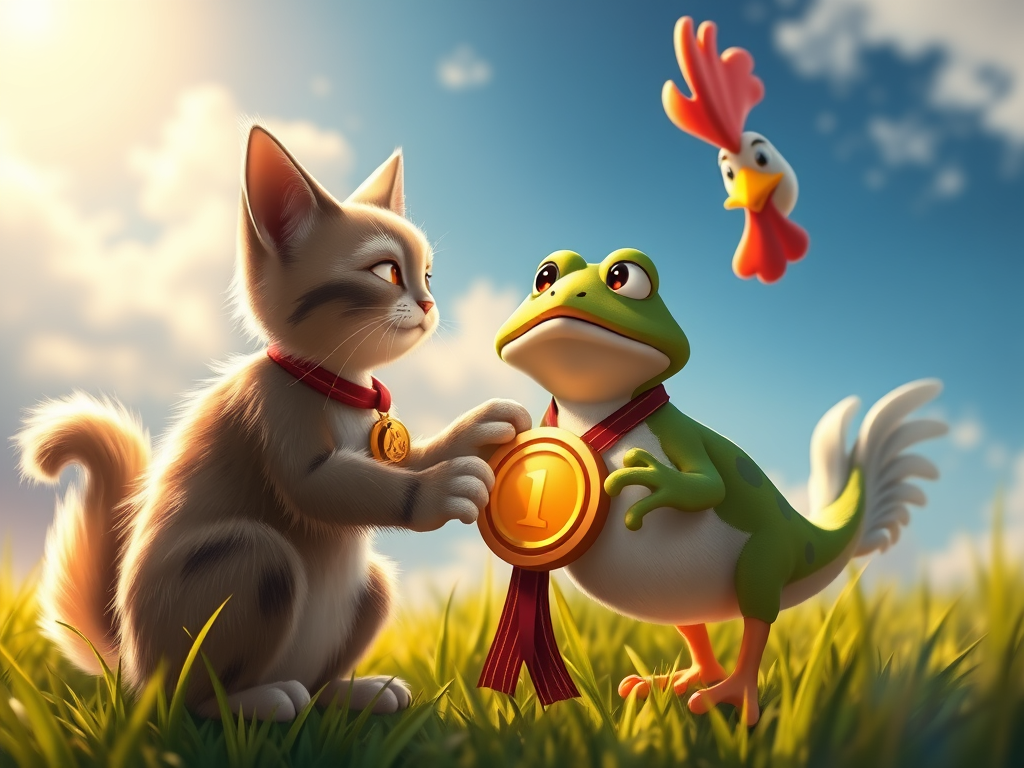
    As Luna placed the medal on Fred, she turned to Percy: “Percy, expensive shoes (The Short Cut) don’t make you a champion. The leg pain Fred endured (The Pain) brought him this medal (The Gain).”


    The Moral:


    Percy:
    Comfort Zone = No Trophy.


    Fred: Sweat & Ache = Victory.

    🎓 Lesson for English Learners


    Does your hand hurt while writing new vocabulary words 10 times in a notebook? (Pain) ✍️


    This is a sign that your brain is etching that word into long-term memory. (Gain) 🧠


    Did you make a mistake in a speaking club, turn red, and feel embarrassed? (Pain) 😳


    That emotional memory ensures you will never make that mistake again. (Gain) ✨


    Remember: The feeling of “struggle” when learning a language is not failure; it is the sound of improvement footsteps.


    💬 Your Turn


    Has there been a moment in your life where you said, “I wish I had pushed a little harder”? Or a success you are proud of because you suffered for it? Share your story in the comments! 👇

    By Zubeyir YURTKURAN

    https://www.facebook.com/BrainBattleground/

    https://www.facebook.com/zubeyr.yurtkuran/

    https://www.instagram.com/zubeyryurtkuran/

  • Why You Shouldn’t Trust Your Eyes: A Lesson on Glitter and Gold

    Why You Shouldn’t Trust Your Eyes: A Lesson on Glitter and Gold

    Shakespeare, Chickens, and Fake Gold: The Truth About “All That Glitters”

    We have all been there.
    🍔 A job offer that looks perfect on paper but turns out to be a nightmare.

    🎁 A beautifully packaged meal that tastes like cardboard.

    😎 A person who looks incredibly cool on Instagram but has zero personality in real life.


    Life has a way of teaching us this lesson over and over again: “All that glitters is not gold.”
    In this post, we are putting one of the most popular and historically rich English proverbs under the microscope. Grab your coffee, and let’s dive in! ☕

    The Anatomy of the Proverb


    Let’s break this sentence down like a linguist.
    📚 Vocabulary Vault
    Glitter (Verb):
    To shine with a bright, shimmering, reflected light (think of a disco ball or a diamond). ✨


    Gold (Noun): A precious yellow metal. In this context, it represents anything that is “genuine,” “valuable,” or “real.” 🏆

    🧠 Grammar Focus
    Here is the secret formula of the sentence:
    All (Subject) + [that glitters] (Relative Clause) + is (Verb) + not gold (Object/Complement).
    The Relative Clause: The phrase “that glitters” defines the subject “All.” We aren’t talking about everything in the world, just the things that shine.
    Subject-Verb Agreement: Watch out! In this proverb, “All” acts as a singular concept (everything). That’s why we say “glitters” (with an -s) and “is” (not are).

    History: Aesop or Shakespeare?


    The roots of this saying go deeper than you might think. It’s a battle between Ancient Greece and Renaissance England!


    🏛️ Ancient Roots: As far back as the 6th Century B.C., the Greek storyteller Aesop explored the idea that “not everything that looks good is actually good” in his fables.


    🎭 The Shakespeare Touch: The proverb became a celebrity thanks to William Shakespeare. In his play The Merchant of Venice (1596), a character chooses a gold casket hoping to win a prize, only to find a scroll inside that reads: “All that glisters is not gold.”


    Fun Fact: Shakespeare used the old word “glisters.” Over centuries, language evolved, and by the 19th century, we switched to the modern word “glitters.”

    Impact on Life: The Pros & Cons


    Should you adopt this proverb as your life philosophy? Let’s weigh the options.


    ✅ The Pros (Why it helps)
    Critical Thinking:
    It encourages you not to trust first impressions blindly. It pushes you to look beneath the surface.


    Protection: Whether it’s a scam product or a “too good to be true” promise, this proverb acts as a shield against deception. 🛡️


    ❌ The Cons (Why it can be tricky)
    Cynicism:
    If you take it too far, you might become overly suspicious of everyone, unable to trust sincere people.


    Missing the Beauty:
    Sometimes, things are just beautiful because they glitter, and that is enough. Constantly looking for a “flaw” might make you miss the joy of the moment.

    Short Story: The Shiny Pebble


    To understand this better, let’s visit our friends on the farm.
    It was a bright, sunny morning. Percy the Chicken, Luna the Cat, and Fred the Frog were relaxing near the farm pond. ☀️


    Suddenly, Percy froze. He saw something shining at the bottom of the shallow water. It was bright, sparkly, and yellow.


    “Look!” clucked Percy, his feathers puffing up with excitement. “A piece of the sun has fallen into the water! It must be magic gold corn. I will eat it and become the King of Chickens!” 👑


    Luna the Cat yawned lazily and licked her paw. She looked at the shiny object with narrowed, skeptical eyes. “I wouldn’t do that if I were you, Percy,” she purred. “It looks sharp. Not everything that shines is food.” 🐱


    “You are just jealous because you didn’t find it first!” shouted Percy. He prepared to jump into the water to peck the treasure.


    Just then, Fred the Frog hopped onto a lily pad right next to the object. He looked at it closely, blinked his big eyes, and laughed. “Croak! Percy, stop!” 🐸


    “Move away, Fred! That is my gold!” Percy insisted, flapping his wings.


    Fred stuck out his long, sticky tongue and flipped the object over. It wasn’t gold. It wasn’t magic corn. It was just a jagged, sharp piece of a broken yellow soda bottle.


    “The sun makes it shine,” said Fred wisely, “but underneath, it is just dangerous trash.”


    Percy stopped in his tracks. He realized he had almost cut his beak on a piece of glass. He looked at his friends, lowered his head, and sighed.
    “I guess all that glitters is not gold,” Percy admitted.

    In this story, the characters represent different mindsets:


    Percy:
    Naivety and Greed 😵
    Luna: Skepticism 🧐
    Fred: Experience and Truth 🤓


    Lesson for English Learners: When learning a language, fancy words (glitter) are nice, but knowing how to use simple words correctly (gold) is often much more valuable.


    💬 What about you? Have you ever experienced a moment where “all that glitters was not gold”? Tell me in the comments!

    By Zubeyir YURTKURAN

    https://www.facebook.com/BrainBattleground/

    https://www.facebook.com/zubeyr.yurtkuran/

    https://www.instagram.com/zubeyryurtkuran/