Tag: English Idioms

  • πŸ’ͺ No Pain, No Gain: The Comfort Zone is Where Dreams Go to Die

    πŸ’ͺ No Pain, No Gain: The Comfort Zone is Where Dreams Go to Die

    🚫 Can You Win a Gold Medal from Your Couch?


    πŸ›‹οΈ The Short Cut: Drinking “Miracle Slimming Tea” instead of going to the gym.

    πŸ“‰ The Reality: Your wallet gets lighter, but your belly stays the same. Disappointment is guaranteed.


    πŸ“š The Short Cut: Watching TV shows with subtitles to “get used to the sound” because memorizing vocabulary is too hard.

    πŸ“‰ The Reality: Years pass, and you are trapped in the “I understand but I can’t speak” trap.


    Life’s most brutal but fair rule is this: No sweat, no victory. In this post, we examine why success requires paying a price. Take off your masks, put on your running shoes; the training starts now! πŸ‹οΈβ€β™‚οΈ

    🧐 The Anatomy of the Proverb


    Let’s look at the mechanics of this motivational phrase.


    πŸ“š Vocabulary Vault


    Pain (Noun):
    Physical suffering, effort, trouble, or difficulty. (Here, it means “necessary struggle.”) πŸ˜“


    Gain (Noun): Profit, advancement, increase, or achievement. πŸ†


    No (Determiner): Indicates absence or lack of something.


    🧠 Grammar Focus


    This structure is the shortest and most powerful form of a “Conditional” sentence in English.


    Formula: No + [Noun 1] + , + No + [Noun 2].


    The Meaning: If the first noun (pain/effort) is absent, the second noun (gain/success) is impossible.


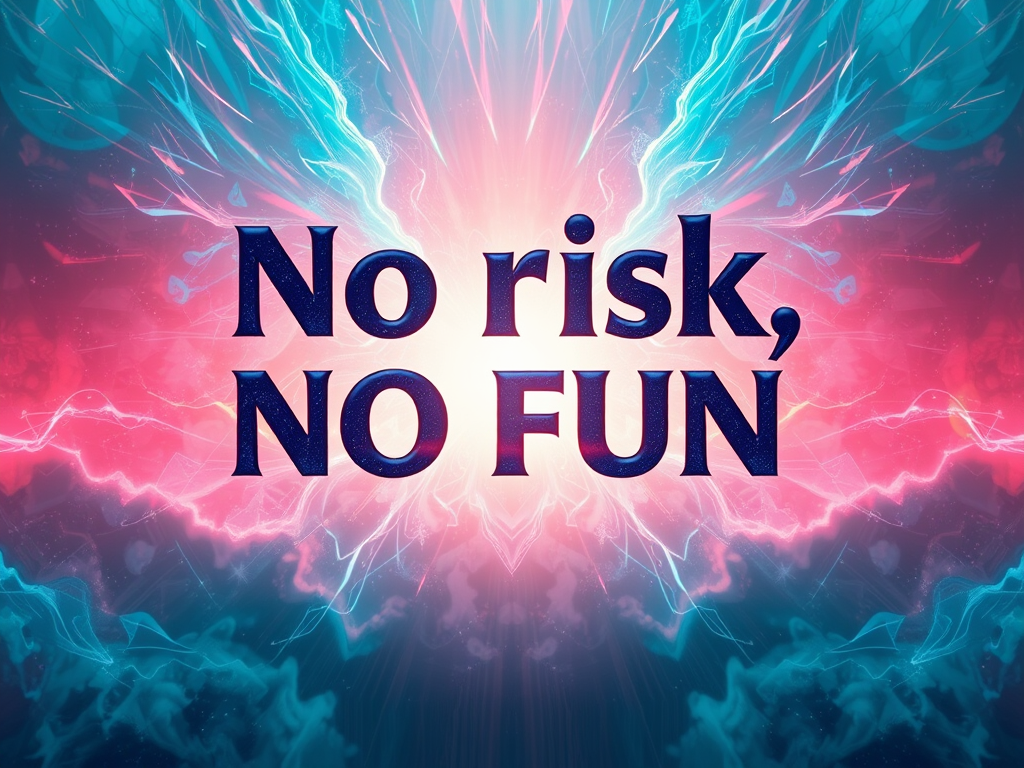
    Example: No risk, no fun.

    πŸ“œ History: From Poets to Bodybuilders


    Who made this famous?


    The Origin:
    While roots go back to 17th century poet Robert Herrick, the phrase was popularized in the modern world by 1980s fitness icon Jane Fonda. She used it in her aerobic videos to encourage people to push through “the burn” in their muscles.


    The Lesson: Success is not an accident; it is the receipt for the price you paid in effort.

    🎯 Impact on Life: The Pros & Cons


    Is pushing yourself constantly always good?


    βœ… The Pros (Why it works)


    Resilience: Difficulties forge a character as strong as steel.


    True Skill: What is easily gained is easily lost. Hard-earned skills are permanent.


    Pride: The view is different for the person who climbed the mountain compared to the person who took a helicopter to the peak. πŸ”οΈ


    ❌ The Cons (What to watch out for)


    Burnout:
    Chasing “pain” without rest leads to injury or mental exhaustion. You must work hard, but also work smart.

    🎭 Short Story: The Great Farm Marathon


    To understand this proverb, let’s look at our farm friends and the upcoming “Great Summer Race.”

    🌟 Character Introduction


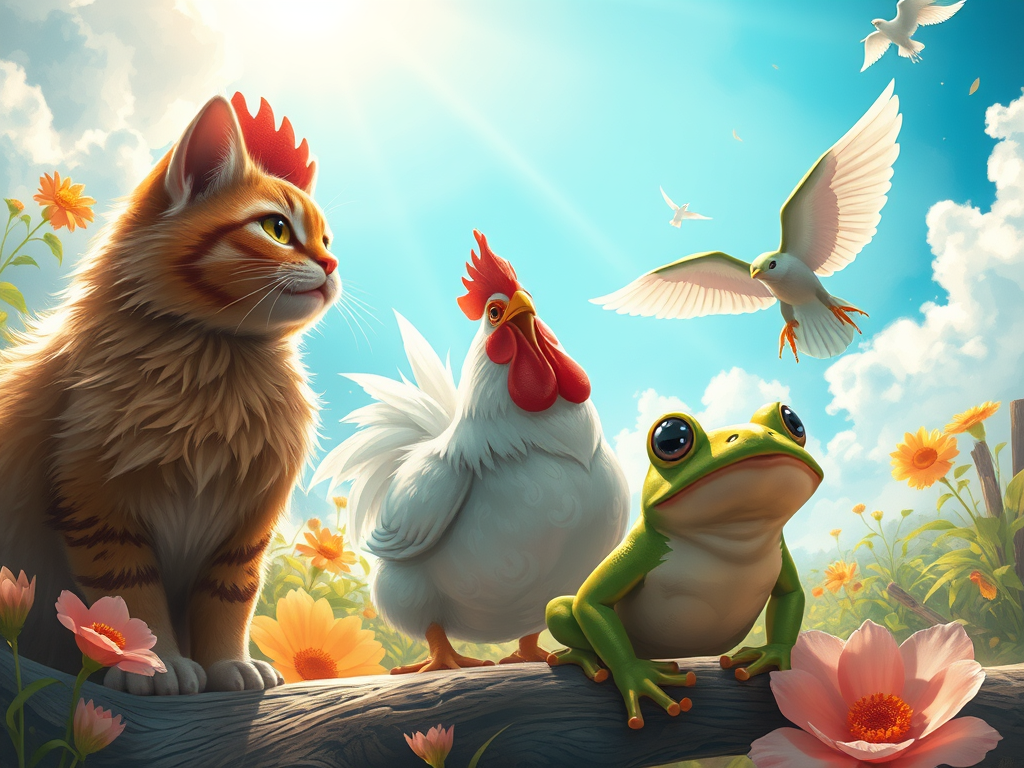
    Percy the Chicken (The Dreamer):
    Wants to win the race but hates waking up early to run. πŸ”


    Fred the Frog (The Grinder): Jumps every morning until his legs ache. He knows the process is hard. 🐸


    Luna the Cat (The Coach): The observer and referee. She focuses on results. 😼


    One week before the race, Percy bought himself a pair of expensive, brand new running shoes. “Hey Fred!” shouted Percy, lying in his hammock. “Why do you tire yourself out so much? Look, my shoes are super fast! I’m saving my energy for race day.” πŸ₯€ Fred stopped, panting, and wiped the sweat from his forehead. “My legs are burning, Percy. But every day I get one step faster. I love this pain because it leads me to the goal.”


    Race day arrived. 🏁 With the starting whistle, Percy bolted! He was great for the first 10 meters. But at 50 meters, his lungs started to burn. At 100 meters, his legs shook, and he collapsed. “This is unfair! My shoes were so expensive!” he cried. 😡


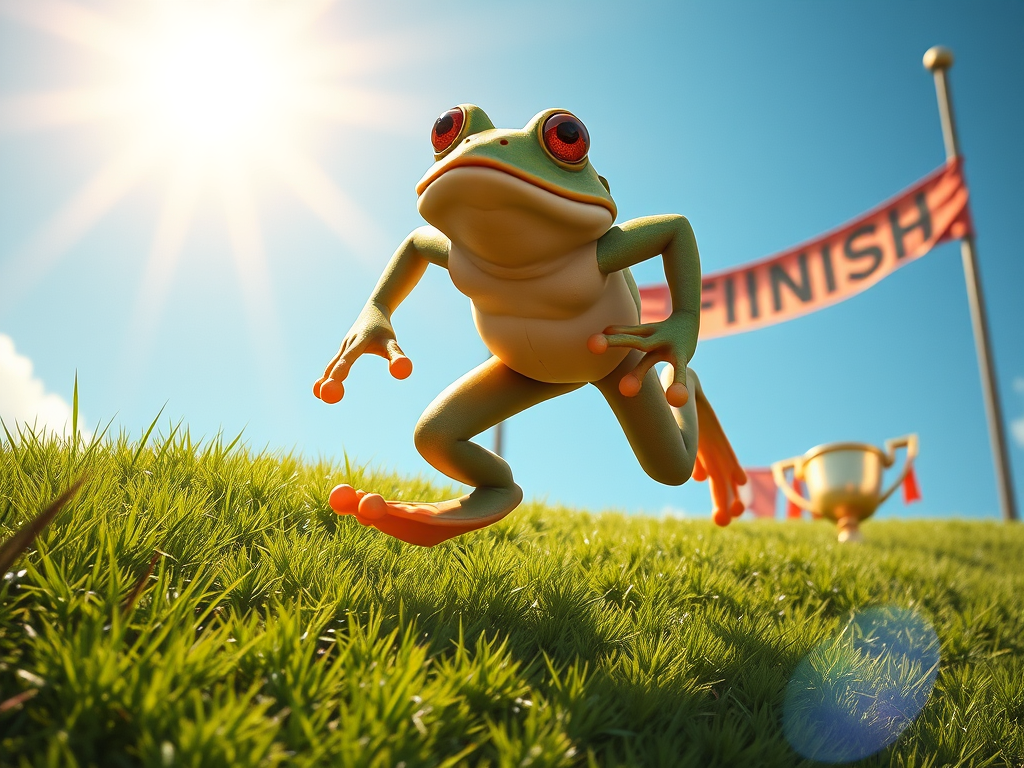
    Fred started slow but steady. As he hopped up the hill, he felt that familiar “burning” sensation in his legs. But thanks to his training, he was used to this pain. It didn’t stop him; it fueled him. He crossed the finish line as the champion. πŸ†


    As Luna placed the medal on Fred, she turned to Percy: “Percy, expensive shoes (The Short Cut) don’t make you a champion. The leg pain Fred endured (The Pain) brought him this medal (The Gain).”
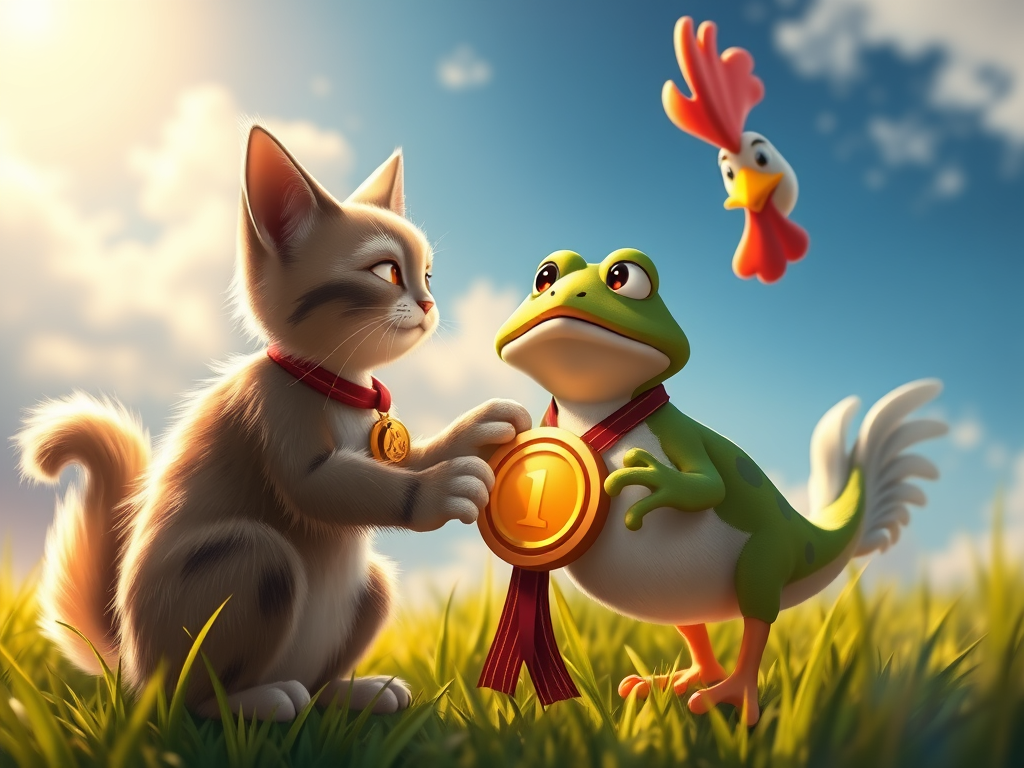

    The Moral:


    Percy:
    Comfort Zone = No Trophy.


    Fred: Sweat & Ache = Victory.

    πŸŽ“ Lesson for English Learners


    Does your hand hurt while writing new vocabulary words 10 times in a notebook? (Pain) ✍️


    This is a sign that your brain is etching that word into long-term memory. (Gain) 🧠
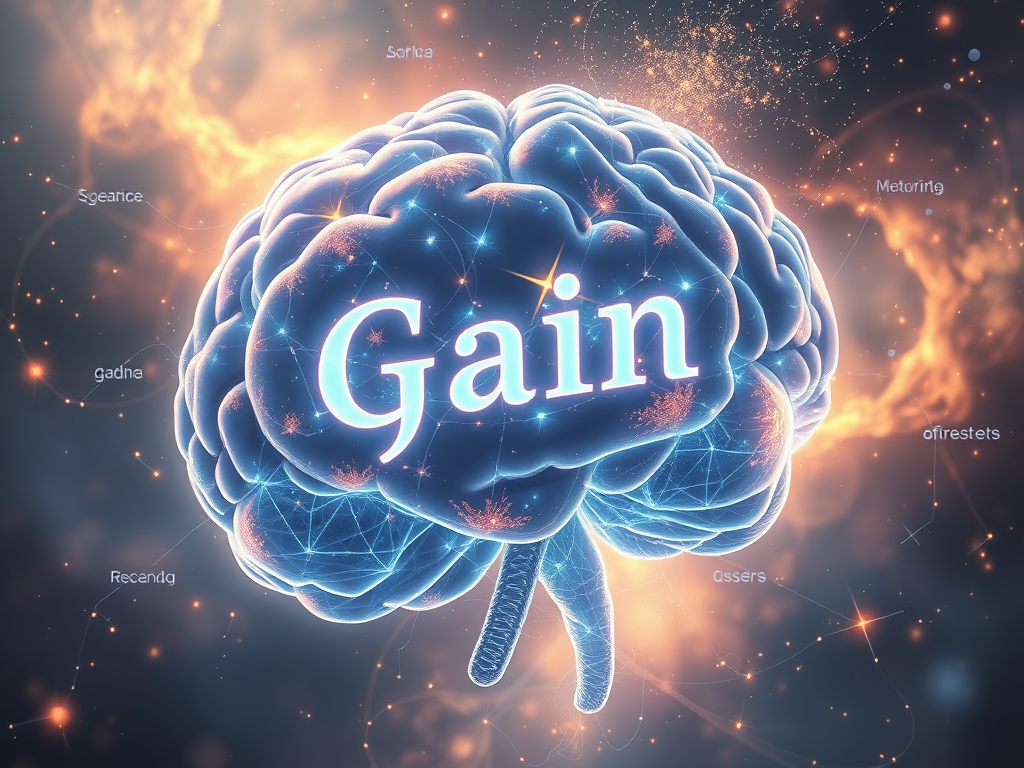

    Did you make a mistake in a speaking club, turn red, and feel embarrassed? (Pain) 😳


    That emotional memory ensures you will never make that mistake again. (Gain) ✨


    Remember: The feeling of “struggle” when learning a language is not failure; it is the sound of improvement footsteps.


    πŸ’¬ Your Turn


    Has there been a moment in your life where you said, “I wish I had pushed a little harder”? Or a success you are proud of because you suffered for it? Share your story in the comments! πŸ‘‡

    By Zubeyir YURTKURAN

    https://www.facebook.com/BrainBattleground/

    https://www.facebook.com/zubeyr.yurtkuran/

    https://www.instagram.com/zubeyryurtkuran/

  • Why You Shouldn’t Trust Your Eyes: A Lesson on Glitter and Gold

    Why You Shouldn’t Trust Your Eyes: A Lesson on Glitter and Gold

    Shakespeare, Chickens, and Fake Gold: The Truth About “All That Glitters”

    We have all been there.
    πŸ” A job offer that looks perfect on paper but turns out to be a nightmare.

    🎁 A beautifully packaged meal that tastes like cardboard.

    😎 A person who looks incredibly cool on Instagram but has zero personality in real life.


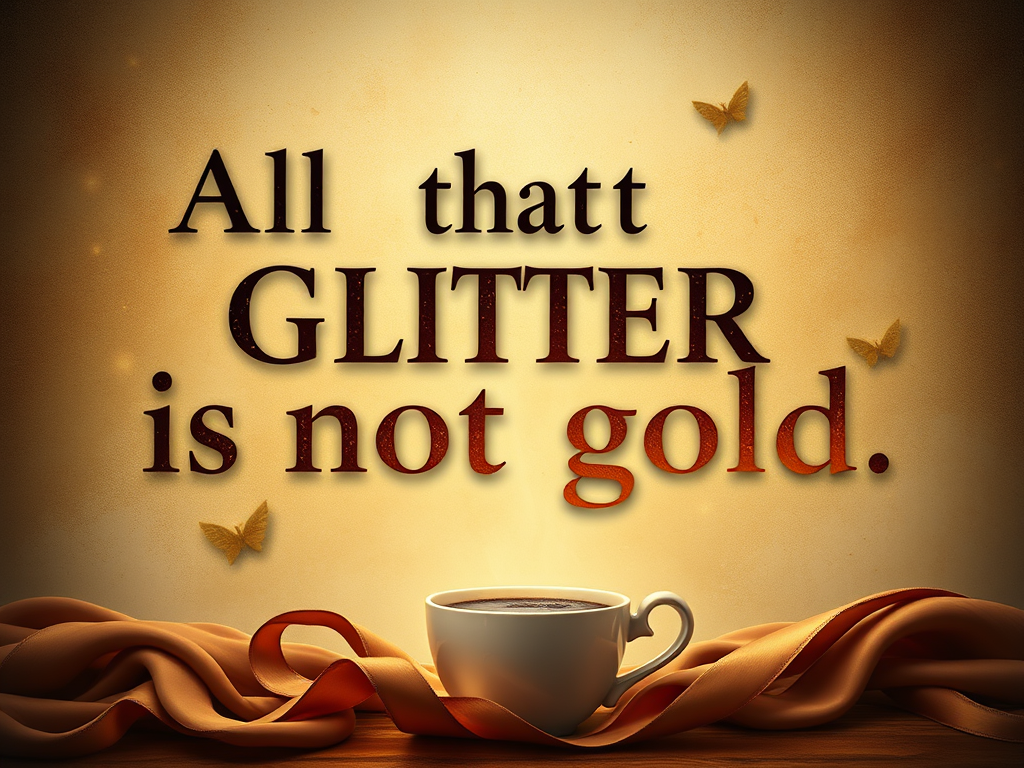
    Life has a way of teaching us this lesson over and over again: “All that glitters is not gold.”
    In this post, we are putting one of the most popular and historically rich English proverbs under the microscope. Grab your coffee, and let’s dive in! β˜•

    The Anatomy of the Proverb


    Let’s break this sentence down like a linguist.
    πŸ“š Vocabulary Vault
    Glitter (Verb):
    To shine with a bright, shimmering, reflected light (think of a disco ball or a diamond). ✨


    Gold (Noun): A precious yellow metal. In this context, it represents anything that is “genuine,” “valuable,” or “real.” πŸ†

    🧠 Grammar Focus
    Here is the secret formula of the sentence:
    All (Subject) + [that glitters] (Relative Clause) + is (Verb) + not gold (Object/Complement).
    The Relative Clause: The phrase “that glitters” defines the subject “All.” We aren’t talking about everything in the world, just the things that shine.
    Subject-Verb Agreement: Watch out! In this proverb, “All” acts as a singular concept (everything). That’s why we say “glitters” (with an -s) and “is” (not are).

    History: Aesop or Shakespeare?


    The roots of this saying go deeper than you might think. It’s a battle between Ancient Greece and Renaissance England!


    πŸ›οΈ Ancient Roots: As far back as the 6th Century B.C., the Greek storyteller Aesop explored the idea that “not everything that looks good is actually good” in his fables.


    🎭 The Shakespeare Touch: The proverb became a celebrity thanks to William Shakespeare. In his play The Merchant of Venice (1596), a character chooses a gold casket hoping to win a prize, only to find a scroll inside that reads: “All that glisters is not gold.”


    Fun Fact: Shakespeare used the old word “glisters.” Over centuries, language evolved, and by the 19th century, we switched to the modern word “glitters.”

    Impact on Life: The Pros & Cons


    Should you adopt this proverb as your life philosophy? Let’s weigh the options.


    βœ… The Pros (Why it helps)
    Critical Thinking:
    It encourages you not to trust first impressions blindly. It pushes you to look beneath the surface.


    Protection: Whether it’s a scam product or a “too good to be true” promise, this proverb acts as a shield against deception. πŸ›‘οΈ


    ❌ The Cons (Why it can be tricky)
    Cynicism:
    If you take it too far, you might become overly suspicious of everyone, unable to trust sincere people.


    Missing the Beauty:
    Sometimes, things are just beautiful because they glitter, and that is enough. Constantly looking for a “flaw” might make you miss the joy of the moment.

    Short Story: The Shiny Pebble


    To understand this better, let’s visit our friends on the farm.
    It was a bright, sunny morning. Percy the Chicken, Luna the Cat, and Fred the Frog were relaxing near the farm pond. β˜€οΈ


    Suddenly, Percy froze. He saw something shining at the bottom of the shallow water. It was bright, sparkly, and yellow.


    “Look!” clucked Percy, his feathers puffing up with excitement. “A piece of the sun has fallen into the water! It must be magic gold corn. I will eat it and become the King of Chickens!” πŸ‘‘


    Luna the Cat yawned lazily and licked her paw. She looked at the shiny object with narrowed, skeptical eyes. “I wouldn’t do that if I were you, Percy,” she purred. “It looks sharp. Not everything that shines is food.” 🐱


    “You are just jealous because you didn’t find it first!” shouted Percy. He prepared to jump into the water to peck the treasure.


    Just then, Fred the Frog hopped onto a lily pad right next to the object. He looked at it closely, blinked his big eyes, and laughed. “Croak! Percy, stop!” 🐸


    “Move away, Fred! That is my gold!” Percy insisted, flapping his wings.


    Fred stuck out his long, sticky tongue and flipped the object over. It wasn’t gold. It wasn’t magic corn. It was just a jagged, sharp piece of a broken yellow soda bottle.


    “The sun makes it shine,” said Fred wisely, “but underneath, it is just dangerous trash.”


    Percy stopped in his tracks. He realized he had almost cut his beak on a piece of glass. He looked at his friends, lowered his head, and sighed.
    “I guess all that glitters is not gold,” Percy admitted.

    In this story, the characters represent different mindsets:


    Percy:
    Naivety and Greed 😡
    Luna: Skepticism 🧐
    Fred: Experience and Truth πŸ€“


    Lesson for English Learners: When learning a language, fancy words (glitter) are nice, but knowing how to use simple words correctly (gold) is often much more valuable.


    πŸ’¬ What about you? Have you ever experienced a moment where “all that glitters was not gold”? Tell me in the comments!

    By Zubeyir YURTKURAN

    https://www.facebook.com/BrainBattleground/

    https://www.facebook.com/zubeyr.yurtkuran/

    https://www.instagram.com/zubeyryurtkuran/