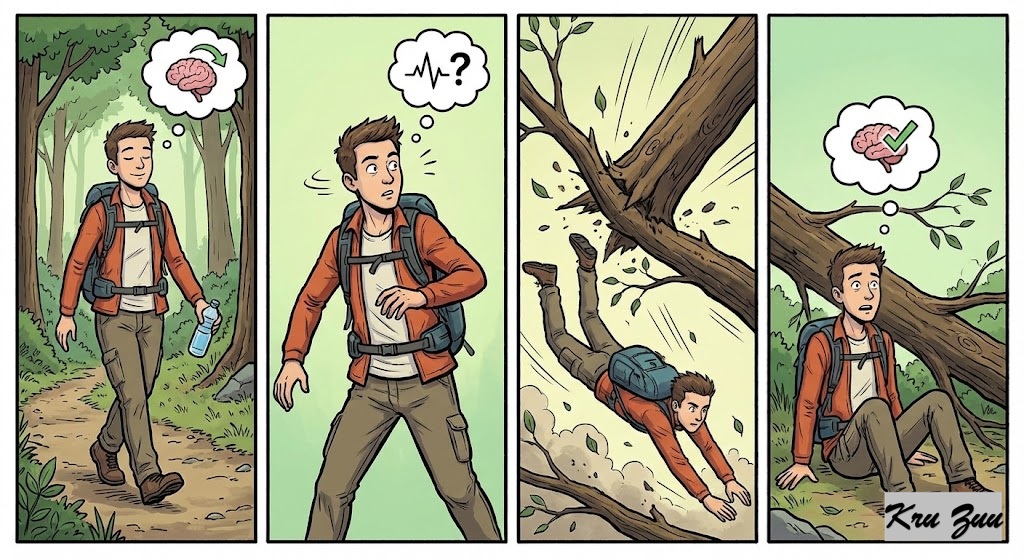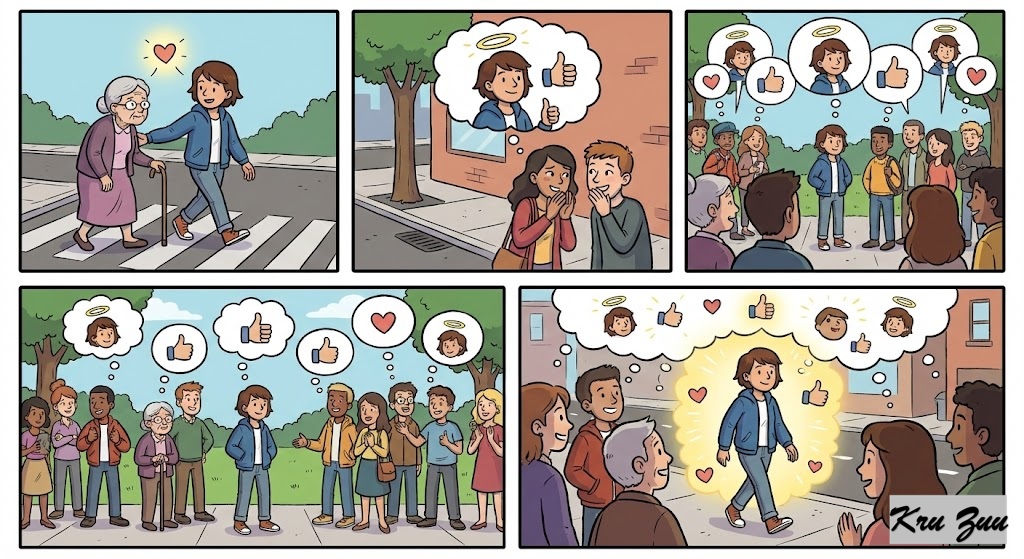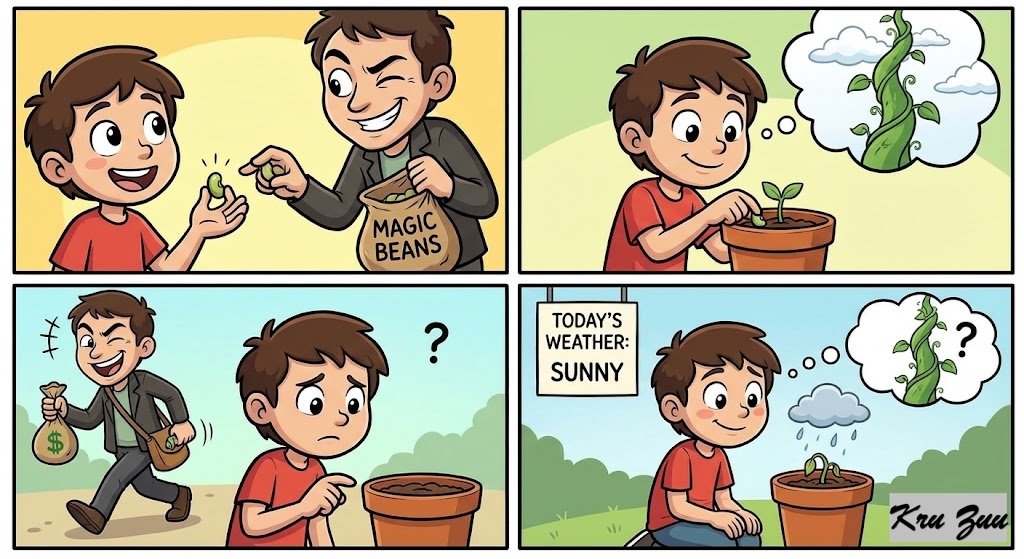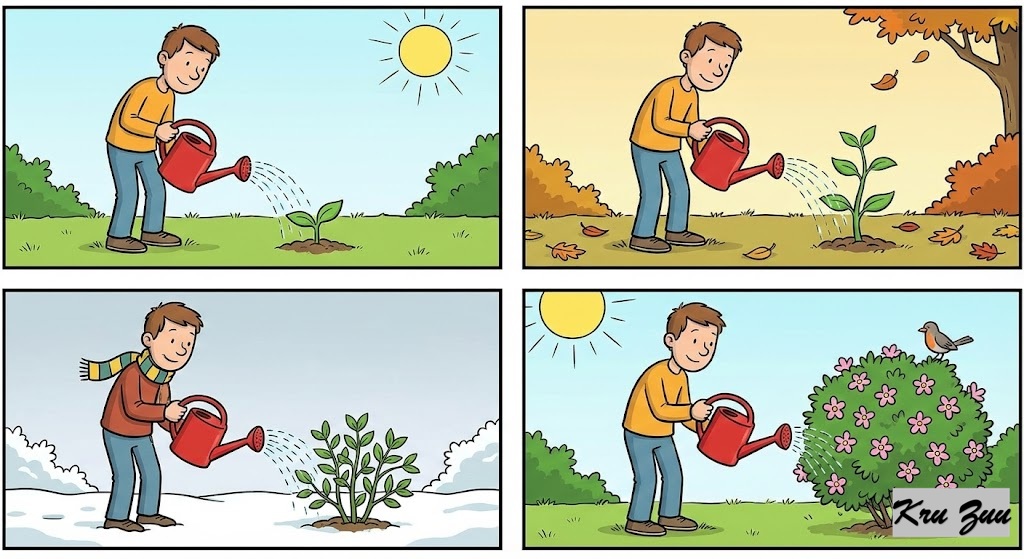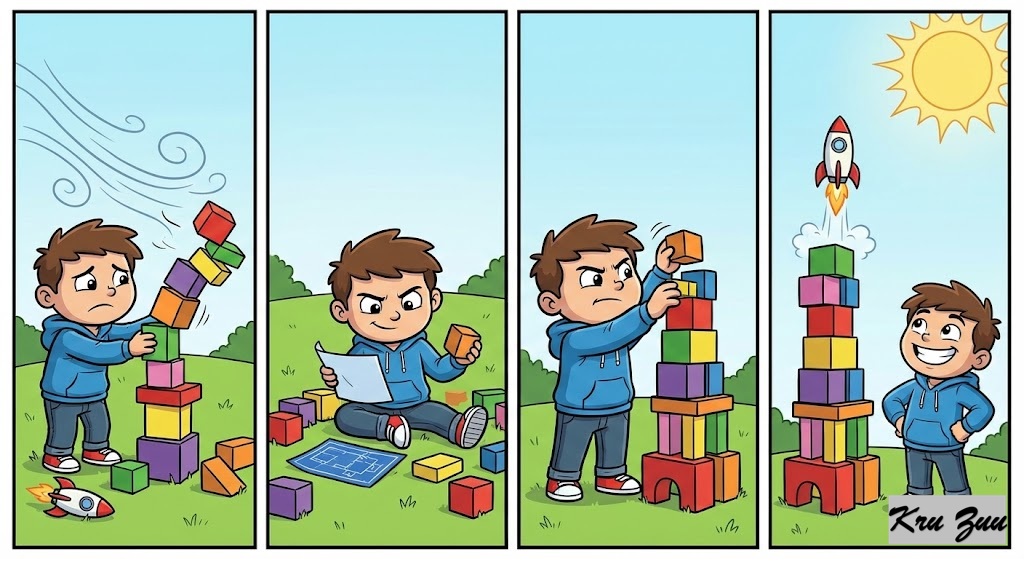
Tag: Daily Shield

  • 🛡️ The Daily Shield: The Law of Silent Safety

    🛡️ The Daily Shield: The Law of Silent Safety

    “No news is good news.”


    😈 The Villain (The Anxiety Spinner)

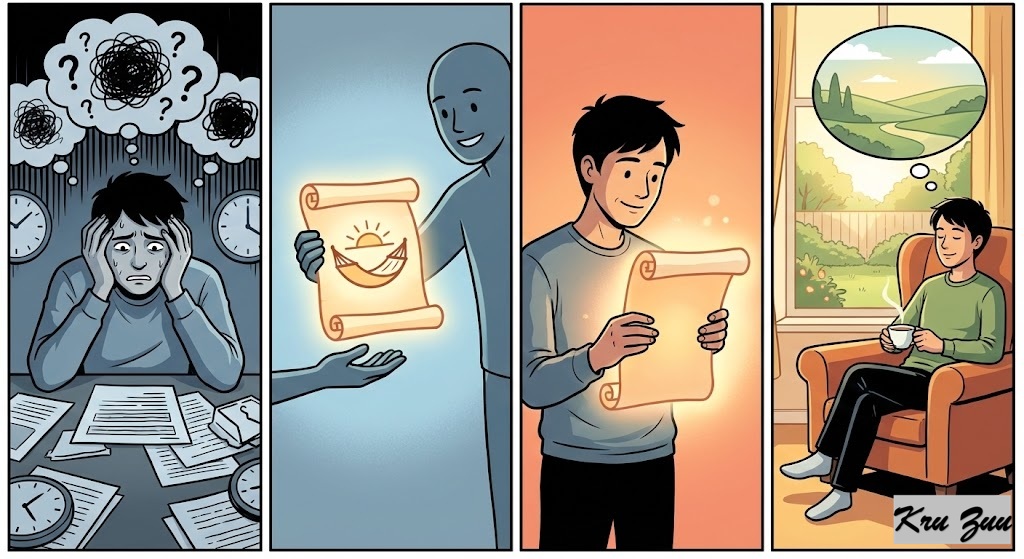
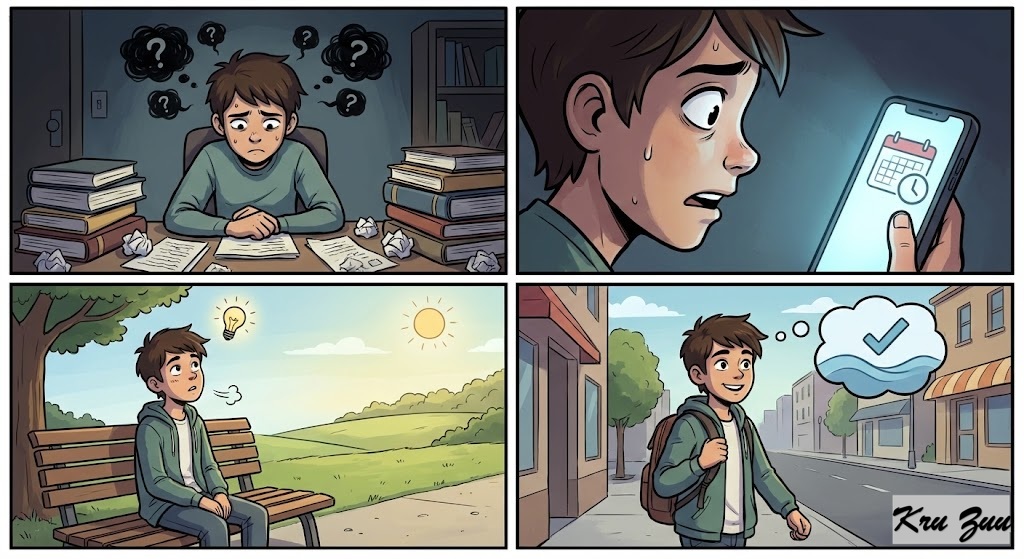
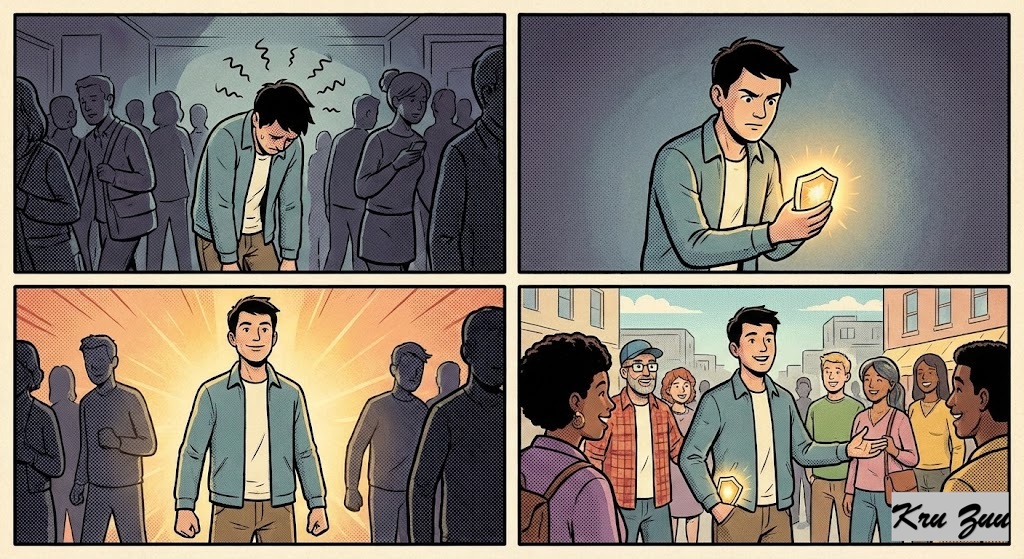
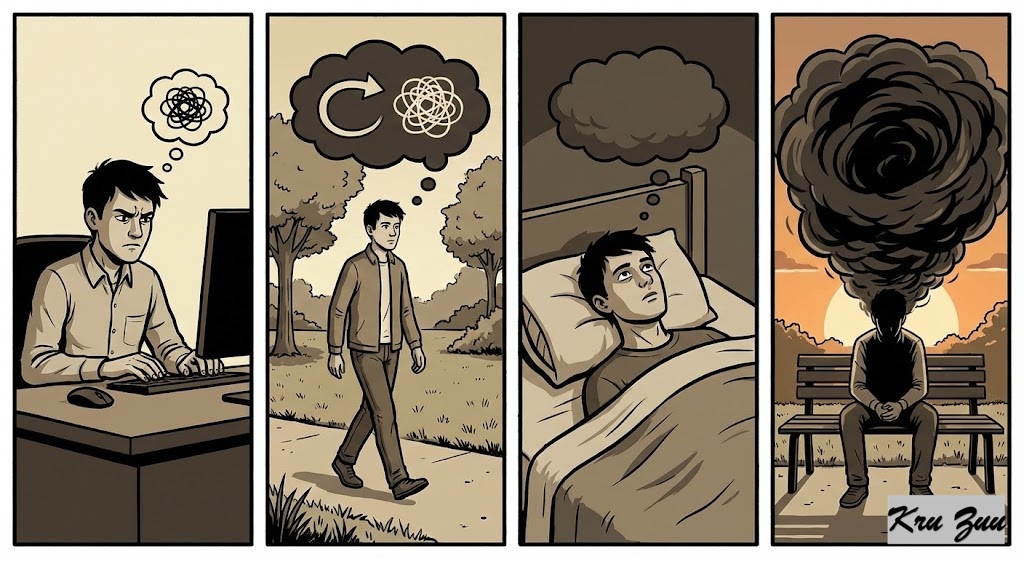
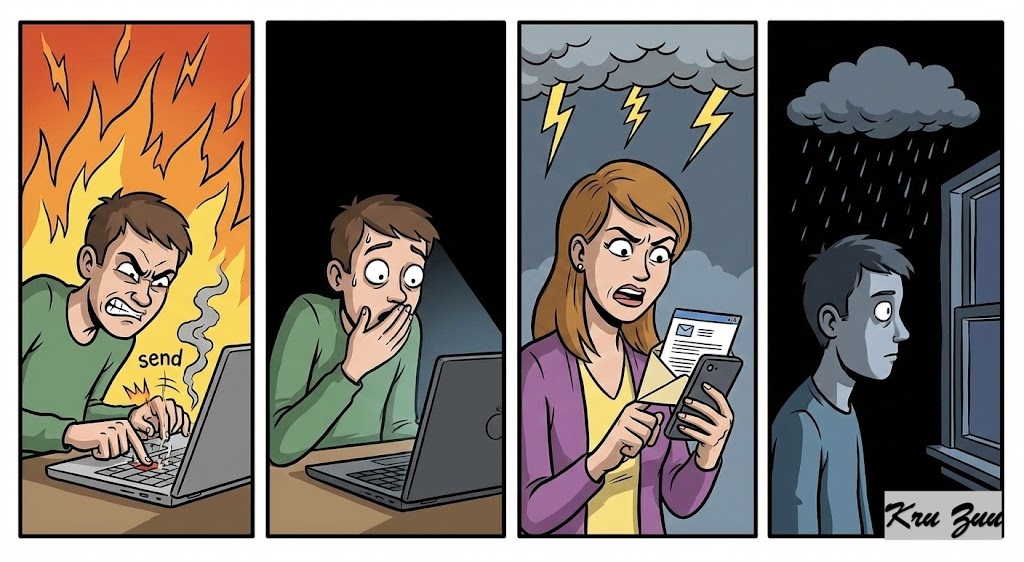
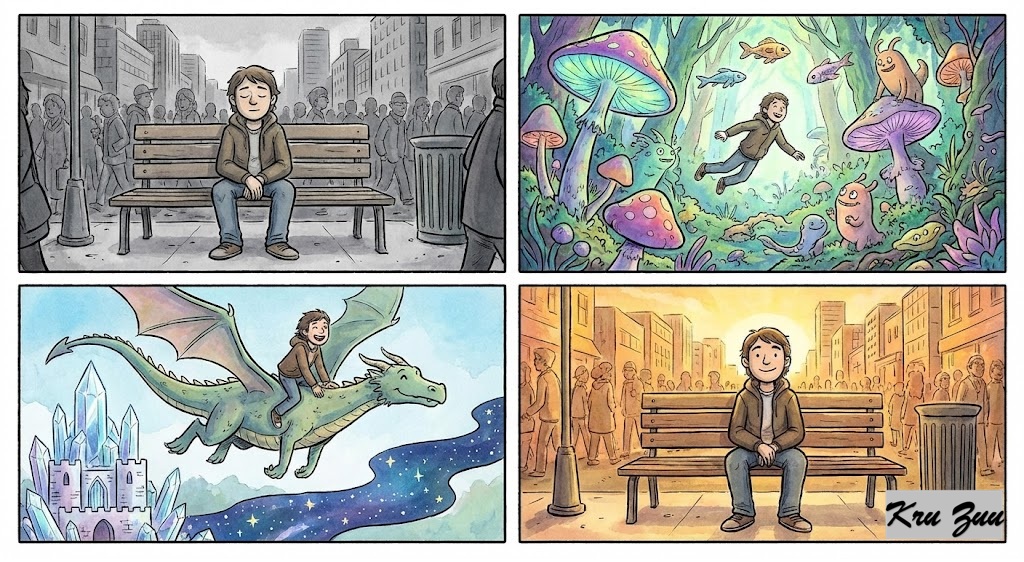
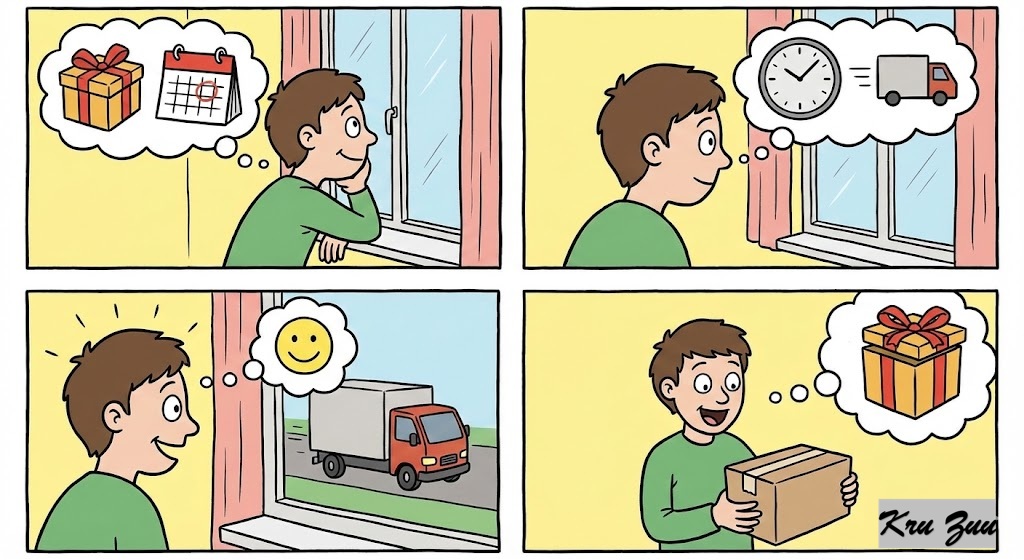
    You sent the email two hours ago. No reply. You check your phone. Nothing. 📱 You check the spam folder. Empty. Your brain starts to scream: “They hate me.” “I failed the test.” “Something terrible has happened to them!” You fill the silence with noise and worst-case scenarios. You create a disaster in your head that hasn’t happened in reality.
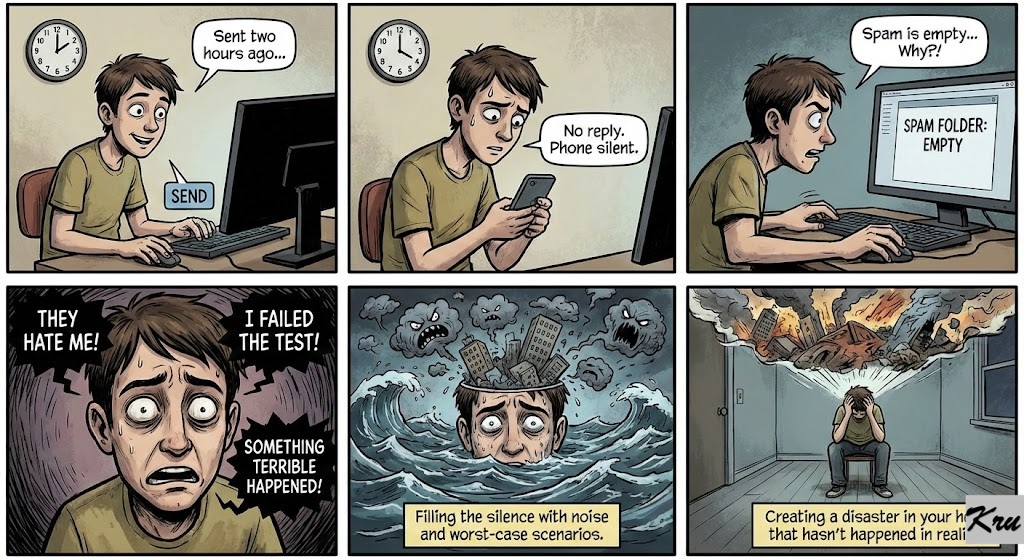
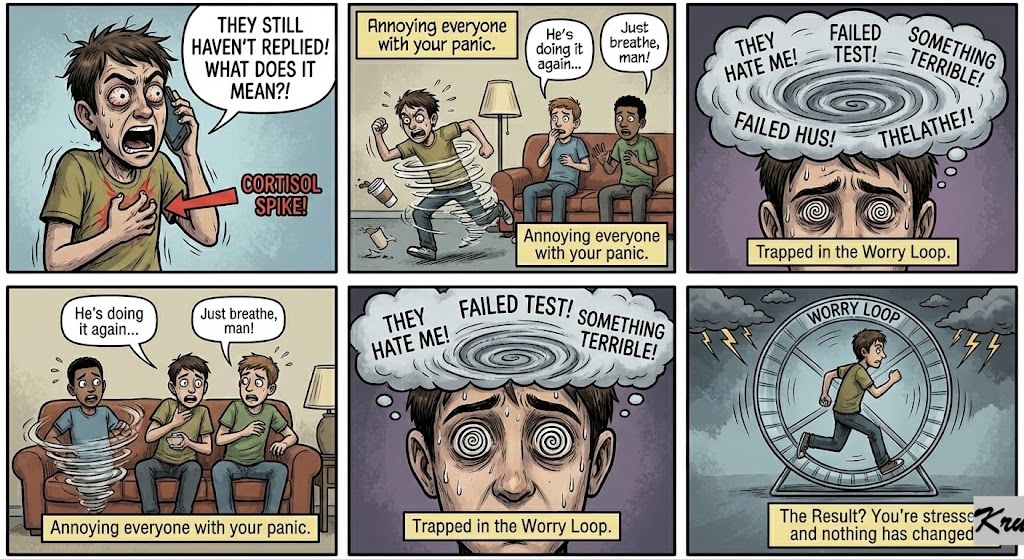
    The Result? You are stressed, your cortisol spikes, and you annoy everyone around you with your panic. You are trapped in the “Worry Loop.” 🌀

    😇 The Hero (The Peaceful Stoic)

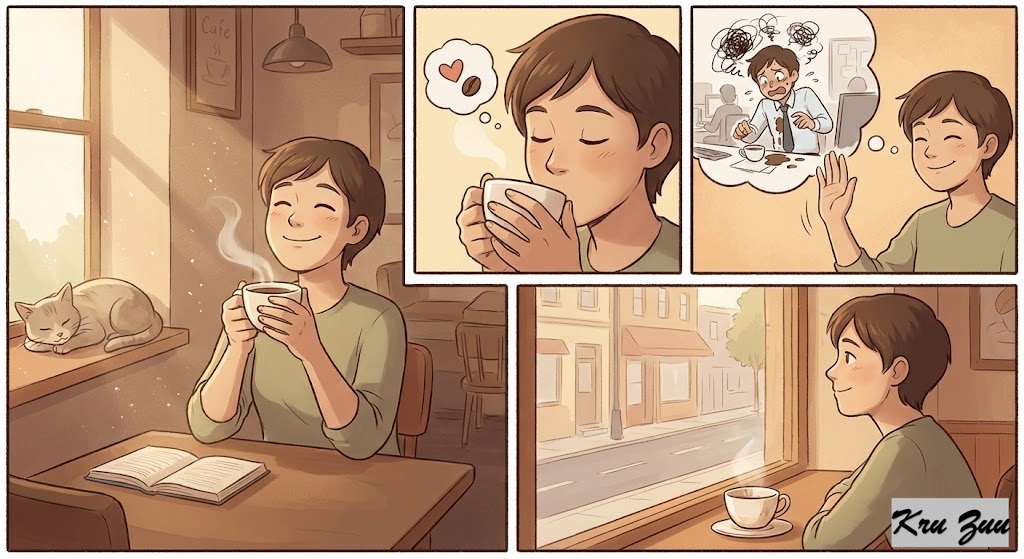
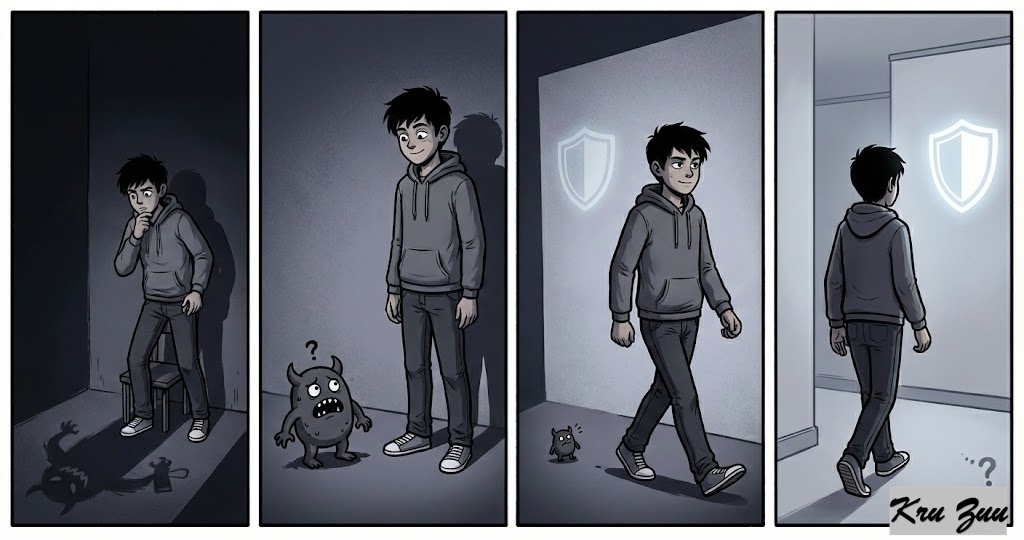
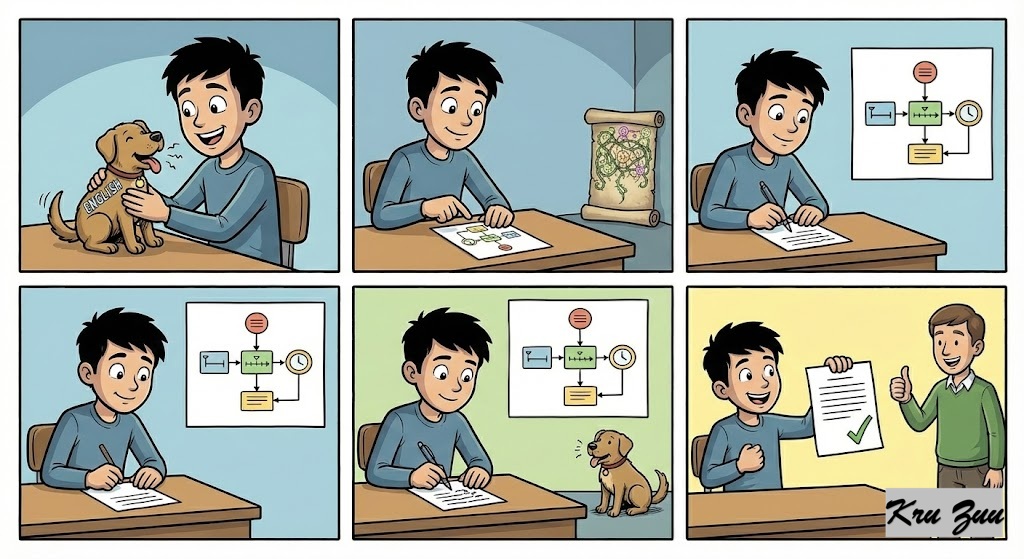
    You send the email. You put the phone down. 🧘 You realize that if there was a true emergency, the phone would ring. You understand that silence usually means things are proceeding normally. You say: “If there was a problem, I would know by now.”
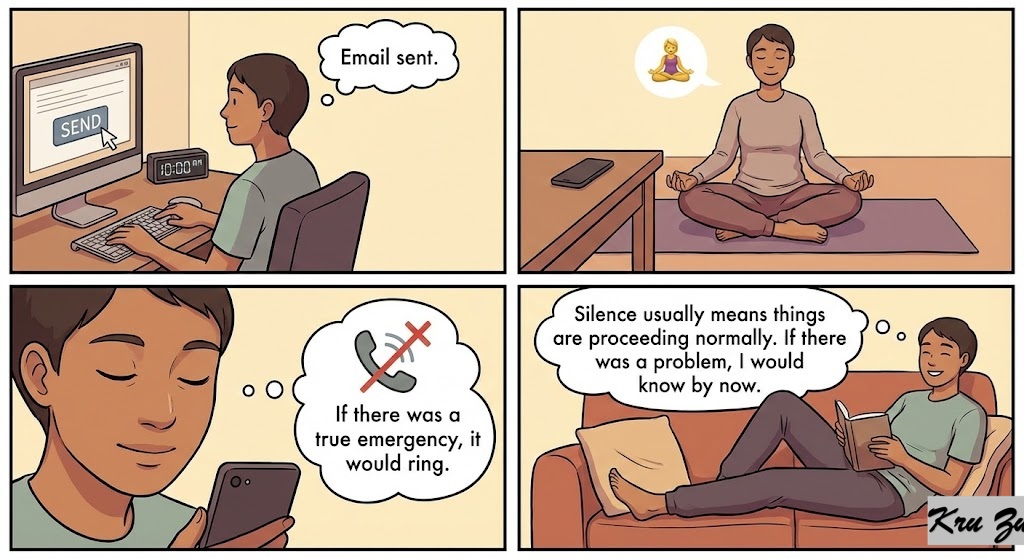
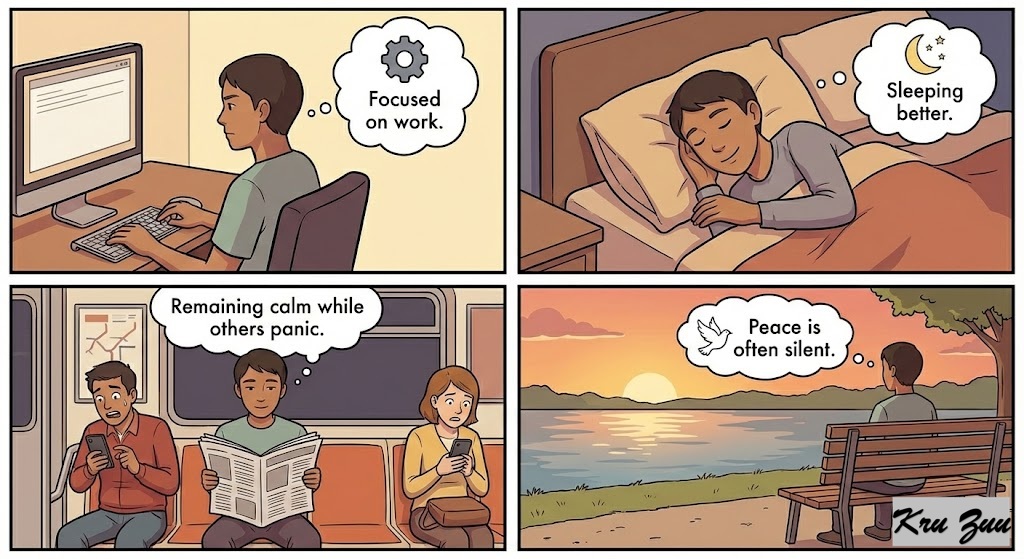
    The Result? You focus on your work. You sleep better. You remain calm while others panic. You understand that Peace is often silent. 🕊️

    ⚖️ The Reality


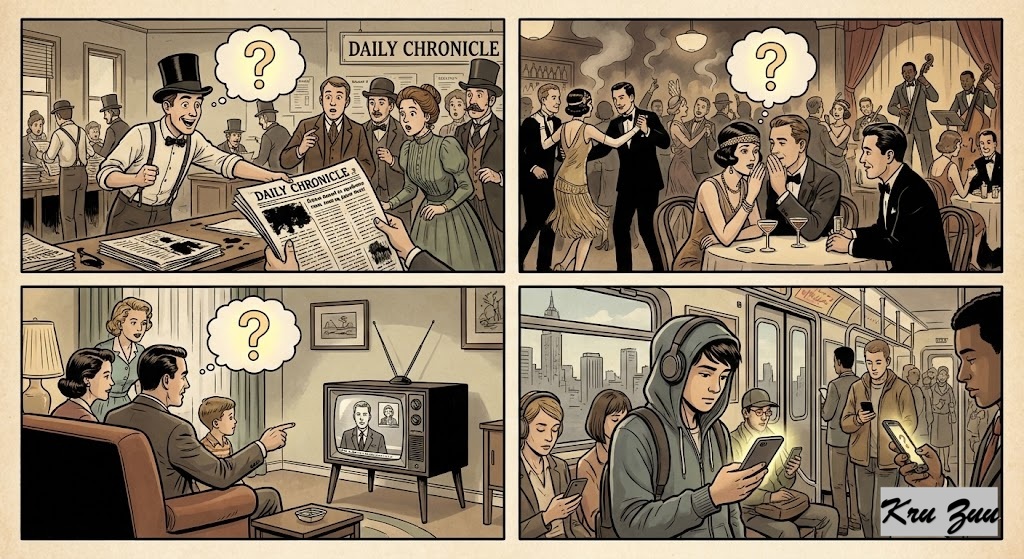
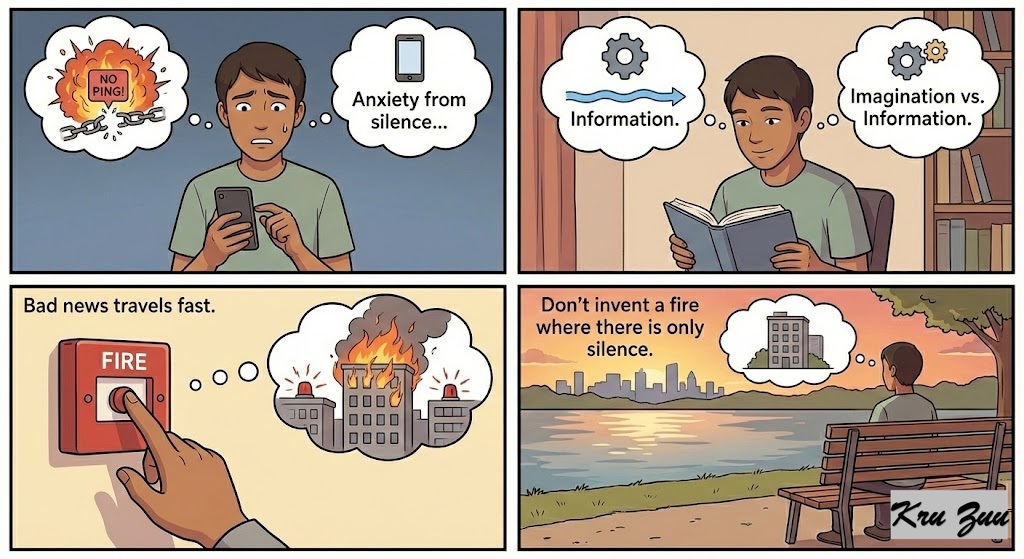
    Information vs. Imagination. We live in an age of instant notifications. When we don’t get a “ping,” we assume the connection is broken. But historically (and logically), bad news travels fast because it requires urgent action. Good news, or the status quo, does not require an alarm. If the fire alarm isn’t ringing, the building is likely not on fire. Don’t let your imagination invent a fire where there is only silence.

    💎 The Secret

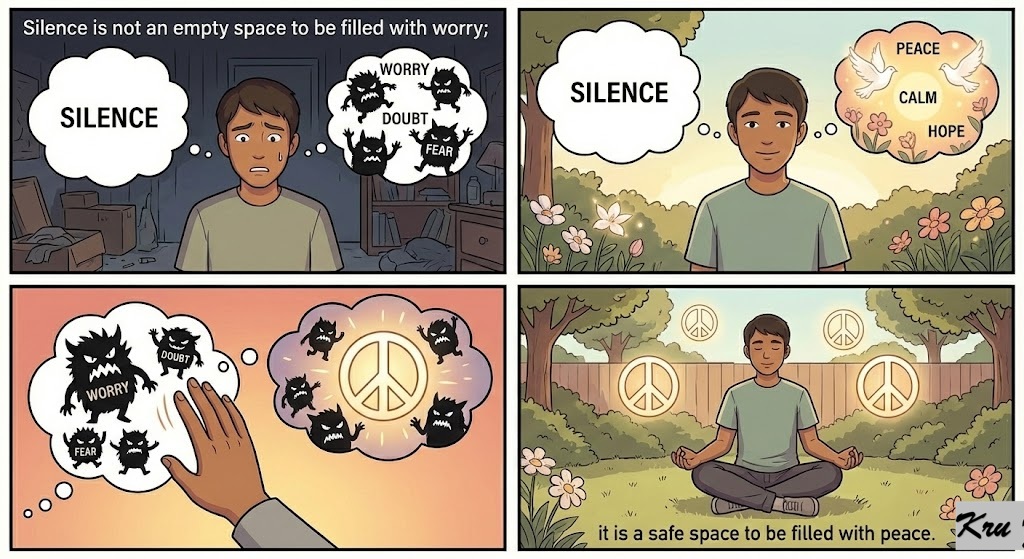
    Silence is not an empty space to be filled with worry; it is a safe space to be filled with peace.
    🧐 The Anatomy of the Proverb


    This is your reminder that the absence of information is usually a positive sign, not a negative one.
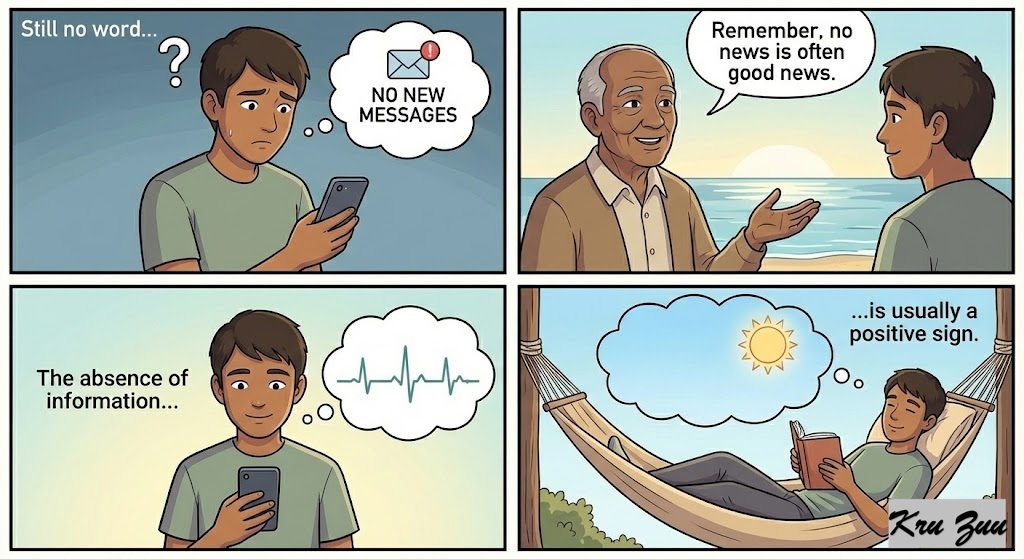

    No News (Noun Phrase):
    The lack of new information, letters, or notifications.
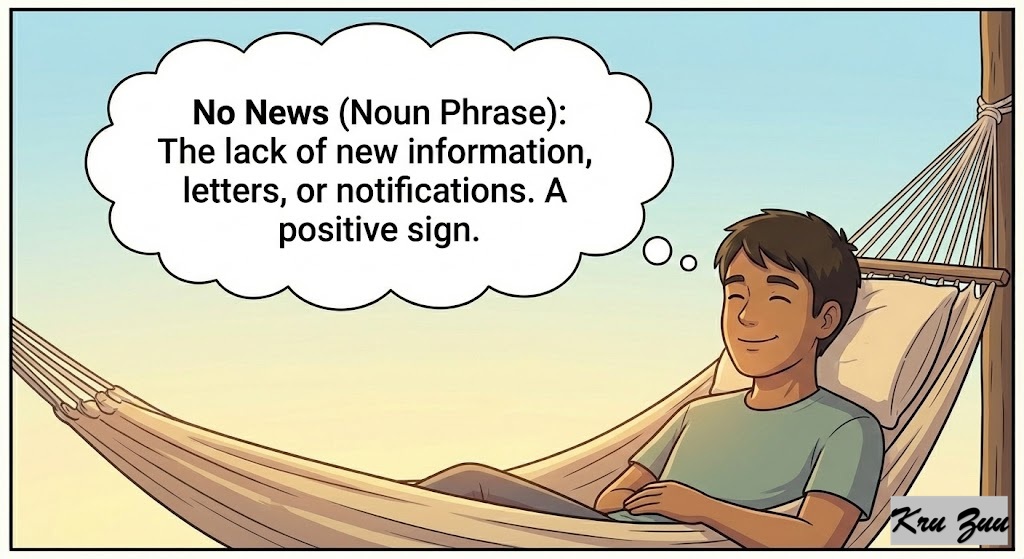

    Is (Linking Verb): Equals.
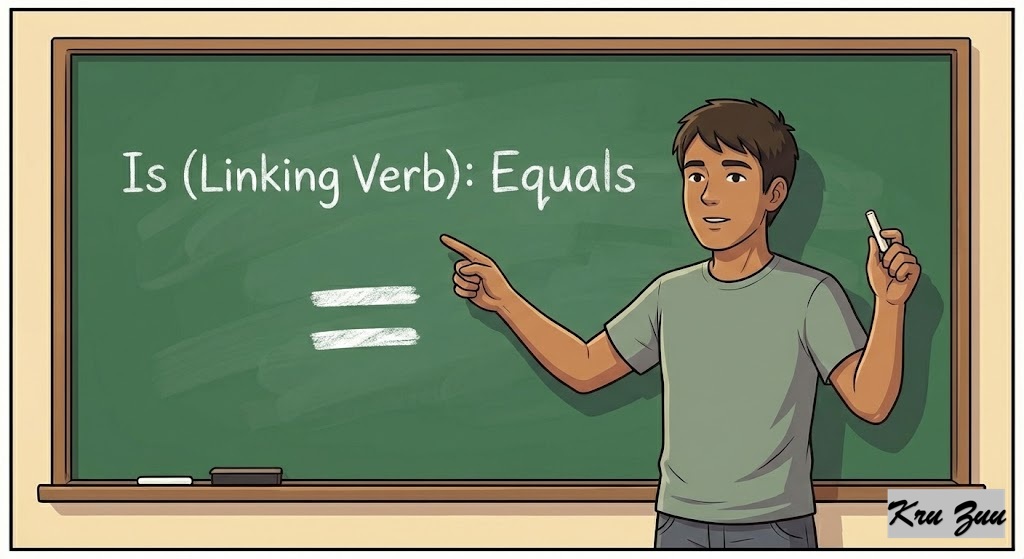

    Good News (Noun Phrase):
    A positive outcome or safety.
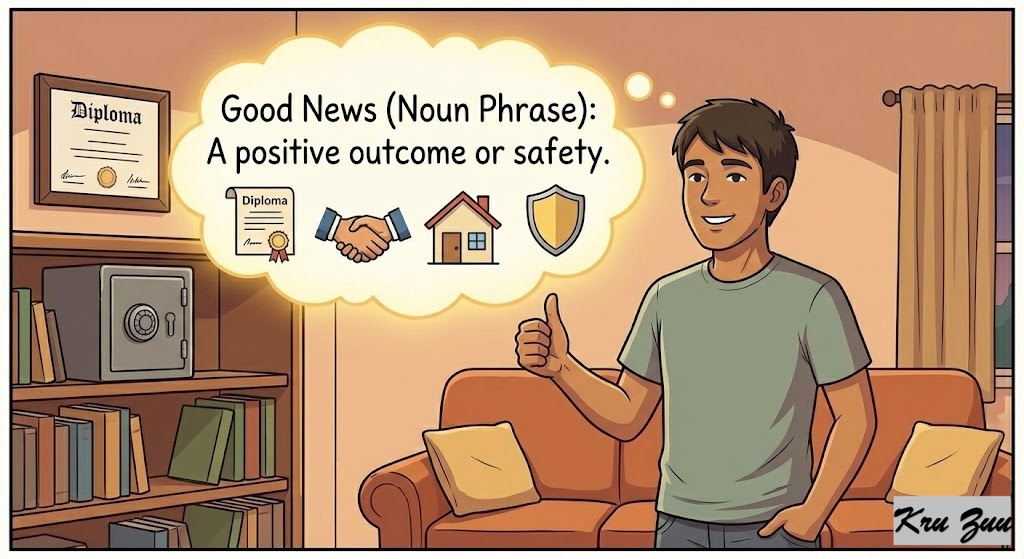

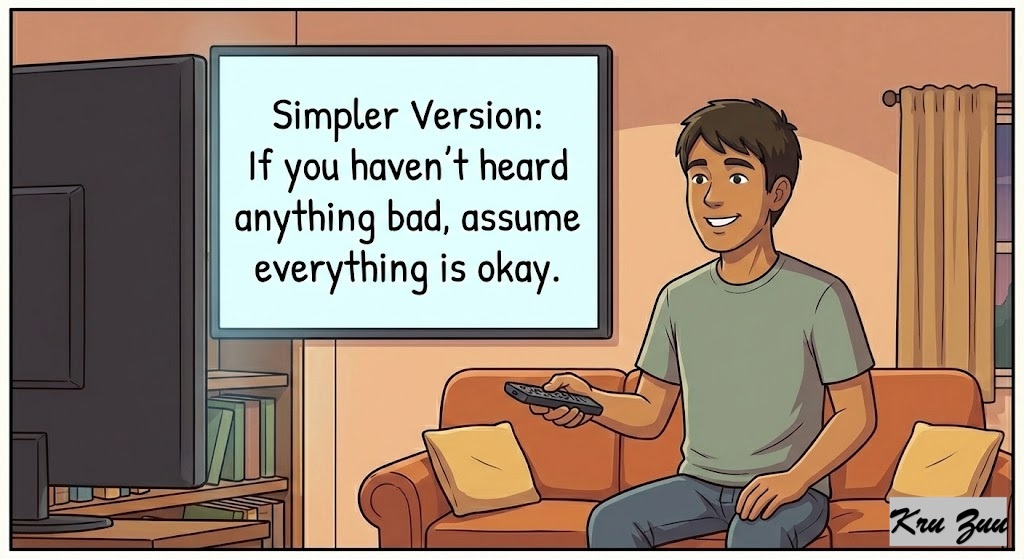
    Simpler Version: If you haven’t heard anything bad, assume everything is okay.

    📚 Vocabulary Vault


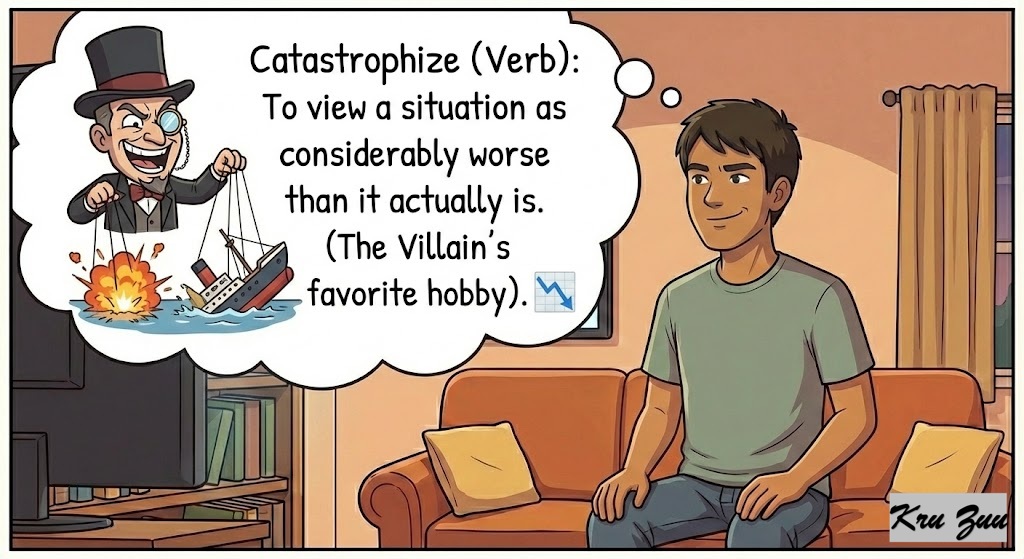
    Catastrophize (Verb): To view a situation as considerably worse than it actually is. (The Villain’s favorite hobby). 📉

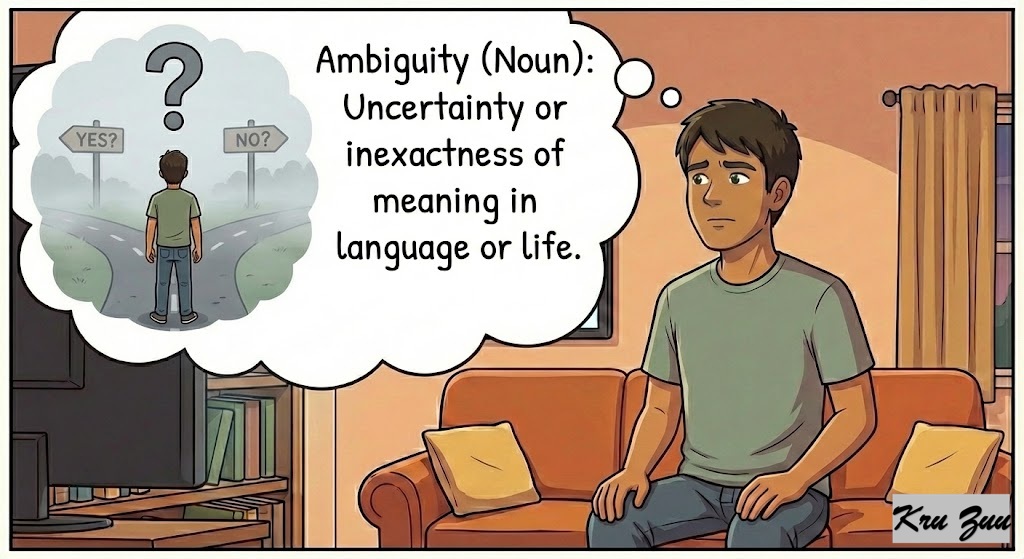
    Ambiguity (Noun): Uncertainty or inexactness of meaning in language or life.

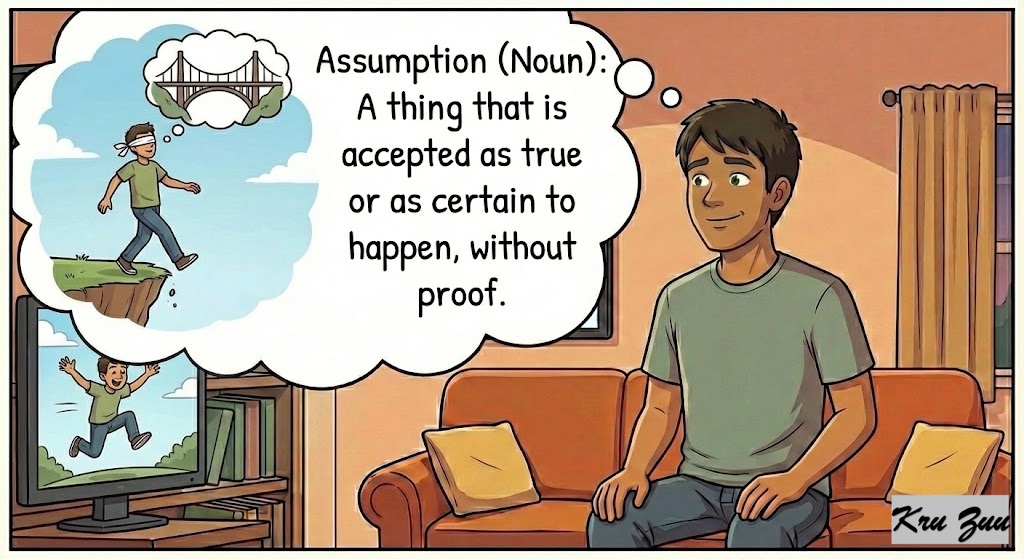
    Assumption (Noun): A thing that is accepted as true or as certain to happen, without proof.

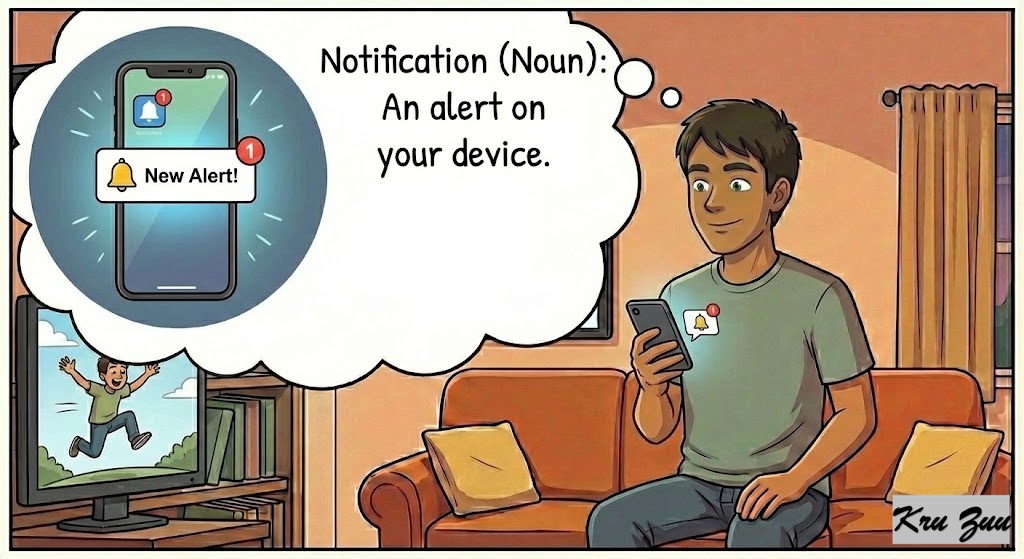
    Notification (Noun): An alert on your device.

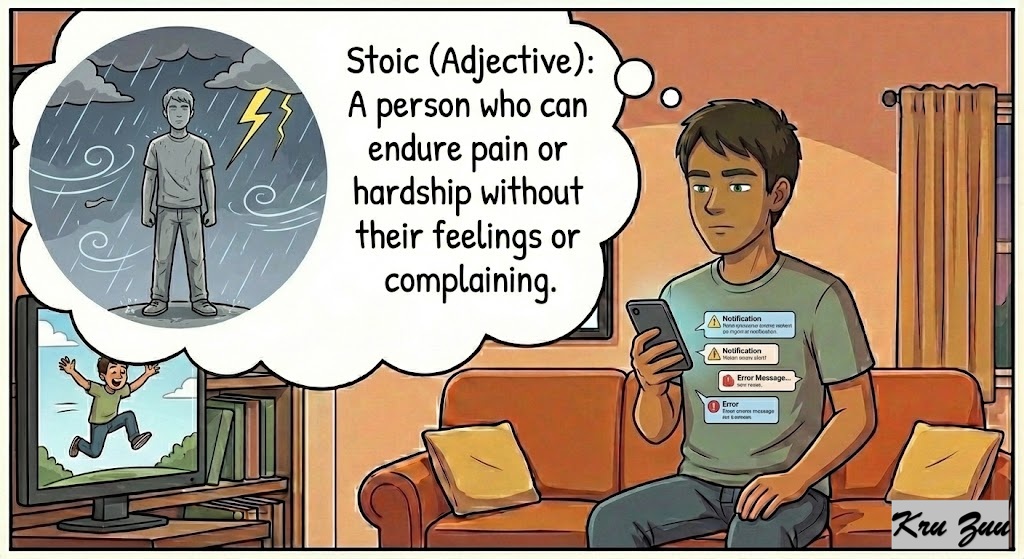
    Stoic (Adjective): A person who can endure pain or hardship without showing their feelings or complaining.

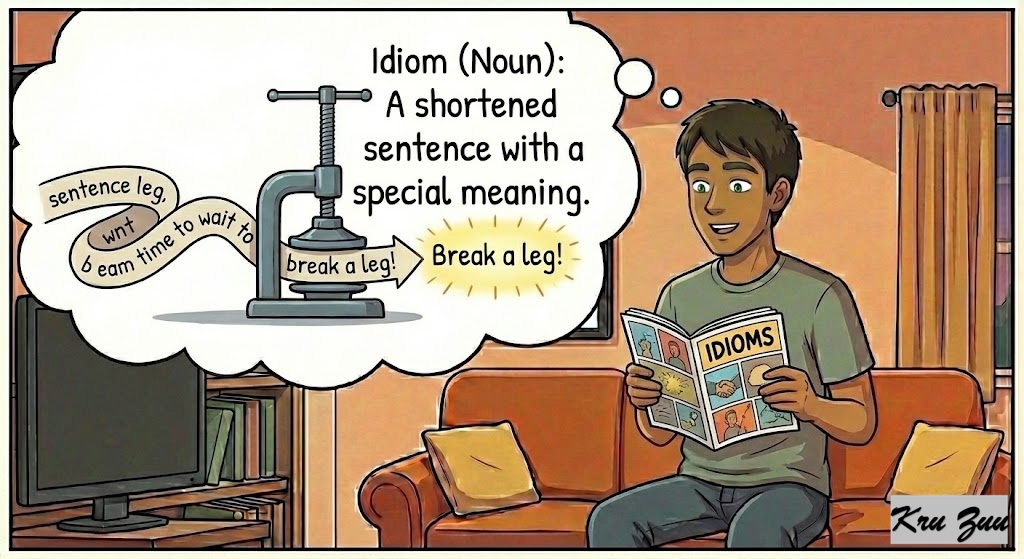
    🧠 Grammar Focus: Ellipsis (Leaving words out)


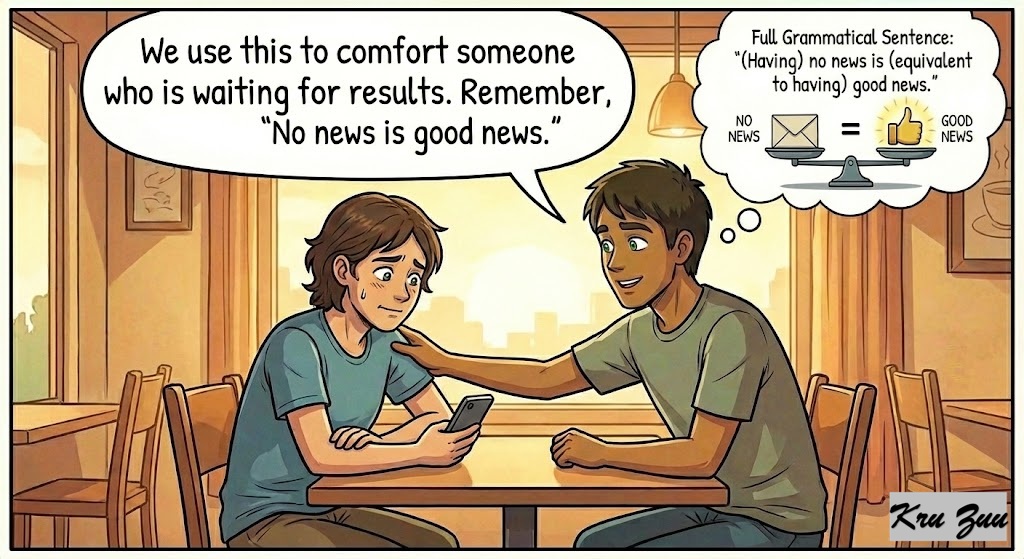
    This idiom is a shortened sentence.

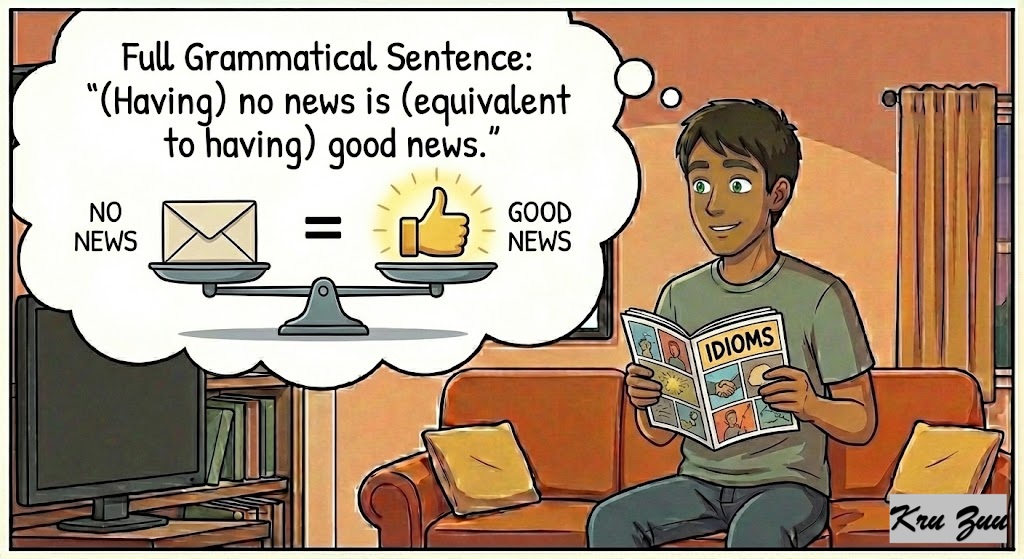
    Full Grammatical Sentence: “(Having) no news is (equivalent to having) good news.”

    Usage: We use this to comfort someone who is waiting for results.

    Example


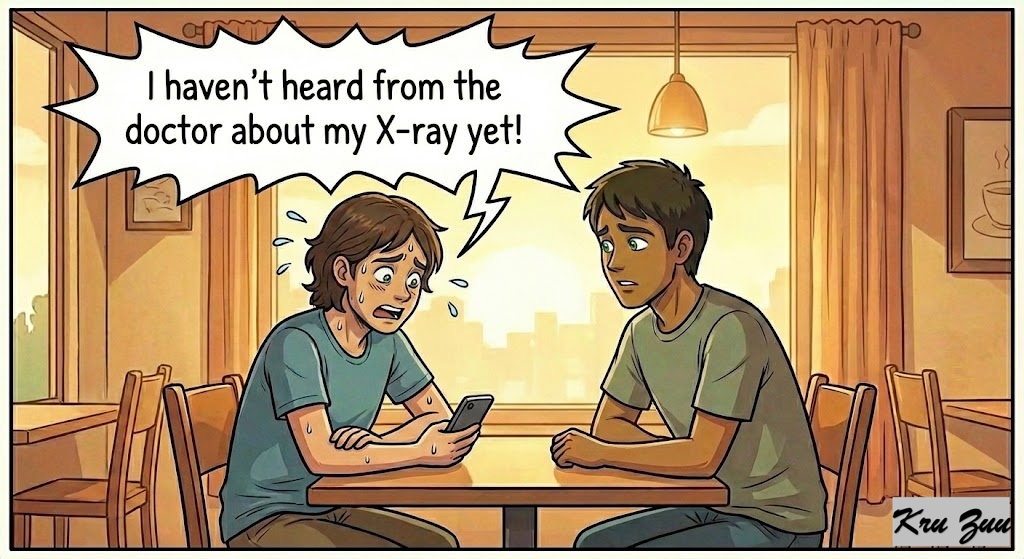
    Anxious Friend:
    “I haven’t heard from the doctor about my X-ray yet!”

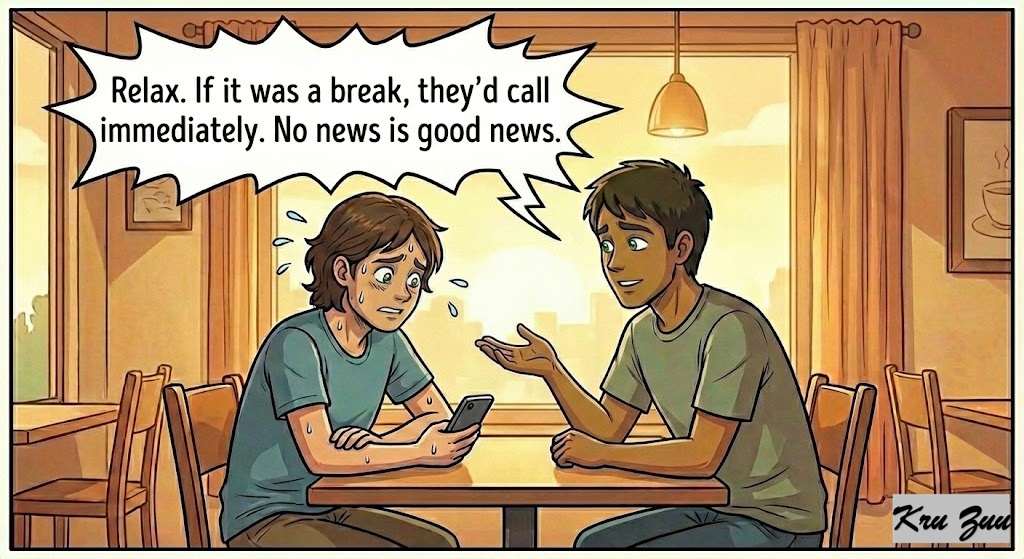
    Supportive Friend: “Relax. If it was a break, they’d call immediately. No news is good news.”
    📜 History: Origin and Spread


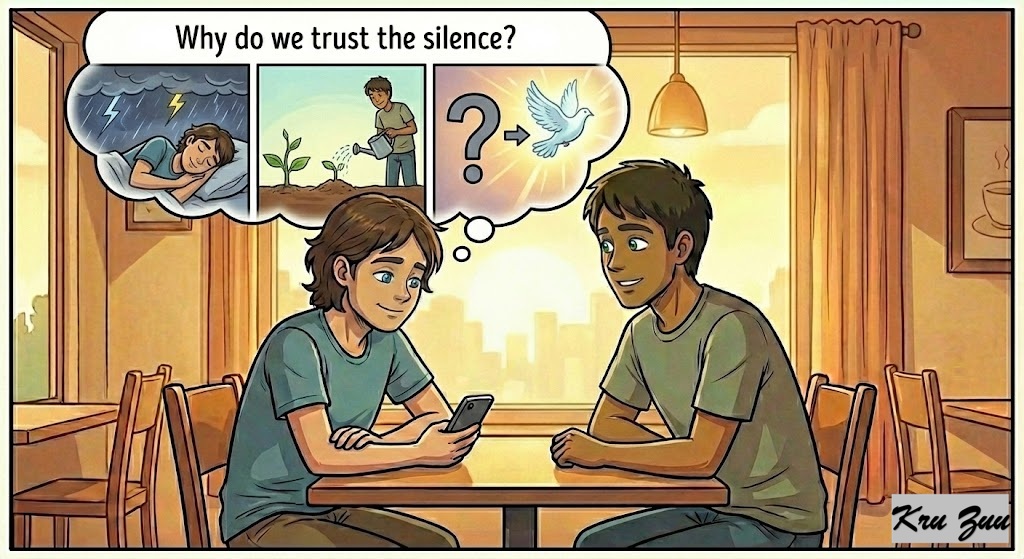
    Why do we trust the silence?

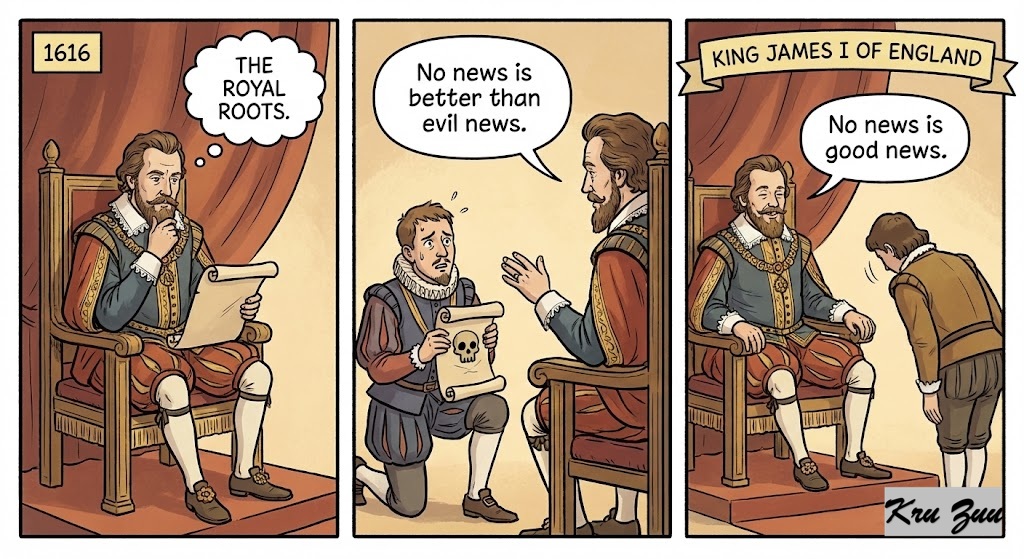
    The Royal Roots: King James I of England is quoted as saying, “No news is better than evil news” as far back as 1616.

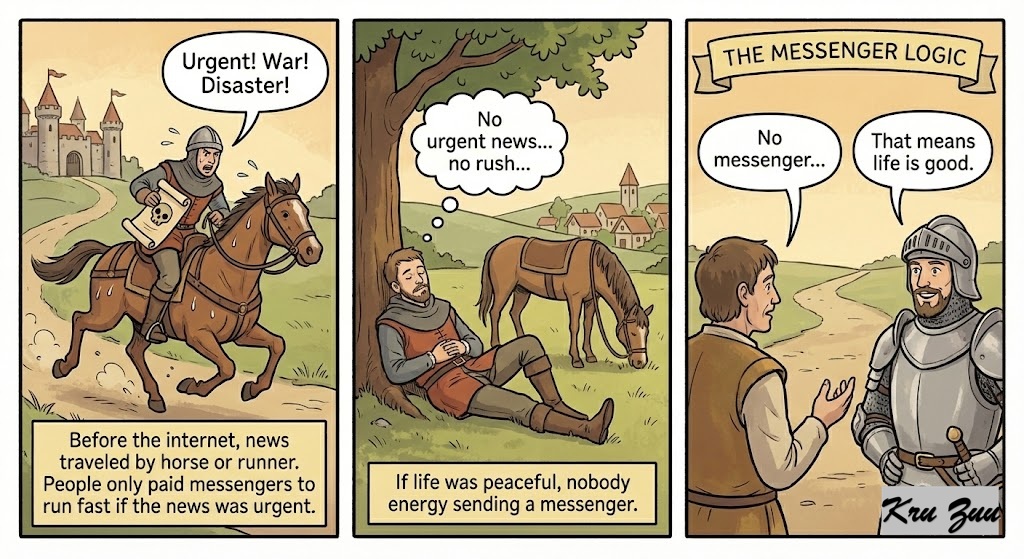
    The Messenger Logic: Before the internet, news traveled by horse or runner. 🐎 People only paid messengers to run fast if the news was urgent (wars, deaths, disasters). If life was peaceful, nobody wasted energy sending a messenger. Therefore, if no runner arrived, life was good.

    Global Cousins


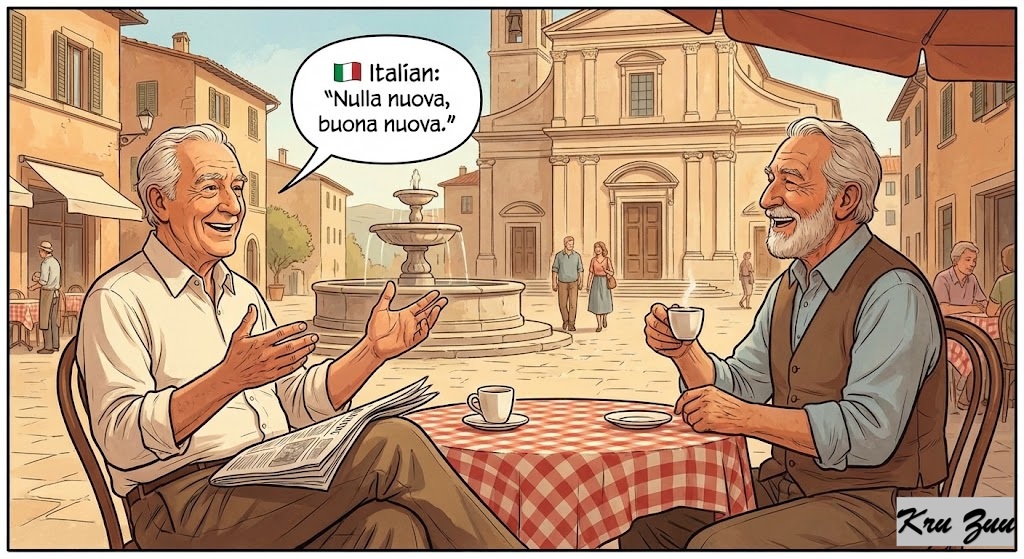
    🇮🇹 Italian:“Nulla nuova, buona nuova.”

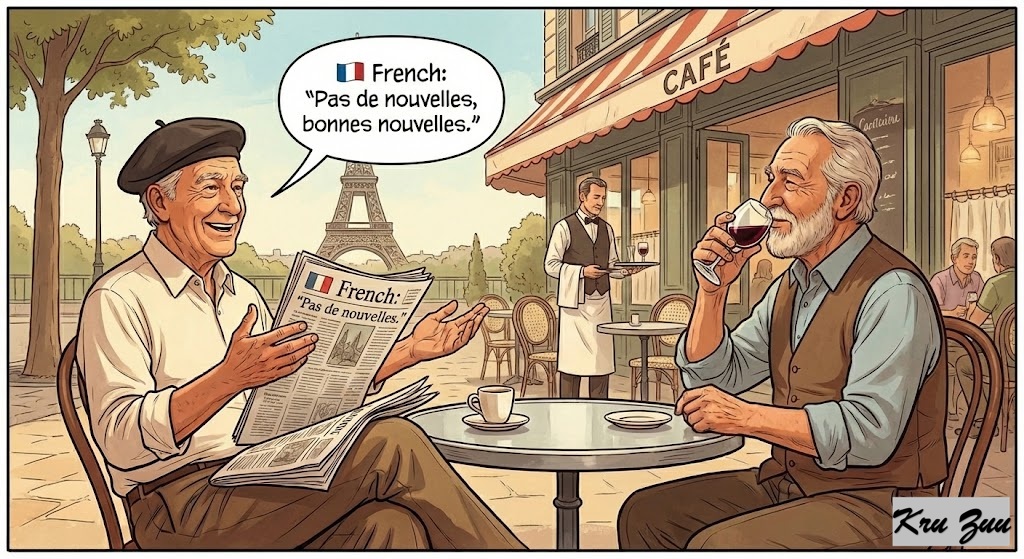
    🇫🇷 French:“Pas de nouvelles, bonnes nouvelles.”

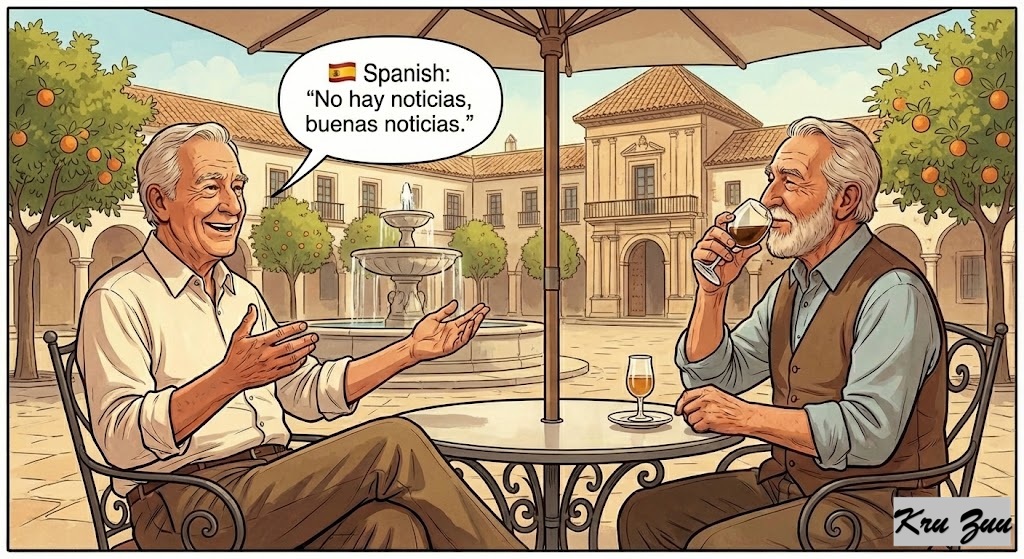
    🇪🇸 Spanish:“No hay noticias, buenas noticias.”
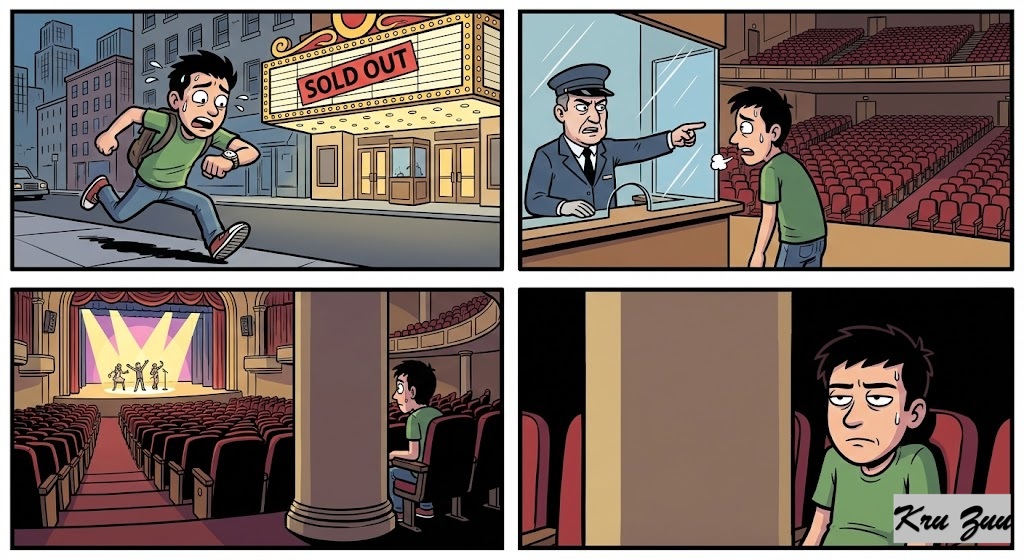
    🎭 Short Story: The Silent Mailbox 📬🐱🐔🐸


    Let’s return to the magical forest to see how our trio handles the stress of waiting.
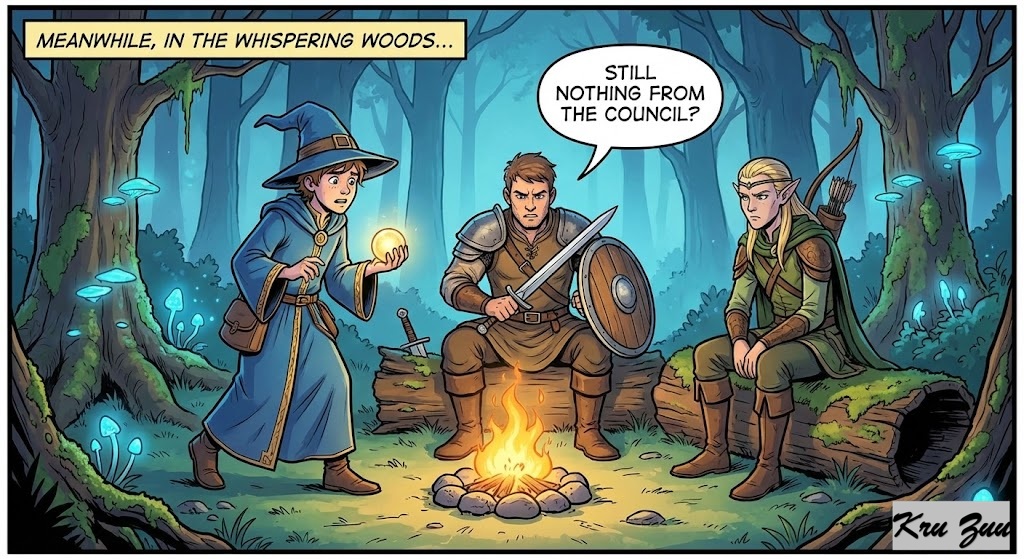

    🌟 The Cast


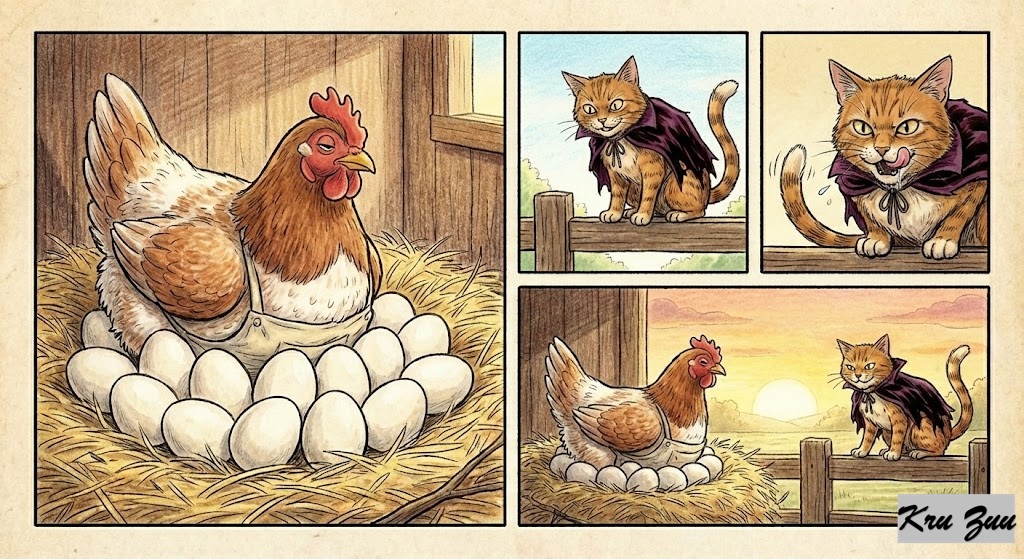
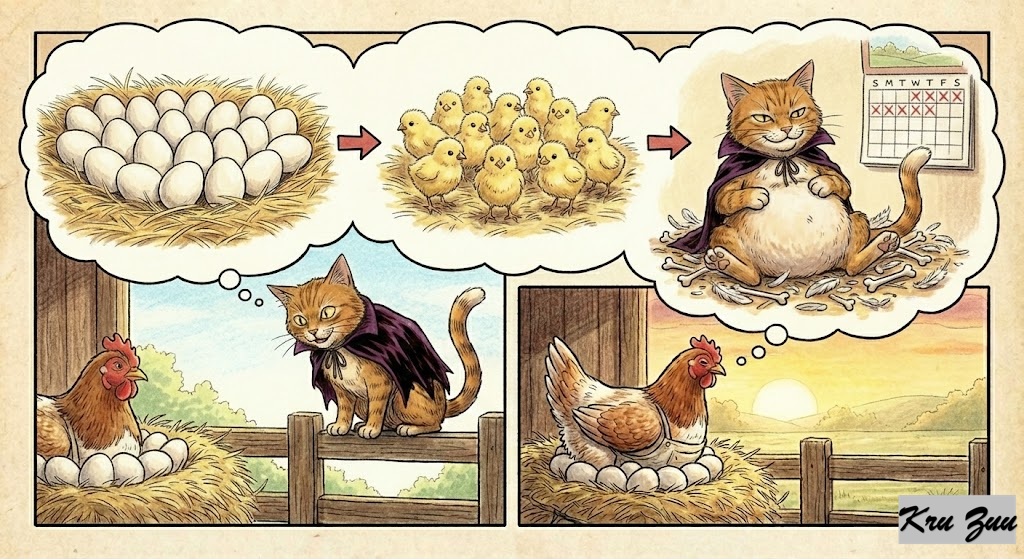
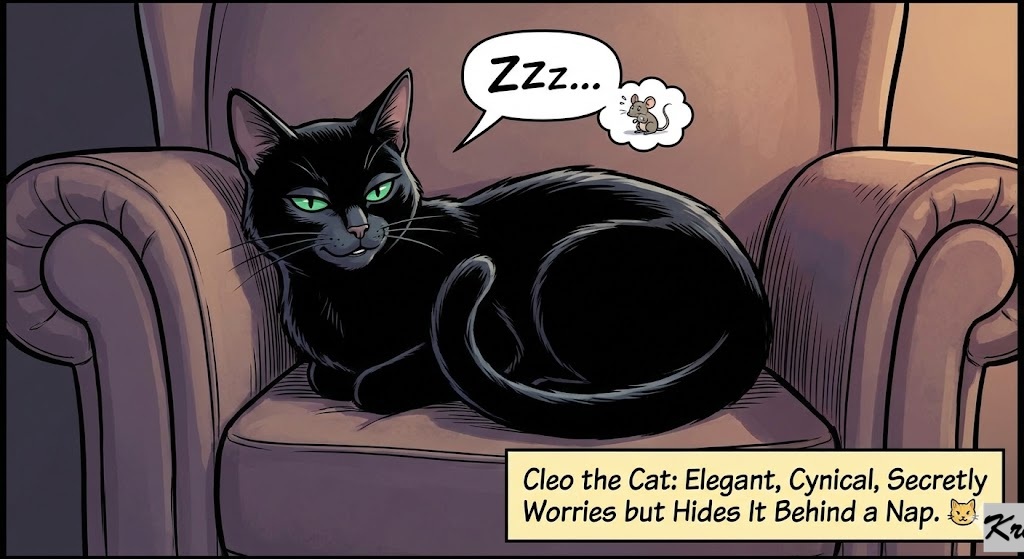
    Cleo the Cat: Elegant, cynical, secretly worries but hides it behind a nap. 😼

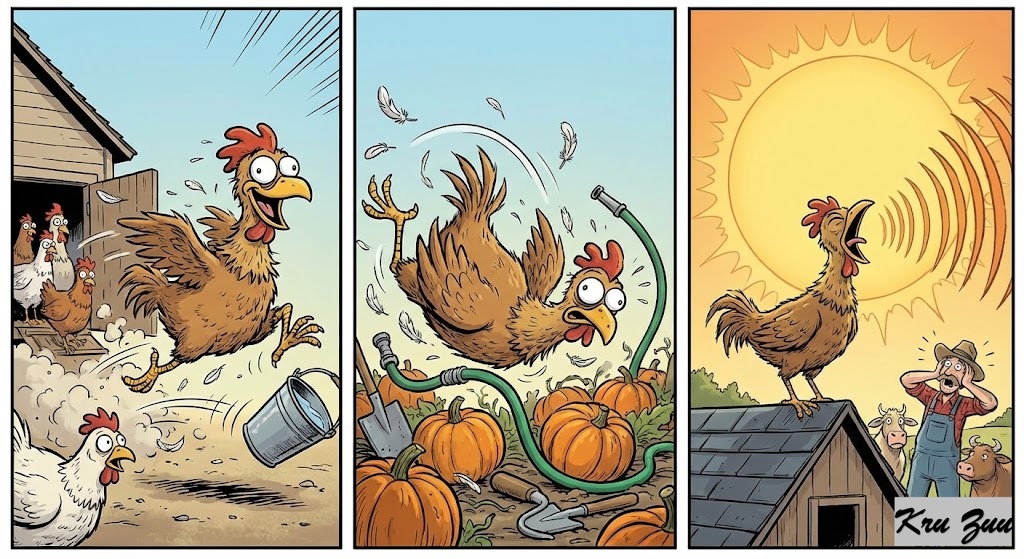
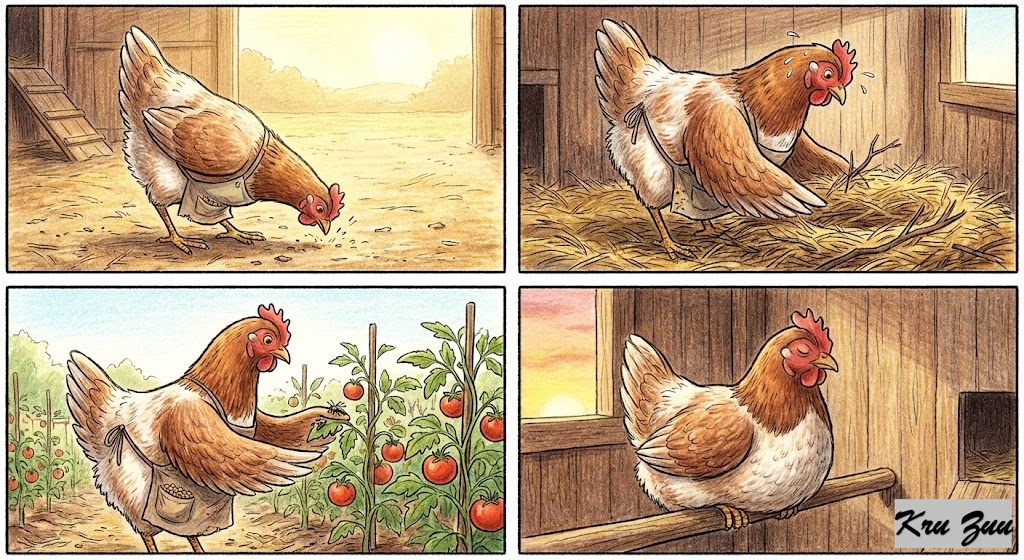
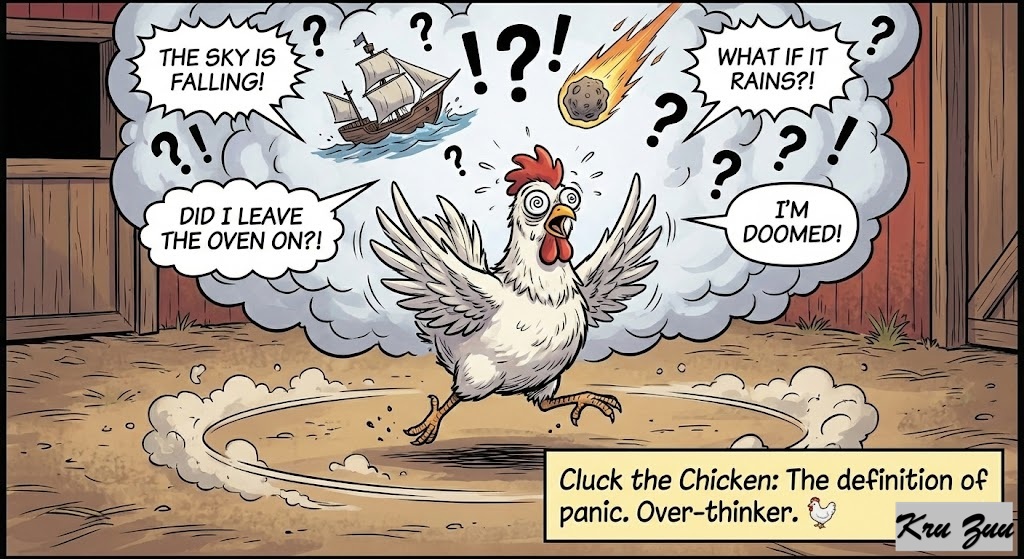
    Cluck the Chicken: The definition of panic. Over-thinker. 🐔

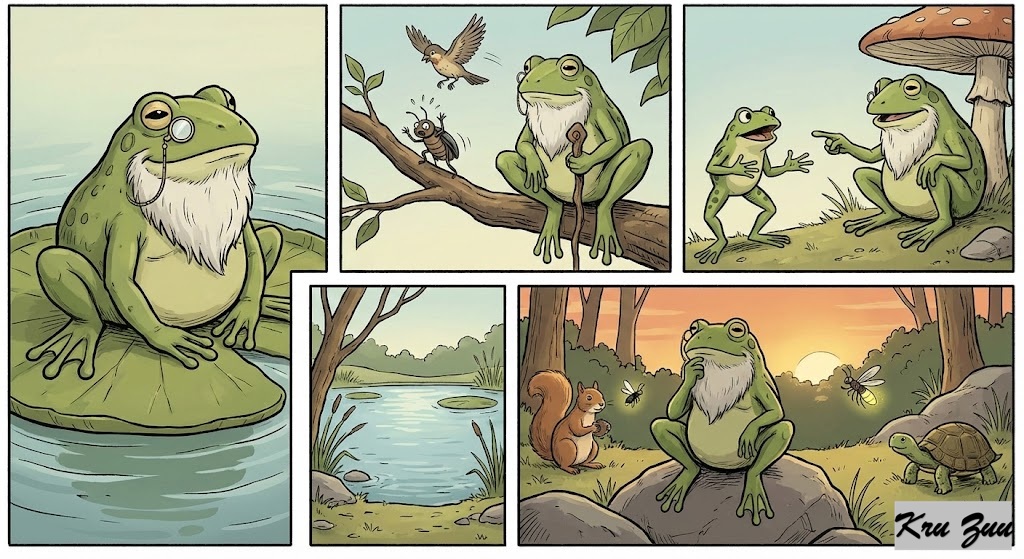
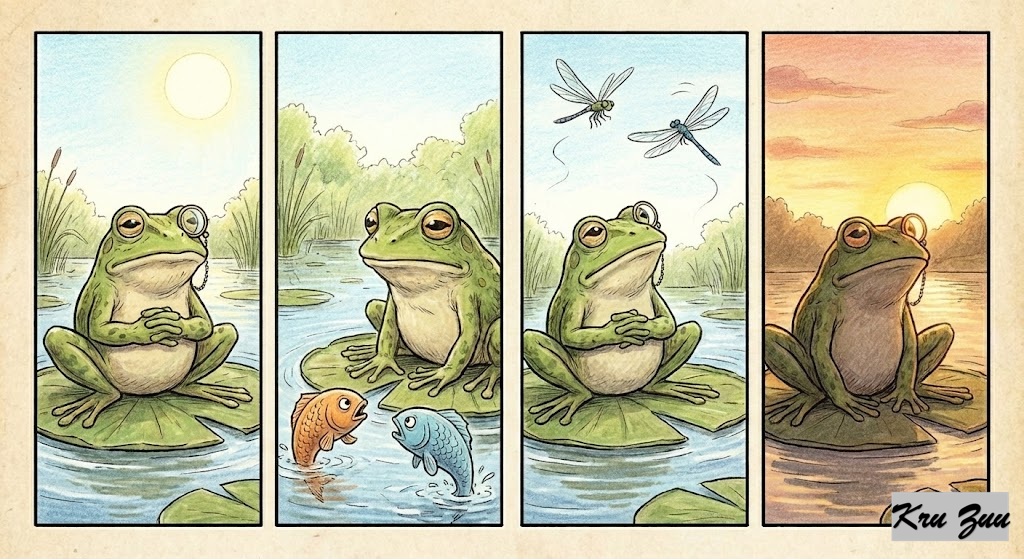
    Fred the Frog: The wise, green philosopher. 🐸
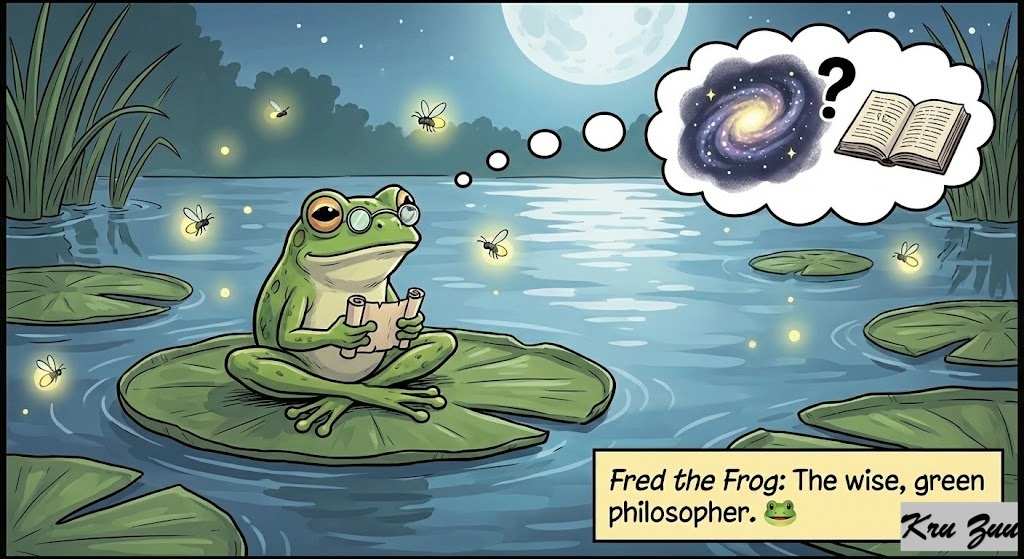

    The Situation: It is “Grand Scholarship Season.” Cluck has applied to the Royal Academy of Advanced Clucking. He sent his application one week ago. He is waiting for the acceptance letter.
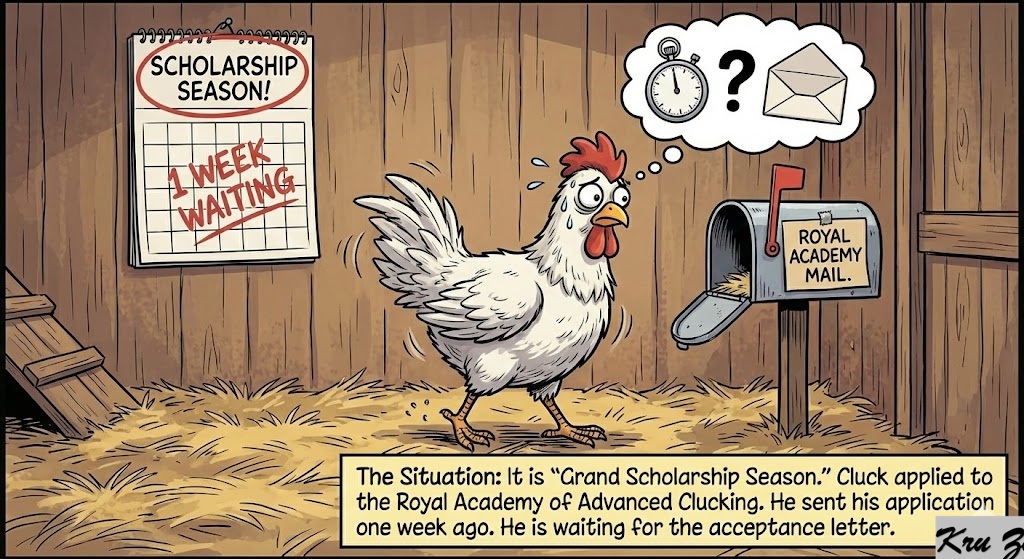

    The Conflict: Cluck is pacing back and forth in front of Fred’s mailbox. He has worn a path in the grass. “The mailman is late!” Cluck squawks. “He’s five minutes late! It means they rejected me! They probably burned my letter! Oh, the humiliation!” 😱
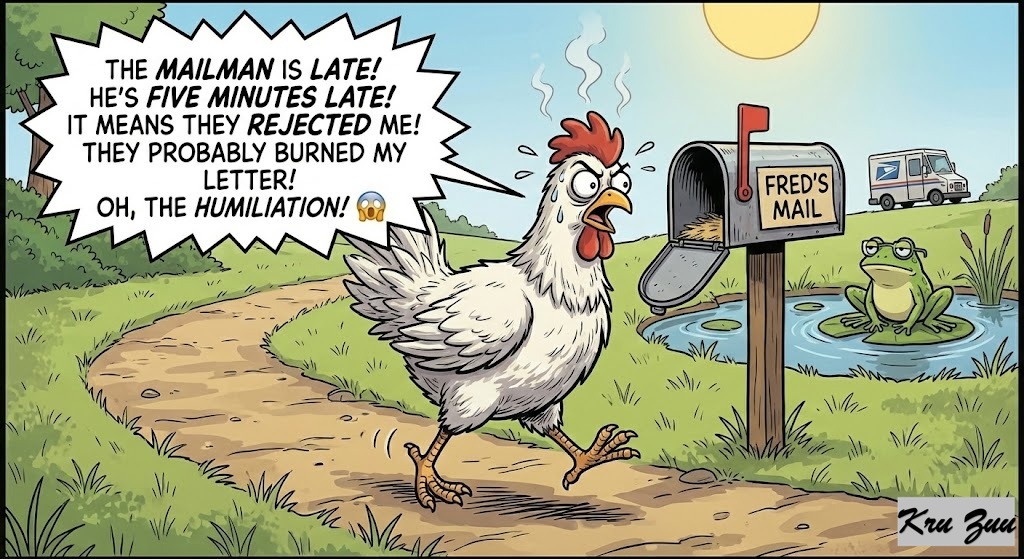

    Cleo is lying on the mailbox, grooming her tail. “Calm down, feather-brain. Maybe the mailman was eaten by a bear. That would be dramatic.” Cleo checks her claws. “I haven’t heard from my stylist either. But you don’t see me running in circles.”
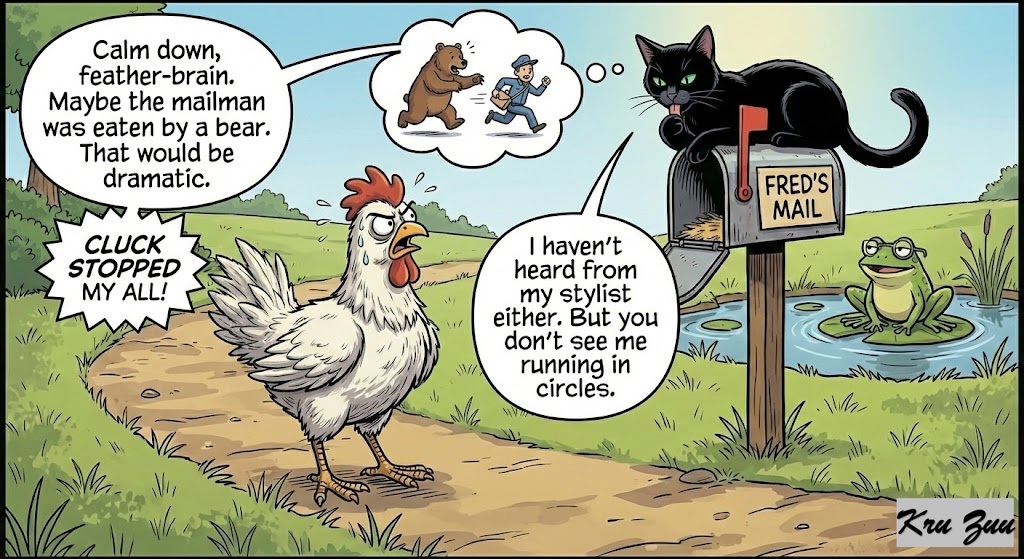

    The Reaction: Cluck hyperventilates. “If they liked me, they would have sent a pigeon! A fast pigeon! The silence is deafening! Fred, do something!”
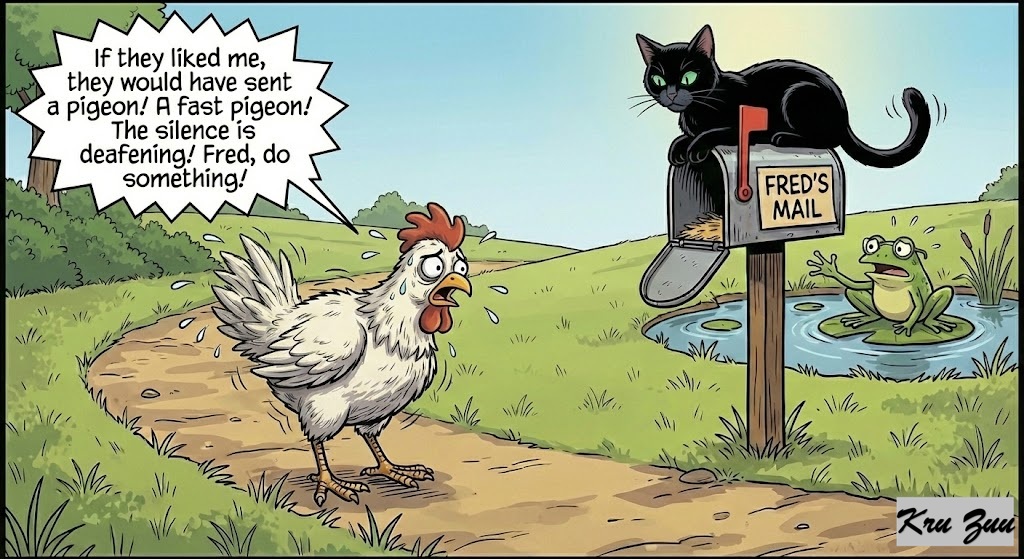

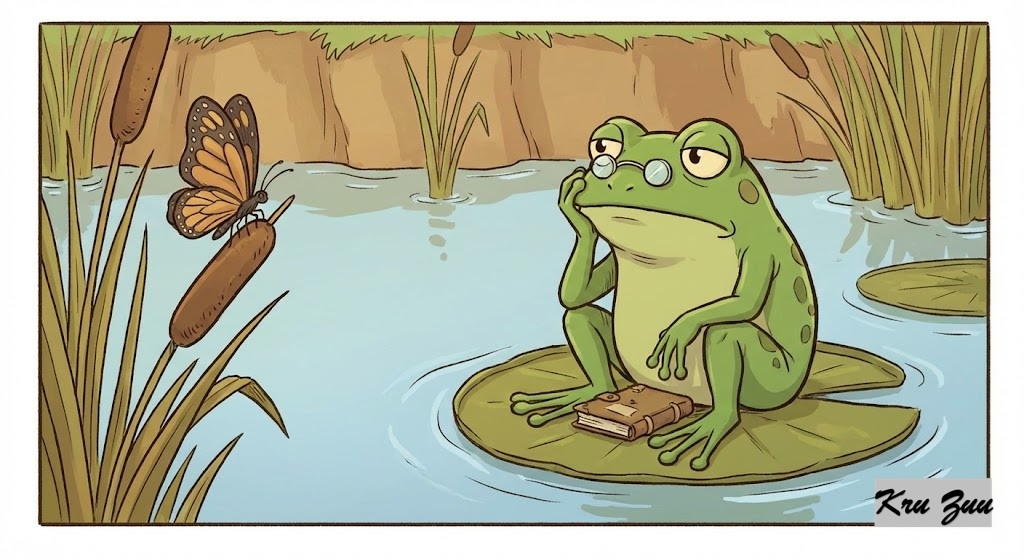
    Fred looks up from his book (The Zen of Fly Catching). He adjusts his glasses. “Cluck, sit down,” Fred croaks calmly. “Do you know how the Academy works?”
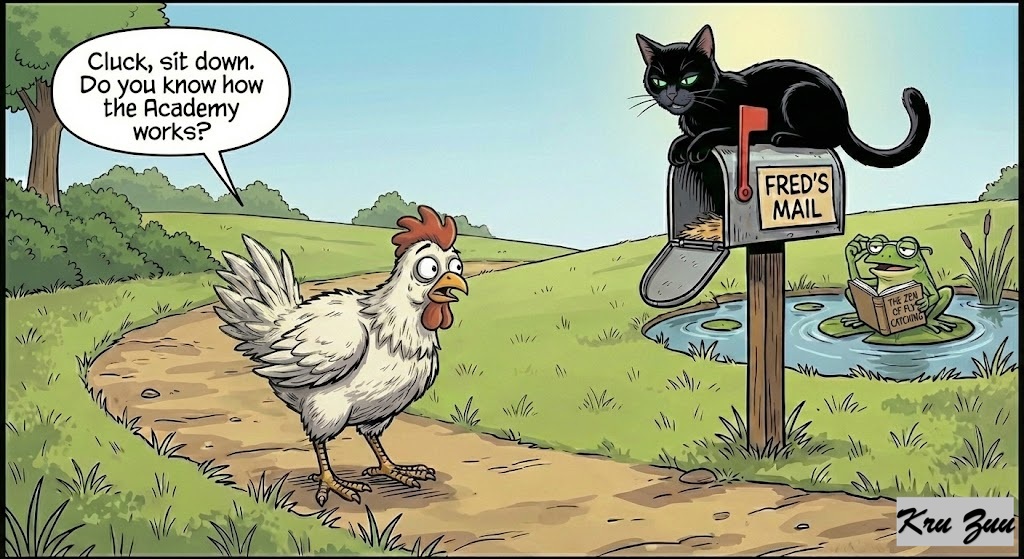

    “No! But I know silence is bad!” Cluck yells.
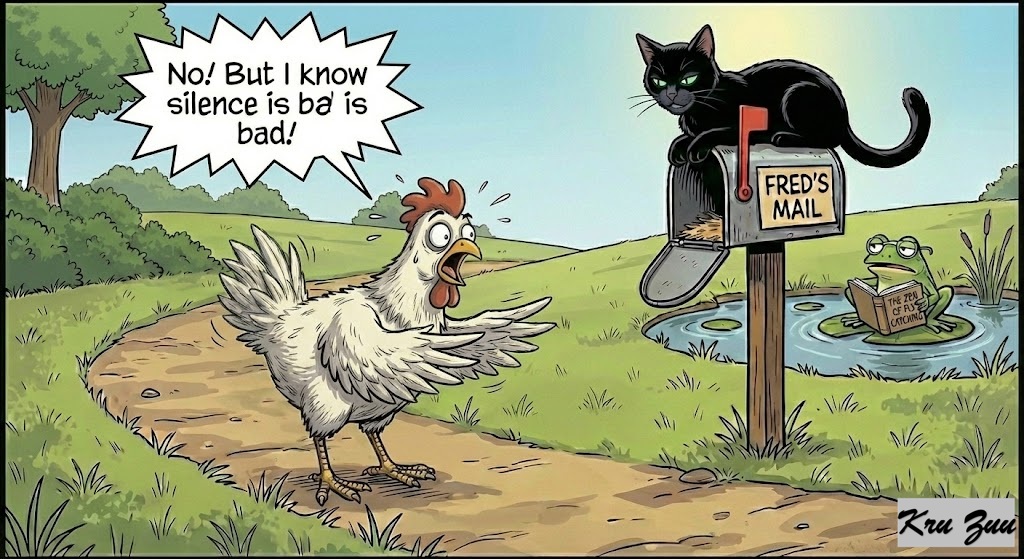

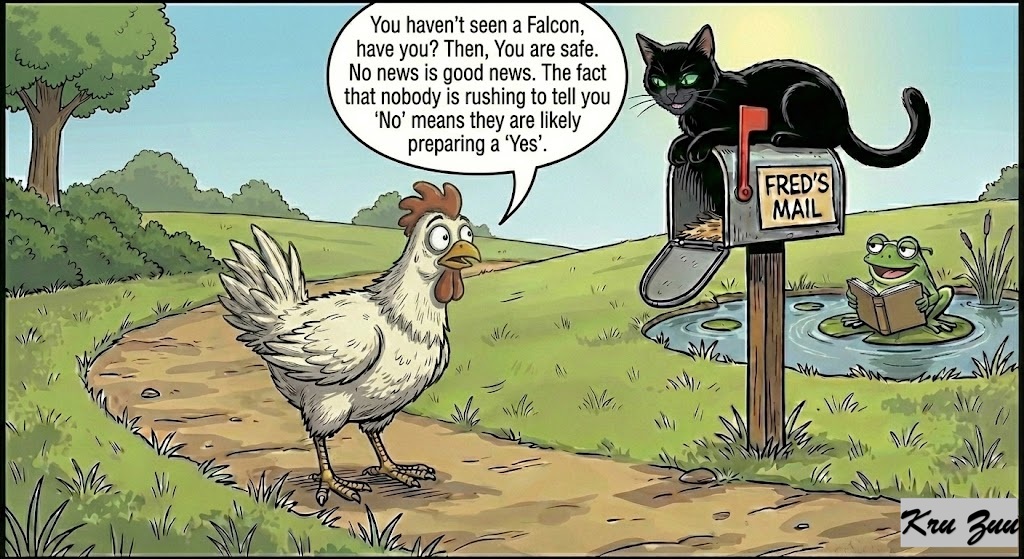
    The Lesson: Fred points a green finger at the sky. “The Academy sends rejection letters by Falcon because they want you to know immediately so you don’t wait. They send acceptance letters by Turtle Post because the spot is saved for you.”
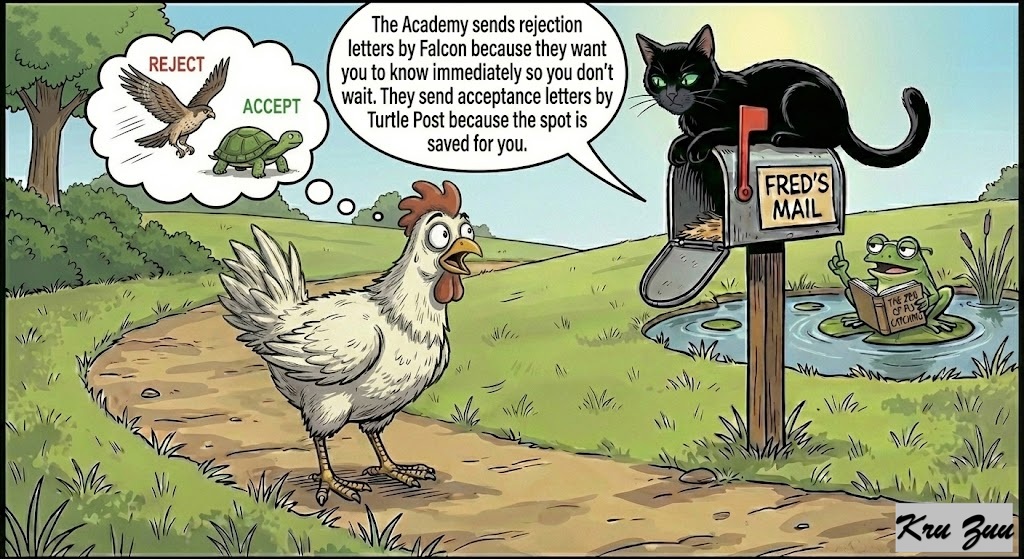

    Fred smiles. “You haven’t seen a Falcon, have you?” Cluck stops. “No.” “Then,” Fred says, “You are safe. No news is good news. The fact that nobody is rushing to tell you ‘No’ means they are likely preparing a ‘Yes’.”

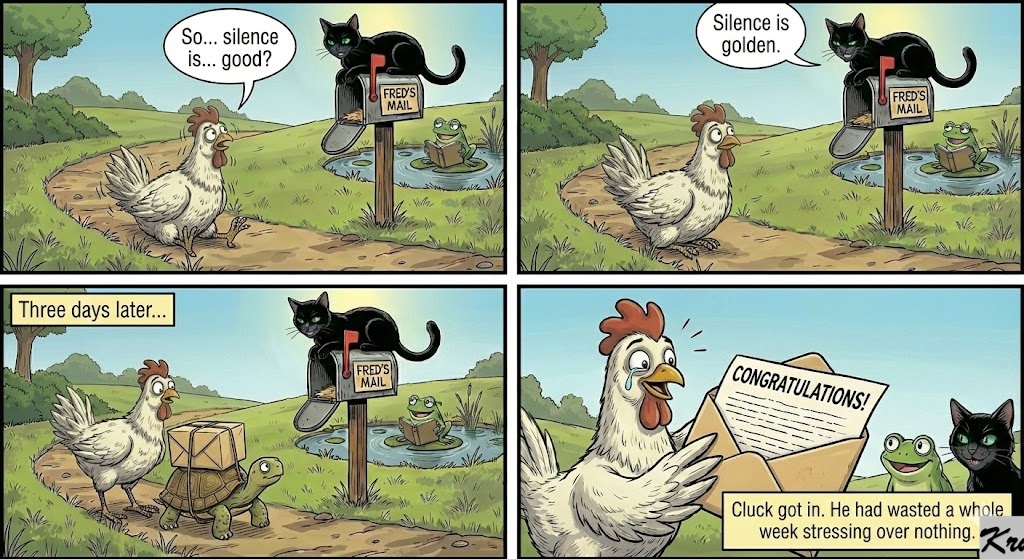
    The Resolution: Cluck sat down, trembling slightly. “So… silence is… good?” “Silence is golden,” Cleo purred. Three days later, a very slow turtle arrived with a thick envelope. Cluck got in. He had wasted a whole week stressing over nothing.

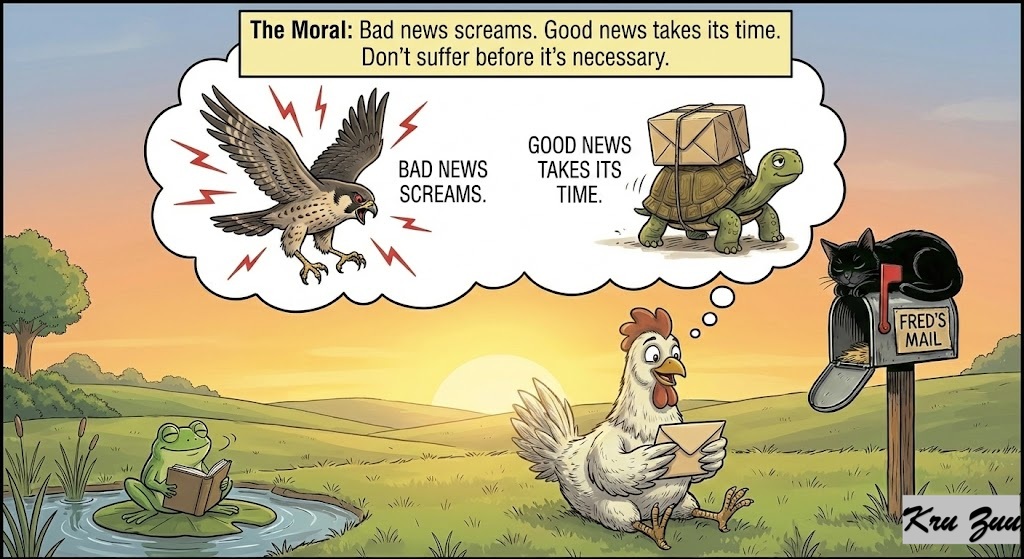
    The Moral: Bad news screams. Good news takes its time. Don’t suffer before it’s necessary.
    🎓 Lesson for English Learners


    Context:
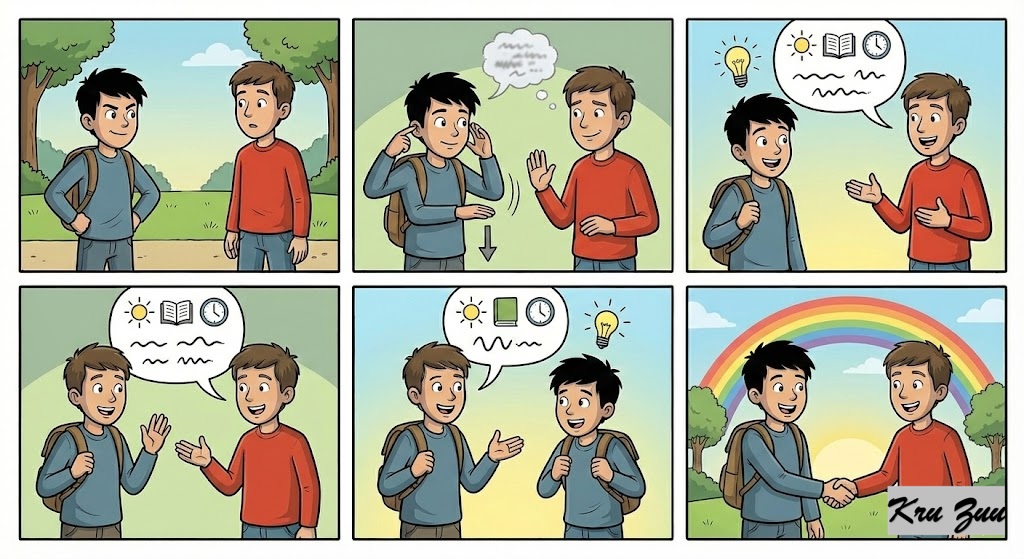
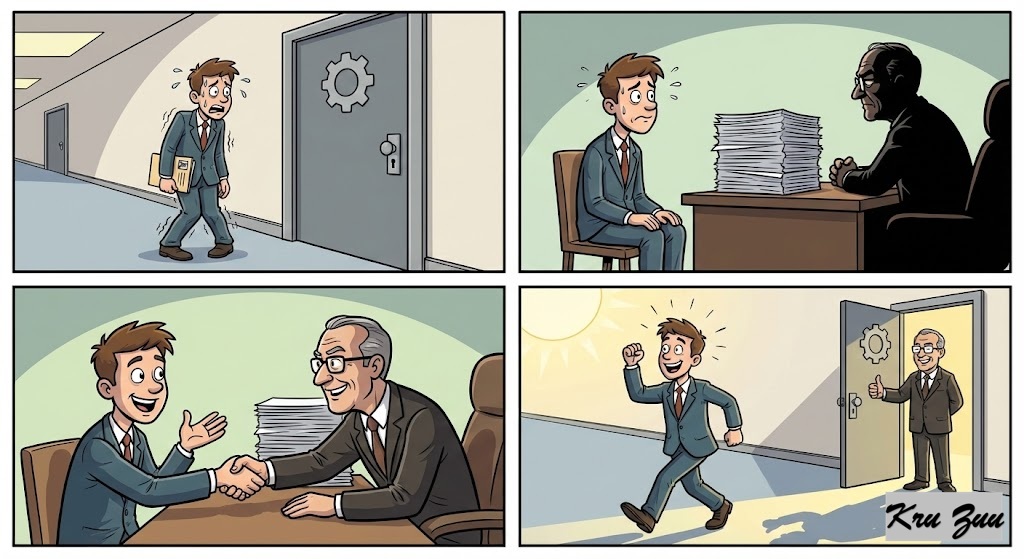
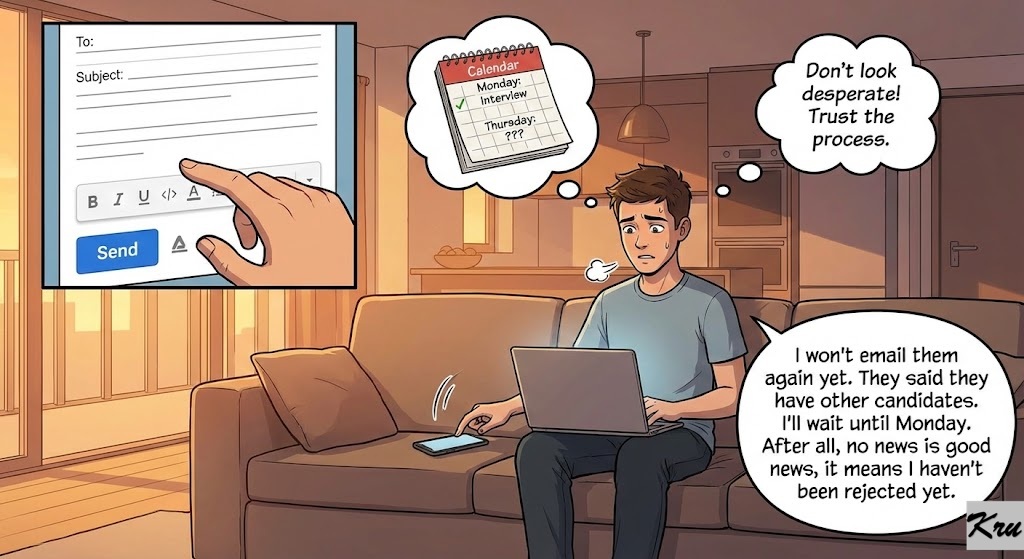
    Waiting for a Job Interview Reply. Situation: You interviewed on Monday. It is Thursday. You want to email them again. The Shift: Don’t look desperate. Trust the process. You Say (To yourself or a friend): “I won’t email them again yet. They said they have other candidates. I’ll wait until Monday. After all, no news is good news, it means I haven’t been rejected yet.”

    💬 Your Turn: The “Notification Fast” 🚀


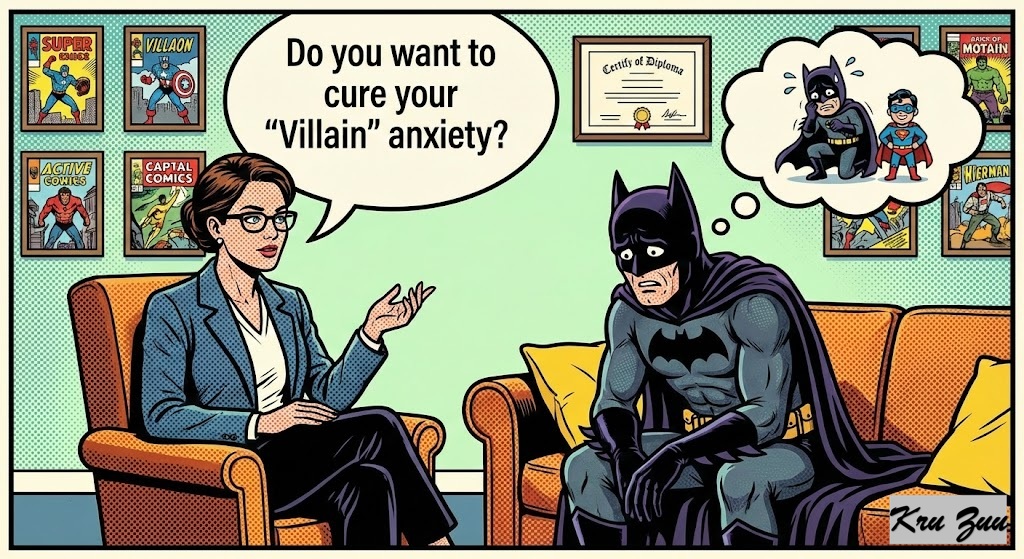
    Do you want to cure your “Villain” anxiety?

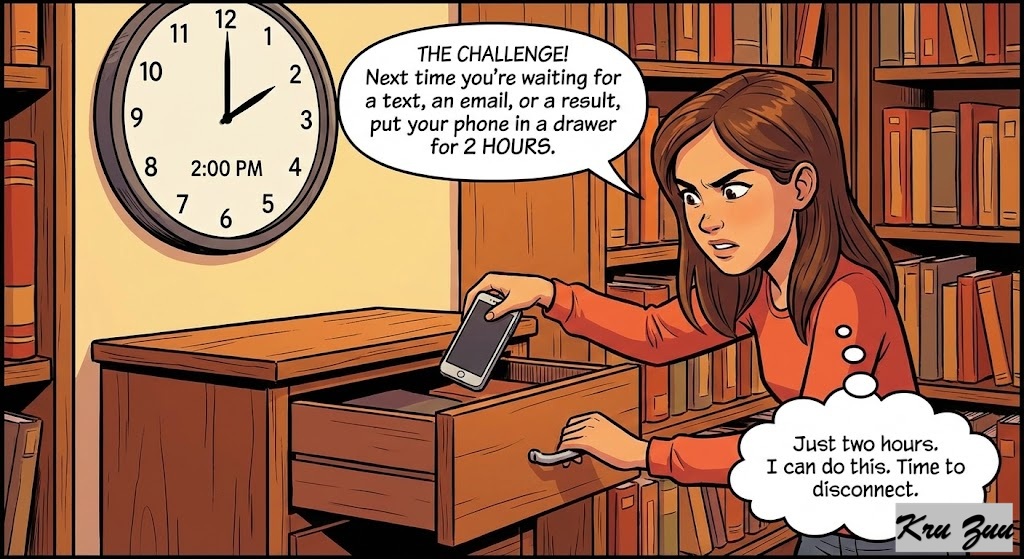
    The Challenge: Next time you are waiting for a text, an email, or a result, put your phone in a drawer for 2 hours.

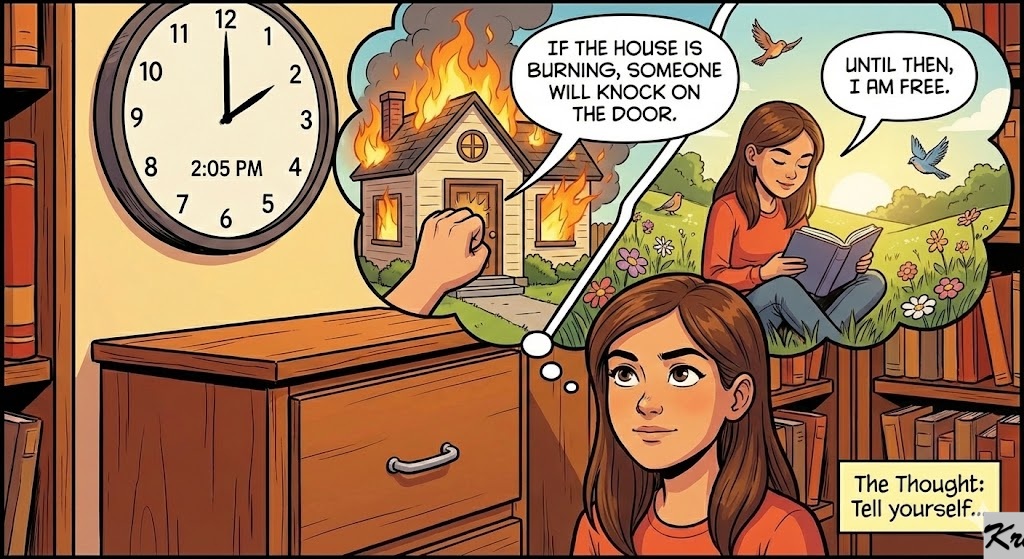
    The Thought: Tell yourself: “If the house is burning, someone will knock on the door. Until then, I am free.”

    👇 Question for the comments: When was the last time you worried about something that never actually happened? Did the “Villain” steal your joy? Tell us your story below!

    By Zubeyir YURTKURAN

    https://www.facebook.com/BrainBattleground/

    https://www.facebook.com/zubeyr.yurtkuran/

    https://www.instagram.com/zubeyryurtkuran/

    https://www.youtube.com/@BrainBattleground-b3p

    https://www.instagram.com/brainbattleground/

  • 🌳 The Daily Shield: The Law of Hard-Earned Value

    🌳 The Daily Shield: The Law of Hard-Earned Value

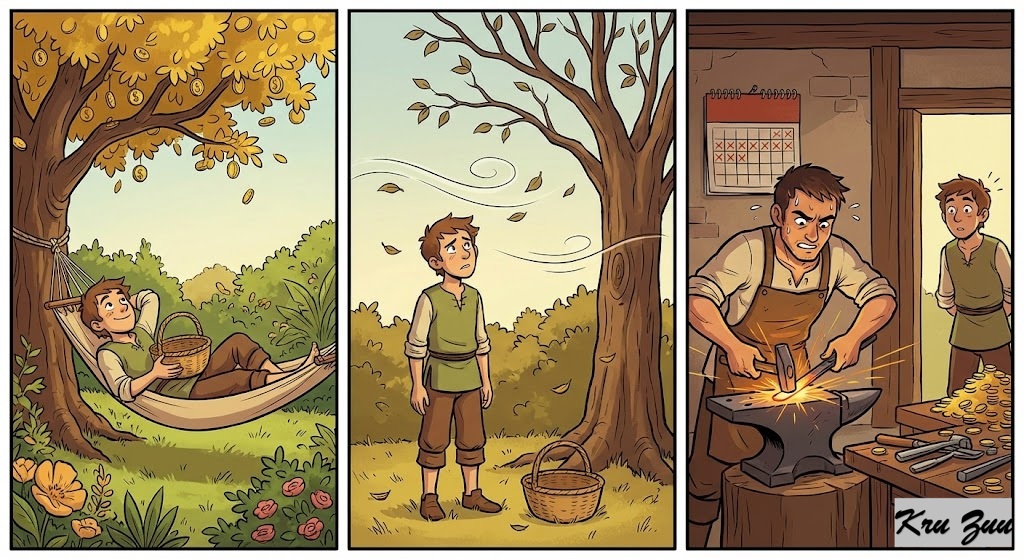
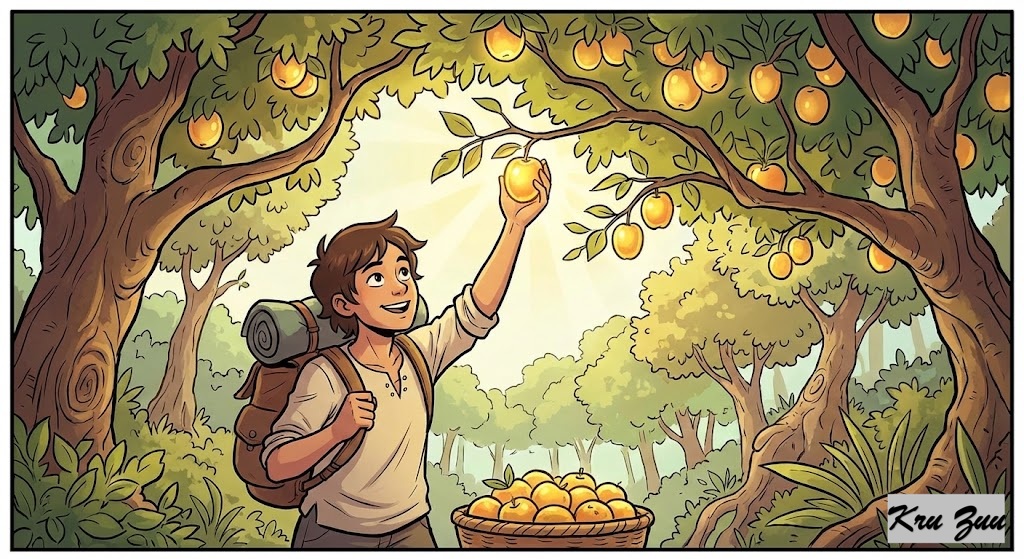
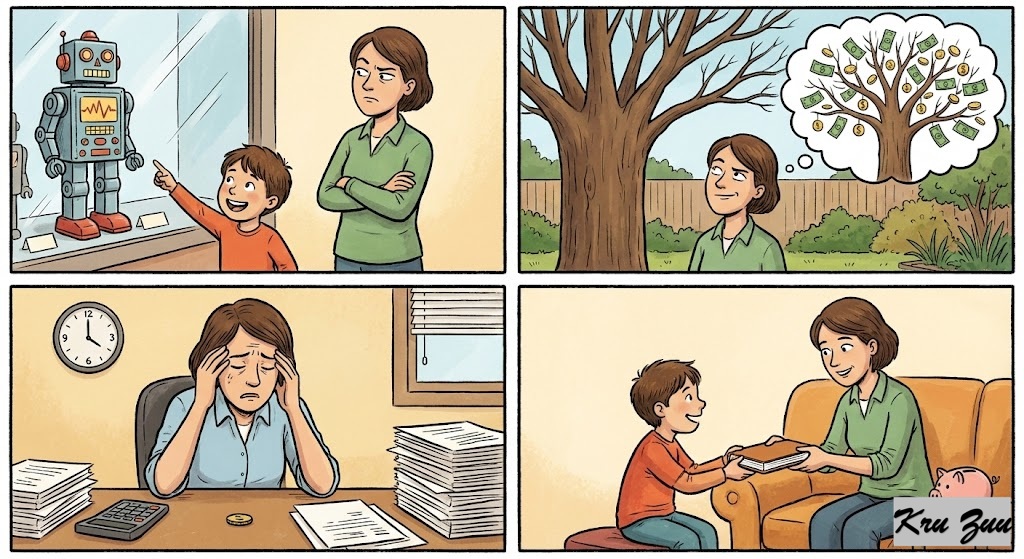
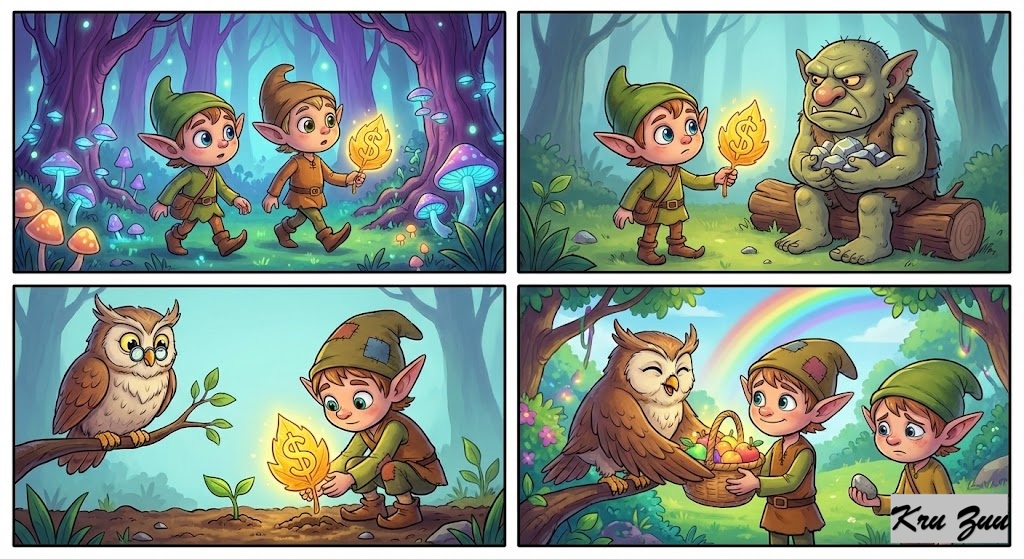
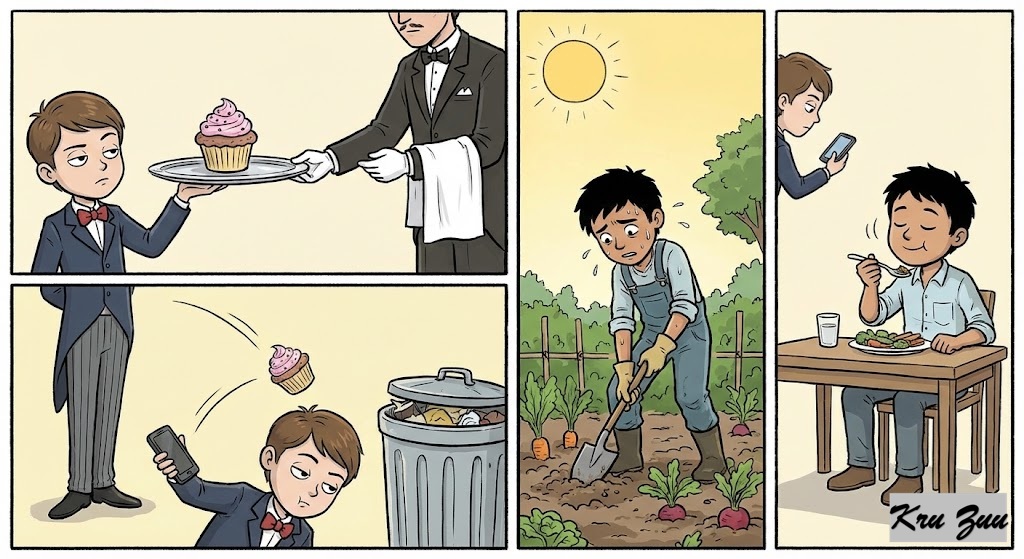
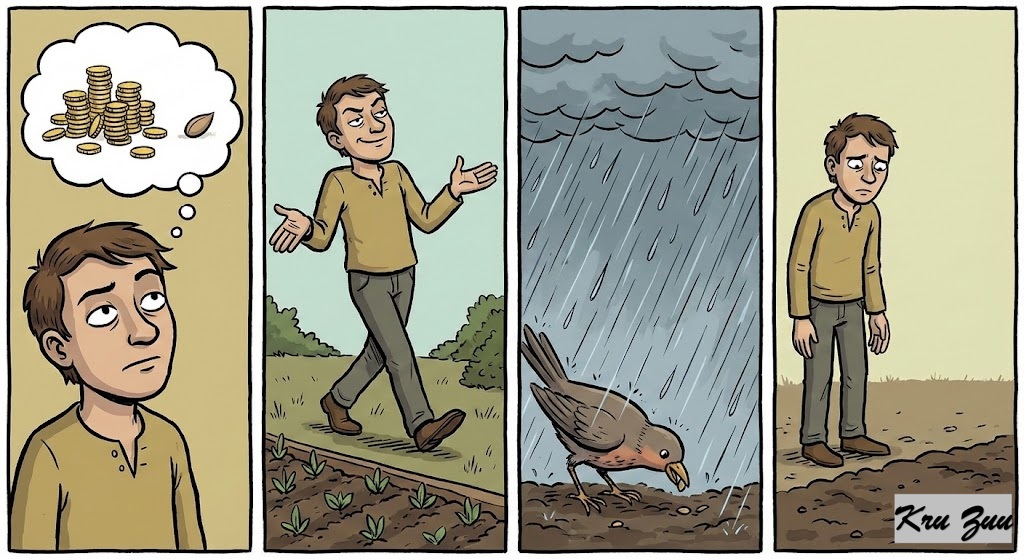
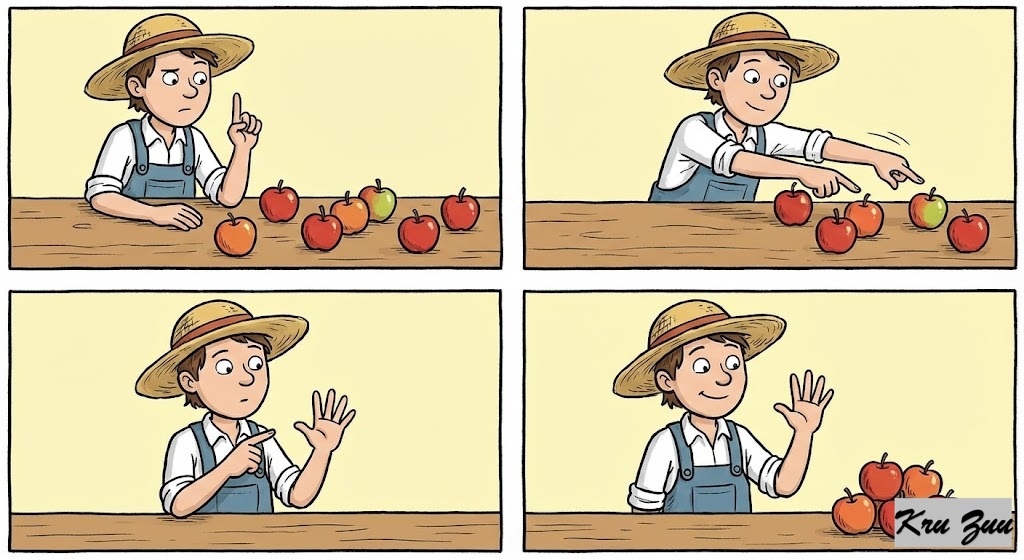
    “Money doesn’t grow on trees.”


    😈 The Villain (The Impulse Spender)

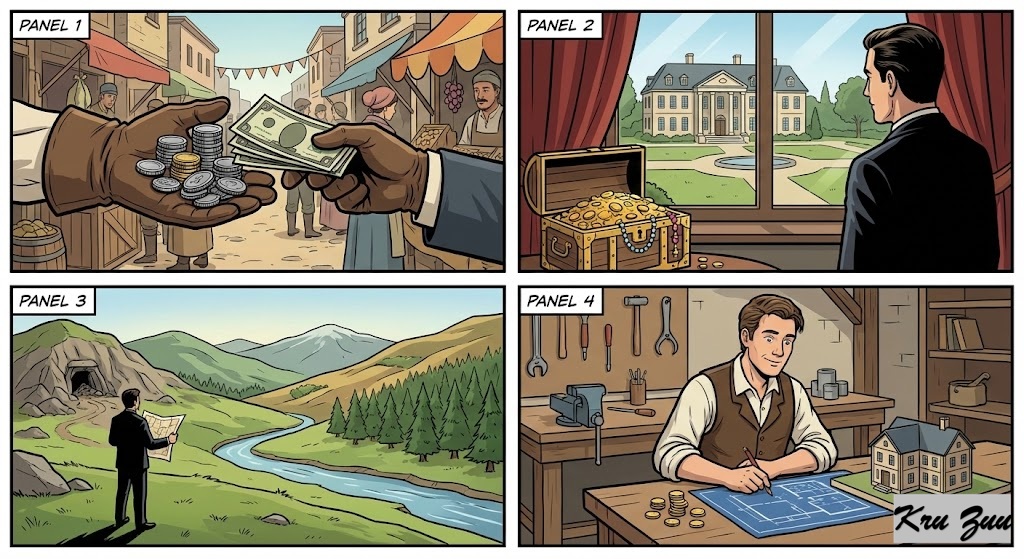
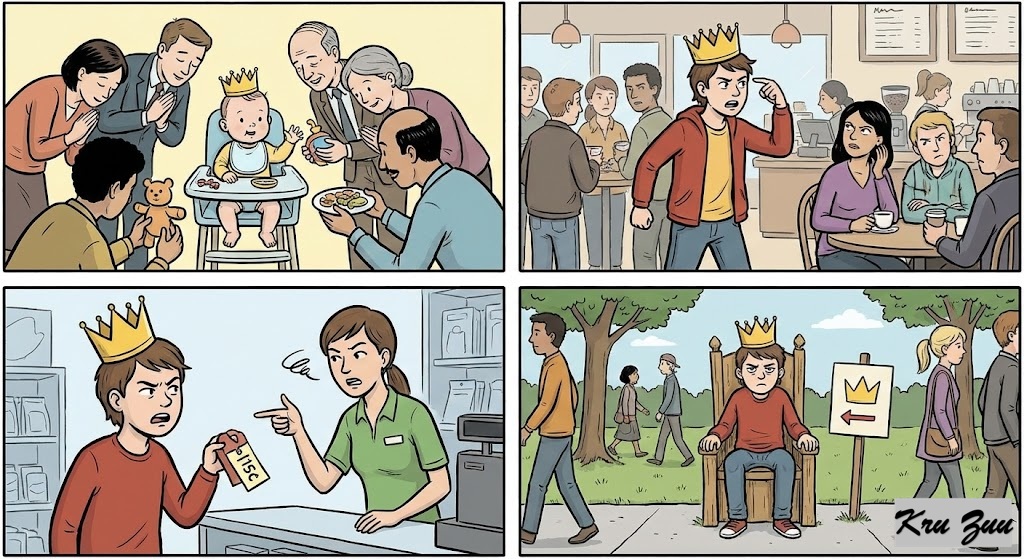
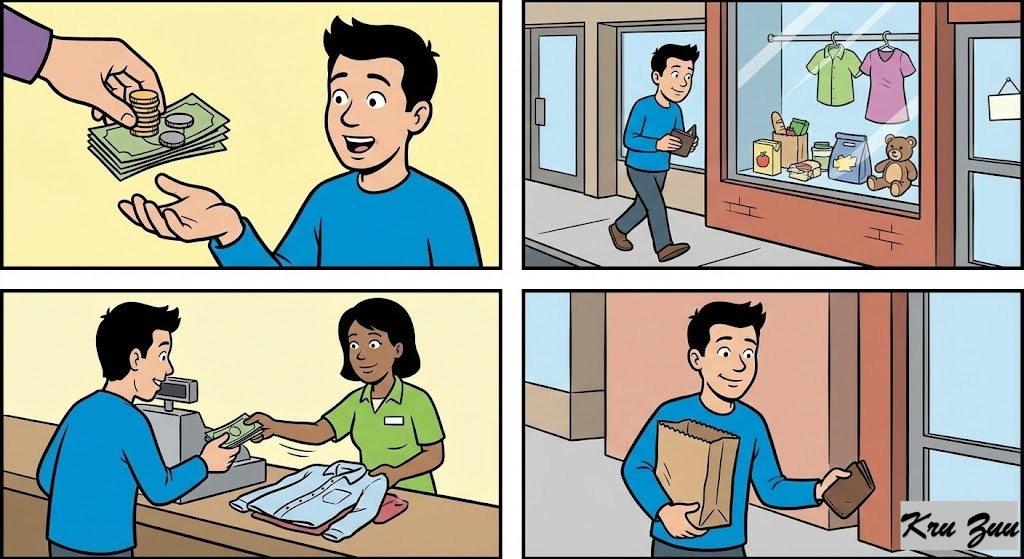
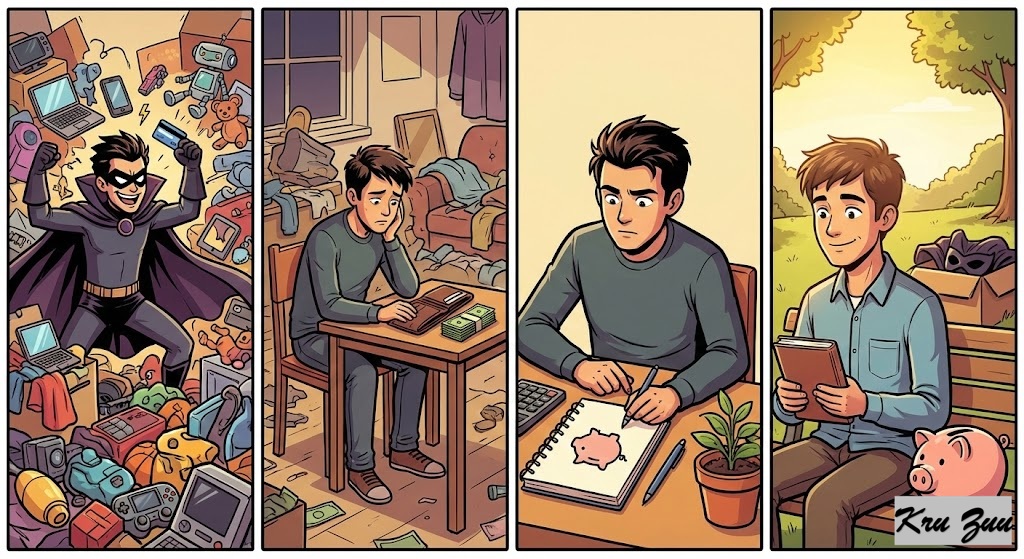
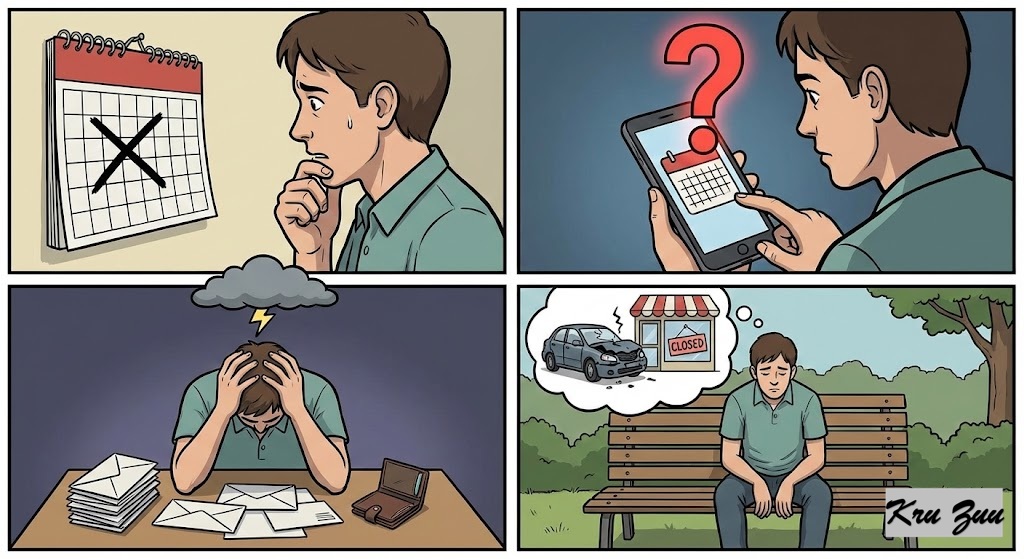
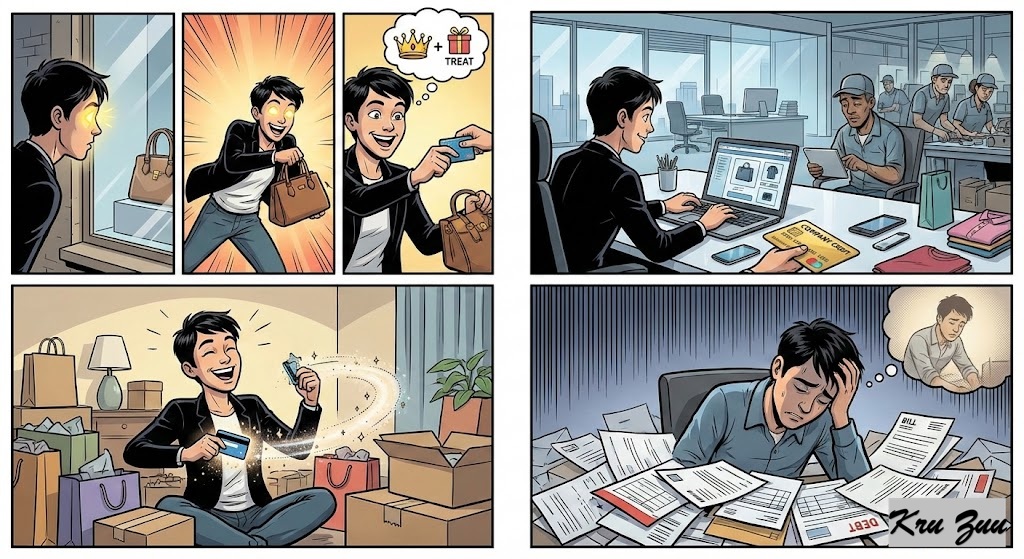
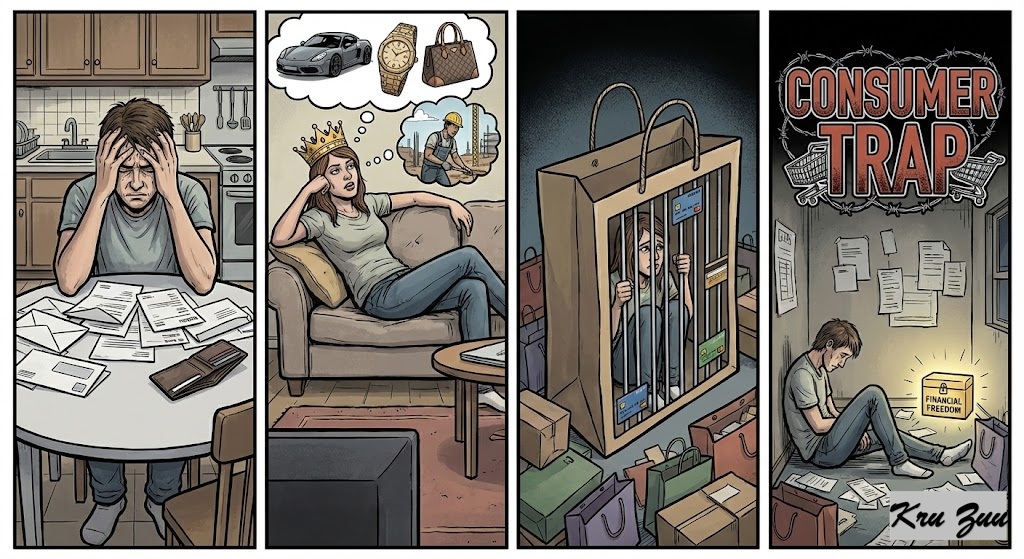
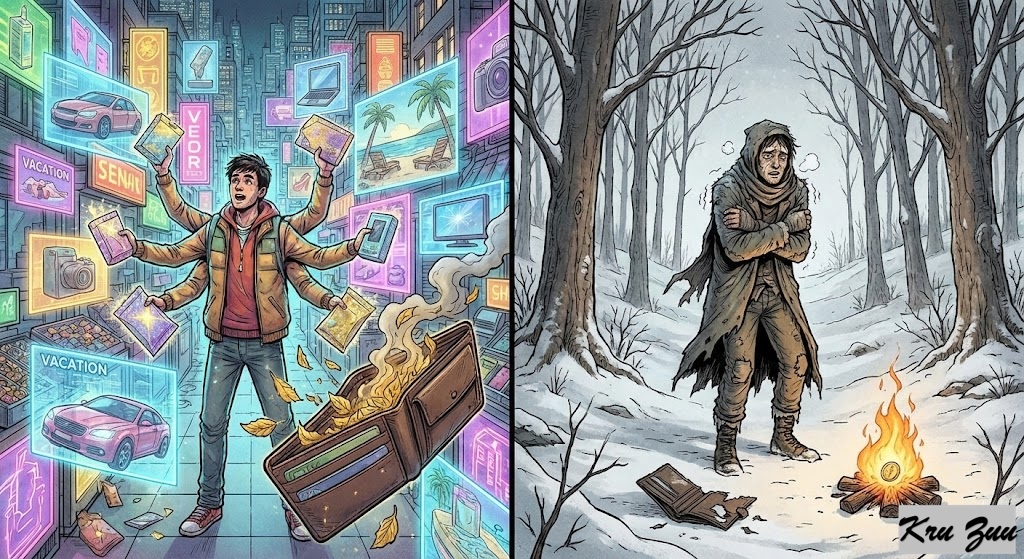
    You see it. You want it. You buy it. 💸 “I deserve this treat!””I’ll just put it on the credit card.””The company has plenty of budget, why do they care?” You act as if resources are infinite magic dust. You disconnect the price of an item from the effort it took to earn it.

    The Result? You are always broke. You stress about bills at the end of the month. You feel entitled to things you haven’t earned. You are trapped in the “Consumer Trap.” 🛍️


    😇 The Hero (The Value Builder)

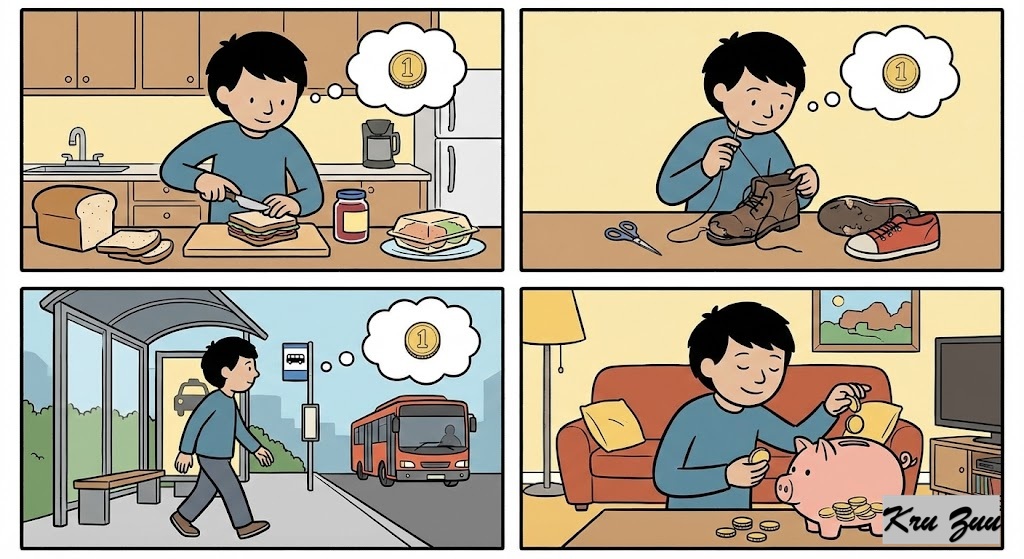
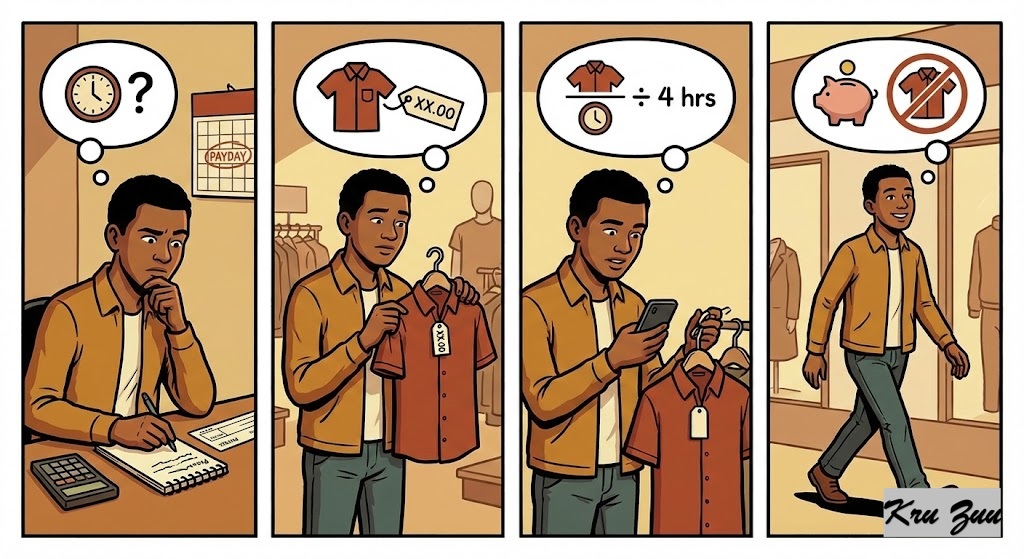
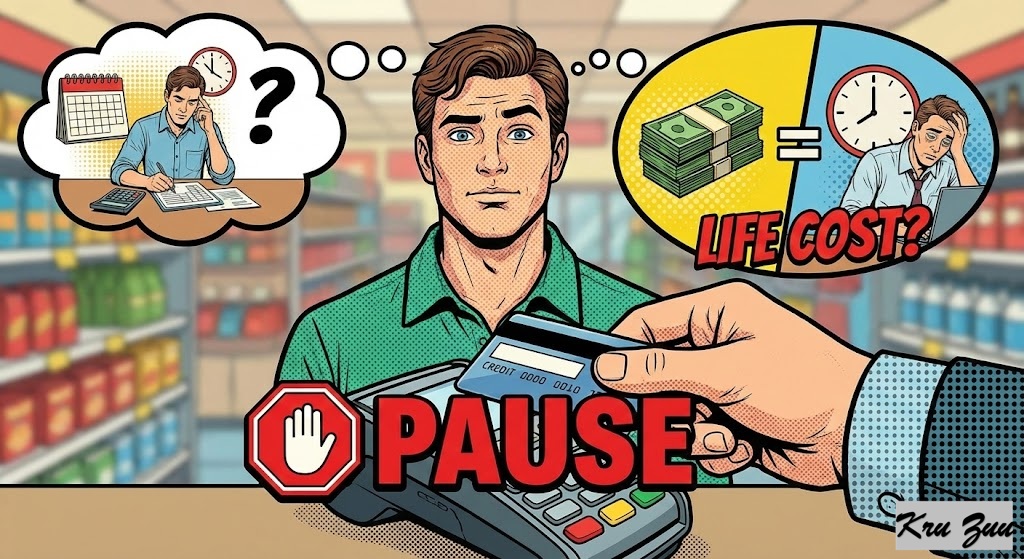
    You see something you want. You pause. 🛑 Instead of swiping your card blindly, you calculate the “Life Cost.”

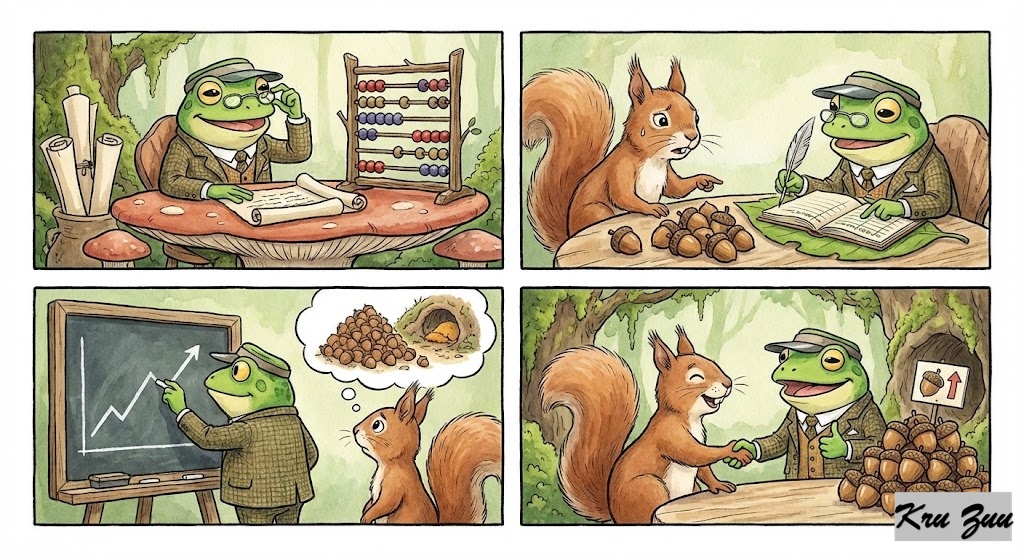
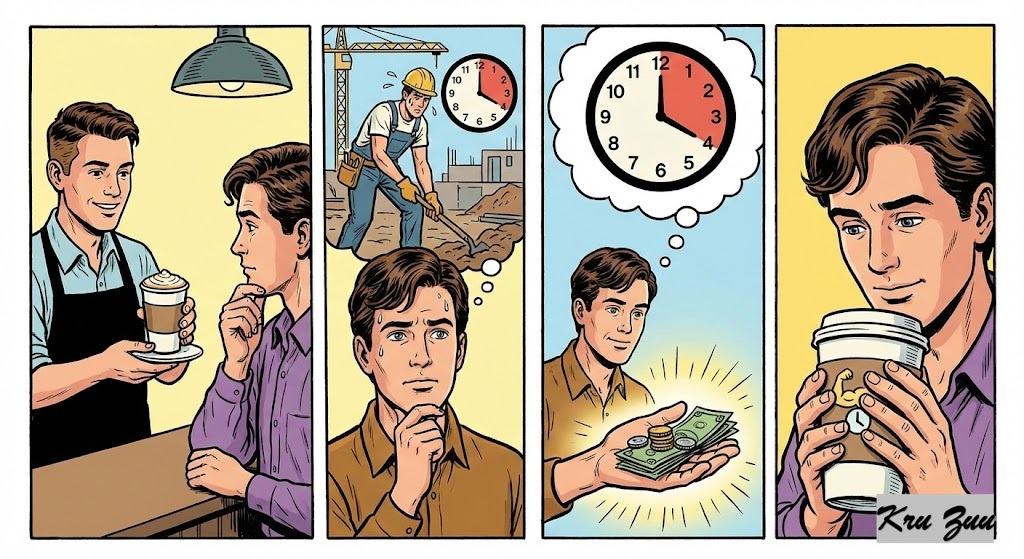
    You think: “This fancy coffee costs $5. That is 20 minutes of my hard work.” You respect the energy behind the money.

    You say: “I value my effort too much to waste it.”

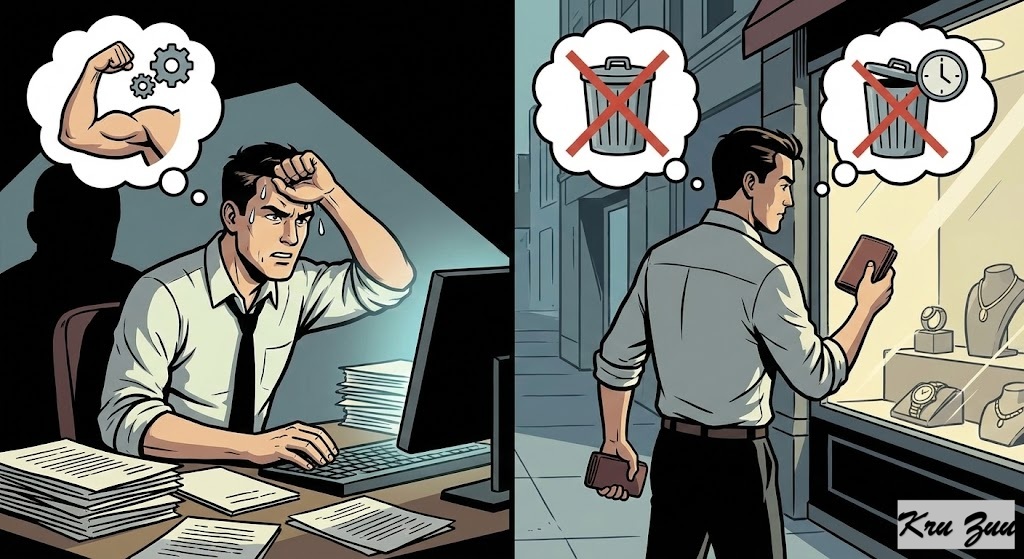
    The Result? You build wealth. You have savings for emergencies. You appreciate what you have, and when you do spend, you enjoy it strictly without guilt. You build freedom, not debt. 🏰


    ⚖️ The Reality


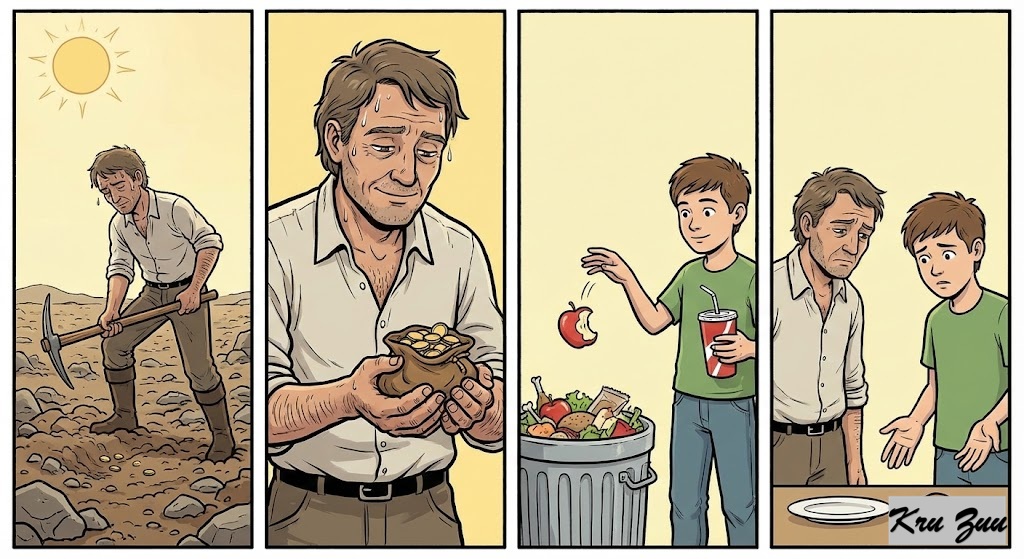
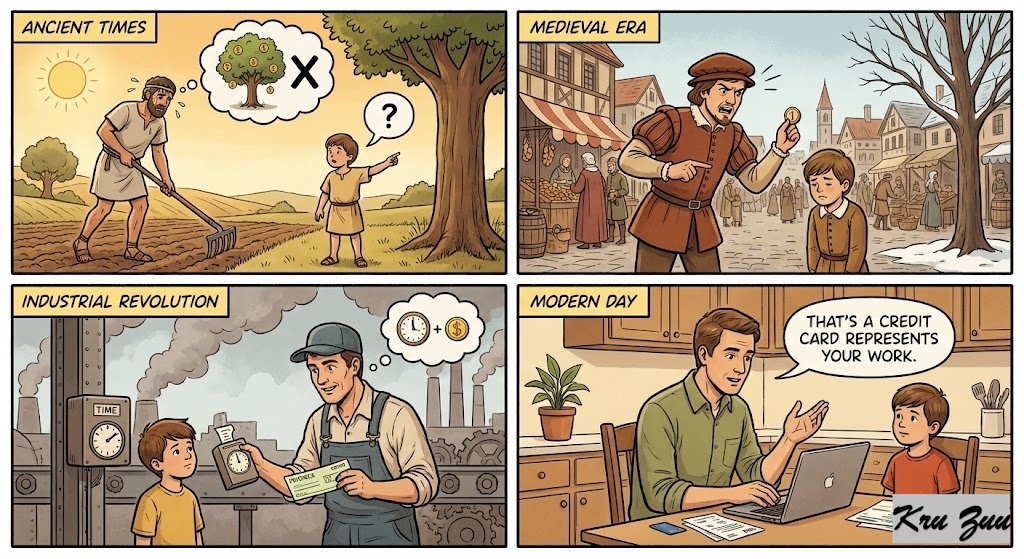
    Finite resources vs. Infinite desires. We live in a world where marketing tells us we can have everything now. But the laws of physics and economics are stubborn. Wealth is stored energy. It represents hours of work, stress, and problem-solving. If you treat money like leaves on a tree (infinite and free), you will soon find yourself standing in a barren winter forest with nothing to keep you warm.


    💎 The Secret

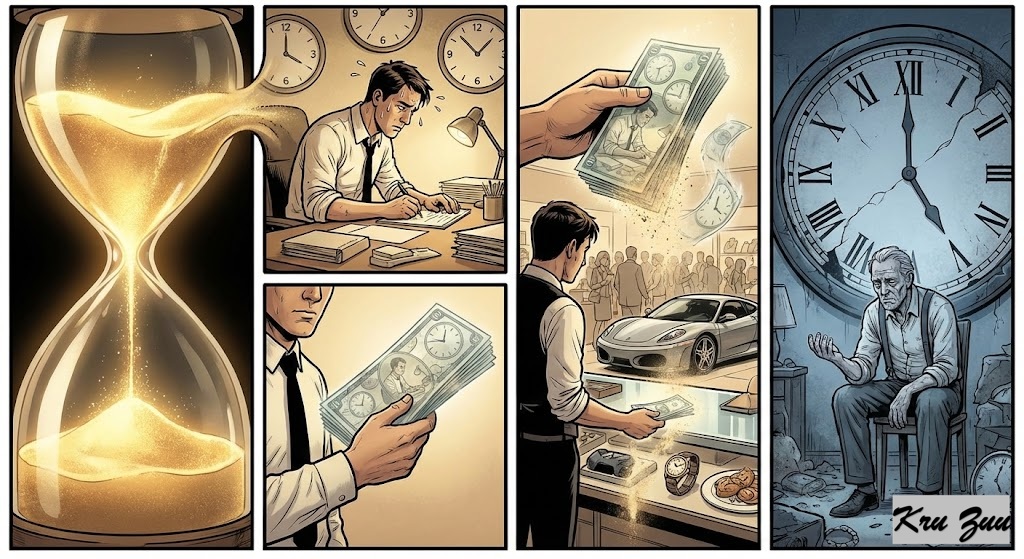
    You don’t just spend money; you spend the time it took you to earn that money. Spend your life wisely.

    🧐 The Anatomy of the Proverb


    This is your reality check that resources are limited and require labor to obtain.


    Money (Noun): Currency, wealth, resources.


    Doesn’t Grow (Negative Verb Phrase): Is not naturally produced without effort.


    On Trees (Prepositional Phrase): Freely available; easy to pick like an apple.


    Simpler Version: Money is hard to earn. / Don’t be wasteful.


    📚 Vocabulary Vault


    Frugal (Adjective): Sparing or economical with regard to money or food. (Smart with money).


    Entitlement (Noun): The belief that one is inherently deserving of privileges or special treatment. 👑


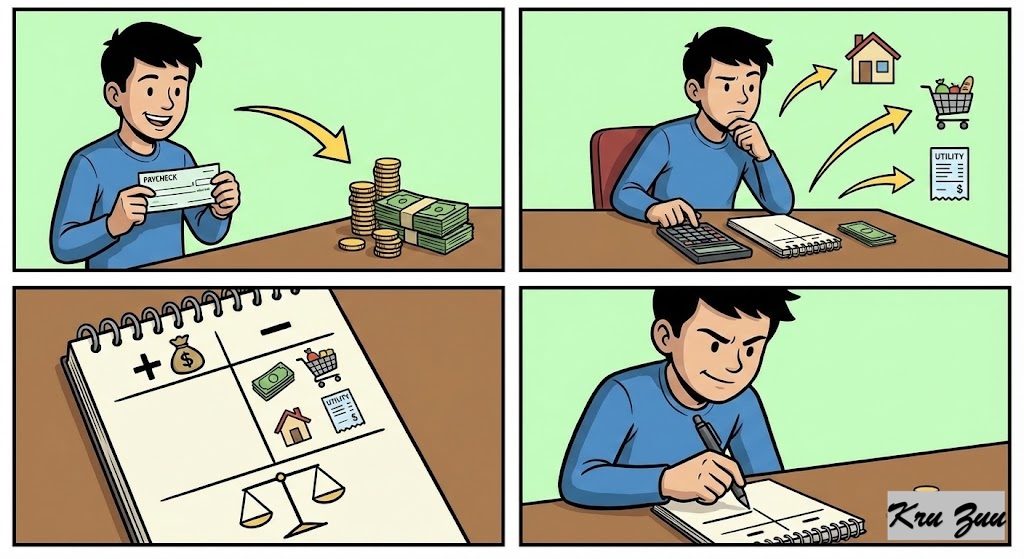
    Budget (Noun/Verb): An estimate of income and expenditure for a set period of time.


    Expenditure (Noun): The action of spending funds.


    Finite (Adjective): Having limits or bounds. (Opposite of infinite).


    🧠 Grammar Focus: Idioms as Parenting/Bossing Tools


    We often use this idiom when someone asks for something expensive or unnecessary.


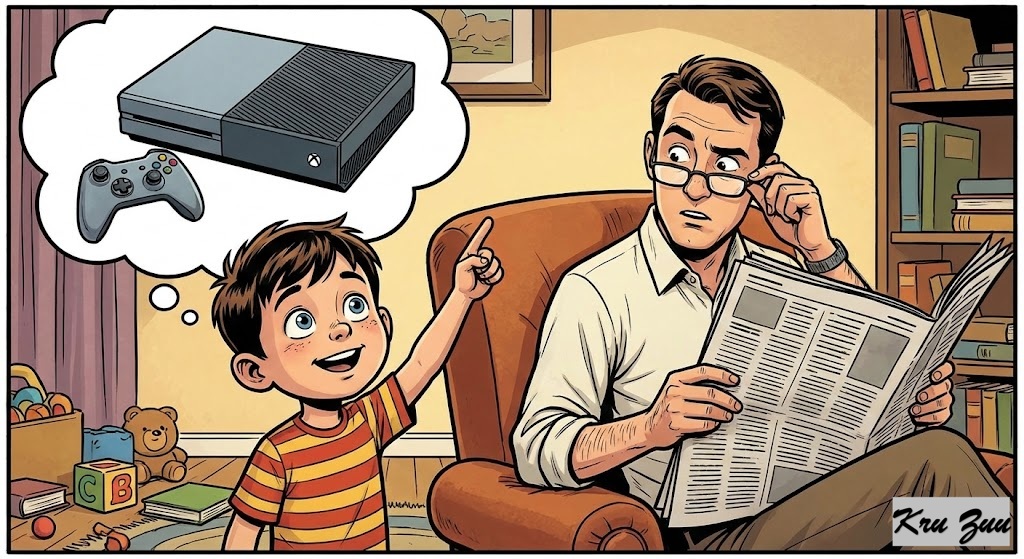
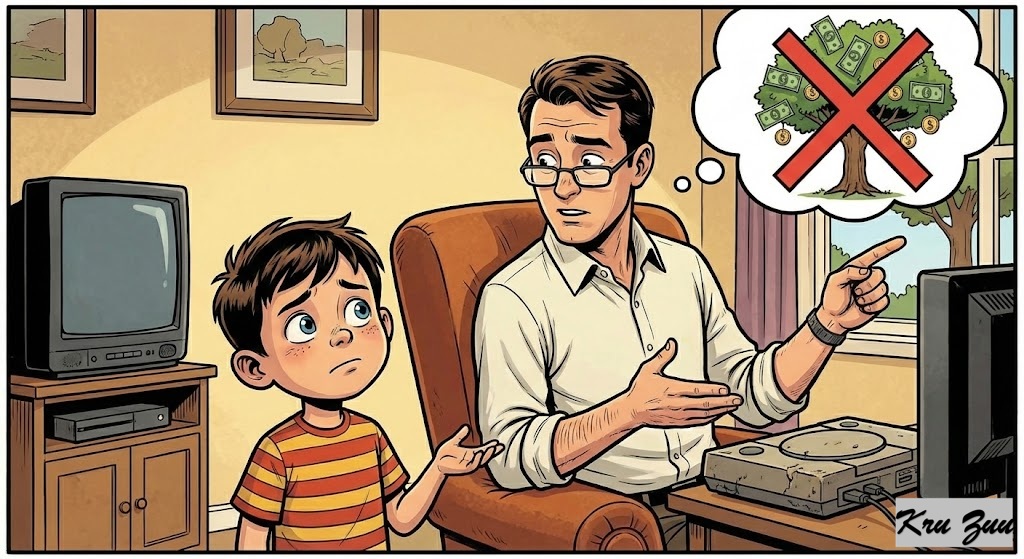
    Child: “Dad, can I have the new PlayStation?”

    Dad: “Son, look at our old one. It works fine. I can’t just buy everything you see. Money doesn’t grow on trees.”

    📜 History: Origin and Spread


    Where did this botanical financial advice come from?


    The Origin: While the exact first usage is debated, it appeared in newspapers as early as the 1890s in the USA.


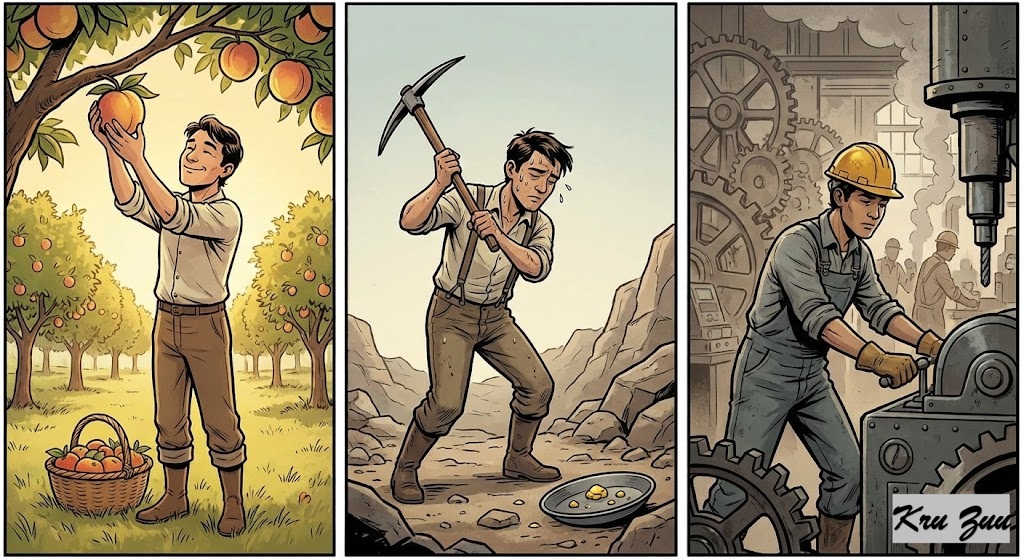
    The Logic: Before modern jobs, people worked the land. Picking fruit from a tree was “easy” food. Digging for gold or working in a factory was “hard” money. The idiom contrasts the ease of nature with the difficulty of economics.


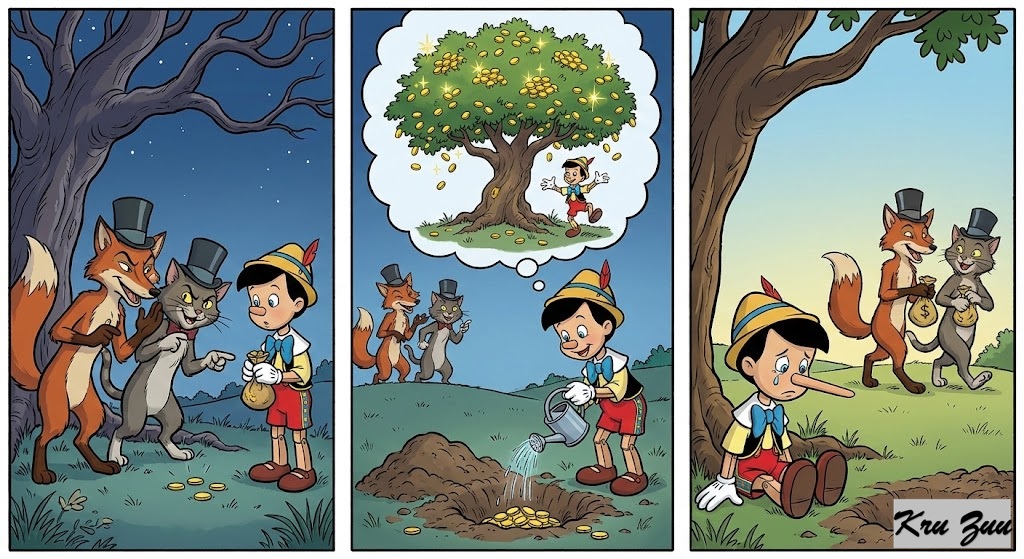
    The Pinocchio Connection: In the story of Pinocchio, the Fox and the Cat trick him into burying his gold coins to grow a “Money Tree.” The lesson? Only fools believe you can get rich without work.


    Global Cousins


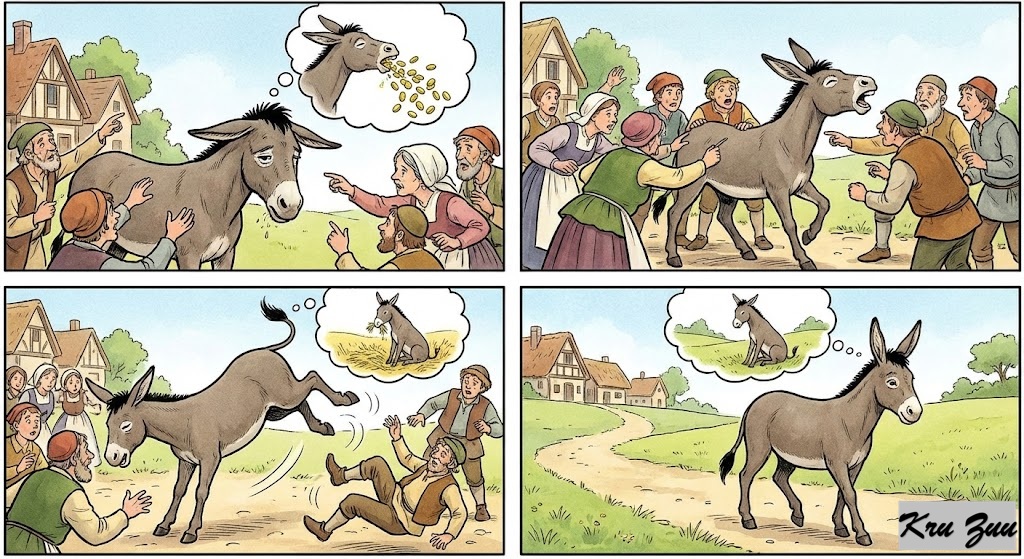
    🇩🇪 German: “Ich bin doch kein Goldesel.” (I am not a gold-donkey — referring to a fairy tale donkey that spits gold coins).


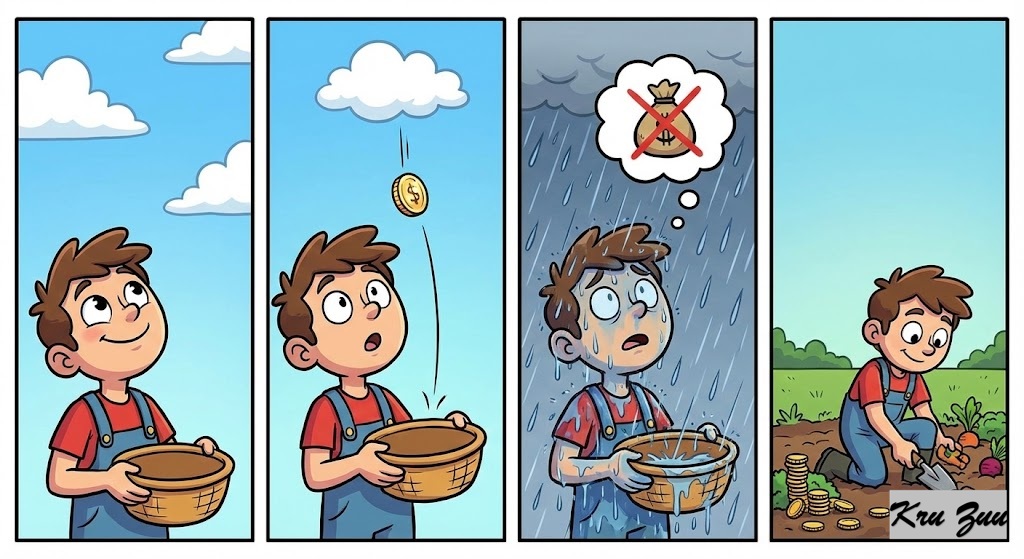
    🇪🇸 Spanish: “El dinero no cae del cielo.” (Money doesn’t fall from the sky).


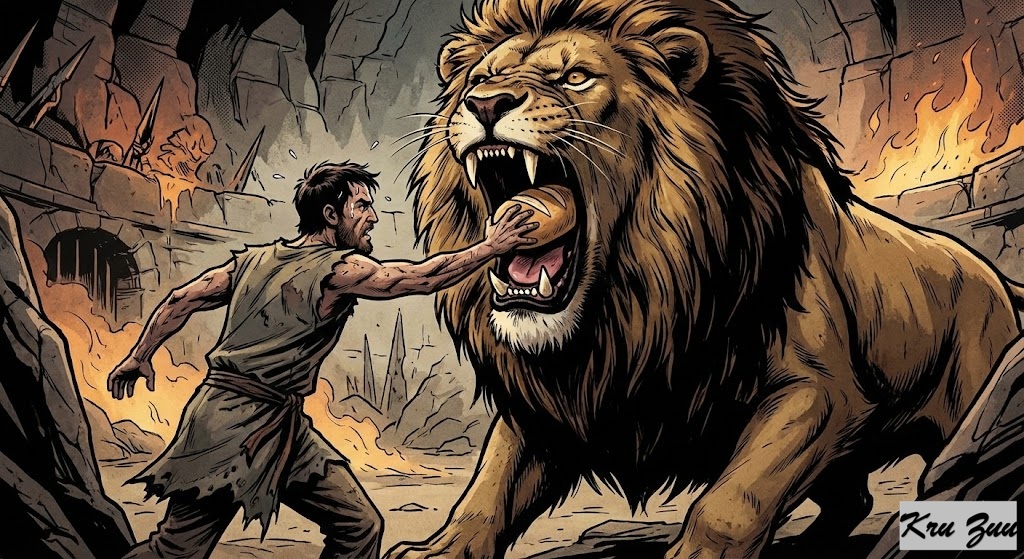
    🇹🇷 Turkish: “Ekmek aslanın ağzında.” (Bread is in the lion’s mouth — meaning earning a living is dangerous and hard).

    🎭 Short Story: The Golden Smoothie 🥤🐱🐔🐸


    Let’s visit the magical forest to see who understands the value of a dollar.


    🌟 The Cast


    Cleo the Cat: Elegant, loves luxury, hates sweating. 😼


    Cluck the Chicken: Impulsive, gets excited easily, easily tricked. 🐔


    Fred the Frog: The wise, green accountant. 🐸


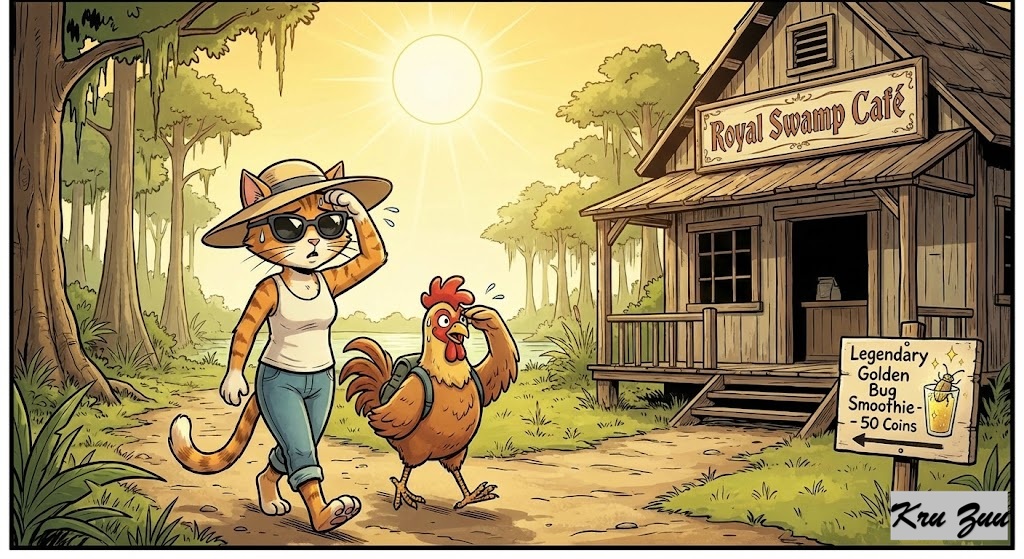
    The Situation: It is a hot summer day. Cleo and Cluck walk past the “Royal Swamp Café.” They see a sign: “Legendary Golden Bug Smoothie – 50 Coins.”


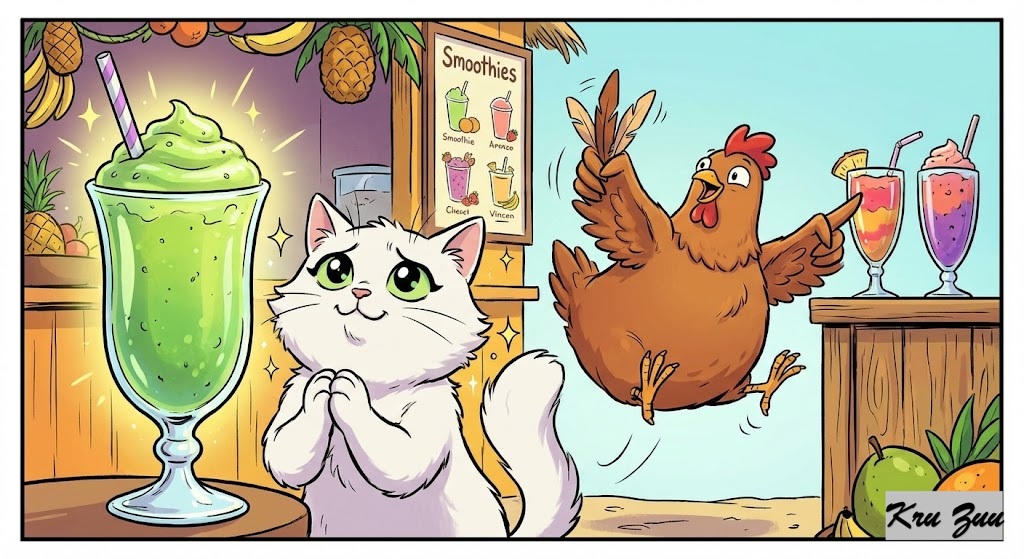
    The Conflict: “I need that smoothie!” Cleo purrs. “It will make my fur shine!” “I want two!” Cluck squawks, hopping up and down. “Let’s buy them now!”


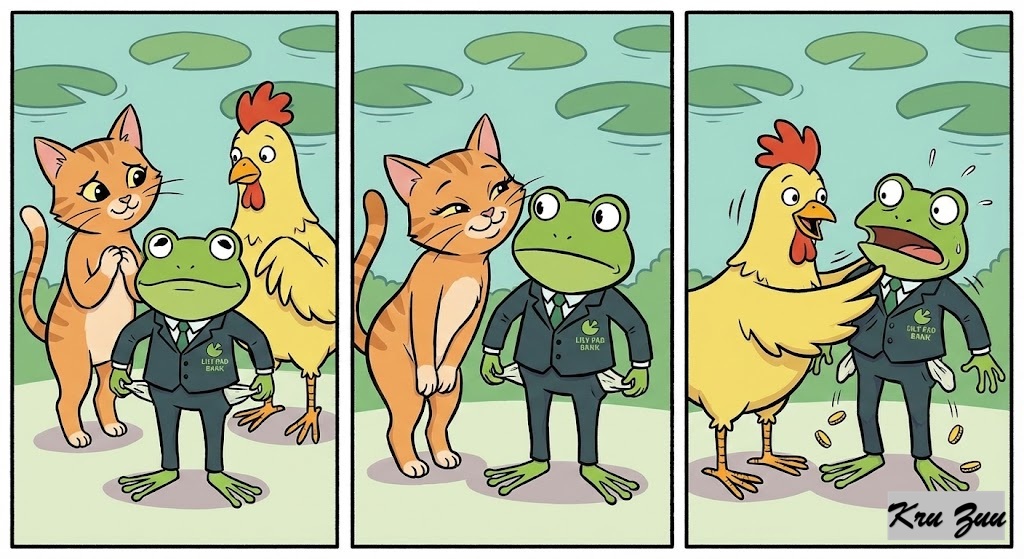
    They check their pockets. Empty. Cleo turns to Fred. “Fred, darling. Be a dear and buy us the smoothies. You have a job at the Lily Pad Bank. You have plenty of coins.” Cluck nods. “Yes! Just shake your pockets! Give us the coins!”


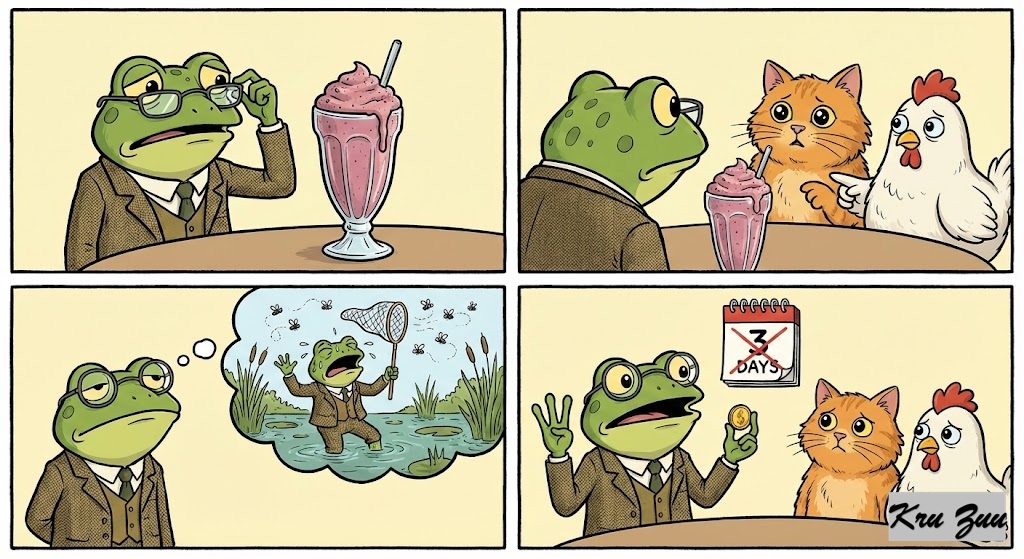
    The Reaction: Fred adjusts his glasses. He looks at the expensive smoothie, then at his friends. “Ribbit,” says Fred. “Do you know how many flies I have to catch to earn 50 coins? I have to work for three days.”


    Cleo rolls her eyes. “Oh, don’t be boring, Fred. Just get it.” Cluck tries to peck Fred’s pocket. “Come on! Don’t be stingy!”


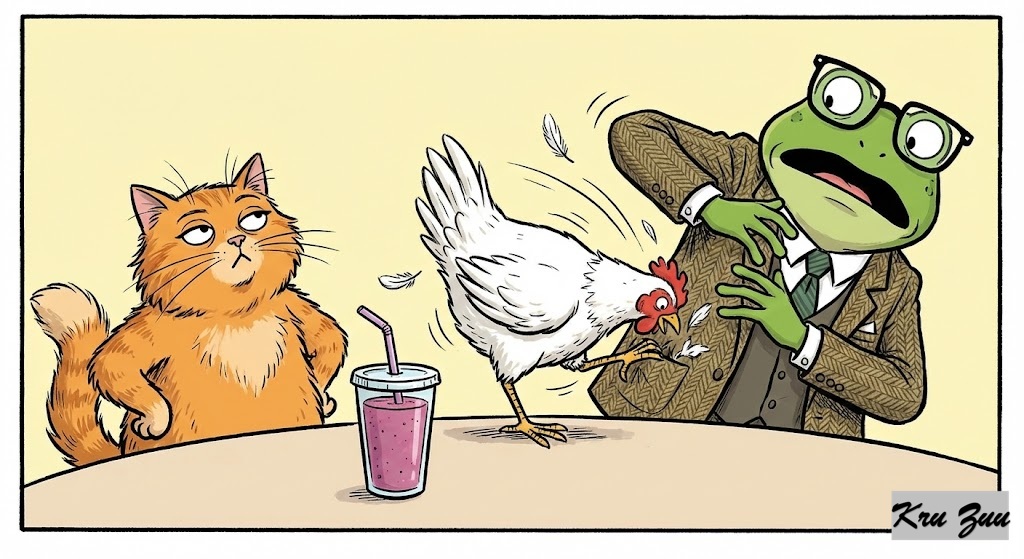
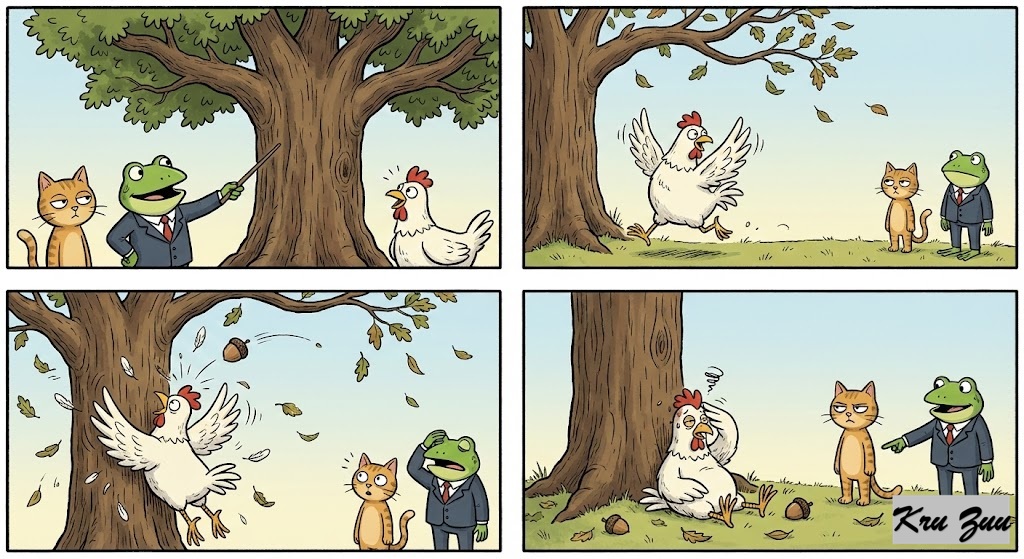
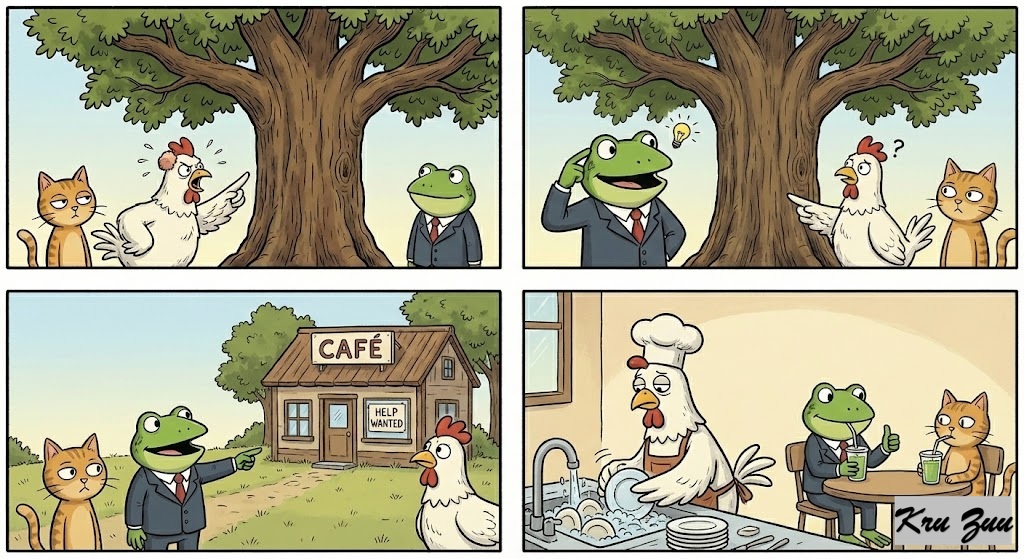
    The Lesson: Fred points to a giant Oak tree nearby. “Do you see that tree?” “Yes,” says Cleo. “Go shake it,” Fred commands. Cluck runs over and hits the tree with his wings. Bam! Bam! Leaves fall down. An acorn hits Cluck on the head. But no gold coins fall.


    “It’s broken!” Cluck yells. Fred smiles slowly. “The tree isn’t broken, Cluck. But your logic is. Money doesn’t grow on trees. If you want the smoothie, the café is hiring a dishwasher.”


    The Resolution:
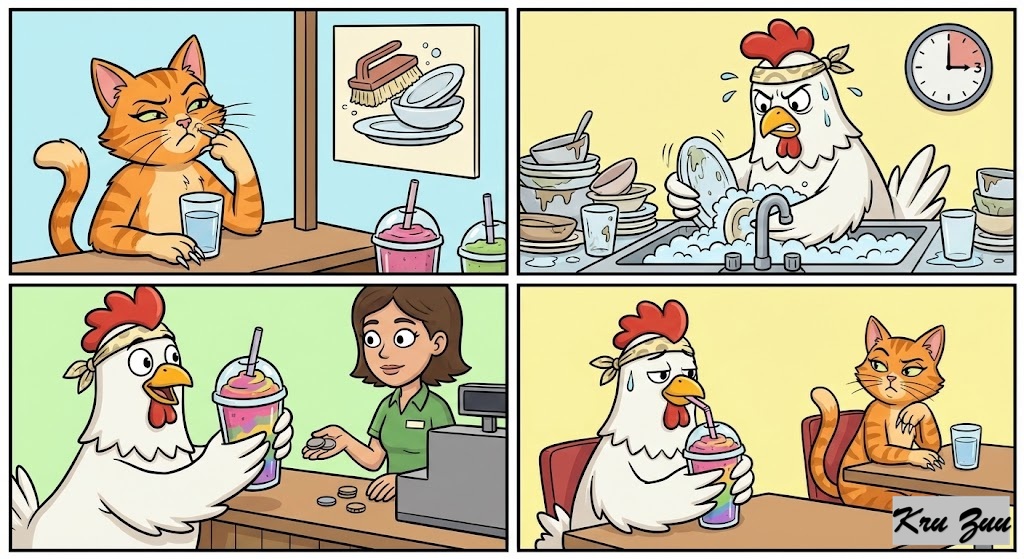
    Cleo looked at her manicured claws. “Dishwashing? Ew.” She decided water was fine. Cluck, however, really wanted the smoothie. He washed dishes for 3 hours. When he finally bought the smoothie, he drank it slowly. He didn’t spill a drop. Why? Because he paid for it with his own sweat.


    The Moral: When you don’t earn it, you waste it. When you work for it, you taste it. 😋

    🎓 Lesson for English Learners


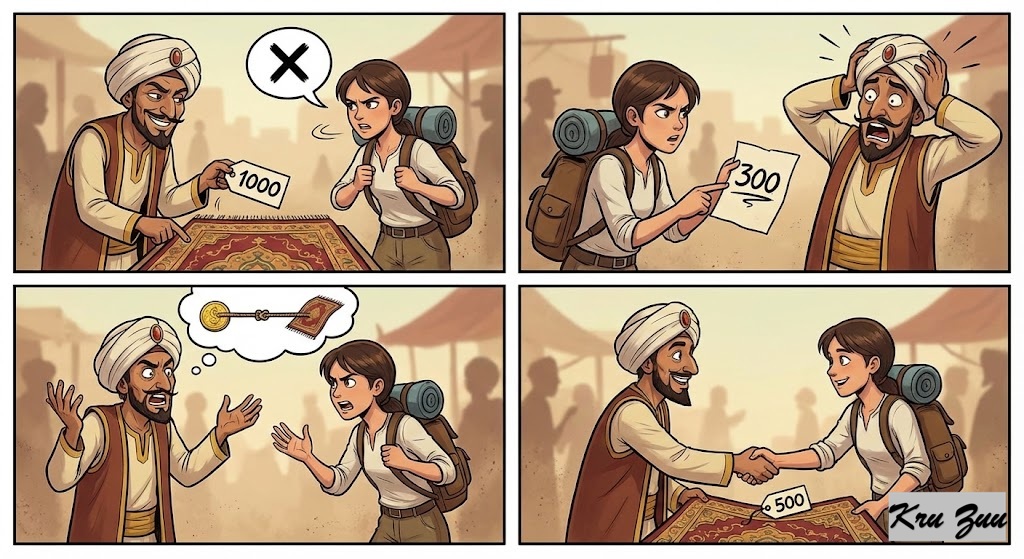
    Don’t accept the first price.


    Situation: You are negotiating a salary or a freelance rate. The client offers you very little money.

    The Shift: You need to politely remind them of your value.

    You Say: “I understand you have a budget, but this project requires high-level skills and time. I cannot lower my rate further; money doesn’t grow on trees, and neither does quality work.”


    💬 Your Turn: The “Hourly” Challenge 🚀


    Do you want to cure your “Villain” spending habits?


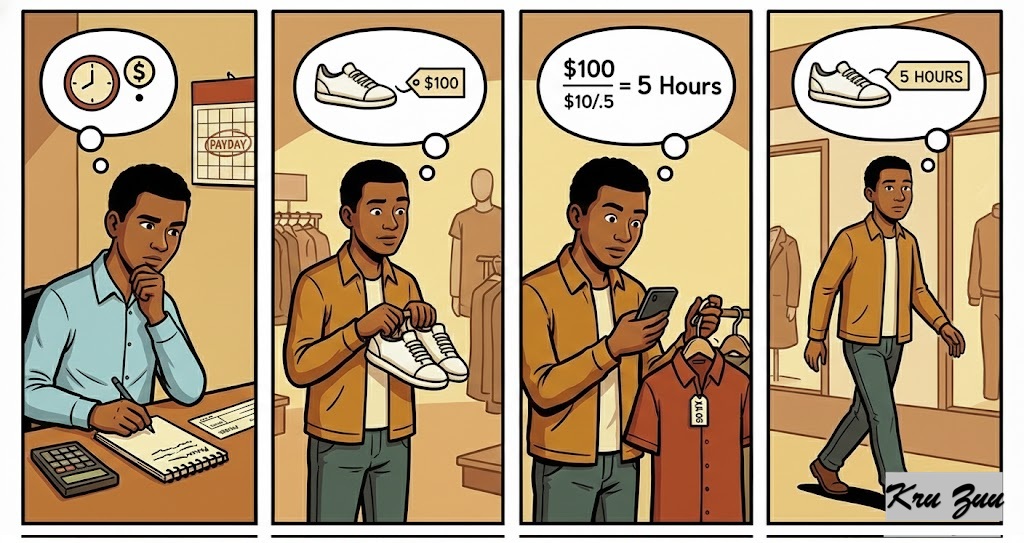
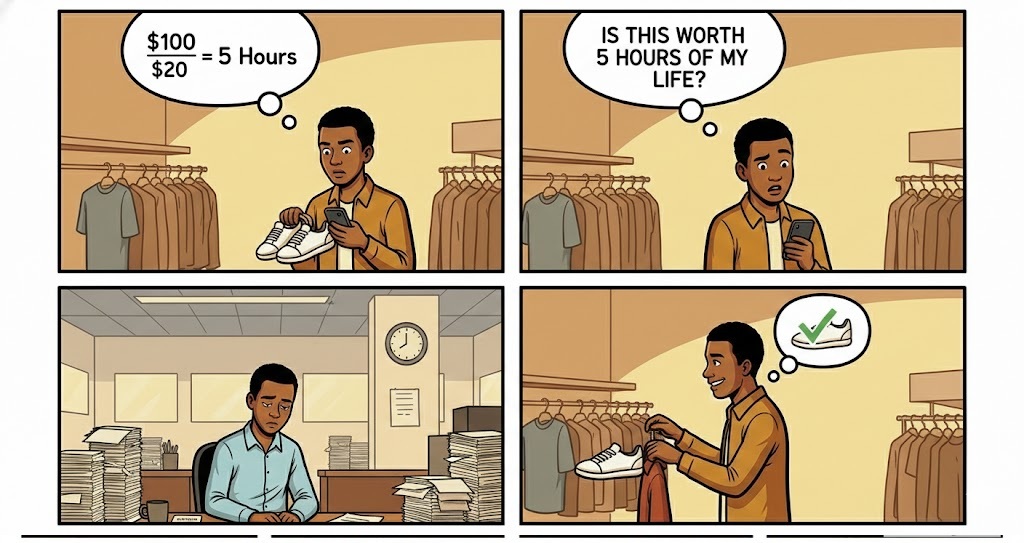
    The Challenge: Calculate your “Hourly Rate” (How much you earn in one hour of work). The Action: Next time you want to buy something unnecessary (a new shirt, a gadget, a fancy meal), divide the price by your hourly rate.


    Example: The shoes cost $100. You earn $20/hour. These shoes cost 5 hours of your life.


    Ask yourself: “Is this item worth sitting in the office for 5 more hours?”


    👇 Question for the comments: What is one thing you used to waste money on, but stopped? How did you learn the value of that money? Tell us below!

    By Zubeyir YURTKURAN

    https://www.facebook.com/BrainBattleground/

    https://www.facebook.com/zubeyr.yurtkuran/

    https://www.instagram.com/zubeyryurtkuran/
    https://www.youtube.com/@BrainBattleground-b3p

    https://www.instagram.com/brainbattleground/

  • 🌉 The Daily Shield: The Law of Future Peace

    🌉 The Daily Shield: The Law of Future Peace

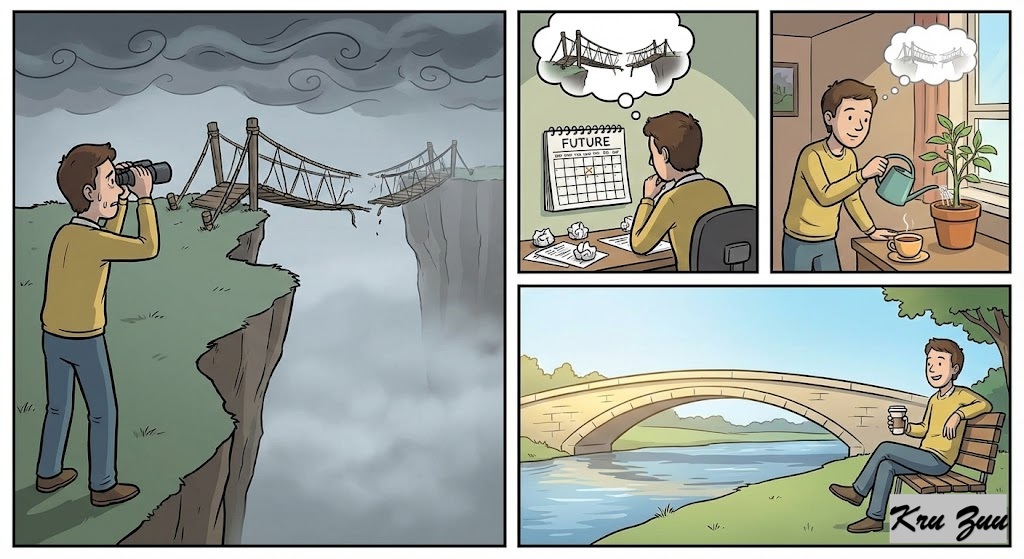
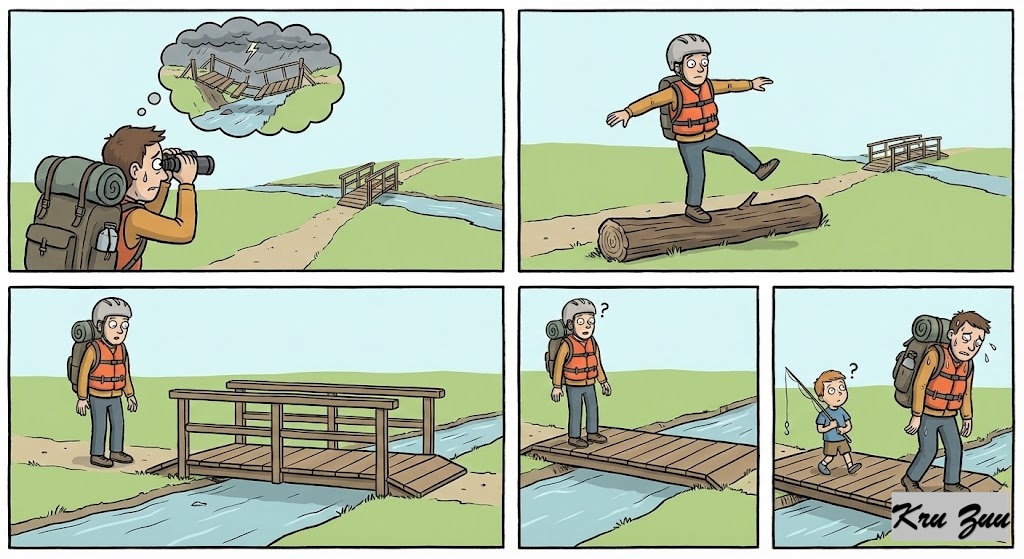
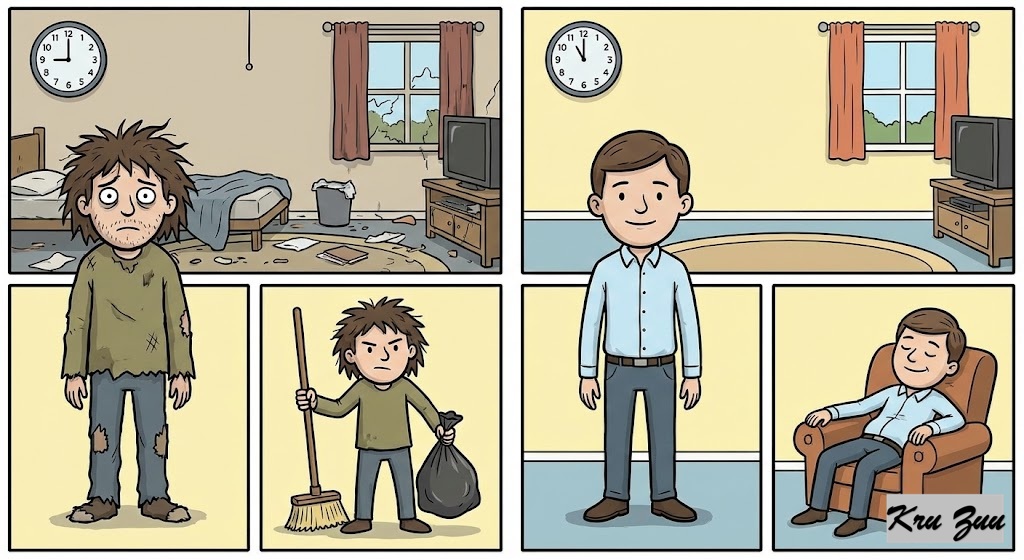
    “Don’t cross the bridge until you come to it.”


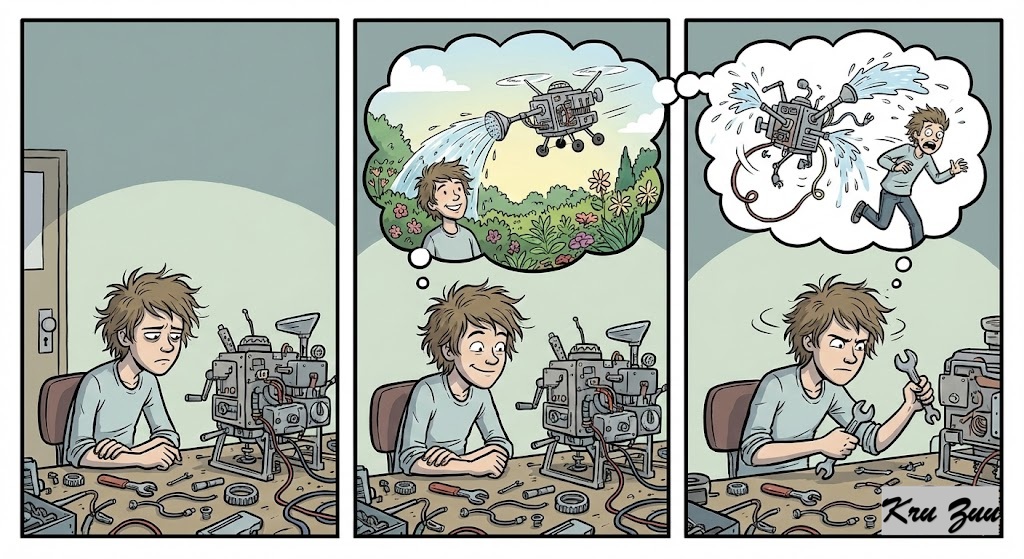
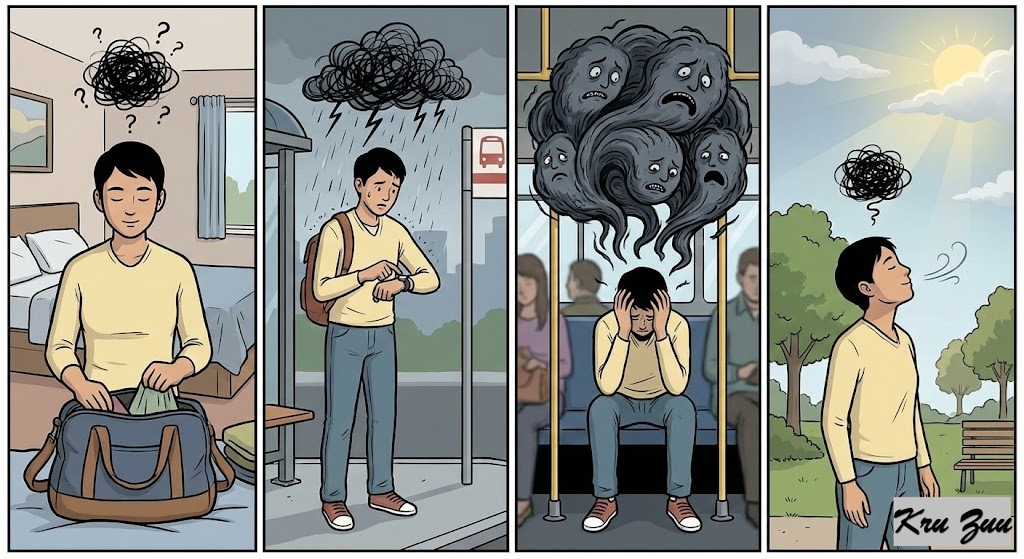
    😈 The Villain (The Overthinker)

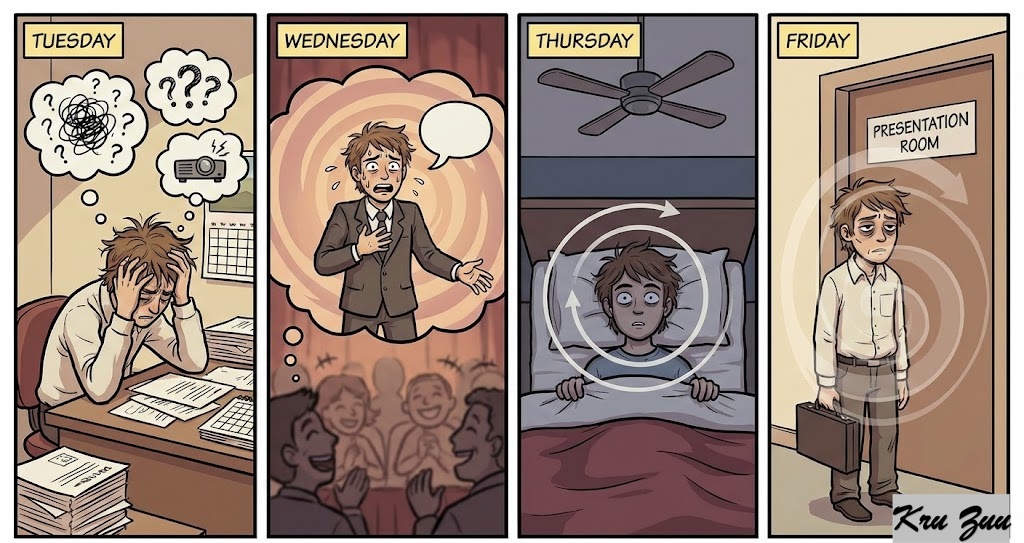
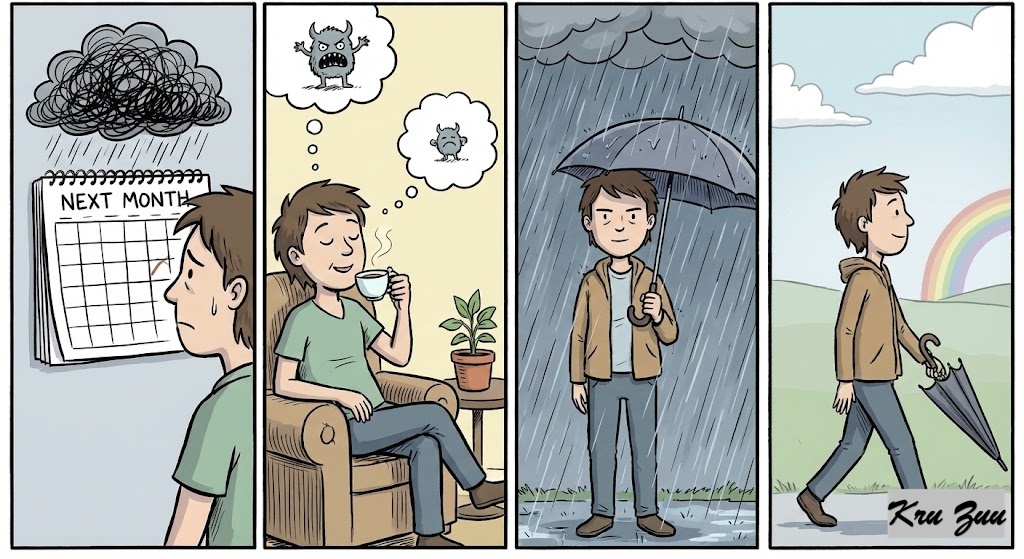
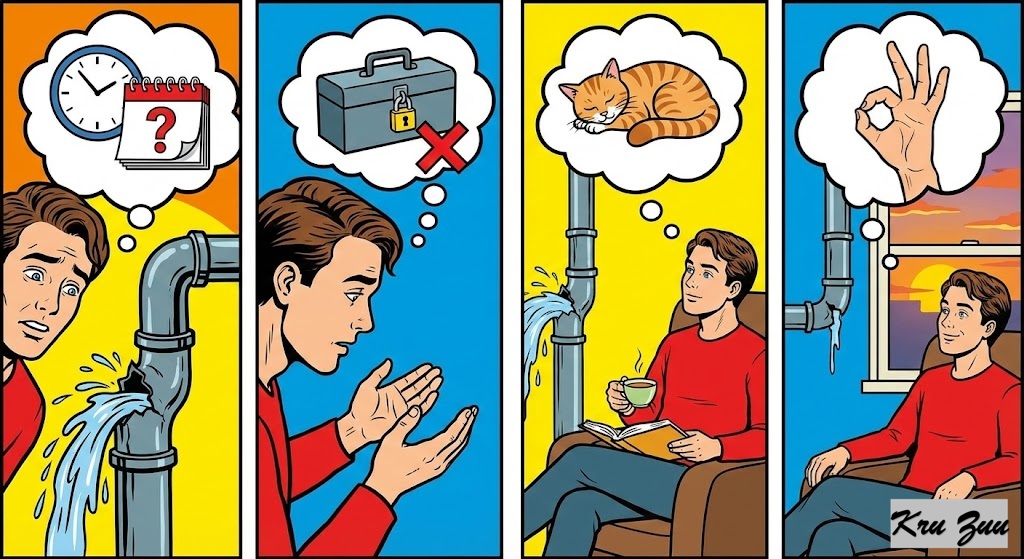
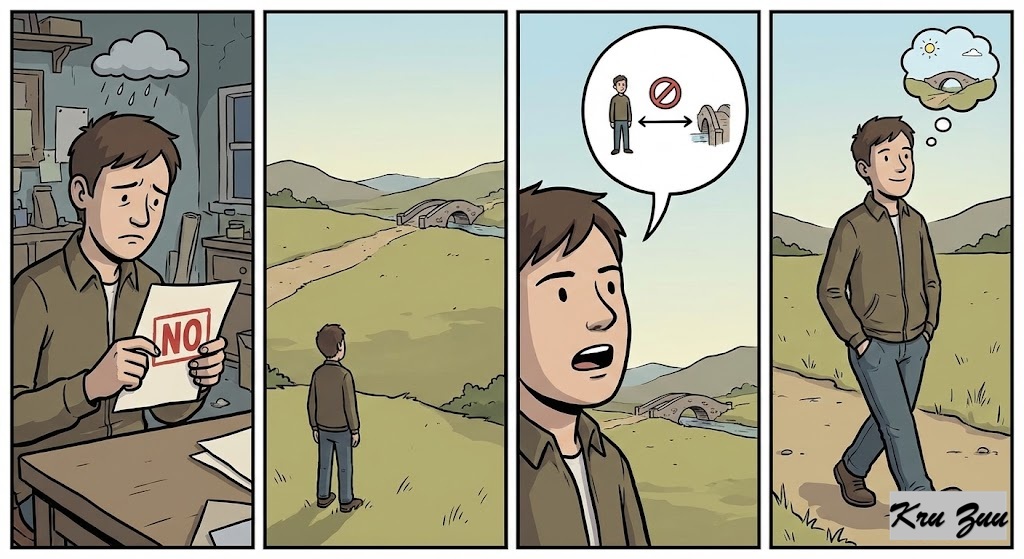
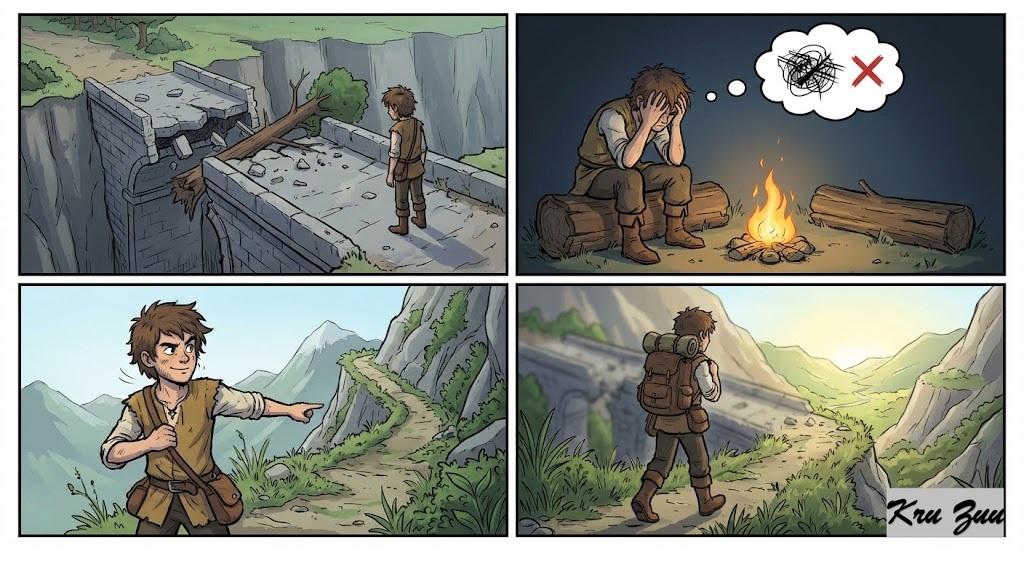
    It is Tuesday. You have a presentation on Friday. What do you do? You don’t just prepare; you panic. 😱 “What if the projector breaks? What if I forget my English? What if they laugh at me?” You live through the disaster 100 times in your head before it even happens. You suffer twice: once in your imagination, and (maybe) once in reality. You are exhausted before the race even starts. You are trapped in the “Anxiety Loop.” 🌀


    😇 The Hero (The Stoic)

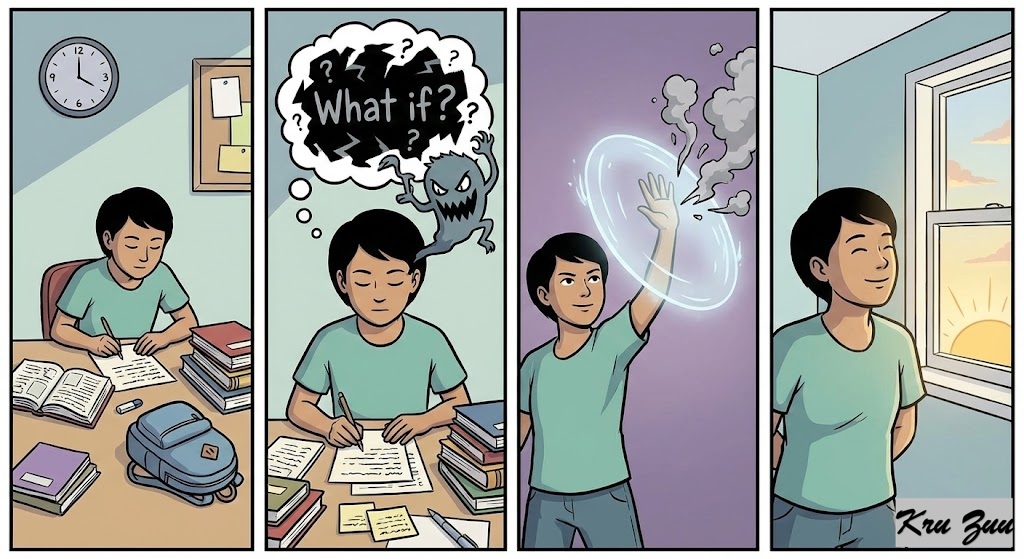
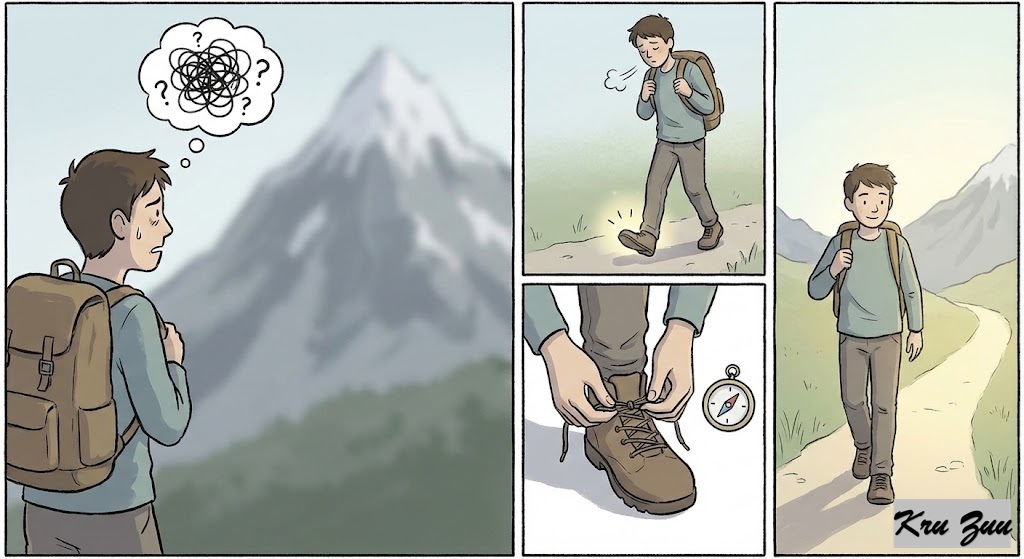
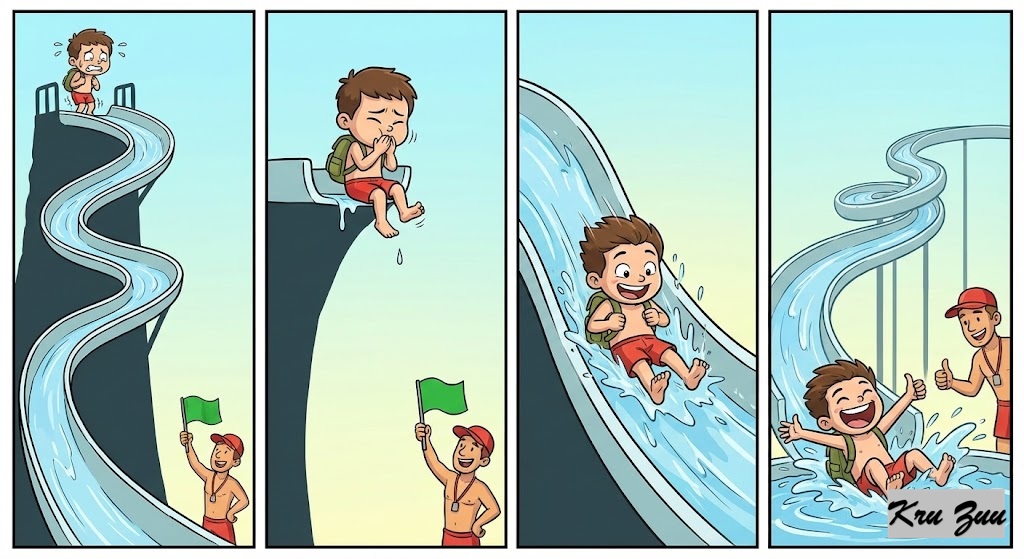
    You know that the future is uncertain. You prepare reasonably, but you refuse to suffer in advance. When a “What if?” thought attacks you, you block it.

    You say: “I will handle that problem if it arrives.” You save your energy for today. You trust your ability to adapt.

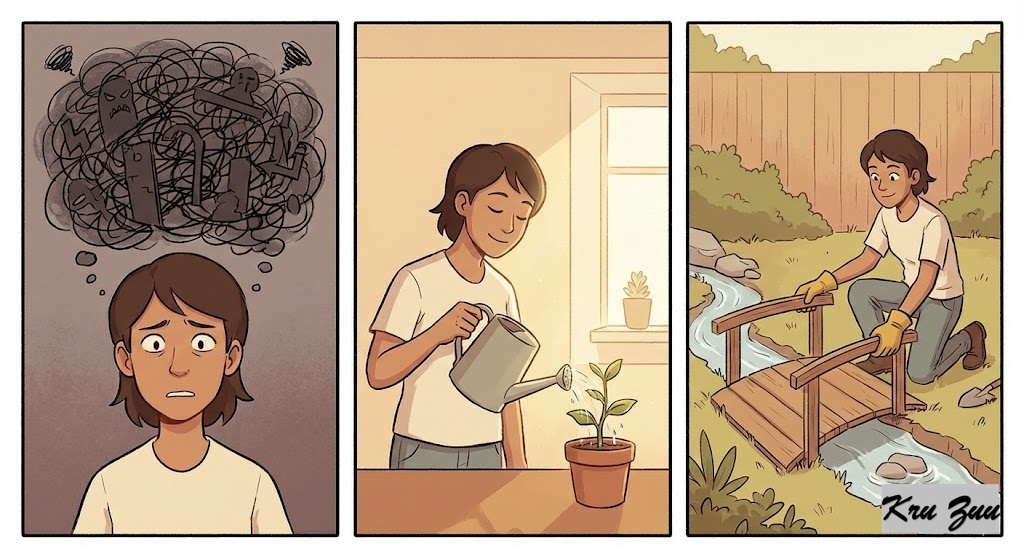
    The Result? You are calm. You are focused. You enjoy your coffee today instead of worrying about spilling it tomorrow. ☕️


    ⚖️ The Reality


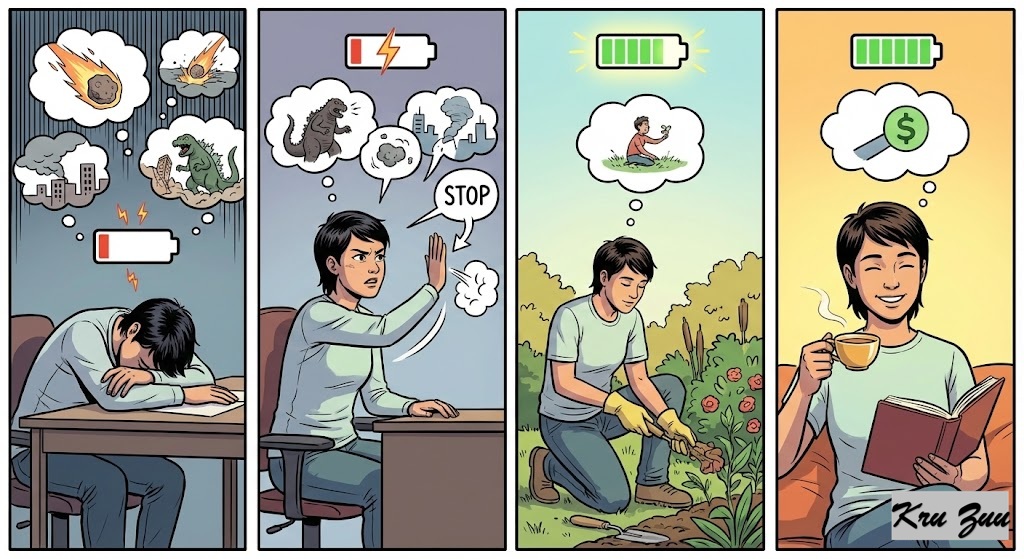
    Worrying is like paying interest on a debt you may never owe. 90% of the catastrophes we imagine never actually happen. And if they do happen, worrying didn’t help you solve them, it just made you tired.

    💎 The Secret

    You cannot solve a problem that doesn’t exist yet. Focus on the step you are taking now, not the step you might take in 5 miles.

    🧐 The Anatomy of the Proverb


    This is your permission slip to relax about the future.


    Don’t Cross (Command): Do not traverse/move over.


    The Bridge (Metaphor): The potential problem, obstacle, or crisis in the future.


    Until You Come To It (Condition): Wait until you are actually standing in front of the problem.


    Simpler Version: Don’t worry about future problems yet. / Deal with issues only when they become real.


    📚 Vocabulary Vault


    Anticipate (Verb): To expect or predict something. (Good leaders anticipate; they don’t panic).


    Premature (Adjective): Occurring or done before the proper time. ⏰


    Hypothetical (Adjective): Based on a possible situation rather than fact; imagined.


    Anxiety (Noun): A feeling of worry, nervousness, or unease about an imminent event or something with an uncertain outcome.


    Adaptability (Noun): The quality of being able to adjust to new conditions.

    📜 History: Ancient Wisdom


    The Origin:
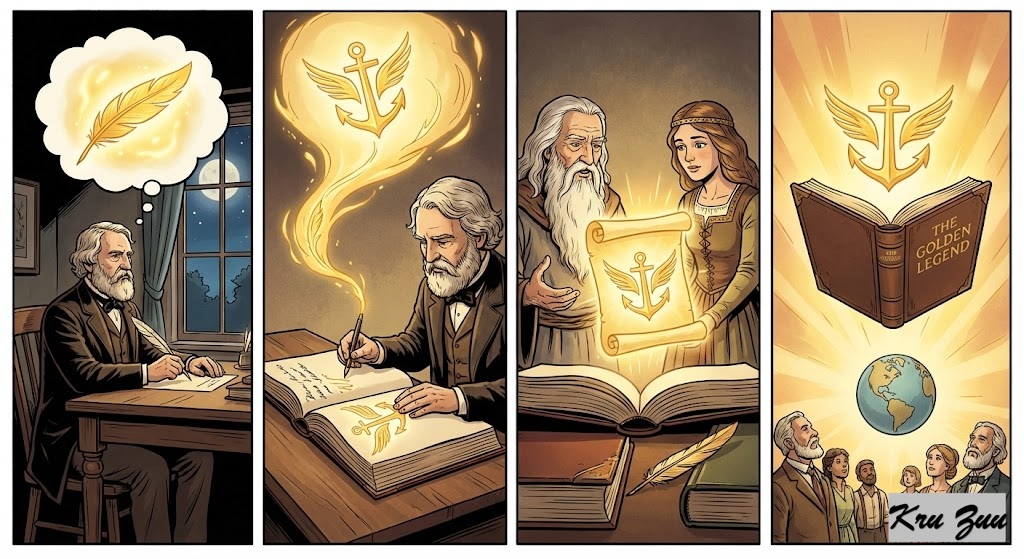
    This proverb is often attributed to the American poet Henry Wadsworth Longfellow in his 1851 work The Golden Legend.


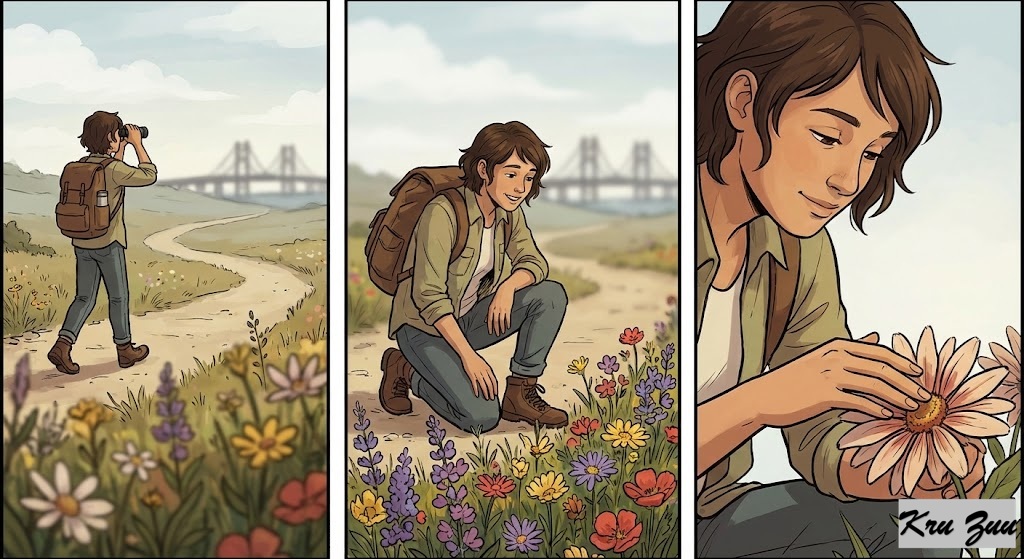
    The Logic: In the old days, travelers literally had to worry if a bridge would hold their horse’s weight. But worrying 10 miles away wouldn’t fix the bridge. You had to get there to check.


    Global Cousins


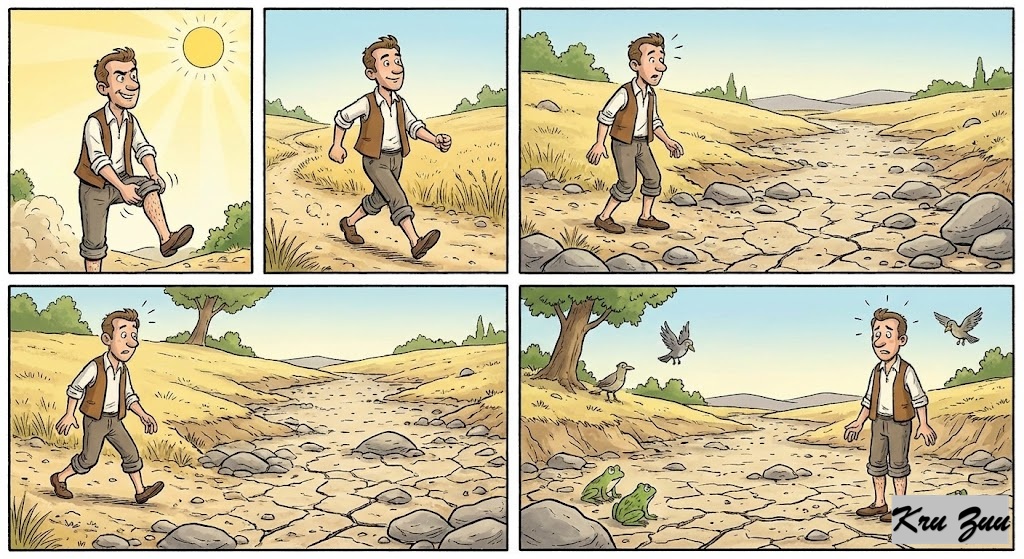
    🇹🇷 Turkish: “Dereyi görmeden paçaları sıvama.” (Don’t roll up your trousers before you see the stream.)


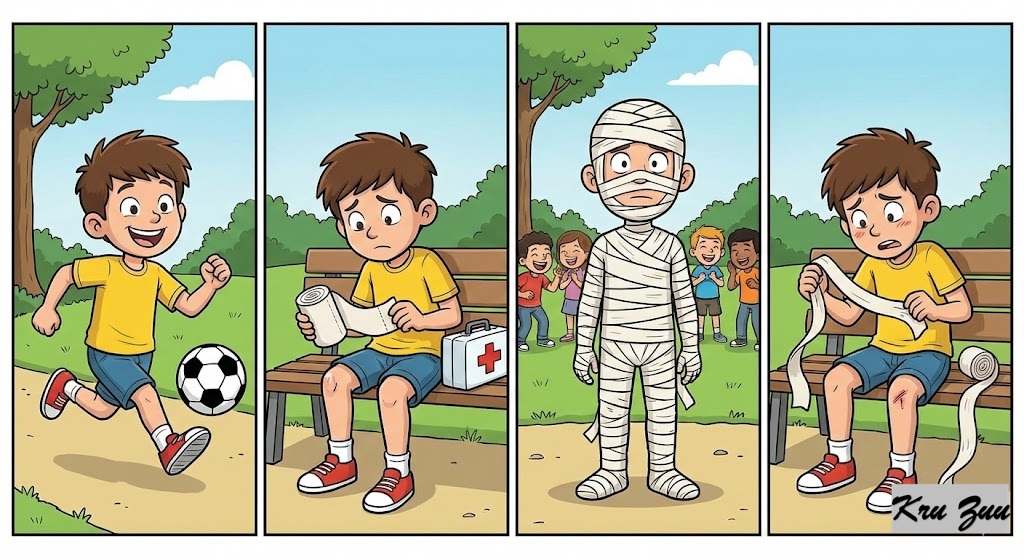
    🇪🇸 Spanish: “No te vendes la herida antes de tenerla.” (Don’t bandage the wound before you have it.)

    🎯 Impact on Life: The Pros & Cons


    ✅ The Pros (The Shield)


    Energy Conservation: You stop wasting mental battery on scenarios that are 99% unlikely.


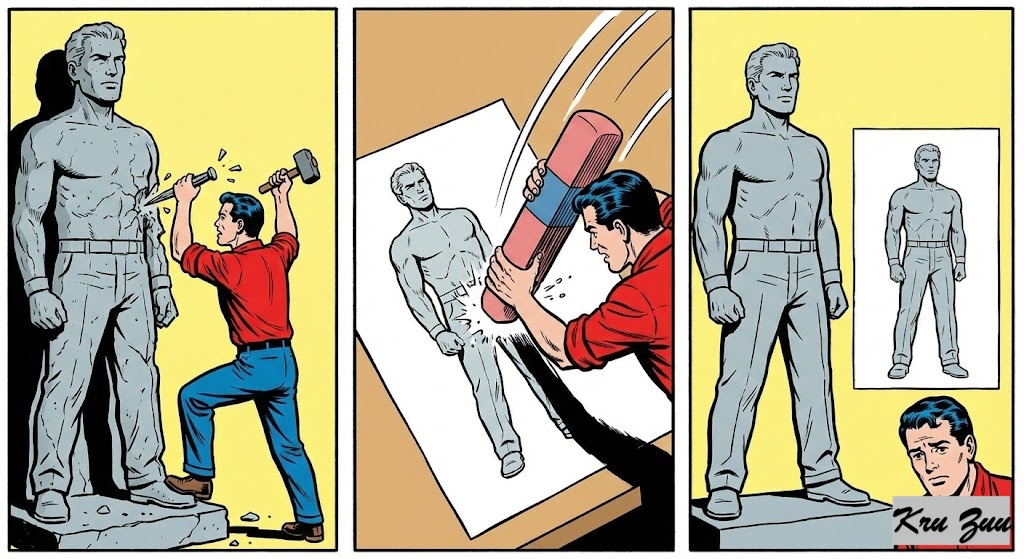
    Better Focus: By not looking at the “bridge” in the distance, you can see the beautiful flowers right in front of your feet.


    ❌ The Cons (The Trap)


    Lack of Preparation: Be careful. This idiom does not mean “don’t plan.” You should check the weather before a trip. Just don’t cry about the rain three days before it falls. There is a difference between Preparation (smart) and Worry (useless).

    🎭 Short Story: The Heavy Backpack 🎒🐱🐔


    Let’s hike into the magical forest to see how heavy “worry” really is.


    🌟 The Cast


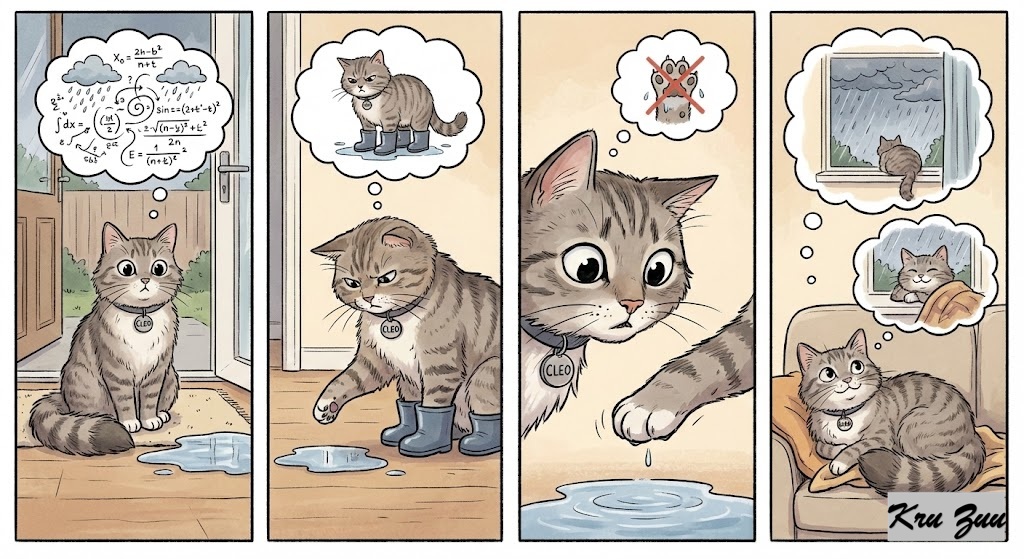
    Cleo the Cat: The Overthinker. She hates getting her paws wet. 😼


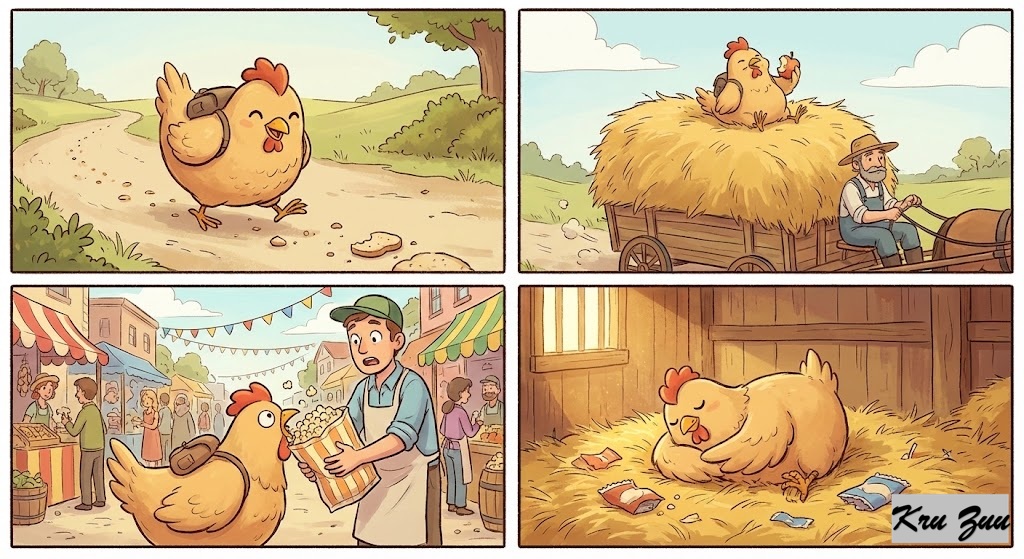
    Cluck the Chicken: The Carefree Traveler. He just wants snacks. 🐔


    Fred the Frog: The Guide. 🐸


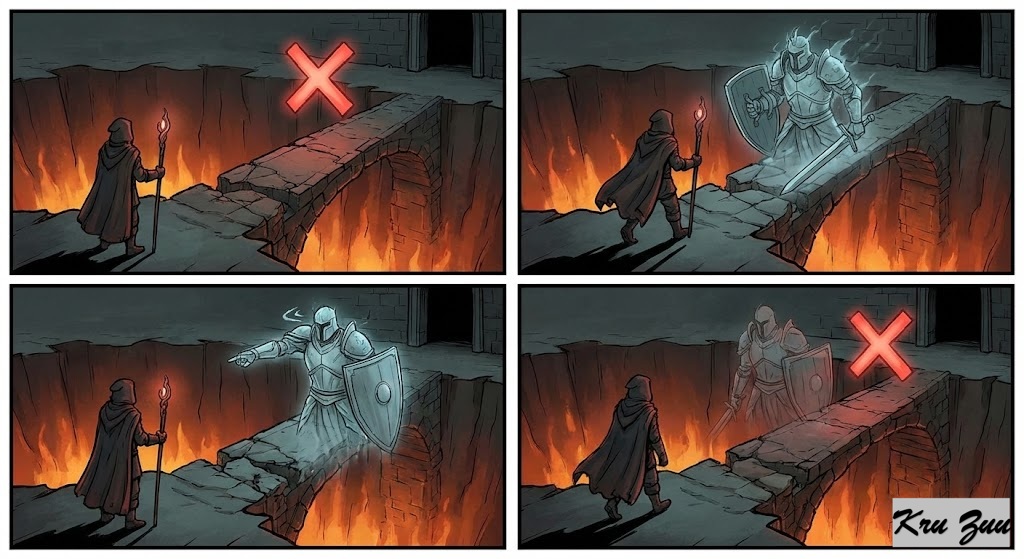
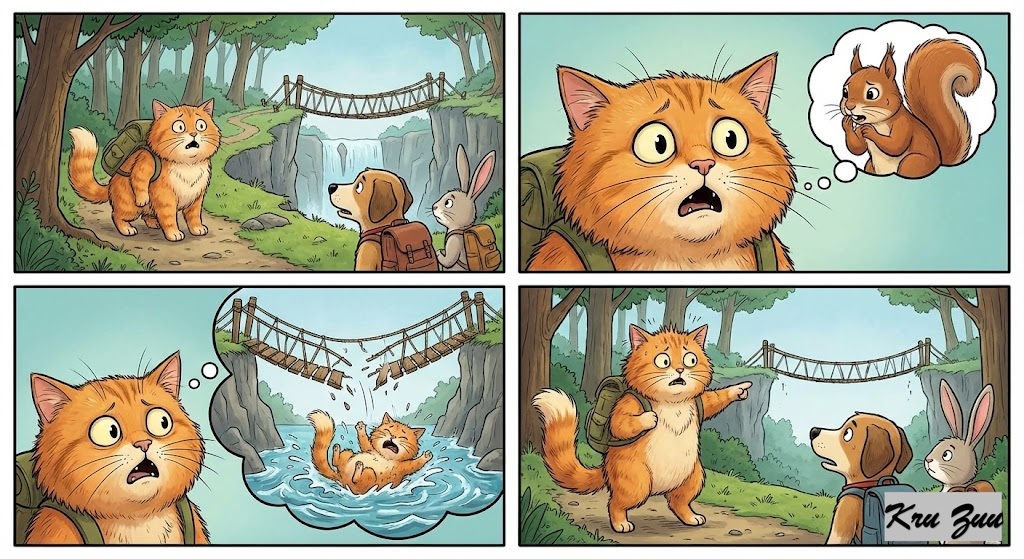
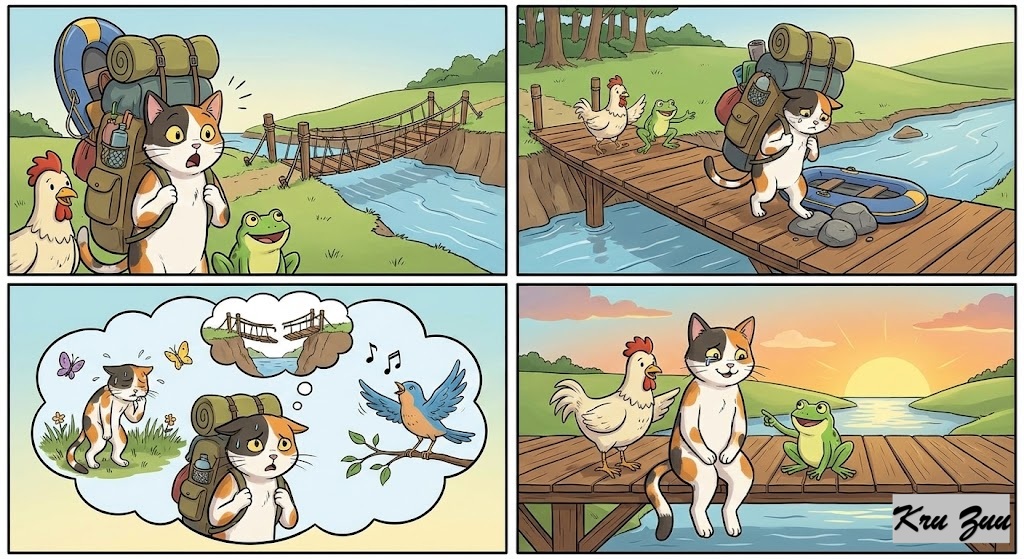
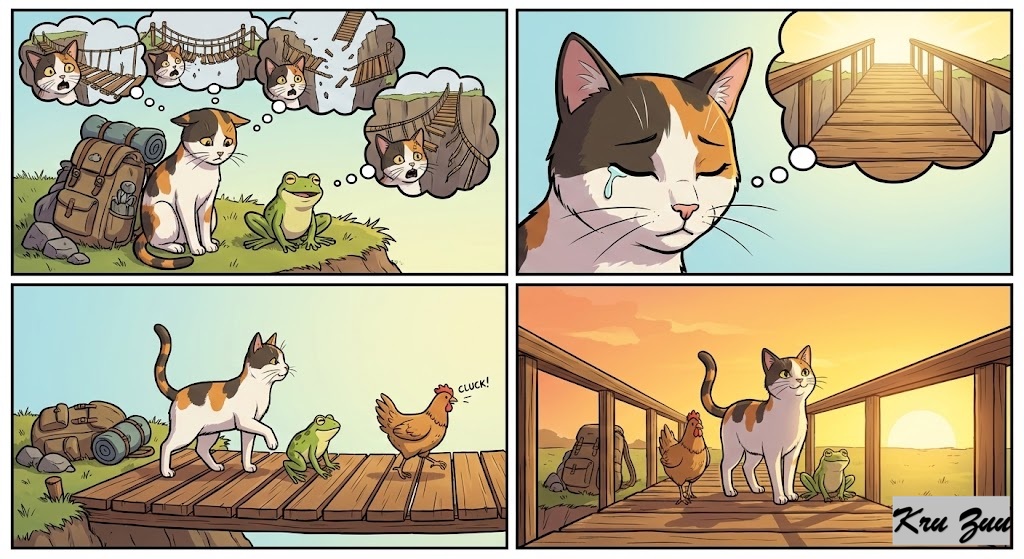
    The Situation: The trio is hiking to the “Crystal Waterfall.” To get there, they must cross the Old Rope Bridge. Cleo’s Panic: Five miles before they reach the bridge, Cleo stops. “I heard a rumor,” she whispers, terrified. “A squirrel told me the Old Rope Bridge might be broken! If it is broken, we will fall into the river! Cats hate water!”


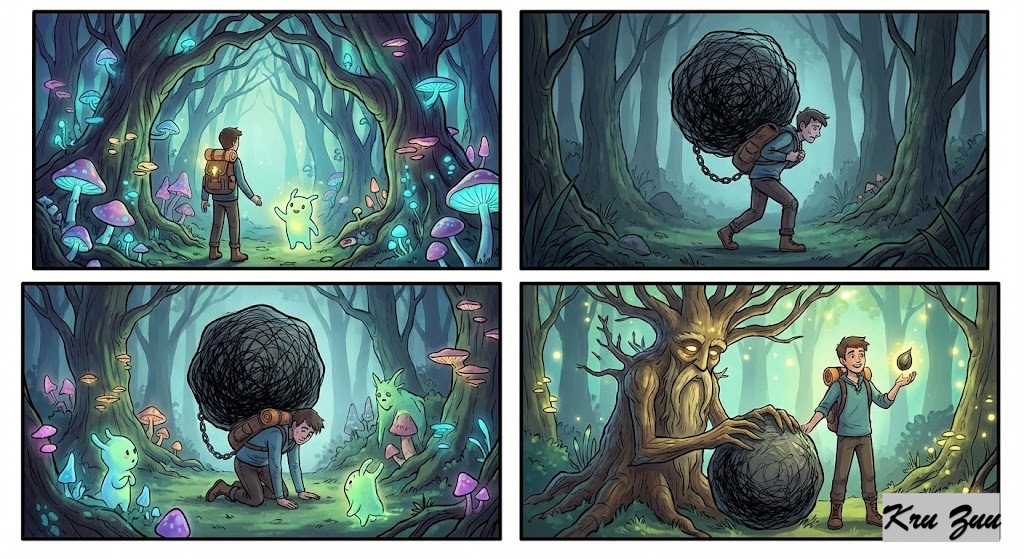
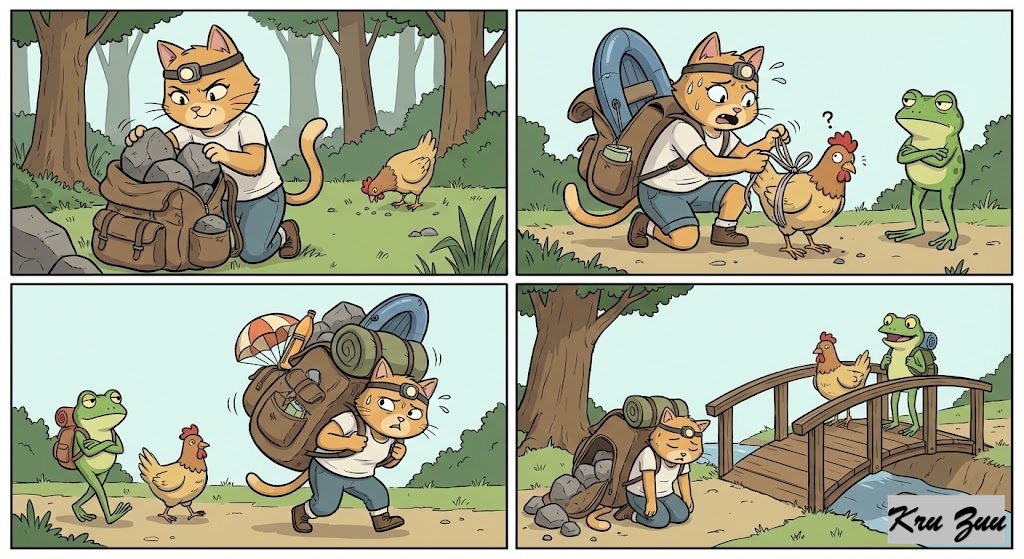
    The Conflict: Cleo opens her backpack. “We must prepare!” she yells. She puts heavy rocks in her bag (“to build a dam”), she packs an inflatable boat, and she tries to tie a parachute to Cluck. “This is heavy,” Cleo complains, sweating and struggling to walk. “But we must be ready for the broken bridge!” Cluck is just eating a worm. “Let’s just walk, Cleo!” Fred says, “Ribbit. Cleo, you are carrying the weight of a ‘maybe’.”


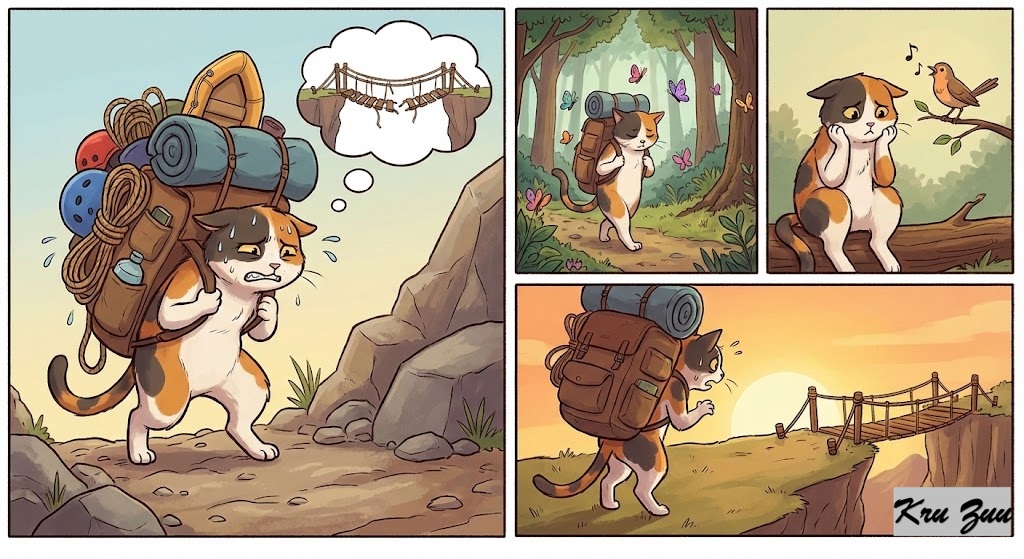
    The Journey: For three hours, Cleo is miserable. She is tired from carrying her heavy “survival gear.” She doesn’t see the butterflies. She doesn’t hear the birds. She only thinks about the scary bridge.


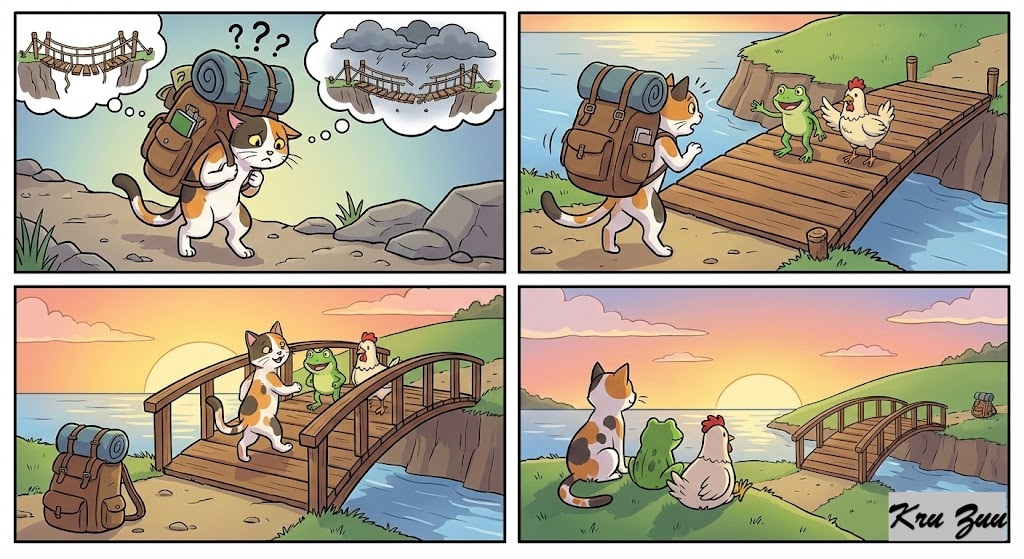
    The Result: They finally arrive at the river… and Cleo gasps. 🙀 The Old Rope Bridge was gone. But in its place, the forest rangers had built a brand new, solid wooden bridge. It was wide, safe, and dry. Cleo looked at her heavy inflatable boat. She looked at her heavy rocks. She realized she had ruined her whole hike worrying about a problem that didn’t exist.


    The Resolution: Fred smiled. “You crossed the bridge in your mind a thousand times, Cleo. And it was scary every time. In reality, you only had to cross it once, and it was easy.”


    The Moral: Don’t carry a heavy backpack of “What ifs.” Most of the bridges you fear turn out to be sturdy paths when you actually arrive.

    🎓 Lesson for English Learners


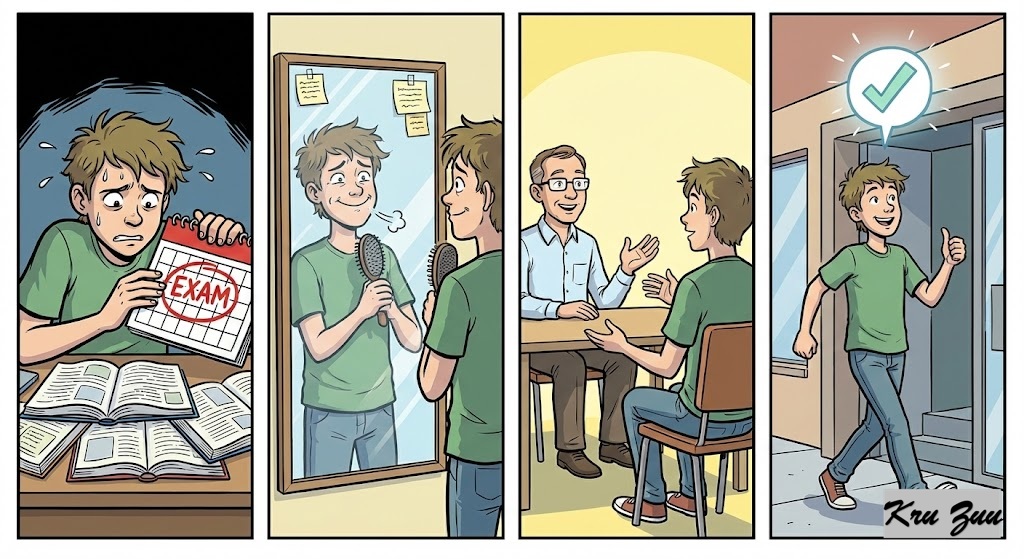
    Don’t Panic About the Exam Speaking Part.


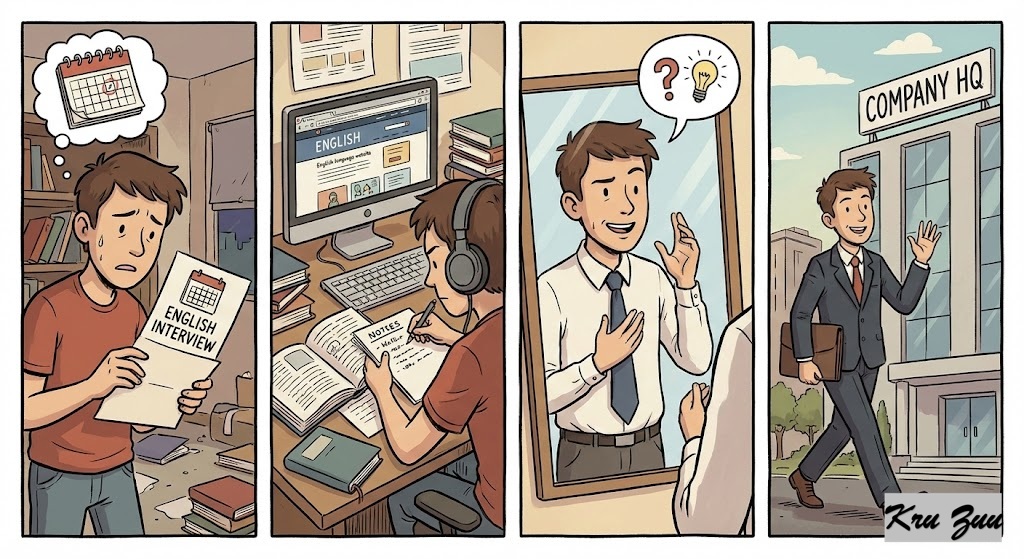
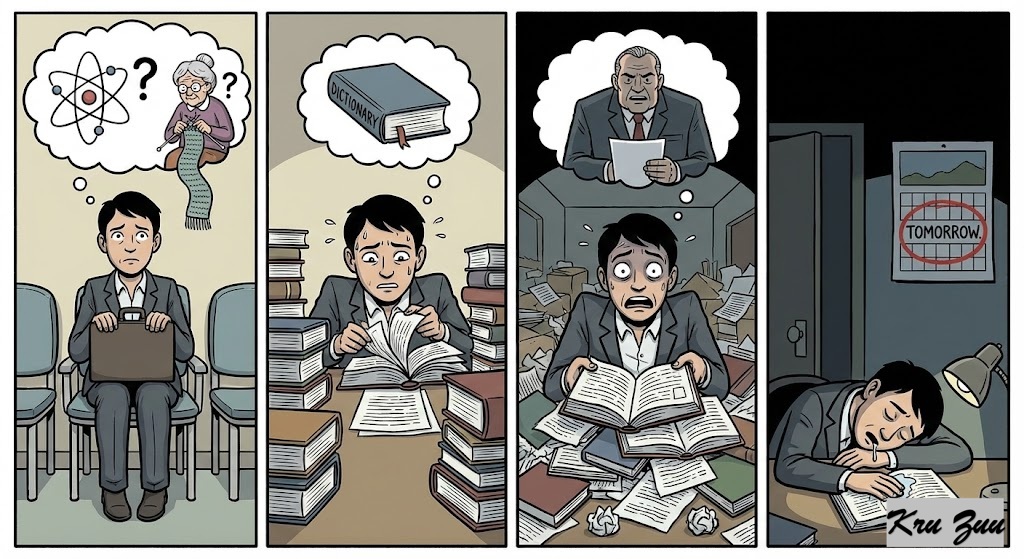
    Situation: You have an English interview next week.


    The Trap: You think: “What if they ask me about nuclear physics? What if they ask me about the history of knitting?” You panic and try to memorize the whole dictionary.


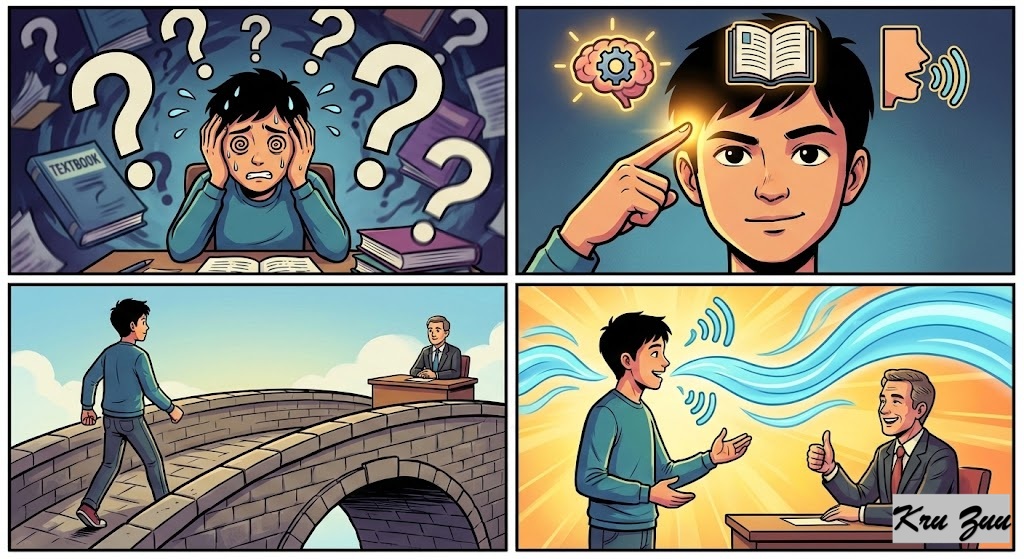
    The Shift: You are crossing the bridge too early.


    You Say: “I cannot predict every question. I will trust my general English skills. I will cross that bridge when the examiner asks the question.” (This confidence usually makes you speak better!)


    💬 Your Turn: The “Delete” Button 🚀


    Is there something you are worried about right now?


    Identify:
    What is a problem you are afraid might happen next month?


    Check: Can you do anything about it right this second?


    The Action: If the answer is “No,” visualize a bridge. Imagine yourself standing far away from it. Say out loud: “I am not at the bridge yet.”


    👇 Question for the comments: Are you a “Cleo” (overthinker) or a “Cluck” (relaxed)? Tell us a time you worried about something that never actually happened!

    By Zubeyir YURTKURAN

    https://www.facebook.com/BrainBattleground/

    https://www.facebook.com/zubeyr.yurtkuran/

    https://www.instagram.com/zubeyryurtkuran/
    https://www.youtube.com/@BrainBattleground-b3p

    https://www.instagram.com/brainbattleground/

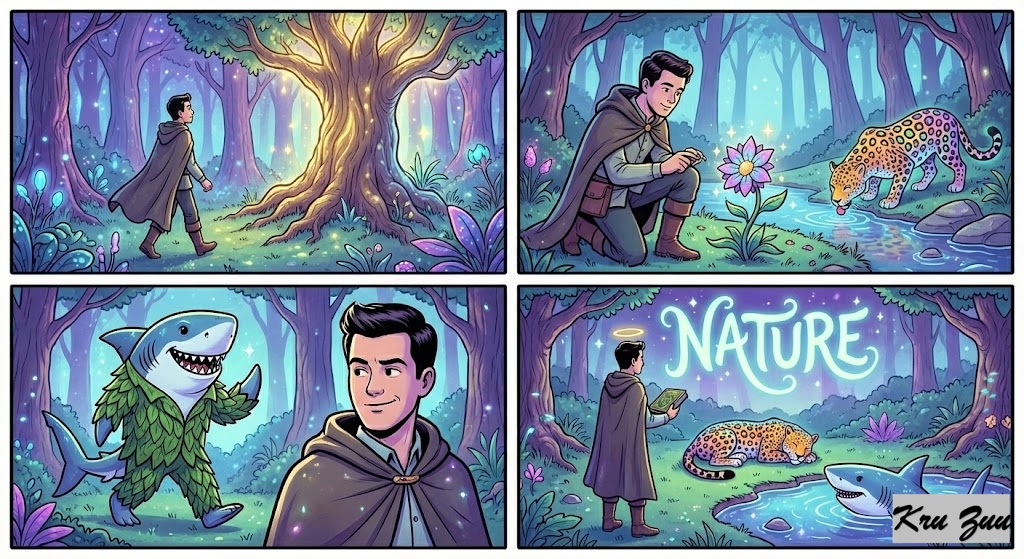
  • 🐆 The Daily Shield: The Law of True Nature

    🐆 The Daily Shield: The Law of True Nature

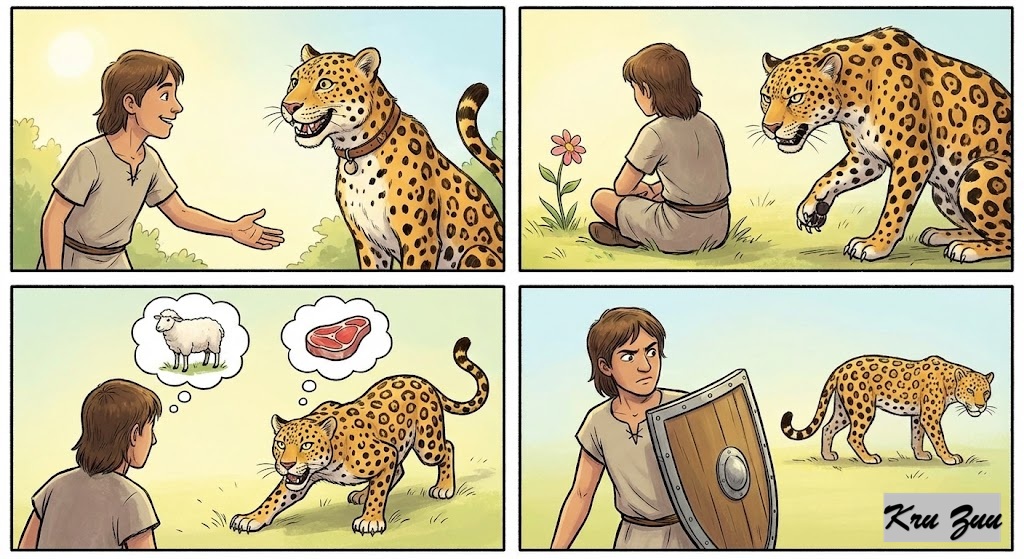
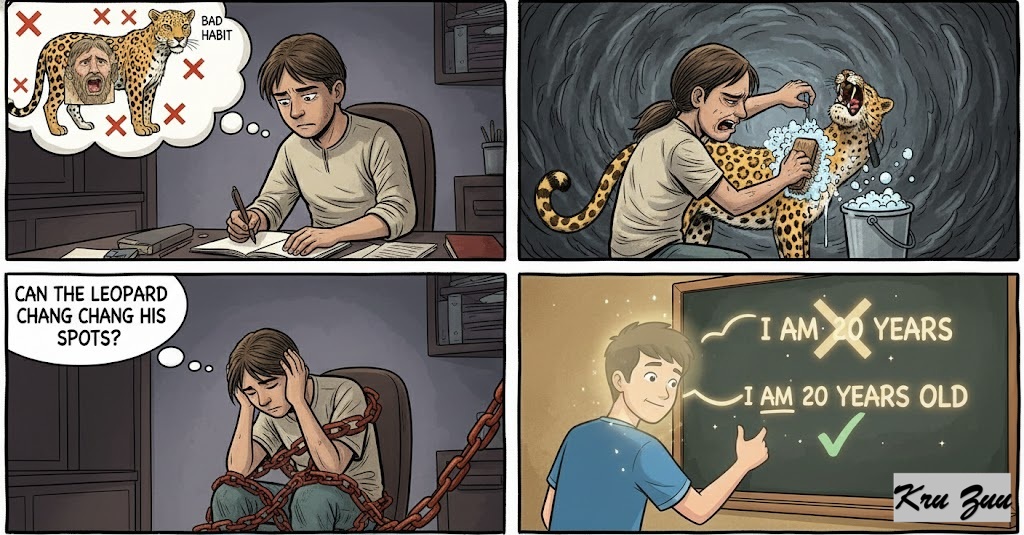
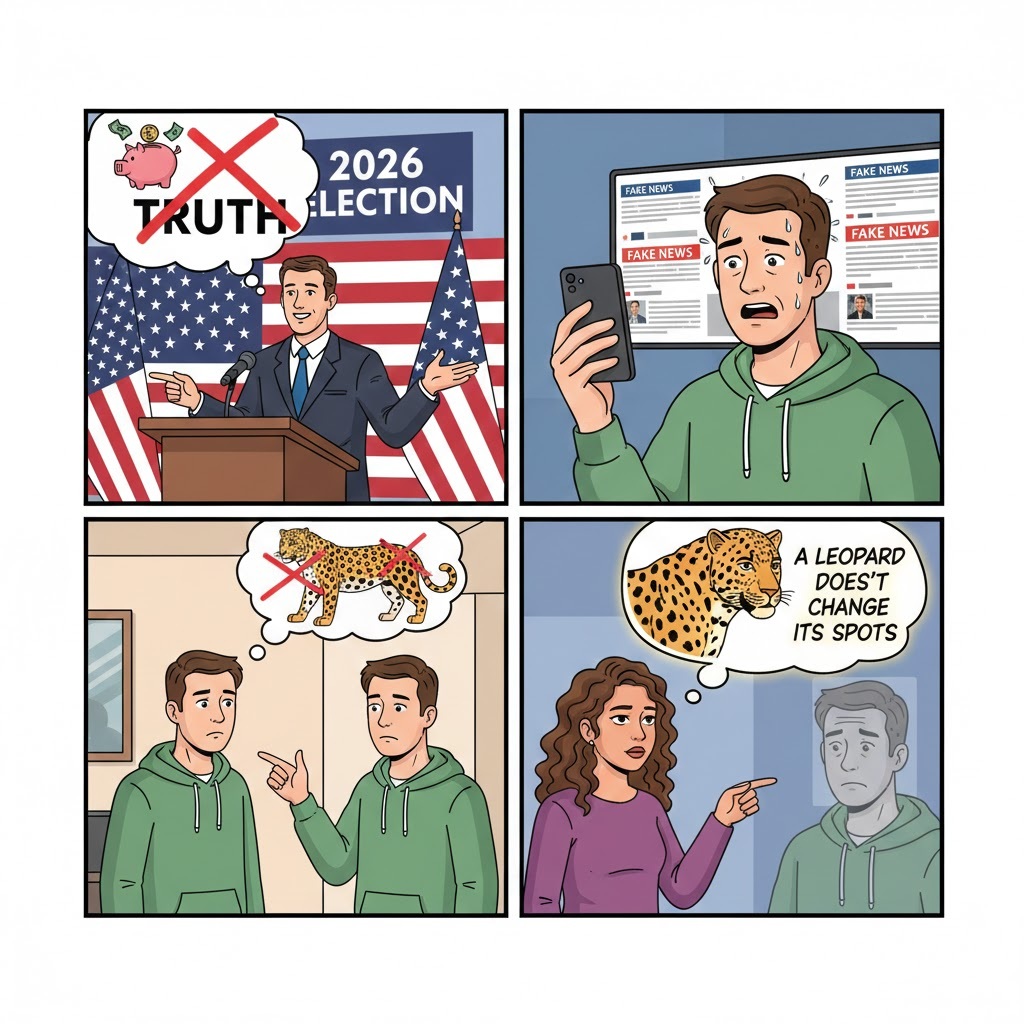
    “A leopard doesn’t change its spots.”


    😈 The Villain (The Wishful Thinker)

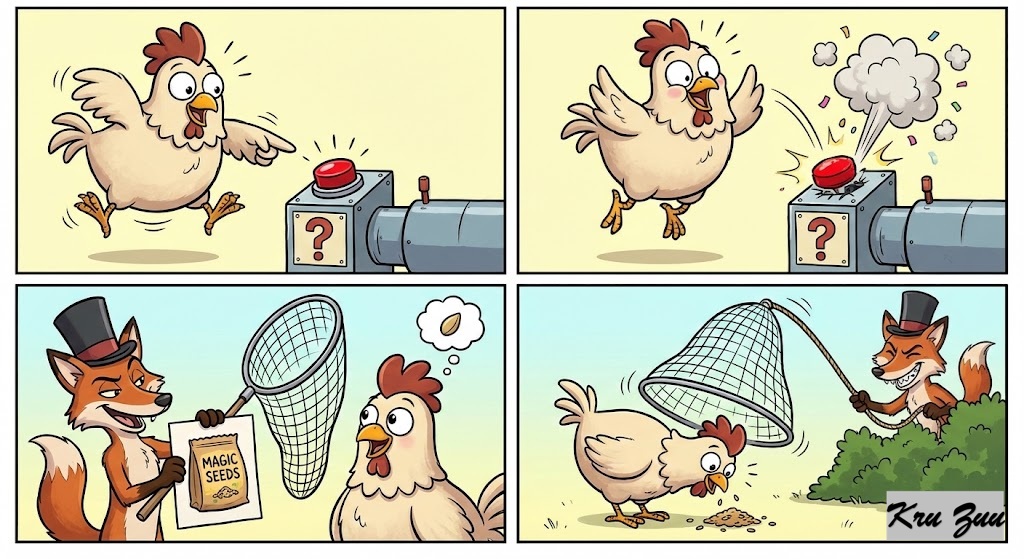
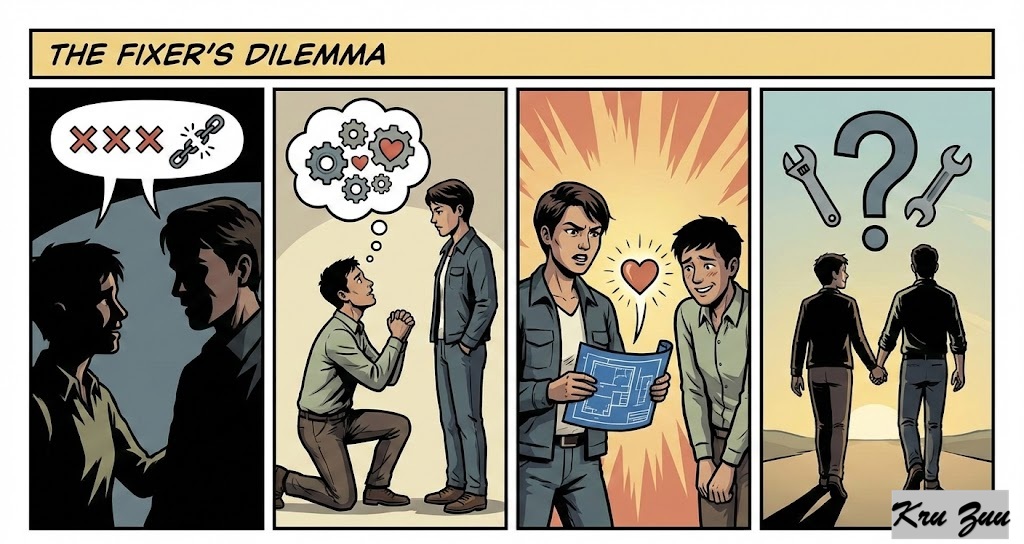
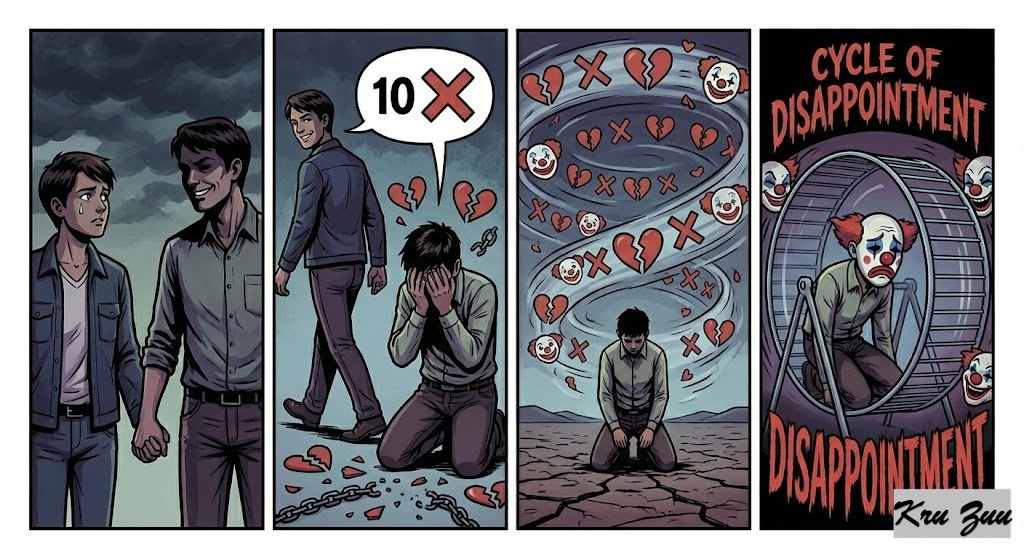
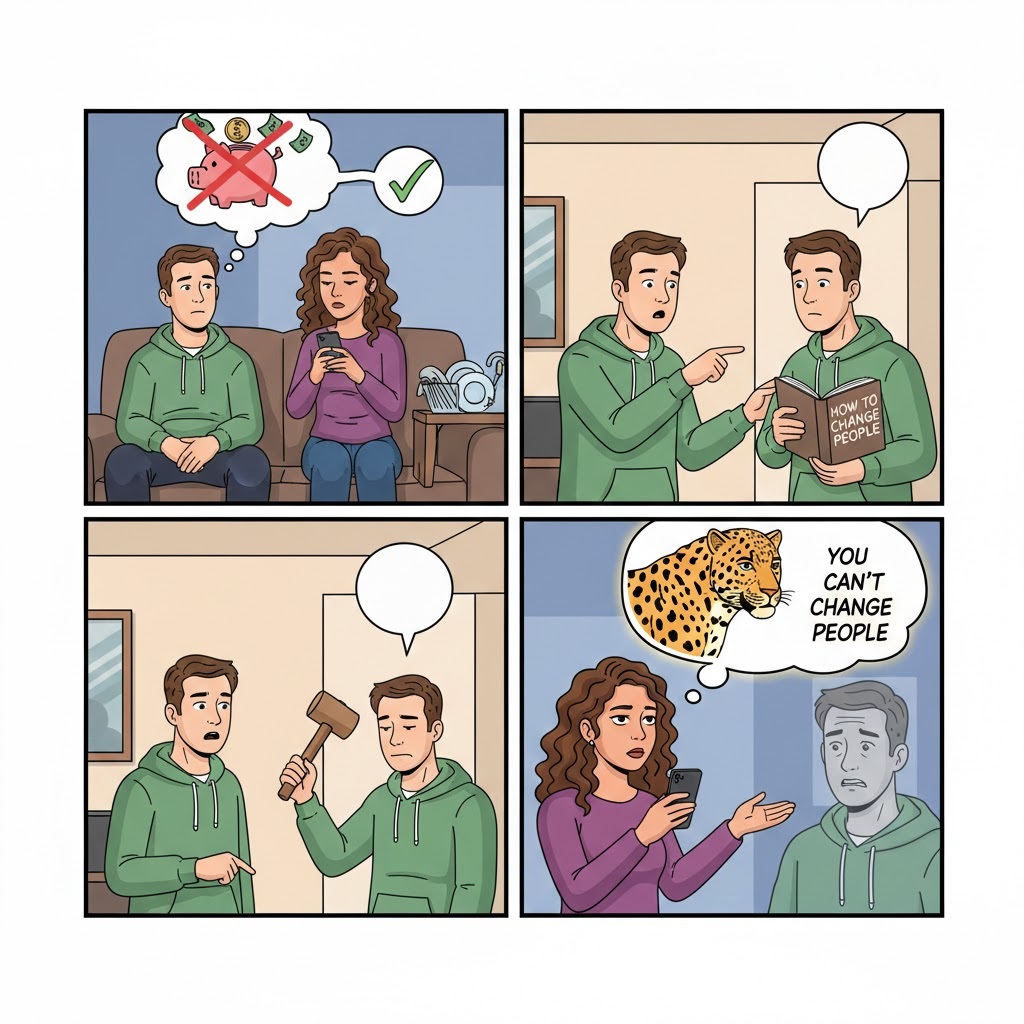
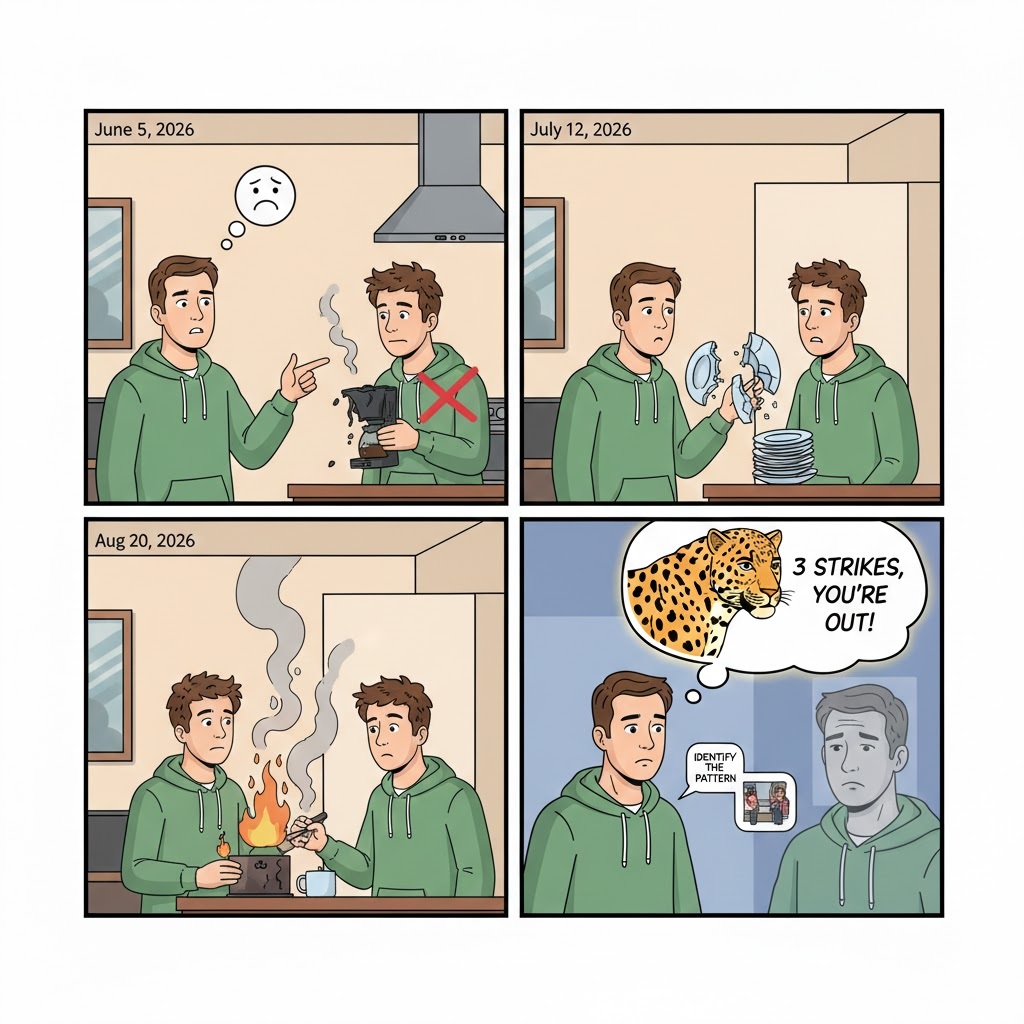
    You meet someone who has lied to you three times. They apologize and say, “I’ve changed! It won’t happen again.” What do you do? You believe them. You think you can “fix” people. You think your love or logic is strong enough to rewrite someone’s personality.

    The Result? You get hurt again. You feel betrayed by the same person, in the same way, for the tenth time. You are trapped in the “Cycle of Disappointment.” 🤡


    😇 The Hero (The Realist)

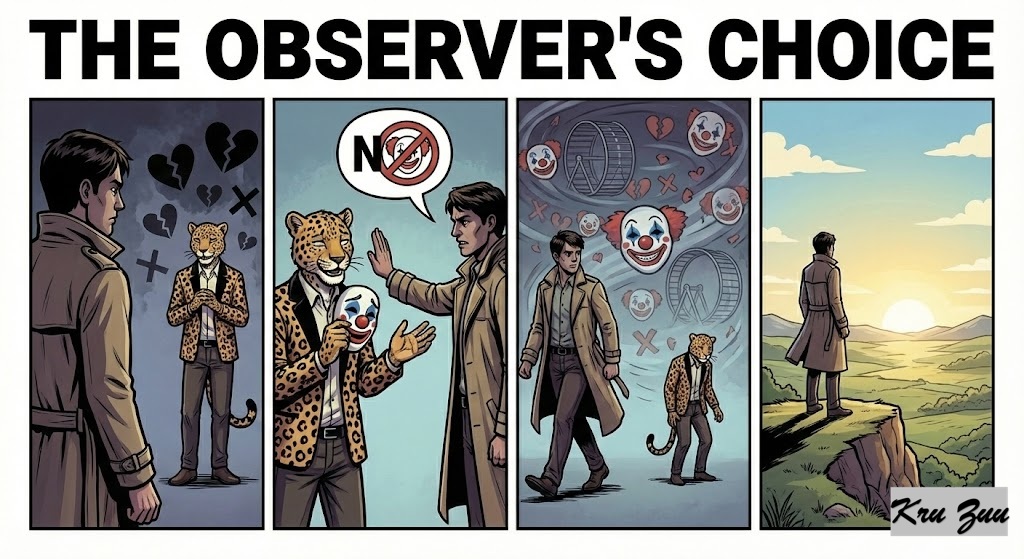
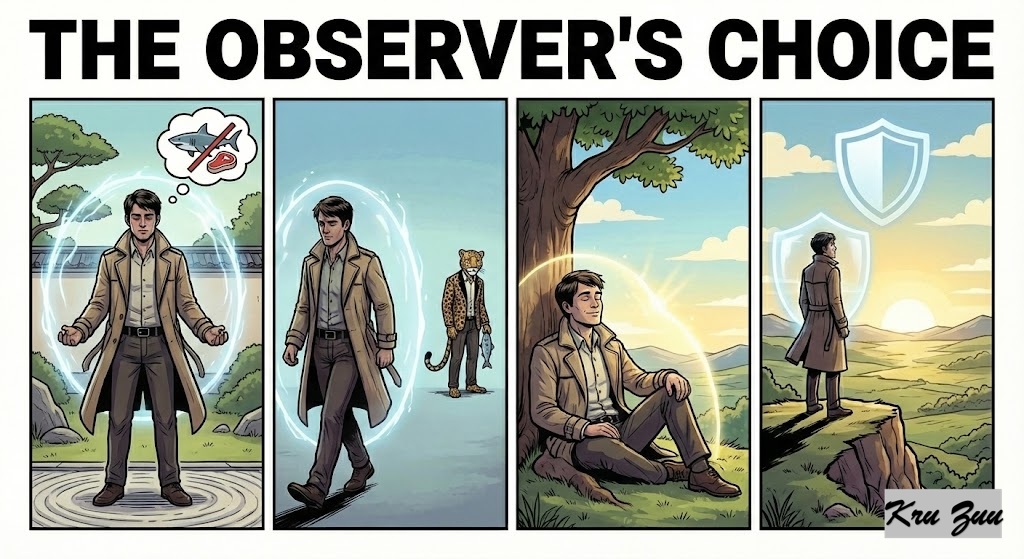
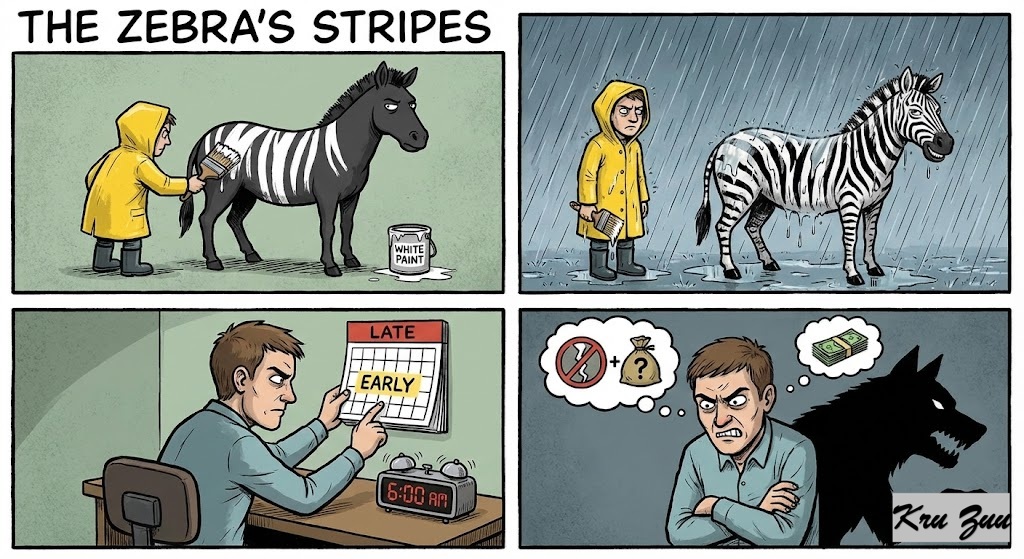
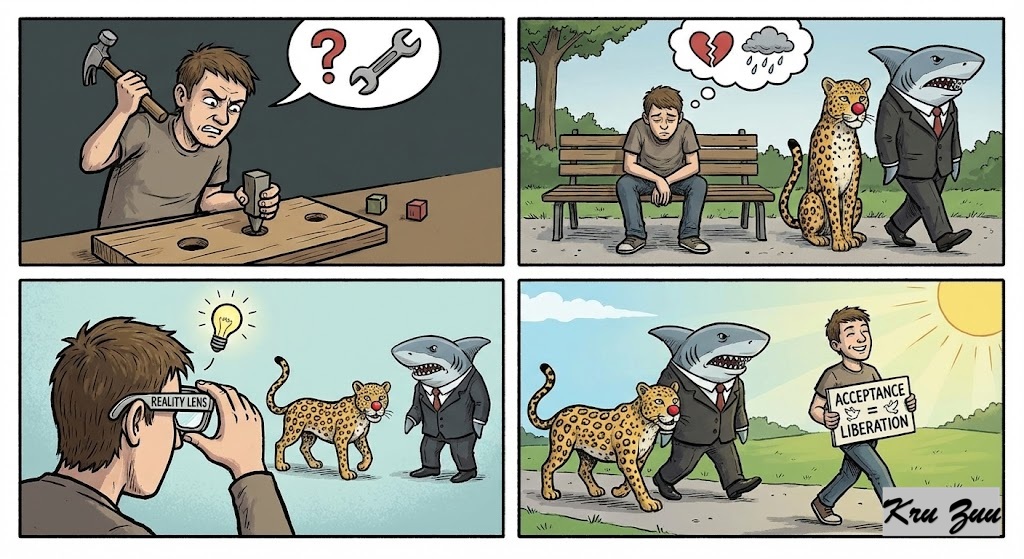
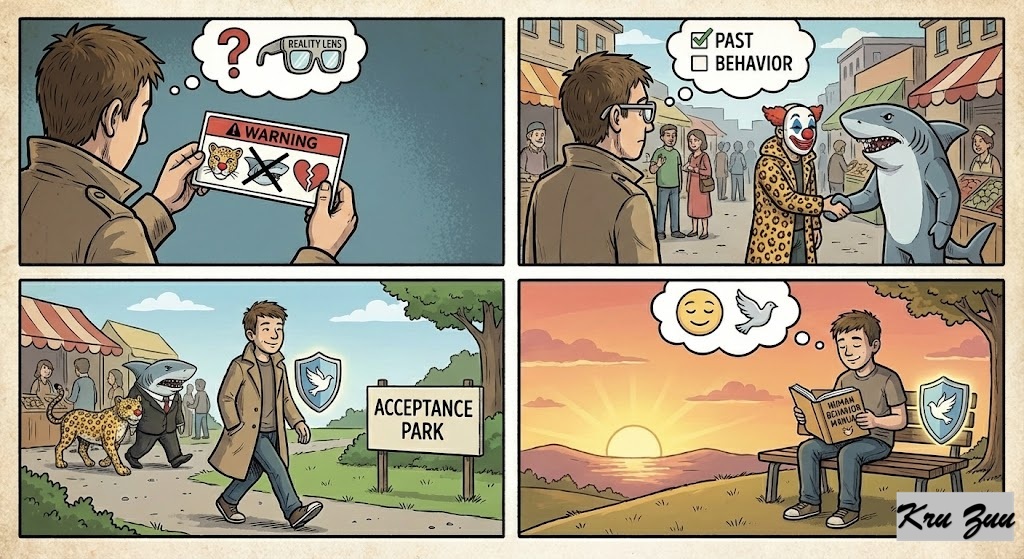
    You observe patterns. You understand that the best predictor of future behavior is past behavior. When someone shows you who they are, you believe them the first time. You don’t try to change the leopard; you simply don’t invite the leopard into your house.

    The Result? You protect your energy. You stop wasting time trying to turn a shark into a vegetarian. You find peace in acceptance. 🛡️


    ⚖️ The Reality


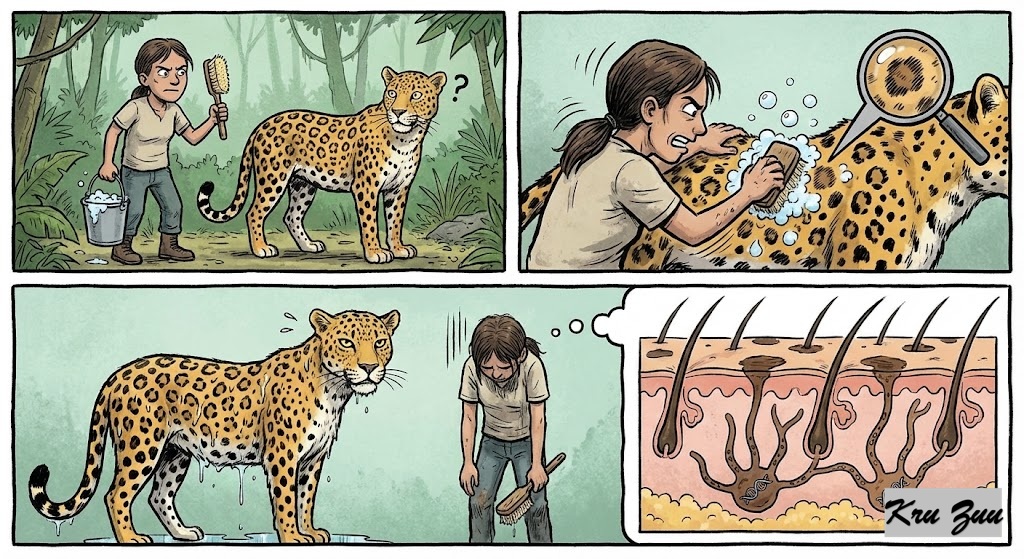
    You can paint a zebra with white paint, but under the rain, the stripes will always return. People can change their habits (diet, wake-up time), but they rarely change their nature (integrity, temperament, core values).

    💎 The Secret

    Realizing this isn’t cynical; it’s liberating. Once you stop expecting people to be who they aren’t, you can deal with them as they are.

    🧐 The Anatomy of the Proverb


    This is your warning label for human behavior.


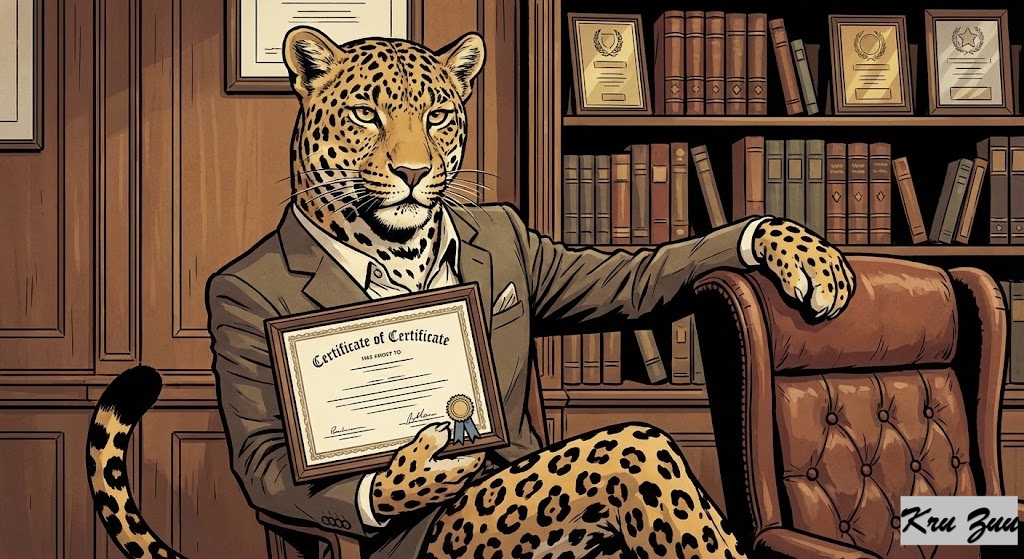
    A Leopard (The Subject): Represents a person with a strong, established reputation or nature.


    Doesn’t Change (Verb Phrase): Cannot alter or remove.


    Its Spots (The Object): Represents innate characteristics, bad habits, or true nature.


    Simpler Version: People stick to their true nature. / You cannot hide who you really are.


    📚 Vocabulary Vault


    Inherent (Adjective): Existing in something as a permanent, essential quality.


    Instinct (Noun): A natural or intuitive way of acting or thinking. 🧠


    Reputation (Noun): The beliefs or opinions that are generally held about someone.


    Naive (Adjective): Showing a lack of experience, wisdom, or judgment. (Too trusting).


    Consistency (Noun): Acting in the same way over time.

    📜 History: Ancient Wisdom


    Where did this wild phrase come from?


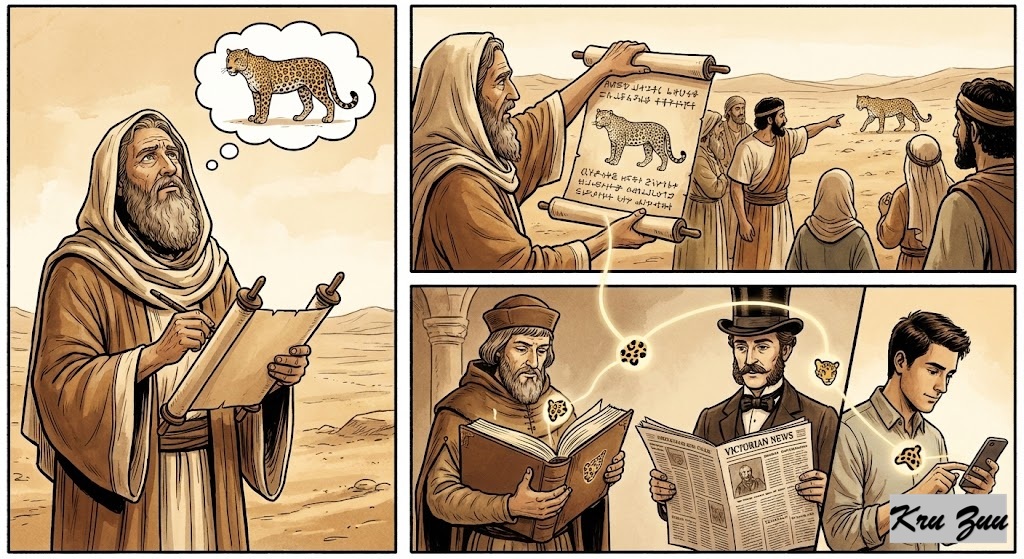
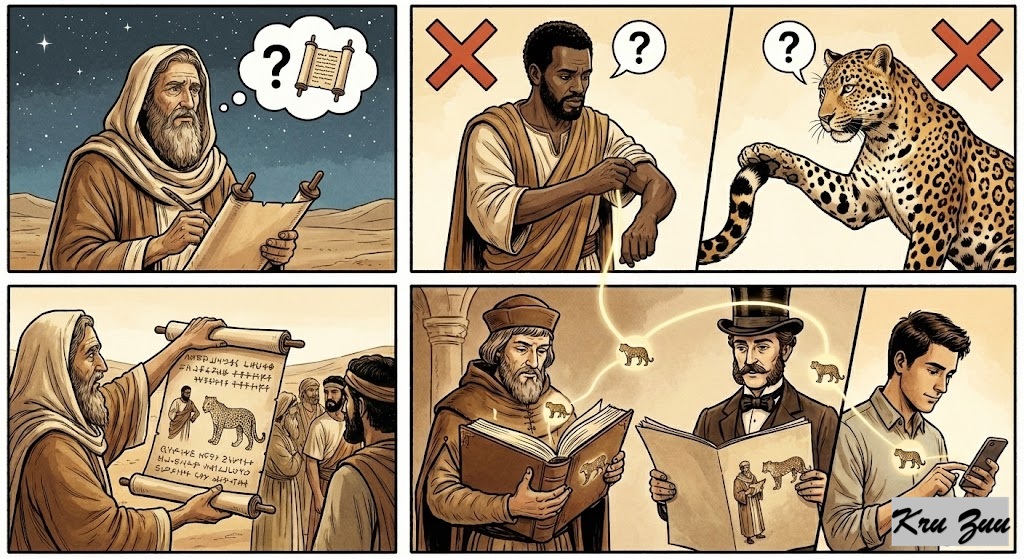
    The Origin: It is actually biblical! It comes from Jeremiah 13:23: “Can the Ethiopian change his skin, or the leopard his spots?” It was a rhetorical question meaning “No, it is impossible.”


    The Logic: A leopard’s spots are not dyed on its fur; they are part of its genetics. You cannot wash them off.


    Global Cousins


    🇹🇷 Turkish: “Can çıkar huy çıkmaz” (The soul leaves the body, but the habit/character does not).


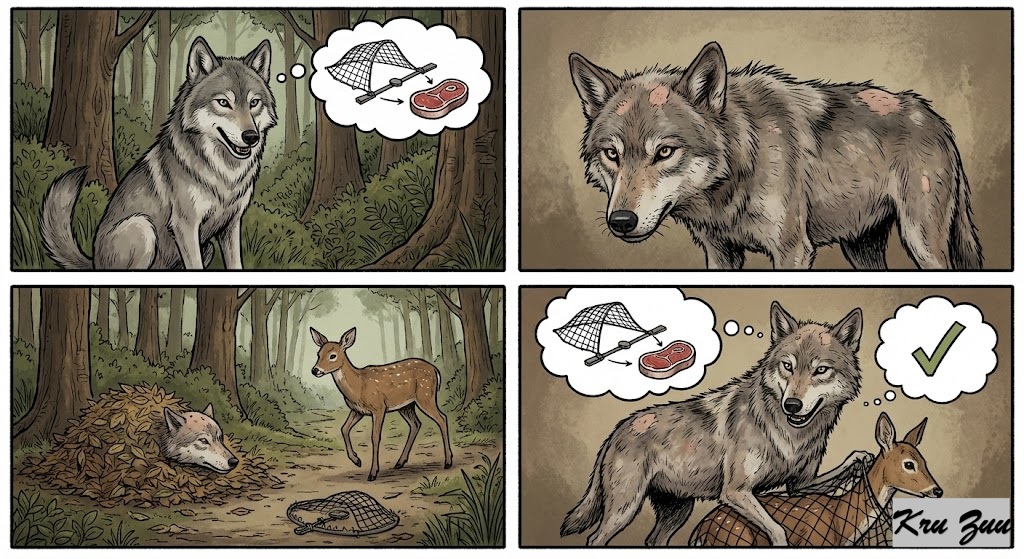
    🐺 Latin: “The wolf loses his hair, but not his tricks.”


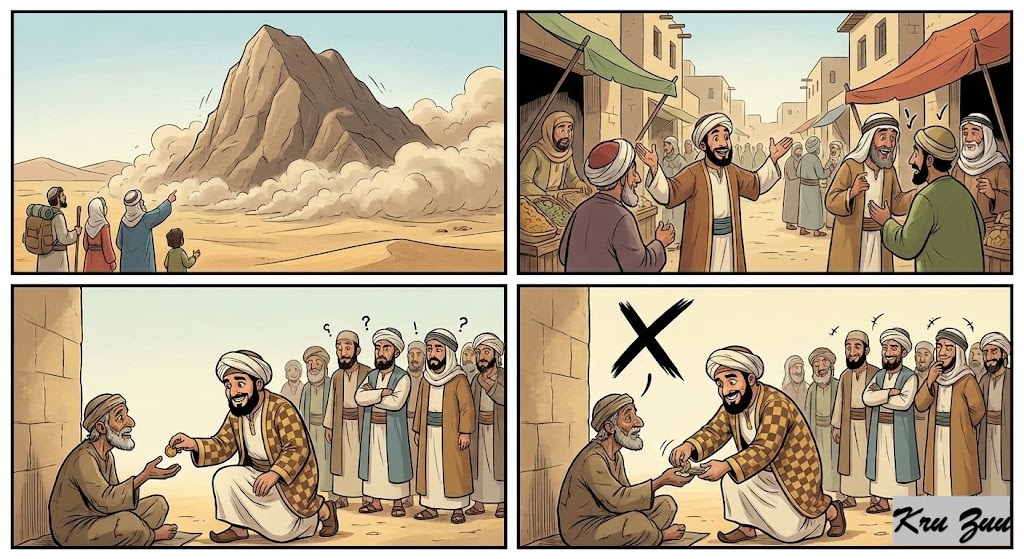
    🐸 Arabic: “If you hear that a mountain moved, believe it; but if you hear that a man changed his character, do not believe it.”

    🎯 Impact on Life: The Pros & Cons


    ✅ The Pros (The Shield)


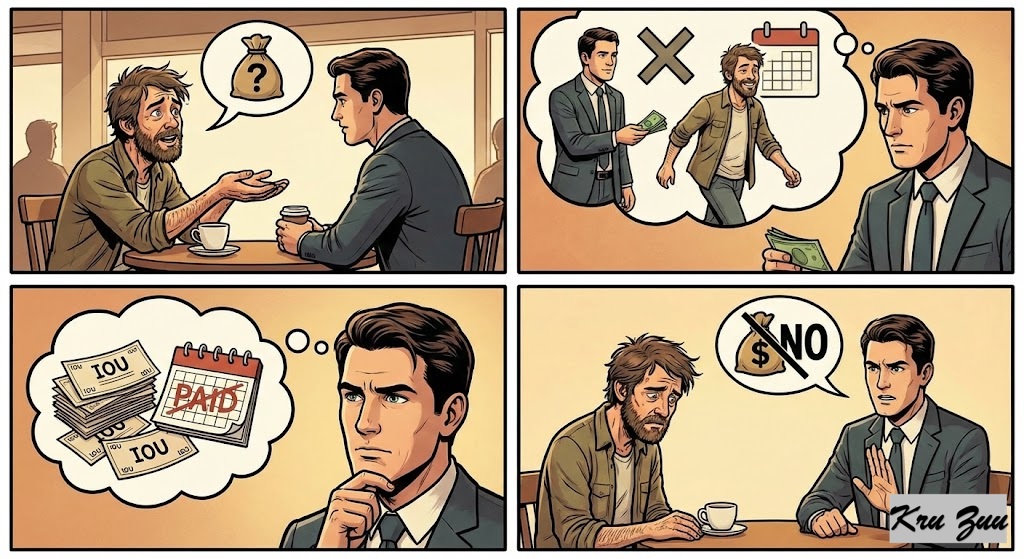
    Protection: You stop lending money to the friend who never pays you back.


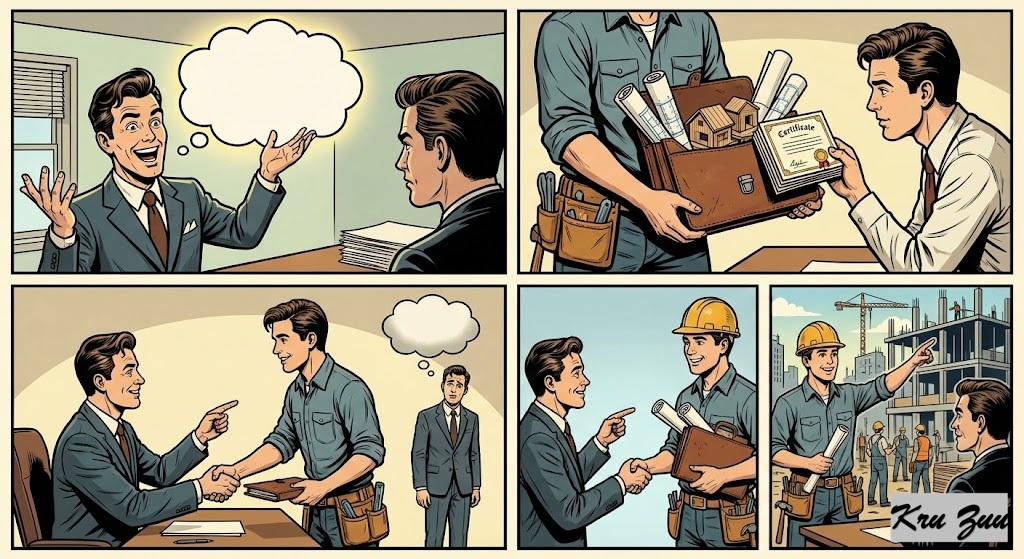
    Clarity: You hire people based on their track record, not their promises.


    ❌ The Cons (The Trap)


    Cynicism: Be careful. If you believe no one can ever improve, you won’t give people a fair chance to grow. This idiom applies mostly to core character, not skills. A bad driver can learn to drive well, but a liar rarely becomes an honest man.

    🎭 Short Story: The “Vegetarian” Lunch 🥗😼🐔


    Let’s return to the magical forest to see if nature really changes.


    🌟 The Cast


    Cleo the Cat:
    The predator who claims she is “reformed.” 😼


    Cluck the Chicken: The trusting optimist. 🐔


    Fred the Frog: The skeptical realist. 🐸


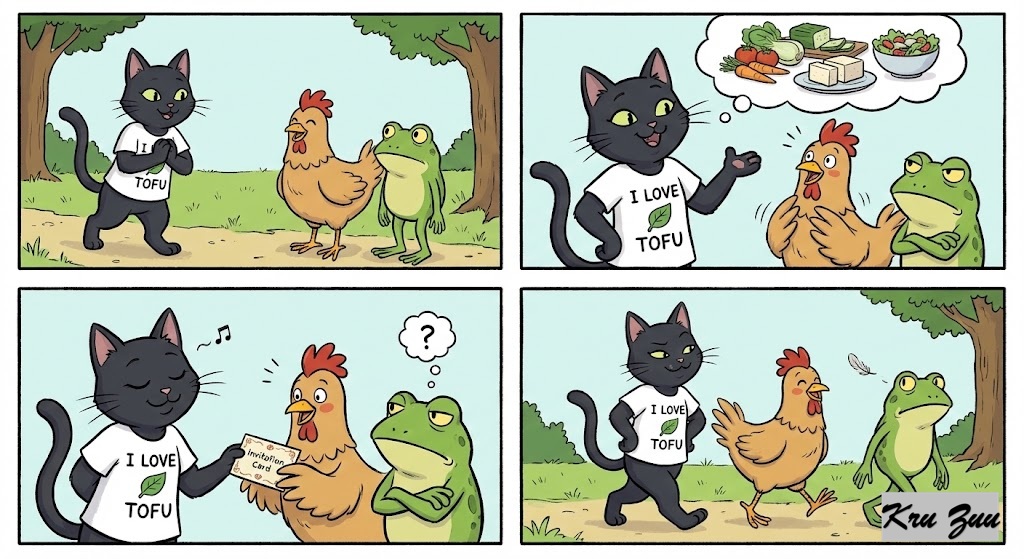
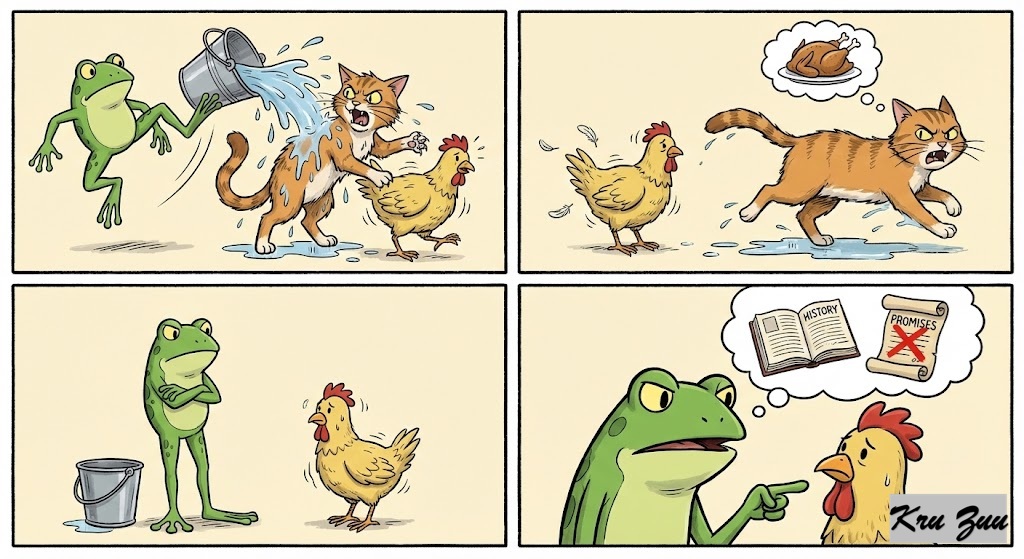
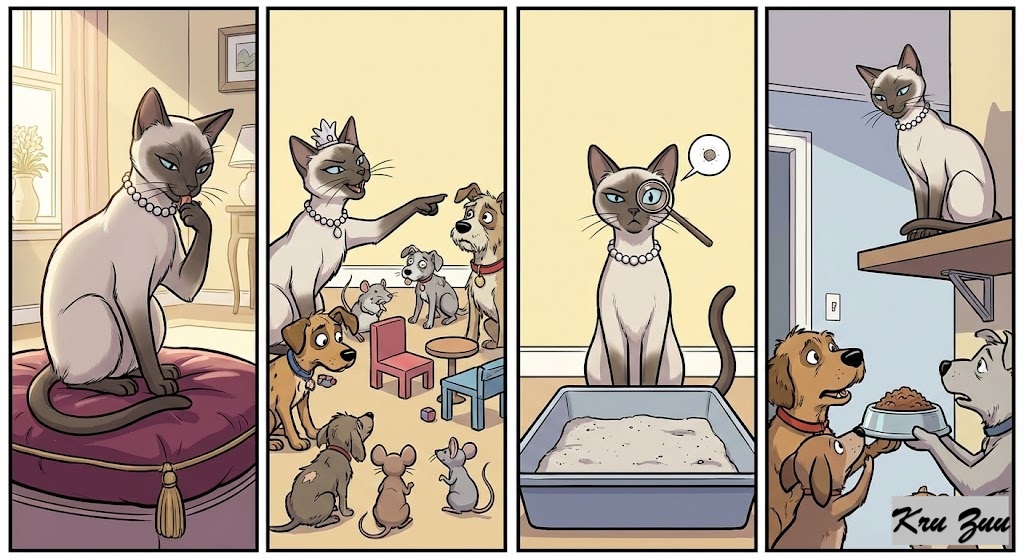
    The Situation: Cleo the Cat approaches Cluck and Fred. She is wearing a shirt that says “I Love Tofu.” “Good news!” Cleo purrs smoothly. “I have decided to change my lifestyle. I am no longer a hunter. I am a vegetarian now. I want to invite you both to lunch to celebrate my new life.”


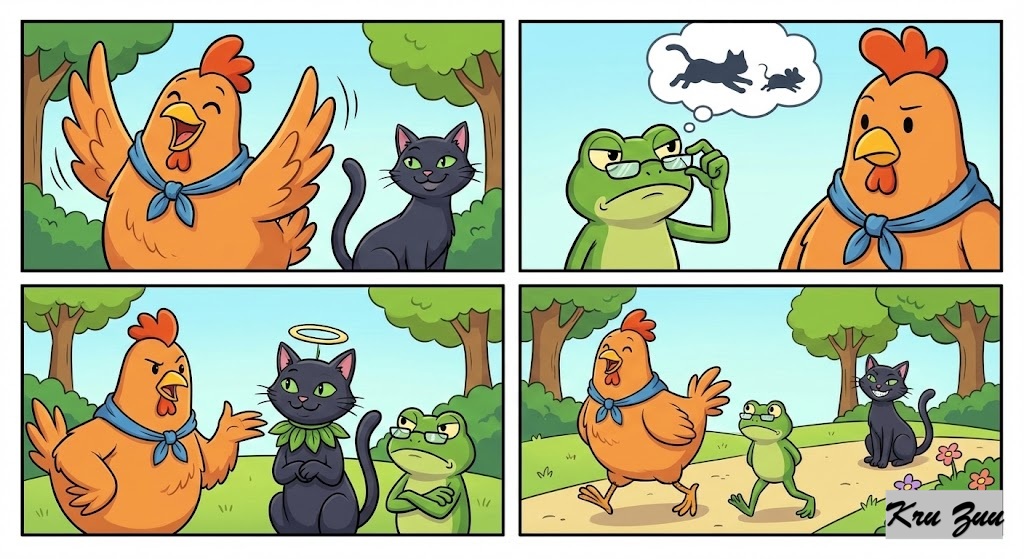
    The Conflict: Cluck is thrilled. “Oh, how wonderful!” Cluck chirps, flapping his wings. “I always knew you were good deep down, Cleo! We will be there!” Fred the Frog adjusts his glasses and frowns. “Ribbit. I don’t know, Cluck. She ate a mouse last Tuesday. A leopard or a cat, doesn’t change its spots.” “Don’t be so negative, Fred!” Cluck scolds. “She has changed!”


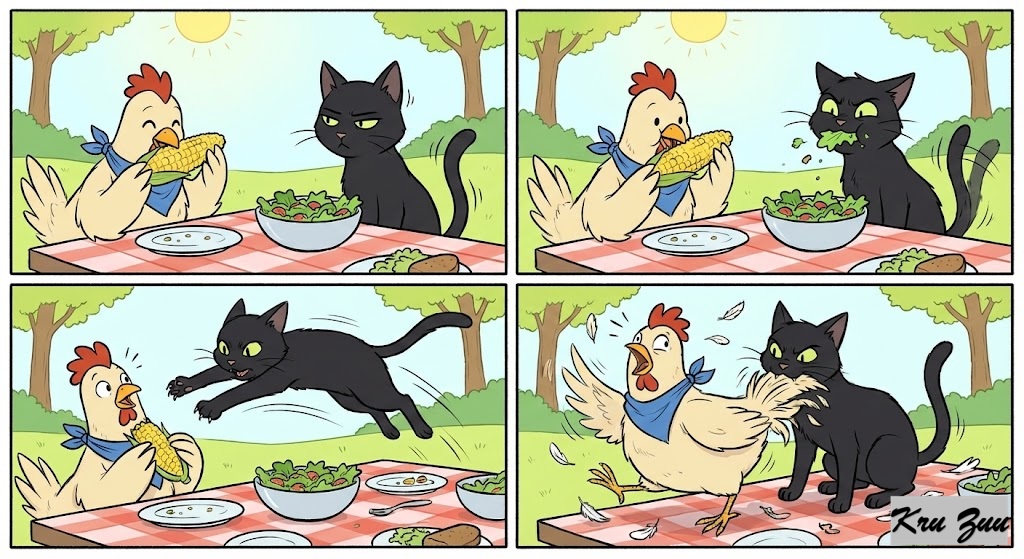
    The Lunch: They sit down at the picnic. There is a bowl of salad. Cleo tries to eat a leaf of lettuce. She chews it… and spits it out. She looks at Cluck. Her eyes get wide. Her tail starts to twitch. 🐈 Cluck is busy eating corn. “This is great, Cleo!” Suddenly, Cleo lunges! POUNCE! She jumps across the table, aiming right for Cluck’s feathery tail!


    The Resolution: Fred was ready. He kicks a bucket of water onto Cleo. 💦 Cleo hisses, “I couldn’t help it! He looked so delicious!” and runs away to dry off. Fred looks at the shaking Chicken. “Cluck, next time, believe history, not promises.”


    The Moral: Instinct is powerful. Just because someone says they are different, doesn’t mean their “spots” are gone. Keep your guard up until you see real action.

    🎓 Lesson for English Learners


    Don’t force the translation.


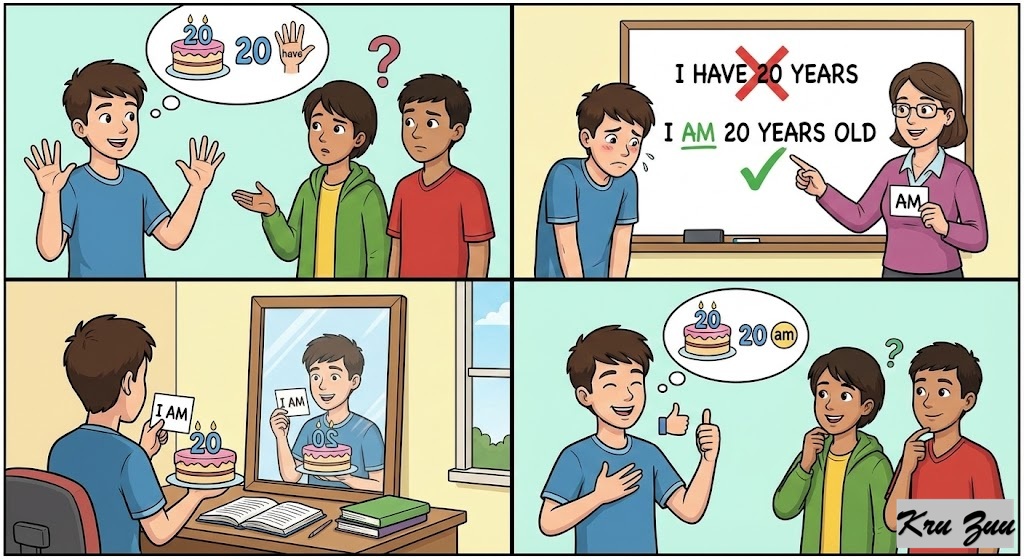
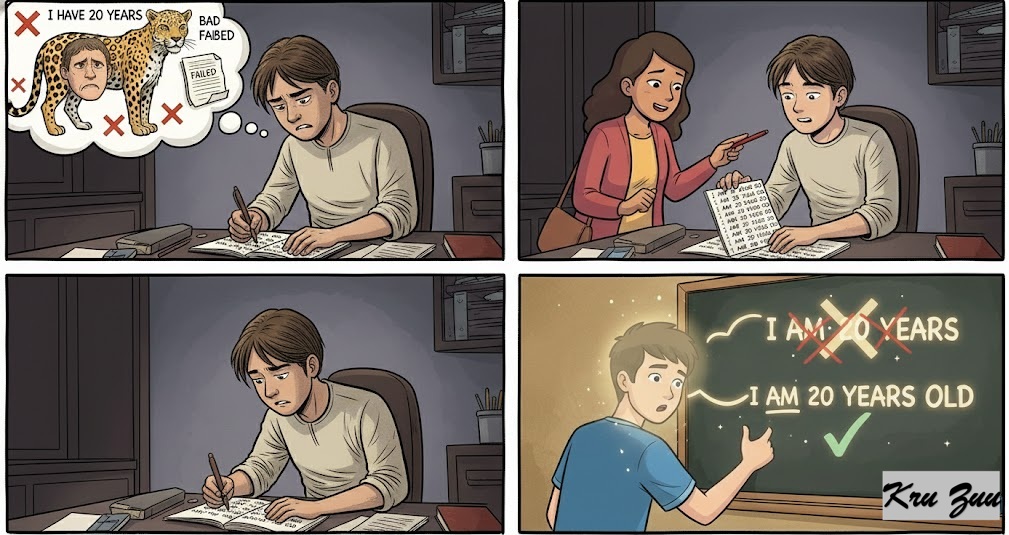
    Situation: You keep making the same grammar mistake (e.g., saying “I have 20 years” instead of “I am 20 years old”).


    The Shift: You might feel like you are the leopard—that you can’t change your bad habit.


    The Fix: Unlike personality, language habits CAN change. But it takes “conscious repetition.” You must rewrite your spots.


    Usage: If a politician is caught lying again, you can shake your head and say to your friend: “Well, you know what they say… a leopard doesn’t change its spots.”


    💬 Your Turn: The Reality Check 🚀


    Is there someone in your life you are trying to “change”?


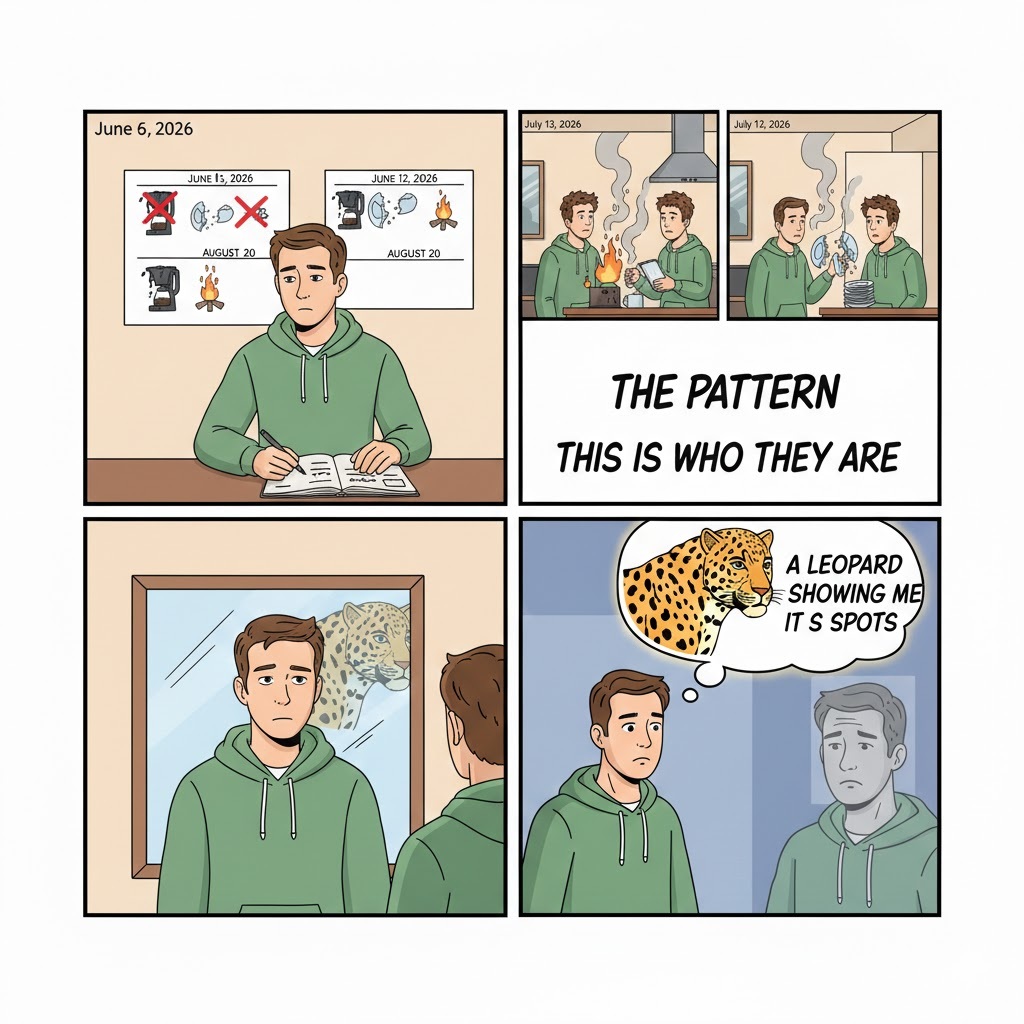
    Identify: Think of a person who has disappointed you in the same way 3 times.


    Accept: Say to yourself, “This is who they are. They are showing me their spots.”


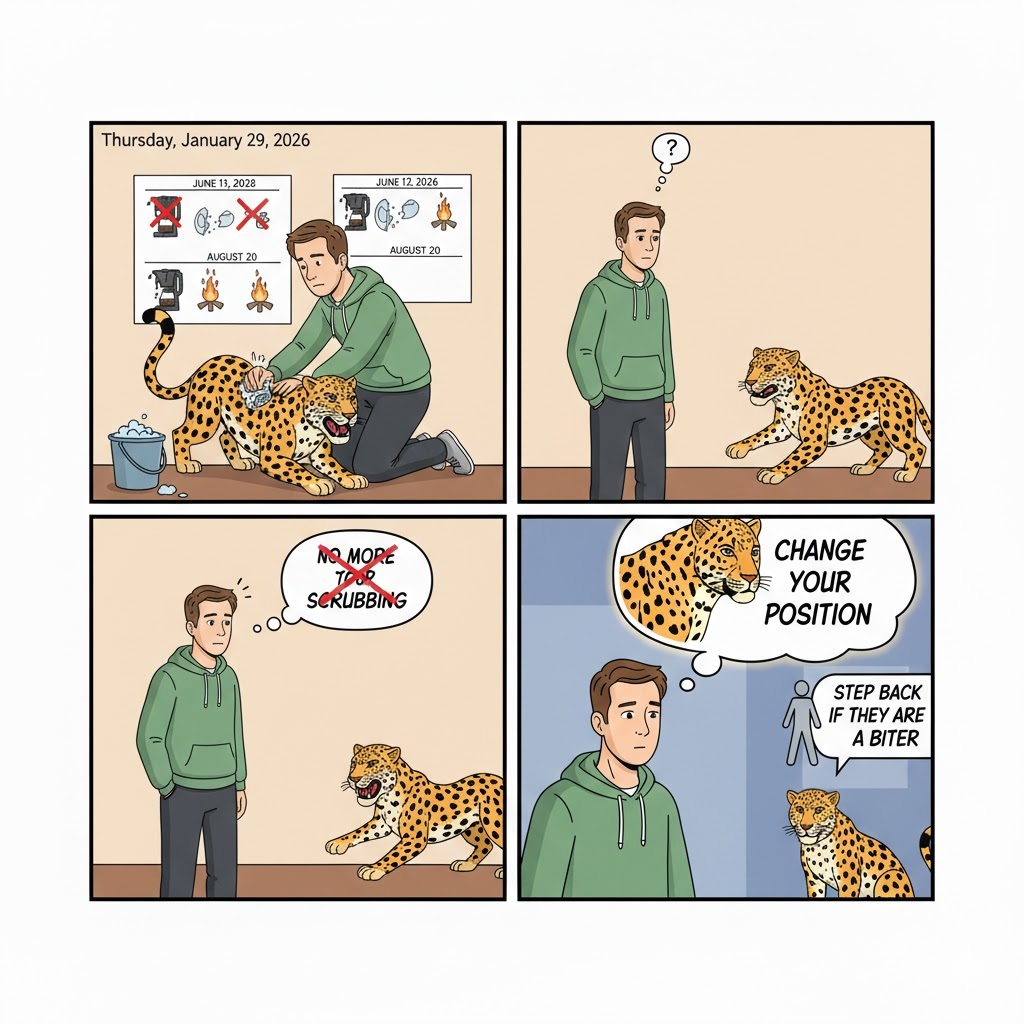
    The Action: Stop trying to scrub their spots off. Instead, change your position. If they are a biter, step back so they can’t bite you.


    👇 Question for the comments: Do you believe people can truly change their core personality? Or do we stay the same forever?

    Let me know your thoughts!

    By Zubeyir YURTKURAN

    https://www.facebook.com/BrainBattleground/

    https://www.facebook.com/zubeyr.yurtkuran/

    https://www.instagram.com/zubeyryurtkuran/
    https://www.youtube.com/@BrainBattleground-b3p

    https://www.instagram.com/brainbattleground/

  • 💃 The Daily Shield: The Law of Mutual Responsibility

    💃 The Daily Shield: The Law of Mutual Responsibility

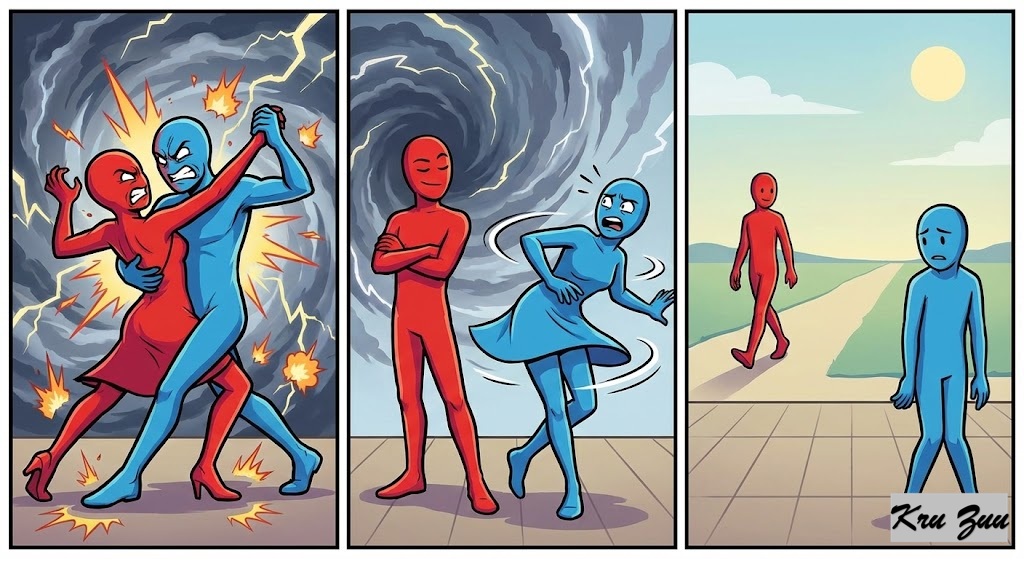
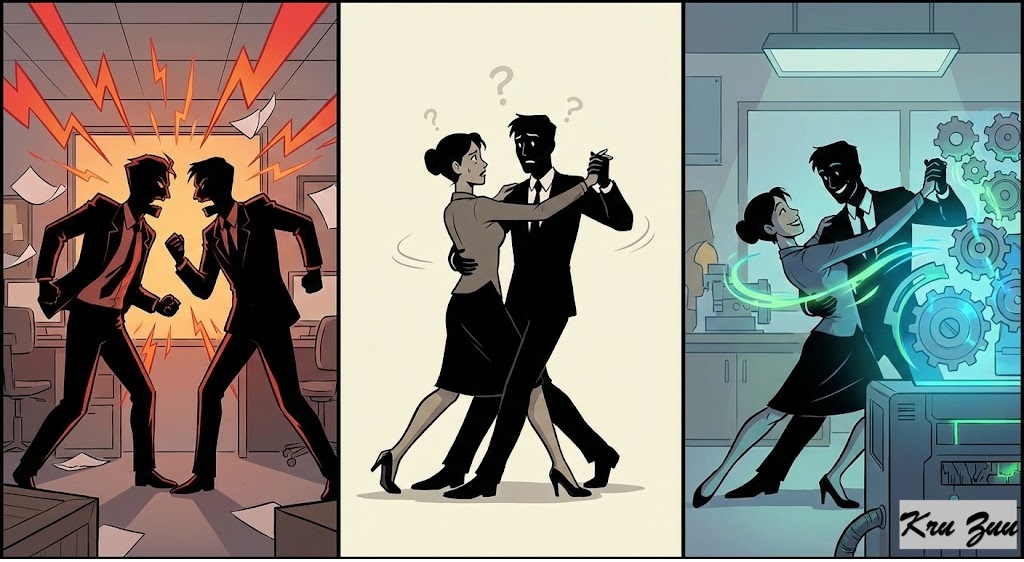
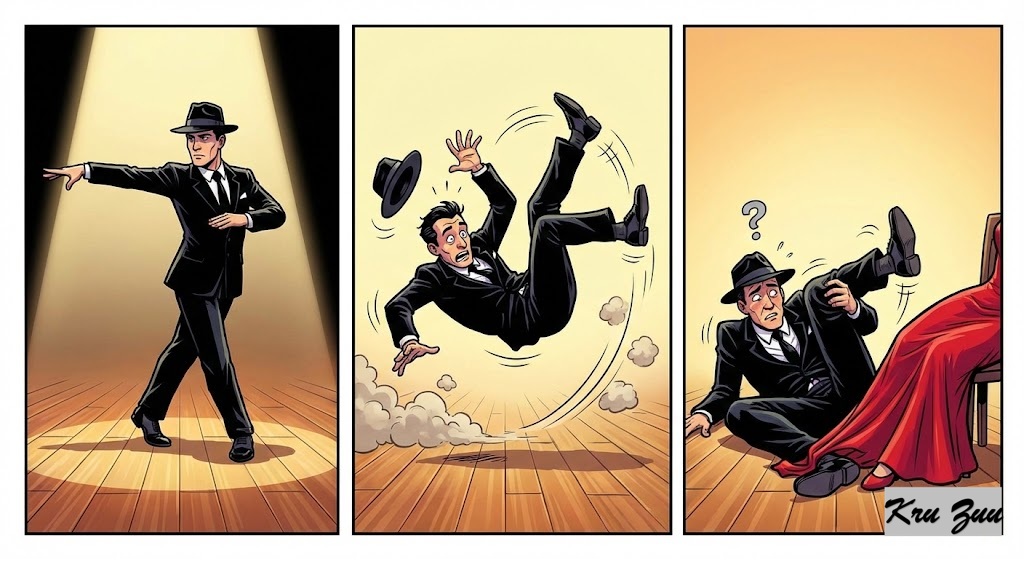
    “It takes two to tango.”


    😈 The Villain (The Blamer)

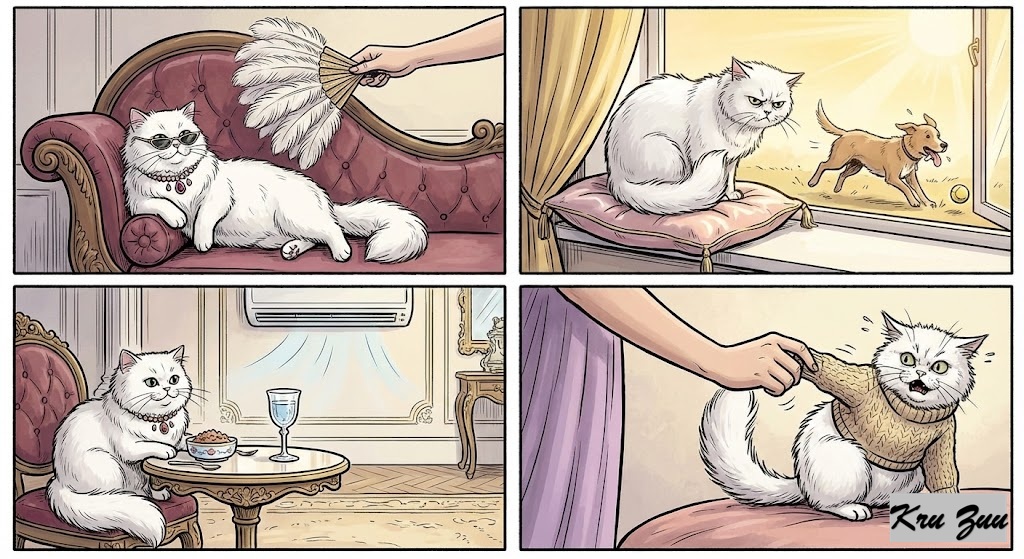
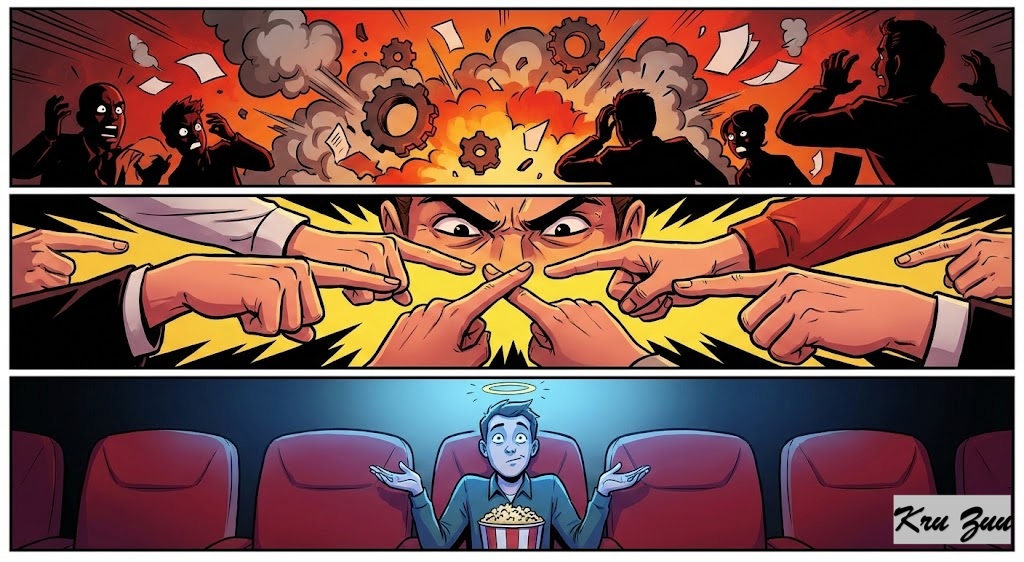
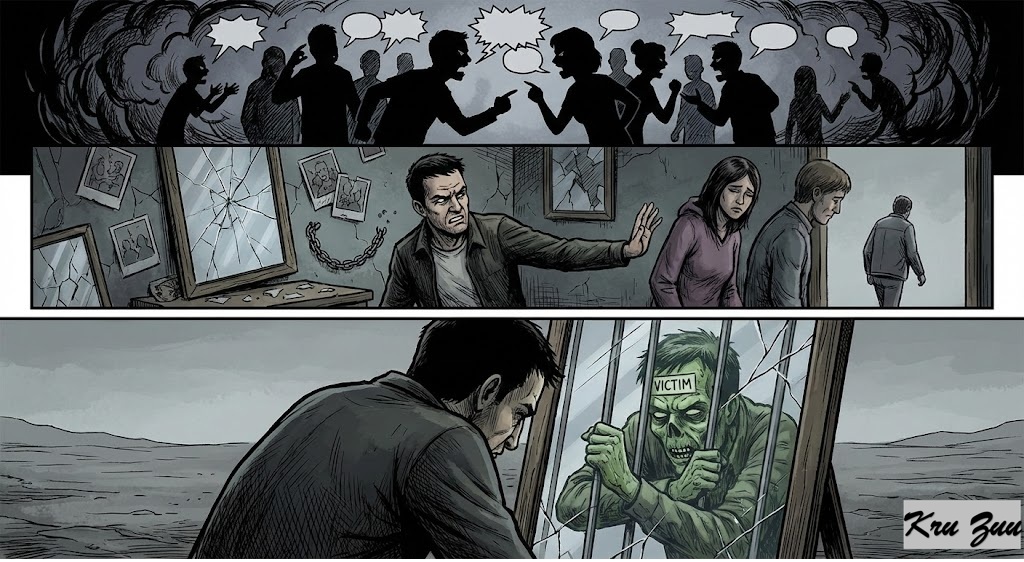
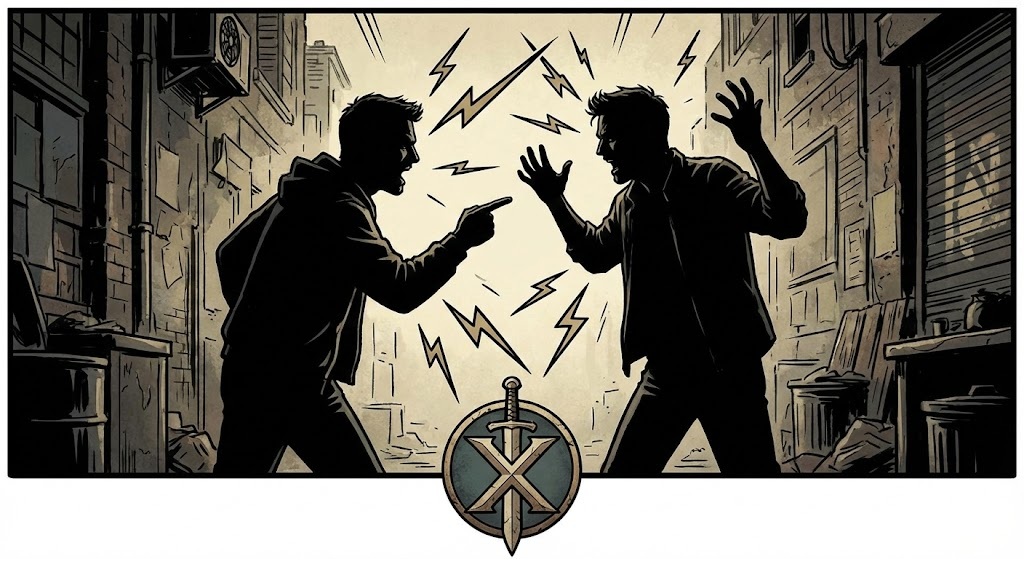
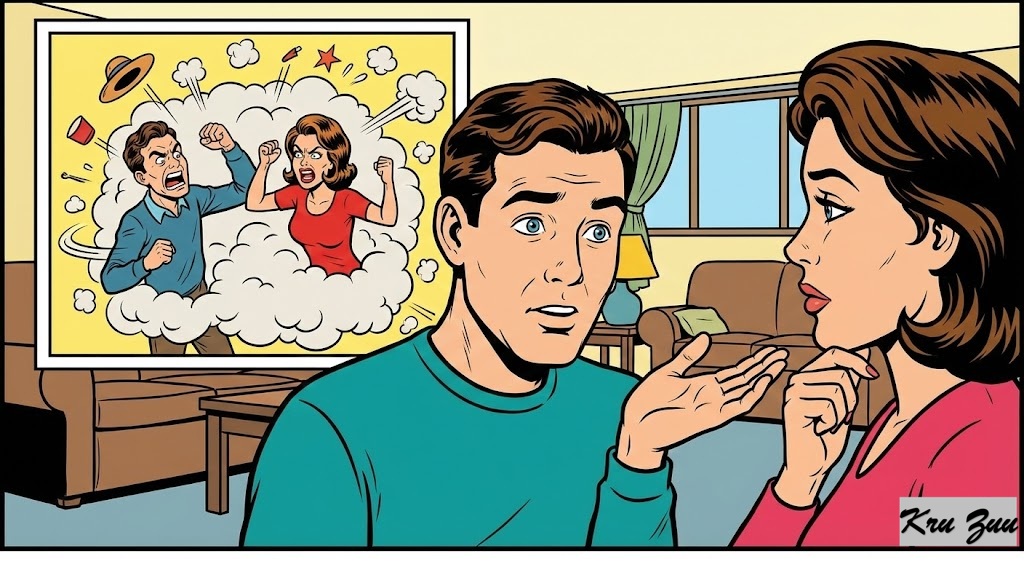
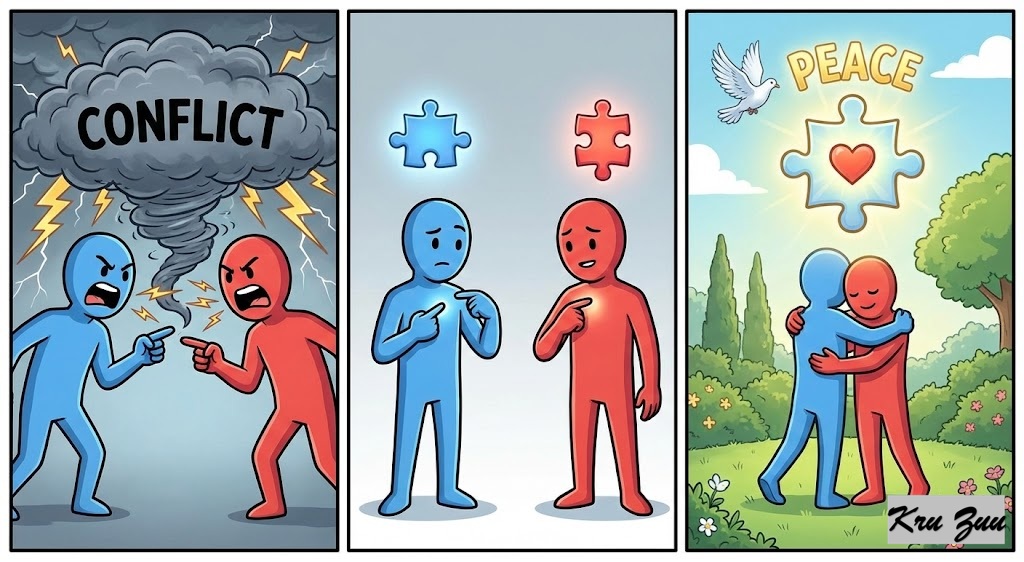
    Something goes wrong. An argument explodes. What is the first thing you do? You point your finger. 👉 “It’s his fault!” “She started it!” “The team failed because they didn’t listen to me.” You act as if you are innocent. You pretend you are just an audience member in the movie of your life.

    The Result? Arguments never end. Resentment builds. You lose friends, partners, and colleagues because you refuse to look in the mirror. You are trapped in the “Victim Mindset.” 🧟‍♂️


    😇 The Hero (The Partner)

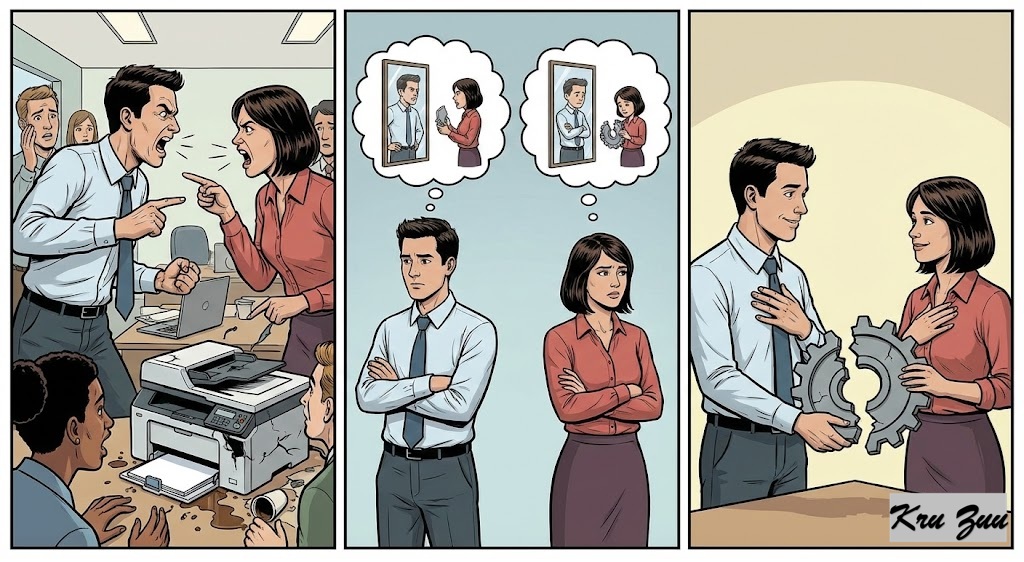
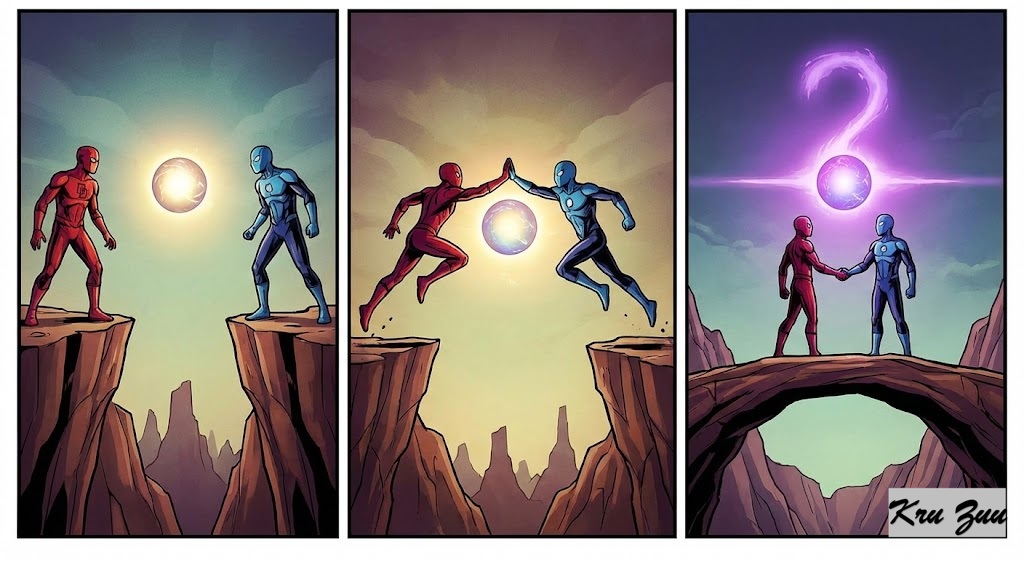
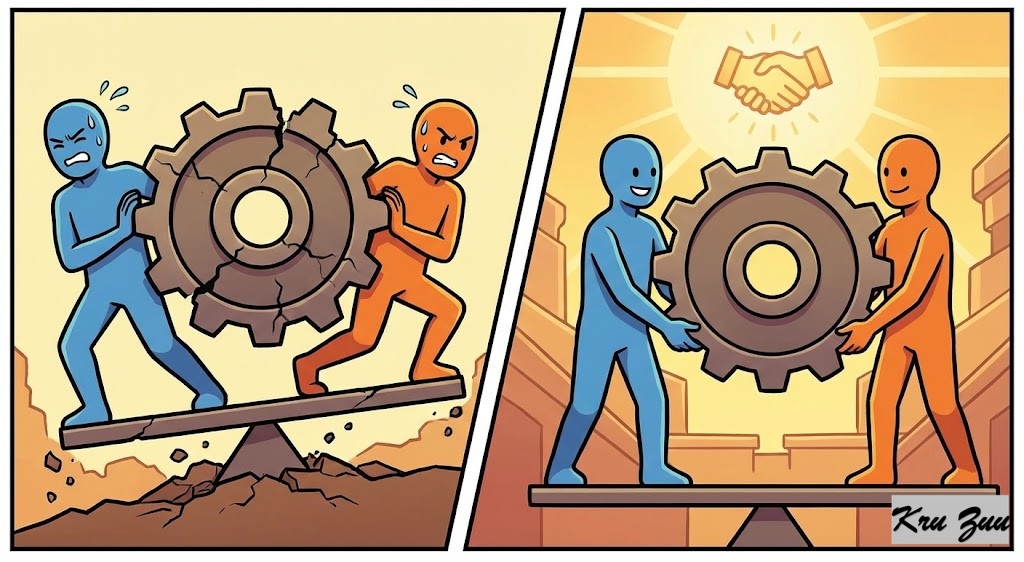
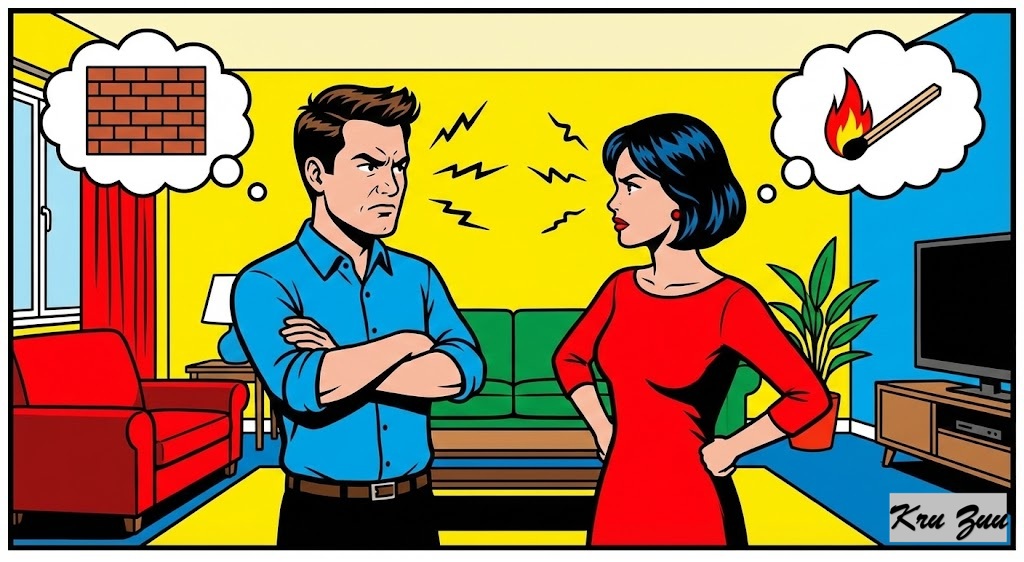
    Conflict happens. A mistake is made. Instead of pointing fingers, you pause. You realize that in almost every interaction, both sides play a role. You say: “We both own this.” You accept your 50% (or even your 10%) of the responsibility.

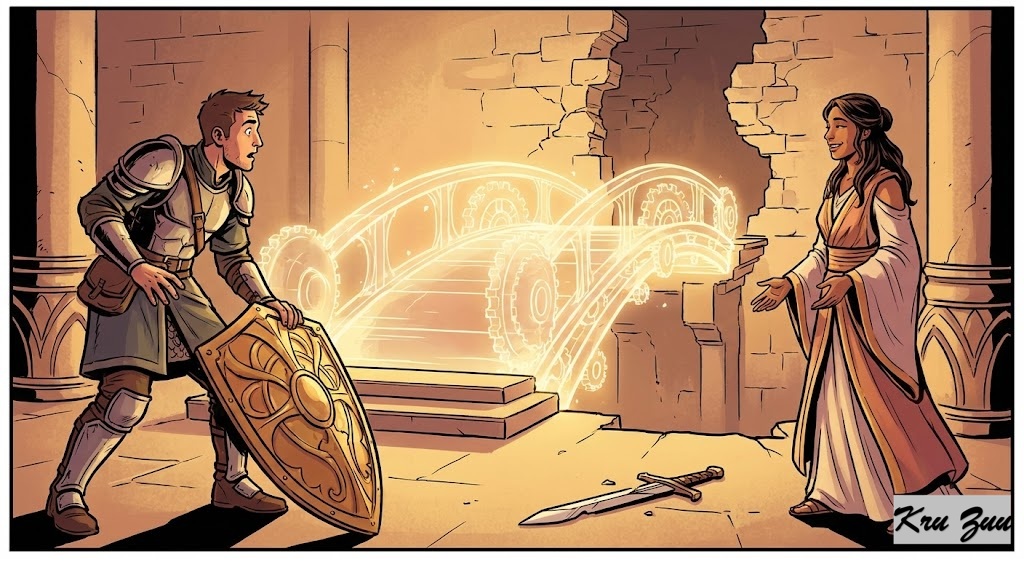
    The Result? The fighting stops immediately. The other person lowers their defenses. You solve the problem together instead of attacking each other. You build bridges, not walls. 🛡️


    ⚖️ The Reality


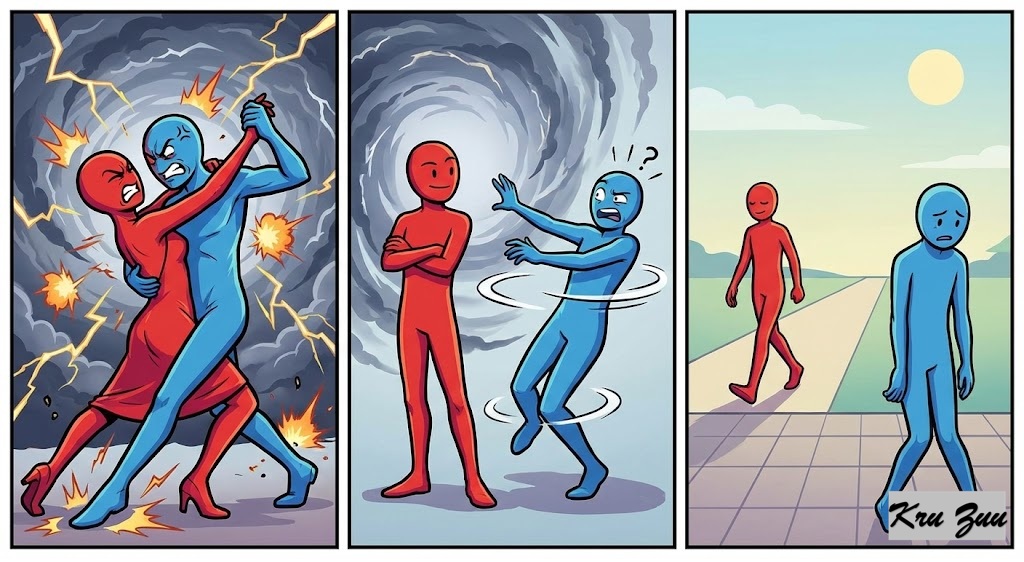
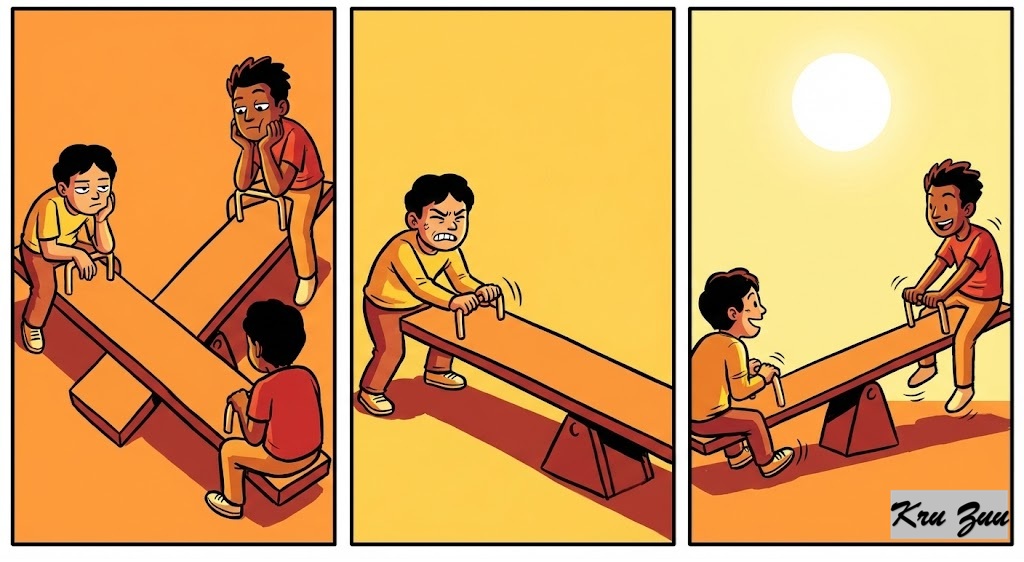
    One hand cannot clap. Arguments, bad relationships, and failed projects are rarely 100% one person’s fault. Conflict is a dance. It requires two participants to keep the drama going. If one person stops dancing (stops arguing), the tango ends.


    💎 The Secret

    You cannot control the other person’s steps, but you can control yours. If you change your steps, the dance changes.

    🧐 The Anatomy of the Proverb


    This is your reminder that interaction requires participation from both sides.


    It takes (Verb phrase): It requires; it needs.


    Two (Number): Both parties.


    To Tango (Infinitive Verb): To perform the dance (metaphor for interacting, arguing, or collaborating).


    Simpler Version: Both people are responsible. / Cooperation is necessary.


    📚 Vocabulary Vault


    Accountability (Noun):
    Taking responsibility for your actions. (The sign of a leader).


    Conflict (Noun): A serious disagreement or argument. ⚔️


    Collaborate (Verb): To work jointly on an activity to produce or create something.


    Mutual (Adjective): Held in common by two or more parties. (e.g., “Mutual respect”).


    Engagement (Noun): The action of being involved in something.


    🧠 Grammar Focus: Idioms as Explanations


    We often use this idiom as a standalone sentence to explain why something is happening.


    Person A: “Why are John and Sarah always fighting?”


    Person B: “Well, he is stubborn, but she loves to provoke him. It takes two to tango.”

    📜 History: Origin and Spread


    Where did this groovy phrase come from?


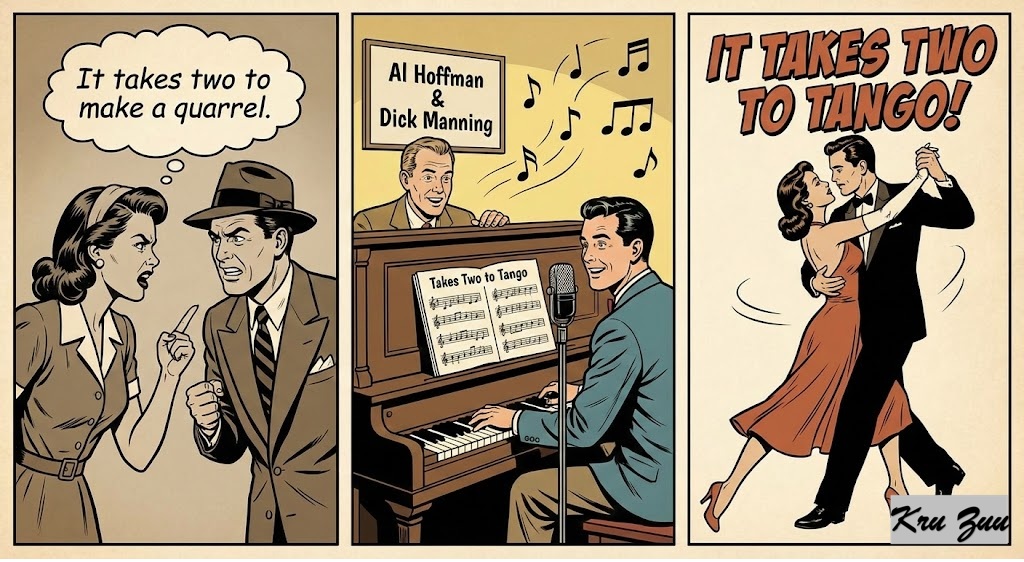
    The Origin: It was popularized by the catchy song “Takes Two to Tango” written by Al Hoffman and Dick Manning in 1952. Before this, people simply said “It takes two to make a quarrel.”


    The Logic: The Tango is a dramatic, complex dance from Argentina. You literally cannot do the moves alone. If you try, you just look silly falling over!


    Global Cousins


    🇹🇷 Turkish:
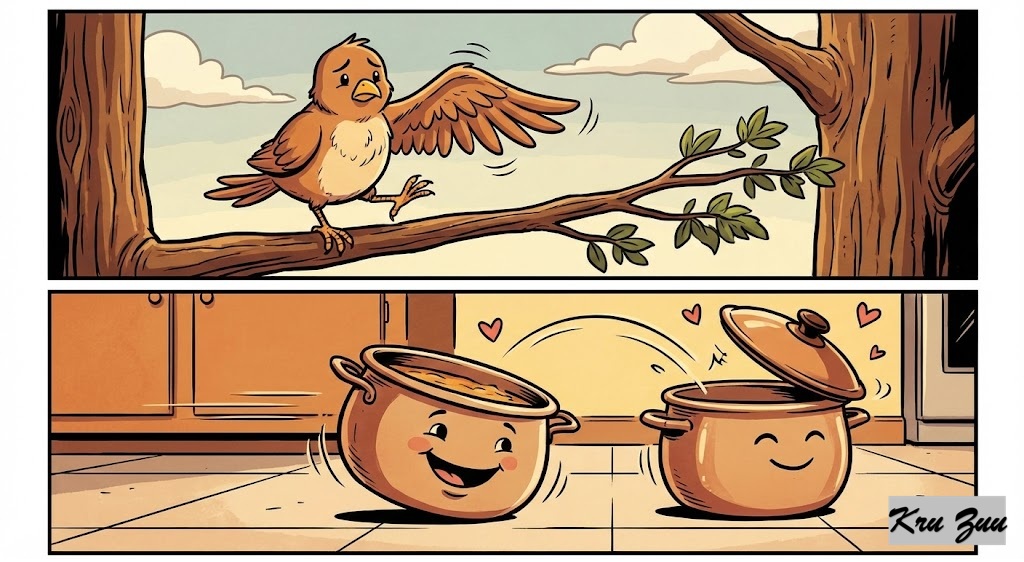
    “Tek kanatla kuş uçmaz” (A bird doesn’t fly with one wing) or “Tencere yuvarlanmış kapağını bulmuş” (The pot rolled and found its lid – for compatible pairs).


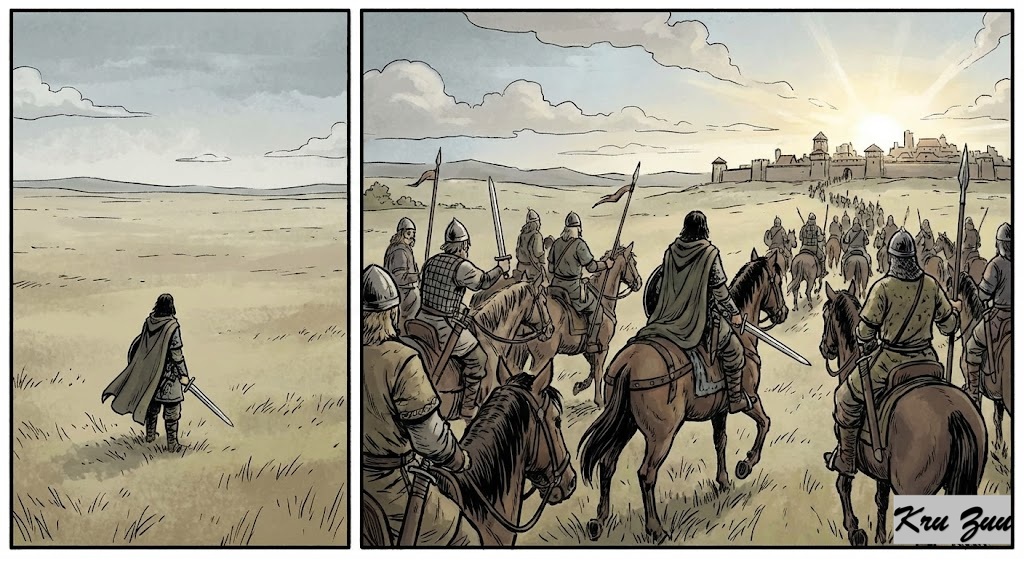
    🇷🇺 Russian:“One man in the field is not a warrior.”


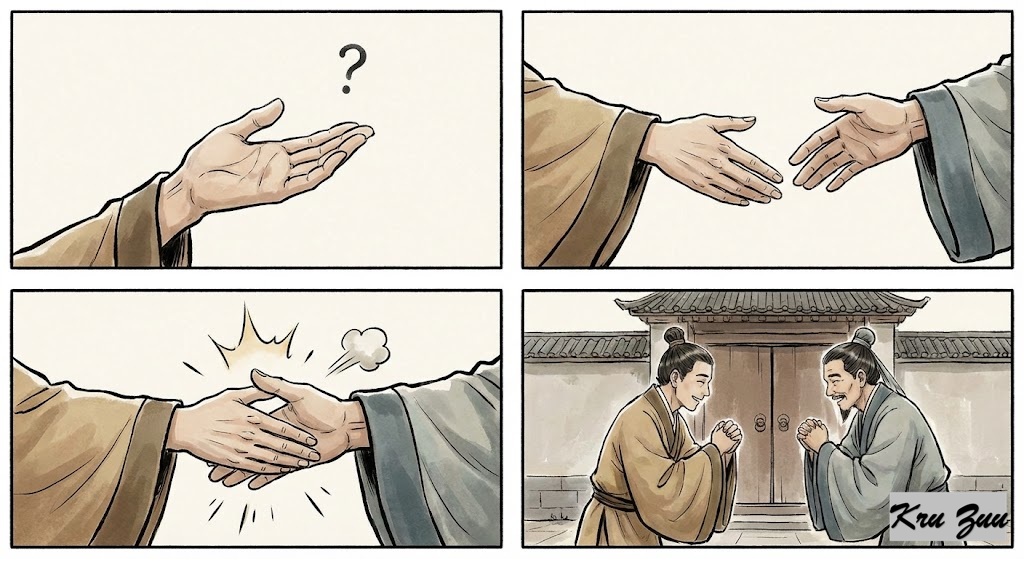
    🇨🇳 Chinese:“A lone palm cannot clap.”

    🎯 Impact on Life: The Pros & Cons


    ✅ The Pros (The Connection)


    Resolution:
    When you admit your part in a problem, the other person usually admits theirs. Peace comes instantly.


    Success: Great businesses and marriages are built on the idea that “we are in this together.”


    ❌ The Cons (The Trap)


    False Guilt:
    Be careful. If someone abuses you or commits a crime against you, that is not a tango. That is an attack. Do not accept blame for things you didn’t do.

    🎭 Short Story: The Swamp Symphony 🐸🐱🐔


    Let’s visit the edge of the magical forest to see this law in action.


    🌟 The Cast


    Cleo the Cat: Elegant, perfectionist, but bossy. 😼


    Cluck the Chicken: Energetic, clumsy, and loud. 🐔


    Fred the Frog: The wise, green observer. 🐸


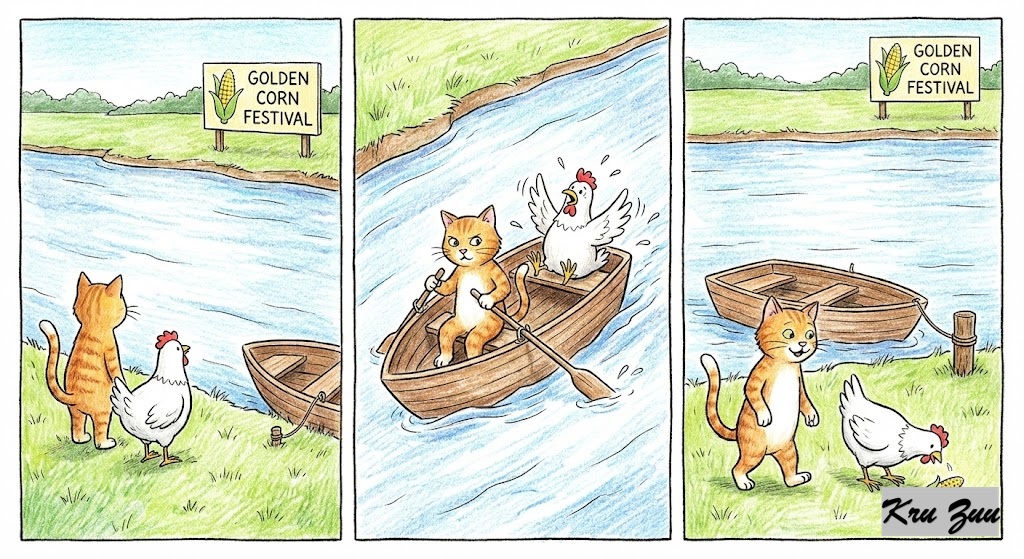
    The Situation: Cleo and Cluck want to cross the river to get to the “Golden Corn Festival.” There is only one small rowboat.


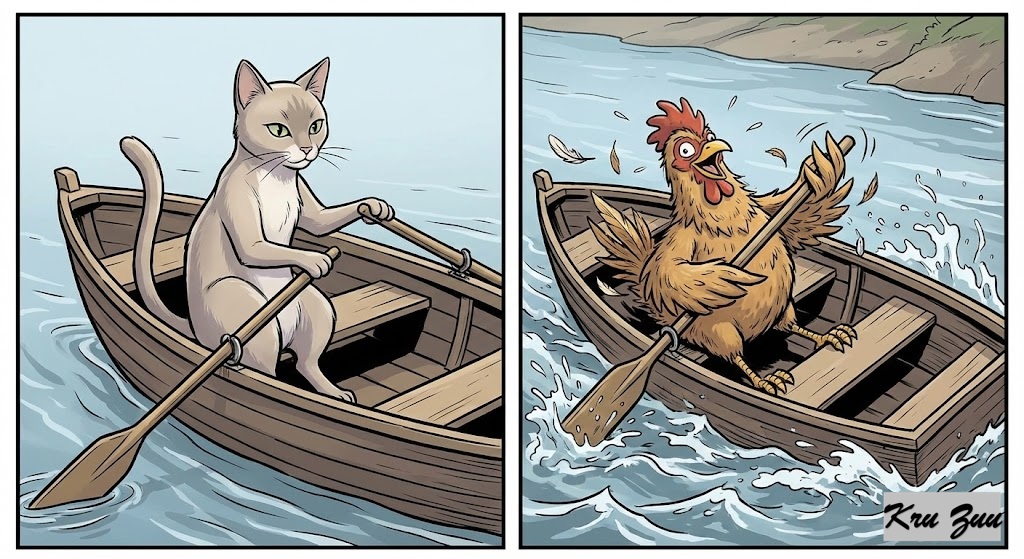
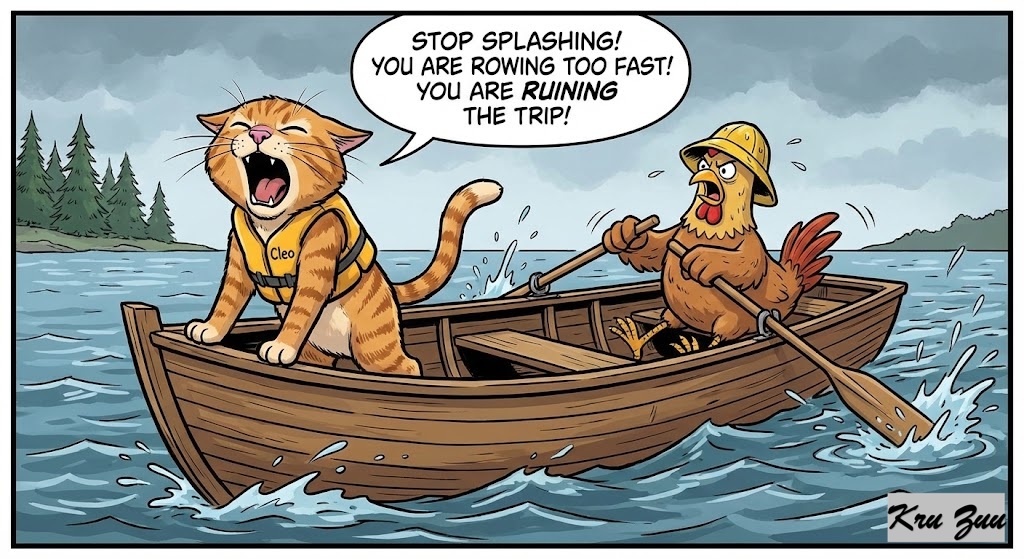
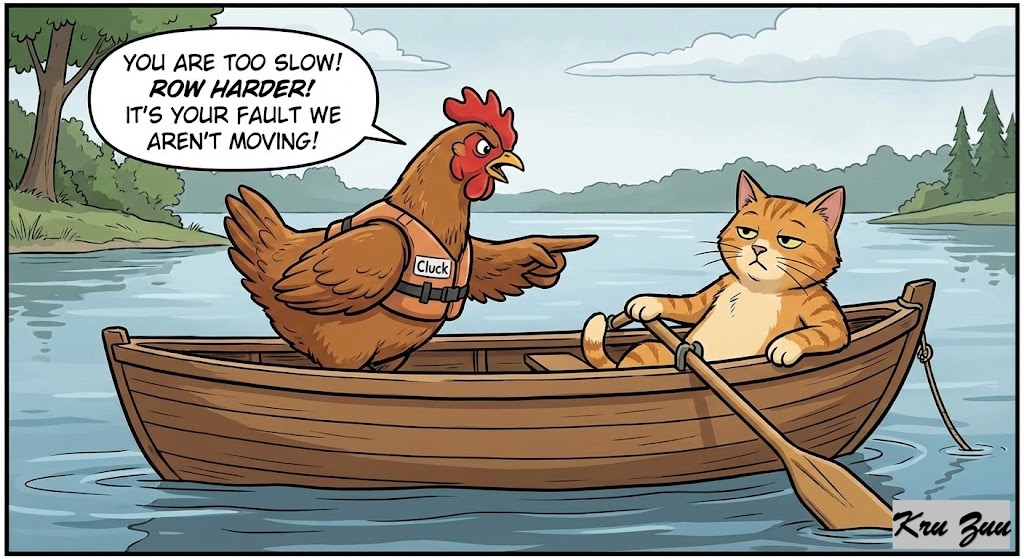
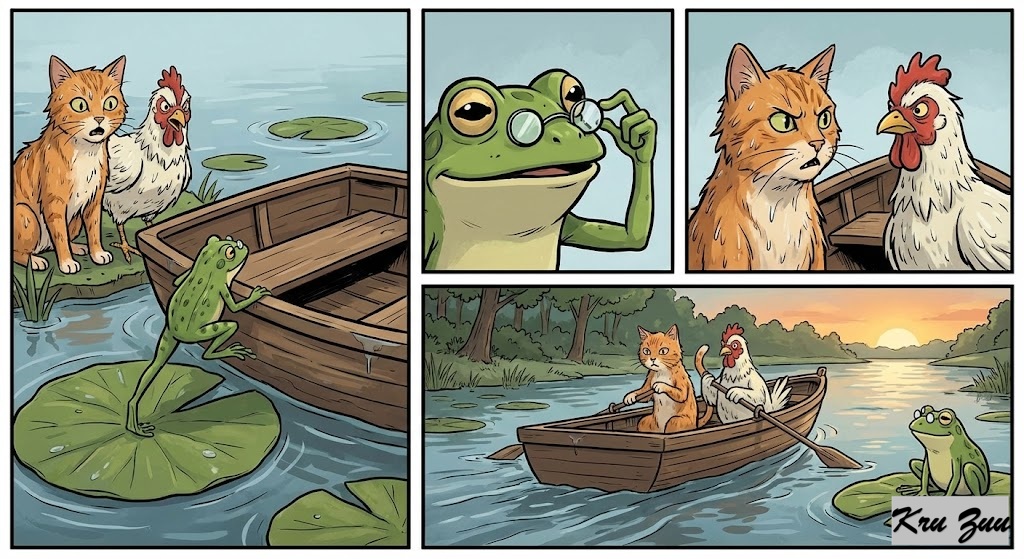
    The Conflict: They jump in the boat. Cleo (Cat) grabs the left oar. She wants to row gracefully and slowly so she doesn’t get her fur wet. Cluck (Chicken) grabs the right oar. He is excited! He flaps his wings and rows furiously fast to get to the corn.


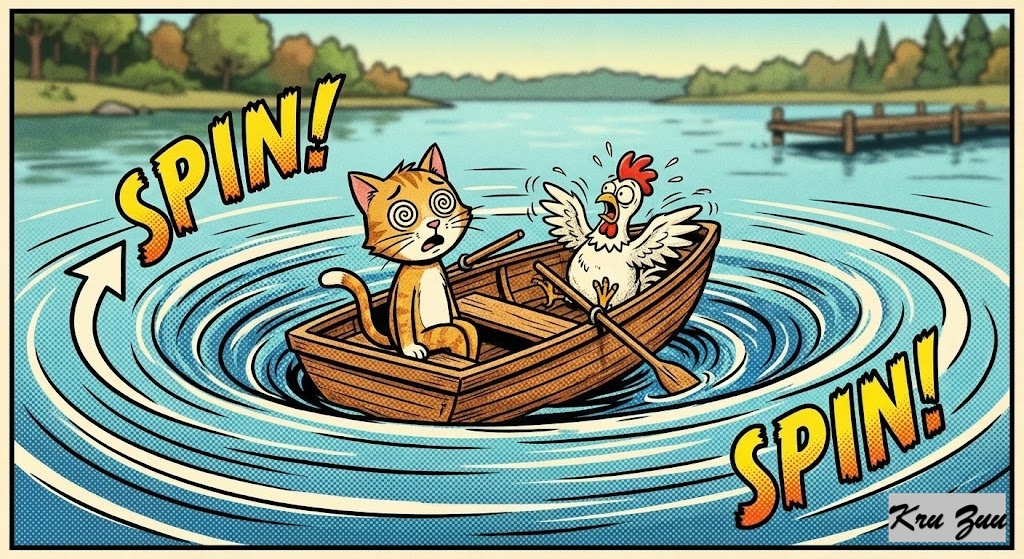
    The Result? The boat spins in circles! 🔄


    Cleo screams: “Stop splashing! You are rowing too fast! You are ruining the trip!”


    Cluck clucks: “You are too slow! Row harder! It’s your fault we aren’t moving!”


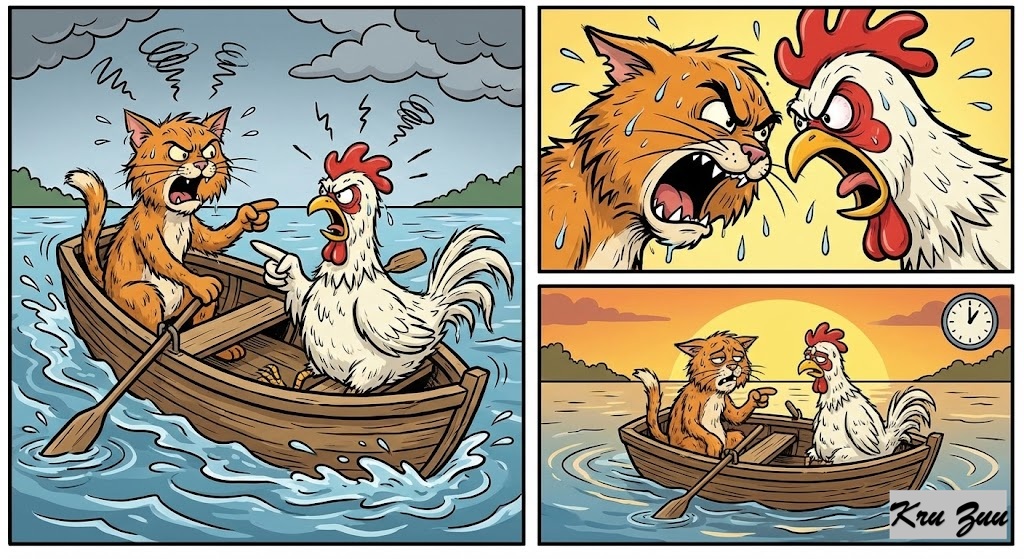
    They sit in the middle of the river, spinning, wet, and angry. They blame each other for an hour.


    The Resolution: Fred the Frog hops onto a lily pad next to the boat. He adjusts his tiny glasses. “Ribbit,” Fred says calmly. “Cleo, you are steering left. Cluck, you are steering right. The boat doesn’t care who is ‘right.’ The boat only moves if you find a rhythm.”


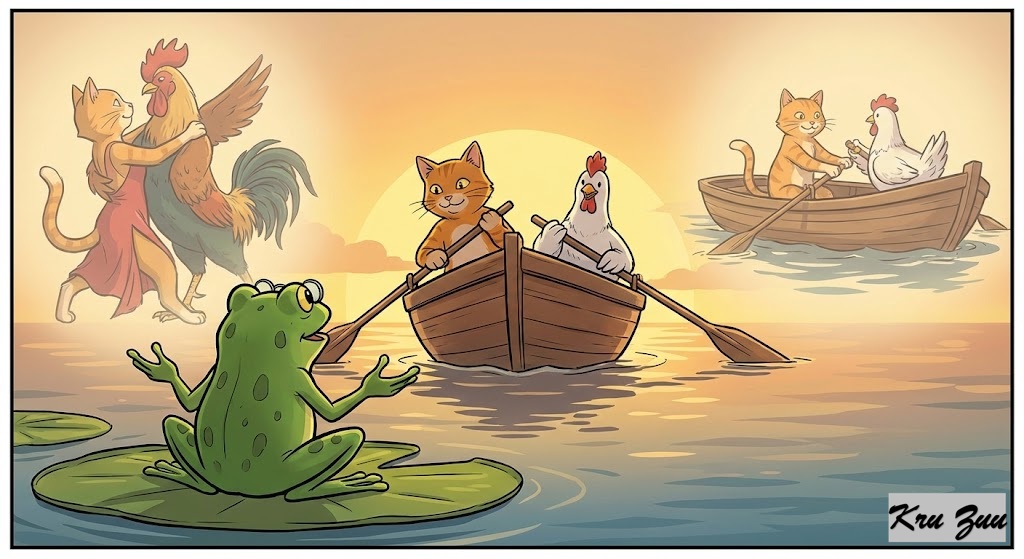
    Fred looks at them. “It takes two to tango, my friends. But it also takes two to row a boat.”


    Cleo sighed and sped up. Cluck took a deep breath and slowed down. They matched their rhythm. The boat shot forward straight to the festival. 🌽


    The Moral: If you are spinning in circles in a relationship or a project, stop blaming the other person. Check your own oar. Are you rowing in rhythm? 🚣‍♀️

    🎓 Lesson for English Learners


    Don’t talk to a wall.


    Situation: You are trying to practice English with a partner, but the conversation is dying. You blame yourself: “My English is bad.”


    The Shift: Remember, conversation is a tango. If your partner gives one-word answers (Yes/No), they are stepping on your feet.


    You Say: “I need you to ask me questions too. It takes two to tango! Let’s make this a real conversation.”


    💬 Your Turn: The Mirror Challenge 🚀


    Is there a conflict in your life right now? A “cold war” with a colleague? A silent treatment with a friend?


    The Challenge: Identify one argument where you feel you are 100% right. Now, find just 5% of the problem that is YOUR fault. (Did you yell? Did you ignore them? Did you forget to ask?)


    The Action: Go to that person and say: “I realized I made a mistake by [your 5%]. I want to fix this.” Watch how fast the “Tango” changes from a battle to a dance.


    👇 Question for the comments: Have you ever worked on a team project where one person refused to “dance”? How did you handle it? Tell us below!

    By Zubeyir YURTKURAN

    https://www.facebook.com/BrainBattleground/

    https://www.facebook.com/zubeyr.yurtkuran/

    https://www.instagram.com/zubeyryurtkuran/
    https://www.youtube.com/@BrainBattleground-b3p

    https://www.instagram.com/brainbattleground/

  • 🛡️ The Daily Shield: The Law of False Fear

    🛡️ The Daily Shield: The Law of False Fear

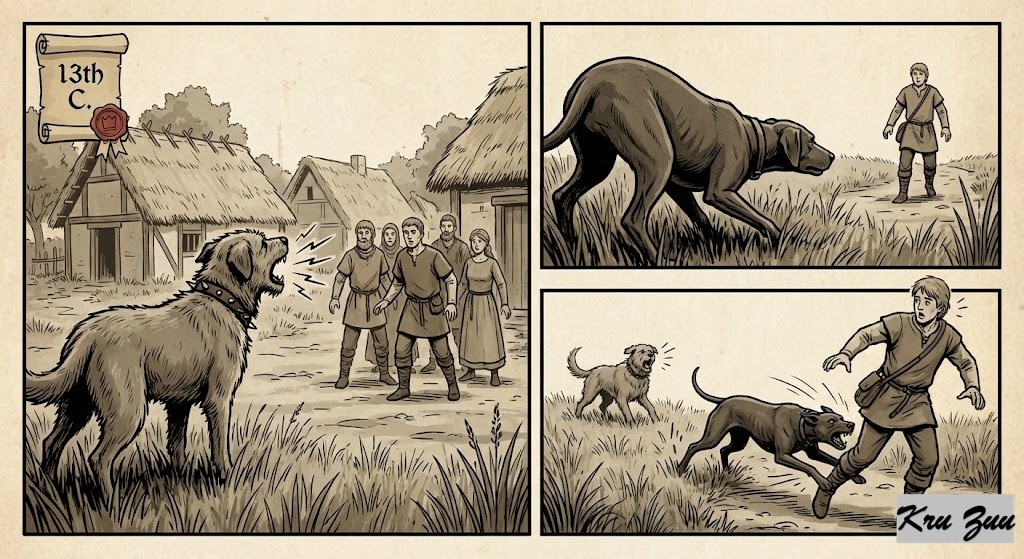
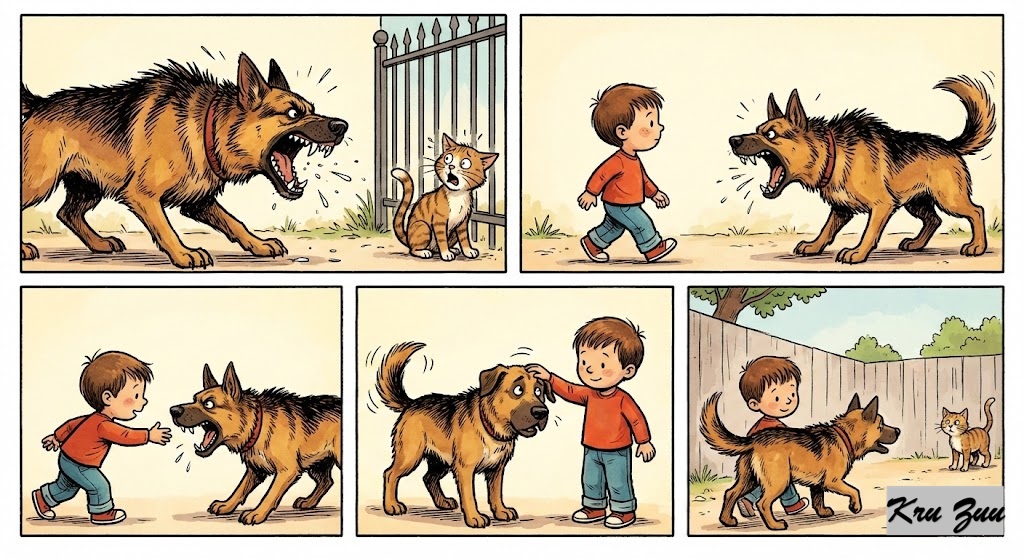
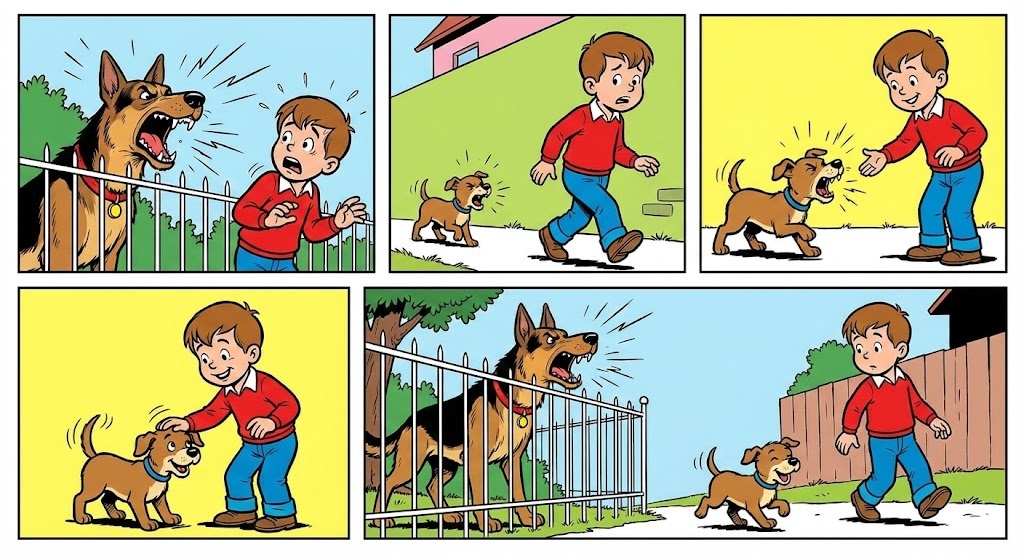
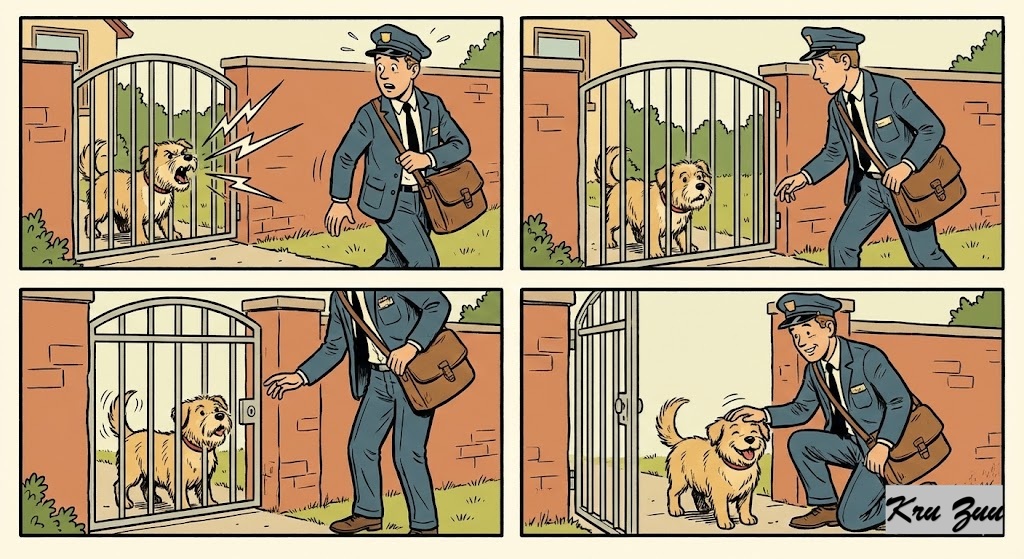
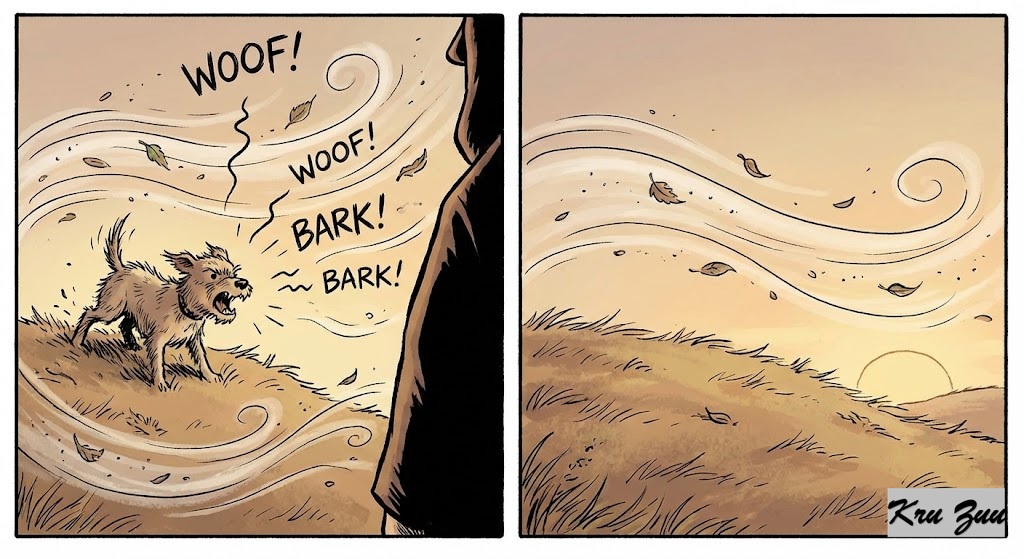
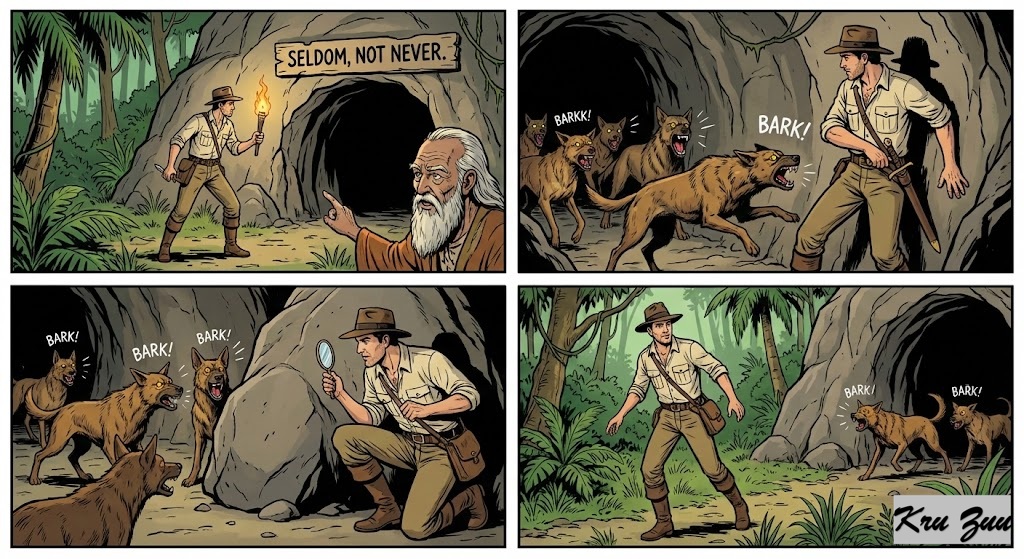
    “Barking dogs seldom bite.”


    😈 The Villain (The Intimidator)

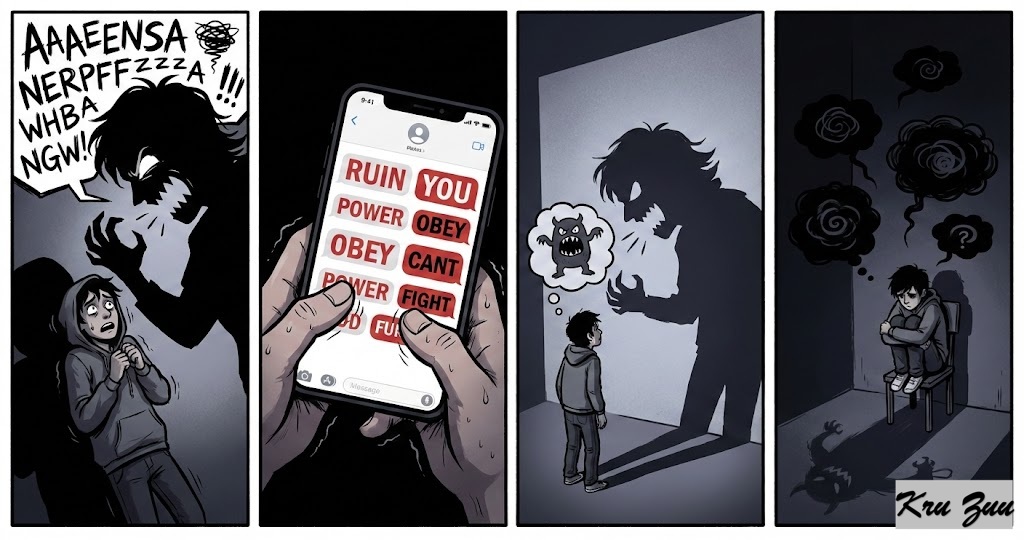
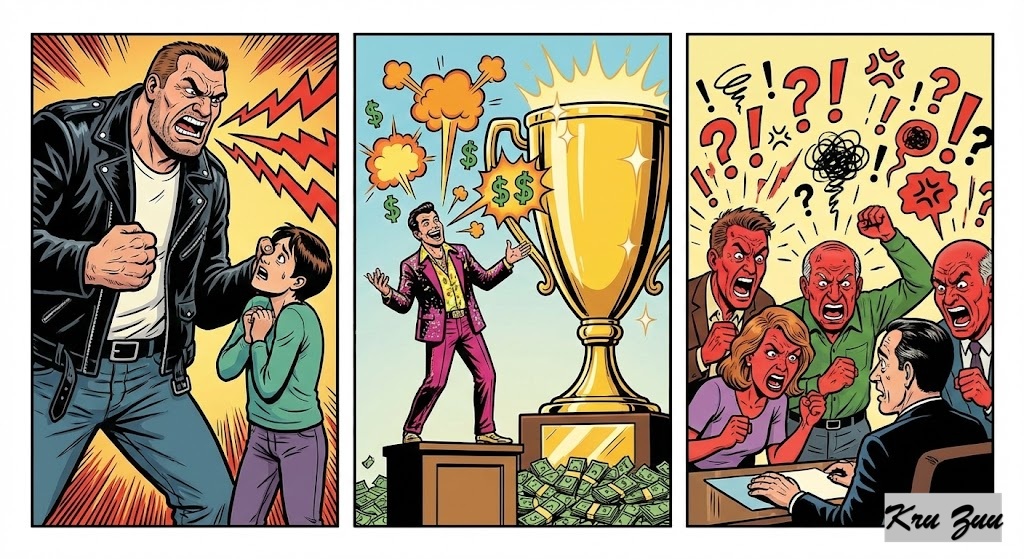
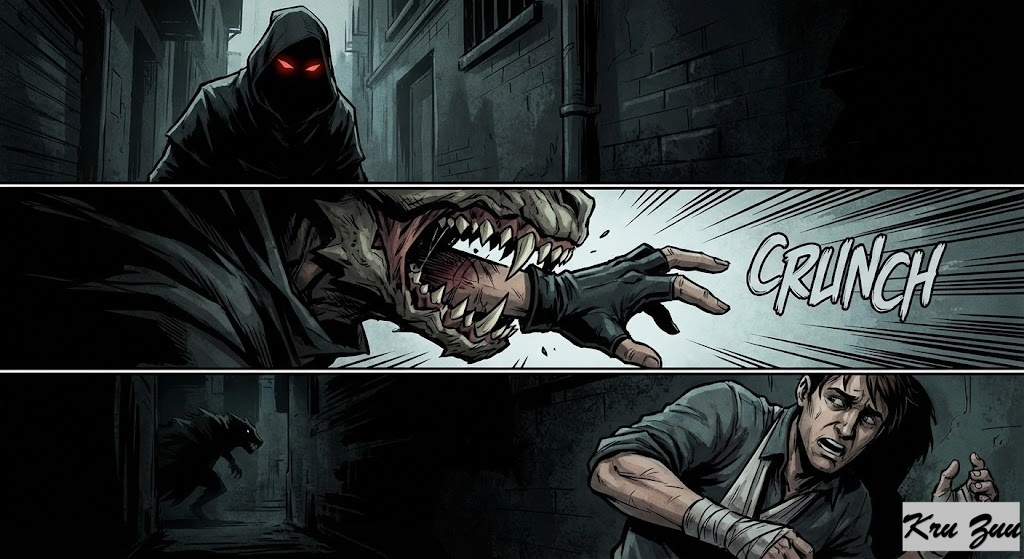
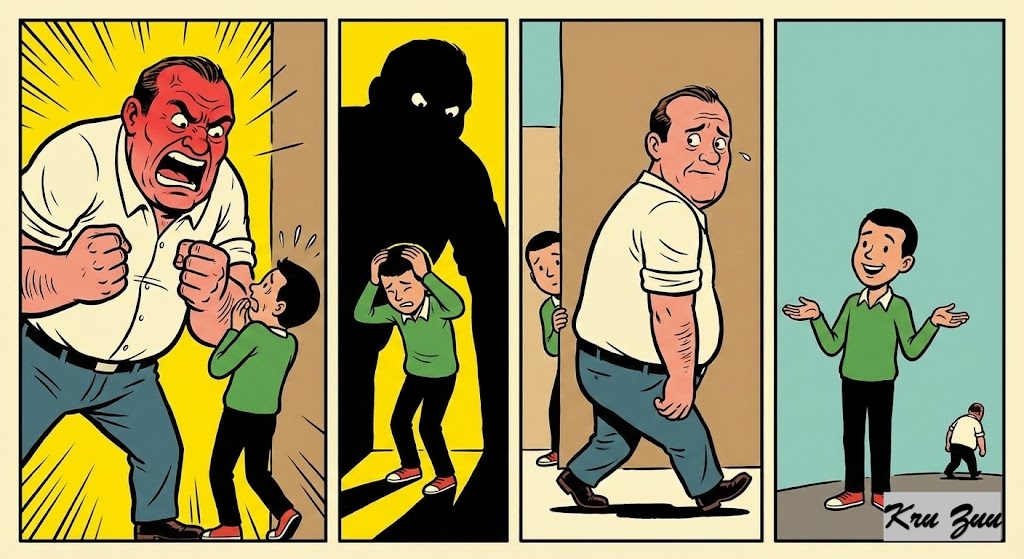
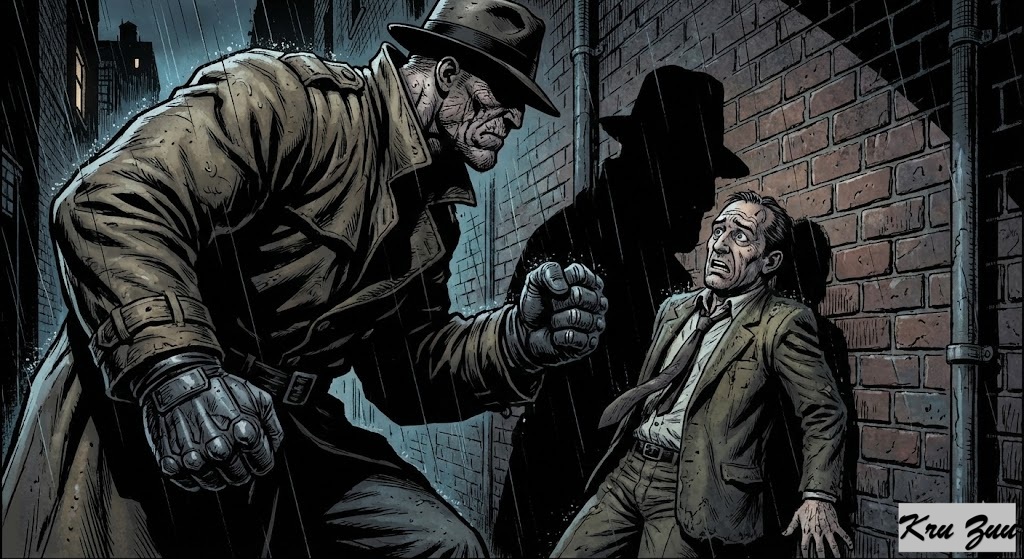
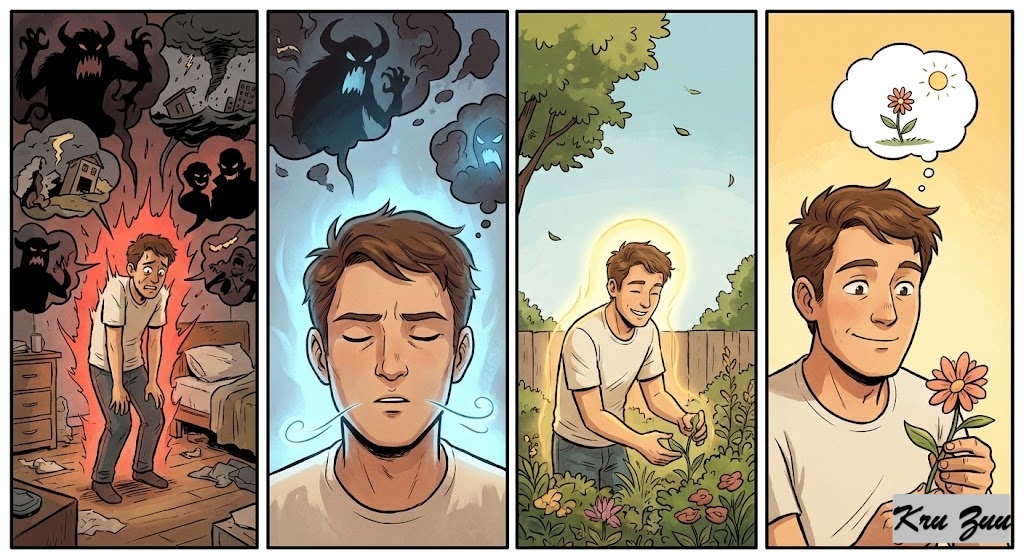
    You meet someone who screams, yells, and threatens. They type in ALL CAPS. They promise to ruin you. They brag about their power. You feel small. You feel scared. You back down because the noise is overwhelming. You let their loud voice control your actions. You live in fear of a monster that might not even exist. 🧟‍♂️


    😇 The Hero (The Stoic)

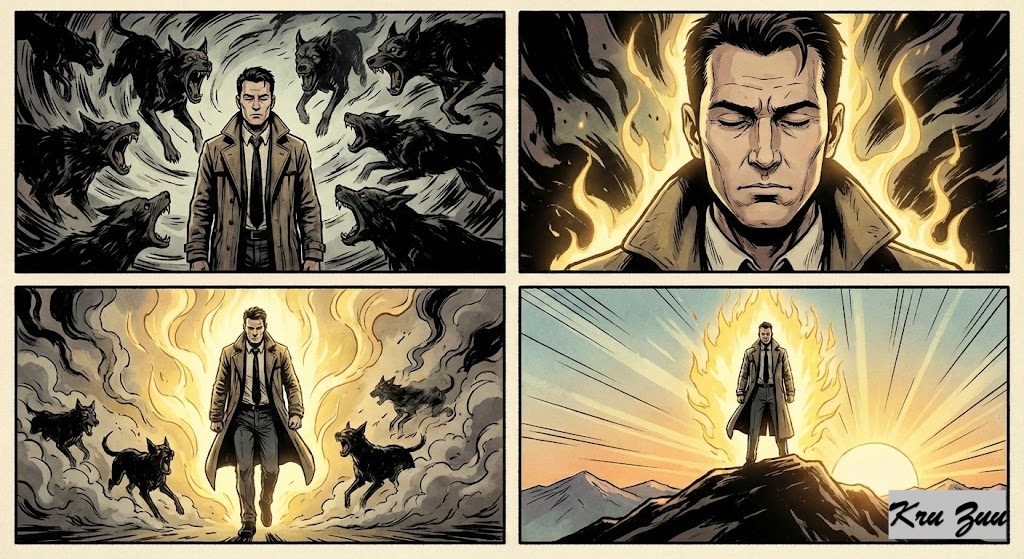
    You hear the noise. You pause. You analyze. You realize that true confidence is silent. A lion doesn’t need to bark before it attacks; it just attacks. You realize that the loudness is a mask for insecurity. You stand your ground. You smile. You walk past the noise untouched. 🛡️


    ⚖️ The Reality


    Noise is not power. Usually, the people (or problems) that make the most noise have the least power. They use volume to hide their weakness. Fear is a shadow, it looks huge on the wall, but the object casting it is tiny.


    💎 The Secret

    Real danger usually comes silently. If something is “barking” at you, it is usually too busy making noise to actually hurt you.

    🧐 The Anatomy of the Proverb


    This is the ultimate weapon against social anxiety and intimidation.


    Barking (Participle/Adjective):
    The sound a dog makes. Here, it represents threats, bragging, or loud complaints. 🐕


    Seldom (Adverb): Rarely; almost never. (This is a fancy word!)


    Bite (Verb): To inflict injury. The actual action/danger.


    Simpler Version: People who threaten you usually don’t take action.


    📚 Vocabulary Vault


    Intimidation (Noun): The act of making someone afraid or timid. 😨


    Bluff (Verb/Noun): To try to deceive someone as to one’s abilities or intentions (Fake power).


    All talk and no action (Idiom): Someone who talks about doing big things but never does them.


    Stoic (Adjective): A person who can endure pain or hardship without showing their feelings or complaining. 🗿


    Seldom (Adverb): Not often; rarely.


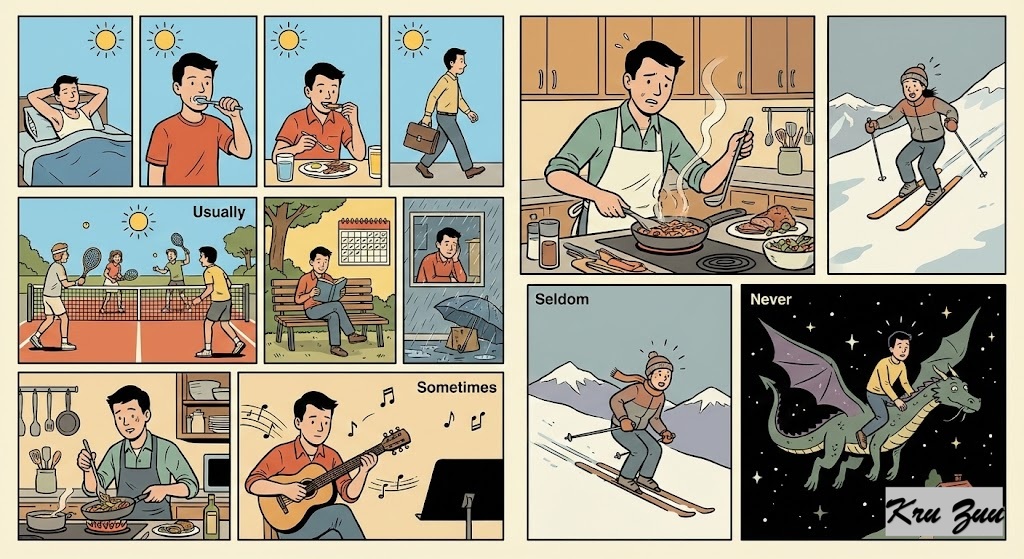
    🧠 Grammar Focus: Adverbs of Frequency


    This proverb uses a “negative” frequency adverb.


    The Scale of Frequency


    100% – Always
    80% – Usually
    50% – Sometimes
    10% – Seldom / Rarely 📉
    0% – Never


    Style Note: “Seldom” vs. “Rarely”


    Rarely: Common in daily speech. “I rarely eat sushi.”


    Seldom: More formal, literary, or poetic. “He seldom speaks of his past.”


    Pro Tip: Use “Seldom” in writing to sound sophisticated. Use “Rarely” in coffee shops.

    📜 History: Origin and Spread


    This wisdom is ancient because loud, scary people have existed forever.


    The Origin: It first appeared in written records in the 13th century! It comes from the observation of village dogs. The dog that stands back and barks is warning you; the dog that wants to kill you runs silently to bite.


    Global Cousins


    🇹🇷 Turkish:
    “Havlayan köpek ısırmaz.” (Exactly the same!)


    🇪🇸 Spanish: “Perro que ladra no muerde.” (The dog that barks doesn’t bite.)


    🇮🇹 Italian: “Can che abbaia non morde.”


    🇷🇺 Russian: “Sobaka layet, veter nosit.” (The dog barks, but the wind carries it away.)

    🎯 Impact on Life: The Pros & Cons


    ✅ The Pros (Emotional Armor)


    Confidence:
    When you ignore the “barking,” you keep your power.


    Focus: You stop wasting energy worrying about threats that will never happen.


    ❌ The Cons (Don’t be naive)


    Caution:
    The proverb says seldom, not never. Be brave, but don’t be stupid. Some dogs bark and bite. Assess the situation carefully.

    🎭 Short Story: The Monster in the Garden

    Let’s visit a farm with three very different friends.


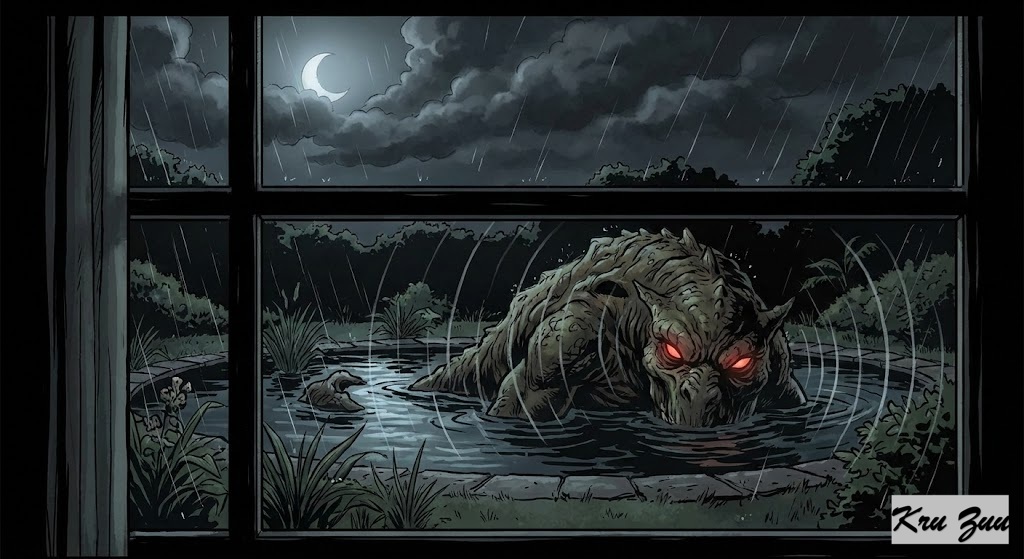
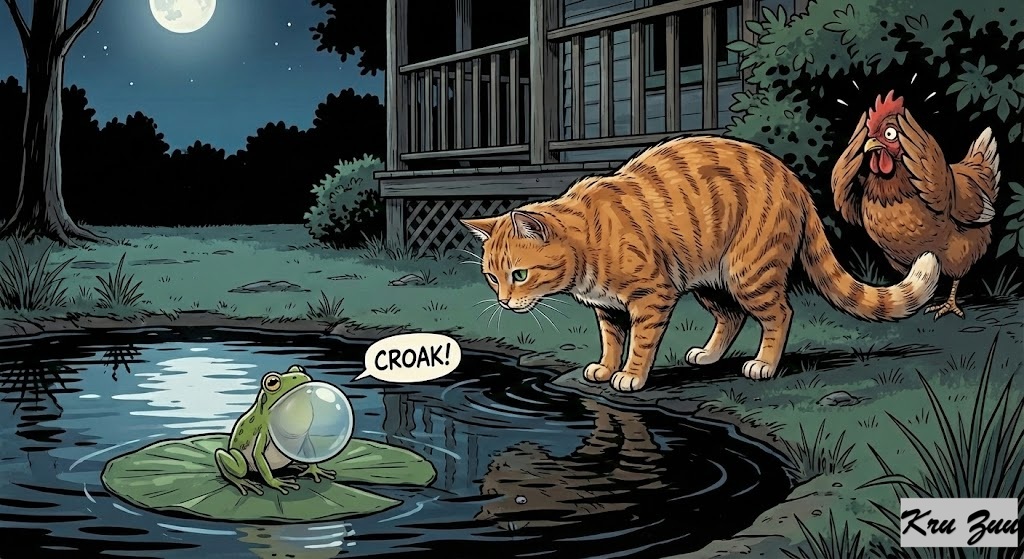
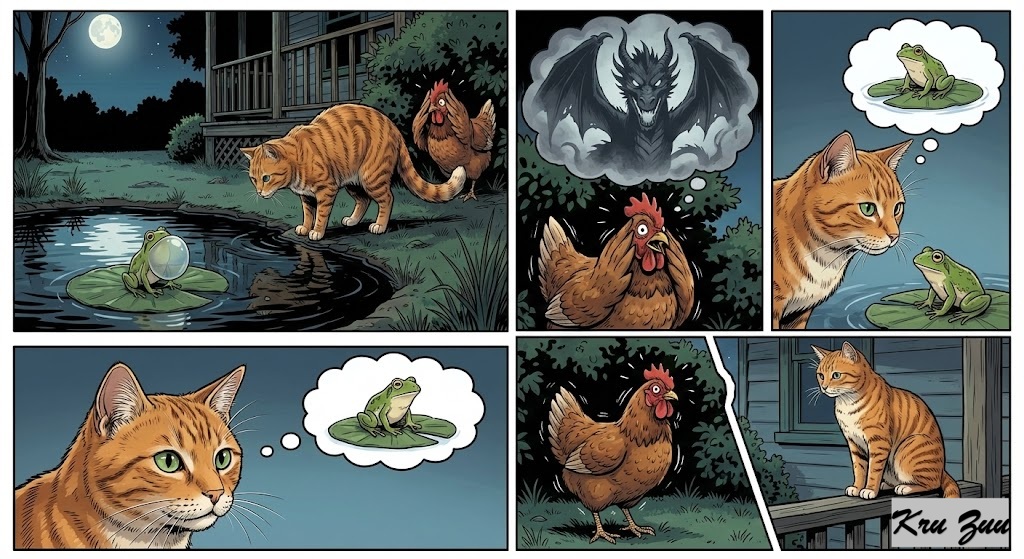
    🌟 The Setup: It is midnight. A terrifying, deep, rhythmic sound comes from the garden pond. CROAK. CROAK. CROAK. It sounds like a dragon.


    🐔 The Chicken (The Worrier): The Chicken is shaking. Feathers are flying everywhere. “It’s a monster!” she screams. “It sounds huge! It’s going to eat us all! We need to run to the next village! We are doomed!” The Chicken hides under the porch, trembling. She lets the noise paralyze her.


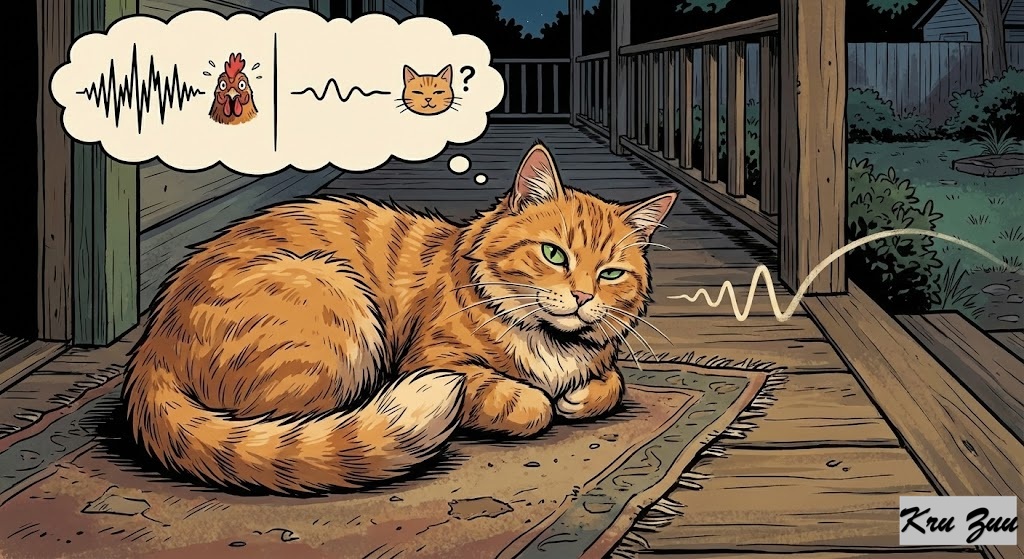
    🐱 The Cat (The Observer): The Cat opens one eye. She stretches slowly. She listens to the volume, but she also listens to the fear in the sound. “Relax, Chicken,” the Cat purrs. “That is a lot of noise. Dangerous things don’t announce themselves like that.”


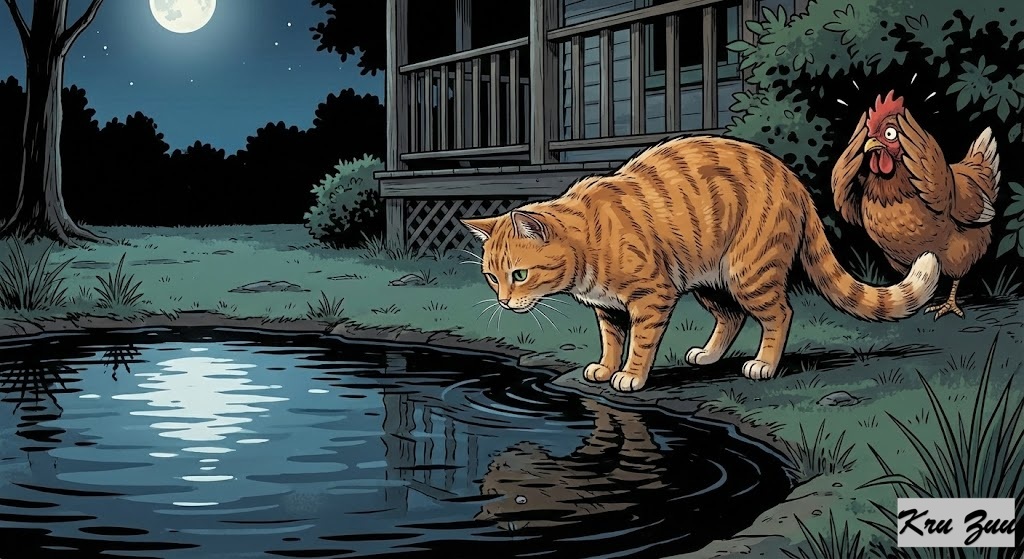
    The Climax: The Cat walks coolly to the edge of the pond. The Chicken watches through her wings, terrified. The Cat peers into the darkness.


    There, sitting on a lily pad, is The Frog. 🐸 It is a tiny frog, no bigger than a spoon. It puffs its throat out huge—CROAK!—trying to look scary because it is afraid of the dark.


    The Moral: The Chicken heard a dragon. The Cat saw a scared little frog. The loudest threats often come from the smallest people. Don’t be a Chicken. Be a Cat. 🐈

    🎓 Lesson for English Learners


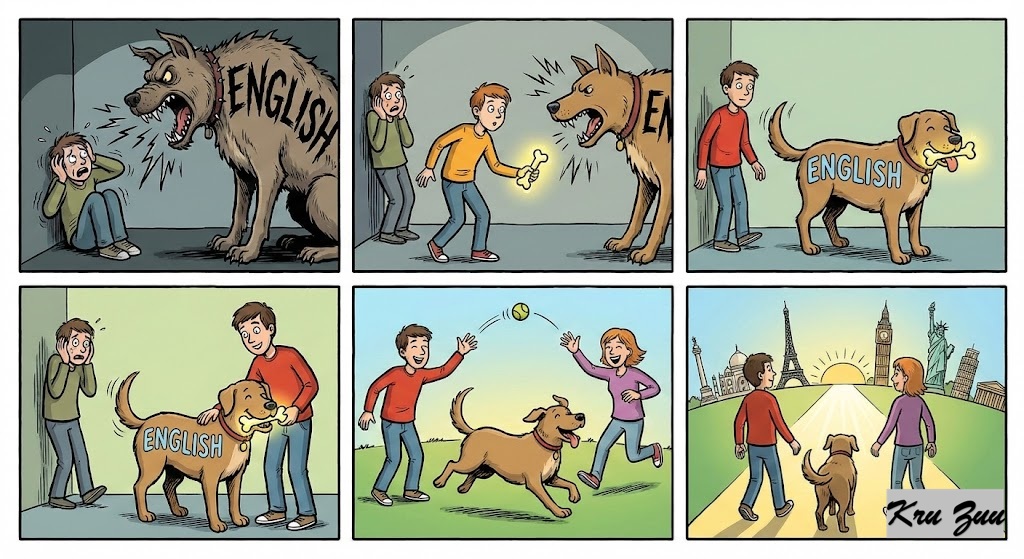
    Don’t Fear the “Barking” of English.


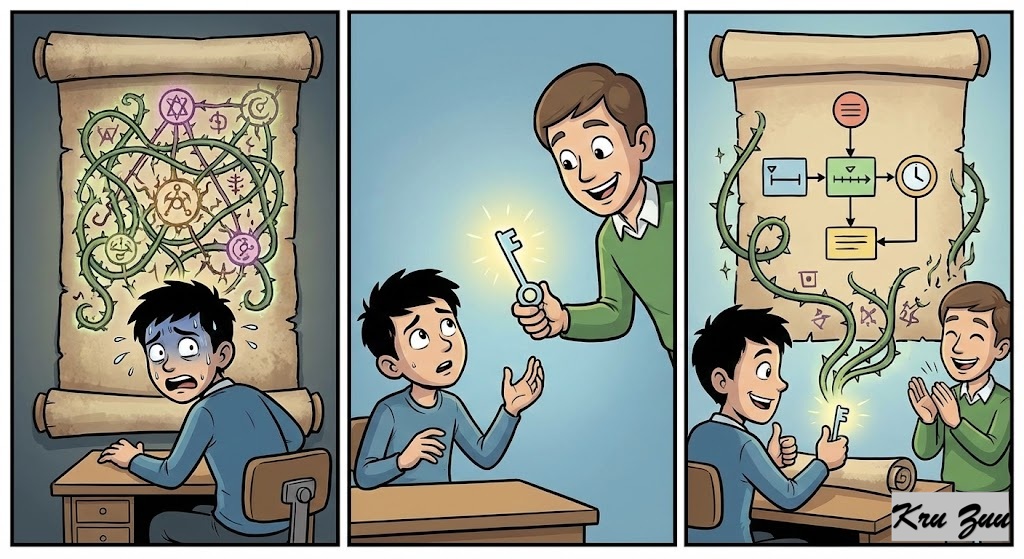
    Situation: You see a long, complex grammar rule (like the Future Perfect Continuous). It looks scary. It looks difficult.


    You Say: “This grammar is just a barking dog. It looks big on the page, but once I analyze it, it can’t hurt me. It’s actually quite simple.”


    Situation: A native speaker talks very fast. You panic.


    You Say: “Their speed is just noise. I will ask them to slow down. I won’t let the speed intimidate me.”


    💬 Your Turn: The Fear Test 🚀


    The Challenge:
    Think of a situation where you were scared of something that turned out to be easy.


    Was it a job interview?


    Was it asking someone on a date?


    Was it speaking English in public?


    Question:
    What is a “Barking Dog” in your life right now? Something that makes a lot of noise but isn’t actually dangerous? Tell us in the comments! 👇

    By Zubeyir YURTKURAN

    https://www.facebook.com/BrainBattleground/

    https://www.facebook.com/zubeyr.yurtkuran/

    https://www.instagram.com/zubeyryurtkuran/
    https://www.youtube.com/@BrainBattleground-b3p

    https://www.instagram.com/brainbattleground/

  • 🥛 The Daily Shield: The Law of Acceptance

    🥛 The Daily Shield: The Law of Acceptance

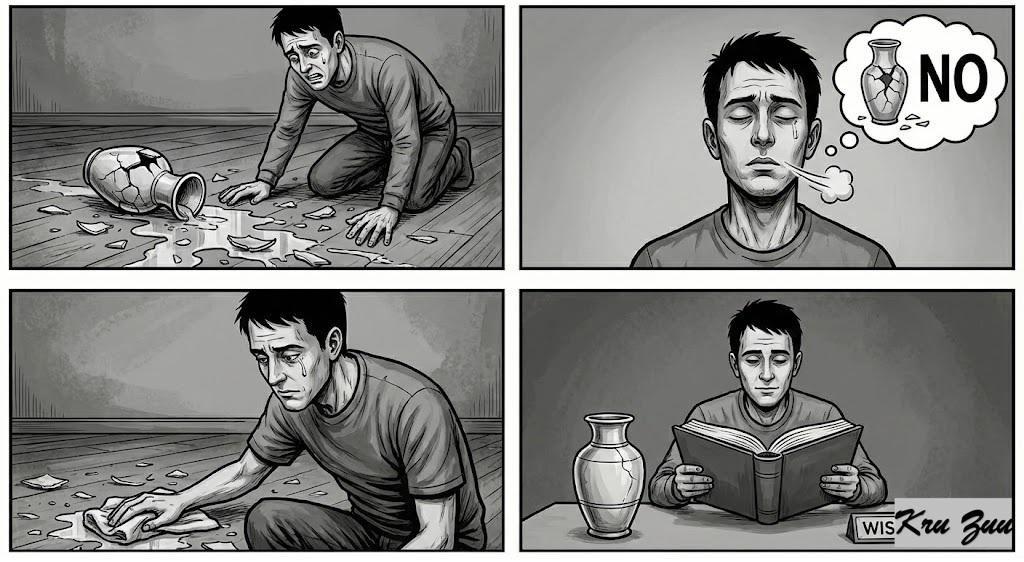
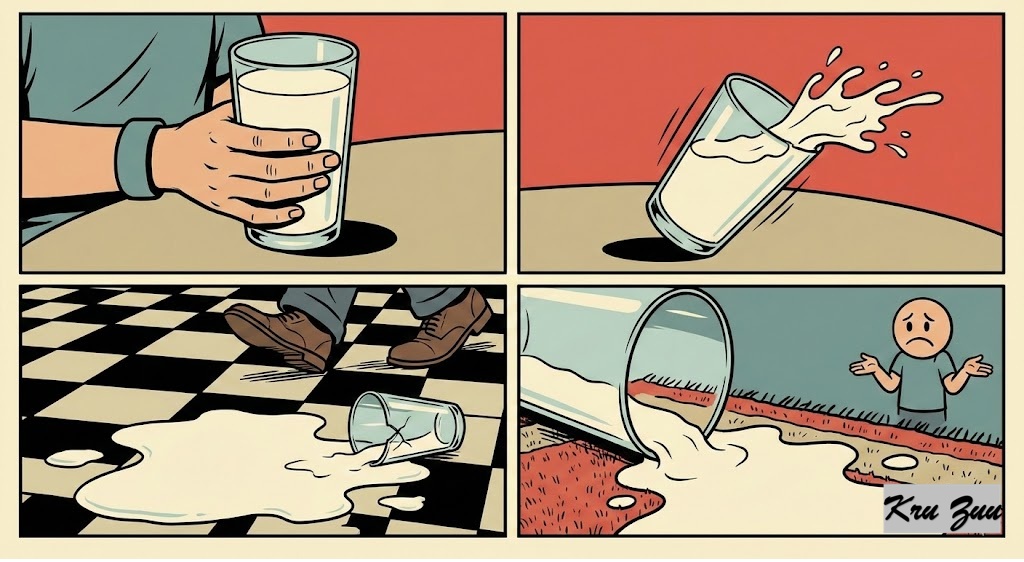
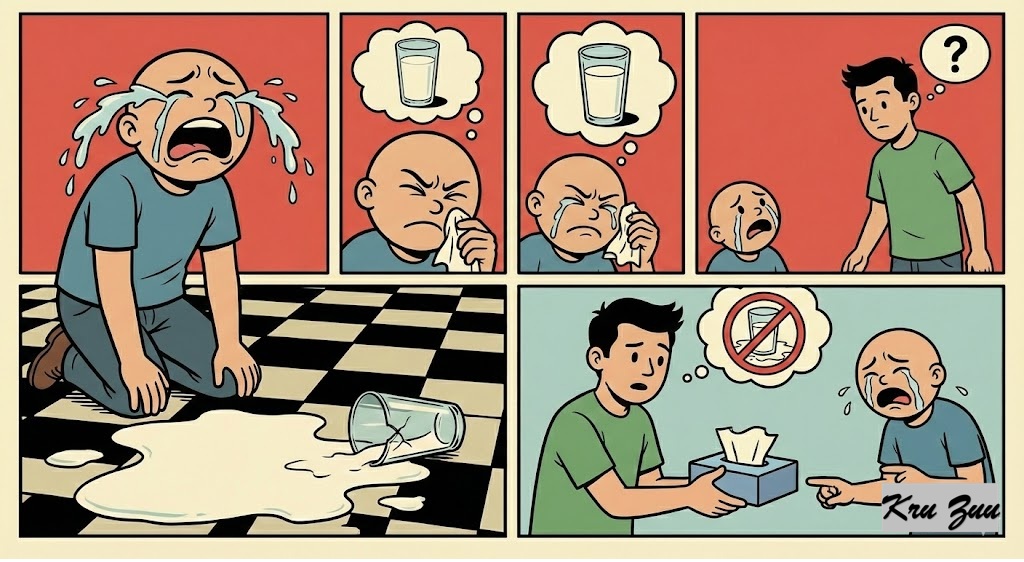
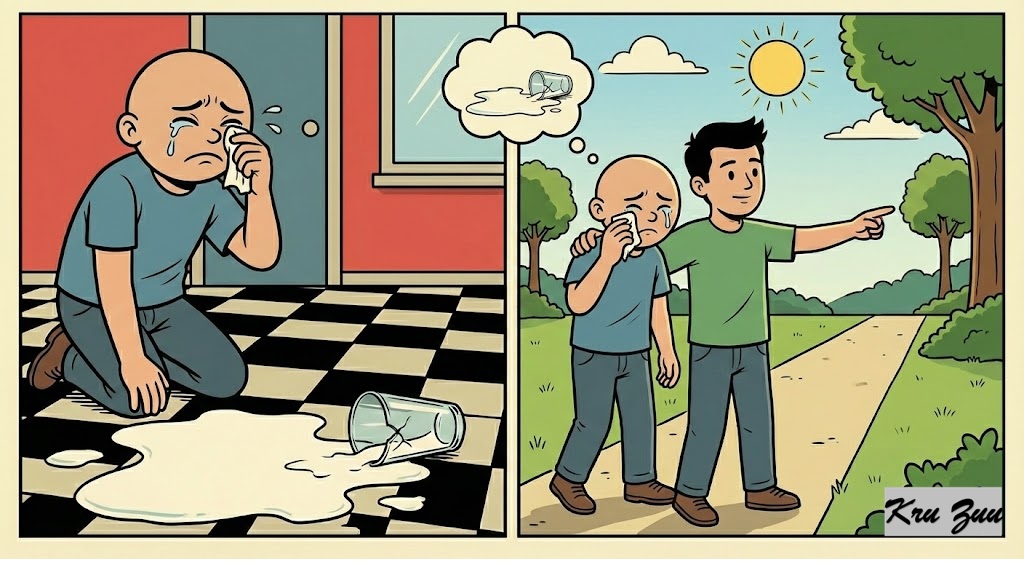
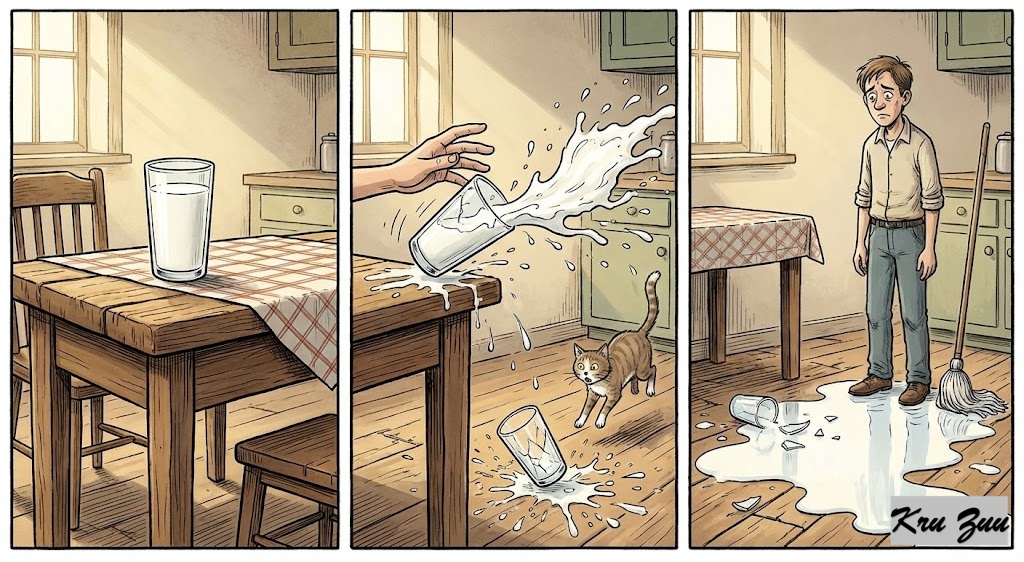
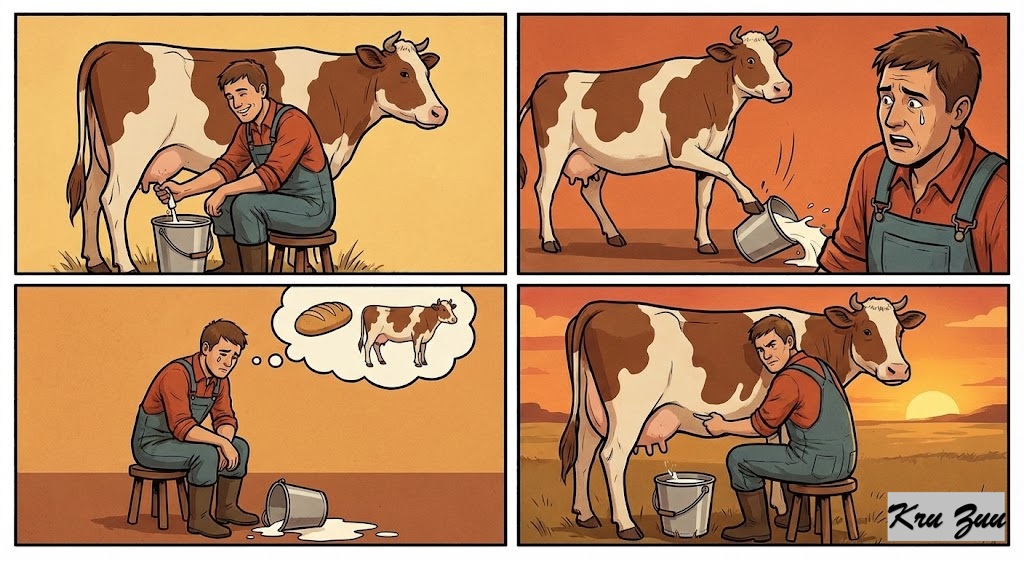
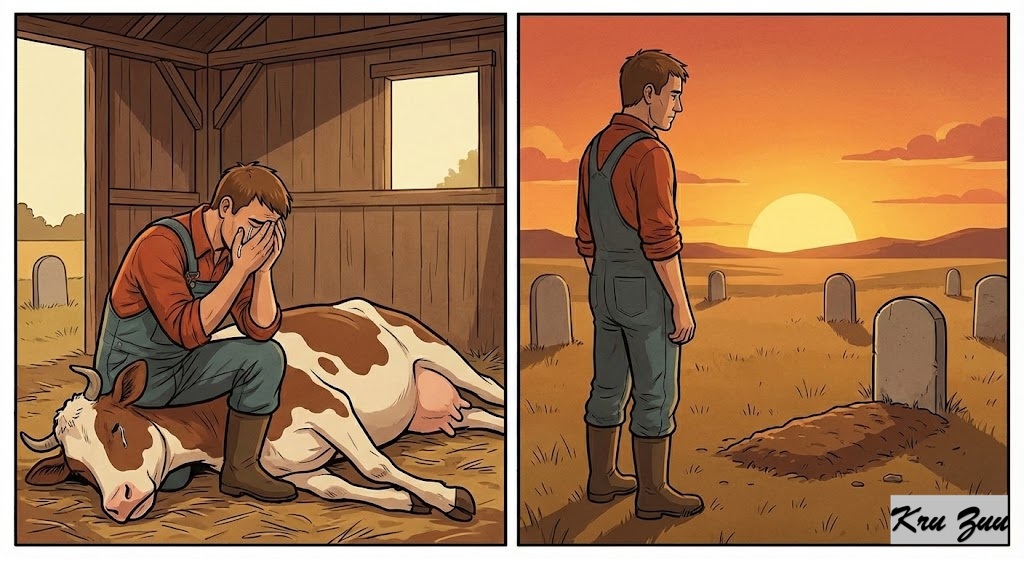
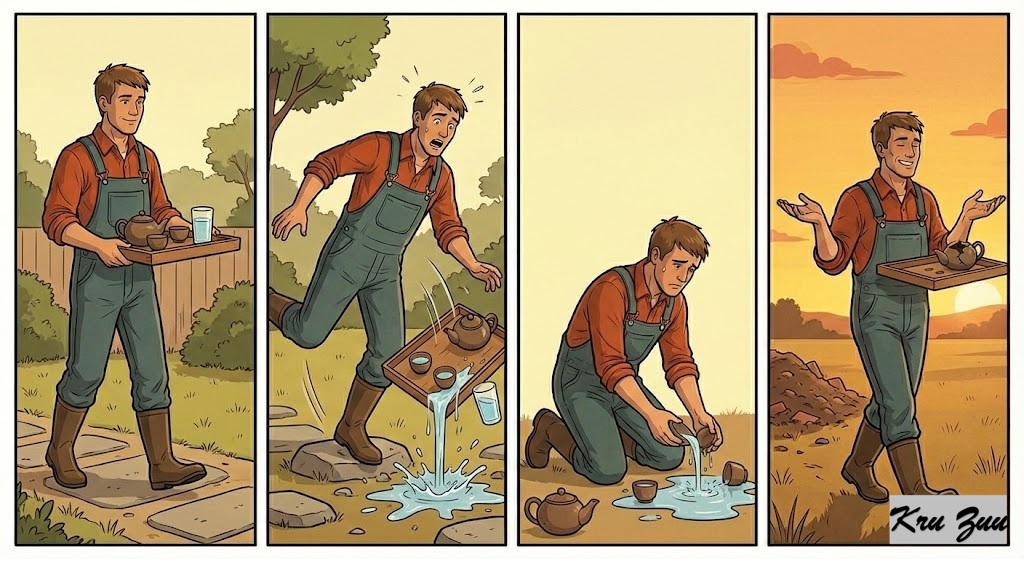
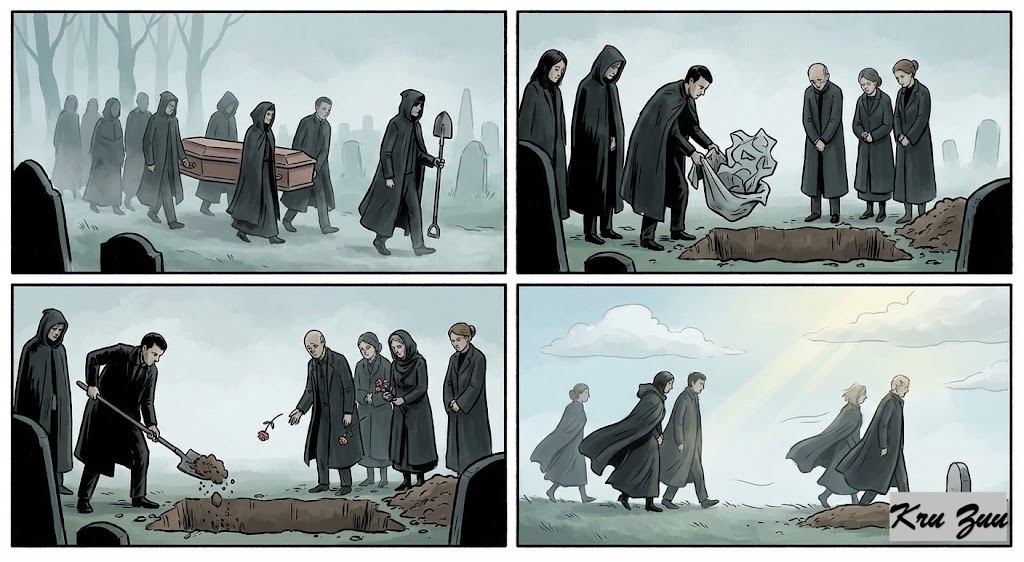
    “Don’t cry over spilt milk.”


    😈 The Villain (The Dweller)

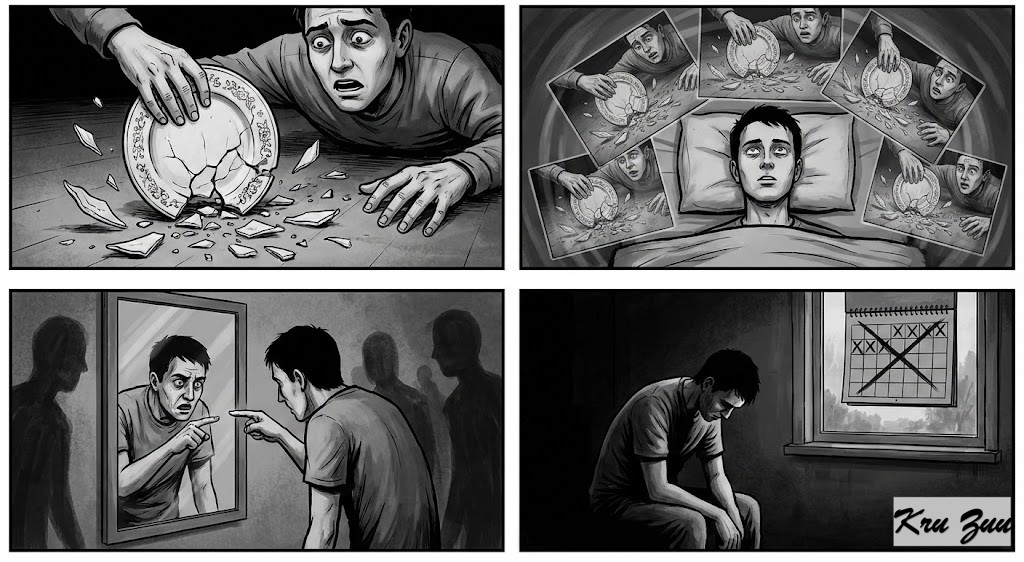
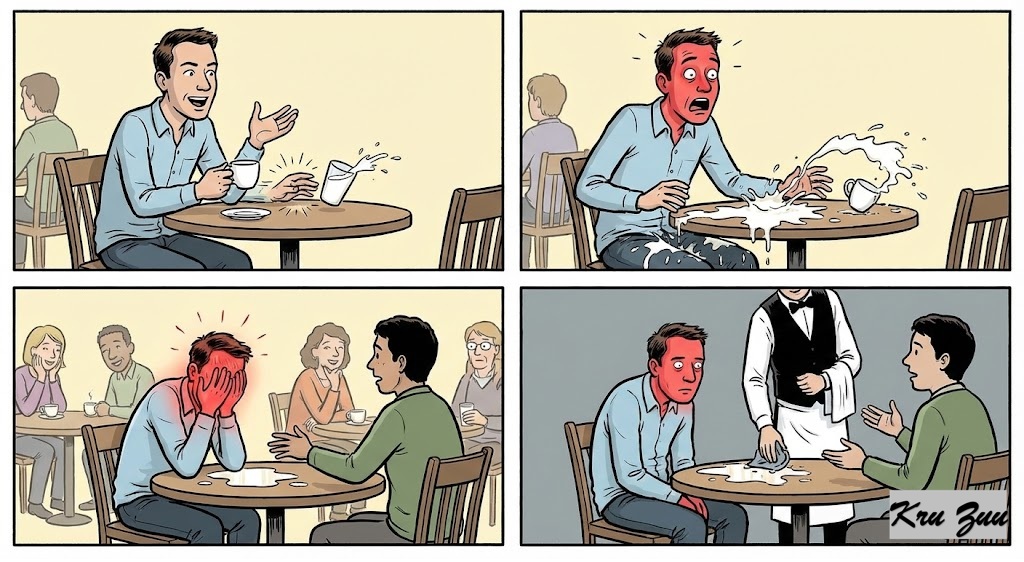
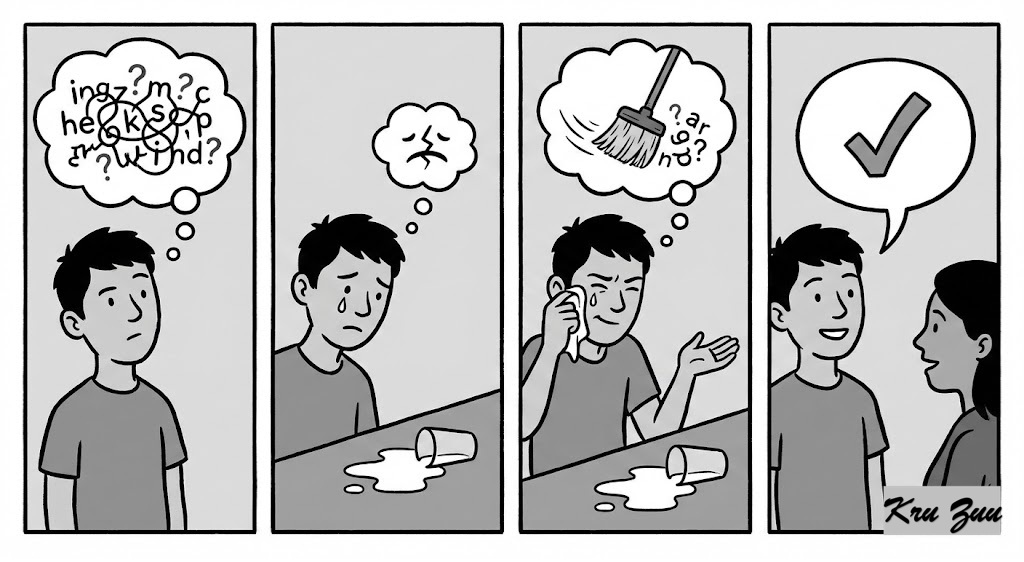
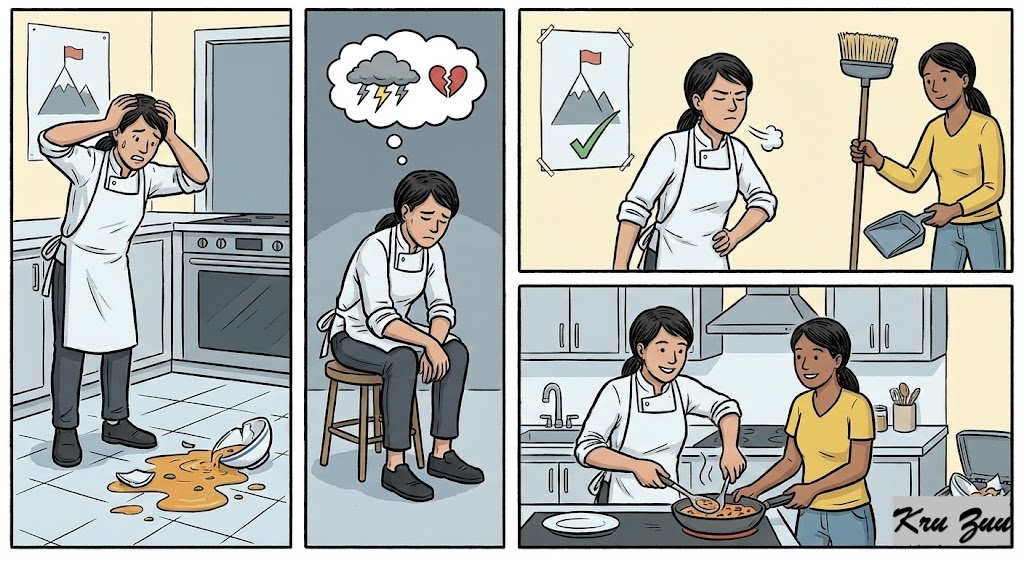
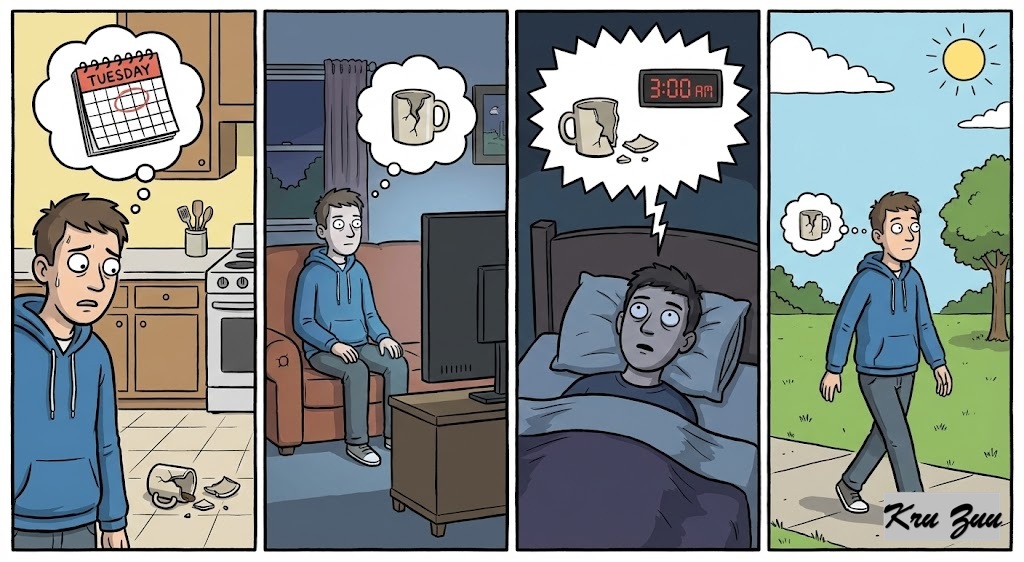
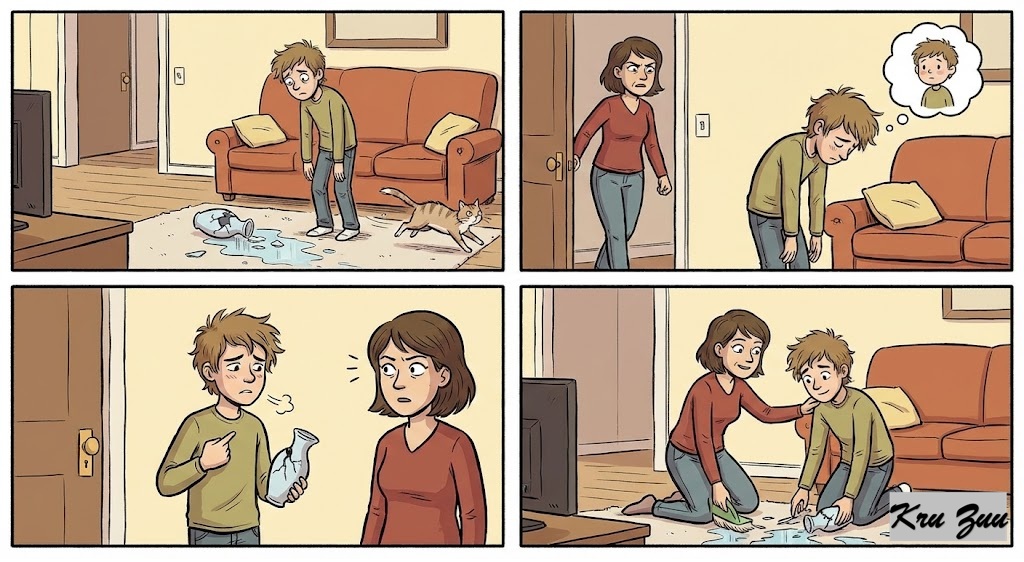
    You make a mistake. Maybe you failed an exam, sent an embarrassing text, or broke a valuable plate. What do you do? You replay the scene in your head 1,000 times. You say, “If only I had been faster… If only I had been smarter.” You let one bad moment ruin your entire week. You dwell on the past until you are paralyzed by it.

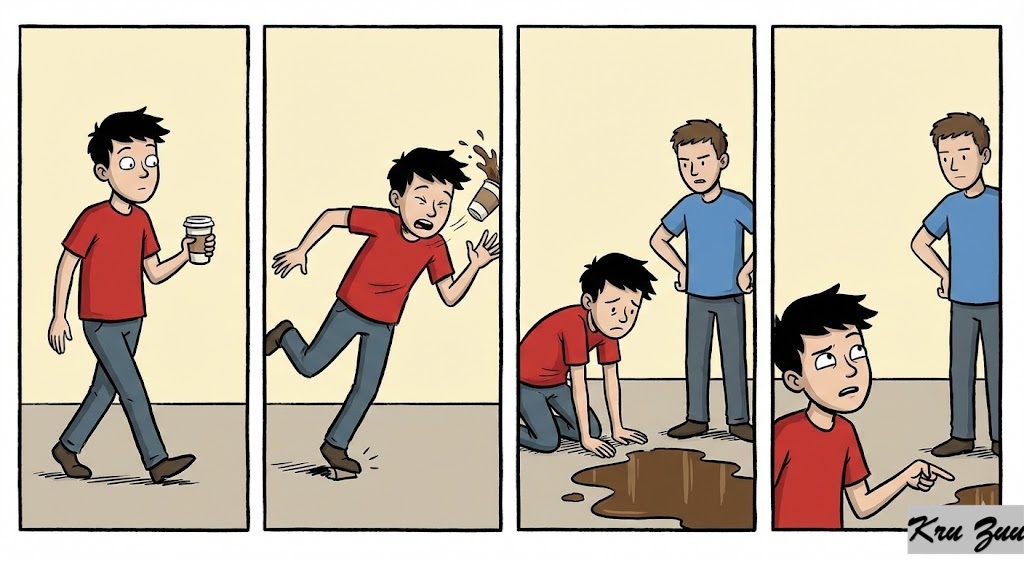
    The Result? You are stuck in a time machine that only goes backward. You are drowning in a puddle of regret. 🧟‍♂️


    😇 The Hero (The Stoic)

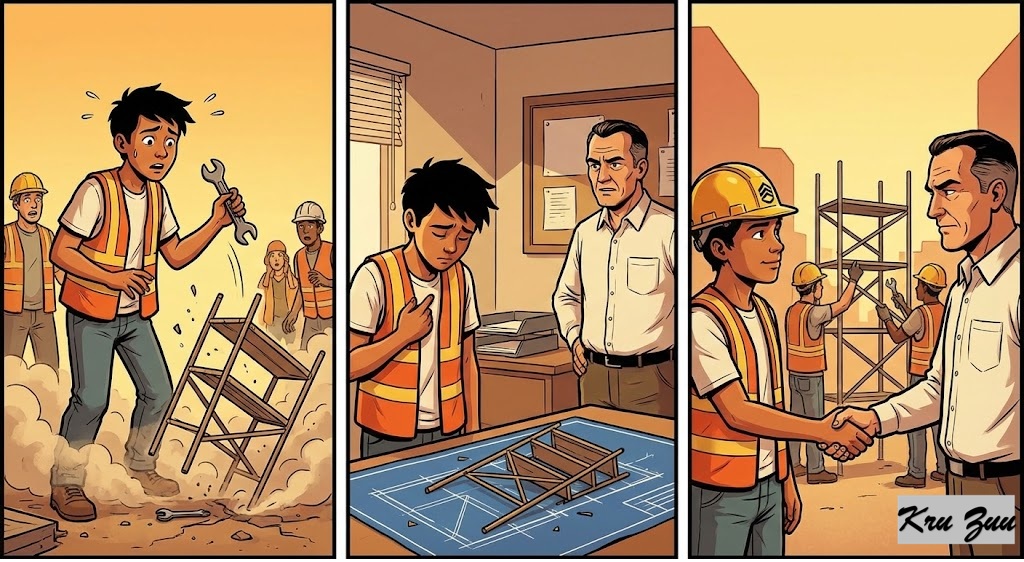
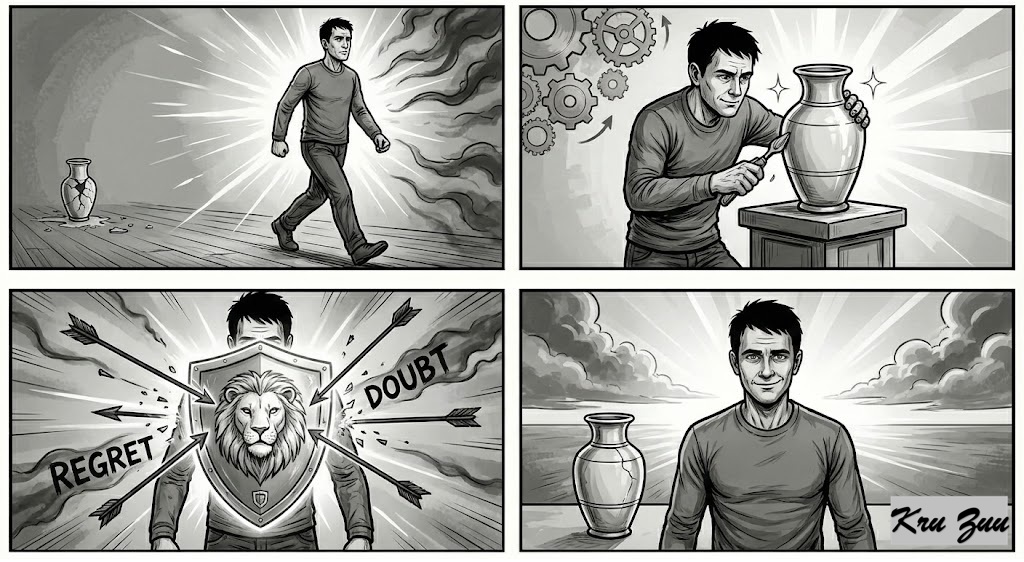
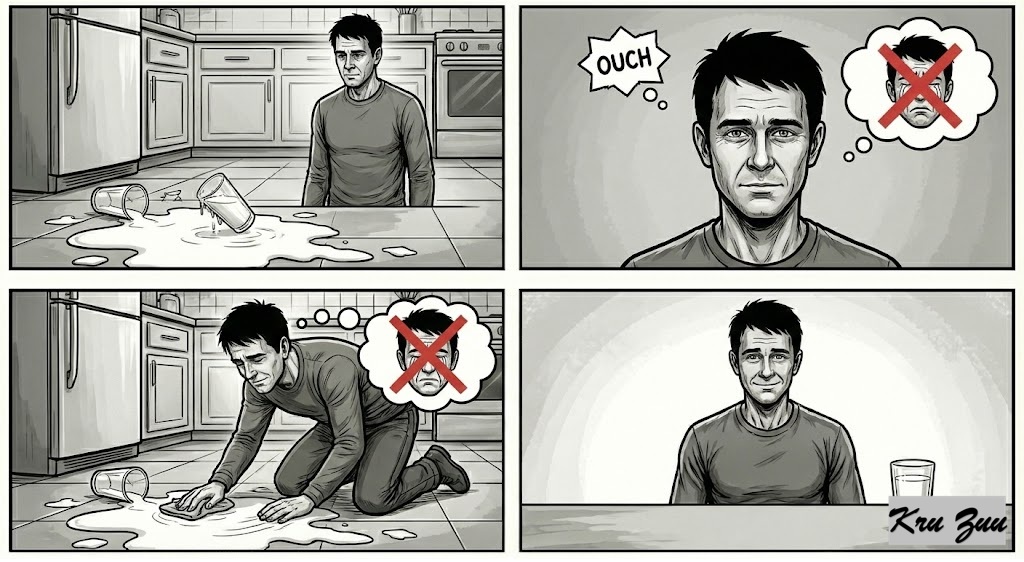
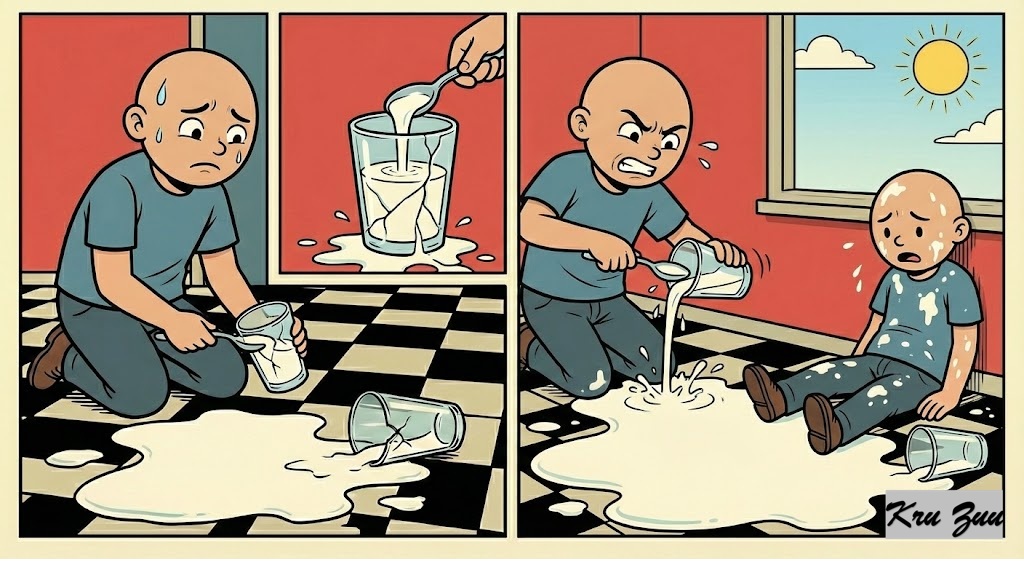
    You make a mistake. It stings. It hurts. You take a deep breath and look at the mess. You ask one question: “Can I change this?” The answer is No. So, you grab a towel, clean it up, and learn the lesson. You treat the mistake as a tuition fee for wisdom.

    The Result? You move forward instantly. Your energy is spent on fixing the future, not mourning the past. You are bulletproof against regret. 🛡️


    ⚖️ The Reality


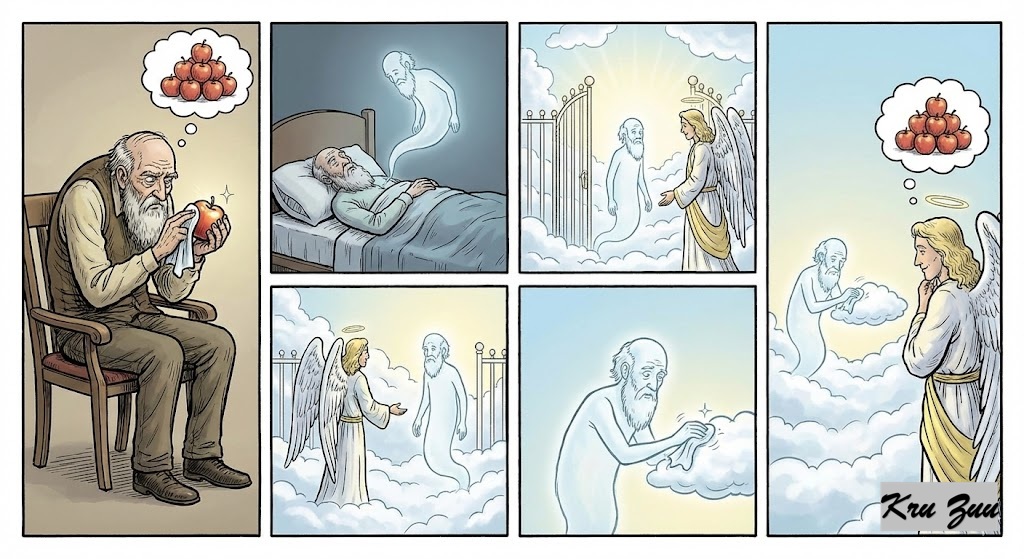
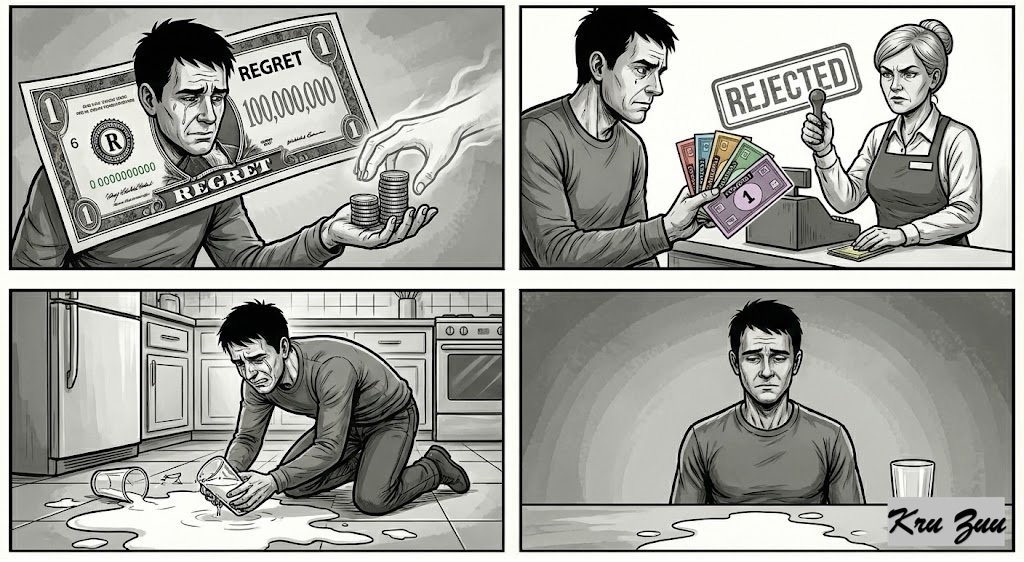
    Regret is expensive. Worrying about what already happened is like trying to pay a bill with Monopoly money. It doesn’t work. The milk is on the floor. No amount of crying, screaming, or analyzing will put the milk back into the glass.


    💎 The Secret

    The event (the spill) is not what hurts you. It is your reaction (the crying) that hurts you. Pain is inevitable; suffering is optional.

    🧐 The Anatomy of the Proverb


    This is the ultimate weapon against anxiety.


    Spilt (Adjective): The past participle of “spill.” It is done. Finished. Irreversible.


    Cry Over (Phrasal Verb): To be upset or sad about a specific thing.


    Simpler Version: Move on.


    📚 Vocabulary Vault


    Irreversible (Adjective):
    Cannot be changed or undone. (The milk is irreversible).


    Dwell (Verb): To think/speak about something for too long (usually something bad).


    Resilience (Noun): The ability to recover quickly from difficulties. 🚀


    Ruminate (Verb): To think deeply about something; often negative thoughts on a loop.


    Futile (Adjective): Pointless; producing no useful result.


    🧠 Grammar Focus: Prepositions of Cause


    Notice the preposition “Over.” We don’t cry for the milk or at the milk. We cry over it.


    English Logic: The emotion is covering the subject.


    Examples: “He is arguing over money.” / “Don’t worry over small details.”

    📜 History: Origin and Spread


    The Origin:
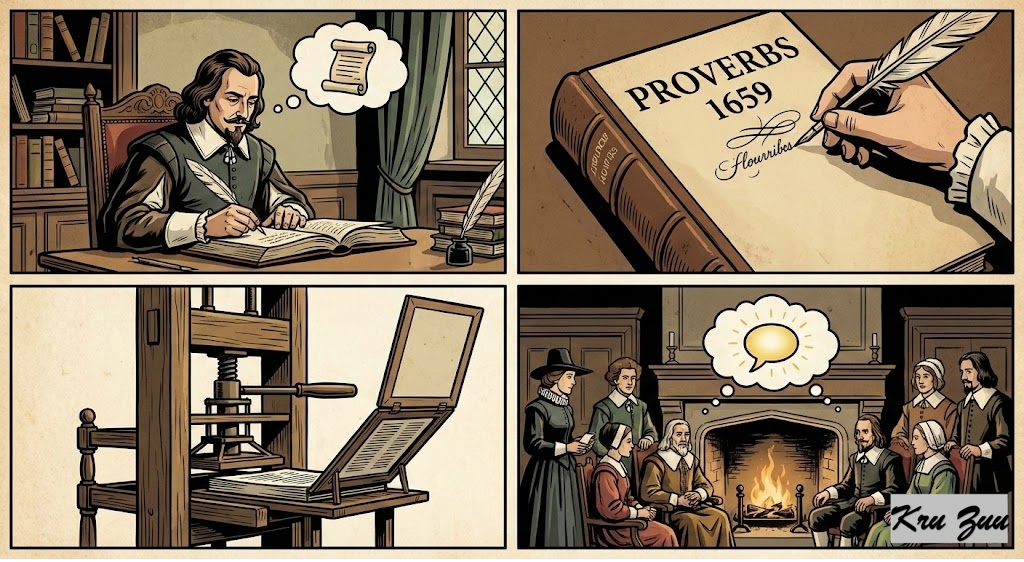
    This proverb was first recorded in 1659 by historian James Howell.

    The Logic: In old farming days, milk was money. If a cow kicked the bucket over, the farmer lost that day’s profit. But standing there crying wouldn’t feed the family, milking the next cow would.


    Global Cousins


    🇹🇷 Turkish:
    “Olanla ölene çare yoktur.” (There is no cure for what has happened or who has died.) — A darker, but very true equivalent!


    🇫🇷 French:“Ce qui est fait est fait.” (What is done is done.)


    🇯🇵 Japanese:“Fukusui bon ni kaerazu.” (Spilt water will not return to the tray.)

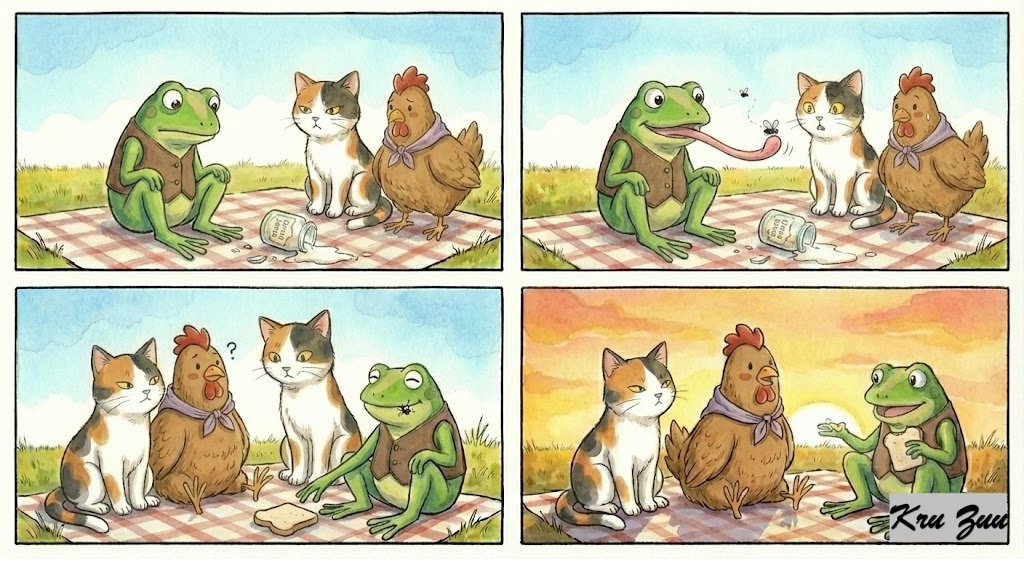
    🎭 Short Story: The Picnic at the Pond


    Let’s see how different personalities handle a disaster.


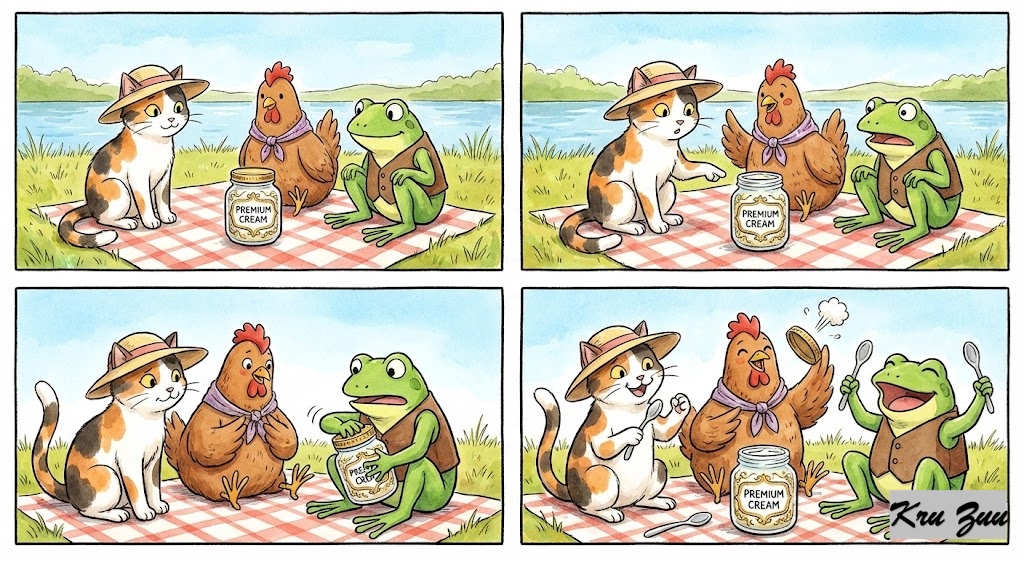
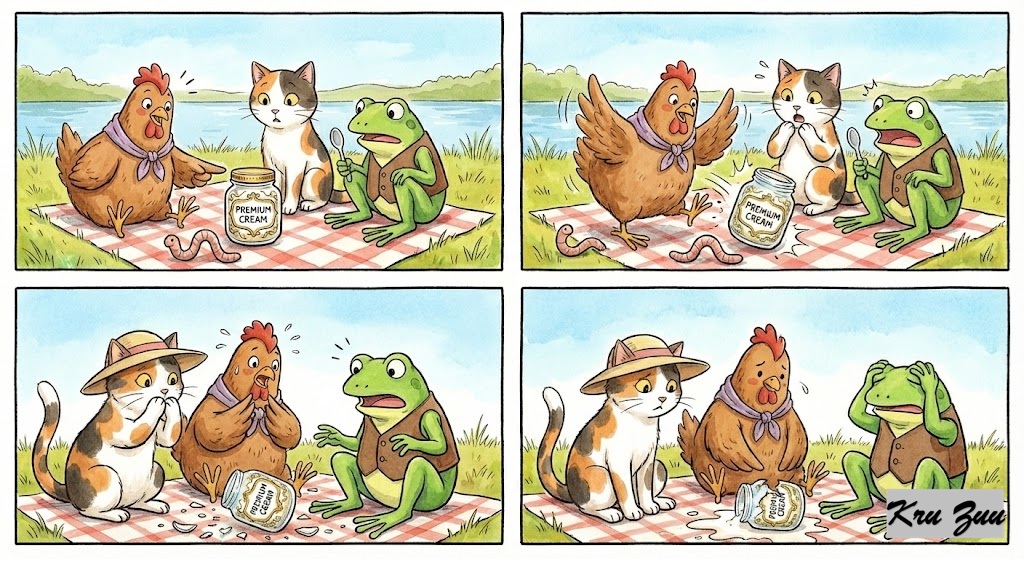
    🌟 The Setup: It is a beautiful Sunday. Three friends are having a picnic by the lake: Cleo the Cat, Henrietta the Chicken, and Franklin the Frog. They have one jar of delicious, expensive cream.


    The Accident: Henrietta the Chicken gets excited about a worm. She flaps her wings, hits the table, and—SMASH. The jar breaks. The expensive cream soaks into the dirt. It is gone.


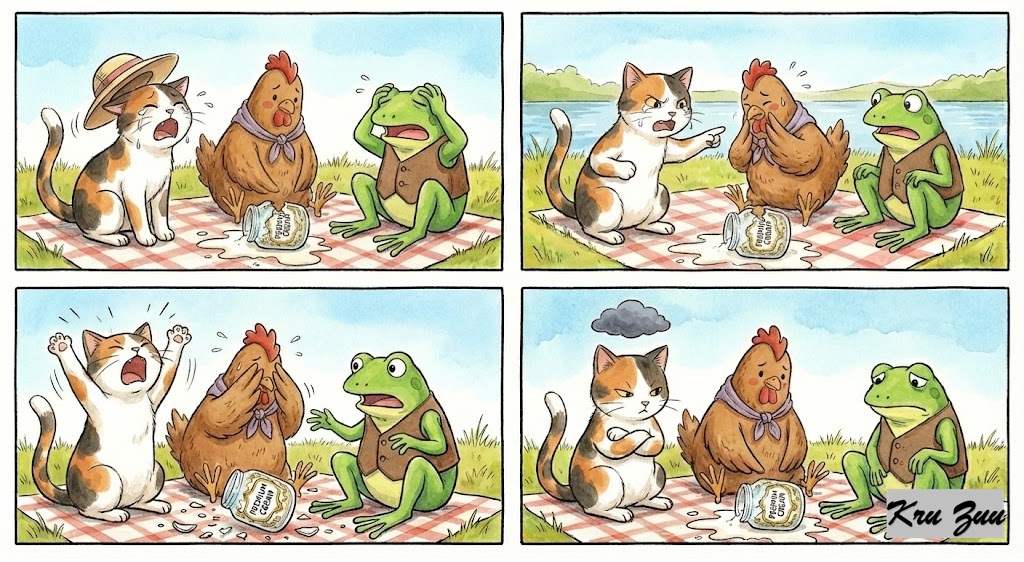
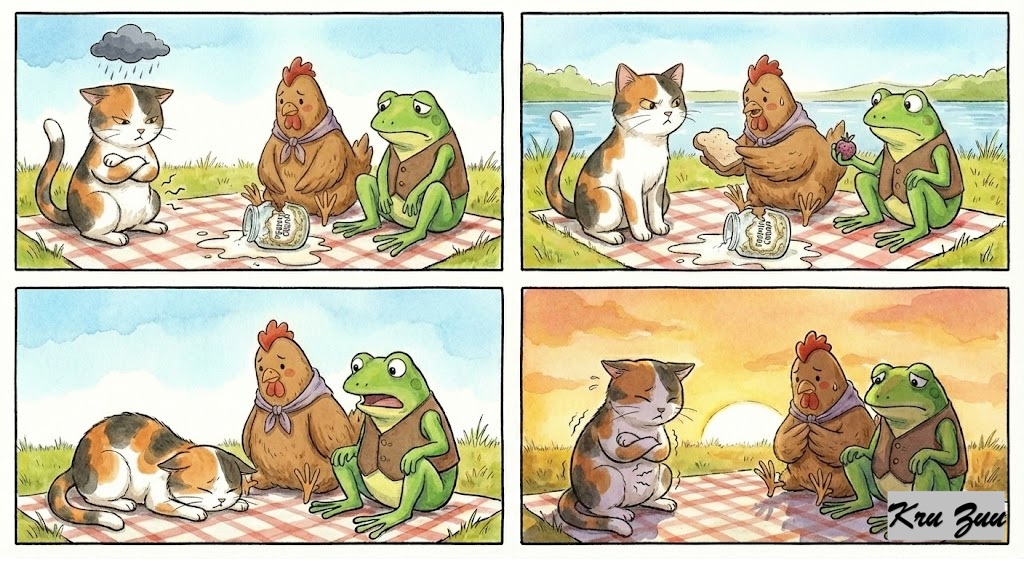
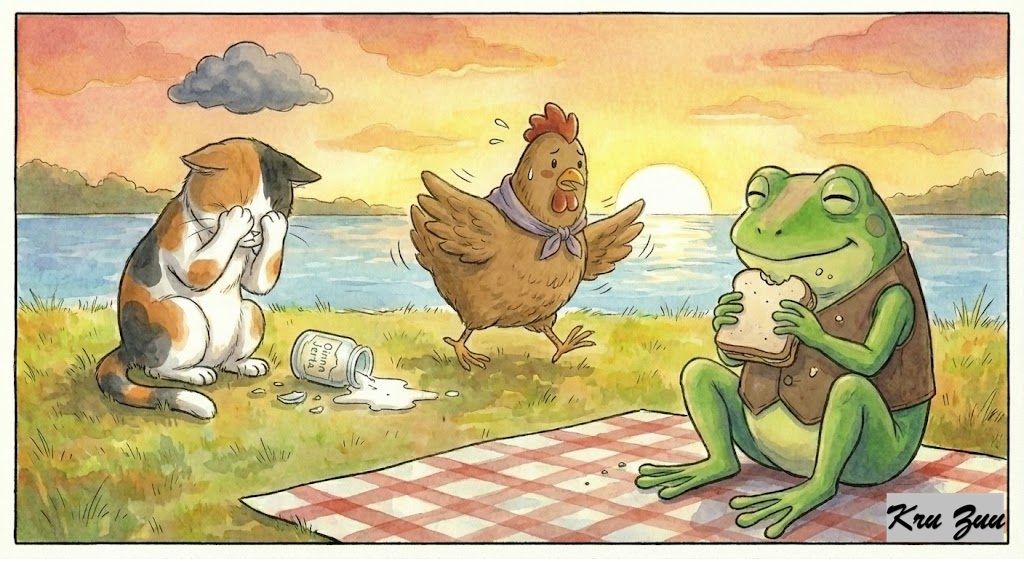
    😿 Cleo the Cat (The Dweller): Cleo stares at the cream. She starts to wail. “My cream! It was perfect! Why are you so clumsy, Henrietta? If we had sat on the grass, this wouldn’t have happened! I can’t believe this. My day is ruined. I’m not eating anything else!”

    Result: Cleo is hungry and miserable.


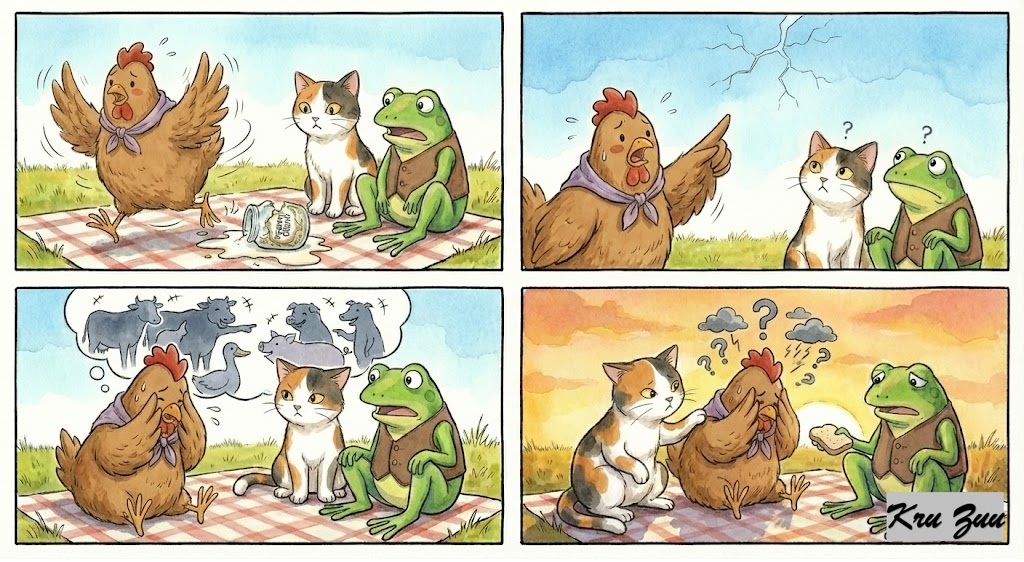
    🐔 Henrietta the Chicken (The Anxious): Henrietta runs in circles, flapping wildly. “Oh no! Oh no! The sky is falling! What will we do? We have no cream! It’s a disaster! Everyone will laugh at us!”

    Result: Henrietta is having a panic attack.


    🐸 Franklin the Frog (The Stoic): Franklin looks at the broken glass. He looks at the cream in the dirt. He blinks his big eyes. “Ribbit,” says Franklin. He sticks out his long tongue and catches a fly buzzing near the mess. “The cream is gone,” Franklin says calmly. “But the sandwiches are still dry. And the sun is still warm. Pass the bread, please.”


    The Moral: Cleo cried. Henrietta panicked. Franklin ate lunch. Be like Franklin. Eat the sandwich. 🥪

    🎓 Lesson for English Learners


    Don’t Let Mistakes Silence You.


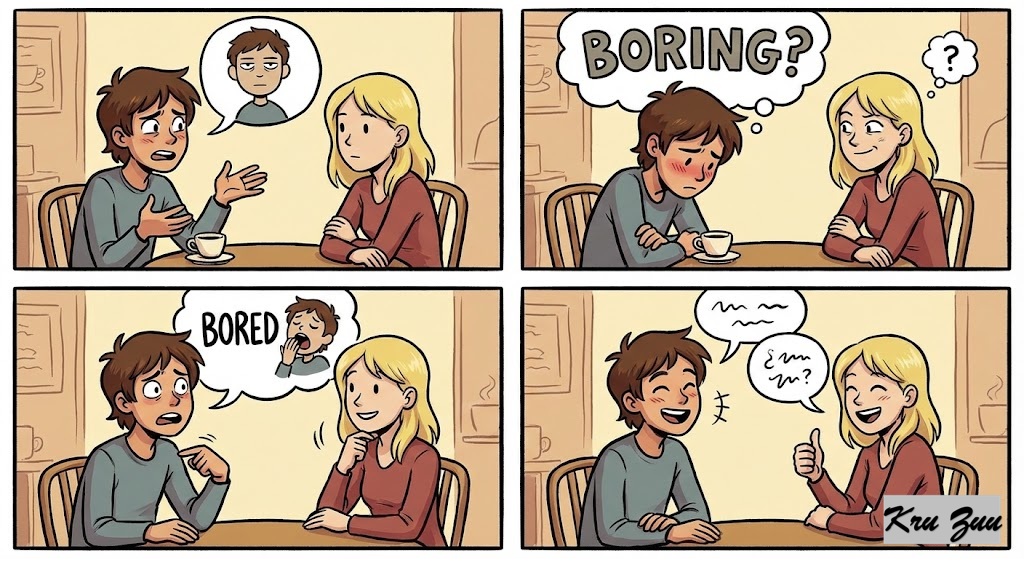
    Situation: You are speaking English to a native speaker. You try to say “I was bored,” but you accidentally say “I was boring.”


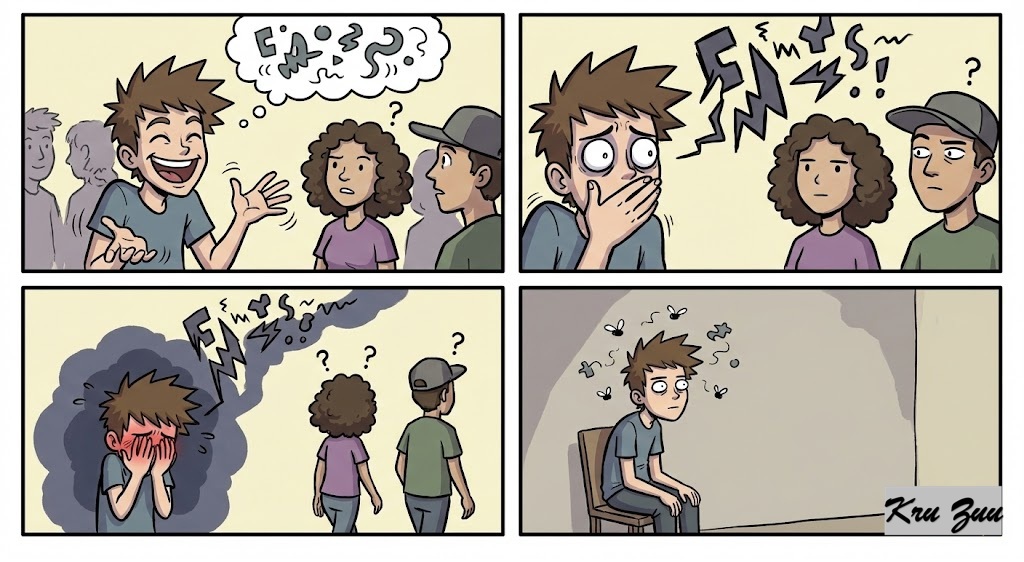
    The “Spilt Milk” Reaction: You freeze. Your face turns red. You stop talking because you are afraid of making another mistake.


    The Hero Reaction: You laugh. You say, “Oops! I mean I was bored!” and you keep talking.


    Remember: A grammar mistake is spilt milk. Once the words leave your mouth, they are gone. You cannot catch them. Don’t cry over a bad verb tense. Just speak the next sentence better.


    💬 Your Turn: The 5-Second Funeral 🚀


    We all have “spilt milk” in our lives. Here is your challenge.


    The Exercise: Think of one small mistake you made this week that is still bothering you.


    A rude email you sent?


    A workout you skipped?


    A dumb comment you made?


    The Action:
    We are going to hold a funeral for that mistake.


    Close your eyes.


    Admit the mistake happened.


    Count backward:
    5, 4, 3, 2, 1.


    Say out loud: “It is spilt.”


    Move on.


    Question:
    What is one “spilt milk” moment you are letting go of today? Tell us in the comments! 👇

    By Zubeyir YURTKURAN

    https://www.facebook.com/BrainBattleground/

    https://www.facebook.com/zubeyr.yurtkuran/

    https://www.instagram.com/zubeyryurtkuran/

    https://www.youtube.com/@BrainBattleground-b3p

    https://www.instagram.com/brainbattleground/

  • 🛡️ The Daily Shield: The Law of Necessity

    🛡️ The Daily Shield: The Law of Necessity

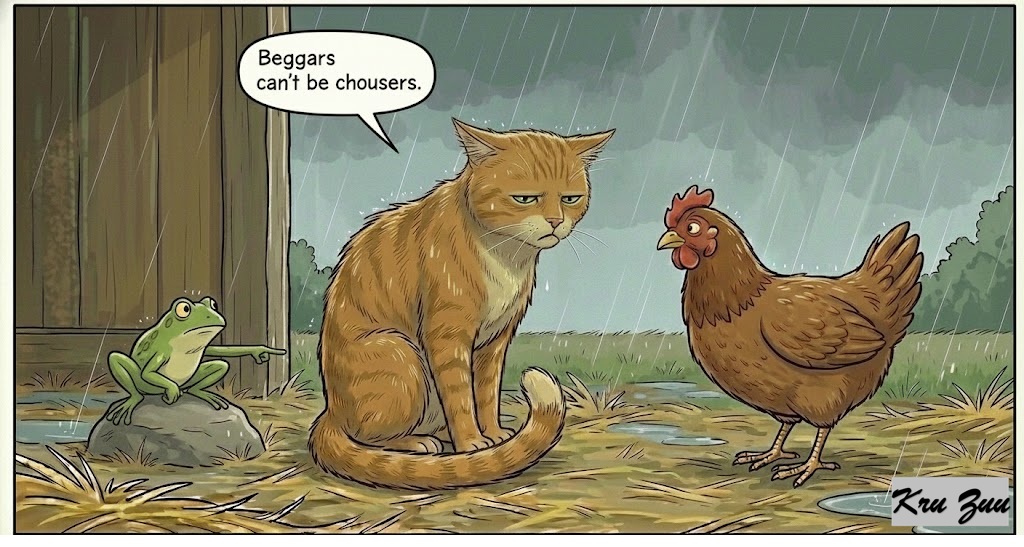
    “Beggars can’t be choosers.”


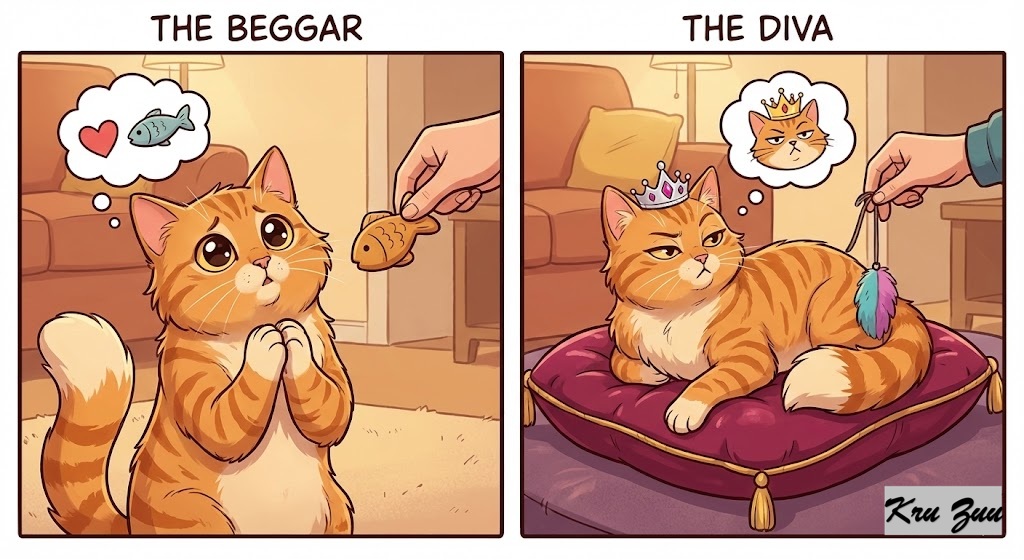
    😈 The Villain (The Diva)


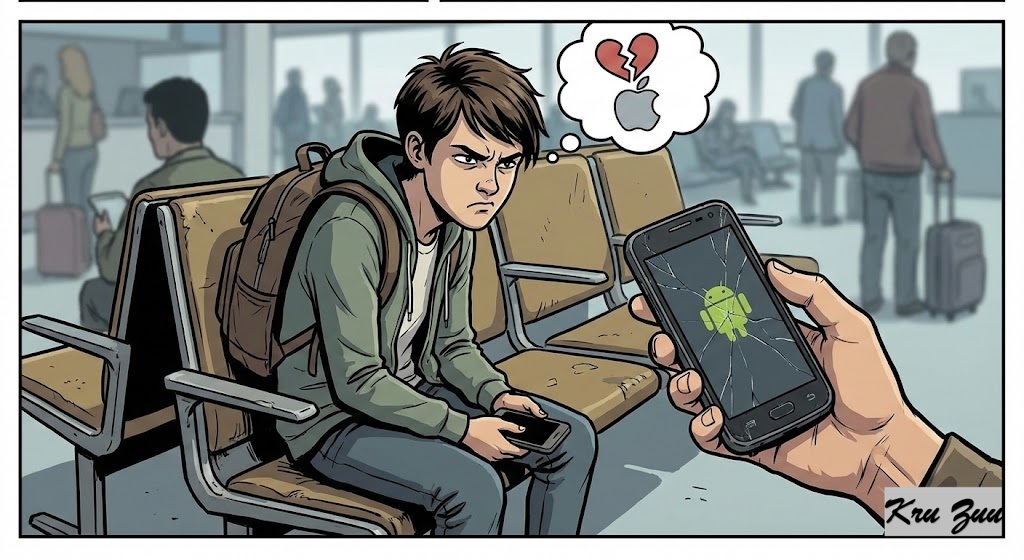
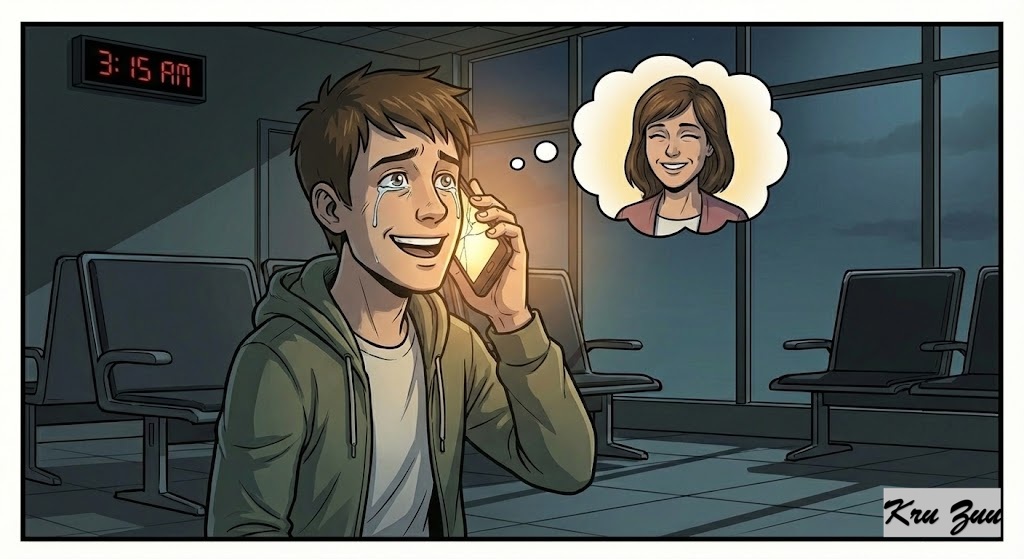
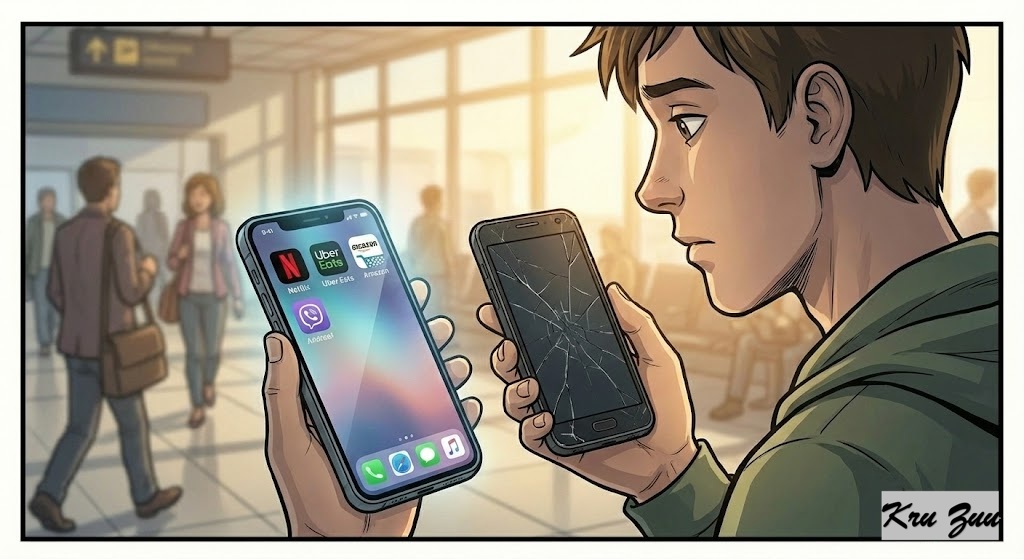
    You are stranded at the airport. Your phone is dead. You need to call your mom. A stranger offers you an old, cracked Android phone to use. You look at it with disgust. “Ew, I only use iPhones. Does this thing even have FaceTime?” You refuse the help because it isn’t ‘perfect.’

    The Result? You are stuck at the airport all night. You are cold, lonely, and stubborn. You let your pride destroy your survival. 🧟‍♂️


    😇 The Hero (The Survivor)


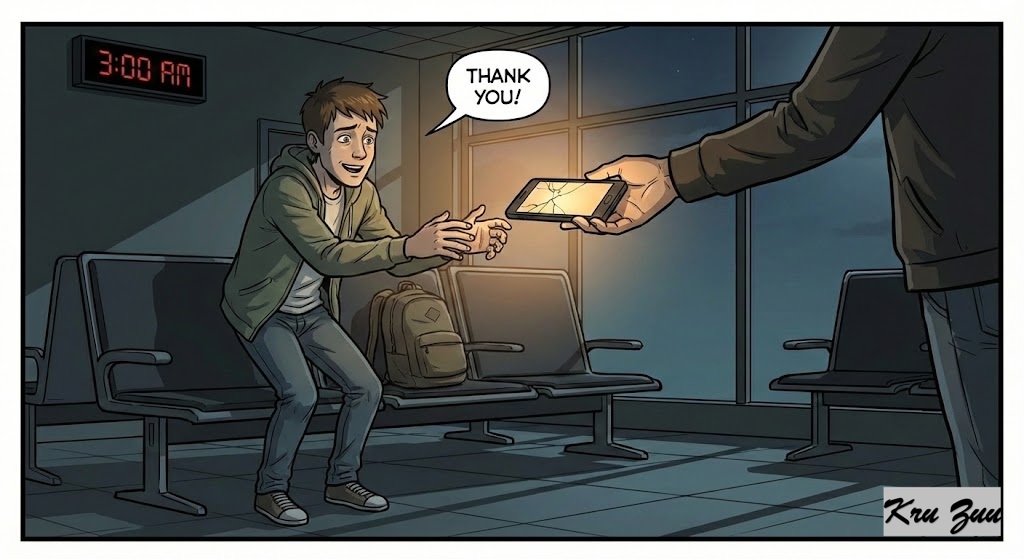
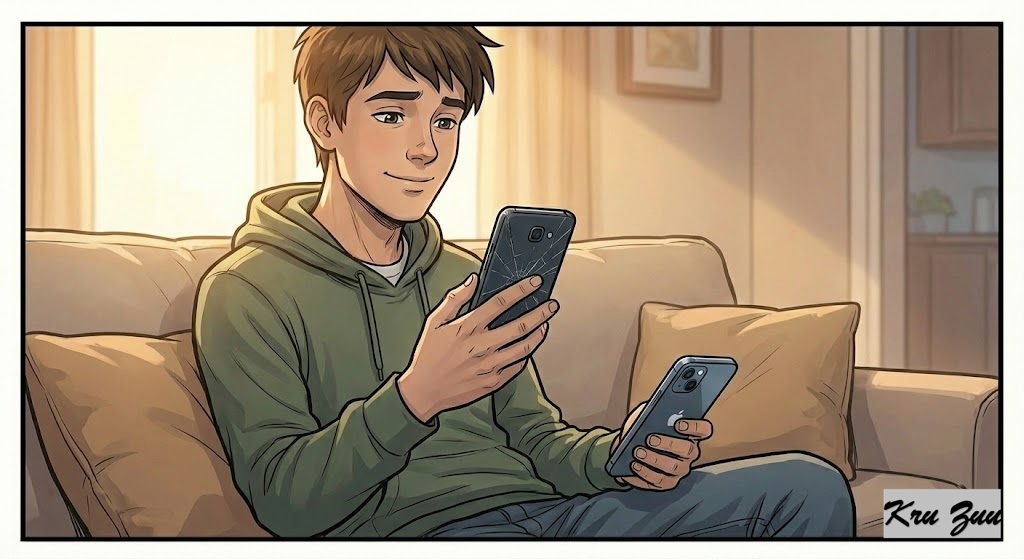
    You are in the same situation. You need help. You have zero options. The stranger offers the old, cracked phone. You say, “Thank you so much!” instantly. You don’t care about the brand, the screen, or the color. You only care about the function.

    The Result? You make the call. You get home safely. You understand that when you have nothing, anything is a gift. You value utility over vanity. 🛡️


    ⚖️ The Reality
    Options are a luxury. We live in a world of endless choices (Netflix, Uber Eats, Amazon). We are used to getting exactly what we want. But sometimes, life hits “Reset.” When you are in a position of need, your “Right to Choose” disappears.

    💎 The Secret: Gratitude turns “not enough” into “enough.”

    🧐 The Anatomy of the Proverb


    This proverb teaches us about humility and reality.


    Beggars (Noun): People who ask for charity or help because they have nothing. 🤲


    Can’t (Modal Verb): Cannot; it is impossible for them to.


    Choosers (Noun): People who select the best option from many.


    Simpler Version: Take what you are given.


    📚 Vocabulary Vault


    Entitled (Adjective): Believing you deserve special treatment (The enemy of this proverb!). 😤


    Necessity (Noun): Something that is absolutely needed.


    Alternative (Noun): Another available possibility.


    Compromise (Verb): To accept standards that are lower than is desirable.


    Pick (Verb): To choose.


    🧠 Grammar Focus: Modals & Plurals


    Modals of Ability (Can’t) Here, “Can’t” doesn’t mean they physically cannot choose. It means they possess no logical or social right to do so.


    Example: “You are late? You can’t complain about the bad seats.”


    Nominalization (Verbs into Nouns) English loves turning verbs into people nouns by adding -er or -or.


    Beg (Verb) → Beggar (Person)
    Choose (Verb) → Chooser (Person)
    Teach (Verb) → Teacher (Person)

    📜 History: Origin and Spread


    This isn’t just modern slang; it is ancient wisdom.


    The Origin: It first appeared in John Heywood’s collection of proverbs in 1546! For 500 years, people have been trying to teach “Entitled” people to be humble.


    Global Cousins


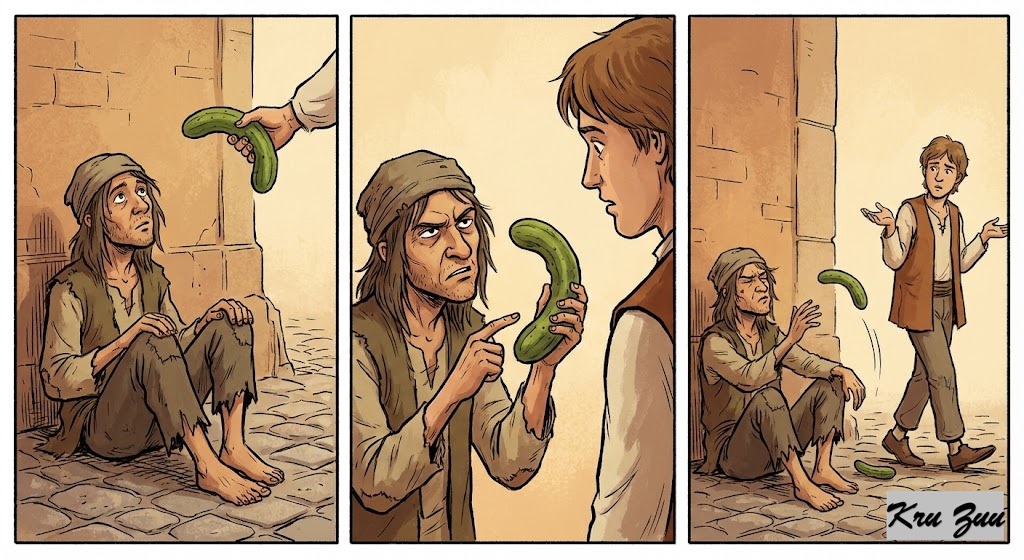
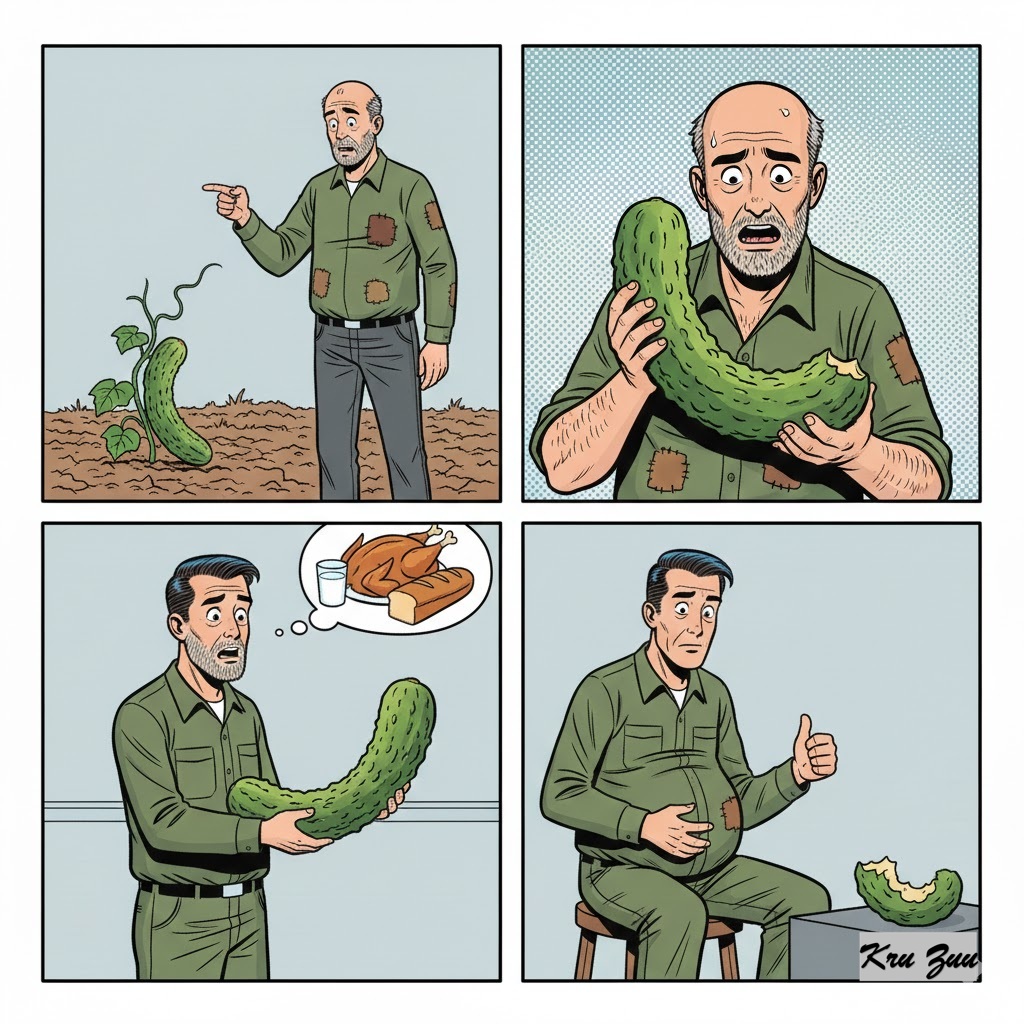
    🇹🇷 Turkish:“Dilenciye hıyar vermişler, eğri diye beğenmemiş.” (They gave the beggar a cucumber, he didn’t like it because it was crooked.) — This captures the humor perfectly!


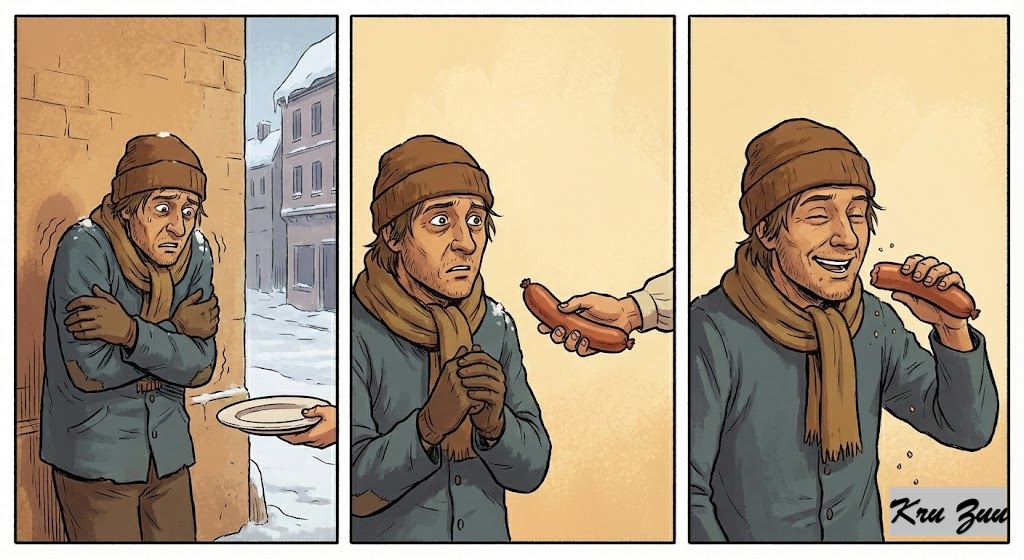
    🇩🇪 German:“In der Not schmeckt die Wurst auch ohne Brot.” (In need, the sausage tastes good even without bread.)


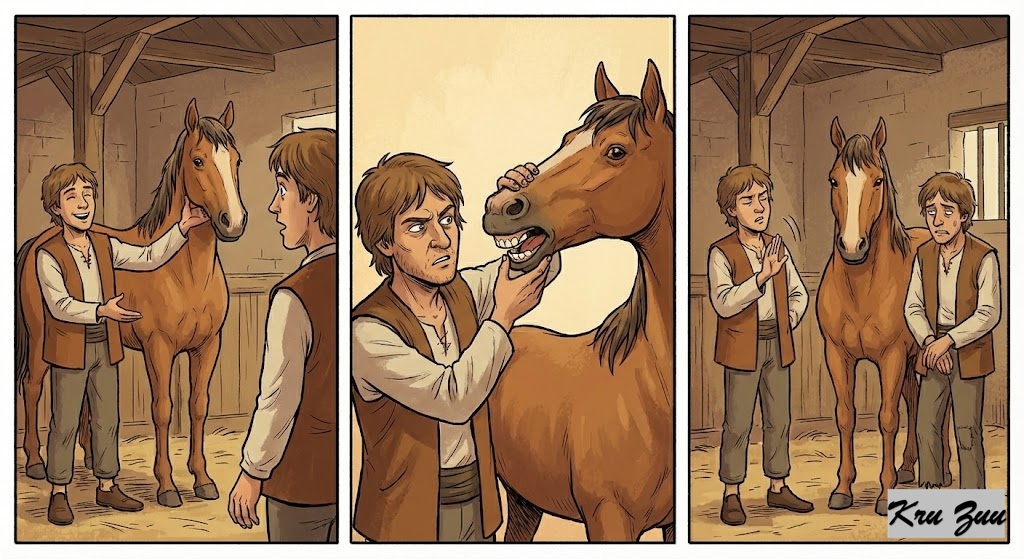
    🇪🇸 Spanish:“A caballo regalado no se le mira el diente.” (Don’t look at the teeth of a gifted horse.)

    🎭 Short Story: The Barnyard Banquet


    Let’s visit a farm where three animals are having a very different lunch.


    🌟 The Cast


    🐱 Cleo the Cat (The Beggar / The Diva)


    🐔 Henriettta the Chicken (The Provider)


    🐸 Fred the Frog (The Wise Observer)


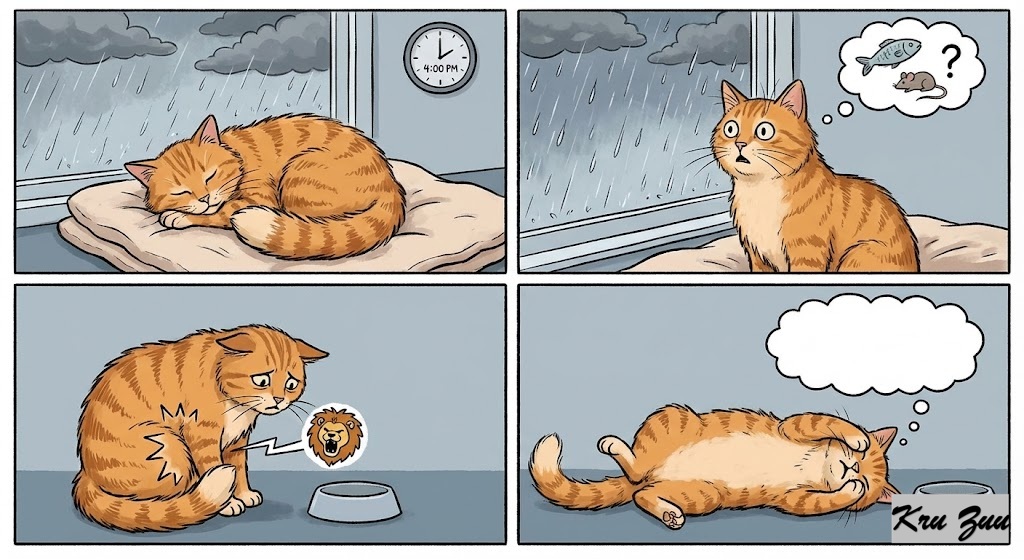
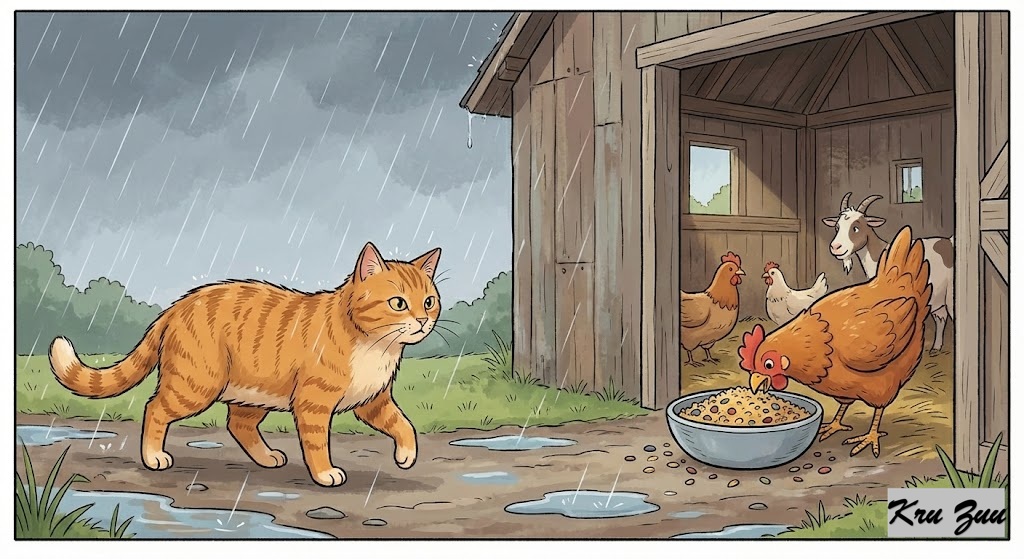
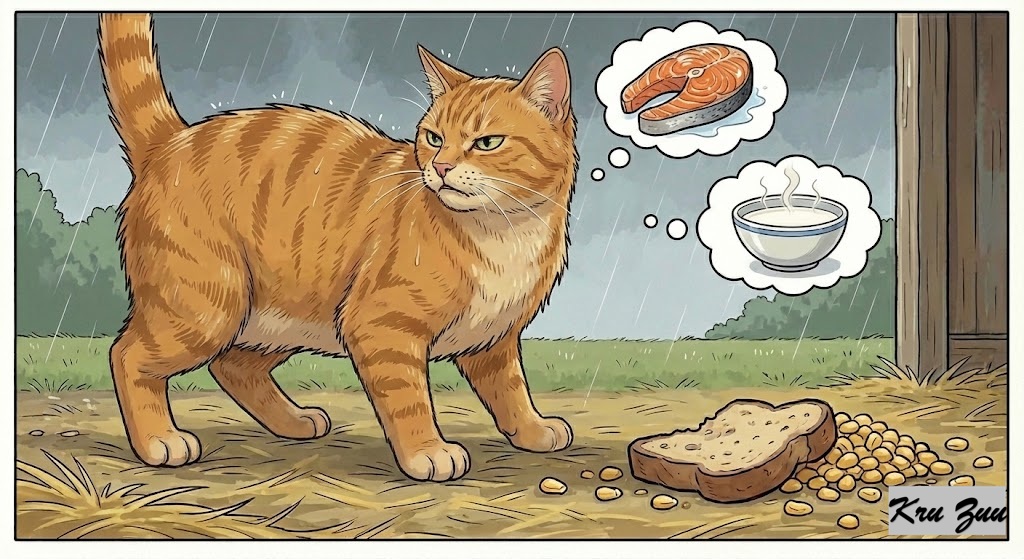
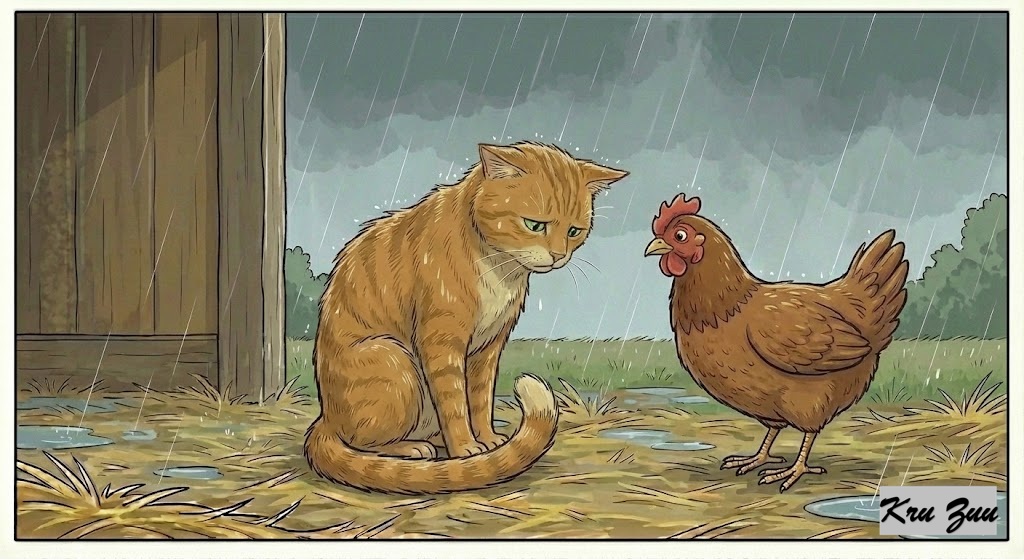
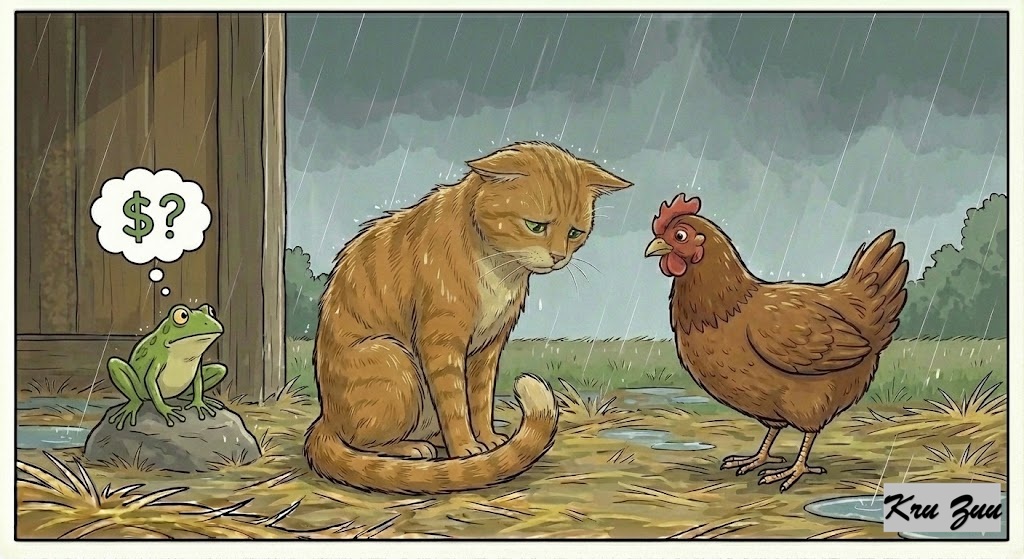
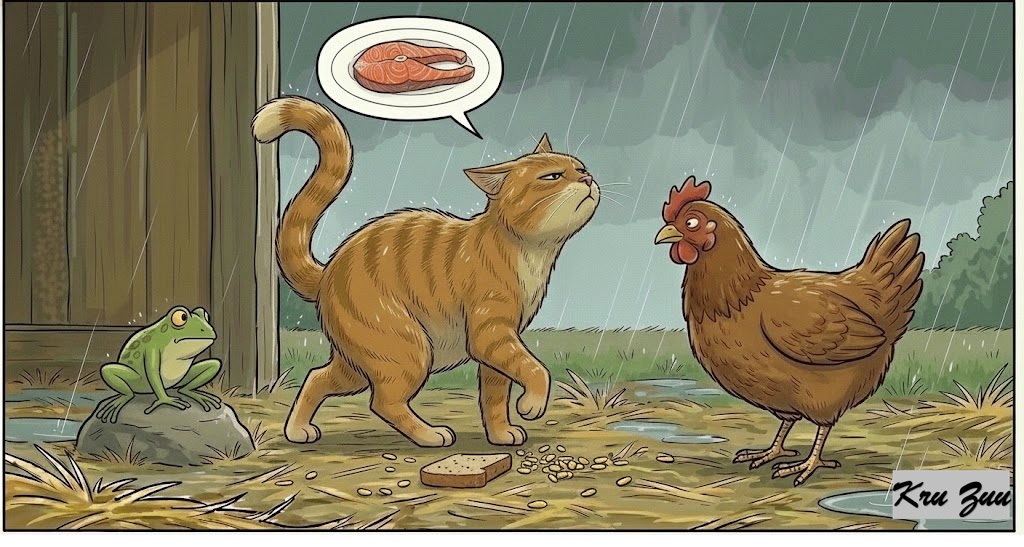
    The Situation: It is a rainy Tuesday. Cleo the Cat has been sleeping all day and forgot to hunt. She is starving. Her stomach is growling like a lion.


    She walks over to the barn where Henrietta is eating.

    Cleo: “Oh, Henrietta, darling! I am fainting with hunger. Do you have anything for a sophisticated cat to eat?”


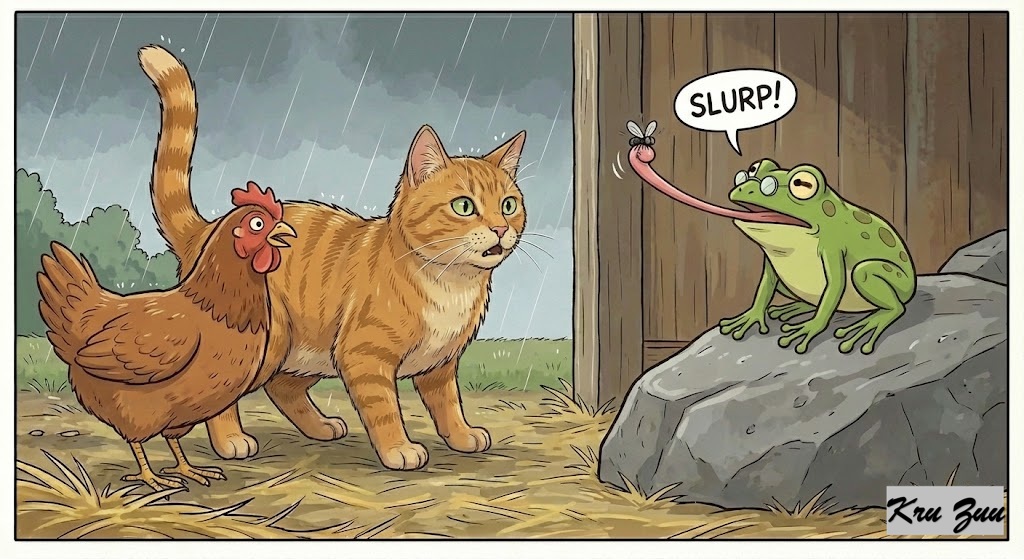
    Henrietta is kind. She kicks a bowl forward.

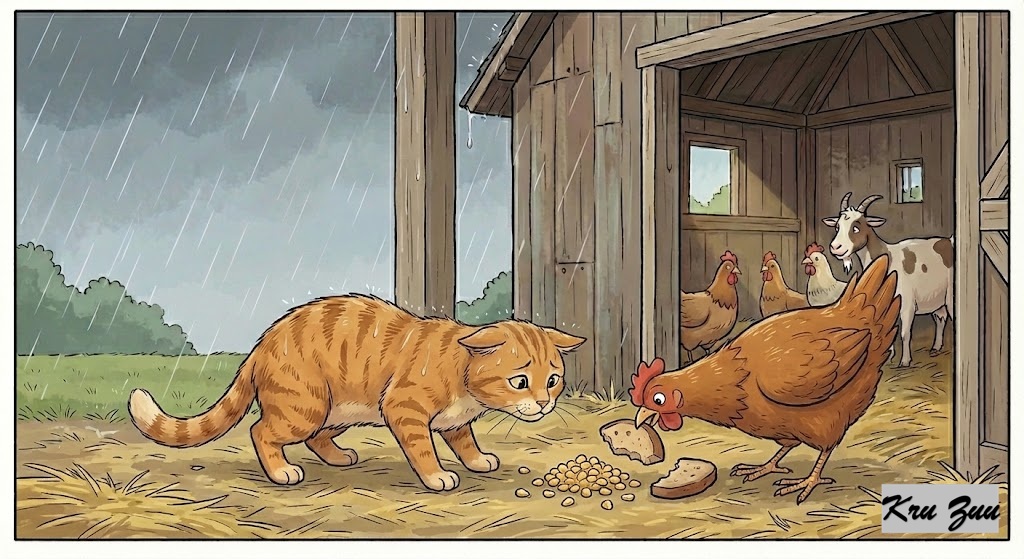
    Henrietta: “Sure, Cleo. Here is some dry corn and a piece of old bread crust.”


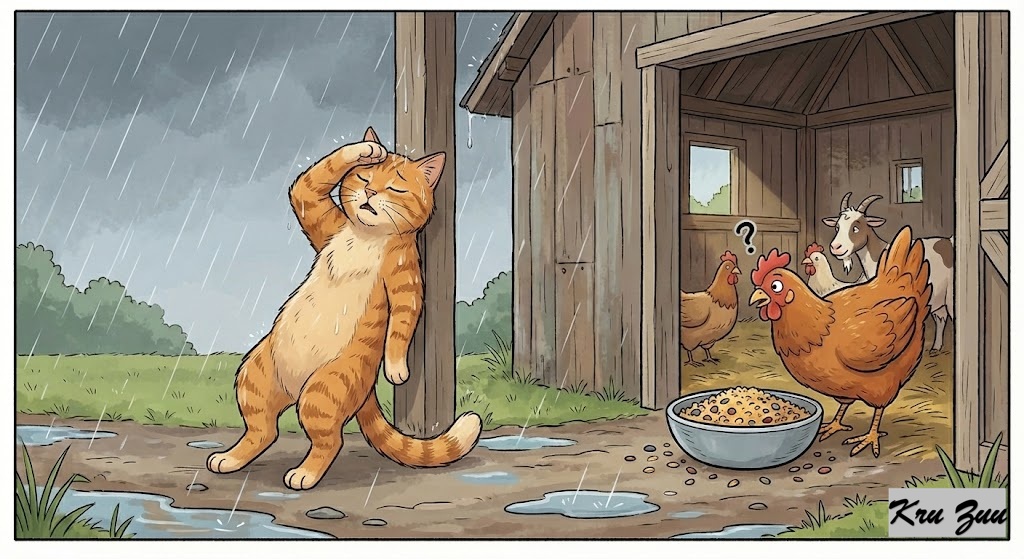
    Cleo looks at the corn. She sniffs the bread. She wrinkles her nose.

    Cleo: “Corn? Bread? Are you joking? I need Salmon. Or perhaps a bowl of warm milk. This is dry! This is for… peasants!”


    Suddenly, Fred the Frog hops onto a rock. He catches a fly with his tongue. Slurp.

    Fred: “Hey Cleo, are you hunting today?”

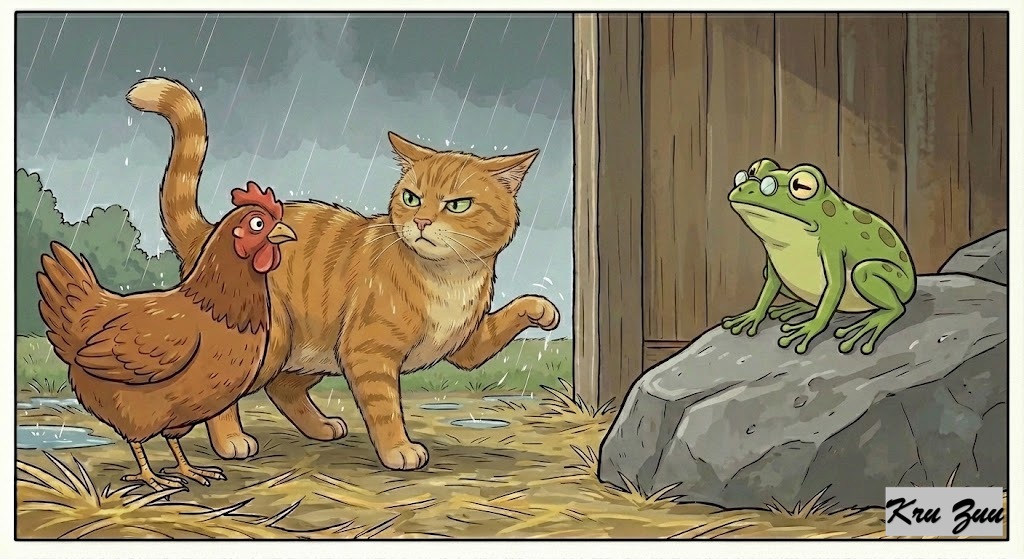
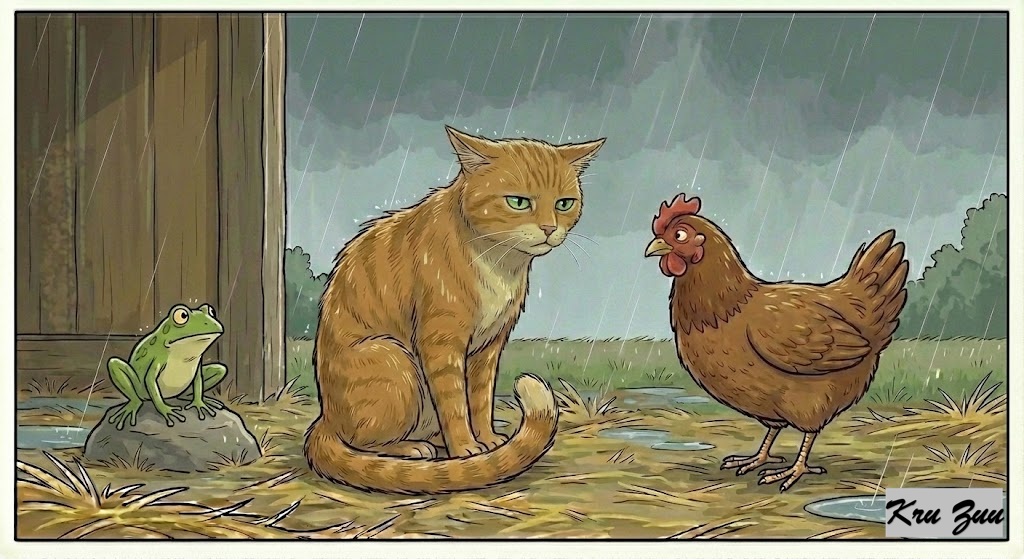
    Cleo: “No, it’s too wet outside.”

    Fred: “So you have no food?”

    Cleo: “None.”

    Fred: “And you have no money?”

    Cleo: “I’m a cat, Fred. Of course not.”

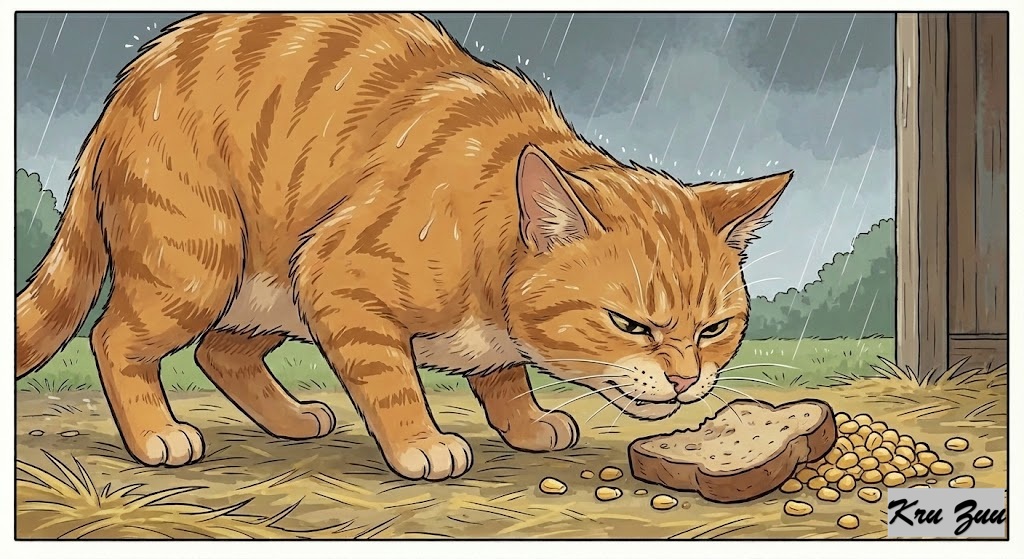
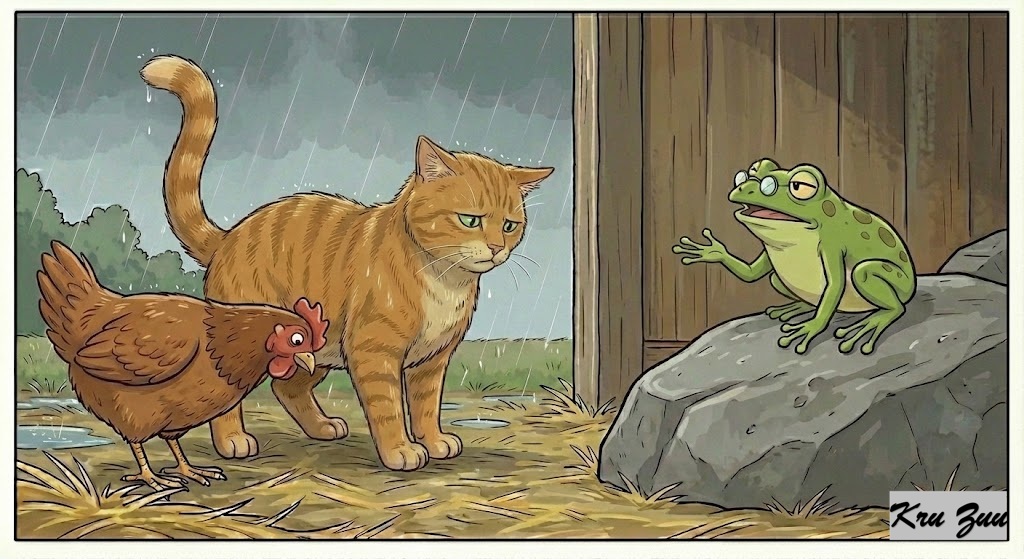
    Fred: “Then eat the bread, Cleo. Beggars can’t be choosers.”


    Cleo refuses. She walks away, nose in the air, waiting for a salmon that will never come.

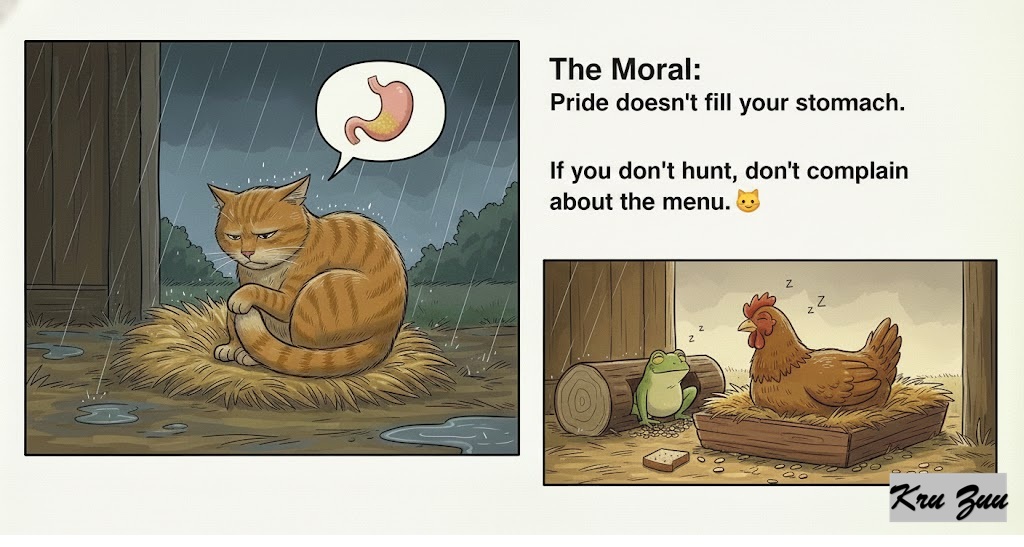
    The Ending: Cleo went to sleep hungry and cold. Fred and Henrietta went to sleep full.


    The Moral: Pride doesn’t fill your stomach. If you don’t hunt, don’t complain about the menu. 🐱

    🎓 Lesson for English Learners


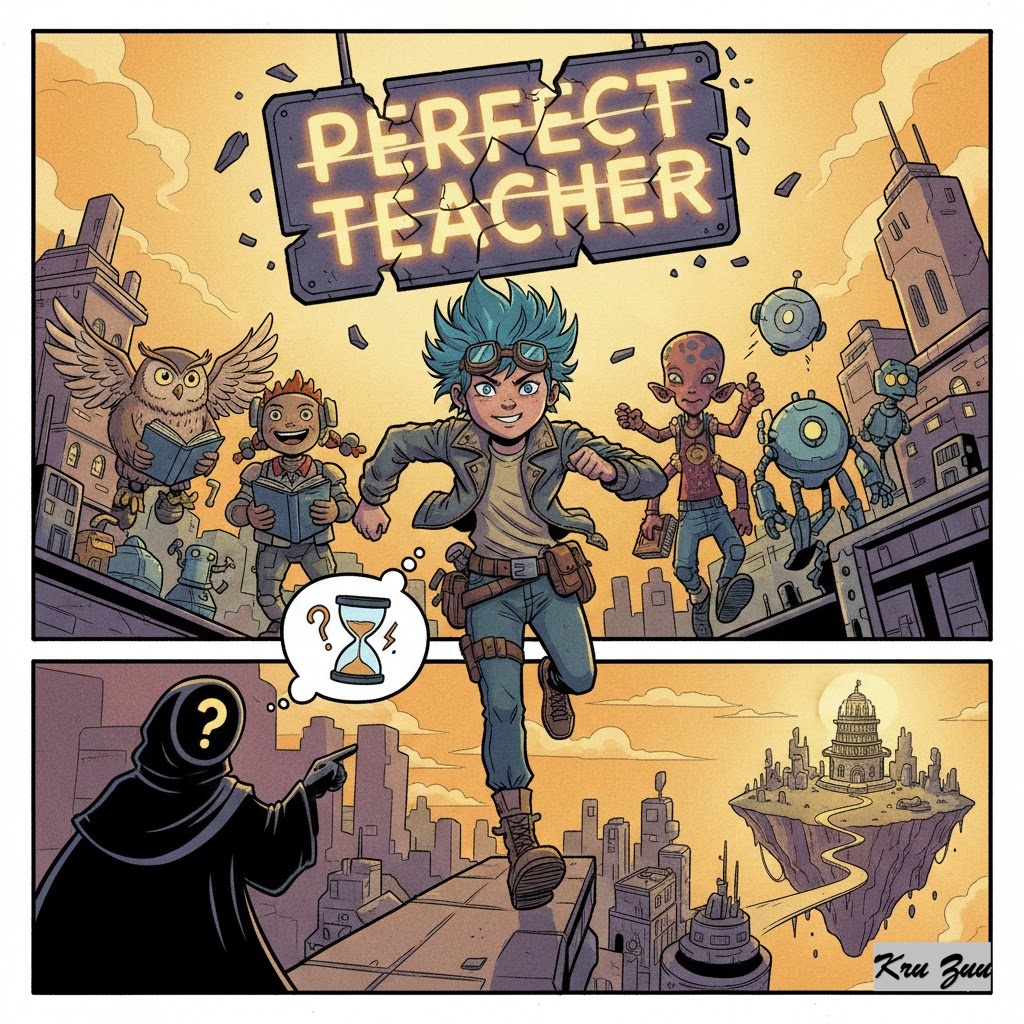
    Don’t wait for the “Perfect Teacher.”


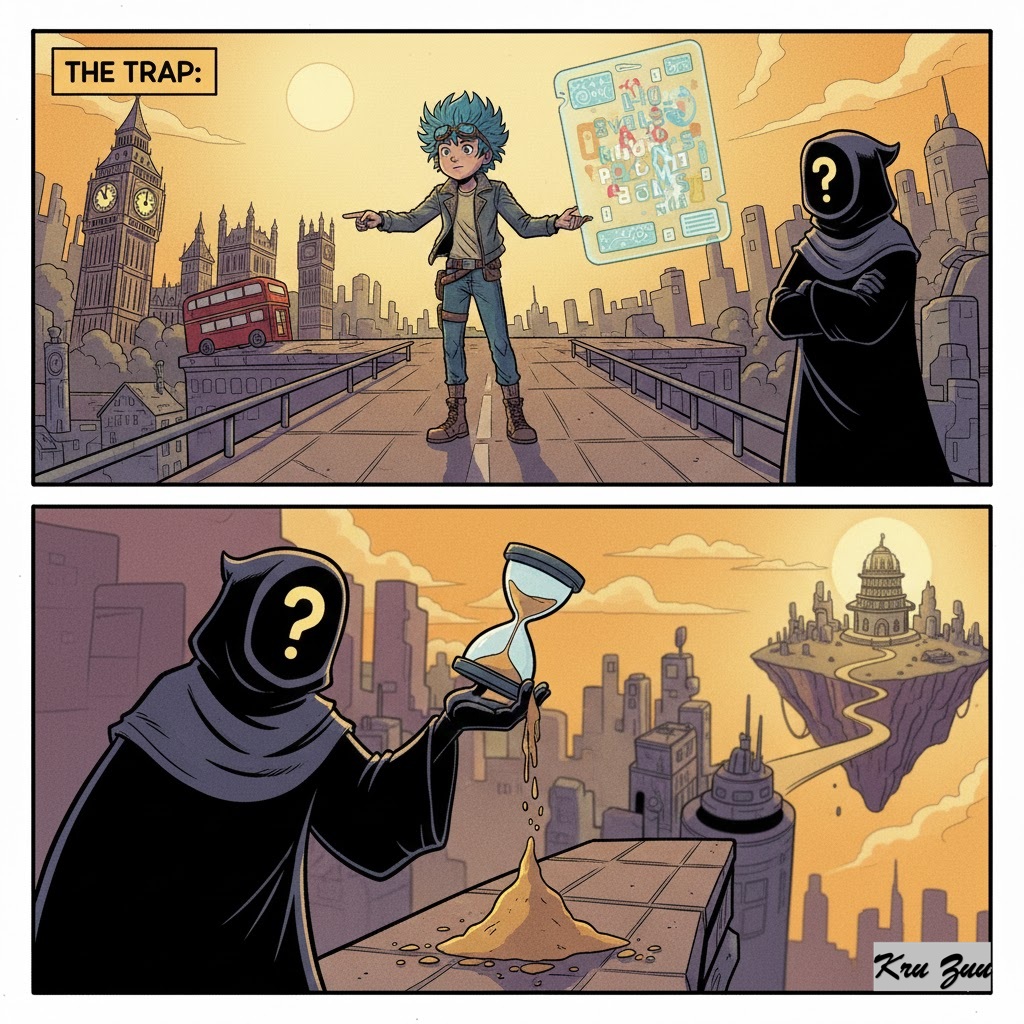
    The Trap: You want to learn English, but you say: “I will only learn if I can go to London,” or “I don’t like this free app, the interface is ugly.”


    The Reality: You are the “Beggar” (you need knowledge). The resources are the “Givers.”


    The Solution: Use the ugly app. Read the old book. Talk to the non-native speaker.


    You Say: “My English isn’t perfect, so I will use whatever tools I have. I cannot afford to be picky if I want to be fluent.”


    💬 Your Turn: The Reality Check 🚀


    Have you ever given someone a gift, and they complained about it? Or have you ever had to accept something you didn’t like because you had no choice?


    Tell us your story in the comments! 👇


    What was the item?


    Did you accept it or reject it?


    (Remember: Even a crooked cucumber feeds a hungry stomach!)

    By Zubeyir YURTKURAN

    https://www.facebook.com/BrainBattleground/

    https://www.facebook.com/zubeyr.yurtkuran/

    https://www.instagram.com/zubeyryurtkuran/
    https://www.youtube.com/@BrainBattleground-b3p

    https://www.instagram.com/brainbattleground/

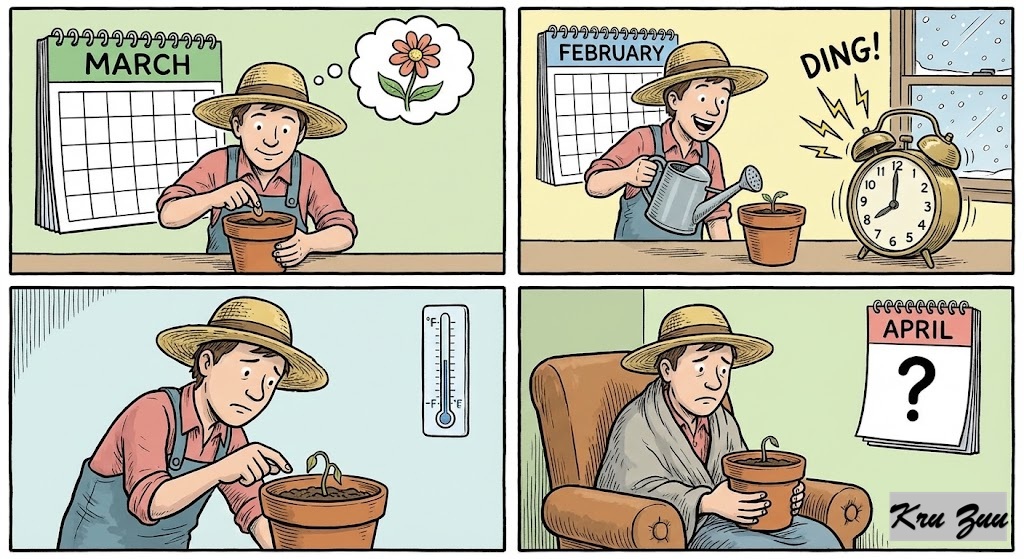
  • 🐣 The Daily Shield: The Law of Patience

    🐣 The Daily Shield: The Law of Patience

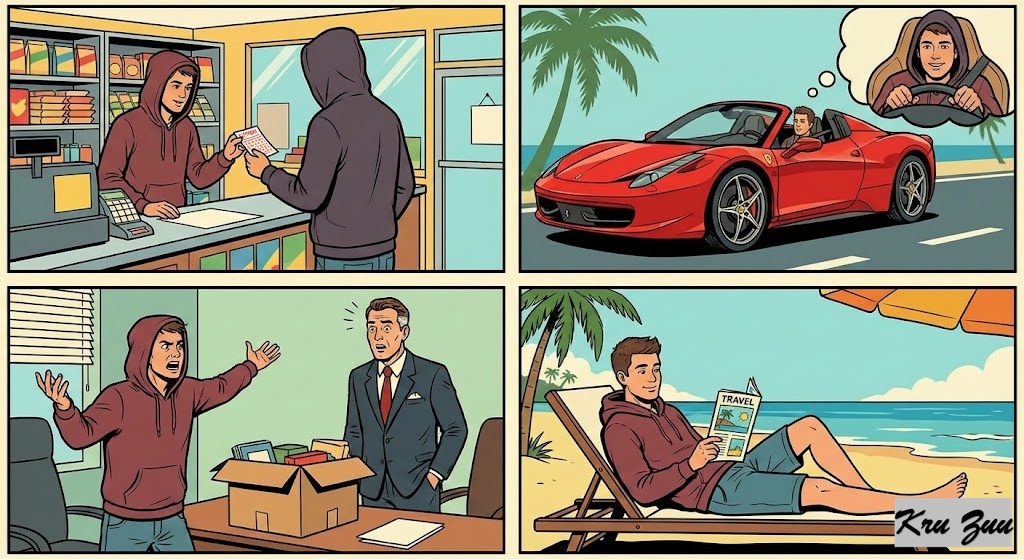
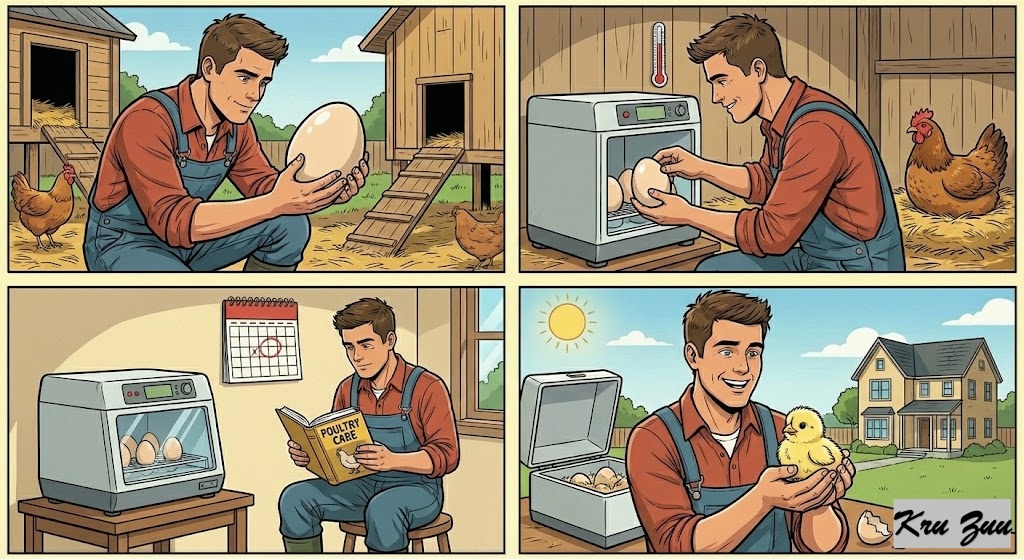
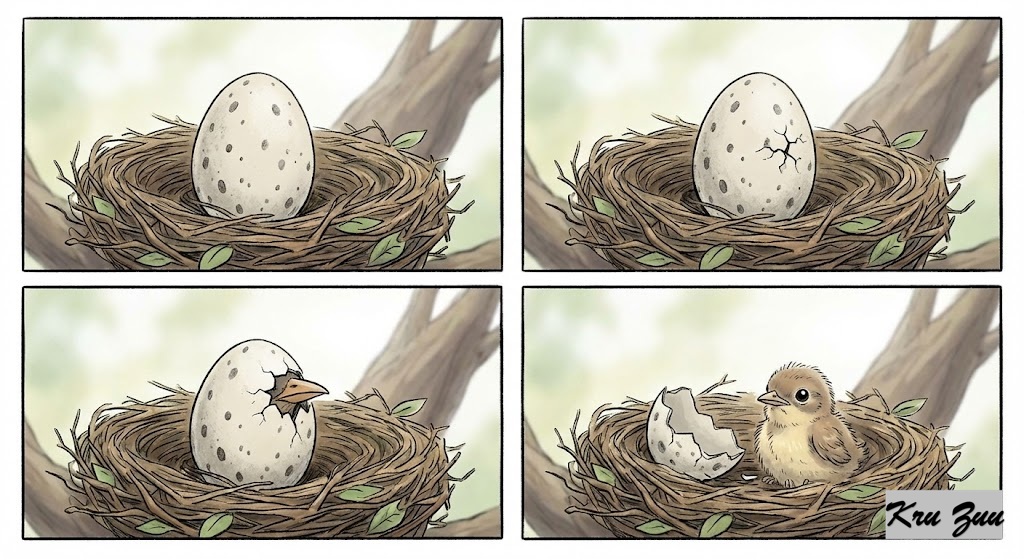
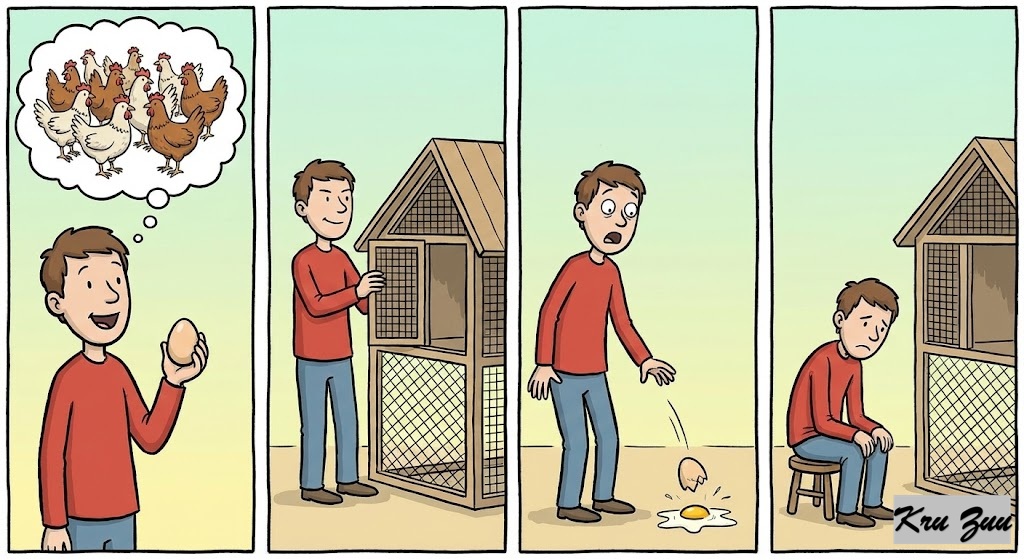
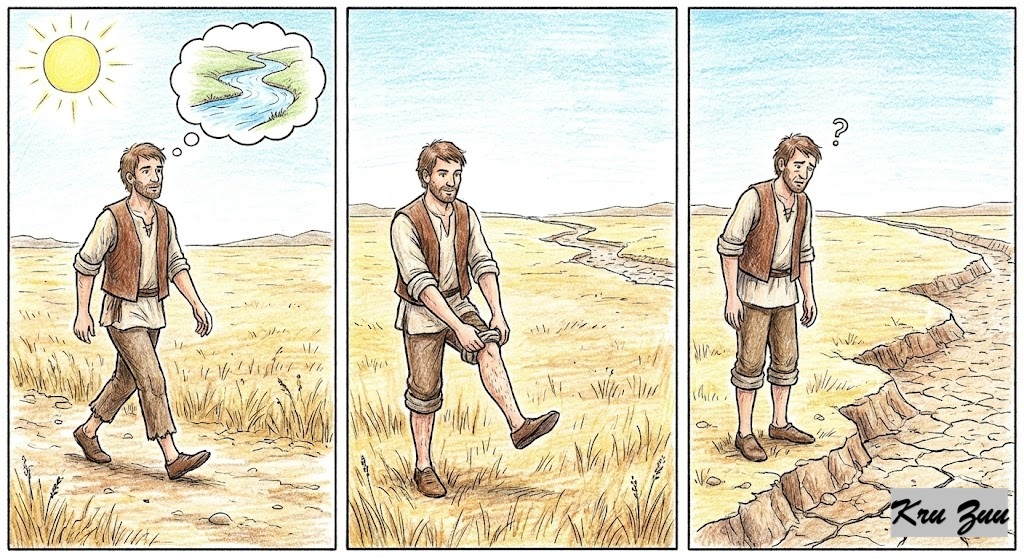
    “Don’t count your chickens before they hatch.”


    🤡 The Villain (The Daydreamer)


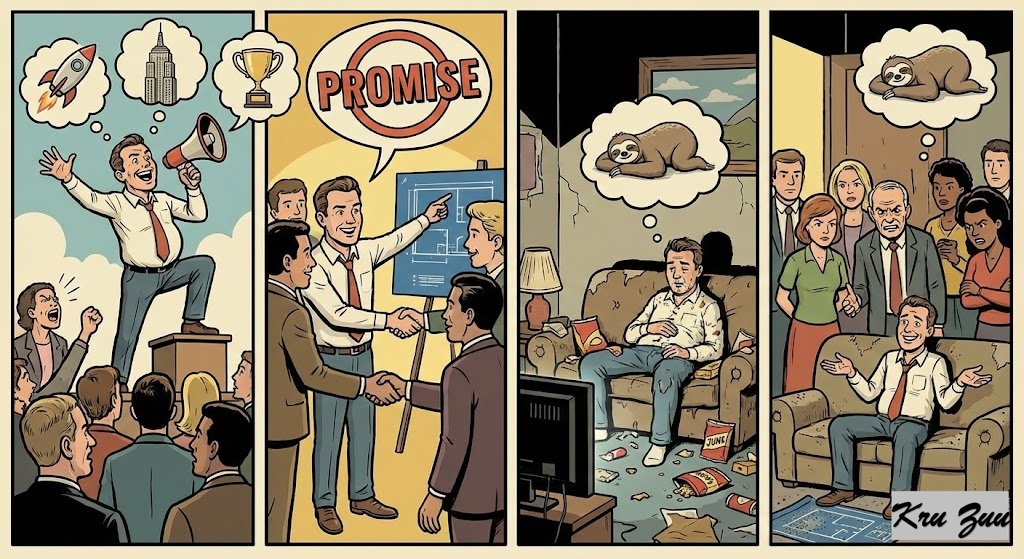
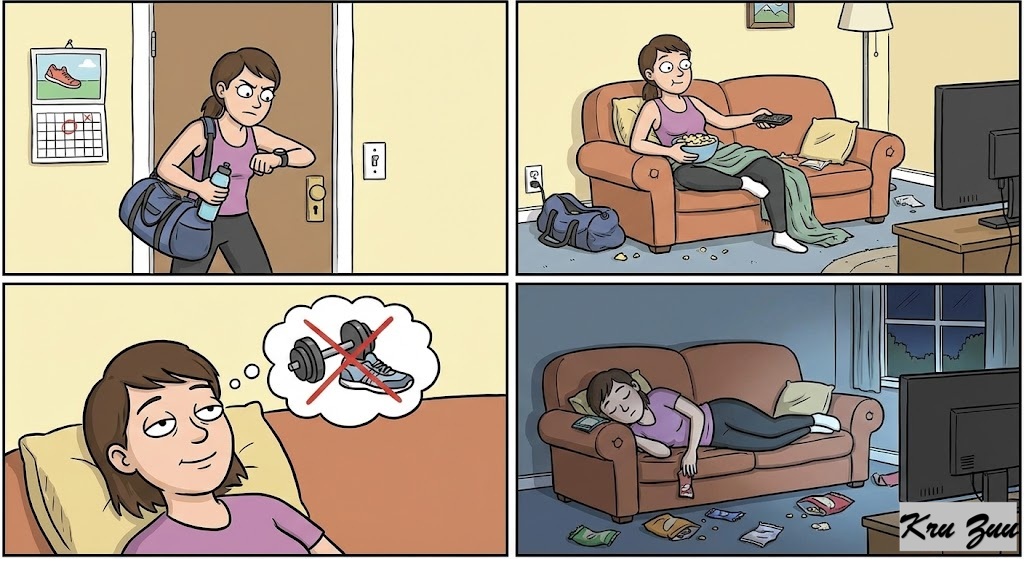
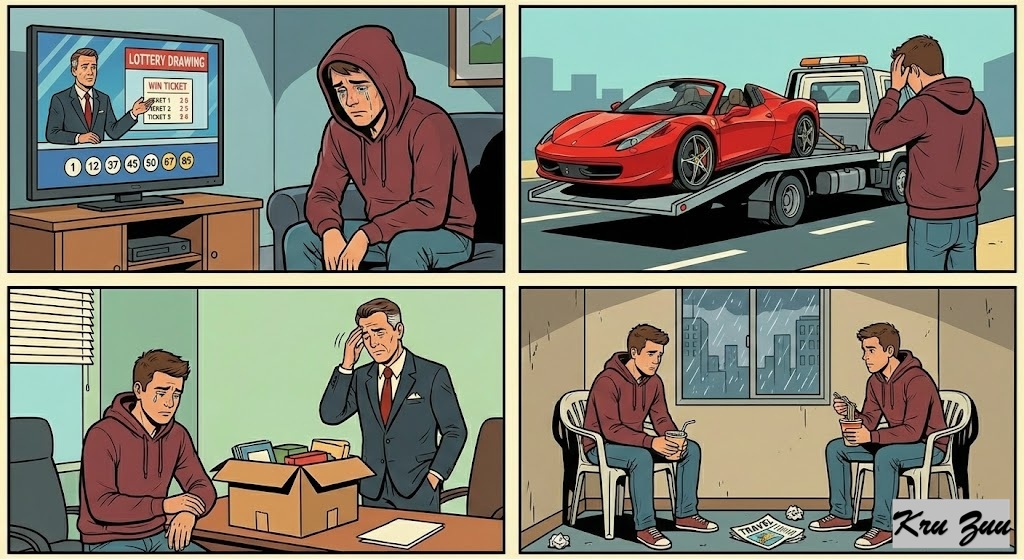
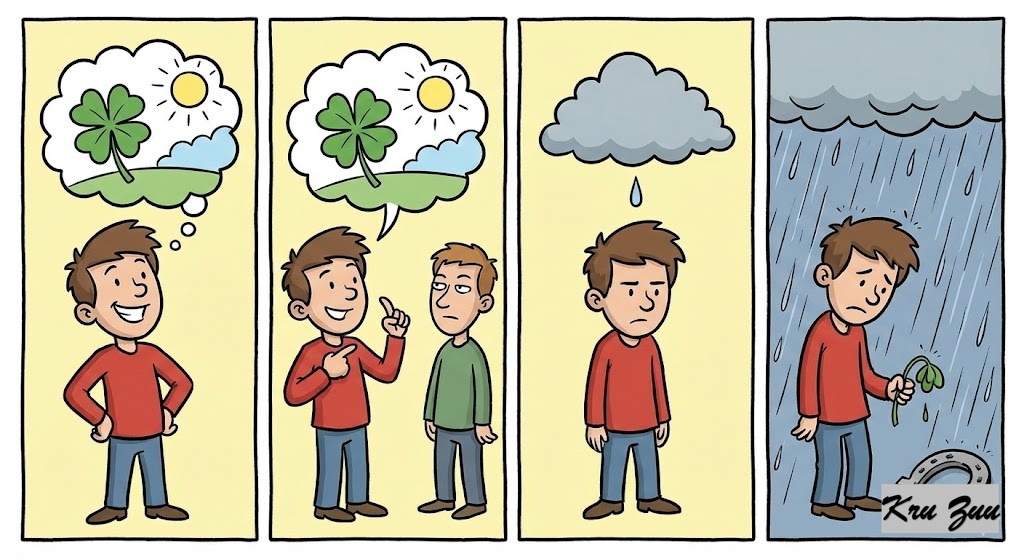
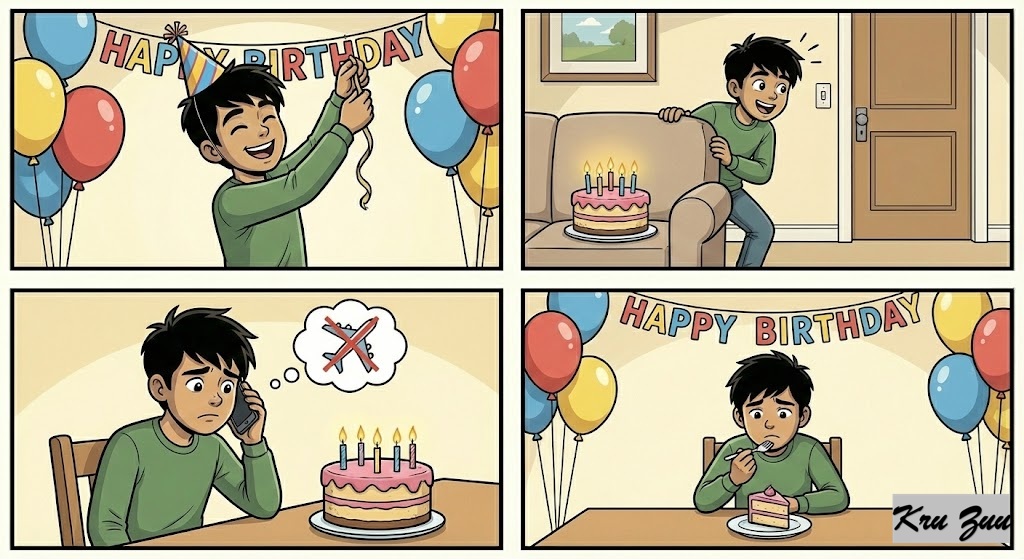
    You buy a lottery ticket. You haven’t won yet, but you are already mentally buying a Ferrari. You tell your boss, “I quit!” because you are sure you will win. You plan a vacation to the Maldives.

    The Result? The numbers come out. You lose. Now you have no job, no Ferrari, and you look foolish. You fell in love with a future that didn’t exist yet. 📉


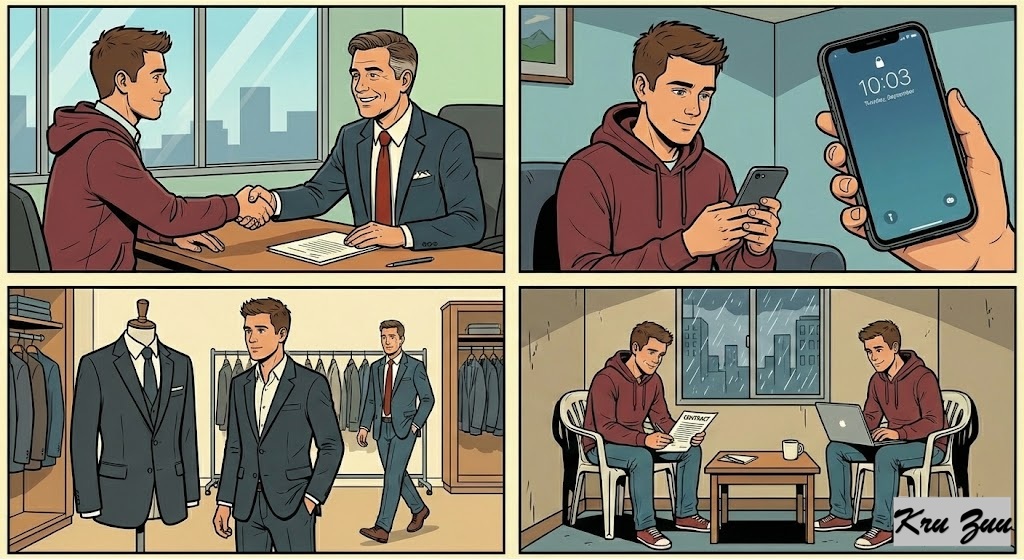
    🤠 The Hero (The Realist)


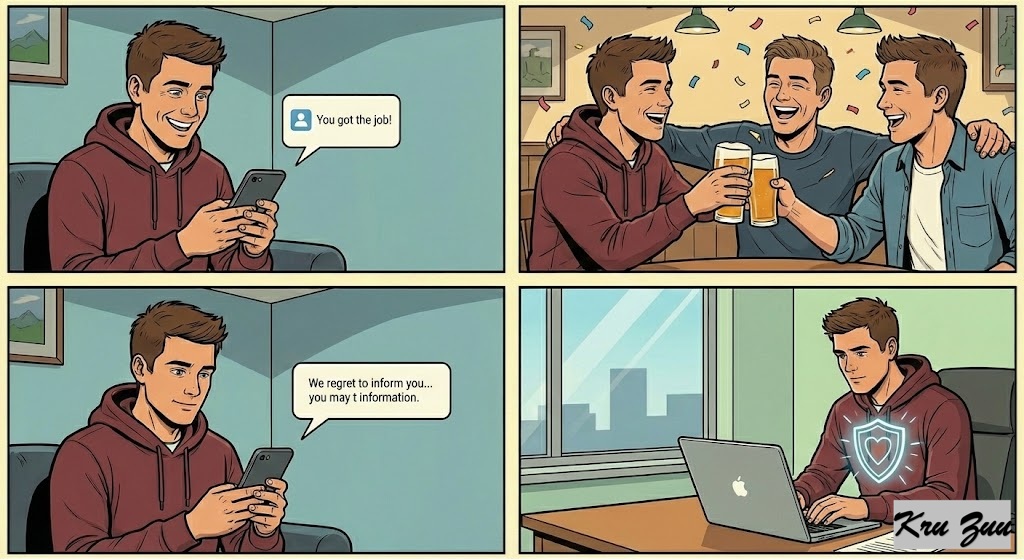
    You apply for a new job. The interview went great! But you don’t post about it on Instagram yet. You don’t buy a new suit yet. You wait for the signed contract. You stay focused.

    The Result? If you get the job, you celebrate for real. If you don’t, you aren’t embarrassed, and you move to the next opportunity. You protect your heart from disappointment. 🛡️


    ⚖️ The Reality


    “Almost” is not “Done.” Excitement is a drug. It feels good to imagine success. But celebrating early is dangerous, it tricks your brain into thinking the work is finished when it hasn’t even started.


    💎 The Secret: Focus on the process (the egg), not the prize (the chicken). If you take care of the egg, the chicken will come.

    🧐 The Anatomy of the Proverb


    This proverb warns against over-confidence and assuming a result before it happens.


    Hatch (Verb): When a baby bird breaks out of its egg. 🐣


    Count (Verb):
    To calculate the total number.


    Before (Preposition): Earlier than.


    Simpler Version: Don’t make plans based on something that hasn’t happened yet.


    📚 Vocabulary Vault


    Premature (Adjective):
    Happening or done too soon. (e.g., A premature celebration.)


    Assumption (Noun): Believing something is true without proof.


    Anticipate (Verb): To expect or predict.


    Jinx (Verb): To bring bad luck by talking about a good result too early. 🍀


    Outcome (Noun): The final result.


    🧠 Grammar Focus: “Before” Clauses


    This proverb uses a time clause with “Before.”


    Structure: Don’t + [Verb] + [Object] + before + [Subject] + [Verb].


    Rule: Even though we are talking about the future, we use the Present Simple tense after “before.”


    Incorrect: Before they will hatch.
    Correct: Before they hatch.

    📜 History & Global Cousins


    This wisdom is ancient. It comes from one of Aesop’s Fables (“The Milkmaid and Her Pail”), where a girl imagines selling milk to buy eggs to buy chickens… until she drops the milk bucket and loses everything.


    Global Cousins


    🇹🇷 Turkish:
    “Dereyi görmeden paçaları sıvama.” (Don’t roll up your trousers before you see the stream/river.) — Perfect match!


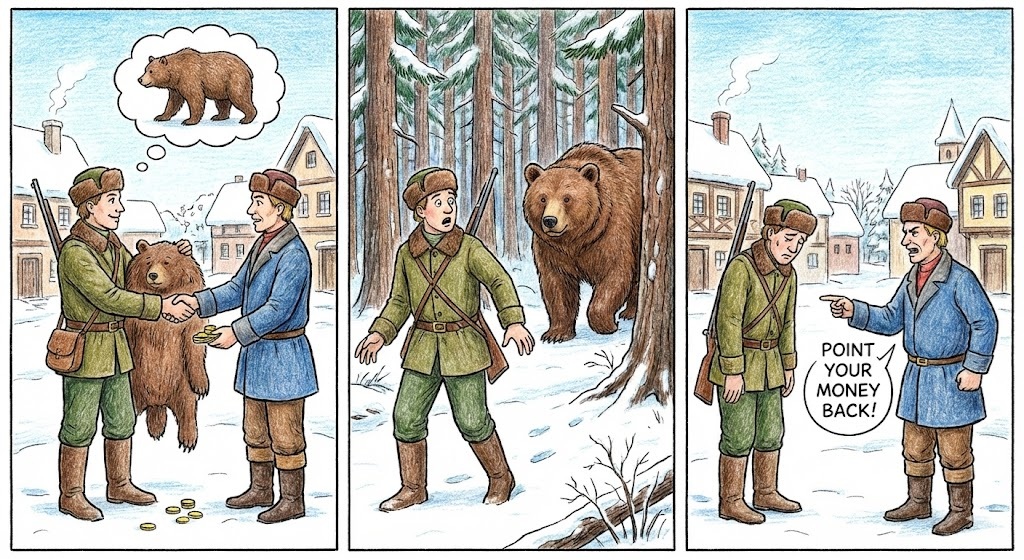
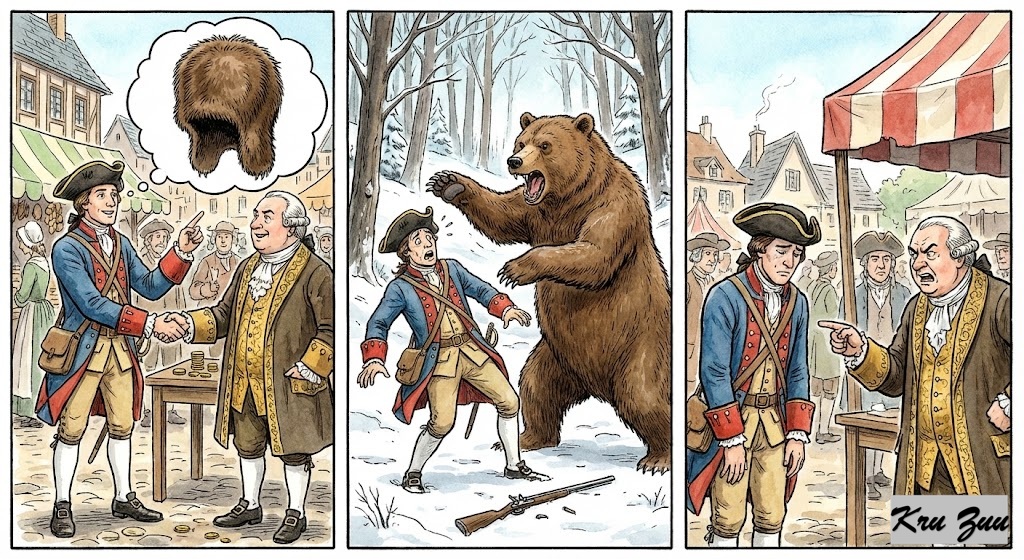
    🇪🇸 Spanish:“No vendas la piel del oso antes de cazarlo.” (Don’t sell the bear’s skin before you hunt it.)


    🇫🇷 French:“Il ne faut pas vendre la peau de l’ours avant de l’avoir tué.”

    🎭 Short Story: The Feast That Never Happened


    Let’s go to the farm to see this proverb in action.


    The Cast


    😼 Whiskers (The Cat):
    Hungry, arrogant, and impatient.


    🐔 Mrs. Pecks (The Chicken): Hardworking and silent.


    🐸 Croak (The Frog): The wise observer by the pond.


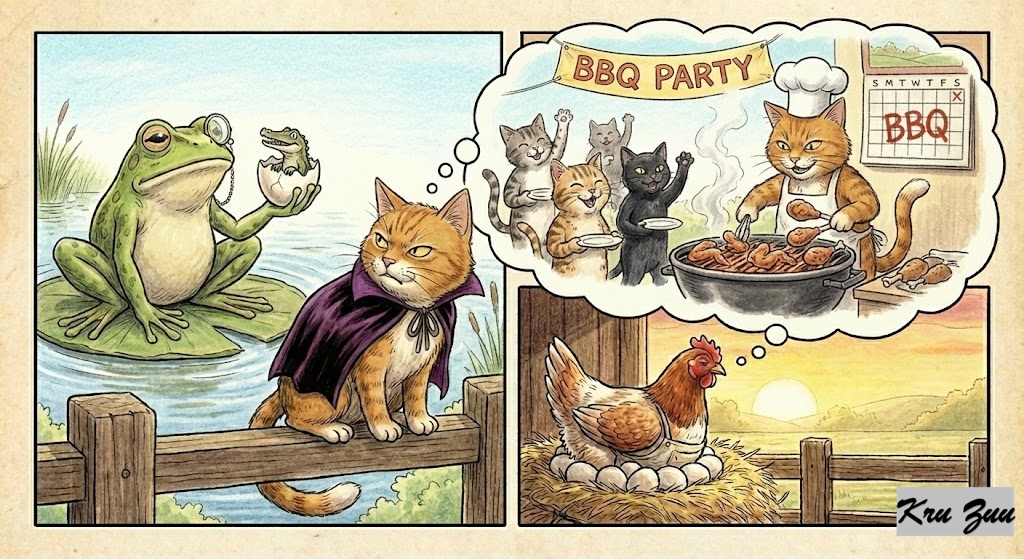
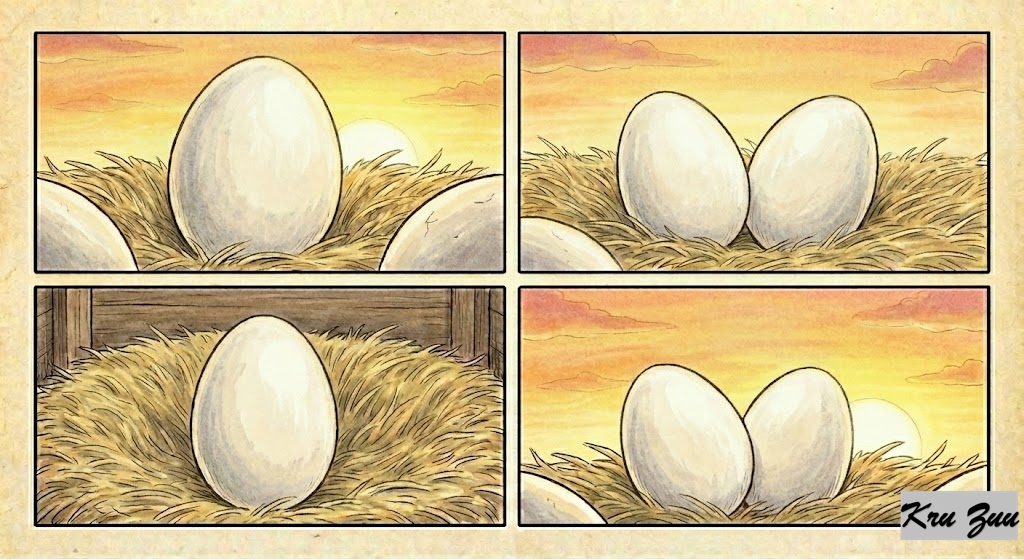
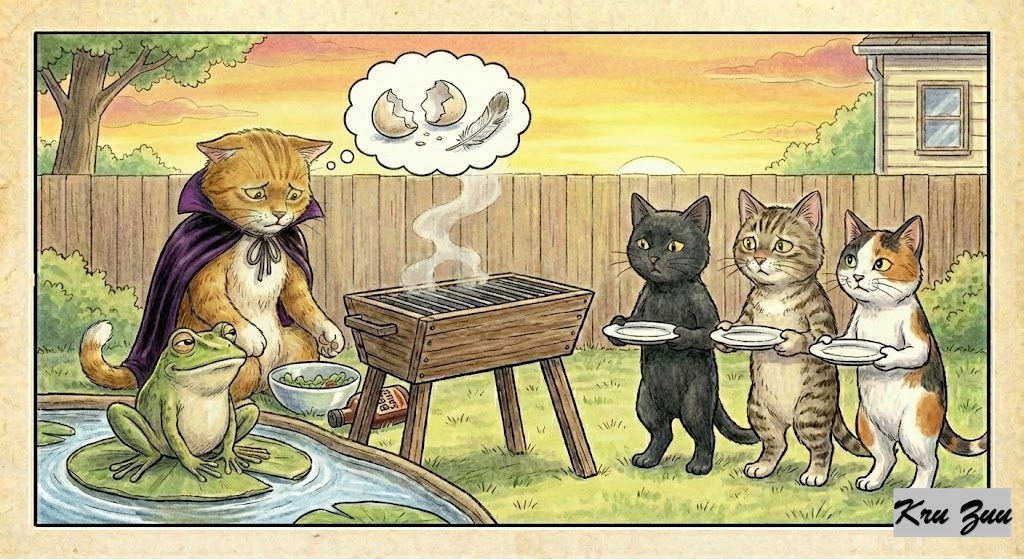
    The Scene: Mrs. Pecks was sitting on 12 big, white eggs. She sat quietly, keeping them warm. Whiskers the Cat watched from the fence, licking his lips.


    The Dialogue:Whiskers: “Look at that! 12 eggs! That means 12 fat, juicy little chicks for my dinner next week. I will eat two on Monday, two on Tuesday…”

    Croak (The Frog): “Ribbit. Careful, cat. Nature is unpredictable. Not every egg holds a chick.” Whiskers: “Quiet, you slimy green thing! I am already inviting my friends for a BBQ. I can taste the wings already!” 🍗


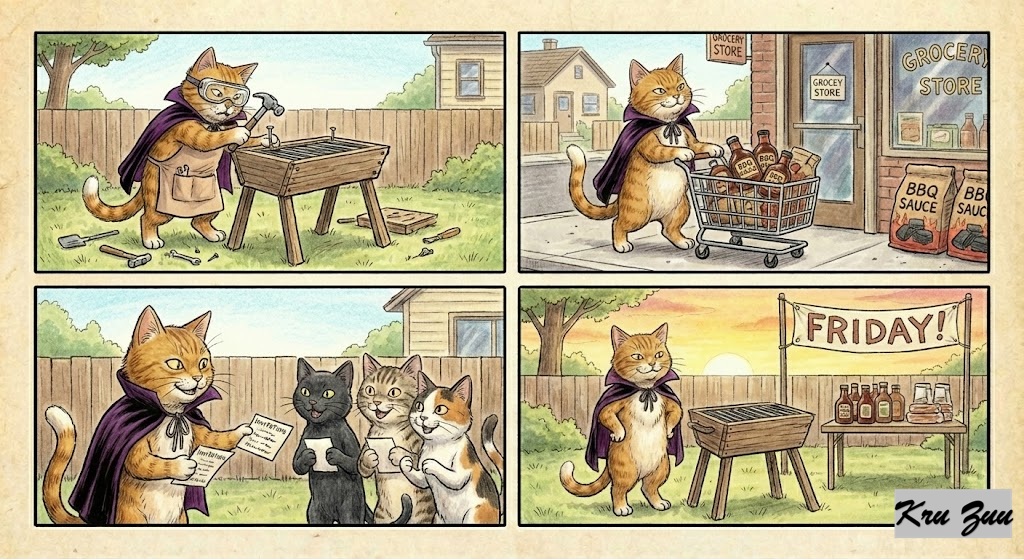
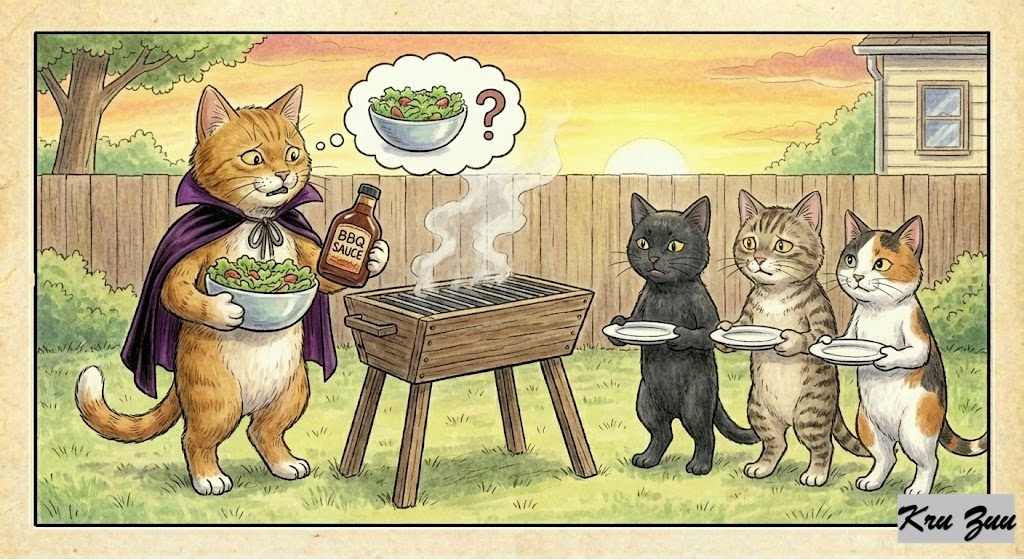
    Whiskers spent the whole week building a grill and buying BBQ sauce. He told all the neighborhood cats, “Come to my house on Friday! Huge feast!”


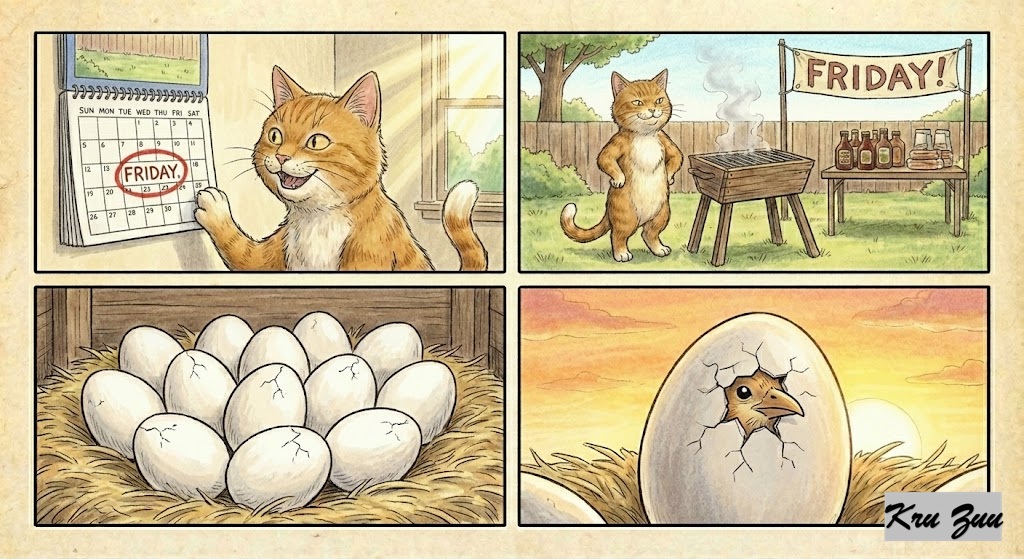
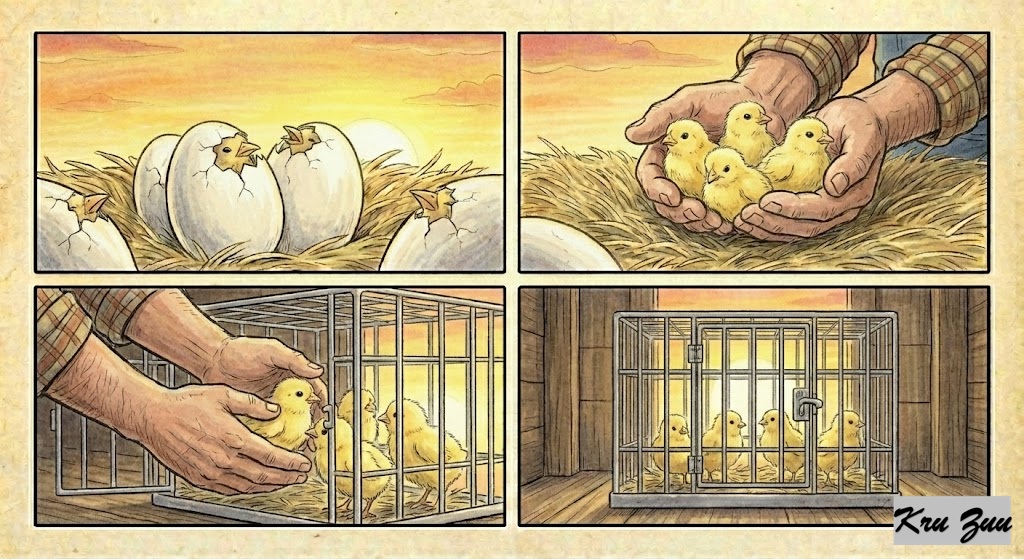
    The Result: Friday came. The eggs began to crack.


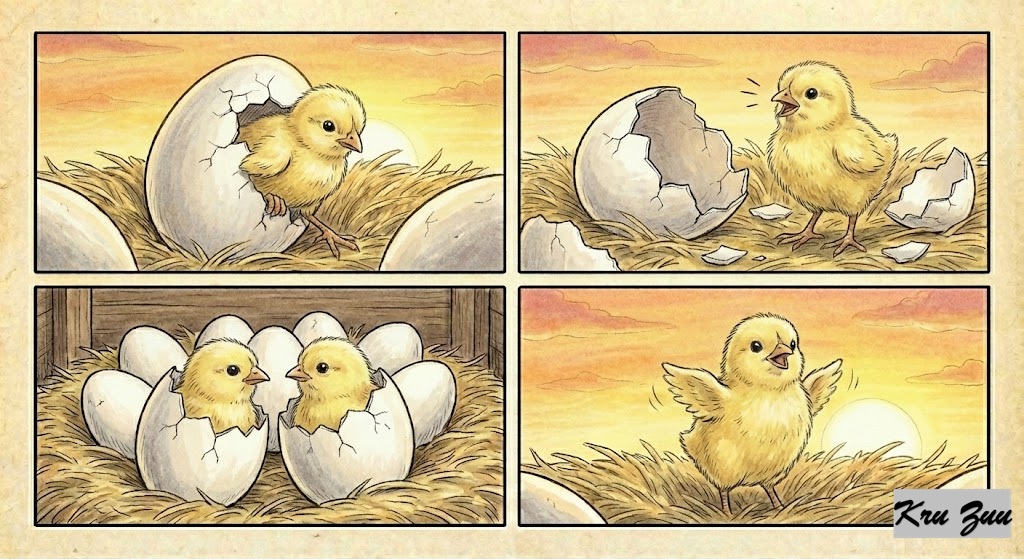
    Egg 1-4: Out popped cute yellow chicks! 🐥


    Egg 5-8: … Nothing happened. They were empty.


    Egg 9-12: The Farmer came out, picked up the remaining chicks, and put them in a secure metal cage. “Safe from predators!” the Farmer said.


    Whiskers stood there with his BBQ sauce. No chicks. His friends arrived, hungry.

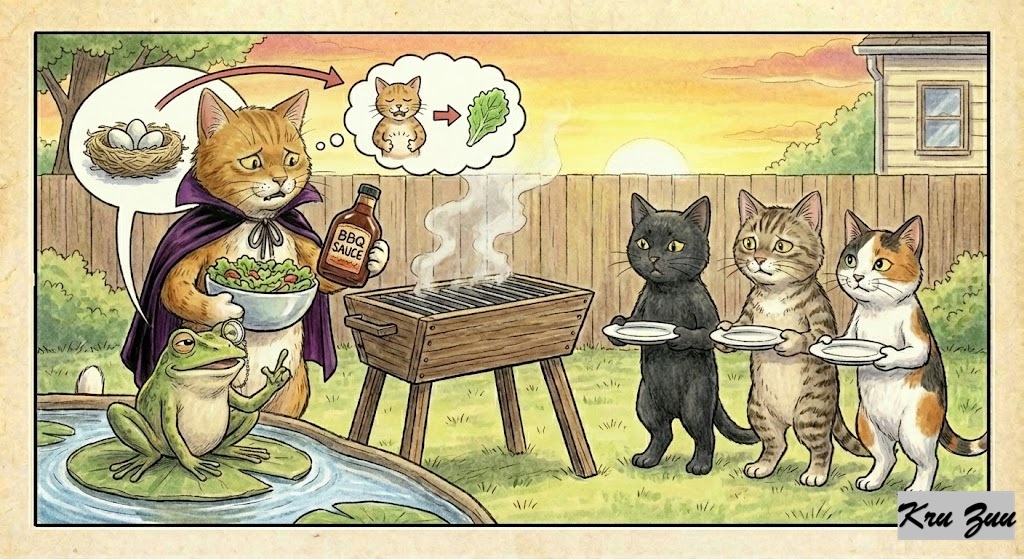
    Whiskers: “Uhh… would you guys like some salad?”

    Croak: “Ribbit. I told you. You counted your chickens, but now you only have an empty stomach.”


    The Moral: Whiskers focused on the feast, not the reality. Don’t set the table until the dinner is ready.

    🎓 Lesson for English Learners


    Don’t Rely on “Luck.”


    Situation:
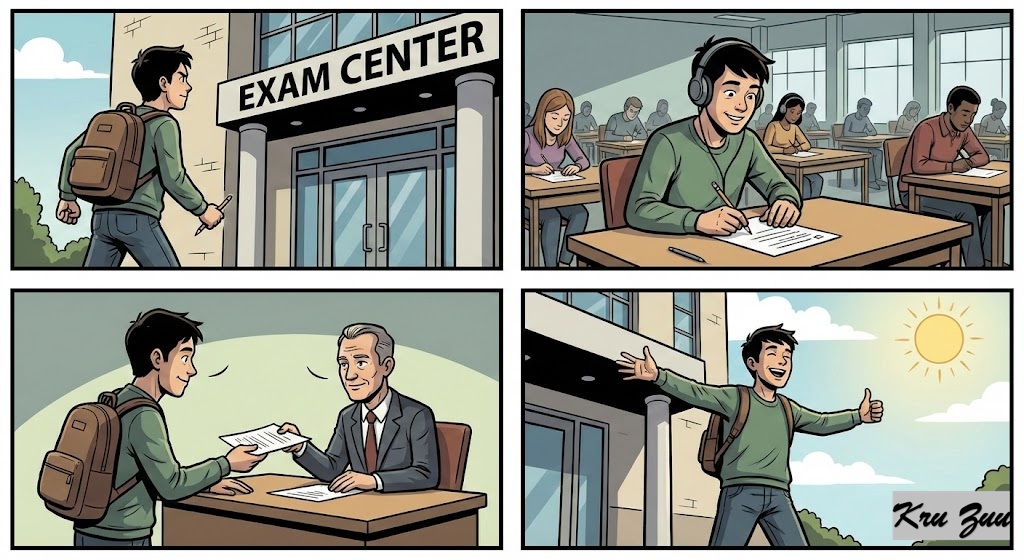
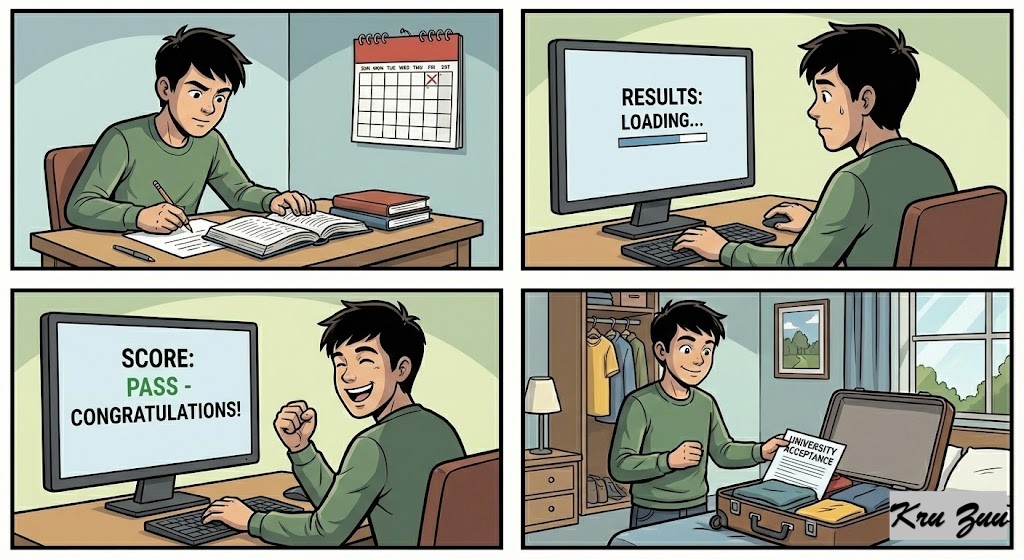
    You take an English exam (IELTS/TOEFL). You feel good.

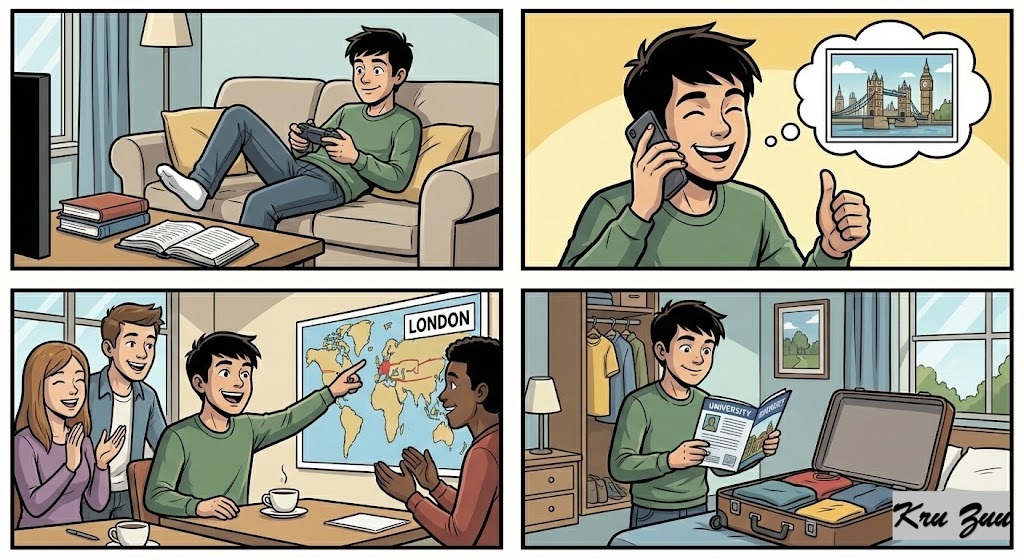
    The Mistake: You stop studying because you assume you passed. You tell everyone, “I’m going to university in London!”

    The Better Way: Wait for the score. Keep studying just in case. If you pass, great! If not, you are still ready to try again.


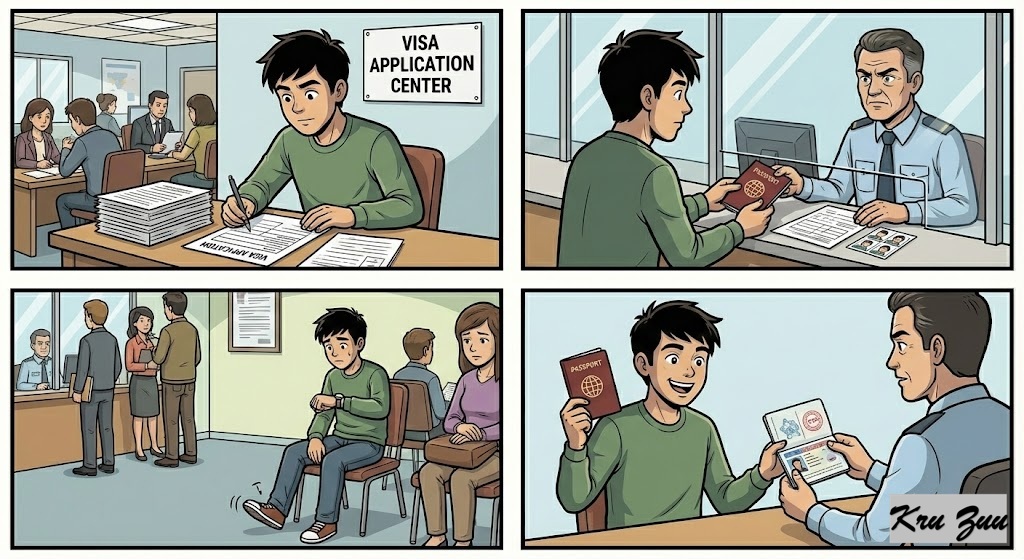
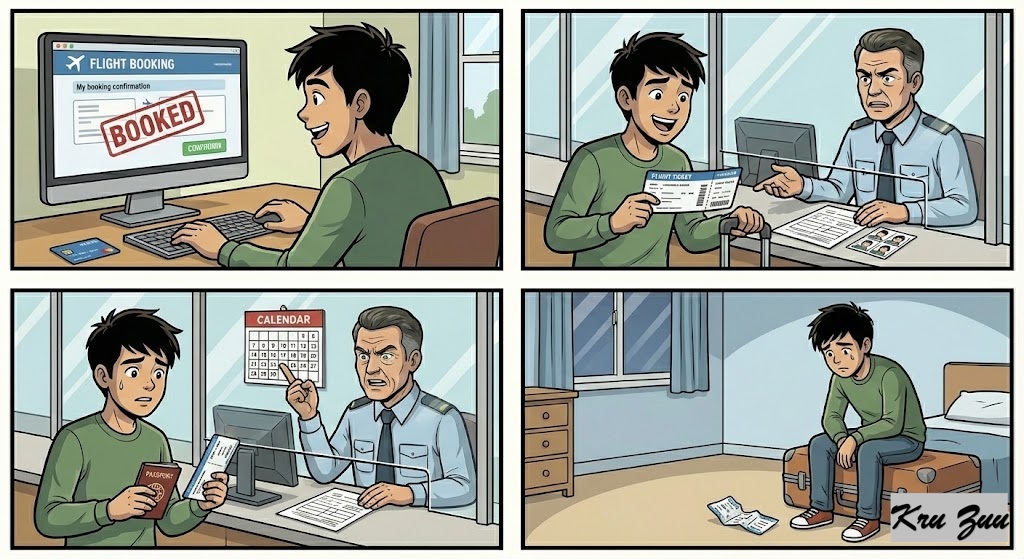
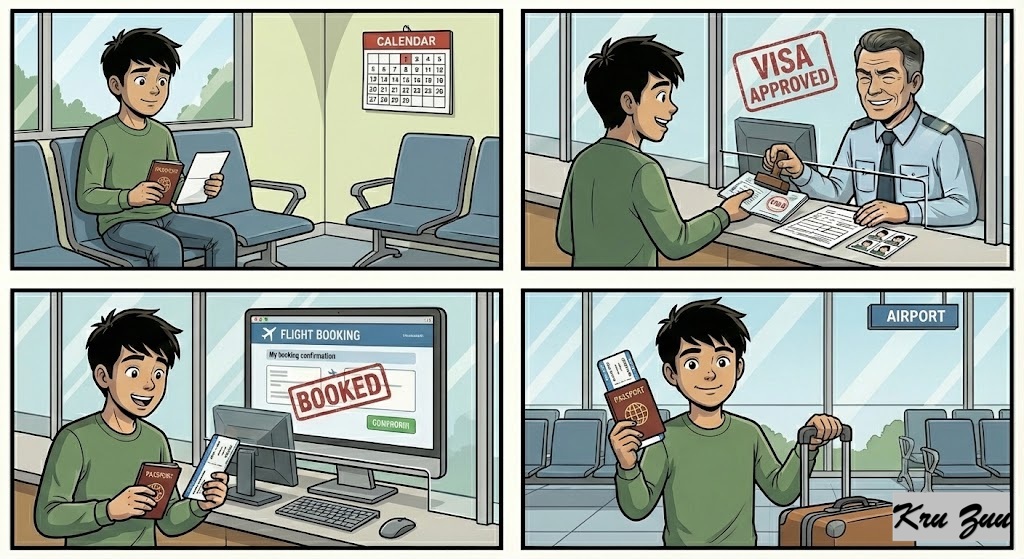
    Situation: You apply for a visa.

    The Mistake: You buy your flight ticket before the visa is approved.

    The Better Way: Wait for the stamp in your passport. Don’t count your flights before the visa is printed!


    💬 Your Turn: The Reality Check ✅


    We have all been “Whiskers the Cat” at least once.


    Question:
    Have you ever celebrated something too early and then it didn’t happen?


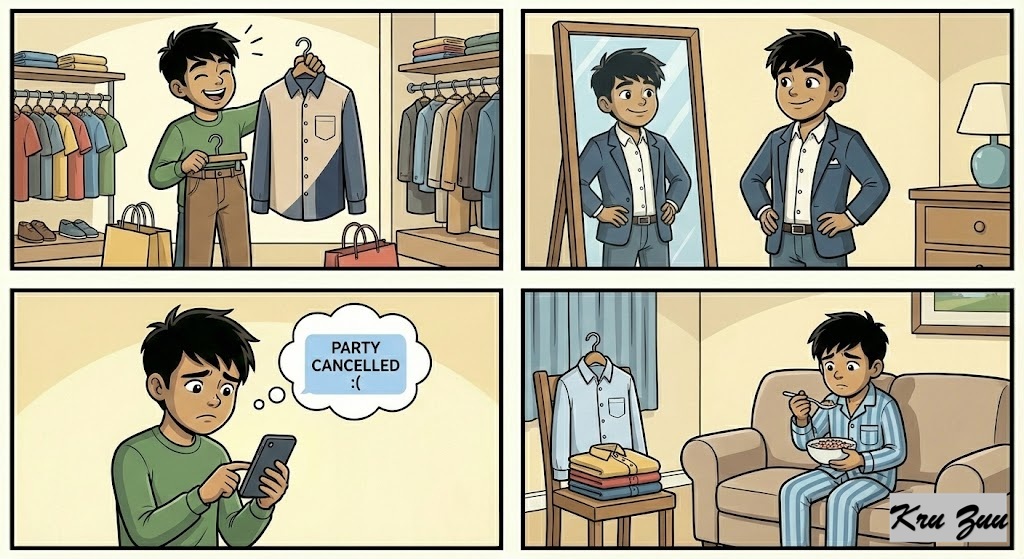
    Did you buy clothes for a party that got cancelled?


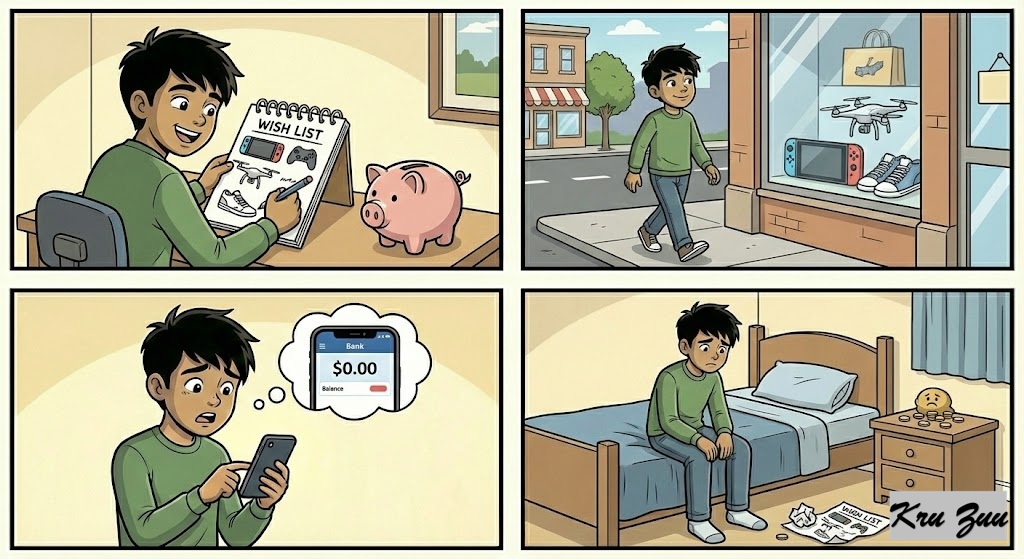
    Did you plan how to spend money you didn’t have yet?


    Tell us your story in the comments! 👇

    By Zubeyir YURTKURAN

    https://www.facebook.com/BrainBattleground/

    https://www.facebook.com/zubeyr.yurtkuran/

    https://www.instagram.com/zubeyryurtkuran/
    https://www.youtube.com/@BrainBattleground-b3p

    https://www.instagram.com/brainbattleground/

  • 🏡 The Daily Shield: The Anchor of Comfort

    🏡 The Daily Shield: The Anchor of Comfort

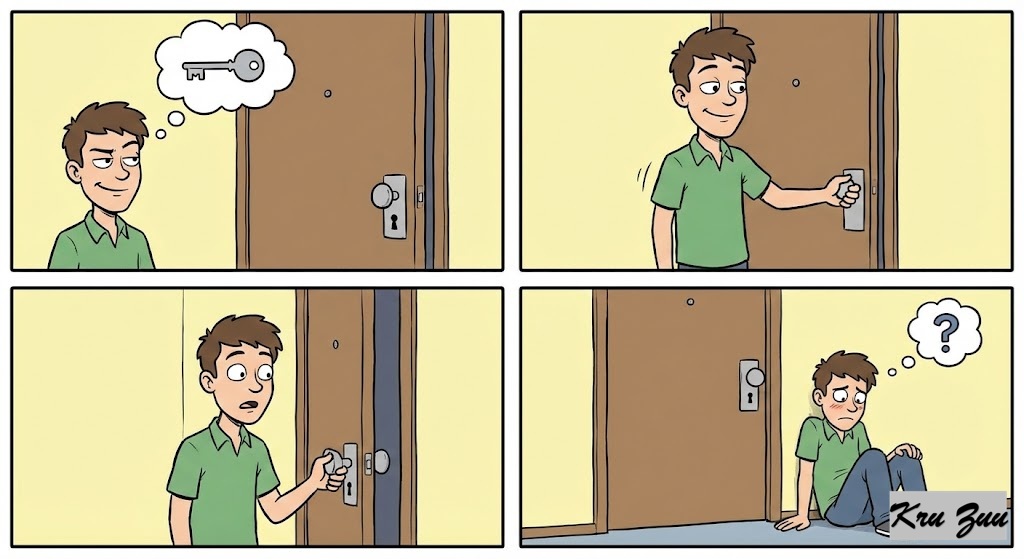
    “There’s no place like home.”


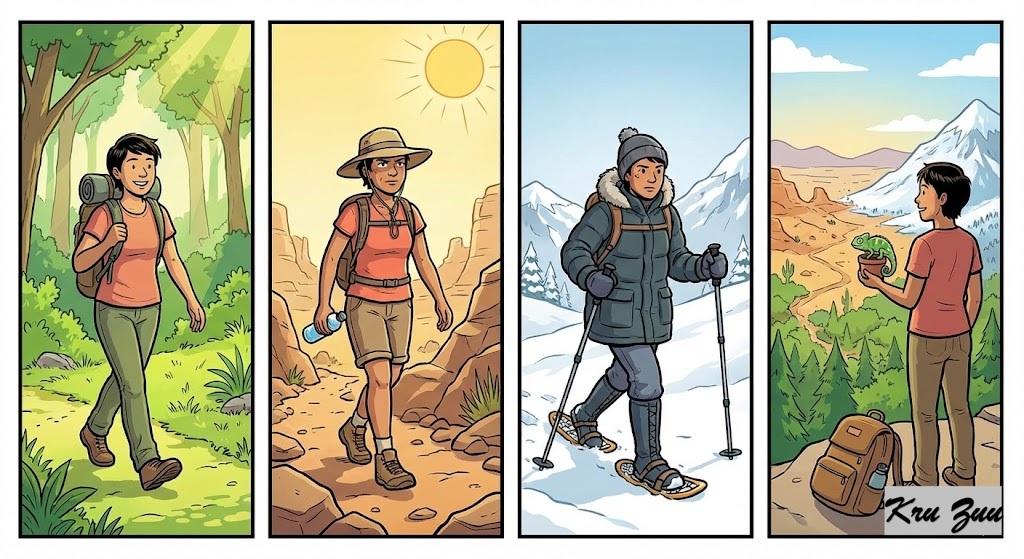
    😈 The Villain (The Eternal Tourist)


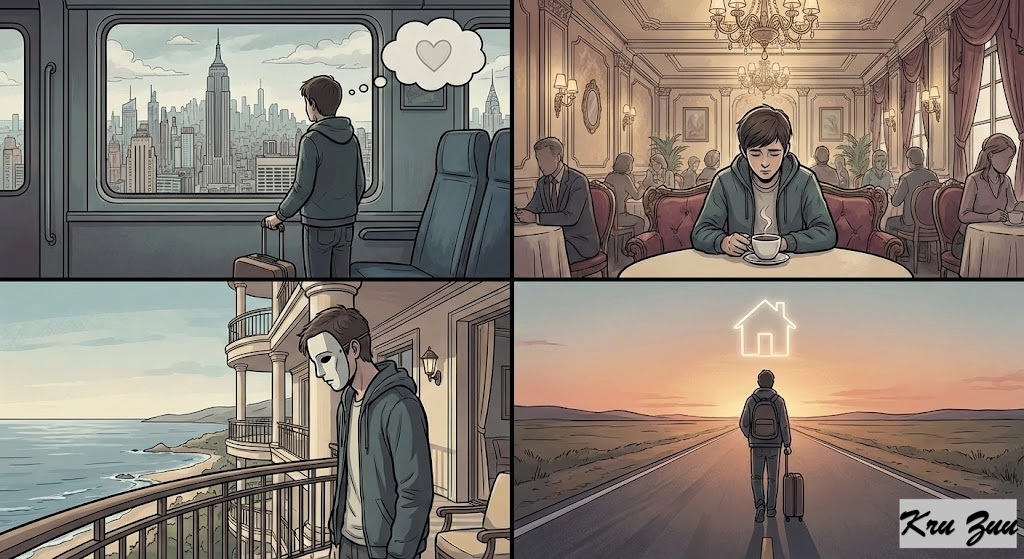
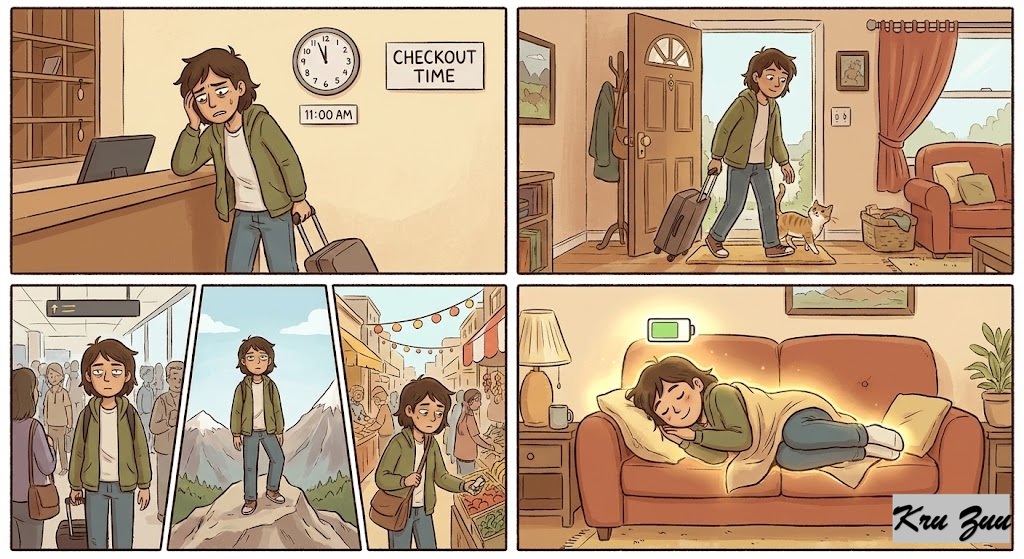
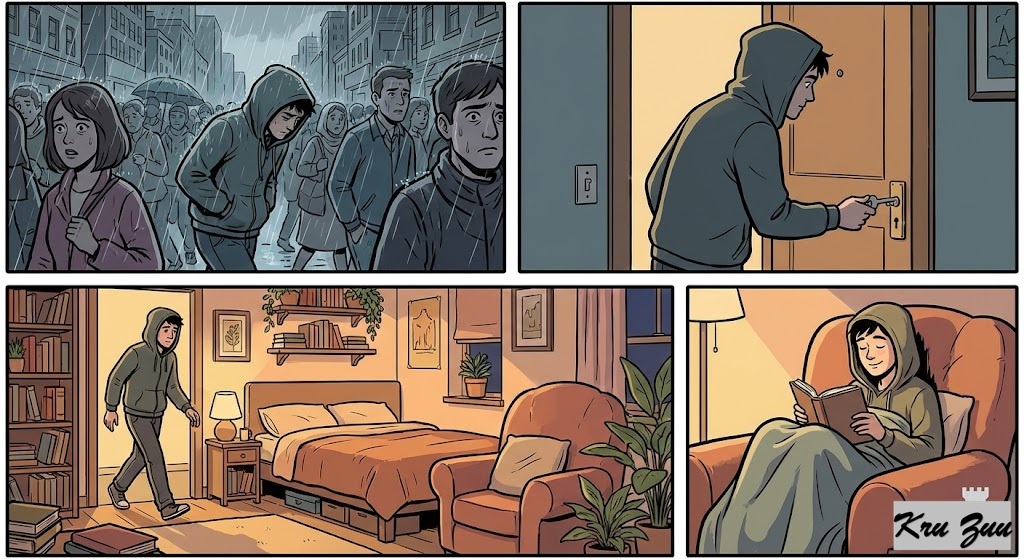
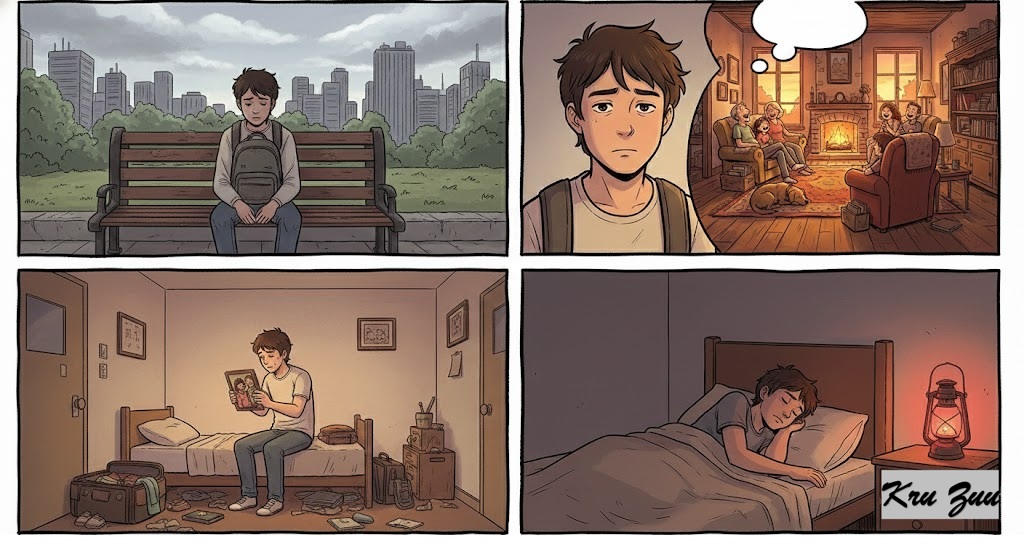
    You are always looking for happiness somewhere else. You say, “If I move to that city, I will be happy.” or “If I go to this fancy cafe, I will feel better.” You travel, you wander, you stay in expensive hotels. But everywhere you go, you feel restless. You are wearing a mask all day to impress strangers. You are exhausted because you have nowhere to truly recharge. You are a homeless soul in a world of houses. 🧳


    😇 The Hero (The Nester)


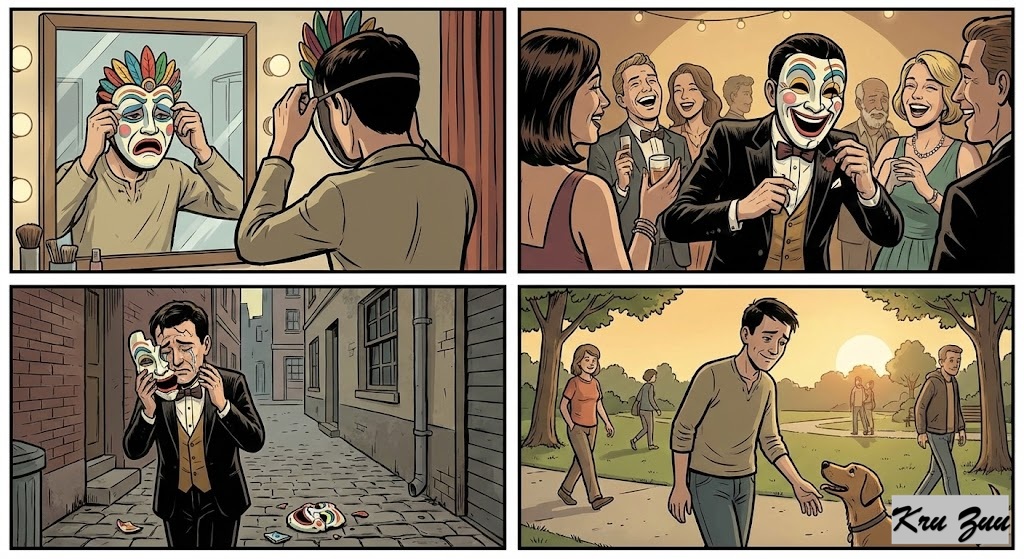
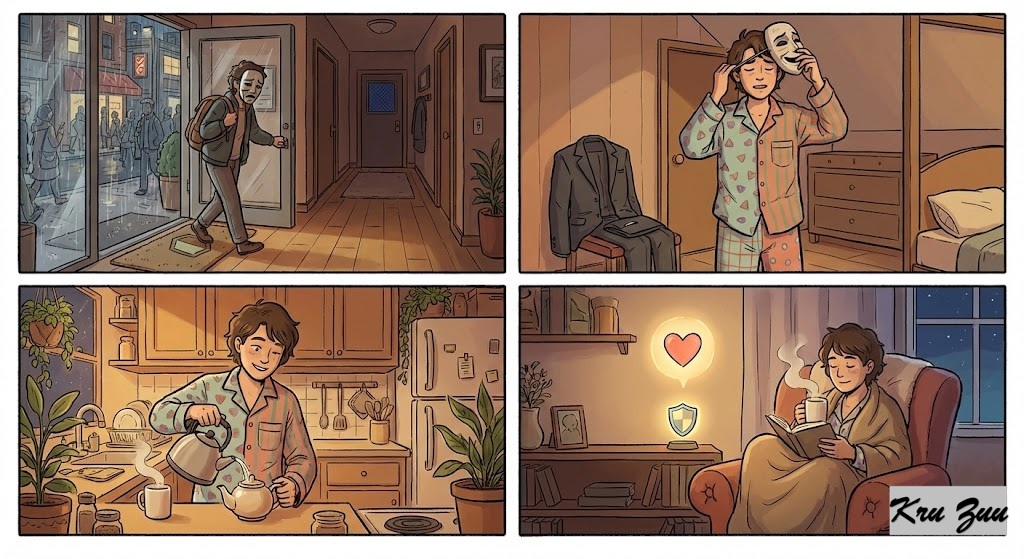
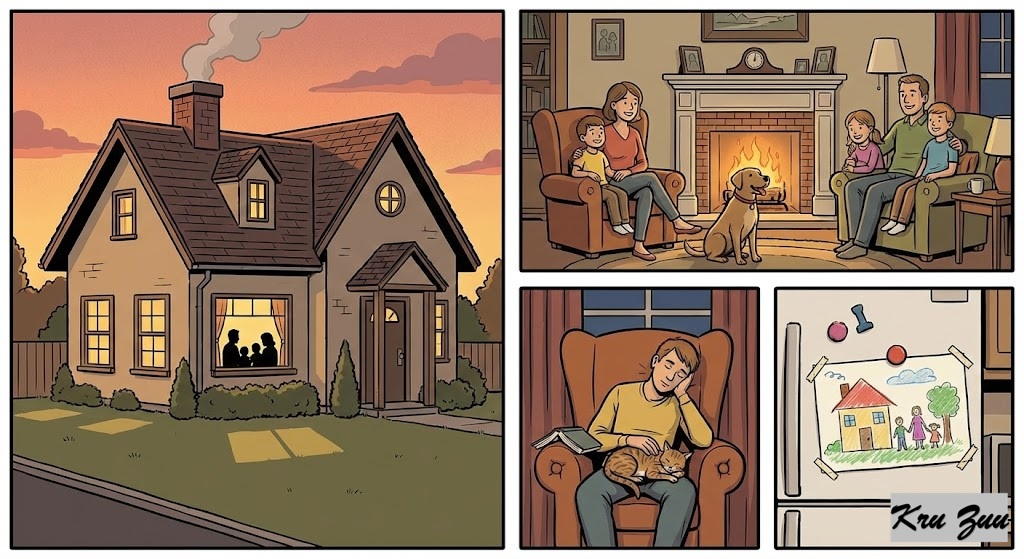
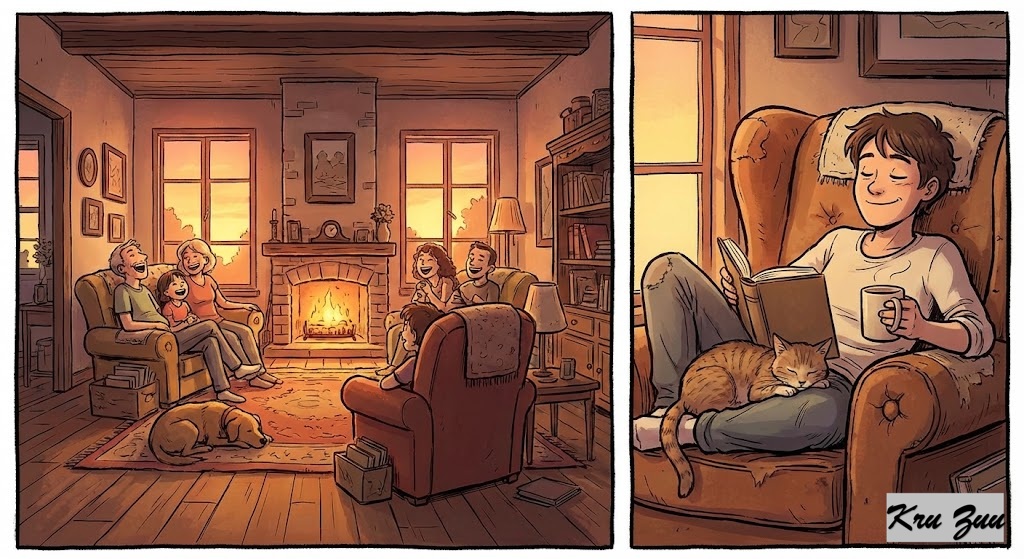
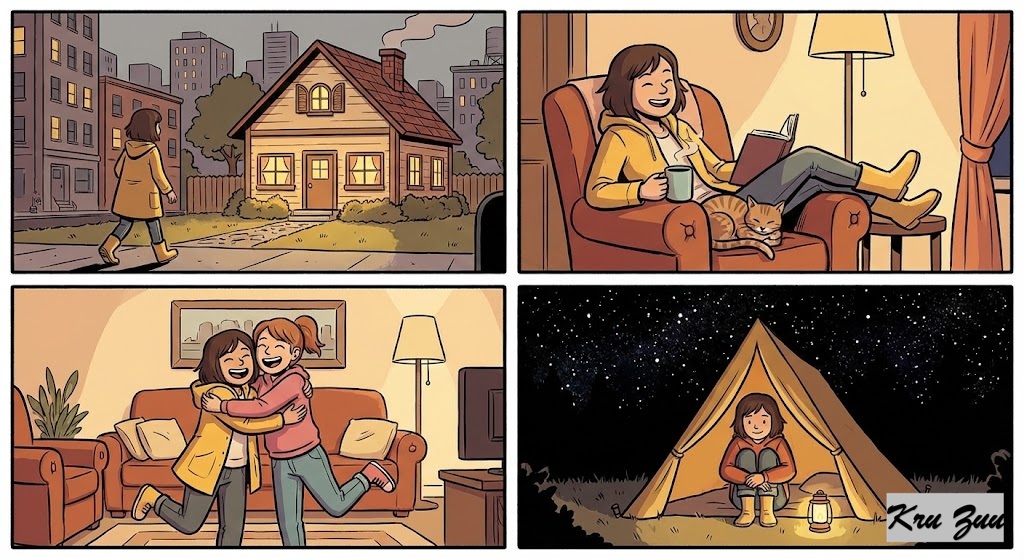
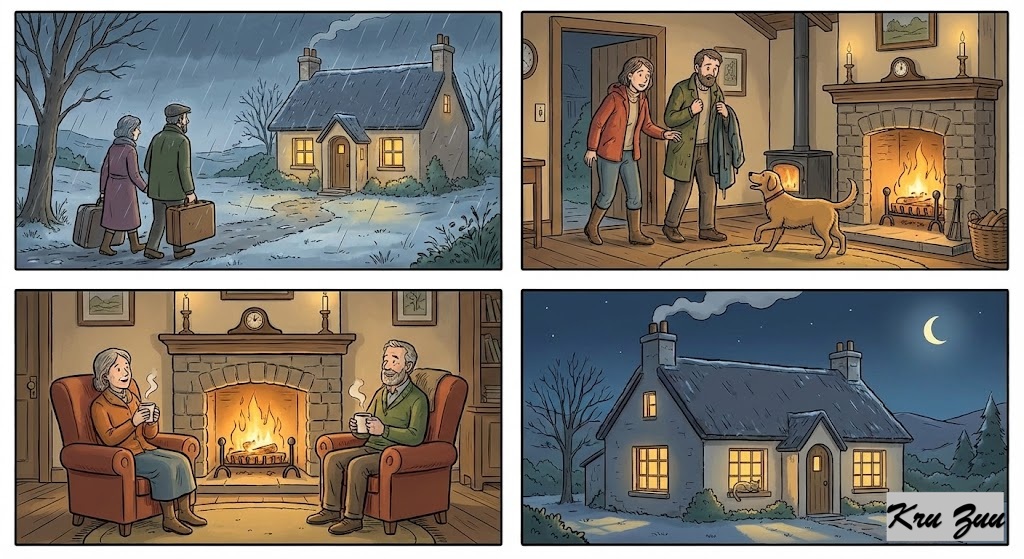
    You understand that the world is chaotic, but your space is your sanctuary. You step through your front door and take a deep breath. You take off the “outside world” mask. You wear your ugly, comfortable pajamas. You make tea exactly how you like it. You recharge your batteries in safety so that when you go out tomorrow, you are strong again. You know that peace isn’t a destination; it’s right where your heart is. 🛡️


    ⚖️ The Reality


    Hotels have checkout times. Home does not. We spend our lives chasing excitement, travel, and new places. But “Home” is the only place in the universe where you don’t have to explain yourself to anyone. It is the charging station for the human soul.


    💎 The Secret

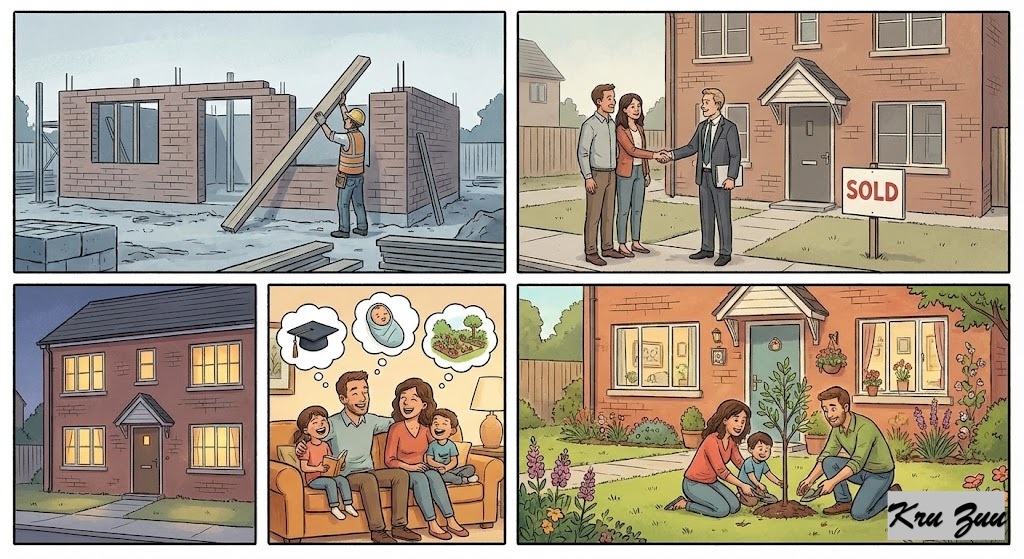
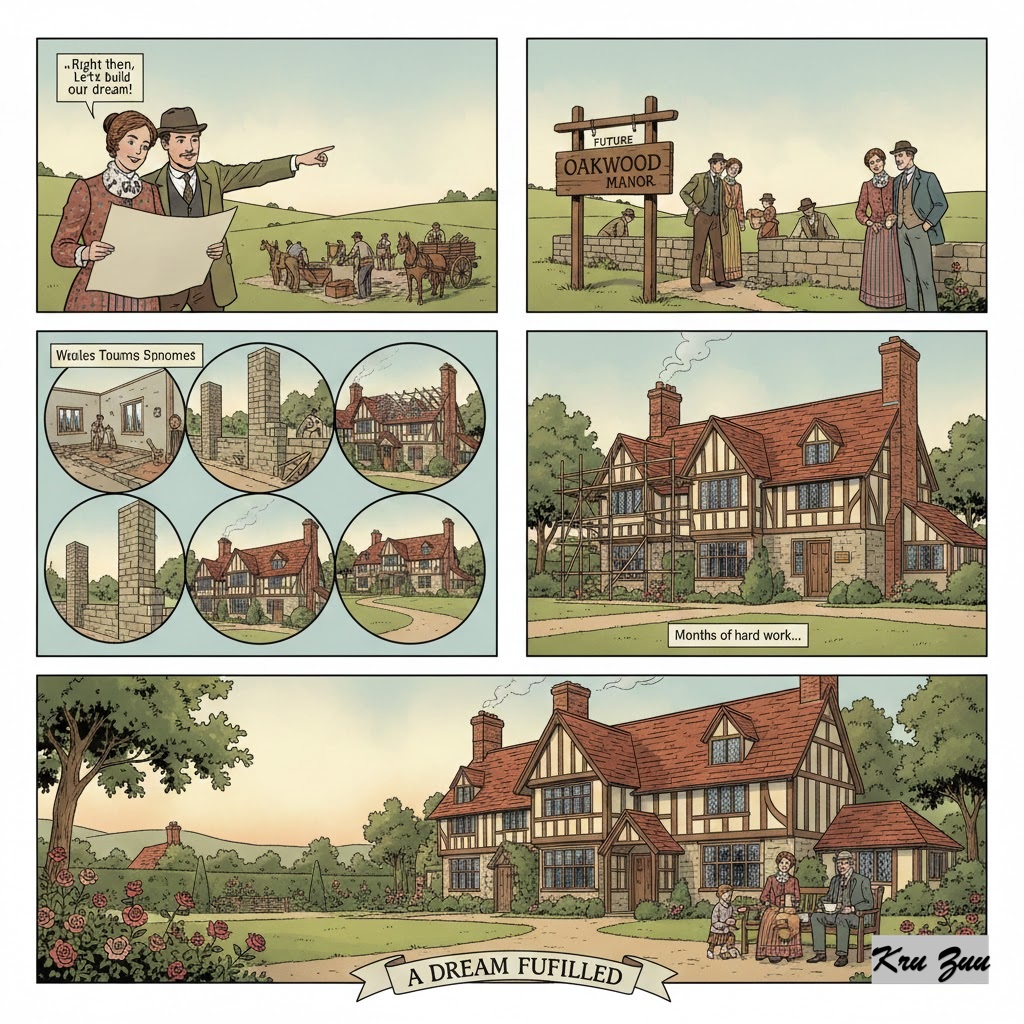
    A house is made of bricks and beams. A home is made of hopes and dreams. You can buy a house, but you must build a home.

    🧐 The Anatomy of the Proverb


    This is the ultimate idiom for belonging and comfort.


    Place (Noun): A particular position or point in space.


    Like (Preposition): Similar to; comparable to.


    Home (Noun): The place where one lives permanently, especially as a member of a family or household.


    Simpler Version: My home is the best place in the world.


    📚 Vocabulary Vault


    Sanctuary (Noun):
    A place of refuge or safety. (Your bedroom is your sanctuary). 🏰


    Homesick (Adjective): Feeling sad because you are away from your home.


    Domestic (Adjective): Relating to the running of a home or to family relations.


    Belonging (Noun): An affinity for a place or situation.


    Comfort Zone (Noun): A place or situation where one feels safe or at ease. 🛋️


    🧠 Grammar Focus: “House” vs. “Home”


    English learners often confuse these two.


    House (The Building)
    Refers to the physical structure.
    Example: “I bought a new house.” (You bought the walls and the roof).
    Example: “My house is painted white.”


    Home (The Feeling/Location)
    Refers to the place where you live and feel an emotional connection. It can be a house, an apartment, or even a tent!
    Example: “I am going home.” (NOT: “I am going to home”).
    Example: “Make yourself at home.” (Relax).

    📜 History: The Ruby Slippers


    This phrase became legendary because of a movie.


    The Origin: The song “Home! Sweet Home!” (1823) made the sentiment popular, but…


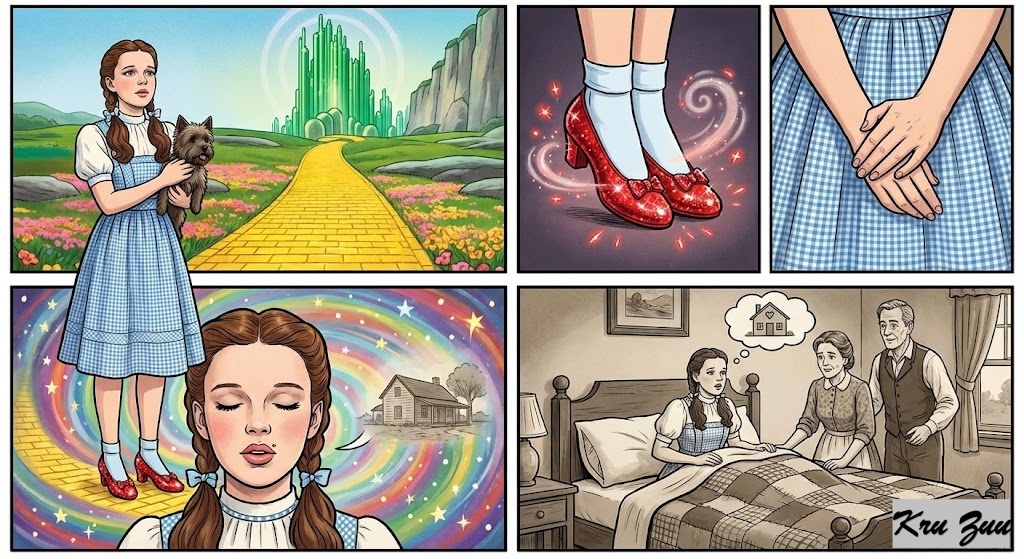
    The Explosion: The movie The Wizard of Oz (1939) made it iconic. The main character, Dorothy, is trapped in a magical land. To return to Kansas, she must click the heels of her ruby slippers three times and repeat: “There’s no place like home.”


    Global Cousins


    🇹🇷 Turkish:
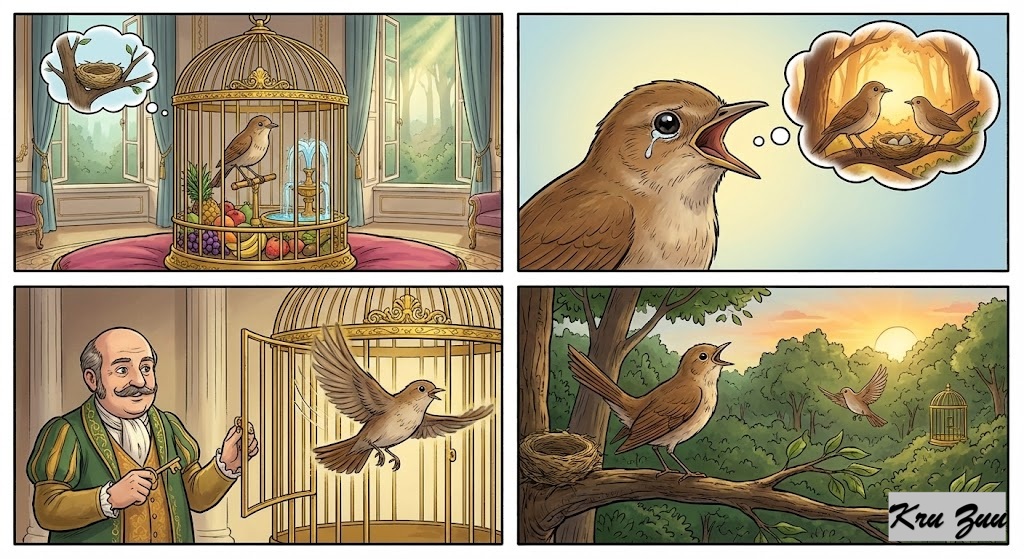
    “Bülbülü altın kafese koymuşlar, ‘ah vatanım’ demiş.” (They put the nightingale in a golden cage, it cried ‘oh my homeland’.) OR “Evim güzel evim.”


    🇪🇸 Spanish: “Hogar, dulce hogar.”

    🎭 Short Story: The Three Travelers


    Let’s meet three friends who thought the grass was greener on the other side.


    The Characters


    🐱 Cleo the Cat:
    Fancy, proud, and easily bored.


    🐔 Cluck the Chicken: Nervous but curious.


    🐸 Croak the Frog: Adventurous and loud.


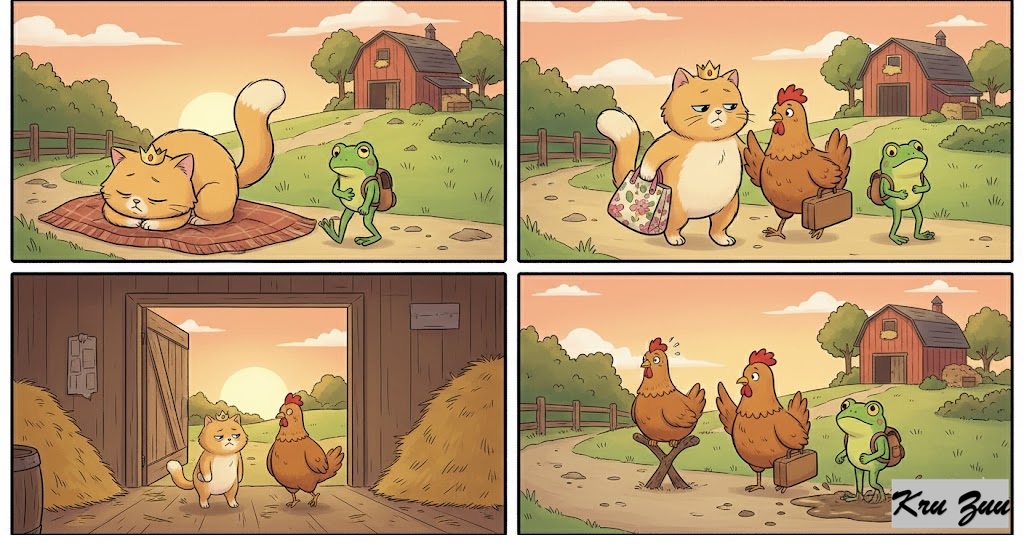
    The Setup: They lived on a cozy, messy farm. One day, Cleo said, “This barn smells like hay. I deserve luxury! Let’s find a better place.” Cluck and Croak agreed. They packed their bags.


    The Journey


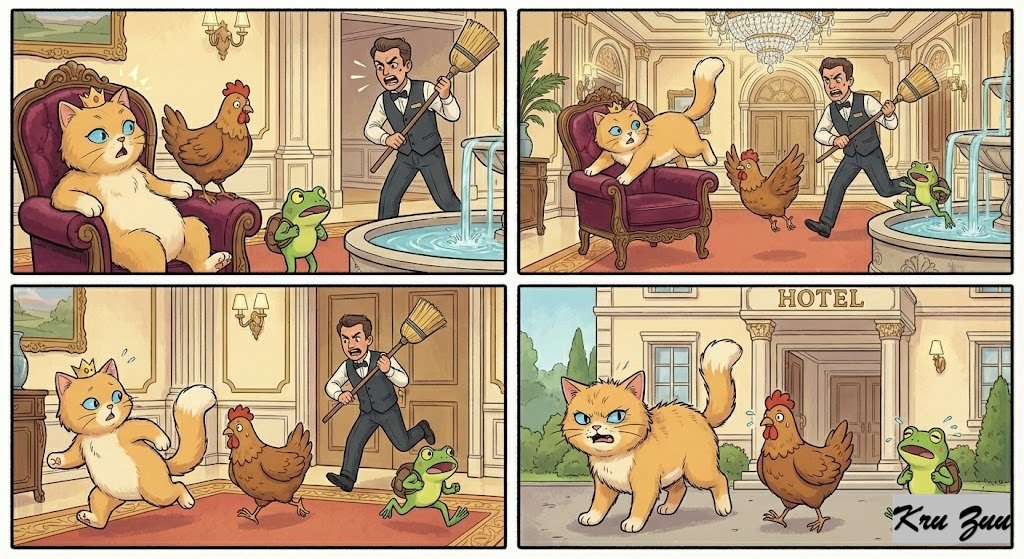
    The 5-Star Hotel:
    They sneaked into a luxury hotel lobby.


    Cleo loved the velvet chairs but panicked when the staff shouted, “No pets allowed!” and chased them with a broom. “Too stressful!” she hissed.


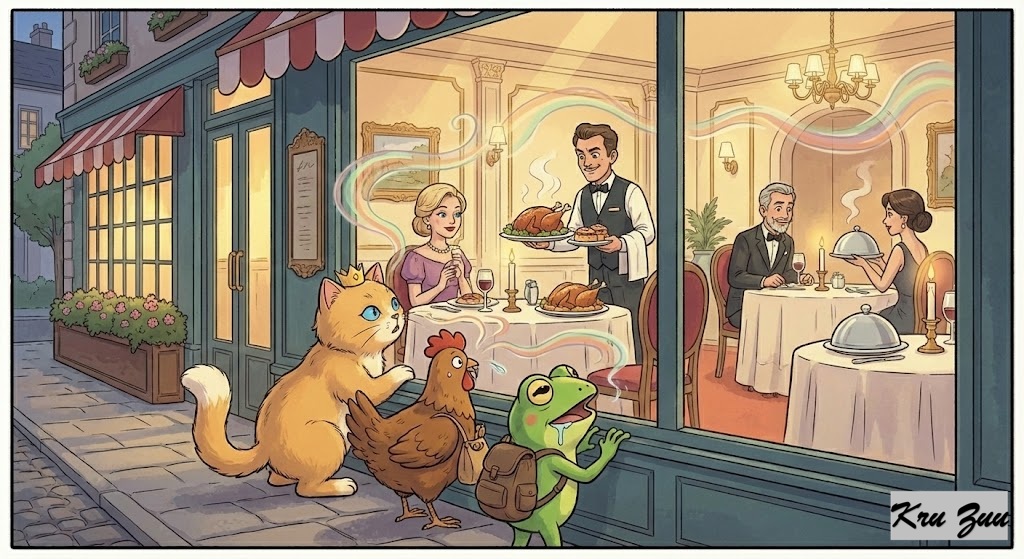
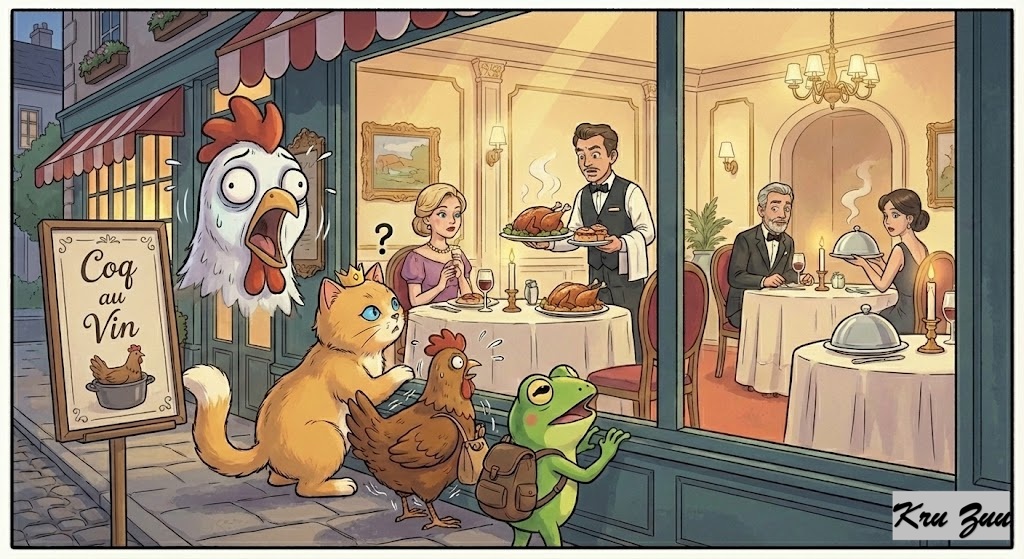
    The French Restaurant: They looked through the window. It smelled amazing.


    Cluck looked at the menu and saw Coq au Vin (Chicken with Wine). She turned pale. “I am not a guest here; I am dinner!” she screamed.


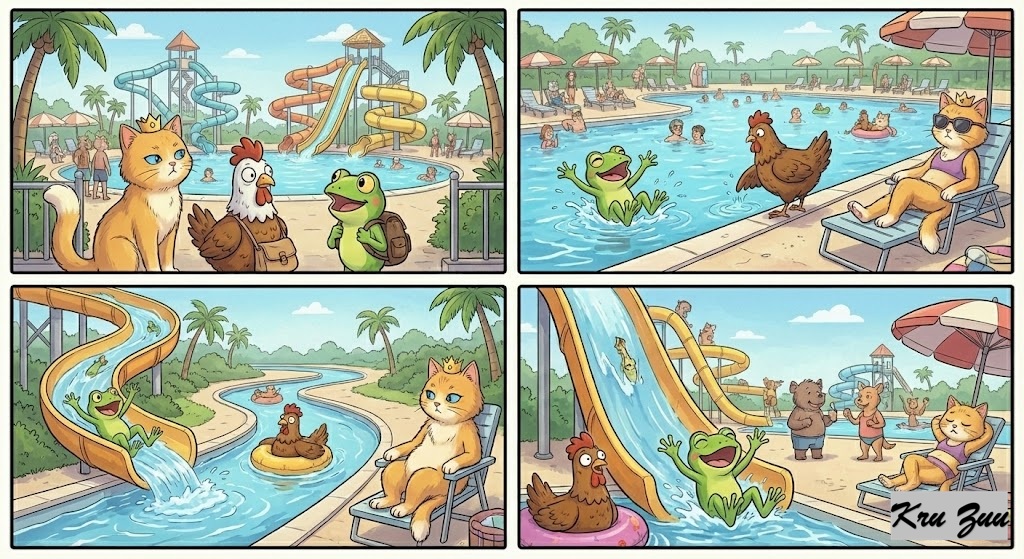
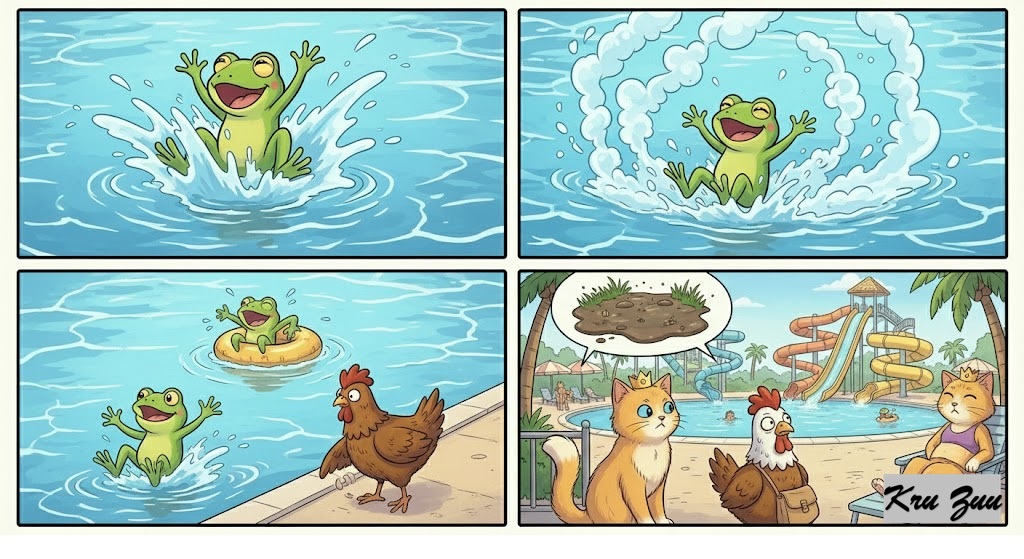
    The Water Park: They found a giant pool with slides.


    Croak jumped in happily. But the water was full of chlorine chemicals, not tasty flies and mud. “It burns my skin! It’s too clean!” he croaked.


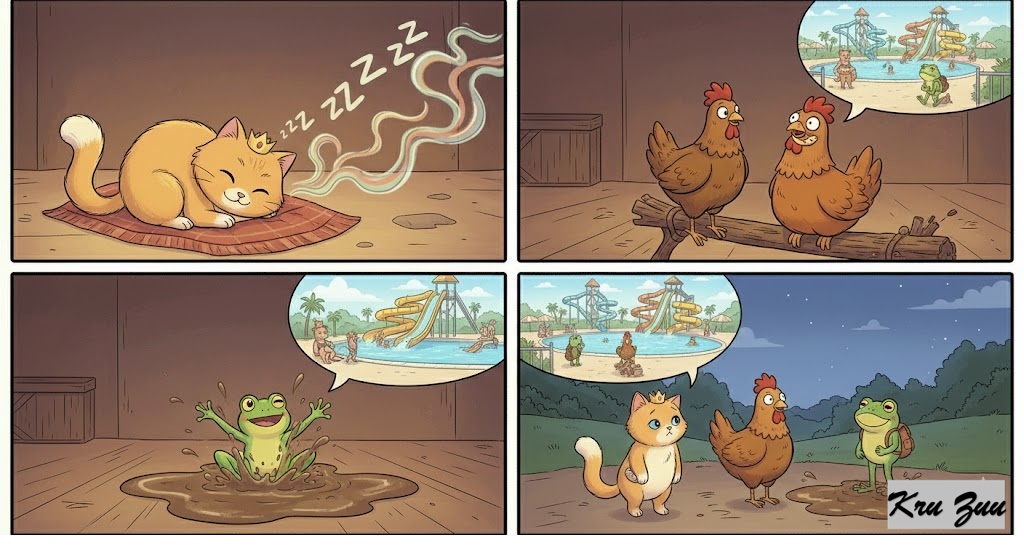
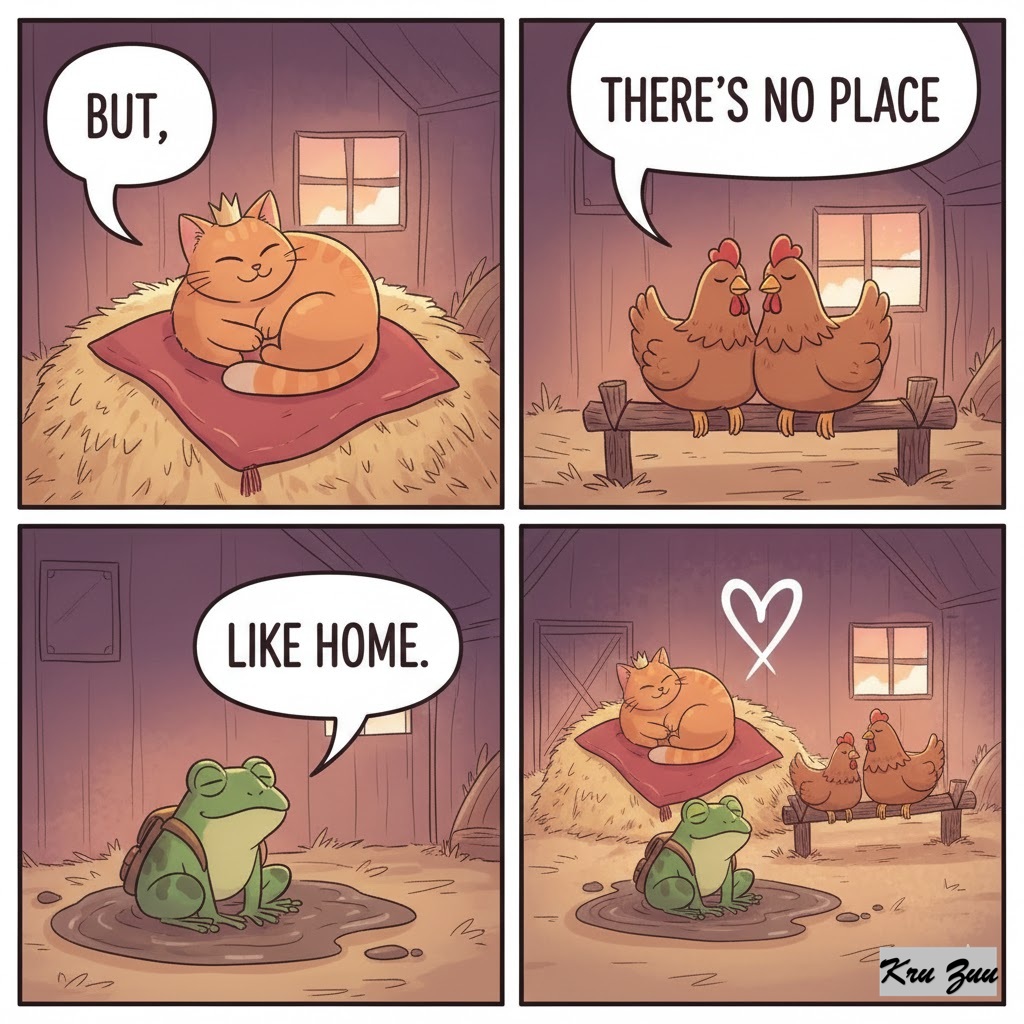
    The Return: Defeated, hungry, and tired, they walked back to the farm at sunset. They crawled into the old, smelly barn. Cleo curled up on a scratchy wool blanket. Cluck sat on her wooden roost. Croak jumped into his muddy puddle.


    Cleo purred louder than a tractor. “The hotel was rich,” Cleo said. “The restaurant was famous,” Cluck added. “The pool was big,” Croak noted.


    “But,” they said in unison, closing their eyes, “There’s no place like home.” 🏚️❤️

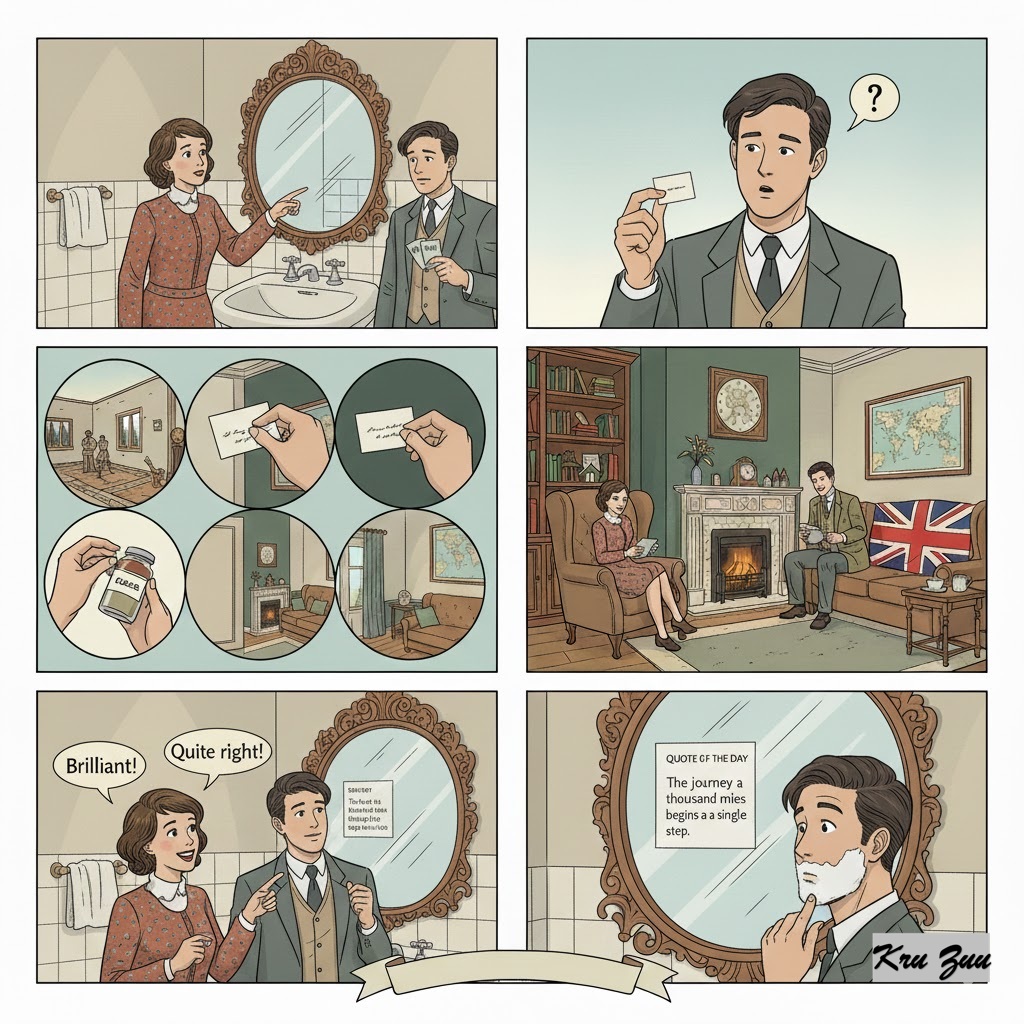
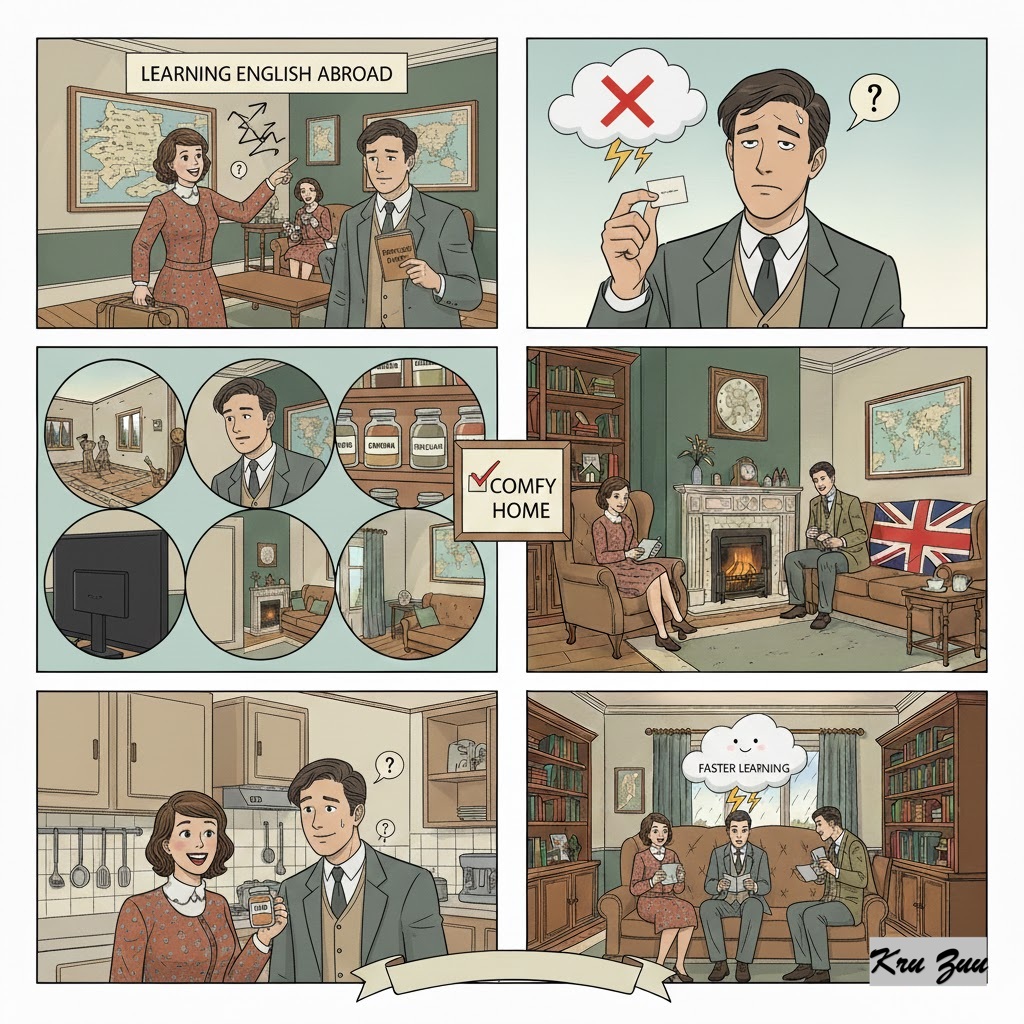
    🎓 Lesson for English Learners


    Build Your “English Home.”


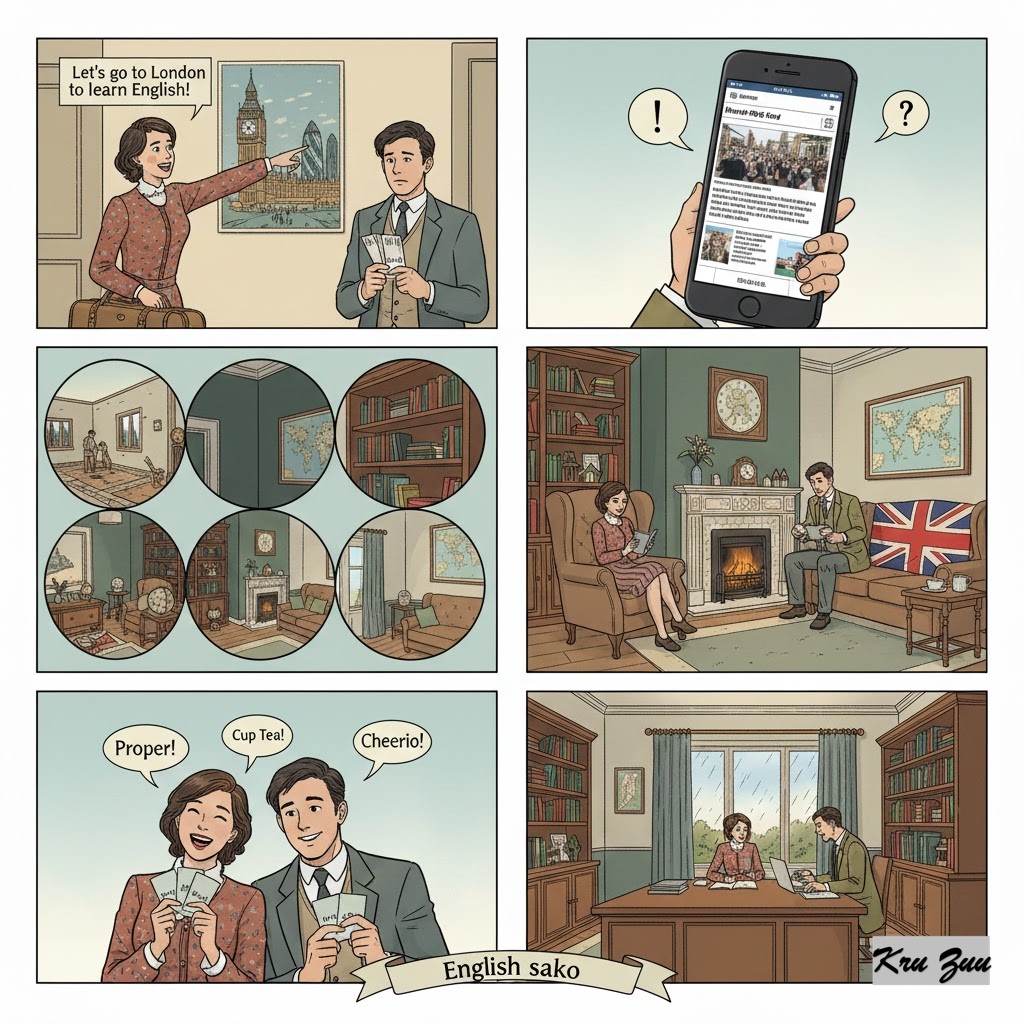
    Don’t wait to go to London or New York to learn English. That is the “Tourist” mindset. Build an English environment in your own home.


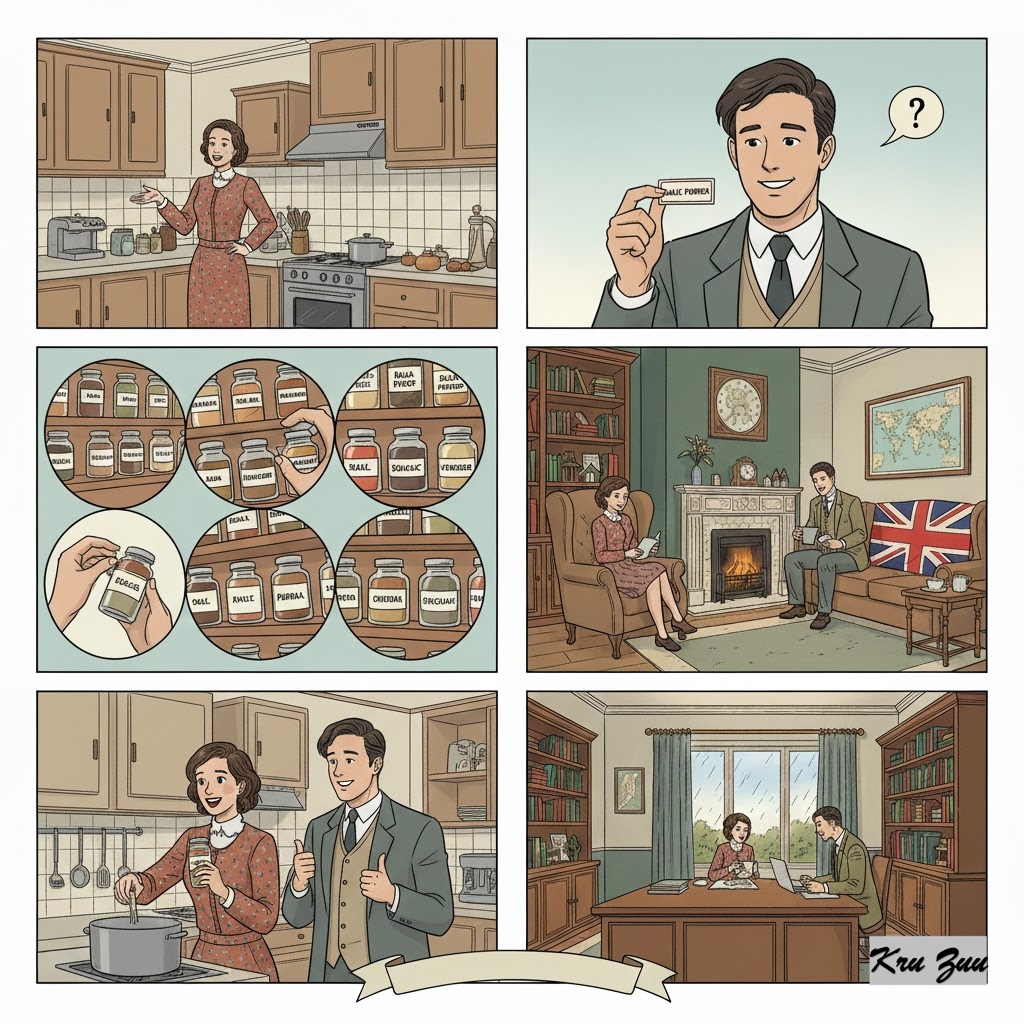
    The Kitchen:
    Label your spices in English.


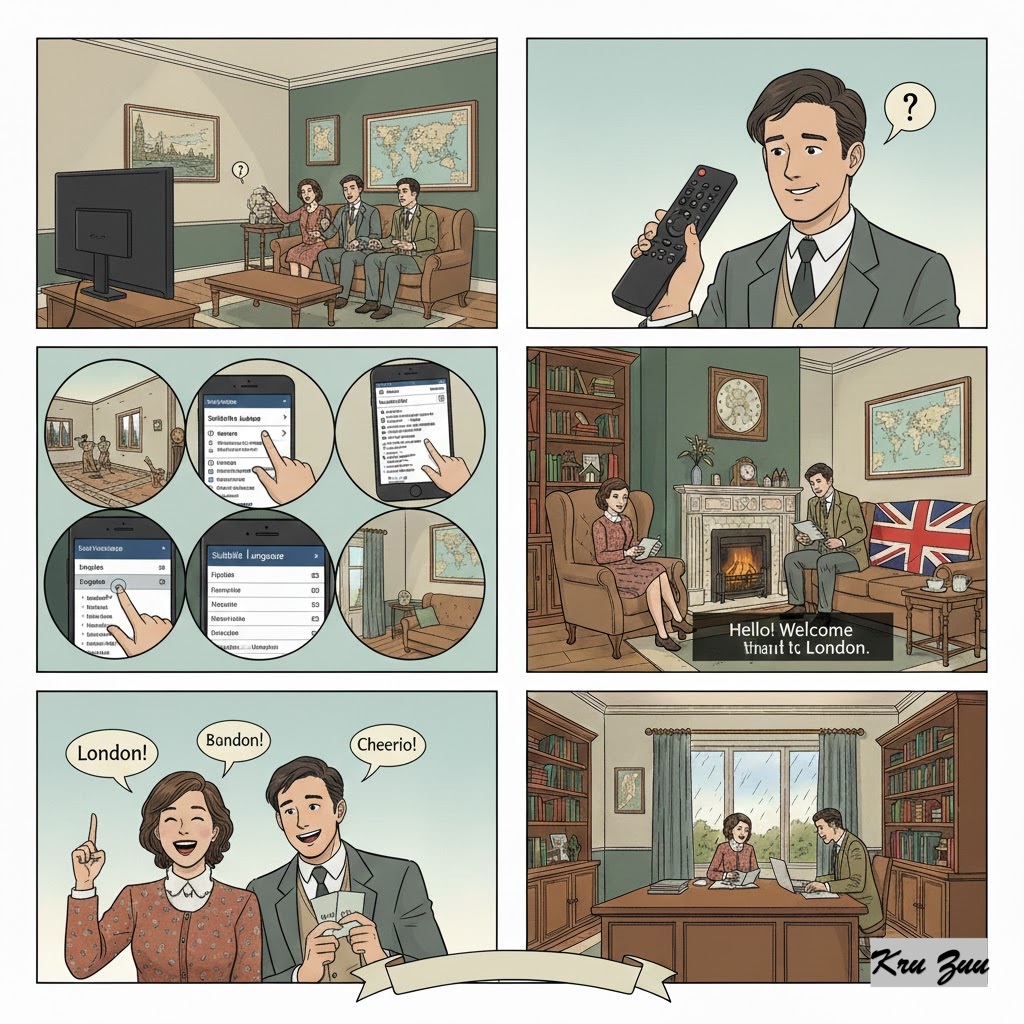
    The Living Room: Change your Netflix subtitles to English.


    The Mirror: Stick a “Quote of the Day” on your bathroom mirror.


    If you make English a part of your comfortable home life, you will learn faster than if you treat it like a stressful trip.


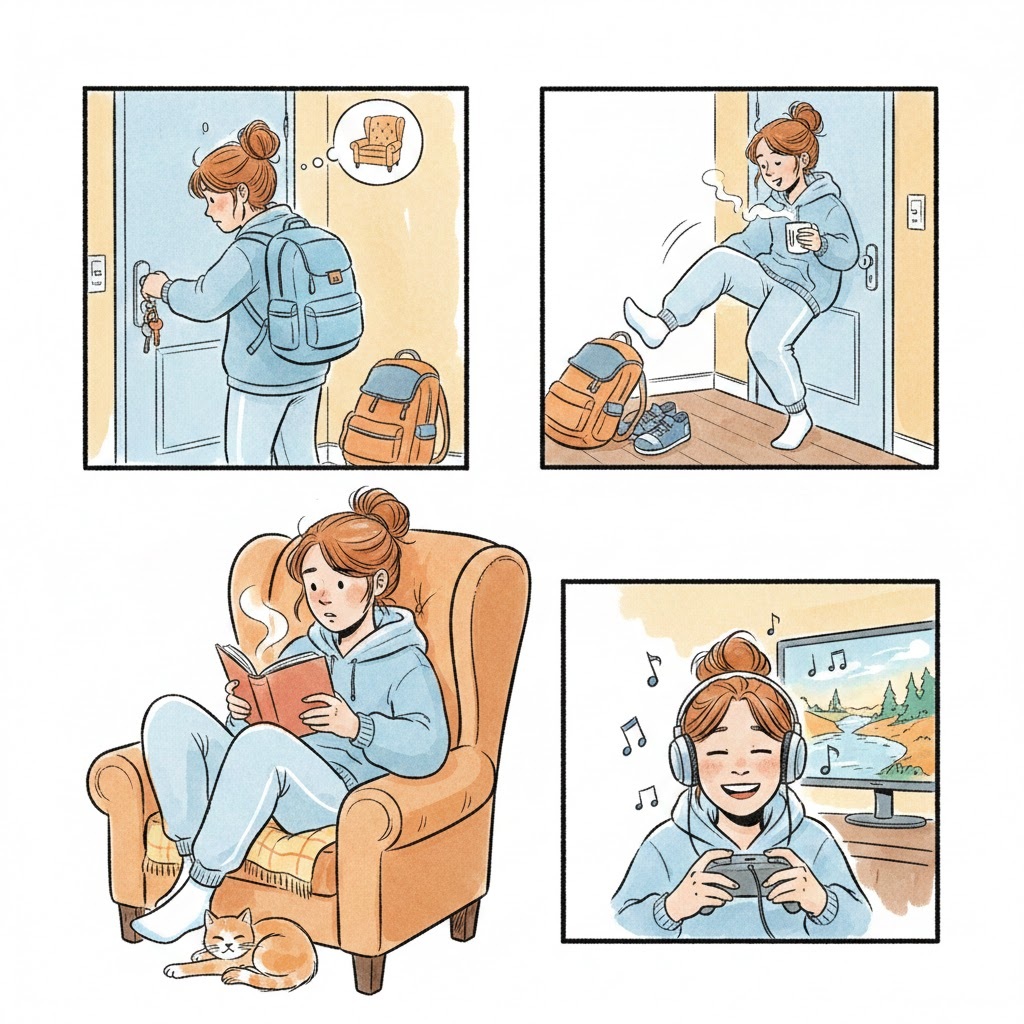
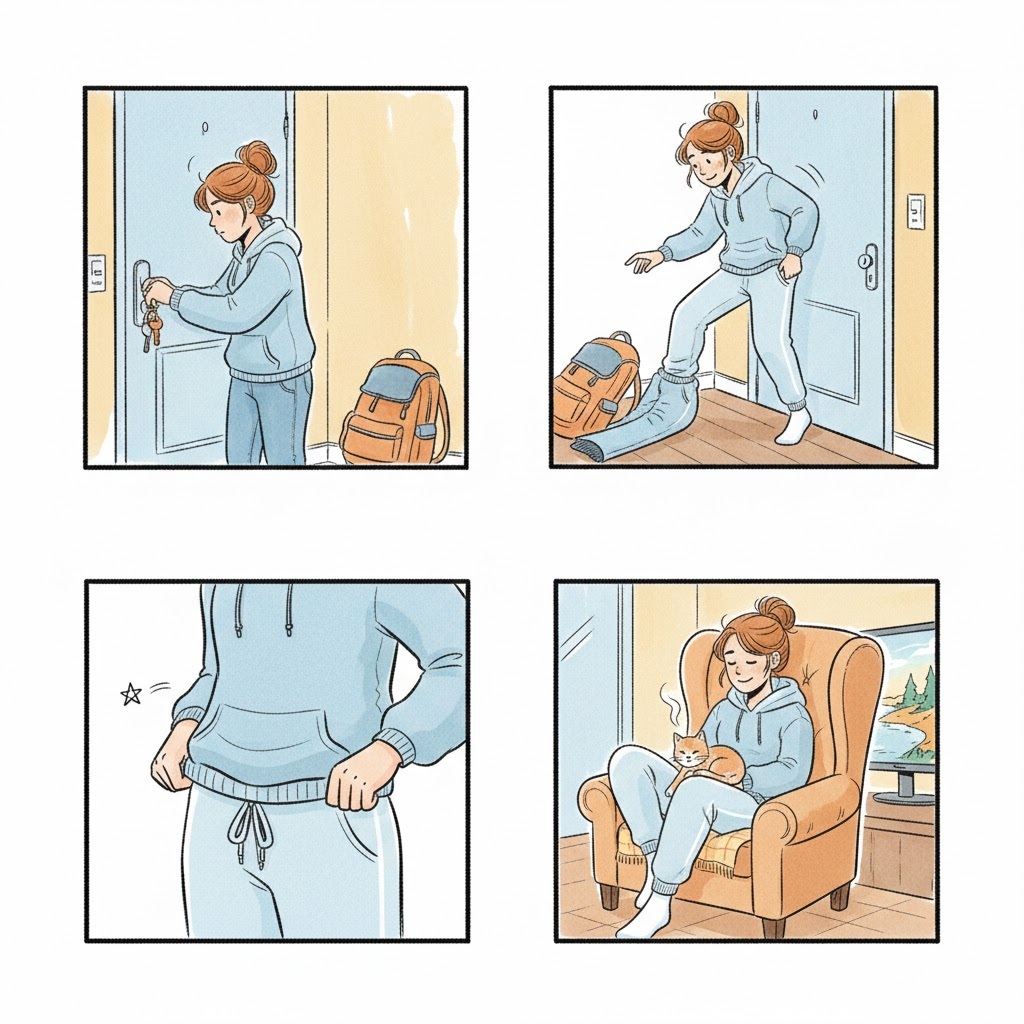
    💬 Your Turn


    We all have that one thing we love to do the moment we get home.


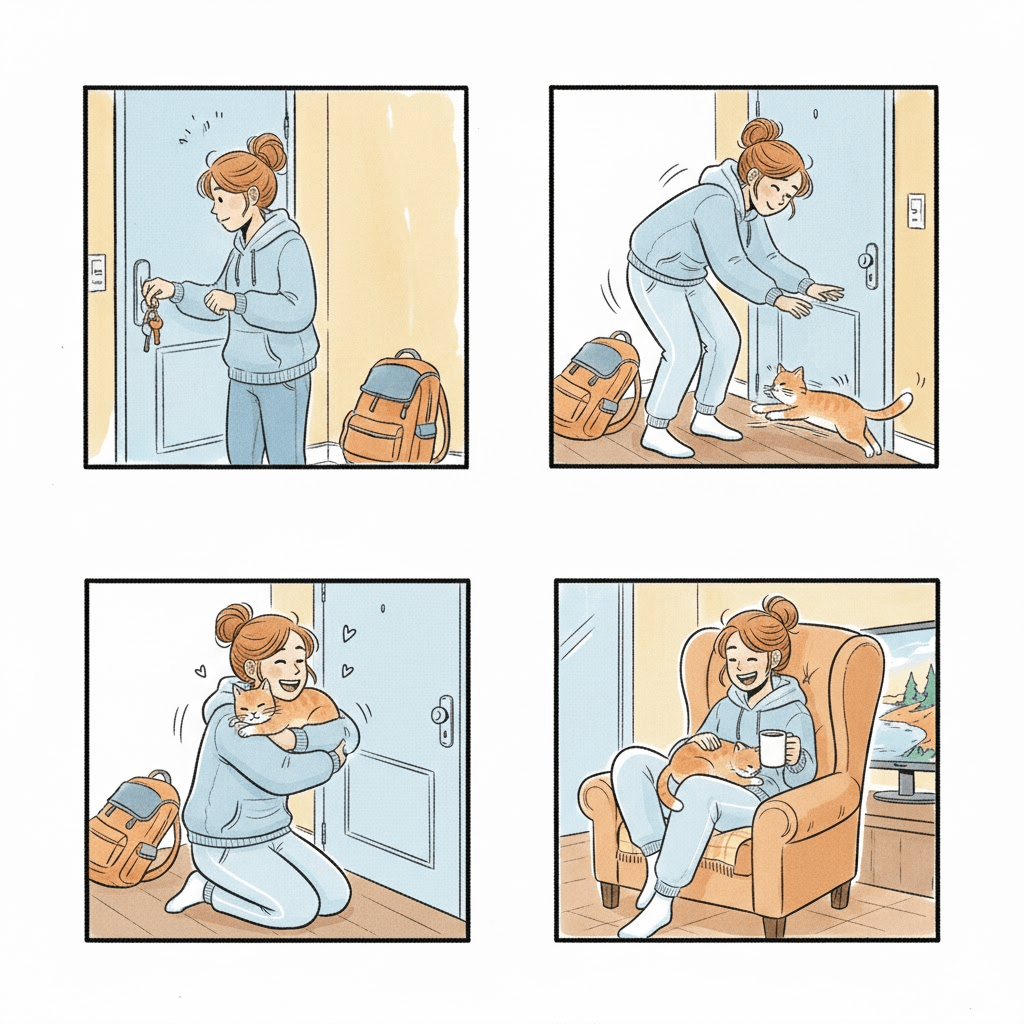
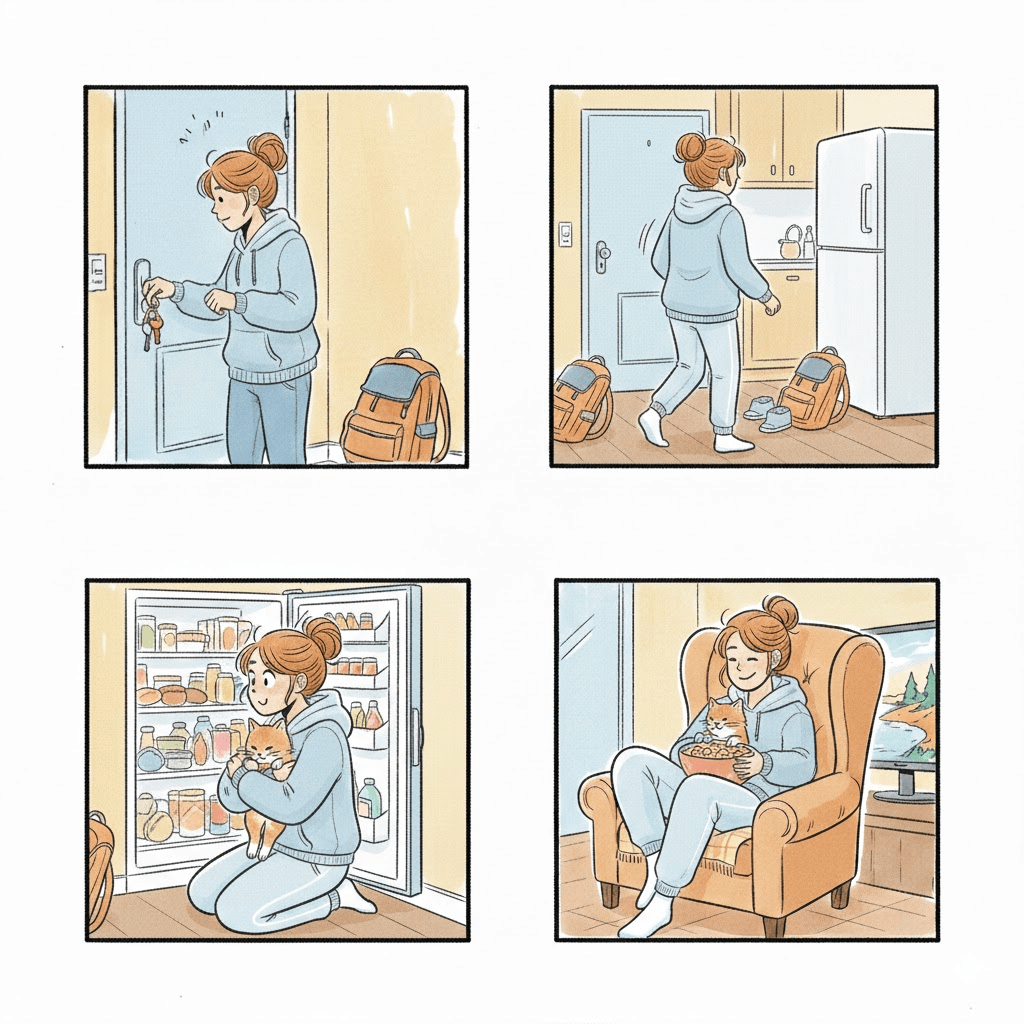
    Do you immediately put on sweatpants?


    Do you hug your pet?


    Do you open the fridge?


    Tell us in the comments:
    What is the first thing you do when you walk through your door? 👇

    By Zubeyir YURTKURAN

    https://www.facebook.com/BrainBattleground/

    https://www.facebook.com/zubeyr.yurtkuran/

    https://www.instagram.com/zubeyryurtkuran/
    https://www.youtube.com/@BrainBattleground-b3p

    https://www.instagram.com/brainbattleground/