
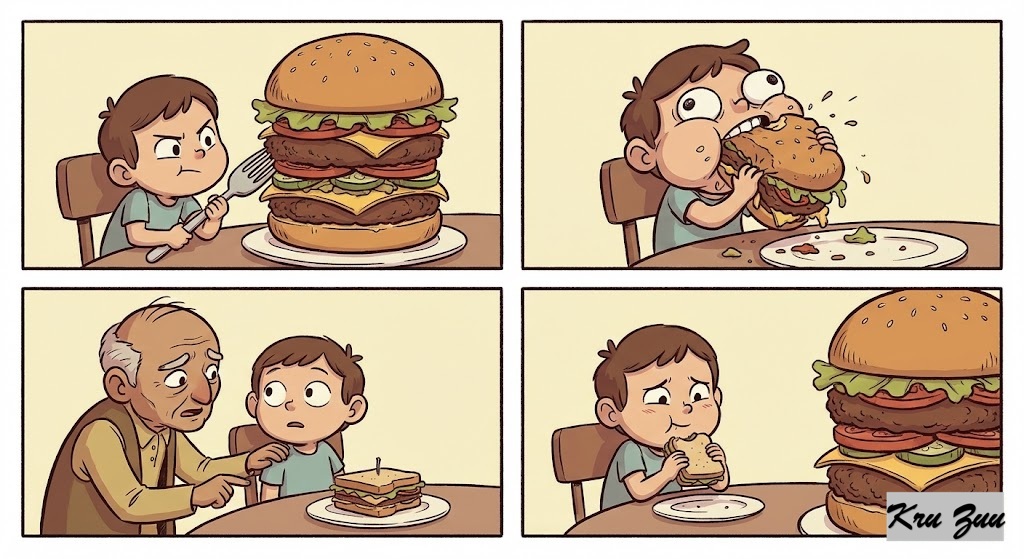
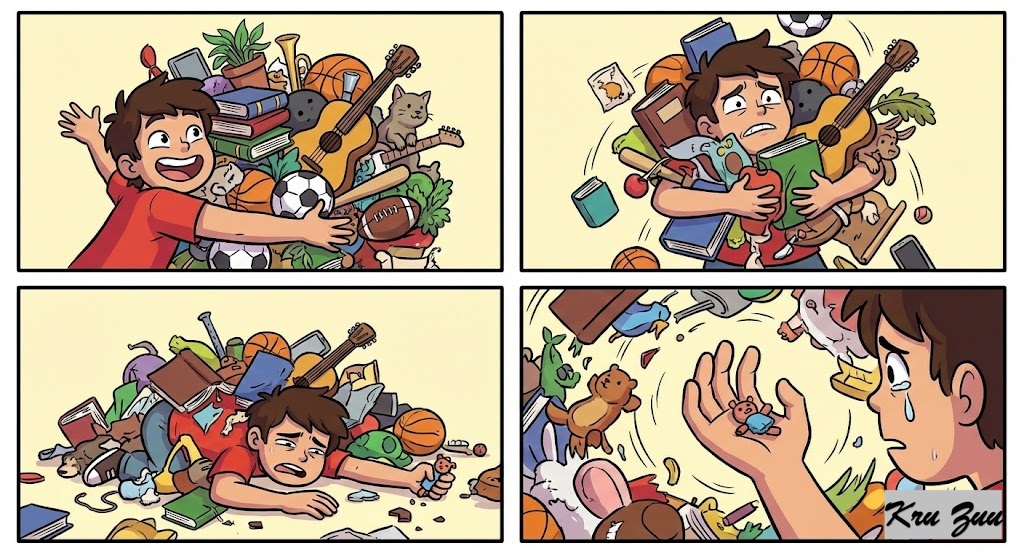
“Don’t bite off more than you can chew.”
😈 The Villain (The Over-Committer)
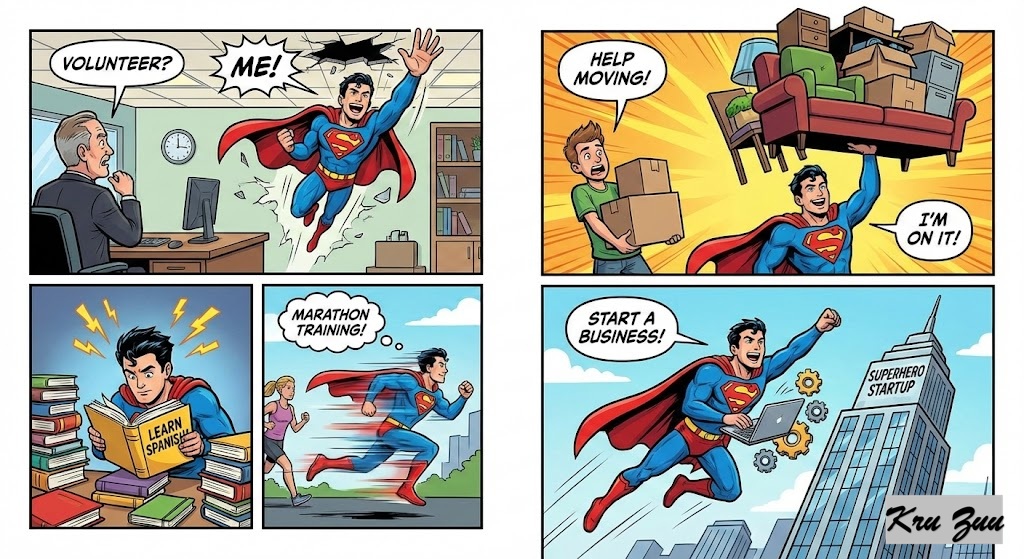
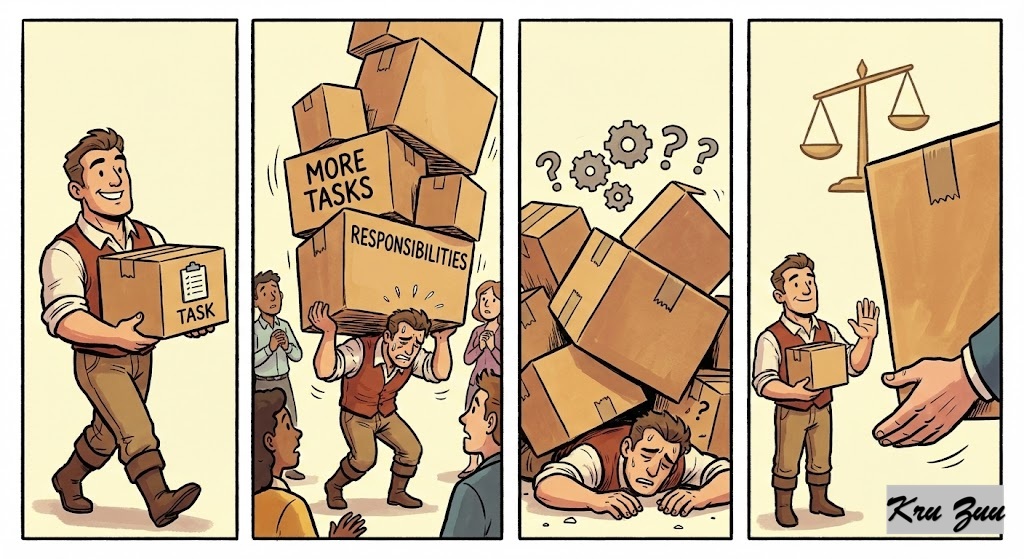
It’s Monday morning. Your boss asks for a volunteer. Your hand shoots up. 🙋♂️ Your friend needs help moving house. “I’ll be there!” you shout. You decide to learn Spanish, run a marathon, and start a business all in the same week. You act as if you are a superhero with infinite energy.
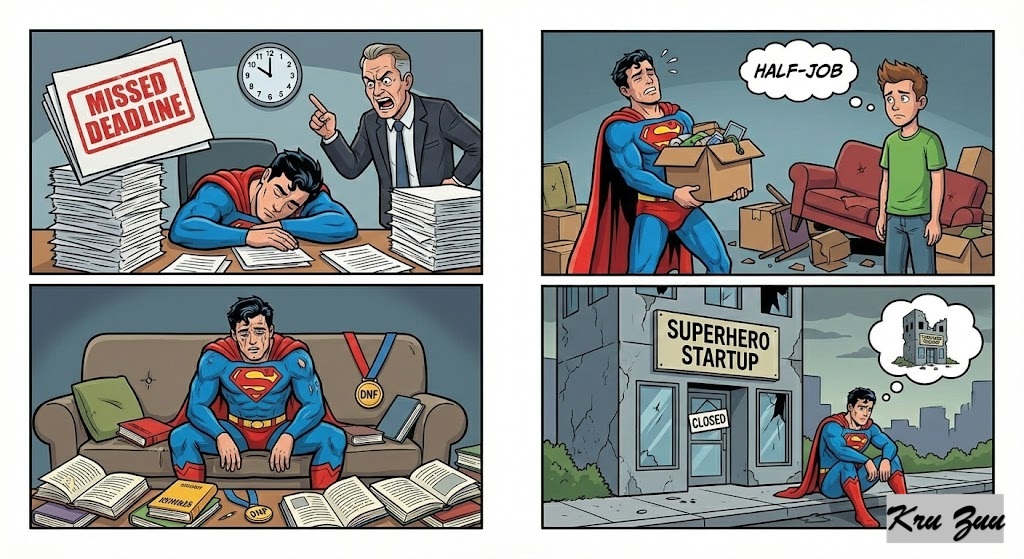
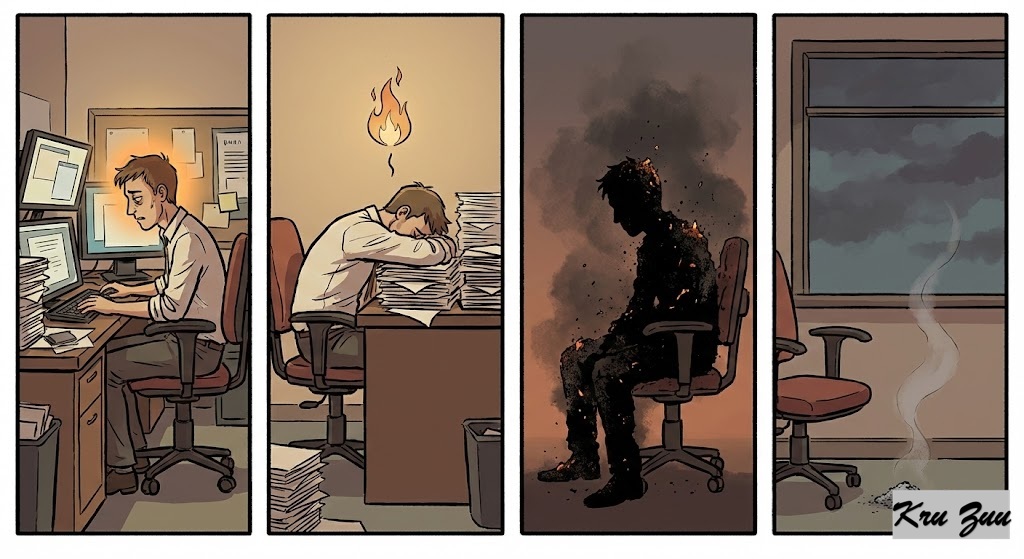
The Result? Total burnout. 🤯 You miss deadlines. You show up late. You do a “half-job” on everything because you are rushing. You feel stressed, anxious, and exhausted. By trying to do everything, you end up achieving nothing. You are the architect of your own panic.
😇 The Hero (The Essentialist)
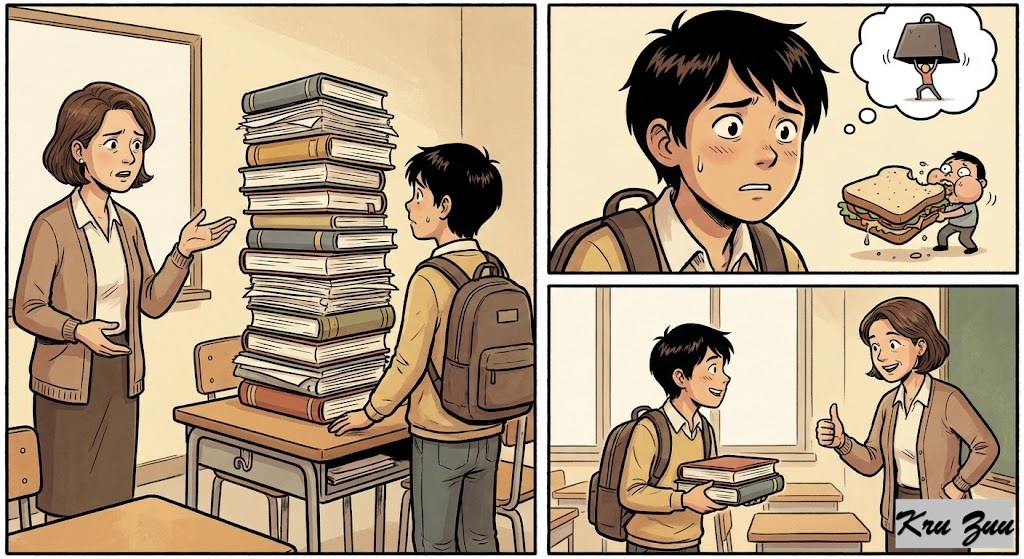
An opportunity comes up. It looks exciting. But instead of instantly saying “Yes,” you pause. You look at your plate (your schedule/energy). You realize that saying “Yes” to this means saying “No” to your sanity. You say: “I would love to, but I cannot give this the attention it deserves right now.”
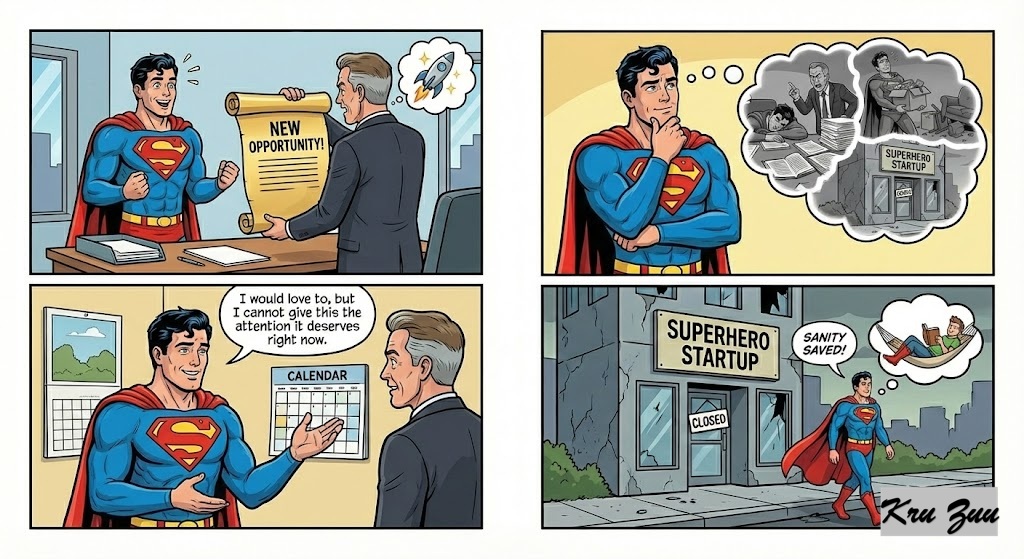
The Result? You protect your reputation. The work you do finish is excellent quality. You sleep at night. You are respected not for how much you do, but for how well you do it. 🧘♂️

⚖️ The Reality
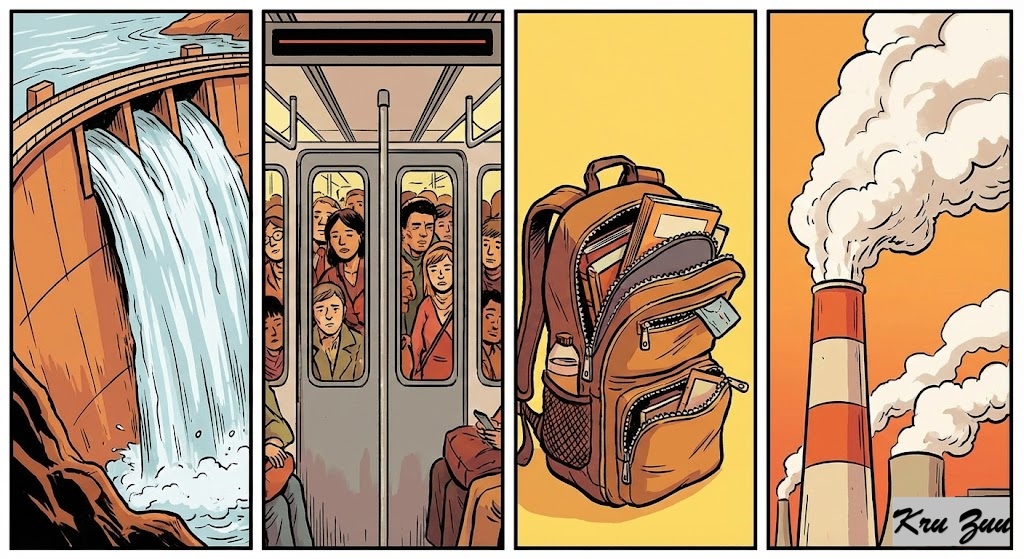
Ambition is gasoline; capacity is the engine. If you pour too much gas into a small engine, you don’t go faster, you explode. Success isn’t about the volume of tasks; it’s about the sustainability of effort.
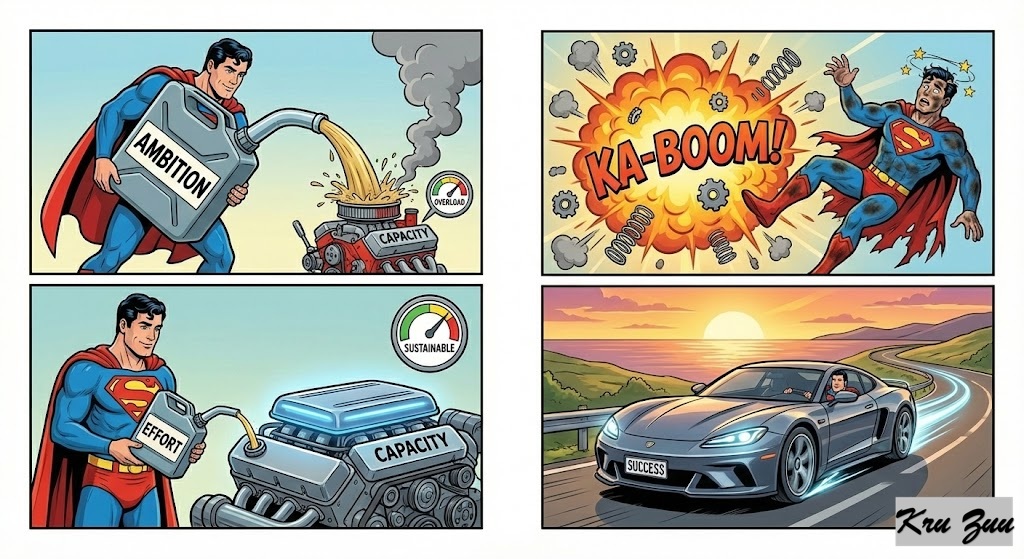
💎 The Secret: Real confidence isn’t knowing you can do everything. Real confidence is knowing what you can’t do, and being okay with it.
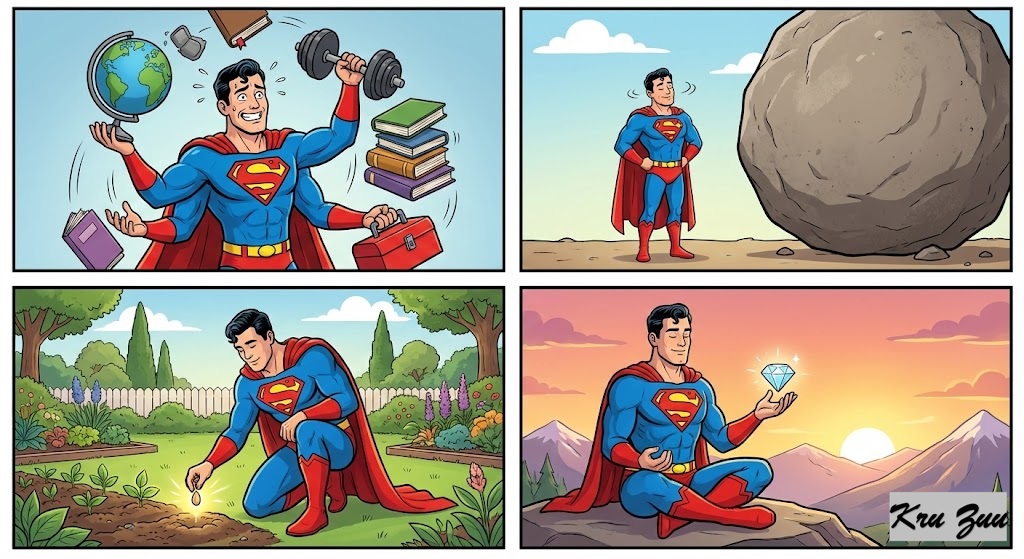
🧐 The Anatomy of the Proverb
This is your reminder that resources (time, energy, money) are limited.

Bite off (Phrasal Verb): To grab a piece of something (literally with teeth, metaphorically accepting a task).
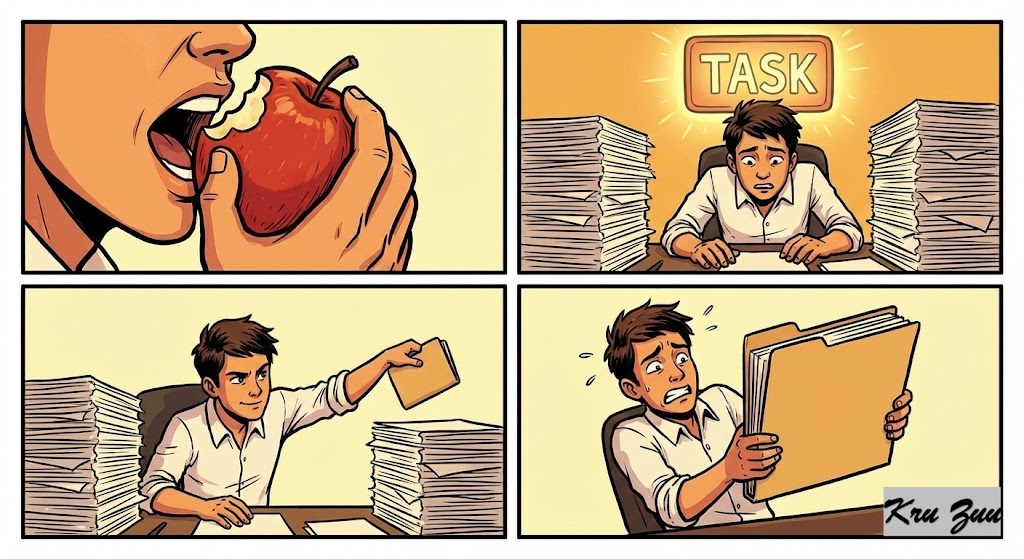
More than: An amount exceeding your limit.
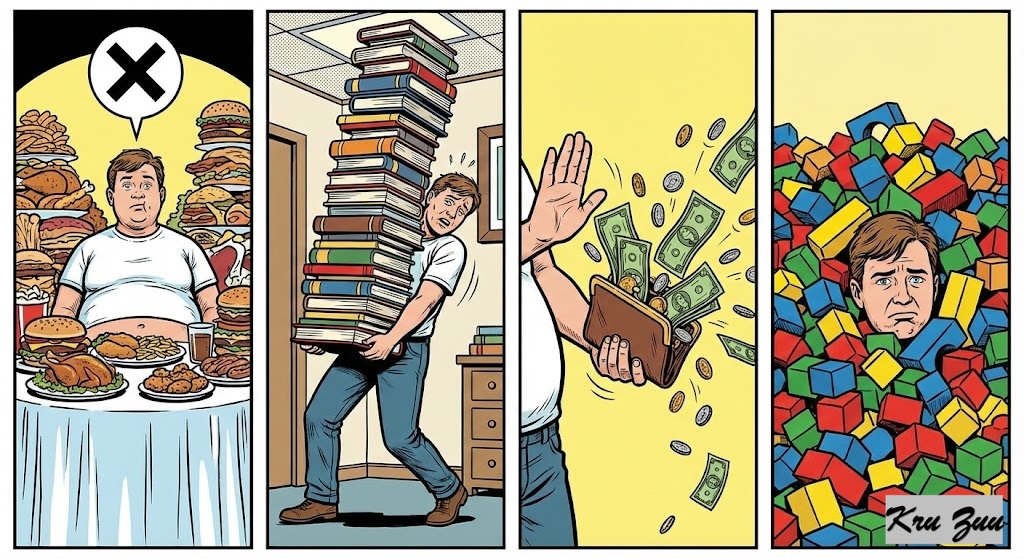
Chew (Verb): To process; to handle; to finish successfully.
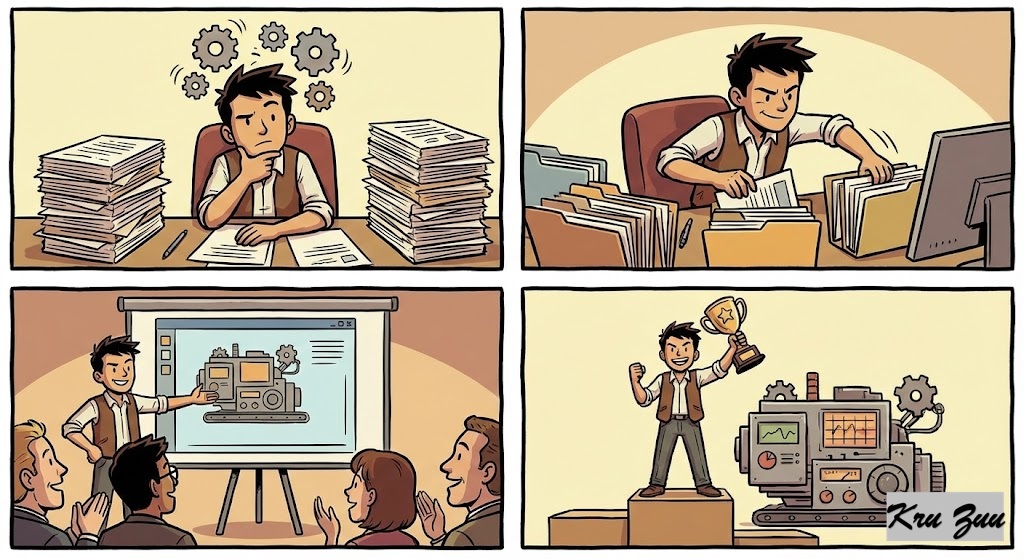
Simpler Version: Do not accept more responsibility than you can handle. / Know your limits.
📚 Vocabulary Vault
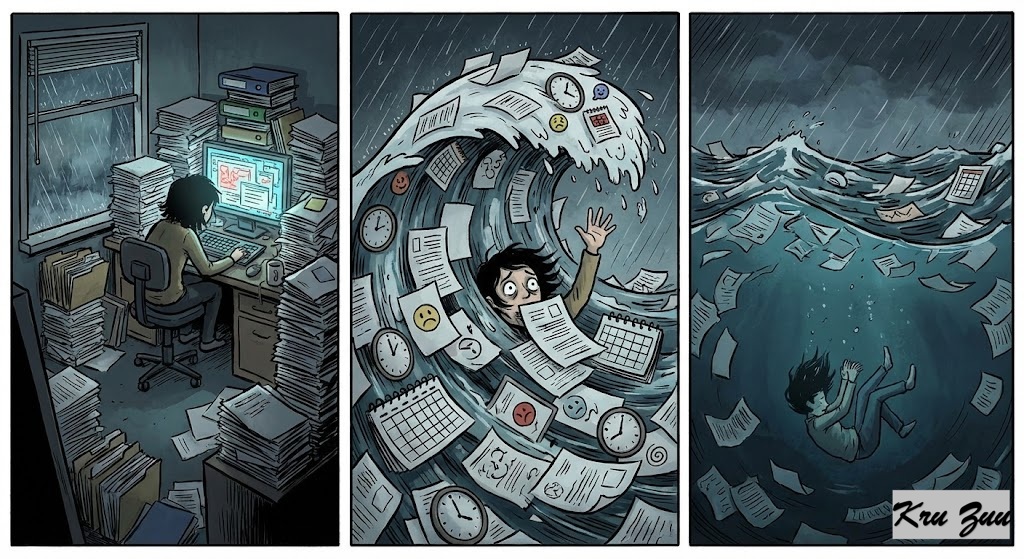
Overwhelmed (Adjective): Buried or drowning beneath a huge mass of something (usually work or emotion). 🌊
Capacity (Noun): The maximum amount that something can contain or produce.
Burnout (Noun): Physical or mental collapse caused by overwork or stress. 🔥
Prioritize (Verb): To designate or treat (something) as more important than other things.
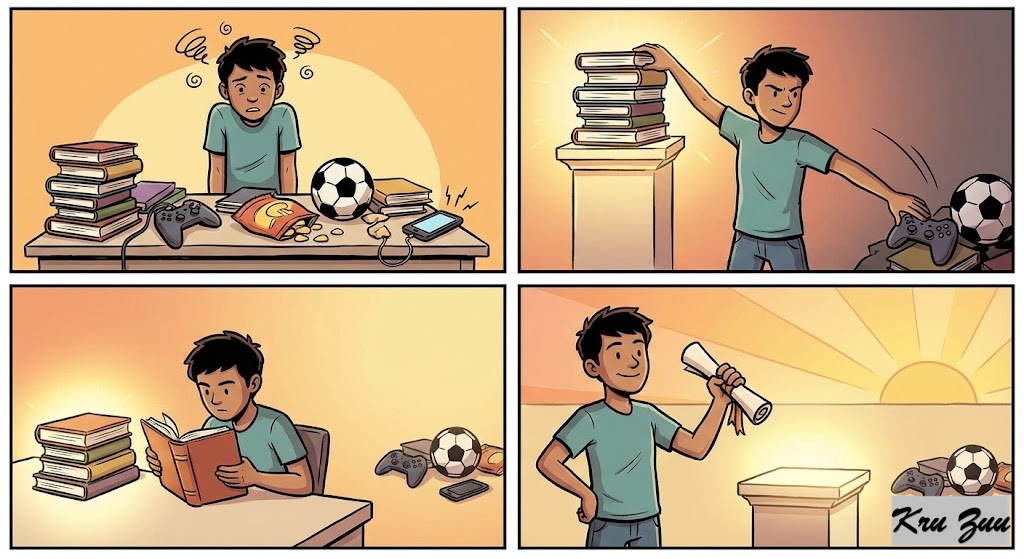
Realistic (Adjective): Having or showing a sensible and practical idea of what can be achieved.
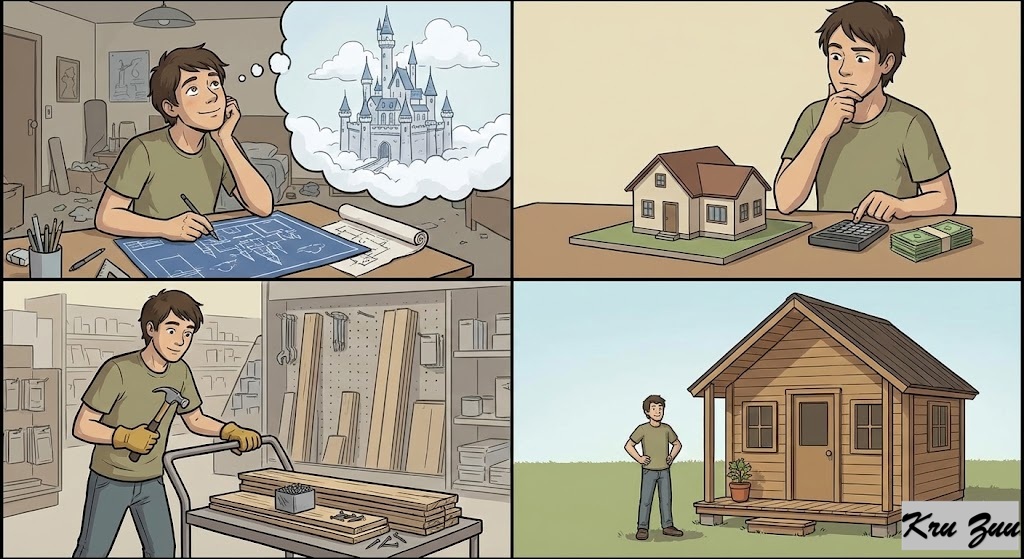
🧠 Grammar Focus: Idioms as Advice
We use this idiom when warning someone who looks too ambitious or stressed.
Student: “I’m going to take 6 Advanced Placement classes this semester!”
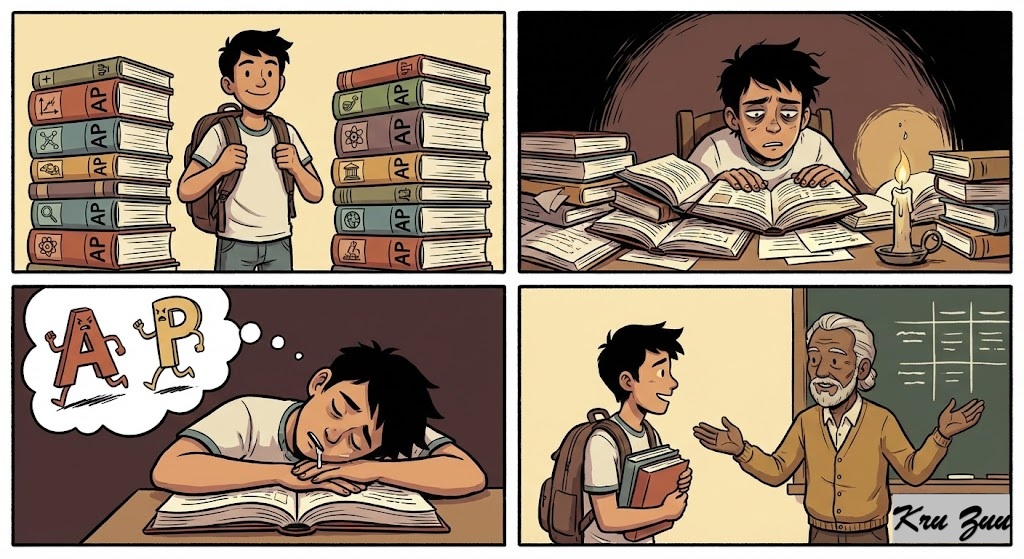
Teacher: “Be careful. That is a heavy workload. Don’t bite off more than you can chew.”
📜 History: Origin and Spread
Where did this tasty phrase come from?
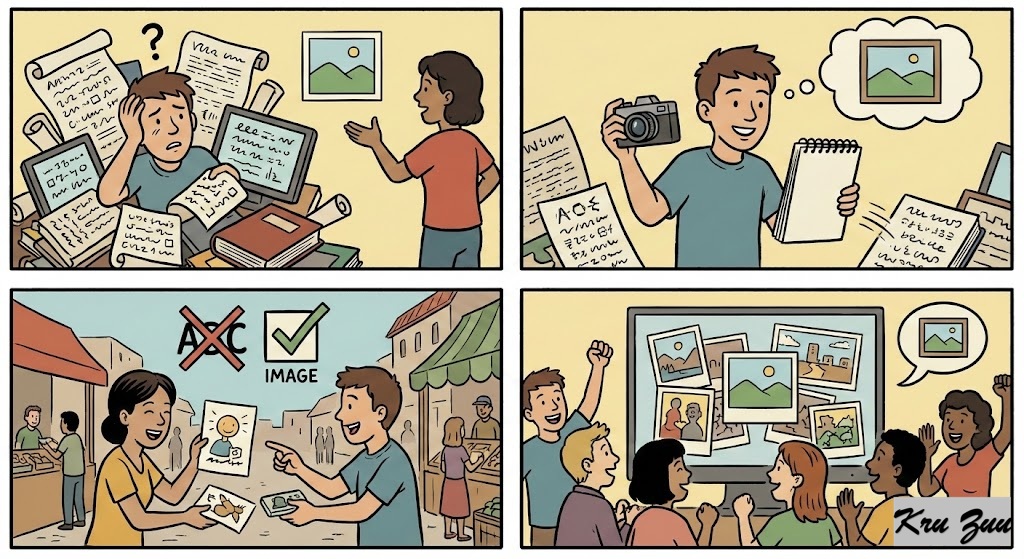
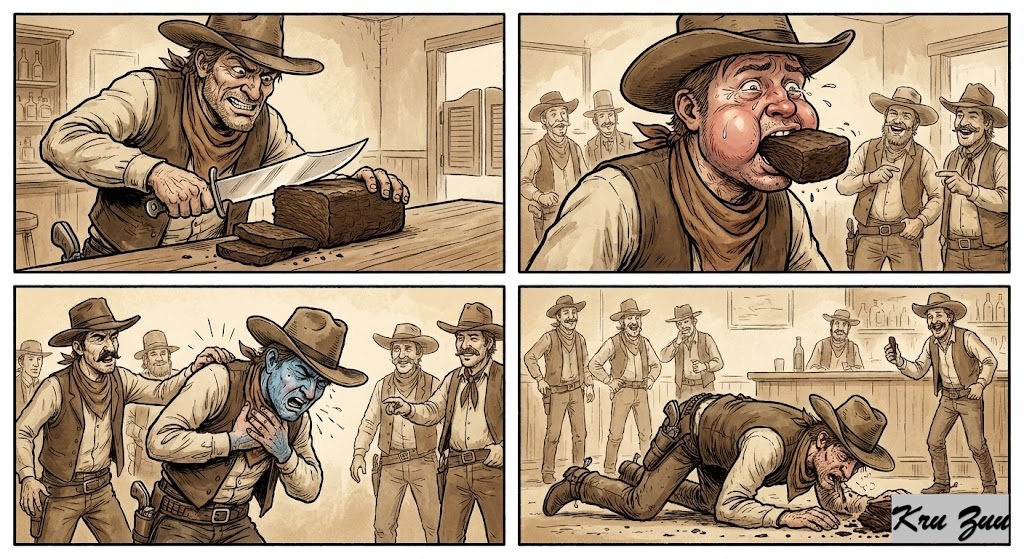
The Origin: It dates back to the 1800s in America, likely referring to chewing tobacco. People would slice off a “plug” of tobacco to put in their mouth. If they were greedy and sliced a piece too big, they couldn’t chew it, they looked ridiculous, and they might even choke! 🤢
Global Cousins
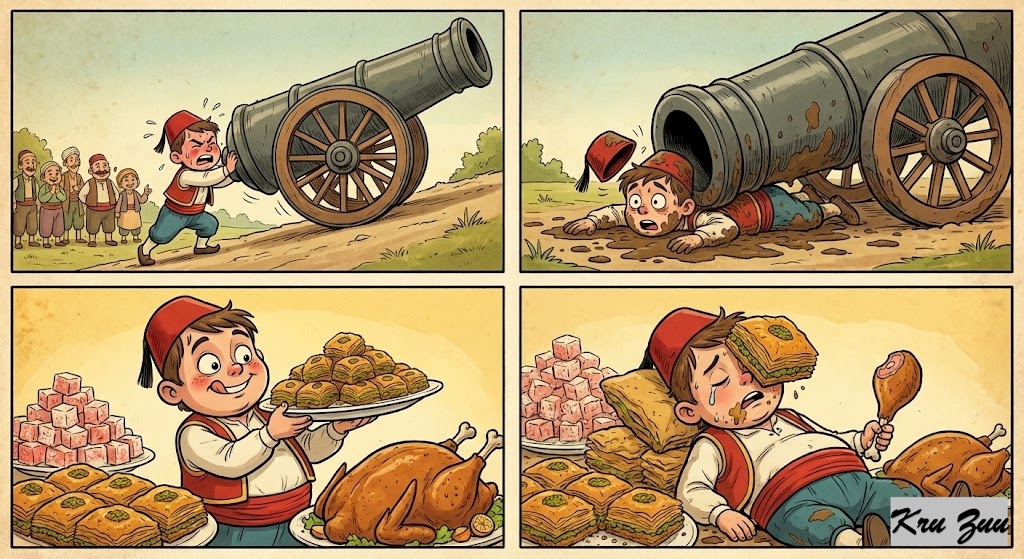
🇹🇷 Turkish:“Boyundan büyük işlere kalkışmak” (Attempting things bigger than your height) or “Açgözlülük etmek” (To be greedy/Eyes bigger than stomach).
🇪🇸 Spanish:“Quien mucho abarca, poco aprieta” (He who embraces too much, squeezes little).
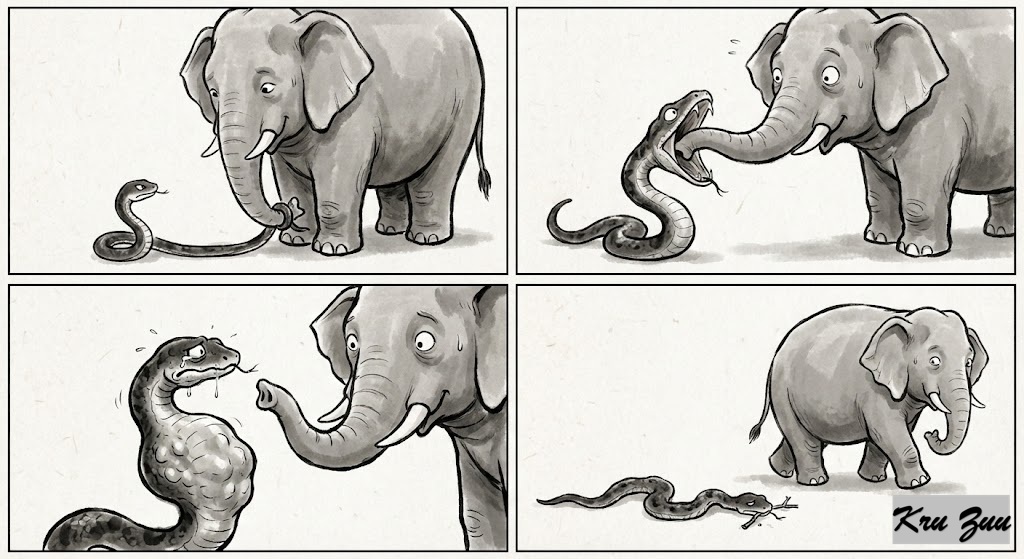
🇨🇳 Chinese:“A snake trying to swallow an elephant” (Greed beyond ability).
🎯 Impact on Life: The Pros & Cons
✅ The Pros (The Focus)
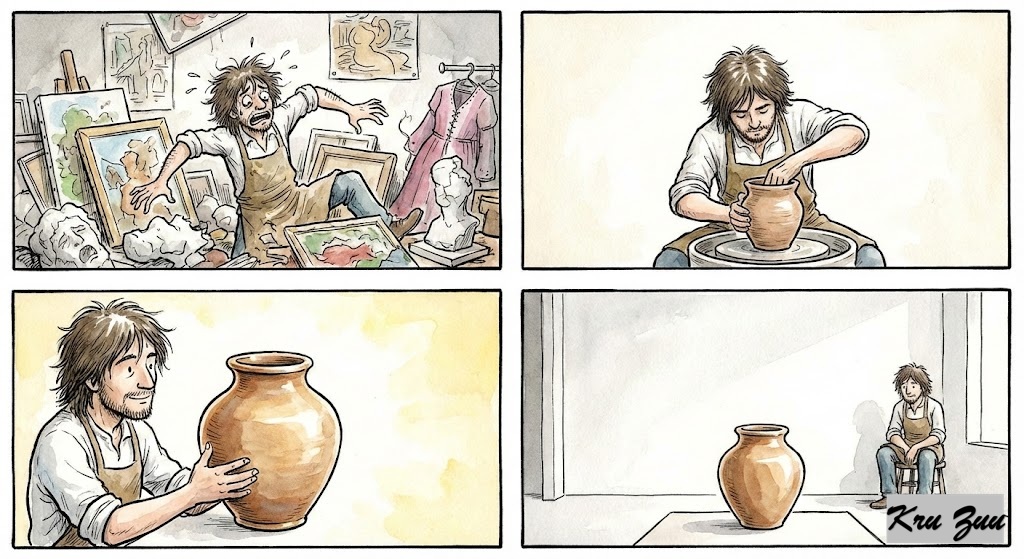
Quality: When you do less, you do it better.
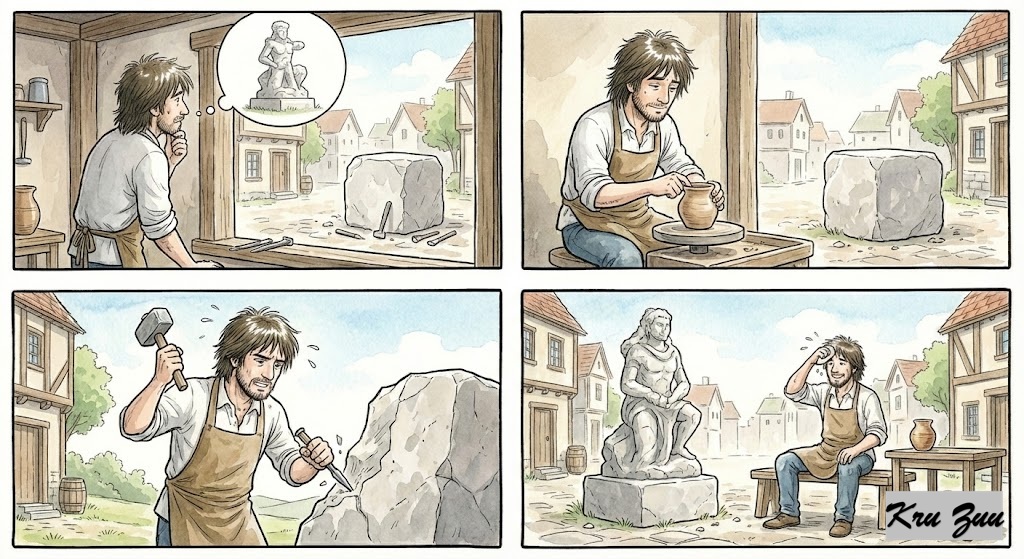
Trust: People trust you because when you promise something, you actually deliver it.

❌ The Cons (The Fear)
Missed Opportunities: Sometimes, to grow, you must bite off a little more than you can chew. If you are always too safe, you never learn new skills. The key is balance.
🎭 Short Story: The Great Feast Fiasco 🐸🐱🐔
Let’s return to the magical forest to see why greed leads to disaster.

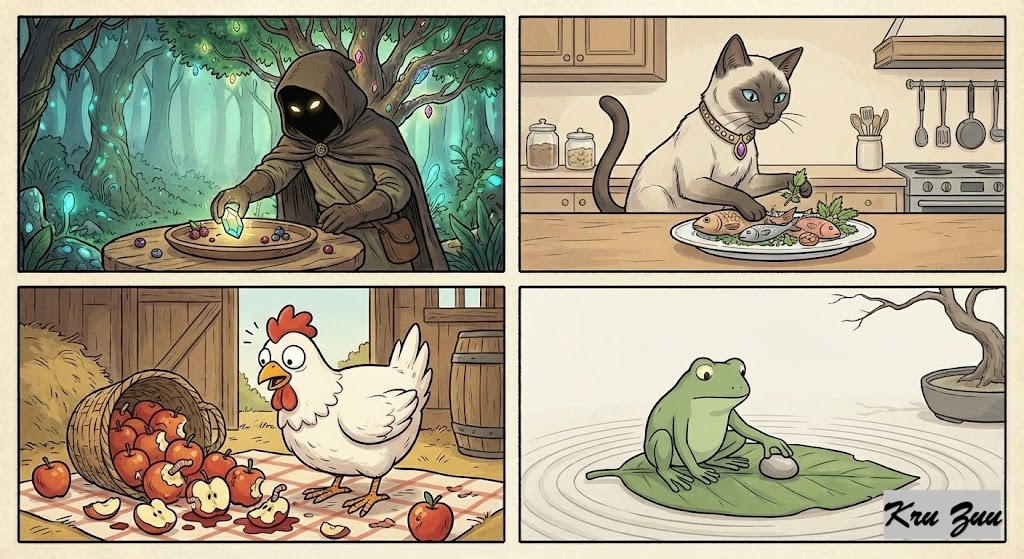
🌟 The Cast
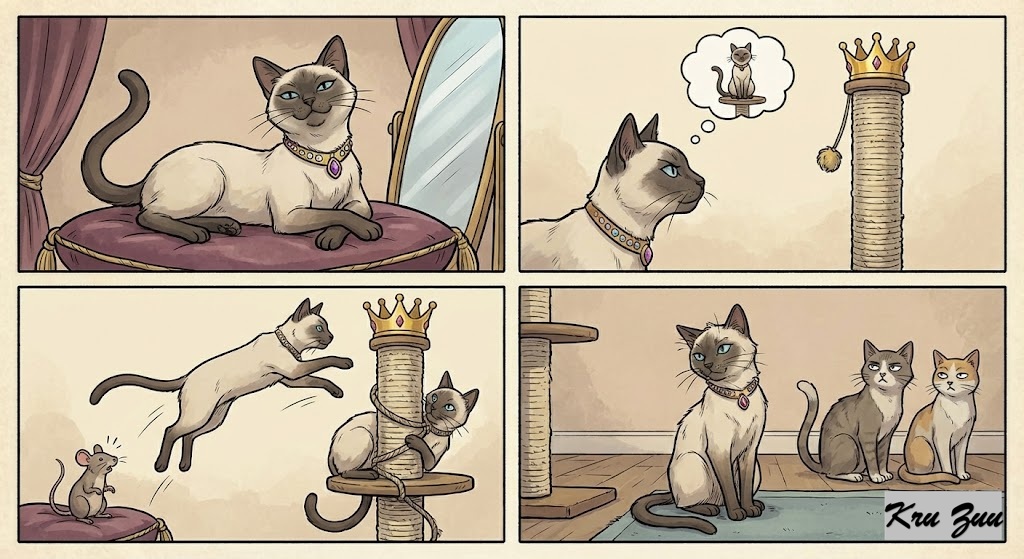
Cleo the Cat: Elegant, ambitious, and wants to impress everyone. 😼
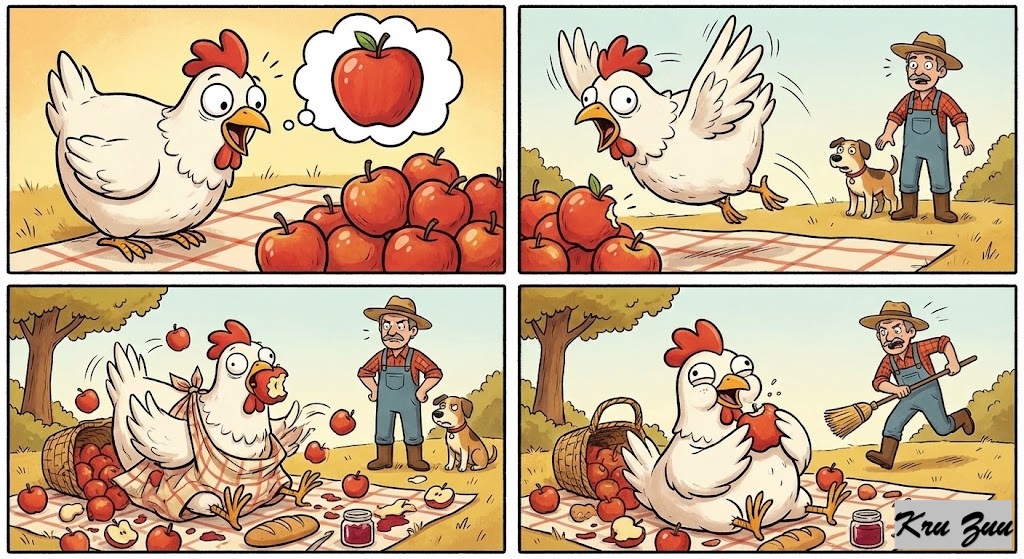
Cluck the Chicken: Excitable, hungry, and has zero impulse control. 🐔
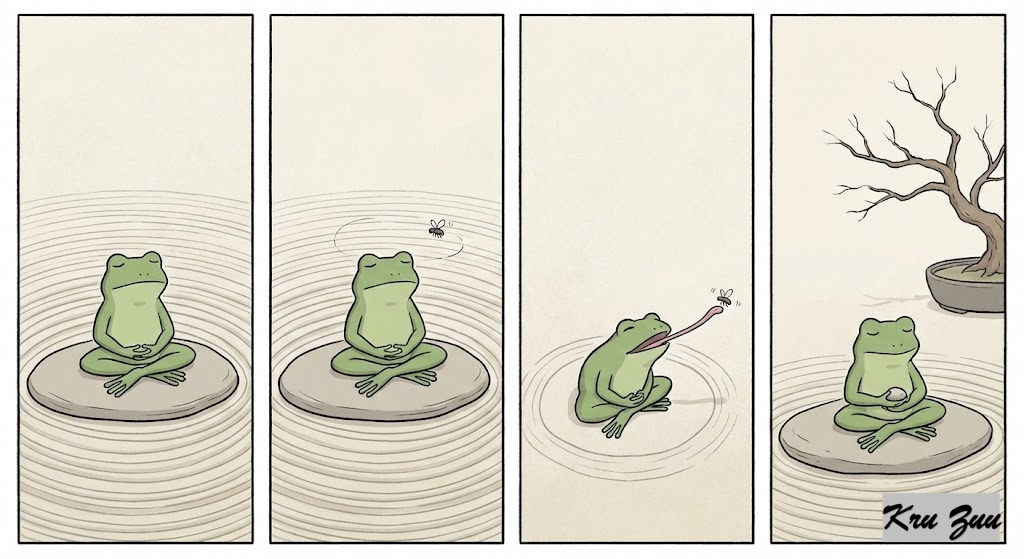
Fred the Frog: The minimalistic Zen master. 🐸
The Situation: It is the day of the “Forest Potluck.” Every animal must bring a dish.
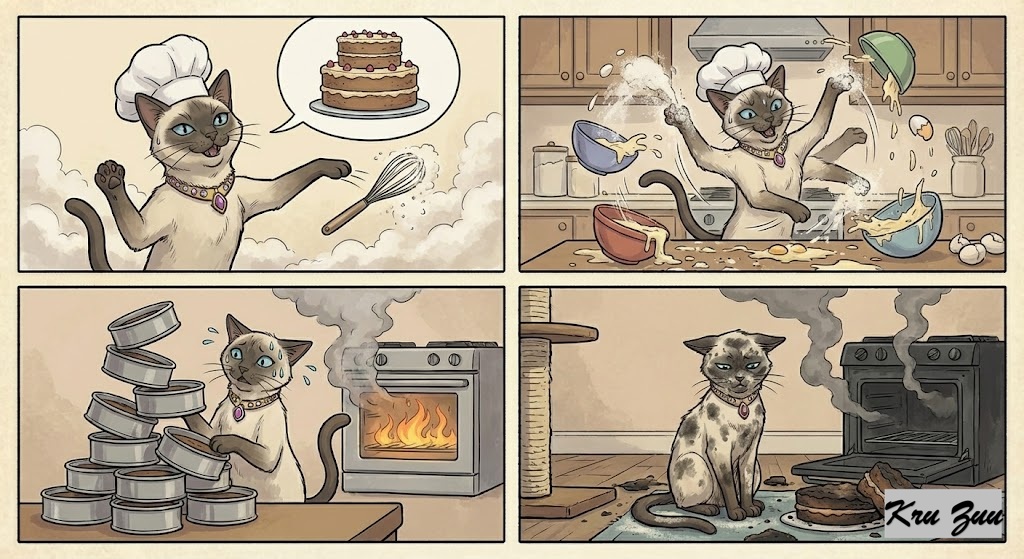
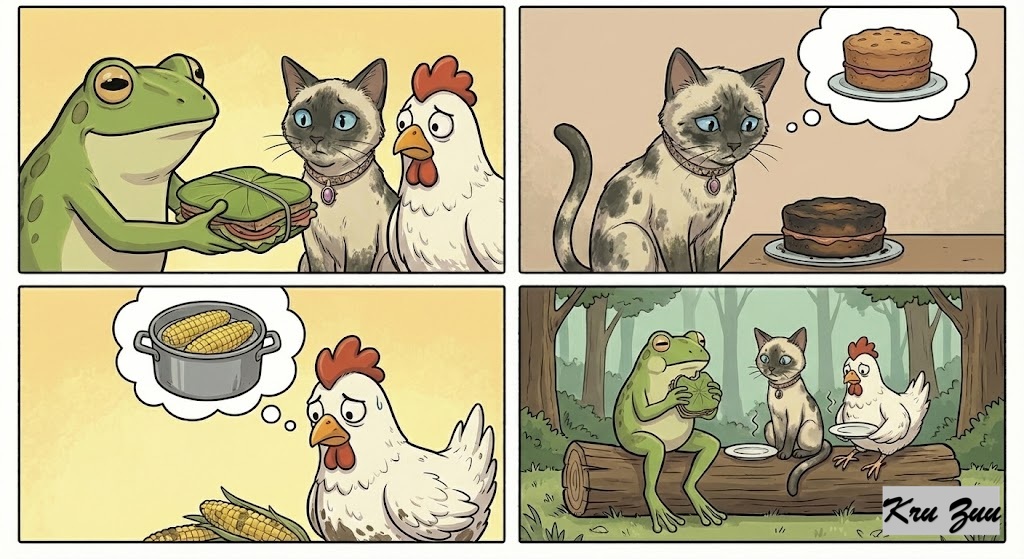
The Conflict: Cleo (The Cat) decides she won’t just bring a dish. She wants to be the Queen of the Feast. “I will bake a 10-layer fish cake with cream frosting!” she declares. She rushes around the kitchen, throwing flour everywhere, trying to cook 10 layers at once. The oven is smoking. She is sweating. 🎂🔥
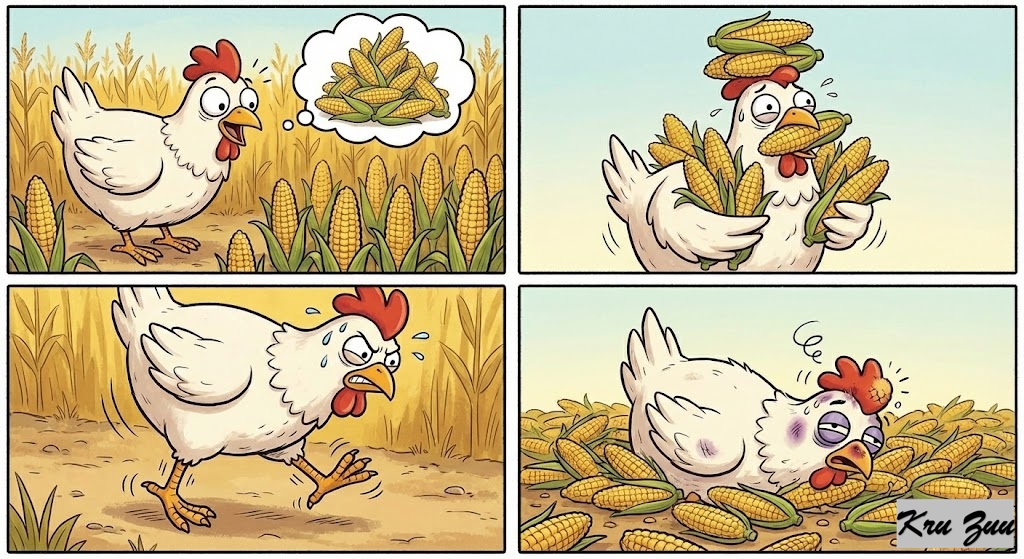
Cluck (The Chicken) goes to the cornfield. “I will bring ALL the corn!” he squawks. He tries to carry 50 cobs of corn in his wings, under his beak, and balanced on his head. He can barely walk. His legs are shaking. 🌽🤕
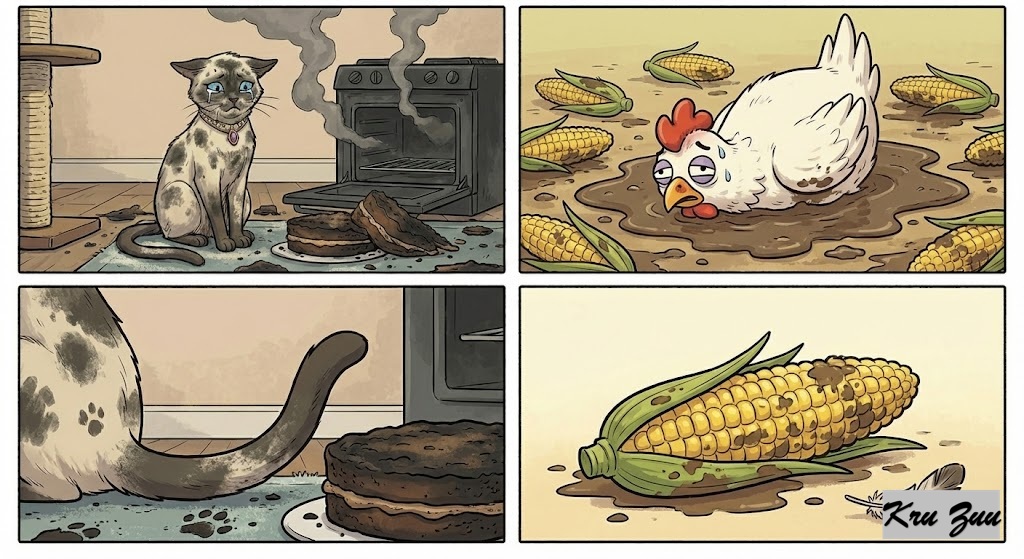
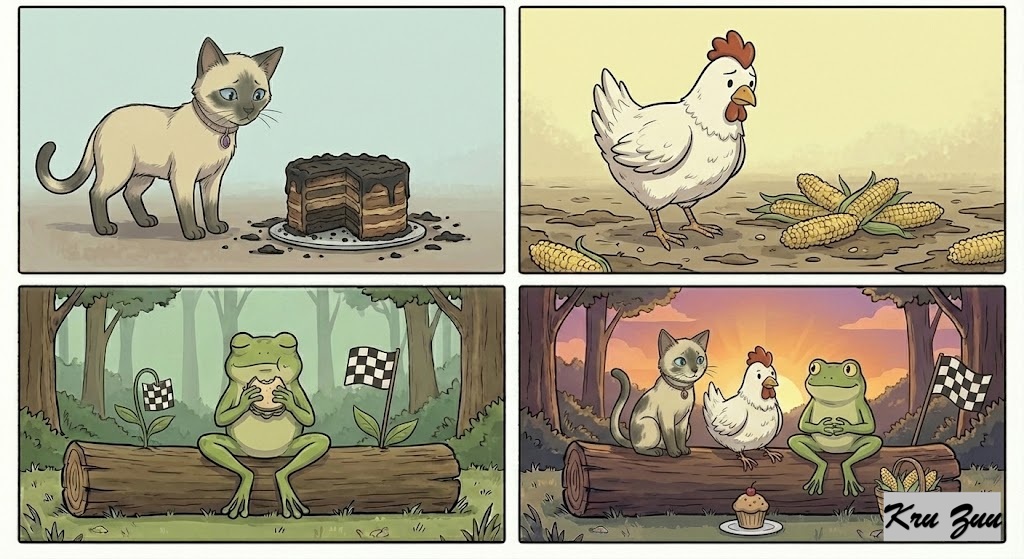
The Result? CRASH! 💥 Cleo’s oven overheats, burning the cake to a crisp. She collapses on the floor, covered in soot, crying. BUMP! 📉 Cluck trips over a rock because he can’t see over the pile of corn. The corn spills everywhere into the mud. Ruined.
The Resolution: Fred the Frog hops over. He is holding a single, perfectly prepared lily-pad sandwich. 🥪 He looks at Cleo (covered in ash) and Cluck (tangled in corn).
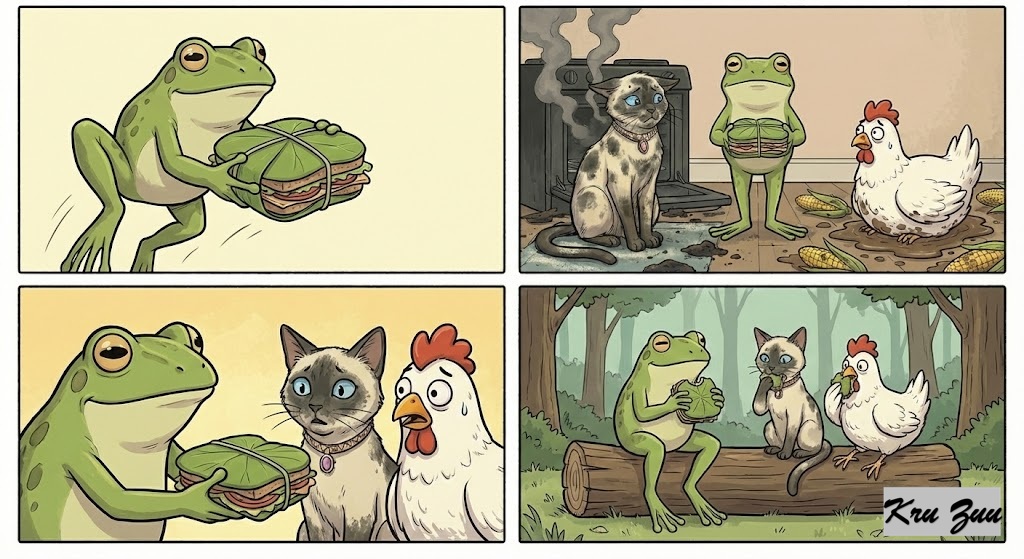
“Ribbit,” says Fred. “Cleo, one delicious cake is better than ten burnt ones. Cluck, two cobs of corn in the pot are better than fifty in the mud.” Fred takes a small, polite bite of his sandwich. “You both bit off more than you could chew. Now, nobody eats.”
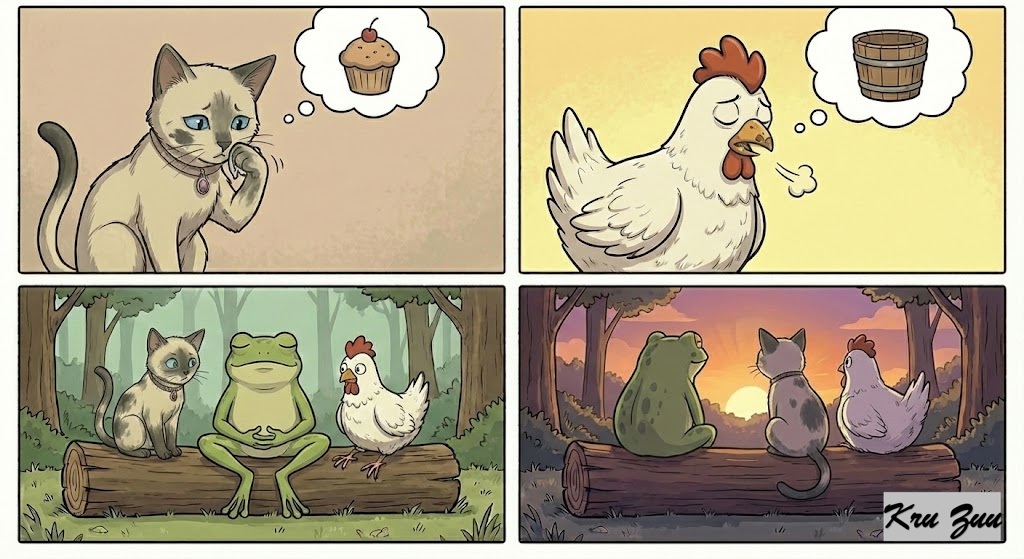
Cleo wiped her face. “Next time… just cupcakes?” Cluck sighed. “Next time… just a bucket.”
The Moral: Effectiveness is not about how much you try to carry; it’s about how much you can bring to the finish line. 🏁
🎓 Lesson for English Learners
Don’t try to memorize the dictionary.

Situation: You want to learn English fast. You download 5 apps, buy 3 books, and try to learn 50 new words a day.
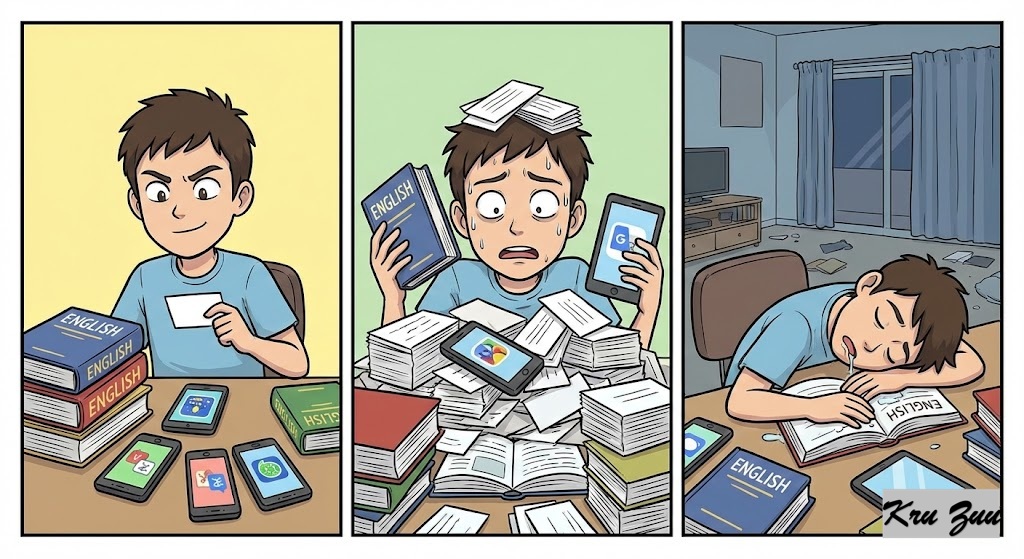
The Trap: After 3 days, you remember nothing. You feel stupid. You quit.
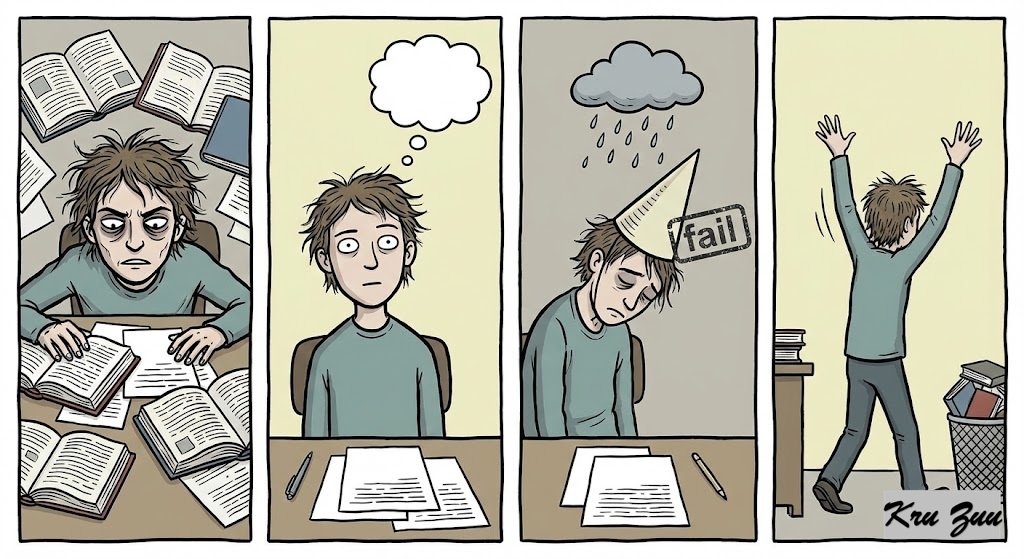
The Shift: Apply the law.
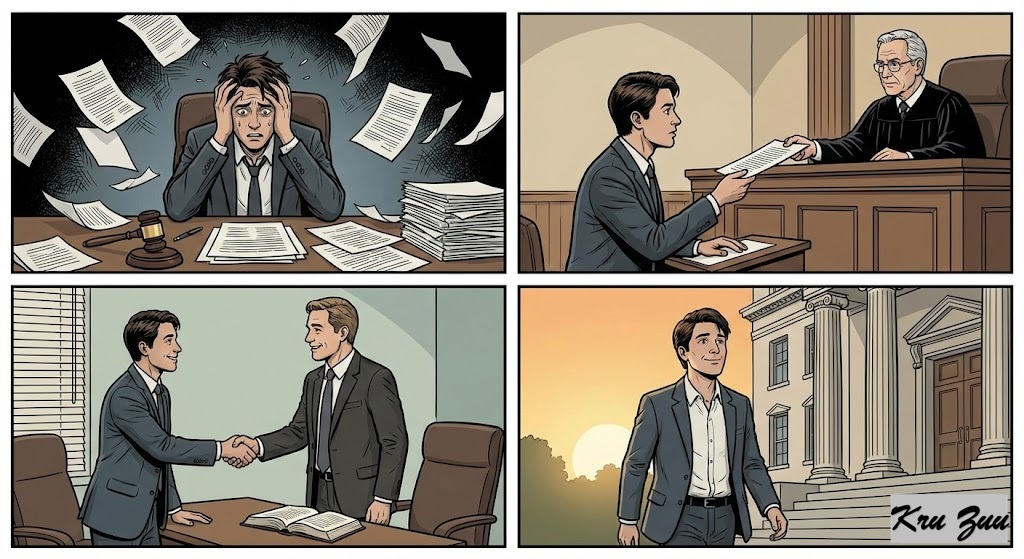
You Say: “I will learn 5 words today. But I will learn them perfectly. I will use them in sentences. I will not bite off more than I can chew.”
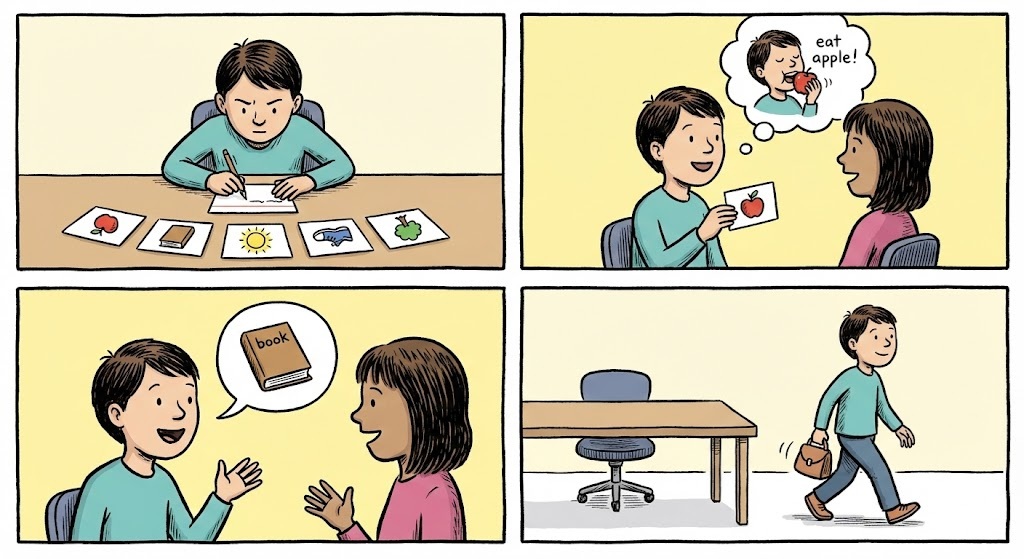
💬 Your Turn: The Capacity Check 🚀
Are you drowning in work or commitments right now?
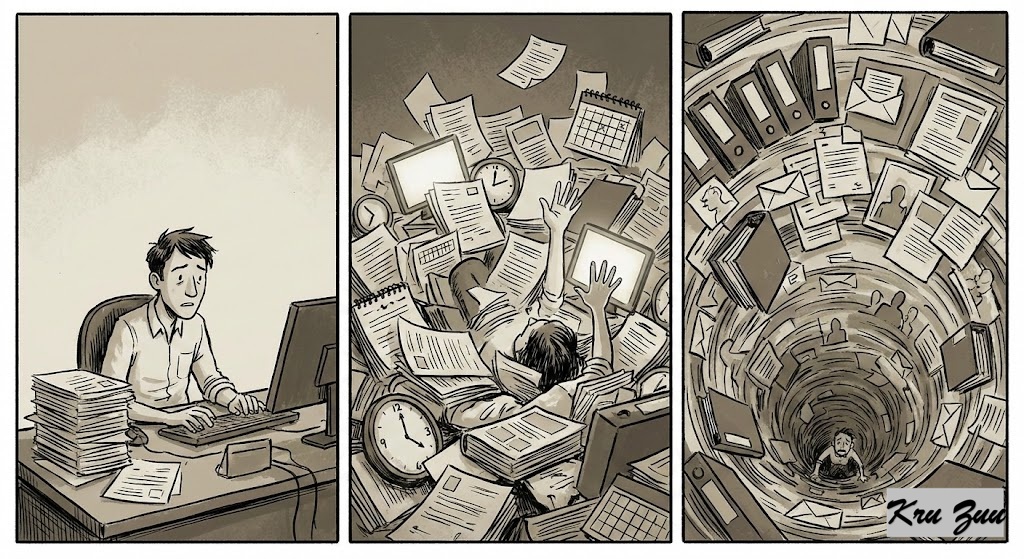
The Challenge: Look at your “To-Do” list for this week. Find one item that is not essential, or one deadline that is unrealistic.
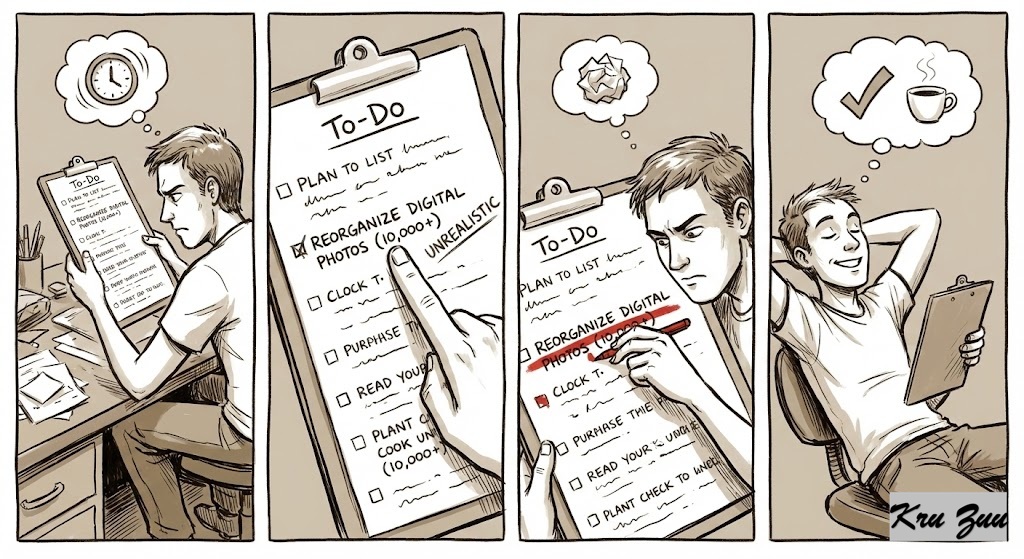
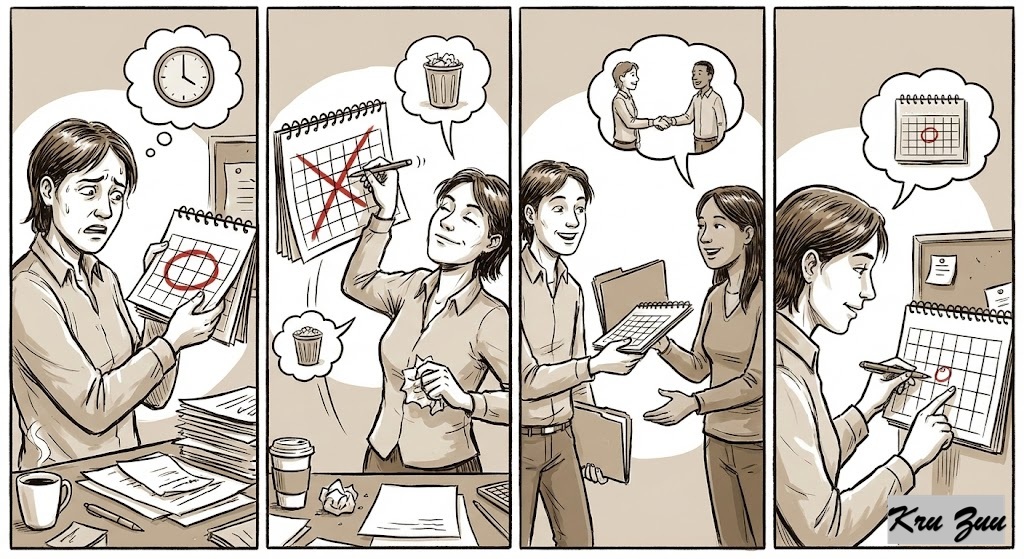
The Action: Cancel it. Delegate it. Or reschedule it.
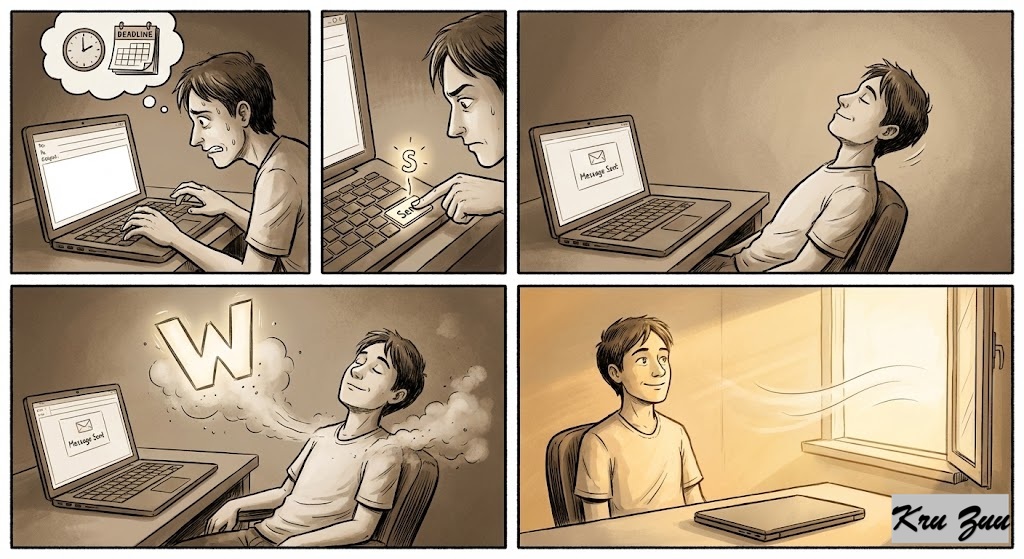
Send that email: “I want to give this project my best effort, so I will need to move the deadline to next week.” Feel the weight lift off your shoulders.
👇 Question for the comments: Have you ever agreed to do something and immediately regretted it? What happened? Tell us your “horror story” below!
https://www.facebook.com/BrainBattleground/
https://www.facebook.com/zubeyr.yurtkuran/
https://www.instagram.com/zubeyryurtkuran/
