Tag: books

  • 🛡️ The Daily Shield: The Art of Strategy

    🛡️ The Daily Shield: The Art of Strategy

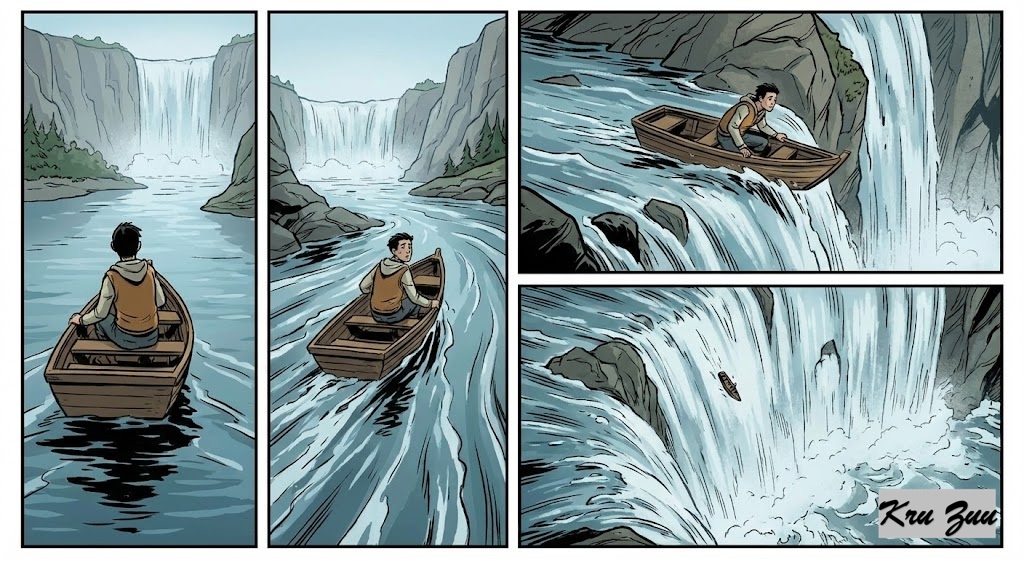
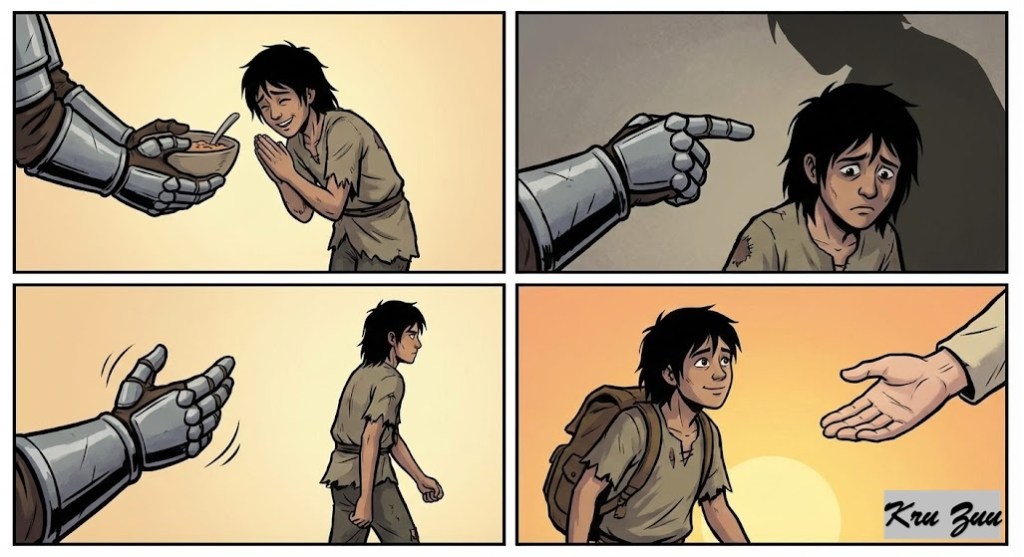
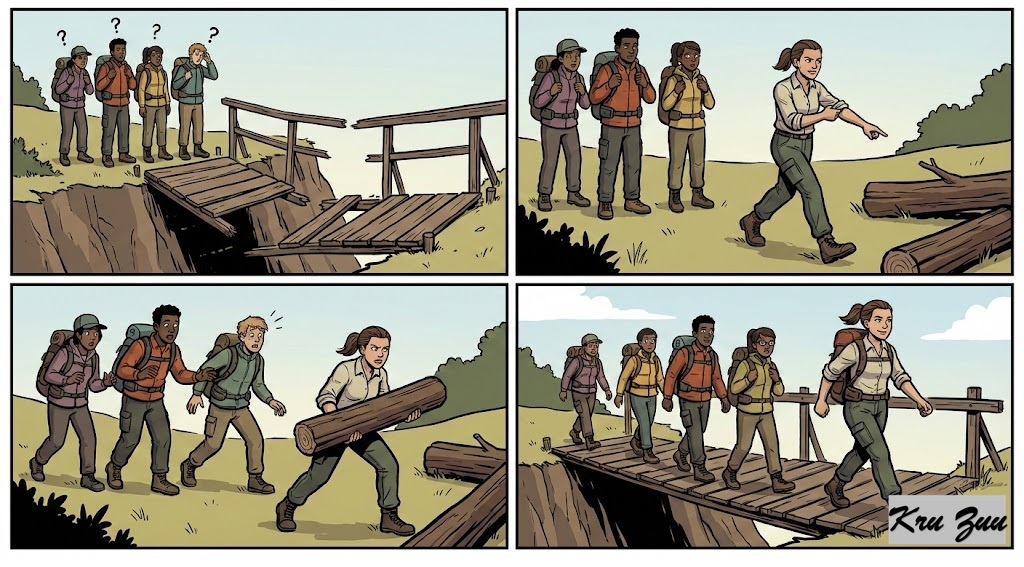
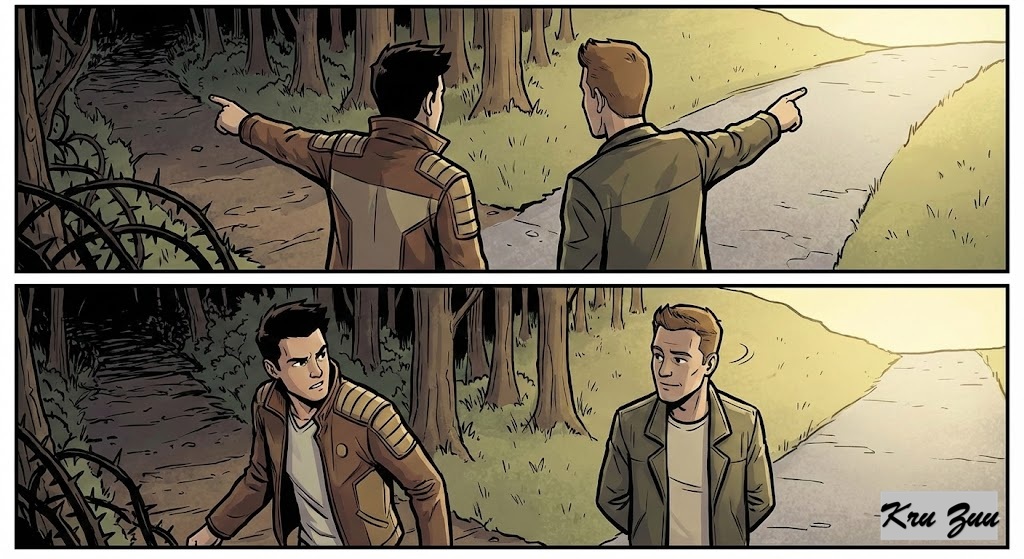
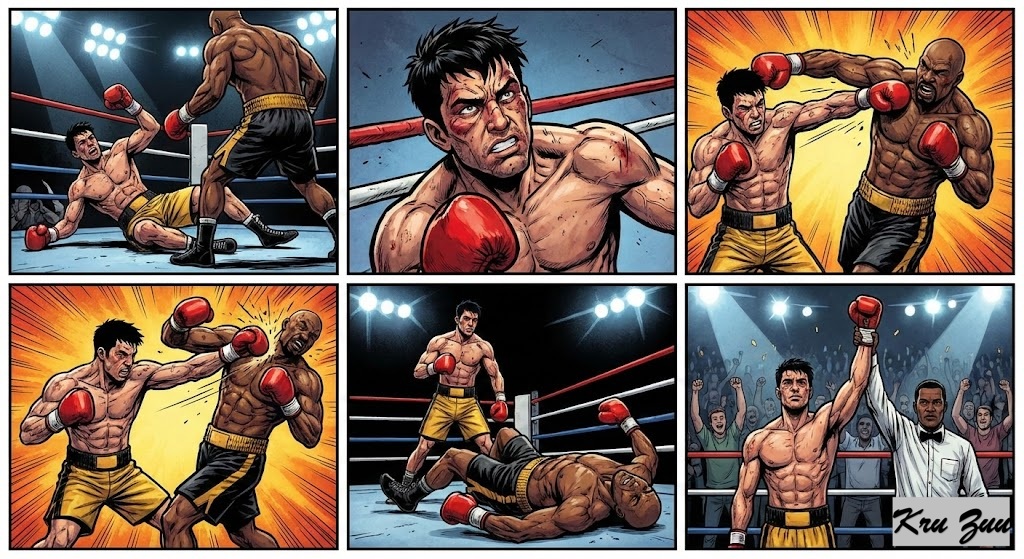
    “If you can’t beat them, join them.”


    🥊 The Fighter (The Stubborn Ego)


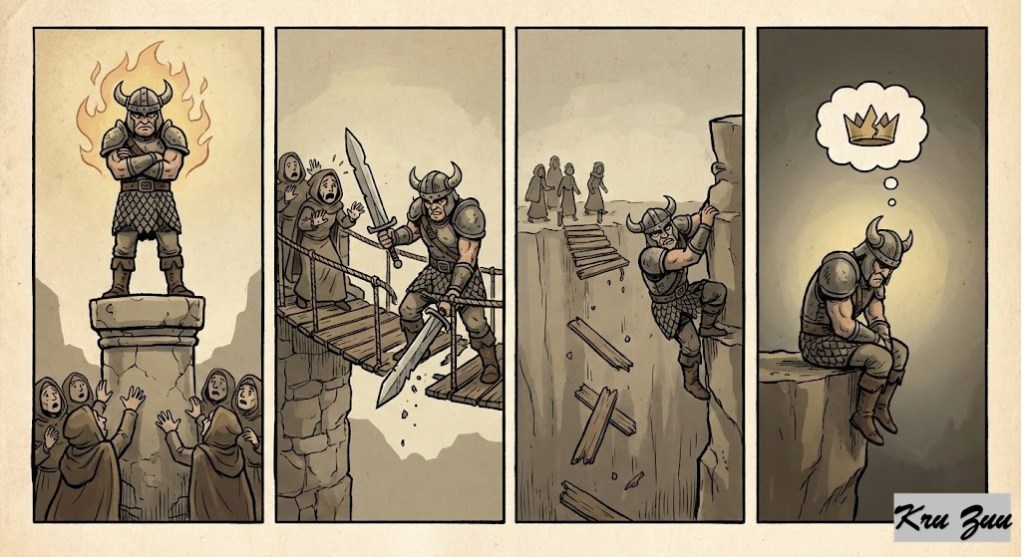
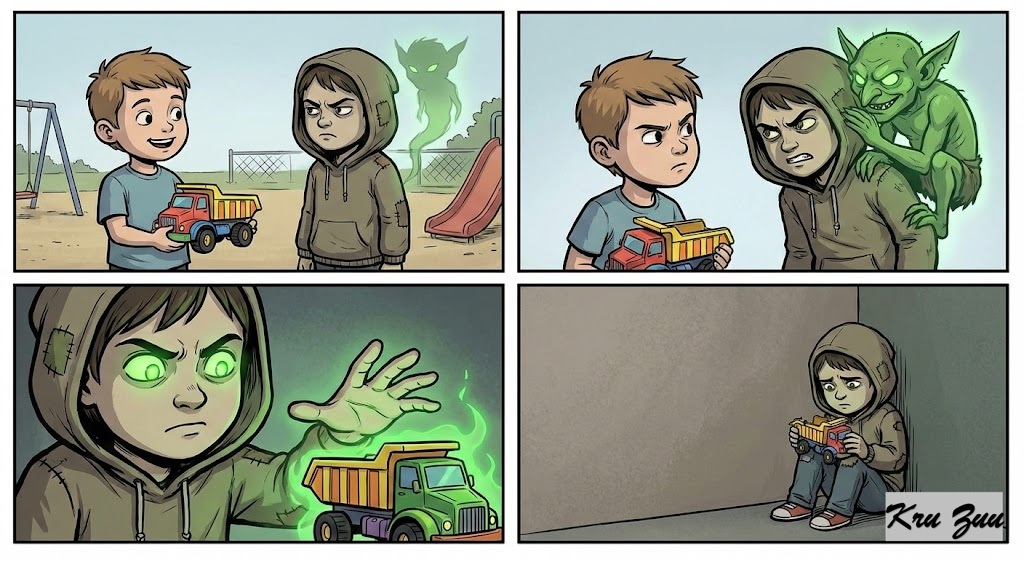
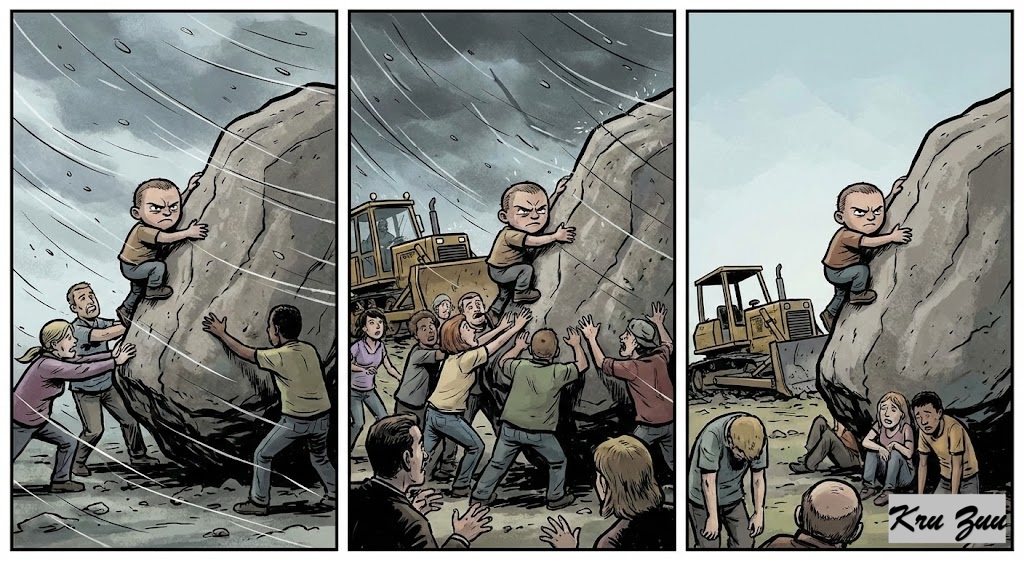
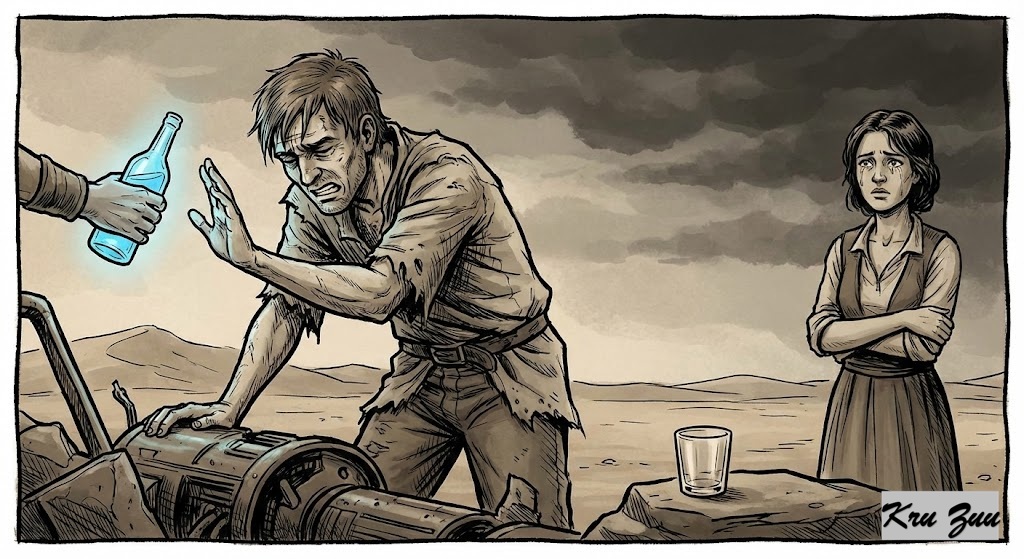
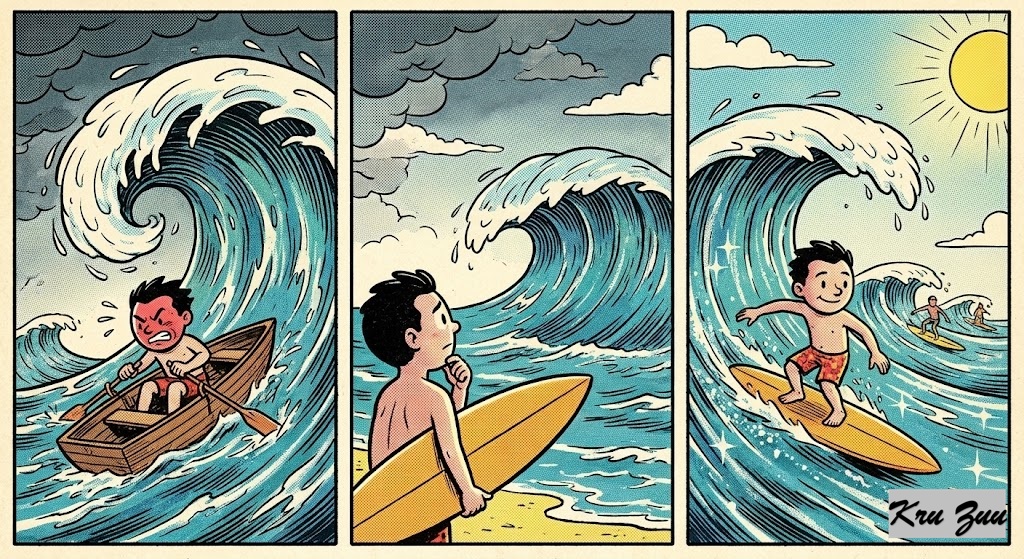
    You are fighting a losing battle. Maybe it’s a new technology at work (AI?), a strict boss, or a change in the market. You scream, “I will never change!” You waste all your energy swimming against the current. You are proud, but you are drowning.
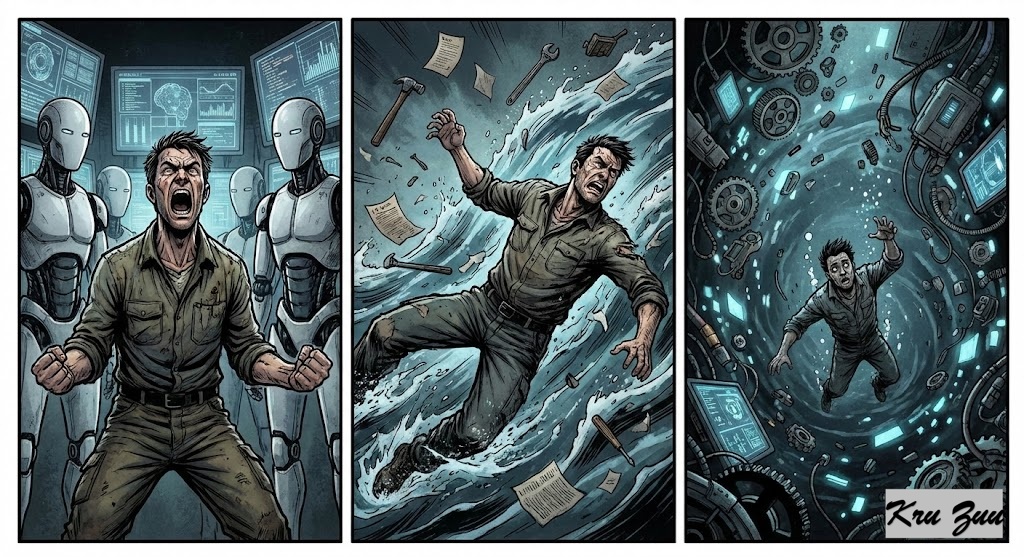
    The Result? You get left behind. You lose your job, your energy, or your opportunity. You are the captain of a sinking ship. ⚓
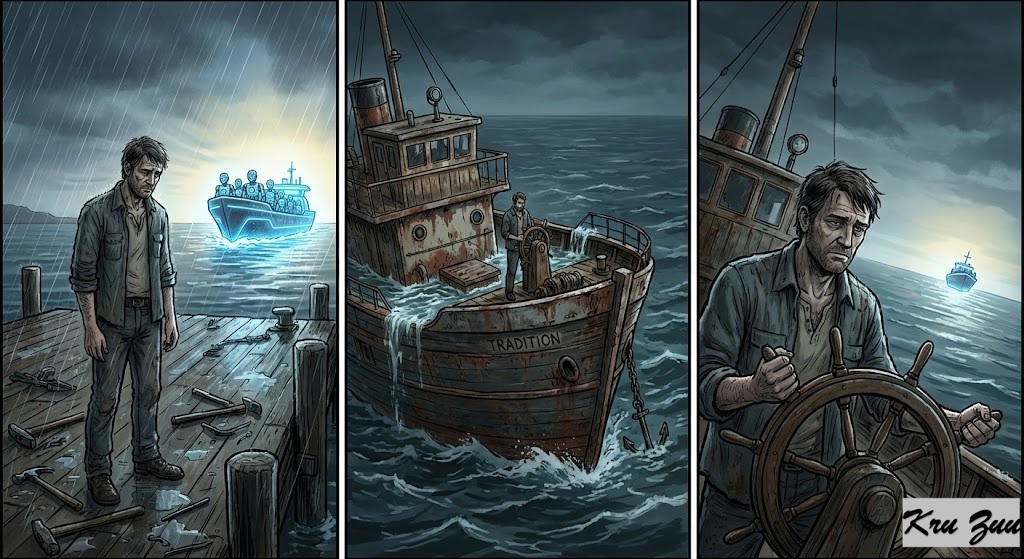

    🤝 The Strategist (The Smart Adapter)


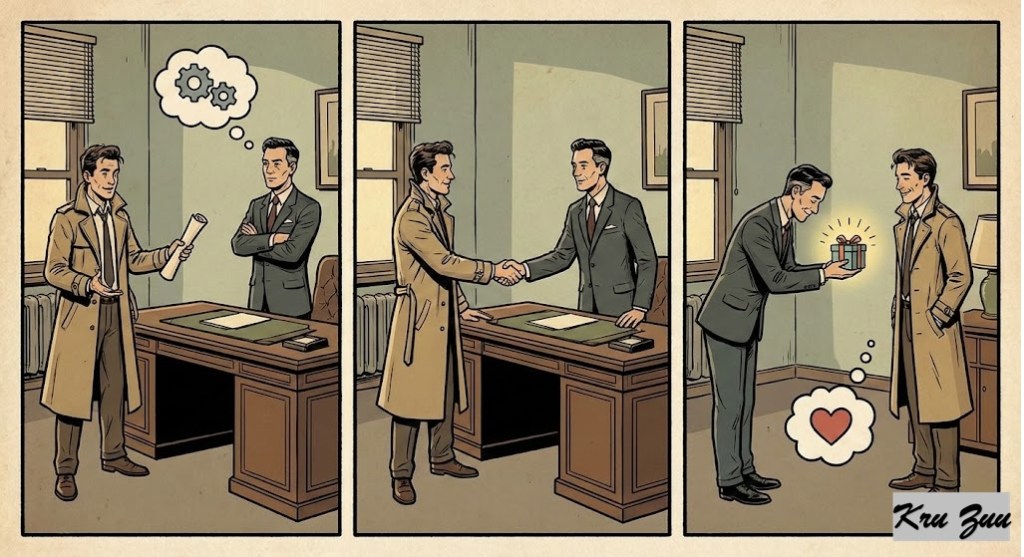
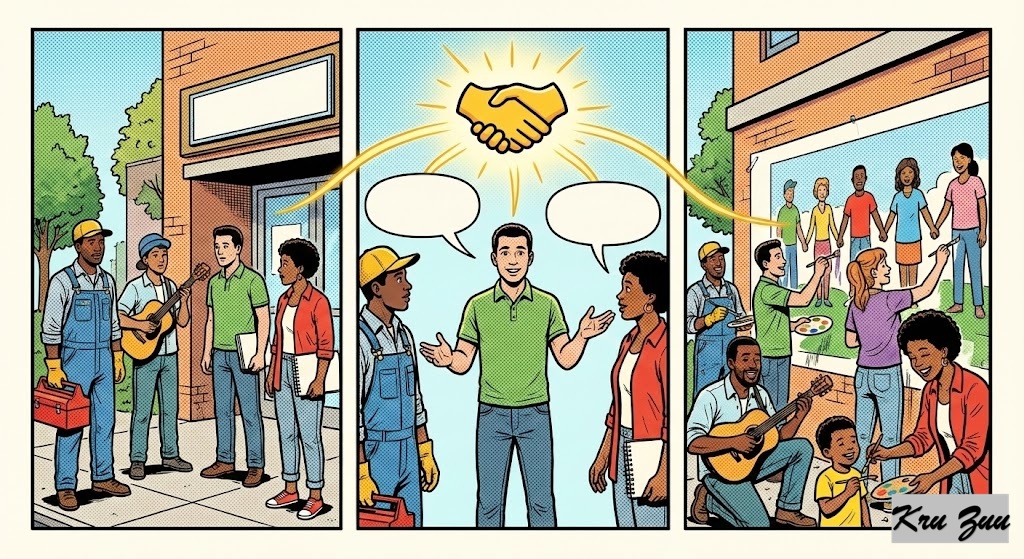
    You look at the opponent. You realize, “I cannot win this fight with force.” So, you change tactics. Instead of being a wall, you become water. You find a way to align your goals with theirs. You turn an enemy into an ally.
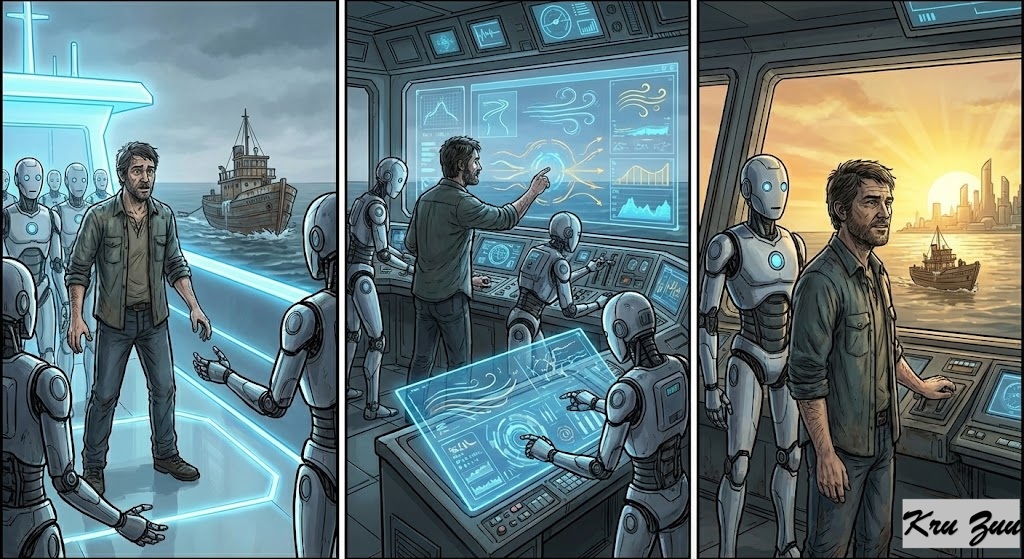
    The Result? You survive. You thrive. You didn’t lose; you just found a different way to win. 🧠

    ⚖️ The Reality


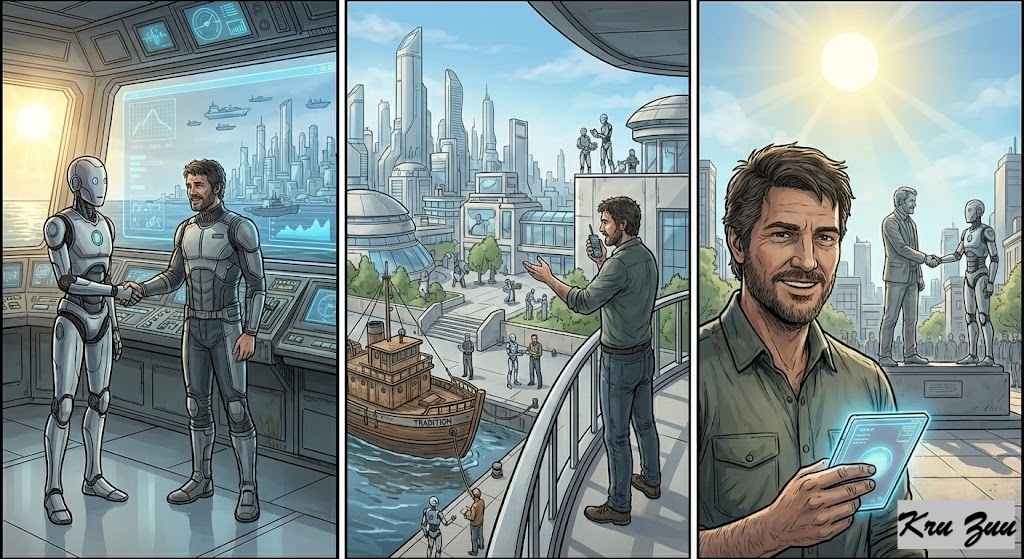
    Survival is not about being the strongest; it is about being the smartest. This proverb isn’t about giving up. It is about Pragmatism. If fighting destroys you, and joining saves you, only a fool chooses destruction.
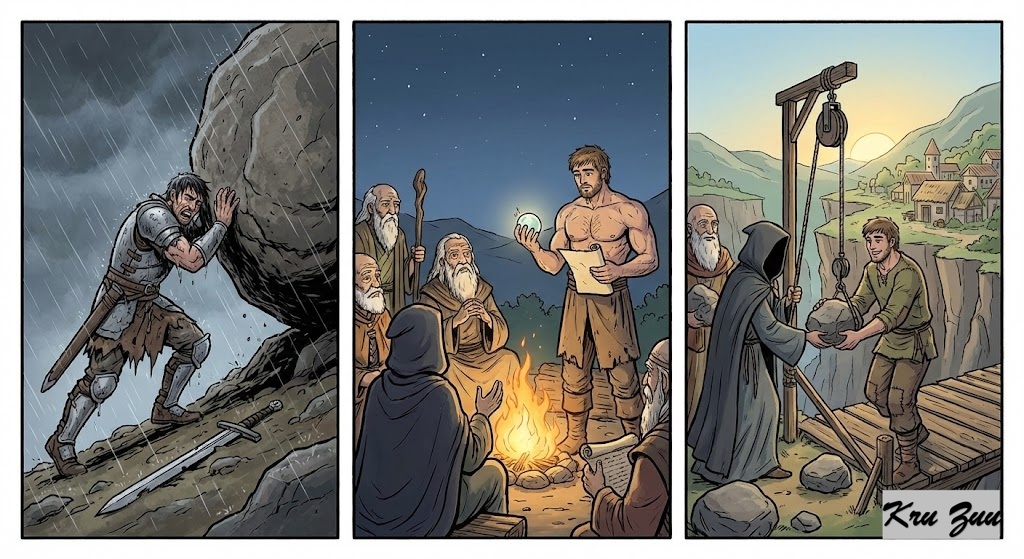

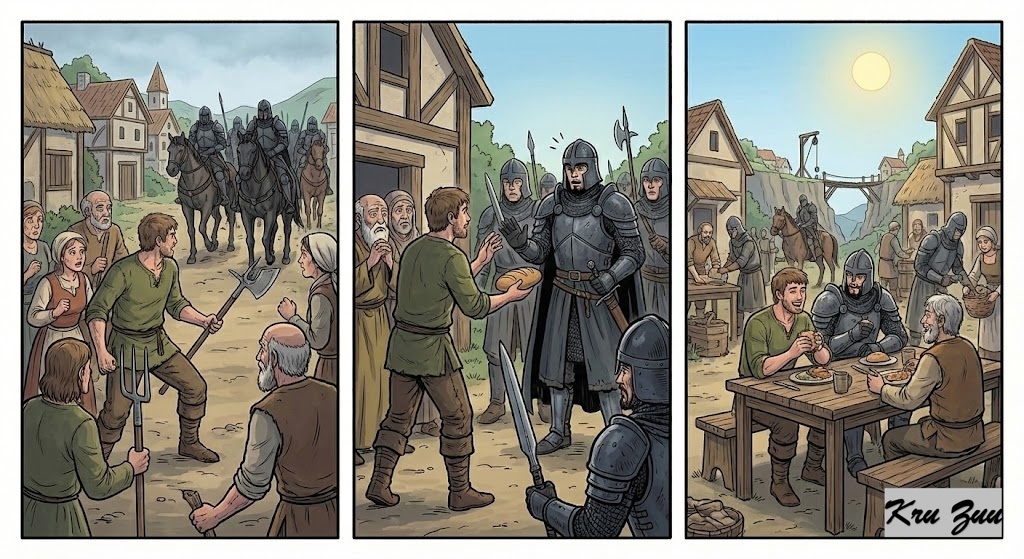
    💎 The Secret: Sometimes, the best way to destroy an enemy is to make them your friend.
    🧐 The Anatomy of the Proverb


    This is the ultimate rule for politics, business, and marriage!


    Beat (Verb): To defeat; to win against someone. 🥊

    Join (Verb): To become part of; to collaborate with. 🤝

    If (Condition): This sets the rule.


    Simpler Version: Don’t fight a force you cannot stop. Work with it.
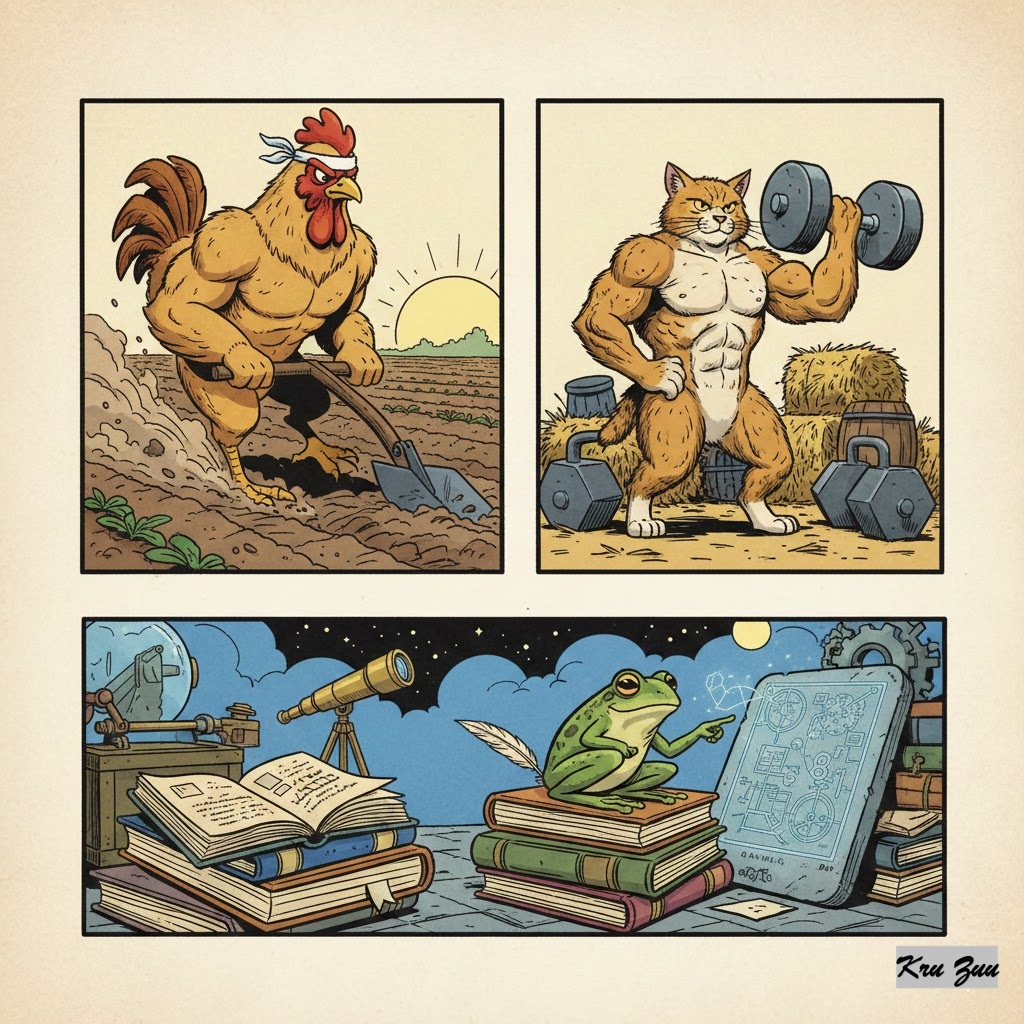
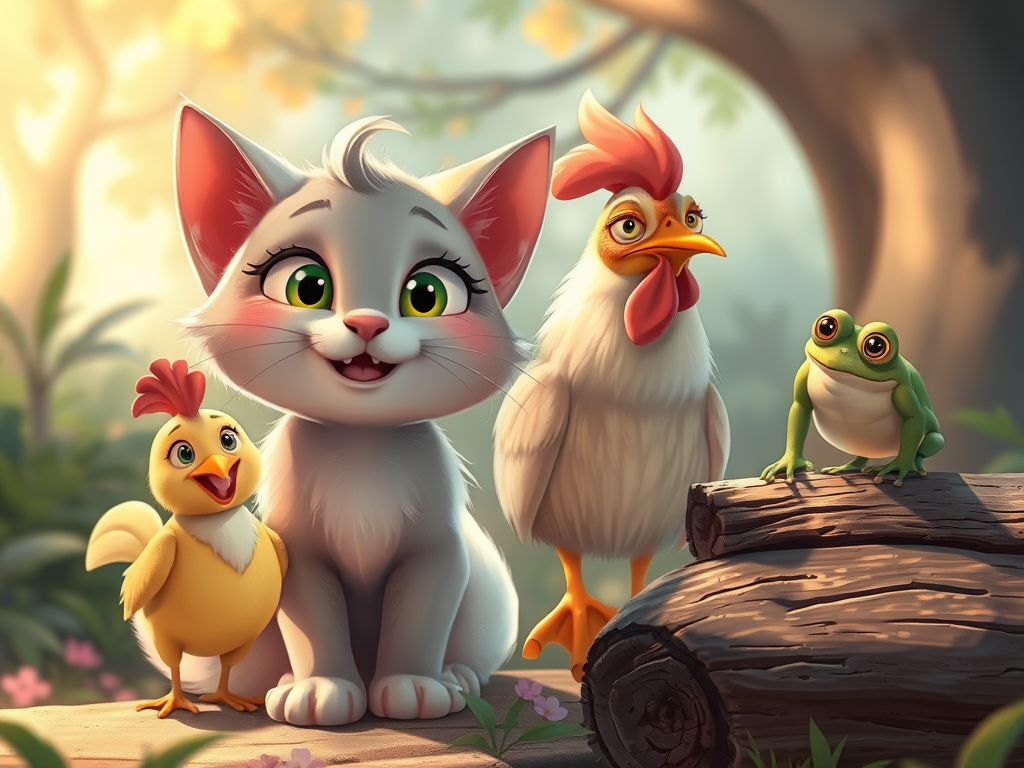
    🎭 Short Story: The Barnyard Battle 🐔🐸🐱


    Let’s go to the chaotic farm to see this law in action.


    The Characters


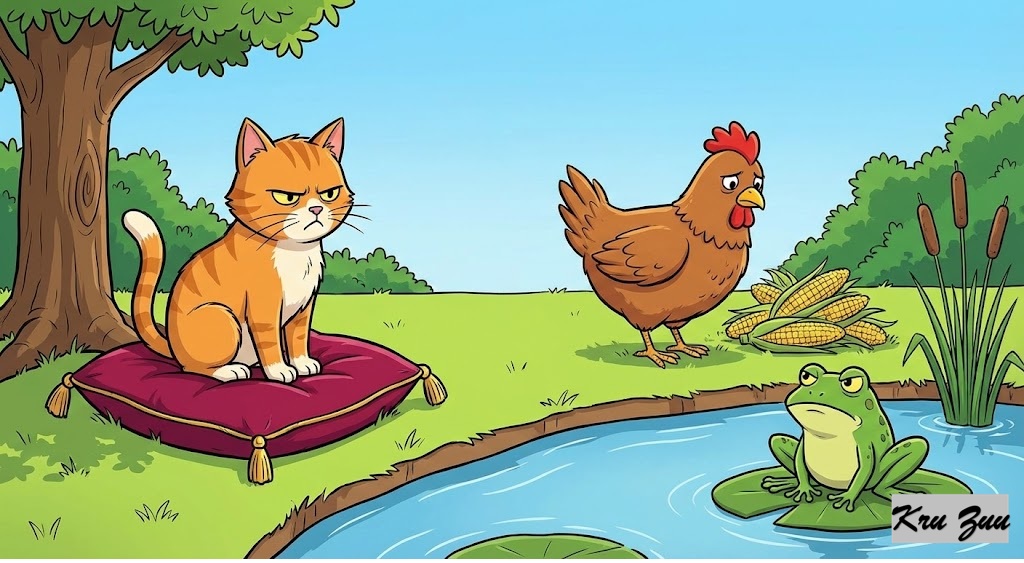
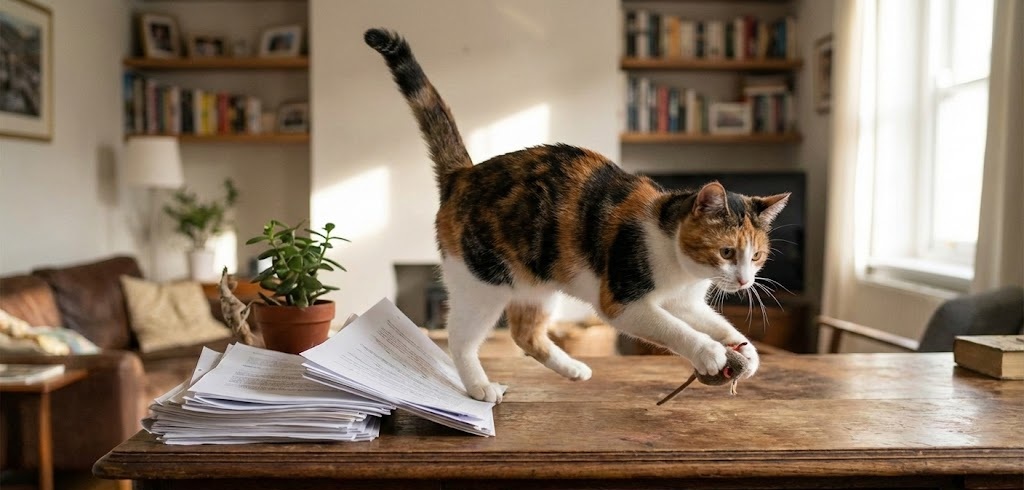
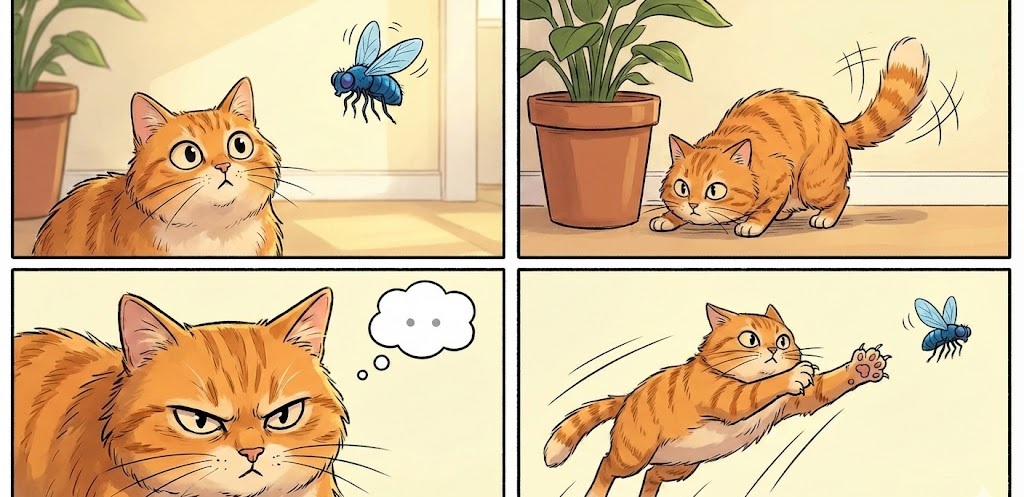
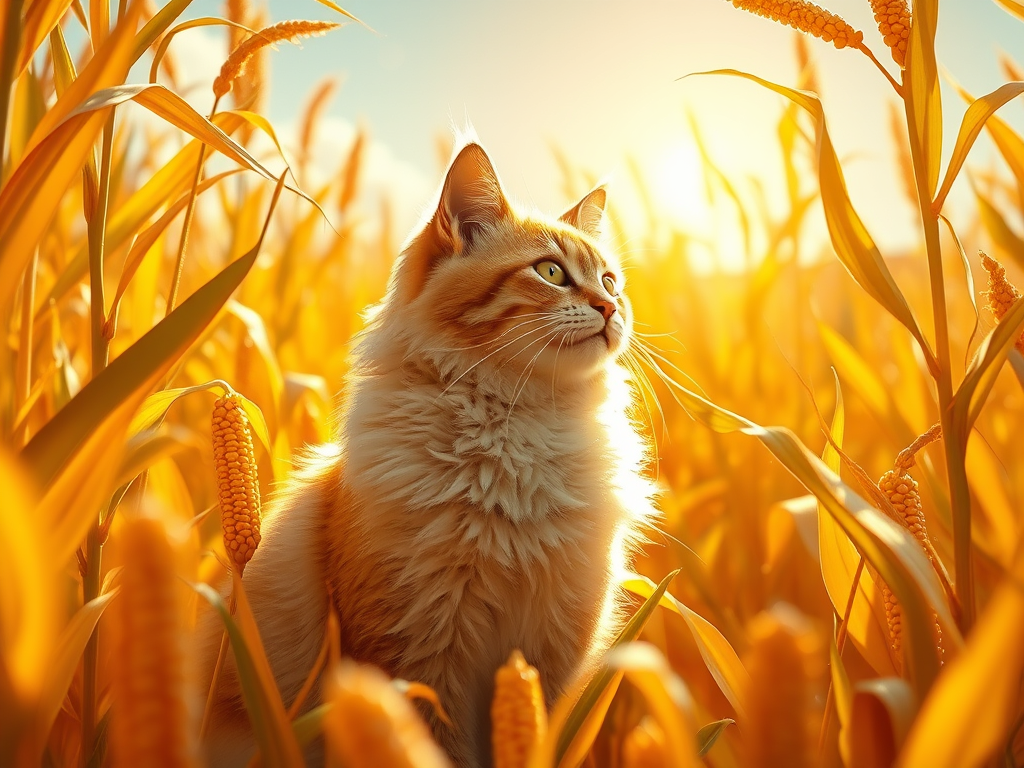
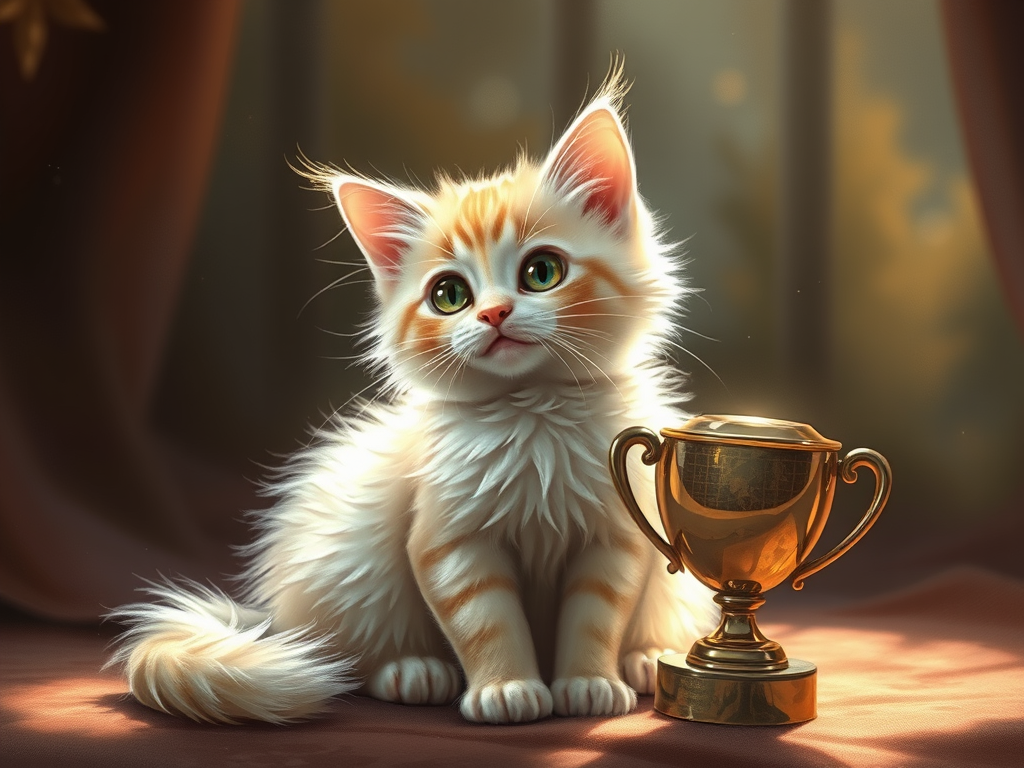
    Leo the Cat (The Boss):
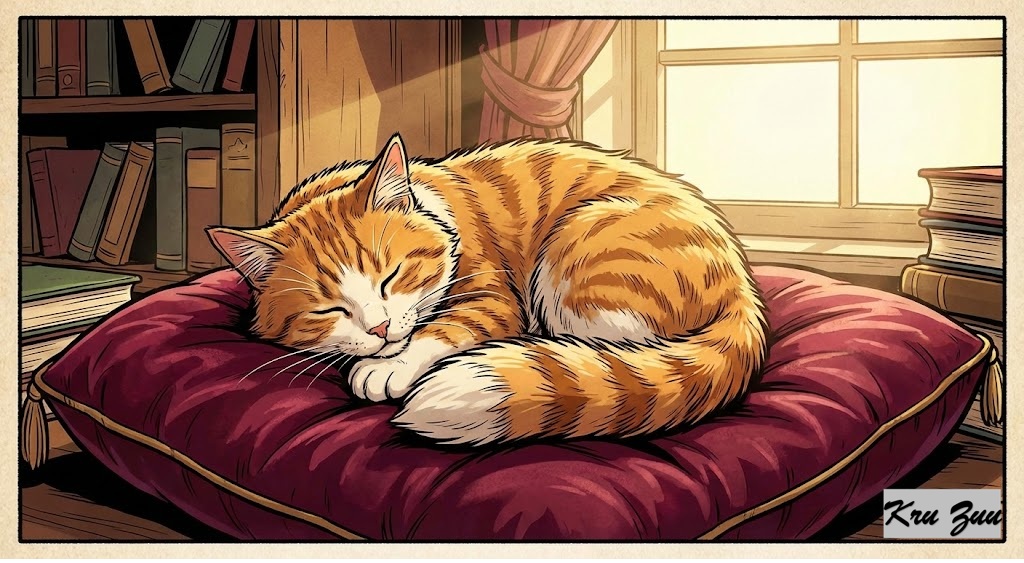
    Huge, fluffy, and controls the warm fireplace inside the house. 😼


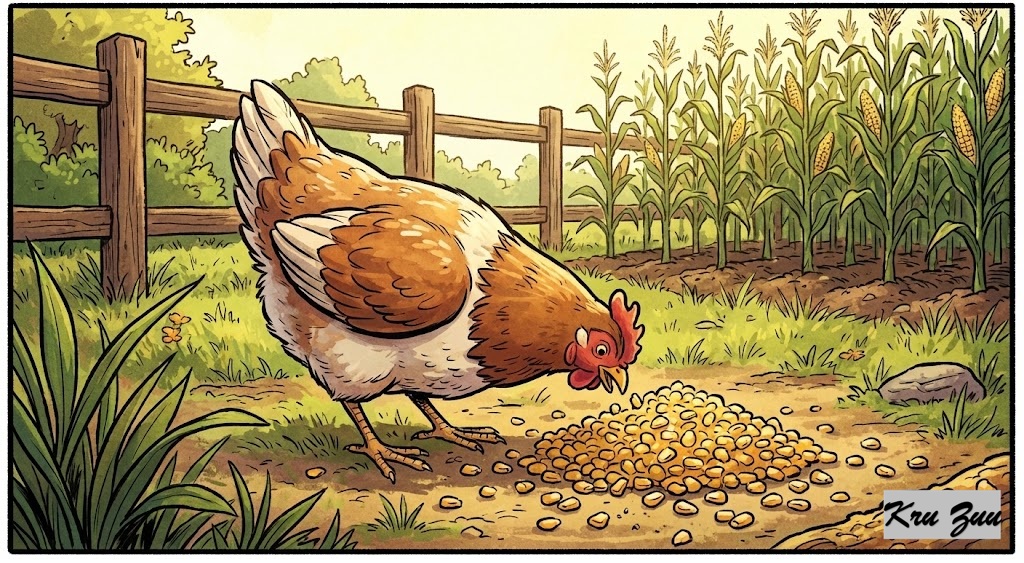
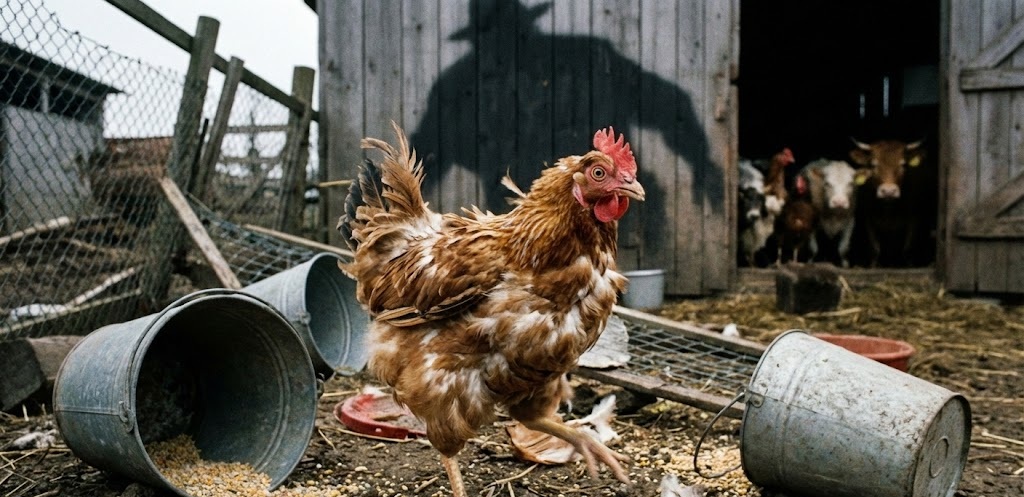
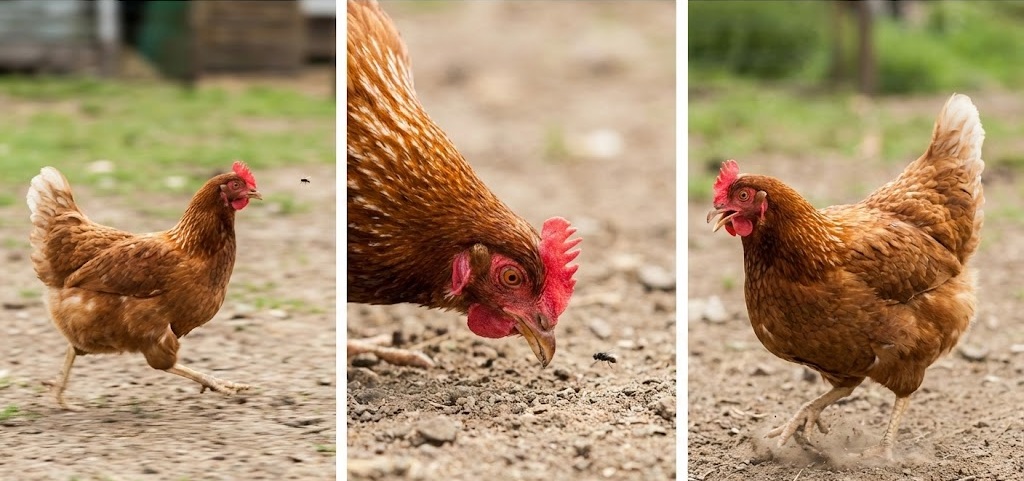
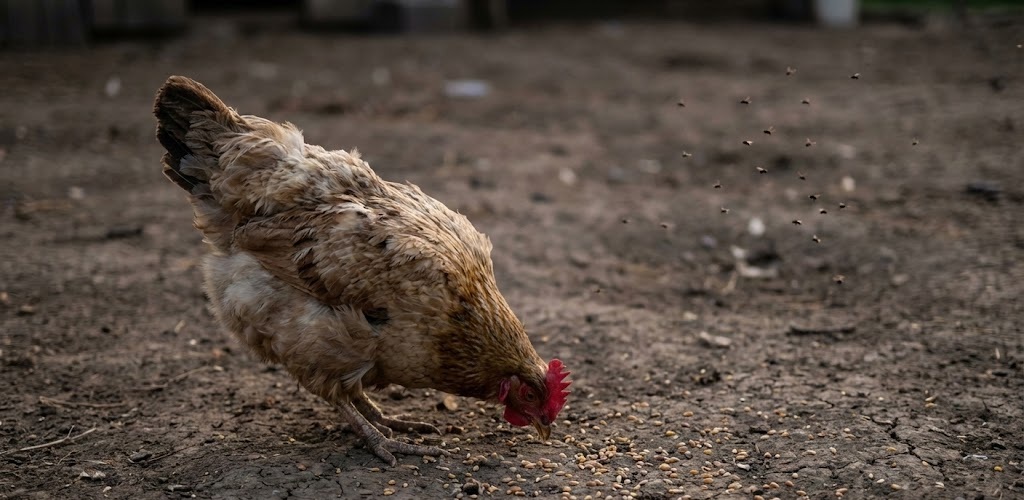
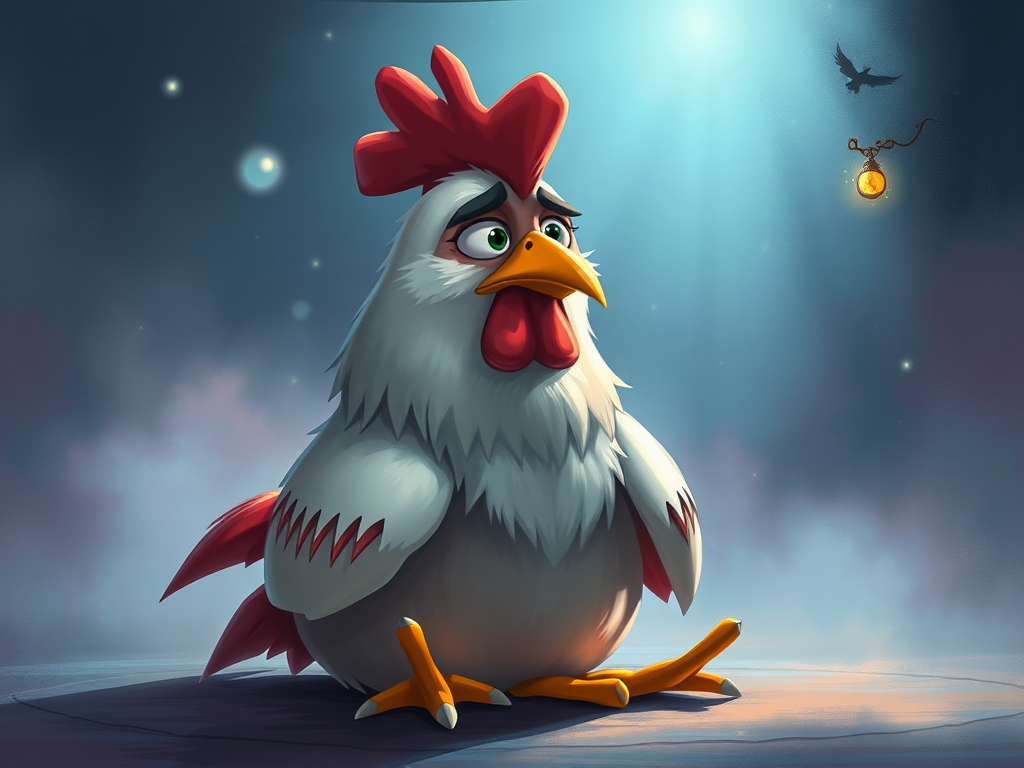
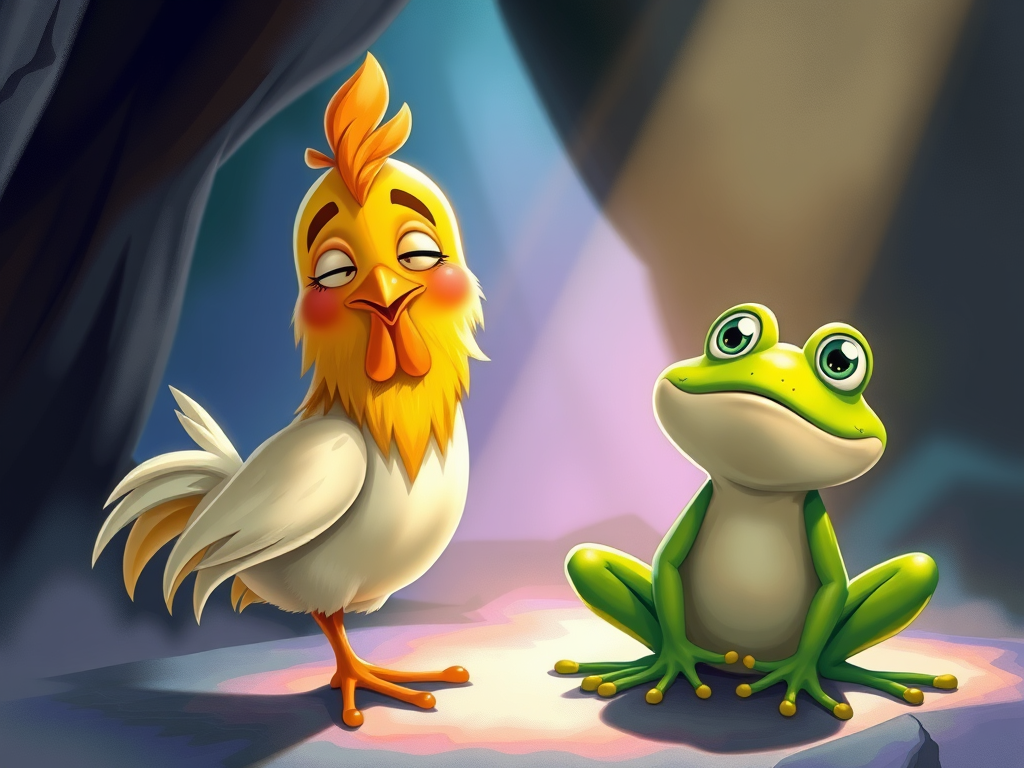
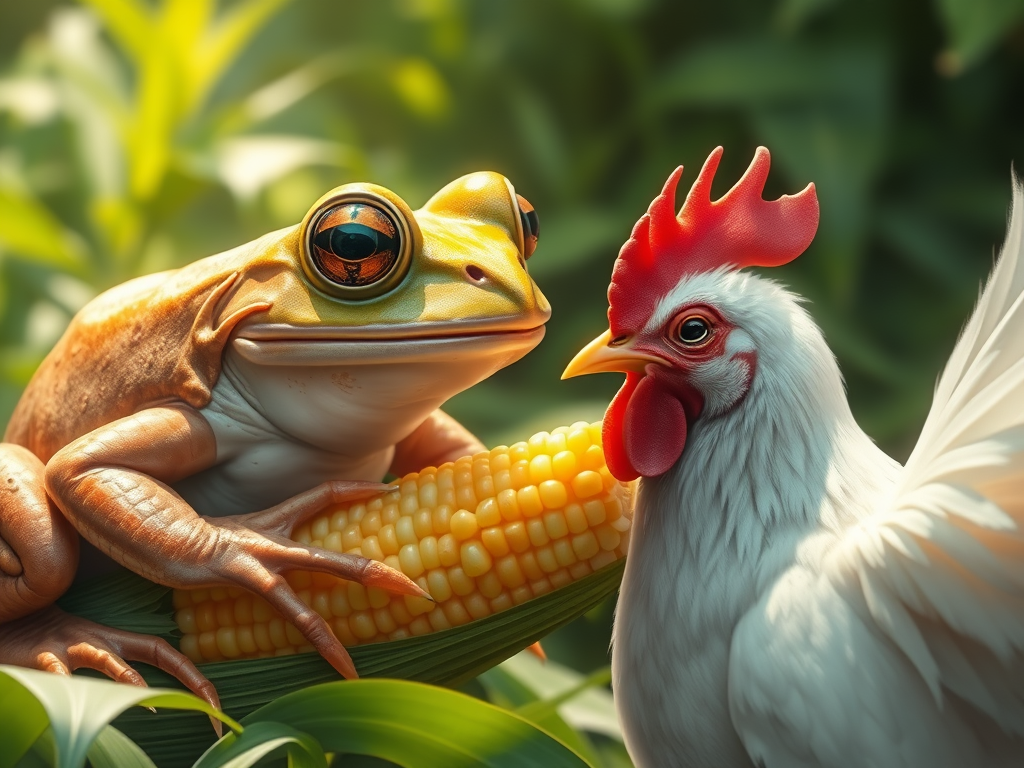
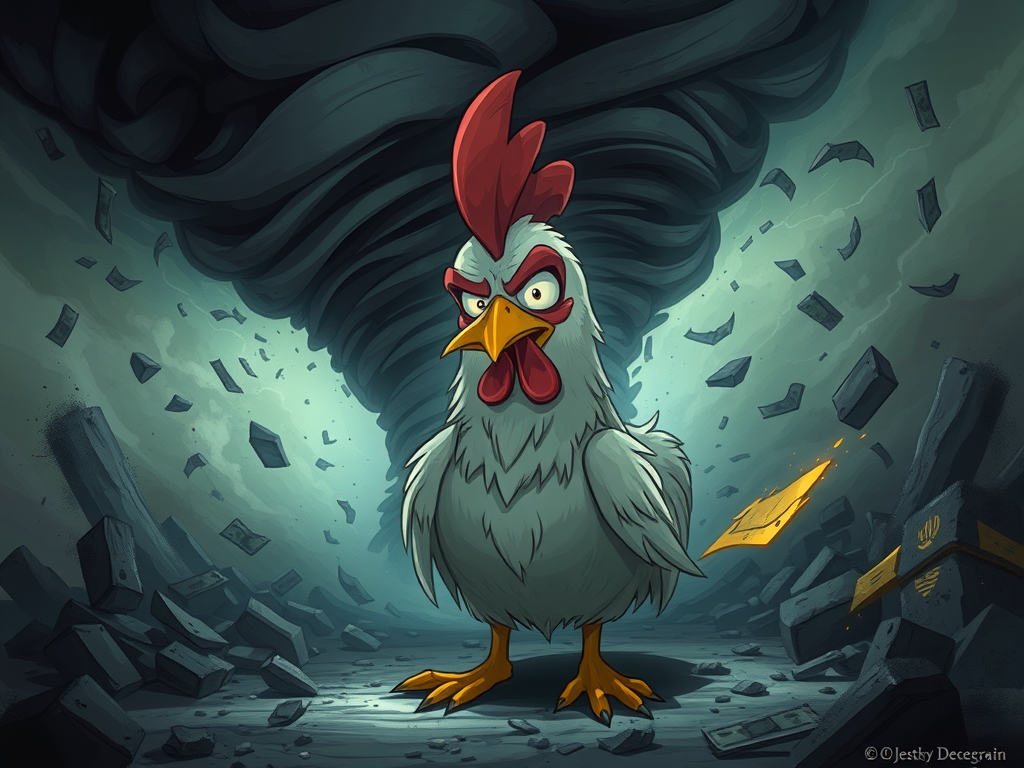
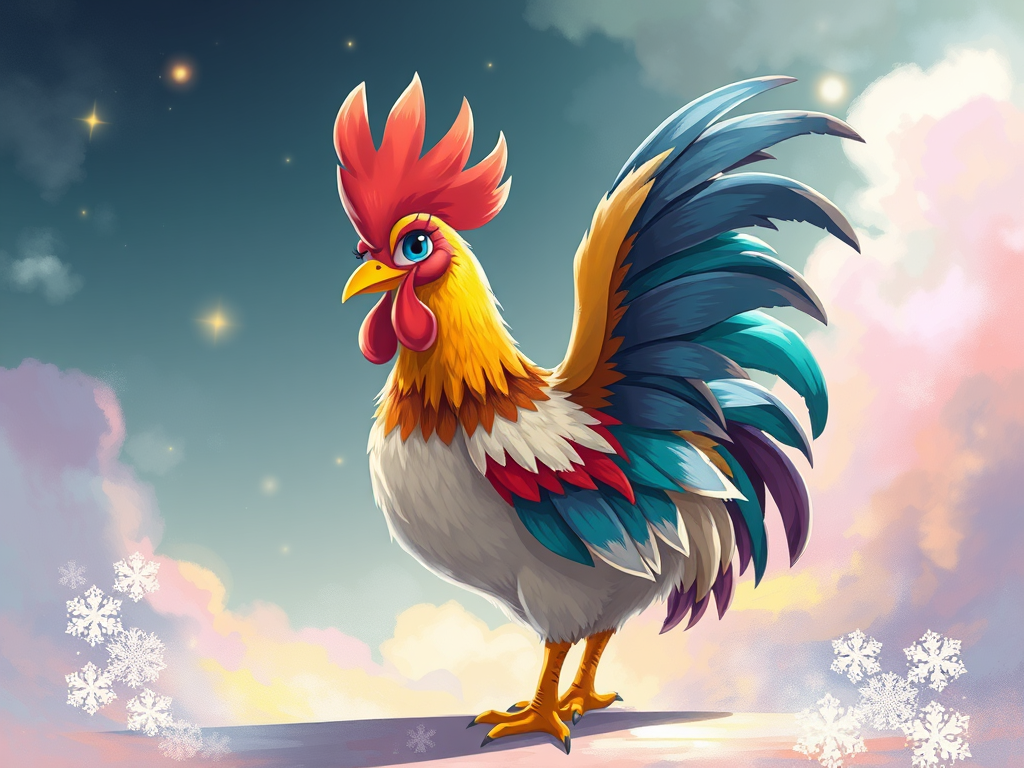
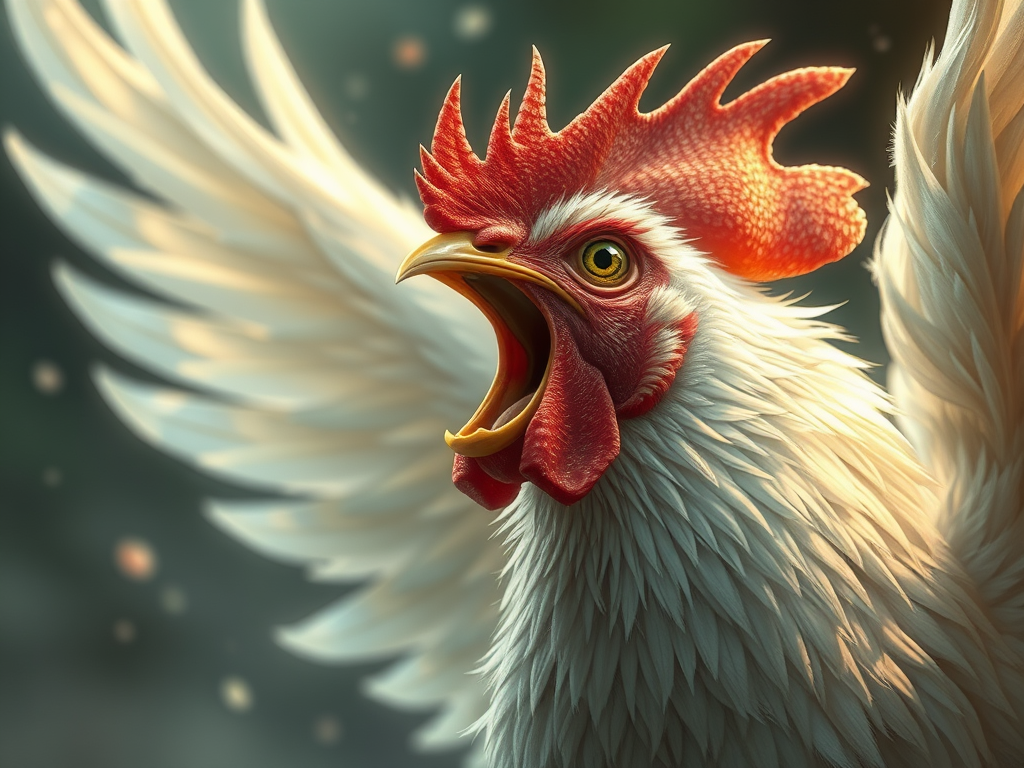
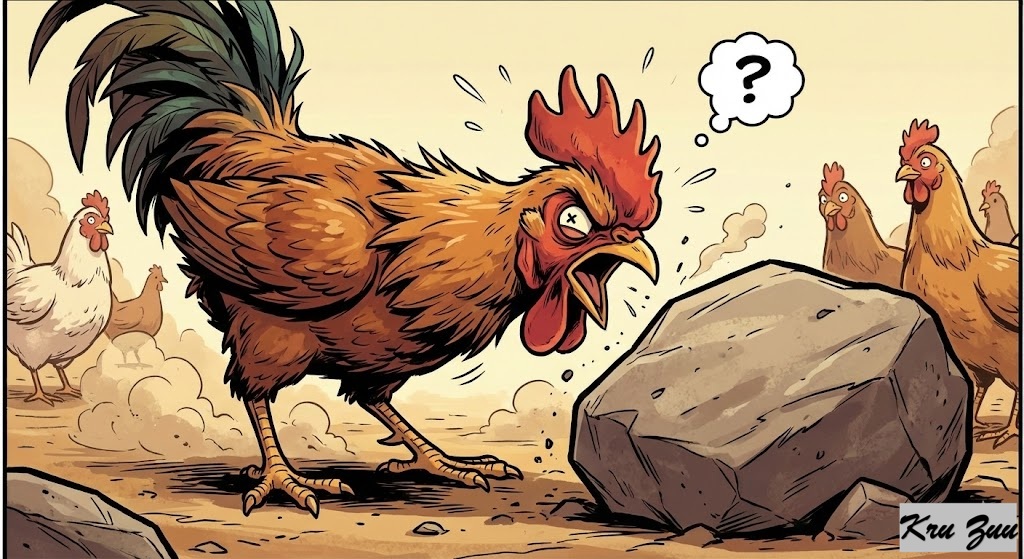
    Cluck the Chicken (The Stubborn Fighter): Loud, aggressive, but not very smart. 🐔

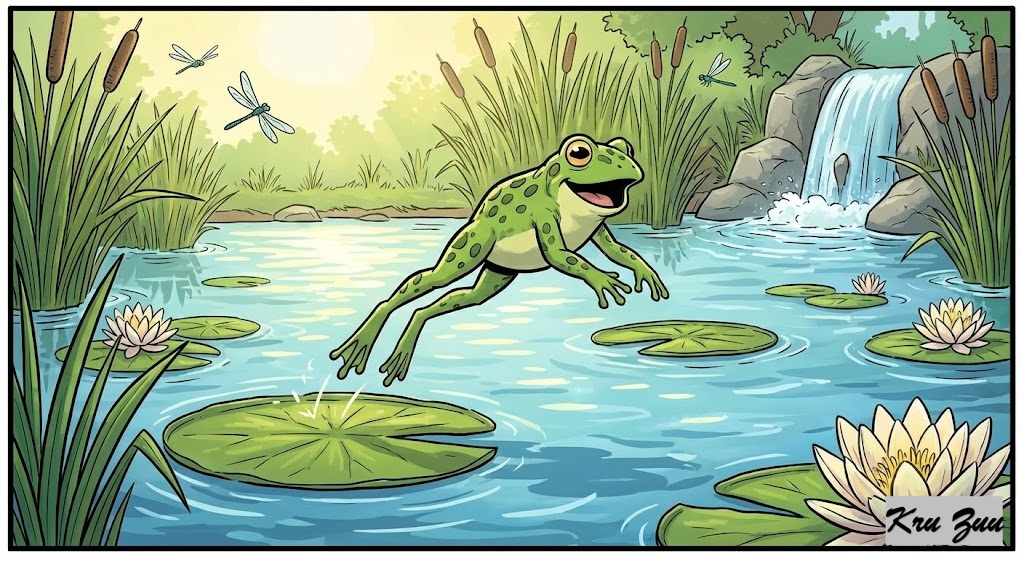
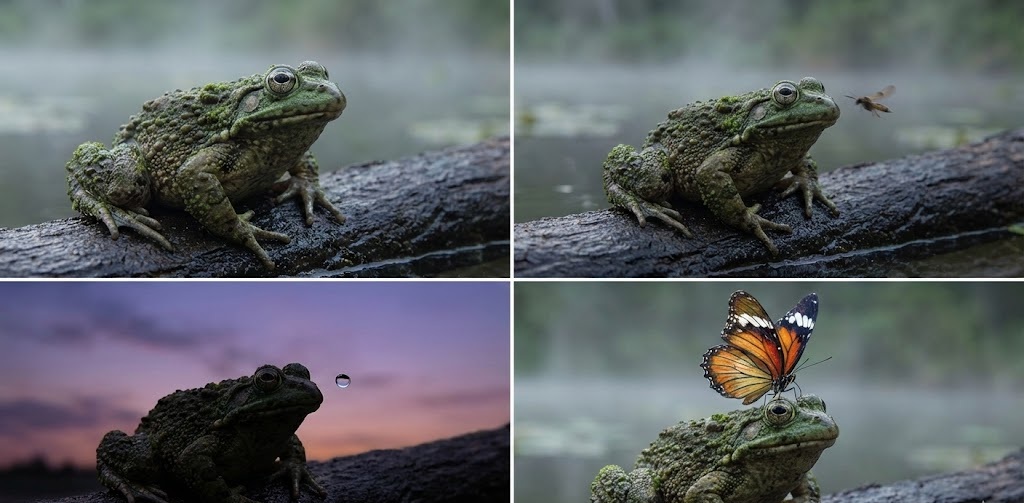
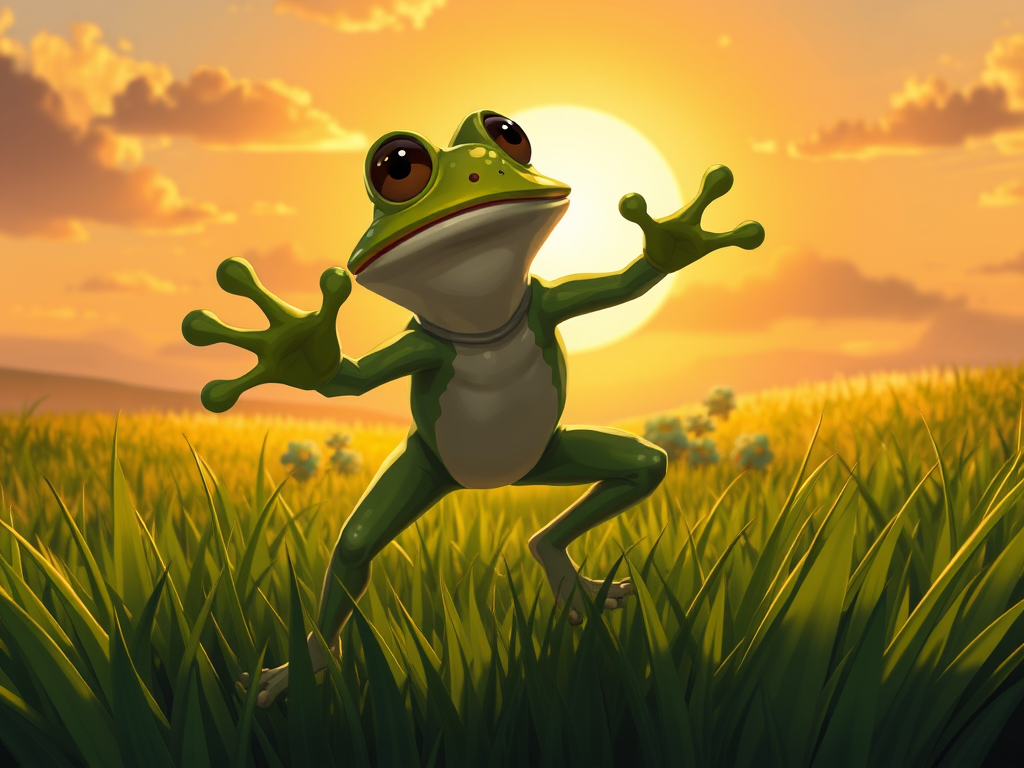
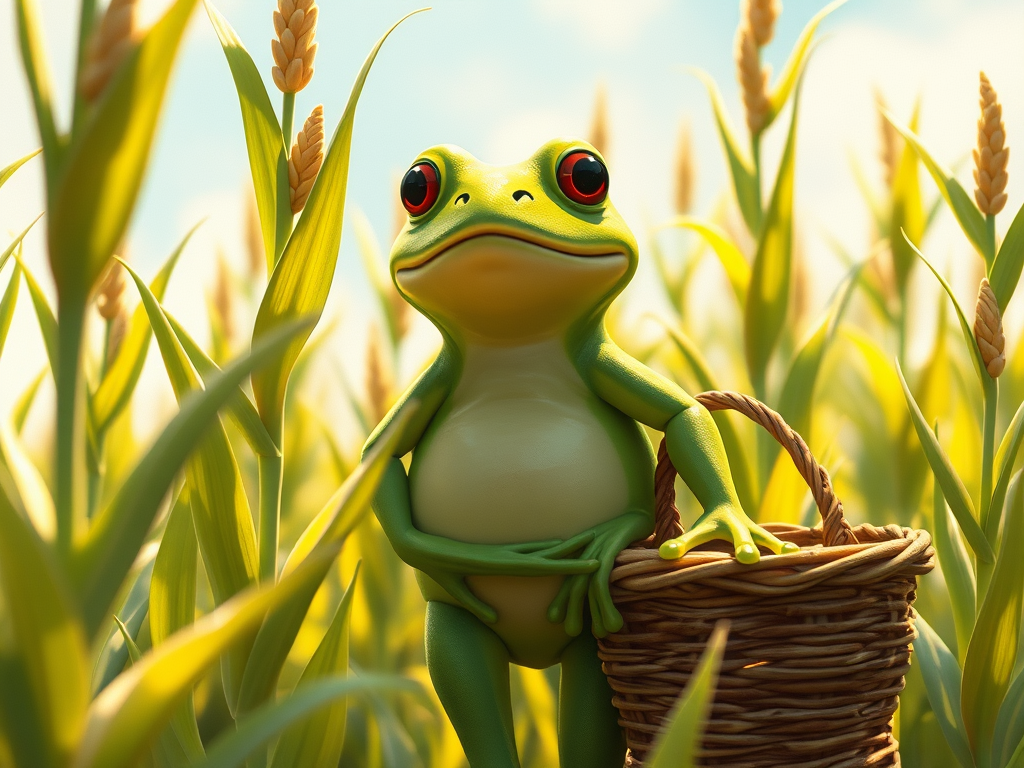
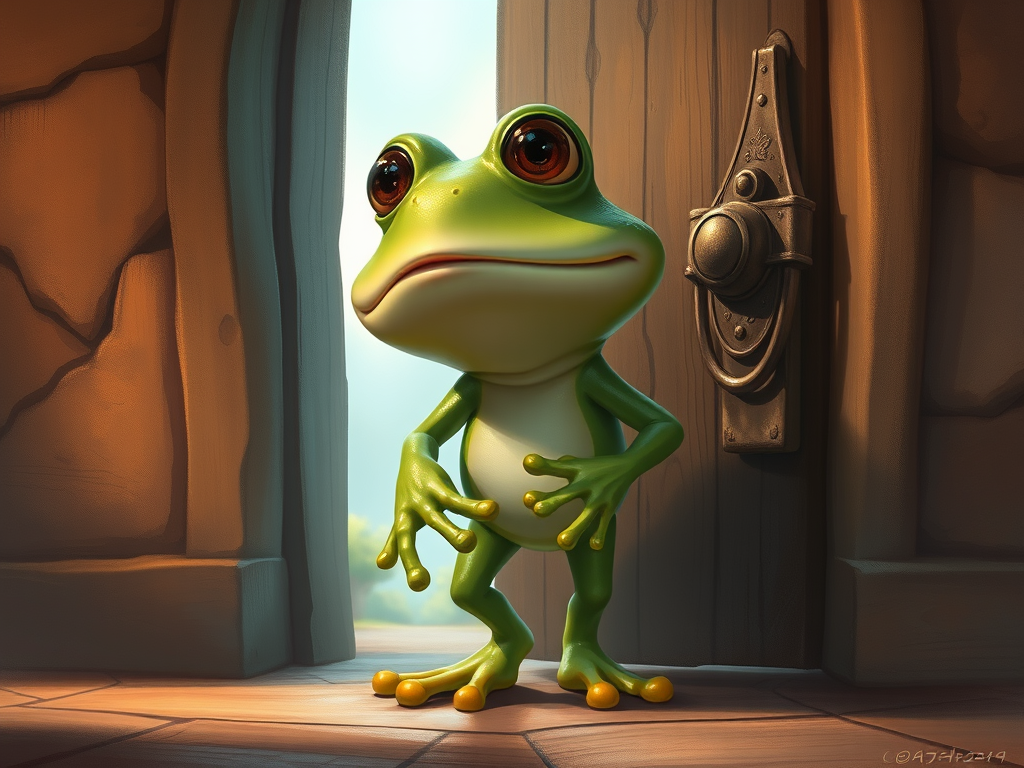
    Greenie the Frog (The Observer): Small, quiet, but very clever. 🐸
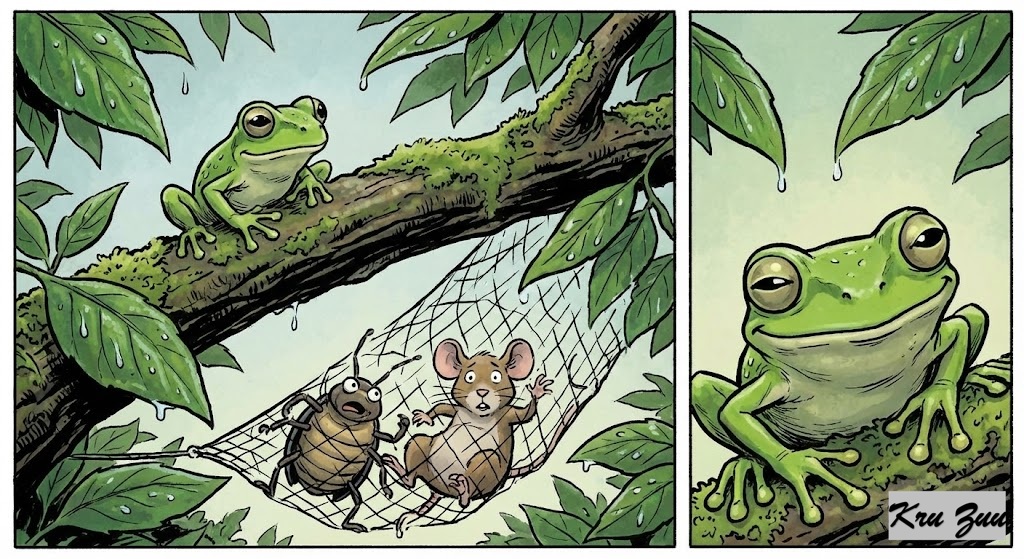

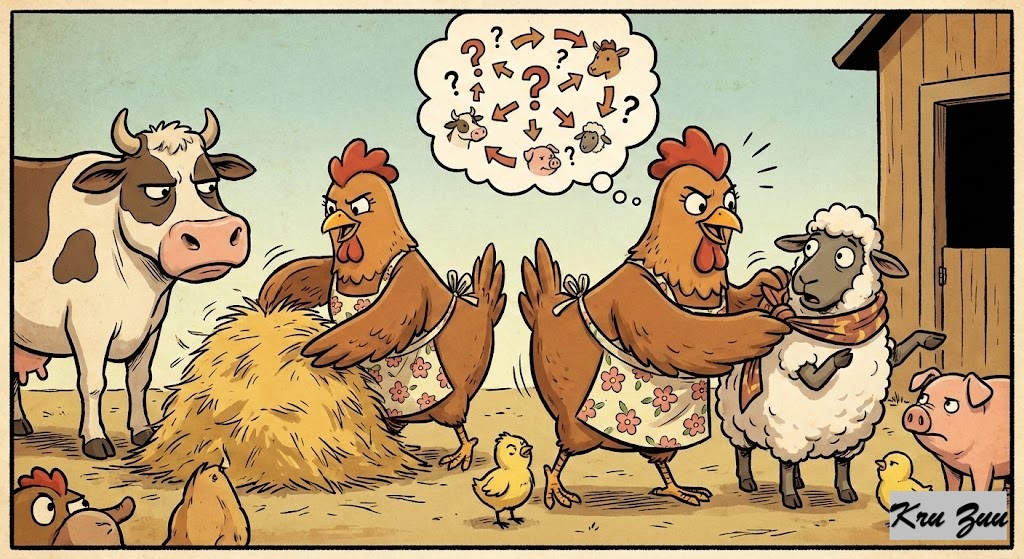
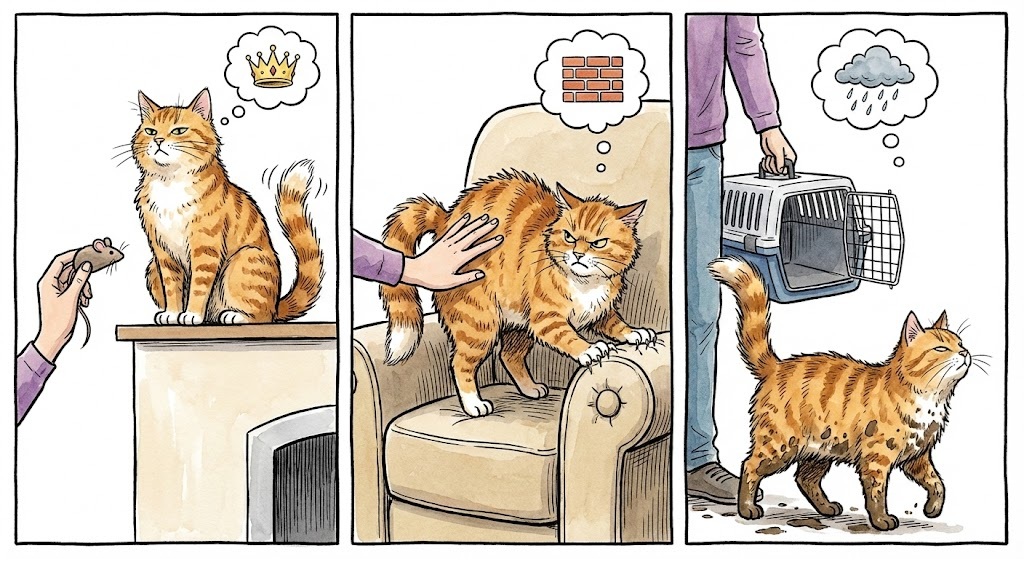
    The Situation: It is a freezing cold winter night. Everyone wants to be inside by the warm fire. But Leo the Cat guards the door. He does not like guests.


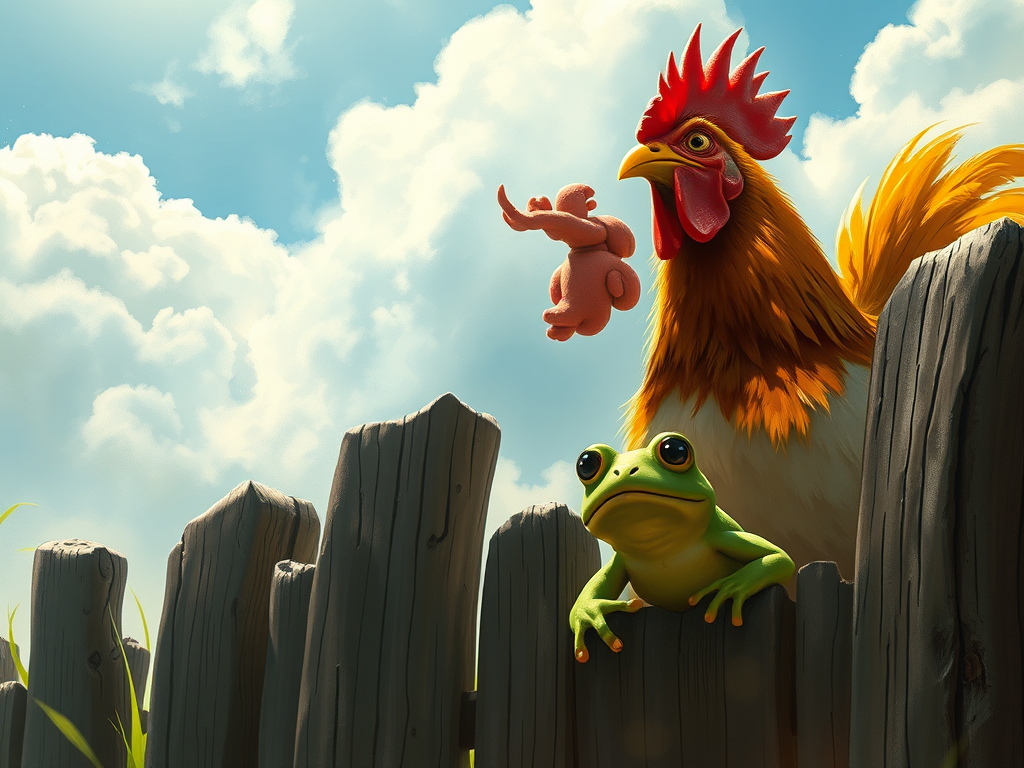
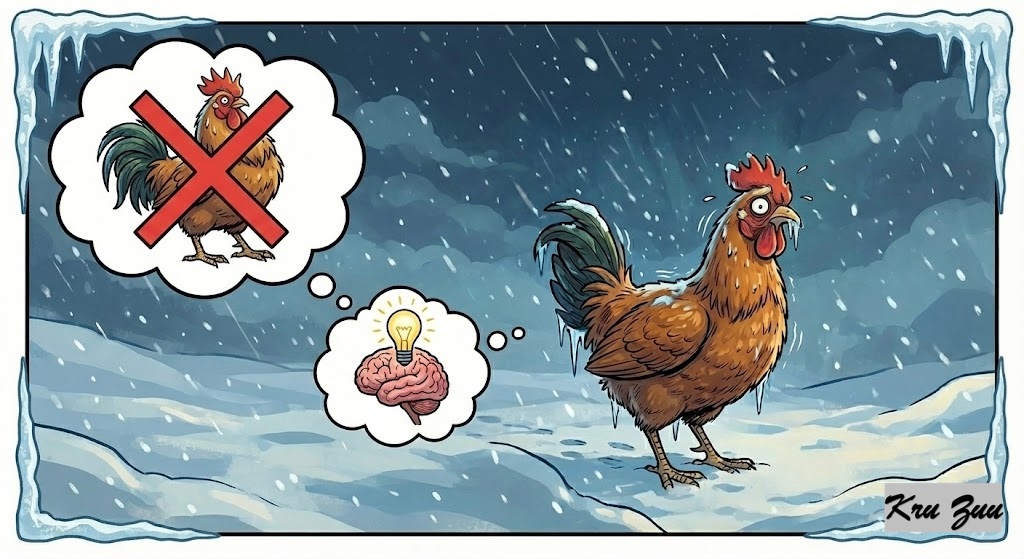
    Scene 1: The Chicken Attacks (Trying to Beat Them) Cluck freezes outside. She gets angry. She puffs up her feathers and charges at the door! “I have a beak! I am strong!” she screams. She pecks Leo’s tail.
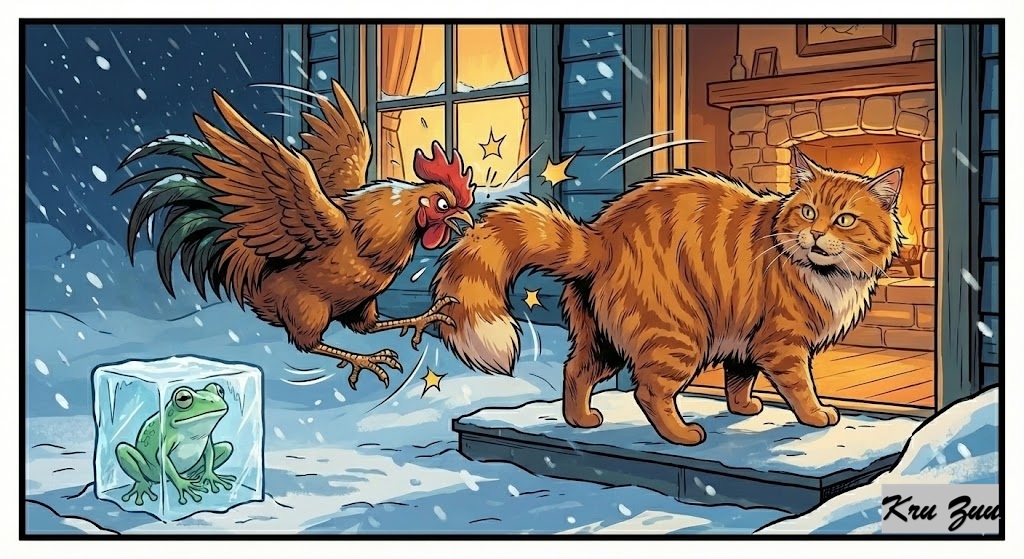
    The Result: Bad idea. Leo swipes his paw. BAM! Cluck flies into a pile of snow. She is cold, defeated, and missing a few feathers. She tried to beat a giant, and she lost.
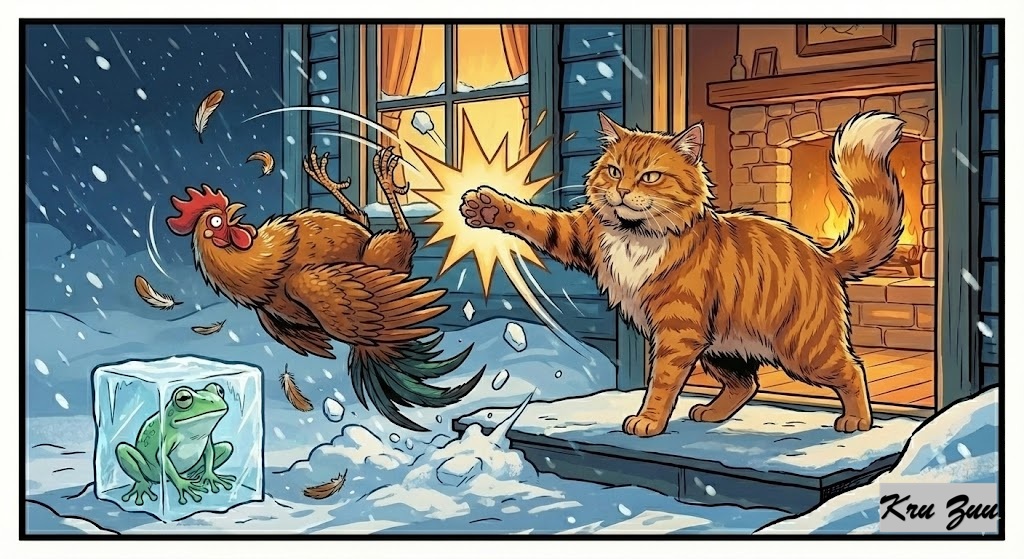

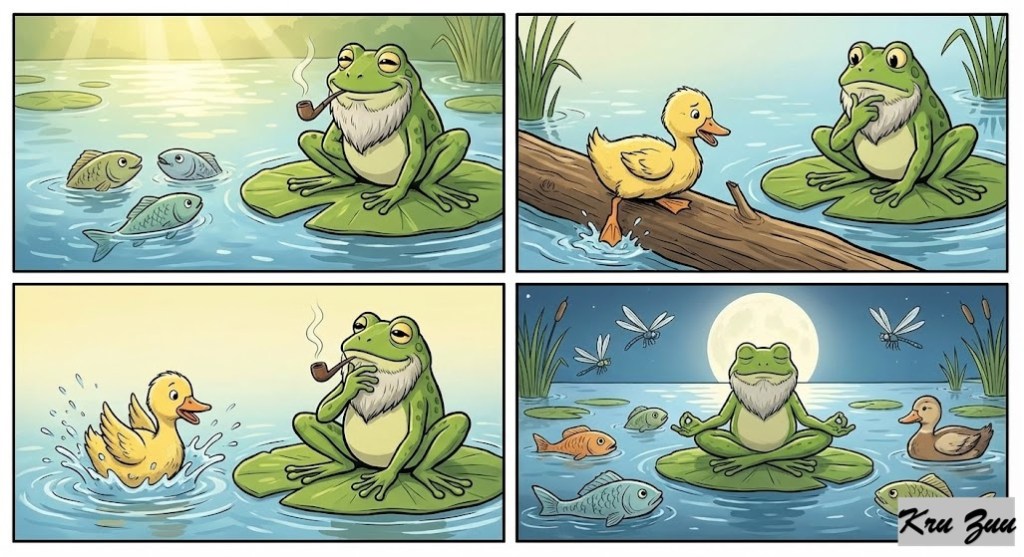
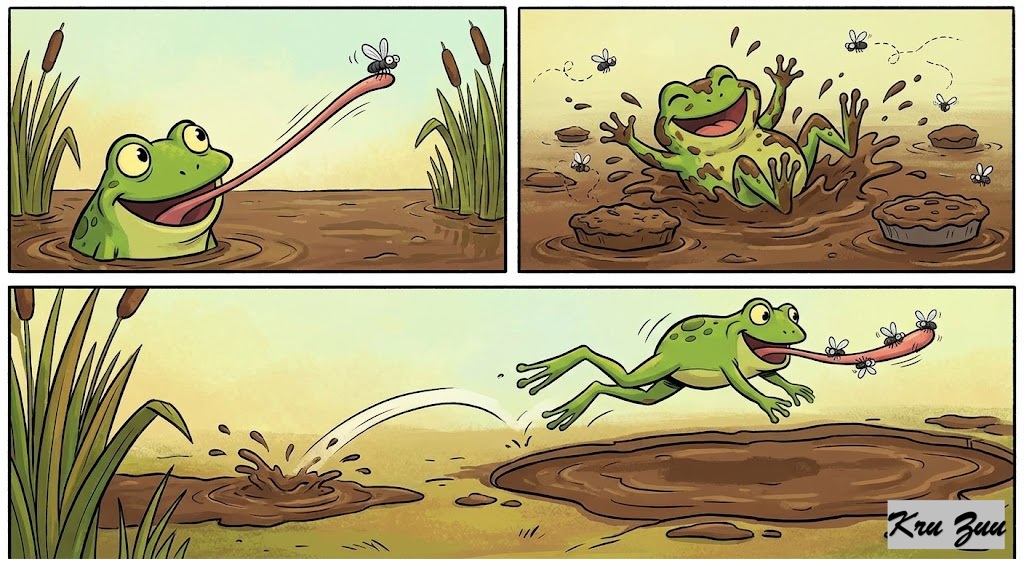
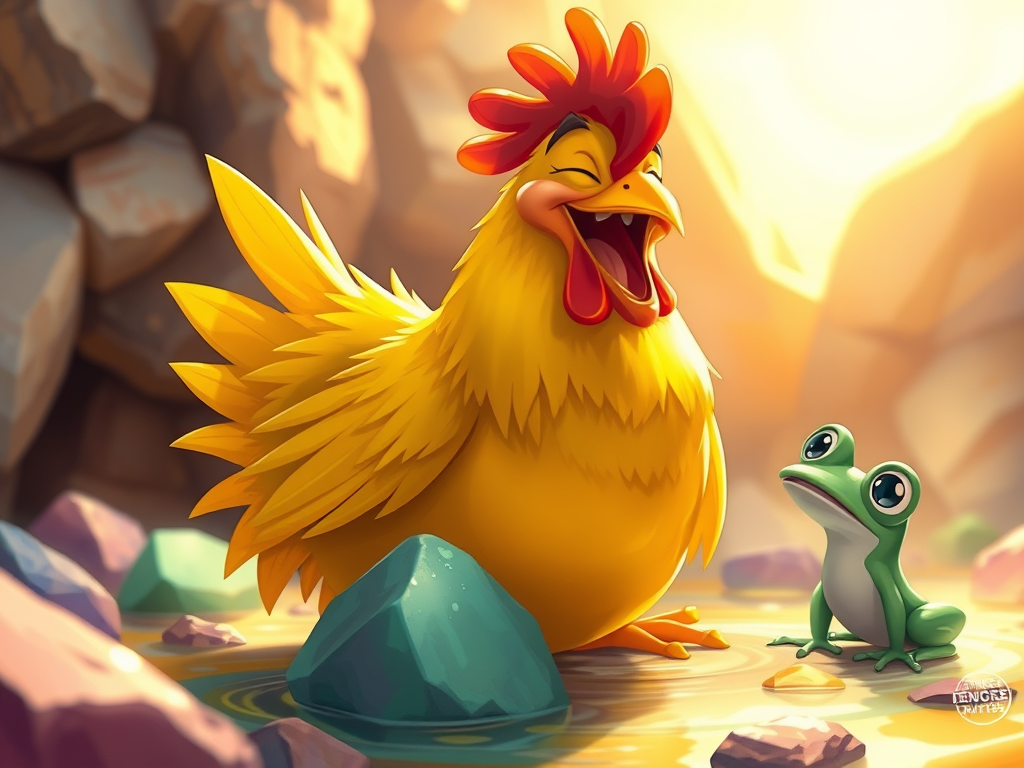
    Scene 2: The Frog Adapts (Joining Them) Greenie sees Cluck shivering in the snow. He looks at Leo the Cat. He knows he cannot fight a cat. One bite, and he is a snack. Greenie notices something: Leo is annoyed by a buzzing fly near his ear. Leo is too lazy to catch it.
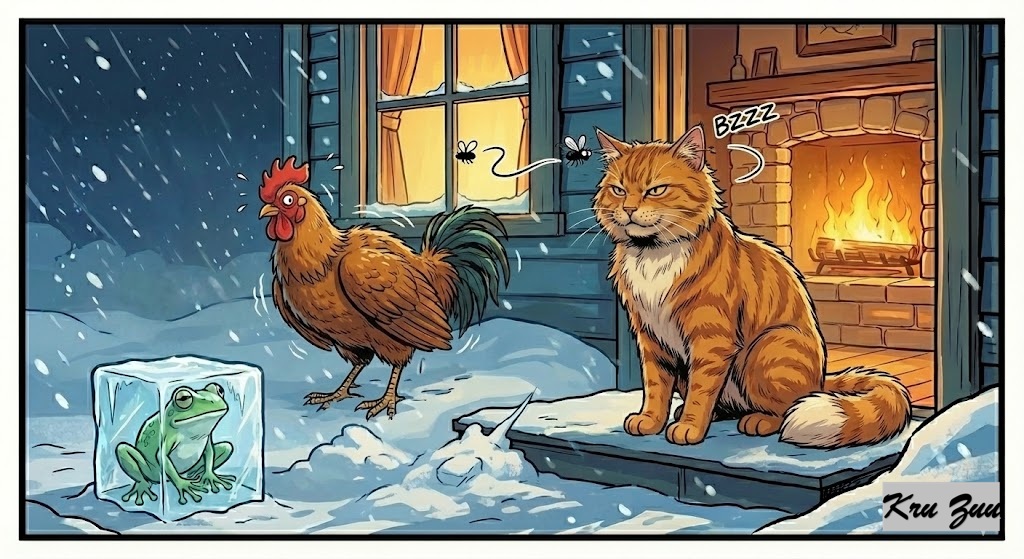
    The Strategy: Greenie hops silently to the door. He doesn’t attack. instead, ZAP! He catches the fly with his tongue. Leo looks down. He is surprised. He purrs. He realizes this little green guy is useful. He nudges the door open for Greenie.

    The Ending: Greenie sleeps warmly next to the fire, protected by the Cat. Cluck is still freezing outside.


    The Moral: Cluck let her ego drive. Greenie used his brain. Don’t be a frozen chicken. ❄️
    📚 Vocabulary Vault


    Ally (Noun):
    A person or group that helps you. (Opposite of Enemy).


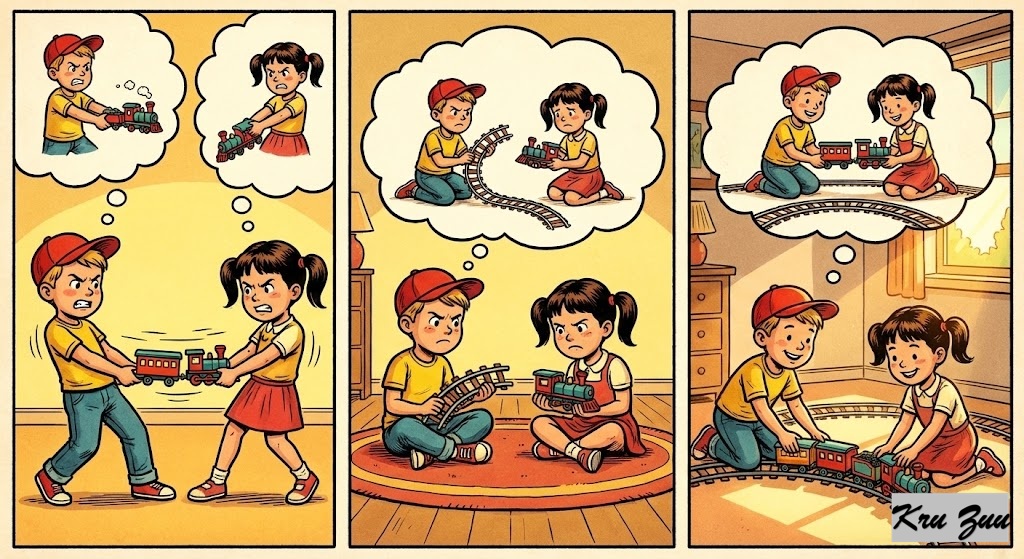
    Stubborn (Adjective): Refusing to change your ideas or stop doing something. 🐂


    Compromise (Verb/Noun): An agreement where both sides give up a little bit to agree.

    Adapt (Verb): To change your behavior to survive in a new situation.


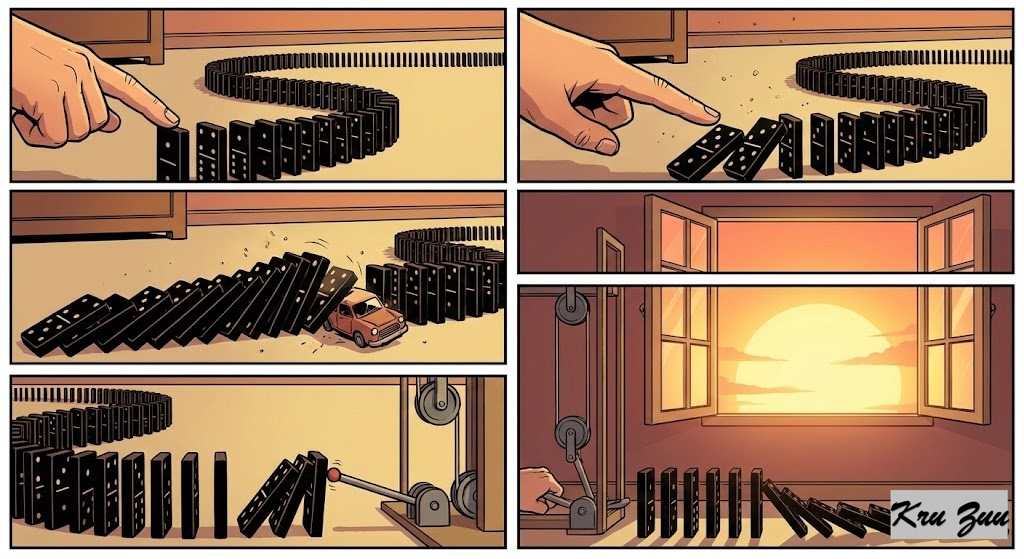
    Inevitability (Noun): Something that is certain to happen; you cannot avoid it.

    🧠 Grammar Focus: The First Conditional


    This proverb uses a classic Conditional structure. It talks about a real possibility.


    Formula: If + [Present Simple], + [Imperative / Will].


    Example: “If you can’t beat them, join them.” (Imperative/Command)


    Example: “If it rains, I will stay home.”


    Language Tip: In English, we often use this structure for advice.


    “If you want to learn English, practice every day.”

    📜 History & Global Cousins


    This idea is universal. Wise people all over the world figured this out centuries ago.


    🇺🇸 The Origin: While the concept is ancient, this specific English phrase became popular in US politics in the 1930s. Politics is the art of compromise!
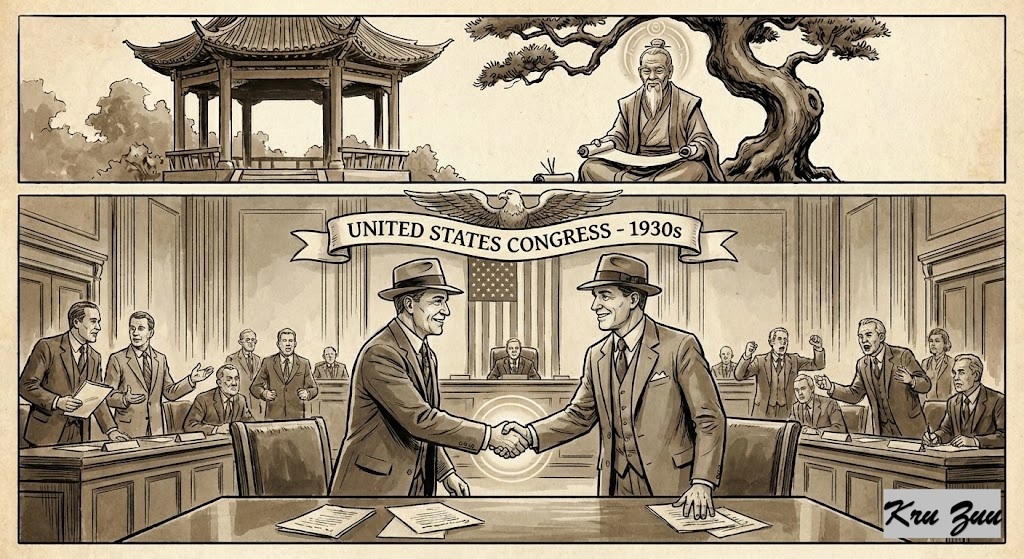

    🇹🇷 Turkish Cousin: You know this one very well! “Bükemediğin eli öpeceksin.” (You must kiss the hand you cannot bend).


    The logic is identical: Show respect to a superior force to survive.

    🎓 Lesson for English Learners


    Stop fighting the language.


    Situation: You complain, “Why is English spelling so weird? Why are there so many irregular verbs? It makes no sense!”


    The Problem: You are fighting the language (Like Cluck the Chicken). You cannot change English rules.


    The Solution: Join them! Accept the craziness. Laugh at it. Don’t say “This is wrong.” Say “Okay, this is how they do it. I will do it too.”
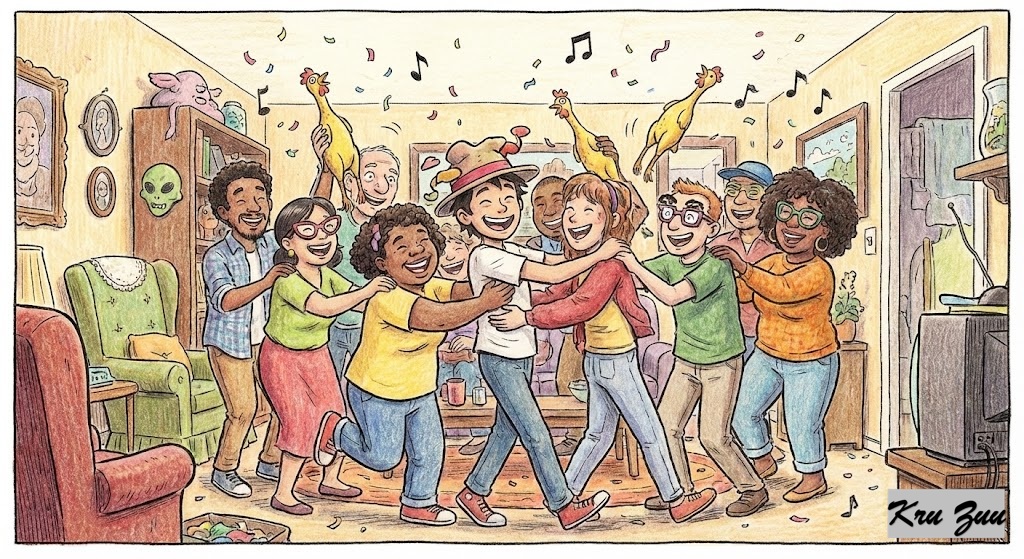

    💬 Your Turn: The “Ego Check” Challenge 🚀


    Is there a change in your life you are resisting?
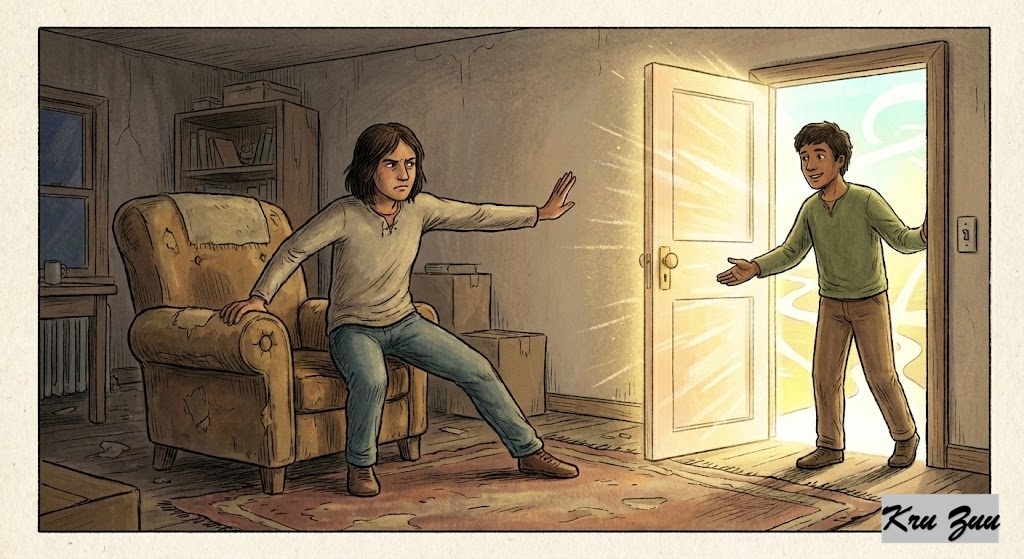

    Is your company forcing you to use new software?


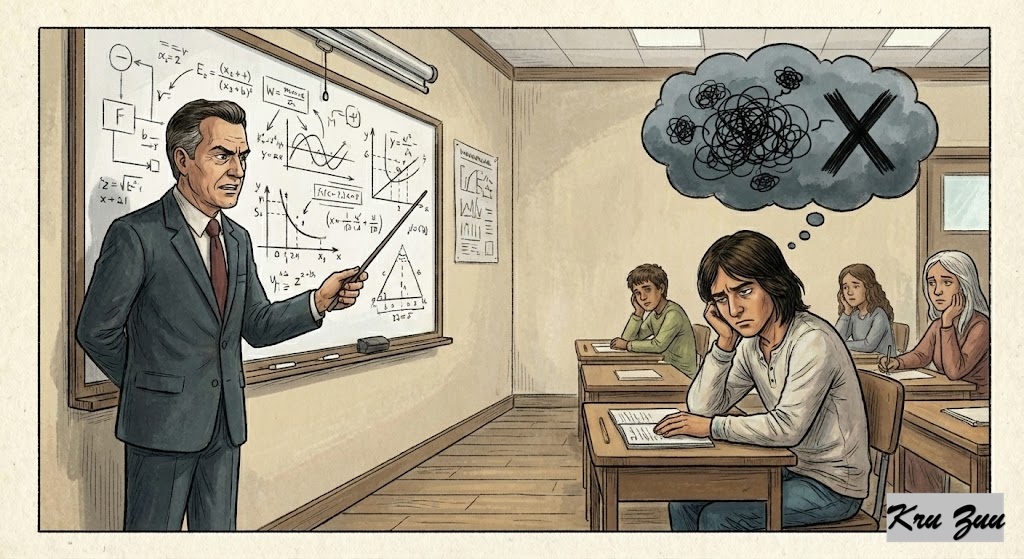
    Is your new teacher using a method you hate?

    Are your friends obsessed with a hobby you think is silly?
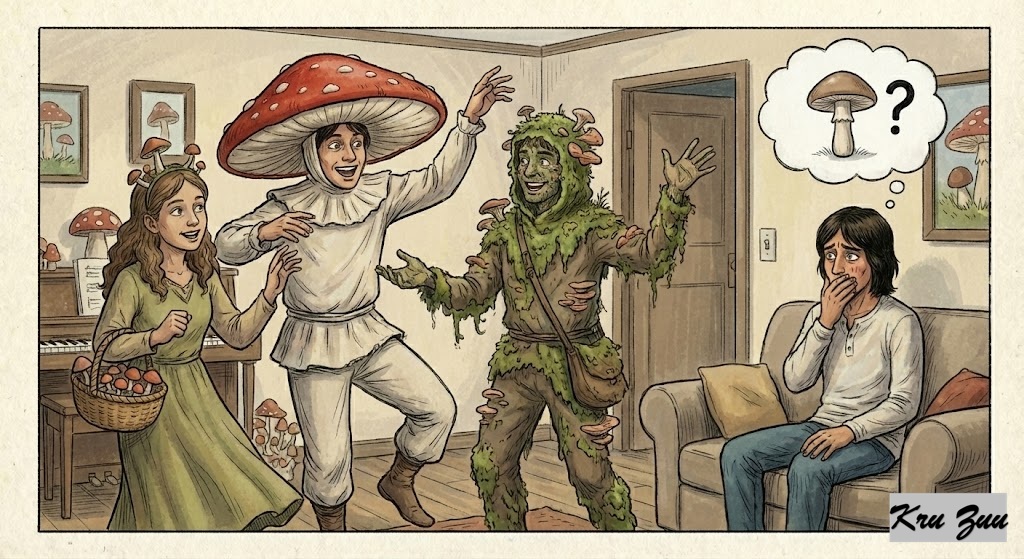

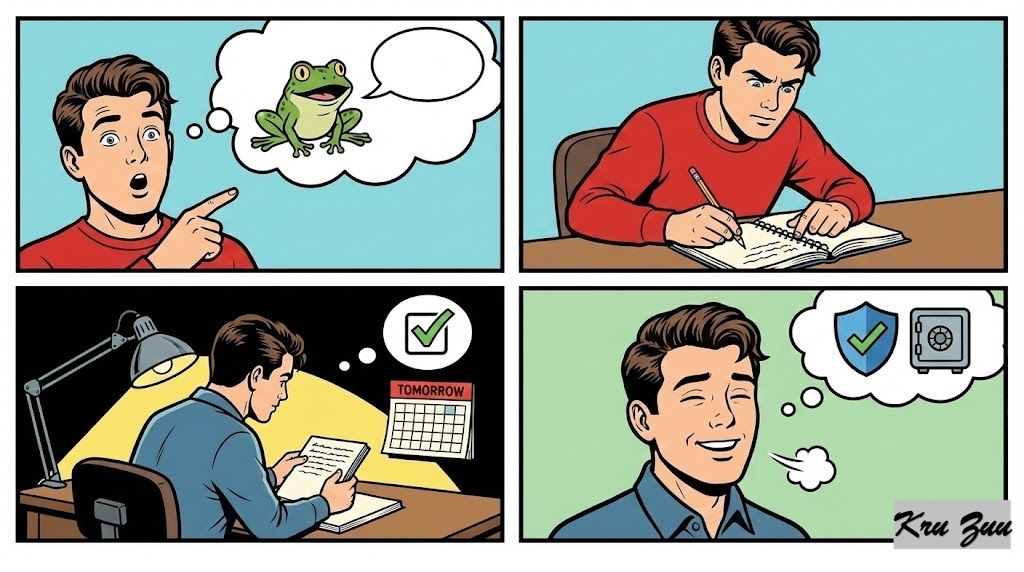
    Challenge: This week, stop fighting. Try to find one benefit in that thing. Try to “Join them” for just 24 hours.


    👇 Tell me in the comments: When was the last time you had to “Kiss the hand you couldn’t bend”? Did it work out for you?


    By Zubeyir YURTKURAN

    https://www.facebook.com/BrainBattleground/

    https://www.facebook.com/zubeyr.yurtkuran/

    https://www.instagram.com/zubeyryurtkuran/

    https://www.youtube.com/@BrainBattleground-b3p

    https://www.instagram.com/brainbattleground/

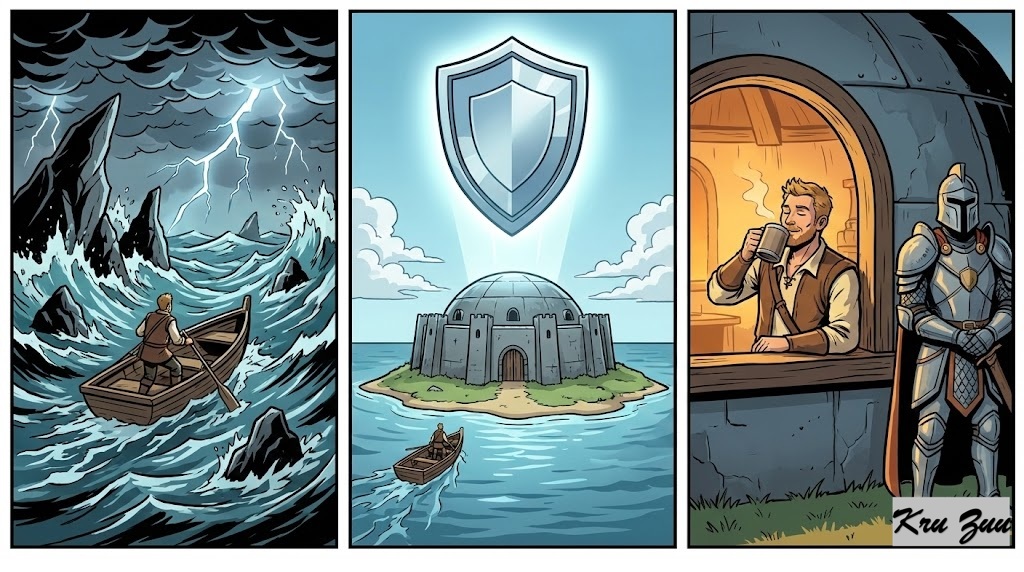
  • 🛡️ The Daily Shield: The Law of Precaution

    🛡️ The Daily Shield: The Law of Precaution

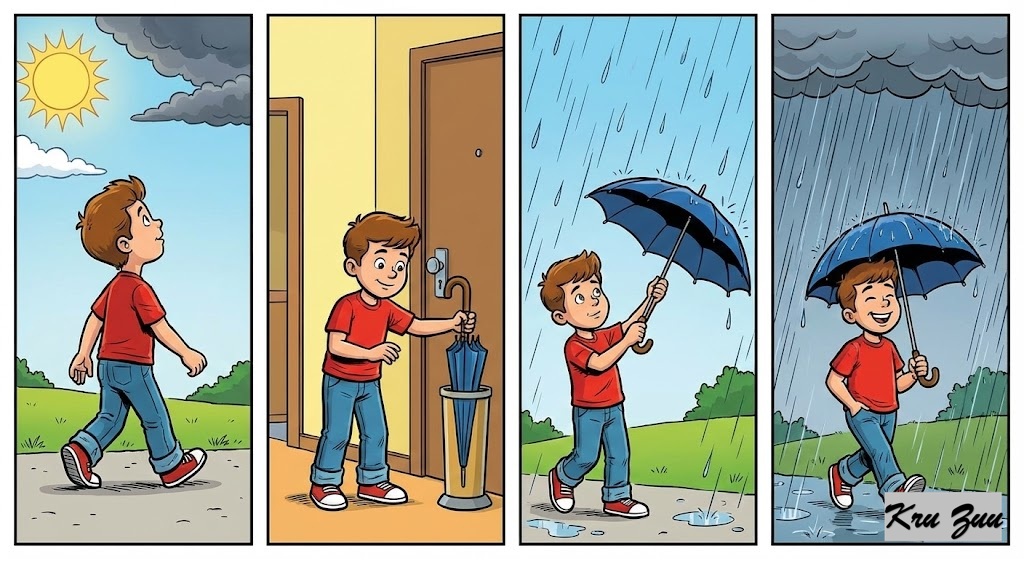
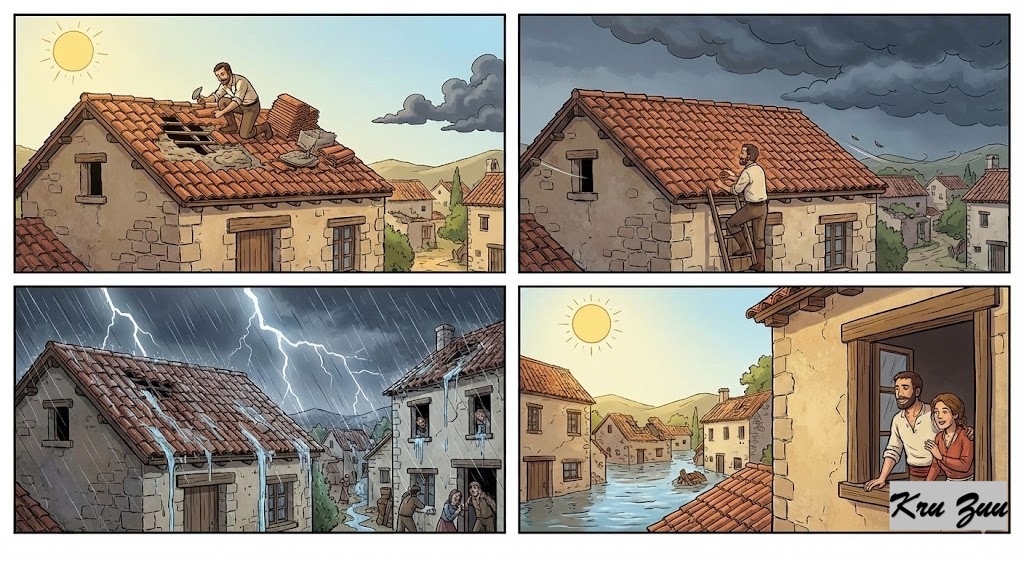
    “Better safe than sorry.”


    😈 The Villain (The Gambler)


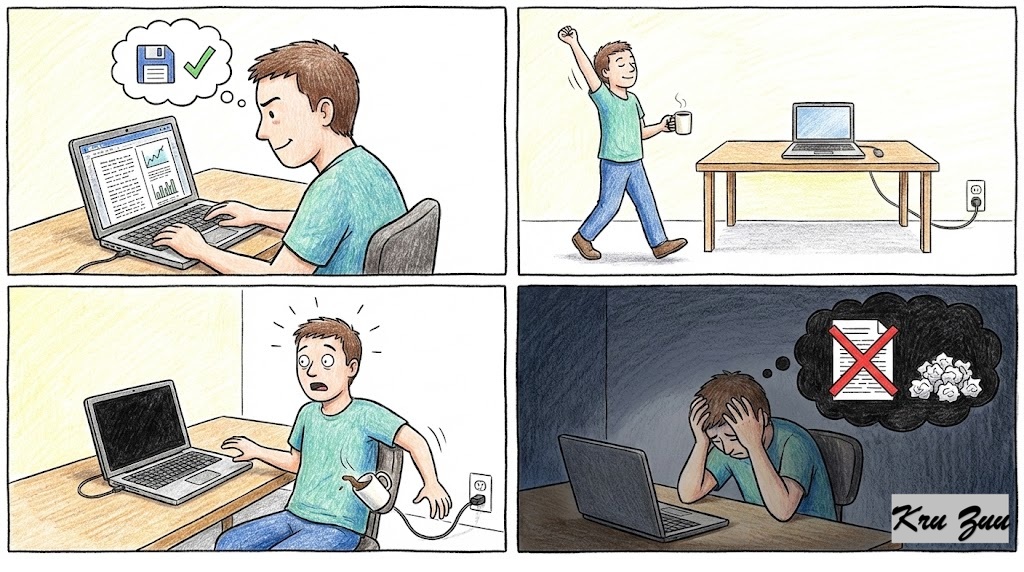
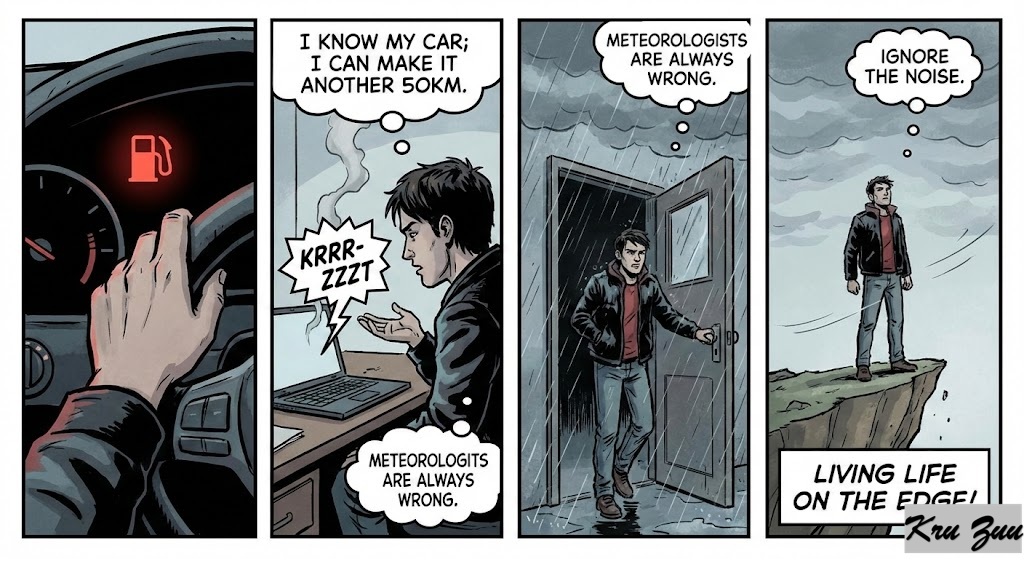
    You are driving, and the fuel light turns on. You say, “I know my car; I can make it another 50km.” You ignore the strange noise your laptop is making. You walk out into a grey sky without an umbrella because “Meteorologists are always wrong.” You live life on the edge.

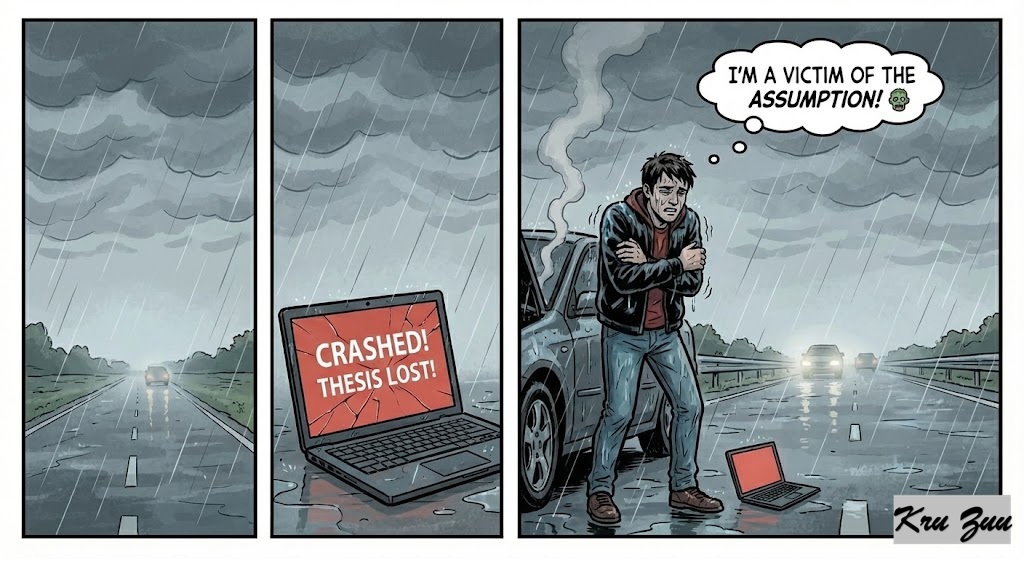
    The Result? You are stranded on the side of the highway in the rain. Your hard drive crashes, and you lose your thesis. You are soaked, cold, and miserable. You are a victim of The Assumption. 🧟‍♂️


    😇 The Hero (The Guardian)


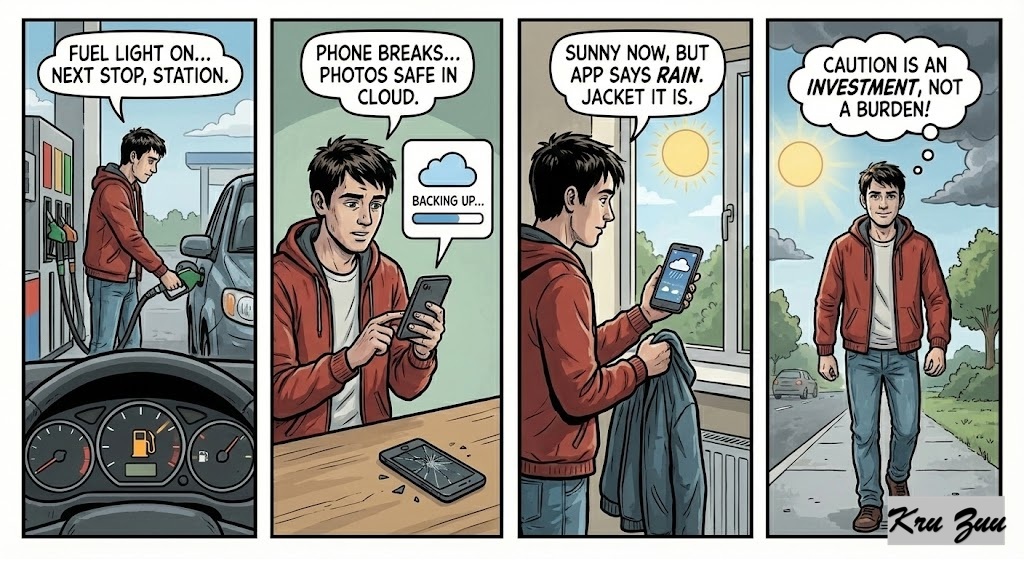
    You see the fuel light, and you stop at the next station. You backup your photos to the cloud before your phone breaks. You check the weather app and grab a jacket, even if it looks sunny now. You treat “Caution” as an investment, not a burden.

    The Result? When disaster strikes, you are untouched. You sleep soundly because you are prepared. You don’t rely on luck; you rely on Strategy. 🛡️


    ⚖️ The Reality


    “Optimism” is dangerous without a plan. We all think, “It won’t happen to me.” That is the brain’s favorite lie. Accidents, storms, and crashes don’t make appointments. They just show up.

    💎 The Secret

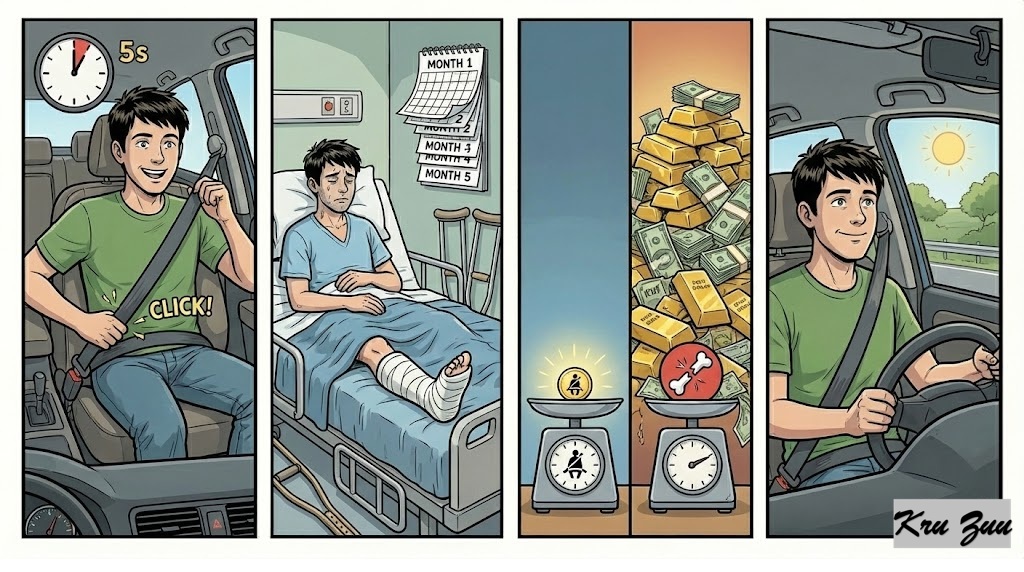
    It takes 5 seconds to fasten a seatbelt. It takes 5 months to recover from an injury. The “cost” of being safe is tiny. The “cost” of being sorry is enormous.

    🧐 The Anatomy of the Proverb


    This is the Golden Rule of Risk Management.


    Better (Adjective – Comparative): More desirable; superior.


    Safe (Adjective): Protected from or not exposed to danger or risk. 🛡️


    Sorry (Adjective):
    Feeling distress, typically through sympathy with someone else’s misfortune or regret. 😢


    Simpler Version: Be careful now so you don’t cry later.


    📚 Vocabulary Vault


    Precaution (Noun): A measure taken in advance to prevent something dangerous. (Example: Buying travel insurance is a smart precaution.)


    Inevitable (Adjective): Certain to happen; unavoidable.


    Hindsight (Noun): Understanding a situation only after it has happened.


    Prudent (Adjective): Acting with or showing care and thought for the future. 🧠


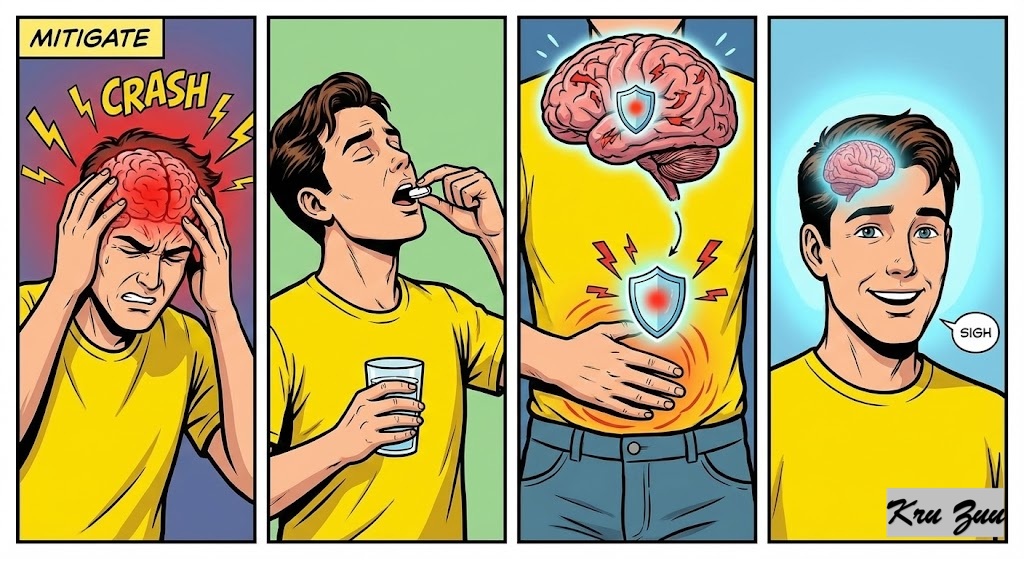
    Mitigate (Verb): Make less severe, serious, or painful.


    🧠 Grammar Focus: Comparative Adjectives & Ellipsis


    This proverb is a masterclass in shortening sentences (Ellipsis).


    The Full Sentence:“It is better to be safe than it is to be sorry.”


    The Grammar Rule: When comparing two states, we use [Adjective] + -er or More + [Adjective].


    Good → Better
    Bad → Worse


    Examples:
    “Better late than never.”
    “Sooner or later.”

    📜 History: Origin and Spread


    This isn’t just English; it’s universal human survival instinct.


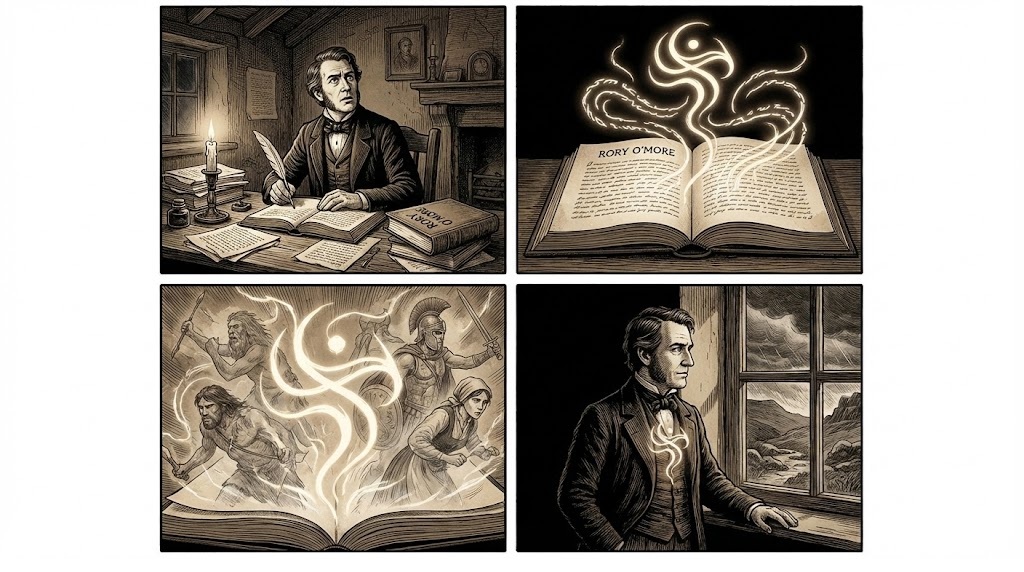
    The Origin: While the concept is ancient, this specific phrasing appeared in the Irish novel Rory O’More in 1837.


    Global Cousins


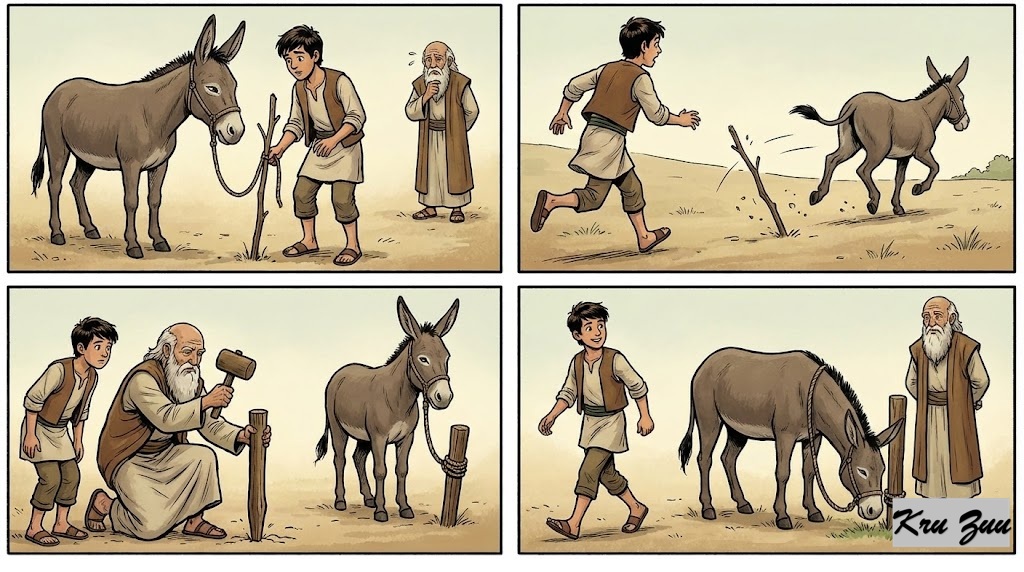
    🇹🇷 Turkish:“Eşeğini sağlam kazığa bağla.” (Tie your donkey to a sturdy stake.) — Don’t trust the donkey to stay; trust the rope!


    🇪🇸 Spanish:“Mas vale prevenir que curar.” (It is better to prevent than to cure.)


    🇮🇹 Italian:“Meglio aver paura che buscarne.” (Better to be afraid than to get hurt.)

    🎯 Impact on Life: The Pros & Cons


    ✅ The Pros (The Confidence)


    Peace of Mind:
    Anxiety comes from the unknown. Preparation kills anxiety.


    Control: When you are safe, you control the situation, instead of the situation controlling you.


    ❌ The Cons (The Paranoia)


    Overthinking:
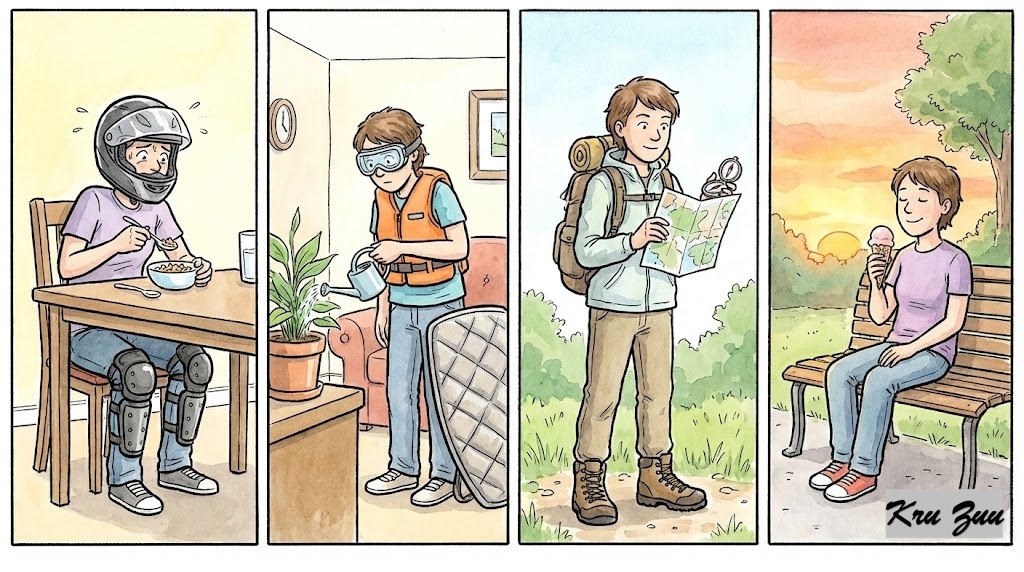
    Don’t wear a helmet to eat dinner. There is a fine line between “Safety” and “Fear.” Be prepared, not scared.

    🎭 Short Story: The Storm and the Shelter


    Let’s visit our animal friends to see this law in action.


    🌟 The Setup: The weather forecast predicts a massive storm tonight.


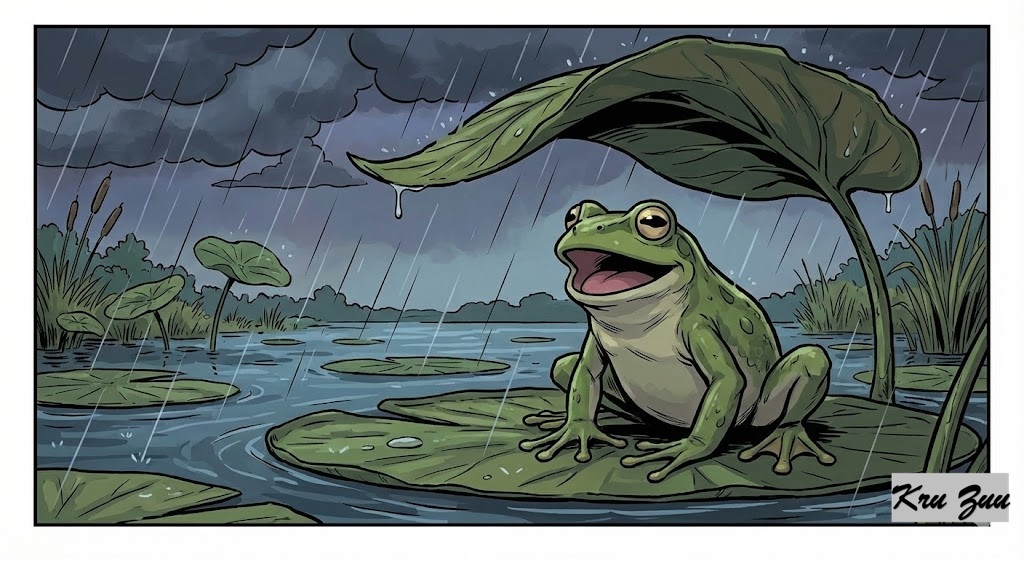
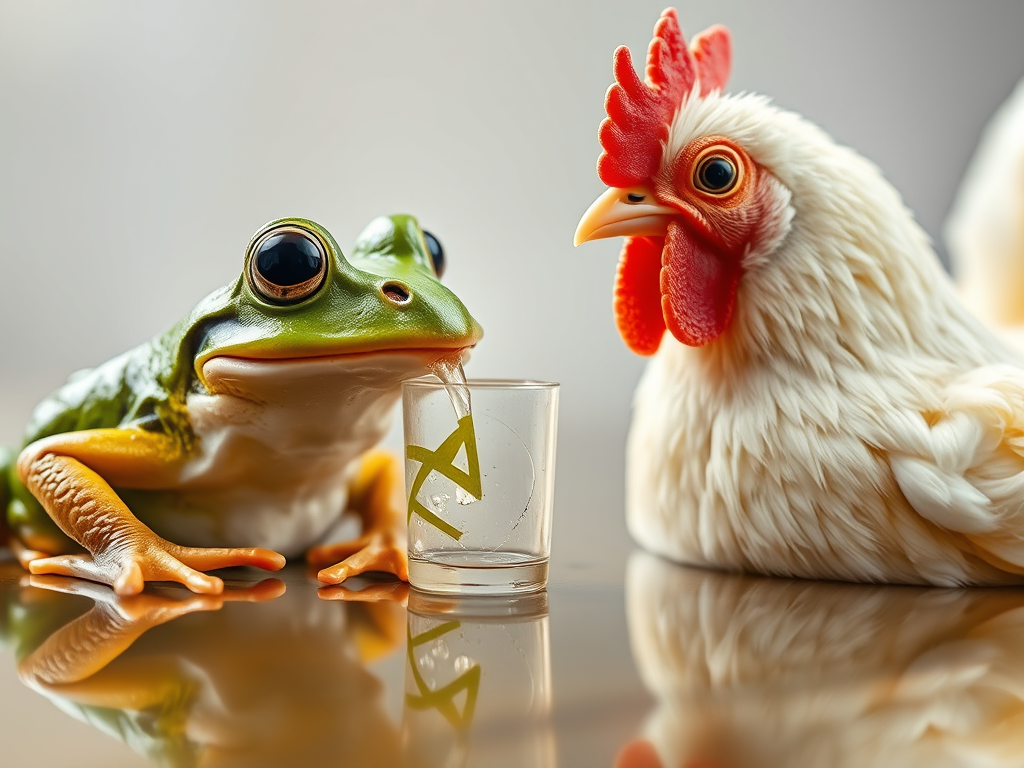
    🐸 The Frog (The Risk-Taker): The Frog is sharp and fast. He laughs. “A storm? I live in nature! I can jump away from danger. I don’t need to reinforce my lily pad. I’ll just hide under a leaf when the rain starts. I have plenty of time.” The Frog chooses “Later.”


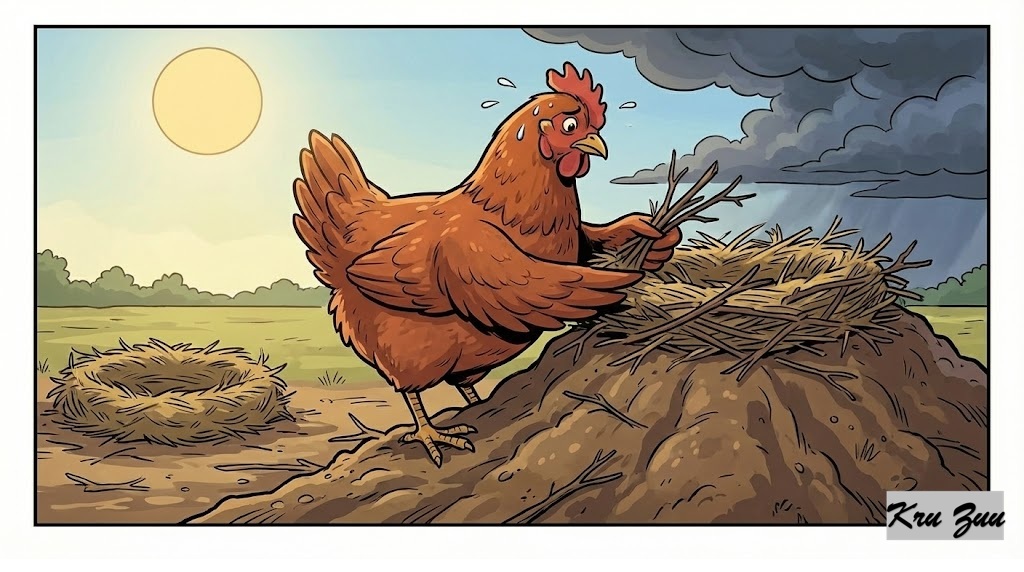
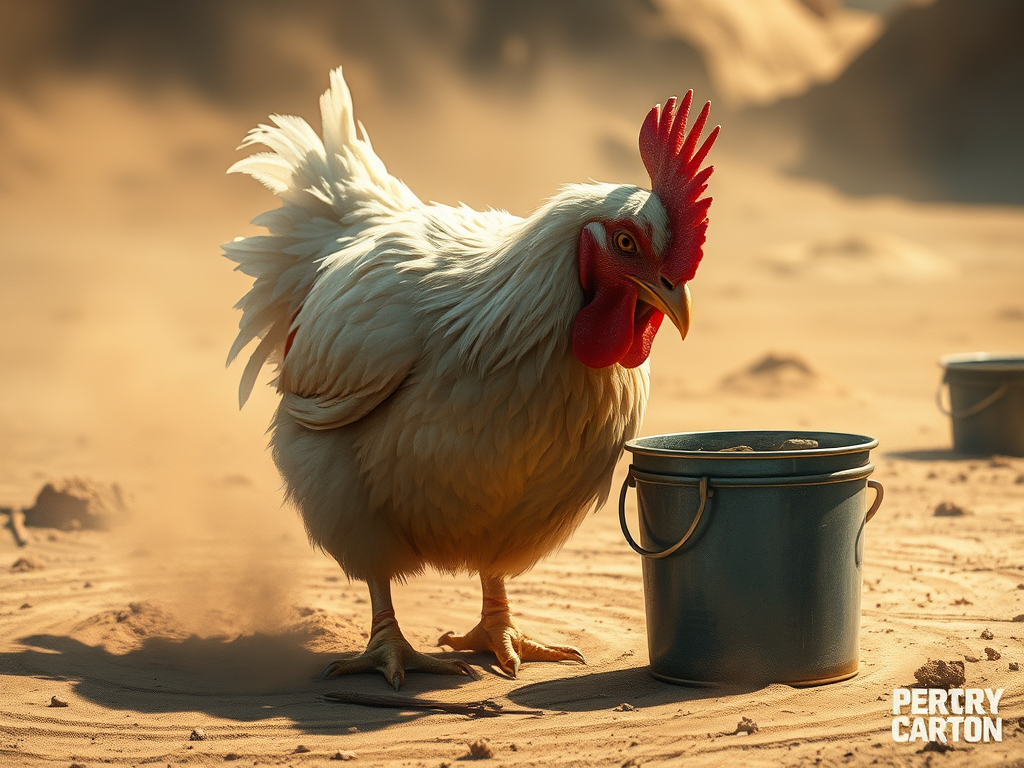
    🐔 The Chicken (The Cautious One): The Chicken is rusty but comfortable. She is worried. “My feathers cannot get wet,” she clucks. She spends the whole afternoon moving her nest to high ground. She reinforces the walls with extra twigs. She works hard while the sun is still shining. The Chicken chooses “Now.”


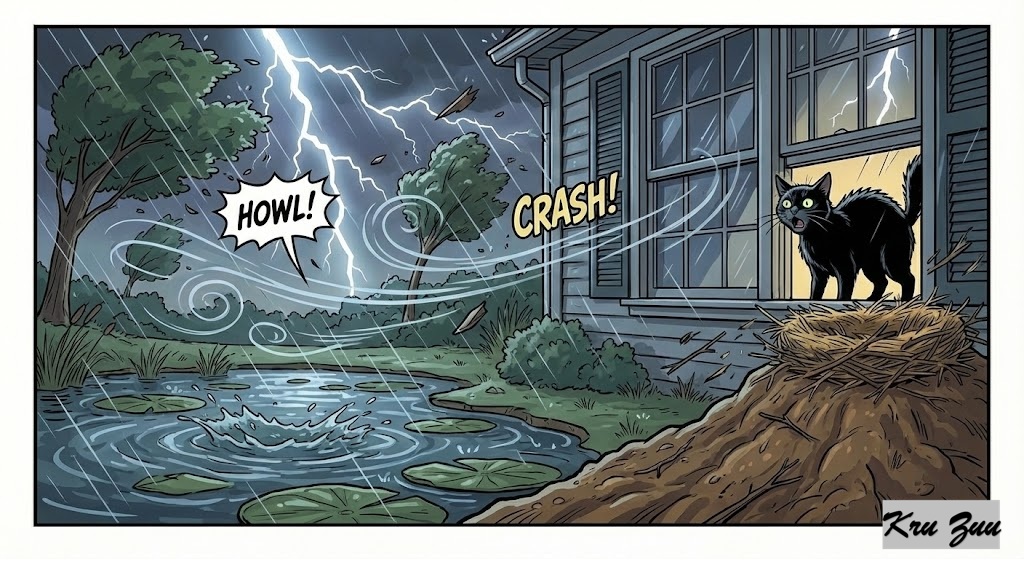
    🐱 The Cat (The Observer): The Cat watches them both from the window. “Meow,” implies the Cat. “The Frog is arrogant. The Chicken is prudent.”


    The Climax: Midnight comes. The storm is stronger than expected. The wind howls.


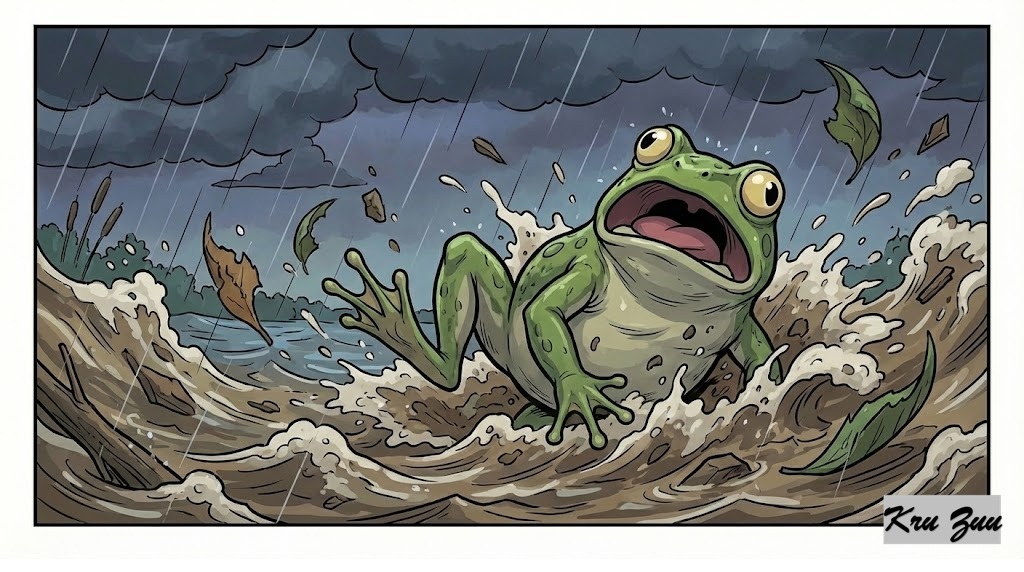
    The Frog: The wind blows his leaf away instantly. He is tossed around in the chaotic muddy water, cold and terrified. He wishes he had prepared a burrow. He is Sorry.


    The Chicken: She sits warm and dry in her reinforced nest on high ground, sipping corn tea. She sleeps peacefully. She is Safe.


    The Moral: You don’t prepare for the storm when the rain starts. You prepare when the sun is shining. Be the Chicken. 🐔

    🎓 Lesson for English Learners


    Don’t trust your memory.


    Situation: You learn a new word. You tell yourself, “I will remember this.”


    You Say: “No, that is the Frog talking. I will write it down. I will review it tomorrow. Better safe than sorry.”


    Situation: You have an exam in 3 days. You think you know the topics.


    You Say: “I will study for one hour today anyway. If the exam is hard, I will be ready. If it is easy, I lost nothing.”


    💬 Your Turn: The “Backup” Challenge 🚀


    We all have one area where we are being a “Frog.”


    The Challenge


    Check your phone. When was the last time you backed up your photos?


    Check your bag. Do you have a portable charger?


    Check your work. Did you hit “Save” on that document?


    The Action: Do one act of “Safety” right now. Back up the files. Lock the door. Check the tires.


    Question: What is one thing you always double-check before leaving the house? Tell us in the comments! 👇


    By Zubeyir YURTKURAN

    https://www.facebook.com/BrainBattleground/

    https://www.facebook.com/zubeyr.yurtkuran/

    https://www.instagram.com/zubeyryurtkuran/
    https://www.youtube.com/@BrainBattleground-b3p

    https://www.instagram.com/brainbattleground/

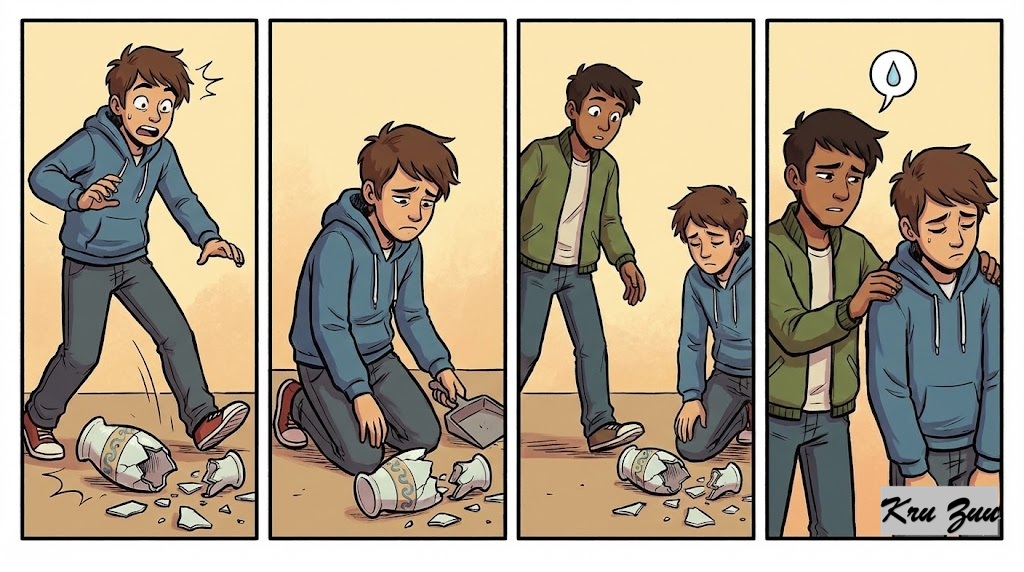
  • 🛡️ The Daily Shield: The Law of Gratitude

    🛡️ The Daily Shield: The Law of Gratitude

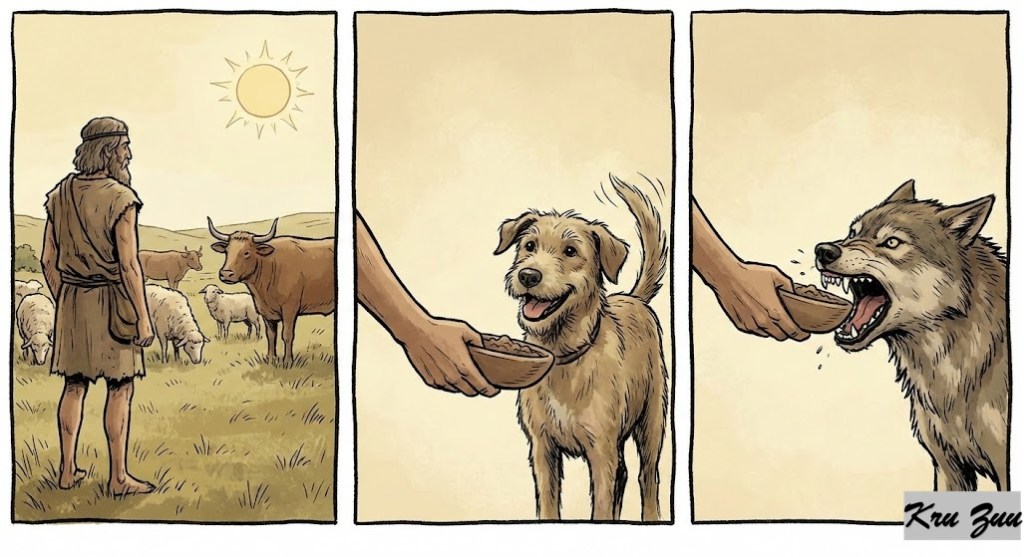
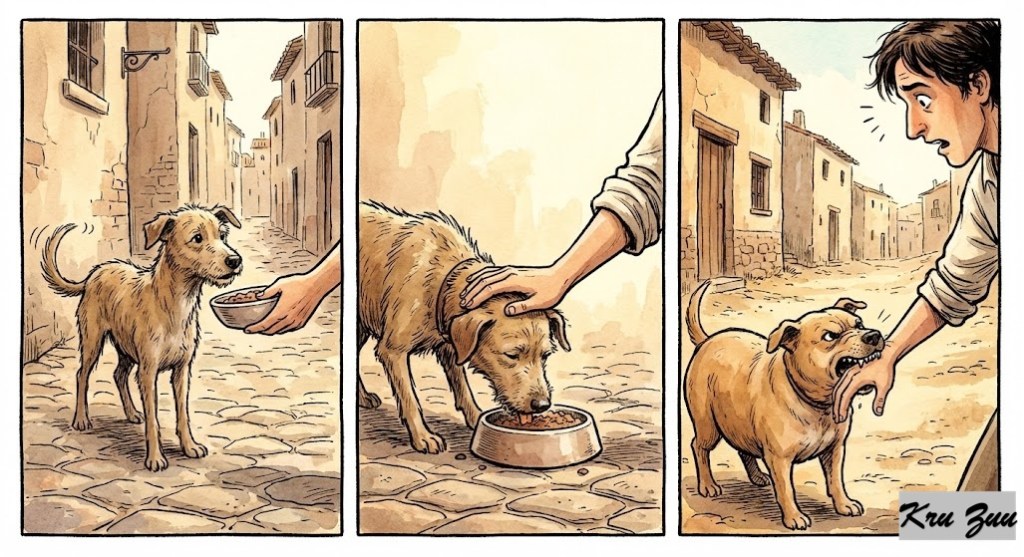
    “Don’t bite the hand that feeds you.”


    😈 The Villain (The Saboteur)

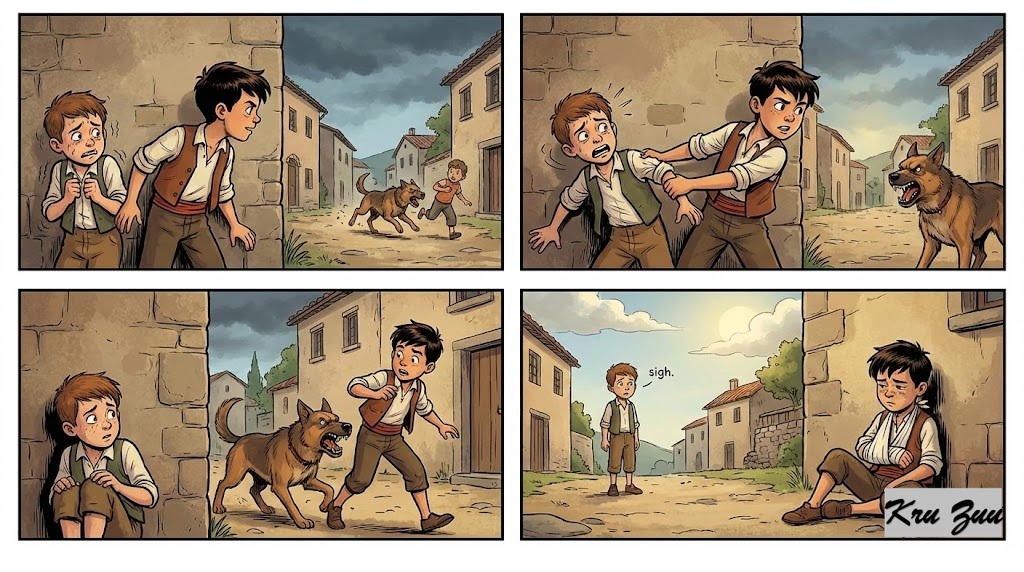
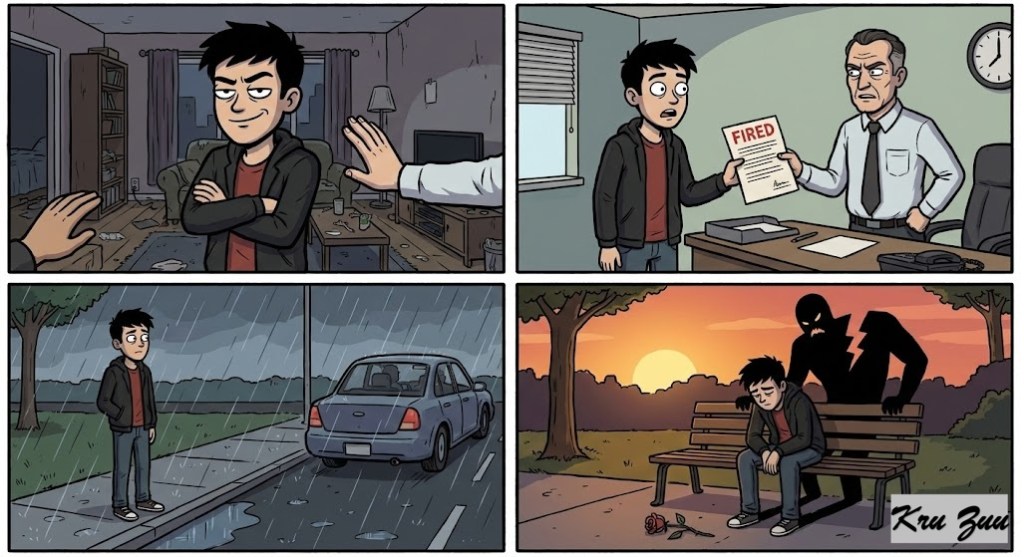
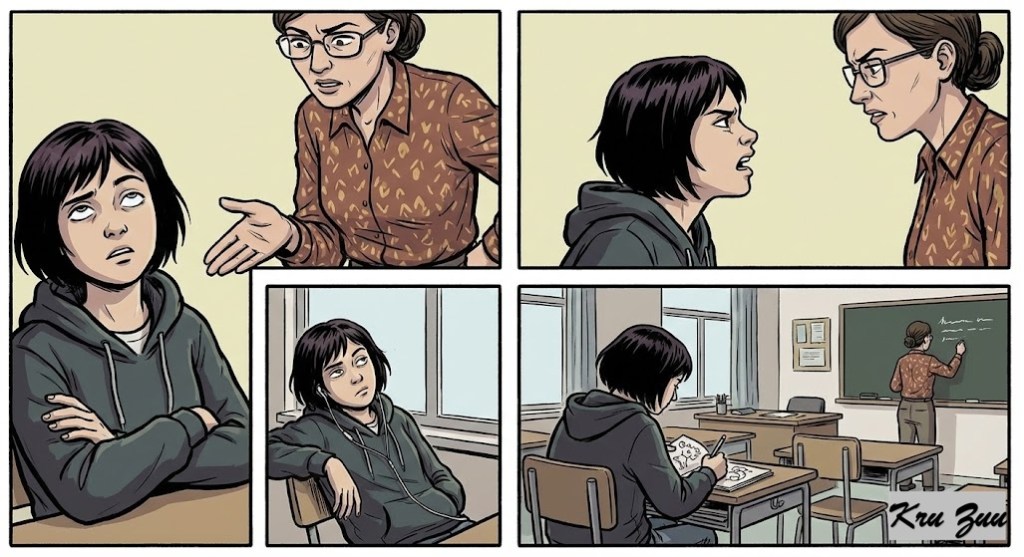
    You have a boss who pays your salary, but you gossip about them constantly. You have a friend who always drives you home, but you complain about their car. You learn English for free on YouTube, but you leave mean comments about the video quality.

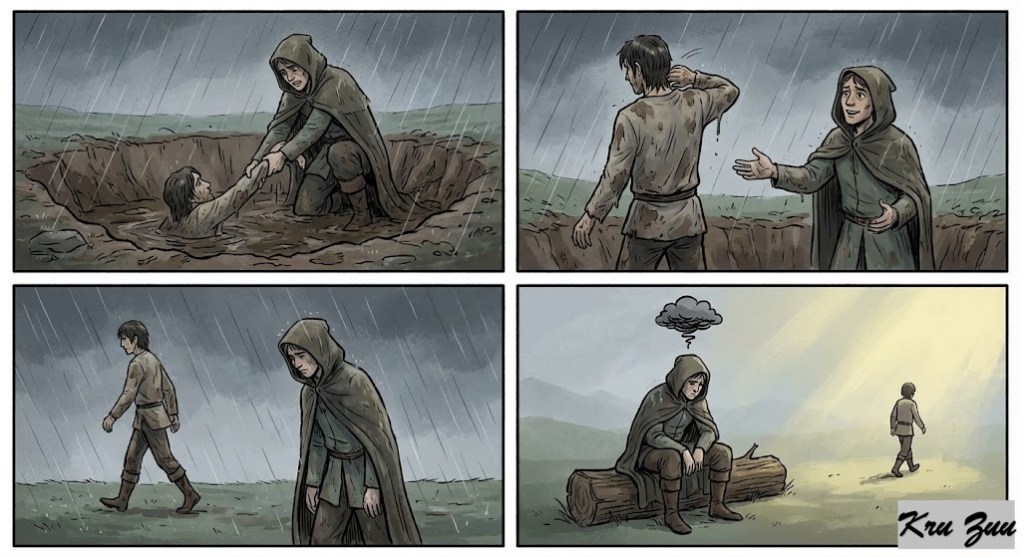
    The Result? You act like you are independent, but really, you are just ungrateful. Eventually, the help stops. The boss fires you. The friend drives away. You are left alone with your ego. 🥀


    😇 The Hero (The Strategist)

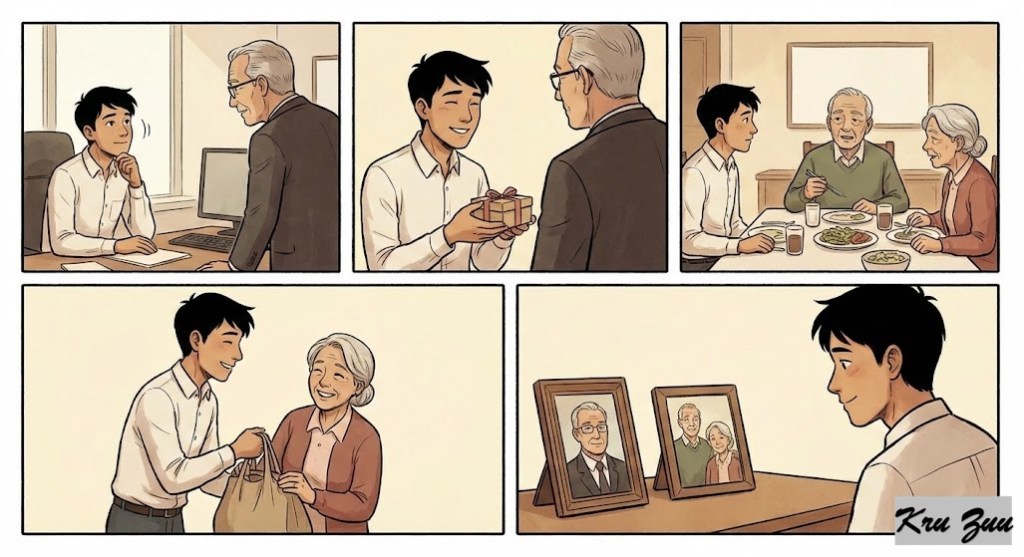
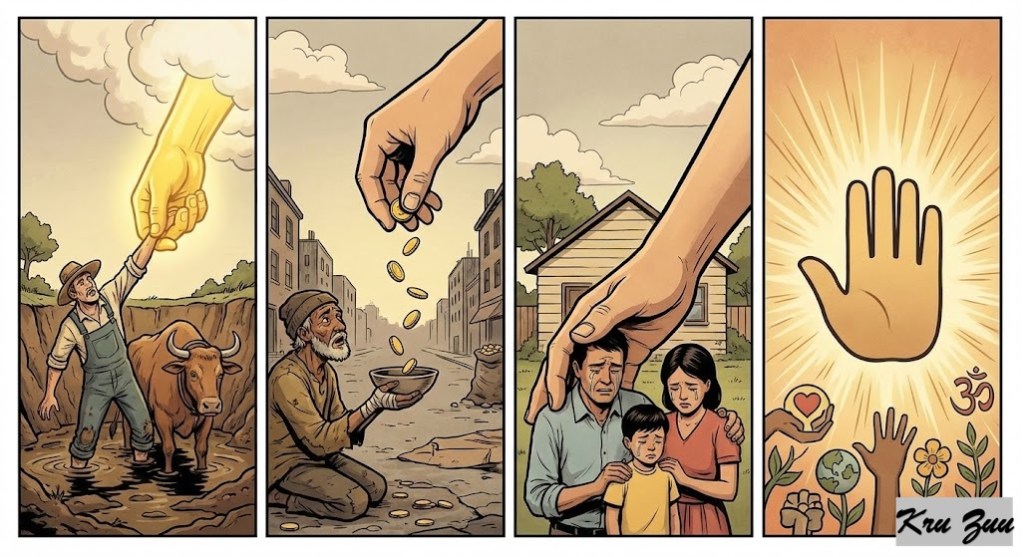
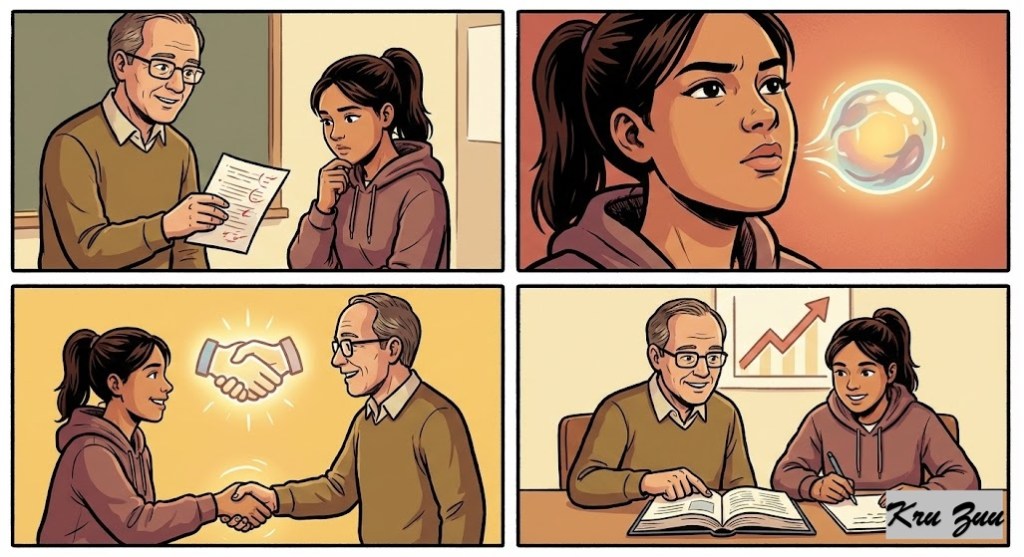
    You understand where your support comes from. You might not agree with everything your boss or parents say, but you respect the support they give. You treat your benefactors with kindness.

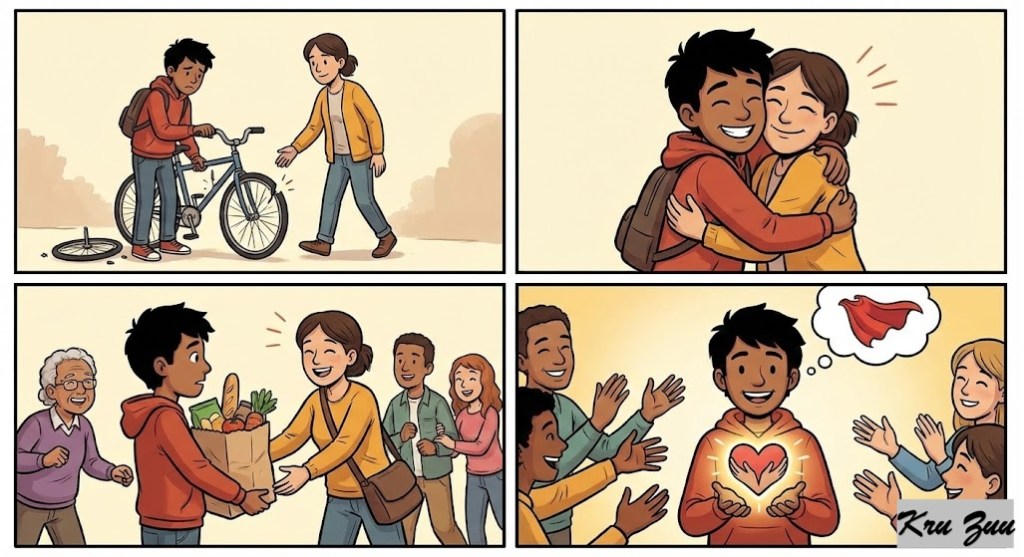
    The Result? Because you show appreciation, people want to help you more. Doors open for you. You build a network of allies, not enemies. 🤝


    ⚖️ The Reality


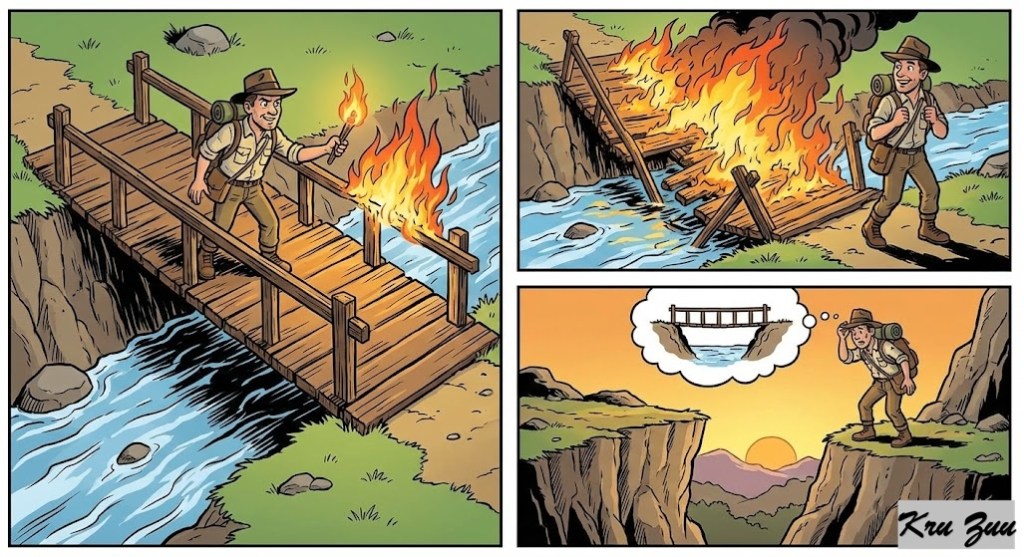
    Ego is expensive. It feels good to act tough and independent. But if you attack the people who support you, you are burning the bridge while you are standing on it.

    💎 The Secret

    Gratitude isn’t about being weak; it’s about being smart. You can negotiate, you can disagree, but never destroy the relationship that sustains you.

    🧐 The Anatomy of the Proverb


    This idiom creates a violent visual image to make a point about loyalty.


    Bite (Verb):
    To use teeth to cut or attack. (An act of aggression). 🦷


    The Hand (Noun): The source of help, money, or support. 🖐️


    Feeds (Verb): To give food; to sustain life.


    Simpler Version: Do not hurt the person who helps you.


    📚 Vocabulary Vault


    Ingratitude (Noun):
    A lack of appreciation; not saying “thank you.” (The ugly trait).


    Benefactor (Noun): A person who gives money or other help to a person or cause.


    Loyalty (Noun): A strong feeling of support or allegiance.


    Sabotage (Verb): To deliberately destroy, damage, or obstruct something.


    Indispensable (Adjective): Absolutely necessary; you cannot do without it.


    🧠 Grammar Focus: Relative Clauses


    Look at the structure:
    “The hand that feeds you.” This is a Defining Relative Clause. It tells us which hand we are talking about.


    Subject + that + Verb


    Example: I like the teacher that explains clearly.


    Example: Don’t burn the bridge that you need to cross.

    📜 History: Origin and Spread


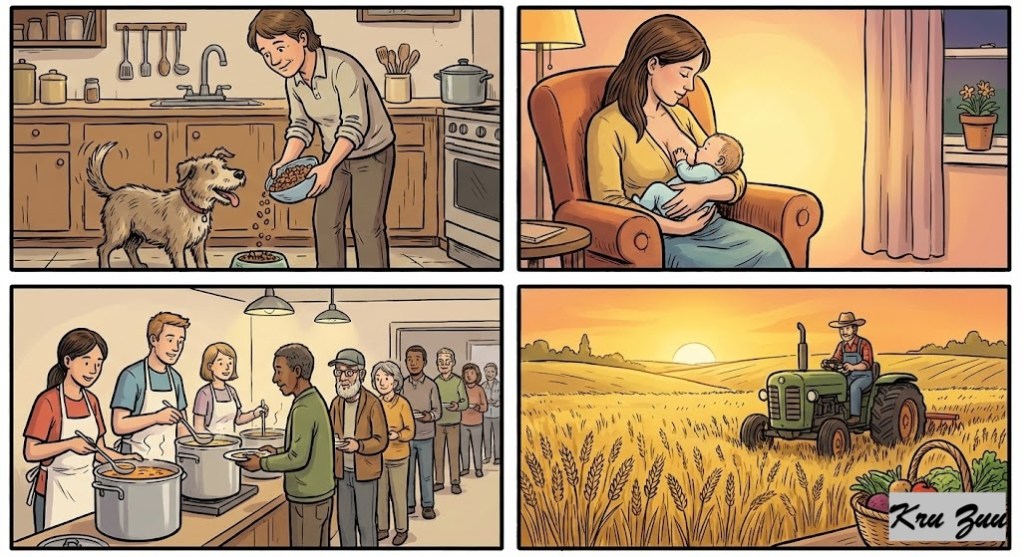
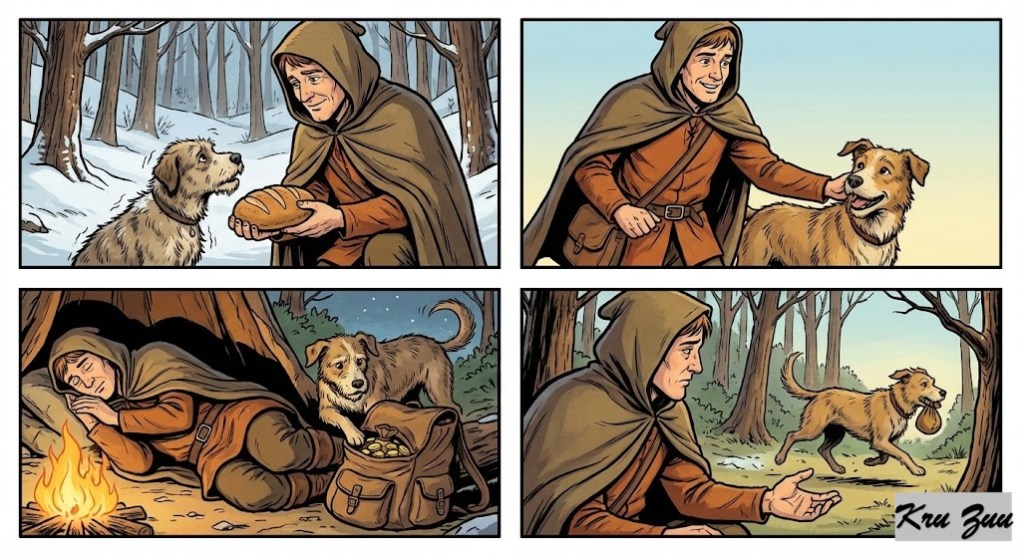
    This is ancient agricultural wisdom. For thousands of years, humans have watched animals. They noticed that a dog loves the hand that feeds it, but a wild or foolish animal might snap at it.


    Global Cousins
    🇹🇷 Turkish:
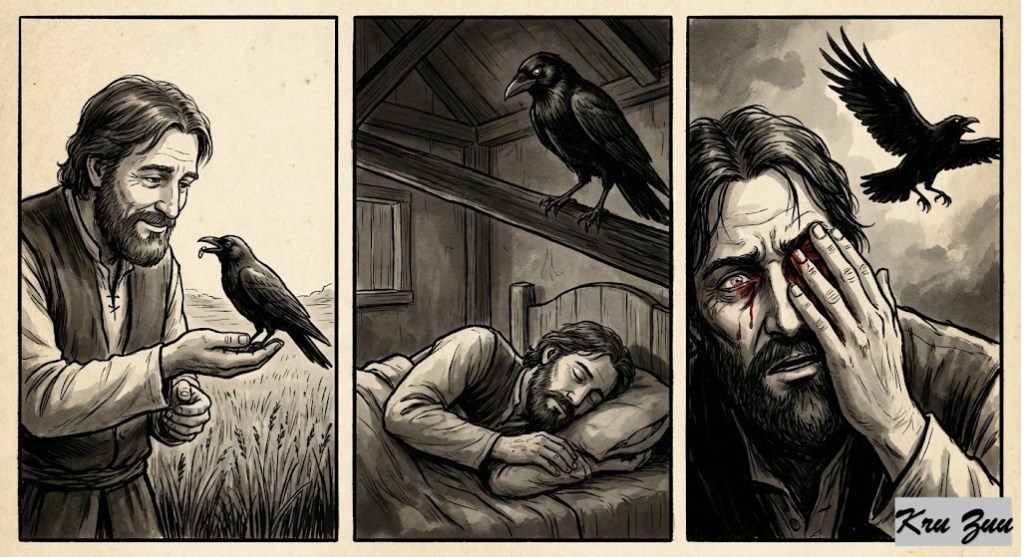
    “Besle kargayı, oysun gözünü.” (Feed the crow, and it will gouge out your eye.) — This is even darker! It implies that some natures cannot be changed.


    🇪🇸 Spanish:“No muerdas la mano que te da de comer.”


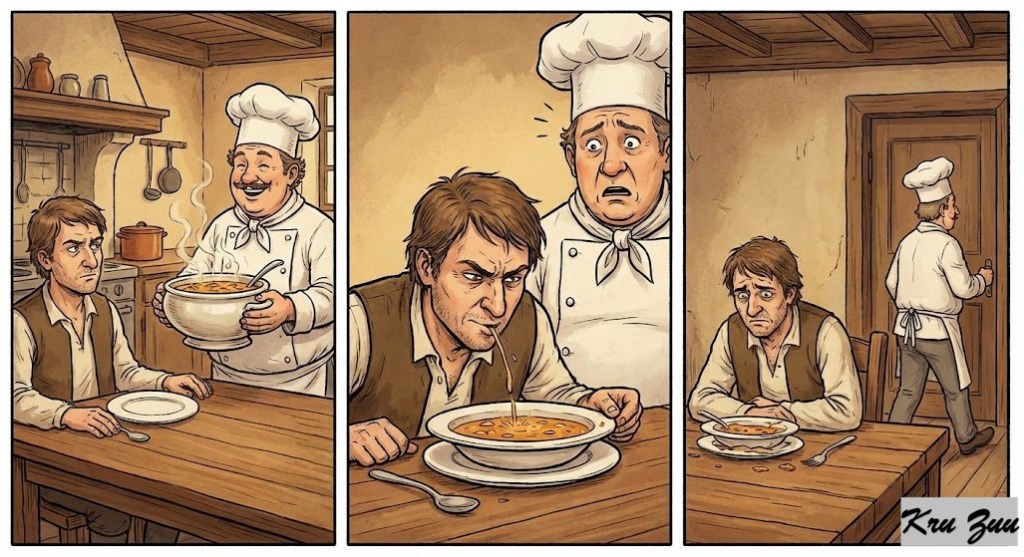
    🇫🇷 French:“Il ne faut pas cracher dans la soupe.” (You shouldn’t spit in the soup).

    🎯 Impact on Life: The Pros & Cons


    ✅ The Pros (Stability)


    Security:
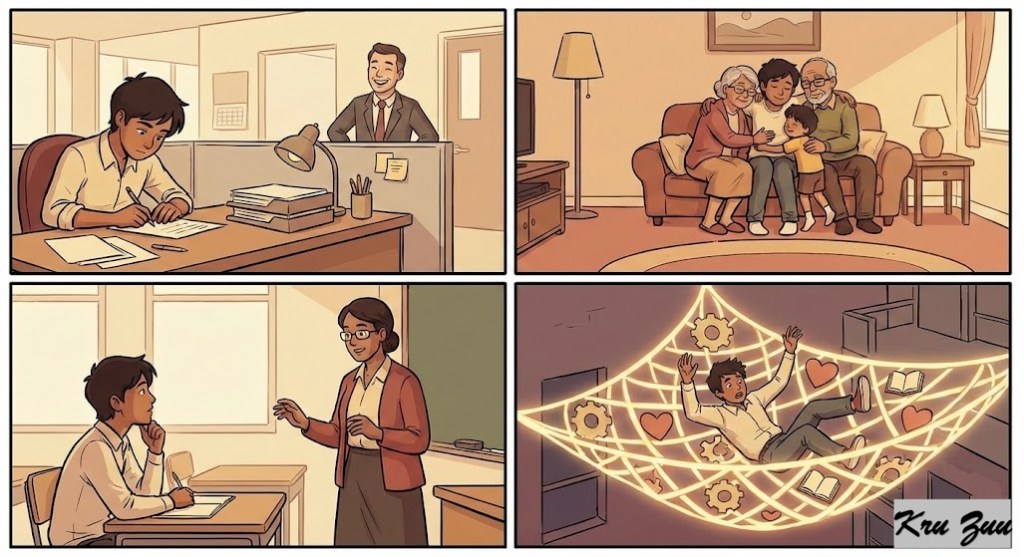
    When you respect your sources of support (job, family, teachers), you create a safety net for yourself.


    Reputation: People love helping grateful people. Being thankful is a superpower.


    ❌ The Cons (The Doormat Risk)


    Blind Loyalty:
    This proverb does not mean you must accept abuse. If the “hand” is abusive, you shouldn’t bite it—you should just walk away and find a new hand!

    🎭 Short Story: The Farmyard Feud


    Let’s go to Old Man Miller’s farm to see this law in action.


    🌟 The Cast


    🐔 Clucky (The Chicken): Hardworking but anxious.


    🐸 Finn (The Frog): The wise observer who lives in the pond.


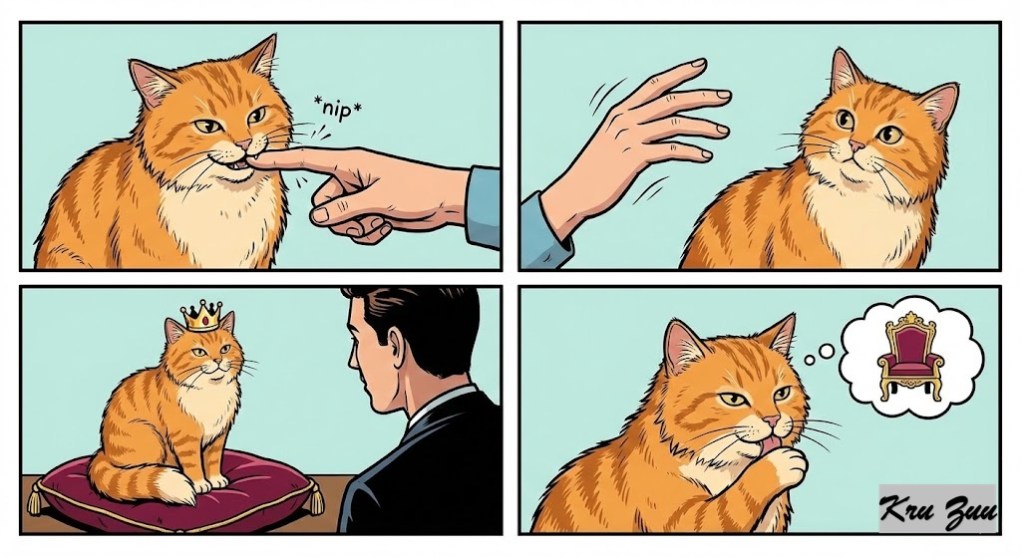
    🐱 Whiskers (The Cat): Arrogant, spoiled, and thinks he is the King.


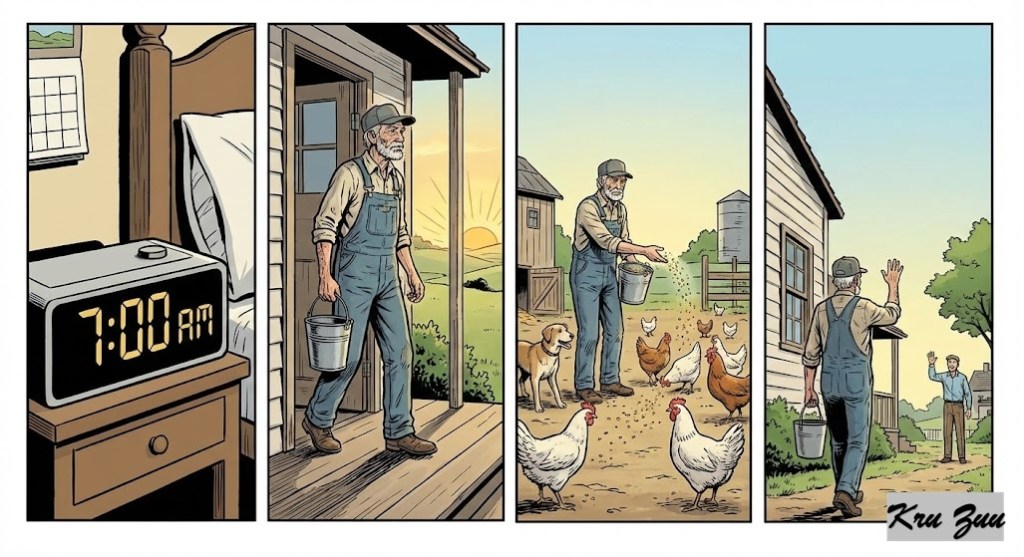
    The Setup: Every morning at 7:00 AM, Old Man Miller comes out with a bucket.

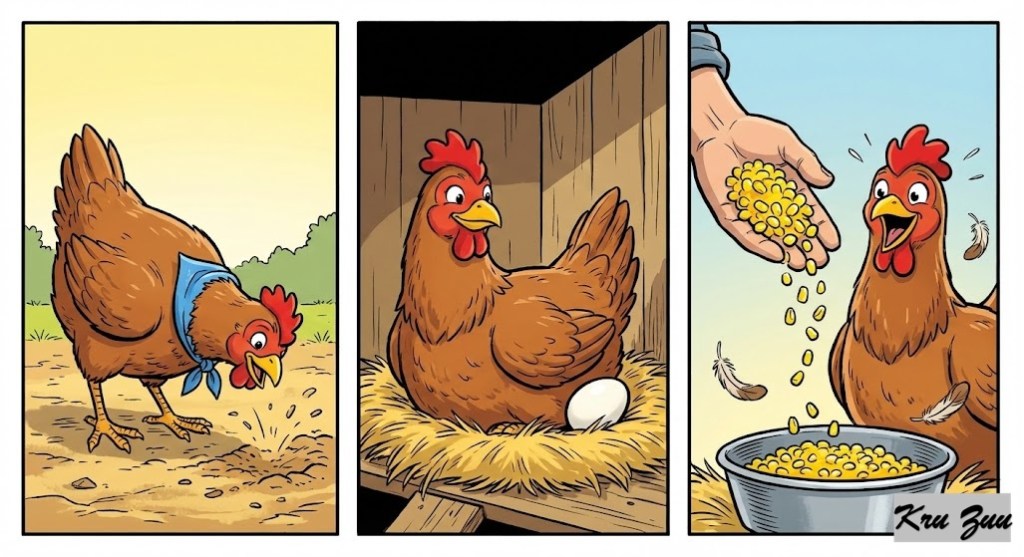
    🐔 Clucky: “Oh joy! Corn is coming! Work hard, lay eggs, get corn!” Clucky pecks happily.

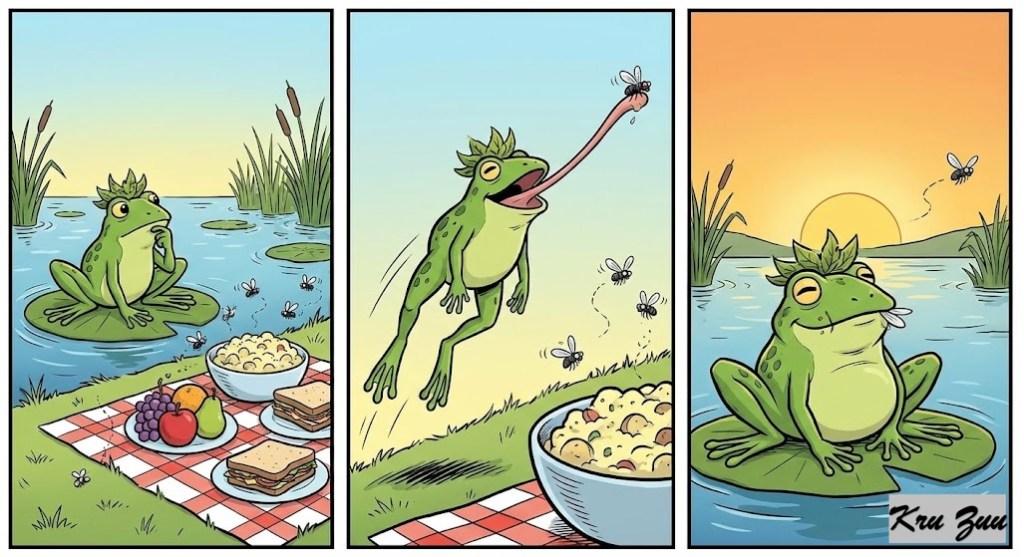
    🐸 Finn: “Ribbit. The ecosystem is providing. I shall catch the flies attracted to the food.”


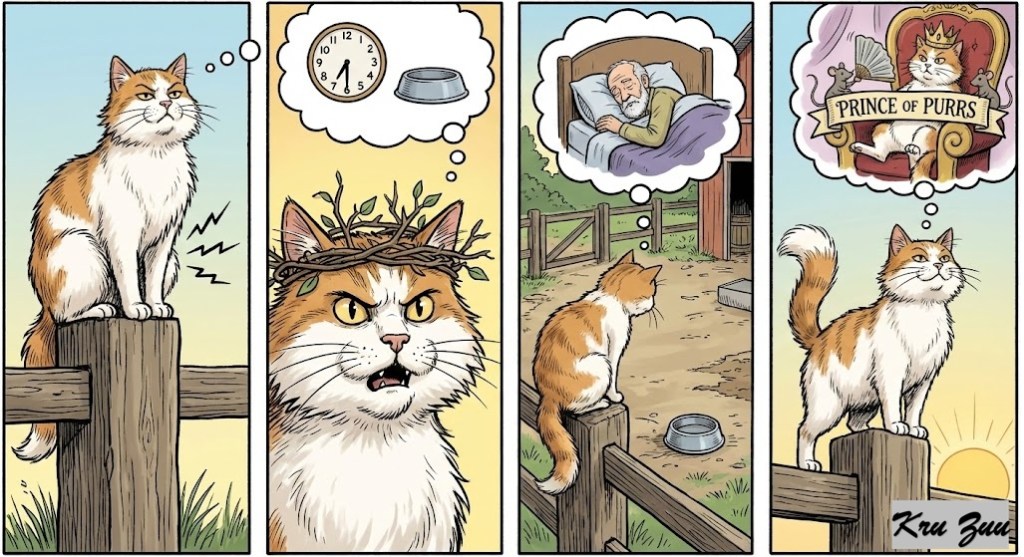
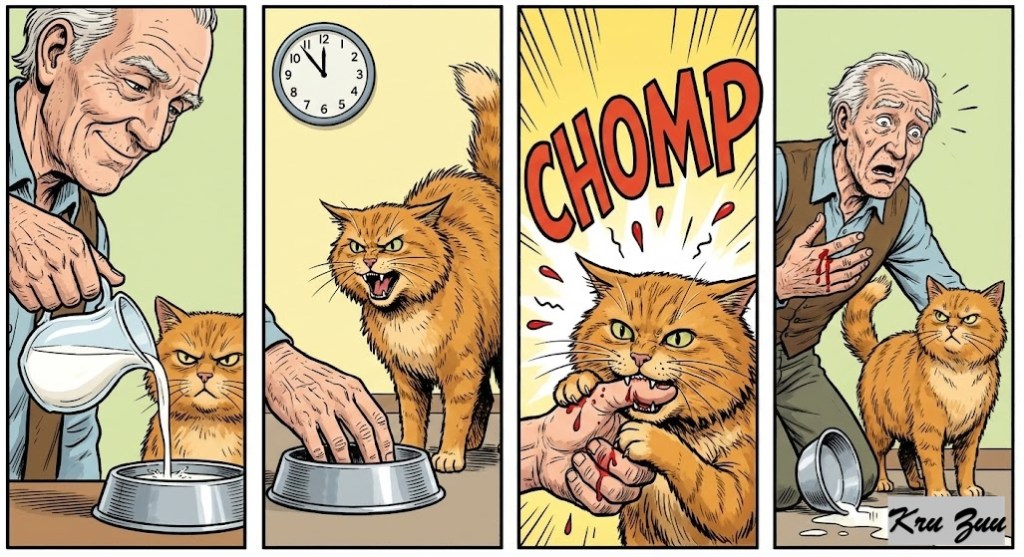
    The Conflict: 🐱 Whiskers sits on the fence. He is hungry, but he is also proud. “Why is Miller late?” Whiskers complains. “It is 7:05! Does he not know who I am? I am the Prince of Purrs!”


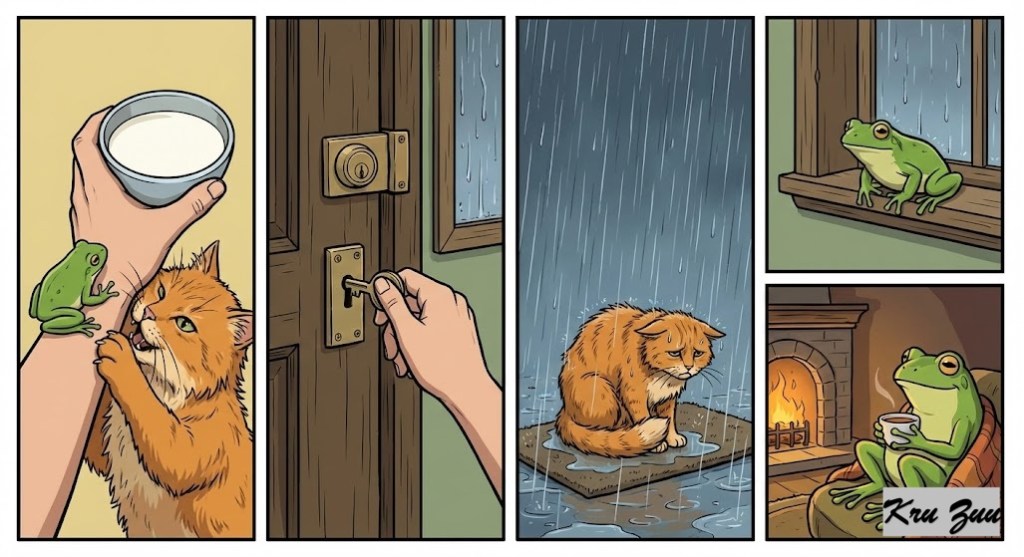
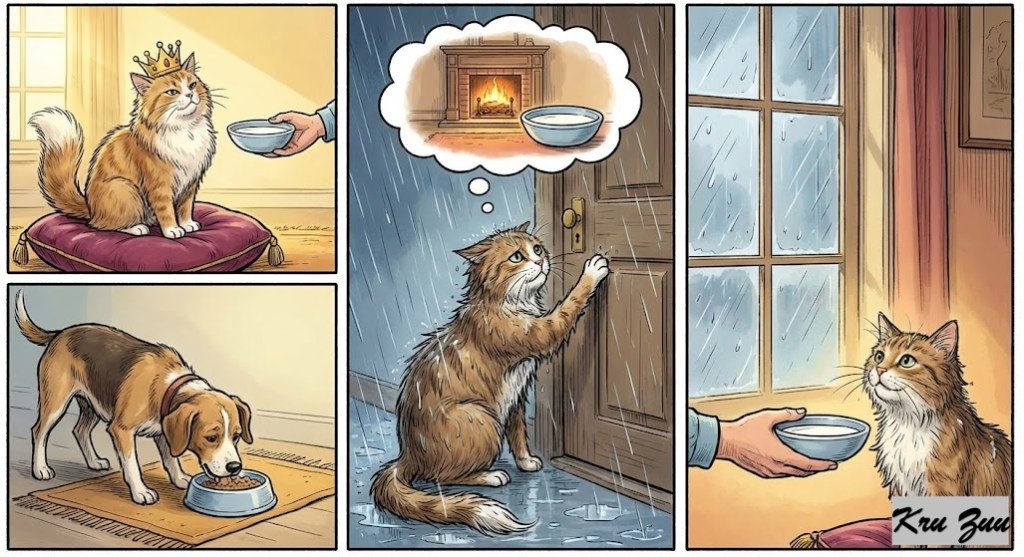
    Old Man Miller finally leans down to pour milk into Whiskers’ bowl. “Here you go, kitty,” Miller says kindly. Whiskers, feeling angry about the 5-minute delay, hisses and bites Miller’s thumb hard. 🩸


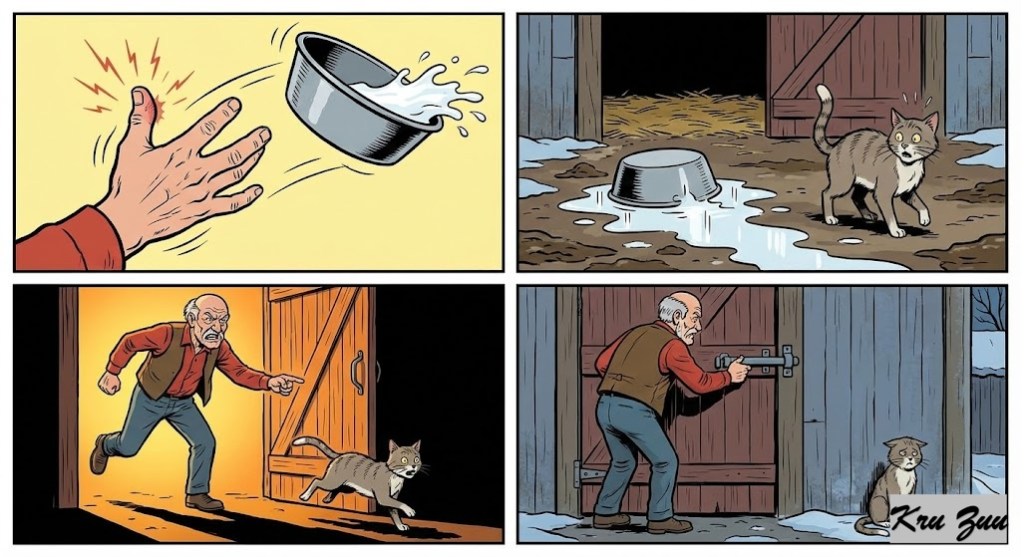
    The Result: “OUCH!” yells Miller. Instinctively, Miller jerks his hand back. The milk bowl flies into the air and crashes upside down in the mud. “Bad cat!” Miller shouts. He chases Whiskers out of the warm barn and locks the door.


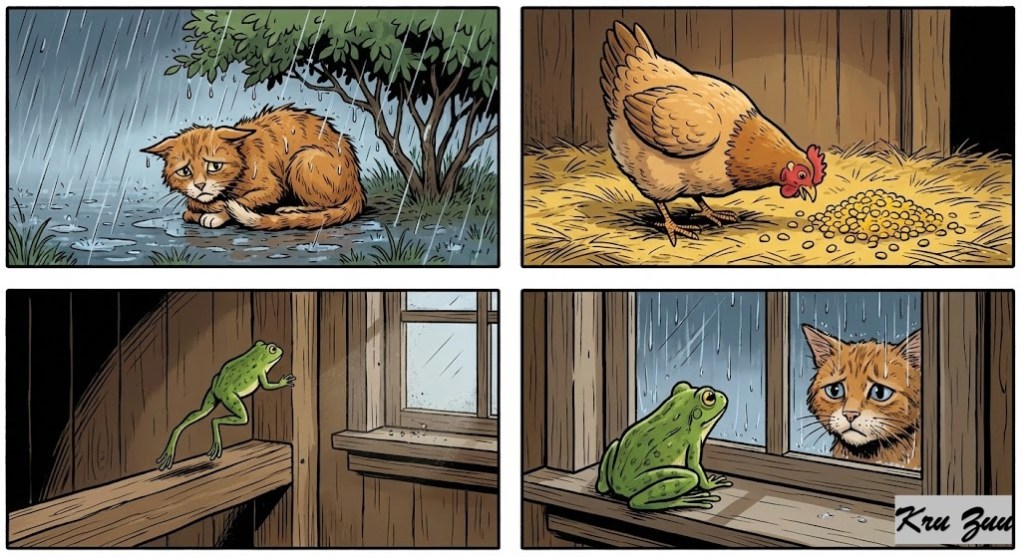
    The Aftermath: It starts to rain. Whiskers is shivering outside, hungry and wet. Inside the dry barn, Clucky is eating corn. Finn the Frog hops over to the window where Whiskers is looking in.


    🐸 Finn: “Ribbit. You confused arrogance with power, my furry friend.”

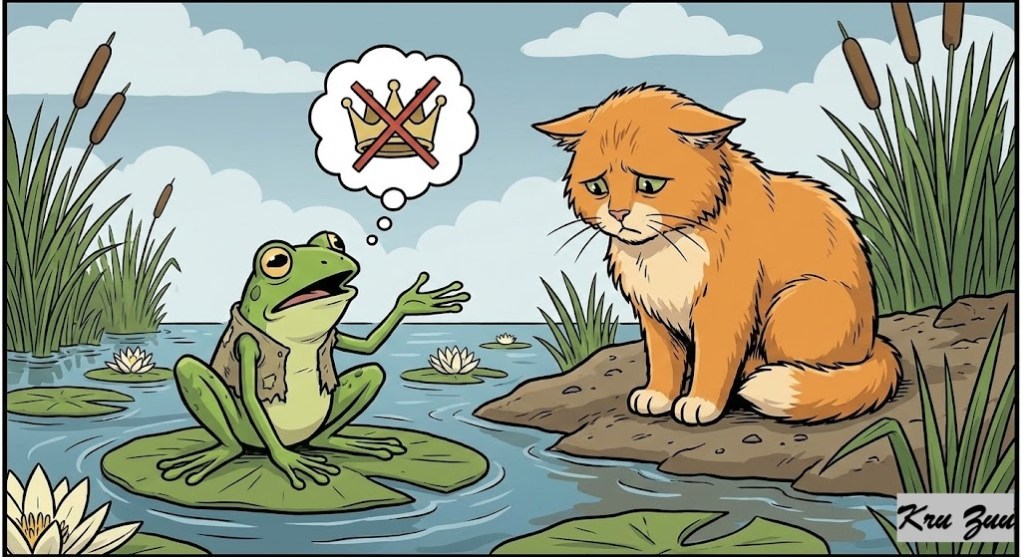
    🐱 Whiskers: “It was just a little bite! He should respect me!”

    🐸 Finn: “You bit the hand that held the milk. Now the hand is closed, and the door is locked. Enjoy the rain.”


    The Moral: Arrogance blinds you to your dependency. Be humble, or be hungry. 🥛🌧️

    🎓 Lesson for English Learners


    Respect the Process.


    Situation:
    You have a teacher who corrects your grammar constantly. It is annoying.


    The Mistake: You argue with the teacher or roll your eyes. You stop listening.


    The Better Way: Realize that the correction is the “food” for your fluency. Swallow your pride. Say, “Thank you for the feedback.” The teacher will work harder to help you succeed.


    💬 Your Turn: The Gratitude Check 🚀


    Let’s practice the Law of Gratitude right now.


    The Challenge:
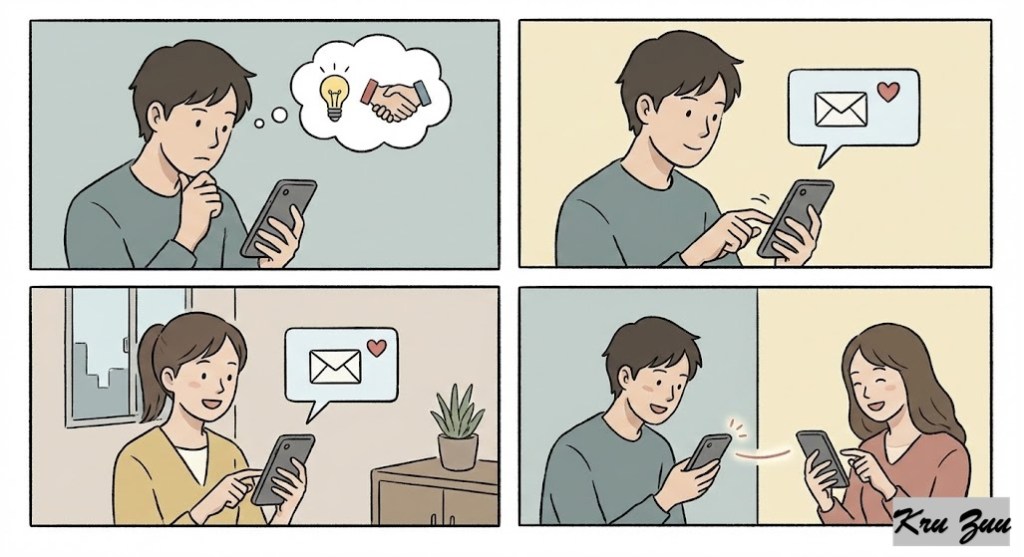
    Think of one person who has helped you this week (a parent, a teacher, a friend, or even a YouTube creator).

    The Action: Send them a message right now. “Hey, I just realized I haven’t thanked you for helping me with [X]. I appreciate it.”


    👇 Comment Below: Have you ever seen someone “bite the hand that feeds them” at work or school? What happened? Tell us the gossip!

    By Zubeyir YURTKURAN

    https://www.facebook.com/BrainBattleground/

    https://www.facebook.com/zubeyr.yurtkuran/

    https://www.instagram.com/zubeyryurtkuran/
    https://www.youtube.com/@BrainBattleground-b3p

    https://www.instagram.com/brainbattleground/

  • 🌿 The Daily Insight: The Green Grass Trap

    🌿 The Daily Insight: The Green Grass Trap

    “The grass is always greener on the other side.”


    😈 The Villain (The Dreamer)

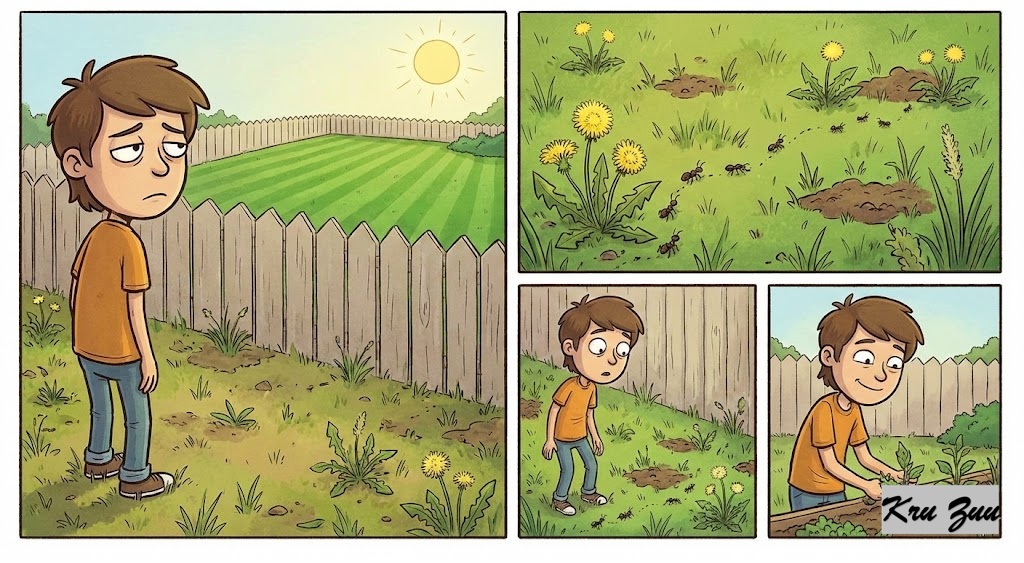
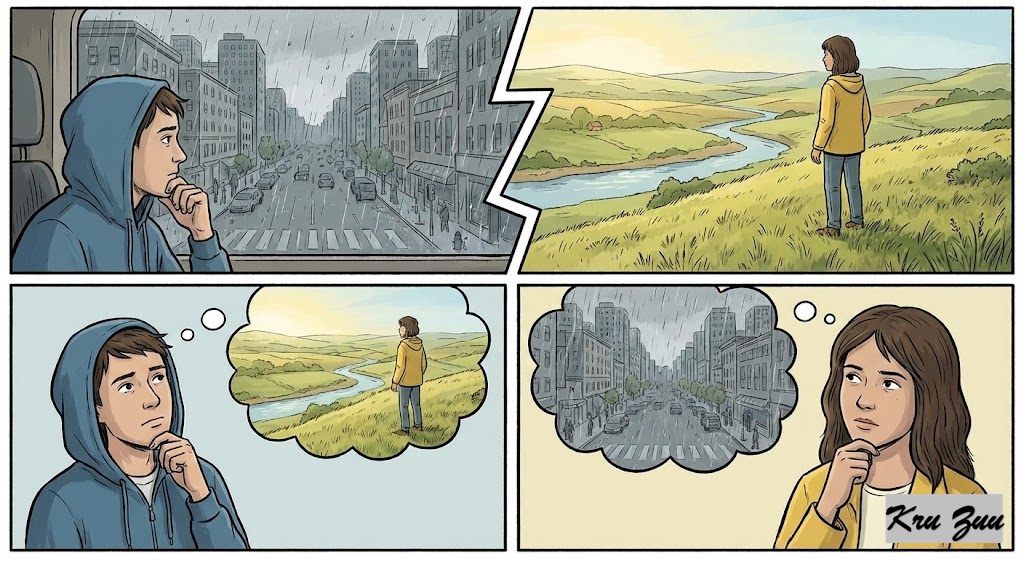
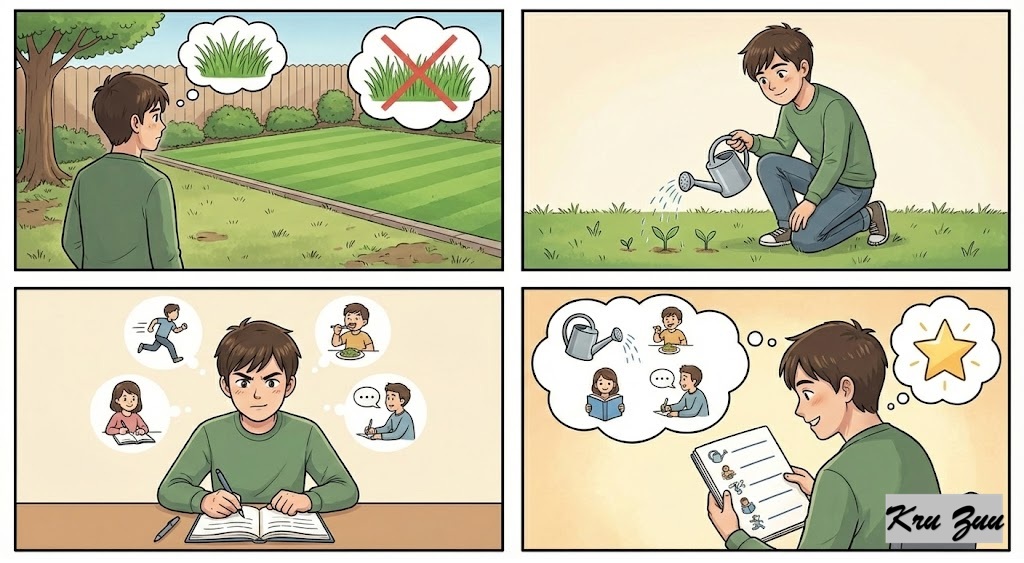
    You look at your life and sigh. You scroll through Instagram and see your friend in Paris. You see your coworker’s new car. You think, “If only I had their life, I would be happy.” You ignore the blessings right in front of your face because you are too busy staring over the fence. You are trapped in the prison of “What If.” 🧟‍♂️


    😇 The Hero (The Gardener)

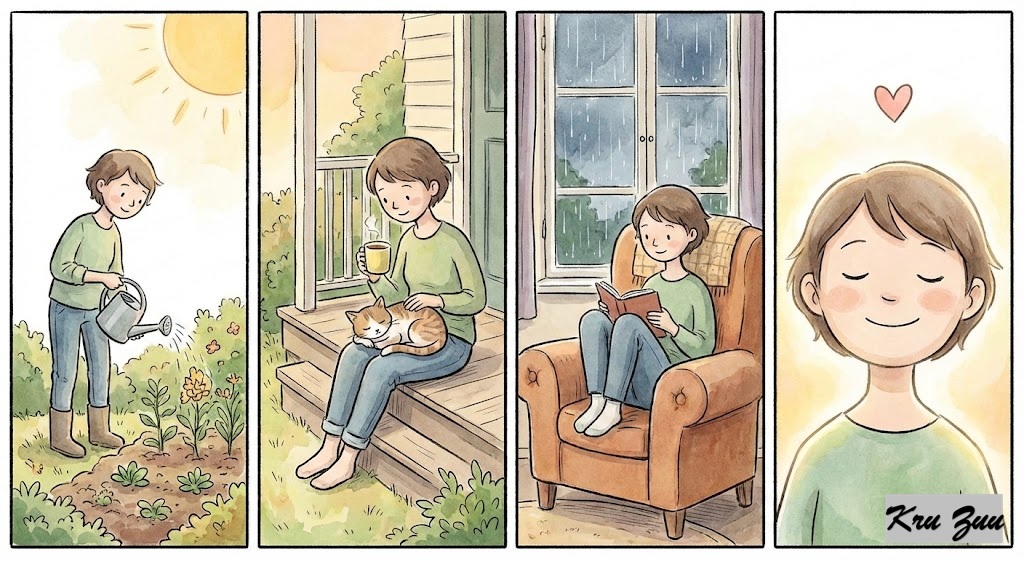
    You admire other people’s success, but you don’t envy it. You know a secret: Grass is greenest where you water it. Instead of staring at your neighbor’s lawn, you pick up a hose and water your own garden. You focus on your own growth. You find joy in what you have today. 🛡️


    ⚖️ The Reality


    Comparison is the thief of joy. From a distance, the neighbor’s grass looks perfect. But if you walk over there, you will see weeds, dirt, and ants, just like yours. Every life has problems; you just can’t see them from far away.


    💎 The Secret

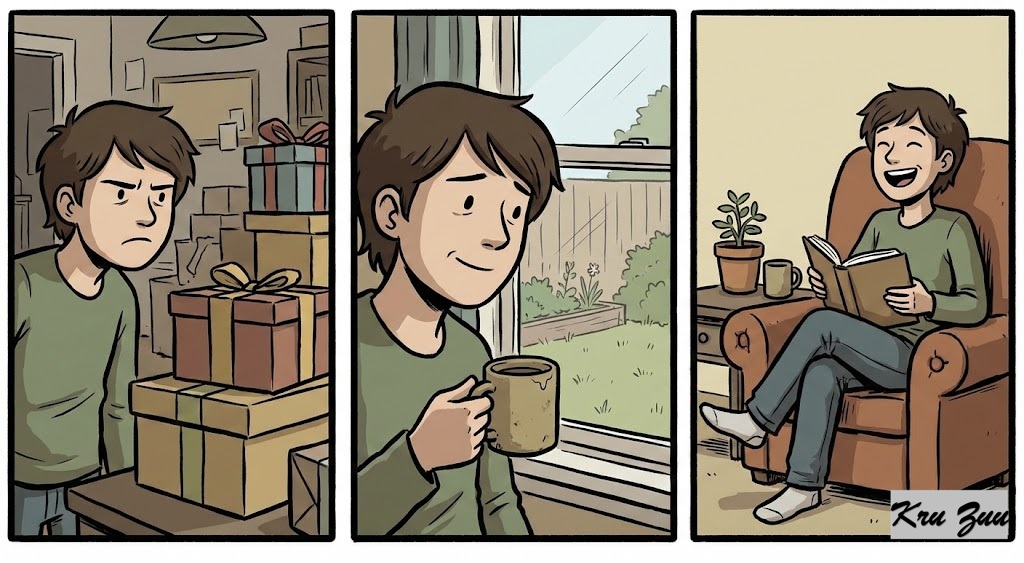
    Happiness is not about getting what you want. It is about wanting what you have.

    🧐 The Anatomy of the Proverb


    This is the ultimate idiom for dissatisfaction.


    Greener (Comparative Adjective): More green; better; healthier.


    On the other side (Prepositional Phrase): In a different place; in someone else’s situation.


    Simpler Version: We always think other people have it better than us.


    📚 Vocabulary Vault


    Envy (Noun/Verb):
    The feeling of wanting what someone else has. (The green-eyed monster). 😠


    Contentment (Noun): A state of happiness and satisfaction. 😌


    Perspective (Noun): A particular attitude toward or way of regarding something; a point of view.


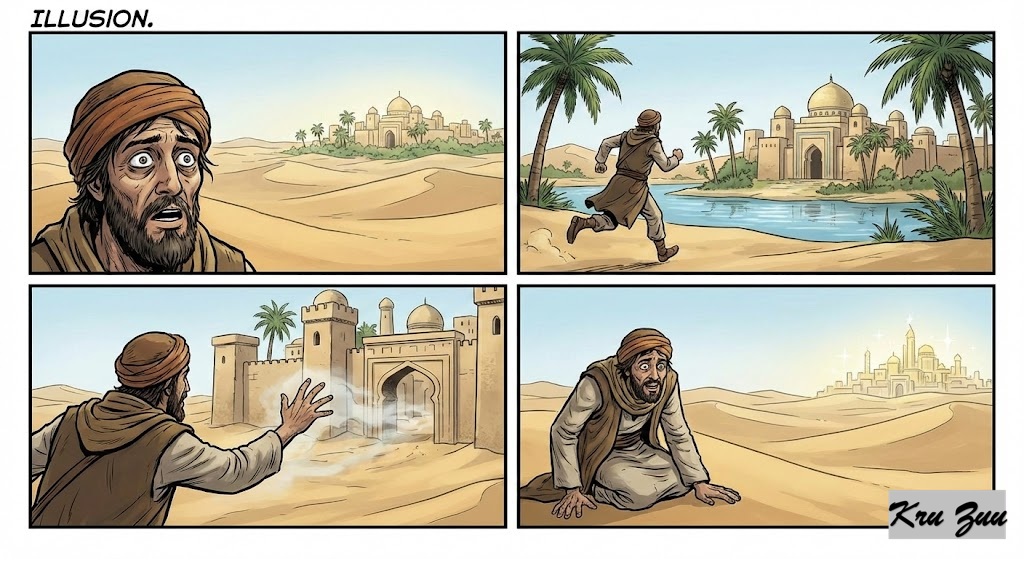
    Illusion (Noun): A false idea or belief. 🪄


    Appreciate (Verb): To recognize the full worth of something.


    🧠 Grammar Focus: Comparatives


    This proverb uses the Comparative Form to show the difference between two things.


    The Rule (Short Adjectives): Add -er to the end of the adjective.


    Green ➡️ Greener
    Fast ➡️ Faster
    Rich ➡️ Richer


    The Structure: [Subject A] is [Adjective + er] + THAN + [Subject B].


    My neighbor is richer than me.


    Summer is hotter than winter.

    📜 History & Global Cousins


    This idea is ancient because human jealousy is ancient!


    The Origin

    The Roman poet Ovid (43 B.C.) wrote about this concept: “The harvest is always more fruitful in another man’s field.”


    Global Cousins


    🇹🇷 Turkish:
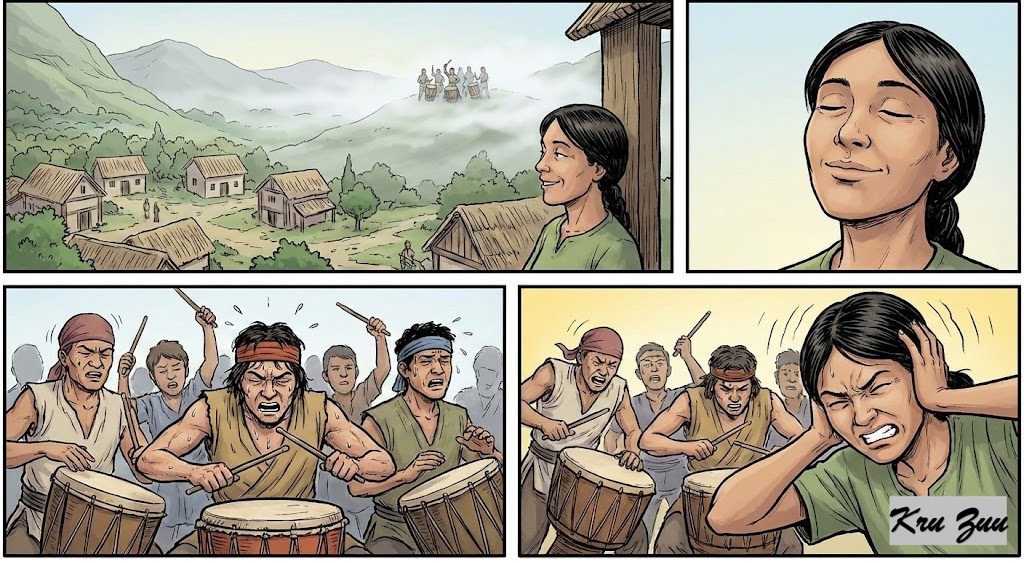
    “Davulun sesi uzaktan hoş gelir.” (The drum sounds nice from afar.)

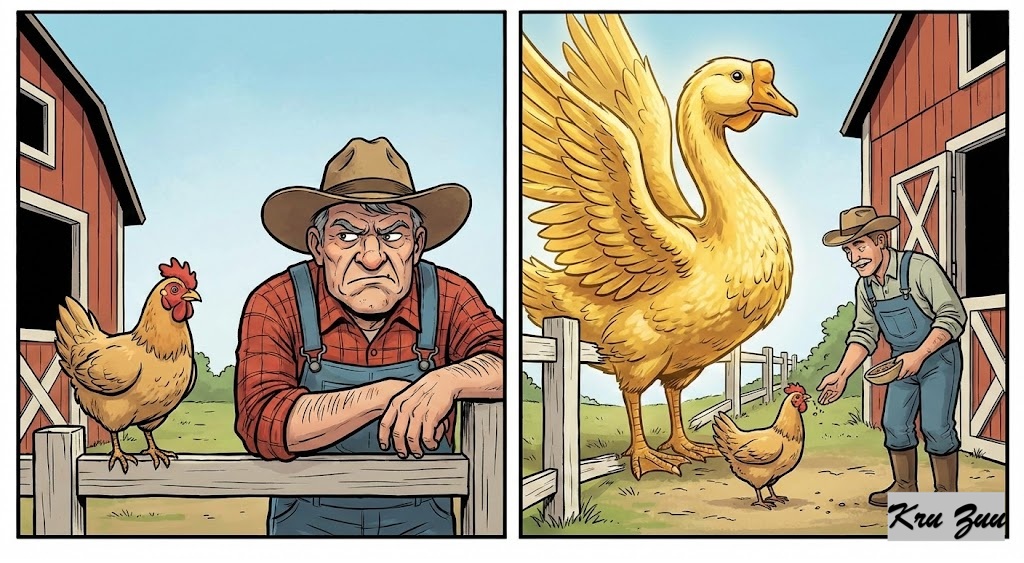
    🇹🇷 Turkish: “Komşunun tavuğu komşuya kaz görünür.” (The neighbor’s chicken looks like a goose to the neighbor.) — Keep this in mind for our story below! 🐔


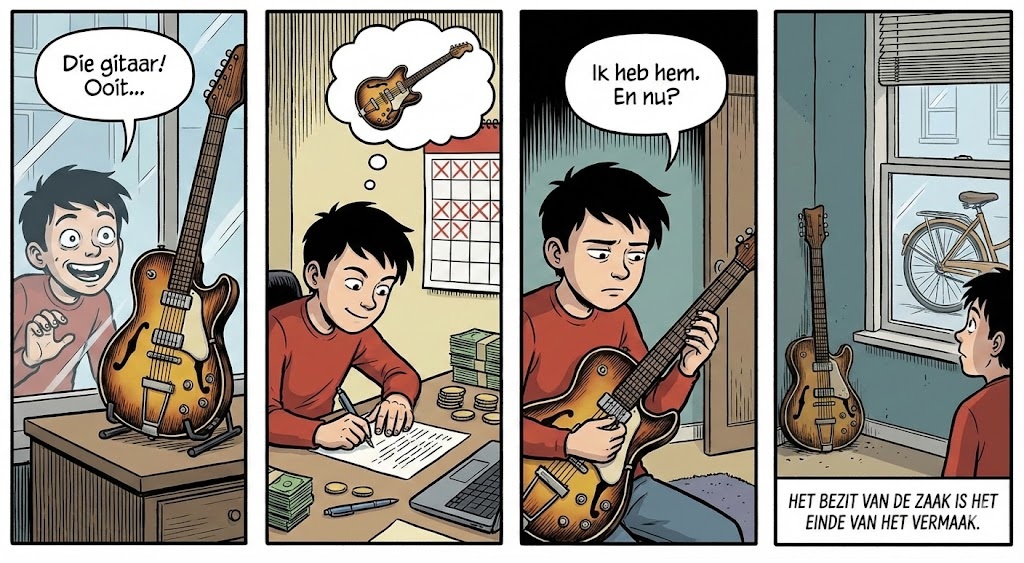
    🇳🇱 Dutch: “Het bezit van de zaak is het einde van het vermaak.” (Possession of the thing is the end of the fun.)

    🎭 Short Story: The Great Animal Swap


    Let’s meet three unhappy animals living on a farm.


    🌟 The Cast


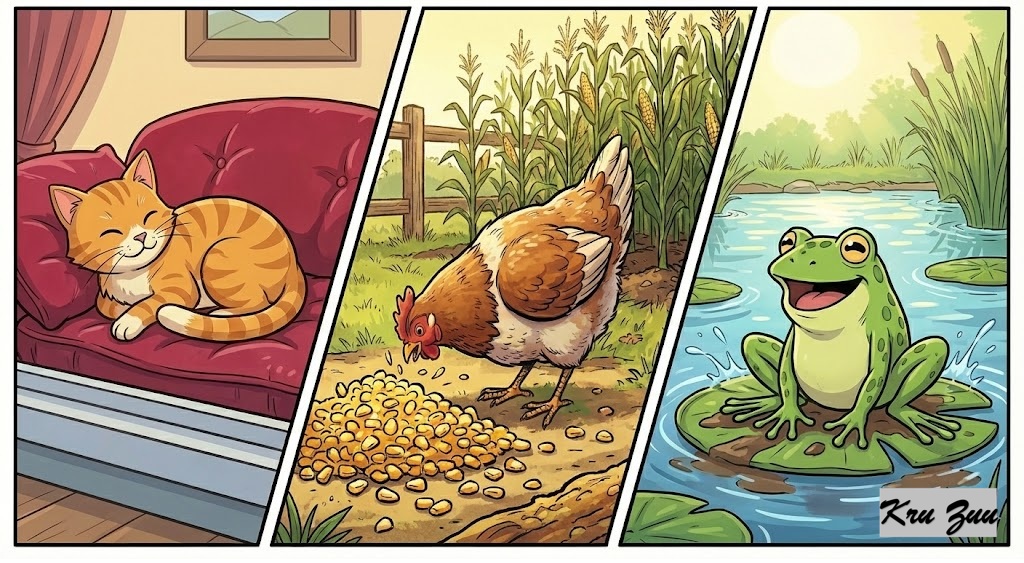
    🐱 Whiskers (The Cat): Sleeps on a velvet pillow inside the house.


    🐔 Pecky (The Chicken): Lives in the garden with unlimited corn.


    🐸 Hops (The Frog): Lives freely by the cool pond.


    The Conflict: It is a sunny Tuesday, but nobody is happy.


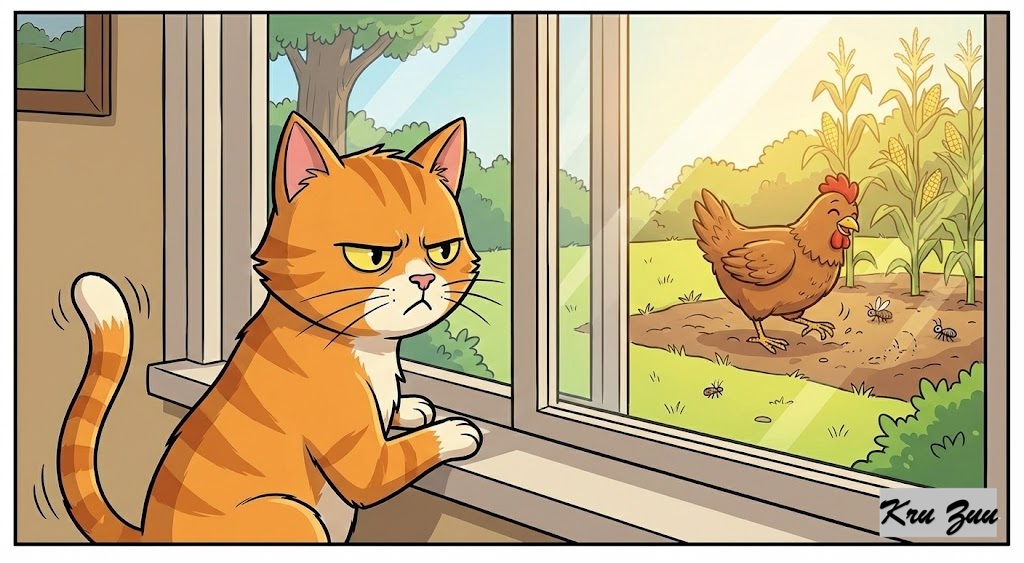
    Whiskers the Cat looks out the window. “Look at Pecky. She is so free! She feels the sun and eats bugs all day. I am trapped in this boring house. I wish I were a chicken.”


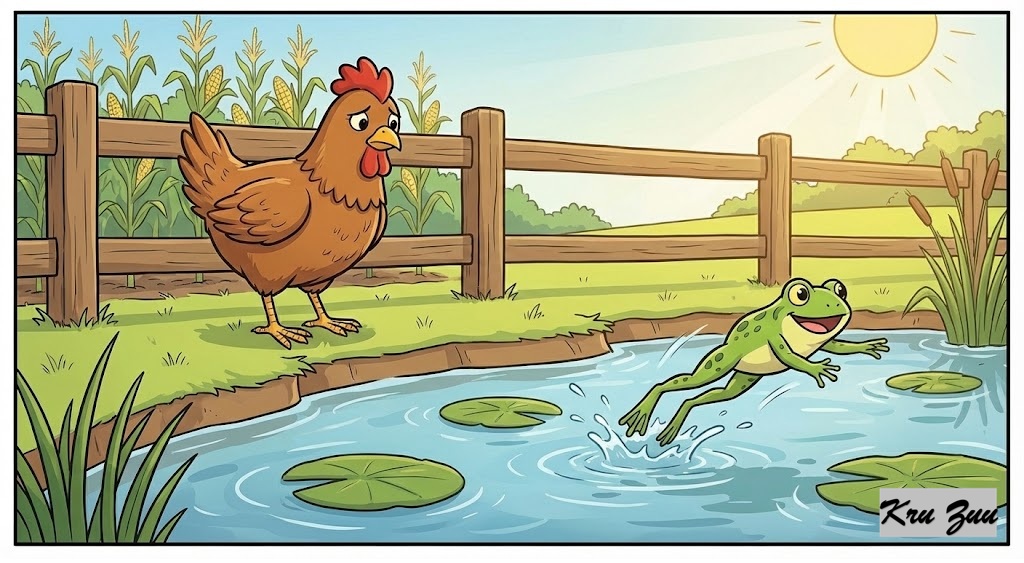
    Pecky the Chicken looks at the pond. “Look at Hops. He can swim! He travels wherever he wants. I am stuck behind this fence waiting to be eaten! I wish I were a frog.”


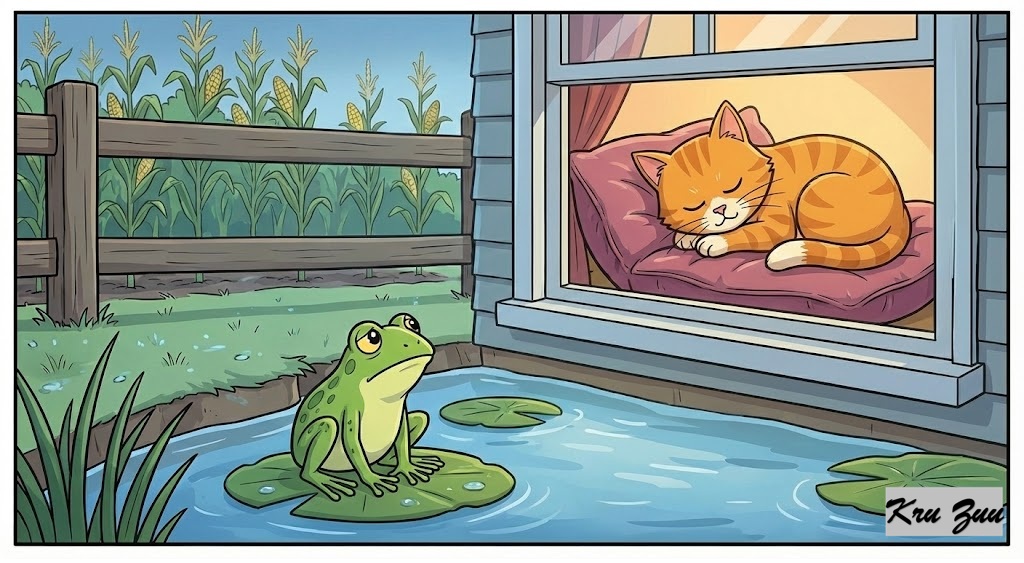
    Hops the Frog looks at the window. “Look at Whiskers. He sleeps on a soft pillow. He never gets cold or wet. He is treated like a King. I wish I were a cat.”


    The Swap (The Disaster):
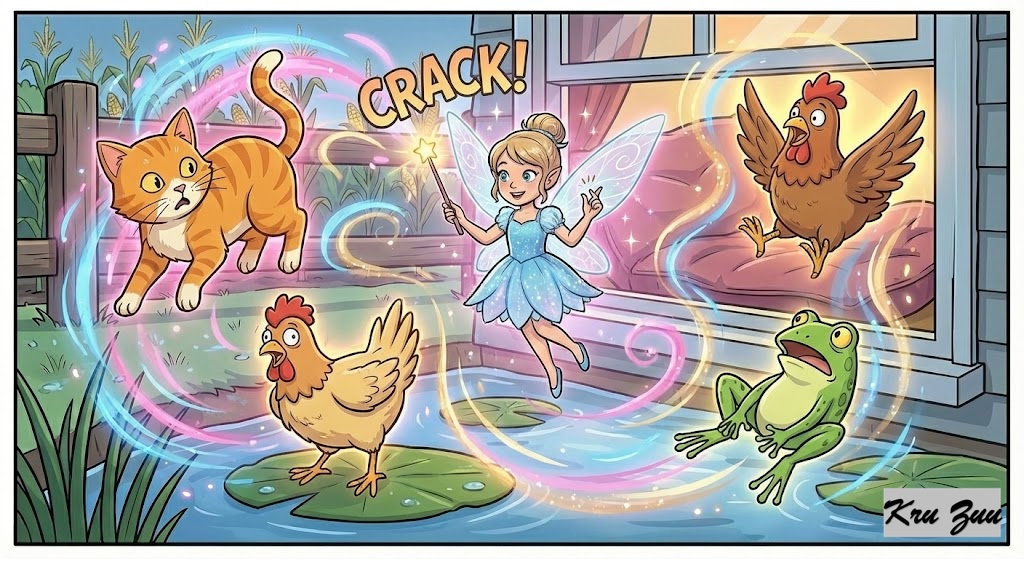
    A magic fairy hears their complaints and snaps her fingers! 🪄💥


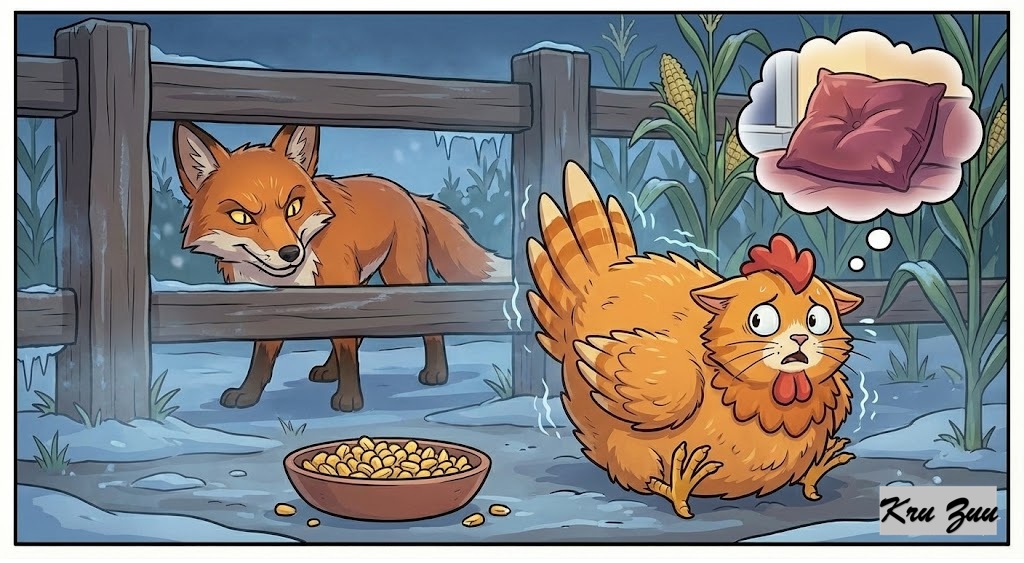
    The Cat becomes a Chicken: Whiskers is now outside. It is cold. The food is hard corn (yuck!). A fox stares at him. He is terrified! “Take me back to my pillow!” 🙀


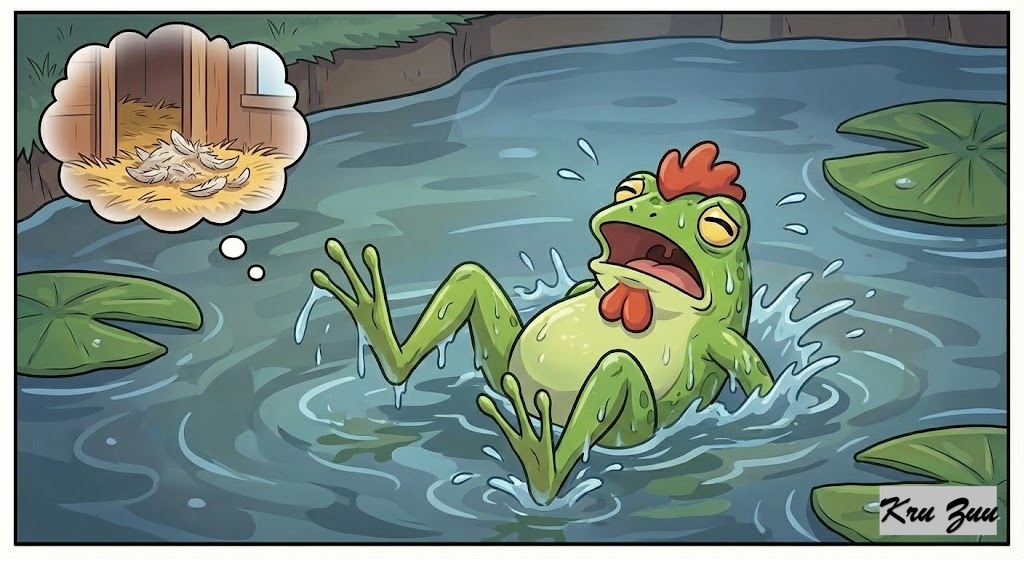
    The Chicken becomes a Frog: Pecky jumps into the water. “Help! I can’t swim!” She is wet, cold, and slimy. She misses her warm feathers. “Take me back to my coop!” 🐔💦


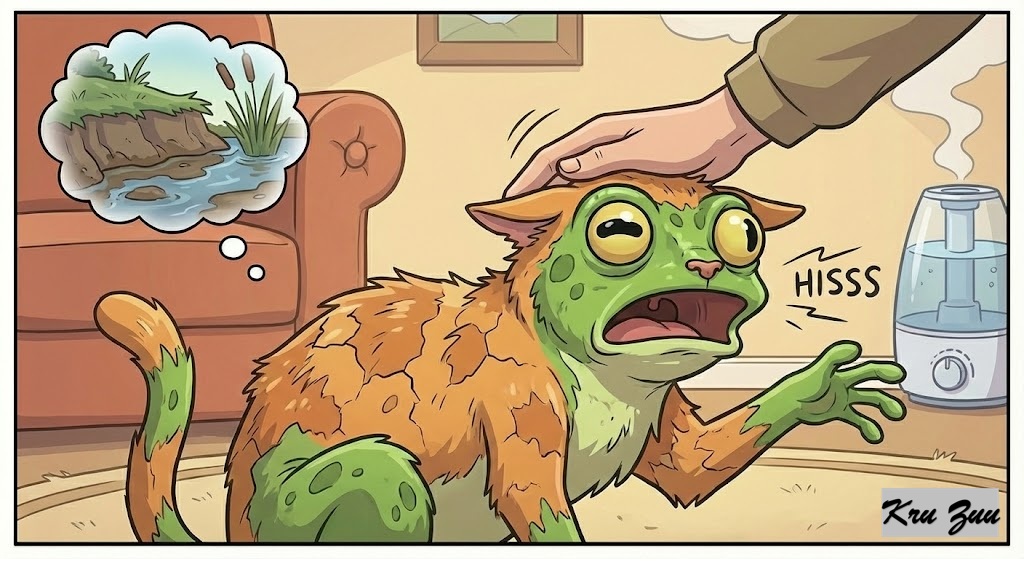
    The Frog becomes a Cat: Hops is inside. The air is dry. His skin starts to crack. The human tries to cuddle him. “Don’t touch me! I need water!” He feels suffocated. “Take me back to my mud!” 🐸🚫


    The Moral: When the magic ended, they all sighed with relief. The pillow, the corn, and the mud never looked so good. The grass wasn’t greener; it was just different.

    🎓 Lesson for English Learners


    Don’t compare your “Chapter 1” to someone else’s “Chapter 20.”


    Situation

    You hear a native speaker talking fast and fluent. You feel bad about your English.


    The Reality

    They have been speaking English since they were babies. You started 2 years ago.


    You Say: “I will not look at their grass. I will water my own grass. Today, I will learn 5 new verbs. That is progress.”


    💬 Your Turn: The Gratitude Challenge 🚀


    Stop looking over the fence. Look at your feet.


    The Challenge: Identify ONE thing in your life that someone else might be jealous of.


    Do you have free time?


    Do you have a loving family?


    Can you read this blog post? (Yes, you can!)


    The Action:
    Write that one thing in the comments below! 👇 “I am happy that I have…”


    (Don’t put it off! Do it now!) 😉

    By Zubeyir YURTKURAN

    https://www.facebook.com/BrainBattleground/

    https://www.facebook.com/zubeyr.yurtkuran/

    https://www.instagram.com/zubeyryurtkuran/
    https://www.youtube.com/@BrainBattleground-b3p

    https://www.instagram.com/brainbattleground/

  • 🐴 The Daily Shield: The Law of Free Will

    🐴 The Daily Shield: The Law of Free Will

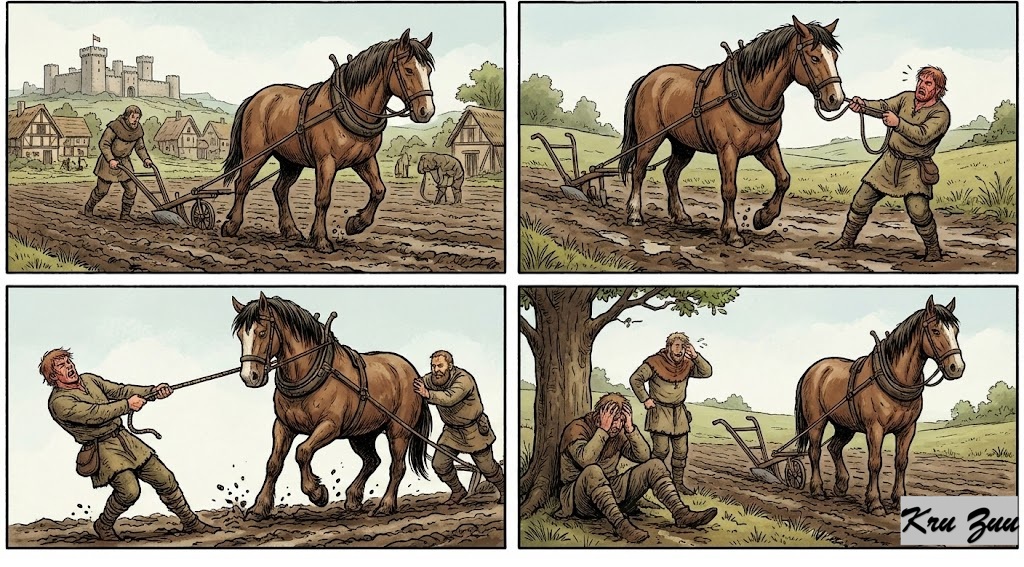
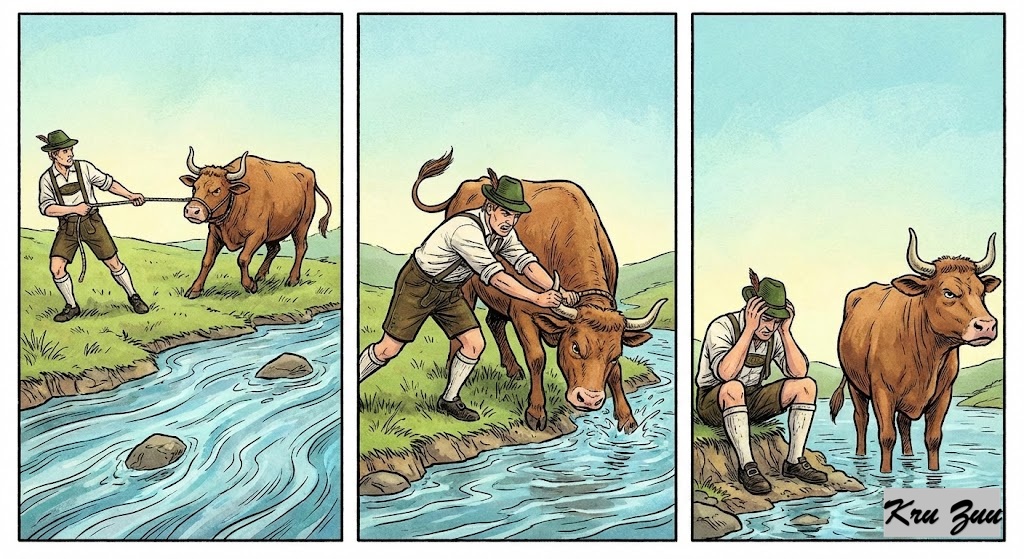
    “You can lead a horse to water, but you can’t make him drink.”


    😈 The Villain (The Control Freak)
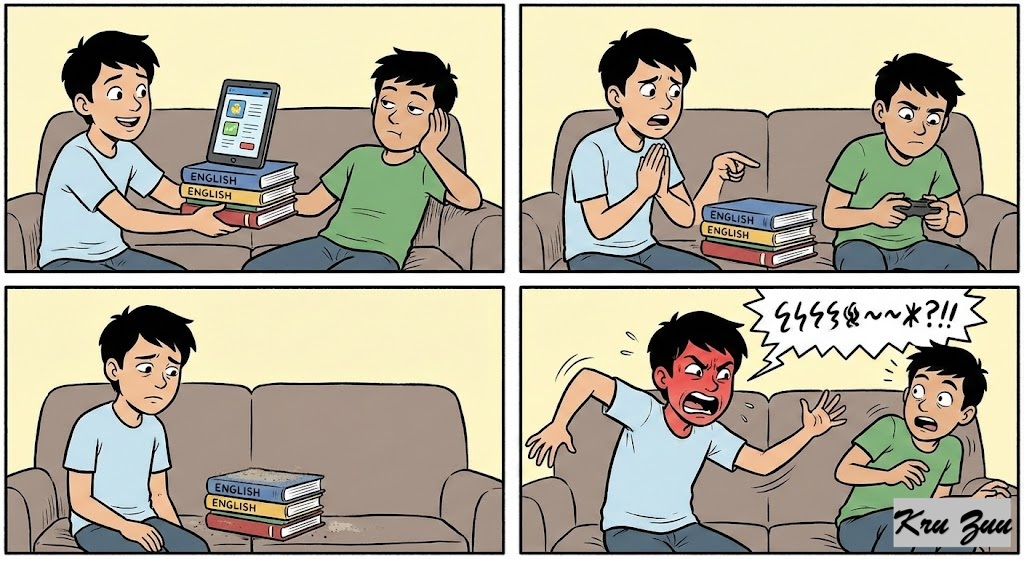
    You want your friend to learn English. You buy them books, you send them links, you beg them to study. They don’t do it. You get angry.

    You want your brother to eat healthy. You cook him broccoli. He orders pizza. You feel frustrated and exhausted.

    You think, “If I try harder, I can change them.” You are fighting a war you cannot win. You are trying to control another person’s mind. 🤯


    😇 The Hero (The Guide)
    You offer help. You open the door. You say, “Here are the tools if you need them.” Then, you step back. You understand that you are the guide, not the commander. You focus on your own actions, not their reactions.

    The Result? You protect your energy. You don’t take their refusal personally. You are helpful, but you are also free. 🕊️


    ⚖️ The Reality
    Help is not a forceful injection; it is an offering. You can provide the best opportunity in the world (the water), but the desire to take it (the drinking) must come from inside them. Motivation cannot be donated.


    💎 The Secret: You are responsible to people (to help them), but you are not responsible for people (for their choices).

    🧐 The Anatomy of the Proverb


    This is the ultimate lesson in boundaries.


    Lead (Verb): To show the way; to guide someone to a place. 🗺️


    Make (Causative Verb): To force or compel someone to do something. (This is the impossible part!).


    Simpler Version: You can’t force people to accept your help.


    📚 Vocabulary Vault


    Reluctant (Adjective):
    Unwilling and hesitant to do something.


    Initiative (Noun): The power or opportunity to act or take charge before others do.


    Stubborn (Adjective): Having a determination not to change one’s attitude. 🧱


    Autonomy (Noun): The right or condition of self-government; freedom to choose.


    Influence (Verb/Noun): To have an effect on someone, but not total control.


    🧠 Grammar Focus: Causative Verbs


    This proverb uses a very specific grammar structure called Causative Verbs.


    The Structure: Subject + Make + Person + Verb (Base Form).


    Meaning: To force someone to do something.


    Examples


    ❌ “You can’t make him to drink.” (Incorrect!)


    ✅ “You can’t make him drink.” (Correct)


    “My teacher made me study extra hours.”


    “Sad movies make me cry.”

    📜 History: Origin and Spread


    This is one of the oldest proverbs in the English language!


    The Origin:
    It was first recorded in 1175 in Old English homilies. Horses were essential for survival (transport, farming). Everyone knew that a stubborn horse could not be moved, no matter how strong the farmer was.


    Global Cousins


    🇹🇷 Turkish:
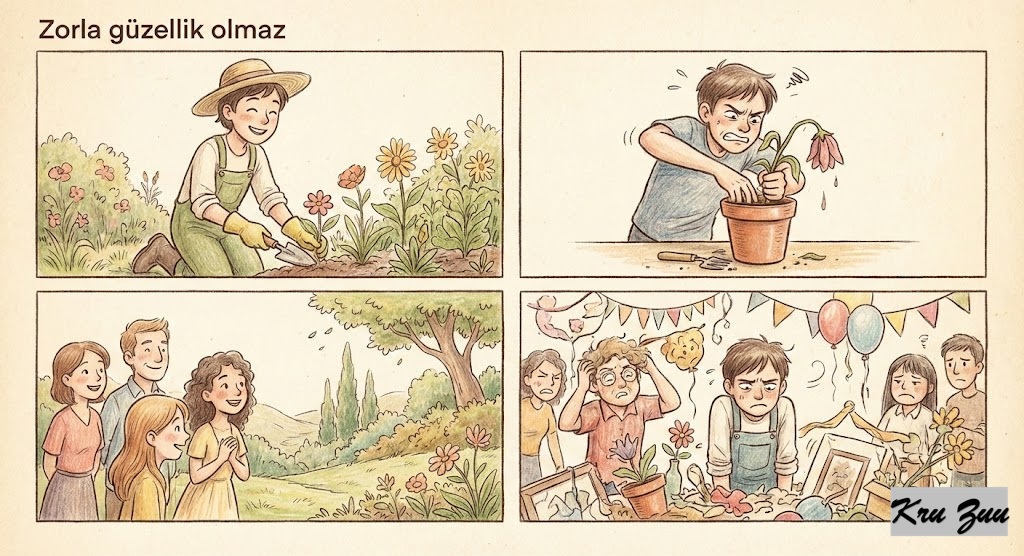
    “Zorla güzellik olmaz.” (Beauty cannot be forced/There is no forced beauty.) OR “Zorla kuyu kazılmaz.”


    🇩🇪 German: “Man kann einen Ochsen zum Wasser führen, aber man kann ihn nicht zwingen, zu saufen.” (You can lead an ox to water, but you can’t force it to booze/drink.)

    🎯 Impact on Life: The Pros & Cons


    ✅ The Pros (Inner Peace)
    Relief:
    When you realize you can’t “fix” everyone, a huge weight lifts off your shoulders.


    Respect: You respect others’ choices, even if they are bad choices.


    ❌ The Cons (The frustration)


    Watching Failure:
    Sometimes, you have to watch people you love fail because they refuse the “water.” That requires emotional strength.

    🎭 Short Story: The Chicken’s Great Feast


    Let’s visit the farm to see this law in action.


    🌟 The Characters


    🐔 Mrs. Hen (The Over-Helper):
    She thinks she knows what is best for everyone.


    🐸 Freddy Frog: He loves flies and mud.


    🐱 Leo the Cat: He is proud, stubborn, and hates being told what to do.


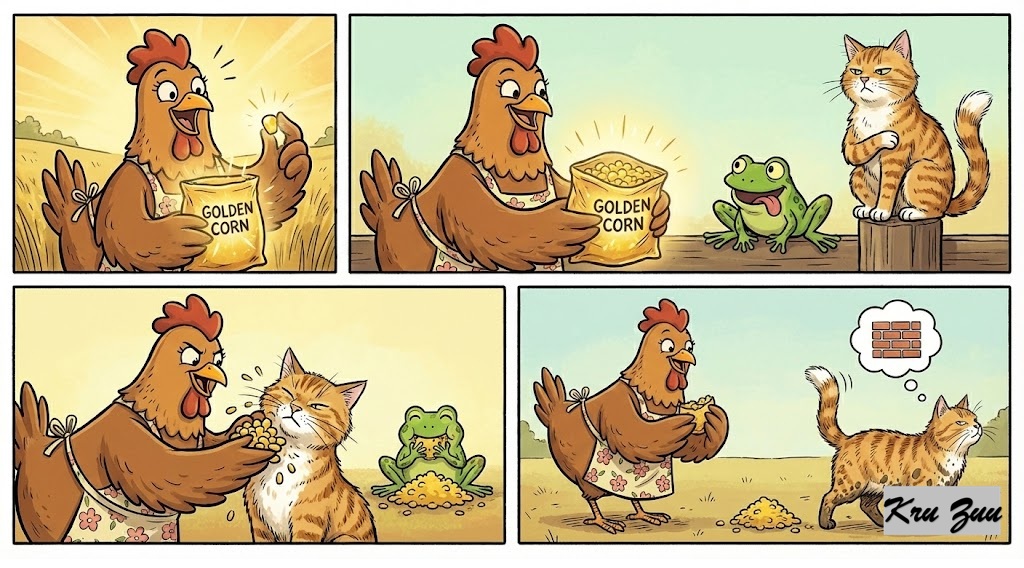
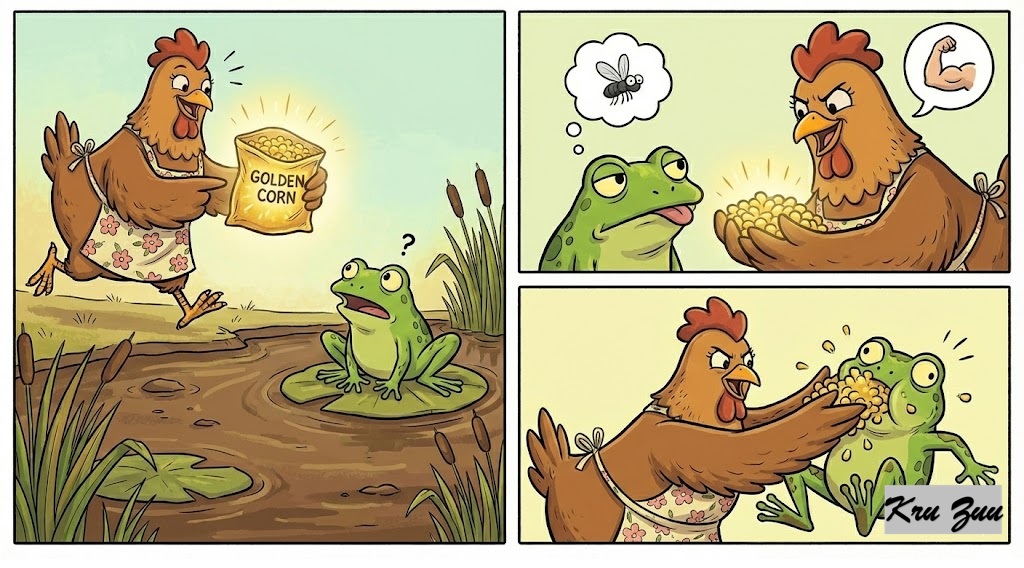
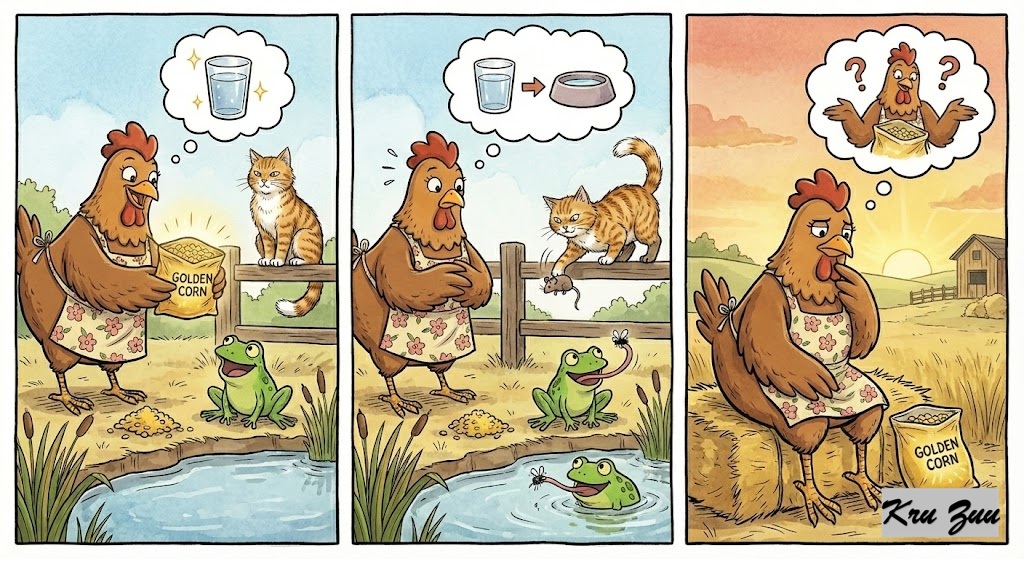
    The Situation: Mrs. Hen found a bag of “Golden Corn.” It was the most delicious, expensive corn in the world. She was so excited! She wanted everyone to be happy and full.


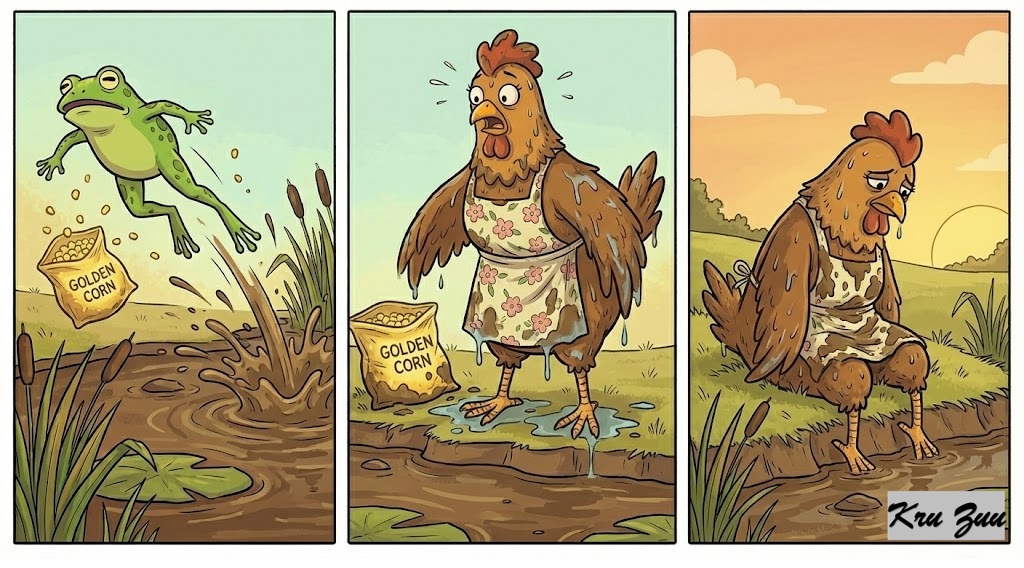
    Scene 1: The Frog Mrs. Hen ran to the pond. “Freddy! Look! Golden Corn! Eat it, it will make you strong!” Freddy Frog looked at the corn. He looked at Mrs. Hen. “But I like flies,” Freddy said. “No, no! This is better than flies,” insisted Mrs. Hen. She pushed the corn into his face.

    The Result: Freddy jumped into the muddy water to escape. Mrs. Hen was wet and sad.


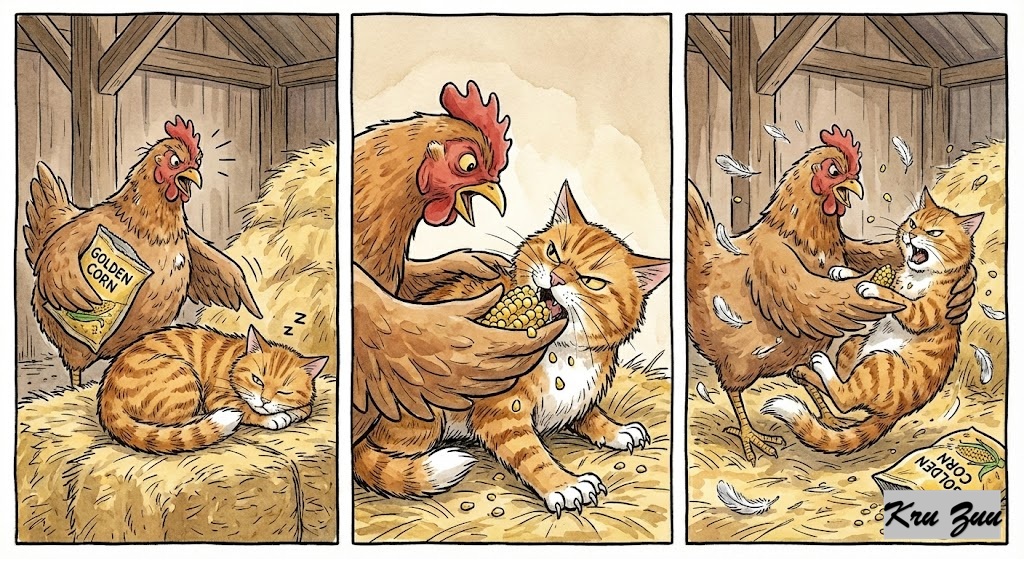
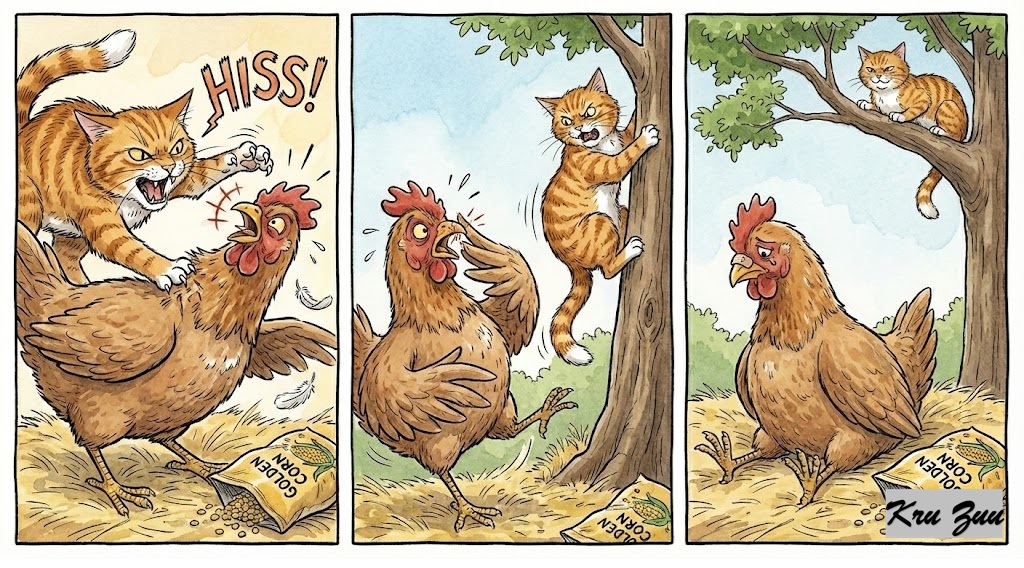
    Scene 2: The Cat Mrs. Hen didn’t give up. She went to the barn. “Leo! You are thin. You need this corn.” Leo the Cat was sleeping. He opened one eye. “I am a carnivore, Mrs. Hen. I eat meat.” “Just try it!” Mrs. Hen shouted. She tried to open Leo’s mouth to put the corn in. “You must eat it!”

    The Result:HISS! Leo scratched Mrs. Hen’s beak and ran up a tree.

    The Moral: Mrs. Hen had good intentions (The Water). But a Frog and a Cat have different needs (The Drinking). Mrs. Hen wasted her day trying to turn a Cat into a Chicken. Don’t be Mrs. Hen. Offer the corn, but don’t force the feast. 🌽

    🎓 Lesson for English Learners


    Stop Buying, Start Doing.


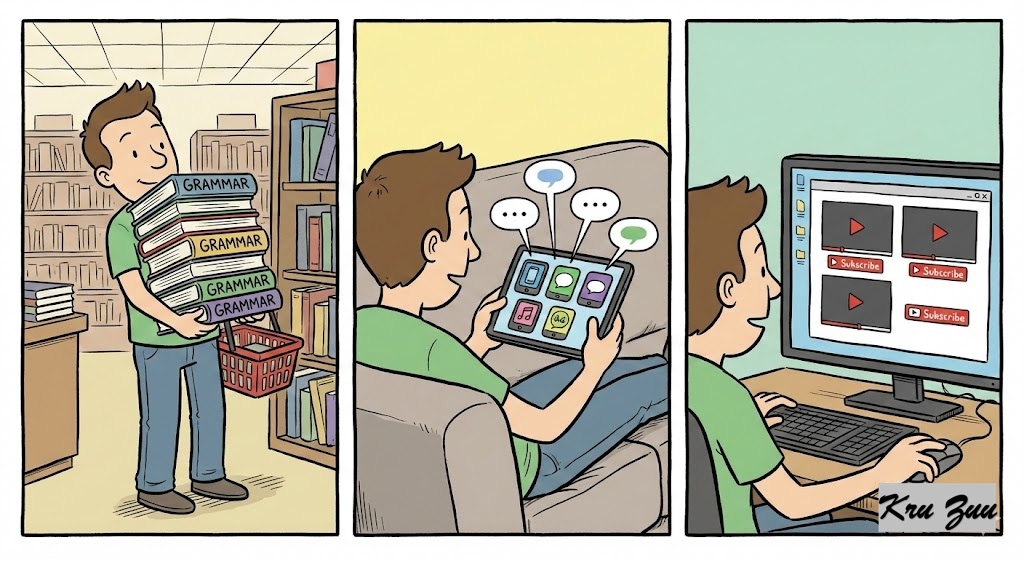
    The Situation: You buy 10 grammar books. You download 5 language apps. You subscribe to 3 YouTube channels.

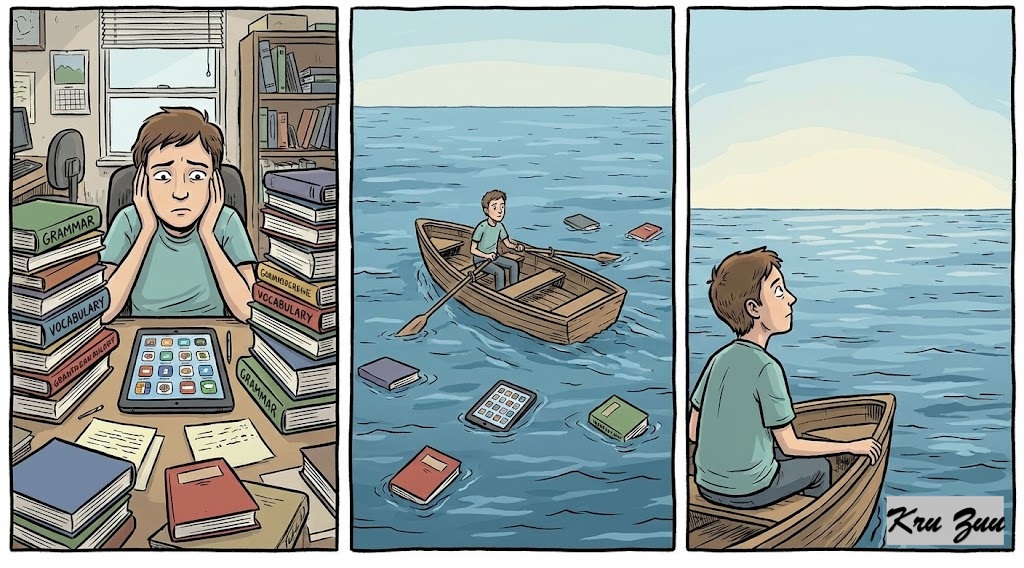
    The Reality: The books and apps are just “the water.”


    The Problem: You are standing by the river, but you aren’t drinking. Buying the book doesn’t put the English in your brain.


    The Fix: One page read is better than ten books bought. Drink the water. 💧


    💬 Your Turn: The Reflection 🚀


    Think about your life this week.


    Who are you trying to “force” to drink? (A friend? A student? Yourself?)


    Are you the stubborn horse? Is someone giving you good advice that you are ignoring?


    👇 Tell us in the comments! Have you ever tried to help someone who didn’t want help?

    By Zubeyir YURTKURAN

    https://www.facebook.com/BrainBattleground/

    https://www.facebook.com/zubeyr.yurtkuran/

    https://www.instagram.com/zubeyryurtkuran/

    https://www.youtube.com/@BrainBattleground-b3p

    https://www.instagram.com/brainbattleground/

  • ⏳ The Daily Shield: The Law of Patience

    ⏳ The Daily Shield: The Law of Patience

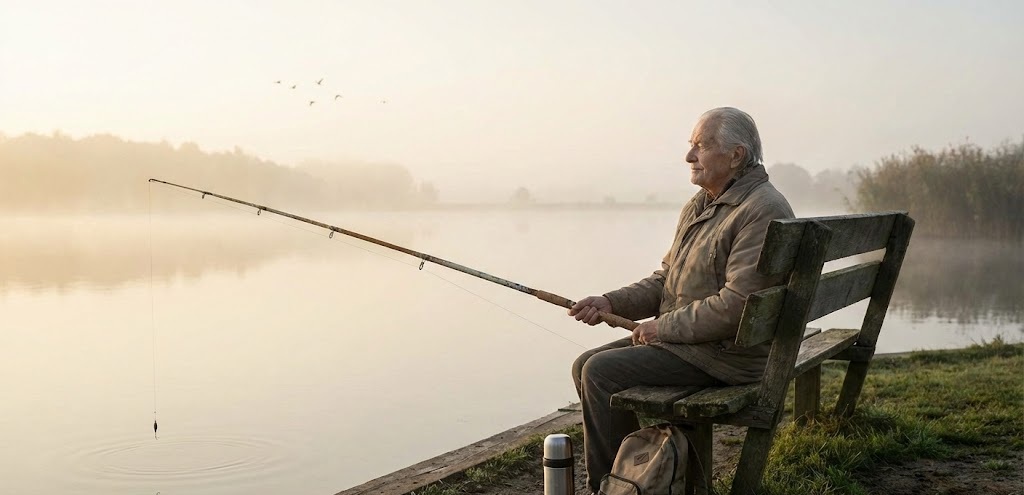
    “Good things come to those who wait.”


    😈 The Villain (The Rusher)
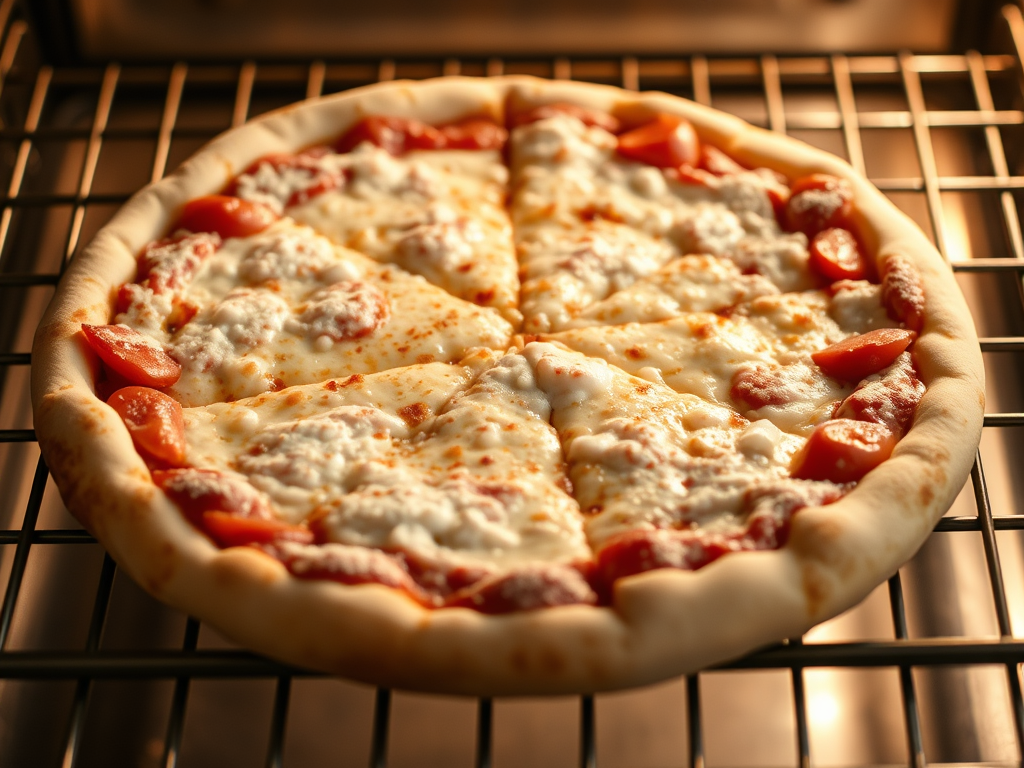
    You want everything NOW. You put the frozen pizza in the oven, but you take it out 5 minutes early because you are hungry. The center is still frozen cold.

    You send 10 text messages because your friend didn’t reply in 30 seconds.

    You quit the gym after one week because you don’t have a six-pack yet.

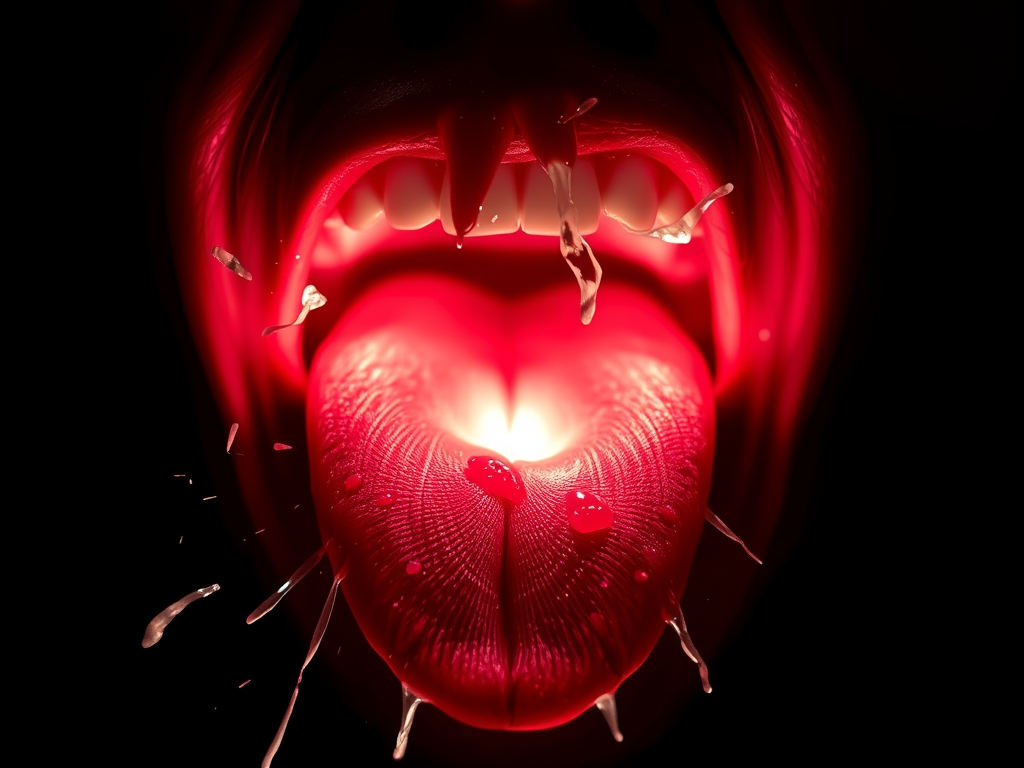
    The Result? Burnt tongues, unfinished projects, and broken relationships. You are addicted to “Instant Gratification.”

    You run fast, but you never arrive. 🏃‍♂️💨


    😇 The Hero (The Strategist)
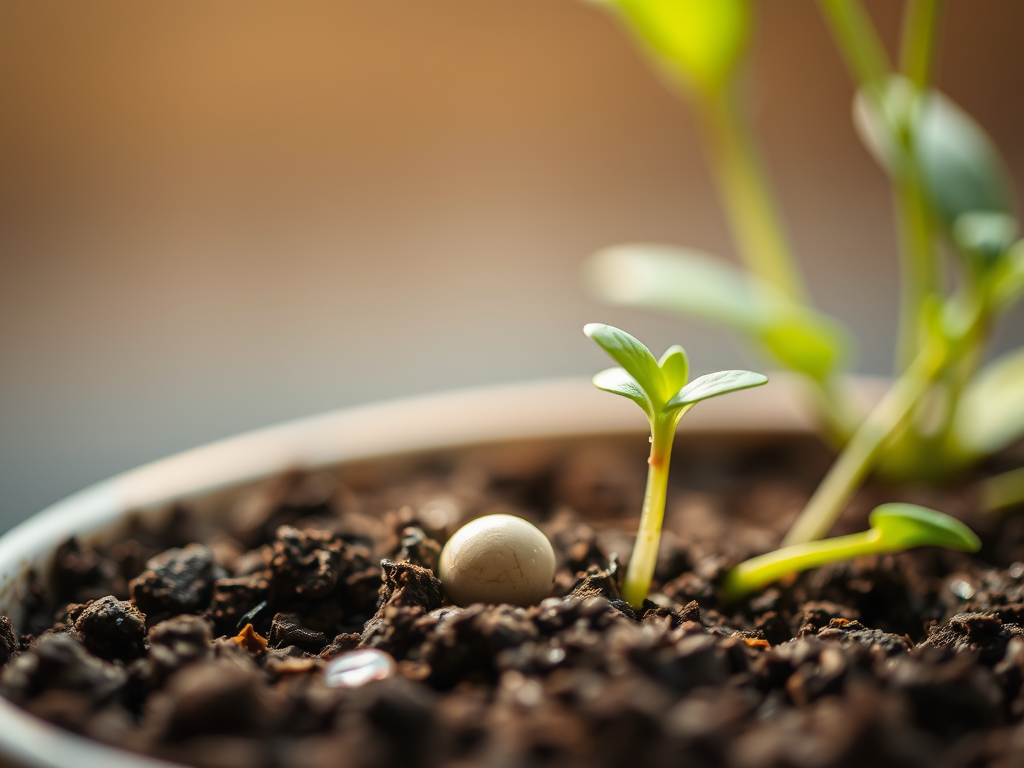
    You plant a seed. You water it. You watch nothing happen for days. But you don’t dig it up to check if it’s growing. You trust the process.

    You wait for the tea to cool down so you can taste the flavor.

    You study English for 15 minutes every day for a year, knowing the result will come later.

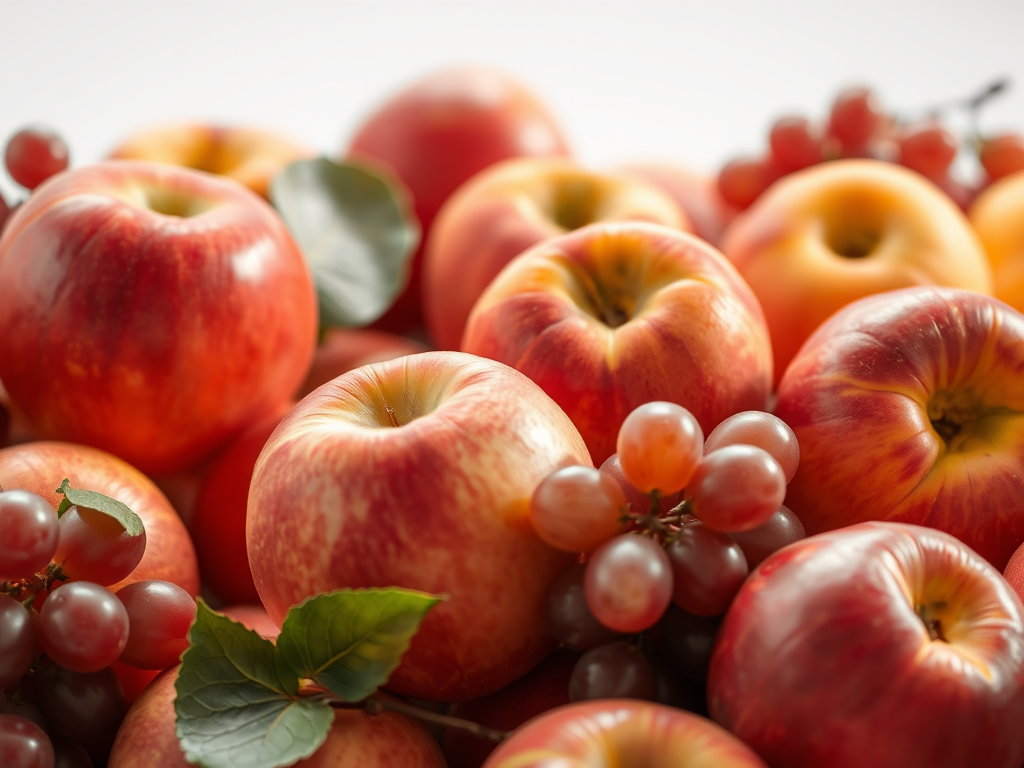
    The Result? You enjoy the sweetest fruit because you let it ripen.

    You win the game because you waited for the perfect moment to strike.

    You possess the superpower called Patience. 🛡️


    ⚖️ The Reality
    “Fast” is often “Fragile.” We live in a microwave generation. We want 5-minute abs, 1-minute rice, and instant success. But diamonds take millions of years to form. If you rush a diamond, you just get coal.

    💎 The Secret: Waiting is not “doing nothing.” Waiting is an action. It is gathering strength, observing, and preparing for the grand finale.

    🧐 The Anatomy of the Proverb

    Let’s break down this famous saying.


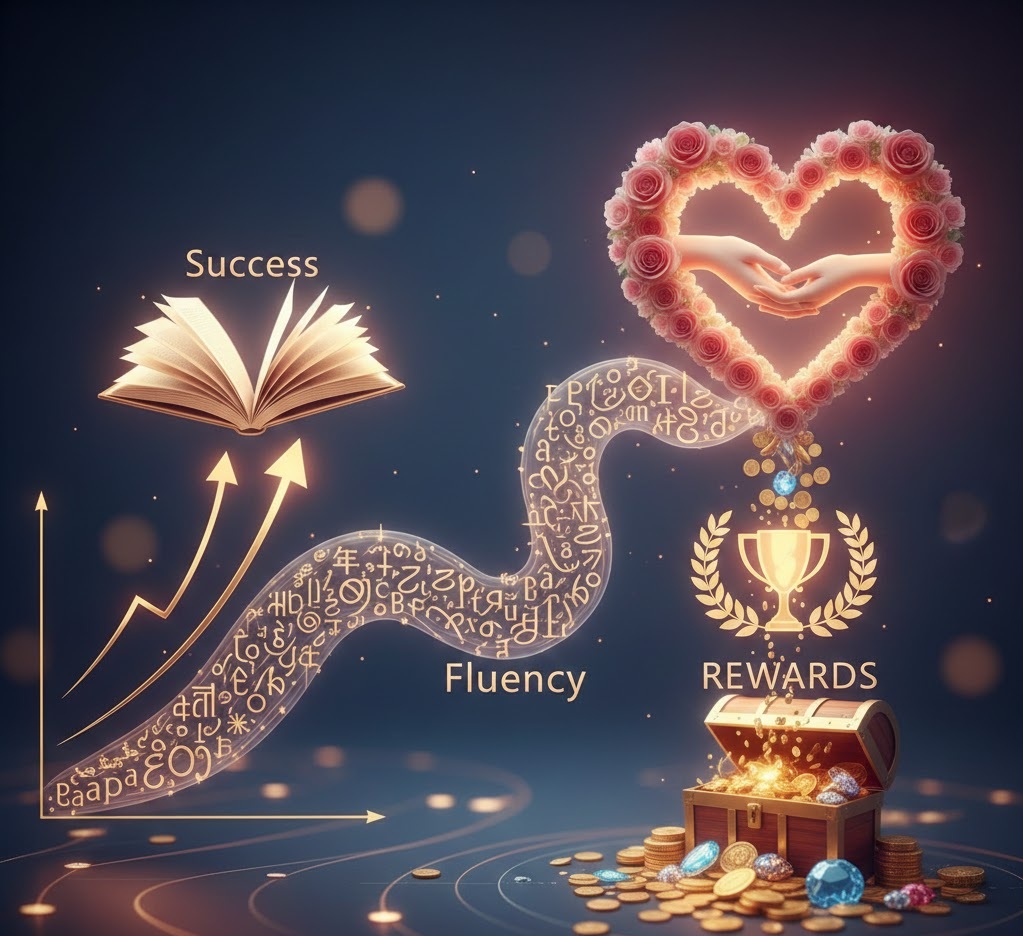
    Good things (Subject):
    Success, fluency, love, rewards.


    Come (Verb): Arrive; happen.


    To those who wait (Indirect Object): The people who show patience.


    Simpler Version: Be patient, and you will be rewarded.


    📚 Vocabulary Vault


    Patience (Noun):
    The capacity to accept or tolerate delay without getting angry. (The ultimate virtue).


    Impulsive (Adjective): Acting or doing something without thinking carefully. (The enemy of success).


    Virtue (Noun): A behavior showing high moral standards.


    Inevitable (Adjective): Certain to happen; unavoidable.


    Ripe (Adjective): Ready to be eaten; fully developed (used for fruit and opportunities). 🍎


    🧠 Grammar Focus: Relative Clauses


    Look at the phrase:
    “Those who wait.” This is a Defining Relative Clause.


    It tells us which people get the good things.


    Structure: Person + Who + Verb.


    Examples


    People who study pass the exam.


    He who laughs last, laughs best.


    God helps those who help themselves.

    📜 History: Origin and Spread


    Where did this wisdom come from?


    The Origin:
    While the idea is ancient, the poem “Tout vient à qui sait attendre” by Mary Montgomerie Currie (under the name Violet Fane) in the 19th century made it famous in English.


    The Logic: Hunters knew this best. If you shoot too early, you miss the deer. If you wait too long, it runs away. You must wait for the perfect shot.


    Global Cousins


    🇹🇷 Turkish:
    “Sabreden derviş muradına ermiş.” (The patient dervish attained his wish.) — A classic!


    🇮🇹 Italian: “Chi va piano, va sano e va lontano.” (He who goes slowly, goes safely and goes far.)


    🇦🇪 Arabic: “As-sabr miftah al-faraj.” (Patience is the key to relief.)

    🎯 Impact on Life: The Pros & Cons


    ✅ The Pros (The Reward)


    Quality:
    Work done with patience is always higher quality than rushed work.


    Wisdom: When you wait and observe, you learn things the “rushers” miss.


    ❌ The Cons (The Trap)


    Passive Waiting:
    There is a difference between “Patience” and “Laziness.”


    The Rule: You must work while you wait. Don’t just sit on the couch hoping for a million dollars!

    🎭 Short Story: The Pond Paradox


    Let’s go to the edge of a magical pond to see this proverb in action.


    🌟 The Characters


    🐔 The Chicken:
    Nervous, frantic, always moving.


    🐈 The Cat: Skilled but impulsive.


    🐸 The Frog: Ugly, still, and staring at nothing.


    The Scene: It is lunchtime. The pond is full of delicious flies.


    The Chicken’s Strategy: The Chicken sees a fly and runs after it immediately. Peck! Peck! Peck! She misses. She runs to another spot. She scratches the ground. She makes a lot of noise.

    Result: The flies are scared. They fly away. The Chicken eats only dust and dry seeds. She is tired and hungry.


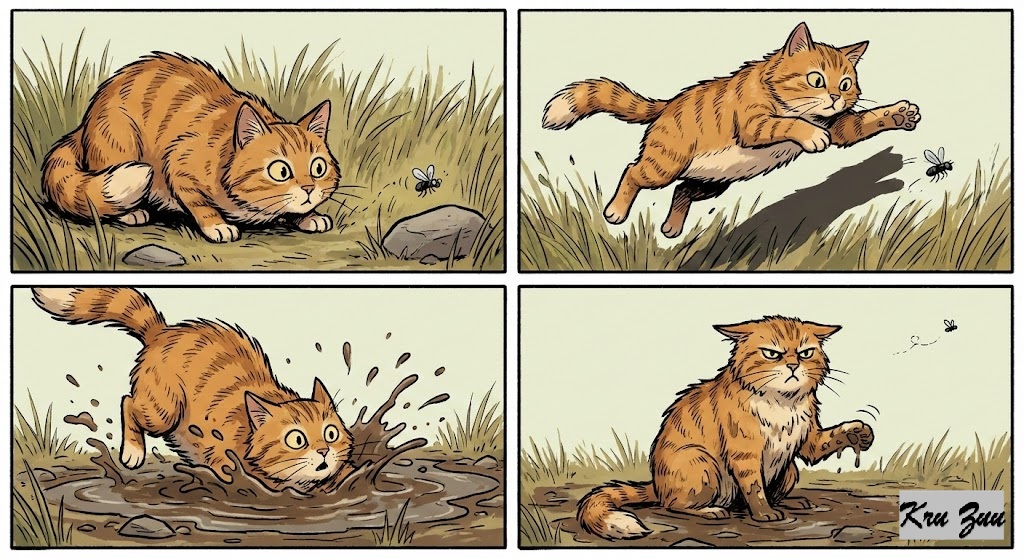
    The Cat’s Strategy: The Cat sees a big blue fly. He crouches. His tail wags excitedly. He counts to two and—POUNCE! He jumps into the air.

    Result: He was too eager. His shadow scared the fly a split second before he caught it. He lands in the mud. Wet and annoyed.


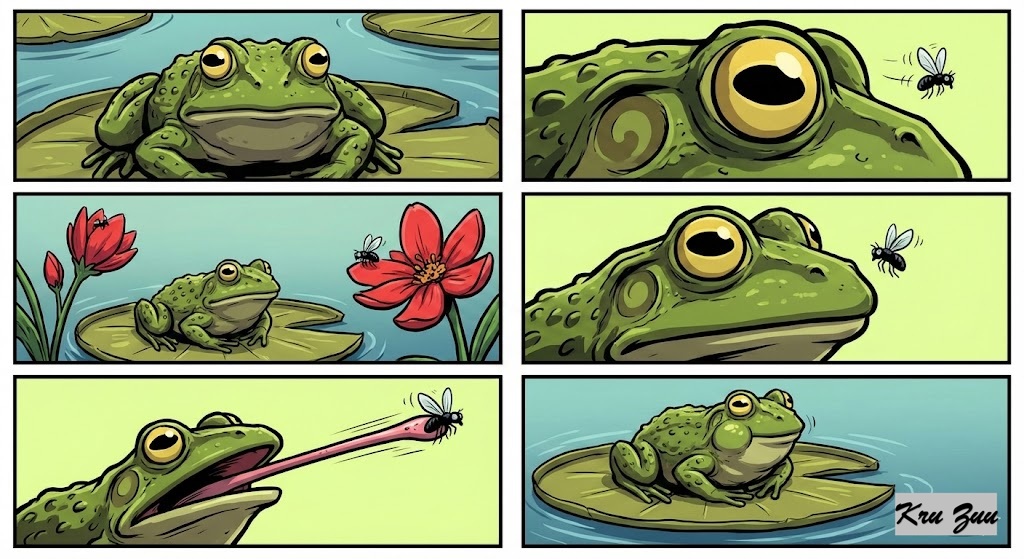
    The Frog’s Strategy: The Frog sits on a lily pad. He looks like a statue. He doesn’t blink. A fly buzzes near his ear. He waits. The fly lands on a flower nearby. He waits. The fly flies closer, right in front of his nose.

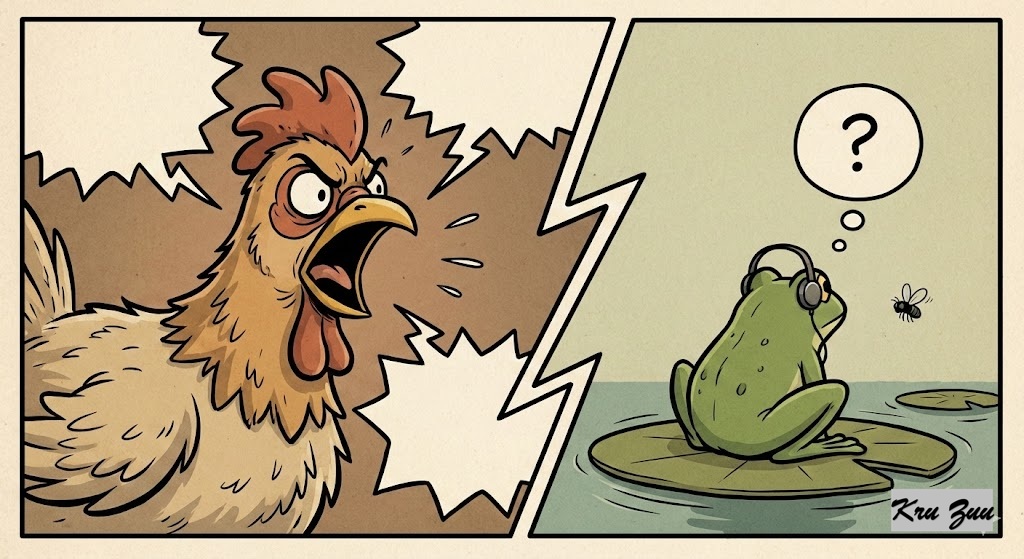
    The Chicken yells, “Why don’t you do something?!” The Frog ignores her.

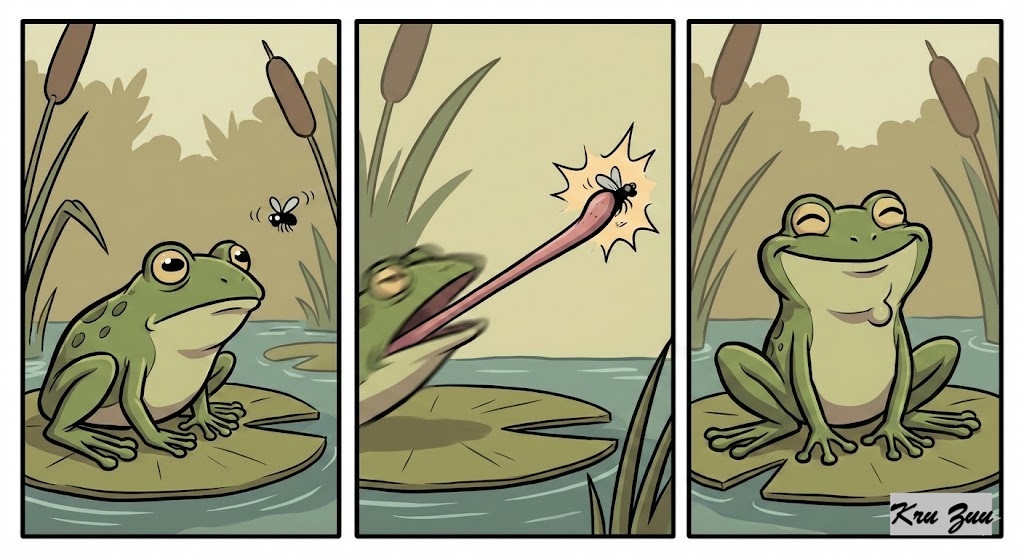
    He waits until the fly is relaxed. ZAP! 👅 In one millisecond, his tongue shoots out. The fly is gone. The Frog smiles.


    The Moral

    The Chicken worked the hardest.

    The Cat was the strongest.

    But the Frog was the smartest.

    Motion is not progress. Stillness is a strategy. 🐸

    🎓 Lesson for English Learners


    Don’t Quit in the “Plateau.”


    Situation:
    You have been learning English for 6 months. You feel like you aren’t improving. You want to quit.


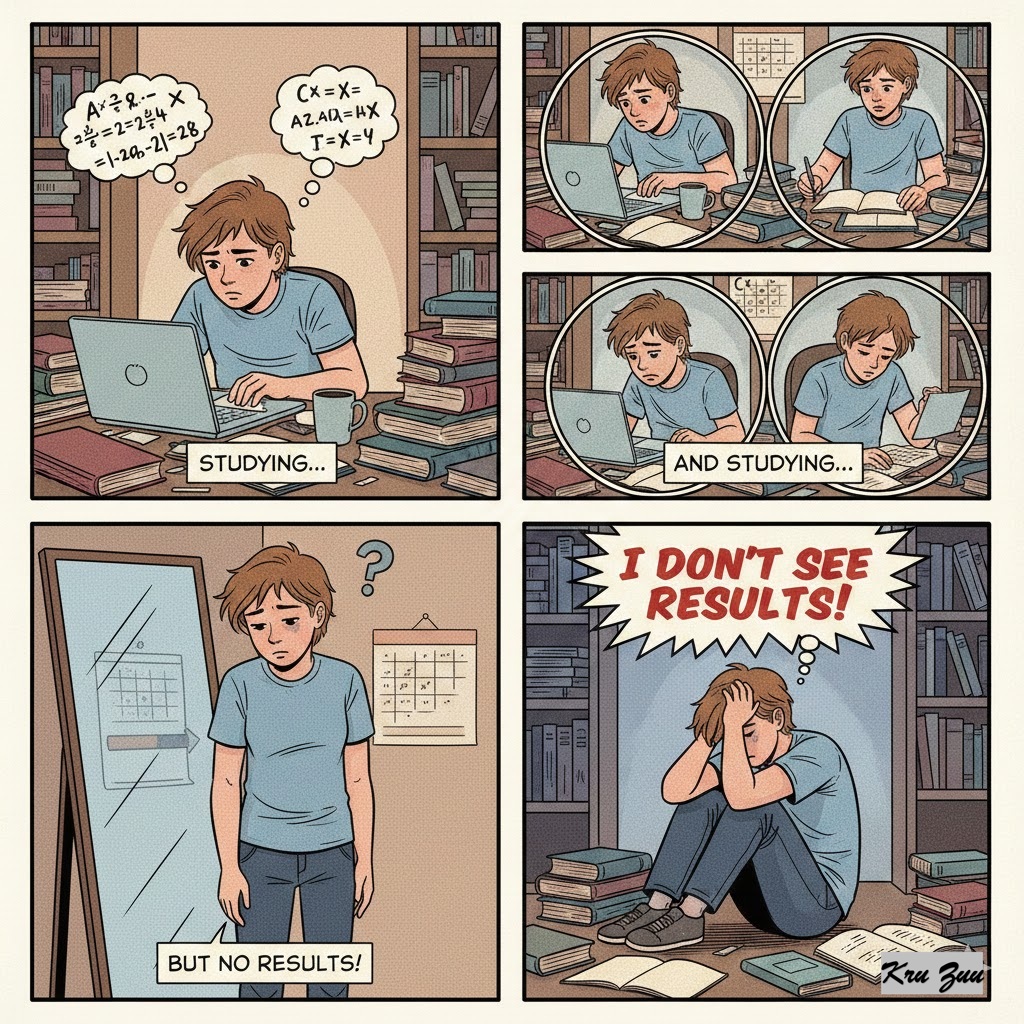
    You Say: “I am studying, but I don’t see results!”


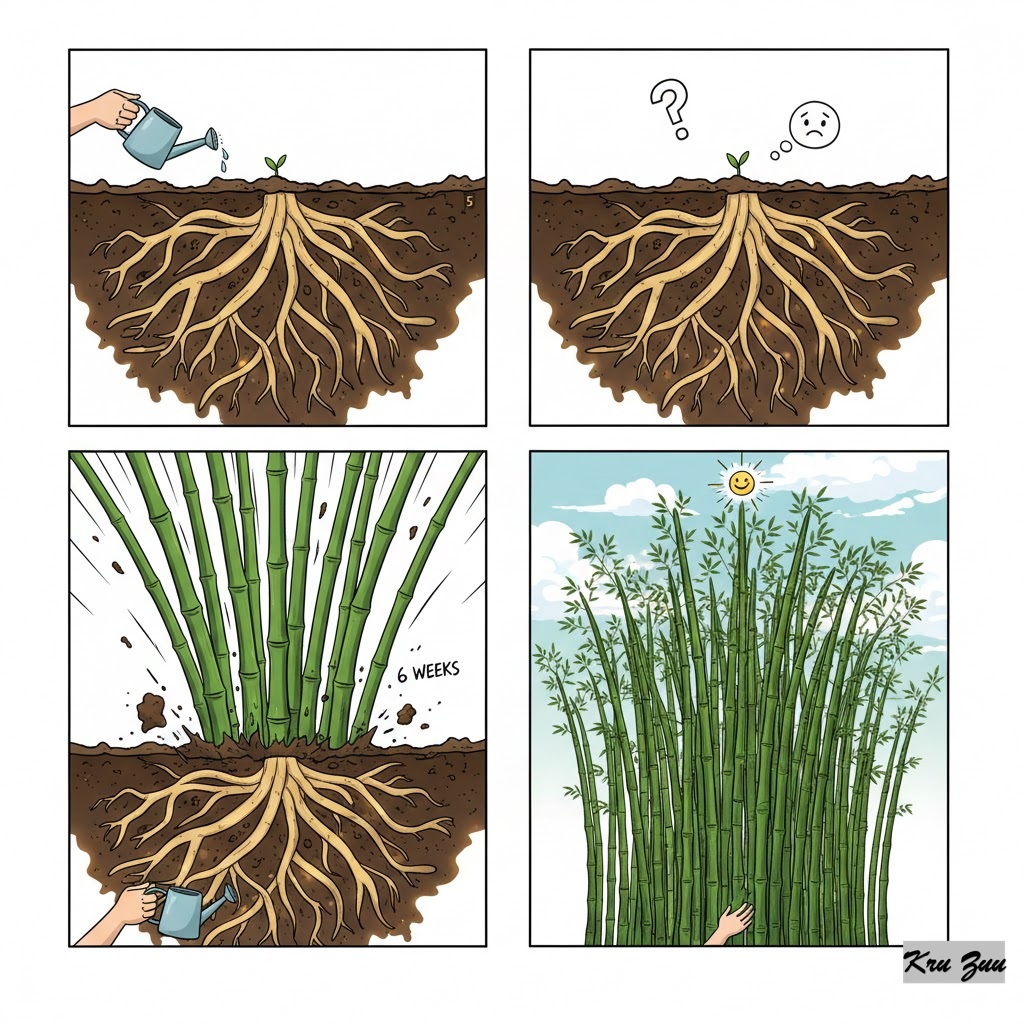
    The Reality: Language learning is like bamboo. For 5 years, bamboo grows underground (roots). You see nothing. Then, in 6 weeks, it shoots up 30 meters!


    The Advice: You are in the root phase. Good things come to those who wait (and keep studying).


    💬 Your Turn: The Marshmallow Test 🍬


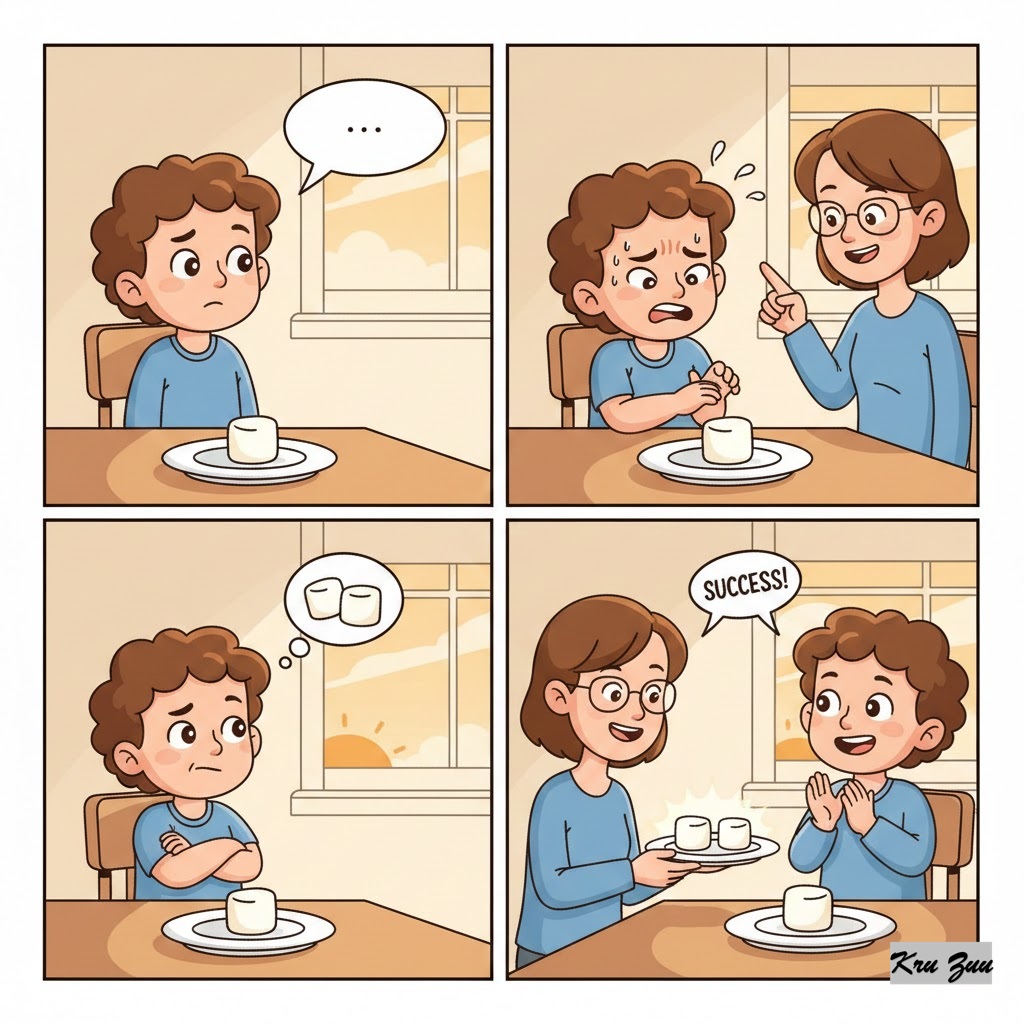
    Psychologists did a test on kids. They put one marshmallow in front of a child and said: “You can eat this now. OR, if you wait for me to come back, I will give you two marshmallows.” The kids who waited became more successful in life.


    Question for you: What is one thing you are being patient for right now? A promotion? Love? Learning a new skill? Tell us in the comments! Are you the Chicken, the Cat, or the Frog? 👇

    By Zubeyir YURTKURAN

    https://www.facebook.com/BrainBattleground/

    https://www.facebook.com/zubeyr.yurtkuran/

    https://www.instagram.com/zubeyryurtkuran/

    https://www.youtube.com/@BrainBattleground-b3p

    https://www.instagram.com/brainbattleground/

  • 💡 The Spark of Genius: Why Problems Are Good for You

    💡 The Spark of Genius: Why Problems Are Good for You

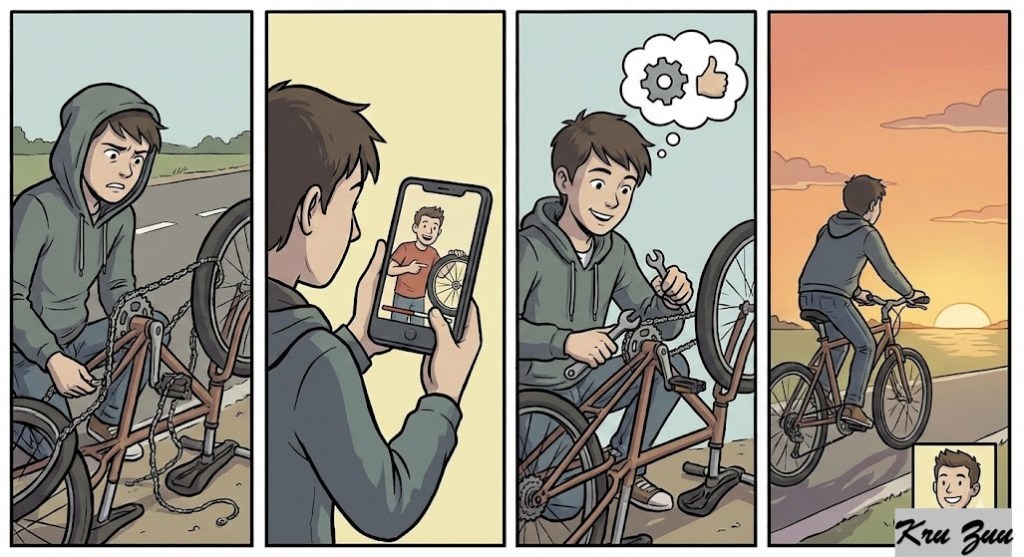
    Necessity is the mother of invention.


    🏖️ The Comfort Zone: You have a car, a GPS, and a full tank of gas. You don’t need to think about directions. You just drive.

    📉 The Reality: You rely on tools. If the battery dies, you are lost. Comfort kills creativity.


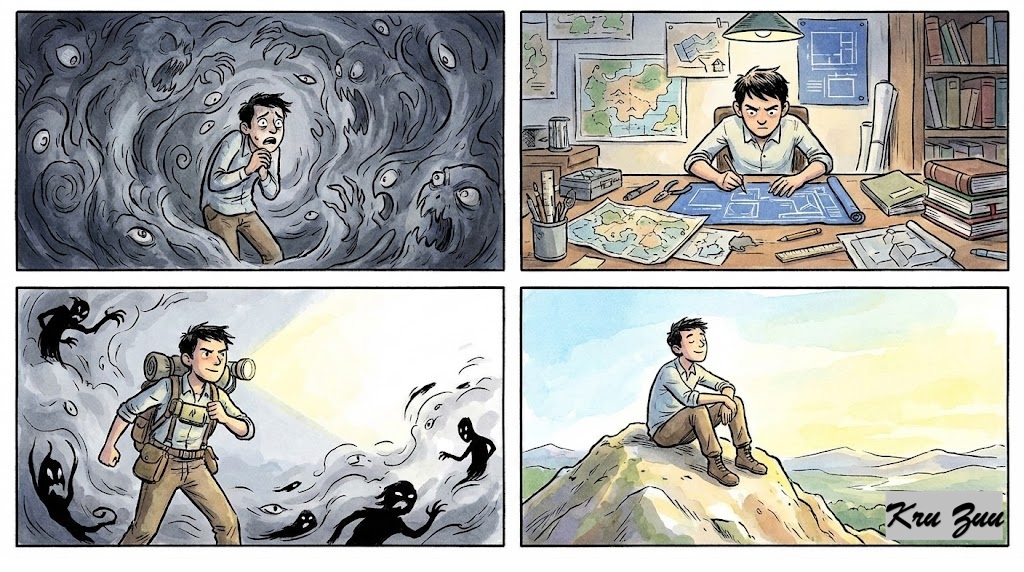
    🔥 The Danger Zone: You are lost in the jungle. Your phone is dead. It is getting dark.

    📈 The Reality: Suddenly, your brain wakes up! You build a shelter, you find north using the sun, you find water. You become a genius because you have no choice.


    Life has a secret rule: We rarely change when we are comfortable. We change when we need to.


    In this post, we explore why “problems” are actually “gifts.” Let’s unlock your inner inventor! 🔓

    🧐 The Anatomy of the Proverb


    Let’s dismantle this mechanical masterpiece.


    📚 Vocabulary Vault


    Necessity (Noun):
    A situation where something is absolutely required or essential. (A “must-have” situation). 🆘


    Mother (Noun – Metaphor): The source, origin, or creator of something. (Not a biological mom, but the “starting point”). 🌱


    Invention (Noun): The action of inventing something typically a process or device. (Creating something new). ⚙️


    🧠 Grammar Focus


    This sentence uses a powerful literary device called a Metaphor.


    Subject: Necessity (Abstract Noun)


    Verb: Is (State of being)


    Object: The mother of invention (Noun Phrase)


    Formula: [Problem] = [Creator of Solution].

    Note: We are comparing “Need” to a “Mother.” Just as a mother gives birth to a child, a “Need” gives birth to a “New Idea.”

    📜 History: From Plato to Smartphones


    Is this just a catchy slogan? No, it is ancient wisdom.


    The Origin: The concept appears in Plato’s Republic (Ancient Greece), where he wrote: “Our need will be the real creator.”


    The Evolution: It entered English in 1519, but the phrasing we use today became famous in the 1700s.


    Real Life Example: Why was the Internet created? Because the military needed a way to communicate if phone lines were destroyed.


    The Lesson: Don’t complain about problems. Problems are the fuel for progress.

    🎯 Impact on Life: The Pros & Cons


    Is being under pressure always good?


    ✅ The Pros (Why it works)


    Focus:
    When you have a deadline in 1 hour, you don’t check Instagram. You focus 100%.


    Innovation: People didn’t invent the umbrella because they liked carrying sticks. They invented it because they hated getting wet! ☔


    Survival: Your brain is lazy. It only works hard when it feels it is necessary.


    ❌ The Cons (What to watch out for)


    Stress:
    Constant necessity (always being in “survival mode”) causes burnout. 😫


    Ugly Solutions: Sometimes, a quick fix is ugly. (Like fixing a broken window with duct tape). It works, but it isn’t “perfect.”

    🎭 Short Story: The Heatwave & The Bucket


    Let’s visit our farm friends to see who survives the summer heat!


    🌟 Character Introduction


    Percy the Chicken (The Complainer):
    Waits for others to solve his problems. 🐔


    Fred the Frog (The Thinker): Uses what he has to get what he needs. 🐸


    Luna the Cat (The Observer): Watching from the shade. 😼


    It was the hottest day of the year. The farmer had left a tall, narrow bucket of cold water in the yard. But the water level was very low right at the bottom.


    The Problem: The animals were thirsty, but their heads couldn’t reach down to the water.


    Percy: Poked his beak into the bucket. Bonk. He couldn’t reach. “This is unfair!” Percy squawked. “The farmer forgot us! I will just sit here and be thirsty until he comes back.” Percy sat in the hot dust, miserable and waiting.


    Fred: Looked at the water. He was drying out. He needed that water to survive. He tried to jump in, but the bucket was too narrow. Luna watched lazily. “Give up, Fred. It’s physics.”


    Fred didn’t give up. He looked around. He saw a pile of small pebbles (stones) near the garden.

    Idea! 💡 Fred picked up a pebble and dropped it into the bucket. Plop. Nothing happened. He dropped another. Plop. He dropped ten. Twenty. Fifty!


    Percy laughed: “Now you are just playing with rocks, you silly frog.”


    The Result: With every stone Fred dropped, the water level rose higher due to displacement. After the 100th stone, the cool water rose to the very top of the bucket.


    Fred took a long, refreshing drink. 🥤 Percy looked shocked.


    Luna smiled: “Percy, you saw a problem. Fred saw a puzzle.”


    The Moral:


    Percy:
    Had a need, but waited for help = Thirsty.


    Fred: Had a need, and created a solution = Satisfied.

    🎓 Lesson for English Learners


    How does this apply to learning a language?


    Don’t wait until you are “Ready.” Wait until you are “Desperate.”


    The “Survival” Method: If you study English in a classroom, you might be lazy. But imagine if you are dropped in the middle of London, hungry, and need to find a bathroom. Necessity will force you to speak. You won’t care about grammar rules; you will care about communication.


    Create Your Own Necessity:


    Don’t just read books.


    Change your phone language to English. (Now you need to understand it to use your phone).


    Promise to teach a friend a topic in English. (Now you need to learn it so you don’t look foolish).


    Remember: We learn fastest when we have no other choice.


    💬 Your Turn


    Have you ever fixed something using a strange object (like opening a box with a key, or fixing glasses with a paperclip) because you didn’t have the right tool? 🛠️🖇️


    Tell us your best “MacGyver Moment” in the comments! 👇

    By Zubeyir YURTKURAN

    https://www.facebook.com/BrainBattleground/

    https://www.facebook.com/zubeyr.yurtkuran/

    https://www.instagram.com/zubeyryurtkuran/
  • 🐢 Better Late Than Never: Why Doing It “Late” Beats Not Doing It At All

    🐢 Better Late Than Never: Why Doing It “Late” Beats Not Doing It At All

    ⏳ Time flies, but is the opportunity really gone?


    🚌 Scenario: You missed the bus by 5 minutes.

    The “Never” Approach: “Today is ruined. I’m going back home. I give up.”

    The “Better Late” Approach: “I’ll wait for the next one. I will be late for the meeting, but at least I will be there.”


    🎂 Scenario: You forgot your friend’s birthday, and the date was yesterday.

    The “Never” Approach: “It’s too late now. It would be embarrassing to text. I just won’t say anything.”

    The “Better Late” Approach: “I will apologize and celebrate today. It is better than completely ignoring it.”


    Life isn’t perfect. Sometimes we miss the train, sometimes we don’t start our diet on Monday. This is exactly where the golden rule comes in to save us from guilt: “Better Late Than Never.”


    In this post, we explore the proverb that is the biggest enemy of perfectionism. Forgive yourself, pick yourself up, and let’s begin.

    🧐 The Anatomy of the Proverb


    Let’s look at the mechanics of this comforting phrase.


    📚 Vocabulary Vault


    Late (Adjective/Adverb): Doing something after the expected, proper, or usual time. 🕒


    Never (Adverb): At no time in the past or future; not ever. ⛔


    Better (Adjective): More desirable, satisfactory, or effective. 👍


    🧠 Grammar Focus


    This sentence is a comparative structure (Ellipsis is used, meaning words are omitted).


    Full Sentence: [It is] Better [to be] late + than [to] never [arrive].


    The Meaning: Doing something after the scheduled time is far superior to not doing it at all. Delay is a flaw, but quitting is a total loss.


    📜 History: Timeless Wisdom


    Who made this famous? Humans have been battling procrastination for thousands of years.


    The Origin: The phrase was notably used by the father of English literature, Geoffrey Chaucer, in his work “The Yeoman’s Tale” in 1386. However, its roots trace back even further to the Roman historian Livy.


    The Lesson: Perfect timing is great, but a completed task (even if late) is always better than an abandoned dream.

    🎯 Impact on Life: The Pros & Cons


    Is it always okay to rely on this proverb? Let’s weigh the scales.


    ✅ The Pros (Why it helps)


    Relieves Guilt:
    Instead of giving up after a mistake, it gives you a chance to fix it.


    Results-Oriented: It ensures you reach the goal, even if slowly. Remember the Tortoise and the Hare; crossing the finish line is what matters. 🏁


    Encourages Action: It gives power to those who say “I’m too old” or “I missed my chance” to finally start.


    ❌ The Cons (Why it can be tricky)


    Excuse for Laziness: If you constantly say, “I’ll do it later, better late than never,” you become unreliable.


    Loss of Trust: Delivering a project late is better than never delivering it, but it still damages your professional reputation. Balance is key. ⚖️

    🎭 Short Story: The Last Harvest


    To understand this better, let’s return to the farm. Winter is coming, and it is time to plant seeds for the winter food supply!


    🌟 Character Introduction


    Percy the Chicken (The Quitter): Has an “All or Nothing” mindset. If he misses the perfect time, he thinks trying is pointless. He gives up immediately. 😵


    Luna the Cat (The Punctual One): Does everything on time. She is disciplined and never late. ✨


    Fred the Frog (The Hopeful Latecomer): Sometimes distracted and misses the deadline, but never gives up. He knows that some result is better than zero result. 🐸


    Luna woke up with the first light of morning. “The sun is up! The perfect time to plant corn!” she said. Luna plowed her field, planted her seeds by noon, and went to rest, satisfied with a job well done.


    Percy and Fred, however, had overslept.


    At 3:00 PM, Percy woke up. He looked at the sun and panicked. “Oh no! The day is almost over! Luna has already finished. There is no point in starting now. The seeds won’t have enough sun. I’ll just plant them next year.” Percy shrugged and went off to play video games. 🎮


    Fred woke up at the same time. “Oh dear!” he shouted. “I am so late!” He ran to his field. The sun was already setting.


    Percy yelled from the fence: “Hey Fred! Don’t bother, buddy. We missed the perfect window. Just let it go!”


    Fred wiped the sweat from his forehead and shouted back: “Better late than never, Percy!” Fred worked furiously, planting his seeds even after the sun went down, working by the light of the moon. 🌙


    Months passed. The harvest time arrived.


    Luna’s Field: Full of perfect, golden corn. Her pantry was completely full.


    Percy’s Field: Full of weeds. He would spend the winter hungry because he did nothing just because he was late.


    Fred’s Field: His corn wasn’t as big as Luna’s, and it was a bit smaller, but it was there. Fred’s basket was full enough to survive.


    Fred munched on his corn and looked at the hungry Percy. “You see, Percy? It wasn’t perfect, but at least I’m not starving. I was late, but I didn’t quit.”


    In this story, the characters represent the outcomes:


    Luna: Perfection (Timely execution) 🏆


    Percy: Bankruptcy / “Never” (Giving up and getting zero results) 🌪️


    Fred: Salvation / “Better Late” (Delayed but satisfactory results) 🌽

    🎓 Lesson for English Learners:


    You might be 30, 40, or 60 years old. You might regretfully say, “I wish I had learned English when I was a child.” (Percy’s Method)


    But remember this truth: Being able to speak English 1 year from now is a million times better than finishing your life saying “I wish.”


    Did you arrive 10 minutes late for class today? Go in and listen anyway. (Fred’s Method)


    It is better than missing the entire lesson.


    💬 Your turn: Is there something in your life you gave up on because you thought “It’s too late”? Or a project you finished late but were glad you did? Share your story in the comments! 👇

    By Zubeyir YURTKURAN

    https://www.facebook.com/BrainBattleground/

    https://www.facebook.com/zubeyr.yurtkuran/

    https://www.instagram.com/zubeyryurtkuran/
  • Don’t Judge a Book by Its Cover: How Appearance Hides True Value

    Don’t Judge a Book by Its Cover: How Appearance Hides True Value

    First Impressions Can Be Deceiving


    The Cover: A speaker in a perfect suit, delivering a cool, confident presentation.

    The Truth: All the data in the presentation was copied from someone else’s work, and the content is fundamentally empty.


    The Cover: A person using a plain, old phone and wearing modest clothes.

    The Truth: That person is managing the stock exchange of a massive tech company in minutes on that very phone.


    The Cover: A beat-up, old laptop showing signs of heavy use.

    The Truth: This computer is the place where the code for a groundbreaking future AI application was written.


    Life constantly proves a rule well-known to successful people: “Don’t Judge a Book by Its Cover.”


    In this post, we dive into the depths of this famous proverb, focusing on discovering the true value hidden behind the surface. Set aside your biases, open your mind, and let’s dive in.

    The Anatomy of the Proverb


    Let’s look at the mechanics of this famous phrase.


    Vocabulary Vault


    Cover (Noun): The exterior surface of something; the part seen first (Clothing, title, physical appearance).


    Book (Noun): The inner value of something; the essence, content, and depth (Character, knowledge, skill).


    Grammar Focus


    This sentence is a cautionary idiom.


    Formula: Don’t + judge + [a book] + [by] + [its cover].


    The Meaning: Do not make the mistake of determining the worth of a person or thing based solely on its outward appearance or first impression. True value lies in the content.


    History: Essence Matters More Than Reputation


    When did this idea become popular? People have always understood the risks of being fooled by showiness.


    The Origin: The sentiment has existed since the 17th century. However, the exact phrase is known to have been used in modern English for the first time in Robert Casey’sThe Secret of the Old House in 1944.


    The Lesson: What matters is not what someone looks like, but who they are or what an object actually does.

    Impact on Life: The Pros & Cons


    Is ignoring external appearance a good way to live? Let’s weigh the options.


    The Pros (Why it helps)


    Discovery: It allows you to see the hidden potential in people or ideas that society has labeled as “unimportant.”


    Equality: It helps you value people based on their character and abilities, not their title, wealth, or outward beauty.


    Authenticity: It encourages focusing on substance and originality instead of just playing to external perceptions.


    The Cons (Why it can be tricky)


    Security Risk: Sometimes, first impressions indicate danger or incompatibility. Always “ignoring the cover” may not be practical or safe.


    Time Consumption: You might end up spending time reading every “book under the cover.” This can be challenging in situations requiring quick decisions.

    Short Story: The Rusty Key


    To understand this proverb better, let’s visit our friends on the farm again.


    Character Introduction


    Percy the Chicken (The Show-Off):
    Always believes the brightest, newest, and most noticeable thing is the best. He trusts appearance 100%.


    Luna the Cat (The Practical Observer): Quickly assesses the situation and often prefers to act on the first impression. She favors outward beauty.


    Fred the Frog (The Value Expert): Ignores appearance. He always focuses on something’s true function, what it does, and the power within.


    One day, the lock on the old barn door was stuck. No one could get inside.


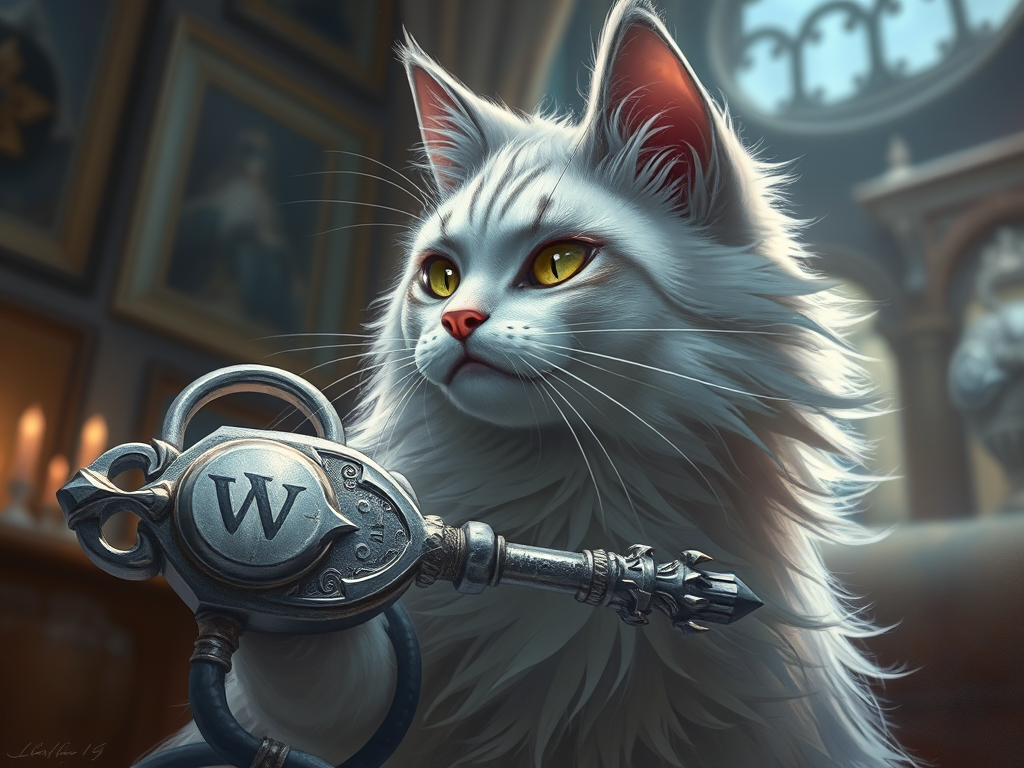
    Luna brought a shiny, gleaming silver key. “Let’s try this one,” Luna said. “Look how bright and new it looks!”


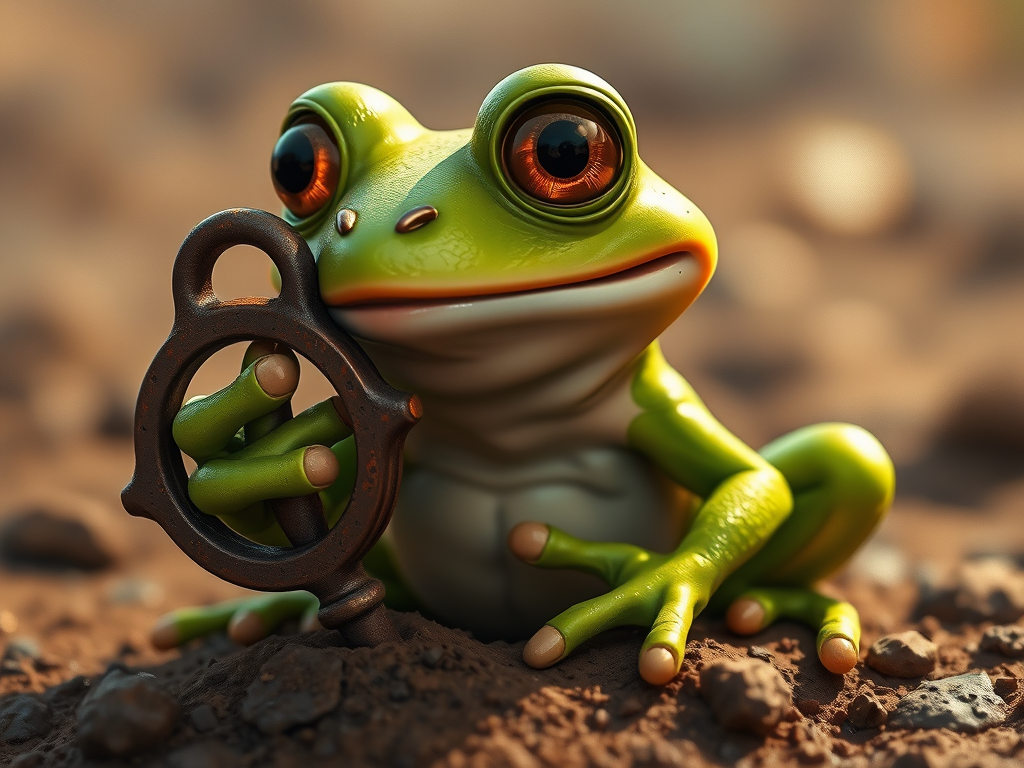
    Fred held a rusty, crooked key he had found in the muddy dirt on the ground. “The cover doesn’t matter,” Fred mumbled. “What matters are the teeth of the lock.”


    Percy, as usual, chose the bright and showy option. “Of course, Luna’s will work! Look at yours, Fred, it’s completely dirty and rusty!”


    Luna tried to insert the silver key into the lock, but the key was too large. The lock didn’t budge. Luna was disappointed.


    Fred quietly took the small, rusty key. The exterior of the key looked terrible, but its function was perfect. Click! The lock opened instantly.


    Percy’s mouth dropped open. “Unbelievable! It looked so bad…”


    Fred shrugged as he walked through the unlocked door. “You shouldn’t look at the outer shine, but at the correct function inside. Don’t judge a book by its cover.”


    In this story, the characters represent our tendency to judge:


    The Silver Key (Luna’s Choice):
    High Appearance, Low Function (Being fooled by showiness)


    The Rusty Key (Fred’s Choice): Low Appearance, High Function (Focusing on true value)


    The Lock: Opportunity (The path to valuable things)

    Lesson for English Learners


    A native speaker explaining a complex grammar rule might sometimes sound unenthusiastic or have slow English. (The Rusty Key)
    Conversely, someone teaching you simple greetings with a perfect accent on social media might know nothing about the depth of the language. (The Silver Key)
    True learning value is always more important than outward appearance.


    What do you think? Have you ever missed a “rusty key” in your life, or regretted judging something by its cover? Tell me in the comments!

    By Zubeyir YURTKURAN

    https://www.facebook.com/BrainBattleground/

    https://www.facebook.com/zubeyr.yurtkuran/
    https://www.instagram.com/zubeyryurtkuran/