Tag: books

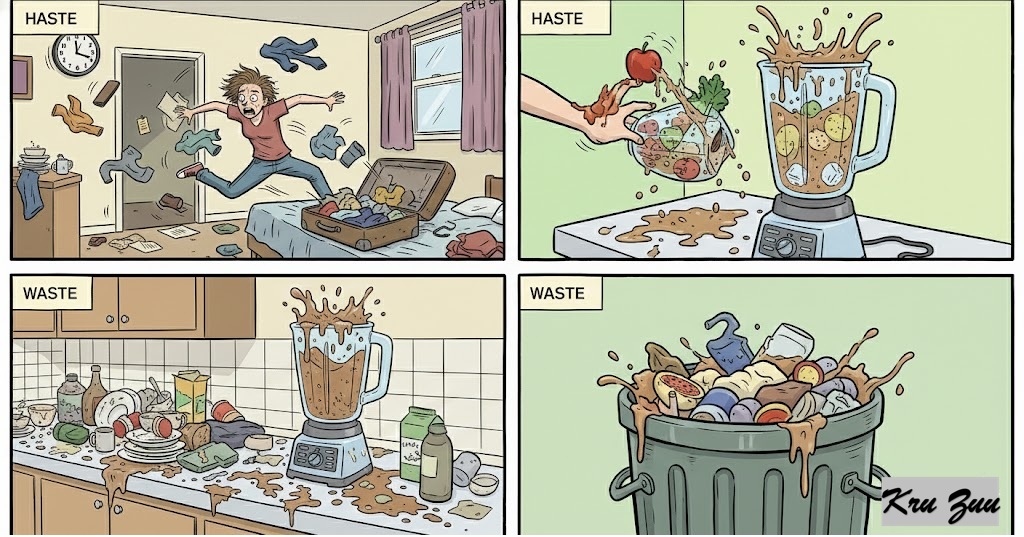
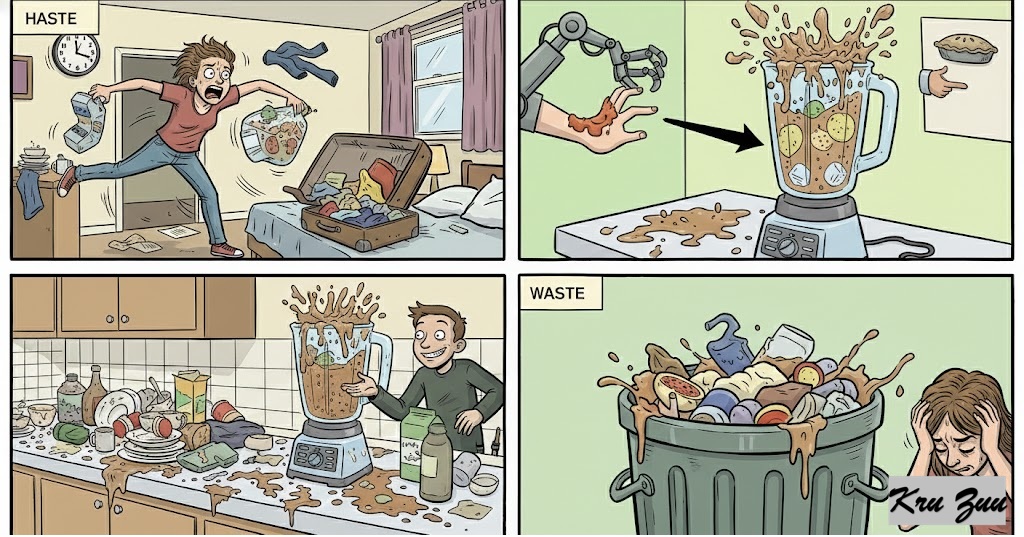
  • 💡 The Spark of Genius: Why Problems Are Good for You

    💡 The Spark of Genius: Why Problems Are Good for You

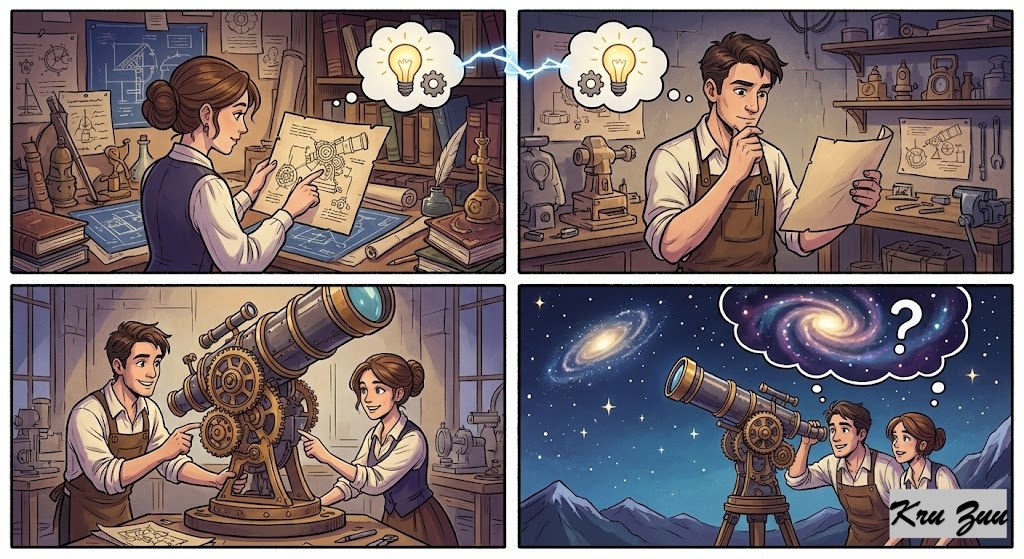
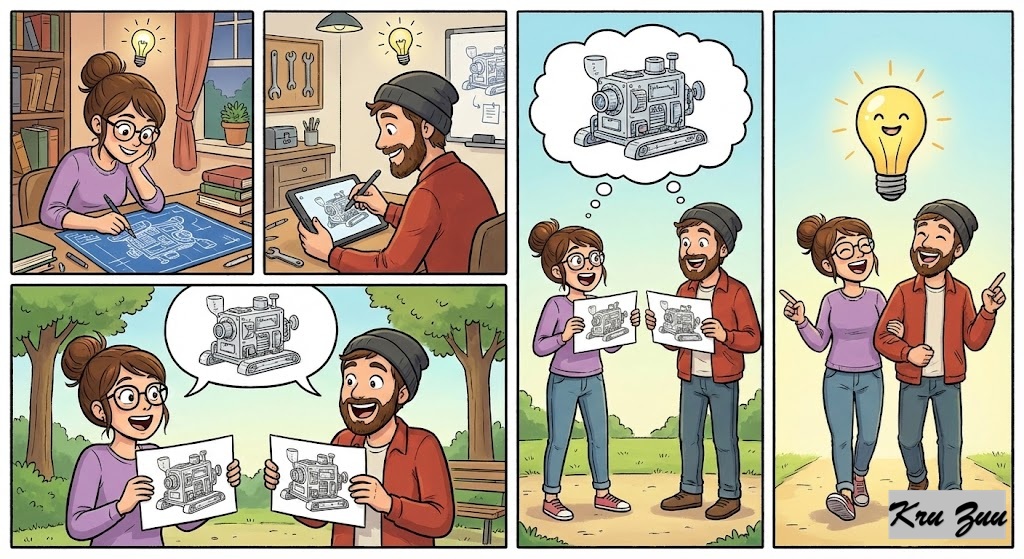
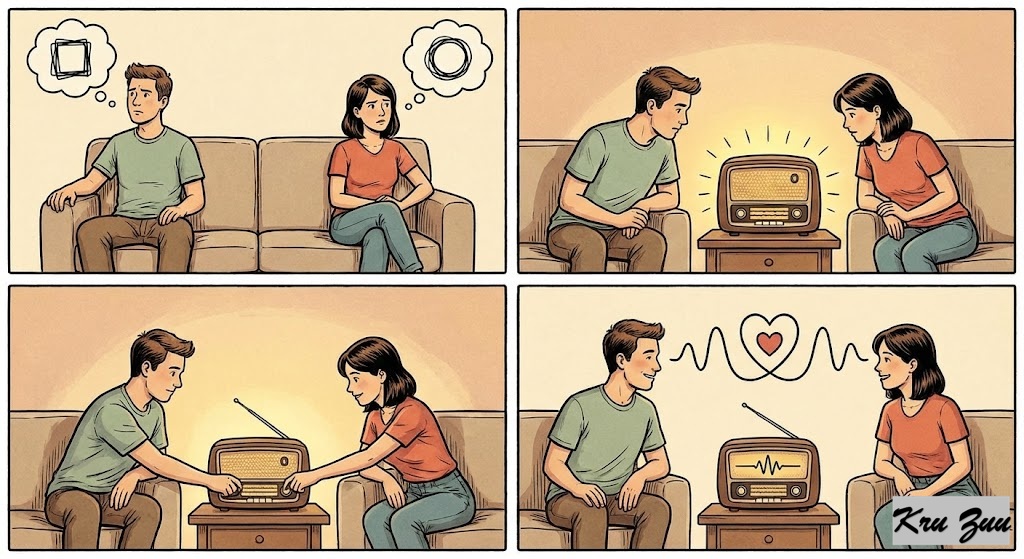
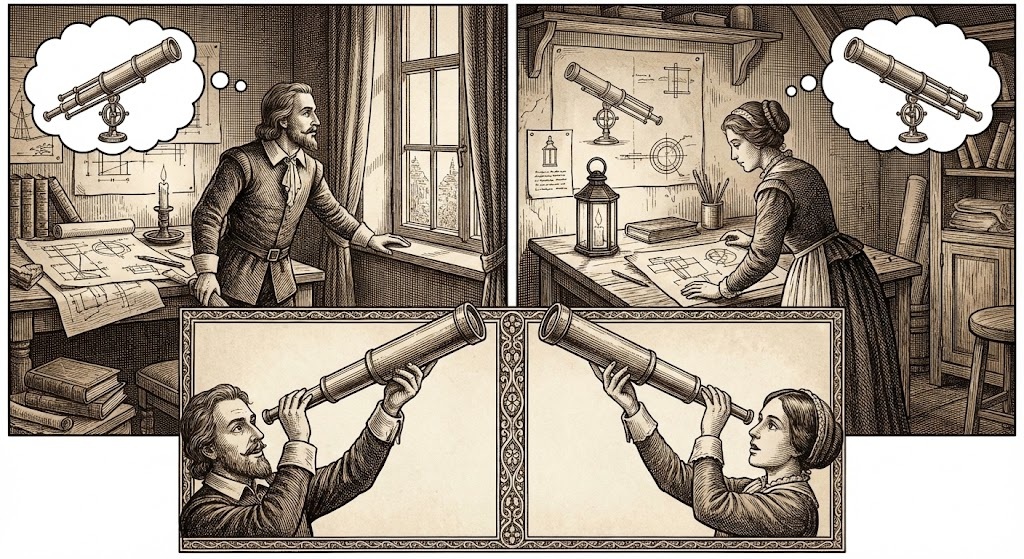
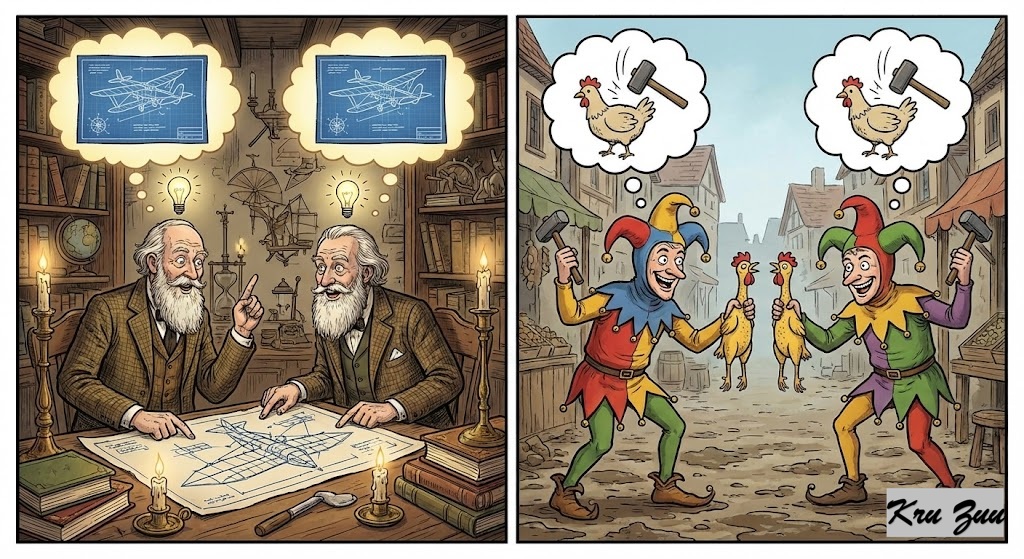
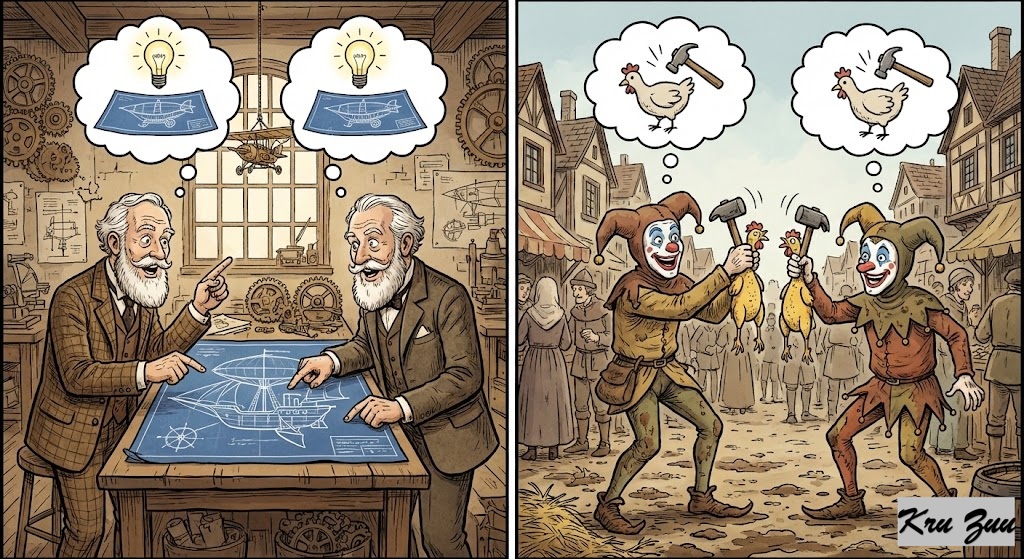
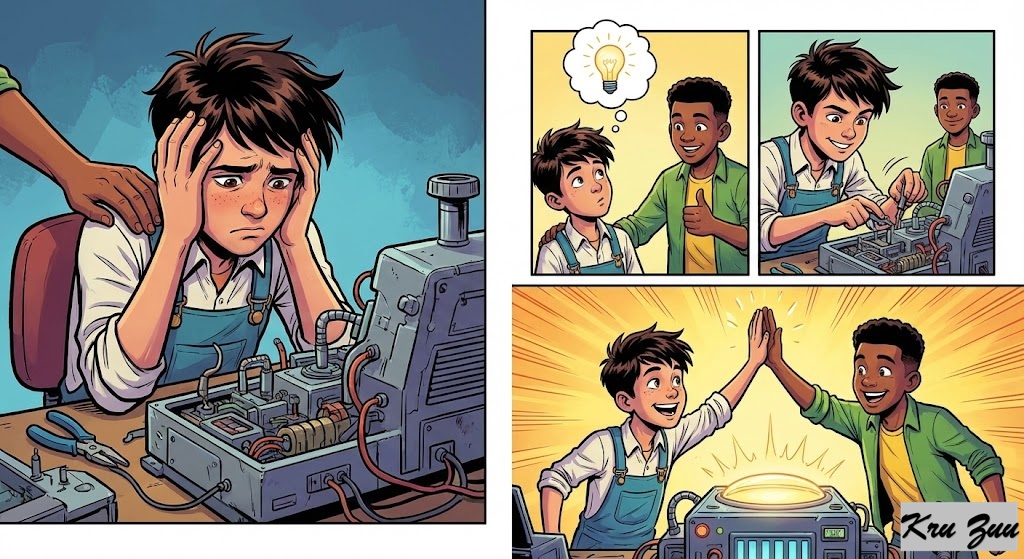
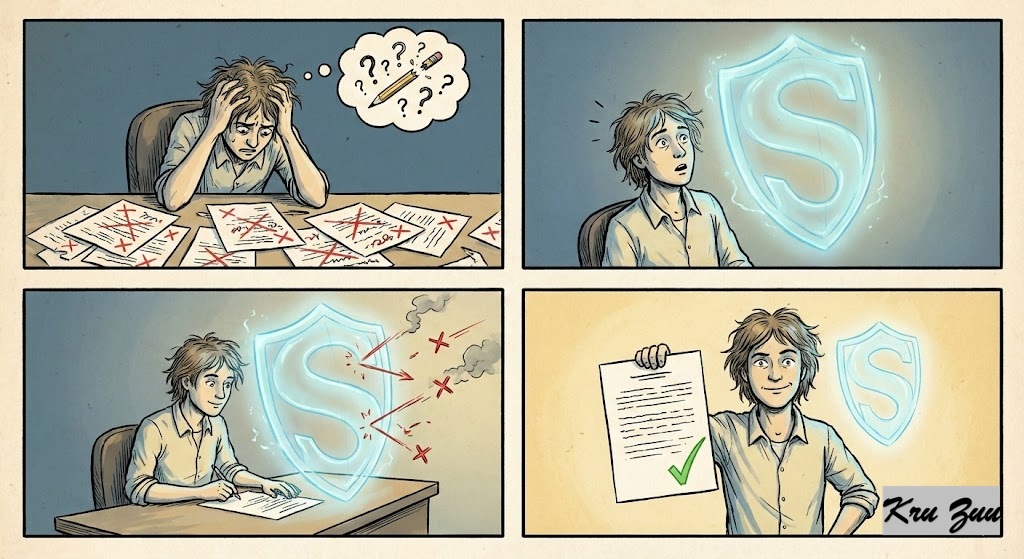
    Necessity is the mother of invention.


    🏖️ The Comfort Zone: You have a car, a GPS, and a full tank of gas. You don’t need to think about directions. You just drive.

    📉 The Reality: You rely on tools. If the battery dies, you are lost. Comfort kills creativity.


    🔥 The Danger Zone: You are lost in the jungle. Your phone is dead. It is getting dark.

    📈 The Reality: Suddenly, your brain wakes up! You build a shelter, you find north using the sun, you find water. You become a genius because you have no choice.


    Life has a secret rule: We rarely change when we are comfortable. We change when we need to.


    In this post, we explore why “problems” are actually “gifts.” Let’s unlock your inner inventor! 🔓

    🧐 The Anatomy of the Proverb


    Let’s dismantle this mechanical masterpiece.


    📚 Vocabulary Vault


    Necessity (Noun):
    A situation where something is absolutely required or essential. (A “must-have” situation). 🆘


    Mother (Noun – Metaphor): The source, origin, or creator of something. (Not a biological mom, but the “starting point”). 🌱


    Invention (Noun): The action of inventing something typically a process or device. (Creating something new). ⚙️


    🧠 Grammar Focus


    This sentence uses a powerful literary device called a Metaphor.


    Subject: Necessity (Abstract Noun)


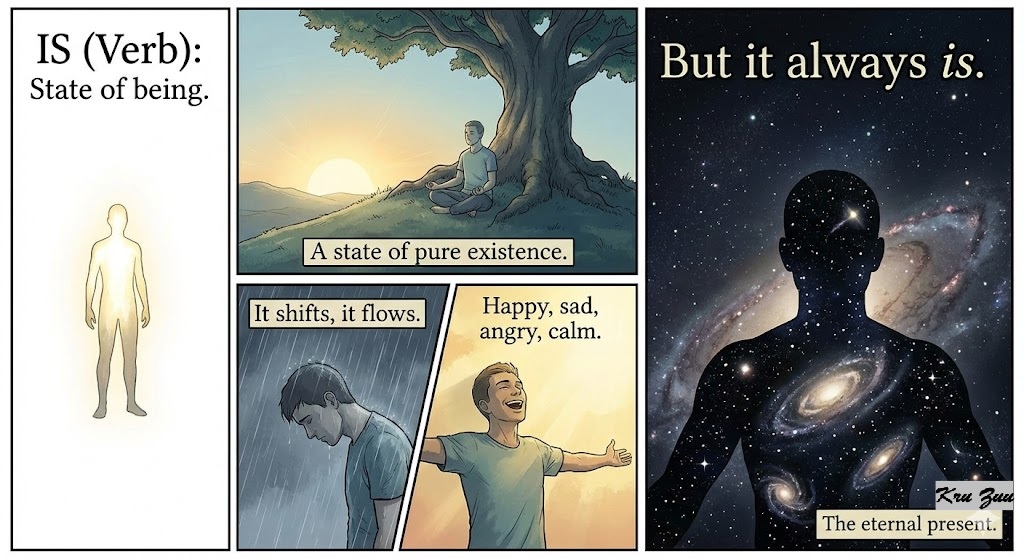
    Verb: Is (State of being)


    Object: The mother of invention (Noun Phrase)


    Formula: [Problem] = [Creator of Solution].

    Note: We are comparing “Need” to a “Mother.” Just as a mother gives birth to a child, a “Need” gives birth to a “New Idea.”

    📜 History: From Plato to Smartphones


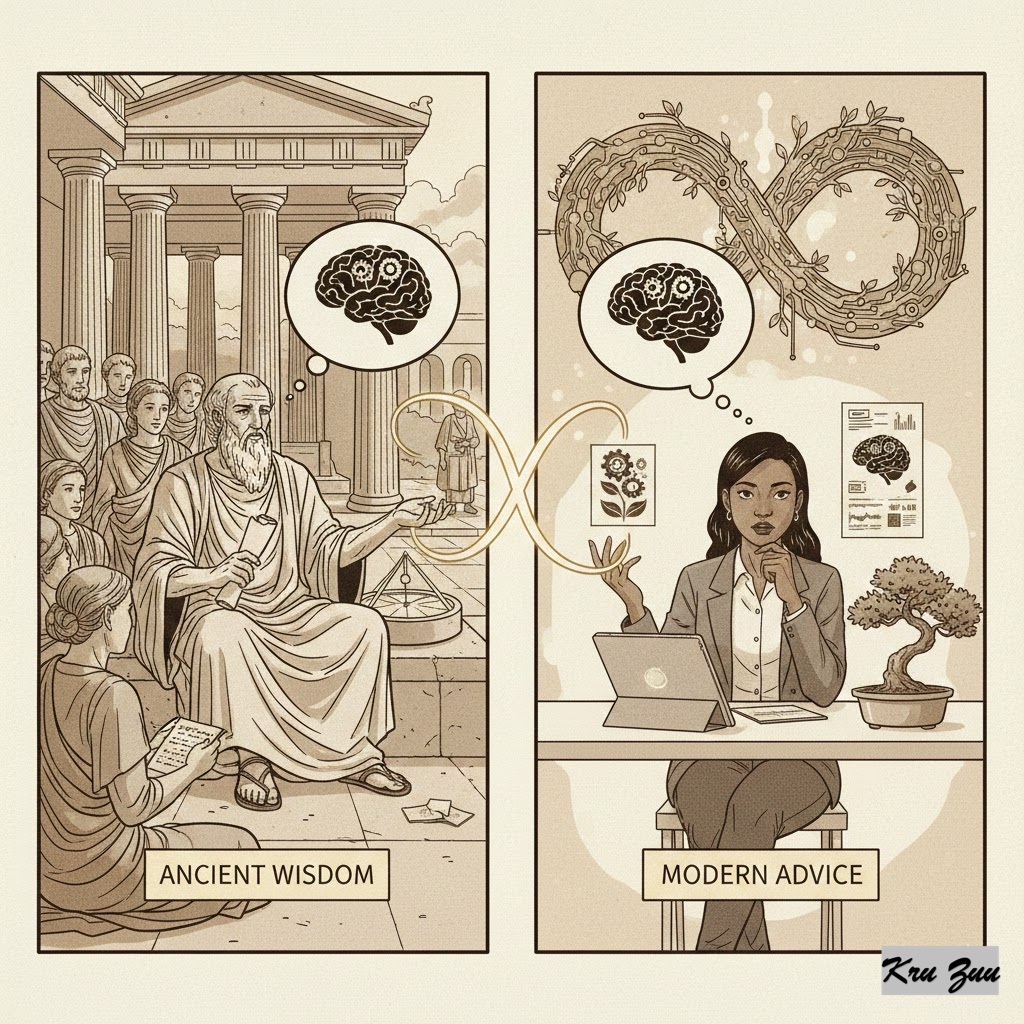
    Is this just a catchy slogan? No, it is ancient wisdom.


    The Origin: The concept appears in Plato’s Republic (Ancient Greece), where he wrote: “Our need will be the real creator.”


    The Evolution: It entered English in 1519, but the phrasing we use today became famous in the 1700s.


    Real Life Example: Why was the Internet created? Because the military needed a way to communicate if phone lines were destroyed.


    The Lesson: Don’t complain about problems. Problems are the fuel for progress.

    🎯 Impact on Life: The Pros & Cons


    Is being under pressure always good?


    ✅ The Pros (Why it works)


    Focus:
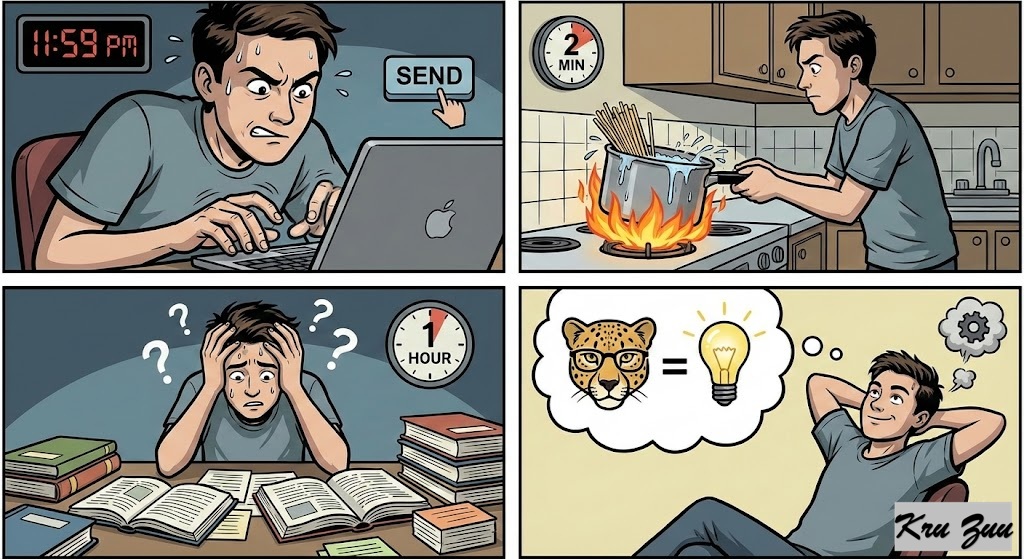
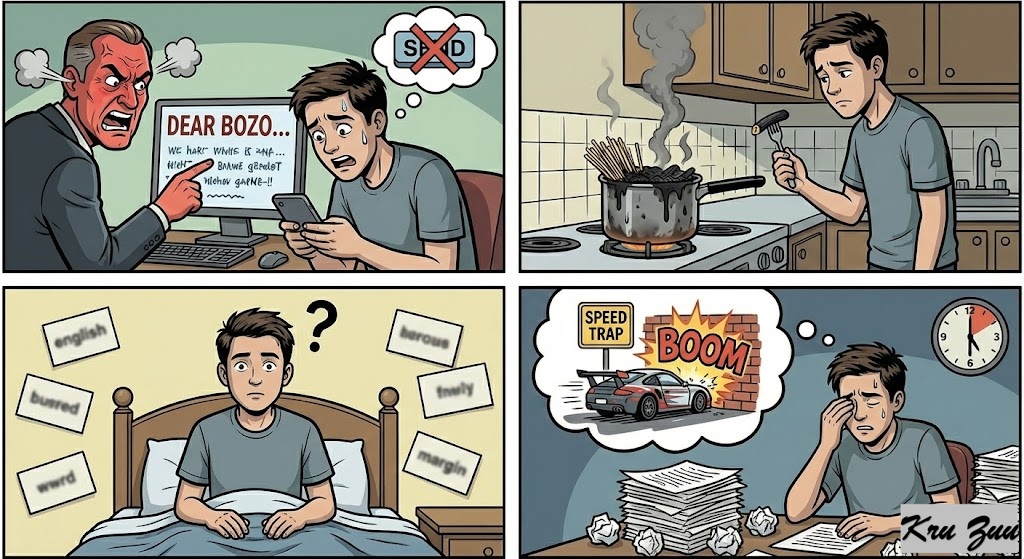
    When you have a deadline in 1 hour, you don’t check Instagram. You focus 100%.


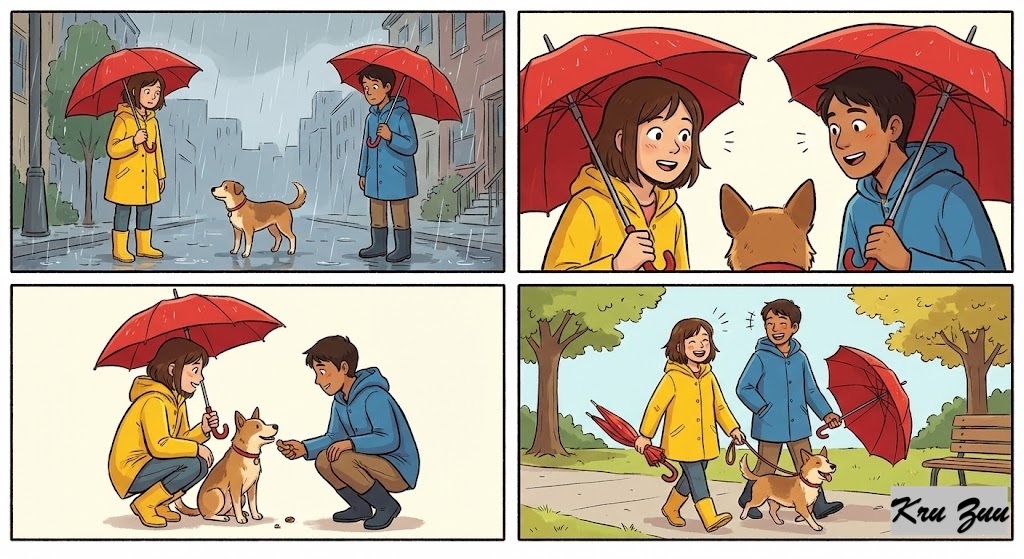
    Innovation: People didn’t invent the umbrella because they liked carrying sticks. They invented it because they hated getting wet! ☔


    Survival: Your brain is lazy. It only works hard when it feels it is necessary.


    ❌ The Cons (What to watch out for)


    Stress:
    Constant necessity (always being in “survival mode”) causes burnout. 😫


    Ugly Solutions: Sometimes, a quick fix is ugly. (Like fixing a broken window with duct tape). It works, but it isn’t “perfect.”

    🎭 Short Story: The Heatwave & The Bucket


    Let’s visit our farm friends to see who survives the summer heat!


    🌟 Character Introduction


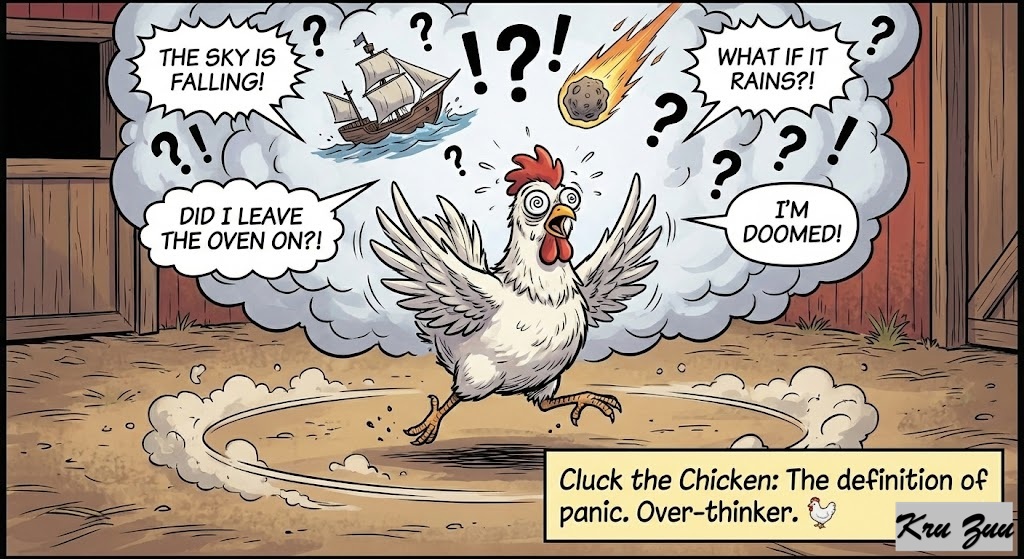
    Percy the Chicken (The Complainer):
    Waits for others to solve his problems. 🐔


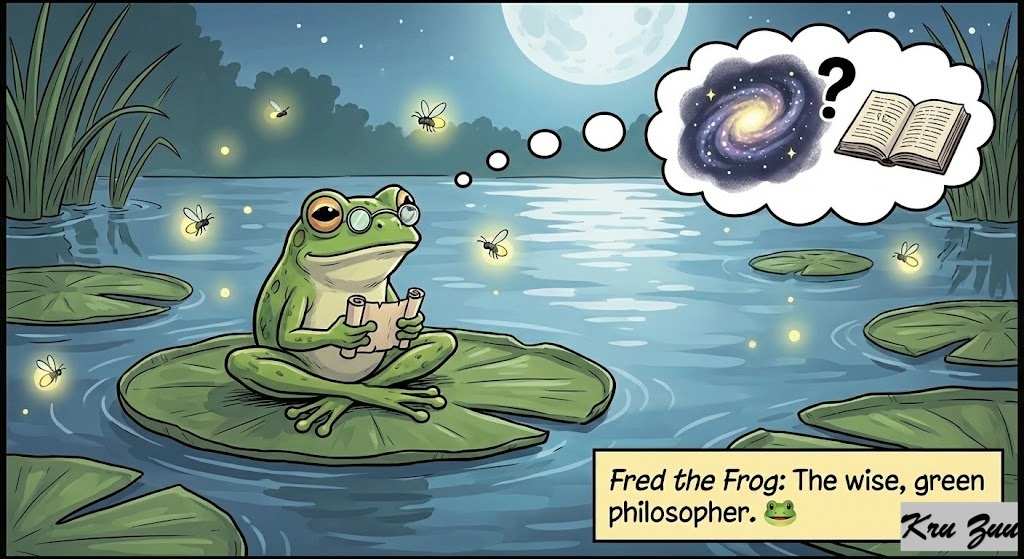
    Fred the Frog (The Thinker): Uses what he has to get what he needs. 🐸


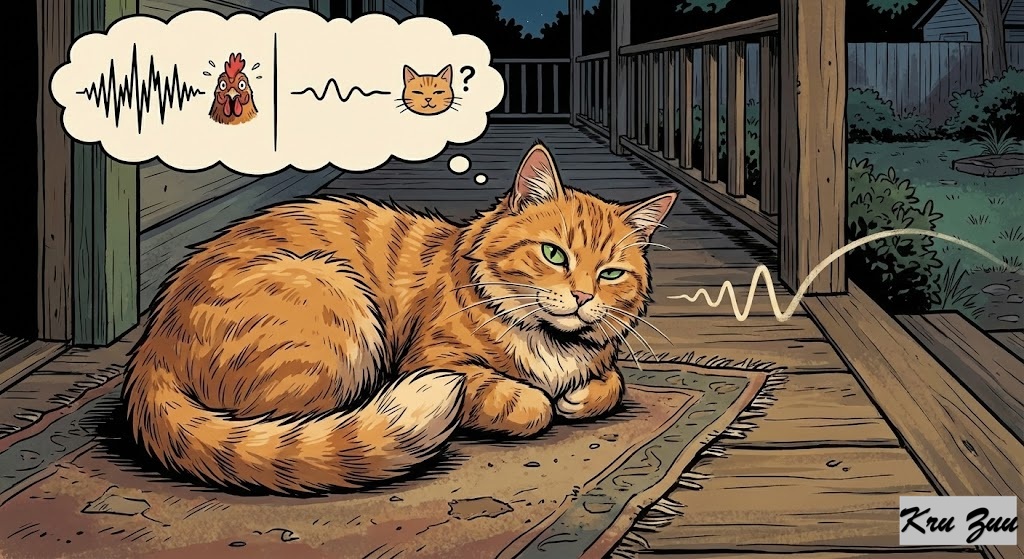
    Luna the Cat (The Observer): Watching from the shade. 😼


    It was the hottest day of the year. The farmer had left a tall, narrow bucket of cold water in the yard. But the water level was very low right at the bottom.


    The Problem: The animals were thirsty, but their heads couldn’t reach down to the water.


    Percy: Poked his beak into the bucket. Bonk. He couldn’t reach. “This is unfair!” Percy squawked. “The farmer forgot us! I will just sit here and be thirsty until he comes back.” Percy sat in the hot dust, miserable and waiting.


    Fred: Looked at the water. He was drying out. He needed that water to survive. He tried to jump in, but the bucket was too narrow. Luna watched lazily. “Give up, Fred. It’s physics.”


    Fred didn’t give up. He looked around. He saw a pile of small pebbles (stones) near the garden.

    Idea! 💡 Fred picked up a pebble and dropped it into the bucket. Plop. Nothing happened. He dropped another. Plop. He dropped ten. Twenty. Fifty!


    Percy laughed: “Now you are just playing with rocks, you silly frog.”


    The Result: With every stone Fred dropped, the water level rose higher due to displacement. After the 100th stone, the cool water rose to the very top of the bucket.


    Fred took a long, refreshing drink. 🥤 Percy looked shocked.


    Luna smiled: “Percy, you saw a problem. Fred saw a puzzle.”


    The Moral:


    Percy:
    Had a need, but waited for help = Thirsty.


    Fred: Had a need, and created a solution = Satisfied.

    🎓 Lesson for English Learners


    How does this apply to learning a language?


    Don’t wait until you are “Ready.” Wait until you are “Desperate.”


    The “Survival” Method: If you study English in a classroom, you might be lazy. But imagine if you are dropped in the middle of London, hungry, and need to find a bathroom. Necessity will force you to speak. You won’t care about grammar rules; you will care about communication.


    Create Your Own Necessity:


    Don’t just read books.


    Change your phone language to English. (Now you need to understand it to use your phone).


    Promise to teach a friend a topic in English. (Now you need to learn it so you don’t look foolish).


    Remember: We learn fastest when we have no other choice.


    💬 Your Turn


    Have you ever fixed something using a strange object (like opening a box with a key, or fixing glasses with a paperclip) because you didn’t have the right tool? 🛠️🖇️


    Tell us your best “MacGyver Moment” in the comments! 👇

    By Zubeyir YURTKURAN

    https://www.facebook.com/BrainBattleground/

    https://www.facebook.com/zubeyr.yurtkuran/

    https://www.instagram.com/zubeyryurtkuran/

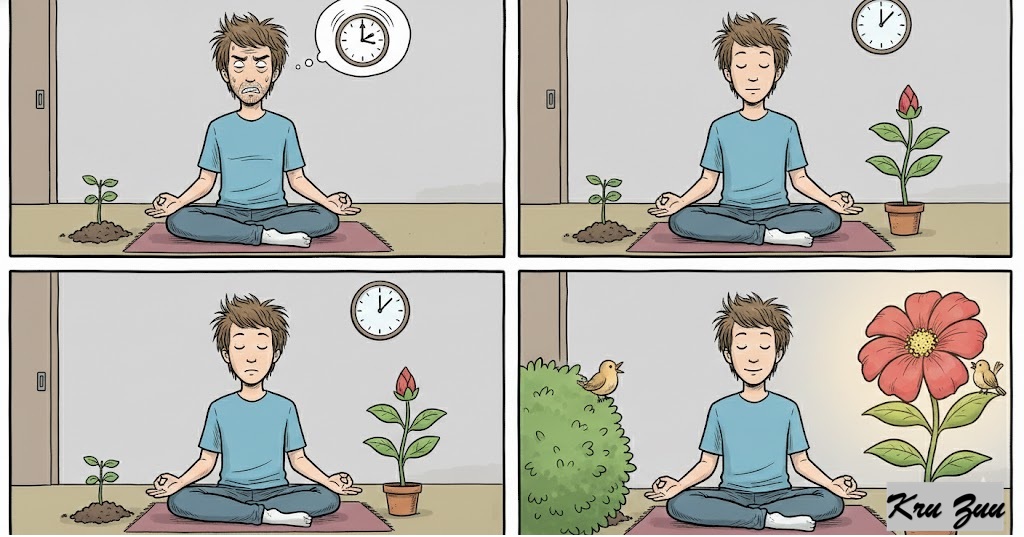
  • 🐢 Better Late Than Never: Why Doing It “Late” Beats Not Doing It At All

    🐢 Better Late Than Never: Why Doing It “Late” Beats Not Doing It At All

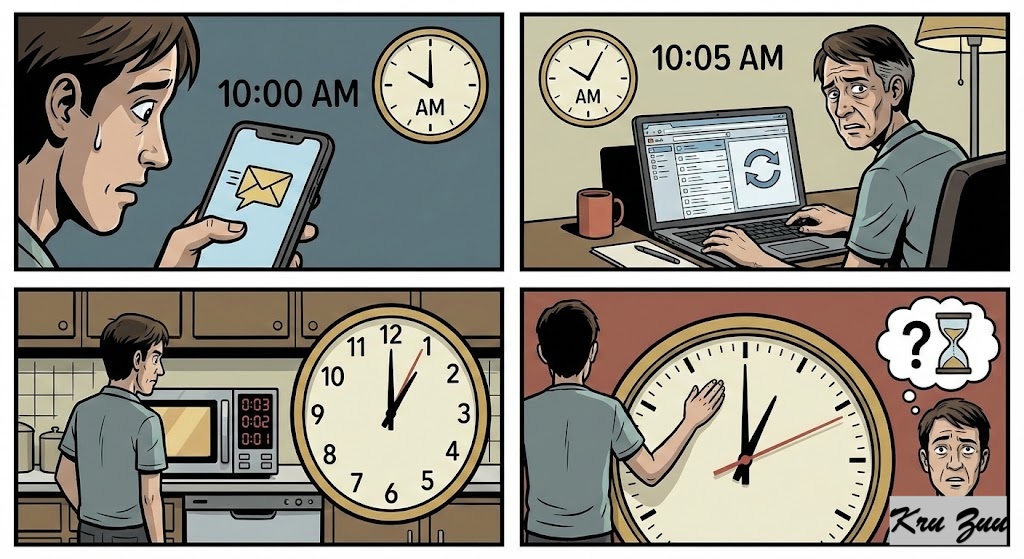
    ⏳ Time flies, but is the opportunity really gone?


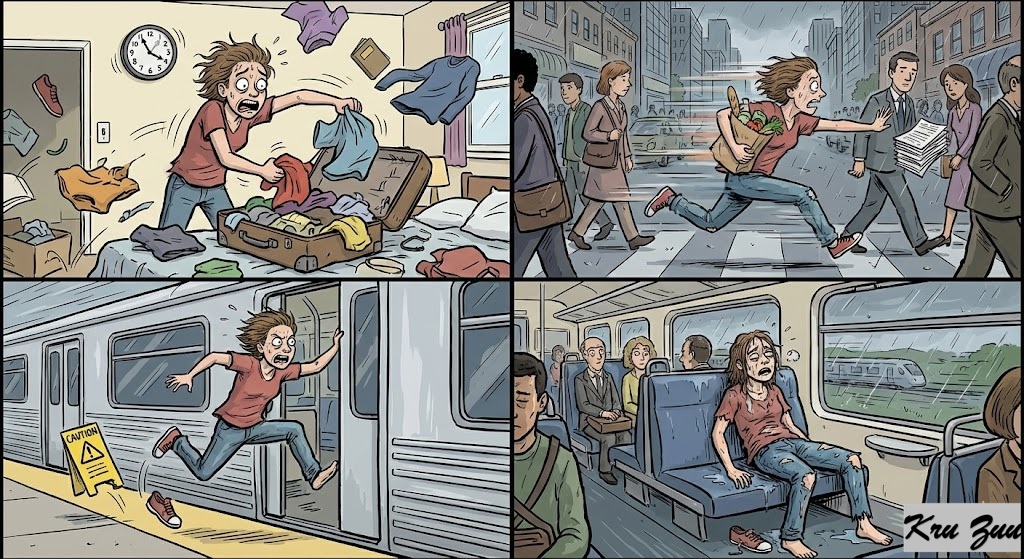
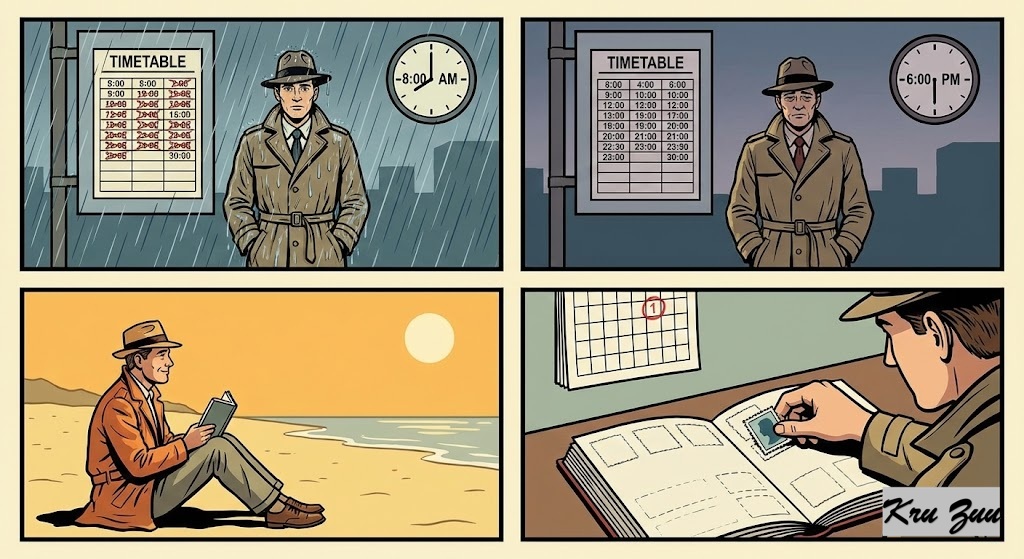
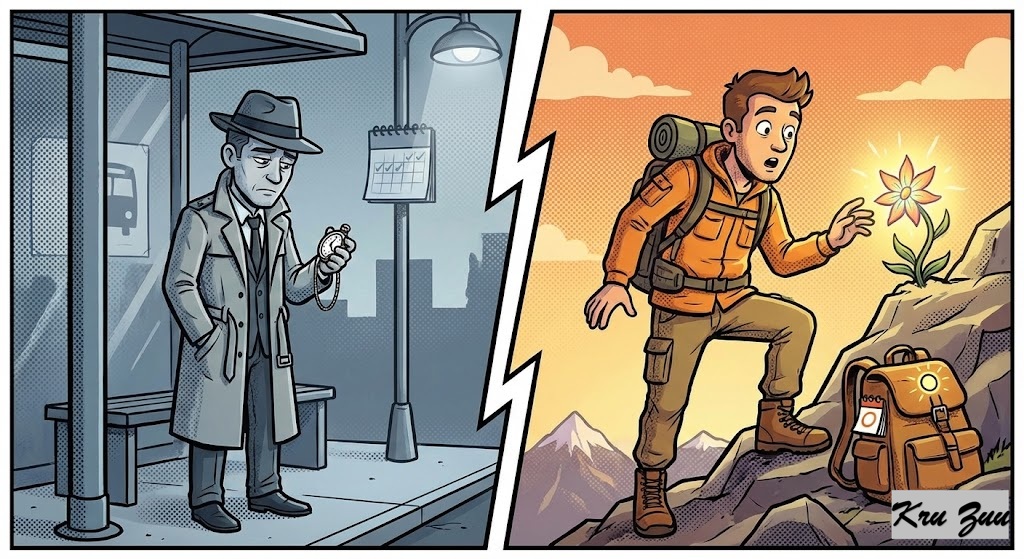
    🚌 Scenario: You missed the bus by 5 minutes.

    The “Never” Approach: “Today is ruined. I’m going back home. I give up.”

    The “Better Late” Approach: “I’ll wait for the next one. I will be late for the meeting, but at least I will be there.”


    🎂 Scenario: You forgot your friend’s birthday, and the date was yesterday.

    The “Never” Approach: “It’s too late now. It would be embarrassing to text. I just won’t say anything.”

    The “Better Late” Approach: “I will apologize and celebrate today. It is better than completely ignoring it.”


    Life isn’t perfect. Sometimes we miss the train, sometimes we don’t start our diet on Monday. This is exactly where the golden rule comes in to save us from guilt: “Better Late Than Never.”


    In this post, we explore the proverb that is the biggest enemy of perfectionism. Forgive yourself, pick yourself up, and let’s begin.

    🧐 The Anatomy of the Proverb


    Let’s look at the mechanics of this comforting phrase.


    📚 Vocabulary Vault


    Late (Adjective/Adverb): Doing something after the expected, proper, or usual time. 🕒


    Never (Adverb): At no time in the past or future; not ever. ⛔


    Better (Adjective): More desirable, satisfactory, or effective. 👍


    🧠 Grammar Focus


    This sentence is a comparative structure (Ellipsis is used, meaning words are omitted).


    Full Sentence: [It is] Better [to be] late + than [to] never [arrive].


    The Meaning: Doing something after the scheduled time is far superior to not doing it at all. Delay is a flaw, but quitting is a total loss.


    📜 History: Timeless Wisdom


    Who made this famous? Humans have been battling procrastination for thousands of years.


    The Origin: The phrase was notably used by the father of English literature, Geoffrey Chaucer, in his work “The Yeoman’s Tale” in 1386. However, its roots trace back even further to the Roman historian Livy.


    The Lesson: Perfect timing is great, but a completed task (even if late) is always better than an abandoned dream.

    🎯 Impact on Life: The Pros & Cons


    Is it always okay to rely on this proverb? Let’s weigh the scales.


    ✅ The Pros (Why it helps)


    Relieves Guilt:
    Instead of giving up after a mistake, it gives you a chance to fix it.


    Results-Oriented: It ensures you reach the goal, even if slowly. Remember the Tortoise and the Hare; crossing the finish line is what matters. 🏁


    Encourages Action: It gives power to those who say “I’m too old” or “I missed my chance” to finally start.


    ❌ The Cons (Why it can be tricky)


    Excuse for Laziness: If you constantly say, “I’ll do it later, better late than never,” you become unreliable.


    Loss of Trust: Delivering a project late is better than never delivering it, but it still damages your professional reputation. Balance is key. ⚖️

    🎭 Short Story: The Last Harvest


    To understand this better, let’s return to the farm. Winter is coming, and it is time to plant seeds for the winter food supply!


    🌟 Character Introduction


    Percy the Chicken (The Quitter): Has an “All or Nothing” mindset. If he misses the perfect time, he thinks trying is pointless. He gives up immediately. 😵


    Luna the Cat (The Punctual One): Does everything on time. She is disciplined and never late. ✨


    Fred the Frog (The Hopeful Latecomer): Sometimes distracted and misses the deadline, but never gives up. He knows that some result is better than zero result. 🐸


    Luna woke up with the first light of morning. “The sun is up! The perfect time to plant corn!” she said. Luna plowed her field, planted her seeds by noon, and went to rest, satisfied with a job well done.


    Percy and Fred, however, had overslept.


    At 3:00 PM, Percy woke up. He looked at the sun and panicked. “Oh no! The day is almost over! Luna has already finished. There is no point in starting now. The seeds won’t have enough sun. I’ll just plant them next year.” Percy shrugged and went off to play video games. 🎮


    Fred woke up at the same time. “Oh dear!” he shouted. “I am so late!” He ran to his field. The sun was already setting.


    Percy yelled from the fence: “Hey Fred! Don’t bother, buddy. We missed the perfect window. Just let it go!”


    Fred wiped the sweat from his forehead and shouted back: “Better late than never, Percy!” Fred worked furiously, planting his seeds even after the sun went down, working by the light of the moon. 🌙


    Months passed. The harvest time arrived.


    Luna’s Field: Full of perfect, golden corn. Her pantry was completely full.


    Percy’s Field: Full of weeds. He would spend the winter hungry because he did nothing just because he was late.


    Fred’s Field: His corn wasn’t as big as Luna’s, and it was a bit smaller, but it was there. Fred’s basket was full enough to survive.


    Fred munched on his corn and looked at the hungry Percy. “You see, Percy? It wasn’t perfect, but at least I’m not starving. I was late, but I didn’t quit.”


    In this story, the characters represent the outcomes:


    Luna: Perfection (Timely execution) 🏆


    Percy: Bankruptcy / “Never” (Giving up and getting zero results) 🌪️


    Fred: Salvation / “Better Late” (Delayed but satisfactory results) 🌽

    🎓 Lesson for English Learners:


    You might be 30, 40, or 60 years old. You might regretfully say, “I wish I had learned English when I was a child.” (Percy’s Method)


    But remember this truth: Being able to speak English 1 year from now is a million times better than finishing your life saying “I wish.”


    Did you arrive 10 minutes late for class today? Go in and listen anyway. (Fred’s Method)


    It is better than missing the entire lesson.


    💬 Your turn: Is there something in your life you gave up on because you thought “It’s too late”? Or a project you finished late but were glad you did? Share your story in the comments! 👇

    By Zubeyir YURTKURAN

    https://www.facebook.com/BrainBattleground/

    https://www.facebook.com/zubeyr.yurtkuran/

    https://www.instagram.com/zubeyryurtkuran/
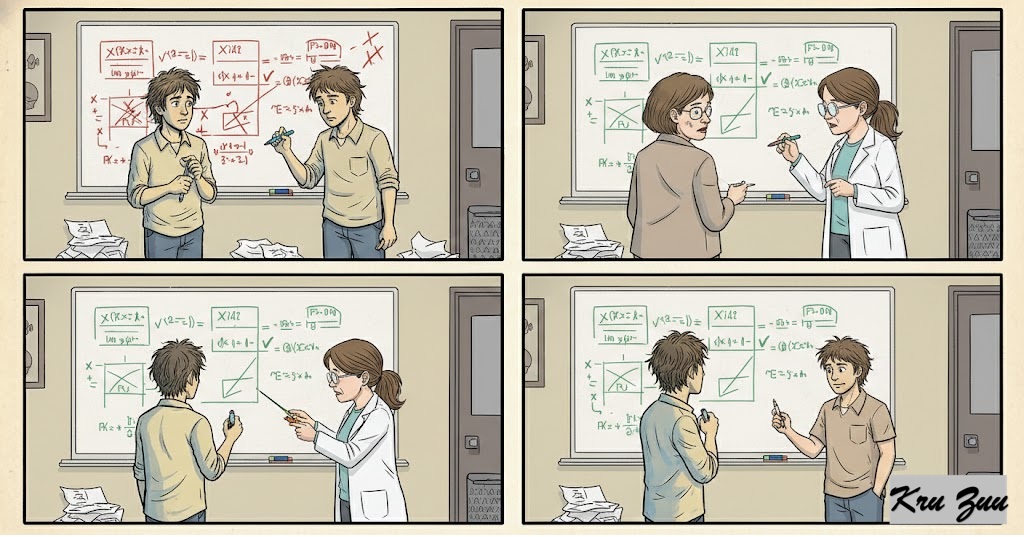
  • Don’t Judge a Book by Its Cover: How Appearance Hides True Value

    Don’t Judge a Book by Its Cover: How Appearance Hides True Value

    First Impressions Can Be Deceiving


    The Cover: A speaker in a perfect suit, delivering a cool, confident presentation.

    The Truth: All the data in the presentation was copied from someone else’s work, and the content is fundamentally empty.


    The Cover: A person using a plain, old phone and wearing modest clothes.

    The Truth: That person is managing the stock exchange of a massive tech company in minutes on that very phone.


    The Cover: A beat-up, old laptop showing signs of heavy use.

    The Truth: This computer is the place where the code for a groundbreaking future AI application was written.


    Life constantly proves a rule well-known to successful people: “Don’t Judge a Book by Its Cover.”


    In this post, we dive into the depths of this famous proverb, focusing on discovering the true value hidden behind the surface. Set aside your biases, open your mind, and let’s dive in.

    The Anatomy of the Proverb


    Let’s look at the mechanics of this famous phrase.


    Vocabulary Vault


    Cover (Noun): The exterior surface of something; the part seen first (Clothing, title, physical appearance).


    Book (Noun): The inner value of something; the essence, content, and depth (Character, knowledge, skill).


    Grammar Focus


    This sentence is a cautionary idiom.


    Formula: Don’t + judge + [a book] + [by] + [its cover].


    The Meaning: Do not make the mistake of determining the worth of a person or thing based solely on its outward appearance or first impression. True value lies in the content.


    History: Essence Matters More Than Reputation


    When did this idea become popular? People have always understood the risks of being fooled by showiness.


    The Origin: The sentiment has existed since the 17th century. However, the exact phrase is known to have been used in modern English for the first time in Robert Casey’sThe Secret of the Old House in 1944.


    The Lesson: What matters is not what someone looks like, but who they are or what an object actually does.

    Impact on Life: The Pros & Cons


    Is ignoring external appearance a good way to live? Let’s weigh the options.


    The Pros (Why it helps)


    Discovery: It allows you to see the hidden potential in people or ideas that society has labeled as “unimportant.”


    Equality: It helps you value people based on their character and abilities, not their title, wealth, or outward beauty.


    Authenticity: It encourages focusing on substance and originality instead of just playing to external perceptions.


    The Cons (Why it can be tricky)


    Security Risk: Sometimes, first impressions indicate danger or incompatibility. Always “ignoring the cover” may not be practical or safe.


    Time Consumption: You might end up spending time reading every “book under the cover.” This can be challenging in situations requiring quick decisions.

    Short Story: The Rusty Key


    To understand this proverb better, let’s visit our friends on the farm again.


    Character Introduction


    Percy the Chicken (The Show-Off):
    Always believes the brightest, newest, and most noticeable thing is the best. He trusts appearance 100%.


    Luna the Cat (The Practical Observer): Quickly assesses the situation and often prefers to act on the first impression. She favors outward beauty.


    Fred the Frog (The Value Expert): Ignores appearance. He always focuses on something’s true function, what it does, and the power within.


    One day, the lock on the old barn door was stuck. No one could get inside.


    Luna brought a shiny, gleaming silver key. “Let’s try this one,” Luna said. “Look how bright and new it looks!”


    Fred held a rusty, crooked key he had found in the muddy dirt on the ground. “The cover doesn’t matter,” Fred mumbled. “What matters are the teeth of the lock.”


    Percy, as usual, chose the bright and showy option. “Of course, Luna’s will work! Look at yours, Fred, it’s completely dirty and rusty!”


    Luna tried to insert the silver key into the lock, but the key was too large. The lock didn’t budge. Luna was disappointed.


    Fred quietly took the small, rusty key. The exterior of the key looked terrible, but its function was perfect. Click! The lock opened instantly.


    Percy’s mouth dropped open. “Unbelievable! It looked so bad…”


    Fred shrugged as he walked through the unlocked door. “You shouldn’t look at the outer shine, but at the correct function inside. Don’t judge a book by its cover.”


    In this story, the characters represent our tendency to judge:


    The Silver Key (Luna’s Choice):
    High Appearance, Low Function (Being fooled by showiness)


    The Rusty Key (Fred’s Choice): Low Appearance, High Function (Focusing on true value)


    The Lock: Opportunity (The path to valuable things)

    Lesson for English Learners


    A native speaker explaining a complex grammar rule might sometimes sound unenthusiastic or have slow English. (The Rusty Key)
    Conversely, someone teaching you simple greetings with a perfect accent on social media might know nothing about the depth of the language. (The Silver Key)
    True learning value is always more important than outward appearance.


    What do you think? Have you ever missed a “rusty key” in your life, or regretted judging something by its cover? Tell me in the comments!

    By Zubeyir YURTKURAN

    https://www.facebook.com/BrainBattleground/

    https://www.facebook.com/zubeyr.yurtkuran/
    https://www.instagram.com/zubeyryurtkuran/