Tag: art

  • 🤫 The Daily Shield: The Law of Quiet Power

    🤫 The Daily Shield: The Law of Quiet Power

    “Silence is golden.”


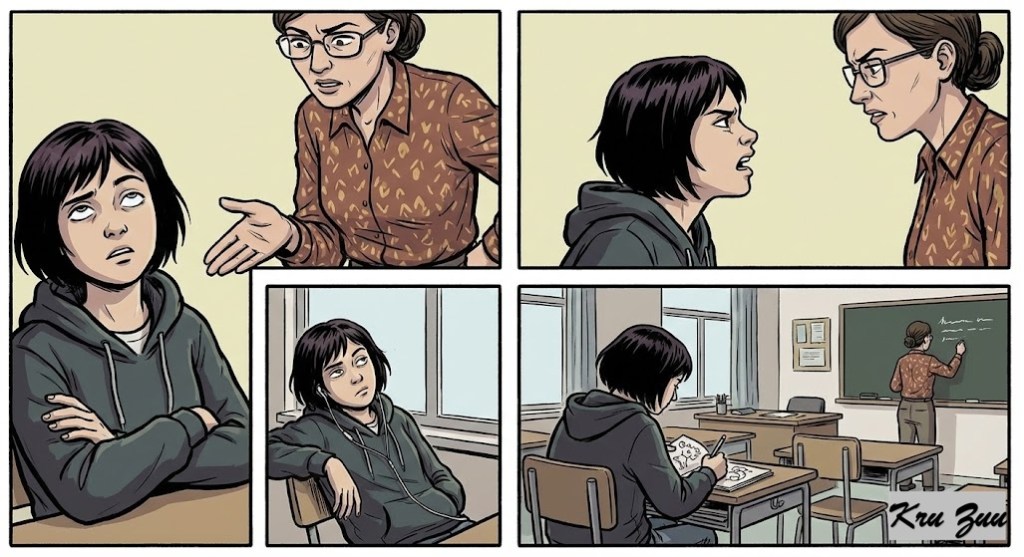
    😈 The Villain (The Noise Maker)

    You have a thought, and it instantly leaves your mouth. 🗣️ “I have to say my opinion!” “Did you hear the gossip about…?” “Let me interrupt you right there!” You act as if every silence is awkward and needs to be filled. You reveal your secrets to strangers. You speak when you are angry.
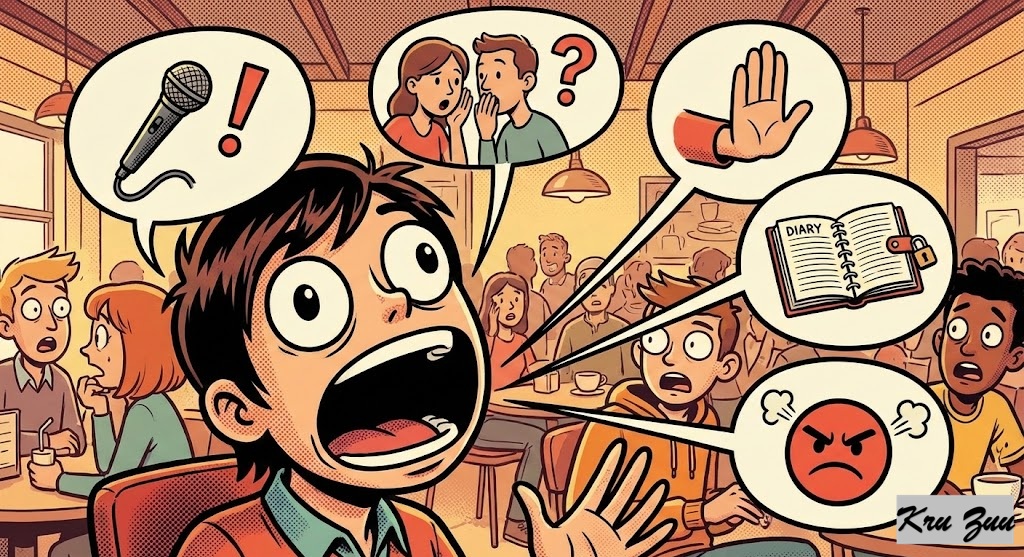
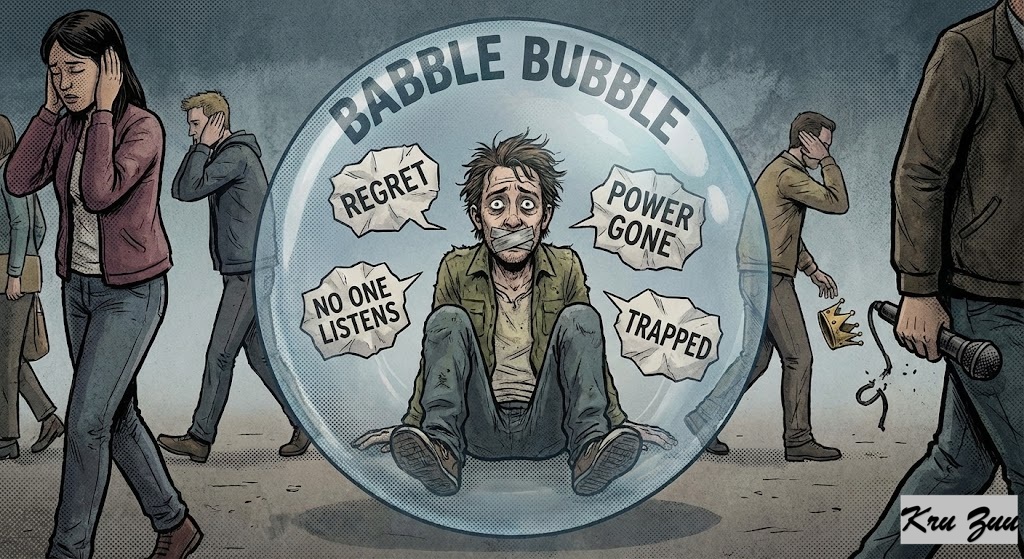
    The Result? You say things you regret. You give away your power. People stop listening because you never stop talking. You are trapped in the “Babble Bubble.” 🫧

    😇 The Hero (The Wise Observer)

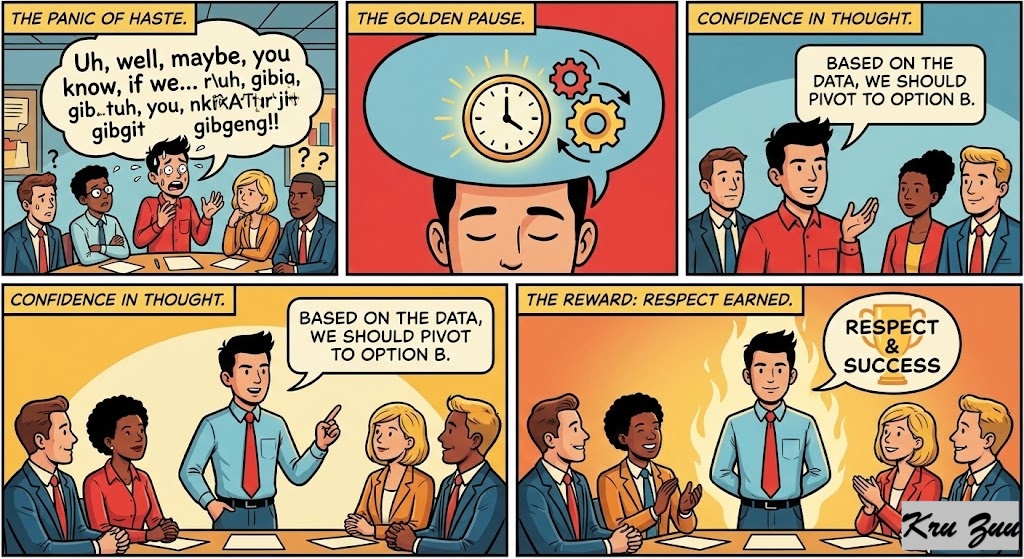
    You have a thought. You pause. 🛑 You listen. You realize that you have two ears and one mouth for a reason, to listen twice as much as you speak. You think: “Does this need to be said now? Does it need to be said by me?” You are comfortable in the quiet.
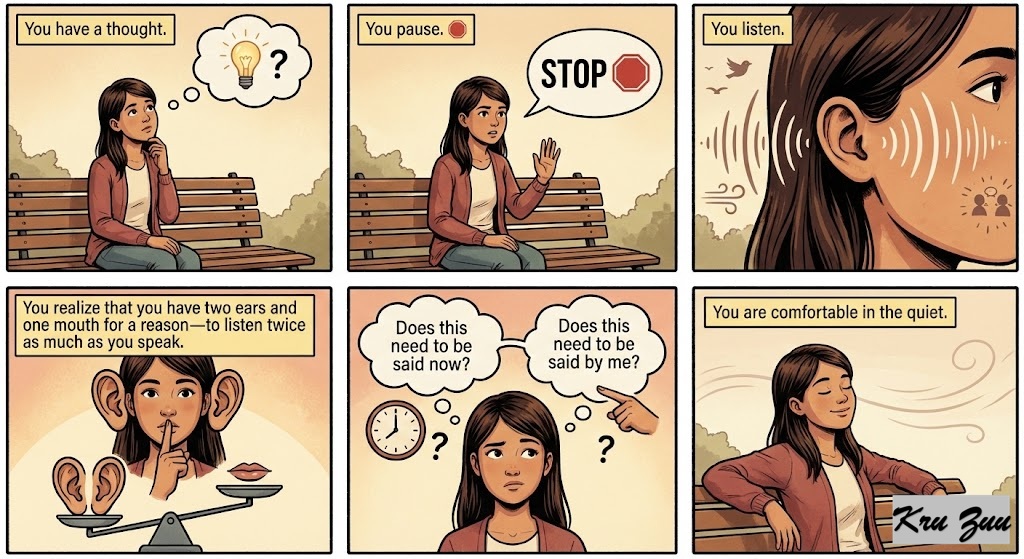
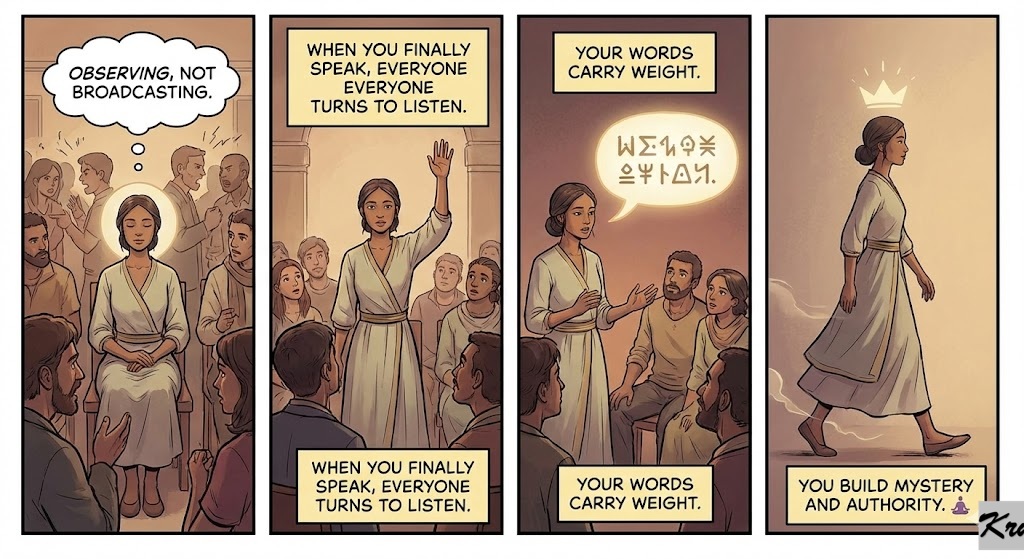
    The Result? When you finally speak, everyone turns to listen. Your words carry weight. You learn more because you are observing, not broadcasting. You build mystery and authority. 🧘

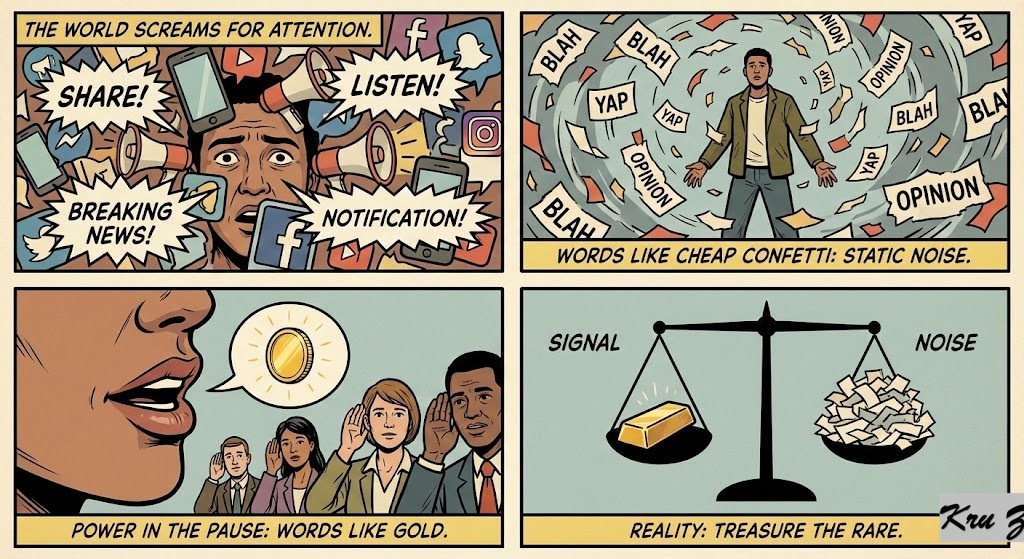
    ⚖️ The RealitySignal vs. Noise. We live in a world that screams for attention. Social media, notifications, and 24/7 news cycles tell us we must “share” everything. But physics and psychology agree: A constant signal is just static noise. True power is found in the pause. If you treat words like cheap confetti (throwing them everywhere), they lose value. If you treat words like gold (rare and heavy), people will treasure them.

    💎 The Secret

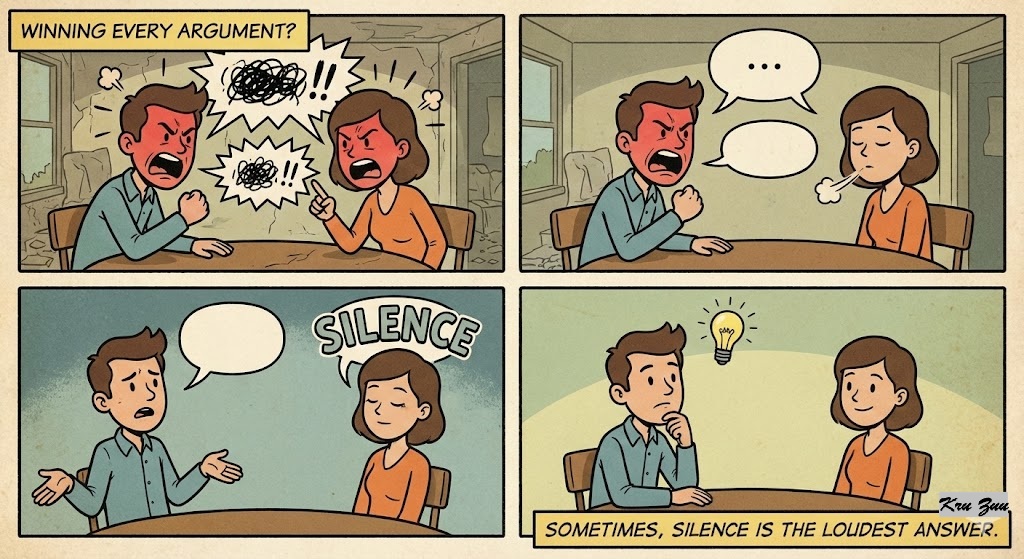
    You don’t have to win every argument. Sometimes, silence is the loudest answer.
    🧐 The Anatomy of the Proverb


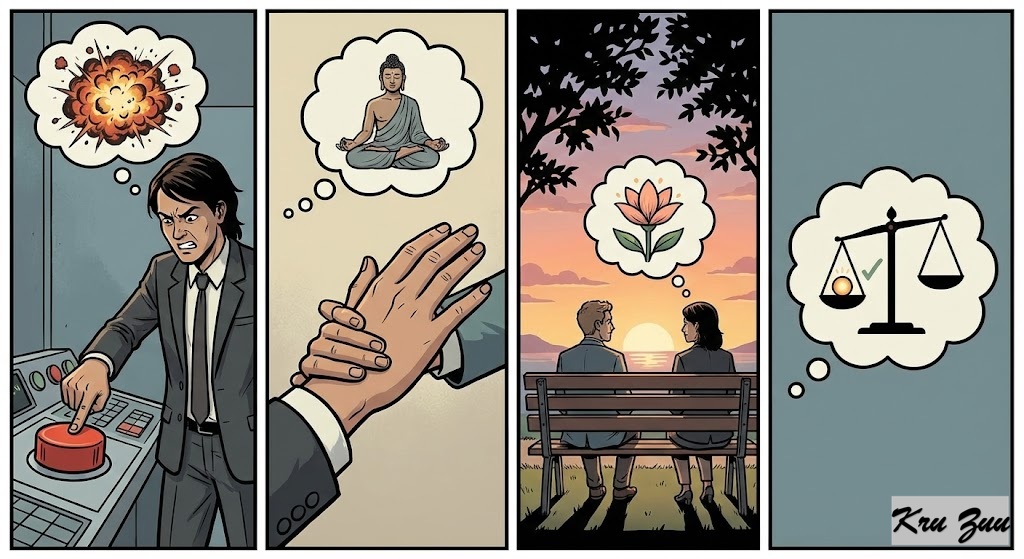
    This is your reality check that restraint is often more valuable than action.

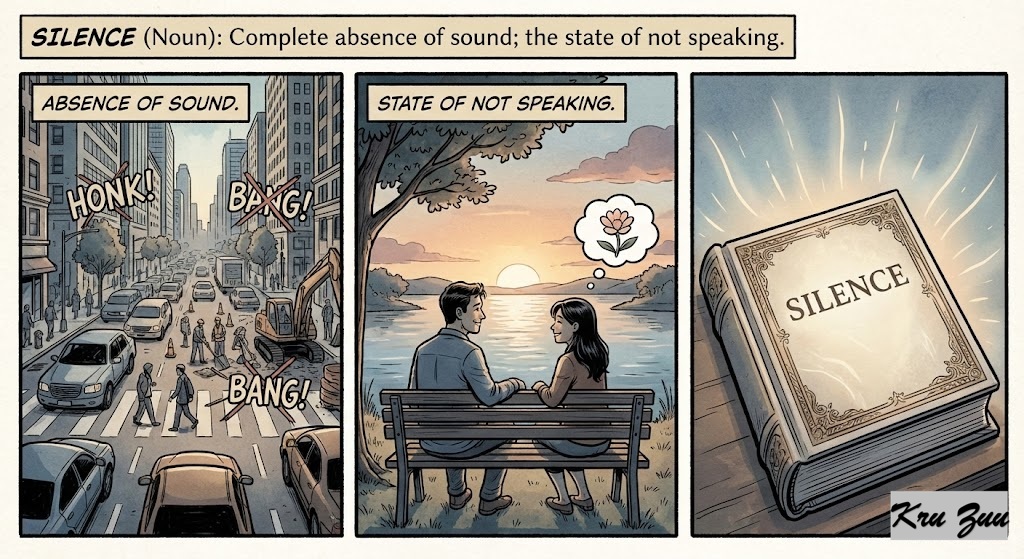
    Silence (Noun): Complete absence of sound; the state of not speaking.

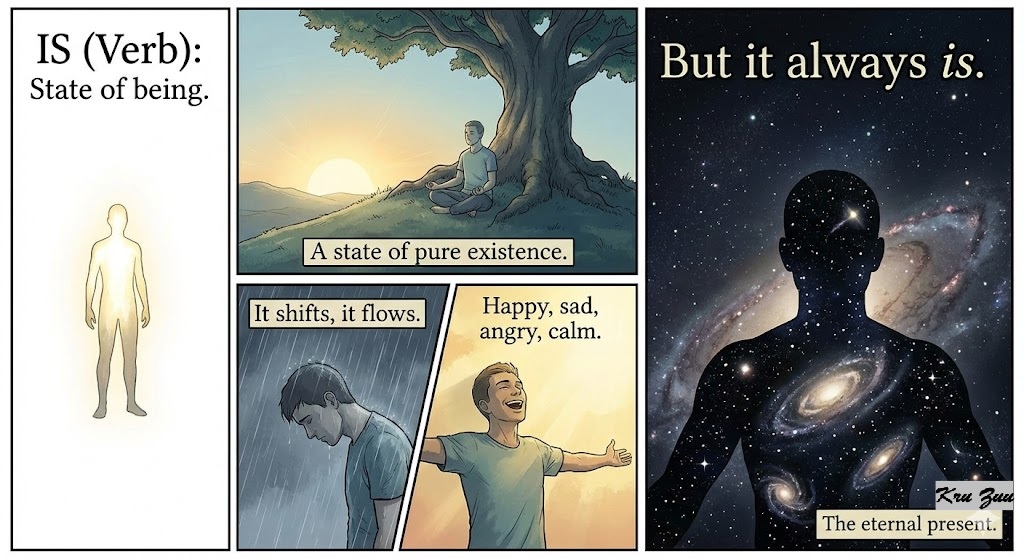
    Is (Verb): State of being.

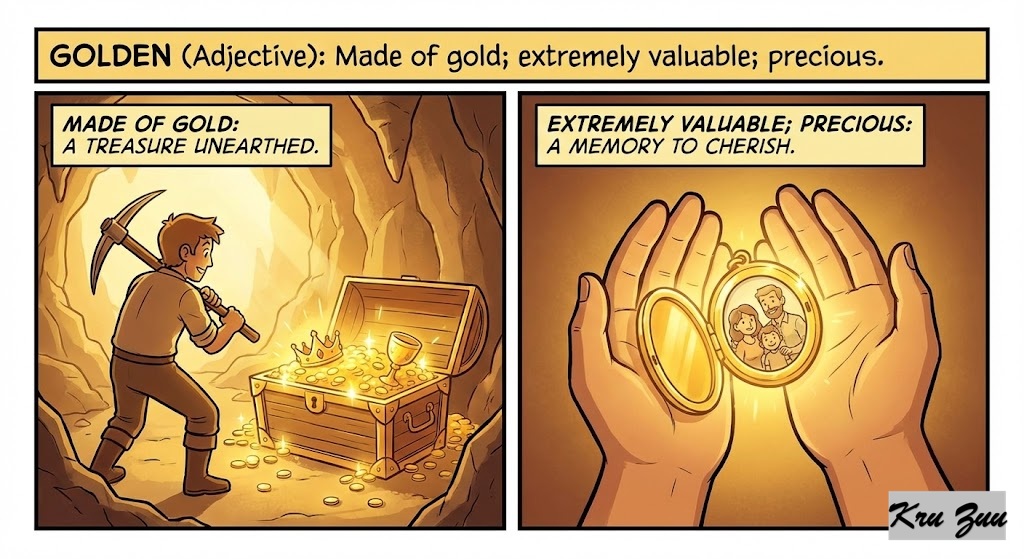
    Golden (Adjective): Made of gold; extremely valuable; precious.

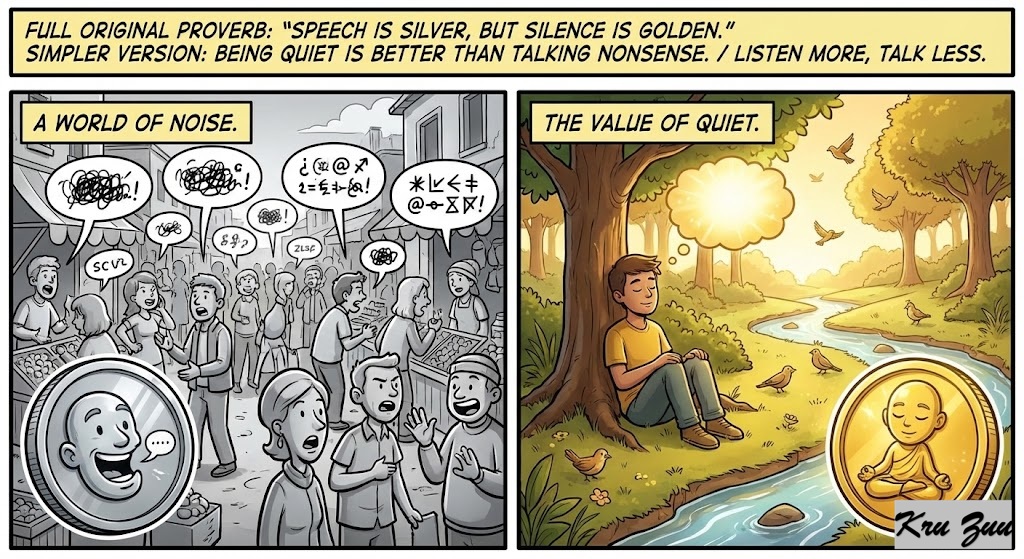
    Full Original Proverb:“Speech is silver, but silence is golden.”Simpler Version: Being quiet is better than talking nonsense. / Listen more, talk less.

    📚 Vocabulary Vault


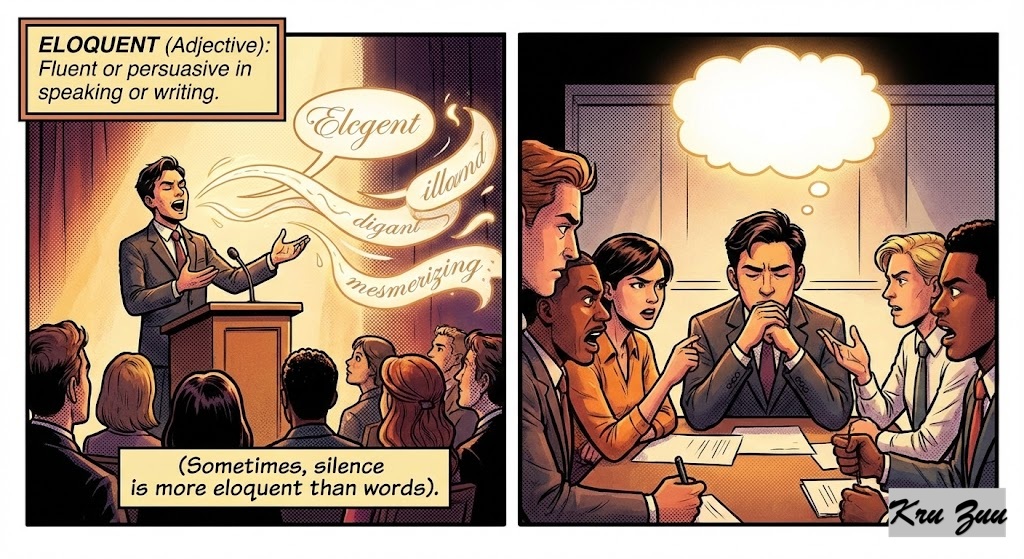
    Eloquent (Adjective): Fluent or persuasive in speaking or writing. (Sometimes, silence is more eloquent than words).

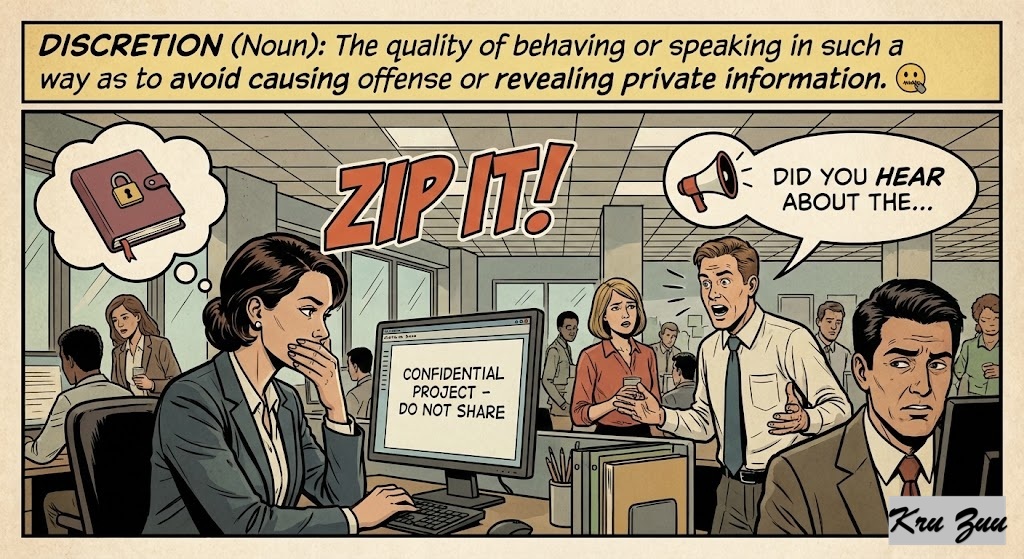
    Discretion (Noun): The quality of behaving or speaking in such a way as to avoid causing offense or revealing private information. 🤐

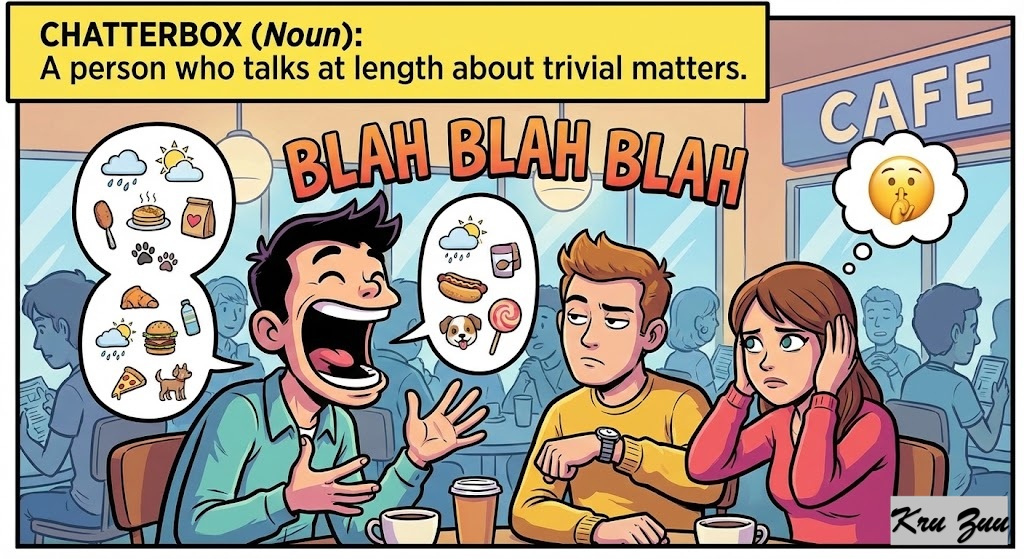
    Chatterbox (Noun): A person who talks at length about trivial matters.

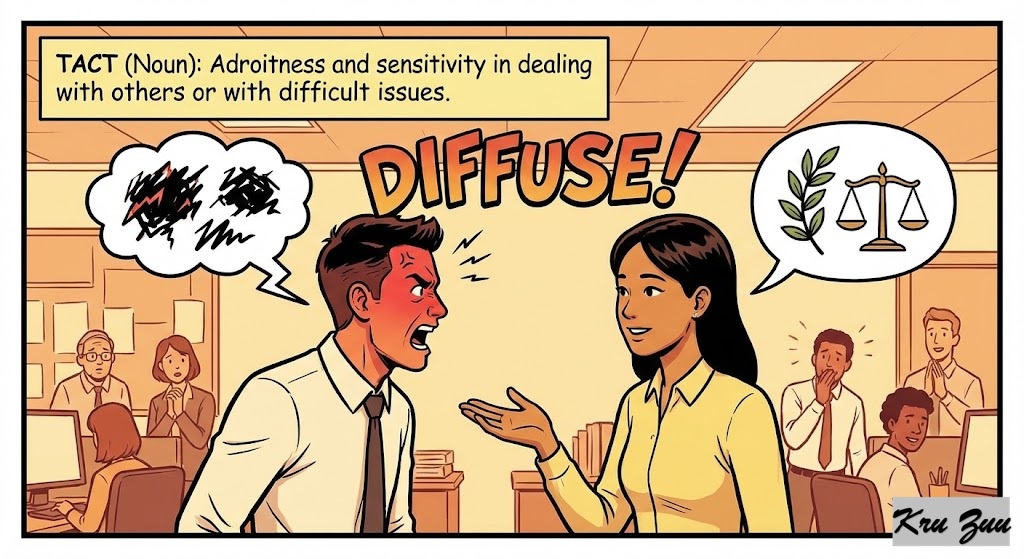
    Tact (Noun): Adroitness and sensitivity in dealing with others or with difficult issues.

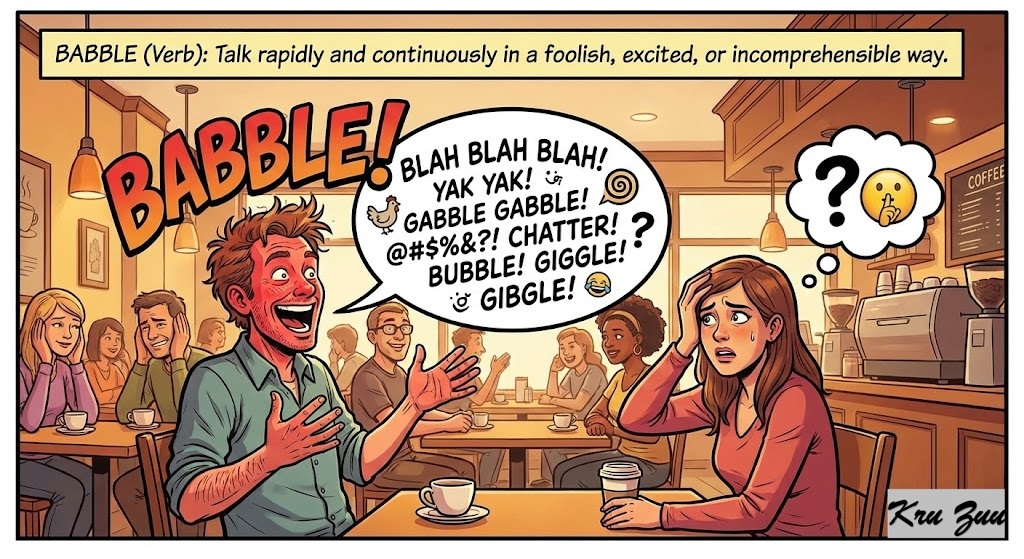
    Babble (Verb): Talk rapidly and continuously in a foolish, excited, or incomprehensible way.

    🧠 Grammar Focus: Idioms as Social Regulators
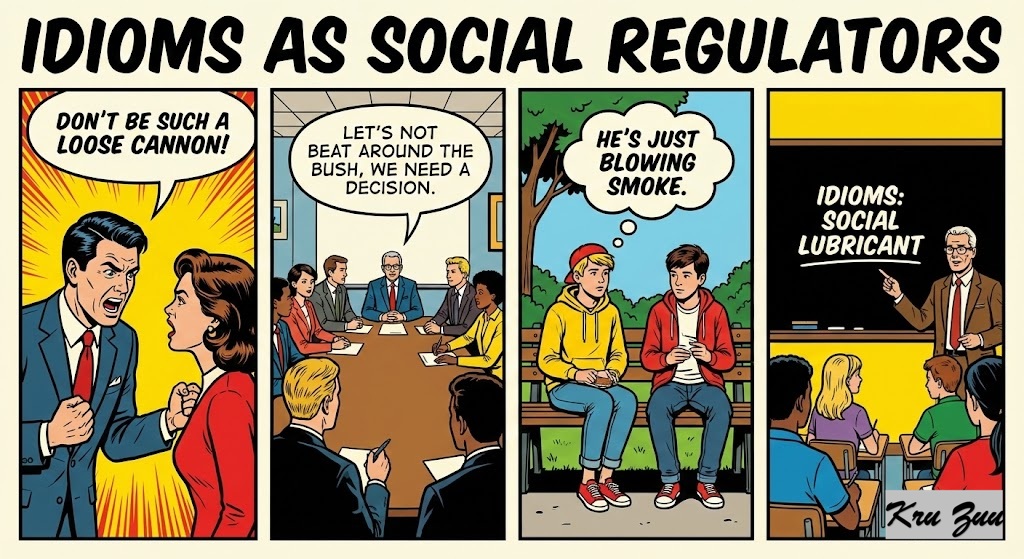

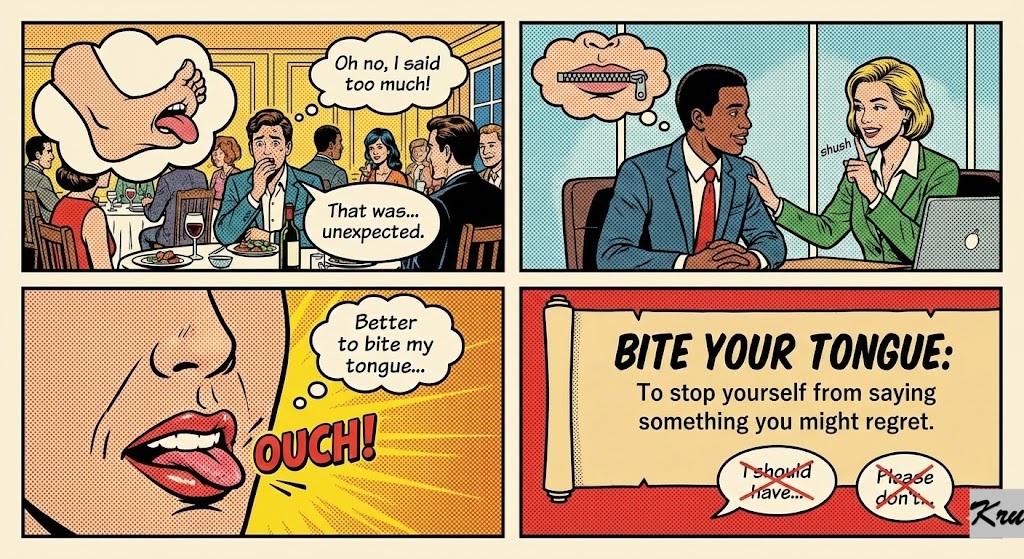
    We often use this idiom to politely tell someone to stop talking or to express regret for speaking too much.

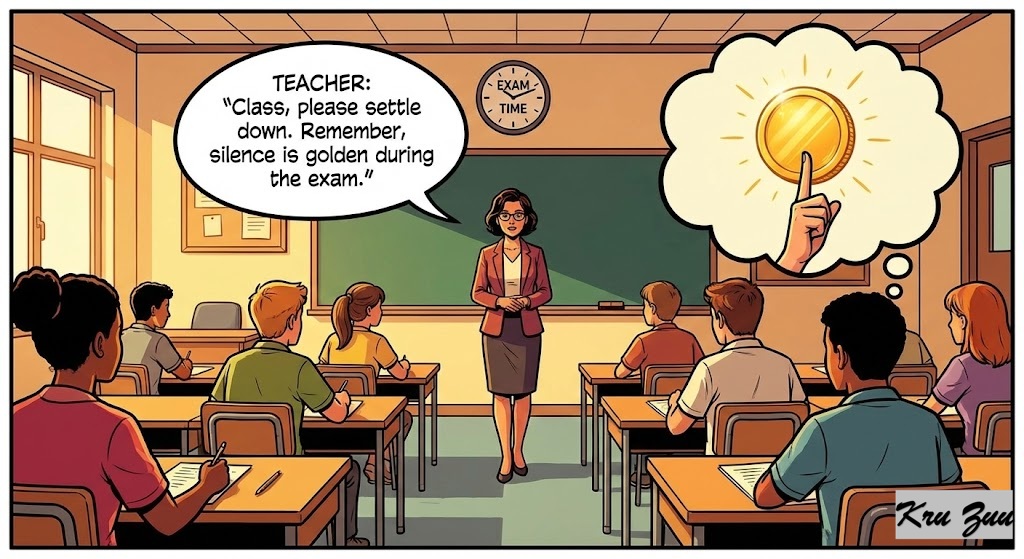
    Teacher: “Class, please settle down. Remember, silence is golden during the exam.”

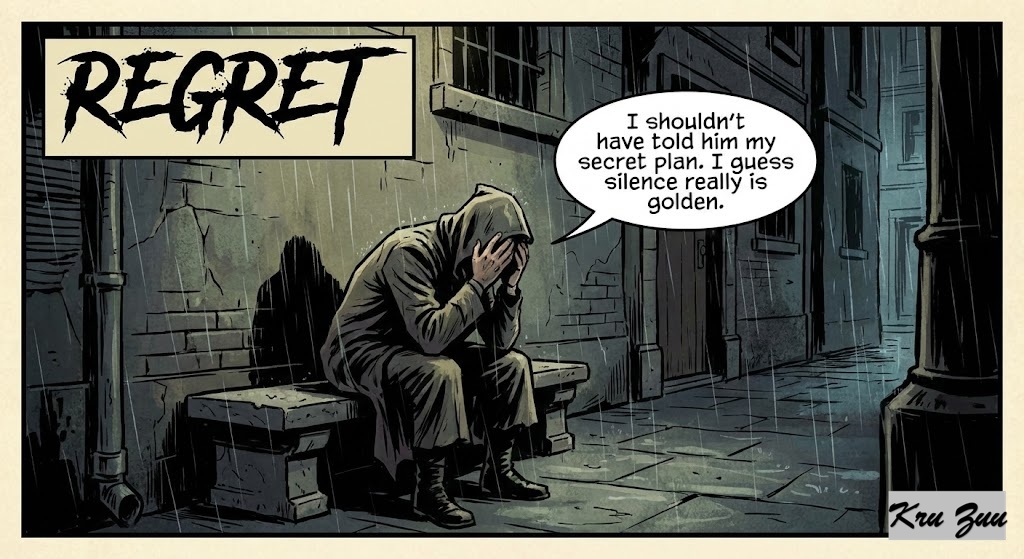
    Regret: “I shouldn’t have told him my secret plan. I guess silence really is golden.”
    📜 History: Origin and Spread


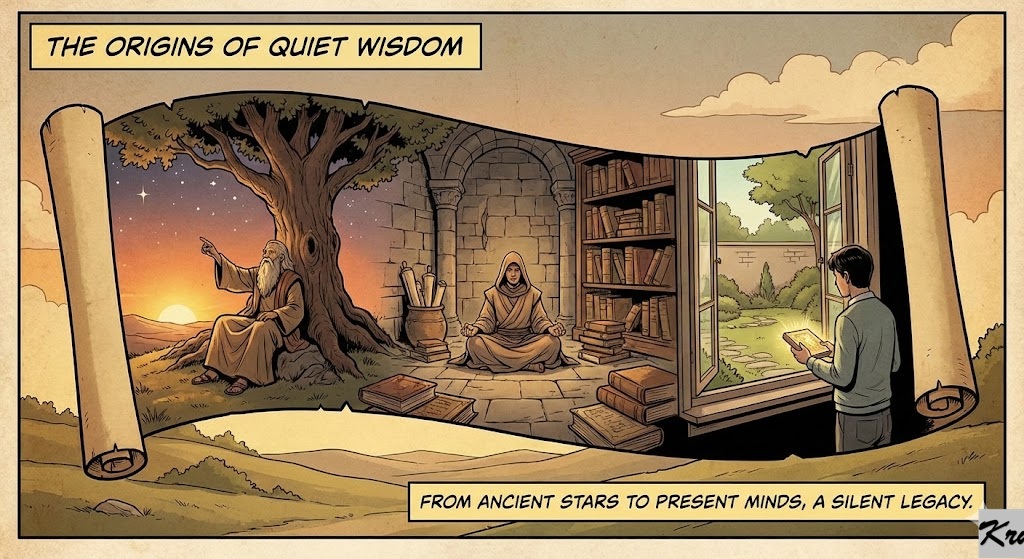
    Where did this quiet wisdom come from?

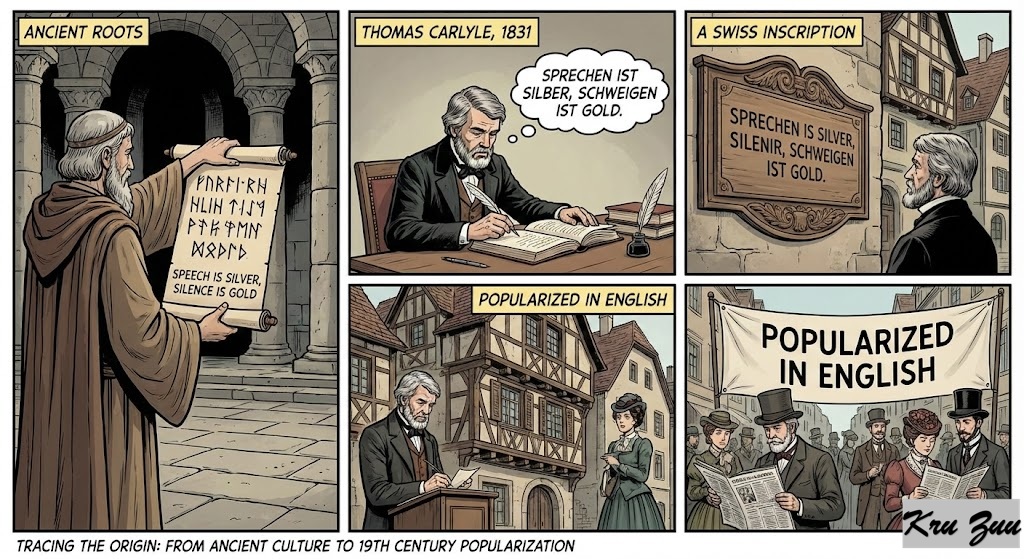
    The Origin: The phrase traces back to ancient culture. It was popularized in English by Thomas Carlyle in the 19th century (1831), who translated a Swiss/German inscription: “Sprechen ist Silber, Schweigen ist Gold.” (Speech is silver, Silence is gold).

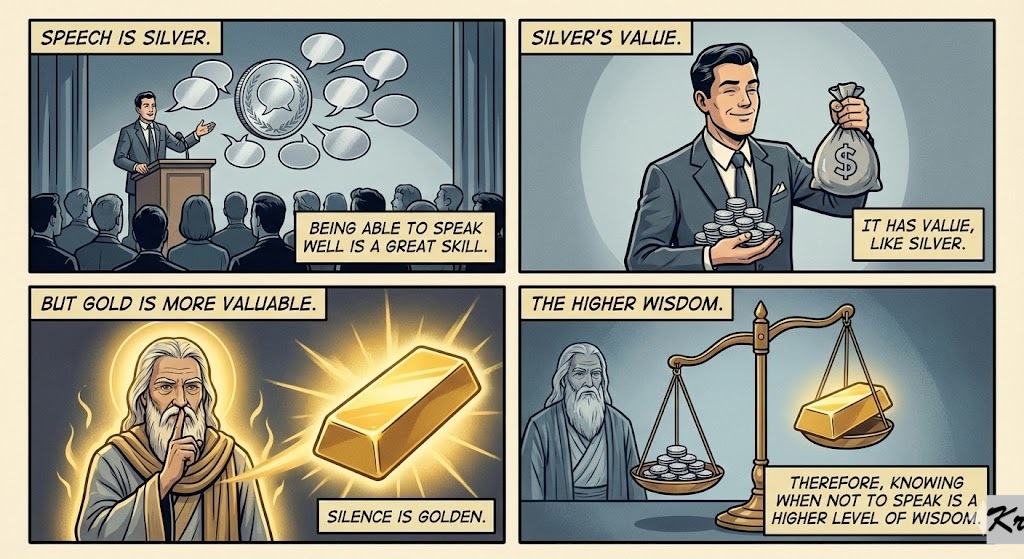
    The Logic: Silver is valuable. Being able to speak well is a great skill (Silver). But Gold is more valuable. Therefore, knowing when not to speak is a higher level of wisdom.

    Global Cousins


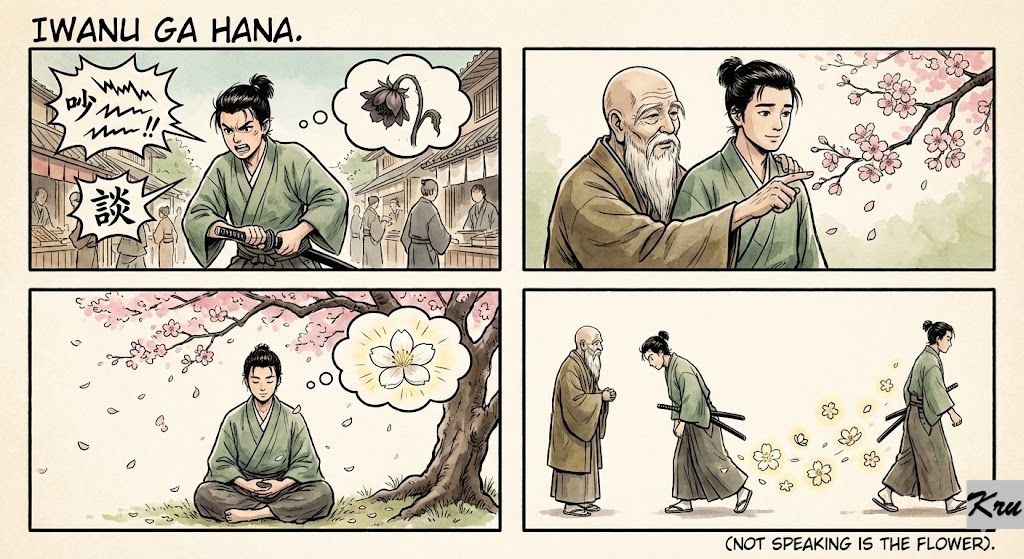
    🇯🇵 Japanese: “Iwanu ga hana” (Not speaking is the flower).

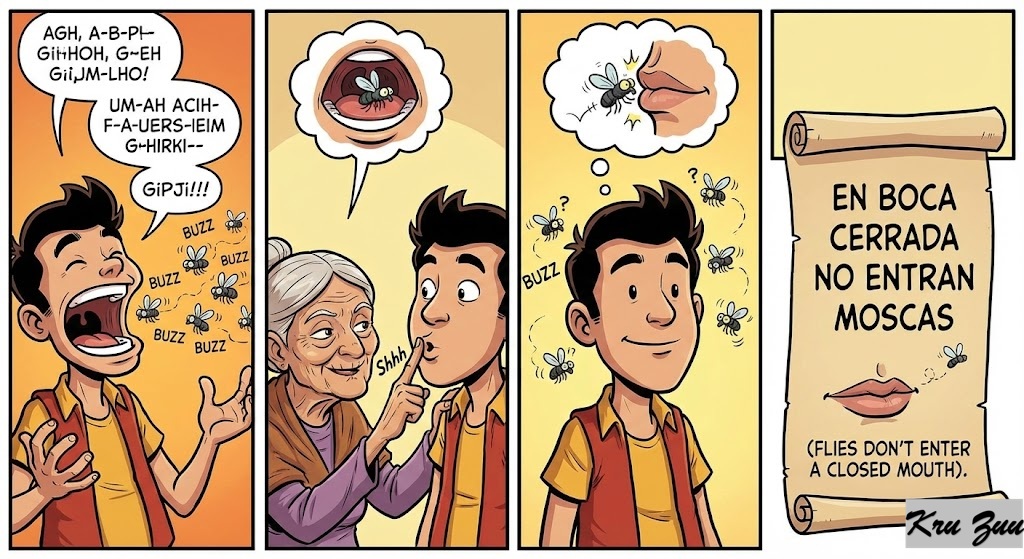
    🇪🇸 Spanish: “En boca cerrada no entran moscas” (Flies don’t enter a closed mouth).

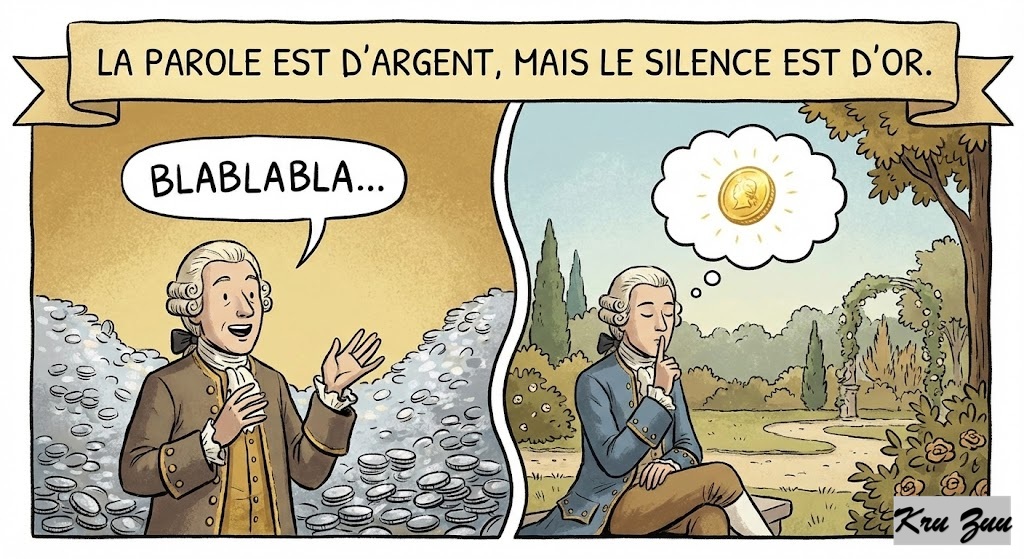
    🇫🇷 French: “La parole est d’argent, mais le silence est d’or.”
    🎭 Short Story: The Loudest Mistake 🤫🐱🐔🐸


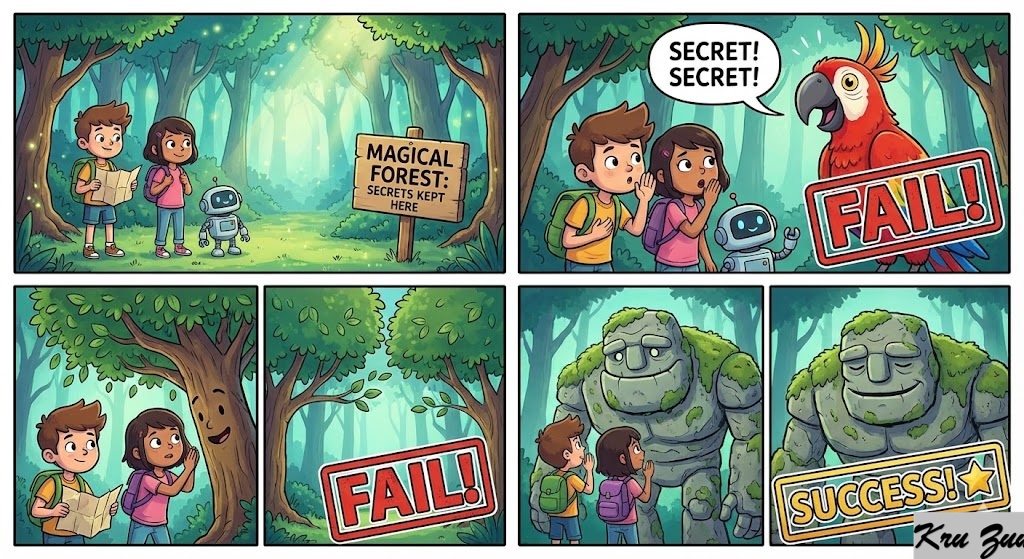
    Let’s visit the magical forest to see who can keep a secret.

    🌟 The Cast


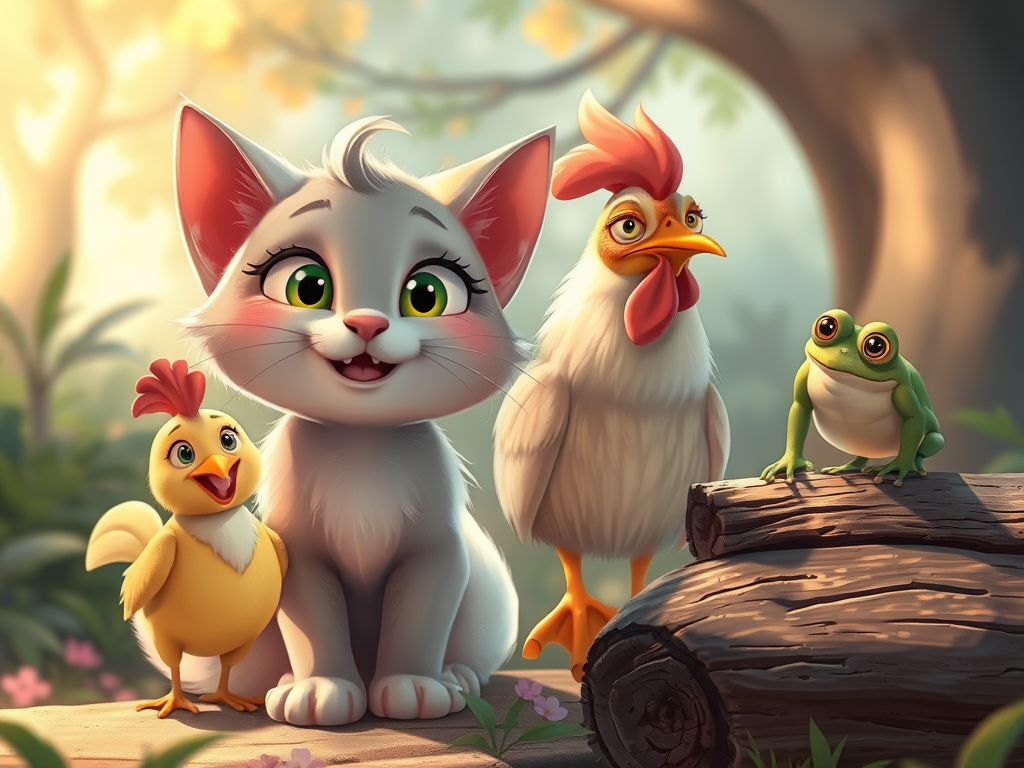
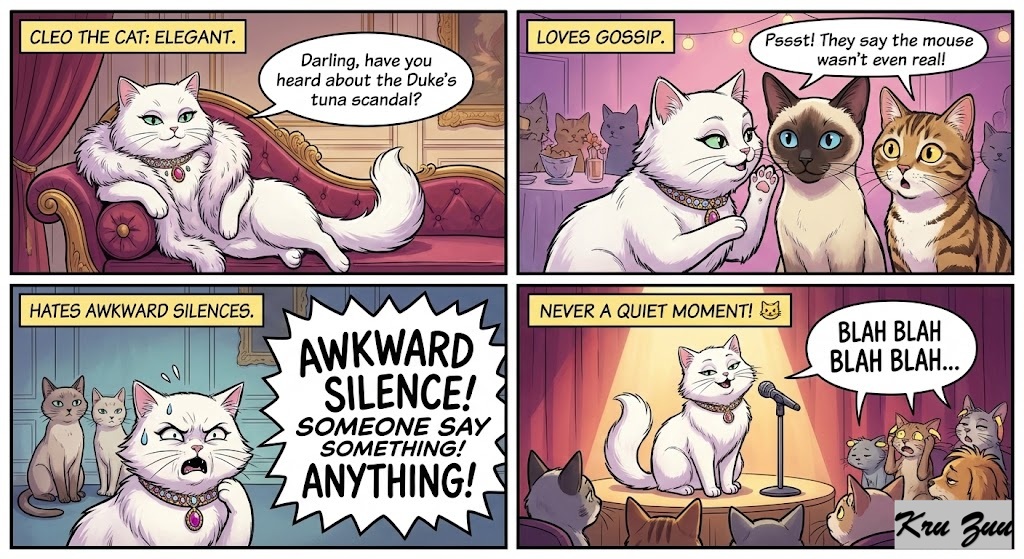
    Cleo the Cat: Elegant, loves gossip, hates awkward silences. 😼

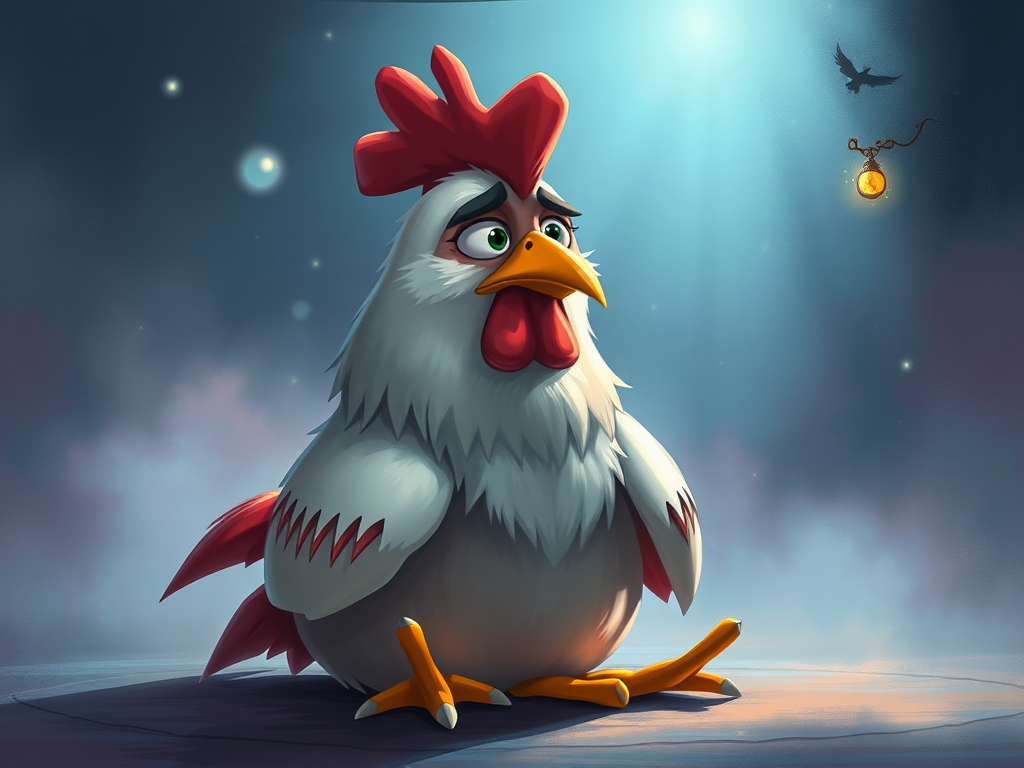
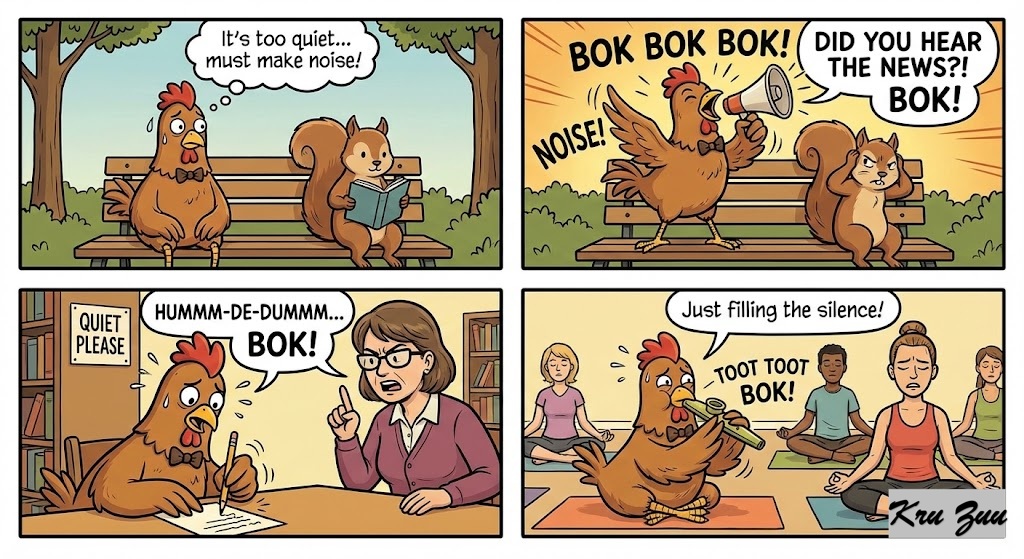
    Cluck the Chicken: Nervous, fills every quiet moment with noise. 🐔

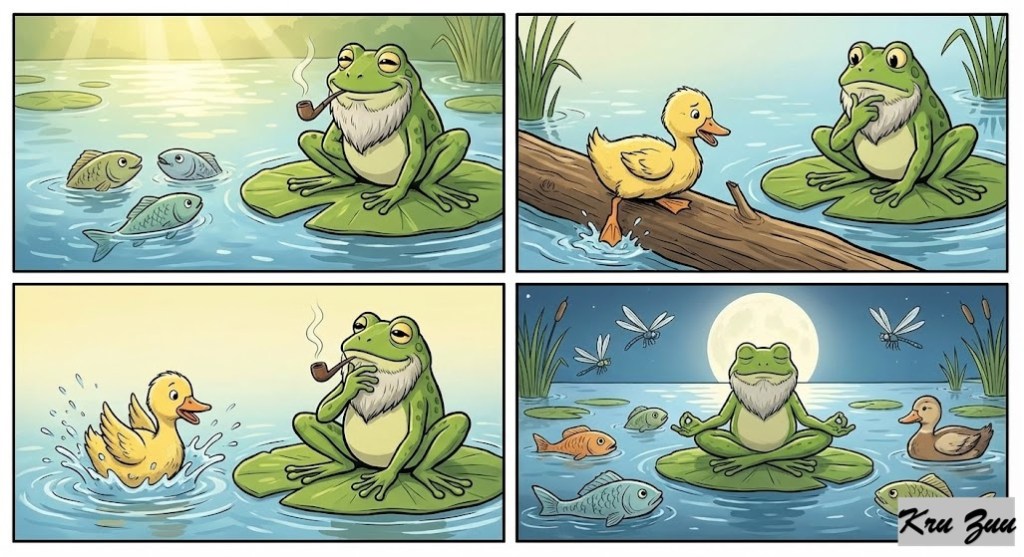
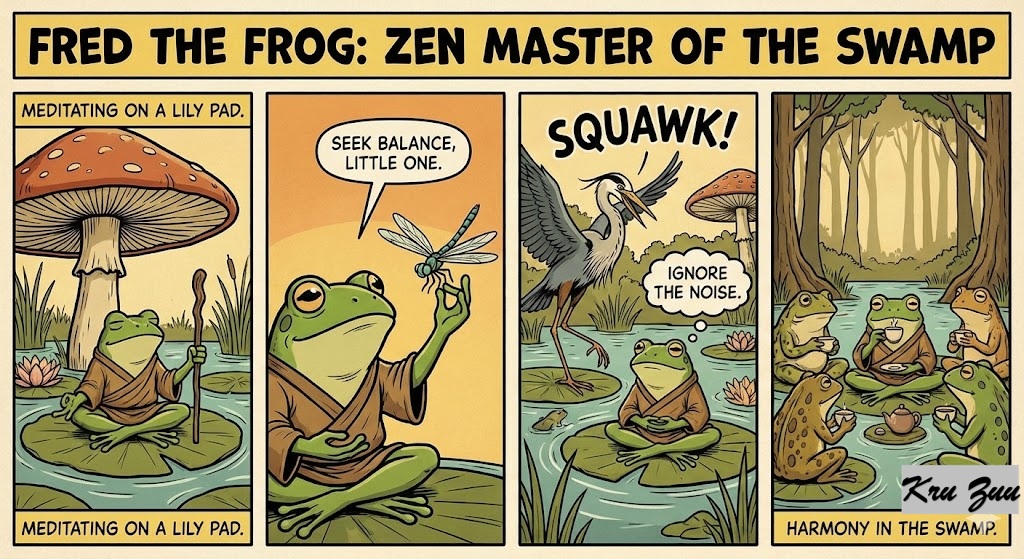
    Fred the Frog: The Zen master of the swamp. 🐸

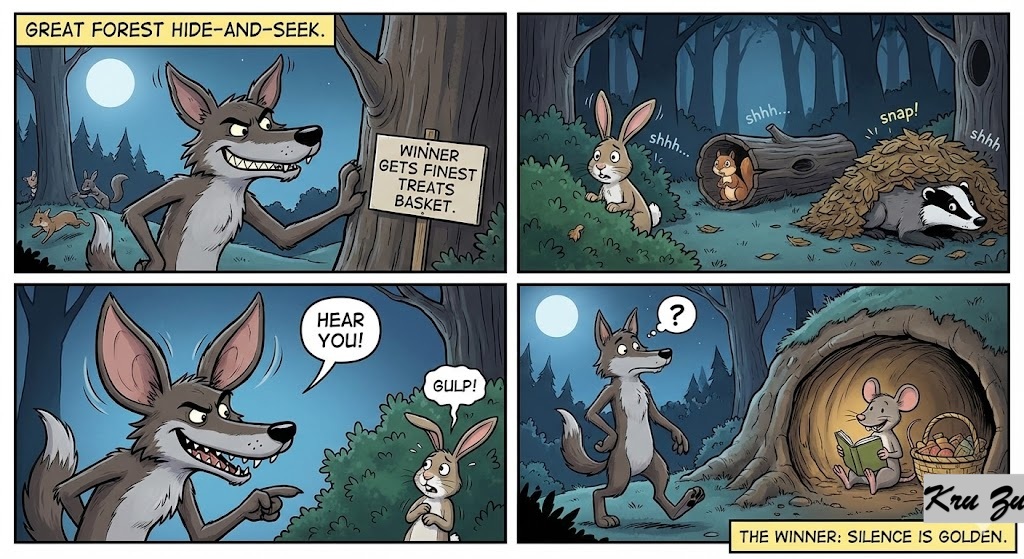
    The Situation: It is the night of the “Great Forest Hide-and-Seek.” The winner gets a basket of the finest treats. The seeker is the Big Bad Wolf, who has very sharp ears.

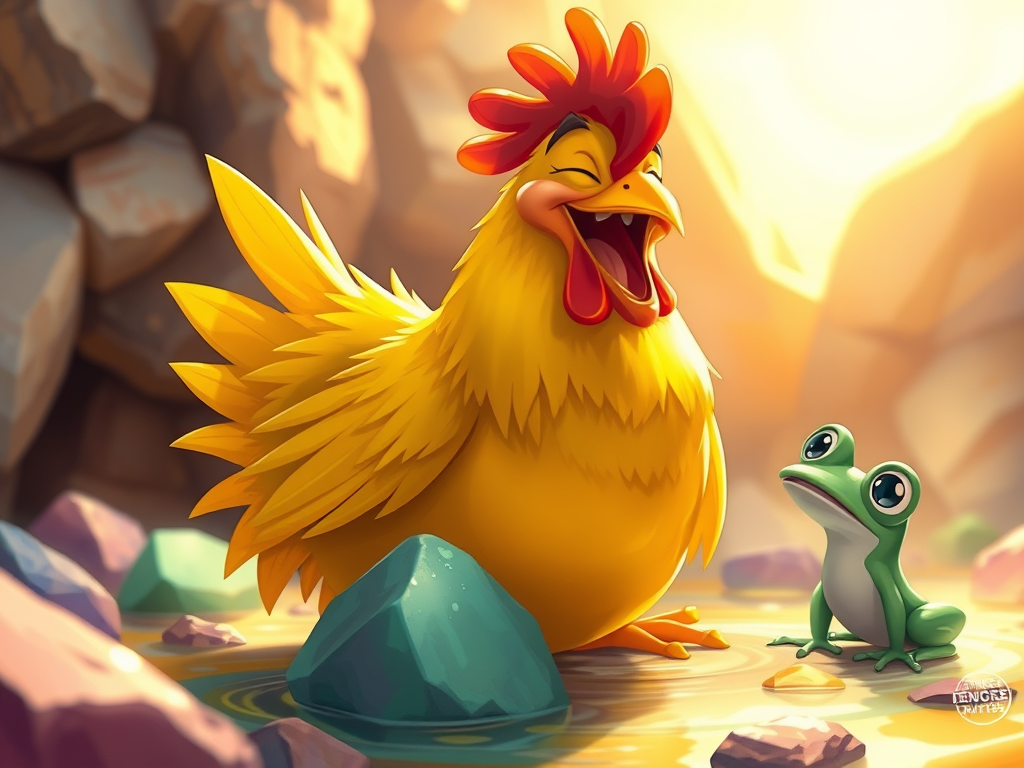
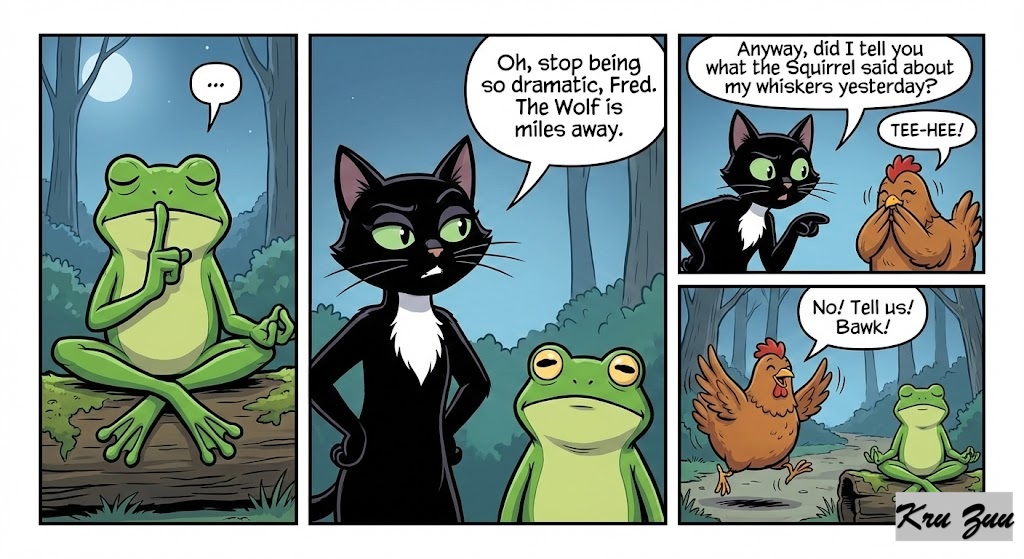
    The Conflict: Cleo, Cluck, and Fred find the perfect hiding spot inside a hollow log. It is dark and tight. “This is uncomfortable!” Cleo whispers loudly. “My tail is squished! Move over, Cluck!” “I’m scared!” Cluck squawks, flapping his wings. “Did you hear that twig snap? Is the Wolf coming? I think I should sing a song to calm my nerves. Bawk bawk!”
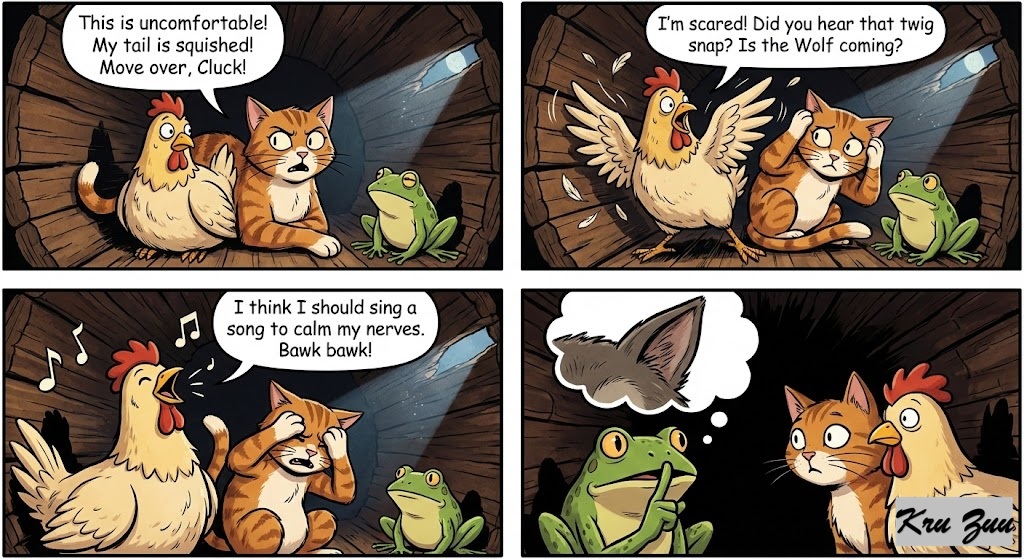

    The Reaction: Fred the Frog sits perfectly still. He closes his eyes. He breathes slowly. He puts a green finger to his lips. “…” Cleo rolls her eyes. “Oh, stop being so dramatic, Fred. The Wolf is miles away. Anyway, did I tell you what the Squirrel said about my whiskers yesterday?” Cluck giggles. “No! Tell us! Bawk!”

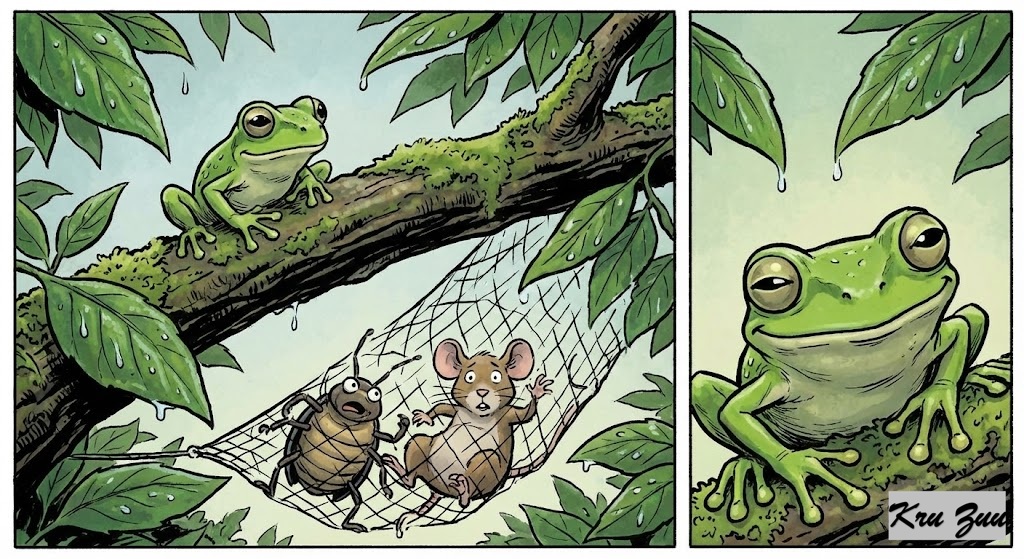
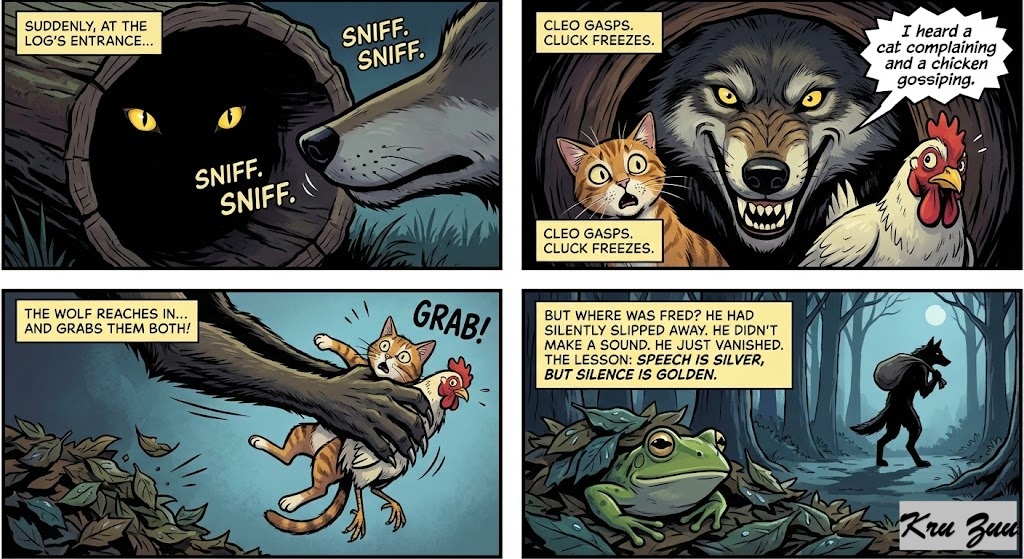
    The Lesson: Suddenly, two yellow eyes appear at the entrance of the log. Sniff. Sniff. The Wolf smiles. “I heard a cat complaining and a chicken gossiping.” Cleo gasps. Cluck freezes. The Wolf reaches in… and grabs them both! But where was Fred? In the moment the Wolf appeared, Fred had silently slipped under a pile of wet leaves. He didn’t make a sound. He didn’t brag. He didn’t scream. He just vanished.

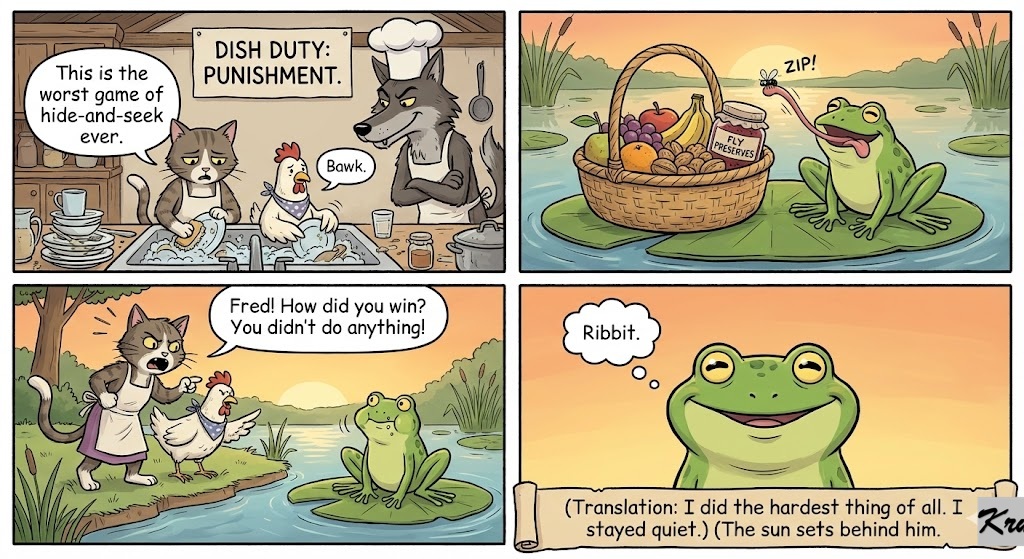
    The Resolution: Cleo and Cluck lost the game (and their treats). They spent the evening washing dishes for the Wolf as punishment. Fred won the basket of treats. He sat on his lily pad, eating a delicious fly. “Fred!” Cleo cried. “How did you win? You didn’t do anything!” Fred chewed slowly, swallowed, and smiled. “Ribbit.” (Translation: I did the hardest thing of all. I stayed quiet).

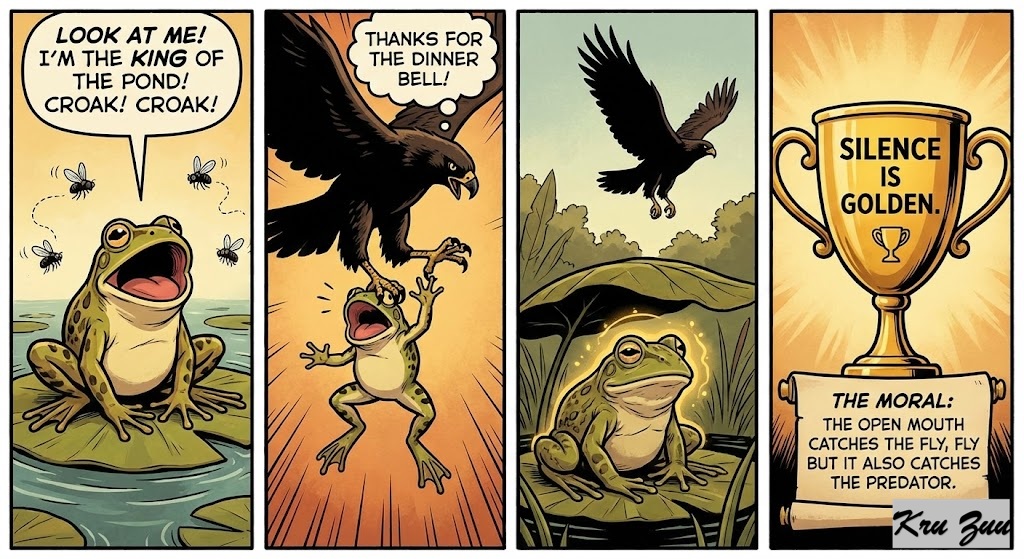
    The Moral: The open mouth catches the fly, but it also catches the predator. Silence is golden. 🏆
    🎓 Lesson for English Learners


    The Power of the Pause.
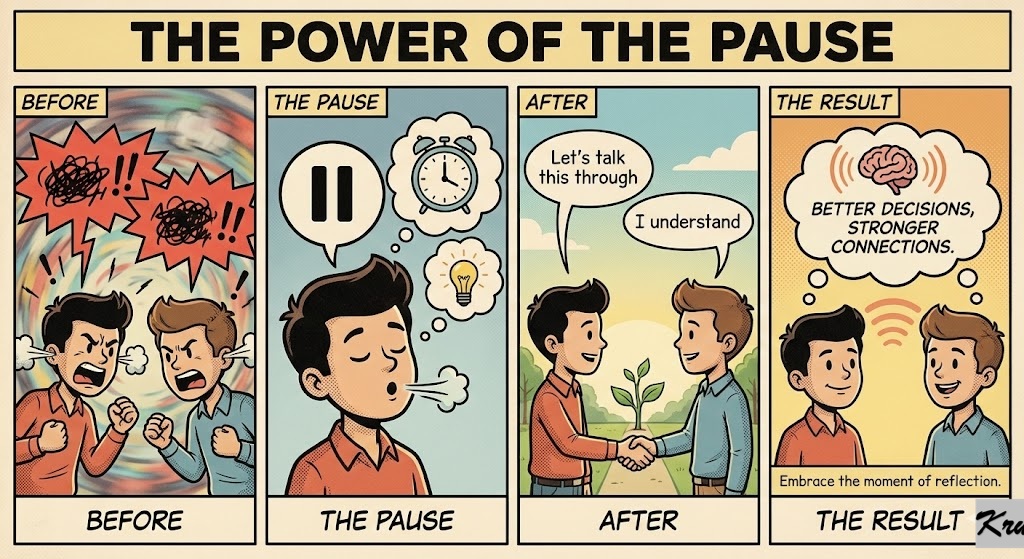

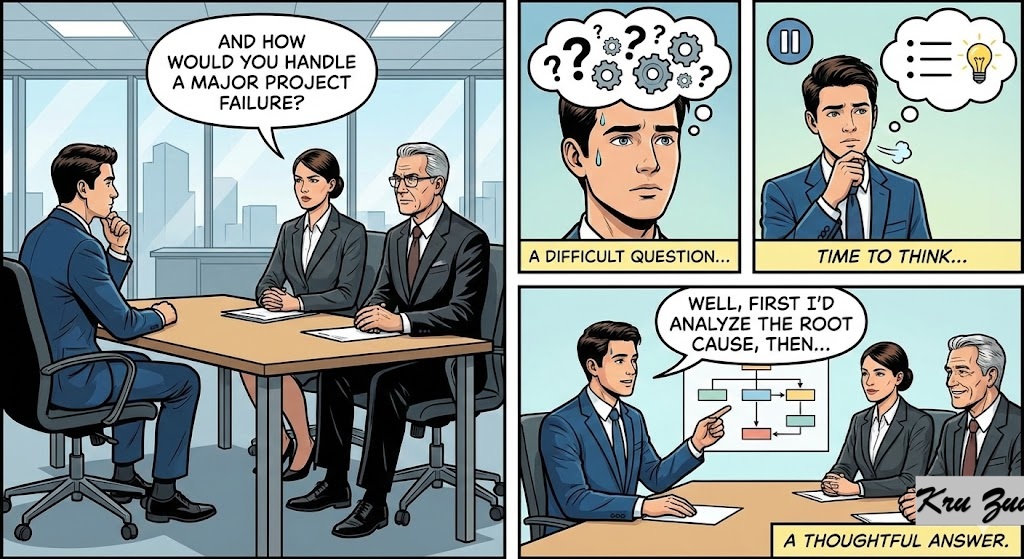
    Situation: You are in a job interview or a meeting. Someone asks you a difficult question.

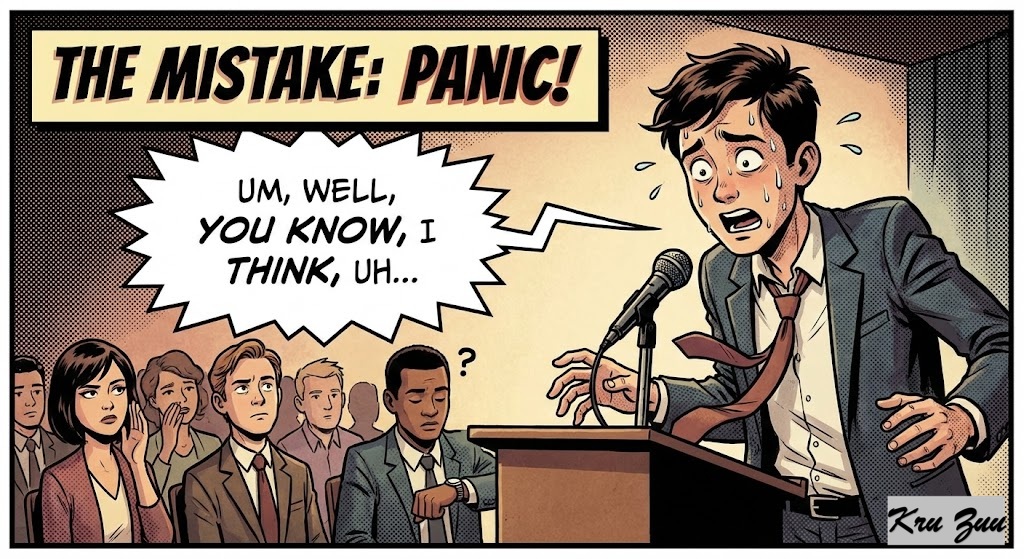
    The Mistake: You panic and start talking immediately (“Um, well, you know, I think, uh…”). You look nervous.

    The Shift: Use the “Golden Pause.” Take 3 seconds of silence. Look thoughtful.
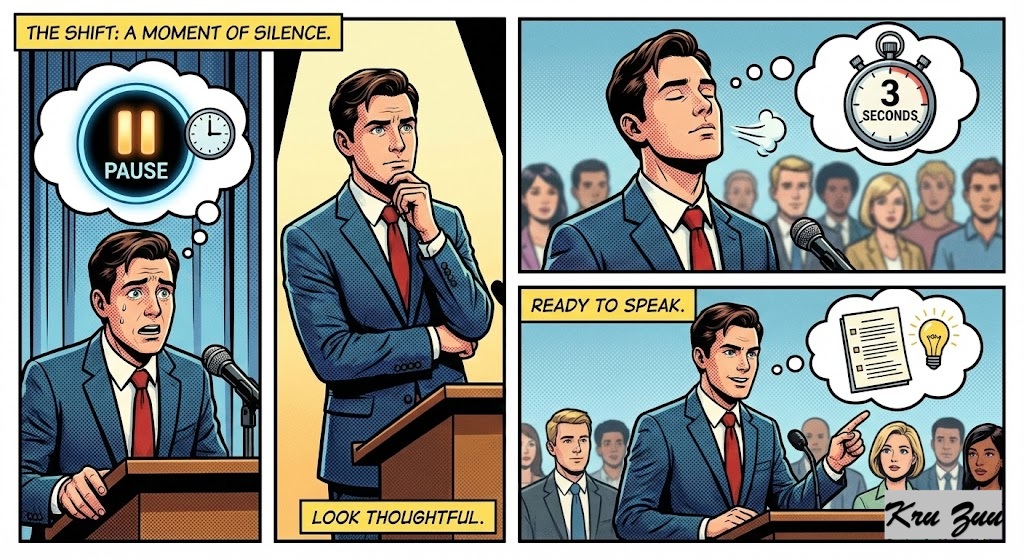

    You Say: “That is an interesting question. Let me think about that for a moment…” (Then give a clear answer).
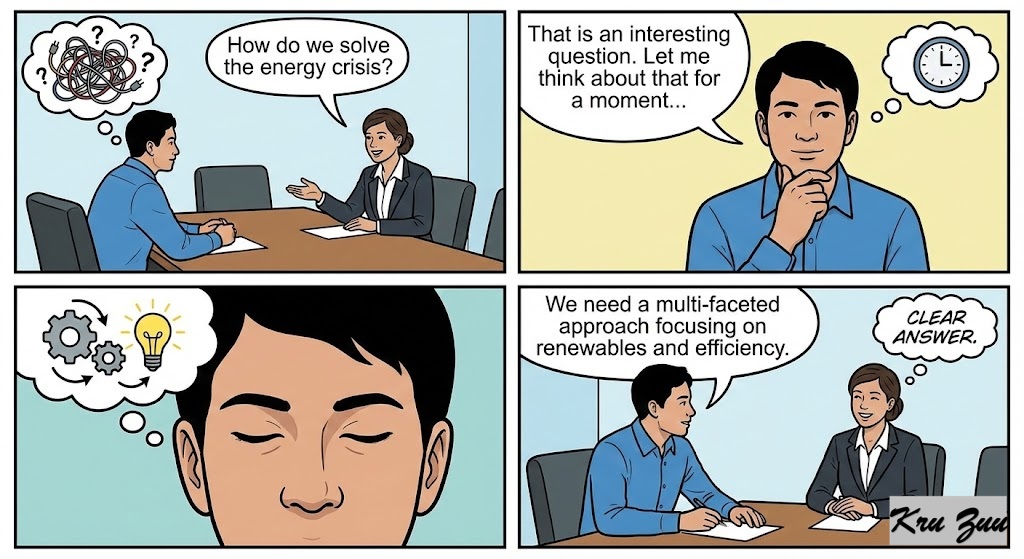

    Why: This shows confidence. It shows you think before you speak.

    💬 Your Turn: The “3-Second” Challenge 🚀


    Do you want to cure your “Villain” talking habits?
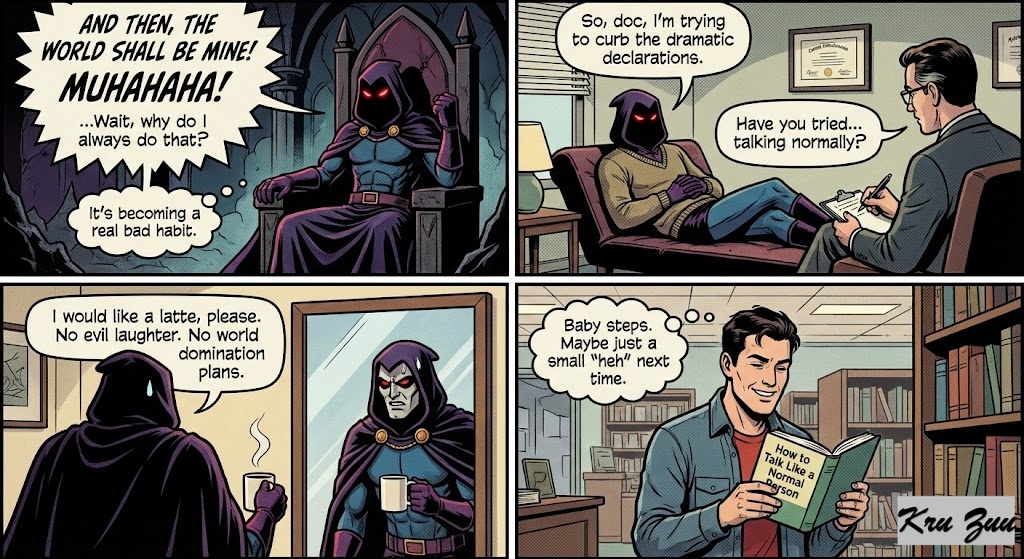

    The Challenge:
    For one whole day, follow the 3-Second Rule.
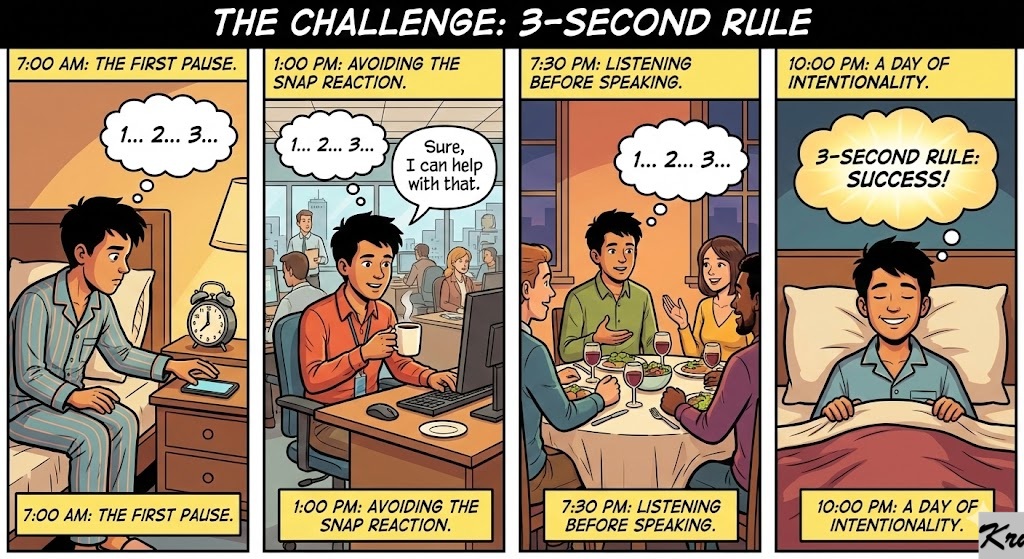

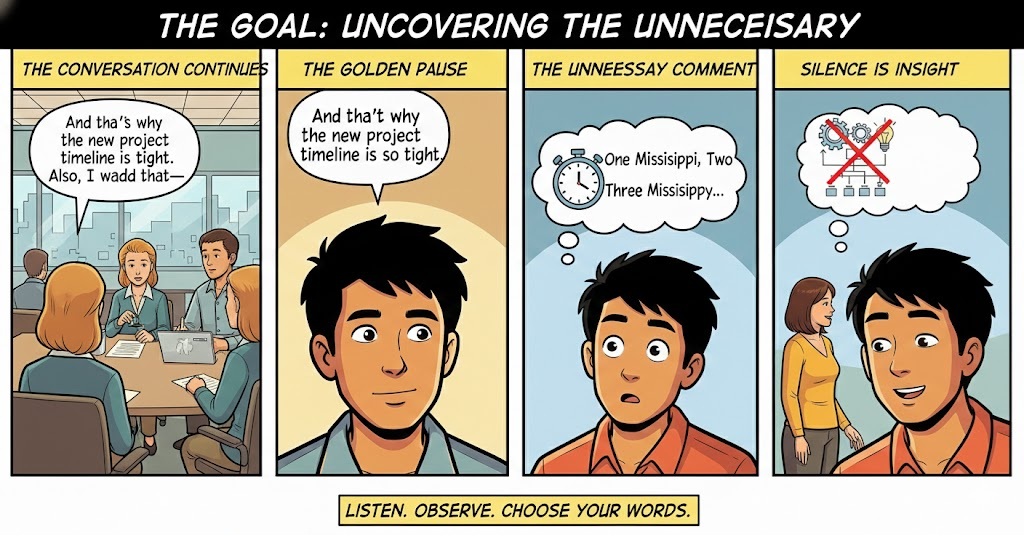
    The Action: Whenever someone finishes talking, count to 3 in your head (One Mississippi, Two Mississippi, Three Mississippi) before you respond.
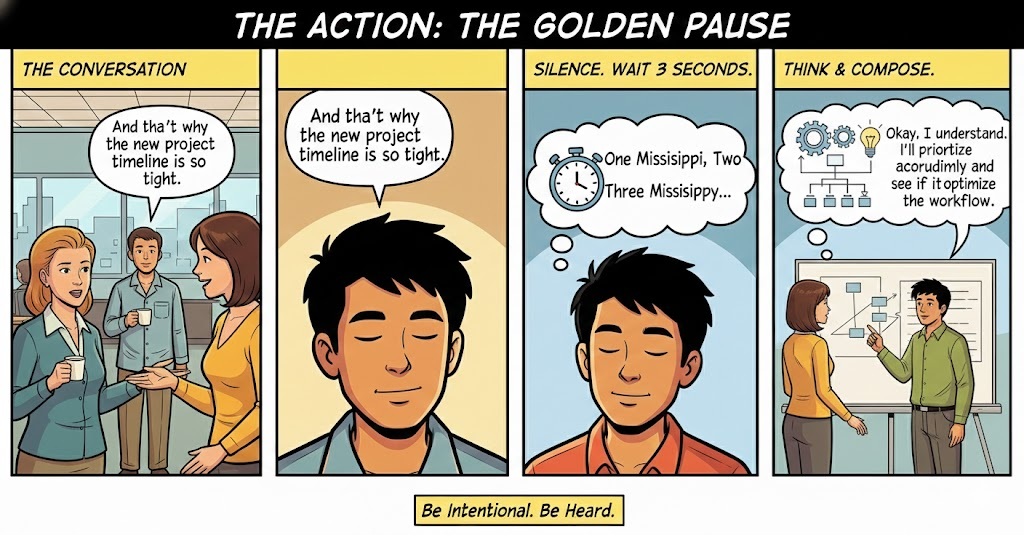

    The Goal: You will realize that often, the other person wasn’t finished talking! Or, you will realize your comment wasn’t necessary.

    👇 Question for the comments: Have you ever said something you immediately regretted? Or has staying silent ever saved you? Tell us your story below!

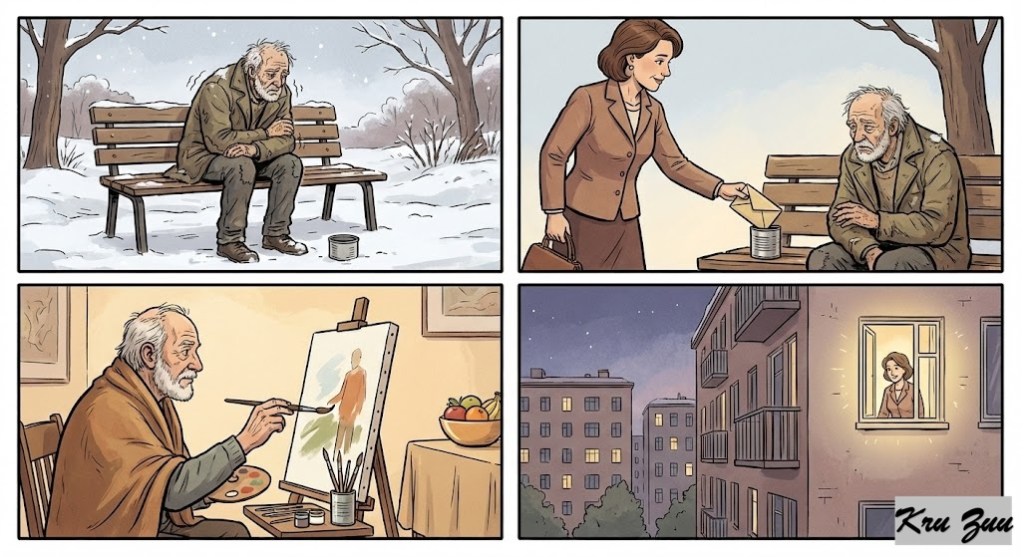
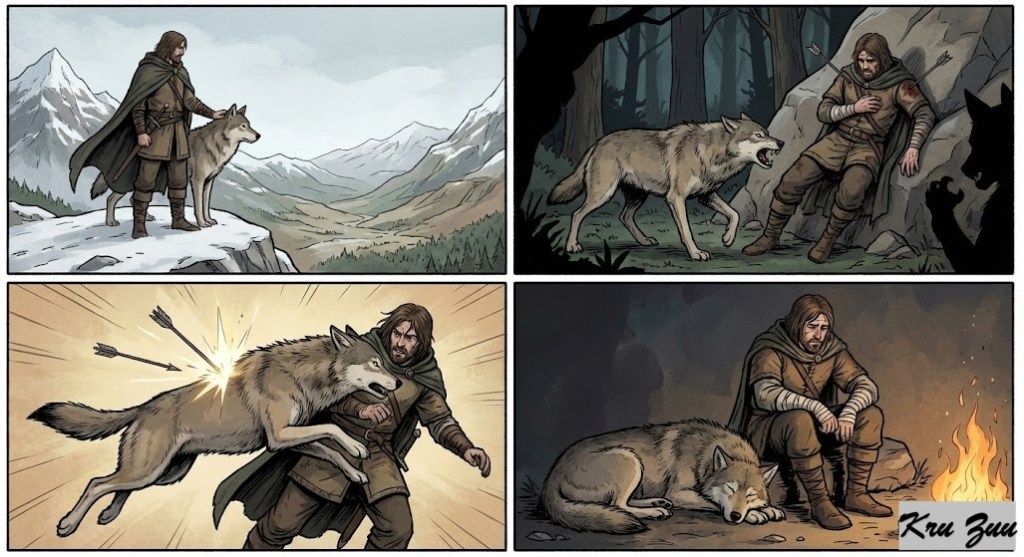
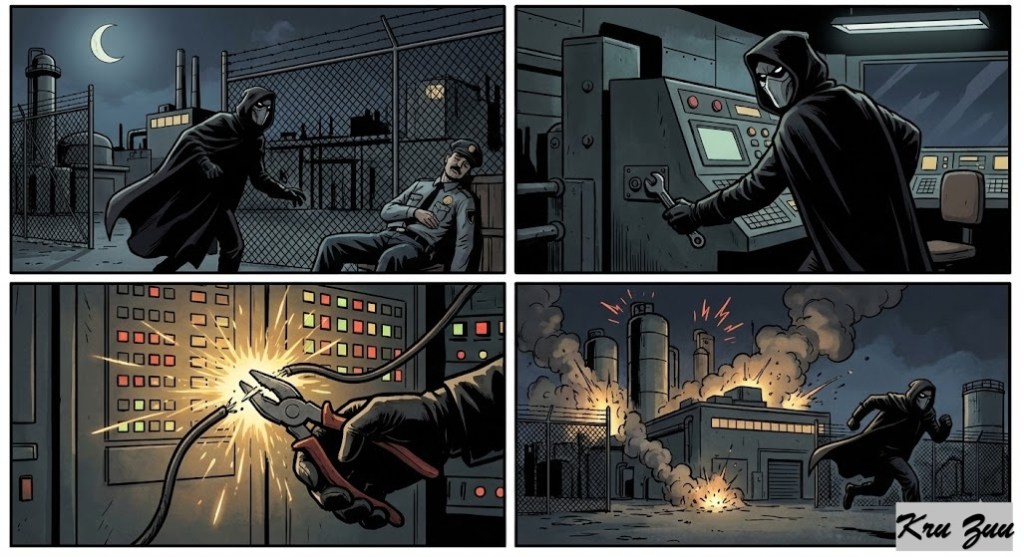
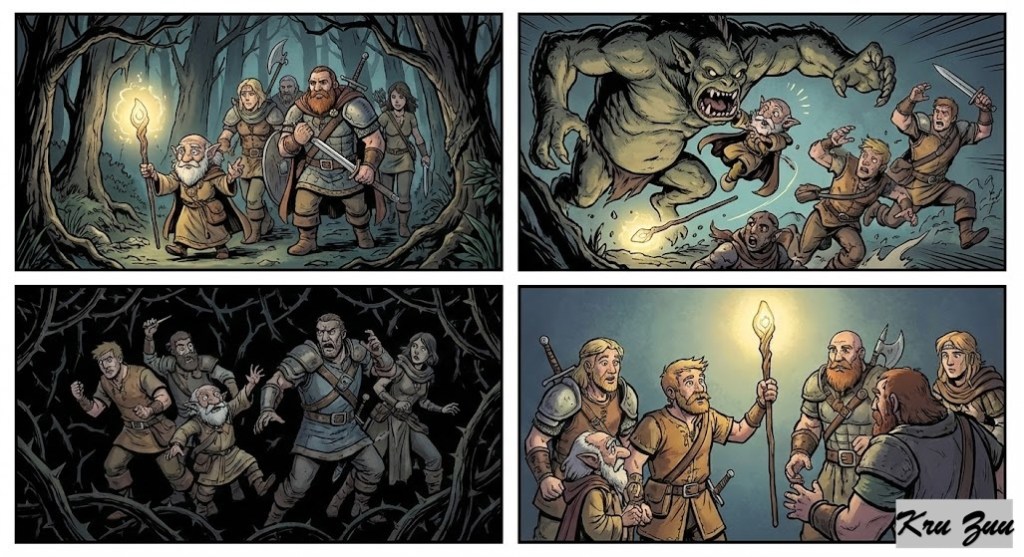
    By Zubeyir YURTKURAN

    https://www.facebook.com/BrainBattleground/

    https://www.facebook.com/zubeyr.yurtkuran/

    https://www.instagram.com/zubeyryurtkuran/

    https://www.youtube.com/@BrainBattleground-b3p

    https://www.instagram.com/brainbattleground/

  • 🛡️ The Daily Shield: The Art of Strategy

    🛡️ The Daily Shield: The Art of Strategy

    “If you can’t beat them, join them.”


    🥊 The Fighter (The Stubborn Ego)


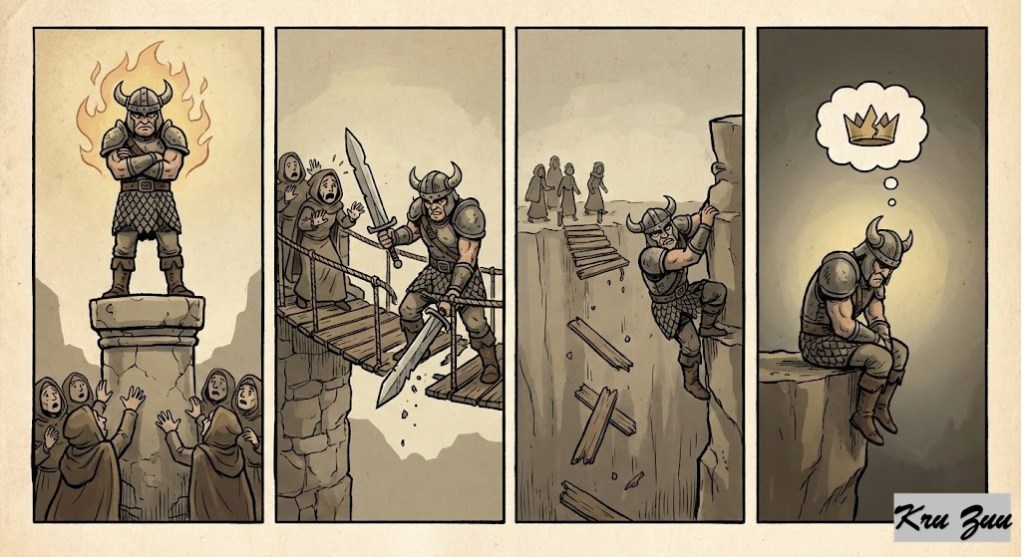
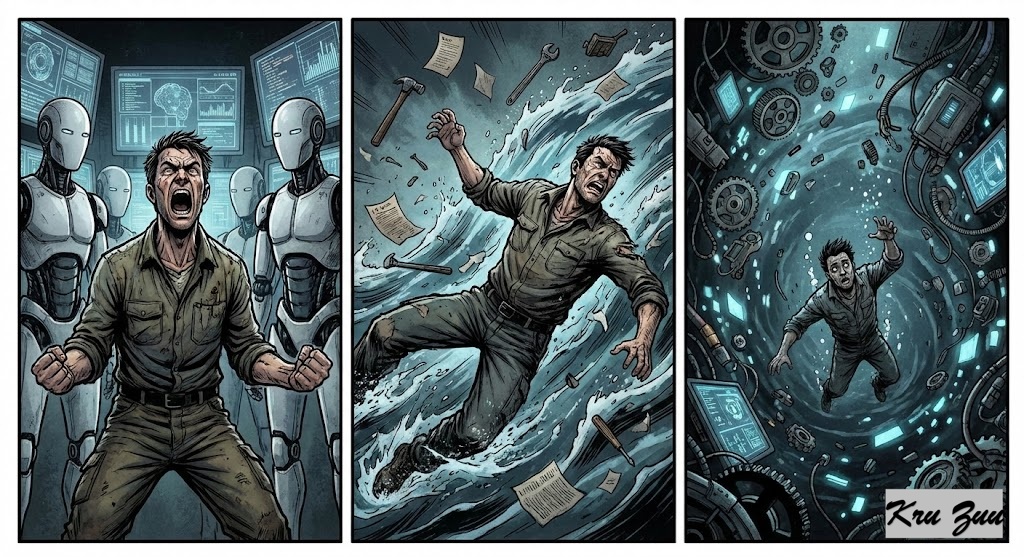
    You are fighting a losing battle. Maybe it’s a new technology at work (AI?), a strict boss, or a change in the market. You scream, “I will never change!” You waste all your energy swimming against the current. You are proud, but you are drowning.

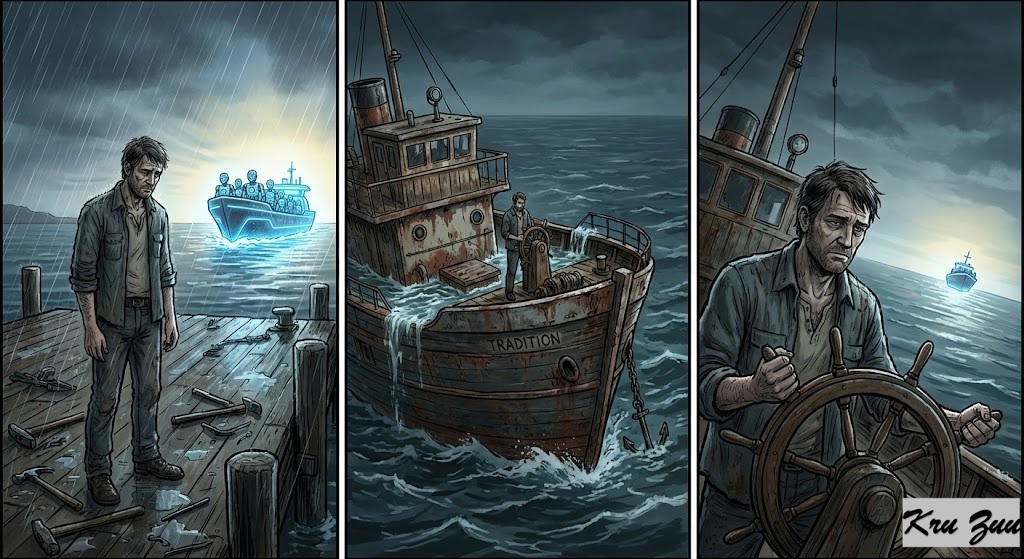
    The Result? You get left behind. You lose your job, your energy, or your opportunity. You are the captain of a sinking ship. ⚓


    🤝 The Strategist (The Smart Adapter)


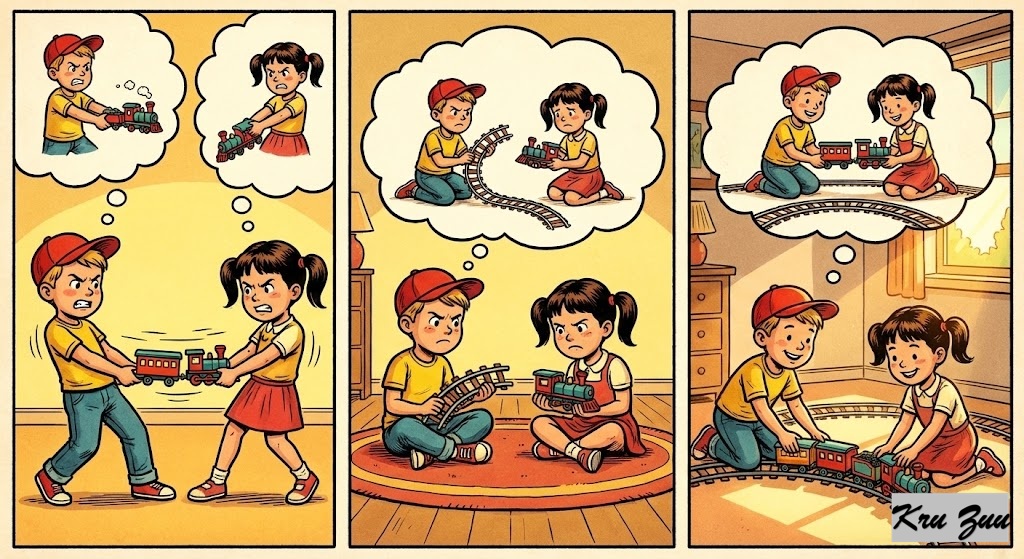
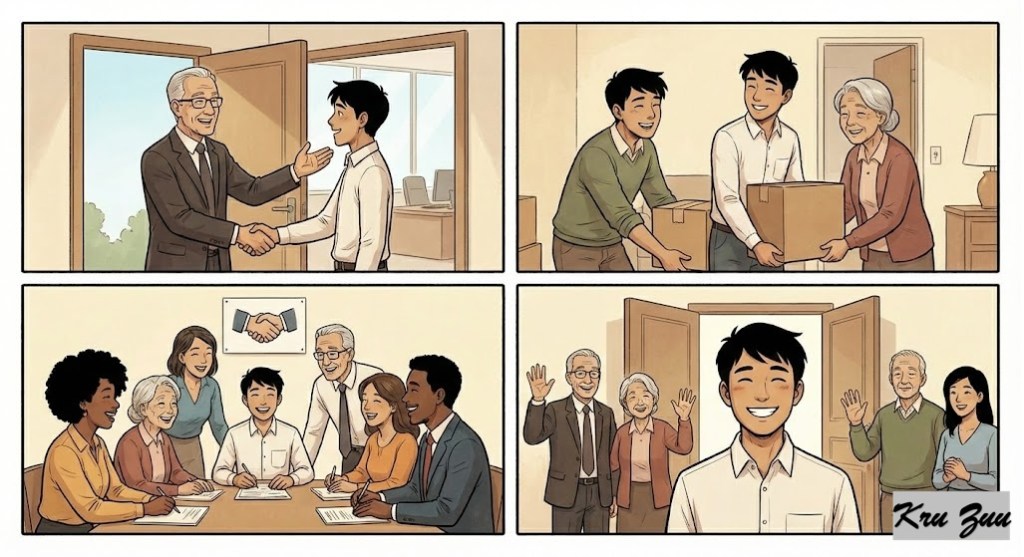
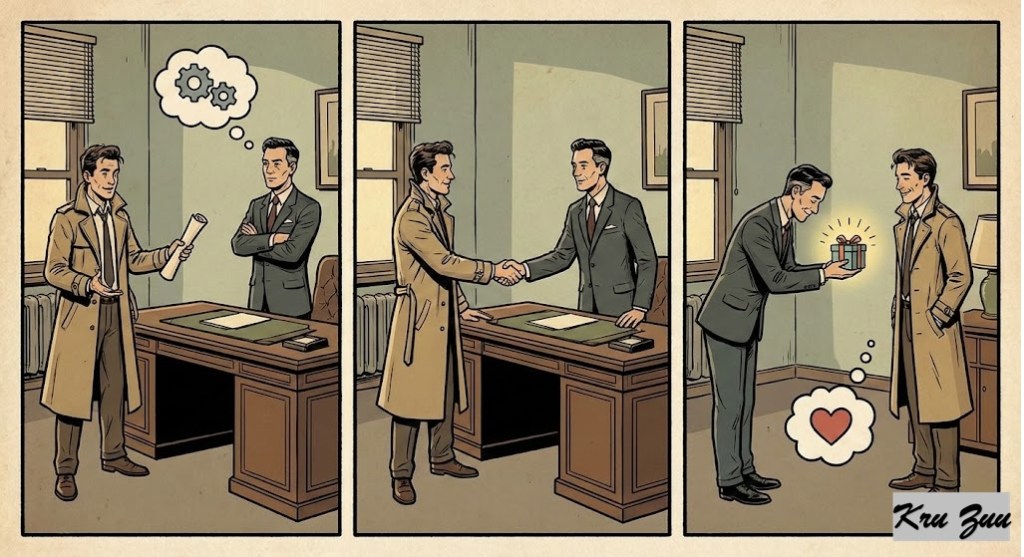
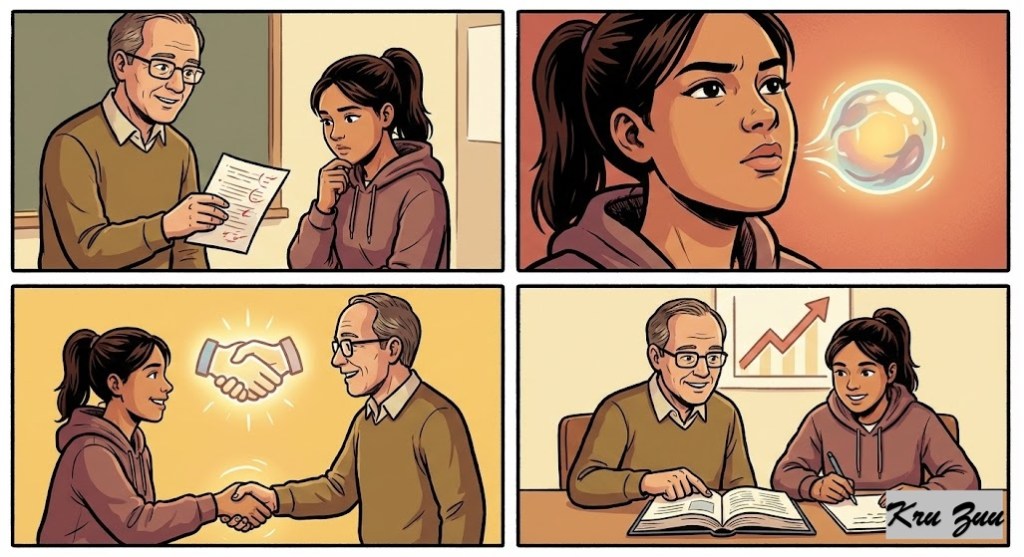
    You look at the opponent. You realize, “I cannot win this fight with force.” So, you change tactics. Instead of being a wall, you become water. You find a way to align your goals with theirs. You turn an enemy into an ally.

    The Result? You survive. You thrive. You didn’t lose; you just found a different way to win. 🧠


    ⚖️ The Reality


    Survival is not about being the strongest; it is about being the smartest. This proverb isn’t about giving up. It is about Pragmatism. If fighting destroys you, and joining saves you, only a fool chooses destruction.


    💎 The Secret: Sometimes, the best way to destroy an enemy is to make them your friend.

    🧐 The Anatomy of the Proverb


    This is the ultimate rule for politics, business, and marriage!


    Beat (Verb): To defeat; to win against someone. 🥊


    Join (Verb): To become part of; to collaborate with. 🤝


    If (Condition): This sets the rule.


    Simpler Version: Don’t fight a force you cannot stop. Work with it.

    🎭 Short Story: The Barnyard Battle 🐔🐸🐱


    Let’s go to the chaotic farm to see this law in action.


    The Characters


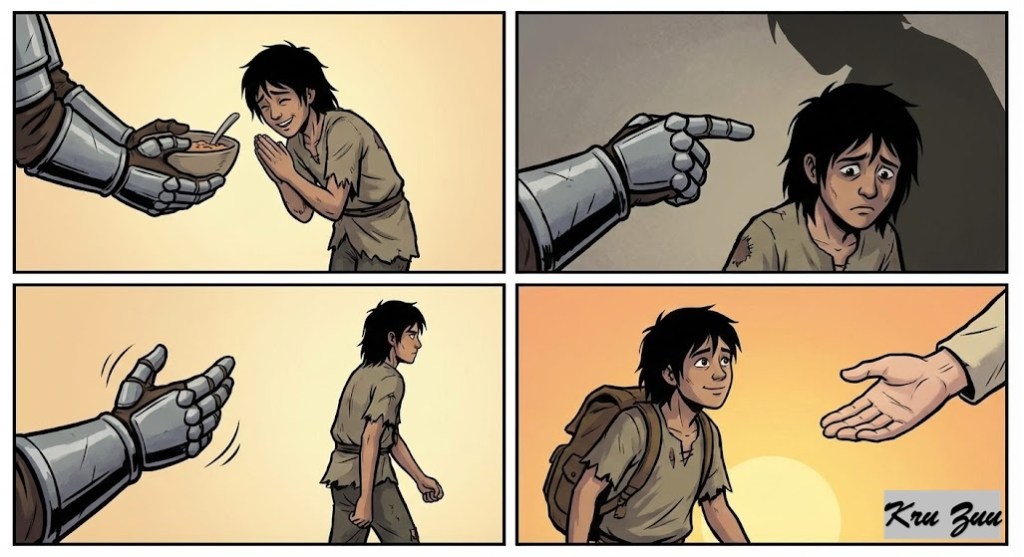
    Leo the Cat (The Boss):
    Huge, fluffy, and controls the warm fireplace inside the house. 😼


    Cluck the Chicken (The Stubborn Fighter): Loud, aggressive, but not very smart. 🐔


    Greenie the Frog (The Observer): Small, quiet, but very clever. 🐸


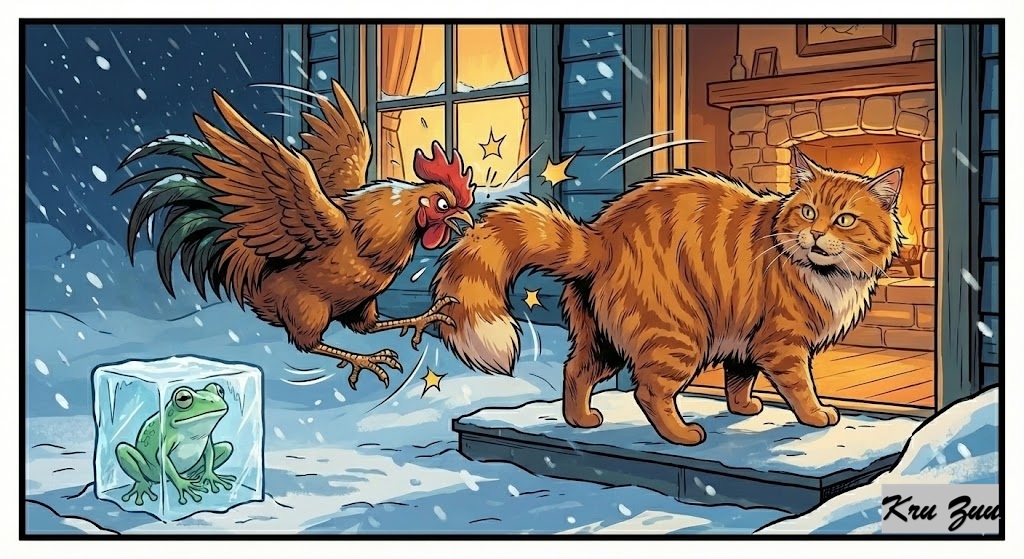
    The Situation: It is a freezing cold winter night. Everyone wants to be inside by the warm fire. But Leo the Cat guards the door. He does not like guests.


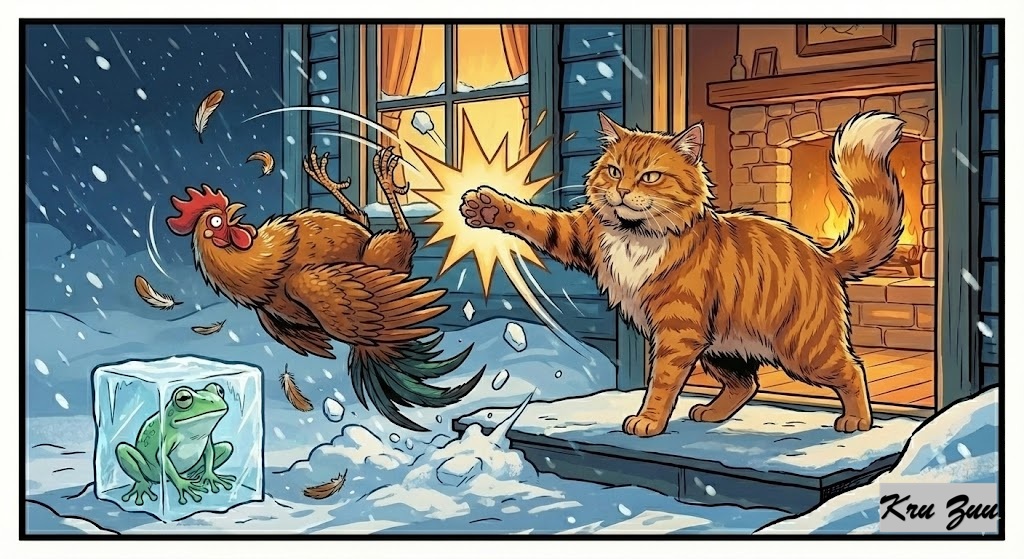
    Scene 1: The Chicken Attacks (Trying to Beat Them) Cluck freezes outside. She gets angry. She puffs up her feathers and charges at the door! “I have a beak! I am strong!” she screams. She pecks Leo’s tail.

    The Result: Bad idea. Leo swipes his paw. BAM! Cluck flies into a pile of snow. She is cold, defeated, and missing a few feathers. She tried to beat a giant, and she lost.


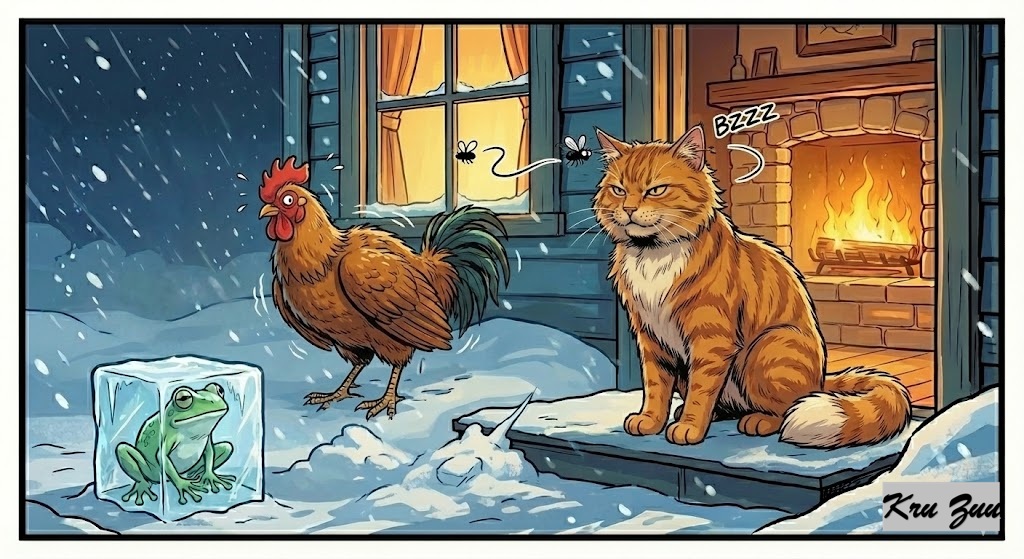
    Scene 2: The Frog Adapts (Joining Them) Greenie sees Cluck shivering in the snow. He looks at Leo the Cat. He knows he cannot fight a cat. One bite, and he is a snack. Greenie notices something: Leo is annoyed by a buzzing fly near his ear. Leo is too lazy to catch it.

    The Strategy: Greenie hops silently to the door. He doesn’t attack. instead, ZAP! He catches the fly with his tongue. Leo looks down. He is surprised. He purrs. He realizes this little green guy is useful. He nudges the door open for Greenie.

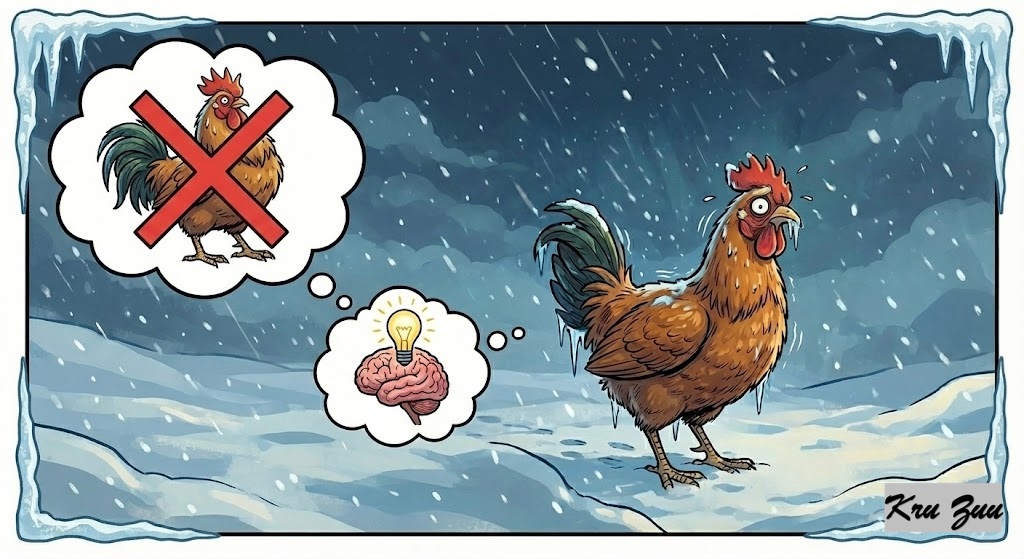
    The Ending: Greenie sleeps warmly next to the fire, protected by the Cat. Cluck is still freezing outside.


    The Moral: Cluck let her ego drive. Greenie used his brain. Don’t be a frozen chicken. ❄️

    📚 Vocabulary Vault


    Ally (Noun):
    A person or group that helps you. (Opposite of Enemy).


    Stubborn (Adjective): Refusing to change your ideas or stop doing something. 🐂


    Compromise (Verb/Noun): An agreement where both sides give up a little bit to agree.


    Adapt (Verb): To change your behavior to survive in a new situation.


    Inevitability (Noun): Something that is certain to happen; you cannot avoid it.


    🧠 Grammar Focus: The First Conditional


    This proverb uses a classic Conditional structure. It talks about a real possibility.


    Formula: If + [Present Simple], + [Imperative / Will].


    Example: “If you can’t beat them, join them.” (Imperative/Command)


    Example: “If it rains, I will stay home.”


    Language Tip: In English, we often use this structure for advice.


    “If you want to learn English, practice every day.”

    📜 History & Global Cousins


    This idea is universal. Wise people all over the world figured this out centuries ago.


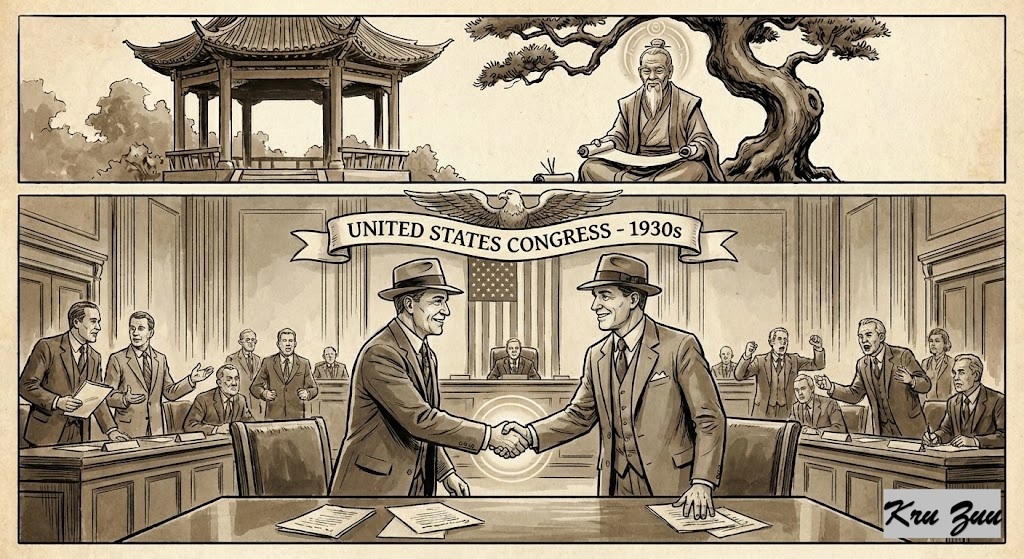
    🇺🇸 The Origin: While the concept is ancient, this specific English phrase became popular in US politics in the 1930s. Politics is the art of compromise!


    🇹🇷 Turkish Cousin: You know this one very well! “Bükemediğin eli öpeceksin.” (You must kiss the hand you cannot bend).


    The logic is identical: Show respect to a superior force to survive.

    🎓 Lesson for English Learners


    Stop fighting the language.


    Situation: You complain, “Why is English spelling so weird? Why are there so many irregular verbs? It makes no sense!”


    The Problem: You are fighting the language (Like Cluck the Chicken). You cannot change English rules.


    The Solution: Join them! Accept the craziness. Laugh at it. Don’t say “This is wrong.” Say “Okay, this is how they do it. I will do it too.”


    💬 Your Turn: The “Ego Check” Challenge 🚀


    Is there a change in your life you are resisting?


    Is your company forcing you to use new software?


    Is your new teacher using a method you hate?


    Are your friends obsessed with a hobby you think is silly?


    Challenge: This week, stop fighting. Try to find one benefit in that thing. Try to “Join them” for just 24 hours.


    👇 Tell me in the comments: When was the last time you had to “Kiss the hand you couldn’t bend”? Did it work out for you?


    By Zubeyir YURTKURAN

    https://www.facebook.com/BrainBattleground/

    https://www.facebook.com/zubeyr.yurtkuran/

    https://www.instagram.com/zubeyryurtkuran/
    https://www.youtube.com/@BrainBattleground-b3p

    https://www.instagram.com/brainbattleground/

  • 🛡️ The Daily Shield: The Law of Gratitude

    🛡️ The Daily Shield: The Law of Gratitude

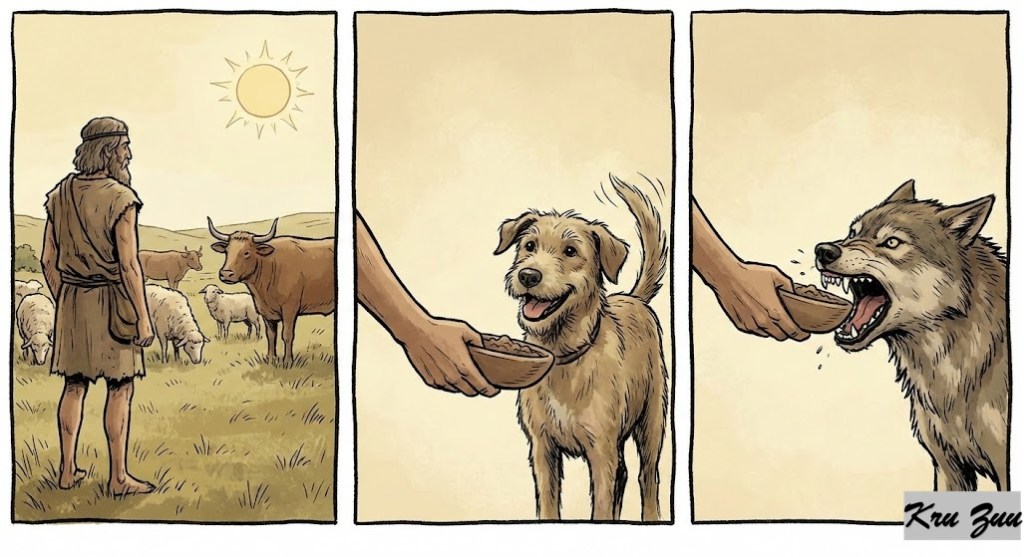
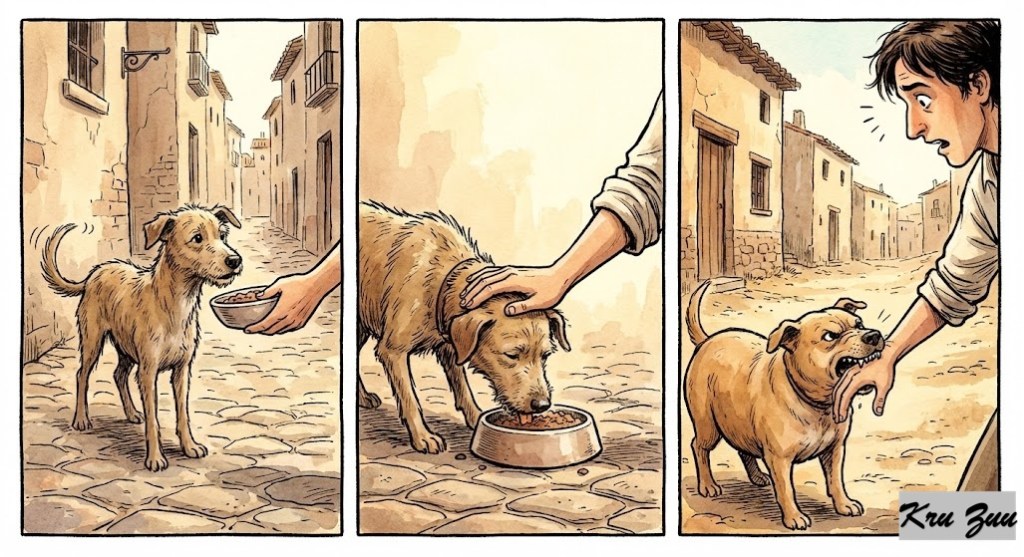
    “Don’t bite the hand that feeds you.”


    😈 The Villain (The Saboteur)

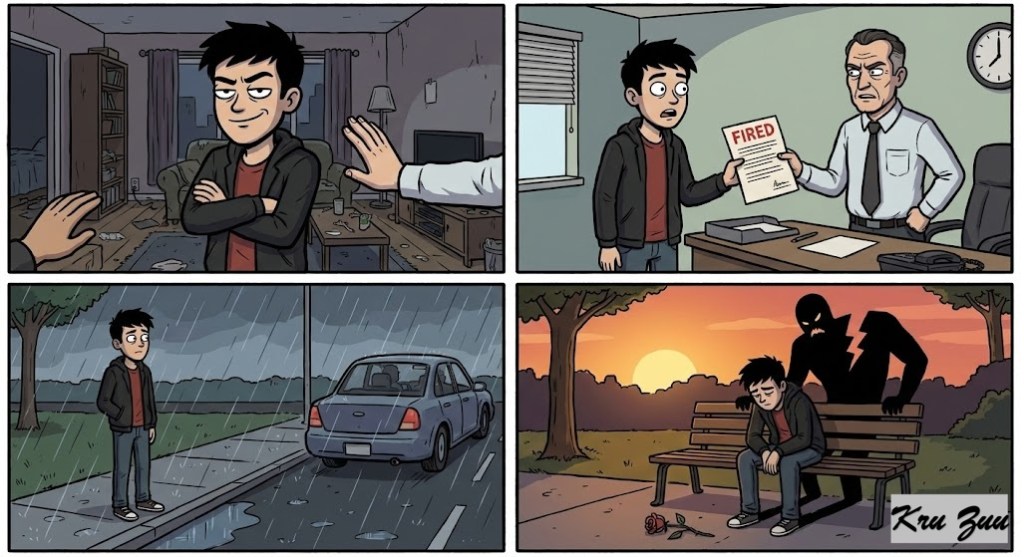
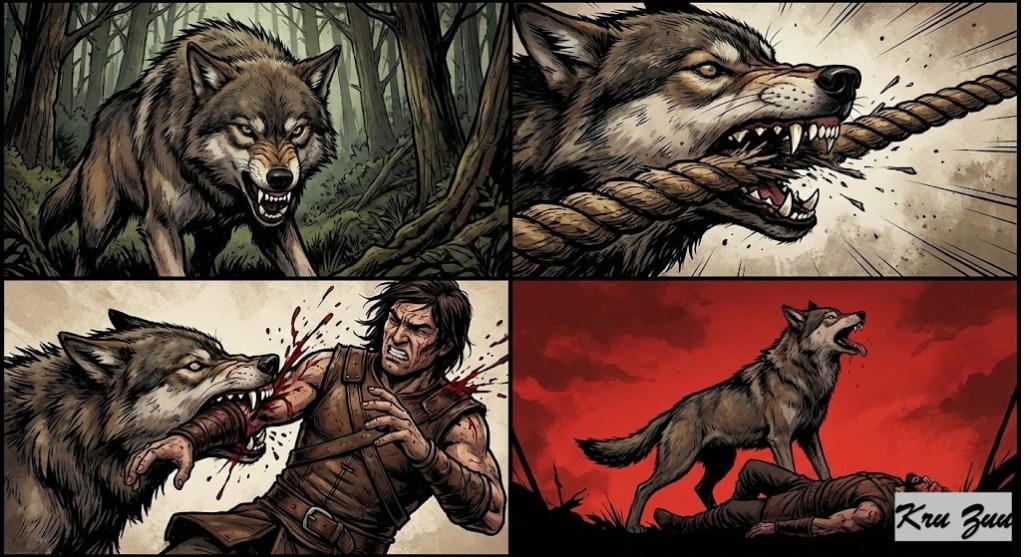
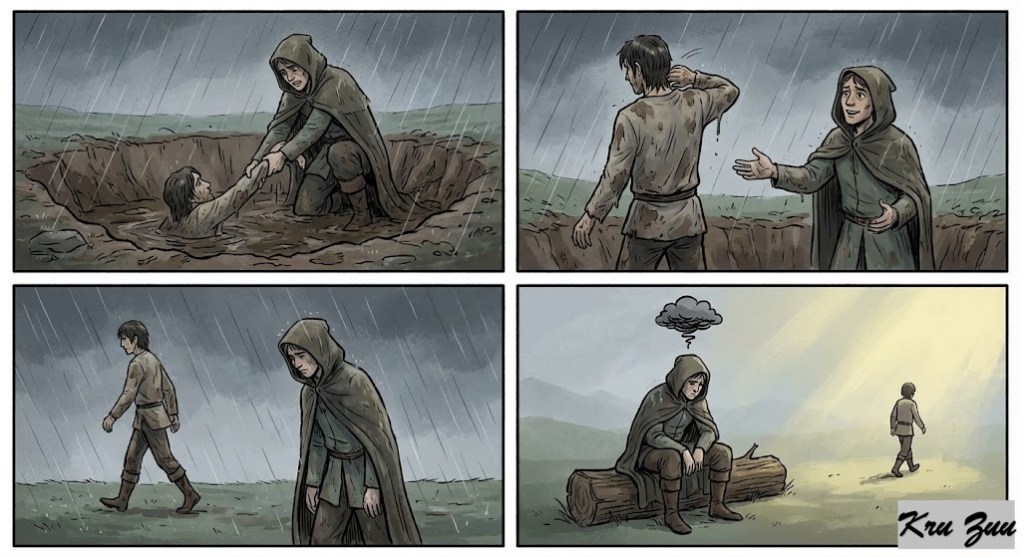
    You have a boss who pays your salary, but you gossip about them constantly. You have a friend who always drives you home, but you complain about their car. You learn English for free on YouTube, but you leave mean comments about the video quality.

    The Result? You act like you are independent, but really, you are just ungrateful. Eventually, the help stops. The boss fires you. The friend drives away. You are left alone with your ego. 🥀


    😇 The Hero (The Strategist)

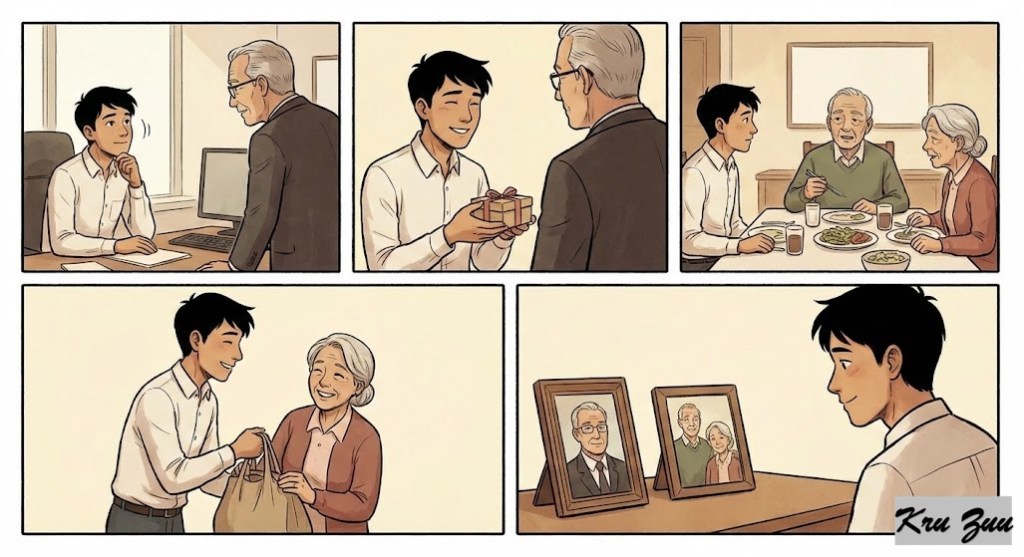
    You understand where your support comes from. You might not agree with everything your boss or parents say, but you respect the support they give. You treat your benefactors with kindness.

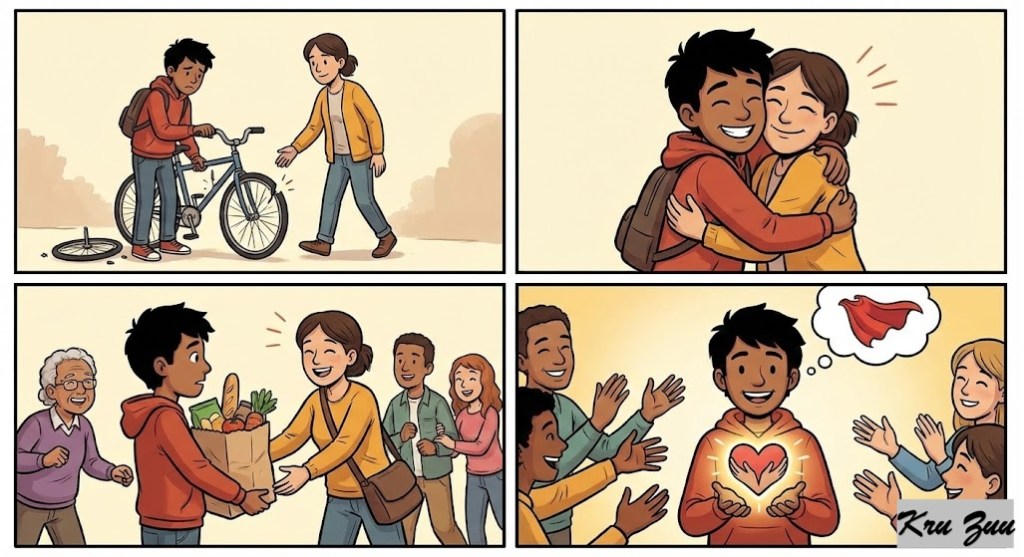
    The Result? Because you show appreciation, people want to help you more. Doors open for you. You build a network of allies, not enemies. 🤝


    ⚖️ The Reality


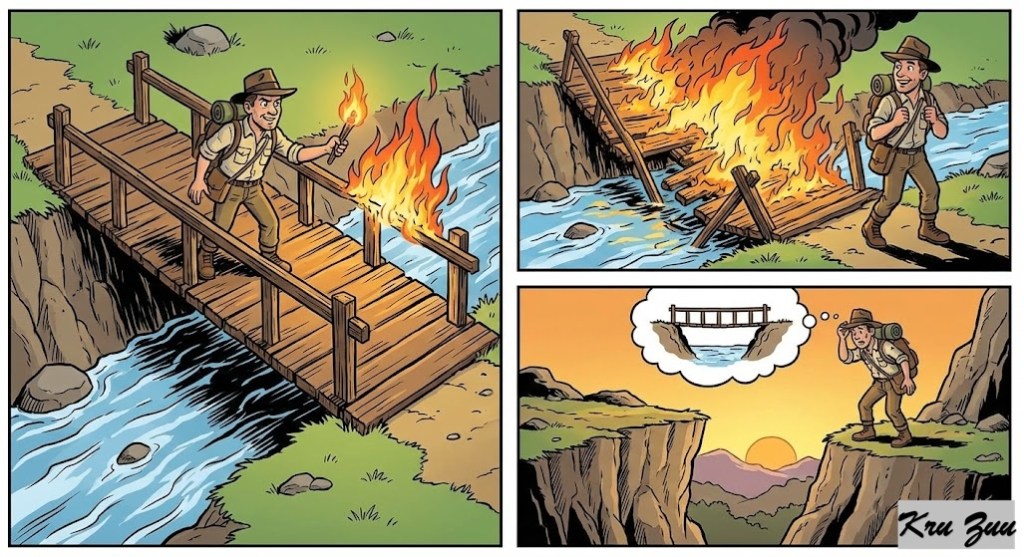
    Ego is expensive. It feels good to act tough and independent. But if you attack the people who support you, you are burning the bridge while you are standing on it.

    💎 The Secret

    Gratitude isn’t about being weak; it’s about being smart. You can negotiate, you can disagree, but never destroy the relationship that sustains you.

    🧐 The Anatomy of the Proverb


    This idiom creates a violent visual image to make a point about loyalty.


    Bite (Verb):
    To use teeth to cut or attack. (An act of aggression). 🦷


    The Hand (Noun): The source of help, money, or support. 🖐️


    Feeds (Verb): To give food; to sustain life.


    Simpler Version: Do not hurt the person who helps you.


    📚 Vocabulary Vault


    Ingratitude (Noun):
    A lack of appreciation; not saying “thank you.” (The ugly trait).


    Benefactor (Noun): A person who gives money or other help to a person or cause.


    Loyalty (Noun): A strong feeling of support or allegiance.


    Sabotage (Verb): To deliberately destroy, damage, or obstruct something.


    Indispensable (Adjective): Absolutely necessary; you cannot do without it.


    🧠 Grammar Focus: Relative Clauses


    Look at the structure:
    “The hand that feeds you.” This is a Defining Relative Clause. It tells us which hand we are talking about.


    Subject + that + Verb


    Example: I like the teacher that explains clearly.


    Example: Don’t burn the bridge that you need to cross.

    📜 History: Origin and Spread


    This is ancient agricultural wisdom. For thousands of years, humans have watched animals. They noticed that a dog loves the hand that feeds it, but a wild or foolish animal might snap at it.


    Global Cousins
    🇹🇷 Turkish:
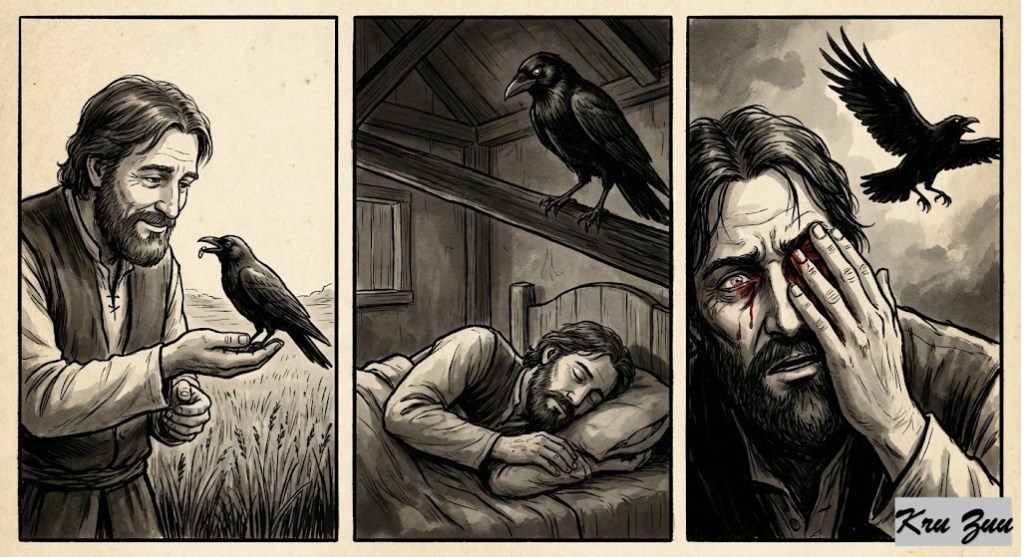
    “Besle kargayı, oysun gözünü.” (Feed the crow, and it will gouge out your eye.) — This is even darker! It implies that some natures cannot be changed.


    🇪🇸 Spanish:“No muerdas la mano que te da de comer.”


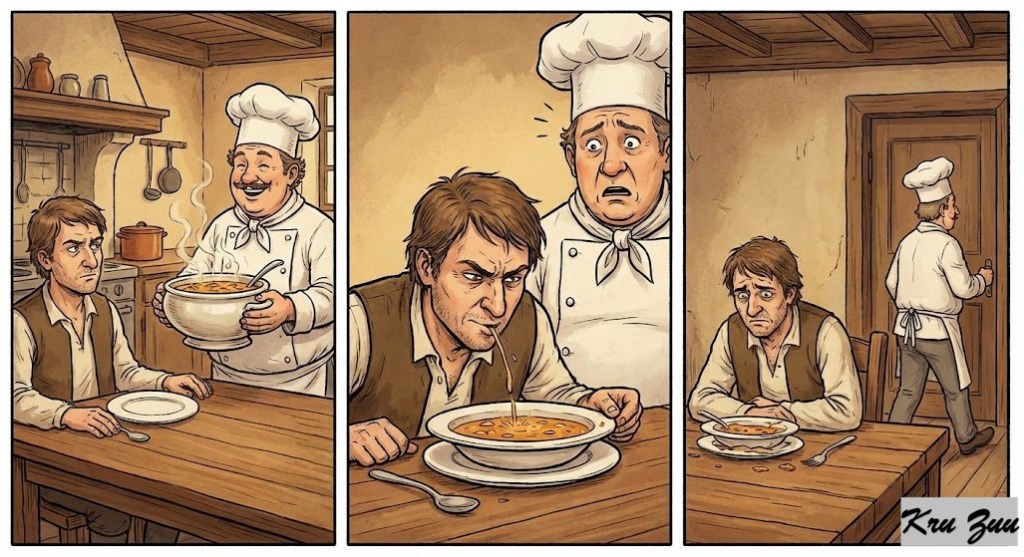
    🇫🇷 French:“Il ne faut pas cracher dans la soupe.” (You shouldn’t spit in the soup).

    🎯 Impact on Life: The Pros & Cons


    ✅ The Pros (Stability)


    Security:
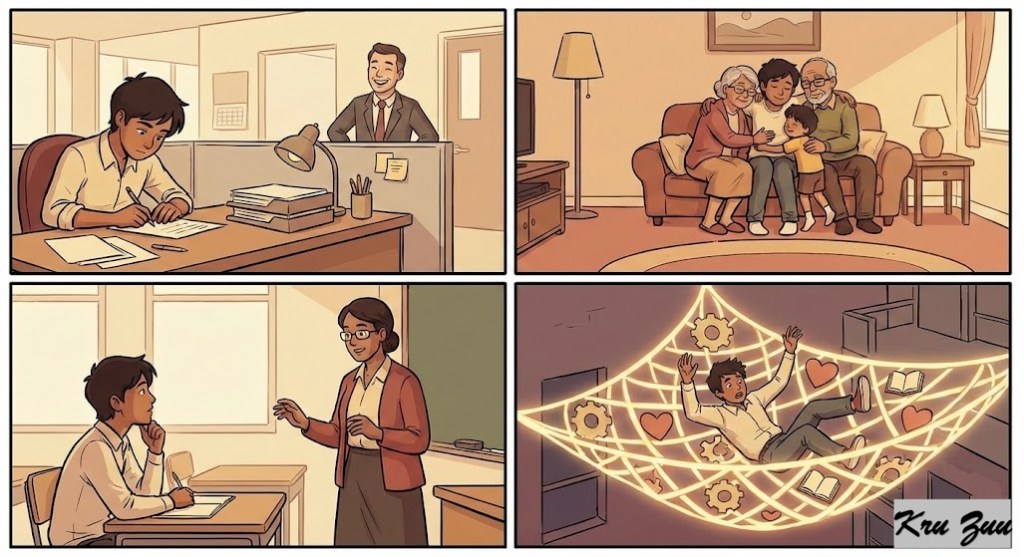
    When you respect your sources of support (job, family, teachers), you create a safety net for yourself.


    Reputation: People love helping grateful people. Being thankful is a superpower.


    ❌ The Cons (The Doormat Risk)


    Blind Loyalty:
    This proverb does not mean you must accept abuse. If the “hand” is abusive, you shouldn’t bite it—you should just walk away and find a new hand!

    🎭 Short Story: The Farmyard Feud


    Let’s go to Old Man Miller’s farm to see this law in action.


    🌟 The Cast


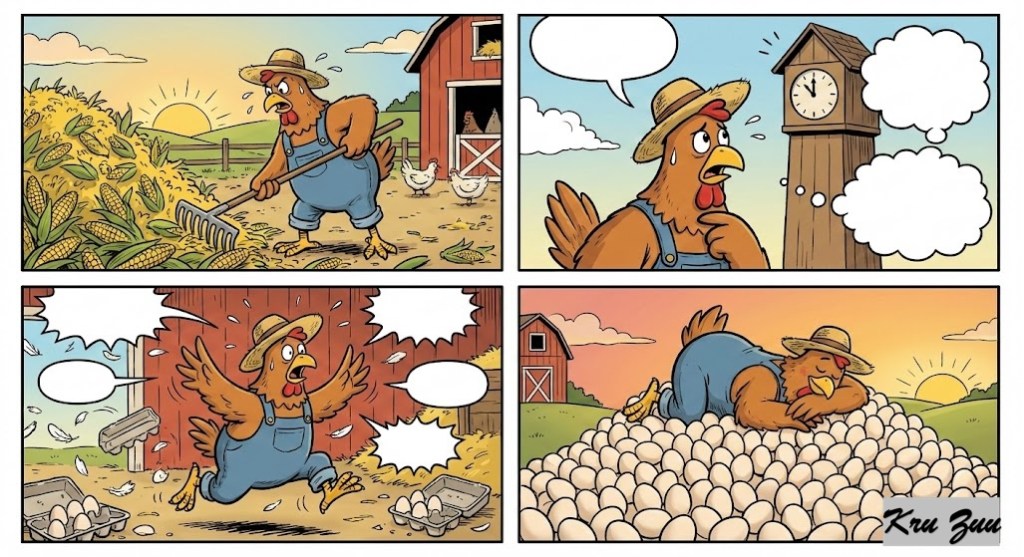
    🐔 Clucky (The Chicken): Hardworking but anxious.


    🐸 Finn (The Frog): The wise observer who lives in the pond.


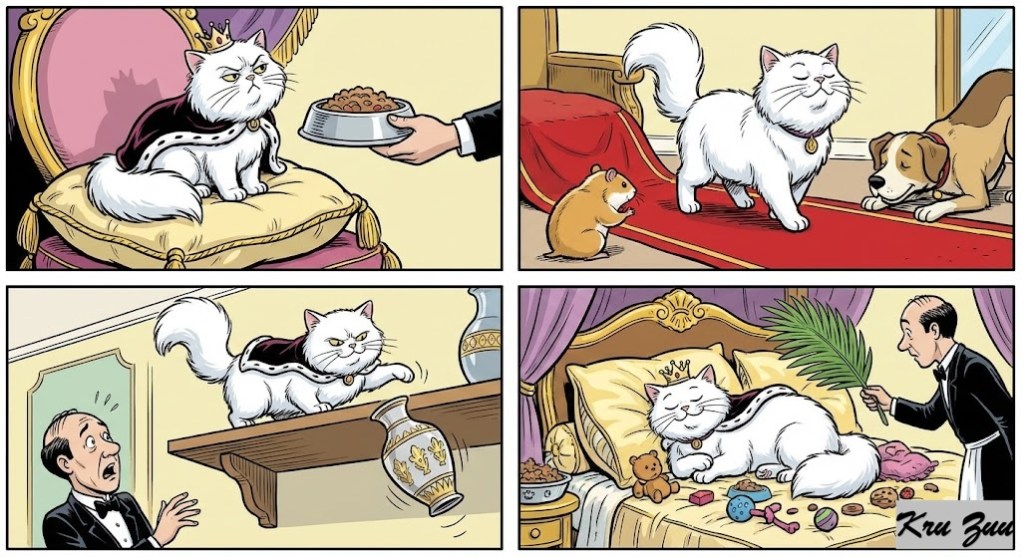
    🐱 Whiskers (The Cat): Arrogant, spoiled, and thinks he is the King.


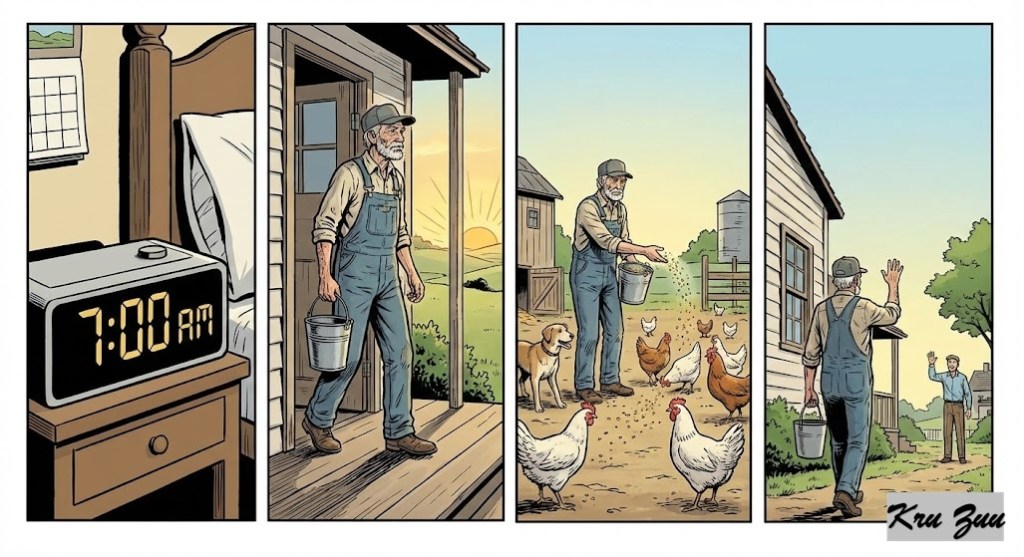
    The Setup: Every morning at 7:00 AM, Old Man Miller comes out with a bucket.

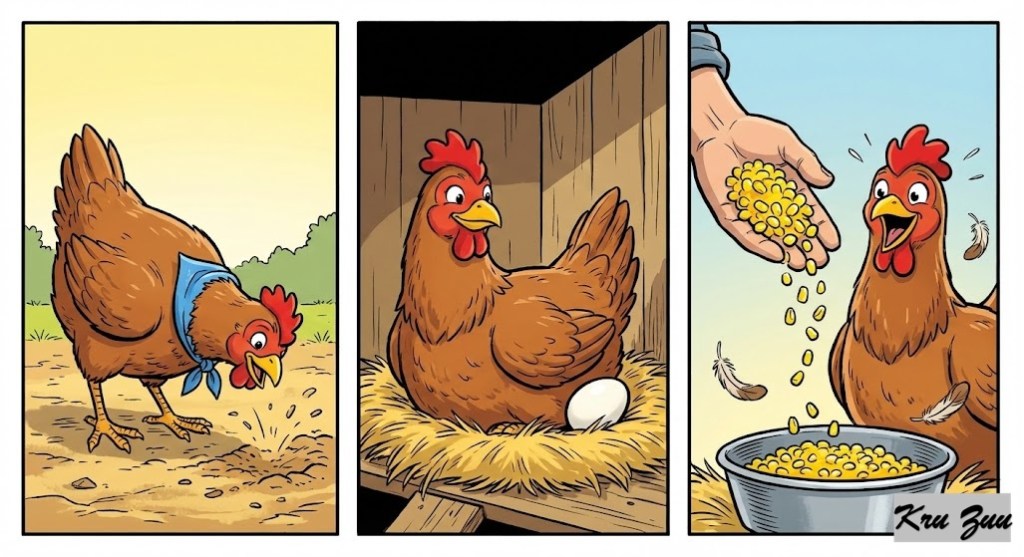
    🐔 Clucky: “Oh joy! Corn is coming! Work hard, lay eggs, get corn!” Clucky pecks happily.

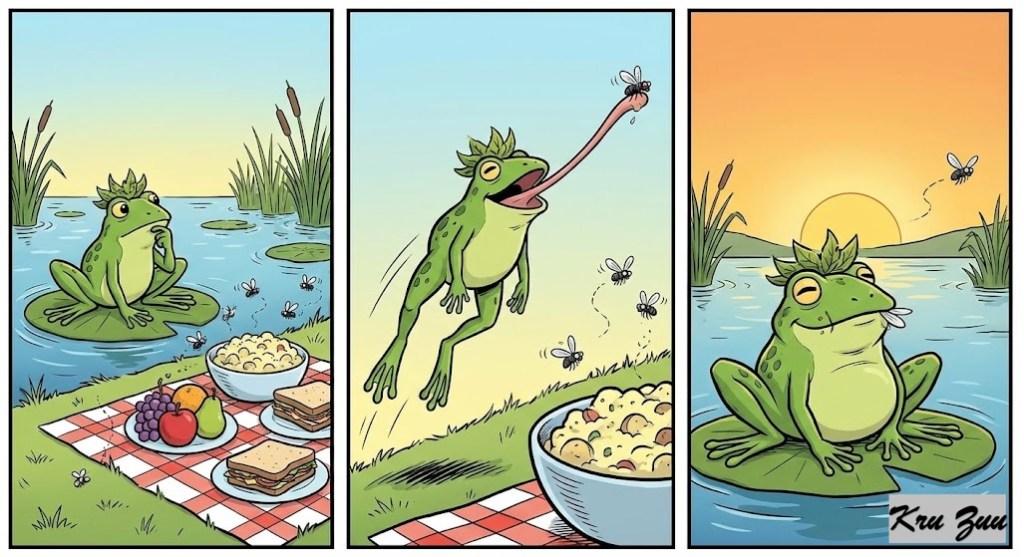
    🐸 Finn: “Ribbit. The ecosystem is providing. I shall catch the flies attracted to the food.”


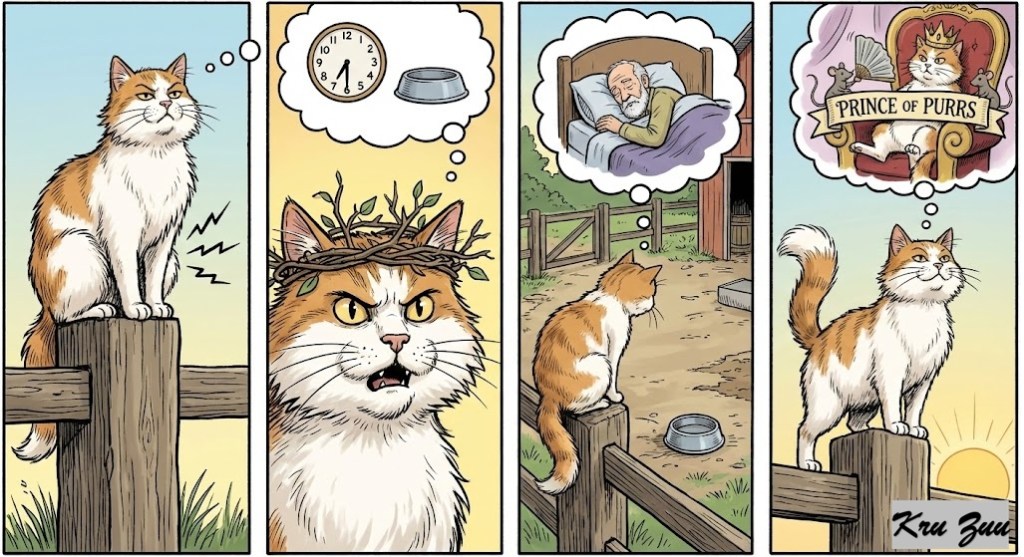
    The Conflict: 🐱 Whiskers sits on the fence. He is hungry, but he is also proud. “Why is Miller late?” Whiskers complains. “It is 7:05! Does he not know who I am? I am the Prince of Purrs!”


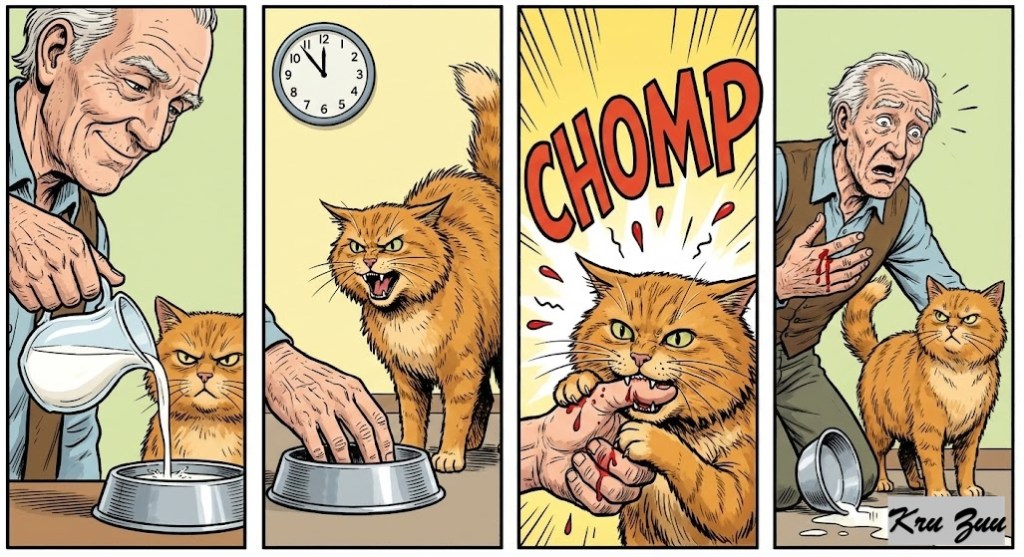
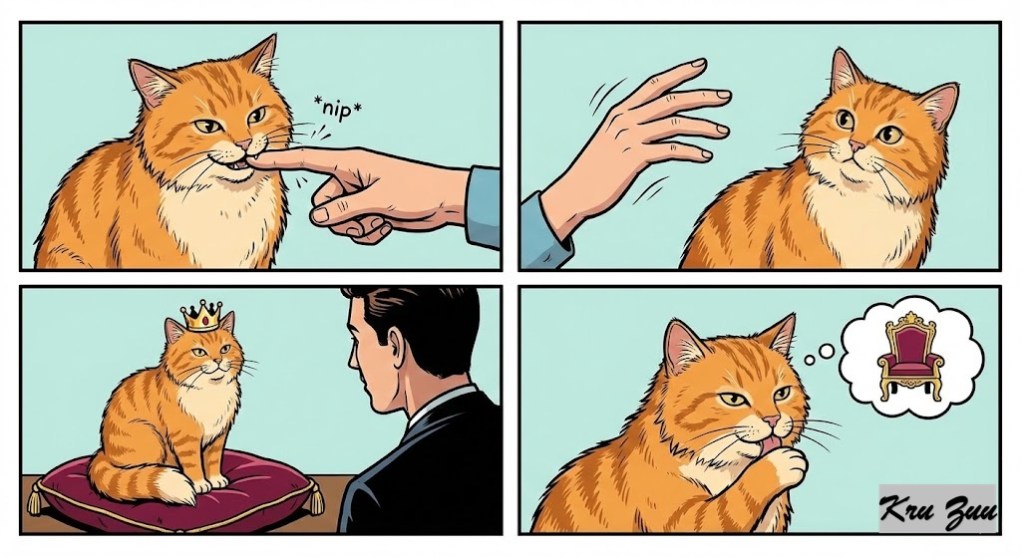
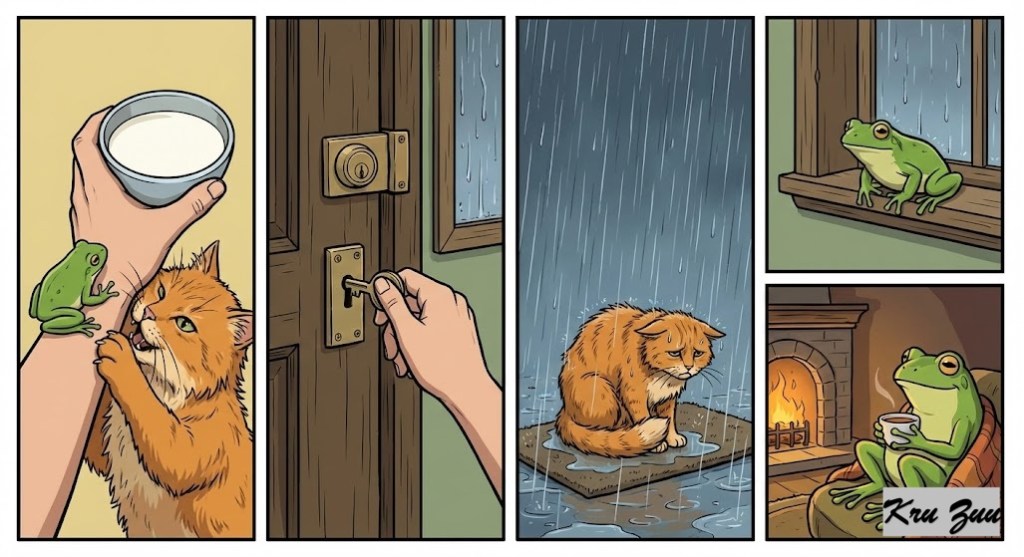
    Old Man Miller finally leans down to pour milk into Whiskers’ bowl. “Here you go, kitty,” Miller says kindly. Whiskers, feeling angry about the 5-minute delay, hisses and bites Miller’s thumb hard. 🩸


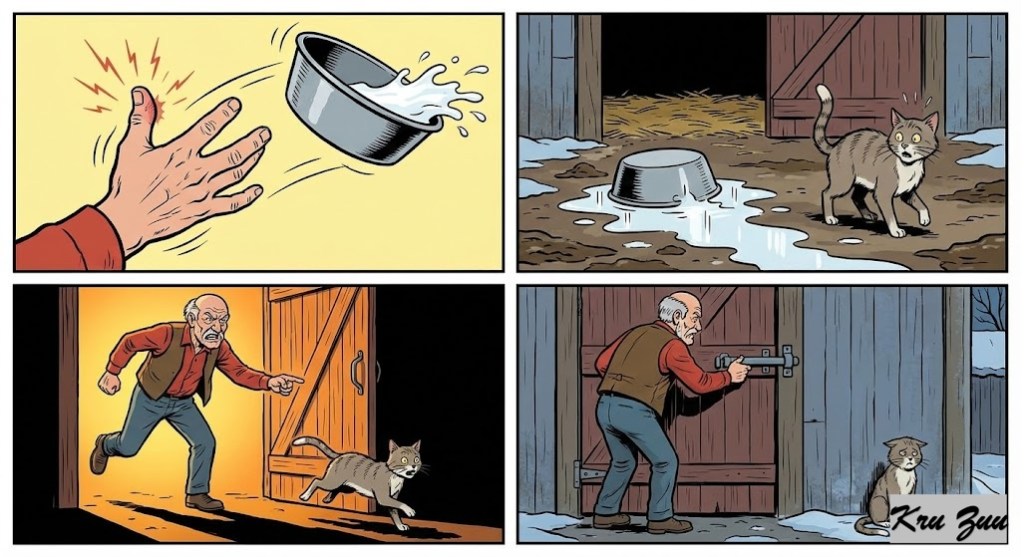
    The Result: “OUCH!” yells Miller. Instinctively, Miller jerks his hand back. The milk bowl flies into the air and crashes upside down in the mud. “Bad cat!” Miller shouts. He chases Whiskers out of the warm barn and locks the door.


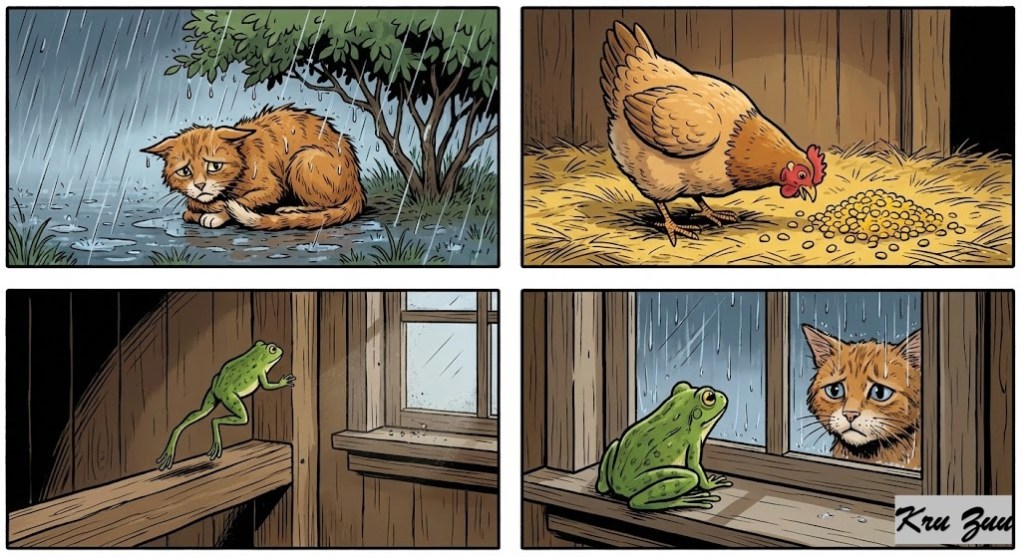
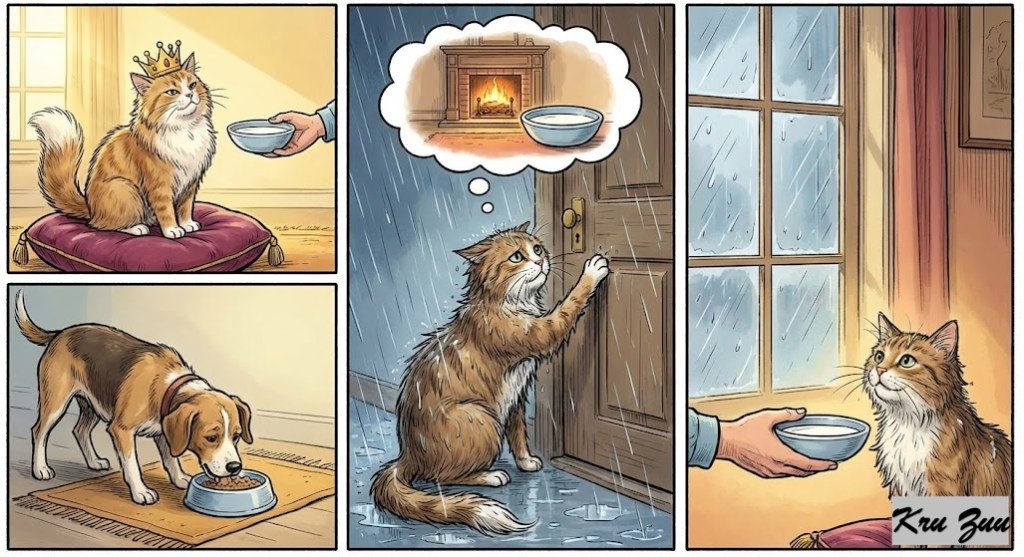
    The Aftermath: It starts to rain. Whiskers is shivering outside, hungry and wet. Inside the dry barn, Clucky is eating corn. Finn the Frog hops over to the window where Whiskers is looking in.


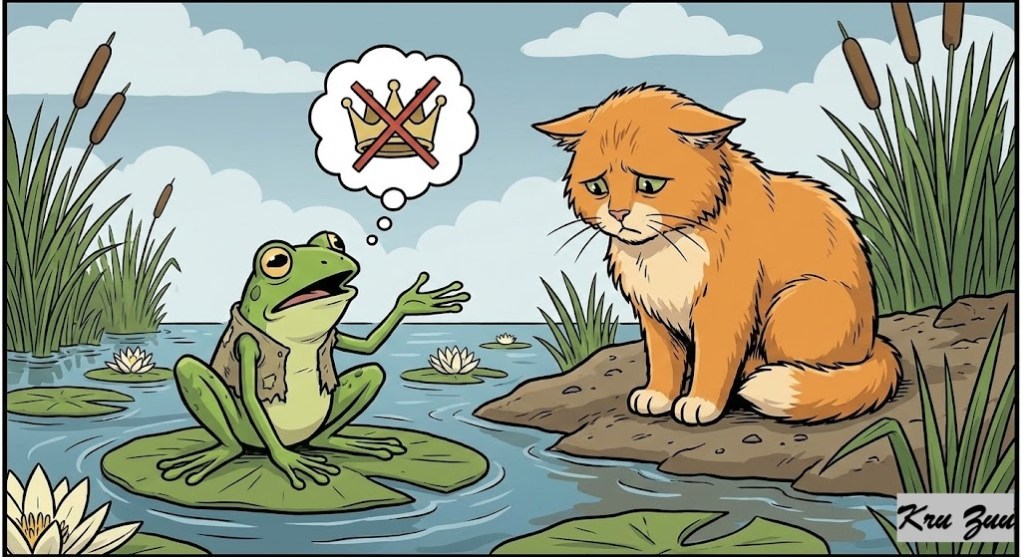
    🐸 Finn: “Ribbit. You confused arrogance with power, my furry friend.”

    🐱 Whiskers: “It was just a little bite! He should respect me!”

    🐸 Finn: “You bit the hand that held the milk. Now the hand is closed, and the door is locked. Enjoy the rain.”


    The Moral: Arrogance blinds you to your dependency. Be humble, or be hungry. 🥛🌧️

    🎓 Lesson for English Learners


    Respect the Process.


    Situation:
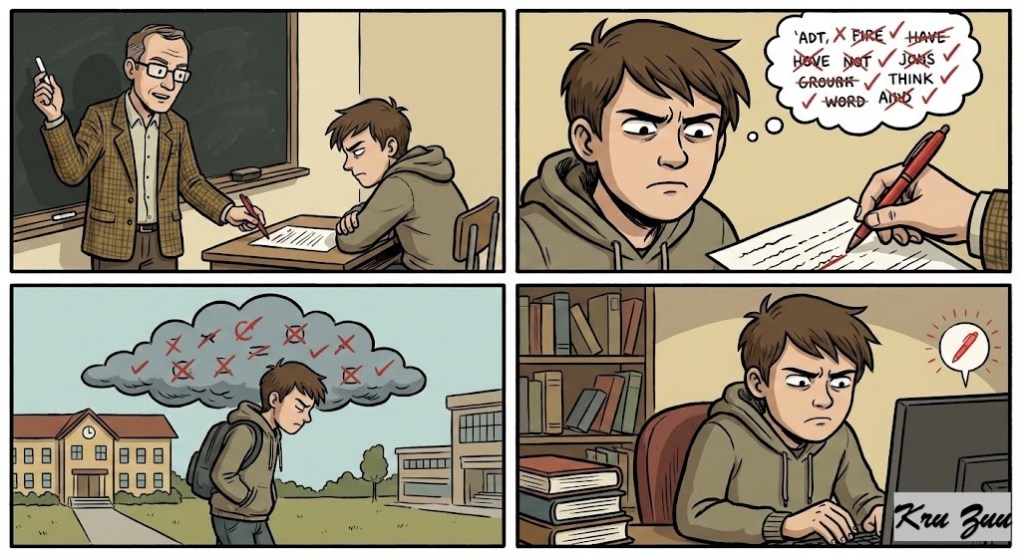
    You have a teacher who corrects your grammar constantly. It is annoying.


    The Mistake: You argue with the teacher or roll your eyes. You stop listening.


    The Better Way: Realize that the correction is the “food” for your fluency. Swallow your pride. Say, “Thank you for the feedback.” The teacher will work harder to help you succeed.


    💬 Your Turn: The Gratitude Check 🚀


    Let’s practice the Law of Gratitude right now.


    The Challenge:
    Think of one person who has helped you this week (a parent, a teacher, a friend, or even a YouTube creator).

    The Action: Send them a message right now. “Hey, I just realized I haven’t thanked you for helping me with [X]. I appreciate it.”


    👇 Comment Below: Have you ever seen someone “bite the hand that feeds them” at work or school? What happened? Tell us the gossip!

    By Zubeyir YURTKURAN

    https://www.facebook.com/BrainBattleground/

    https://www.facebook.com/zubeyr.yurtkuran/

    https://www.instagram.com/zubeyryurtkuran/
    https://www.youtube.com/@BrainBattleground-b3p

    https://www.instagram.com/brainbattleground/

  • 🥣 The Daily Shield: The Law of Leadership

    🥣 The Daily Shield: The Law of Leadership

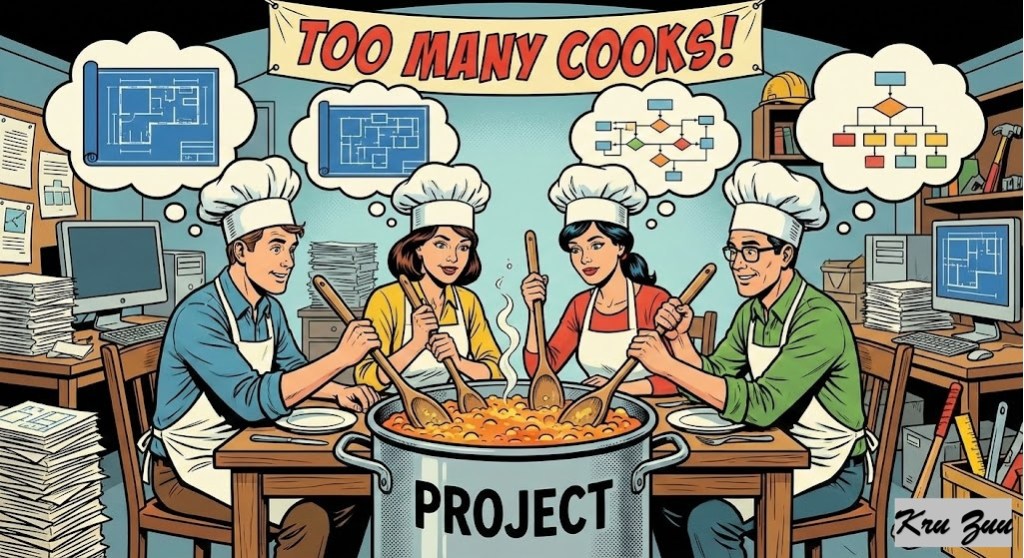
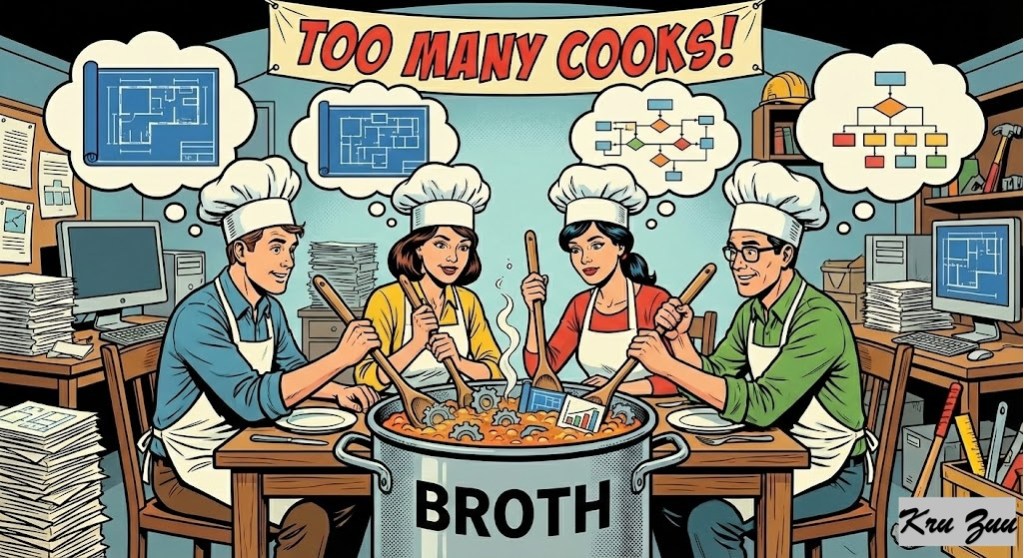
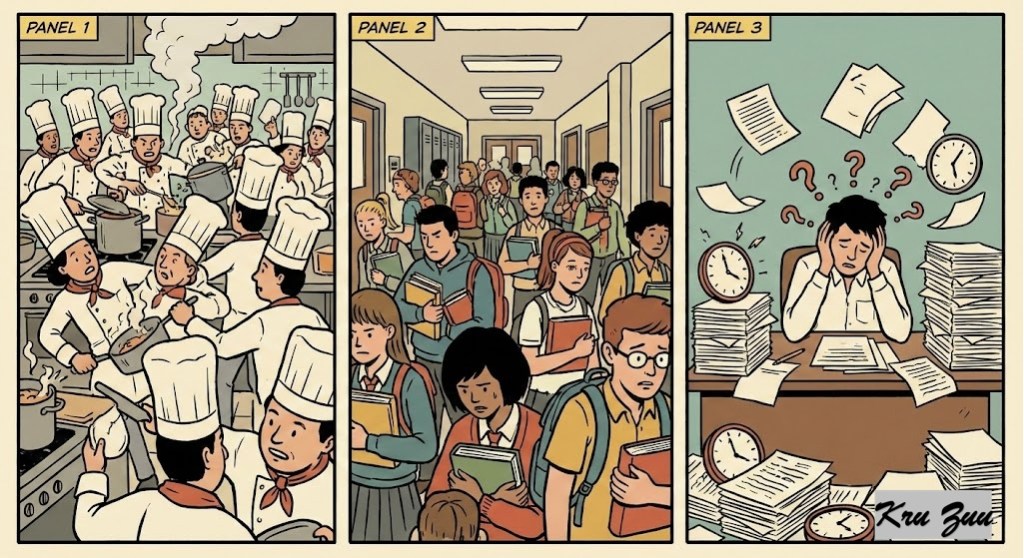
    “Too many cooks spoil the broth.”


    😈 The Villain (The Committee)


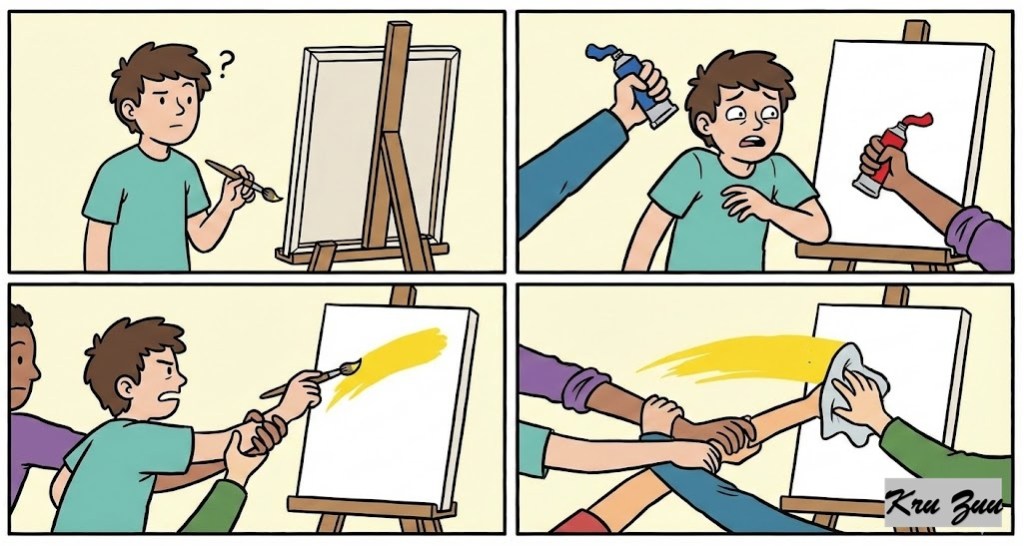
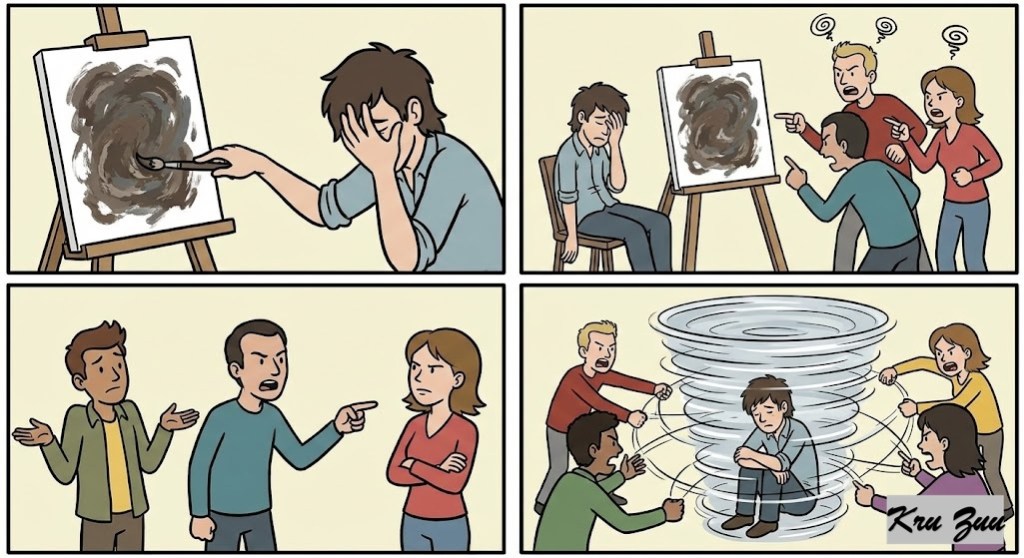
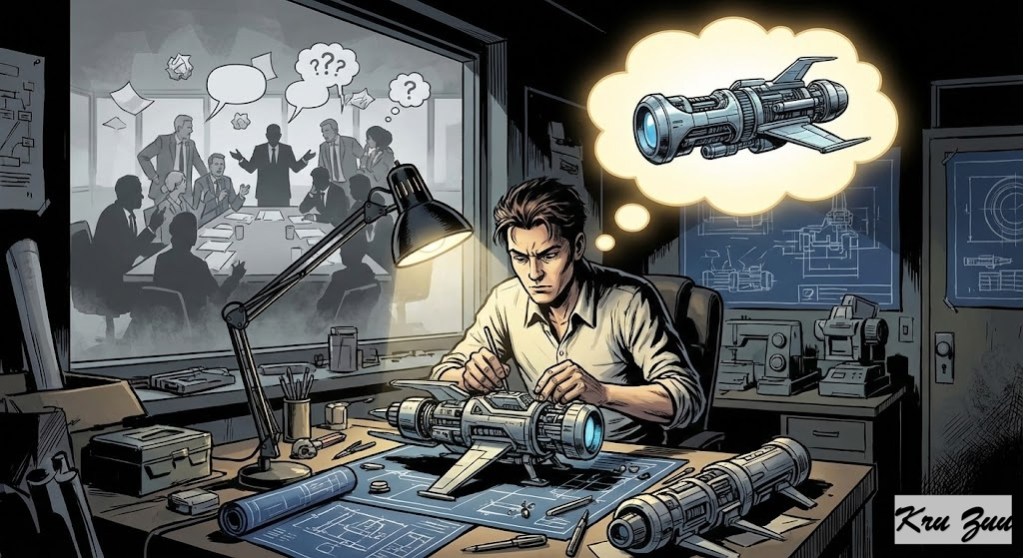
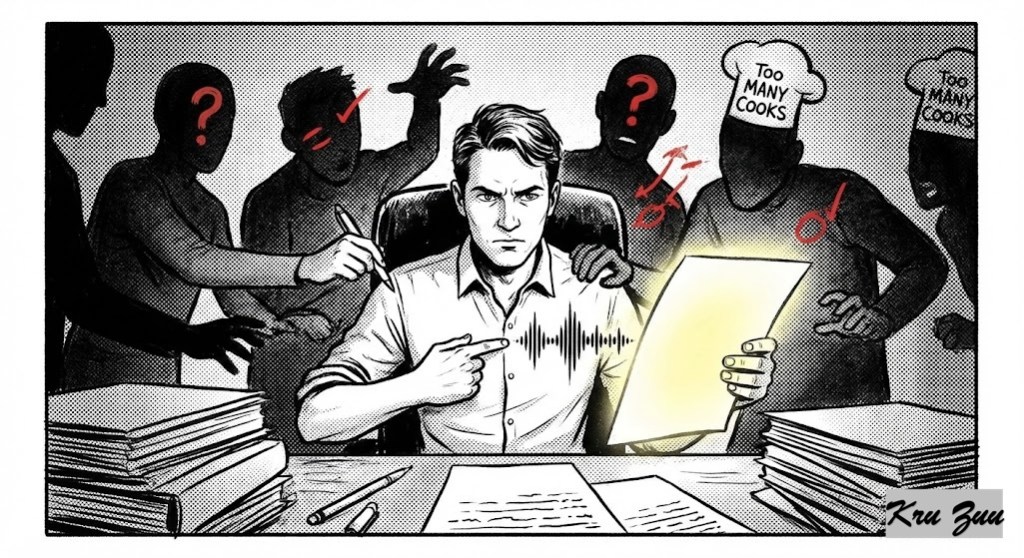
    Imagine you are trying to paint a picture. Someone says, “Use blue!” Another shouts, “No, red is better!” A third person grabs the brush and paints a yellow line. A fourth person erases it. Everyone is shouting. Everyone is touching the canvas.

    The Result? You don’t have a masterpiece. You have a brown, muddy mess. Confusion reigns. No one takes responsibility because “everyone” did it. You are trapped in the chaos of Micromanagement. 🌪️


    😇 The Hero (The Captain)


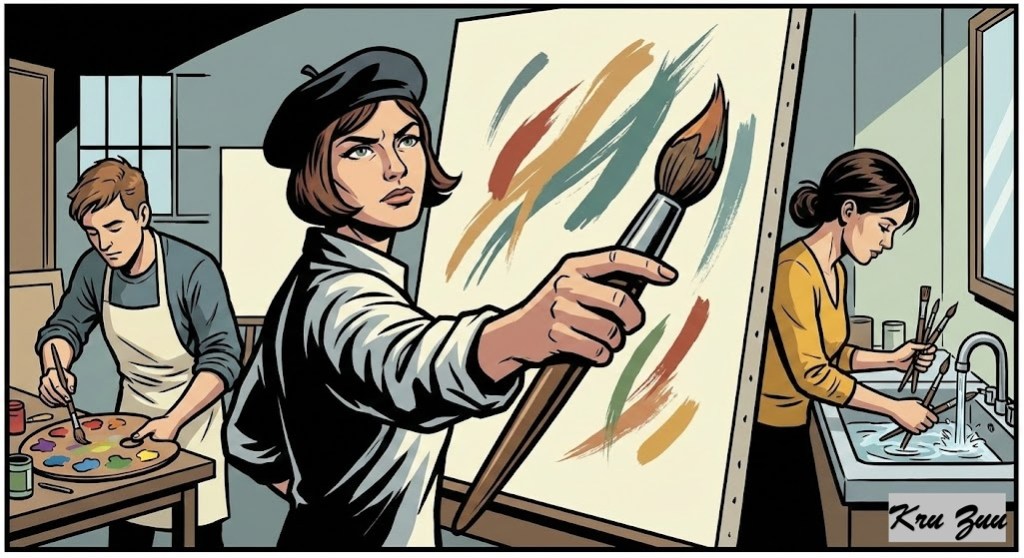
    You have a vision. You listen to advice, but you hold the paintbrush. You assign roles clearly. One person mixes the paint, one person cleans the brushes, but only one person decides where the paint goes.

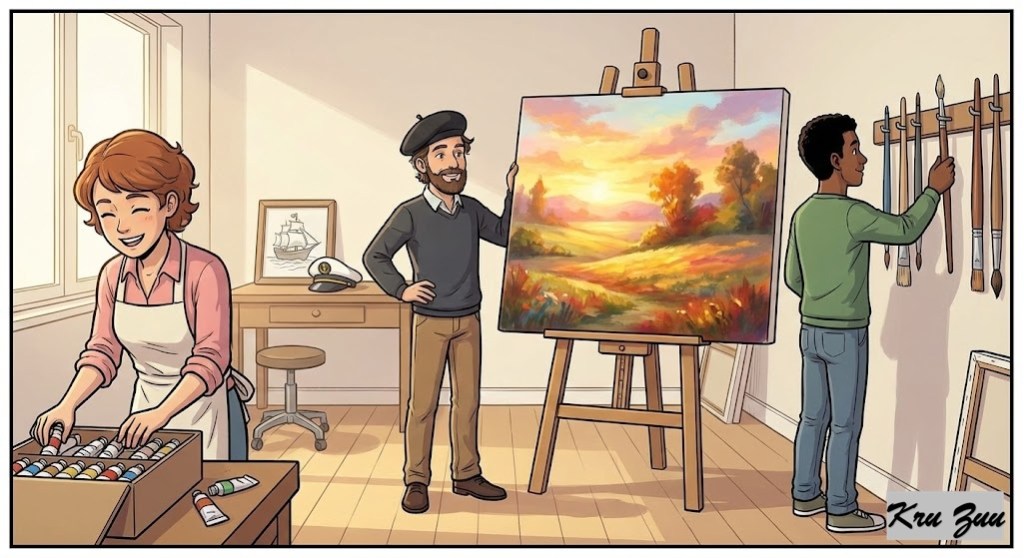
    The Result? A clear, beautiful image. The work flows smoothly. There is order. There is focus. You understand that a ship with two captains will sink. ⚓


    ⚖️ The Reality
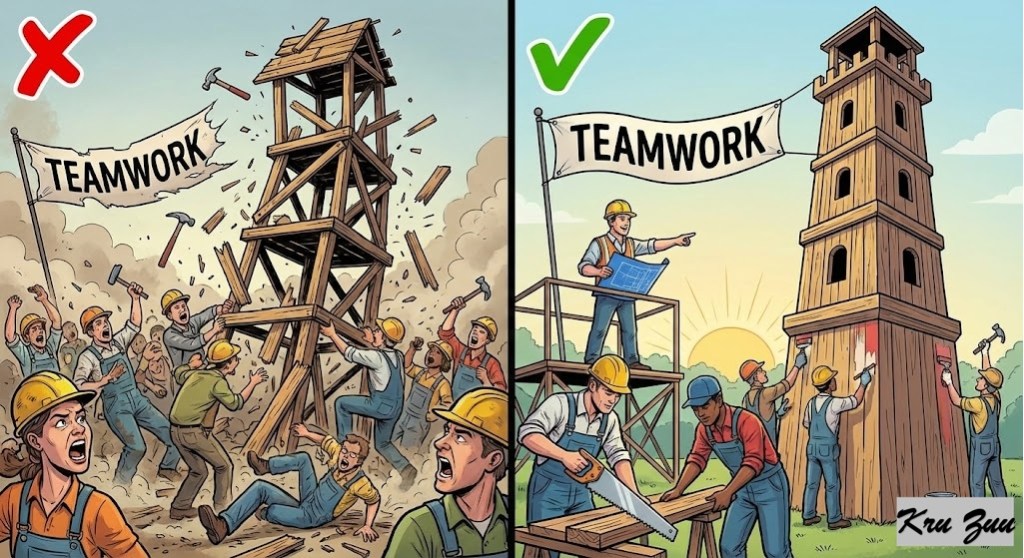
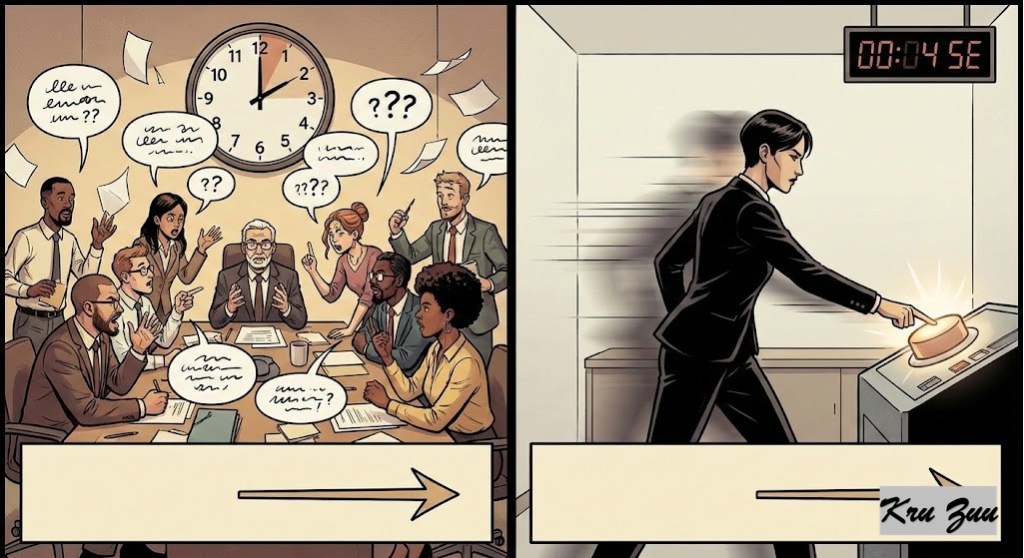
    Collaboration is good. Chaos is bad. We are taught that “teamwork makes the dream work.” This is true. But teamwork without a leader is just a crowd. If everyone is in charge, nobody is in charge.


    💎 The Secret

    Great things are not created by committees. They are created by a focused mind (or a small, focused team) with a single vision.

    🧐 The Anatomy of the Proverb


    This phrase is about the danger of too many opinions.


    Cooks (Noun): People who prepare food (in this context, people trying to control a project). 👨‍🍳


    Spoil (Verb): To ruin; to destroy the value or quality of something. 🤢


    Broth (Noun): A thin soup made by boiling meat or vegetables. (A metaphor for the “Project”). 🍲


    Simpler Version: Too many leaders ruin the plan.


    📚 Vocabulary Vault


    Chaos (Noun):
    Complete disorder and confusion.


    Micromanage (Verb): To control every small part of a project (very annoying!).


    Consensus (Noun): General agreement. (Sometimes impossible to reach!).


    Autonomy (Noun): The right or condition of self-government; freedom to act.


    Vision (Noun): The ability to think about or plan the future with imagination. 👁️


    🧠 Grammar Focus: Quantifiers (Countable vs. Uncountable)


    This proverb teaches us a very important grammar rule!


    “Too Many” (For Countable Nouns) We use “Many” for things we can count (1, 2, 3…).


    Too many cooks.


    Too many students.


    Too many problems.


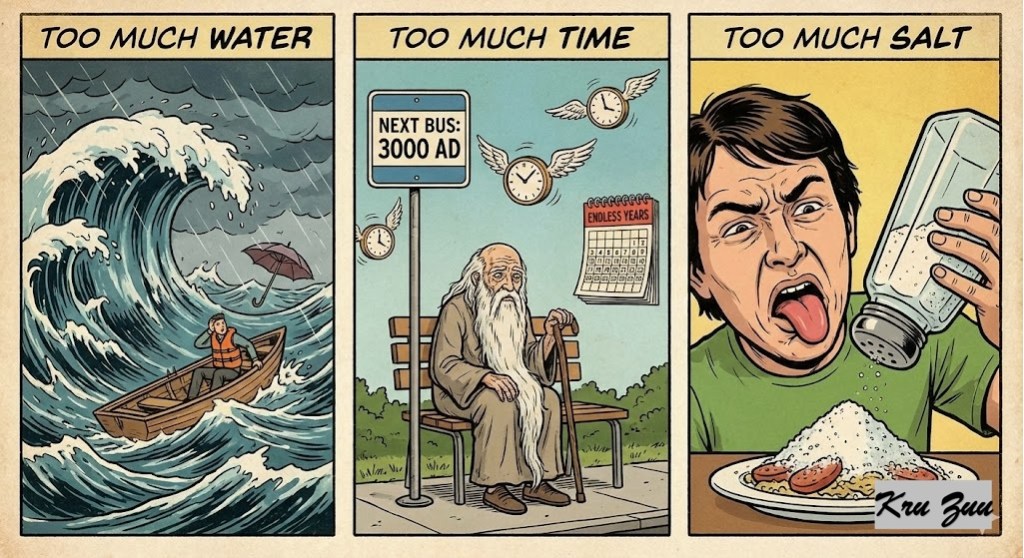
    “Too Much” (For Uncountable Nouns) We use “Much” for things we generally cannot count (liquids, concepts).


    Too much water.


    Too much time.


    Too much salt.


    Quiz: Do we say “Too many homework” or “Too much homework”? (Answer: Too much! Homework is uncountable.)

    📜 History: Origin and Spread


    This is a universal truth found in almost every culture.


    The Origin

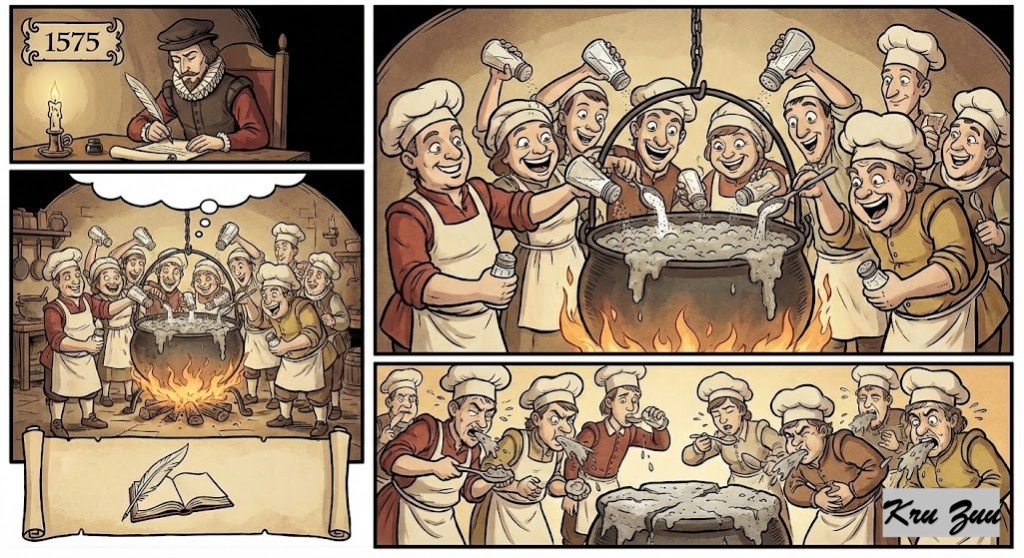
    It first appeared in English writings in 1575 by George Gascoigne. It was originally about actual cooking! If everyone adds salt, the soup becomes inedible.


    Global Cousins
    🇹🇷 Turkish:
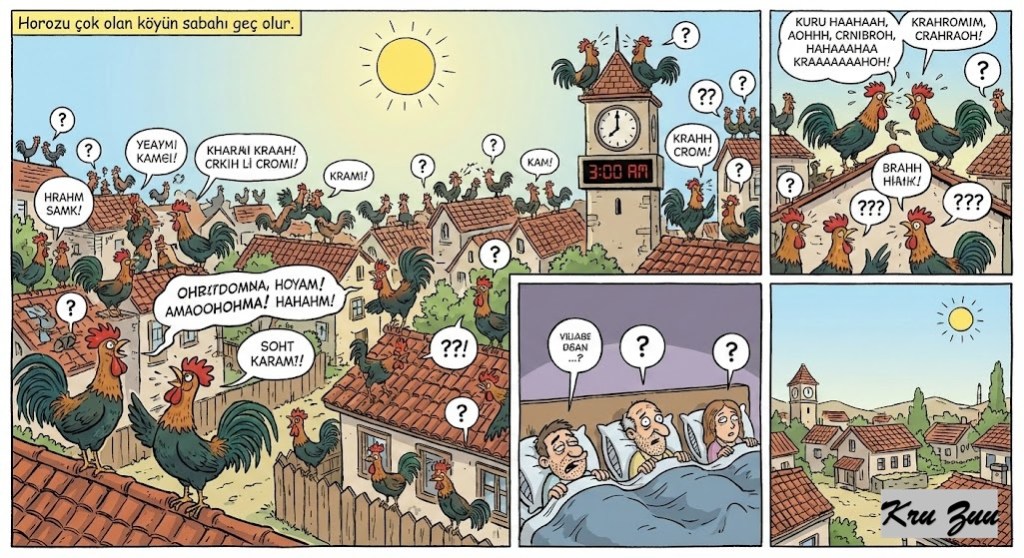
    “Horozu çok olan köyün sabahı geç olur.” (The village with too many roosters has a late morning.) — Because they can’t agree on when to crow!


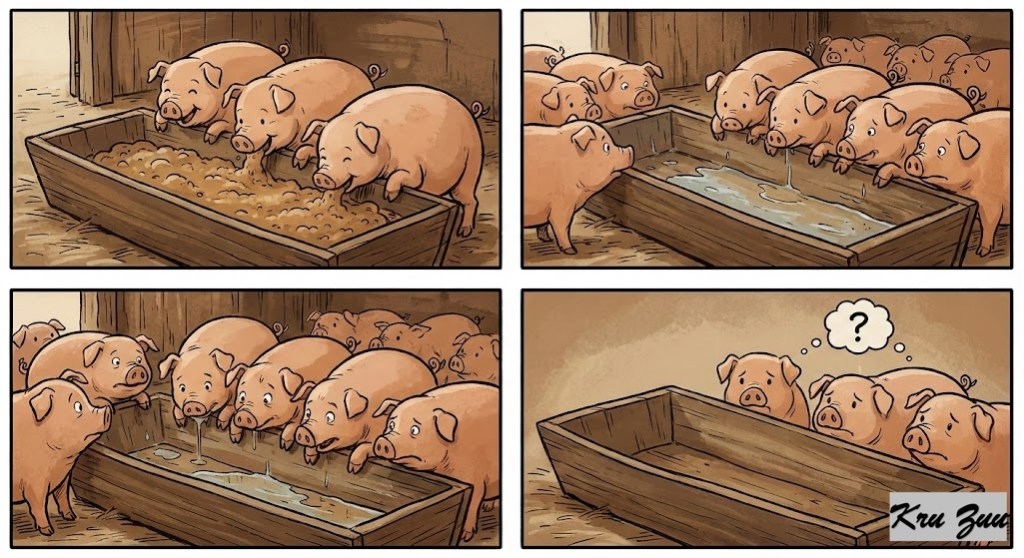
    🇳🇱 Dutch:“Veel varkens maken de spoeling dun.” (Many pigs make the slop thin.)


    🇮🇷 Persian: “Two captains sink the ship.”

    🎯 Impact on Life: The Pros & Cons


    ✅ The Pros (Ownership):


    Speed:
    One decision-maker moves faster than a group debating for hours.


    Clarity: Everyone knows exactly what the goal is.


    ❌ The Cons (The Ego Trap):


    Arrogance:
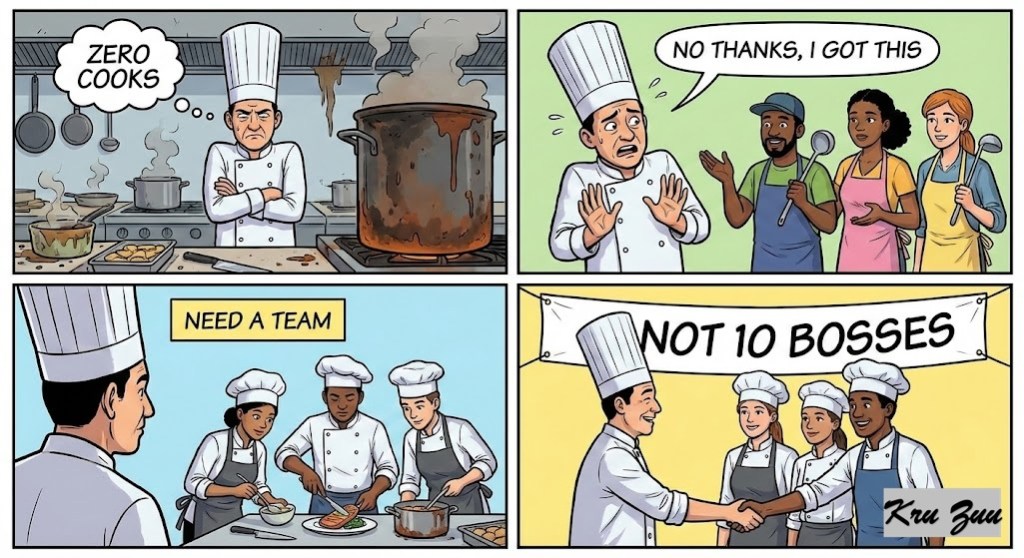
    “Too many cooks” is bad, but “Zero cooks” is also bad. Don’t reject help. You still need a team; you just don’t need 10 bosses.

    🎭 Short Story: The “Perfect” Stew


    Let’s visit the Animal Kingdom Kitchen to see this proverb in action.


    🌟 The Setup

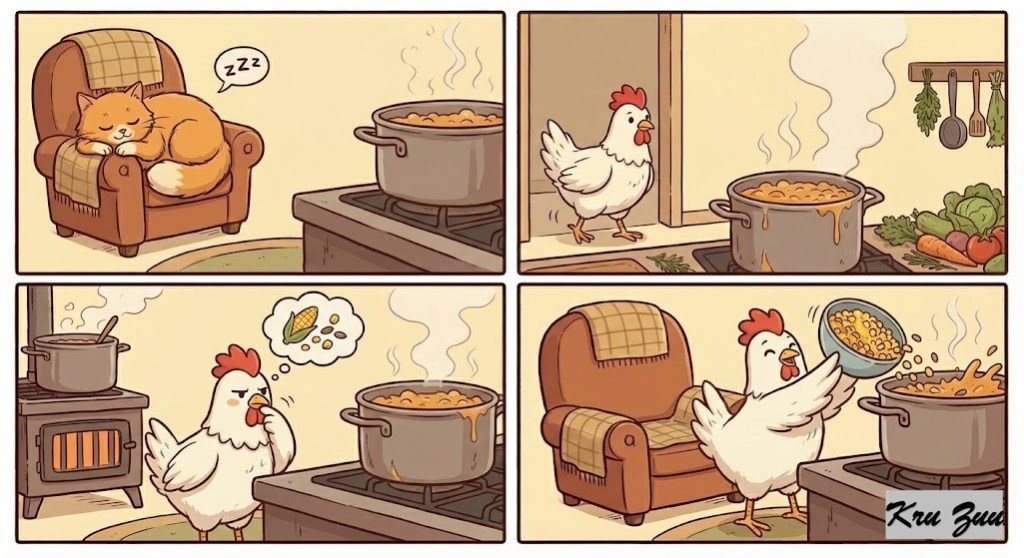
    Chef Whiskers (The Cat) 🐱 is famous for his delicious fish stew. Today is the Grand Feast. He starts the pot with fresh water and perfect fish. It smells amazing. “Perfect,” says Whiskers. “I will go take a nap while it boils.”


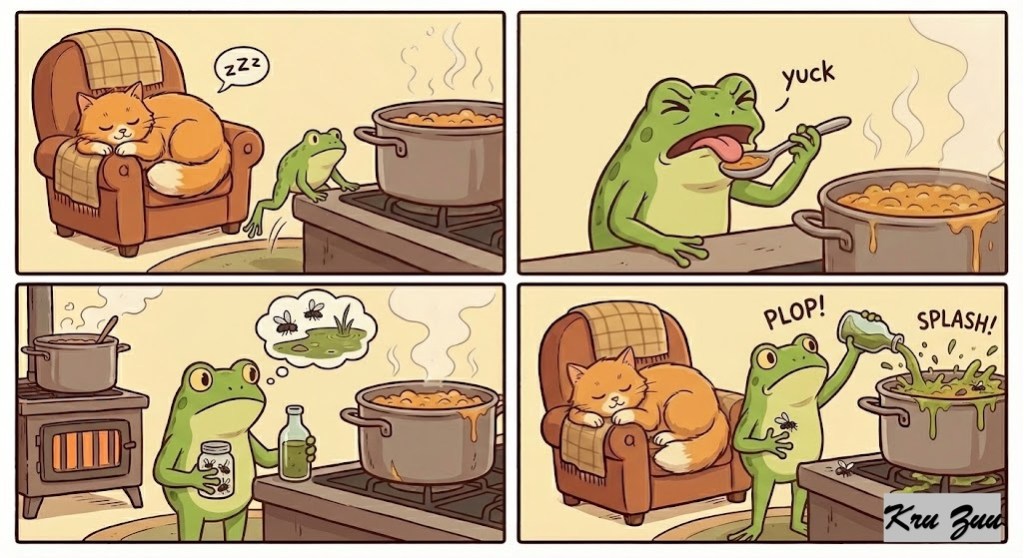
    The Conflict: While Whiskers is sleeping, Clucky (The Chicken) 🐔 walks into the kitchen. Clucky sniffs the pot. “Hmm. Too plain. You know what this needs? Corn. Chickens love corn!” Splash! Clucky dumps a bowl of dry corn and seeds into the soup and leaves.


    Five minutes later, Jumper (The Frog) 🐸 hops onto the counter. Jumper tastes the soup. “Yuck! Too crunchy. It needs flavor. It needs… Dead Flies and Swamp Water!” Plop! Splash! Jumper throws in his ‘special ingredients’ and hops away.


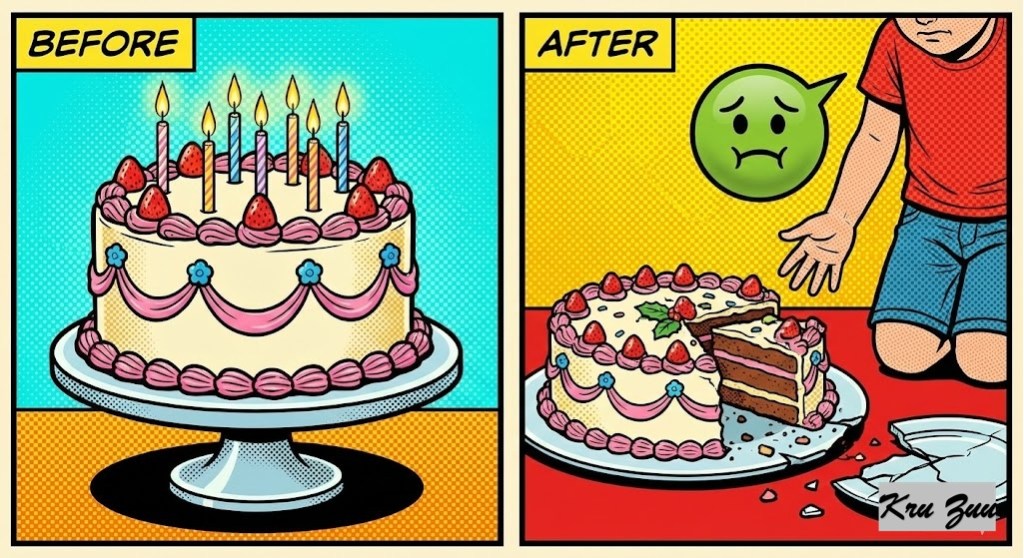
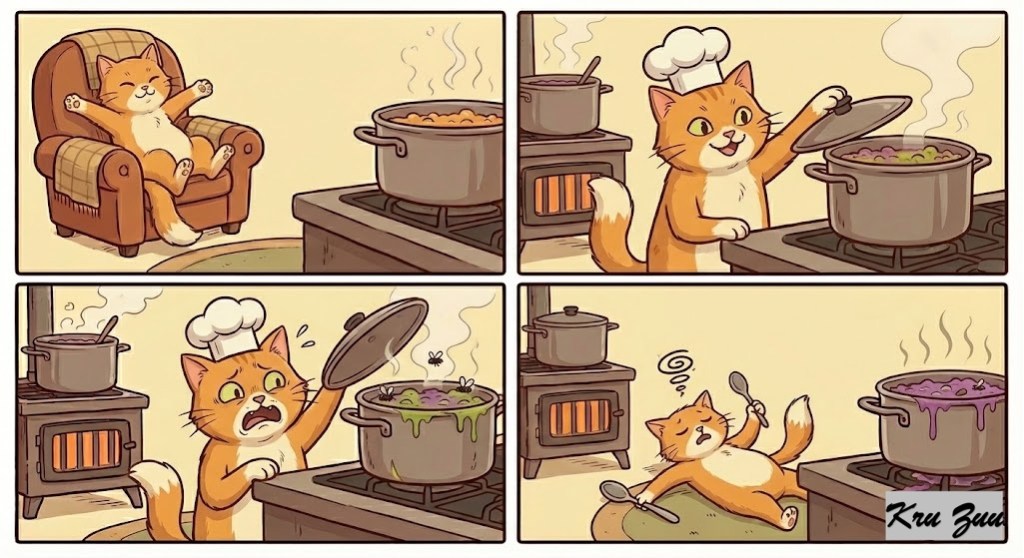
    The Disaster: Chef Whiskers wakes up. He is ready to serve the King. He opens the lid. The soup is purple. It has floating flies. It smells like old socks. He tastes one spoon… and faints. 😵


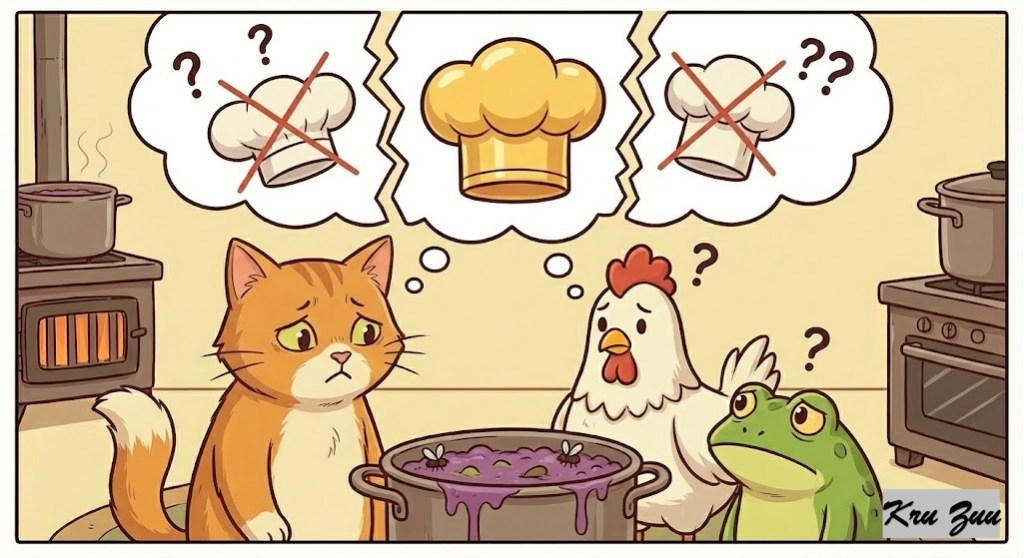
    The Moral: The Cat, the Chicken, and the Frog were all trying to help. But because they didn’t communicate and all tried to be the “Chef,” they created a monster. One Head Chef is better than three helpful friends.

    🎓 Lesson for English Learners


    Stop asking everyone!


    Situation

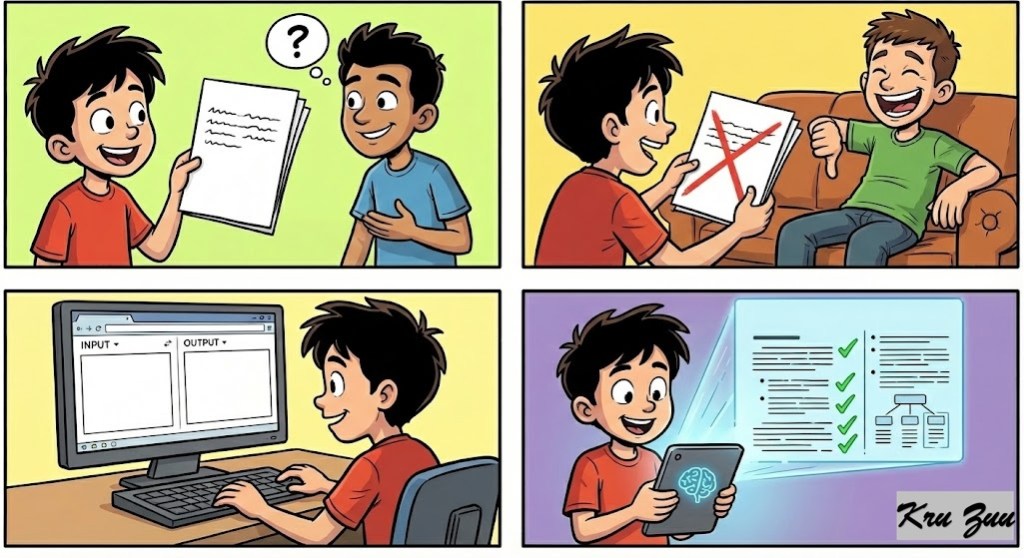
    You write an English essay. You show it to your friend, your brother, Google Translate, and an AI.


    The Problem

    Your friend changes a word. Google changes the grammar. The AI rewrites the tone.


    The Result

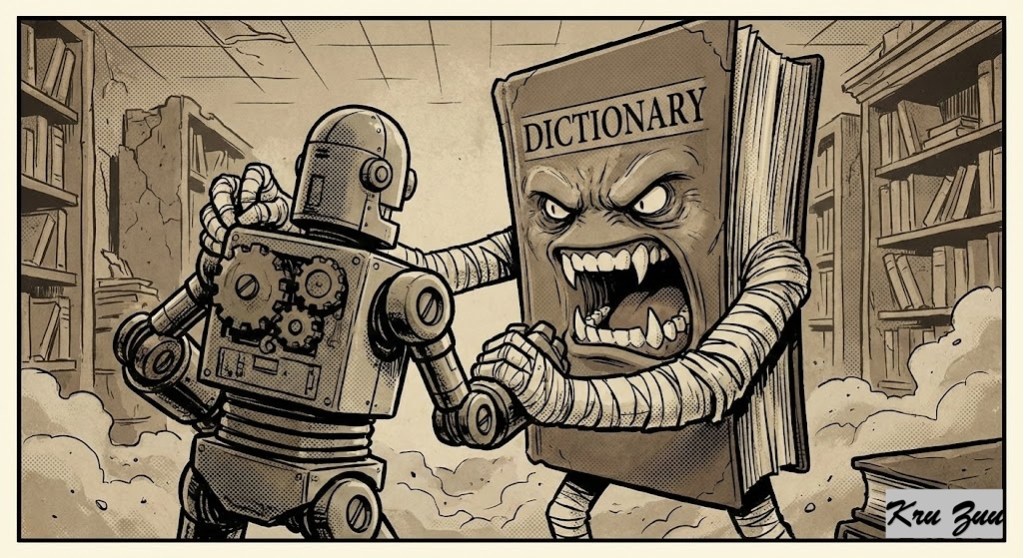
    Your essay sounds like a robot fighting a dictionary. It has no “voice.”


    The Solution

    Trust your teacher or trust one reliable source. Don’t let too many “cooks” edit your writing until it loses its meaning. Trust your own voice.


    💬 Your Turn: The Group Project 🚀


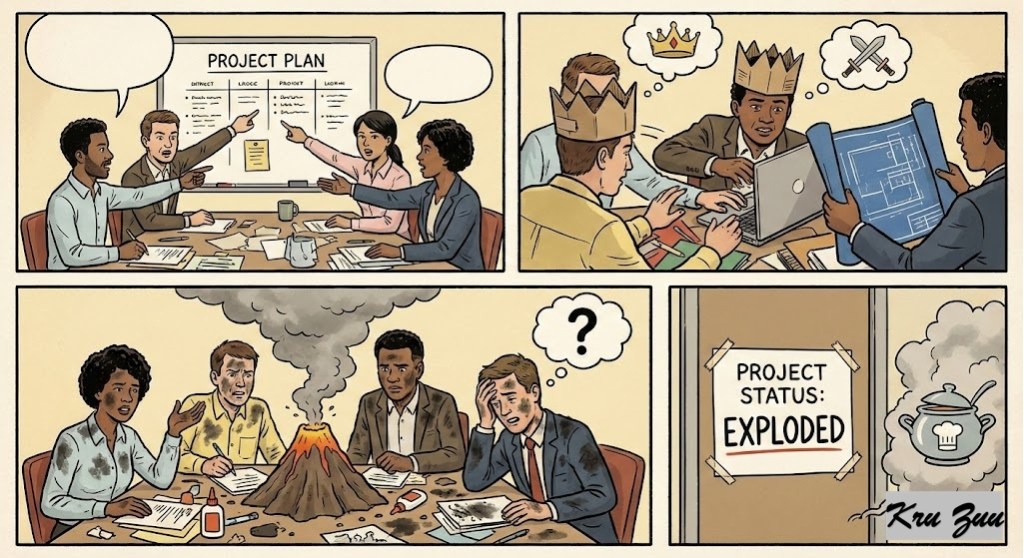
    We have all been there. Have you ever been in a “Group Project” at school or work where everyone tried to be the boss? What happened? Did you finish the project, or did it explode like Chef Whiskers’ soup?


    Tell us your story in the comments below! 👇

    By Zubeyir YURTKURAN

    https://www.facebook.com/BrainBattleground/

    https://www.facebook.com/zubeyr.yurtkuran/

    https://www.instagram.com/zubeyryurtkuran/
    https://www.youtube.com/@BrainBattleground-b3p

    https://www.instagram.com/brainbattleground/

  • 💡 The Spark of Genius: Why Problems Are Good for You

    💡 The Spark of Genius: Why Problems Are Good for You

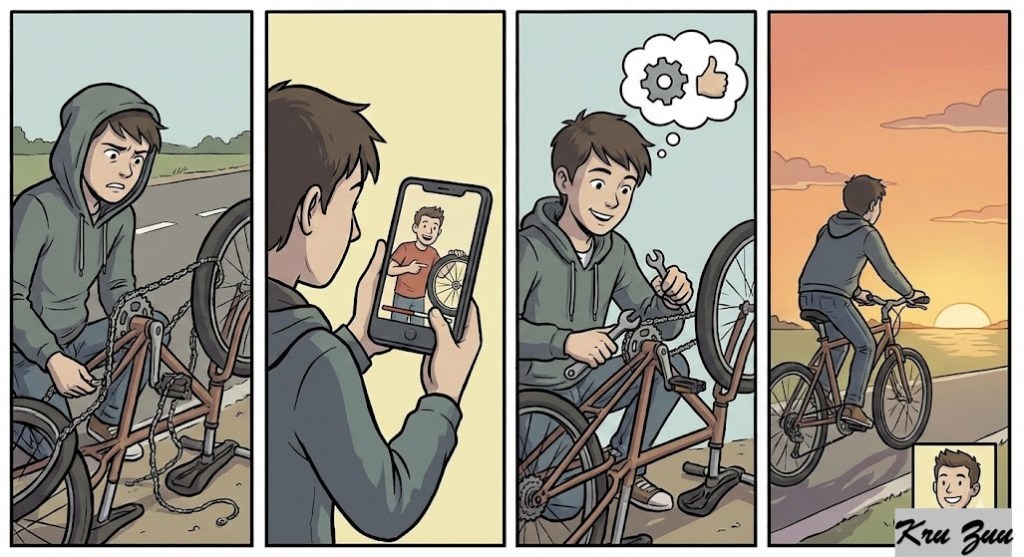
    Necessity is the mother of invention.


    🏖️ The Comfort Zone: You have a car, a GPS, and a full tank of gas. You don’t need to think about directions. You just drive.

    📉 The Reality: You rely on tools. If the battery dies, you are lost. Comfort kills creativity.


    🔥 The Danger Zone: You are lost in the jungle. Your phone is dead. It is getting dark.

    📈 The Reality: Suddenly, your brain wakes up! You build a shelter, you find north using the sun, you find water. You become a genius because you have no choice.


    Life has a secret rule: We rarely change when we are comfortable. We change when we need to.


    In this post, we explore why “problems” are actually “gifts.” Let’s unlock your inner inventor! 🔓

    🧐 The Anatomy of the Proverb


    Let’s dismantle this mechanical masterpiece.


    📚 Vocabulary Vault


    Necessity (Noun):
    A situation where something is absolutely required or essential. (A “must-have” situation). 🆘


    Mother (Noun – Metaphor): The source, origin, or creator of something. (Not a biological mom, but the “starting point”). 🌱


    Invention (Noun): The action of inventing something typically a process or device. (Creating something new). ⚙️


    🧠 Grammar Focus


    This sentence uses a powerful literary device called a Metaphor.


    Subject: Necessity (Abstract Noun)


    Verb: Is (State of being)


    Object: The mother of invention (Noun Phrase)


    Formula: [Problem] = [Creator of Solution].

    Note: We are comparing “Need” to a “Mother.” Just as a mother gives birth to a child, a “Need” gives birth to a “New Idea.”

    📜 History: From Plato to Smartphones


    Is this just a catchy slogan? No, it is ancient wisdom.


    The Origin: The concept appears in Plato’s Republic (Ancient Greece), where he wrote: “Our need will be the real creator.”


    The Evolution: It entered English in 1519, but the phrasing we use today became famous in the 1700s.


    Real Life Example: Why was the Internet created? Because the military needed a way to communicate if phone lines were destroyed.


    The Lesson: Don’t complain about problems. Problems are the fuel for progress.

    🎯 Impact on Life: The Pros & Cons


    Is being under pressure always good?


    ✅ The Pros (Why it works)


    Focus:
    When you have a deadline in 1 hour, you don’t check Instagram. You focus 100%.


    Innovation: People didn’t invent the umbrella because they liked carrying sticks. They invented it because they hated getting wet! ☔


    Survival: Your brain is lazy. It only works hard when it feels it is necessary.


    ❌ The Cons (What to watch out for)


    Stress:
    Constant necessity (always being in “survival mode”) causes burnout. 😫


    Ugly Solutions: Sometimes, a quick fix is ugly. (Like fixing a broken window with duct tape). It works, but it isn’t “perfect.”

    🎭 Short Story: The Heatwave & The Bucket


    Let’s visit our farm friends to see who survives the summer heat!


    🌟 Character Introduction


    Percy the Chicken (The Complainer):
    Waits for others to solve his problems. 🐔


    Fred the Frog (The Thinker): Uses what he has to get what he needs. 🐸


    Luna the Cat (The Observer): Watching from the shade. 😼


    It was the hottest day of the year. The farmer had left a tall, narrow bucket of cold water in the yard. But the water level was very low right at the bottom.


    The Problem: The animals were thirsty, but their heads couldn’t reach down to the water.


    Percy: Poked his beak into the bucket. Bonk. He couldn’t reach. “This is unfair!” Percy squawked. “The farmer forgot us! I will just sit here and be thirsty until he comes back.” Percy sat in the hot dust, miserable and waiting.


    Fred: Looked at the water. He was drying out. He needed that water to survive. He tried to jump in, but the bucket was too narrow. Luna watched lazily. “Give up, Fred. It’s physics.”


    Fred didn’t give up. He looked around. He saw a pile of small pebbles (stones) near the garden.

    Idea! 💡 Fred picked up a pebble and dropped it into the bucket. Plop. Nothing happened. He dropped another. Plop. He dropped ten. Twenty. Fifty!


    Percy laughed: “Now you are just playing with rocks, you silly frog.”


    The Result: With every stone Fred dropped, the water level rose higher due to displacement. After the 100th stone, the cool water rose to the very top of the bucket.


    Fred took a long, refreshing drink. 🥤 Percy looked shocked.


    Luna smiled: “Percy, you saw a problem. Fred saw a puzzle.”


    The Moral:


    Percy:
    Had a need, but waited for help = Thirsty.


    Fred: Had a need, and created a solution = Satisfied.

    🎓 Lesson for English Learners


    How does this apply to learning a language?


    Don’t wait until you are “Ready.” Wait until you are “Desperate.”


    The “Survival” Method: If you study English in a classroom, you might be lazy. But imagine if you are dropped in the middle of London, hungry, and need to find a bathroom. Necessity will force you to speak. You won’t care about grammar rules; you will care about communication.


    Create Your Own Necessity:


    Don’t just read books.


    Change your phone language to English. (Now you need to understand it to use your phone).


    Promise to teach a friend a topic in English. (Now you need to learn it so you don’t look foolish).


    Remember: We learn fastest when we have no other choice.


    💬 Your Turn


    Have you ever fixed something using a strange object (like opening a box with a key, or fixing glasses with a paperclip) because you didn’t have the right tool? 🛠️🖇️


    Tell us your best “MacGyver Moment” in the comments! 👇

    By Zubeyir YURTKURAN

    https://www.facebook.com/BrainBattleground/

    https://www.facebook.com/zubeyr.yurtkuran/

    https://www.instagram.com/zubeyryurtkuran/