
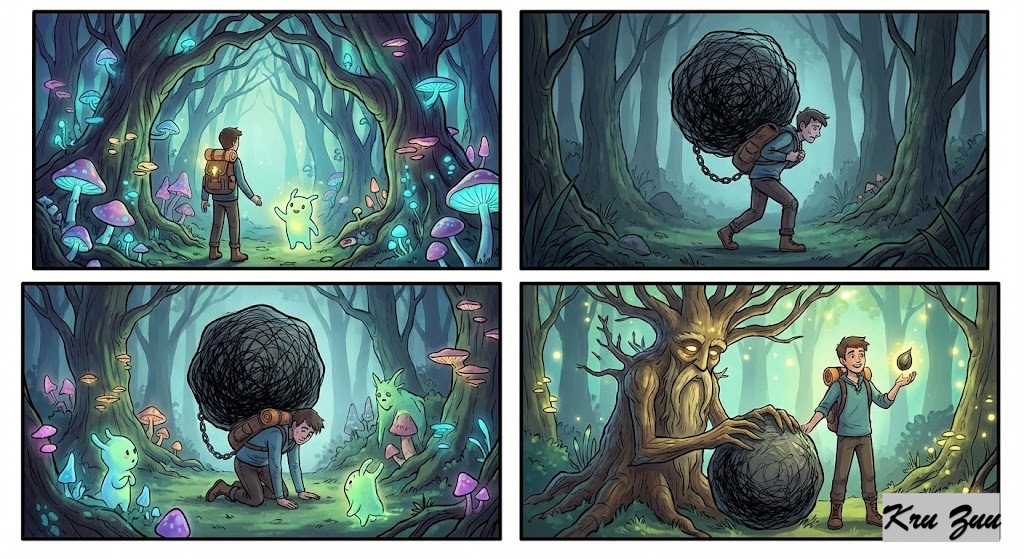
“Don’t cross the bridge until you come to it.”
😈 The Villain (The Overthinker)
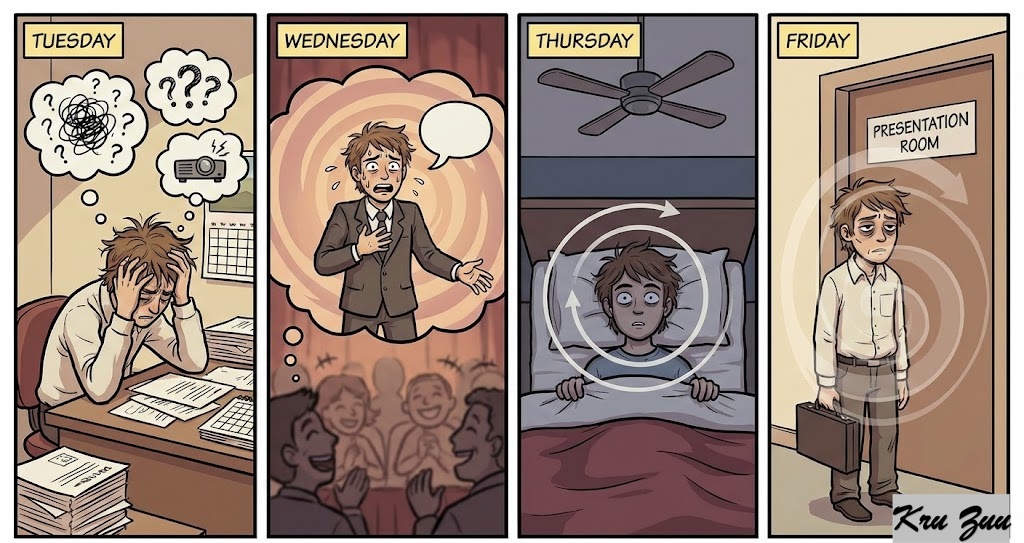
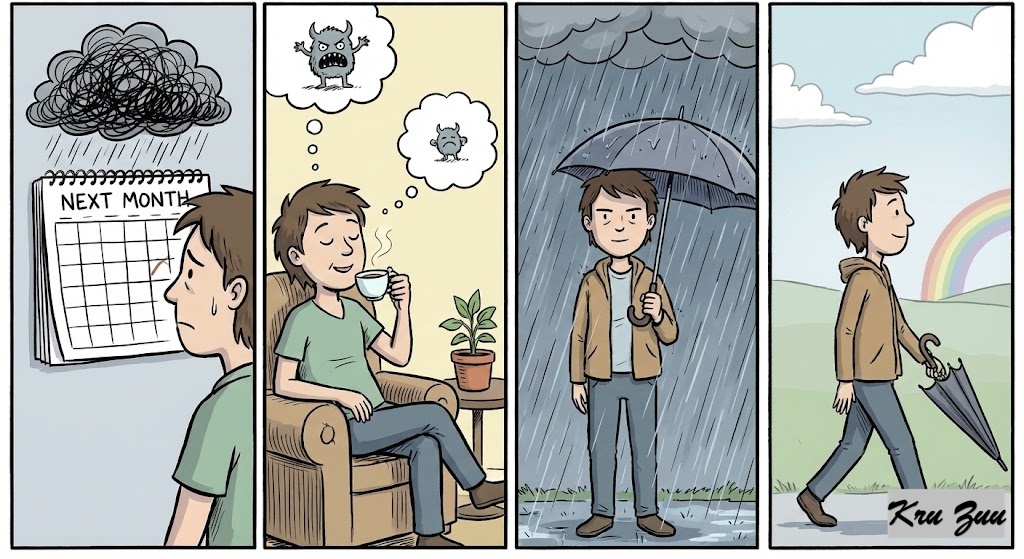
It is Tuesday. You have a presentation on Friday. What do you do? You don’t just prepare; you panic. 😱 “What if the projector breaks? What if I forget my English? What if they laugh at me?” You live through the disaster 100 times in your head before it even happens. You suffer twice: once in your imagination, and (maybe) once in reality. You are exhausted before the race even starts. You are trapped in the “Anxiety Loop.” 🌀
😇 The Hero (The Stoic)
You know that the future is uncertain. You prepare reasonably, but you refuse to suffer in advance. When a “What if?” thought attacks you, you block it.
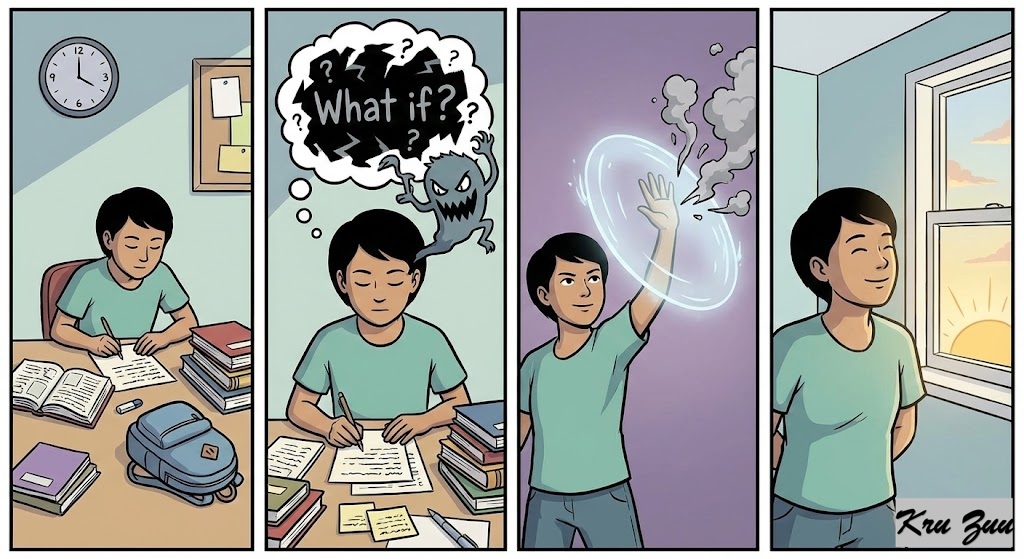
You say: “I will handle that problem if it arrives.” You save your energy for today. You trust your ability to adapt.
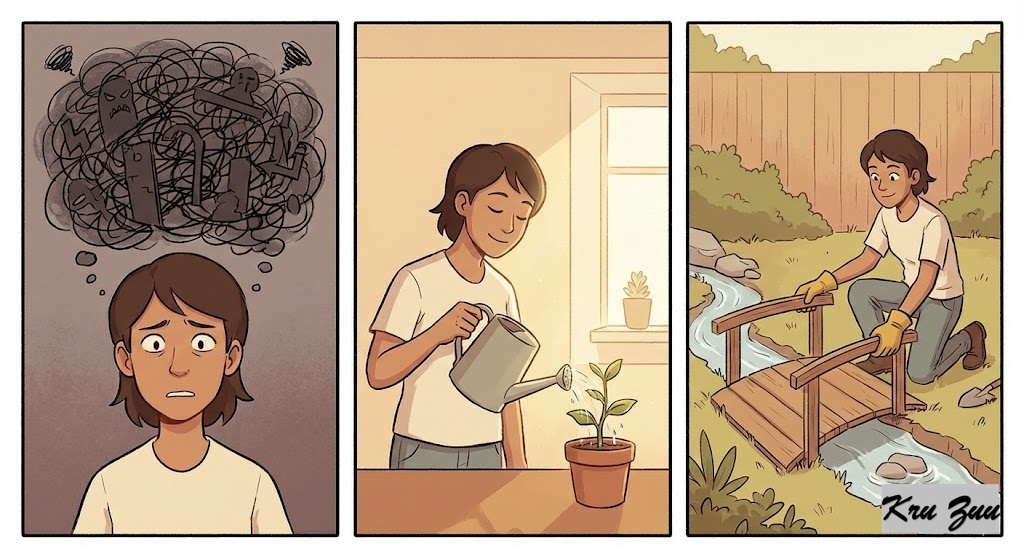
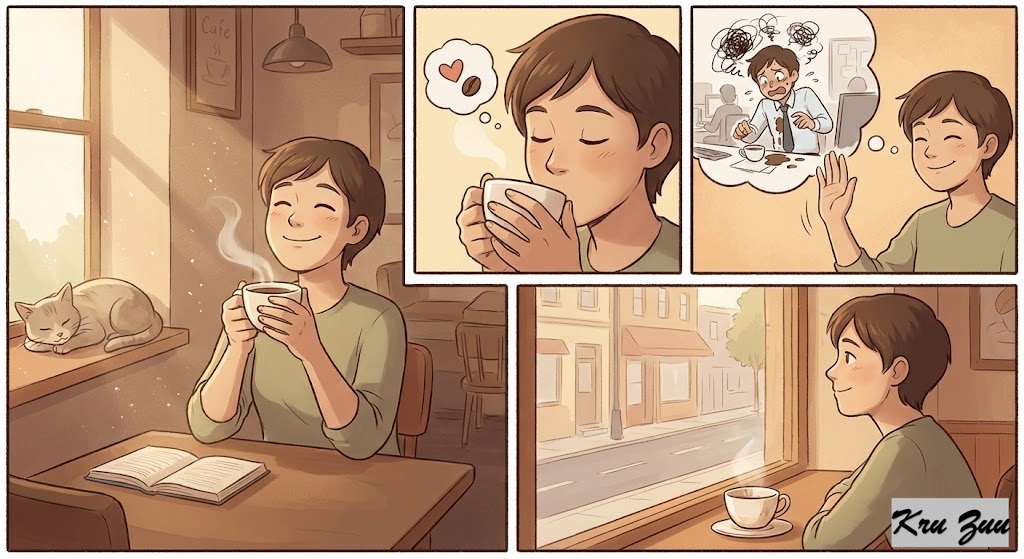
The Result? You are calm. You are focused. You enjoy your coffee today instead of worrying about spilling it tomorrow. ☕️
⚖️ The Reality
Worrying is like paying interest on a debt you may never owe. 90% of the catastrophes we imagine never actually happen. And if they do happen, worrying didn’t help you solve them, it just made you tired.

💎 The Secret
You cannot solve a problem that doesn’t exist yet. Focus on the step you are taking now, not the step you might take in 5 miles.
🧐 The Anatomy of the Proverb
This is your permission slip to relax about the future.
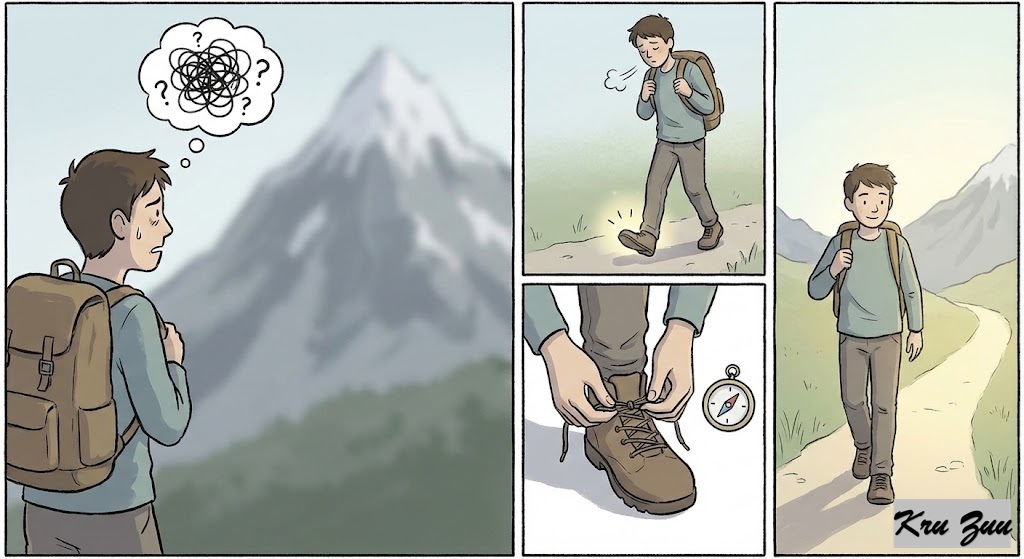
Don’t Cross (Command): Do not traverse/move over.
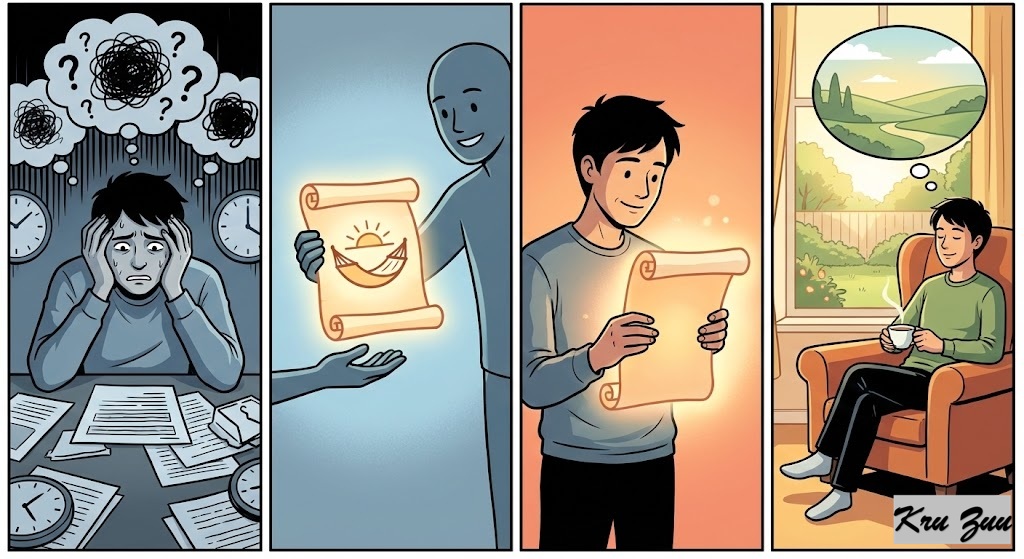
The Bridge (Metaphor): The potential problem, obstacle, or crisis in the future.
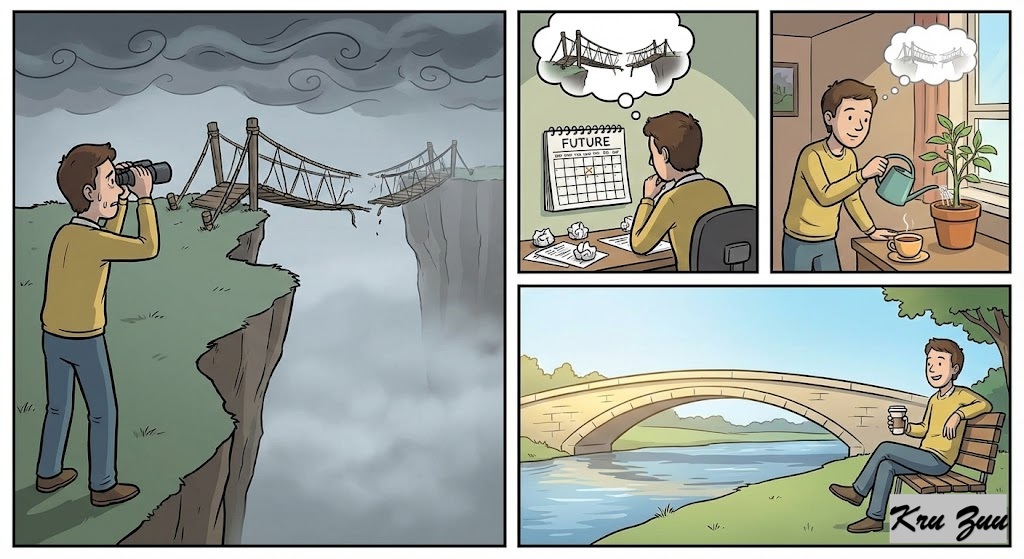
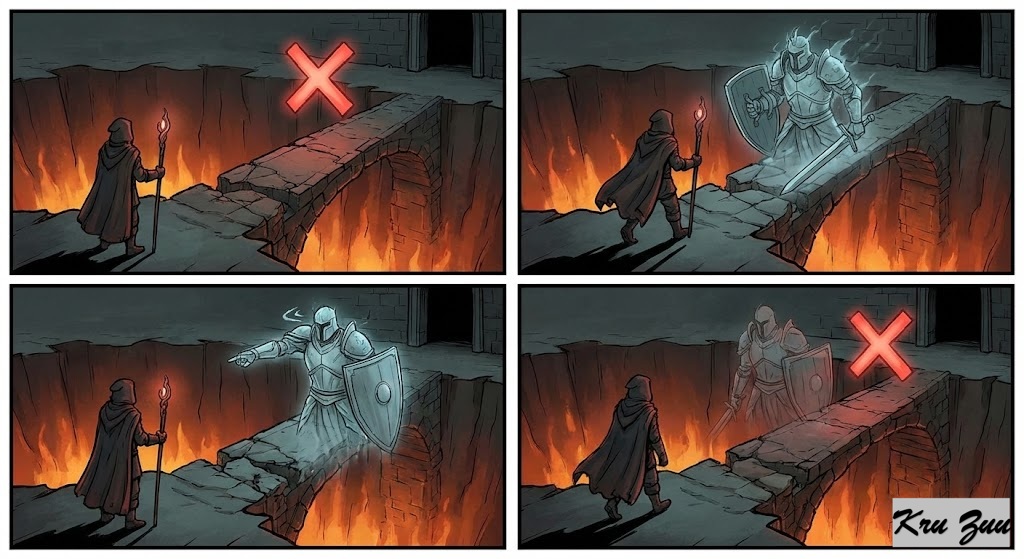
Until You Come To It (Condition): Wait until you are actually standing in front of the problem.
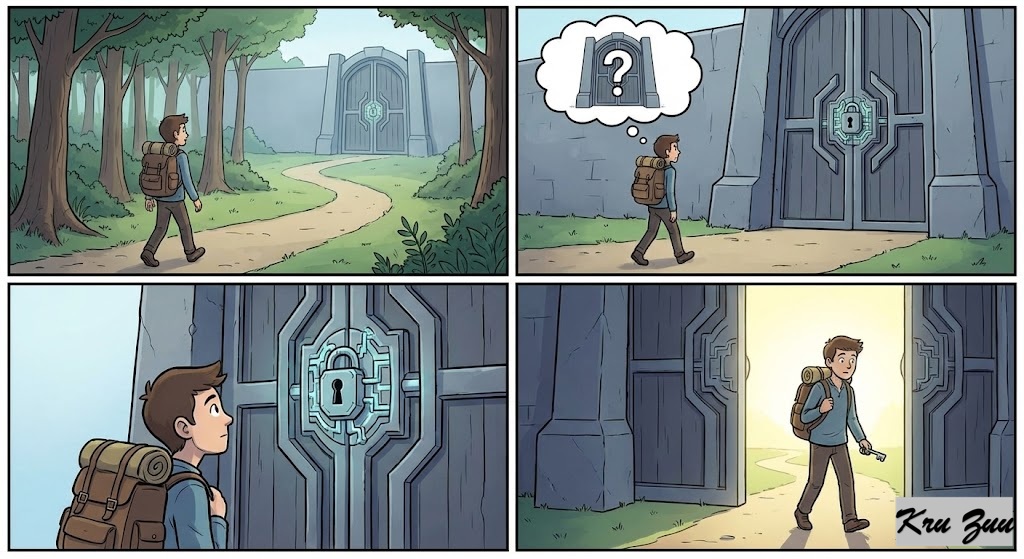
Simpler Version: Don’t worry about future problems yet. / Deal with issues only when they become real.
📚 Vocabulary Vault
Anticipate (Verb): To expect or predict something. (Good leaders anticipate; they don’t panic).
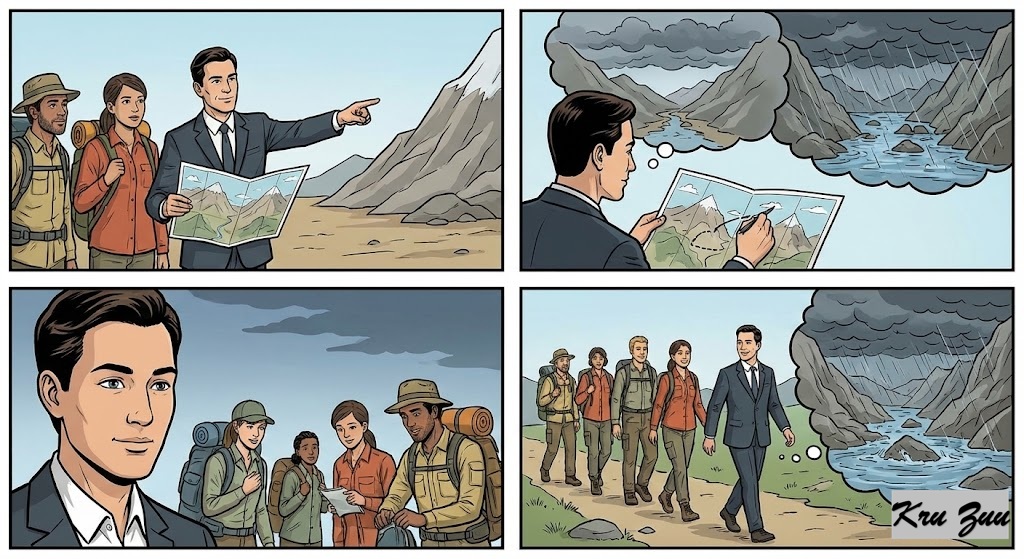
Premature (Adjective): Occurring or done before the proper time. ⏰
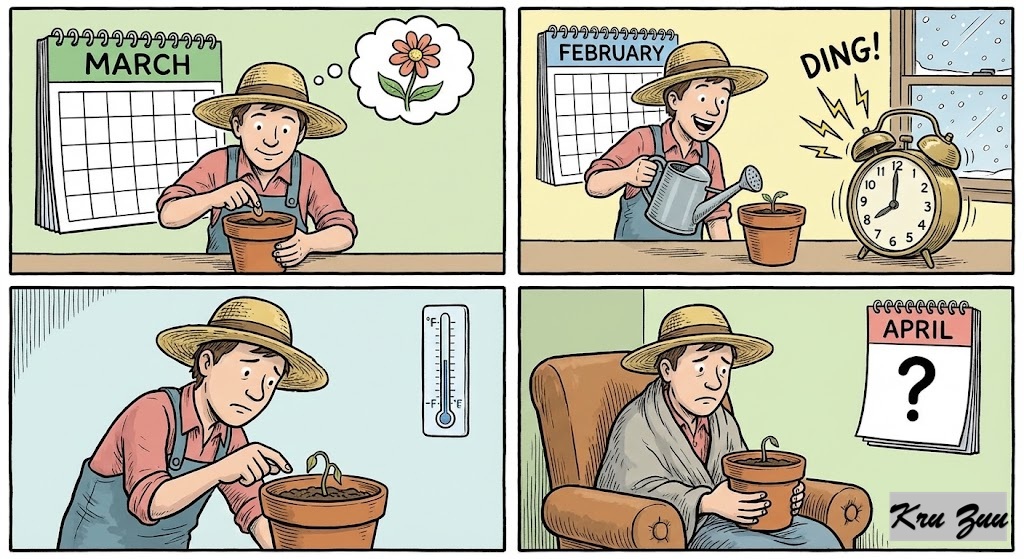
Hypothetical (Adjective): Based on a possible situation rather than fact; imagined.
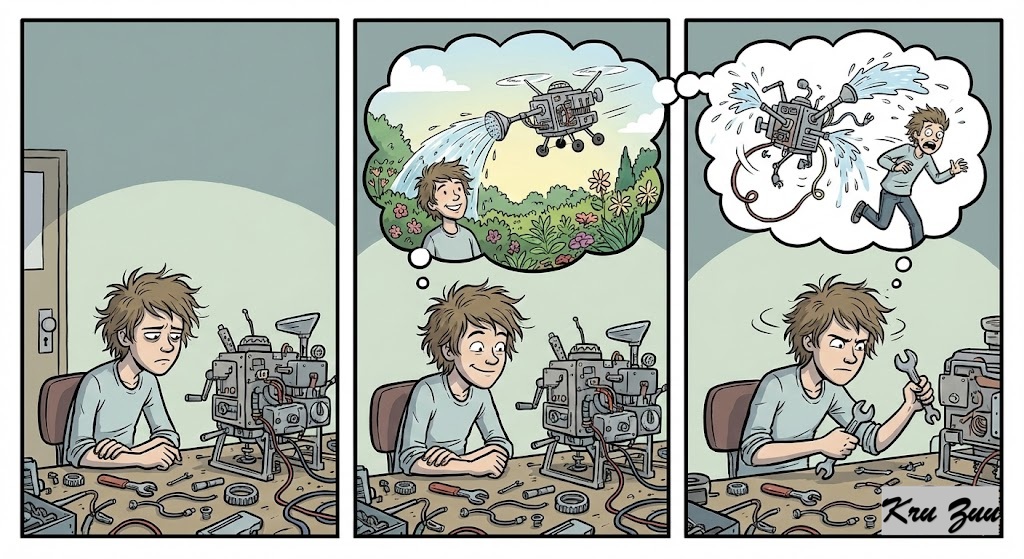
Anxiety (Noun): A feeling of worry, nervousness, or unease about an imminent event or something with an uncertain outcome.
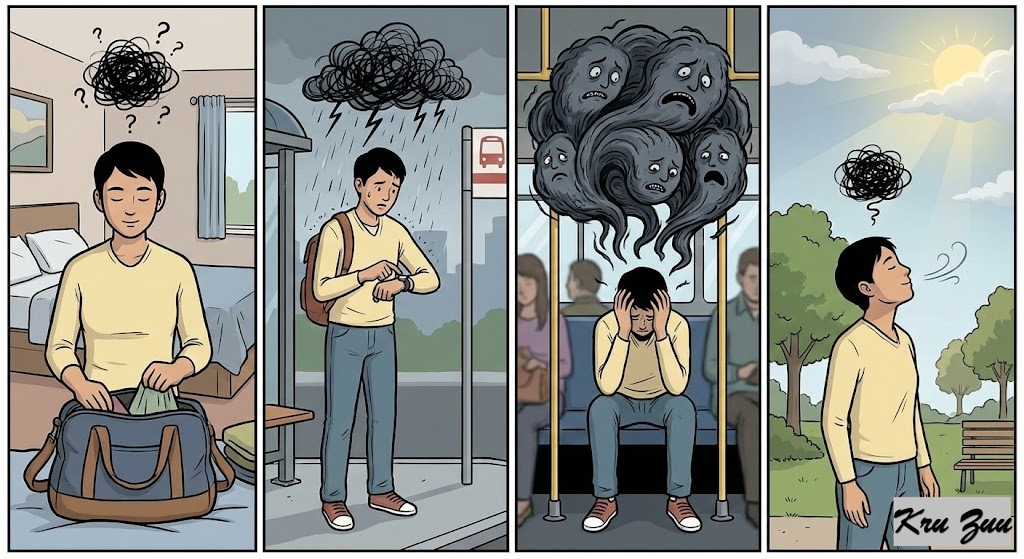
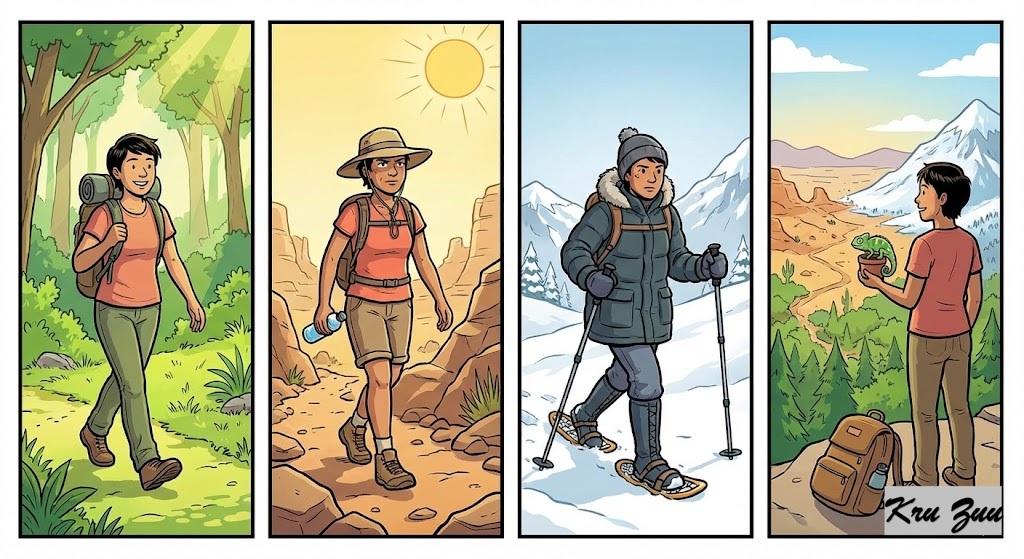
Adaptability (Noun): The quality of being able to adjust to new conditions.
📜 History: Ancient Wisdom
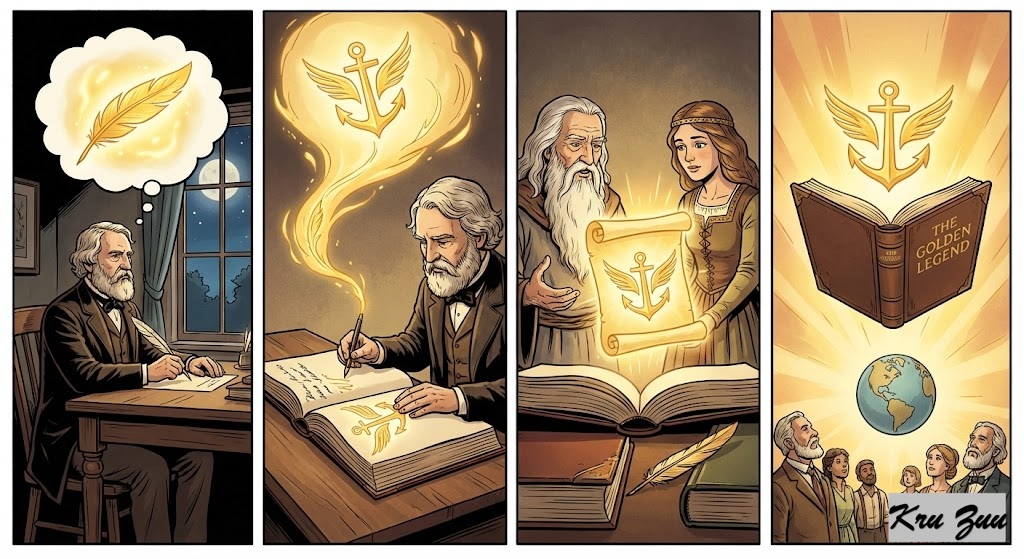
The Origin: This proverb is often attributed to the American poet Henry Wadsworth Longfellow in his 1851 work The Golden Legend.
The Logic: In the old days, travelers literally had to worry if a bridge would hold their horse’s weight. But worrying 10 miles away wouldn’t fix the bridge. You had to get there to check.

Global Cousins
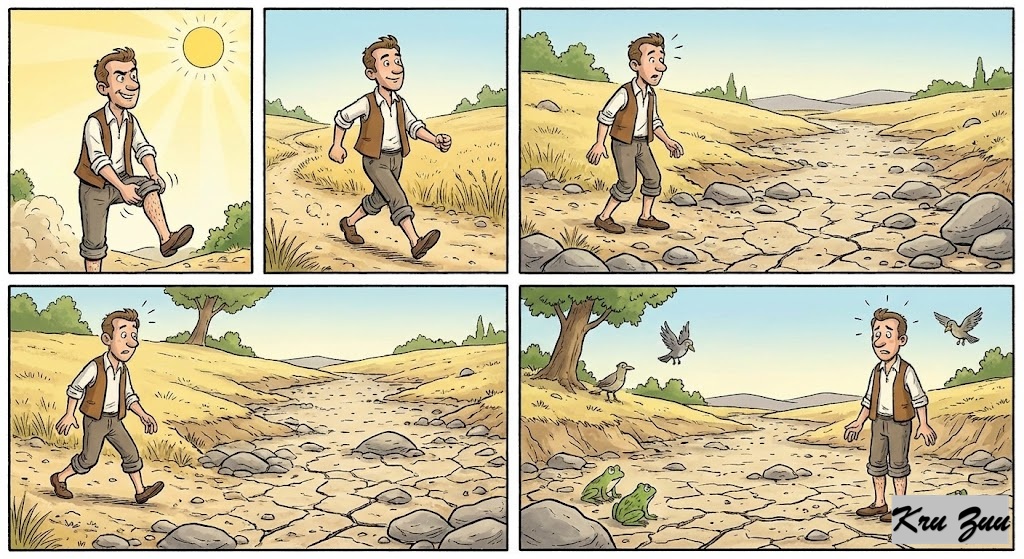
🇹🇷 Turkish: “Dereyi görmeden paçaları sıvama.” (Don’t roll up your trousers before you see the stream.)
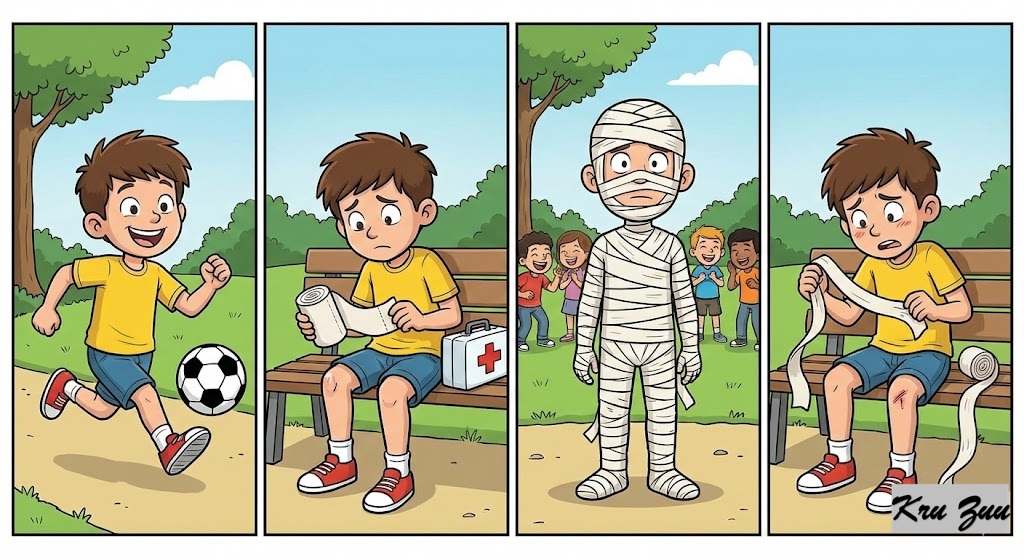
🇪🇸 Spanish: “No te vendes la herida antes de tenerla.” (Don’t bandage the wound before you have it.)
🎯 Impact on Life: The Pros & Cons
✅ The Pros (The Shield)
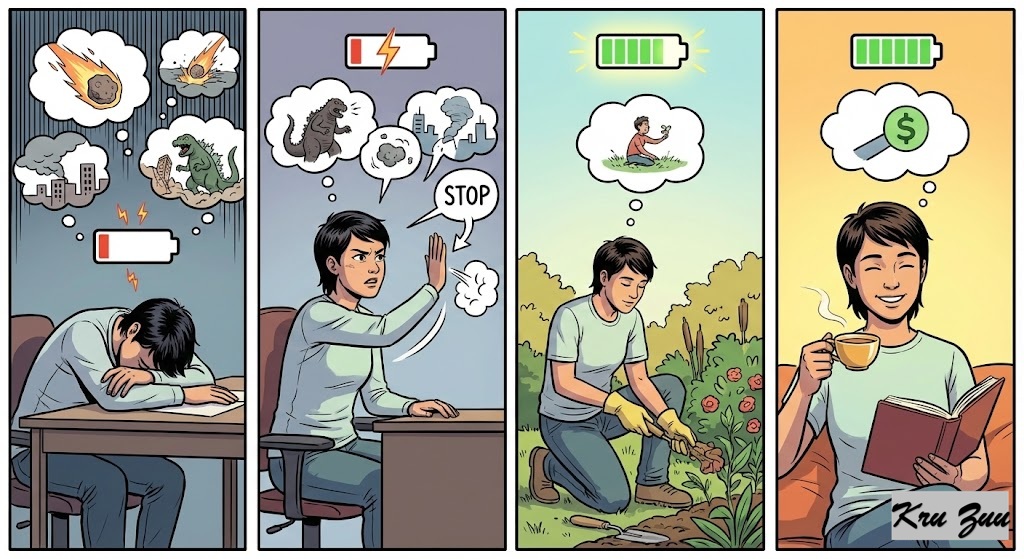
Energy Conservation: You stop wasting mental battery on scenarios that are 99% unlikely.
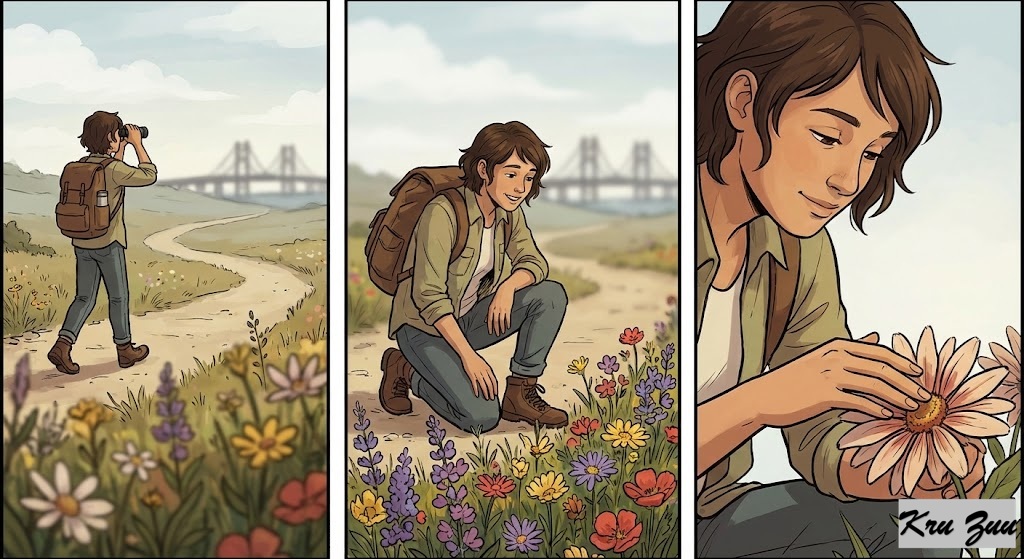
Better Focus: By not looking at the “bridge” in the distance, you can see the beautiful flowers right in front of your feet.
❌ The Cons (The Trap)
Lack of Preparation: Be careful. This idiom does not mean “don’t plan.” You should check the weather before a trip. Just don’t cry about the rain three days before it falls. There is a difference between Preparation (smart) and Worry (useless).

🎭 Short Story: The Heavy Backpack 🎒🐱🐔
Let’s hike into the magical forest to see how heavy “worry” really is.
🌟 The Cast
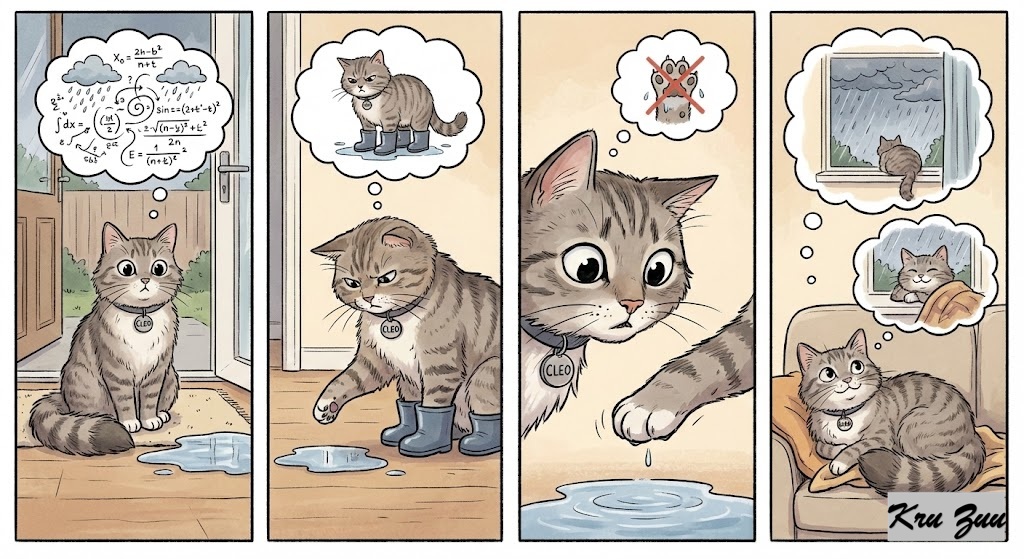
Cleo the Cat: The Overthinker. She hates getting her paws wet. 😼
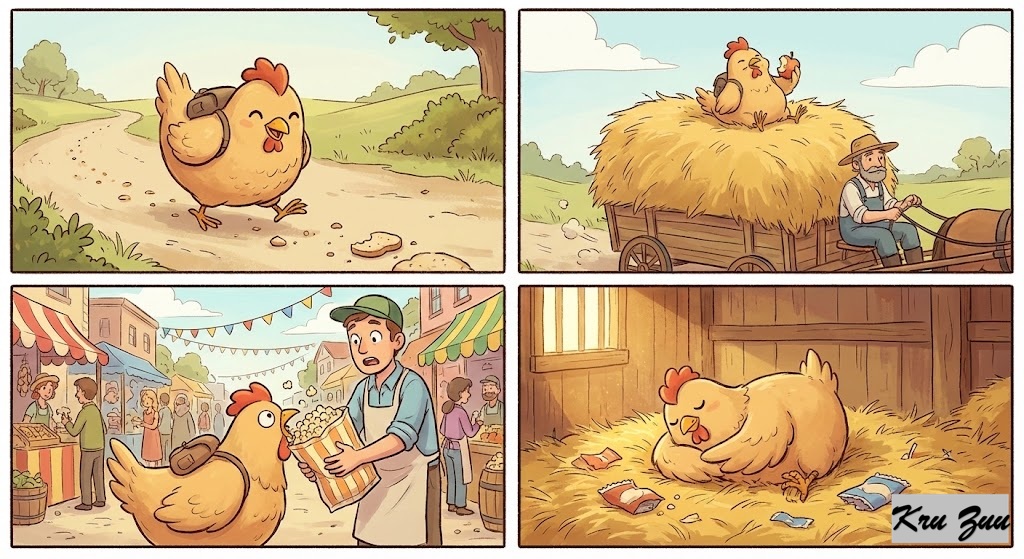
Cluck the Chicken: The Carefree Traveler. He just wants snacks. 🐔
Fred the Frog: The Guide. 🐸
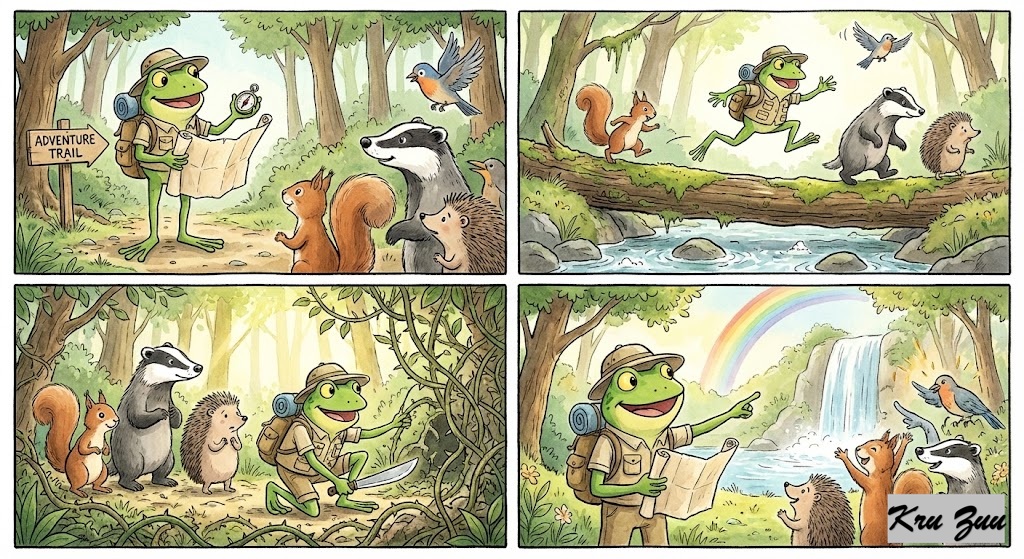
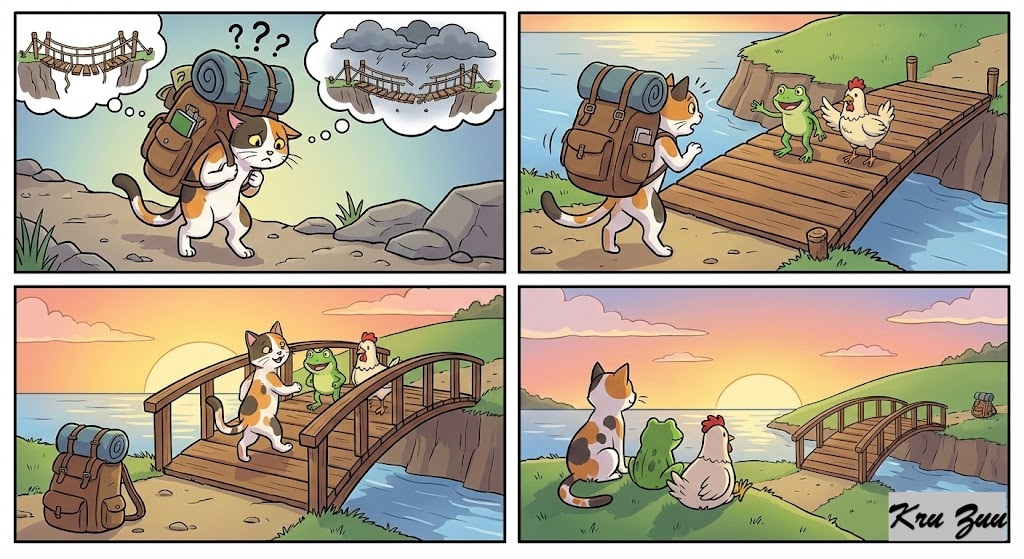
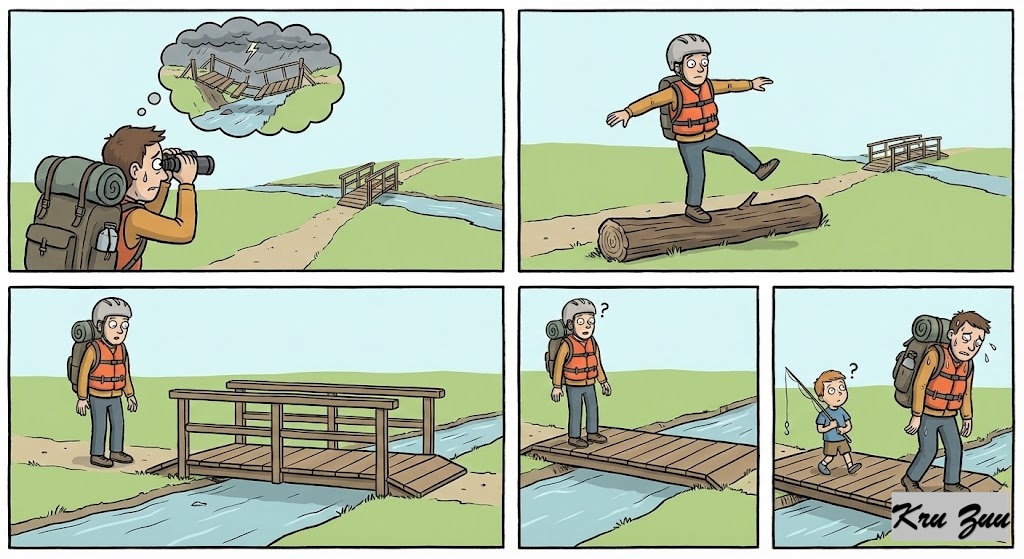
The Situation: The trio is hiking to the “Crystal Waterfall.” To get there, they must cross the Old Rope Bridge. Cleo’s Panic: Five miles before they reach the bridge, Cleo stops. “I heard a rumor,” she whispers, terrified. “A squirrel told me the Old Rope Bridge might be broken! If it is broken, we will fall into the river! Cats hate water!”
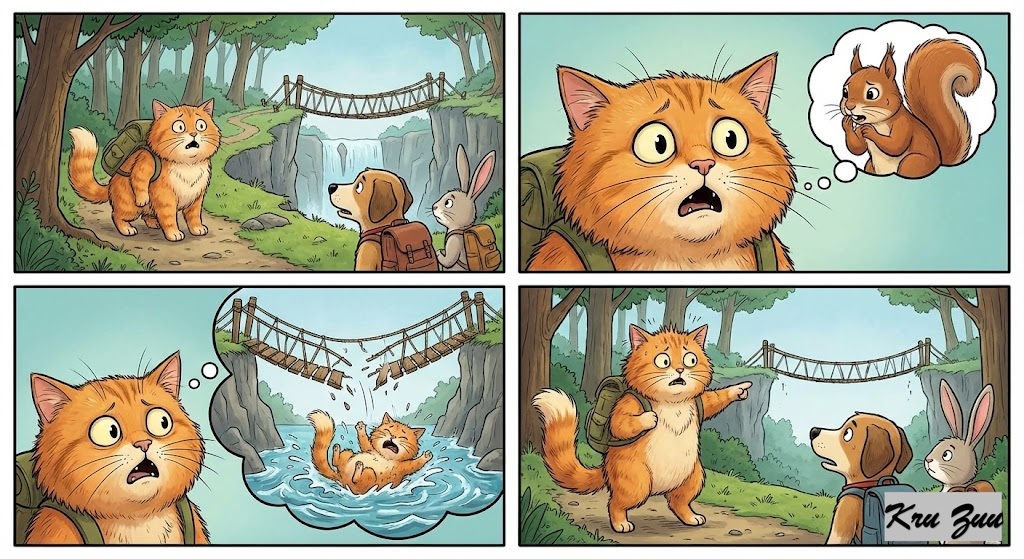
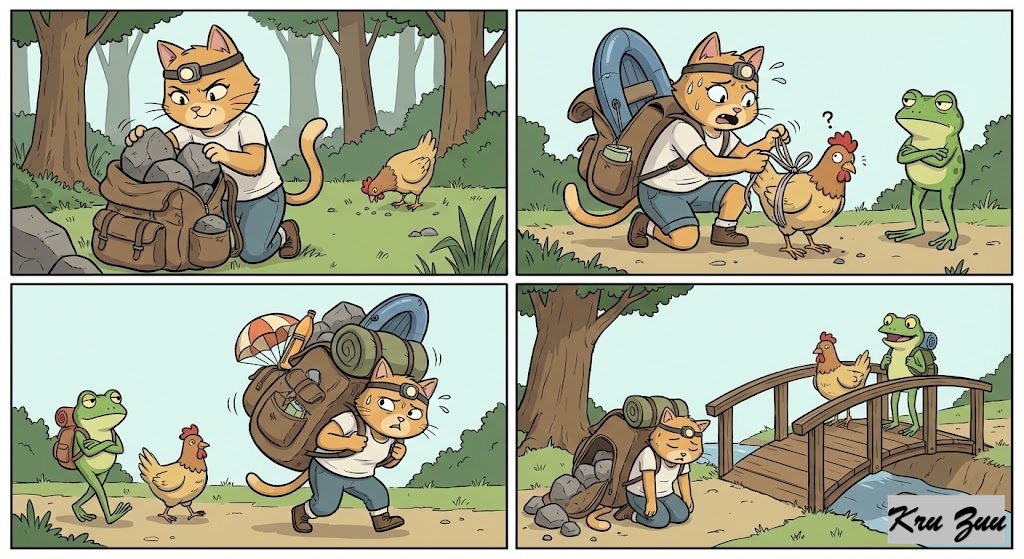
The Conflict: Cleo opens her backpack. “We must prepare!” she yells. She puts heavy rocks in her bag (“to build a dam”), she packs an inflatable boat, and she tries to tie a parachute to Cluck. “This is heavy,” Cleo complains, sweating and struggling to walk. “But we must be ready for the broken bridge!” Cluck is just eating a worm. “Let’s just walk, Cleo!” Fred says, “Ribbit. Cleo, you are carrying the weight of a ‘maybe’.”
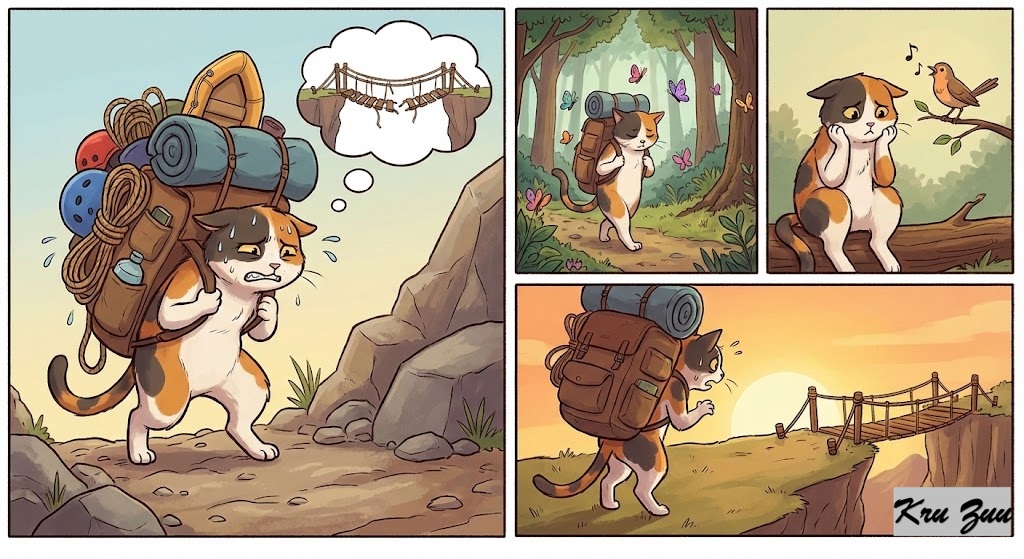
The Journey: For three hours, Cleo is miserable. She is tired from carrying her heavy “survival gear.” She doesn’t see the butterflies. She doesn’t hear the birds. She only thinks about the scary bridge.
The Result: They finally arrive at the river… and Cleo gasps. 🙀 The Old Rope Bridge was gone. But in its place, the forest rangers had built a brand new, solid wooden bridge. It was wide, safe, and dry. Cleo looked at her heavy inflatable boat. She looked at her heavy rocks. She realized she had ruined her whole hike worrying about a problem that didn’t exist.
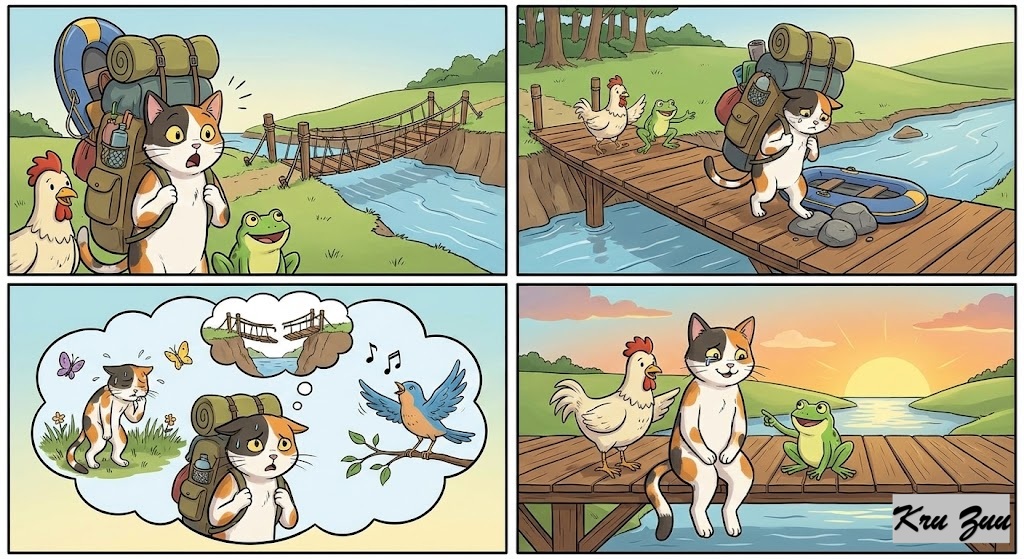
The Resolution: Fred smiled. “You crossed the bridge in your mind a thousand times, Cleo. And it was scary every time. In reality, you only had to cross it once, and it was easy.”
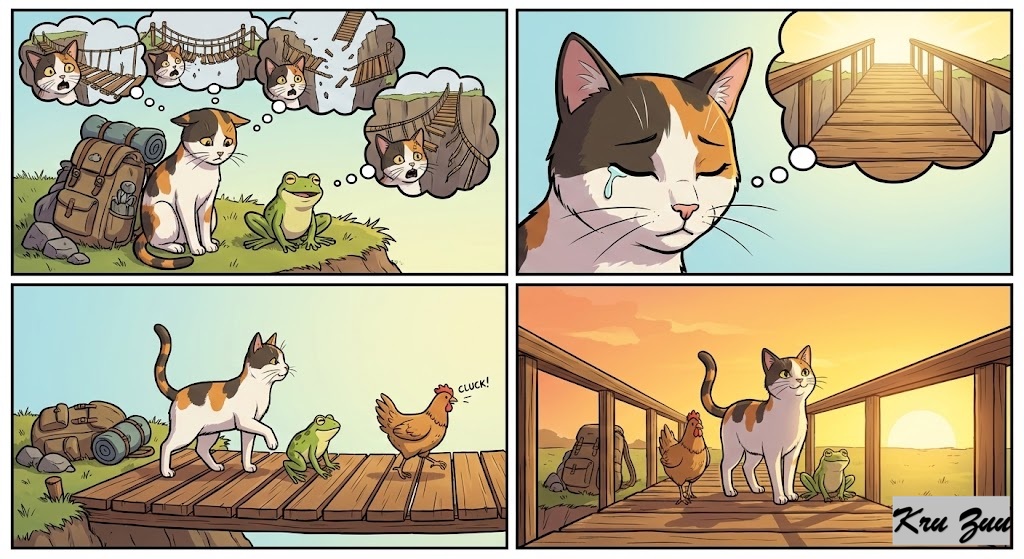
The Moral: Don’t carry a heavy backpack of “What ifs.” Most of the bridges you fear turn out to be sturdy paths when you actually arrive.
🎓 Lesson for English Learners
Don’t Panic About the Exam Speaking Part.
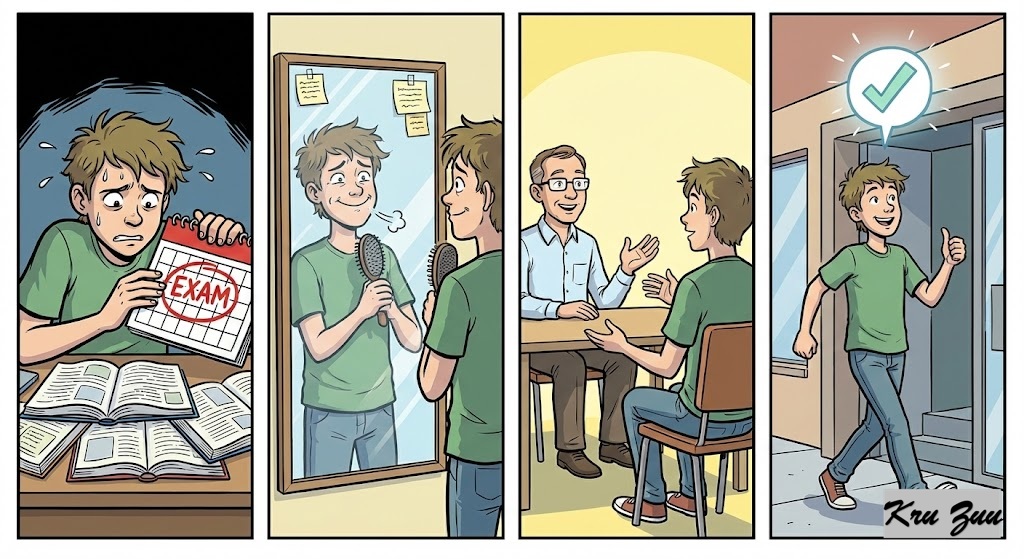
Situation: You have an English interview next week.
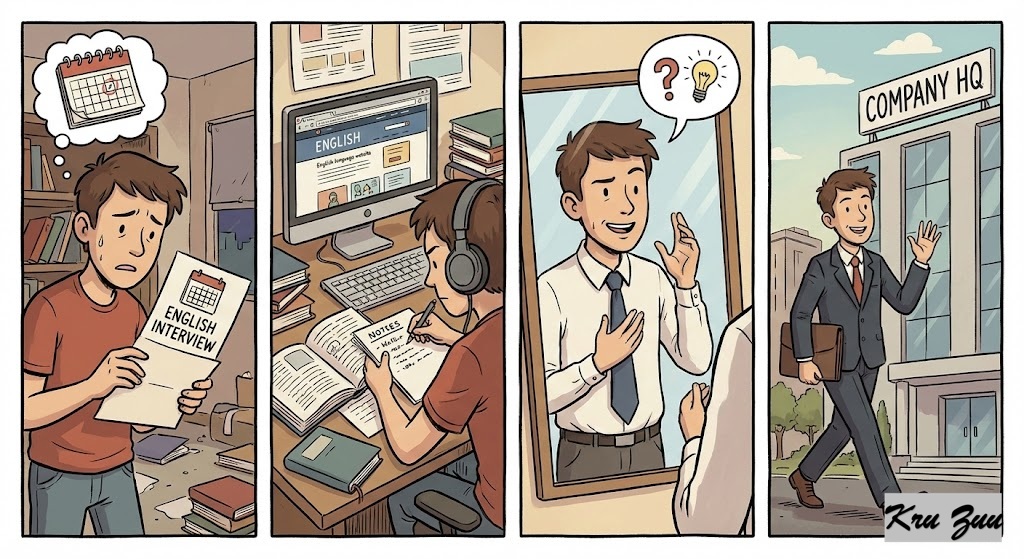
The Trap: You think: “What if they ask me about nuclear physics? What if they ask me about the history of knitting?” You panic and try to memorize the whole dictionary.
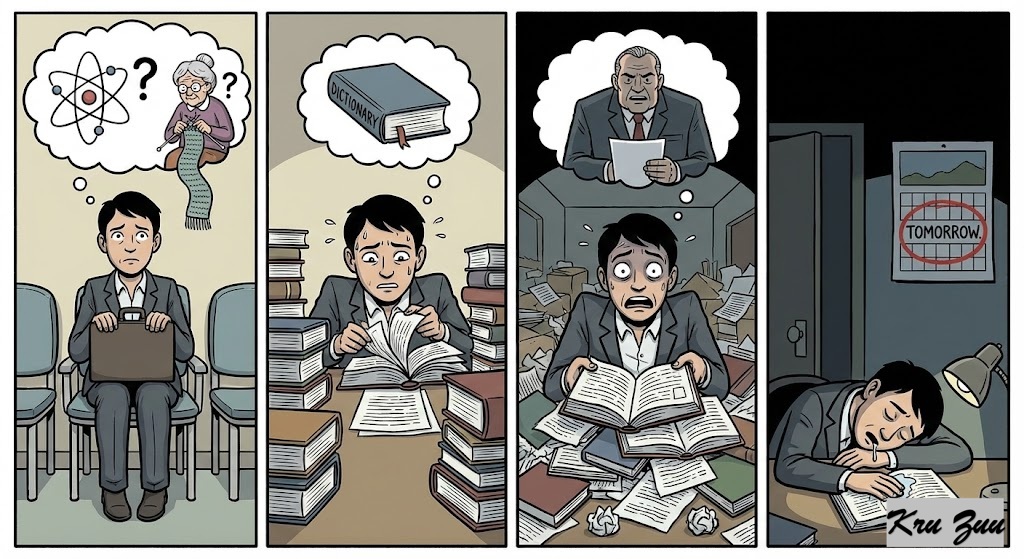
The Shift: You are crossing the bridge too early.
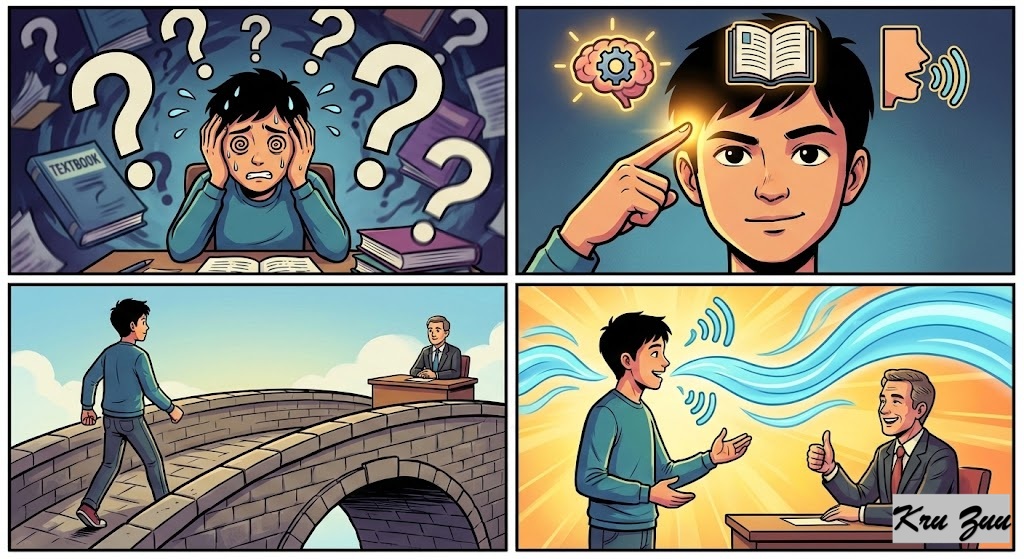
You Say: “I cannot predict every question. I will trust my general English skills. I will cross that bridge when the examiner asks the question.” (This confidence usually makes you speak better!)
💬 Your Turn: The “Delete” Button 🚀
Is there something you are worried about right now?
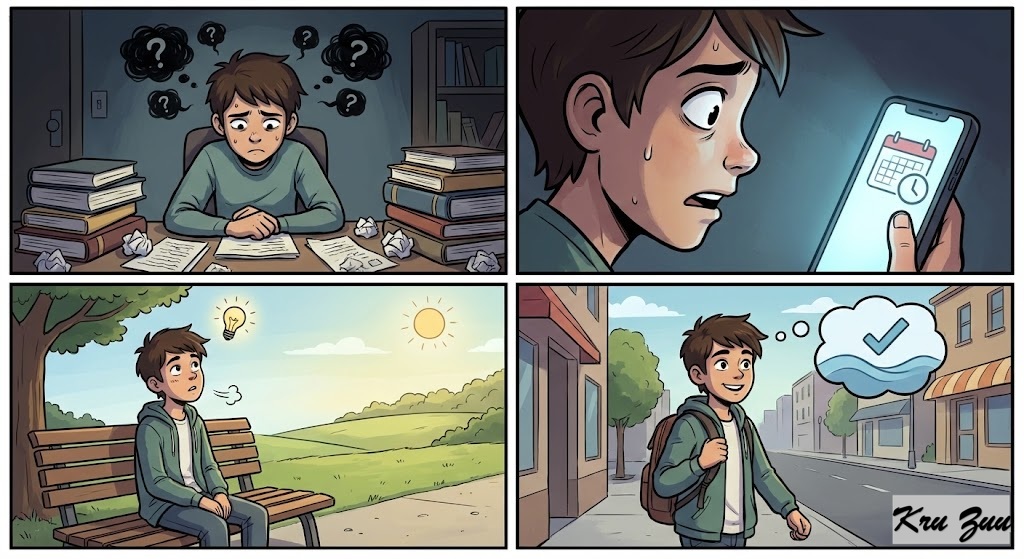
Identify: What is a problem you are afraid might happen next month?
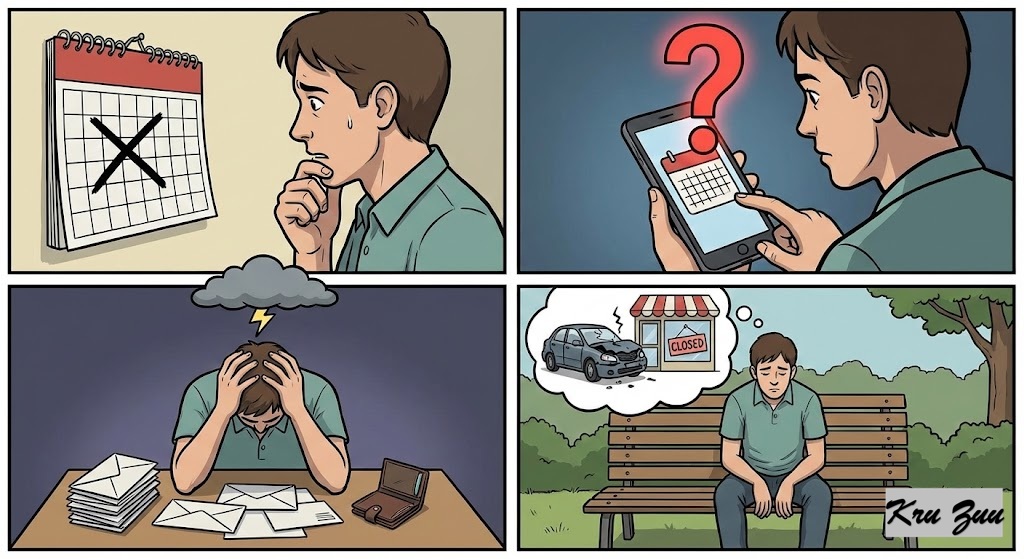
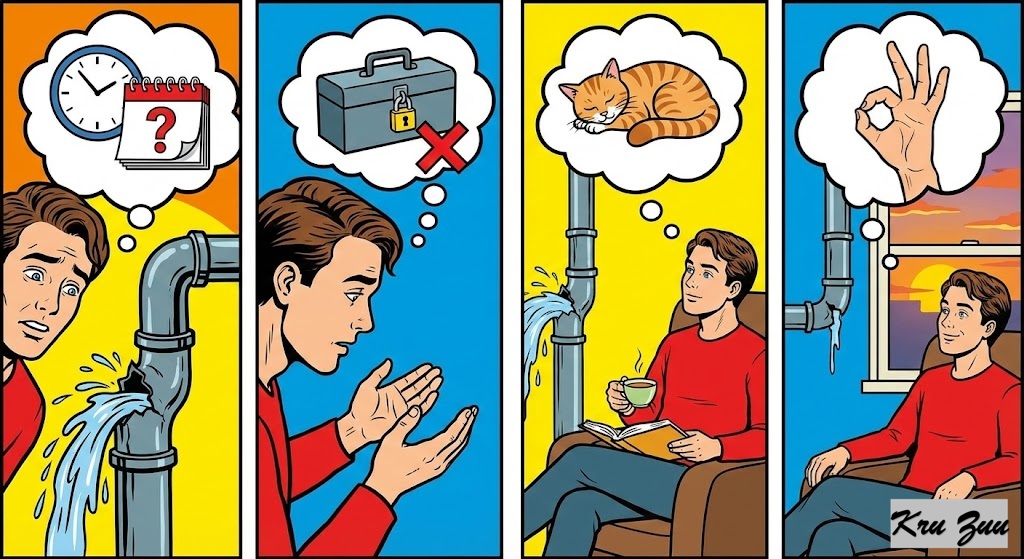
Check: Can you do anything about it right this second?
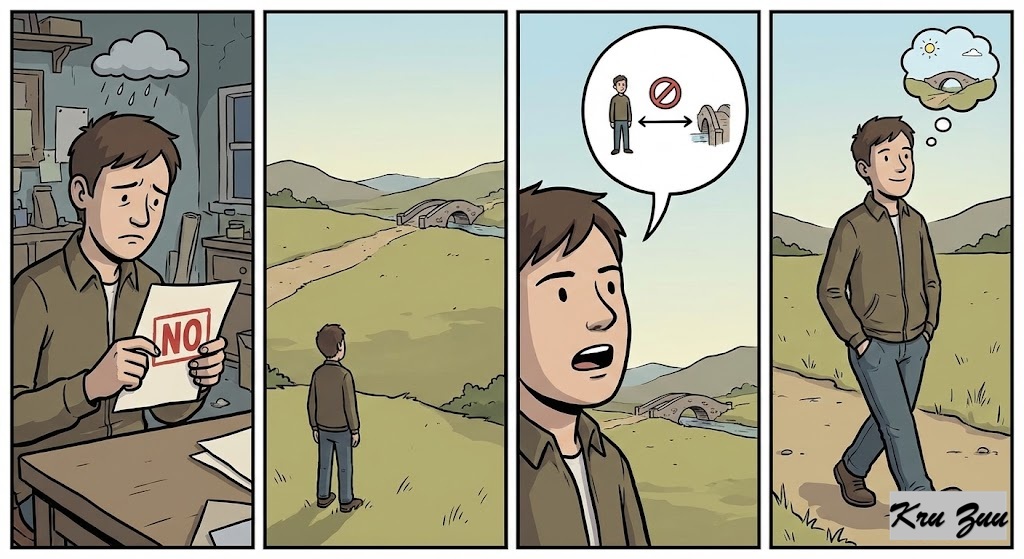
The Action: If the answer is “No,” visualize a bridge. Imagine yourself standing far away from it. Say out loud: “I am not at the bridge yet.”
👇 Question for the comments: Are you a “Cleo” (overthinker) or a “Cluck” (relaxed)? Tell us a time you worried about something that never actually happened!
https://www.facebook.com/BrainBattleground/
https://www.facebook.com/zubeyr.yurtkuran/
https://www.instagram.com/zubeyryurtkuran/
