Blog

  • Don’t Judge a Book by Its Cover: How Appearance Hides True Value

    Don’t Judge a Book by Its Cover: How Appearance Hides True Value

    First Impressions Can Be Deceiving


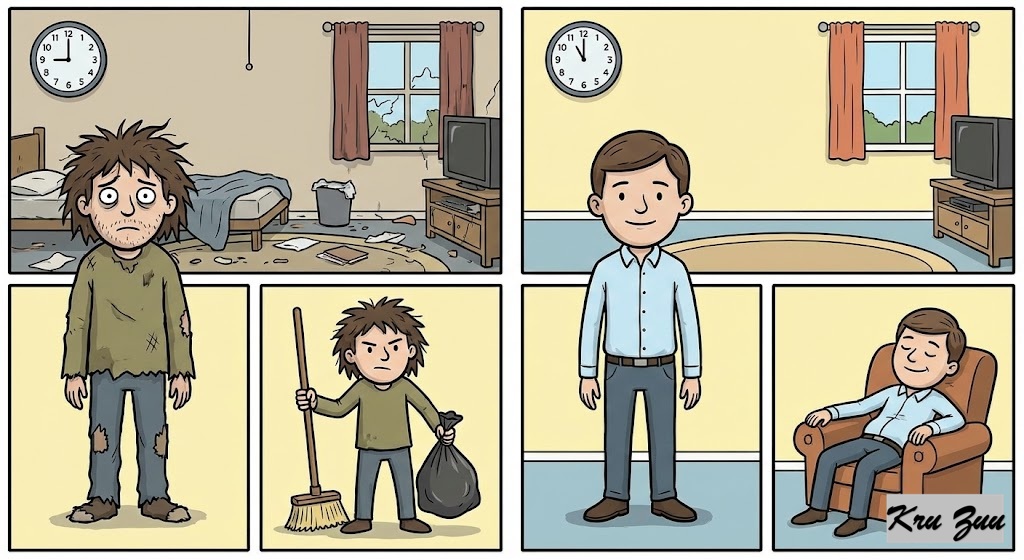
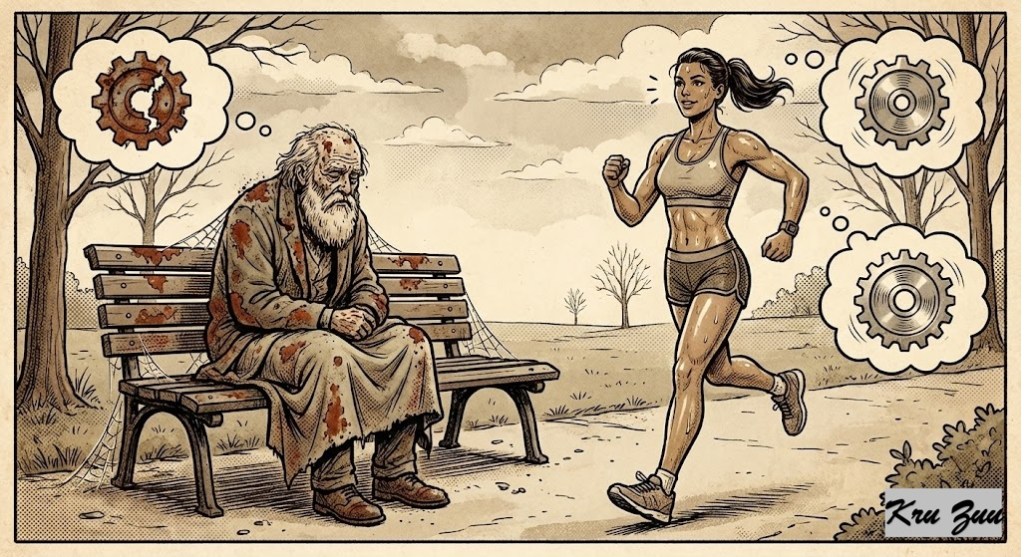
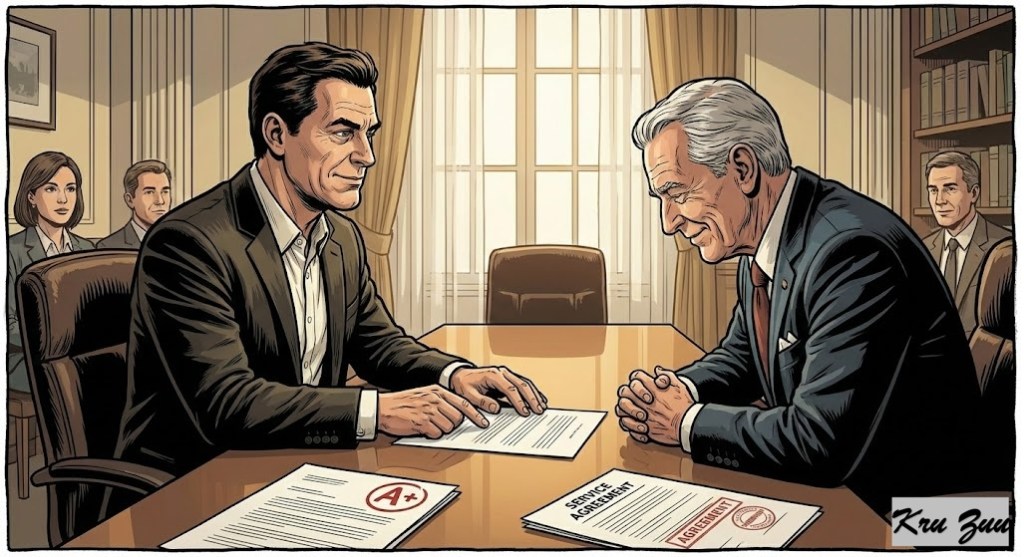
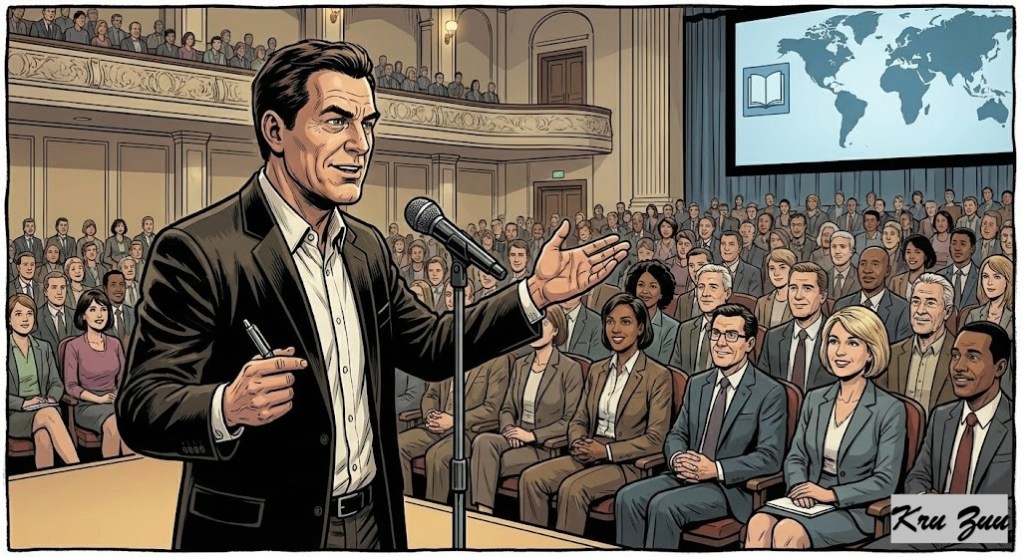
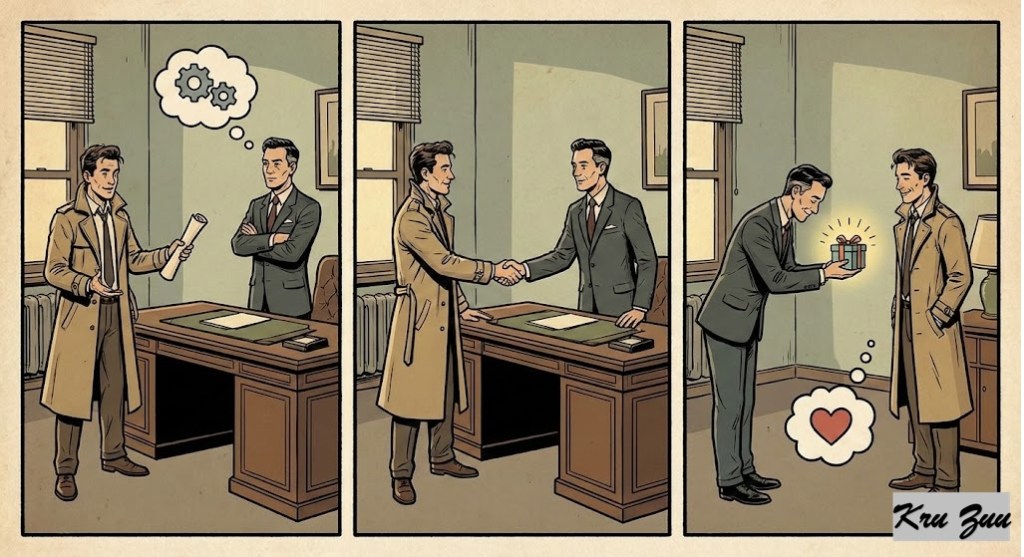
    The Cover: A speaker in a perfect suit, delivering a cool, confident presentation.

    The Truth: All the data in the presentation was copied from someone else’s work, and the content is fundamentally empty.


    The Cover: A person using a plain, old phone and wearing modest clothes.

    The Truth: That person is managing the stock exchange of a massive tech company in minutes on that very phone.


    The Cover: A beat-up, old laptop showing signs of heavy use.

    The Truth: This computer is the place where the code for a groundbreaking future AI application was written.


    Life constantly proves a rule well-known to successful people: “Don’t Judge a Book by Its Cover.”


    In this post, we dive into the depths of this famous proverb, focusing on discovering the true value hidden behind the surface. Set aside your biases, open your mind, and let’s dive in.

    The Anatomy of the Proverb


    Let’s look at the mechanics of this famous phrase.


    Vocabulary Vault


    Cover (Noun): The exterior surface of something; the part seen first (Clothing, title, physical appearance).


    Book (Noun): The inner value of something; the essence, content, and depth (Character, knowledge, skill).


    Grammar Focus


    This sentence is a cautionary idiom.


    Formula: Don’t + judge + [a book] + [by] + [its cover].


    The Meaning: Do not make the mistake of determining the worth of a person or thing based solely on its outward appearance or first impression. True value lies in the content.


    History: Essence Matters More Than Reputation


    When did this idea become popular? People have always understood the risks of being fooled by showiness.


    The Origin: The sentiment has existed since the 17th century. However, the exact phrase is known to have been used in modern English for the first time in Robert Casey’sThe Secret of the Old House in 1944.


    The Lesson: What matters is not what someone looks like, but who they are or what an object actually does.

    Impact on Life: The Pros & Cons


    Is ignoring external appearance a good way to live? Let’s weigh the options.


    The Pros (Why it helps)


    Discovery: It allows you to see the hidden potential in people or ideas that society has labeled as “unimportant.”


    Equality: It helps you value people based on their character and abilities, not their title, wealth, or outward beauty.


    Authenticity: It encourages focusing on substance and originality instead of just playing to external perceptions.


    The Cons (Why it can be tricky)


    Security Risk: Sometimes, first impressions indicate danger or incompatibility. Always “ignoring the cover” may not be practical or safe.


    Time Consumption: You might end up spending time reading every “book under the cover.” This can be challenging in situations requiring quick decisions.

    Short Story: The Rusty Key


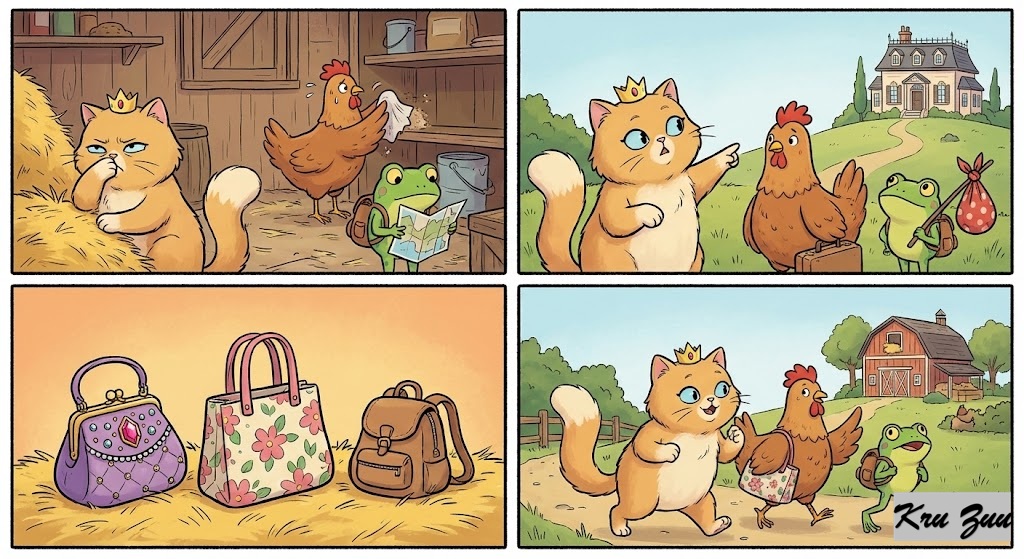
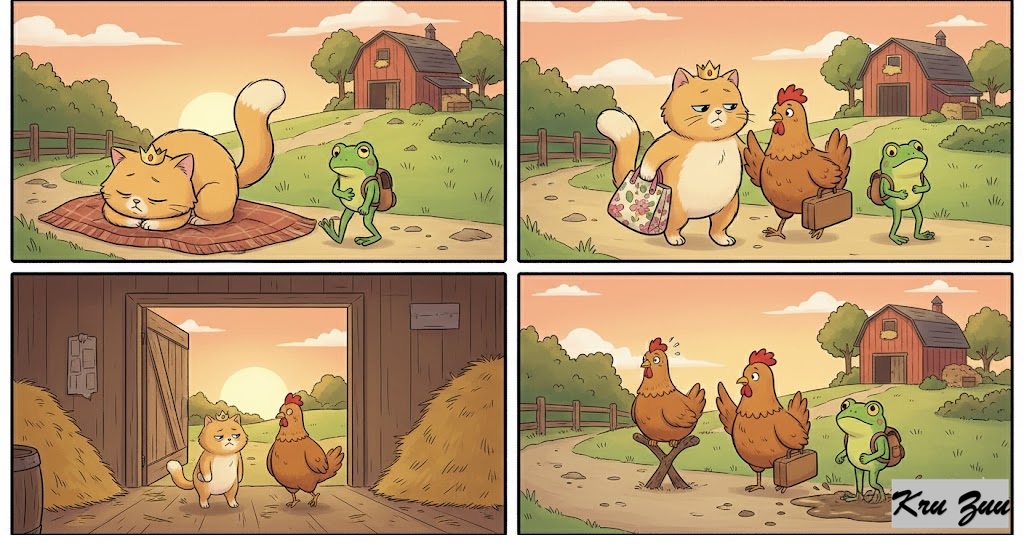
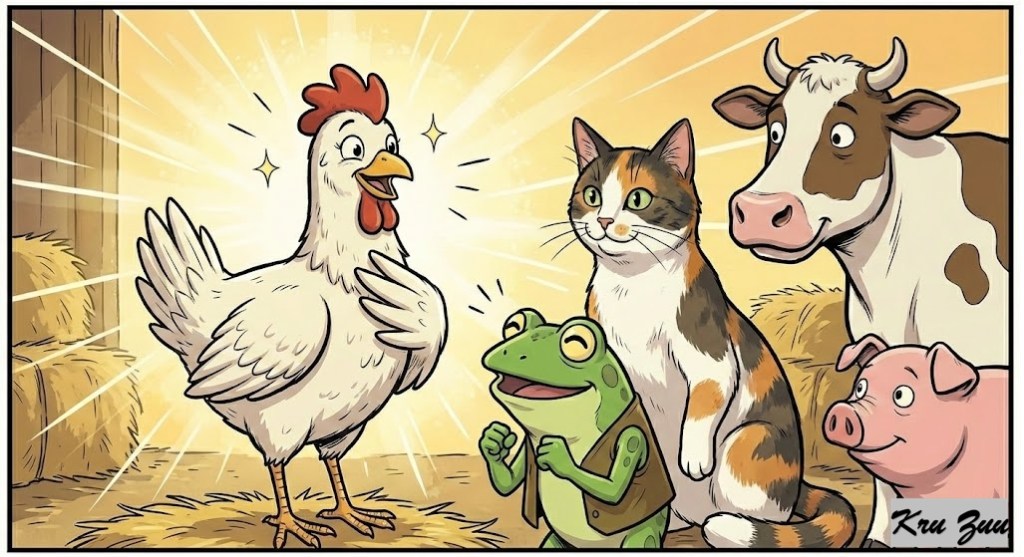
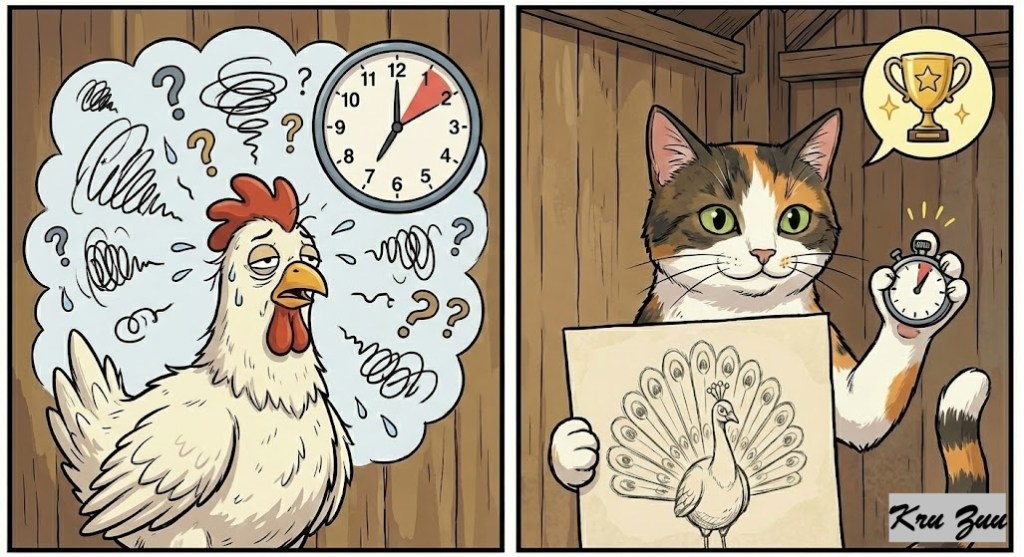
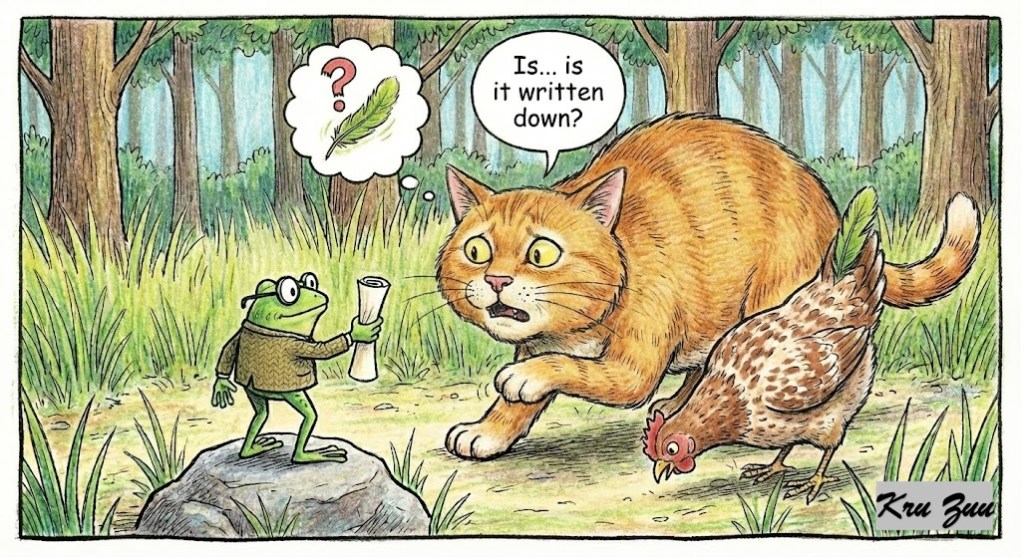
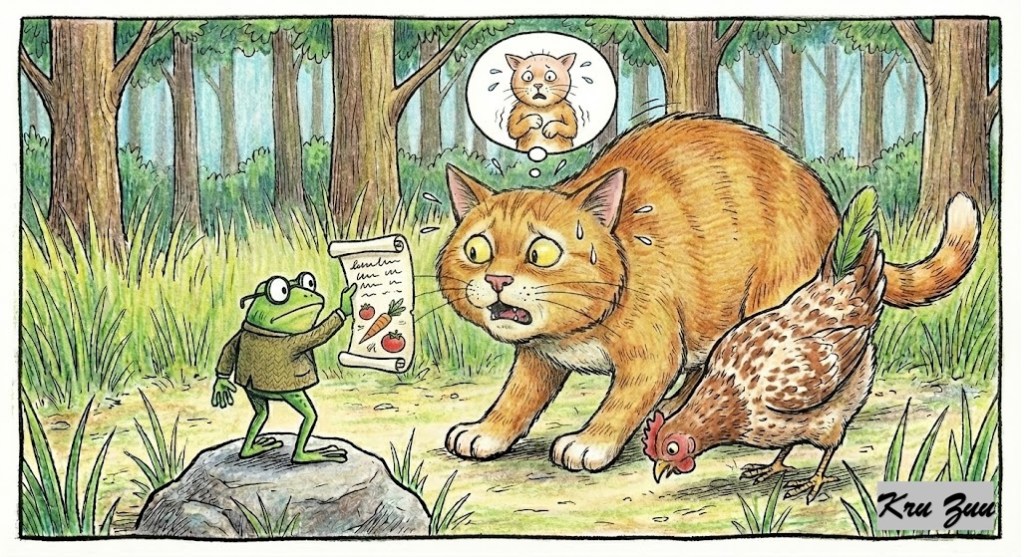
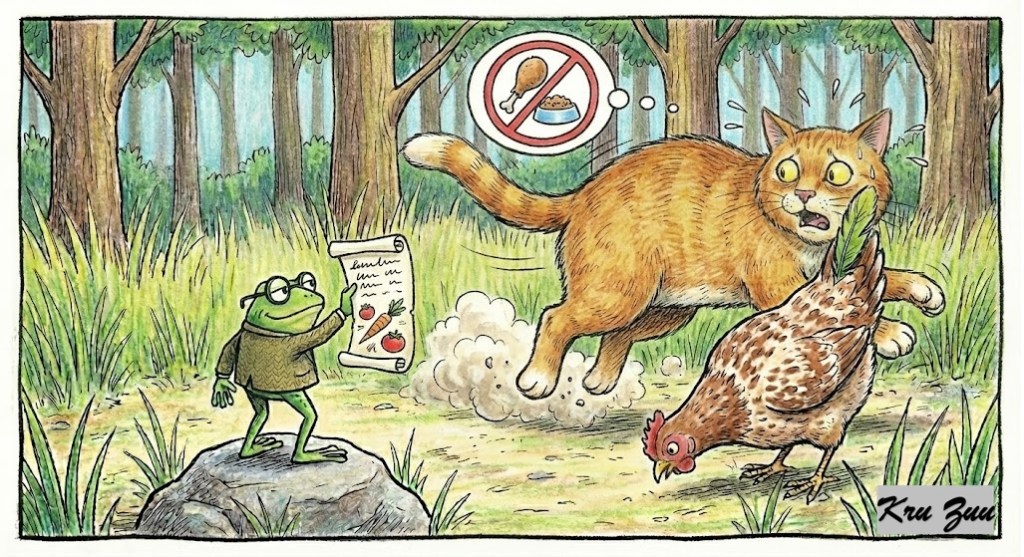
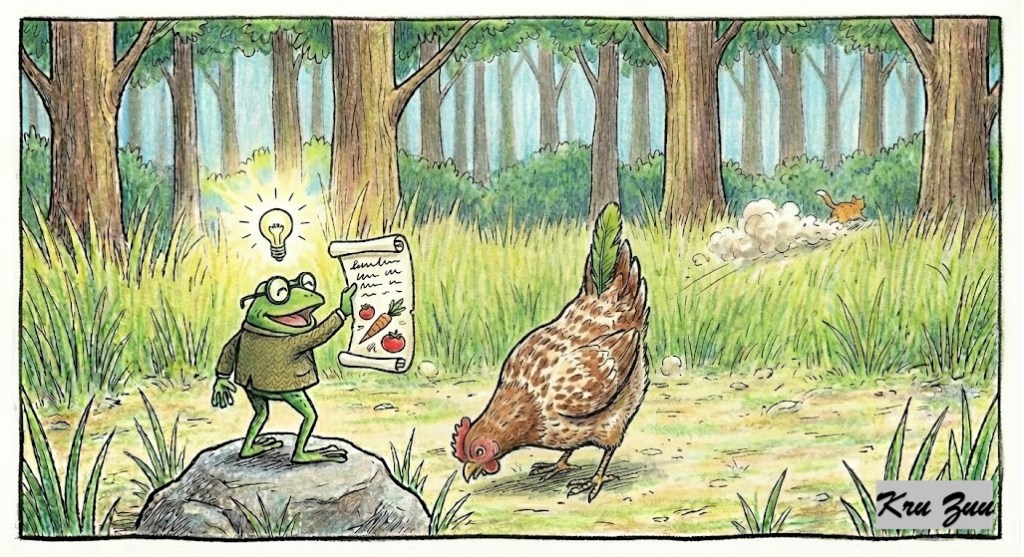
    To understand this proverb better, let’s visit our friends on the farm again.


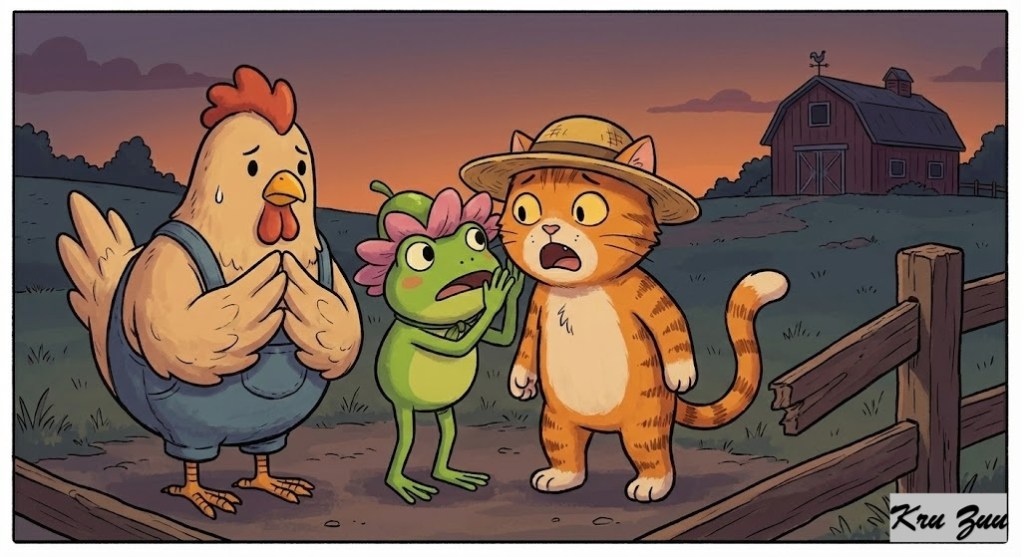
    Character Introduction


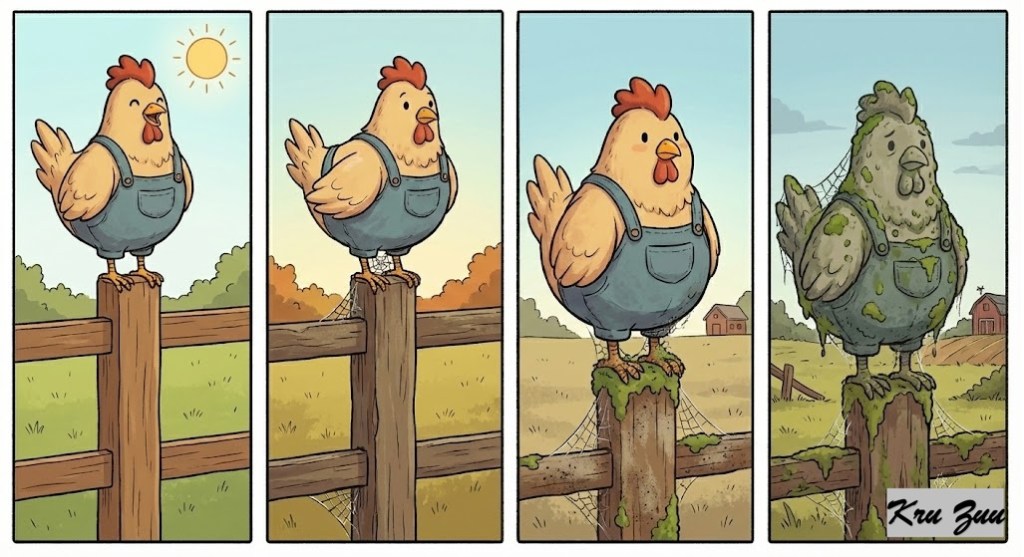
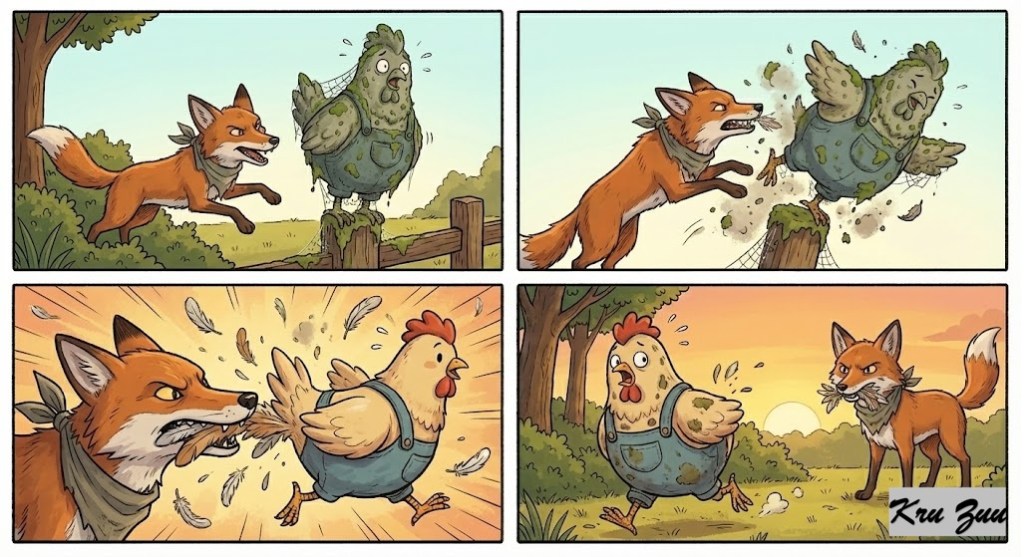
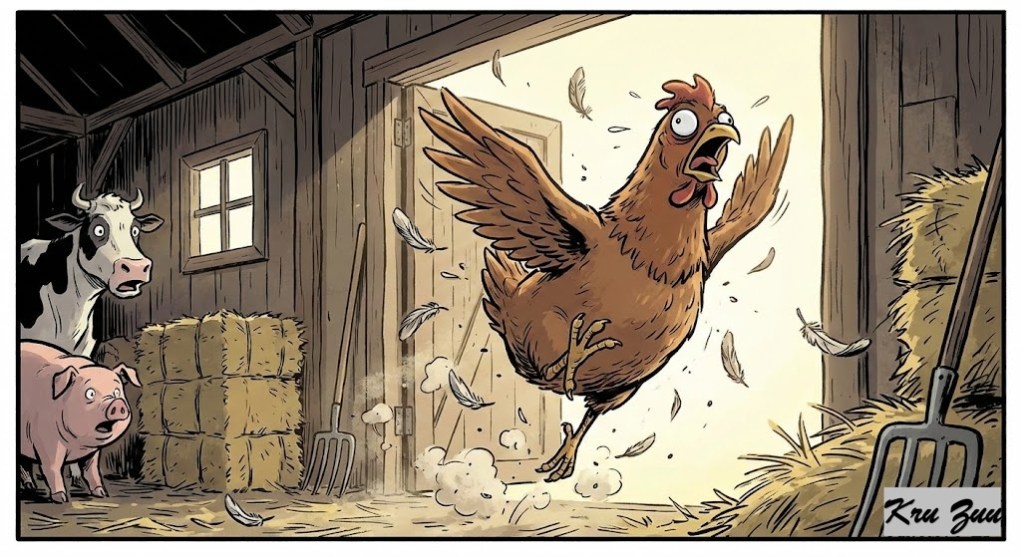
    Percy the Chicken (The Show-Off):
    Always believes the brightest, newest, and most noticeable thing is the best. He trusts appearance 100%.


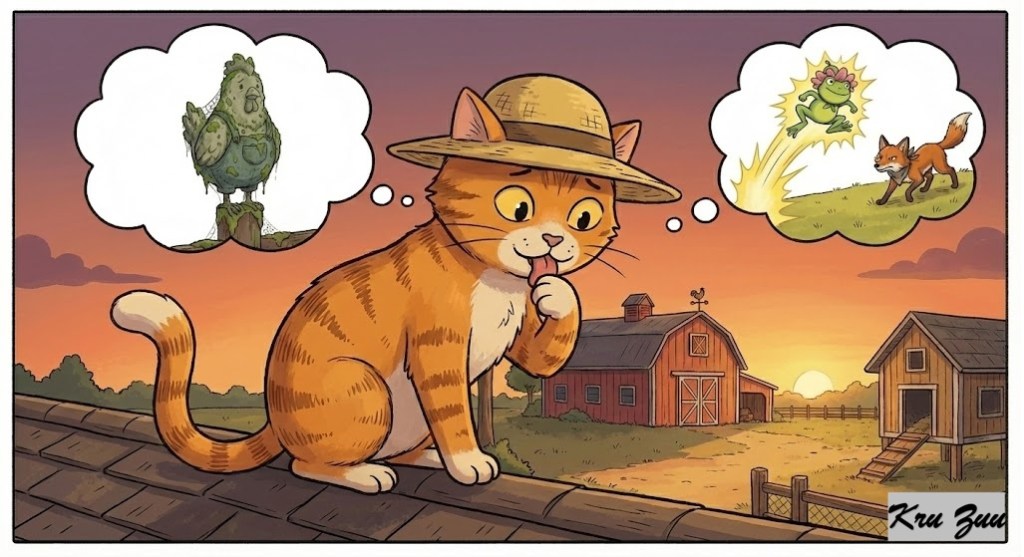
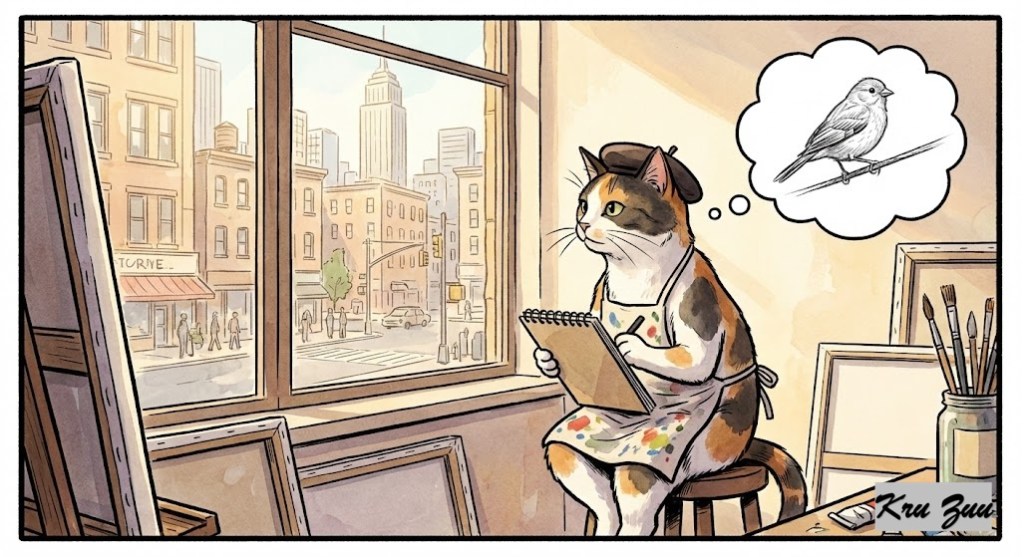
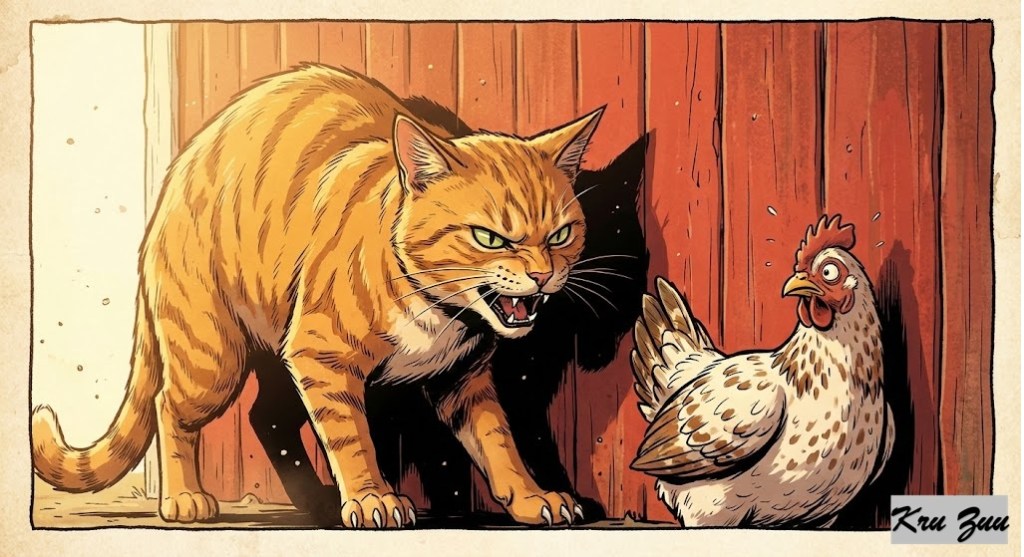
    Luna the Cat (The Practical Observer): Quickly assesses the situation and often prefers to act on the first impression. She favors outward beauty.


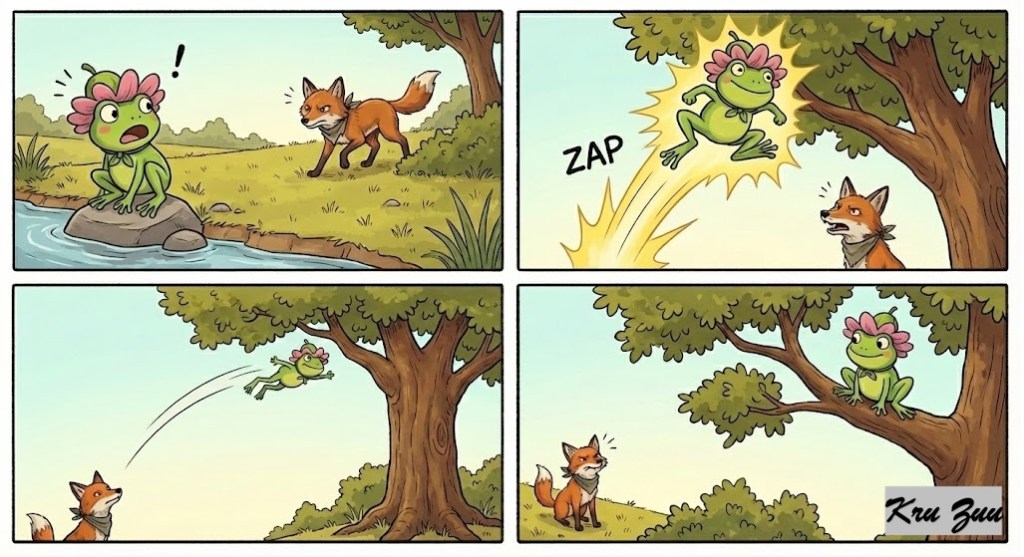
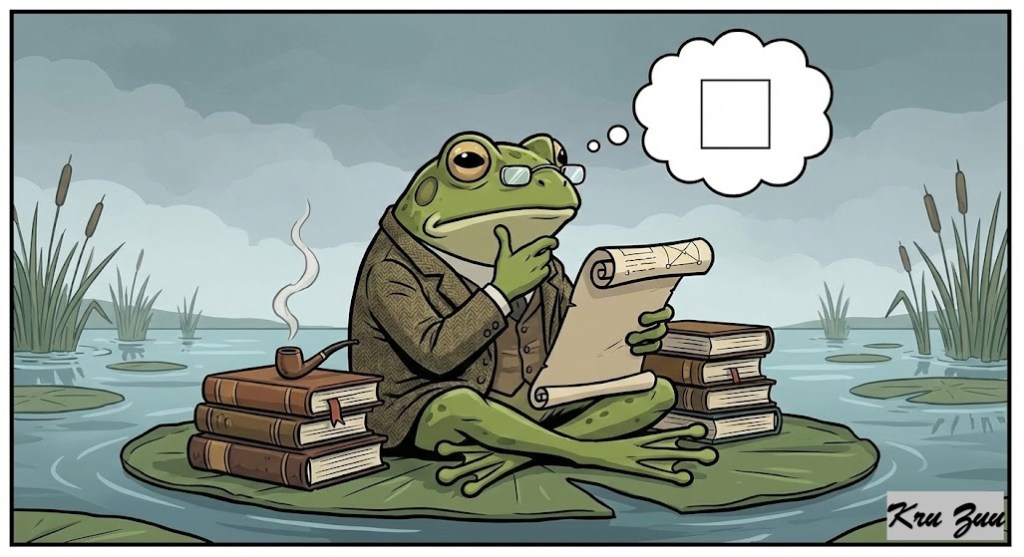
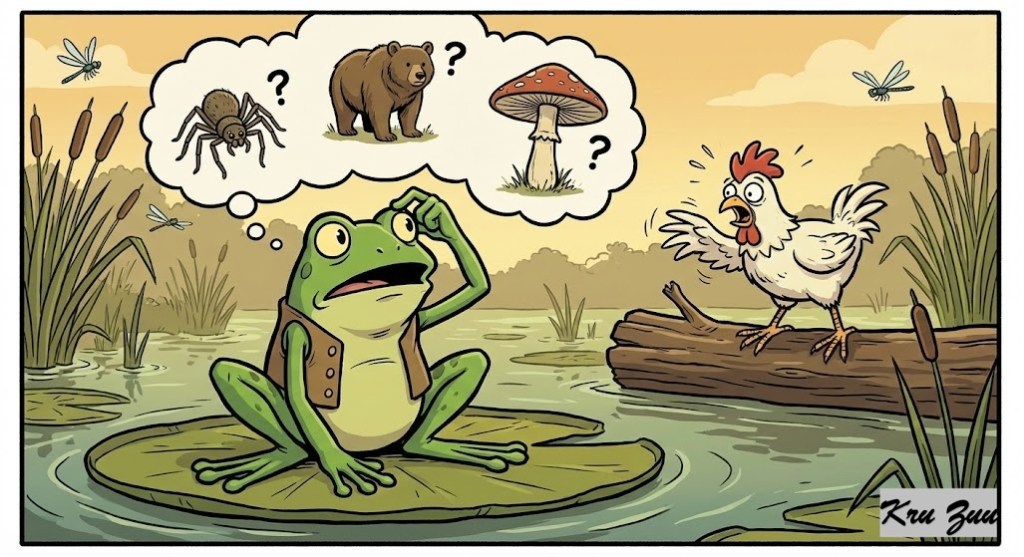
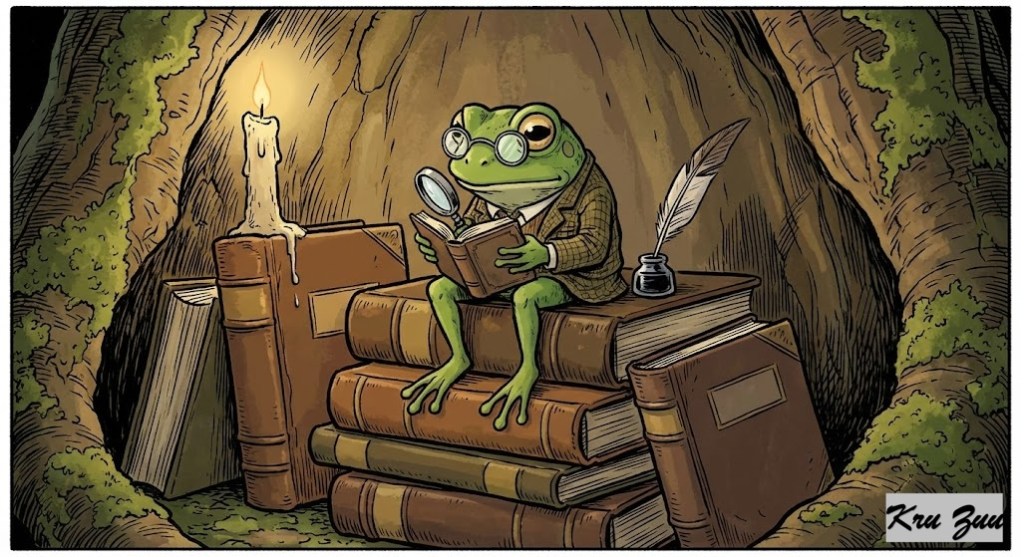
    Fred the Frog (The Value Expert): Ignores appearance. He always focuses on something’s true function, what it does, and the power within.


    One day, the lock on the old barn door was stuck. No one could get inside.


    Luna brought a shiny, gleaming silver key. “Let’s try this one,” Luna said. “Look how bright and new it looks!”


    Fred held a rusty, crooked key he had found in the muddy dirt on the ground. “The cover doesn’t matter,” Fred mumbled. “What matters are the teeth of the lock.”


    Percy, as usual, chose the bright and showy option. “Of course, Luna’s will work! Look at yours, Fred, it’s completely dirty and rusty!”


    Luna tried to insert the silver key into the lock, but the key was too large. The lock didn’t budge. Luna was disappointed.


    Fred quietly took the small, rusty key. The exterior of the key looked terrible, but its function was perfect. Click! The lock opened instantly.


    Percy’s mouth dropped open. “Unbelievable! It looked so bad…”


    Fred shrugged as he walked through the unlocked door. “You shouldn’t look at the outer shine, but at the correct function inside. Don’t judge a book by its cover.”


    In this story, the characters represent our tendency to judge:


    The Silver Key (Luna’s Choice):
    High Appearance, Low Function (Being fooled by showiness)


    The Rusty Key (Fred’s Choice): Low Appearance, High Function (Focusing on true value)


    The Lock: Opportunity (The path to valuable things)

    Lesson for English Learners


    A native speaker explaining a complex grammar rule might sometimes sound unenthusiastic or have slow English. (The Rusty Key)
    Conversely, someone teaching you simple greetings with a perfect accent on social media might know nothing about the depth of the language. (The Silver Key)
    True learning value is always more important than outward appearance.


    What do you think? Have you ever missed a “rusty key” in your life, or regretted judging something by its cover? Tell me in the comments!

    By Zubeyir YURTKURAN

    https://www.facebook.com/BrainBattleground/

    https://www.facebook.com/zubeyr.yurtkuran/

    https://www.instagram.com/zubeyryurtkuran/

  • Talk is Cheap: The Truth About “Actions Speak Louder Than Words”

    Talk is Cheap: The Truth About “Actions Speak Louder Than Words”

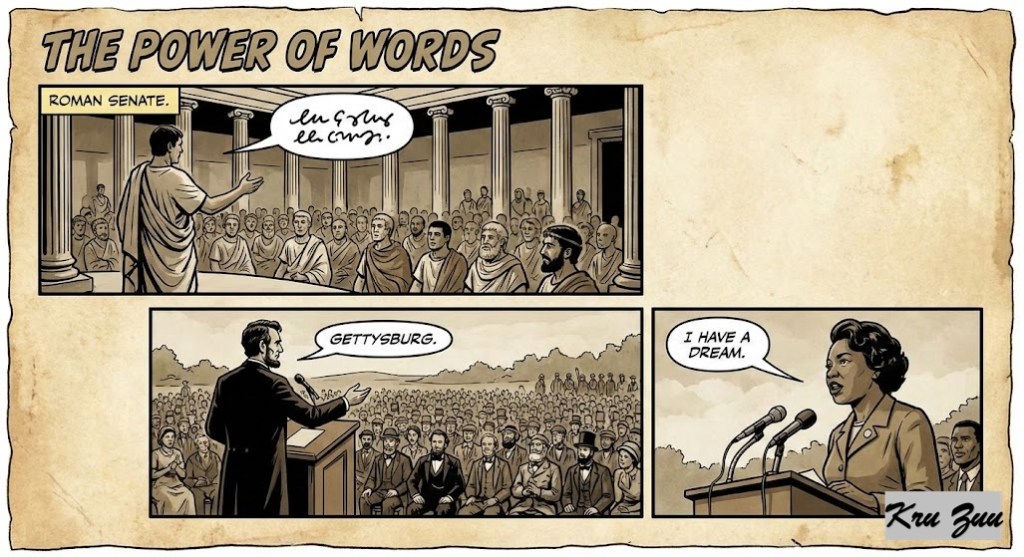
    🔥 The Word: I’m going to study all night and ace the big exam! 🎮 The Action: You spend 3 hours playing video games, and suddenly realize you haven’t studied for the test tomorrow.


    🔥 The Word: I’ll just scroll through TikTok “for 5 minutes.” 📱 The Action: You look up to see that two hours have vanished without gaining anything.


    🔥 The Word: I’ll finish this project perfectly, I promise. 🛠️ The Action: You haven’t started a single step because you were waiting for the “perfect time” or the “perfect plan.”


    Life has a strict rule that successful people know well: “Actions Speak Louder Than Words.”


    In this post, we are looking at the most famous proverb about getting things done. Put down your phone, focus your mind, and let’s dive into the power of execution. 🚀

    The Anatomy of the Proverb


    Let’s look at the mechanics of this famous phrase.


    📚 Vocabulary Vault


    Action (Noun):
    A thing done, often in pursuit of a purpose. (Reading a book, sending an email, writing code). 🛠️


    Word (Noun): A spoken or written statement; the expression of an intention. (I will do, I will start, I will try). 📝


    🧠 Grammar Focus


    This sentence is a comparative idiom that delivers a strong message.
    Formula: Action + [speak louder than] + Word.
    The Meaning: Deeds and accomplishments carry more value and impact than mere promises or intentions. A Word is a promise, but an Action is the fulfillment of that promise.

    History: Intention is Not Enough


    Who turned this idea into a famous saying? People have always criticized those who talk big but fail to deliver.


    The Origin: While there is no single inventor of the exact phrase, the philosophy is ancient. It echoes the sentiment of the Roman poet Ovid, who lived in the 1st Century BC: “Deeds are words, and words are merely air.”


    The Lesson: Success depends not on how well you speak, but on how much you do.

    Impact on Life: The Pros & Cons


    Is living by action alone a good way to live? Let’s weigh the options.


    ✅ The Pros (Why it helps)


    Trustworthiness: When you say you will do something and then you actually do it, people trust you. Trust is the most valuable asset in life and career.


    Momentum: It stops procrastination. Instead of waiting for the “perfect moment,” it encourages you to take a small step now. Every small action builds momentum. 🧗


    Focus: It teaches you to spend your energy on producing results rather than crafting excuses or making intricate, non-executed plans.


    ❌ The Cons (Why it can be tricky)


    The Perfectionist Trap: The pressure to constantly act might cause you to rush without proper planning. Actions that are poorly thought out can lead to failure.


    Neglecting Communication: Sometimes, saying something (asking for feedback, stating an intention) is important. Focusing solely on action might cause you to neglect crucial planning and communication with others. 🧘

    Short Story: The Empty Basket


    To understand this better, let’s visit our friends on the farm again.


    It was a bright autumn morning. Percy the Chicken, Luna the Cat, and Fred the Frog were sitting under the Great Walnut Tree. 🌳


    “Today,” announced Percy, puffing out his chest, “I am going to work hard and gather all these walnuts! I will bake a magnificent cake, and the whole farm will be impressed!” 📣


    Luna the Cat rolled her eyes. “That sounds lovely, Percy. But you are just talking.”


    Fred the Frog, with his small basket, had already begun hopping under the tree. He worked slowly but surely, picking up the fallen walnuts and placing them in his basket. 🐸


    Percy ignored him. He continued to dream out loud, looking at the nuts. “First, I must create a detailed plan. What is the best recipe for my cake? Are these walnuts of suitable quality?” Percy spent a full hour talking about his perfect plan and how wonderful his cake would be. 😴


    An hour passed. Suddenly, the farmer arrived with a large cart to collect all the scattered walnuts for himself.


    Percy squawked in surprise. “No! My walnuts! I was just about to start!”


    Fred sat on a dry rock, holding his full basket. “While you were talking about your cake, I was collecting these,” Fred said. “Your basket was full of imaginary biscuits. My basket is full of real walnuts.”


    Percy stared sadly at his empty basket.


    “I see now,” Percy whispered sadly. “I only spoke. Fred took action. My words were worthless.”


    In this story, the characters represent how we manage our intentions:
    Percy
    : Empty Words (The one who talks a lot and procrastinates) 😵
    Fred: Action/Execution (The one who uses the moment wisely) 🤓
    The Farmer: Missed Opportunity (The value lost while you were only talking) 🌪️

    Learning English takes action. You cannot buy fluency.
    If you study for 10 minutes every day (Fred’s method), you are executing your plan.
    If you only say “I will start tomorrow” and wait until the night before the exam (Percy’s method), you will find that your goal remains only a hollow promise.


    💬 What about you? When you have a new idea, do you start with a small, immediate action, or do you keep planning until everything is perfect? Tell me in the comments! 👇

    By Zubeyir YURTKURAN

    https://www.facebook.com/BrainBattleground/

    https://www.facebook.com/zubeyr.yurtkuran/

    https://www.instagram.com/zubeyryurtkuran/

  • Clocks, Coins, and Lost Opportunities: The Truth About “Time is Money”

    Clocks, Coins, and Lost Opportunities: The Truth About “Time is Money”

    We have all been there.

    🎮 You spend 3 hours playing video games, and suddenly you realize you haven’t studied for the big exam tomorrow.

    📱 You scroll through TikTok “for just 5 minutes,” but look up to see that two hours have vanished.

    🚌 You arrive at the bus stop 1 minute late, and now you have to wait an hour for the next one.


    Life has a strict rule that successful people know well: “Time is money.”
    In this post, we are looking at the most famous proverb about productivity. Put down your phone, focus your mind, and let’s dive in⏱

    The Anatomy of the Proverb


    Let’s look at the mechanics of this famous equation.


    📚 Vocabulary Vault


    Time (Noun):
    The indefinite continued progress of existence (measured in seconds, minutes, hours). 🕰️


    Money (Noun): A current medium of exchange in the form of coins and banknotes. 💵


    🧠 Grammar Focus This sentence is a perfect example of a Metaphor.


    Formula: Time + [is] (Linking Verb) + [money] (Subject Complement).
    The Metaphor: We aren’t saying time looks like a coin. We are saying time functions like money. You can “spend” it, “save” it, “waste” it, or “invest” it. But unlike money, once you spend time, you can never earn it back!

    History: Benjamin Franklin’s Advice


    Who turned this idea into a famous saying? It wasn’t a king or a warrior, but one of the Founding Fathers of the United States.


    The Origin: In 1748, Benjamin Franklin wrote an essay titled “Advice to a Young Tradesman.”


    The Meaning: He wanted to teach young workers that if they take a day off from work to be lazy, they aren’t just “saving energy.” They are actually losing the money they could have earned that day.


    The Lesson: Every second you do nothing is a potential value lost.

    Impact on Life: The Pros & Cons


    Is living by the clock a good way to live? Let’s weigh the options.


    ✅ The Pros (Why it helps)


    Motivation: It stops procrastination. Remembering that your time has value pushes you to work on your goals now instead of “later.”


    Efficiency: It encourages you to find faster, smarter ways to do things so you don’t “waste” your valuable hours. 🚀


    ❌ The Cons (Why it can be tricky)


    Stress: If you think every second must be “profitable,” you might feel guilty for relaxing.


    Burnout: Humans are not machines. Sometimes, “wasting time” with friends or a hobby is actually good for your mental health. 🧘‍♂

    Short Story: The Falling Berries


    To understand this better, let’s visit our friends on the farm again.


    It was a windy autumn afternoon. Percy the Chicken, Luna the Cat, and Fred the Frog were sitting under the Great Mulberry Tree. 🌳


    Suddenly, a strong gust of wind shook the branches. Plop! Plop! Plop! Hundreds of delicious, sweet purple berries fell onto the grass.


    “Wow!” shouted Percy. “A buffet! Look at all this free food!” He picked up one berry, ate it slowly, and then laid down on the soft grass. “I will eat the rest later. Right now, I want to take a nap in the sun.” 😴


    Luna the Cat shook her head. “I don’t eat berries,” she said, “but the farmer pays us in treats if we collect them for him. The wind is blowing harder, Percy.”


    Fred the Frog was already hopping fast, putting berries into a small basket. “Hop to it, Percy! The storm is coming. Time is money!” 🐸


    “Relax, Fred,” clucked Percy, closing his eyes. “The berries aren’t going anywhere. I have plenty of time.”


    Ten minutes passed. Fred worked hard. Percy snored.


    Suddenly, the sky turned dark. WOOSH! A massive storm wind blew across the farm. It was so strong that it blew all the uncollected berries into the muddy river nearby. They were gone instantly. 🌧️


    Percy woke up with a start. “My lunch! My berries!” He ran around, but the grass was empty.


    Fred sat on a dry rock, holding his full basket. “I collected these while you slept,” Fred said. “I used my time to get value. You used your time to nap, and now you have nothing.”


    Percy’s stomach grumbled. He looked at the empty grass and frowned.


    “I see now,” Percy whispered sadly. “I spent my time poorly, and it cost me my lunch. Time really is money.”

    In this story, the characters represent how we manage our time:
    Percy:
    Procrastination (Waiting until it is too late) 😵
    Fred: Productivity (Using the moment wisely) 🤓
    The Wind: Unforeseen Circumstances (Things we can’t control) 🌪️


    Lesson for English Learners:

    Learning English takes time. You cannot buy fluency. If you study for 10 minutes every day (Fred’s method), you are “investing” your time. If you wait until the night before the exam (Percy’s method), you will find that you are “bankrupt.”


    💬 What about you? Do you prefer to “spend” your free time relaxing, or do you like to “invest” it in learning new skills? Tell me in the comments! 👇

    By Zubeyir YURTKURAN

  • Why You Shouldn’t Trust Your Eyes: A Lesson on Glitter and Gold

    Why You Shouldn’t Trust Your Eyes: A Lesson on Glitter and Gold

    Shakespeare, Chickens, and Fake Gold: The Truth About “All That Glitters”

    We have all been there.
    🍔 A job offer that looks perfect on paper but turns out to be a nightmare.

    🎁 A beautifully packaged meal that tastes like cardboard.

    😎 A person who looks incredibly cool on Instagram but has zero personality in real life.


    Life has a way of teaching us this lesson over and over again: “All that glitters is not gold.”
    In this post, we are putting one of the most popular and historically rich English proverbs under the microscope. Grab your coffee, and let’s dive in! ☕

    The Anatomy of the Proverb


    Let’s break this sentence down like a linguist.
    📚 Vocabulary Vault
    Glitter (Verb):
    To shine with a bright, shimmering, reflected light (think of a disco ball or a diamond). ✨


    Gold (Noun): A precious yellow metal. In this context, it represents anything that is “genuine,” “valuable,” or “real.” 🏆

    🧠 Grammar Focus
    Here is the secret formula of the sentence:
    All (Subject) + [that glitters] (Relative Clause) + is (Verb) + not gold (Object/Complement).
    The Relative Clause: The phrase “that glitters” defines the subject “All.” We aren’t talking about everything in the world, just the things that shine.
    Subject-Verb Agreement: Watch out! In this proverb, “All” acts as a singular concept (everything). That’s why we say “glitters” (with an -s) and “is” (not are).

    History: Aesop or Shakespeare?


    The roots of this saying go deeper than you might think. It’s a battle between Ancient Greece and Renaissance England!


    🏛️ Ancient Roots: As far back as the 6th Century B.C., the Greek storyteller Aesop explored the idea that “not everything that looks good is actually good” in his fables.


    🎭 The Shakespeare Touch: The proverb became a celebrity thanks to William Shakespeare. In his play The Merchant of Venice (1596), a character chooses a gold casket hoping to win a prize, only to find a scroll inside that reads: “All that glisters is not gold.”


    Fun Fact: Shakespeare used the old word “glisters.” Over centuries, language evolved, and by the 19th century, we switched to the modern word “glitters.”

    Impact on Life: The Pros & Cons


    Should you adopt this proverb as your life philosophy? Let’s weigh the options.


    ✅ The Pros (Why it helps)
    Critical Thinking:
    It encourages you not to trust first impressions blindly. It pushes you to look beneath the surface.


    Protection: Whether it’s a scam product or a “too good to be true” promise, this proverb acts as a shield against deception. 🛡️


    ❌ The Cons (Why it can be tricky)
    Cynicism:
    If you take it too far, you might become overly suspicious of everyone, unable to trust sincere people.


    Missing the Beauty:
    Sometimes, things are just beautiful because they glitter, and that is enough. Constantly looking for a “flaw” might make you miss the joy of the moment.

    Short Story: The Shiny Pebble


    To understand this better, let’s visit our friends on the farm.
    It was a bright, sunny morning. Percy the Chicken, Luna the Cat, and Fred the Frog were relaxing near the farm pond. ☀️


    Suddenly, Percy froze. He saw something shining at the bottom of the shallow water. It was bright, sparkly, and yellow.


    “Look!” clucked Percy, his feathers puffing up with excitement. “A piece of the sun has fallen into the water! It must be magic gold corn. I will eat it and become the King of Chickens!” 👑


    Luna the Cat yawned lazily and licked her paw. She looked at the shiny object with narrowed, skeptical eyes. “I wouldn’t do that if I were you, Percy,” she purred. “It looks sharp. Not everything that shines is food.” 🐱


    “You are just jealous because you didn’t find it first!” shouted Percy. He prepared to jump into the water to peck the treasure.


    Just then, Fred the Frog hopped onto a lily pad right next to the object. He looked at it closely, blinked his big eyes, and laughed. “Croak! Percy, stop!” 🐸


    “Move away, Fred! That is my gold!” Percy insisted, flapping his wings.


    Fred stuck out his long, sticky tongue and flipped the object over. It wasn’t gold. It wasn’t magic corn. It was just a jagged, sharp piece of a broken yellow soda bottle.


    “The sun makes it shine,” said Fred wisely, “but underneath, it is just dangerous trash.”


    Percy stopped in his tracks. He realized he had almost cut his beak on a piece of glass. He looked at his friends, lowered his head, and sighed.
    “I guess all that glitters is not gold,” Percy admitted.

    In this story, the characters represent different mindsets:


    Percy:
    Naivety and Greed 😵
    Luna: Skepticism 🧐
    Fred: Experience and Truth 🤓


    Lesson for English Learners: When learning a language, fancy words (glitter) are nice, but knowing how to use simple words correctly (gold) is often much more valuable.


    💬 What about you? Have you ever experienced a moment where “all that glitters was not gold”? Tell me in the comments!

    By Zubeyir YURTKURAN

    https://www.facebook.com/BrainBattleground/

    https://www.facebook.com/zubeyr.yurtkuran/

    https://www.instagram.com/zubeyryurtkuran/
  • Wisdom of the Past, Guide for Today: An Introduction to the World of Proverbs

    Wisdom of the Past, Guide for Today: An Introduction to the World of Proverbs

    Learning a language isn’t just about memorizing grammar rules or reciting vocabulary lists. To truly “live” a language, you must step into its culture, history, and mindset. This is exactly where “Proverbs” come into play.

    In this new blog series, we will dive deep into the depths of English proverbs. But before we analyze them one by one, let’s answer the fundamental question: Why do these sentences occupy such a large place in our lives?


    How Did Proverbs Enter Our Lives?

    Proverbs are as old as human history itself. Before writing became widespread, humans had to pass down their experiences, agricultural knowledge, weather predictions, and moral lessons to the next generation orally.


    Anonymous Authors: The authors of most proverbs are unknown. They are the product of the collective memory of the people and thousands of years of trial and error.


    Cultural DNA: You can understand what a society values, fears, or condemns by looking at its proverbs. An English proverb might carry traces of Britain’s maritime history or rural life in America.


    What is the Main Purpose of Using Proverbs?


    Why do people prefer to use a short proverb instead of giving a long explanation?


    Providing Authority: To add weight to an argument by saying, “As our ancestors said…”
    Simplifying Complexity: To summarize a difficult situation in a single sentence using a metaphor that everyone knows.
    Advice and Warning: To warn future generations (or the person being spoken to) against potential dangers.

    Proverbs in Language Learning: The Pros (Benefits)


    Why is mastering proverbs a “superpower” for an English learner (or teacher)?


    Naturalness (Fluency):
     Using a proverb in the right context instantly makes your English level appear closer to C1/C2. Native speakers use them frequently in daily life.


    Cultural Connection: It allows you to build a deeper bond with the people who speak the language. It makes it easier to understand their jokes and references.


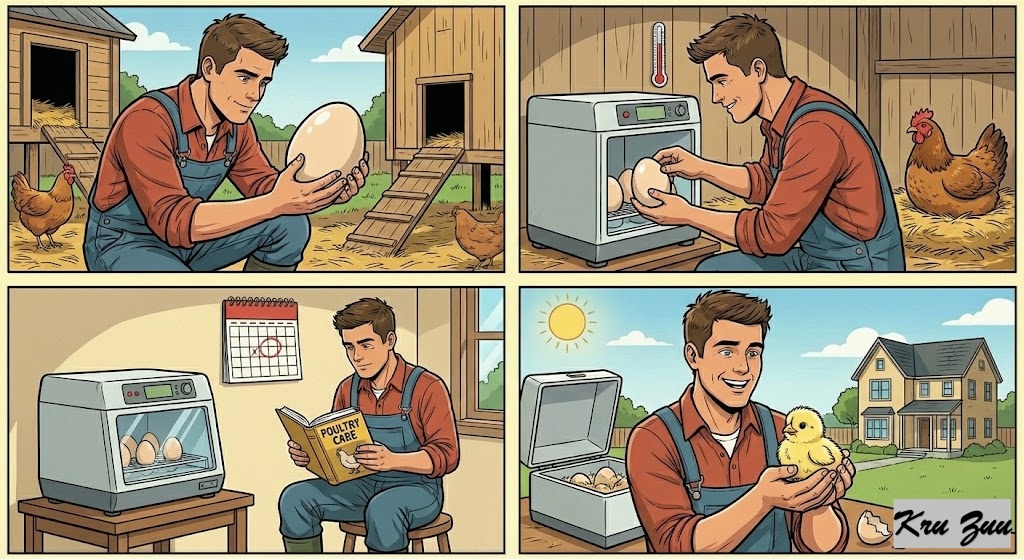
    Expressive Power: Sometimes paragraphs aren’t enough to describe your feelings, but saying “Don’t count your chickens before they hatch” summarizes everything perfectly.

    Things to Watch Out For: The Cons (Limitations)


    Powerful as they are, proverbs can be tricky. Here are the “harmful” or “challenging” aspects you need to be aware of:


    Generalizations: Proverbs are not 100% true for every situation. sometimes they ignore the gray areas and cause you to overgeneralize.


    Contradictions: Almost every proverb has another proverb that argues the exact opposite.
    Example: While one says “Birds of a feather flock together,” another says “Opposites attract.” Which is true? It depends on the context!


    Misunderstandings: Not knowing the difference between the literal meaning and the figurative meaning can lead to funny or embarrassing situations.


    Old-Fashioned Ideas: Some very old proverbs may not align with modern values (such as gender equality). Using them without knowing the historical context can be risky.

    What Awaits You in This Blog Series?


    This is just the beginning! In the coming days, we will put the most popular and impactful English proverbs on the table one by one. In every proverb review, you will find:


    Grammar and Vocabulary Analysis: We will deconstruct the structures within.
    History: When and where was it first said?
    Storytelling: An original, memorable story that reflects the spirit of that proverb.


    If you are ready, our journey into the magical world of words begins now!

    By Zubeyir Yurtkuran

  • Facing Yourself at the End of the Day: The Voice of Conscience

    Facing Yourself at the End of the Day: The Voice of Conscience

    Reviewing what we have done at the end of the day is one of the most valuable moments to speak honestly with ourselves. It is not just about summarizing daily routines; it is about listening to the voice of our heart and examining our conscience.

    Did you break someone’s heart today? Did you unintentionally harm a living being? How did that make you feel? Is your conscience at peace, or is it troubled? All these questions guide you to face yourself at the end of the day. Because when alone, a person can recognize their mistakes, accept their faults, and say, “Yes, this was my mistake.”

    Remember, making mistakes is part of being human. What matters is acknowledging the mistake, feeling uneasy about it, and making an effort not to repeat it. Making the same mistake a second time can be seen as an error, and a third time may be considered a choice. Sometimes, we may even be unsure whether what we did was truly a mistake. In my view, if there is even the slightest possibility that something was wrong, it is better not to repeat it, so you don’t constantly ask yourself, “Did I make a mistake? Did I do the same thing again?”

    People around you might sometimes say, “Don’t worry about it, these things happen.” Yes, mistakes happen and they will continue to happen. But what matters is understanding why you made the mistake, what you overlooked, and reflecting on it. This awareness is the key to avoiding the same mistake in the future.

    When thinking about the biggest mistake we can make in life, for me, it is slandering someone, harming them, or spreading false accusations without knowing the truth. That is why I stay away from gossip and avoid hurting others in matters I am not sure about. We walk a fine line, and unknowingly crossing it can lead to consequences that are hard to reverse.

    Facing yourself at the end of the day and doing this inner reflection not only clears your conscience but also guides your life, strengthens your decisions, and makes you a more conscious person. Never neglect this self-confrontation, because seeing your own truth is the greatest freedom.

    At the end of each day, taking a moment to reflect is one of the most powerful ways to be honest with yourself. It’s more than reviewing routines it’s listening to your heart and checking in with your conscience.
Did you hurt someone today, knowingly or unknowingly? How did it make you feel? Is your conscience calm, or uneasy? These questions guide you to face yourself, because when we are alone, we can truly acknowledge our mistakes and say, “Yes, this was my fault.”
Mistakes are part of being human. What matters is recognizing them, feeling the discomfort they cause, and striving not to repeat them. A second mistake can be seen as a lapse, a third as a choice. And sometimes, we may even question whether what we did was wrong. If there’s even a hint of doubt, it’s wiser not to repeat it to avoid asking yourself later, “Did I do it again?”
People may say, “Don’t overthink it; it happens.” True, mistakes happen. But understanding why they occurred, what went unnoticed, and reflecting on it is what prevents us from repeating them.
For me, the gravest mistake in life is harming someone with words spreading falsehoods or attacking them without knowing the truth. That’s why I avoid gossip and never wish to hurt others with uncertainty. Life often walks a thin line, and crossing it unknowingly can have lasting consequences.
Taking time at the end of the day to reflect doesn’t just ease your conscience it guides your choices, strengthens your decisions, and shapes you into a more mindful person. Face yourself honestly, because understanding your own truth is life’s greatest freedom.

    Facing yourself at the end of the day is one of life’s most valuable tests. Recognizing and accepting our mistakes makes us more conscious and responsible. Listen to your heart, examine your conscience, and make an effort not to repeat your mistakes. Remember, being human starts with making mistakes, but true maturity is shaped by learning from them and choosing the right path. Be honest with yourself, because seeing your own truth is the greatest guide in life.

  • “Not What I Planned, but Exactly What I Needed”

    “Not What I Planned, but Exactly What I Needed”

    Dreams, Plans, and What Time Brings: Could the Journey Be the Answer?

    What we dream of and what life actually gives us often don’t follow the same path. Sometimes we set a goal, make a plan, and wait with hope. But when things don’t go as we imagined, we start asking ourselves:

    “Was my plan wrong?”

    “Or is life simply leading me somewhere else?”

    Dreams bring peace and hope to the human mind. But when dreams don’t come true one by one, that peace slowly turns into anxiety and eventually, pessimism sits beside us like an old friend.

    At that point, you may even begin to ask, “Should I stop dreaming altogether?”

    I believe there’s a difference between a planned dream and an unplanned one. A planned dream requires patience, time, and effort. An unplanned dream depends more on luck, fate, or a miracle. People who lack patience usually find themselves hoping that luck is on their side. They say, “Maybe it wasn’t meant for me,” or “It just wasn’t my destiny.”

    But sometimes it’s not about fate or destiny it’s about readiness.

    When I dream, I always consider the reality of it. I ask myself:

    Is this dream even possible?

    Do I have the patience, discipline, and willpower to follow through?

    And most importantly: Is this dream worth the wait?

    Back in high school, I was excited about many different careers. Doctor, actor, engineer, traveler, teacher… But deep down I knew, we can’t have every job in real life. There was only one way forward: try something.

    So, I tried acting. I failed. And while I was disappointed at the time, looking back now, I see that failure pushed me in a new direction.

    I studied psychology and eventually became a teacher something that was never in my original plans. But life had different conditions.

    Now I’m working as a teacher abroad. It’s exciting, sometimes stressful, sometimes fun, and occasionally exhausting.

    But in the end, I realize: while teaching others, I am also learning.

    My communication skills improve. I gain confidence.

    I learn interesting things that make me go, “Wow, I didn’t know that!”

    I never planned to gain this kind of personal growth from teaching but here I am, growing anyway.

    That’s the power of what time and life can bring you when you’re open to it.

    This Wasn’t My Plan And I’m Grateful for That

    Don’t resist life’s surprises. Instead, be ready for them. Sometimes the dreams you chase may not come true because something even better is on the way.

    Make your plans, but give time some space.

    If your plan doesn’t work, don’t lose hope.

    Shift your focus. Create new plans.

    Think in possibilities, not limitations.

    Take the step.

    Because one day, you’ll either say:

    “I’m glad I tried,”

    or

    “I wish I had tried.”

    And trust me, the first one feels so much better.

    So if your path ever twists away from your original dream, don’t see it as failure see it as redirection. Sometimes, the road you didn’t choose becomes the journey that shapes you the most. Let your plans guide you, but let life teach you.

    Keep dreaming but also keep growing.

    Because in the end, it’s not always about reaching the exact dream you had in mind…

    It’s about becoming the person who is ready no matter where the road leads.

    With love and respect,
    Zübeyir Yurtkuran

  • “Be the Master of Time: Discover Yourself, Plan, and Execute!”

    “Be the Master of Time: Discover Yourself, Plan, and Execute!”

    The Value of Time: Can We Understand Before It’s Too Late?

    Time… A word that slips off the tongue easily, yet it’s the most precious and irreversible thing in our lives. Money can be earned, objects can be fixed, and opportunities may come again. But once time is gone, there’s no way to bring it back. And most of the time, we only realize its value after it’s already too late.

    We say, “I wish I had done that earlier,” or “If only I had learned, tried, or started sooner…

    Time doesn’t just pass it drains us. It flows not only from our schedule but from our bodies, our souls, and our energy. Often, we don’t notice it while it’s happening. Every passing minute silently takes a piece of us. That’s why it’s crucial not only to plan and manage time but also to gain from it.

    So here’s the real question: Can we become friends with time?

    Planning Is Not Fate, It’s a Guide

    We can make perfect plans, but let’s not forget life doesn’t always follow the script. Sometimes the conditions change. Sometimes we change. Taking a different route at a crossroads doesn’t mean we failed. In fact, having the flexibility to redirect ourselves shows growth and courage.

    If Plan A doesn’t work, try Plan B. And if that doesn’t work, go all the way to Plan Z if needed. What matters is to stay on the road, to keep going.

    A new plan brings new energy. That’s why building alternative plans isn’t a weakness it’s a strength. Limiting yourself to a single path leads to fear of failure. But when you have options, you move with confidence and resilience.

    Mental and Physical Agility: Not Laziness, but Skill

    Handling multiple responsibilities is one of the best ways to use time efficiently. When we train our minds and bodies from a young age to be active and organized, we grow into productive adults who manage their time wisely.

    Being practical does not mean being lazy. On the contrary, practical people know when to act, how to act, and don’t waste time. They reach success quicker and smarter.

    For Young People and Students: Time is Gold

    For young individuals, the value of time is on a whole different level. School years shape the foundation of one’s life. If time is wisely used during this stage, it becomes a major advantage later. School subjects, of course, are a priority but what about your free time? That’s equally important.

    The first step is to get to know yourself:

    What excites you? What makes you lose track of time when you’re doing it? What topics stir your curiosity?

    Once you’ve discovered those, read books about them, watch documentaries, write your thoughts down, or even start a blog.

    If you already know what career you want, start preparing now step by step. If you dream of being a doctor, explore biology. If you want to be a writer, fuel your imagination by writing just one paragraph every day. Each step gets you closer.

    Beyond the Classroom: The Most Enjoyable Way to Grow

    Life is more than tests and grades. Learn an instrument. Join a sport. Volunteer. Get involved in the arts.

    All these enrich your time and your character not just your knowledge. They help you grow in confidence, self-discipline, and creativity.

    Love history? Watch documentaries, read books, visit museums.

    Love writing? Pour your emotions and observations onto paper. Maybe one day, those writings become a book.

    Explore what interests you and grow into yourself.

    Don’t Say “It’s Too Late” Know the Worth of Now

    Never believe it’s too late. In the journey of life, every step can be a fresh beginning.

    Don’t give up on yourself. No matter your age, the ability to manage and make the most of your time is something you can always develop. All it takes is awareness, persistence, and a little courage.

    And most importantly: Keep growing.

    This world needs practical, intelligent, and creative minds like yours.

    We believe in you. Now it’s time for you to believe in yourself and honor the value of time.

    A Final Thought to Carry With You

    Time is the invisible thread that weaves every moment of our lives into meaning. It doesn’t shout; it simply moves on quietly, steadily, irreversibly. Whether you’re a student dreaming big, an adult seeking direction, or someone simply wishing for a fresh start, remember this: time is not your enemy it’s your greatest tool.

    Don’t wait for the “perfect moment.” There’s power in beginning now, exactly where you are, with what you have. Start small, stay consistent, and let your actions shape the future you imagine.

    If this article inspired even one new habit, one new plan, or one spark of belief in yourself then it served its purpose.

    Time is not just a river that flows away it’s a current we can direct.

    Those who manage it well build bridges to the future.

    Start small today, and watch how you construct the great successes of tomorrow.

    Before time passes take the first step.

    Until next time,

    Use your time wisely, and never stop growing.

    With love and respect…

    With gratitude,
    Zübeyir Yurtkuran

  • “Do We See Through Conscience, or March to the Media’s Tune?”

    “Do We See Through Conscience, or March to the Media’s Tune?”

    When Did We Open Our Eyes? Or Were the Truths Always There, Hidden in Plain Sight?

    Was the world a better place when we were children?

    Or did we just think it was because we were too young to understand? Wars, betrayals for personal gain, favoritism, clinging to the powerful, idolizing the wealthy… Were these always there, but we simply couldn’t see them?

    Maybe growing up isn’t just about age maybe it’s about waking up.

    Real Faces, Fake Masks, and the Games of Perception

    Those once praised are now labeled as threats.

    “Did they really change, or are we only now beginning to see clearly?”

    Sometimes the truth isn’t black or white. Perhaps they were always the same. But we were shown a carefully crafted illusion. Media images, social conditioning, selective storytelling… What if the opinions we hold weren’t formed by our own minds but injected into us through calculated influence?

    When Interests Take Over, Does Innocence Stand a Chance?

    It’s easy to glorify someone but what if that praise hides personal agendas?

    And what if someone who was quiet, kind, and pure suddenly becomes a target? Maybe they just stood in the way of the wrong people.

    Today’s world, with its fast and flashy media, almost commands us to think a certain way. Reflection? It’s discouraged. Independent thinking? Inconvenient.

    But we must pause.

    Before You Judge, Listen to the Whole Story

    No one is completely good or evil overnight. Everyone has a past. A story. A journey.

    Before judging someone, have we truly listened to their full story?

    Look at their values. Their decisions in difficult times. Their perspective on life, their dreams for the future. These are what truly reveal who they are not a tweet, not a trending post, not a viral video.

    Are Our Minds Being Controlled While Our Conscience Sleeps?

    One of the greatest traps in modern society is this: Accepting without questioning.

    A headline, a trending hashtag, a viral clip… and suddenly, we’ve formed an opinion.

    But what if we took a step back? What if we just asked ourselves:

    “Does this really feel right?”

    If your heart feels a discomfort, even a small one, then it’s time to pause. The eyes can be deceived, the ears misled but the conscience is rarely wrong.

    Justice Means Staying Fair Even to the Ones We Love Most

    When someone you love does something wrong, staying silent is easy.

    But real justice begins there.

    No matter who the person is friend or foe standing for what’s right is both a moral duty and a true act of care. Perhaps your courage will be the very thing that helps them correct their path. Sometimes, the hardest truth is the greatest gift you can give.

    Let Courage, Justice, and Conscience Be Your Compass

    We live in a world full of noise, manipulation, and confusion. But ultimately, we decide who we are.

    Think with reason. Feel with empathy. Judge with conscience.

    Let courage guide your steps. Let justice shape your words. Let conscience light your path.

    Don’t rush to judge. Learn to understand. And above all, in a world full of shadows, choose to stay human.

    And Now… It’s Your Turn.

    If you’ve made it this far, perhaps a part of you has already begun to question not just the world, but the lens through which you see it.

    The masks, the media, the noise… They won’t stop.

    But your awareness? That’s your shield.

    Your conscience? That’s your compass.

    Your courage? That’s your power.

    So before you follow the crowd, pause.

    Before you condemn someone, listen.

    Before you believe what you’re told, think.

    Because true strength doesn’t lie in loud opinions or fast judgments.

    It lies in the quiet courage to remain human in a world that constantly tries to take that from you.

    Stay awake.

    Stay curious.

    Stay kind.

    And above all… stay true to the voice inside you that still knows the difference between illusion and truth.

    With love and respect,
    Zübeyir Yurtkuran

  • Our Struggle with Technology:

    Our Struggle with Technology:

    A Blessing or a Threat?

    Technology… For some, it is the greatest blessing of our time; for others, it is the most dangerous addiction of the modern age. While this debate has been ongoing for years, my opinion is clear: When used in moderation, technology is a powerful tool and opportunity.

    As a teacher, I benefit from technology in many ways. From researching lesson topics to enhancing my presentations with photos and videos, technology has helped me keep my students engaged and motivated to learn. I am truly grateful for what it offers.

    But as the saying goes, “Every rose has its thorns.”

    The thorns of technology its risks can overshadow all its beauty when we ignore them. If we pay attention while holding the rose, we can enjoy its fragrance. The same goes for technology:

    If we handle it carefully, it can bring beautiful results to our lives.

    Who Controls Whom?

    Here’s where the real question begins:

    Do we control technology, or does it control us?

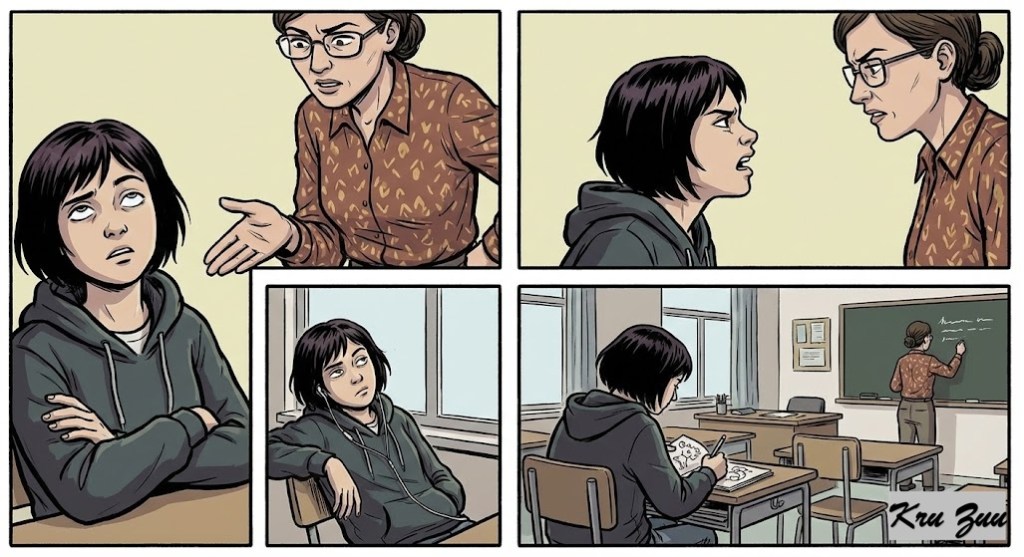
    Sadly, in some of my students, I’ve observed that the control has shifted. It’s no longer the students using technology; rather, technology has started using them.

    This pushed me to reflect more deeply and take action.

    Because the future belongs to these children and we cannot let their minds be shaped by thoughtless scrolling or emotionless consumption.

    The younger generation should not be poisoned by the harms of technology but instead benefit from its advantages.

    My Approach: Observation, Gentle Warnings, Clear Boundaries

    To reduce this issue or even solve it at its root I’ve tried and continue to apply various strategies:

    Carefully observing students during class breaks

    Creating an awareness that they are being watched

    Keeping them occupied with small assignments

    Asking surprise questions and making them expect more at any moment

    Not rushing to punishment, but giving a first warning

    If a student is caught again using a device unrelated to the lesson, they know there will be consequences. These may include changing their seat, answering a quick quiz, or temporarily taking away the device.

    Respect for Technology, Backed by Discipline

    I have great respect for technology.

    I fully support its use for educational purposes.

    But when it comes to personal, unrelated use during lesson time, a firm and clear boundary must be set.

    This not only protects classroom focus but also helps students realize that technology is useful for research, learning, and communication not just for games or social media.

    In Conclusion…

    Otherwise, we risk handing over the future not to human minds, but to emotionless, thoughtless patterns of behavior shaped by machines.

    My method is built on three principles:

    Balance, willpower, and guidance.

    With these, technology becomes our servant not our master.

    Let’s Shape a Healthier Digital Future Together

    Technology is not going anywhere it’s evolving faster than ever. So instead of resisting it, let’s learn to guide it with purpose.

    As educators, parents, and role models, our influence can help young minds build healthy habits, set digital boundaries, and make the most of technology’s limitless potential.

    What about you?

    How do you manage technology in your classroom or home?

    Have you faced similar struggles with screen time and attention?

    What solutions worked or didn’t work for you?

    I’d love to hear your thoughts, strategies, or questions. Feel free to leave a comment or share this post with other teachers and parents who care about shaping a more mindful, balanced relationship with technology.

    Together, we can raise a generation that uses technology wisely, responsibly, and creatively.

    Thanks for reading

    Zübeyir Yurtkuran