Tag: Mental Health

  • 🛡️ The Daily Shield: The Law of Silent Safety

    🛡️ The Daily Shield: The Law of Silent Safety

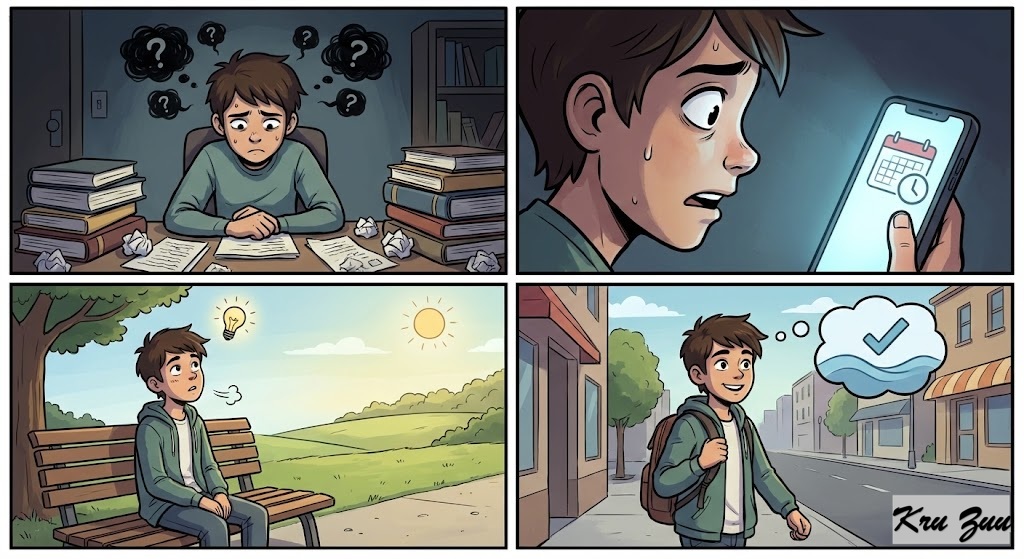
    “No news is good news.”


    😈 The Villain (The Anxiety Spinner)

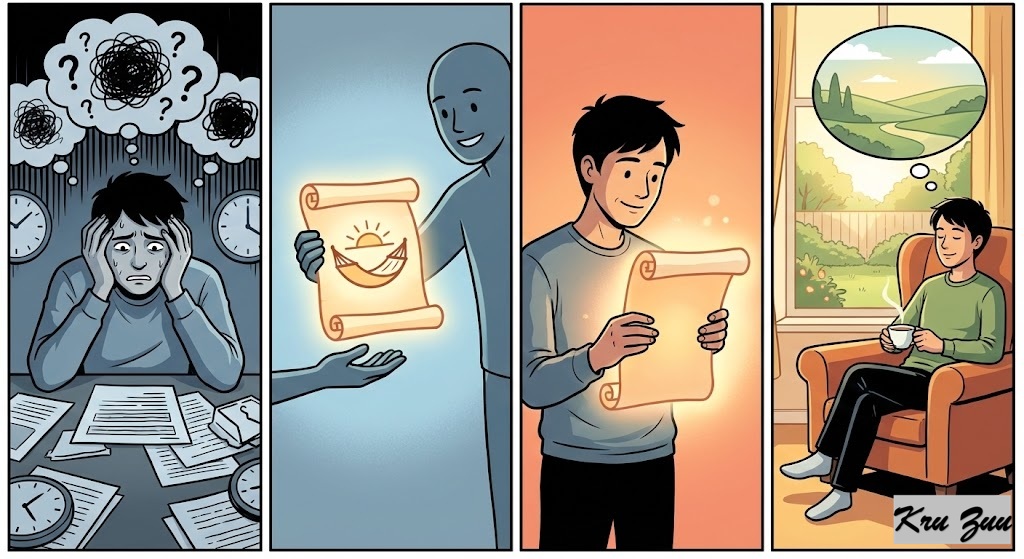
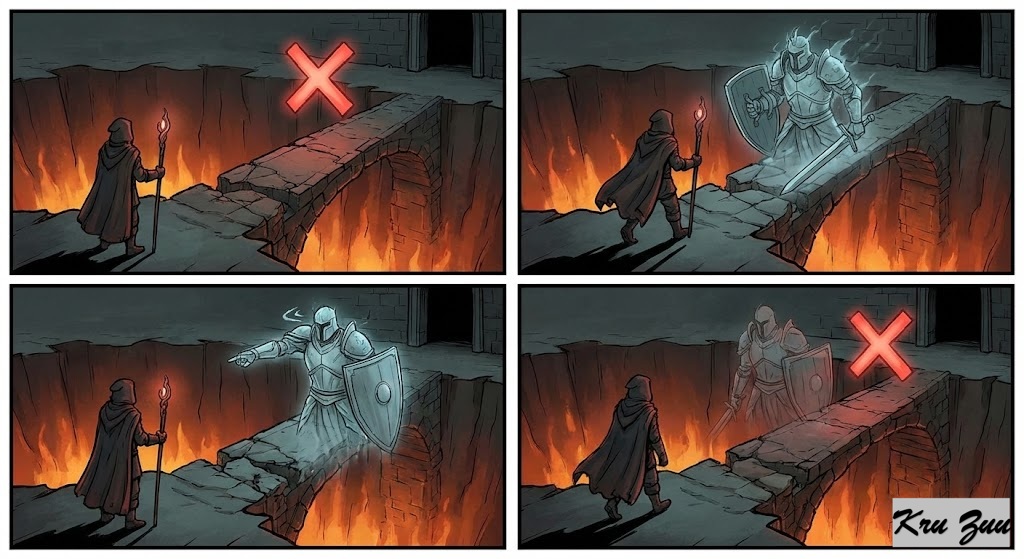
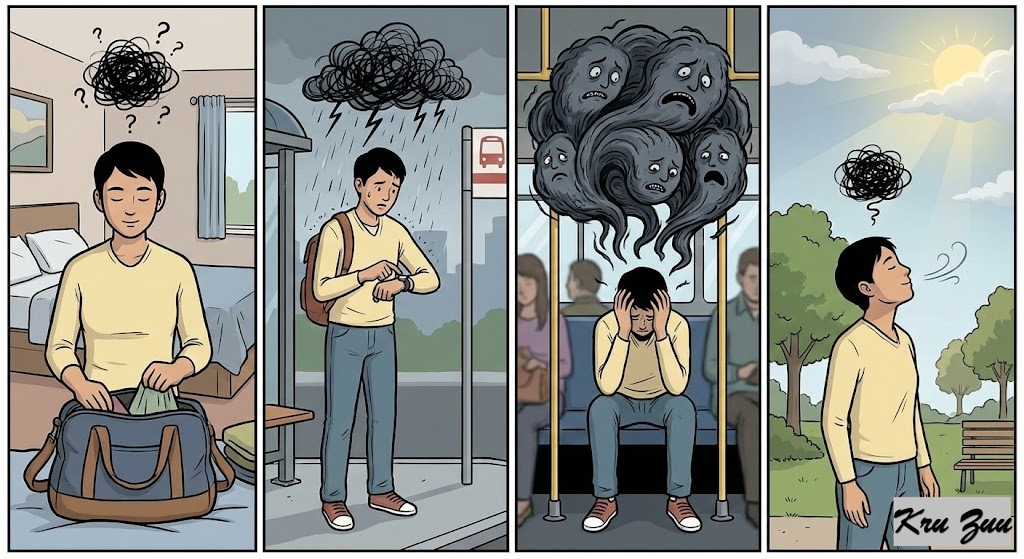
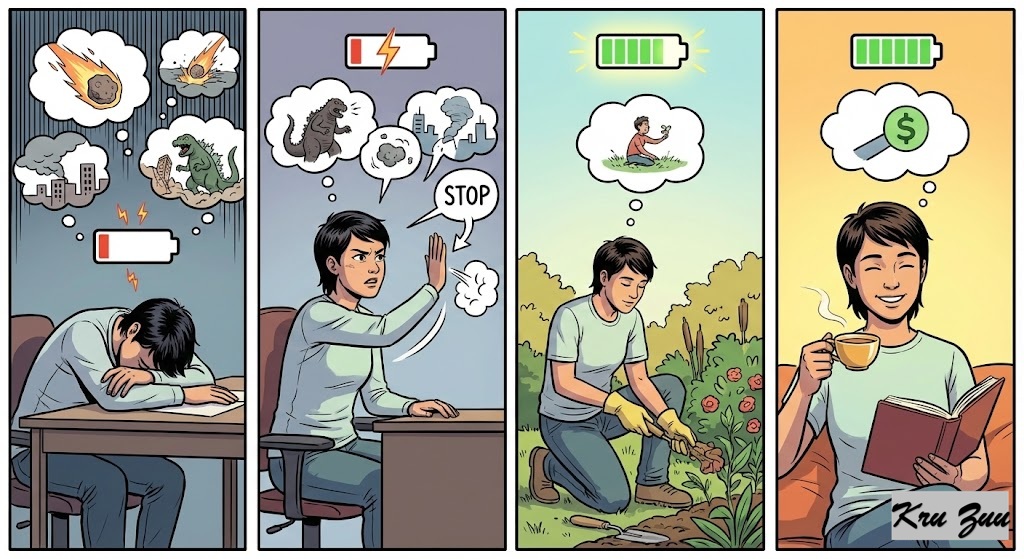
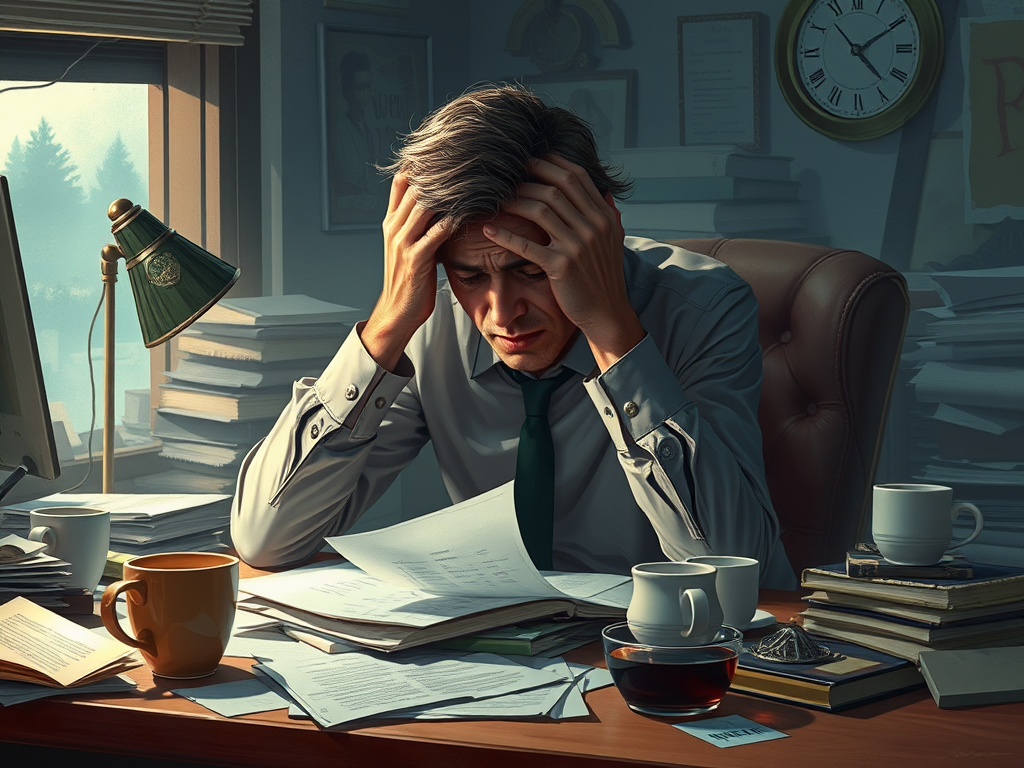
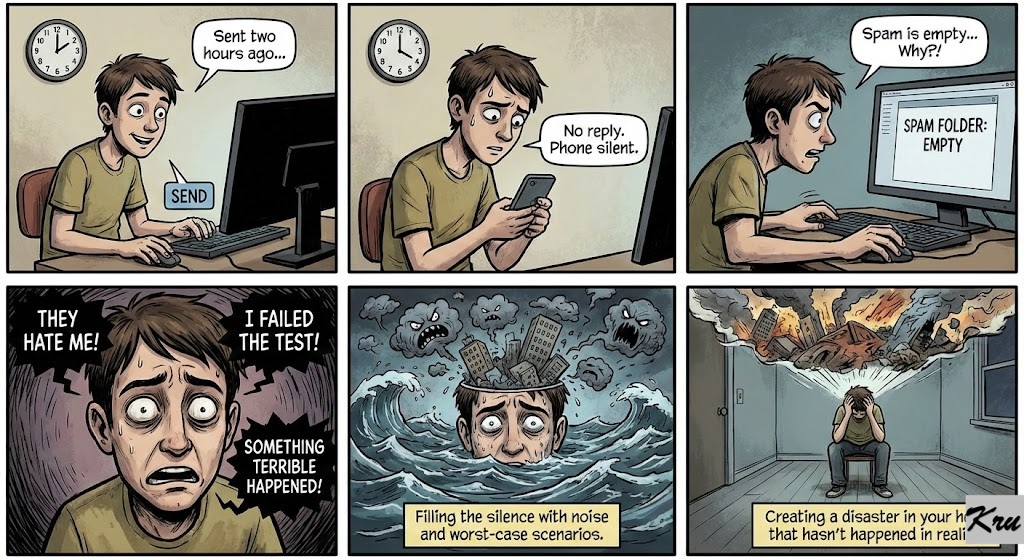
    You sent the email two hours ago. No reply. You check your phone. Nothing. 📱 You check the spam folder. Empty. Your brain starts to scream: “They hate me.” “I failed the test.” “Something terrible has happened to them!” You fill the silence with noise and worst-case scenarios. You create a disaster in your head that hasn’t happened in reality.
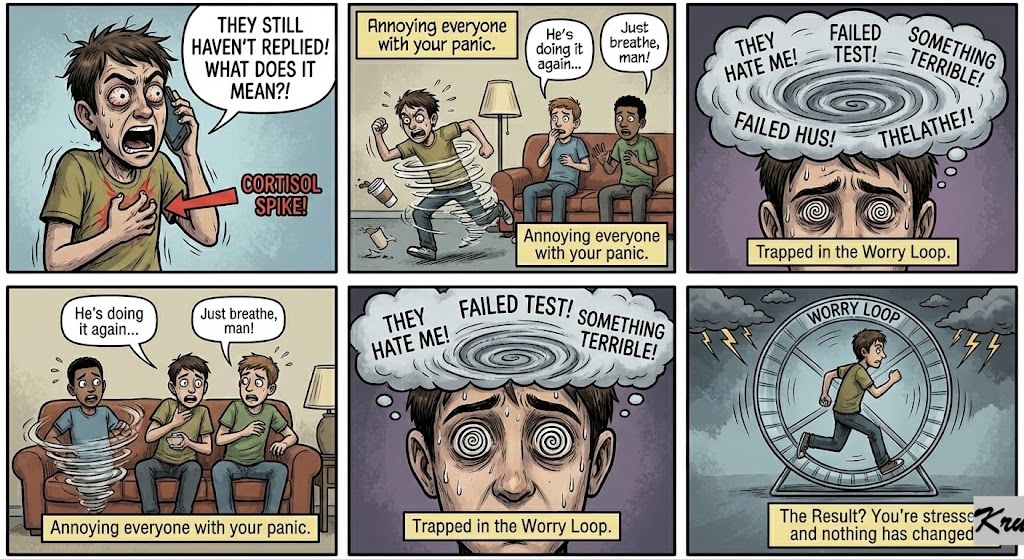
    The Result? You are stressed, your cortisol spikes, and you annoy everyone around you with your panic. You are trapped in the “Worry Loop.” 🌀

    😇 The Hero (The Peaceful Stoic)

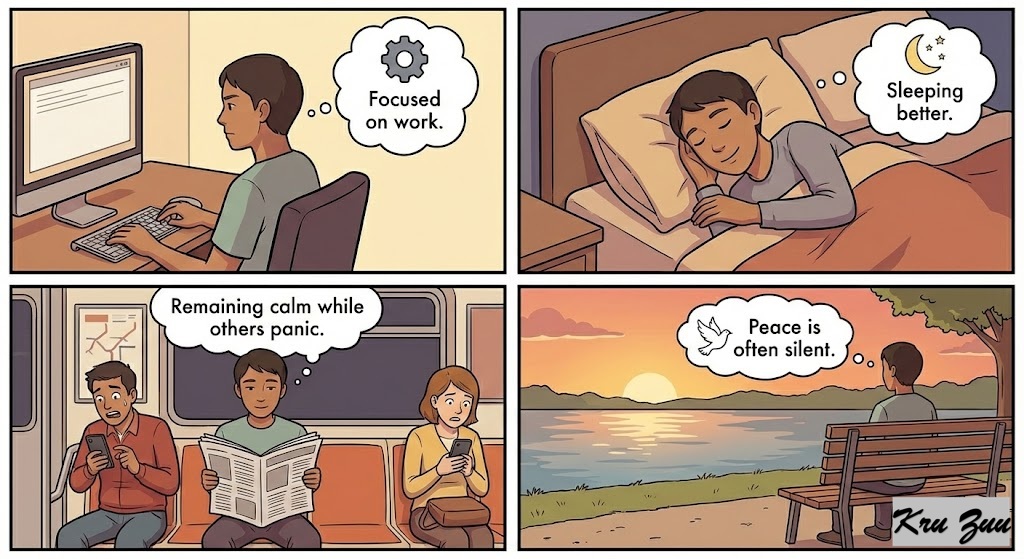
    You send the email. You put the phone down. 🧘 You realize that if there was a true emergency, the phone would ring. You understand that silence usually means things are proceeding normally. You say: “If there was a problem, I would know by now.”
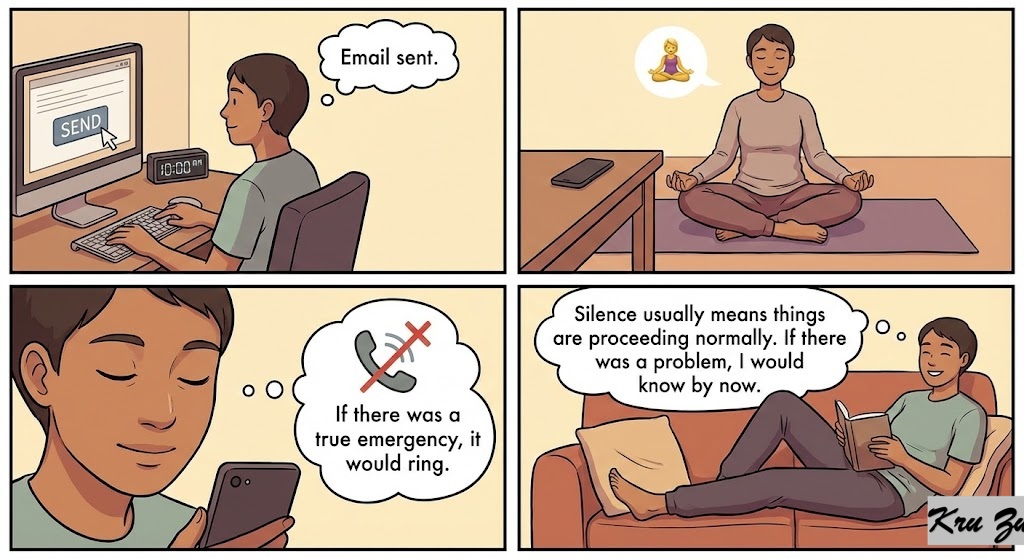
    The Result? You focus on your work. You sleep better. You remain calm while others panic. You understand that Peace is often silent. 🕊️

    ⚖️ The Reality


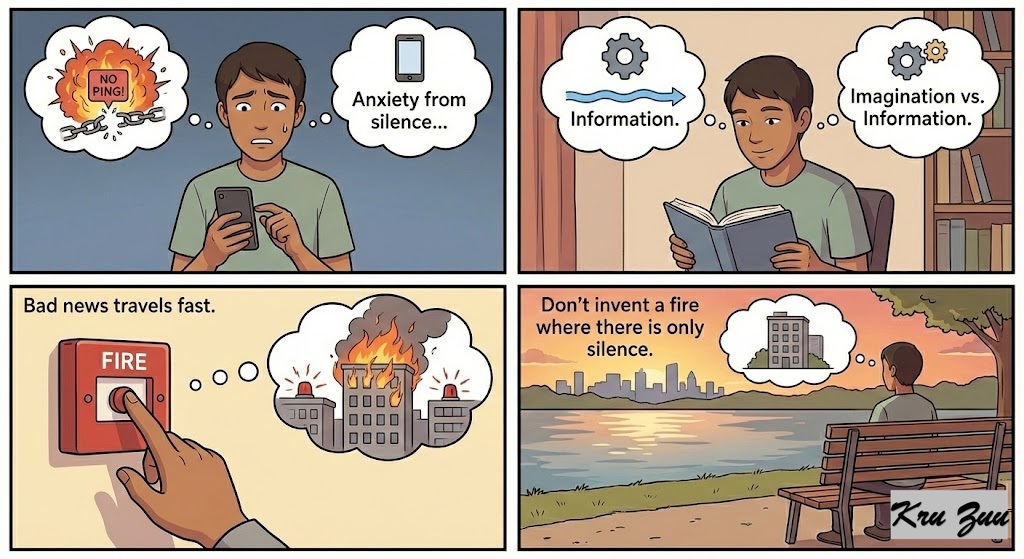
    Information vs. Imagination. We live in an age of instant notifications. When we don’t get a “ping,” we assume the connection is broken. But historically (and logically), bad news travels fast because it requires urgent action. Good news, or the status quo, does not require an alarm. If the fire alarm isn’t ringing, the building is likely not on fire. Don’t let your imagination invent a fire where there is only silence.

    💎 The Secret

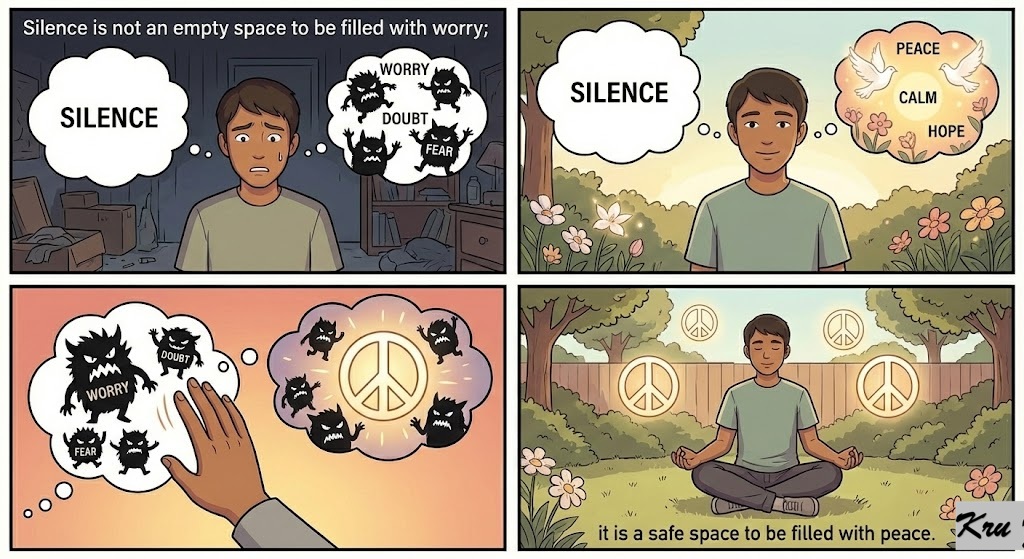
    Silence is not an empty space to be filled with worry; it is a safe space to be filled with peace.
    🧐 The Anatomy of the Proverb


    This is your reminder that the absence of information is usually a positive sign, not a negative one.
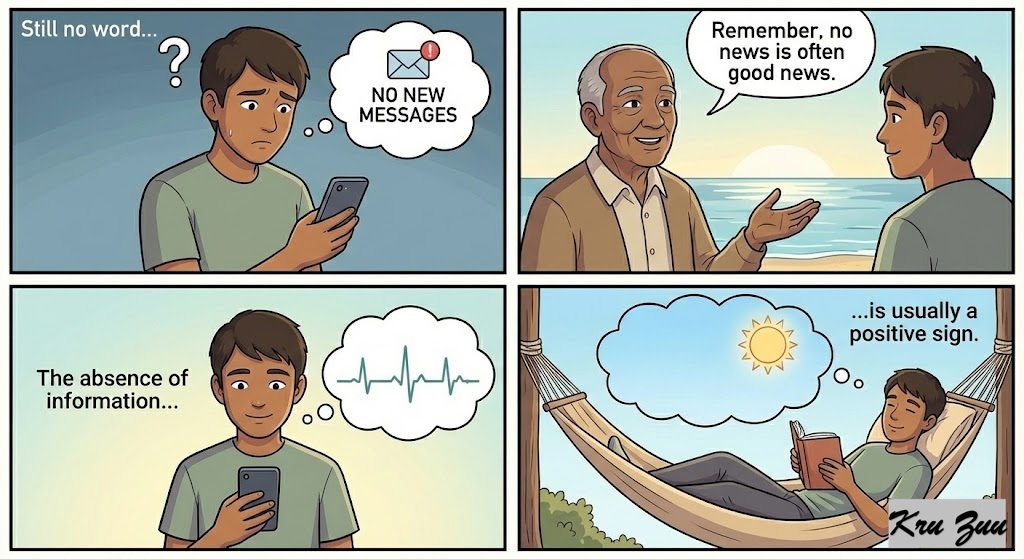

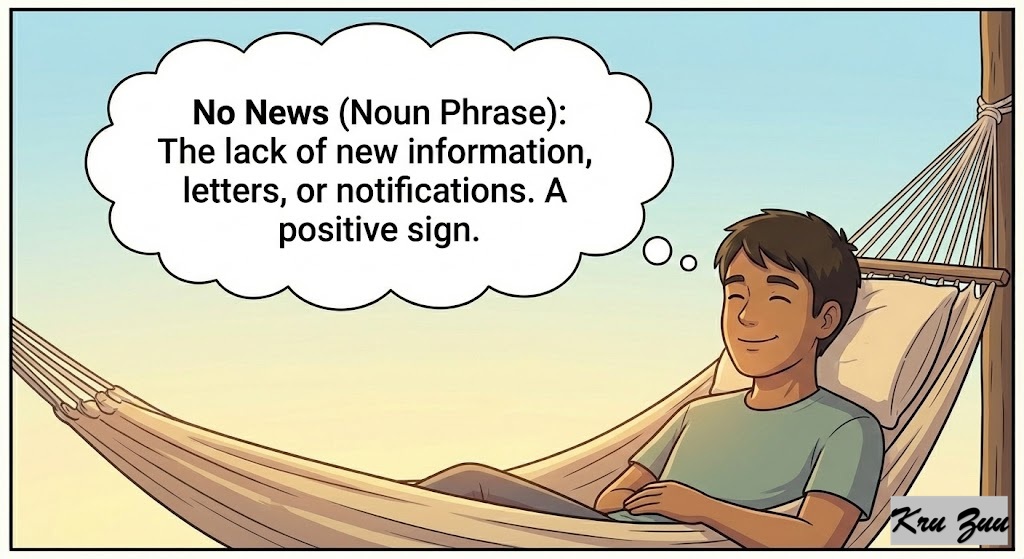
    No News (Noun Phrase):
    The lack of new information, letters, or notifications.

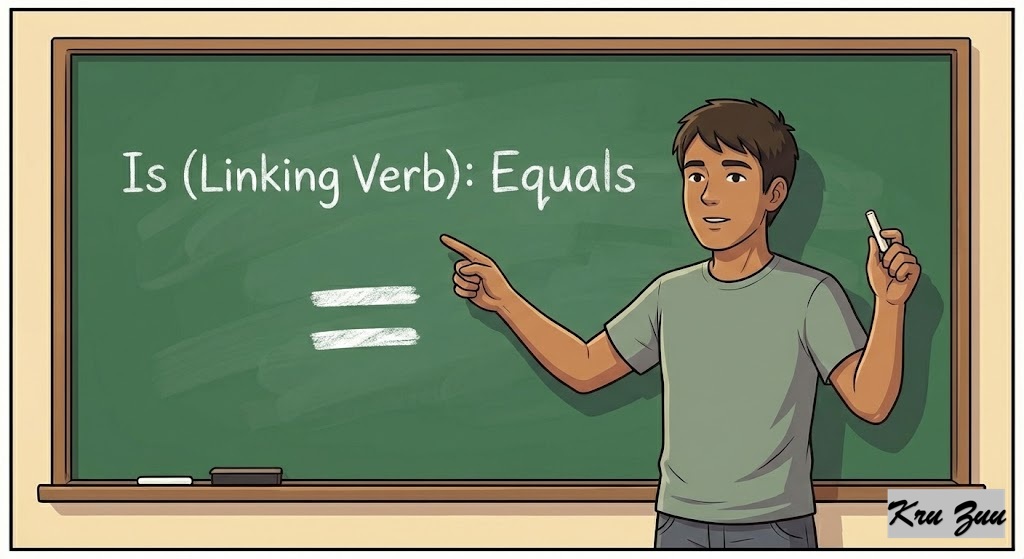
    Is (Linking Verb): Equals.

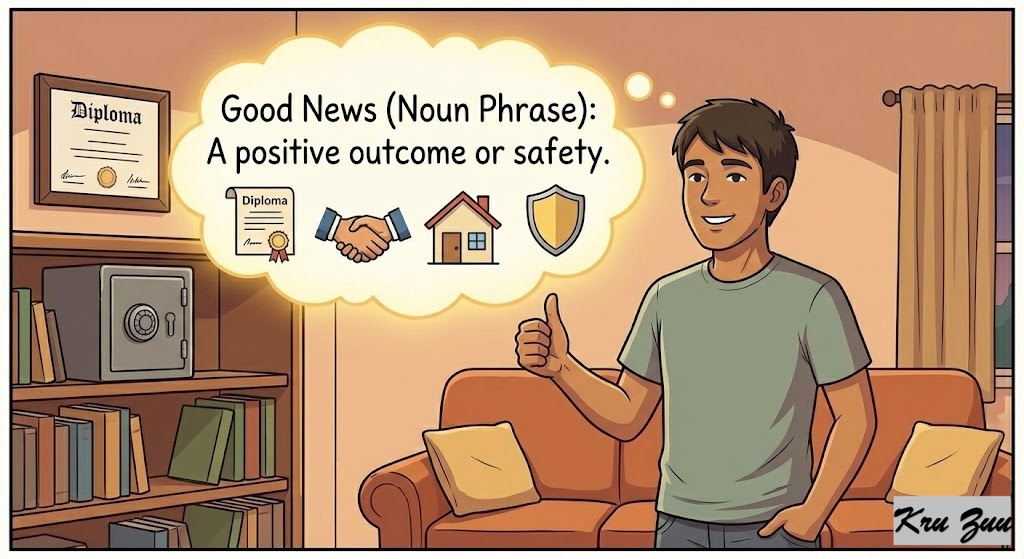
    Good News (Noun Phrase):
    A positive outcome or safety.

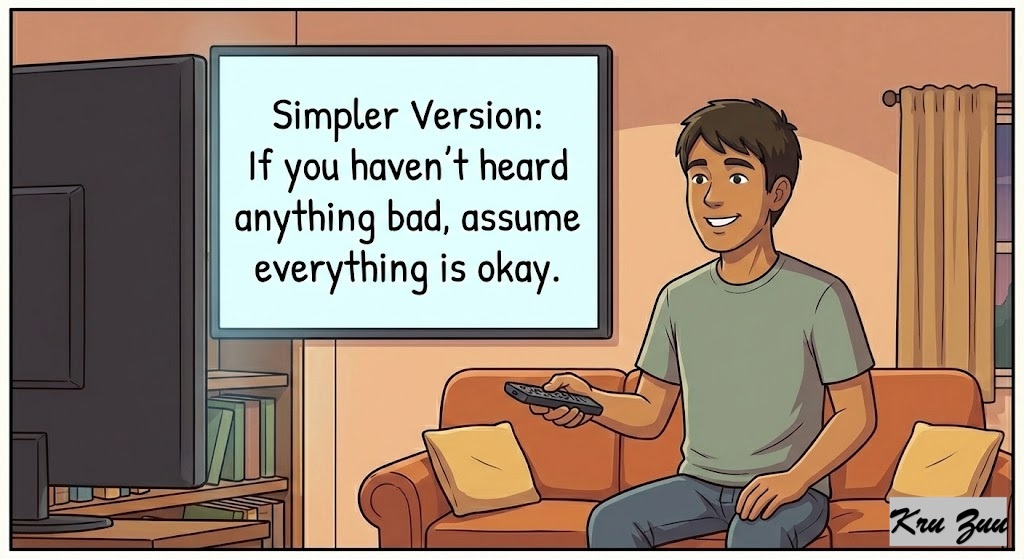
    Simpler Version: If you haven’t heard anything bad, assume everything is okay.

    📚 Vocabulary Vault


    Catastrophize (Verb): To view a situation as considerably worse than it actually is. (The Villain’s favorite hobby). 📉
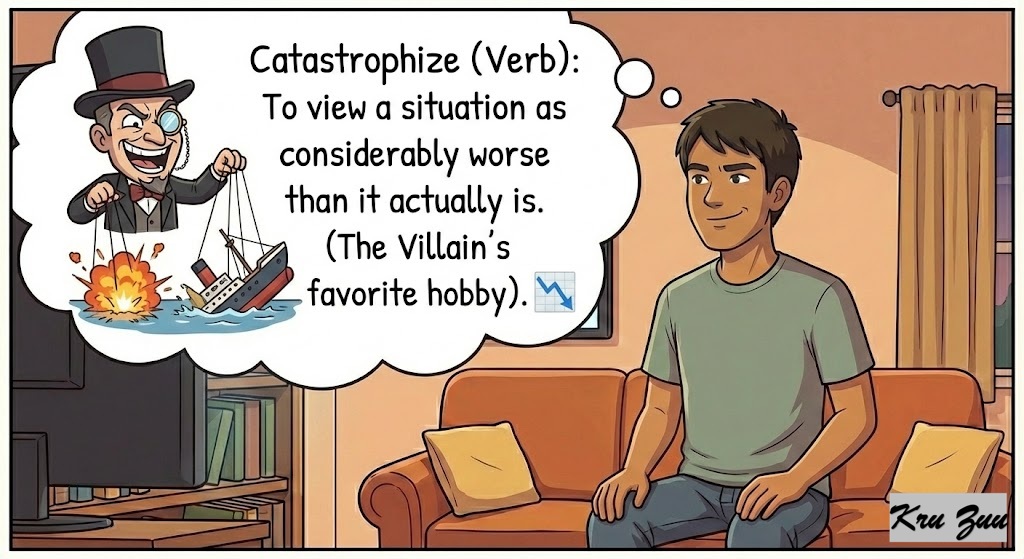

    Ambiguity (Noun): Uncertainty or inexactness of meaning in language or life.
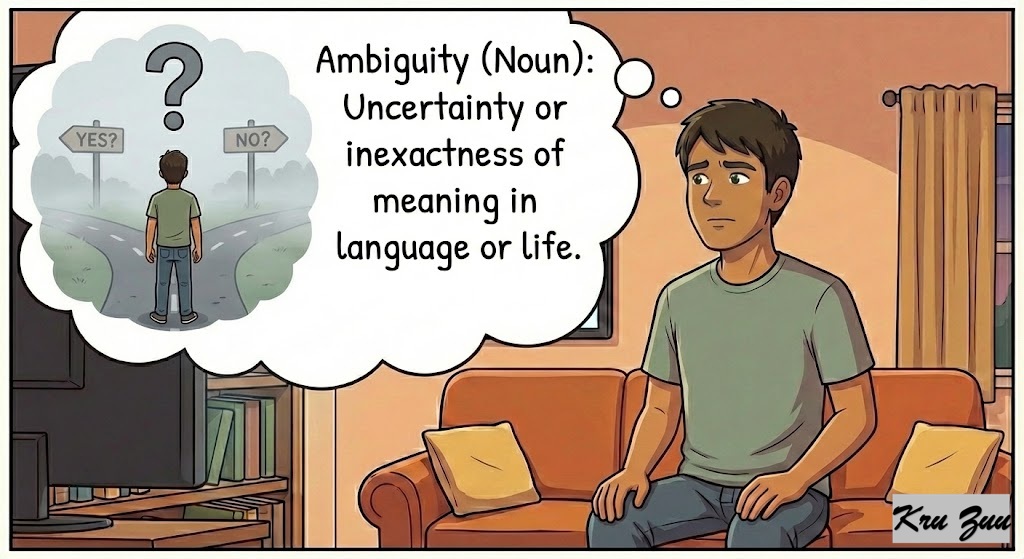

    Assumption (Noun): A thing that is accepted as true or as certain to happen, without proof.
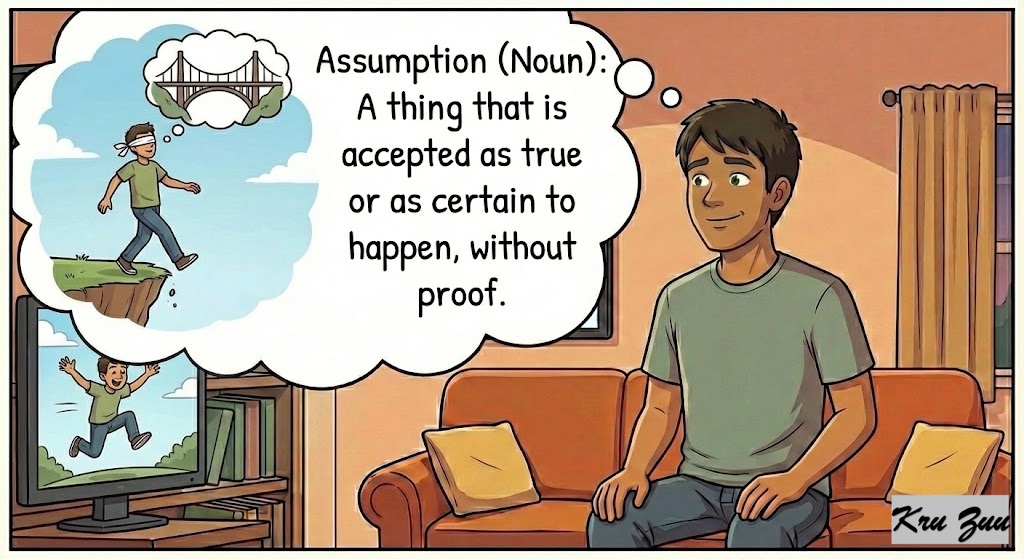

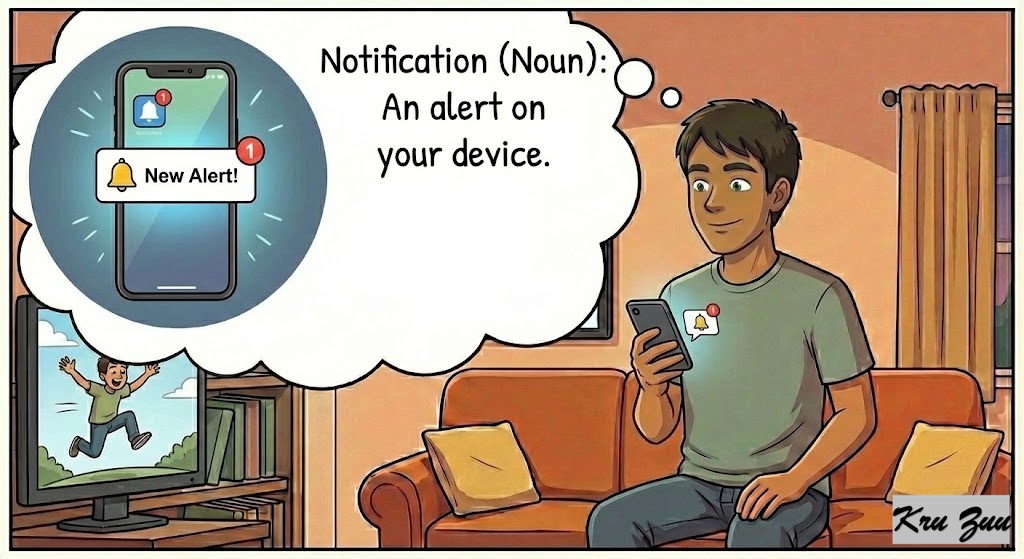
    Notification (Noun): An alert on your device.

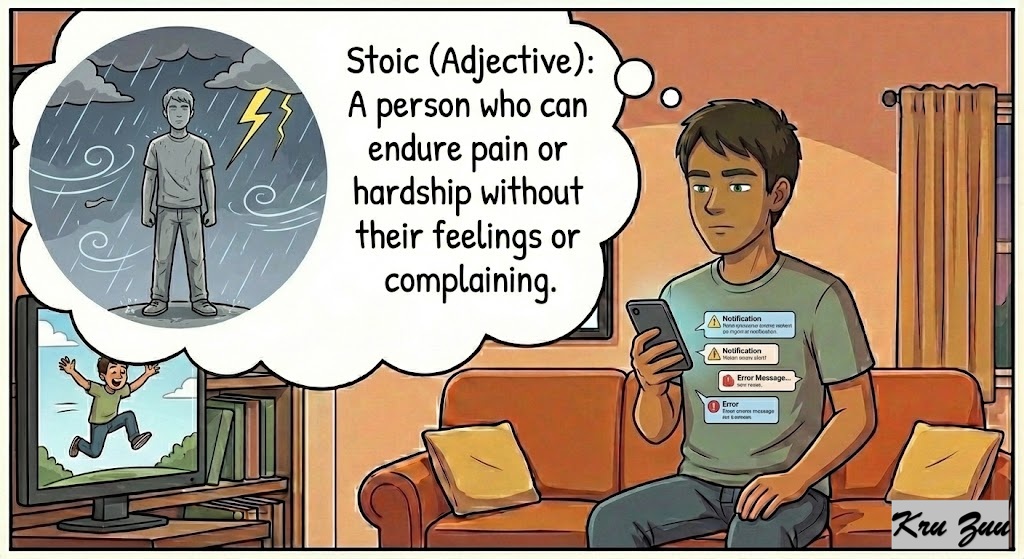
    Stoic (Adjective): A person who can endure pain or hardship without showing their feelings or complaining.

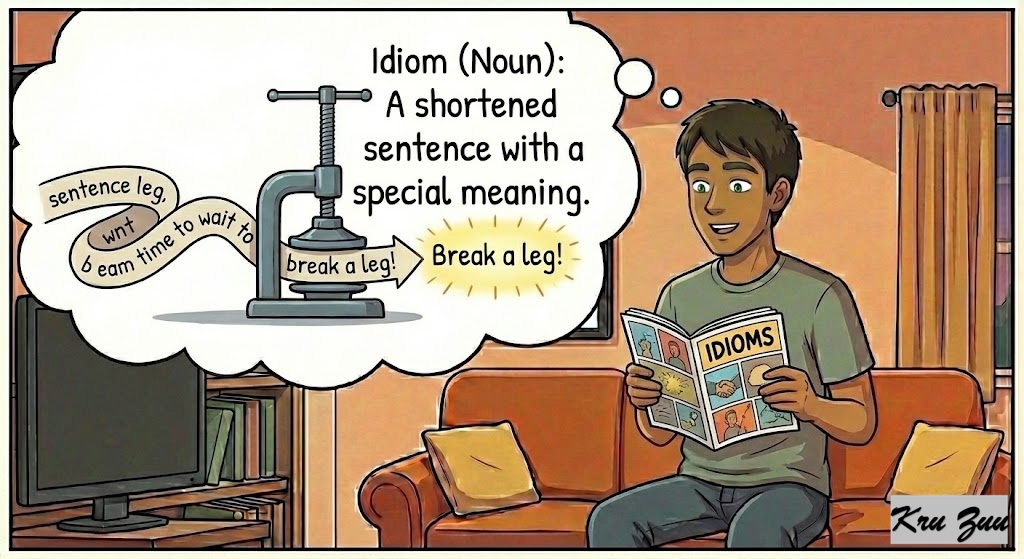
    🧠 Grammar Focus: Ellipsis (Leaving words out)


    This idiom is a shortened sentence.

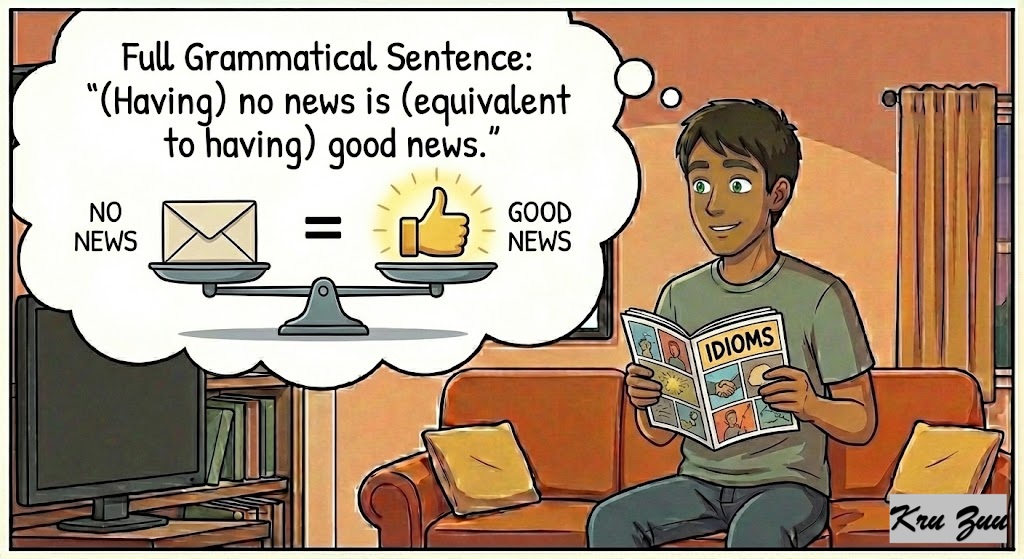
    Full Grammatical Sentence: “(Having) no news is (equivalent to having) good news.”

    Usage: We use this to comfort someone who is waiting for results.
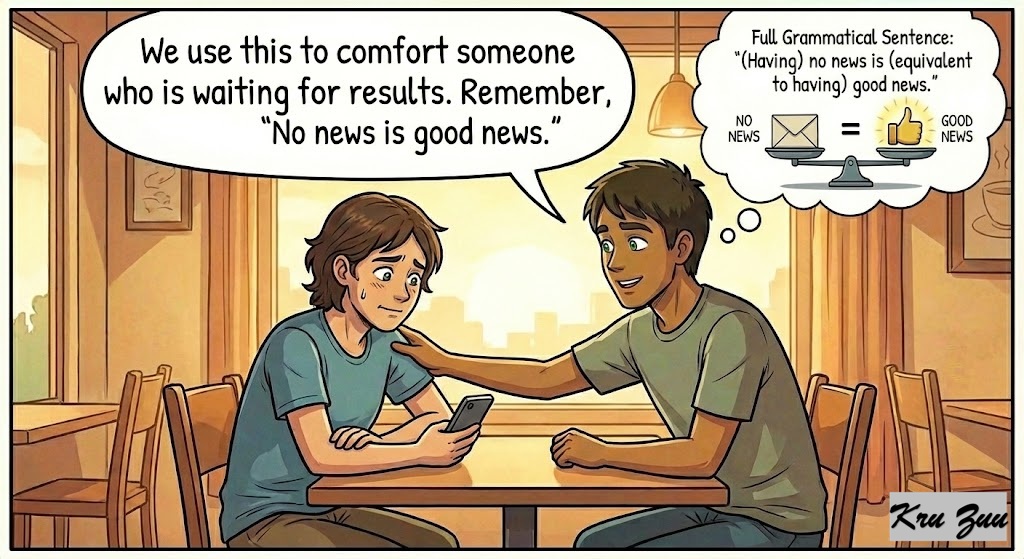

    Example


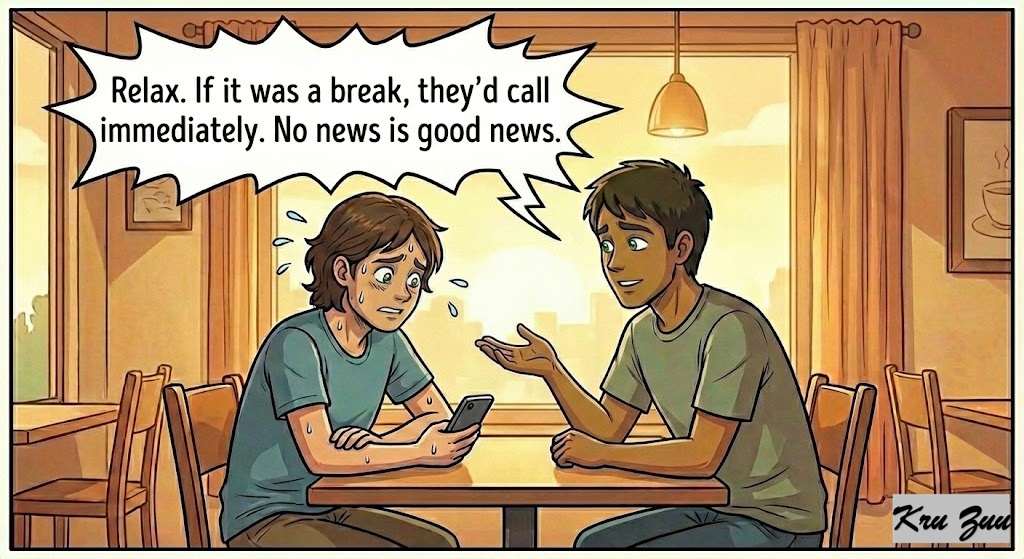
    Anxious Friend:
    “I haven’t heard from the doctor about my X-ray yet!”
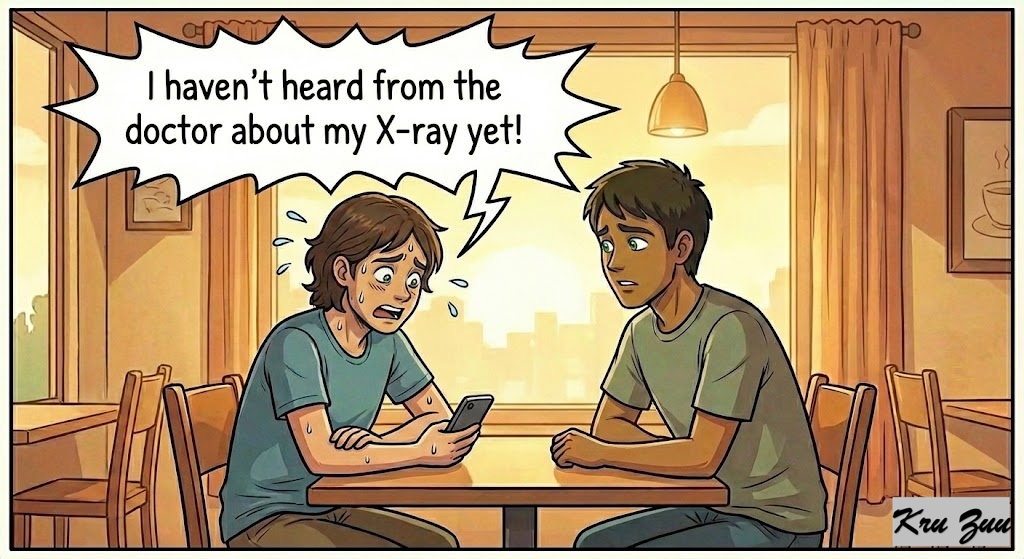

    Supportive Friend: “Relax. If it was a break, they’d call immediately. No news is good news.”
    📜 History: Origin and Spread


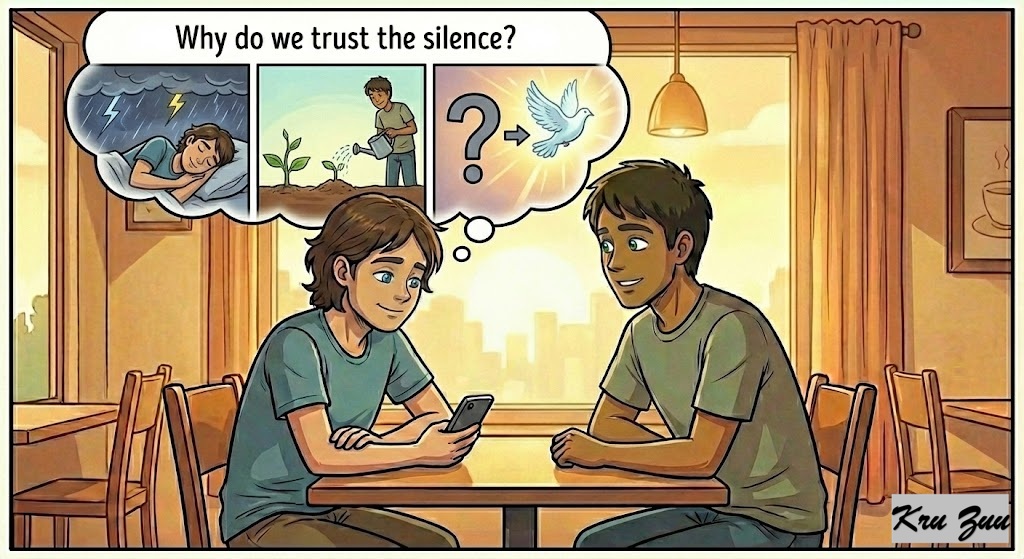
    Why do we trust the silence?

    The Royal Roots: King James I of England is quoted as saying, “No news is better than evil news” as far back as 1616.
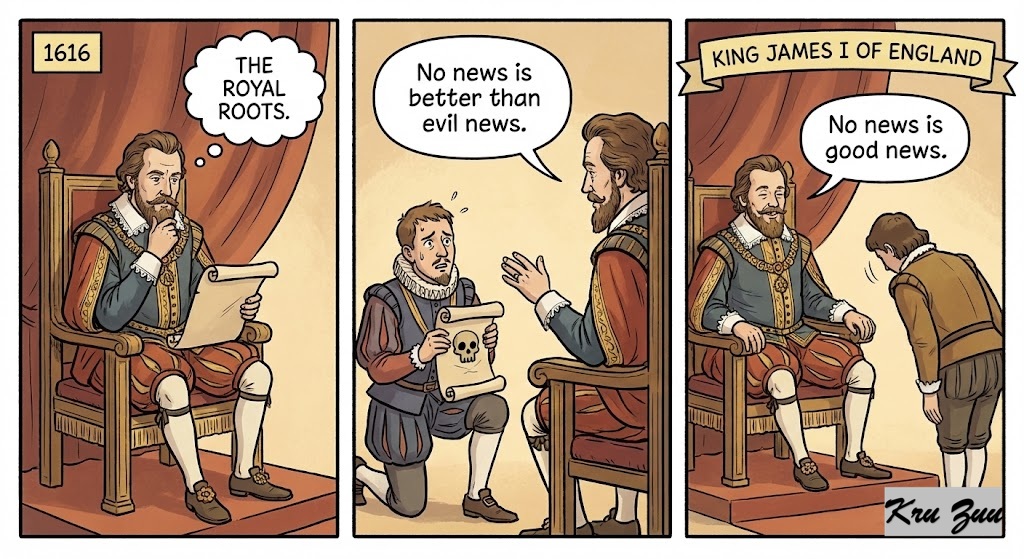

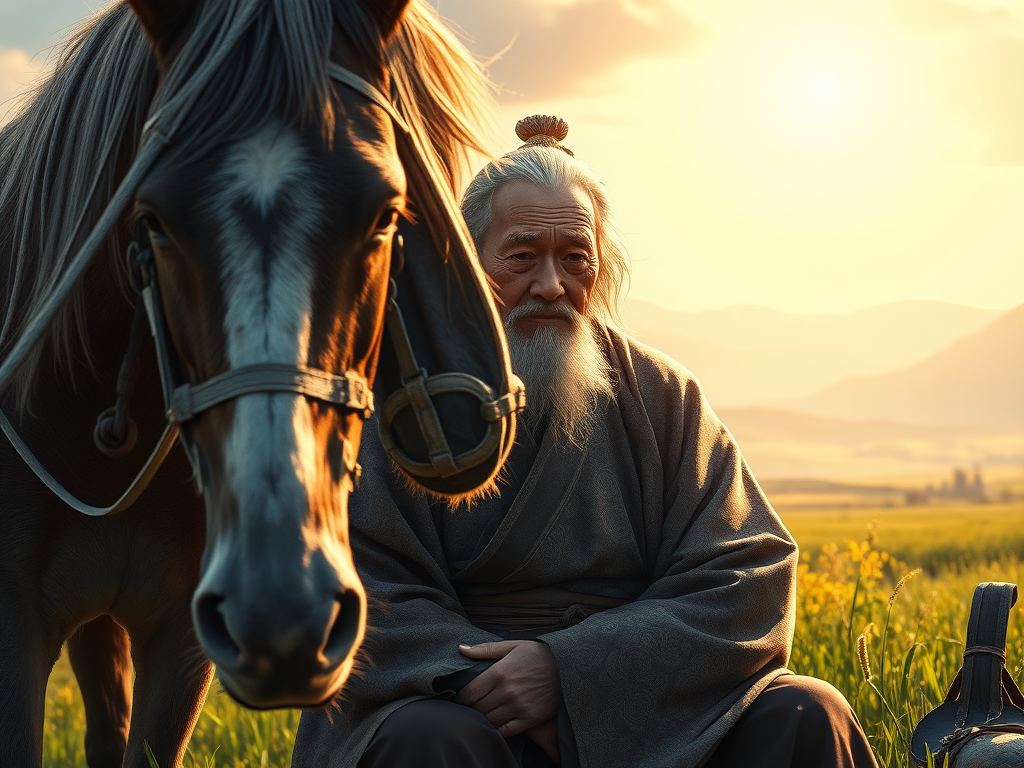
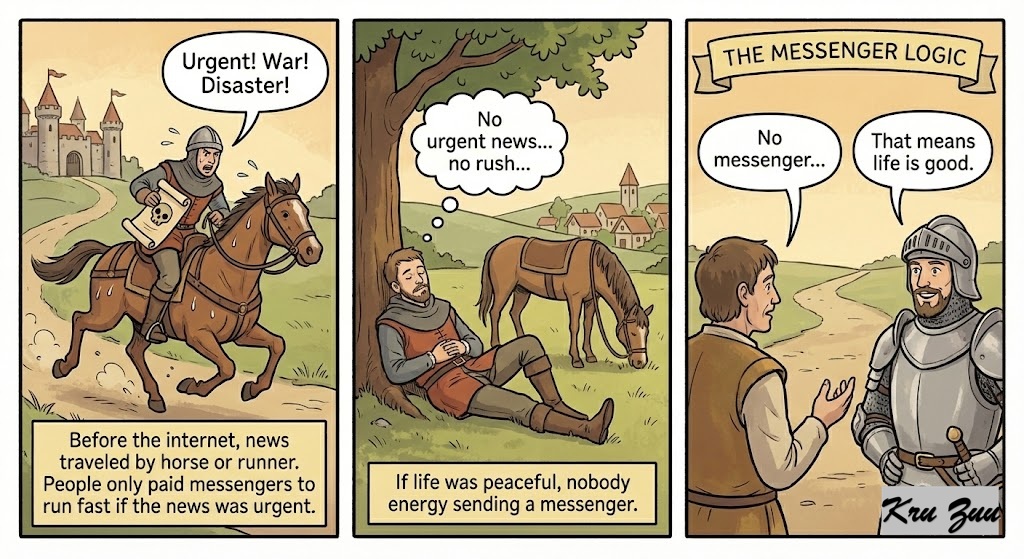
    The Messenger Logic: Before the internet, news traveled by horse or runner. 🐎 People only paid messengers to run fast if the news was urgent (wars, deaths, disasters). If life was peaceful, nobody wasted energy sending a messenger. Therefore, if no runner arrived, life was good.

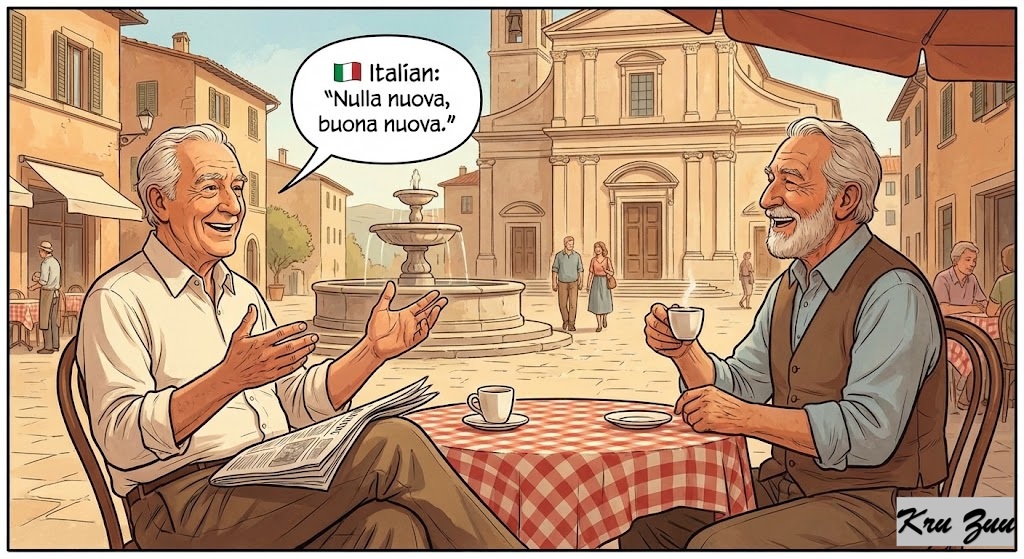
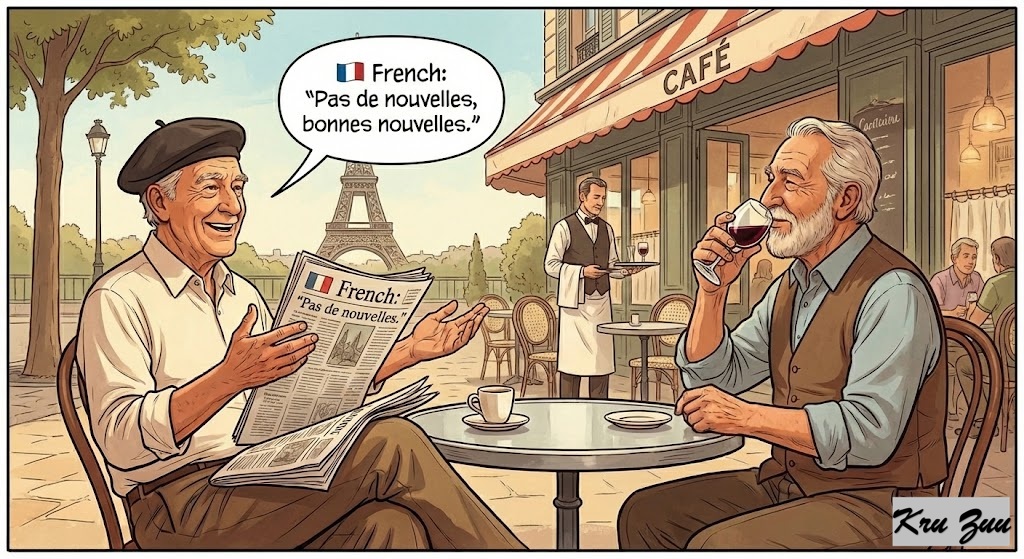
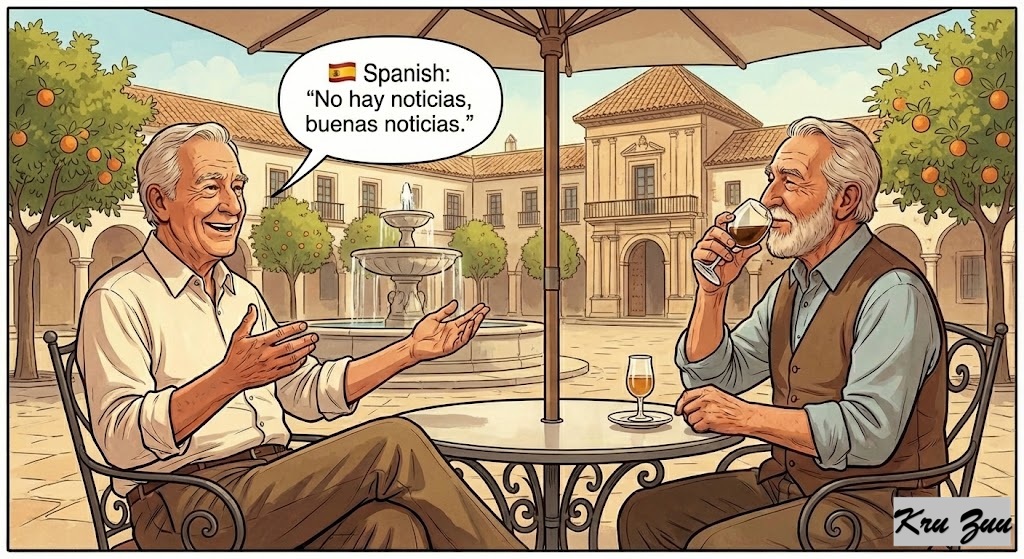
    Global Cousins


    🇮🇹 Italian:“Nulla nuova, buona nuova.”

    🇫🇷 French:“Pas de nouvelles, bonnes nouvelles.”

    🇪🇸 Spanish:“No hay noticias, buenas noticias.”
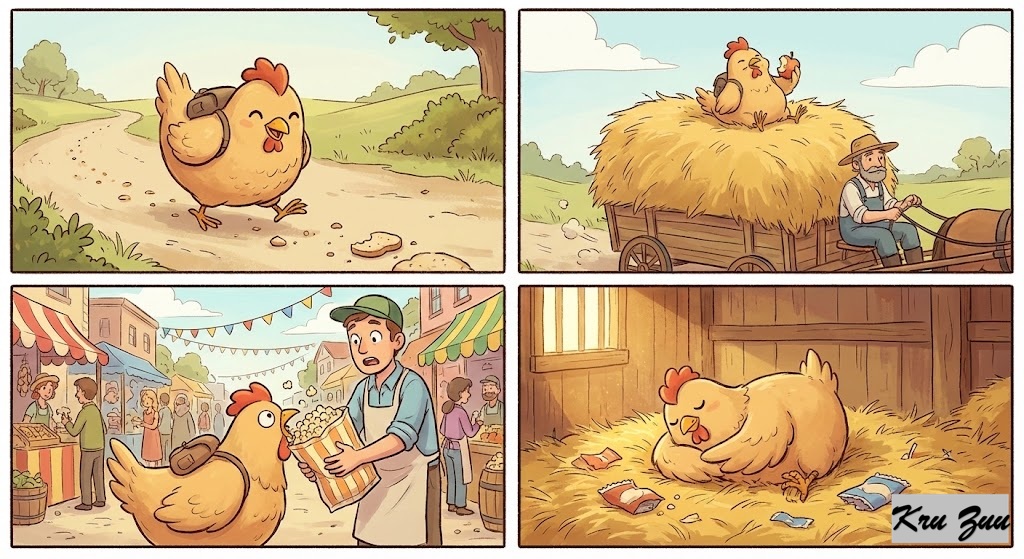
    🎭 Short Story: The Silent Mailbox 📬🐱🐔🐸


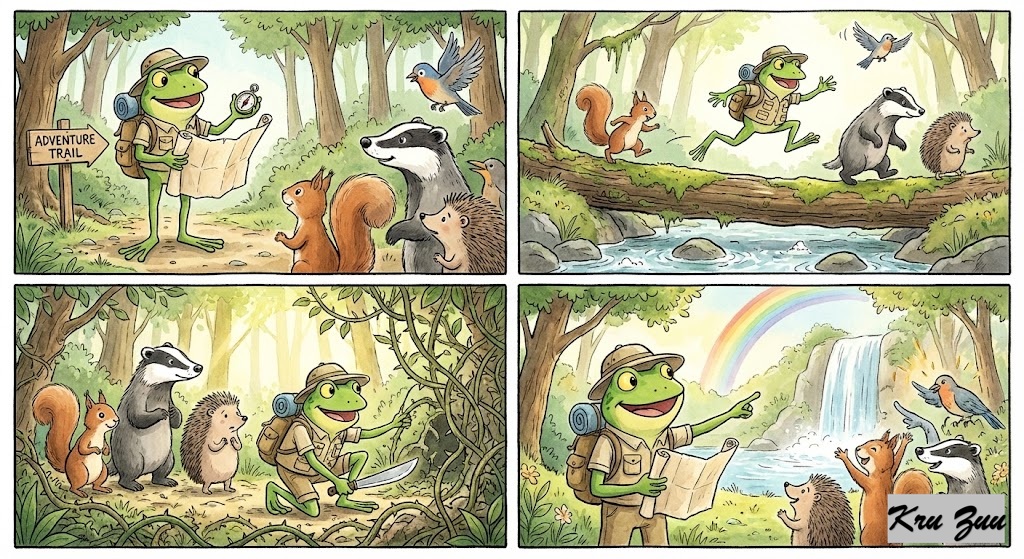
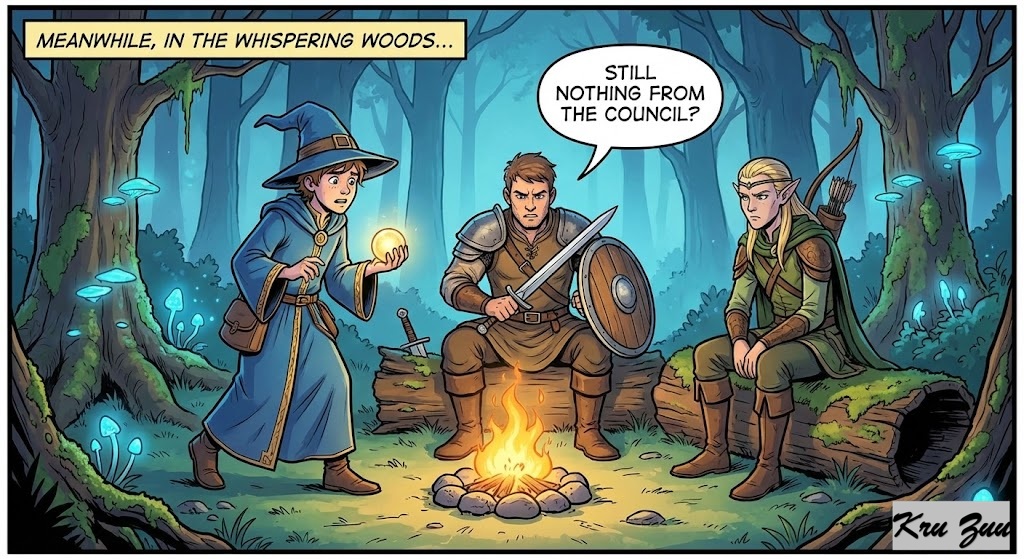
    Let’s return to the magical forest to see how our trio handles the stress of waiting.

    🌟 The Cast


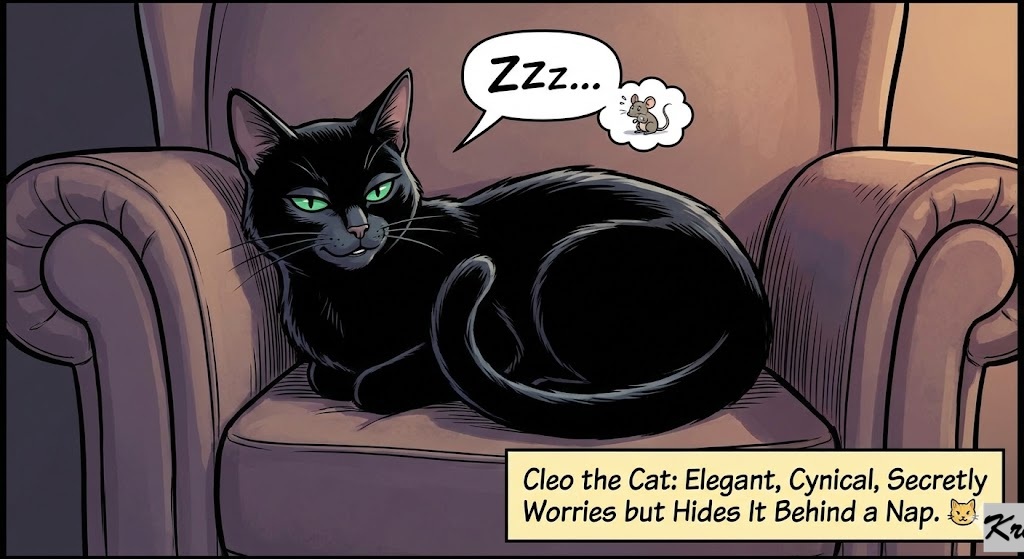
    Cleo the Cat: Elegant, cynical, secretly worries but hides it behind a nap. 😼

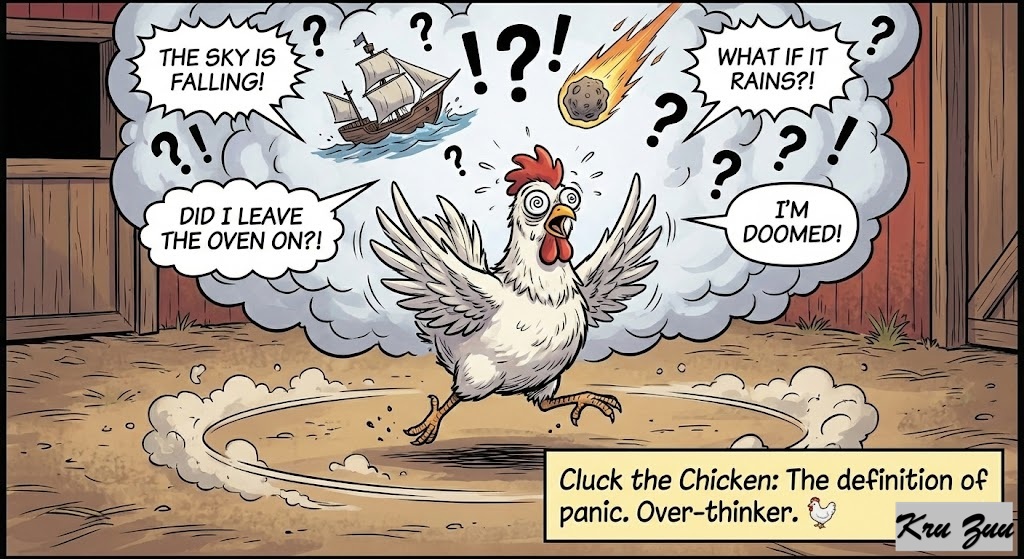
    Cluck the Chicken: The definition of panic. Over-thinker. 🐔

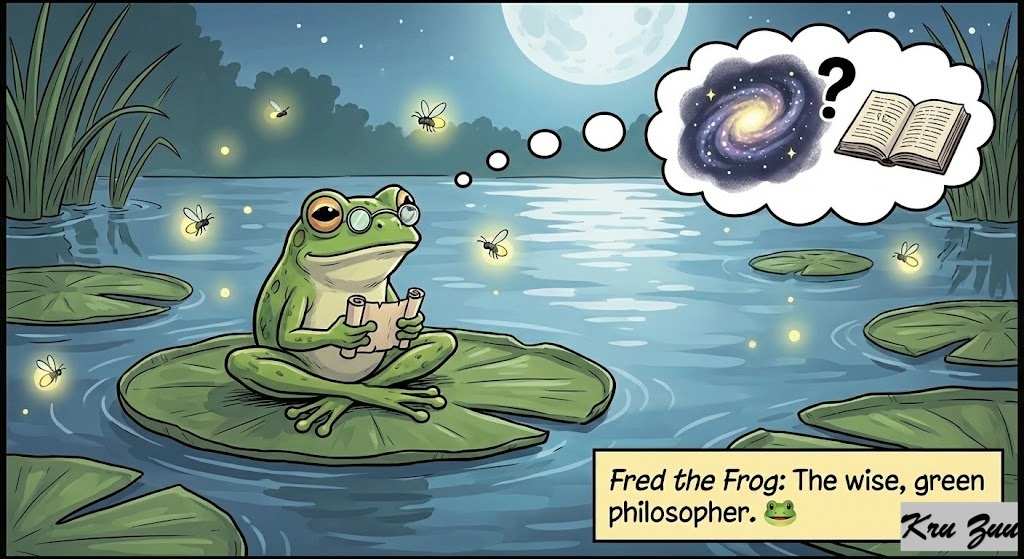
    Fred the Frog: The wise, green philosopher. 🐸

    The Situation: It is “Grand Scholarship Season.” Cluck has applied to the Royal Academy of Advanced Clucking. He sent his application one week ago. He is waiting for the acceptance letter.
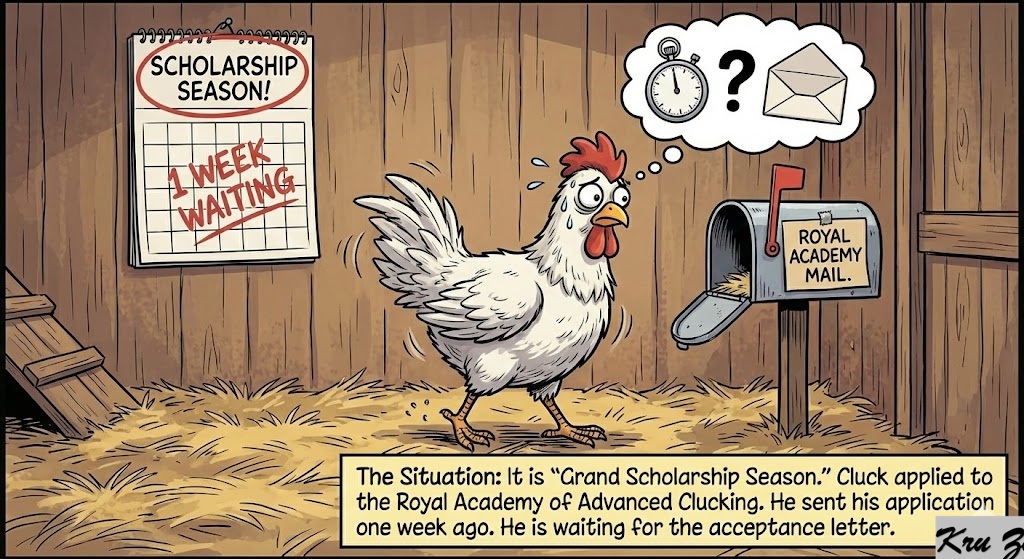

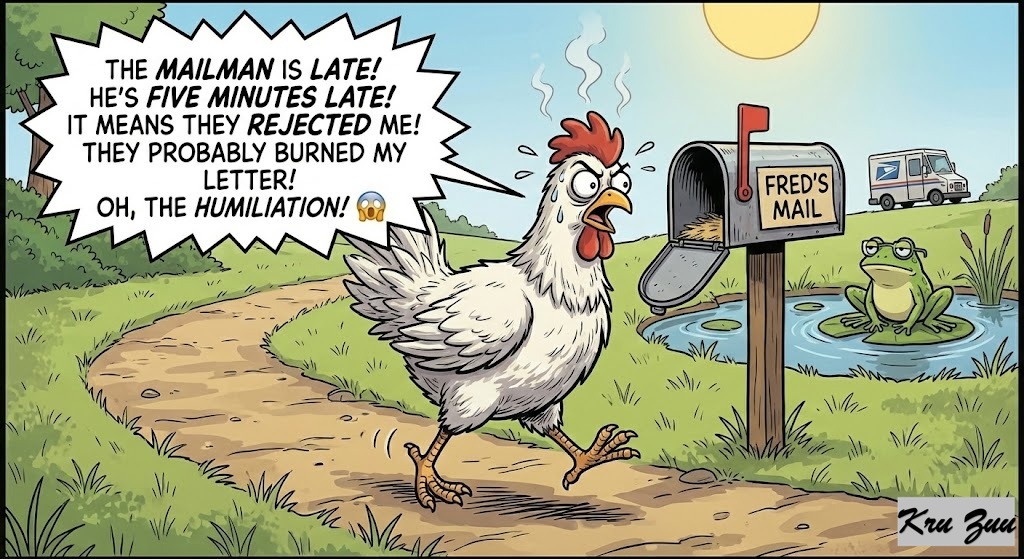
    The Conflict: Cluck is pacing back and forth in front of Fred’s mailbox. He has worn a path in the grass. “The mailman is late!” Cluck squawks. “He’s five minutes late! It means they rejected me! They probably burned my letter! Oh, the humiliation!” 😱

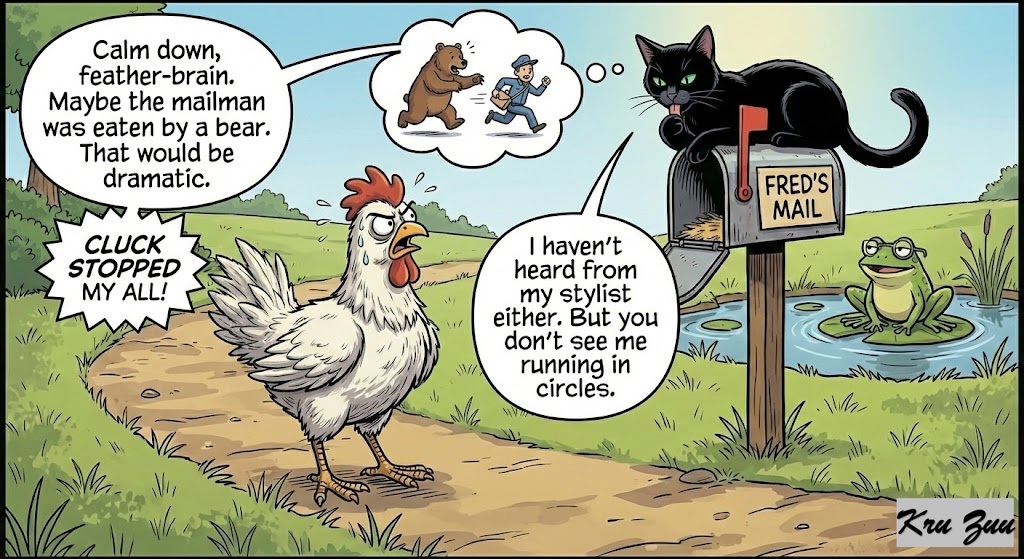
    Cleo is lying on the mailbox, grooming her tail. “Calm down, feather-brain. Maybe the mailman was eaten by a bear. That would be dramatic.” Cleo checks her claws. “I haven’t heard from my stylist either. But you don’t see me running in circles.”

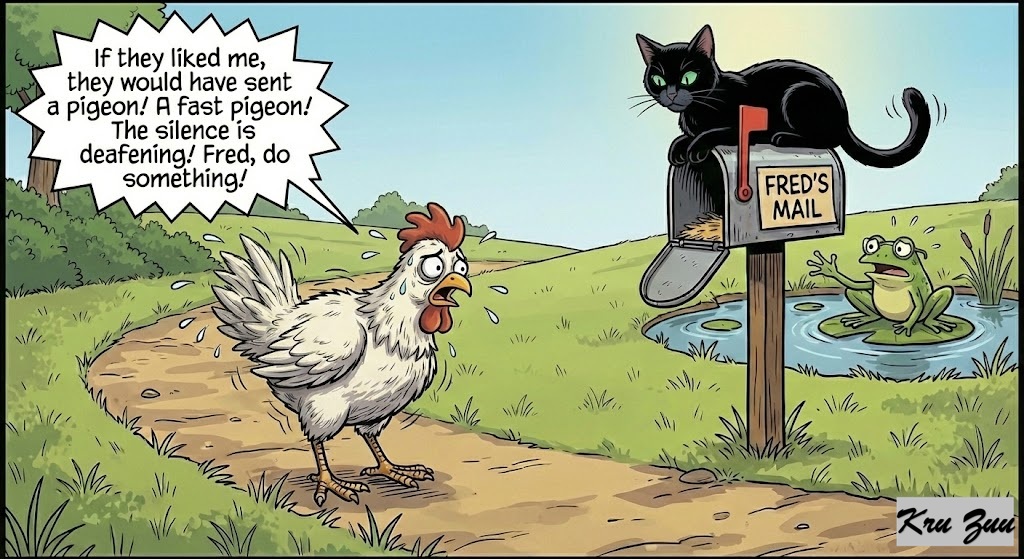
    The Reaction: Cluck hyperventilates. “If they liked me, they would have sent a pigeon! A fast pigeon! The silence is deafening! Fred, do something!”

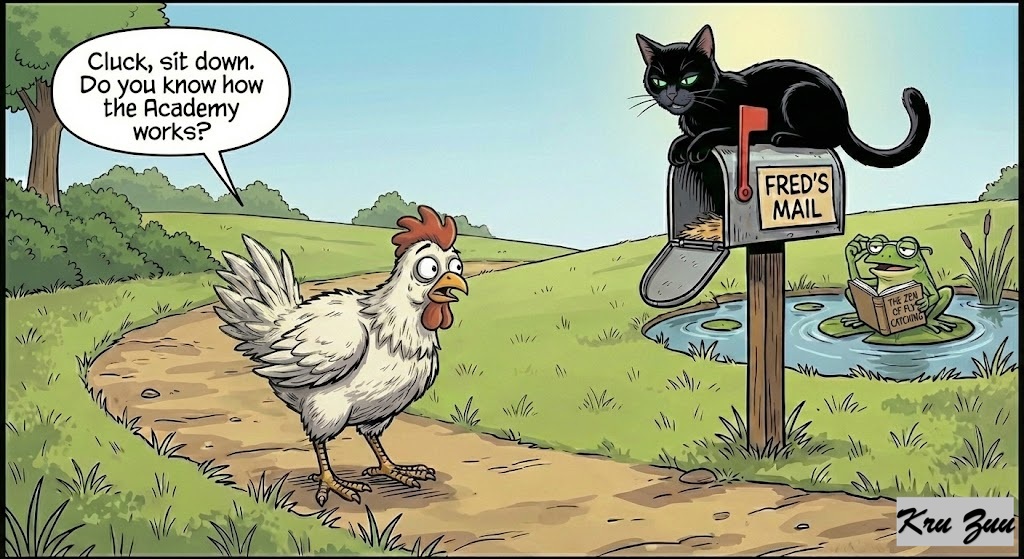
    Fred looks up from his book (The Zen of Fly Catching). He adjusts his glasses. “Cluck, sit down,” Fred croaks calmly. “Do you know how the Academy works?”

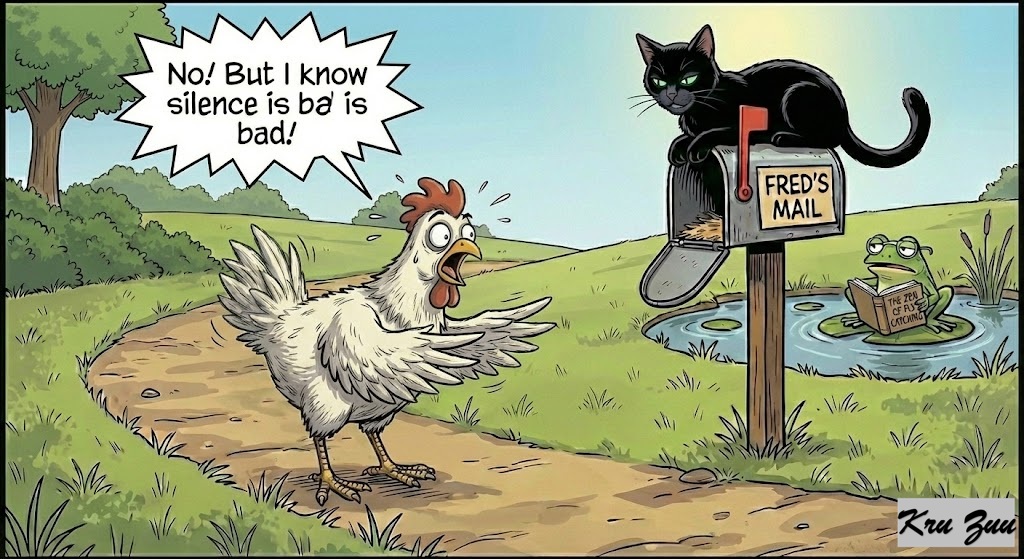
    “No! But I know silence is bad!” Cluck yells.

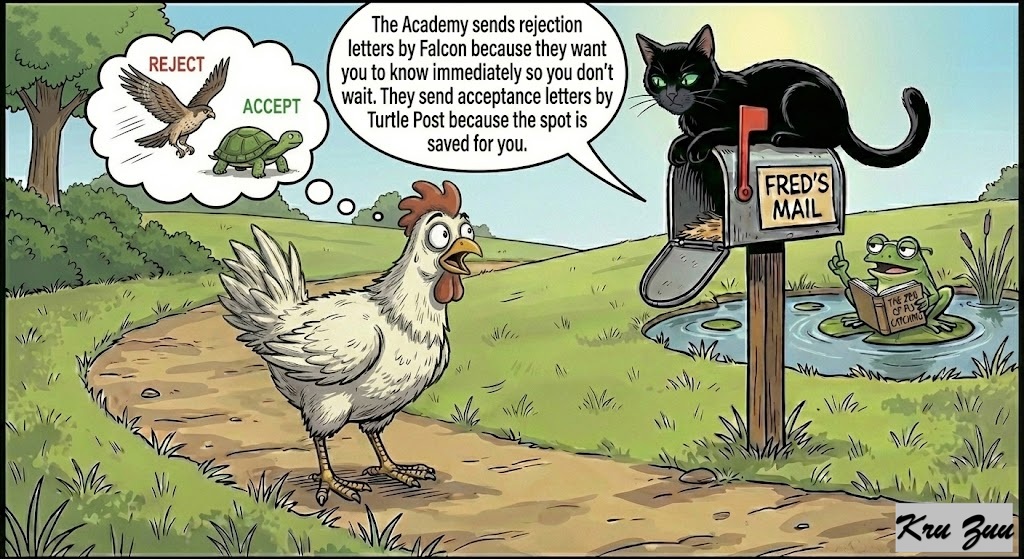
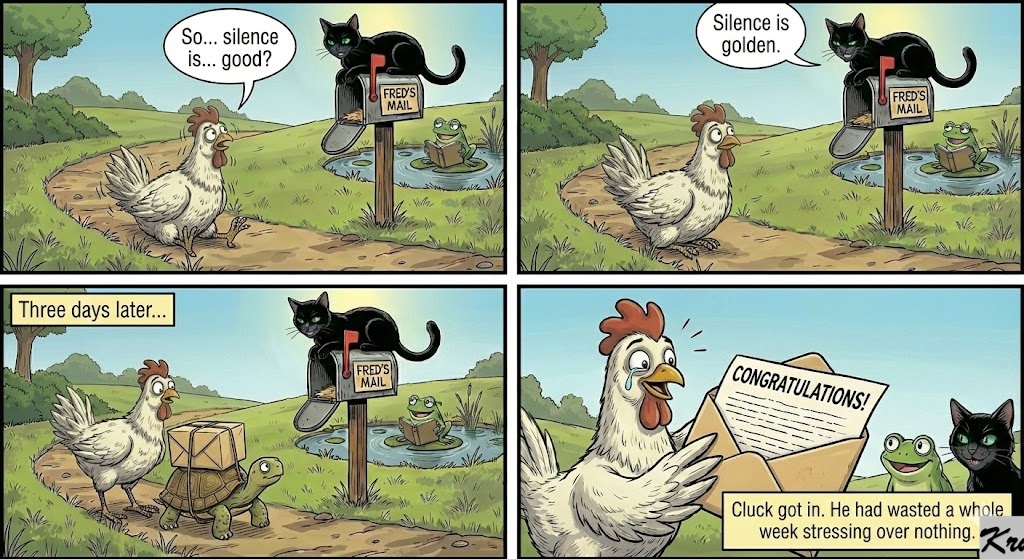
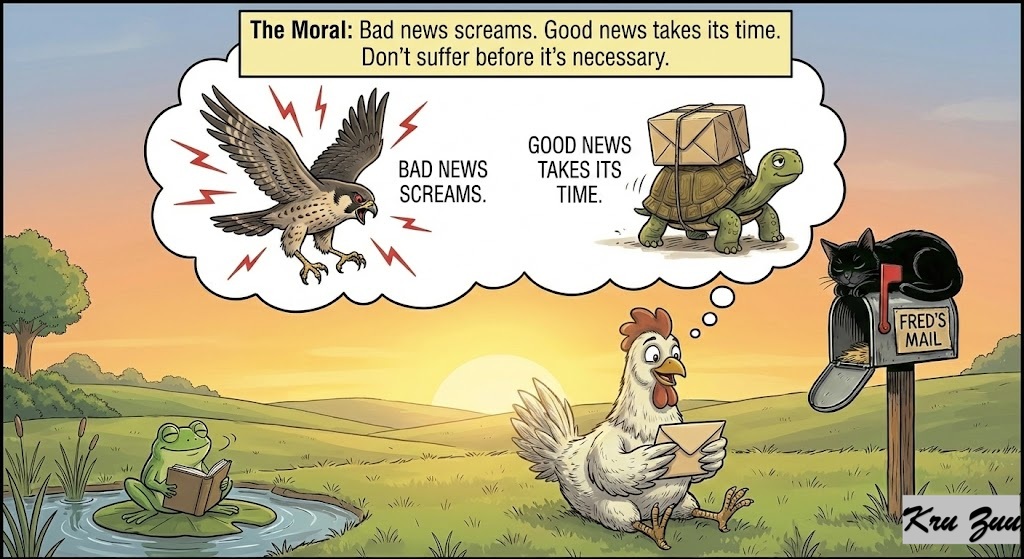
    The Lesson: Fred points a green finger at the sky. “The Academy sends rejection letters by Falcon because they want you to know immediately so you don’t wait. They send acceptance letters by Turtle Post because the spot is saved for you.”

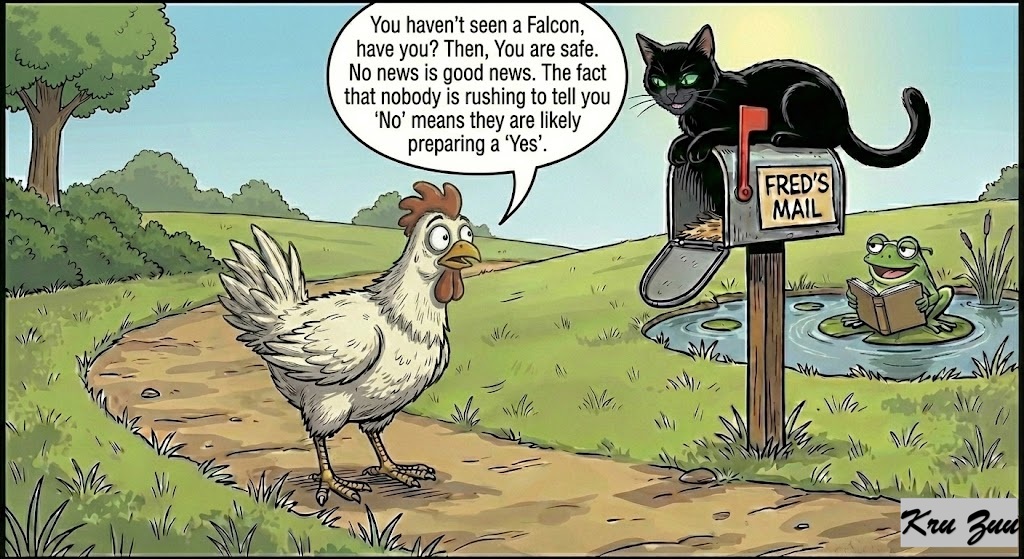
    Fred smiles. “You haven’t seen a Falcon, have you?” Cluck stops. “No.” “Then,” Fred says, “You are safe. No news is good news. The fact that nobody is rushing to tell you ‘No’ means they are likely preparing a ‘Yes’.”

    The Resolution: Cluck sat down, trembling slightly. “So… silence is… good?” “Silence is golden,” Cleo purred. Three days later, a very slow turtle arrived with a thick envelope. Cluck got in. He had wasted a whole week stressing over nothing.

    The Moral: Bad news screams. Good news takes its time. Don’t suffer before it’s necessary.
    🎓 Lesson for English Learners


    Context:
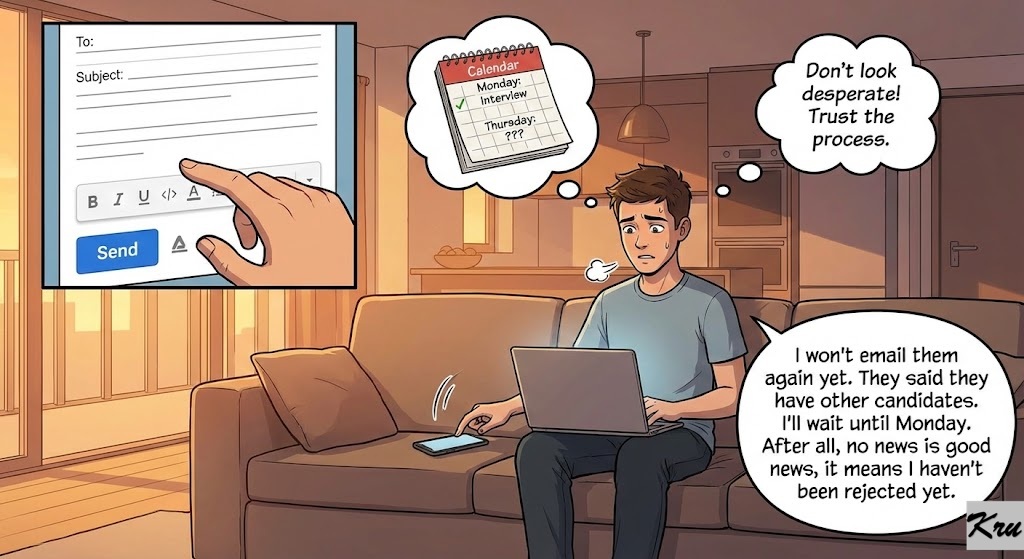
    Waiting for a Job Interview Reply. Situation: You interviewed on Monday. It is Thursday. You want to email them again. The Shift: Don’t look desperate. Trust the process. You Say (To yourself or a friend): “I won’t email them again yet. They said they have other candidates. I’ll wait until Monday. After all, no news is good news, it means I haven’t been rejected yet.”

    💬 Your Turn: The “Notification Fast” 🚀


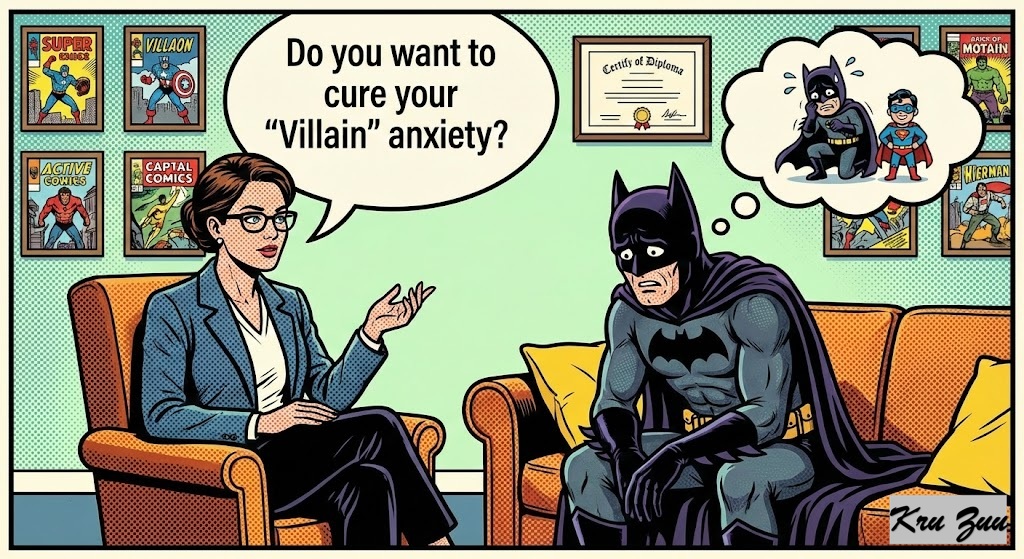
    Do you want to cure your “Villain” anxiety?

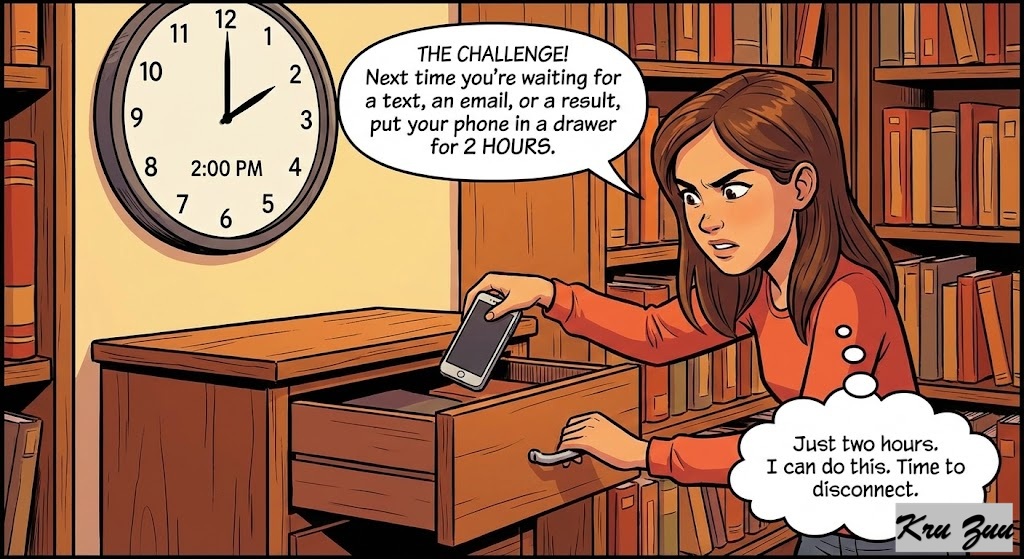
    The Challenge: Next time you are waiting for a text, an email, or a result, put your phone in a drawer for 2 hours.

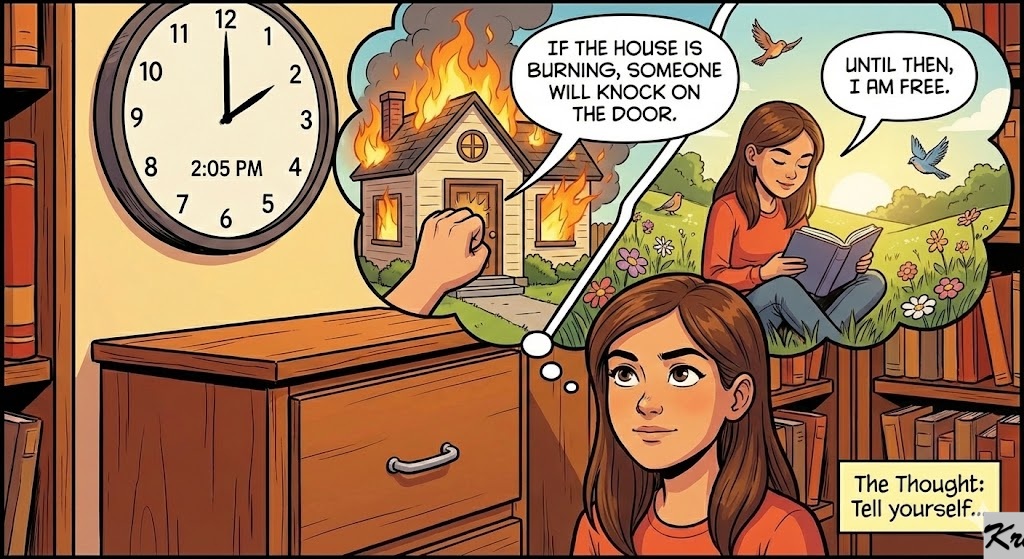
    The Thought: Tell yourself: “If the house is burning, someone will knock on the door. Until then, I am free.”

    👇 Question for the comments: When was the last time you worried about something that never actually happened? Did the “Villain” steal your joy? Tell us your story below!

    By Zubeyir YURTKURAN

    https://www.facebook.com/BrainBattleground/

    https://www.facebook.com/zubeyr.yurtkuran/

    https://www.instagram.com/zubeyryurtkuran/

    https://www.youtube.com/@BrainBattleground-b3p

    https://www.instagram.com/brainbattleground/

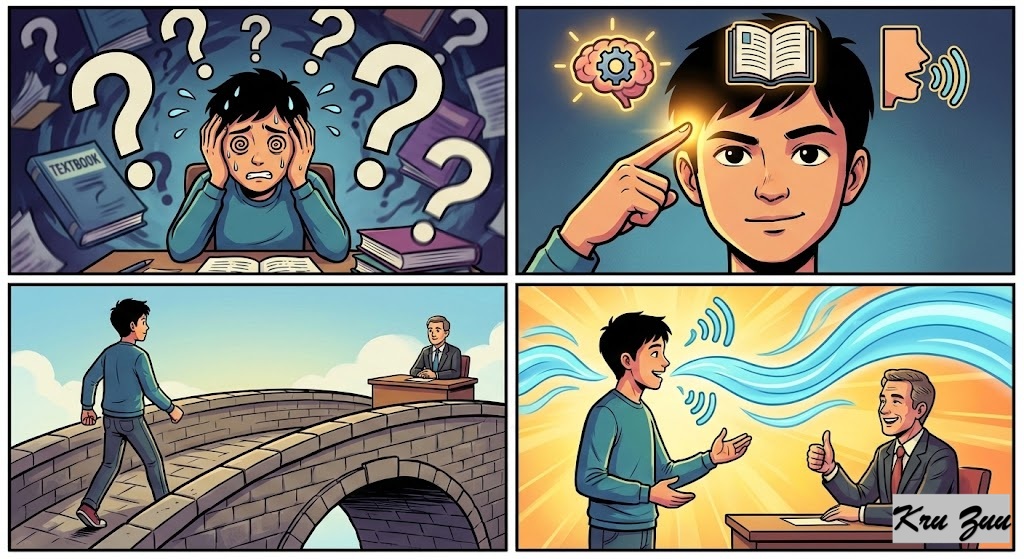
  • 🌉 The Daily Shield: The Law of Future Peace

    🌉 The Daily Shield: The Law of Future Peace

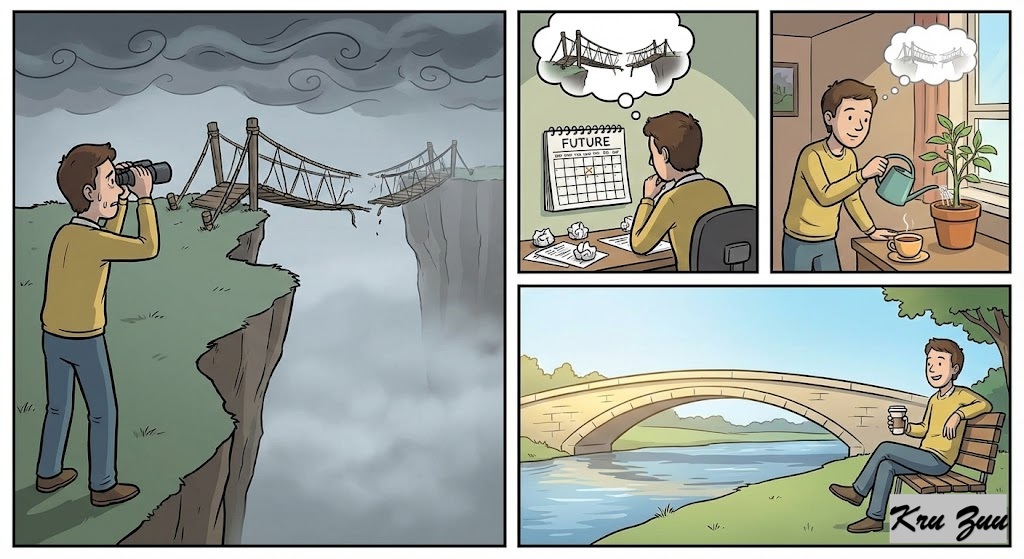
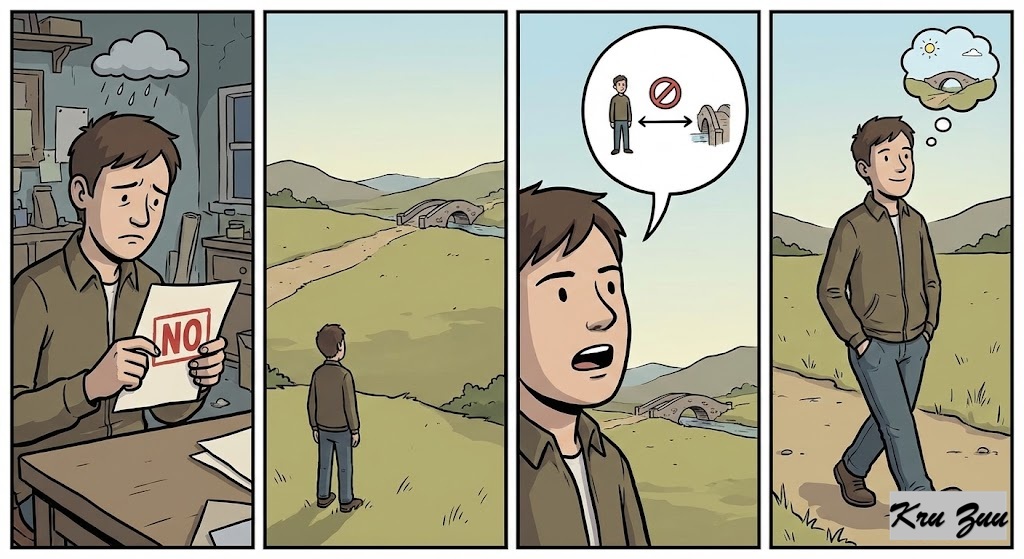
    “Don’t cross the bridge until you come to it.”


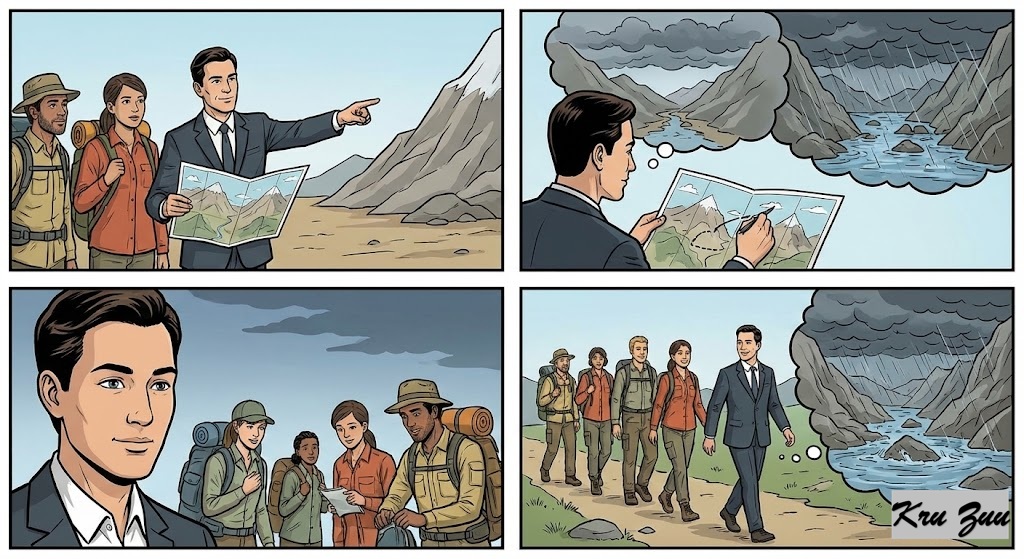
    😈 The Villain (The Overthinker)

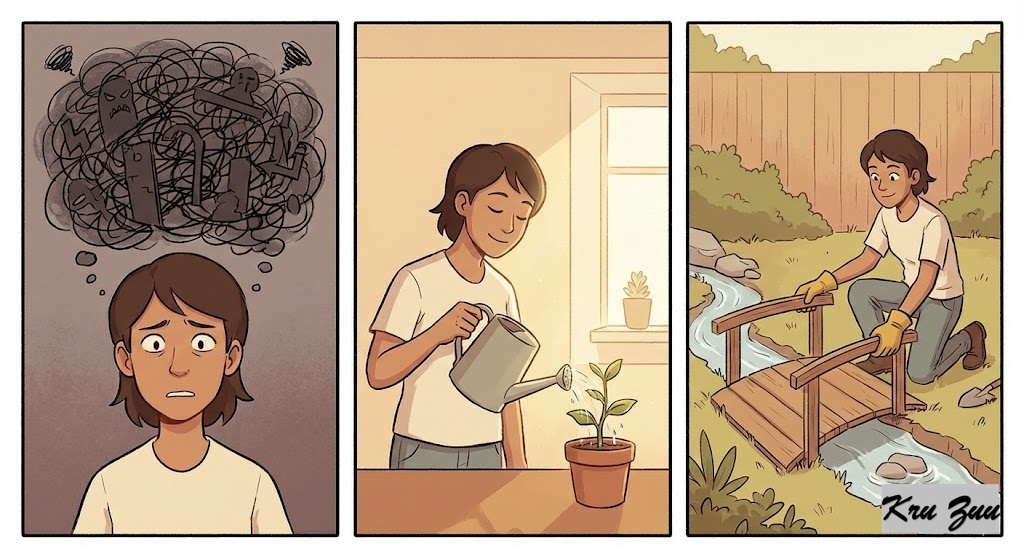
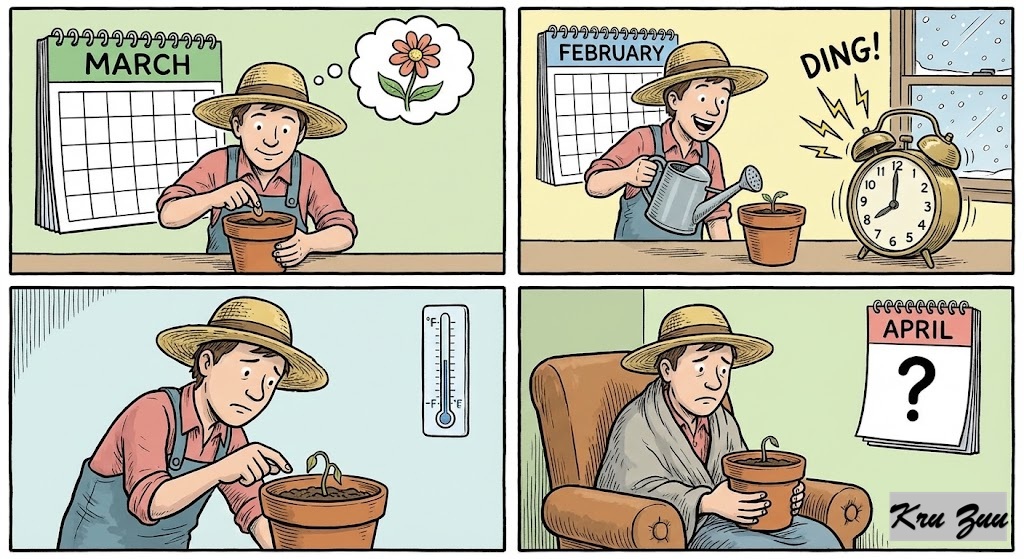
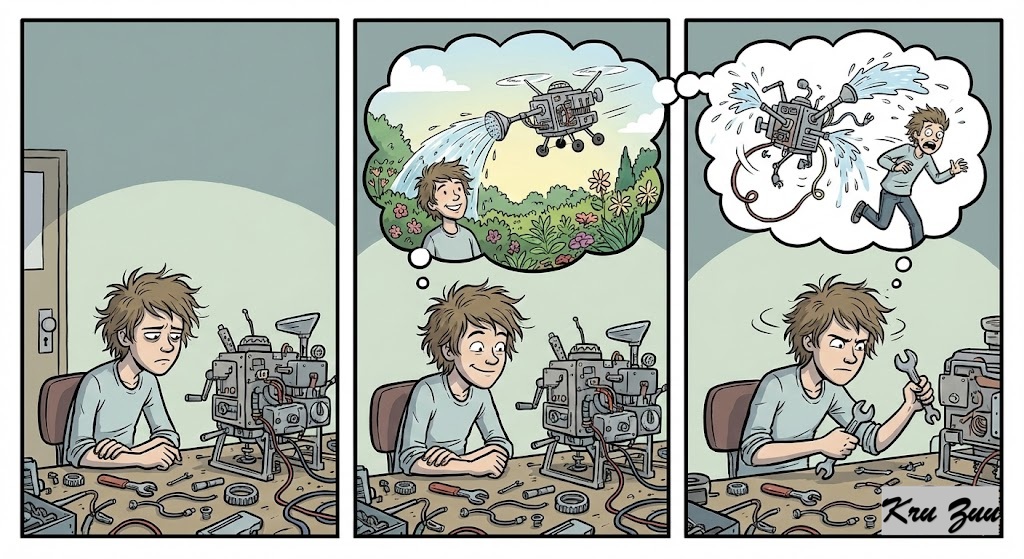
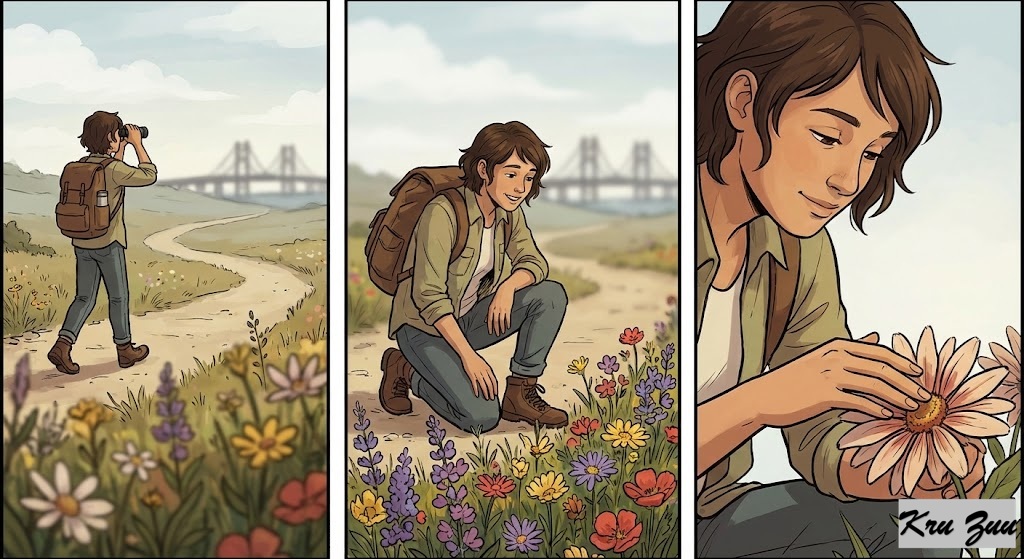
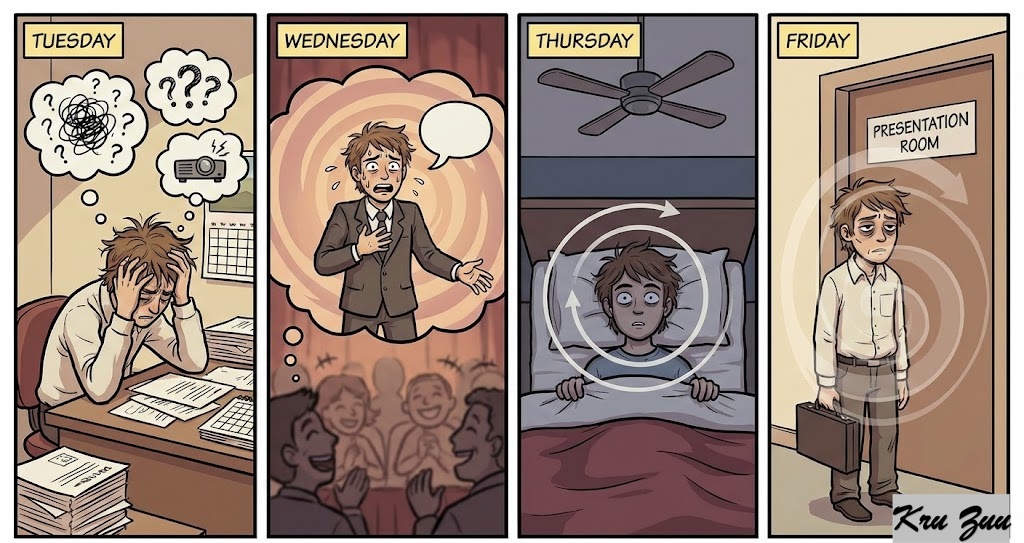
    It is Tuesday. You have a presentation on Friday. What do you do? You don’t just prepare; you panic. 😱 “What if the projector breaks? What if I forget my English? What if they laugh at me?” You live through the disaster 100 times in your head before it even happens. You suffer twice: once in your imagination, and (maybe) once in reality. You are exhausted before the race even starts. You are trapped in the “Anxiety Loop.” 🌀


    😇 The Hero (The Stoic)

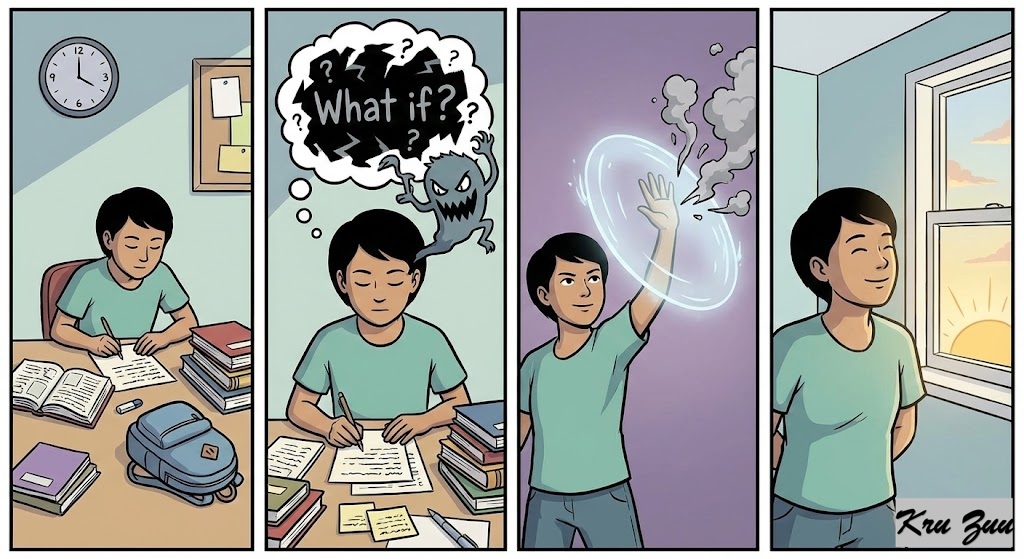
    You know that the future is uncertain. You prepare reasonably, but you refuse to suffer in advance. When a “What if?” thought attacks you, you block it.

    You say: “I will handle that problem if it arrives.” You save your energy for today. You trust your ability to adapt.

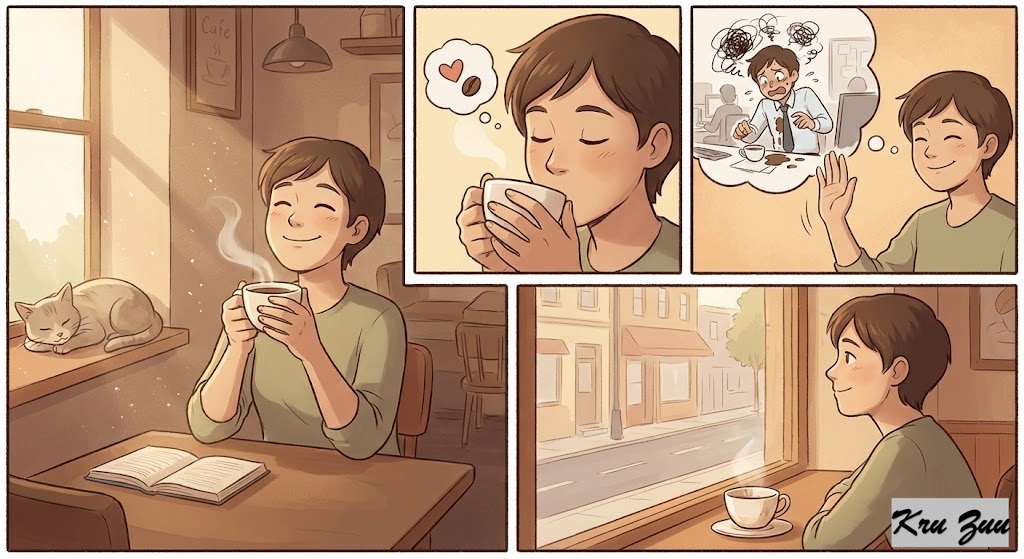
    The Result? You are calm. You are focused. You enjoy your coffee today instead of worrying about spilling it tomorrow. ☕️


    ⚖️ The Reality


    Worrying is like paying interest on a debt you may never owe. 90% of the catastrophes we imagine never actually happen. And if they do happen, worrying didn’t help you solve them, it just made you tired.

    💎 The Secret

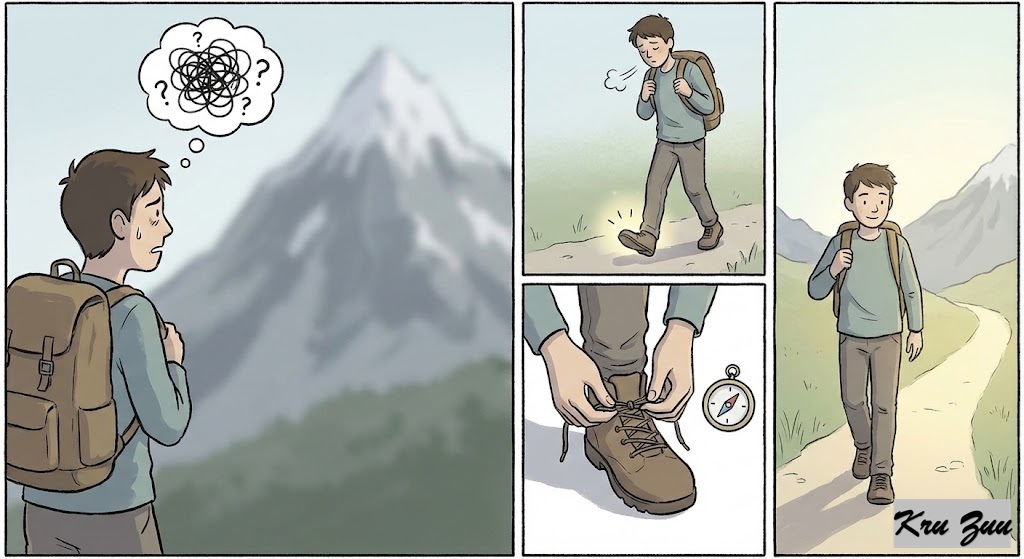
    You cannot solve a problem that doesn’t exist yet. Focus on the step you are taking now, not the step you might take in 5 miles.

    🧐 The Anatomy of the Proverb


    This is your permission slip to relax about the future.


    Don’t Cross (Command): Do not traverse/move over.


    The Bridge (Metaphor): The potential problem, obstacle, or crisis in the future.


    Until You Come To It (Condition): Wait until you are actually standing in front of the problem.


    Simpler Version: Don’t worry about future problems yet. / Deal with issues only when they become real.


    📚 Vocabulary Vault


    Anticipate (Verb): To expect or predict something. (Good leaders anticipate; they don’t panic).


    Premature (Adjective): Occurring or done before the proper time. ⏰


    Hypothetical (Adjective): Based on a possible situation rather than fact; imagined.


    Anxiety (Noun): A feeling of worry, nervousness, or unease about an imminent event or something with an uncertain outcome.


    Adaptability (Noun): The quality of being able to adjust to new conditions.

    📜 History: Ancient Wisdom


    The Origin:
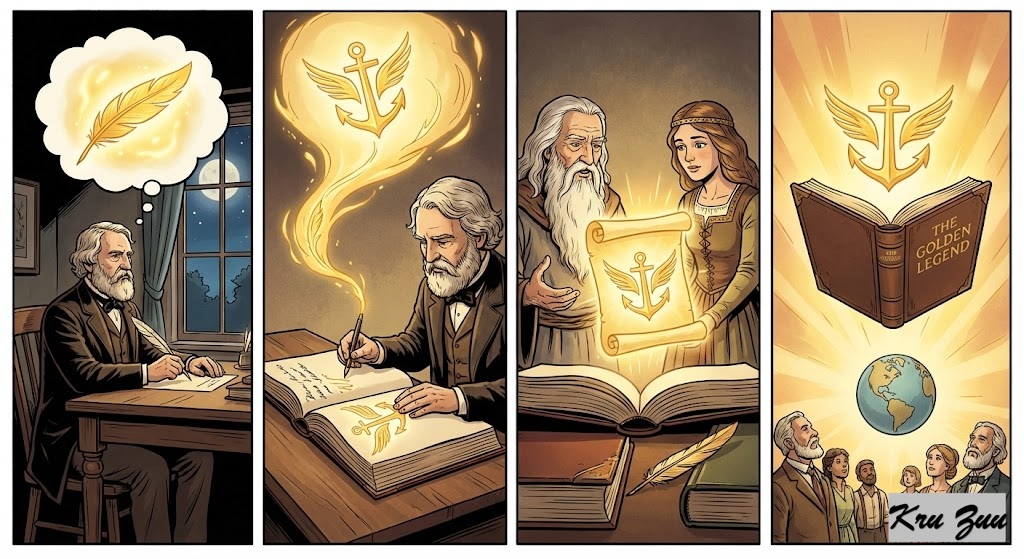
    This proverb is often attributed to the American poet Henry Wadsworth Longfellow in his 1851 work The Golden Legend.


    The Logic: In the old days, travelers literally had to worry if a bridge would hold their horse’s weight. But worrying 10 miles away wouldn’t fix the bridge. You had to get there to check.


    Global Cousins


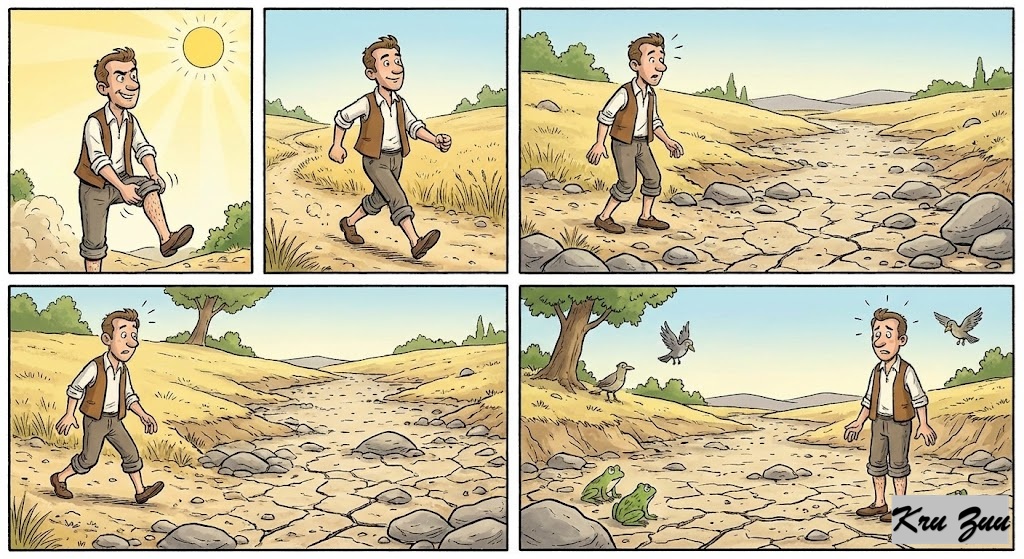
    🇹🇷 Turkish: “Dereyi görmeden paçaları sıvama.” (Don’t roll up your trousers before you see the stream.)


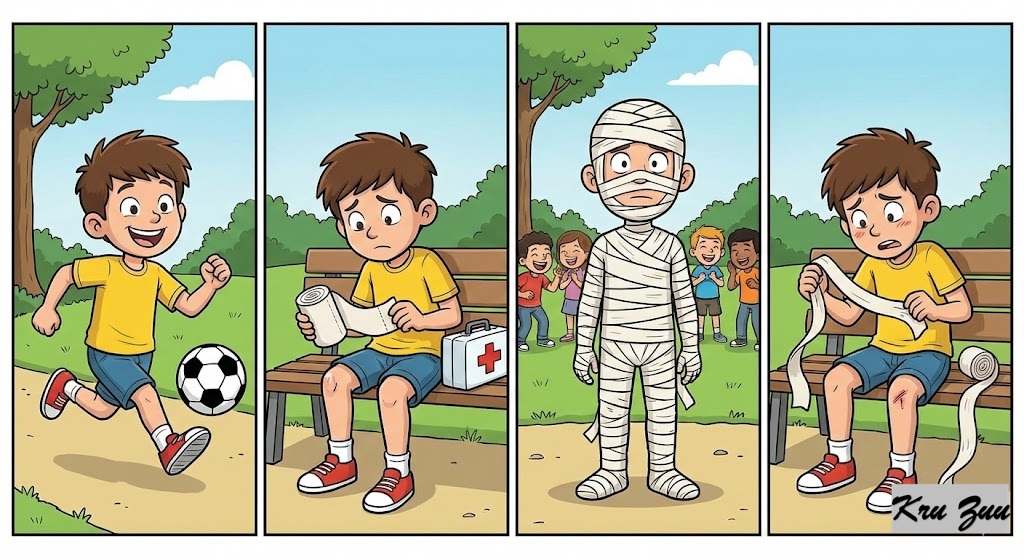
    🇪🇸 Spanish: “No te vendes la herida antes de tenerla.” (Don’t bandage the wound before you have it.)

    🎯 Impact on Life: The Pros & Cons


    ✅ The Pros (The Shield)


    Energy Conservation: You stop wasting mental battery on scenarios that are 99% unlikely.


    Better Focus: By not looking at the “bridge” in the distance, you can see the beautiful flowers right in front of your feet.


    ❌ The Cons (The Trap)


    Lack of Preparation: Be careful. This idiom does not mean “don’t plan.” You should check the weather before a trip. Just don’t cry about the rain three days before it falls. There is a difference between Preparation (smart) and Worry (useless).

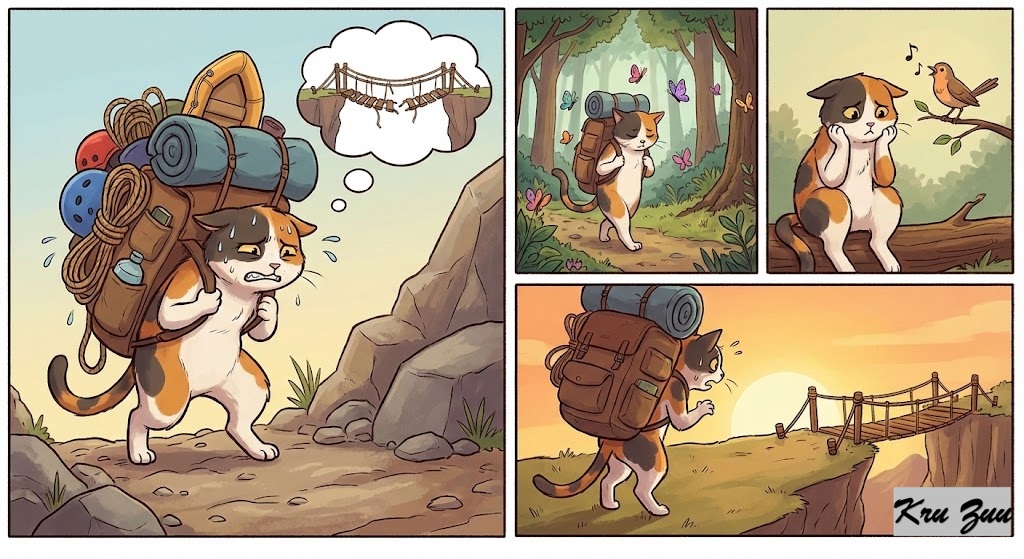
    🎭 Short Story: The Heavy Backpack 🎒🐱🐔


    Let’s hike into the magical forest to see how heavy “worry” really is.


    🌟 The Cast


    Cleo the Cat: The Overthinker. She hates getting her paws wet. 😼


    Cluck the Chicken: The Carefree Traveler. He just wants snacks. 🐔


    Fred the Frog: The Guide. 🐸


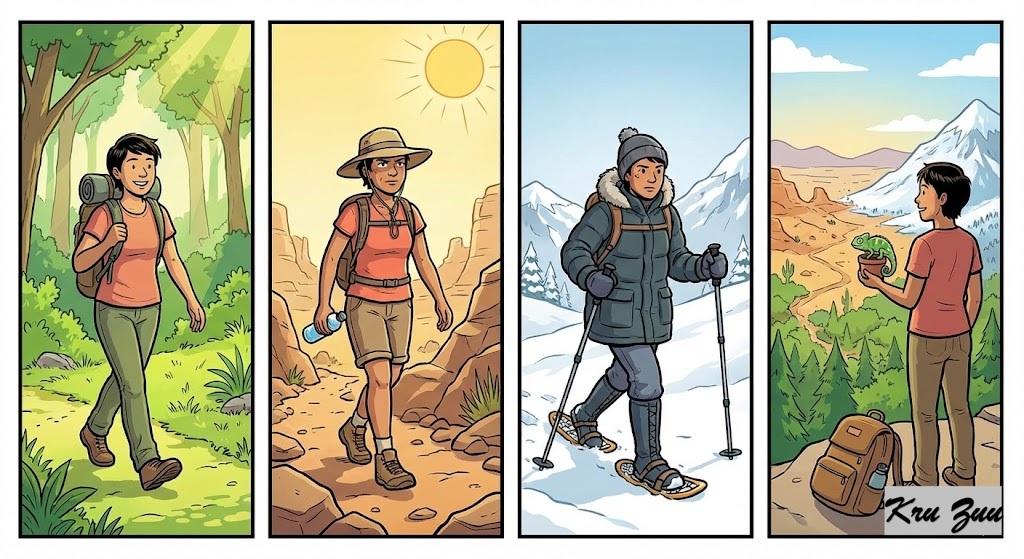
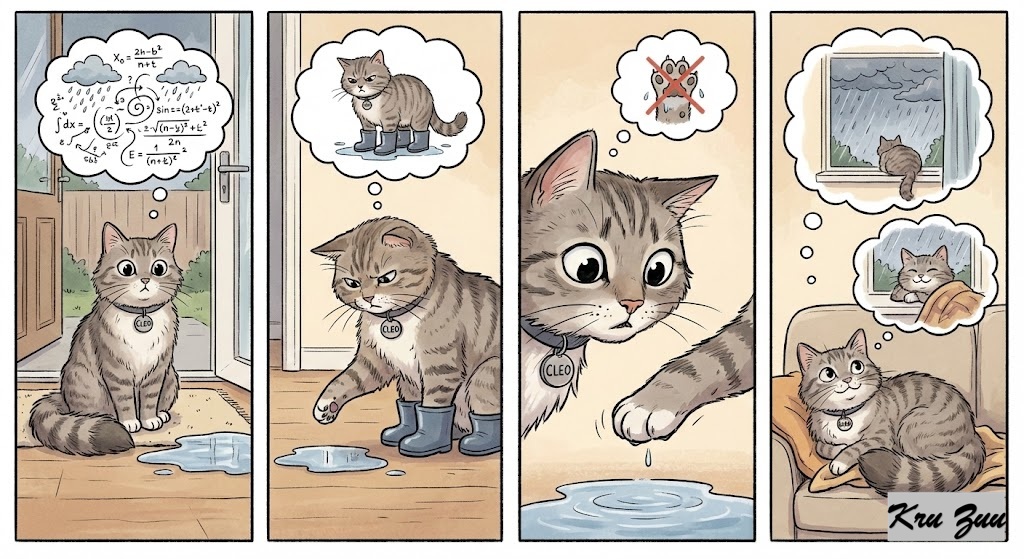
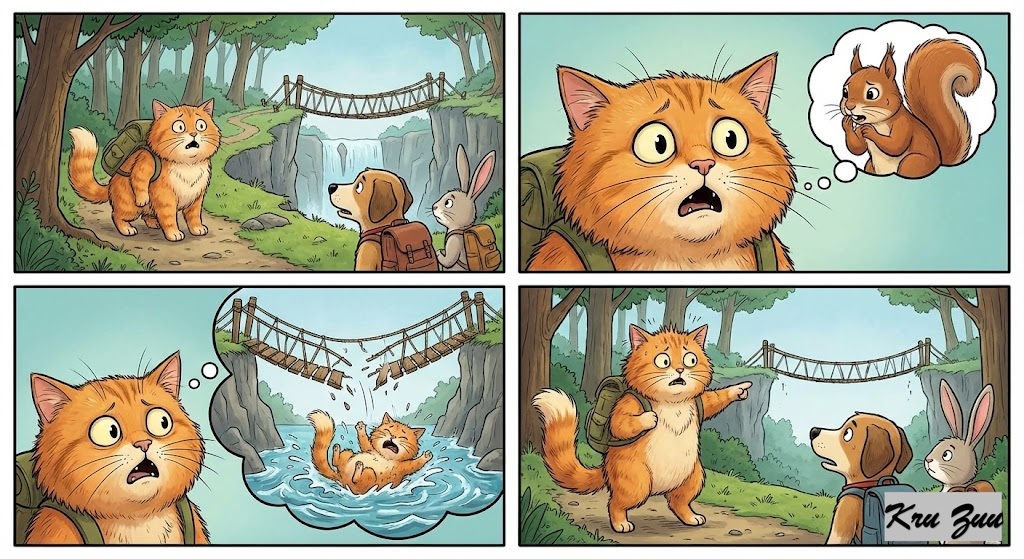
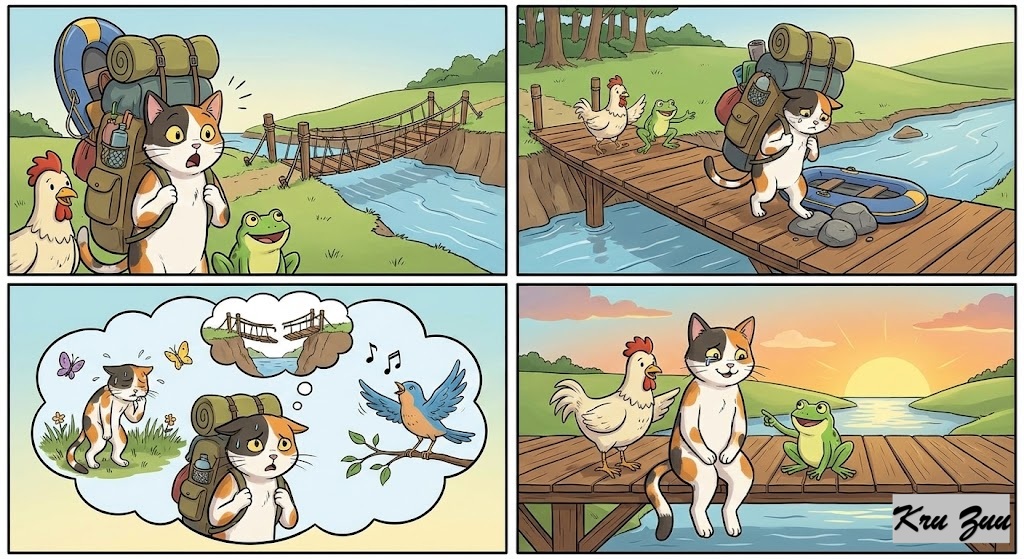
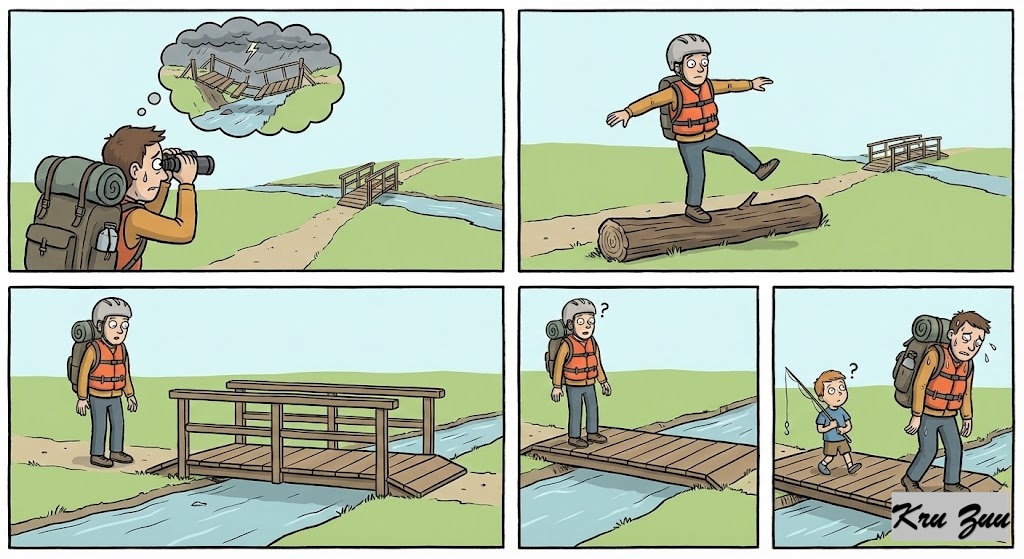
    The Situation: The trio is hiking to the “Crystal Waterfall.” To get there, they must cross the Old Rope Bridge. Cleo’s Panic: Five miles before they reach the bridge, Cleo stops. “I heard a rumor,” she whispers, terrified. “A squirrel told me the Old Rope Bridge might be broken! If it is broken, we will fall into the river! Cats hate water!”


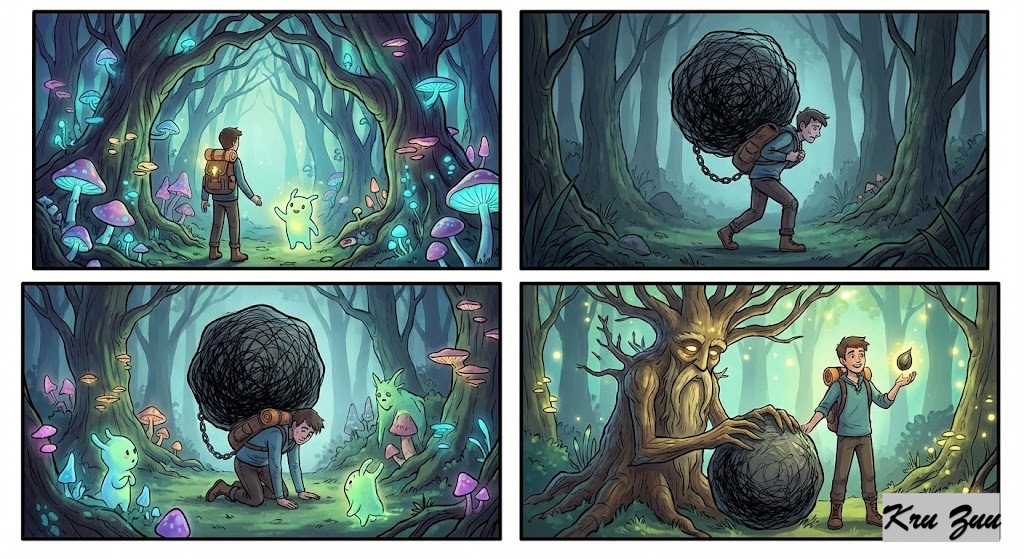
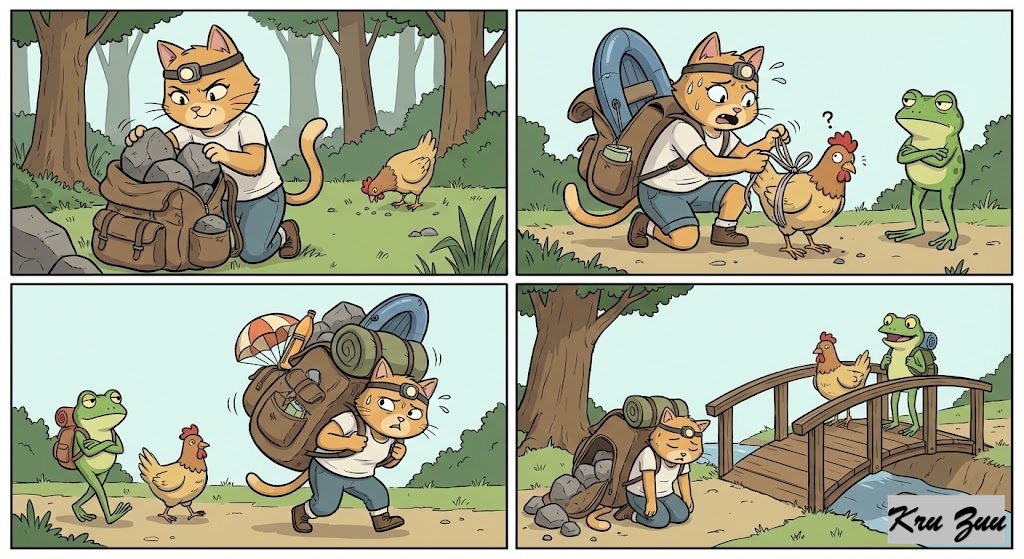
    The Conflict: Cleo opens her backpack. “We must prepare!” she yells. She puts heavy rocks in her bag (“to build a dam”), she packs an inflatable boat, and she tries to tie a parachute to Cluck. “This is heavy,” Cleo complains, sweating and struggling to walk. “But we must be ready for the broken bridge!” Cluck is just eating a worm. “Let’s just walk, Cleo!” Fred says, “Ribbit. Cleo, you are carrying the weight of a ‘maybe’.”


    The Journey: For three hours, Cleo is miserable. She is tired from carrying her heavy “survival gear.” She doesn’t see the butterflies. She doesn’t hear the birds. She only thinks about the scary bridge.


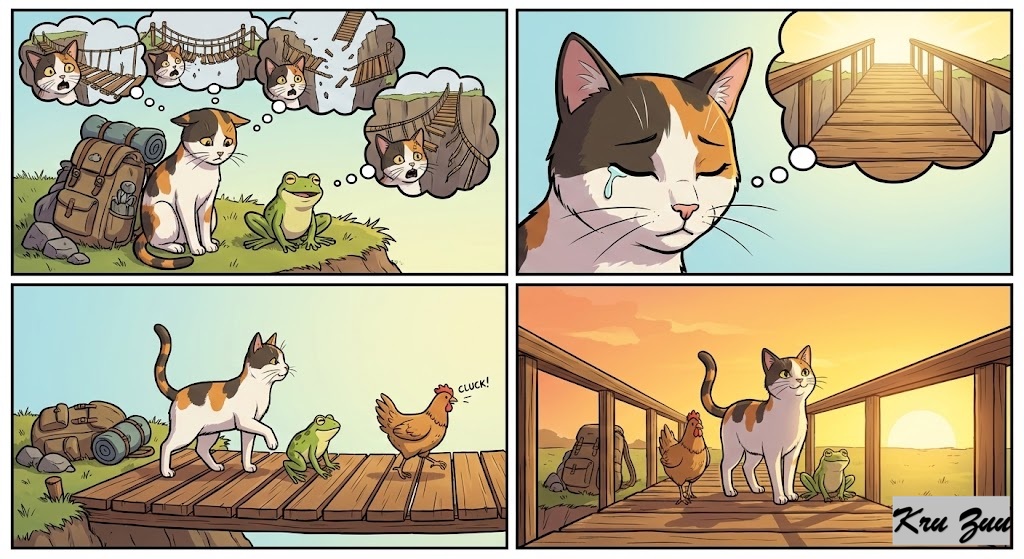
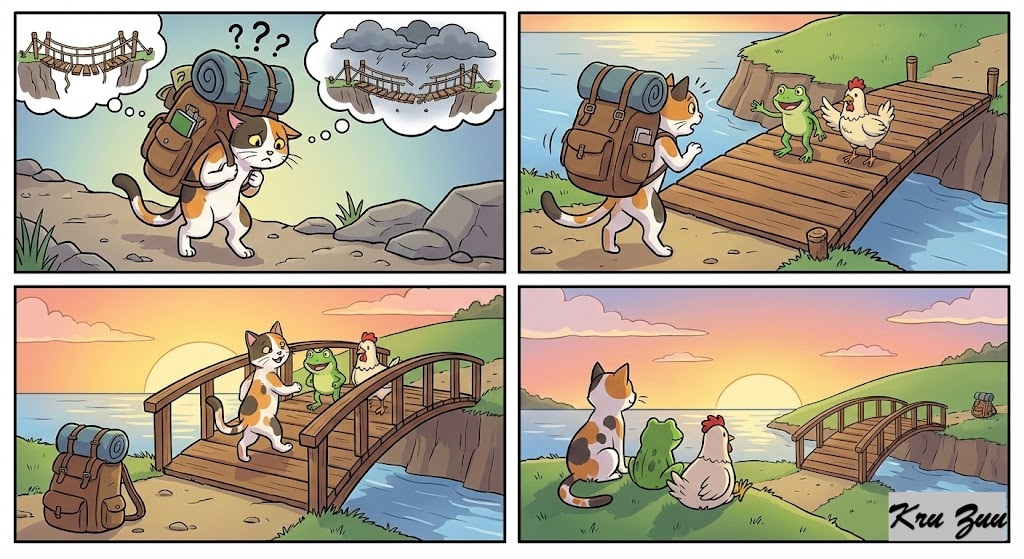
    The Result: They finally arrive at the river… and Cleo gasps. 🙀 The Old Rope Bridge was gone. But in its place, the forest rangers had built a brand new, solid wooden bridge. It was wide, safe, and dry. Cleo looked at her heavy inflatable boat. She looked at her heavy rocks. She realized she had ruined her whole hike worrying about a problem that didn’t exist.


    The Resolution: Fred smiled. “You crossed the bridge in your mind a thousand times, Cleo. And it was scary every time. In reality, you only had to cross it once, and it was easy.”


    The Moral: Don’t carry a heavy backpack of “What ifs.” Most of the bridges you fear turn out to be sturdy paths when you actually arrive.

    🎓 Lesson for English Learners


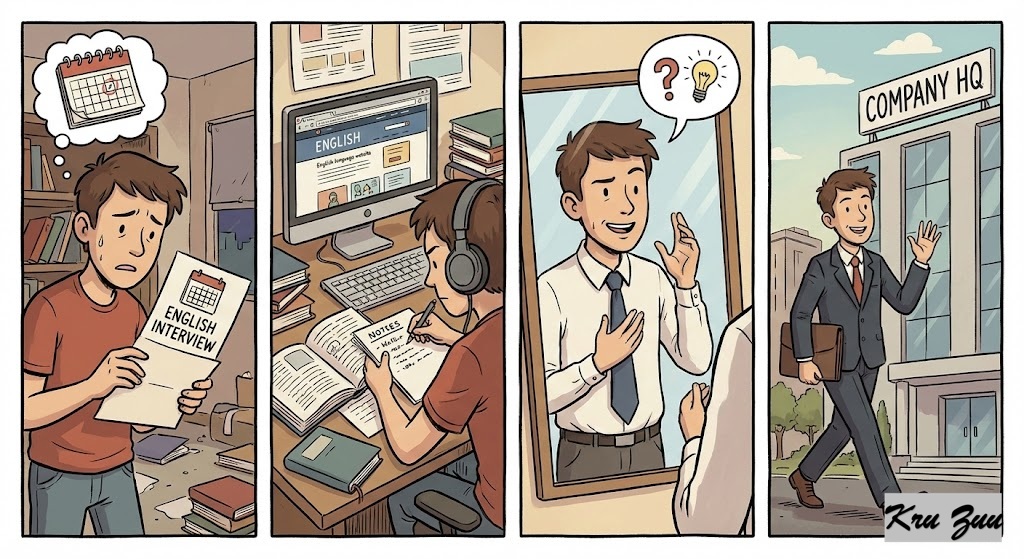
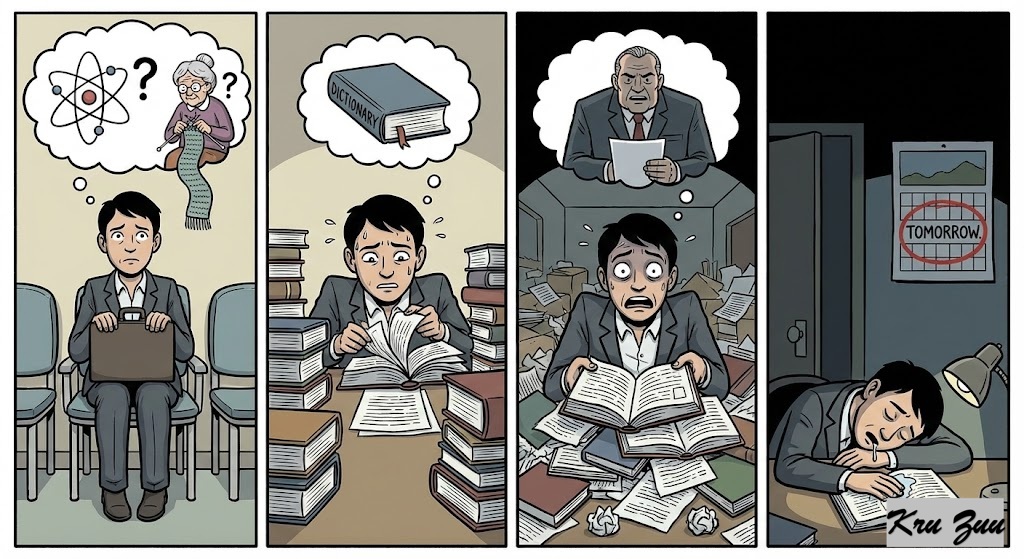
    Don’t Panic About the Exam Speaking Part.


    Situation: You have an English interview next week.


    The Trap: You think: “What if they ask me about nuclear physics? What if they ask me about the history of knitting?” You panic and try to memorize the whole dictionary.


    The Shift: You are crossing the bridge too early.


    You Say: “I cannot predict every question. I will trust my general English skills. I will cross that bridge when the examiner asks the question.” (This confidence usually makes you speak better!)


    💬 Your Turn: The “Delete” Button 🚀


    Is there something you are worried about right now?


    Identify:
    What is a problem you are afraid might happen next month?


    Check: Can you do anything about it right this second?


    The Action: If the answer is “No,” visualize a bridge. Imagine yourself standing far away from it. Say out loud: “I am not at the bridge yet.”


    👇 Question for the comments: Are you a “Cleo” (overthinker) or a “Cluck” (relaxed)? Tell us a time you worried about something that never actually happened!

    By Zubeyir YURTKURAN

    https://www.facebook.com/BrainBattleground/

    https://www.facebook.com/zubeyr.yurtkuran/

    https://www.instagram.com/zubeyryurtkuran/
    https://www.youtube.com/@BrainBattleground-b3p

    https://www.instagram.com/brainbattleground/

  • 🌤️ The Silver Lining Effect: Finding Light in the Dark

    🌤️ The Silver Lining Effect: Finding Light in the Dark

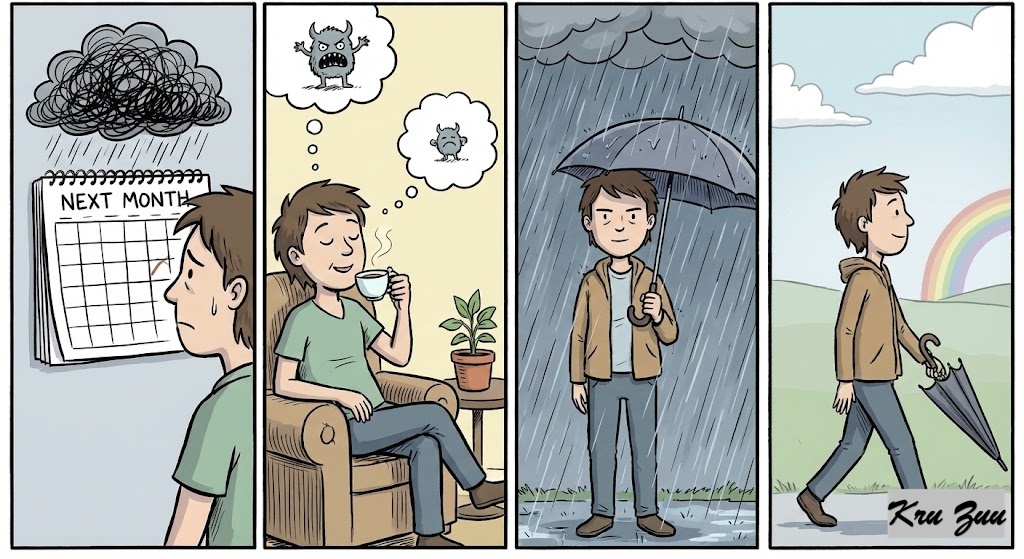
    Every cloud has a silver lining.


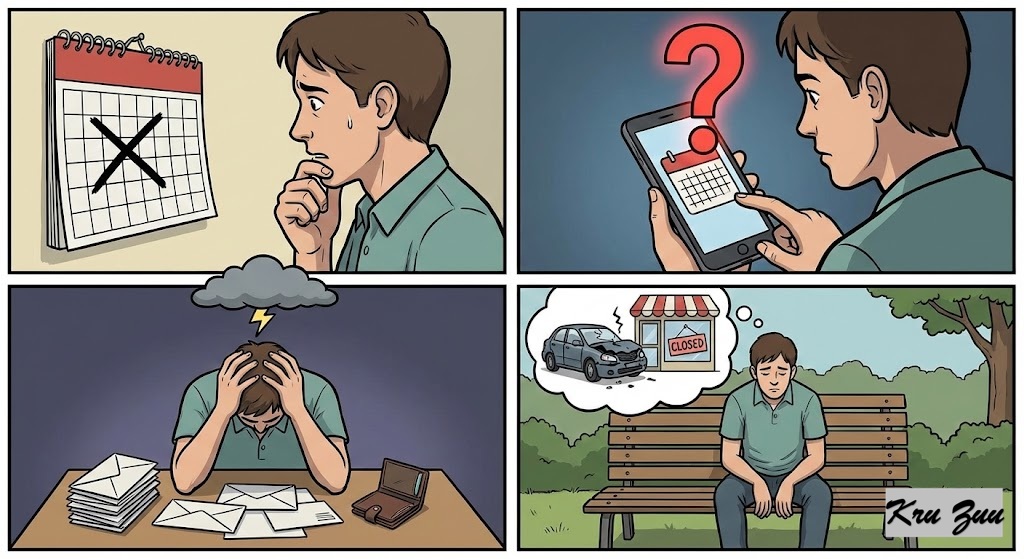
    👿 The Villain (The Pessimist): You lose your job unexpectedly.

    You panic. You spend weeks complaining, blaming your boss, and sleeping until noon.

    You tell everyone, “My life is over.”

    The Result? You miss new job openings because you are too busy being angry.

    Your friends stop calling because your negative energy drains them.

    You stare at the dark cloud so long that you get soaked by the rain. You drown in a puddle of your own making. 🌧️


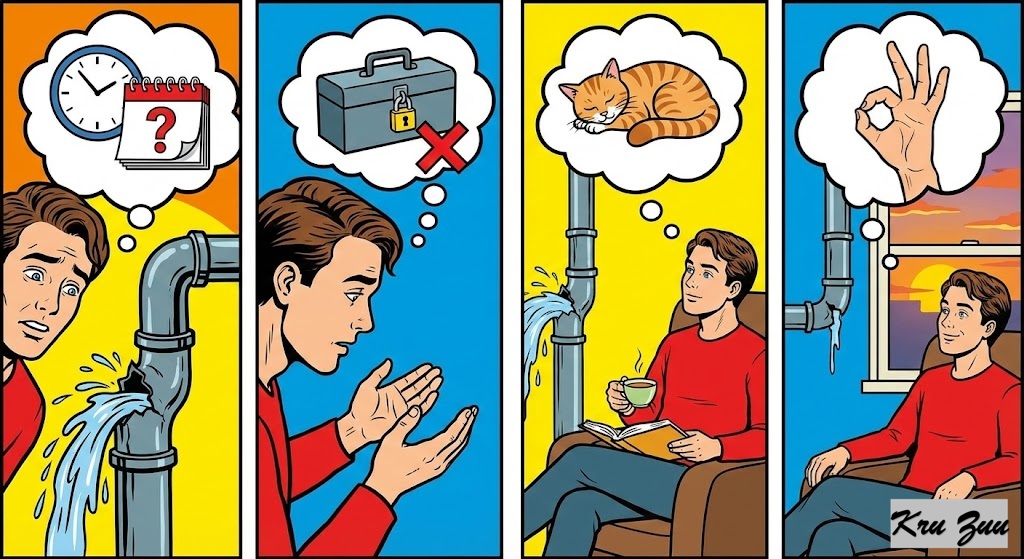
    😇 The Hero (The Alchemist): You lose your job unexpectedly. It hurts, but you take a deep breath.

    You think, “I hated that commute anyway. Now I have time to take that coding course I always wanted.”

    The Result? Three months later, you launch a freelance business.

    You are making more money and working from home.

    Losing that job wasn’t a tragedy; it was the push you needed to fly.

    You didn’t just survive the storm; you used the water to grow a garden. 🌻


    ⚖️ The Reality:
    Life is not a weather report you can control.

    Storms will happen. But the sun never actually leaves; it is just temporarily hidden.

    💎 The Secret: The “bad thing” is often the transportation system for the “good thing.” Without the dark background, the stars cannot shine.

    🧐 The Anatomy of the Proverb


    This is the ultimate phrase for Optimism. It reminds us that even the worst situations (clouds) have a positive aspect or a hopeful side (the silver lining).


    Cloud: Represents trouble, sadness, or difficulty.


    Silver Lining: Represents the sun shining from behind the cloud, creating a glowing, bright edge. (Hope/Advantage).


    📚 Vocabulary Vault


    Optimist (Noun):
    A person who tends to look on the more favorable side of events. 😃


    Pessimist (Noun): A person who tends to see the worst aspect of things. ☹️


    Resilience (Bonus Word): The capacity to recover quickly from difficulties; toughness.


    Setback (Noun): A reversal or check in progress (a minor problem).


    Blessing in Disguise (Idiom): Something that seems bad at first but results in something good.


    🧠 Grammar Focus


    “Every” + Singular Noun vs. Plural Meaning This is a common trap for students! Even though “Every” talks about all the clouds, we treat it grammatically as a single unit.


    Subject: [Every cloud]


    Verb: [has] (Third Person Singular)


    Object: [a silver lining]


    Incorrect: Every clouds have a silver lining. ❌
    Incorrect: Every cloud have a silver lining. ❌
    Correct: Every cloud has a silver lining. ✅

    📜 History: Origin and Spread


    This poetic phrase wasn’t invented by a philosopher, but by a poet.


    The Origin: It comes from John Milton’s masque “Comus” (1634).

    He wrote: “Was I deceived, or did a sable cloud / Turn forth her silver lining on the night?”


    The Evolution: In the Victorian era, people shortened it to the proverb we use today to cheer each other up during hard times.


    Global Cousins:


    🇹🇷 Turkish:
    “Her şerde bir hayır vardır.” (There is good in every evil/bad thing.)


    🇪🇸 Spanish: “No hay mal que por bien no venga.” (There is no bad from which good does not come.)


    🇩🇪 German: “Auf Regen folgt Sonnenschein.” (After rain follows sunshine.)


    🇯🇵 Japanese: “Saiou ga uma.” (The story of the old man’s horse, bad luck leads to good luck.)

    🎯 Impact on Life: The Pros & Cons


    Is this toxic positivity, or a survival strategy?


    ✅ The Pros (The Shield):


    Mental Health:
    It reduces anxiety. Instead of focusing on “Why me?”, you focus on “What now?”


    Problem Solving: When you look for the silver lining, you stop freezing and start acting.


    Grit: It helps you endure pain because you believe there is a purpose to it.


    ❌ The Cons (The Trap):


    Invalidation:
    Telling someone who just lost a loved one “Every cloud has a silver lining” is rude. Sometimes, people just need to be sad.


    Denial: If you only look at the bright side, you might ignore a serious problem that needs fixing.

    🎭 Short Story: The Ruined Picnic


    Let’s visit our trio: Penny, Fiona, and Max.


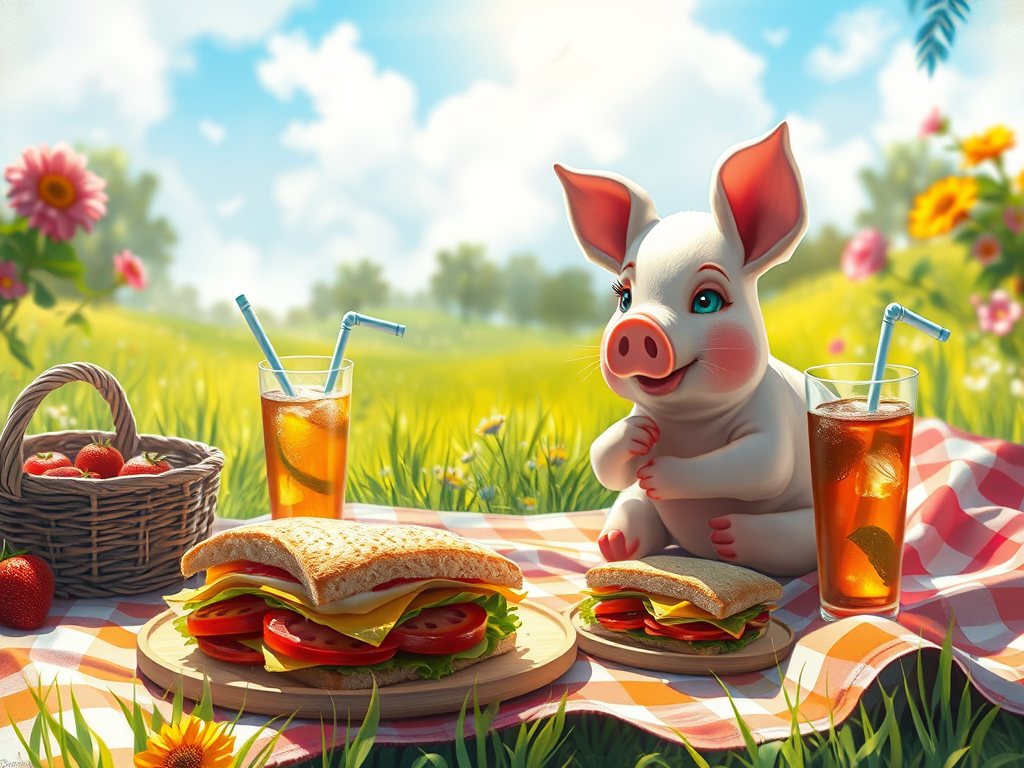
    🌟 The Setup: Penny the Pig had organized the “Perfect Picnic.” She had sandwiches, iced tea, and a beautiful blanket.

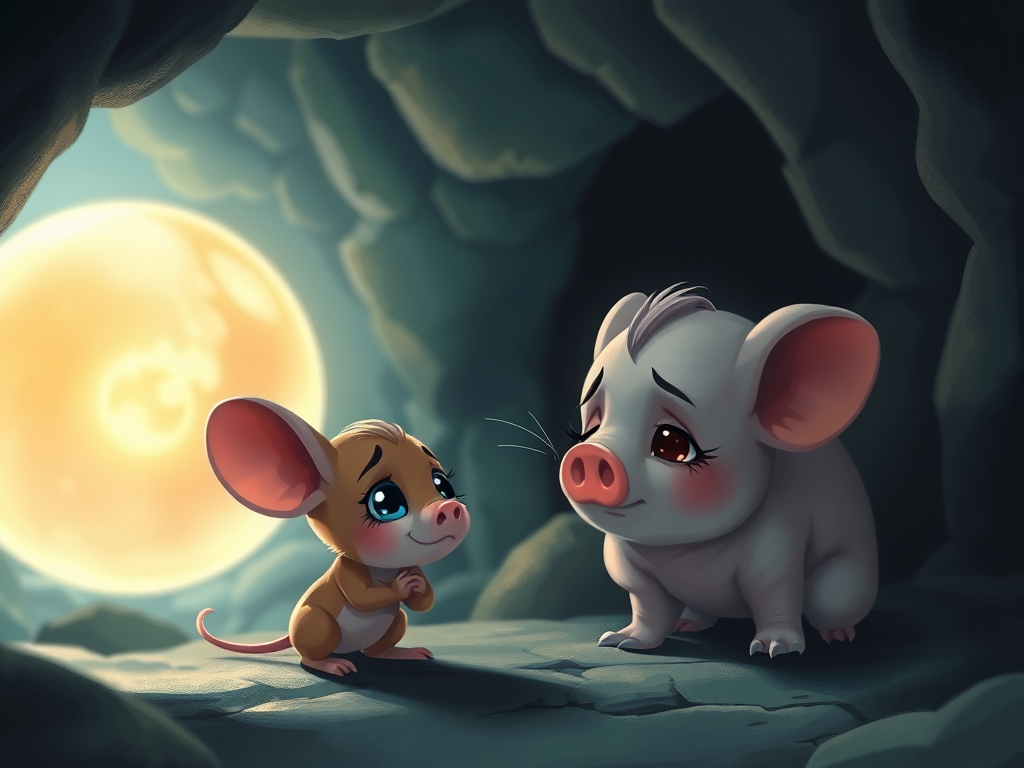
    Fiona the Fox and Max the Mouse were excited. “It’s going to be a beautiful day!” Penny(PIG) squealed.


    The Conflict: As soon as they sat down… KABOOM! Thunder crashed. The sky turned black, and rain poured down instantly.

    “My sandwiches!” cried Penny. “My fur!” cried Fiona.

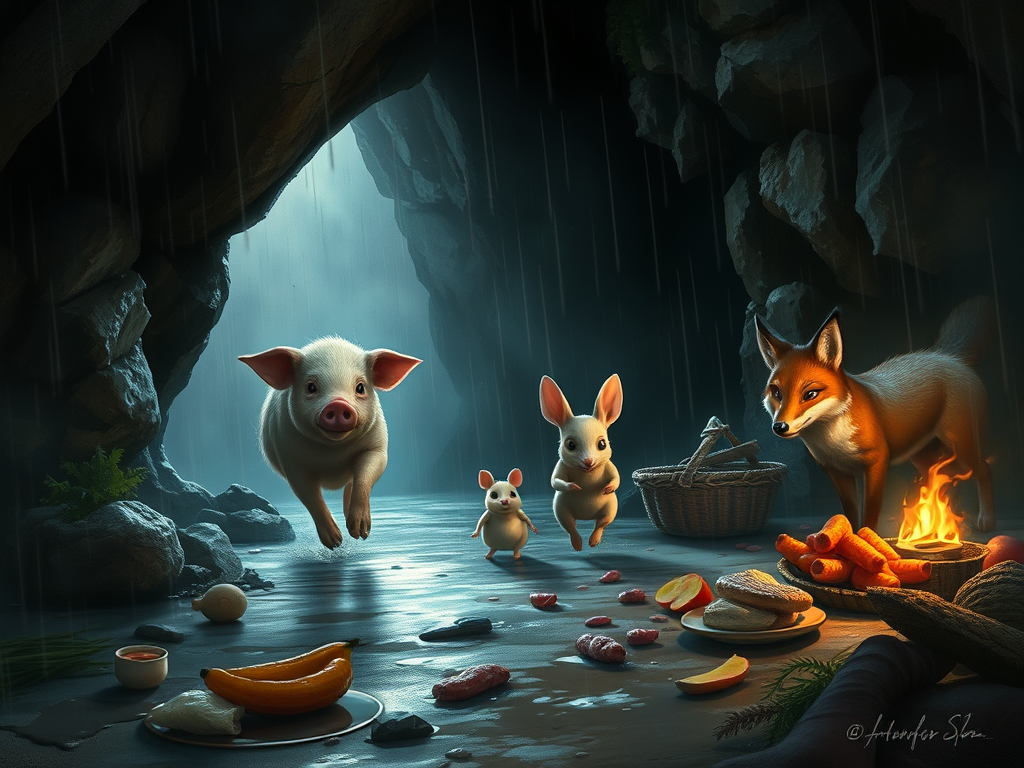
    The picnic was ruined. They grabbed the wet food and ran into a nearby dark cave for shelter. ⛈️


    The Action: Penny was crying. “This is a disaster.” But Max, being small and curious, saw something glowing at the back of the cave.

    “Hey guys, look at this!” he squeaked. They walked deeper into the cave.

    The walls were covered in glow-worms that looked like a magical starry night sky. It was breathtakingly beautiful. ✨


    The Climax: They sat on the dry rocks, ate their slightly soggy sandwiches, and watched the magical light show of the glow-worms.

    They told ghost stories and laughed louder than they would have outside.


    The Moral: If it hadn’t rained, they never would have found the magical cave.

    The storm (the cloud) led them to the most beautiful memory of the summer (the silver lining).

    🎓 Lesson for English Learners


    How to use this phrase naturally.


    Consoling a Friend (Professional Failure) 💼


    Situation:
    Your friend didn’t get the promotion they wanted.


    You say: “I know it hurts, but maybe every cloud has a silver lining. This might be the sign you needed to apply for that better company in the city.”


    Reframing a Bad Day 🚌


    Situation:
    You missed your bus and had to walk.


    You say: “Well, I missed the bus, but every cloud has a silver lining; at least I got my 10,000 steps in for the day!”


    Vocabulary Expansion 📚


    To Look on the Bright Side:
    To find the good in a bad situation.


    To Make Lemonade out of Lemons: To turn a difficulty into an opportunity.


    Weather the Storm:
    To endure a difficult situation until it improves.


    💬 Your Turn


    The “Hidden Gem” Challenge 💎


    Let’s practice gratitude.


    The Cloud:
    Think of a time something “bad” happened to you (a breakup, a firing, a missed flight).


    The Silver Lining: What good thing happened because of that bad event? Did you meet someone new? Did you learn a lesson?


    Action Step:
    Next time you complain today (about the traffic, the weather, or work), immediately add “…but the silver lining is…” and finish the sentence.


    Question: What is the biggest “Blessing in Disguise” you have ever experienced? Tell us your story in the comments! 👇

    By Zubeyir YURTKURAN

    https://www.facebook.com/BrainBattleground/

    https://www.facebook.com/zubeyr.yurtkuran/

    https://www.instagram.com/zubeyryurtkuran/
    https://www.youtube.com/@BrainBattleground-b3p