Tag: Learning English

  • ๐Ÿค The Daily Alliance: The Law of SynergyTwo heads are better than one.

    ๐Ÿค The Daily Alliance: The Law of SynergyTwo heads are better than one.

    ๐Ÿ‘ฟ The Villain (The Soloist): You say, “I work better alone.

    ” You say, “Explaining it to others takes too much time.”

    You hide your work because you are afraid someone will steal your credit.

    You think asking for help is a sign of weakness.

    The Result? You get stuck on a simple problem for 5 hours.

    You miss obvious mistakes.

    You burn out carrying the weight of the world on your own shoulders.

    You become the King of a Lonely Island. ๐Ÿ๏ธ๐Ÿฅ€


    ๐Ÿ˜‡ The Hero (The Mastermind): You realize that your brain has blind spots.

    You say, “I have an idea, but I need a fresh perspective.”

    You bring your draft to a friend. You brainstorm with a rival. You accept that you don’t know everything.

    The Result? 1 + 1 = 3. You find the solution in 10 minutes.
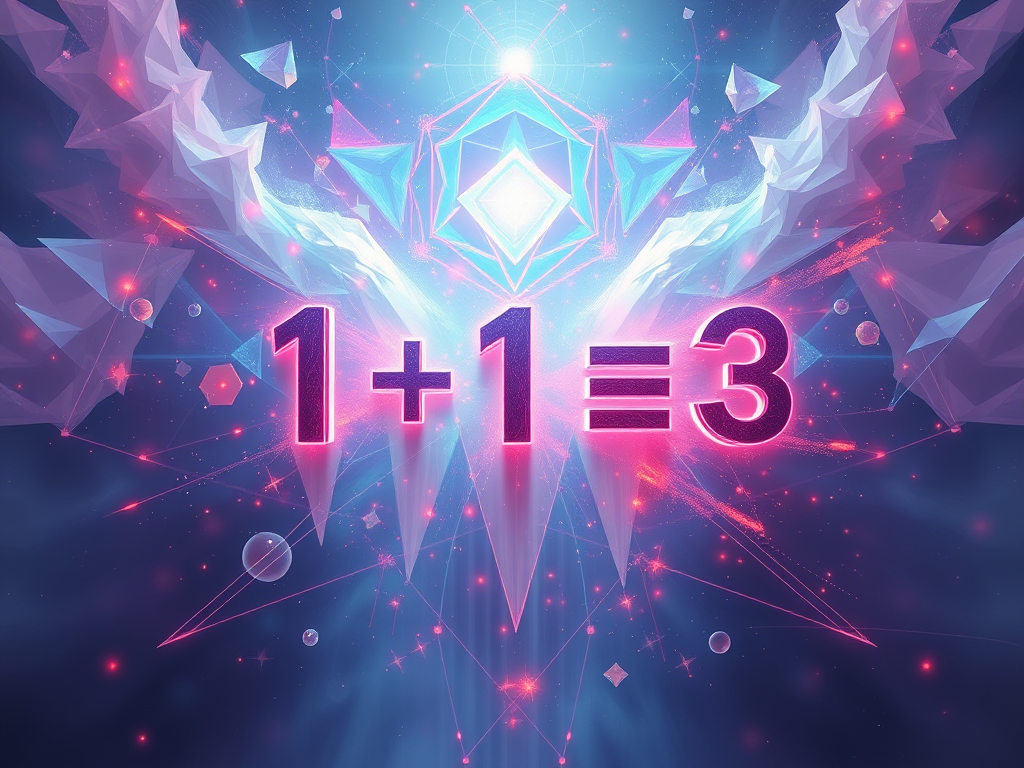
    You achieve Synergy.

    You don’t just solve the problem; you destroy it. You build an empire because you know how to build a team. ๐Ÿš€๐Ÿค


    โš–๏ธ The Reality: The smartest person in the room is usually the one who asks the most questions. Nobody wins a war alone.

    ๐Ÿ’Ž The Secret: Collaboration is not about making the work easier; it is about making the result better.

    ๐Ÿง The Anatomy of the Proverb

    This is the Golden Rule of Teamwork.

    It implies that two people working together will solve a problem faster and better than one person working alone.


    Heads (Noun): Metaphor for minds, perspectives, or ideas. ๐Ÿง 


    Better (Adjective): The comparative form of “Good.” Superior. ๐Ÿ“ˆ


    One (Noun): A single individual (The lonely path). ๐Ÿ‘ค


    ๐Ÿ“š Vocabulary Vault


    Synergy (Noun):
    When the combined effect is greater than the sum of separate effects (1+1=3). โœจ


    Perspective (Noun): A particular way of viewing things. (I see a “6”, you see a “9”).


    Collaborate (Verb): To work together on a project.


    Brainstorm (Verb): To discuss ideas freely to solve a problem. ๐ŸŒช๏ธ


    Blind Spot (Noun): An area where you cannot see or understand something (a mistake you miss).


    ๐Ÿง  Grammar Focus

    Comparative Adjectives (Irregular) This proverb uses the most common irregular comparison in English!


    Positive: Good ๐Ÿ‘


    Comparative: Better (NOT “Gooder”) ๐Ÿ“ˆ


    Superlative: The Best ๐Ÿ†


    Structure: [Noun A] + [Verb] + better than + [Noun B].


    Example: “Studying with a partner is better than studying alone.”

    ๐Ÿ“œ History: Origin and Spread

    This wisdom is universal. Humans survived history because we formed tribes.


    The Origin: First recorded by John Heywood in 1546.

    The Logic: One hunter catches a rabbit. Two hunters catch a Mammoth. ๐Ÿฆฃ


    Global Cousins:


    ๐Ÿ‡น๐Ÿ‡ท Turkish:
    “Bir elin nesi var, iki elin sesi var.” (What does one hand have? Two hands have a sound.) โ€” Legendary match! ๐Ÿ‘


    ๐Ÿ‡ฐ๐Ÿ‡ท Korean: “Even a sheet of paper is lighter when held by two.”


    ๐ŸŒ African Proverb: “If you want to go fast, go alone. If you want to go far, go together.”

    ๐ŸŽฏ Impact on Life: The Pros & Cons

    Is more always better?

    โœ… The Pros (The Multiplier):


    Error Checking:
    Your friend sees the spinach in your teeth before the meeting. You can’t see your own face!


    Creativity: Different backgrounds create new ideas (The “Steve Jobs & Wozniak” effect).


    โŒ The Cons (The Trap):


    Groupthink: Agreeing just to be polite. (Bad!)


    “Too many cooks spoil the broth”: This is the opposite proverb!

    If too many people try to lead, it becomes a disaster. You need two heads, not twenty!

    ๐ŸŽญ Short Story: The River Crossing

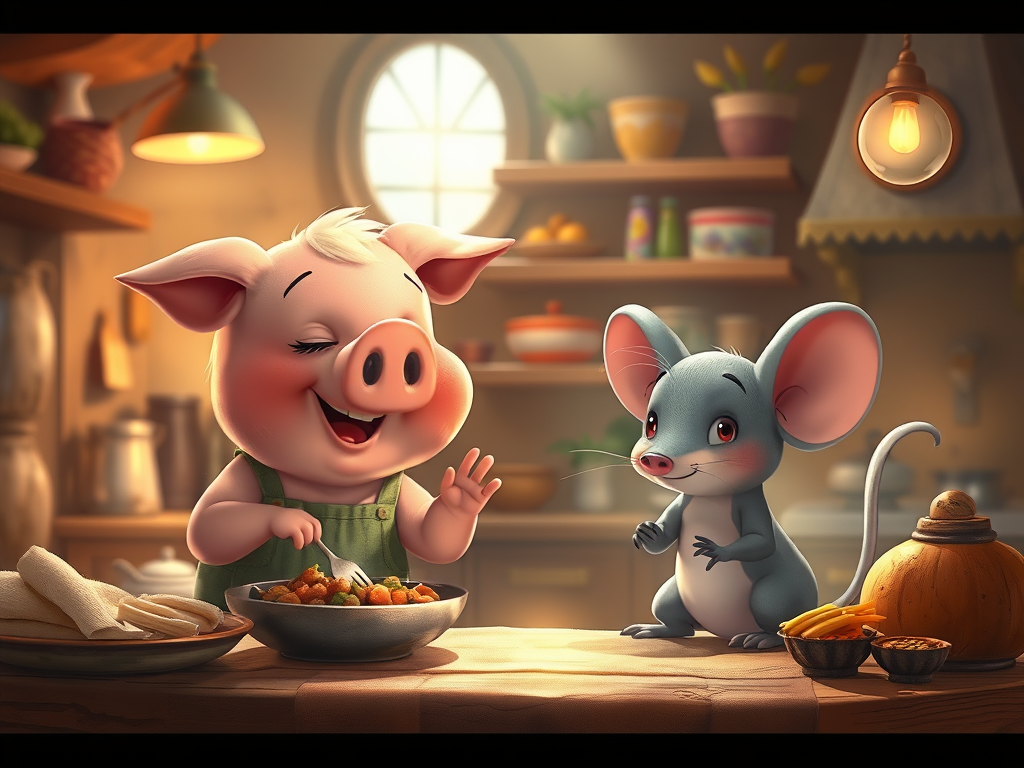
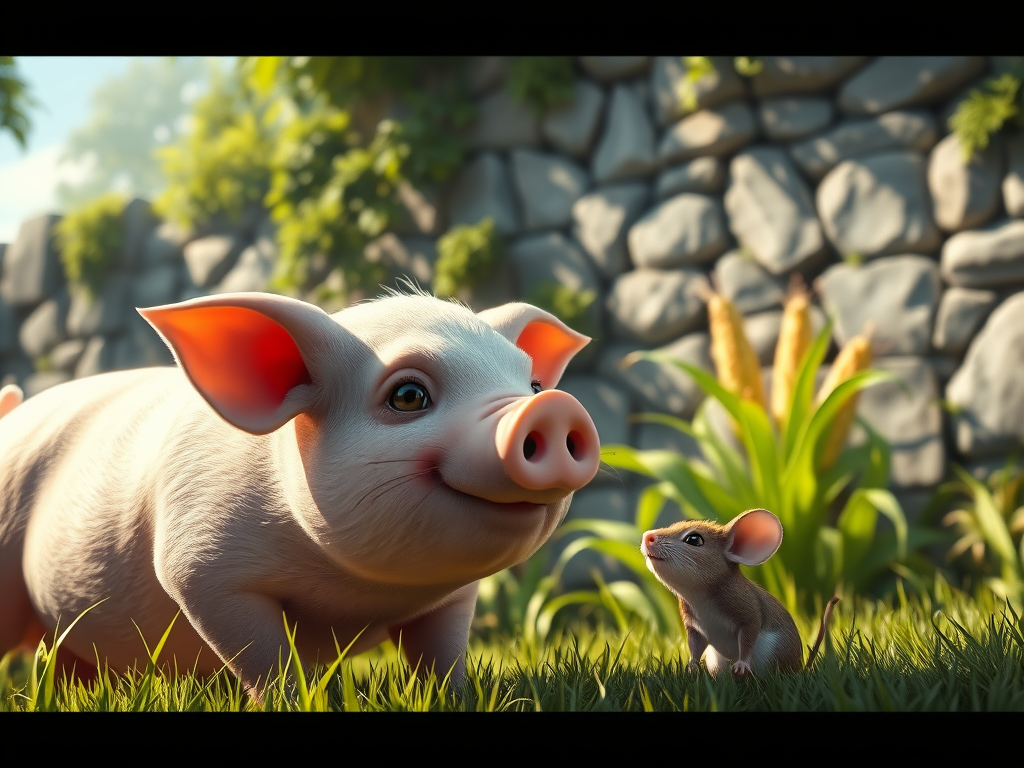
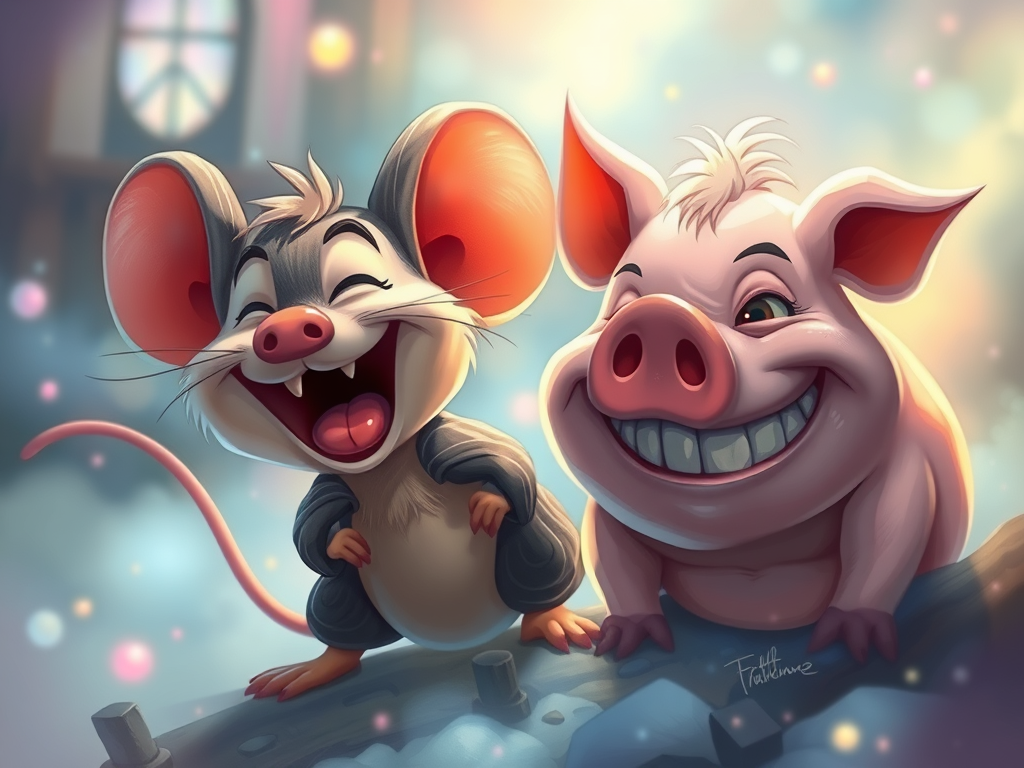
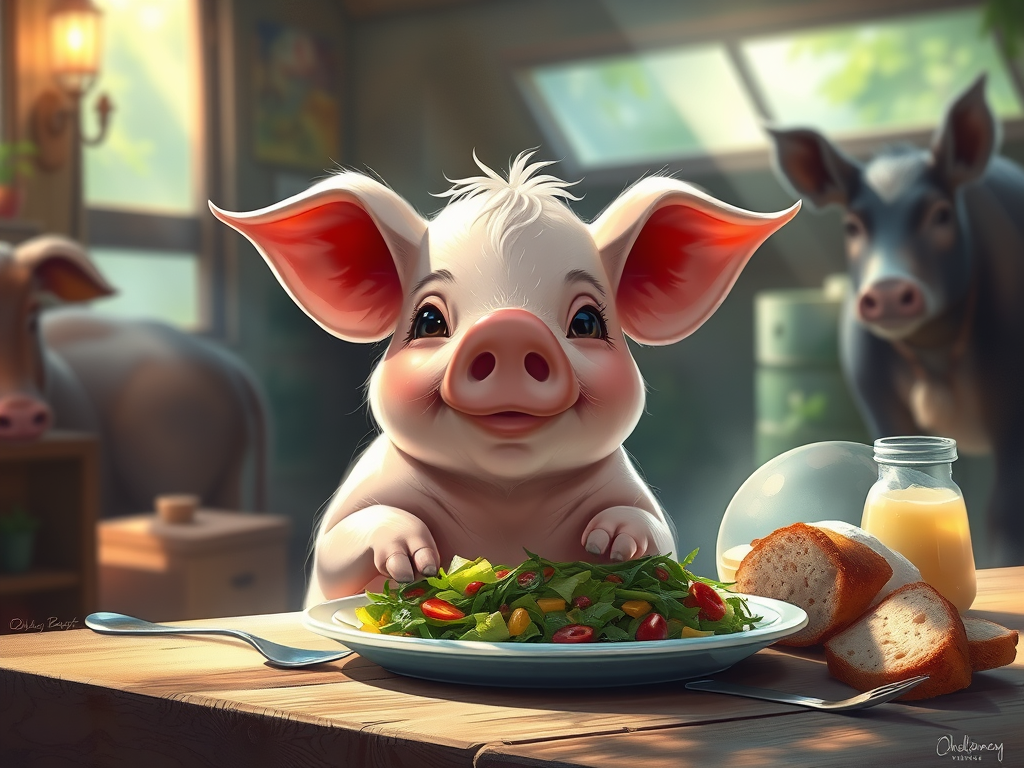
    Letโ€™s visit our friends, Penny the Pig and Max the Mouse.


    ๐ŸŒŸ The Setup: Penny and Max needed to cross a rushing river to get to a berry bush.
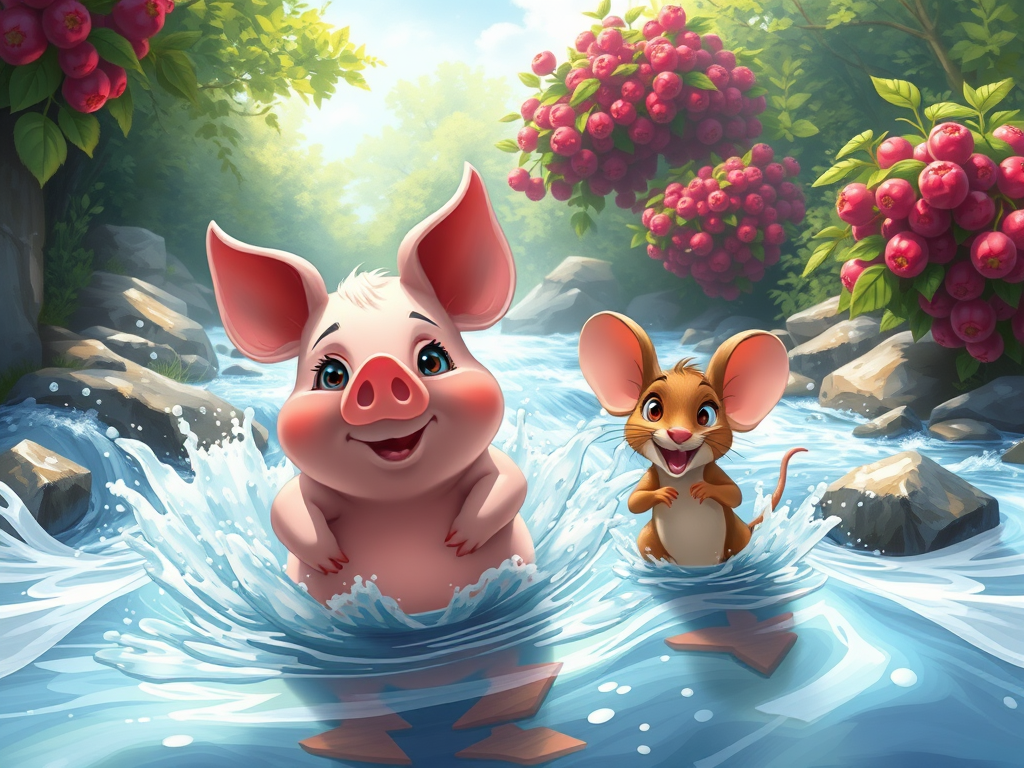
    There was no bridge. Just a long, heavy wooden log on the grass. ๐Ÿชต

    The Conflict: Penny was strong enough to push the log, but she couldn’t see where the sharp rocks were in the water.

    She tried to push it blindly and almost got stuck.
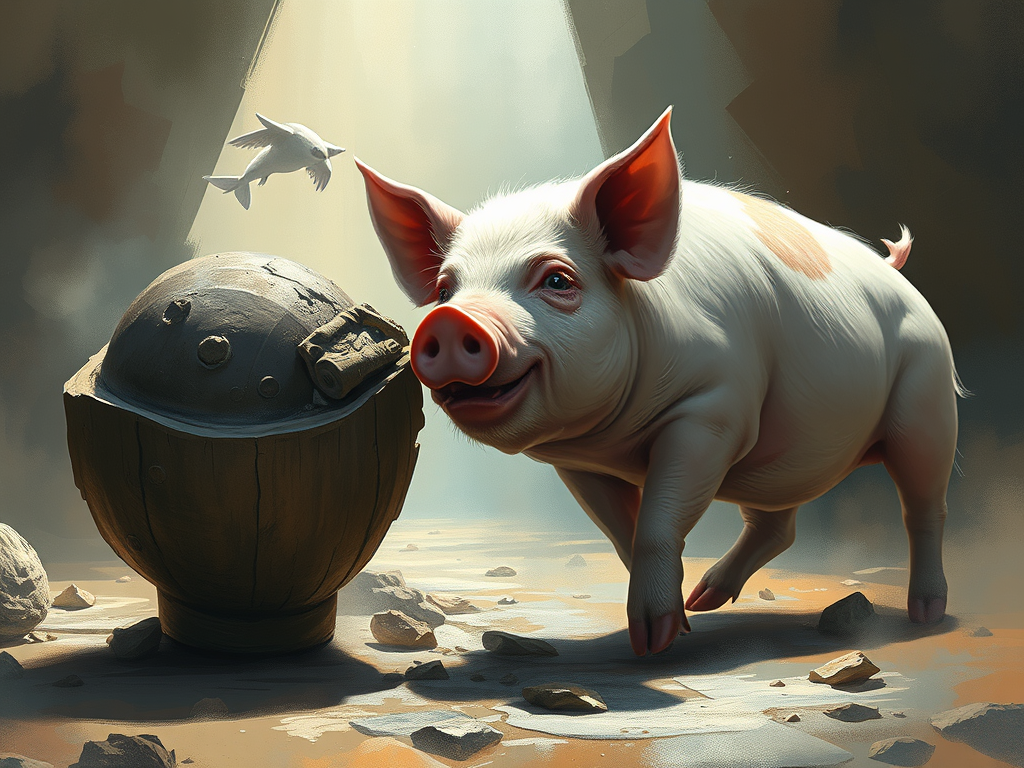

    Max had sharp eyes and saw the safe path, but he was too small to move the log even one inch.

    He sat on the log and squeaked.

    The Action: Did they give up? No. They combined their “Heads” and “Hands.”
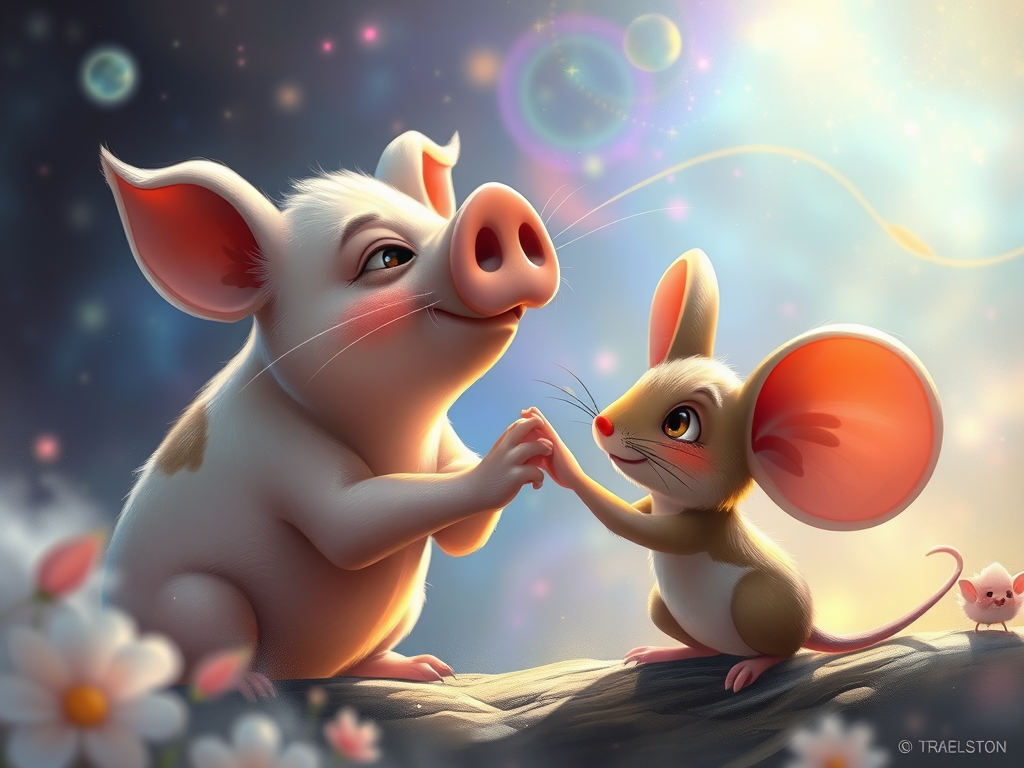

    Penny used her strength to push the log into the water.

    Max sat on Penny’s head and acted as the Captain.
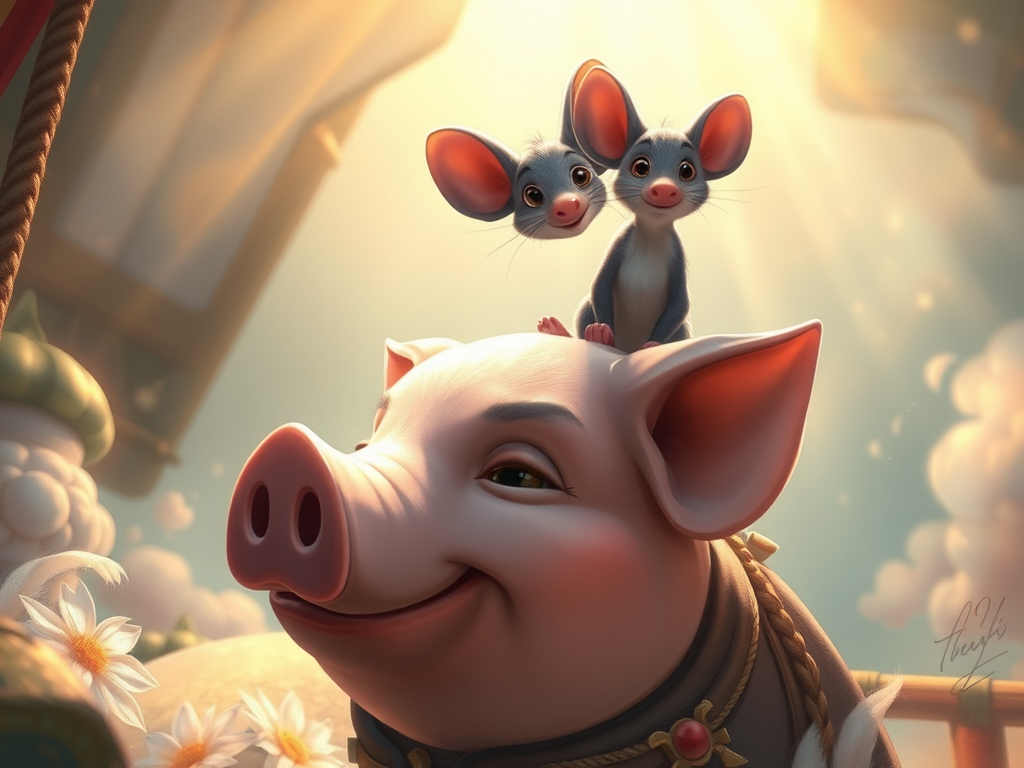

    Max shouted: “Left! Right! Avoid the rock!” Penny powered through.

    The Moral: Penny had the Power.
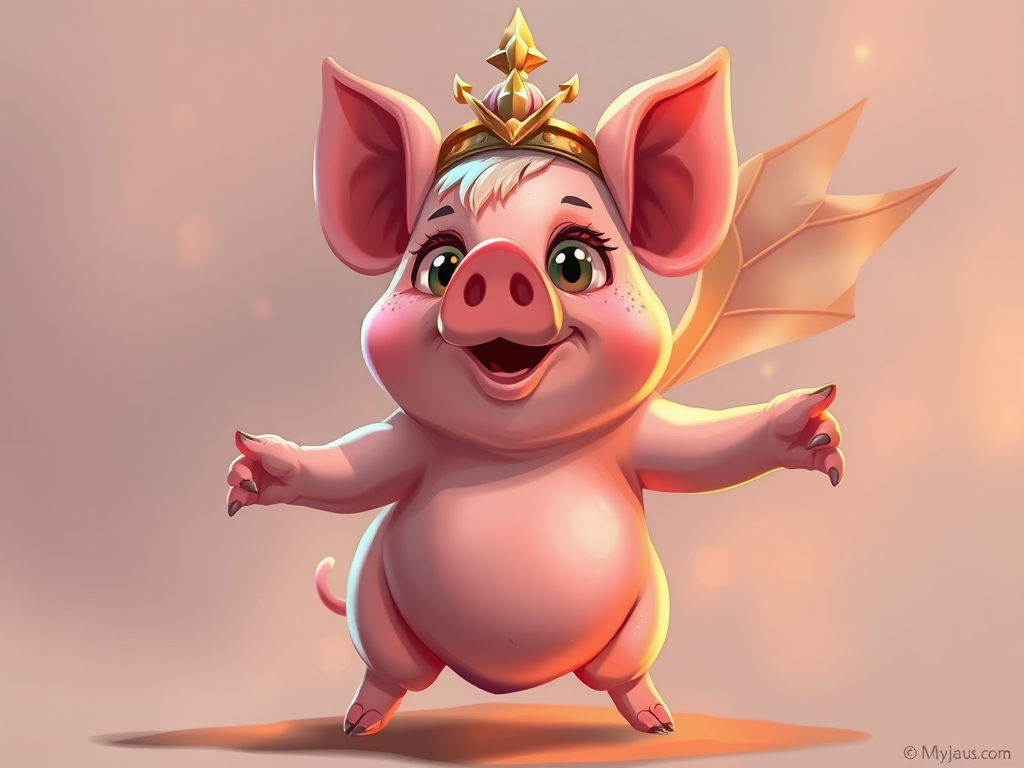
    Max had the Vision.

    Separately, they starve. Together, they feast on berries. ๐Ÿ“๐Ÿญ๐Ÿท

    ๐ŸŽ“ Lesson for English Learners

    Don’t be a “Lone Wolf” in your language journey!

    Advice on Study ๐Ÿ“š

    Situation: You are writing an essay and you think it is perfect.

    You Say: “I need a second pair of eyes. Two heads are better than one.”

    You send it to a friend or ChatGPT for feedback. They find 3 mistakes you missed.

    Advice on Conversation ๐Ÿ—ฃ๏ธ

    Situation: You are nervous to speak English.

    You Say: “Let’s practice together. You correct me, and I will correct you.” You create a ‘Language Alliance.’

    ๐Ÿ’ฌ Your Turn

    The “Co-Pilot” Challenge โœˆ๏ธ

    The Goal: Stop trying to solve your hardest problem alone.

    The Question: What is ONE project or problem you are stuck on right now?

    Deciding a career path?

    Planning a trip?

    Learning a complex grammar rule?


    The Action: Send a message to one smart friend right now. Say: “I’m stuck on this. Can I get your opinion? Two heads are better than one.”


    ๐Ÿ‘‡ Who is the “Max” to your “Penny”? Tag them or write their name below! ๐Ÿ‘‡

    By Zubeyir YURTKURAN

    https://www.facebook.com/BrainBattleground/

    https://www.facebook.com/zubeyr.yurtkuran/

    https://www.instagram.com/zubeyryurtkuran/

    https://www.youtube.com/@BrainBattleground-b3p

  • ๐Ÿ”๏ธ The Daily Shield: The Law of Determination

    ๐Ÿ”๏ธ The Daily Shield: The Law of Determination

    Where there’s a will, there’s a way.


    ๐Ÿ‘ฟ The Villain (The Victim): You say “I can’t do it because I don’t have money.”

    You say “I’m too old to learn English.”

    You say “I don’t have time.”

    You stare at the closed door and cry.

    You wait for someone else to open it for you.

    The Result? You stay in the same place for 10 years. You become bitter.

    You become the person who says, “I could have been great, butโ€ฆ” ๐ŸŒง๏ธ


    ๐Ÿ˜‡ The Hero (The Pathfinder): You see a closed door, so you look for a window.

    The window is locked? You look for the chimney.

    The chimney is blocked? You grab a hammer and break the wall!

    You don’t have money? You use free libraries.

    You don’t have time? You listen to podcasts while you sleep.

    The Result? You achieve the “impossible.” People call you lucky, but you know the truth: You just refused to take “No” for an answer. ๐Ÿ”จ


    โš–๏ธ The Reality: Talent is overrated. Resources are overrated. Desire is the only thing that matters.

    ๐Ÿ’Ž The Secret: Obstacles are not “Stop” signs; they are tests to see how badly you want it.

    ๐Ÿง The Anatomy of the Proverb


    This is the Golden Rule of Grit. It implies that if your desire (will) is strong enough, you will eventually find a method (way) to succeed, no matter how hard it is.


    Where: In any situation or place.


    Will (Noun): Not the future tense auxiliary verb! Here, it means strong desire, determination, or mental power. ๐Ÿ”ฅ


    Way (Noun): A method, a path, a plan, or a solution. ๐Ÿ—บ๏ธ


    ๐Ÿ“š Vocabulary Vault


    Determination (Noun):
    The quality of not giving up, even when things are difficult.


    Obstacle (Noun): Something that blocks your way (a problem).


    Resourceful (Adjective): Good at finding ways to solve problems. (MacGyver is resourceful!). ๐Ÿ› ๏ธ


    Persist (Verb): To continue doing something even though it is difficult.


    Inevitable (Adjective): Certain to happen; unavoidable.


    ๐Ÿง  Grammar Focus


    Parallel Structure & Existential “There is” This proverb uses a perfect balance. It links a condition to a result using “Where.”


    Structure: Where [Situation], [Result].


    Condition: Where there is a willโ€ฆ (If strong desire existsโ€ฆ)


    Result: โ€ฆthere is a way. (โ€ฆa solution also exists.)


    Note on “Will”:


    Verb: I will call you. (Future)


    Noun: He has a strong will. (Determination) -> This proverb uses the Noun form!

    ๐Ÿ“œ History: Origin and Spread


    This isn’t just modern motivation; it’s ancient wisdom.


    The Origin: It was popularized by the English poet George Herbert in 1640.


    The Logic: Historically, people believed the human spirit was stronger than physical reality. If you can imagine it, you can build it.


    Global Cousins:


    ๐Ÿ‡น๐Ÿ‡ท Turkish:
    “ฤฐsteyen รงaresini, istemeyen bahanesini bulur.” (The one who wants finds a remedy, the one who doesn’t finds an excuse.) โ€” Perfect match!


    ๐Ÿ‡ช๐Ÿ‡ธ Spanish: “Querer es poder.” (To want is to be able.)


    ๐Ÿ‡ฏ๐Ÿ‡ต Japanese: “Ishi no ue ni mo san nen.” (Sit on a stone for 3 years, and it will become warm.) โ€” Focus on patience/will.

    ๐ŸŽฏ Impact on Life: The Pros & Cons


    Is pure willpower enough?


    โœ… The Pros (The Fuel):


    Innovation:
    When you refuse to quit, you invent new solutions (like Elon Musk or Thomas Edison).


    Resilience: Failure doesn’t hurt you; it just teaches you “how NOT to do it.”


    โŒ The Cons (The Burnout):


    Stubbornness:
    Sometimes there isn’t a way (e.g., You can’t flap your arms and fly). Don’t confuse “Will” with “Delusion.”


    Exhaustion: Pushing too hard without rest can break you.

    ๐ŸŽญ Short Story: The High Wall


    Let’s visit our friends again, Penny and Max.


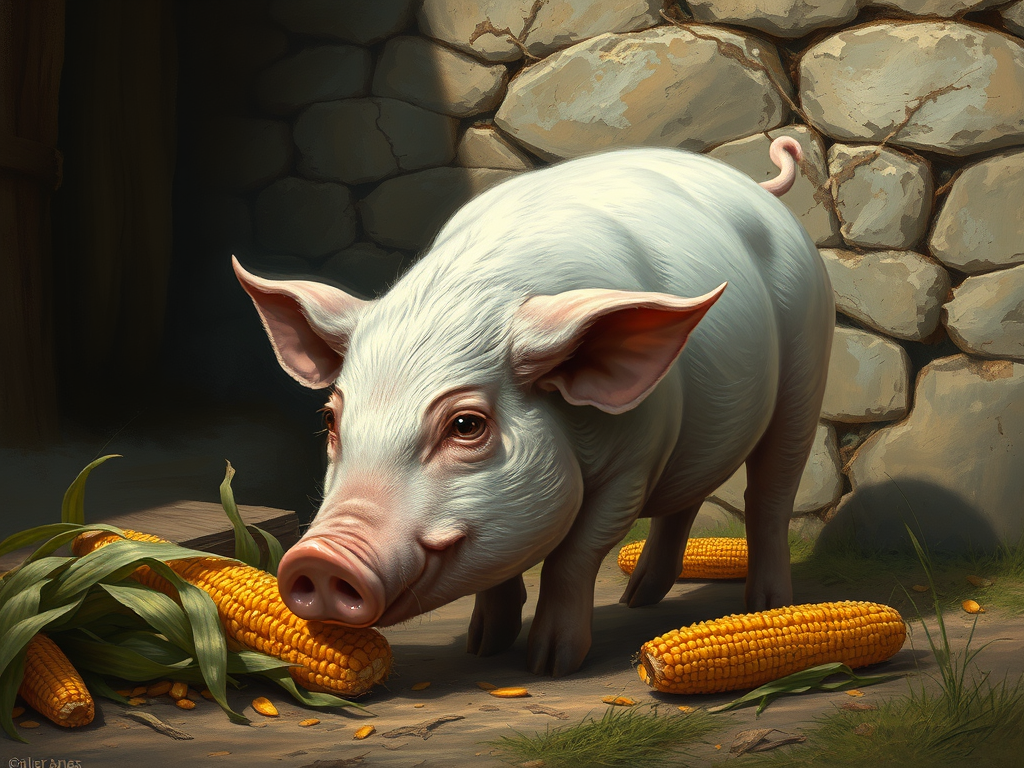
    ๐ŸŒŸ The Setup: Penny the Pig and Max the Mouse were hungry.

    They smelled delicious fresh corn inside a garden. But there was a huge, 3-meter stone wall around the garden. ๐Ÿงฑ


    The Conflict: Max looked at the wall. “It’s too high,” he sighed.

    “I am just a mouse. It is physically impossible to climb this.” Max sat down and cried. He had no Will.

    Penny looked at the wall. She couldn’t climb either.

    But she wanted that corn. She walked around the wall for 2 hours. Nothing.

    She tried to jump. Failed.


    The Action: Did Penny go home? No.

    She found a small crack in the ground near the wall.

    She started digging. She dug for 4 hours. Her hooves hurt. She was dirty.

    Max laughed, “Give up, Penny!”

    Suddenlyโ€ฆ Pop! Penny squeezed under the wall through the hole she dug.


    The Moral: Max focused on the Wall (The Obstacle).

    Penny focused on the Corn (The Goal).

    Max is still hungry.

    Penny is eating lunch.

    ๐ŸŽ“ Lesson for English Learners


    Don’t use this just for major life goals; use it for your English journey!


    Advice on Speaking ๐Ÿ—ฃ๏ธ


    Situation:
    A student says, “I can’t speak English because I don’t live in America.”


    You Say: “That is an excuse. You have the Internet, YouTube, and AI. Where there’s a will, there’s a way. Find a way!”


    Advice on Career ๐Ÿ’ผ


    Situation:
    Your friend hates their job but says, “I can’t quit, I have bills.”


    You Say: “Start a side hustle. Learn a new skill at night. If you really want freedom, you will find a path. Where there’s a will, there’s a way.”


    ๐Ÿ’ฌ Your Turn


    The “Impossible” Challenge ๐Ÿš€


    The Goal:
    Identify one thing you said you “CAN’T” do.


    “I can’t lose weight.”


    “I can’t wake up early.”


    “I can’t save money.”


    The Action:
    Replace “I can’t” with “How can I?” Write down 3 creative ways to solve that problem right now.


    Question: What is a “Wall” in your life right now?

    Are you going to be Max (sit and cry) or Penny (start digging)? ๐Ÿ‘‡

    By Zubeyir YURTKURAN

    https://www.facebook.com/BrainBattleground/

    https://www.facebook.com/zubeyr.yurtkuran/

    https://www.instagram.com/zubeyryurtkuran/

    https://www.youtube.com/@BrainBattleground-b3p

  • ๐ŸŒ… The Early Bird Catches the Worm: Why the Snooze Button is the Enemy of Success

    ๐ŸŒ… The Early Bird Catches the Worm: Why the Snooze Button is the Enemy of Success

    ๐Ÿšซ Can You Build an Empire While You Sleep?


    ๐Ÿ›Œ The Short Cut: Hitting the “Snooze” button 5 times because “5 more minutes” feels like heaven.

    ๐Ÿ“‰ The Reality: You rush, spill coffee on your shirt, miss the bus, and start the day stressed and behind schedule.

    ๐Ÿ“ฑ The Short Cut: Waiting for the “perfect time” or “New Year’s Day” to start studying English.

    ๐Ÿ“‰ The Reality: By the time you start, the job interview was yesterday. The position is filled by someone who started last month.


    Life has a simple timing algorithm: First come, first served. In this post, we explore why timing is everything. Wake up, grab your coffee; the opportunity bus is leaving! ๐ŸšŒ

    ๐Ÿง The Anatomy of the Proverb


    Let’s dissect this classic idiom to understand its mechanics.


    ๐Ÿ“š Vocabulary Vault


    Early (Adjective):
    Happening before the usual or expected time. (Being ahead of the crowd). โฐ


    Catch (Verb): To capture, seize, or grab something. ๐Ÿคฒ


    Worm (Noun): A small animal. Metaphorically: The prize, the opportunity, the job, or the reward. ๐Ÿชฑ


    ๐Ÿง  Grammar Focus


    This is a perfect example of the Present Simple Tense representing a “General Truth.”


    Subject:
    The early bird (The proactive person)


    Verb: Catches (The action/result)


    Object: The worm (The reward)


    Formula: [Subject] + [Verb + s] + [Object]. Note: Because “The bird” is singular (It), we add -es to the verb catch (Catches).

    ๐Ÿ“œ History: A 17th Century Wake-Up Call


    Who told us to wake up so early?


    The Origin:
    This phrase first appeared in a collection of proverbs by John Ray in 1670.


    The Logic: Before supermarkets, birds literally had to wake up at dawn to find worms coming out of the damp morning soil. If a bird slept until noon, the worms were gone (hiding underground from the sun).


    The Lesson: Opportunities are limited resources. They don’t wait for you to finish your breakfast.

    ๐ŸŽฏ Impact on Life: The Pros & Cons


    Is waking up at 5:00 AM the only way to succeed?


    โœ… The Pros (Why it works)


    Zero Distractions:
    At 6:00 AM, nobody is texting you. Instagram is quiet. It is just you and your goals. Focus is at 100%. ๐Ÿง˜โ€โ™‚๏ธ


    Proactivity: You act before problems arise. You control the day; the day doesn’t control you.


    The “First Choice” Privilege:
    The first person at the buffet gets the freshest food. The first applicant often gets the interview.


    โŒ The Cons (What to watch out for)


    The Night Owl Dilemma:
    Some people are genetically wired to be creative at night. If you force yourself to wake up early but are exhausted, you lose quality.


    Social Lag: If you wake up at 4 AM, you might be sleepy by 8 PM when your friends want to hang out.

    ๐ŸŽญ Short Story: The Great Garden Breakfast


    Let’s return to our farm friends to see this proverb in action.


    ๐ŸŒŸ Character Introduction


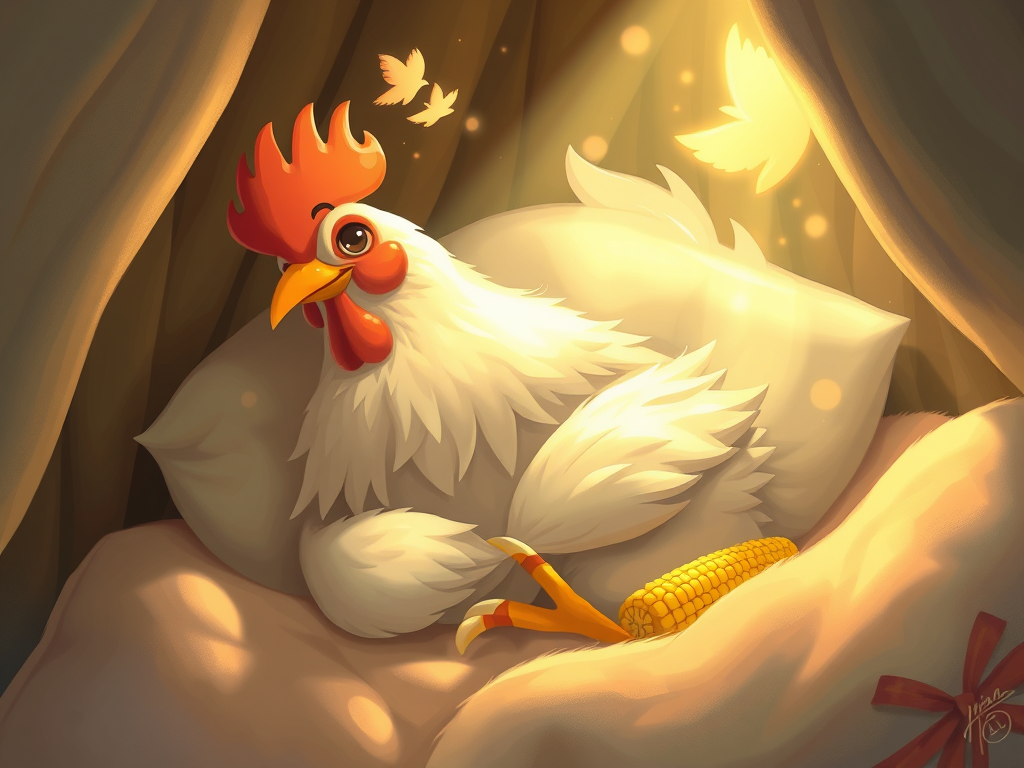
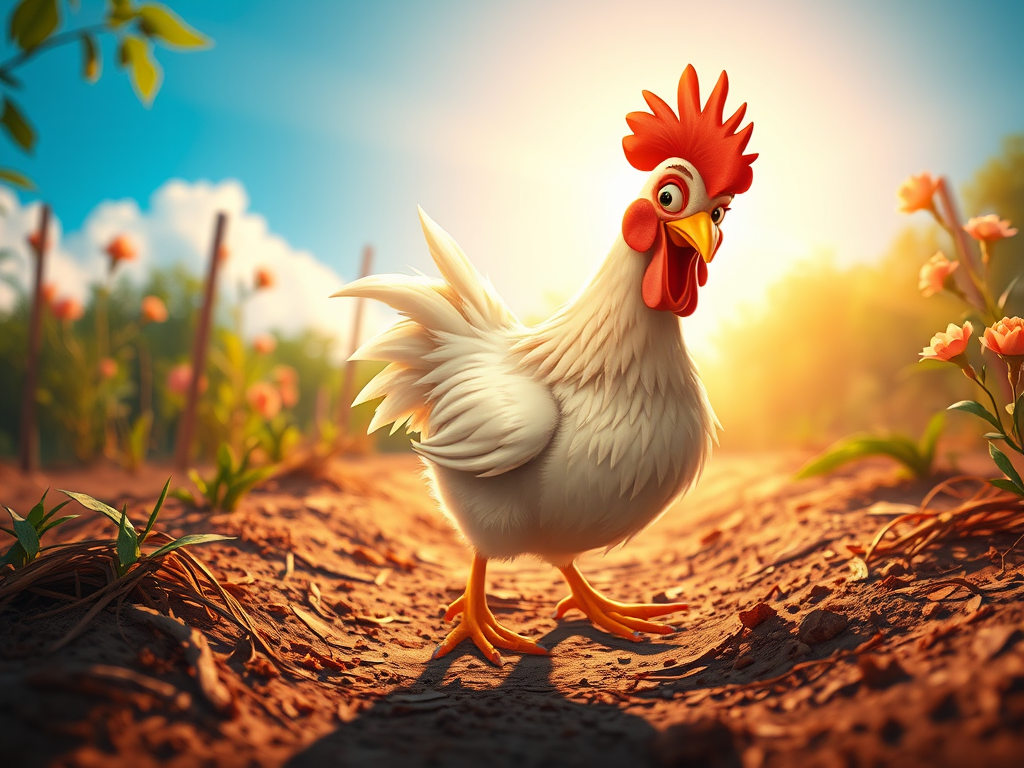
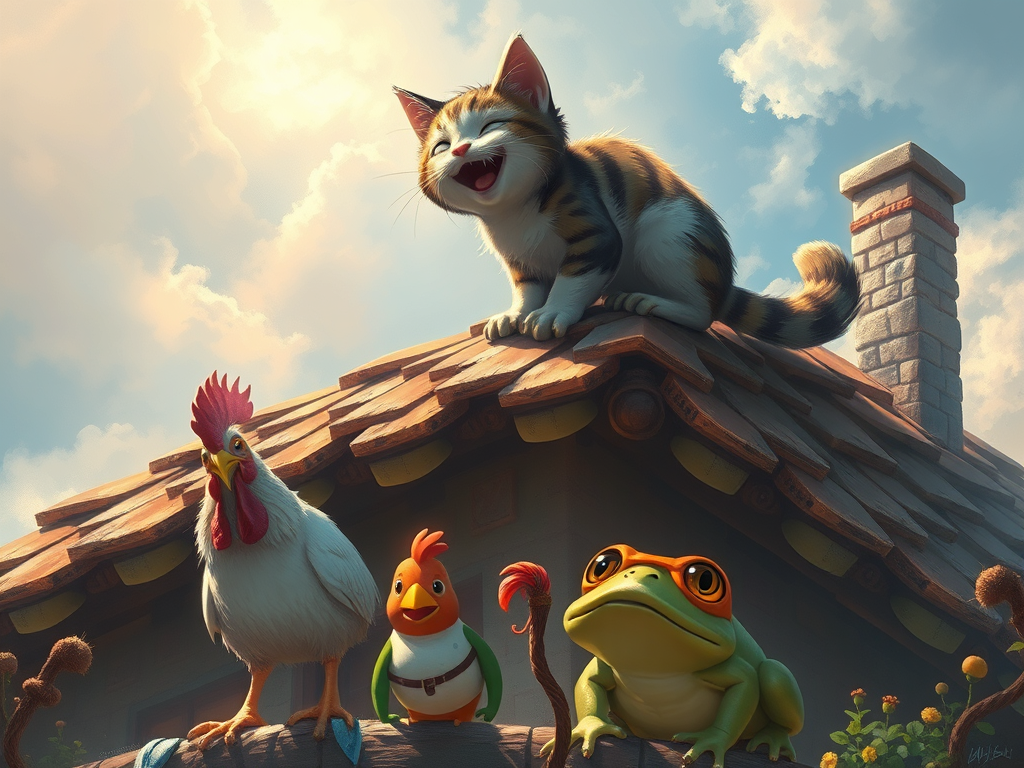
    Percy the Chicken (The Snoozer):
    Loves his warm bed and dreams of corn. ๐Ÿ”


    Fred the Frog (The Early Riser): Alert, hungry, and disciplined. ๐Ÿธ


    Luna the Cat (The Observer): Watches from the roof. ๐Ÿ˜ผ


    It was a rainy Tuesday morning. The soil was wet perfect conditions for finding juicy worms!


    5:30 AM: The sun began to rise. Fred the Frog opened his eyes immediately. “Rainy night means breakfast delight!” he croaked. He hopped out to the garden while the rest of the farm was snoring. He found the biggest, juiciest worm right in the middle of the path. “Delicious!” Fred said, enjoying his feast in the quiet morning mist. ๐Ÿ˜‹


    9:00 AM: Percy the Chicken’s alarm went offโ€ฆ for the third time. Percy stretched, yawned, and slowly walked out to the garden. “Okay world, I am ready for my breakfast!” he announced. He looked at the ground. Nothing. He scratched the dirt. Nothing. The sun was high now, and the ground was dry. All the worms had gone back underground.


    Luna looked down from the roof and laughed: “Percy, you have great feathers, but an empty stomach. Fred got the worm because he didn’t negotiate with his alarm clock.”


    The Moral:


    Percy:
    Slept late = Leftovers (or hunger).


    Fred: Woke up early = The Grand Prize.

    ๐ŸŽ“ Lesson for English Learners


    How does this apply to learning a language?


    The “Worm” is Fluency.


    The “Early Bird” is Preparation.


    Review Before Class: If you learn the vocabulary before the lesson starts (Early Bird), you can use the lesson to practice speaking (Catching the Worm). If you wait for the teacher to explain everything, you waste time.


    Morning Brain: Research shows that reviewing notes for 15 minutes in the morning is more effective than 1 hour when you are tired at night.


    Don’t Wait for “Someday”: “I will learn English when I have time” is the biggest lie. The time is now.


    Remember: You don’t have to be a genius to learn English; you just have to start before everyone else quits.


    ๐Ÿ’ฌ Your Turn


    Are you a Morning Person (Early Bird) โ˜€๏ธ or a Night Owl ๐Ÿฆ‰? Do you believe getting up early is the key to success, or can you catch the worm at midnight?


    Tell us your routine in the comments! ๐Ÿ‘‡

    By Zubeyir YURTKURAN

    https://www.facebook.com/BrainBattleground/

    https://www.facebook.com/zubeyr.yurtkuran/

    https://www.instagram.com/zubeyryurtkuran/