Tag: ESL Lesson

  • 🛡️ The Daily Shield: The Law of False Fear

    🛡️ The Daily Shield: The Law of False Fear

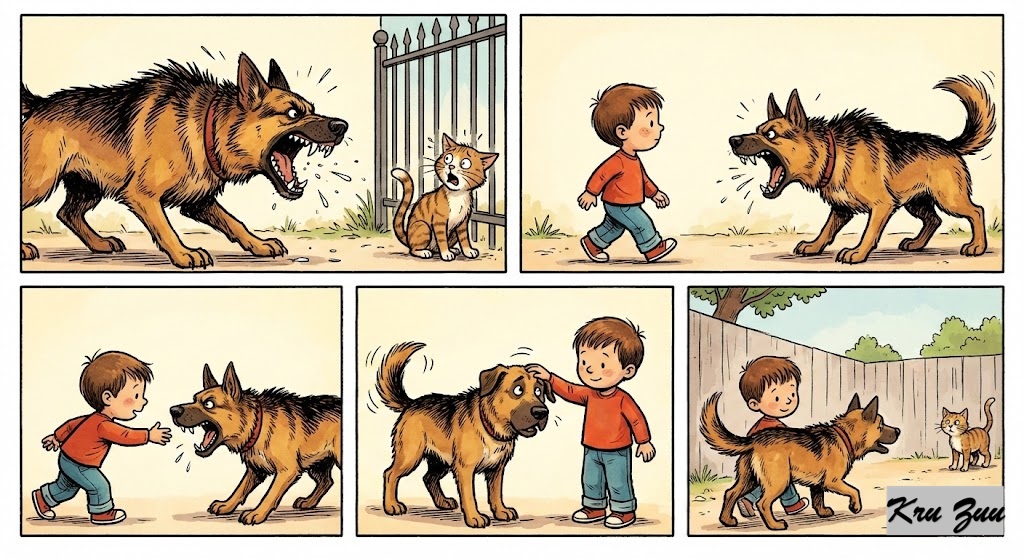
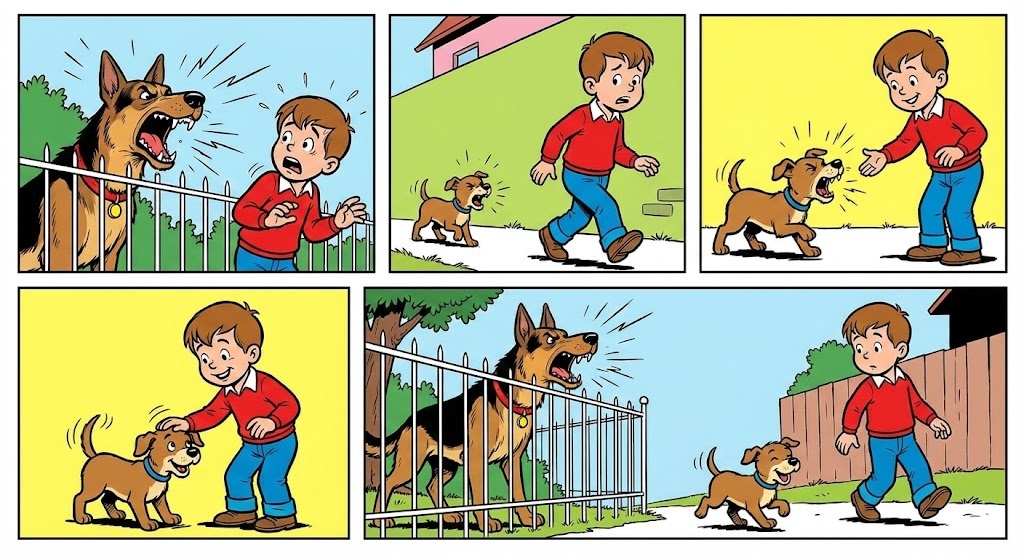
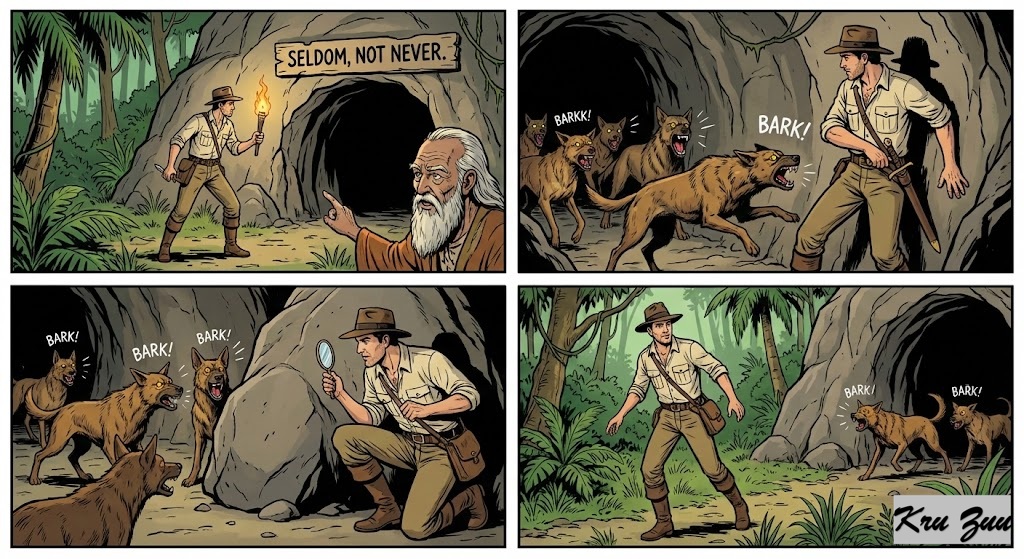
    “Barking dogs seldom bite.”


    😈 The Villain (The Intimidator)

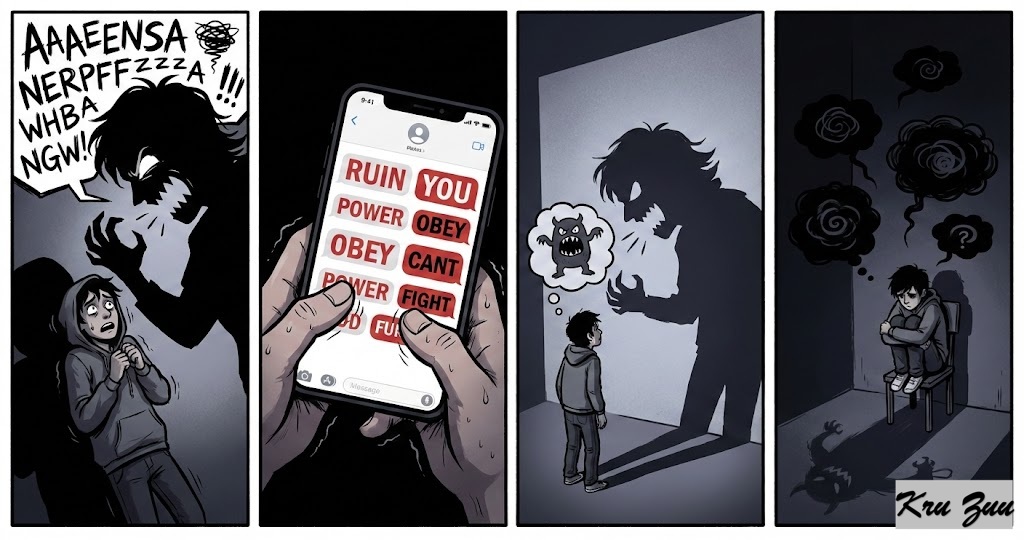
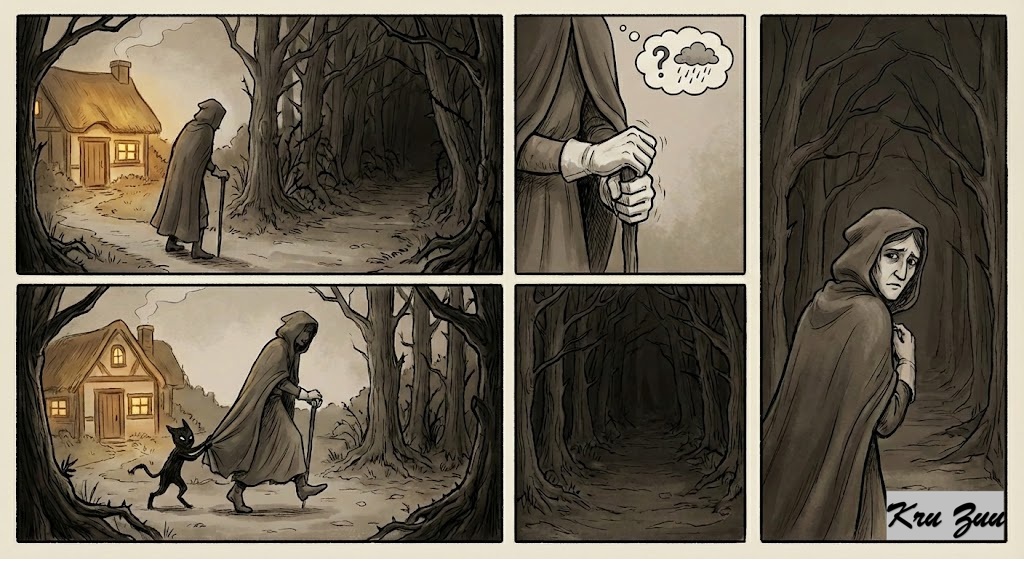
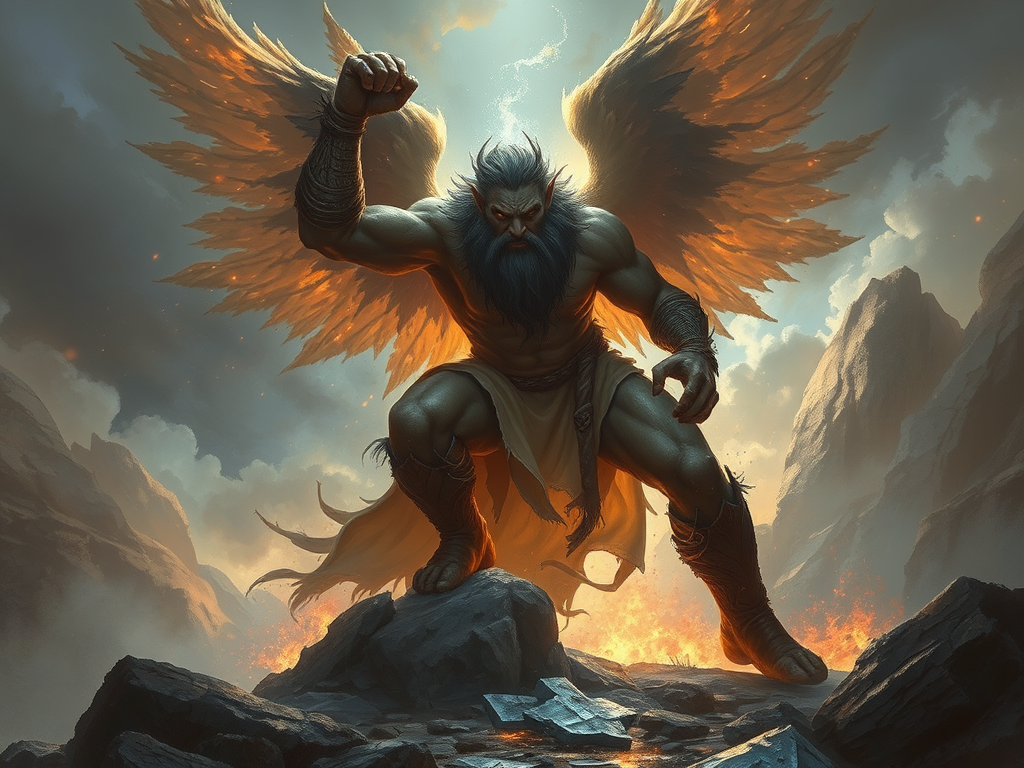
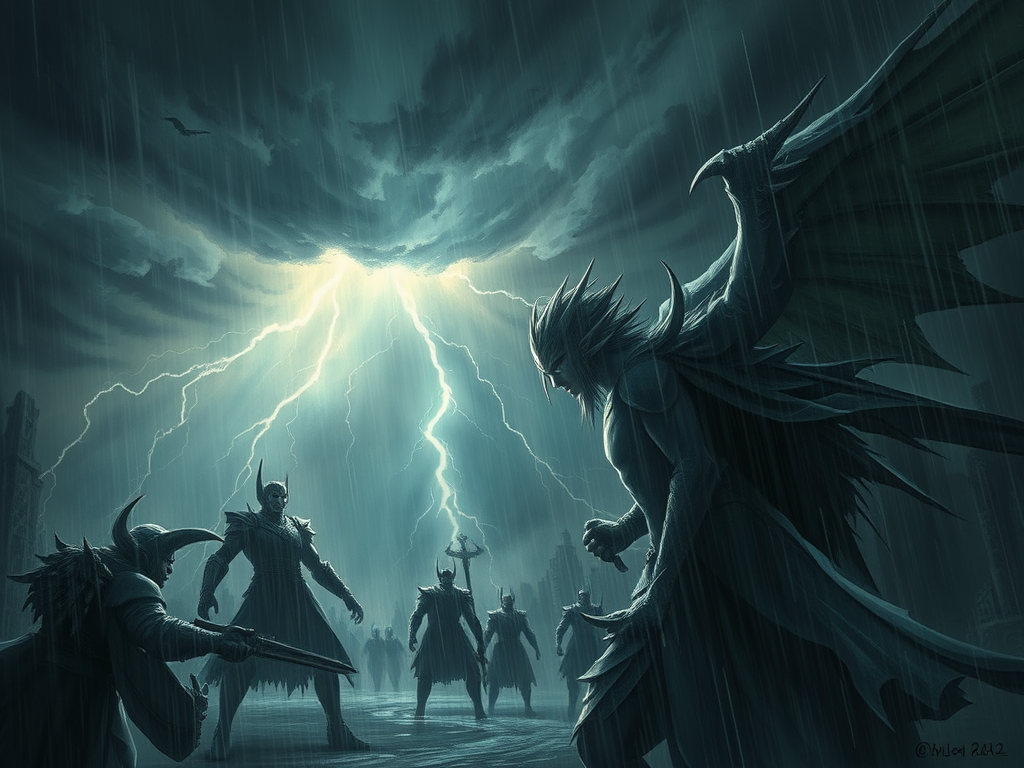
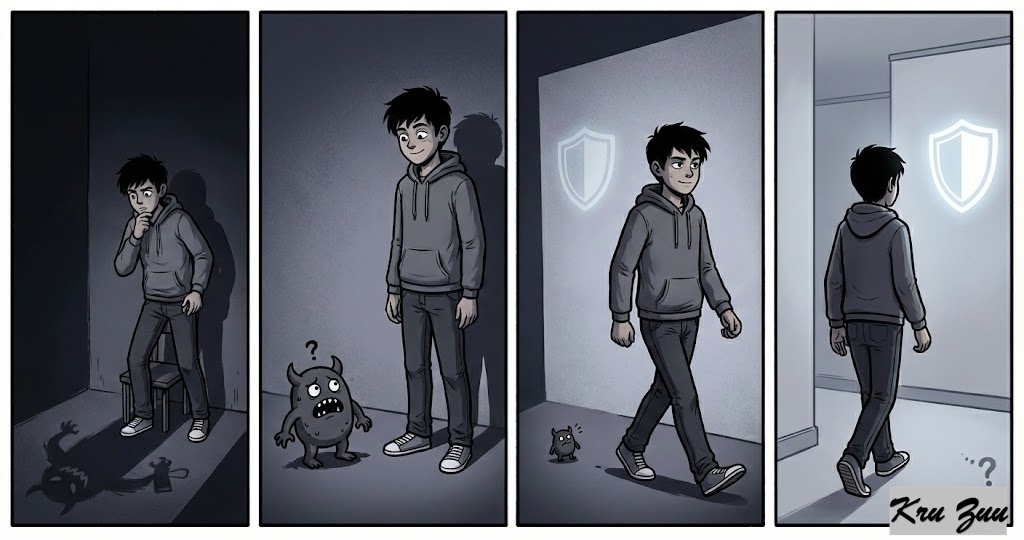
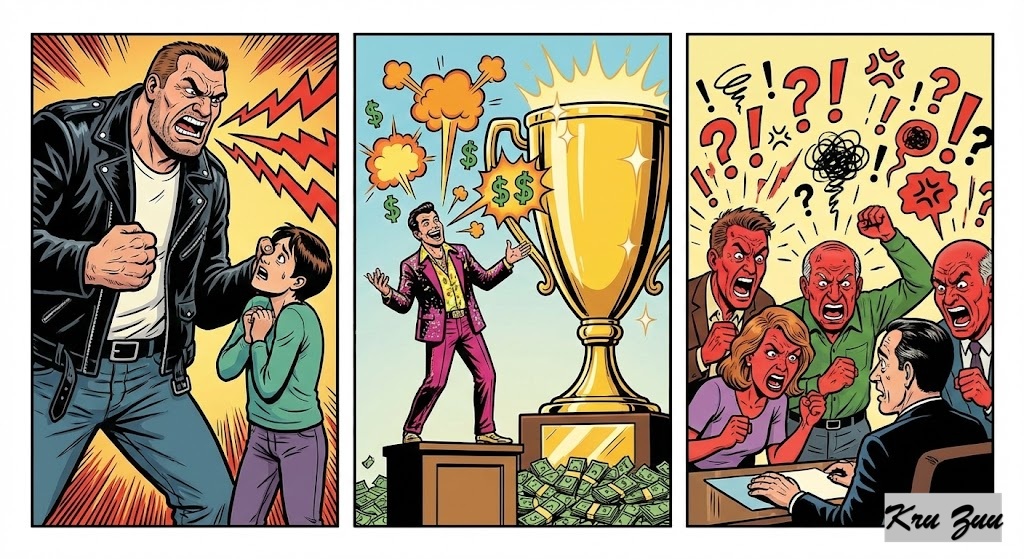
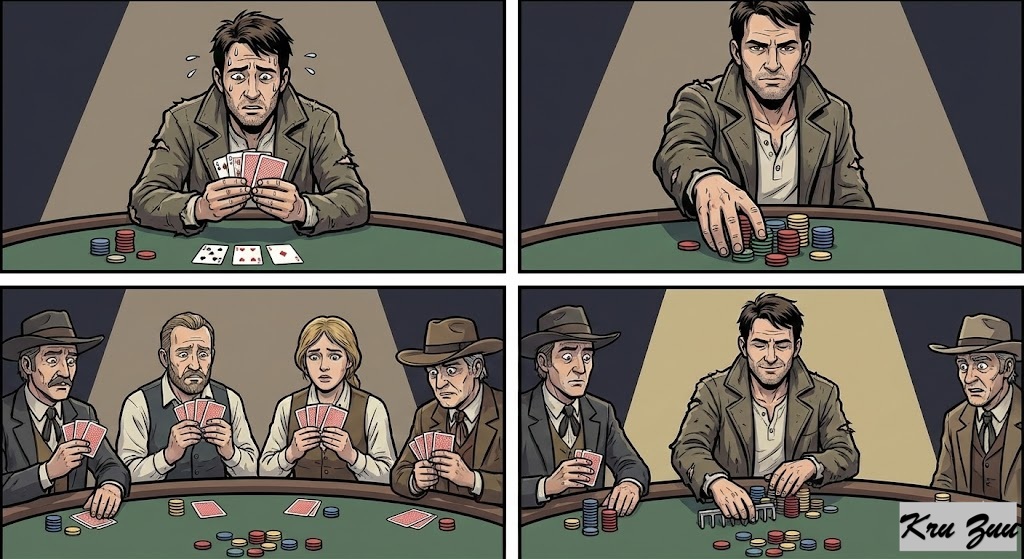
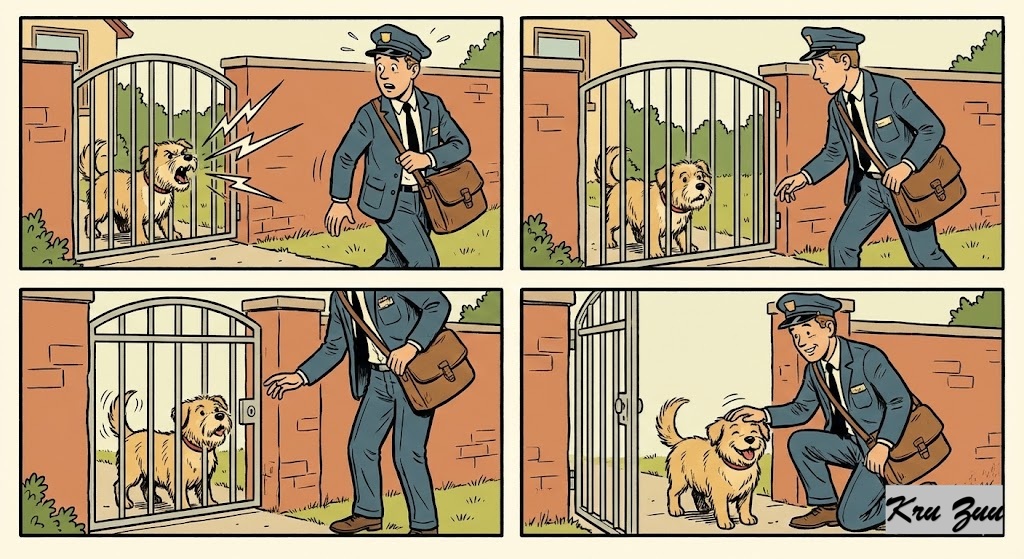
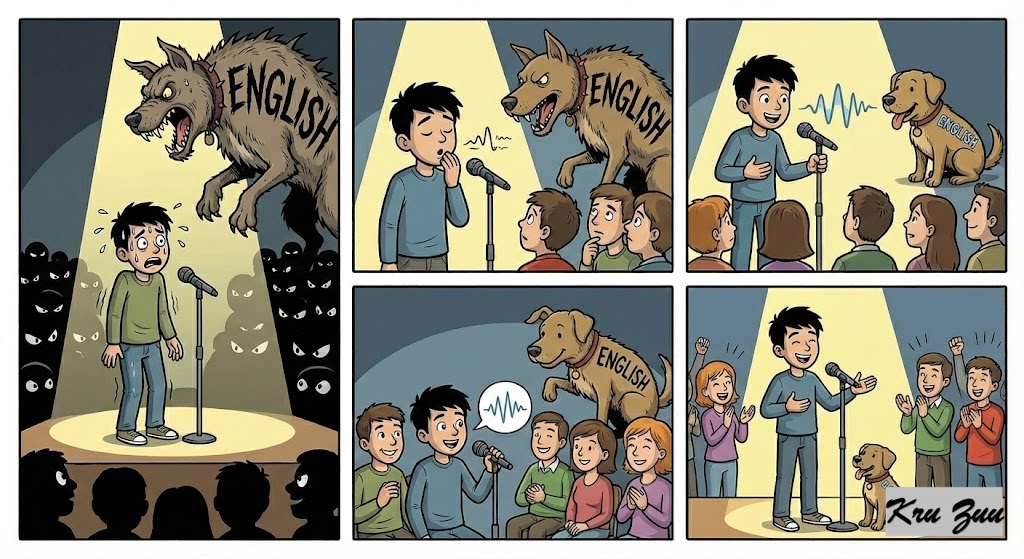
    You meet someone who screams, yells, and threatens. They type in ALL CAPS. They promise to ruin you. They brag about their power. You feel small. You feel scared. You back down because the noise is overwhelming. You let their loud voice control your actions. You live in fear of a monster that might not even exist. 🧟‍♂️


    😇 The Hero (The Stoic)

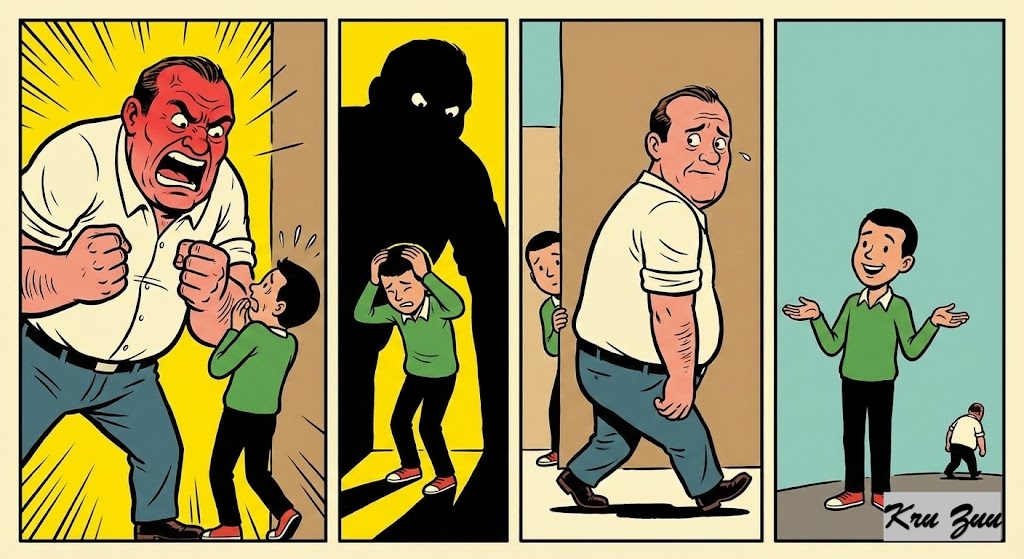
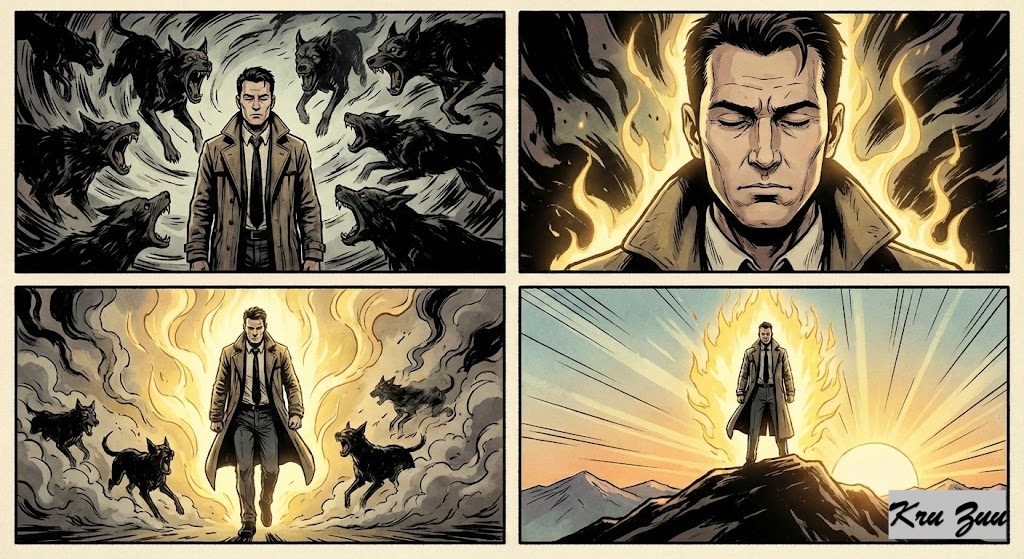
    You hear the noise. You pause. You analyze. You realize that true confidence is silent. A lion doesn’t need to bark before it attacks; it just attacks. You realize that the loudness is a mask for insecurity. You stand your ground. You smile. You walk past the noise untouched. 🛡️

    ⚖️ The Reality


    Noise is not power. Usually, the people (or problems) that make the most noise have the least power. They use volume to hide their weakness. Fear is a shadow, it looks huge on the wall, but the object casting it is tiny.


    💎 The Secret

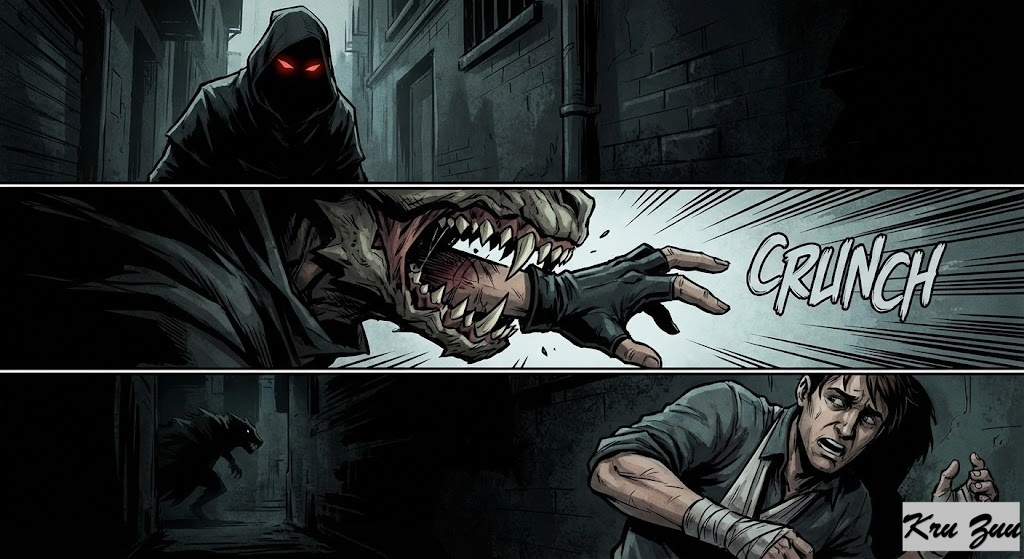
    Real danger usually comes silently. If something is “barking” at you, it is usually too busy making noise to actually hurt you.

    🧐 The Anatomy of the Proverb


    This is the ultimate weapon against social anxiety and intimidation.

    Barking (Participle/Adjective):
    The sound a dog makes. Here, it represents threats, bragging, or loud complaints. 🐕

    Seldom (Adverb): Rarely; almost never. (This is a fancy word!)


    Bite (Verb): To inflict injury. The actual action/danger.

    Simpler Version: People who threaten you usually don’t take action.

    📚 Vocabulary Vault


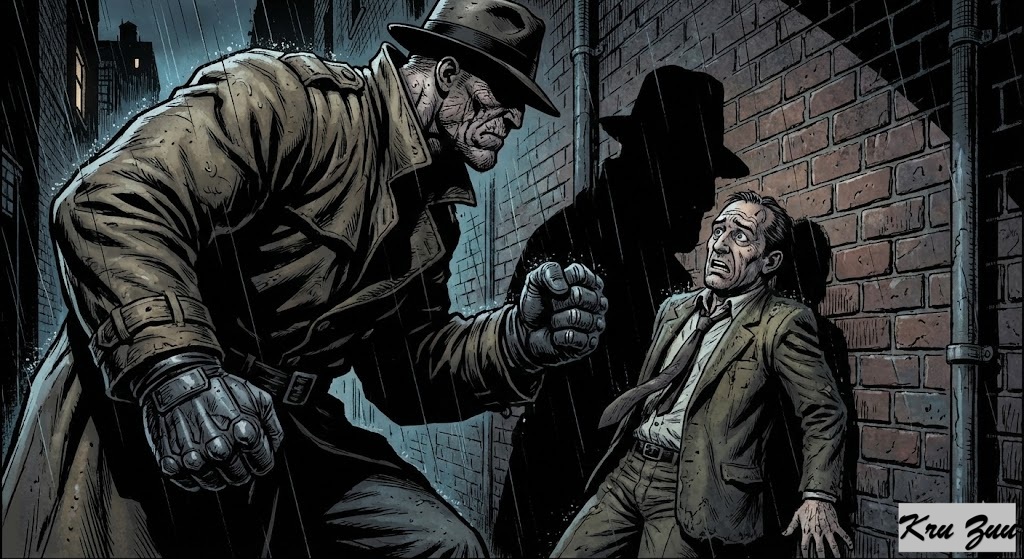
    Intimidation (Noun): The act of making someone afraid or timid. 😨

    Bluff (Verb/Noun): To try to deceive someone as to one’s abilities or intentions (Fake power).

    All talk and no action (Idiom): Someone who talks about doing big things but never does them.

    Stoic (Adjective): A person who can endure pain or hardship without showing their feelings or complaining. 🗿

    Seldom (Adverb): Not often; rarely.

    🧠 Grammar Focus: Adverbs of Frequency


    This proverb uses a “negative” frequency adverb.


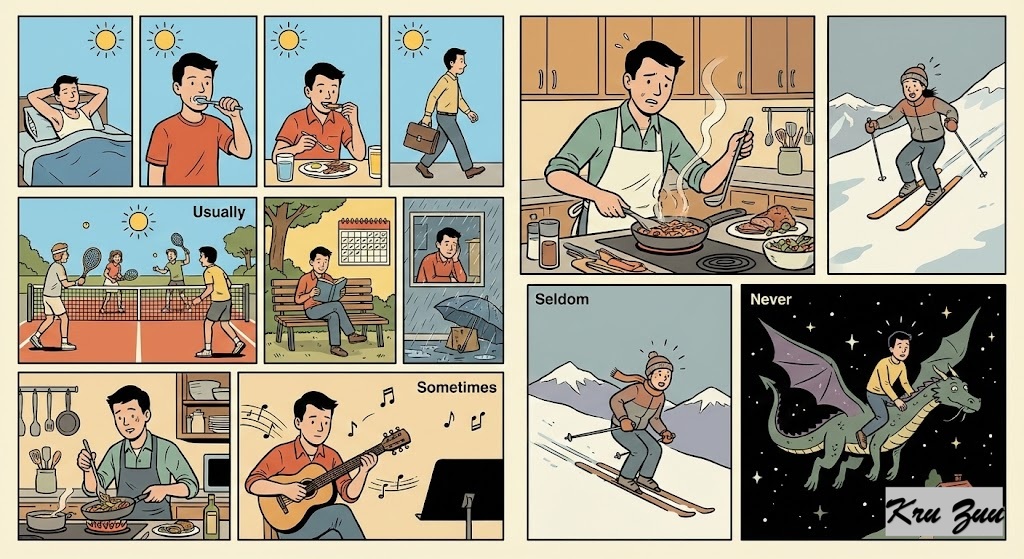
    The Scale of Frequency


    100% – Always
    80% – Usually
    50% – Sometimes
    10% – Seldom / Rarely 📉
    0% – Never

    Style Note: “Seldom” vs. “Rarely”
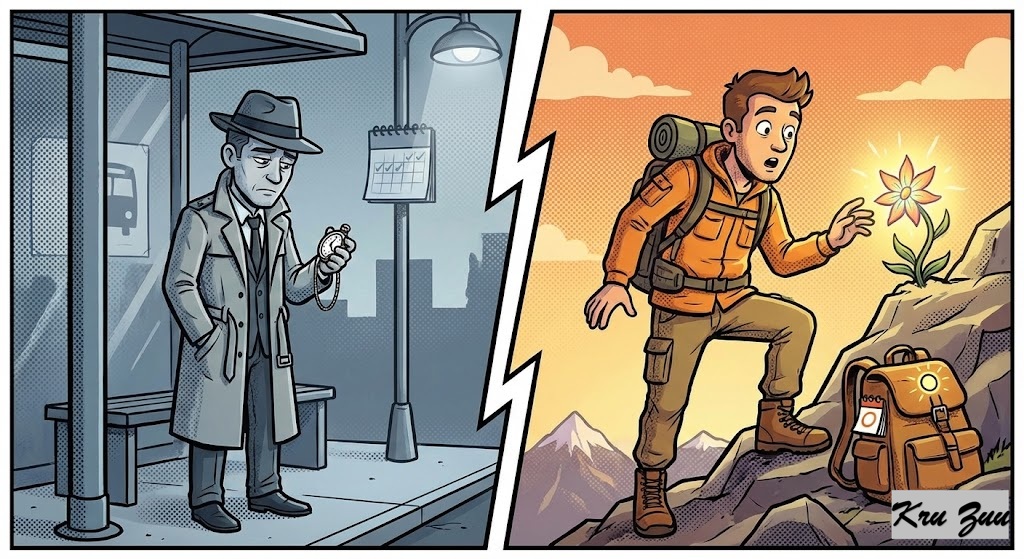

    Rarely: Common in daily speech. “I rarely eat sushi.”


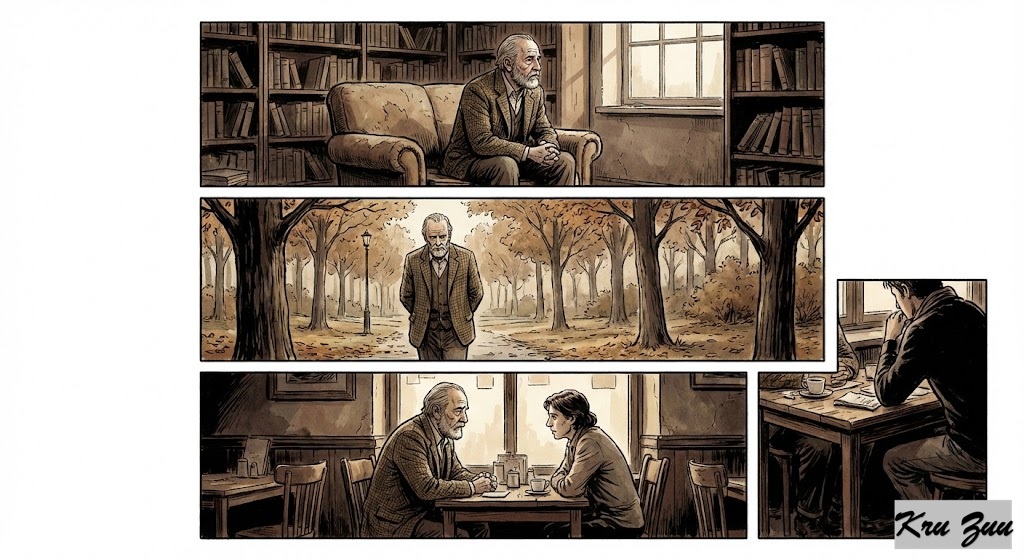
    Seldom: More formal, literary, or poetic. “He seldom speaks of his past.”

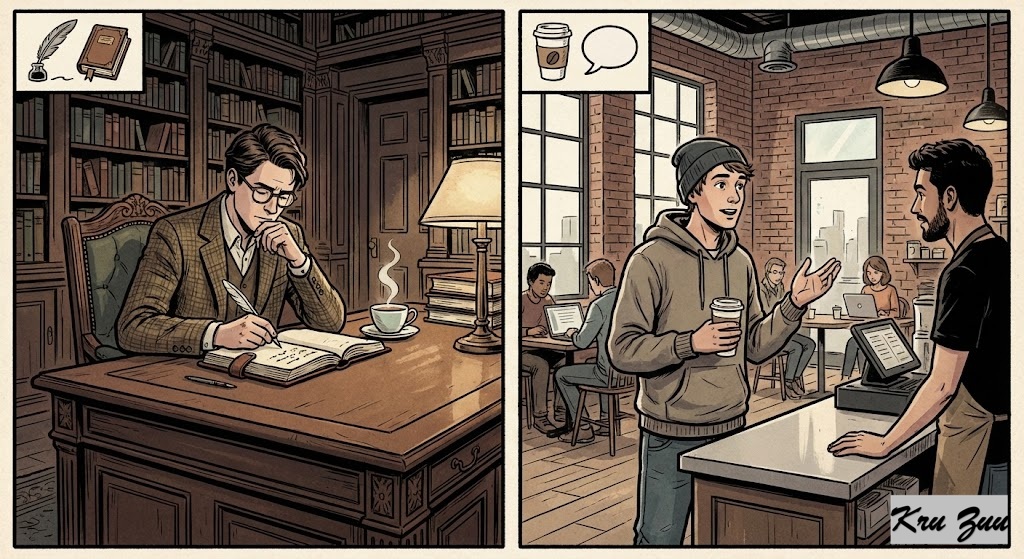
    Pro Tip: Use “Seldom” in writing to sound sophisticated. Use “Rarely” in coffee shops.
    📜 History: Origin and Spread


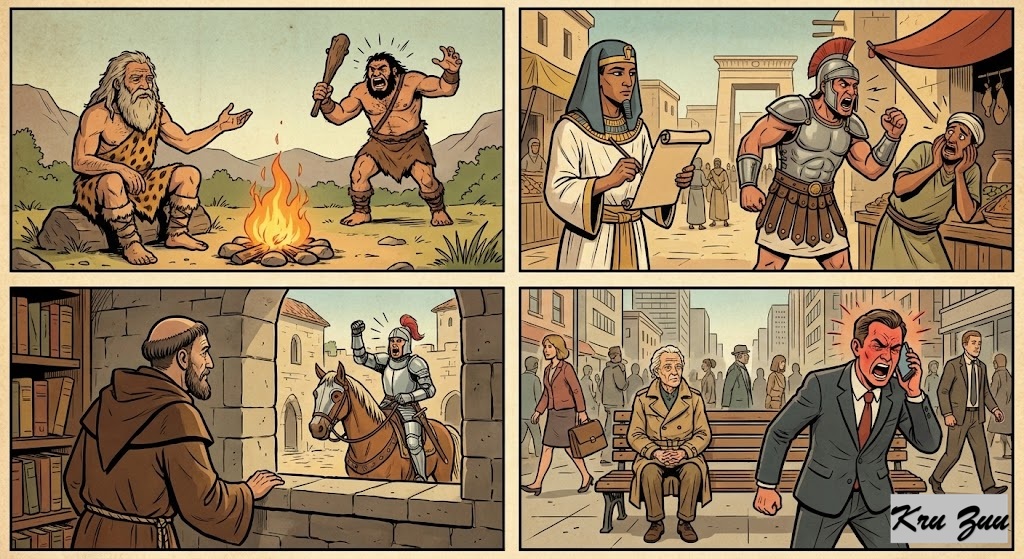
    This wisdom is ancient because loud, scary people have existed forever.

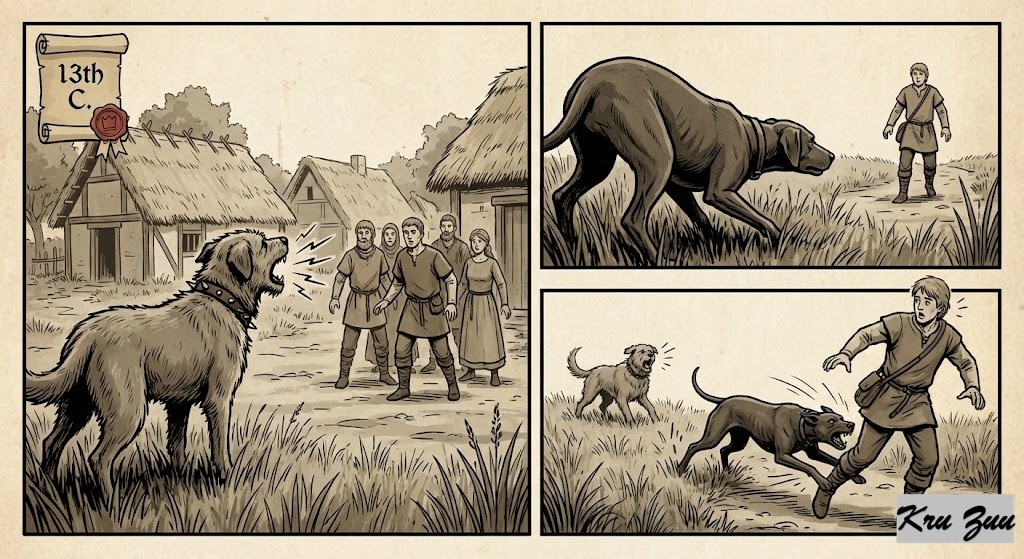
    The Origin: It first appeared in written records in the 13th century! It comes from the observation of village dogs. The dog that stands back and barks is warning you; the dog that wants to kill you runs silently to bite.

    Global Cousins


    🇹🇷 Turkish:
    “Havlayan köpek ısırmaz.” (Exactly the same!)

    🇪🇸 Spanish: “Perro que ladra no muerde.” (The dog that barks doesn’t bite.)

    🇮🇹 Italian: “Can che abbaia non morde.”

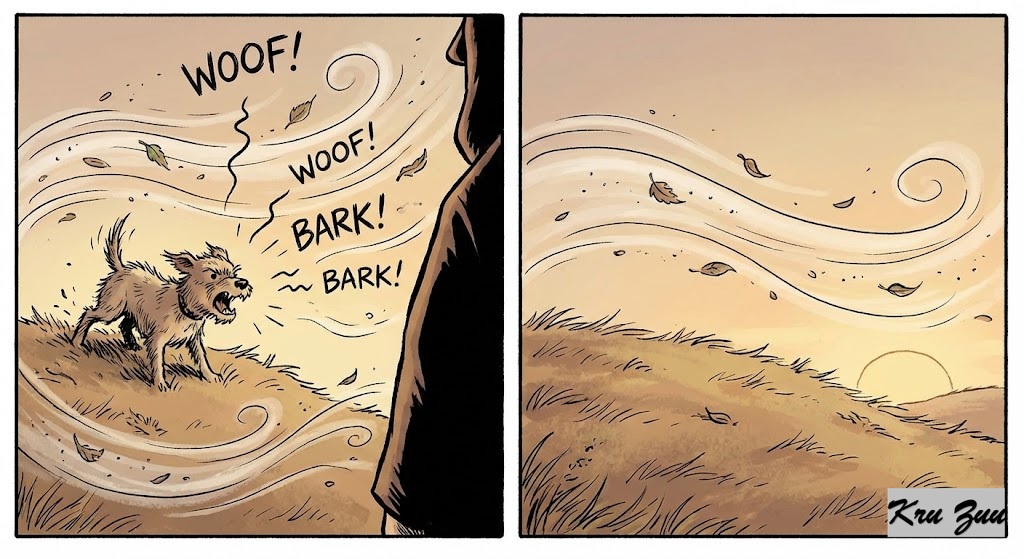
    🇷🇺 Russian: “Sobaka layet, veter nosit.” (The dog barks, but the wind carries it away.)
    🎯 Impact on Life: The Pros & Cons


    ✅ The Pros (Emotional Armor)


    Confidence:
    When you ignore the “barking,” you keep your power.

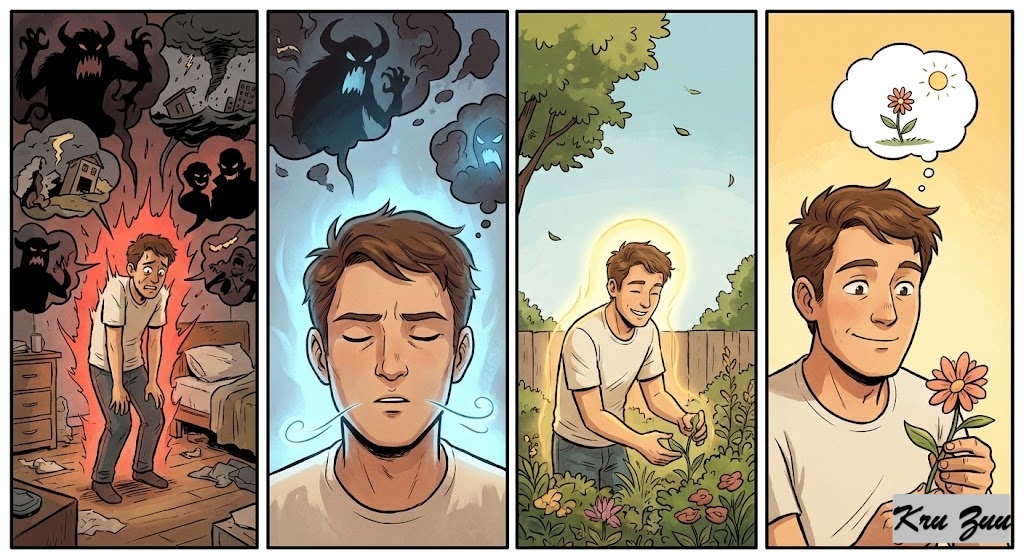
    Focus: You stop wasting energy worrying about threats that will never happen.

    ❌ The Cons (Don’t be naive)


    Caution:
    The proverb says seldom, not never. Be brave, but don’t be stupid. Some dogs bark and bite. Assess the situation carefully.
    🎭 Short Story: The Monster in the Garden

    Let’s visit a farm with three very different friends.
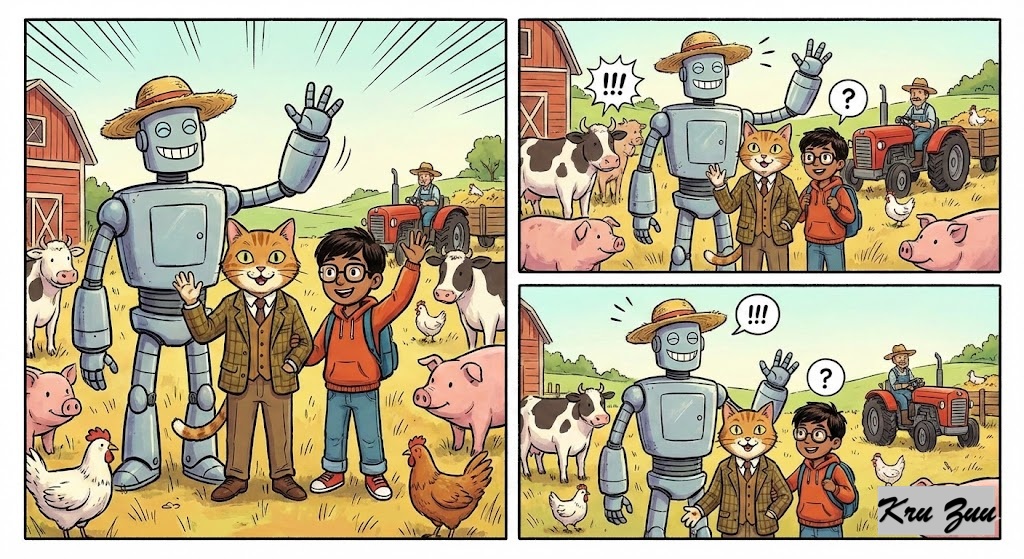

    🌟 The Setup: It is midnight. A terrifying, deep, rhythmic sound comes from the garden pond. CROAK. CROAK. CROAK. It sounds like a dragon.


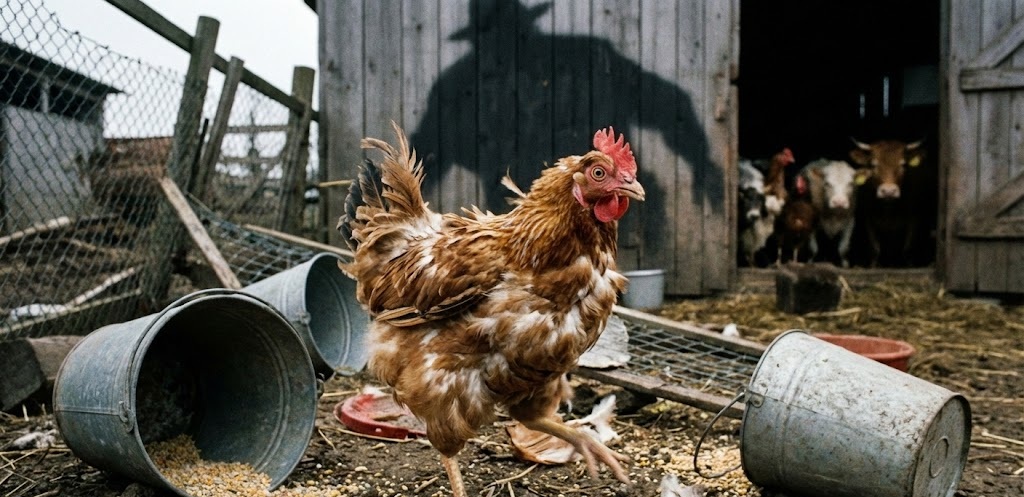
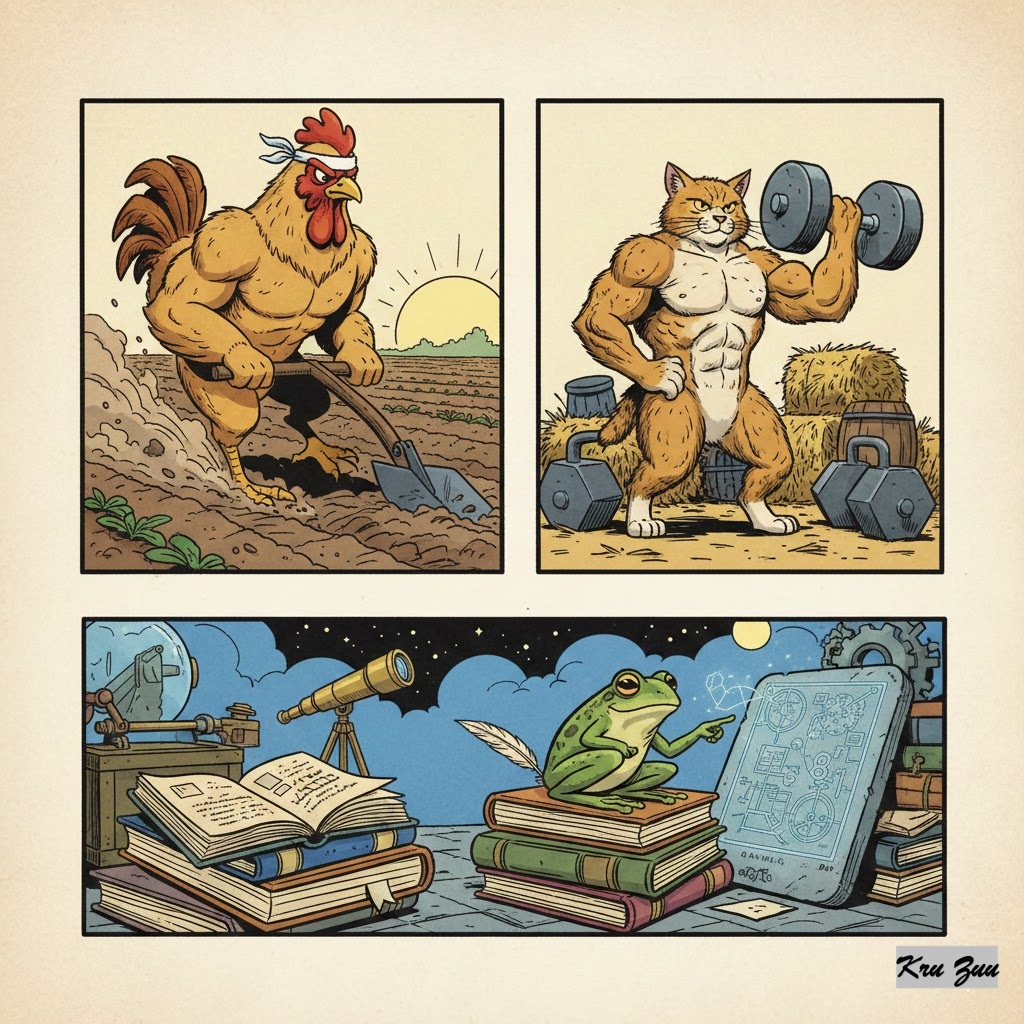
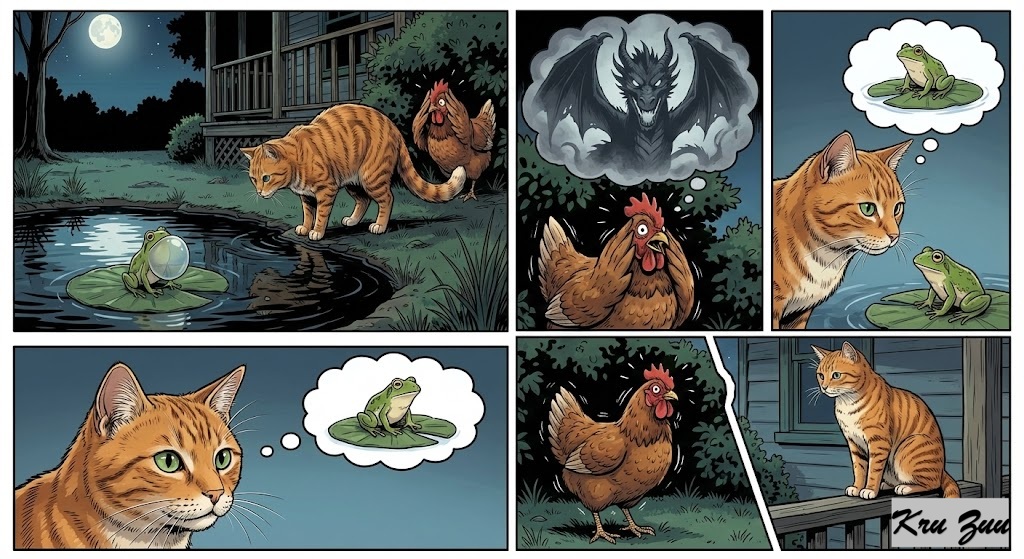
    🐔 The Chicken (The Worrier): The Chicken is shaking. Feathers are flying everywhere. “It’s a monster!” she screams. “It sounds huge! It’s going to eat us all! We need to run to the next village! We are doomed!” The Chicken hides under the porch, trembling. She lets the noise paralyze her.


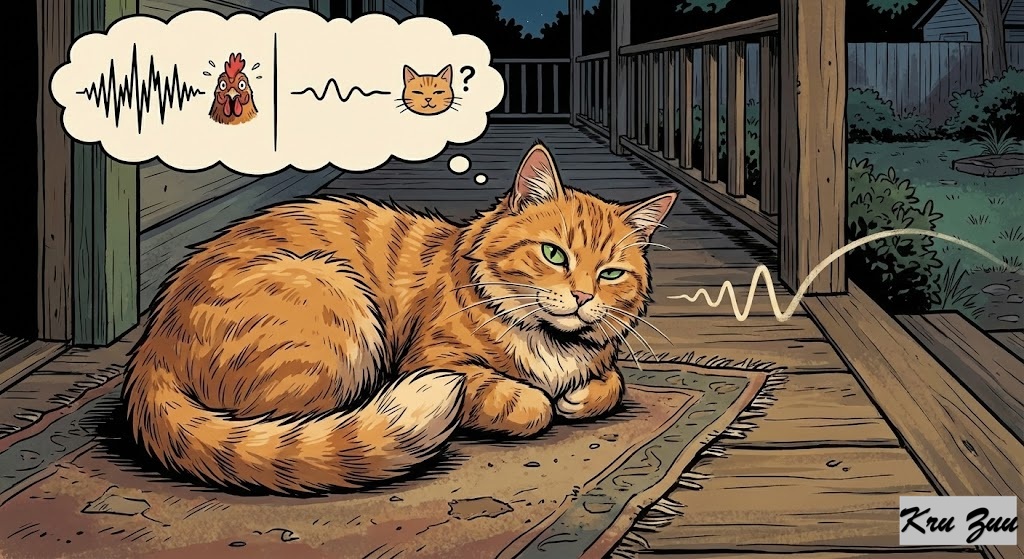
    🐱 The Cat (The Observer): The Cat opens one eye. She stretches slowly. She listens to the volume, but she also listens to the fear in the sound. “Relax, Chicken,” the Cat purrs. “That is a lot of noise. Dangerous things don’t announce themselves like that.”

    The Climax: The Cat walks coolly to the edge of the pond. The Chicken watches through her wings, terrified. The Cat peers into the darkness.
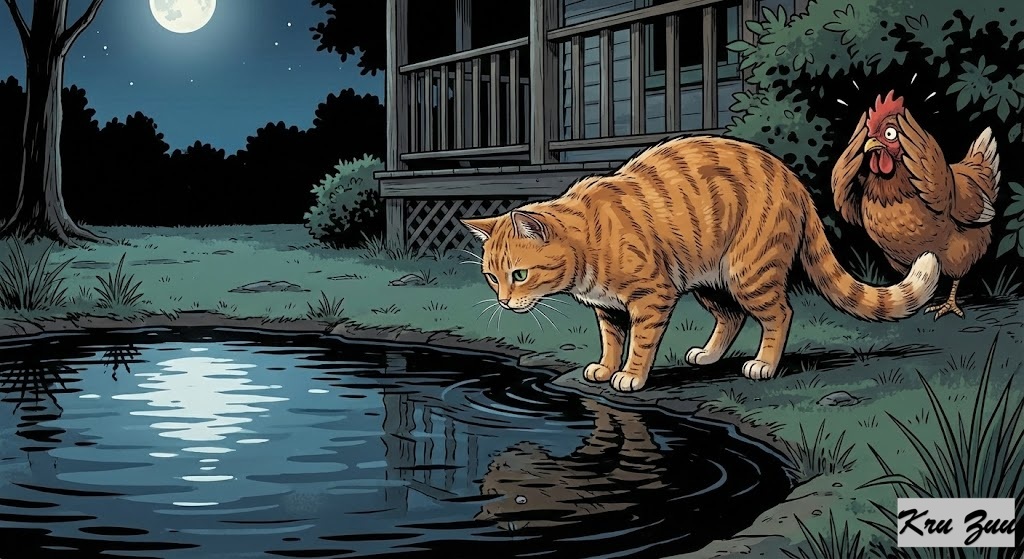

    There, sitting on a lily pad, is The Frog. 🐸 It is a tiny frog, no bigger than a spoon. It puffs its throat out huge—CROAK!—trying to look scary because it is afraid of the dark.
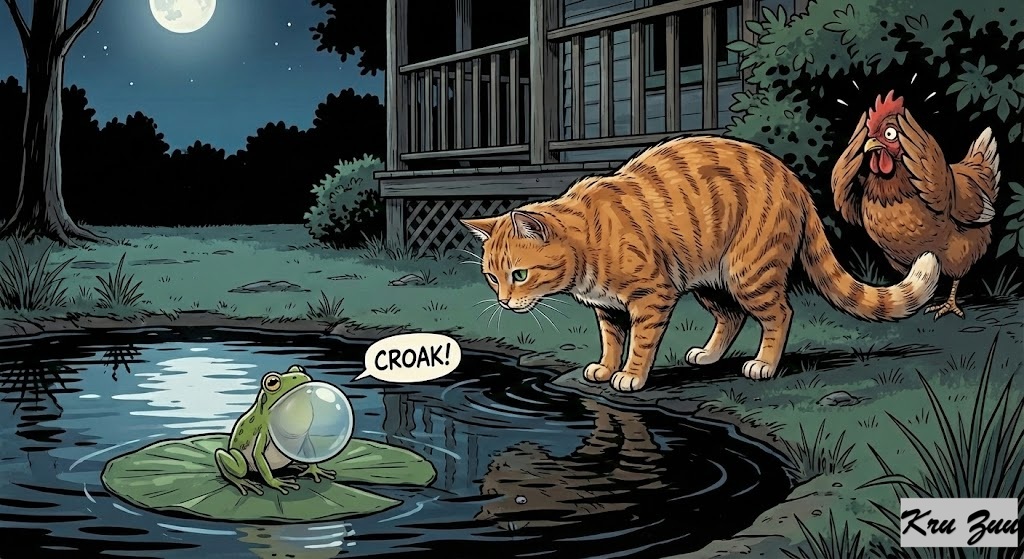

    The Moral: The Chicken heard a dragon. The Cat saw a scared little frog. The loudest threats often come from the smallest people. Don’t be a Chicken. Be a Cat. 🐈
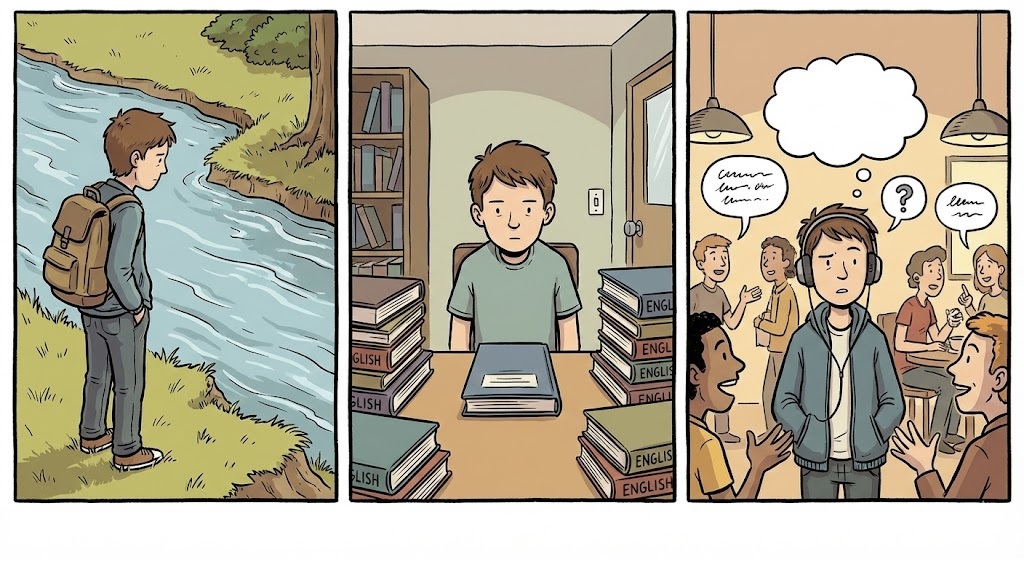
    🎓 Lesson for English Learners


    Don’t Fear the “Barking” of English.
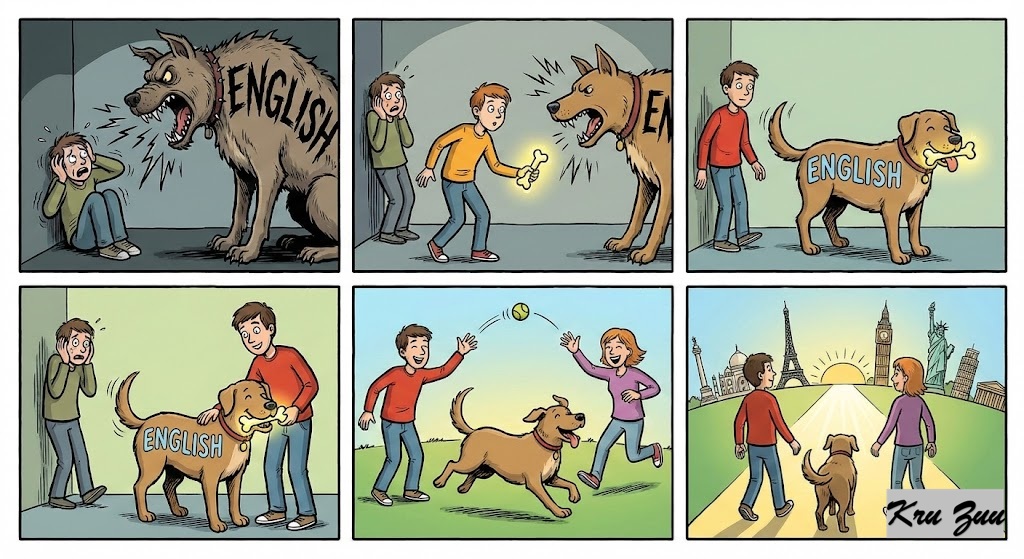

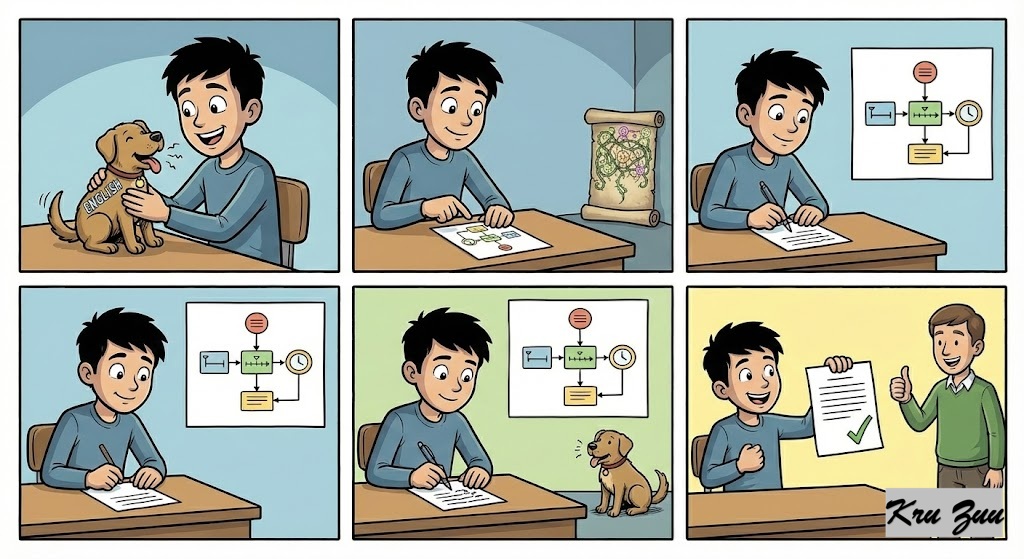
    Situation: You see a long, complex grammar rule (like the Future Perfect Continuous). It looks scary. It looks difficult.
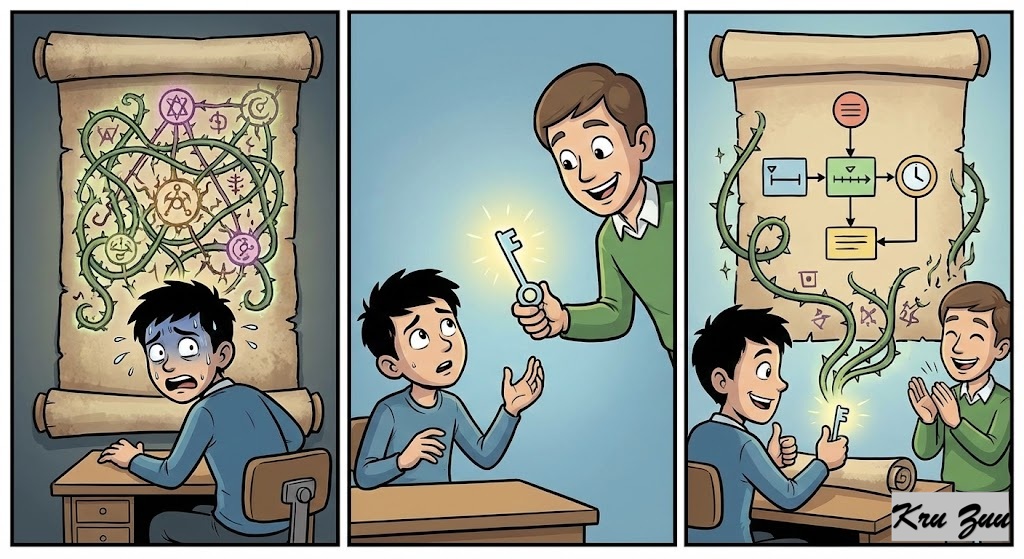

    You Say: “This grammar is just a barking dog. It looks big on the page, but once I analyze it, it can’t hurt me. It’s actually quite simple.”

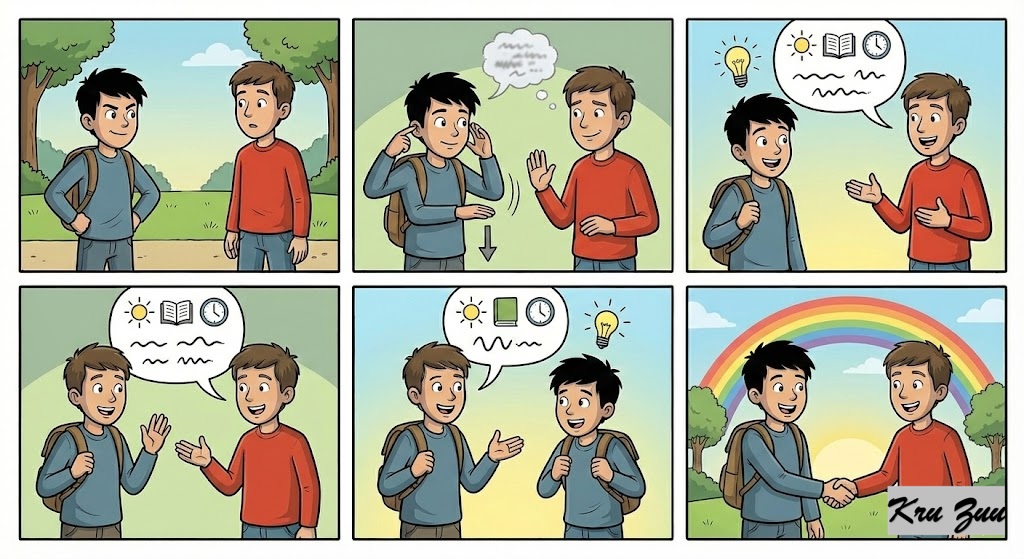
    Situation: A native speaker talks very fast. You panic.


    You Say: “Their speed is just noise. I will ask them to slow down. I won’t let the speed intimidate me.”

    💬 Your Turn: The Fear Test 🚀


    The Challenge:
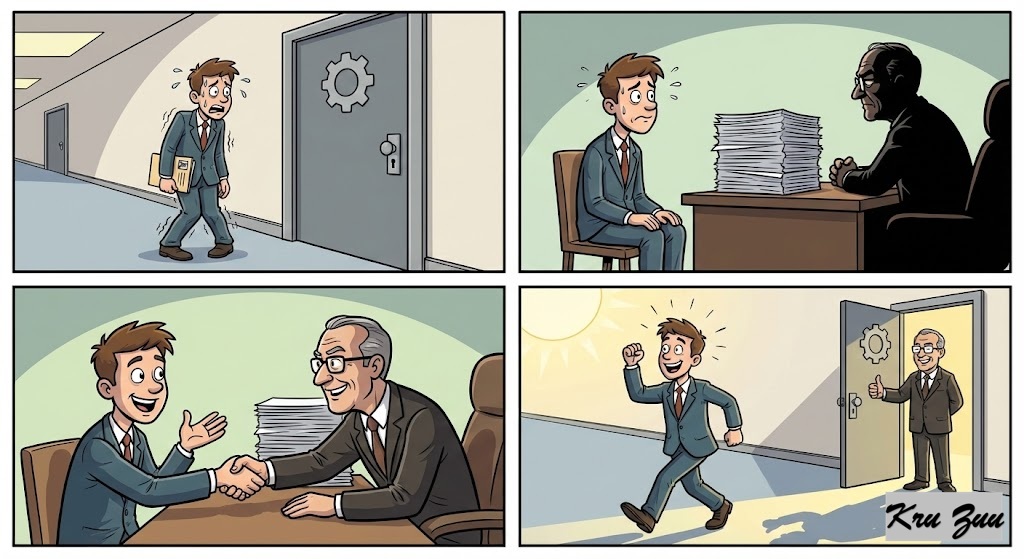
    Think of a situation where you were scared of something that turned out to be easy.
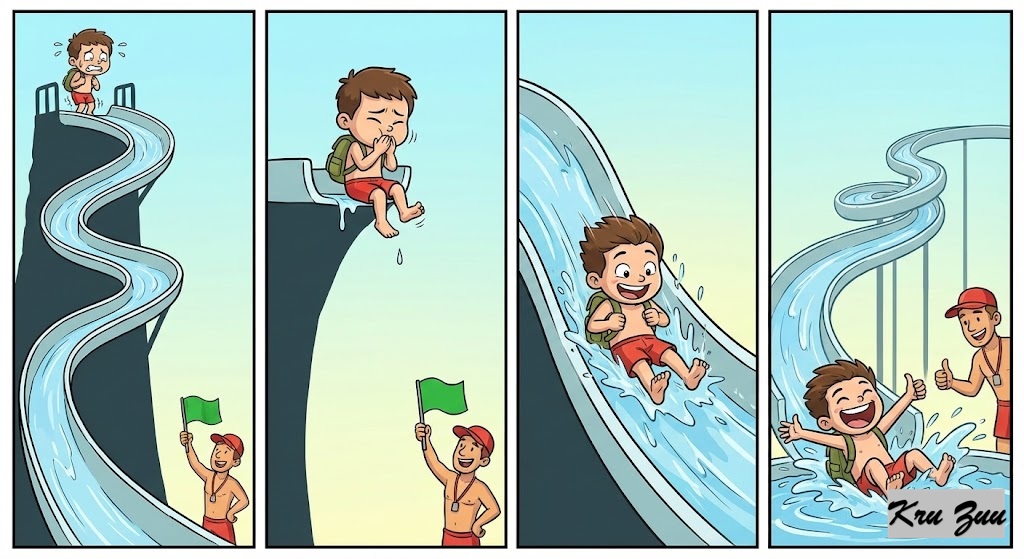

    Was it a job interview?

    Was it asking someone on a date?


    Was it speaking English in public?

    Question:
    What is a “Barking Dog” in your life right now? Something that makes a lot of noise but isn’t actually dangerous? Tell us in the comments! 👇

    By Zubeyir YURTKURAN

    https://www.facebook.com/BrainBattleground/

    https://www.facebook.com/zubeyr.yurtkuran/

    https://www.instagram.com/zubeyryurtkuran/

    https://www.youtube.com/@BrainBattleground-b3p

    https://www.instagram.com/brainbattleground/

  • 🐴 The Daily Shield: The Law of Free Will

    🐴 The Daily Shield: The Law of Free Will

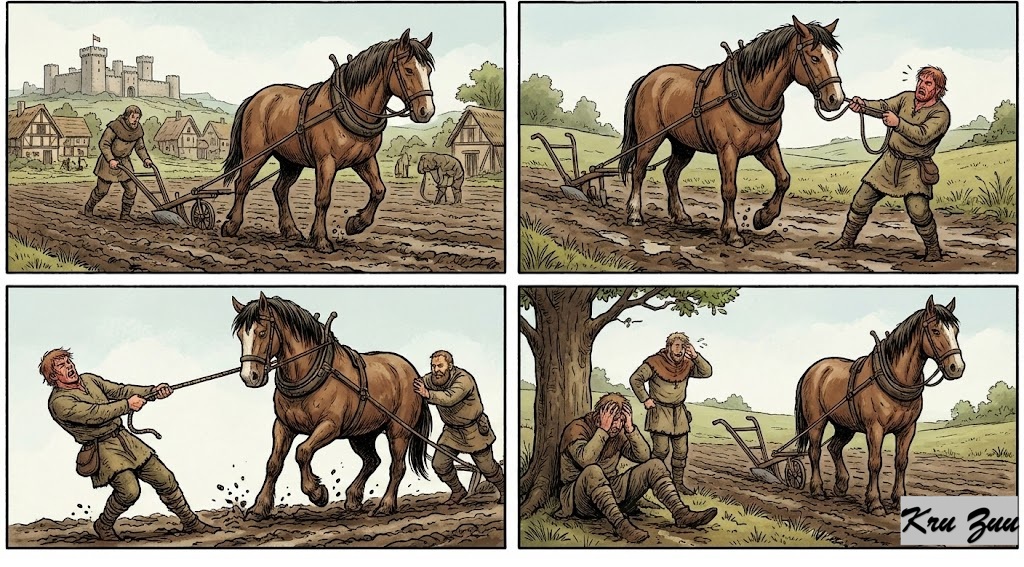
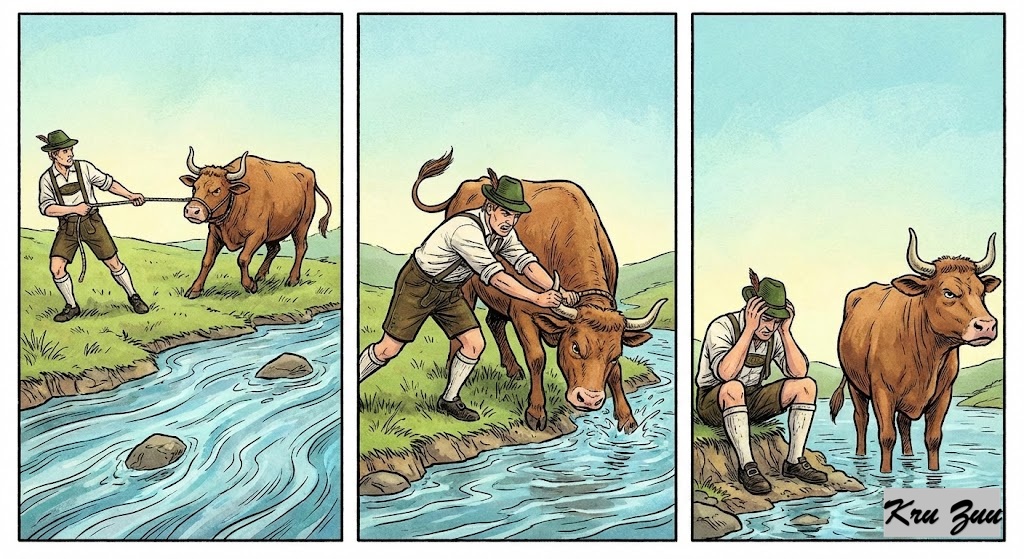
    “You can lead a horse to water, but you can’t make him drink.”


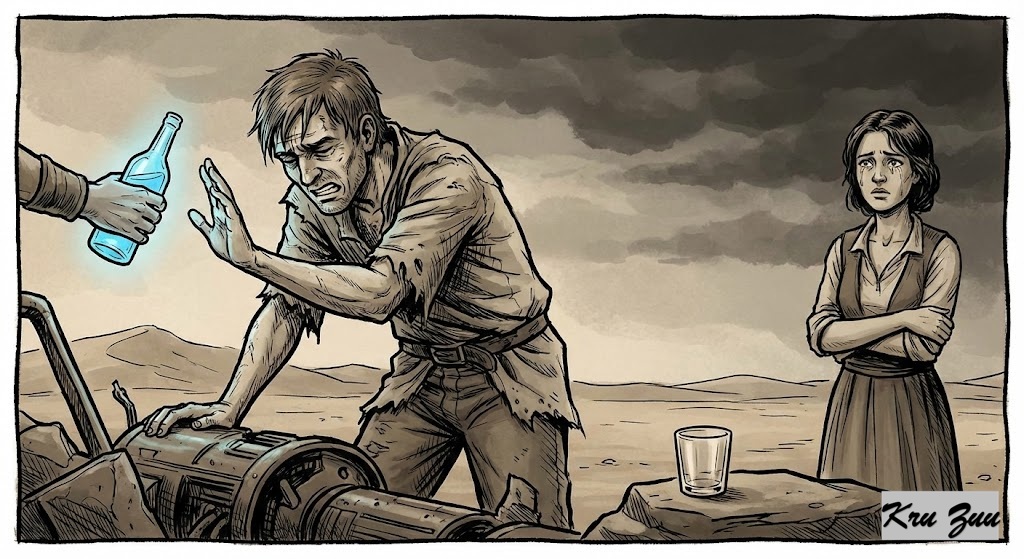
    😈 The Villain (The Control Freak)
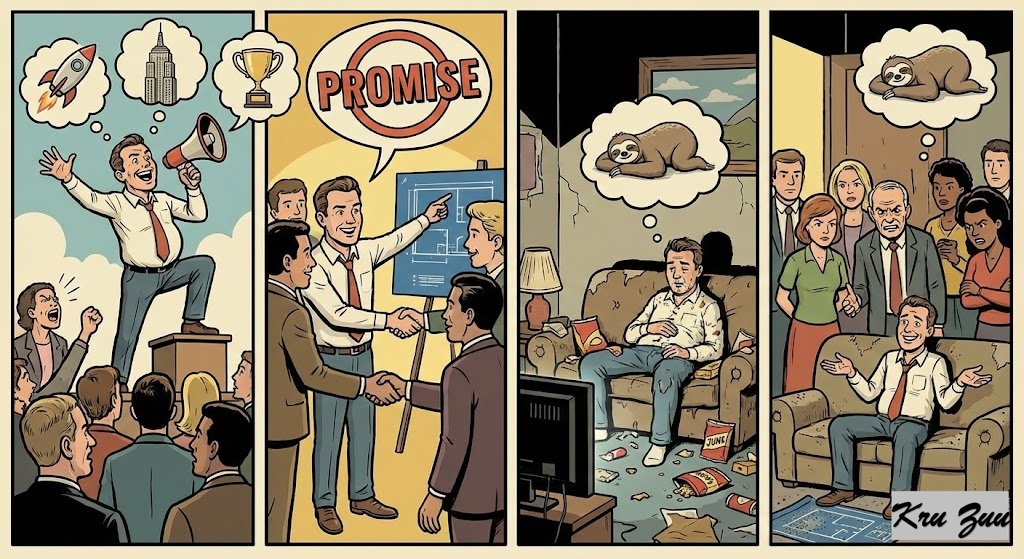
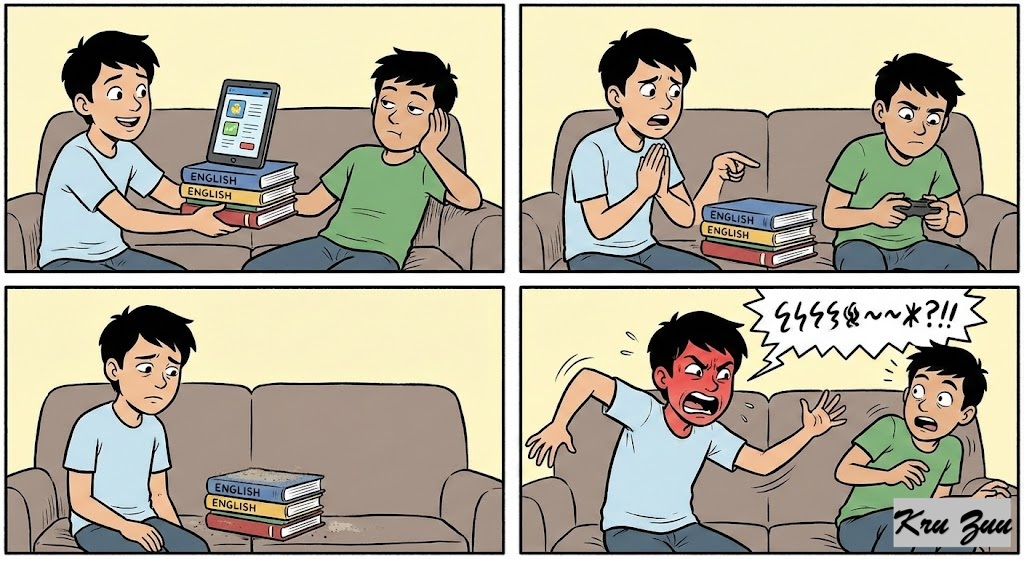
    You want your friend to learn English. You buy them books, you send them links, you beg them to study. They don’t do it. You get angry.

    You want your brother to eat healthy. You cook him broccoli. He orders pizza. You feel frustrated and exhausted.

    You think, “If I try harder, I can change them.” You are fighting a war you cannot win. You are trying to control another person’s mind. 🤯


    😇 The Hero (The Guide)
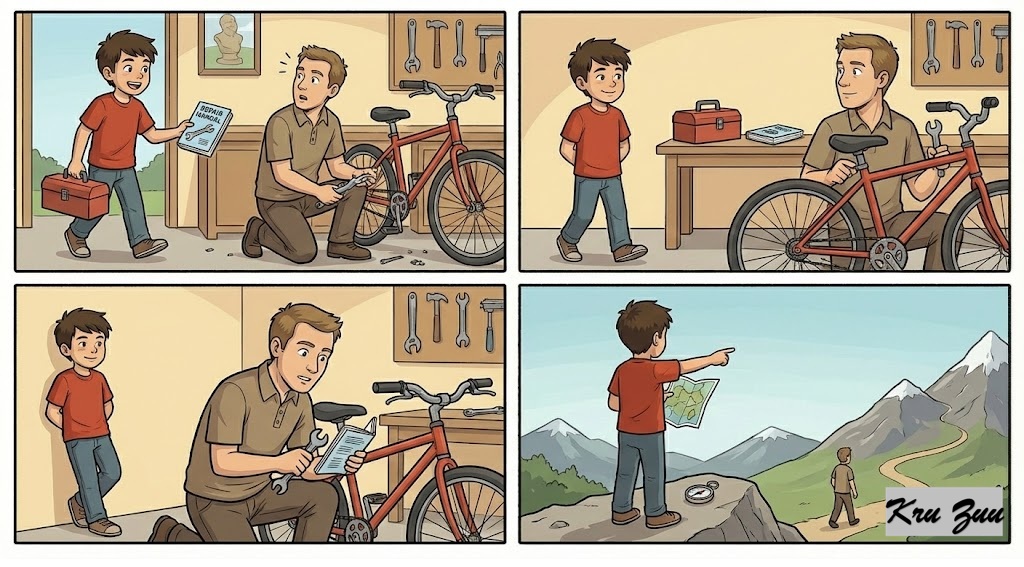
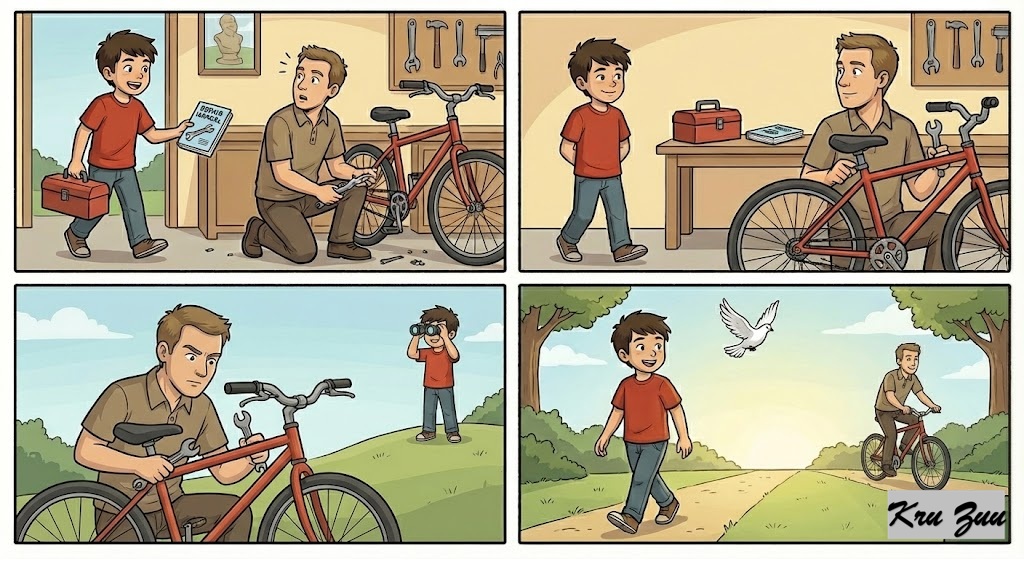
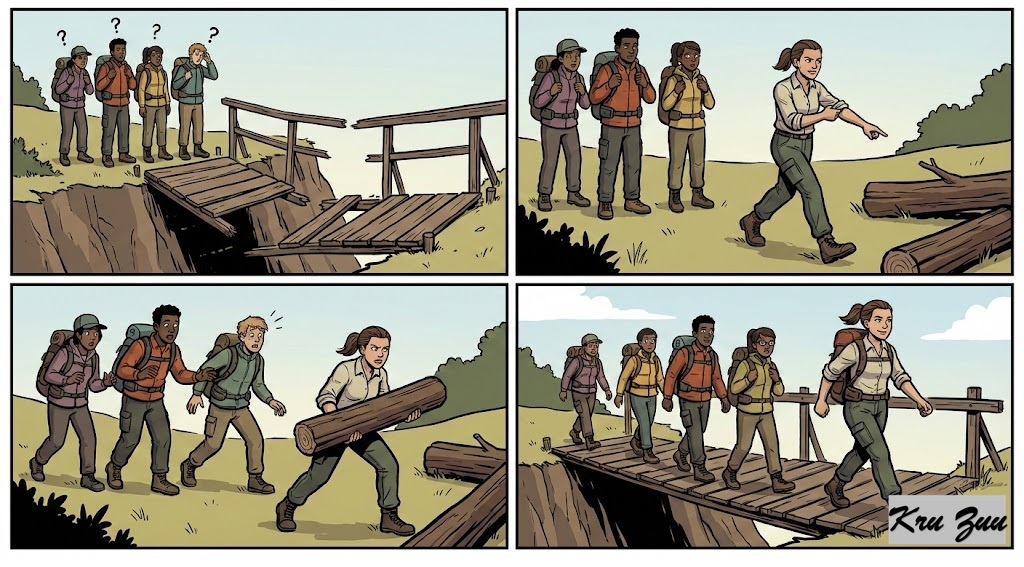
    You offer help. You open the door. You say, “Here are the tools if you need them.” Then, you step back. You understand that you are the guide, not the commander. You focus on your own actions, not their reactions.

    The Result? You protect your energy. You don’t take their refusal personally. You are helpful, but you are also free. 🕊️


    ⚖️ The Reality
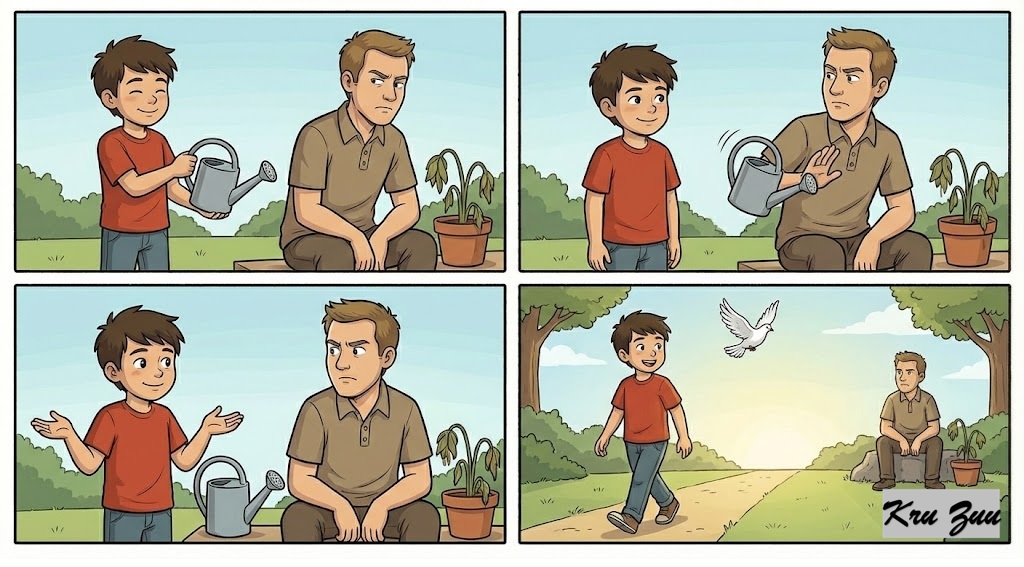
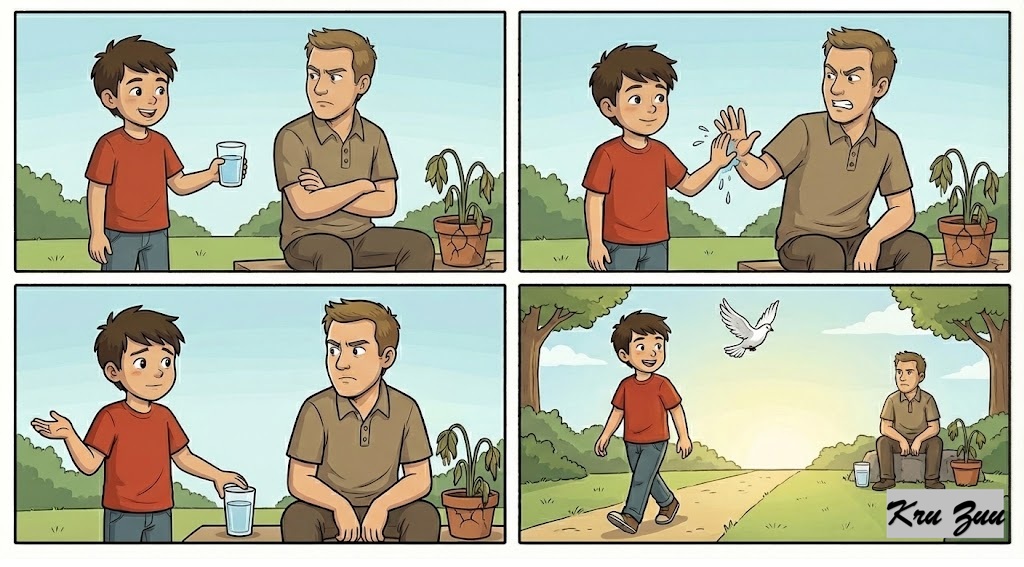
    Help is not a forceful injection; it is an offering. You can provide the best opportunity in the world (the water), but the desire to take it (the drinking) must come from inside them. Motivation cannot be donated.


    💎 The Secret: You are responsible to people (to help them), but you are not responsible for people (for their choices).

    🧐 The Anatomy of the Proverb


    This is the ultimate lesson in boundaries.


    Lead (Verb): To show the way; to guide someone to a place. 🗺️


    Make (Causative Verb): To force or compel someone to do something. (This is the impossible part!).


    Simpler Version: You can’t force people to accept your help.


    📚 Vocabulary Vault


    Reluctant (Adjective):
    Unwilling and hesitant to do something.


    Initiative (Noun): The power or opportunity to act or take charge before others do.


    Stubborn (Adjective): Having a determination not to change one’s attitude. 🧱


    Autonomy (Noun): The right or condition of self-government; freedom to choose.


    Influence (Verb/Noun): To have an effect on someone, but not total control.


    🧠 Grammar Focus: Causative Verbs


    This proverb uses a very specific grammar structure called Causative Verbs.


    The Structure: Subject + Make + Person + Verb (Base Form).


    Meaning: To force someone to do something.


    Examples


    ❌ “You can’t make him to drink.” (Incorrect!)


    ✅ “You can’t make him drink.” (Correct)


    “My teacher made me study extra hours.”


    “Sad movies make me cry.”

    📜 History: Origin and Spread


    This is one of the oldest proverbs in the English language!


    The Origin:
    It was first recorded in 1175 in Old English homilies. Horses were essential for survival (transport, farming). Everyone knew that a stubborn horse could not be moved, no matter how strong the farmer was.


    Global Cousins


    🇹🇷 Turkish:
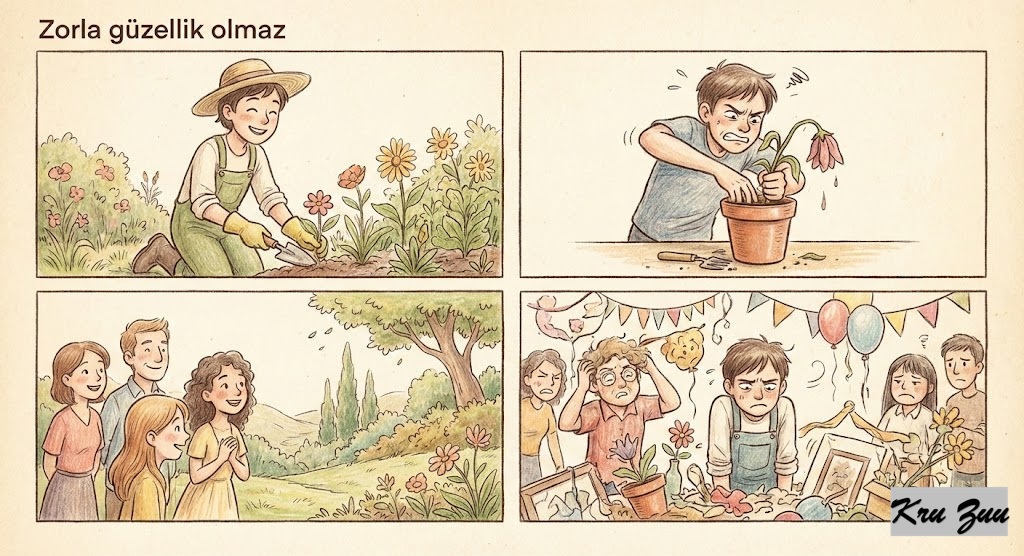
    “Zorla güzellik olmaz.” (Beauty cannot be forced/There is no forced beauty.) OR “Zorla kuyu kazılmaz.”


    🇩🇪 German: “Man kann einen Ochsen zum Wasser führen, aber man kann ihn nicht zwingen, zu saufen.” (You can lead an ox to water, but you can’t force it to booze/drink.)

    🎯 Impact on Life: The Pros & Cons


    ✅ The Pros (Inner Peace)
    Relief:
    When you realize you can’t “fix” everyone, a huge weight lifts off your shoulders.


    Respect: You respect others’ choices, even if they are bad choices.


    ❌ The Cons (The frustration)


    Watching Failure:
    Sometimes, you have to watch people you love fail because they refuse the “water.” That requires emotional strength.

    🎭 Short Story: The Chicken’s Great Feast


    Let’s visit the farm to see this law in action.


    🌟 The Characters


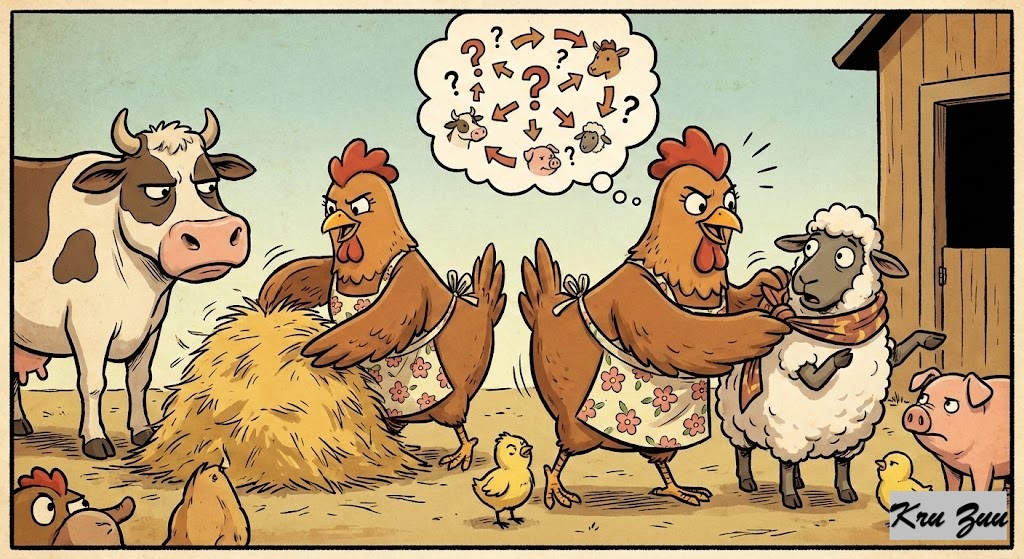
    🐔 Mrs. Hen (The Over-Helper):
    She thinks she knows what is best for everyone.


    🐸 Freddy Frog: He loves flies and mud.


    🐱 Leo the Cat: He is proud, stubborn, and hates being told what to do.


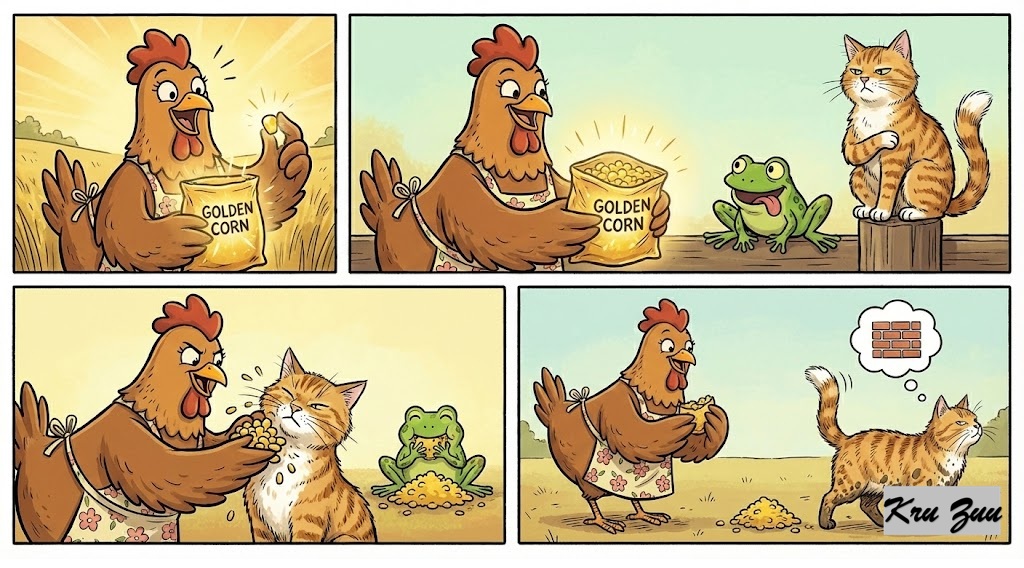
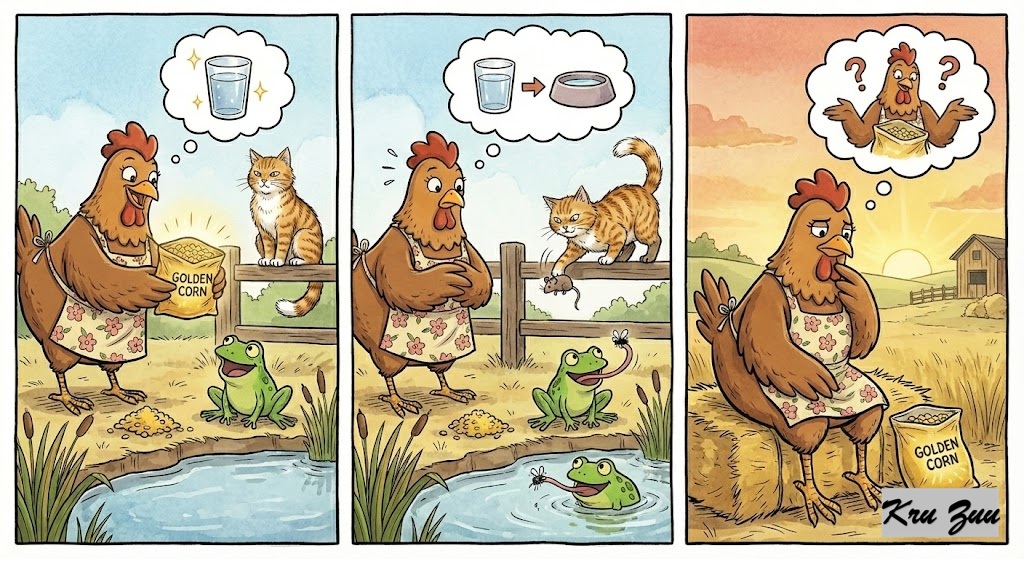
    The Situation: Mrs. Hen found a bag of “Golden Corn.” It was the most delicious, expensive corn in the world. She was so excited! She wanted everyone to be happy and full.


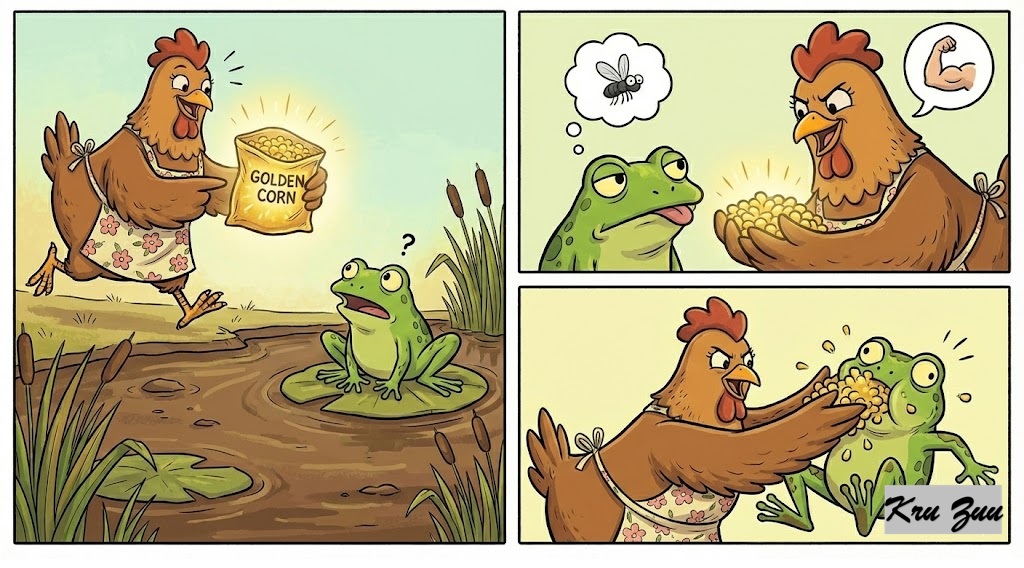
    Scene 1: The Frog Mrs. Hen ran to the pond. “Freddy! Look! Golden Corn! Eat it, it will make you strong!” Freddy Frog looked at the corn. He looked at Mrs. Hen. “But I like flies,” Freddy said. “No, no! This is better than flies,” insisted Mrs. Hen. She pushed the corn into his face.

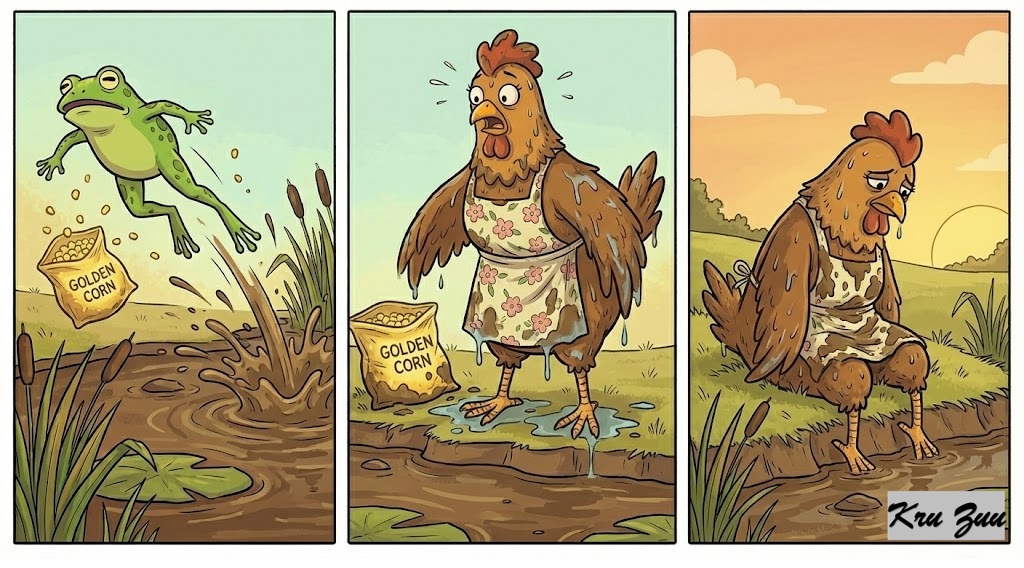
    The Result: Freddy jumped into the muddy water to escape. Mrs. Hen was wet and sad.


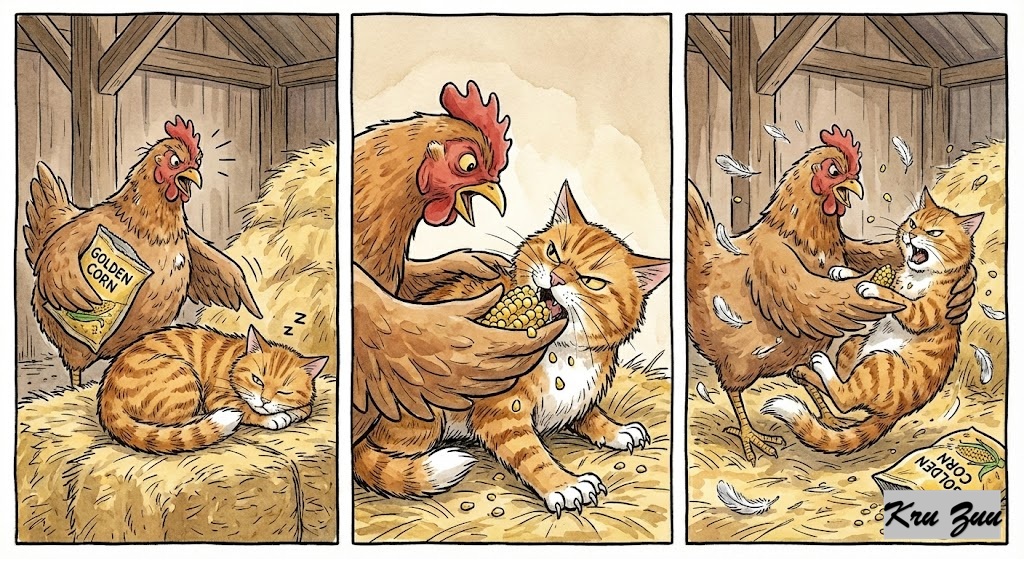
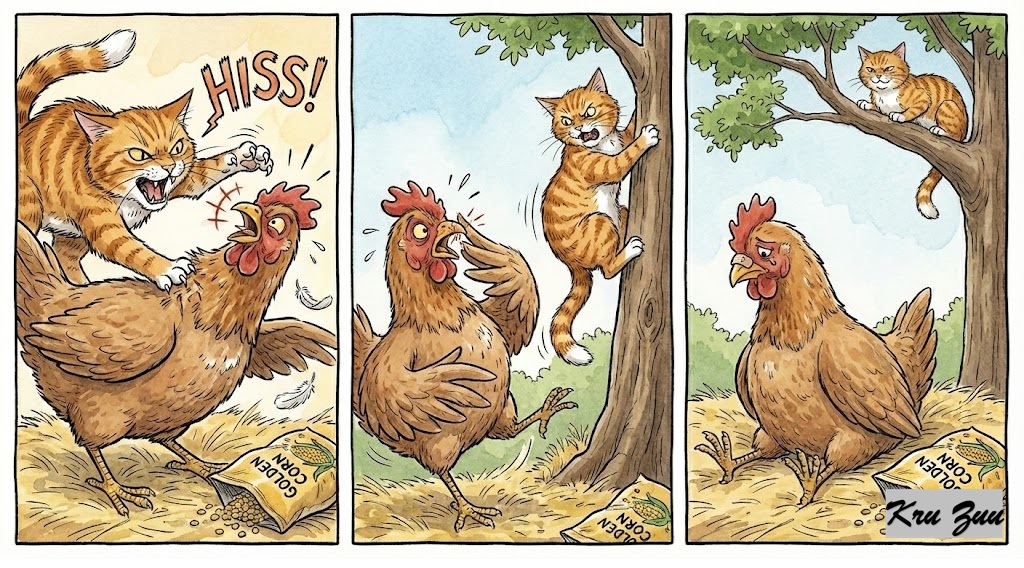
    Scene 2: The Cat Mrs. Hen didn’t give up. She went to the barn. “Leo! You are thin. You need this corn.” Leo the Cat was sleeping. He opened one eye. “I am a carnivore, Mrs. Hen. I eat meat.” “Just try it!” Mrs. Hen shouted. She tried to open Leo’s mouth to put the corn in. “You must eat it!”

    The Result:HISS! Leo scratched Mrs. Hen’s beak and ran up a tree.

    The Moral: Mrs. Hen had good intentions (The Water). But a Frog and a Cat have different needs (The Drinking). Mrs. Hen wasted her day trying to turn a Cat into a Chicken. Don’t be Mrs. Hen. Offer the corn, but don’t force the feast. 🌽

    🎓 Lesson for English Learners


    Stop Buying, Start Doing.


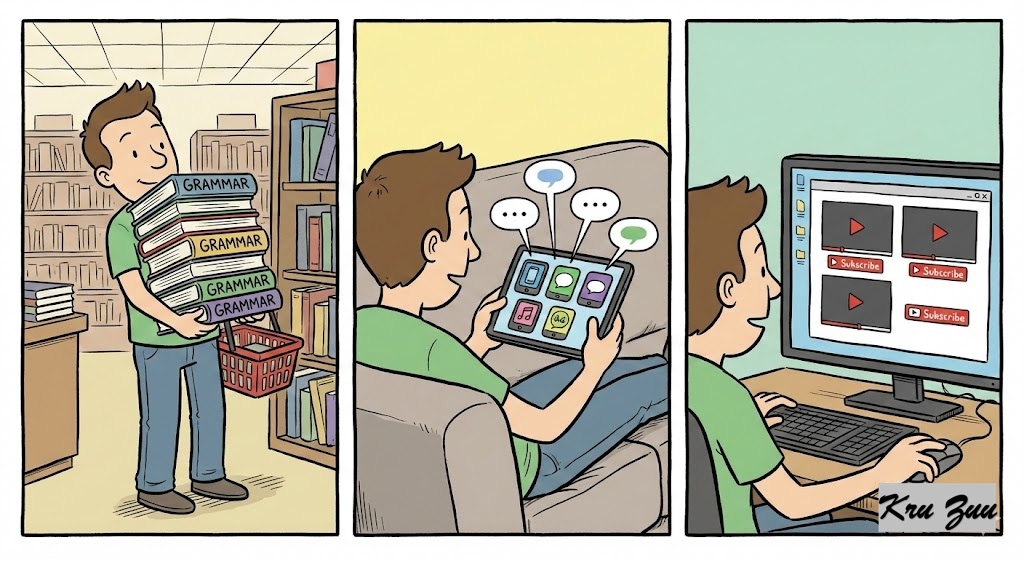
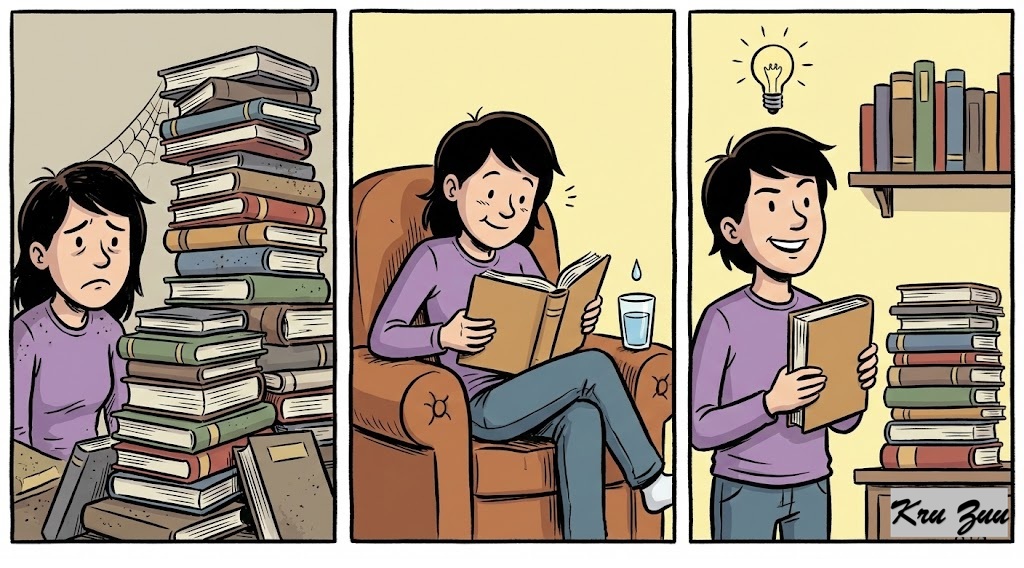
    The Situation: You buy 10 grammar books. You download 5 language apps. You subscribe to 3 YouTube channels.

    The Reality: The books and apps are just “the water.”


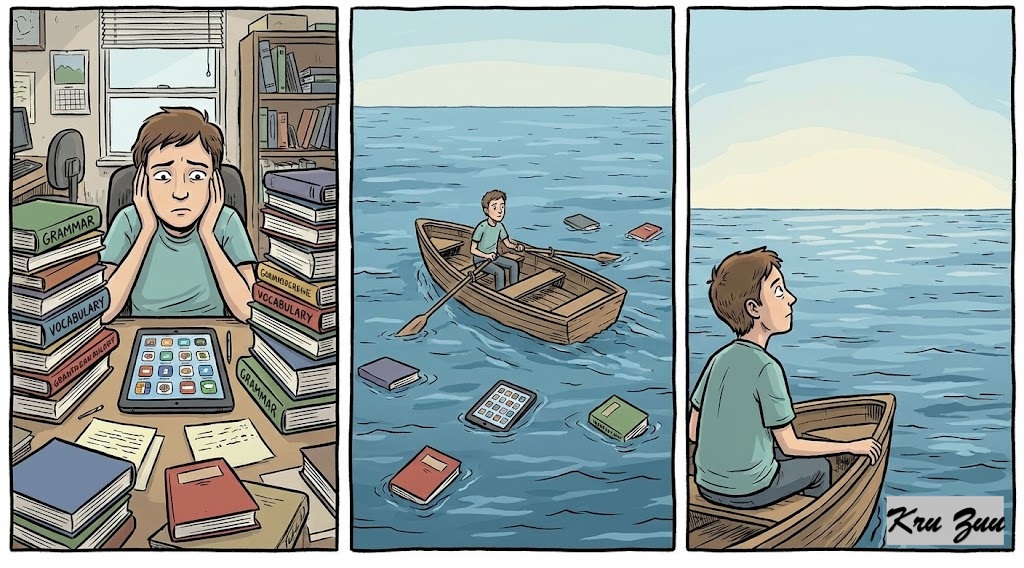
    The Problem: You are standing by the river, but you aren’t drinking. Buying the book doesn’t put the English in your brain.


    The Fix: One page read is better than ten books bought. Drink the water. 💧


    💬 Your Turn: The Reflection 🚀


    Think about your life this week.


    Who are you trying to “force” to drink? (A friend? A student? Yourself?)


    Are you the stubborn horse? Is someone giving you good advice that you are ignoring?


    👇 Tell us in the comments! Have you ever tried to help someone who didn’t want help?

    By Zubeyir YURTKURAN

    https://www.facebook.com/BrainBattleground/

    https://www.facebook.com/zubeyr.yurtkuran/

    https://www.instagram.com/zubeyryurtkuran/
    https://www.youtube.com/@BrainBattleground-b3p

    https://www.instagram.com/brainbattleground/

  • ⏳ The Daily Shield: The Law of Patience

    ⏳ The Daily Shield: The Law of Patience

    “Good things come to those who wait.”


    😈 The Villain (The Rusher)
    You want everything NOW. You put the frozen pizza in the oven, but you take it out 5 minutes early because you are hungry. The center is still frozen cold.

    You send 10 text messages because your friend didn’t reply in 30 seconds.

    You quit the gym after one week because you don’t have a six-pack yet.

    The Result? Burnt tongues, unfinished projects, and broken relationships. You are addicted to “Instant Gratification.”

    You run fast, but you never arrive. 🏃‍♂️💨


    😇 The Hero (The Strategist)
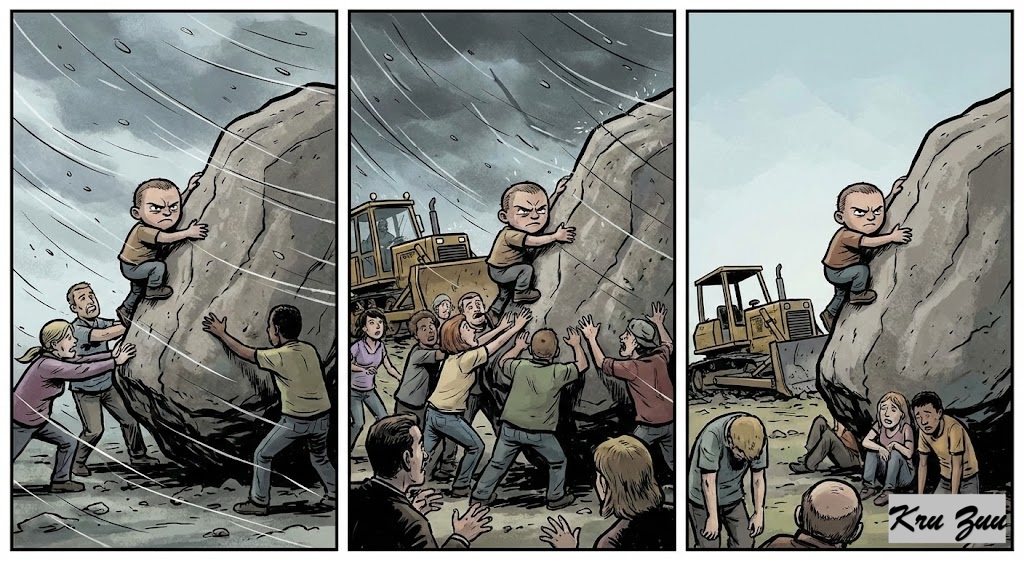
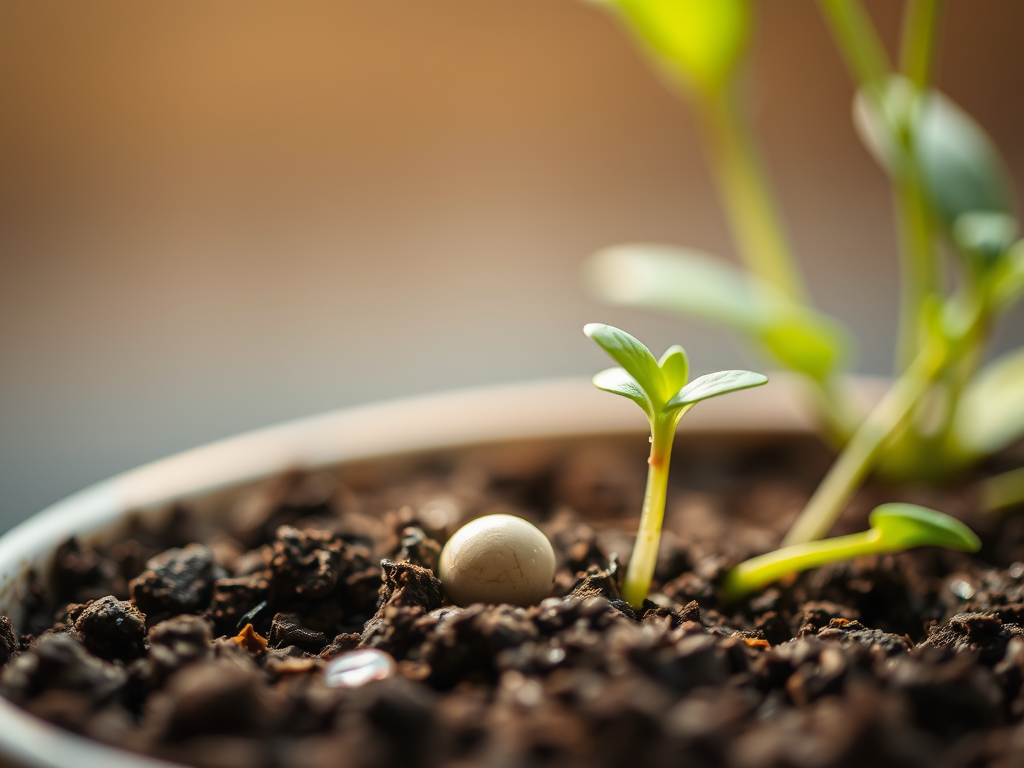
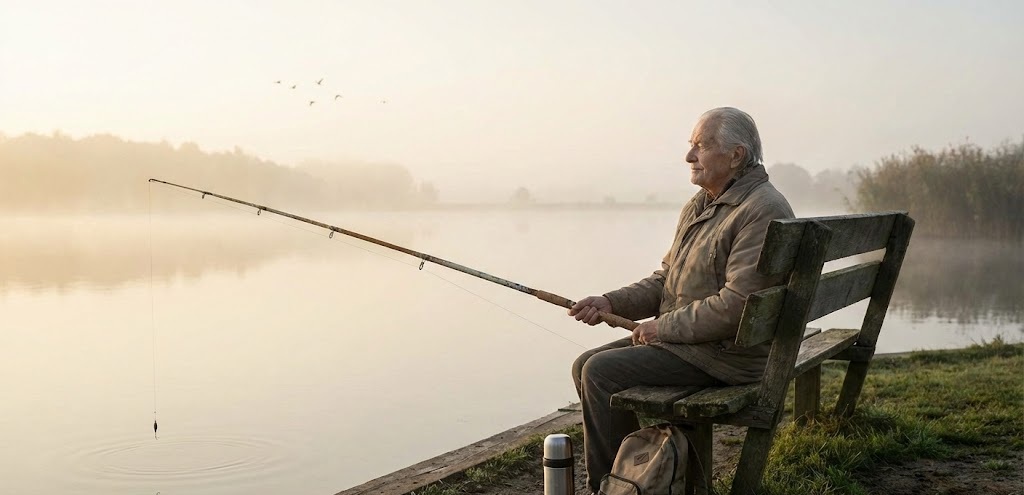
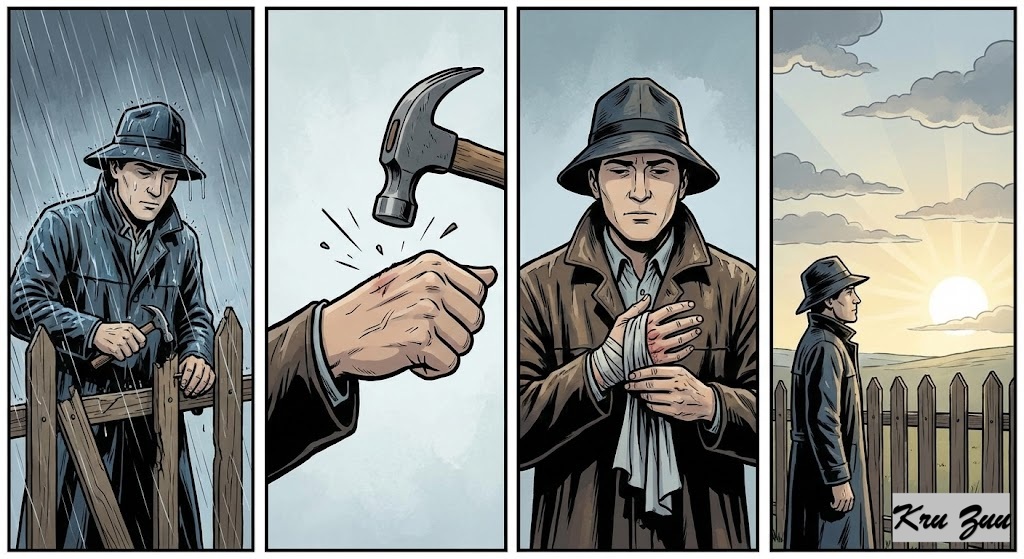
    You plant a seed. You water it. You watch nothing happen for days. But you don’t dig it up to check if it’s growing. You trust the process.

    You wait for the tea to cool down so you can taste the flavor.

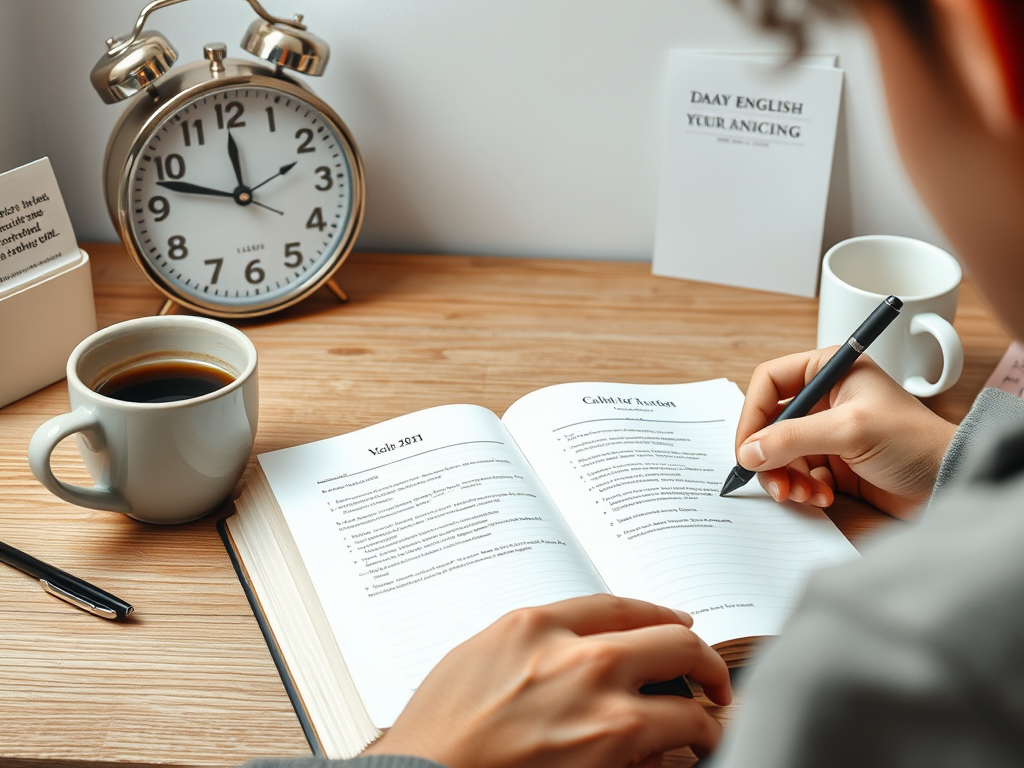
    You study English for 15 minutes every day for a year, knowing the result will come later.

    The Result? You enjoy the sweetest fruit because you let it ripen.

    You win the game because you waited for the perfect moment to strike.

    You possess the superpower called Patience. 🛡️


    ⚖️ The Reality
    “Fast” is often “Fragile.” We live in a microwave generation. We want 5-minute abs, 1-minute rice, and instant success. But diamonds take millions of years to form. If you rush a diamond, you just get coal.

    💎 The Secret: Waiting is not “doing nothing.” Waiting is an action. It is gathering strength, observing, and preparing for the grand finale.

    🧐 The Anatomy of the Proverb

    Let’s break down this famous saying.


    Good things (Subject):
    Success, fluency, love, rewards.


    Come (Verb): Arrive; happen.


    To those who wait (Indirect Object): The people who show patience.


    Simpler Version: Be patient, and you will be rewarded.


    📚 Vocabulary Vault


    Patience (Noun):
    The capacity to accept or tolerate delay without getting angry. (The ultimate virtue).


    Impulsive (Adjective): Acting or doing something without thinking carefully. (The enemy of success).


    Virtue (Noun): A behavior showing high moral standards.


    Inevitable (Adjective): Certain to happen; unavoidable.


    Ripe (Adjective): Ready to be eaten; fully developed (used for fruit and opportunities). 🍎


    🧠 Grammar Focus: Relative Clauses


    Look at the phrase:
    “Those who wait.” This is a Defining Relative Clause.


    It tells us which people get the good things.


    Structure: Person + Who + Verb.


    Examples


    People who study pass the exam.


    He who laughs last, laughs best.


    God helps those who help themselves.

    📜 History: Origin and Spread


    Where did this wisdom come from?


    The Origin:
    While the idea is ancient, the poem “Tout vient à qui sait attendre” by Mary Montgomerie Currie (under the name Violet Fane) in the 19th century made it famous in English.


    The Logic: Hunters knew this best. If you shoot too early, you miss the deer. If you wait too long, it runs away. You must wait for the perfect shot.


    Global Cousins


    🇹🇷 Turkish:
    “Sabreden derviş muradına ermiş.” (The patient dervish attained his wish.) — A classic!


    🇮🇹 Italian: “Chi va piano, va sano e va lontano.” (He who goes slowly, goes safely and goes far.)


    🇦🇪 Arabic: “As-sabr miftah al-faraj.” (Patience is the key to relief.)

    🎯 Impact on Life: The Pros & Cons


    ✅ The Pros (The Reward)


    Quality:
    Work done with patience is always higher quality than rushed work.


    Wisdom: When you wait and observe, you learn things the “rushers” miss.


    ❌ The Cons (The Trap)


    Passive Waiting:
    There is a difference between “Patience” and “Laziness.”


    The Rule: You must work while you wait. Don’t just sit on the couch hoping for a million dollars!

    🎭 Short Story: The Pond Paradox


    Let’s go to the edge of a magical pond to see this proverb in action.


    🌟 The Characters


    🐔 The Chicken:
    Nervous, frantic, always moving.


    🐈 The Cat: Skilled but impulsive.


    🐸 The Frog: Ugly, still, and staring at nothing.


    The Scene: It is lunchtime. The pond is full of delicious flies.


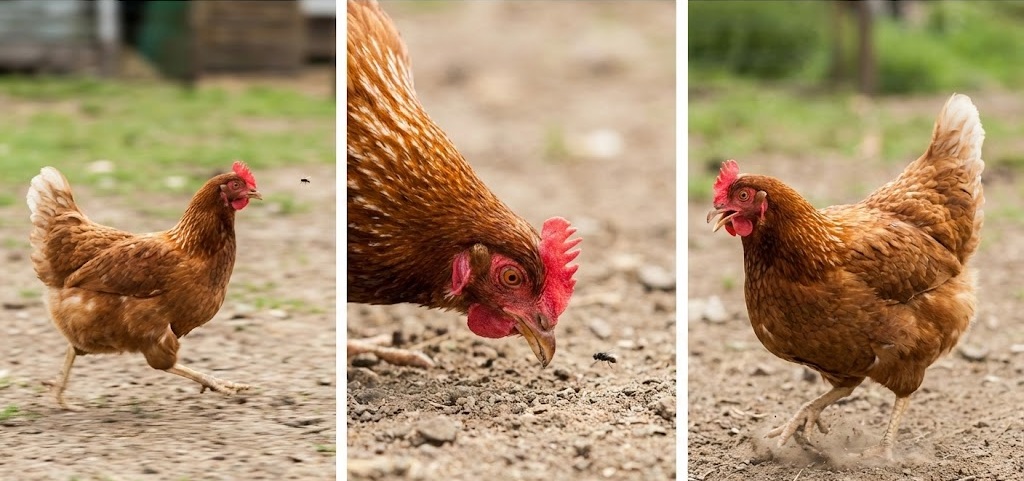
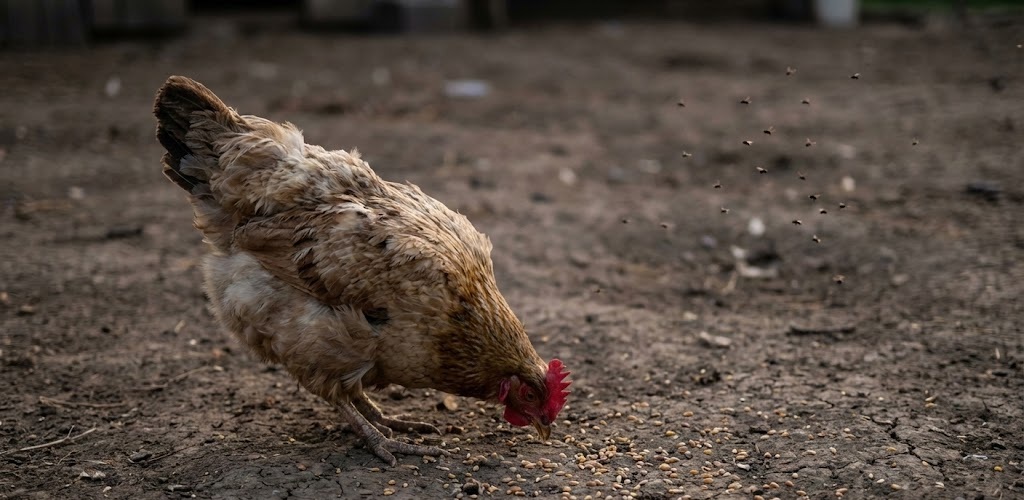
    The Chicken’s Strategy: The Chicken sees a fly and runs after it immediately. Peck! Peck! Peck! She misses. She runs to another spot. She scratches the ground. She makes a lot of noise.

    Result: The flies are scared. They fly away. The Chicken eats only dust and dry seeds. She is tired and hungry.


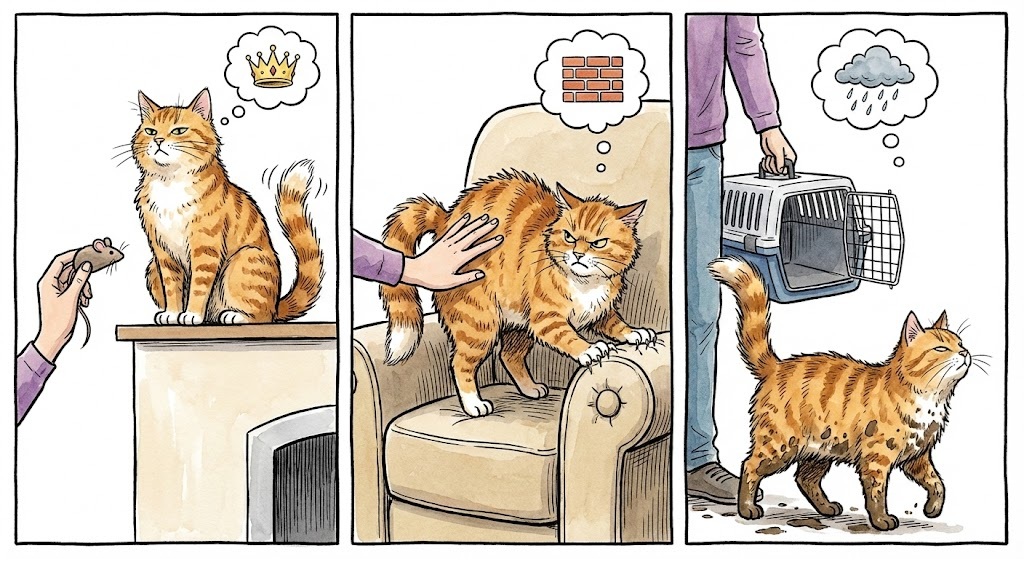
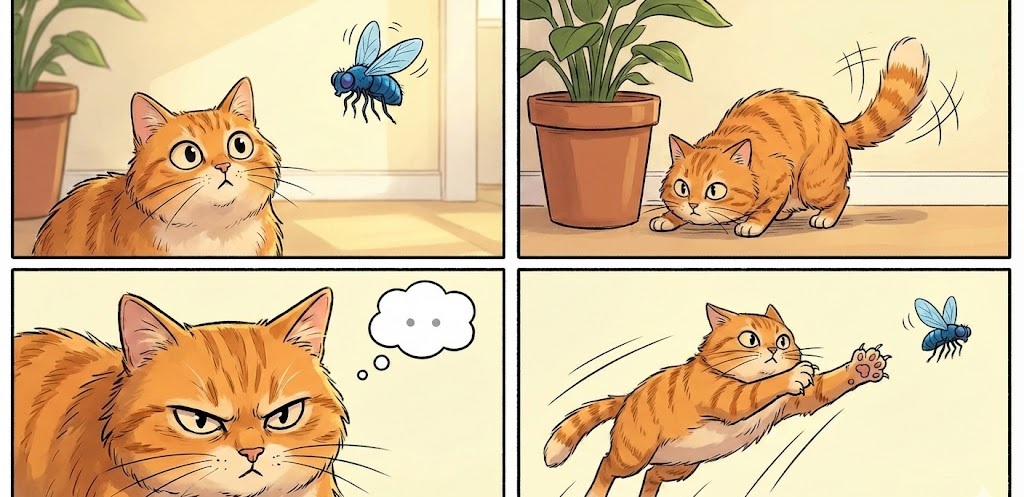
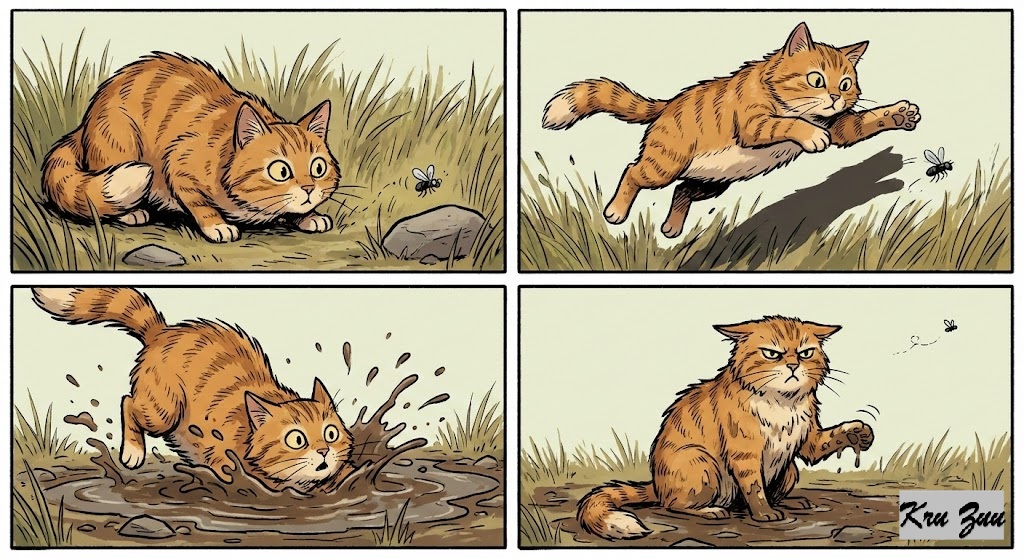
    The Cat’s Strategy: The Cat sees a big blue fly. He crouches. His tail wags excitedly. He counts to two and—POUNCE! He jumps into the air.

    Result: He was too eager. His shadow scared the fly a split second before he caught it. He lands in the mud. Wet and annoyed.


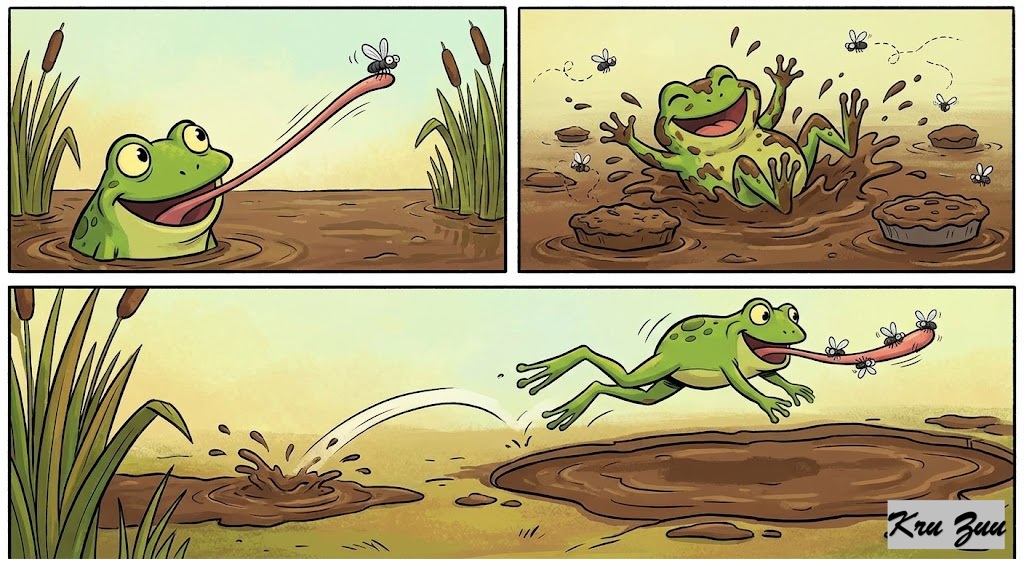
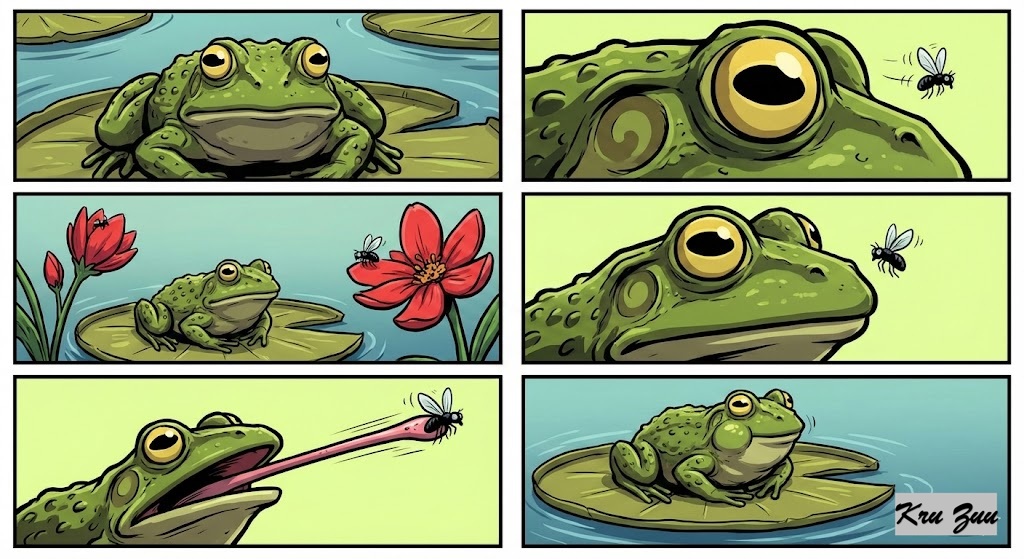
    The Frog’s Strategy: The Frog sits on a lily pad. He looks like a statue. He doesn’t blink. A fly buzzes near his ear. He waits. The fly lands on a flower nearby. He waits. The fly flies closer, right in front of his nose.

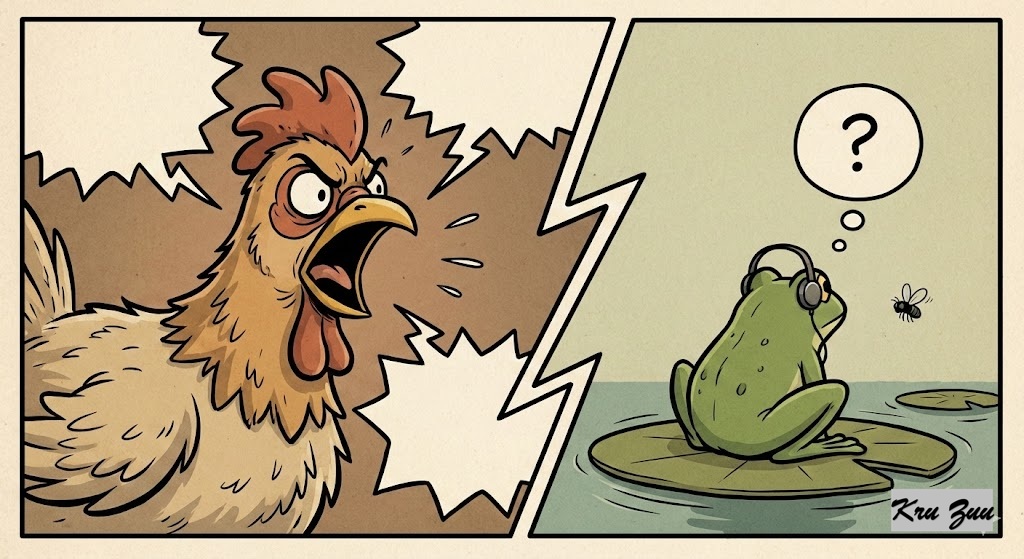
    The Chicken yells, “Why don’t you do something?!” The Frog ignores her.

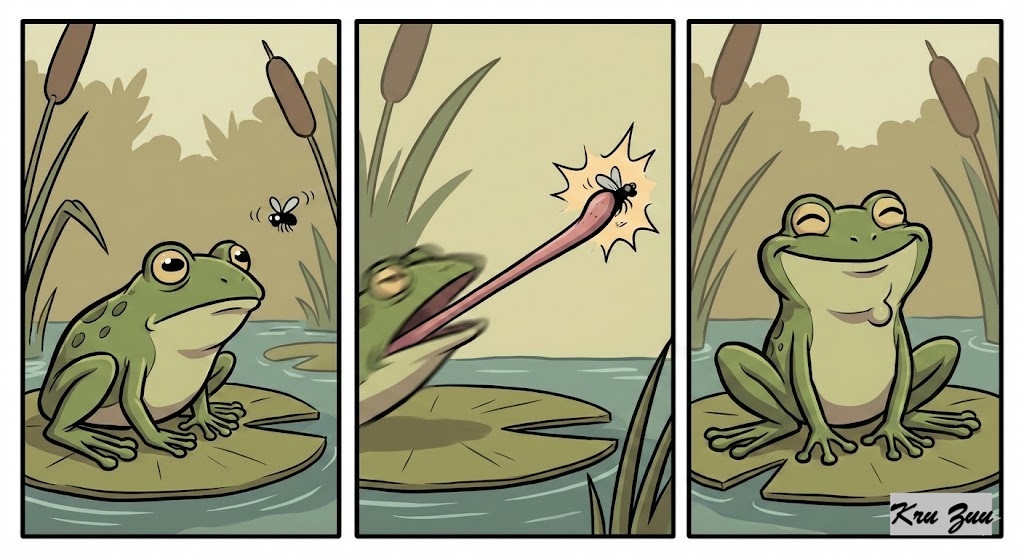
    He waits until the fly is relaxed. ZAP! 👅 In one millisecond, his tongue shoots out. The fly is gone. The Frog smiles.


    The Moral

    The Chicken worked the hardest.

    The Cat was the strongest.

    But the Frog was the smartest.

    Motion is not progress. Stillness is a strategy. 🐸

    🎓 Lesson for English Learners


    Don’t Quit in the “Plateau.”


    Situation:
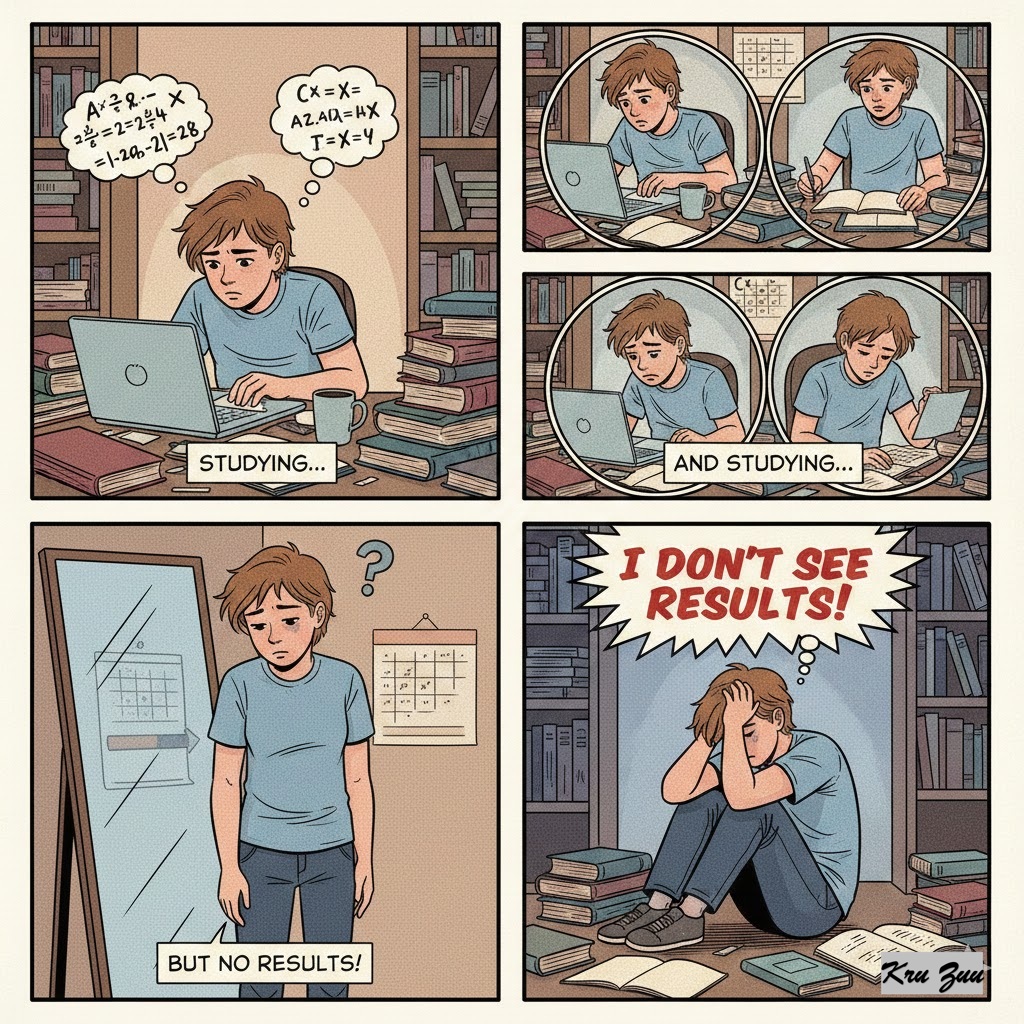
    You have been learning English for 6 months. You feel like you aren’t improving. You want to quit.


    You Say: “I am studying, but I don’t see results!”


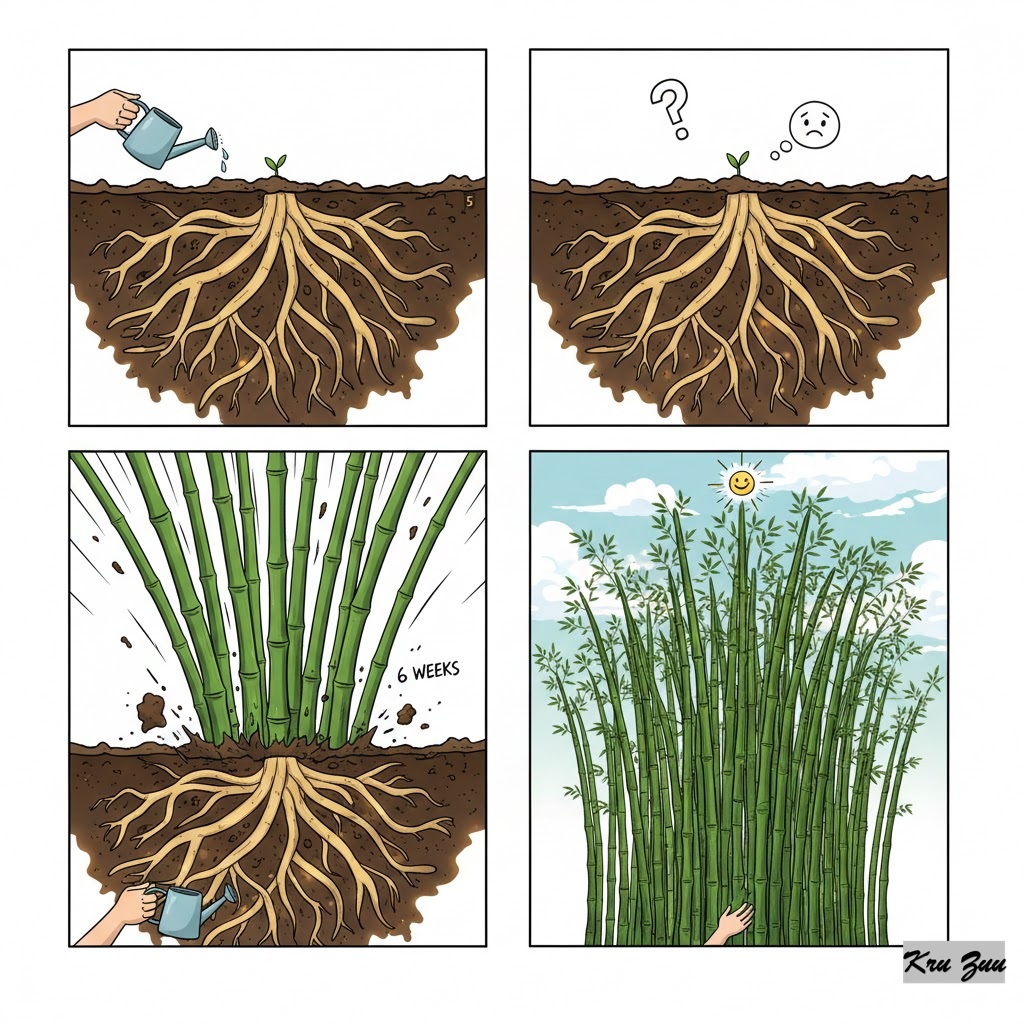
    The Reality: Language learning is like bamboo. For 5 years, bamboo grows underground (roots). You see nothing. Then, in 6 weeks, it shoots up 30 meters!


    The Advice: You are in the root phase. Good things come to those who wait (and keep studying).


    💬 Your Turn: The Marshmallow Test 🍬


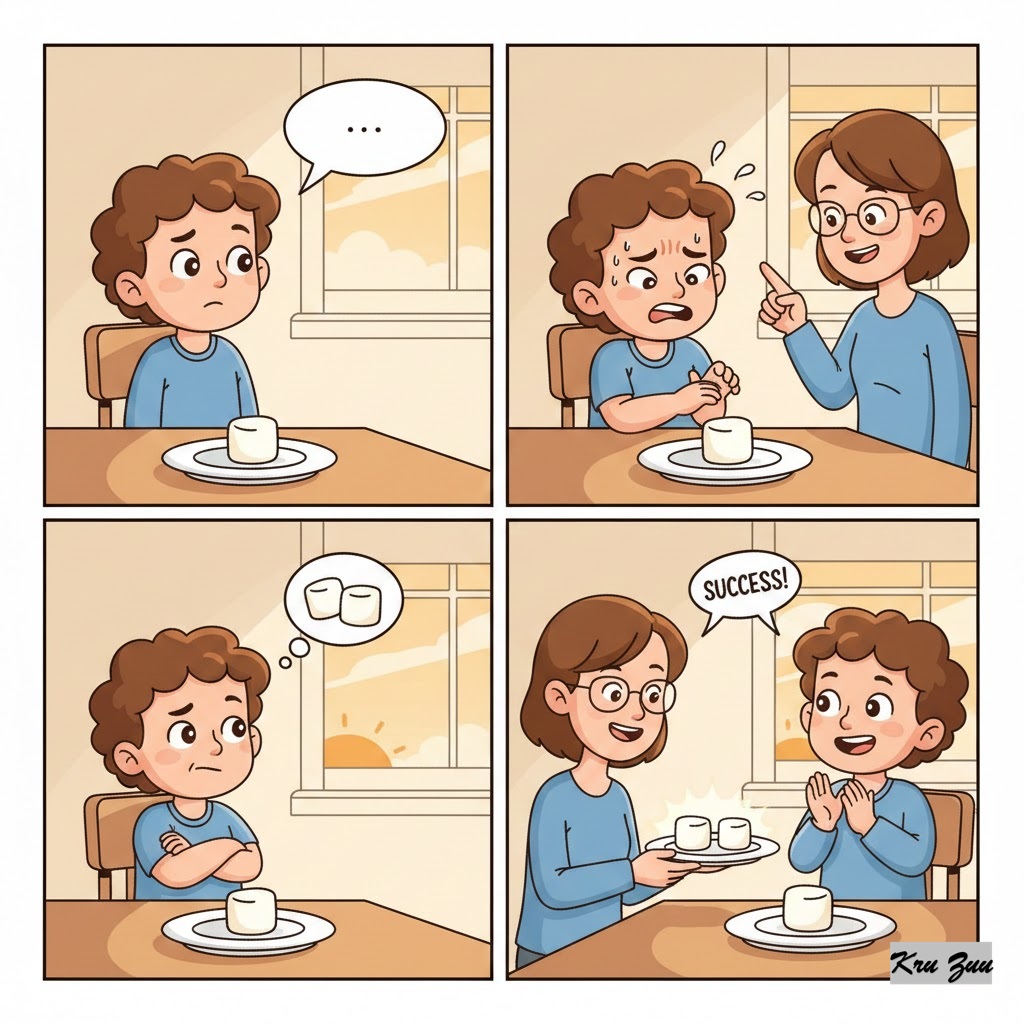
    Psychologists did a test on kids. They put one marshmallow in front of a child and said: “You can eat this now. OR, if you wait for me to come back, I will give you two marshmallows.” The kids who waited became more successful in life.


    Question for you: What is one thing you are being patient for right now? A promotion? Love? Learning a new skill? Tell us in the comments! Are you the Chicken, the Cat, or the Frog? 👇

    By Zubeyir YURTKURAN

    https://www.facebook.com/BrainBattleground/

    https://www.facebook.com/zubeyr.yurtkuran/

    https://www.instagram.com/zubeyryurtkuran/

    https://www.youtube.com/@BrainBattleground-b3p

    https://www.instagram.com/brainbattleground/

  • 🌤️ The Silver Lining Effect: Finding Light in the Dark

    🌤️ The Silver Lining Effect: Finding Light in the Dark

    Every cloud has a silver lining.


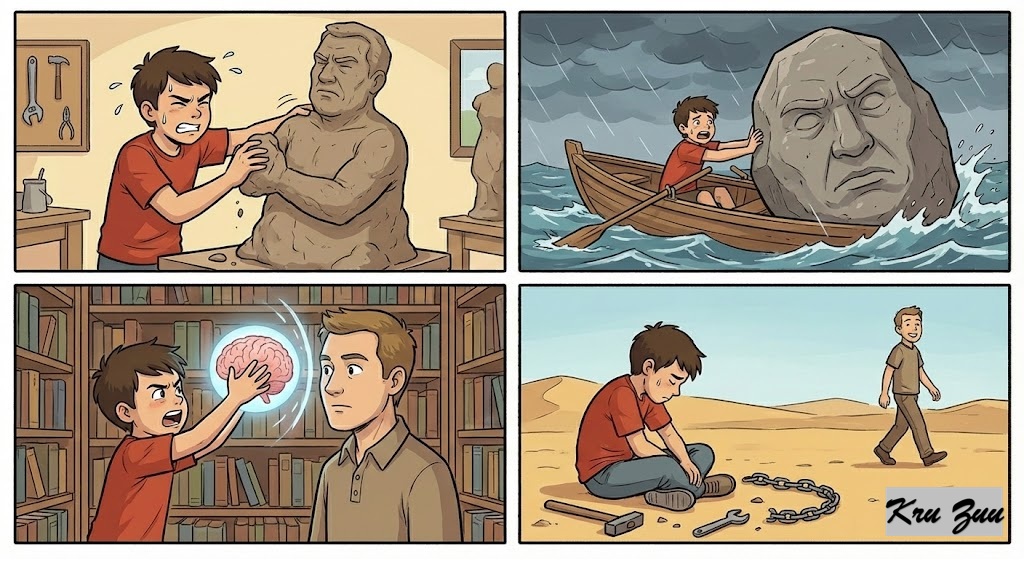
    👿 The Villain (The Pessimist): You lose your job unexpectedly.

    You panic. You spend weeks complaining, blaming your boss, and sleeping until noon.

    You tell everyone, “My life is over.”

    The Result? You miss new job openings because you are too busy being angry.

    Your friends stop calling because your negative energy drains them.

    You stare at the dark cloud so long that you get soaked by the rain. You drown in a puddle of your own making. 🌧️


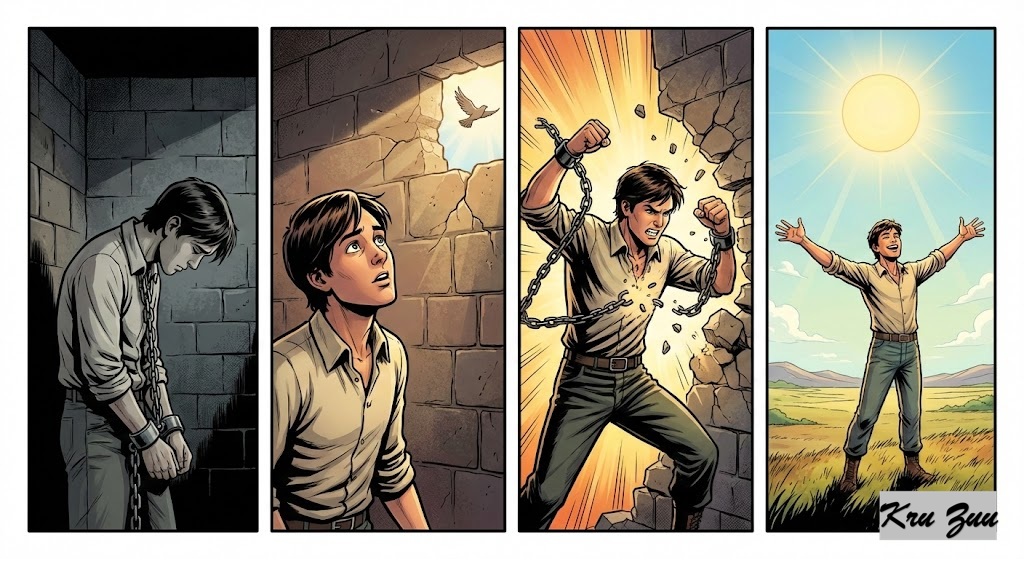
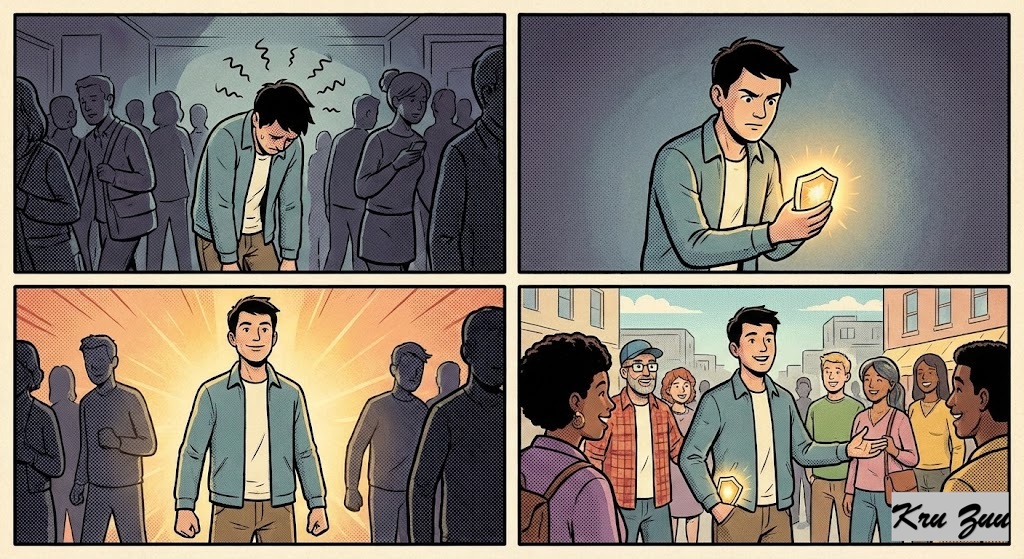
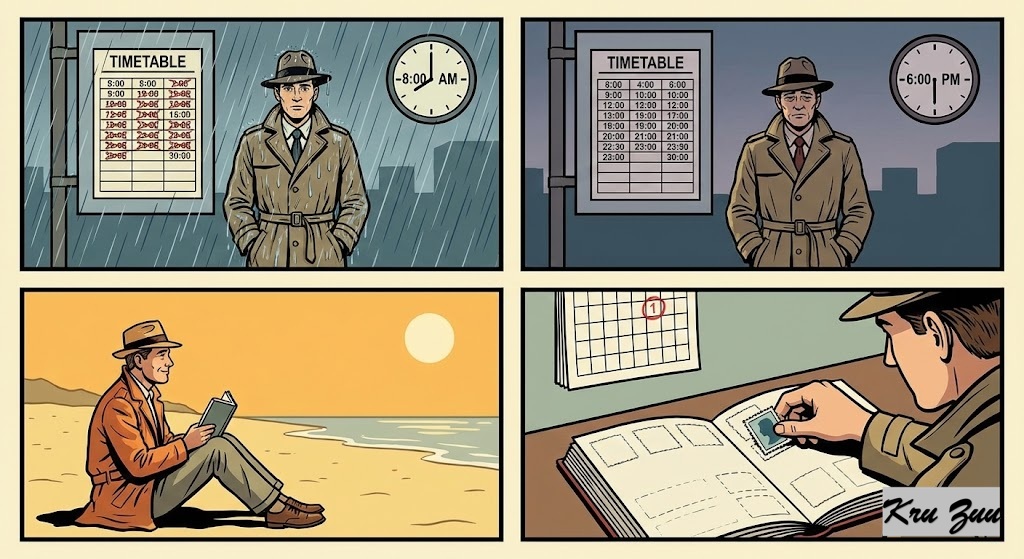
    😇 The Hero (The Alchemist): You lose your job unexpectedly. It hurts, but you take a deep breath.

    You think, “I hated that commute anyway. Now I have time to take that coding course I always wanted.”

    The Result? Three months later, you launch a freelance business.

    You are making more money and working from home.

    Losing that job wasn’t a tragedy; it was the push you needed to fly.

    You didn’t just survive the storm; you used the water to grow a garden. 🌻


    ⚖️ The Reality:
    Life is not a weather report you can control.

    Storms will happen. But the sun never actually leaves; it is just temporarily hidden.

    💎 The Secret: The “bad thing” is often the transportation system for the “good thing.” Without the dark background, the stars cannot shine.

    🧐 The Anatomy of the Proverb


    This is the ultimate phrase for Optimism. It reminds us that even the worst situations (clouds) have a positive aspect or a hopeful side (the silver lining).


    Cloud: Represents trouble, sadness, or difficulty.


    Silver Lining: Represents the sun shining from behind the cloud, creating a glowing, bright edge. (Hope/Advantage).


    📚 Vocabulary Vault


    Optimist (Noun):
    A person who tends to look on the more favorable side of events. 😃


    Pessimist (Noun): A person who tends to see the worst aspect of things. ☹️


    Resilience (Bonus Word): The capacity to recover quickly from difficulties; toughness.


    Setback (Noun): A reversal or check in progress (a minor problem).


    Blessing in Disguise (Idiom): Something that seems bad at first but results in something good.


    🧠 Grammar Focus


    “Every” + Singular Noun vs. Plural Meaning This is a common trap for students! Even though “Every” talks about all the clouds, we treat it grammatically as a single unit.


    Subject: [Every cloud]


    Verb: [has] (Third Person Singular)


    Object: [a silver lining]


    Incorrect: Every clouds have a silver lining. ❌
    Incorrect: Every cloud have a silver lining. ❌
    Correct: Every cloud has a silver lining. ✅

    📜 History: Origin and Spread


    This poetic phrase wasn’t invented by a philosopher, but by a poet.


    The Origin: It comes from John Milton’s masque “Comus” (1634).

    He wrote: “Was I deceived, or did a sable cloud / Turn forth her silver lining on the night?”


    The Evolution: In the Victorian era, people shortened it to the proverb we use today to cheer each other up during hard times.


    Global Cousins:


    🇹🇷 Turkish:
    “Her şerde bir hayır vardır.” (There is good in every evil/bad thing.)


    🇪🇸 Spanish: “No hay mal que por bien no venga.” (There is no bad from which good does not come.)


    🇩🇪 German: “Auf Regen folgt Sonnenschein.” (After rain follows sunshine.)


    🇯🇵 Japanese: “Saiou ga uma.” (The story of the old man’s horse, bad luck leads to good luck.)

    🎯 Impact on Life: The Pros & Cons


    Is this toxic positivity, or a survival strategy?


    ✅ The Pros (The Shield):


    Mental Health:
    It reduces anxiety. Instead of focusing on “Why me?”, you focus on “What now?”


    Problem Solving: When you look for the silver lining, you stop freezing and start acting.


    Grit: It helps you endure pain because you believe there is a purpose to it.


    ❌ The Cons (The Trap):


    Invalidation:
    Telling someone who just lost a loved one “Every cloud has a silver lining” is rude. Sometimes, people just need to be sad.


    Denial: If you only look at the bright side, you might ignore a serious problem that needs fixing.

    🎭 Short Story: The Ruined Picnic


    Let’s visit our trio: Penny, Fiona, and Max.


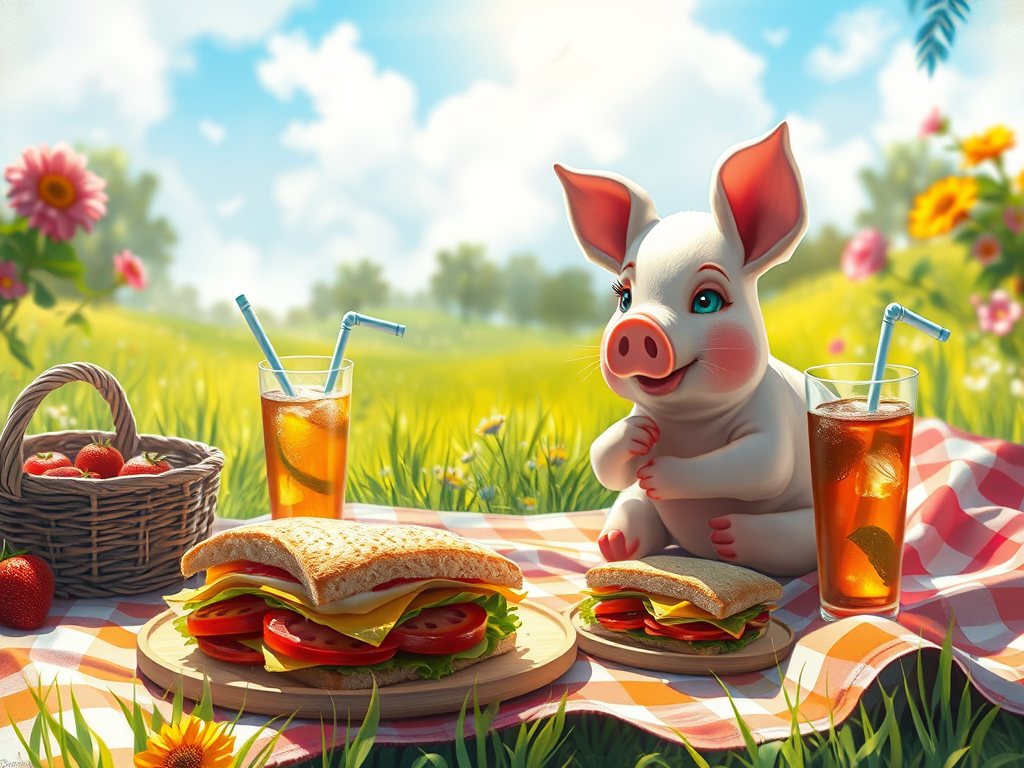
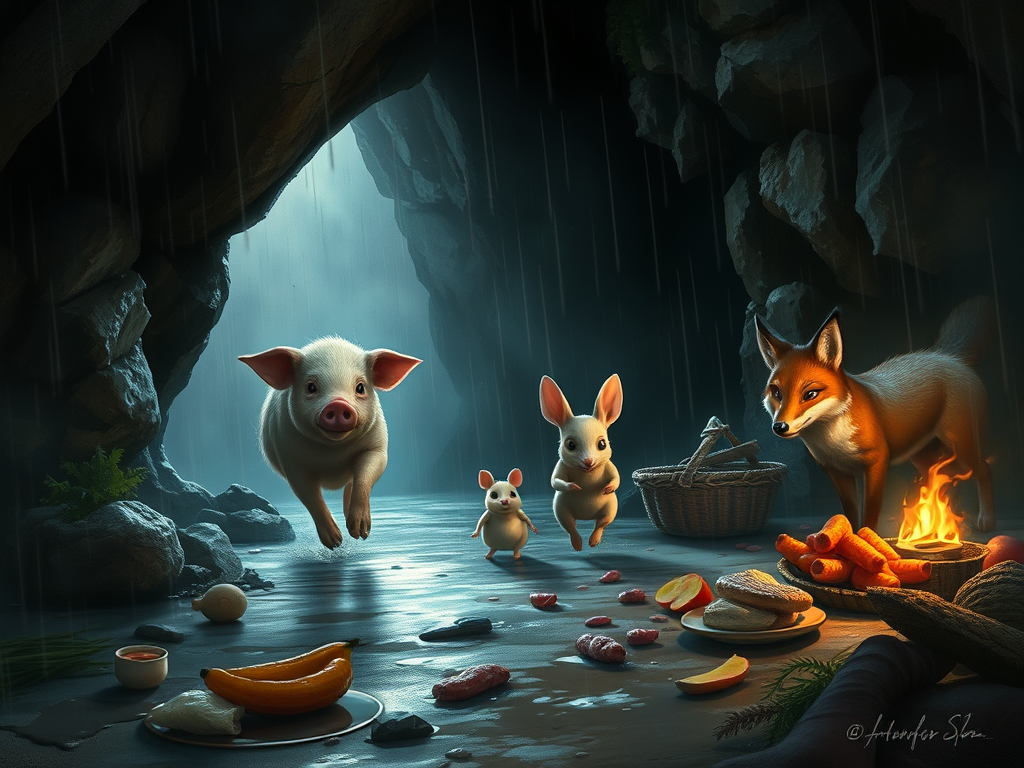
    🌟 The Setup: Penny the Pig had organized the “Perfect Picnic.” She had sandwiches, iced tea, and a beautiful blanket.

    Fiona the Fox and Max the Mouse were excited. “It’s going to be a beautiful day!” Penny(PIG) squealed.


    The Conflict: As soon as they sat down… KABOOM! Thunder crashed. The sky turned black, and rain poured down instantly.

    “My sandwiches!” cried Penny. “My fur!” cried Fiona.

    The picnic was ruined. They grabbed the wet food and ran into a nearby dark cave for shelter. ⛈️


    The Action: Penny was crying. “This is a disaster.” But Max, being small and curious, saw something glowing at the back of the cave.

    “Hey guys, look at this!” he squeaked. They walked deeper into the cave.

    The walls were covered in glow-worms that looked like a magical starry night sky. It was breathtakingly beautiful. ✨


    The Climax: They sat on the dry rocks, ate their slightly soggy sandwiches, and watched the magical light show of the glow-worms.

    They told ghost stories and laughed louder than they would have outside.


    The Moral: If it hadn’t rained, they never would have found the magical cave.

    The storm (the cloud) led them to the most beautiful memory of the summer (the silver lining).

    🎓 Lesson for English Learners


    How to use this phrase naturally.


    Consoling a Friend (Professional Failure) 💼


    Situation:
    Your friend didn’t get the promotion they wanted.


    You say: “I know it hurts, but maybe every cloud has a silver lining. This might be the sign you needed to apply for that better company in the city.”


    Reframing a Bad Day 🚌


    Situation:
    You missed your bus and had to walk.


    You say: “Well, I missed the bus, but every cloud has a silver lining; at least I got my 10,000 steps in for the day!”


    Vocabulary Expansion 📚


    To Look on the Bright Side:
    To find the good in a bad situation.


    To Make Lemonade out of Lemons: To turn a difficulty into an opportunity.


    Weather the Storm:
    To endure a difficult situation until it improves.


    💬 Your Turn


    The “Hidden Gem” Challenge 💎


    Let’s practice gratitude.


    The Cloud:
    Think of a time something “bad” happened to you (a breakup, a firing, a missed flight).


    The Silver Lining: What good thing happened because of that bad event? Did you meet someone new? Did you learn a lesson?


    Action Step:
    Next time you complain today (about the traffic, the weather, or work), immediately add “…but the silver lining is…” and finish the sentence.


    Question: What is the biggest “Blessing in Disguise” you have ever experienced? Tell us your story in the comments! 👇

    By Zubeyir YURTKURAN

    https://www.facebook.com/BrainBattleground/

    https://www.facebook.com/zubeyr.yurtkuran/

    https://www.instagram.com/zubeyryurtkuran/
    https://www.youtube.com/@BrainBattleground-b3p