
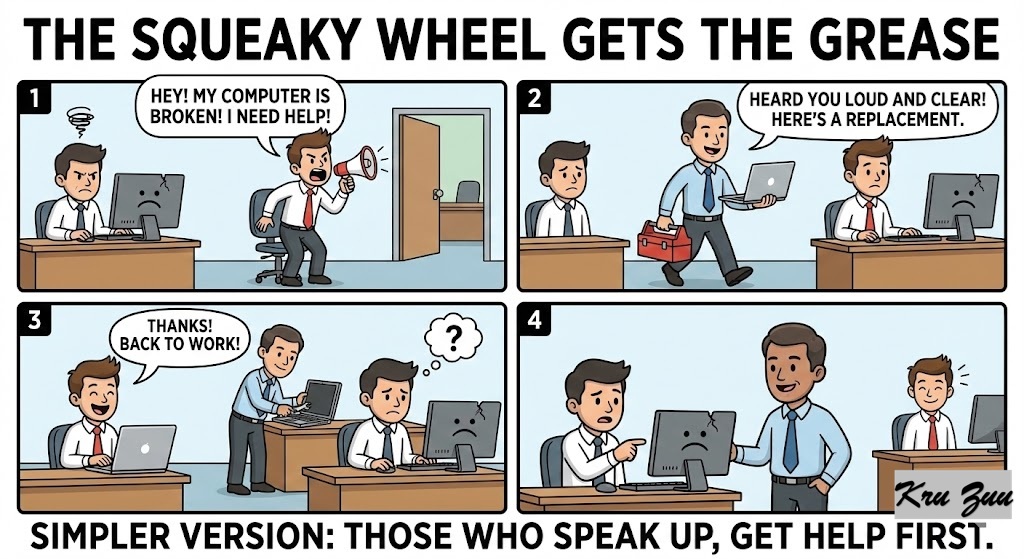
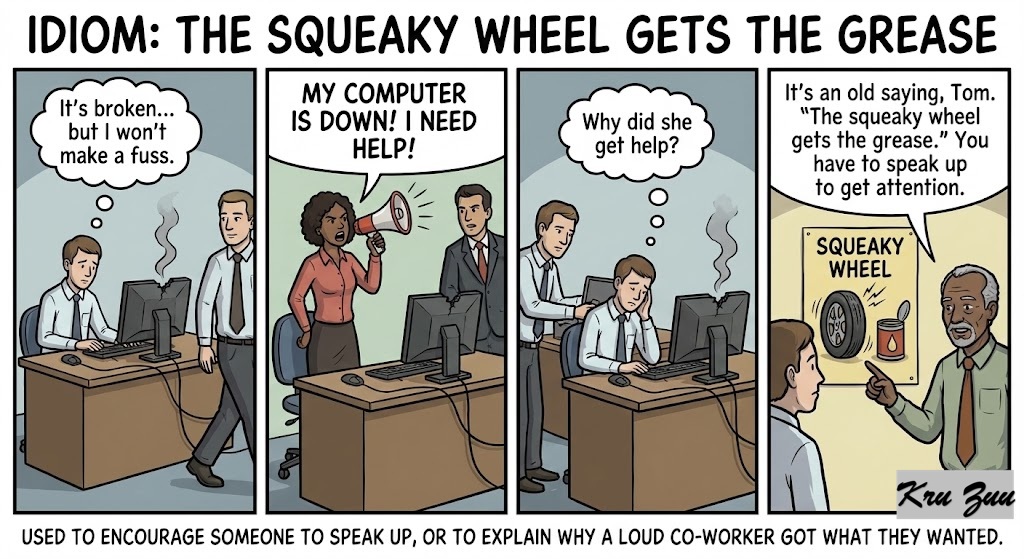
“The squeaky wheel gets the grease.”
😈 The Villain (The Silent Martyr)
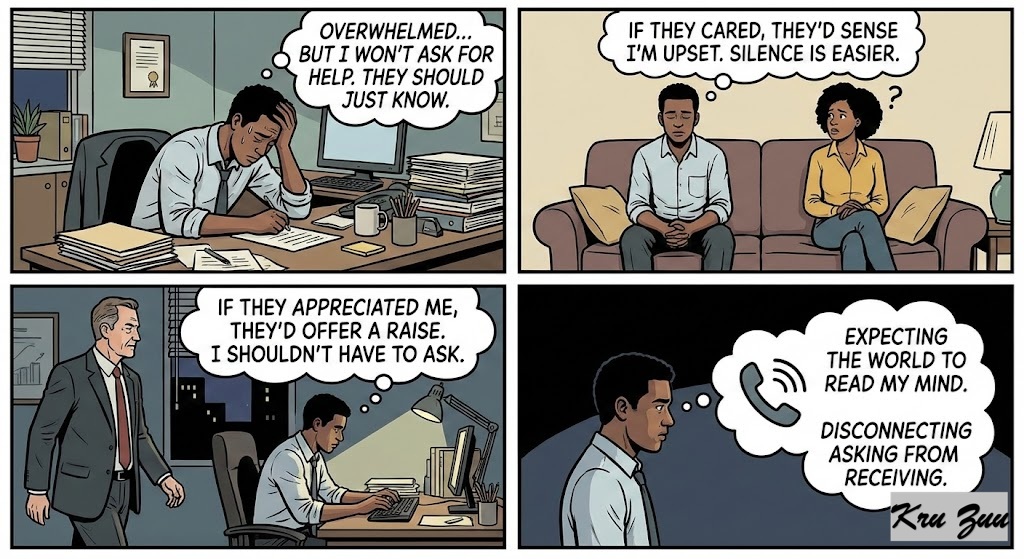
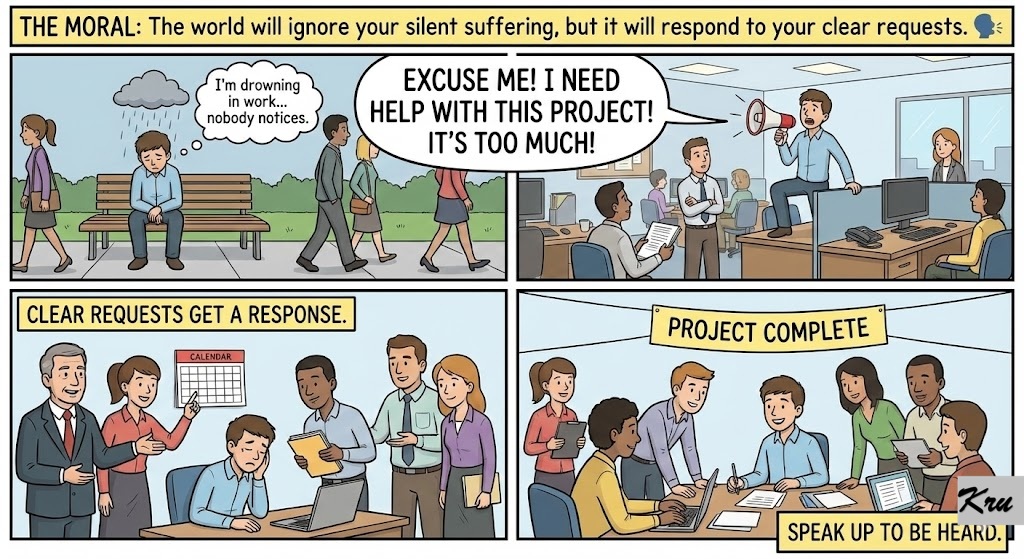
You are overwhelmed at work. You are struggling in a relationship. But instead of asking for help, you stay completely silent. 🤐 “They should just know I’m upset!” “If my boss appreciated me, they would offer me a raise without me asking.” You expect the world to read your mind. You disconnect the act of asking from the result of receiving.
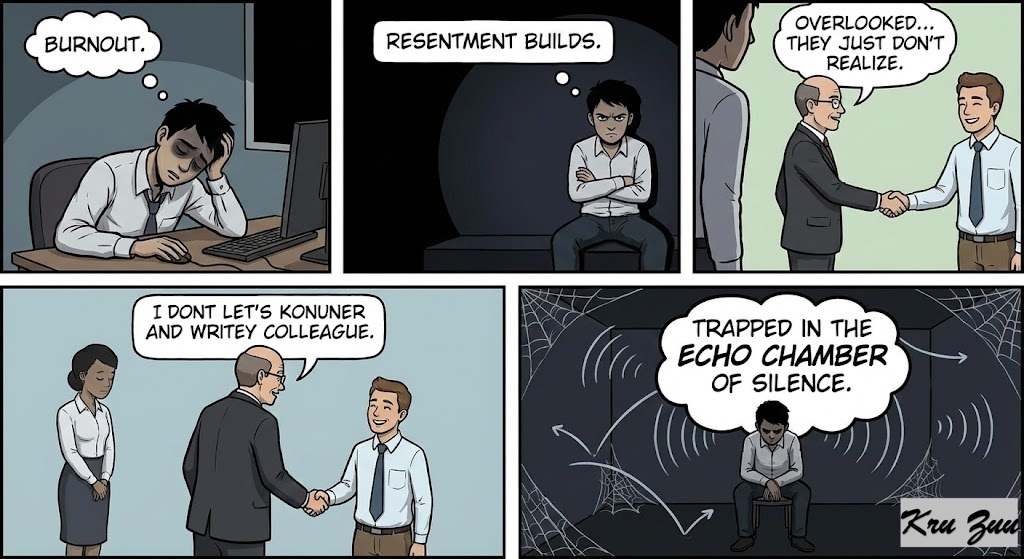
The Result? You burn out. You build deep resentment. People overlook you, not because they don’t care, but simply because they don’t realize you need anything. You are trapped in the “Echo Chamber of Silence.” 🕸️
😇 The Hero (The Strategic Advocate)
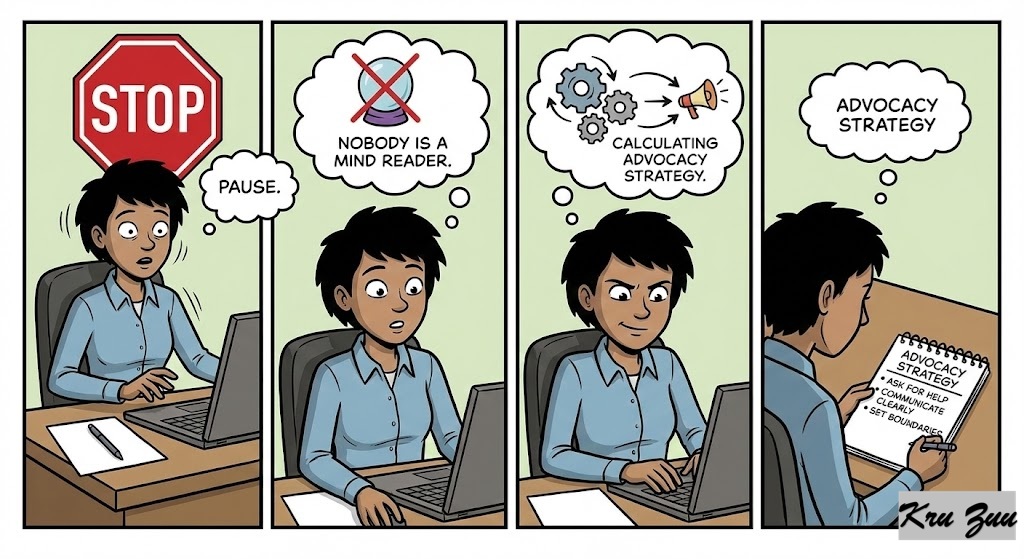
You need help. You pause. 🛑 You realize that nobody is a mind reader. You calculate your “Advocacy Strategy.”
You think: “If I don’t tell them this process is broken, it will never get fixed.” You respect your own needs enough to voice them.
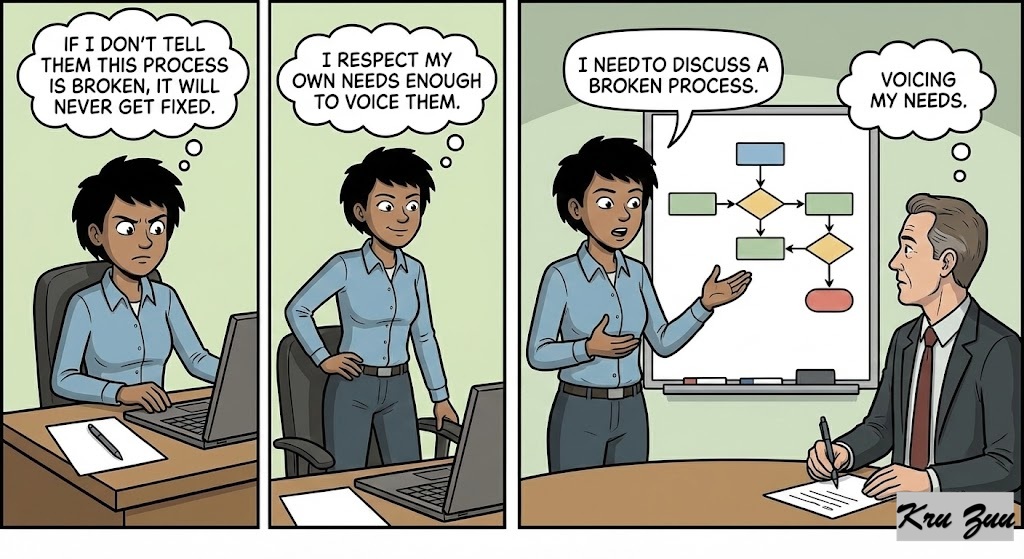
You say: “Excuse me, I need some extra support on this project to meet the deadline.”
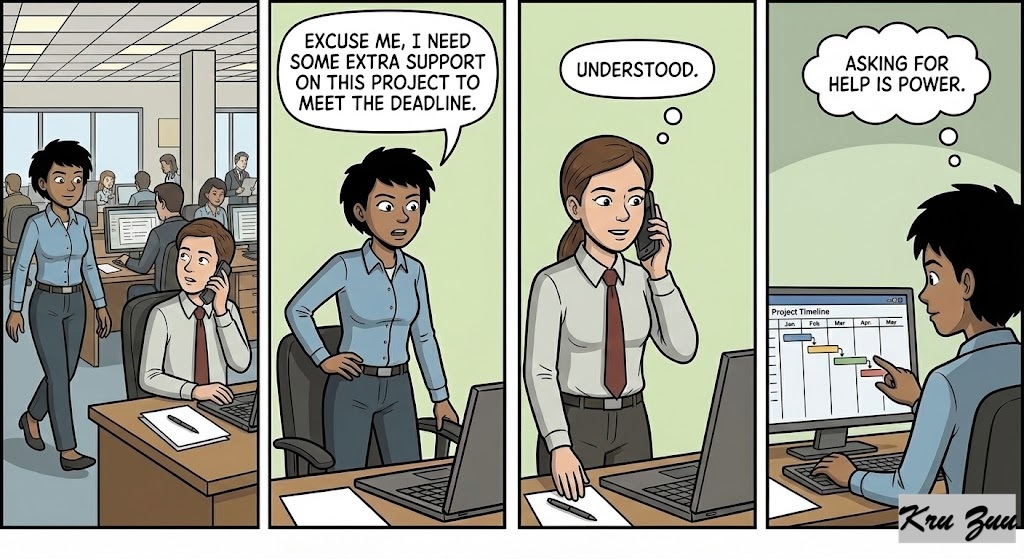
The Result? You get the resources you need. You solve problems proactively. You build a reputation as someone who communicates clearly and confidently. You build solutions, not stress. 🏰
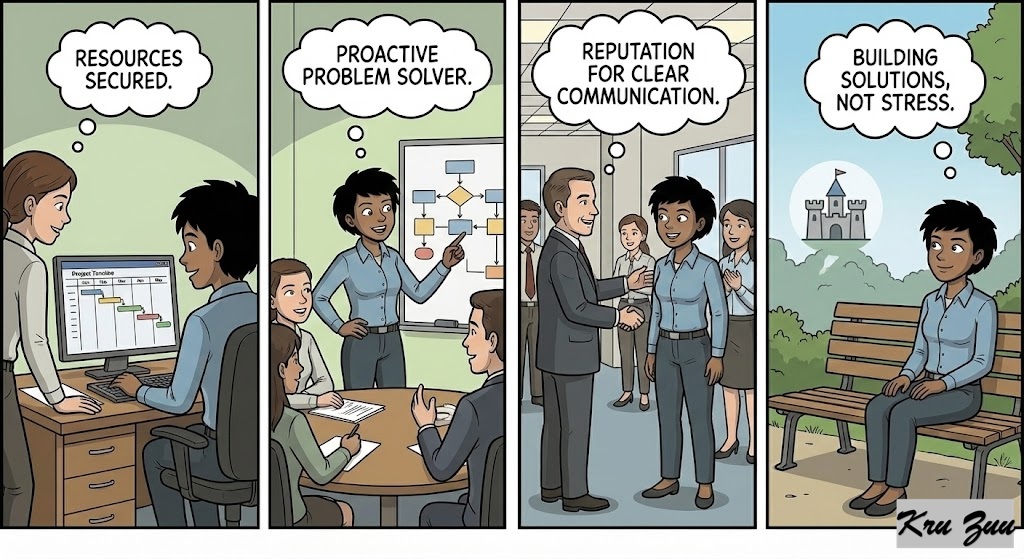
⚖️ The Reality Silent suffering vs. Vocal advocacy. We live in a busy, distracted world. Managers, friends, and partners are constantly overwhelmed with their own lives. If you quietly wait for someone to notice your hard work, your pain, or your needs, you might be waiting forever. However, there is a fine line between advocating for yourself and becoming a chronic complainer.
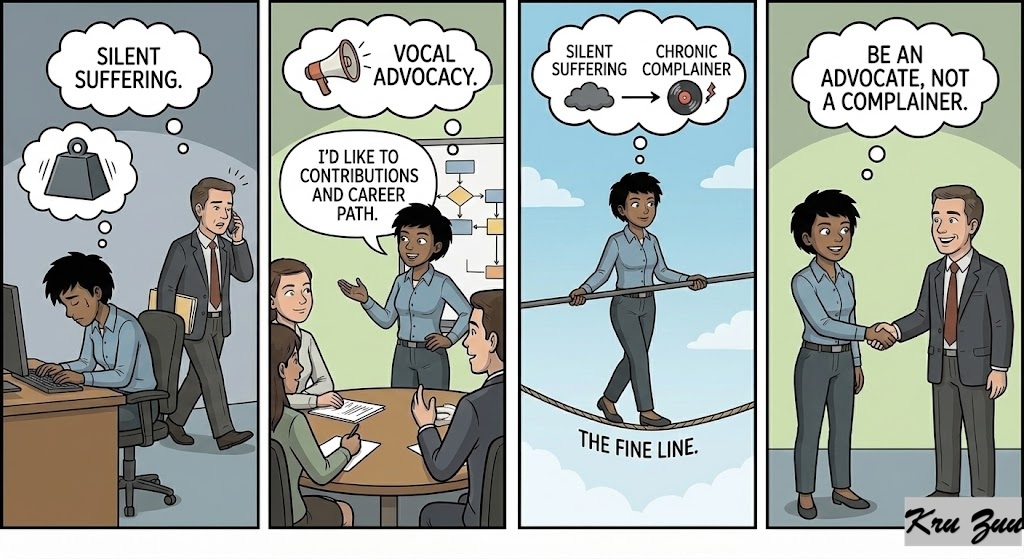
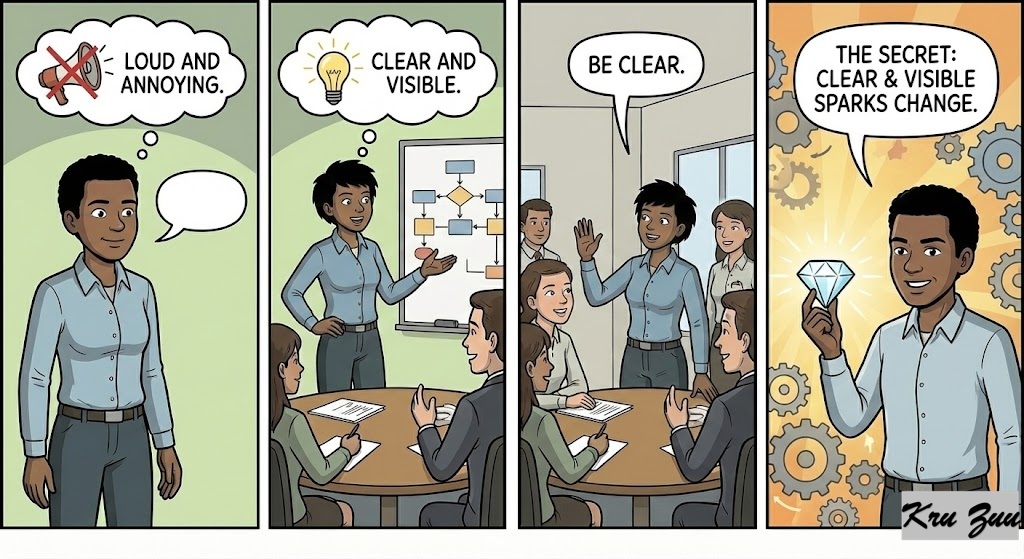
💎 The Secret: You don’t need to be loud and annoying; you just need to be clear and visible. Silence rarely sparks change.
🧐 The Anatomy of the Proverb
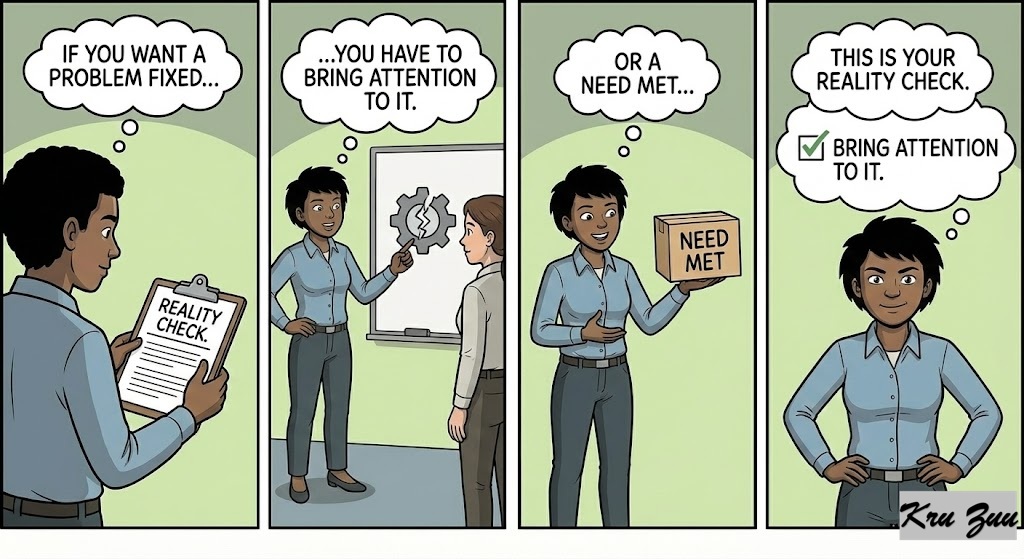
This is your reality check that if you want a problem fixed or a need met, you have to bring attention to it.
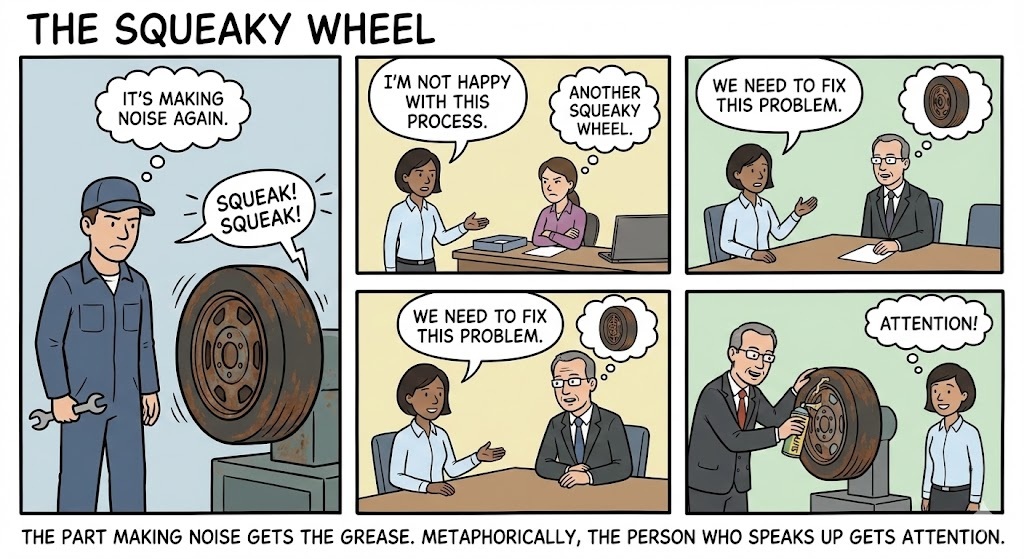
The Squeaky Wheel (Noun Phrase): The part of the machine making noise; metaphorically, the person who complains, protests, or speaks up about a problem.
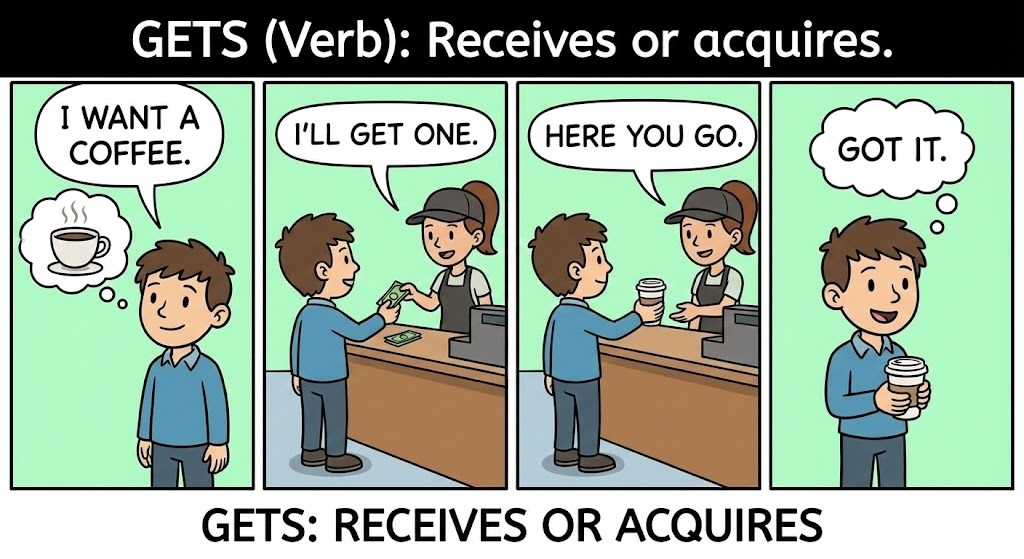
Gets (Verb): Receives or acquires.
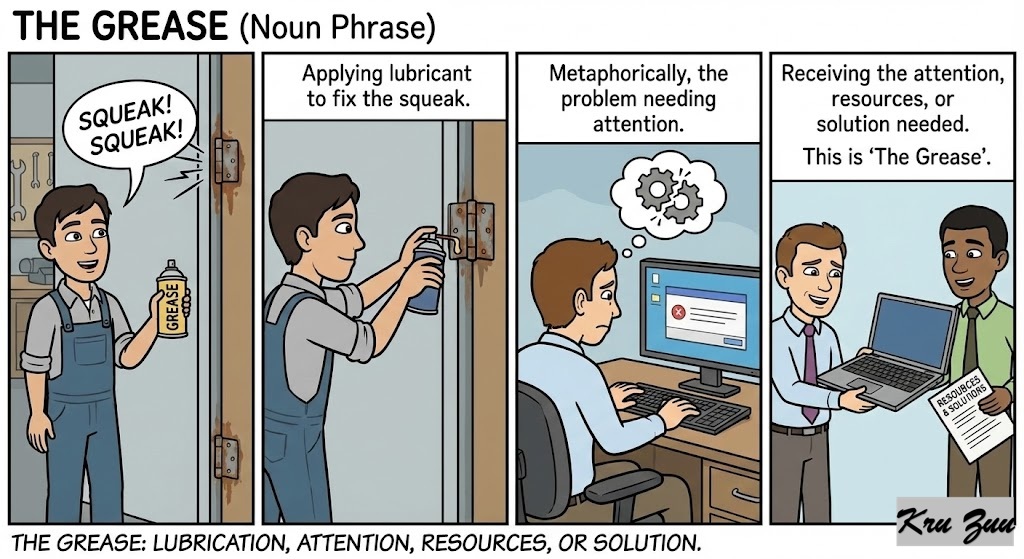
The Grease (Noun Phrase): Lubrication to fix the squeak; metaphorically, the attention, resources, or solution needed.
Simpler Version: Speak up if you want help. / Those who complain loudest get served first.
📚 Vocabulary Vault
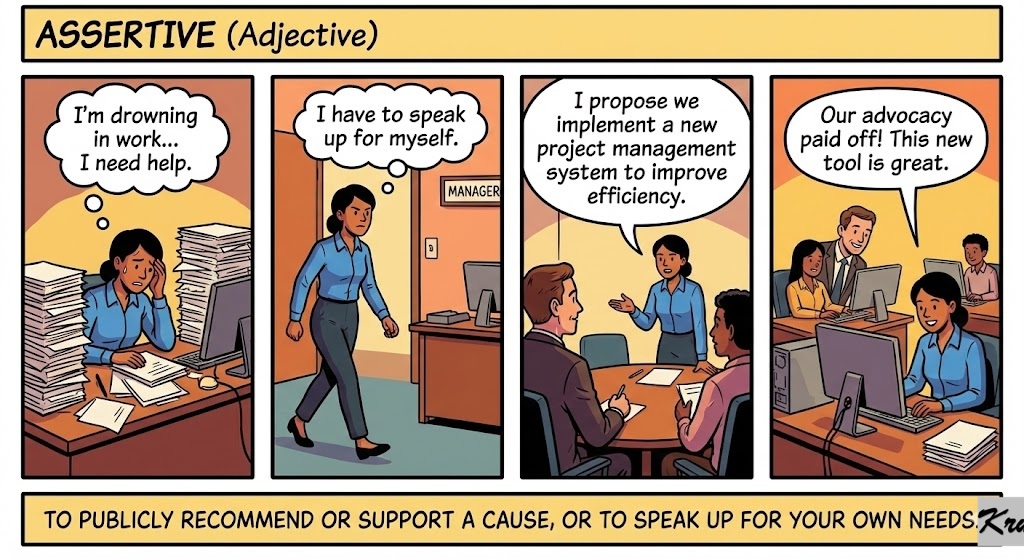
Advocate (Verb): To publicly recommend or support a cause, or to speak up for your own needs. 🗣️

Assertive (Adjective): Having or showing a confident and forceful personality; not afraid to say what you want.
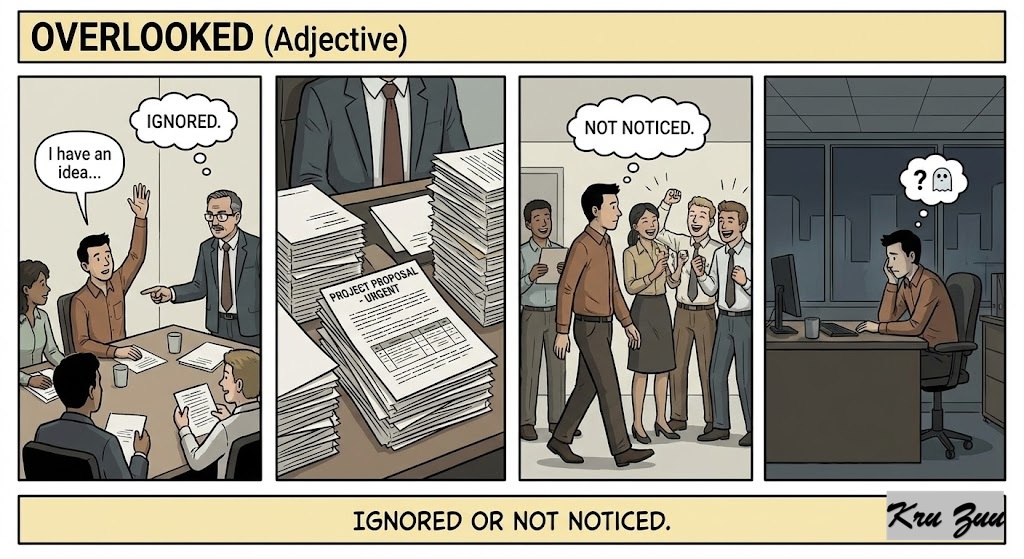
Overlooked (Adjective): Ignored or not noticed.
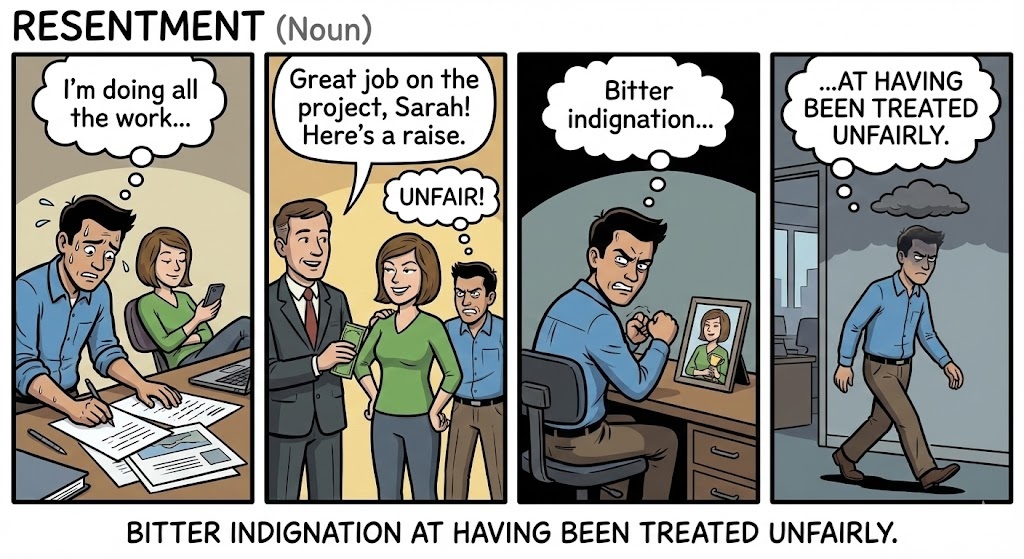
Resentment (Noun): Bitter indignation at having been treated unfairly.
Mind-reader (Noun): A person who knows another’s thoughts (which nobody actually is!).
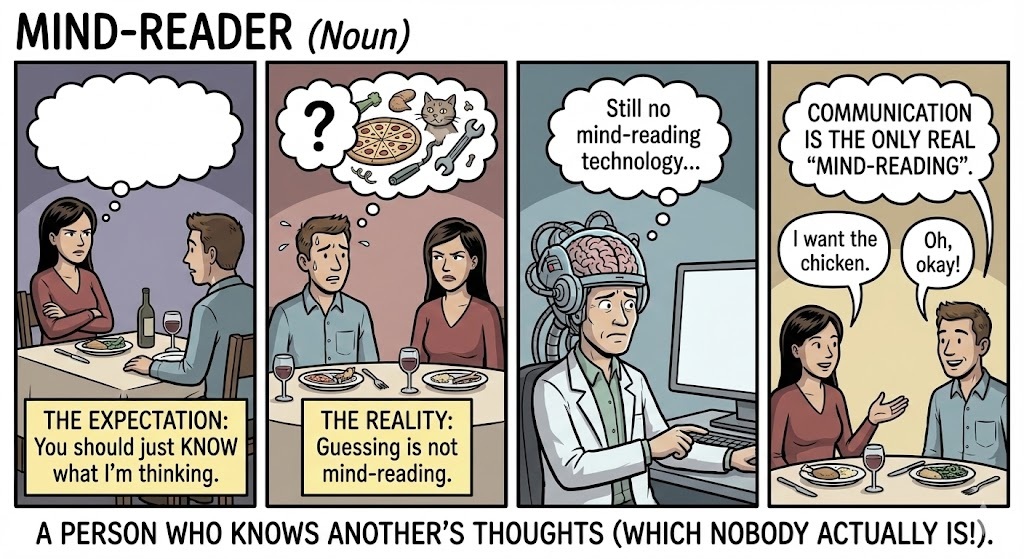
🧠 Grammar Focus: Idioms as Parenting/Bossing Tools
We often use this idiom to encourage someone to speak up, or to explain why a loud co-worker got what they wanted.
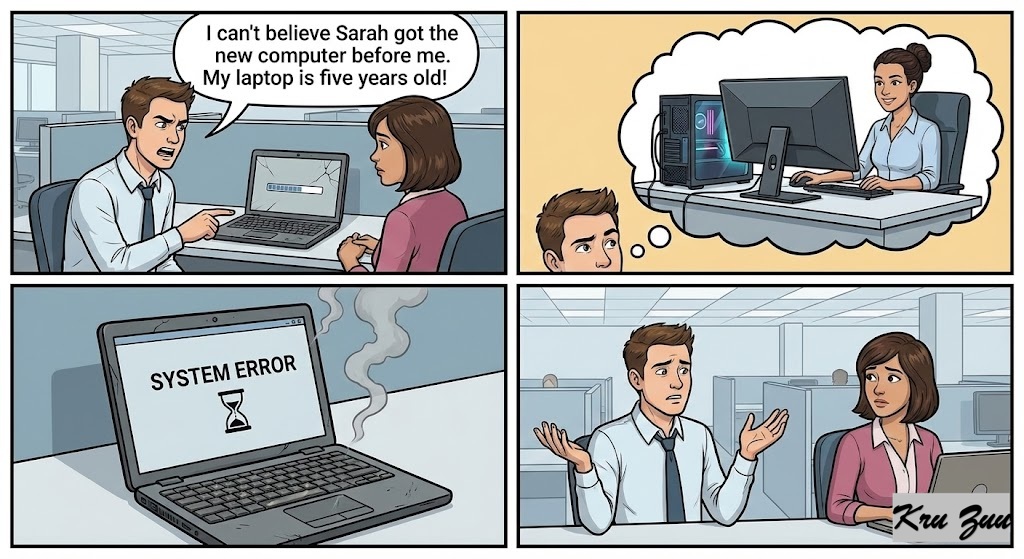
Employee 1: “I can’t believe Sarah got the new computer before me. My laptop is five years old!”
Employee 2: “Did you ever actually ask IT for a new one?”
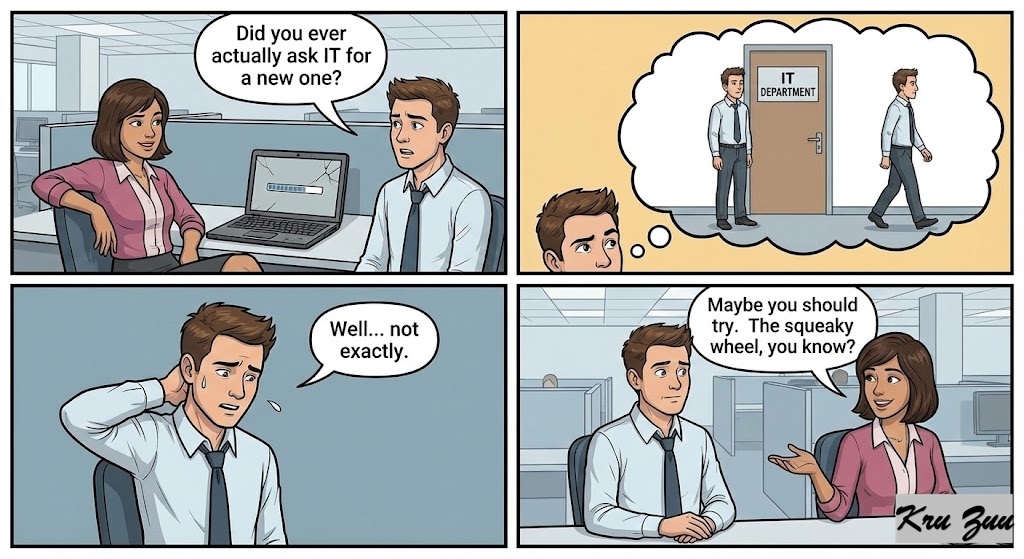
Employee 1: “Well, no…”
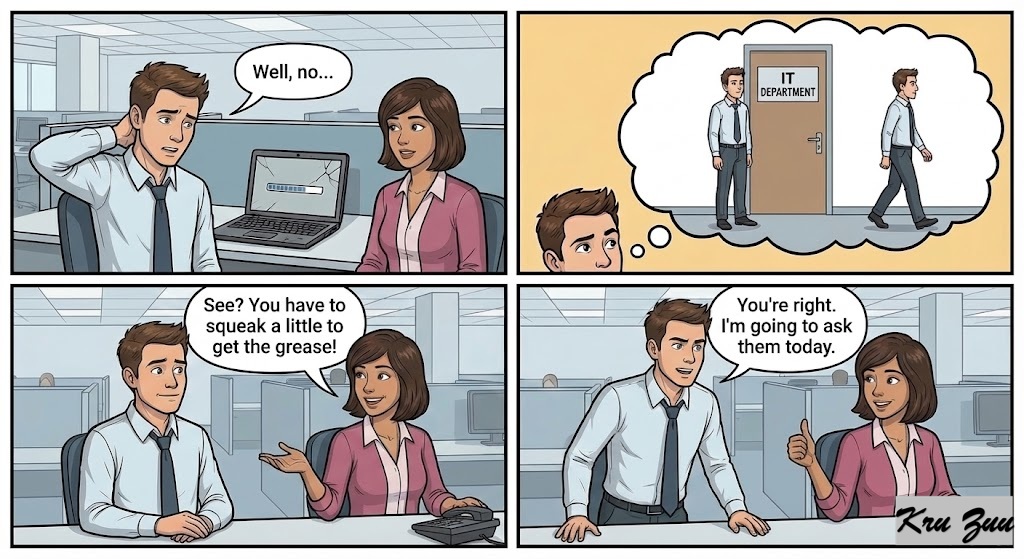
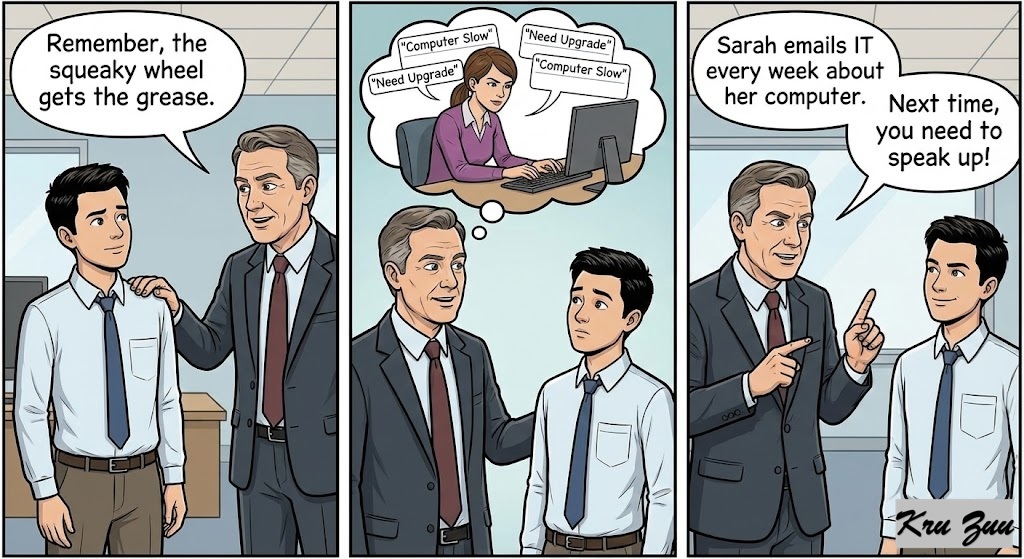
Manager: “Remember, the squeaky wheel gets the grease. Sarah emails IT every week about her computer. Next time, you need to speak up!”
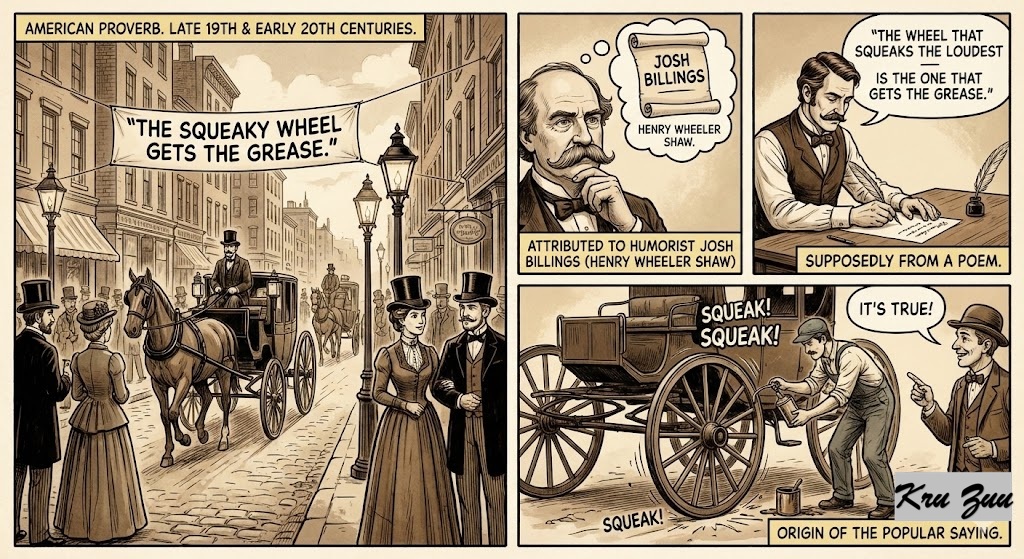
📜 History: Origin and Spread Where did this mechanical advice come from?
The Origin: This is an American proverb popularized in the late 19th and early 20th centuries. It is often attributed to the American humorist Josh Billings (pseudonym of Henry Wheeler Shaw), who supposedly wrote a poem ending with: “The wheel that squeaks the loudest / Is the one that gets the grease.”
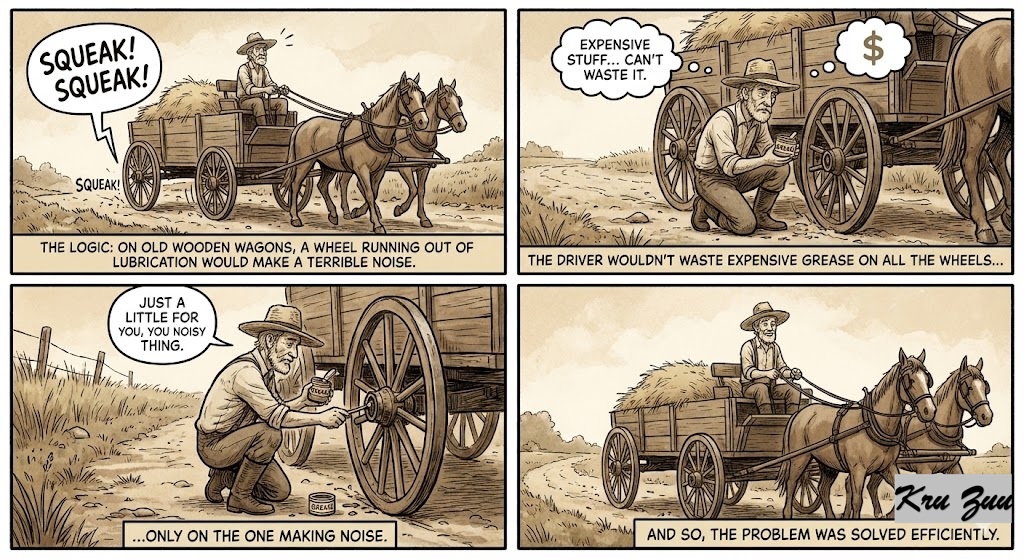
The Logic: On old wooden wagons, a wheel that was running out of lubrication would make a terrible squeaking noise. The driver wouldn’t waste expensive grease on all the wheels only on the one making noise.
Global Cousins
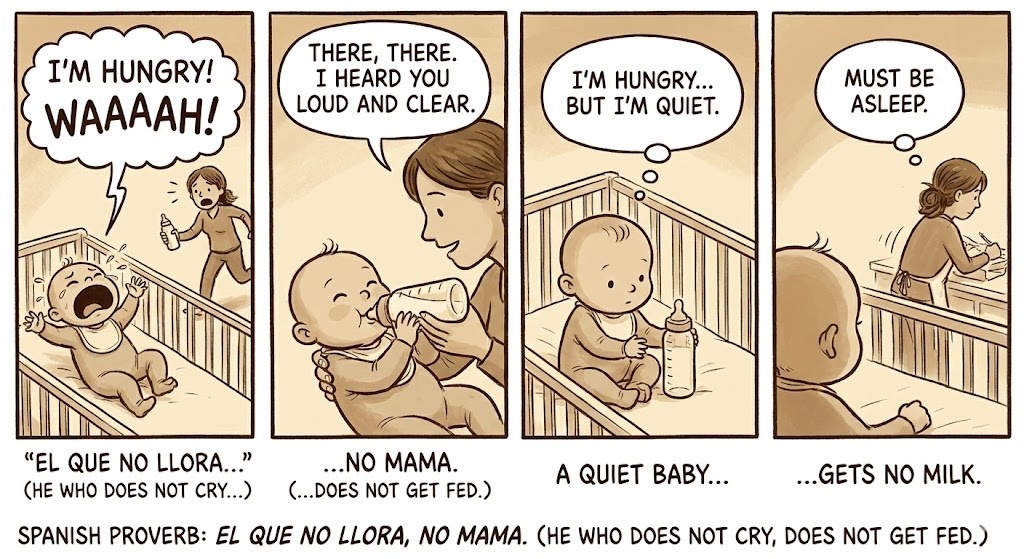
🇪🇸 Spanish: “El que no llora, no mama.” (He who does not cry, does not get fed/nurse – usually referring to babies).
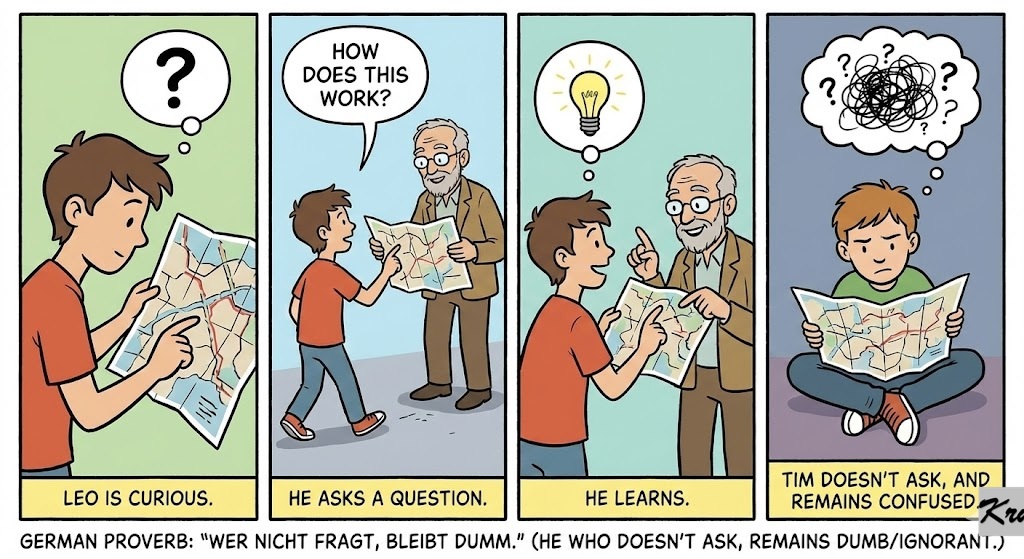
🇩🇪 German: “Wer nicht fragt, bleibt dumm.” (He who doesn’t ask, remains dumb/ignorant).
🇯🇵 Japanese (The Opposite!): “Deru kugi wa utareru.” (The nail that sticks out gets hammered down). Notice how Eastern cultures often value conformity over the Western value of speaking up!

🎭 Short Story: The Missing Blueberries 🫐🐱🐔🐸
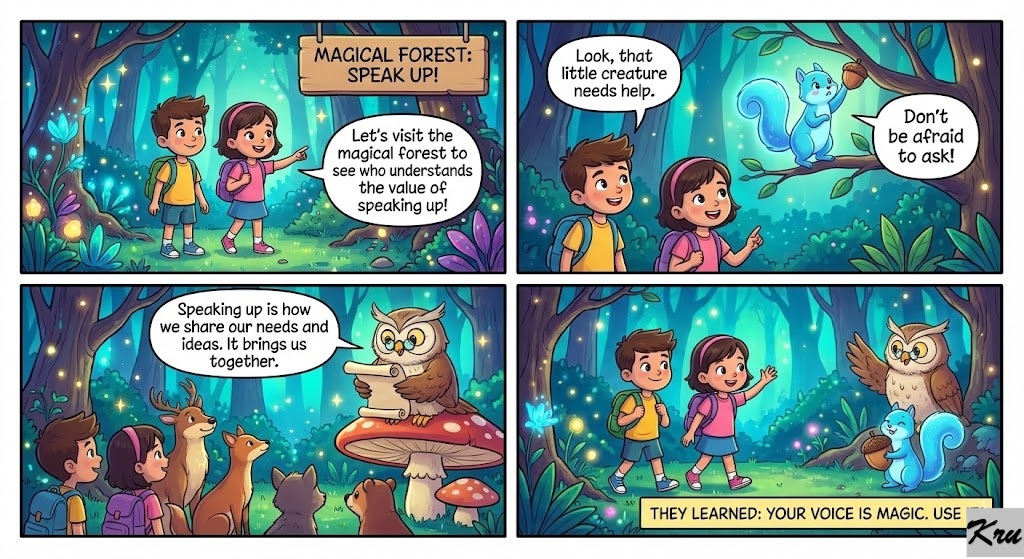
Let’s visit the magical forest to see who understands the value of speaking up.
🌟 The Cast
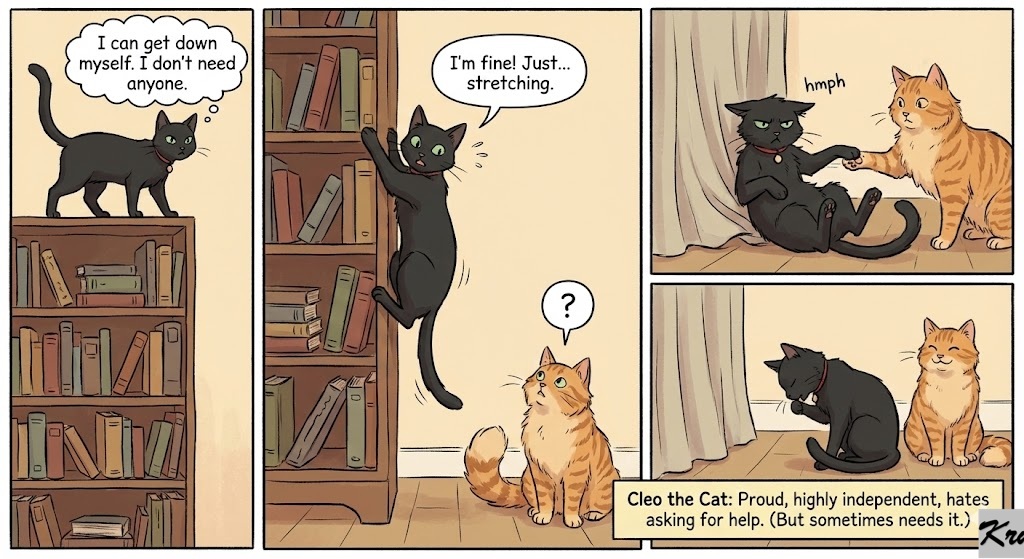
Cleo the Cat: Proud, highly independent, hates asking for help. 😼
Cluck the Chicken: Practical, straightforward, doesn’t mind causing a little fuss. 🐔

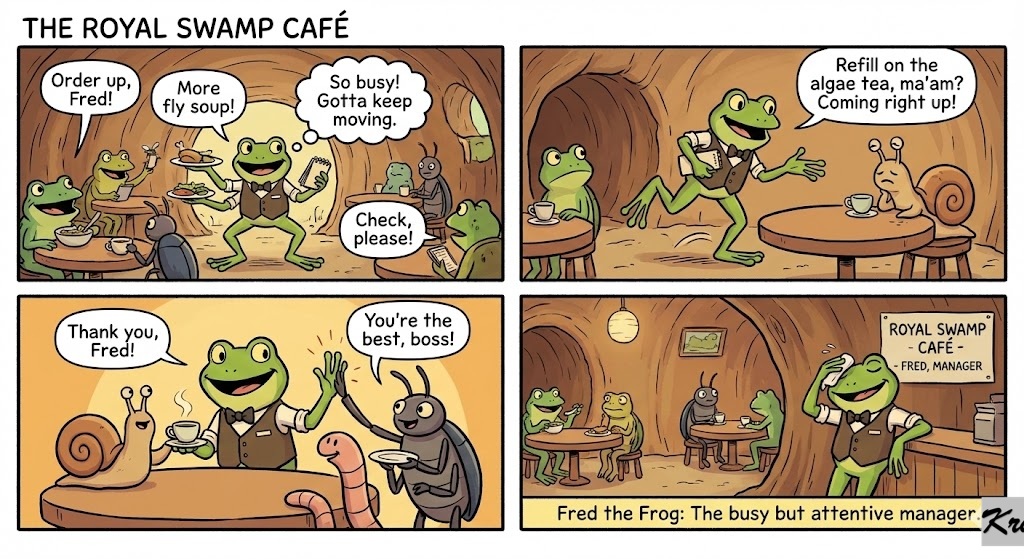
Fred the Frog: The busy but attentive manager of the Royal Swamp Café. 🐸
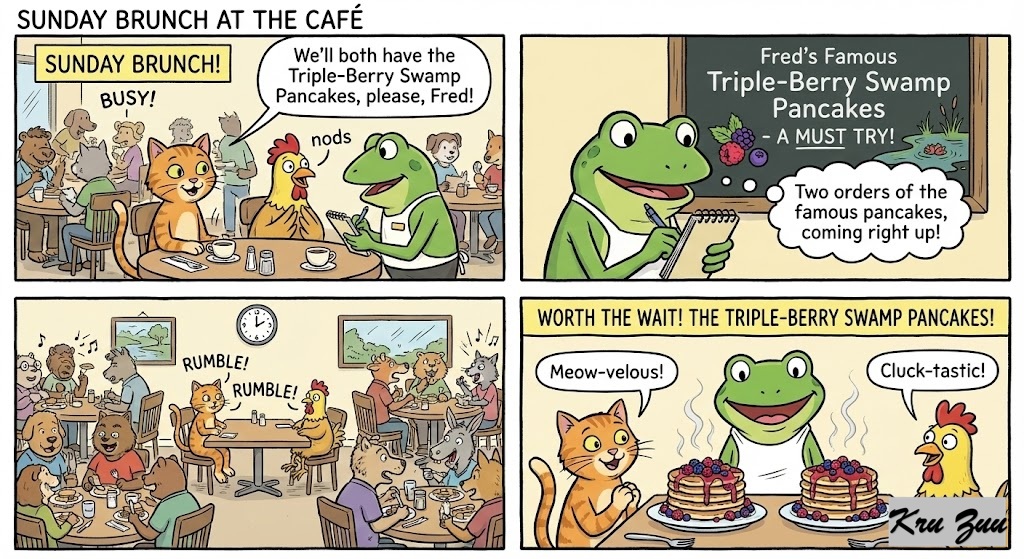
The Situation: Cleo and Cluck are having Sunday brunch at the café. The place is incredibly busy. They both order Fred’s famous “Triple-Berry Swamp Pancakes.”
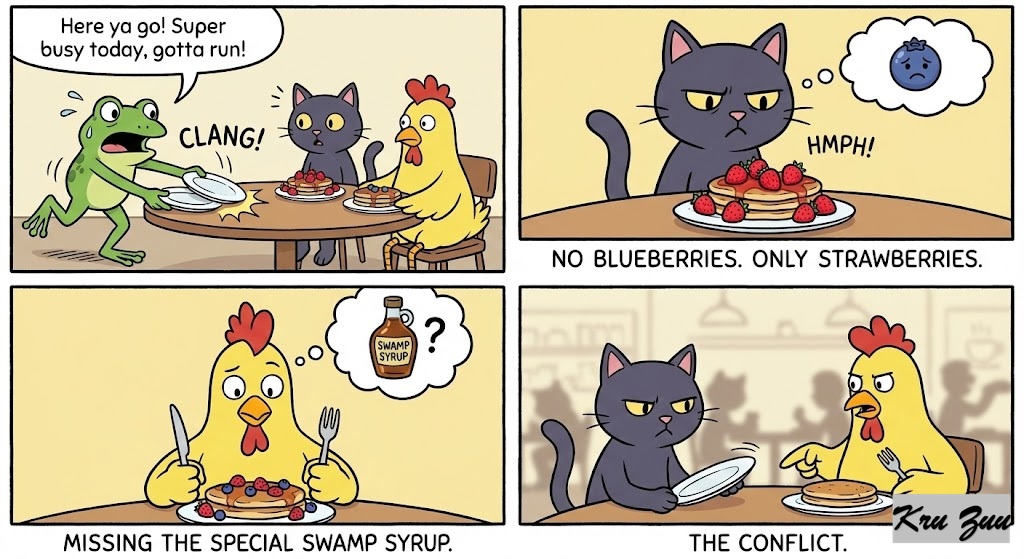
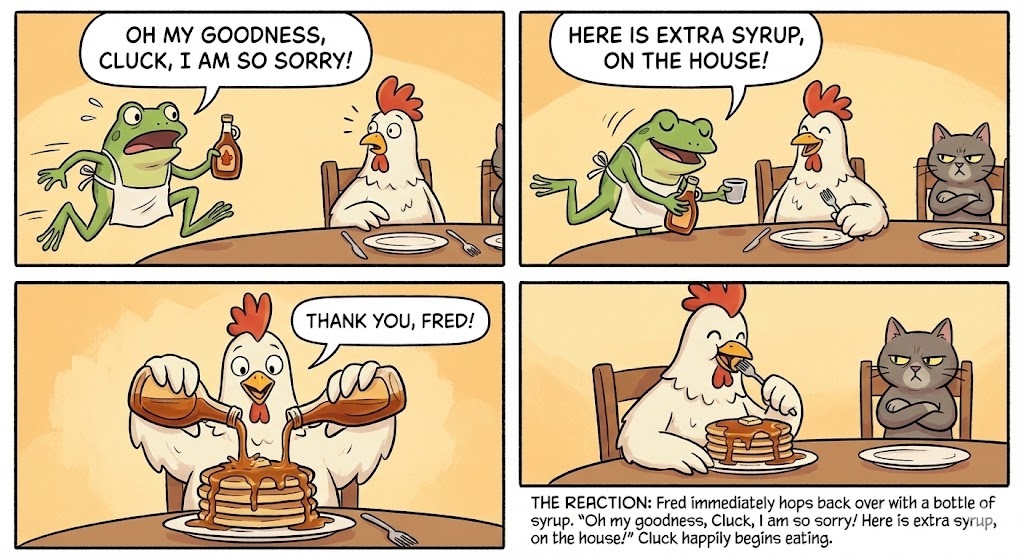
The Conflict: Fred hops over and drops off their plates. He’s in a huge rush. Cleo looks down at her plate. There are no blueberries. Only strawberries. She hates strawberries. Cluck looks at his plate. He is missing the special swamp syrup.
Cleo crosses her paws and glares at her plate. She sighs loudly. She pushes the plate away. Fred will notice I’m unhappy, she thinks. He should have checked the order. Cluck, on the other hand, immediately stands up, waves a wing, and squawks, “Excuse me, Fred! I think you forgot my syrup!”
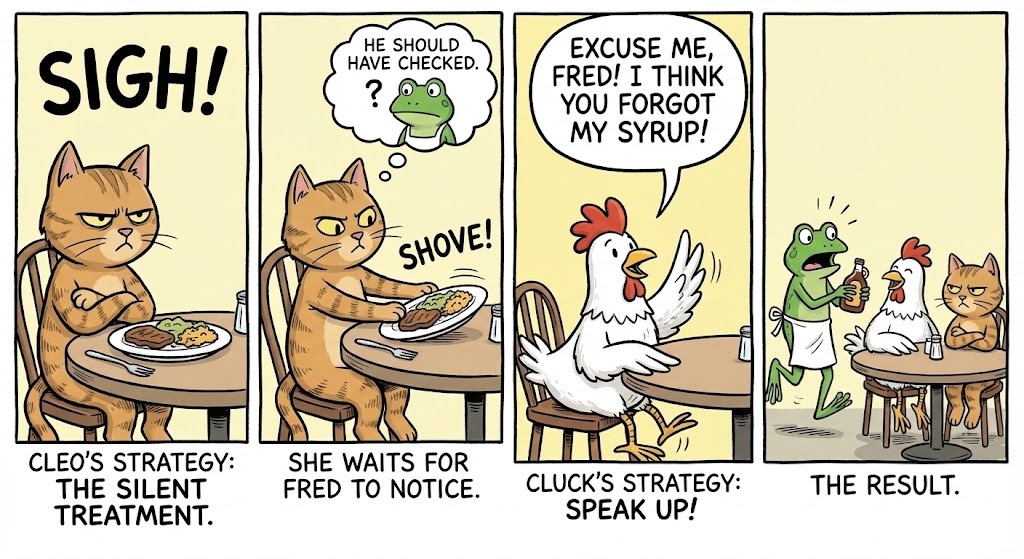
The Reaction: Fred immediately hops back over with a bottle of syrup. “Oh my goodness, Cluck, I am so sorry! Here is extra syrup, on the house!” Cluck happily begins eating.
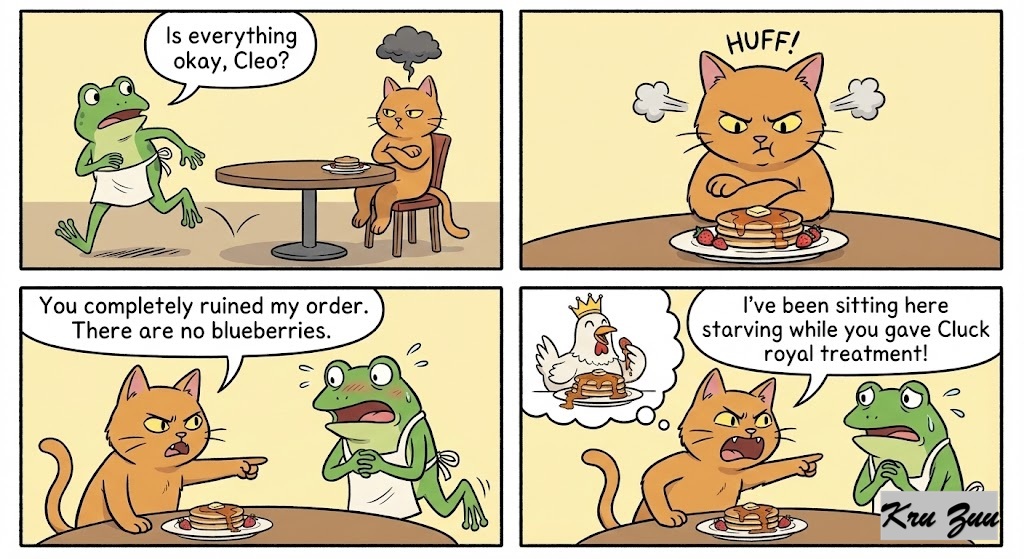
Fred is about to hop away when he notices Cleo sulking. “Is everything okay, Cleo?” Cleo huffs. “You completely ruined my order. There are no blueberries. I’ve been sitting here starving while you gave Cluck royal treatment!”
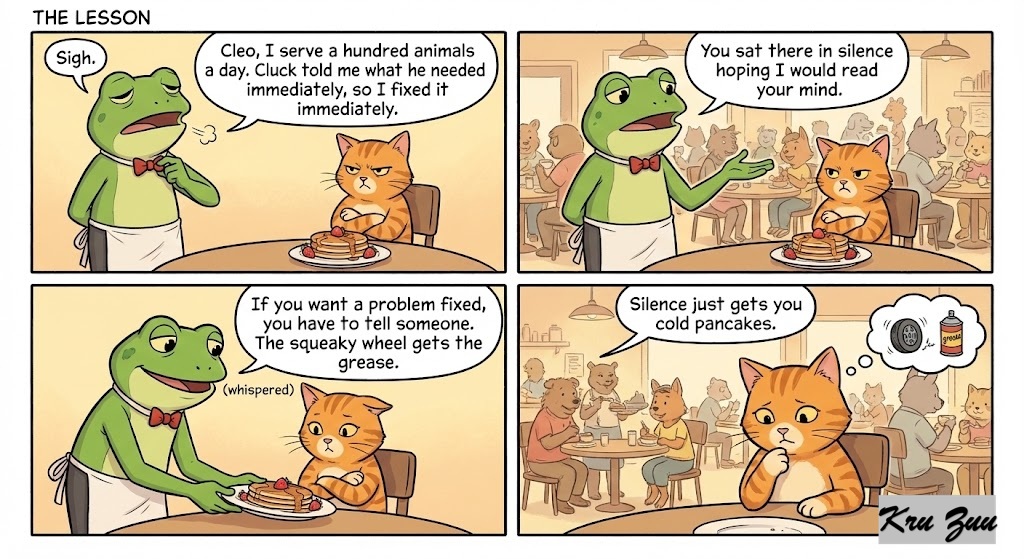
The Lesson: Fred the Frog sighs and adjusts his little bowtie. “Cleo, I serve a hundred animals a day. Cluck told me what he needed immediately, so I fixed it immediately. You sat there in silence hoping I would read your mind.” Fred takes her plate to get the right order, but gently whispers, “If you want a problem fixed, you have to tell someone. The squeaky wheel gets the grease. Silence just gets you cold pancakes.”
The Resolution: Cleo realized her pride was keeping her hungry. When Fred brought back the perfect blueberry pancakes, she made sure to say a very clear, vocal “Thank you.” She learned that asking for what you want isn’t a weakness; it’s a necessity.
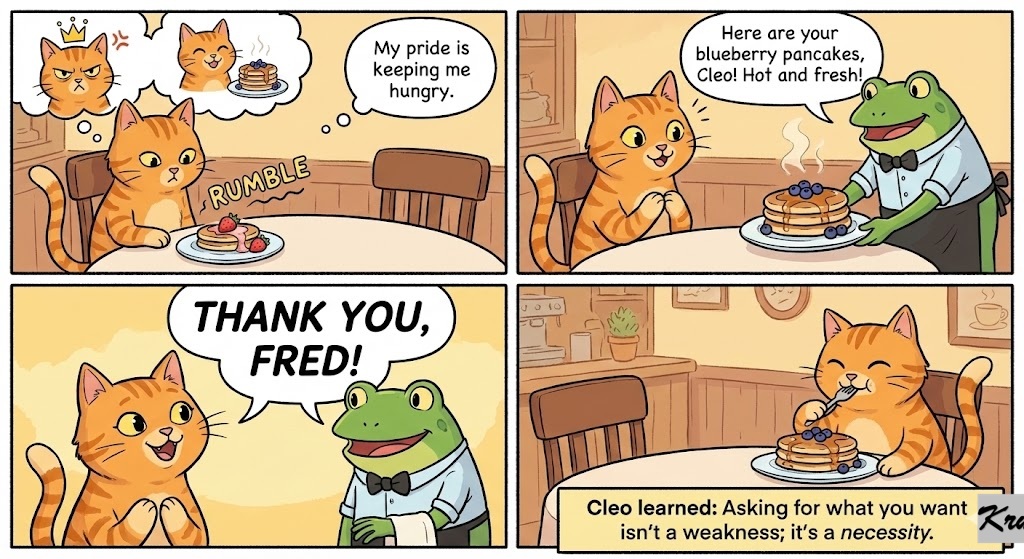
The Moral: The world will ignore your silent suffering, but it will respond to your clear requests. 🗣️
🎓 Lesson for English Learners
Taking the initiative to “Flag” an issue. Situation: You are passed over for a promotion, or your boss assigns you too much work, and you need to advocate for yourself in English.
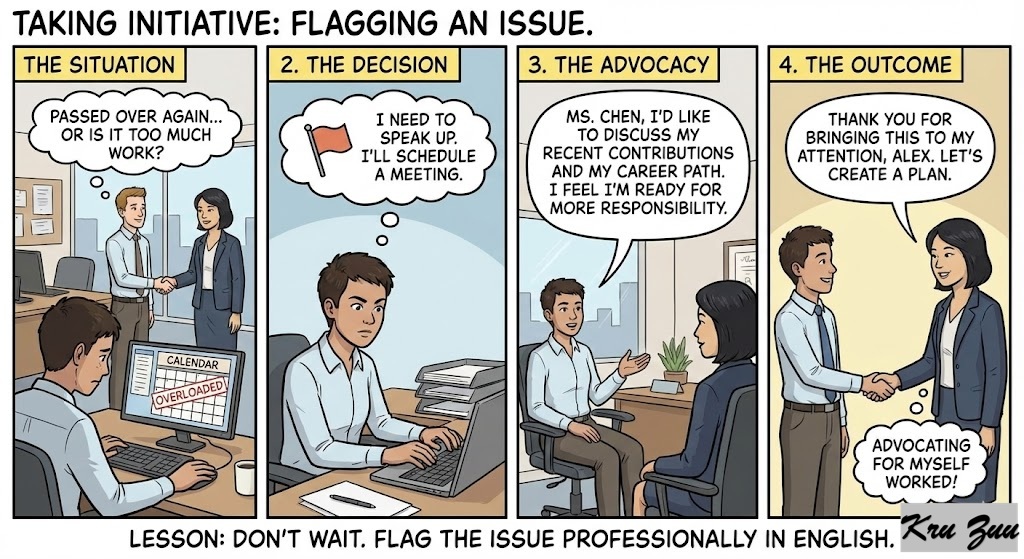
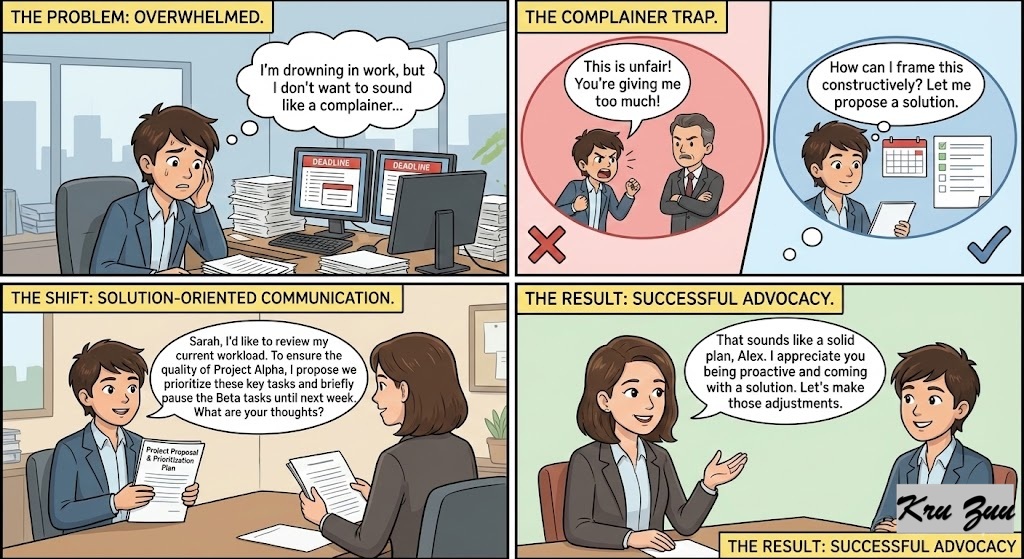
The Shift: You need to express your need without sounding like a complainer.
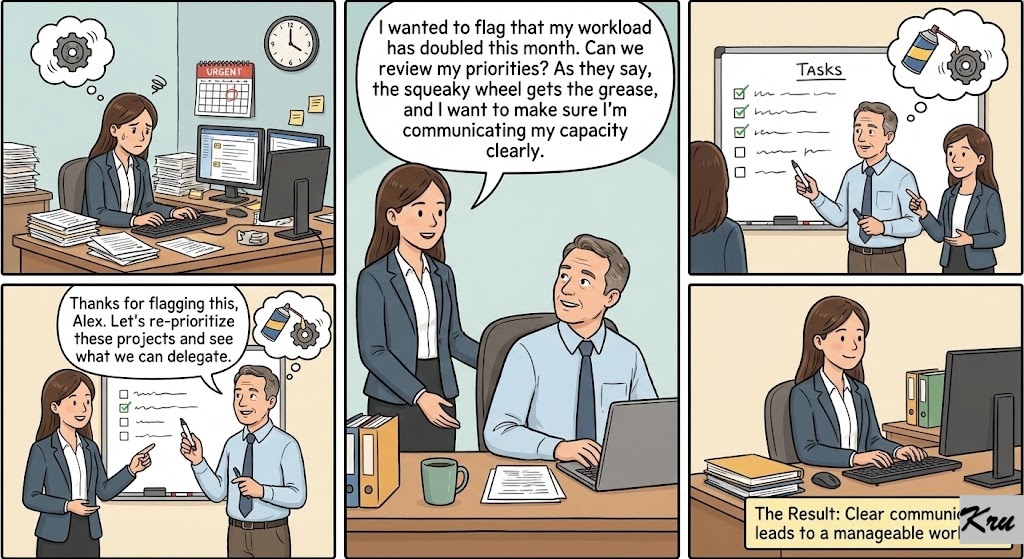
You Say: “I wanted to flag that my workload has doubled this month. Can we review my priorities? As they say, the squeaky wheel gets the grease, and I want to make sure I’m communicating my capacity clearly.” (Note: “To flag something” is a great business idiom meaning to bring attention to a problem!)
💬 Your Turn: The “Hourly” Challenge 🚀
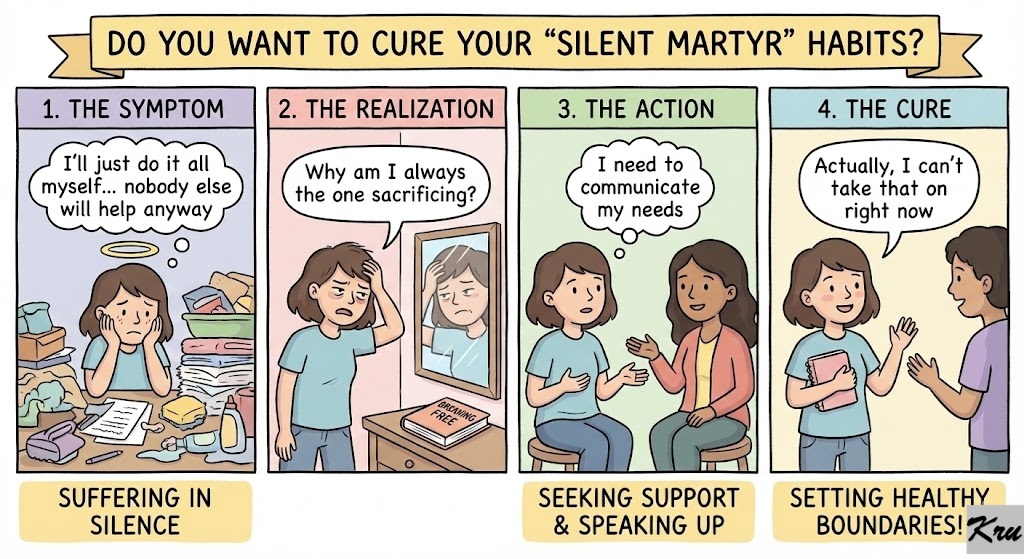
Do you want to cure your “Silent Martyr” habits?
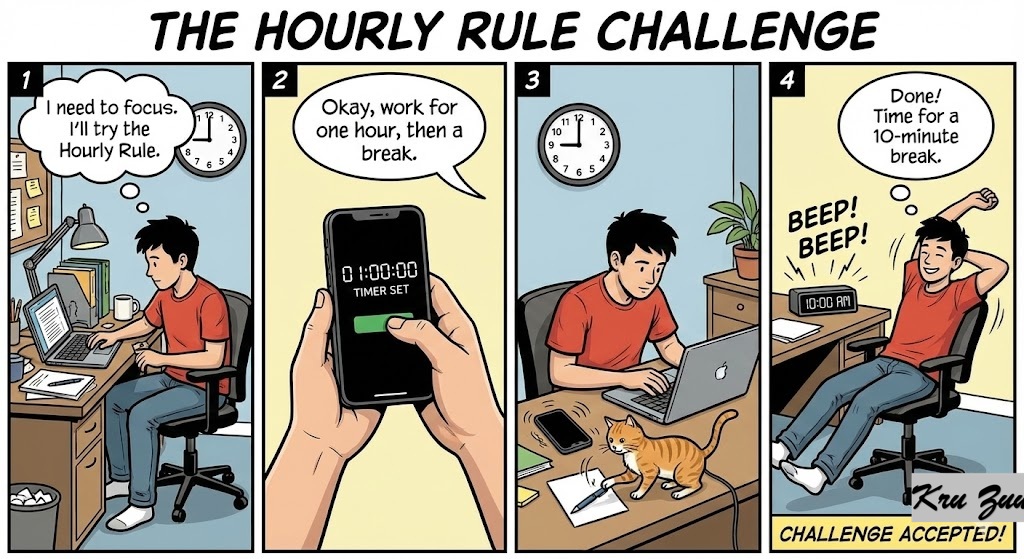
The Challenge: Implement the Hourly Rule.
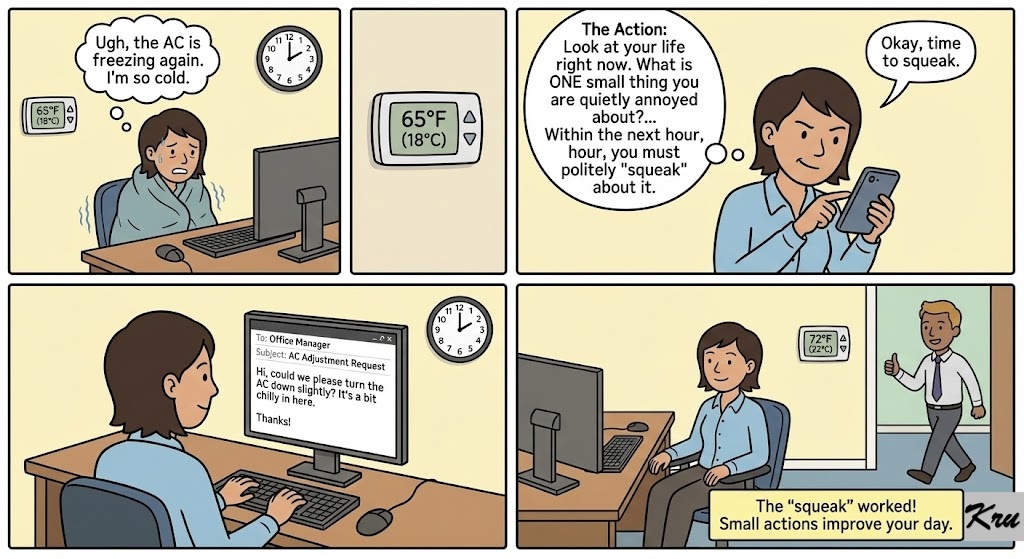
The Action: Look at your life right now. What is ONE small thing you are quietly annoyed about? Are you cold because the AC is too high? Are you confused about a work task? Are you hurt by a friend’s comment? Within the next hour, you must politely “squeak” about it. Send the email, ask the question, or make the request.
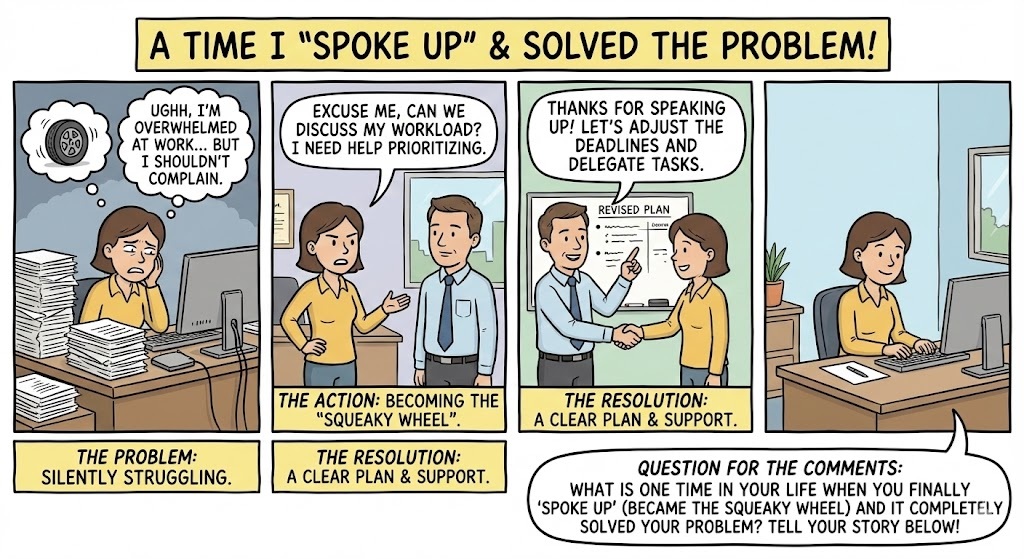
👇 Question for the comments: What is one time in your life when you finally “spoke up” (became the squeaky wheel) and it completely solved your problem? Tell your story below!
https://www.facebook.com/BrainBattleground/
https://www.facebook.com/zubeyr.yurtkuran/
https://www.instagram.com/zubeyryurtkuran/
