“No news is good news.”
😈 The Villain (The Anxiety Spinner)
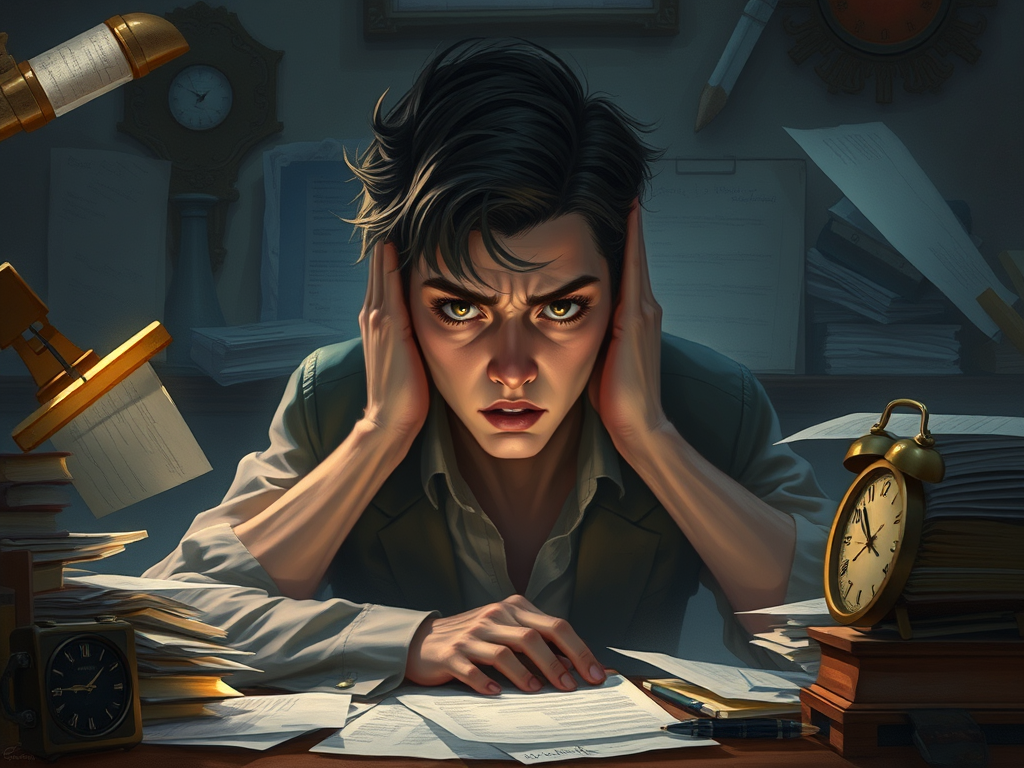
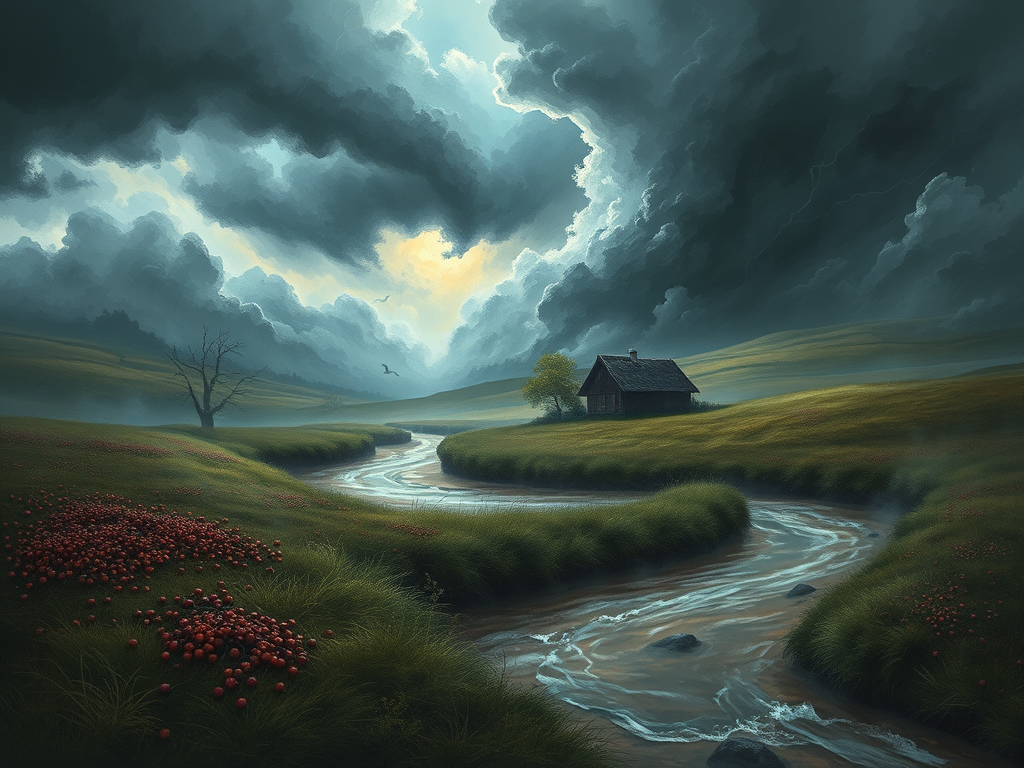
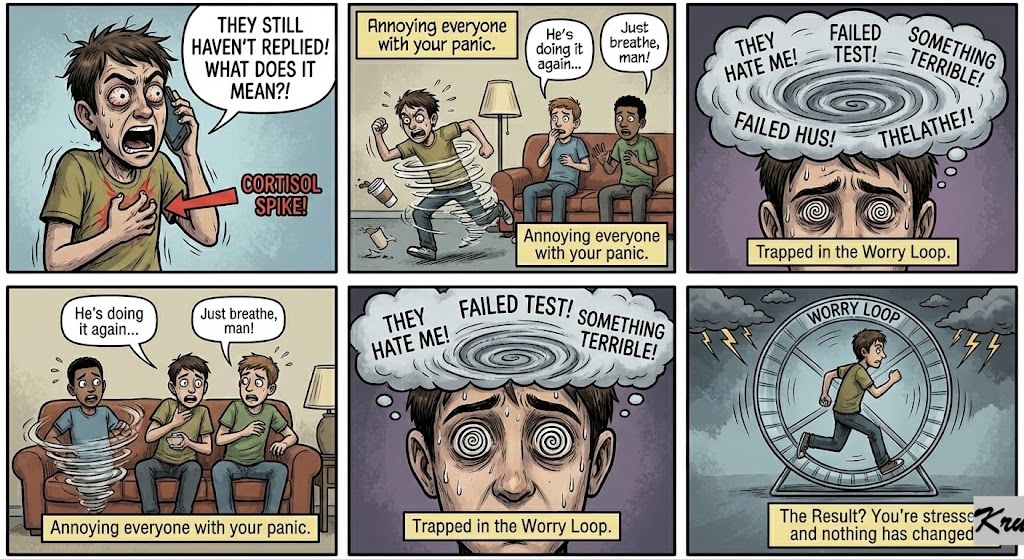
You sent the email two hours ago. No reply. You check your phone. Nothing. 📱 You check the spam folder. Empty. Your brain starts to scream: “They hate me.” “I failed the test.” “Something terrible has happened to them!” You fill the silence with noise and worst-case scenarios. You create a disaster in your head that hasn’t happened in reality.
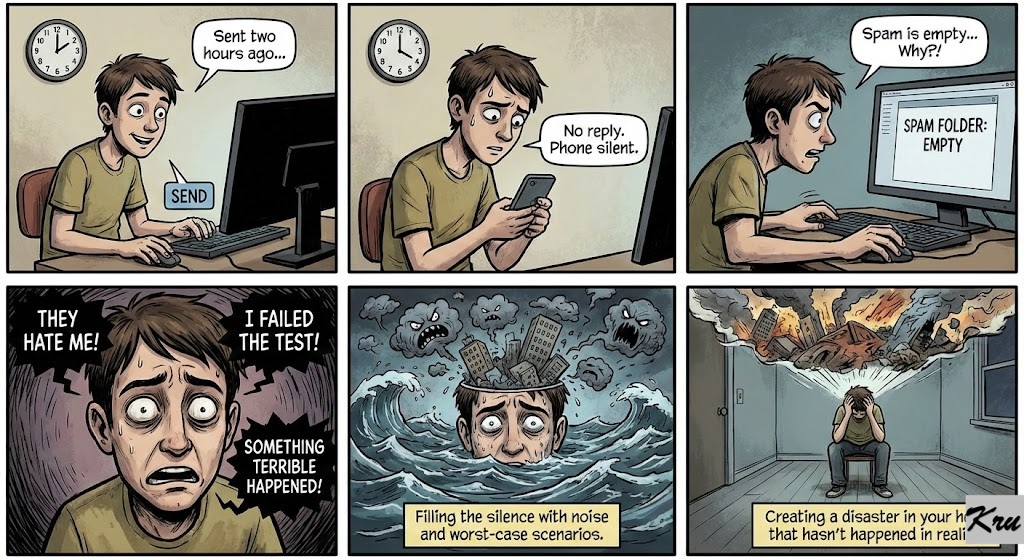
The Result? You are stressed, your cortisol spikes, and you annoy everyone around you with your panic. You are trapped in the “Worry Loop.” 🌀
😇 The Hero (The Peaceful Stoic)
You send the email. You put the phone down. 🧘 You realize that if there was a true emergency, the phone would ring. You understand that silence usually means things are proceeding normally. You say: “If there was a problem, I would know by now.”
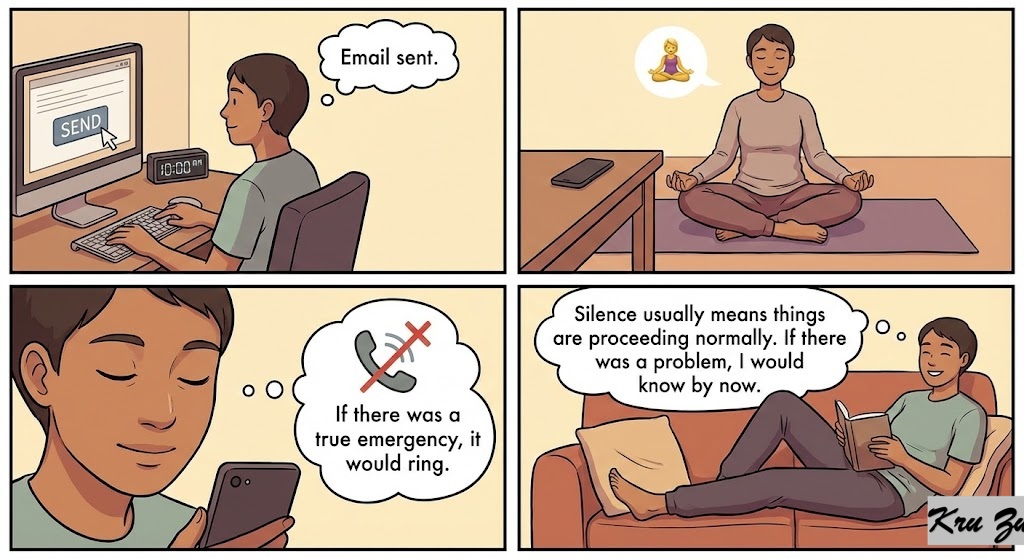
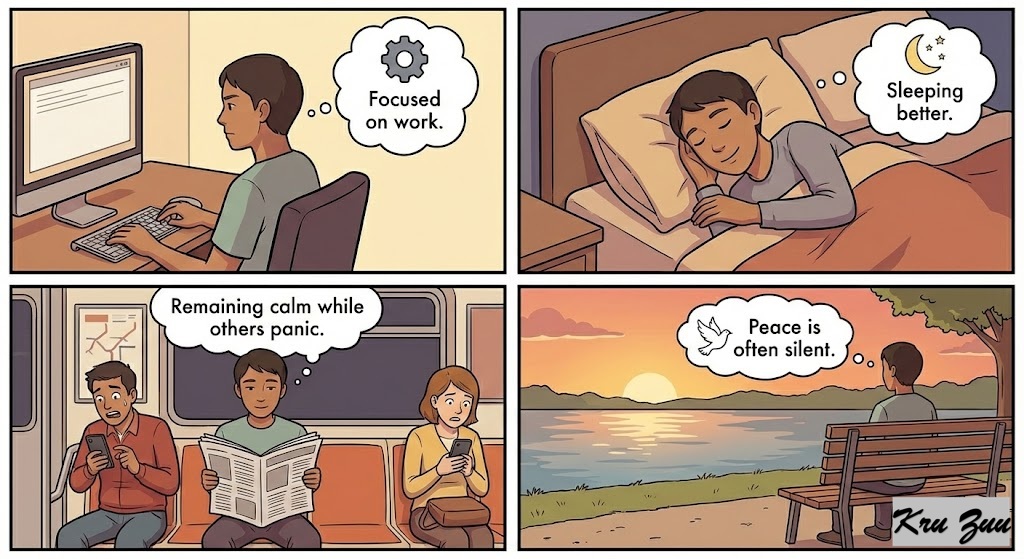
The Result? You focus on your work. You sleep better. You remain calm while others panic. You understand that Peace is often silent. 🕊️
⚖️ The Reality
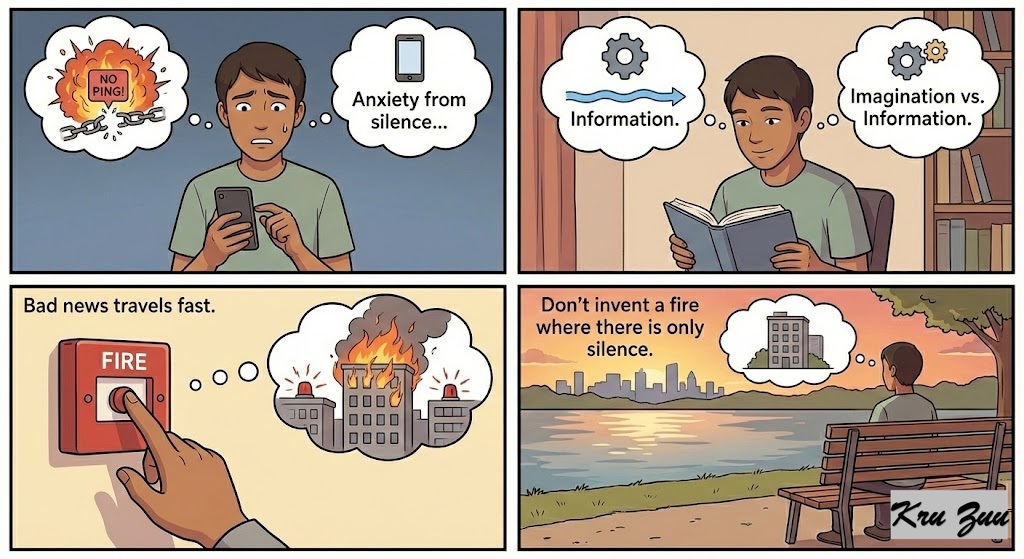
Information vs. Imagination. We live in an age of instant notifications. When we don’t get a “ping,” we assume the connection is broken. But historically (and logically), bad news travels fast because it requires urgent action. Good news, or the status quo, does not require an alarm. If the fire alarm isn’t ringing, the building is likely not on fire. Don’t let your imagination invent a fire where there is only silence.
💎 The Secret
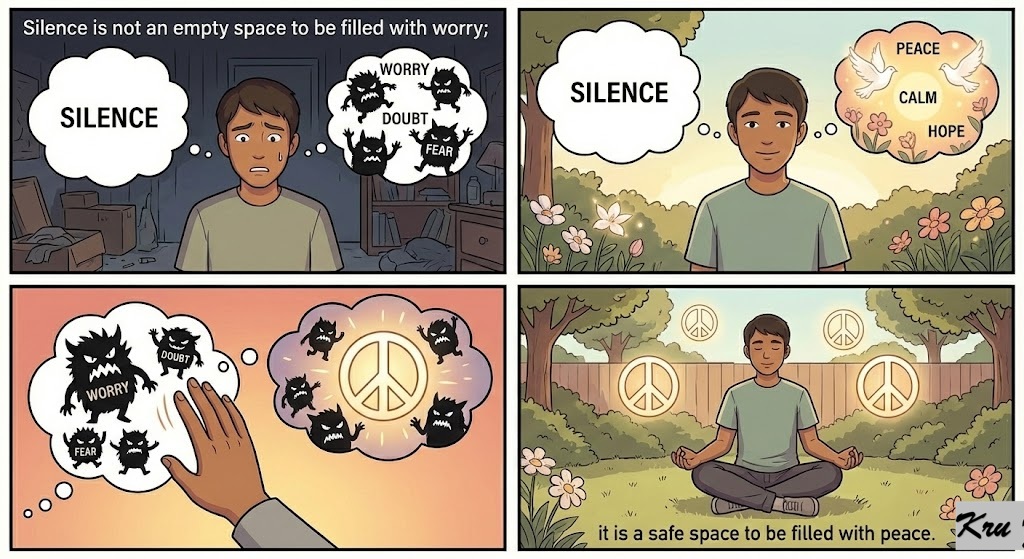
Silence is not an empty space to be filled with worry; it is a safe space to be filled with peace.
🧐 The Anatomy of the Proverb
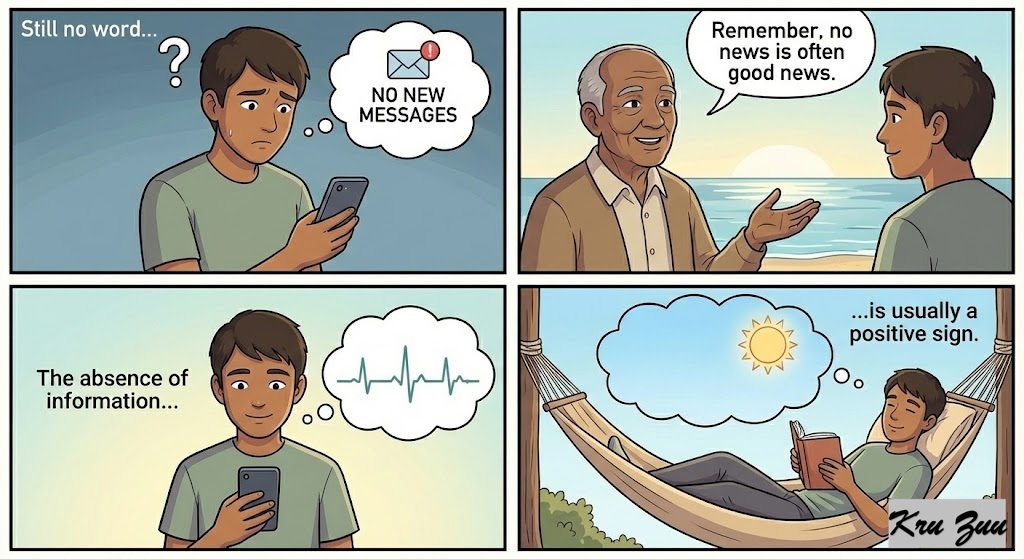
This is your reminder that the absence of information is usually a positive sign, not a negative one.
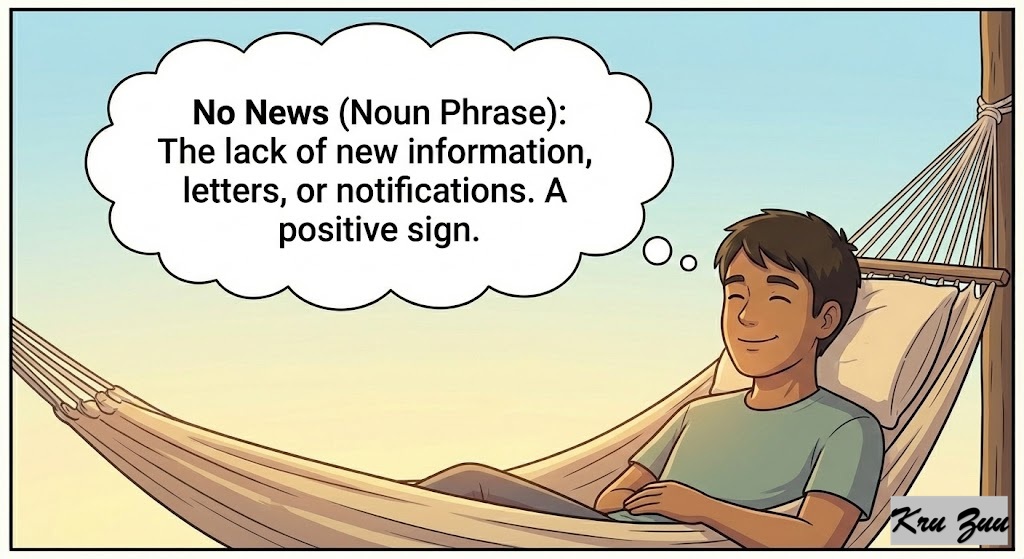
No News (Noun Phrase): The lack of new information, letters, or notifications.
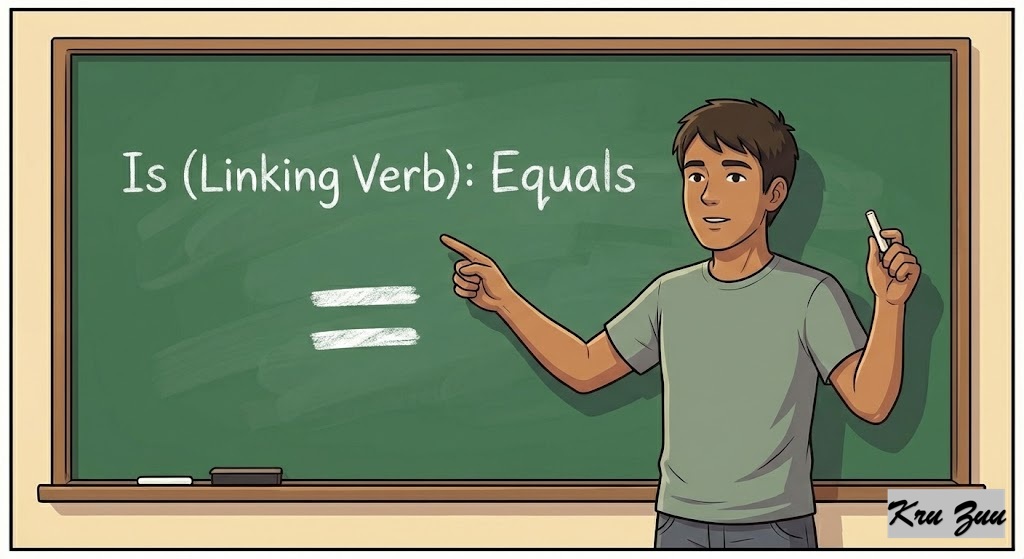
Is (Linking Verb): Equals.
Good News (Noun Phrase): A positive outcome or safety.
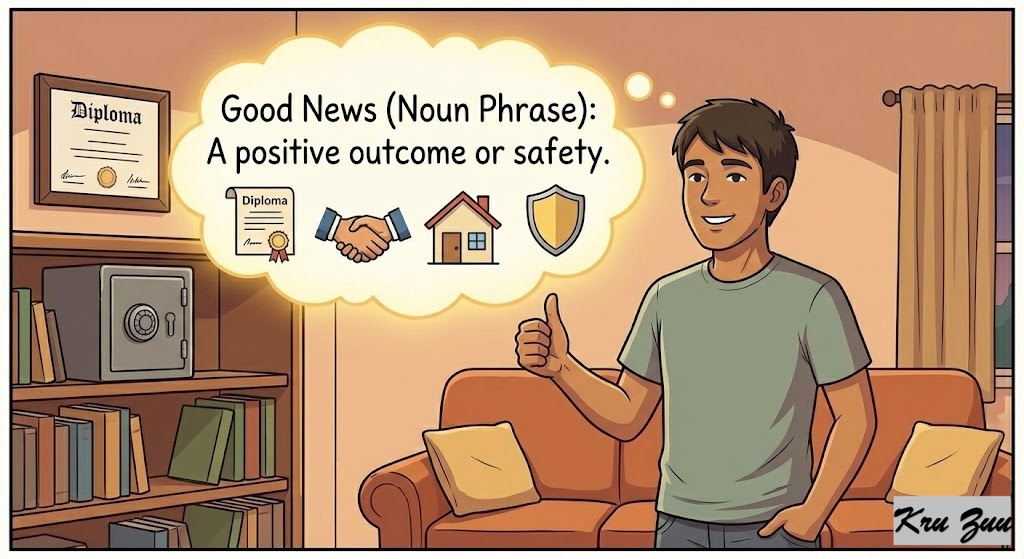
Simpler Version: If you haven’t heard anything bad, assume everything is okay.
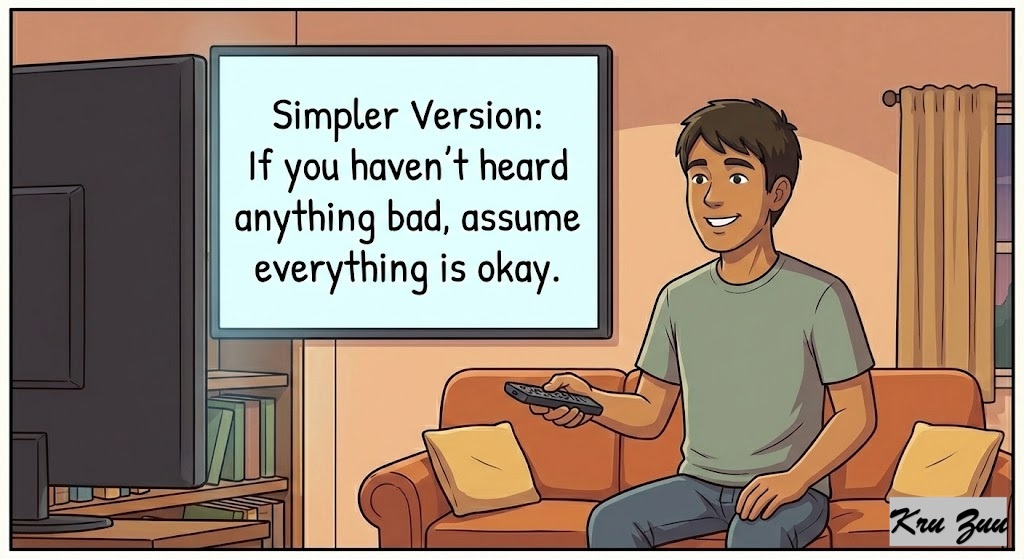
📚 Vocabulary Vault
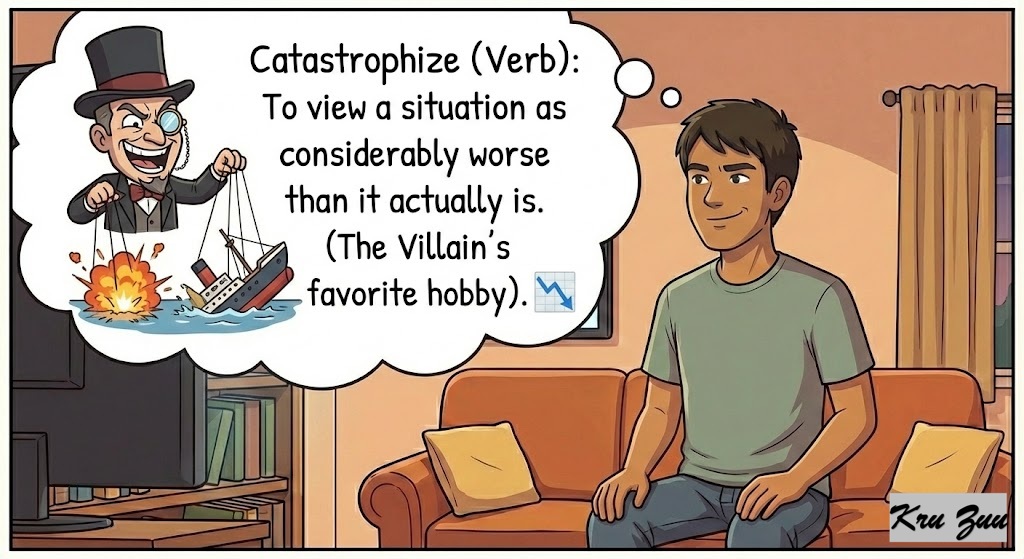
Catastrophize (Verb): To view a situation as considerably worse than it actually is. (The Villain’s favorite hobby). 📉
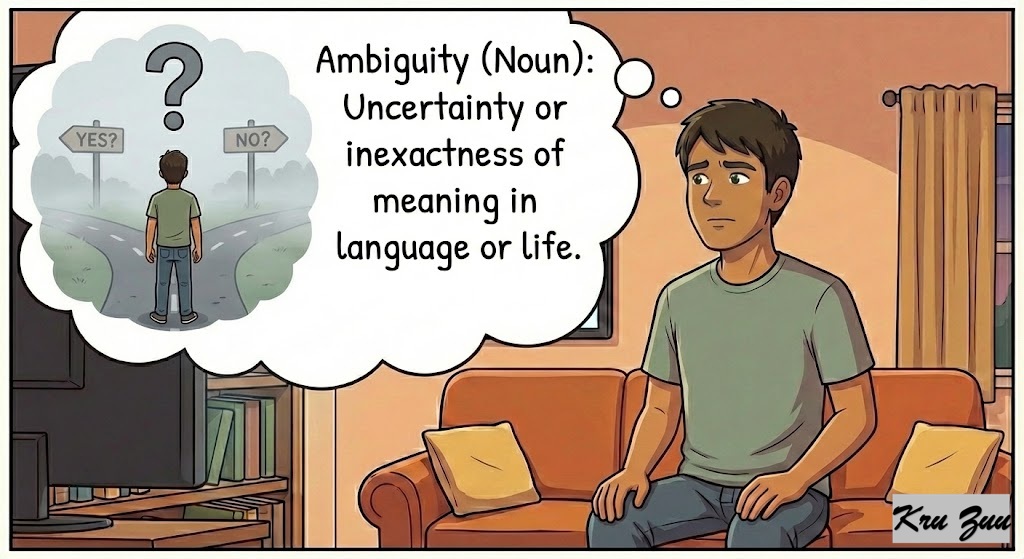
Ambiguity (Noun): Uncertainty or inexactness of meaning in language or life.
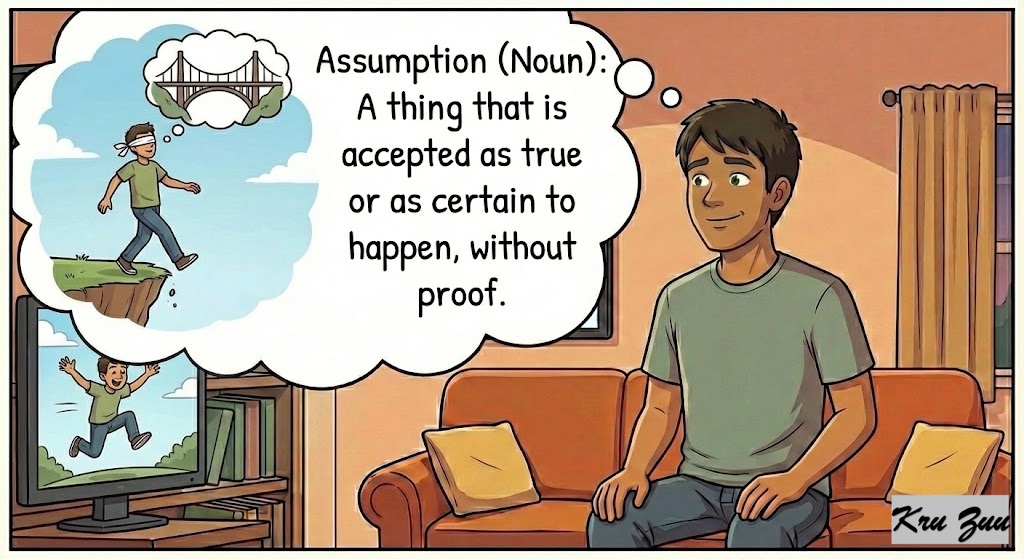
Assumption (Noun): A thing that is accepted as true or as certain to happen, without proof.
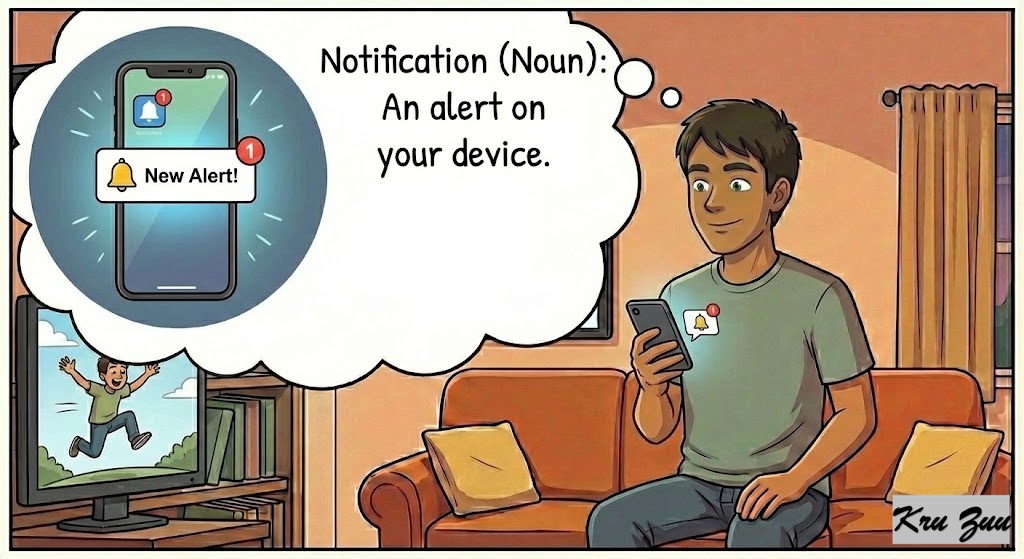
Notification (Noun): An alert on your device.
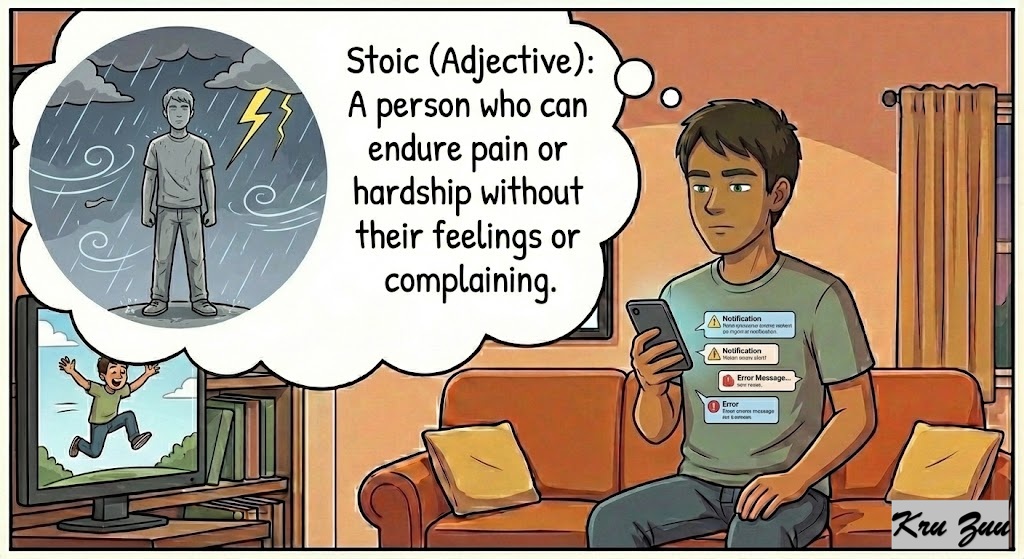
Stoic (Adjective): A person who can endure pain or hardship without showing their feelings or complaining.
🧠 Grammar Focus: Ellipsis (Leaving words out)
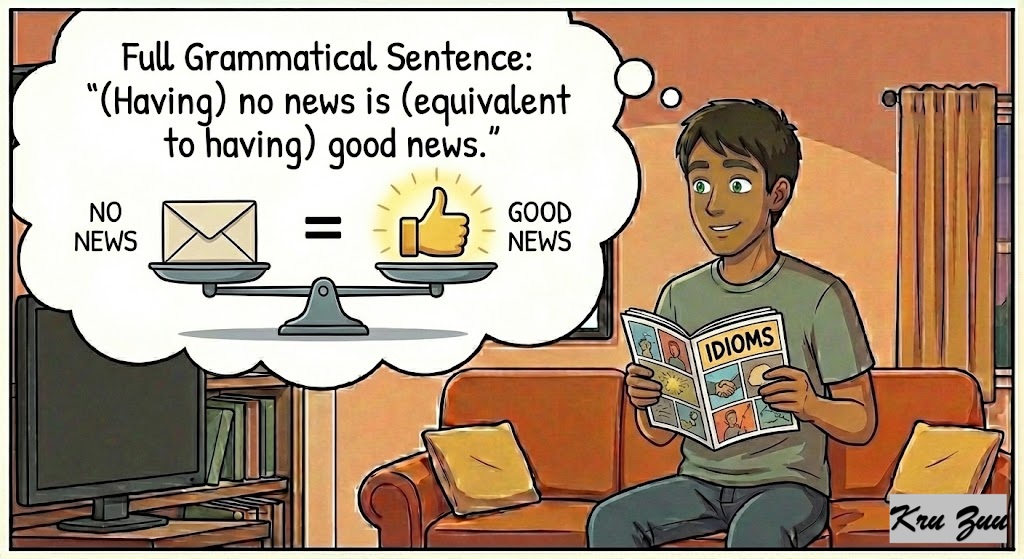
This idiom is a shortened sentence.
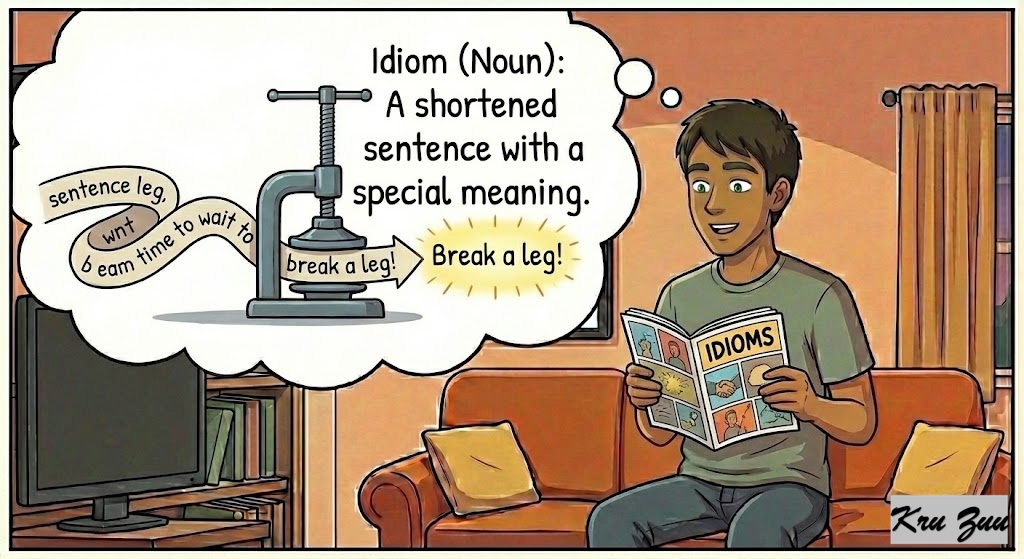
Full Grammatical Sentence: “(Having) no news is (equivalent to having) good news.”
Usage: We use this to comfort someone who is waiting for results.
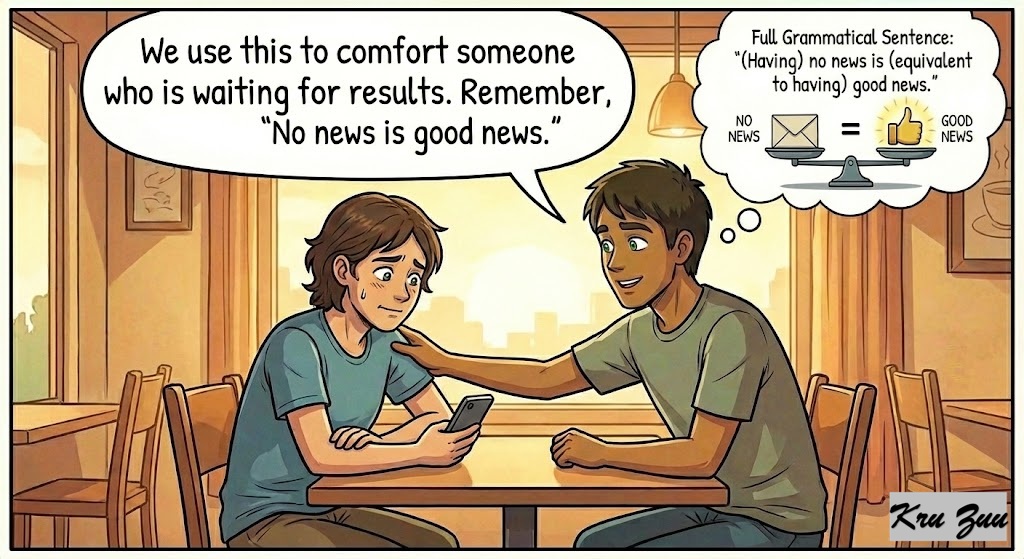
Example
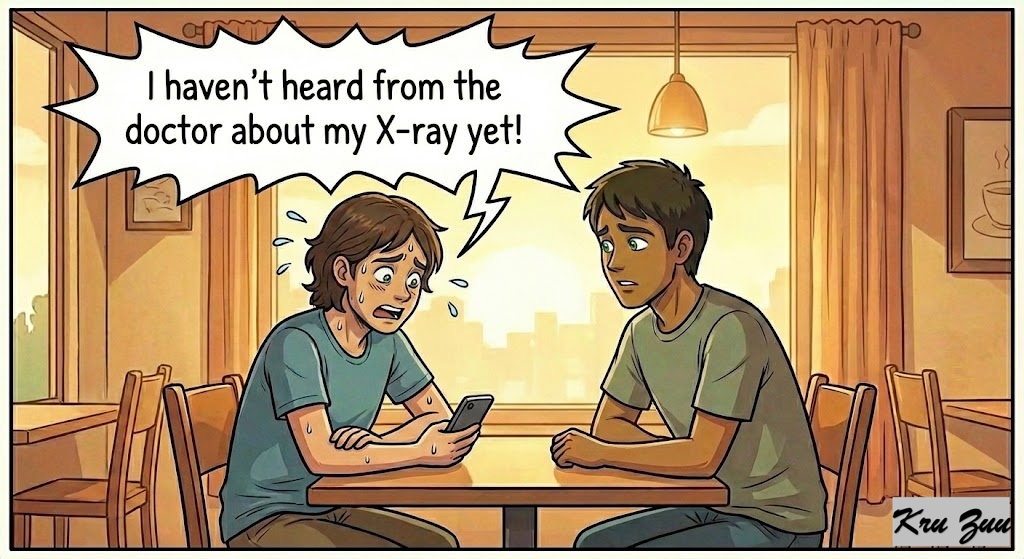
Anxious Friend: “I haven’t heard from the doctor about my X-ray yet!”
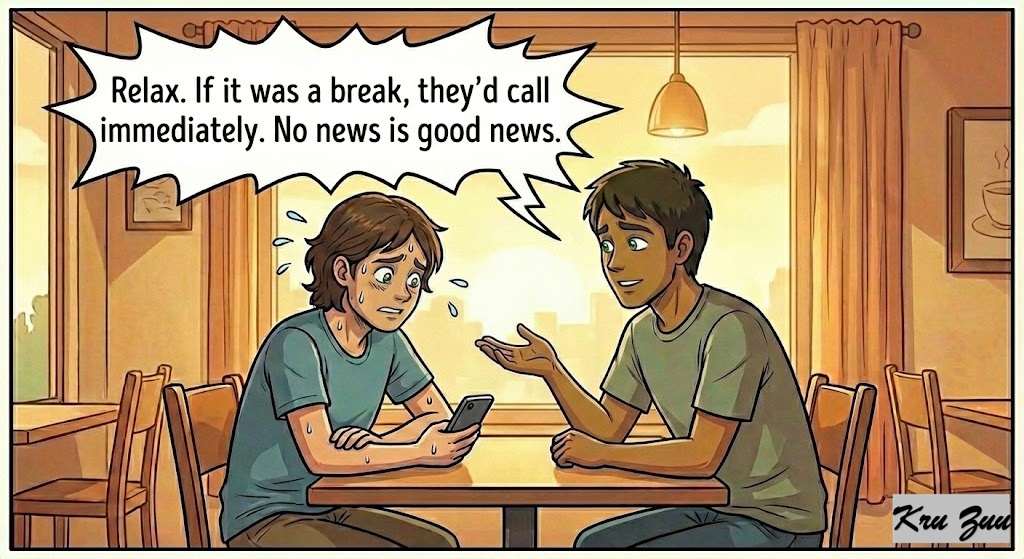
Supportive Friend: “Relax. If it was a break, they’d call immediately. No news is good news.”
📜 History: Origin and Spread
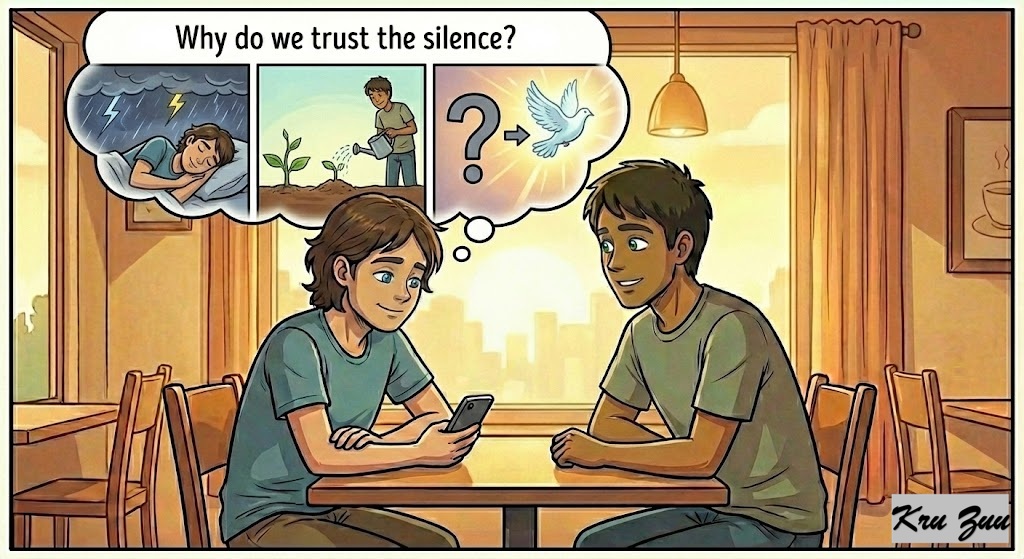
Why do we trust the silence?
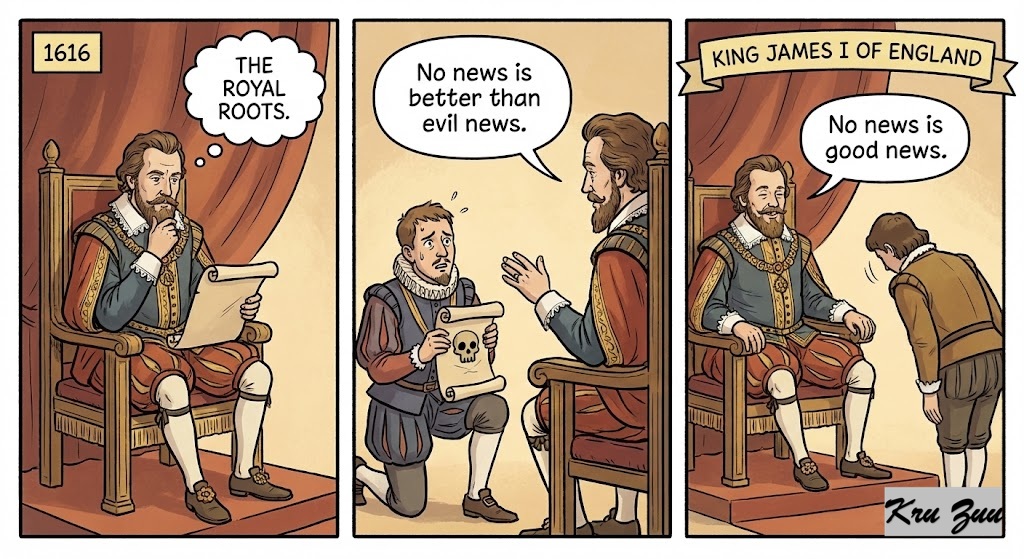
The Royal Roots: King James I of England is quoted as saying, “No news is better than evil news” as far back as 1616.
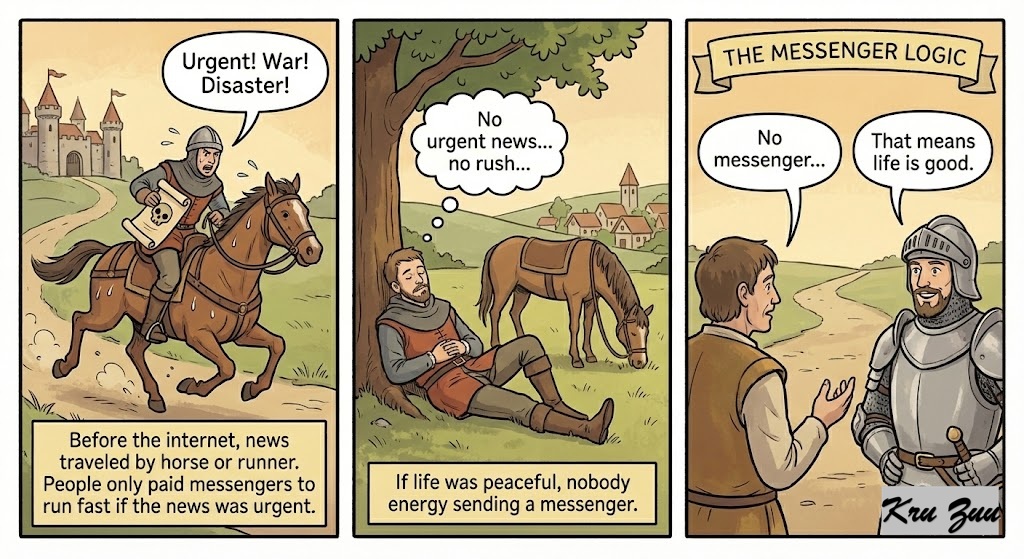
The Messenger Logic: Before the internet, news traveled by horse or runner. 🐎 People only paid messengers to run fast if the news was urgent (wars, deaths, disasters). If life was peaceful, nobody wasted energy sending a messenger. Therefore, if no runner arrived, life was good.
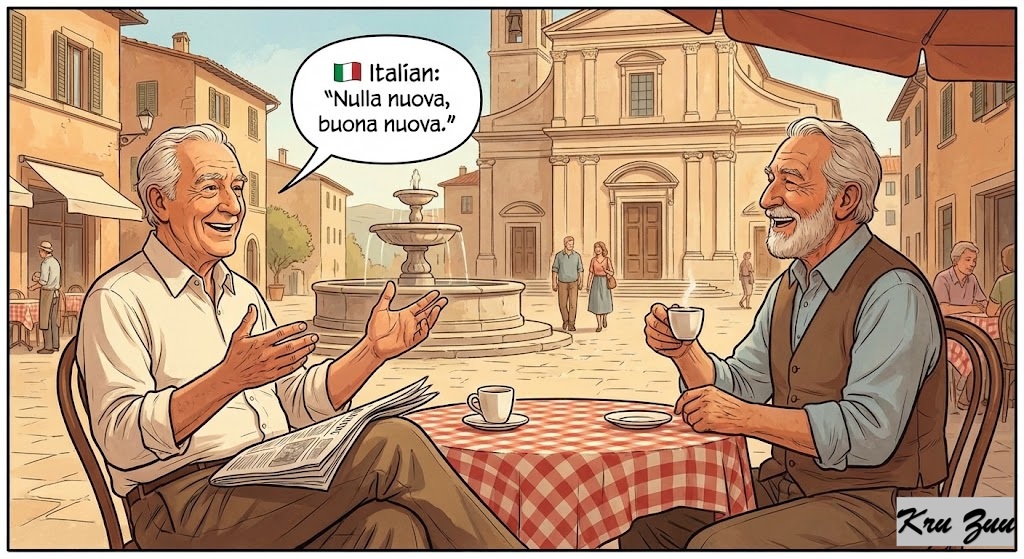
Global Cousins
🇮🇹 Italian:“Nulla nuova, buona nuova.”
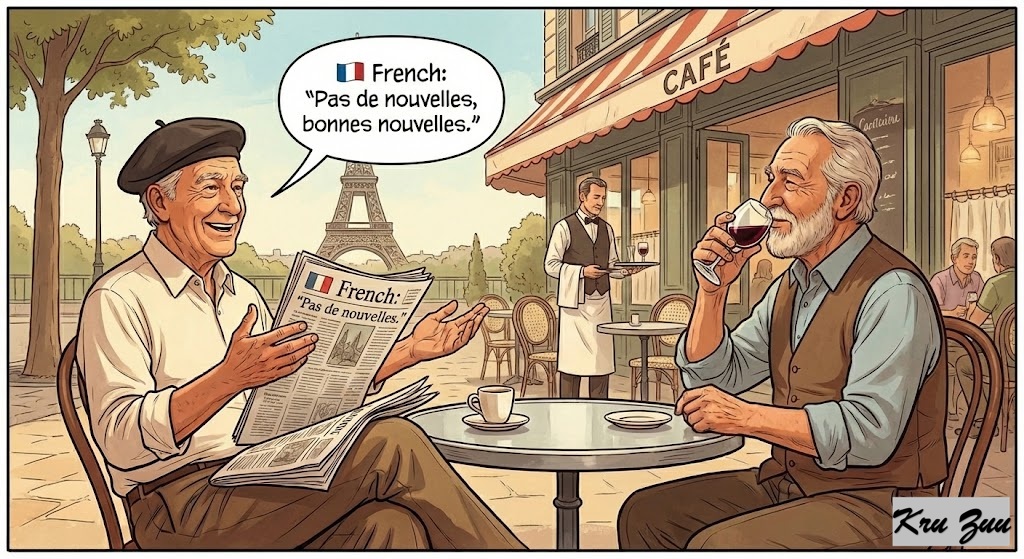
🇫🇷 French:“Pas de nouvelles, bonnes nouvelles.”
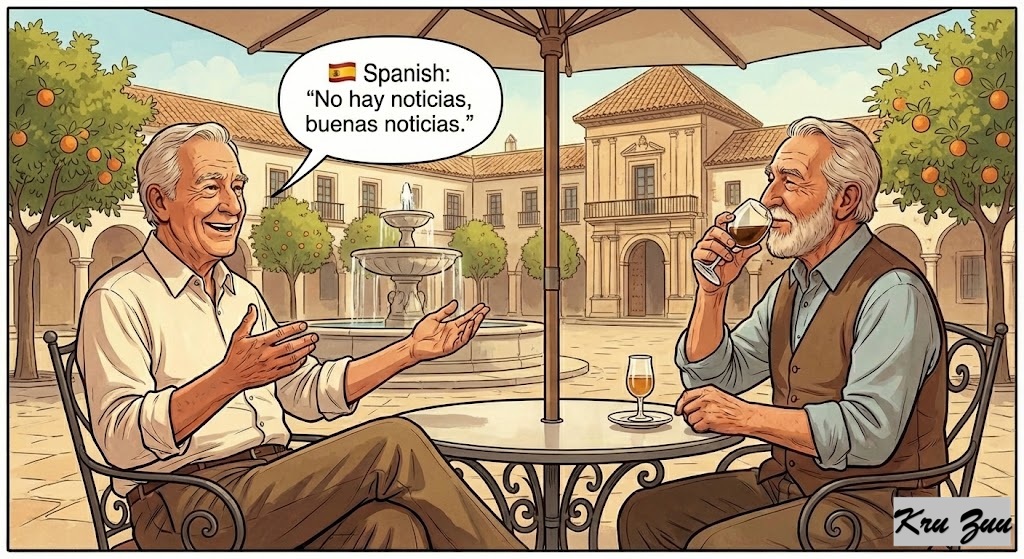
🇪🇸 Spanish:“No hay noticias, buenas noticias.”
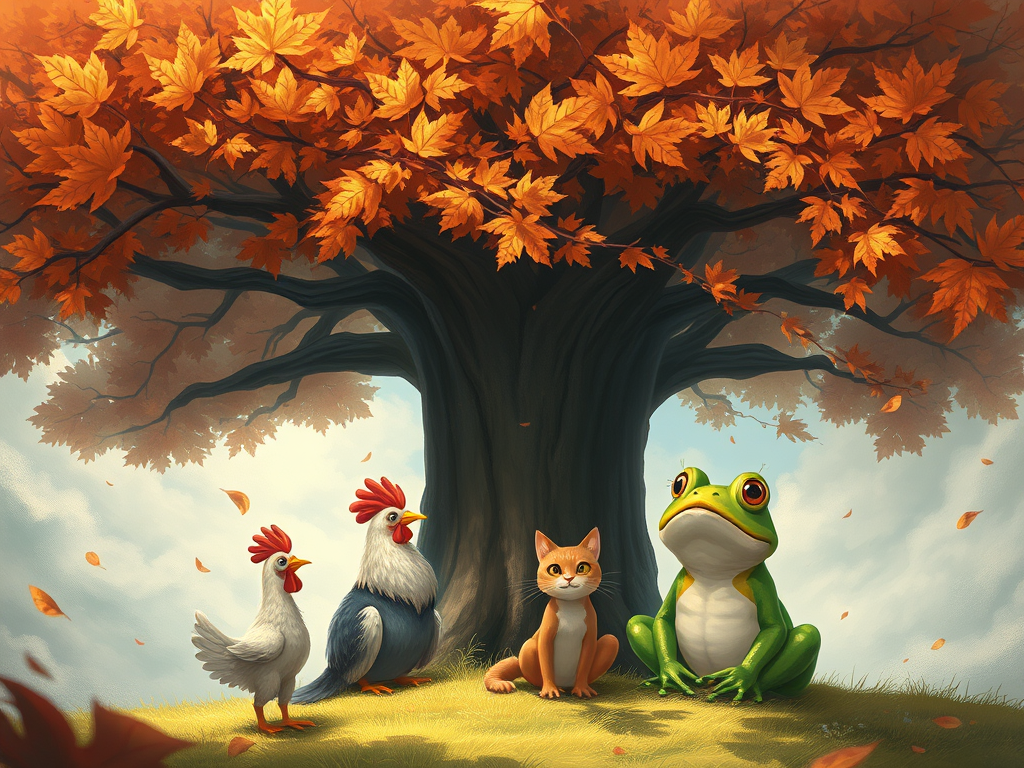
🎭 Short Story: The Silent Mailbox 📬🐱🐔🐸
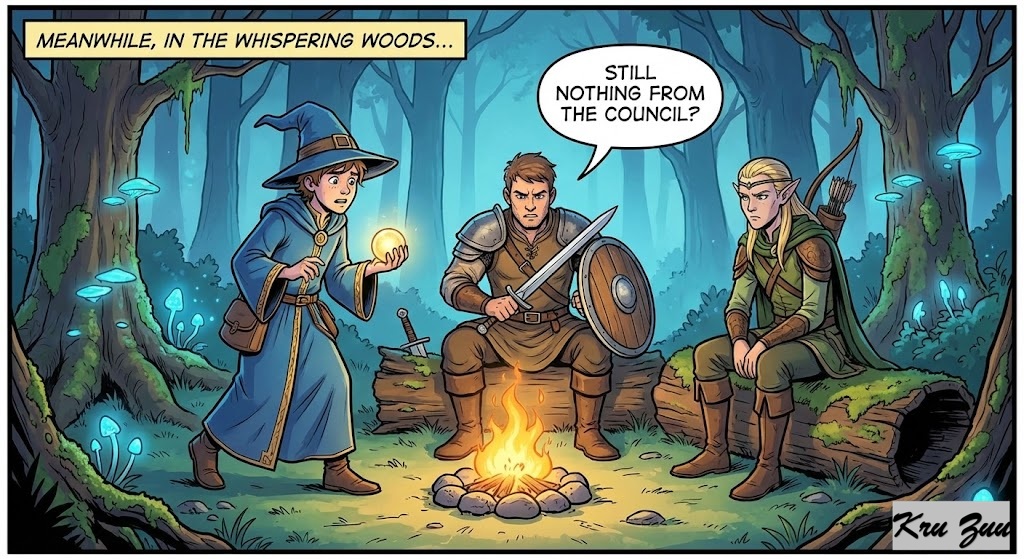
Let’s return to the magical forest to see how our trio handles the stress of waiting.
🌟 The Cast
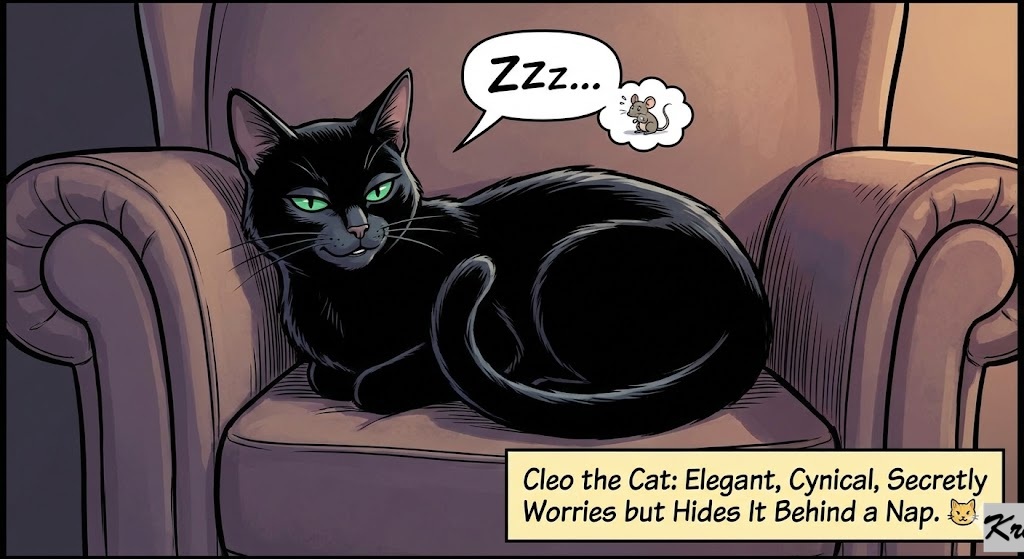
Cleo the Cat: Elegant, cynical, secretly worries but hides it behind a nap. 😼
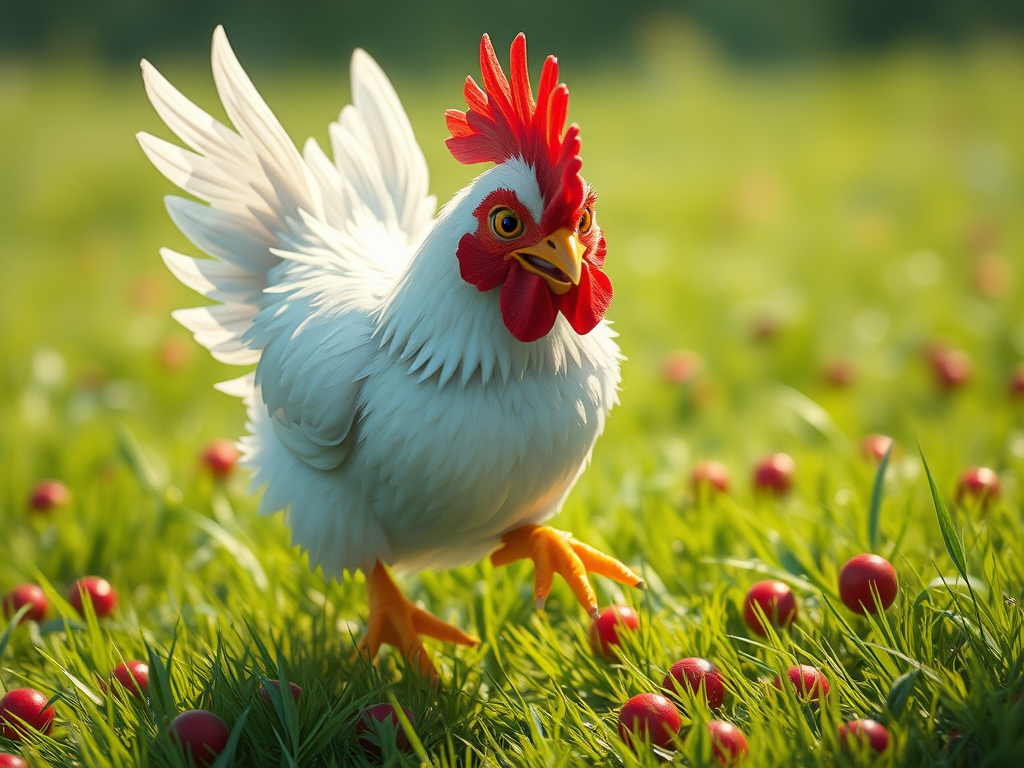
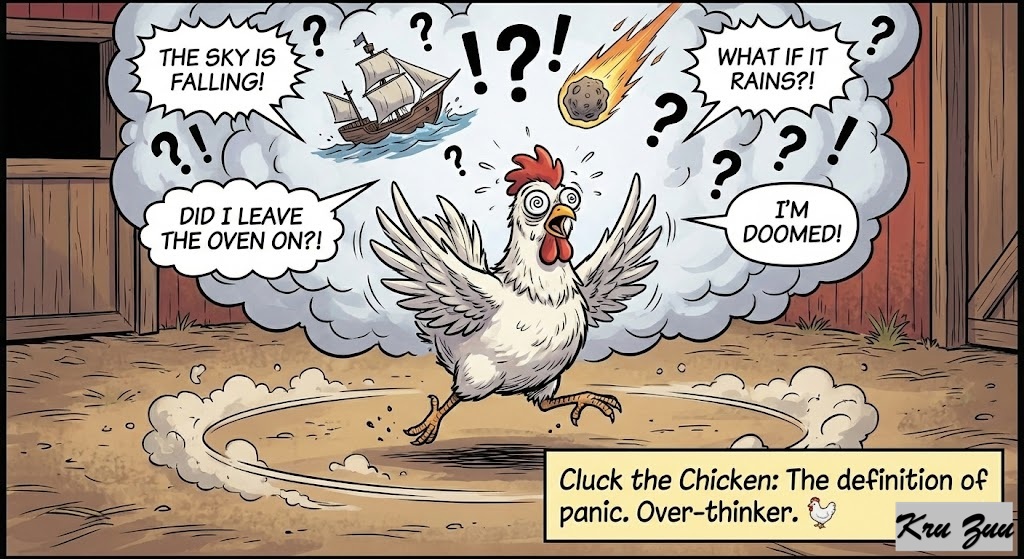
Cluck the Chicken: The definition of panic. Over-thinker. 🐔
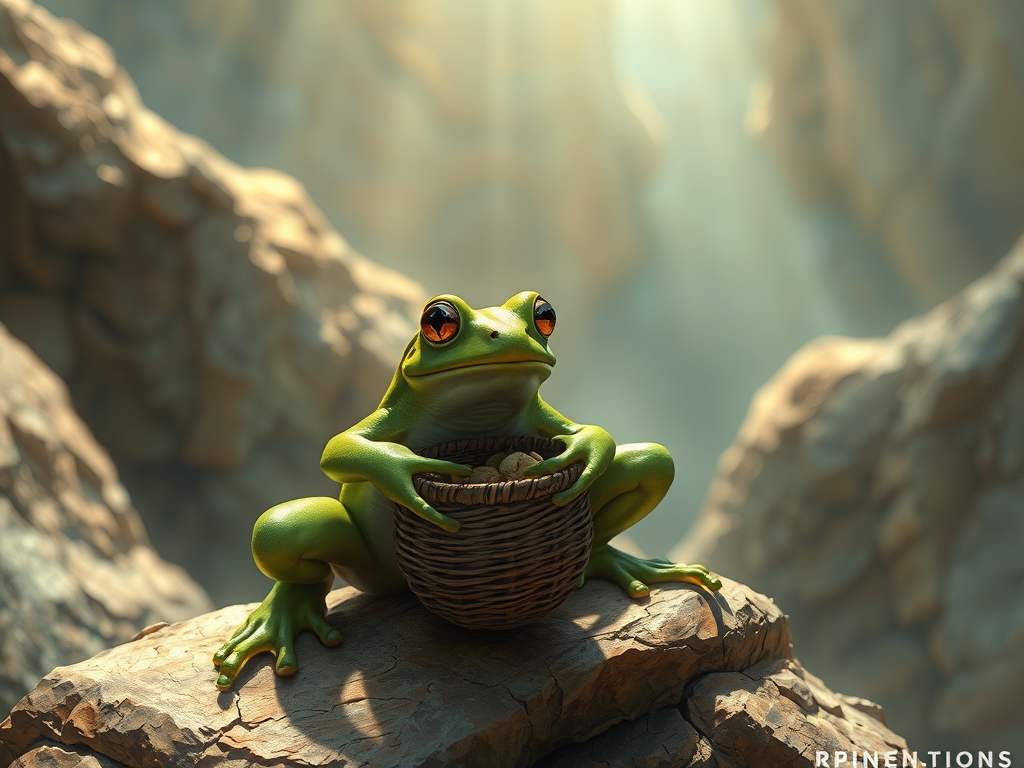
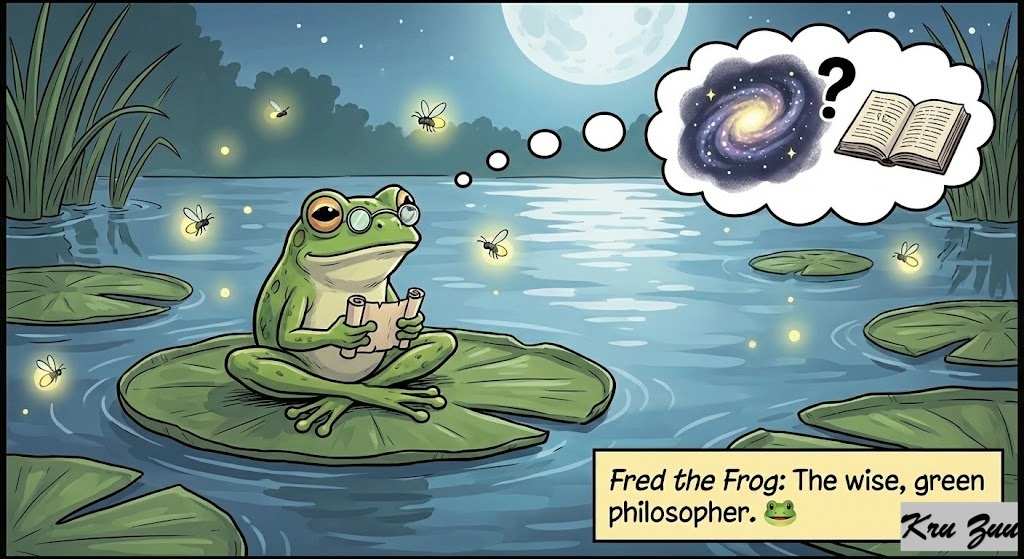
Fred the Frog: The wise, green philosopher. 🐸
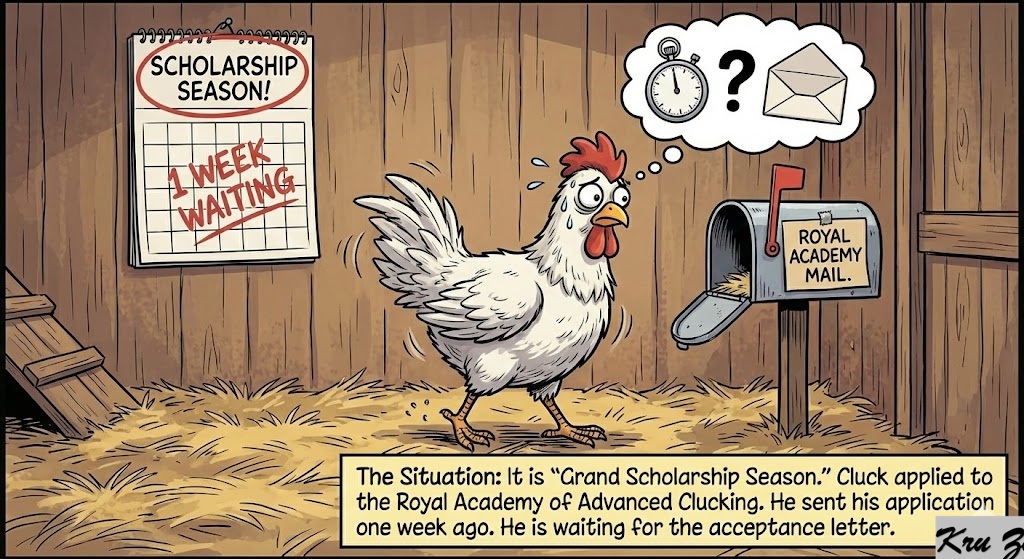
The Situation: It is “Grand Scholarship Season.” Cluck has applied to the Royal Academy of Advanced Clucking. He sent his application one week ago. He is waiting for the acceptance letter.
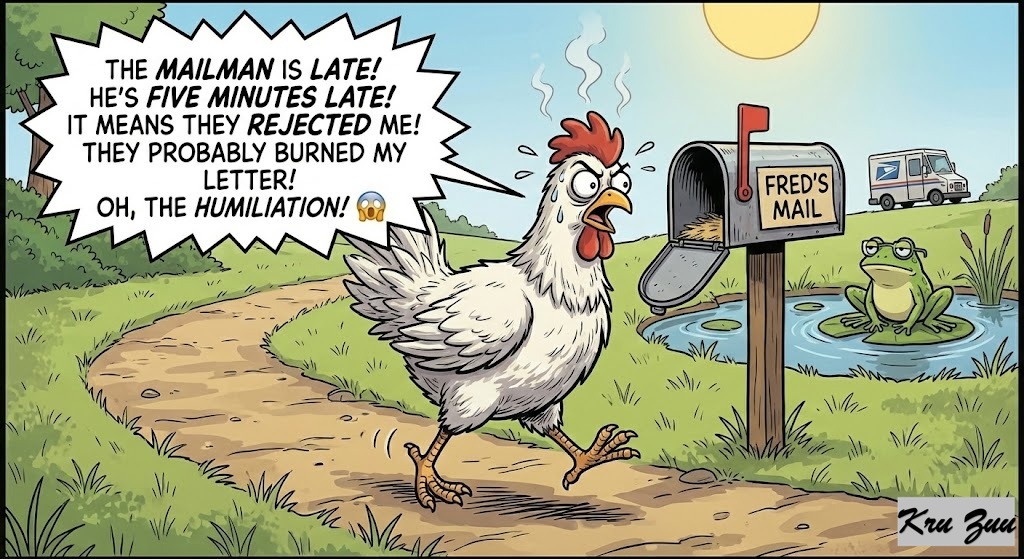
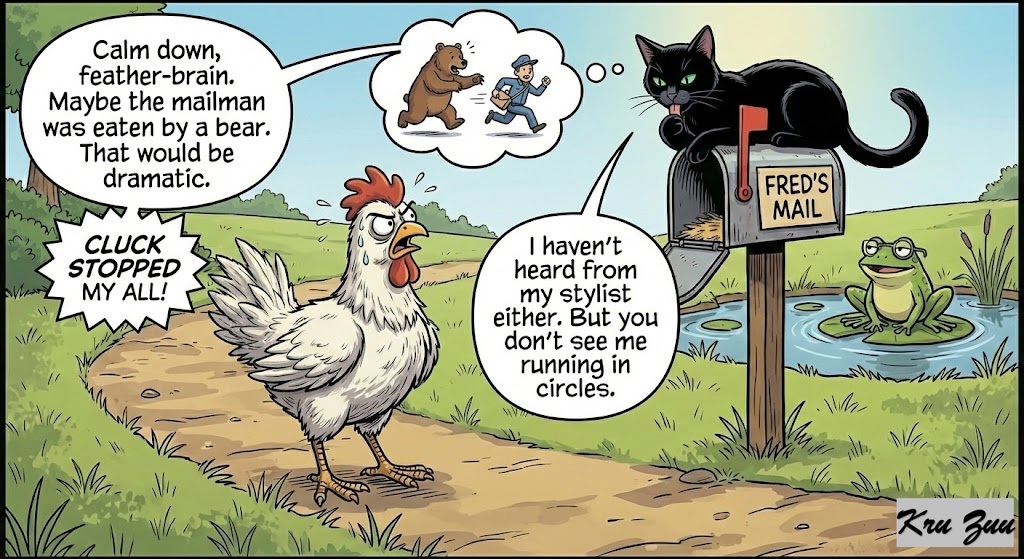
The Conflict: Cluck is pacing back and forth in front of Fred’s mailbox. He has worn a path in the grass. “The mailman is late!” Cluck squawks. “He’s five minutes late! It means they rejected me! They probably burned my letter! Oh, the humiliation!” 😱
Cleo is lying on the mailbox, grooming her tail. “Calm down, feather-brain. Maybe the mailman was eaten by a bear. That would be dramatic.” Cleo checks her claws. “I haven’t heard from my stylist either. But you don’t see me running in circles.”
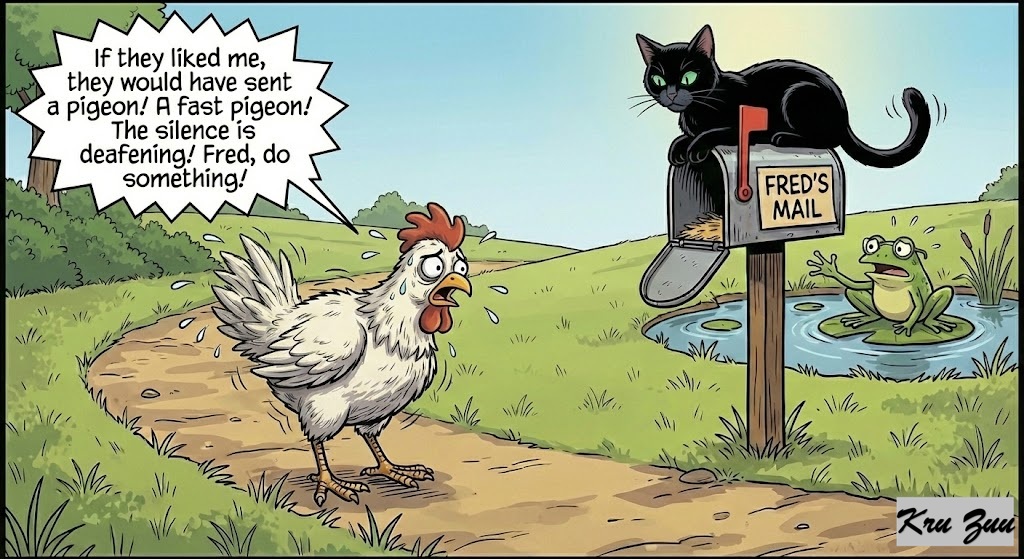
The Reaction: Cluck hyperventilates. “If they liked me, they would have sent a pigeon! A fast pigeon! The silence is deafening! Fred, do something!”
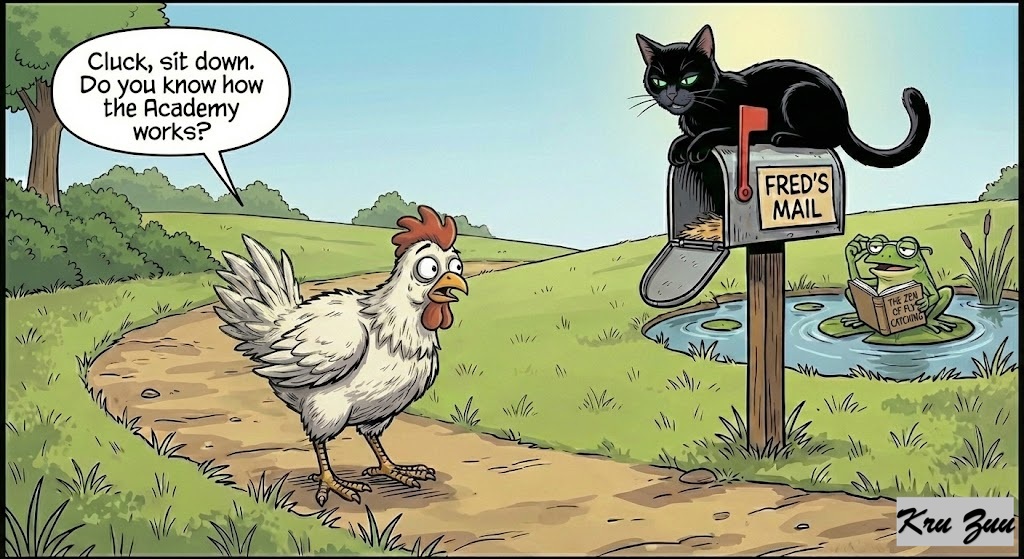
Fred looks up from his book (The Zen of Fly Catching). He adjusts his glasses. “Cluck, sit down,” Fred croaks calmly. “Do you know how the Academy works?”
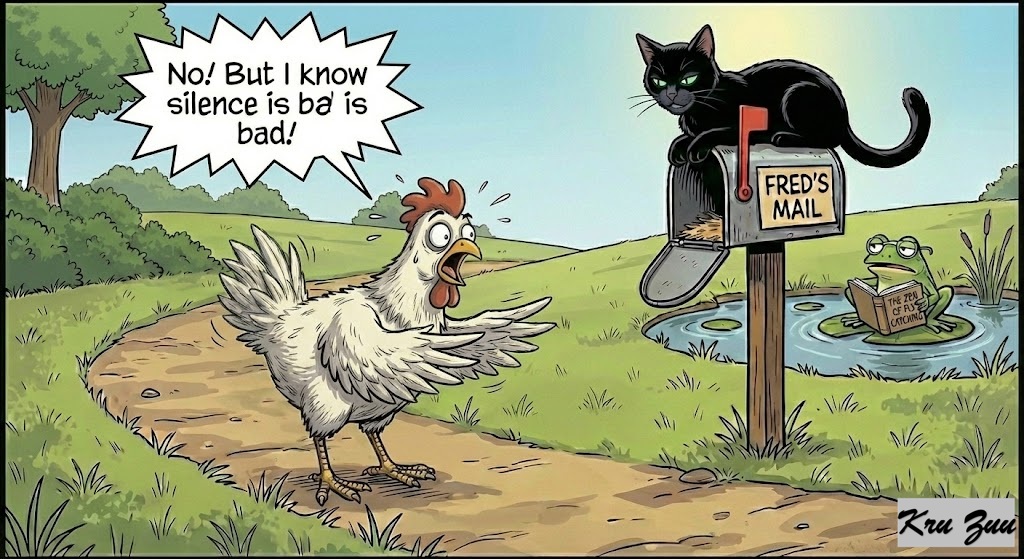
“No! But I know silence is bad!” Cluck yells.
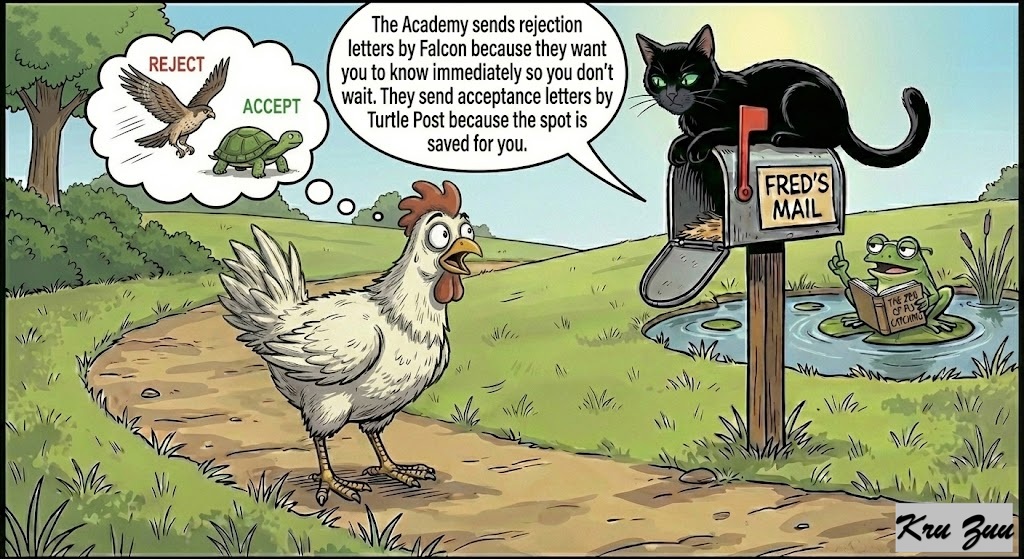
The Lesson: Fred points a green finger at the sky. “The Academy sends rejection letters by Falcon because they want you to know immediately so you don’t wait. They send acceptance letters by Turtle Post because the spot is saved for you.”
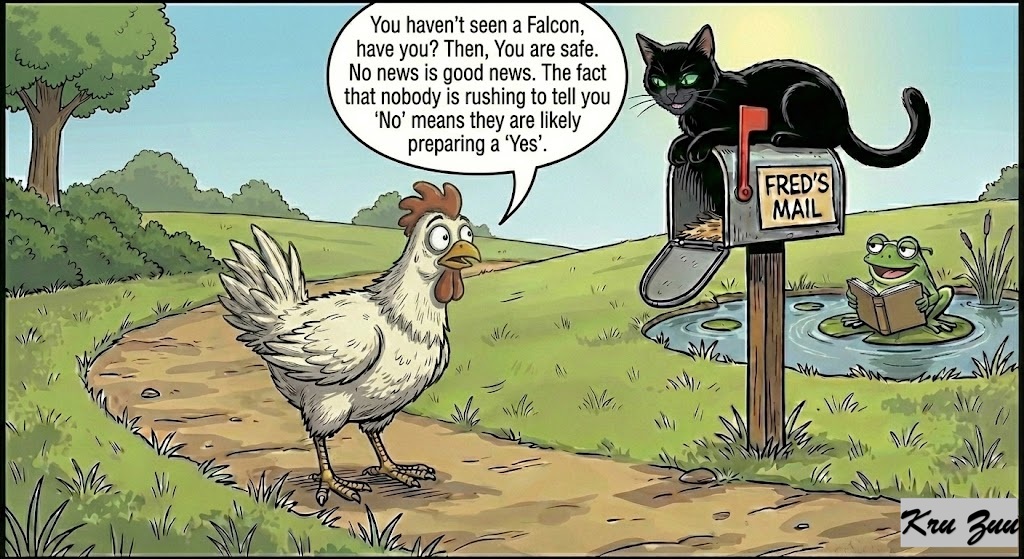
Fred smiles. “You haven’t seen a Falcon, have you?” Cluck stops. “No.” “Then,” Fred says, “You are safe. No news is good news. The fact that nobody is rushing to tell you ‘No’ means they are likely preparing a ‘Yes’.”
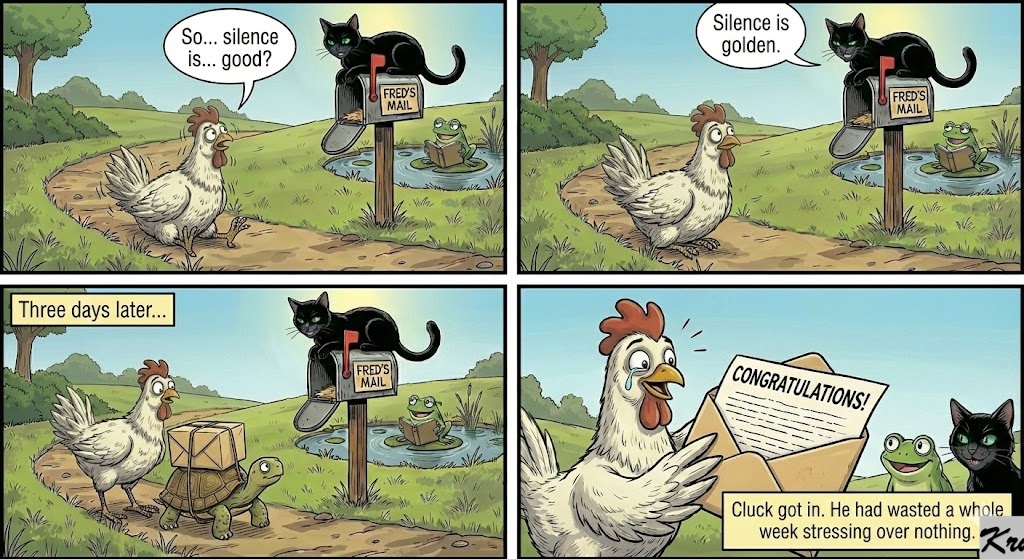
The Resolution: Cluck sat down, trembling slightly. “So… silence is… good?” “Silence is golden,” Cleo purred. Three days later, a very slow turtle arrived with a thick envelope. Cluck got in. He had wasted a whole week stressing over nothing.
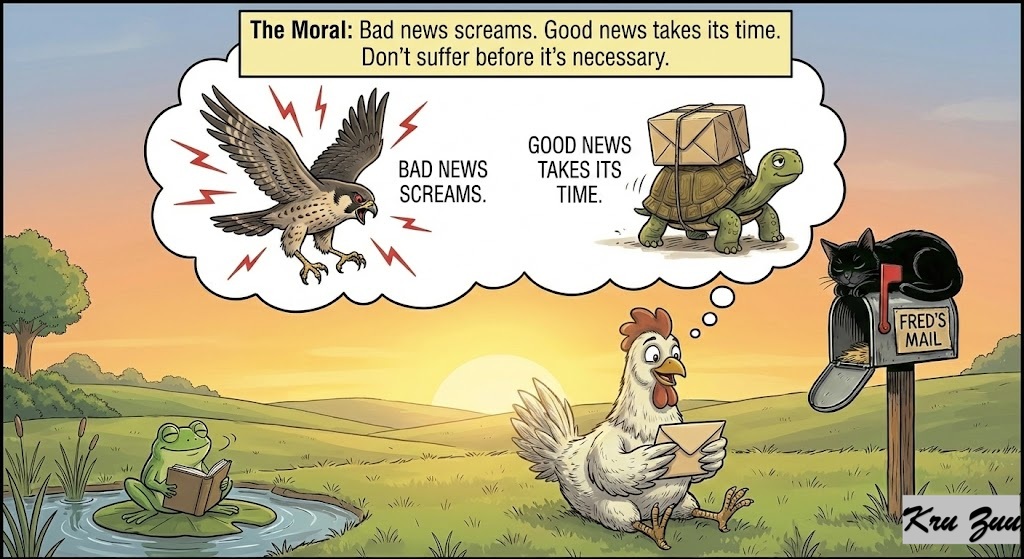
The Moral: Bad news screams. Good news takes its time. Don’t suffer before it’s necessary.
🎓 Lesson for English Learners
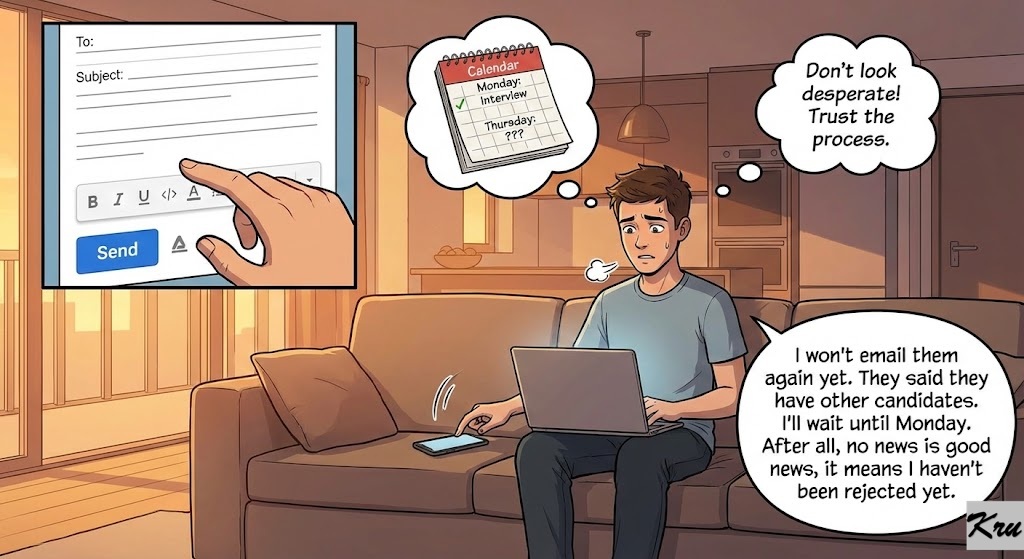
Context: Waiting for a Job Interview Reply. Situation: You interviewed on Monday. It is Thursday. You want to email them again. The Shift: Don’t look desperate. Trust the process. You Say (To yourself or a friend): “I won’t email them again yet. They said they have other candidates. I’ll wait until Monday. After all, no news is good news, it means I haven’t been rejected yet.”
💬 Your Turn: The “Notification Fast” 🚀
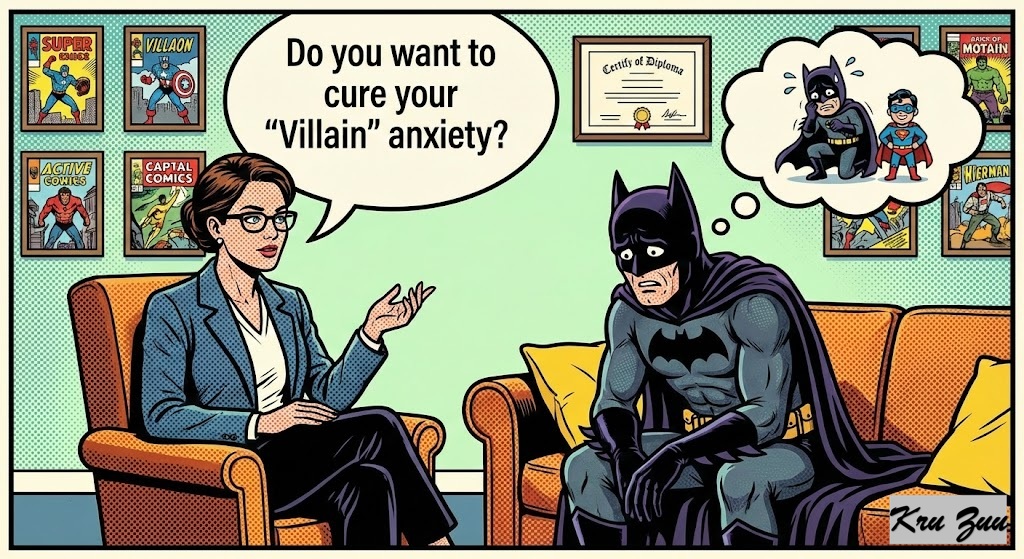
Do you want to cure your “Villain” anxiety?
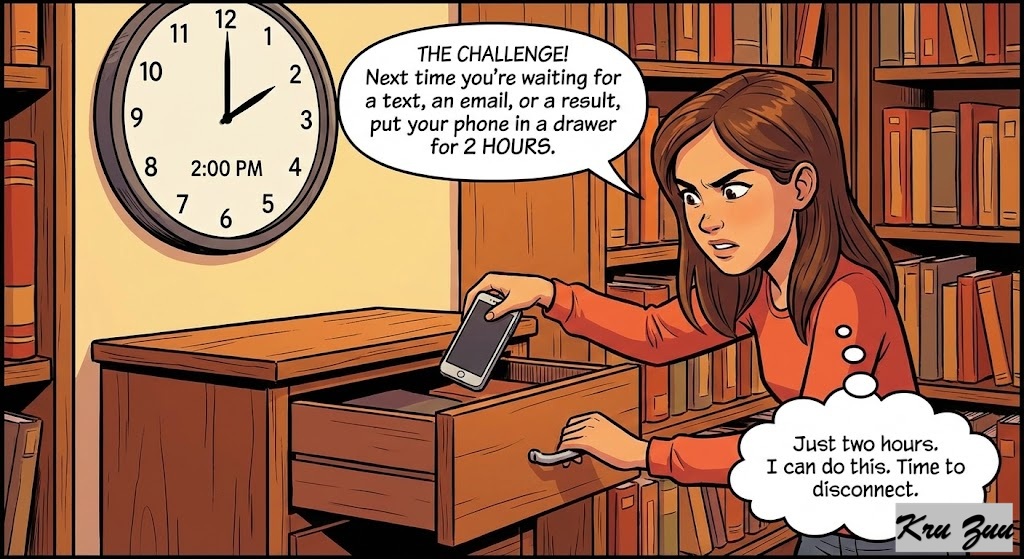
The Challenge: Next time you are waiting for a text, an email, or a result, put your phone in a drawer for 2 hours.
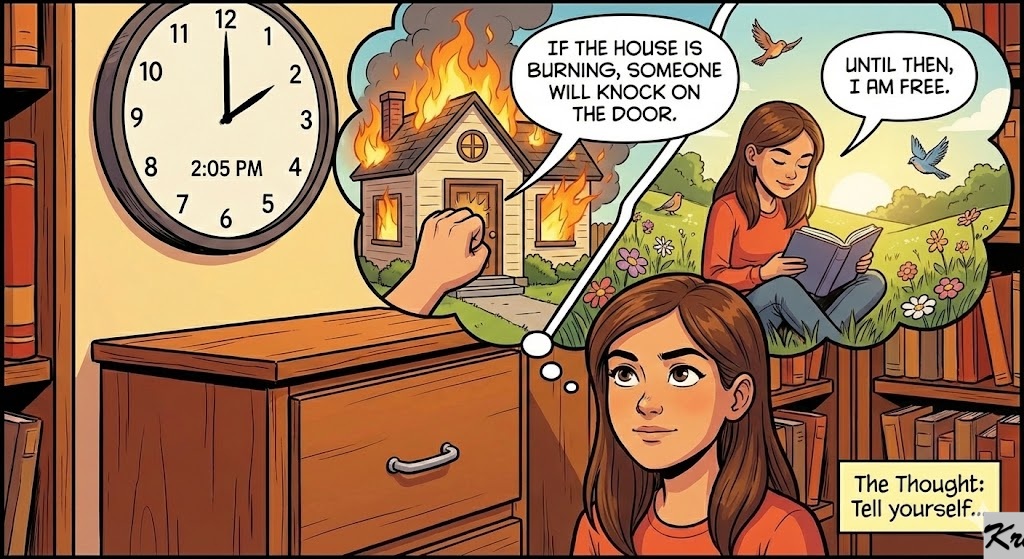
The Thought: Tell yourself: “If the house is burning, someone will knock on the door. Until then, I am free.”
👇 Question for the comments: When was the last time you worried about something that never actually happened? Did the “Villain” steal your joy? Tell us your story below!
https://www.facebook.com/BrainBattleground/
https://www.facebook.com/zubeyr.yurtkuran/
https://www.instagram.com/zubeyryurtkuran/