Tag: short-story

  • 🛡️ The Daily Shield: The Law of False Fear

    🛡️ The Daily Shield: The Law of False Fear

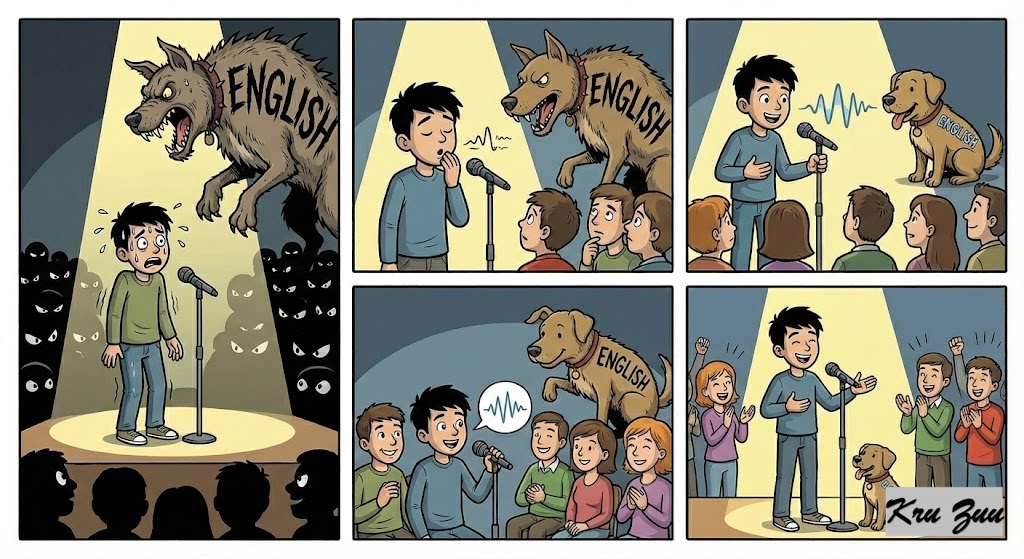
    “Barking dogs seldom bite.”


    😈 The Villain (The Intimidator)

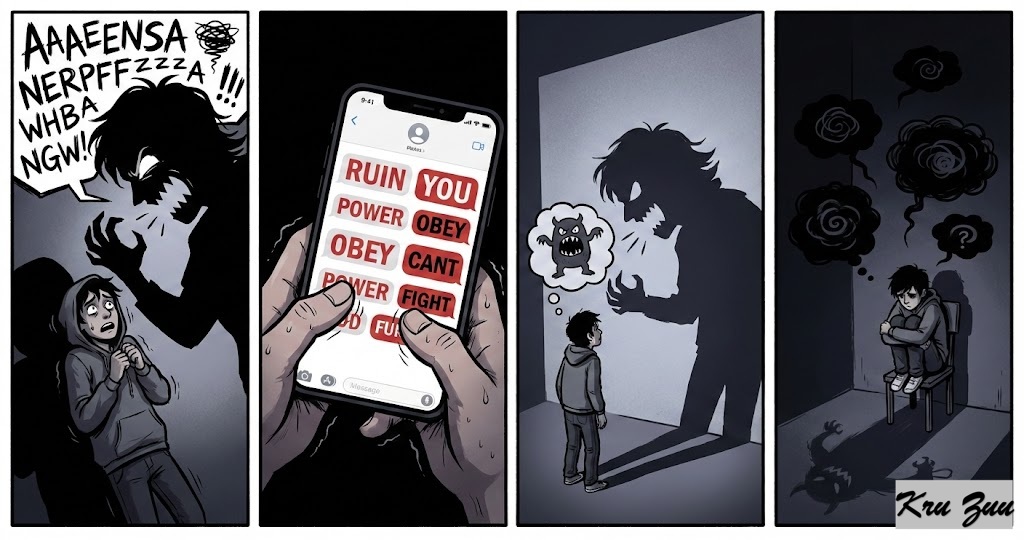
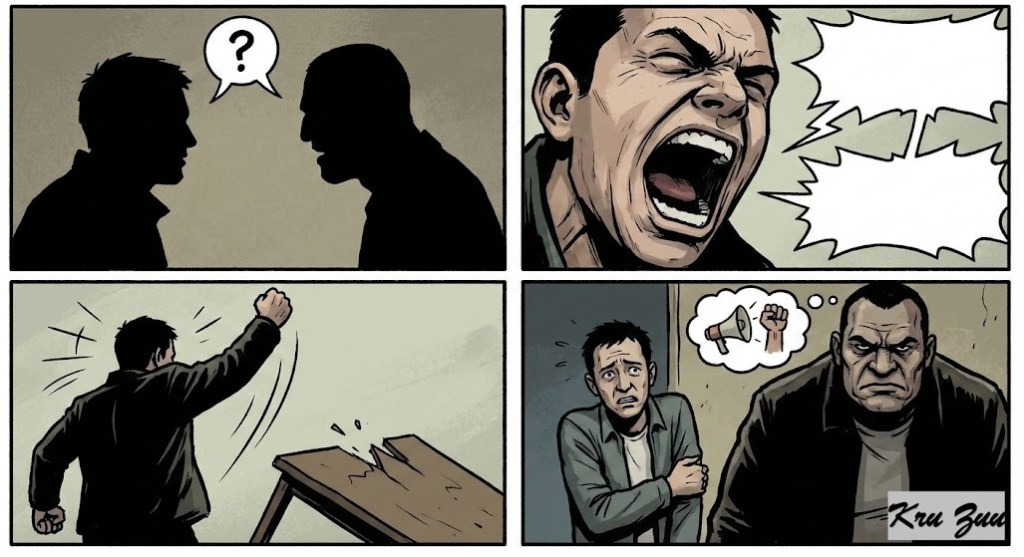
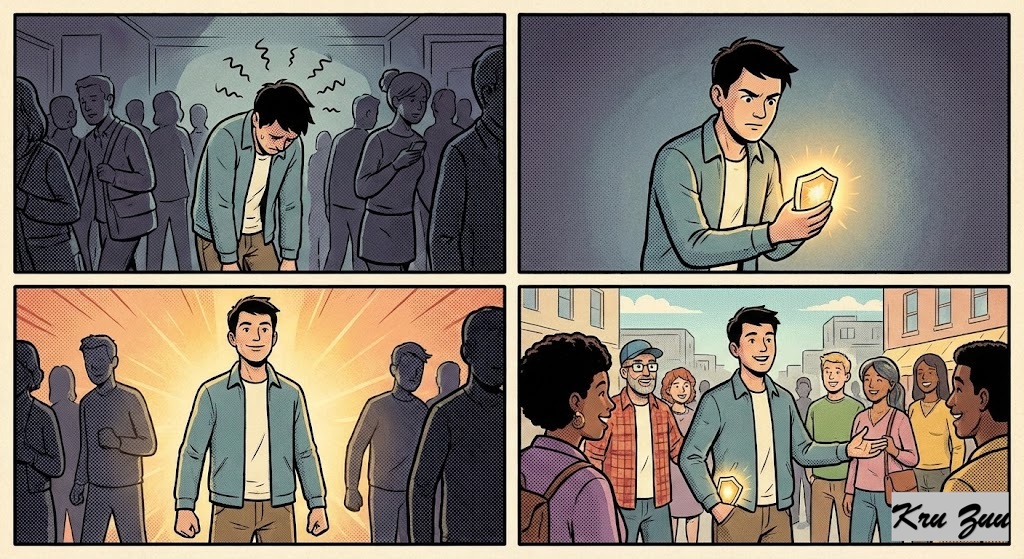
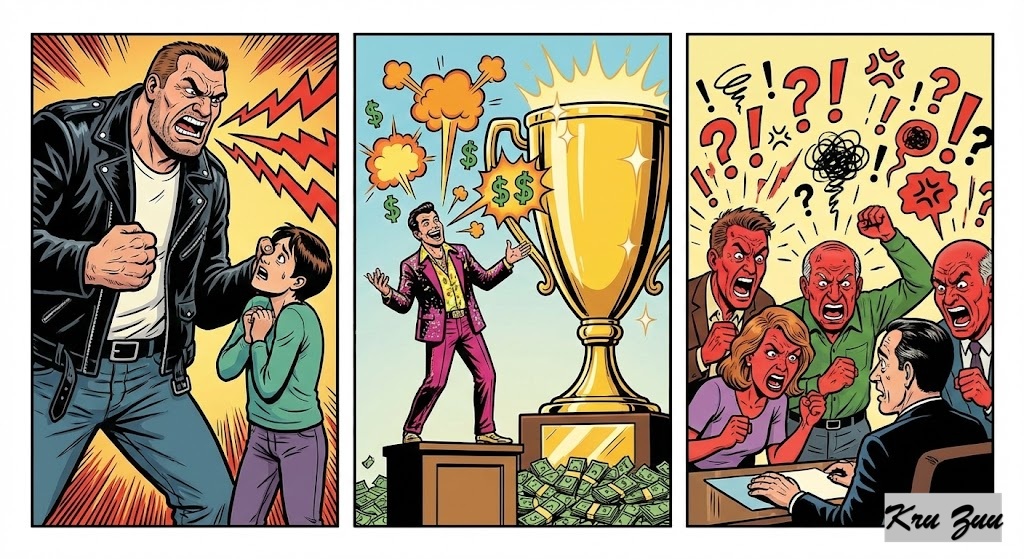
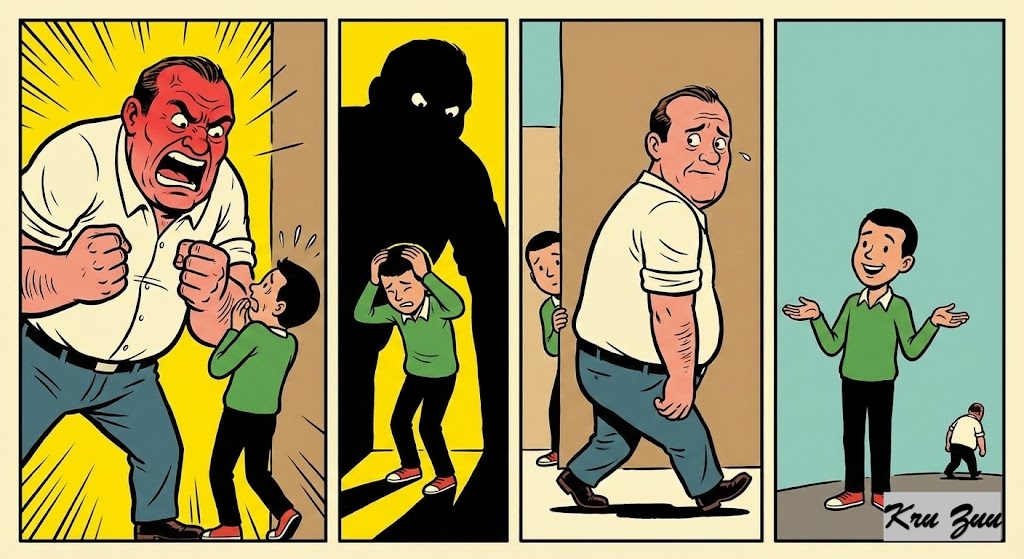
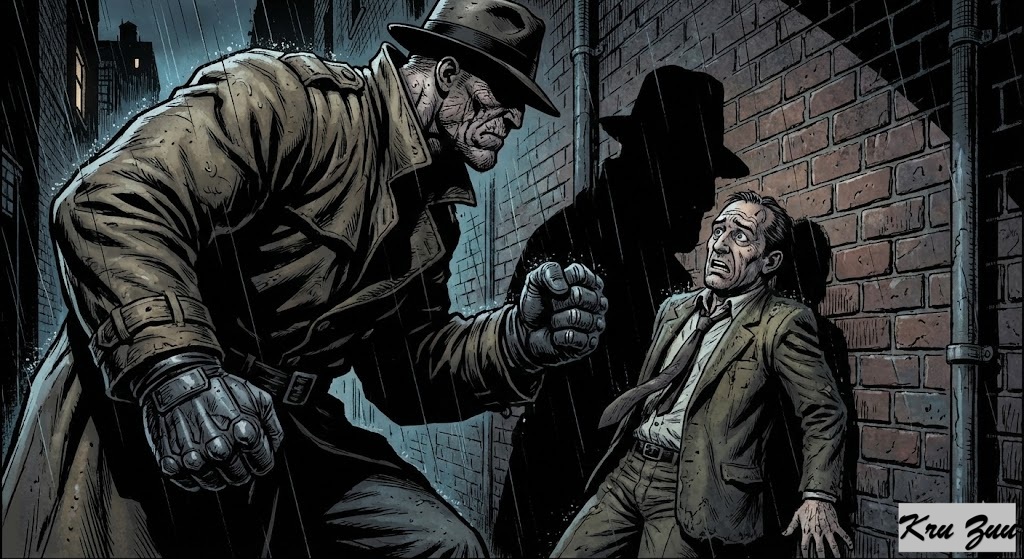
    You meet someone who screams, yells, and threatens. They type in ALL CAPS. They promise to ruin you. They brag about their power. You feel small. You feel scared. You back down because the noise is overwhelming. You let their loud voice control your actions. You live in fear of a monster that might not even exist. 🧟‍♂️


    😇 The Hero (The Stoic)

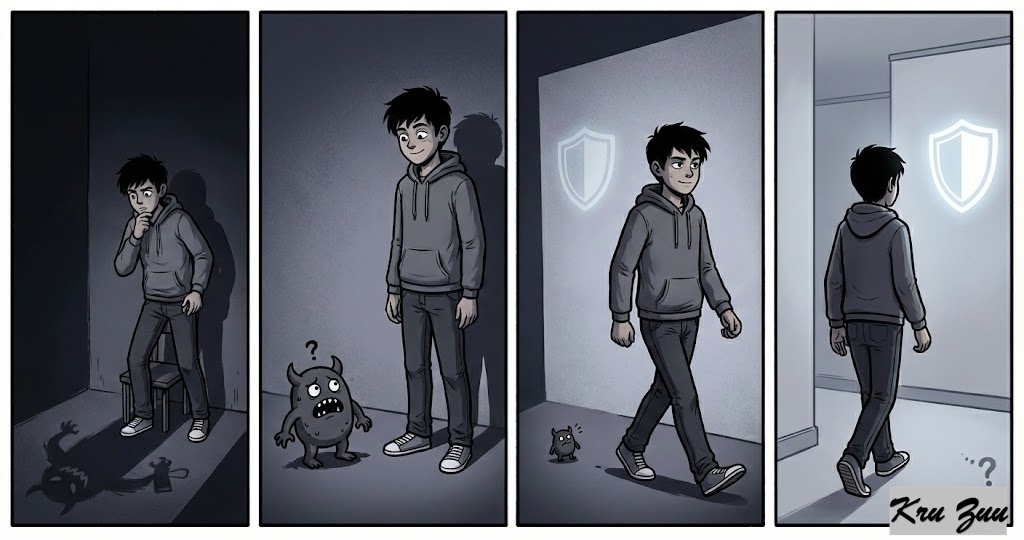
    You hear the noise. You pause. You analyze. You realize that true confidence is silent. A lion doesn’t need to bark before it attacks; it just attacks. You realize that the loudness is a mask for insecurity. You stand your ground. You smile. You walk past the noise untouched. 🛡️

    ⚖️ The Reality


    Noise is not power. Usually, the people (or problems) that make the most noise have the least power. They use volume to hide their weakness. Fear is a shadow, it looks huge on the wall, but the object casting it is tiny.


    💎 The Secret

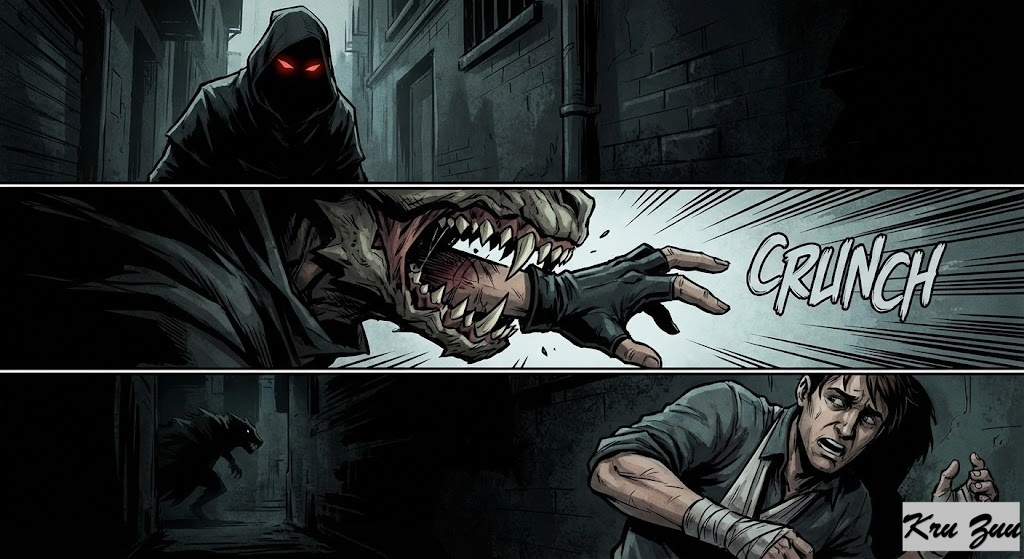
    Real danger usually comes silently. If something is “barking” at you, it is usually too busy making noise to actually hurt you.

    🧐 The Anatomy of the Proverb


    This is the ultimate weapon against social anxiety and intimidation.

    Barking (Participle/Adjective):
    The sound a dog makes. Here, it represents threats, bragging, or loud complaints. 🐕

    Seldom (Adverb): Rarely; almost never. (This is a fancy word!)


    Bite (Verb): To inflict injury. The actual action/danger.

    Simpler Version: People who threaten you usually don’t take action.

    📚 Vocabulary Vault


    Intimidation (Noun): The act of making someone afraid or timid. 😨

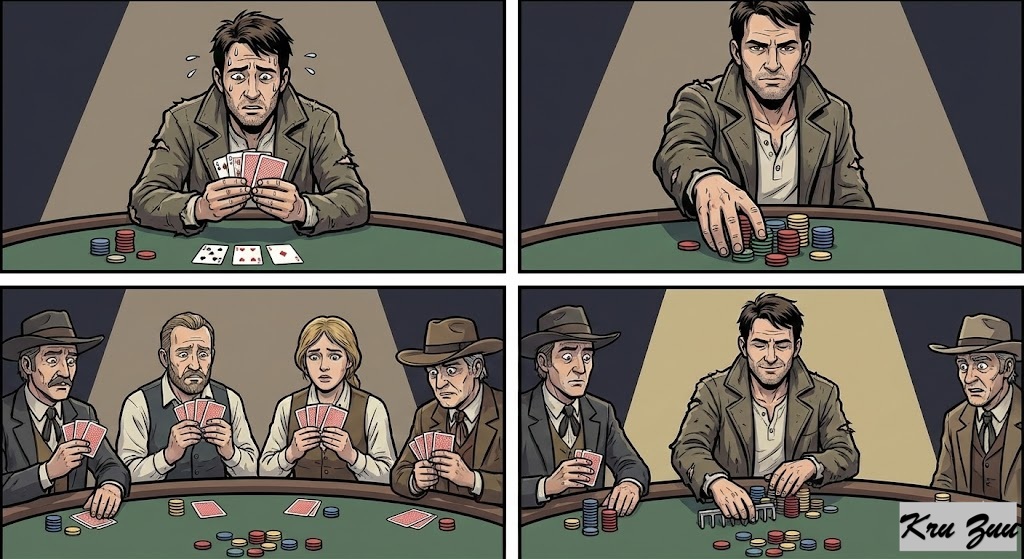
    Bluff (Verb/Noun): To try to deceive someone as to one’s abilities or intentions (Fake power).

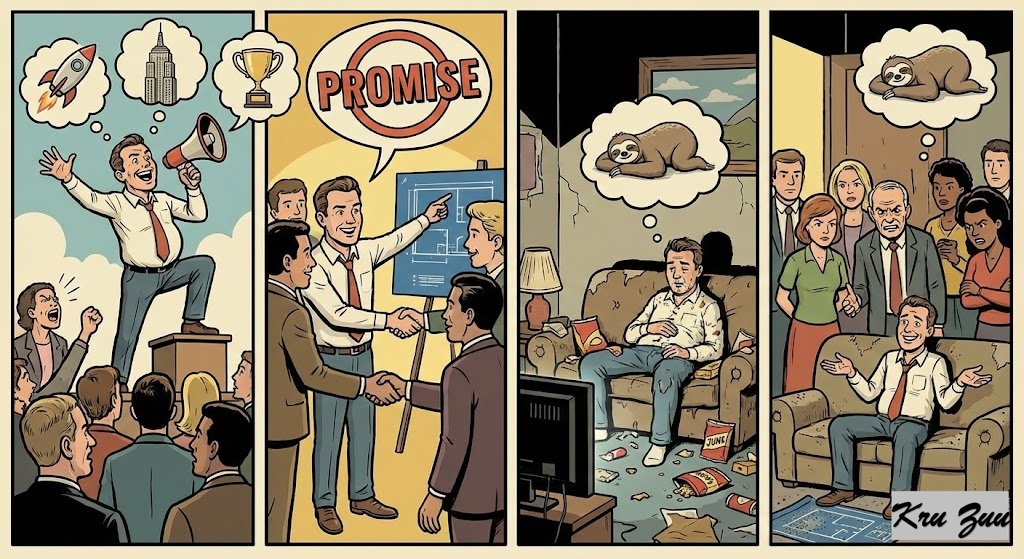
    All talk and no action (Idiom): Someone who talks about doing big things but never does them.

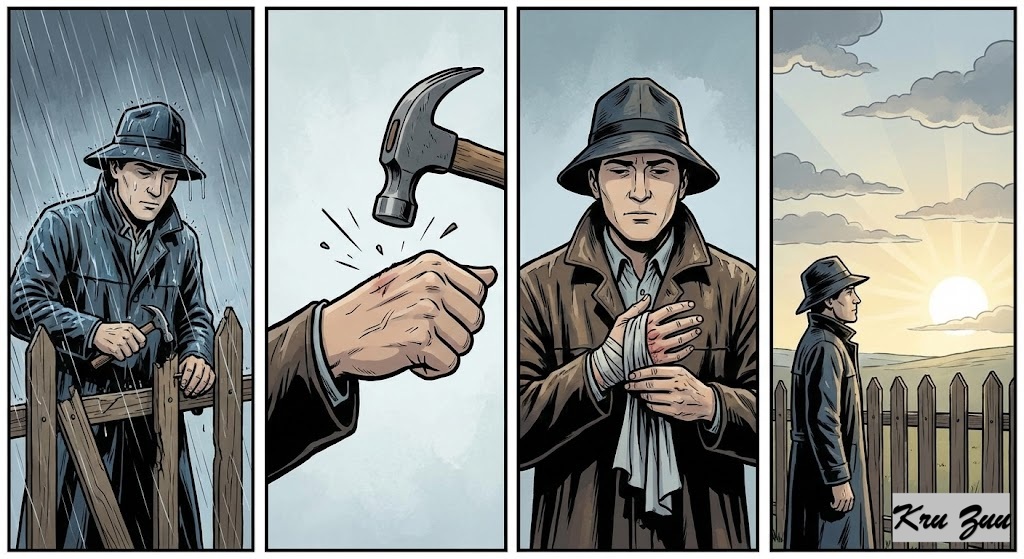
    Stoic (Adjective): A person who can endure pain or hardship without showing their feelings or complaining. 🗿

    Seldom (Adverb): Not often; rarely.
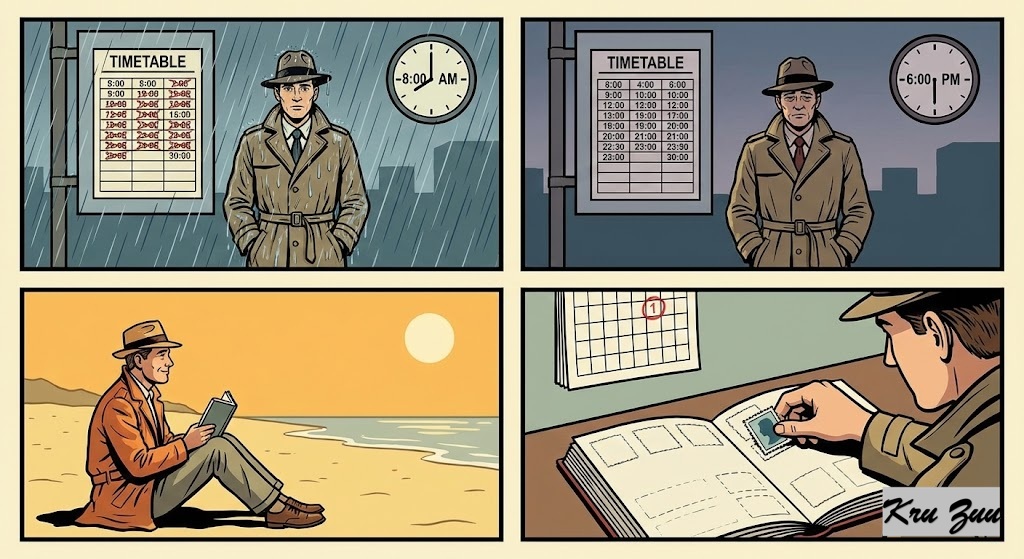

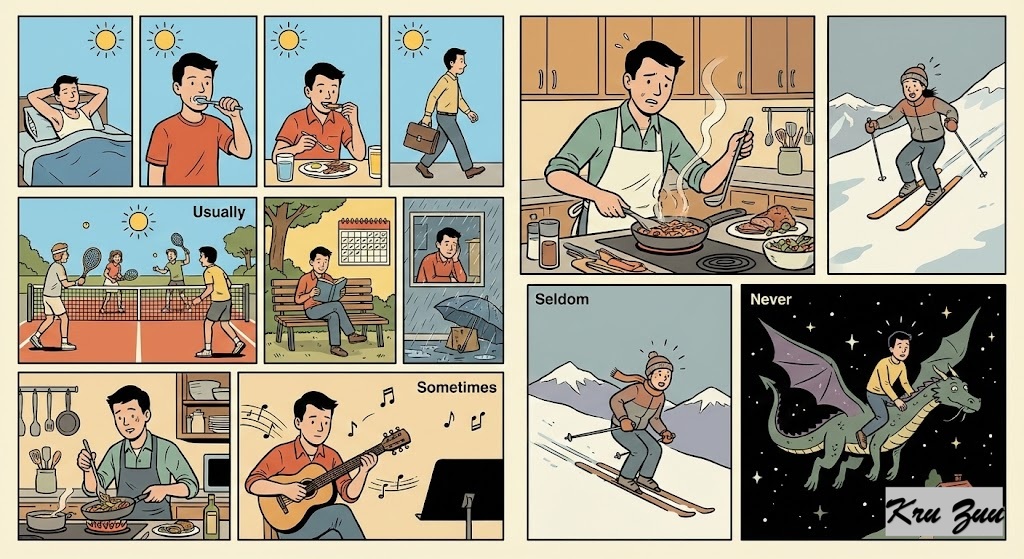
    🧠 Grammar Focus: Adverbs of Frequency


    This proverb uses a “negative” frequency adverb.


    The Scale of Frequency


    100% – Always
    80% – Usually
    50% – Sometimes
    10% – Seldom / Rarely 📉
    0% – Never

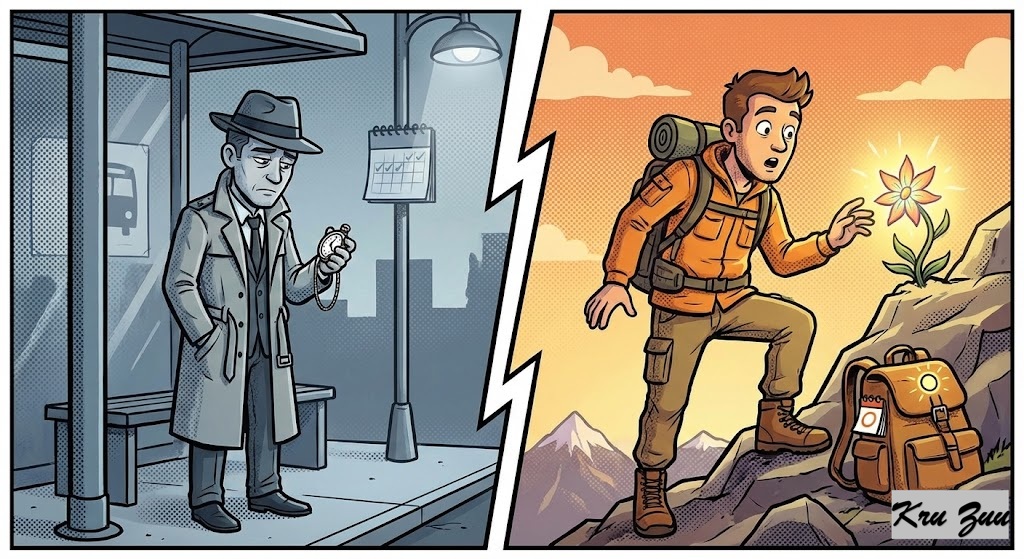
    Style Note: “Seldom” vs. “Rarely”

    Rarely: Common in daily speech. “I rarely eat sushi.”
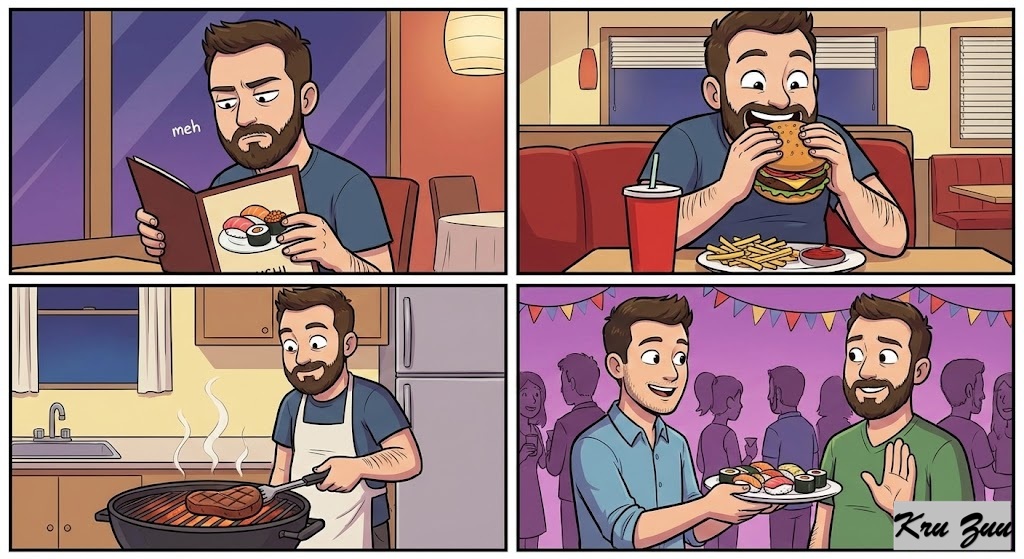

    Seldom: More formal, literary, or poetic. “He seldom speaks of his past.”
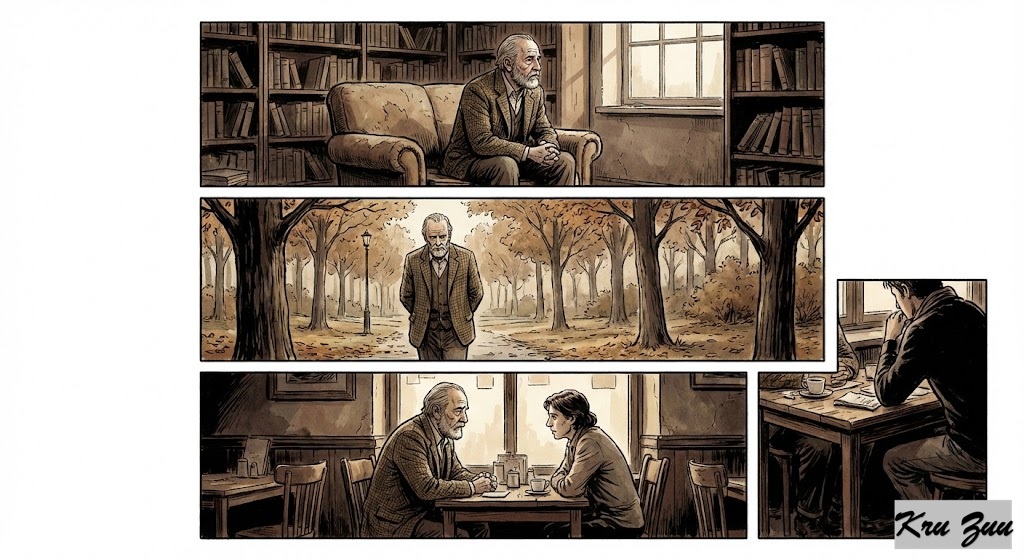

    Pro Tip: Use “Seldom” in writing to sound sophisticated. Use “Rarely” in coffee shops.
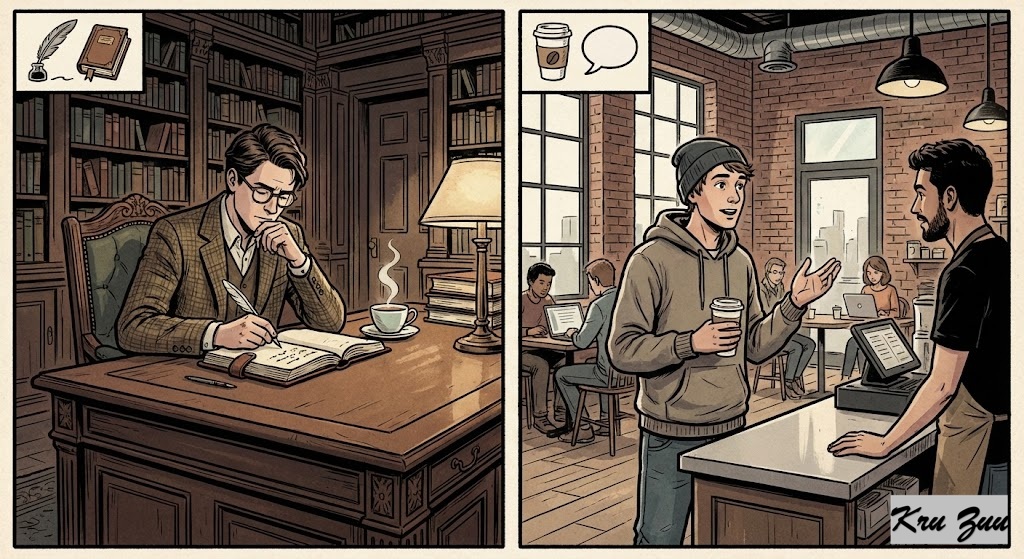
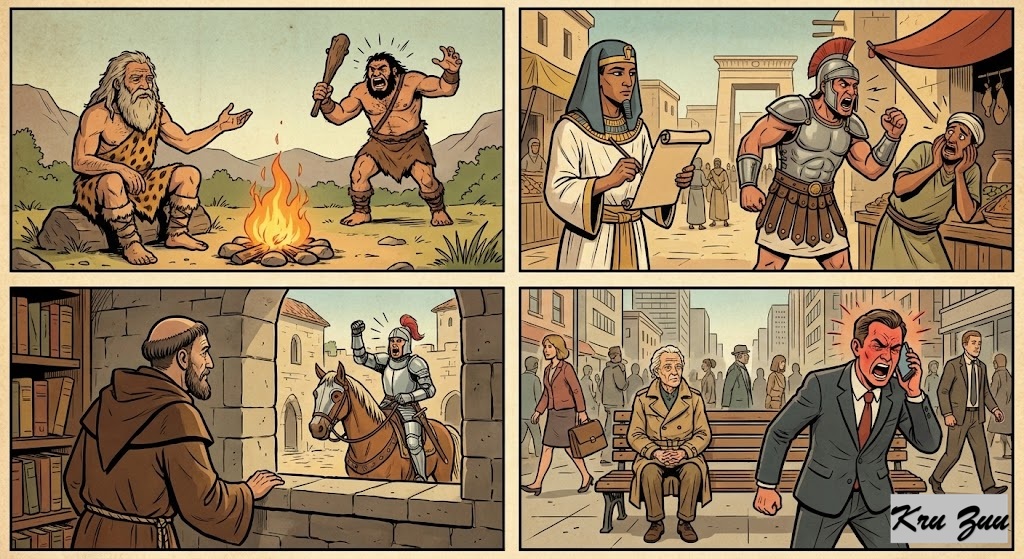
    📜 History: Origin and Spread


    This wisdom is ancient because loud, scary people have existed forever.

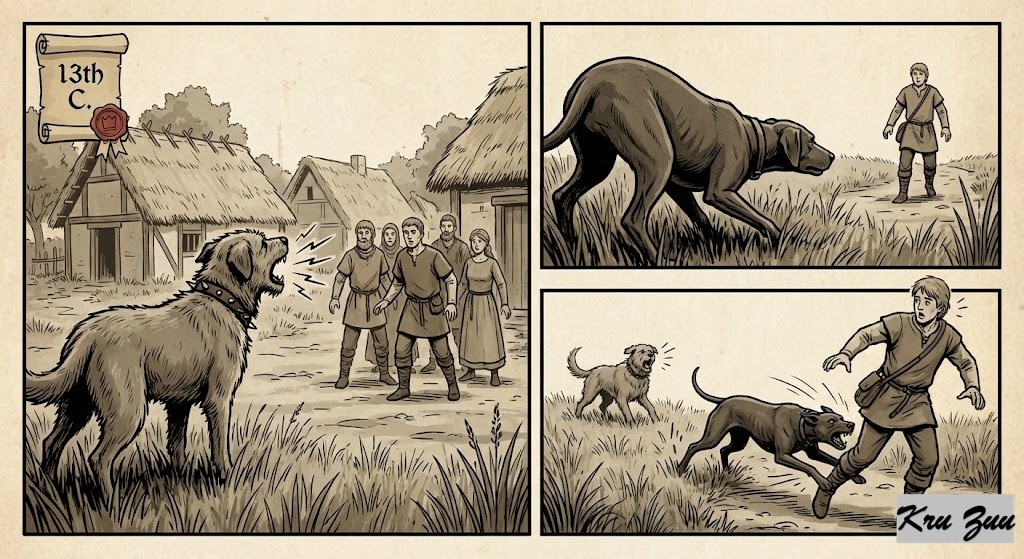
    The Origin: It first appeared in written records in the 13th century! It comes from the observation of village dogs. The dog that stands back and barks is warning you; the dog that wants to kill you runs silently to bite.

    Global Cousins


    🇹🇷 Turkish:
    “Havlayan köpek ısırmaz.” (Exactly the same!)
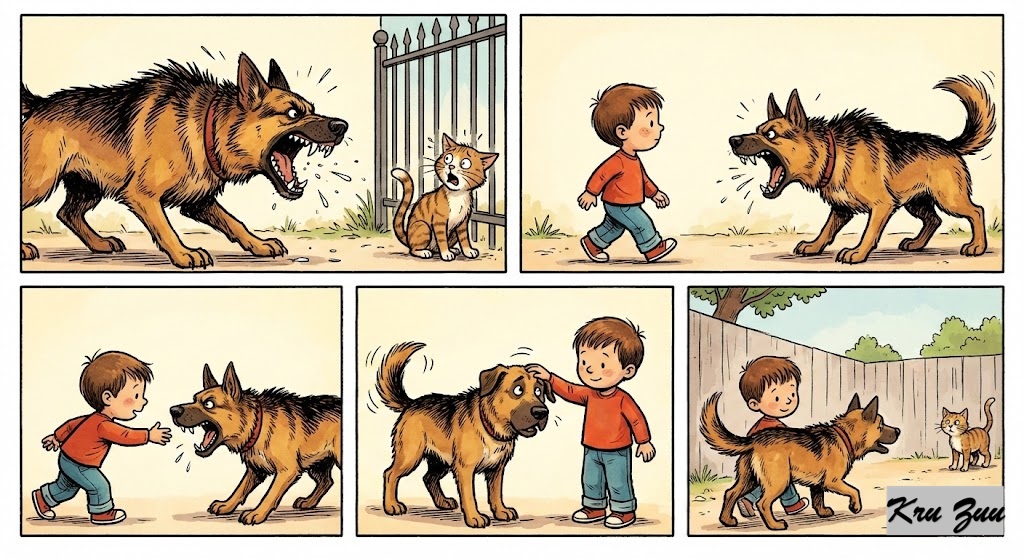

    🇪🇸 Spanish: “Perro que ladra no muerde.” (The dog that barks doesn’t bite.)
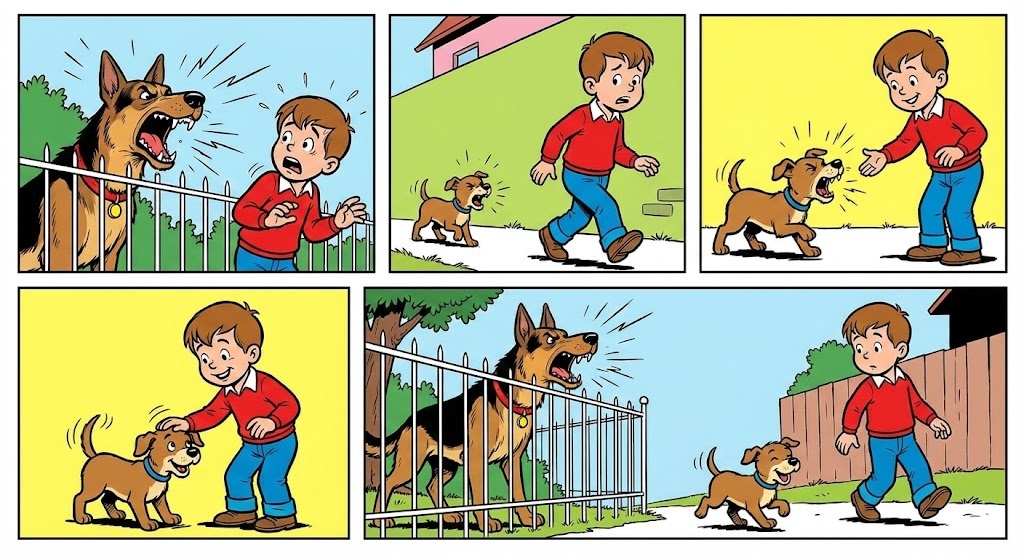

    🇮🇹 Italian: “Can che abbaia non morde.”
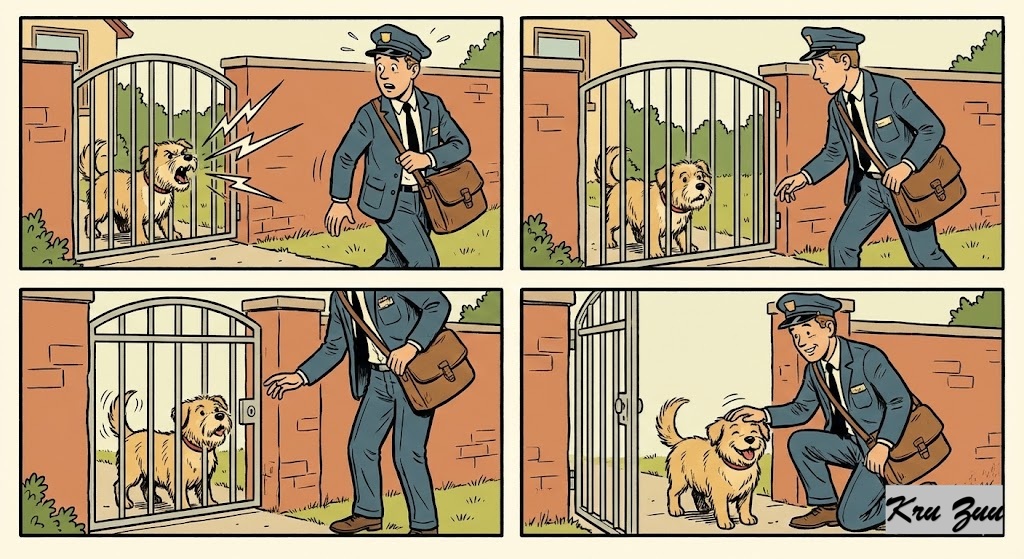

    🇷🇺 Russian: “Sobaka layet, veter nosit.” (The dog barks, but the wind carries it away.)
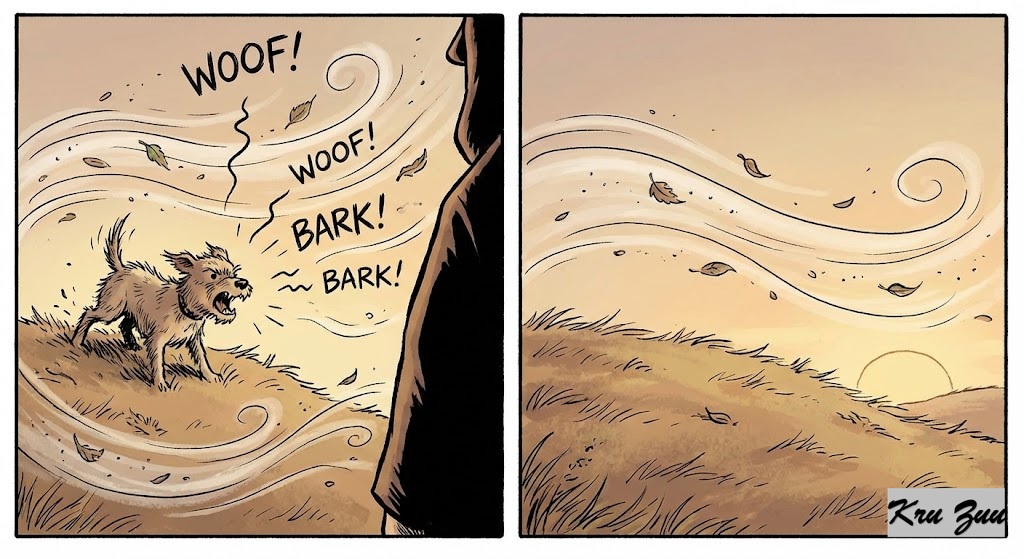
    🎯 Impact on Life: The Pros & Cons


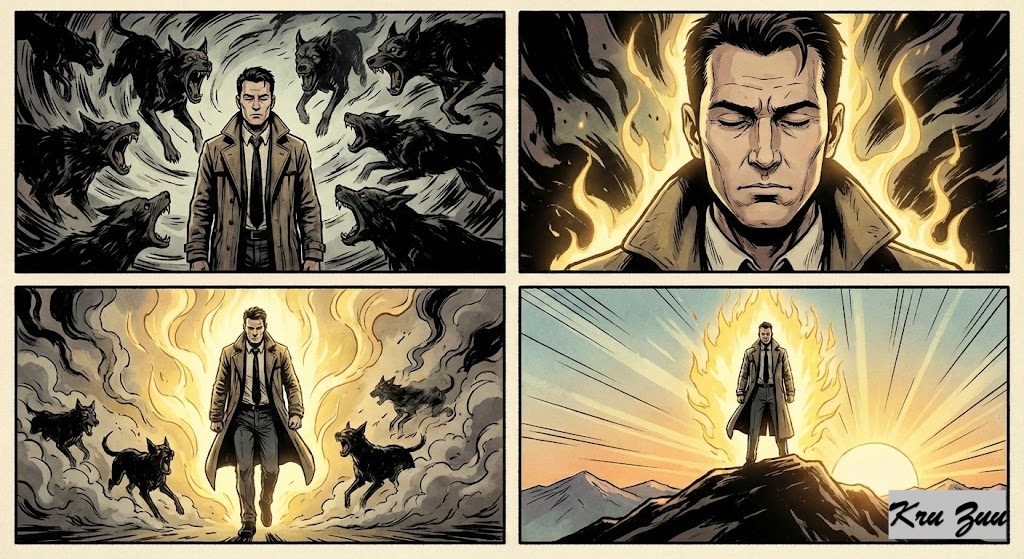
    ✅ The Pros (Emotional Armor)


    Confidence:
    When you ignore the “barking,” you keep your power.

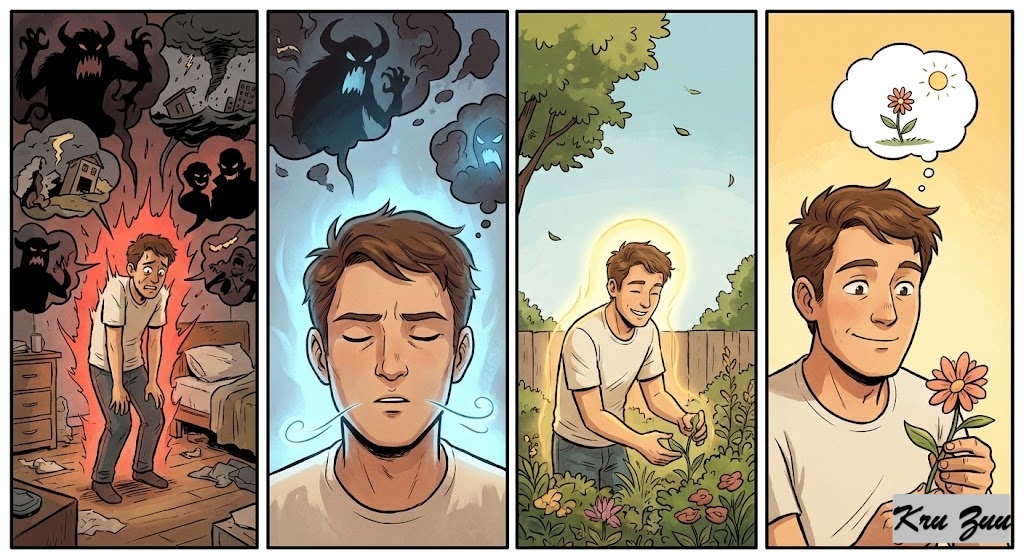
    Focus: You stop wasting energy worrying about threats that will never happen.

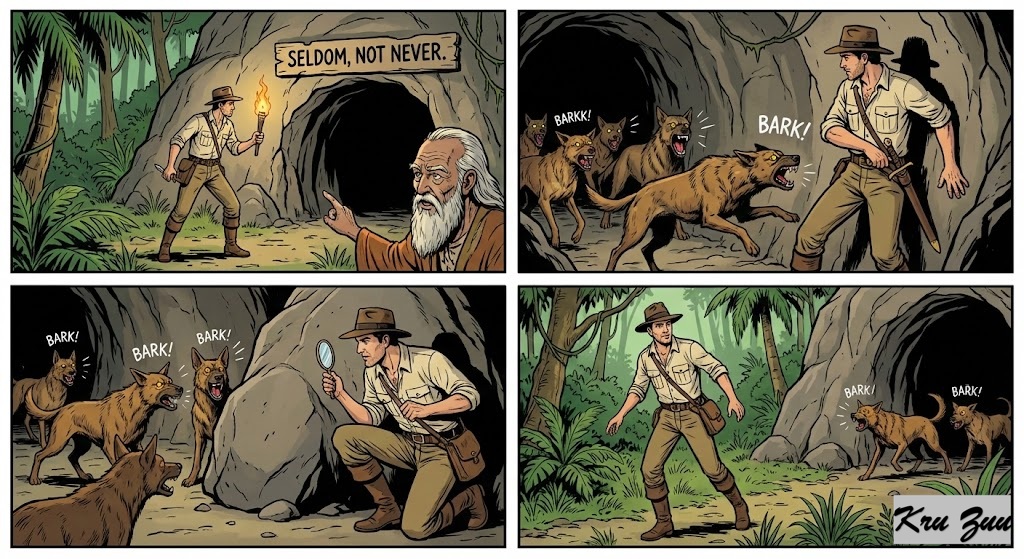
    ❌ The Cons (Don’t be naive)


    Caution:
    The proverb says seldom, not never. Be brave, but don’t be stupid. Some dogs bark and bite. Assess the situation carefully.
    🎭 Short Story: The Monster in the Garden

    Let’s visit a farm with three very different friends.
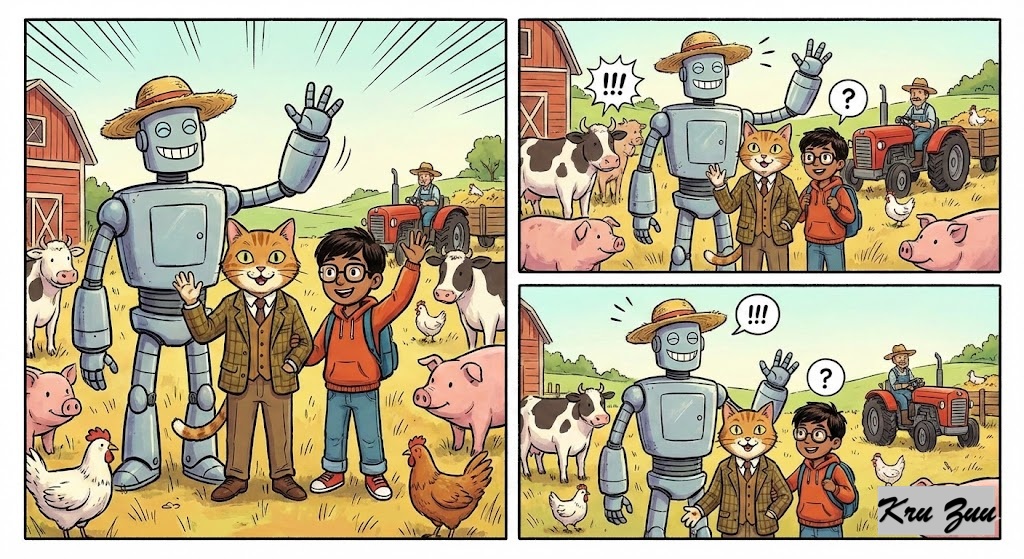

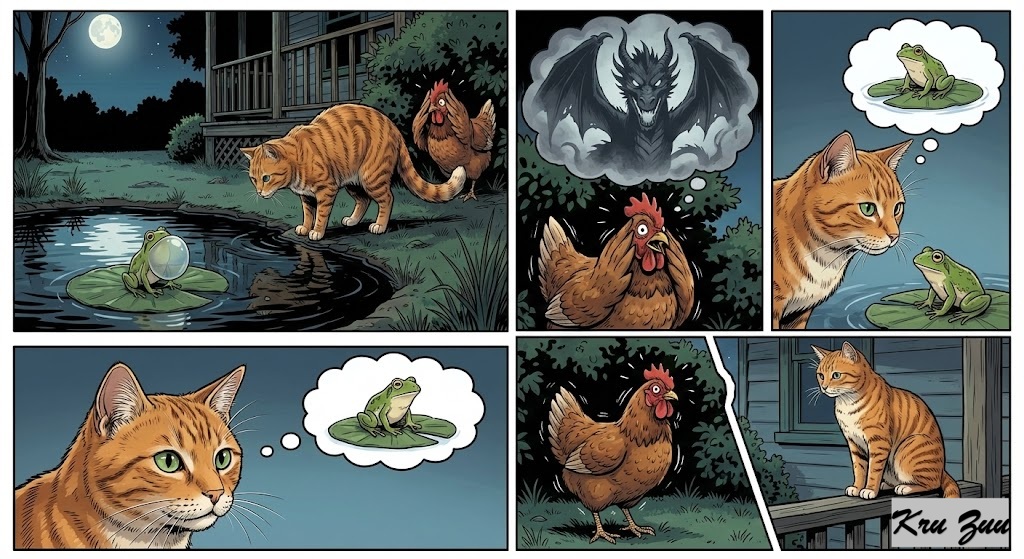
    🌟 The Setup: It is midnight. A terrifying, deep, rhythmic sound comes from the garden pond. CROAK. CROAK. CROAK. It sounds like a dragon.
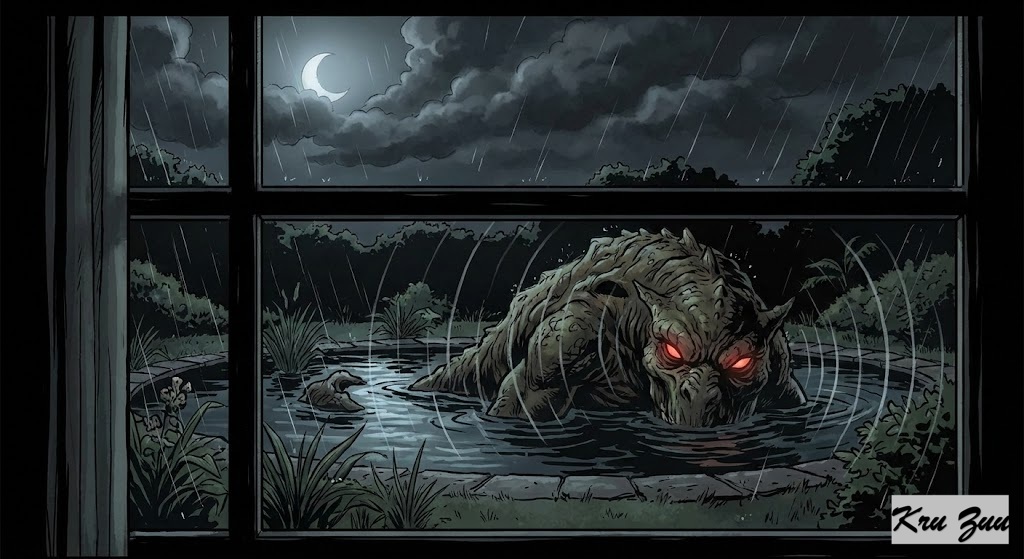

    🐔 The Chicken (The Worrier): The Chicken is shaking. Feathers are flying everywhere. “It’s a monster!” she screams. “It sounds huge! It’s going to eat us all! We need to run to the next village! We are doomed!” The Chicken hides under the porch, trembling. She lets the noise paralyze her.


    🐱 The Cat (The Observer): The Cat opens one eye. She stretches slowly. She listens to the volume, but she also listens to the fear in the sound. “Relax, Chicken,” the Cat purrs. “That is a lot of noise. Dangerous things don’t announce themselves like that.”
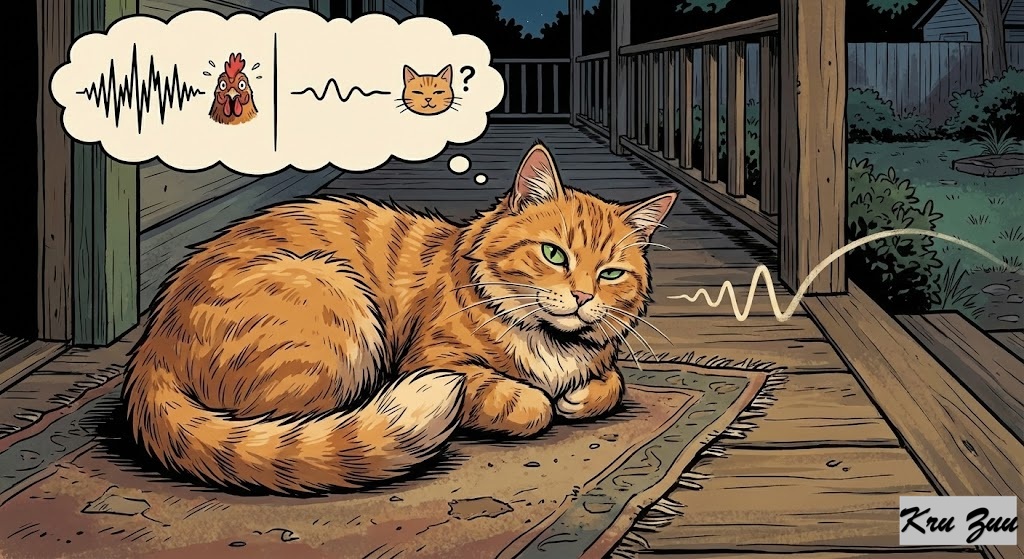

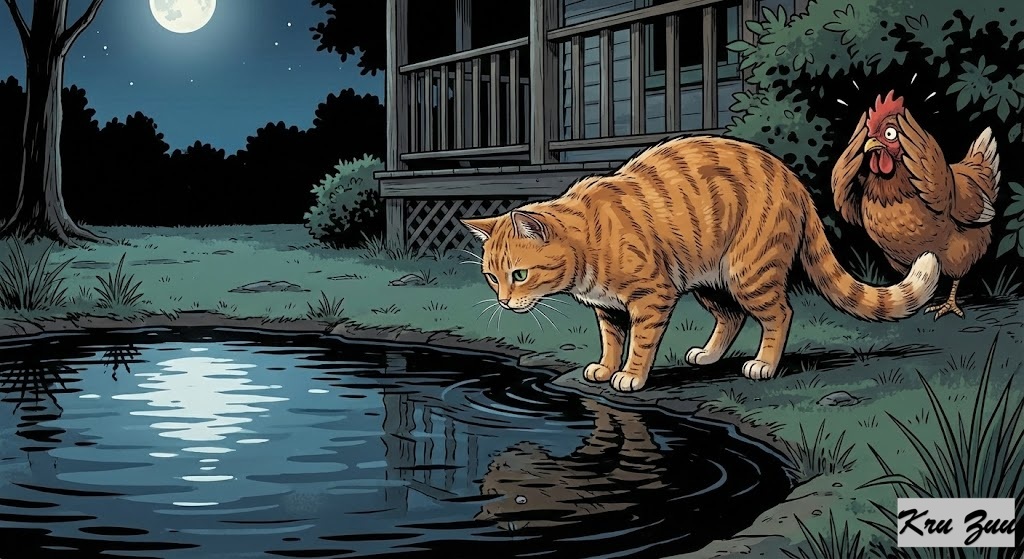
    The Climax: The Cat walks coolly to the edge of the pond. The Chicken watches through her wings, terrified. The Cat peers into the darkness.

    There, sitting on a lily pad, is The Frog. 🐸 It is a tiny frog, no bigger than a spoon. It puffs its throat out huge—CROAK!—trying to look scary because it is afraid of the dark.
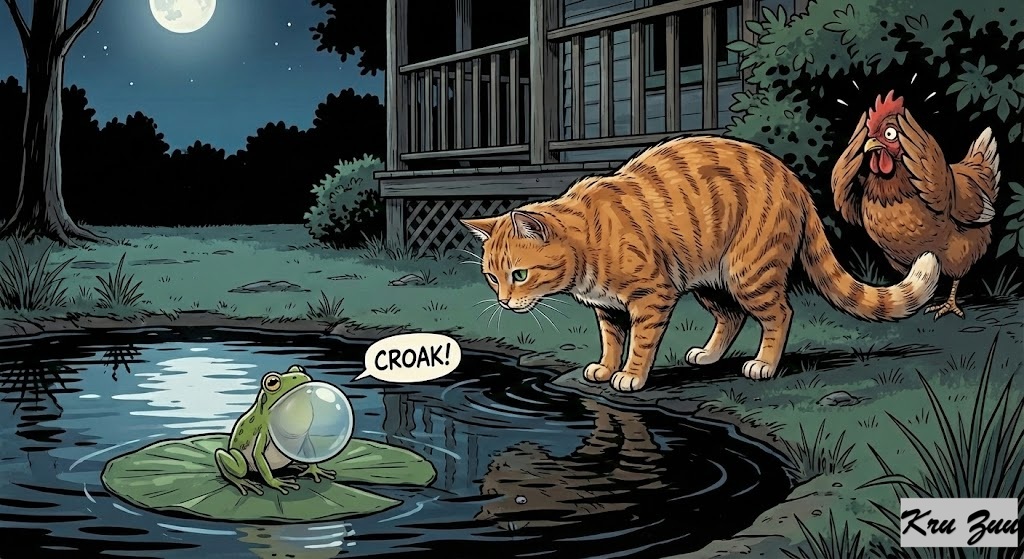

    The Moral: The Chicken heard a dragon. The Cat saw a scared little frog. The loudest threats often come from the smallest people. Don’t be a Chicken. Be a Cat. 🐈
    🎓 Lesson for English Learners


    Don’t Fear the “Barking” of English.
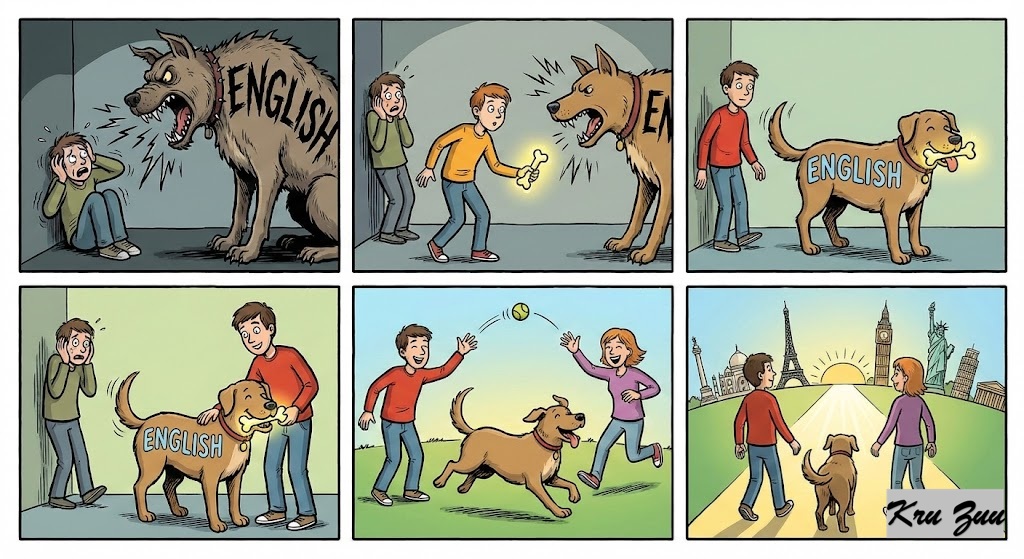

    Situation: You see a long, complex grammar rule (like the Future Perfect Continuous). It looks scary. It looks difficult.
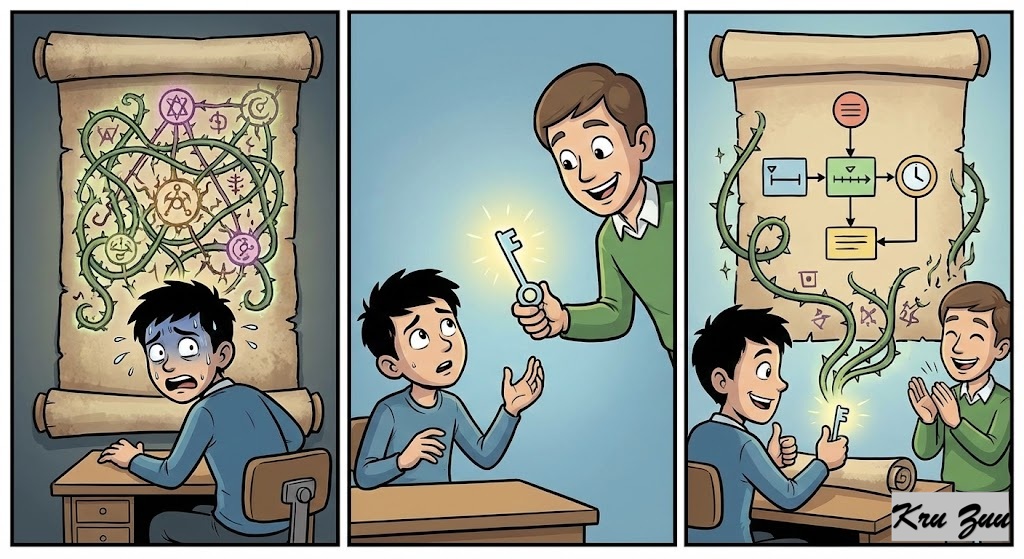

    You Say: “This grammar is just a barking dog. It looks big on the page, but once I analyze it, it can’t hurt me. It’s actually quite simple.”
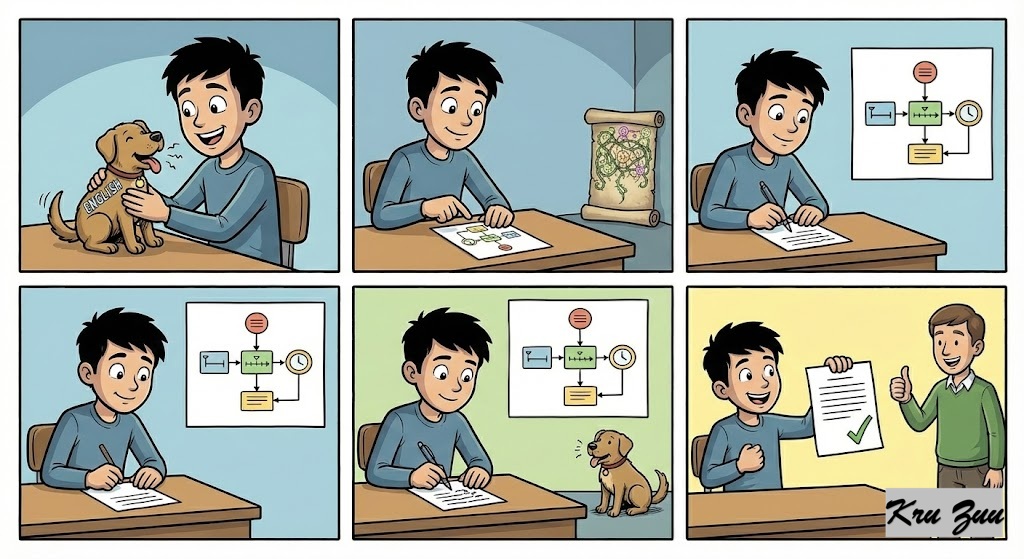

    Situation: A native speaker talks very fast. You panic.


    You Say: “Their speed is just noise. I will ask them to slow down. I won’t let the speed intimidate me.”
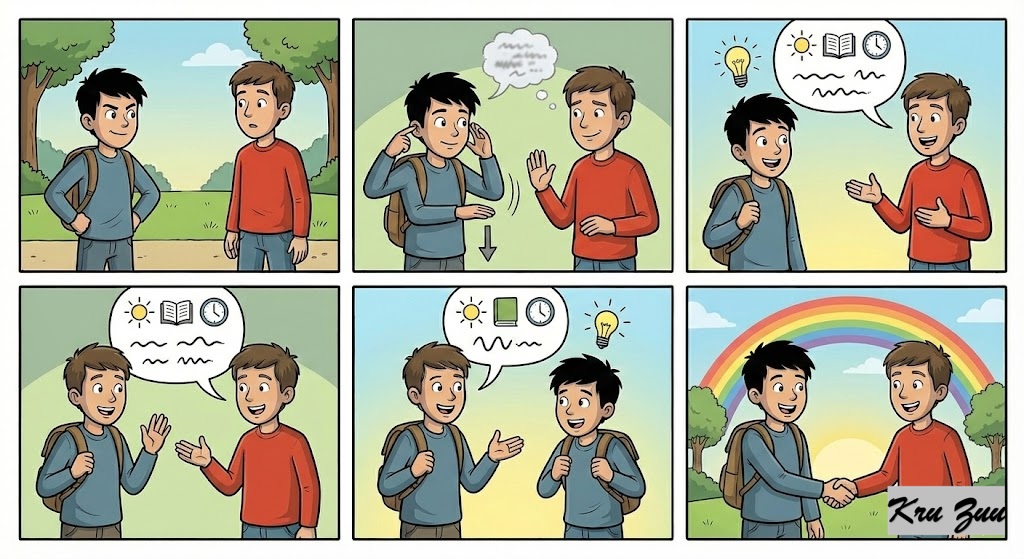

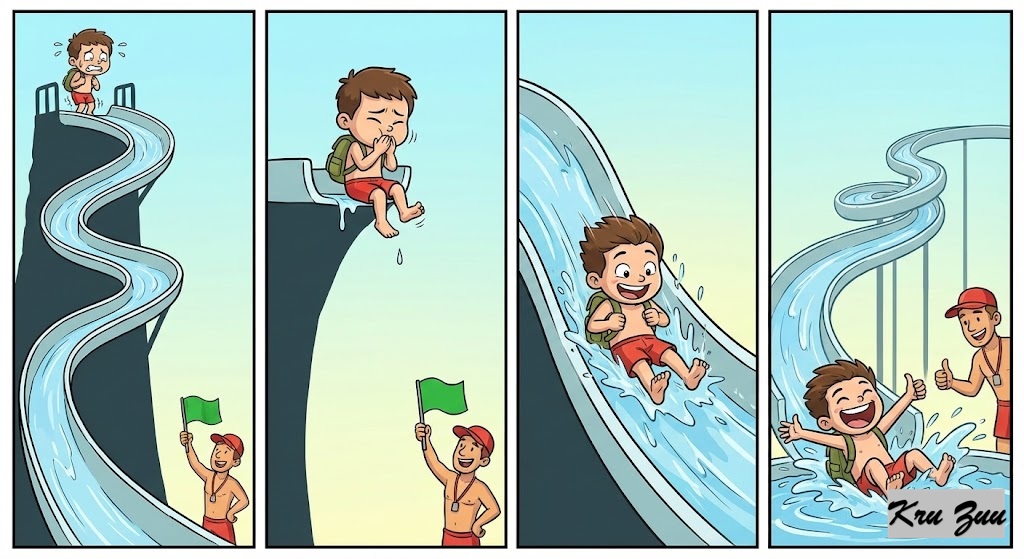
    💬 Your Turn: The Fear Test 🚀


    The Challenge:
    Think of a situation where you were scared of something that turned out to be easy.

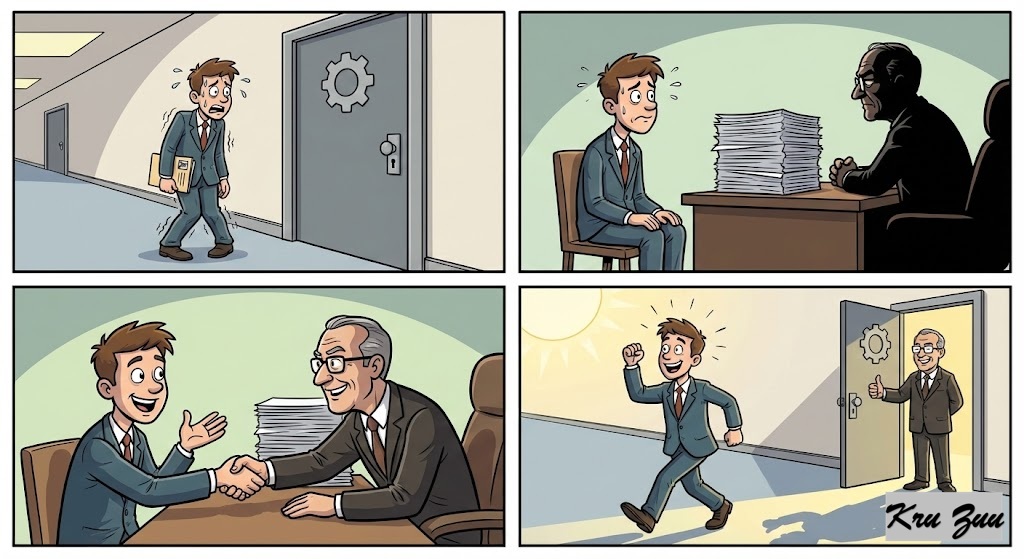
    Was it a job interview?

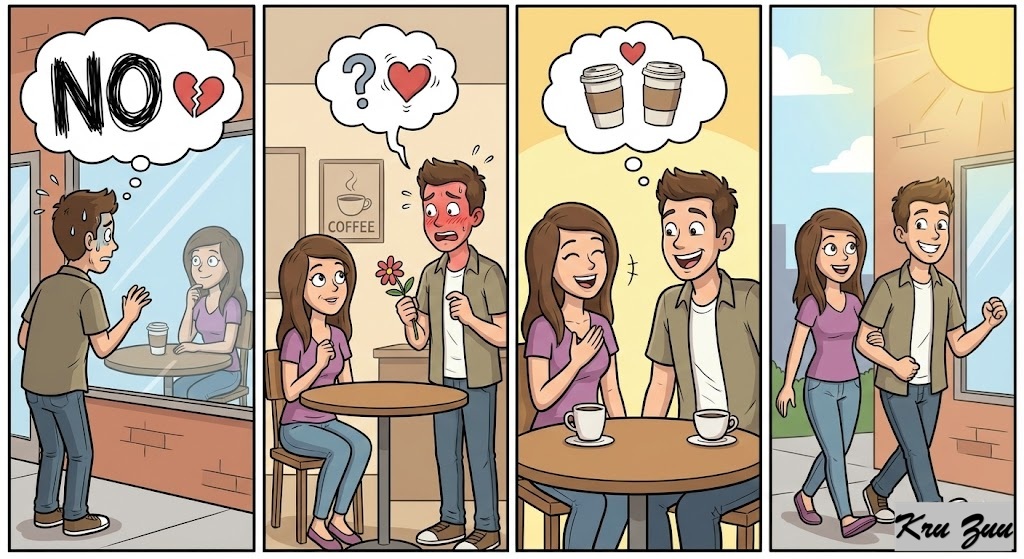
    Was it asking someone on a date?

    Was it speaking English in public?

    Question:
    What is a “Barking Dog” in your life right now? Something that makes a lot of noise but isn’t actually dangerous? Tell us in the comments! 👇

    By Zubeyir YURTKURAN

    https://www.facebook.com/BrainBattleground/

    https://www.facebook.com/zubeyr.yurtkuran/

    https://www.instagram.com/zubeyryurtkuran/

    https://www.youtube.com/@BrainBattleground-b3p

    https://www.instagram.com/brainbattleground/

  • 🛡️ The Daily Shield: The Law of Loyalty

    🛡️ The Daily Shield: The Law of Loyalty

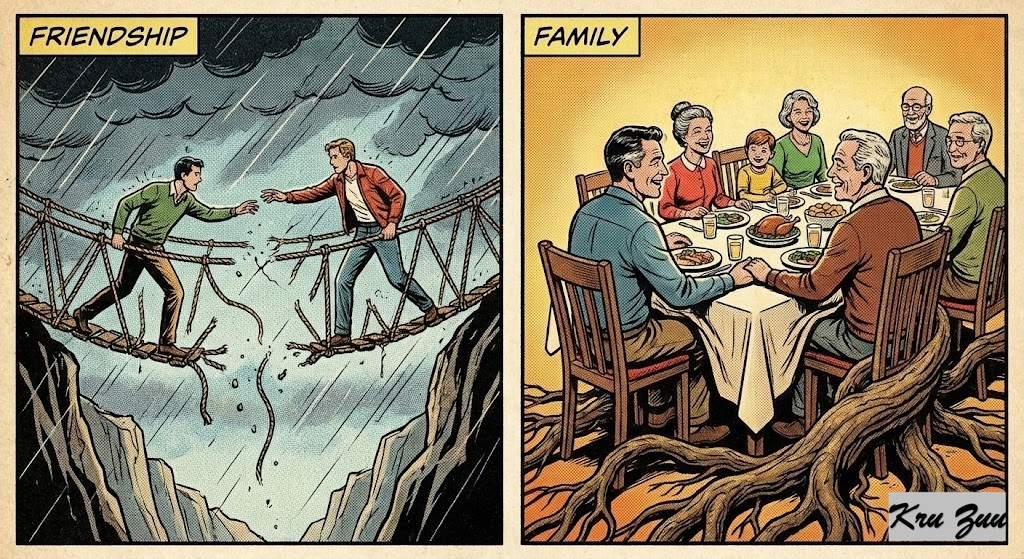
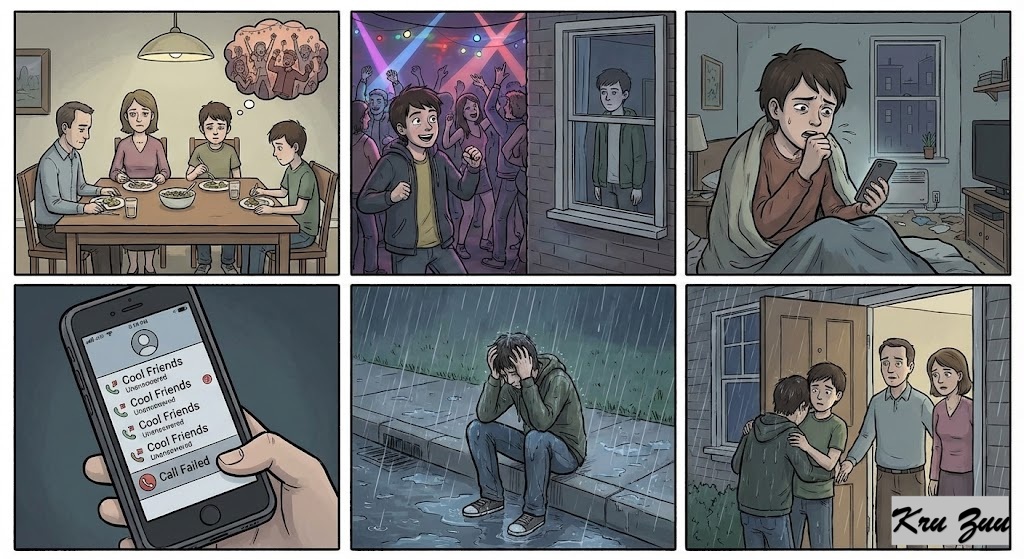
    “Blood is thicker than water.”


    😈 The Villain (The Fair-Weather Friend)


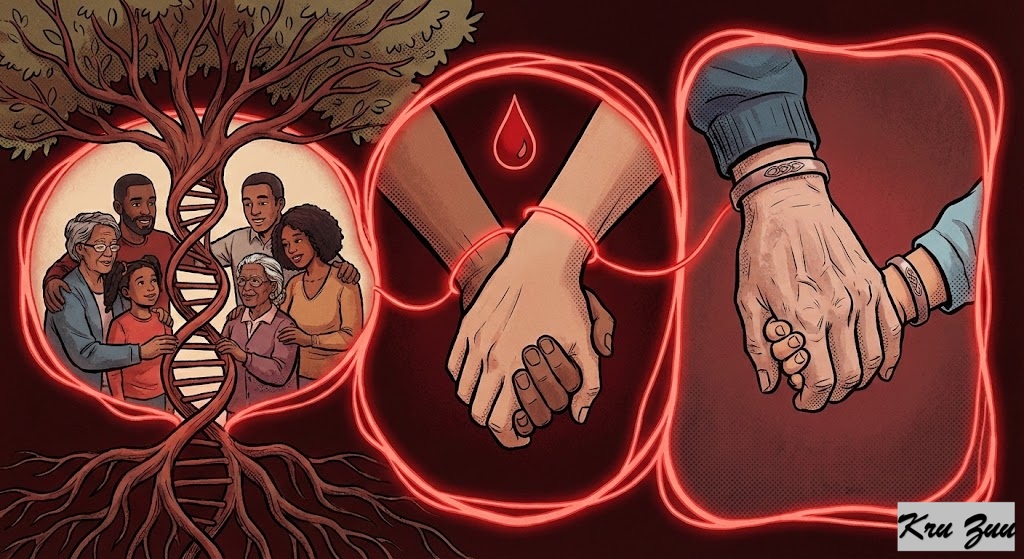
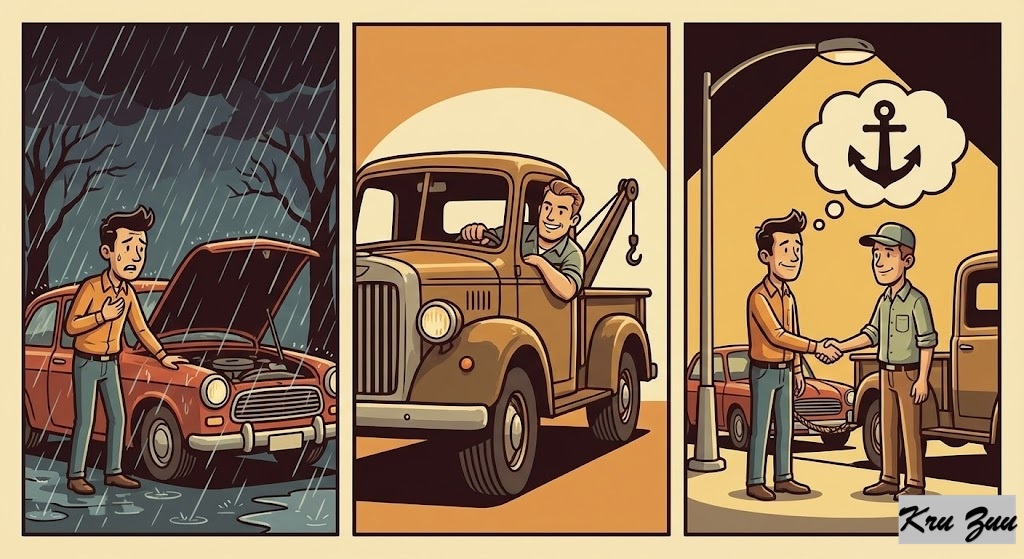
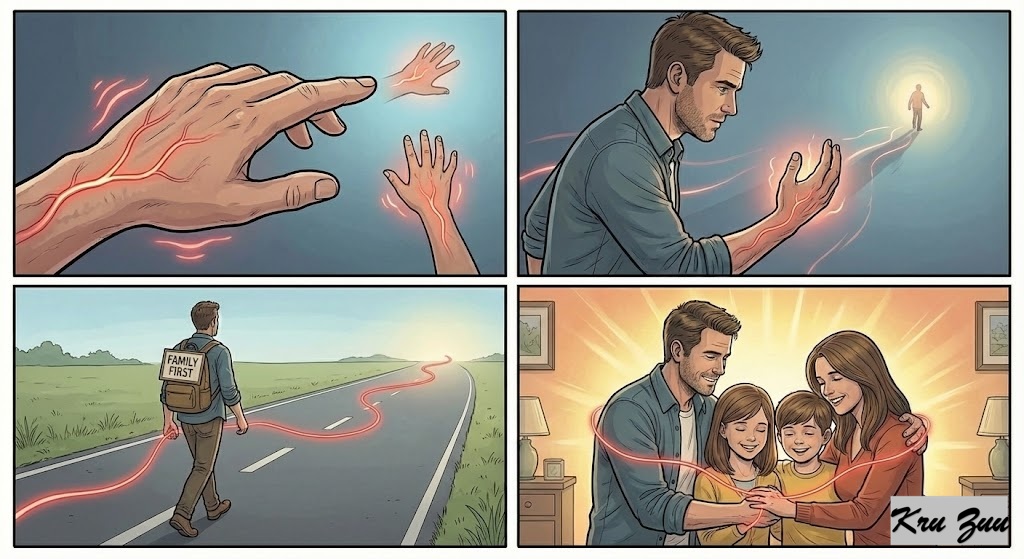
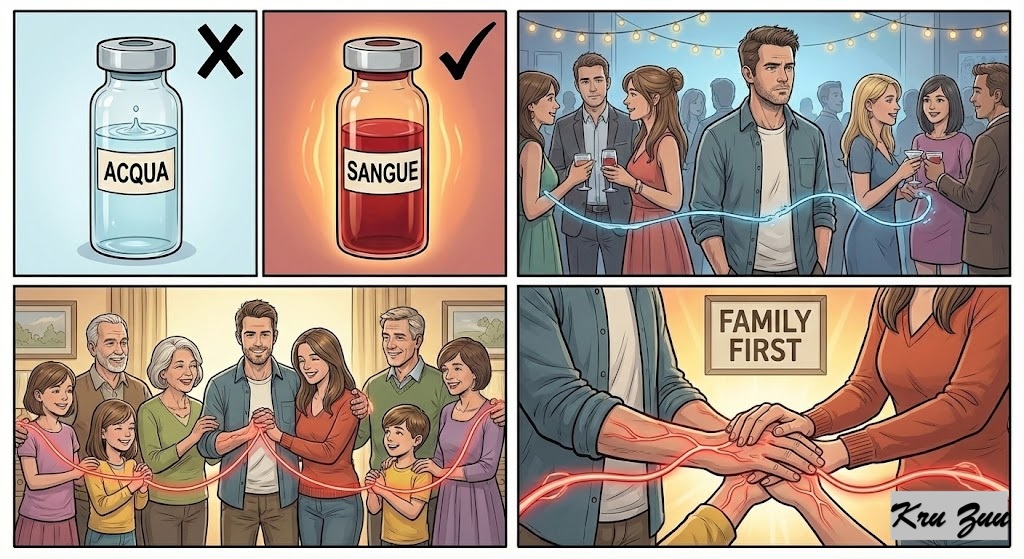
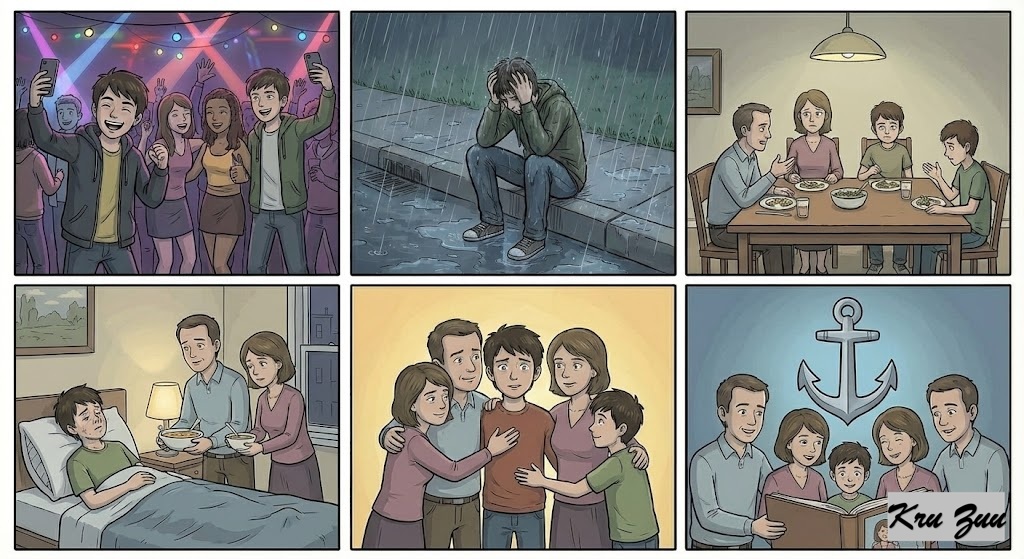
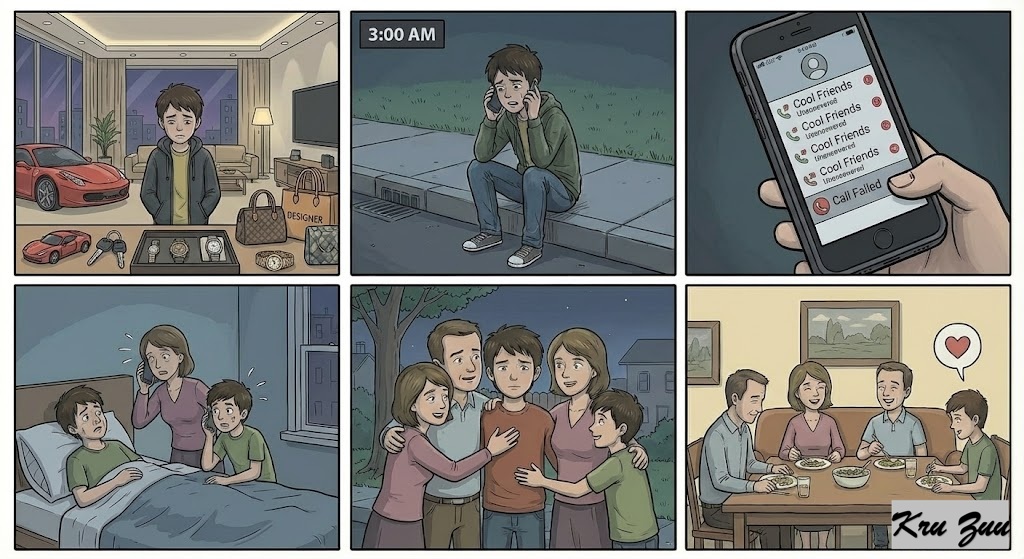
    You have a family dinner planned, but a new friend invites you to a cool party. You think, “My family is boring. I see them every day.” You ditch your brother to hang out with people who don’t even know your middle name. When you lose your job or get sick, you call those “cool friends.” No answer. They are busy. You are left alone in the rain. You chased the “water” and ignored the “blood.” 🌧️


    😇 The Hero (The Loyal Guardian)


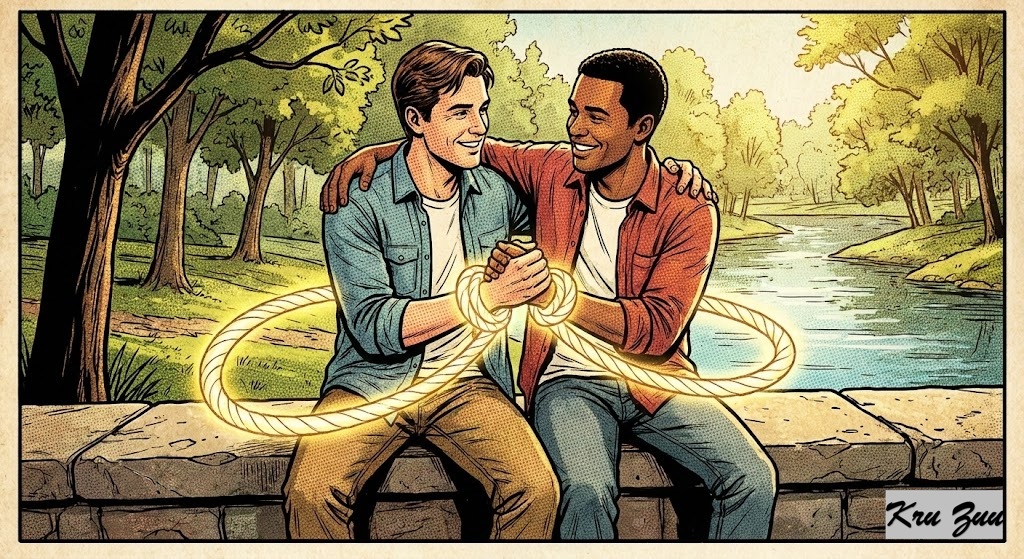
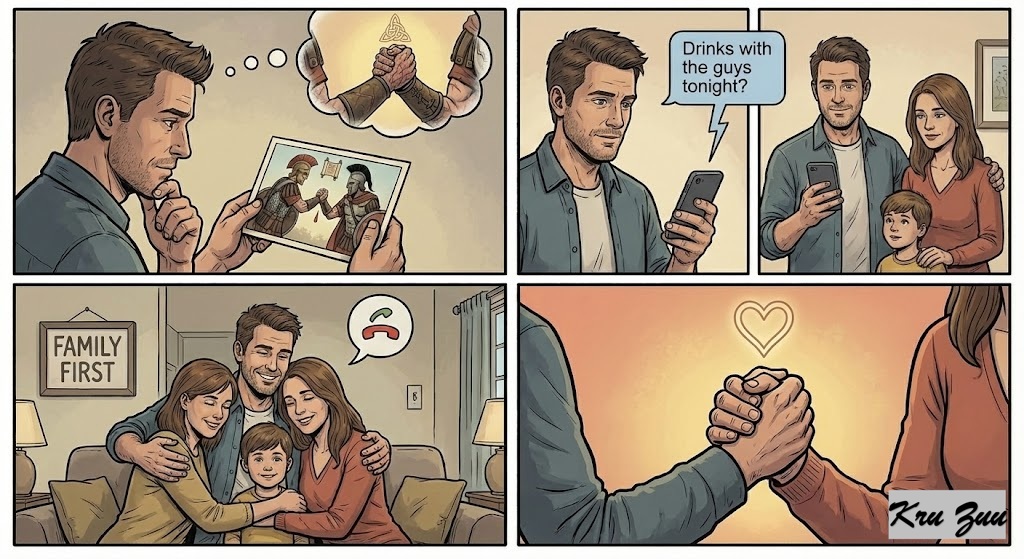
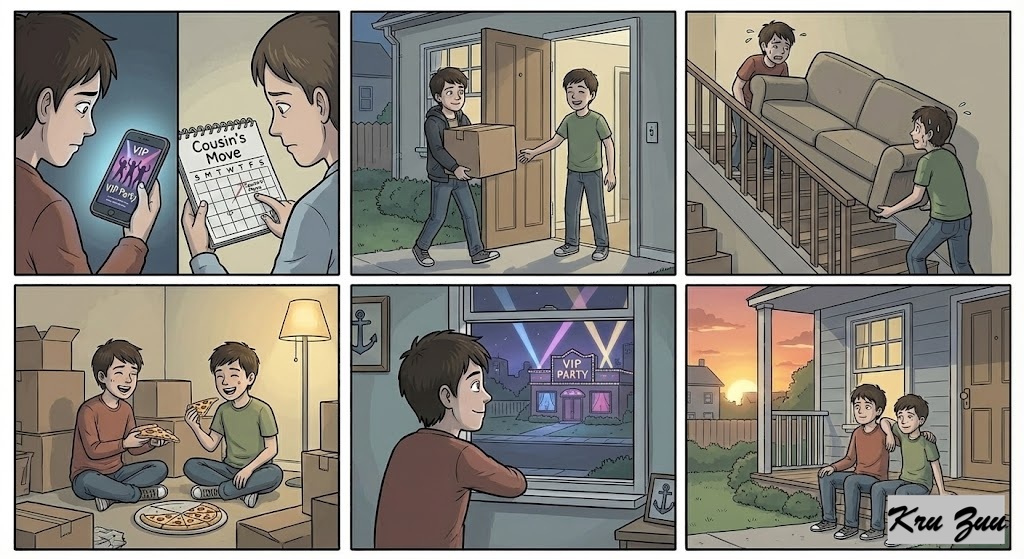
    You have a choice: A flashy event with strangers or helping your cousin move into a new house. It’s hard work. It’s not “fun.” But you choose family. You realize that friends may come and go like tides, but family (or the people who are like family) is the anchor.

    The Result? When your world falls apart, you have an army behind you. You are never truly alone. ⚔️


    ⚖️ The Reality


    Popularity is temporary. Loyalty is permanent. We often treat strangers better than our own family because we try to impress them. We treat our family poorly because we think, “They will forgive me anyway.” This is a dangerous trap.

    💎 The Secret

    Real wealth is not money; it is knowing exactly who will pick up the phone at 3:00 AM when you are in trouble.

    🧐 The Anatomy of the Proverb


    This is the ultimate rule of relationships.


    Blood (Noun): Represents family ties, genetics, and deep, unbreakable bonds. 🩸


    Thicker (Comparative Adjective): More dense; stronger; harder to pass through.


    Water (Noun): Represents weak, temporary, or fluid relationships (acquaintances, casual friends). 💧


    Simpler Version:
    Family relationships are stronger than friendships.


    📚 Vocabulary Vault


    Bond (Noun): A strong connection between two people. (Example: The bond between brothers.)


    Loyalty (Noun): A strong feeling of support or allegiance.


    Kinship (Noun): Blood relationship; sharing the same origin.


    Betrayal (Noun): The action of breaking trust. (The opposite of loyalty). 💔


    Dependable (Adjective): Trustworthy and reliable.


    🧠 Grammar Focus: Comparative Adjectives


    This proverb uses the Comparative Form to measure the strength of relationships.


    Rule: Short adjectives + -er + than.


    Thick ➡️ Thicker than
    Strong ➡️ Stronger than
    Deep ➡️ Deeper than


    Example in context:
    “His love for his family is stronger than his love for money.”

    📜 History: Origin and Spread


    Where did this come from?


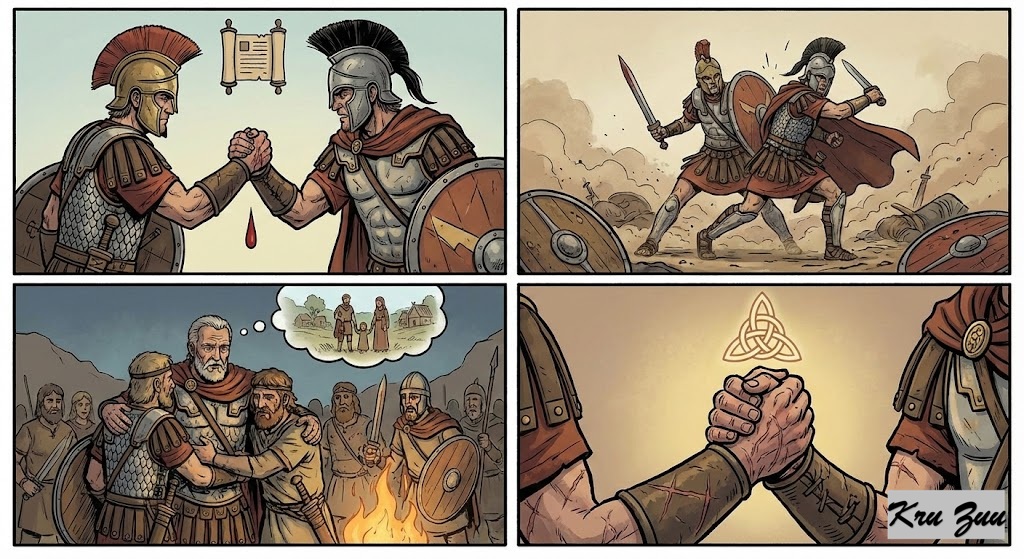
    The Twist: Originally, some historians believe the phrase was “The blood of the covenant is thicker than the water of the womb.” This meant that soldiers who bled together in battle (covenant) were closer than brothers by birth!


    Modern Meaning: Over centuries, the meaning flipped. Today, it strictly means Family comes first.


    Global Cousins


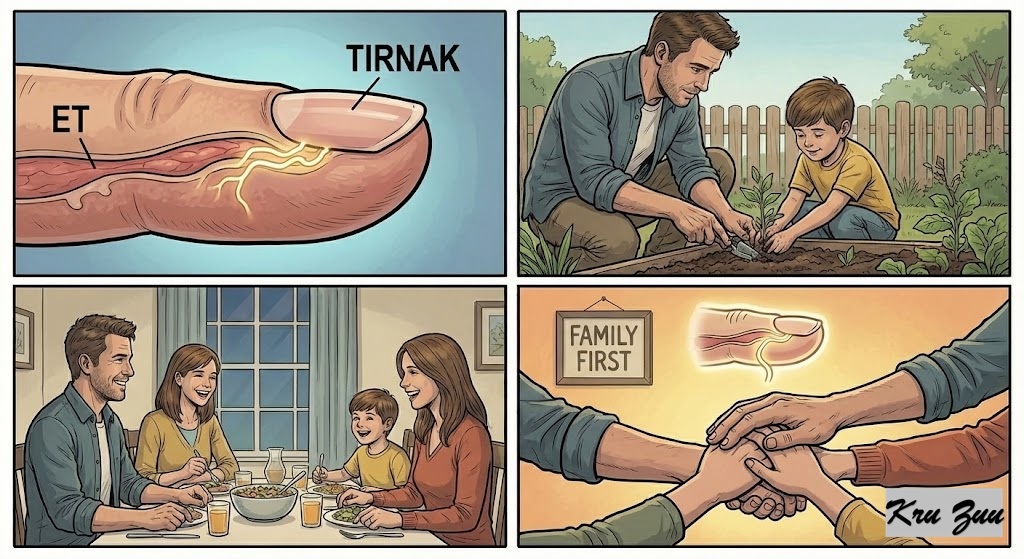
    🇹🇷 Turkish: “Et tırnaktan ayrılmaz.” (Flesh cannot be separated from the fingernail.) — A perfect biological metaphor!


    🇪🇸 Spanish: “La sangre tira.” (The blood pulls/calls.)


    🇮🇹 Italian: “Il sangue non è acqua.” (Blood is not water.)

    🎭 Short Story: The Pond, The Barn, and The Storm


    Let’s meet our unlikely trio to see this law in action.


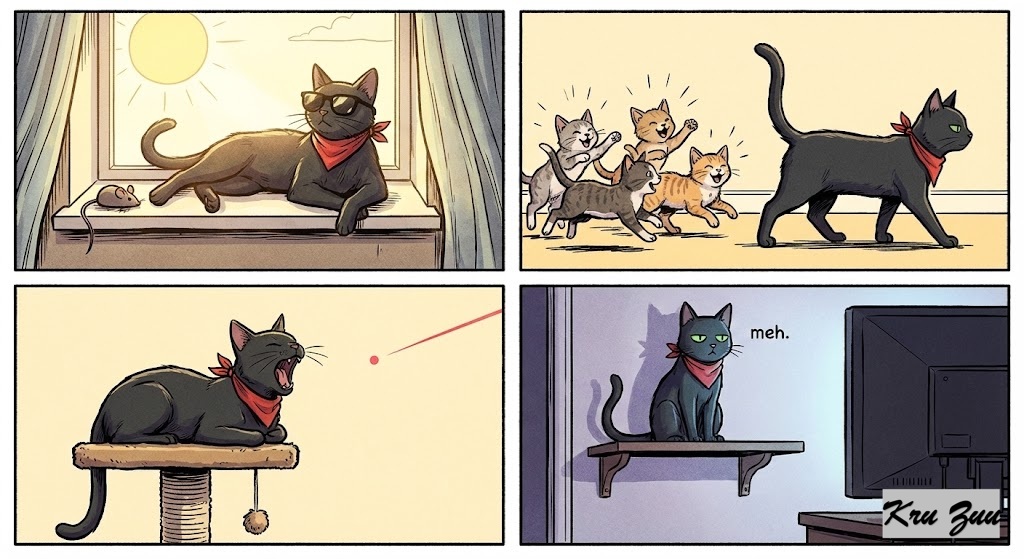
    🐱 The Character: Whiskers (The Cat) – Cool, independent, and easily bored.

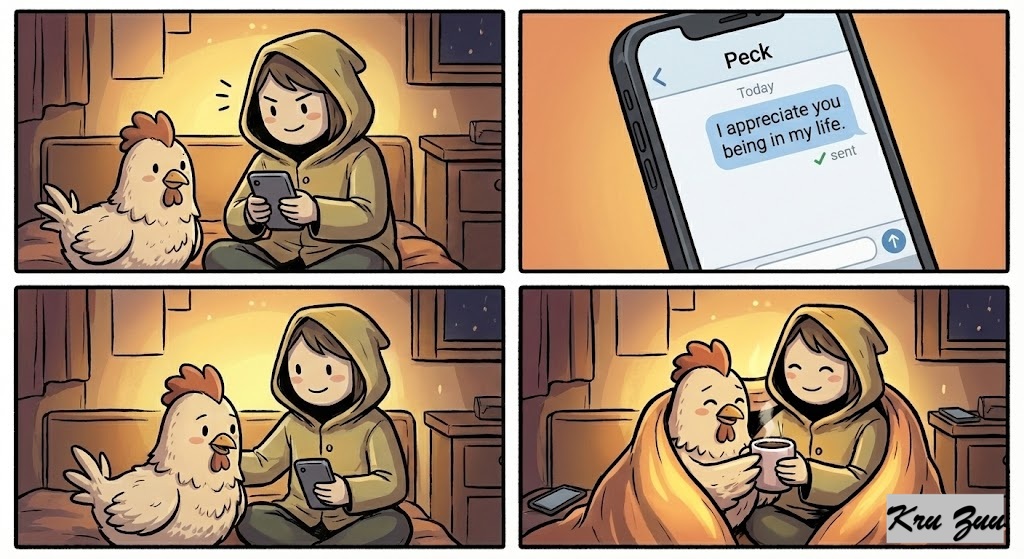
    🐔 The Character: Peck (The Chicken) – Whiskers’ adopted brother. Loud, clumsy, but loyal.

    🐸 The Character: Hop (The Frog) – The new, popular guy at the pond. Fun but slippery.


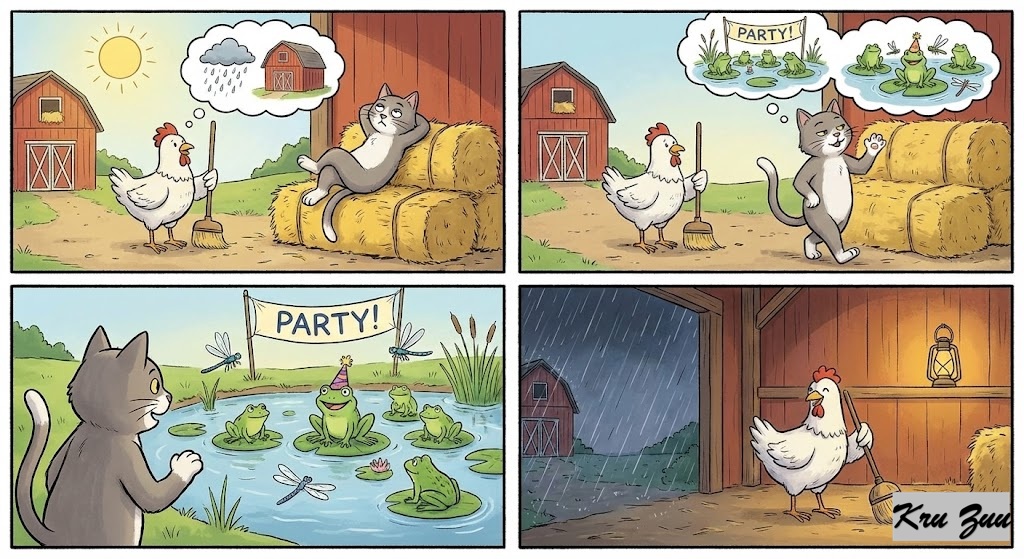
    🌟 The Setup: It is a sunny afternoon. Peck the Chicken says, “Hey Whiskers! Let’s clean the barn together. It’s going to rain later.” Whiskers rolls his eyes. “Cleaning? Boring! Hop the Frog invited me to the Lily Pad Party at the pond. Catch you later, feather-brain!”


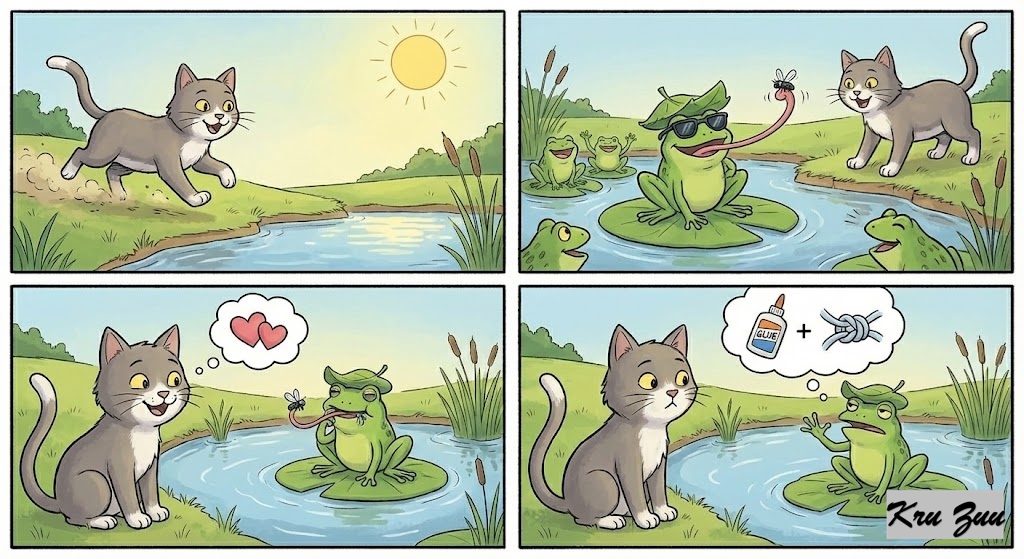
    The Conflict: Whiskers runs to the pond. Hop is there, telling jokes, catching flies, looking cool. “You are my best friend, Hop!” Whiskers says. “Sure, sure,” says Hop. “We are tight like glue!”


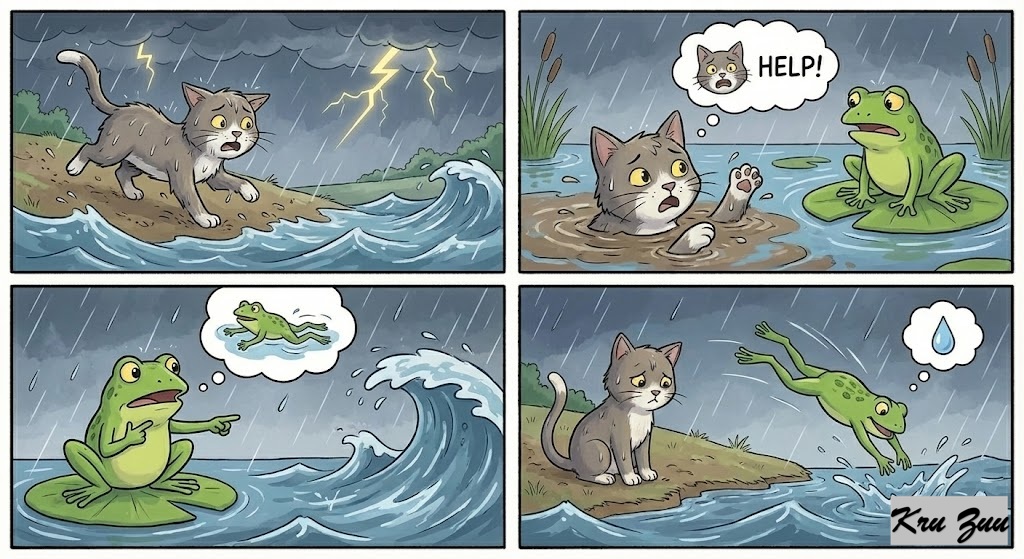
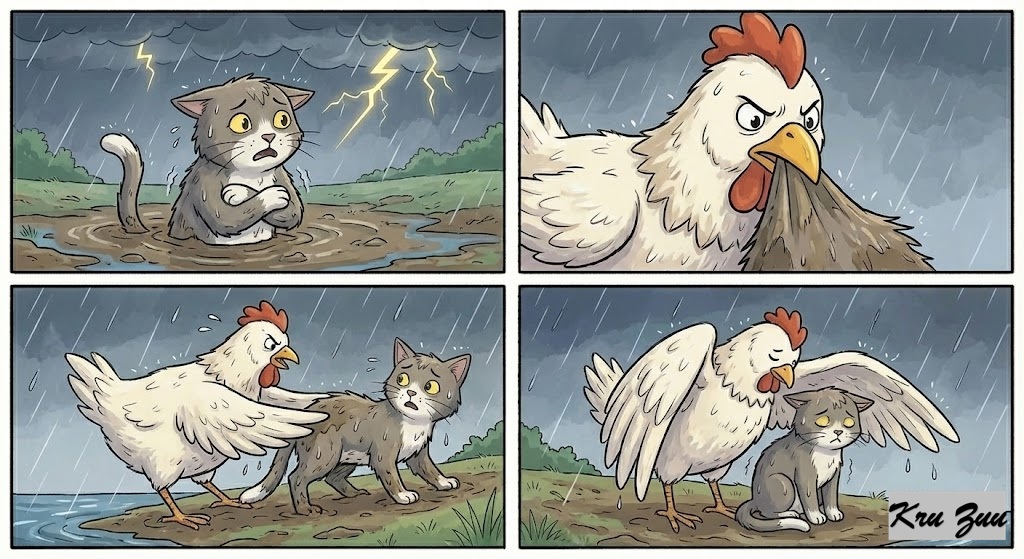
    The Climax: Suddenly, the sky turns black. Thunder shakes the ground. A massive storm hits. The water in the pond rises fast. Whiskers hates water. He slips into the mud. “Help! Hop, help me!” Hop looks at Whiskers, then looks at the dangerous water. “Sorry, cat! I’m an amphibian, I gotta save myself!” Hop splashes away, disappearing into the deep water. Water washes away easily.


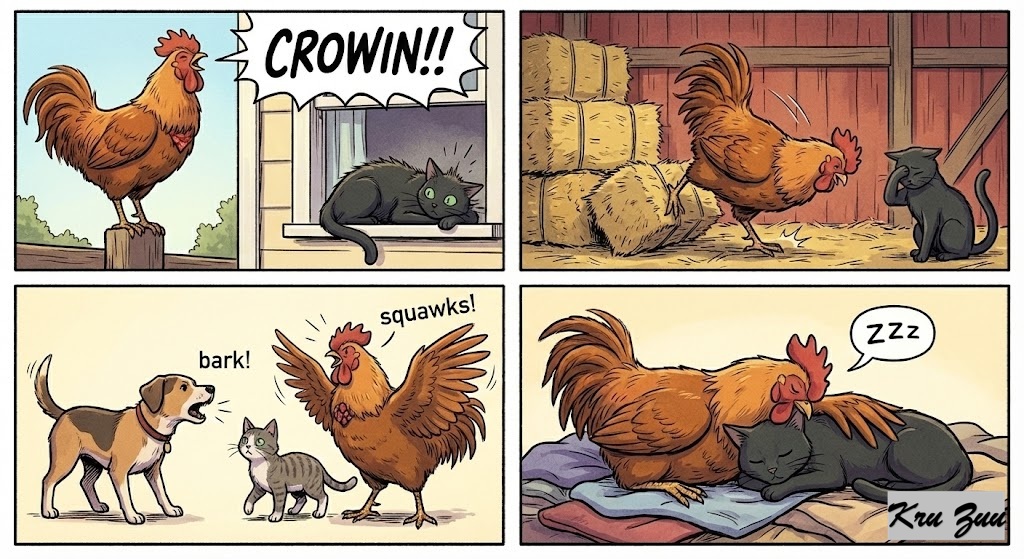
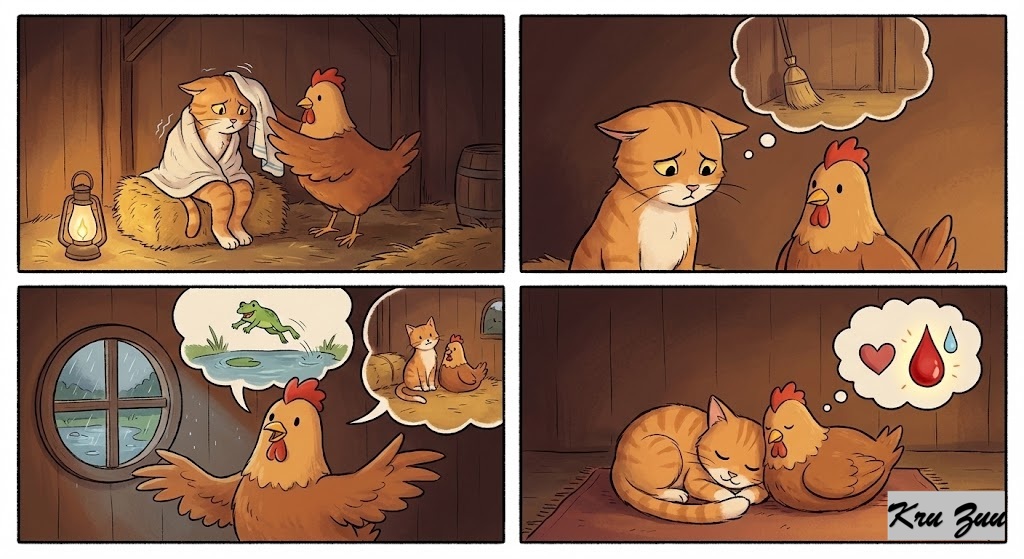
    Whiskers is stuck. He is wet, shivering, and scared. Suddenly, he feels a beak grabbing his collar. It’s Peck. Peck hates the rain too, but he ran all the way from the safe barn. He drags Whiskers out of the mud, covering him with his wings to block the rain.


    The Resolution: Safe in the barn, Whiskers dries off. “Why did you come?” Whiskers asks. “I left you alone to clean.” Peck clucks softly. “Hop is a pond creature. He flows where the water goes. We live in the same barn. We are family. And blood is thicker than water.”

    🎓 Lesson for English Learners


    Context Matters.


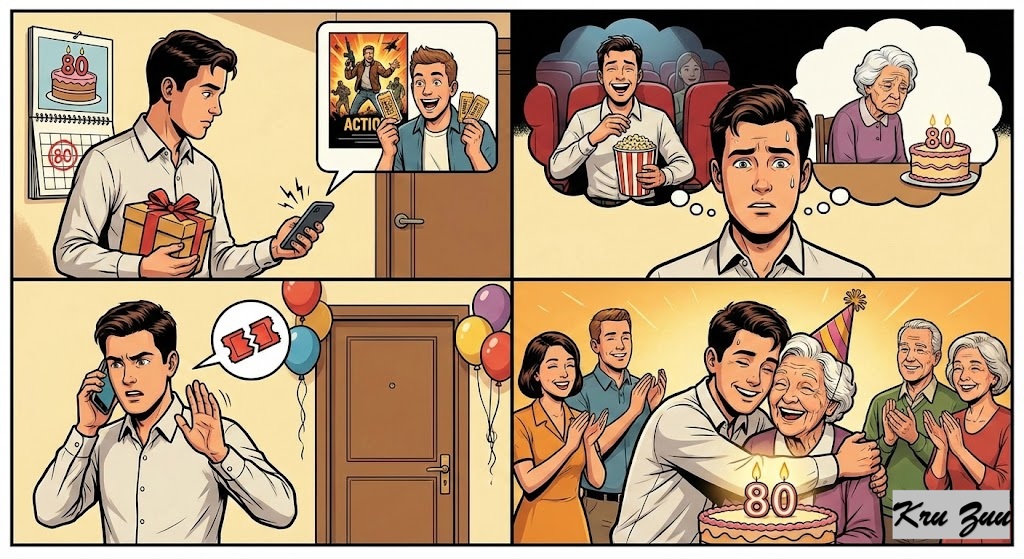
    Situation: Your friend asks you to skip your grandmother’s 80th birthday party to go to the cinema.


    You Say: “I can’t go. It’s my grandma’s big day, and you know what they say: Blood is thicker than water.


    Warning: Do not use this to excuse toxic behavior. It explains loyalty, but it shouldn’t justify bad actions!


    💬 Your Turn: The Loyalty Test 🚀


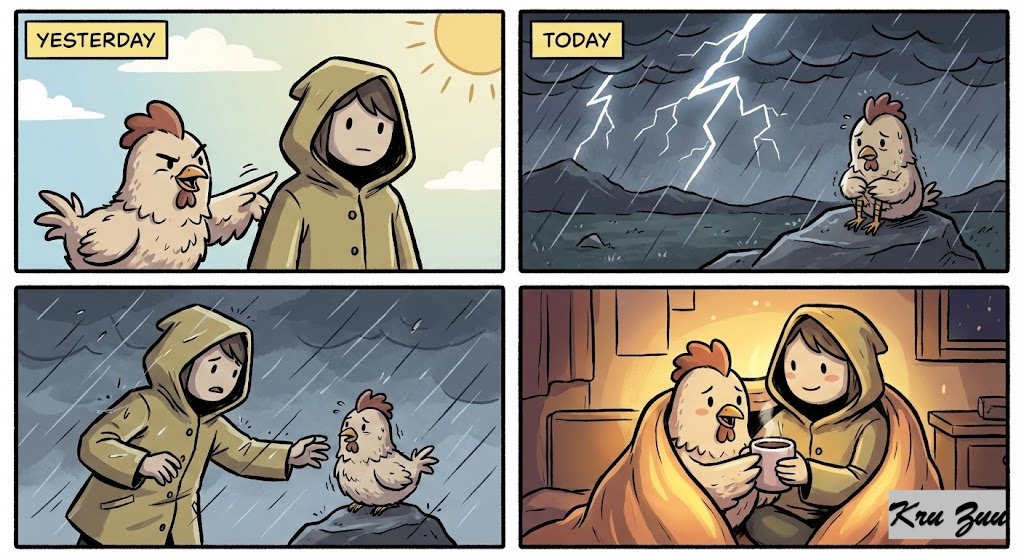
    Think about the “Peck” (The Chicken) in your life. Who is the person that would come to save you in a storm, even if you were annoying yesterday?


    The Challenge:
    Send that person a message right now. Just say: “I appreciate you being in my life.” (It takes 10 seconds. Do it!)


    Question: Have you ever had a “Frog” friend who disappeared when things got hard? Tell us in the comments! 👇


    By Zubeyir YURTKURAN

    https://www.facebook.com/BrainBattleground/

    https://www.facebook.com/zubeyr.yurtkuran/

    https://www.instagram.com/zubeyryurtkuran/
    https://www.youtube.com/@BrainBattleground-b3p

    https://www.instagram.com/brainbattleground/

  • 🖋️ The Daily Shield: The Law of Influence

    🖋️ The Daily Shield: The Law of Influence

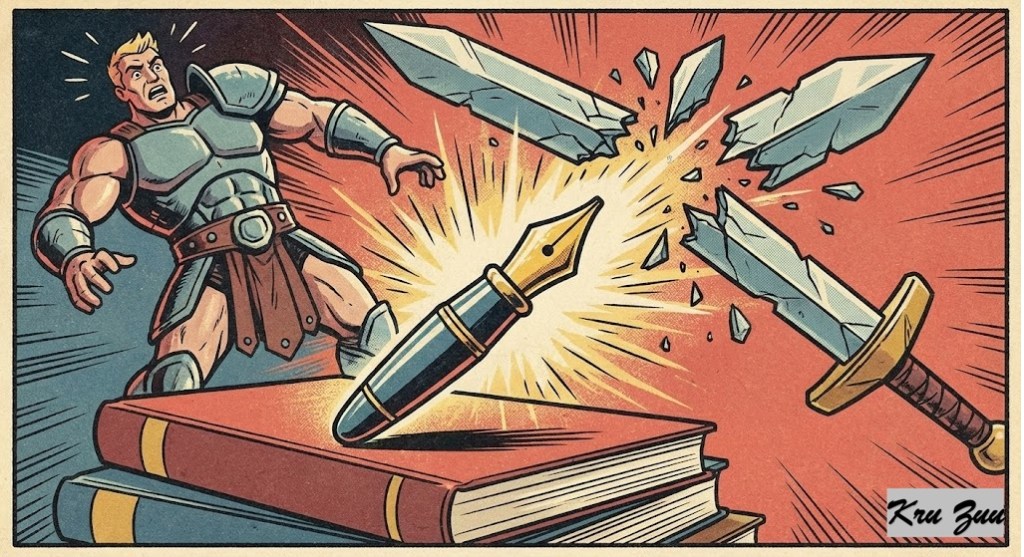
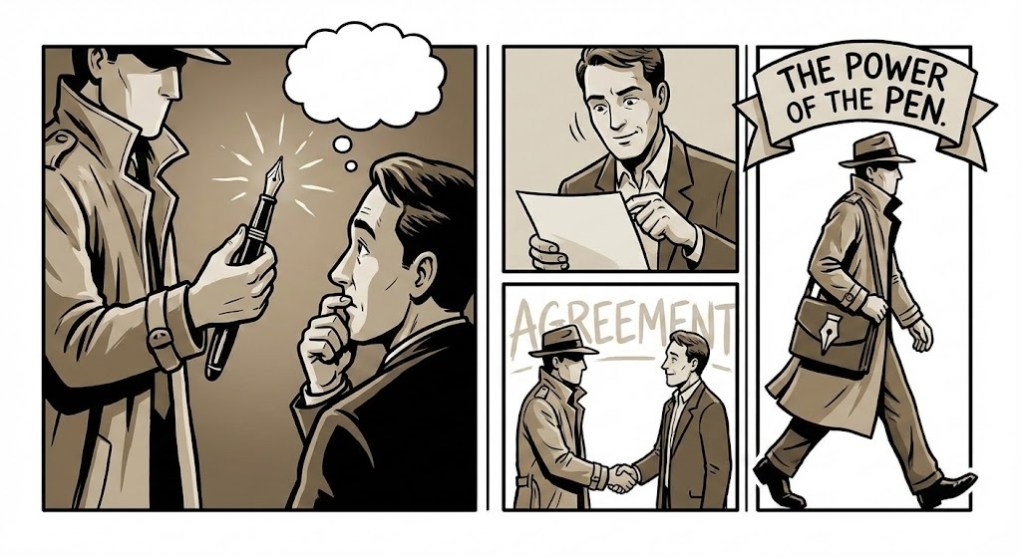
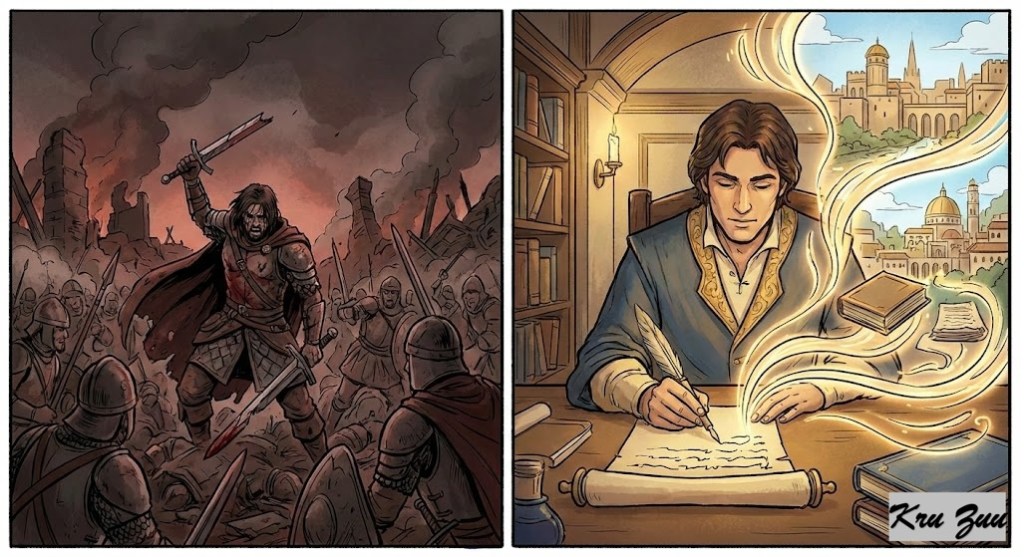
    “The pen is mightier than the sword.”


    😈 The Villain (The Barbarian)


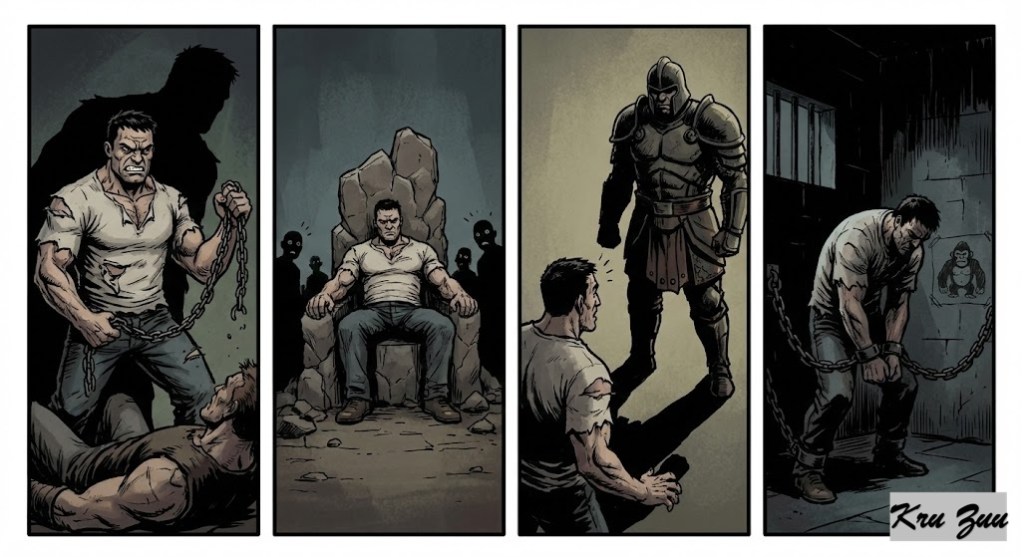
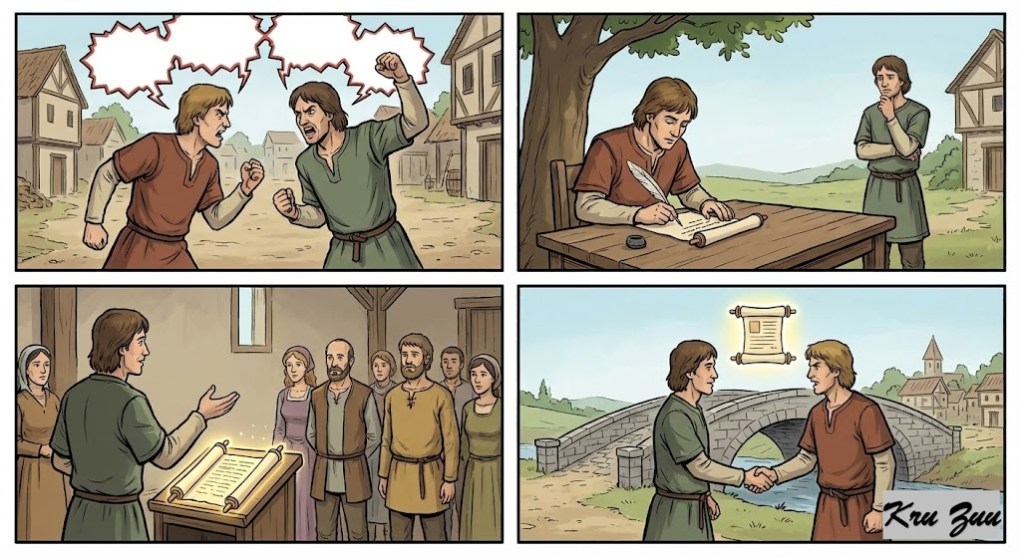
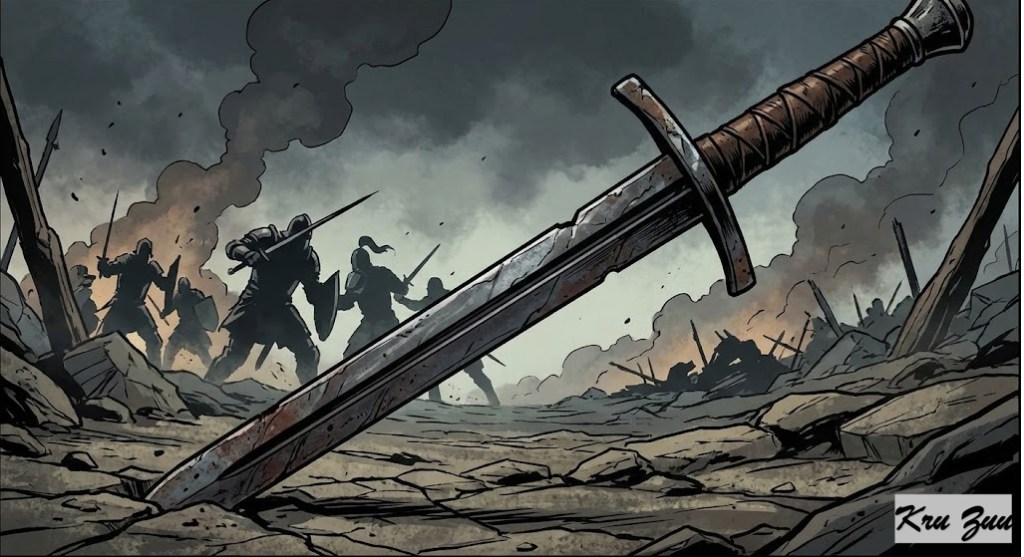
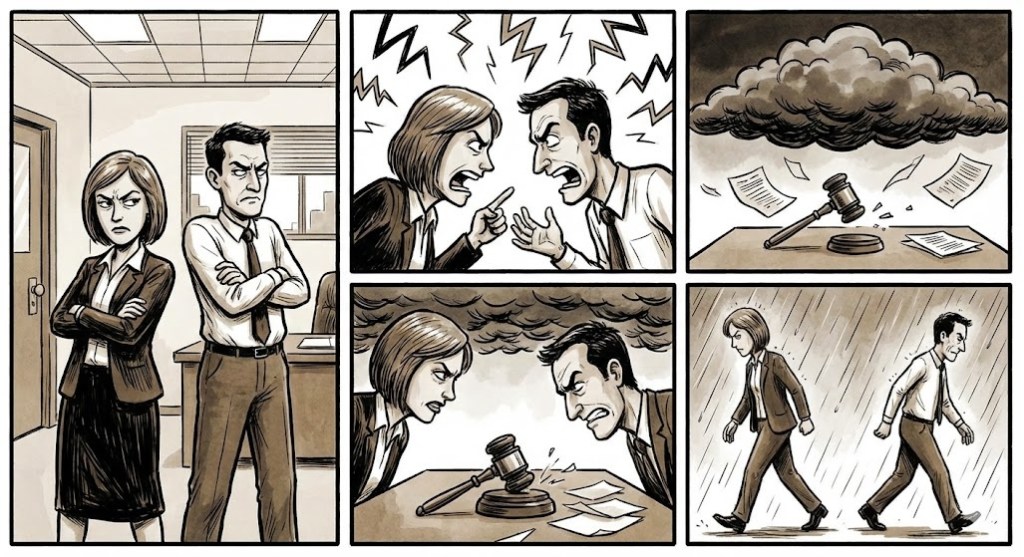
    You encounter a problem. Maybe someone disagrees with you, or you want something someone else has. Your instinct? Scream. Shout. Threaten. Use force. You think, “If I am louder and stronger, I win.”

    The Result? You might win the battle, but you lose the war. You create enemies. People fear you, but they don’t respect you. Physical force is temporary; eventually, someone stronger than you will come along. You are a slave to Brute Force. 🦍


    😇 The Hero (The Diplomat)


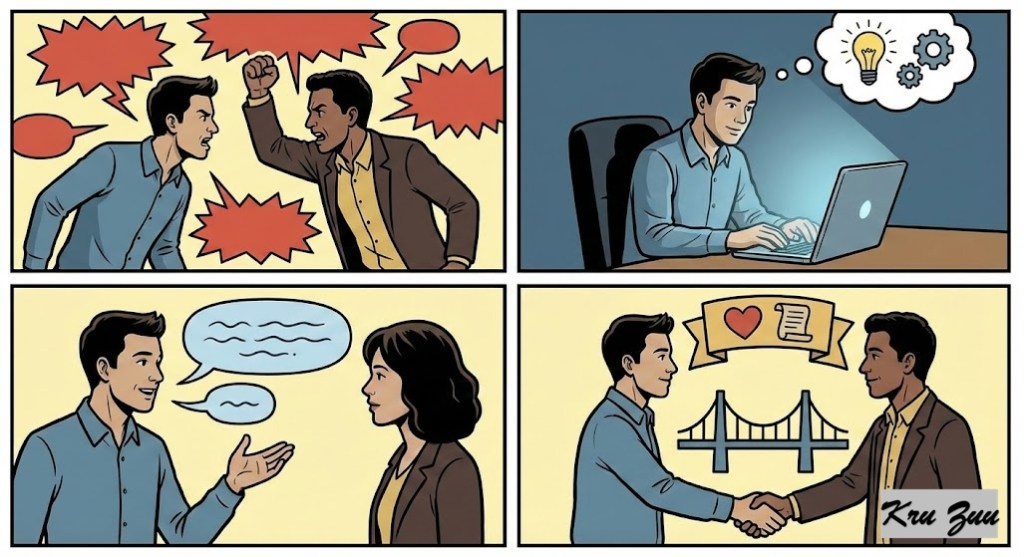
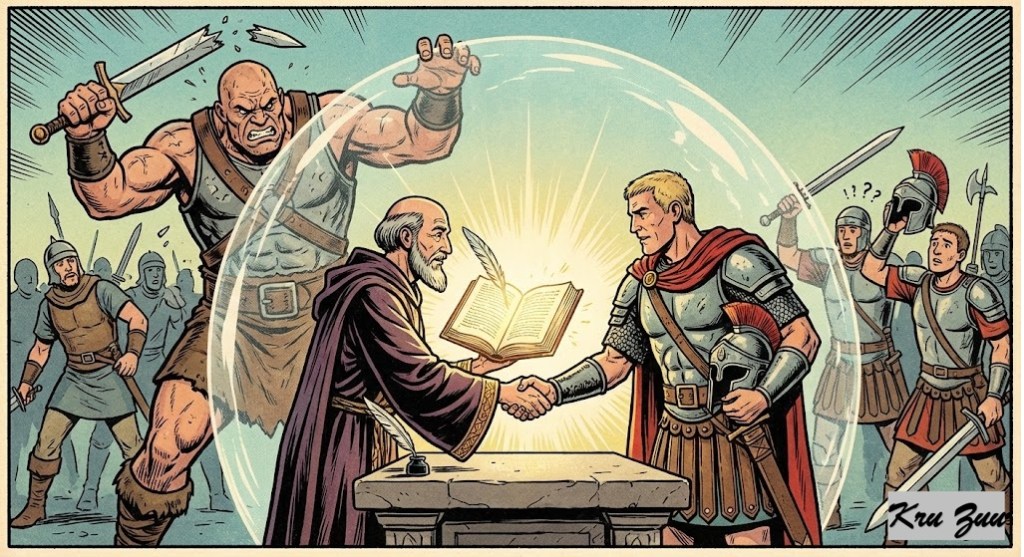
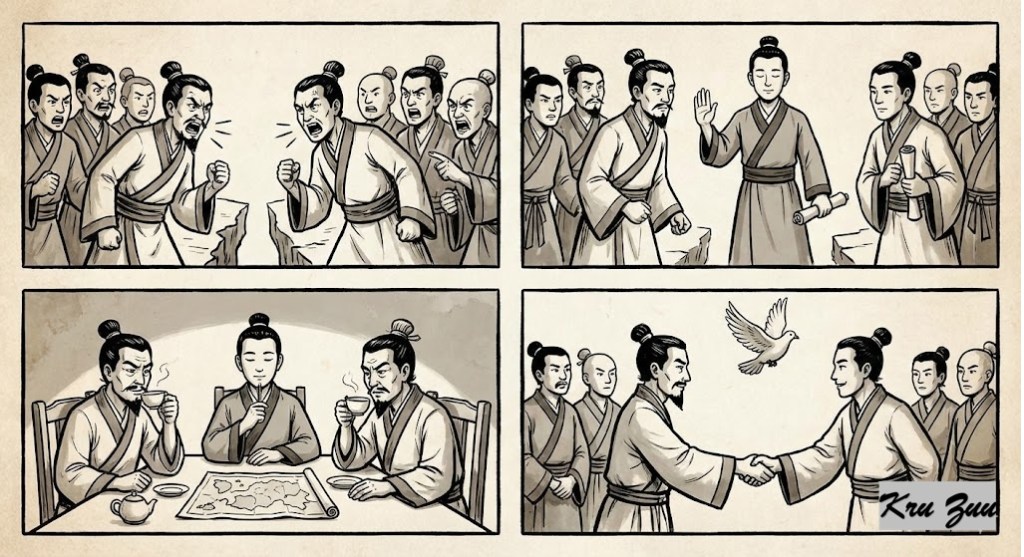
    You face a conflict. Instead of raising your voice (or your fist), you sharpen your mind. You write a persuasive email. You speak with logic and emotion. You use words to change how people think.

    The Result? You solve the problem without bloodshed. You turn enemies into allies. You create a change that lasts forever because you changed the mind, not just the situation. You wield the ultimate weapon: The Truth. 📜


    ⚖️ The Reality


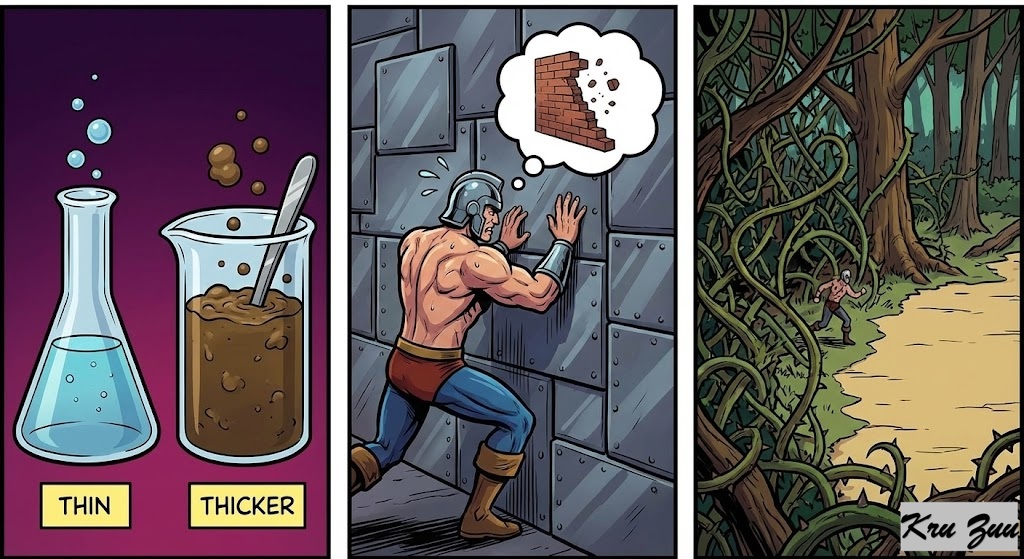
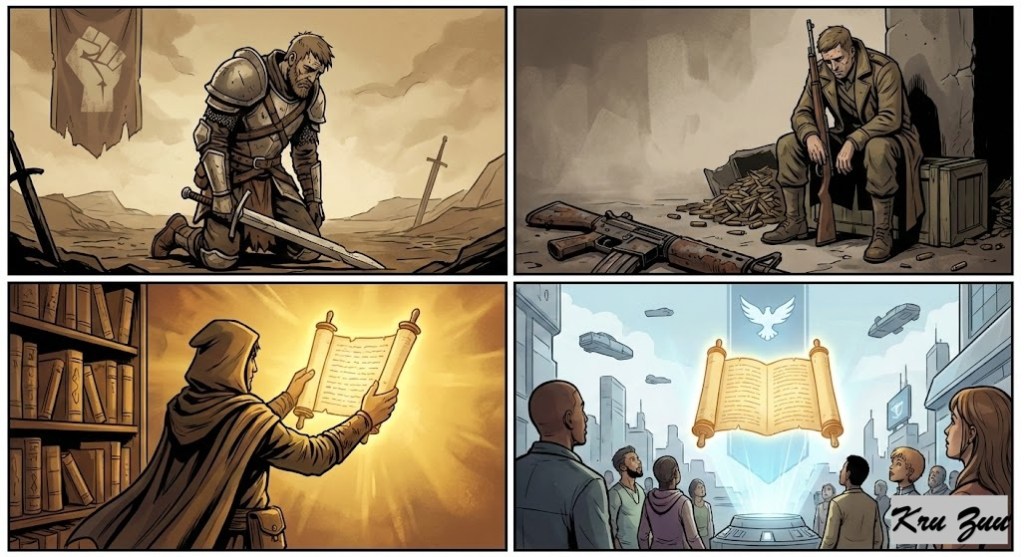
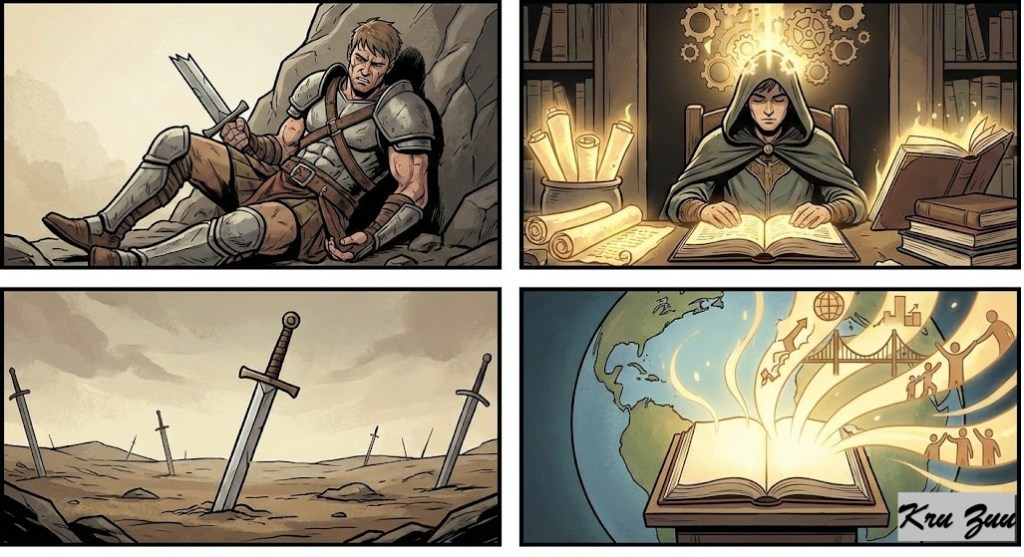
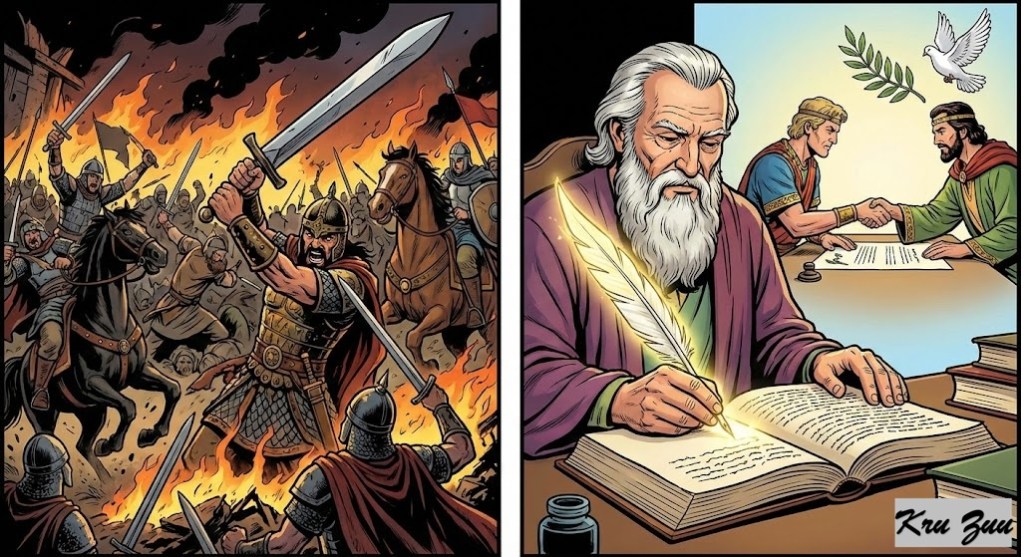
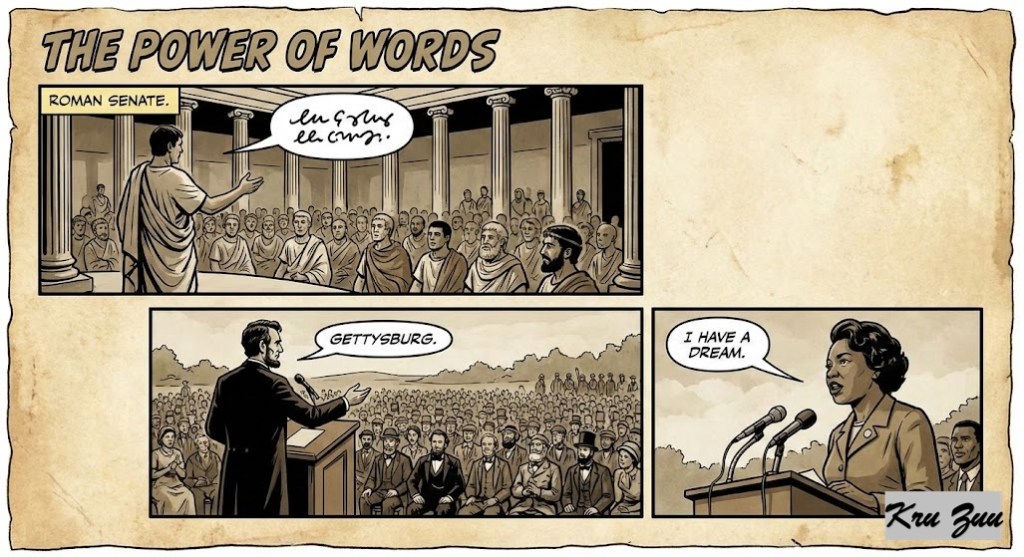
    Muscles get tired. Swords rust. Guns run out of bullets. But an Idea? An idea written down can live for 1,000 years. It can start revolutions, stop wars, and build nations. Violence forces the body to obey; Words inspire the soul to follow.


    💎 The Secret


    Physical strength is limited. Intellectual strength is infinite. A sword can kill one man, but a book can change the world.

    🧐 The Anatomy of the Proverb


    This proverb teaches the power of communication over violence.


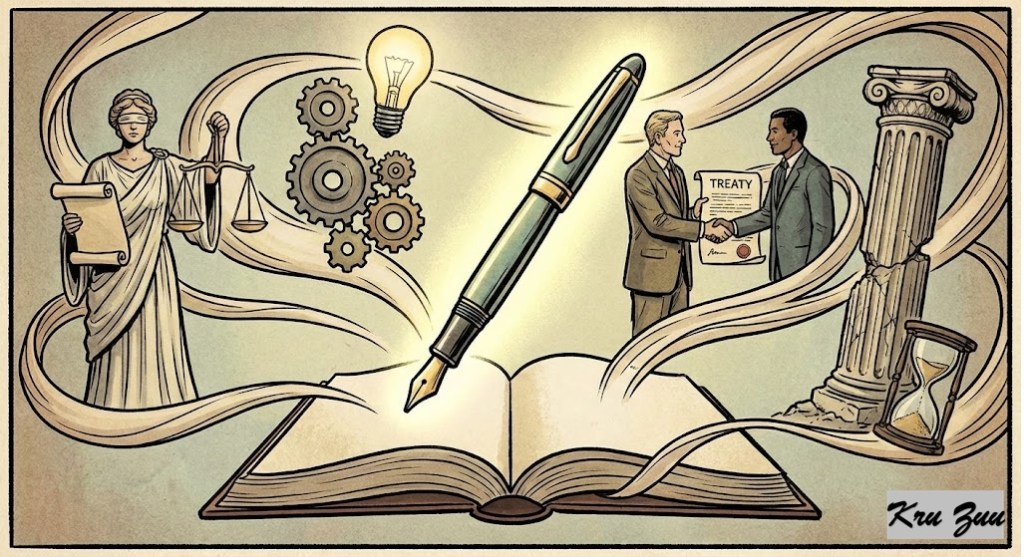
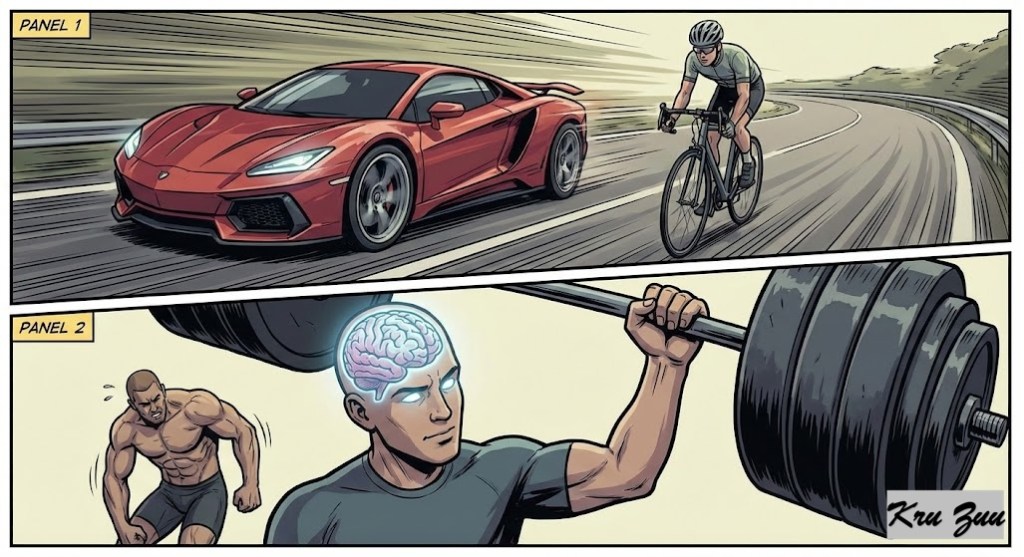
    The Pen (Noun): A tool for writing. (Symbolizes: Intellect, diplomacy, communication, laws, history).


    Mightier (Adjective – Comparative): Stronger; having more power. 💪


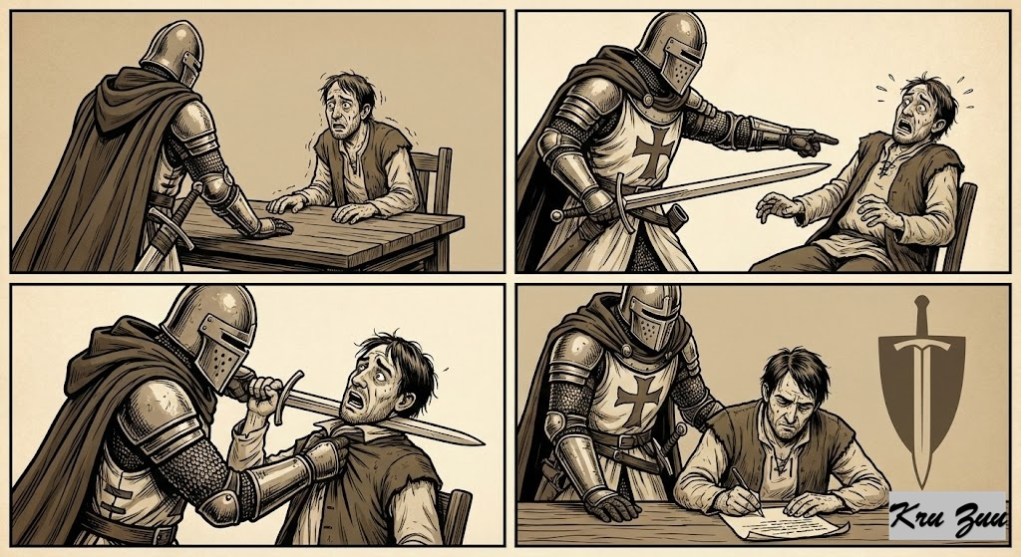
    The Sword (Noun): A weapon with a long metal blade. (Symbolizes: Violence, war, physical force, coercion). ⚔️


    Simpler Version: Thinking and talking are more effective than fighting.


    📚 Vocabulary Vault


    Persuasion (Noun): The act of convincing someone to do or believe something. (The superpower of the “Pen”).


    Conflict (Noun): A serious disagreement or argument.


    Diplomacy (Noun): The art of dealing with people in a sensitive and effective way.


    Intellect (Noun): The faculty of reasoning and understanding objectively. 🧠


    Coercion (Noun): Persuading someone to do something by using force or threats. (The method of the “Sword”).


    🧠 Grammar Focus: Comparatives


    This proverb is a perfect example of Comparative Adjectives.


    The Rule: When comparing two things, we usually add “-er” to short adjectives and use “than”.


    Mighty (Strong/Powerful) ➡️ Mightier (Note: The ‘y’ turns into ‘ier’).


    Strong ➡️ Stronger


    Sharp ➡️ Sharper


    Example Structure: [Noun A] + [is] + [Adjective-er] + [than] + [Noun B].


    My car is faster than your bike.


    Your brain is stronger than your muscles.

    📜 History: Origin and Spread


    Where did this famous phrase come from?


    The Origin:
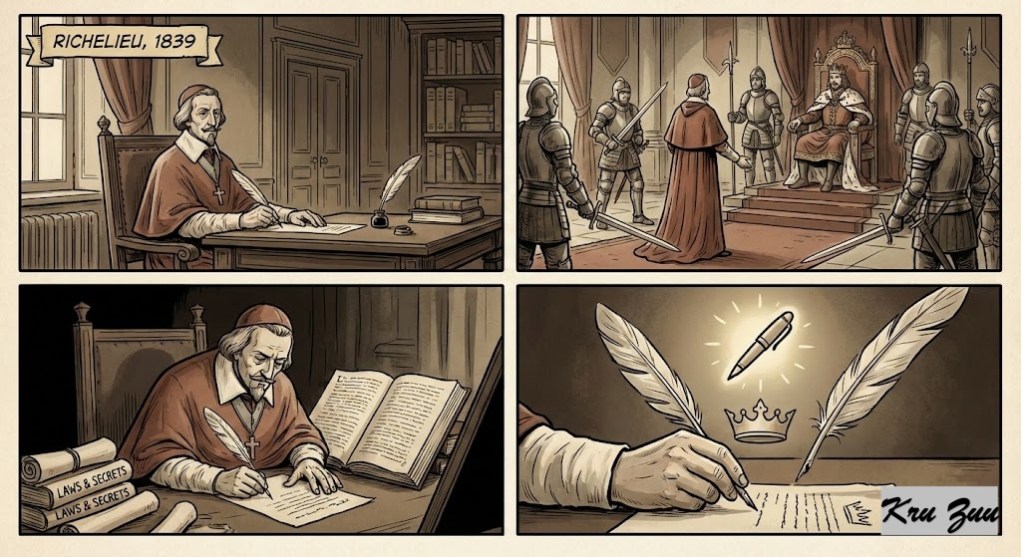
    It was written by the English author Edward Bulwer-Lytton in 1839 for his play Richelieu. The main character discovers that he can control the King not by fighting him, but by writing laws and secrets.


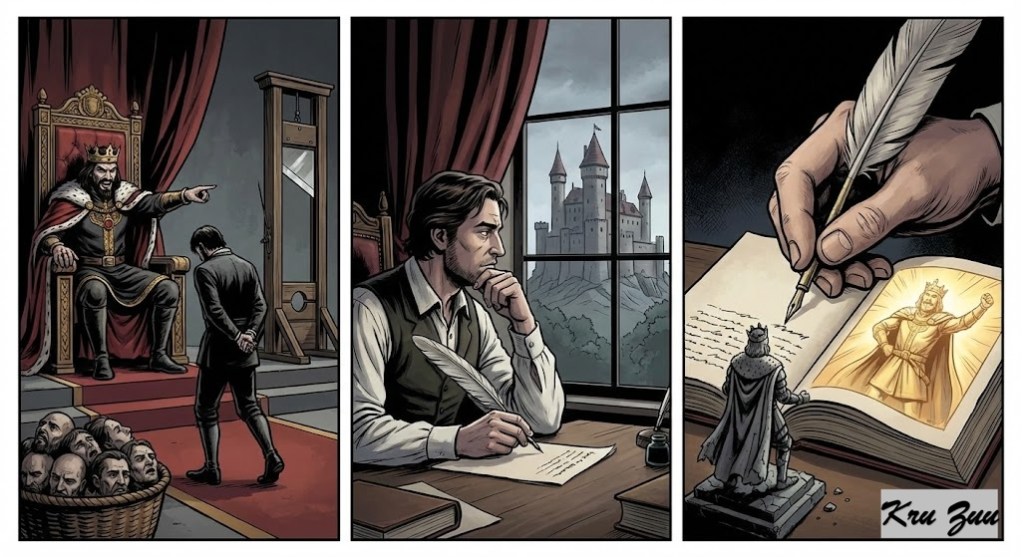
    The Logic: Kings can cut off heads, but writers decide how history remembers those Kings.


    Global Cousins


    🇹🇷 Turkish:
    “Kalem kılıçtan keskindir.” (The pen is sharper than the sword). — Almost identical!


    🇪🇸 Spanish: “La pluma es más poderosa que la espada.”


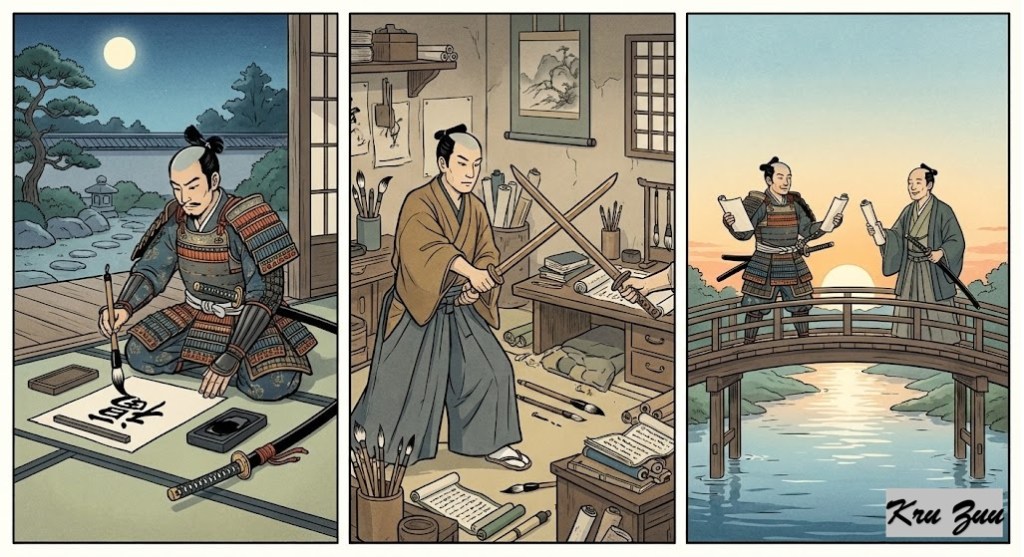
    🇯🇵 Japanese: “Bunbu Ryodo” (The pen and the sword in accord) — Suggesting you need balance.

    🎭 Short Story: The Barnyard Battle


    Let’s see why words win, featuring our animal friends.


    🌟 The Cast


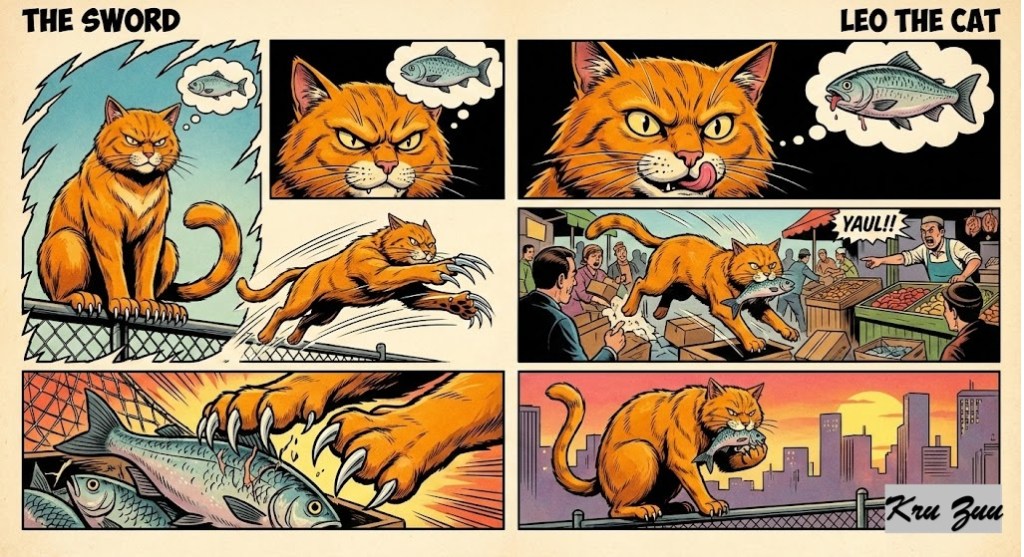
    Leo the Cat:
    Big, strong claws, hungry. Represents The Sword. 😼


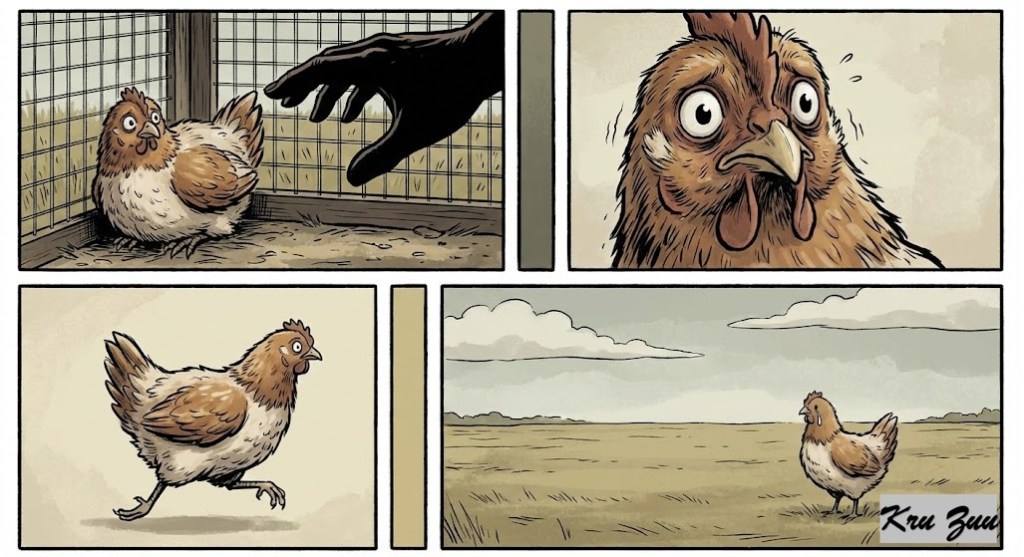
    Bella the Chicken: Delicious, scared, physically weak. Represents The Victim. 🐔


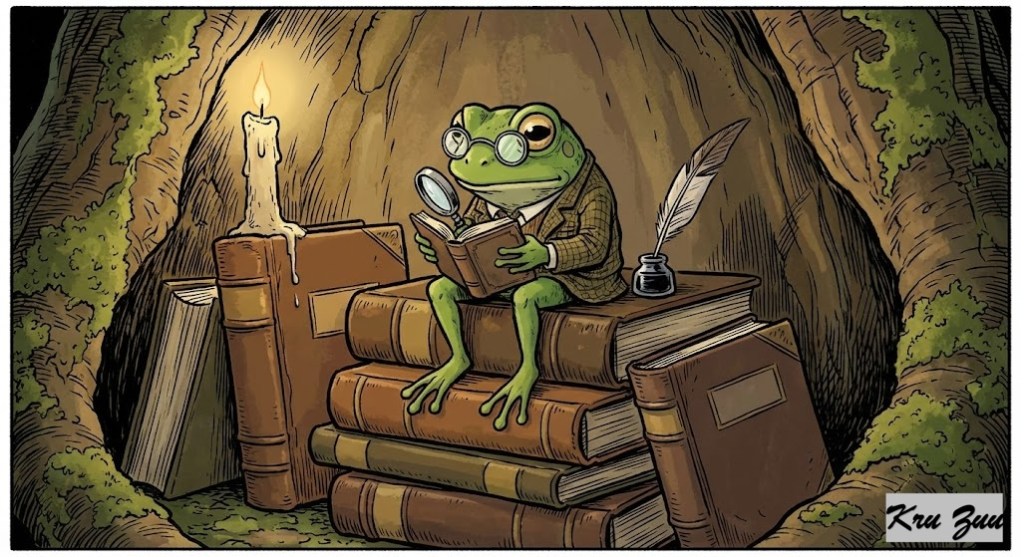
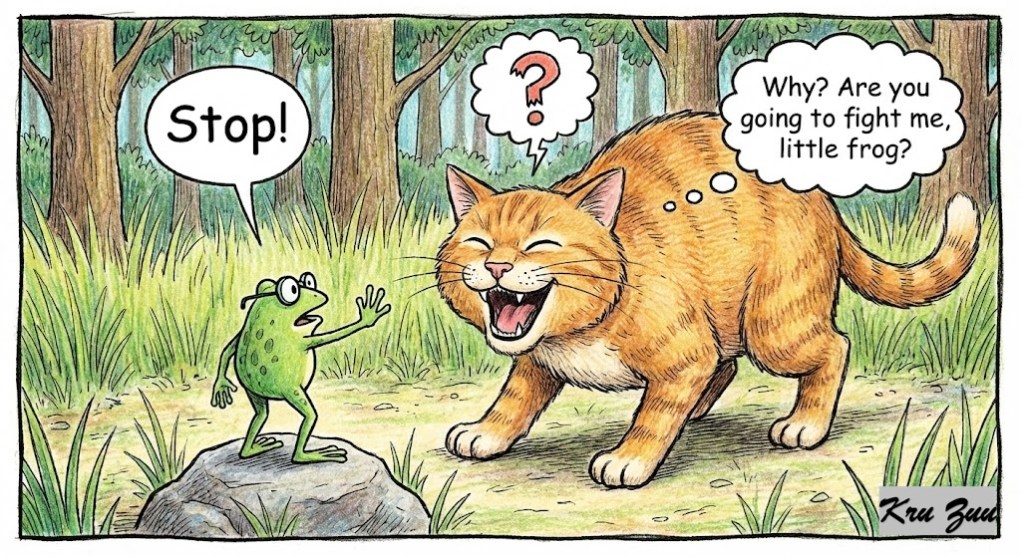
    Professor Croak (The Frog): Small, wears glasses, loves to read. Represents The Pen. 🐸


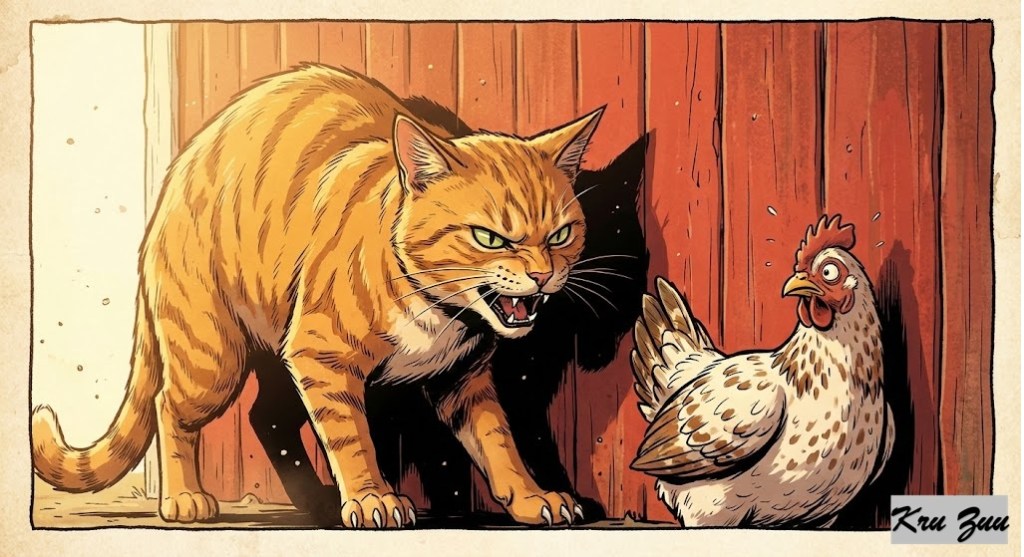
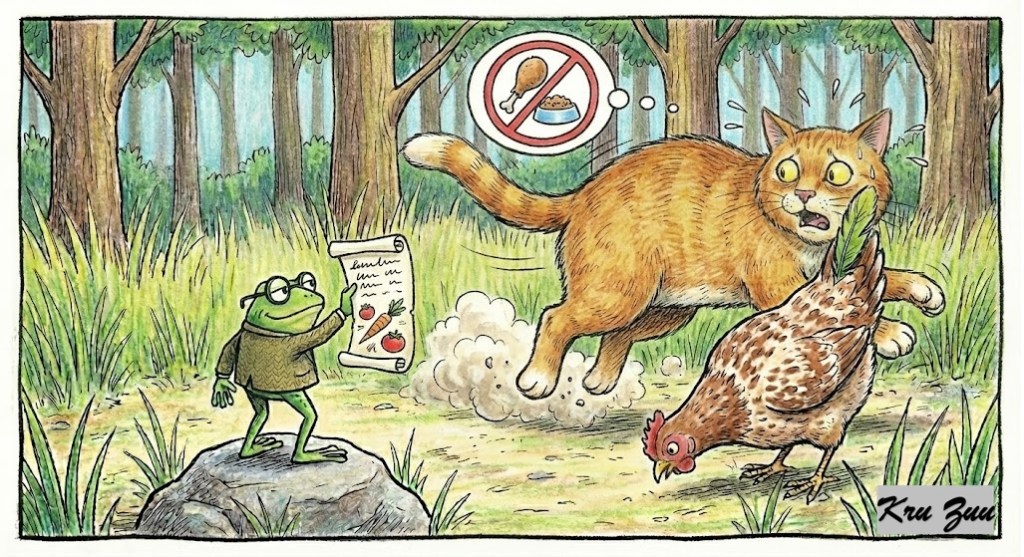
    The Plot: It was a sunny Tuesday. Leo the Cat cornered Bella the Chicken against the barn wall. “I am going to eat you!” Leo hissed, showing his sharp claws. “I am stronger than you. I am faster than you. Physical force wins!”


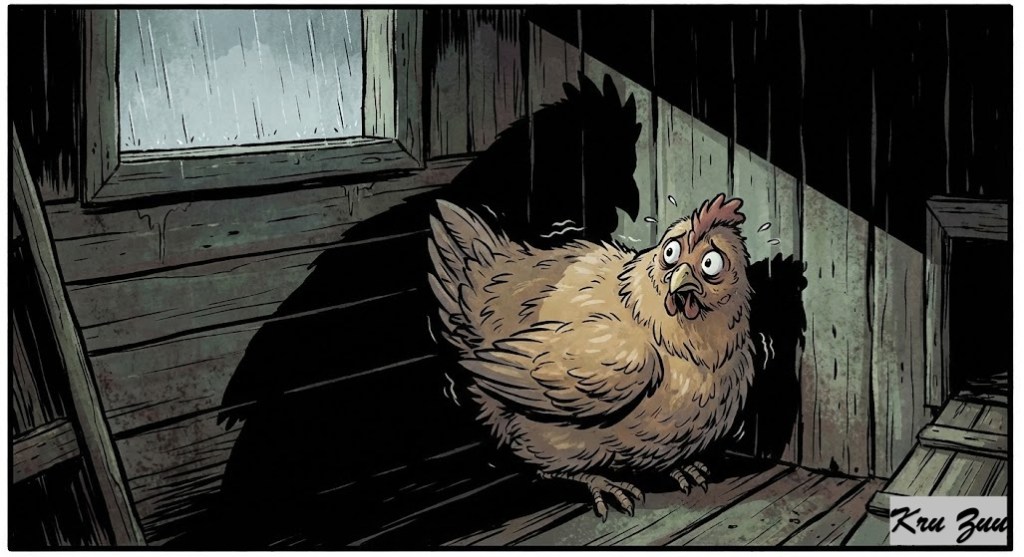
    Bella trembled. She couldn’t fight. She was doomed.


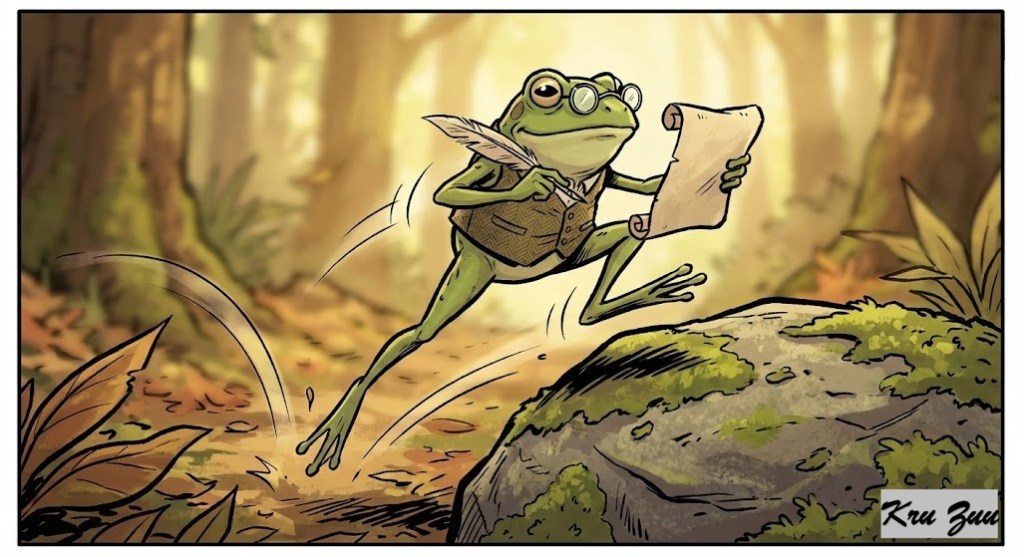
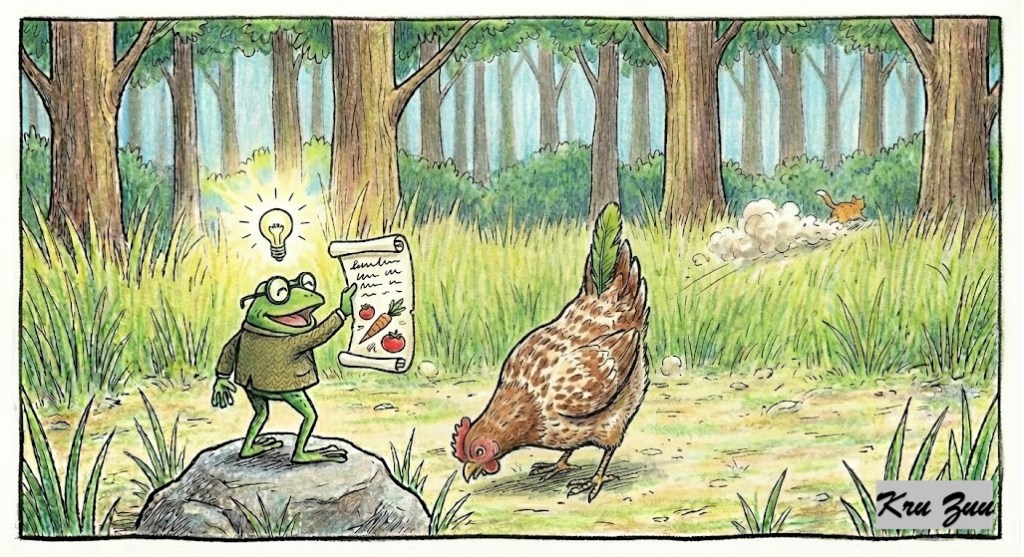
    Suddenly, Professor Croak hopped onto a rock. He didn’t have claws. He didn’t have muscles. He held a piece of paper and a pen.


    “Stop!” croaked the Professor. “Why?” laughed Leo. “Are you going to fight me, little frog?”


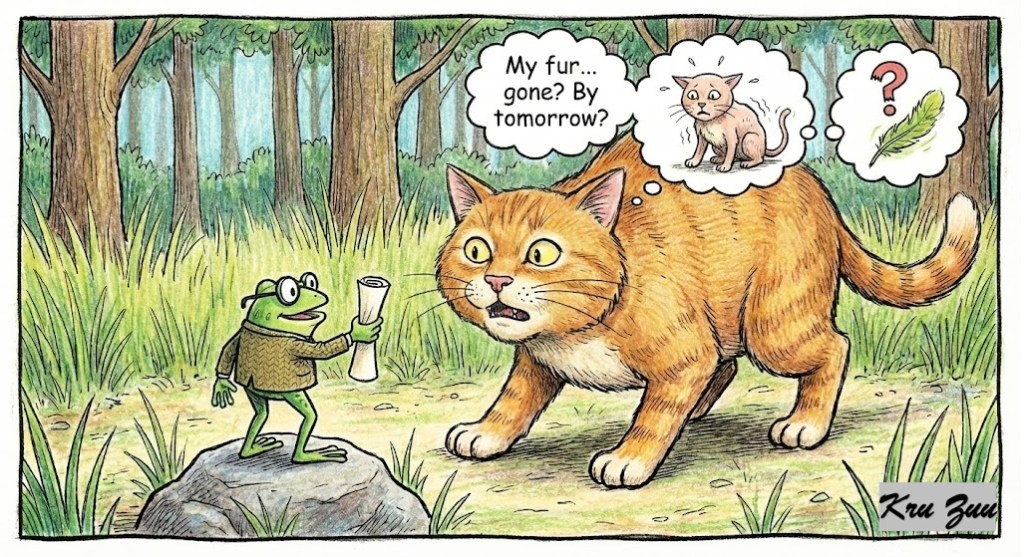
    “No,” said Professor Croak calmly. “But I just wrote a letter to the Farmer. In this letter, I explained that Bella has the ‘Green-Feather Flu’. It is very contagious to cats. If you bite her, your beautiful fur will fall out by tomorrow morning.”


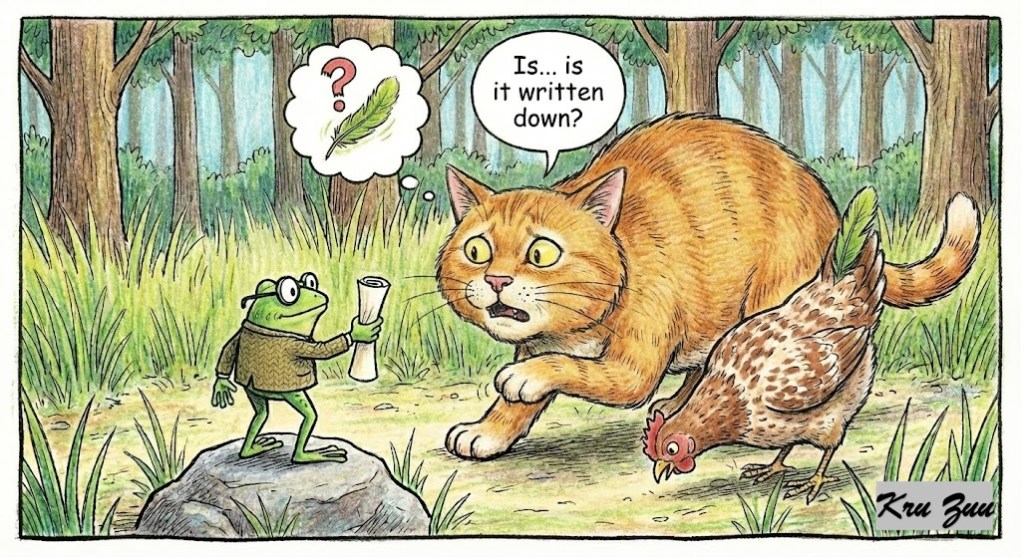
    Leo froze. He looked at Bella. She looked fine, but… was that a green feather? “Is… is it written down?” Leo asked nervously.


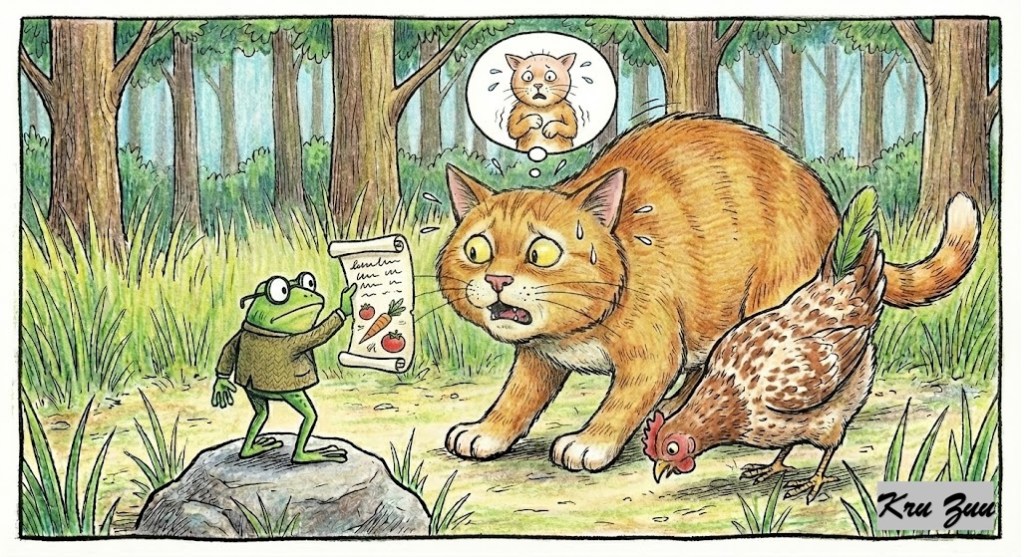
    “Yes,” said the Frog, holding up the paper (which was actually just a grocery list, but Leo couldn’t read). “It is documented. The Pen has spoken.”


    Leo panicked. He valued his fur more than his dinner. “I’m not hungry anyway!” he shouted and ran away.


    The Moral: Professor Croak couldn’t fight the Cat (The Sword). But using his intelligence and a “written” lie (The Pen), he saved the day. Smart beats Strong.

    🎓 Lesson for English Learners


    Words unlock doors that kicks cannot.


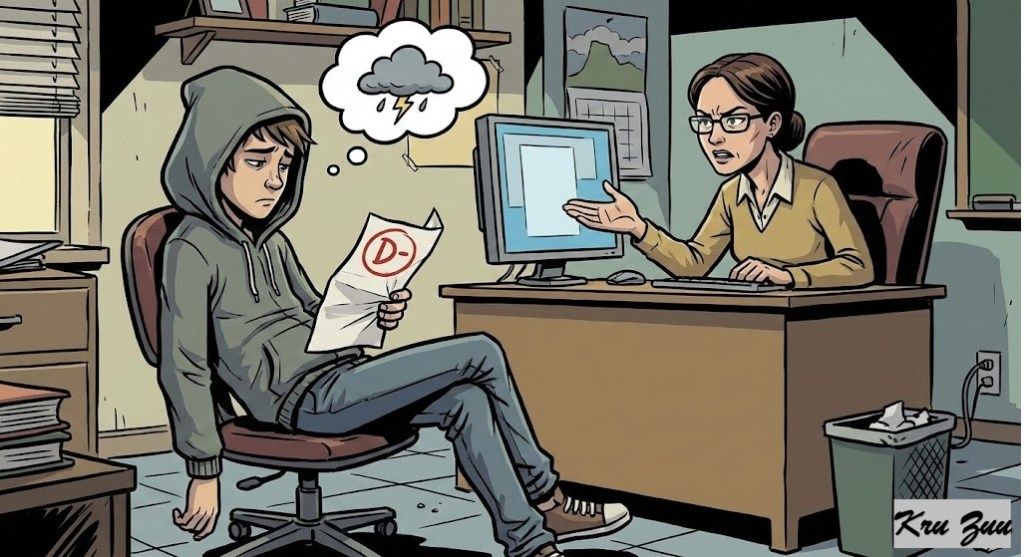
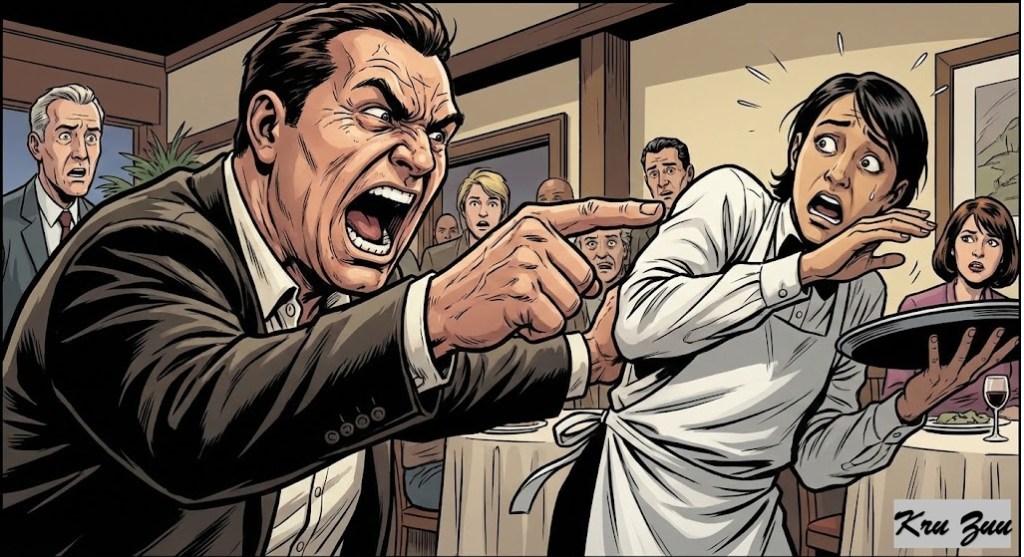
    Situation: You are unhappy with a grade or a service. The “Sword”

    Approach: You shout at the teacher or the waiter.

    Result? They get defensive. You get nothing. The “Pen”

    Approach: You write a polite, logical email explaining your point using the correct vocabulary.

    Result? They listen. They respect you. You get what you want.


    Your Goal: Don’t just learn English to order coffee. Learn English to persuade, to negotiate, and to tell your story. That is real power.


    💬 Your Turn: The Writer’s Challenge 🚀


    History is full of speeches and letters that changed the world.


    The Challenge:
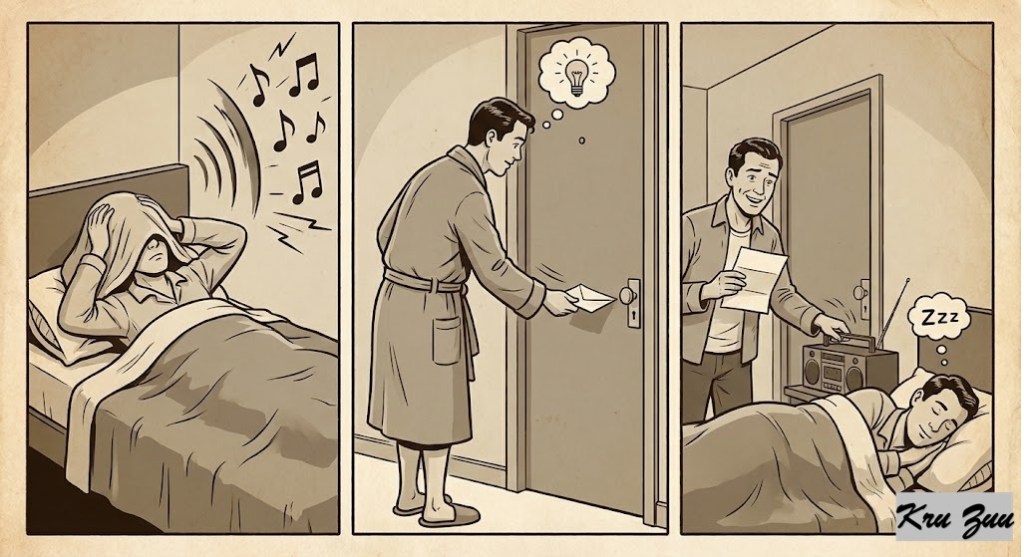
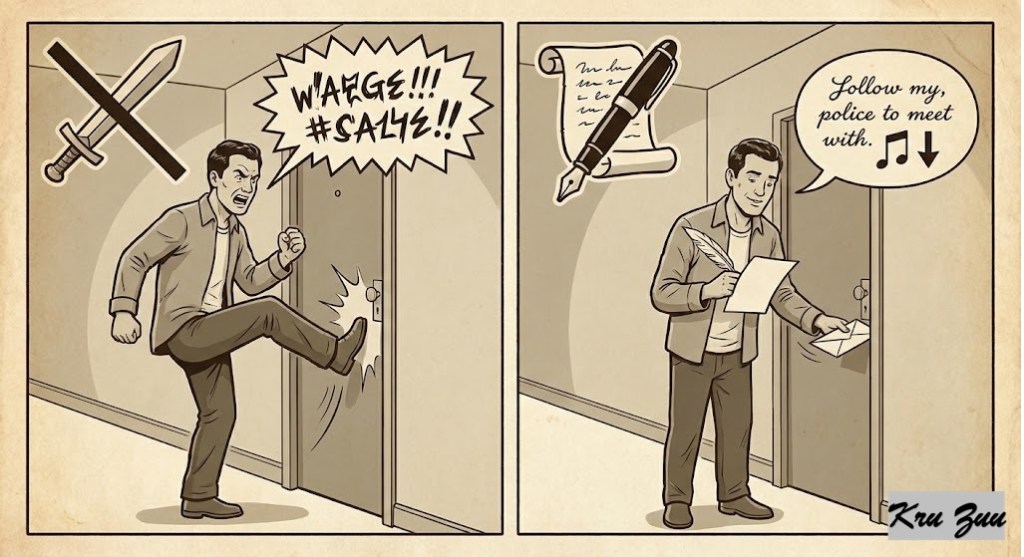
    Think of a problem you have right now (maybe a noisy neighbor, or a friend who is angry). Don’t fight. Write a 3-sentence message to solve it politely.


    Example:Instead of: “Shut up!” (Sword) ⚔️ Write: “Hey! I have a big exam tomorrow and the music is a bit loud. Could you please turn it down? Thanks!” (Pen) 🖋️


    Question: When was the last time you used “words” to get out of trouble? Tell us in the comments! 👇

    By Zubeyir YURTKURAN

    https://www.facebook.com/BrainBattleground/

    https://www.facebook.com/zubeyr.yurtkuran/

    https://www.instagram.com/zubeyryurtkuran/
    https://www.youtube.com/@BrainBattleground-b3p

    https://www.instagram.com/brainbattleground/

  • 🌿 The Daily Insight: The Green Grass Trap

    🌿 The Daily Insight: The Green Grass Trap

    “The grass is always greener on the other side.”


    😈 The Villain (The Dreamer)

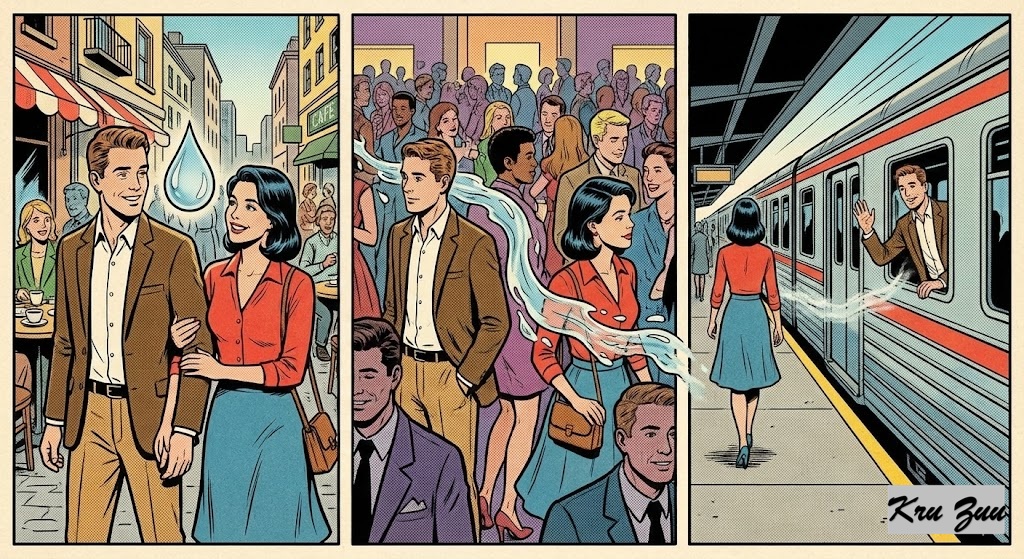
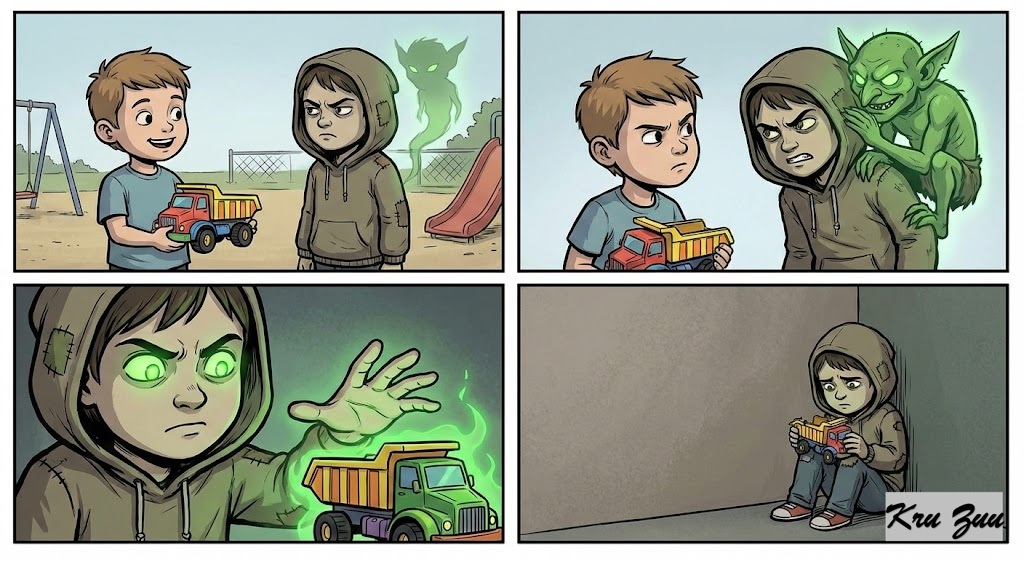
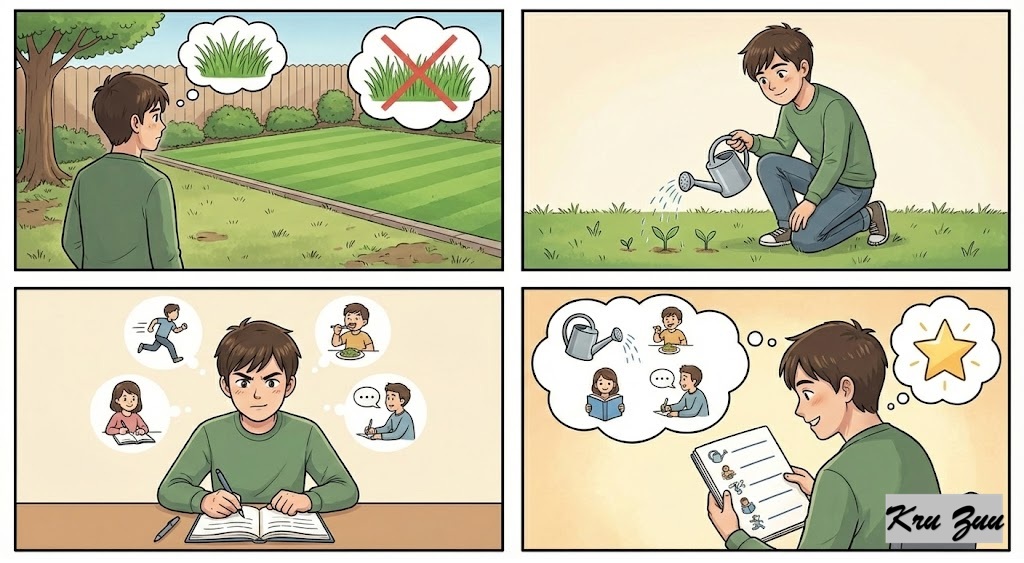
    You look at your life and sigh. You scroll through Instagram and see your friend in Paris. You see your coworker’s new car. You think, “If only I had their life, I would be happy.” You ignore the blessings right in front of your face because you are too busy staring over the fence. You are trapped in the prison of “What If.” 🧟‍♂️


    😇 The Hero (The Gardener)

    You admire other people’s success, but you don’t envy it. You know a secret: Grass is greenest where you water it. Instead of staring at your neighbor’s lawn, you pick up a hose and water your own garden. You focus on your own growth. You find joy in what you have today. 🛡️


    ⚖️ The Reality


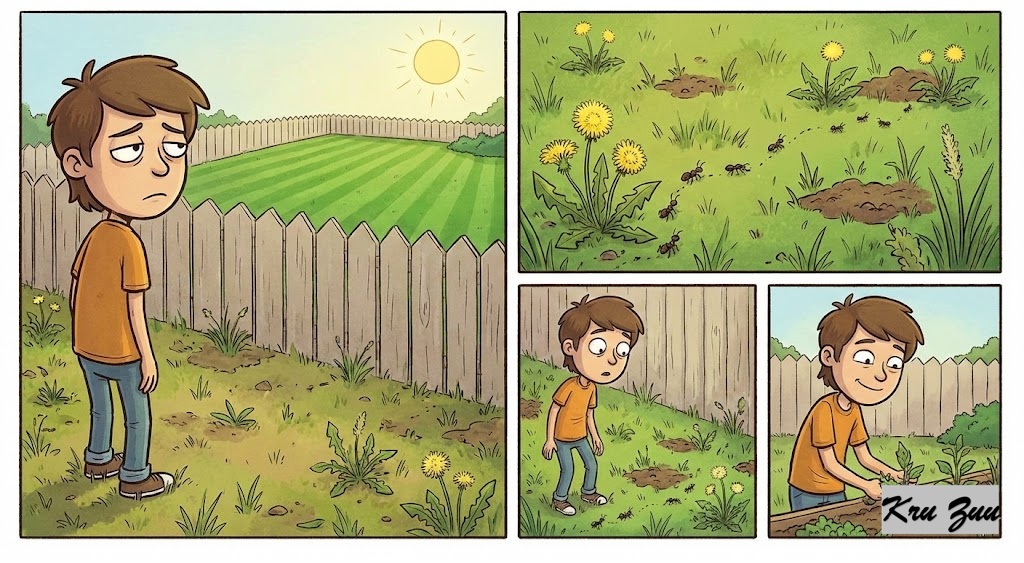
    Comparison is the thief of joy. From a distance, the neighbor’s grass looks perfect. But if you walk over there, you will see weeds, dirt, and ants, just like yours. Every life has problems; you just can’t see them from far away.


    💎 The Secret

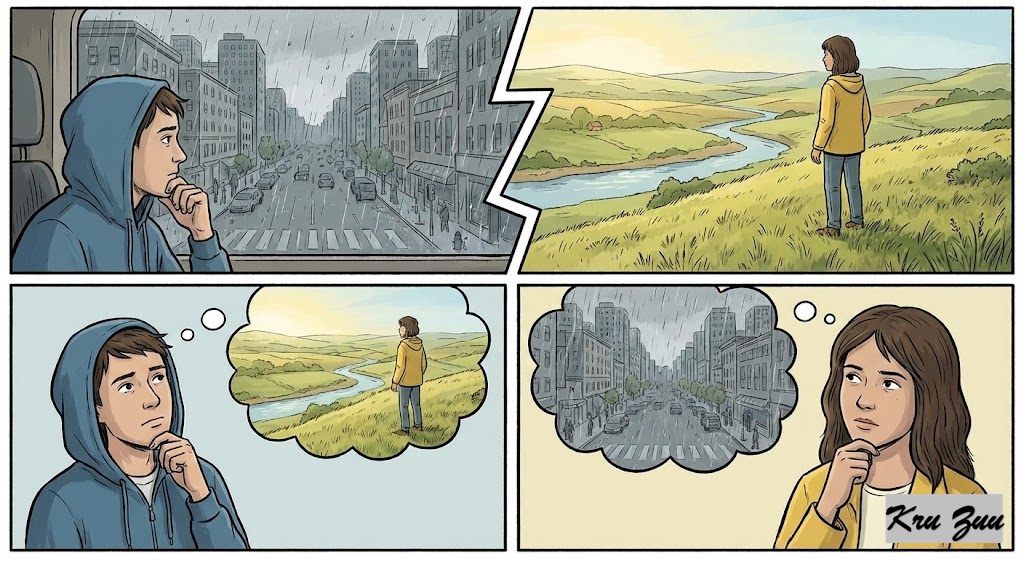
    Happiness is not about getting what you want. It is about wanting what you have.

    🧐 The Anatomy of the Proverb


    This is the ultimate idiom for dissatisfaction.


    Greener (Comparative Adjective): More green; better; healthier.


    On the other side (Prepositional Phrase): In a different place; in someone else’s situation.


    Simpler Version: We always think other people have it better than us.


    📚 Vocabulary Vault


    Envy (Noun/Verb):
    The feeling of wanting what someone else has. (The green-eyed monster). 😠


    Contentment (Noun): A state of happiness and satisfaction. 😌


    Perspective (Noun): A particular attitude toward or way of regarding something; a point of view.


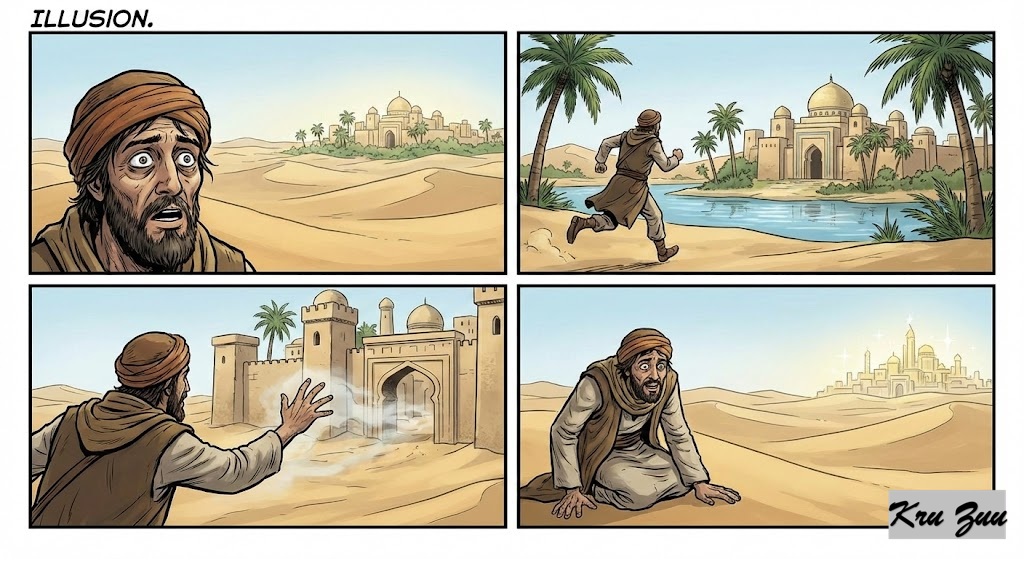
    Illusion (Noun): A false idea or belief. 🪄


    Appreciate (Verb): To recognize the full worth of something.


    🧠 Grammar Focus: Comparatives


    This proverb uses the Comparative Form to show the difference between two things.


    The Rule (Short Adjectives): Add -er to the end of the adjective.


    Green ➡️ Greener
    Fast ➡️ Faster
    Rich ➡️ Richer


    The Structure: [Subject A] is [Adjective + er] + THAN + [Subject B].


    My neighbor is richer than me.


    Summer is hotter than winter.

    📜 History & Global Cousins


    This idea is ancient because human jealousy is ancient!


    The Origin

    The Roman poet Ovid (43 B.C.) wrote about this concept: “The harvest is always more fruitful in another man’s field.”


    Global Cousins


    🇹🇷 Turkish:
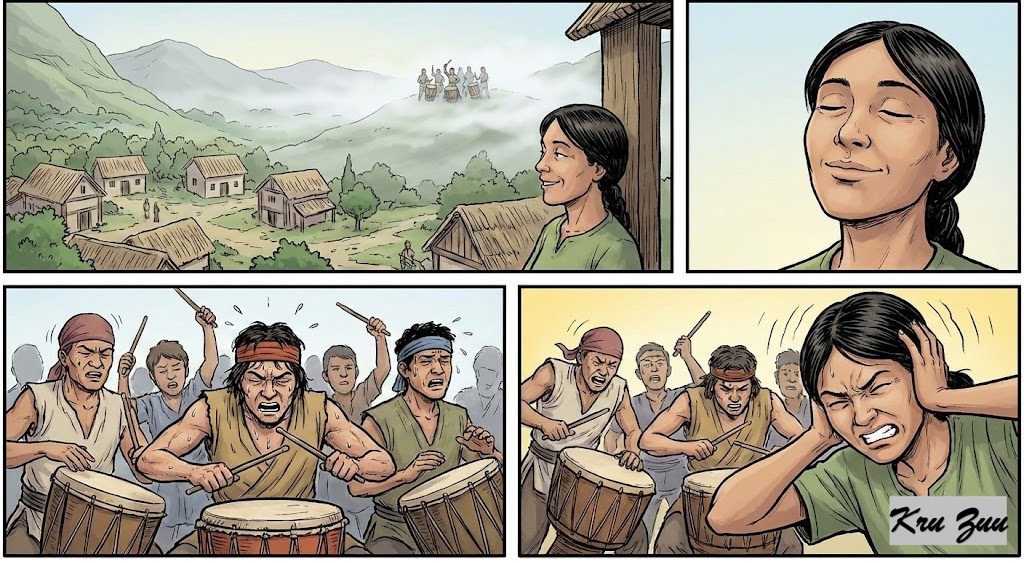
    “Davulun sesi uzaktan hoş gelir.” (The drum sounds nice from afar.)

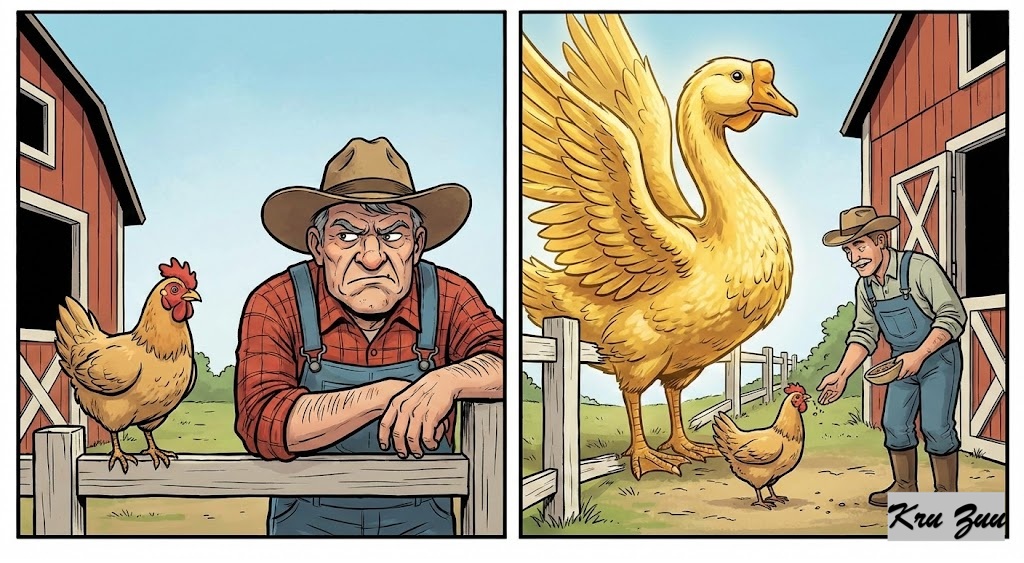
    🇹🇷 Turkish: “Komşunun tavuğu komşuya kaz görünür.” (The neighbor’s chicken looks like a goose to the neighbor.) — Keep this in mind for our story below! 🐔


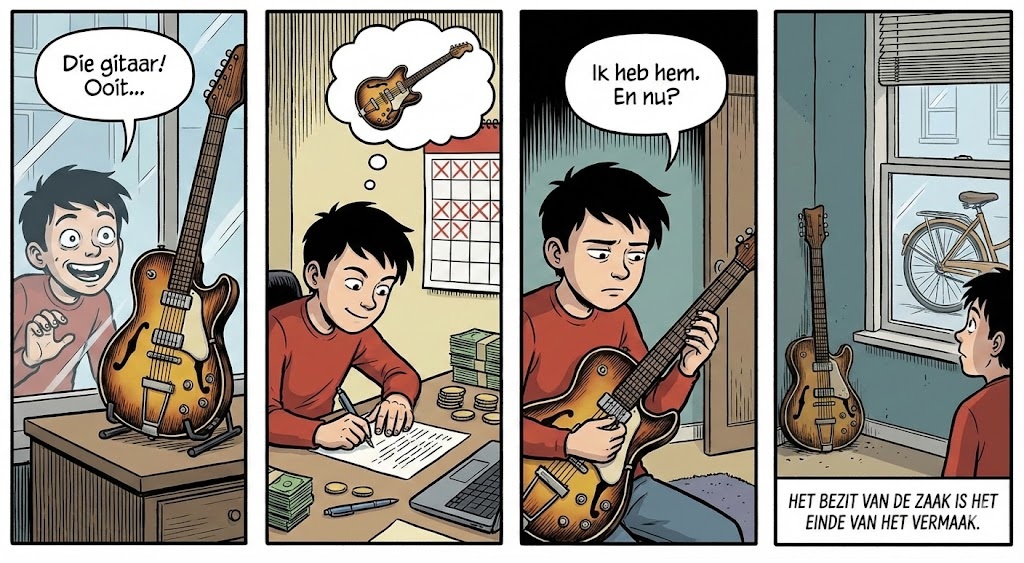
    🇳🇱 Dutch: “Het bezit van de zaak is het einde van het vermaak.” (Possession of the thing is the end of the fun.)

    🎭 Short Story: The Great Animal Swap


    Let’s meet three unhappy animals living on a farm.


    🌟 The Cast


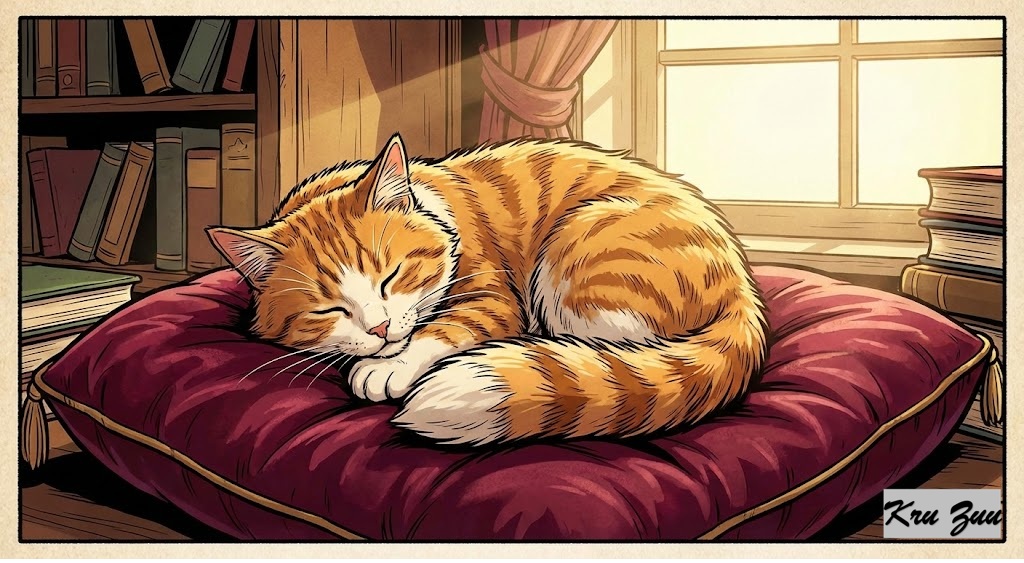
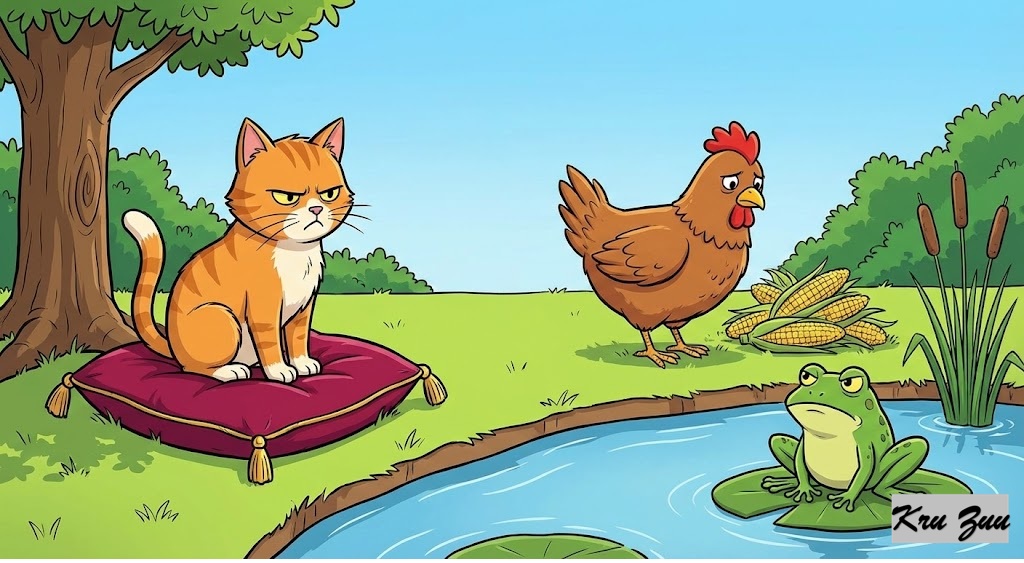
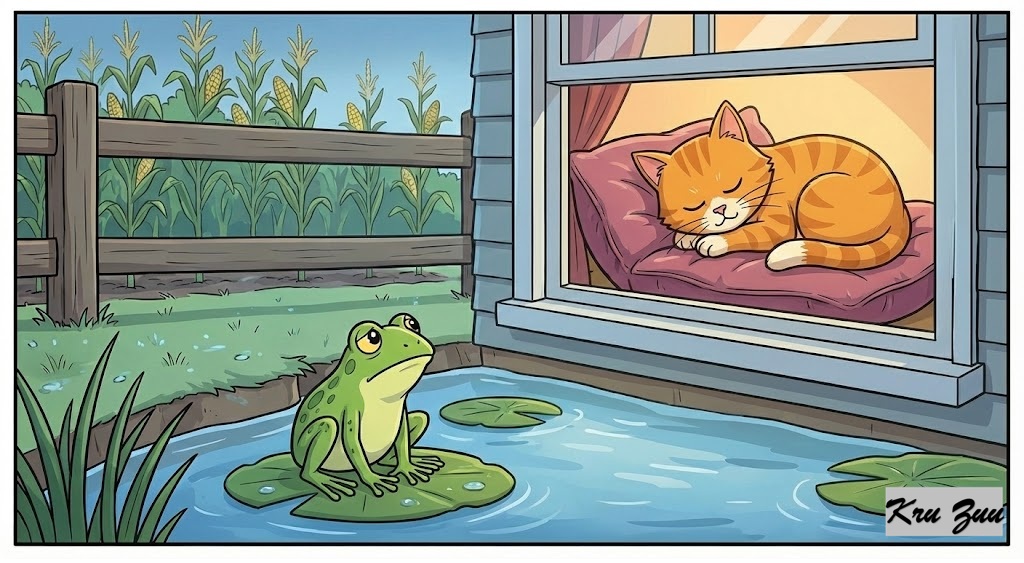
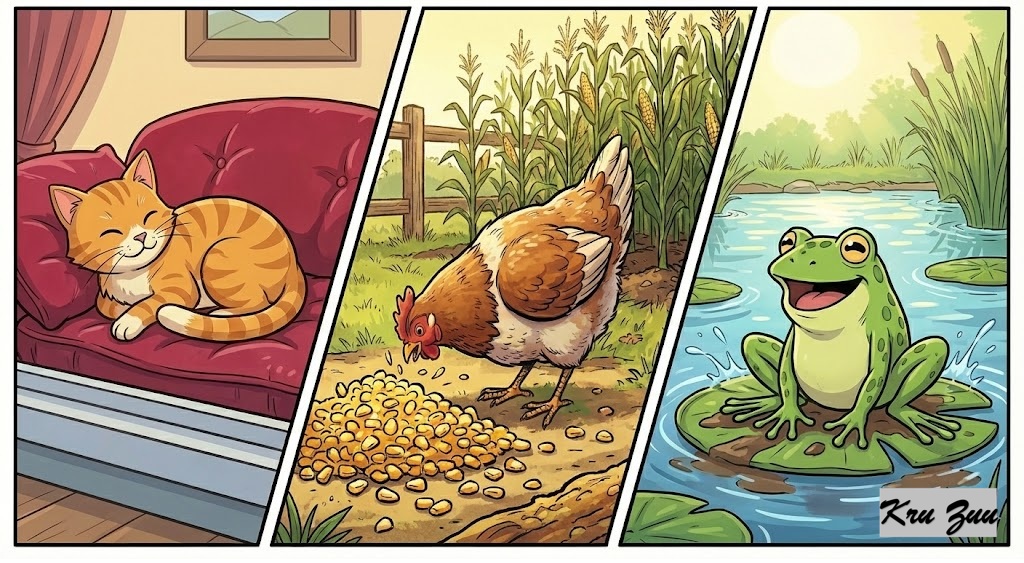
    🐱 Whiskers (The Cat): Sleeps on a velvet pillow inside the house.


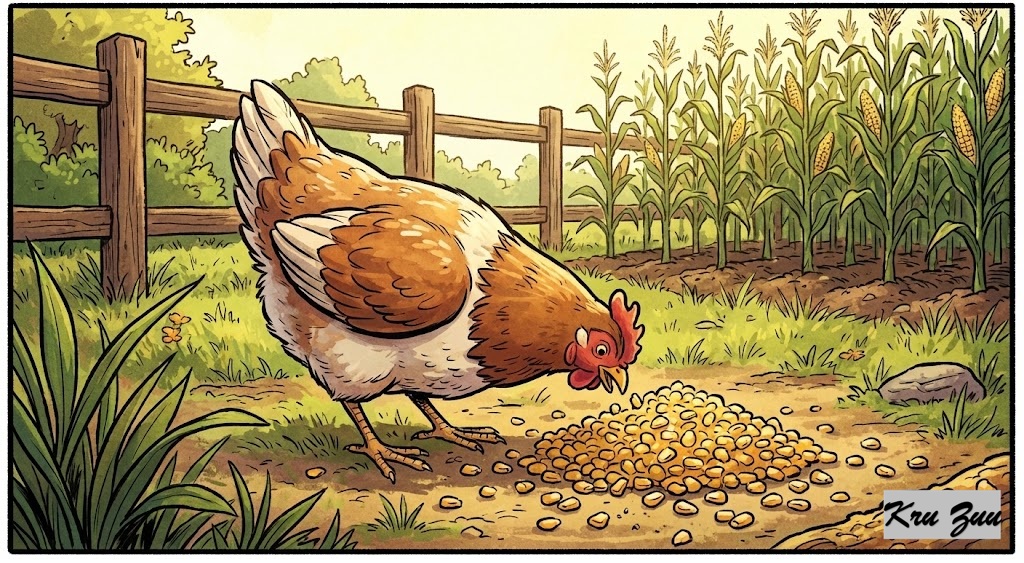
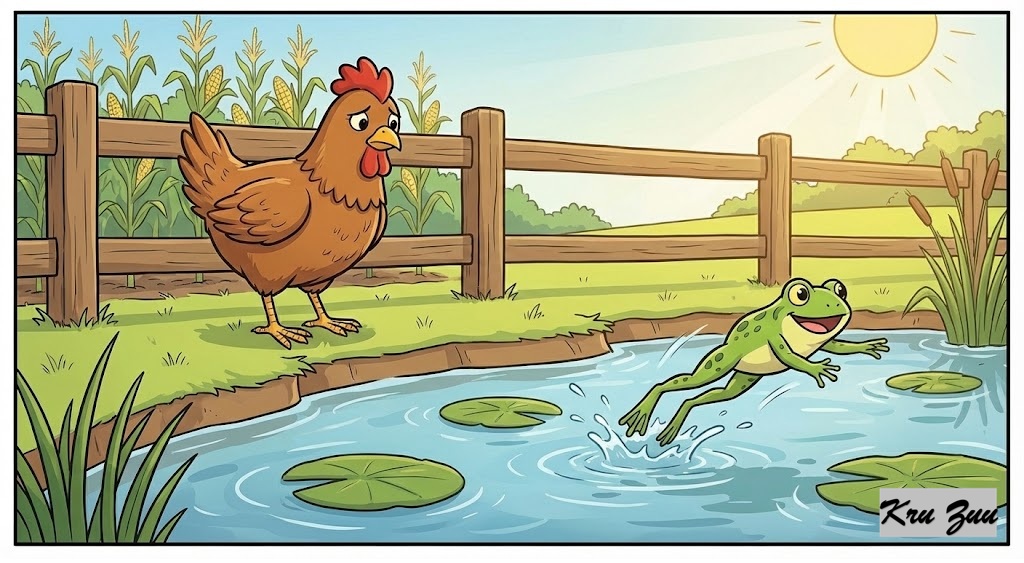
    🐔 Pecky (The Chicken): Lives in the garden with unlimited corn.


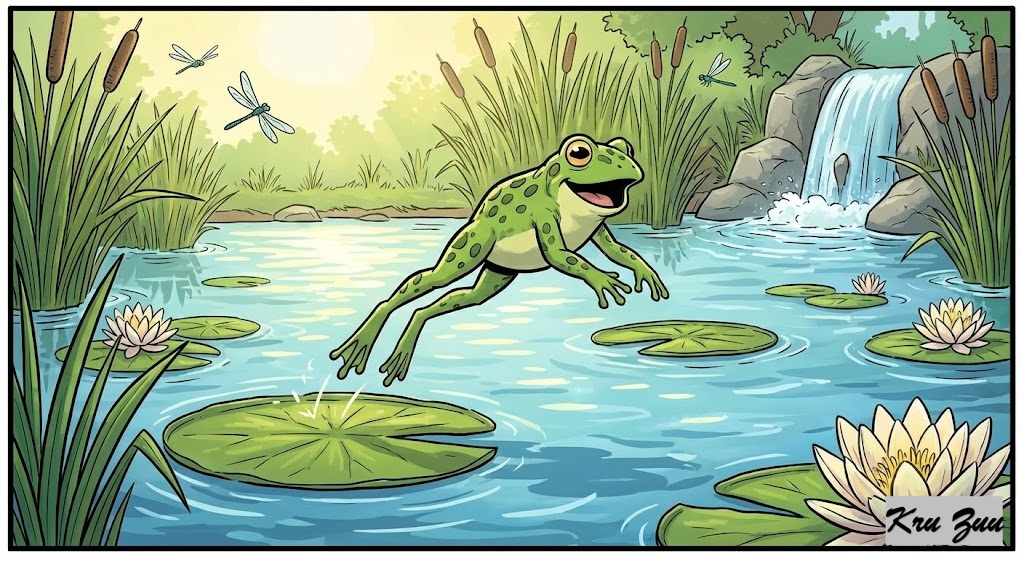
    🐸 Hops (The Frog): Lives freely by the cool pond.


    The Conflict: It is a sunny Tuesday, but nobody is happy.


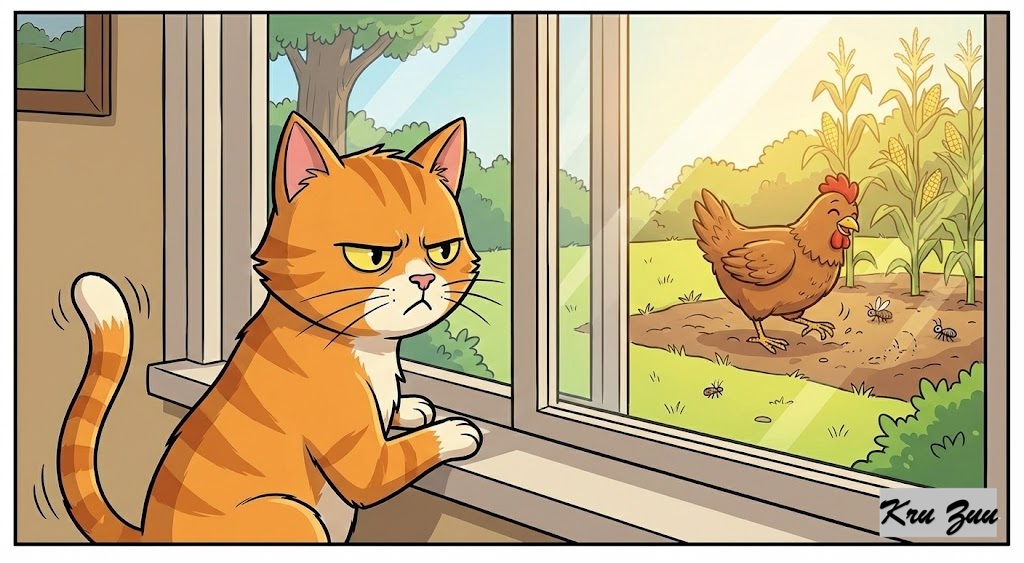
    Whiskers the Cat looks out the window. “Look at Pecky. She is so free! She feels the sun and eats bugs all day. I am trapped in this boring house. I wish I were a chicken.”


    Pecky the Chicken looks at the pond. “Look at Hops. He can swim! He travels wherever he wants. I am stuck behind this fence waiting to be eaten! I wish I were a frog.”


    Hops the Frog looks at the window. “Look at Whiskers. He sleeps on a soft pillow. He never gets cold or wet. He is treated like a King. I wish I were a cat.”


    The Swap (The Disaster):
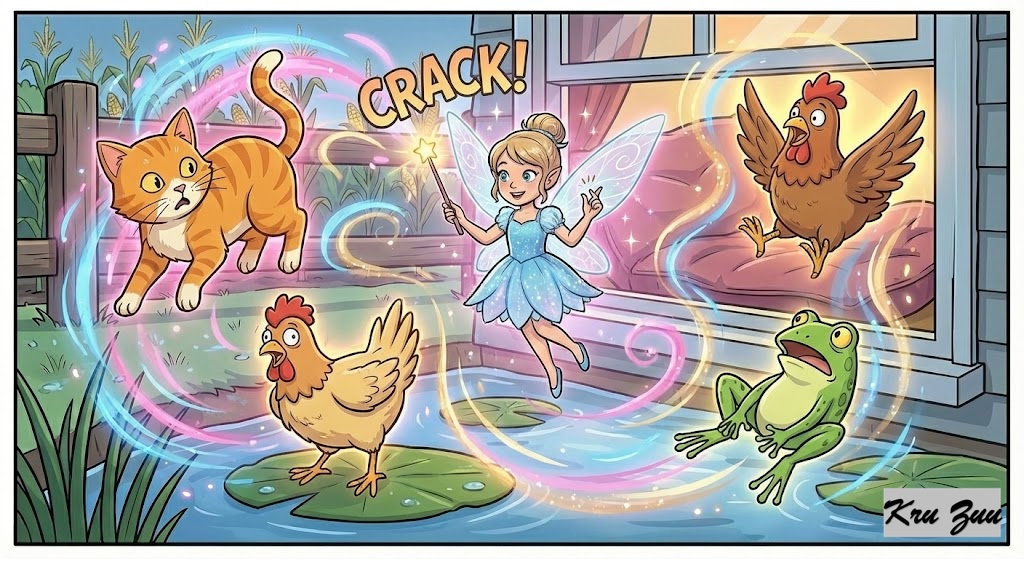
    A magic fairy hears their complaints and snaps her fingers! 🪄💥


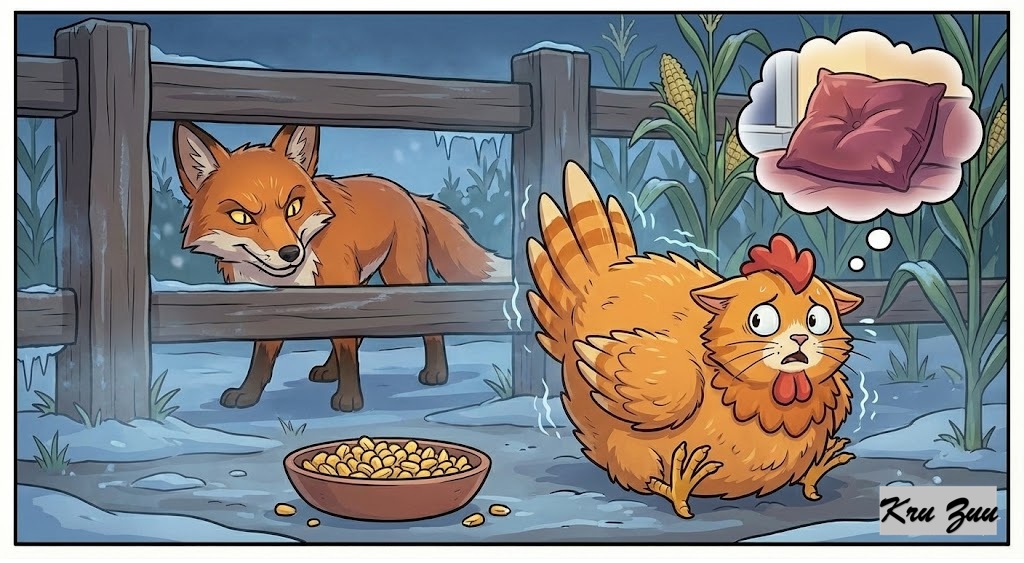
    The Cat becomes a Chicken: Whiskers is now outside. It is cold. The food is hard corn (yuck!). A fox stares at him. He is terrified! “Take me back to my pillow!” 🙀


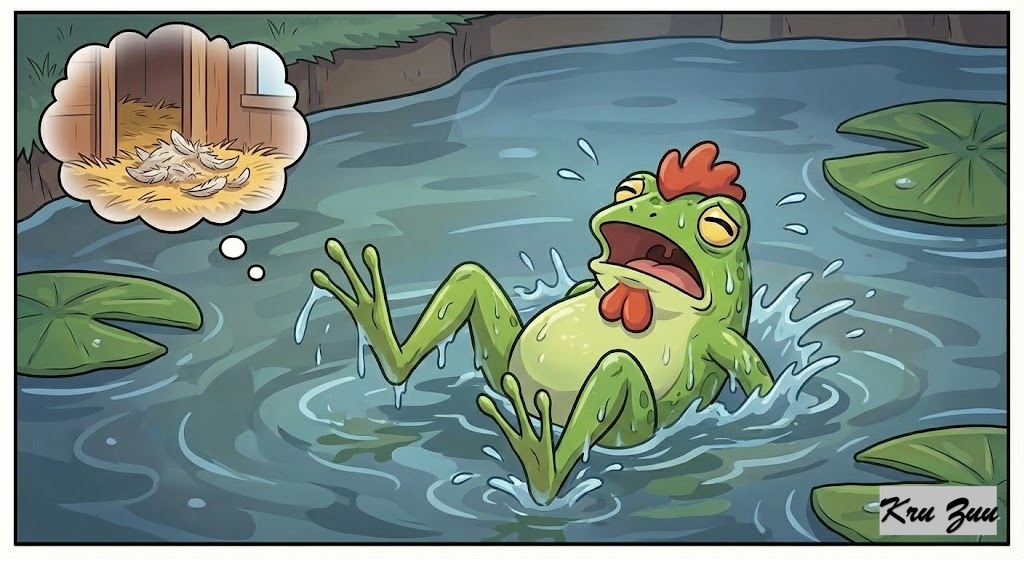
    The Chicken becomes a Frog: Pecky jumps into the water. “Help! I can’t swim!” She is wet, cold, and slimy. She misses her warm feathers. “Take me back to my coop!” 🐔💦


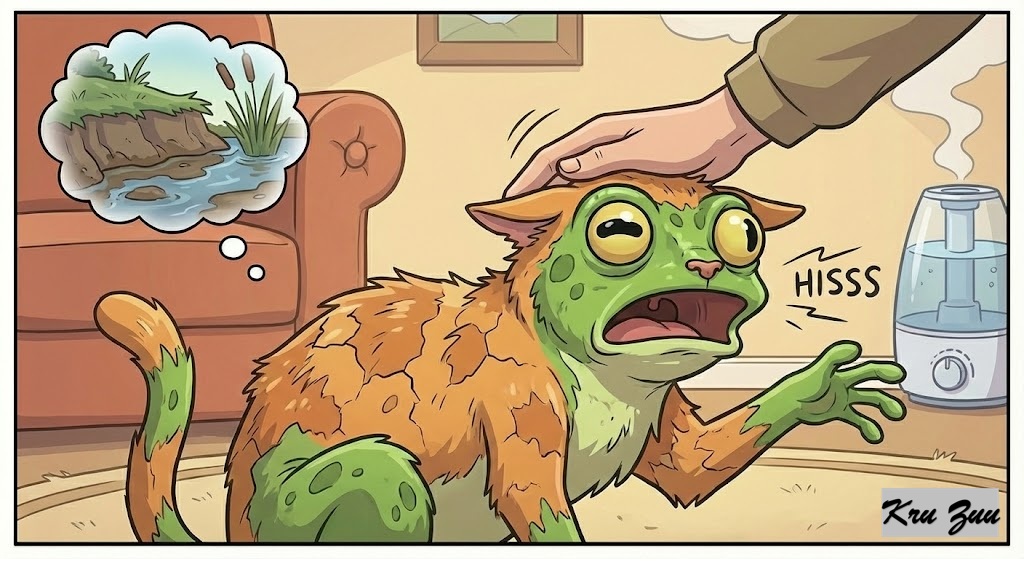
    The Frog becomes a Cat: Hops is inside. The air is dry. His skin starts to crack. The human tries to cuddle him. “Don’t touch me! I need water!” He feels suffocated. “Take me back to my mud!” 🐸🚫


    The Moral: When the magic ended, they all sighed with relief. The pillow, the corn, and the mud never looked so good. The grass wasn’t greener; it was just different.

    🎓 Lesson for English Learners


    Don’t compare your “Chapter 1” to someone else’s “Chapter 20.”


    Situation

    You hear a native speaker talking fast and fluent. You feel bad about your English.


    The Reality

    They have been speaking English since they were babies. You started 2 years ago.


    You Say: “I will not look at their grass. I will water my own grass. Today, I will learn 5 new verbs. That is progress.”


    💬 Your Turn: The Gratitude Challenge 🚀


    Stop looking over the fence. Look at your feet.


    The Challenge: Identify ONE thing in your life that someone else might be jealous of.


    Do you have free time?


    Do you have a loving family?


    Can you read this blog post? (Yes, you can!)


    The Action:
    Write that one thing in the comments below! 👇 “I am happy that I have…”


    (Don’t put it off! Do it now!) 😉

    By Zubeyir YURTKURAN

    https://www.facebook.com/BrainBattleground/

    https://www.facebook.com/zubeyr.yurtkuran/

    https://www.instagram.com/zubeyryurtkuran/

    https://www.youtube.com/@BrainBattleground-b3p

    https://www.instagram.com/brainbattleground/

  • 🌤️ The Silver Lining Effect: Finding Light in the Dark

    🌤️ The Silver Lining Effect: Finding Light in the Dark

    Every cloud has a silver lining.


    👿 The Villain (The Pessimist): You lose your job unexpectedly.

    You panic. You spend weeks complaining, blaming your boss, and sleeping until noon.

    You tell everyone, “My life is over.”

    The Result? You miss new job openings because you are too busy being angry.

    Your friends stop calling because your negative energy drains them.

    You stare at the dark cloud so long that you get soaked by the rain. You drown in a puddle of your own making. 🌧️


    😇 The Hero (The Alchemist): You lose your job unexpectedly. It hurts, but you take a deep breath.

    You think, “I hated that commute anyway. Now I have time to take that coding course I always wanted.”

    The Result? Three months later, you launch a freelance business.

    You are making more money and working from home.

    Losing that job wasn’t a tragedy; it was the push you needed to fly.

    You didn’t just survive the storm; you used the water to grow a garden. 🌻


    ⚖️ The Reality:
    Life is not a weather report you can control.

    Storms will happen. But the sun never actually leaves; it is just temporarily hidden.

    💎 The Secret: The “bad thing” is often the transportation system for the “good thing.” Without the dark background, the stars cannot shine.

    🧐 The Anatomy of the Proverb


    This is the ultimate phrase for Optimism. It reminds us that even the worst situations (clouds) have a positive aspect or a hopeful side (the silver lining).


    Cloud: Represents trouble, sadness, or difficulty.


    Silver Lining: Represents the sun shining from behind the cloud, creating a glowing, bright edge. (Hope/Advantage).


    📚 Vocabulary Vault


    Optimist (Noun):
    A person who tends to look on the more favorable side of events. 😃


    Pessimist (Noun): A person who tends to see the worst aspect of things. ☹️


    Resilience (Bonus Word): The capacity to recover quickly from difficulties; toughness.


    Setback (Noun): A reversal or check in progress (a minor problem).


    Blessing in Disguise (Idiom): Something that seems bad at first but results in something good.


    🧠 Grammar Focus


    “Every” + Singular Noun vs. Plural Meaning This is a common trap for students! Even though “Every” talks about all the clouds, we treat it grammatically as a single unit.


    Subject: [Every cloud]


    Verb: [has] (Third Person Singular)


    Object: [a silver lining]


    Incorrect: Every clouds have a silver lining. ❌
    Incorrect: Every cloud have a silver lining. ❌
    Correct: Every cloud has a silver lining. ✅

    📜 History: Origin and Spread


    This poetic phrase wasn’t invented by a philosopher, but by a poet.


    The Origin: It comes from John Milton’s masque “Comus” (1634).

    He wrote: “Was I deceived, or did a sable cloud / Turn forth her silver lining on the night?”


    The Evolution: In the Victorian era, people shortened it to the proverb we use today to cheer each other up during hard times.


    Global Cousins:


    🇹🇷 Turkish:
    “Her şerde bir hayır vardır.” (There is good in every evil/bad thing.)


    🇪🇸 Spanish: “No hay mal que por bien no venga.” (There is no bad from which good does not come.)


    🇩🇪 German: “Auf Regen folgt Sonnenschein.” (After rain follows sunshine.)


    🇯🇵 Japanese: “Saiou ga uma.” (The story of the old man’s horse, bad luck leads to good luck.)

    🎯 Impact on Life: The Pros & Cons


    Is this toxic positivity, or a survival strategy?


    ✅ The Pros (The Shield):


    Mental Health:
    It reduces anxiety. Instead of focusing on “Why me?”, you focus on “What now?”


    Problem Solving: When you look for the silver lining, you stop freezing and start acting.


    Grit: It helps you endure pain because you believe there is a purpose to it.


    ❌ The Cons (The Trap):


    Invalidation:
    Telling someone who just lost a loved one “Every cloud has a silver lining” is rude. Sometimes, people just need to be sad.


    Denial: If you only look at the bright side, you might ignore a serious problem that needs fixing.

    🎭 Short Story: The Ruined Picnic


    Let’s visit our trio: Penny, Fiona, and Max.


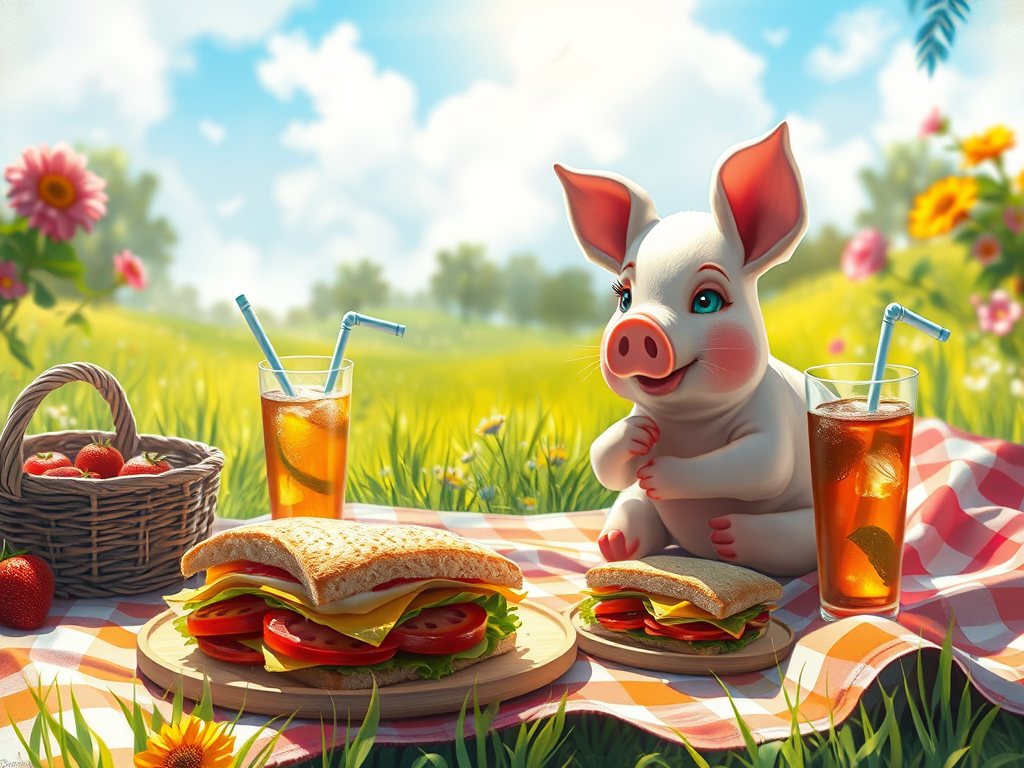
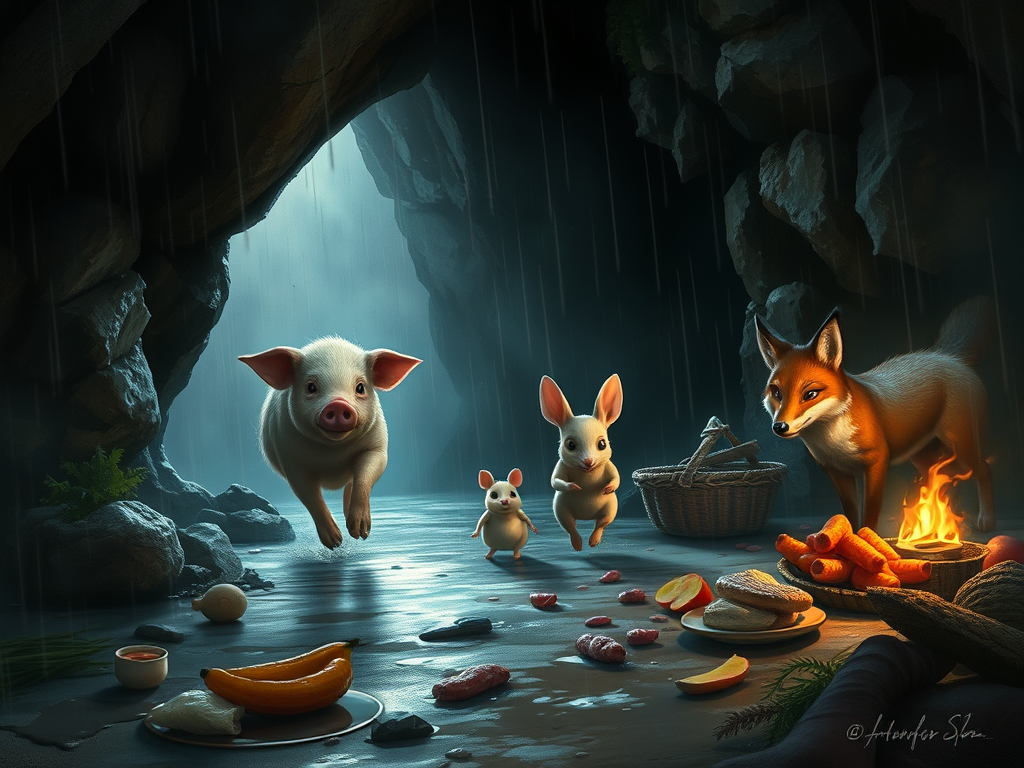
    🌟 The Setup: Penny the Pig had organized the “Perfect Picnic.” She had sandwiches, iced tea, and a beautiful blanket.

    Fiona the Fox and Max the Mouse were excited. “It’s going to be a beautiful day!” Penny(PIG) squealed.


    The Conflict: As soon as they sat down… KABOOM! Thunder crashed. The sky turned black, and rain poured down instantly.

    “My sandwiches!” cried Penny. “My fur!” cried Fiona.

    The picnic was ruined. They grabbed the wet food and ran into a nearby dark cave for shelter. ⛈️


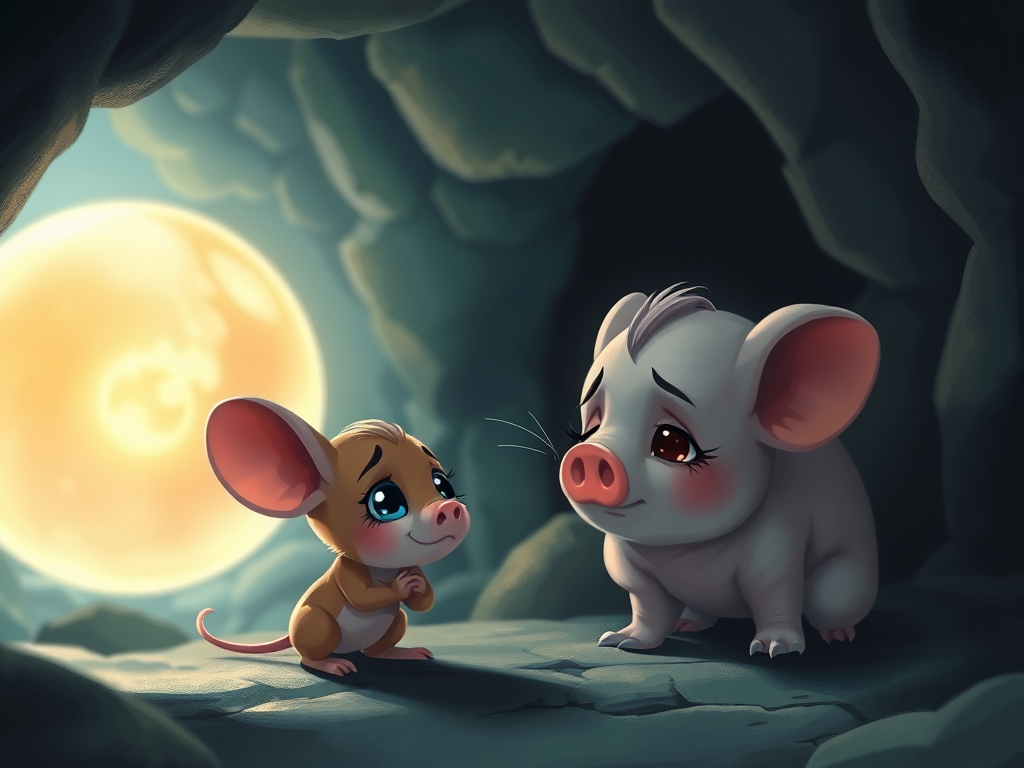
    The Action: Penny was crying. “This is a disaster.” But Max, being small and curious, saw something glowing at the back of the cave.

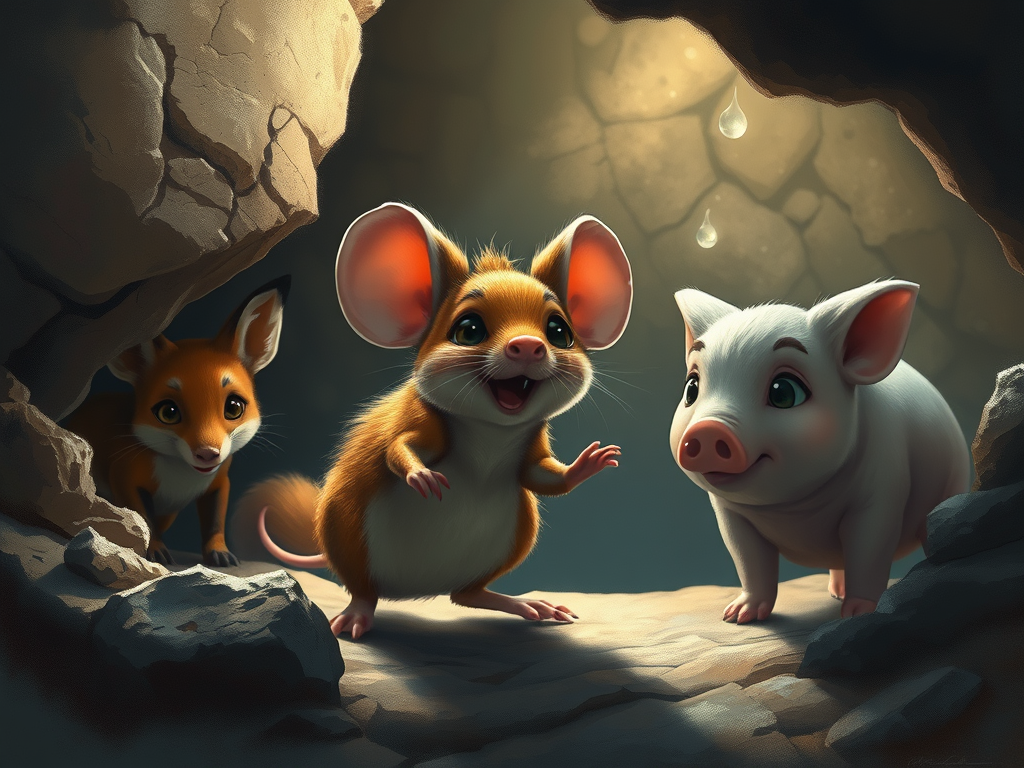
    “Hey guys, look at this!” he squeaked. They walked deeper into the cave.

    The walls were covered in glow-worms that looked like a magical starry night sky. It was breathtakingly beautiful. ✨


    The Climax: They sat on the dry rocks, ate their slightly soggy sandwiches, and watched the magical light show of the glow-worms.

    They told ghost stories and laughed louder than they would have outside.


    The Moral: If it hadn’t rained, they never would have found the magical cave.

    The storm (the cloud) led them to the most beautiful memory of the summer (the silver lining).

    🎓 Lesson for English Learners


    How to use this phrase naturally.


    Consoling a Friend (Professional Failure) 💼


    Situation:
    Your friend didn’t get the promotion they wanted.


    You say: “I know it hurts, but maybe every cloud has a silver lining. This might be the sign you needed to apply for that better company in the city.”


    Reframing a Bad Day 🚌


    Situation:
    You missed your bus and had to walk.


    You say: “Well, I missed the bus, but every cloud has a silver lining; at least I got my 10,000 steps in for the day!”


    Vocabulary Expansion 📚


    To Look on the Bright Side:
    To find the good in a bad situation.


    To Make Lemonade out of Lemons: To turn a difficulty into an opportunity.


    Weather the Storm:
    To endure a difficult situation until it improves.


    💬 Your Turn


    The “Hidden Gem” Challenge 💎


    Let’s practice gratitude.


    The Cloud:
    Think of a time something “bad” happened to you (a breakup, a firing, a missed flight).


    The Silver Lining: What good thing happened because of that bad event? Did you meet someone new? Did you learn a lesson?


    Action Step:
    Next time you complain today (about the traffic, the weather, or work), immediately add “…but the silver lining is…” and finish the sentence.


    Question: What is the biggest “Blessing in Disguise” you have ever experienced? Tell us your story in the comments! 👇

    By Zubeyir YURTKURAN

    https://www.facebook.com/BrainBattleground/

    https://www.facebook.com/zubeyr.yurtkuran/

    https://www.instagram.com/zubeyryurtkuran/
    https://www.youtube.com/@BrainBattleground-b3p

  • 🔄 The Golden Rule: The Boomerang of Life

    🔄 The Golden Rule: The Boomerang of Life

    Treat others how you want to be treated.


    👿 The Villain:
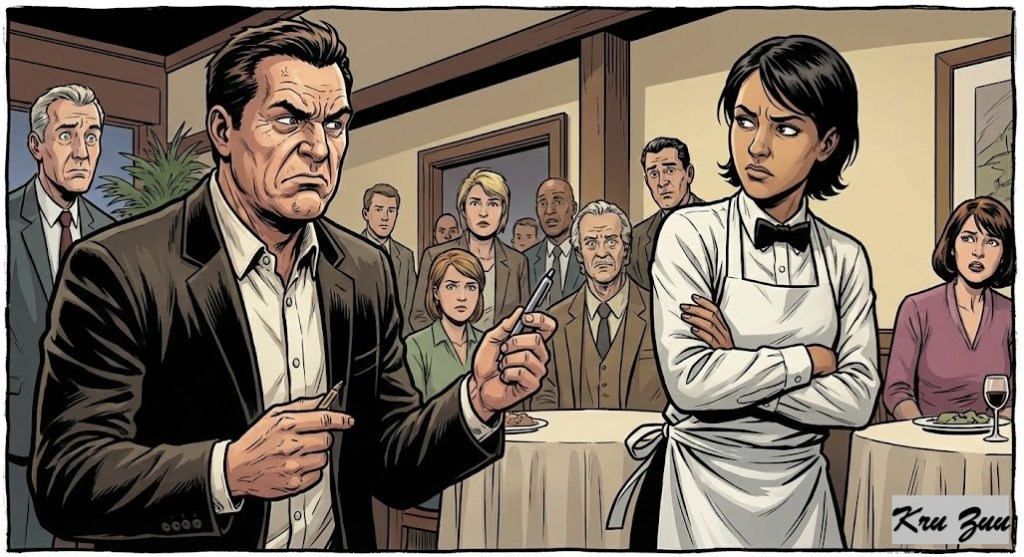
    You are having a bad day. You yell at the waiter because your coffee is cold.

    You push past people on the bus.

    You ignore your friend’s text.

    Result? The world feels angry. People are rude back to you. You feel like a victim, but actually, you started the fire. 🔥


    😇 The Hero: You smile at the stranger on the street.

    You hold the door open for someone carrying heavy boxes.

    You listen when your friend is sad.

    Result? Suddenly, people smile back. When you drop your books, someone rushes to help you pick them up. The world feels warm. ☀️


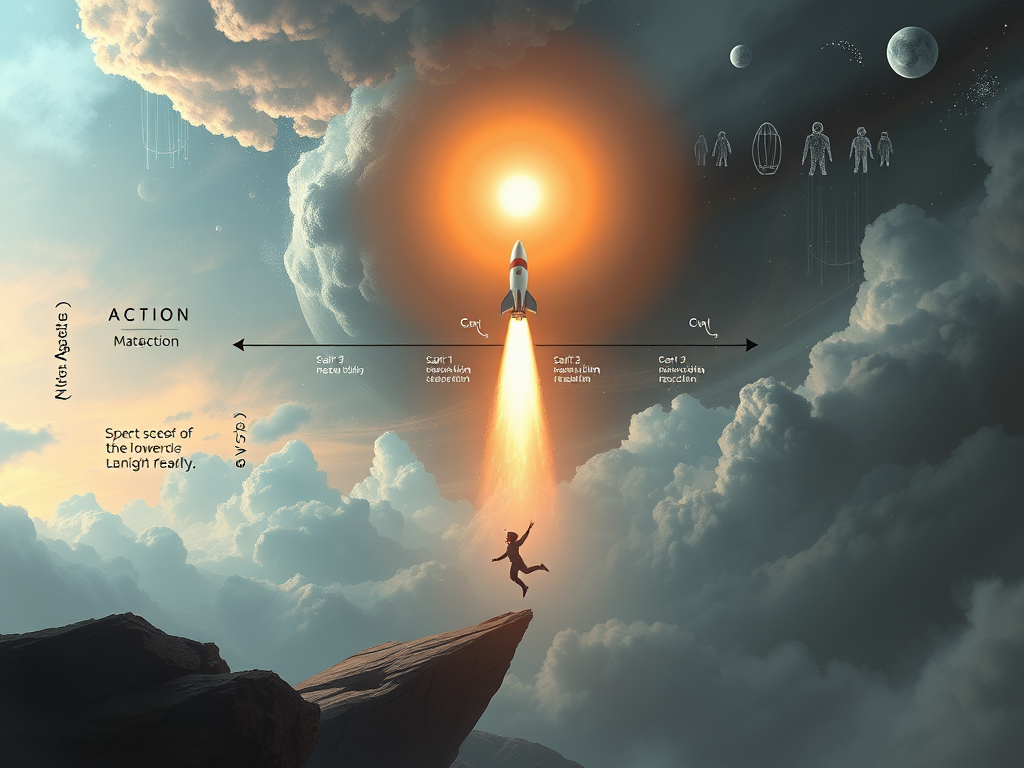
    📉 The Reality: Newton’s Third Law of Physics says: “For every action, there is an equal and opposite reaction.” This applies to humans too!

    💎 The Secret: Life is an echo. What you send out, comes back. If you want respect, you must give it first.


    In this post, we are decoding the secret to being popular, respected, and happy. Let’s look at the Boomerang Effect! 🪃

    🧐 The Anatomy of the Proverb


    Let’s break down the grammar to understand the command.


    📚 Vocabulary Vault


    Treat (Verb): To behave towards someone or deal with someone in a certain way.


    Example: “Please treat this glass carefully, it is fragile!” 🍷


    Others (Pronoun): People who are not you. Everyone else. 👥


    The Golden Rule (Idiom): A universal moral principle found in almost every culture.


    🧠 Grammar Focus


    The Imperative Mood (The Bossy Verb):
    This sentence starts with a verb (Treat). There is no “You.”


    Normal: You should treat others…


    Imperative:Treat others… (It is a direct instruction or strong advice).


    The “How” Clause: “How you want to be treated” acts as an adverb describing the verb Treat.


    Do it how? Like you want it done to you.

    📜 History: Ancient Wisdom


    Is this just a modern polite phrase? No! It is thousands of years old.


    The Origin:
    This is arguably the oldest ethical rule in human history. It appears in Ancient Egypt (The Tale of the Eloquent Peasant), in Confucianism, and in the Bible.


    Global Cousins:


    🇹🇷 Turkish: “
    Ne ekersen, onu biçersin.” (You reap what you sow.)

    🇹🇷 Turkish:“İğneyi kendine, çuvaldızı başkasına batır.” (Prick yourself with a needle before you prick others with a packing needle.) 🪡


    🇨🇳 Chinese: “Do not do to others what you do not want done to yourself.” (Confucius).


    🇮🇳 Hindi: “Karma.” (What goes around, comes around).


    The Lesson: You are the architect of your own social life.

    🎯 Impact on Life: The Pros & Cons


    Why should you be nice to mean people?


    ✅ The Pros (The Magnet)


    Likability:
    People naturally gravitate towards kind people.


    Peace: You have less drama and fewer fights in your life.


    Self-Respect: Even if they are rude, you know you kept your dignity.


    ❌ The Cons (The Doormat)


    Expectations:
    Just because you are nice, doesn’t mean everyone will be nice back instantly. Don’t do it for a reward; do it because it’s right.


    Boundaries: Treating people well does not mean letting them use you. You can be kind but still say “No.” 🛑

    🎭 Short Story: The Echo Cave


    Let’s check back in with our farm friends!


    🌟 Character Introduction


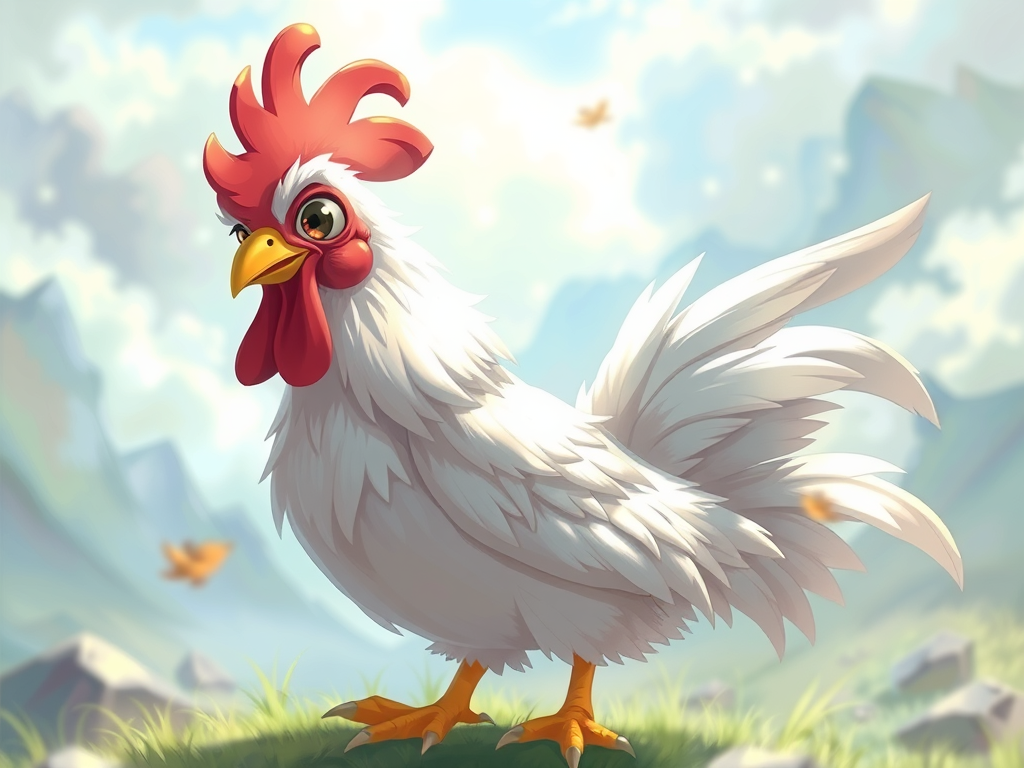
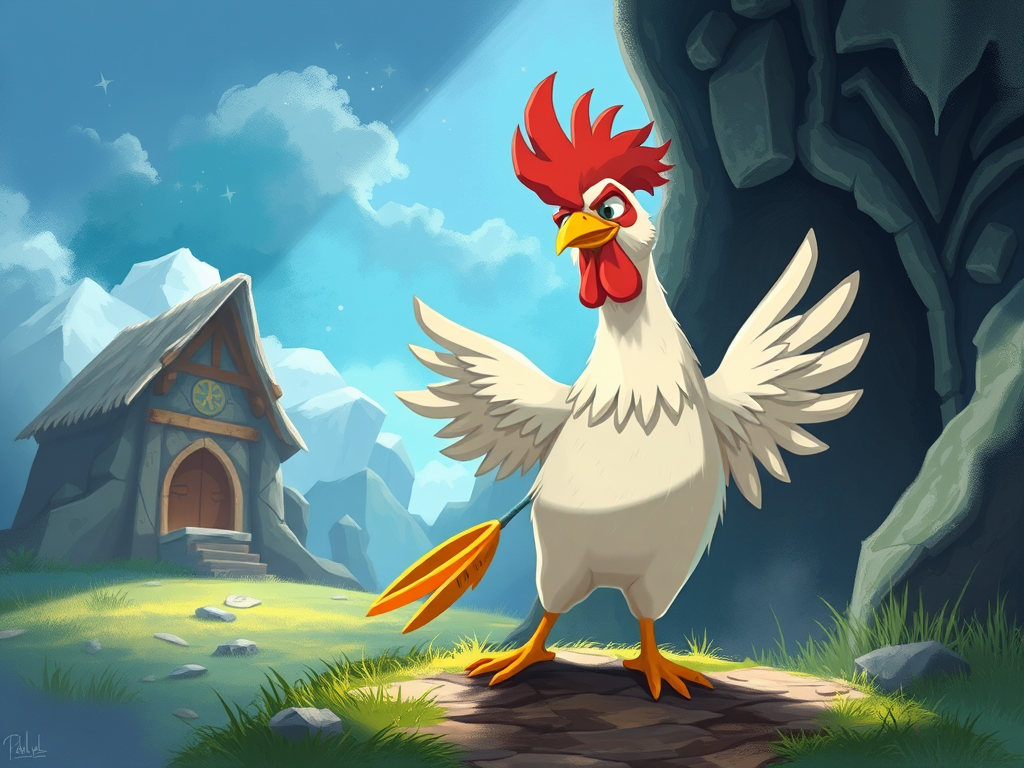
    Percy the Chicken:
    Impatient, loud, thinks he is the boss. 🐔


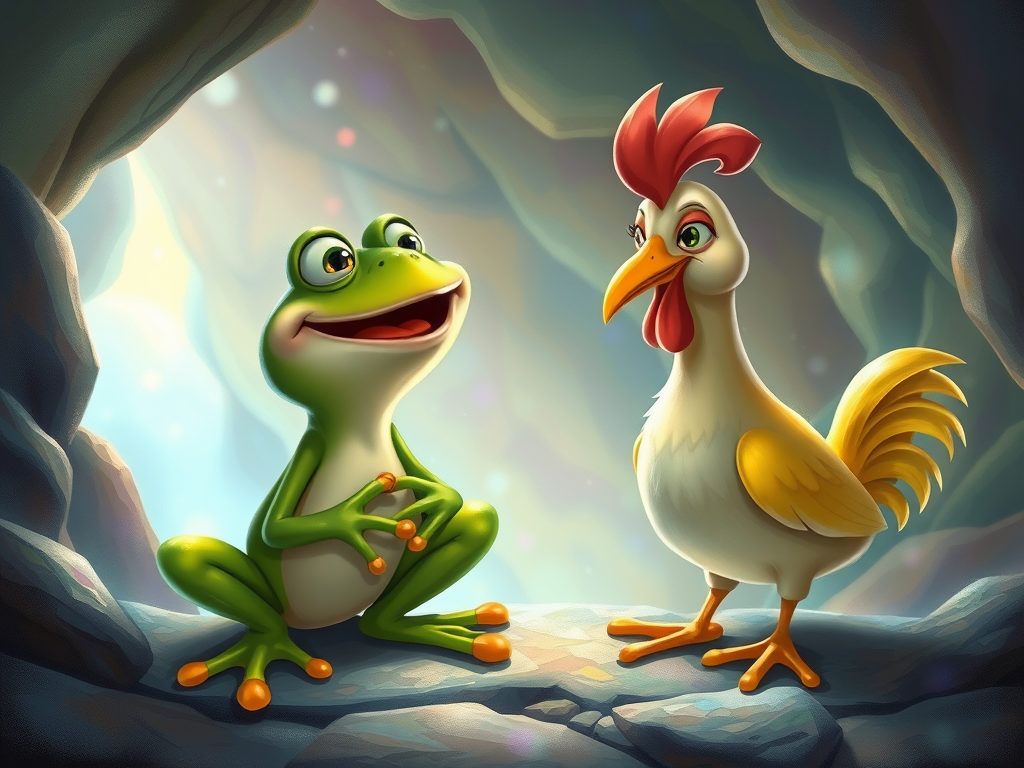
    Fred the Frog: Chill, observant, polite. 🐸


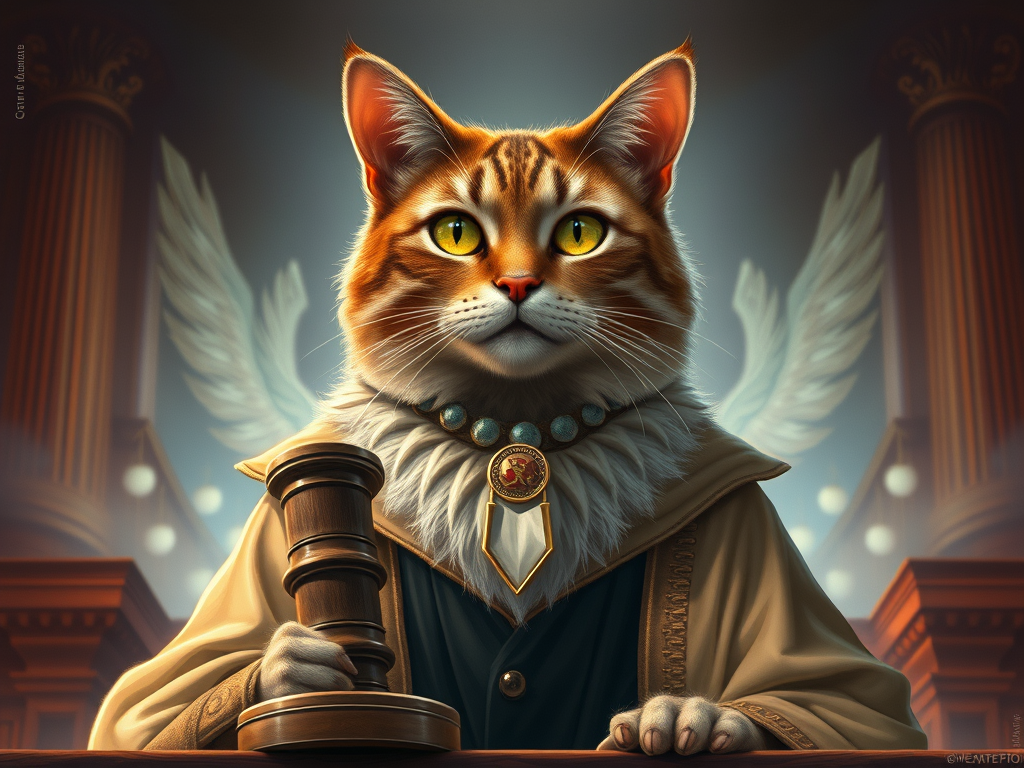
    Luna the Cat: The wise judge. 🐱


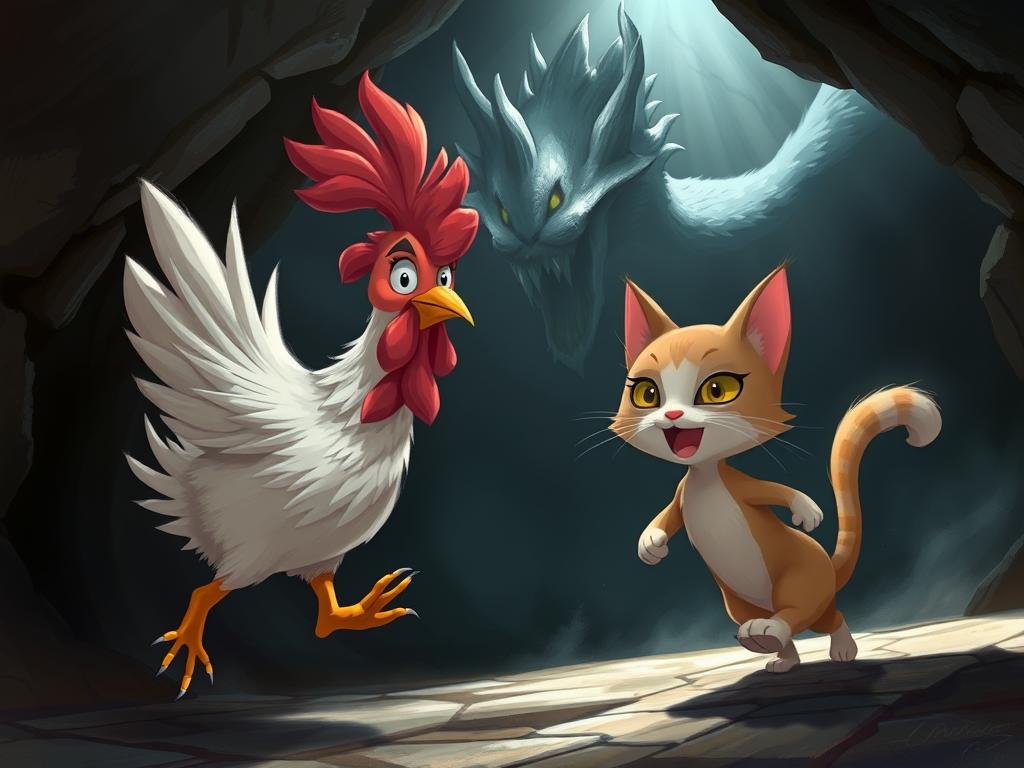
    The Setup: Percy was in a bad mood. He walked to the edge of the farm, near the Big Cave. “HEY! YOU ARE STUPID!” Percy shouted into the cave. The cave shouted back: “YOU ARE STUPID… stupid… stupid…” Percy got angry. “NO, YOU ARE UGLY!” The cave echoed: “YOU ARE UGLY… ugly… ugly…”


    The Conflict: Percy ran to Luna the Cat, feathers puffing up. “Luna! There is a monster in the cave! It called me stupid and ugly! We must attack it!” ⚔️


    The Solution: Luna smiled slowly. “Percy, go back. But this time, say something nice.”

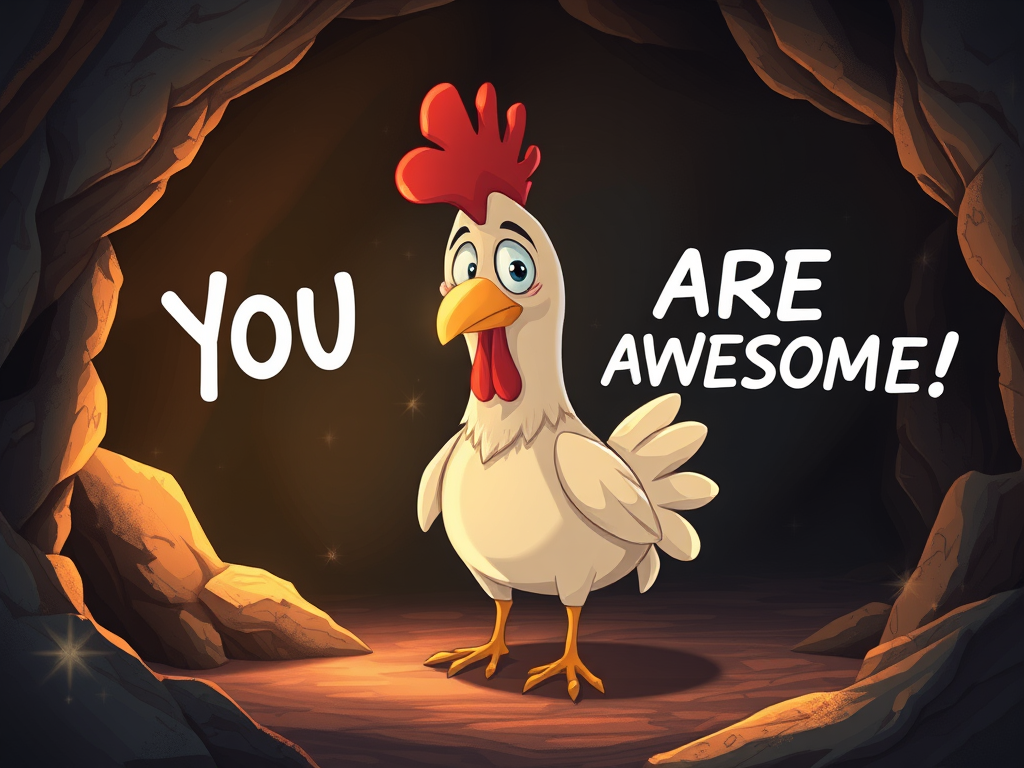
    Percy was confused, but he went back. “HELLO! YOU ARE AWESOME!” Percy shouted. The cave replied: “YOU ARE AWESOME… awesome… awesome…” ✨


    The Moral: Fred hopped by and laughed. “The cave is like people, Percy. If you shout hate, you hear hate. If you shout love, you hear love.”

    🎓 Lesson for English Learners


    How to use “The Golden Rule” in your English class?


    Empathy Language (Walk in their shoes) 👞 Before you judge a classmate, ask yourself:


    “If I made a pronunciation mistake, would I want them to laugh?”


    Answer: No. So, I will not laugh at them.


    Polite Requests vs. Demands 🗣️


    Rude (Don’t treat people like this):
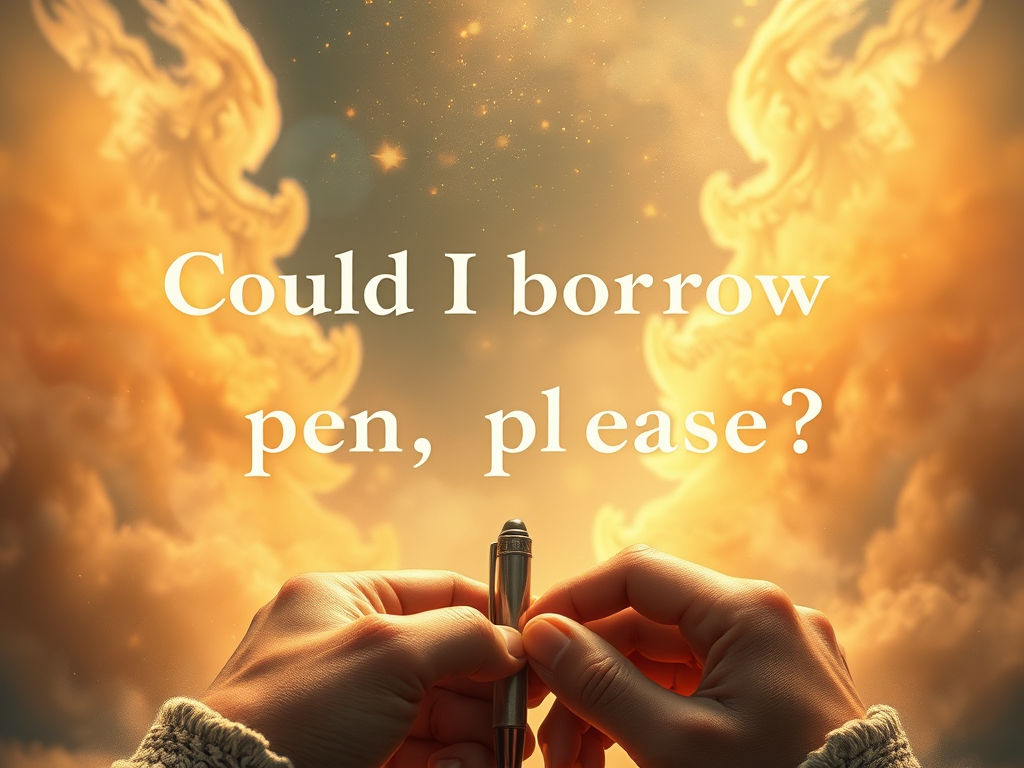
    “Give me a pen.”


    Golden Rule (Do this): “Could I borrow a pen, please?” (Because you like it when people say please to you!)


    Vocabulary Expansion


    Reciprocity:
    (Noun) An exchange for mutual benefit. “Friendship is based on reciprocity.”


    Compassion: (Noun) Sympathy and concern for others.


    Karma: (Noun) Destiny or fate, following as effect from cause.


    💬 Your Turn


    The 24-Hour Challenge ⏳


    For the next 24 hours, I want you to treat everyone like a VIP (Very Important Person).


    Say “Good Morning” to the security guard.


    Smile at the person you don’t talk to often.


    Help someone before they ask.


    Question: How did people react? Did their energy change? Tell me in the comments below! 👇

    By Zubeyir YURTKURAN

    https://www.facebook.com/BrainBattleground/

    https://www.facebook.com/zubeyr.yurtkuran/

    https://www.instagram.com/zubeyryurtkuran/
    https://www.youtube.com/@BrainBattleground-b3p