Tag: love

  • 🌉 The Daily Shield: The Law of Future Peace

    🌉 The Daily Shield: The Law of Future Peace

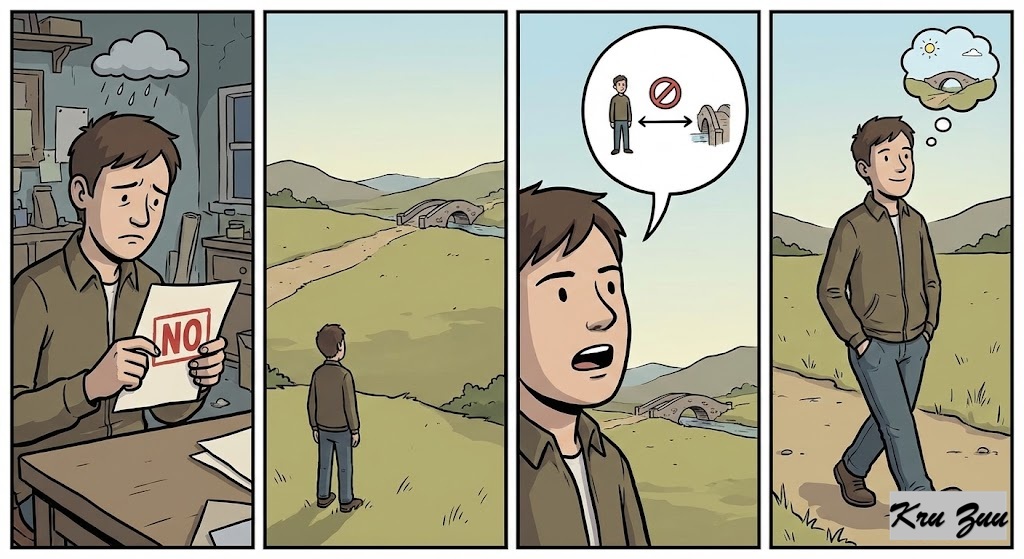
    “Don’t cross the bridge until you come to it.”


    😈 The Villain (The Overthinker)

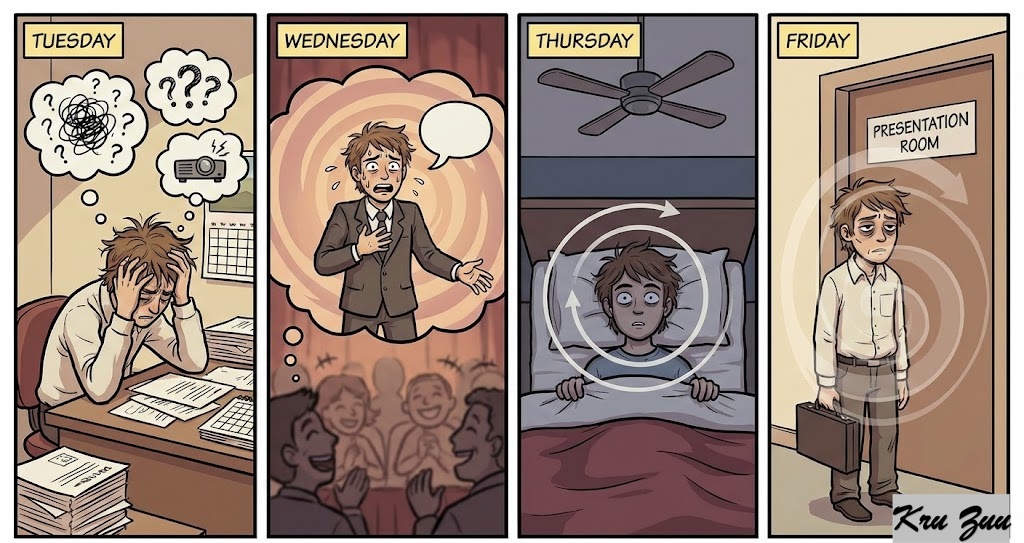
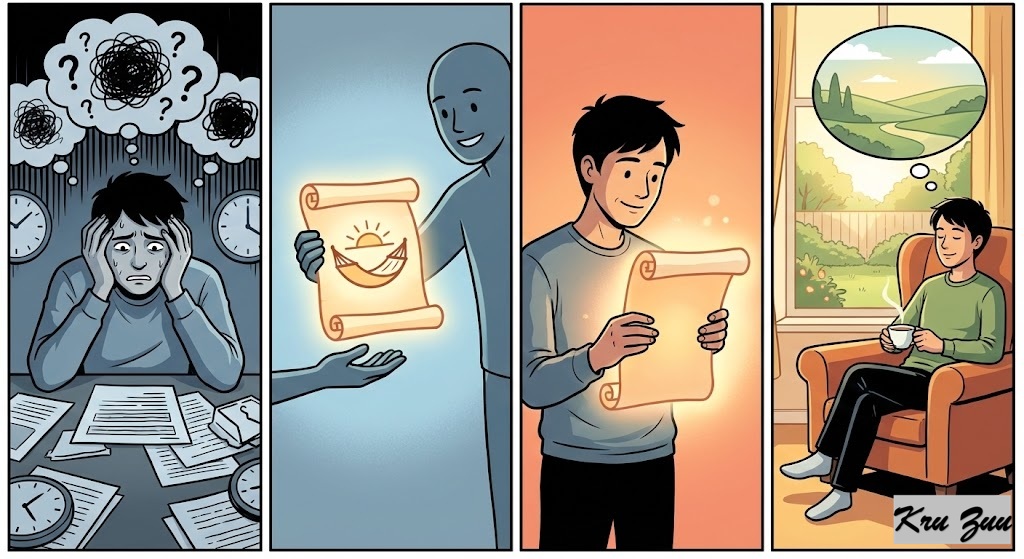
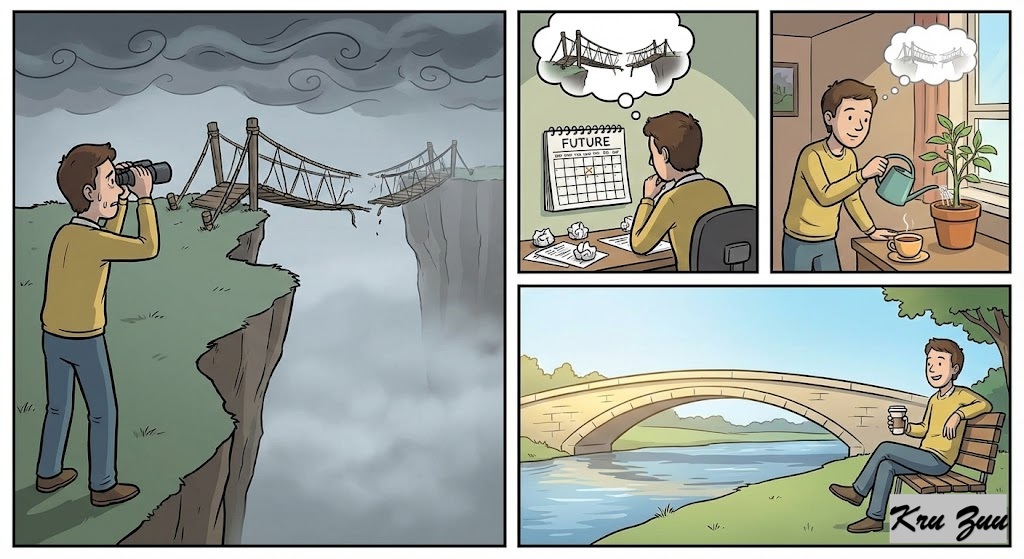
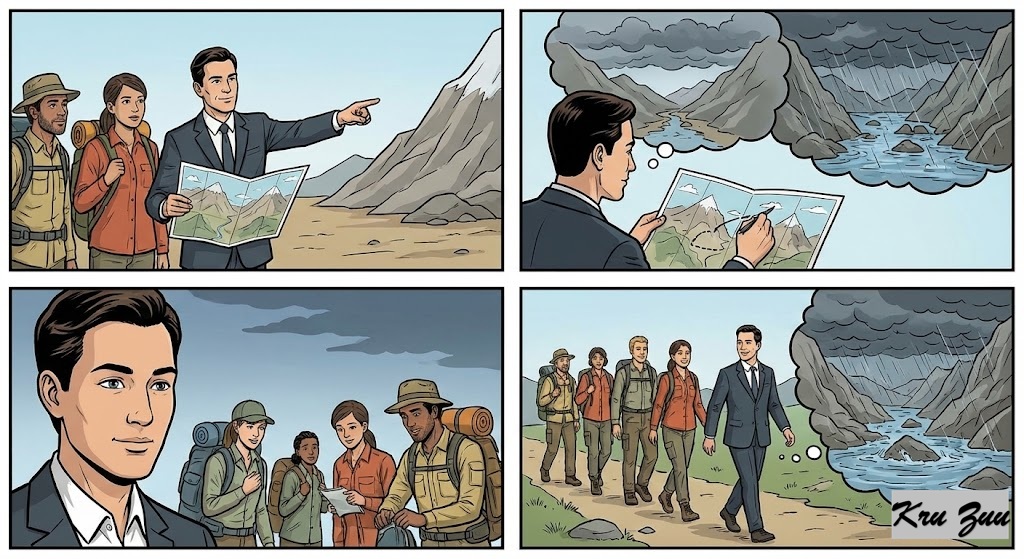
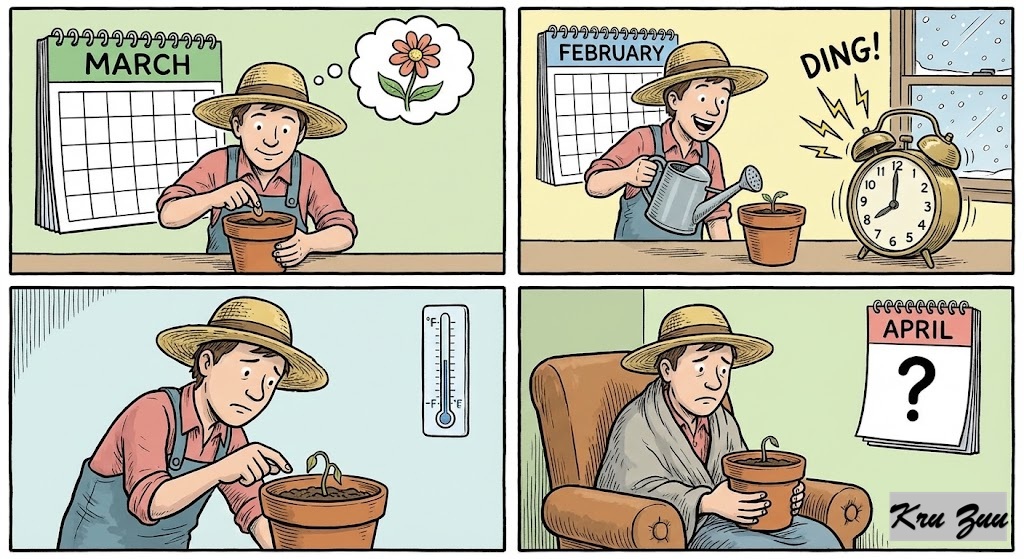
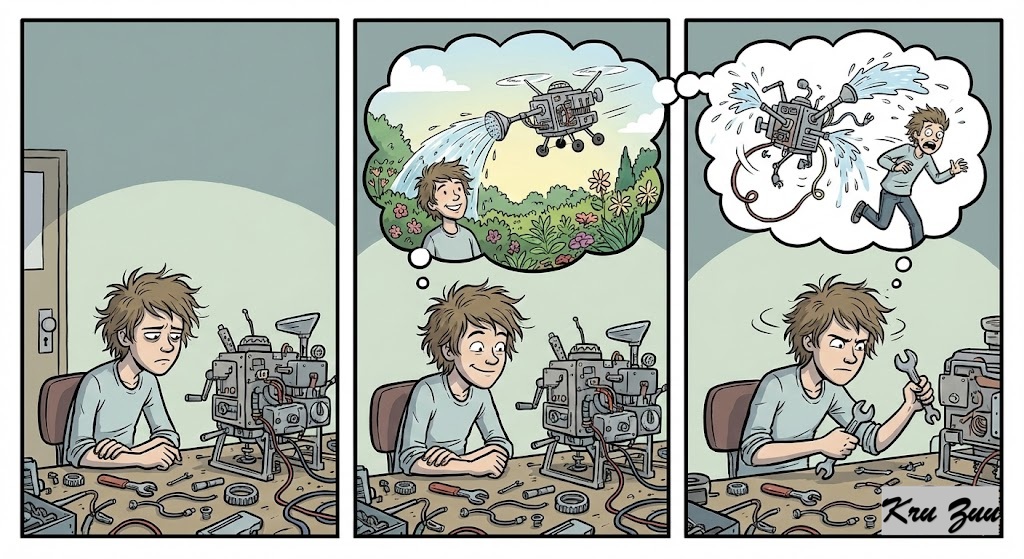
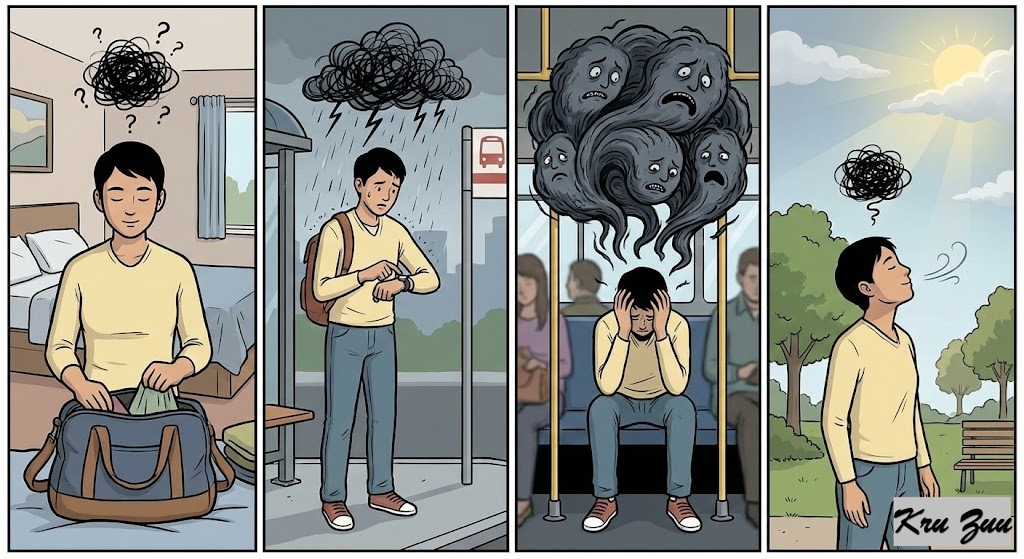
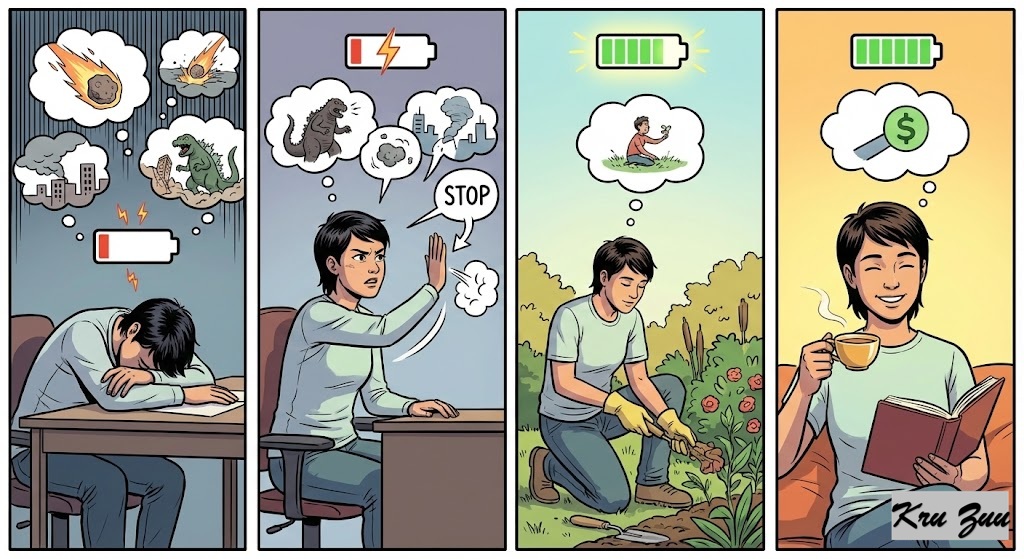
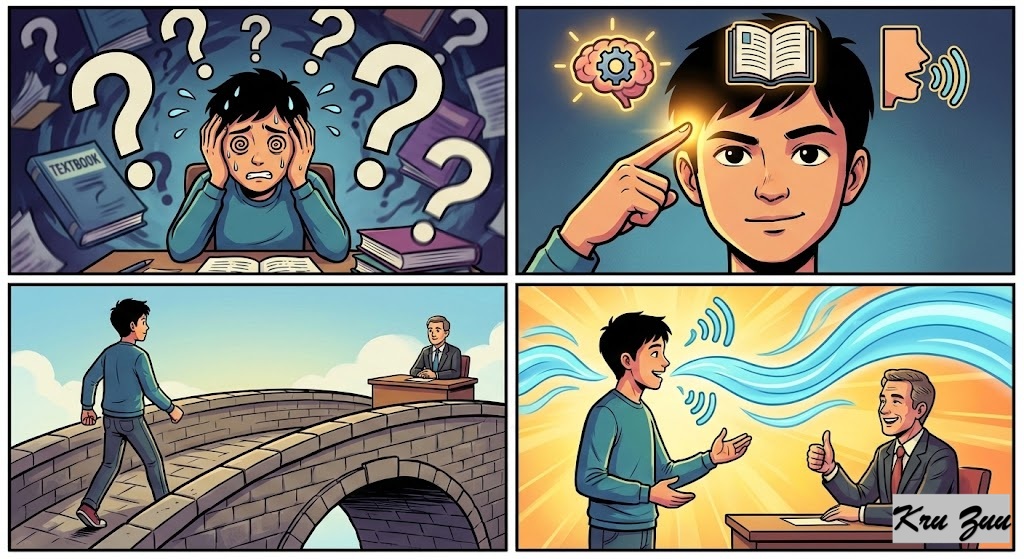
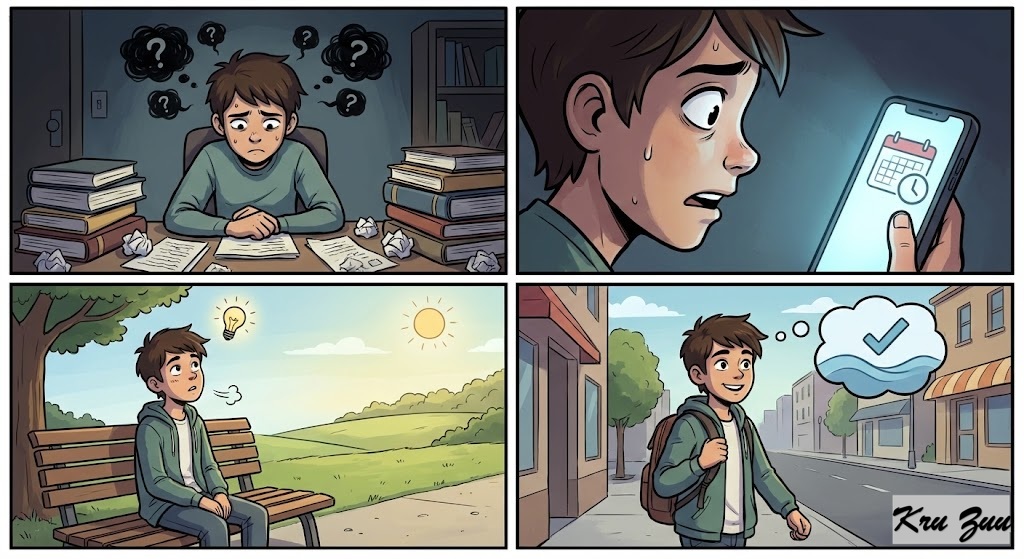
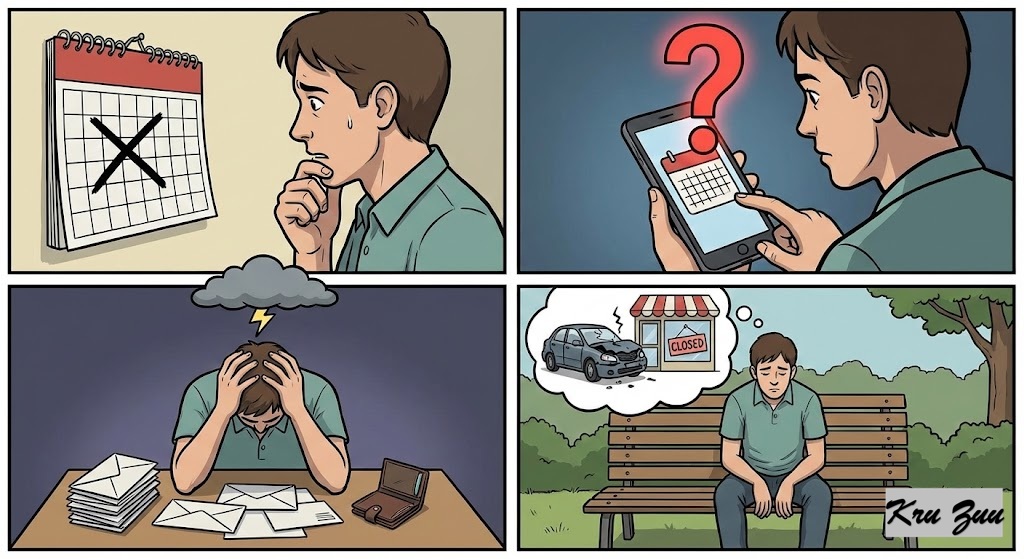
    It is Tuesday. You have a presentation on Friday. What do you do? You don’t just prepare; you panic. 😱 “What if the projector breaks? What if I forget my English? What if they laugh at me?” You live through the disaster 100 times in your head before it even happens. You suffer twice: once in your imagination, and (maybe) once in reality. You are exhausted before the race even starts. You are trapped in the “Anxiety Loop.” 🌀

    😇 The Hero (The Stoic)

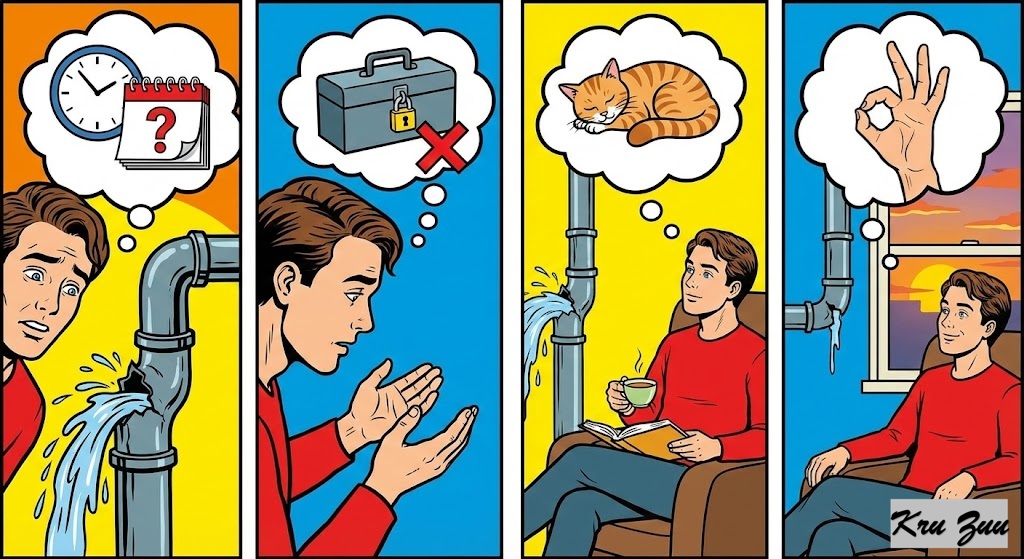
    You know that the future is uncertain. You prepare reasonably, but you refuse to suffer in advance. When a “What if?” thought attacks you, you block it.
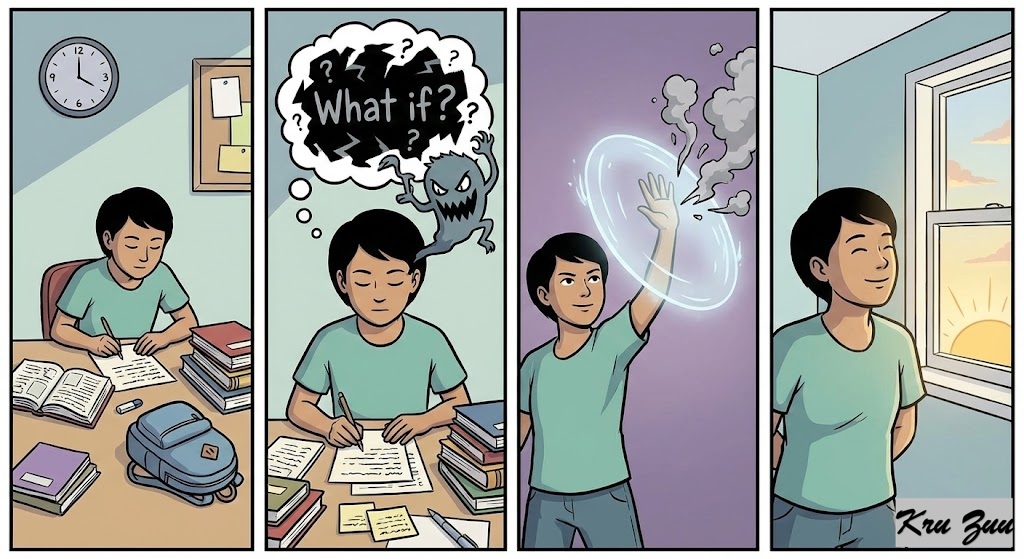
    You say: “I will handle that problem if it arrives.” You save your energy for today. You trust your ability to adapt.
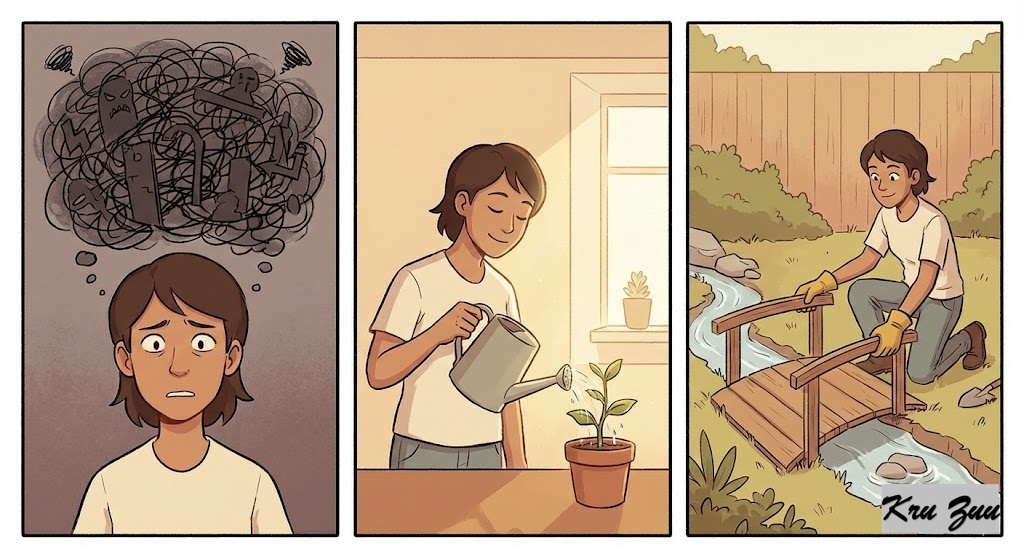
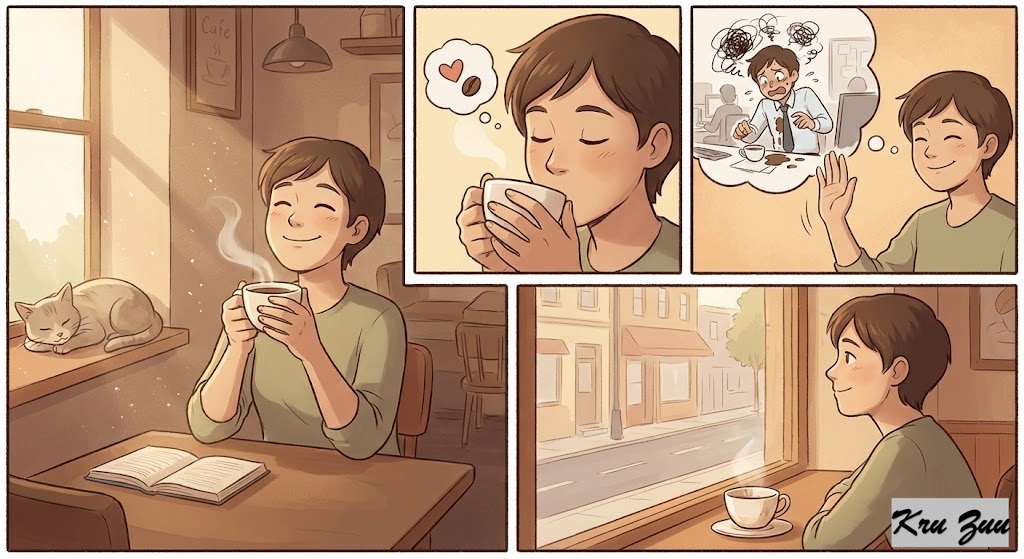
    The Result? You are calm. You are focused. You enjoy your coffee today instead of worrying about spilling it tomorrow. ☕️

    ⚖️ The Reality


    Worrying is like paying interest on a debt you may never owe. 90% of the catastrophes we imagine never actually happen. And if they do happen, worrying didn’t help you solve them, it just made you tired.

    💎 The Secret

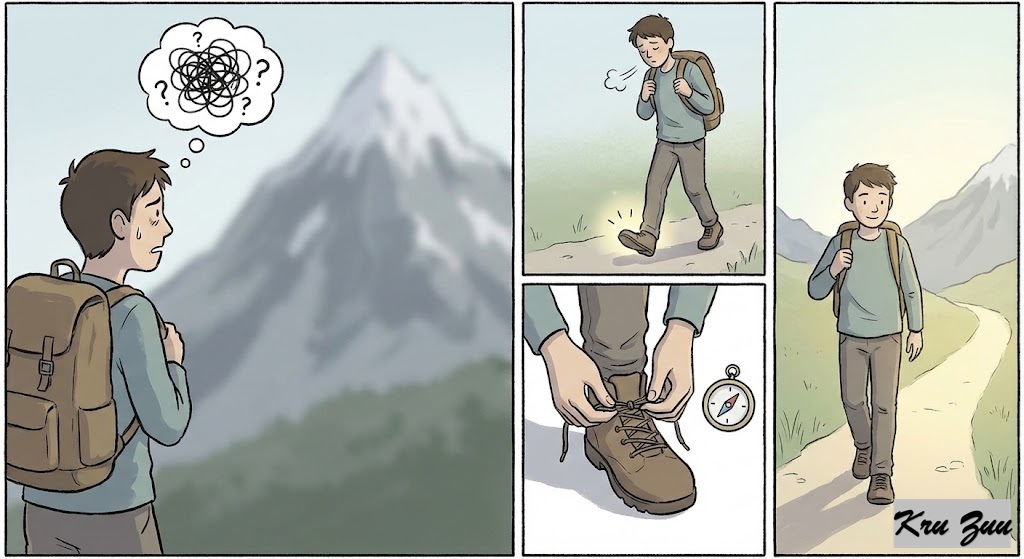
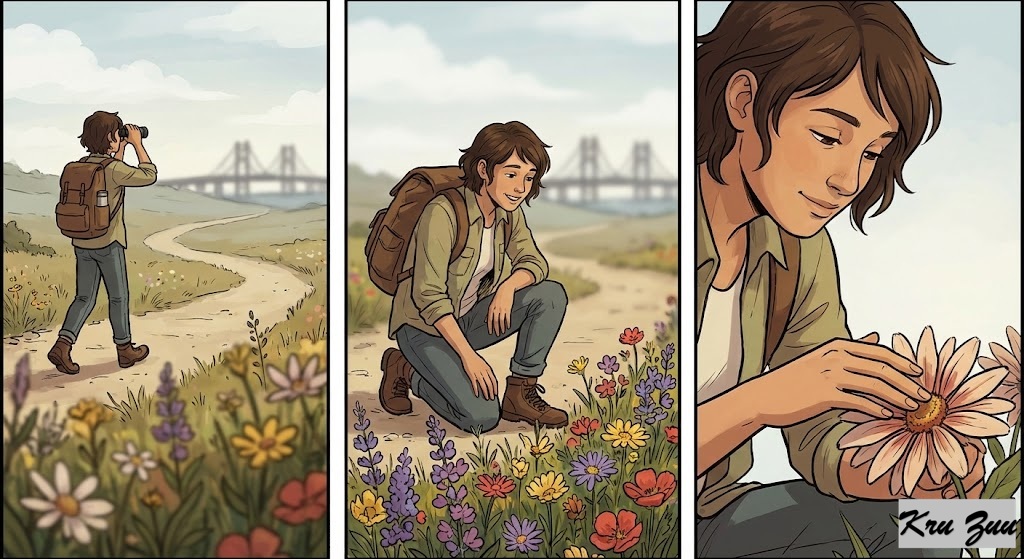
    You cannot solve a problem that doesn’t exist yet. Focus on the step you are taking now, not the step you might take in 5 miles.
    🧐 The Anatomy of the Proverb


    This is your permission slip to relax about the future.

    Don’t Cross (Command): Do not traverse/move over.
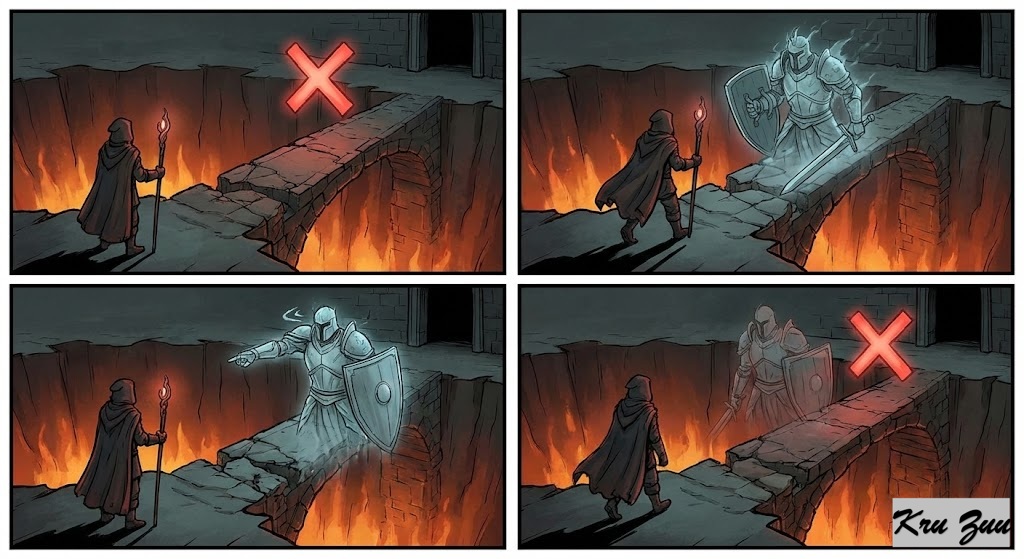

    The Bridge (Metaphor): The potential problem, obstacle, or crisis in the future.

    Until You Come To It (Condition): Wait until you are actually standing in front of the problem.
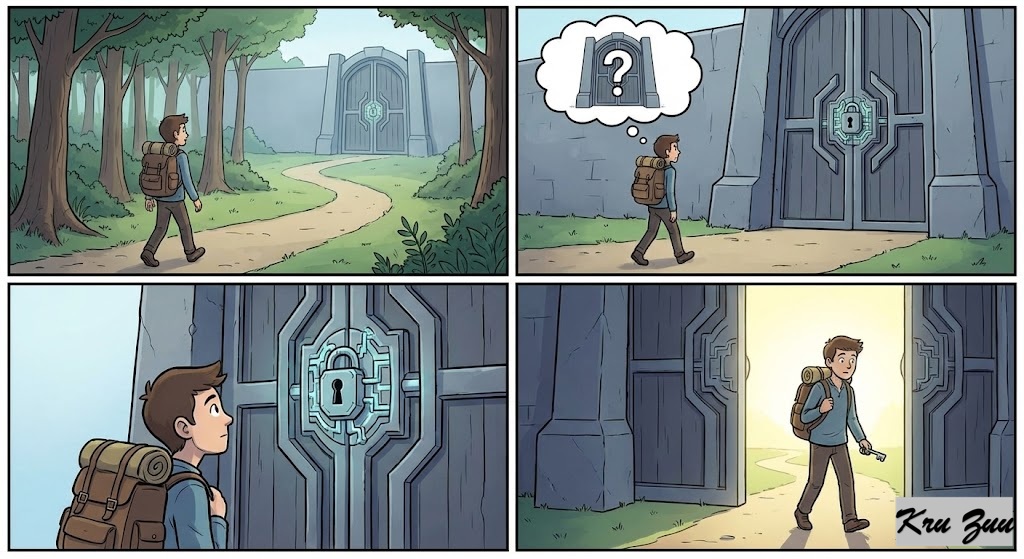

    Simpler Version: Don’t worry about future problems yet. / Deal with issues only when they become real.

    📚 Vocabulary Vault


    Anticipate (Verb): To expect or predict something. (Good leaders anticipate; they don’t panic).

    Premature (Adjective): Occurring or done before the proper time. ⏰

    Hypothetical (Adjective): Based on a possible situation rather than fact; imagined.

    Anxiety (Noun): A feeling of worry, nervousness, or unease about an imminent event or something with an uncertain outcome.

    Adaptability (Noun): The quality of being able to adjust to new conditions.
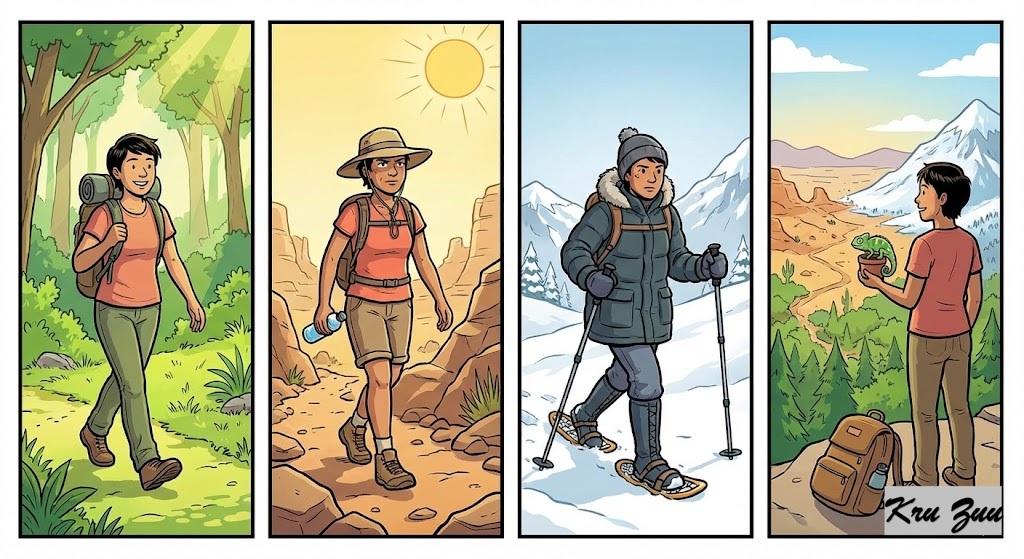
    📜 History: Ancient Wisdom


    The Origin:
    This proverb is often attributed to the American poet Henry Wadsworth Longfellow in his 1851 work The Golden Legend.
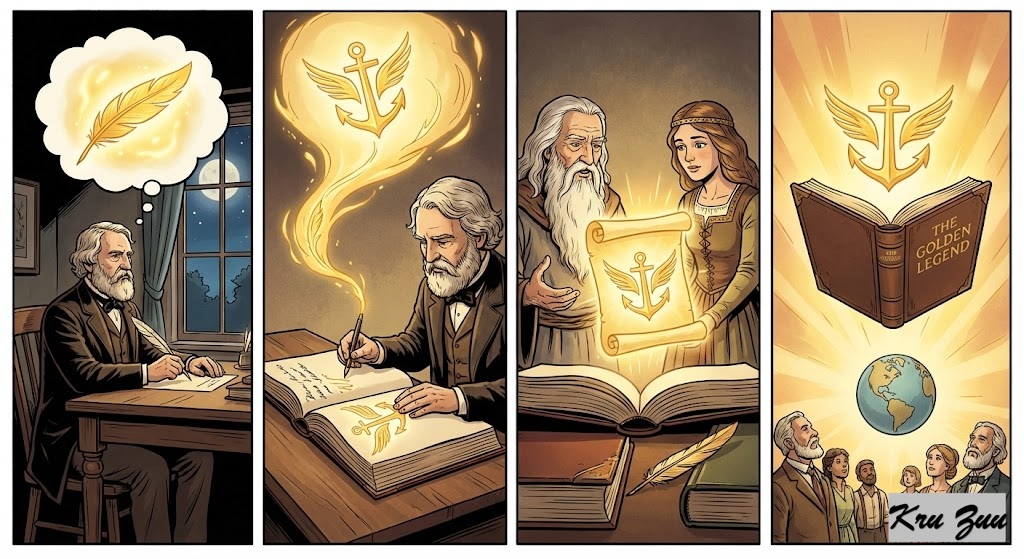

    The Logic: In the old days, travelers literally had to worry if a bridge would hold their horse’s weight. But worrying 10 miles away wouldn’t fix the bridge. You had to get there to check.


    Global Cousins


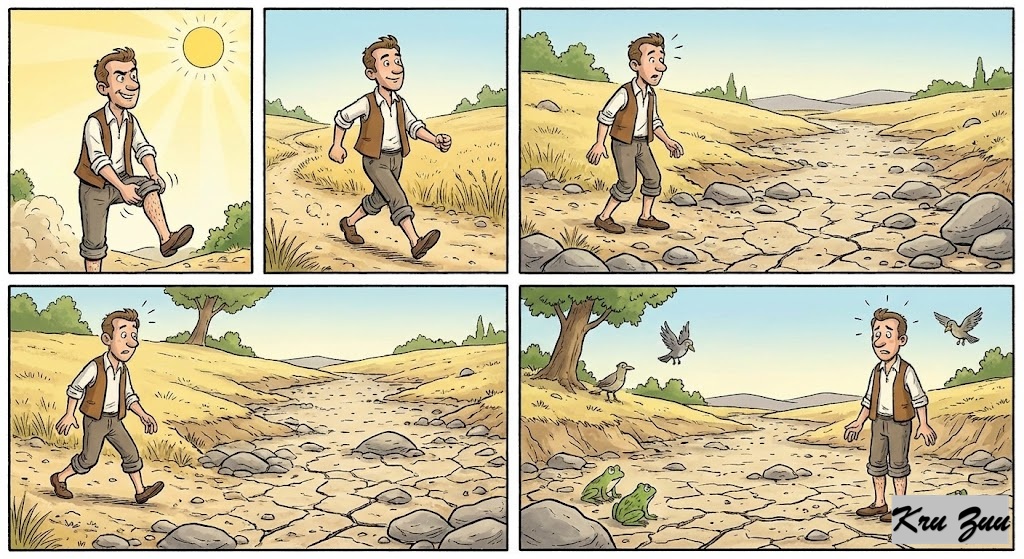
    🇹🇷 Turkish: “Dereyi görmeden paçaları sıvama.” (Don’t roll up your trousers before you see the stream.)

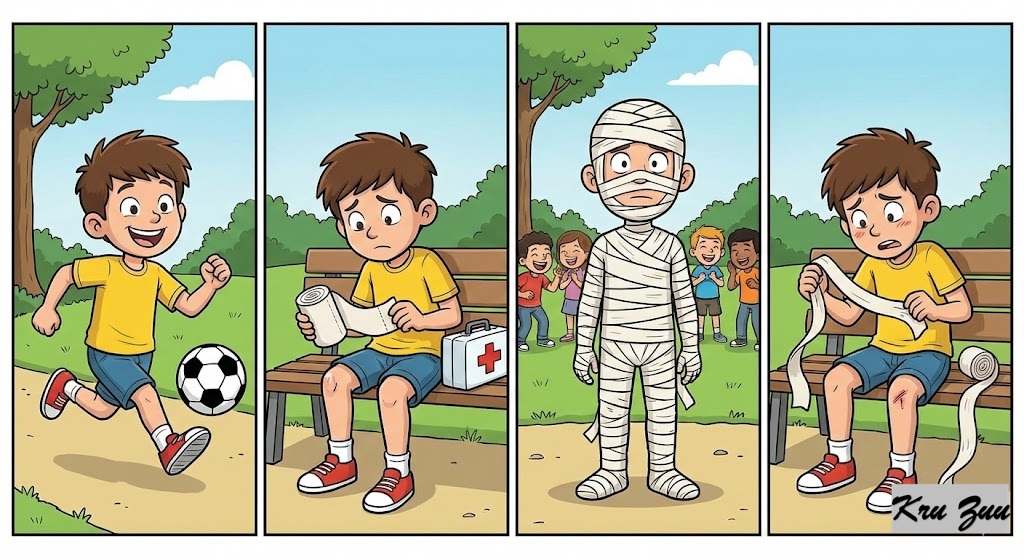
    🇪🇸 Spanish: “No te vendes la herida antes de tenerla.” (Don’t bandage the wound before you have it.)
    🎯 Impact on Life: The Pros & Cons


    ✅ The Pros (The Shield)


    Energy Conservation: You stop wasting mental battery on scenarios that are 99% unlikely.

    Better Focus: By not looking at the “bridge” in the distance, you can see the beautiful flowers right in front of your feet.

    ❌ The Cons (The Trap)


    Lack of Preparation: Be careful. This idiom does not mean “don’t plan.” You should check the weather before a trip. Just don’t cry about the rain three days before it falls. There is a difference between Preparation (smart) and Worry (useless).

    🎭 Short Story: The Heavy Backpack 🎒🐱🐔


    Let’s hike into the magical forest to see how heavy “worry” really is.

    🌟 The Cast


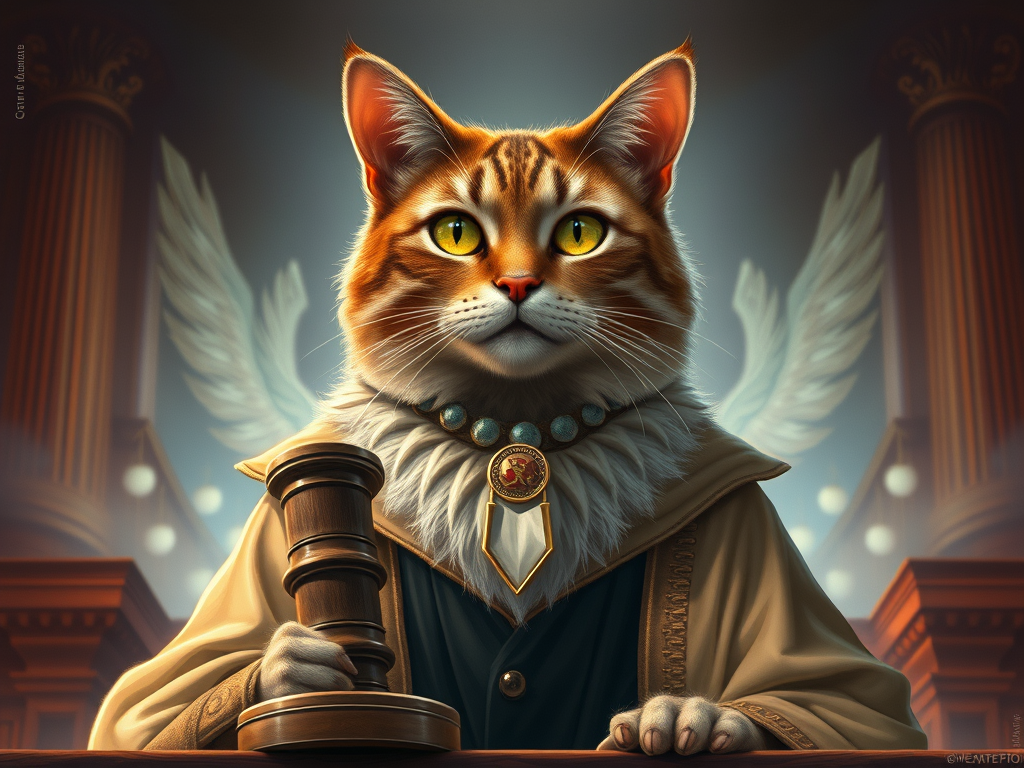
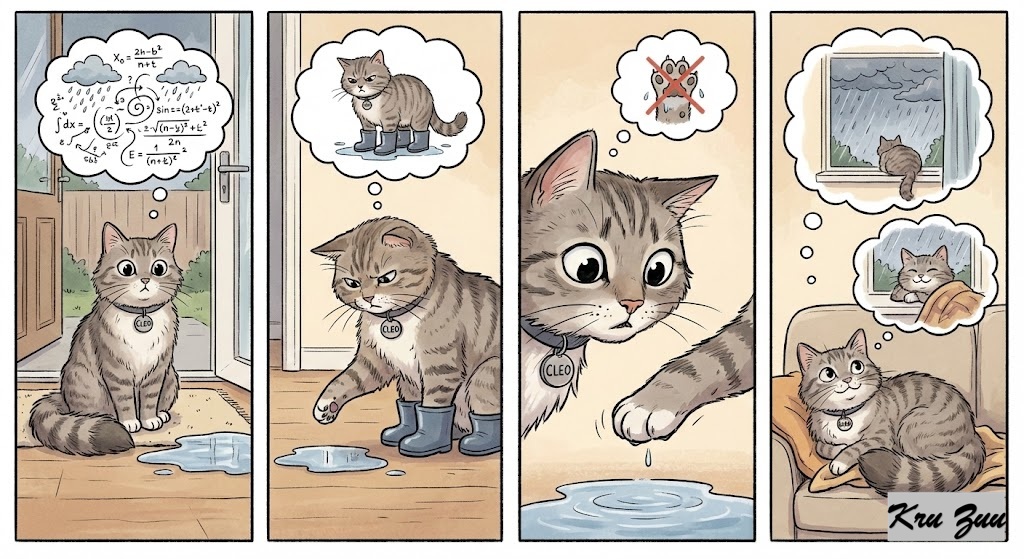
    Cleo the Cat: The Overthinker. She hates getting her paws wet. 😼

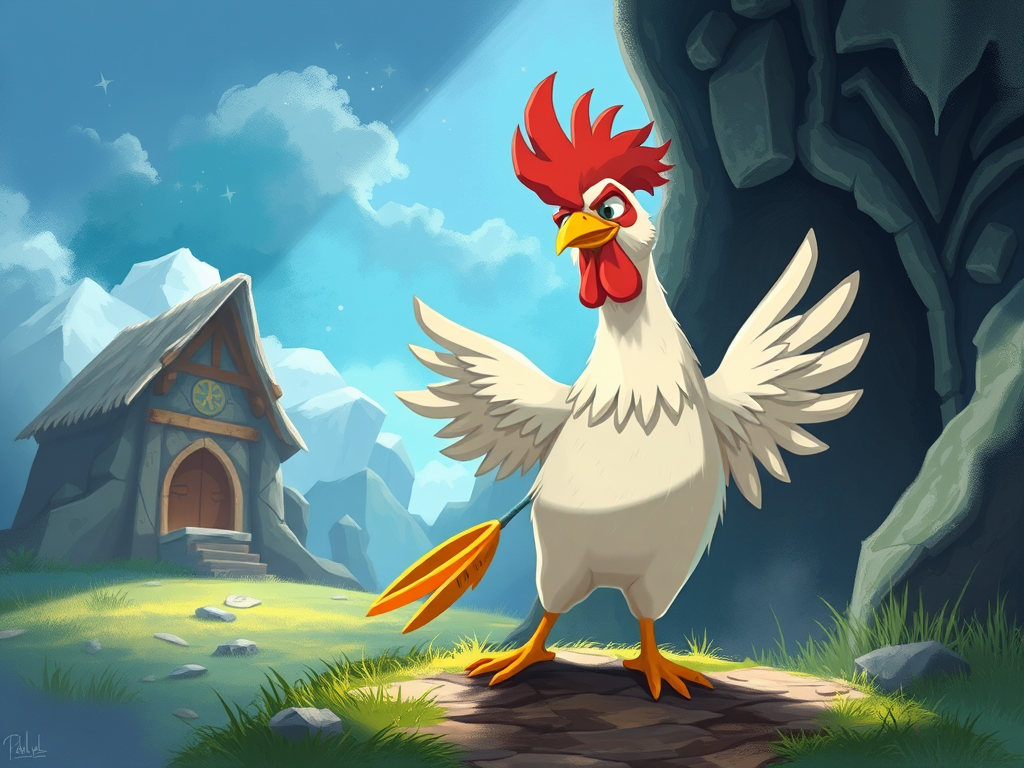
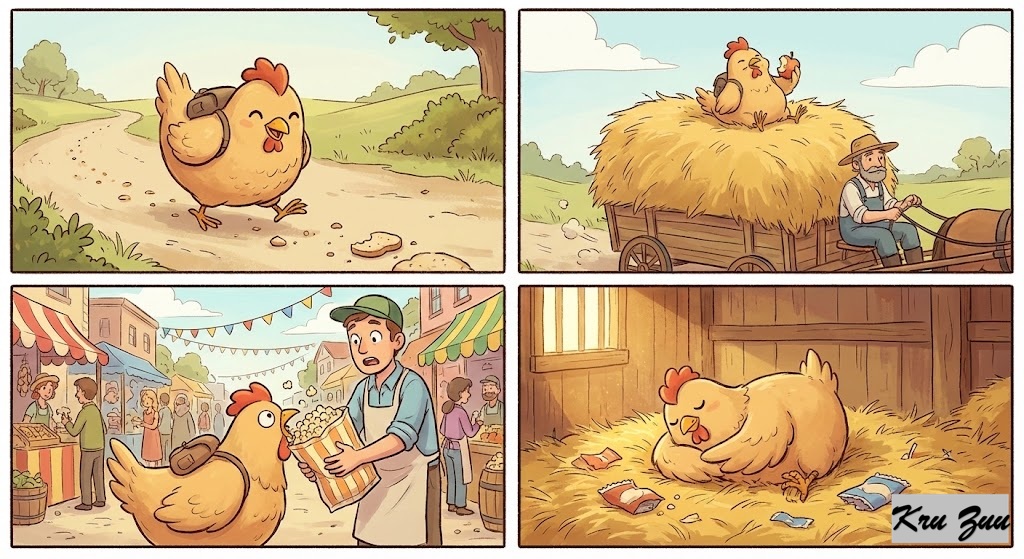
    Cluck the Chicken: The Carefree Traveler. He just wants snacks. 🐔

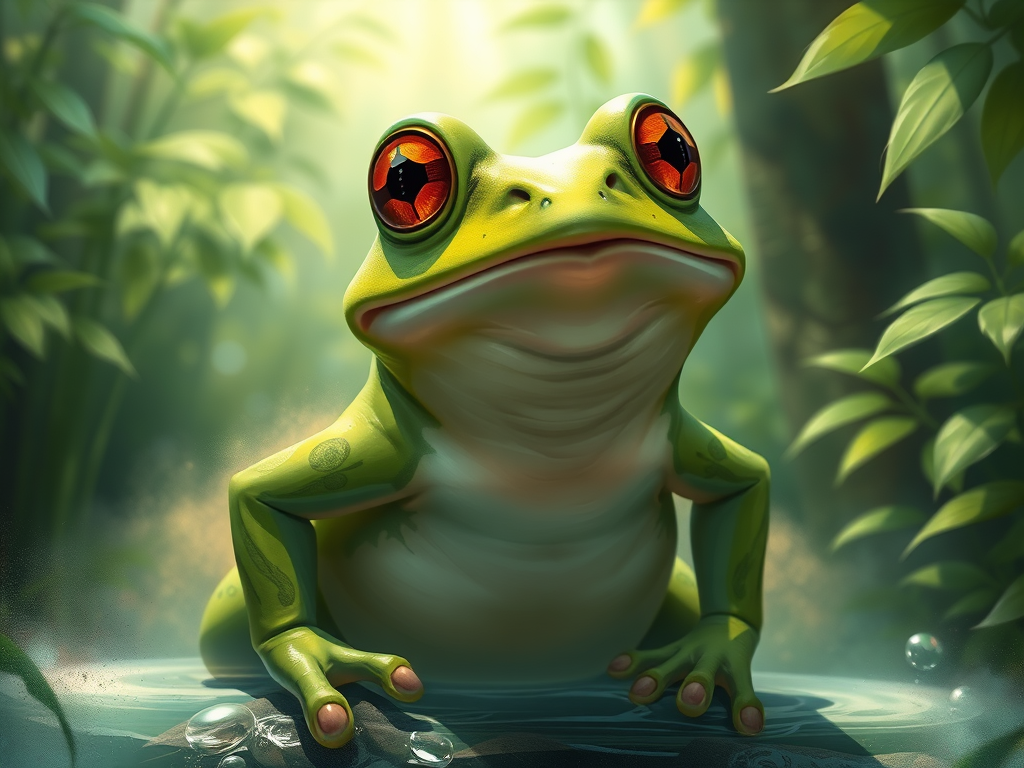
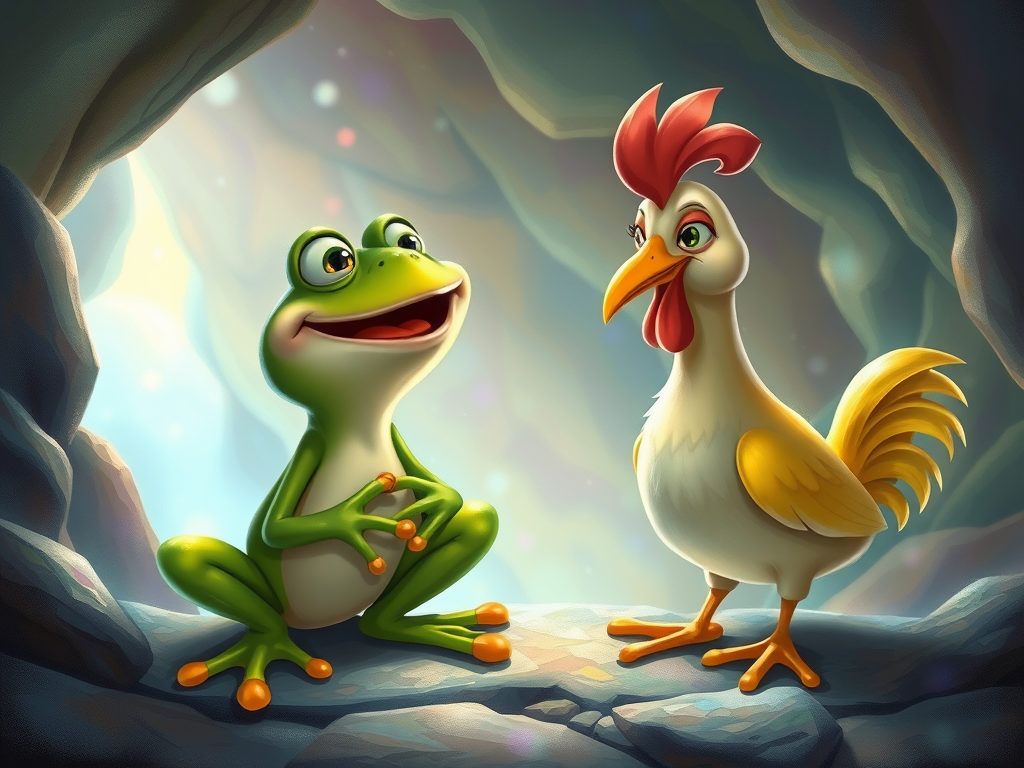
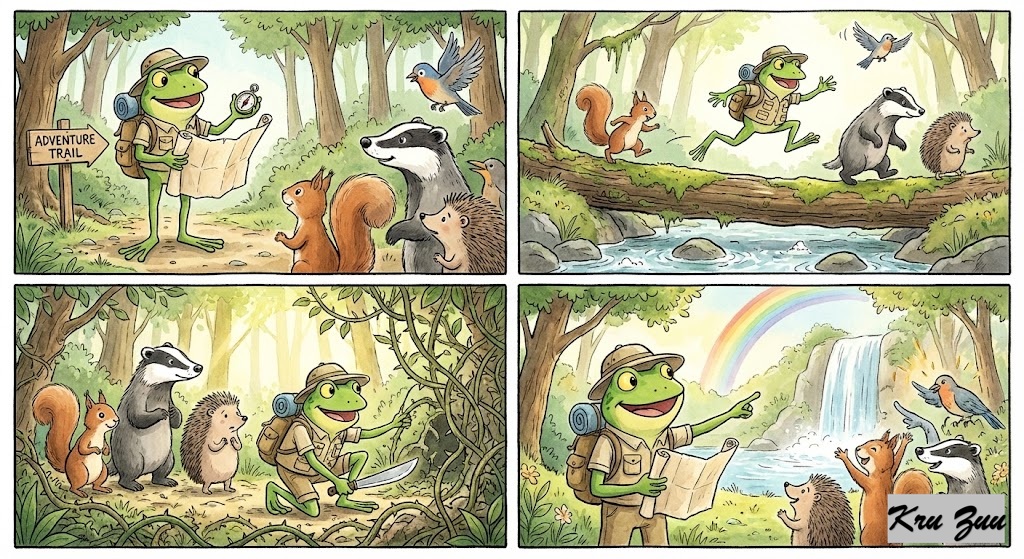
    Fred the Frog: The Guide. 🐸

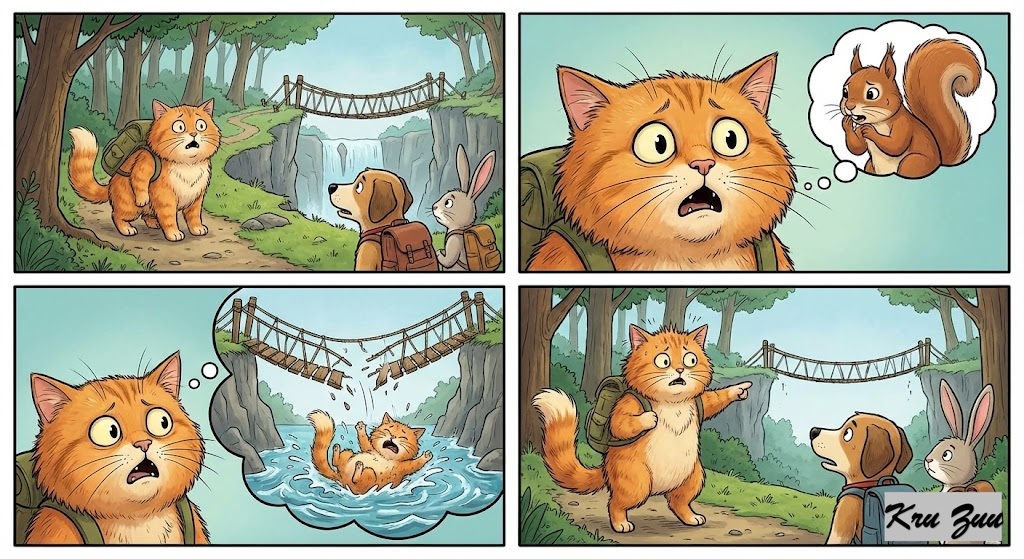
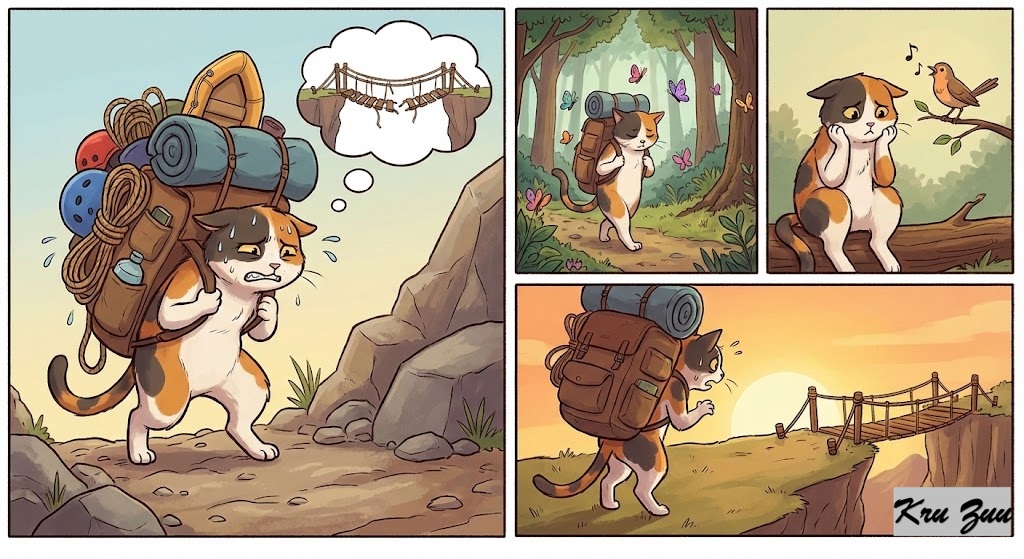
    The Situation: The trio is hiking to the “Crystal Waterfall.” To get there, they must cross the Old Rope Bridge. Cleo’s Panic: Five miles before they reach the bridge, Cleo stops. “I heard a rumor,” she whispers, terrified. “A squirrel told me the Old Rope Bridge might be broken! If it is broken, we will fall into the river! Cats hate water!”

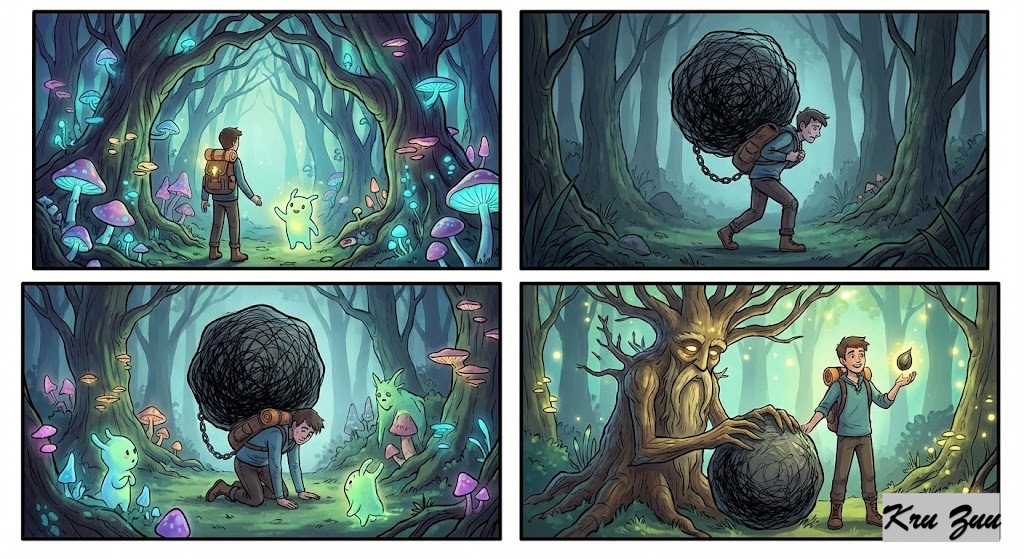
    The Conflict: Cleo opens her backpack. “We must prepare!” she yells. She puts heavy rocks in her bag (“to build a dam”), she packs an inflatable boat, and she tries to tie a parachute to Cluck. “This is heavy,” Cleo complains, sweating and struggling to walk. “But we must be ready for the broken bridge!” Cluck is just eating a worm. “Let’s just walk, Cleo!” Fred says, “Ribbit. Cleo, you are carrying the weight of a ‘maybe’.”
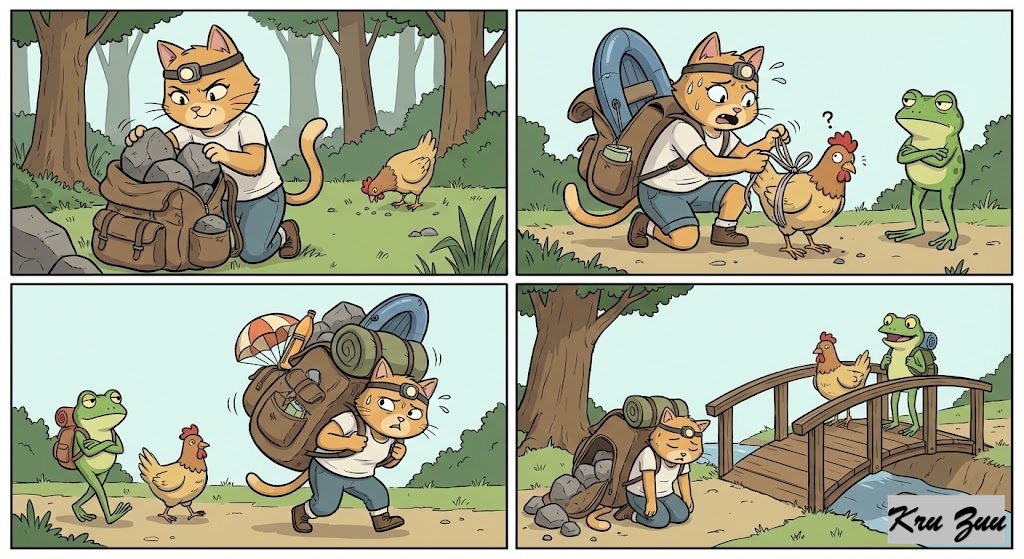

    The Journey: For three hours, Cleo is miserable. She is tired from carrying her heavy “survival gear.” She doesn’t see the butterflies. She doesn’t hear the birds. She only thinks about the scary bridge.

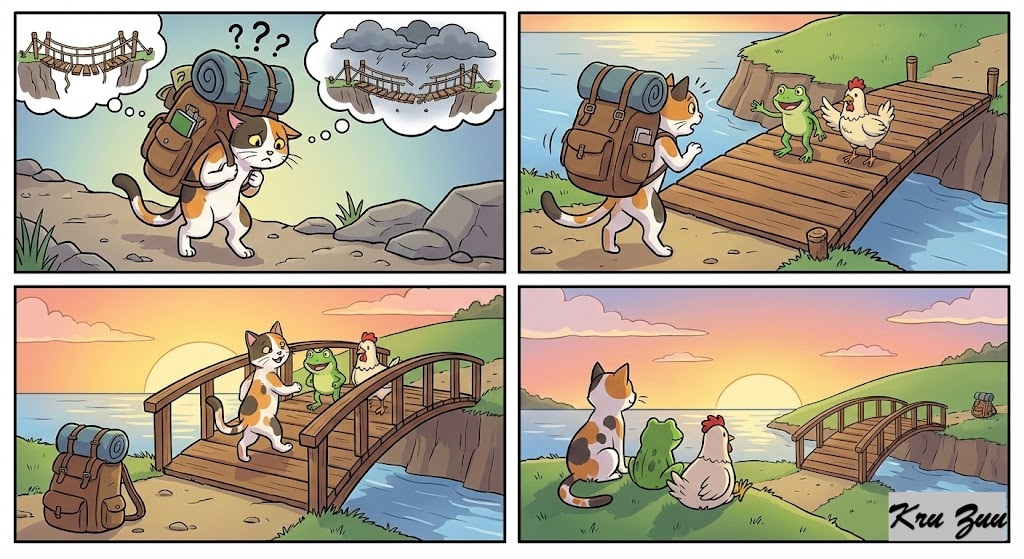
    The Result: They finally arrive at the river… and Cleo gasps. 🙀 The Old Rope Bridge was gone. But in its place, the forest rangers had built a brand new, solid wooden bridge. It was wide, safe, and dry. Cleo looked at her heavy inflatable boat. She looked at her heavy rocks. She realized she had ruined her whole hike worrying about a problem that didn’t exist.
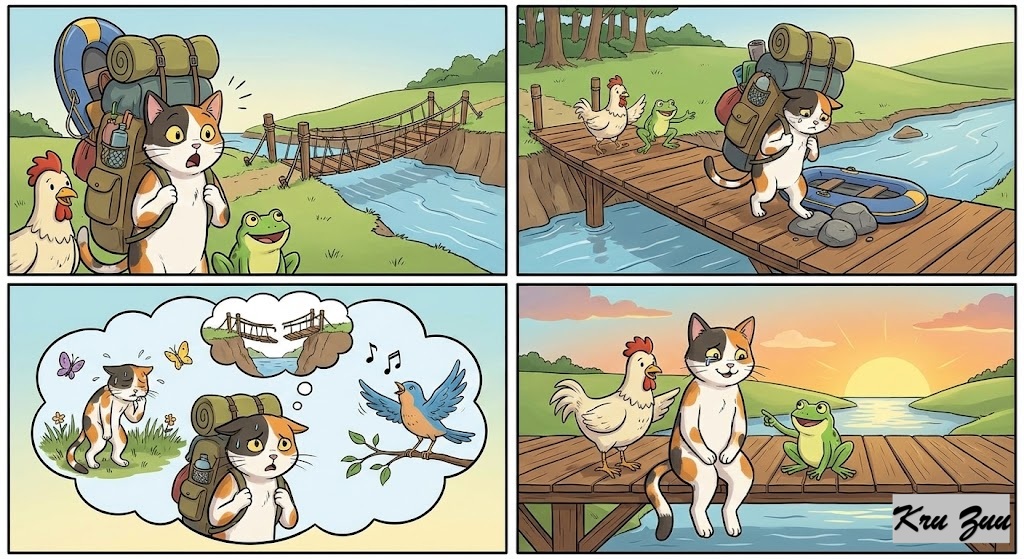

    The Resolution: Fred smiled. “You crossed the bridge in your mind a thousand times, Cleo. And it was scary every time. In reality, you only had to cross it once, and it was easy.”
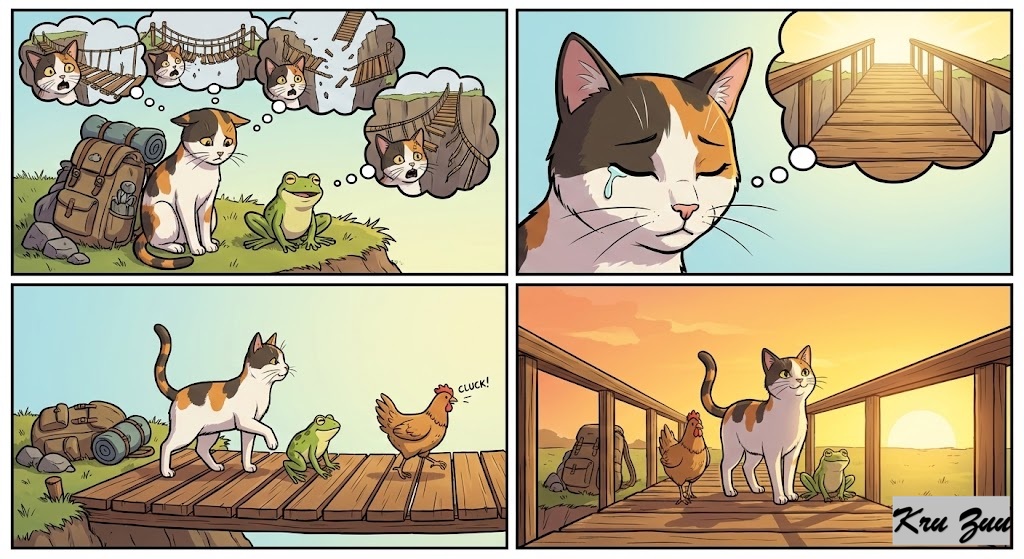

    The Moral: Don’t carry a heavy backpack of “What ifs.” Most of the bridges you fear turn out to be sturdy paths when you actually arrive.
    🎓 Lesson for English Learners


    Don’t Panic About the Exam Speaking Part.
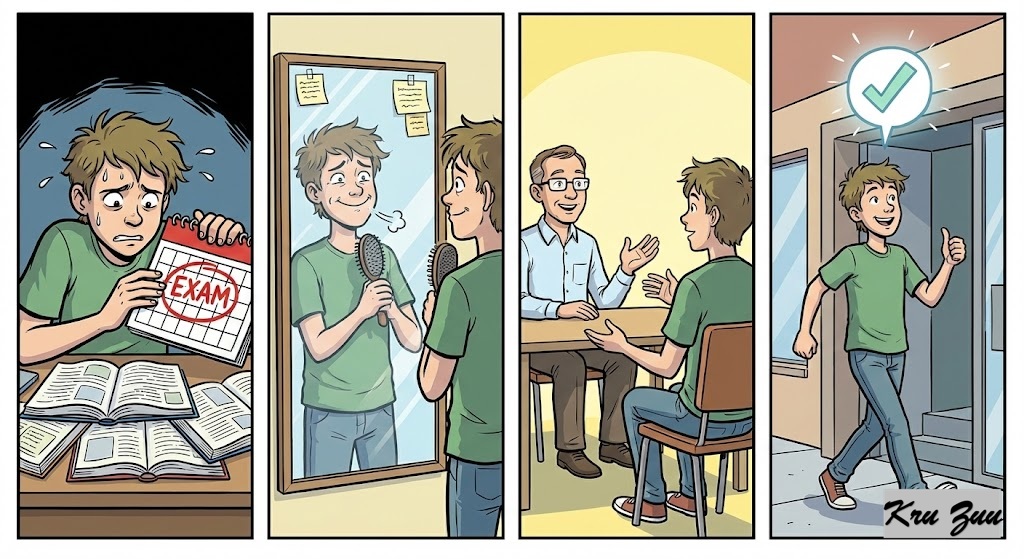

    Situation: You have an English interview next week.
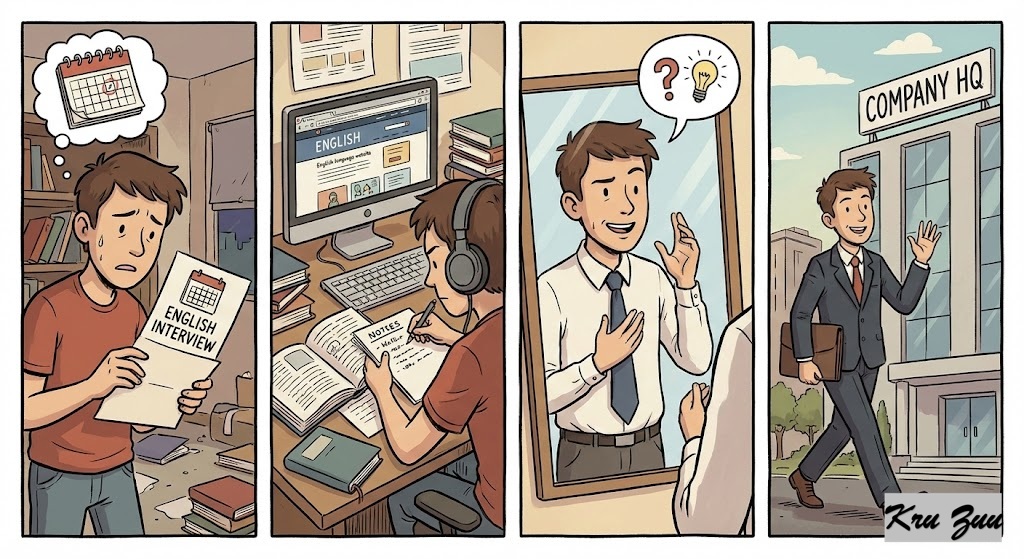

    The Trap: You think: “What if they ask me about nuclear physics? What if they ask me about the history of knitting?” You panic and try to memorize the whole dictionary.
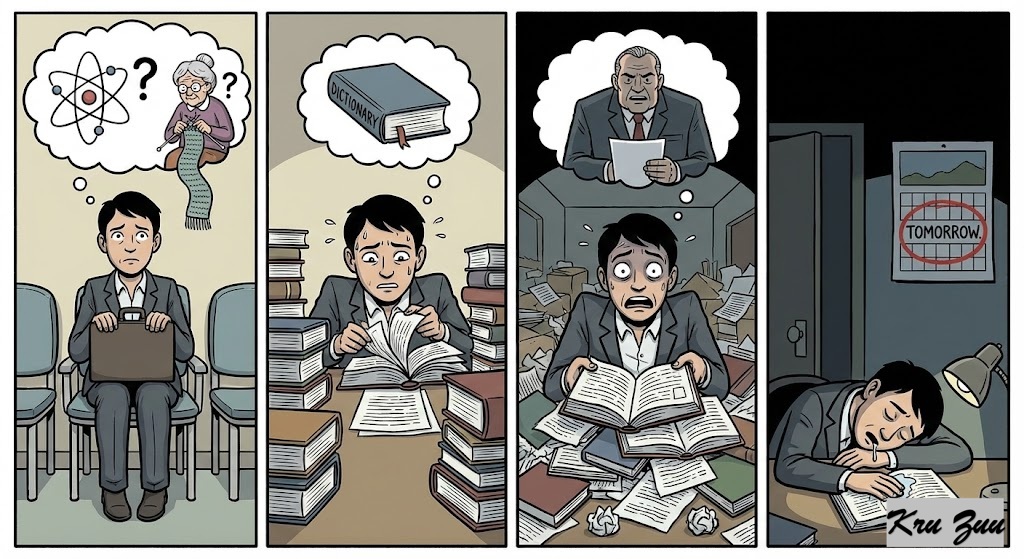

    The Shift: You are crossing the bridge too early.
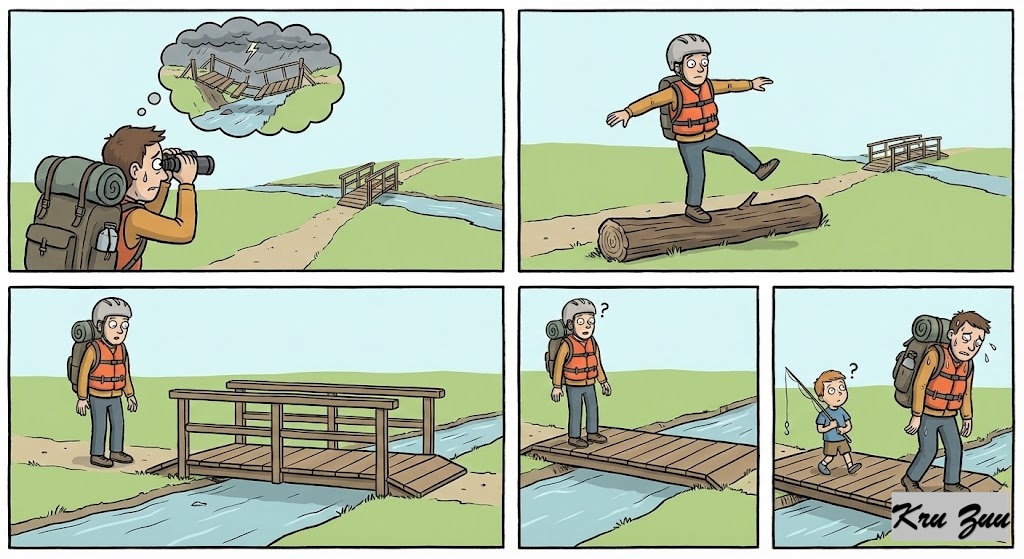

    You Say: “I cannot predict every question. I will trust my general English skills. I will cross that bridge when the examiner asks the question.” (This confidence usually makes you speak better!)

    💬 Your Turn: The “Delete” Button 🚀


    Is there something you are worried about right now?

    Identify:
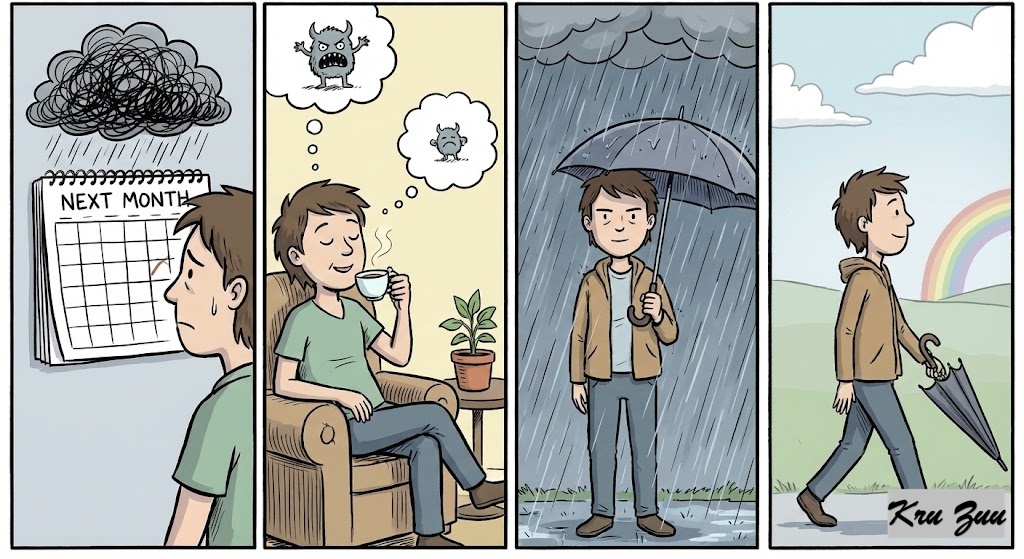
    What is a problem you are afraid might happen next month?

    Check: Can you do anything about it right this second?

    The Action: If the answer is “No,” visualize a bridge. Imagine yourself standing far away from it. Say out loud: “I am not at the bridge yet.”

    👇 Question for the comments: Are you a “Cleo” (overthinker) or a “Cluck” (relaxed)? Tell us a time you worried about something that never actually happened!

    By Zubeyir YURTKURAN

    https://www.facebook.com/BrainBattleground/

    https://www.facebook.com/zubeyr.yurtkuran/

    https://www.instagram.com/zubeyryurtkuran/

    https://www.youtube.com/@BrainBattleground-b3p

    https://www.instagram.com/brainbattleground/

  • 🌊 The Daily Shield: The Law of Hidden Depth

    🌊 The Daily Shield: The Law of Hidden Depth

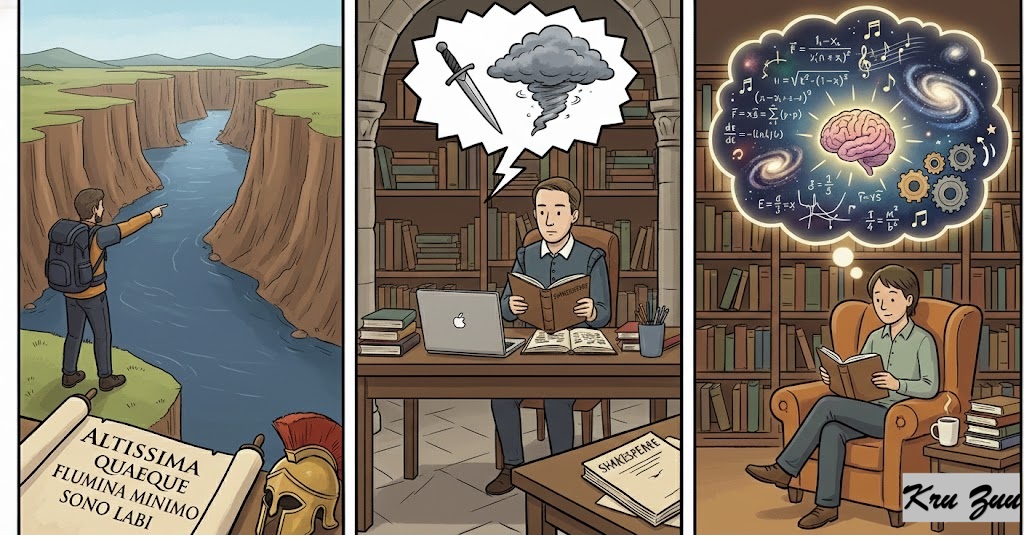
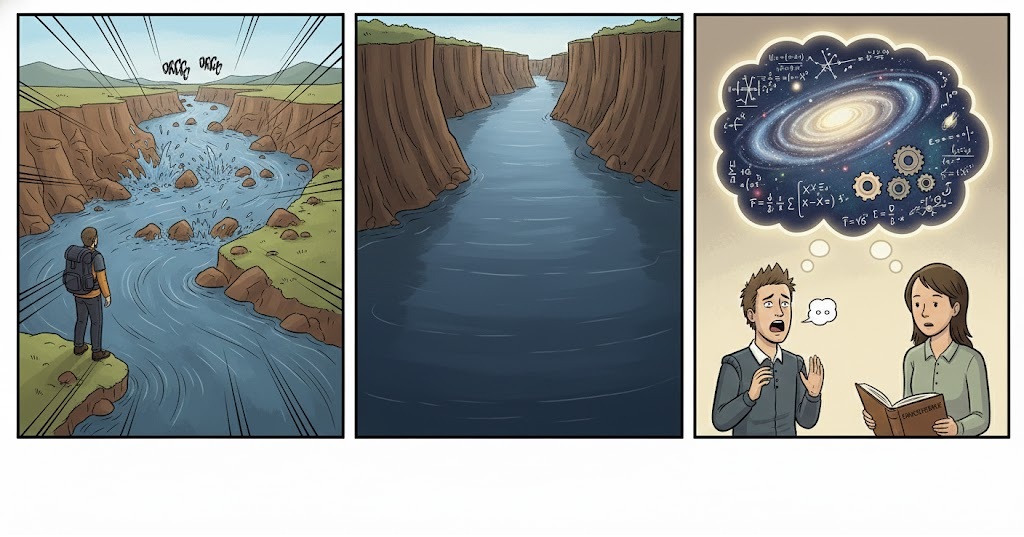
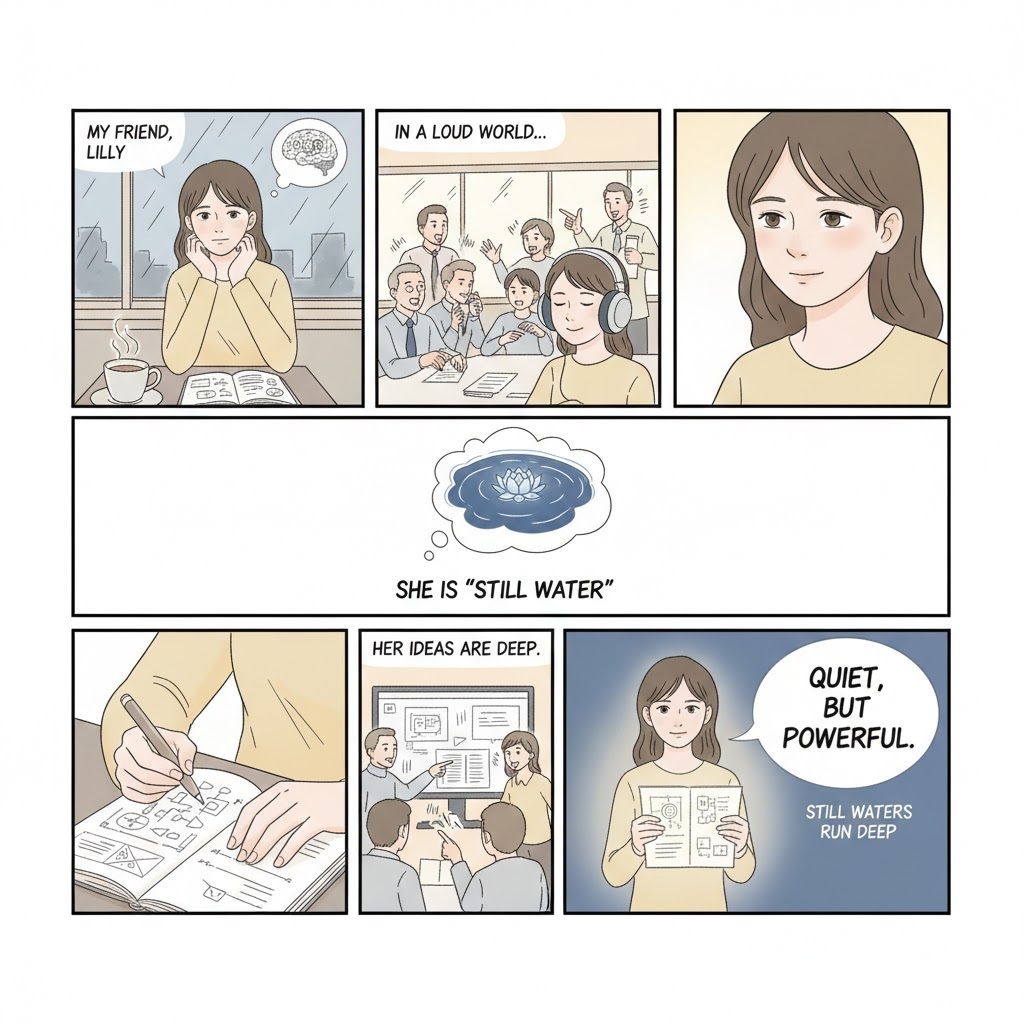
    “Still waters run deep.”


    😈 The Villain (The Surface Judge)

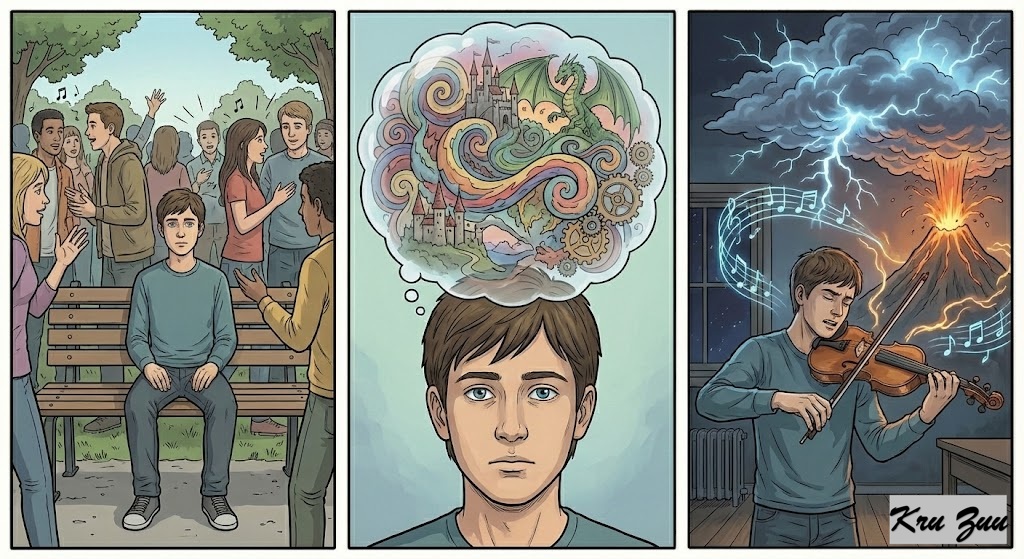
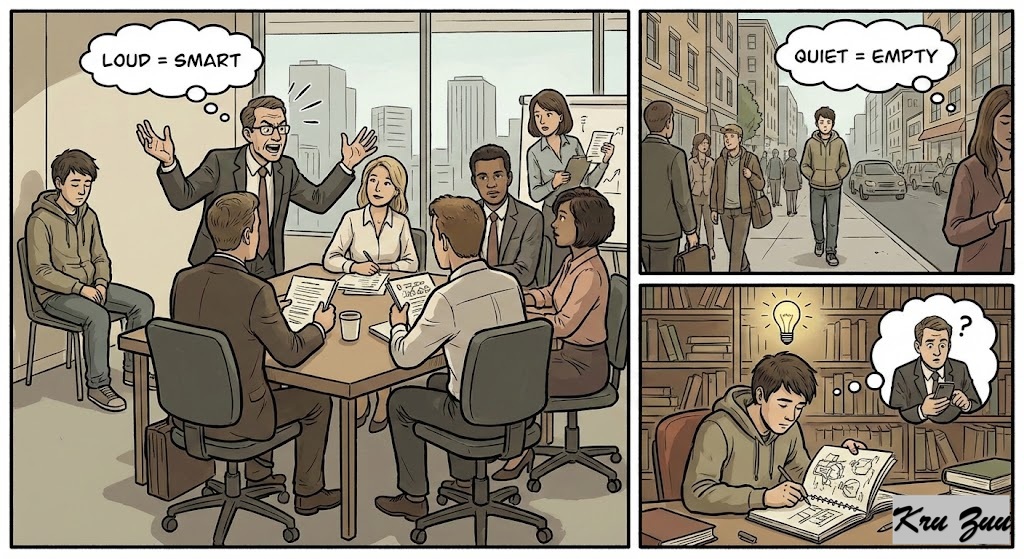
    You meet someone quiet. They don’t talk much in meetings. They don’t post every second on Instagram. What do you think? “They are boring.””They are shy.””They don’t know anything.” You judge the book by its cover. You assume that “Loud” equals “Smart” and “Quiet” equals “Empty.” You ignore the quiet ones.

    The Result? You miss out on the smartest people in the room. You underestimate your competition. You are trapped in the “Noise Trap.” 📢


    😇 The Hero (The Deep Diver)

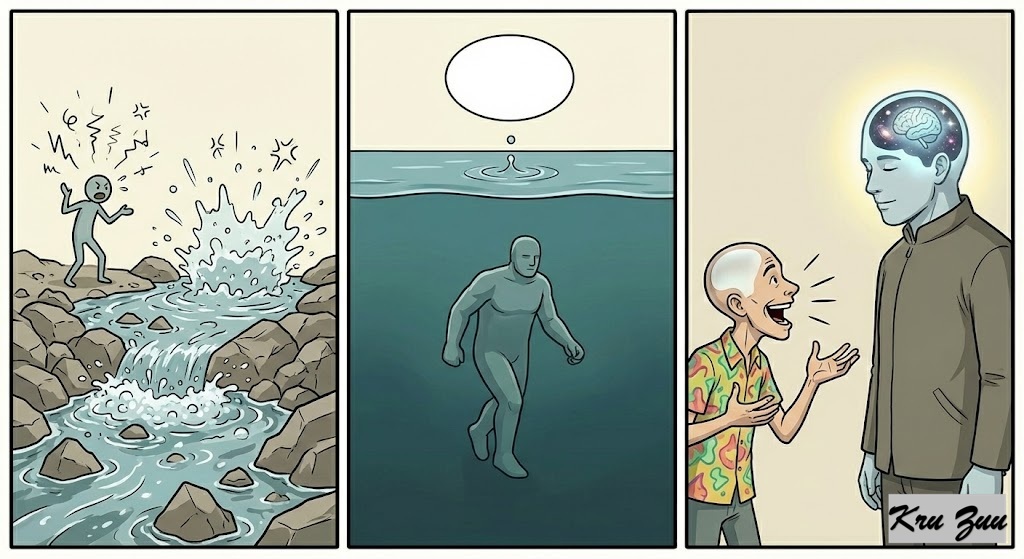
    You meet someone silent. Instead of thinking they are empty, you get curious. You know that the ocean is loudest at the beach (where it is shallow) but silent in the middle (where it is deep). You respect the silence. You realize that just because someone isn’t talking, doesn’t mean they aren’t thinking.

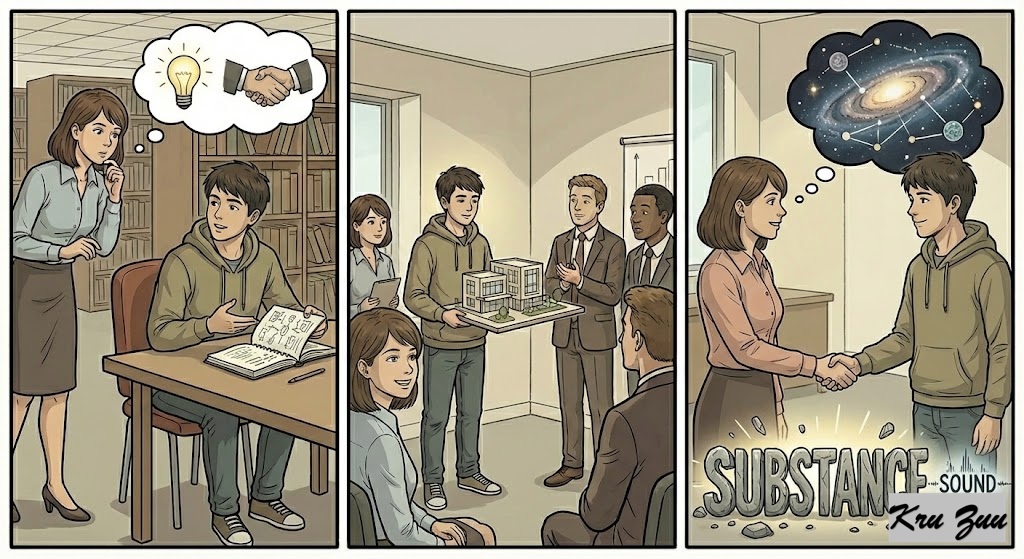
    The Result? When the quiet person finally speaks, you listen. You discover hidden talents, profound wisdom, and powerful allies. You value Substance over Sound. 🧘‍♂️


    ⚖️ The Reality


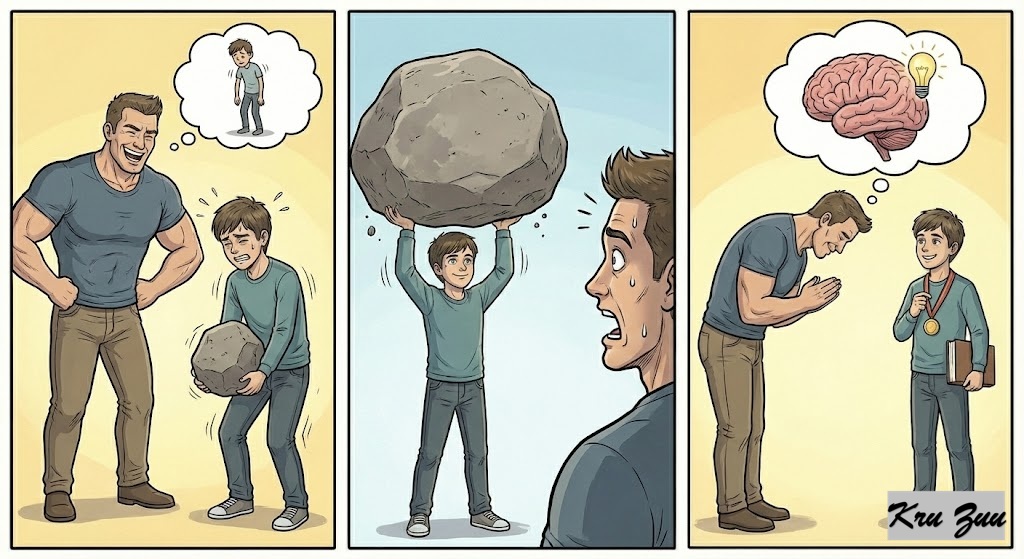
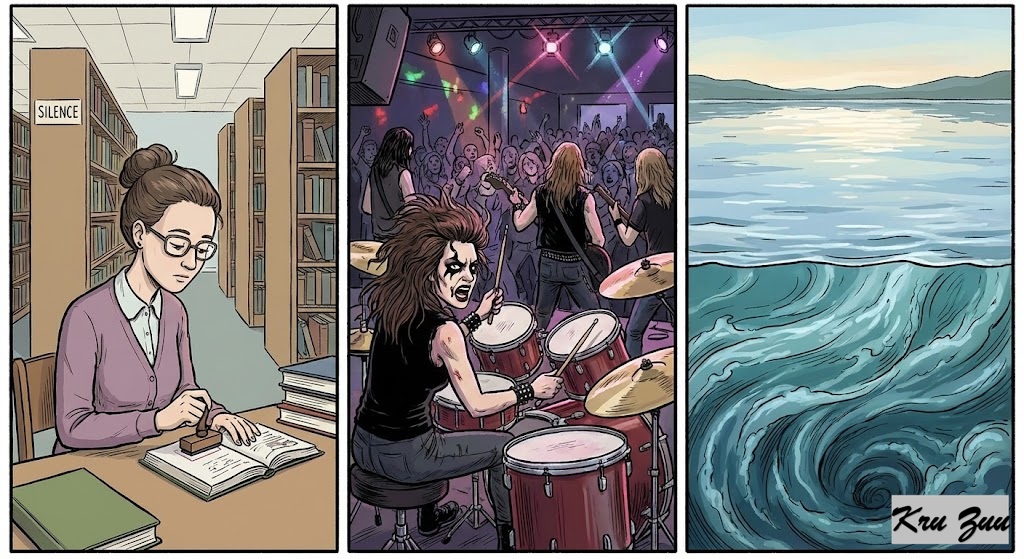
    Noise is easy. Silence is heavy. A shallow brook babbles and splashes noisily over the rocks. A massive, deep river moves silently because it has so much volume and power. People are the same. Those who talk the most often know the least. Those who are calm often hold the most power, passion, or intelligence inside.


    💎 The Secret: Never mistake silence for weakness. The quietest person in the room is often the most observant.

    🧐 The Anatomy of the Proverb


    This is your reminder to look beyond the surface.


    Still (Adjective): Motionless; calm; quiet.


    Waters (Noun): Rivers, lakes, or oceans (metaphor for a person’s mind or character).


    Run (Verb): To flow or move.


    Deep (Adverb/Adj): Extending far down; profound; complex.


    Simpler Version: Quiet people are often very complex or interesting. / Calm exteriors hide strong emotions.


    📚 Vocabulary Vault


    Introvert (Noun):
    A person who prefers calm environments and often enjoys spending time alone. 🐢


    Underestimate (Verb): To think someone is less capable or intelligent than they really are.


    Deceptive (Adjective): Giving an appearance different from the true one; misleading.


    Profound (Adjective): Very great or intense; having deep insight.


    Superficial (Adjective): Existing only on the surface; not deep. (The opposite of this idiom!)


    🧠 Grammar Focus: Metaphors


    This idiom is a Metaphor. We aren’t actually talking about water; we are talking about human personality.


    Example: “I was surprised that the quiet librarian is actually a heavy metal drummer! Well, still waters run deep.”

    📜 History: Origin and Spread


    Where did this poetic wisdom come from?


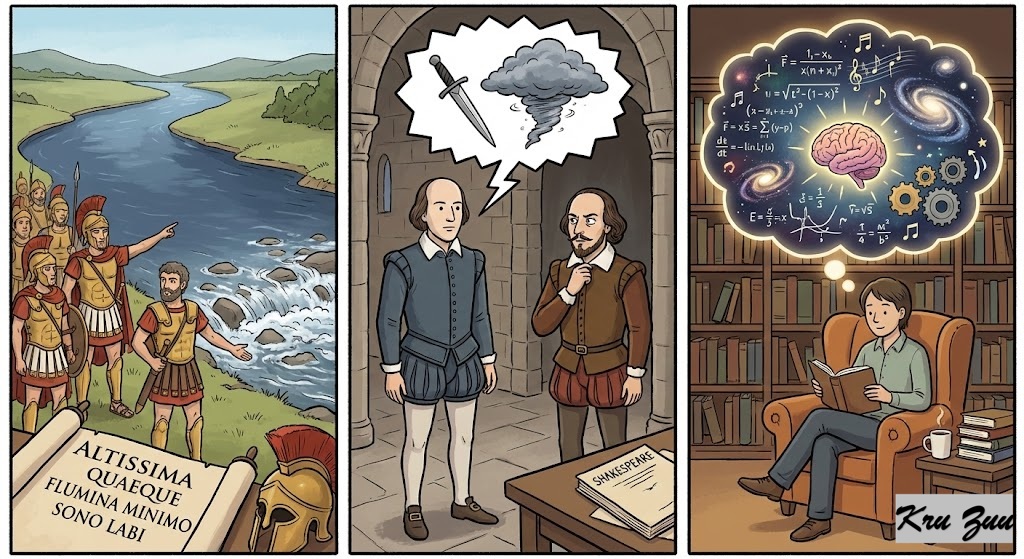
    The Origin: It has ancient roots! It likely comes from the Latin phrase “Altissima quaeque flumina minimo sono labuntur” (The deepest rivers flow with the least sound). It was popularized in English by William Shakespeare in his play Henry VI (1590), where a character says: “Smooth runs the water where the brook is deep.”


    The Logic: If you look at nature, shallow water hits rocks and makes noise. Deep water creates a massive, silent current.


    Global Cousins


    🇹🇷 Turkish:“Ummadığın taş baş yarar” (The stone you didn’t expect breaks your head) OR “Sessiz atın çiftesi pek olur” (The silent horse kicks hard).


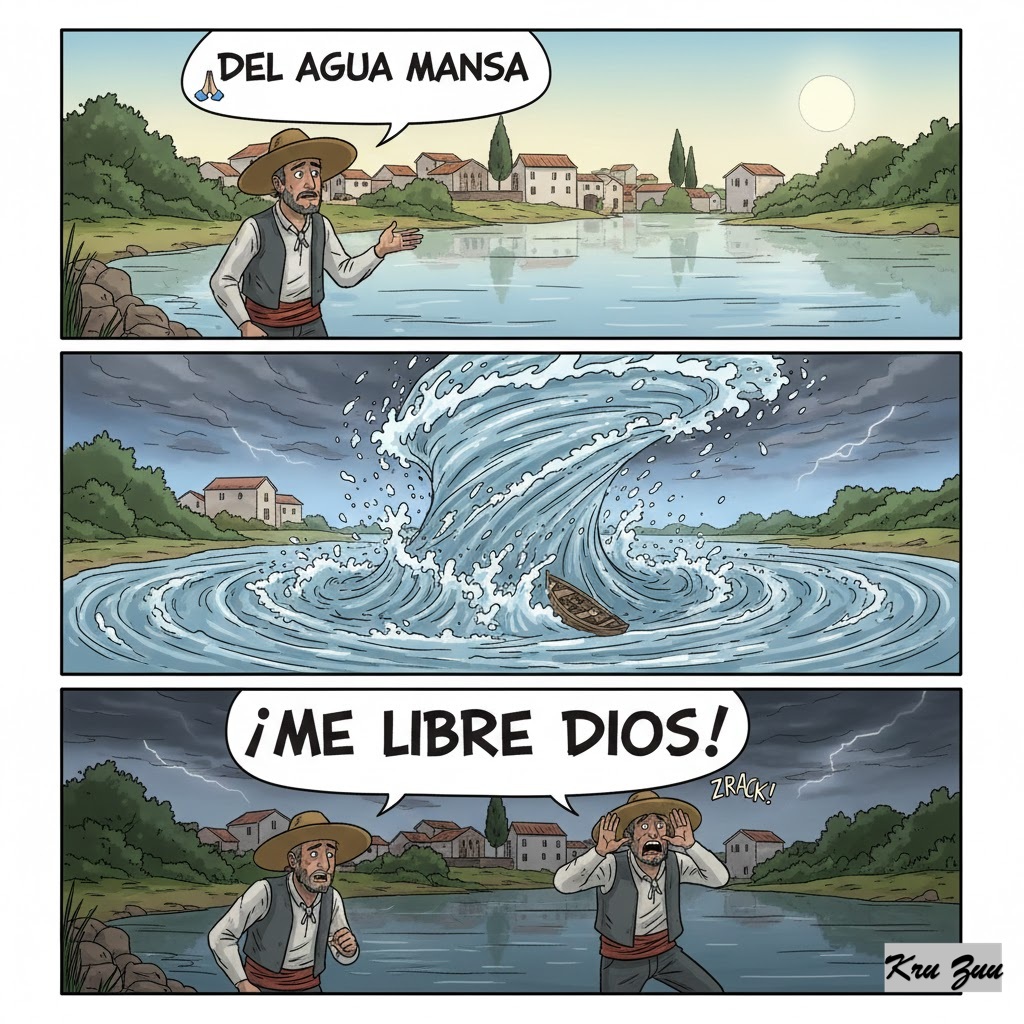
    🇪🇸 Spanish:“Del agua mansa me libre Dios” (God save me from the calm water).


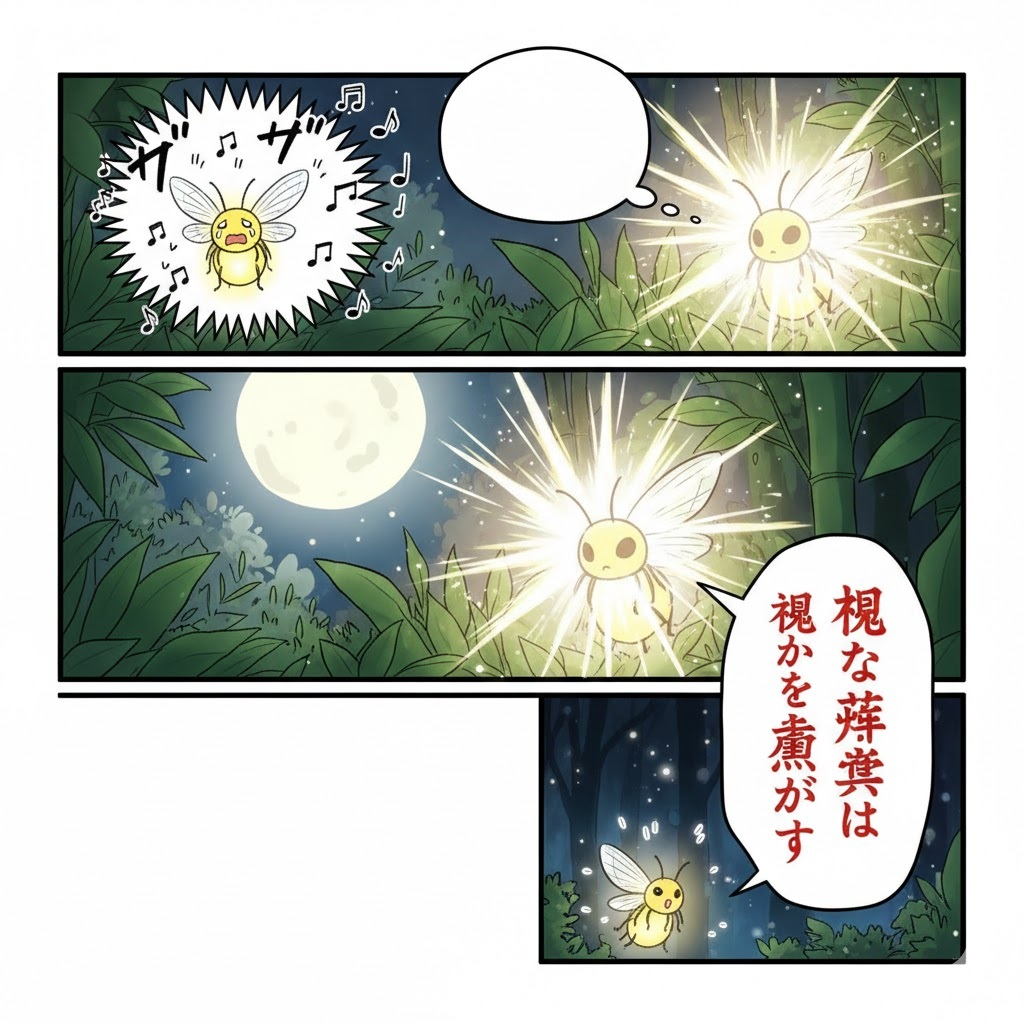
    🇯🇵 Japanese:“The mute firefly burns more than the one that cries.” (Wow! 🔥)

    🎯 Impact on Life: The Pros & Cons


    ✅ The Pros (The Mystery)


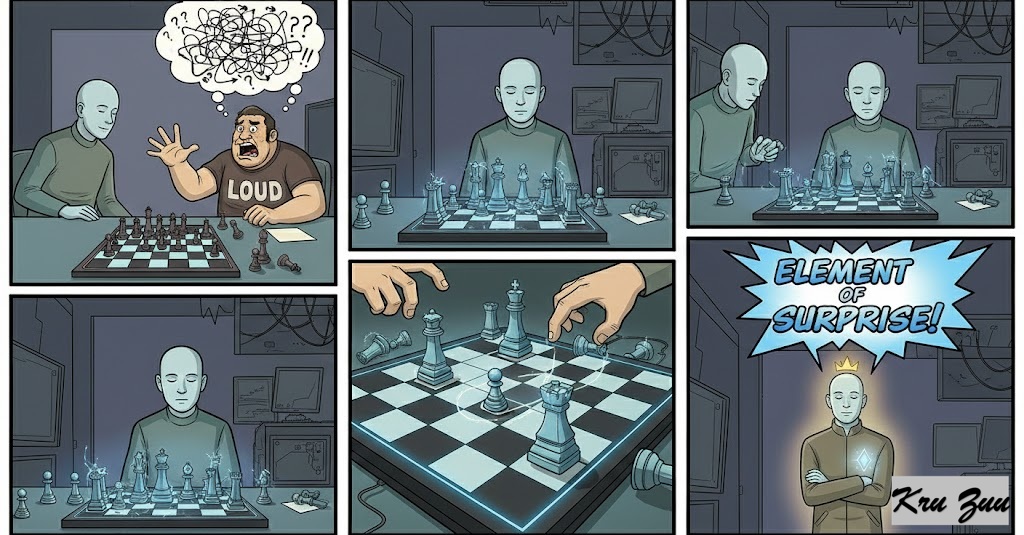
    Power: If you are “still water,” people can’t read your next move. You have the element of surprise.


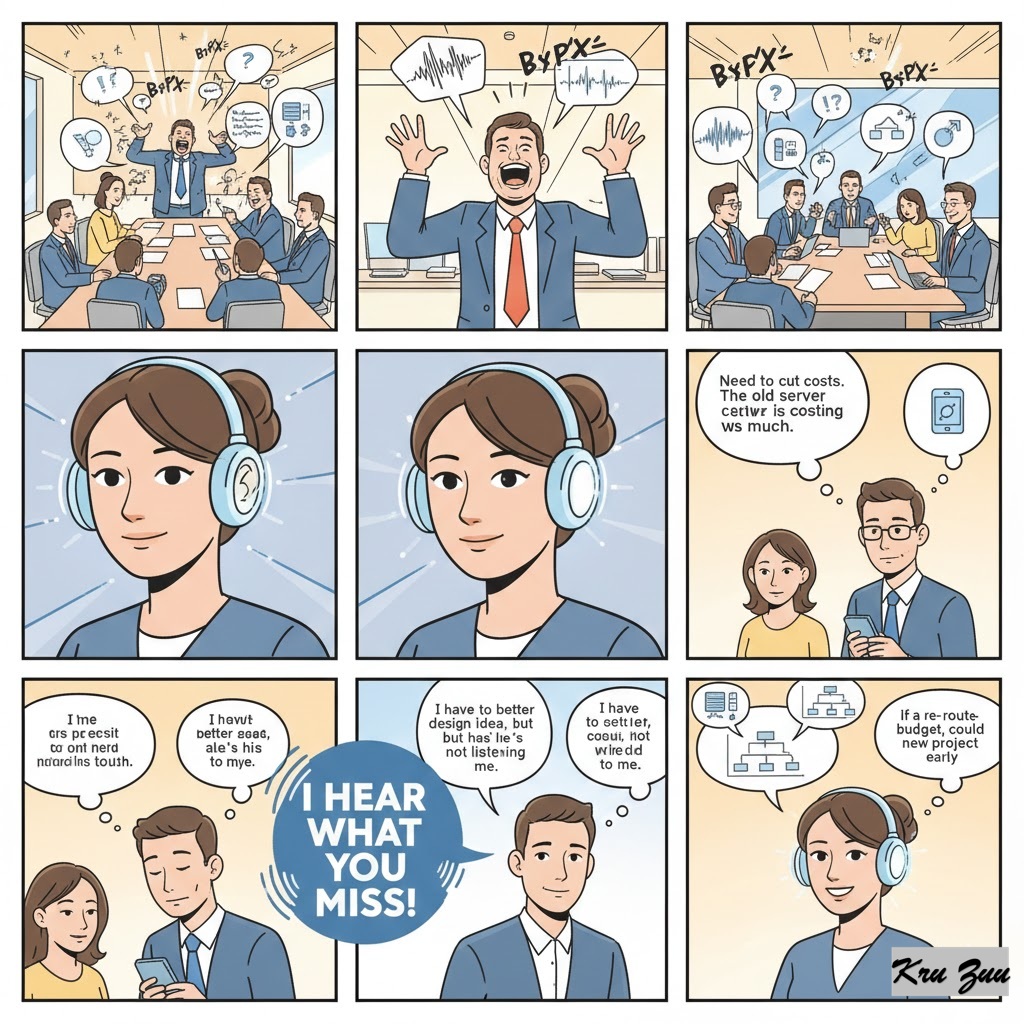
    Listening: By being quiet, you hear things the loud people miss.


    ❌ The Cons (The Danger)


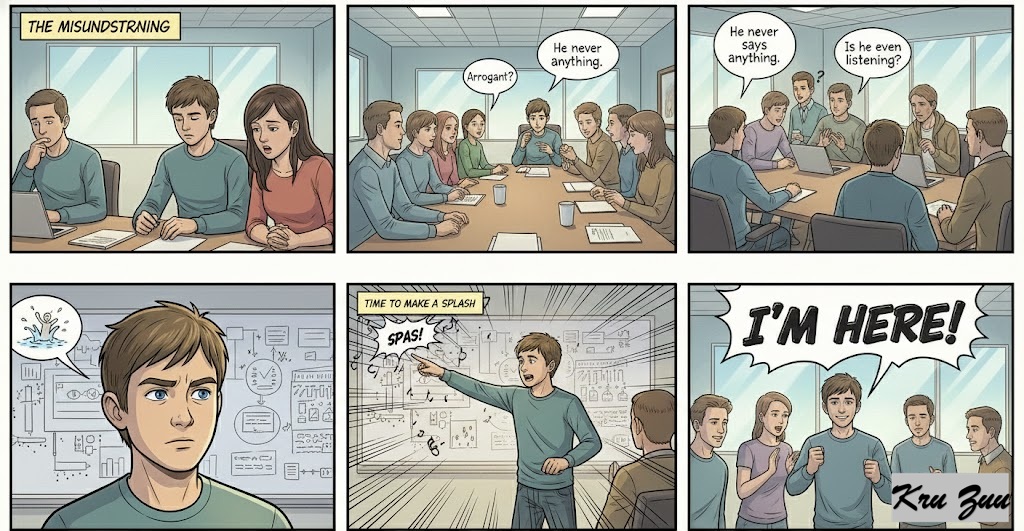
    Misunderstanding: People might think you are arrogant or uninterested because you don’t speak much. Sometimes, you need to make a little “splash” so people know you are there.

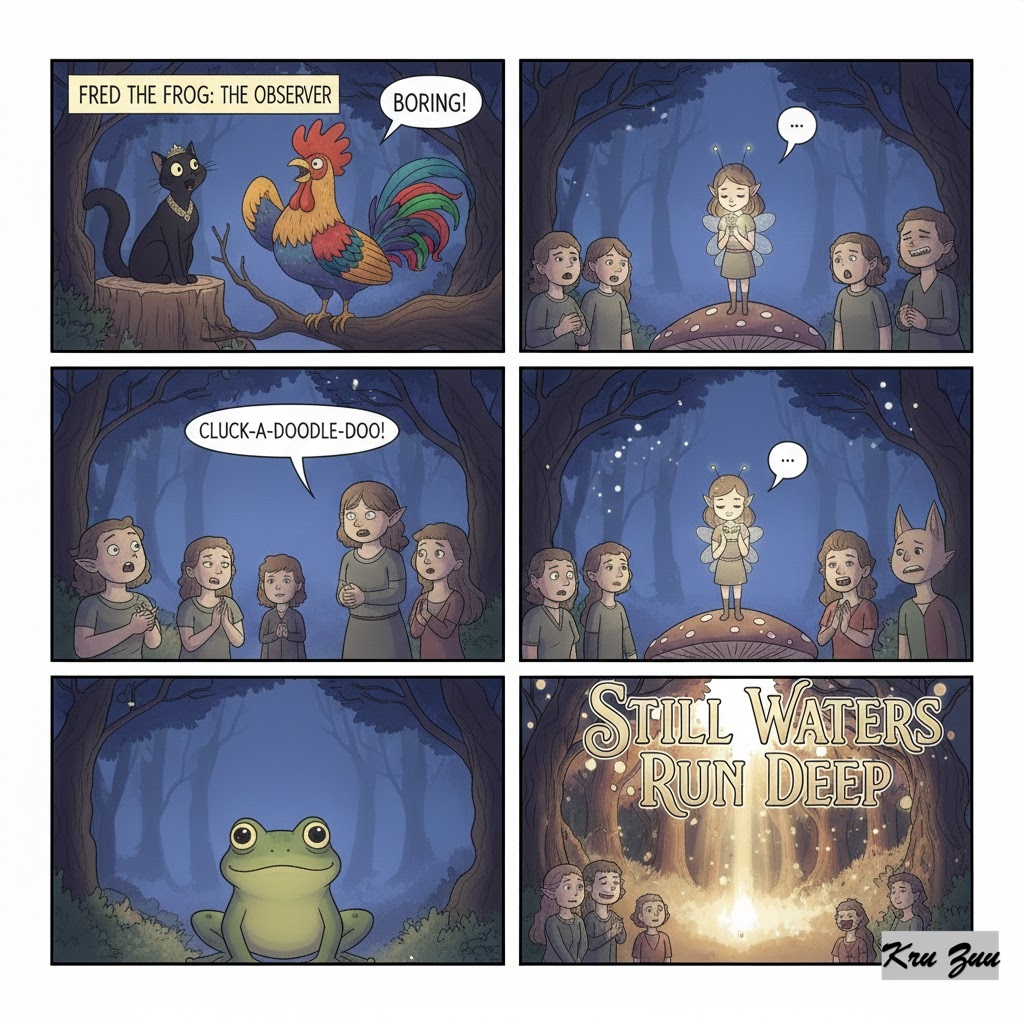
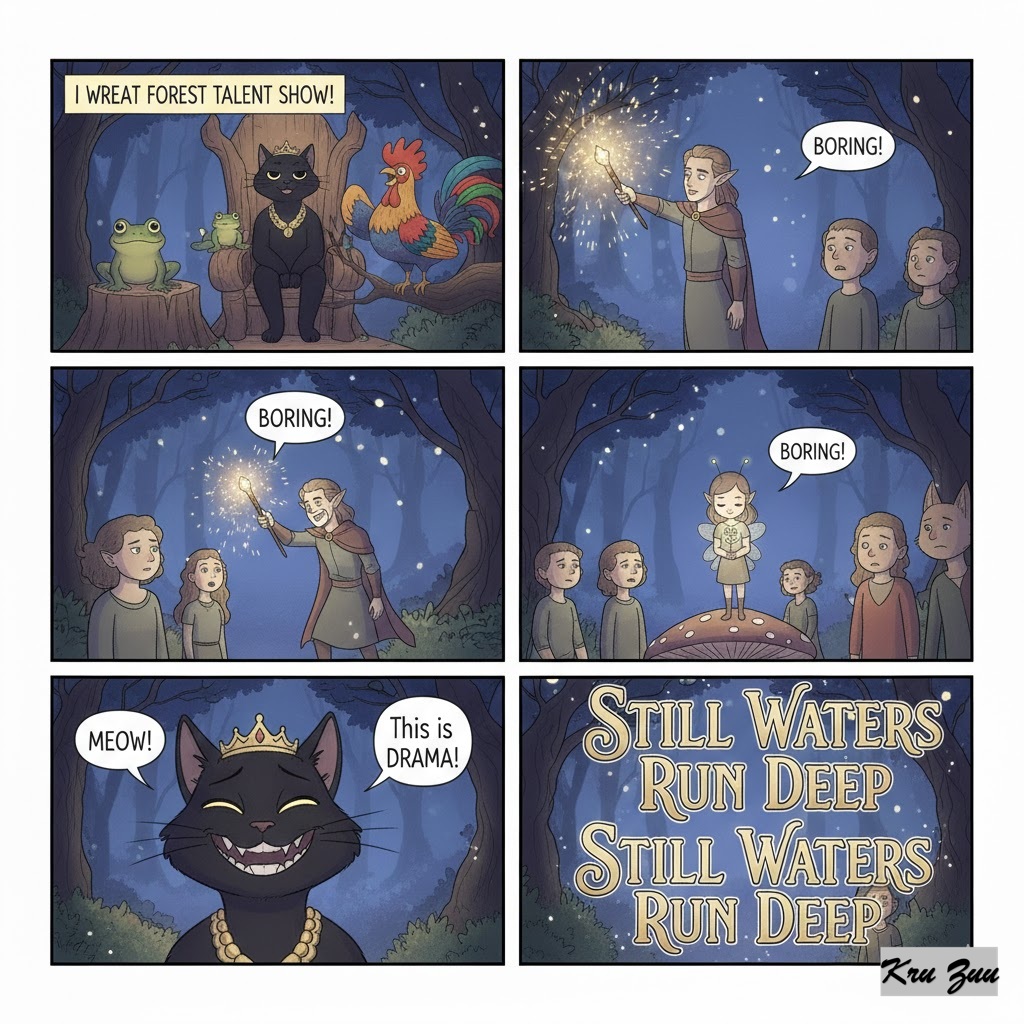
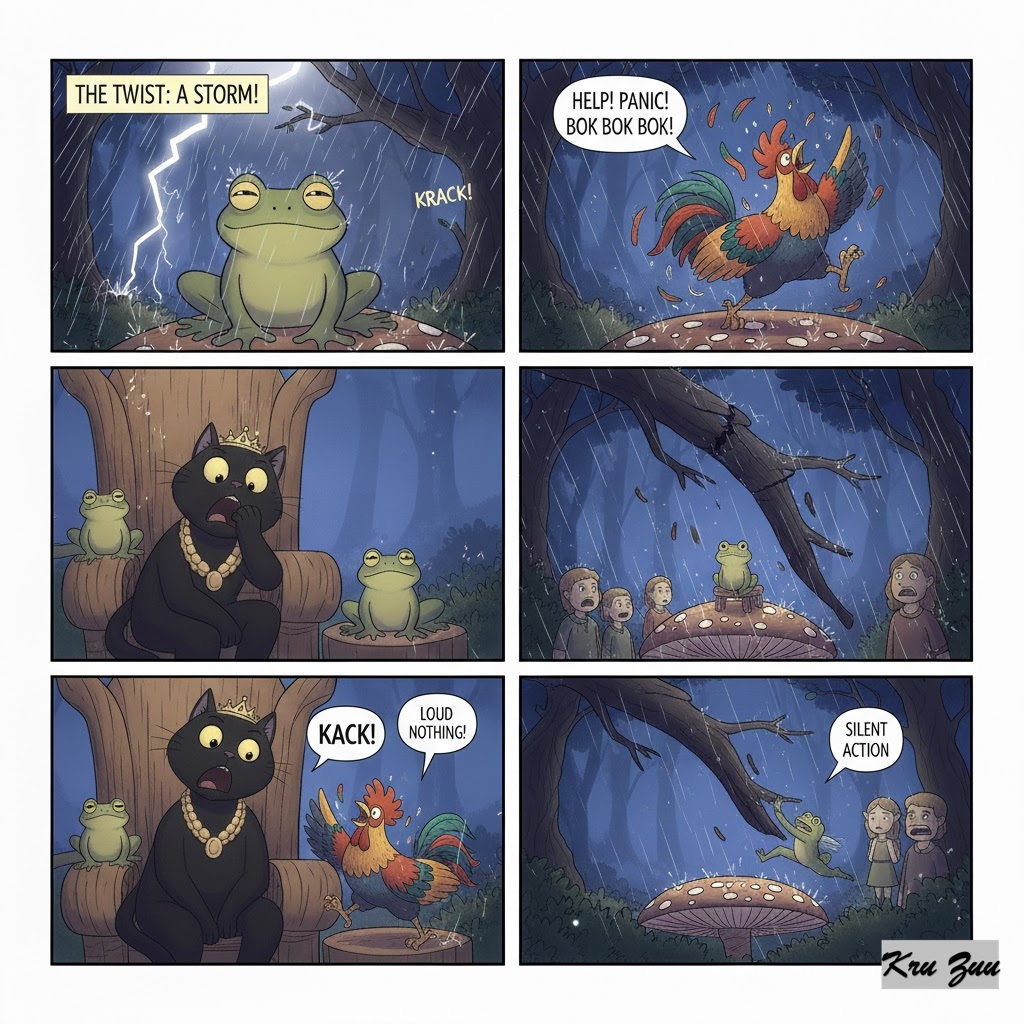
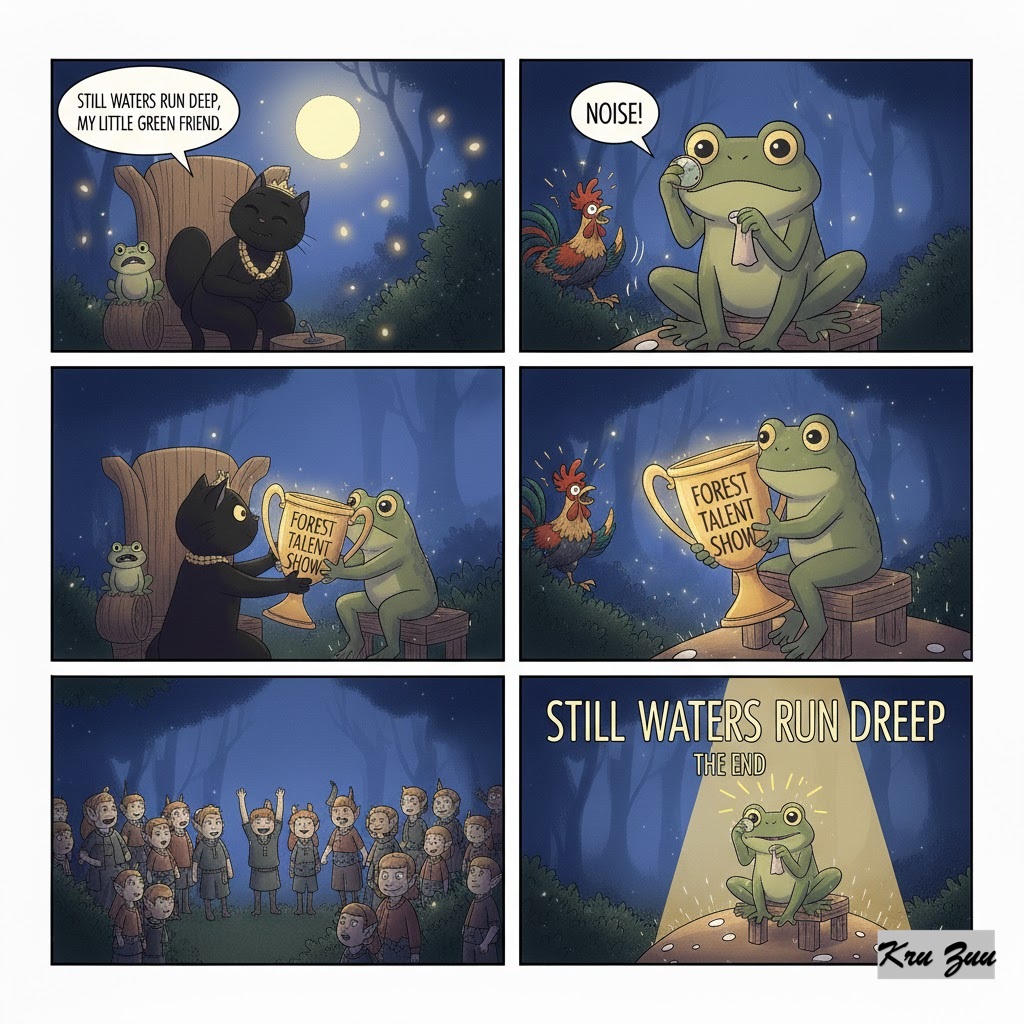
    🎭 Short Story: The Forest Talent Show 🐸🐱🐔


    Let’s visit the magical forest to see who really has the talent.


    🌟 The Cast


    Cleo the Cat: The Judge. Stylish, critical, and loves drama. 😼


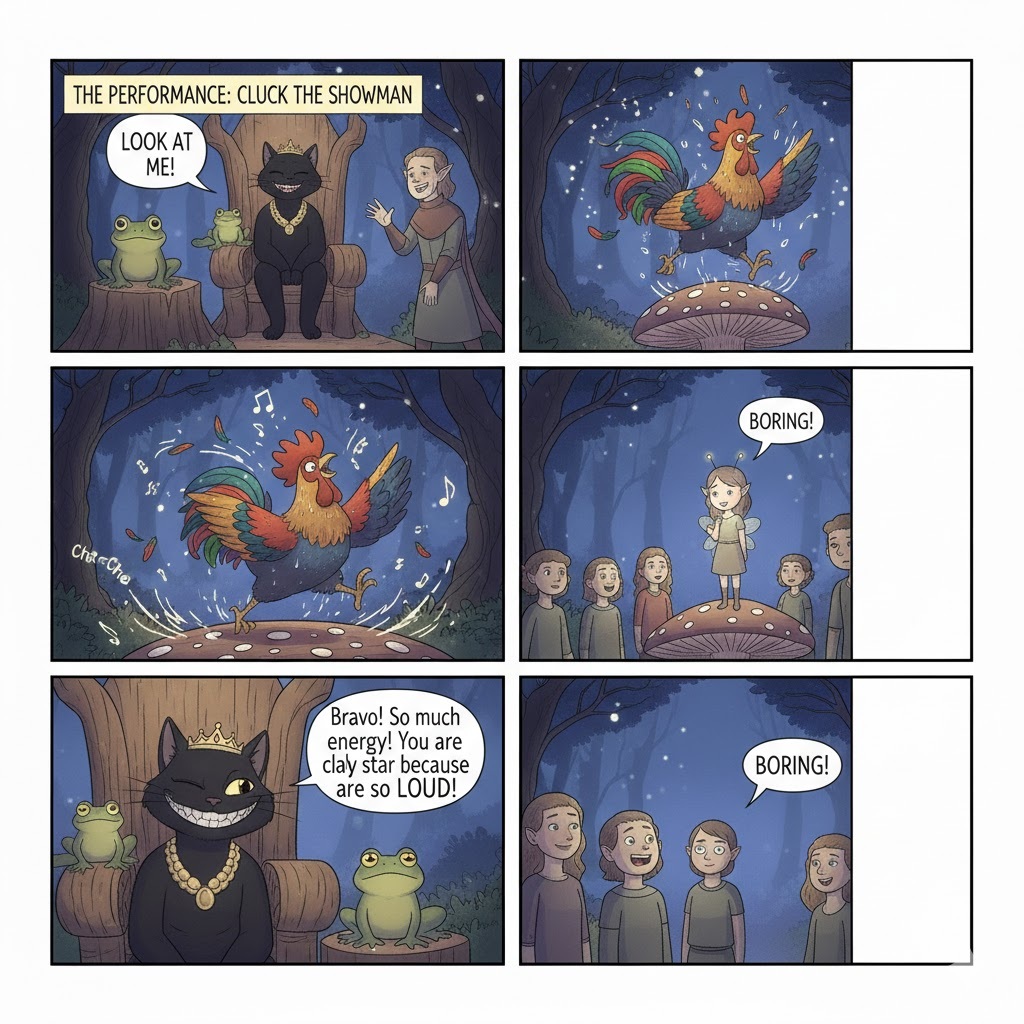
    Cluck the Chicken: The Showman. Loud, colorful, and loves his own voice. 🐔


    Fred the Frog: The Observer. Tiny, green, and completely silent. 🐸


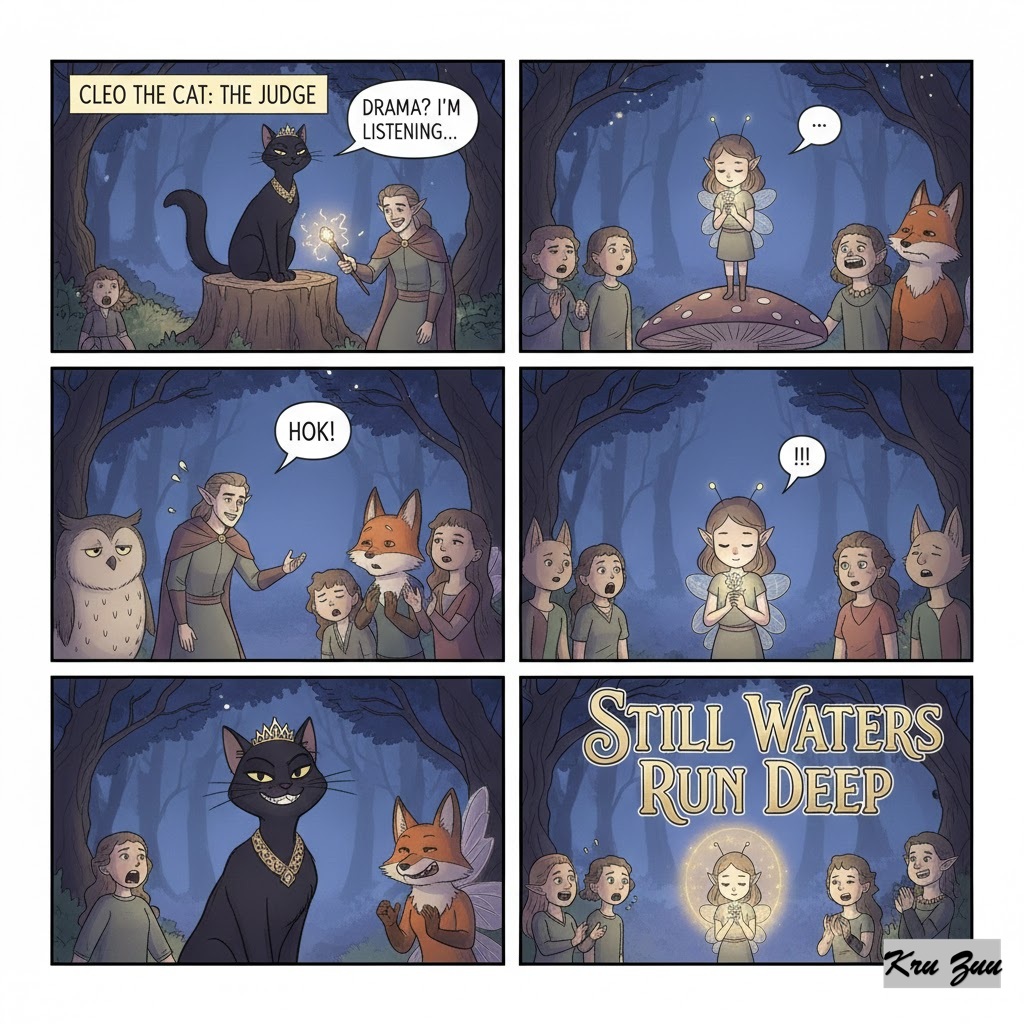
    The Situation: It was the night of the “Great Forest Talent Show.” Cleo sat on the judge’s throne. She wanted entertainment!


    The Performance: First up was Cluck. He exploded onto the stage! “LOOK AT ME!” he squawked. He flapped his wings furiously. He danced the ‘Cha-Cha’. He told ten jokes in one minute. He was sweating, screaming, and running in circles. Cleo clapped. “Bravo! So much energy! You are clearly a star because you are so LOUD!”


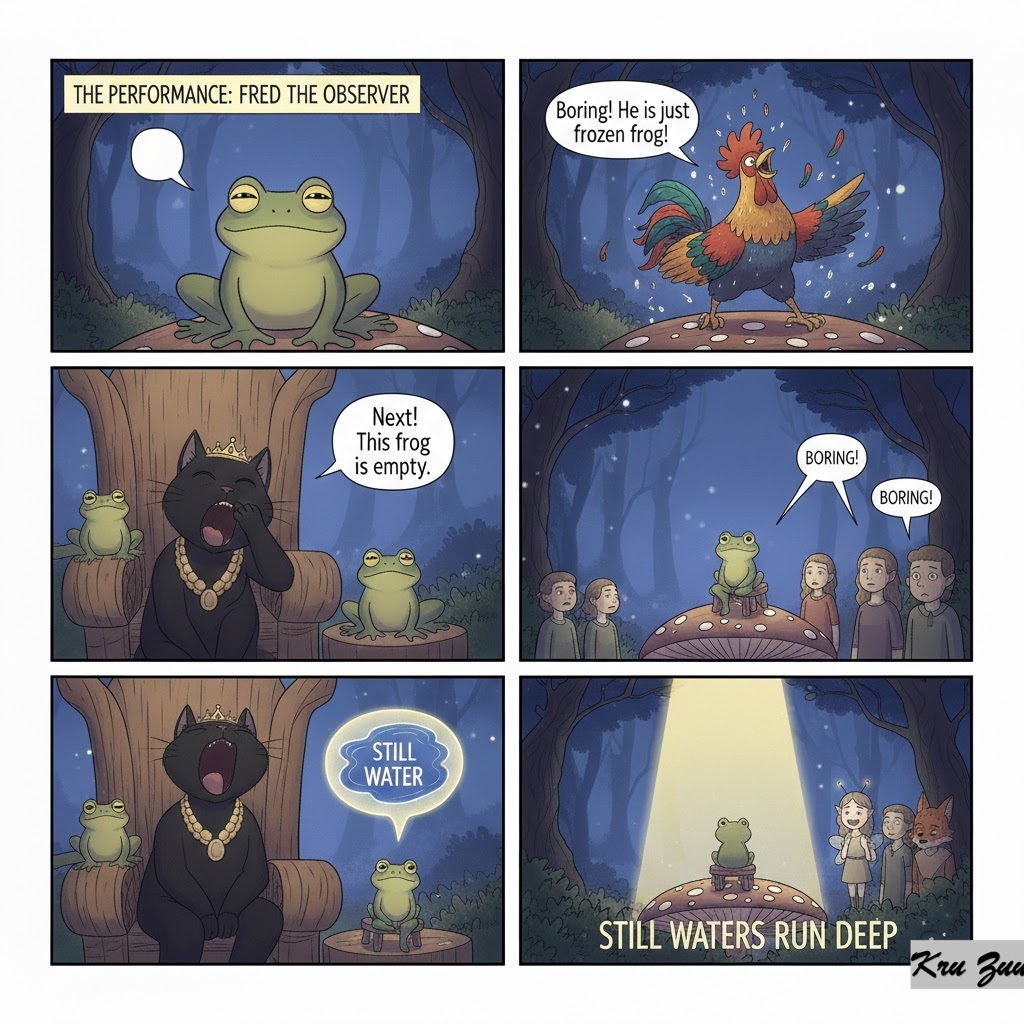
    Then, it was Fred’s turn. Fred hopped onto the stage. He sat on a stool. He didn’t move. He didn’t speak. Cluck laughed from the side. “Boring! He is just a frozen frog! He has nothing inside his head!” Cleo yawned. “Next! This frog is empty.”


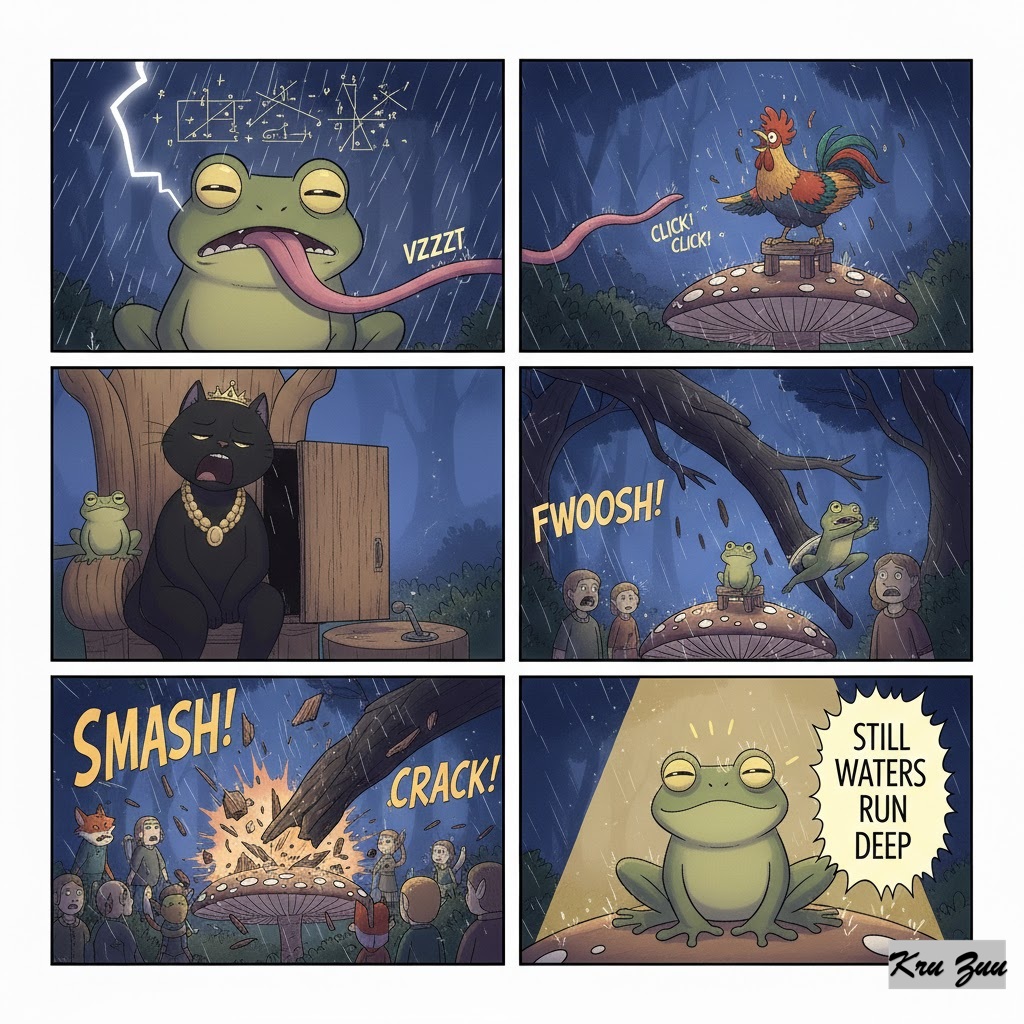
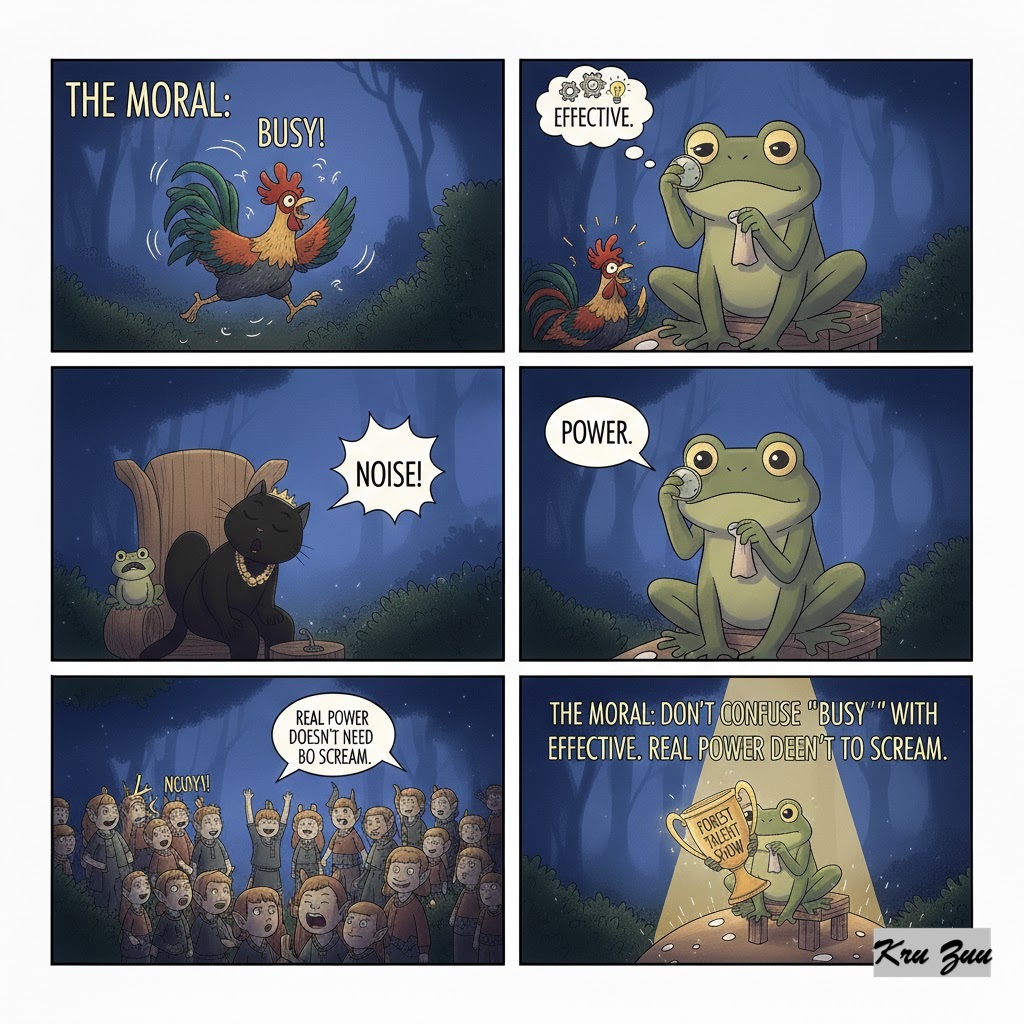
    The Twist: Suddenly, a storm broke out! ⛈️ The lights went off. The wind howled. A giant, heavy tree branch cracked and was about to fall right onto Cleo! Cluck ran around screaming, “HELP! PANIC! BOK BOK BOK!” He was making a lot of noise, but doing nothing.


    In the darkness, Fred didn’t scream. He didn’t panic. With a calm, deep breath, Fred calculated the angle. He used his long, sticky tongue to pull a lever on the stage wall. CLICK. A trapdoor opened instantly under Cleo, sliding her to safety just one second before the tree smashed her throne. 💥


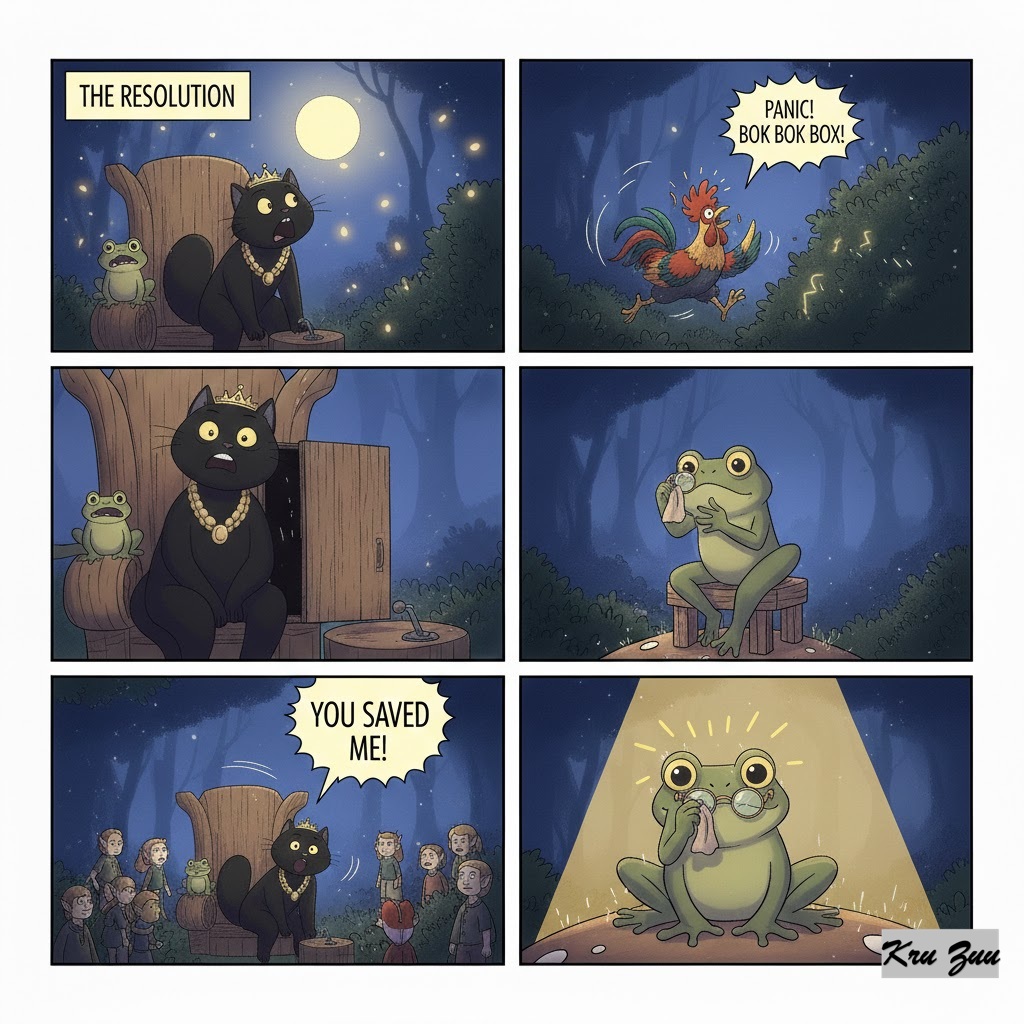
    The Resolution: When the lights came back on, Cleo crawled out of the safe tunnel. Cluck was still running around screaming at a bush. Fred was sitting calmly on his stool, polishing his glasses.


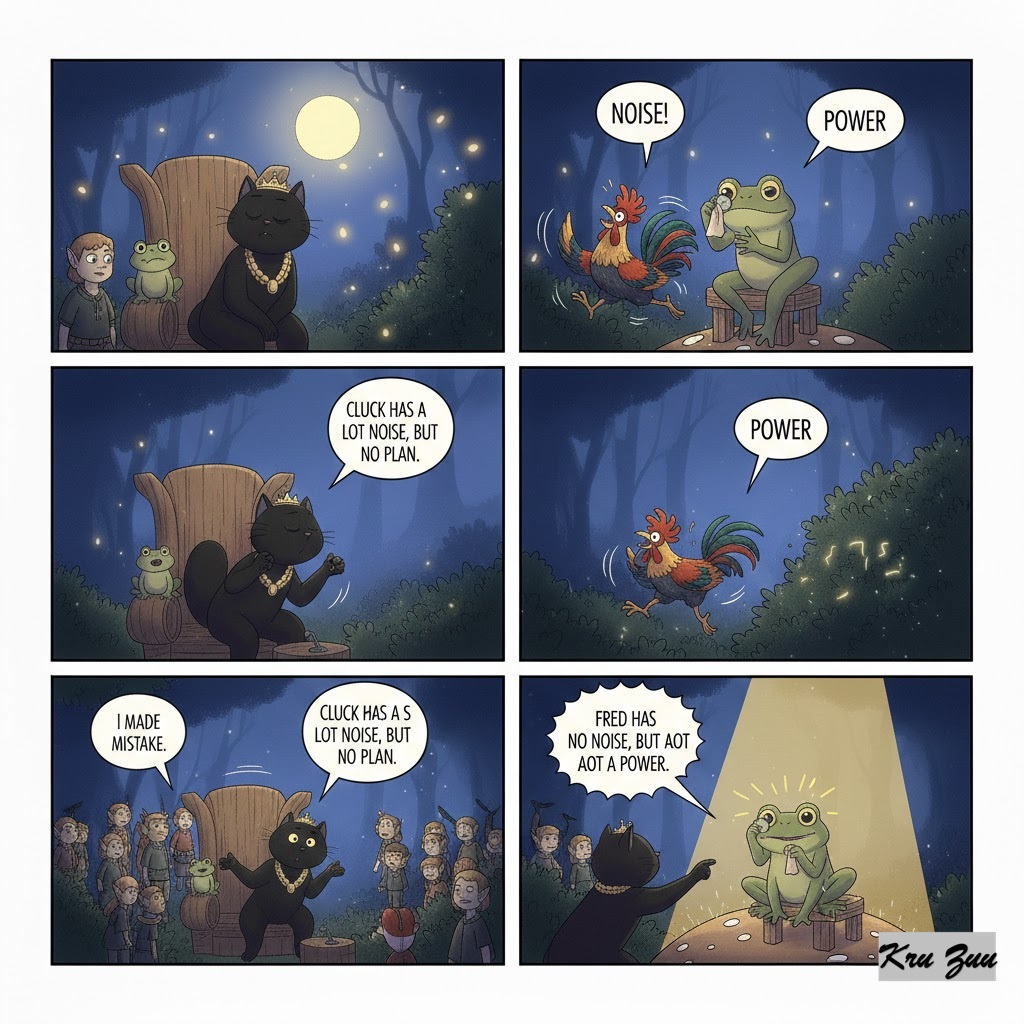
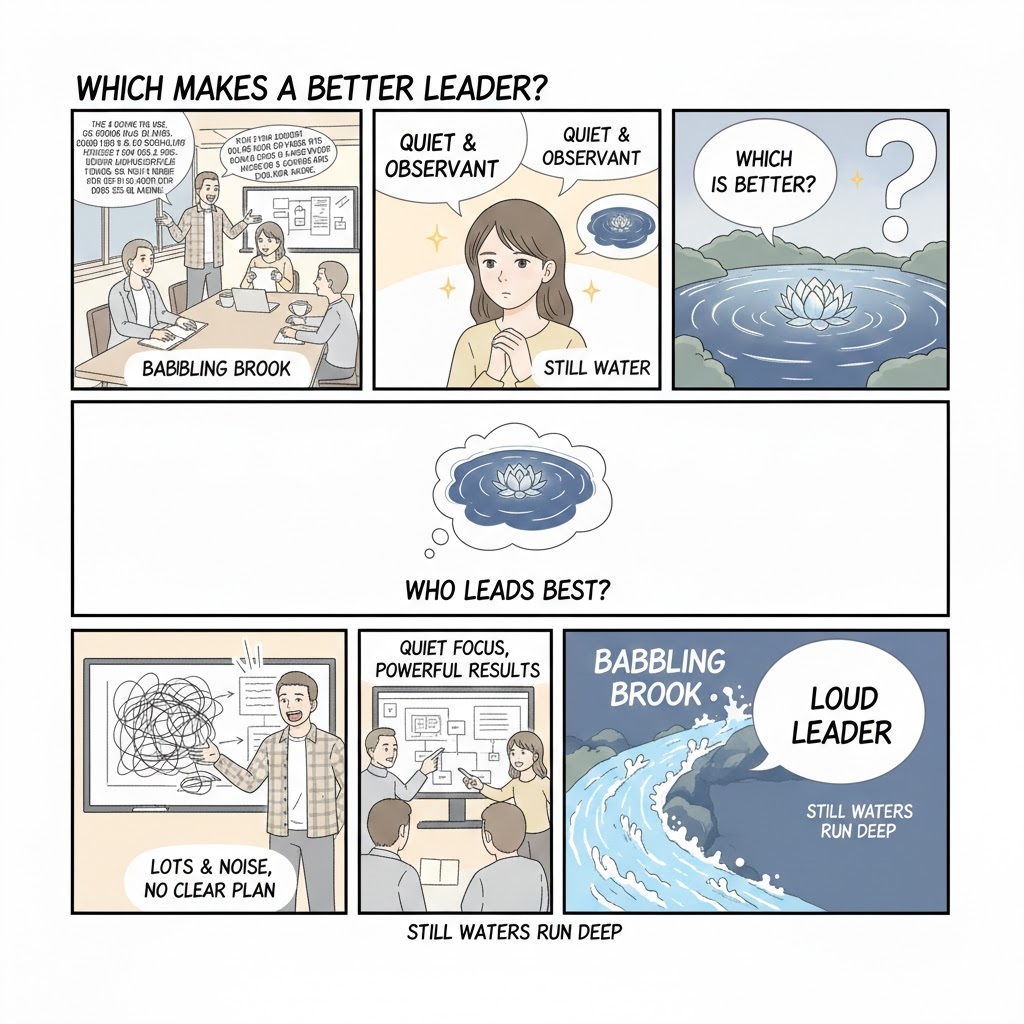
    Cleo looked at the screaming Chicken, and then at the silent Frog who saved her life. “I made a mistake,” Cleo whispered. “Cluck has a lot of noise, but no plan. Fred has no noise, but a lot of power.”


    She handed the trophy to Fred. “Still waters run deep, my little green friend.”


    The Moral: Don’t confuse “Busy” with “Effective.” Real power doesn’t need to scream. 🏆

    🎓 Lesson for English Learners


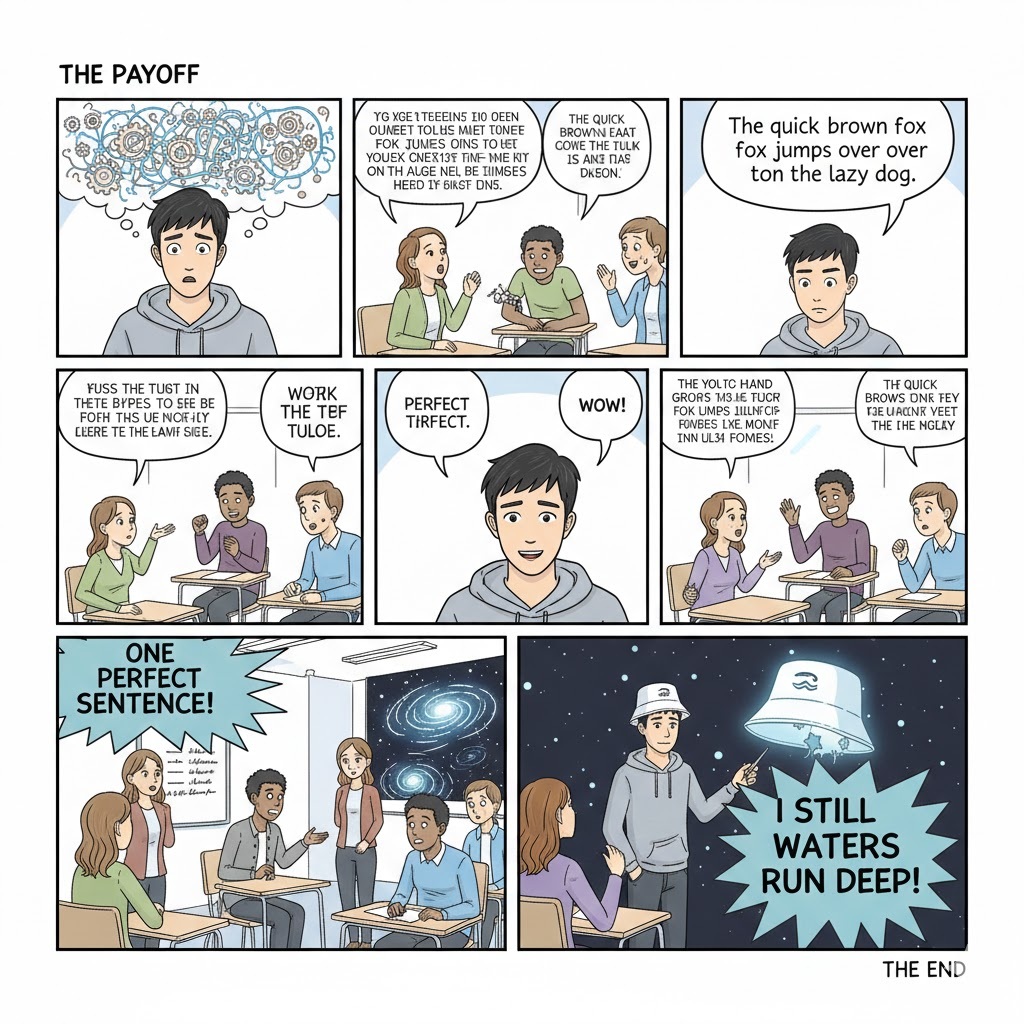
    Don’t Fear the Silence.


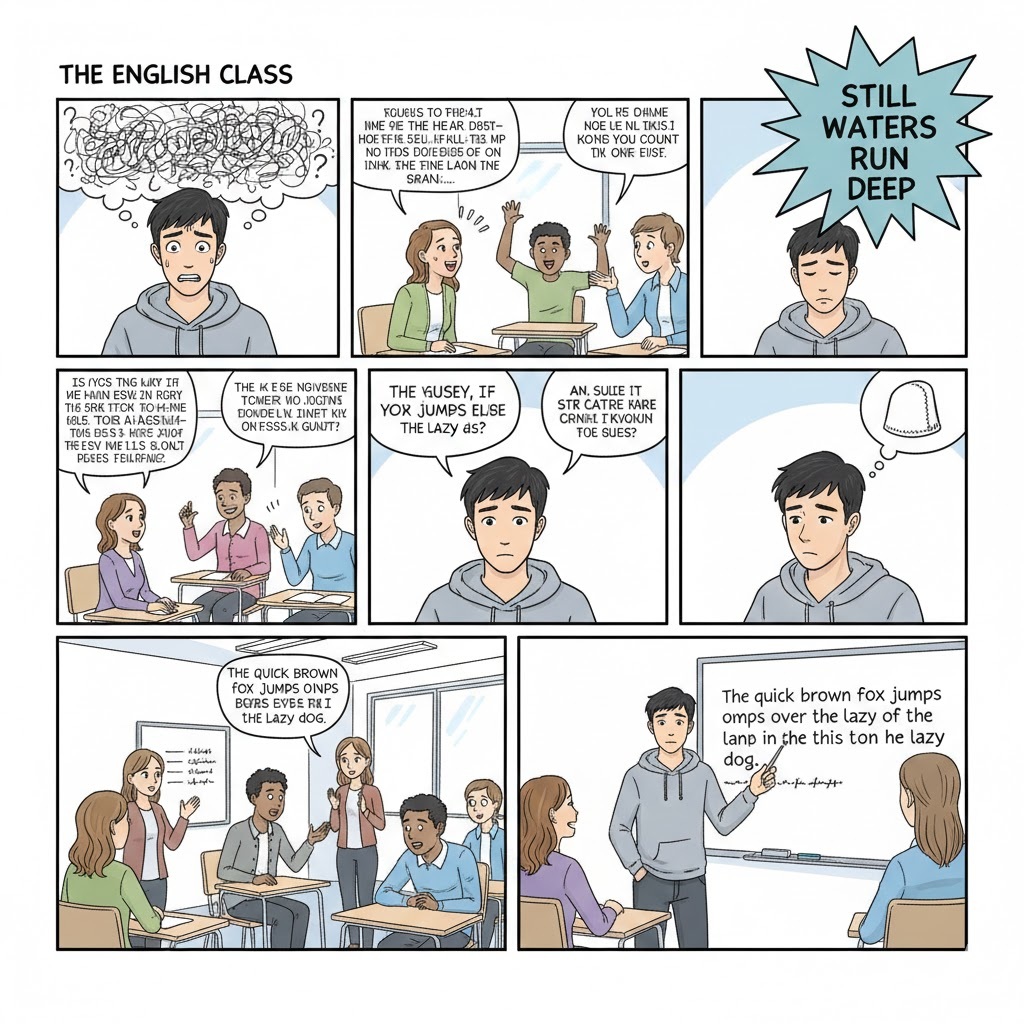
    Situation: You are in an English class. You don’t speak much because you are translating in your head. You feel stupid because others are talking fast (but making mistakes).


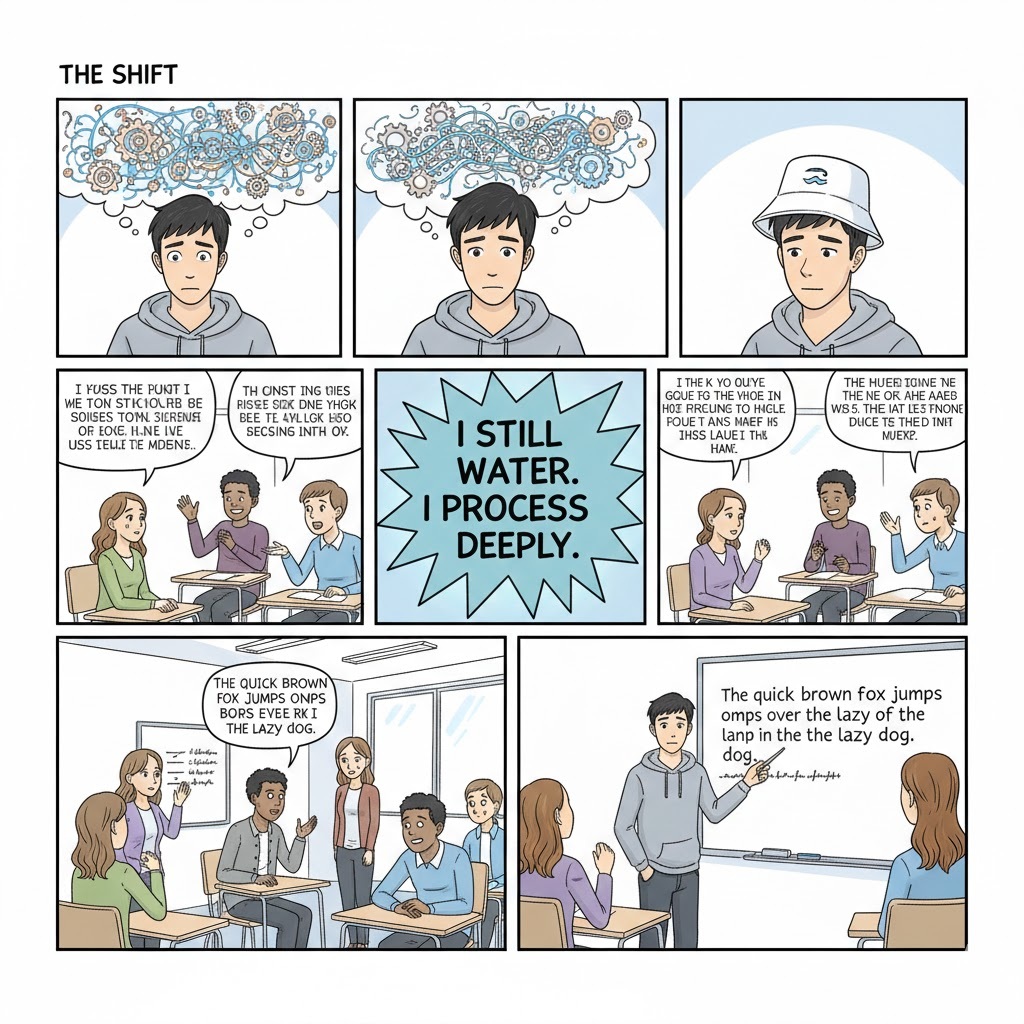
    The Shift: Remind yourself that you are “Still Water.” You are processing deeply.


    You Say: When you are ready, speak one perfect, thoughtful sentence.


    Phrase to use:“I may be quiet, but I am listening. Still waters run deep!”


    💬 Your Turn: The Observer Challenge 🚀


    Do you know someone who is very quiet?


    The Challenge: This week, talk to the quietest person in your office or class. Ask them a deep question like, “What is your passion?” or “What do you think about [Topic]?”


    The Prediction: I bet you will be shocked by how interesting their answer is.


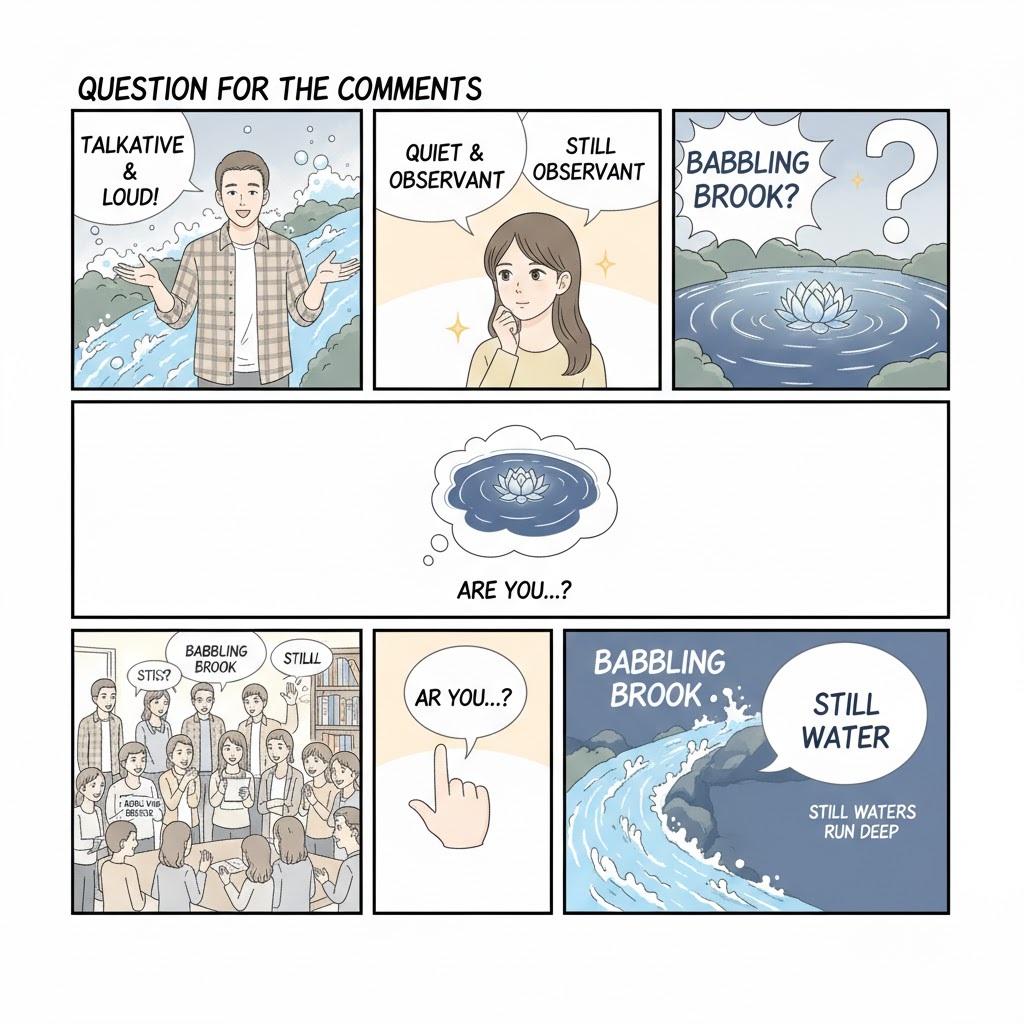
    👇 Question for the comments: Are you a “Babbling Brook” (talkative) or “Still Water” (quiet)?

    Which one do you think makes a better leader?

    Let me know below!

    By Zubeyir YURTKURAN

    https://www.facebook.com/BrainBattleground/

    https://www.facebook.com/zubeyr.yurtkuran/

    https://www.instagram.com/zubeyryurtkuran/
    https://www.youtube.com/@BrainBattleground-b3p

    https://www.instagram.com/brainbattleground/

  • 🏡 The Daily Shield: The Anchor of Comfort

    🏡 The Daily Shield: The Anchor of Comfort

    “There’s no place like home.”


    😈 The Villain (The Eternal Tourist)


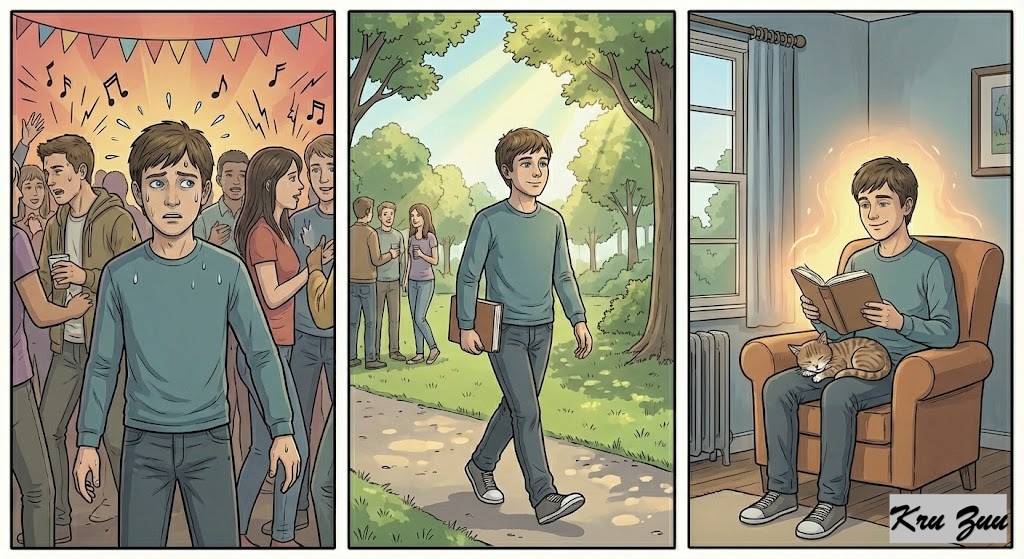
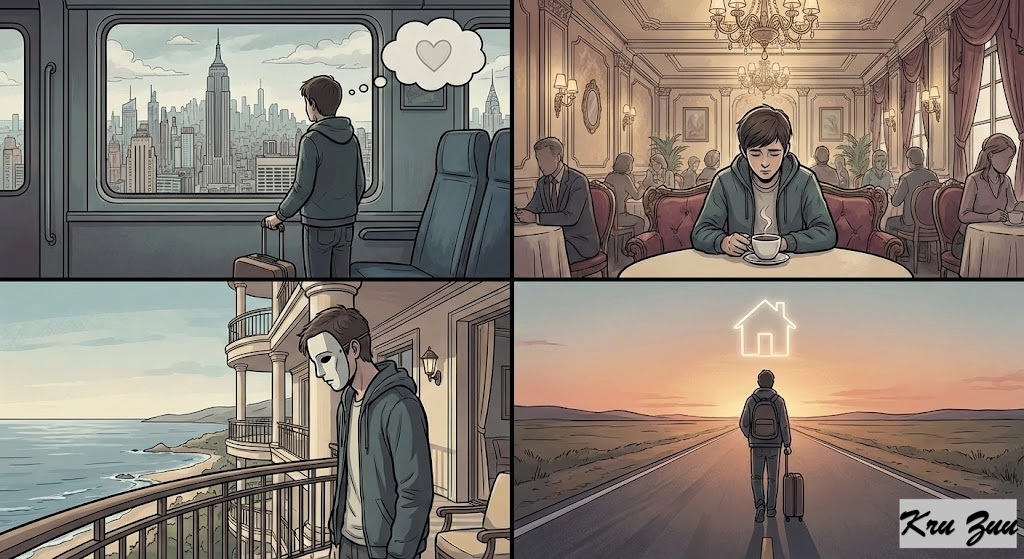
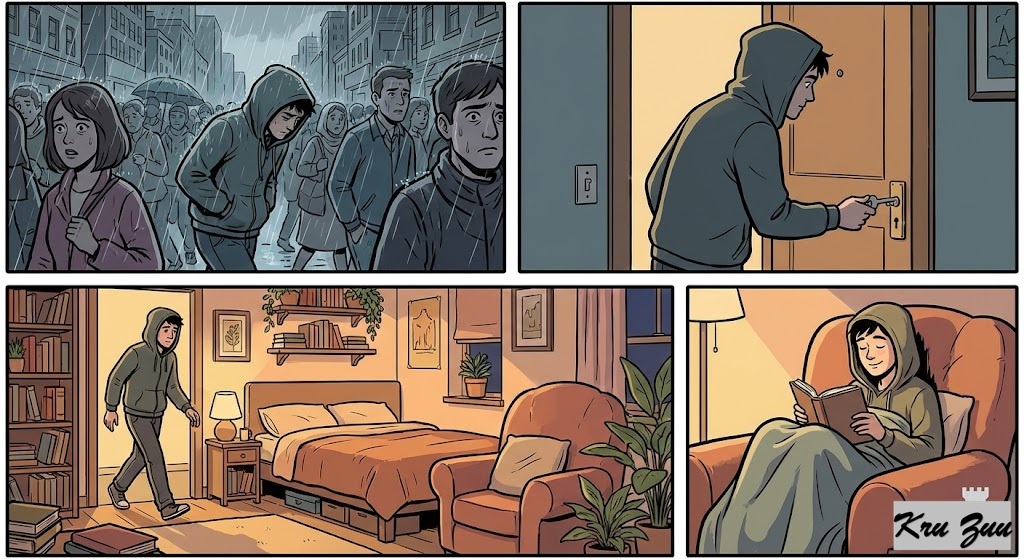
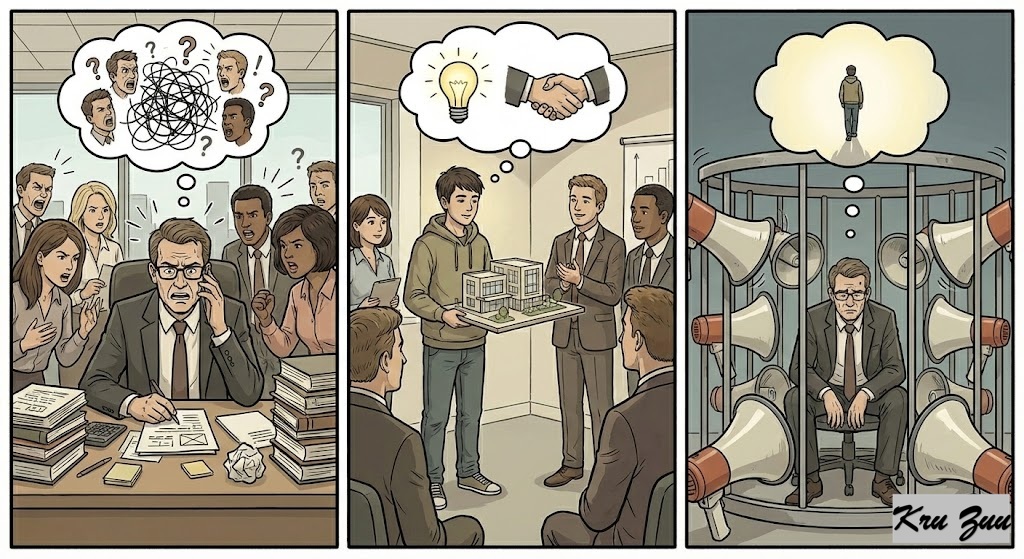
    You are always looking for happiness somewhere else. You say, “If I move to that city, I will be happy.” or “If I go to this fancy cafe, I will feel better.” You travel, you wander, you stay in expensive hotels. But everywhere you go, you feel restless. You are wearing a mask all day to impress strangers. You are exhausted because you have nowhere to truly recharge. You are a homeless soul in a world of houses. 🧳


    😇 The Hero (The Nester)


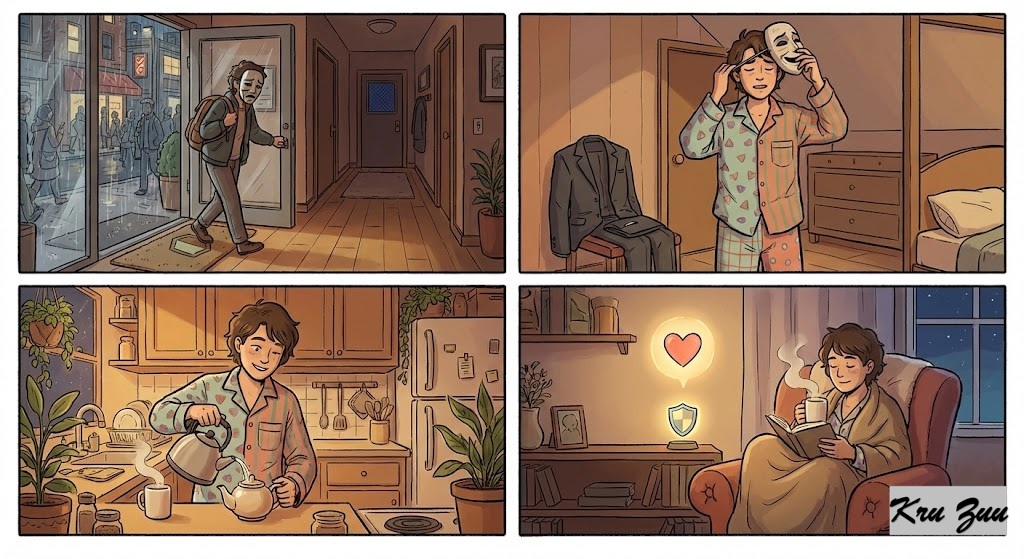
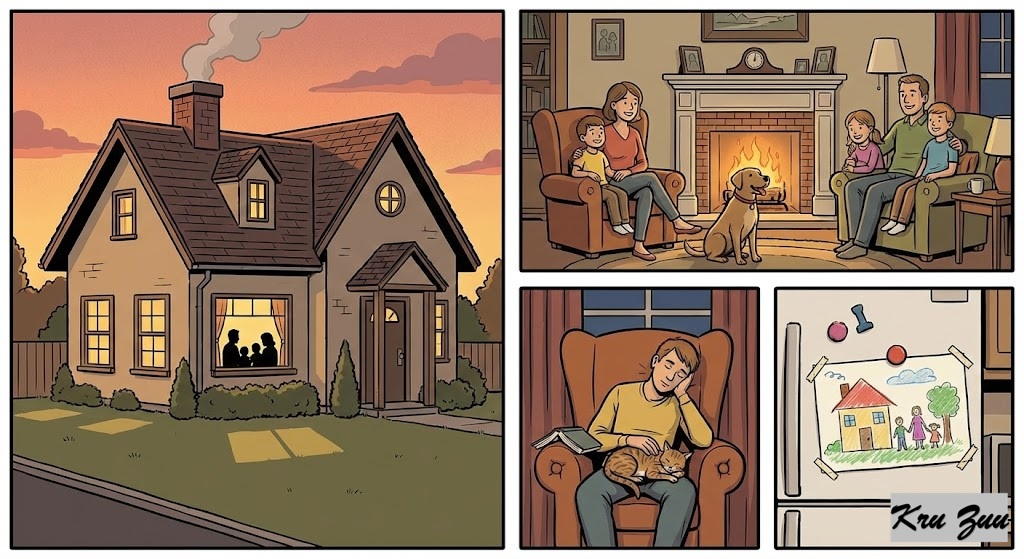
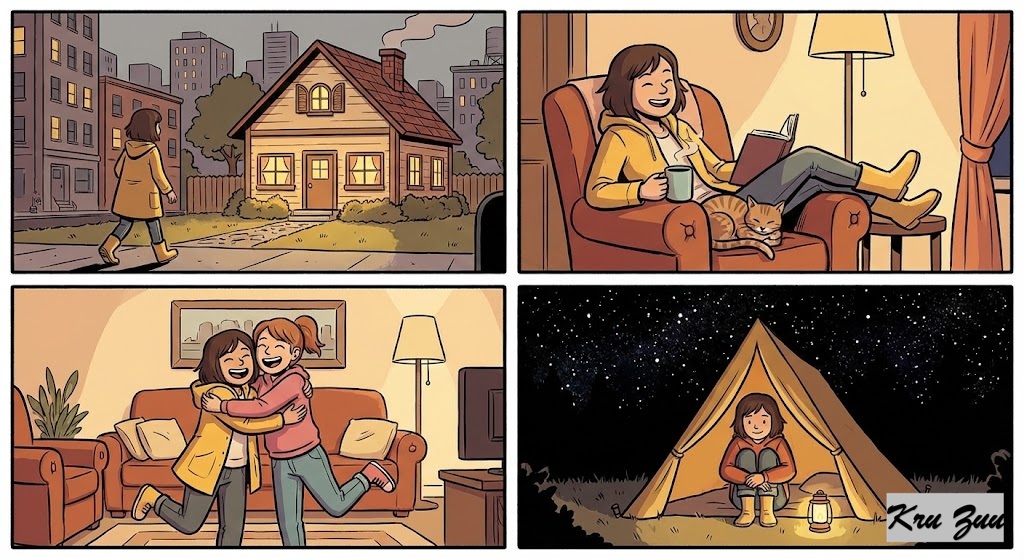
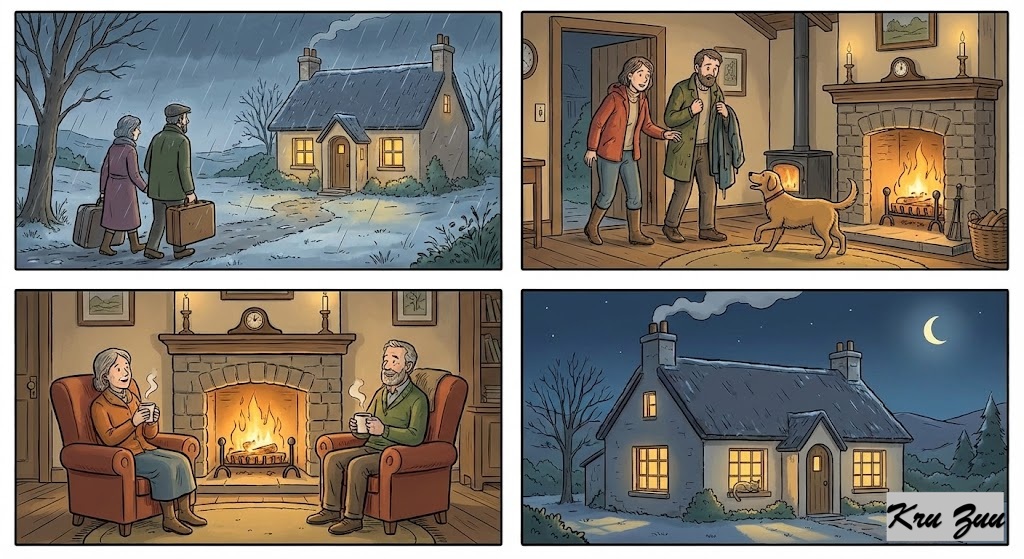
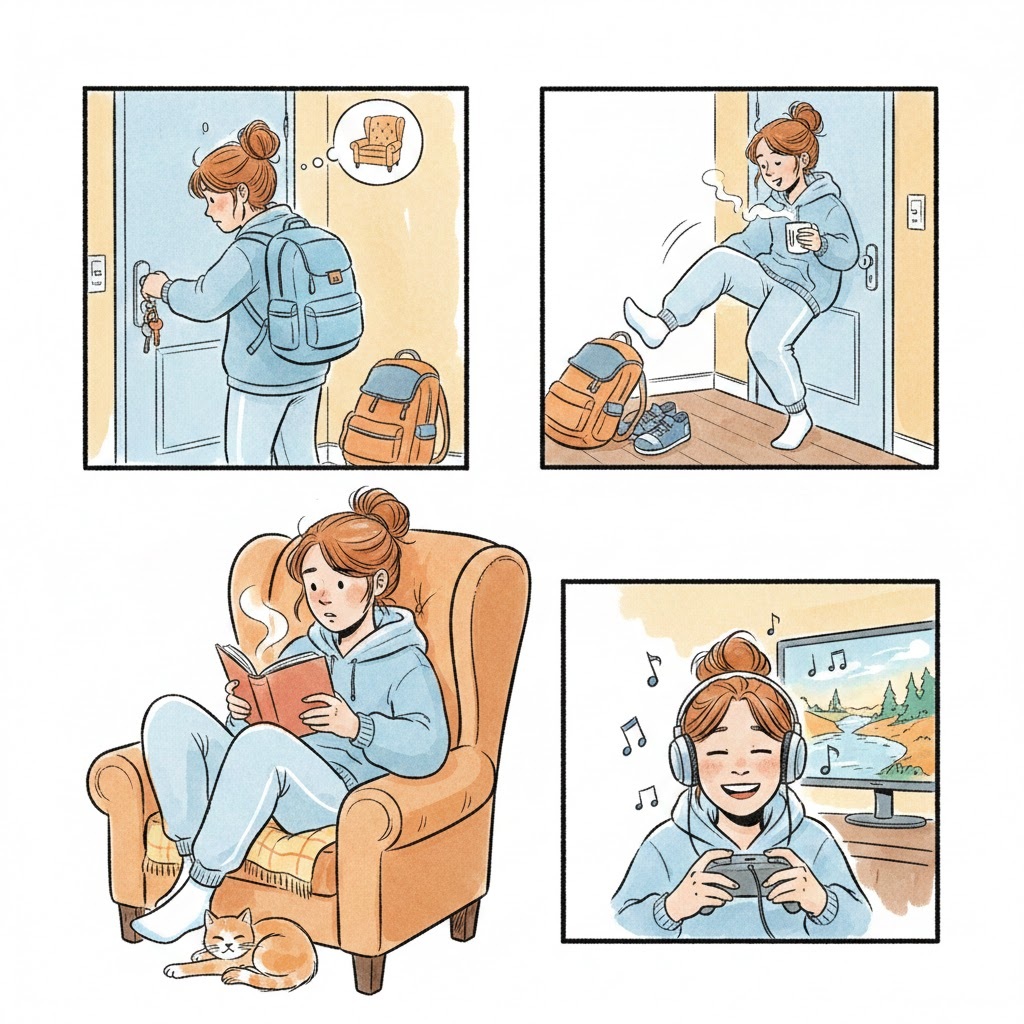
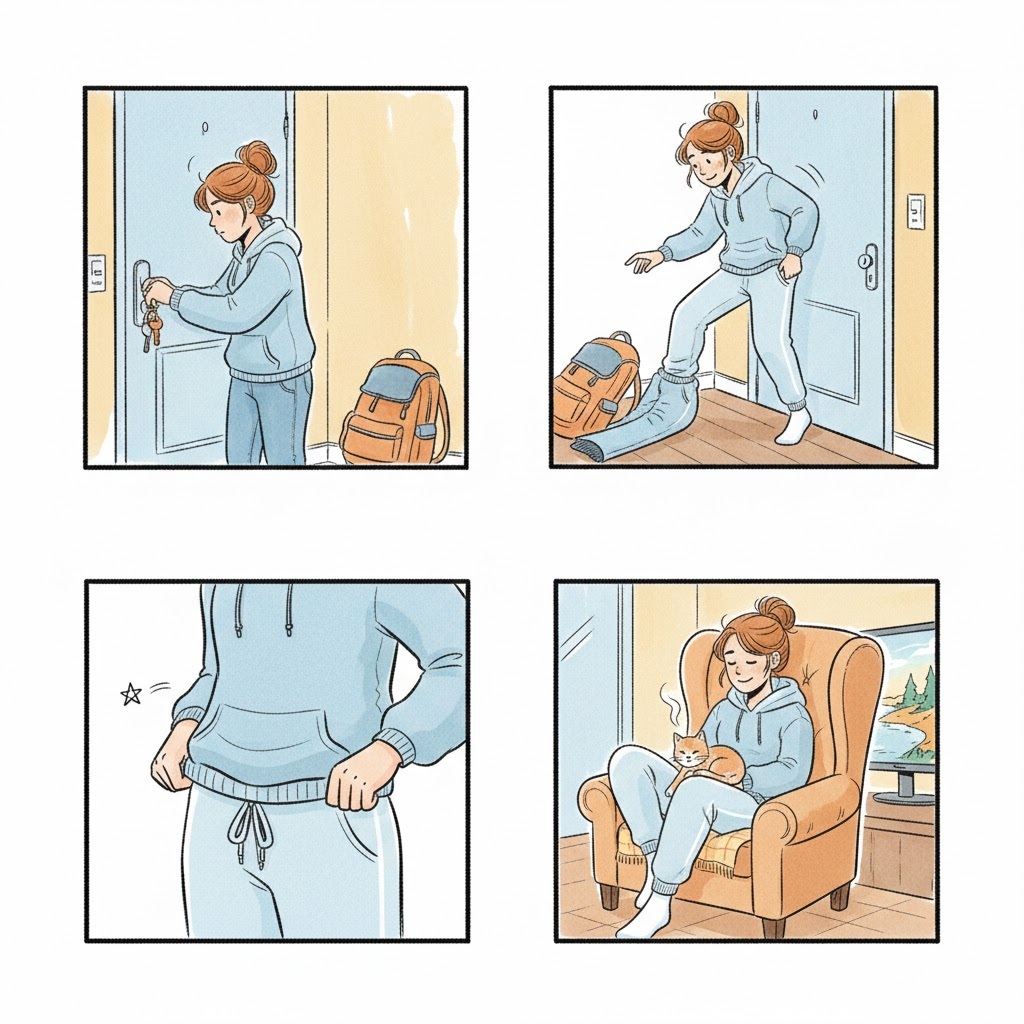
    You understand that the world is chaotic, but your space is your sanctuary. You step through your front door and take a deep breath. You take off the “outside world” mask. You wear your ugly, comfortable pajamas. You make tea exactly how you like it. You recharge your batteries in safety so that when you go out tomorrow, you are strong again. You know that peace isn’t a destination; it’s right where your heart is. 🛡️


    ⚖️ The Reality


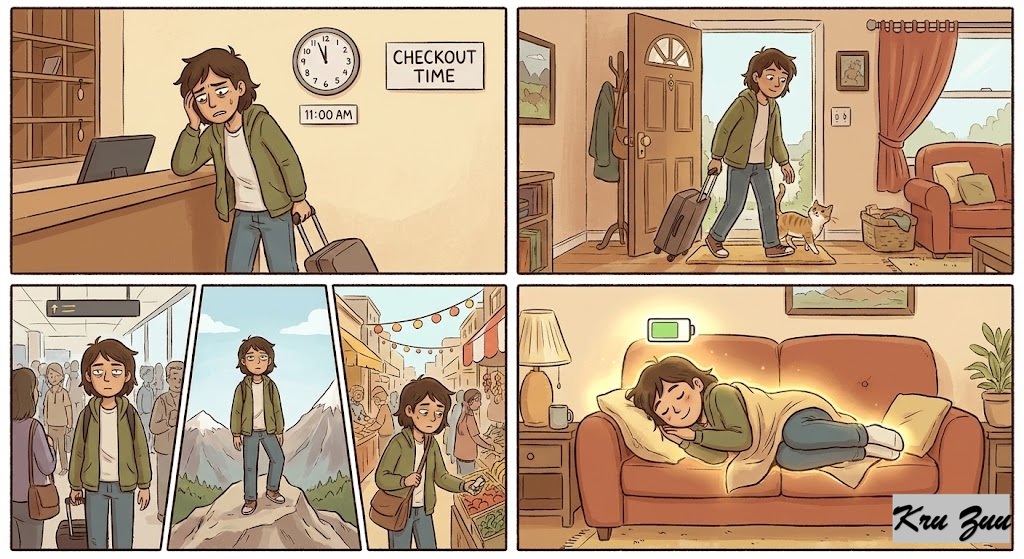
    Hotels have checkout times. Home does not. We spend our lives chasing excitement, travel, and new places. But “Home” is the only place in the universe where you don’t have to explain yourself to anyone. It is the charging station for the human soul.


    💎 The Secret

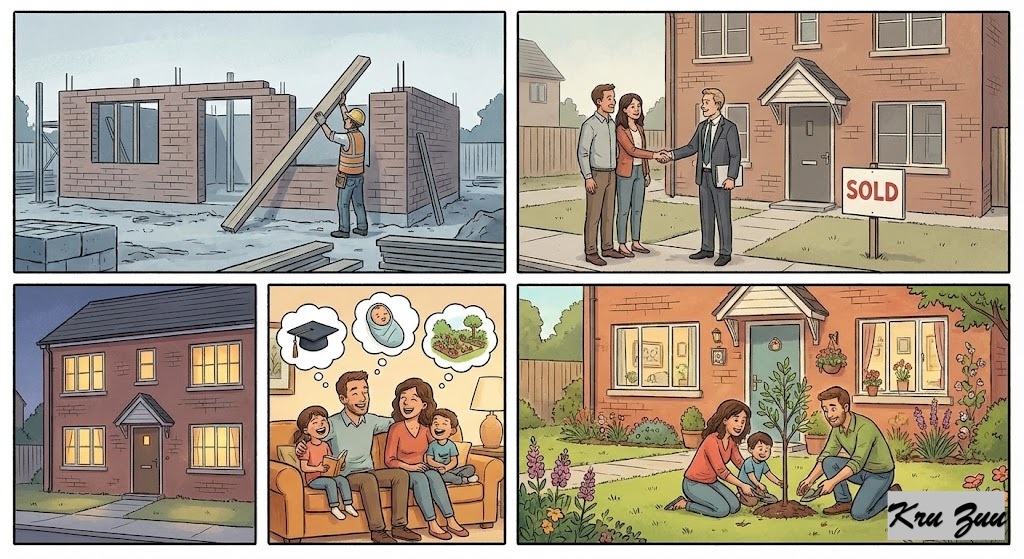
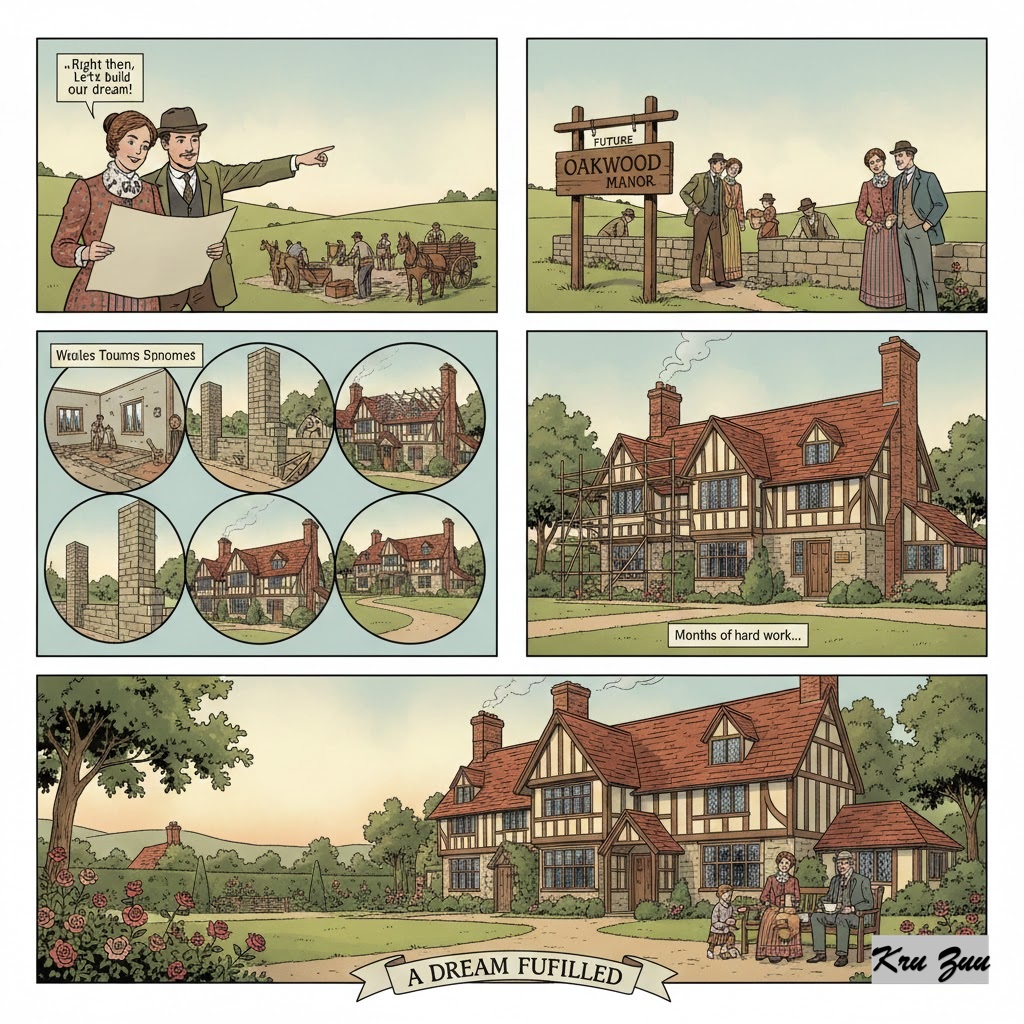
    A house is made of bricks and beams. A home is made of hopes and dreams. You can buy a house, but you must build a home.

    🧐 The Anatomy of the Proverb


    This is the ultimate idiom for belonging and comfort.


    Place (Noun): A particular position or point in space.


    Like (Preposition): Similar to; comparable to.


    Home (Noun): The place where one lives permanently, especially as a member of a family or household.


    Simpler Version: My home is the best place in the world.


    📚 Vocabulary Vault


    Sanctuary (Noun):
    A place of refuge or safety. (Your bedroom is your sanctuary). 🏰


    Homesick (Adjective): Feeling sad because you are away from your home.


    Domestic (Adjective): Relating to the running of a home or to family relations.


    Belonging (Noun): An affinity for a place or situation.


    Comfort Zone (Noun): A place or situation where one feels safe or at ease. 🛋️


    🧠 Grammar Focus: “House” vs. “Home”


    English learners often confuse these two.


    House (The Building)
    Refers to the physical structure.
    Example: “I bought a new house.” (You bought the walls and the roof).
    Example: “My house is painted white.”


    Home (The Feeling/Location)
    Refers to the place where you live and feel an emotional connection. It can be a house, an apartment, or even a tent!
    Example: “I am going home.” (NOT: “I am going to home”).
    Example: “Make yourself at home.” (Relax).

    📜 History: The Ruby Slippers


    This phrase became legendary because of a movie.


    The Origin: The song “Home! Sweet Home!” (1823) made the sentiment popular, but…


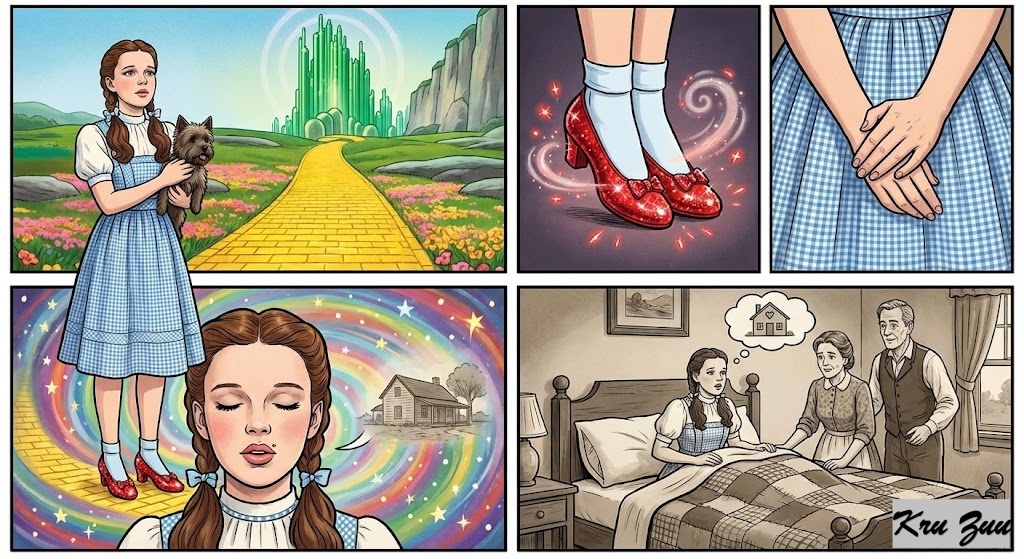
    The Explosion: The movie The Wizard of Oz (1939) made it iconic. The main character, Dorothy, is trapped in a magical land. To return to Kansas, she must click the heels of her ruby slippers three times and repeat: “There’s no place like home.”


    Global Cousins


    🇹🇷 Turkish:
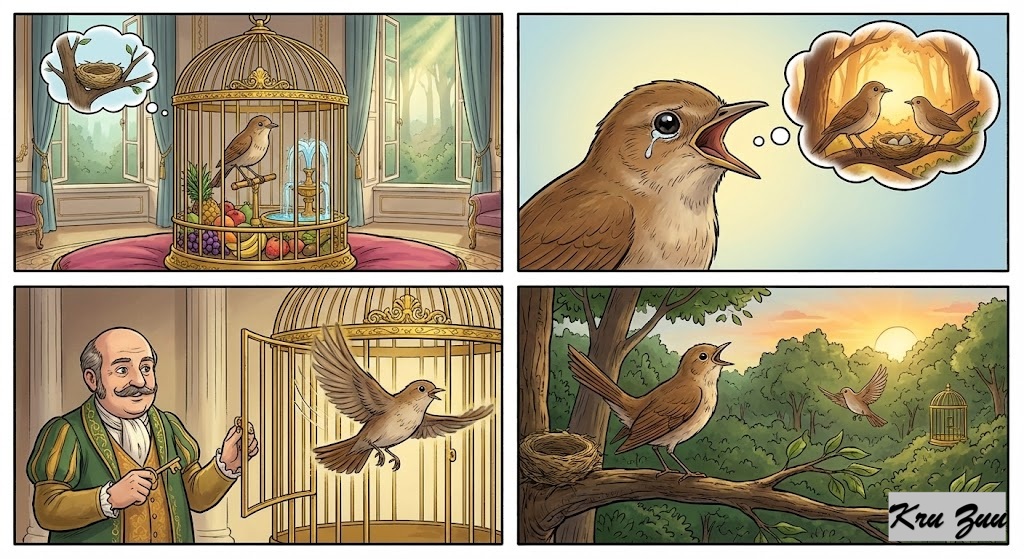
    “Bülbülü altın kafese koymuşlar, ‘ah vatanım’ demiş.” (They put the nightingale in a golden cage, it cried ‘oh my homeland’.) OR “Evim güzel evim.”


    🇪🇸 Spanish: “Hogar, dulce hogar.”

    🎭 Short Story: The Three Travelers


    Let’s meet three friends who thought the grass was greener on the other side.


    The Characters


    🐱 Cleo the Cat:
    Fancy, proud, and easily bored.


    🐔 Cluck the Chicken: Nervous but curious.


    🐸 Croak the Frog: Adventurous and loud.


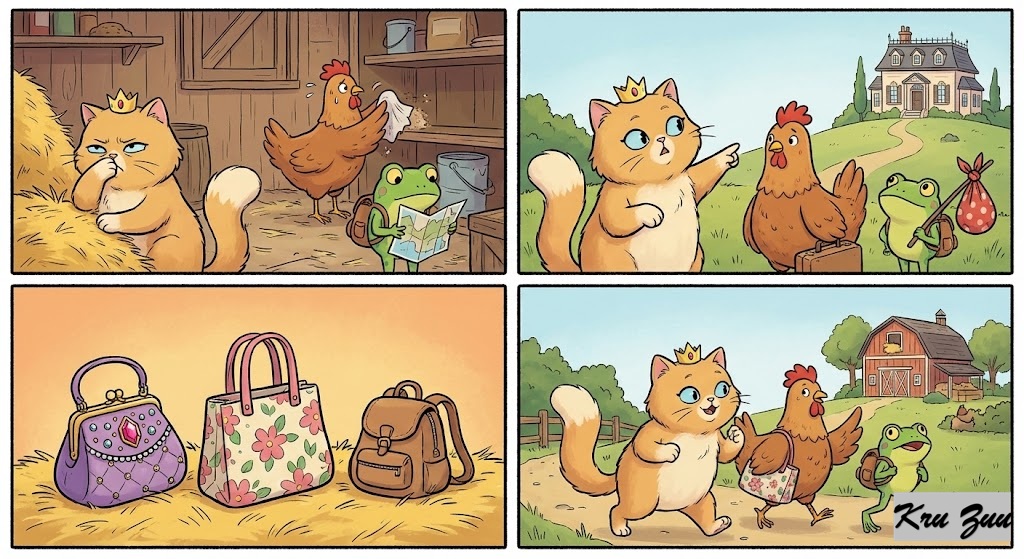
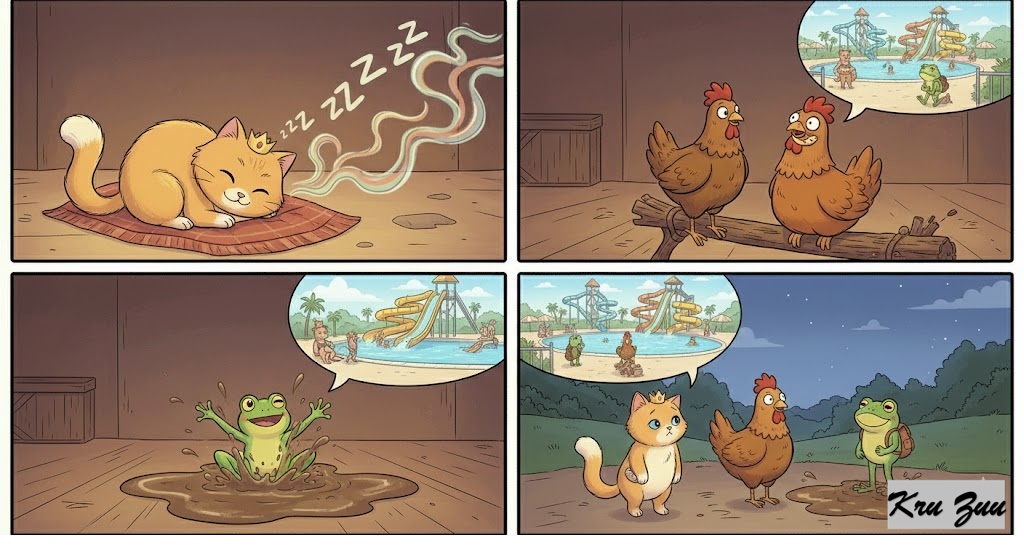
    The Setup: They lived on a cozy, messy farm. One day, Cleo said, “This barn smells like hay. I deserve luxury! Let’s find a better place.” Cluck and Croak agreed. They packed their bags.


    The Journey


    The 5-Star Hotel:
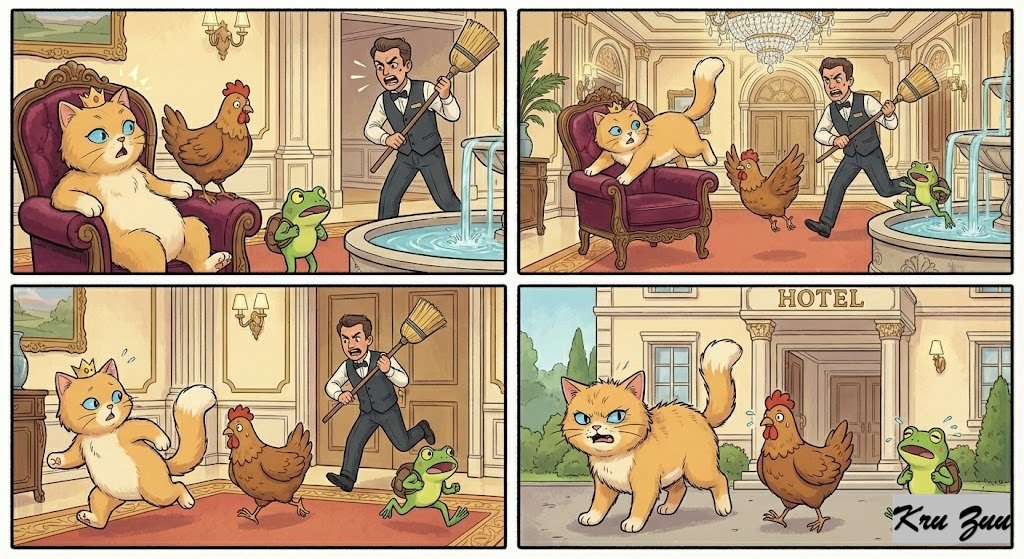
    They sneaked into a luxury hotel lobby.


    Cleo loved the velvet chairs but panicked when the staff shouted, “No pets allowed!” and chased them with a broom. “Too stressful!” she hissed.


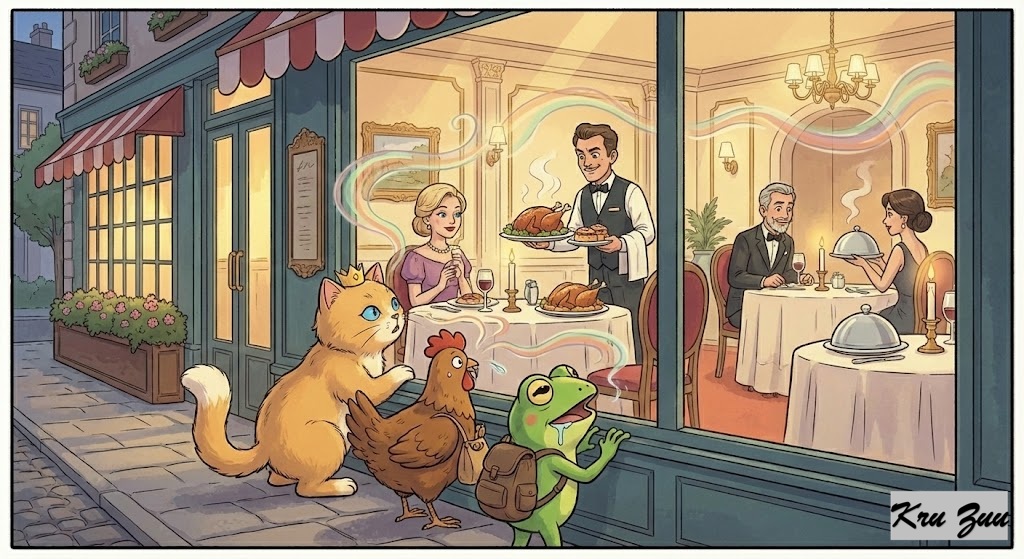
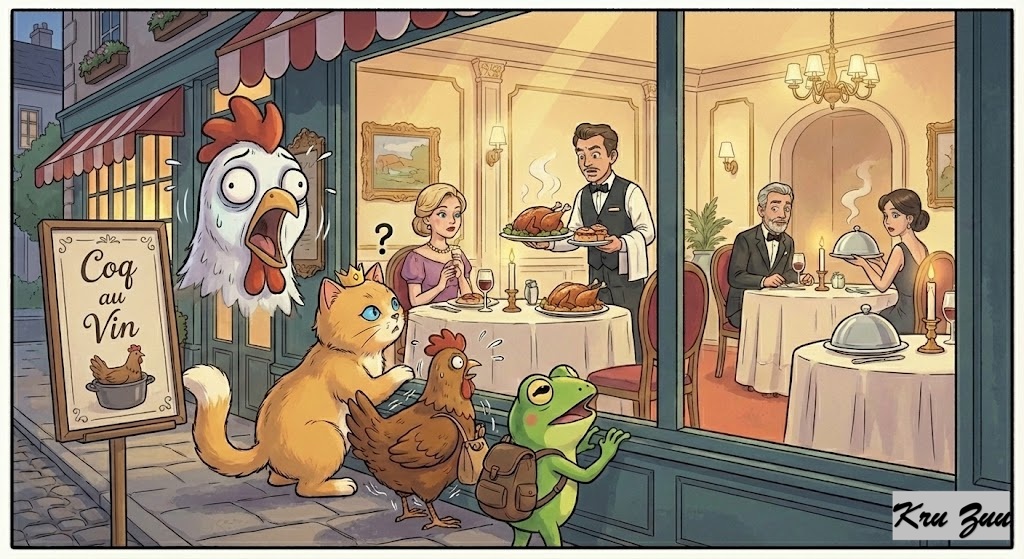
    The French Restaurant: They looked through the window. It smelled amazing.


    Cluck looked at the menu and saw Coq au Vin (Chicken with Wine). She turned pale. “I am not a guest here; I am dinner!” she screamed.


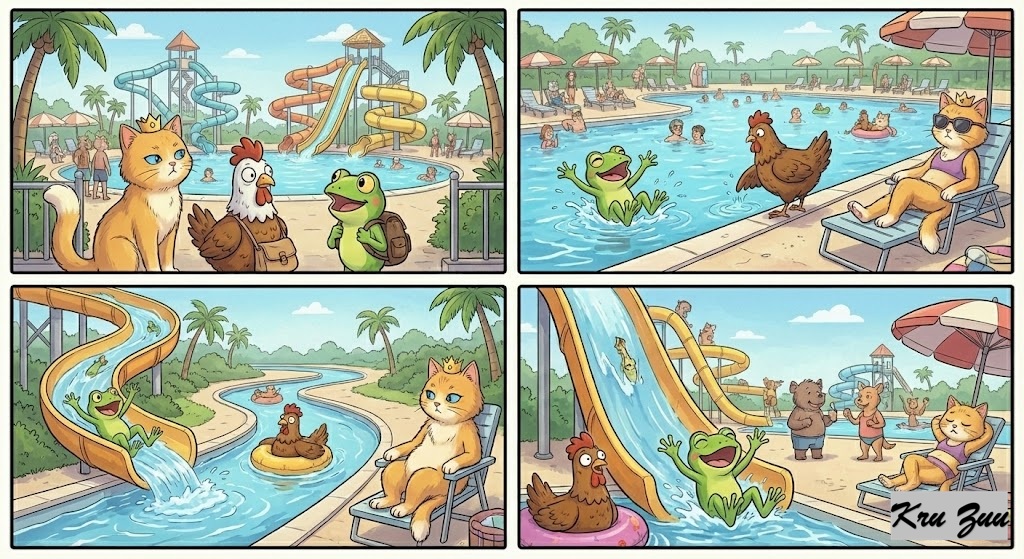
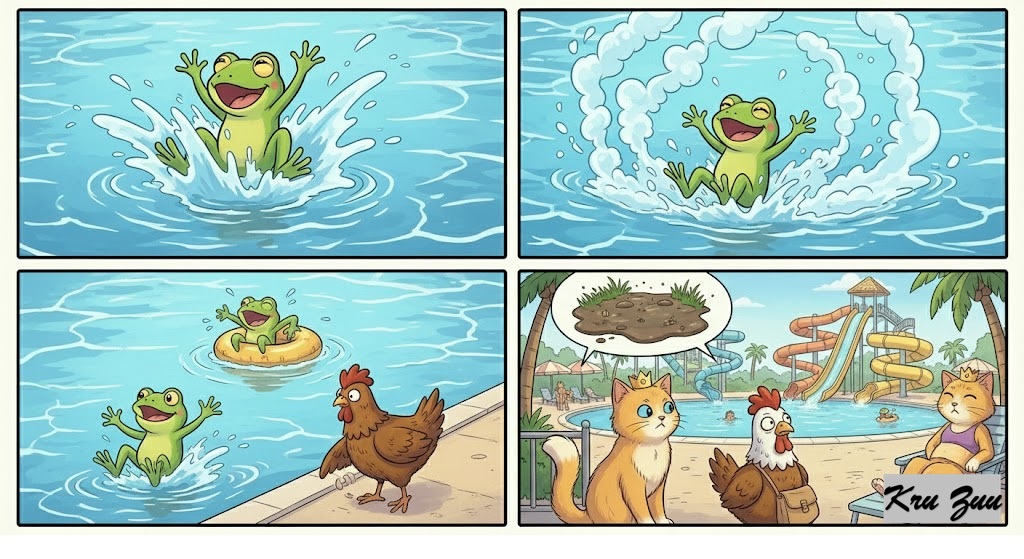
    The Water Park: They found a giant pool with slides.


    Croak jumped in happily. But the water was full of chlorine chemicals, not tasty flies and mud. “It burns my skin! It’s too clean!” he croaked.


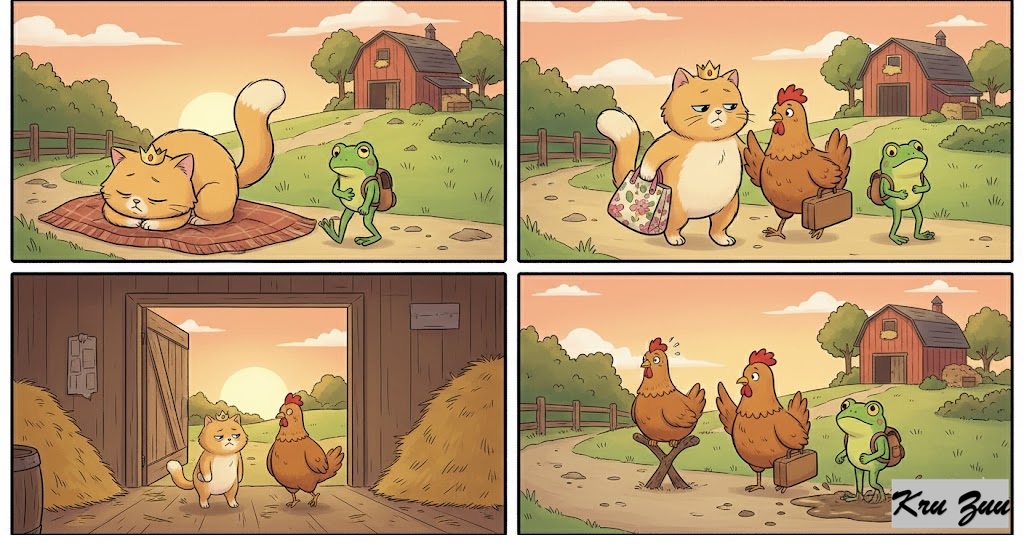
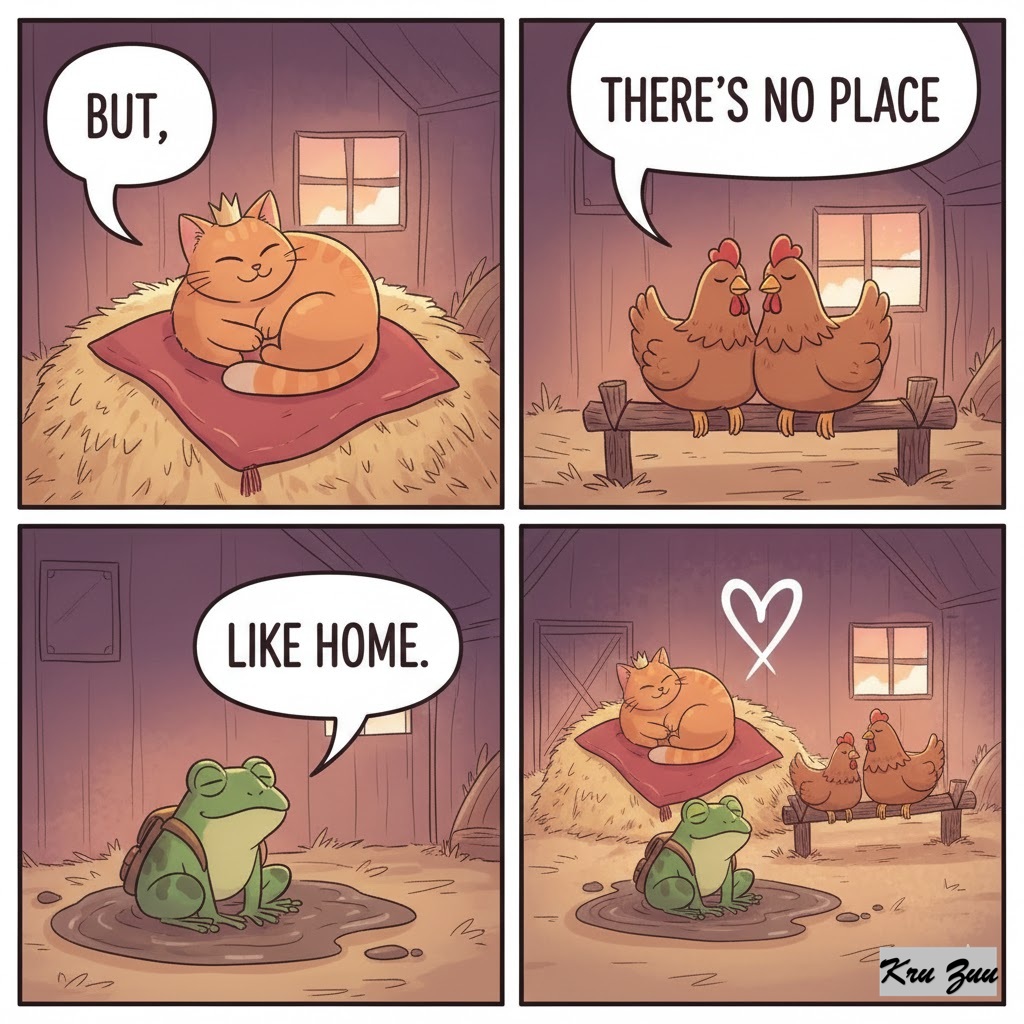
    The Return: Defeated, hungry, and tired, they walked back to the farm at sunset. They crawled into the old, smelly barn. Cleo curled up on a scratchy wool blanket. Cluck sat on her wooden roost. Croak jumped into his muddy puddle.


    Cleo purred louder than a tractor. “The hotel was rich,” Cleo said. “The restaurant was famous,” Cluck added. “The pool was big,” Croak noted.


    “But,” they said in unison, closing their eyes, “There’s no place like home.” 🏚️❤️

    🎓 Lesson for English Learners


    Build Your “English Home.”


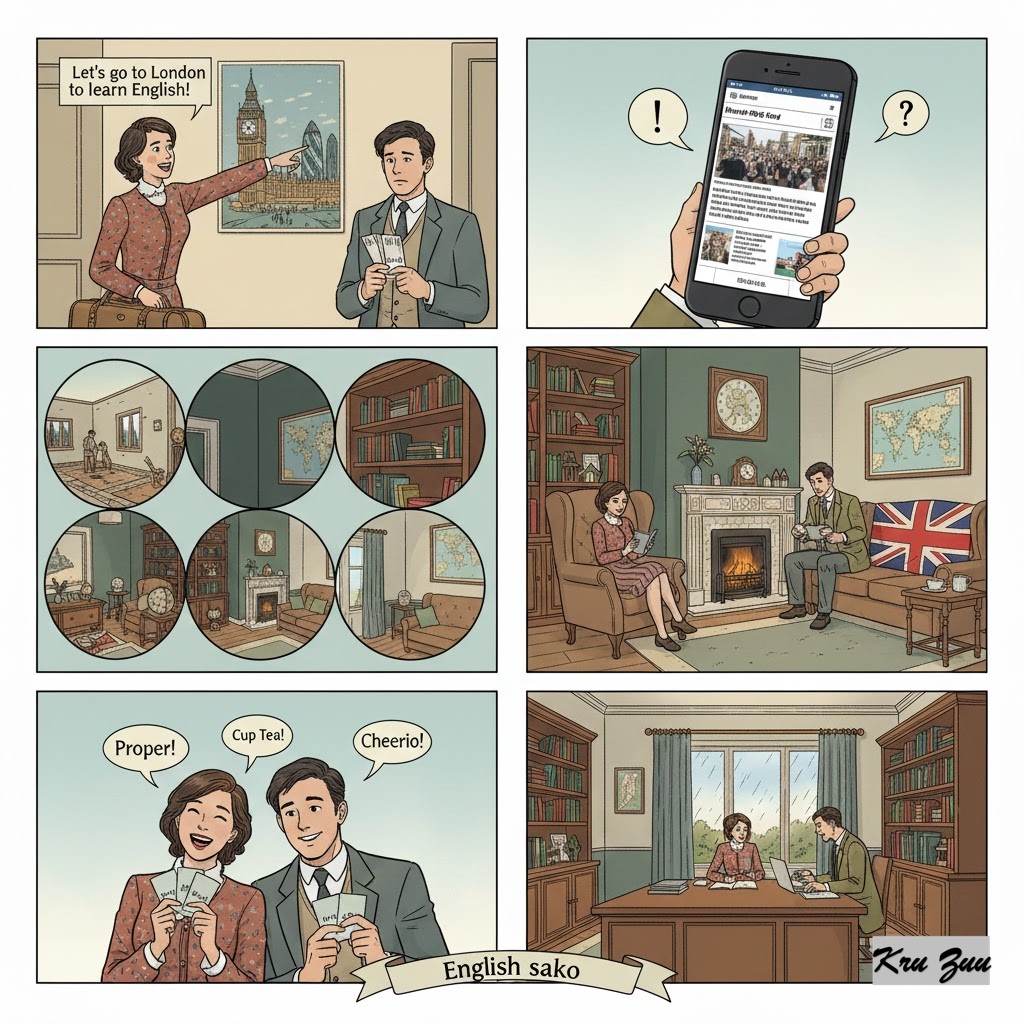
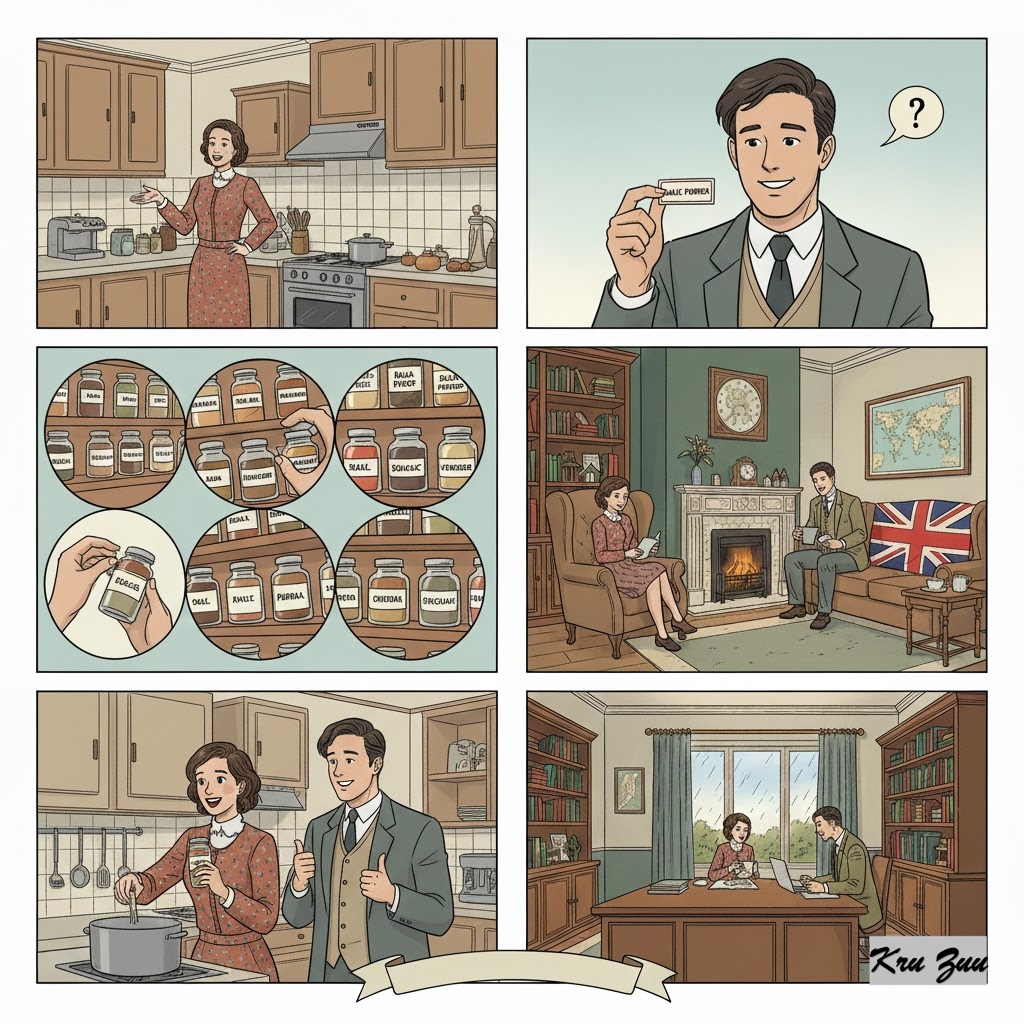
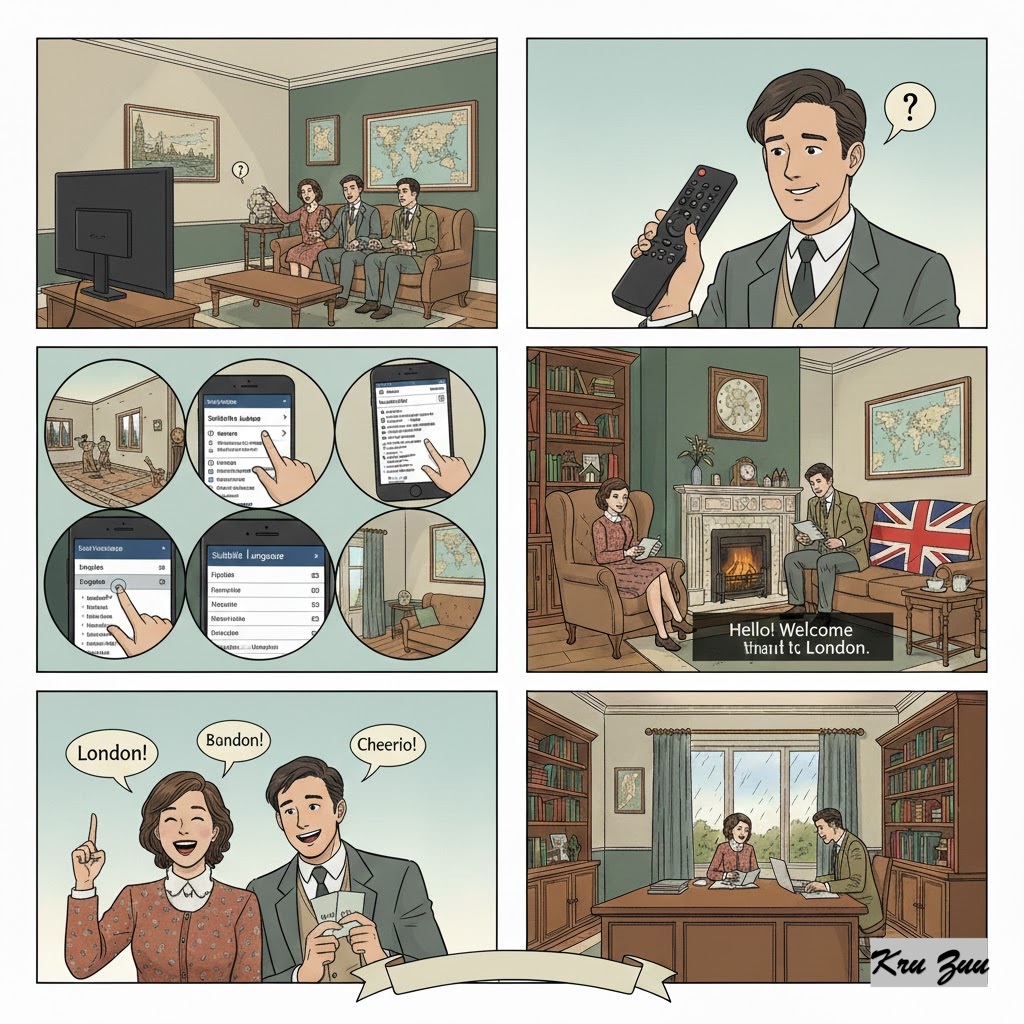
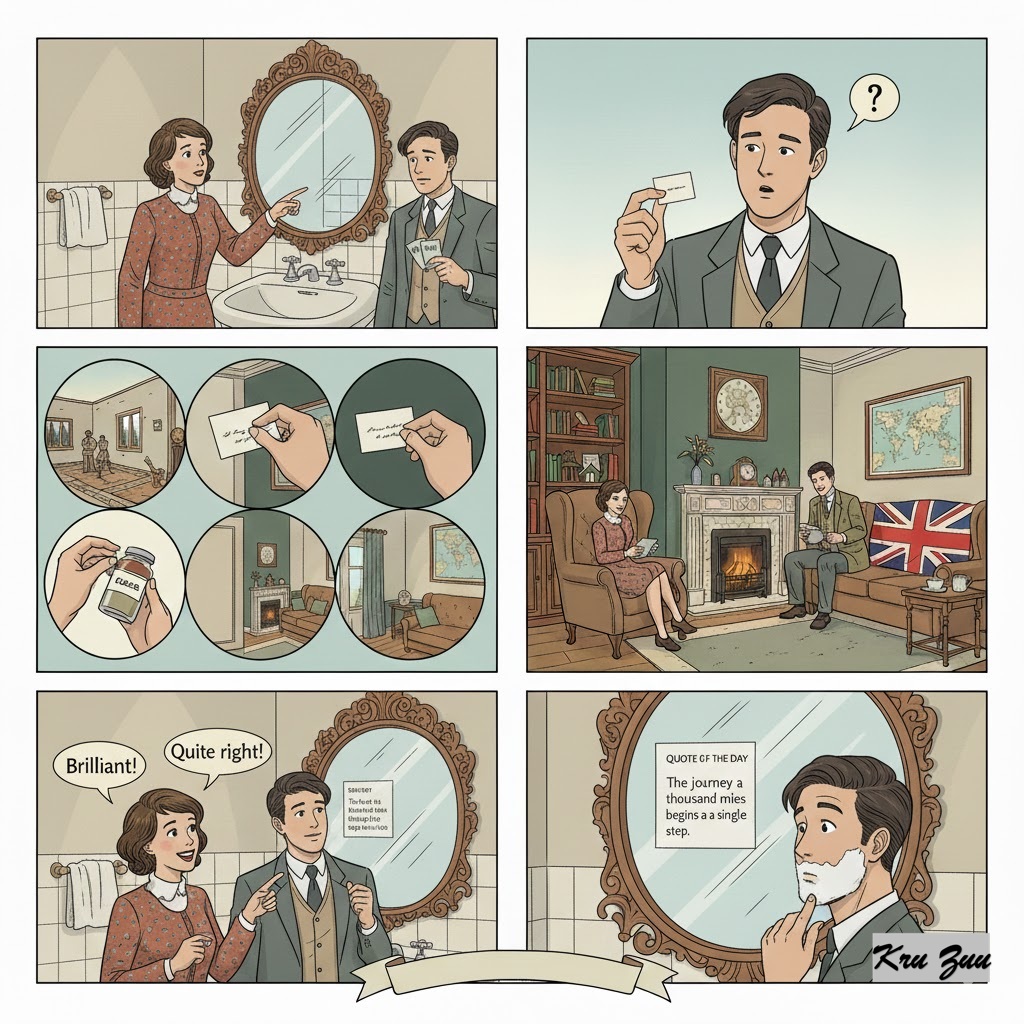
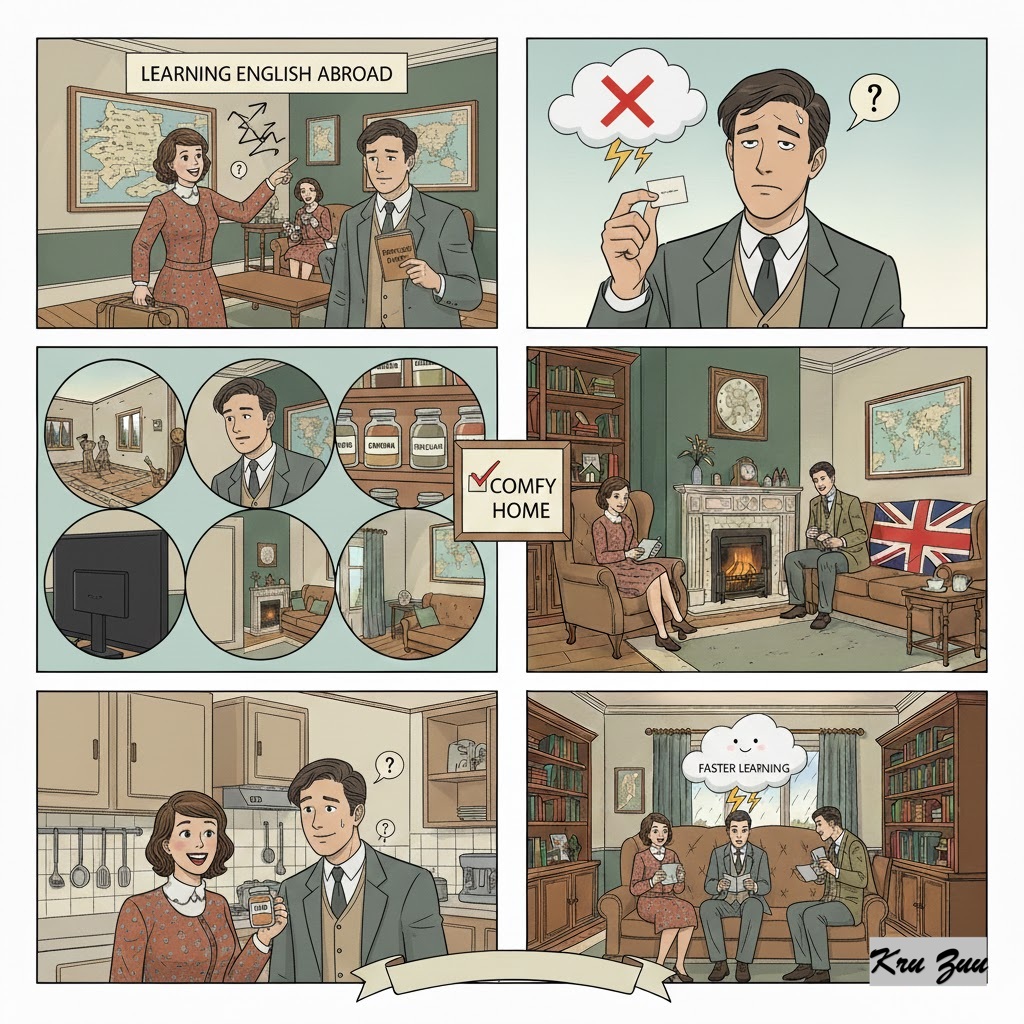
    Don’t wait to go to London or New York to learn English. That is the “Tourist” mindset. Build an English environment in your own home.


    The Kitchen:
    Label your spices in English.


    The Living Room: Change your Netflix subtitles to English.


    The Mirror: Stick a “Quote of the Day” on your bathroom mirror.


    If you make English a part of your comfortable home life, you will learn faster than if you treat it like a stressful trip.


    💬 Your Turn


    We all have that one thing we love to do the moment we get home.


    Do you immediately put on sweatpants?


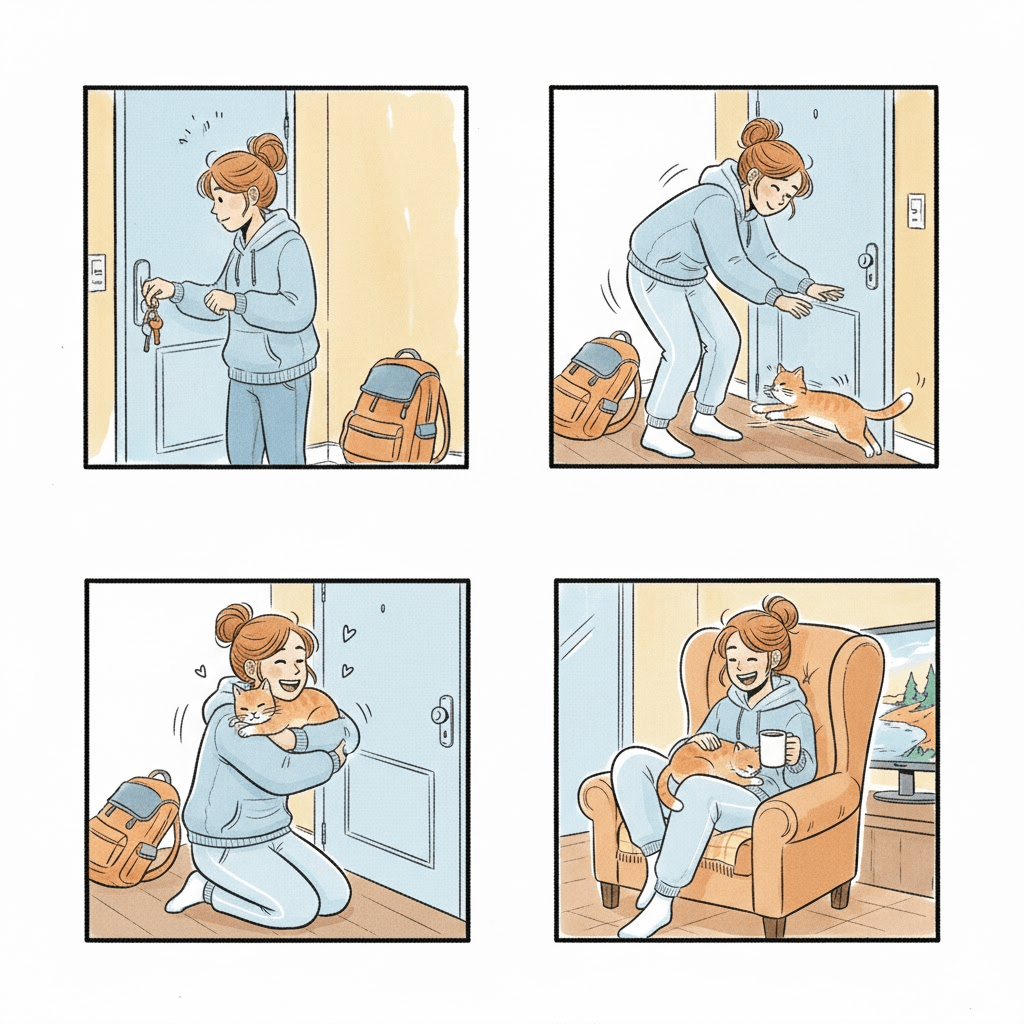
    Do you hug your pet?


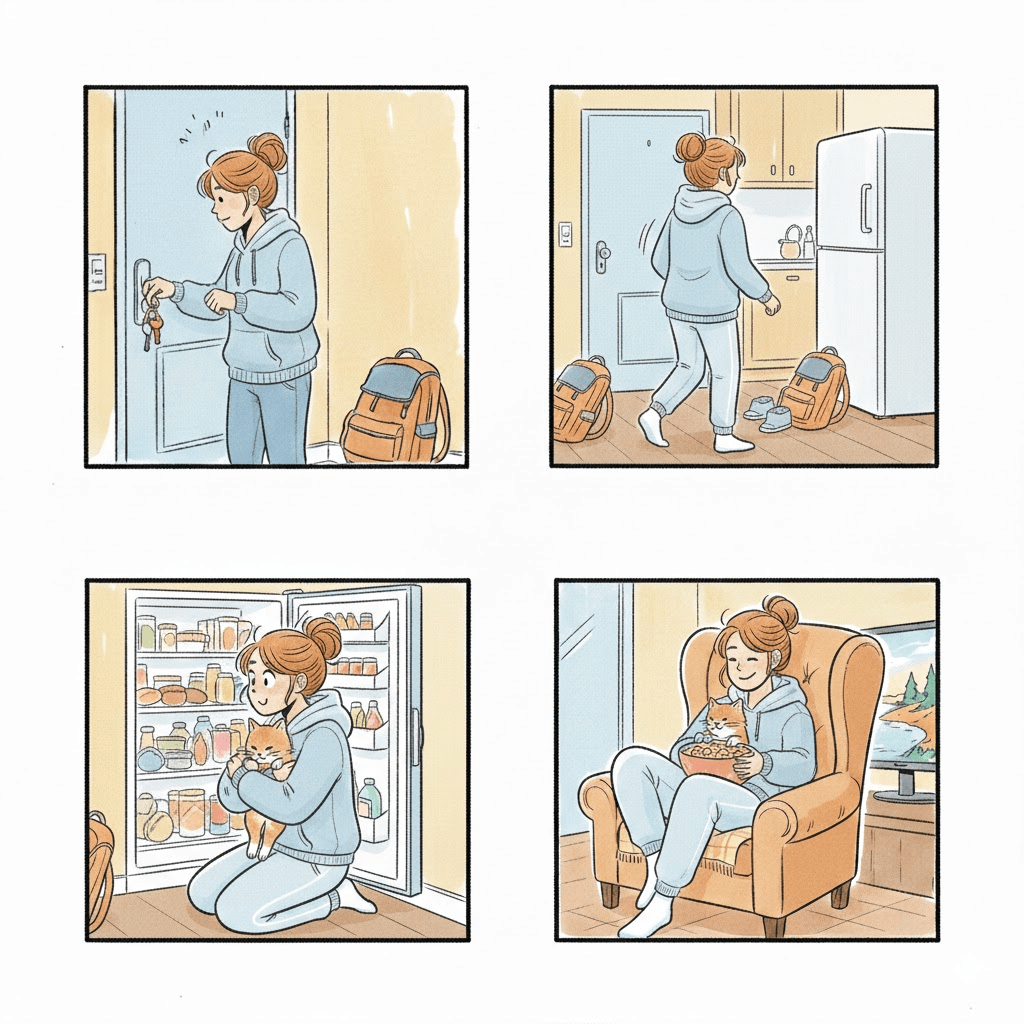
    Do you open the fridge?


    Tell us in the comments:
    What is the first thing you do when you walk through your door? 👇

    By Zubeyir YURTKURAN

    https://www.facebook.com/BrainBattleground/

    https://www.facebook.com/zubeyr.yurtkuran/

    https://www.instagram.com/zubeyryurtkuran/
    https://www.youtube.com/@BrainBattleground-b3p

    https://www.instagram.com/brainbattleground/

  • 🔄 The Golden Rule: The Boomerang of Life

    🔄 The Golden Rule: The Boomerang of Life

    Treat others how you want to be treated.


    👿 The Villain:
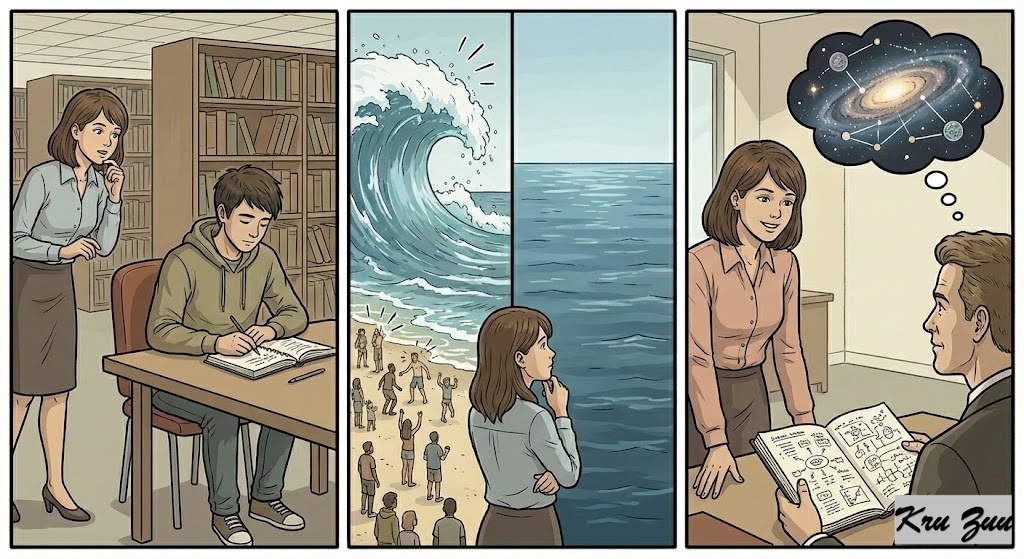
    You are having a bad day. You yell at the waiter because your coffee is cold.

    You push past people on the bus.

    You ignore your friend’s text.

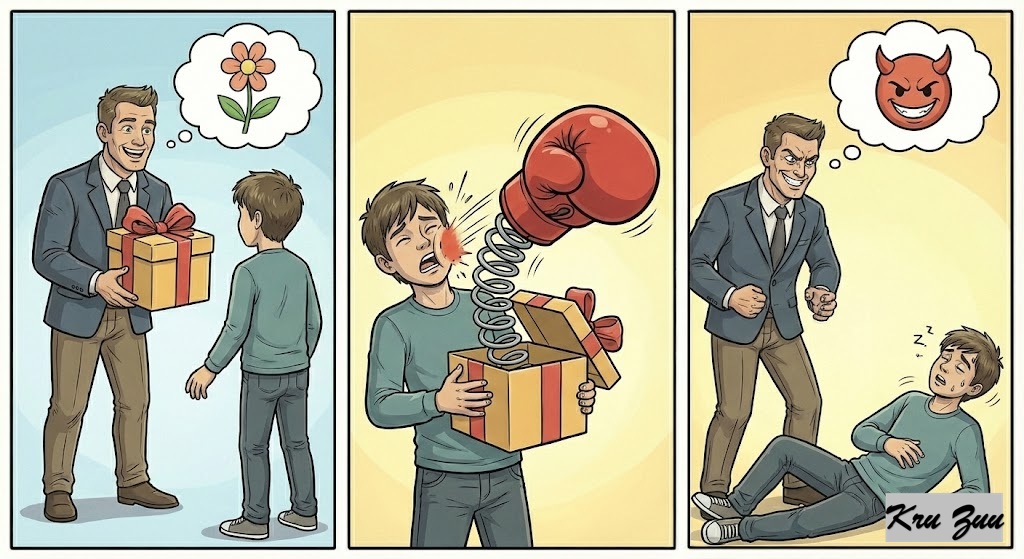
    Result? The world feels angry. People are rude back to you. You feel like a victim, but actually, you started the fire. 🔥


    😇 The Hero: You smile at the stranger on the street.

    You hold the door open for someone carrying heavy boxes.

    You listen when your friend is sad.

    Result? Suddenly, people smile back. When you drop your books, someone rushes to help you pick them up. The world feels warm. ☀️


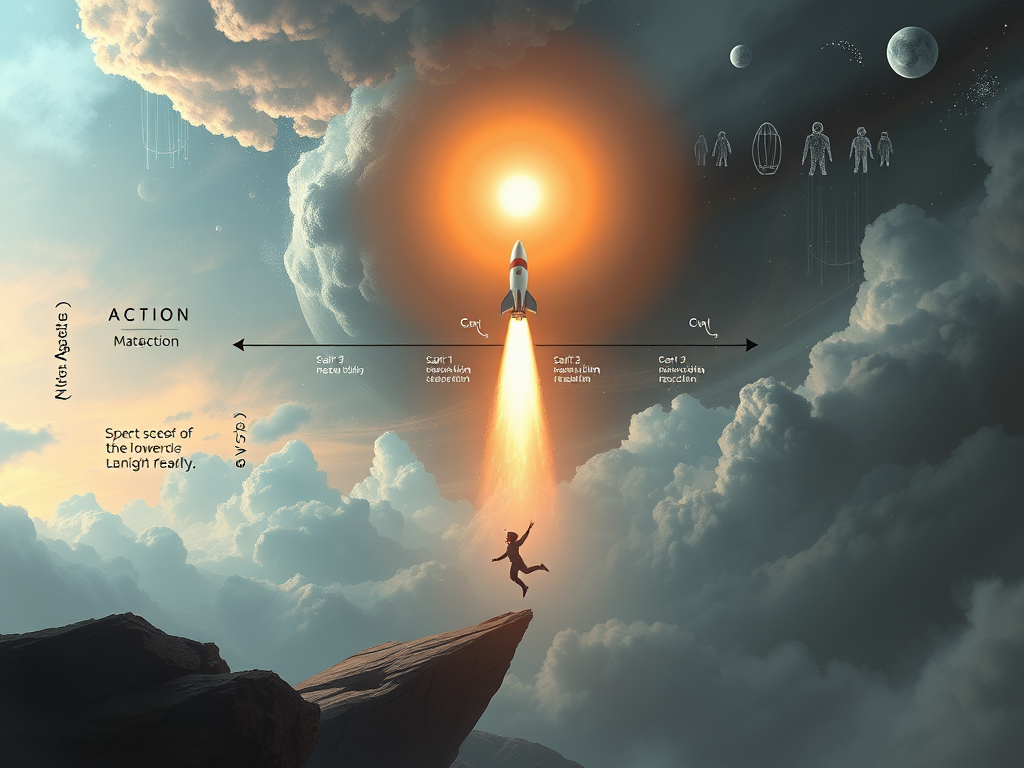
    📉 The Reality: Newton’s Third Law of Physics says: “For every action, there is an equal and opposite reaction.” This applies to humans too!

    💎 The Secret: Life is an echo. What you send out, comes back. If you want respect, you must give it first.


    In this post, we are decoding the secret to being popular, respected, and happy. Let’s look at the Boomerang Effect! 🪃

    🧐 The Anatomy of the Proverb


    Let’s break down the grammar to understand the command.


    📚 Vocabulary Vault


    Treat (Verb): To behave towards someone or deal with someone in a certain way.


    Example: “Please treat this glass carefully, it is fragile!” 🍷


    Others (Pronoun): People who are not you. Everyone else. 👥


    The Golden Rule (Idiom): A universal moral principle found in almost every culture.


    🧠 Grammar Focus


    The Imperative Mood (The Bossy Verb):
    This sentence starts with a verb (Treat). There is no “You.”


    Normal: You should treat others…


    Imperative:Treat others… (It is a direct instruction or strong advice).


    The “How” Clause: “How you want to be treated” acts as an adverb describing the verb Treat.


    Do it how? Like you want it done to you.

    📜 History: Ancient Wisdom


    Is this just a modern polite phrase? No! It is thousands of years old.


    The Origin:
    This is arguably the oldest ethical rule in human history. It appears in Ancient Egypt (The Tale of the Eloquent Peasant), in Confucianism, and in the Bible.


    Global Cousins:


    🇹🇷 Turkish: “
    Ne ekersen, onu biçersin.” (You reap what you sow.)

    🇹🇷 Turkish:“İğneyi kendine, çuvaldızı başkasına batır.” (Prick yourself with a needle before you prick others with a packing needle.) 🪡


    🇨🇳 Chinese: “Do not do to others what you do not want done to yourself.” (Confucius).


    🇮🇳 Hindi: “Karma.” (What goes around, comes around).


    The Lesson: You are the architect of your own social life.

    🎯 Impact on Life: The Pros & Cons


    Why should you be nice to mean people?


    ✅ The Pros (The Magnet)


    Likability:
    People naturally gravitate towards kind people.


    Peace: You have less drama and fewer fights in your life.


    Self-Respect: Even if they are rude, you know you kept your dignity.


    ❌ The Cons (The Doormat)


    Expectations:
    Just because you are nice, doesn’t mean everyone will be nice back instantly. Don’t do it for a reward; do it because it’s right.


    Boundaries: Treating people well does not mean letting them use you. You can be kind but still say “No.” 🛑

    🎭 Short Story: The Echo Cave


    Let’s check back in with our farm friends!


    🌟 Character Introduction


    Percy the Chicken:
    Impatient, loud, thinks he is the boss. 🐔


    Fred the Frog: Chill, observant, polite. 🐸


    Luna the Cat: The wise judge. 🐱


    The Setup: Percy was in a bad mood. He walked to the edge of the farm, near the Big Cave. “HEY! YOU ARE STUPID!” Percy shouted into the cave. The cave shouted back: “YOU ARE STUPID… stupid… stupid…” Percy got angry. “NO, YOU ARE UGLY!” The cave echoed: “YOU ARE UGLY… ugly… ugly…”


    The Conflict: Percy ran to Luna the Cat, feathers puffing up. “Luna! There is a monster in the cave! It called me stupid and ugly! We must attack it!” ⚔️


    The Solution: Luna smiled slowly. “Percy, go back. But this time, say something nice.”

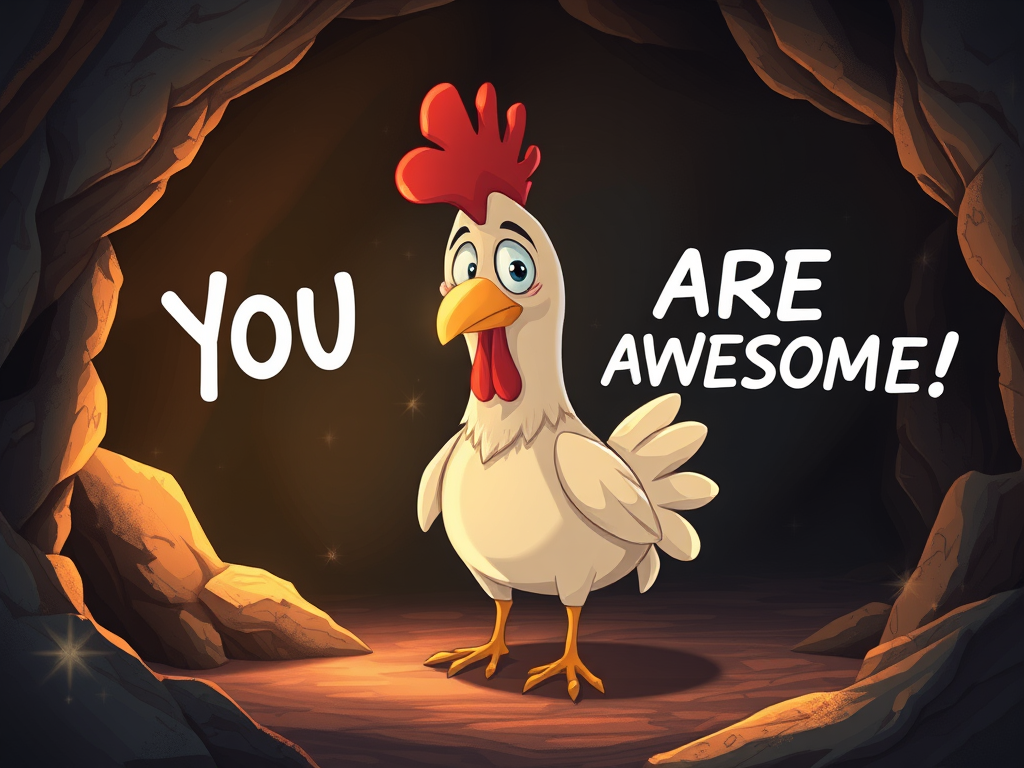
    Percy was confused, but he went back. “HELLO! YOU ARE AWESOME!” Percy shouted. The cave replied: “YOU ARE AWESOME… awesome… awesome…” ✨


    The Moral: Fred hopped by and laughed. “The cave is like people, Percy. If you shout hate, you hear hate. If you shout love, you hear love.”

    🎓 Lesson for English Learners


    How to use “The Golden Rule” in your English class?


    Empathy Language (Walk in their shoes) 👞 Before you judge a classmate, ask yourself:


    “If I made a pronunciation mistake, would I want them to laugh?”


    Answer: No. So, I will not laugh at them.


    Polite Requests vs. Demands 🗣️


    Rude (Don’t treat people like this):
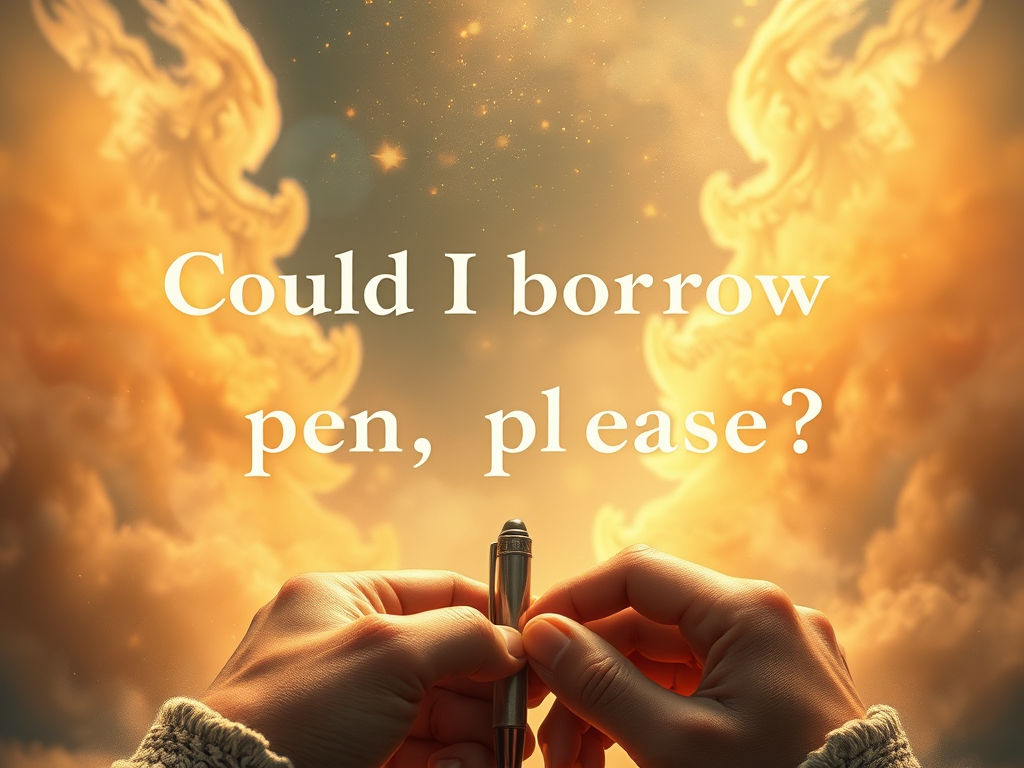
    “Give me a pen.”


    Golden Rule (Do this): “Could I borrow a pen, please?” (Because you like it when people say please to you!)


    Vocabulary Expansion


    Reciprocity:
    (Noun) An exchange for mutual benefit. “Friendship is based on reciprocity.”


    Compassion: (Noun) Sympathy and concern for others.


    Karma: (Noun) Destiny or fate, following as effect from cause.


    💬 Your Turn


    The 24-Hour Challenge ⏳


    For the next 24 hours, I want you to treat everyone like a VIP (Very Important Person).


    Say “Good Morning” to the security guard.


    Smile at the person you don’t talk to often.


    Help someone before they ask.


    Question: How did people react? Did their energy change? Tell me in the comments below! 👇

    By Zubeyir YURTKURAN

    https://www.facebook.com/BrainBattleground/

    https://www.facebook.com/zubeyr.yurtkuran/

    https://www.instagram.com/zubeyryurtkuran/
    https://www.youtube.com/@BrainBattleground-b3p