Tag: Discipline

  • ๐ŸŽ The Daily Shield: The Law of Maintenance

    ๐ŸŽ The Daily Shield: The Law of Maintenance

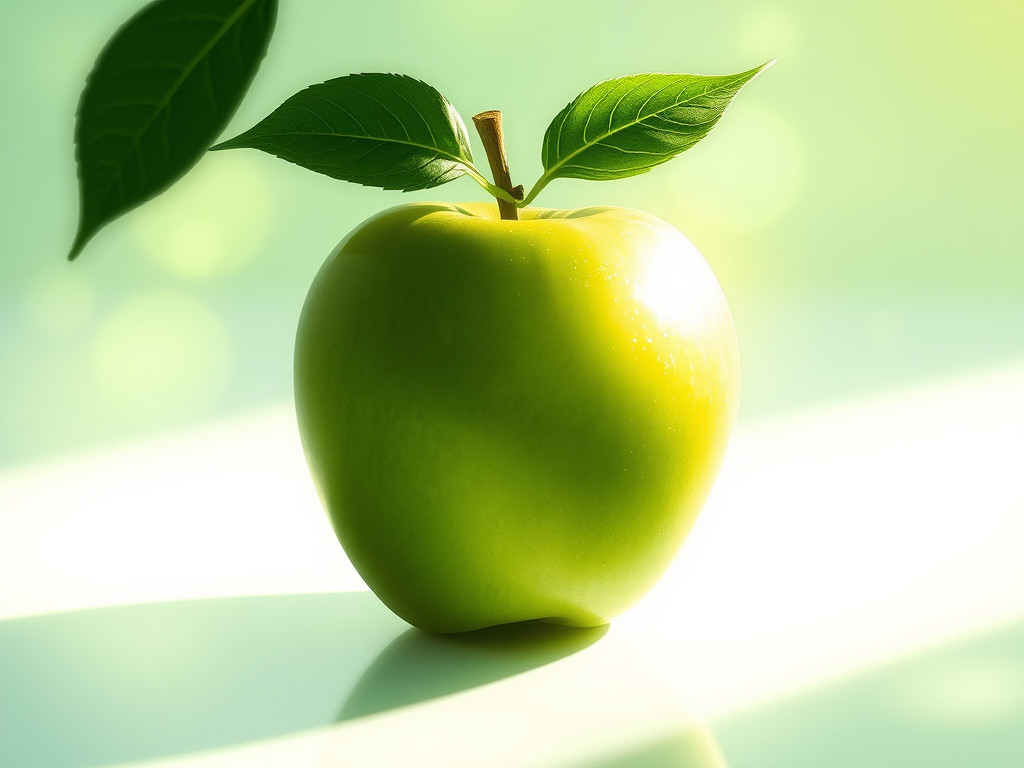
    An apple a day keeps the doctor away.


    ๐Ÿ‘ฟ The Villain (The Gambler): You skip the gym because “one day won’t matter.”

    You ignore the weird noise your car is making.

    You eat fast food for lunch because you are “too busy.”

    You study only the night before the exam.

    The Result? One day, your body collapses.

    Your car breaks down on the highway.

    You fail the exam.

    You treated your life like a sprint, not a marathon.

    You waited for the disaster to happen before you paid attention. ๐Ÿš‘


    ๐Ÿ˜‡ The Hero (The Architect): You are not a superhero; you are just consistent.

    You walk for 20 minutes every day.

    You drink water.

    You save $5 every morning.

    You read 10 pages of a book before bed.

    The Result? You don’t get sick often.

    Your bank account grows.

    You speak fluent English while others are still struggling.

    You didn’t do anything “magic” you just stacked small bricks every day to build a fortress. ๐Ÿฐ


    โš–๏ธ The Reality: We love “Big Dramatic Changes” (Crash diets, lottery wins). But reality respects “Small Boring Actions.”
    ๐Ÿ’Ž The Secret: Success is not a one-time event; it is a habit. The “Apple” is a metaphor for discipline.

    ๐Ÿง The Anatomy of the Proverb


    This is the golden rule of Preventive Care. It suggests that small, healthy habits practiced daily will prevent big problems in the future.


    Apple: Represents any healthy habit (exercise, vitamins, reading, meditation).


    Doctor: Represents the “Crisis” or the “Fixer” (Surgery, debt, failure).


    Keeps Away: To prevent someone/something from coming near. ๐Ÿ›ก๏ธ


    ๐Ÿ“š Vocabulary Vault


    Prevention (Noun):
    The action of stopping something from happening or arising. (Better than cure!)


    Consistency (Noun): Acting in the same way over time. (Doing it every single day). ๐Ÿ”„


    Maintenance (Noun): The process of keeping something in good condition.


    Compound Effect (Concept): Small actions + Time = Huge Results. ๐Ÿ“ˆ


    Sedentary (Adjective): Tending to spend much time seated; somewhat inactive. (The enemy of the Apple!)


    ๐Ÿง  Grammar Focus


    Simple Present Tense for General Truths Proverbs almost always use the Simple Present because they are timeless facts.


    Subject: An apple


    Frequency: [a day] (Adverbial phrase)


    Verb: [keeps] (Third Person Singular – don’t forget the ‘s’!)


    Object: [the doctor]


    Direction: [away]


    Incorrect: An apple a day keep the doctor away. โŒ


    Correct: An apple a day keeps the doctor away. โœ…

    ๐Ÿ“œ History: Origin and Spread


    Did you know this phrase started as a rhyme?


    The Origin: It originated in Wales (Pembrokeshire) in the 1860s.

    The original phrasing was: “Eat an apple on going to bed, and youโ€™ll keep the doctor from earning his bread.”


    The Logic: In the 19th century, food hygiene was poor. Apples were clean, full of fiber, and “cleaned” the teeth. It was a cheap way to stay alive!


    Global Cousins:


    ๐Ÿ‡น๐Ÿ‡ท Turkish:
    “GรผneลŸ giren eve doktor girmez.” (The doctor does not enter the house where the sun enters.) โ€” Emphasis on environment.


    ๐Ÿ‡ช๐Ÿ‡ธ Spanish: “Mรกs vale prevenir que curar.” (It is worth more to prevent than to cure.)


    ๐Ÿ‡ฎ๐Ÿ‡น Italian: “Una mela al giorno toglie il medico di torno.” (An apple a day gets the doctor out of the way.) โ€” Almost identical!

    ๐ŸŽฏ Impact on Life: The Pros & Cons


    Is it just about fruit, or a lifestyle?


    โœ… The Pros (The Insurance):


    Control:
    It makes you feel in charge of your health/destiny.


    Efficiency: It is much cheaper to buy apples (prevention) than to pay for surgery (cure).


    Discipline: It builds a mindset that helps you in business and relationships too.


    โŒ The Cons (The Illusion):


    False Security:
    Eating an apple won’t fix a broken leg. Don’t ignore professional help when you really need it.


    Obsession: Don’t stress so much about “perfect health” that you forget to enjoy life.

    ๐ŸŽญ Short Story: The Old Car


    Letโ€™s visit Penny, Fiona, and Max!


    ๐ŸŒŸ The Setup: Penny and Max both bought cars on the same day.

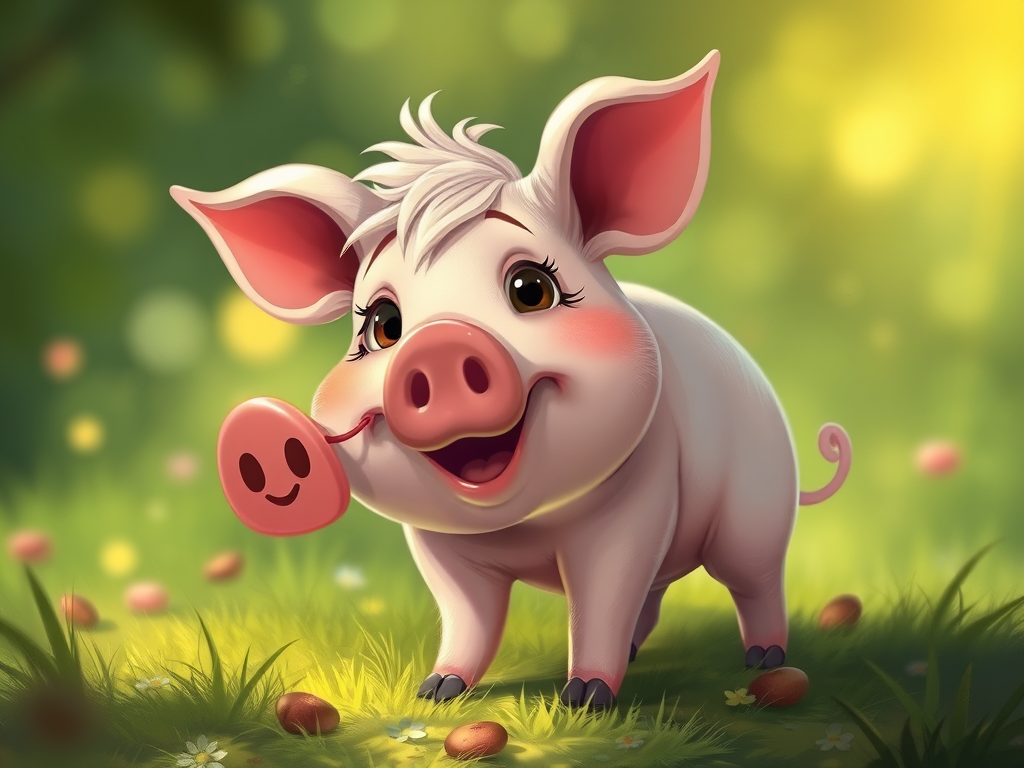
    Penny the Pig loved her car.

    Every Sunday morning, she checked the oil, cleaned the tires, and washed the windows. (This was her “Apple”).

    Max the Mouse loved his car too, but he just wanted to drive fast.

    “Maintenance is boring!” he said. “I’ll fix it when it breaks.”


    The Conflict: One year later, they planned a road trip to the beach. ๐Ÿ–๏ธ

    Pennyโ€™s car started smoothly: Purrโ€ฆ purrโ€ฆ purrโ€ฆ

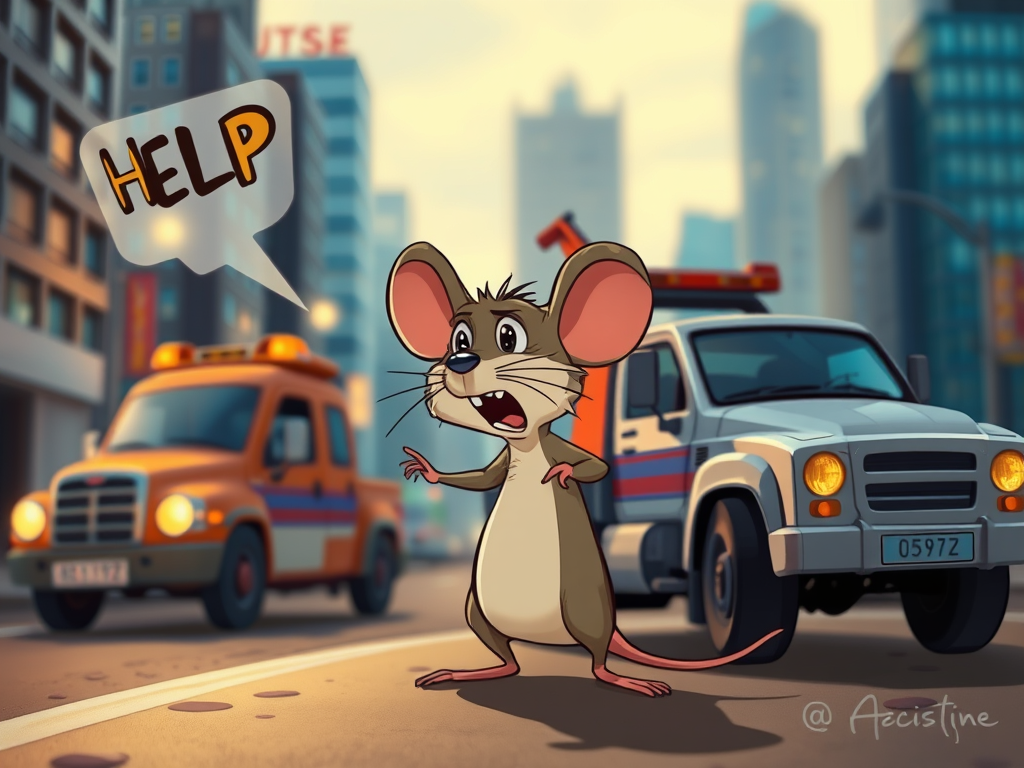
    Maxโ€™s car made a scary sound: CLUNK! BANG! HISSS! Smoke came out of the engine.


    The Action: Max was stuck on the side of the road.

    “Why me?” he cried. He had to call a tow truck (The Doctor).
    It cost him all his vacation money.

    Penny drove by, waved, and enjoyed the sunset at the beach.


    The Moral: Penny paid a little bit of attention every day.
    Max paid a huge price at the end.

    Pennyโ€™s “apple a day” kept the mechanic away.

    ๐ŸŽ“ Lesson for English Learners


    This idiom is versatile! Use it for more than just health.


    Advice on Studying ๐Ÿ“–


    Situation:
    Your student asks how to learn 1,000 words in one night.


    You say: “You can’t cram everything. Study 5 words every morning.

    An apple a day keeps the doctor away, and daily practice keeps the failure away.”


    Advice on Relationships โค๏ธ


    Situation:
    A friend ignores their partner for weeks, then buys a huge gift to apologize.


    You say: “Don’t just buy gifts when things are bad. Show small love every day. An apple a day keeps the doctor away.”


    ๐Ÿ’ฌ Your Turn


    The “Micro-Habit” Challenge ๐Ÿค


    Let’s prove the theory.


    The Goal: Choose one tiny positive thing to do every day for the next 7 days.


    Examples: Drink 1 glass of water before coffee

    Do 5 pushups

    Read 1 page

    Save 1 coin.


    The Prediction: How will you feel in a week?


    Action Step: Go eat a piece of fruit right now. Seriously. Go do it. Your body will thank you! ๐Ÿ


    Question: What is YOUR “Apple”? What is the one small thing you do every day that keeps your life running smoothly?

    By Zubeyir YURTKURAN

    https://www.facebook.com/BrainBattleground/

    https://www.facebook.com/zubeyr.yurtkuran/

    https://www.instagram.com/zubeyryurtkuran/

    https://www.youtube.com/@BrainBattleground-b3p

  • ๐Ÿš€ Practice Makes Perfect: The Secret Sauce of Mastery

    ๐Ÿš€ Practice Makes Perfect: The Secret Sauce of Mastery

    ๐Ÿšซ Can You Learn to Swim by Reading a Book?


    ๐Ÿ“– The Short Cut: You watch 50 YouTube videos about “How to play guitar,” memorize every chord name, but never actually pick up the instrument.

    ๐Ÿ“‰ The Reality: The moment you hold the guitar, your fingers don’t work. You have knowledge, but zero skill.

    ๐Ÿ—ฃ๏ธ The Short Cut: You study English grammar rules for 5 years but you are too afraid to speak because you might make a mistake.

    ๐Ÿ“‰ The Reality: You become a “Grammar Professor” who cannot order a coffee. Silence is not fluency.


    Life has a strict rule: You cannot think your way to mastery; you must do your way to mastery. In this post, we explore why repetition is the mother of skill. Don’t just read this do it! ๐Ÿ‘Š

    ๐Ÿง The Anatomy of the Proverb


    Let’s break down the mechanics of this golden rule.


    ๐Ÿ“š Vocabulary Vault


    Practice (Noun/Verb): Performing an activity or exercise repeatedly to improve your proficiency. (Doing it again and again). ๐Ÿ”„


    Make (Verb): To cause something to become specific. (To result in). ๐Ÿ”จ


    Perfect (Adjective): Having all the required or desirable elements; free from faults or defects. โœจ


    ๐Ÿง  Grammar Focus


    This is a concise Subject + Verb + Object sentence in the Present Simple Tense.


    Subject: Practice (Uncountable Noun – treated as Singular “It”)


    Verb: Makes (Causative verb)


    Object: Perfect (Adjective acting as a noun idea, “perfection”)


    Formula: [Practice] + [Makes] + [Perfect]. Note: Since “Practice” is a singular concept, we must add -s to the verb (Make -> Makes).

    ๐Ÿ“œ History: From Romans to Bruce Lee


    Is this a modern idea?


    The Origin: The roots go back to the Latin phrase “Uses promptos facit” (Use makes ready). The modern English version became popular in the 1500s.


    The Legend: Martial arts legend Bruce Lee famously said: “I fear not the man who has practiced 10,000 kicks once, but I fear the man who has practiced one kick 10,000 times.”


    The Lesson: It is better to do one thing deeply than 100 things shallowly.

    ๐ŸŽฏ Impact on Life: The Pros & Cons


    Is doing the same thing over and over always good?


    โœ… The Pros (Why it works)


    Muscle Memory: Whether it’s your tongue forming the “TH” sound or your fingers playing piano, repetition moves the skill from your brain to your body. You stop thinking and start doing. ๐Ÿง โžก๏ธ๐Ÿ’ช


    Confidence: Familiarity kills fear. The 100th time you give a presentation, you won’t be nervous.


    Speed: Amateurs are slow because they are thinking. Professionals are fast because they have practiced.


    โŒ The Cons (What to watch out for)


    Bad Practice:
    If you practice a mistake repeatedly, you make the mistake “perfect.” (e.g., pronouncing “Three” as “Tree” for 10 years). Correction is necessary.


    Boredom: Repetition can be dull. You must find ways to keep it fun (Gamification).

    ๐ŸŽญ Short Story: The Juggling Contest


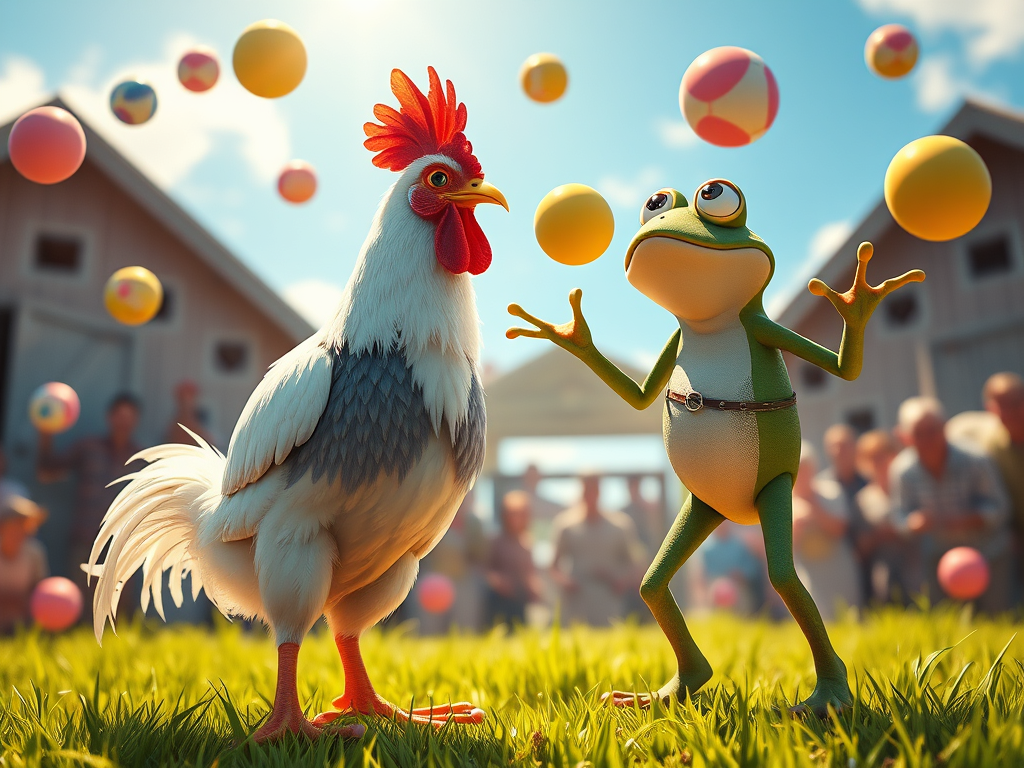
    Let’s see how our farm friends handle a new talent show!


    ๐ŸŒŸ Character Introduction


    Percy the Chicken (The Impatient Talent):
    Wants to be a star immediately. ๐Ÿ”


    Fred the Frog (The Consistent Worker): Willing to look silly to get better. ๐Ÿธ


    Luna the Cat (The Critic): Watching from the fence. ๐Ÿ˜ผ


    The “Farm Talent Show” was one week away. Percy and Fred decided to learn juggling (throwing balls in the air).


    Day 1: Percy picked up three apples. “Watch this!” he shouted. He threw them upโ€ฆ and SPLAT! All three hit the floor. “This is stupid!” Percy yelled. “I don’t have the ‘juggling gene.’ I quit.” He went back to eating corn.


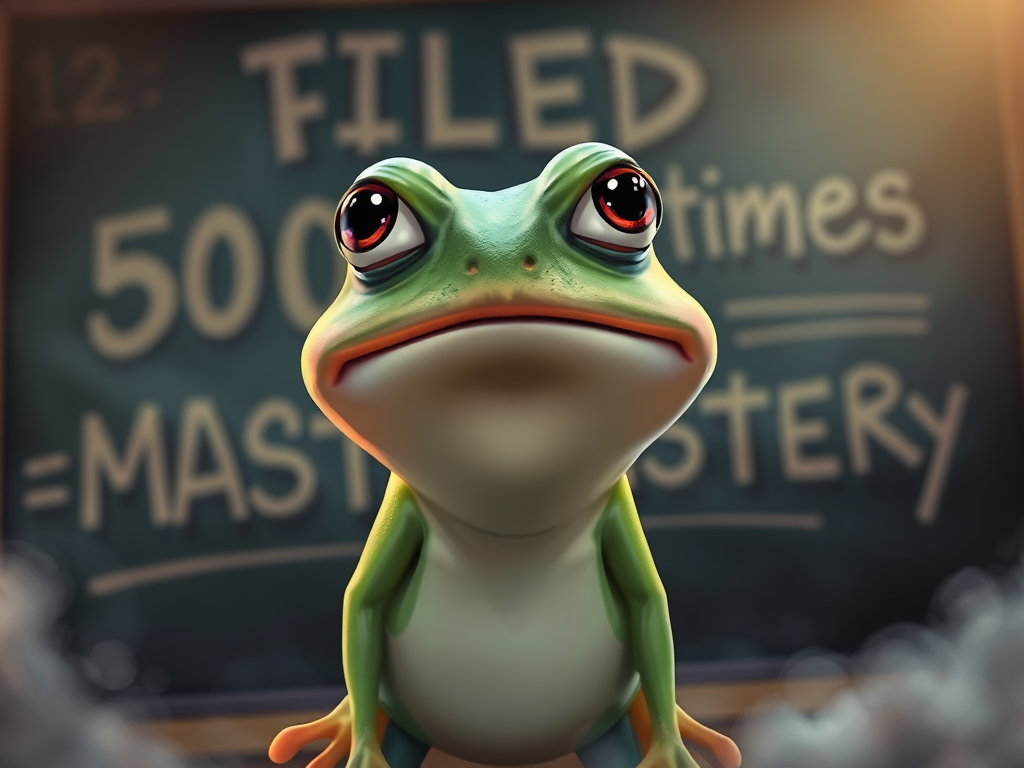
    Fred picked up three small berries. He threw one up, dropped it. Threw it up, dropped it. He did this 500 times. He looked clumsy. Luna laughed, “Fred, you look ridiculous.” Fred smiled, “Not yet, Luna. Give me time.”


    Day 4: Fred was still dropping berries, but now he could catch two in a row. His hands were starting to move automatically. Percy was sleeping.


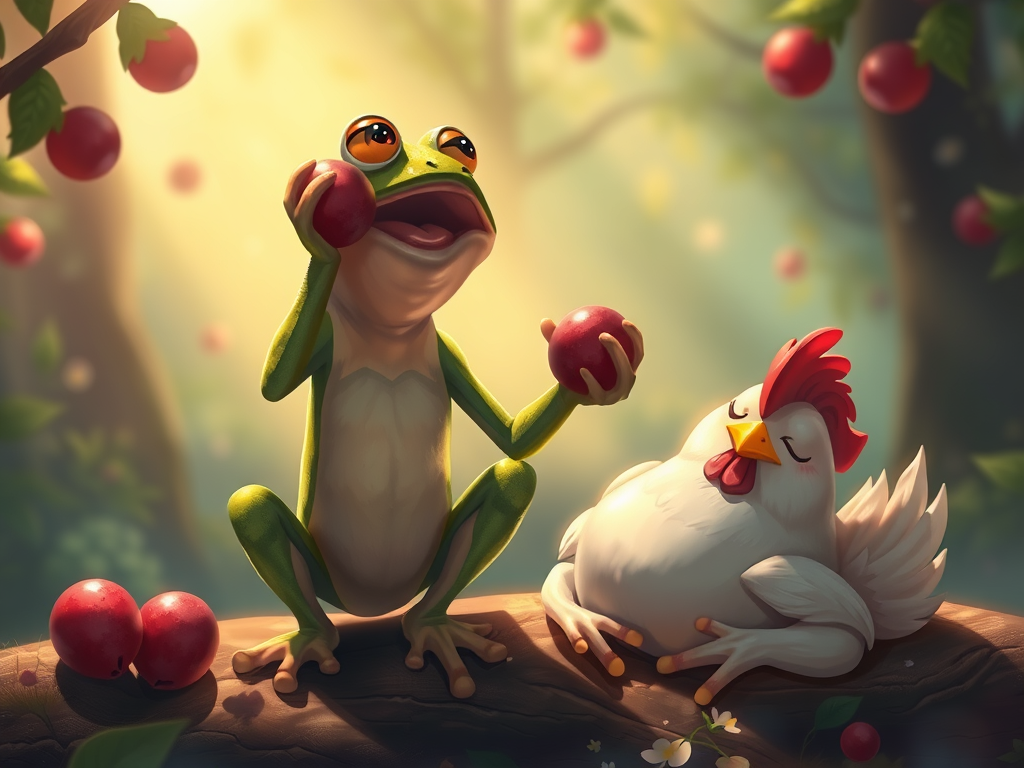
    Day 7 (Showtime!): ๐ŸŽช Percy went on stage. “I will wing it!” he said. He threw the applesโ€ฆ BONK! One hit him on the head. The audience laughed. Percy was embarrassed. Then, Fred hopped on stage. He picked up three shining red berries. Whoosh, whoosh, whoosh. His hands moved like a blur. He didn’t even look at the berries; he looked at the audience and smiled. It was a flawless performance. ๐ŸŒŸ


    Luna pinned the blue ribbon on Fred: “Percy, you wanted magic. Fred understood that magic is just practice in disguise.”


    The Moral:


    Percy:
    Gave up after 1 fail = No Skill.


    Fred: Failed 500 times = Mastery.

    ๐ŸŽ“ Lesson for English Learners


    How do you use this for English?


    Don’t Aim for “Perfect” Immediately: A better version of this proverb is “Practice makes Progress.”


    The “Shadowing” Technique: Listen to a native speaker sentence. Pause. Repeat it exactly. Do this 20 times.


    Time 1: You feel weird.


    Time 10: Your tongue feels more comfortable.


    Time 20: You sound natural.


    Mistakes are Data: Every time you make a grammar mistake, don’t feel bad. That is just one “dropped berry.” Pick it up and try again.


    Remember: No one is born speaking a language. Every fluent speaker you see has “practiced” thousands of hours.


    ๐Ÿ’ฌ Your Turn


    Is there a skill (cooking, driving, a video game) that you used to be terrible at, but now you are a master of? ๐ŸŽฎ๐Ÿณ๐Ÿš—


    Tell us your story of “Zero to Hero” in the comments! ๐Ÿ‘‡

    By Zubeyir YURTKURAN

    https://www.facebook.com/BrainBattleground/

    https://www.facebook.com/zubeyr.yurtkuran/

    https://www.instagram.com/zubeyryurtkuran/

  • ๐ŸŒ… The Early Bird Catches the Worm: Why the Snooze Button is the Enemy of Success

    ๐ŸŒ… The Early Bird Catches the Worm: Why the Snooze Button is the Enemy of Success

    ๐Ÿšซ Can You Build an Empire While You Sleep?


    ๐Ÿ›Œ The Short Cut: Hitting the “Snooze” button 5 times because “5 more minutes” feels like heaven.

    ๐Ÿ“‰ The Reality: You rush, spill coffee on your shirt, miss the bus, and start the day stressed and behind schedule.

    ๐Ÿ“ฑ The Short Cut: Waiting for the “perfect time” or “New Year’s Day” to start studying English.

    ๐Ÿ“‰ The Reality: By the time you start, the job interview was yesterday. The position is filled by someone who started last month.


    Life has a simple timing algorithm: First come, first served. In this post, we explore why timing is everything. Wake up, grab your coffee; the opportunity bus is leaving! ๐ŸšŒ

    ๐Ÿง The Anatomy of the Proverb


    Let’s dissect this classic idiom to understand its mechanics.


    ๐Ÿ“š Vocabulary Vault


    Early (Adjective):
    Happening before the usual or expected time. (Being ahead of the crowd). โฐ


    Catch (Verb): To capture, seize, or grab something. ๐Ÿคฒ


    Worm (Noun): A small animal. Metaphorically: The prize, the opportunity, the job, or the reward. ๐Ÿชฑ


    ๐Ÿง  Grammar Focus


    This is a perfect example of the Present Simple Tense representing a “General Truth.”


    Subject:
    The early bird (The proactive person)


    Verb: Catches (The action/result)


    Object: The worm (The reward)


    Formula: [Subject] + [Verb + s] + [Object]. Note: Because “The bird” is singular (It), we add -es to the verb catch (Catches).

    ๐Ÿ“œ History: A 17th Century Wake-Up Call


    Who told us to wake up so early?


    The Origin:
    This phrase first appeared in a collection of proverbs by John Ray in 1670.


    The Logic: Before supermarkets, birds literally had to wake up at dawn to find worms coming out of the damp morning soil. If a bird slept until noon, the worms were gone (hiding underground from the sun).


    The Lesson: Opportunities are limited resources. They don’t wait for you to finish your breakfast.

    ๐ŸŽฏ Impact on Life: The Pros & Cons


    Is waking up at 5:00 AM the only way to succeed?


    โœ… The Pros (Why it works)


    Zero Distractions:
    At 6:00 AM, nobody is texting you. Instagram is quiet. It is just you and your goals. Focus is at 100%. ๐Ÿง˜โ€โ™‚๏ธ


    Proactivity: You act before problems arise. You control the day; the day doesn’t control you.


    The “First Choice” Privilege:
    The first person at the buffet gets the freshest food. The first applicant often gets the interview.


    โŒ The Cons (What to watch out for)


    The Night Owl Dilemma:
    Some people are genetically wired to be creative at night. If you force yourself to wake up early but are exhausted, you lose quality.


    Social Lag: If you wake up at 4 AM, you might be sleepy by 8 PM when your friends want to hang out.

    ๐ŸŽญ Short Story: The Great Garden Breakfast


    Let’s return to our farm friends to see this proverb in action.


    ๐ŸŒŸ Character Introduction


    Percy the Chicken (The Snoozer):
    Loves his warm bed and dreams of corn. ๐Ÿ”


    Fred the Frog (The Early Riser): Alert, hungry, and disciplined. ๐Ÿธ


    Luna the Cat (The Observer): Watches from the roof. ๐Ÿ˜ผ


    It was a rainy Tuesday morning. The soil was wet perfect conditions for finding juicy worms!


    5:30 AM: The sun began to rise. Fred the Frog opened his eyes immediately. “Rainy night means breakfast delight!” he croaked. He hopped out to the garden while the rest of the farm was snoring. He found the biggest, juiciest worm right in the middle of the path. “Delicious!” Fred said, enjoying his feast in the quiet morning mist. ๐Ÿ˜‹


    9:00 AM: Percy the Chicken’s alarm went offโ€ฆ for the third time. Percy stretched, yawned, and slowly walked out to the garden. “Okay world, I am ready for my breakfast!” he announced. He looked at the ground. Nothing. He scratched the dirt. Nothing. The sun was high now, and the ground was dry. All the worms had gone back underground.


    Luna looked down from the roof and laughed: “Percy, you have great feathers, but an empty stomach. Fred got the worm because he didn’t negotiate with his alarm clock.”


    The Moral:


    Percy:
    Slept late = Leftovers (or hunger).


    Fred: Woke up early = The Grand Prize.

    ๐ŸŽ“ Lesson for English Learners


    How does this apply to learning a language?


    The “Worm” is Fluency.


    The “Early Bird” is Preparation.


    Review Before Class: If you learn the vocabulary before the lesson starts (Early Bird), you can use the lesson to practice speaking (Catching the Worm). If you wait for the teacher to explain everything, you waste time.


    Morning Brain: Research shows that reviewing notes for 15 minutes in the morning is more effective than 1 hour when you are tired at night.


    Don’t Wait for “Someday”: “I will learn English when I have time” is the biggest lie. The time is now.


    Remember: You don’t have to be a genius to learn English; you just have to start before everyone else quits.


    ๐Ÿ’ฌ Your Turn


    Are you a Morning Person (Early Bird) โ˜€๏ธ or a Night Owl ๐Ÿฆ‰? Do you believe getting up early is the key to success, or can you catch the worm at midnight?


    Tell us your routine in the comments! ๐Ÿ‘‡

    By Zubeyir YURTKURAN

    https://www.facebook.com/BrainBattleground/

    https://www.facebook.com/zubeyr.yurtkuran/

    https://www.instagram.com/zubeyryurtkuran/