Tag: Storytelling

  • ๐Ÿ’˜ The Daily Shield: The Law of Invisible Red Flags

    ๐Ÿ’˜ The Daily Shield: The Law of Invisible Red Flags

    “Love is blind.”


    ๐Ÿ˜ˆ The Villain (The Hopeless Romantic)

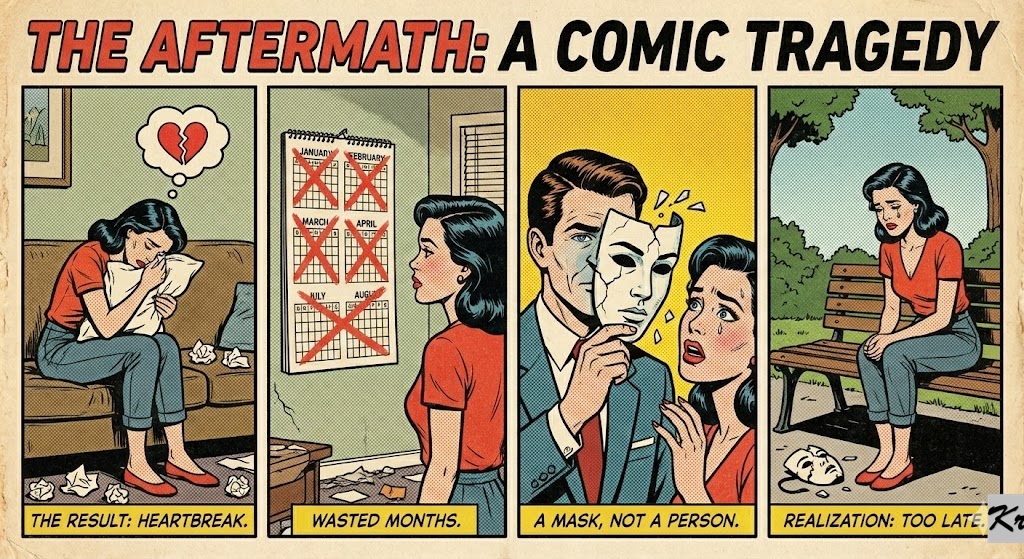
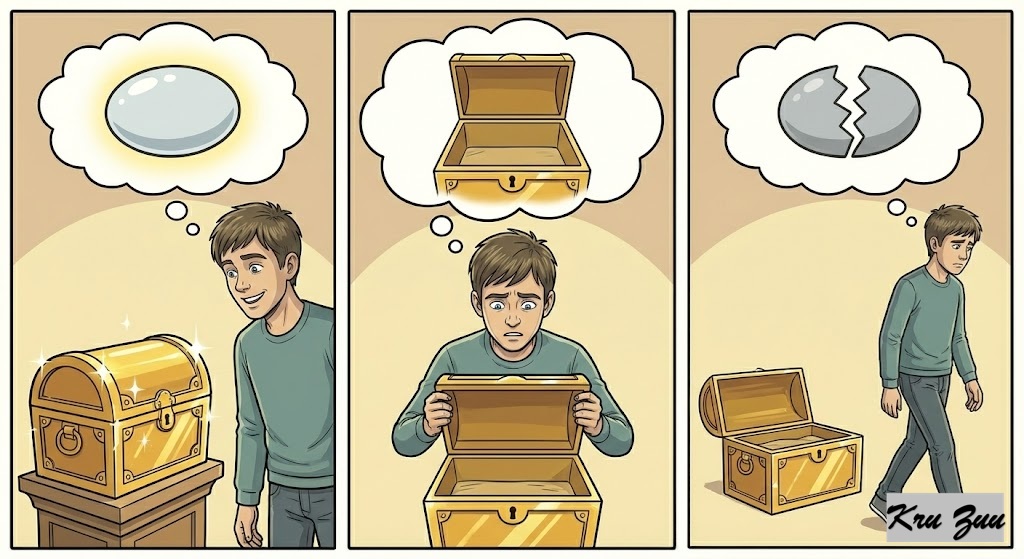
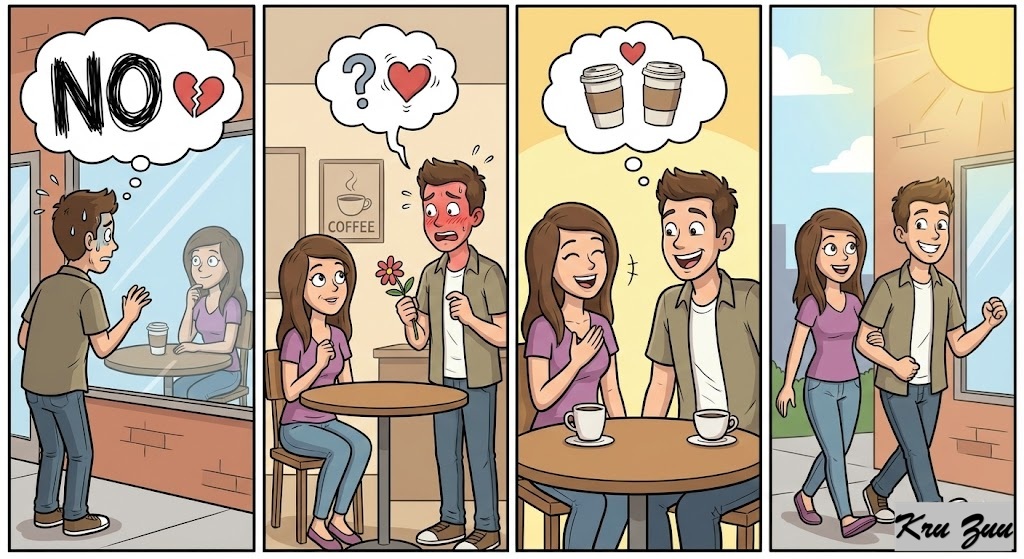
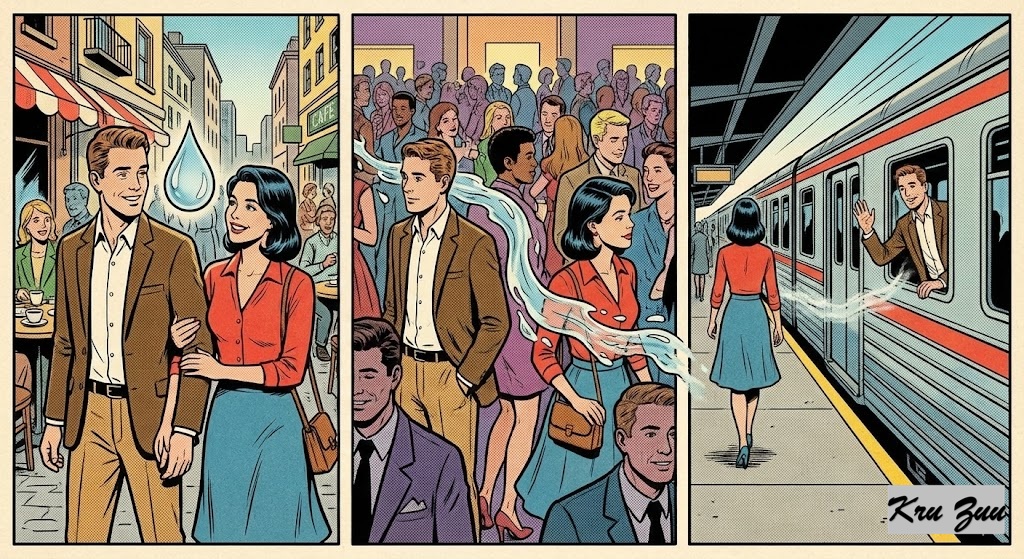
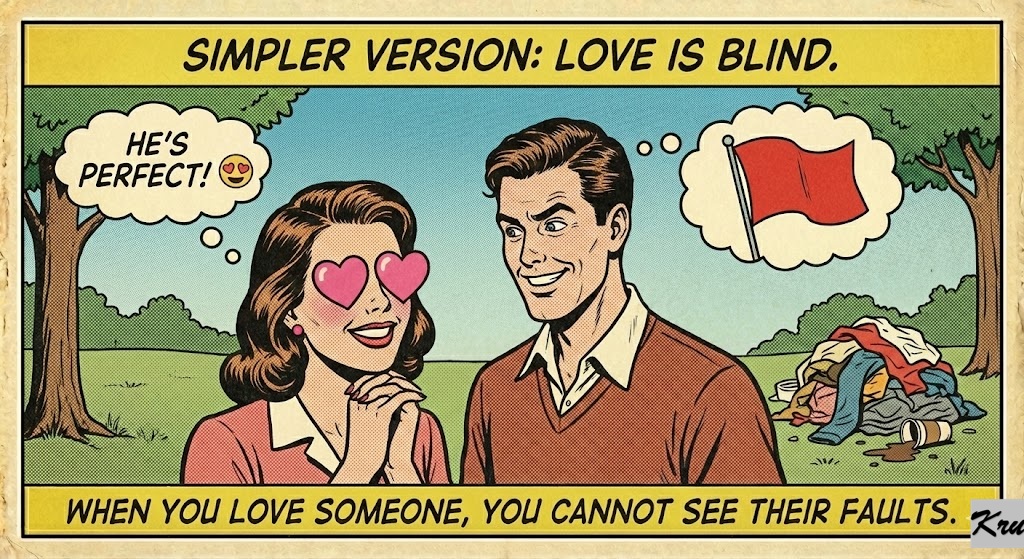
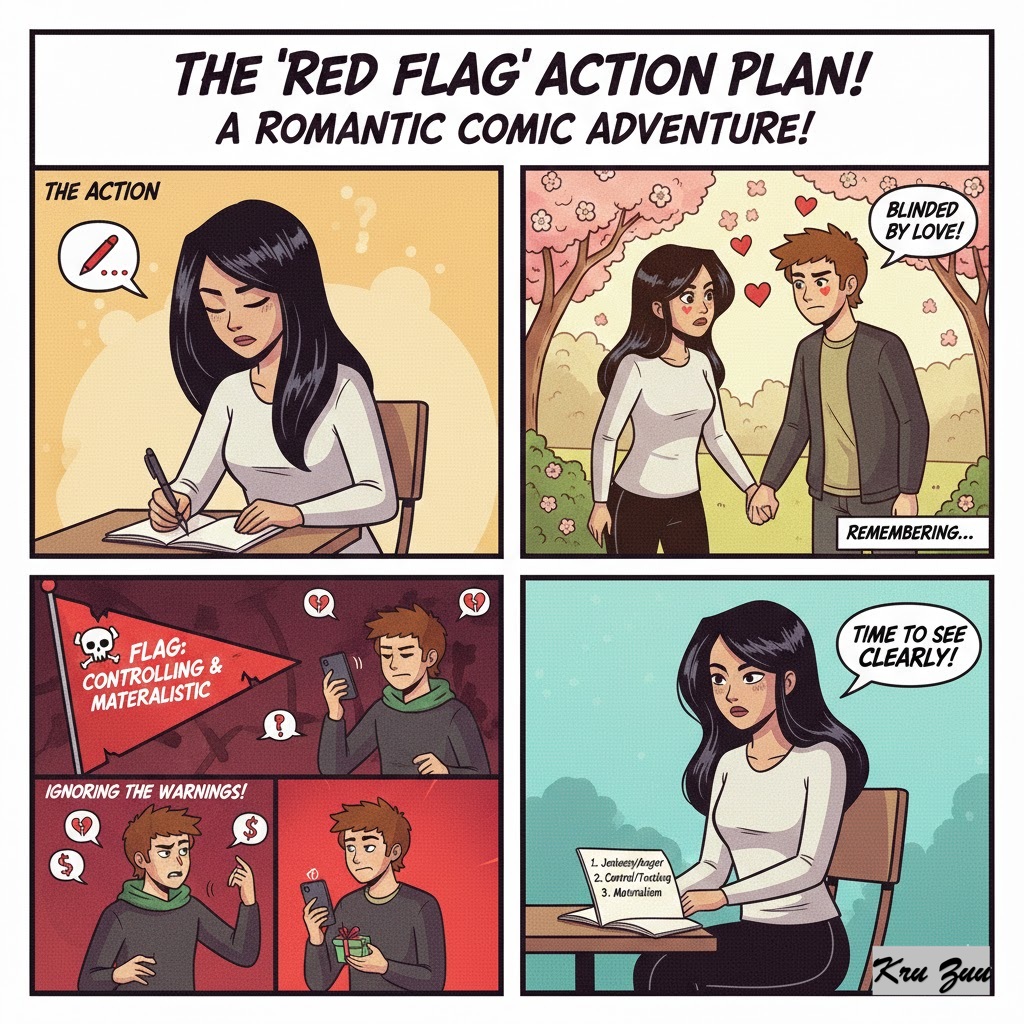
    You meet someone new. Sparks fly. ๐ŸŽ‡ Suddenly, logic leaves the building. They are rude to the waiter? “Oh, he’s just passionate.” She never pays for anything? “She’s just old-fashioned.” They ghost you for three days? “They are just so busy being successful!” You ignore the warning signs. You project your fantasy onto a flawed reality.
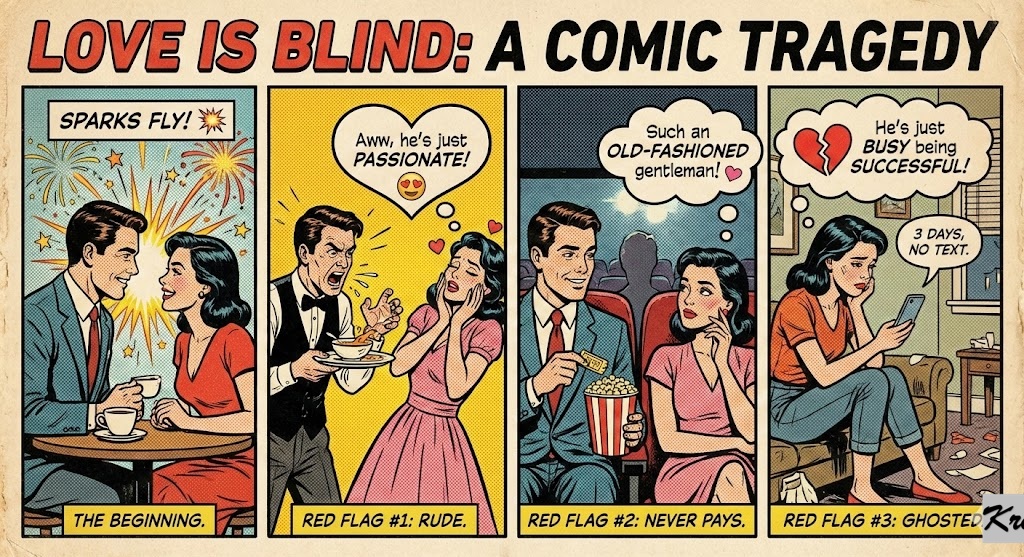
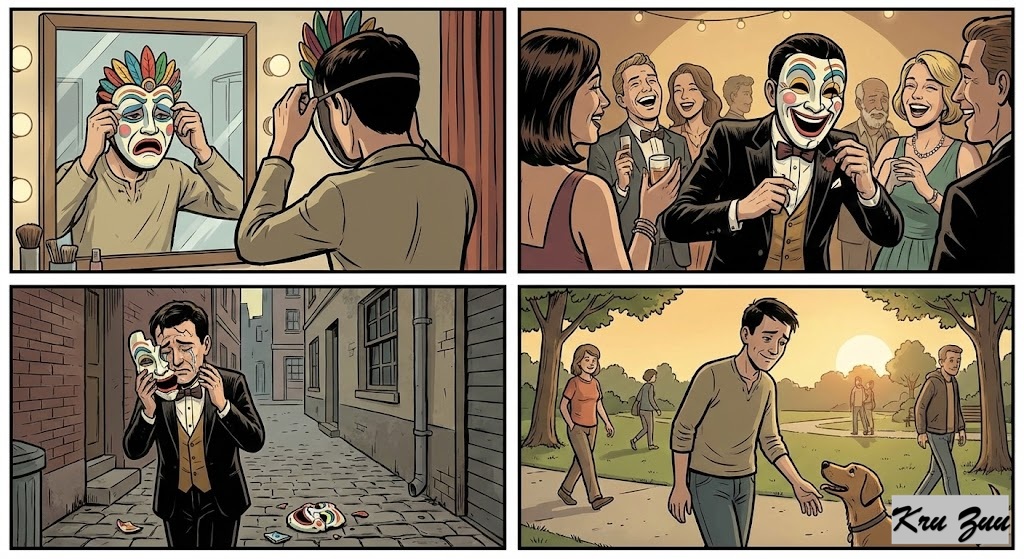
    The Result? You get heartbroken. You waste months on a relationship that was doomed from day one. You realize too late that you fell in love with a mask, not a person. ๐ŸŽญ


    ๐Ÿ˜‡ The Hero (The Conscious Partner)

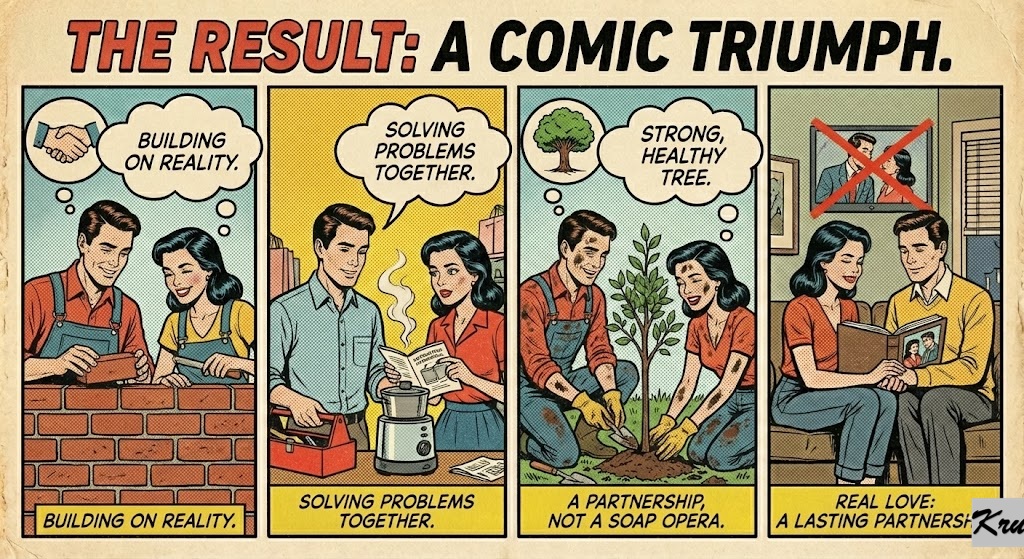
    You feel the chemistry, but you keep your eyes open. ๐Ÿ‘€ You love them, but you acknowledge their flaws. You think: “He is funny, but he is terrible with money. Can I live with that?” or “She is beautiful, but she has a bad temper. Is she working on it?” You don’t ignore the red flags; you address them.
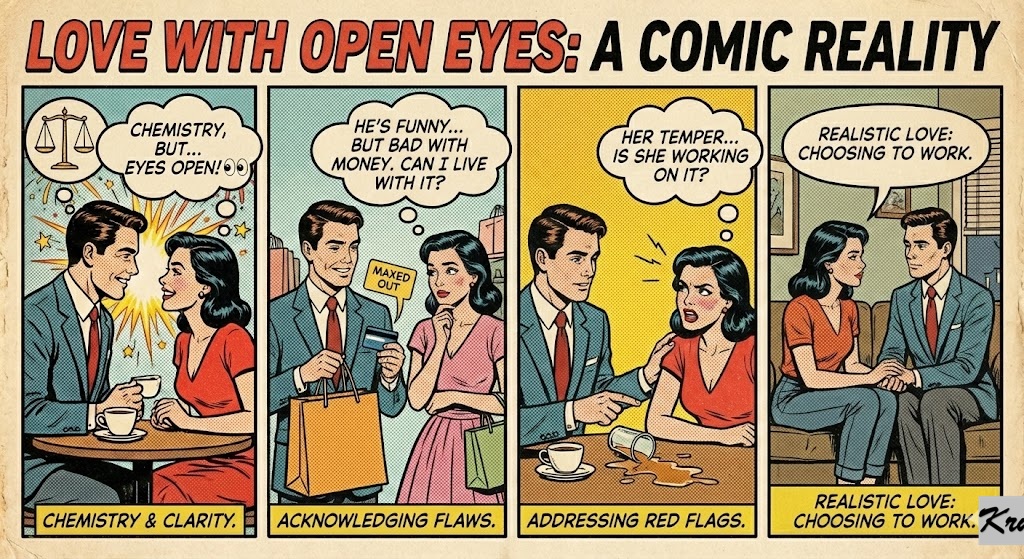
    The Result? You build a relationship based on trust and reality, not fantasy. When problems happen, you solve them because you saw them coming. You build a partnership, not a soap opera. ๐Ÿค


    โš–๏ธ The Reality


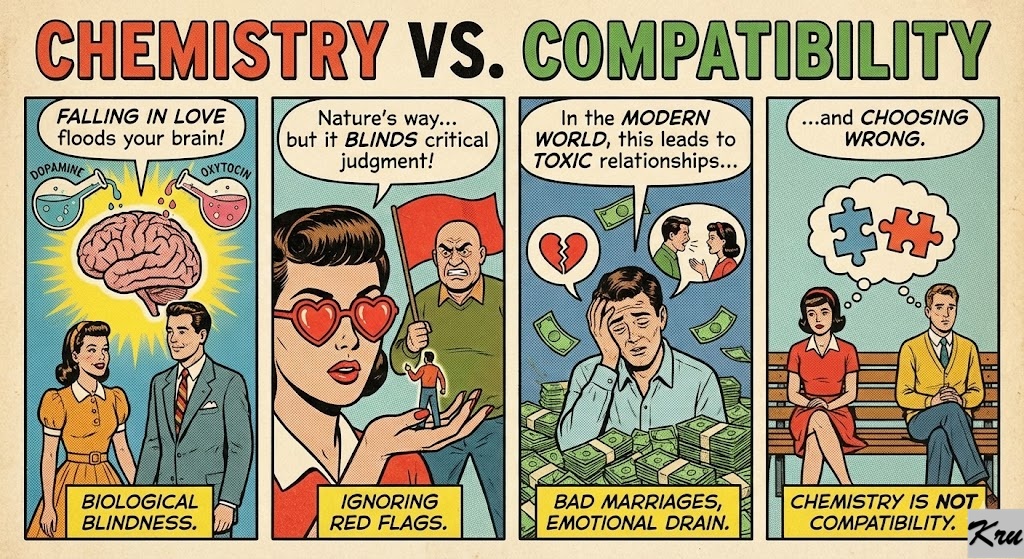
    Chemistry vs. Compatibility. Biologically, falling in love floods your brain with dopamine and oxytocin. These chemicals literally “blind” the critical judgment part of your brain. It is nature’s way of making sure humans pair up. But in the modern world, this biological blindness can lead to toxic relationships, bad marriages, and emotional drain.

    ๐Ÿ’Ž The Secret

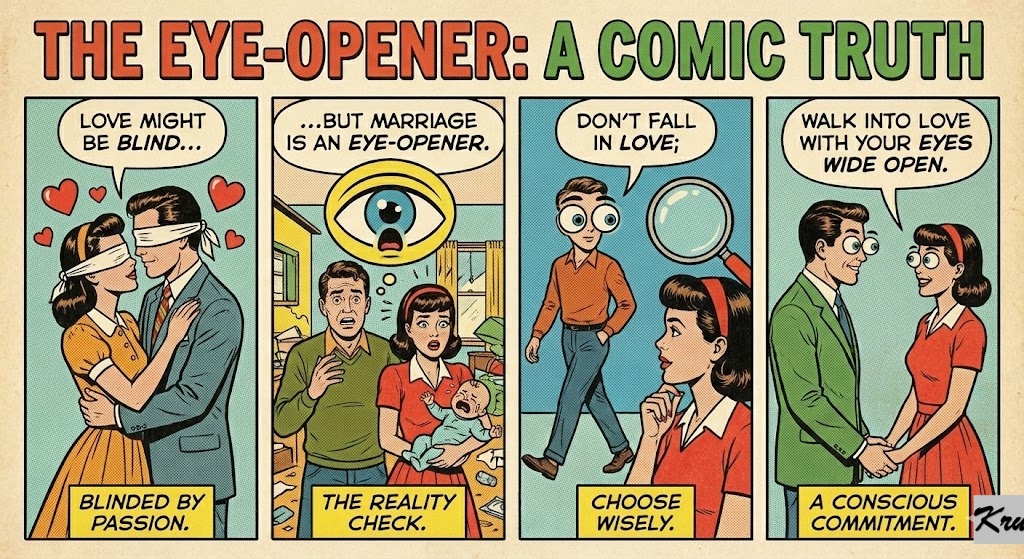
    Love might be blind, but marriage (or long-term commitment) is an eye-opener. Don’t fall in love; walk into love with your eyes wide open.
    ๐Ÿง The Anatomy of the Proverb


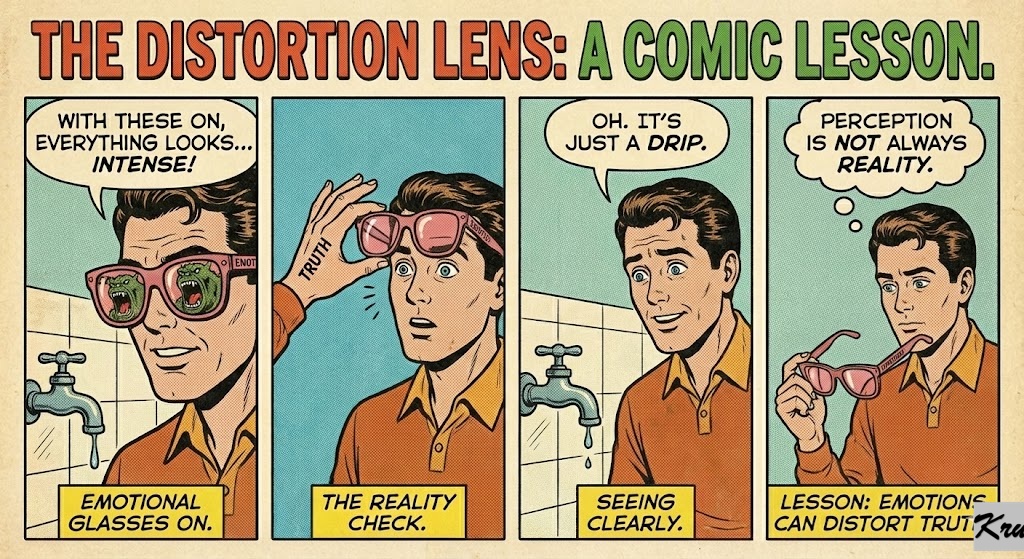
    This is your reality check that emotions can distort your perception of the truth.

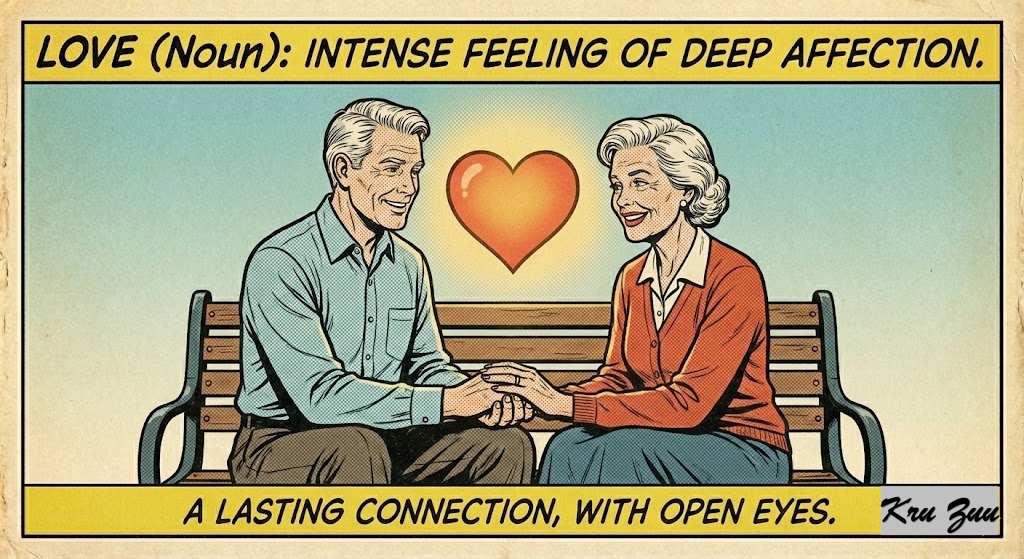
    Love (Noun): Intense feeling of deep affection.

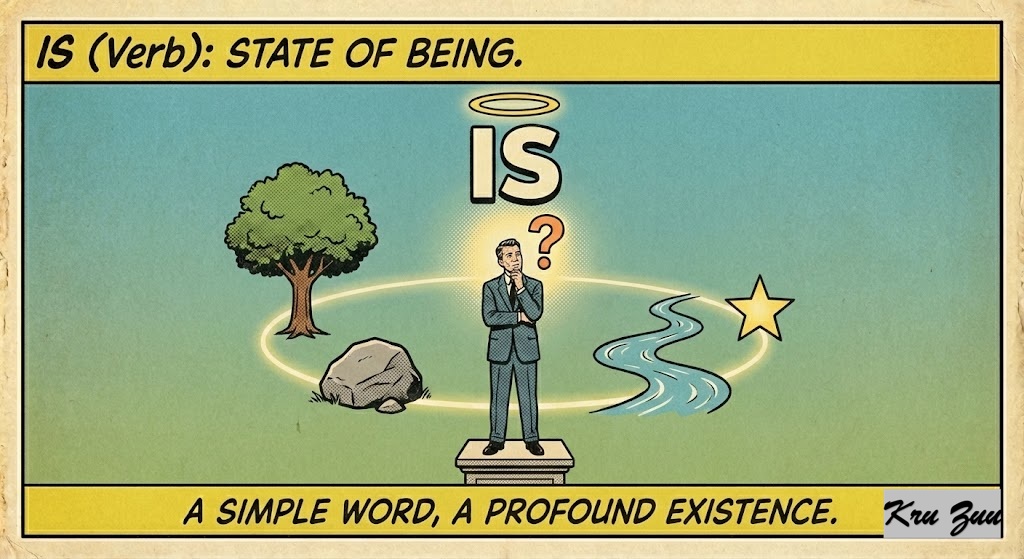
    Is (Verb): State of being.

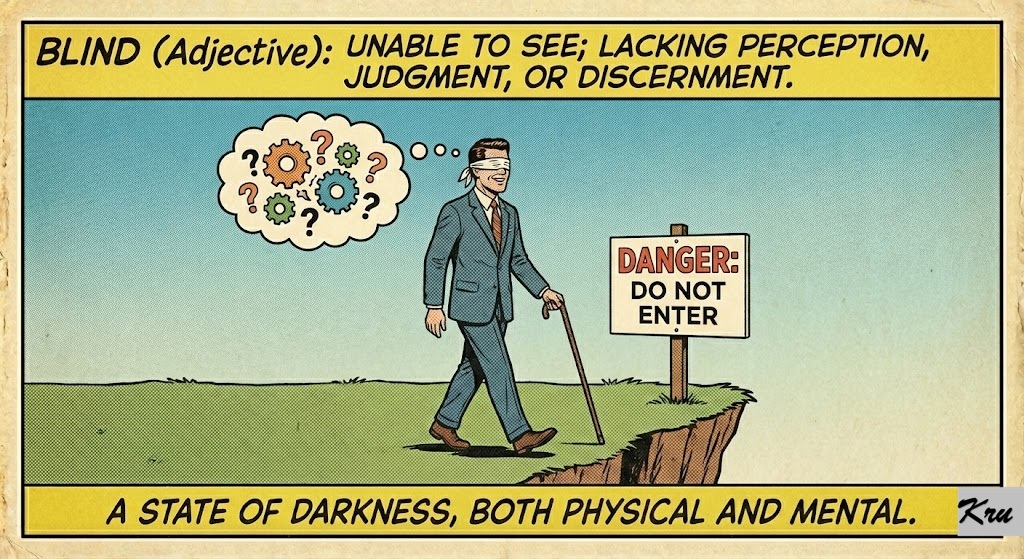
    Blind (Adjective): Unable to see; lacking perception, judgment, or discernment.

    Simpler Version: When you love someone, you cannot see their faults.

    ๐Ÿ“š Vocabulary Vault


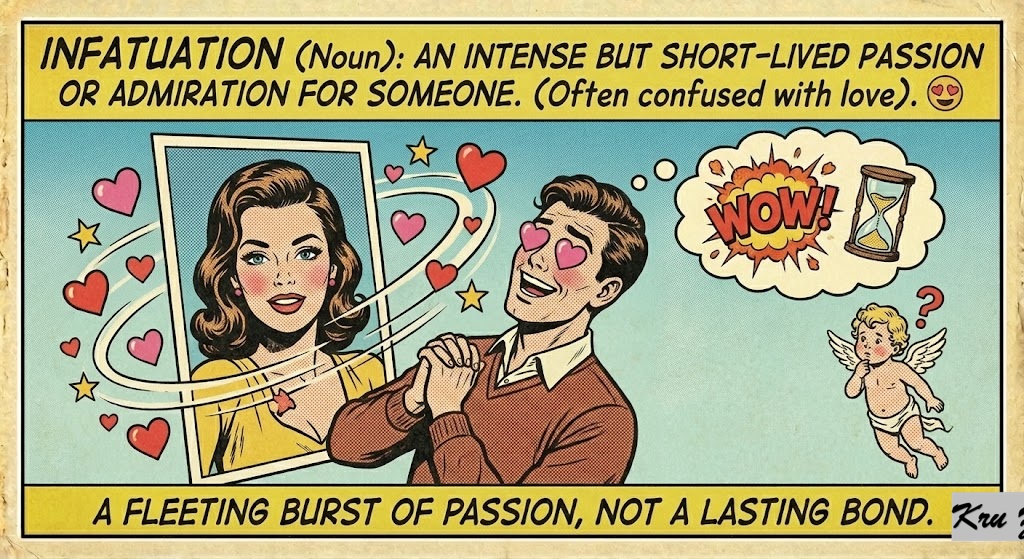
    Infatuation (Noun): An intense but short-lived passion or admiration for someone. (Often confused with love). ๐Ÿ˜


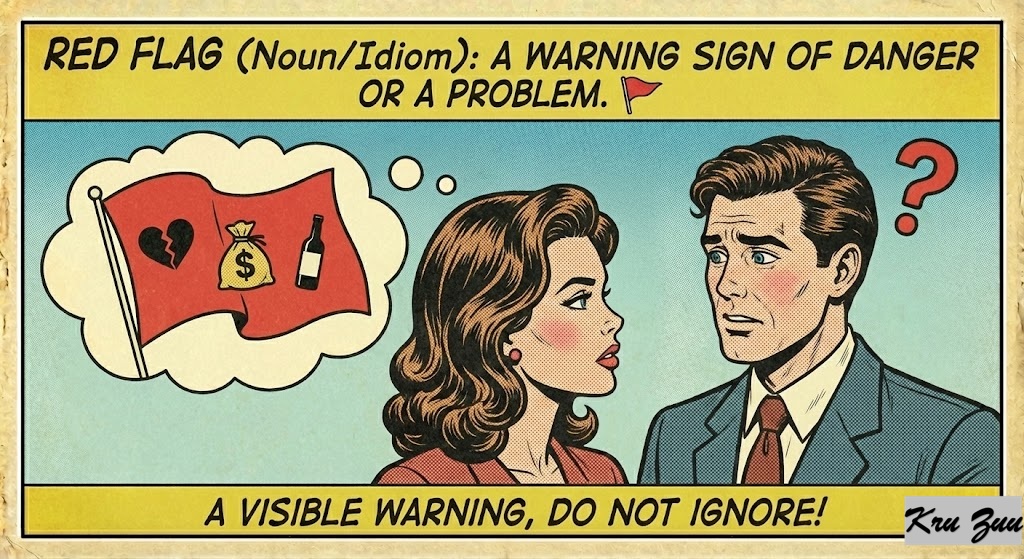
    Red Flag (Noun/Idiom): A warning sign of danger or a problem. ๐Ÿšฉ


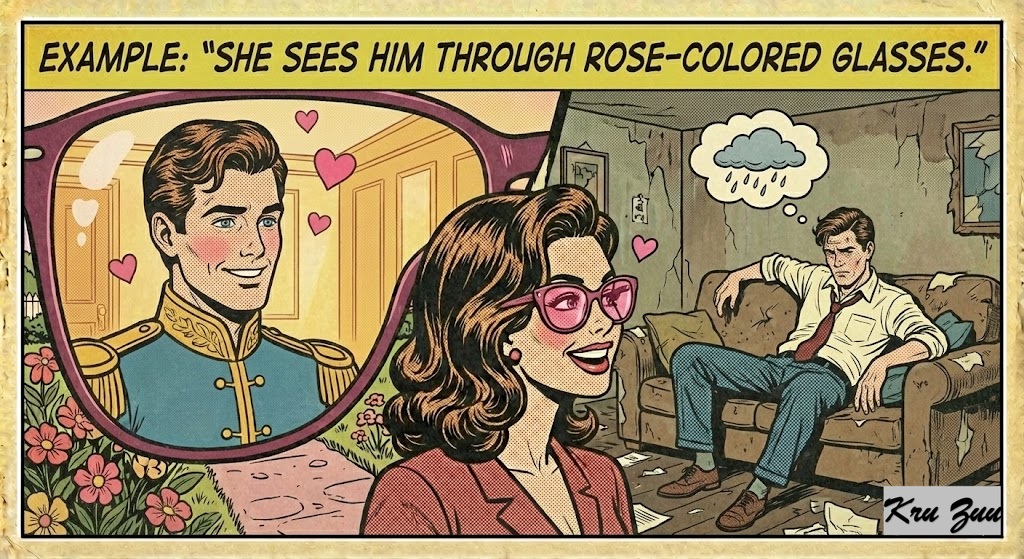
    Rose-colored glasses (Idiom): Looking at a situation in an overly optimistic way, ignoring the negatives.
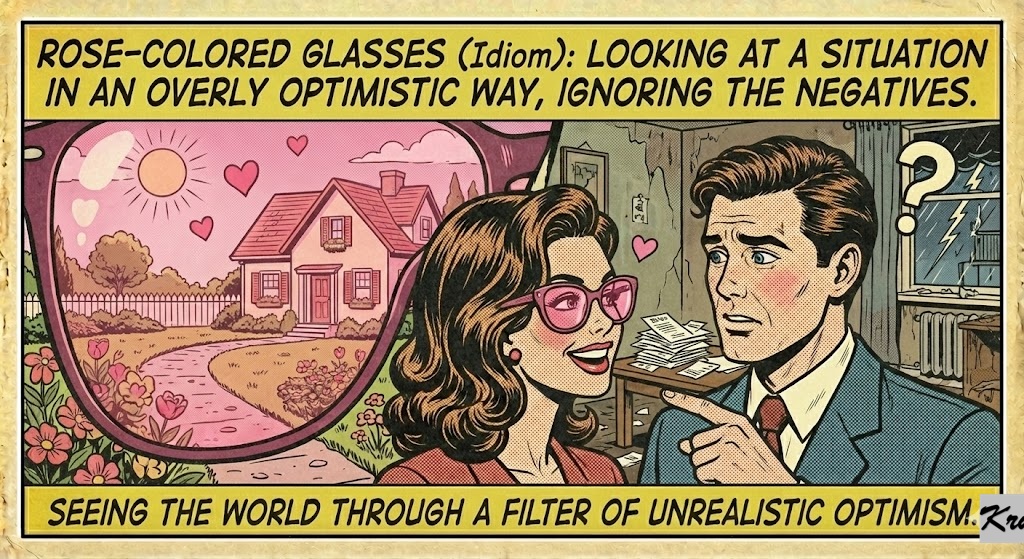
    Example: “She sees him through rose-colored glasses.” ๐Ÿ•ถ๏ธ


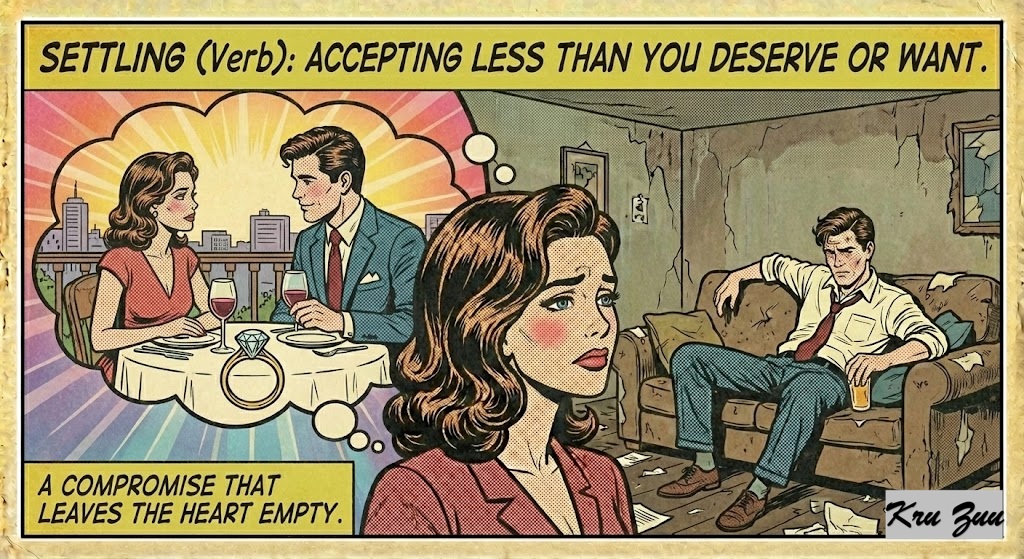
    Settling (Verb): Accepting less than you deserve or want.

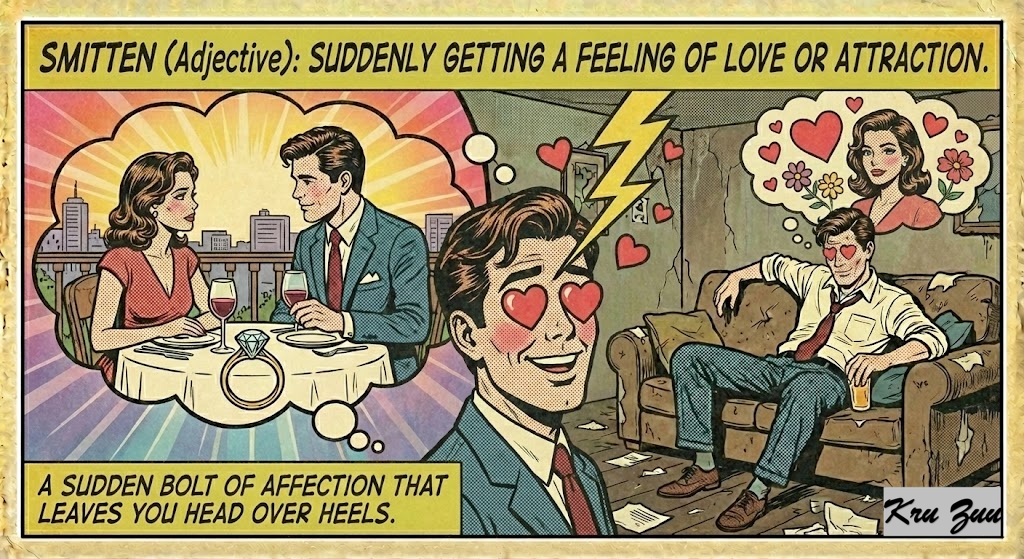
    Smitten (Adjective): Suddenly getting a feeling of love or attraction.

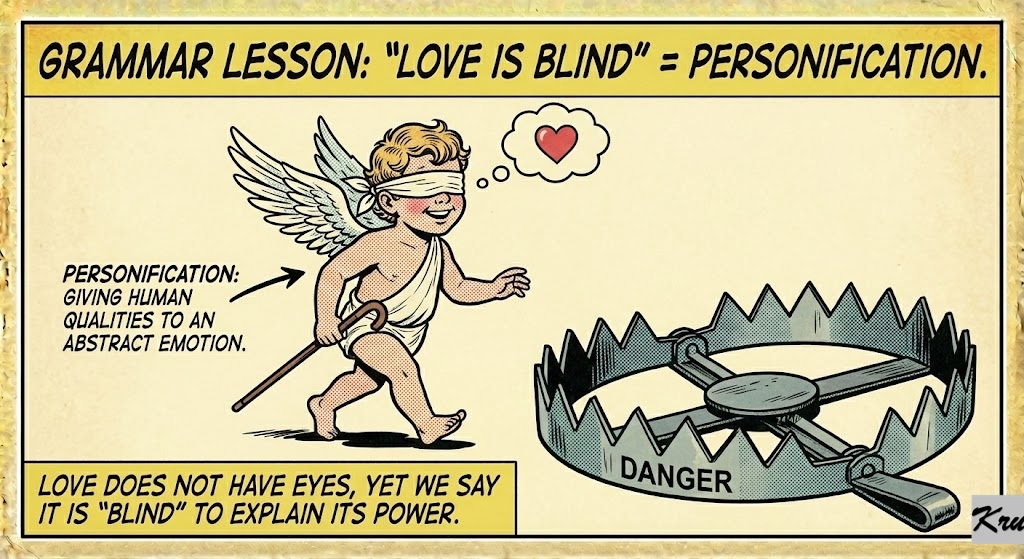
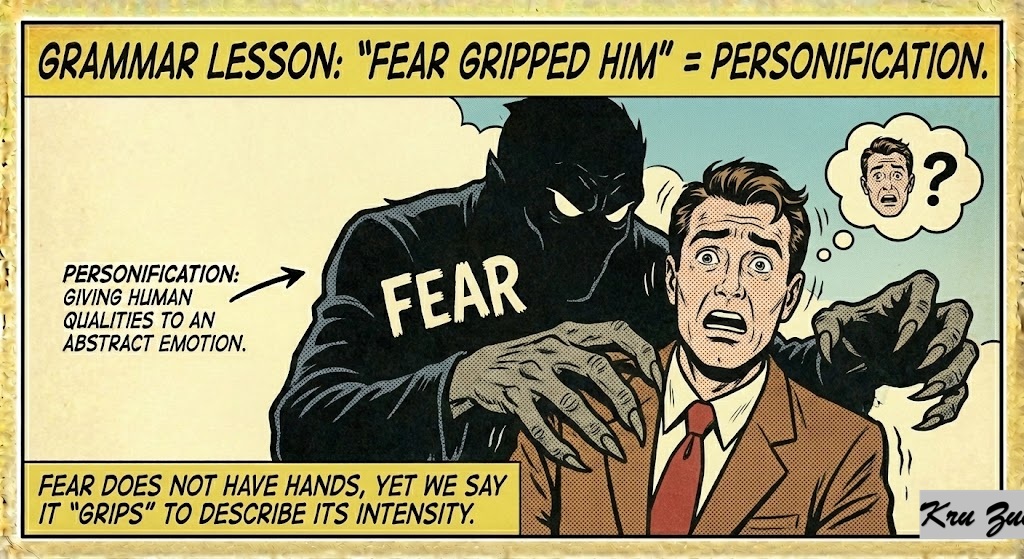
    ๐Ÿง  Grammar Focus: Personification


    “Love is blind.” Grammatically, this is Personification. Love is an abstract emotion. It does not have eyes. It cannot literally be blind. However, we give it human qualities to explain how powerful it is. It acts like a person who has lost their sight.

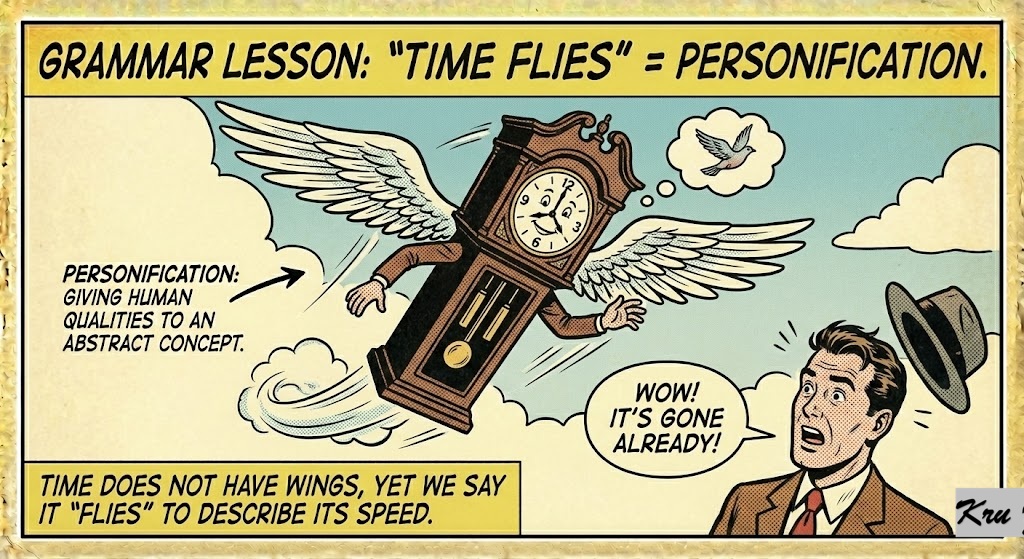
    Other examples


    “Time flies.” (Time doesn’t have wings).

    “Fear gripped him.” (Fear doesn’t have hands).
    ๐Ÿ“œ History: Origin and Spread


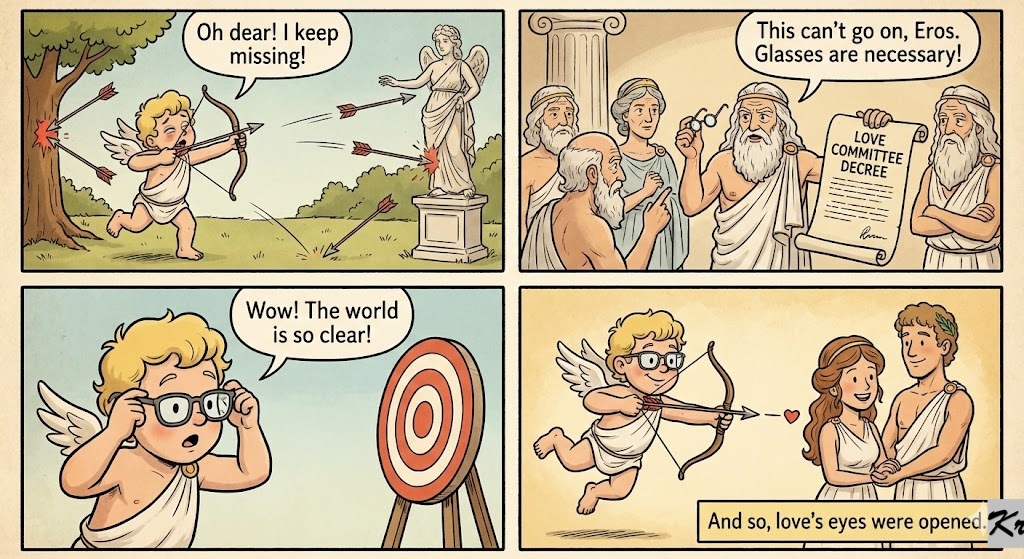
    Who first decided that Cupid needs glasses?

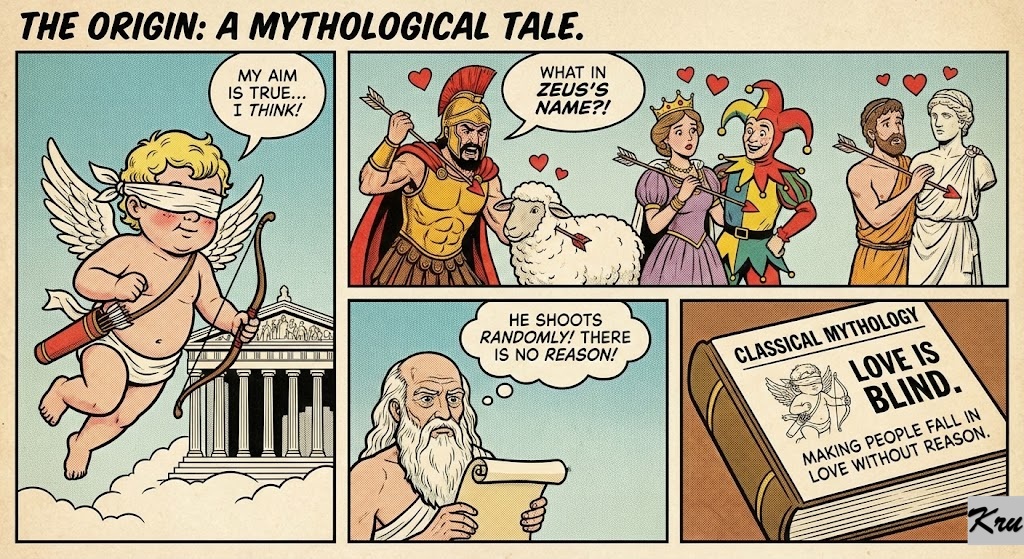
    The Origin: This idea is ancient. In Classical Mythology, Cupid (the god of affection) is often depicted wearing a blindfold. He shoots his arrows randomly, making people fall in love without reason.

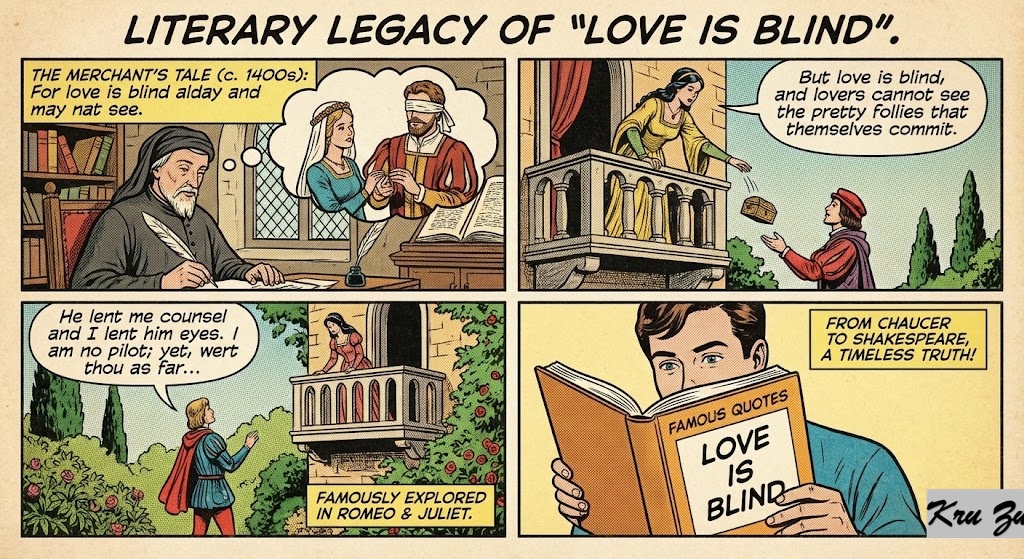
    The Writer: Geoffrey Chaucer used the phrase in the 1400s, but William Shakespeare made it famous in The Merchant of Venice and Romeo and Juliet.

    Global Cousins


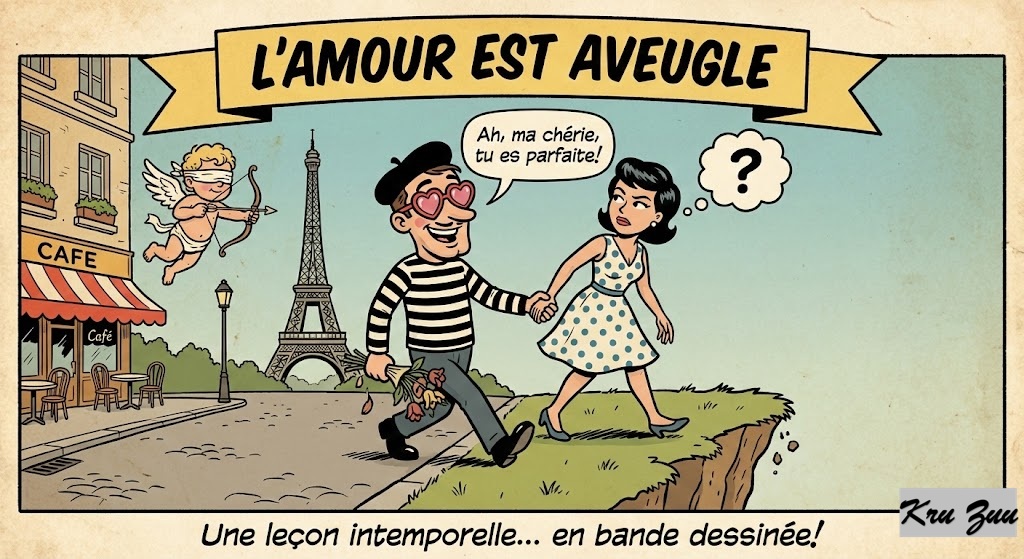
    ๐Ÿ‡ซ๐Ÿ‡ท French: “L’amour est aveugle.” (Love is blind – direct translation).

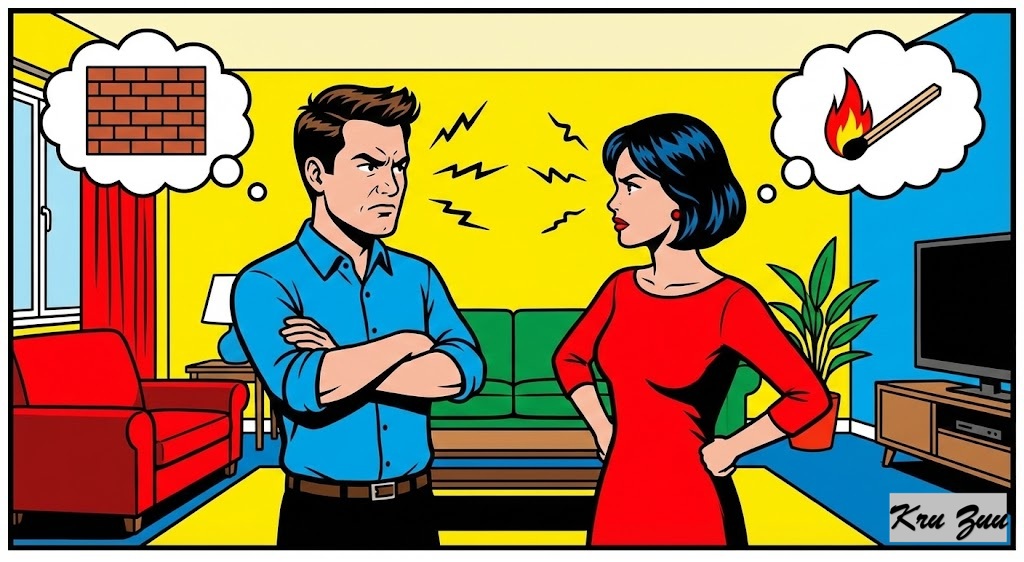
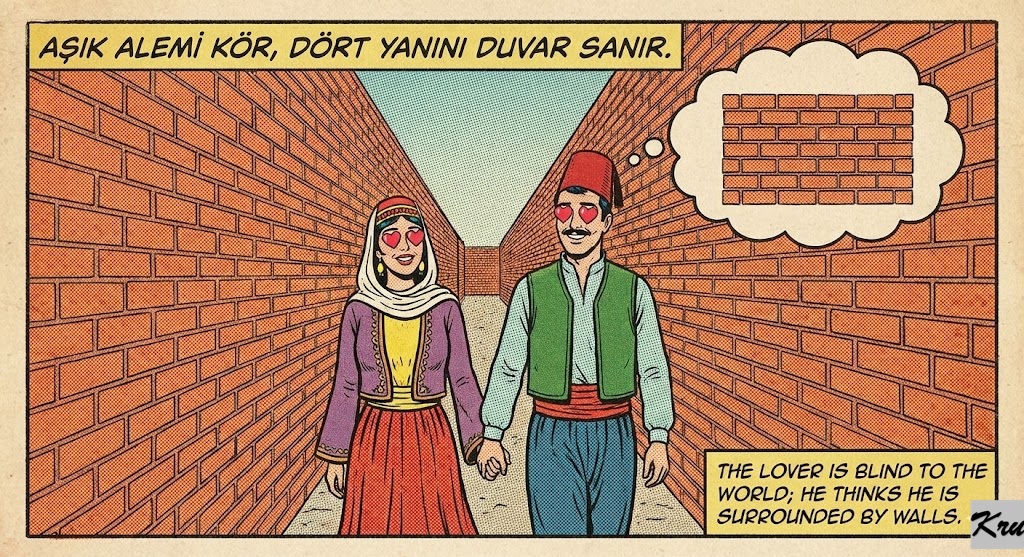
    ๐Ÿ‡น๐Ÿ‡ท Turkish: “AลŸฤฑk alemi kรถr, dรถrt yanฤฑnฤฑ duvar sanฤฑr.” (The lover is blind to the world; he thinks he is surrounded by walls).

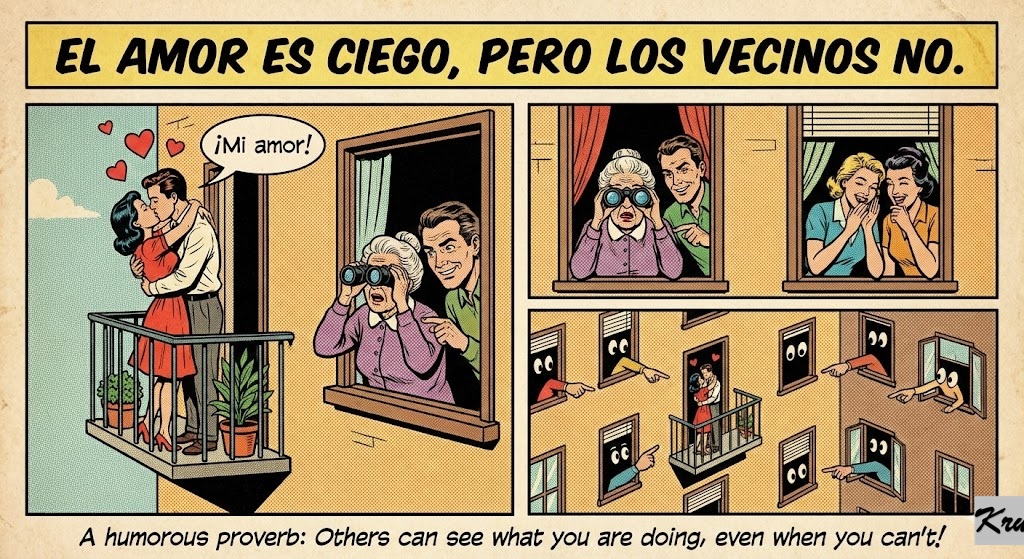
    ๐Ÿ‡ช๐Ÿ‡ธ Spanish: “El amor es ciego, pero los vecinos no.” (Love is blind, but the neighbors are not! meaning others can see what you are doing).
    ๐ŸŽญ Short Story: The Statue of Perfection ๐Ÿ—ฟ๐Ÿฑ๐Ÿ”๐Ÿธ


    Letโ€™s visit the forest to see who has their “love goggles” on.
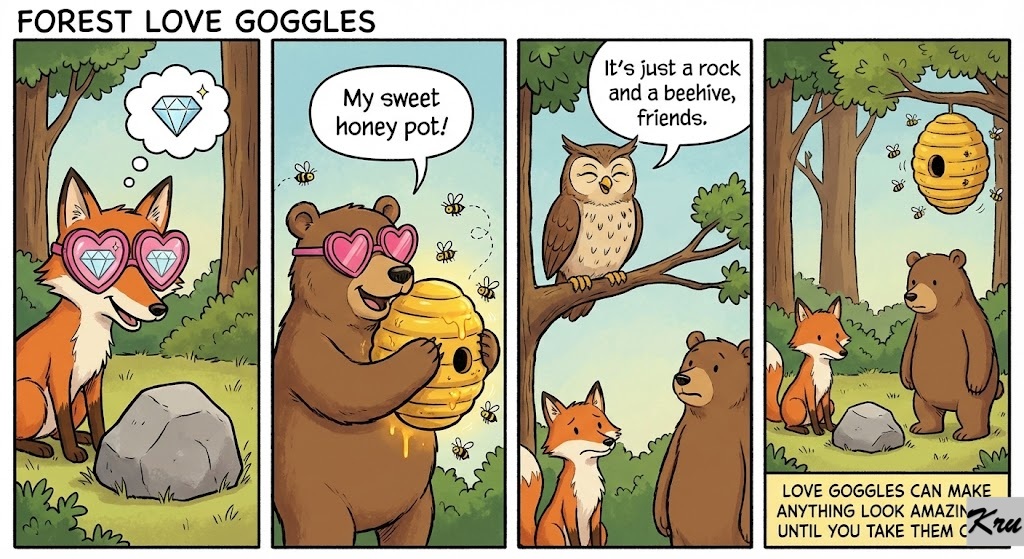

    ๐ŸŒŸ The Cast


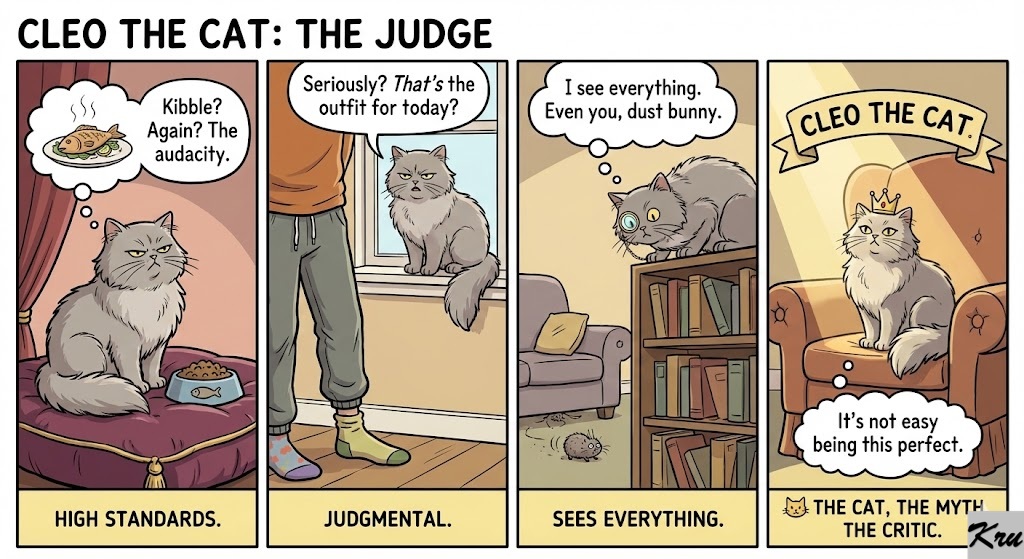
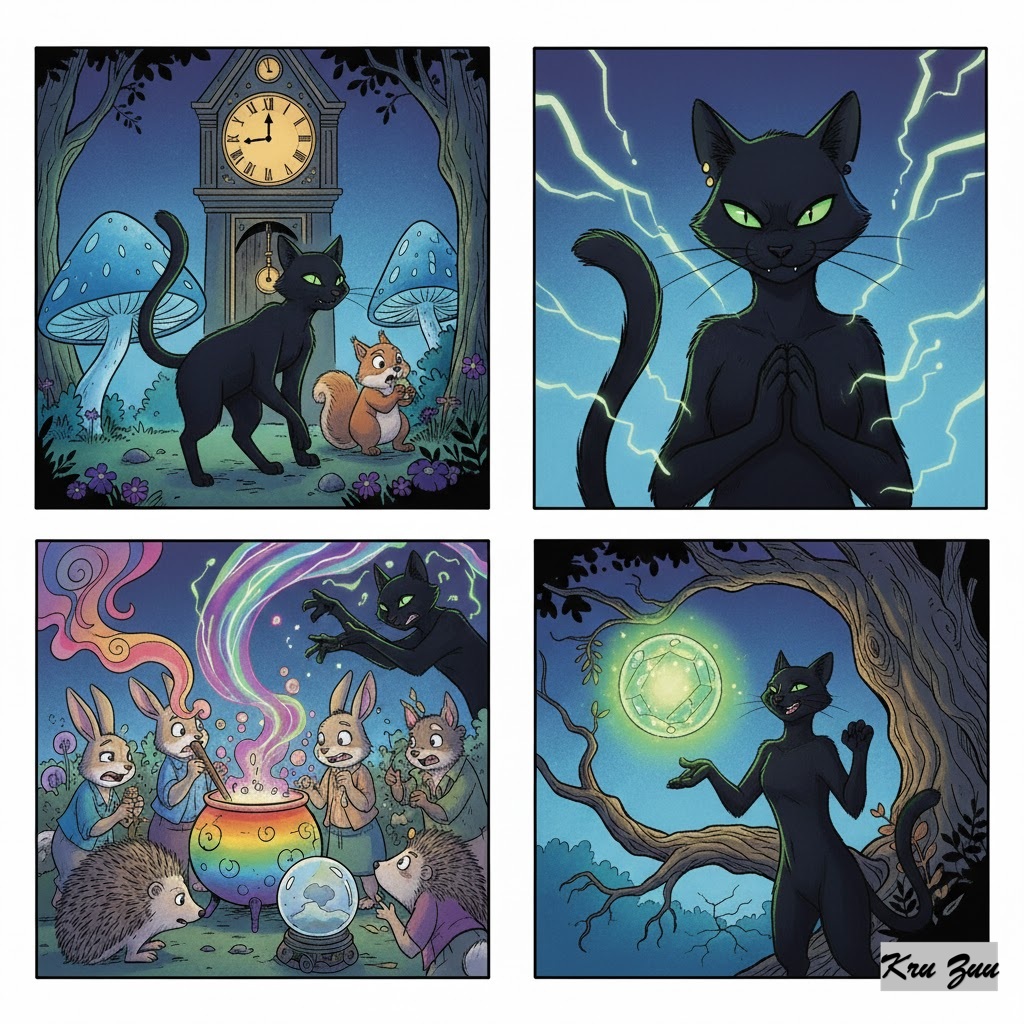
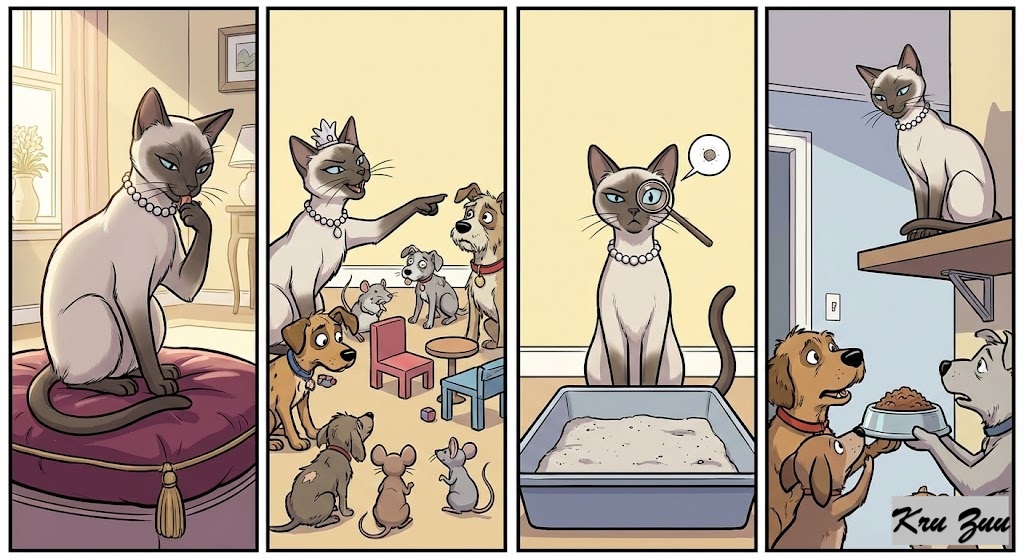
    Cleo the Cat: High standards, judgmental, sees everything. ๐Ÿ˜ผ


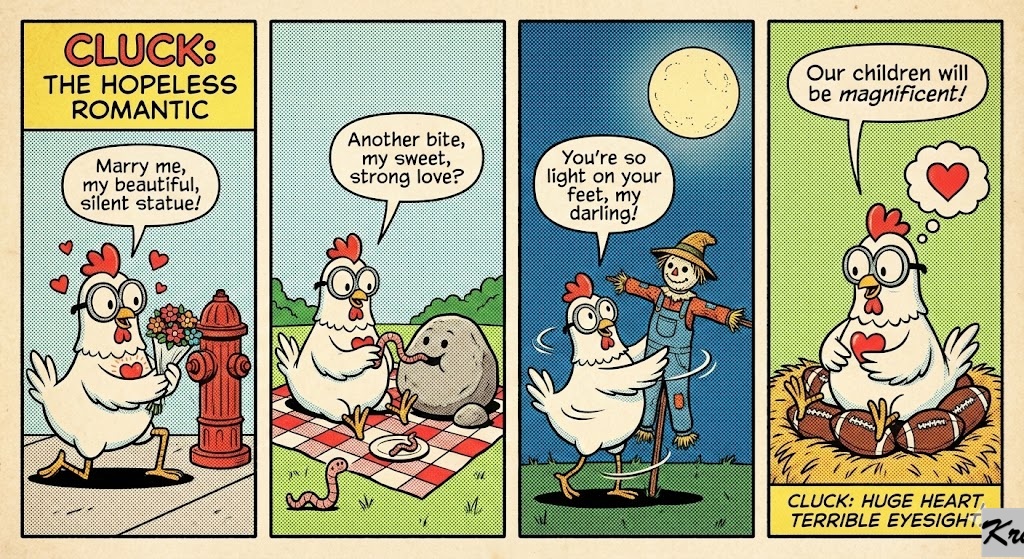
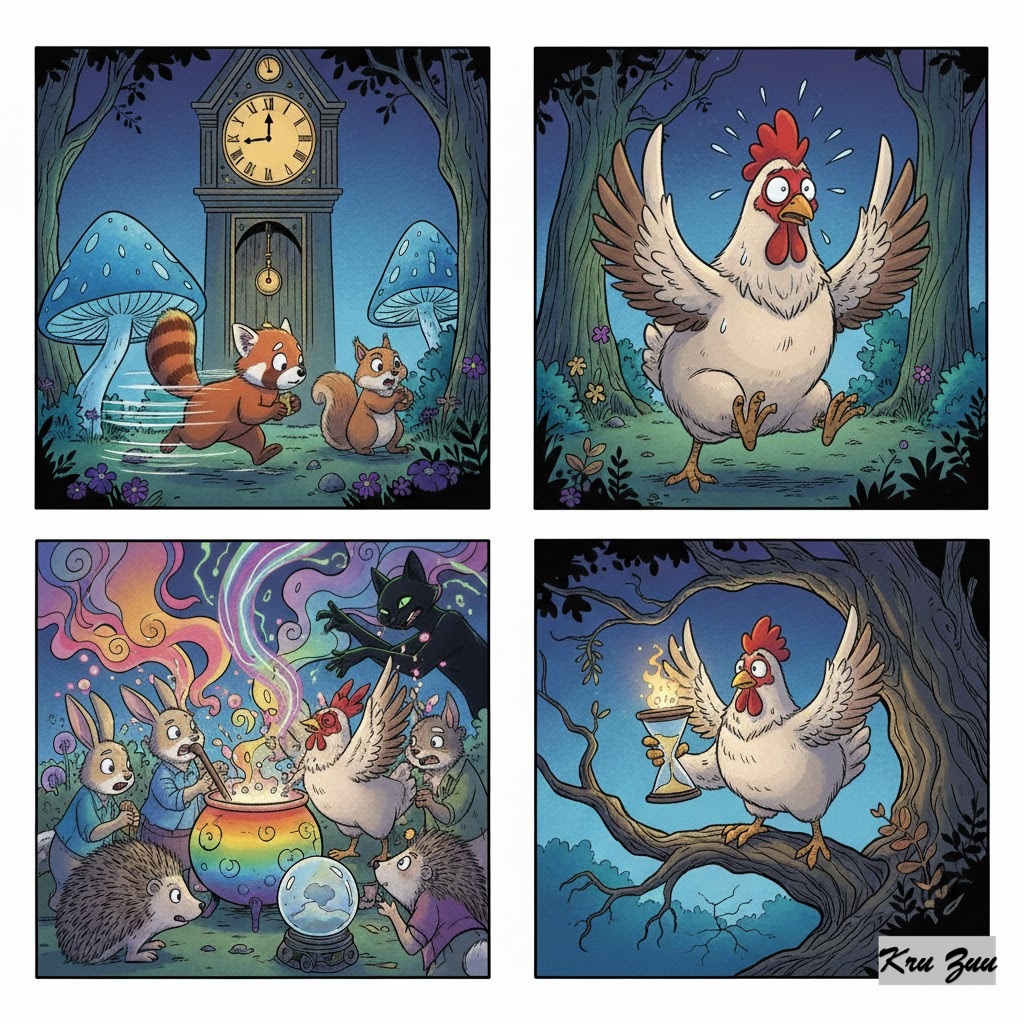
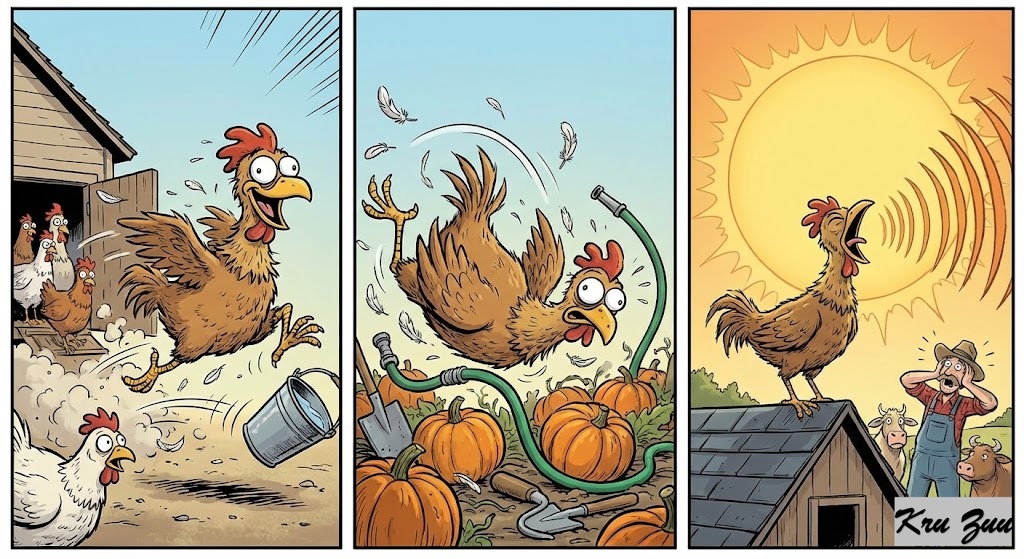
    Cluck the Chicken: Falls in love instantly, huge romantic heart, terrible eyesight. ๐Ÿ”


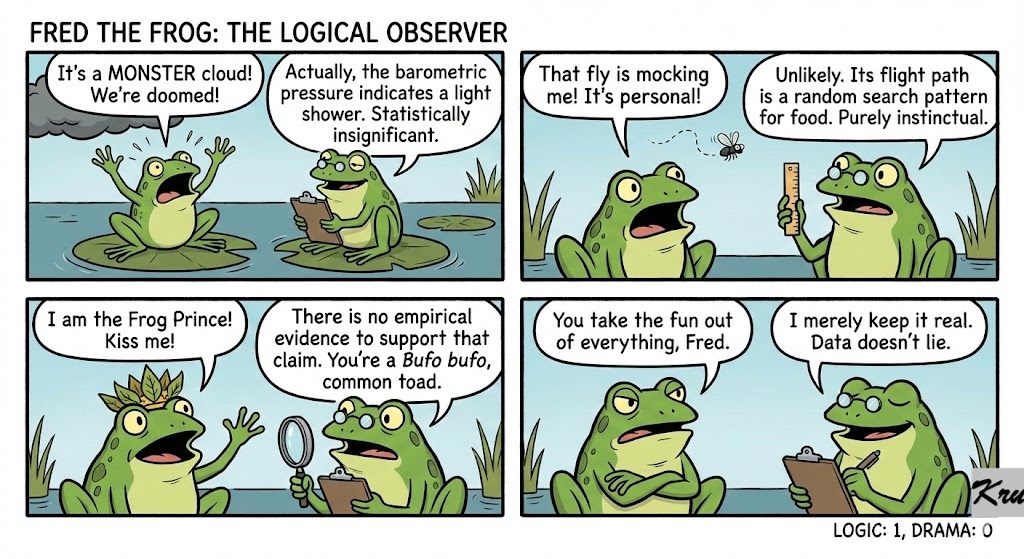
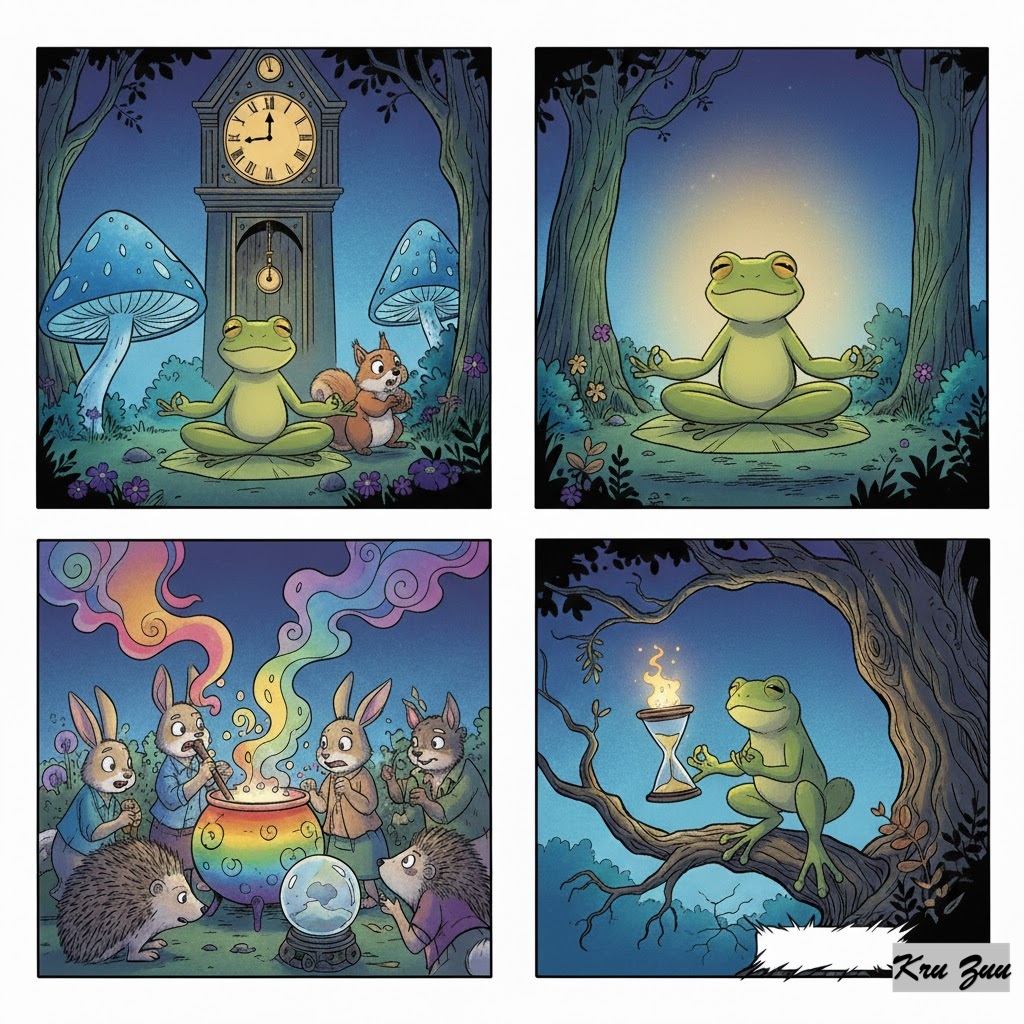
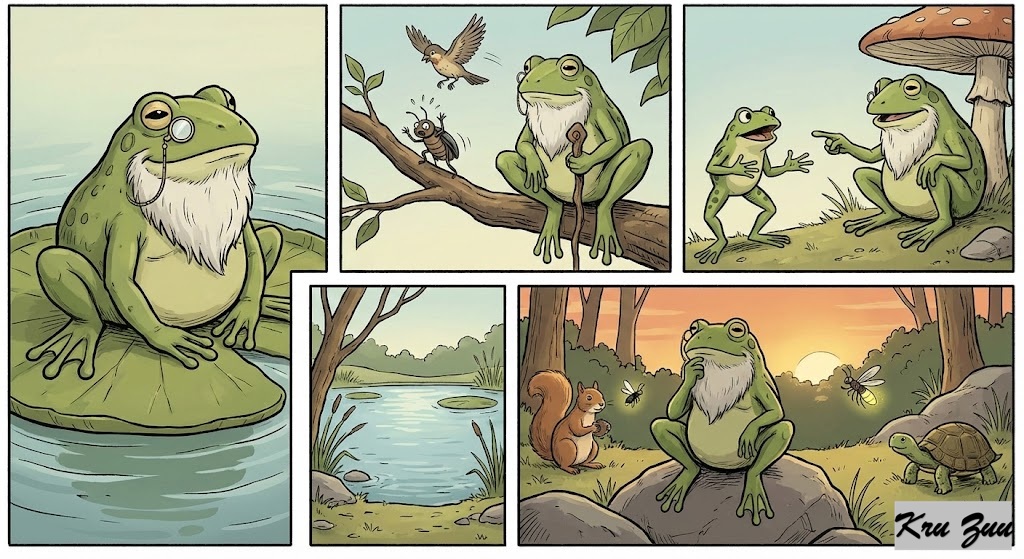
    Fred the Frog: The logical observer, keeps it real. ๐Ÿธ


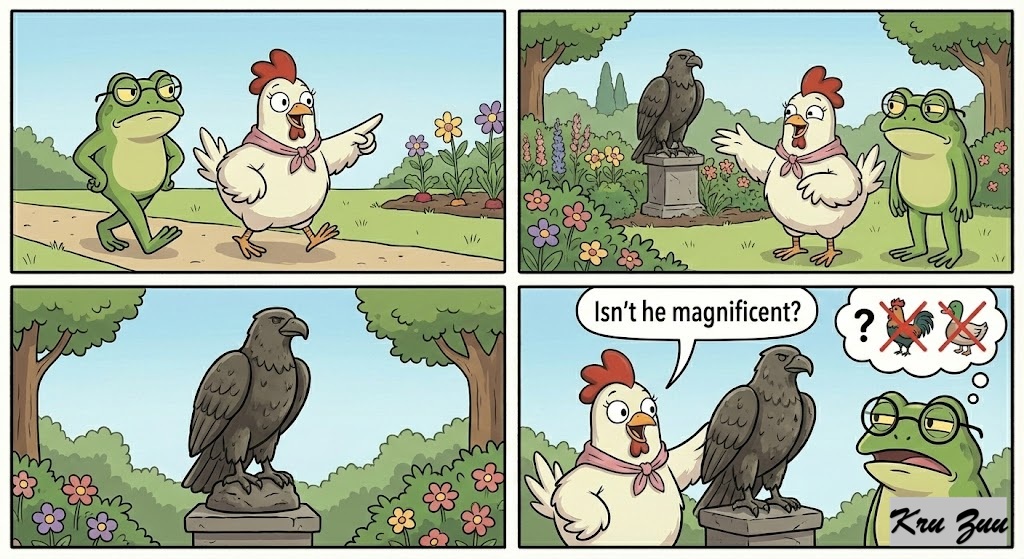
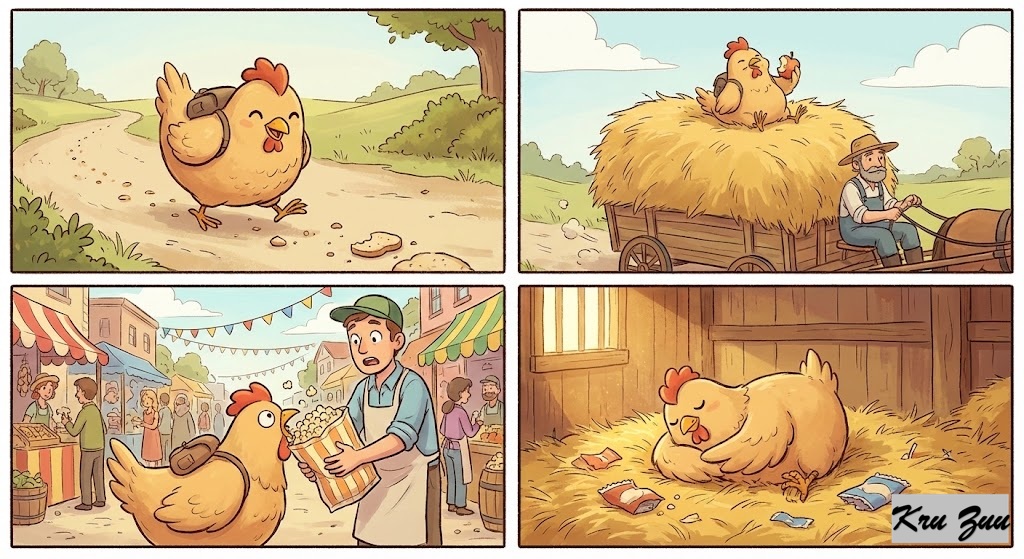
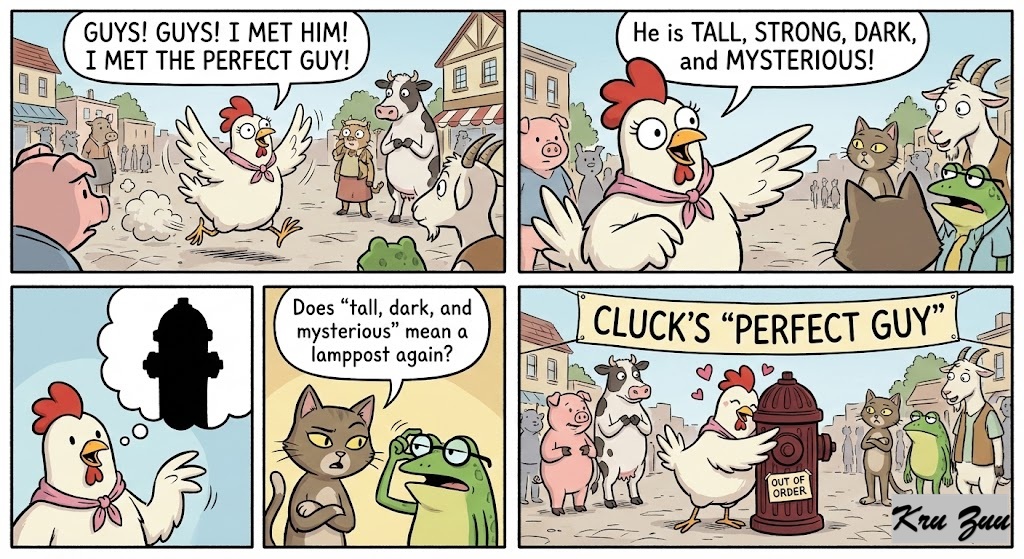
    The Situation: Cluck the Chicken comes running into the town square, flapping her wings excitedly. “Guys! Guys! I met Him! I met the perfect guy! He is tall, strong, dark, and mysterious!”

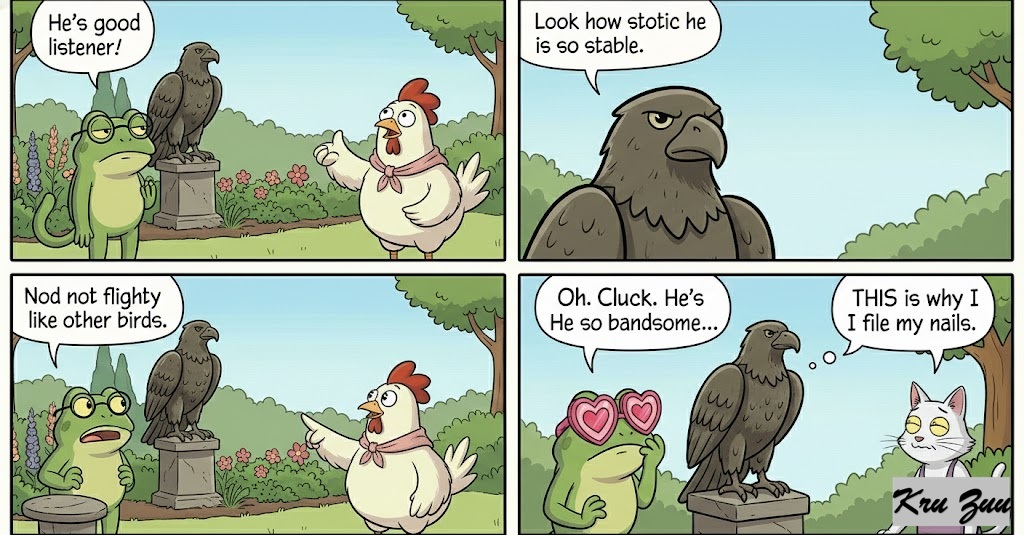
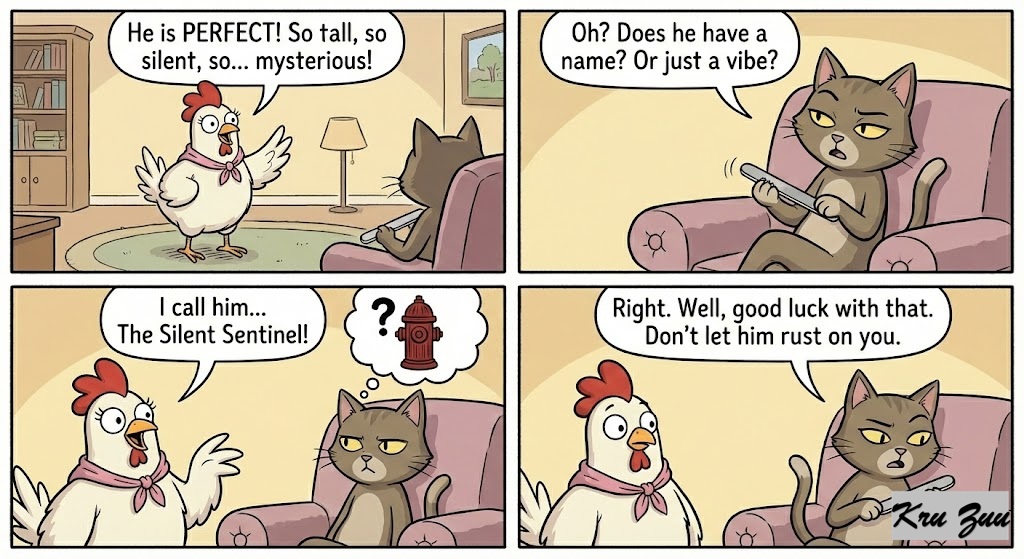
    Cleo looks up from filing her nails. “Oh? Does he have a name? Or just a vibe?”

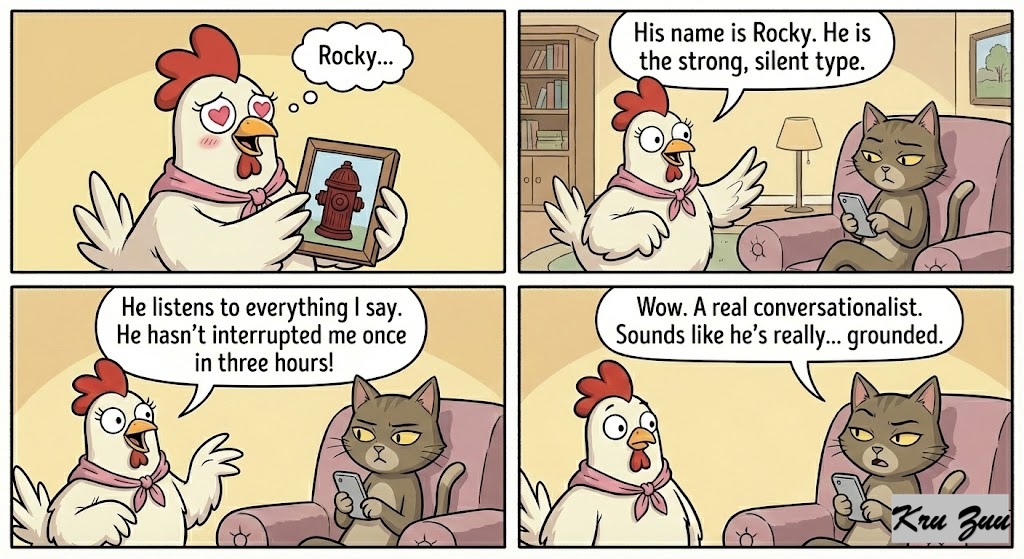
    “His name is Rocky,” Cluck sighs. “He is the strong, silent type. He listens to everything I say. He hasn’t interrupted me once in three hours!”

    The Conflict: Fred the Frog frowns. “Rocky? Where is he?” “He’s by the garden,” Cluck says. “Come meet him!”
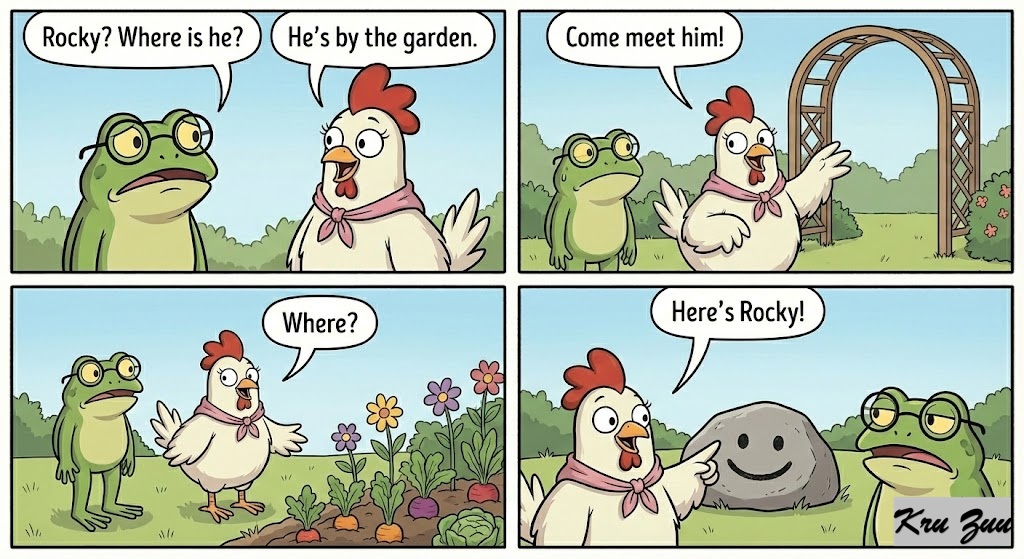

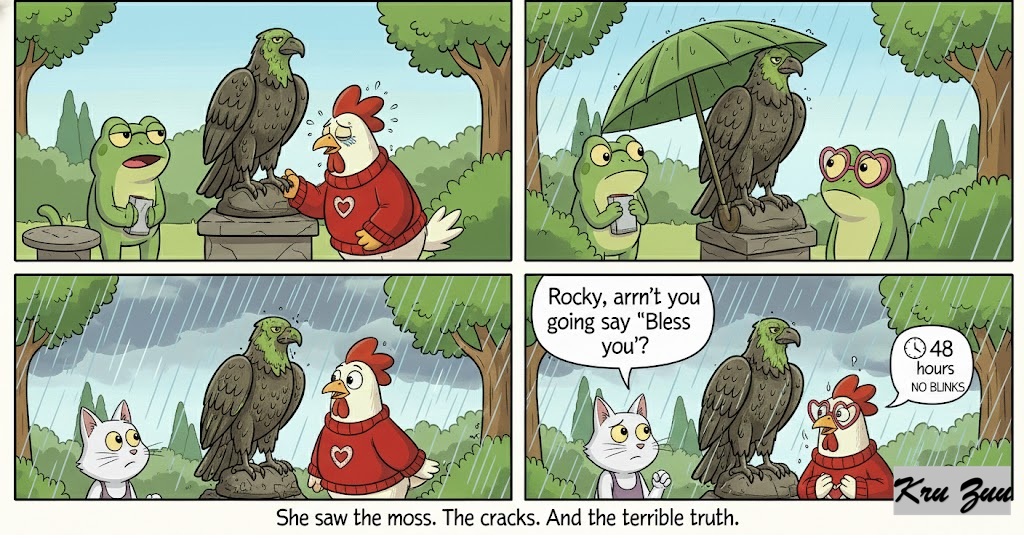
    They walk to the garden. Standing there is not a rooster. It is not a duck. It is a dark, stone garden statue of an Eagle. ๐Ÿ—ฟ


    “Cluck,” Fred says slowly. “That is a rock.”
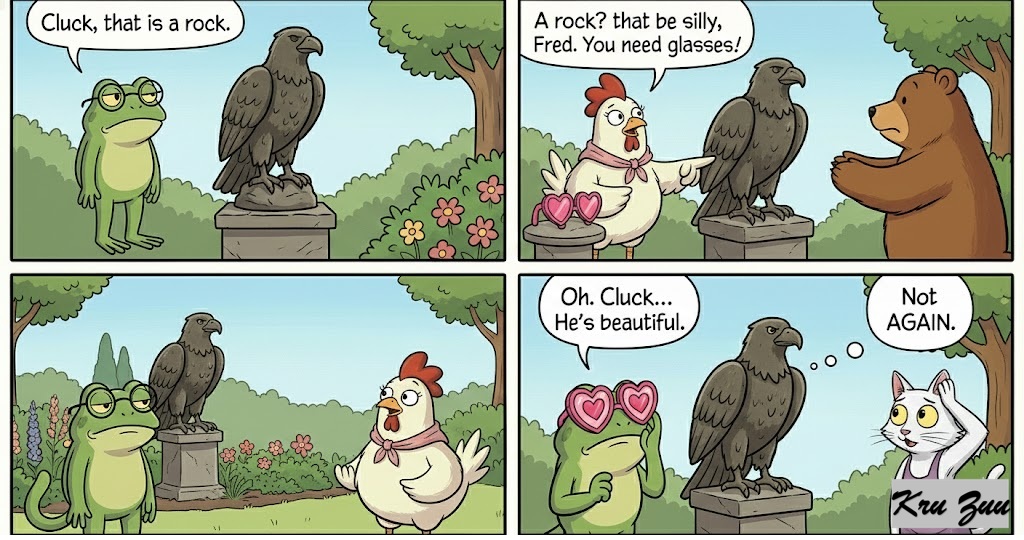

    “He’s a good listener!” Cluck defends him. “Look how stoic he is. Heโ€™s so stable. Heโ€™s not flighty like other birds.”


    Cleo laughs. “Darling, heโ€™s literally made of stone. Heโ€™s cold. He has no heart. He isn’t stable; he’s stuck in the mud.”
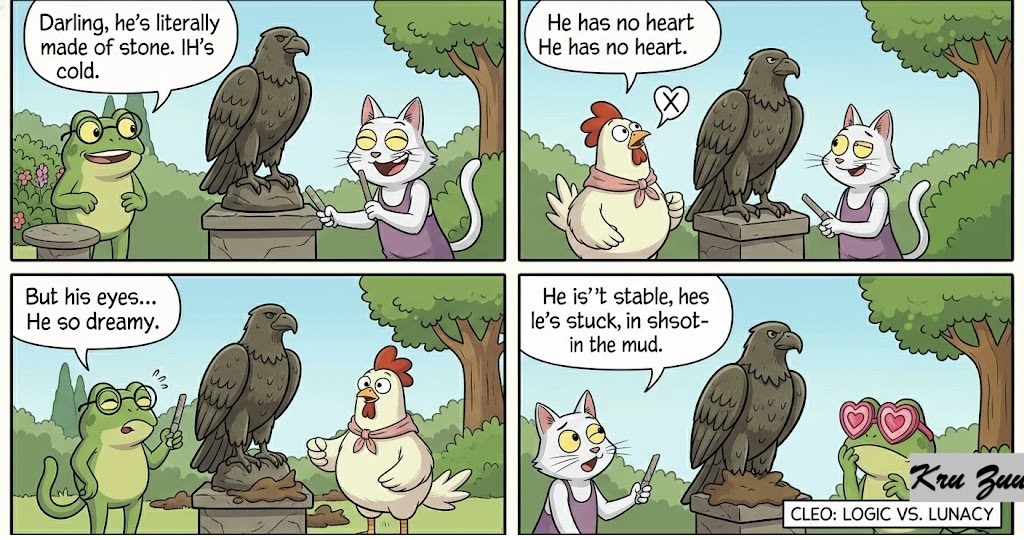

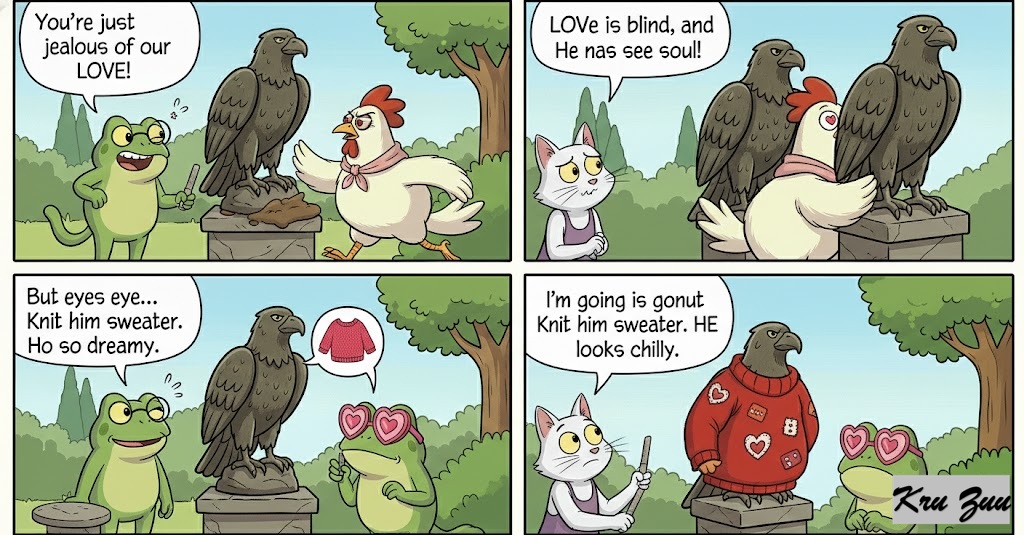
    The Reaction: “You are just jealous of our love!” Cluck yells. “Love is blind, and I see his soul!” She runs over and hugs the cold stone statue. “I’m going to knit him a sweater. He looks chilly.”

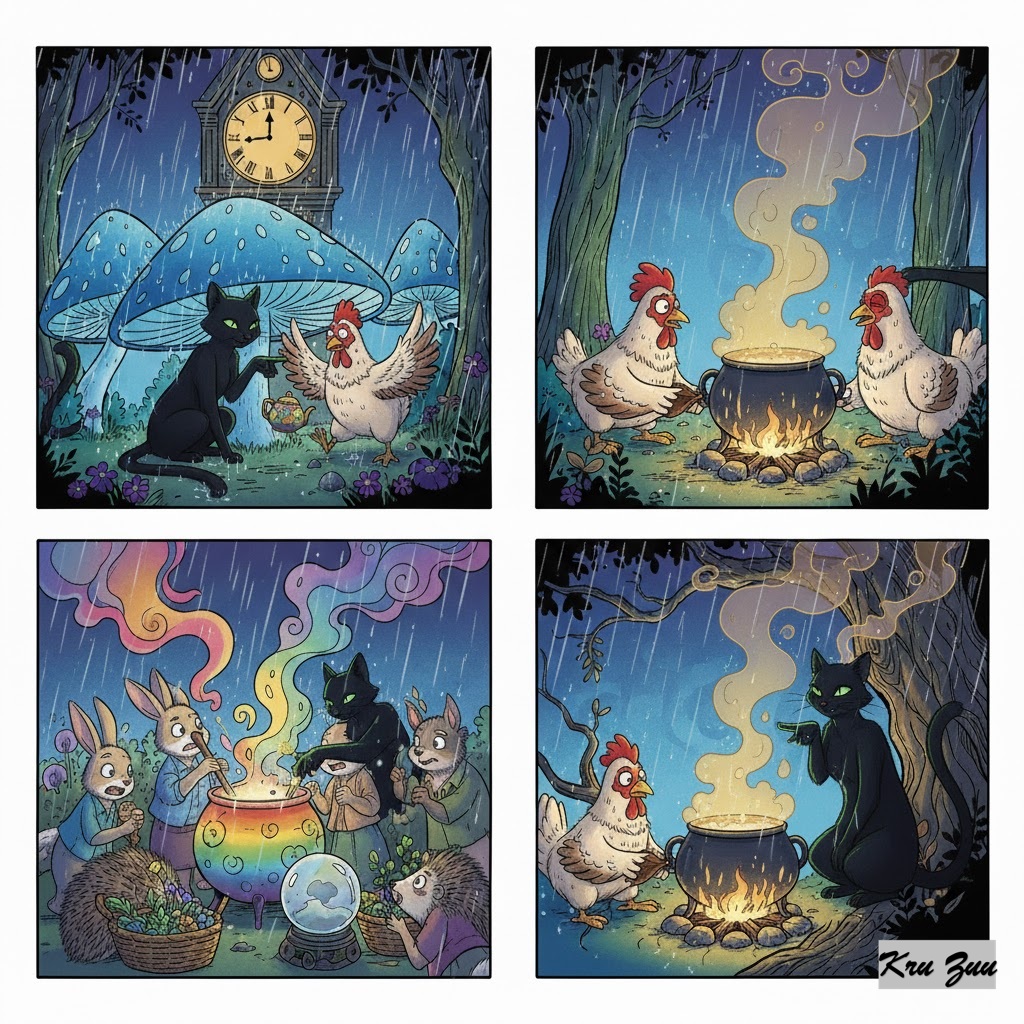
    Fred looks at Cleo. “Should we tell her?” Cleo shakes her head. “No. Wait for the rain.”
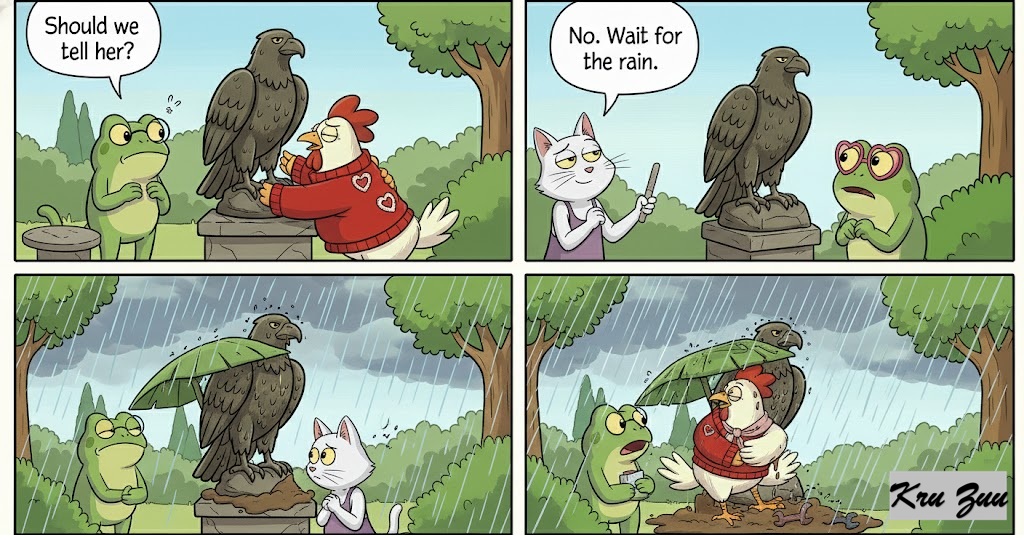

    The Resolution: Two days later, it rained heavily. Cluck stood by “Rocky” with an umbrella, but Rocky didn’t say thank you. He didn’t move. Moss started growing on his beak. Finally, Cluck sneezed. “Rocky, aren’t you going to say ‘Bless you’?” Silence. Cluck finally stepped back. She looked, really looked, and saw the moss. She saw the cracks in the stone. She realized he hadn’t blinked in 48 hours.

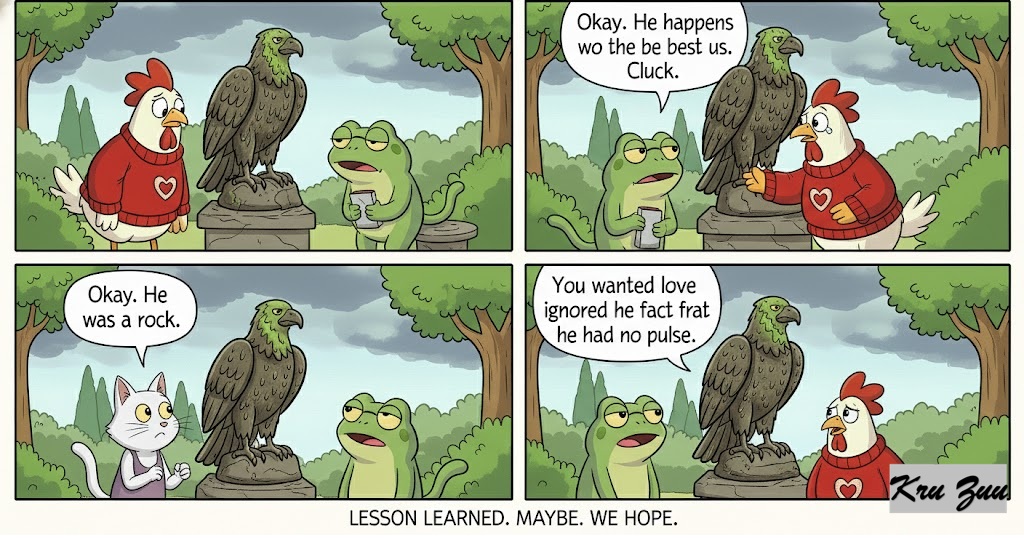
    The Lesson: Cluck walked back to her friends, head down. “Okay. He was a rock.” Fred patted her wing. “It happens to the best of us, Cluck. You wanted love so badly, you ignored the fact that he had no pulse.”

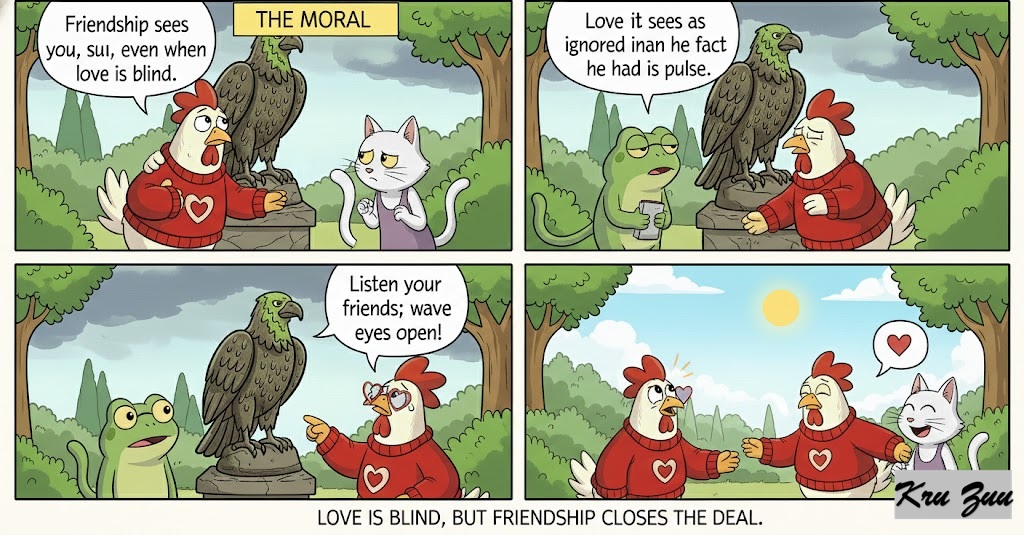
    The Moral: Love is blind, but friendship closes the deal. Listen to your friends; they have their eyes open.
    ๐ŸŽ“ Lesson for English Learners


    How to give advice without being mean.
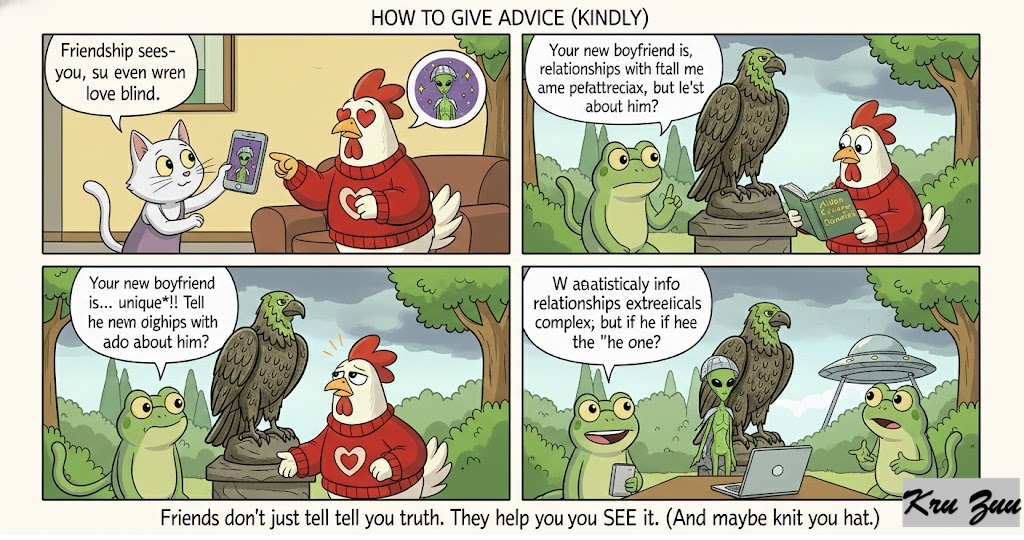

    Situation: Your friend is dating someone who treats them badly. You want to warn them, but you don’t want to fight.
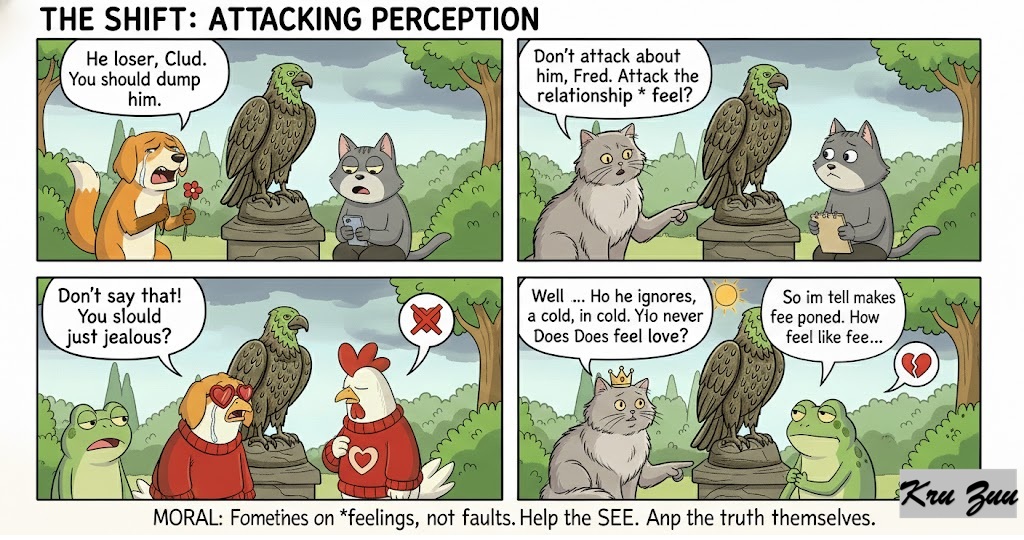
    The Shift: Don’t attack the partner (“He is a loser”). Attack the perception.
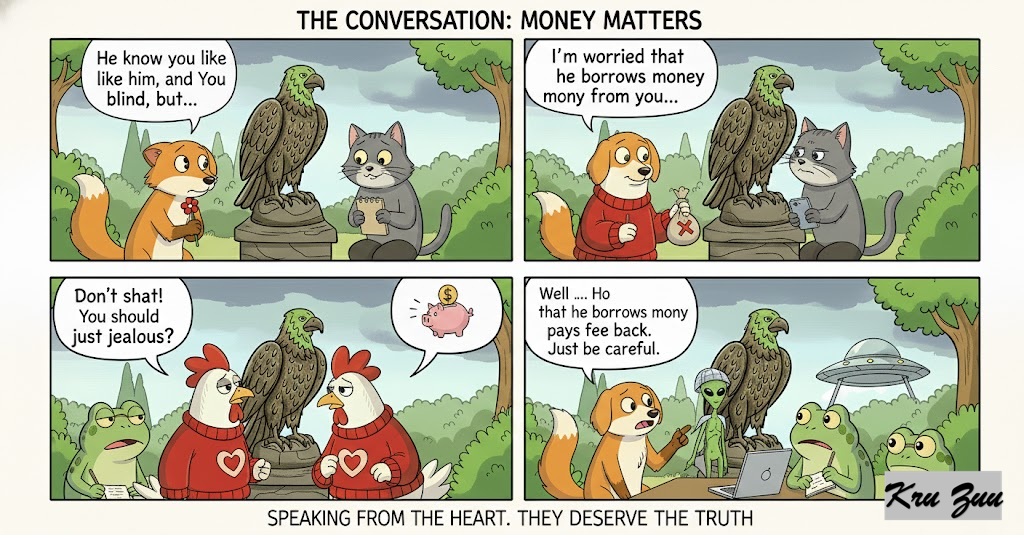
    You Say: “I know you really like him, and love is blind, but Iโ€™m worried that he borrows money from you and never pays it back. Just be careful.”

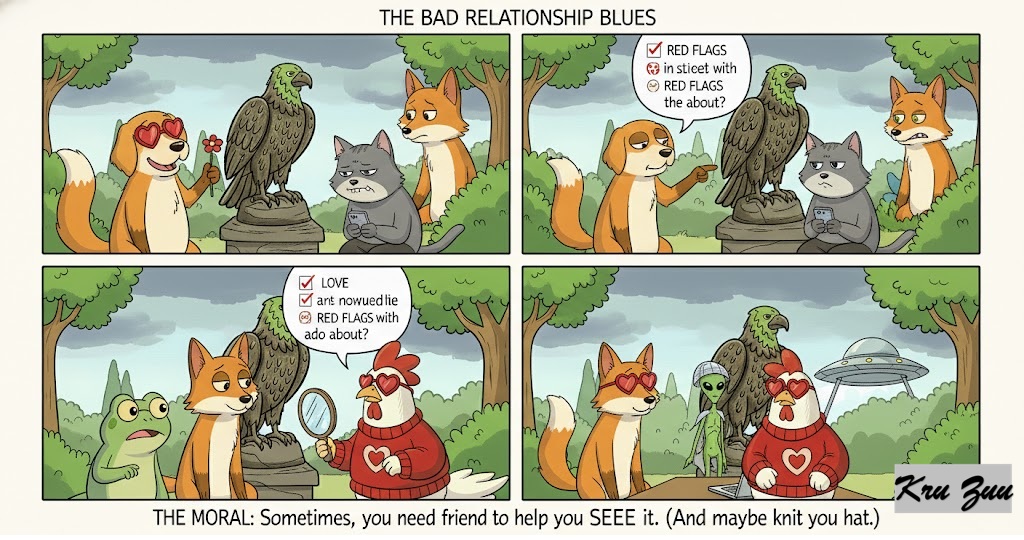
    ๐Ÿ’ฌ Your Turn: The “Red Flag” Challenge ๐Ÿš€


    Do you want to cure your “Villain” romantic habits?
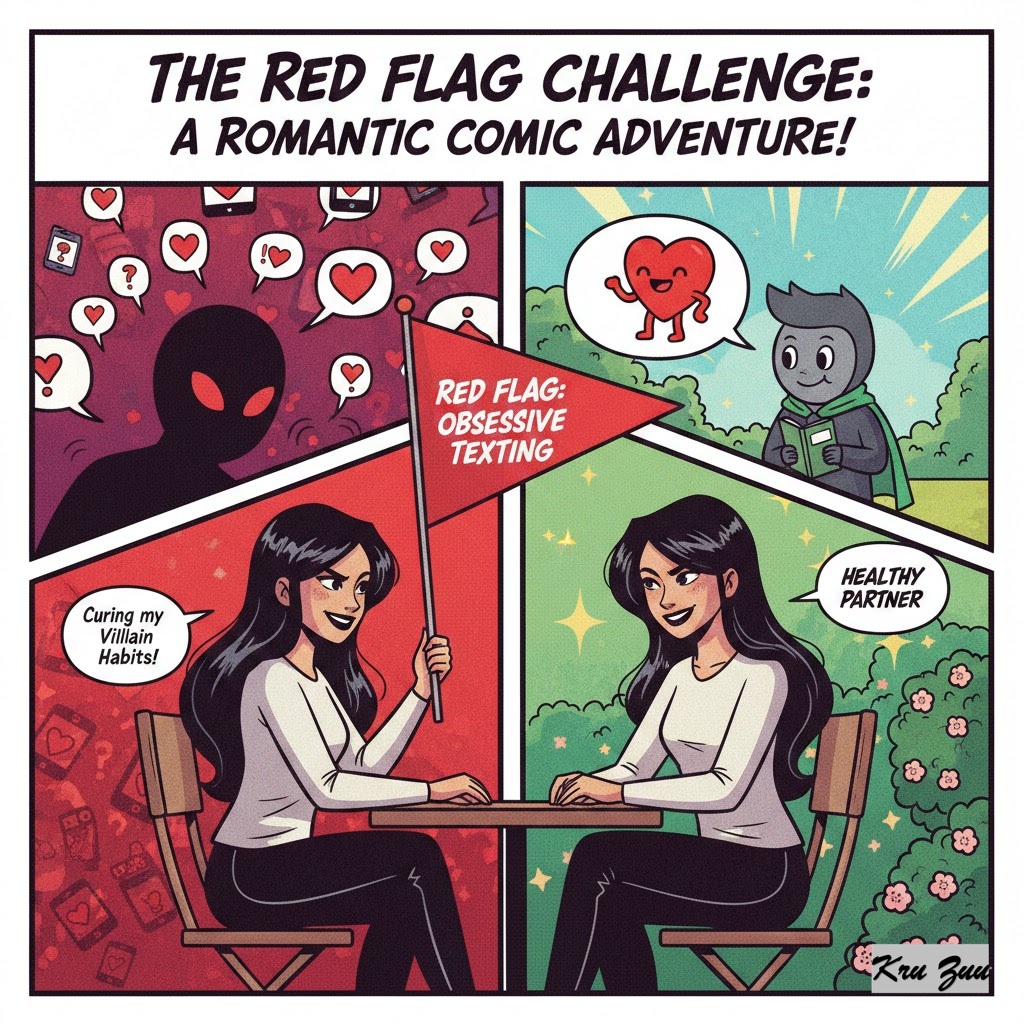

    The Challenge:
    Think of a past relationship or crush that didn’t work out.

    The Action: Write down three “Red Flags” (warning signs) that you ignored at the beginning because you were “blind.”

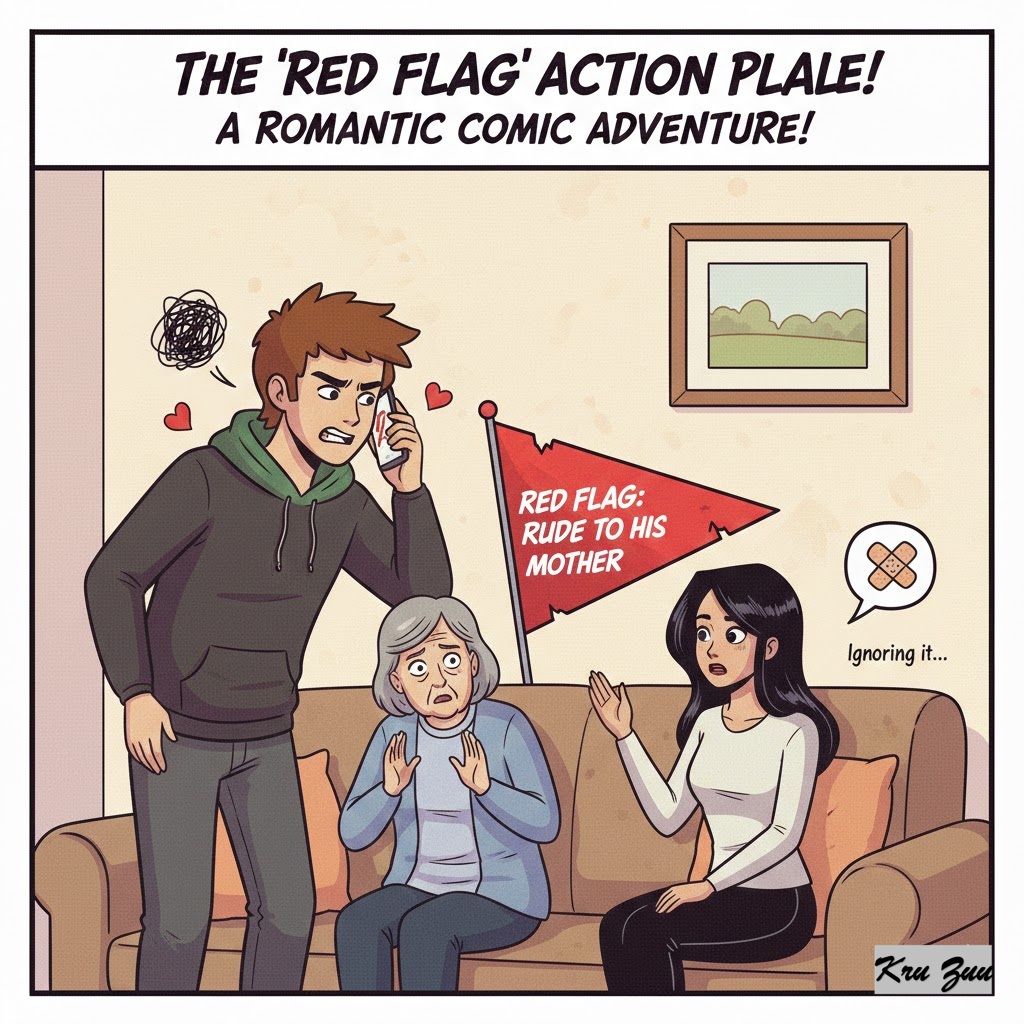
    Example: I ignored that he was rude to his mother.

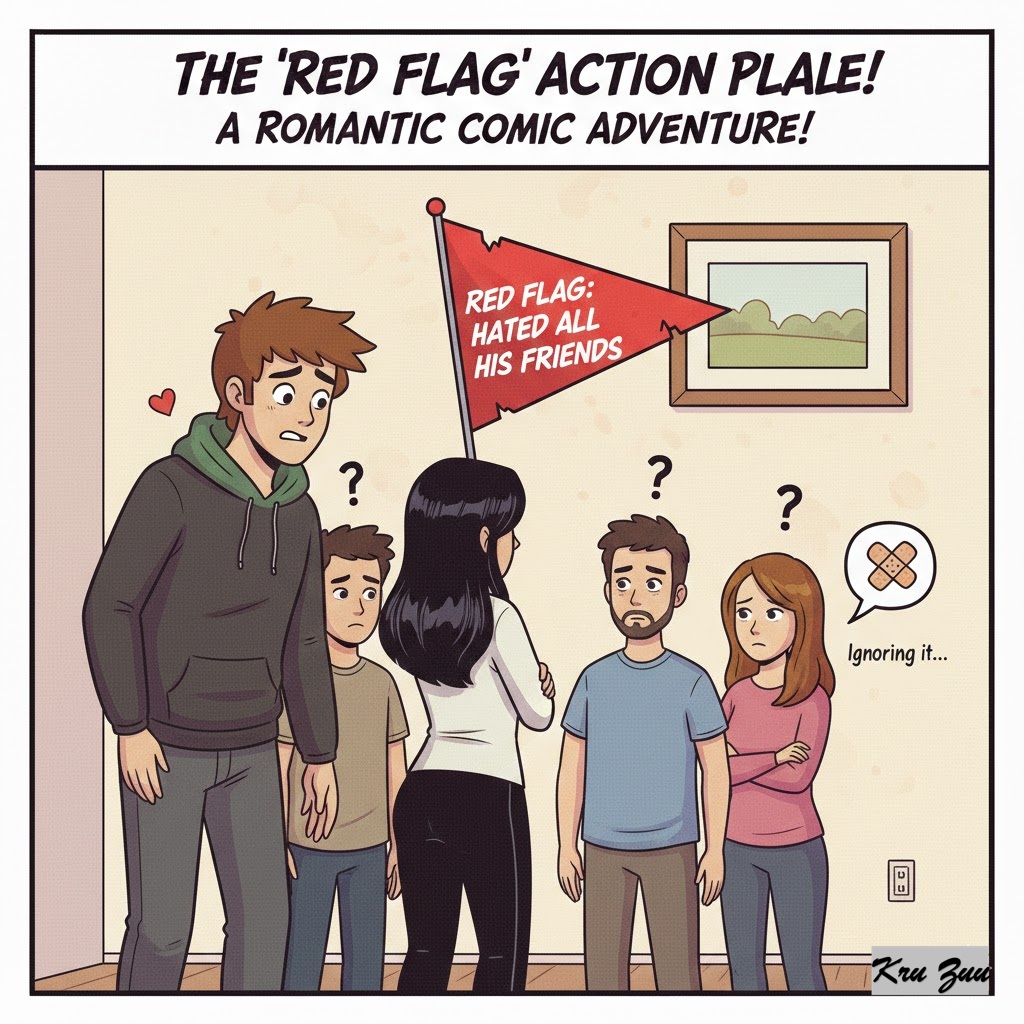
    Example: I ignored that she hated all my friends.

    ๐Ÿ‘‡ Question for the comments: Have you ever worn “Rose-colored glasses”? What is one funny thing you overlooked in a partner because you were in love? Tell us below!

    By Zubeyir YURTKURAN

    https://www.facebook.com/BrainBattleground/

    https://www.facebook.com/zubeyr.yurtkuran/

    https://www.instagram.com/zubeyryurtkuran/

    https://www.youtube.com/@BrainBattleground-b3p

    https://www.instagram.com/brainbattleground/

  • ๐ŸŒ‰ The Daily Shield: The Law of Future Peace

    ๐ŸŒ‰ The Daily Shield: The Law of Future Peace

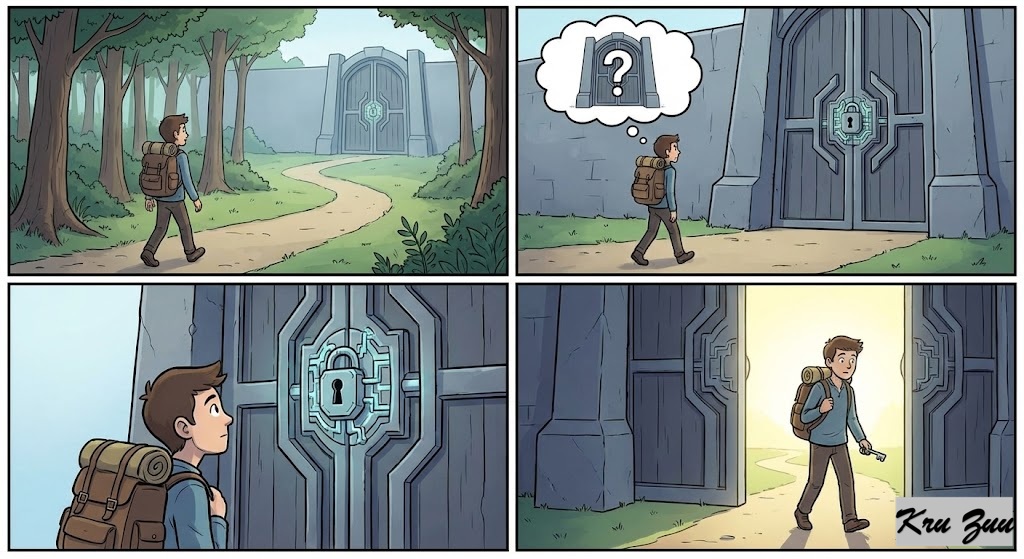
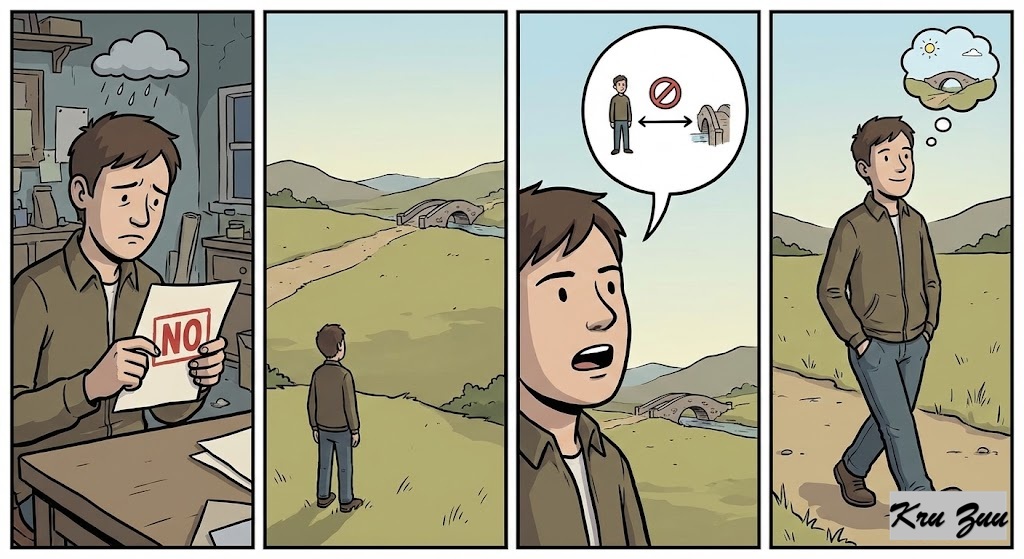
    “Don’t cross the bridge until you come to it.”


    ๐Ÿ˜ˆ The Villain (The Overthinker)

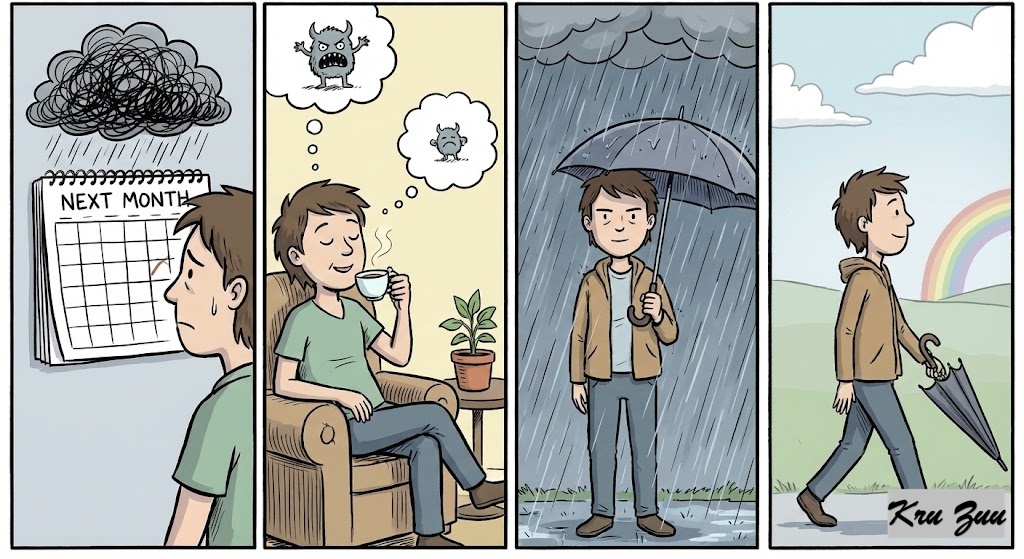
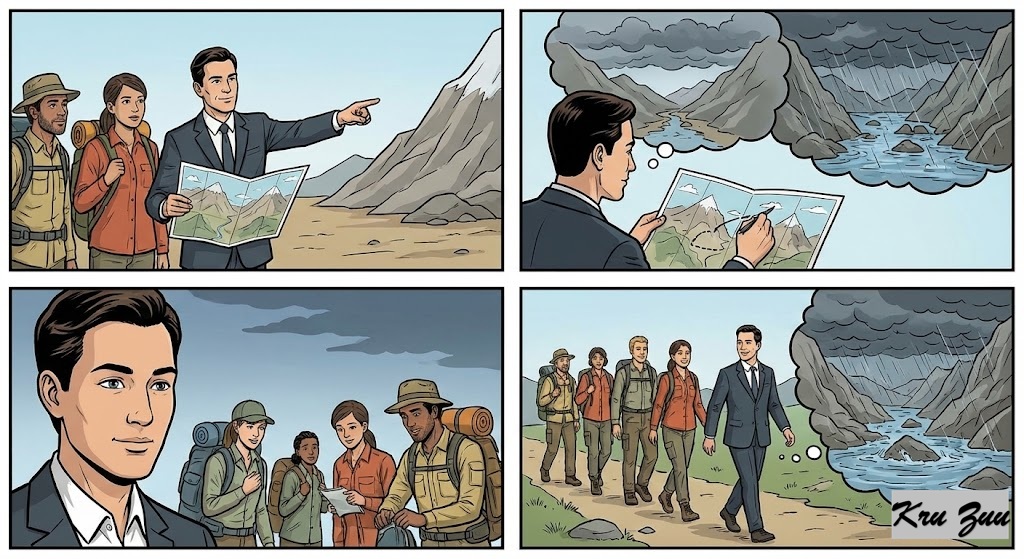
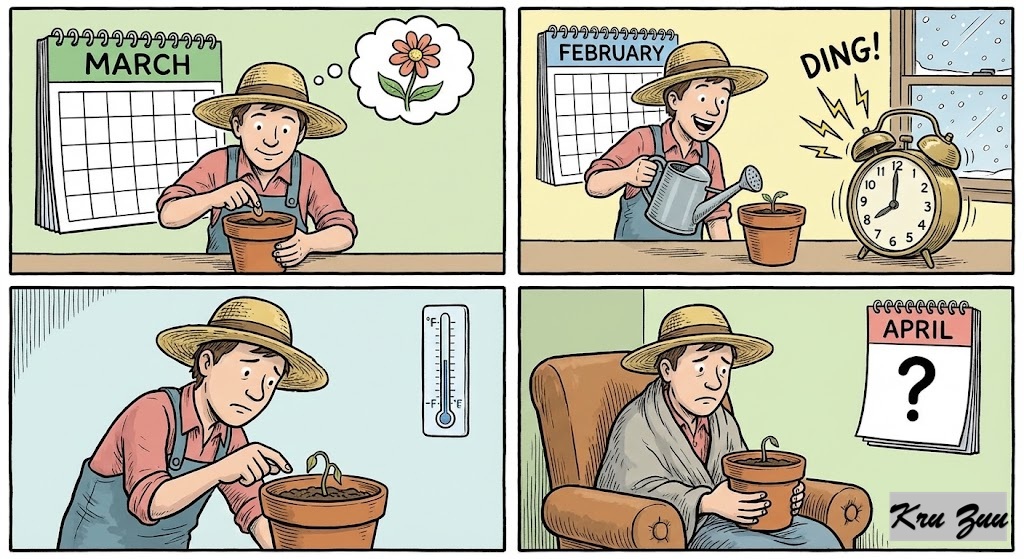
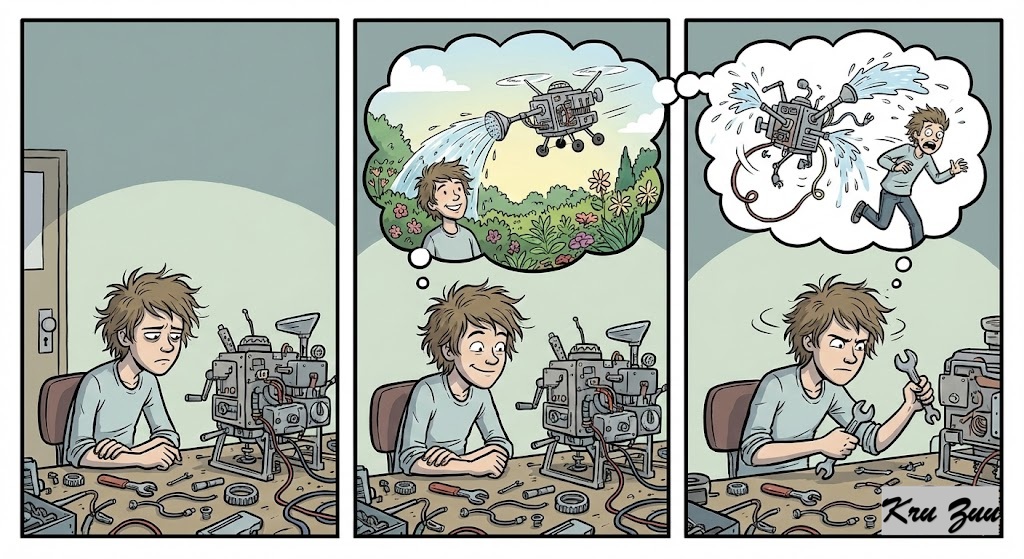
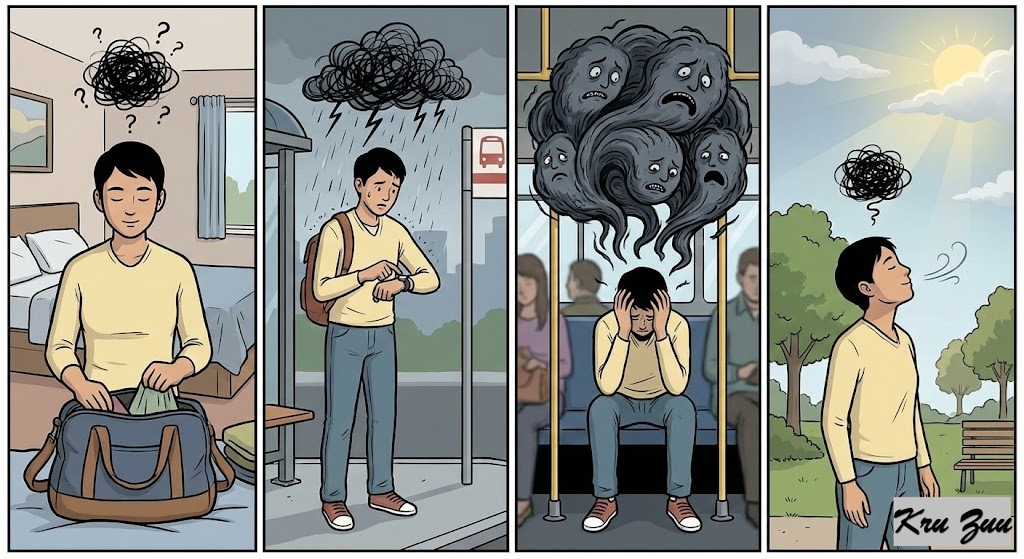
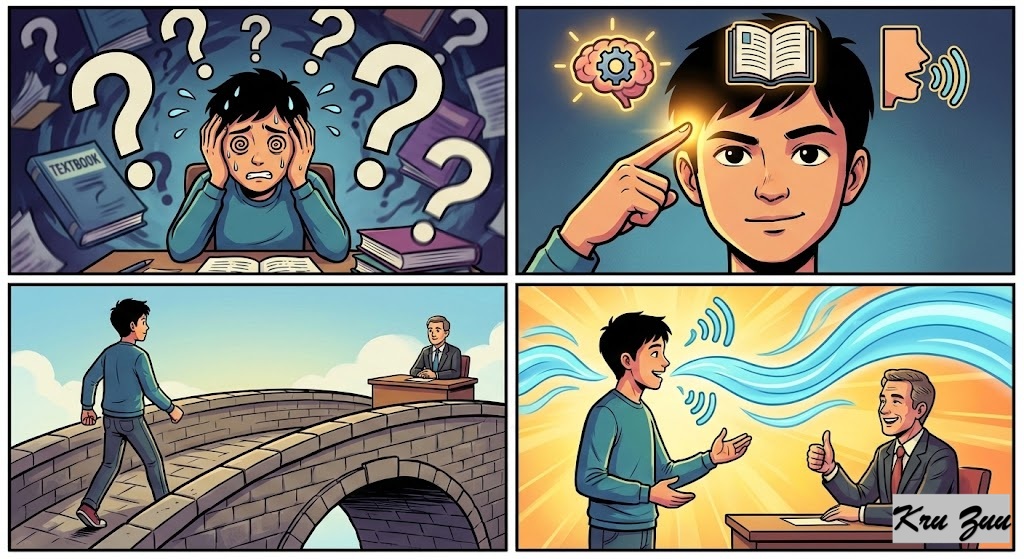
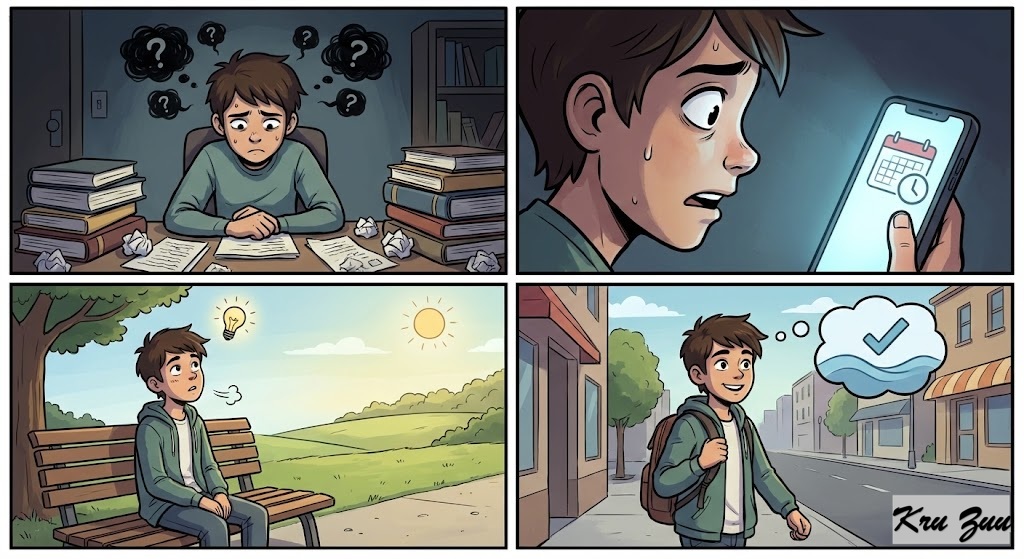
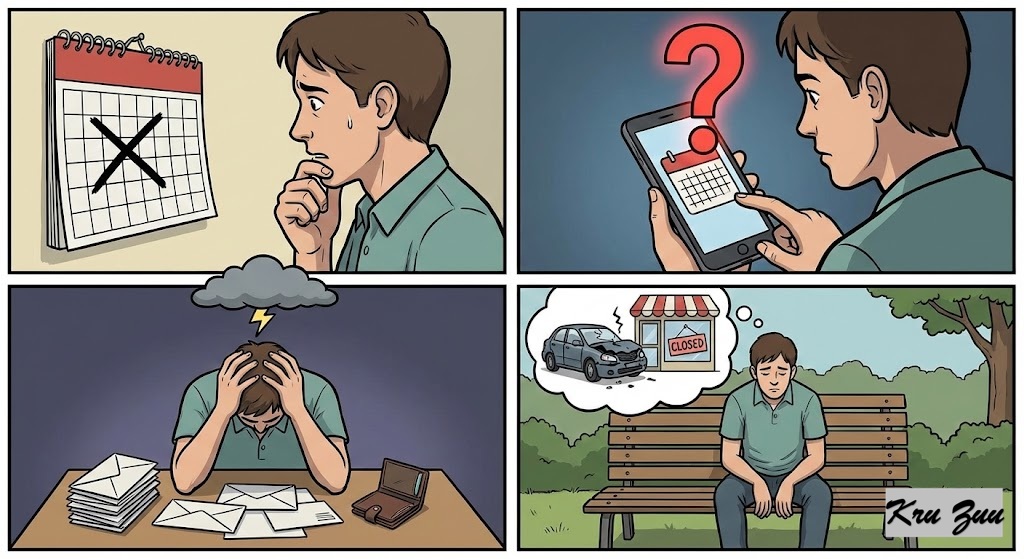
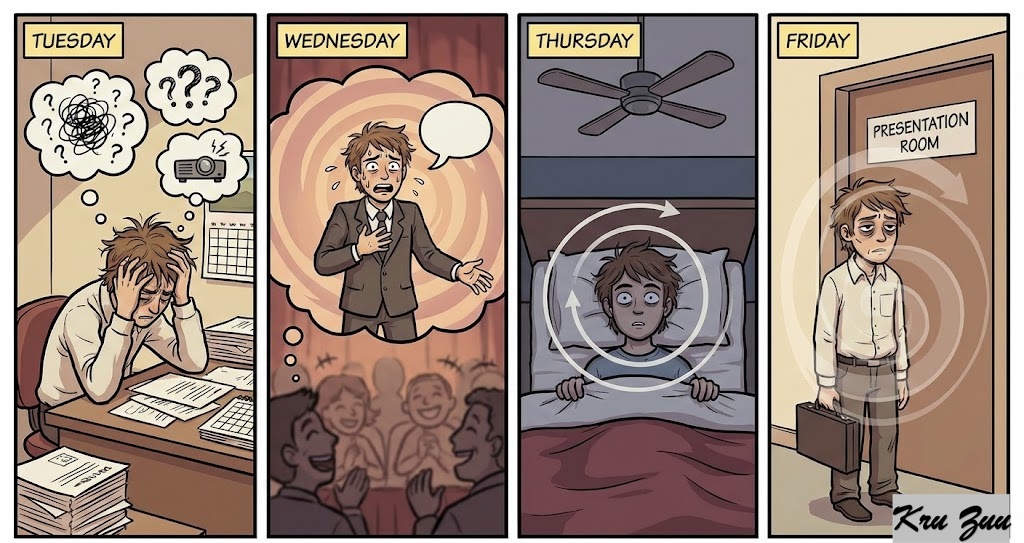
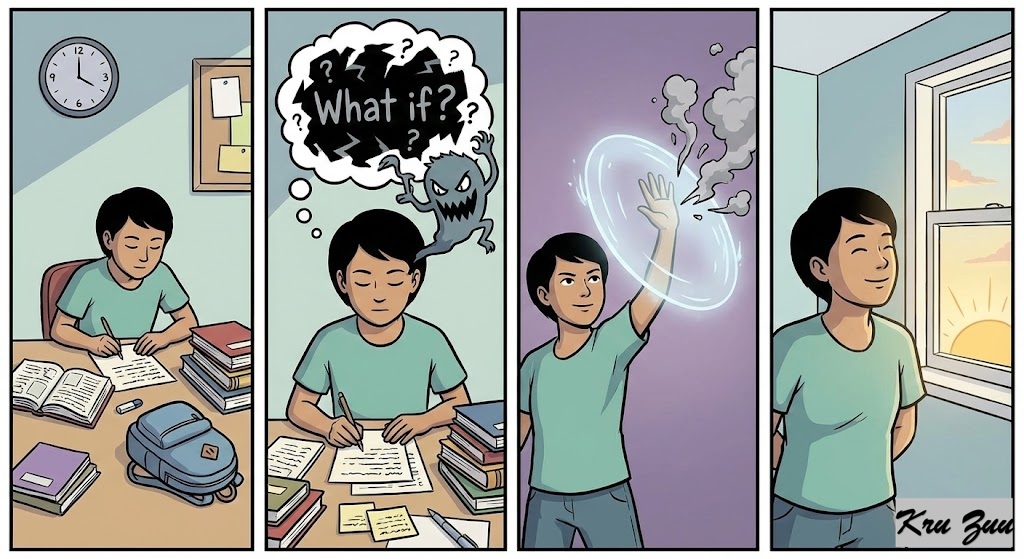
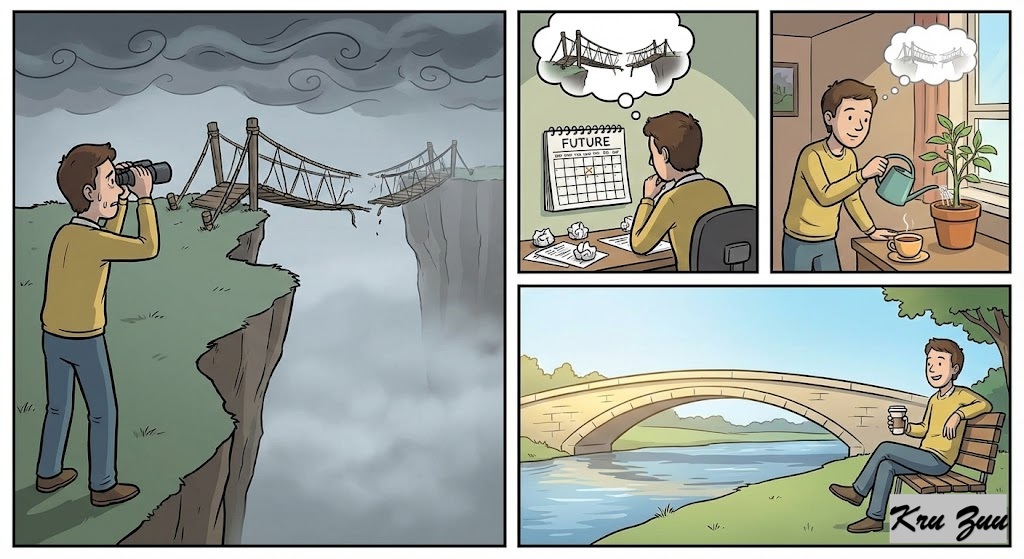
    It is Tuesday. You have a presentation on Friday. What do you do? You don’t just prepare; you panic. ๐Ÿ˜ฑ “What if the projector breaks? What if I forget my English? What if they laugh at me?” You live through the disaster 100 times in your head before it even happens. You suffer twice: once in your imagination, and (maybe) once in reality. You are exhausted before the race even starts. You are trapped in the “Anxiety Loop.” ๐ŸŒ€


    ๐Ÿ˜‡ The Hero (The Stoic)

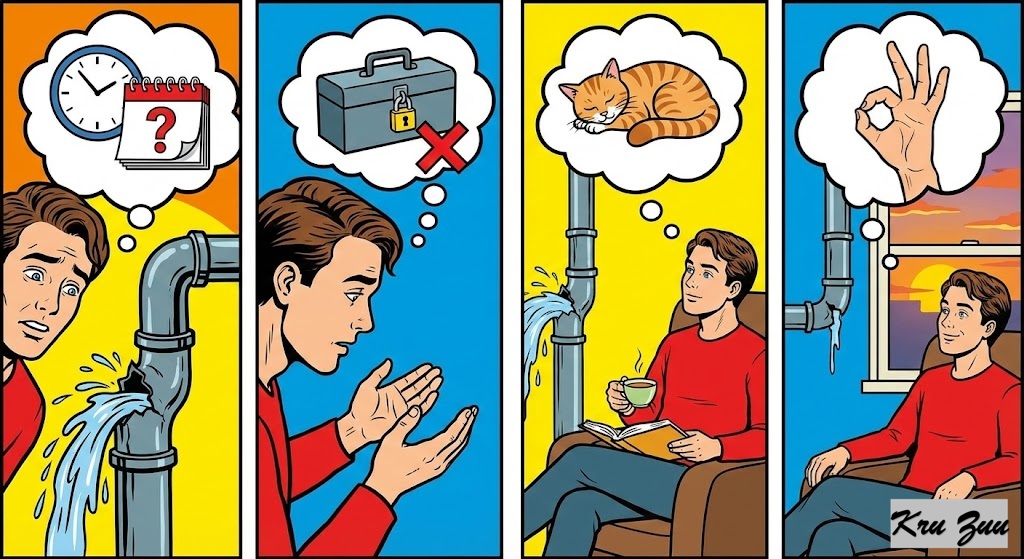
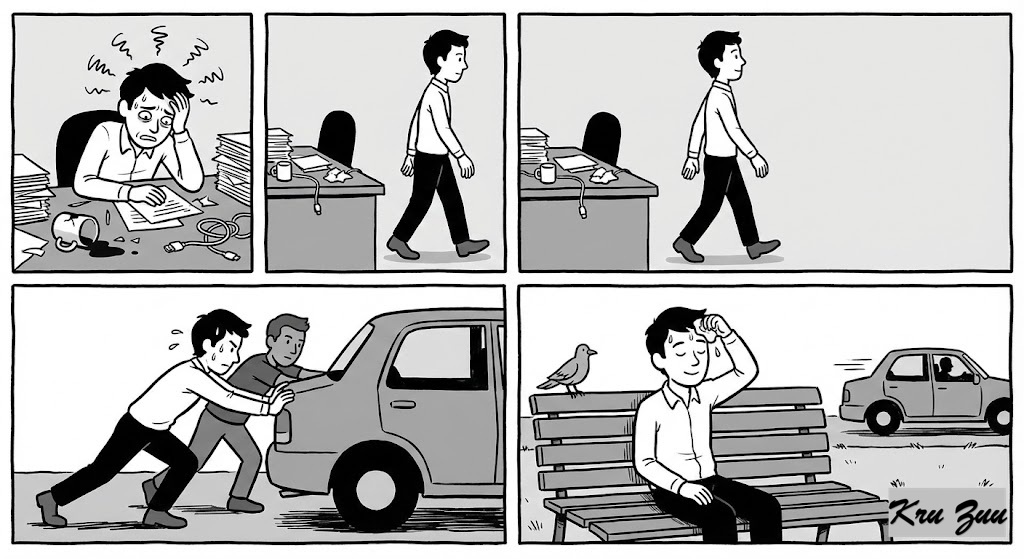
    You know that the future is uncertain. You prepare reasonably, but you refuse to suffer in advance. When a “What if?” thought attacks you, you block it.

    You say: “I will handle that problem if it arrives.” You save your energy for today. You trust your ability to adapt.

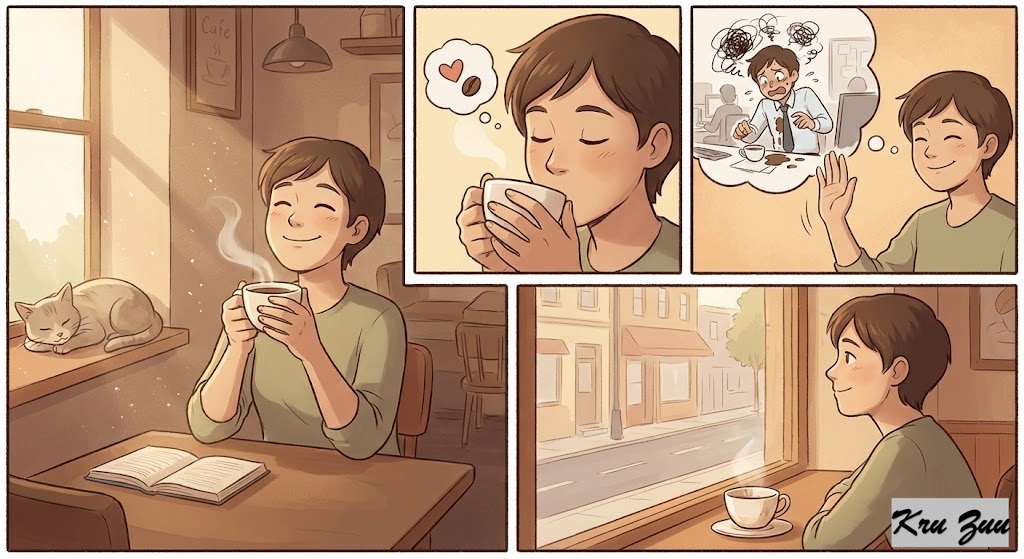
    The Result? You are calm. You are focused. You enjoy your coffee today instead of worrying about spilling it tomorrow. โ˜•๏ธ


    โš–๏ธ The Reality


    Worrying is like paying interest on a debt you may never owe. 90% of the catastrophes we imagine never actually happen. And if they do happen, worrying didn’t help you solve them, it just made you tired.

    ๐Ÿ’Ž The Secret

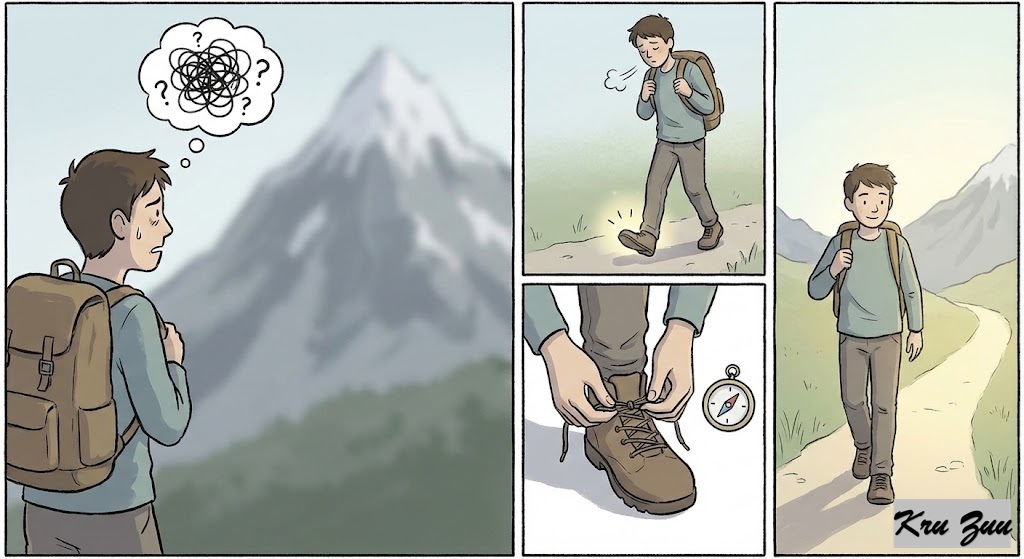
    You cannot solve a problem that doesn’t exist yet. Focus on the step you are taking now, not the step you might take in 5 miles.

    ๐Ÿง The Anatomy of the Proverb


    This is your permission slip to relax about the future.


    Don’t Cross (Command): Do not traverse/move over.


    The Bridge (Metaphor): The potential problem, obstacle, or crisis in the future.


    Until You Come To It (Condition): Wait until you are actually standing in front of the problem.


    Simpler Version: Don’t worry about future problems yet. / Deal with issues only when they become real.


    ๐Ÿ“š Vocabulary Vault


    Anticipate (Verb): To expect or predict something. (Good leaders anticipate; they don’t panic).


    Premature (Adjective): Occurring or done before the proper time. โฐ


    Hypothetical (Adjective): Based on a possible situation rather than fact; imagined.


    Anxiety (Noun): A feeling of worry, nervousness, or unease about an imminent event or something with an uncertain outcome.


    Adaptability (Noun): The quality of being able to adjust to new conditions.

    ๐Ÿ“œ History: Ancient Wisdom


    The Origin:
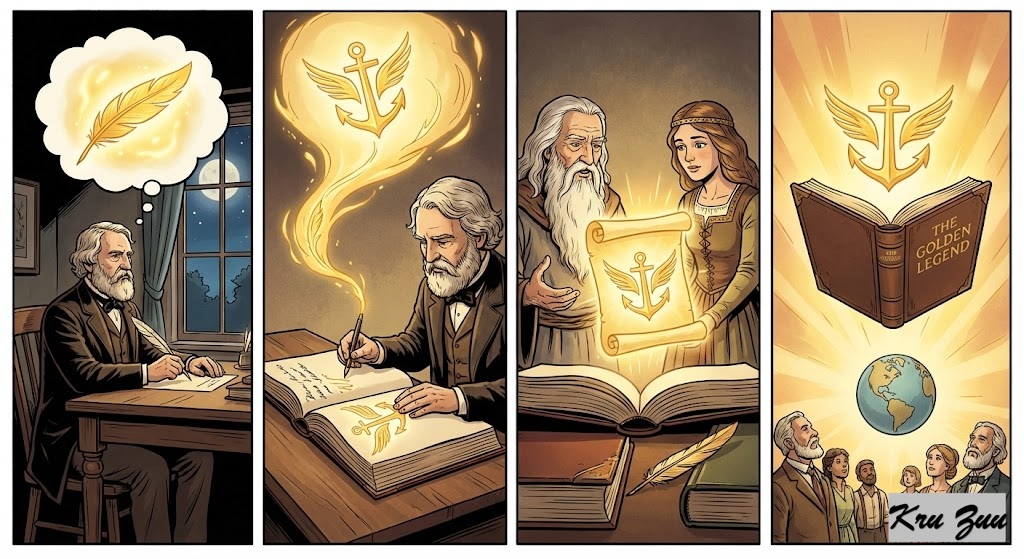
    This proverb is often attributed to the American poet Henry Wadsworth Longfellow in his 1851 work The Golden Legend.


    The Logic: In the old days, travelers literally had to worry if a bridge would hold their horse’s weight. But worrying 10 miles away wouldn’t fix the bridge. You had to get there to check.


    Global Cousins


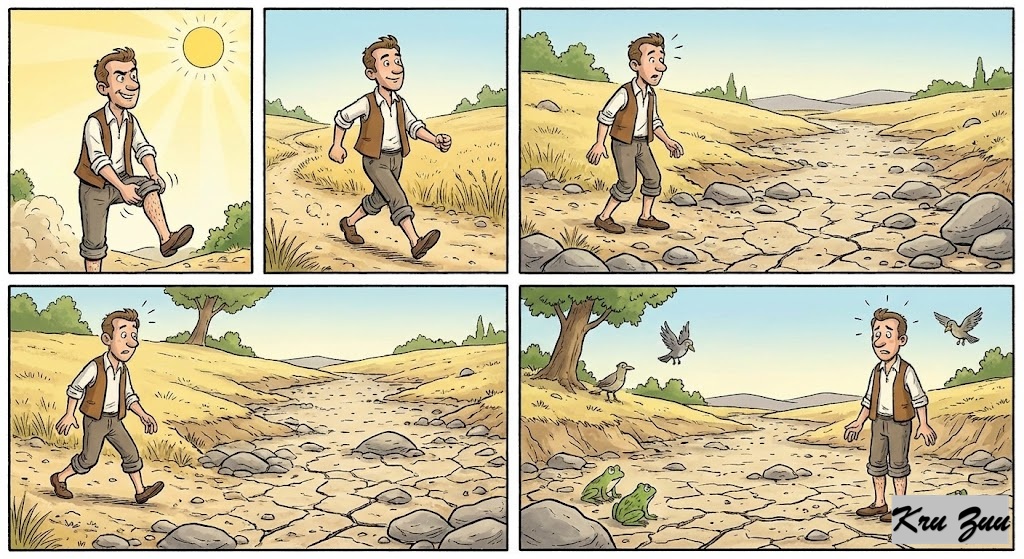
    ๐Ÿ‡น๐Ÿ‡ท Turkish: “Dereyi gรถrmeden paรงalarฤฑ sฤฑvama.” (Don’t roll up your trousers before you see the stream.)


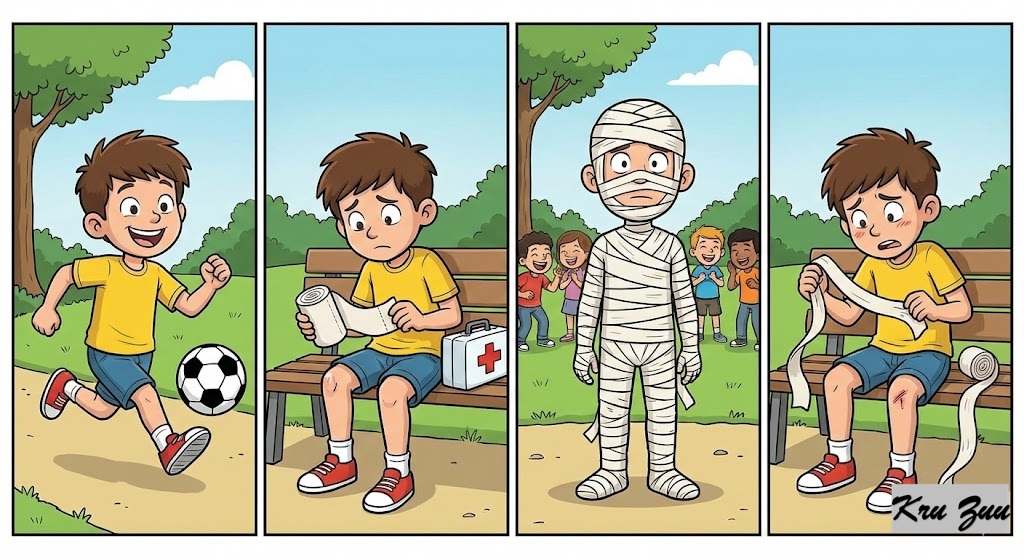
    ๐Ÿ‡ช๐Ÿ‡ธ Spanish: “No te vendes la herida antes de tenerla.” (Don’t bandage the wound before you have it.)

    ๐ŸŽฏ Impact on Life: The Pros & Cons


    โœ… The Pros (The Shield)


    Energy Conservation: You stop wasting mental battery on scenarios that are 99% unlikely.


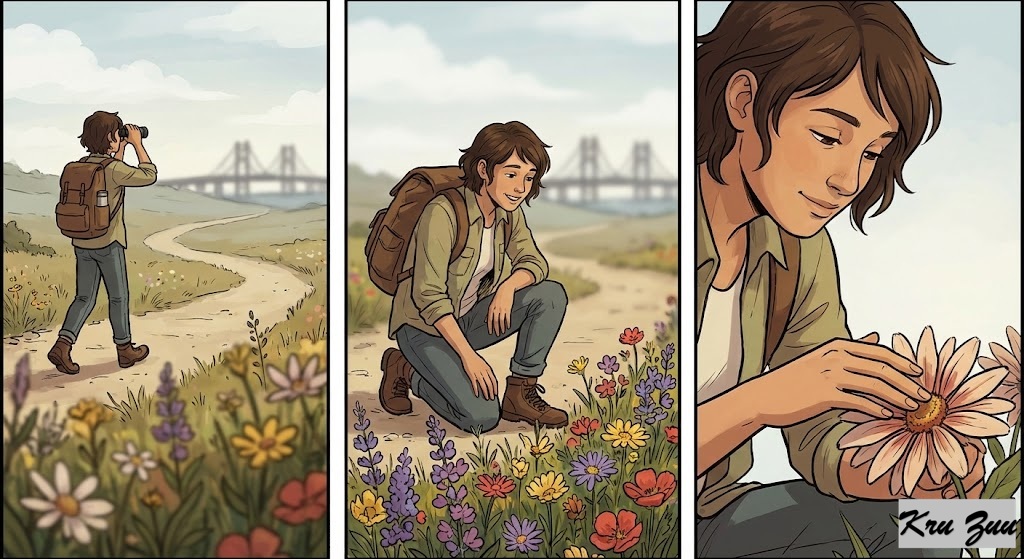
    Better Focus: By not looking at the “bridge” in the distance, you can see the beautiful flowers right in front of your feet.


    โŒ The Cons (The Trap)


    Lack of Preparation: Be careful. This idiom does not mean “don’t plan.” You should check the weather before a trip. Just don’t cry about the rain three days before it falls. There is a difference between Preparation (smart) and Worry (useless).

    ๐ŸŽญ Short Story: The Heavy Backpack ๐ŸŽ’๐Ÿฑ๐Ÿ”


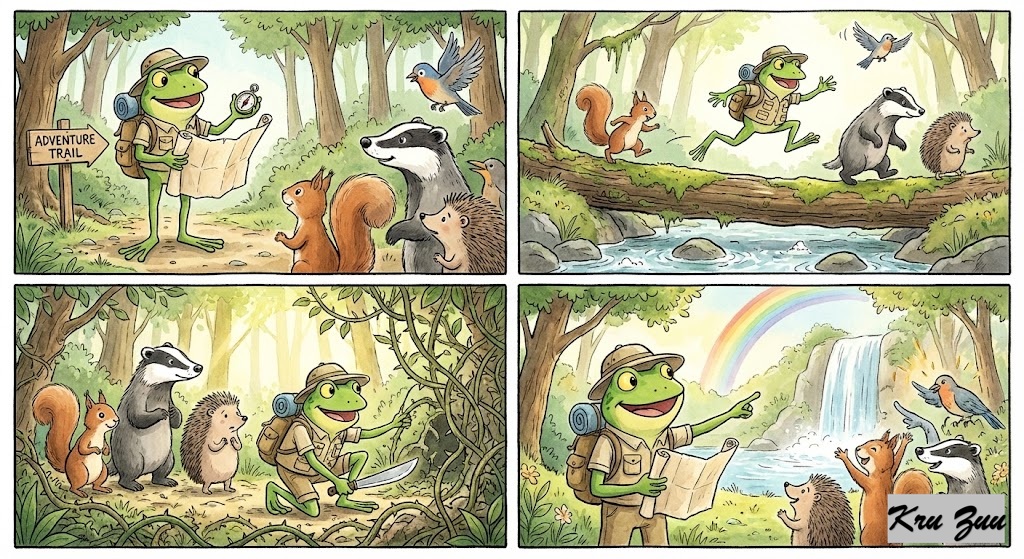
    Letโ€™s hike into the magical forest to see how heavy “worry” really is.


    ๐ŸŒŸ The Cast


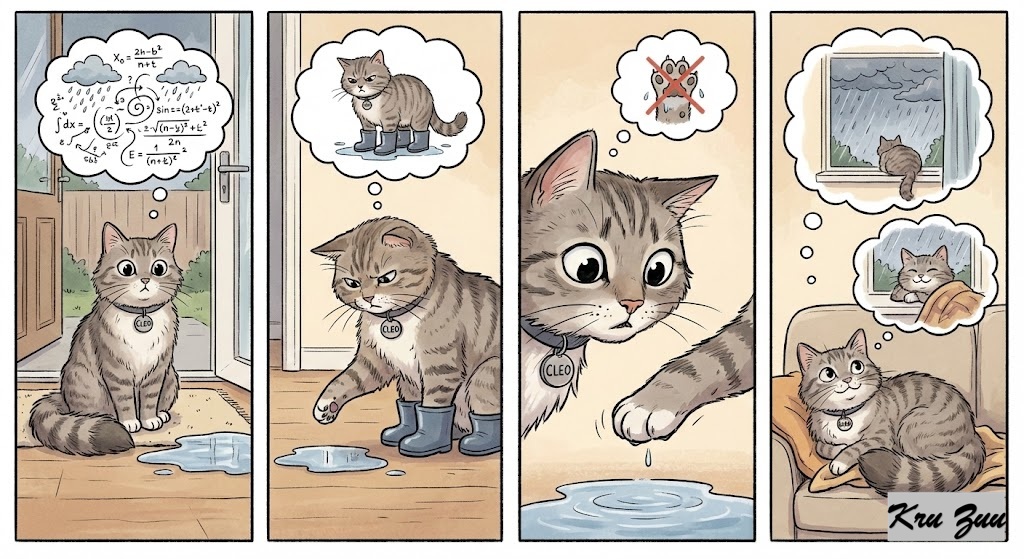
    Cleo the Cat: The Overthinker. She hates getting her paws wet. ๐Ÿ˜ผ


    Cluck the Chicken: The Carefree Traveler. He just wants snacks. ๐Ÿ”


    Fred the Frog: The Guide. ๐Ÿธ


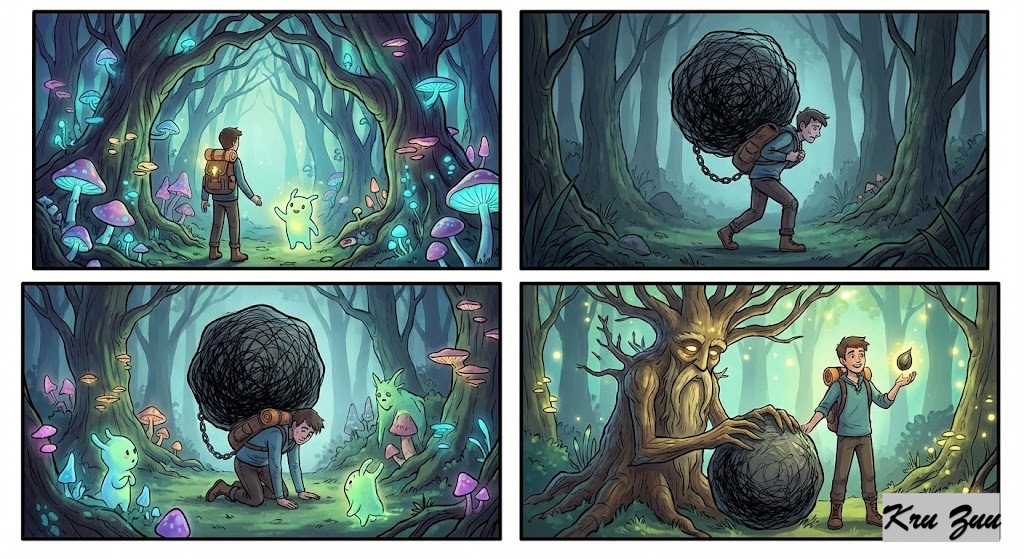
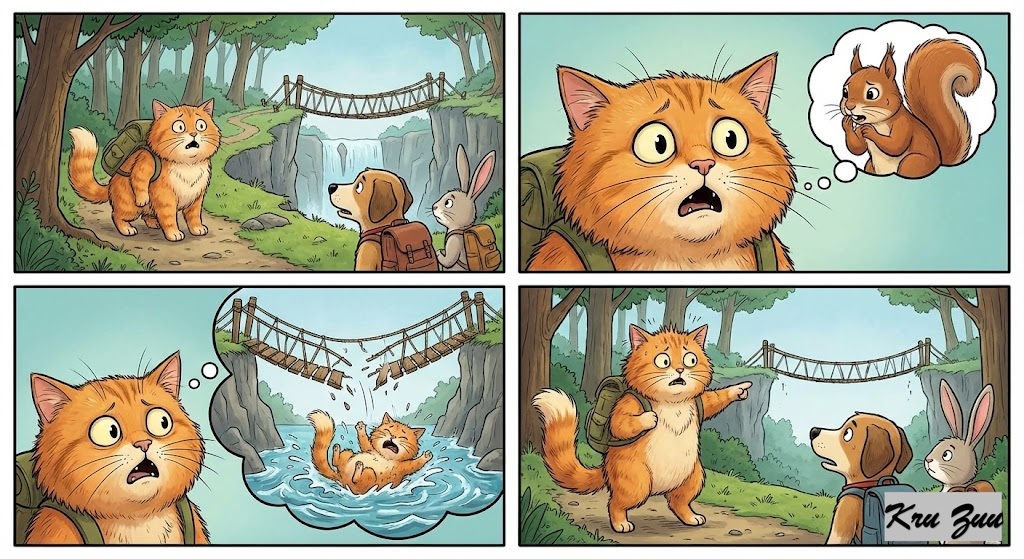
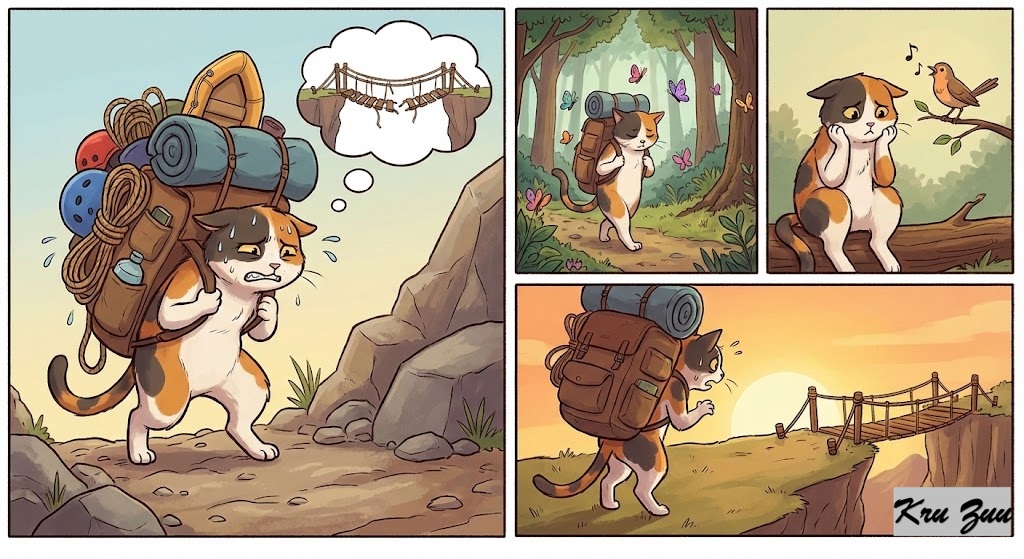
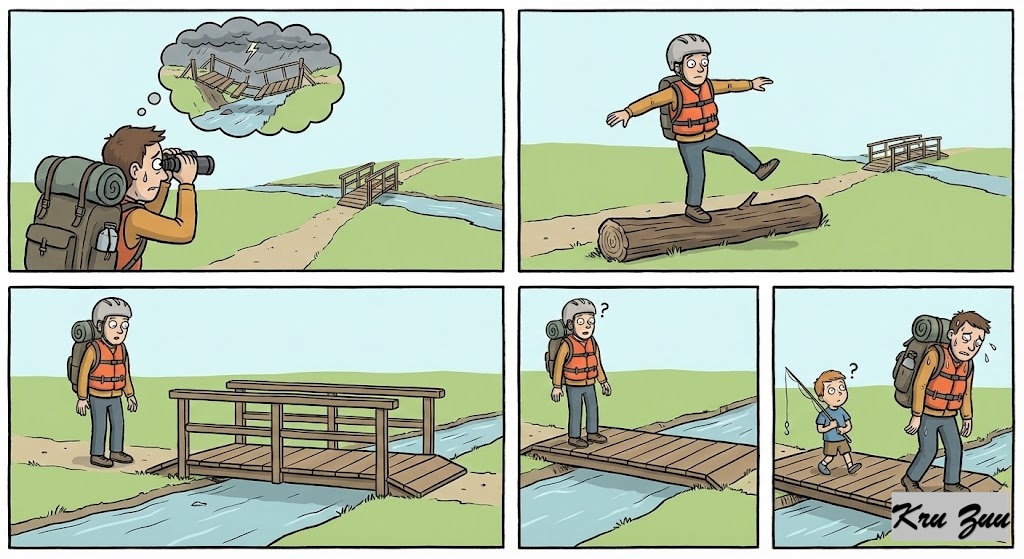
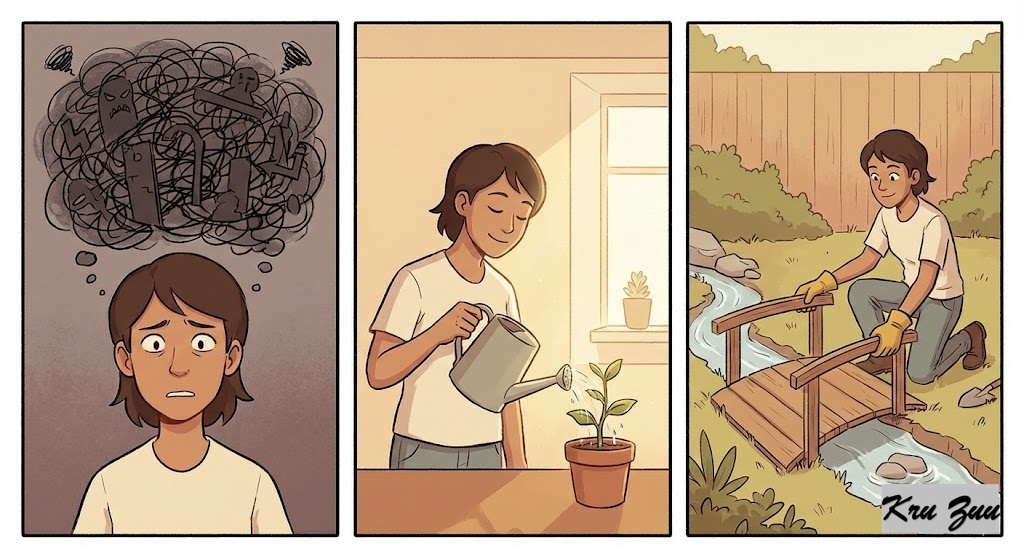
    The Situation: The trio is hiking to the “Crystal Waterfall.” To get there, they must cross the Old Rope Bridge. Cleo’s Panic: Five miles before they reach the bridge, Cleo stops. “I heard a rumor,” she whispers, terrified. “A squirrel told me the Old Rope Bridge might be broken! If it is broken, we will fall into the river! Cats hate water!”


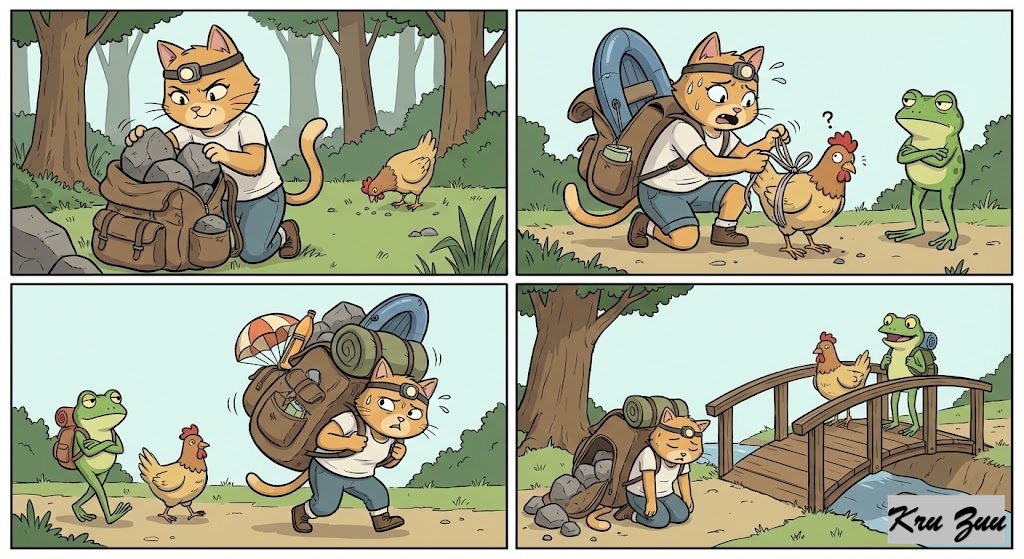
    The Conflict: Cleo opens her backpack. “We must prepare!” she yells. She puts heavy rocks in her bag (“to build a dam”), she packs an inflatable boat, and she tries to tie a parachute to Cluck. “This is heavy,” Cleo complains, sweating and struggling to walk. “But we must be ready for the broken bridge!” Cluck is just eating a worm. “Let’s just walk, Cleo!” Fred says, “Ribbit. Cleo, you are carrying the weight of a ‘maybe’.”


    The Journey: For three hours, Cleo is miserable. She is tired from carrying her heavy “survival gear.” She doesn’t see the butterflies. She doesn’t hear the birds. She only thinks about the scary bridge.


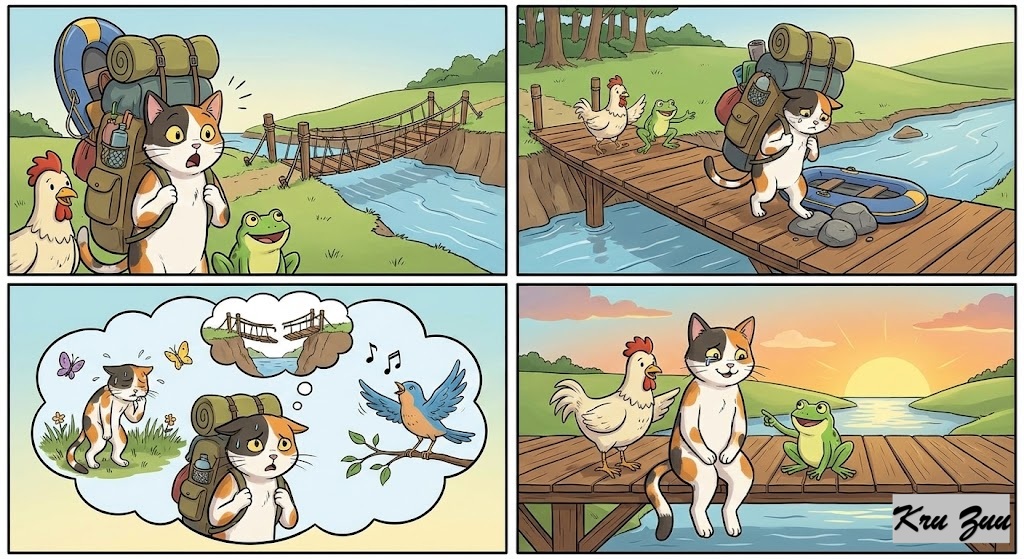
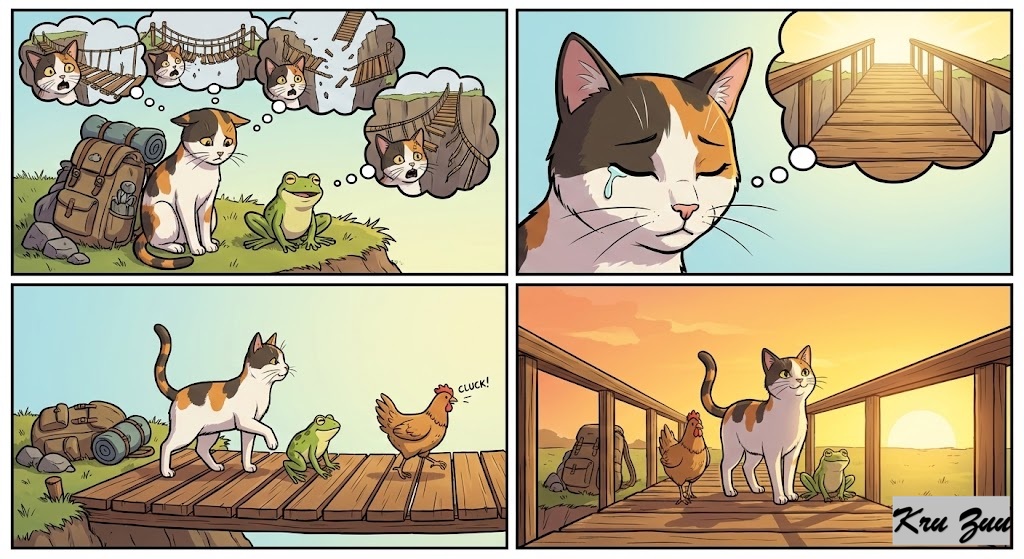
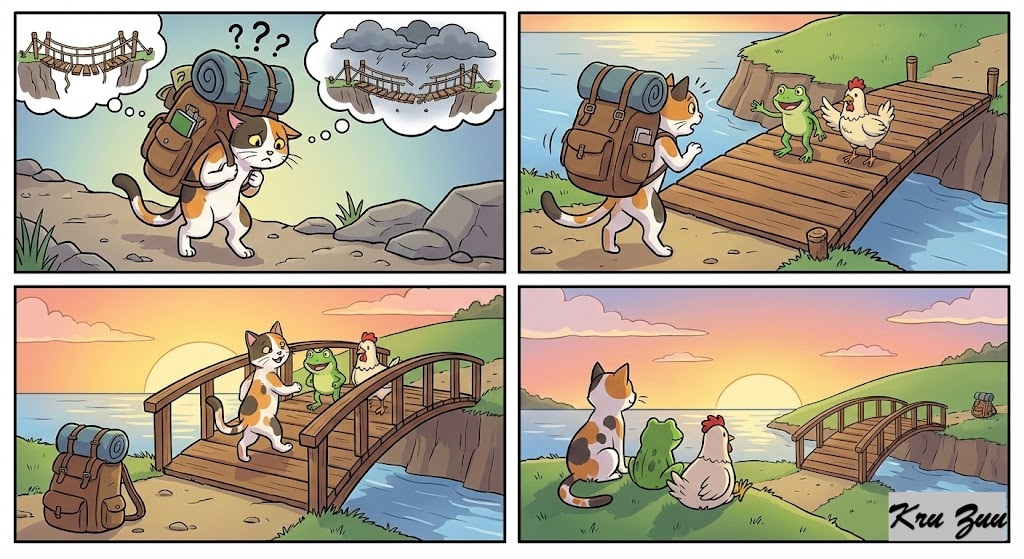
    The Result: They finally arrive at the riverโ€ฆ and Cleo gasps. ๐Ÿ™€ The Old Rope Bridge was gone. But in its place, the forest rangers had built a brand new, solid wooden bridge. It was wide, safe, and dry. Cleo looked at her heavy inflatable boat. She looked at her heavy rocks. She realized she had ruined her whole hike worrying about a problem that didn’t exist.


    The Resolution: Fred smiled. “You crossed the bridge in your mind a thousand times, Cleo. And it was scary every time. In reality, you only had to cross it once, and it was easy.”


    The Moral: Don’t carry a heavy backpack of “What ifs.” Most of the bridges you fear turn out to be sturdy paths when you actually arrive.

    ๐ŸŽ“ Lesson for English Learners


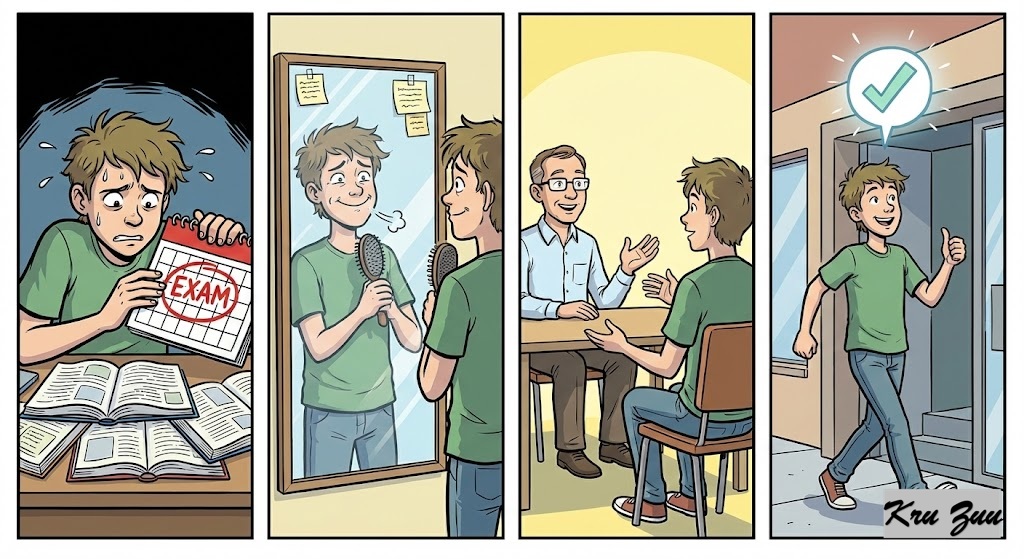
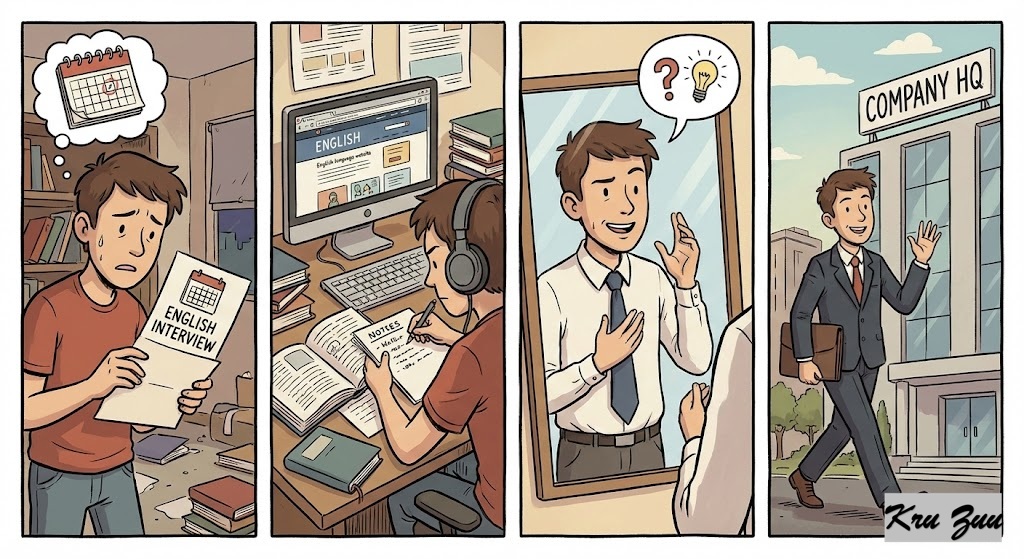
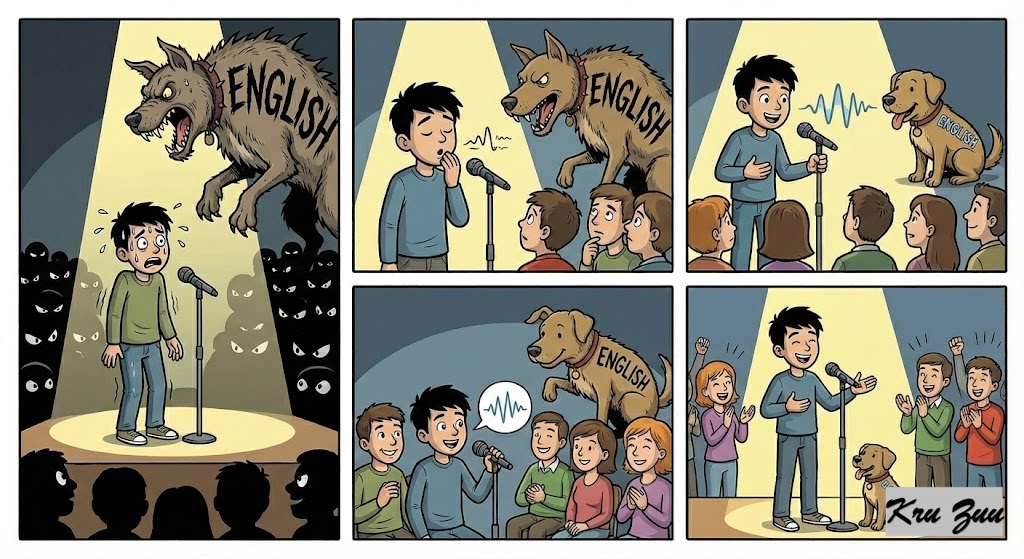
    Don’t Panic About the Exam Speaking Part.


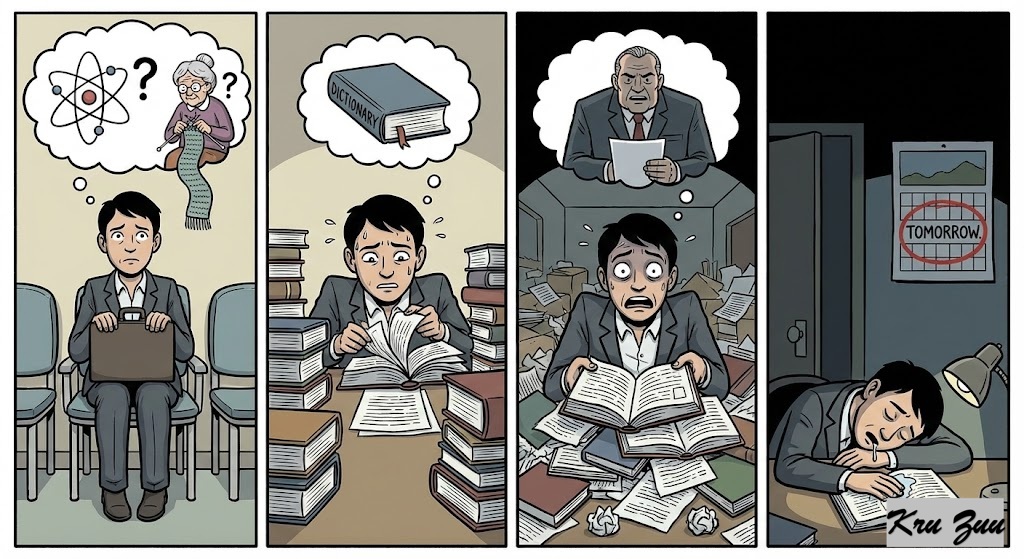
    Situation: You have an English interview next week.


    The Trap: You think: “What if they ask me about nuclear physics? What if they ask me about the history of knitting?” You panic and try to memorize the whole dictionary.


    The Shift: You are crossing the bridge too early.


    You Say: “I cannot predict every question. I will trust my general English skills. I will cross that bridge when the examiner asks the question.” (This confidence usually makes you speak better!)


    ๐Ÿ’ฌ Your Turn: The “Delete” Button ๐Ÿš€


    Is there something you are worried about right now?


    Identify:
    What is a problem you are afraid might happen next month?


    Check: Can you do anything about it right this second?


    The Action: If the answer is “No,” visualize a bridge. Imagine yourself standing far away from it. Say out loud: “I am not at the bridge yet.”


    ๐Ÿ‘‡ Question for the comments: Are you a “Cleo” (overthinker) or a “Cluck” (relaxed)? Tell us a time you worried about something that never actually happened!

    By Zubeyir YURTKURAN

    https://www.facebook.com/BrainBattleground/

    https://www.facebook.com/zubeyr.yurtkuran/

    https://www.instagram.com/zubeyryurtkuran/
    https://www.youtube.com/@BrainBattleground-b3p

    https://www.instagram.com/brainbattleground/

  • ๐Ÿ† The Daily Shield: The Law of True Nature

    ๐Ÿ† The Daily Shield: The Law of True Nature

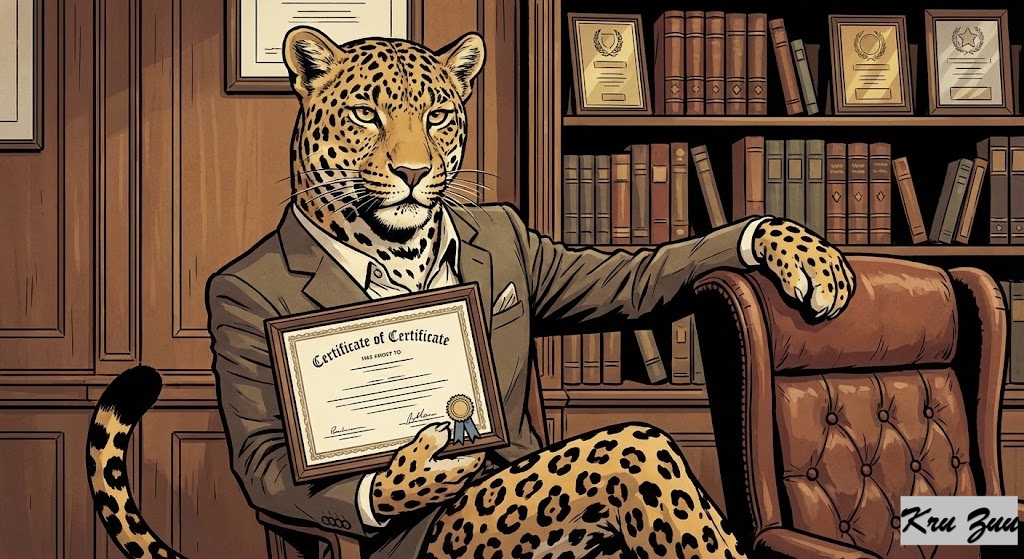
    “A leopard doesn’t change its spots.”


    ๐Ÿ˜ˆ The Villain (The Wishful Thinker)

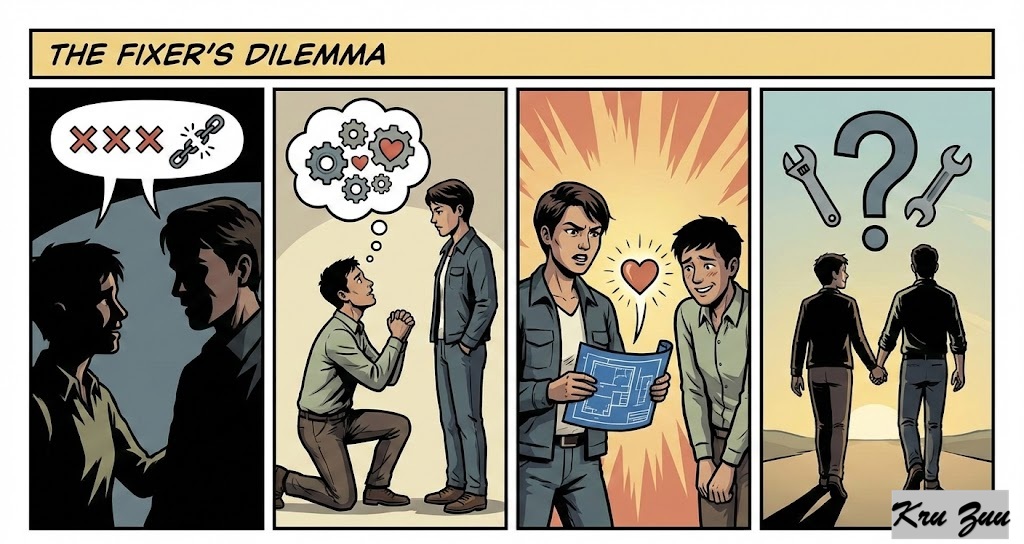
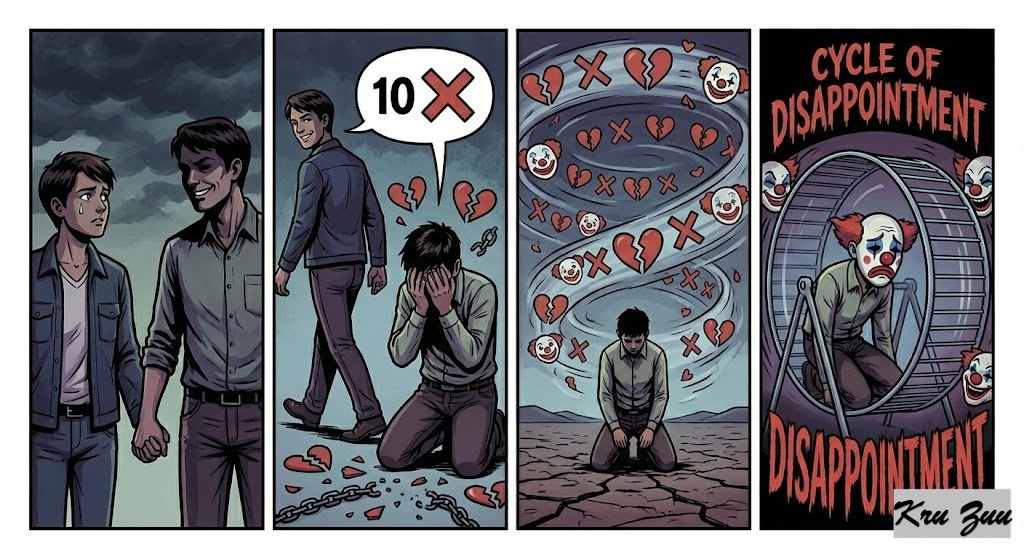
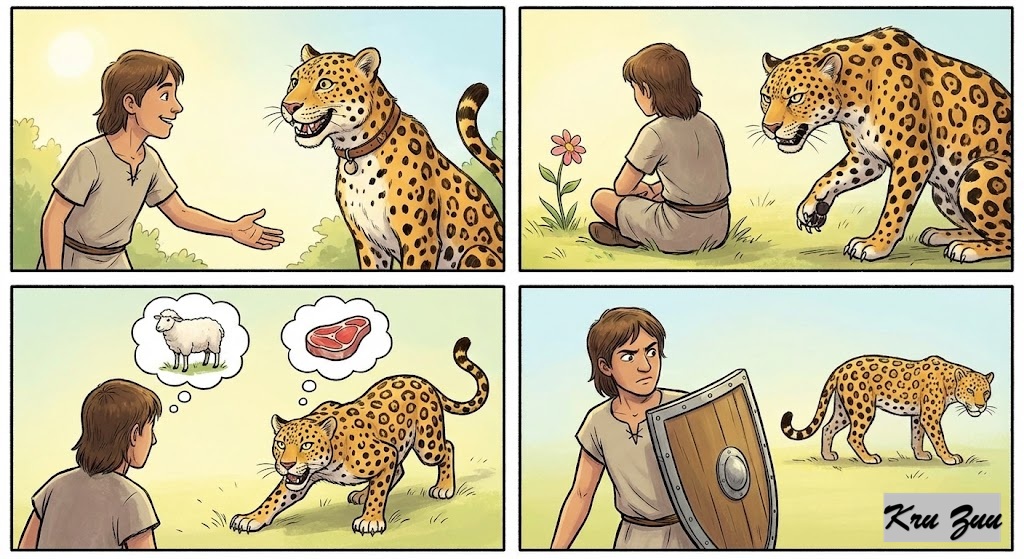
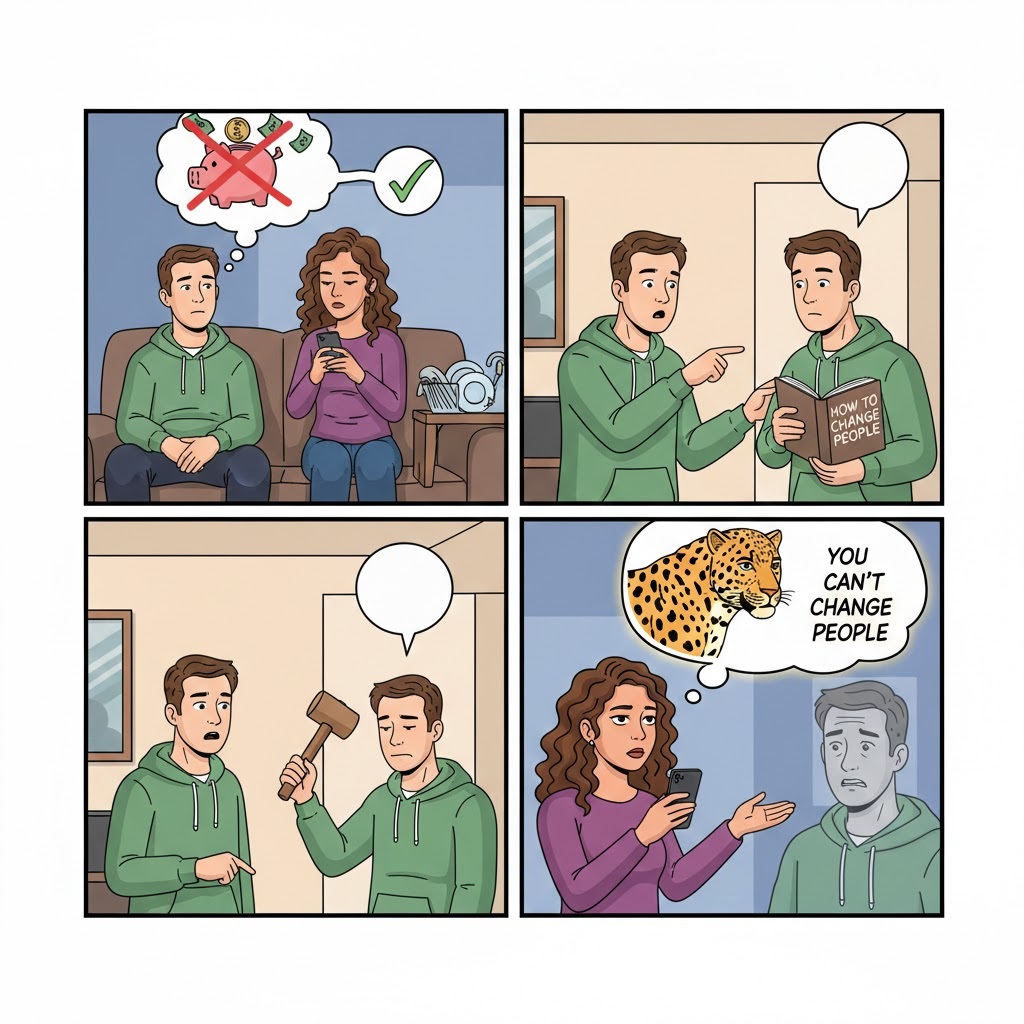
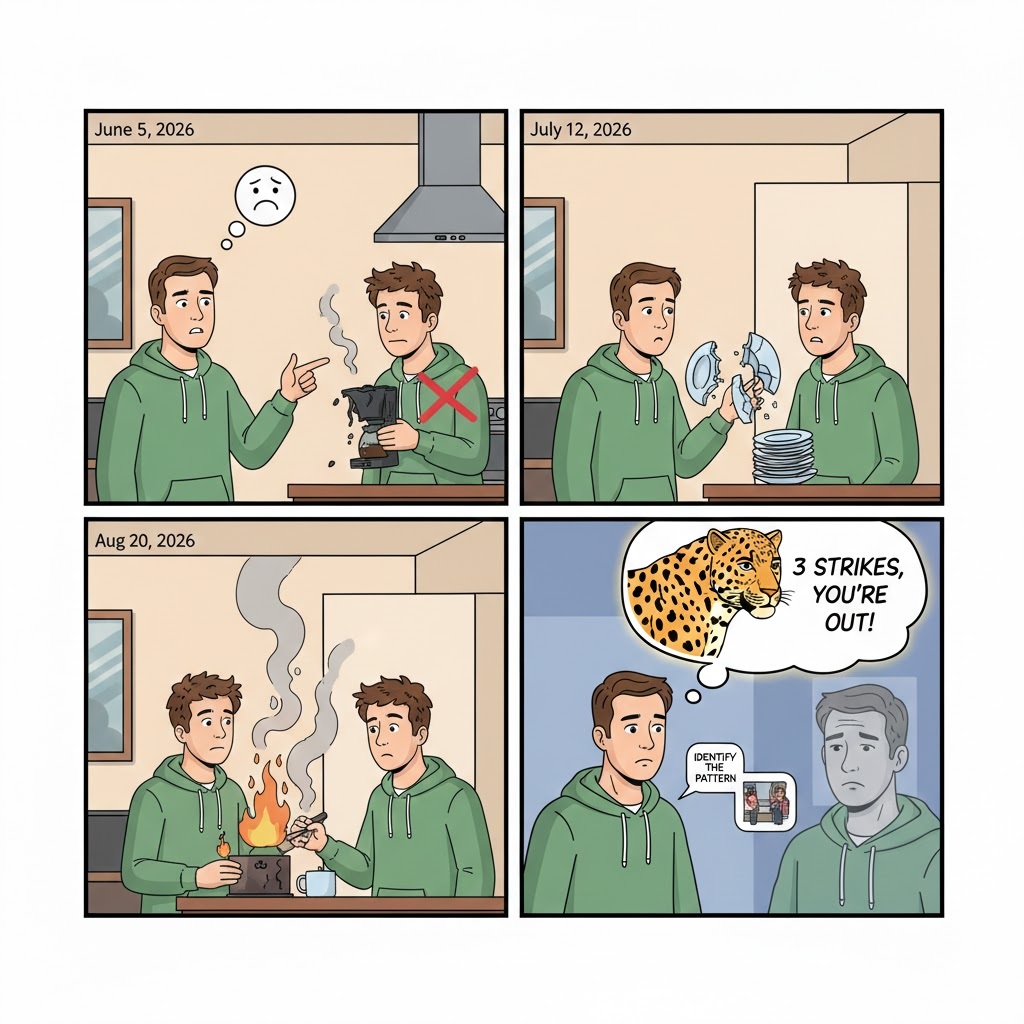
    You meet someone who has lied to you three times. They apologize and say, “Iโ€™ve changed! It won’t happen again.” What do you do? You believe them. You think you can “fix” people. You think your love or logic is strong enough to rewrite someoneโ€™s personality.

    The Result? You get hurt again. You feel betrayed by the same person, in the same way, for the tenth time. You are trapped in the “Cycle of Disappointment.” ๐Ÿคก


    ๐Ÿ˜‡ The Hero (The Realist)

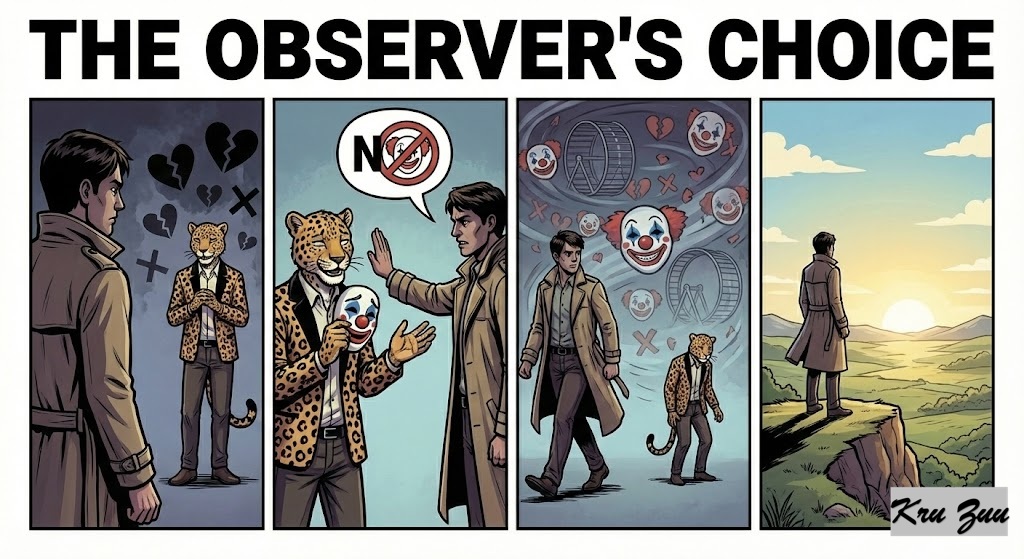
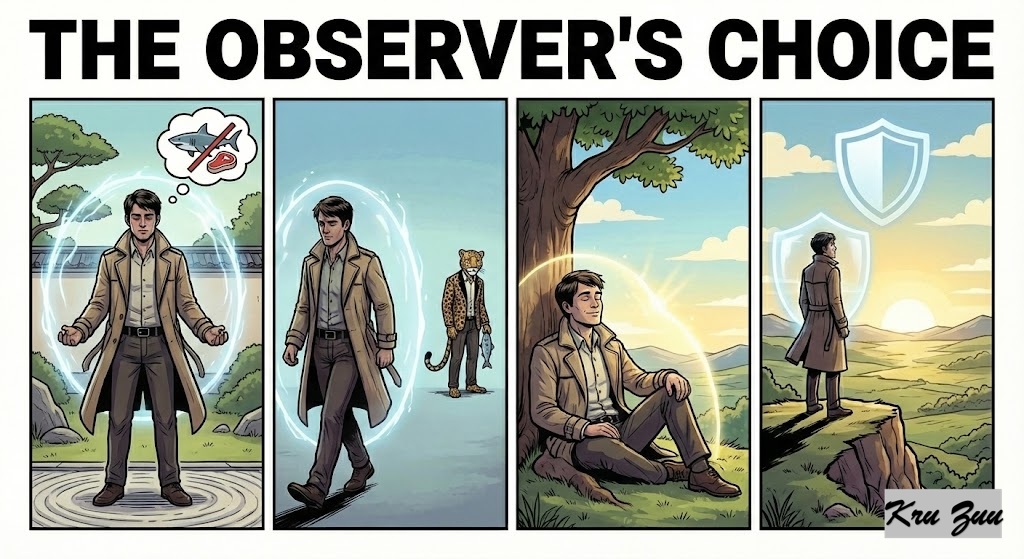
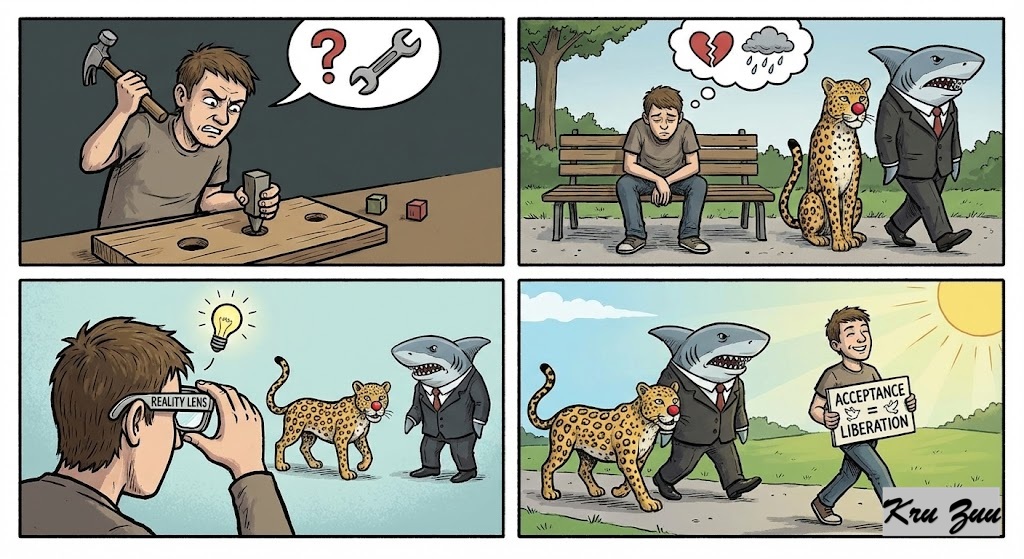
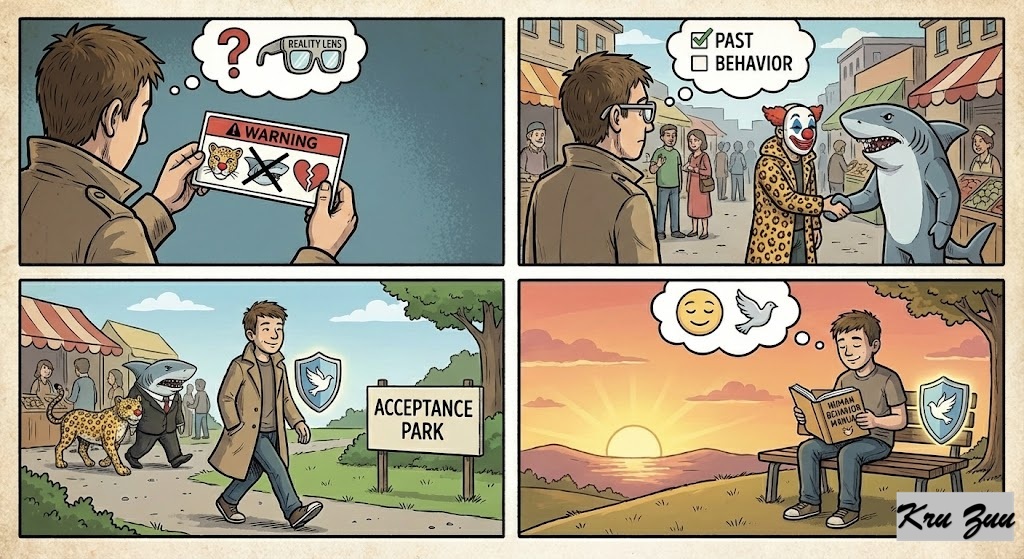
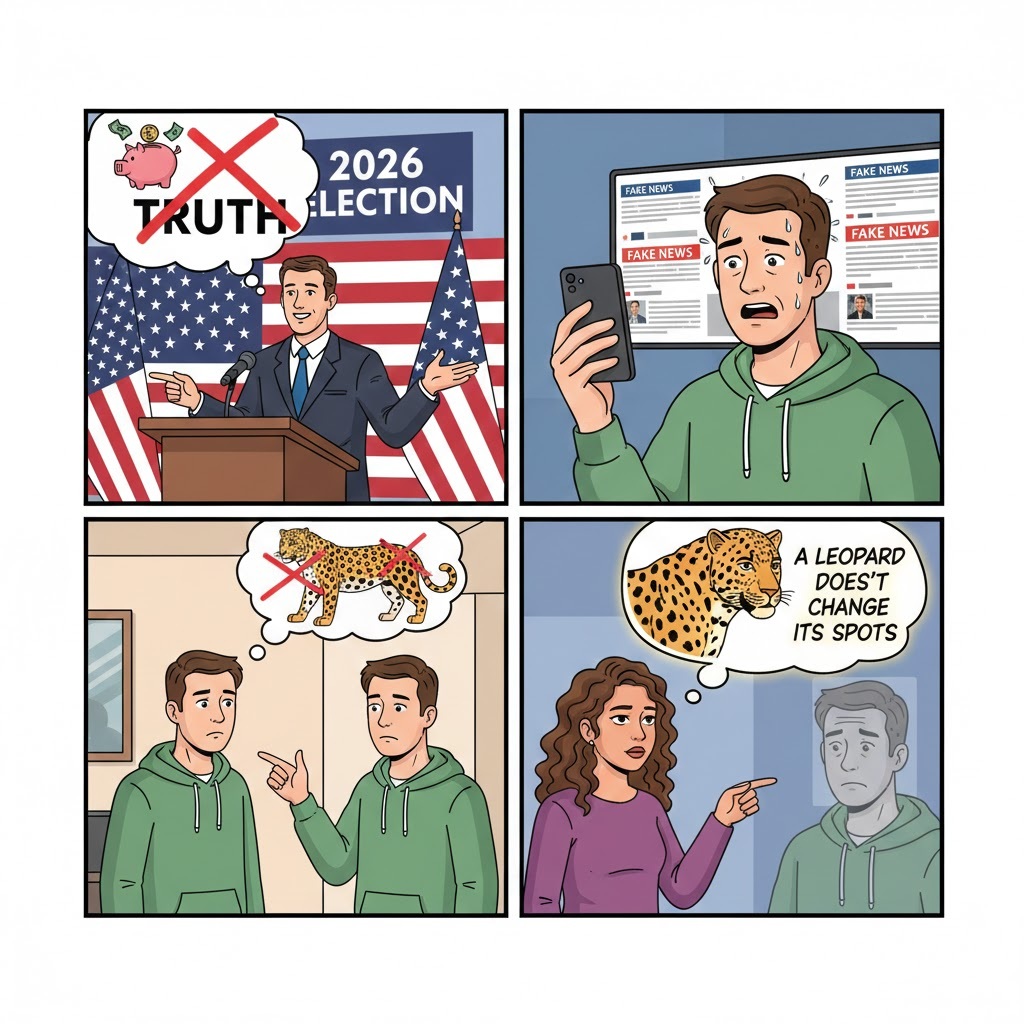
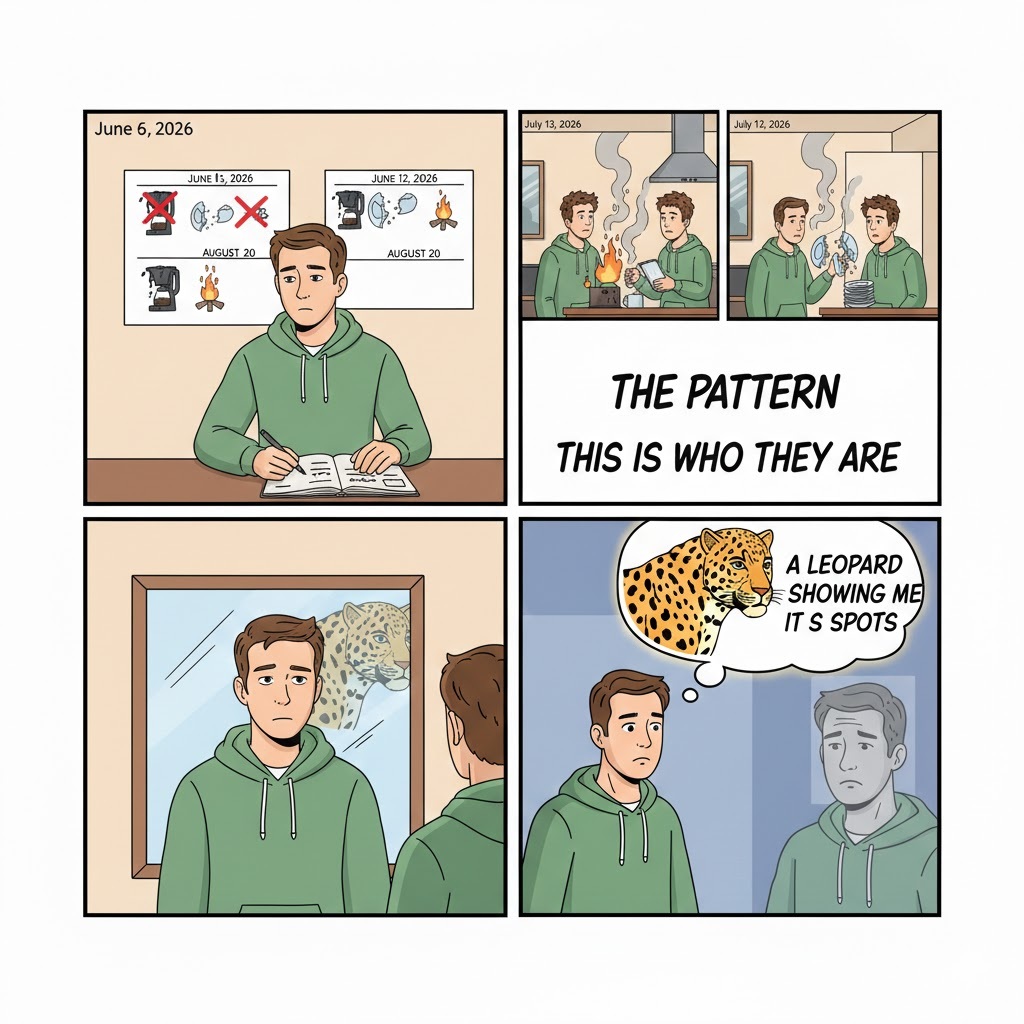
    You observe patterns. You understand that the best predictor of future behavior is past behavior. When someone shows you who they are, you believe them the first time. You don’t try to change the leopard; you simply don’t invite the leopard into your house.

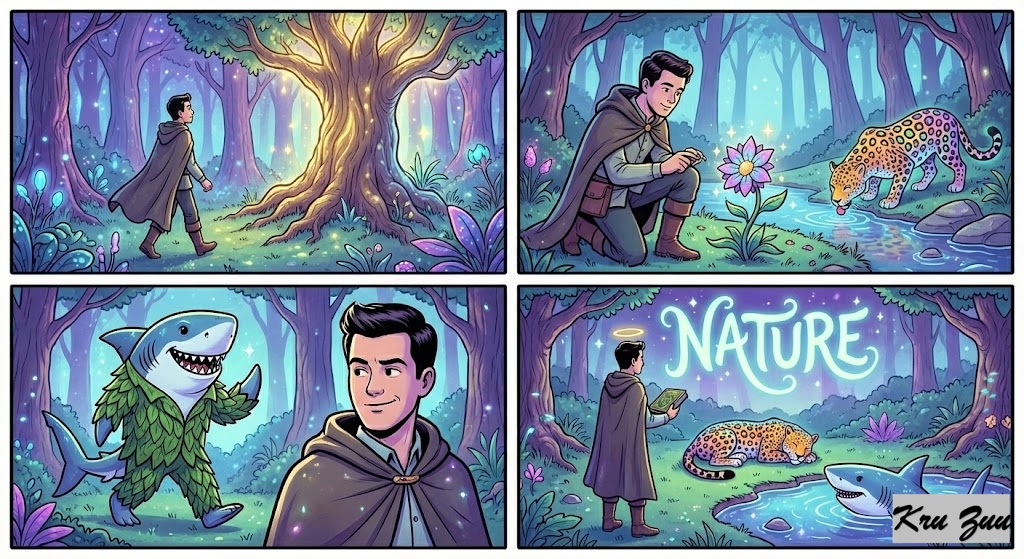
    The Result? You protect your energy. You stop wasting time trying to turn a shark into a vegetarian. You find peace in acceptance. ๐Ÿ›ก๏ธ


    โš–๏ธ The Reality


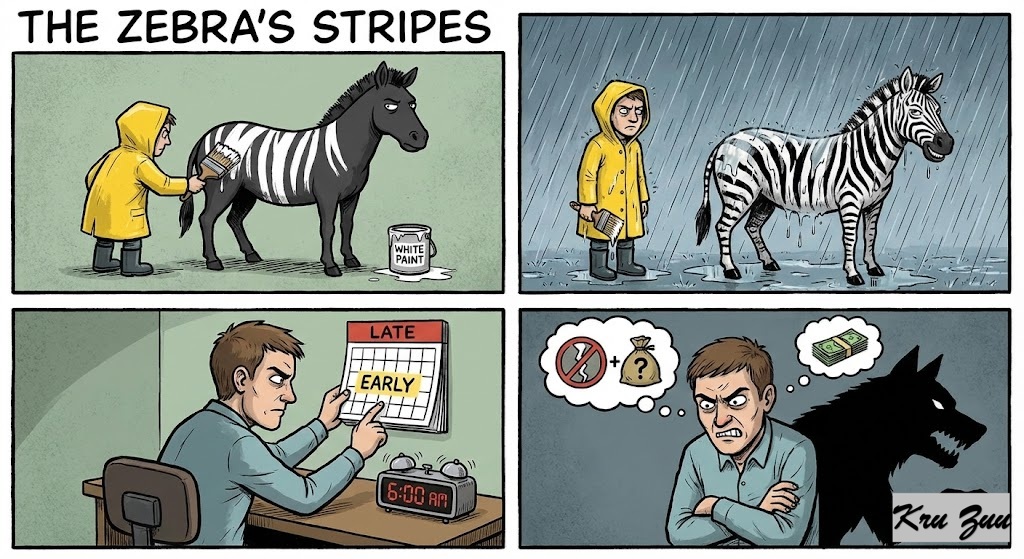
    You can paint a zebra with white paint, but under the rain, the stripes will always return. People can change their habits (diet, wake-up time), but they rarely change their nature (integrity, temperament, core values).

    ๐Ÿ’Ž The Secret

    Realizing this isn’t cynical; itโ€™s liberating. Once you stop expecting people to be who they aren’t, you can deal with them as they are.

    ๐Ÿง The Anatomy of the Proverb


    This is your warning label for human behavior.


    A Leopard (The Subject): Represents a person with a strong, established reputation or nature.


    Doesn’t Change (Verb Phrase): Cannot alter or remove.


    Its Spots (The Object): Represents innate characteristics, bad habits, or true nature.


    Simpler Version: People stick to their true nature. / You cannot hide who you really are.


    ๐Ÿ“š Vocabulary Vault


    Inherent (Adjective): Existing in something as a permanent, essential quality.


    Instinct (Noun): A natural or intuitive way of acting or thinking. ๐Ÿง 


    Reputation (Noun): The beliefs or opinions that are generally held about someone.


    Naive (Adjective): Showing a lack of experience, wisdom, or judgment. (Too trusting).


    Consistency (Noun): Acting in the same way over time.

    ๐Ÿ“œ History: Ancient Wisdom


    Where did this wild phrase come from?


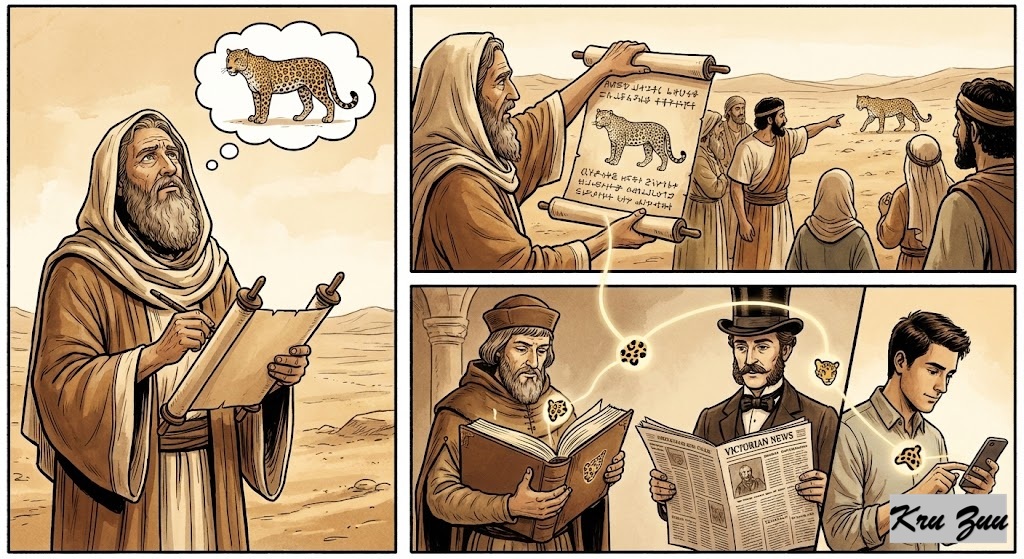
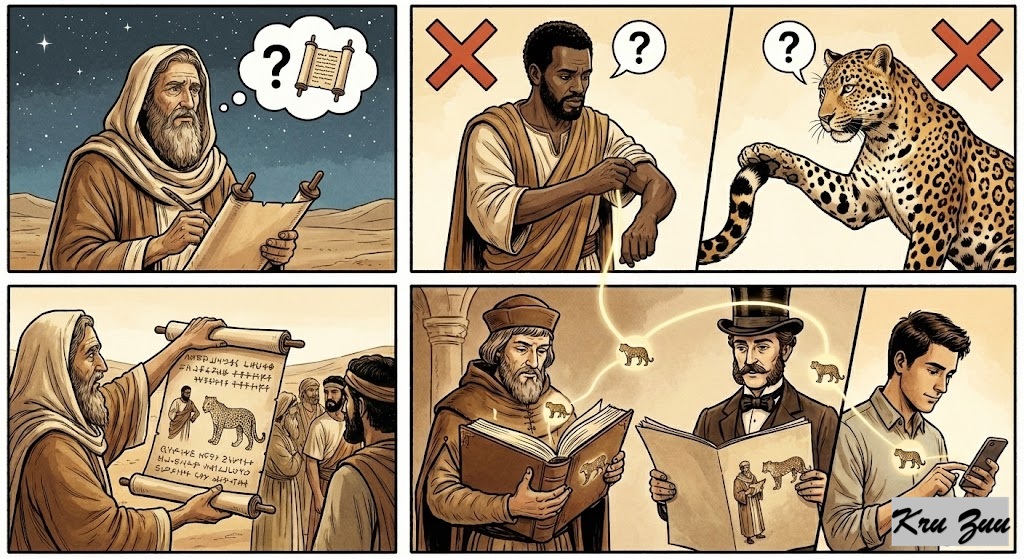
    The Origin: It is actually biblical! It comes from Jeremiah 13:23: “Can the Ethiopian change his skin, or the leopard his spots?” It was a rhetorical question meaning “No, it is impossible.”


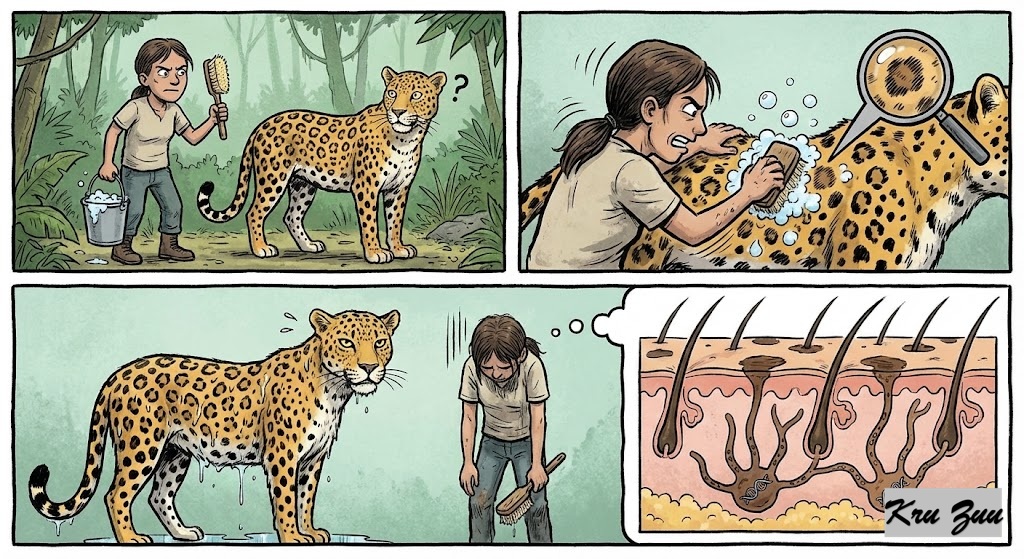
    The Logic: A leopardโ€™s spots are not dyed on its fur; they are part of its genetics. You cannot wash them off.


    Global Cousins


    ๐Ÿ‡น๐Ÿ‡ท Turkish: “Can รงฤฑkar huy รงฤฑkmaz” (The soul leaves the body, but the habit/character does not).


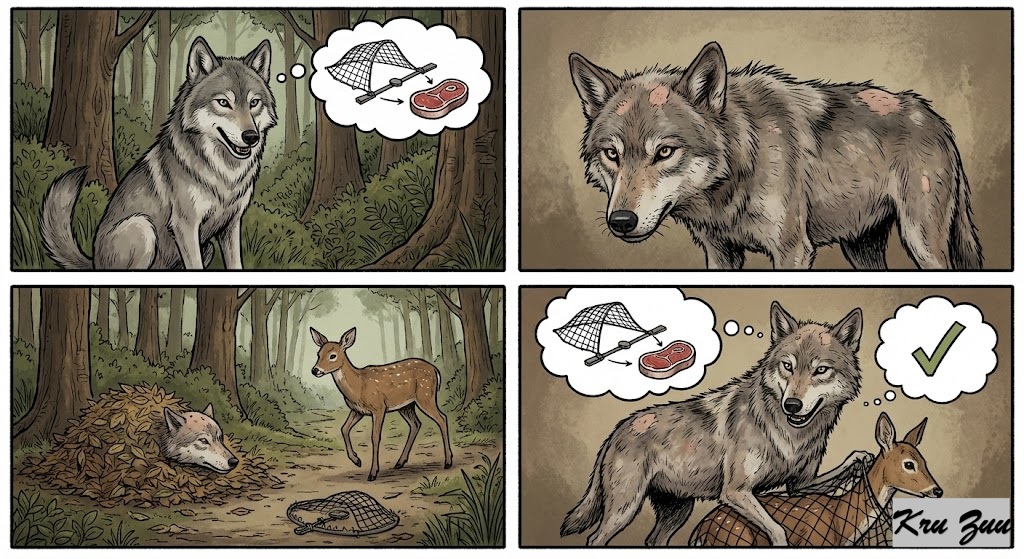
    ๐Ÿบ Latin: “The wolf loses his hair, but not his tricks.”


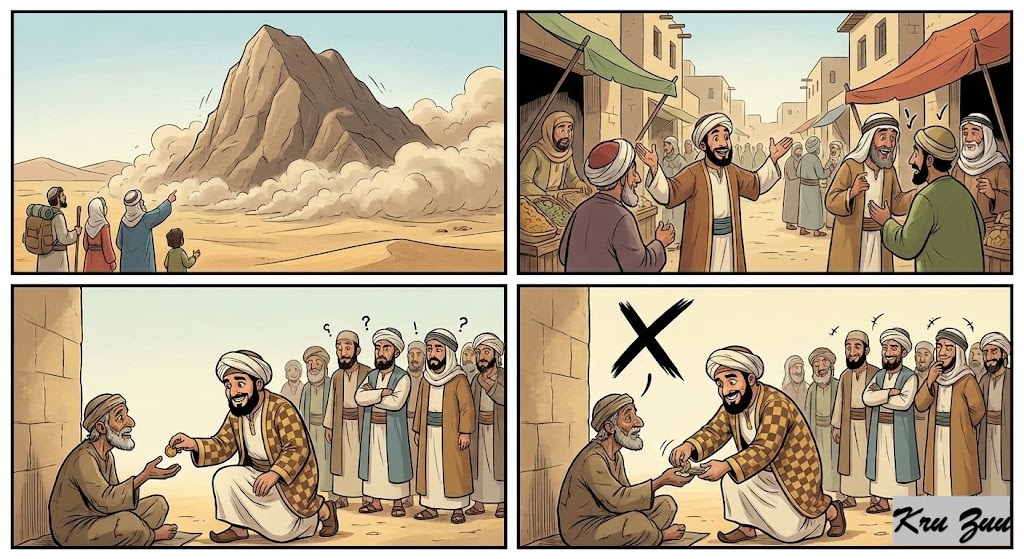
    ๐Ÿธ Arabic: “If you hear that a mountain moved, believe it; but if you hear that a man changed his character, do not believe it.”

    ๐ŸŽฏ Impact on Life: The Pros & Cons


    โœ… The Pros (The Shield)


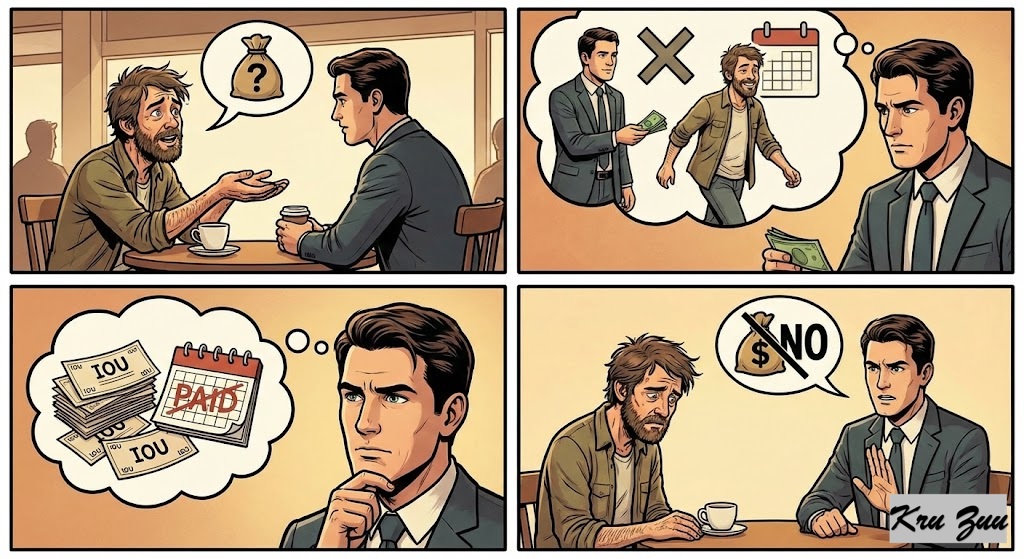
    Protection: You stop lending money to the friend who never pays you back.


    Clarity: You hire people based on their track record, not their promises.


    โŒ The Cons (The Trap)


    Cynicism: Be careful. If you believe no one can ever improve, you won’t give people a fair chance to grow. This idiom applies mostly to core character, not skills. A bad driver can learn to drive well, but a liar rarely becomes an honest man.

    ๐ŸŽญ Short Story: The “Vegetarian” Lunch ๐Ÿฅ—๐Ÿ˜ผ๐Ÿ”


    Letโ€™s return to the magical forest to see if nature really changes.


    ๐ŸŒŸ The Cast


    Cleo the Cat:
    The predator who claims she is “reformed.” ๐Ÿ˜ผ


    Cluck the Chicken: The trusting optimist. ๐Ÿ”


    Fred the Frog: The skeptical realist. ๐Ÿธ


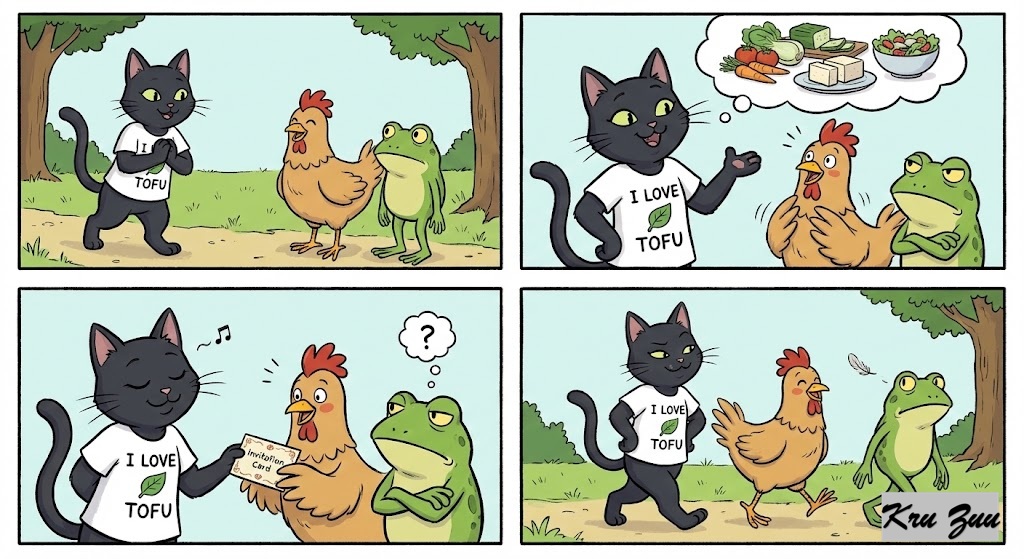
    The Situation: Cleo the Cat approaches Cluck and Fred. She is wearing a shirt that says “I Love Tofu.” “Good news!” Cleo purrs smoothly. “I have decided to change my lifestyle. I am no longer a hunter. I am a vegetarian now. I want to invite you both to lunch to celebrate my new life.”


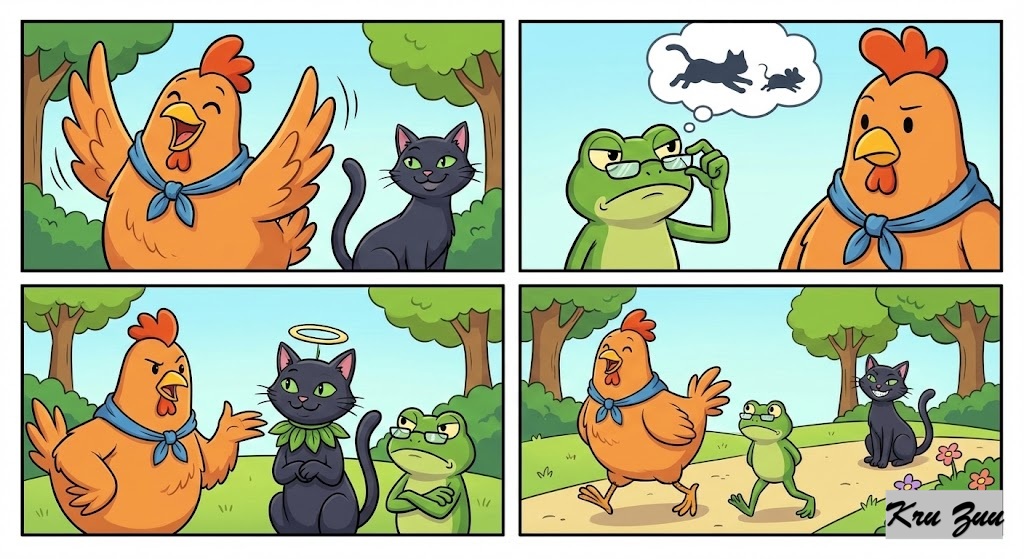
    The Conflict: Cluck is thrilled. “Oh, how wonderful!” Cluck chirps, flapping his wings. “I always knew you were good deep down, Cleo! We will be there!” Fred the Frog adjusts his glasses and frowns. “Ribbit. I don’t know, Cluck. She ate a mouse last Tuesday. A leopard or a cat, doesn’t change its spots.” “Don’t be so negative, Fred!” Cluck scolds. “She has changed!”


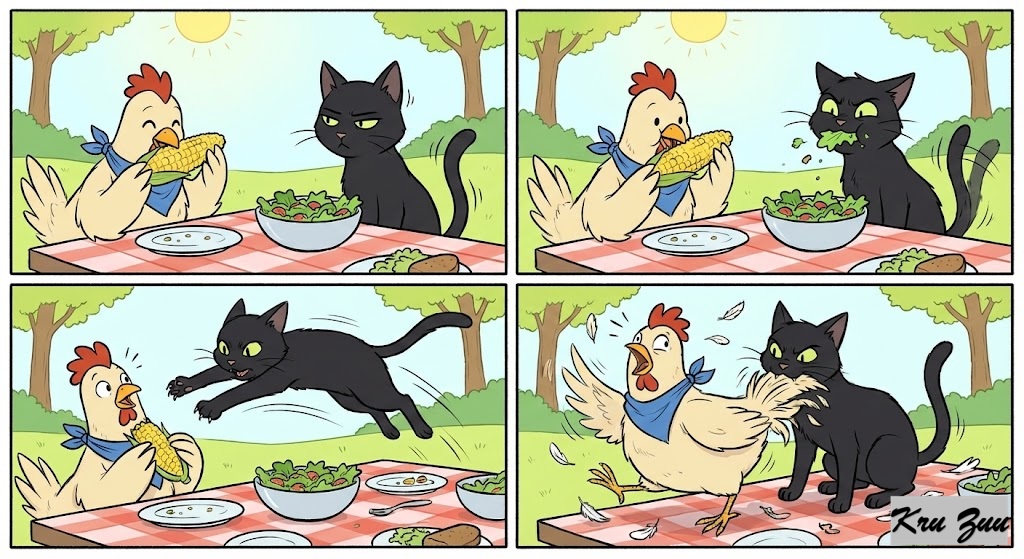
    The Lunch: They sit down at the picnic. There is a bowl of salad. Cleo tries to eat a leaf of lettuce. She chews itโ€ฆ and spits it out. She looks at Cluck. Her eyes get wide. Her tail starts to twitch. ๐Ÿˆ Cluck is busy eating corn. “This is great, Cleo!” Suddenly, Cleo lunges! POUNCE! She jumps across the table, aiming right for Cluck’s feathery tail!


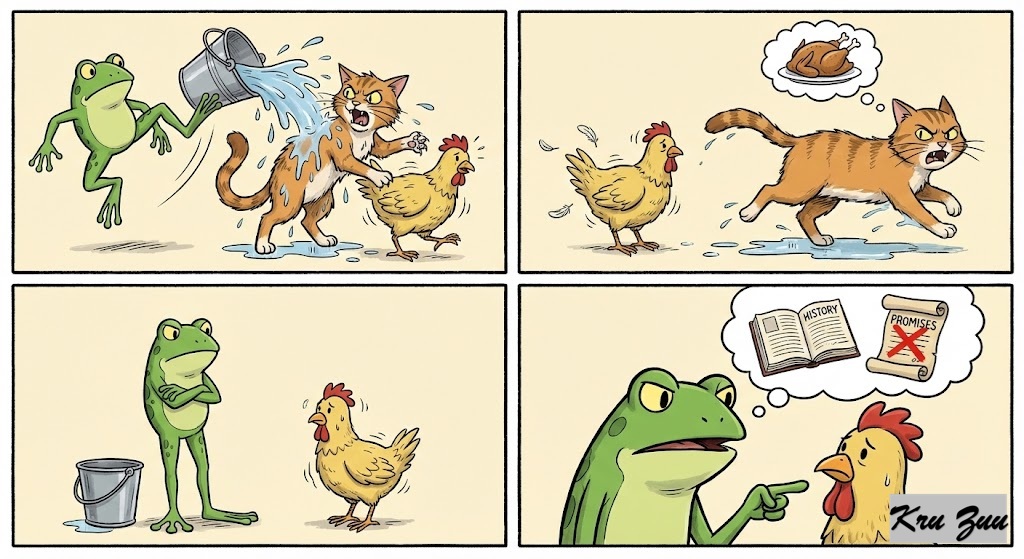
    The Resolution: Fred was ready. He kicks a bucket of water onto Cleo. ๐Ÿ’ฆ Cleo hisses, “I couldn’t help it! He looked so delicious!” and runs away to dry off. Fred looks at the shaking Chicken. “Cluck, next time, believe history, not promises.”


    The Moral: Instinct is powerful. Just because someone says they are different, doesn’t mean their “spots” are gone. Keep your guard up until you see real action.

    ๐ŸŽ“ Lesson for English Learners


    Don’t force the translation.


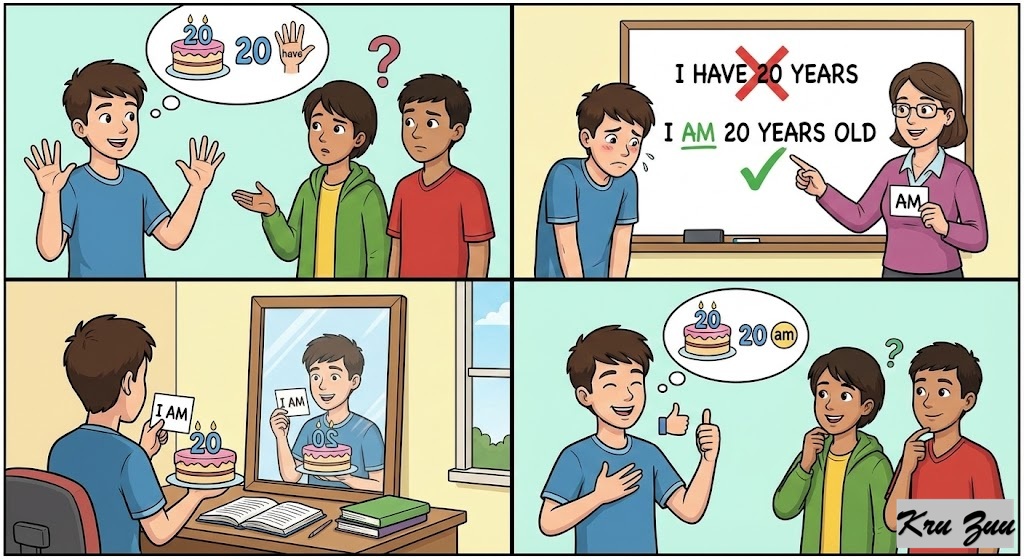
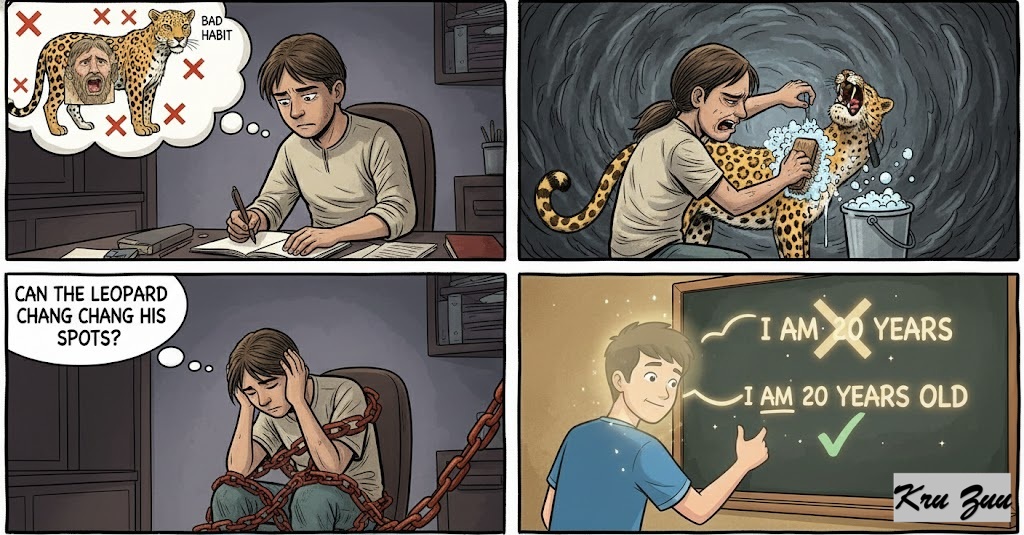
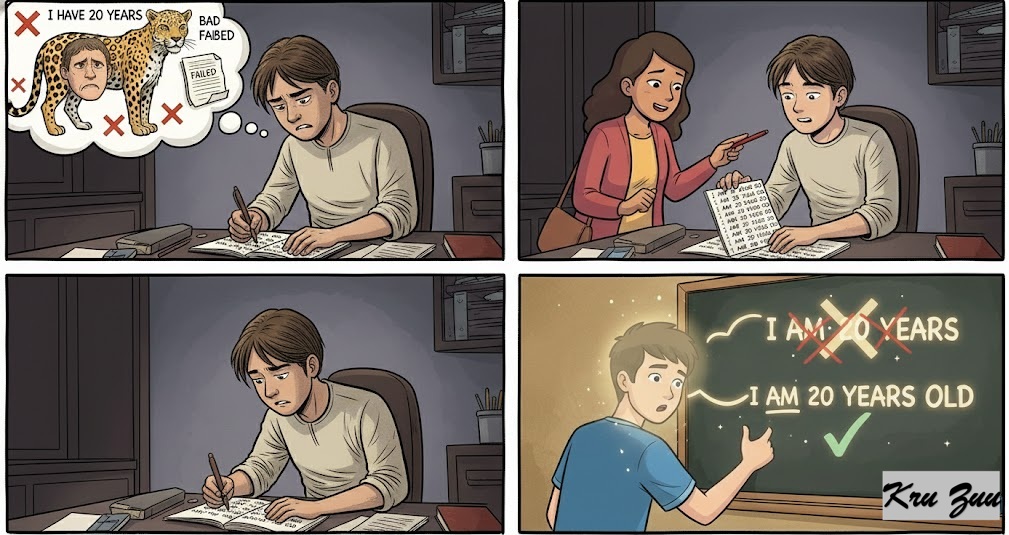
    Situation: You keep making the same grammar mistake (e.g., saying “I have 20 years” instead of “I am 20 years old”).


    The Shift: You might feel like you are the leopardโ€”that you can’t change your bad habit.


    The Fix: Unlike personality, language habits CAN change. But it takes “conscious repetition.” You must rewrite your spots.


    Usage: If a politician is caught lying again, you can shake your head and say to your friend: “Well, you know what they sayโ€ฆ a leopard doesn’t change its spots.”


    ๐Ÿ’ฌ Your Turn: The Reality Check ๐Ÿš€


    Is there someone in your life you are trying to “change”?


    Identify: Think of a person who has disappointed you in the same way 3 times.


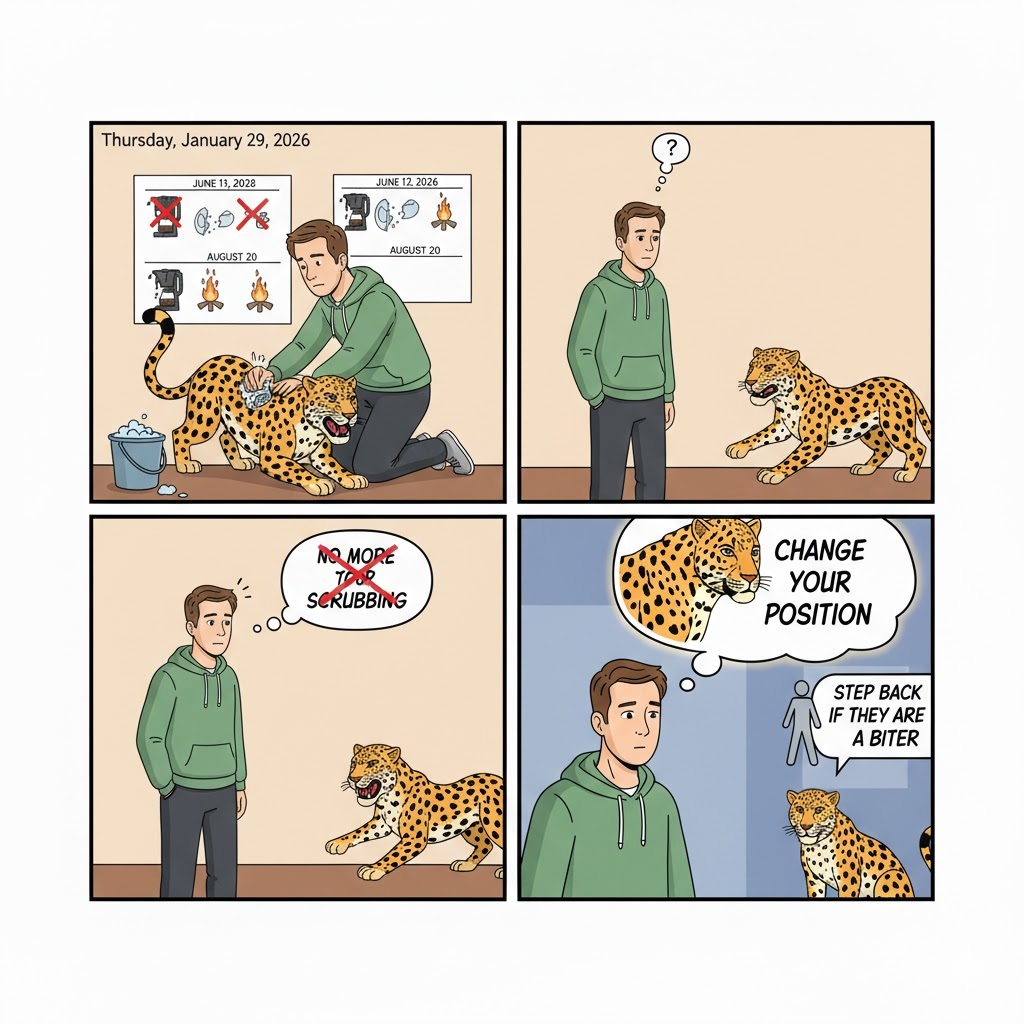
    Accept: Say to yourself, “This is who they are. They are showing me their spots.”


    The Action: Stop trying to scrub their spots off. Instead, change your position. If they are a biter, step back so they can’t bite you.


    ๐Ÿ‘‡ Question for the comments: Do you believe people can truly change their core personality? Or do we stay the same forever?

    Let me know your thoughts!

    By Zubeyir YURTKURAN

    https://www.facebook.com/BrainBattleground/

    https://www.facebook.com/zubeyr.yurtkuran/

    https://www.instagram.com/zubeyryurtkuran/
    https://www.youtube.com/@BrainBattleground-b3p

    https://www.instagram.com/brainbattleground/

  • ๐ŸŒŠ The Daily Shield: The Law of Hidden Depth

    ๐ŸŒŠ The Daily Shield: The Law of Hidden Depth

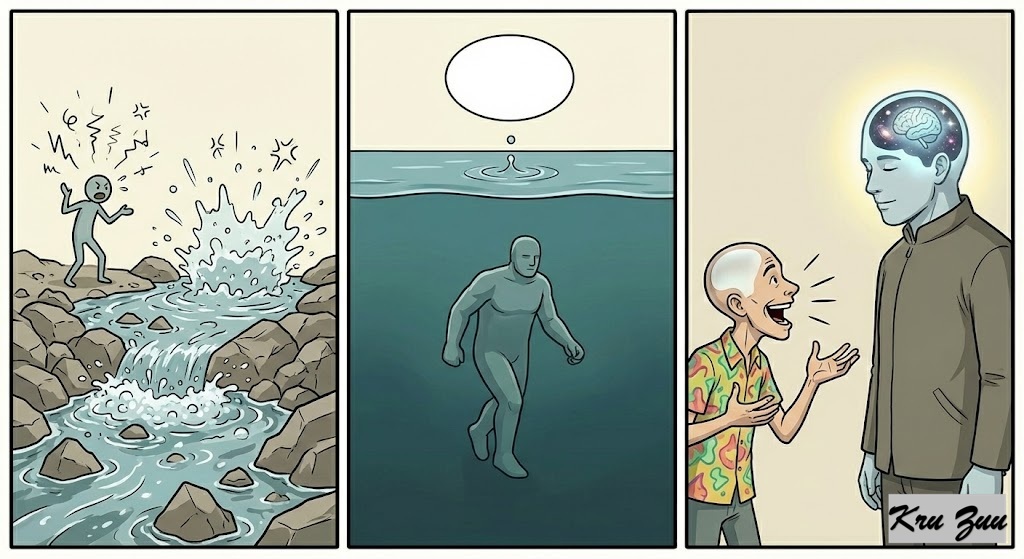
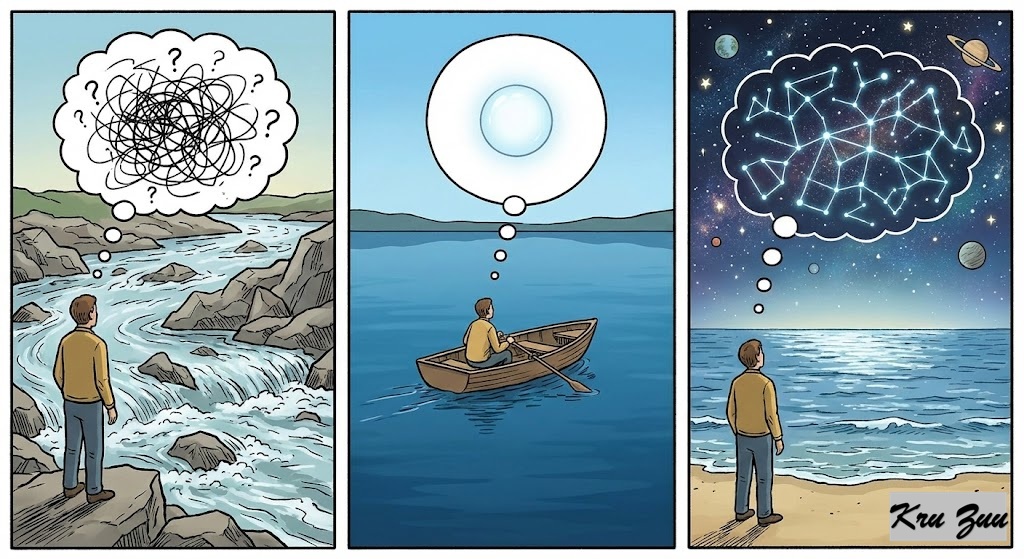
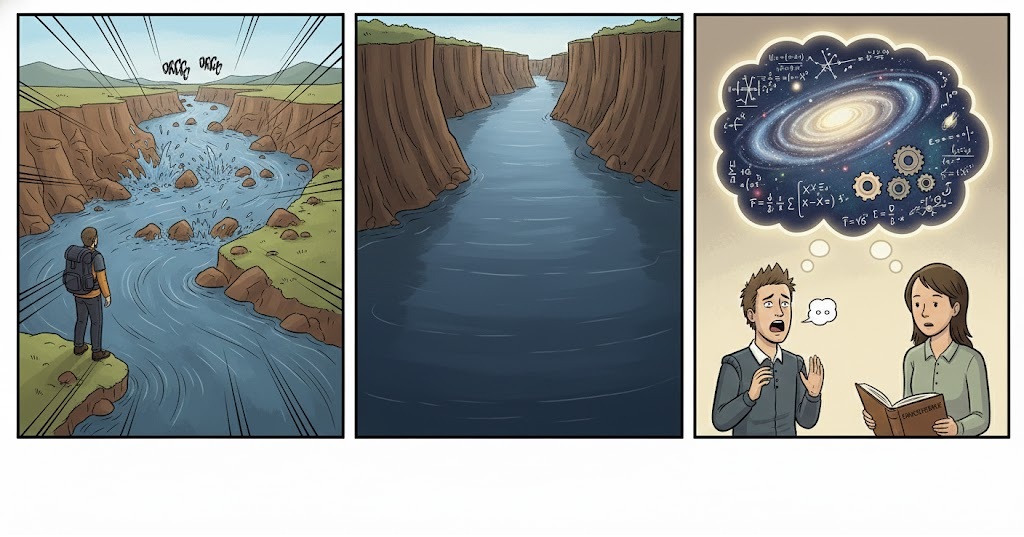
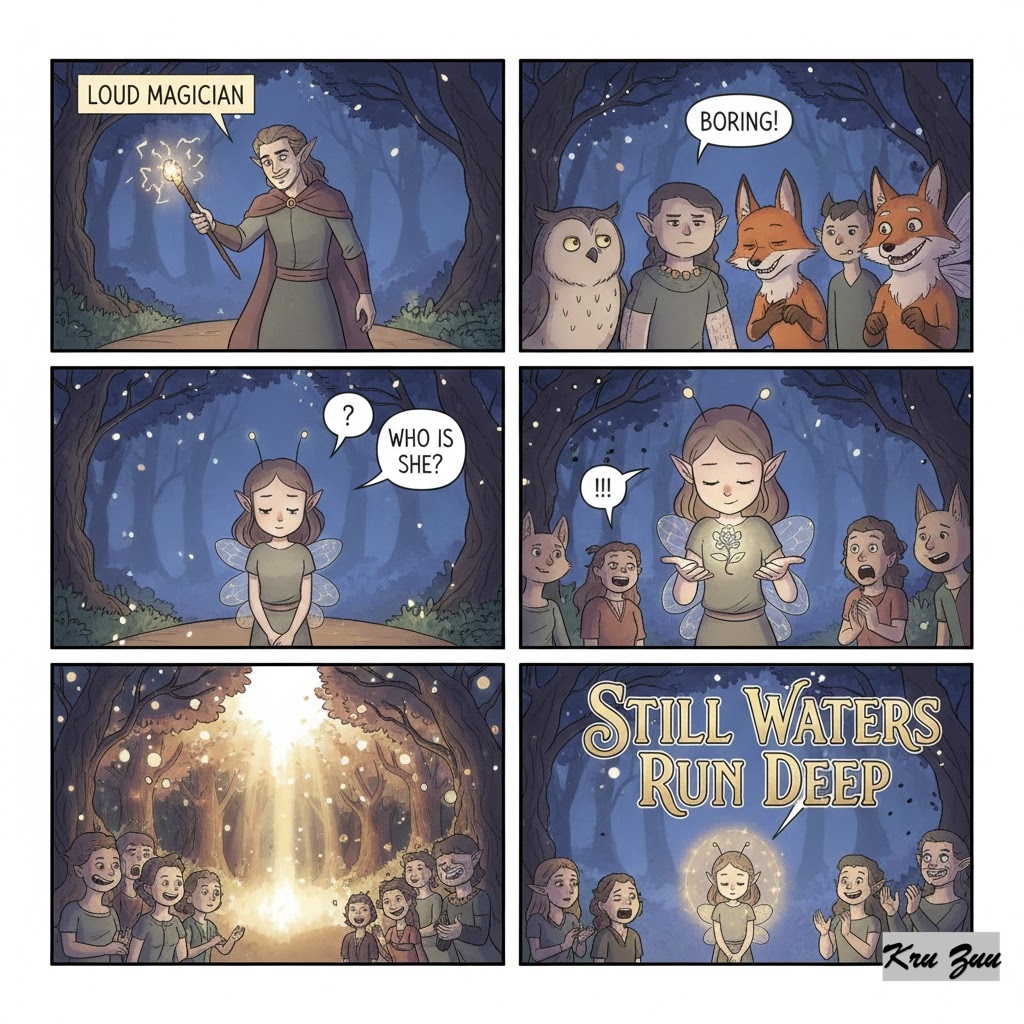
    “Still waters run deep.”


    ๐Ÿ˜ˆ The Villain (The Surface Judge)

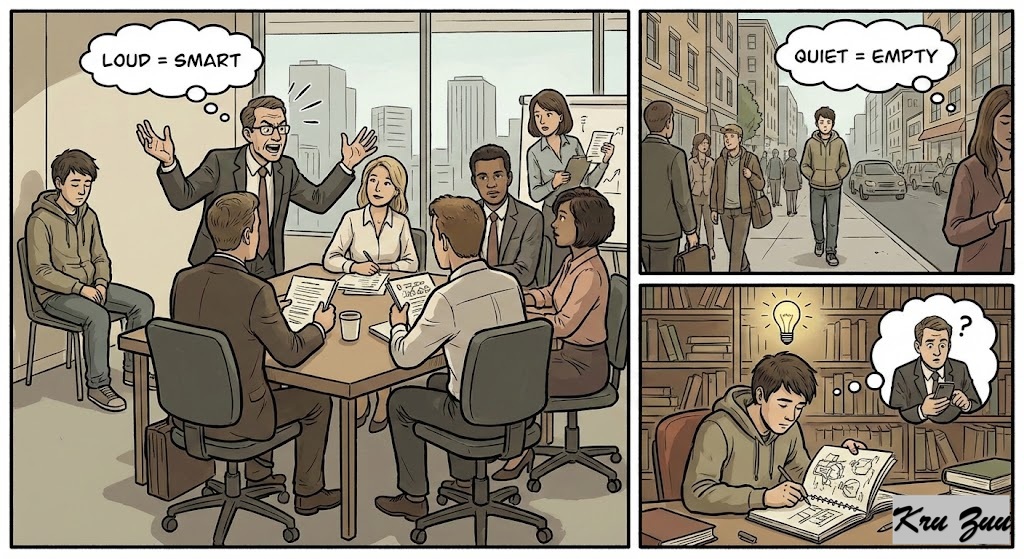
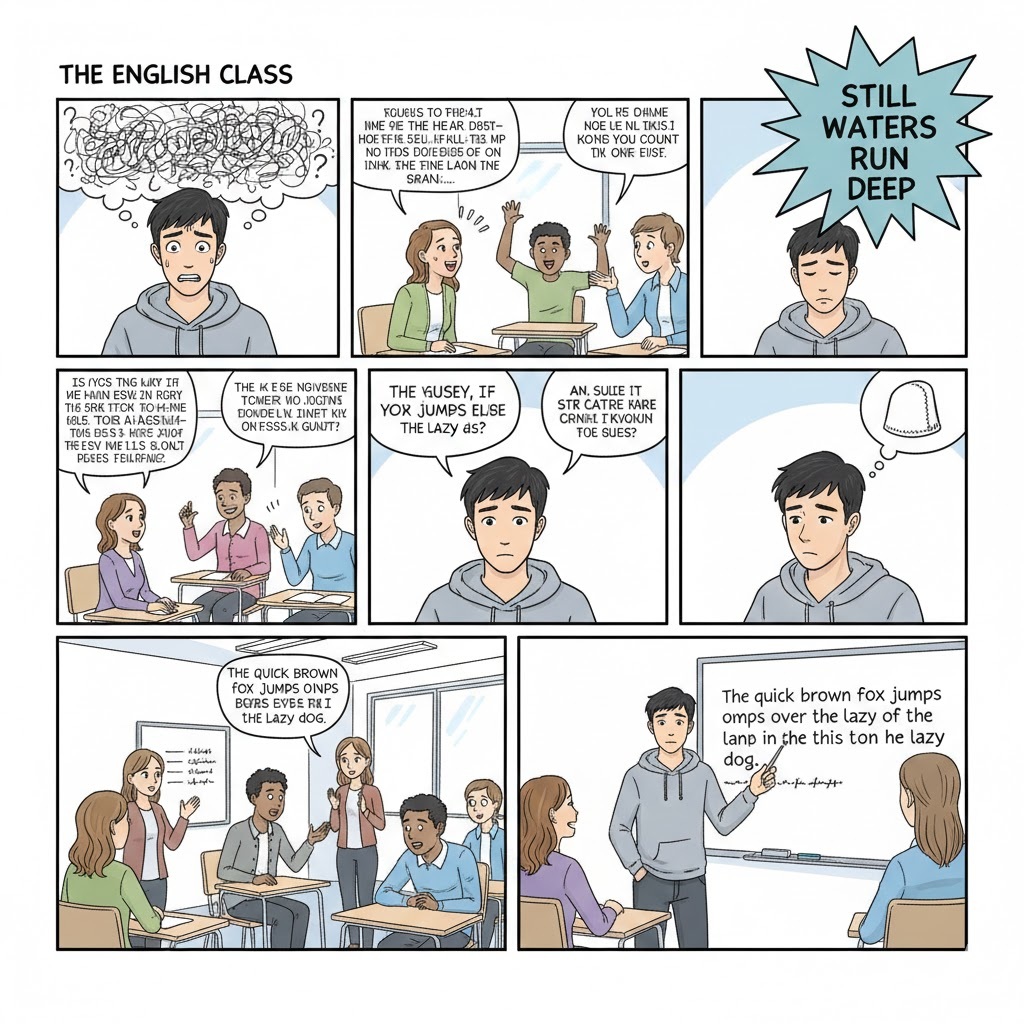
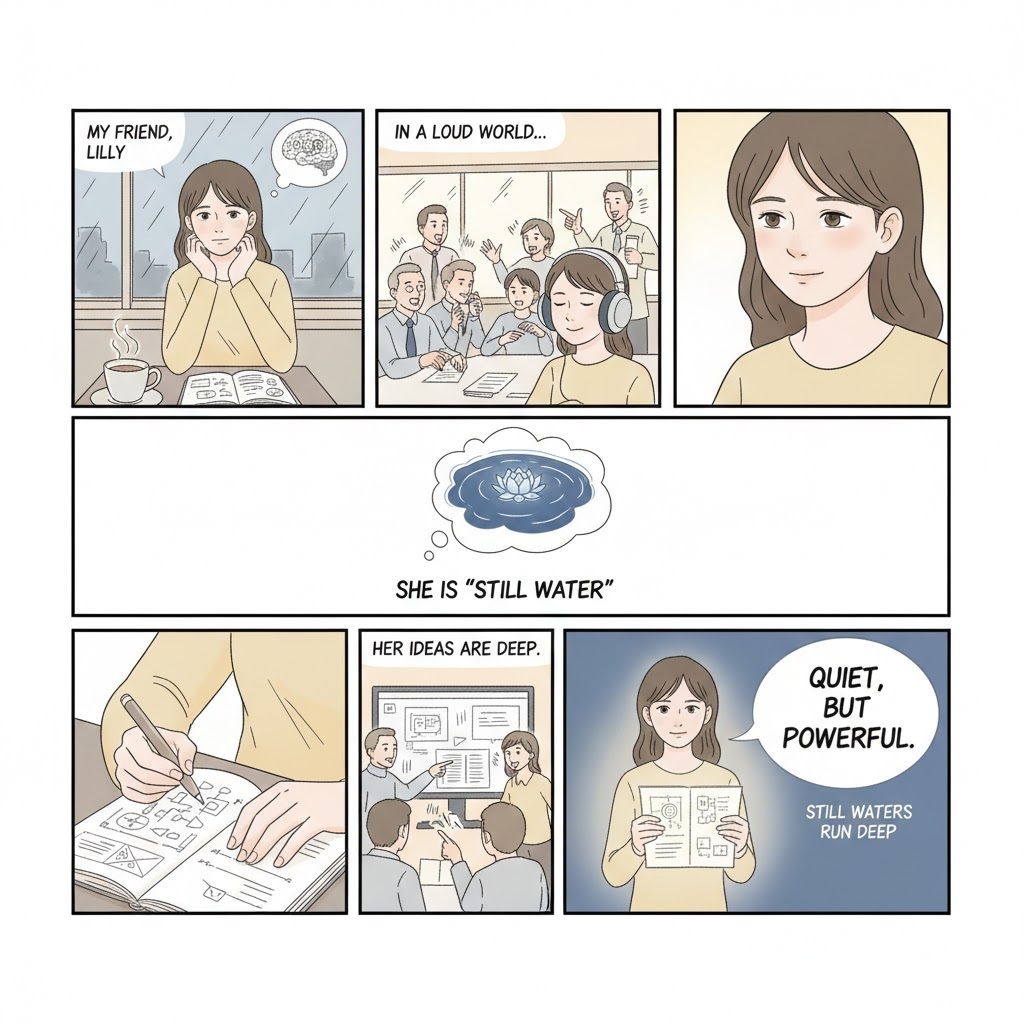
    You meet someone quiet. They don’t talk much in meetings. They don’t post every second on Instagram. What do you think? “They are boring.””They are shy.””They don’t know anything.” You judge the book by its cover. You assume that “Loud” equals “Smart” and “Quiet” equals “Empty.” You ignore the quiet ones.

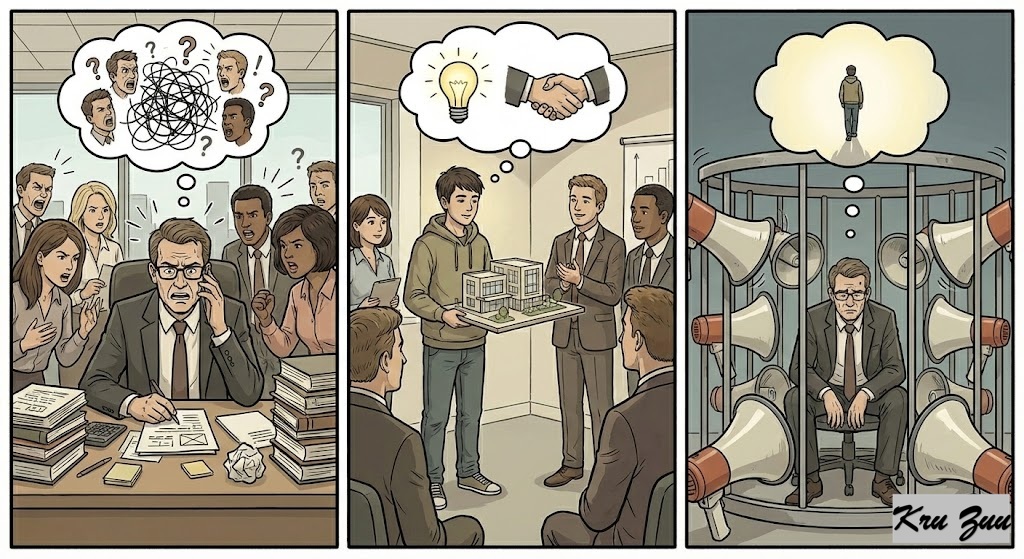
    The Result? You miss out on the smartest people in the room. You underestimate your competition. You are trapped in the “Noise Trap.” ๐Ÿ“ข


    ๐Ÿ˜‡ The Hero (The Deep Diver)

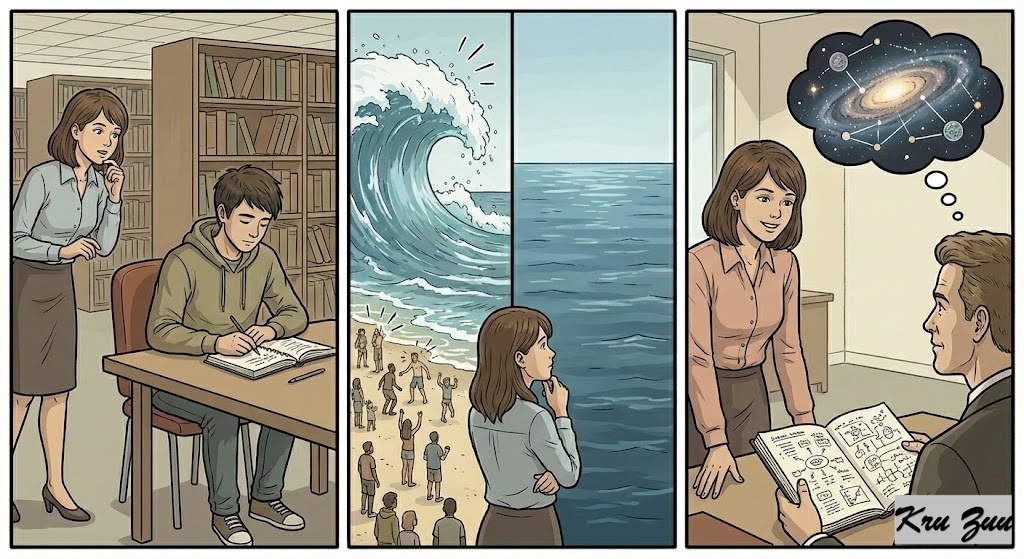
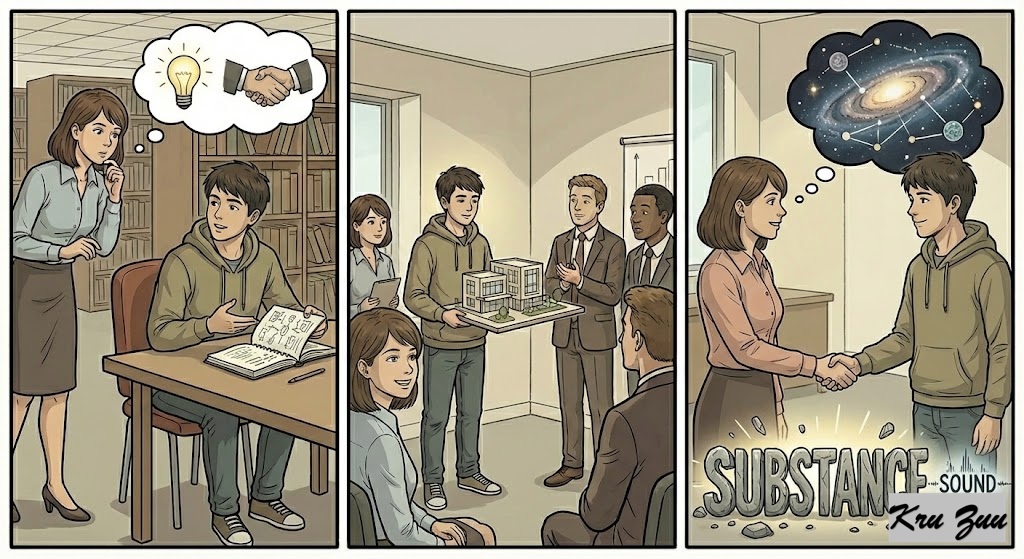
    You meet someone silent. Instead of thinking they are empty, you get curious. You know that the ocean is loudest at the beach (where it is shallow) but silent in the middle (where it is deep). You respect the silence. You realize that just because someone isn’t talking, doesn’t mean they aren’t thinking.

    The Result? When the quiet person finally speaks, you listen. You discover hidden talents, profound wisdom, and powerful allies. You value Substance over Sound. ๐Ÿง˜โ€โ™‚๏ธ


    โš–๏ธ The Reality


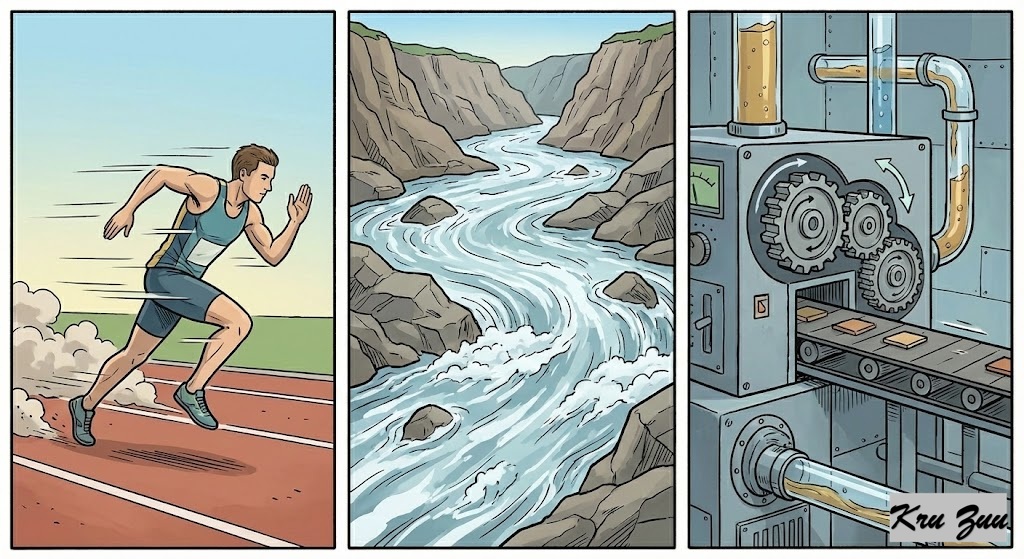
    Noise is easy. Silence is heavy. A shallow brook babbles and splashes noisily over the rocks. A massive, deep river moves silently because it has so much volume and power. People are the same. Those who talk the most often know the least. Those who are calm often hold the most power, passion, or intelligence inside.


    ๐Ÿ’Ž The Secret: Never mistake silence for weakness. The quietest person in the room is often the most observant.

    ๐Ÿง The Anatomy of the Proverb


    This is your reminder to look beyond the surface.


    Still (Adjective): Motionless; calm; quiet.


    Waters (Noun): Rivers, lakes, or oceans (metaphor for a person’s mind or character).


    Run (Verb): To flow or move.


    Deep (Adverb/Adj): Extending far down; profound; complex.


    Simpler Version: Quiet people are often very complex or interesting. / Calm exteriors hide strong emotions.


    ๐Ÿ“š Vocabulary Vault


    Introvert (Noun):
    A person who prefers calm environments and often enjoys spending time alone. ๐Ÿข


    Underestimate (Verb): To think someone is less capable or intelligent than they really are.


    Deceptive (Adjective): Giving an appearance different from the true one; misleading.


    Profound (Adjective): Very great or intense; having deep insight.


    Superficial (Adjective): Existing only on the surface; not deep. (The opposite of this idiom!)


    ๐Ÿง  Grammar Focus: Metaphors


    This idiom is a Metaphor. We aren’t actually talking about water; we are talking about human personality.


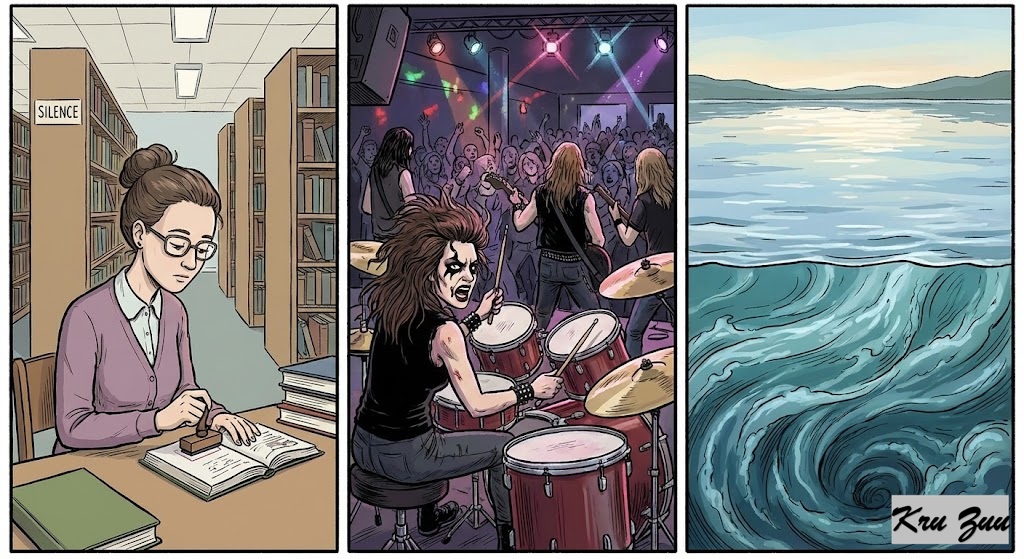
    Example: “I was surprised that the quiet librarian is actually a heavy metal drummer! Well, still waters run deep.”

    ๐Ÿ“œ History: Origin and Spread


    Where did this poetic wisdom come from?


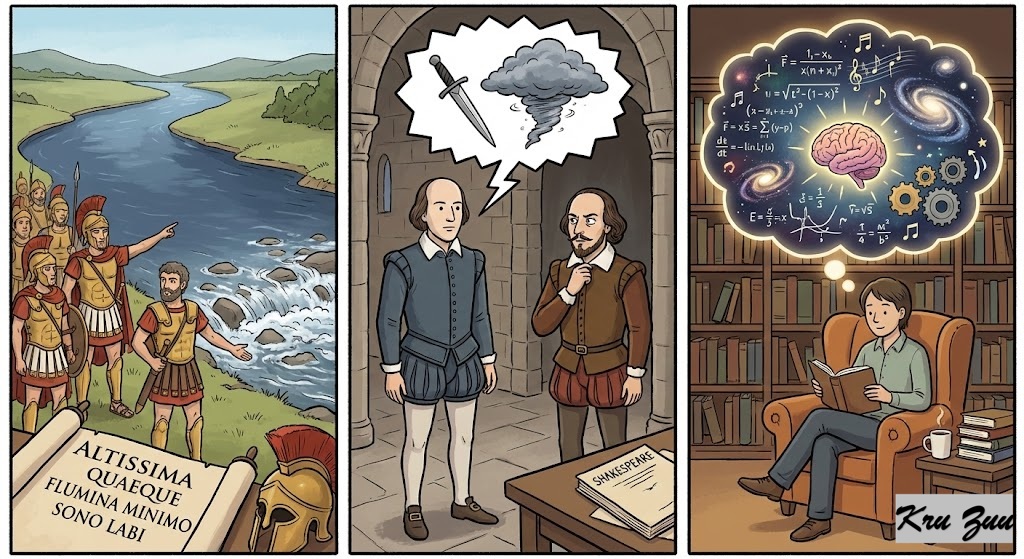
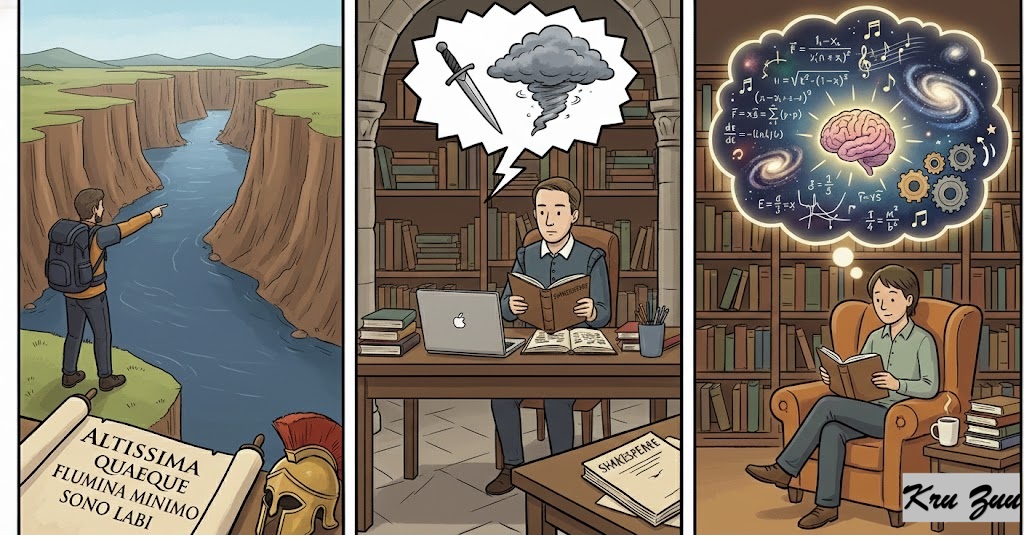
    The Origin: It has ancient roots! It likely comes from the Latin phrase “Altissima quaeque flumina minimo sono labuntur” (The deepest rivers flow with the least sound). It was popularized in English by William Shakespeare in his play Henry VI (1590), where a character says: “Smooth runs the water where the brook is deep.”


    The Logic: If you look at nature, shallow water hits rocks and makes noise. Deep water creates a massive, silent current.


    Global Cousins


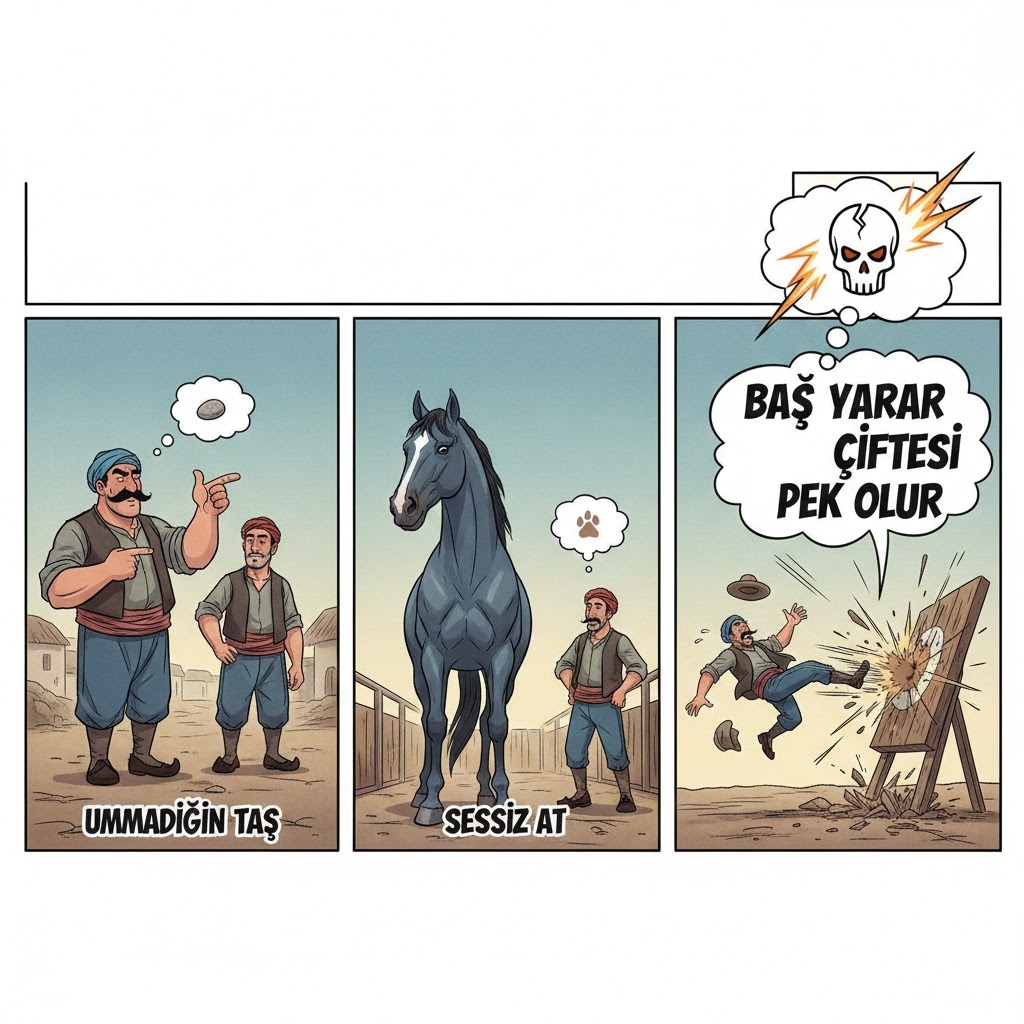
    ๐Ÿ‡น๐Ÿ‡ท Turkish:“UmmadฤฑฤŸฤฑn taลŸ baลŸ yarar” (The stone you didn’t expect breaks your head) OR “Sessiz atฤฑn รงiftesi pek olur” (The silent horse kicks hard).


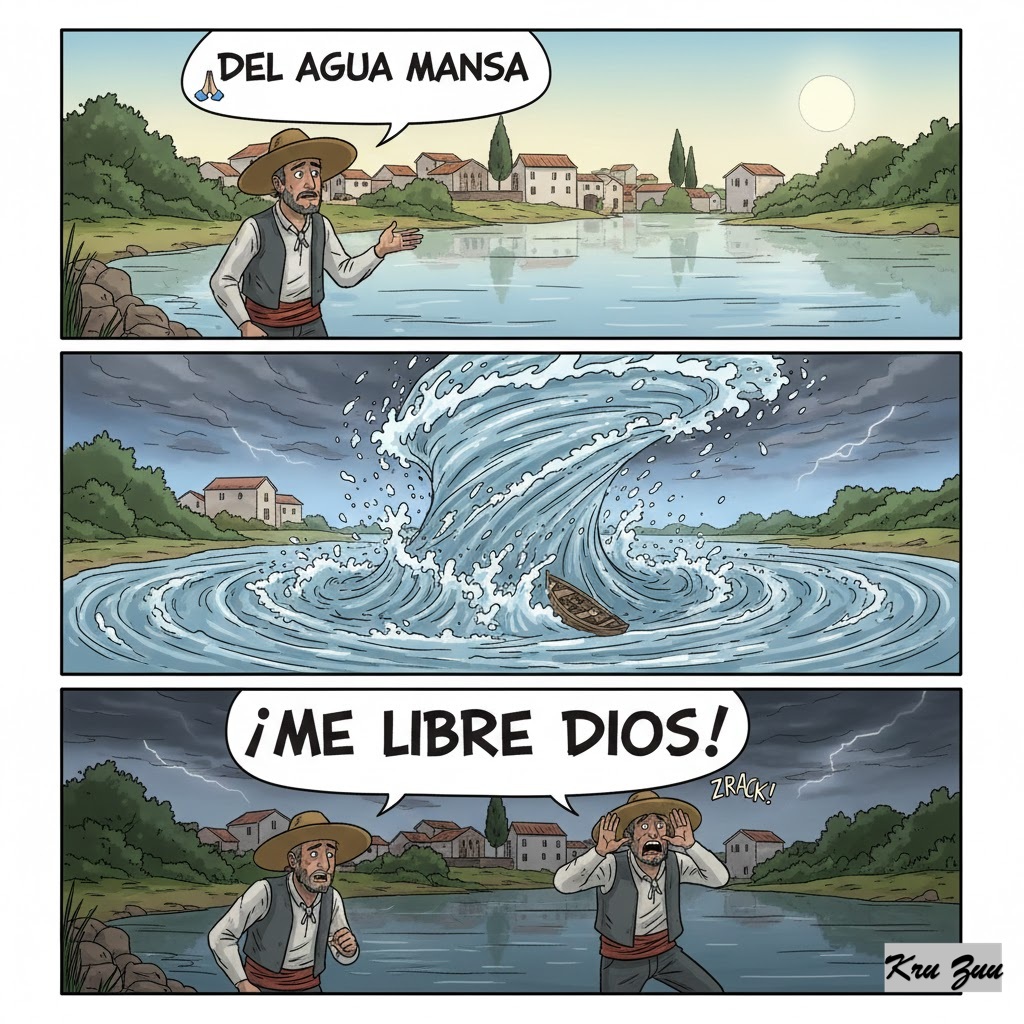
    ๐Ÿ‡ช๐Ÿ‡ธ Spanish:“Del agua mansa me libre Dios” (God save me from the calm water).


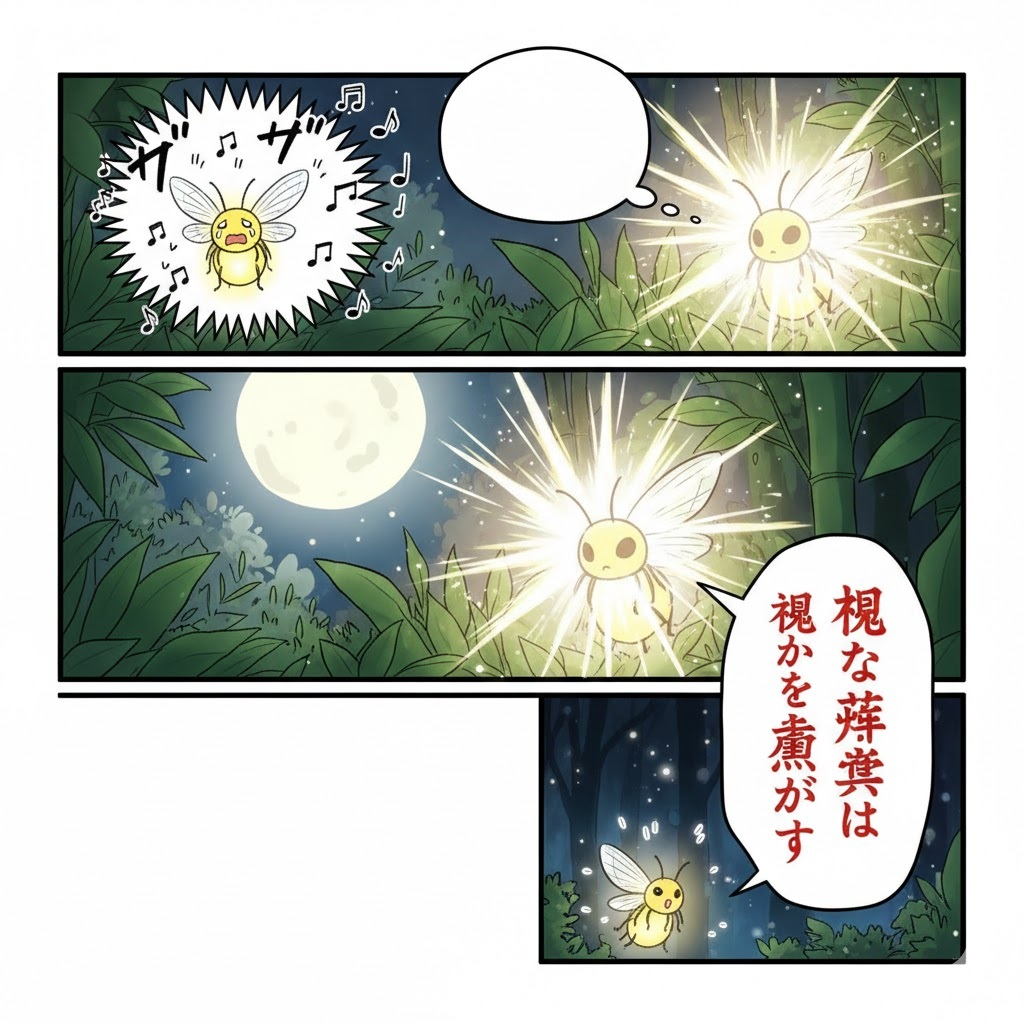
    ๐Ÿ‡ฏ๐Ÿ‡ต Japanese:“The mute firefly burns more than the one that cries.” (Wow! ๐Ÿ”ฅ)

    ๐ŸŽฏ Impact on Life: The Pros & Cons


    โœ… The Pros (The Mystery)


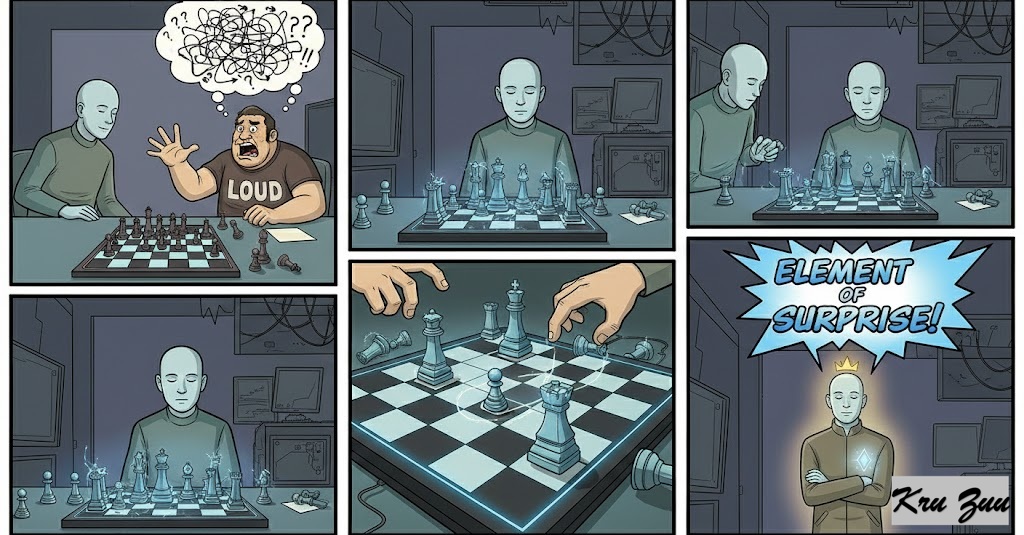
    Power: If you are “still water,” people can’t read your next move. You have the element of surprise.


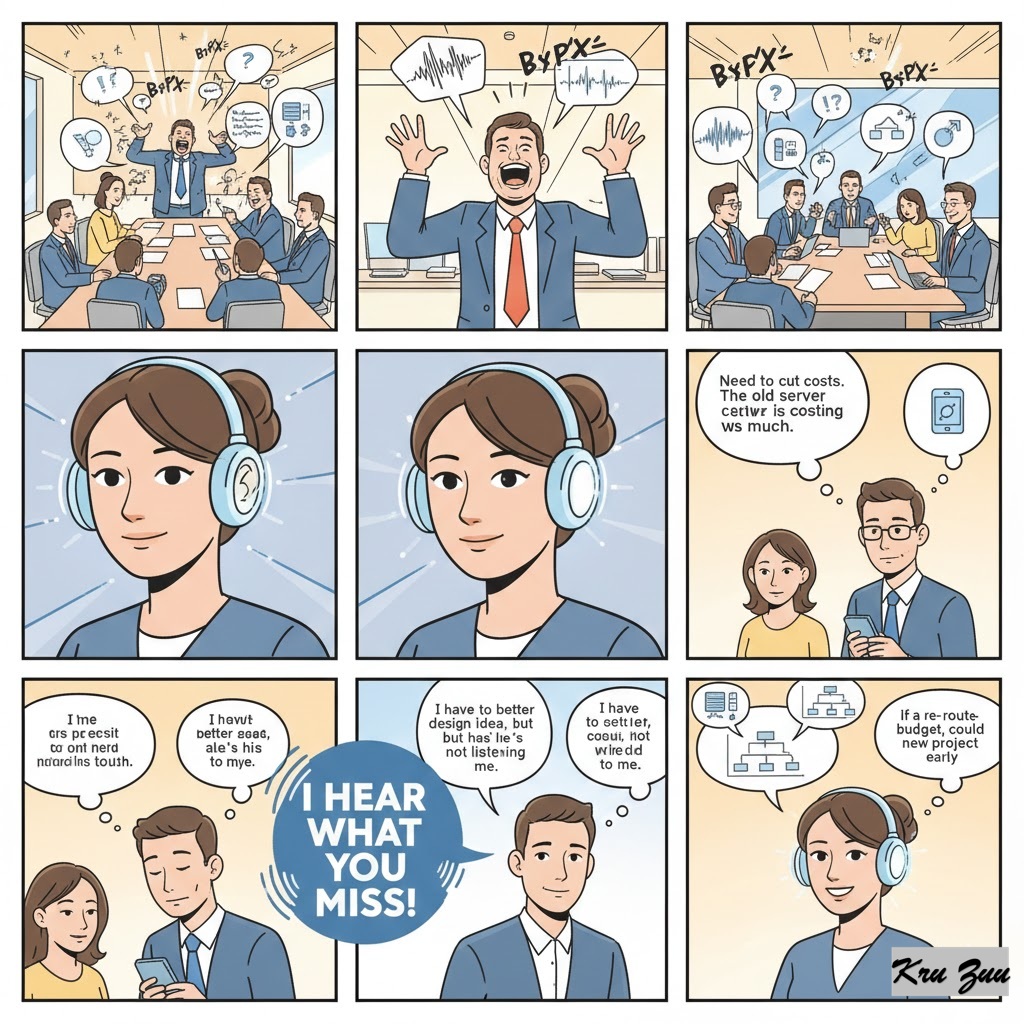
    Listening: By being quiet, you hear things the loud people miss.


    โŒ The Cons (The Danger)


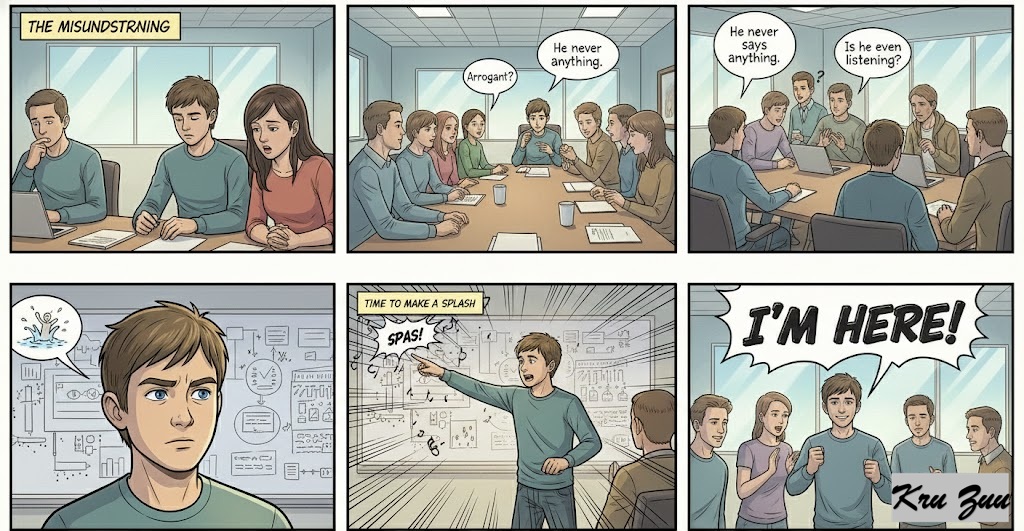
    Misunderstanding: People might think you are arrogant or uninterested because you don’t speak much. Sometimes, you need to make a little “splash” so people know you are there.

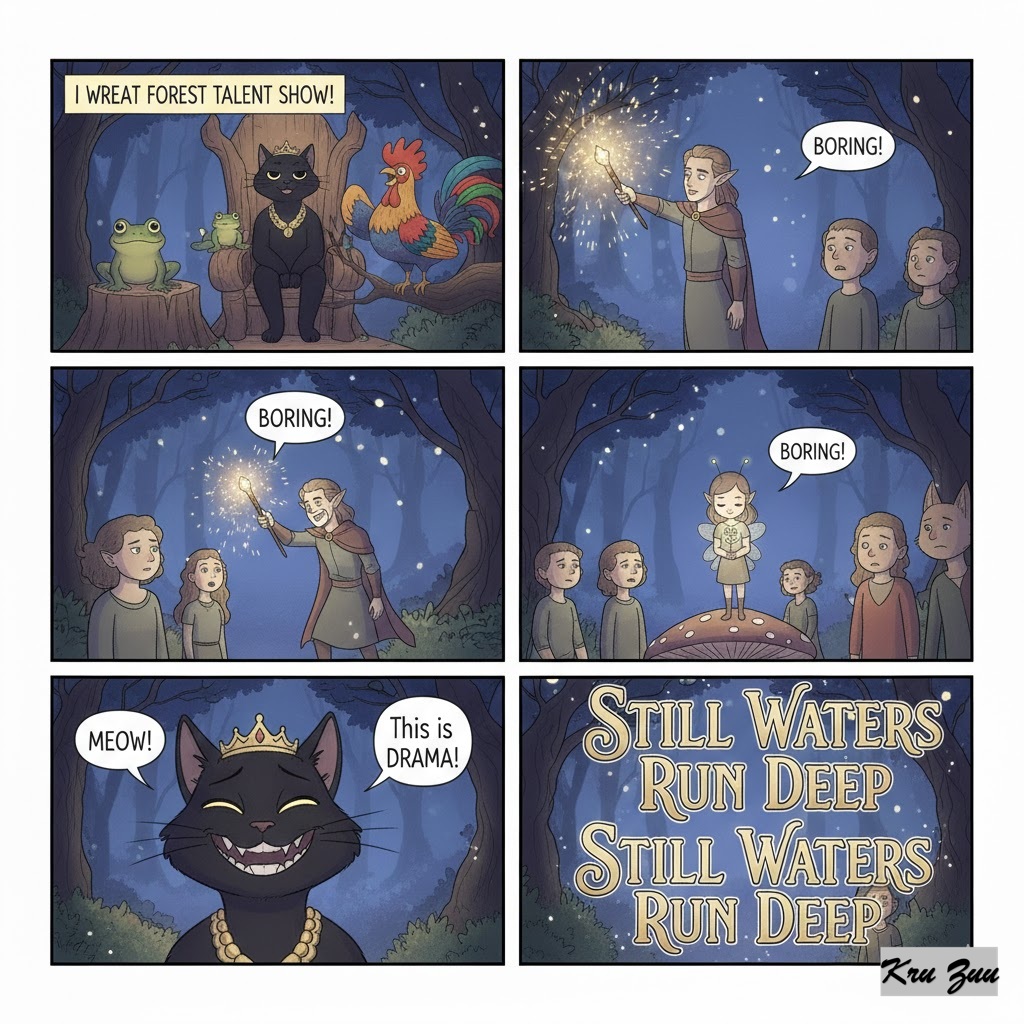
    ๐ŸŽญ Short Story: The Forest Talent Show ๐Ÿธ๐Ÿฑ๐Ÿ”


    Letโ€™s visit the magical forest to see who really has the talent.


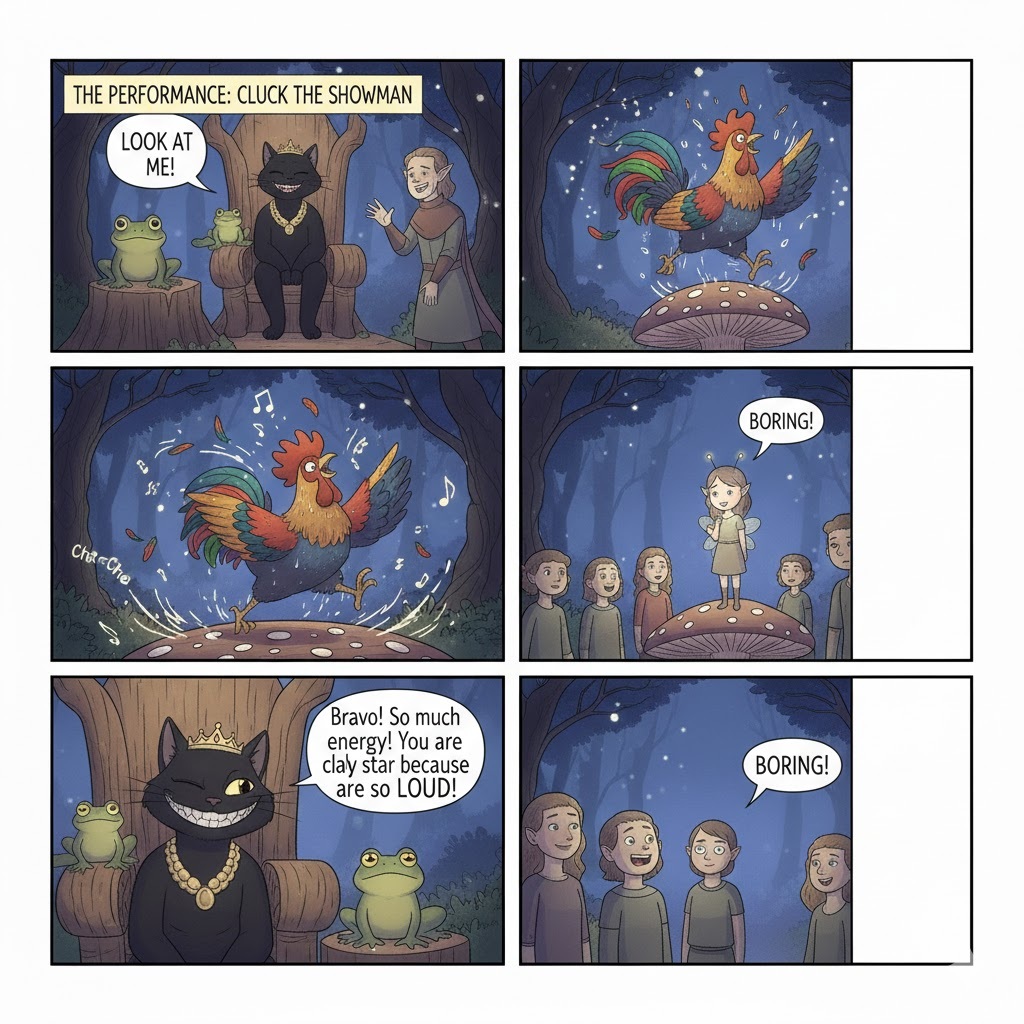
    ๐ŸŒŸ The Cast


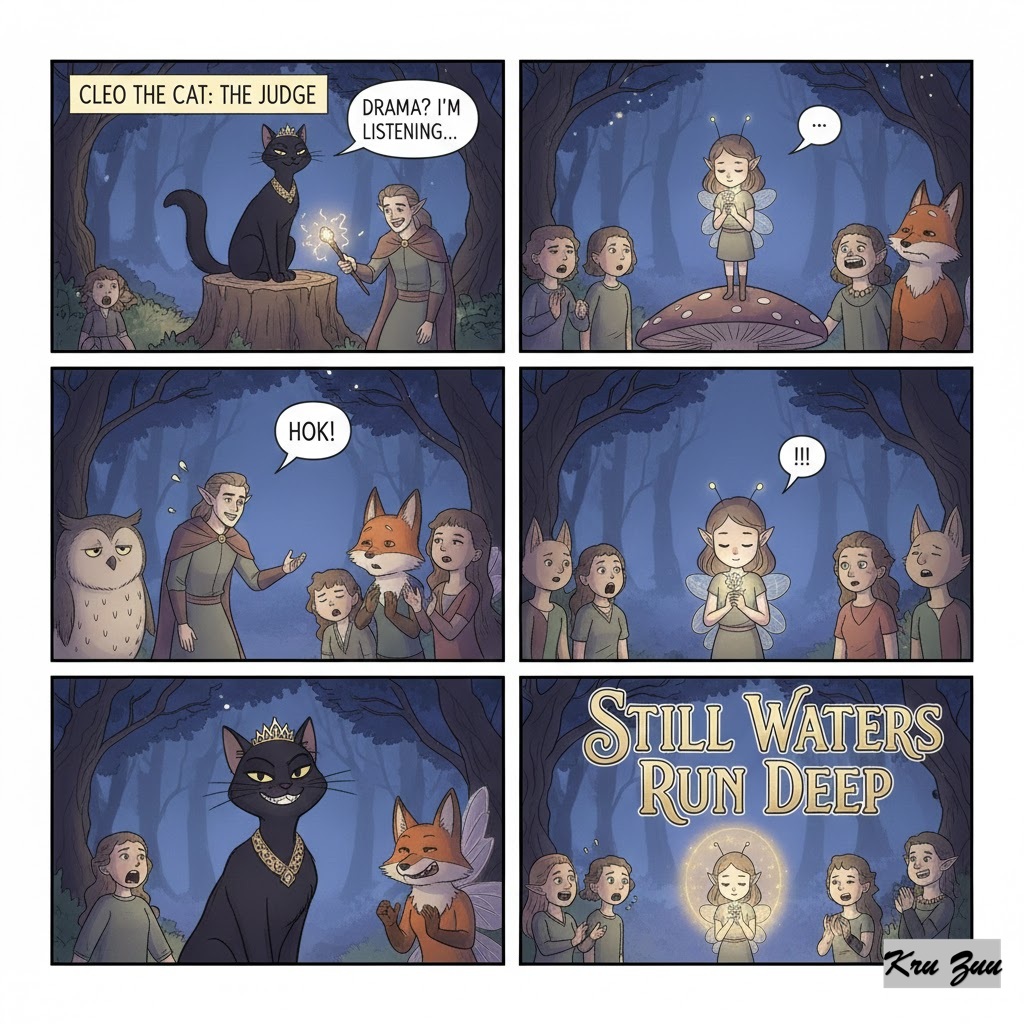
    Cleo the Cat: The Judge. Stylish, critical, and loves drama. ๐Ÿ˜ผ


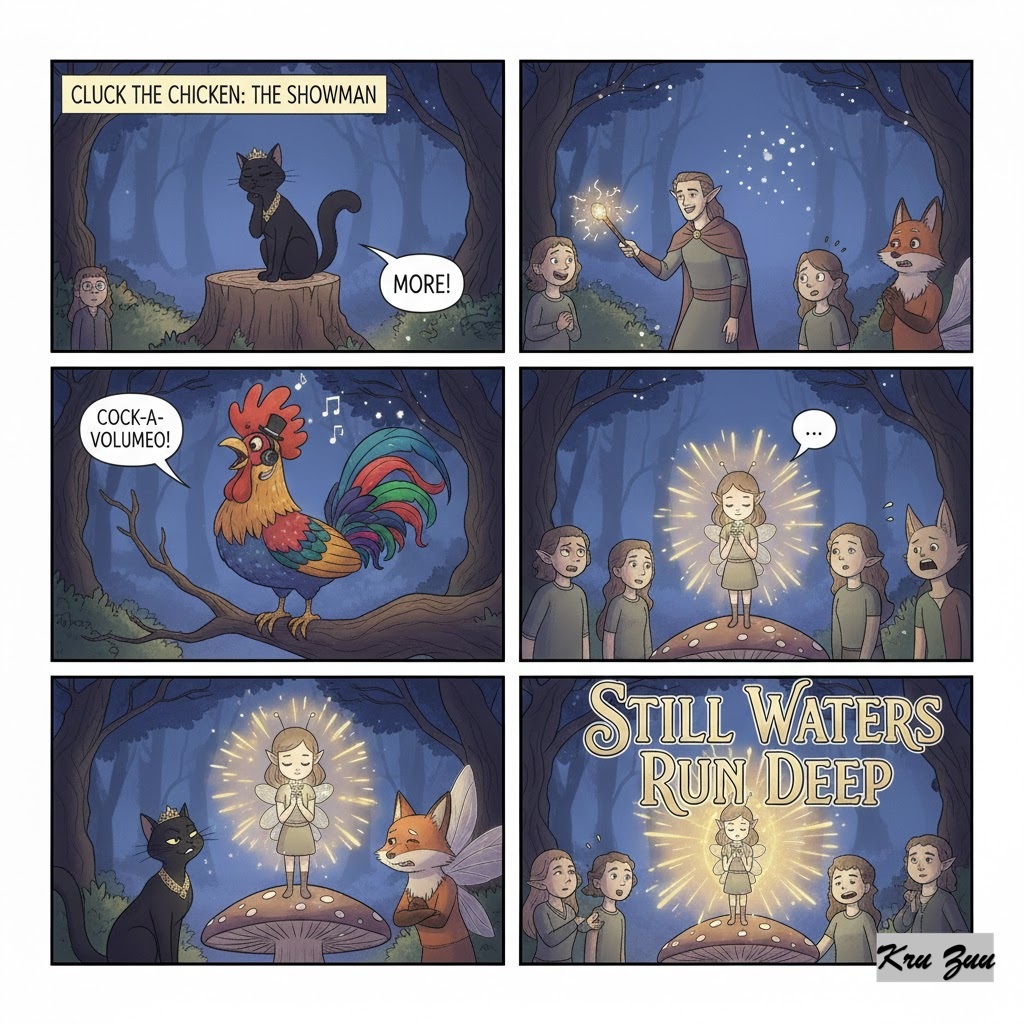
    Cluck the Chicken: The Showman. Loud, colorful, and loves his own voice. ๐Ÿ”


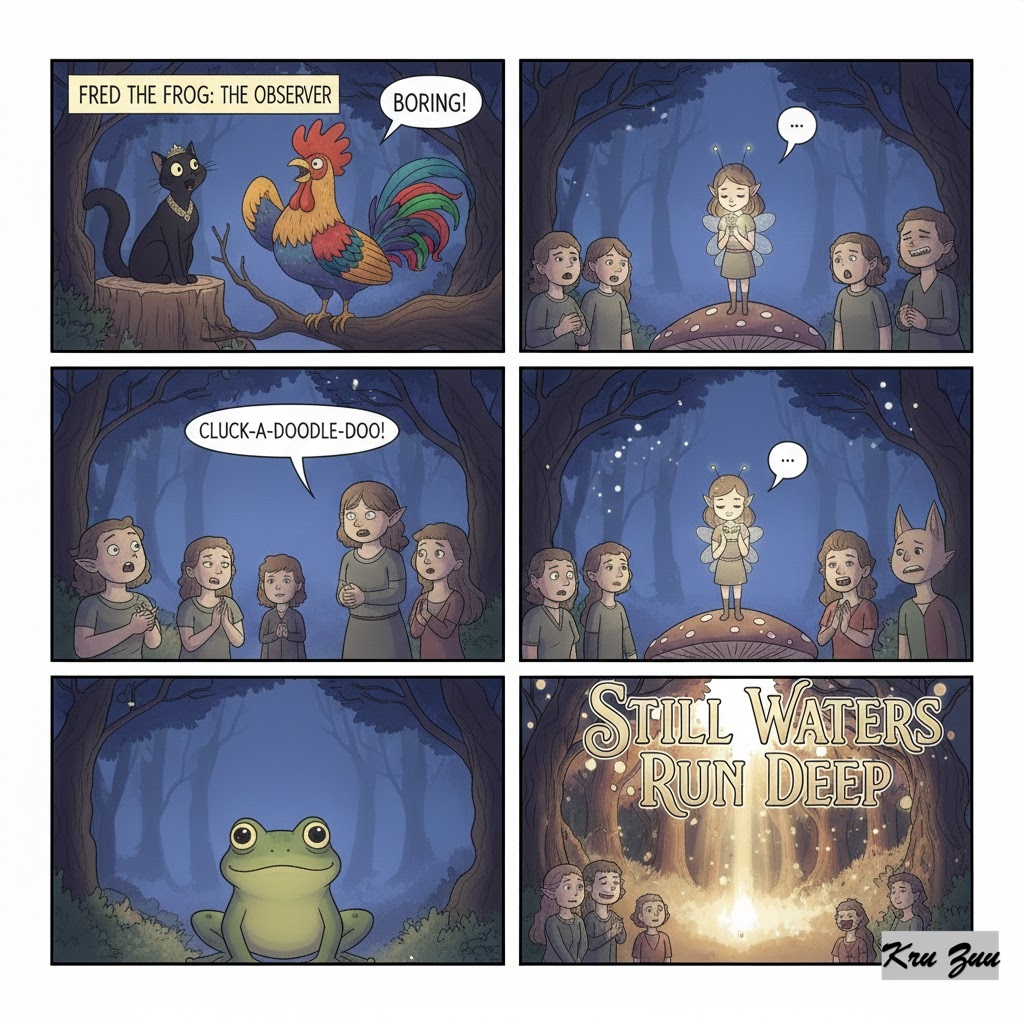
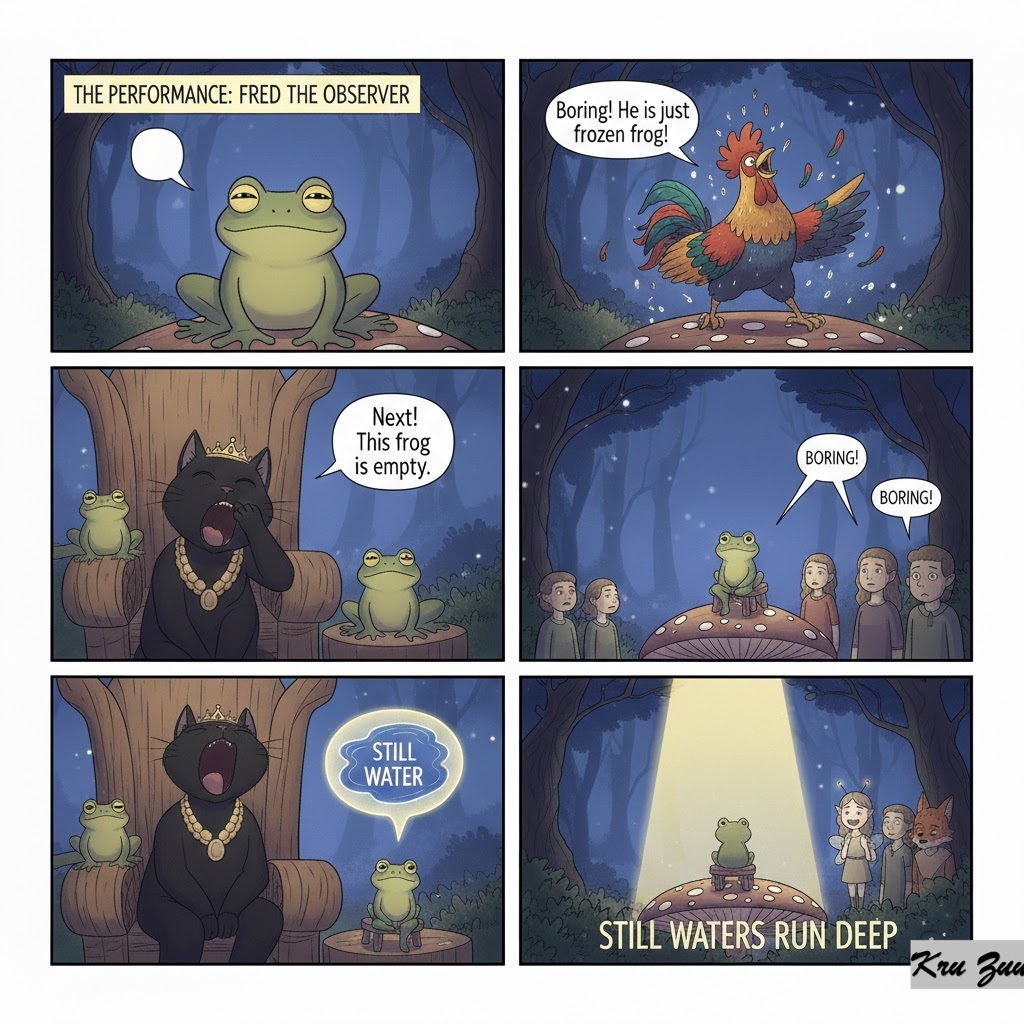
    Fred the Frog: The Observer. Tiny, green, and completely silent. ๐Ÿธ


    The Situation: It was the night of the “Great Forest Talent Show.” Cleo sat on the judge’s throne. She wanted entertainment!


    The Performance: First up was Cluck. He exploded onto the stage! “LOOK AT ME!” he squawked. He flapped his wings furiously. He danced the ‘Cha-Cha’. He told ten jokes in one minute. He was sweating, screaming, and running in circles. Cleo clapped. “Bravo! So much energy! You are clearly a star because you are so LOUD!”


    Then, it was Fredโ€™s turn. Fred hopped onto the stage. He sat on a stool. He didn’t move. He didn’t speak. Cluck laughed from the side. “Boring! He is just a frozen frog! He has nothing inside his head!” Cleo yawned. “Next! This frog is empty.”


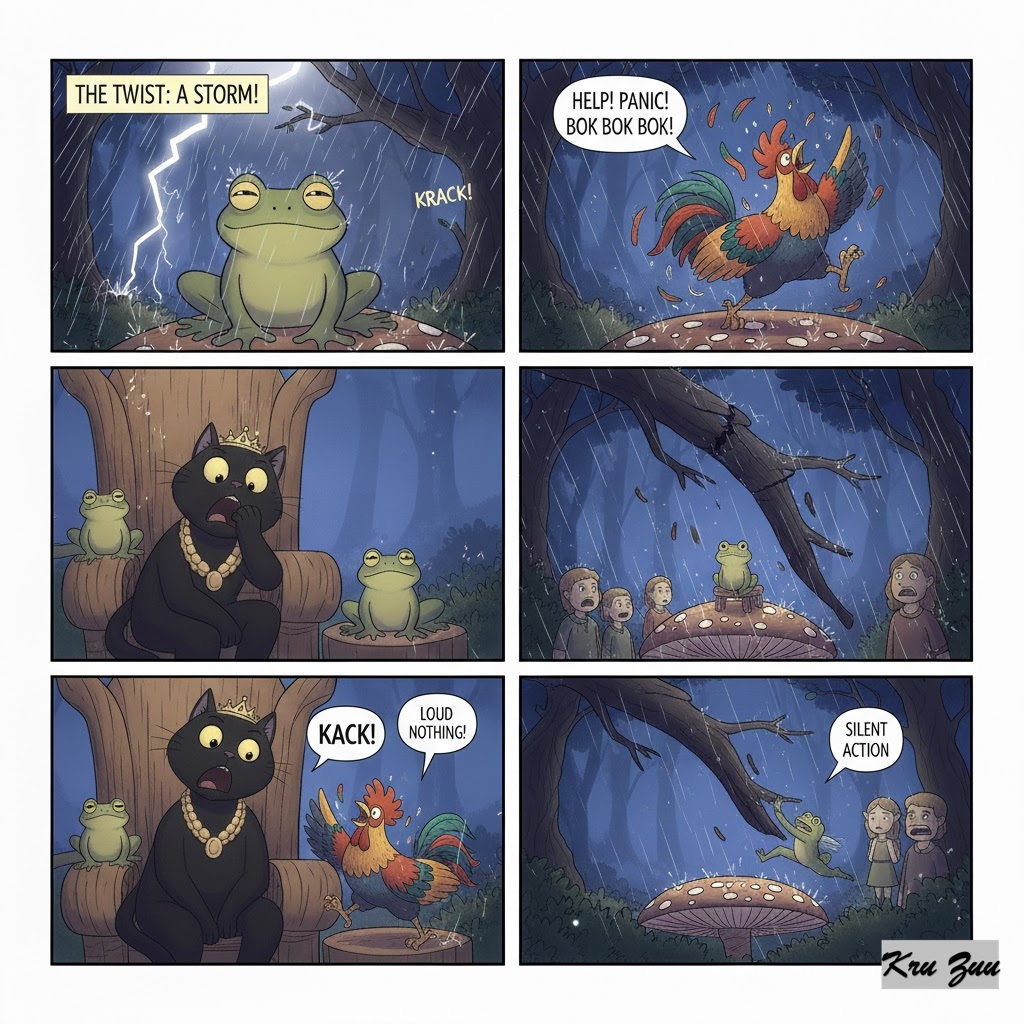
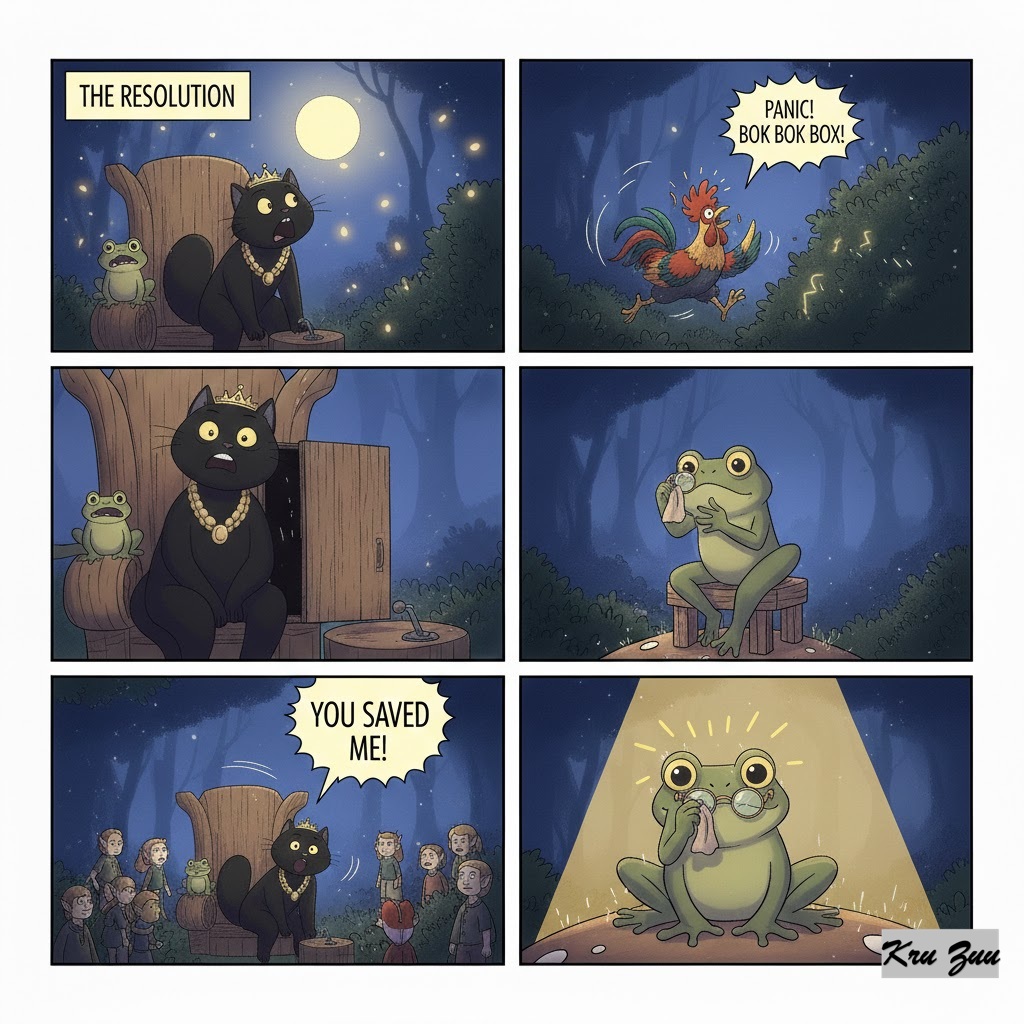
    The Twist: Suddenly, a storm broke out! โ›ˆ๏ธ The lights went off. The wind howled. A giant, heavy tree branch cracked and was about to fall right onto Cleo! Cluck ran around screaming, “HELP! PANIC! BOK BOK BOK!” He was making a lot of noise, but doing nothing.


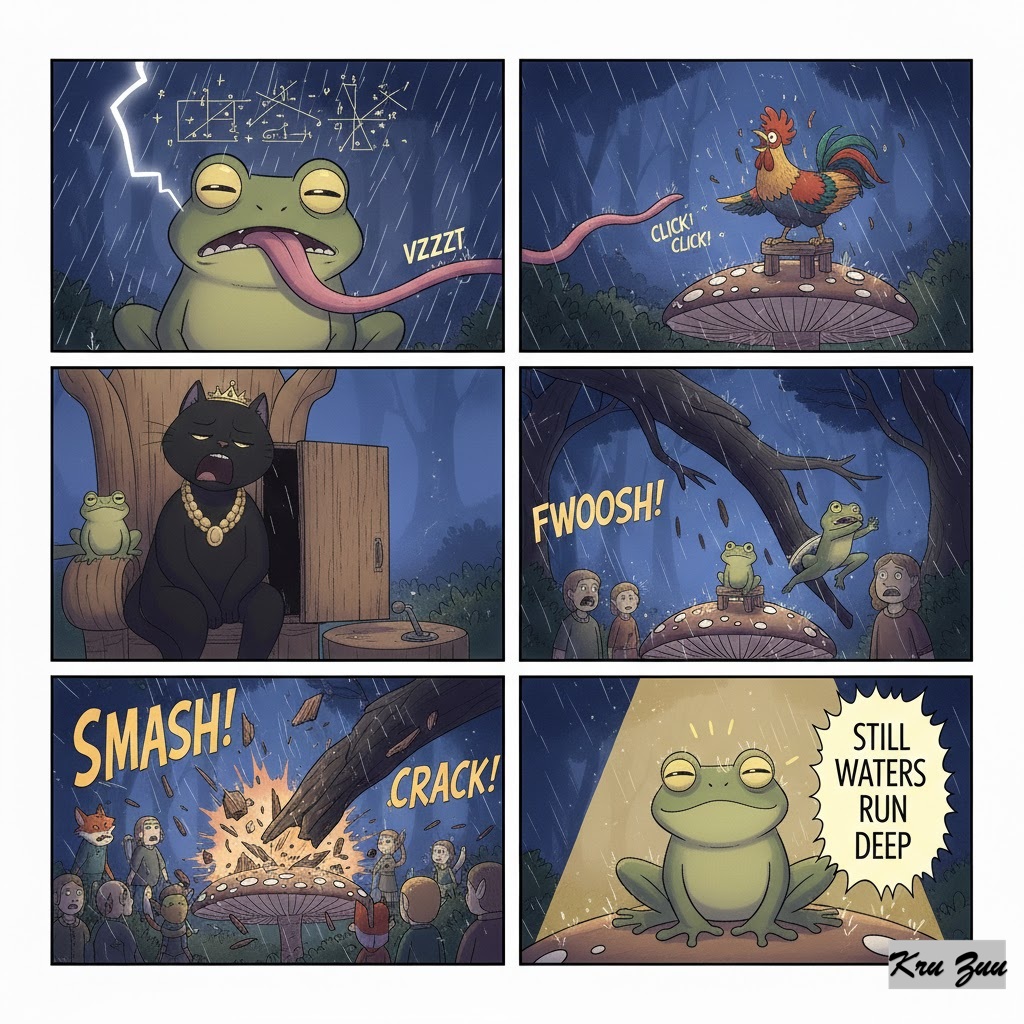
    In the darkness, Fred didn’t scream. He didn’t panic. With a calm, deep breath, Fred calculated the angle. He used his long, sticky tongue to pull a lever on the stage wall. CLICK. A trapdoor opened instantly under Cleo, sliding her to safety just one second before the tree smashed her throne. ๐Ÿ’ฅ


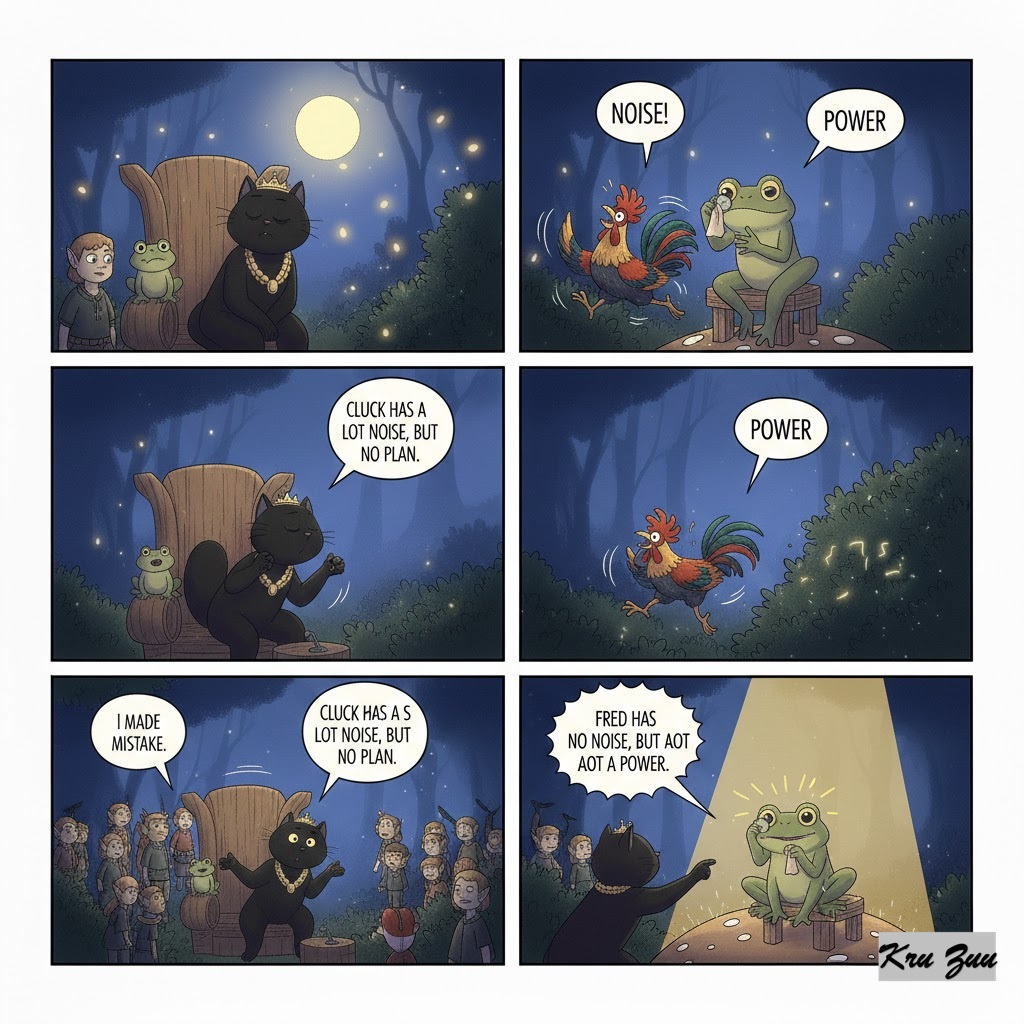
    The Resolution: When the lights came back on, Cleo crawled out of the safe tunnel. Cluck was still running around screaming at a bush. Fred was sitting calmly on his stool, polishing his glasses.


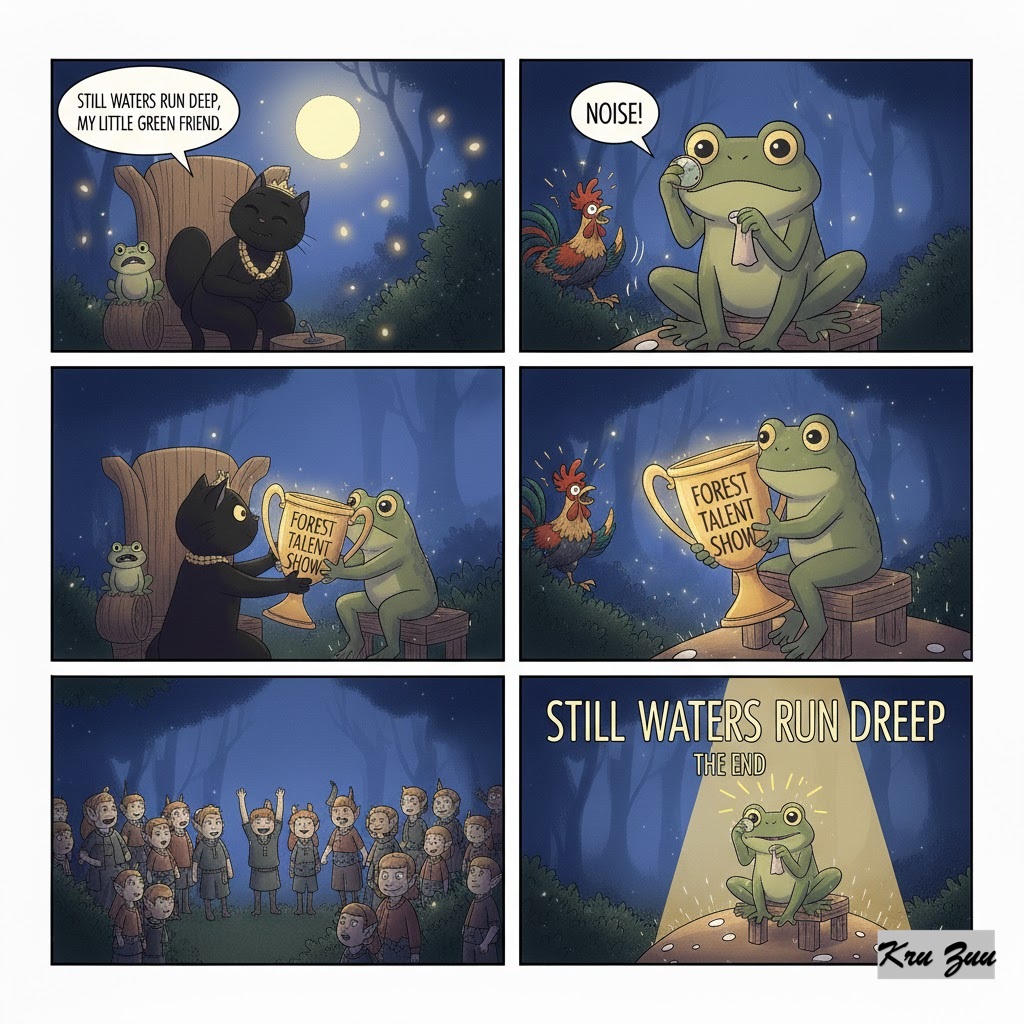
    Cleo looked at the screaming Chicken, and then at the silent Frog who saved her life. “I made a mistake,” Cleo whispered. “Cluck has a lot of noise, but no plan. Fred has no noise, but a lot of power.”


    She handed the trophy to Fred. “Still waters run deep, my little green friend.”


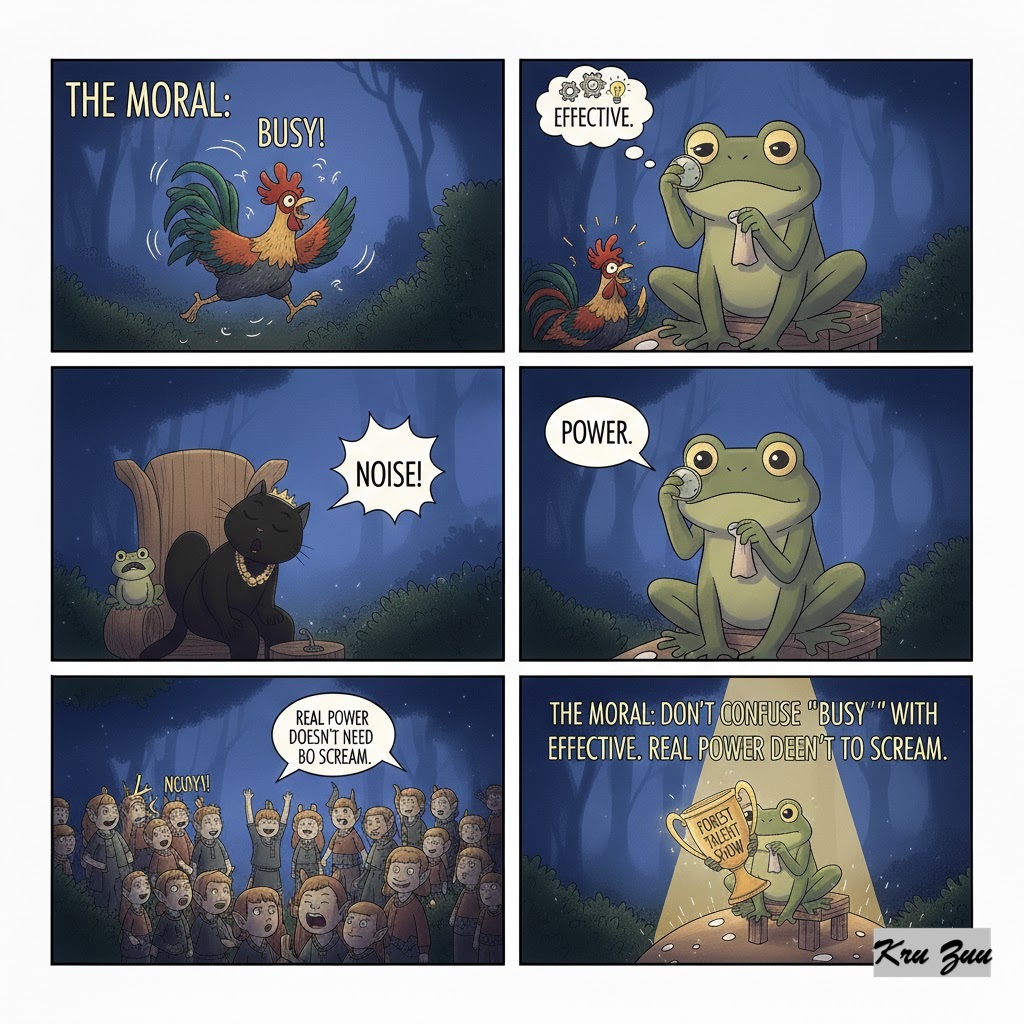
    The Moral: Don’t confuse “Busy” with “Effective.” Real power doesn’t need to scream. ๐Ÿ†

    ๐ŸŽ“ Lesson for English Learners


    Don’t Fear the Silence.


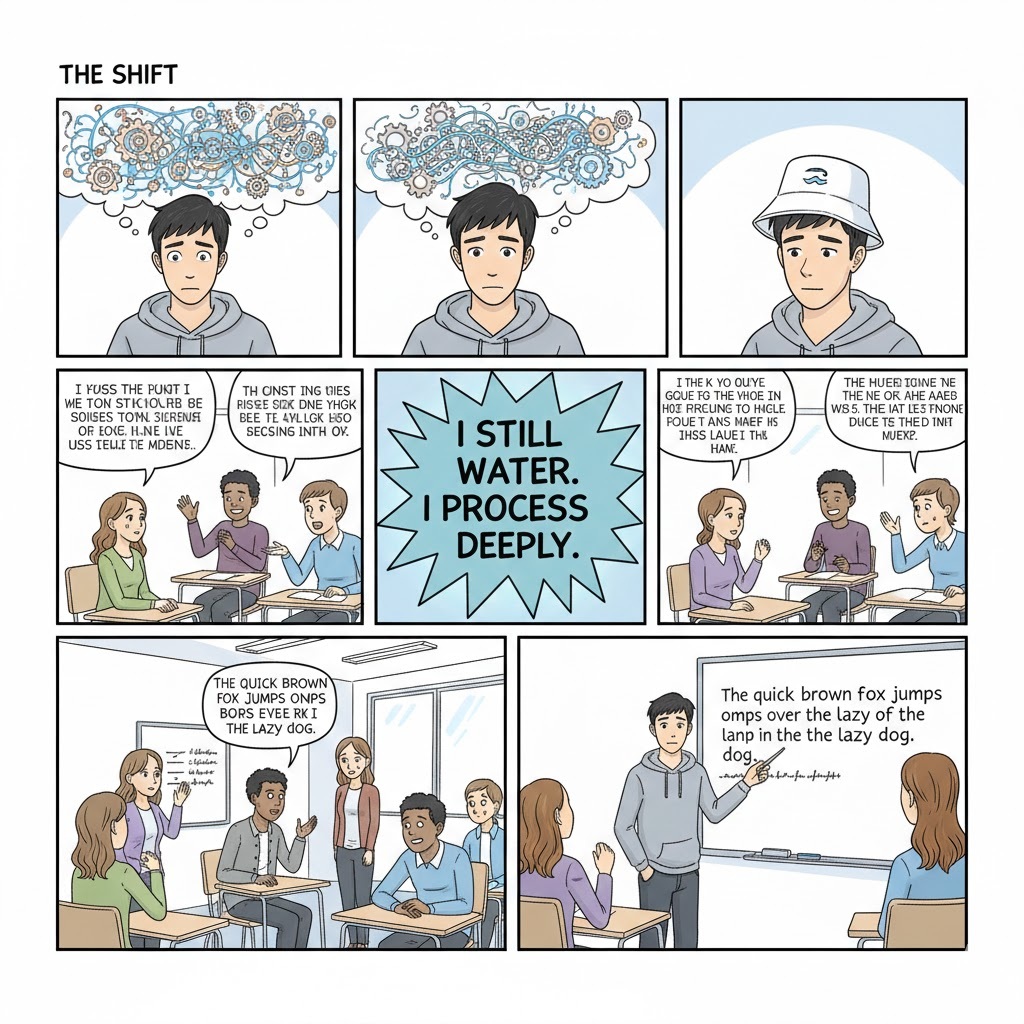
    Situation: You are in an English class. You don’t speak much because you are translating in your head. You feel stupid because others are talking fast (but making mistakes).


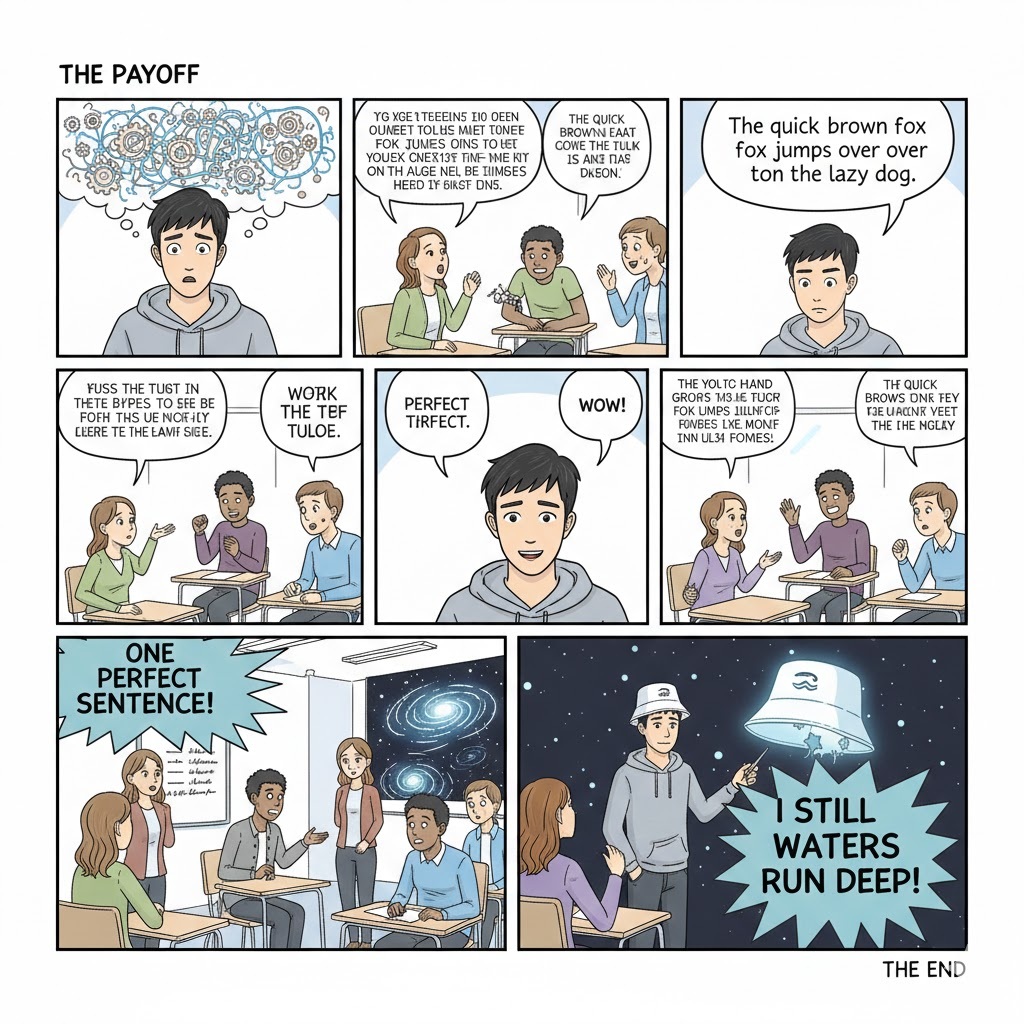
    The Shift: Remind yourself that you are “Still Water.” You are processing deeply.


    You Say: When you are ready, speak one perfect, thoughtful sentence.


    Phrase to use:“I may be quiet, but I am listening. Still waters run deep!”


    ๐Ÿ’ฌ Your Turn: The Observer Challenge ๐Ÿš€


    Do you know someone who is very quiet?


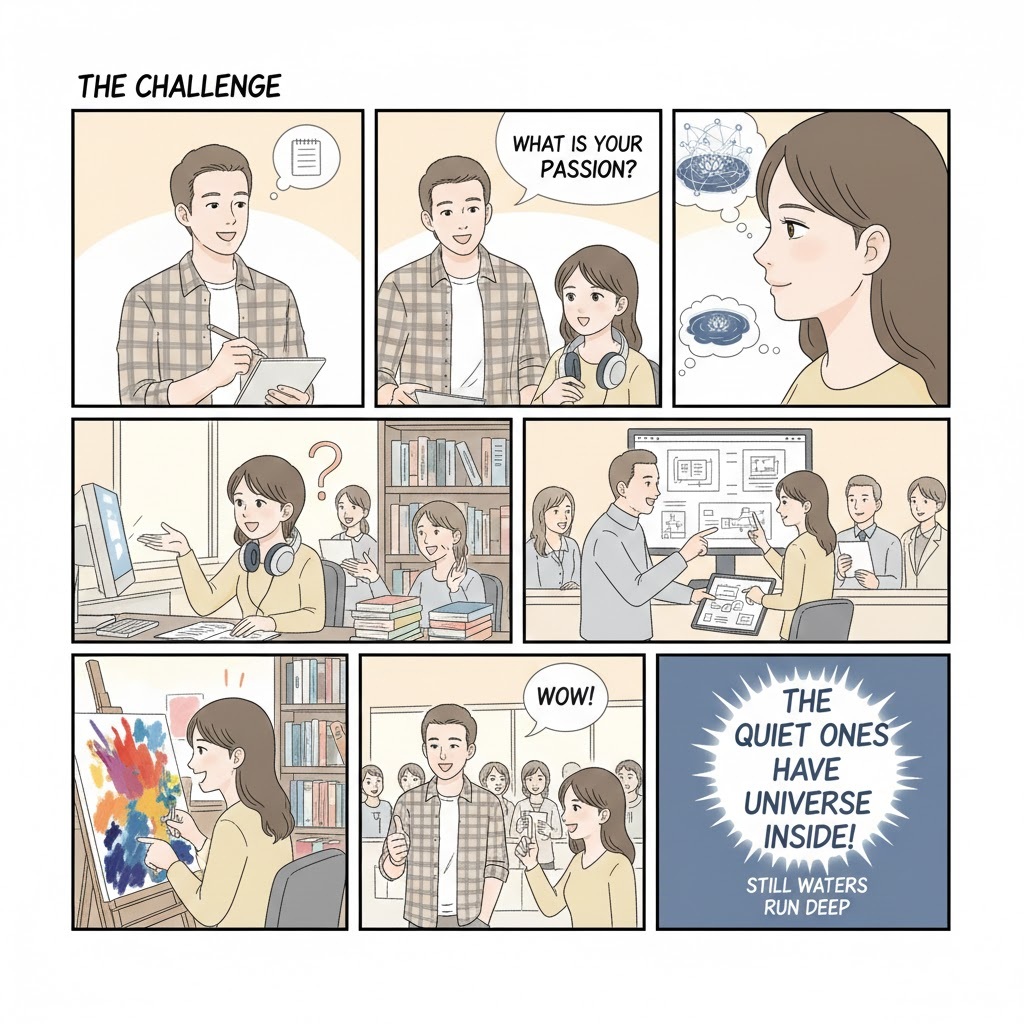
    The Challenge: This week, talk to the quietest person in your office or class. Ask them a deep question like, “What is your passion?” or “What do you think about [Topic]?”


    The Prediction: I bet you will be shocked by how interesting their answer is.


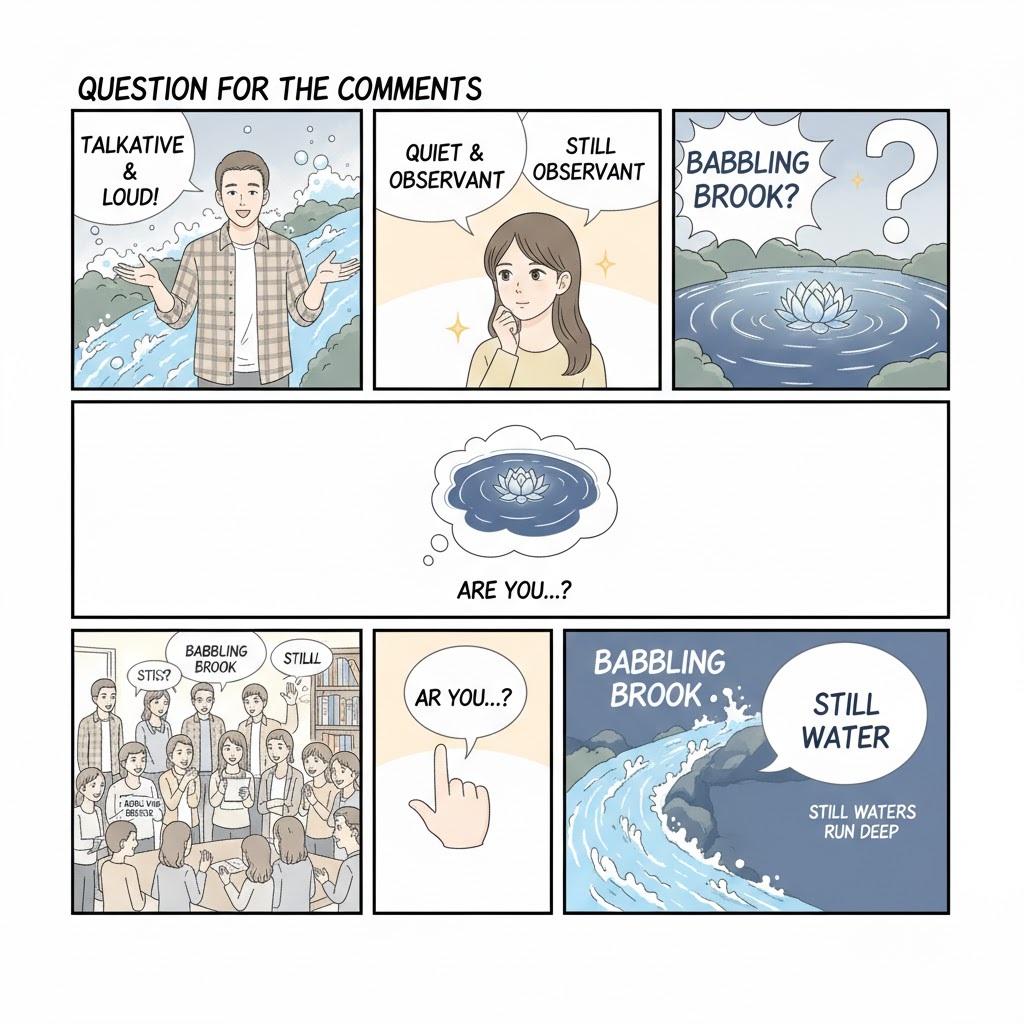
    ๐Ÿ‘‡ Question for the comments: Are you a “Babbling Brook” (talkative) or “Still Water” (quiet)?

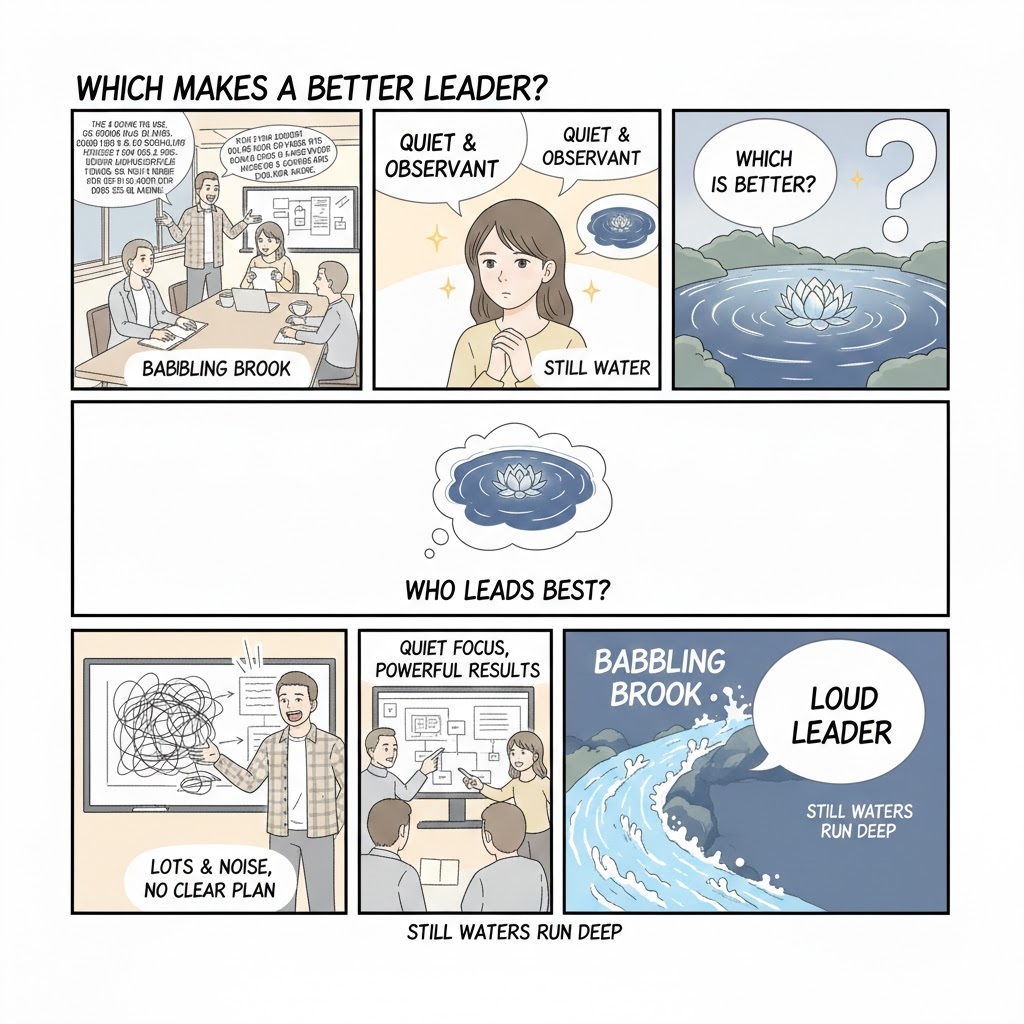
    Which one do you think makes a better leader?

    Let me know below!

    By Zubeyir YURTKURAN

    https://www.facebook.com/BrainBattleground/

    https://www.facebook.com/zubeyr.yurtkuran/

    https://www.instagram.com/zubeyryurtkuran/
    https://www.youtube.com/@BrainBattleground-b3p

    https://www.instagram.com/brainbattleground/

  • ๐Ÿคซ The Daily Shield: The Art of Peace

    ๐Ÿคซ The Daily Shield: The Art of Peace

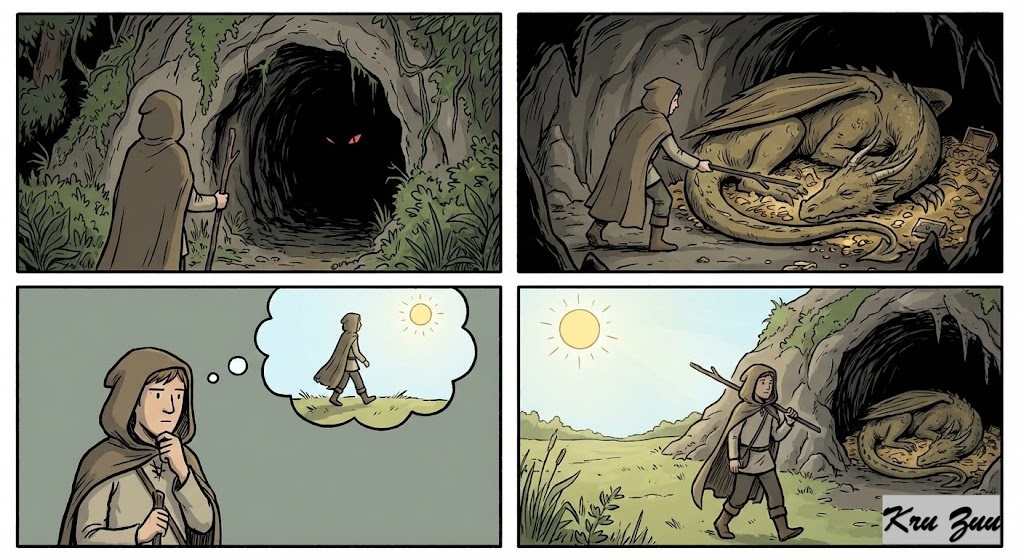
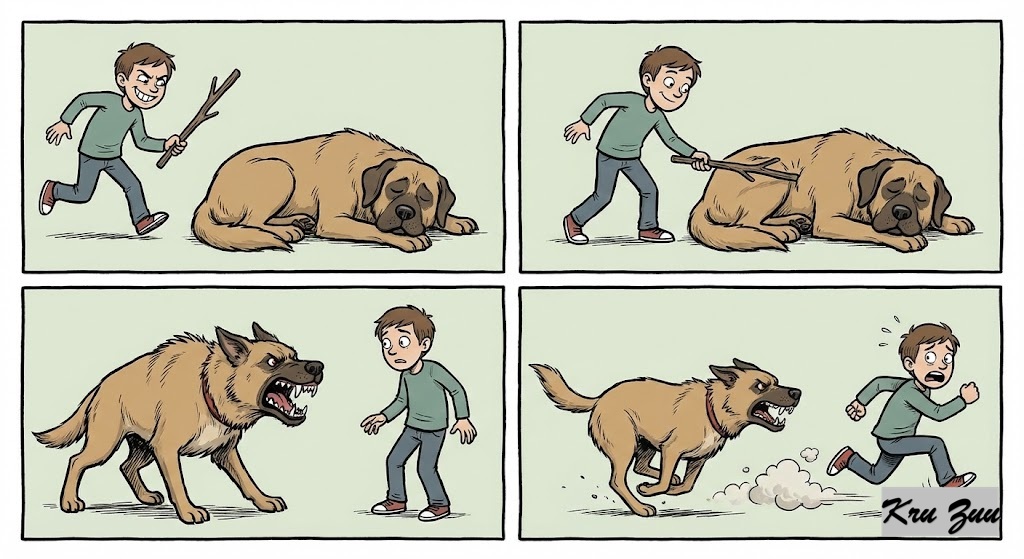
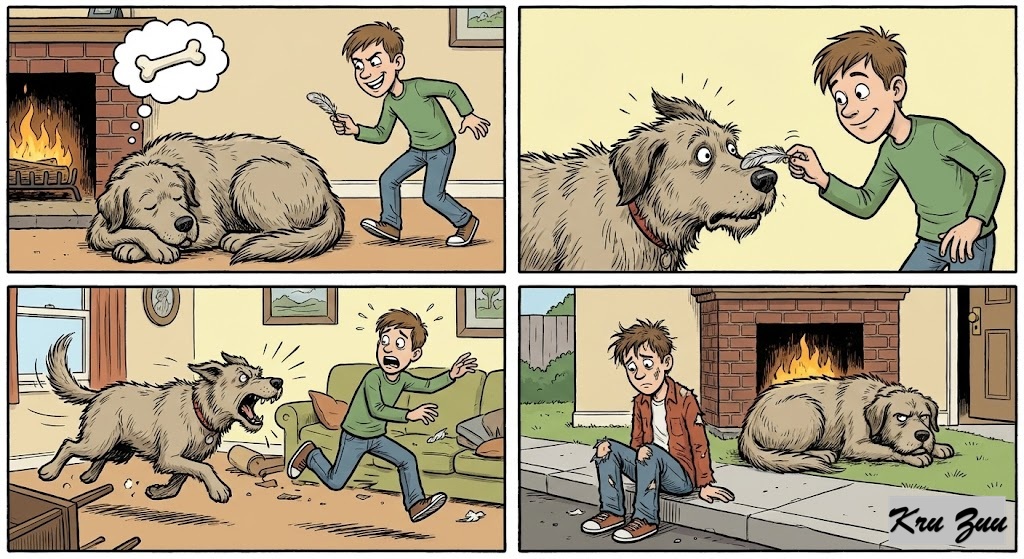
    “Let sleeping dogs lie.”


    ๐Ÿ˜ˆ The Villain (The Poker)

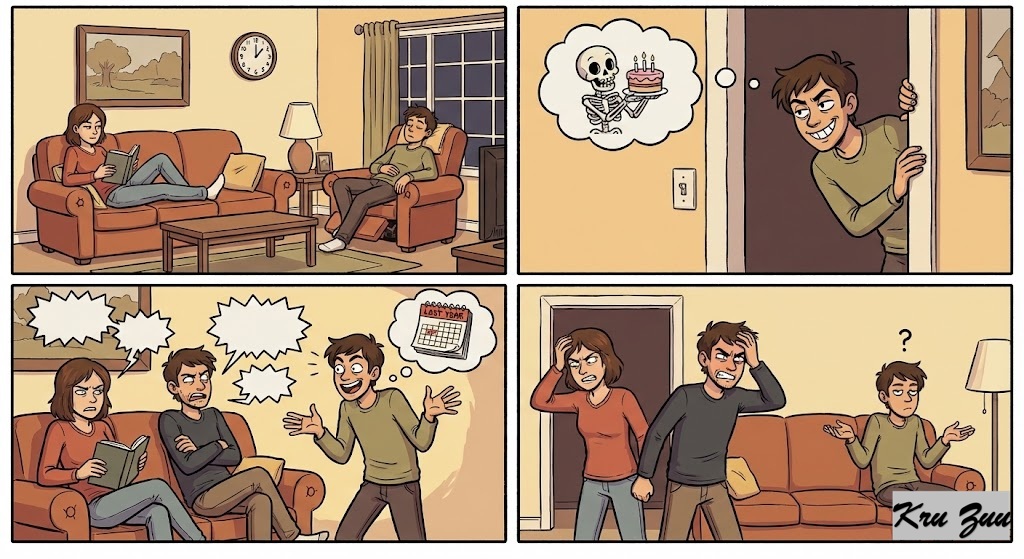
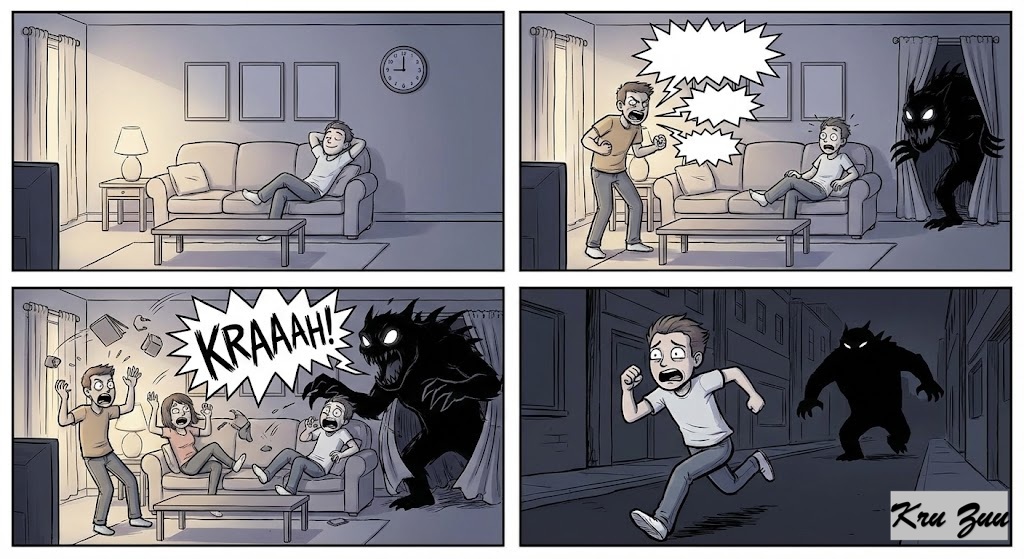
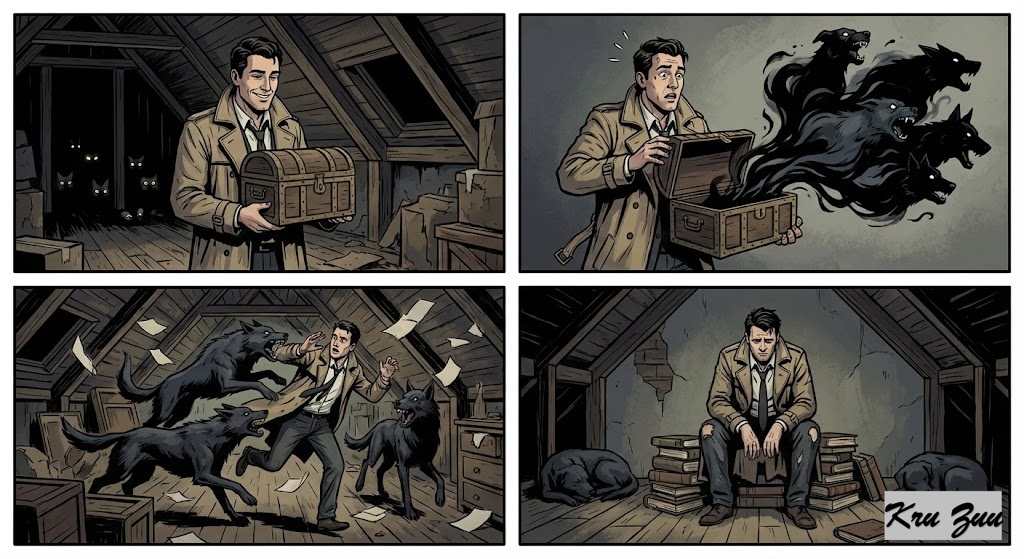
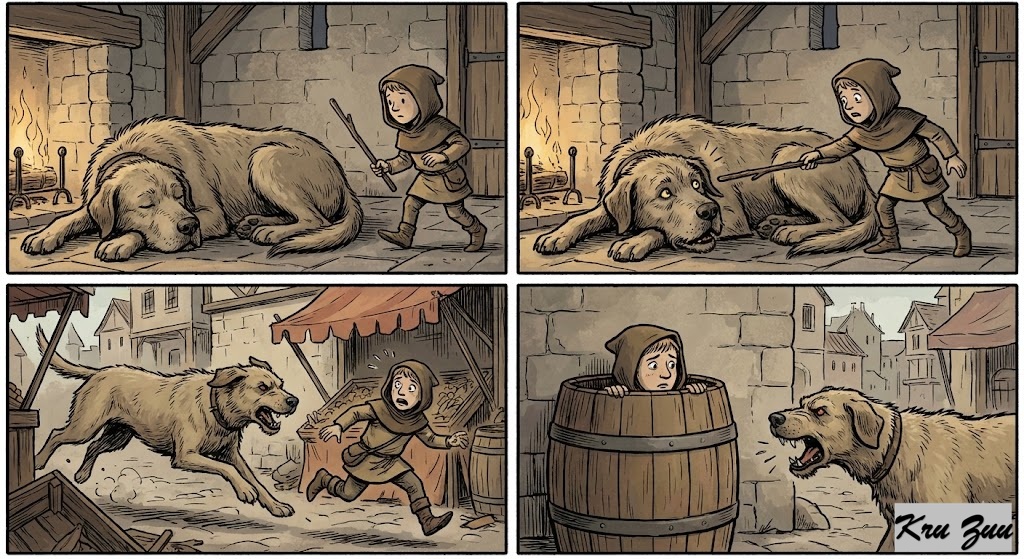
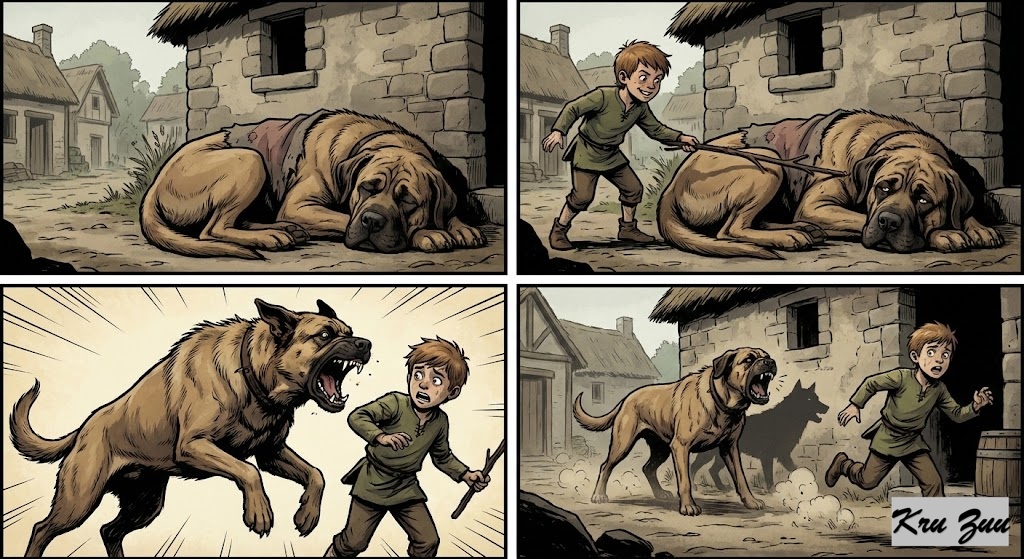
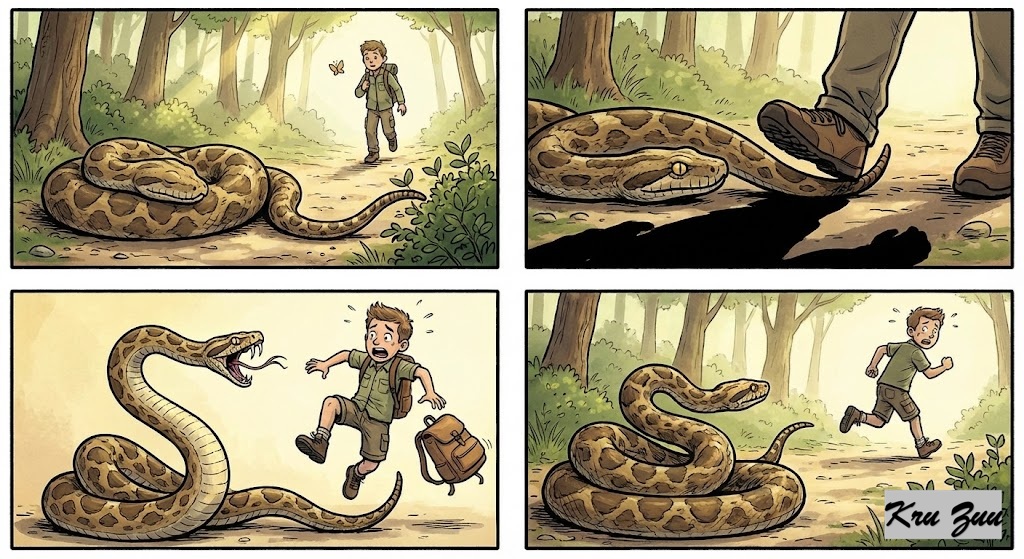
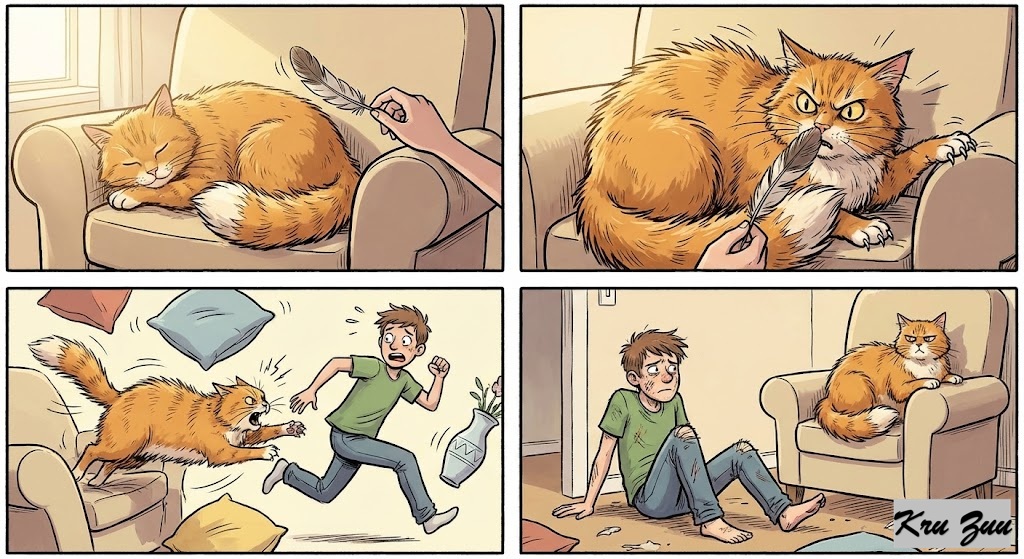
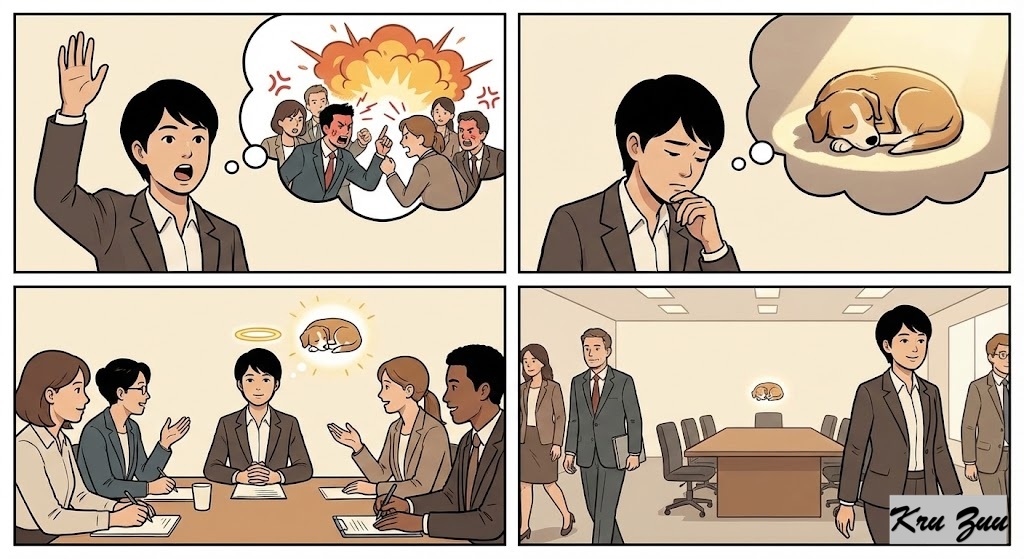
    Things are finally calm. The argument ended three days ago. Everyone is relaxing. But thenโ€ฆ you walk in. You are bored with peace. You say: “Hey, remember last year when you forgot my birthday?” or “Iโ€™m still not sure why you looked at me like that yesterday.” ๐Ÿ‘‰ You poke the wound. You dig up old skeletons. You insist on “talking it out” even when there is nothing left to say.

    The Result? Chaos returns. The calm evening turns into a screaming match. You just woke up the beast, and now you have to run. ๐ŸงŸโ€โ™‚๏ธ


    ๐Ÿ˜‡ The Hero (The Peacemaker): You notice a sensitive topic, but you see that everyone is currently happy. You make a conscious choice. You realize that digging up the past won’t fix the futureโ€”it will only create new pain. You smile and say nothing. You focus on today.

    The Result? The moment remains peaceful. Relationships heal naturally over time because you didn’t pick at the scab. You chose wisdom over drama. ๐Ÿ›ก๏ธ


    โš–๏ธ The Reality


    Some problems are like sleeping monsters. If they are quiet, they can’t bite you. Bringing up old grievances or reopening settled arguments rarely leads to a “better understanding.” Usually, it just leads to noise.


    ๐Ÿ’Ž The Secret

    Peace is not just the absence of war; it is the discipline to keep your mouth shut when everything is calm.

    ๐Ÿง The Anatomy of the Proverb


    This is your permission to leave things alone.


    Let (Verb): Allow; permit.


    Sleeping (Adjective): Inactive; quiet; at rest.


    Dogs (Noun): A metaphor for trouble, old arguments, or hidden secrets.


    Lie (Verb): To rest in a horizontal position (stay down).


    Simpler Version: Don’t look for trouble. / Don’t restart an old conflict.


    ๐Ÿ“š Vocabulary Vault


    Provoke (Verb): To stimulate or give rise to anger (poking the dog). ๐Ÿ˜ก


    Dormant (Adjective): Having normal physical functions suspended or slowed down for a period of time; in or as if in a deep sleep.


    Grievance (Noun): A real or imagined wrong or other cause for complaint or protest.


    Tact (Noun): Sensitivity in dealing with others or with difficult issues.


    Instigate (Verb): To bring about or initiate (an action or event).


    ๐Ÿง  Grammar Focus: Imperative Mood


    This idiom is almost always used as a command or advice (Imperative).


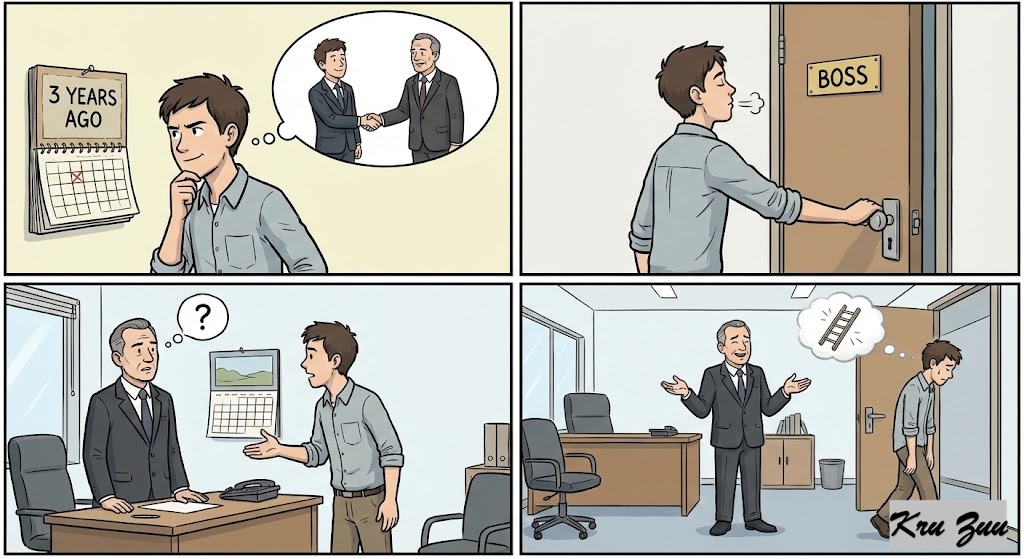
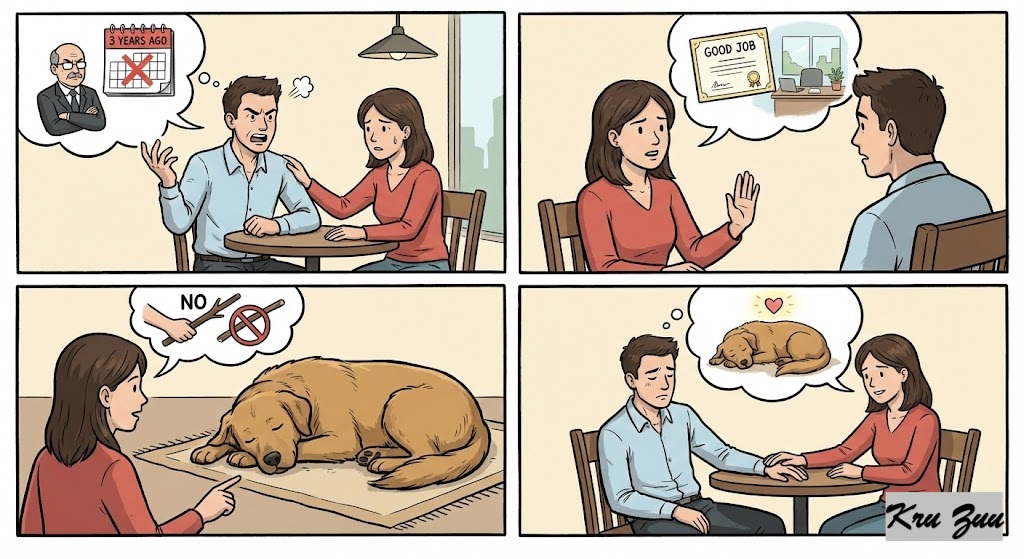
    Person A: “I want to ask my boss why he didn’t promote me three years ago.”


    Person B: “Don’t do it. You have a great job now. Let sleeping dogs lie.”

    ๐Ÿ“œ History: Origin and Spread


    Where did this wise warning come from?

    The Origin: The legendary writer Geoffrey Chaucer used a version of this in the 1300s! He wrote, “It is nought good a slepyng hound to wake.”

    The Logic: Before domesticated pets, dogs were working animalsโ€”guards and hunters. They were often fierce. If you woke a sleeping guard dog suddenly, it would likely bite your face before realizing who you were.

    Global Cousins

    ๐Ÿ‡น๐Ÿ‡ท Turkish: “Uyuyan yฤฑlanฤฑn kuyruฤŸuna basma.” (Don’t step on the tail of a sleeping snake.)

    ๐Ÿ‡ซ๐Ÿ‡ท French: “N’รฉveillez pas le chat qui dort.” (Don’t wake the sleeping cat.)

    ๐Ÿ‡ฉ๐Ÿ‡ช German: “Schlafende Hunde soll man nicht wecken.” (One should not wake sleeping dogs.)

    ๐ŸŽฏ Impact on Life: The Pros & Cons


    โœ… The Pros (The Shield)


    Stress Reduction:
    You save your energy for problems that actually matter today.


    Harmony: You become known as an easy-going person, not a drama-seeker.


    โŒ The Cons (The Trap)


    Avoidance:
    Be careful. Don’t use this idiom to ignore serious problems that are getting worse. If the “dog” has a disease (a toxic issue), letting it sleep won’t cure it.

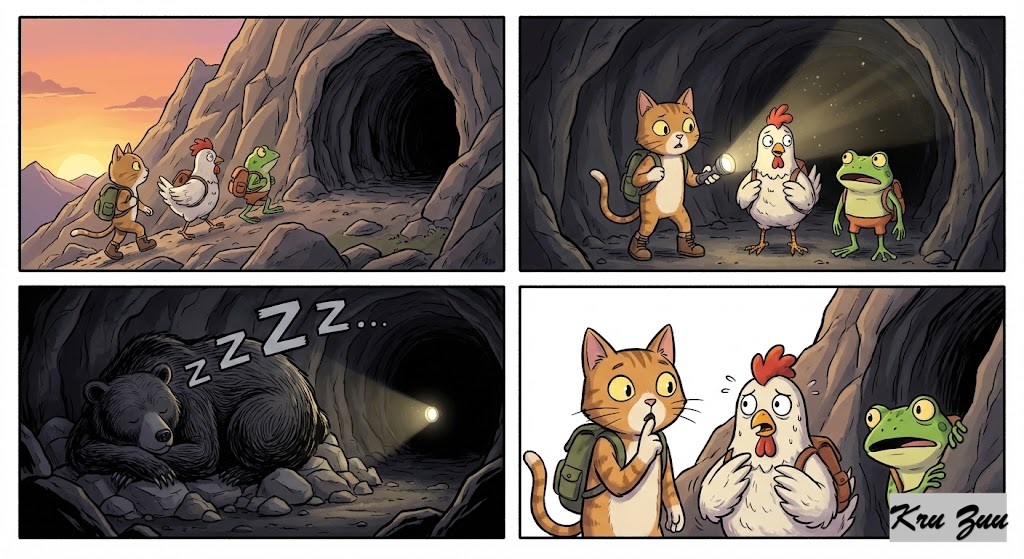
    ๐ŸŽญ Short Story: The Cave of Grumpy Bears ๐Ÿธ๐Ÿฑ๐Ÿ”


    Letโ€™s return to the magical forest to see why curiosity can be dangerous.


    ๐ŸŒŸ The Cast


    Cleo the Cat:
    Cautious, elegant, dislikes dirty paws. ๐Ÿ˜ผ


    Cluck the Chicken: Impulsive, loud, loves drama. ๐Ÿ”


    Fred the Frog: The wise observer on the lily pad. ๐Ÿธ


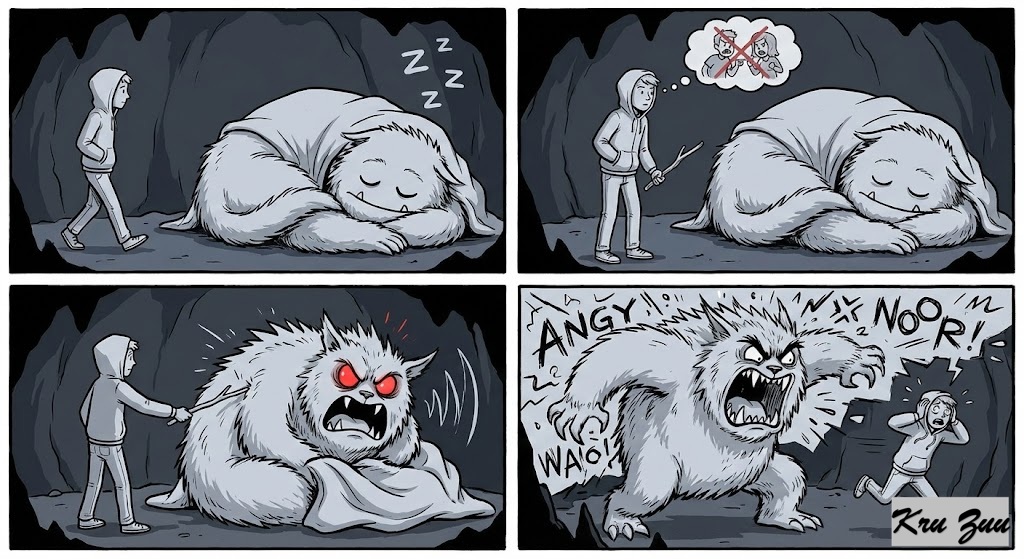
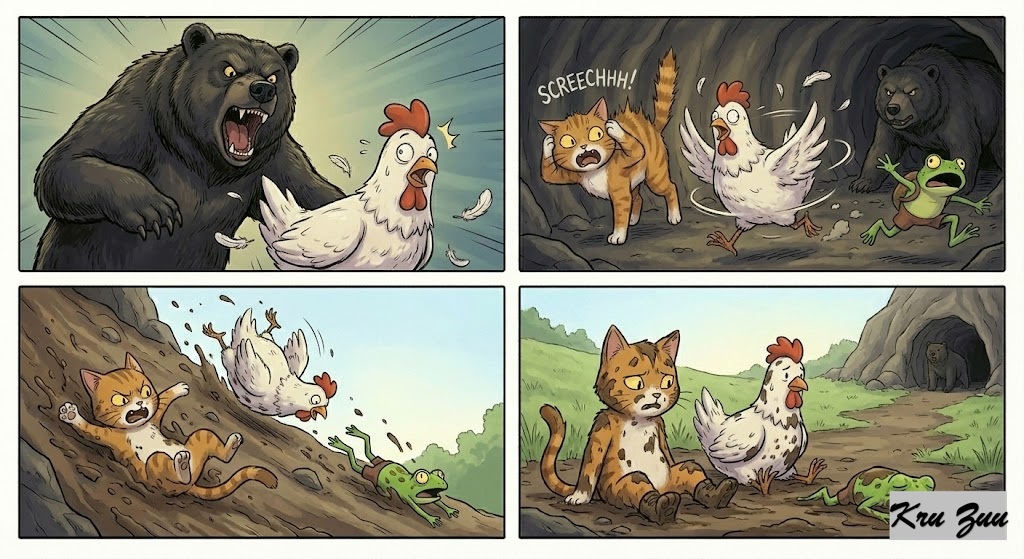
    The Situation: The trio is hiking up “Mount Mystery.” They come across a dark, echoing cave. Inside, a massive Shadow Bear is sleeping. It is snoring loudly: ZzzZZzzโ€ฆ


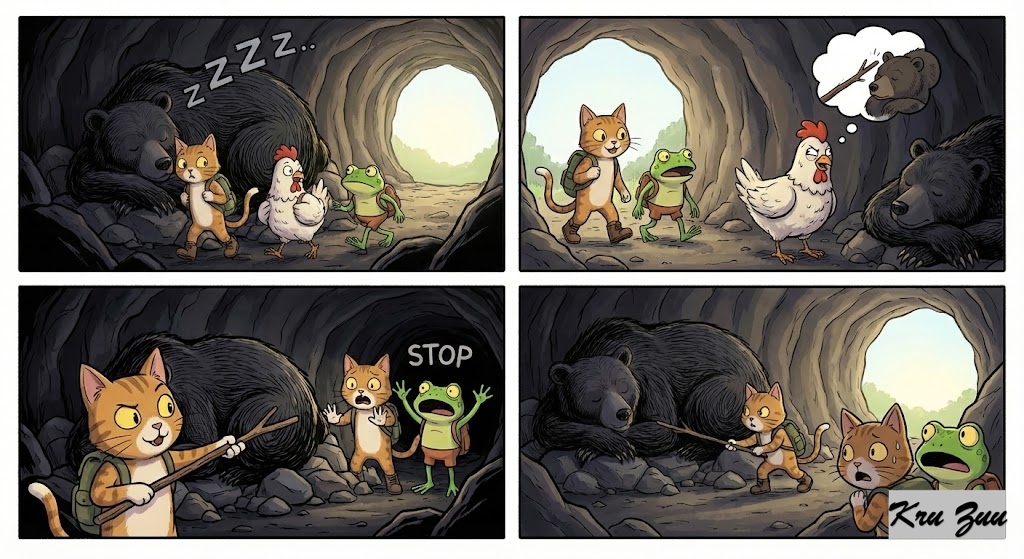
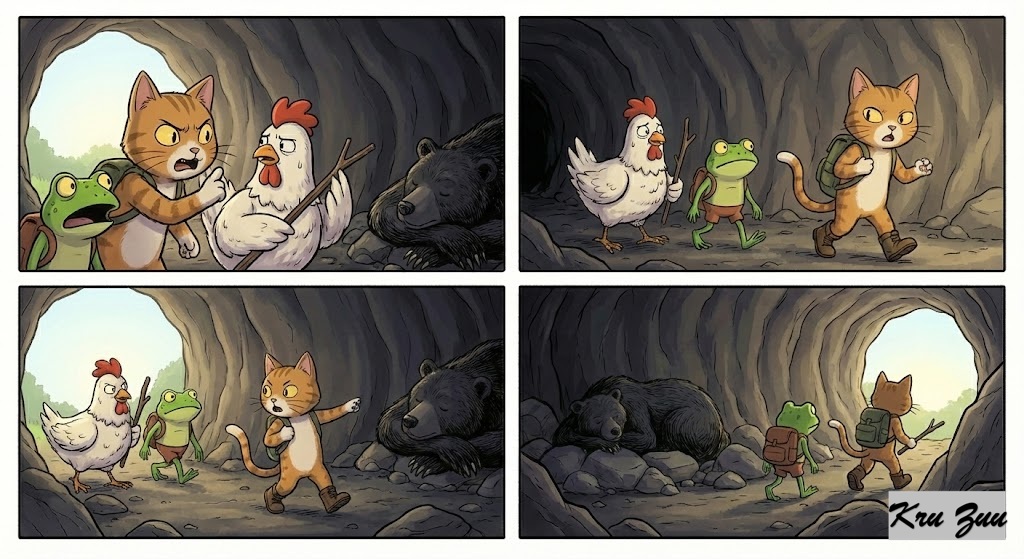
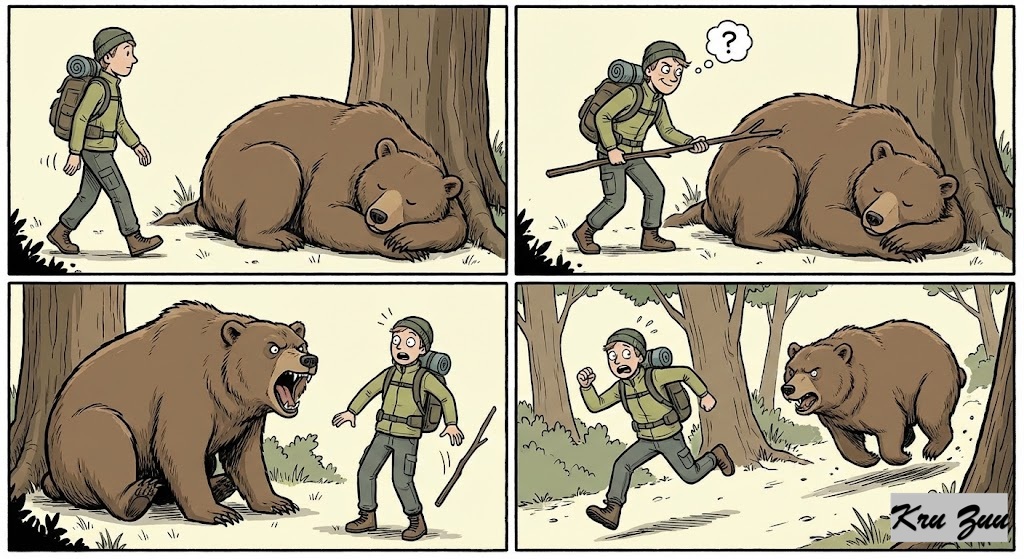
    The Conflict: They tiptoe past the bear safely. They are almost at the exit! But Cluck stops. He whispers loudly, “Hey! I wonder if that bear is actually asleep or just pretending? I bet I can poke him and run away before he catches me!”


    Cleo hisses quietly, “Cluck! Are you crazy? We are safe. Just keep walking!”


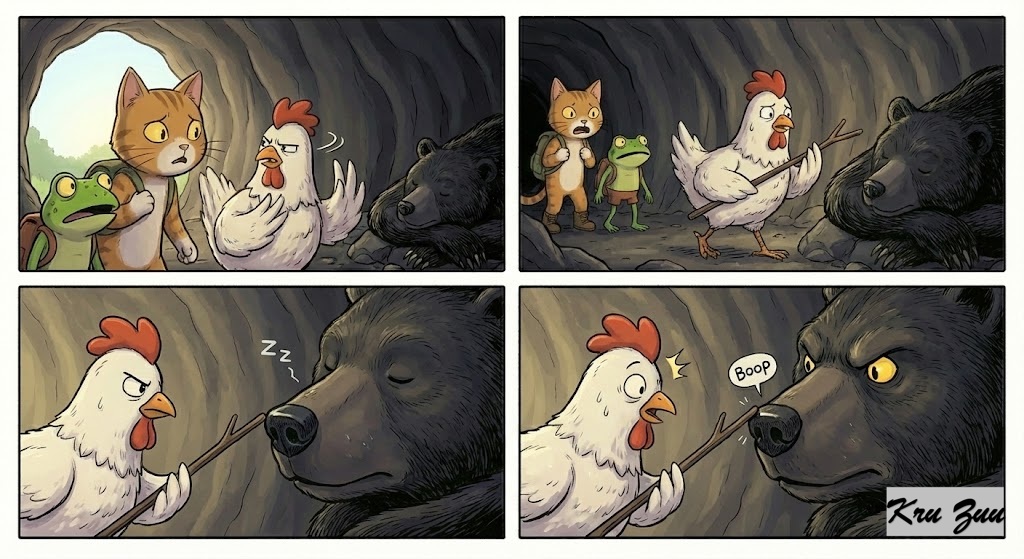
    Cluck shakes his head. “No, no. I need to know. Plus, remember that time a bear ate my corn? I want revenge!” Cluck picks up a long stick. He creeps toward the massive, snoring beast. He pokes the bearโ€™s nose. Boop.


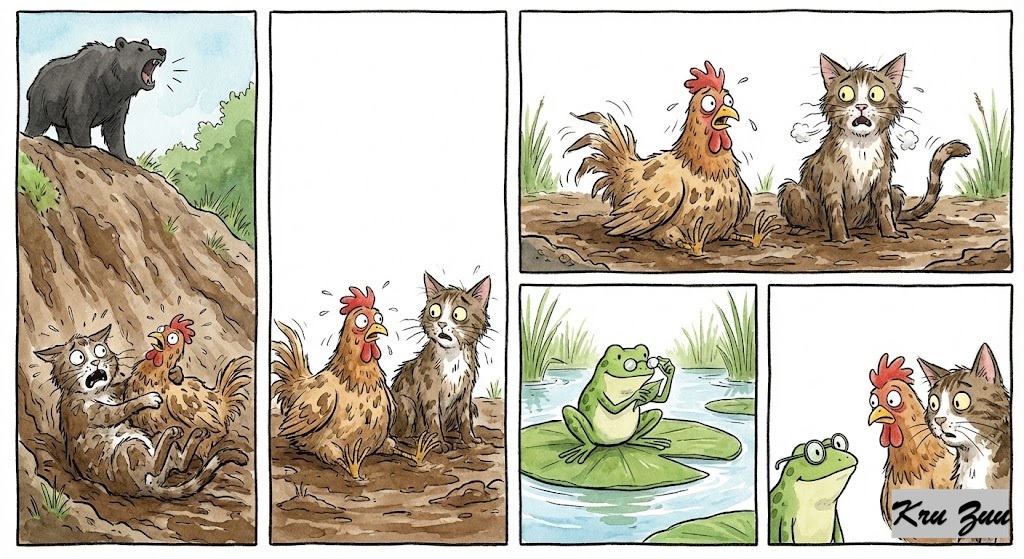
    The Result? ROAAAAAR! ๐Ÿป The bear wakes up instantly. It is NOT happy. Cleo screeches! Feathers fly everywhere! Cluck runs in circles, clucking in terror! They barely escape the cave, sliding down the mud, ruining Cleoโ€™s perfect fur.


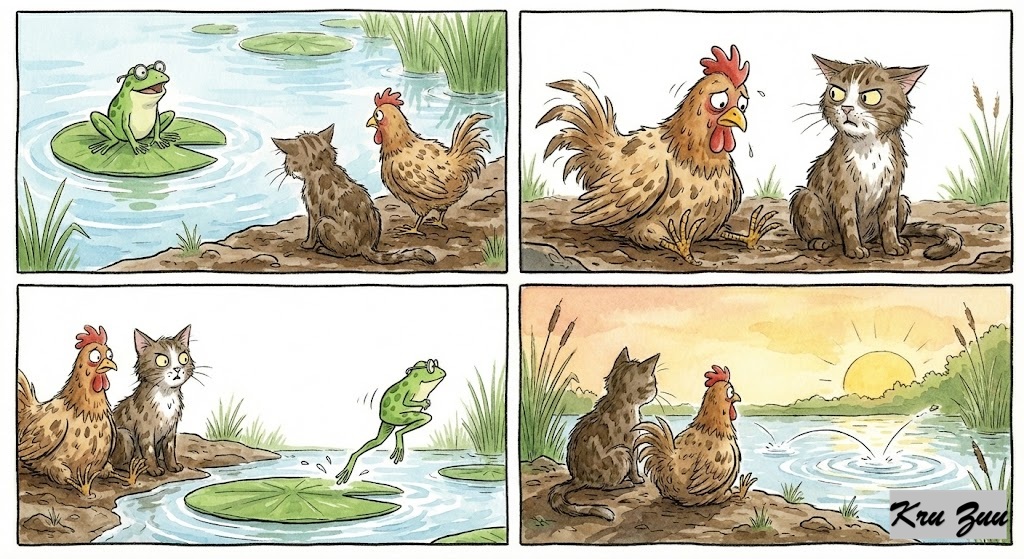
    The Resolution: They land at the bottom of the hill, covered in mud, shaking with fear. Fred the Frog is sitting there, polishing his glasses. He looks at the breathless Chicken.


    “Ribbit,” Fred says. “Cluck, the bear was happy. You were safe. You poked the problem, and now you are covered in mud.” Fred hops away. “Next time, my friendโ€ฆ let sleeping dogs (or bears) lie.”


    The Moral: If the problem is sleeping, don’t be the one to wake it up with a stick.

    ๐ŸŽ“ Lesson for English Learners


    Context Matters Situation:
    You are in a meeting. Your colleague, Sarah, made a mistake last month. She fixed it. The boss has forgotten about it.

    Bad Move: Saying, “Well, at least this isn’t like the mistake Sarah made last monthโ€ฆ”

    The Correction: Stop yourself. Think: If I say this, I create new drama.You Say: Nothing. You let sleeping dogs lie.


    ๐Ÿ’ฌ Your Turn: The Peace Challenge ๐Ÿš€


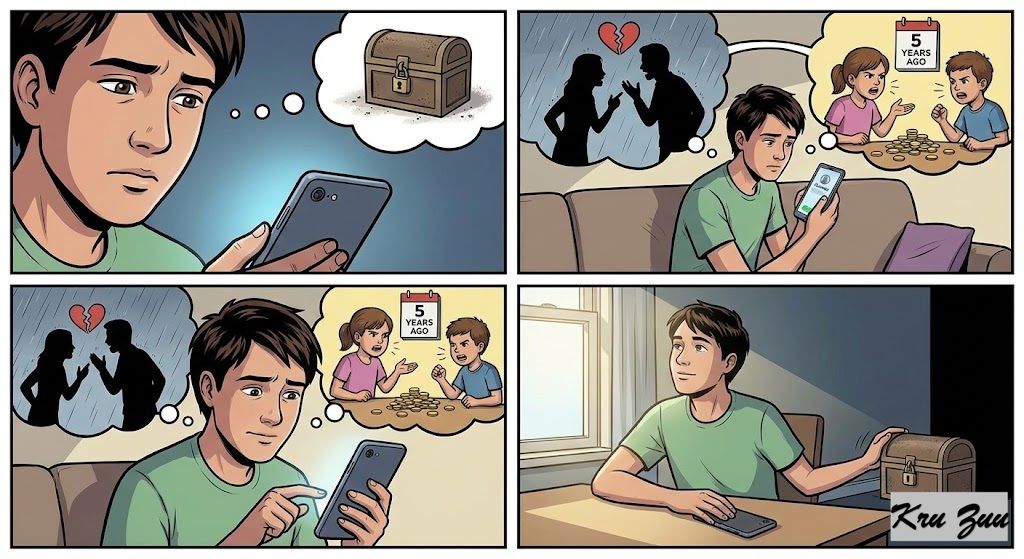
    Is there an old argument you are tempted to bring up? Maybe you want to text your ex? Maybe you want to remind your sibling about money they owed you 5 years ago?


    The Challenge:
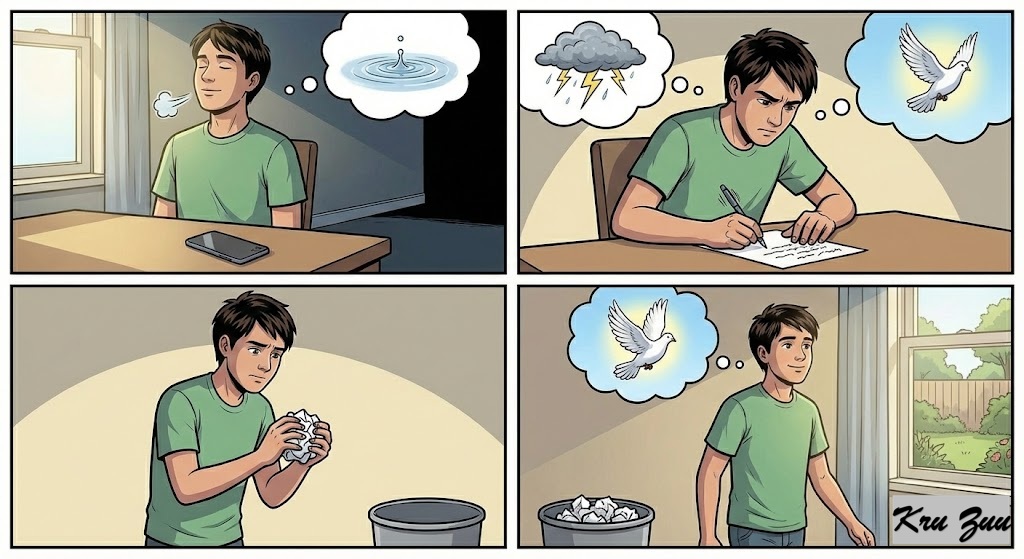
    Don’t. Take a deep breath. Write the complaint on a piece of paper. Then, crumple the paper and throw it in the trash. Tell yourself: “I am choosing peace today.”


    ๐Ÿ‘‡ Question for the comments: Have you ever “woked a sleeping dog” and regretted it immediately? Tell us your story below! (I promise we won’t judge!)

    By Zubeyir YURTKURAN

    https://www.facebook.com/BrainBattleground/

    https://www.facebook.com/zubeyr.yurtkuran/

    https://www.instagram.com/zubeyryurtkuran/
    https://www.youtube.com/@BrainBattleground-b3p

    https://www.instagram.com/brainbattleground/

  • ๐Ÿ•ฐ๏ธ The Daily Shield: The Law of Patience

    ๐Ÿ•ฐ๏ธ The Daily Shield: The Law of Patience

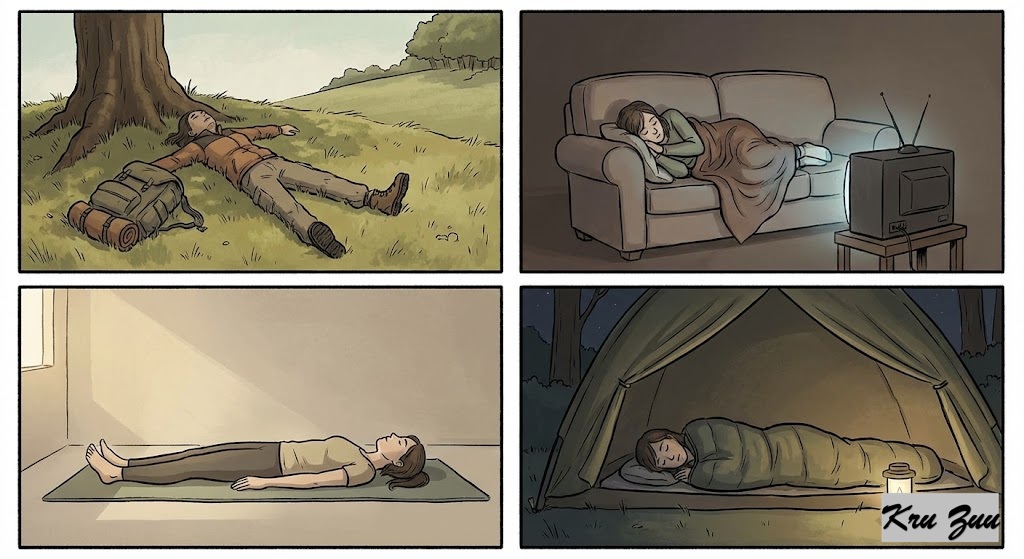
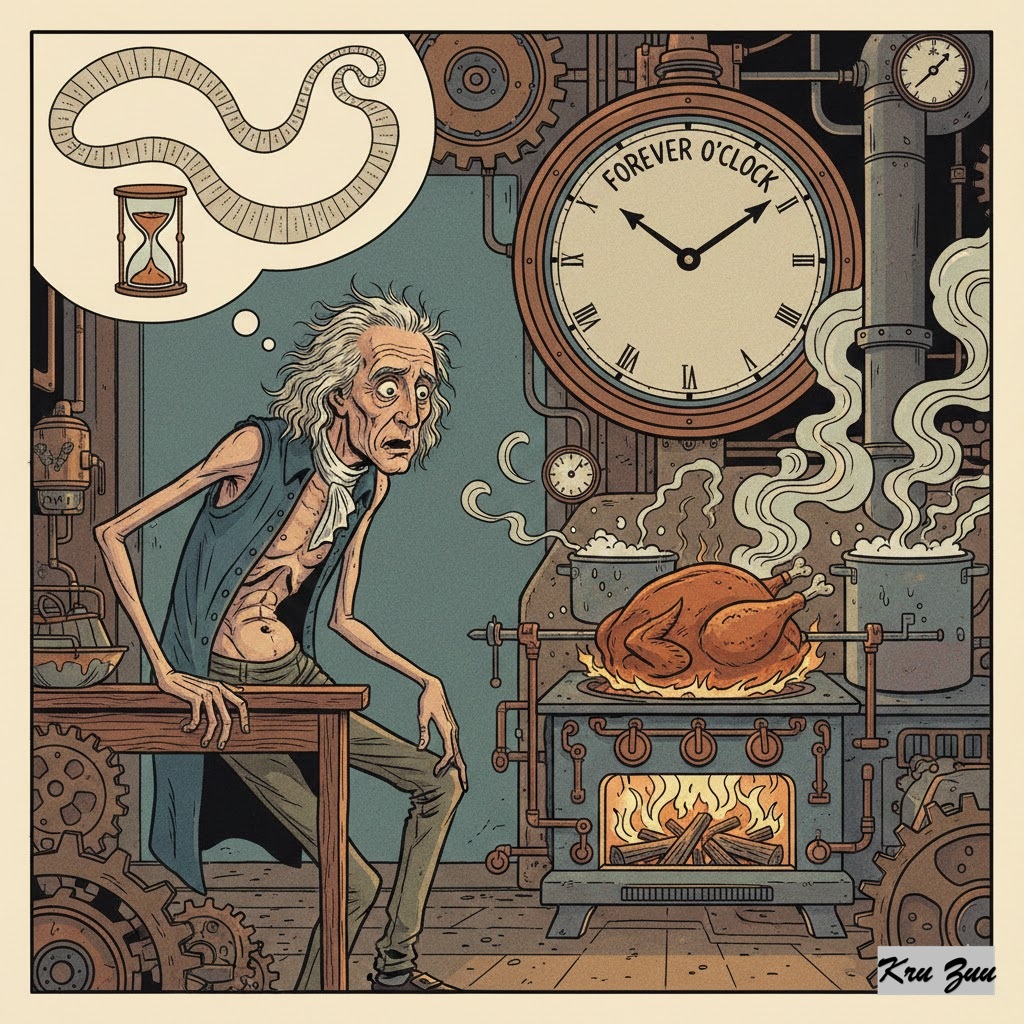
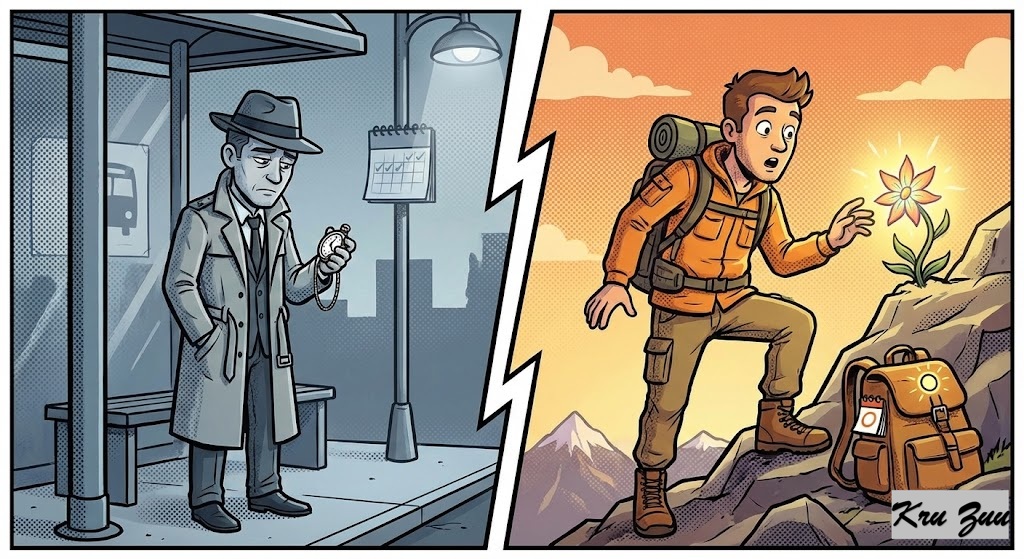
    “A watched pot never boils.”


    ๐Ÿ˜ˆ The Villain (The Checker)

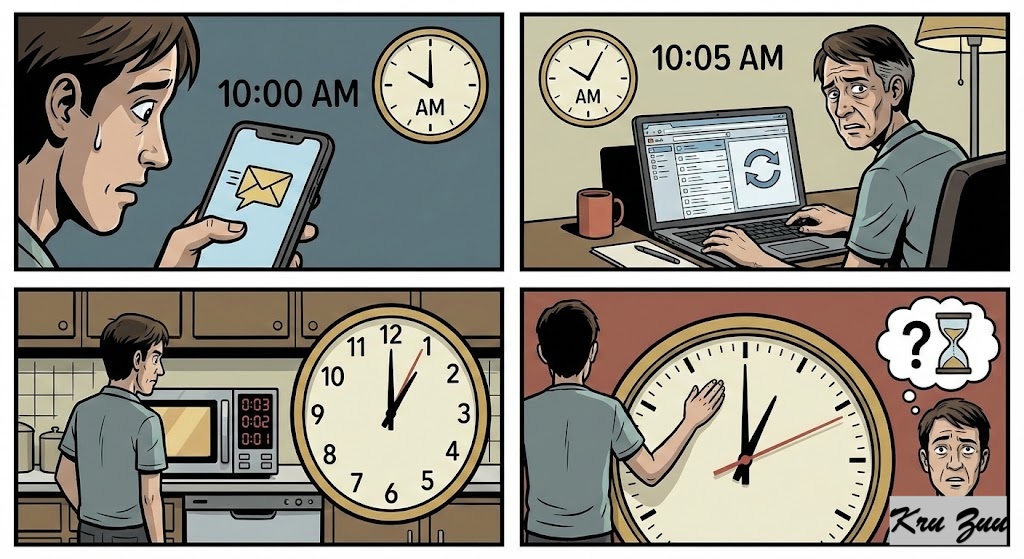
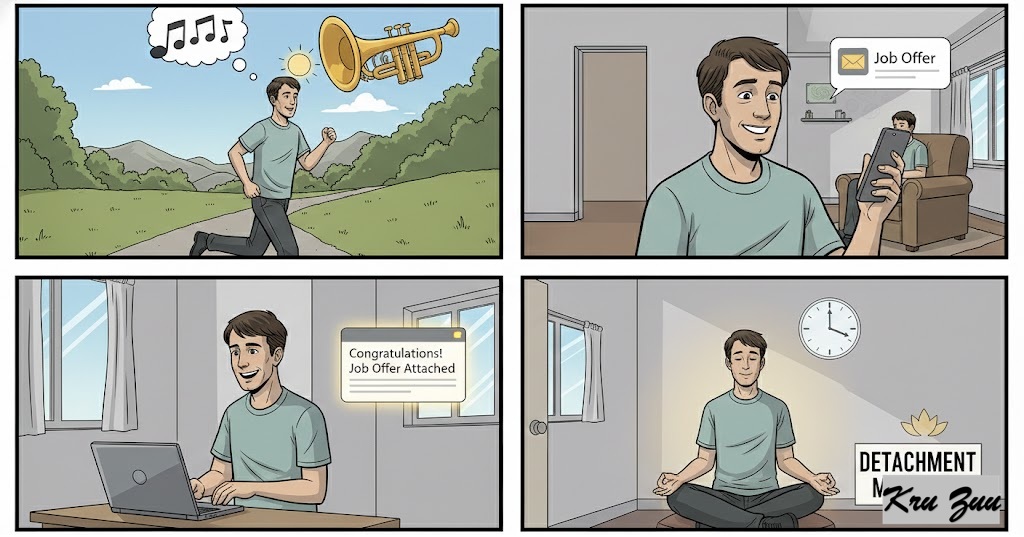
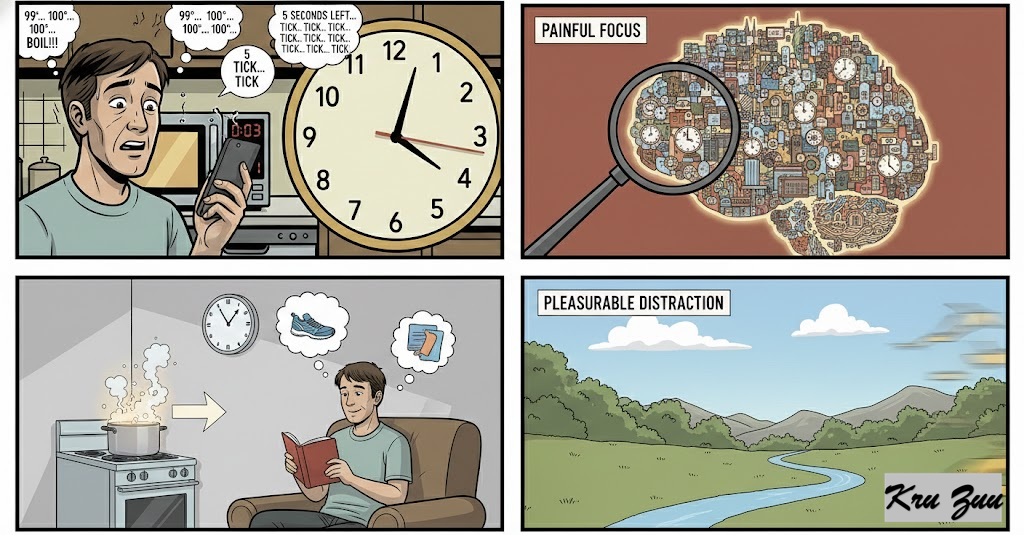
    You send an important text message. ๐Ÿ’ฌ You check your phone. Nothing. You check again 10 seconds later. Still nothing. You refresh your email 50 times in one hour waiting for a job offer. You stand in front of the microwave, staring at the numbers counting down: 5โ€ฆ 4โ€ฆ 3โ€ฆ Why does one minute feel like one hour?

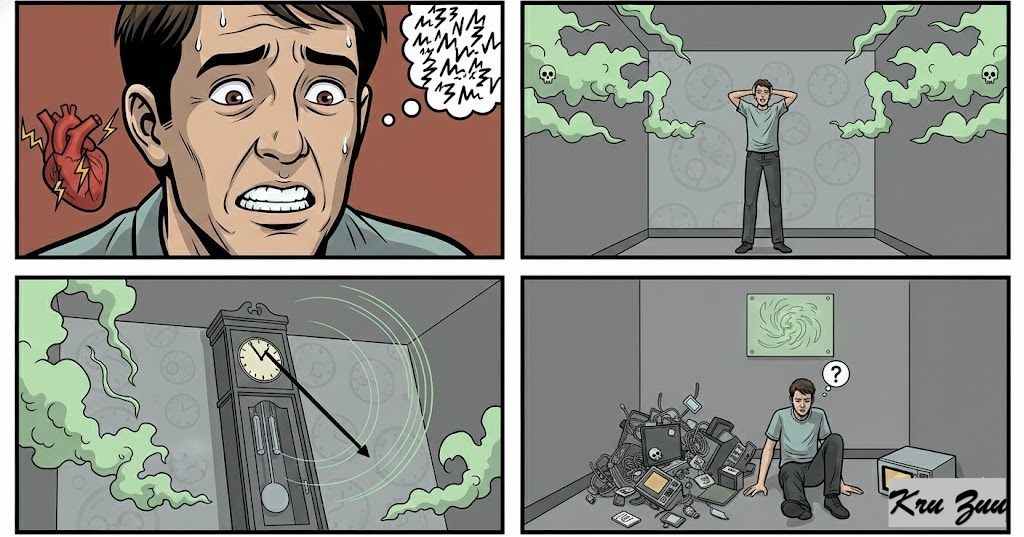
    The Result? Anxiety spikes. Stress hormones flood your body. The more you obsess over the outcome, the slower time seems to move. You are trapped in the “Waiting Room of Misery.” ๐Ÿ˜ซ


    ๐Ÿ˜‡ The Hero (The Flow Master)

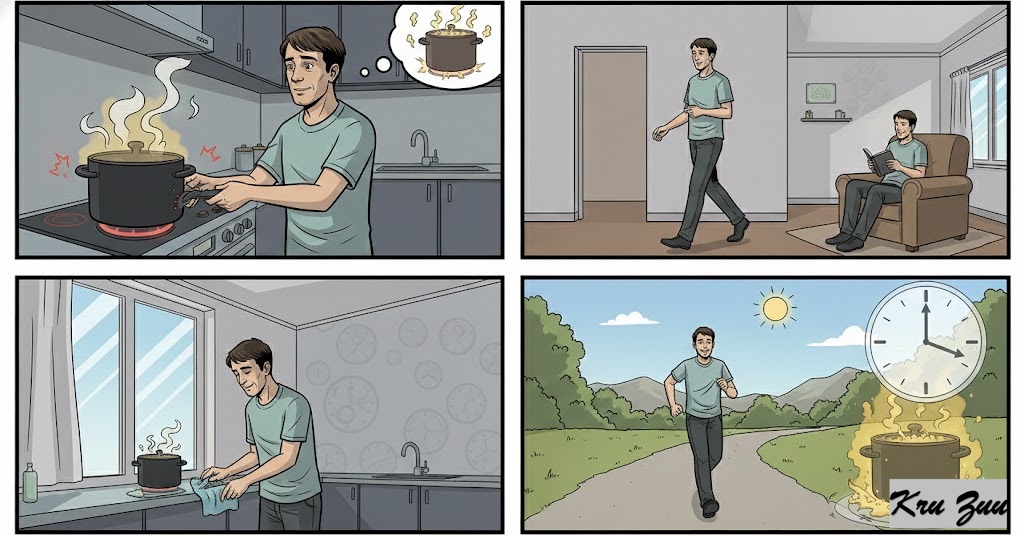
    You have a goal (the pot). You turn on the heat (do the work). Then, instead of staring at it, you walk away. You read a book. You clean the house. You go for a run. You trust the process.

    The Result? Suddenly, you hear the whistle! ๐ŸŽบ The water is boiling. The email arrives. The text pops up. Because you were busy living your life, the waiting period felt instant. You mastered the art of Detachment. ๐Ÿง˜โ€โ™‚๏ธ


    โš–๏ธ The Reality


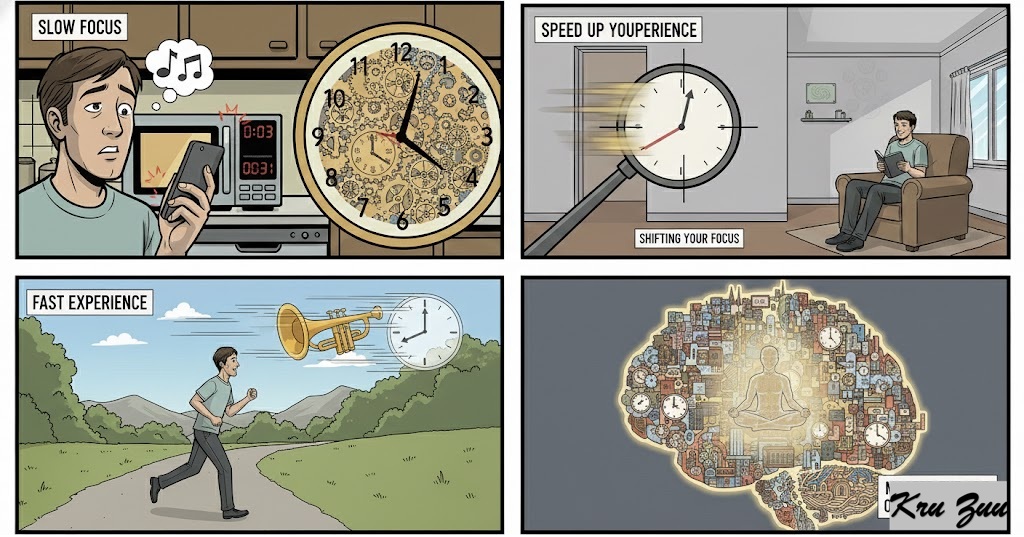
    Physics tells us that water boils at 100ยฐC regardless of whether you look at it or not. But Psychology tells a different story. When you focus entirely on the passage of time, your brain notices every single second. It is painful. When you distract yourself, your brain skips the boring parts.


    ๐Ÿ’Ž The Secret

    You cannot speed up time, but you can speed up your experience of time by shifting your focus.

    ๐Ÿง The Anatomy of the Proverb


    This is your reminder that obsession kills patience.


    Watched (Adjective): Observed closely; stared at with anxiety.


    Pot (Noun): The vessel holding your goal (cooking, results, news).


    Never Boils (Phrase): It seems like the desired result will never happen.


    Simpler Version: If you wait anxiously for something, it seems to take a very long time.


    ๐Ÿ“š Vocabulary Vault


    Patience (Noun): The capacity to accept delay without getting angry. (A superpower!) ๐Ÿฆธ


    Anticipation (Noun): The action of waiting for something exciting (or scary).


    Distraction (Noun): Something that prevents you from giving full attention to something else. (In this case, a good thing).


    Outcome (Noun): The final result.


    Process (Noun): A series of actions taken to achieve an end.

    ๐Ÿ“œ History: Origin and Science


    The Origin:
    This phrase is often attributed to Benjamin Franklin (the American inventor and writer) around 1785. He used it in a report, noting that he was so hungry that looking at the food cooking made it seem like it was taking forever!


    Global Cousins


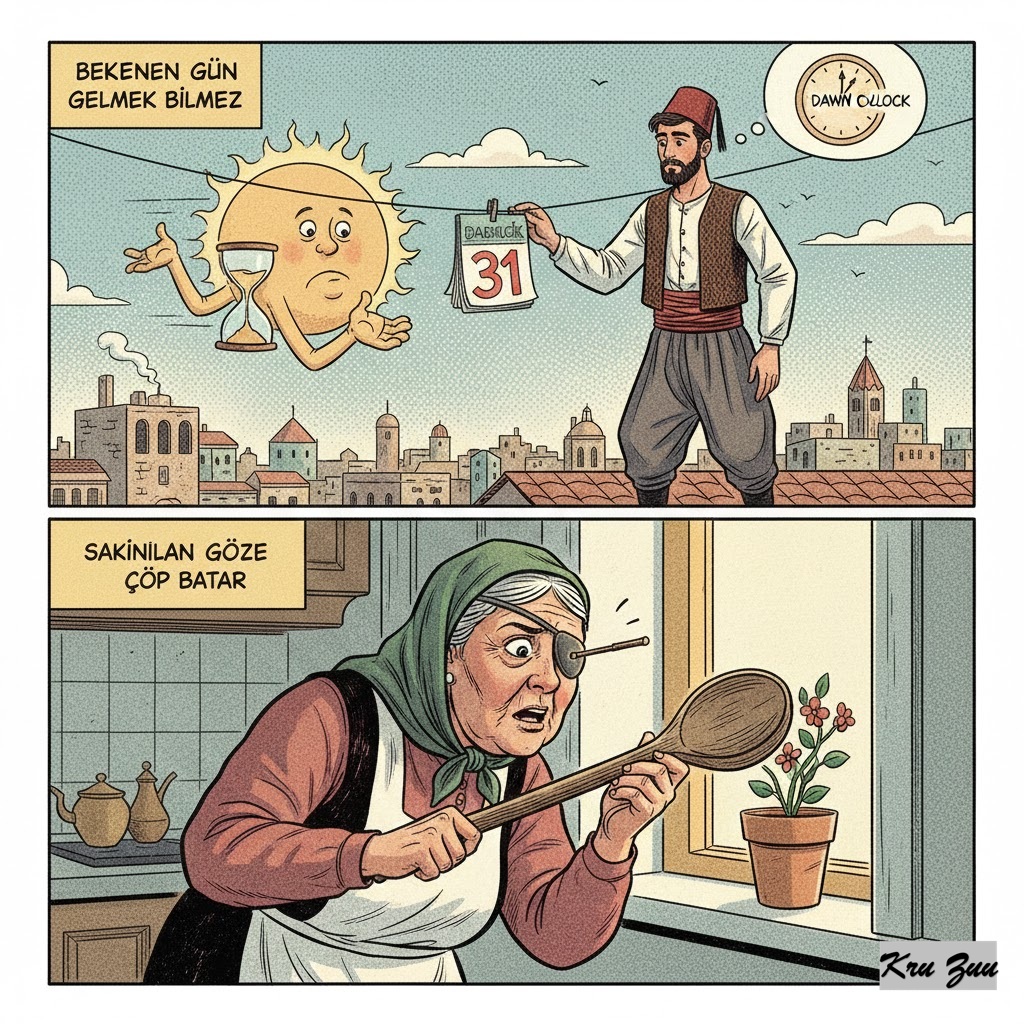
    ๐Ÿ‡น๐Ÿ‡ท Turkish:“Beklenen gรผn gelmek bilmez” (The awaited day does not know how to come) or “Sakฤฑnฤฑlan gรถze รงรถp batar” (A stick pokes the protected eye – focusing too much causes issues).


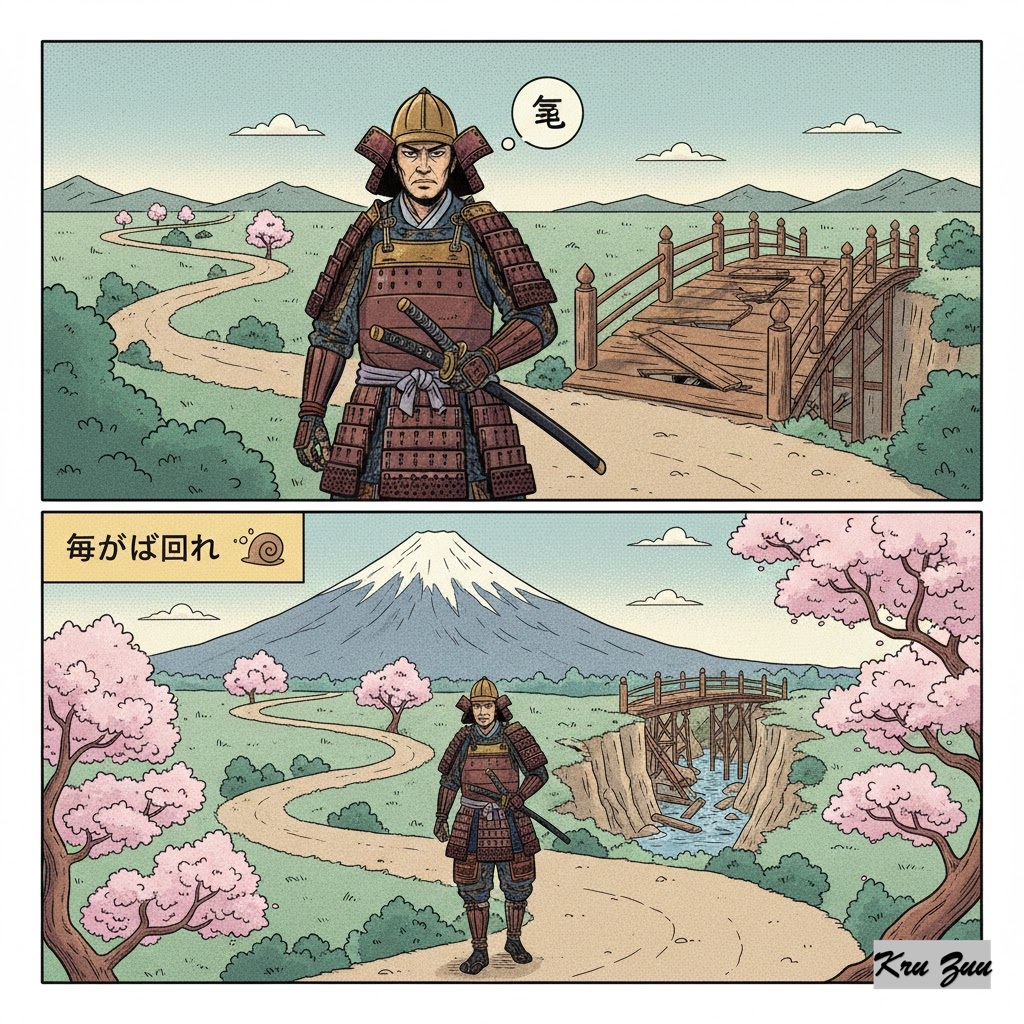
    ๐Ÿ‡ฏ๐Ÿ‡ต Japanese:“Isoba maware” (If you are in a hurry, go the long way around).

    ๐ŸŽญ Short Story: The Perfect Cup of Tea ๐Ÿต


    Letโ€™s return to the magical forest to see how our friends handle the pressure of waiting.


    ๐ŸŒŸ The Cast


    Cleo the Cat:
    ๐Ÿ˜ผ Elegant, impatient, demands instant results.


    Cluck the Chicken: ๐Ÿ” Nervous, fidgety, cannot sit still.


    Fred the Frog: ๐Ÿธ The Zen master of the swamp.


    The Situation: It is a cold, rainy afternoon. Cleo and Cluck decide to make the legendary “Golden Swamp Tea.” It is delicious, but the water must boil perfectly over a slow fire.


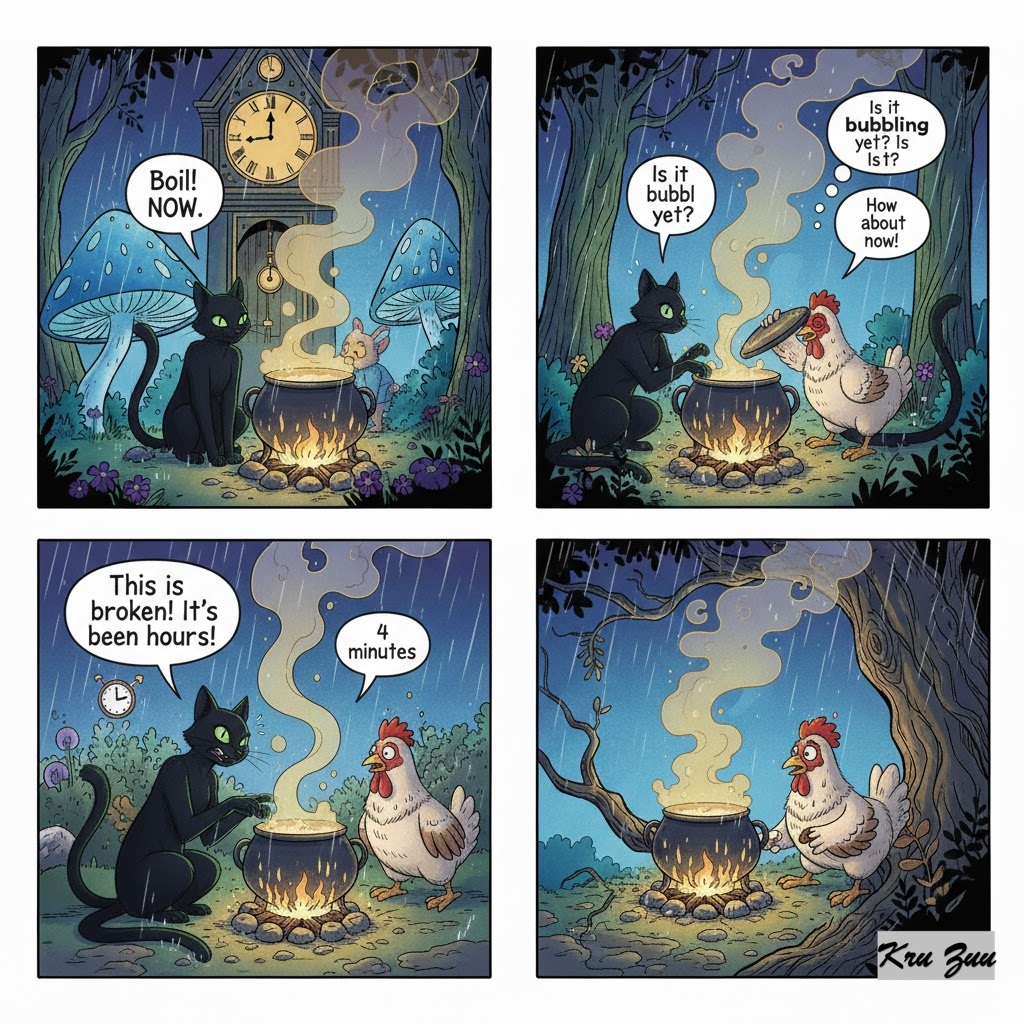
    The Conflict: They put the heavy iron pot on the fire. Cleo sits directly in front of the pot. Her tail twitches. She stares at the water with intense green eyes. “Boil,” she commands. “Boil NOW.” Cluck is even worse. Every 30 seconds, he lifts the lid to peek inside. “Is it bubbling yet? Is it? How about now?” ๐Ÿ” By lifting the lid, Cluck lets the heat escape! By staring at it, Cleo makes the 10 minutes feel like 10 years. “This is broken!” Cleo yells. “Itโ€™s been hours!” (It had been 4 minutes).


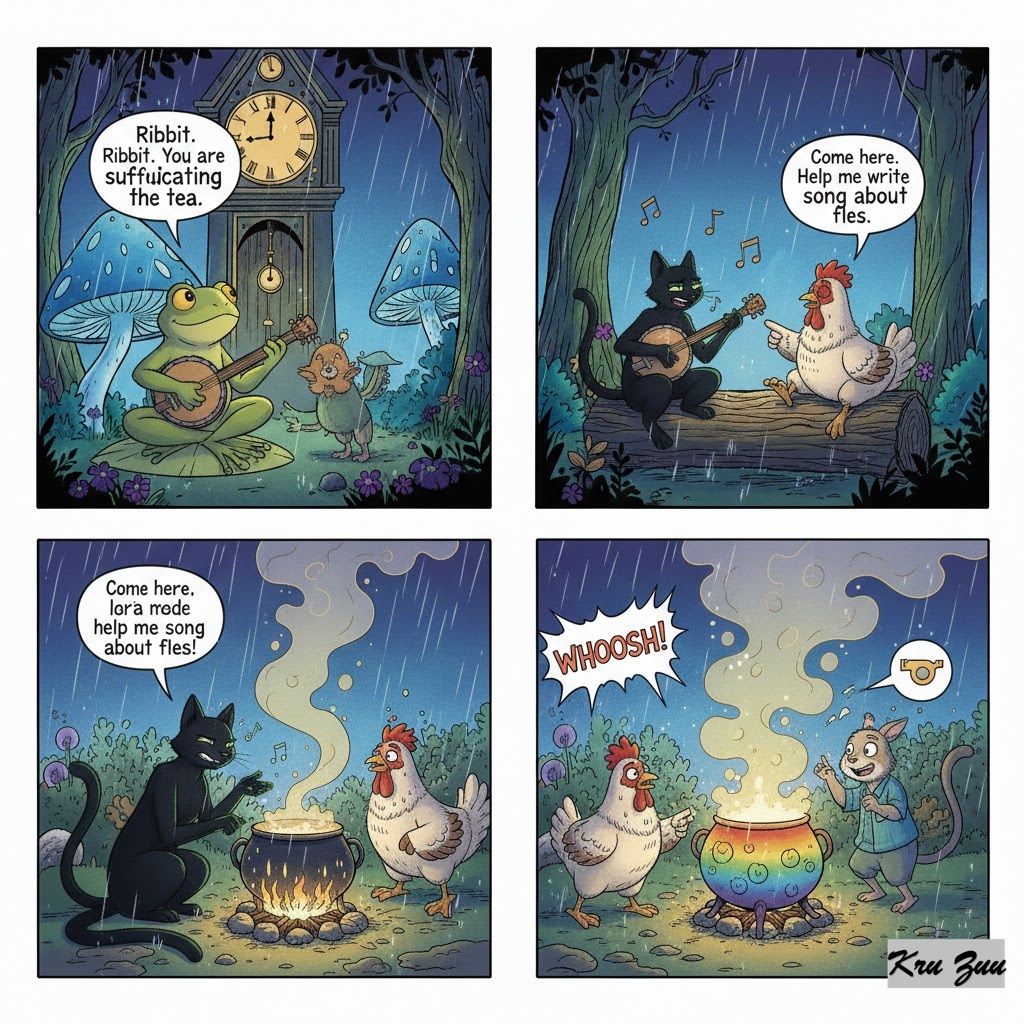
    The Resolution: Fred the Frog hops into the kitchen, carrying a banjo. He sees them stressed and staring at the silent water. “Ribbit,” Fred croaks. “You are suffocating the tea.” Fred starts to play a happy song on his banjo. ๐ŸŽถ “Come here,” he says. “Help me write a song about flies.” Reluctantly, Cleo turns away from the stove to correct Fred’s lyrics. Cluck starts dancing to the music. They laugh. They argue about rhymes. They forget the kitchen exists. WHOOSH! ๐Ÿ’จ Suddenly, steam whistles from the pot! The water is boiling vigorously.


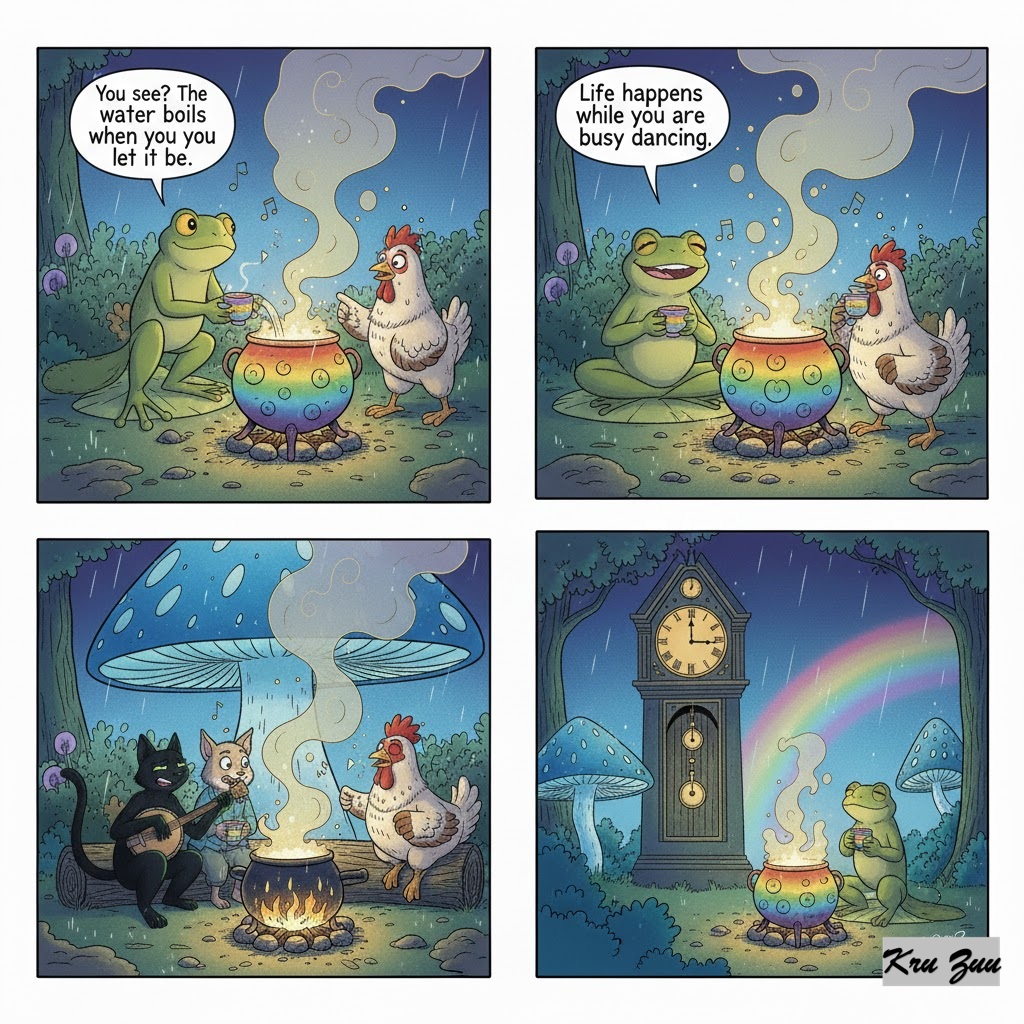
    The Moral: Fred pours the tea. “You see?” he smiles. “The water boils when you let it be. Life happens while you are busy dancing.”

    ๐ŸŽ“ Lesson for English Learners


    Don’t obsess over your level.


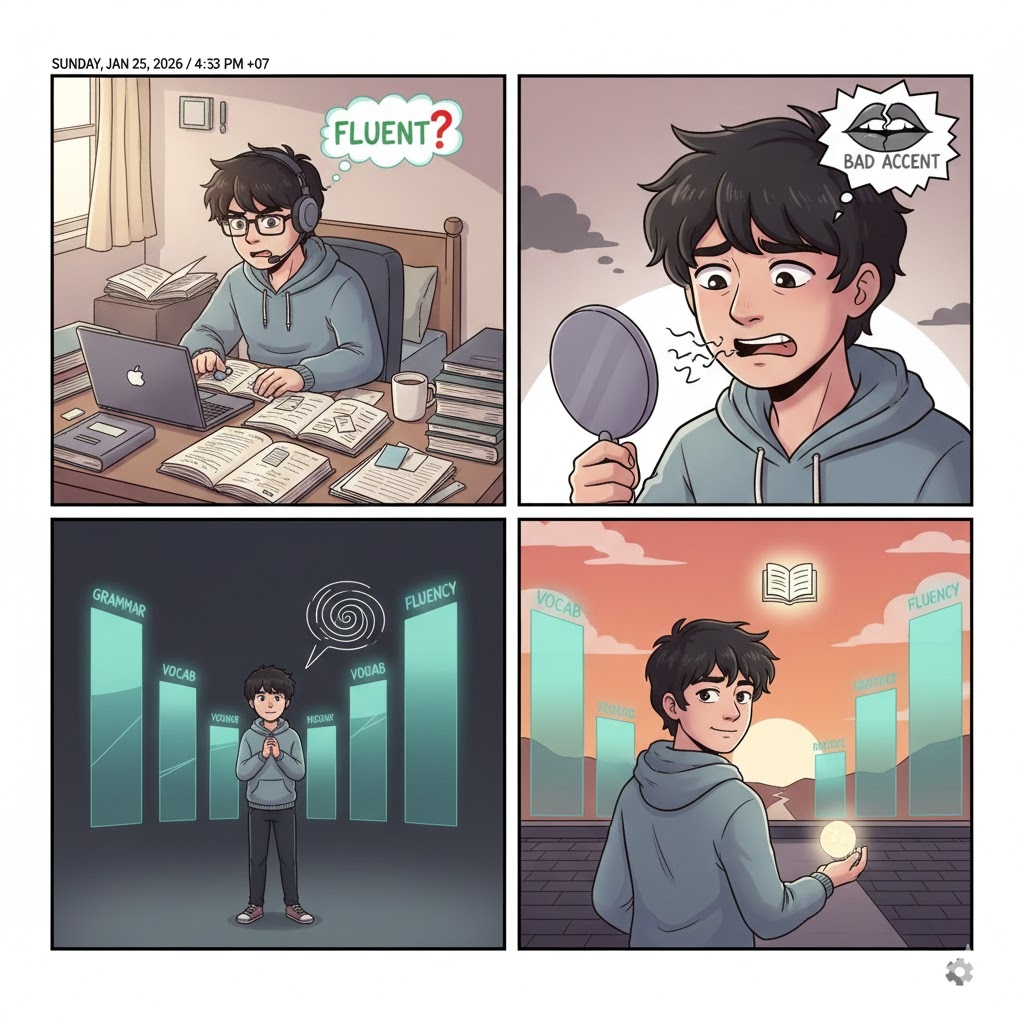
    Situation: You study English every day. You constantly ask yourself: “Am I fluent yet? Why is my accent still bad?”


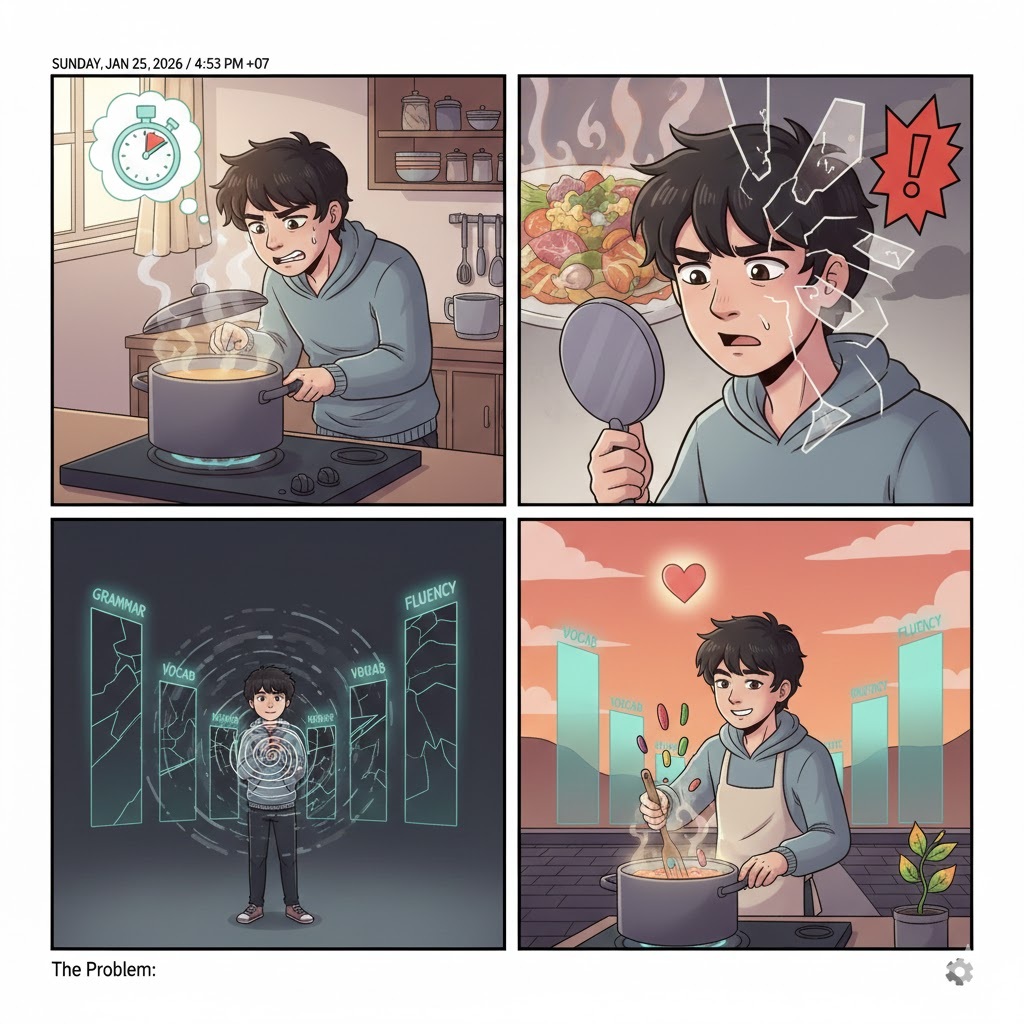
    The Problem: You are watching the pot. You are stressing over the result instead of enjoying the process.


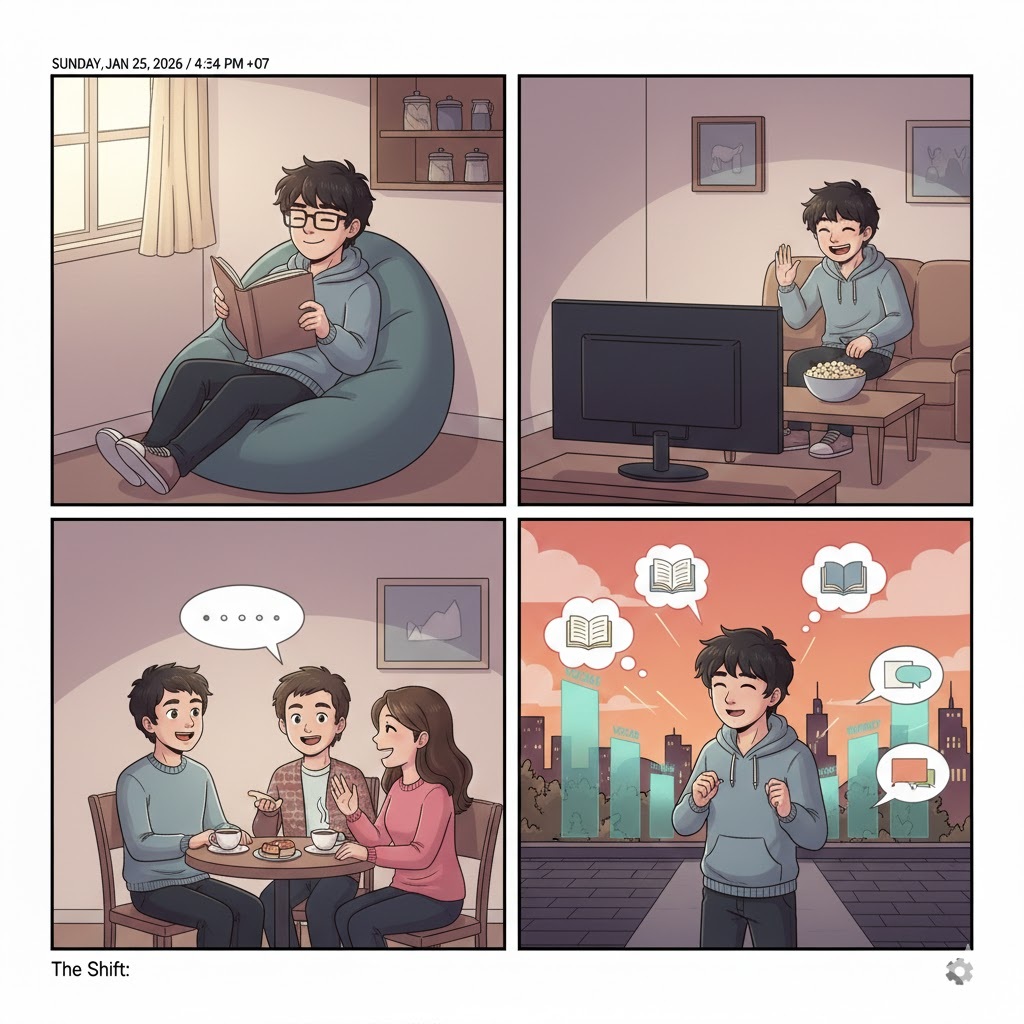
    The Shift: Stop testing yourself every day. Read a book you enjoy. Watch a movie. Talk to friends. Forget about “studying” and just “use” the language.


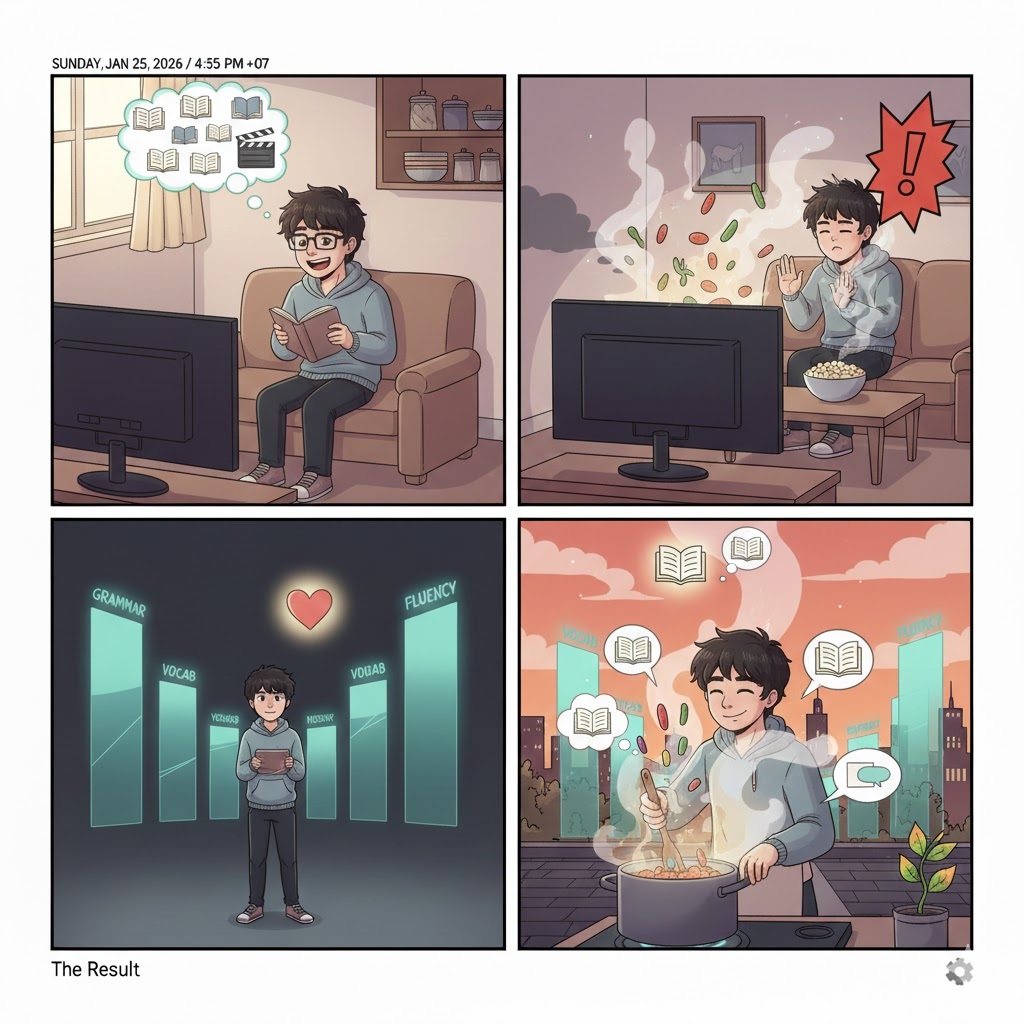
    The Result: One day, you will realize you understood a whole movie without subtitles. The pot boiled while you weren’t looking! ๐ŸŽฌ


    ๐Ÿ’ฌ Your Turn: The Distraction Challenge ๐Ÿš€


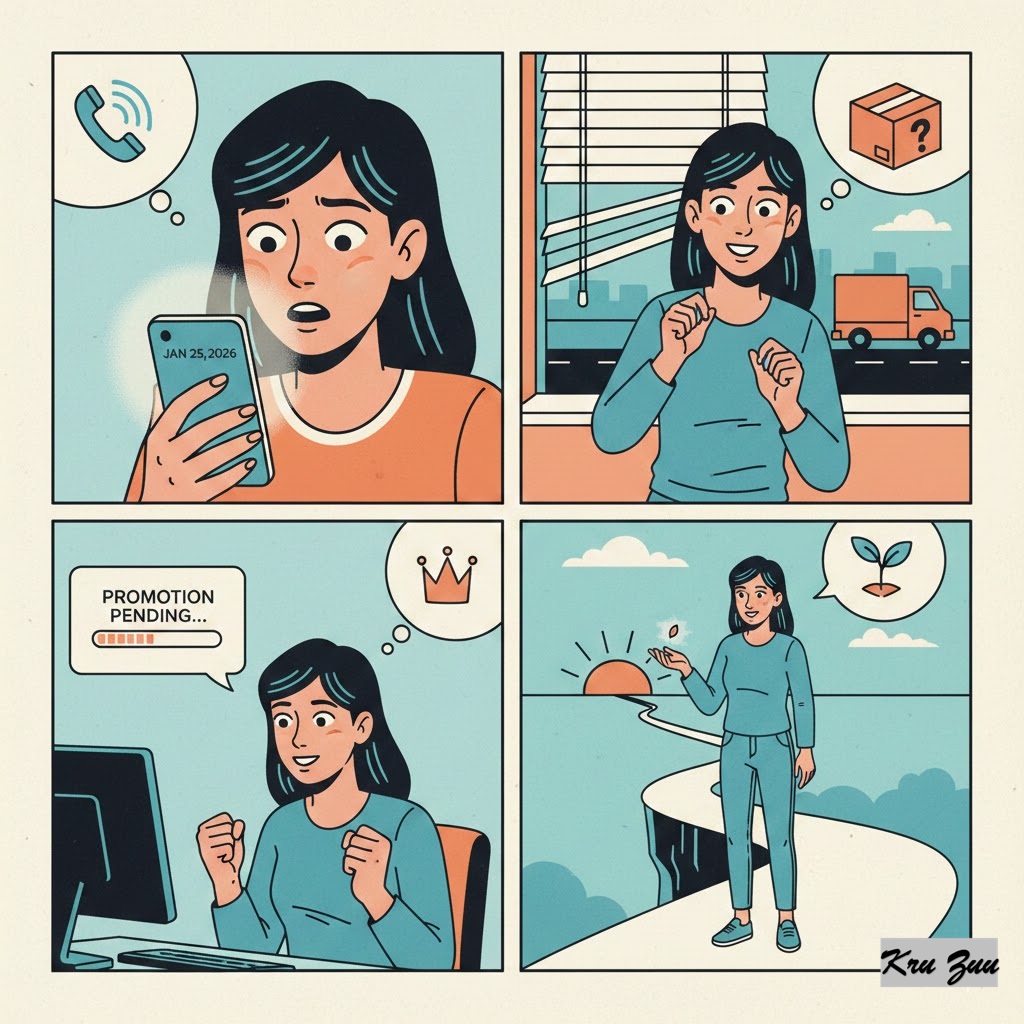
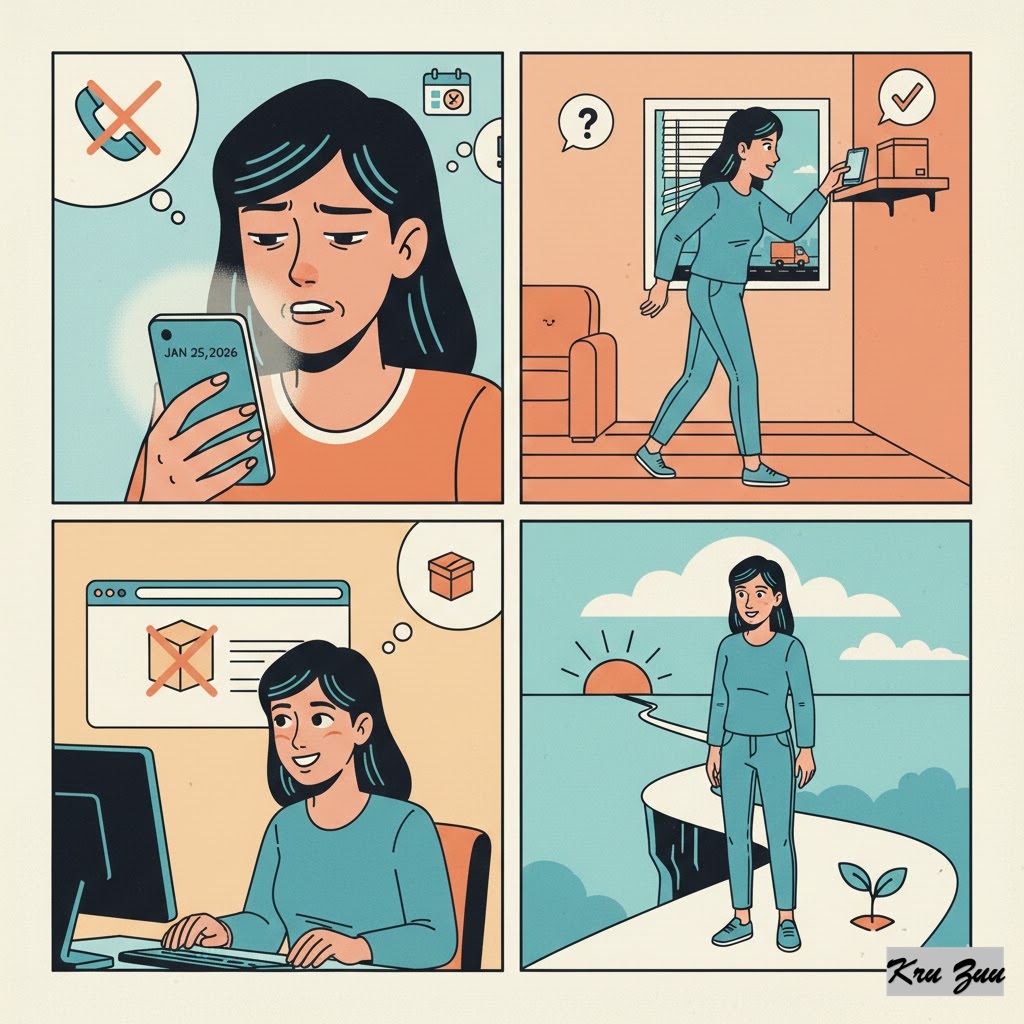
    Is there something you are waiting for right now? (A message, a package, a promotion, a life change?)


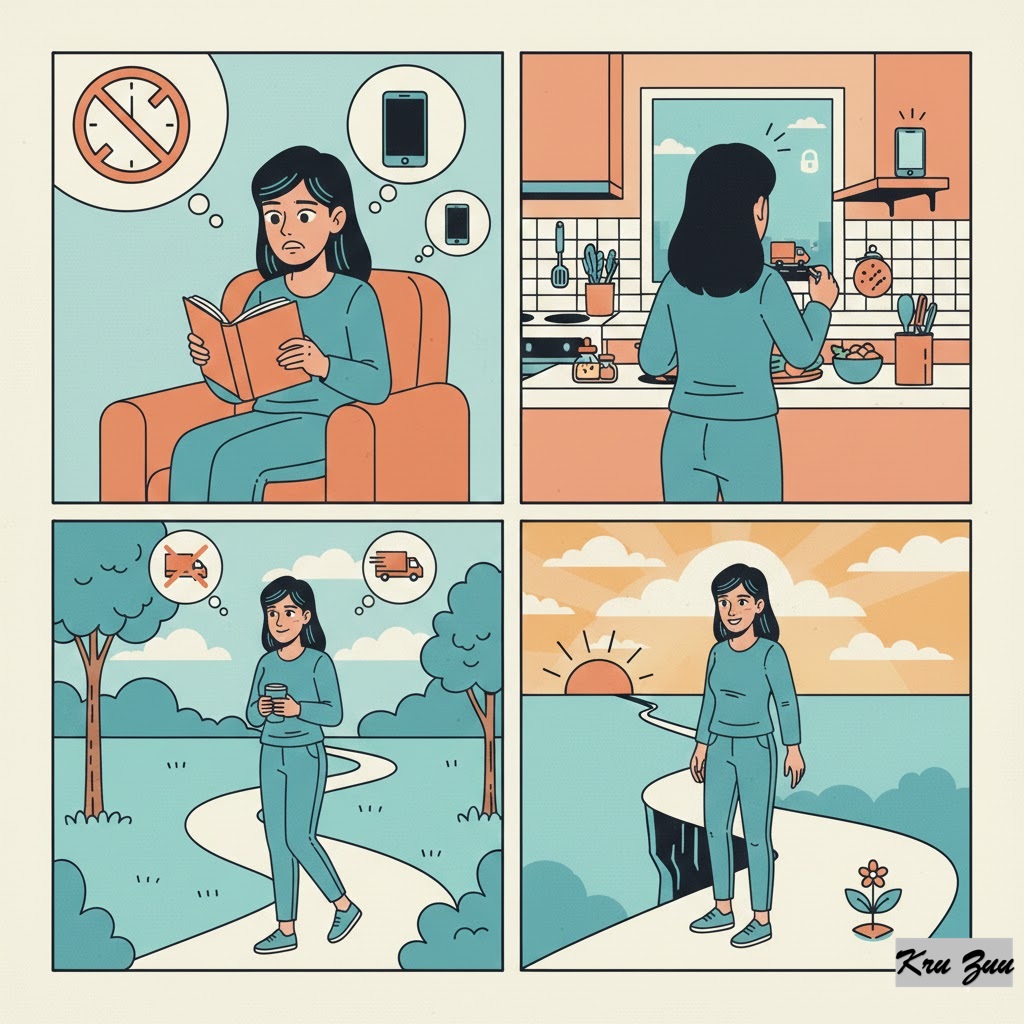
    The Challenge: Stop checking. Put your phone in another room. Close the tracking tab.

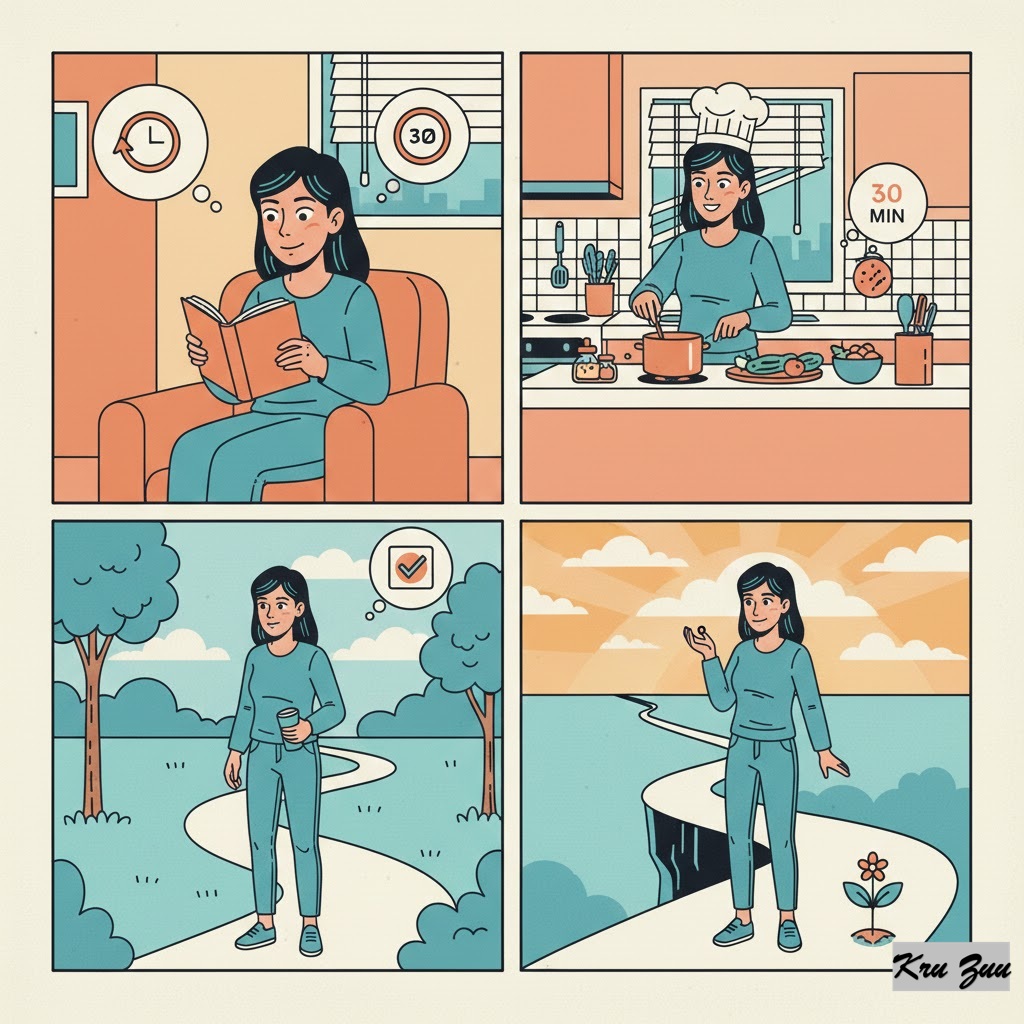
    The Action: Pick a task that takes 30 minutes (Read a chapter, cook a meal, go for a walk).

    Do NOT check the status until the task is done.

    Comment Below: ๐Ÿ‘‡ What is the “Pot” you are watching too closely today? Tell us your strategy to stop staring at it!

    By Zubeyir YURTKURAN

    https://www.facebook.com/BrainBattleground/

    https://www.facebook.com/zubeyr.yurtkuran/

    https://www.instagram.com/zubeyryurtkuran/

    https://www.youtube.com/@BrainBattleground-b3p

    https://www.instagram.com/brainbattleground/

  • ๐Ÿ• The Daily Shield: The Law of Realistic Limits

    ๐Ÿ• The Daily Shield: The Law of Realistic Limits

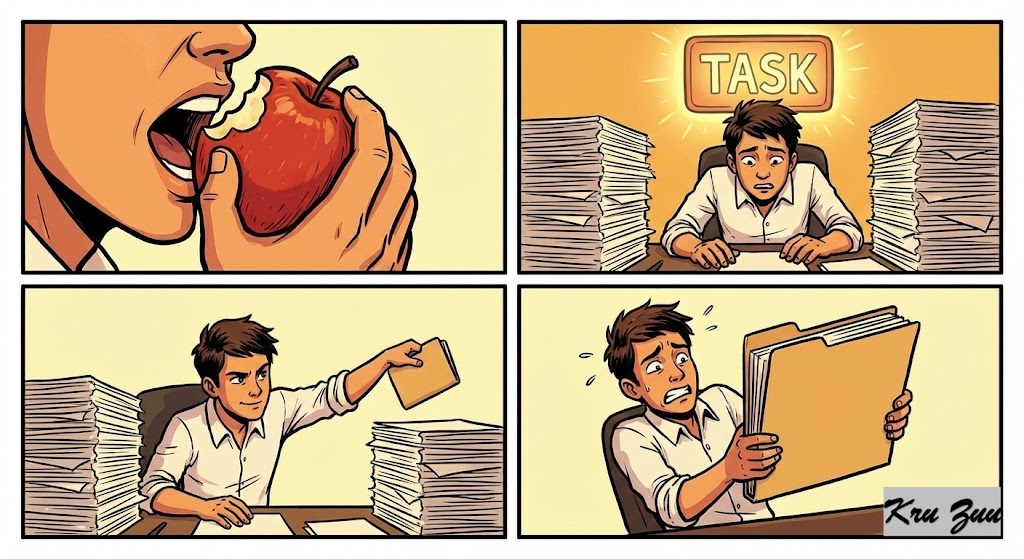
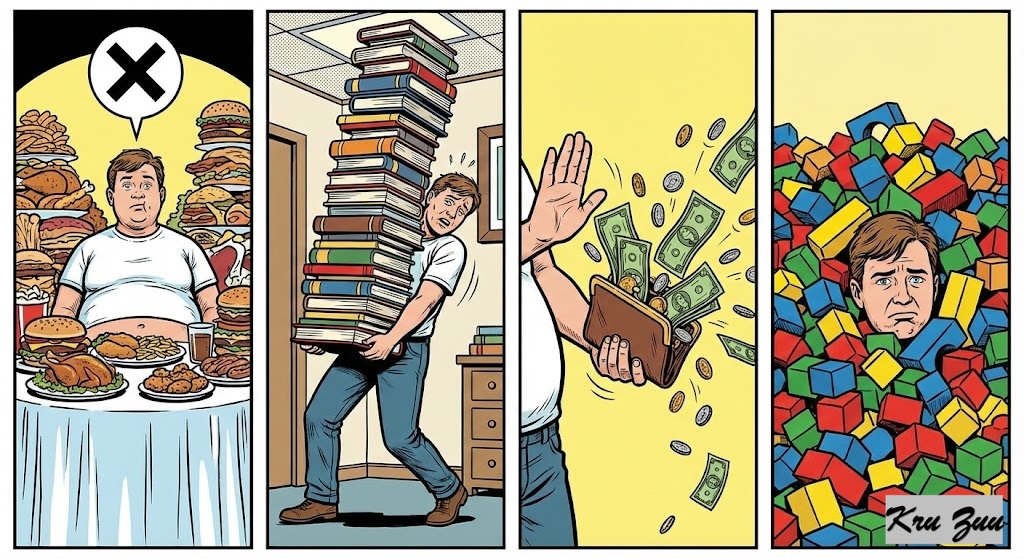
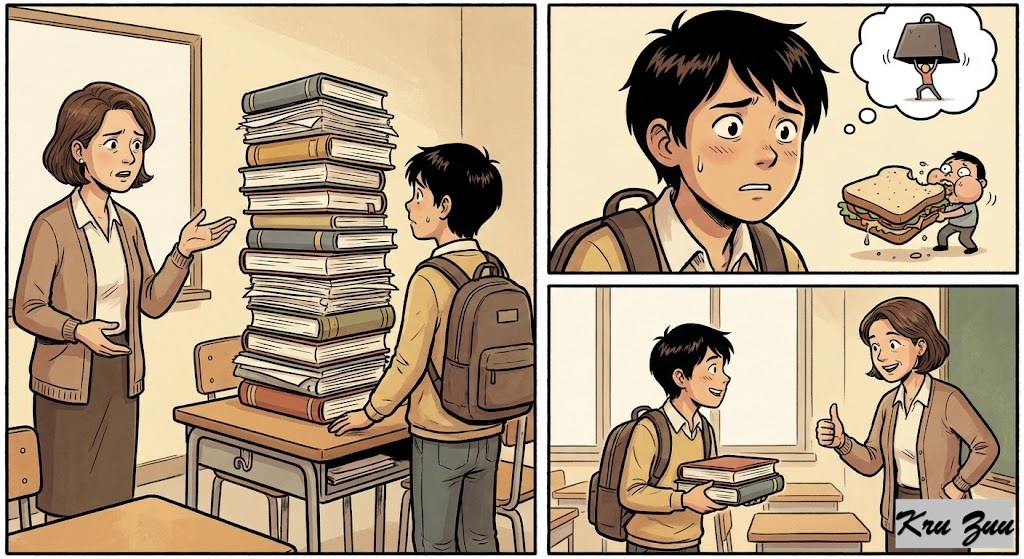
    “Don’t bite off more than you can chew.”


    ๐Ÿ˜ˆ The Villain (The Over-Committer)

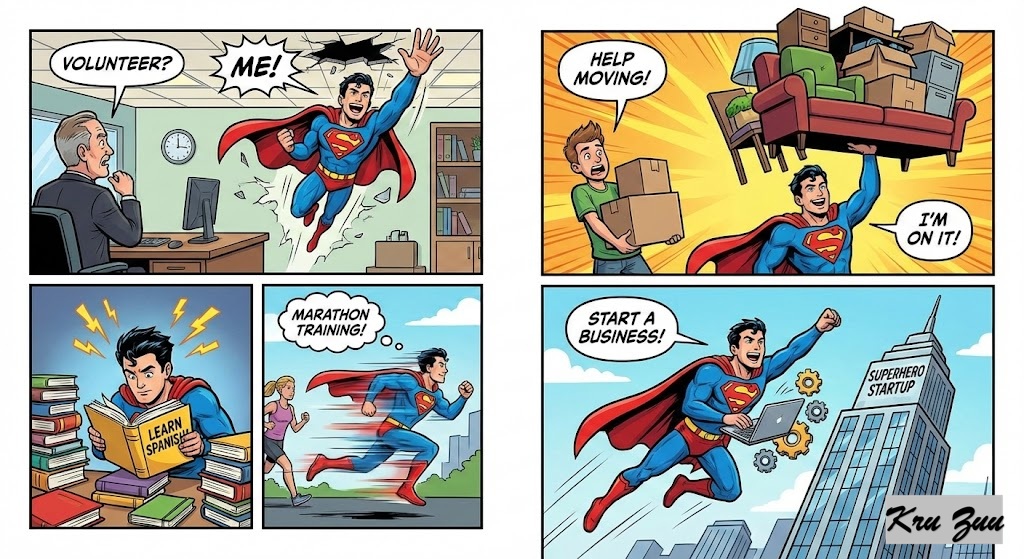
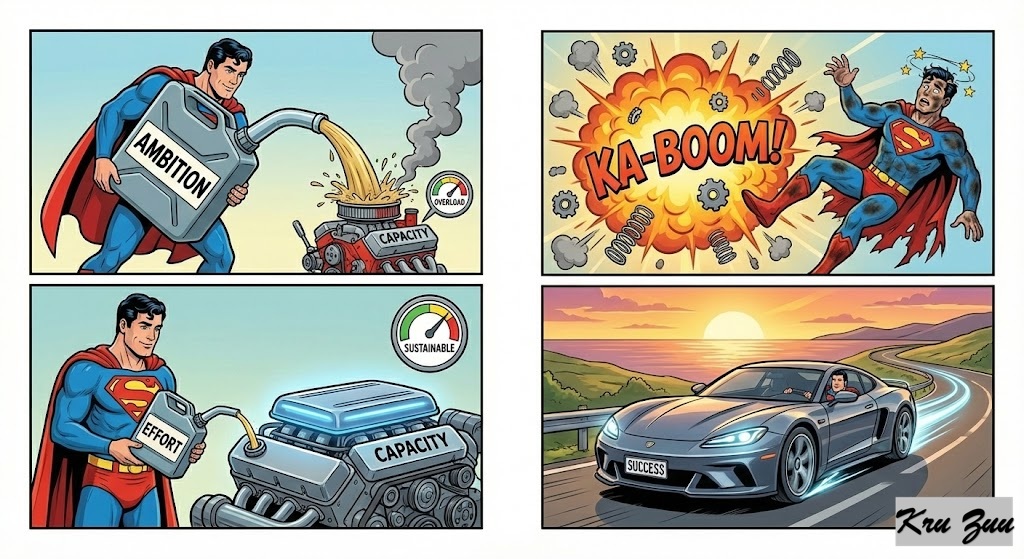
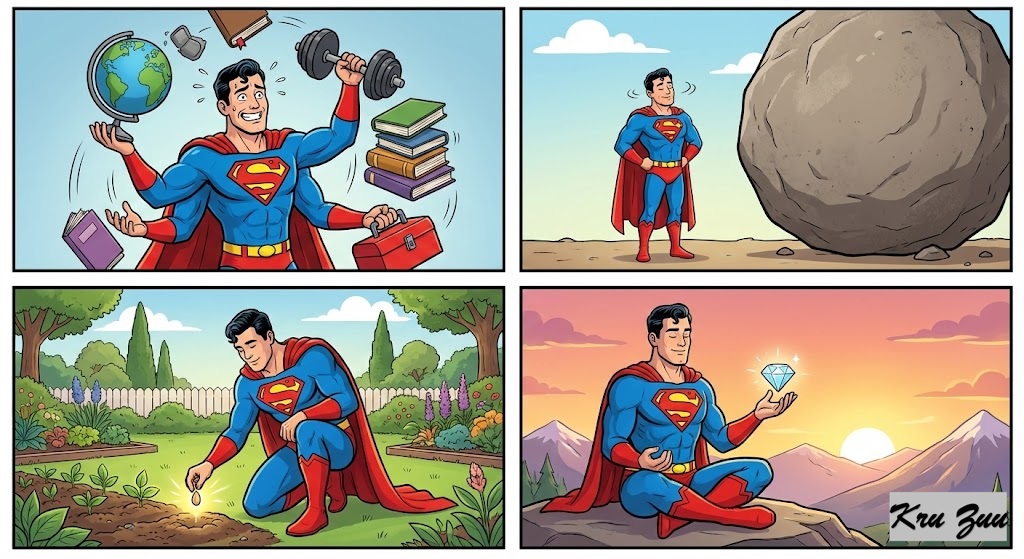
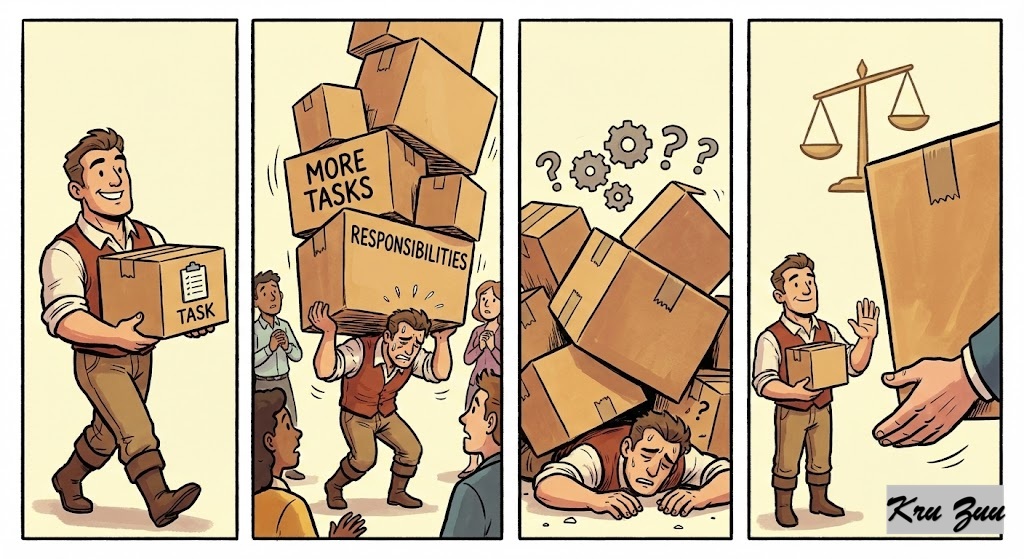
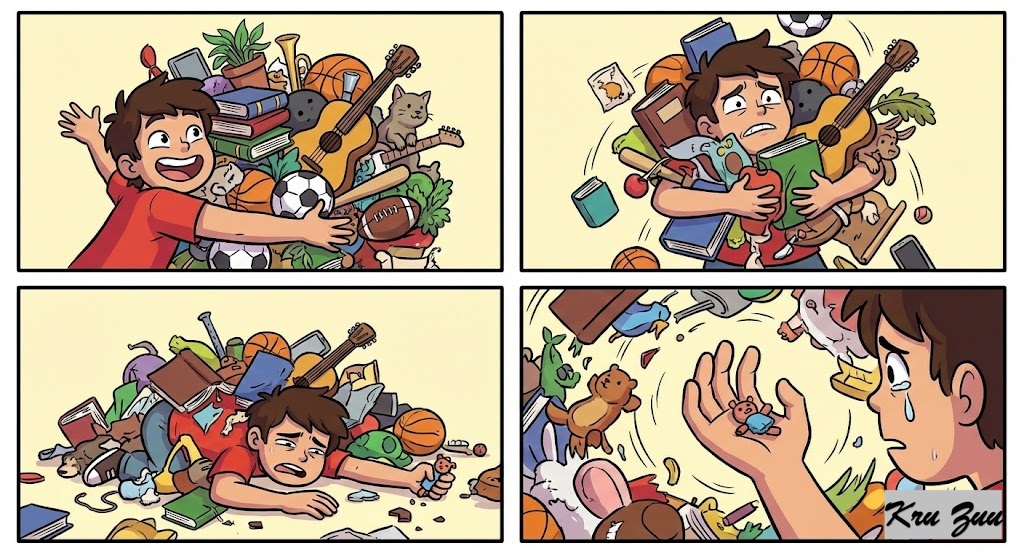
    Itโ€™s Monday morning. Your boss asks for a volunteer. Your hand shoots up. ๐Ÿ™‹โ€โ™‚๏ธ Your friend needs help moving house. “I’ll be there!” you shout. You decide to learn Spanish, run a marathon, and start a business all in the same week. You act as if you are a superhero with infinite energy.

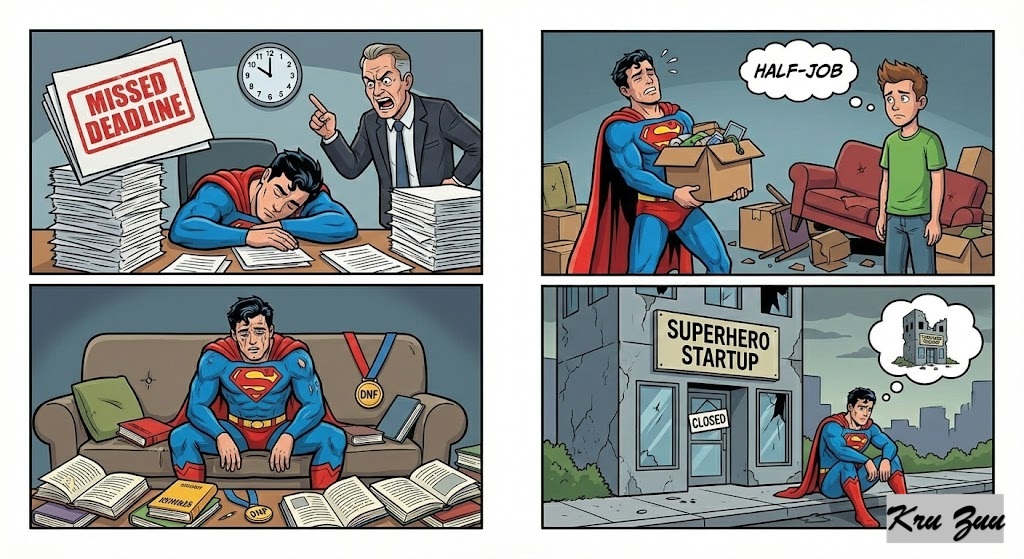
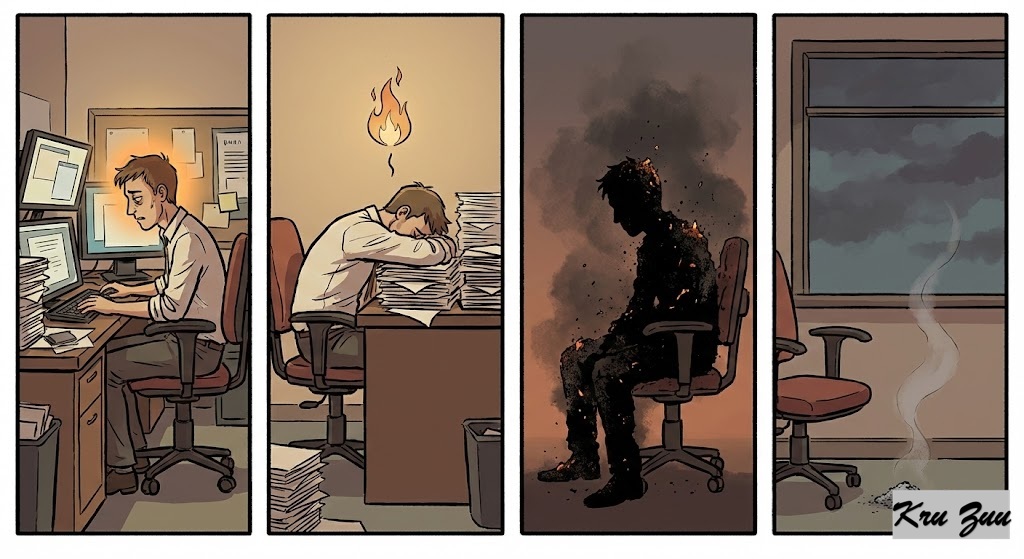
    The Result? Total burnout. ๐Ÿคฏ You miss deadlines. You show up late. You do a “half-job” on everything because you are rushing. You feel stressed, anxious, and exhausted. By trying to do everything, you end up achieving nothing. You are the architect of your own panic.


    ๐Ÿ˜‡ The Hero (The Essentialist)

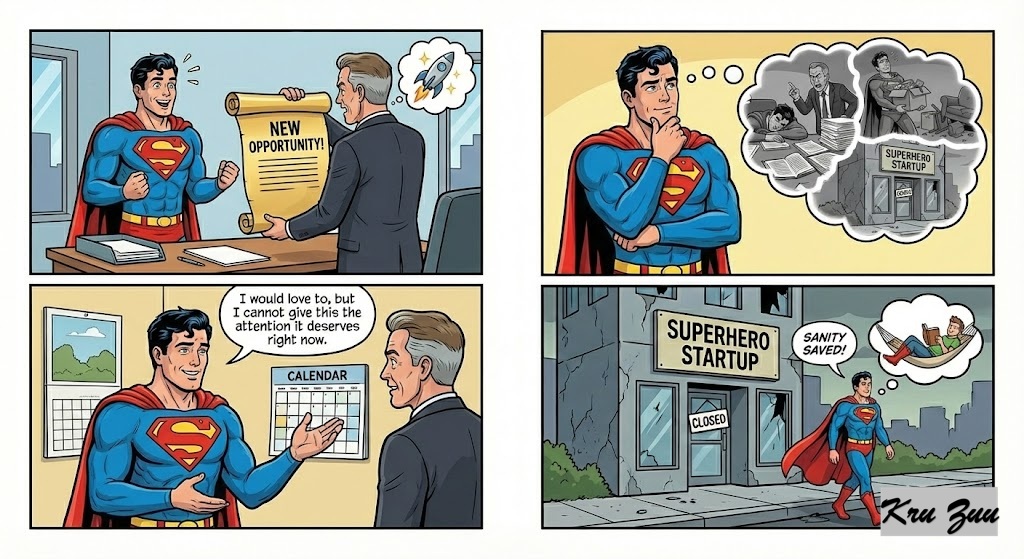
    An opportunity comes up. It looks exciting. But instead of instantly saying “Yes,” you pause. You look at your plate (your schedule/energy). You realize that saying “Yes” to this means saying “No” to your sanity. You say: “I would love to, but I cannot give this the attention it deserves right now.”

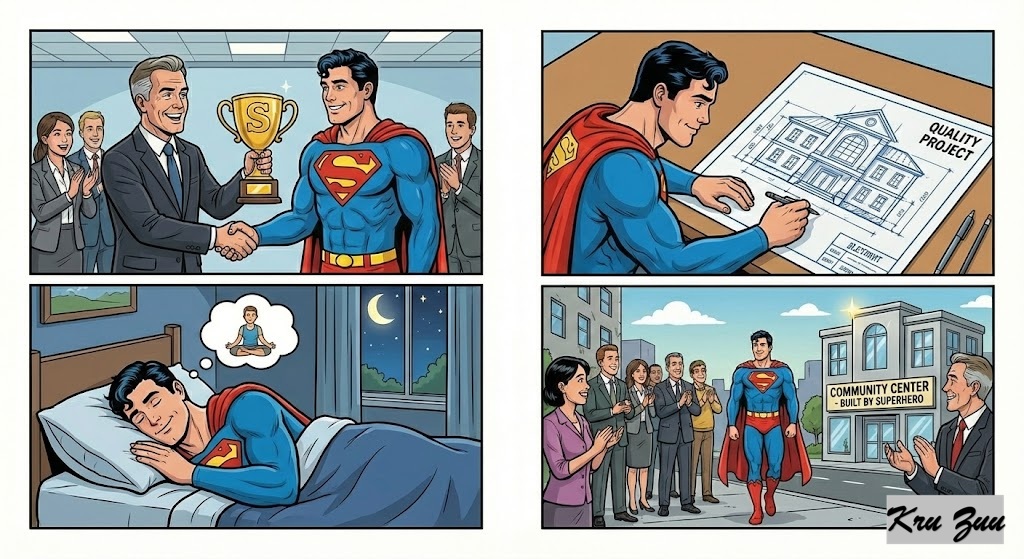
    The Result? You protect your reputation. The work you do finish is excellent quality. You sleep at night. You are respected not for how much you do, but for how well you do it. ๐Ÿง˜โ€โ™‚๏ธ


    โš–๏ธ The Reality


    Ambition is gasoline; capacity is the engine. If you pour too much gas into a small engine, you don’t go faster, you explode. Success isn’t about the volume of tasks; it’s about the sustainability of effort.


    ๐Ÿ’Ž The Secret: Real confidence isn’t knowing you can do everything. Real confidence is knowing what you canโ€™t do, and being okay with it.

    ๐Ÿง The Anatomy of the Proverb


    This is your reminder that resources (time, energy, money) are limited.


    Bite off (Phrasal Verb): To grab a piece of something (literally with teeth, metaphorically accepting a task).


    More than: An amount exceeding your limit.


    Chew (Verb): To process; to handle; to finish successfully.


    Simpler Version: Do not accept more responsibility than you can handle. / Know your limits.


    ๐Ÿ“š Vocabulary Vault


    Overwhelmed (Adjective):
    Buried or drowning beneath a huge mass of something (usually work or emotion). ๐ŸŒŠ


    Capacity (Noun): The maximum amount that something can contain or produce.


    Burnout (Noun): Physical or mental collapse caused by overwork or stress. ๐Ÿ”ฅ


    Prioritize (Verb): To designate or treat (something) as more important than other things.


    Realistic (Adjective): Having or showing a sensible and practical idea of what can be achieved.


    ๐Ÿง  Grammar Focus: Idioms as Advice


    We use this idiom when warning someone who looks too ambitious or stressed.


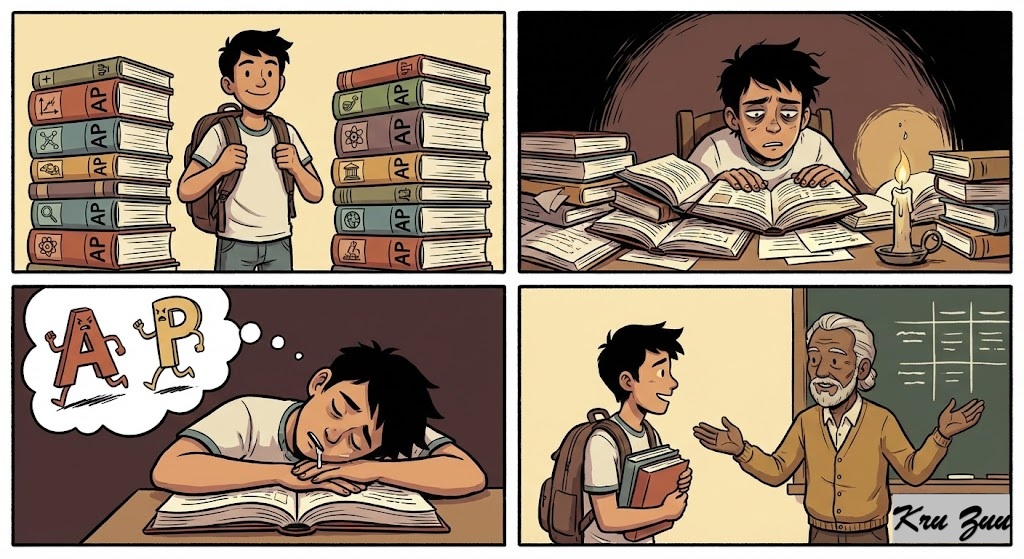
    Student: “Iโ€™m going to take 6 Advanced Placement classes this semester!”


    Teacher: “Be careful. That is a heavy workload. Don’t bite off more than you can chew.”

    ๐Ÿ“œ History: Origin and Spread


    Where did this tasty phrase come from?


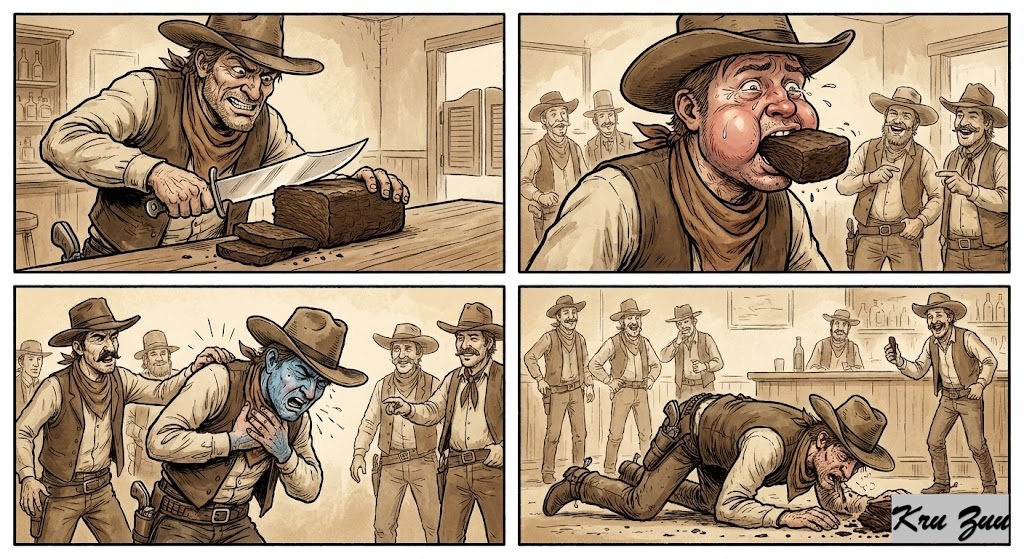
    The Origin: It dates back to the 1800s in America, likely referring to chewing tobacco. People would slice off a “plug” of tobacco to put in their mouth. If they were greedy and sliced a piece too big, they couldn’t chew it, they looked ridiculous, and they might even choke! ๐Ÿคข


    Global Cousins


    ๐Ÿ‡น๐Ÿ‡ท Turkish:
    “Boyundan bรผyรผk iลŸlere kalkฤฑลŸmak” (Attempting things bigger than your height) or “Aรงgรถzlรผlรผk etmek” (To be greedy/Eyes bigger than stomach).


    ๐Ÿ‡ช๐Ÿ‡ธ Spanish:“Quien mucho abarca, poco aprieta” (He who embraces too much, squeezes little).


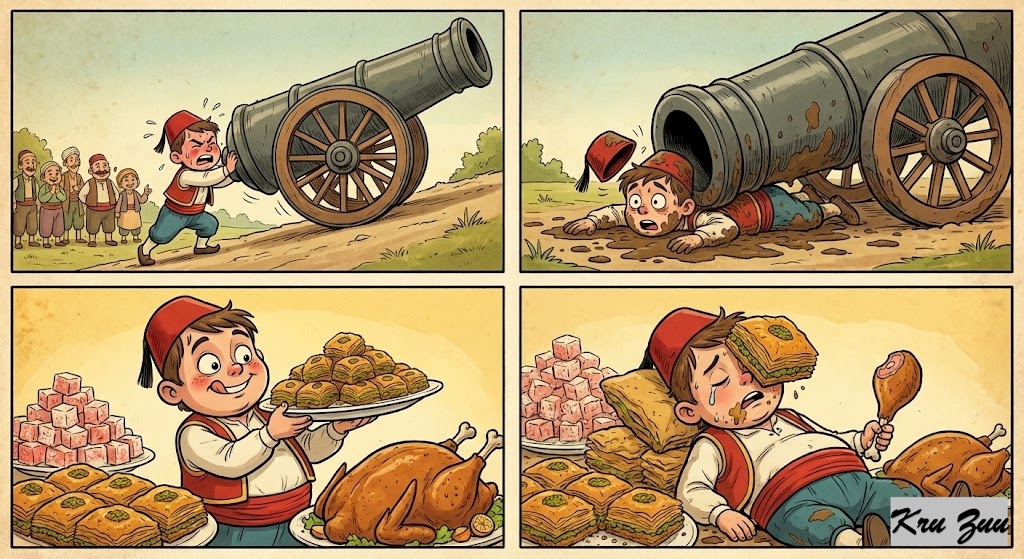
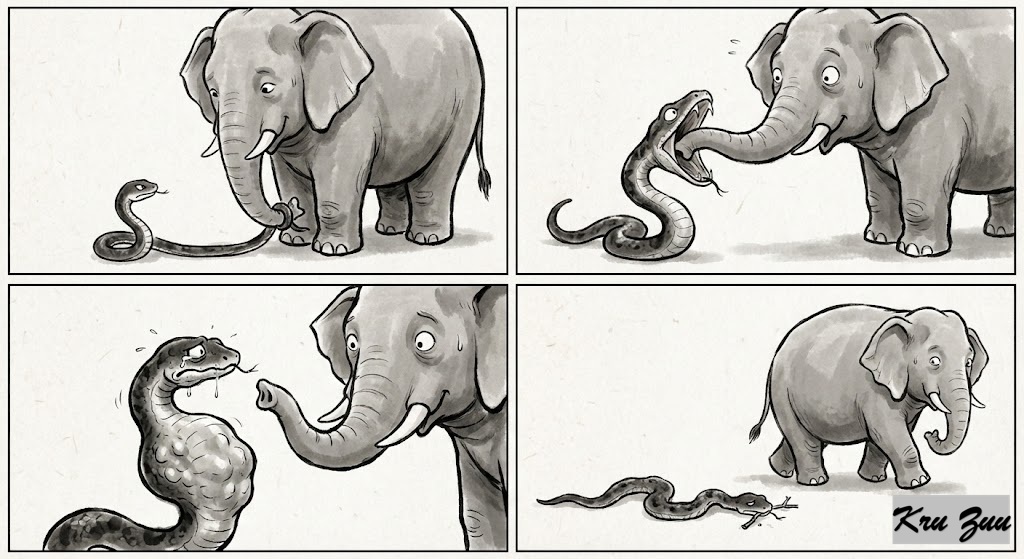
    ๐Ÿ‡จ๐Ÿ‡ณ Chinese:“A snake trying to swallow an elephant” (Greed beyond ability).

    ๐ŸŽฏ Impact on Life: The Pros & Cons


    โœ… The Pros (The Focus)


    Quality:
    When you do less, you do it better.


    Trust: People trust you because when you promise something, you actually deliver it.


    โŒ The Cons (The Fear)


    Missed Opportunities: Sometimes, to grow, you must bite off a little more than you can chew. If you are always too safe, you never learn new skills. The key is balance.

    ๐ŸŽญ Short Story: The Great Feast Fiasco ๐Ÿธ๐Ÿฑ๐Ÿ”


    Letโ€™s return to the magical forest to see why greed leads to disaster.


    ๐ŸŒŸ The Cast


    Cleo the Cat: Elegant, ambitious, and wants to impress everyone. ๐Ÿ˜ผ


    Cluck the Chicken: Excitable, hungry, and has zero impulse control. ๐Ÿ”


    Fred the Frog: The minimalistic Zen master. ๐Ÿธ


    The Situation:
    It is the day of the “Forest Potluck.” Every animal must bring a dish.

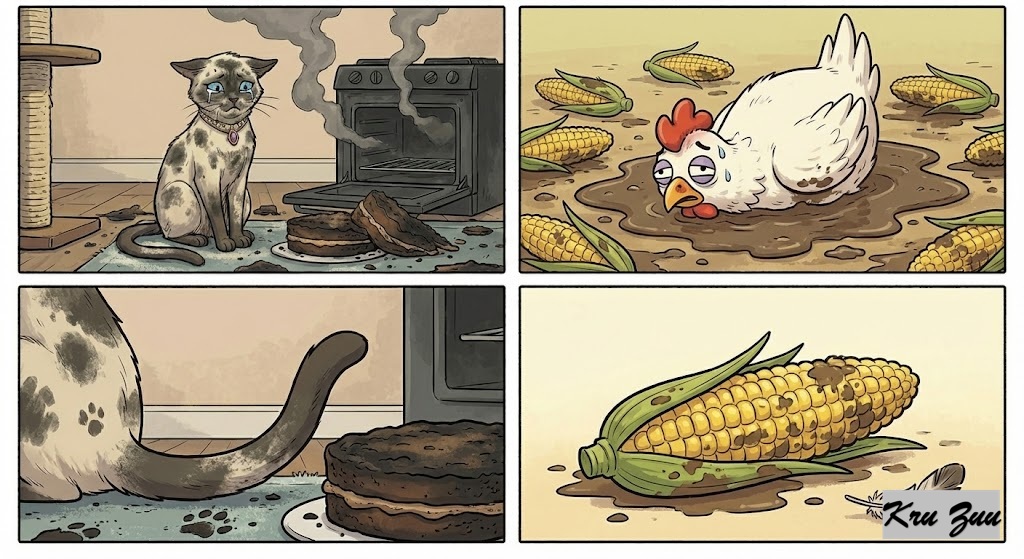
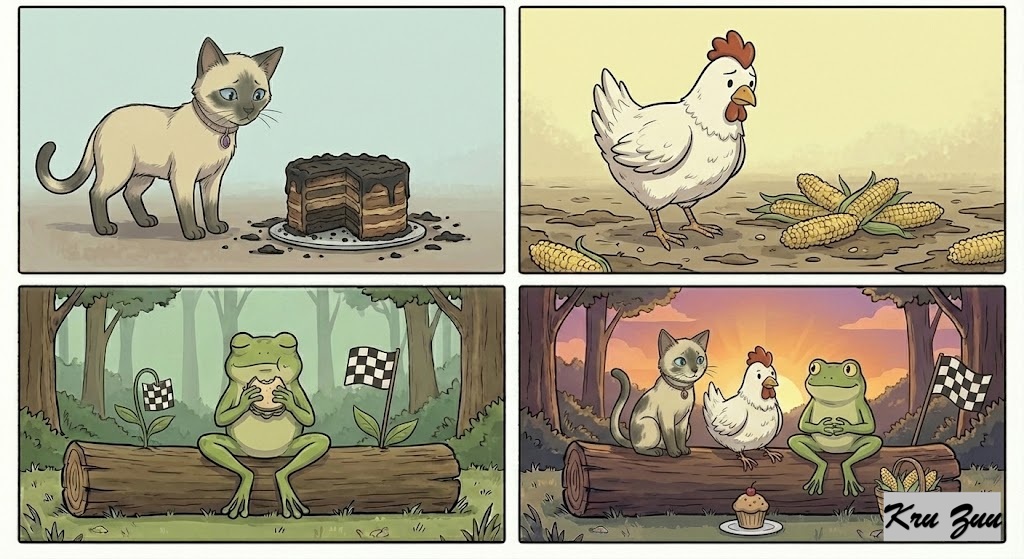
    The Conflict: Cleo (The Cat) decides she won’t just bring a dish. She wants to be the Queen of the Feast. “I will bake a 10-layer fish cake with cream frosting!” she declares. She rushes around the kitchen, throwing flour everywhere, trying to cook 10 layers at once. The oven is smoking. She is sweating. ๐ŸŽ‚๐Ÿ”ฅ


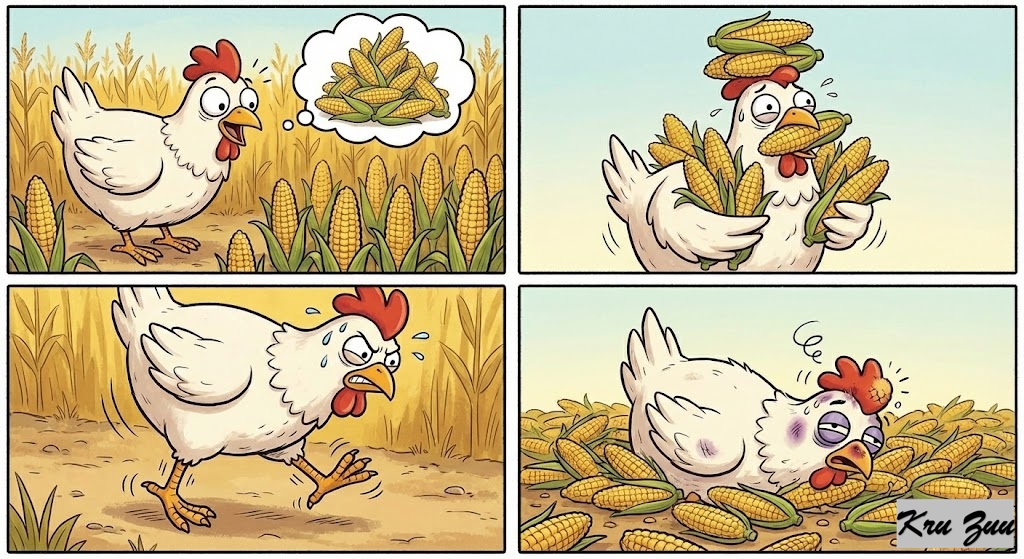
    Cluck (The Chicken) goes to the cornfield. “I will bring ALL the corn!” he squawks. He tries to carry 50 cobs of corn in his wings, under his beak, and balanced on his head. He can barely walk. His legs are shaking. ๐ŸŒฝ๐Ÿค•


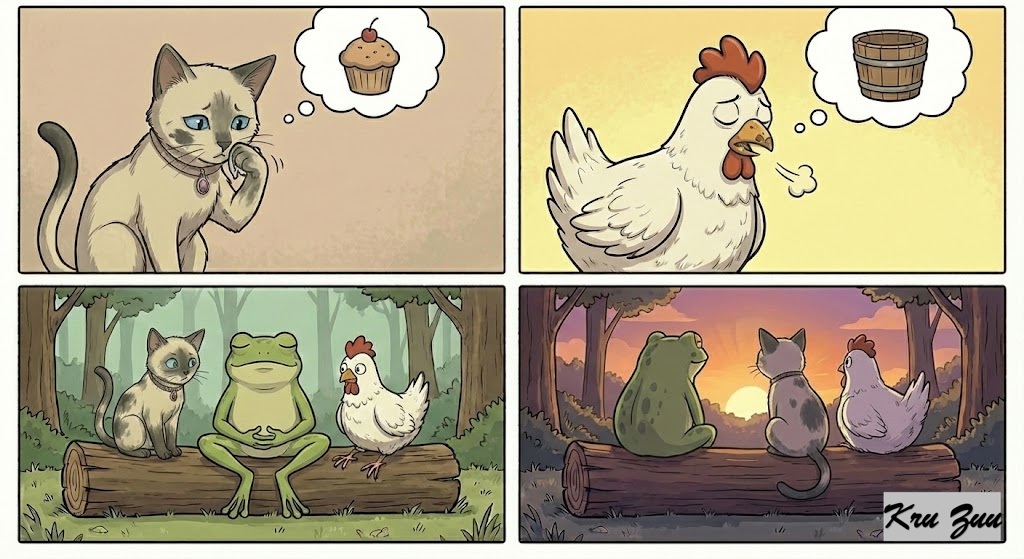
    The Result? CRASH! ๐Ÿ’ฅ Cleoโ€™s oven overheats, burning the cake to a crisp. She collapses on the floor, covered in soot, crying. BUMP! ๐Ÿ“‰ Cluck trips over a rock because he can’t see over the pile of corn. The corn spills everywhere into the mud. Ruined.


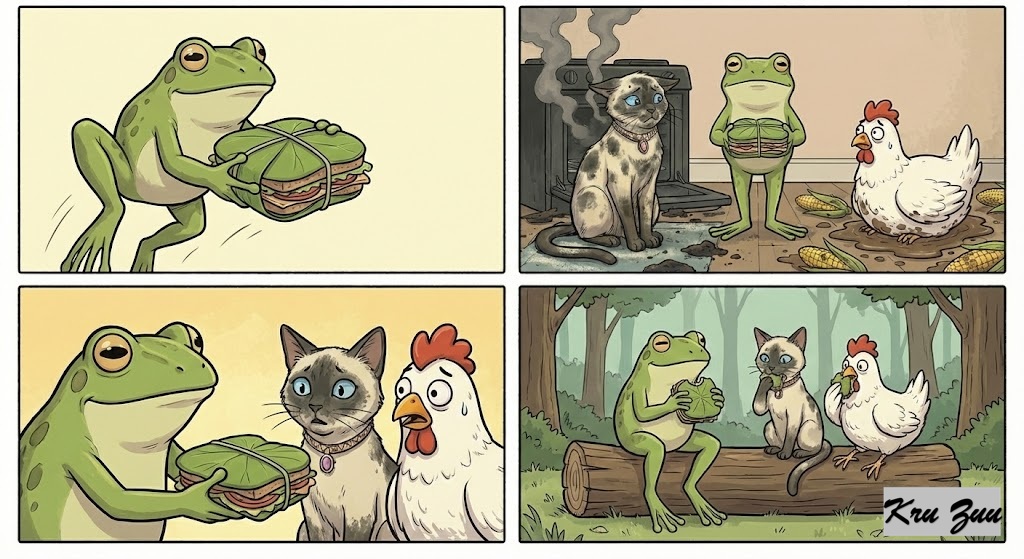
    The Resolution: Fred the Frog hops over. He is holding a single, perfectly prepared lily-pad sandwich. ๐Ÿฅช He looks at Cleo (covered in ash) and Cluck (tangled in corn).


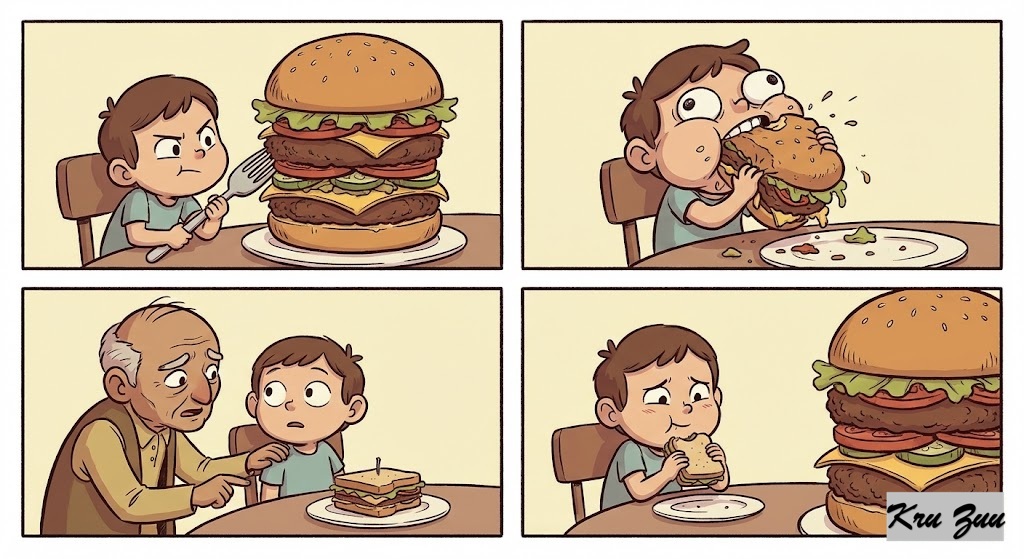
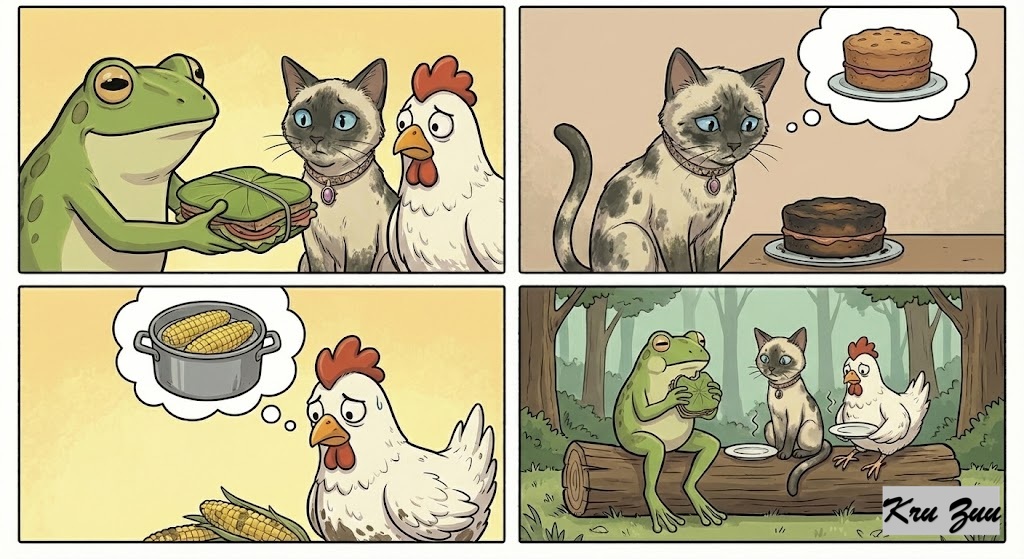
    “Ribbit,” says Fred. “Cleo, one delicious cake is better than ten burnt ones. Cluck, two cobs of corn in the pot are better than fifty in the mud.” Fred takes a small, polite bite of his sandwich. “You both bit off more than you could chew. Now, nobody eats.”


    Cleo wiped her face. “Next timeโ€ฆ just cupcakes?” Cluck sighed. “Next timeโ€ฆ just a bucket.”


    The Moral: Effectiveness is not about how much you try to carry; it’s about how much you can bring to the finish line. ๐Ÿ

    ๐ŸŽ“ Lesson for English Learners


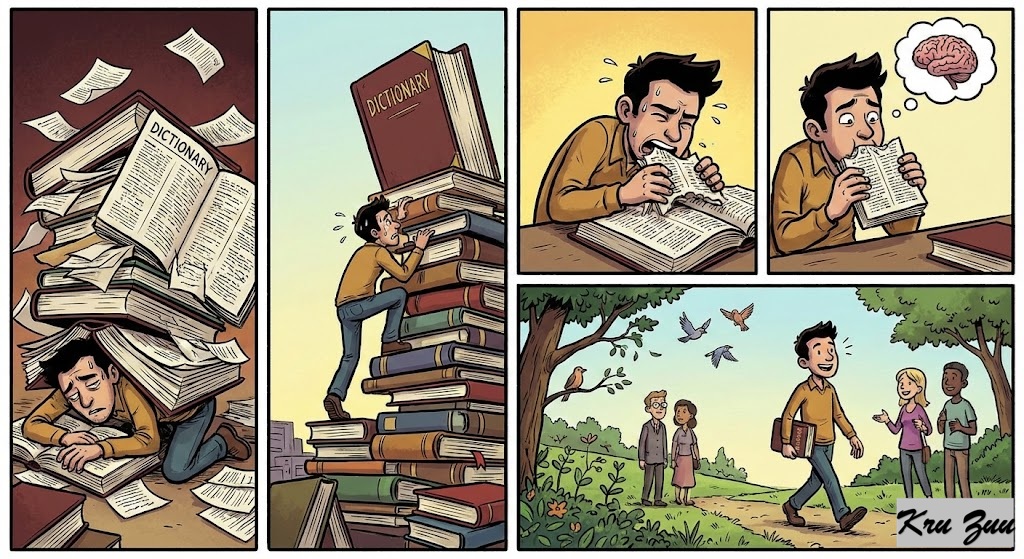
    Don’t try to memorize the dictionary.


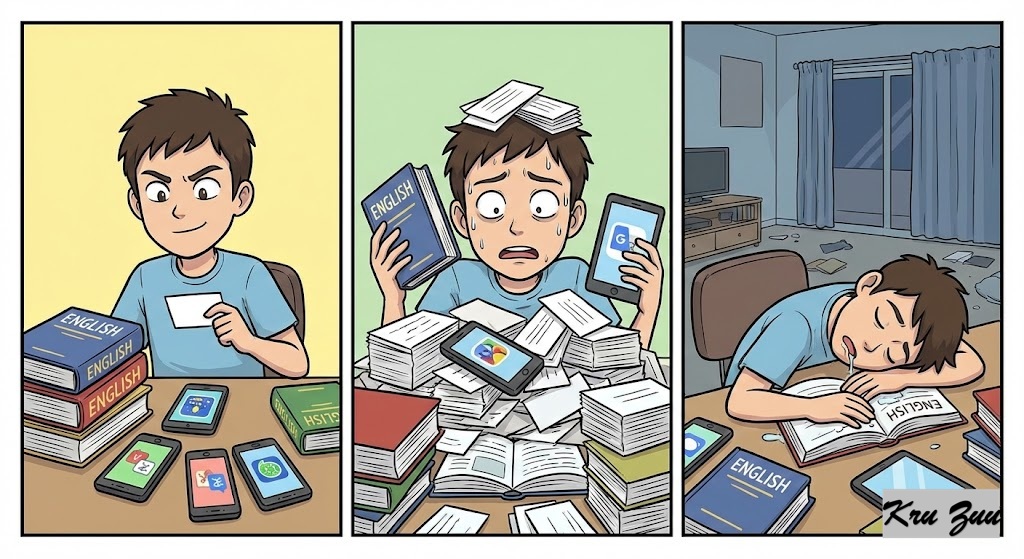
    Situation: You want to learn English fast. You download 5 apps, buy 3 books, and try to learn 50 new words a day.

    The Trap: After 3 days, you remember nothing. You feel stupid. You quit.

    The Shift: Apply the law.

    You Say: “I will learn 5 words today. But I will learn them perfectly. I will use them in sentences. I will not bite off more than I can chew.”


    ๐Ÿ’ฌ Your Turn: The Capacity Check ๐Ÿš€


    Are you drowning in work or commitments right now?

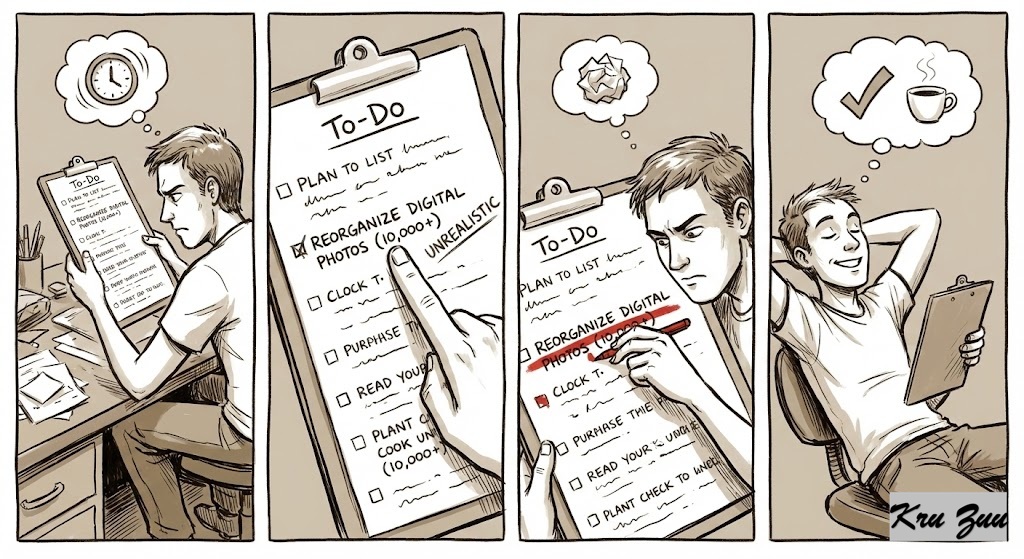
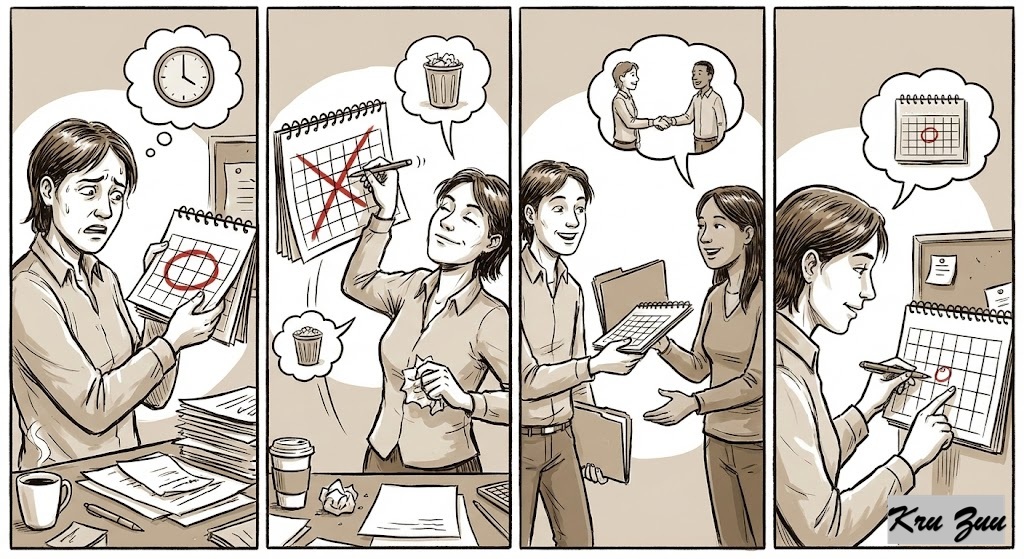
    The Challenge: Look at your “To-Do” list for this week. Find one item that is not essential, or one deadline that is unrealistic.

    The Action: Cancel it. Delegate it. Or reschedule it.

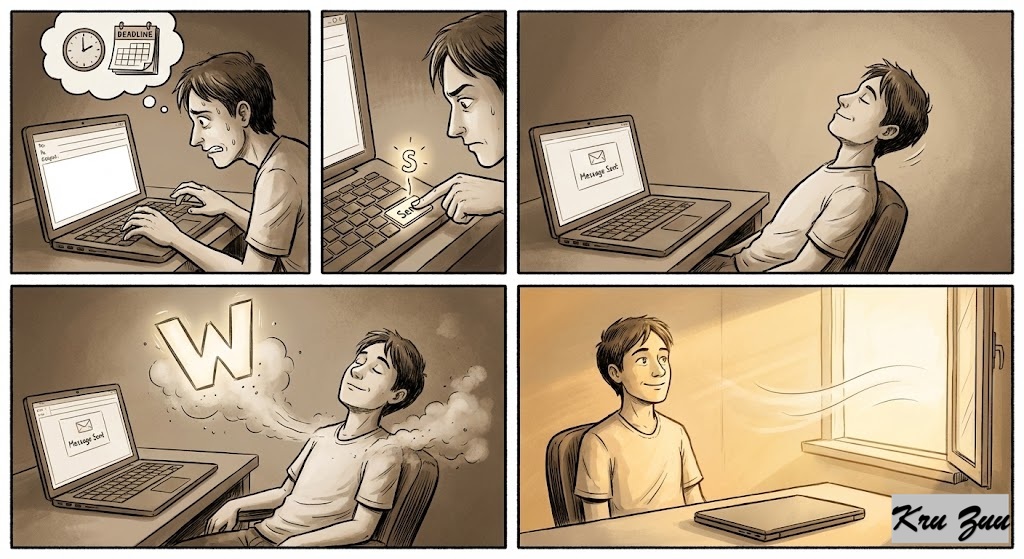
    Send that email: “I want to give this project my best effort, so I will need to move the deadline to next week.” Feel the weight lift off your shoulders.


    ๐Ÿ‘‡ Question for the comments: Have you ever agreed to do something and immediately regretted it? What happened? Tell us your “horror story” below!

    By Zubeyir YURTKURAN

    https://www.facebook.com/BrainBattleground/

    https://www.facebook.com/zubeyr.yurtkuran/

    https://www.instagram.com/zubeyryurtkuran/
    https://www.youtube.com/@BrainBattleground-b3p

    https://www.instagram.com/brainbattleground/

  • ๐Ÿ’ƒ The Daily Shield: The Law of Mutual Responsibility

    ๐Ÿ’ƒ The Daily Shield: The Law of Mutual Responsibility

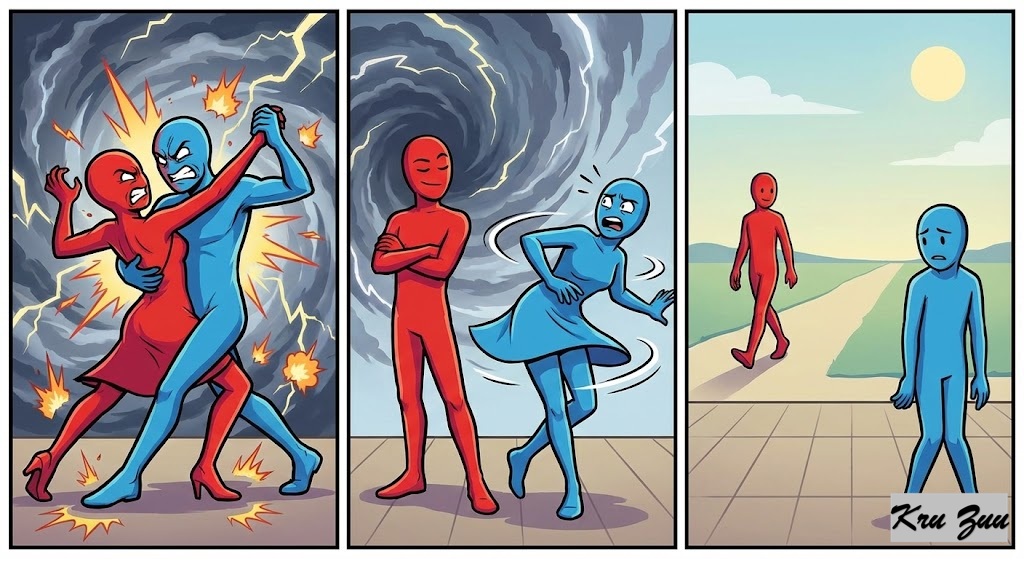
    “It takes two to tango.”


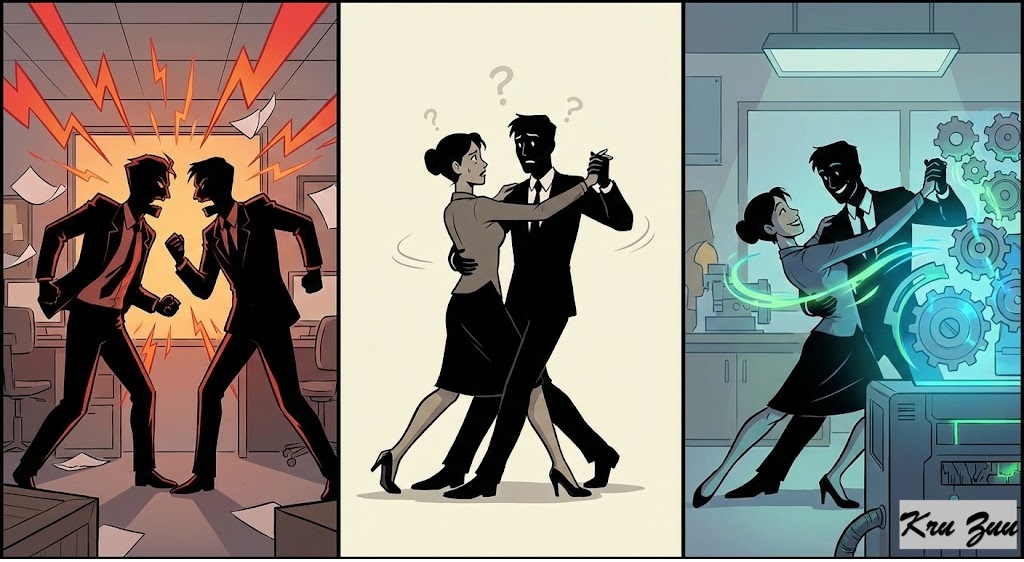
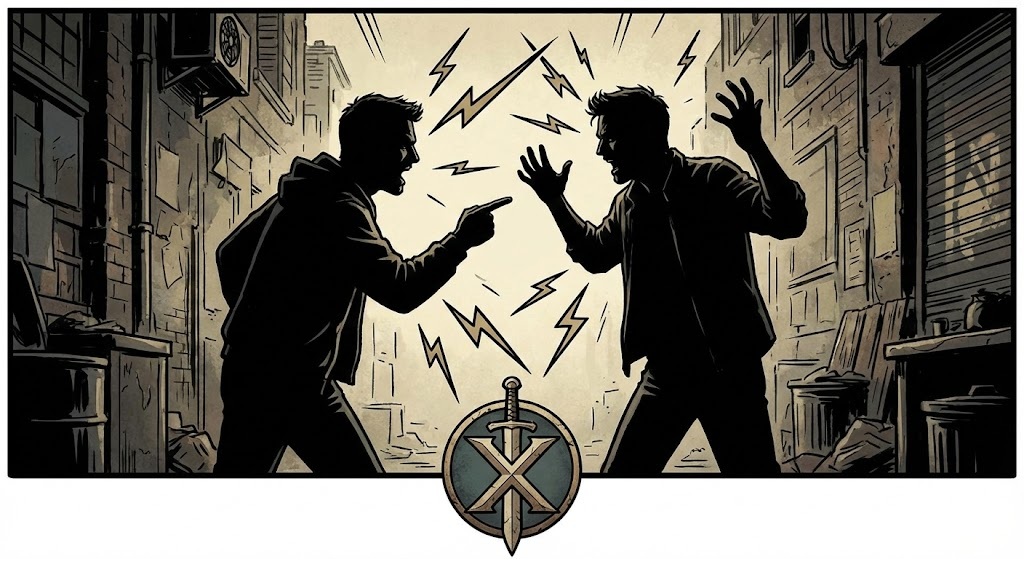
    ๐Ÿ˜ˆ The Villain (The Blamer)

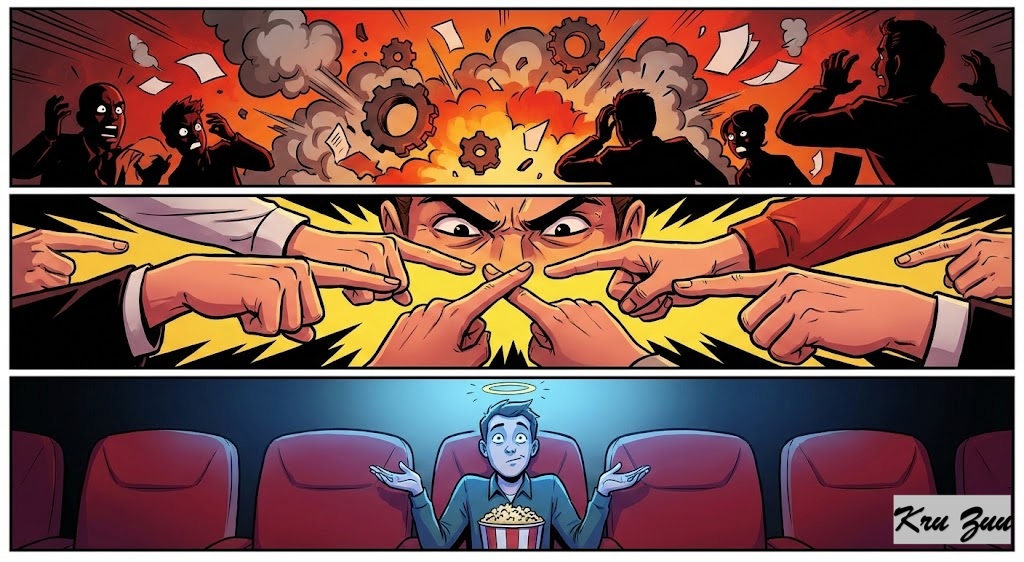
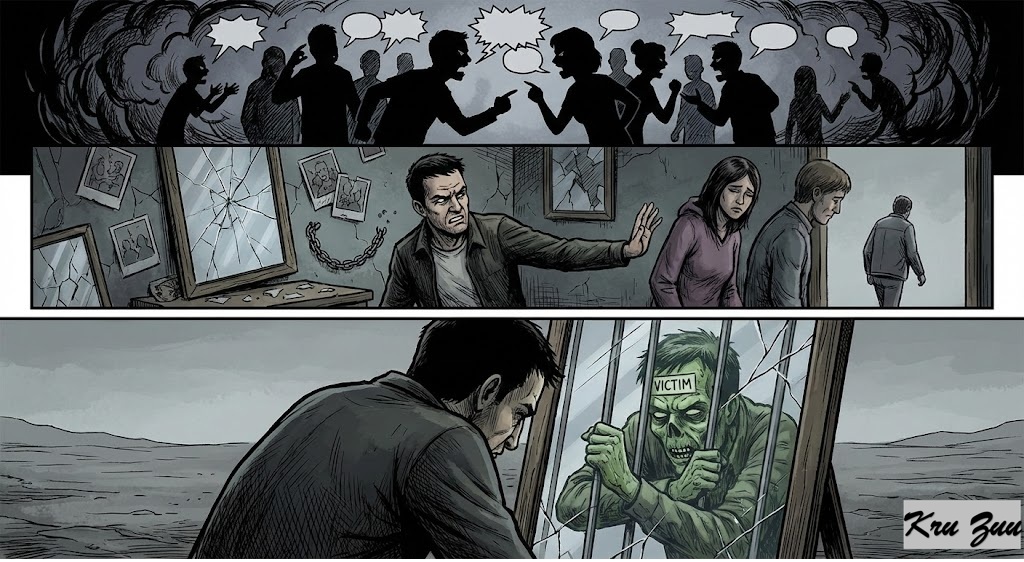
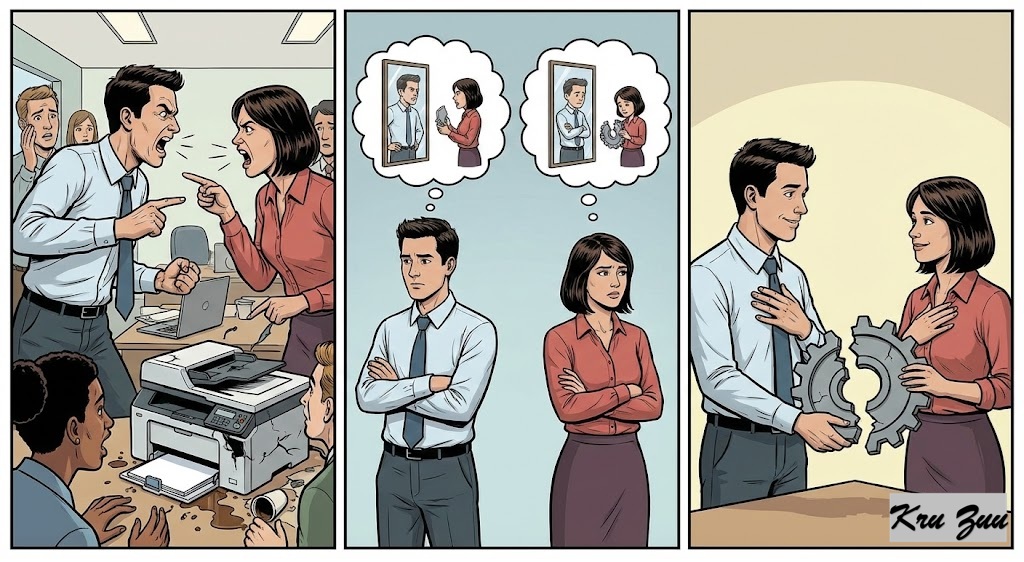
    Something goes wrong. An argument explodes. What is the first thing you do? You point your finger. ๐Ÿ‘‰ “Itโ€™s his fault!” “She started it!” “The team failed because they didn’t listen to me.” You act as if you are innocent. You pretend you are just an audience member in the movie of your life.

    The Result? Arguments never end. Resentment builds. You lose friends, partners, and colleagues because you refuse to look in the mirror. You are trapped in the “Victim Mindset.” ๐ŸงŸโ€โ™‚๏ธ


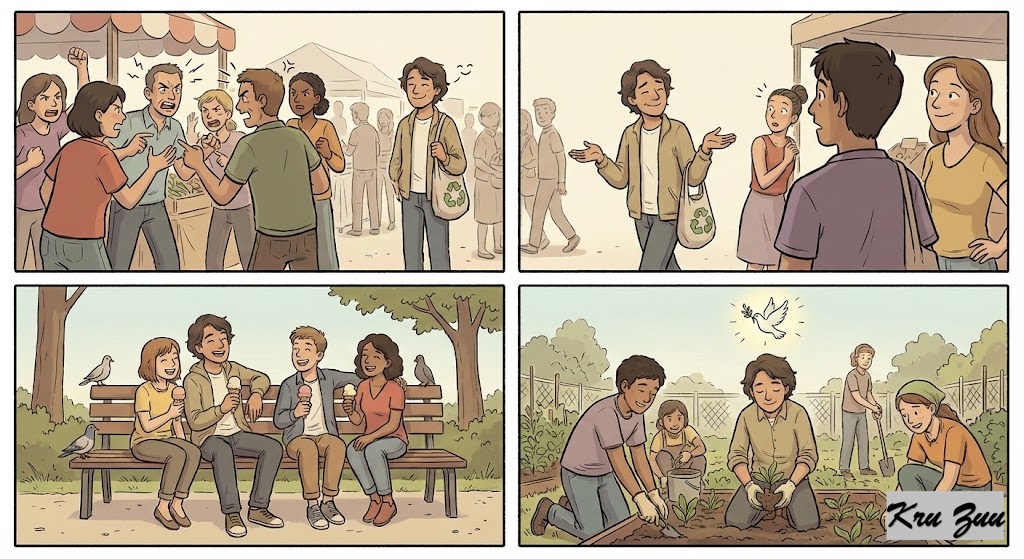
    ๐Ÿ˜‡ The Hero (The Partner)

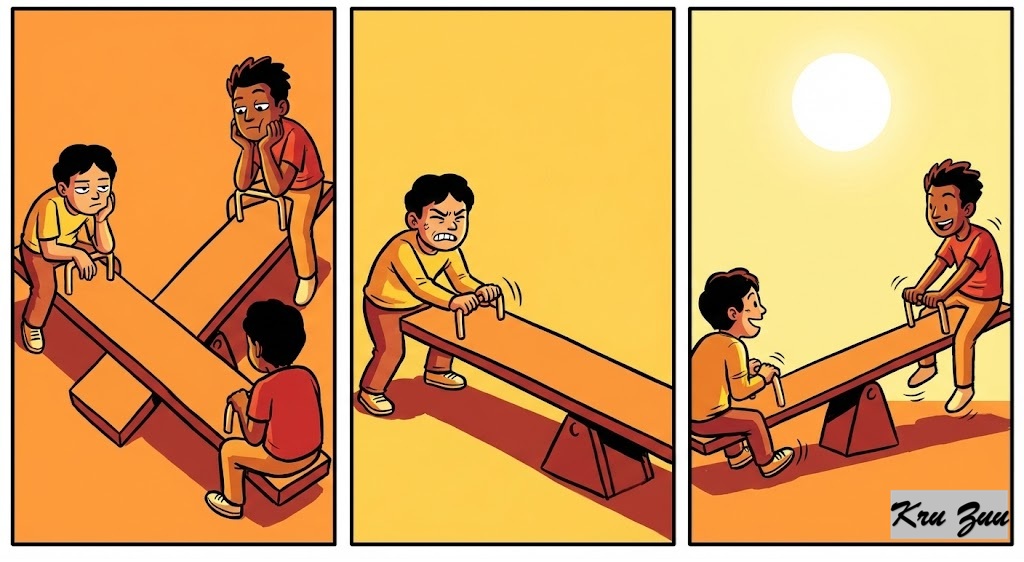
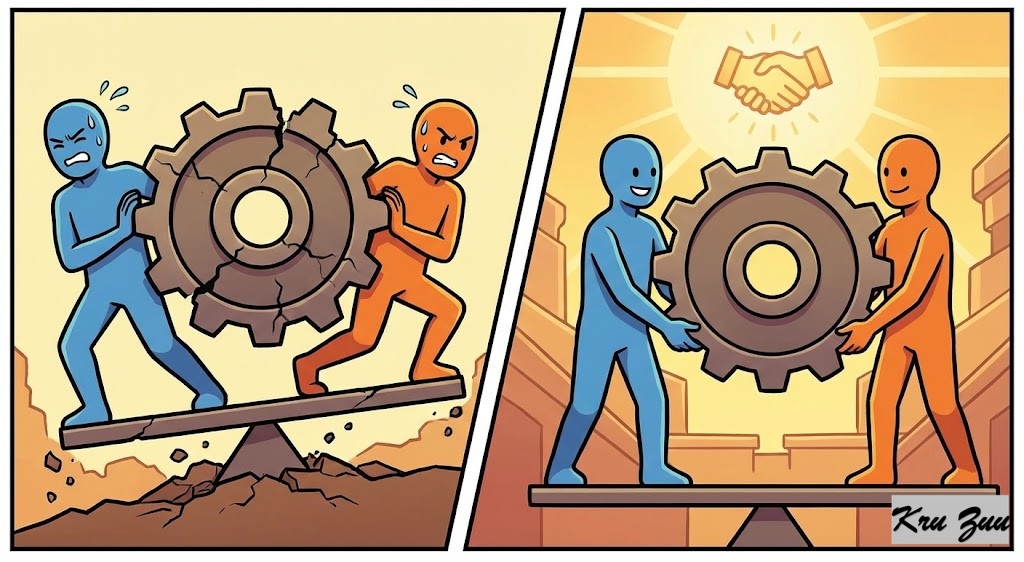
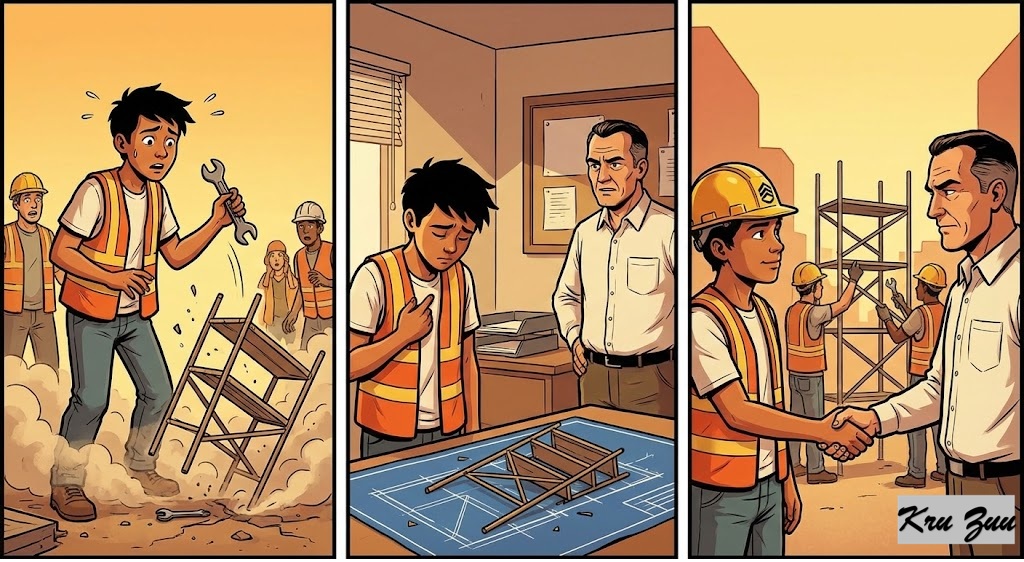
    Conflict happens. A mistake is made. Instead of pointing fingers, you pause. You realize that in almost every interaction, both sides play a role. You say: “We both own this.” You accept your 50% (or even your 10%) of the responsibility.

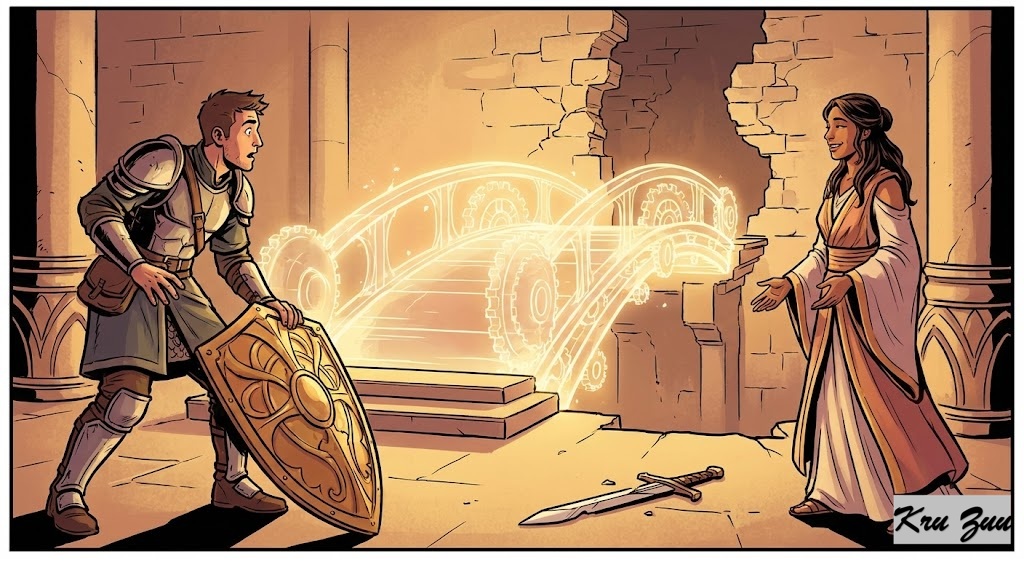
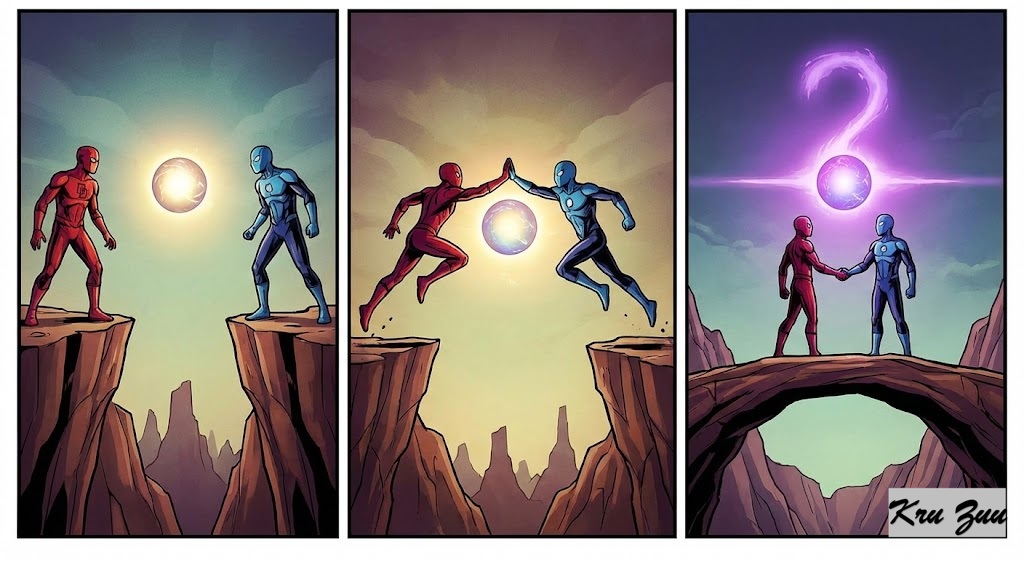
    The Result? The fighting stops immediately. The other person lowers their defenses. You solve the problem together instead of attacking each other. You build bridges, not walls. ๐Ÿ›ก๏ธ


    โš–๏ธ The Reality


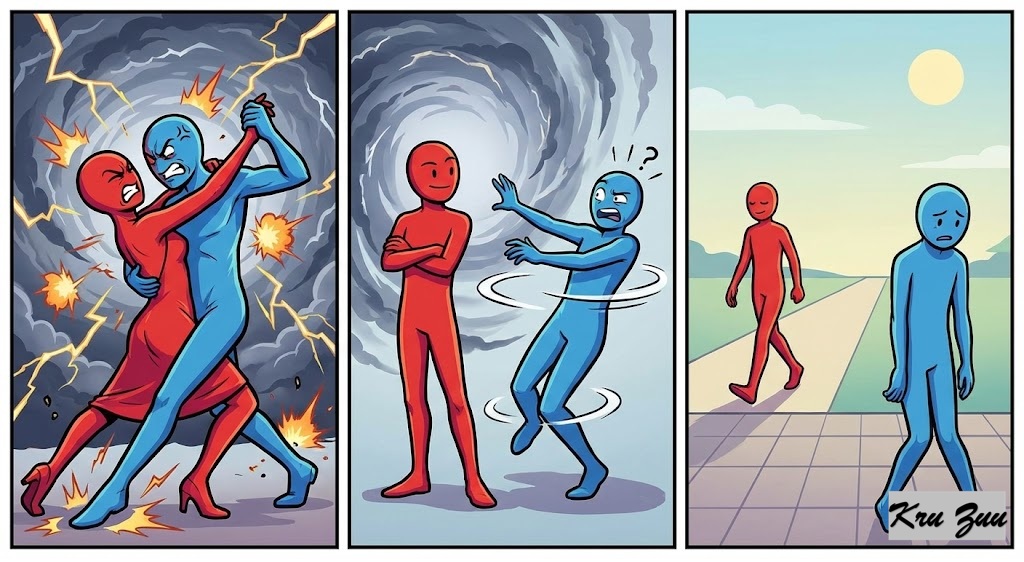
    One hand cannot clap. Arguments, bad relationships, and failed projects are rarely 100% one person’s fault. Conflict is a dance. It requires two participants to keep the drama going. If one person stops dancing (stops arguing), the tango ends.


    ๐Ÿ’Ž The Secret

    You cannot control the other person’s steps, but you can control yours. If you change your steps, the dance changes.

    ๐Ÿง The Anatomy of the Proverb


    This is your reminder that interaction requires participation from both sides.


    It takes (Verb phrase): It requires; it needs.


    Two (Number): Both parties.


    To Tango (Infinitive Verb): To perform the dance (metaphor for interacting, arguing, or collaborating).


    Simpler Version: Both people are responsible. / Cooperation is necessary.


    ๐Ÿ“š Vocabulary Vault


    Accountability (Noun):
    Taking responsibility for your actions. (The sign of a leader).


    Conflict (Noun): A serious disagreement or argument. โš”๏ธ


    Collaborate (Verb): To work jointly on an activity to produce or create something.


    Mutual (Adjective): Held in common by two or more parties. (e.g., “Mutual respect”).


    Engagement (Noun): The action of being involved in something.


    ๐Ÿง  Grammar Focus: Idioms as Explanations


    We often use this idiom as a standalone sentence to explain why something is happening.


    Person A: “Why are John and Sarah always fighting?”


    Person B: “Well, he is stubborn, but she loves to provoke him. It takes two to tango.”

    ๐Ÿ“œ History: Origin and Spread


    Where did this groovy phrase come from?


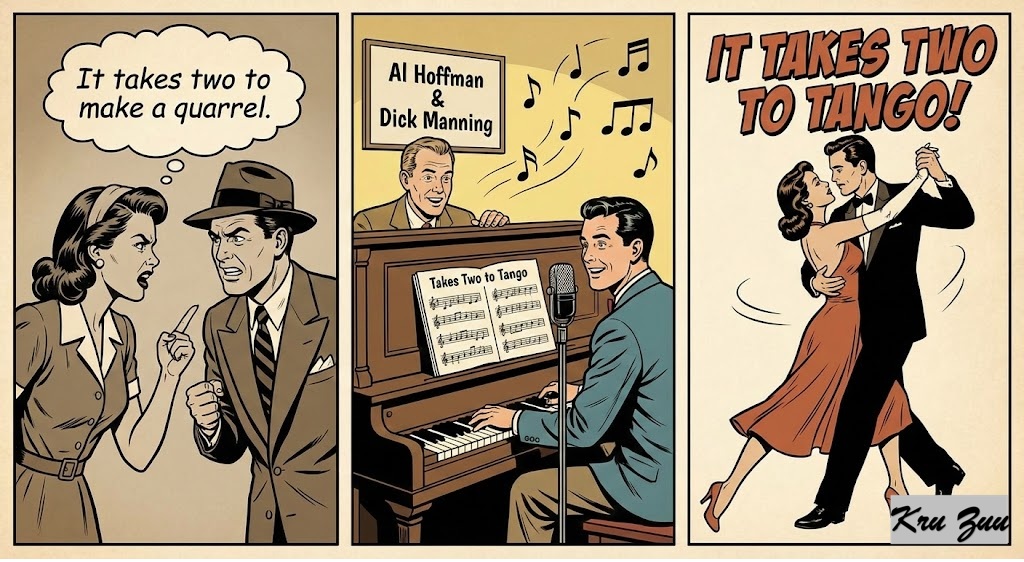
    The Origin: It was popularized by the catchy song “Takes Two to Tango” written by Al Hoffman and Dick Manning in 1952. Before this, people simply said “It takes two to make a quarrel.”


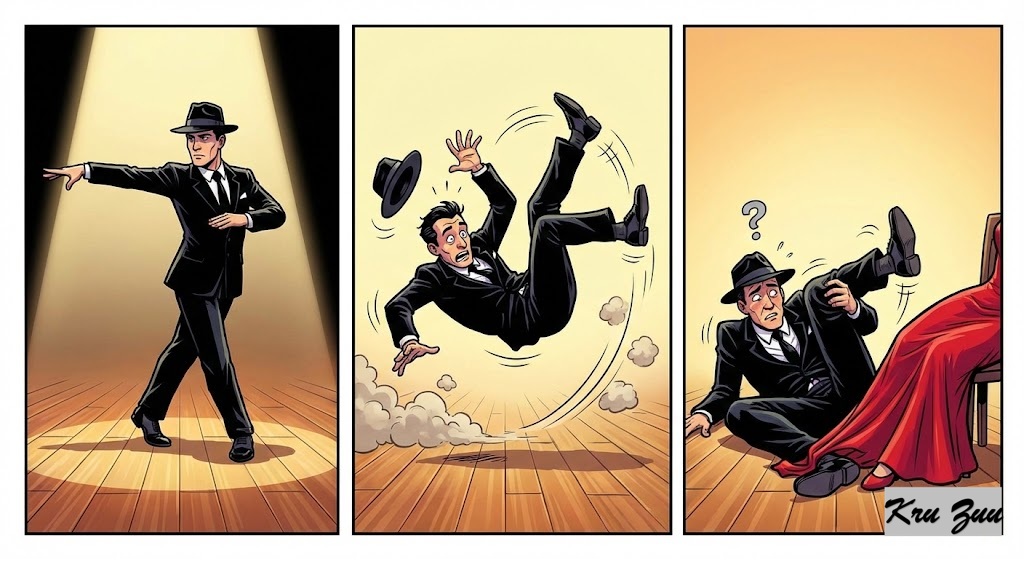
    The Logic: The Tango is a dramatic, complex dance from Argentina. You literally cannot do the moves alone. If you try, you just look silly falling over!


    Global Cousins


    ๐Ÿ‡น๐Ÿ‡ท Turkish:
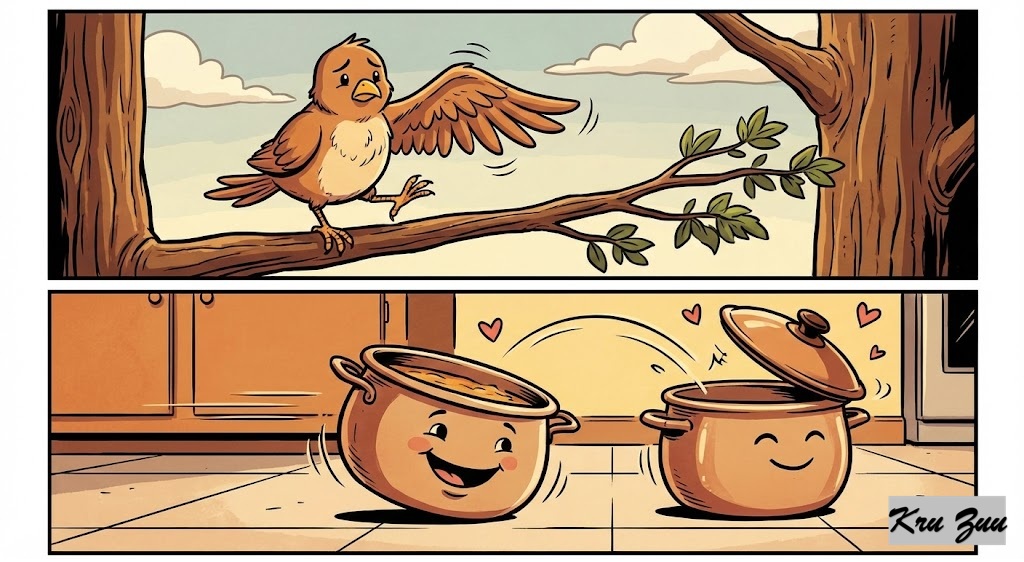
    “Tek kanatla kuลŸ uรงmaz” (A bird doesn’t fly with one wing) or “Tencere yuvarlanmฤฑลŸ kapaฤŸฤฑnฤฑ bulmuลŸ” (The pot rolled and found its lid – for compatible pairs).


    ๐Ÿ‡ท๐Ÿ‡บ Russian:“One man in the field is not a warrior.”


    ๐Ÿ‡จ๐Ÿ‡ณ Chinese:“A lone palm cannot clap.”

    ๐ŸŽฏ Impact on Life: The Pros & Cons


    โœ… The Pros (The Connection)


    Resolution:
    When you admit your part in a problem, the other person usually admits theirs. Peace comes instantly.


    Success: Great businesses and marriages are built on the idea that “we are in this together.”


    โŒ The Cons (The Trap)


    False Guilt:
    Be careful. If someone abuses you or commits a crime against you, that is not a tango. That is an attack. Do not accept blame for things you didn’t do.

    ๐ŸŽญ Short Story: The Swamp Symphony ๐Ÿธ๐Ÿฑ๐Ÿ”


    Letโ€™s visit the edge of the magical forest to see this law in action.


    ๐ŸŒŸ The Cast


    Cleo the Cat: Elegant, perfectionist, but bossy. ๐Ÿ˜ผ


    Cluck the Chicken: Energetic, clumsy, and loud. ๐Ÿ”


    Fred the Frog: The wise, green observer. ๐Ÿธ


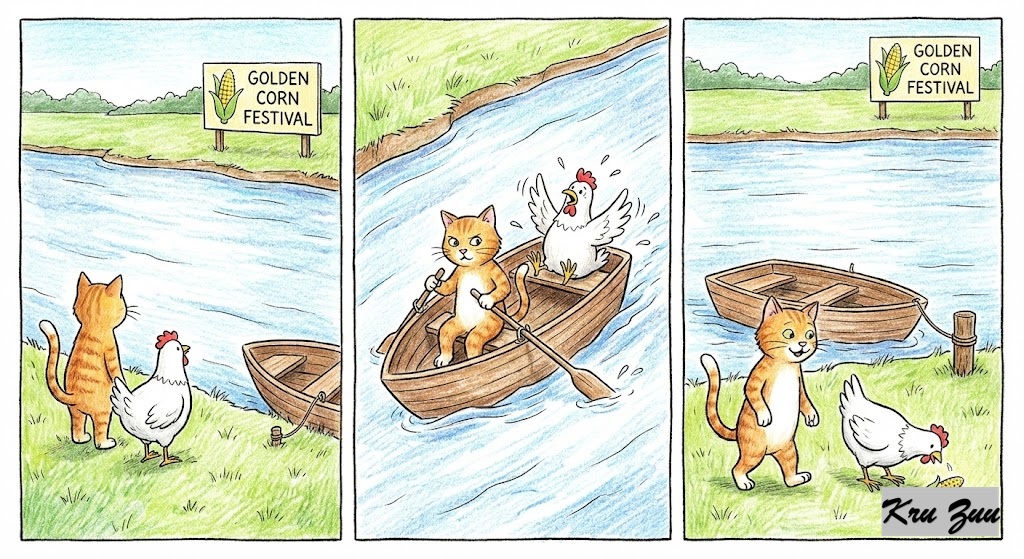
    The Situation: Cleo and Cluck want to cross the river to get to the “Golden Corn Festival.” There is only one small rowboat.


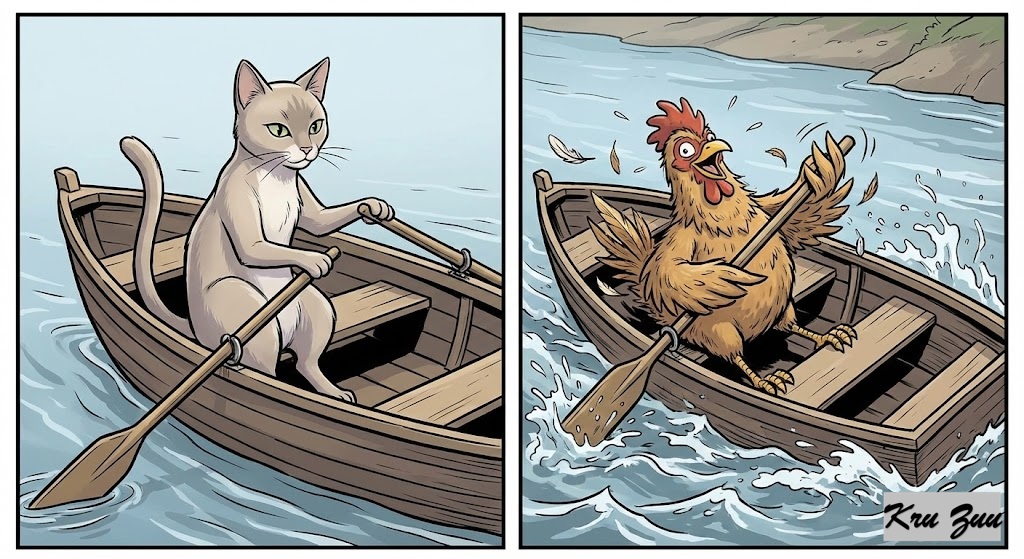
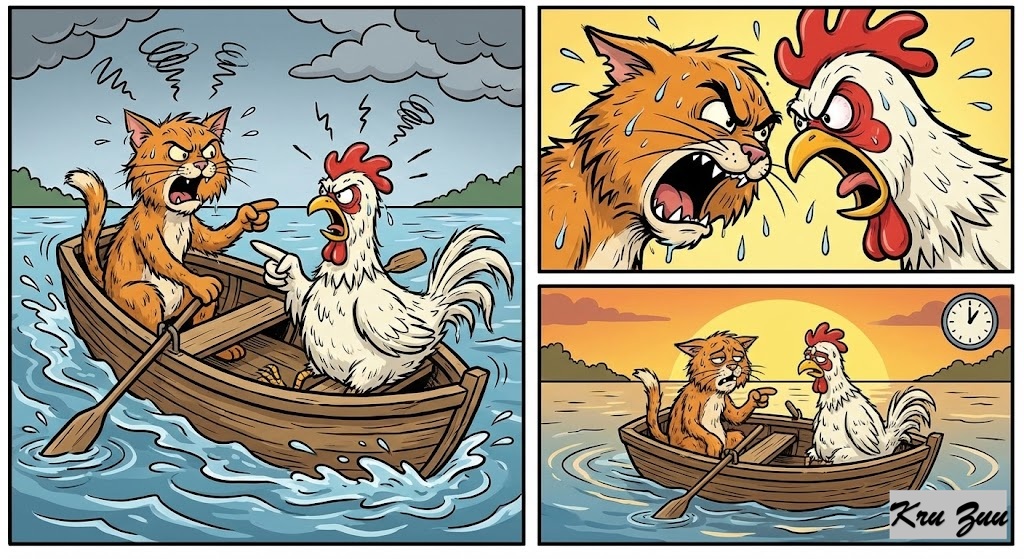
    The Conflict: They jump in the boat. Cleo (Cat) grabs the left oar. She wants to row gracefully and slowly so she doesn’t get her fur wet. Cluck (Chicken) grabs the right oar. He is excited! He flaps his wings and rows furiously fast to get to the corn.


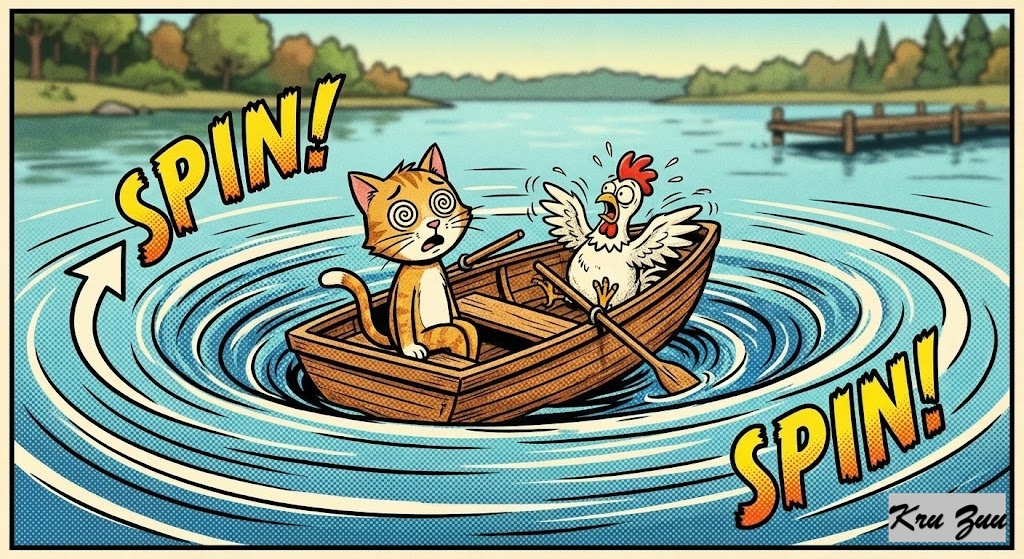
    The Result? The boat spins in circles! ๐Ÿ”„


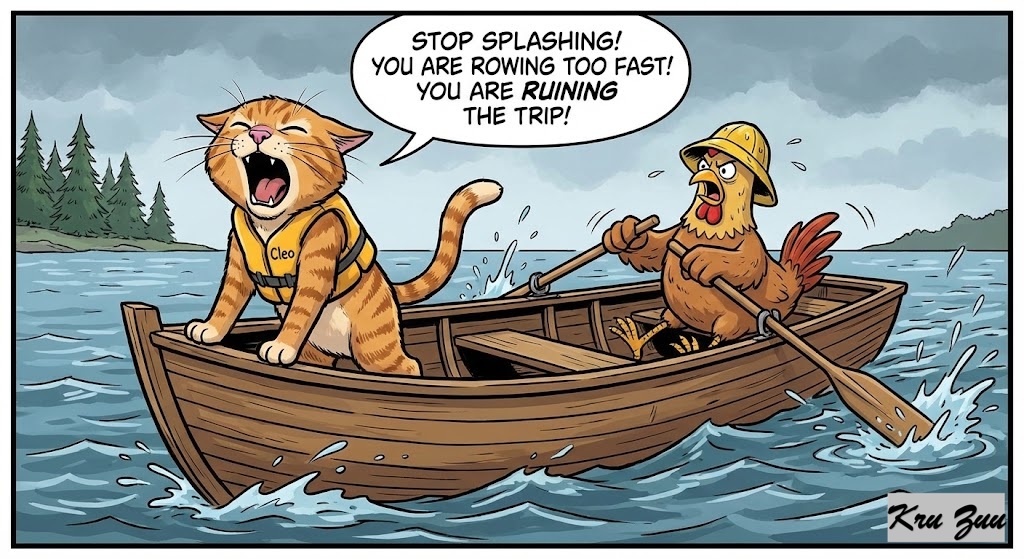
    Cleo screams: “Stop splashing! You are rowing too fast! You are ruining the trip!”


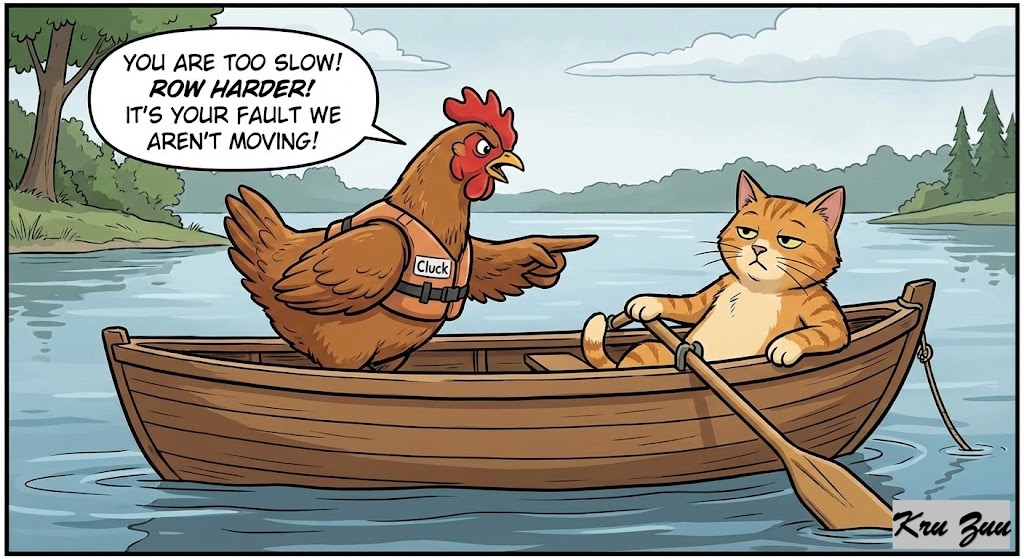
    Cluck clucks: “You are too slow! Row harder! It’s your fault we aren’t moving!”


    They sit in the middle of the river, spinning, wet, and angry. They blame each other for an hour.


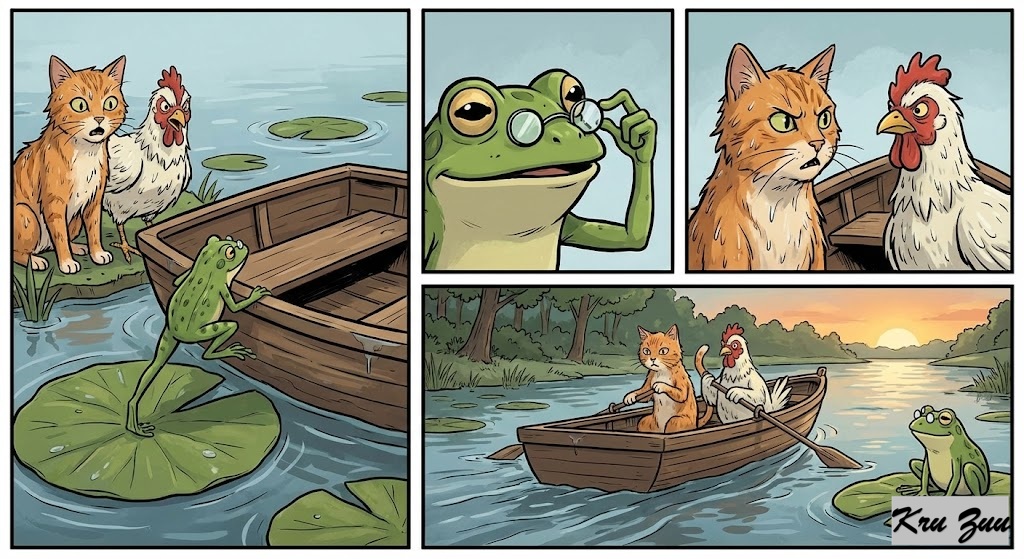
    The Resolution: Fred the Frog hops onto a lily pad next to the boat. He adjusts his tiny glasses. “Ribbit,” Fred says calmly. “Cleo, you are steering left. Cluck, you are steering right. The boat doesn’t care who is ‘right.’ The boat only moves if you find a rhythm.”


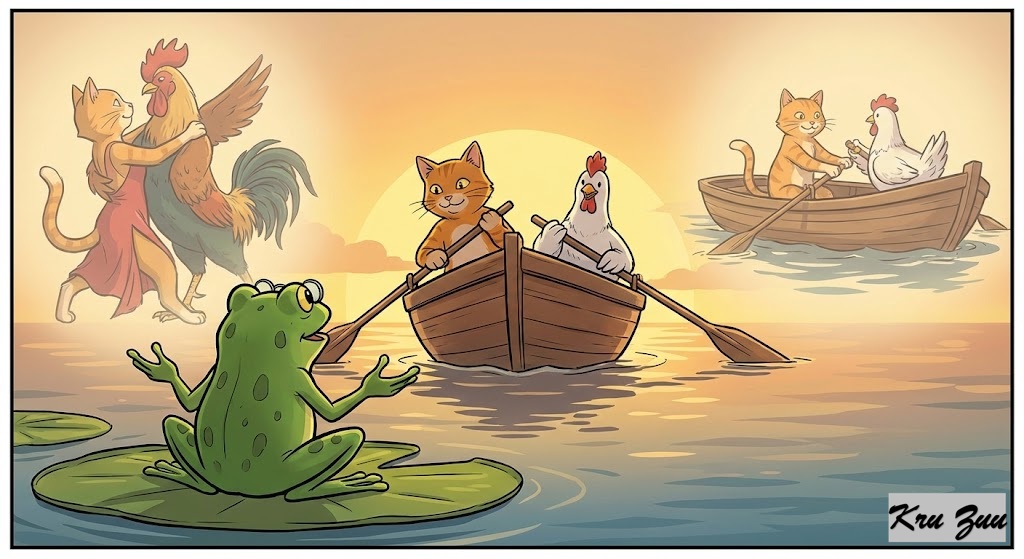
    Fred looks at them. “It takes two to tango, my friends. But it also takes two to row a boat.”


    Cleo sighed and sped up. Cluck took a deep breath and slowed down. They matched their rhythm. The boat shot forward straight to the festival. ๐ŸŒฝ


    The Moral: If you are spinning in circles in a relationship or a project, stop blaming the other person. Check your own oar. Are you rowing in rhythm? ๐Ÿšฃโ€โ™€๏ธ

    ๐ŸŽ“ Lesson for English Learners


    Don’t talk to a wall.


    Situation: You are trying to practice English with a partner, but the conversation is dying. You blame yourself: “My English is bad.”


    The Shift: Remember, conversation is a tango. If your partner gives one-word answers (Yes/No), they are stepping on your feet.


    You Say: “I need you to ask me questions too. It takes two to tango! Let’s make this a real conversation.”


    ๐Ÿ’ฌ Your Turn: The Mirror Challenge ๐Ÿš€


    Is there a conflict in your life right now? A “cold war” with a colleague? A silent treatment with a friend?


    The Challenge: Identify one argument where you feel you are 100% right. Now, find just 5% of the problem that is YOUR fault. (Did you yell? Did you ignore them? Did you forget to ask?)


    The Action: Go to that person and say: “I realized I made a mistake by [your 5%]. I want to fix this.” Watch how fast the “Tango” changes from a battle to a dance.


    ๐Ÿ‘‡ Question for the comments: Have you ever worked on a team project where one person refused to “dance”? How did you handle it? Tell us below!

    By Zubeyir YURTKURAN

    https://www.facebook.com/BrainBattleground/

    https://www.facebook.com/zubeyr.yurtkuran/

    https://www.instagram.com/zubeyryurtkuran/
    https://www.youtube.com/@BrainBattleground-b3p

    https://www.instagram.com/brainbattleground/

  • ๐Ÿ›ก๏ธ The Daily Shield: The Law of False Fear

    ๐Ÿ›ก๏ธ The Daily Shield: The Law of False Fear

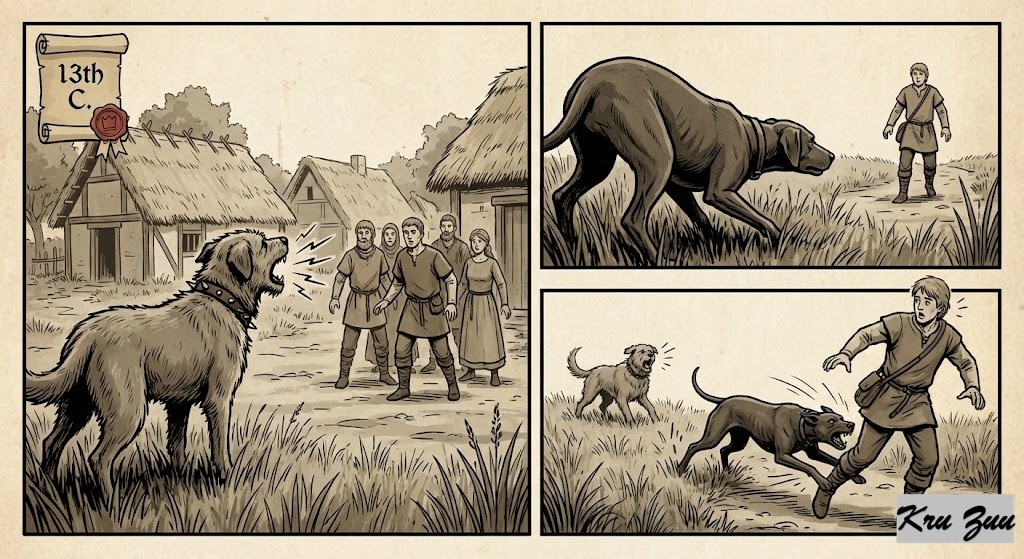
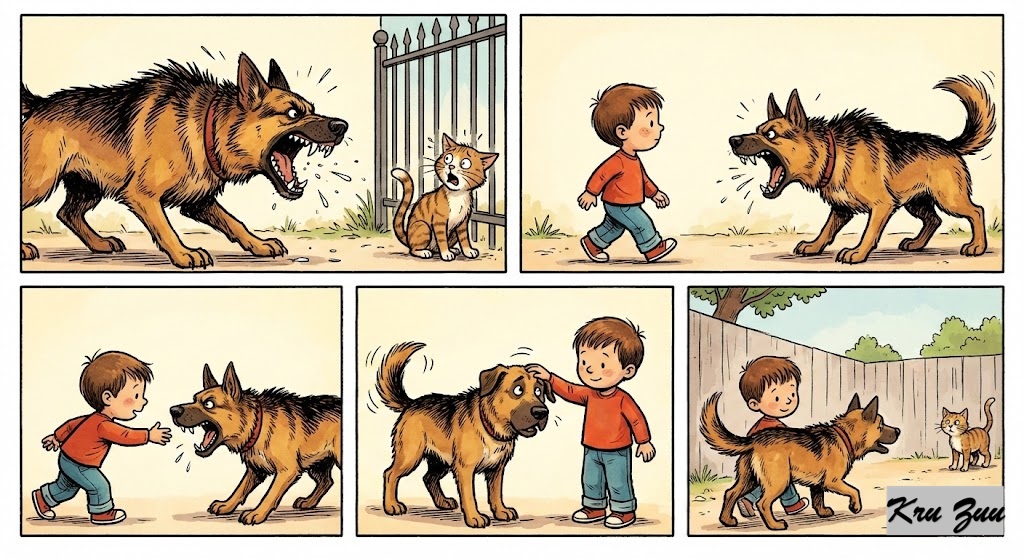
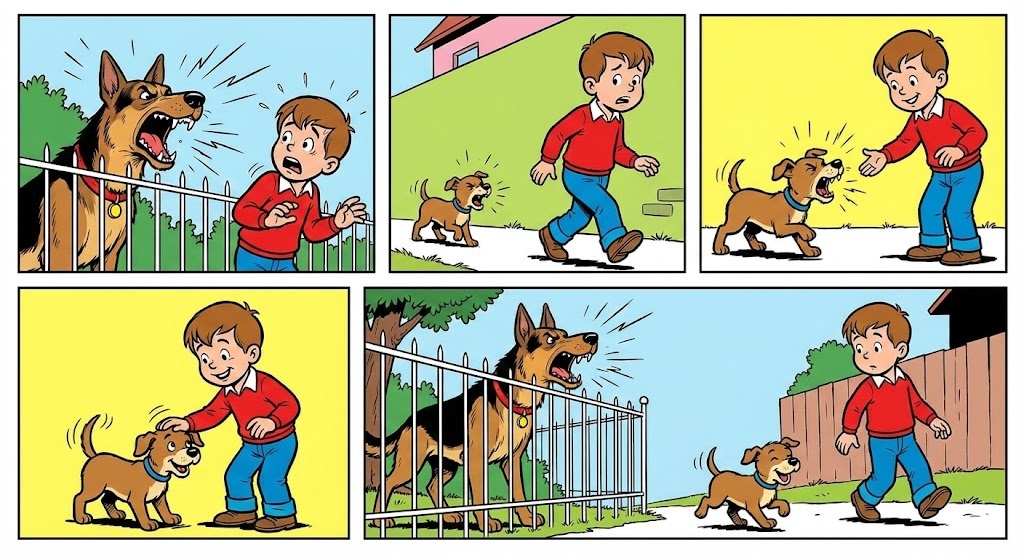
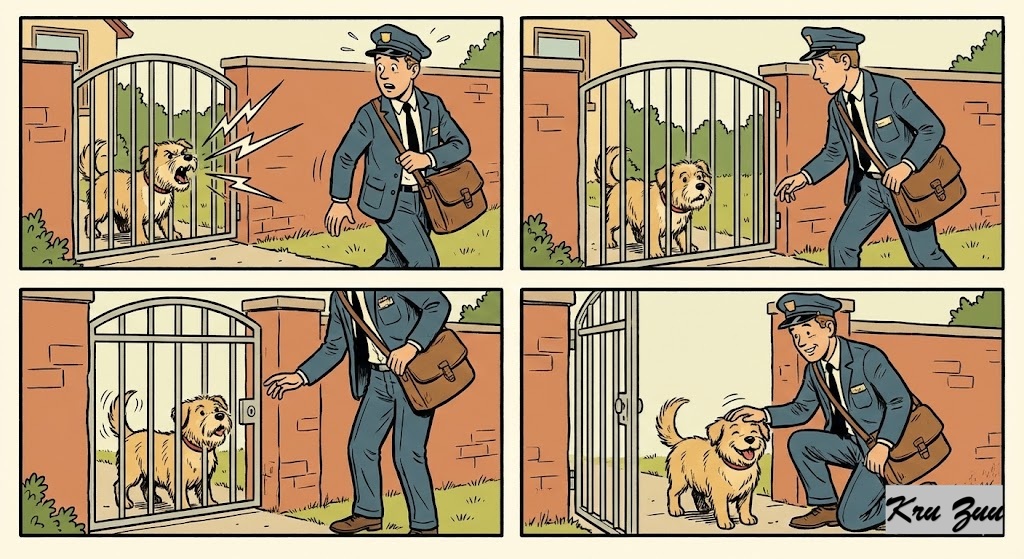
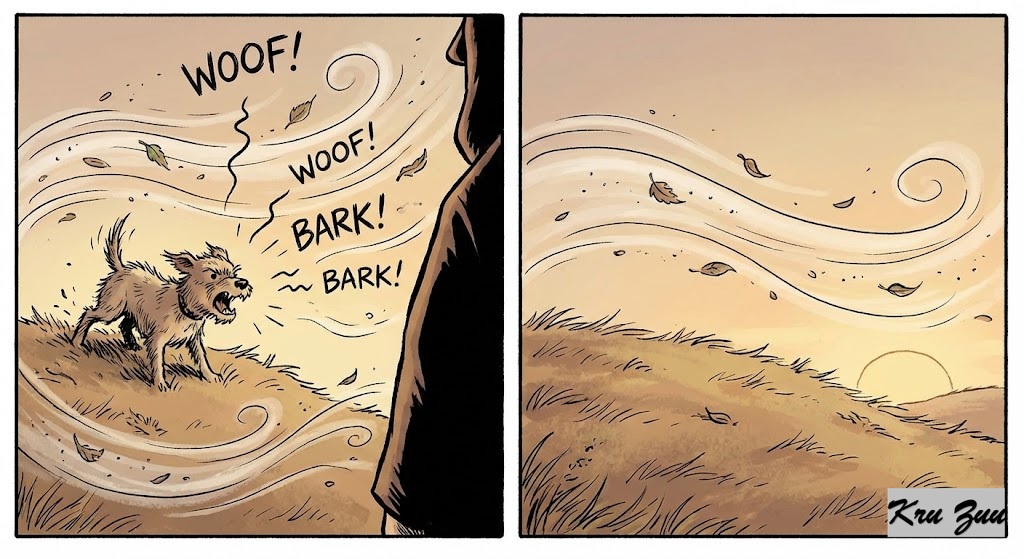
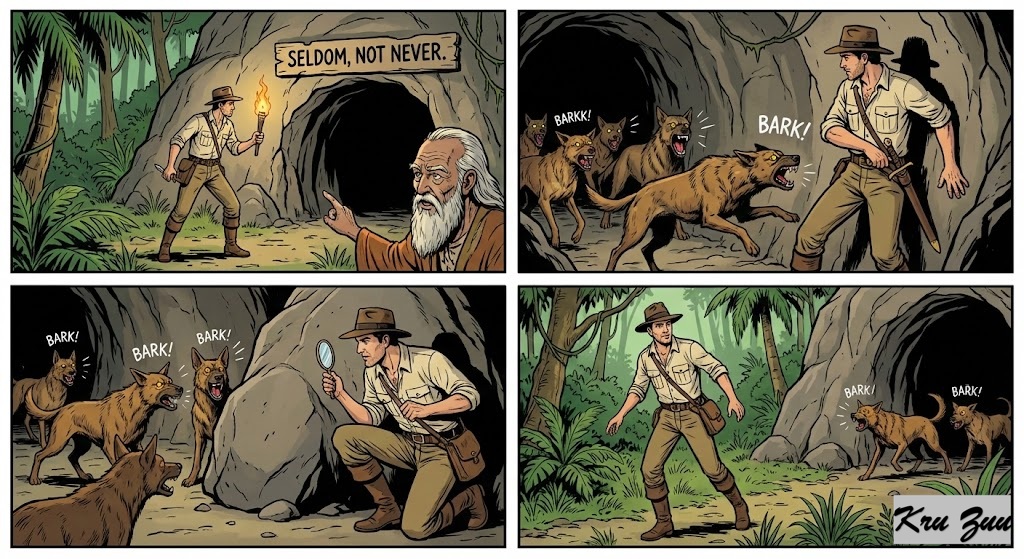
    “Barking dogs seldom bite.”


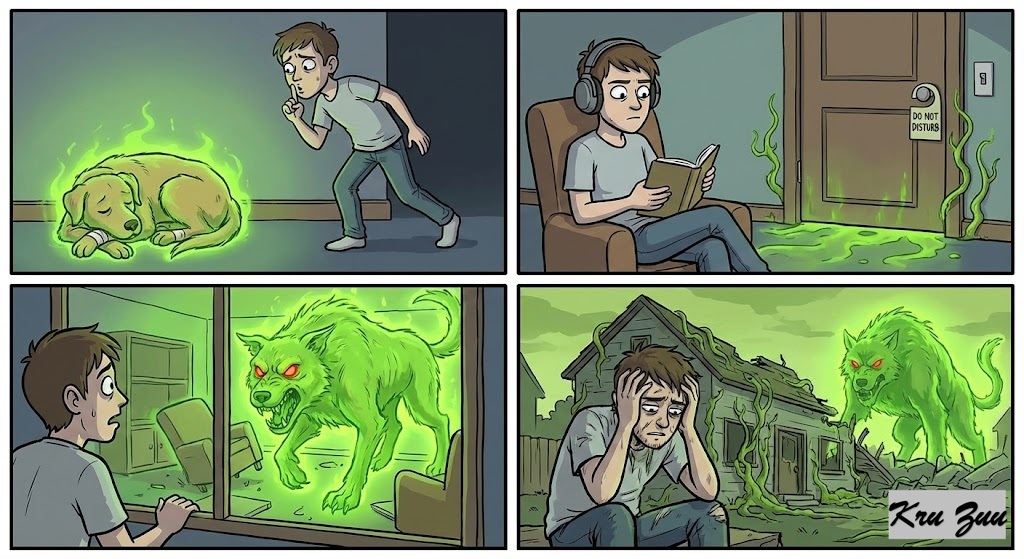
    ๐Ÿ˜ˆ The Villain (The Intimidator)

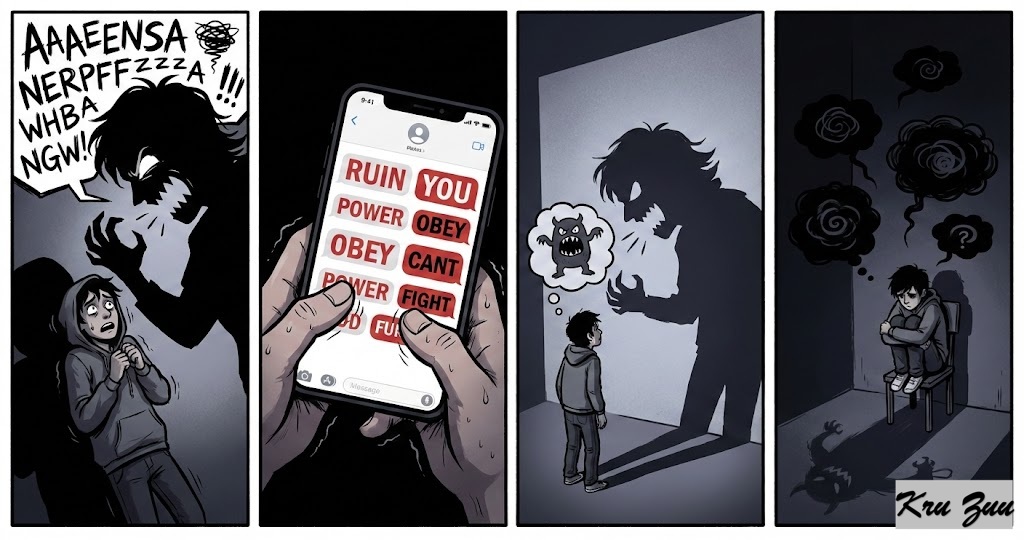
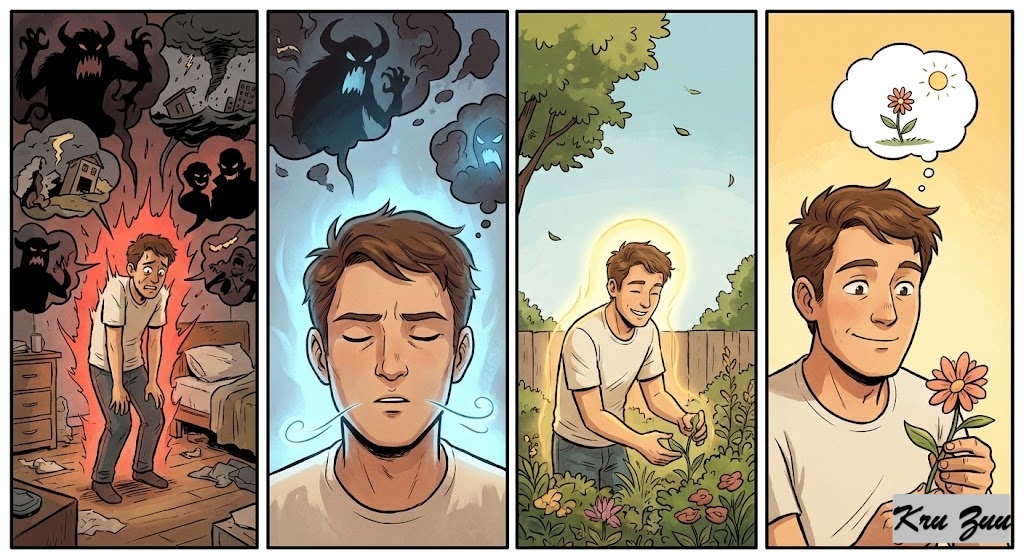
    You meet someone who screams, yells, and threatens. They type in ALL CAPS. They promise to ruin you. They brag about their power. You feel small. You feel scared. You back down because the noise is overwhelming. You let their loud voice control your actions. You live in fear of a monster that might not even exist. ๐ŸงŸโ€โ™‚๏ธ


    ๐Ÿ˜‡ The Hero (The Stoic)

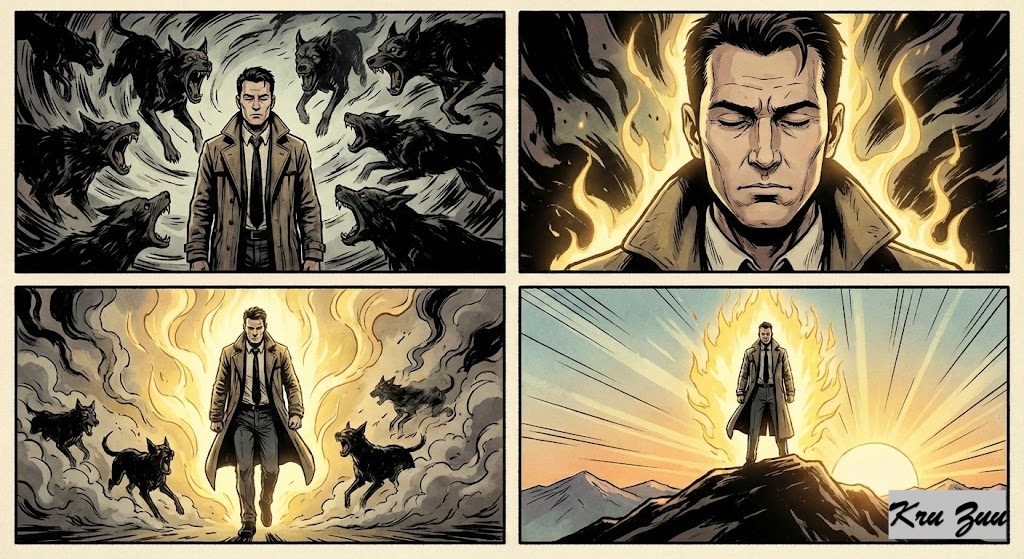
    You hear the noise. You pause. You analyze. You realize that true confidence is silent. A lion doesn’t need to bark before it attacks; it just attacks. You realize that the loudness is a mask for insecurity. You stand your ground. You smile. You walk past the noise untouched. ๐Ÿ›ก๏ธ


    โš–๏ธ The Reality


    Noise is not power. Usually, the people (or problems) that make the most noise have the least power. They use volume to hide their weakness. Fear is a shadow, it looks huge on the wall, but the object casting it is tiny.


    ๐Ÿ’Ž The Secret

    Real danger usually comes silently. If something is “barking” at you, it is usually too busy making noise to actually hurt you.

    ๐Ÿง The Anatomy of the Proverb


    This is the ultimate weapon against social anxiety and intimidation.


    Barking (Participle/Adjective):
    The sound a dog makes. Here, it represents threats, bragging, or loud complaints. ๐Ÿ•


    Seldom (Adverb): Rarely; almost never. (This is a fancy word!)


    Bite (Verb): To inflict injury. The actual action/danger.


    Simpler Version: People who threaten you usually don’t take action.


    ๐Ÿ“š Vocabulary Vault


    Intimidation (Noun): The act of making someone afraid or timid. ๐Ÿ˜จ


    Bluff (Verb/Noun): To try to deceive someone as to one’s abilities or intentions (Fake power).


    All talk and no action (Idiom): Someone who talks about doing big things but never does them.


    Stoic (Adjective): A person who can endure pain or hardship without showing their feelings or complaining. ๐Ÿ—ฟ


    Seldom (Adverb): Not often; rarely.


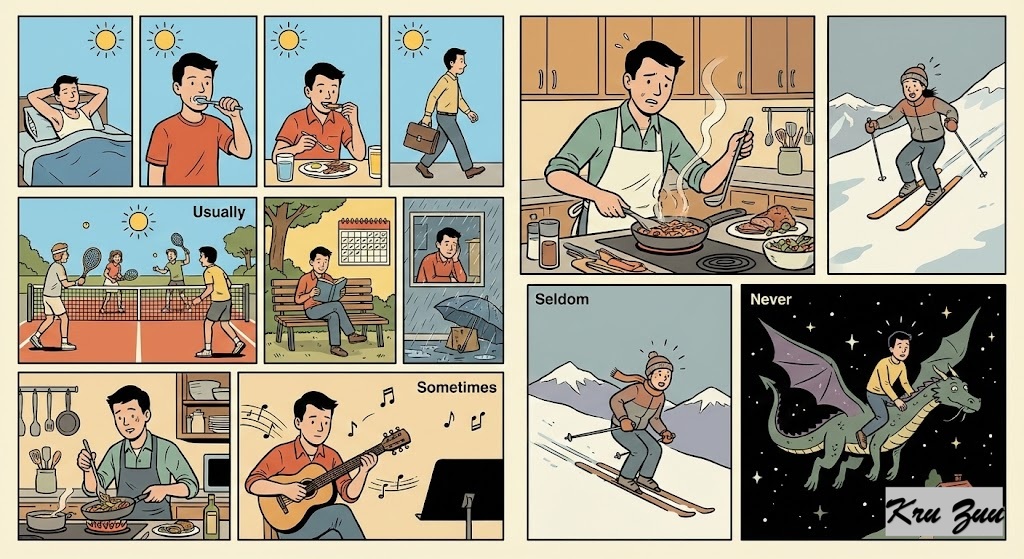
    ๐Ÿง  Grammar Focus: Adverbs of Frequency


    This proverb uses a “negative” frequency adverb.


    The Scale of Frequency


    100% – Always
    80% – Usually
    50% – Sometimes
    10% – Seldom / Rarely ๐Ÿ“‰
    0% – Never


    Style Note: “Seldom” vs. “Rarely”


    Rarely: Common in daily speech. “I rarely eat sushi.”


    Seldom: More formal, literary, or poetic. “He seldom speaks of his past.”


    Pro Tip: Use “Seldom” in writing to sound sophisticated. Use “Rarely” in coffee shops.

    ๐Ÿ“œ History: Origin and Spread


    This wisdom is ancient because loud, scary people have existed forever.


    The Origin: It first appeared in written records in the 13th century! It comes from the observation of village dogs. The dog that stands back and barks is warning you; the dog that wants to kill you runs silently to bite.


    Global Cousins


    ๐Ÿ‡น๐Ÿ‡ท Turkish:
    “Havlayan kรถpek ฤฑsฤฑrmaz.” (Exactly the same!)


    ๐Ÿ‡ช๐Ÿ‡ธ Spanish: “Perro que ladra no muerde.” (The dog that barks doesn’t bite.)


    ๐Ÿ‡ฎ๐Ÿ‡น Italian: “Can che abbaia non morde.”


    ๐Ÿ‡ท๐Ÿ‡บ Russian: “Sobaka layet, veter nosit.” (The dog barks, but the wind carries it away.)

    ๐ŸŽฏ Impact on Life: The Pros & Cons


    โœ… The Pros (Emotional Armor)


    Confidence:
    When you ignore the “barking,” you keep your power.


    Focus: You stop wasting energy worrying about threats that will never happen.


    โŒ The Cons (Don’t be naive)


    Caution:
    The proverb says seldom, not never. Be brave, but don’t be stupid. Some dogs bark and bite. Assess the situation carefully.

    ๐ŸŽญ Short Story: The Monster in the Garden

    Letโ€™s visit a farm with three very different friends.


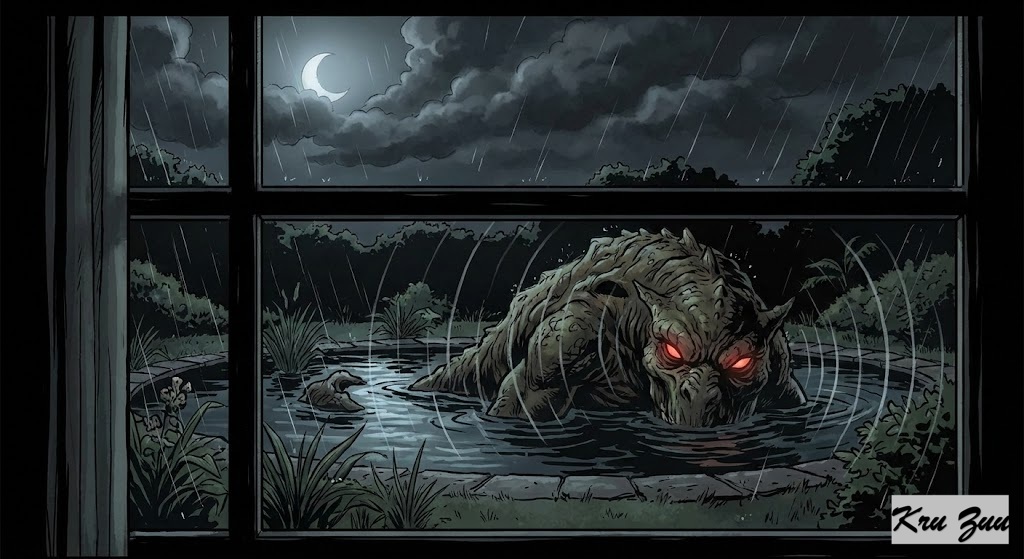
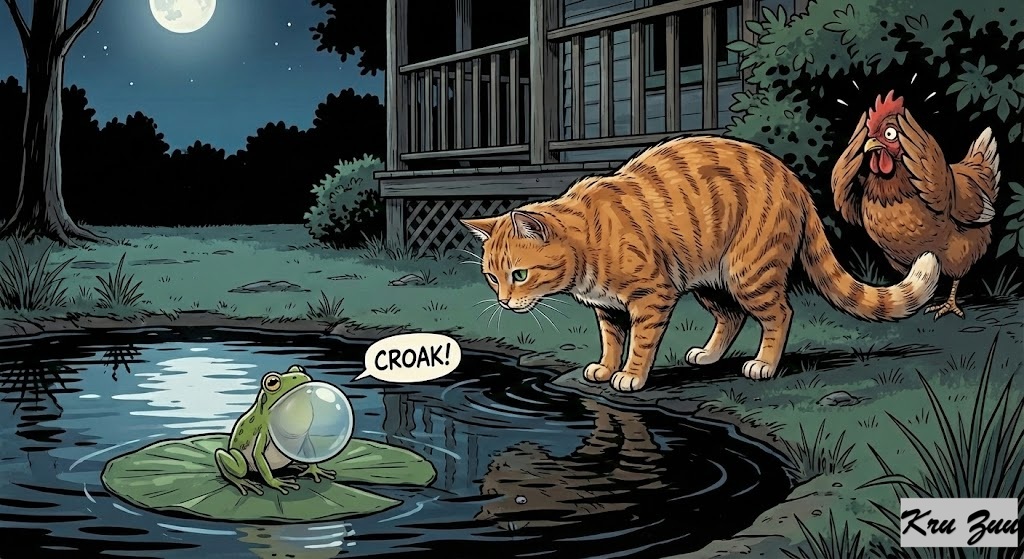
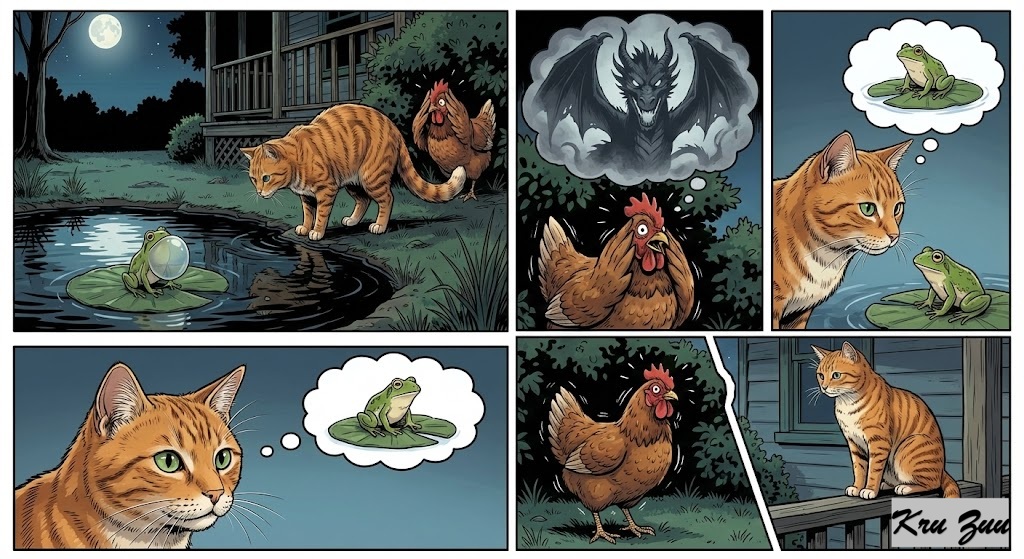
    ๐ŸŒŸ The Setup: It is midnight. A terrifying, deep, rhythmic sound comes from the garden pond. CROAK. CROAK. CROAK. It sounds like a dragon.


    ๐Ÿ” The Chicken (The Worrier): The Chicken is shaking. Feathers are flying everywhere. “It’s a monster!” she screams. “It sounds huge! Itโ€™s going to eat us all! We need to run to the next village! We are doomed!” The Chicken hides under the porch, trembling. She lets the noise paralyze her.


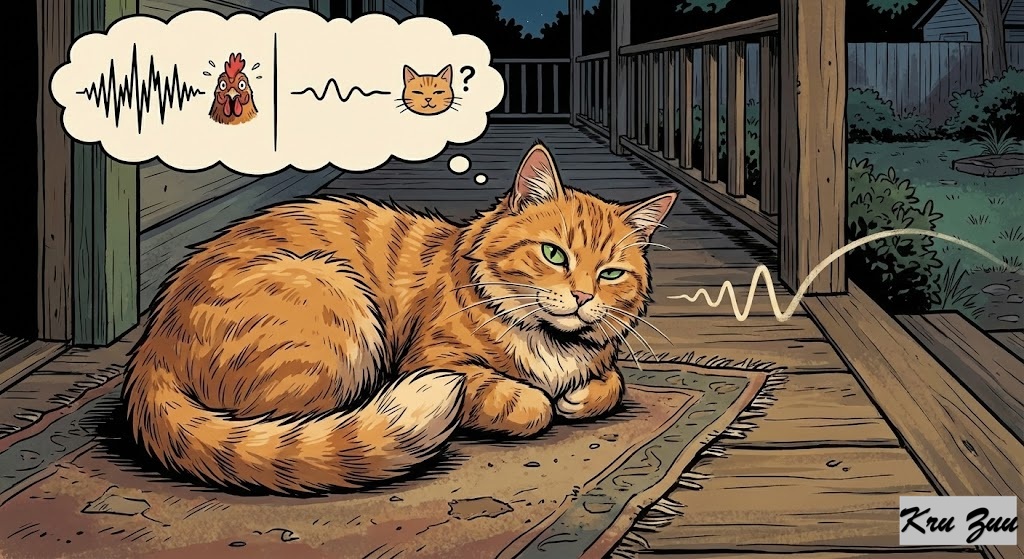
    ๐Ÿฑ The Cat (The Observer): The Cat opens one eye. She stretches slowly. She listens to the volume, but she also listens to the fear in the sound. “Relax, Chicken,” the Cat purrs. “That is a lot of noise. Dangerous things don’t announce themselves like that.”


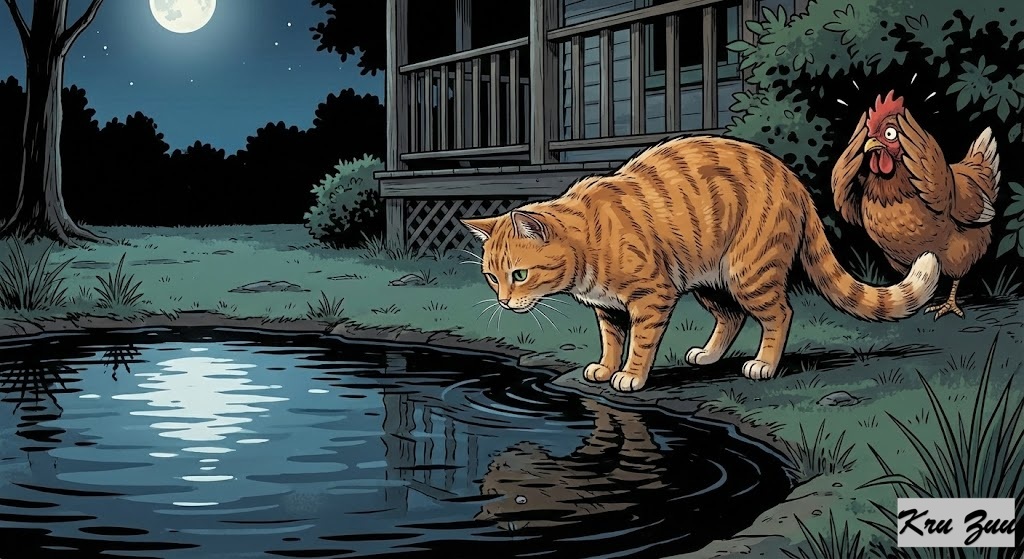
    The Climax: The Cat walks coolly to the edge of the pond. The Chicken watches through her wings, terrified. The Cat peers into the darkness.


    There, sitting on a lily pad, is The Frog. ๐Ÿธ It is a tiny frog, no bigger than a spoon. It puffs its throat out hugeโ€”CROAK!โ€”trying to look scary because it is afraid of the dark.


    The Moral: The Chicken heard a dragon. The Cat saw a scared little frog. The loudest threats often come from the smallest people. Don’t be a Chicken. Be a Cat. ๐Ÿˆ

    ๐ŸŽ“ Lesson for English Learners


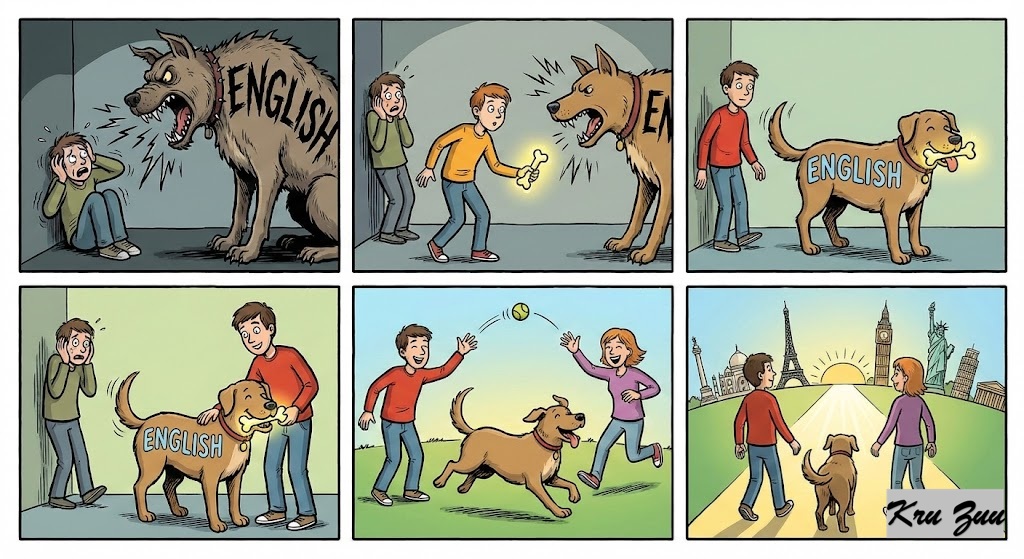
    Don’t Fear the “Barking” of English.


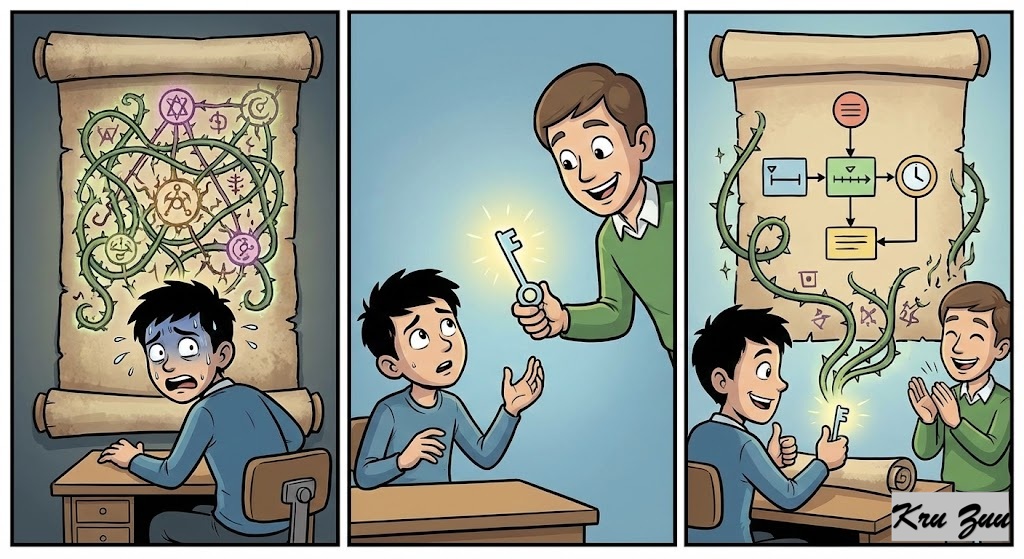
    Situation: You see a long, complex grammar rule (like the Future Perfect Continuous). It looks scary. It looks difficult.


    You Say: “This grammar is just a barking dog. It looks big on the page, but once I analyze it, it can’t hurt me. It’s actually quite simple.”


    Situation: A native speaker talks very fast. You panic.


    You Say: “Their speed is just noise. I will ask them to slow down. I won’t let the speed intimidate me.”


    ๐Ÿ’ฌ Your Turn: The Fear Test ๐Ÿš€


    The Challenge:
    Think of a situation where you were scared of something that turned out to be easy.


    Was it a job interview?


    Was it asking someone on a date?


    Was it speaking English in public?


    Question:
    What is a “Barking Dog” in your life right now? Something that makes a lot of noise but isn’t actually dangerous? Tell us in the comments! ๐Ÿ‘‡

    By Zubeyir YURTKURAN

    https://www.facebook.com/BrainBattleground/

    https://www.facebook.com/zubeyr.yurtkuran/

    https://www.instagram.com/zubeyryurtkuran/
    https://www.youtube.com/@BrainBattleground-b3p

    https://www.instagram.com/brainbattleground/

  • ๐Ÿ›ก๏ธ The Daily Shield: The Law of Loyalty

    ๐Ÿ›ก๏ธ The Daily Shield: The Law of Loyalty

    “Blood is thicker than water.”


    ๐Ÿ˜ˆ The Villain (The Fair-Weather Friend)


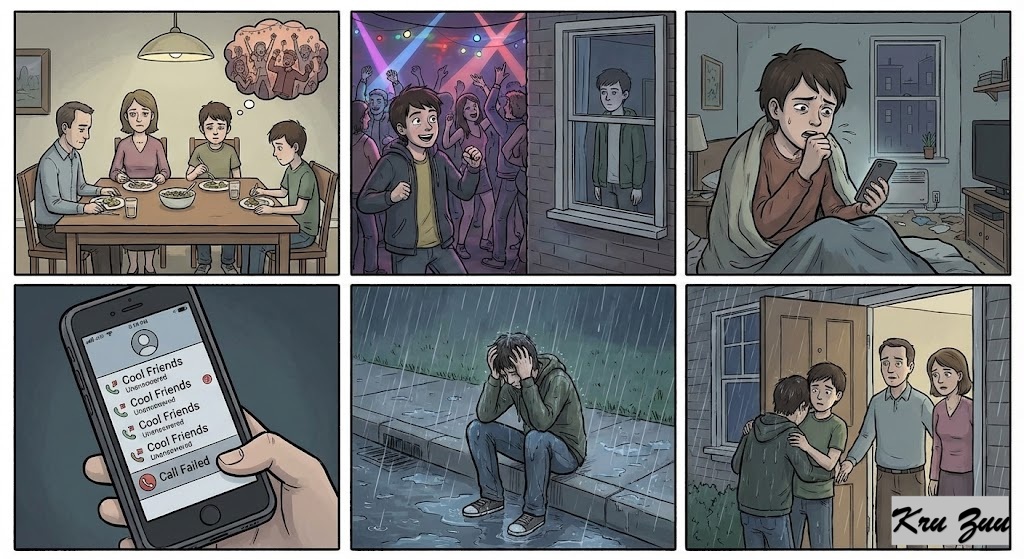
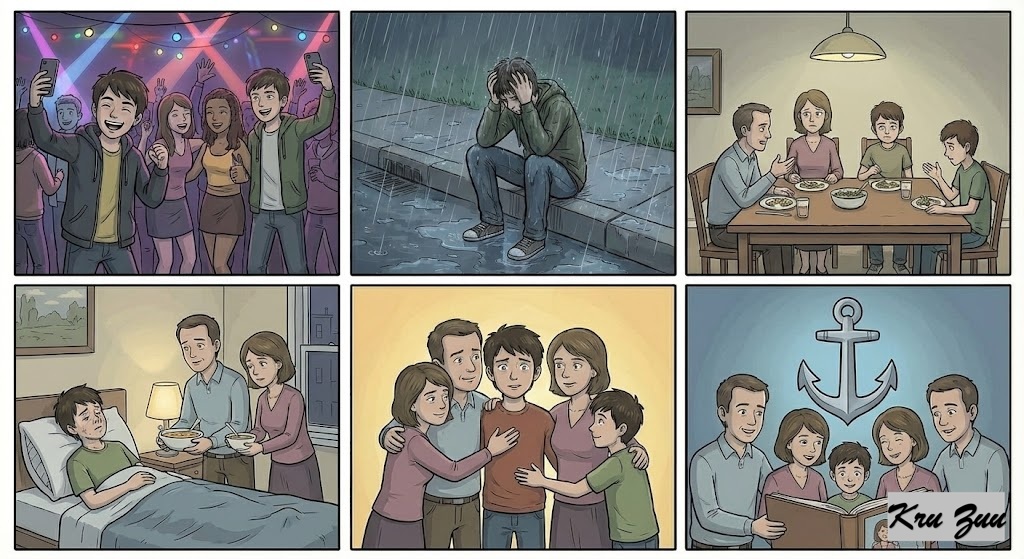
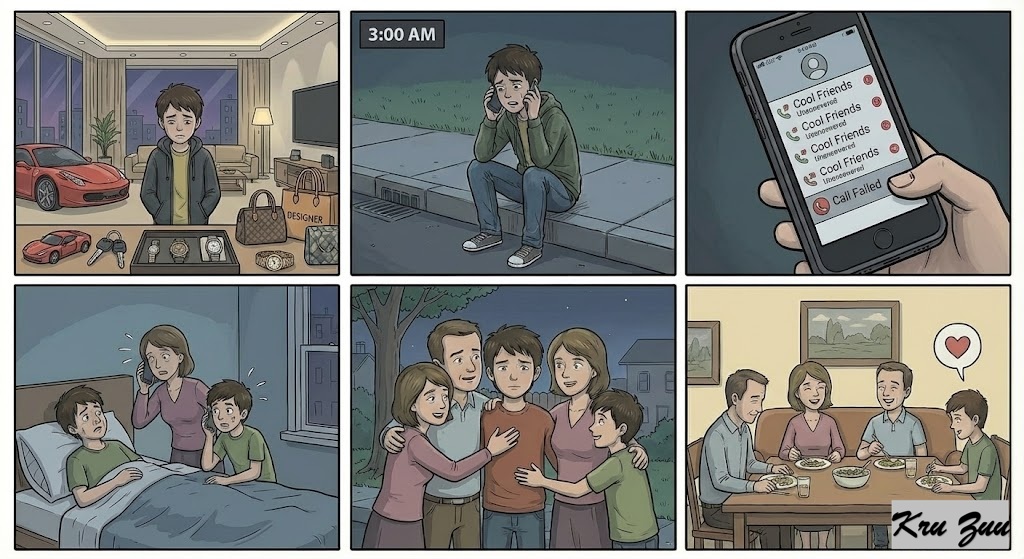
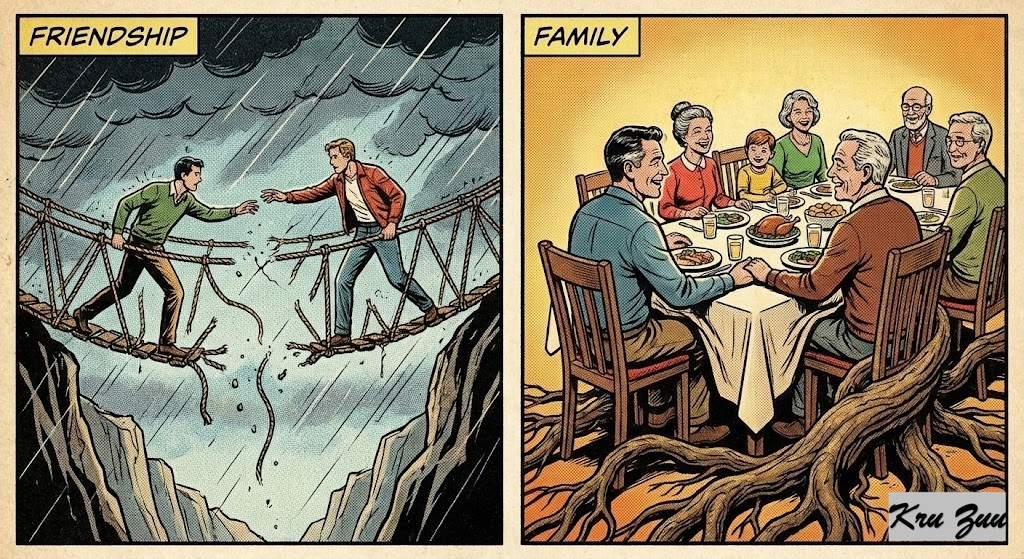
    You have a family dinner planned, but a new friend invites you to a cool party. You think, “My family is boring. I see them every day.” You ditch your brother to hang out with people who don’t even know your middle name. When you lose your job or get sick, you call those “cool friends.” No answer. They are busy. You are left alone in the rain. You chased the “water” and ignored the “blood.” ๐ŸŒง๏ธ


    ๐Ÿ˜‡ The Hero (The Loyal Guardian)


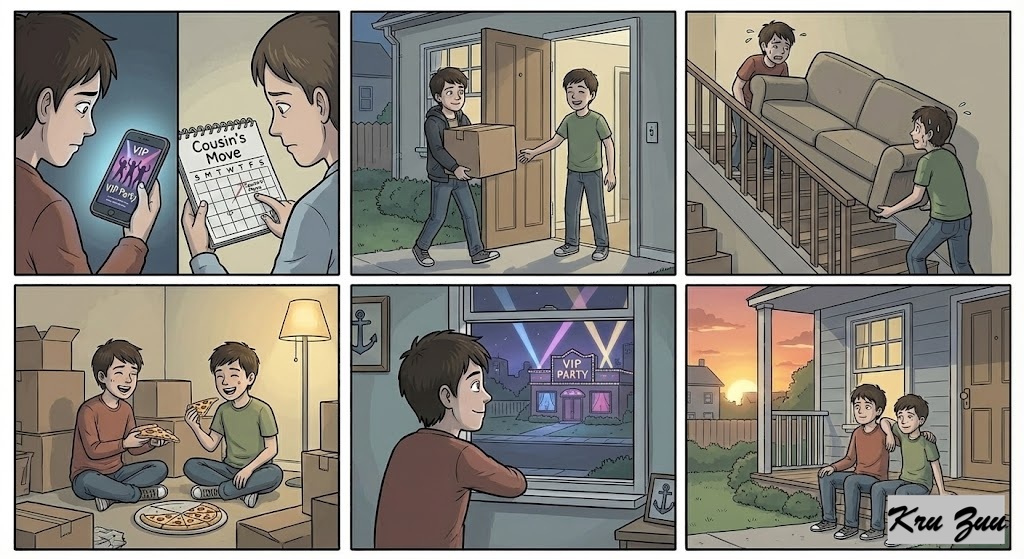
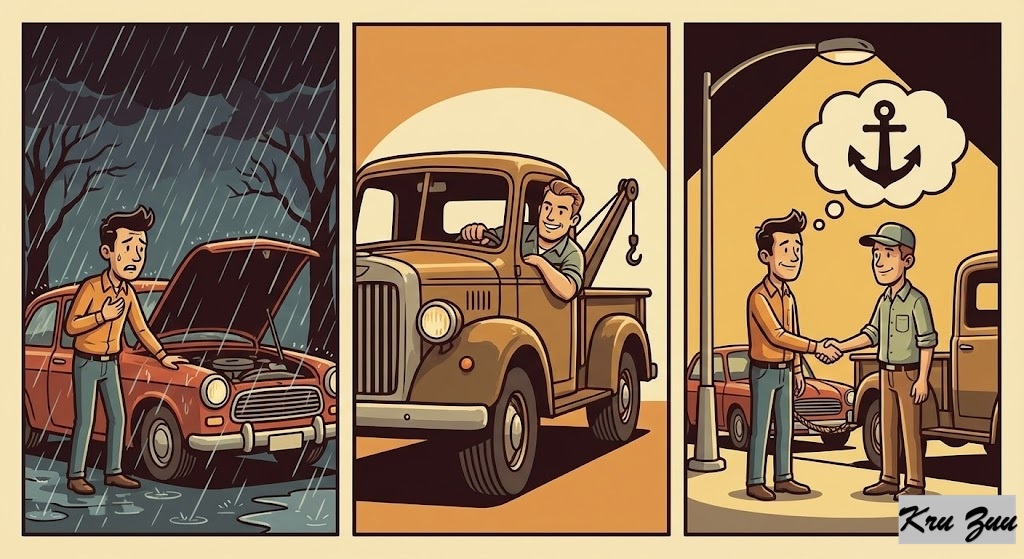
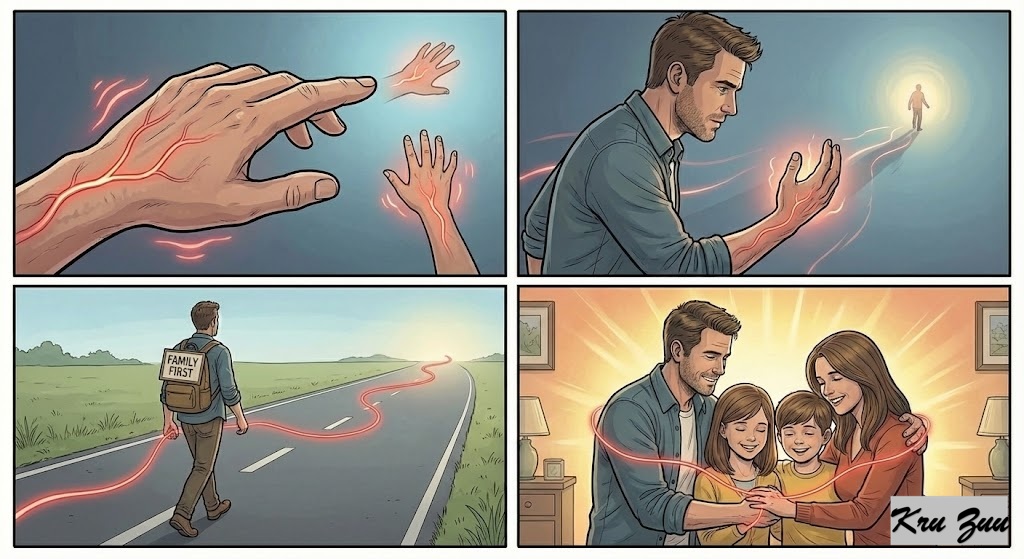
    You have a choice: A flashy event with strangers or helping your cousin move into a new house. Itโ€™s hard work. Itโ€™s not “fun.” But you choose family. You realize that friends may come and go like tides, but family (or the people who are like family) is the anchor.

    The Result? When your world falls apart, you have an army behind you. You are never truly alone. โš”๏ธ


    โš–๏ธ The Reality


    Popularity is temporary. Loyalty is permanent. We often treat strangers better than our own family because we try to impress them. We treat our family poorly because we think, “They will forgive me anyway.” This is a dangerous trap.

    ๐Ÿ’Ž The Secret

    Real wealth is not money; it is knowing exactly who will pick up the phone at 3:00 AM when you are in trouble.

    ๐Ÿง The Anatomy of the Proverb


    This is the ultimate rule of relationships.


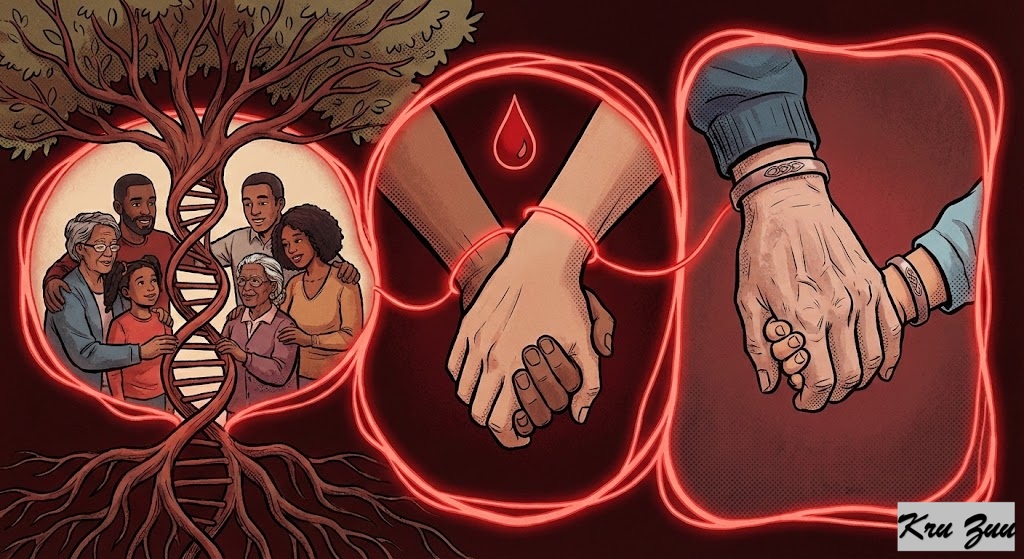
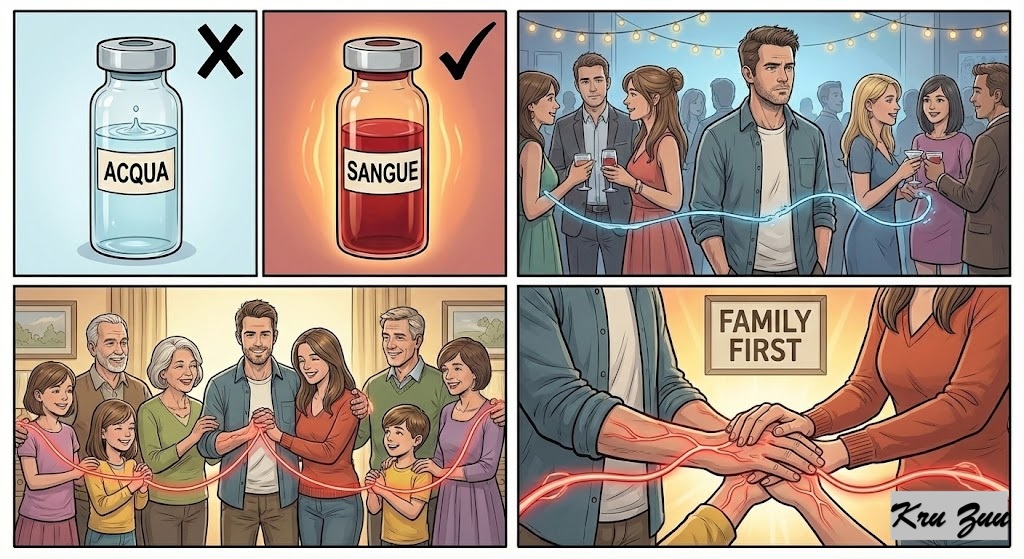
    Blood (Noun): Represents family ties, genetics, and deep, unbreakable bonds. ๐Ÿฉธ


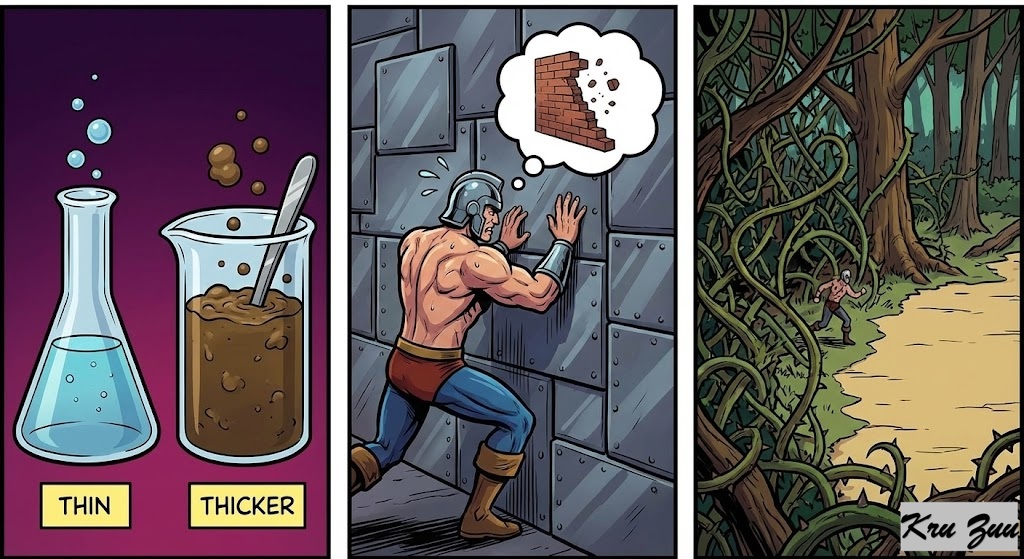
    Thicker (Comparative Adjective): More dense; stronger; harder to pass through.


    Water (Noun): Represents weak, temporary, or fluid relationships (acquaintances, casual friends). ๐Ÿ’ง


    Simpler Version:
    Family relationships are stronger than friendships.


    ๐Ÿ“š Vocabulary Vault


    Bond (Noun): A strong connection between two people. (Example: The bond between brothers.)


    Loyalty (Noun): A strong feeling of support or allegiance.


    Kinship (Noun): Blood relationship; sharing the same origin.


    Betrayal (Noun): The action of breaking trust. (The opposite of loyalty). ๐Ÿ’”


    Dependable (Adjective): Trustworthy and reliable.


    ๐Ÿง  Grammar Focus: Comparative Adjectives


    This proverb uses the Comparative Form to measure the strength of relationships.


    Rule: Short adjectives + -er + than.


    Thick โžก๏ธ Thicker than
    Strong โžก๏ธ Stronger than
    Deep โžก๏ธ Deeper than


    Example in context:
    “His love for his family is stronger than his love for money.”

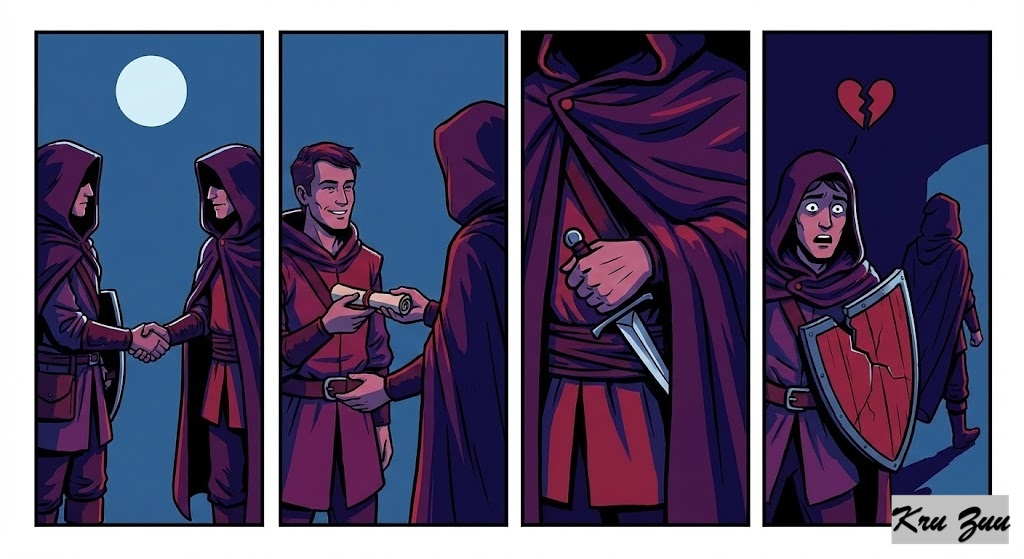
    ๐Ÿ“œ History: Origin and Spread


    Where did this come from?


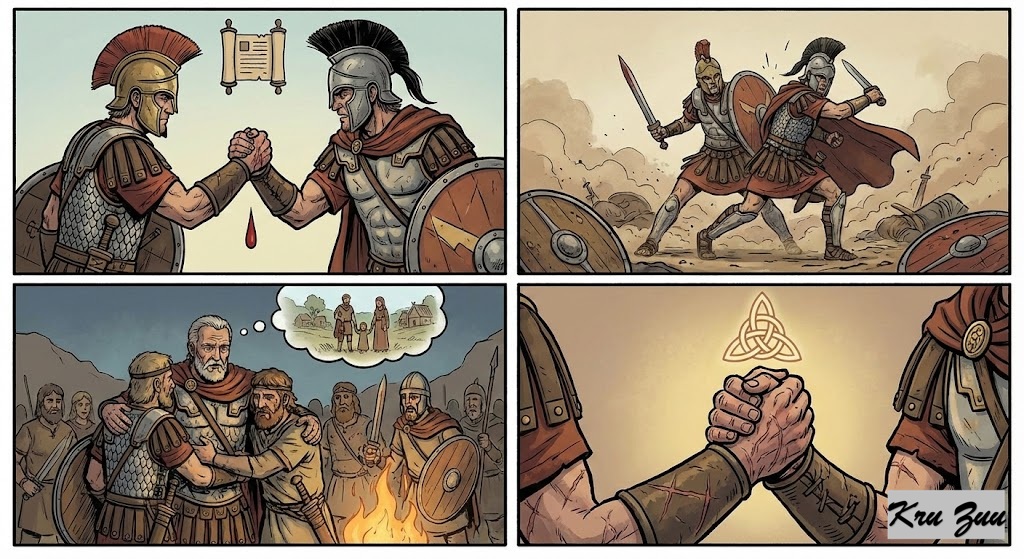
    The Twist: Originally, some historians believe the phrase was “The blood of the covenant is thicker than the water of the womb.” This meant that soldiers who bled together in battle (covenant) were closer than brothers by birth!


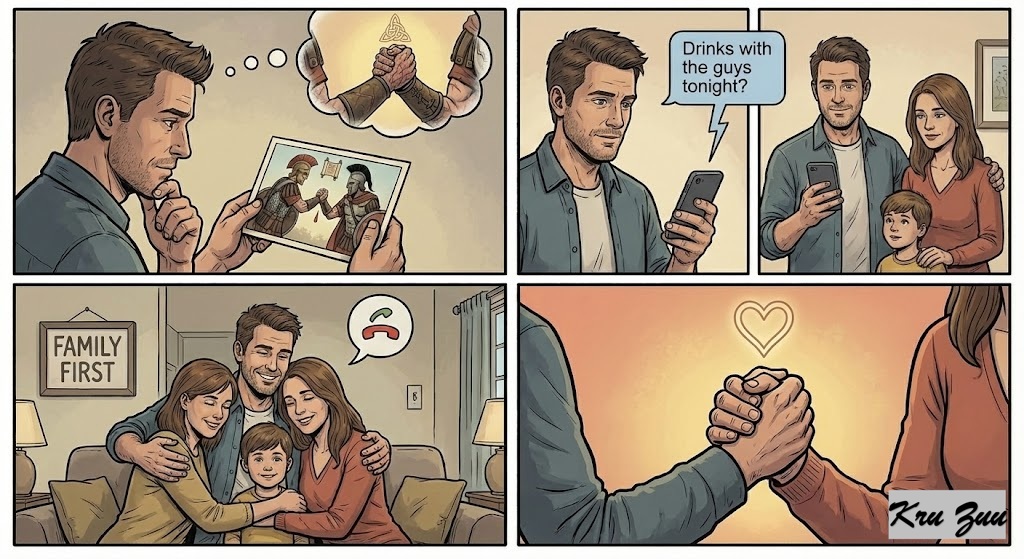
    Modern Meaning: Over centuries, the meaning flipped. Today, it strictly means Family comes first.


    Global Cousins


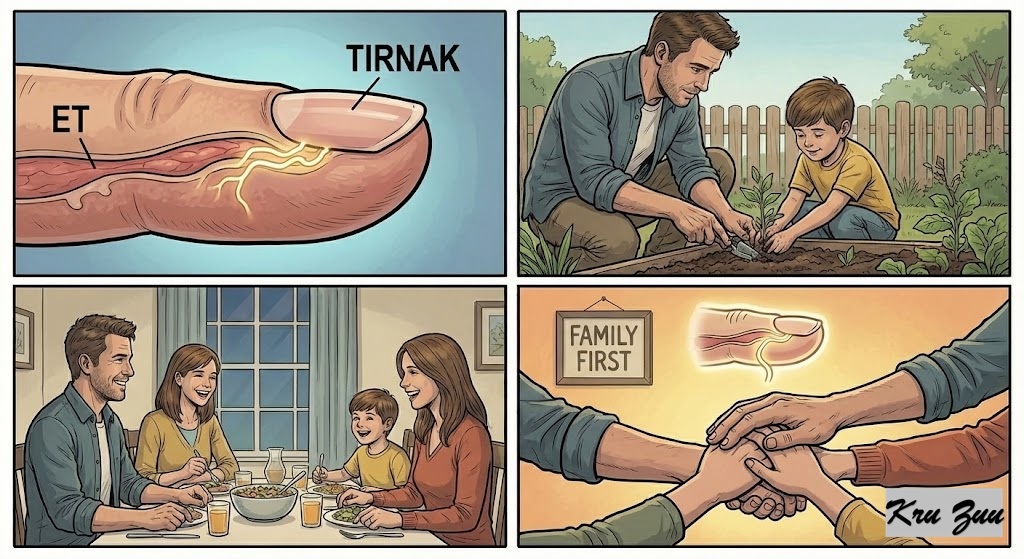
    ๐Ÿ‡น๐Ÿ‡ท Turkish: “Et tฤฑrnaktan ayrฤฑlmaz.” (Flesh cannot be separated from the fingernail.) โ€” A perfect biological metaphor!


    ๐Ÿ‡ช๐Ÿ‡ธ Spanish: “La sangre tira.” (The blood pulls/calls.)


    ๐Ÿ‡ฎ๐Ÿ‡น Italian: “Il sangue non รจ acqua.” (Blood is not water.)

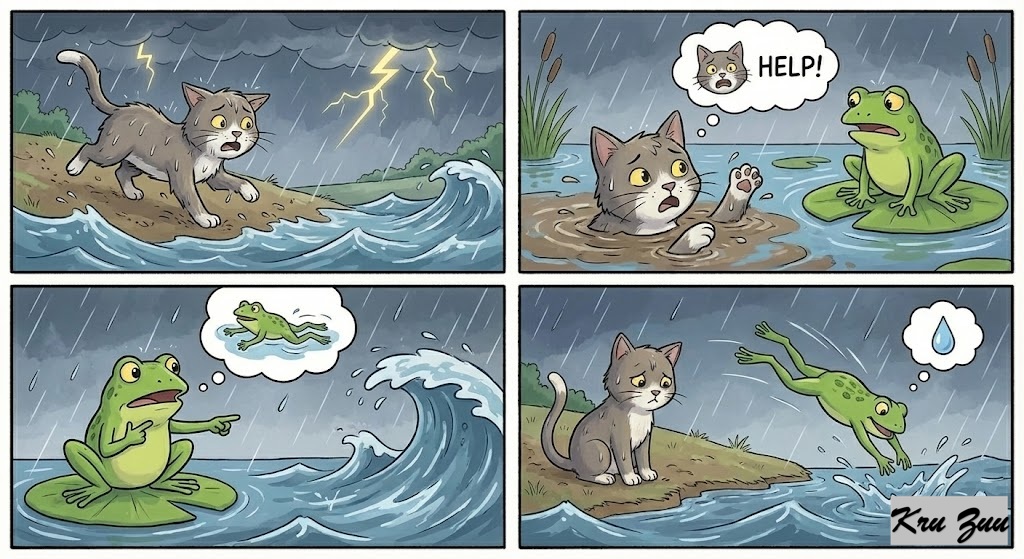
    ๐ŸŽญ Short Story: The Pond, The Barn, and The Storm


    Letโ€™s meet our unlikely trio to see this law in action.


    ๐Ÿฑ The Character: Whiskers (The Cat) – Cool, independent, and easily bored.

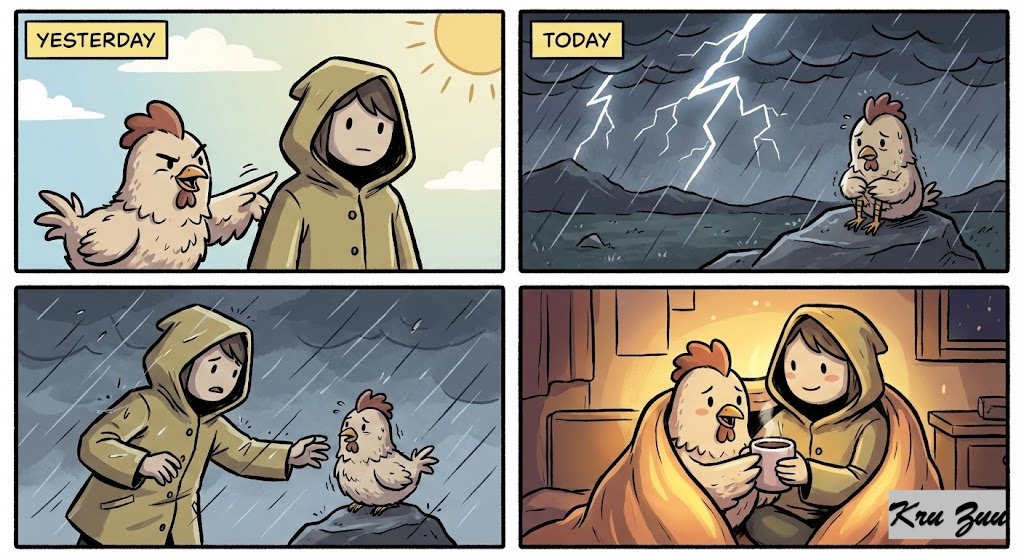
    ๐Ÿ” The Character: Peck (The Chicken) – Whiskers’ adopted brother. Loud, clumsy, but loyal.

    ๐Ÿธ The Character: Hop (The Frog) – The new, popular guy at the pond. Fun but slippery.


    ๐ŸŒŸ The Setup: It is a sunny afternoon. Peck the Chicken says, “Hey Whiskers! Let’s clean the barn together. Itโ€™s going to rain later.” Whiskers rolls his eyes. “Cleaning? Boring! Hop the Frog invited me to the Lily Pad Party at the pond. Catch you later, feather-brain!”


    The Conflict: Whiskers runs to the pond. Hop is there, telling jokes, catching flies, looking cool. “You are my best friend, Hop!” Whiskers says. “Sure, sure,” says Hop. “We are tight like glue!”


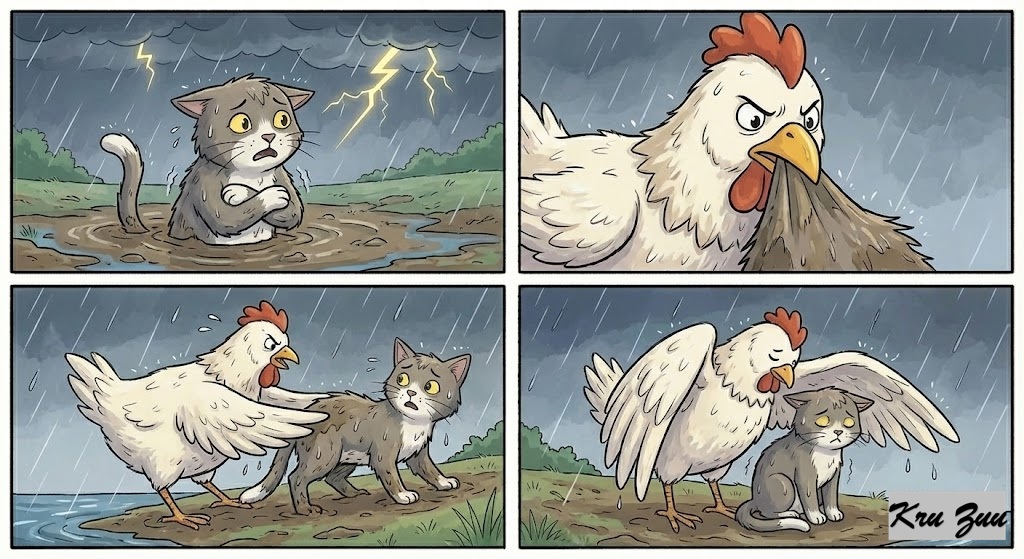
    The Climax: Suddenly, the sky turns black. Thunder shakes the ground. A massive storm hits. The water in the pond rises fast. Whiskers hates water. He slips into the mud. “Help! Hop, help me!” Hop looks at Whiskers, then looks at the dangerous water. “Sorry, cat! I’m an amphibian, I gotta save myself!” Hop splashes away, disappearing into the deep water. Water washes away easily.


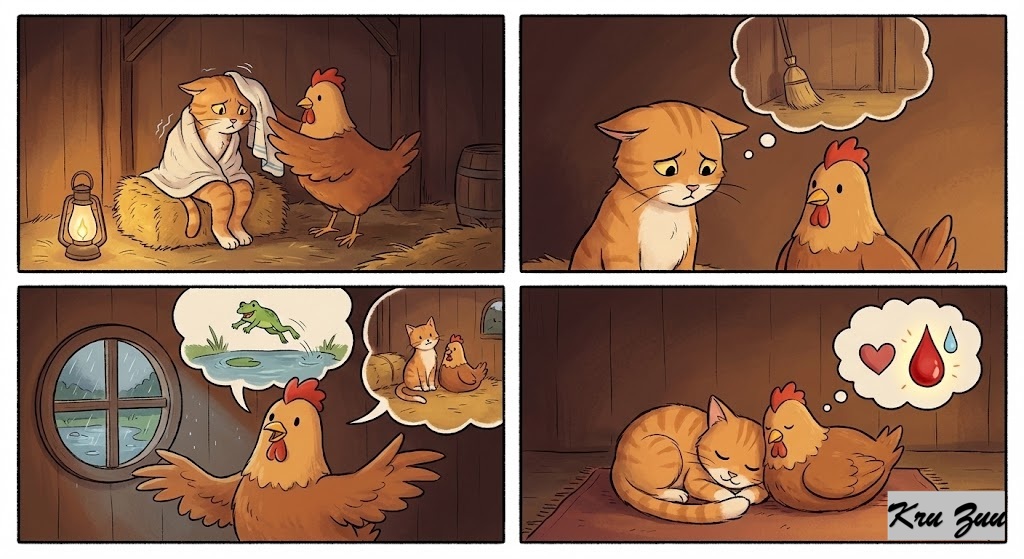
    Whiskers is stuck. He is wet, shivering, and scared. Suddenly, he feels a beak grabbing his collar. Itโ€™s Peck. Peck hates the rain too, but he ran all the way from the safe barn. He drags Whiskers out of the mud, covering him with his wings to block the rain.


    The Resolution: Safe in the barn, Whiskers dries off. “Why did you come?” Whiskers asks. “I left you alone to clean.” Peck clucks softly. “Hop is a pond creature. He flows where the water goes. We live in the same barn. We are family. And blood is thicker than water.”

    ๐ŸŽ“ Lesson for English Learners


    Context Matters.


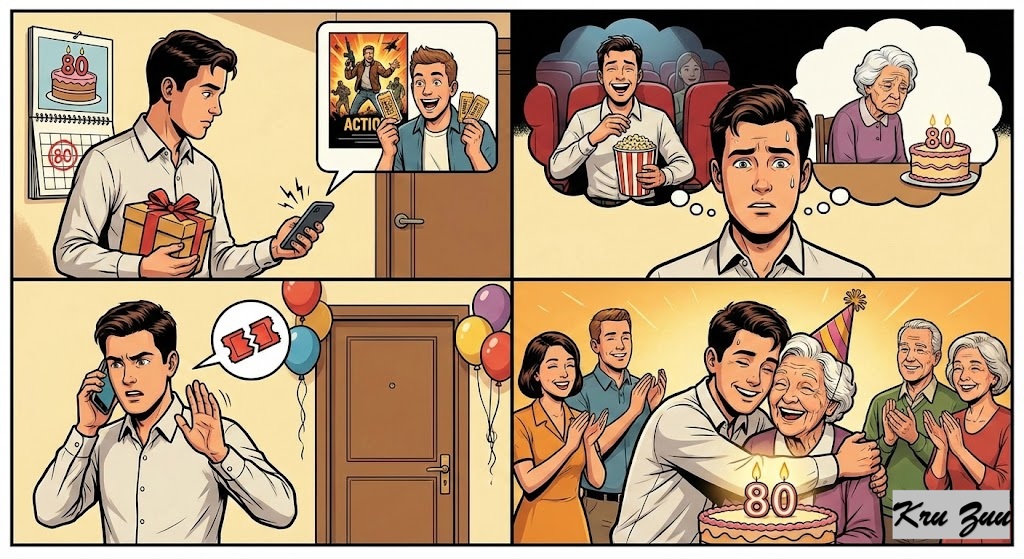
    Situation: Your friend asks you to skip your grandmother’s 80th birthday party to go to the cinema.


    You Say: “I can’t go. Itโ€™s my grandmaโ€™s big day, and you know what they say: Blood is thicker than water.


    Warning: Do not use this to excuse toxic behavior. It explains loyalty, but it shouldn’t justify bad actions!


    ๐Ÿ’ฌ Your Turn: The Loyalty Test ๐Ÿš€


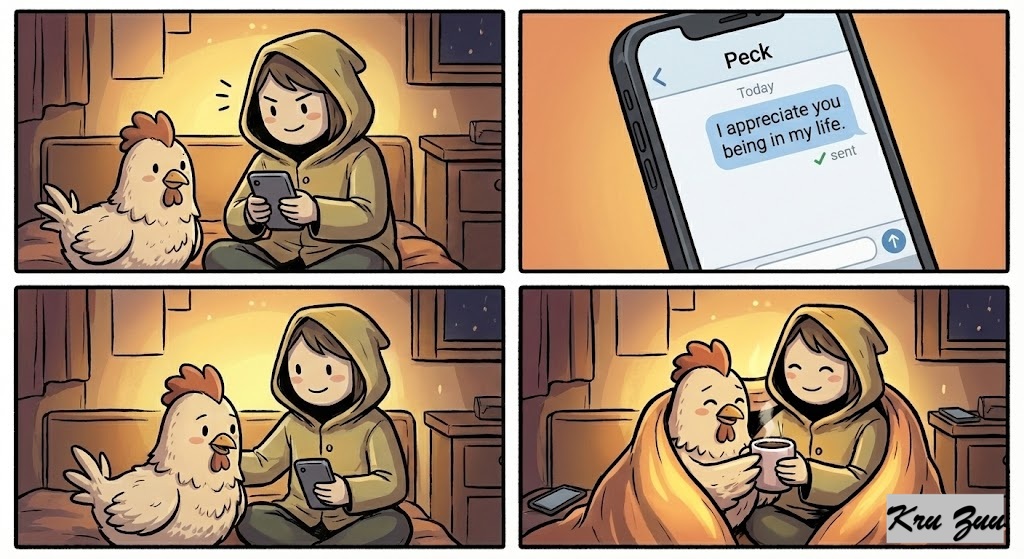
    Think about the “Peck” (The Chicken) in your life. Who is the person that would come to save you in a storm, even if you were annoying yesterday?


    The Challenge:
    Send that person a message right now. Just say: “I appreciate you being in my life.” (It takes 10 seconds. Do it!)


    Question: Have you ever had a “Frog” friend who disappeared when things got hard? Tell us in the comments! ๐Ÿ‘‡


    By Zubeyir YURTKURAN

    https://www.facebook.com/BrainBattleground/

    https://www.facebook.com/zubeyr.yurtkuran/

    https://www.instagram.com/zubeyryurtkuran/
    https://www.youtube.com/@BrainBattleground-b3p

    https://www.instagram.com/brainbattleground/