“It takes two to tango.”
😈 The Villain (The Blamer)
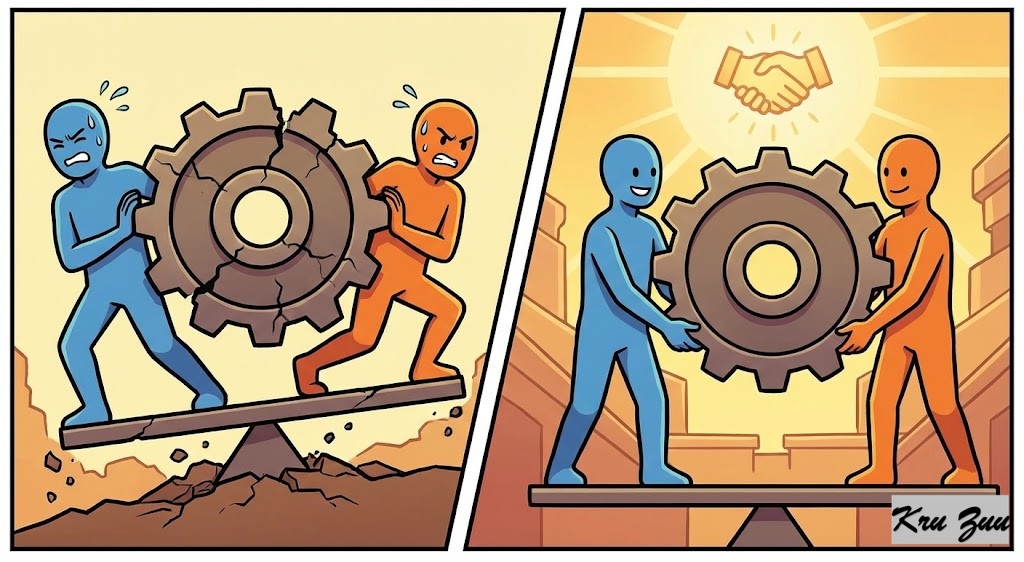
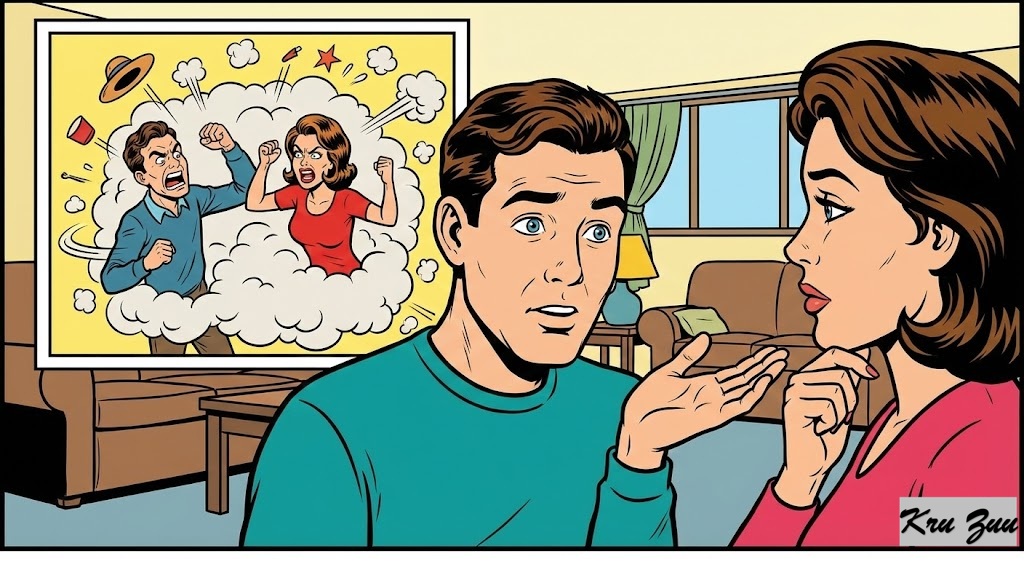
Something goes wrong. An argument explodes. What is the first thing you do? You point your finger. 👉 “It’s his fault!” “She started it!” “The team failed because they didn’t listen to me.” You act as if you are innocent. You pretend you are just an audience member in the movie of your life.
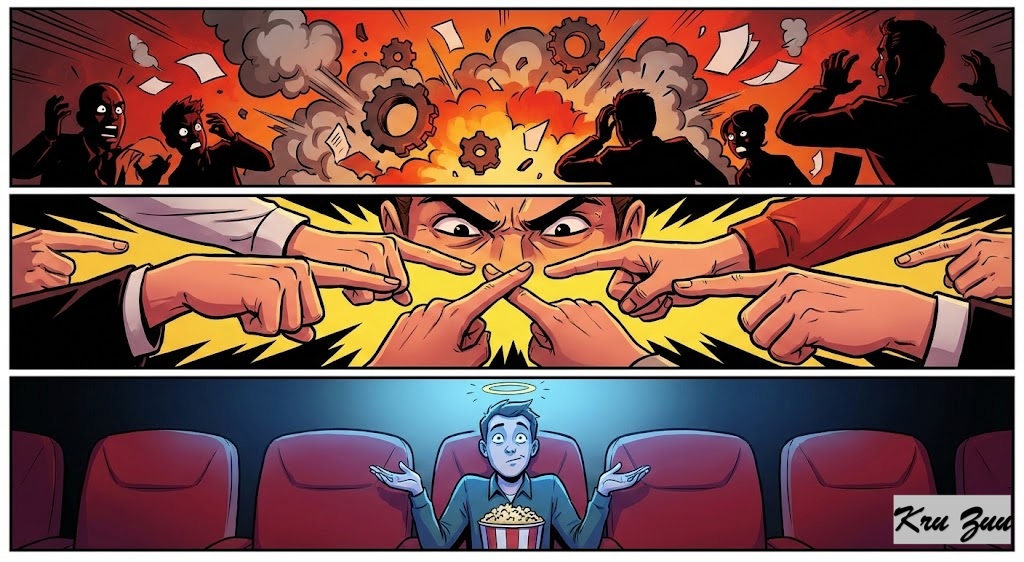
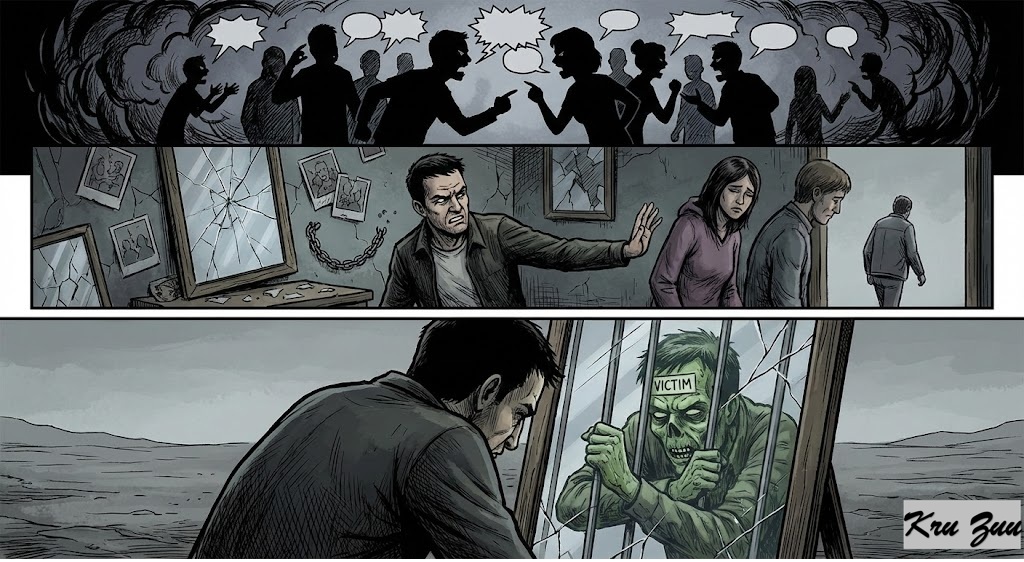
The Result? Arguments never end. Resentment builds. You lose friends, partners, and colleagues because you refuse to look in the mirror. You are trapped in the “Victim Mindset.” 🧟♂️
😇 The Hero (The Partner)
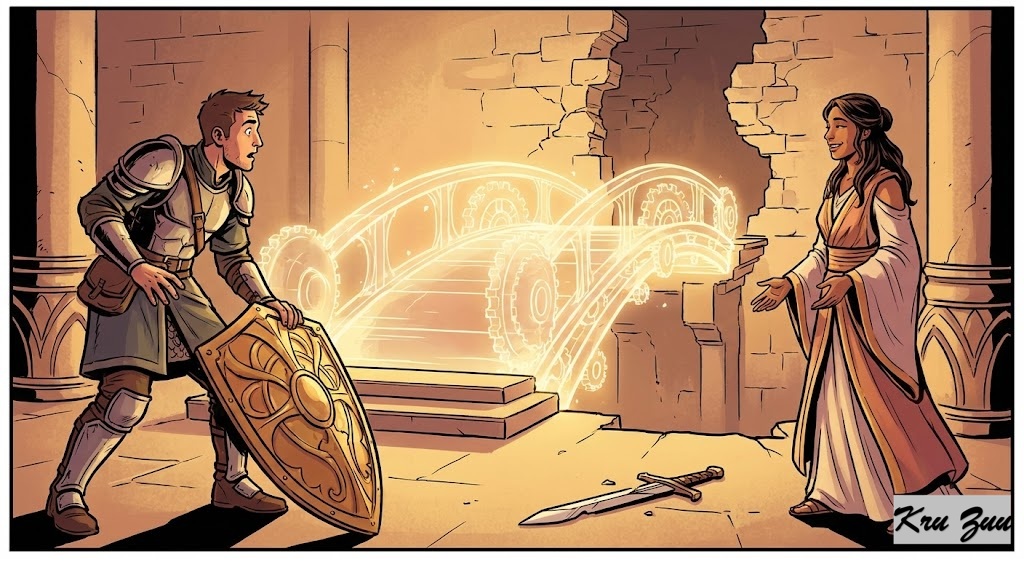
Conflict happens. A mistake is made. Instead of pointing fingers, you pause. You realize that in almost every interaction, both sides play a role. You say: “We both own this.” You accept your 50% (or even your 10%) of the responsibility.
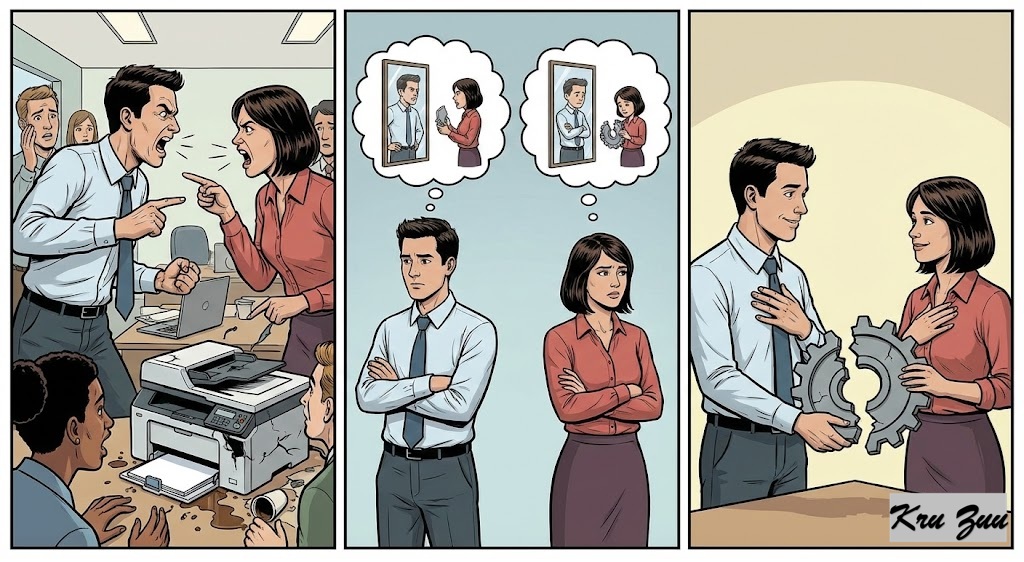
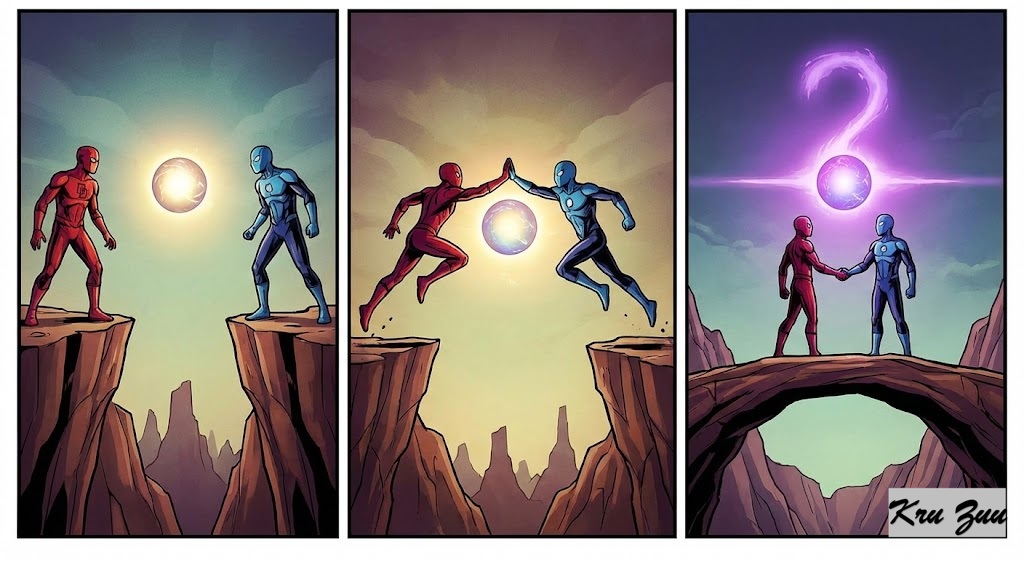
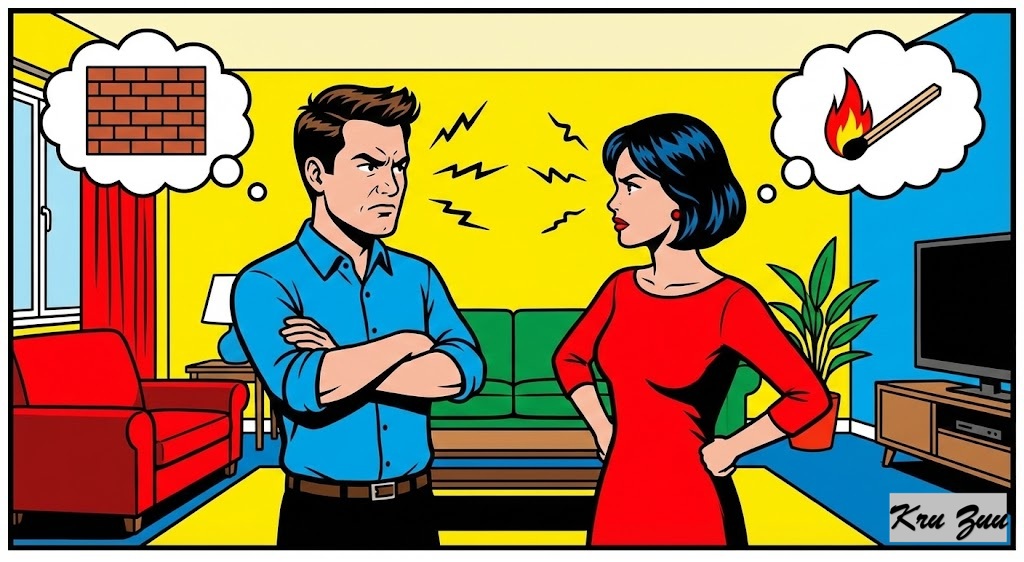
The Result? The fighting stops immediately. The other person lowers their defenses. You solve the problem together instead of attacking each other. You build bridges, not walls. 🛡️
⚖️ The Reality
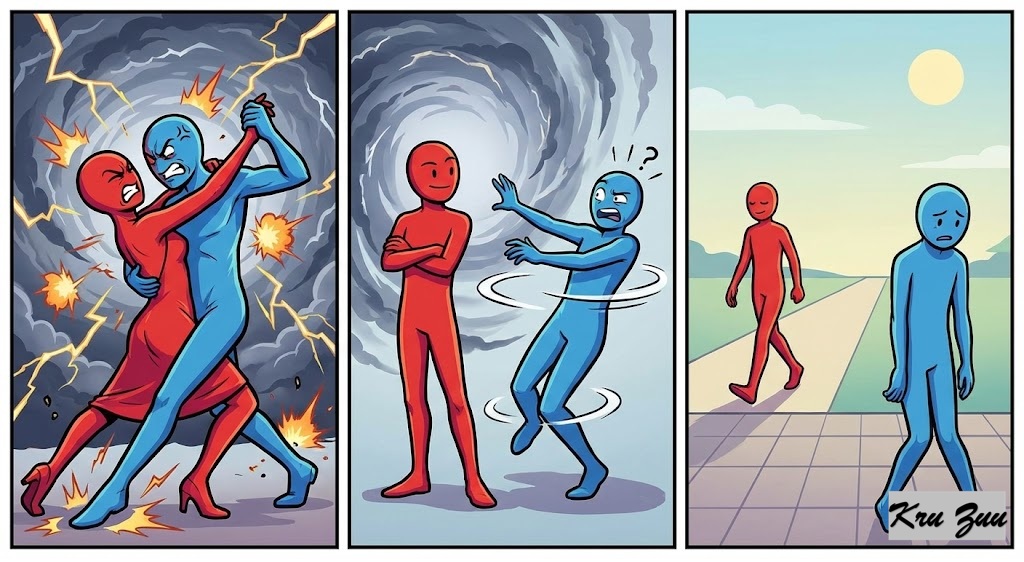
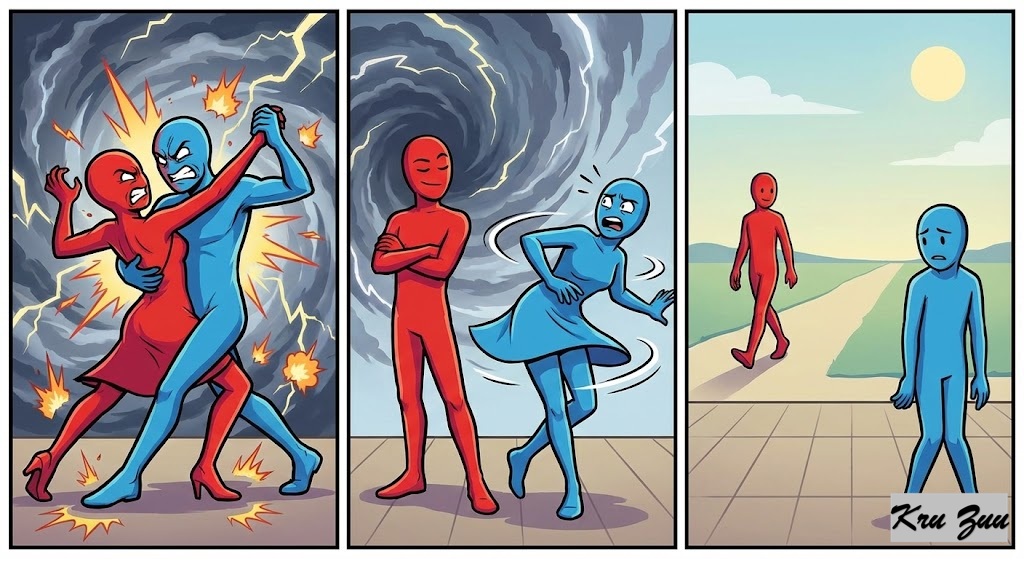
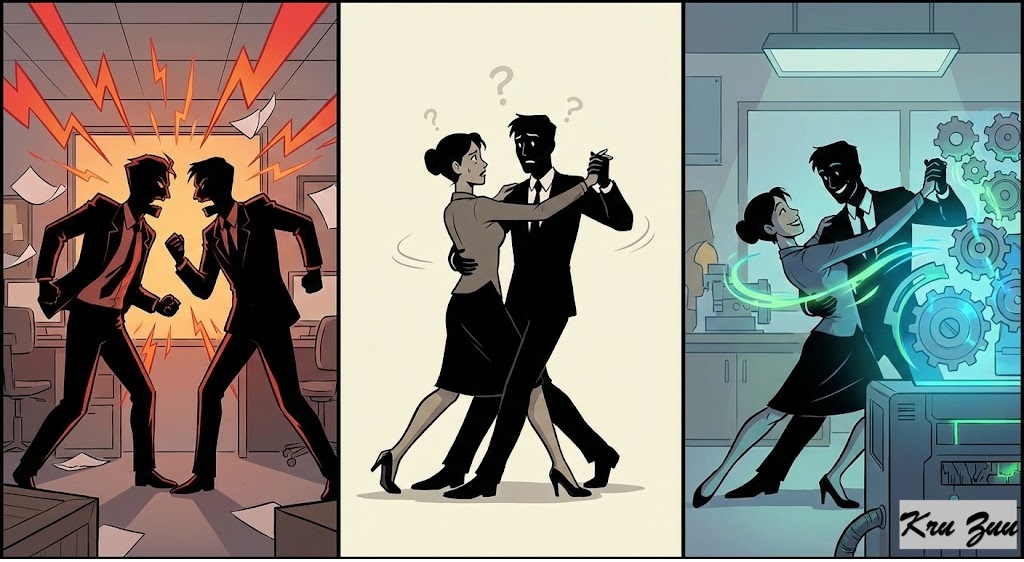
One hand cannot clap. Arguments, bad relationships, and failed projects are rarely 100% one person’s fault. Conflict is a dance. It requires two participants to keep the drama going. If one person stops dancing (stops arguing), the tango ends.
💎 The Secret
You cannot control the other person’s steps, but you can control yours. If you change your steps, the dance changes.
🧐 The Anatomy of the Proverb
This is your reminder that interaction requires participation from both sides.
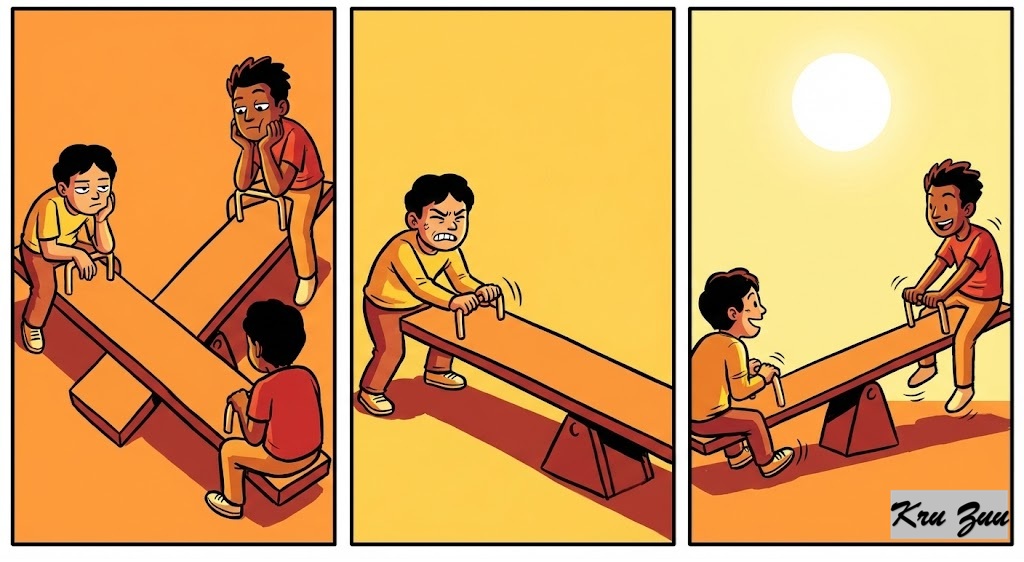
It takes (Verb phrase): It requires; it needs.
Two (Number): Both parties.
To Tango (Infinitive Verb): To perform the dance (metaphor for interacting, arguing, or collaborating).
Simpler Version: Both people are responsible. / Cooperation is necessary.
📚 Vocabulary Vault
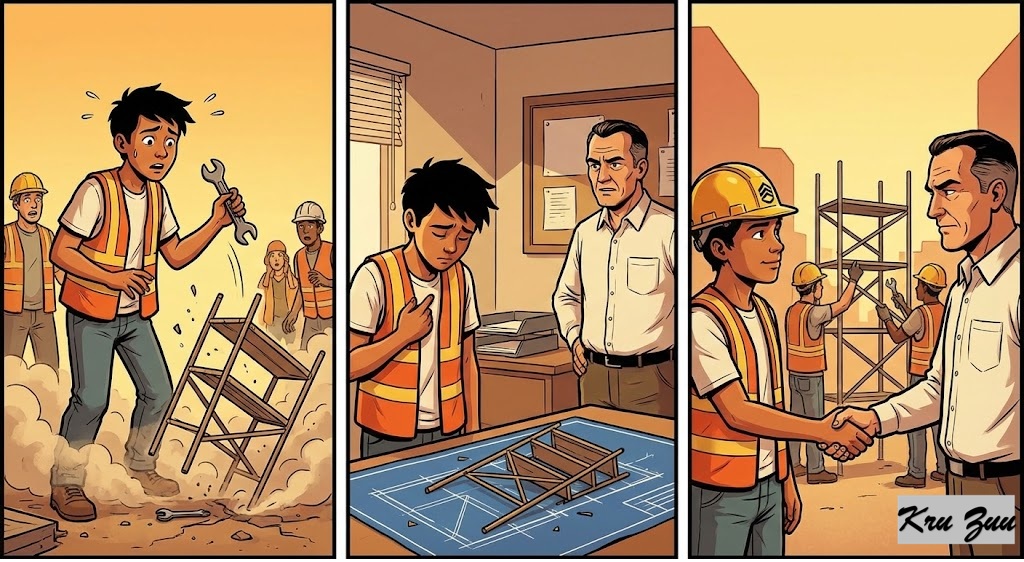
Accountability (Noun): Taking responsibility for your actions. (The sign of a leader).
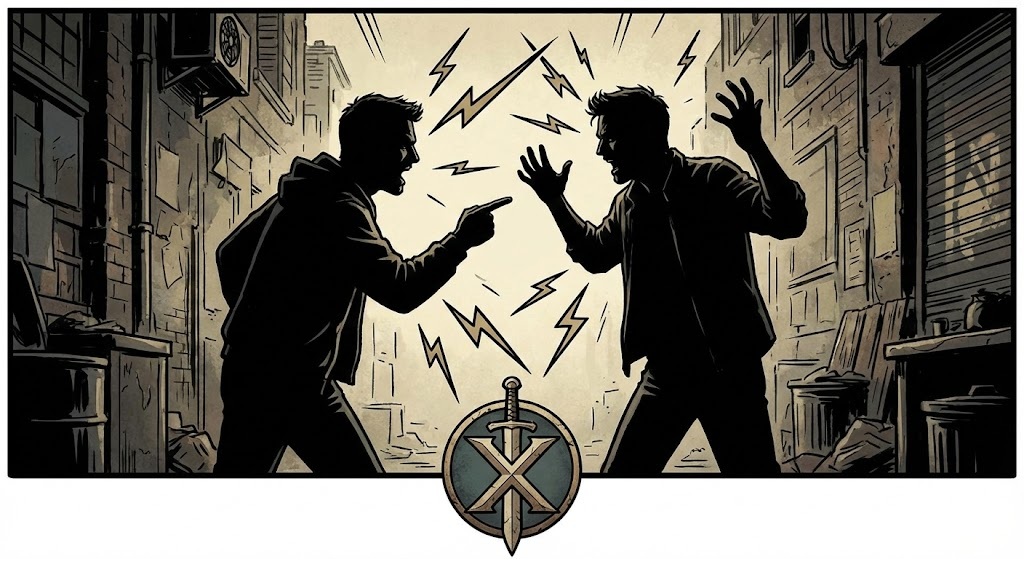
Conflict (Noun): A serious disagreement or argument. ⚔️
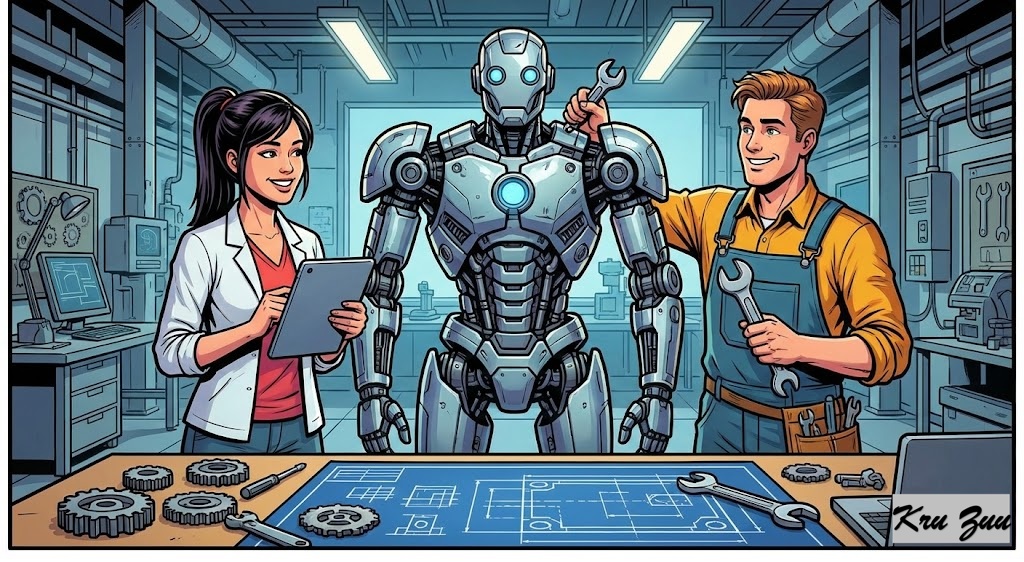
Collaborate (Verb): To work jointly on an activity to produce or create something.
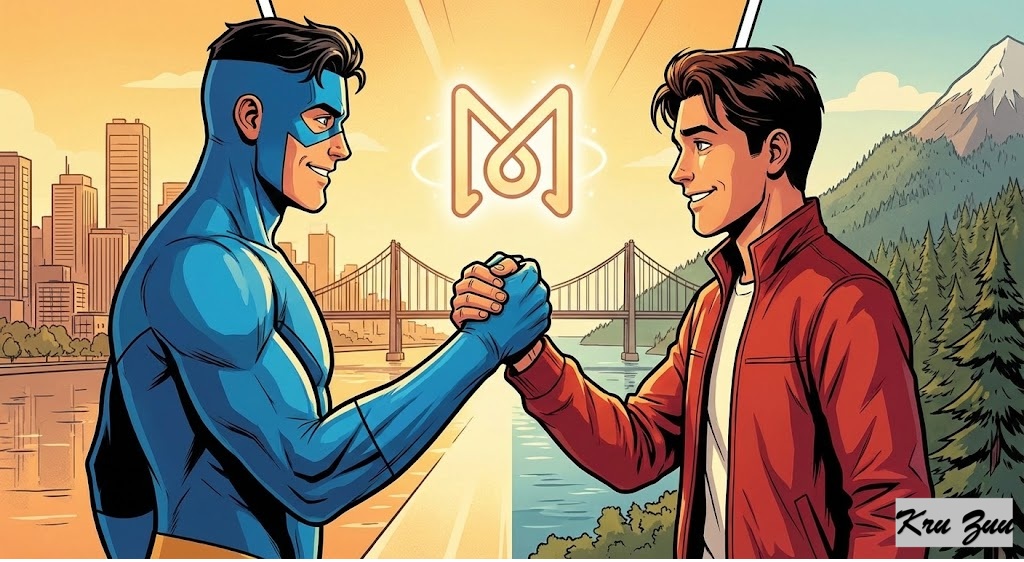
Mutual (Adjective): Held in common by two or more parties. (e.g., “Mutual respect”).
Engagement (Noun): The action of being involved in something.
🧠 Grammar Focus: Idioms as Explanations
We often use this idiom as a standalone sentence to explain why something is happening.
Person A: “Why are John and Sarah always fighting?”
Person B: “Well, he is stubborn, but she loves to provoke him. It takes two to tango.”
📜 History: Origin and Spread
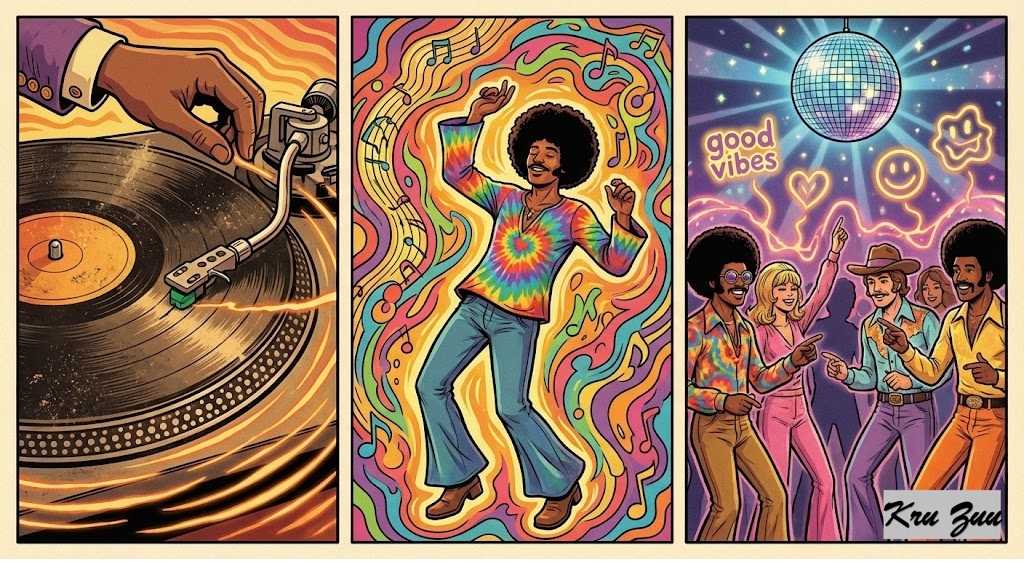
Where did this groovy phrase come from?
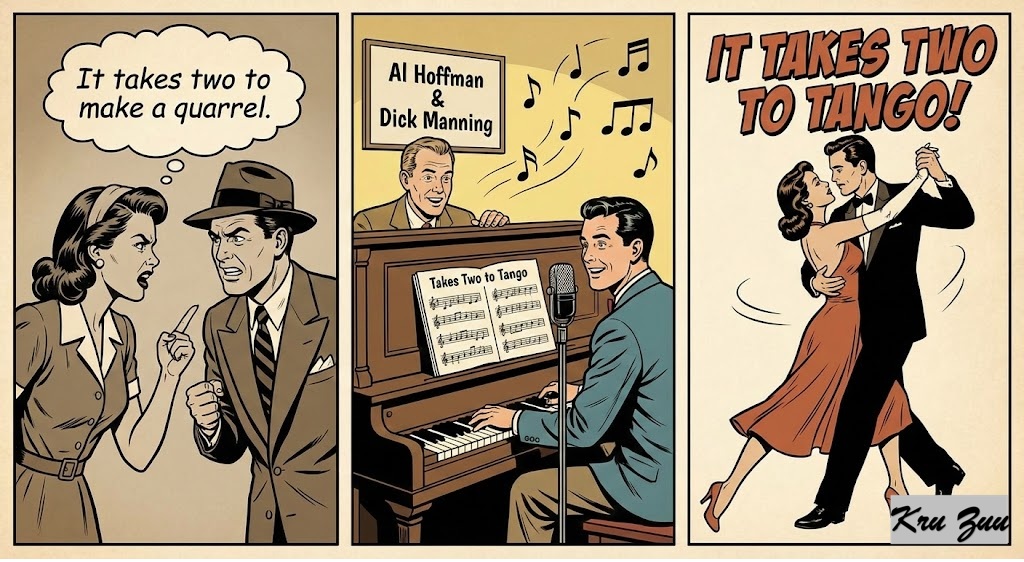
The Origin: It was popularized by the catchy song “Takes Two to Tango” written by Al Hoffman and Dick Manning in 1952. Before this, people simply said “It takes two to make a quarrel.”
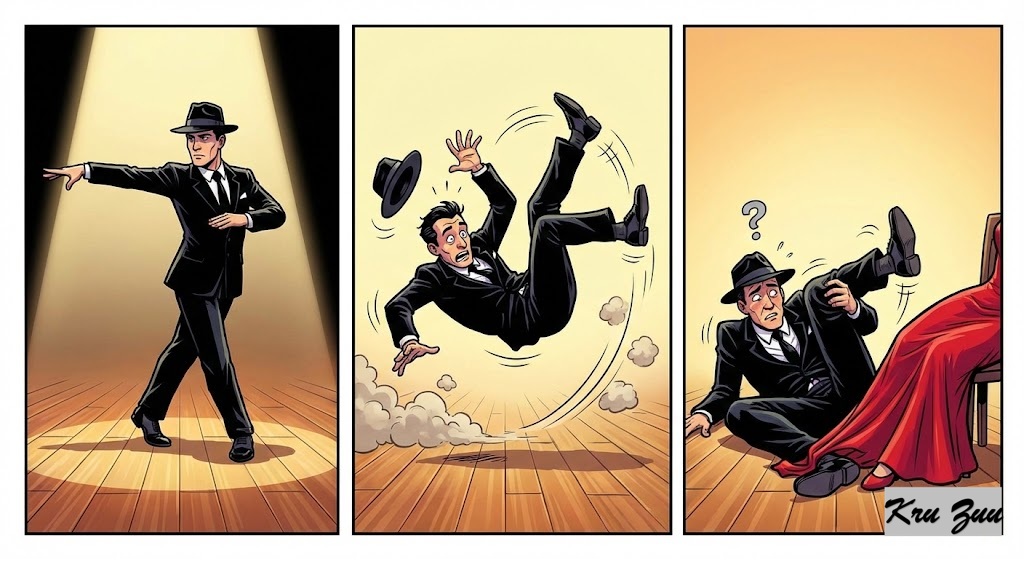
The Logic: The Tango is a dramatic, complex dance from Argentina. You literally cannot do the moves alone. If you try, you just look silly falling over!
Global Cousins
🇹🇷 Turkish:“Tek kanatla kuş uçmaz” (A bird doesn’t fly with one wing) or “Tencere yuvarlanmış kapağını bulmuş” (The pot rolled and found its lid – for compatible pairs).
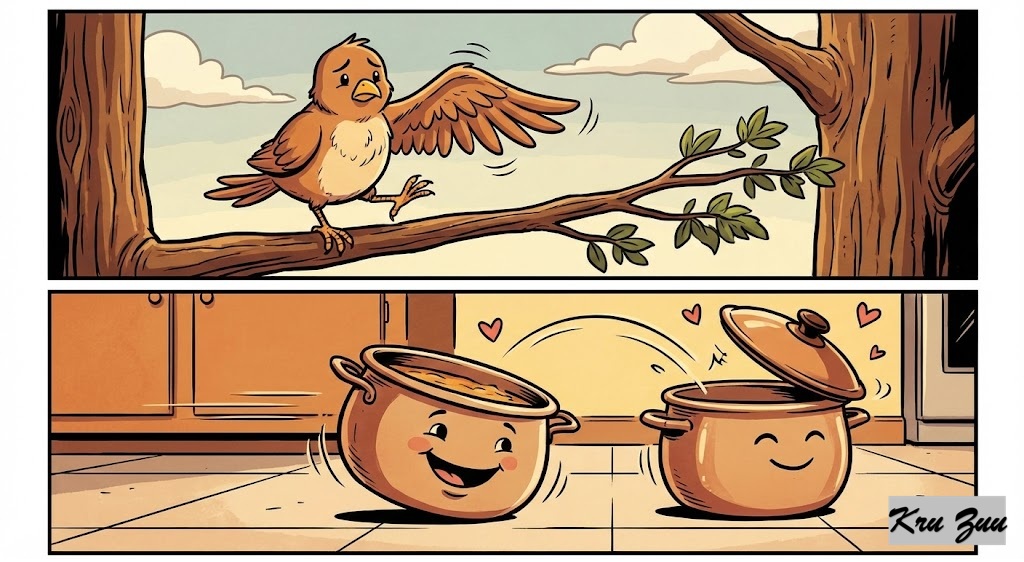
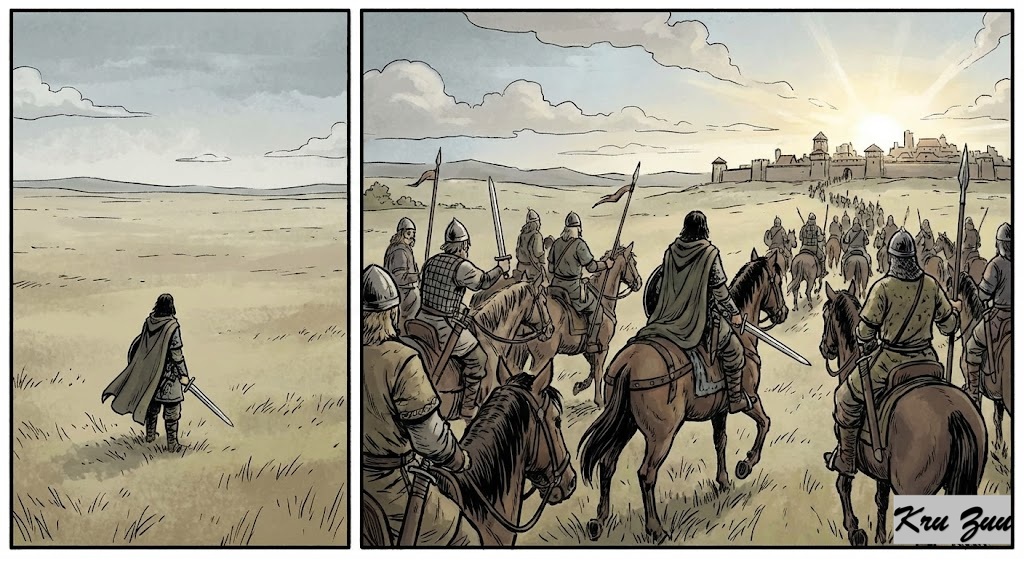
🇷🇺 Russian:“One man in the field is not a warrior.”
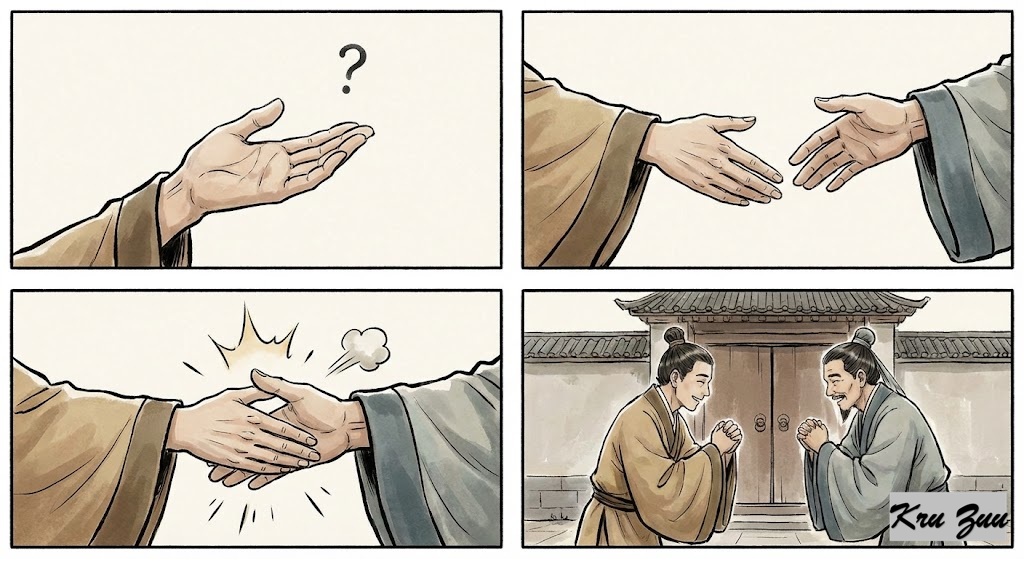
🇨🇳 Chinese:“A lone palm cannot clap.”
🎯 Impact on Life: The Pros & Cons
✅ The Pros (The Connection)
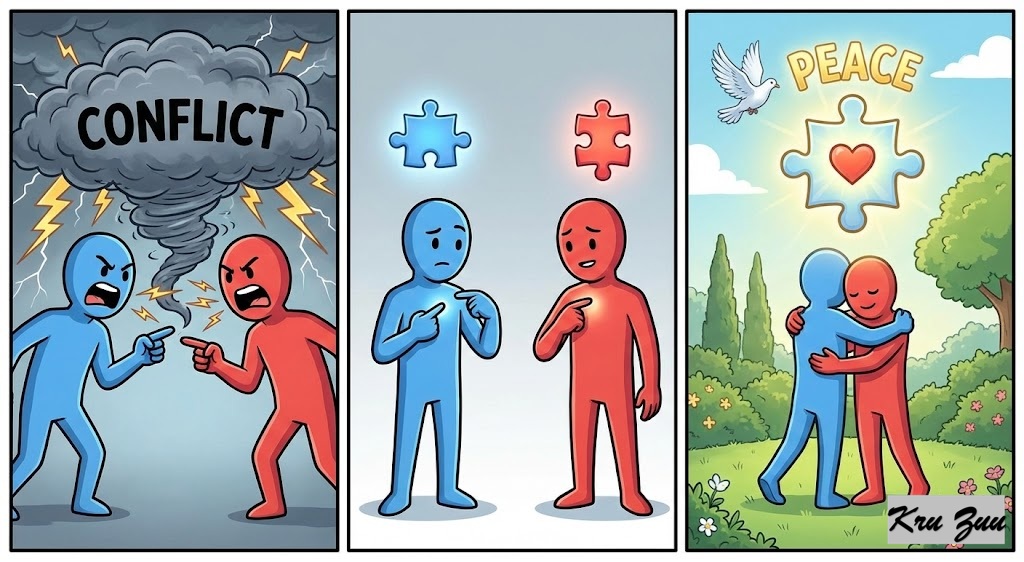
Resolution: When you admit your part in a problem, the other person usually admits theirs. Peace comes instantly.
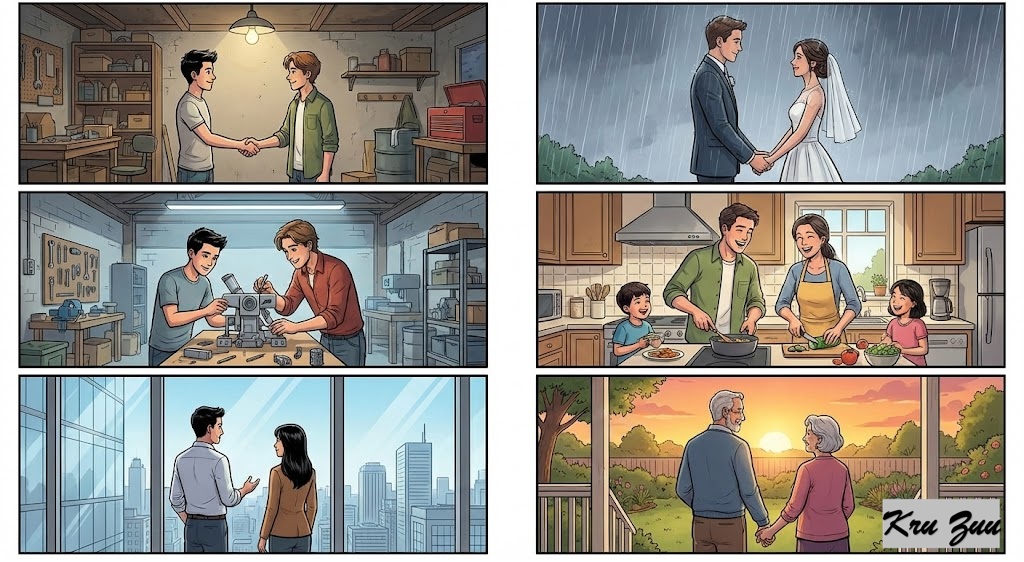
Success: Great businesses and marriages are built on the idea that “we are in this together.”
❌ The Cons (The Trap)
False Guilt: Be careful. If someone abuses you or commits a crime against you, that is not a tango. That is an attack. Do not accept blame for things you didn’t do.

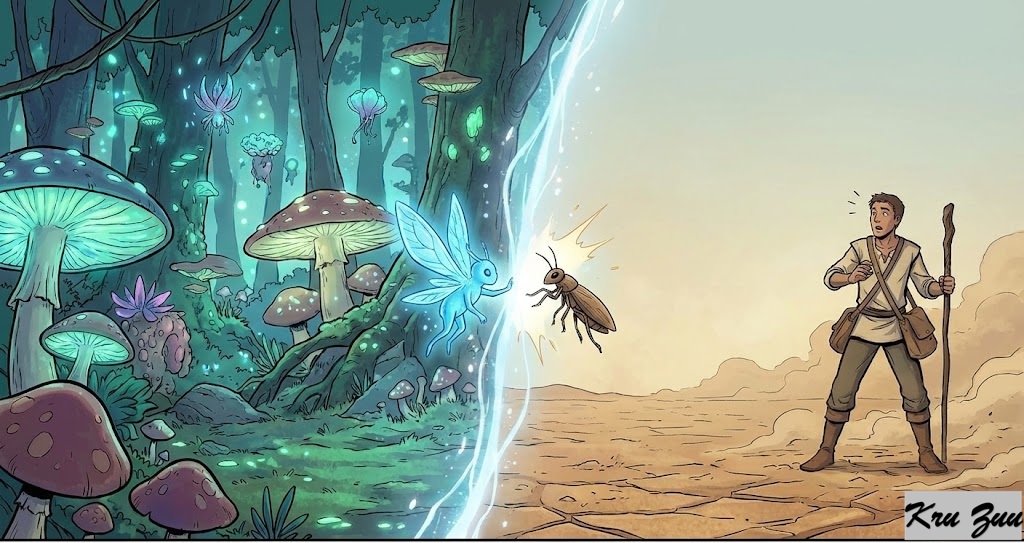
🎭 Short Story: The Swamp Symphony 🐸🐱🐔
Let’s visit the edge of the magical forest to see this law in action.
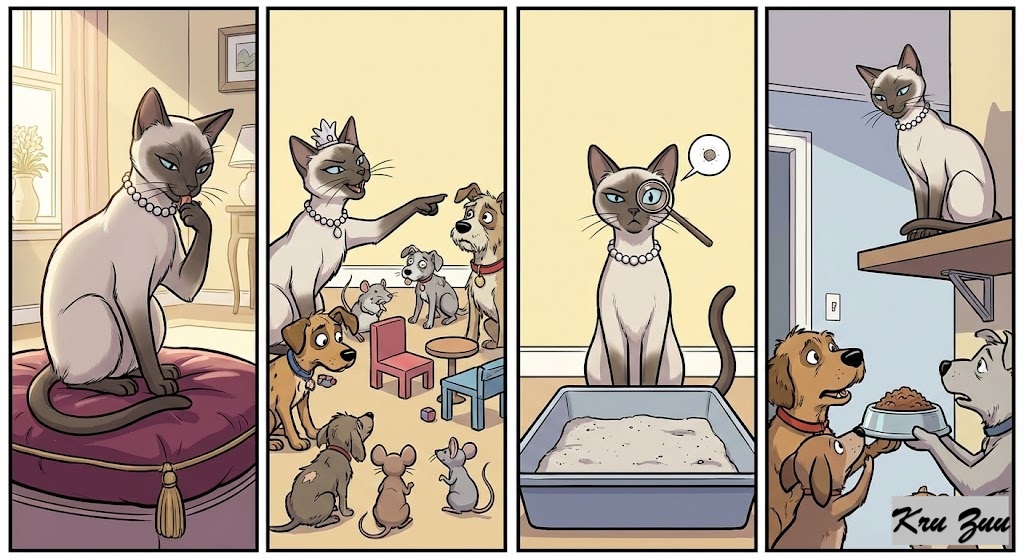
🌟 The Cast
Cleo the Cat: Elegant, perfectionist, but bossy. 😼
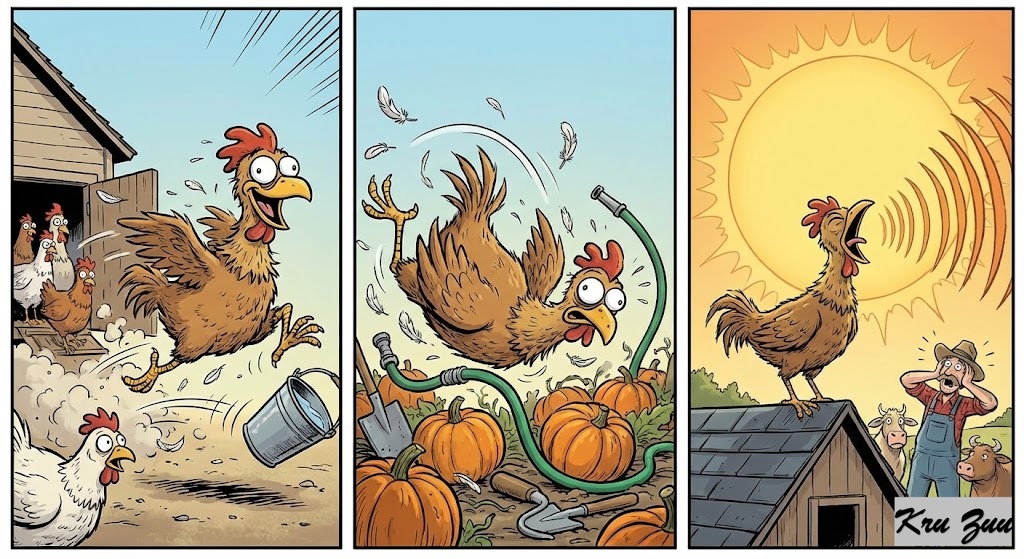
Cluck the Chicken: Energetic, clumsy, and loud. 🐔
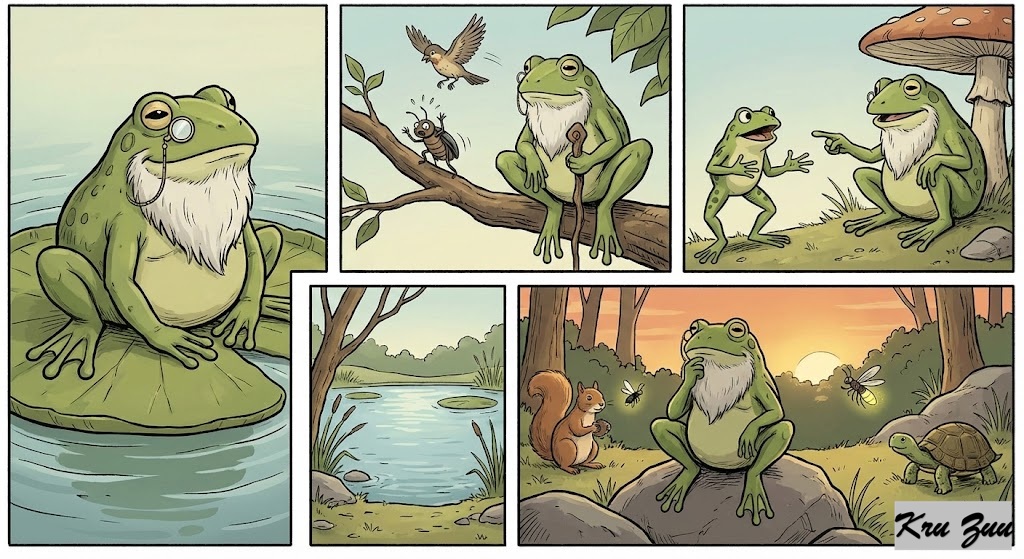
Fred the Frog: The wise, green observer. 🐸
The Situation: Cleo and Cluck want to cross the river to get to the “Golden Corn Festival.” There is only one small rowboat.
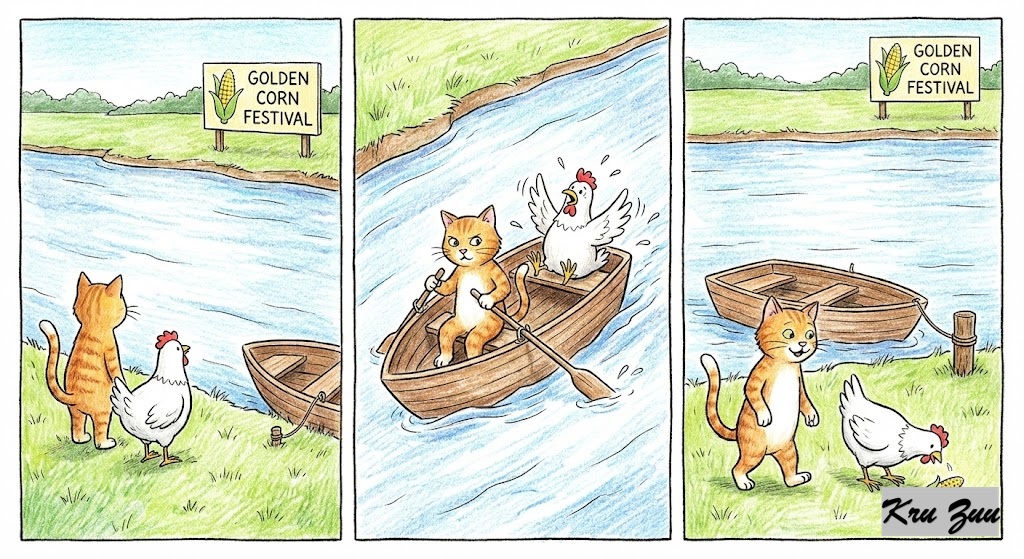
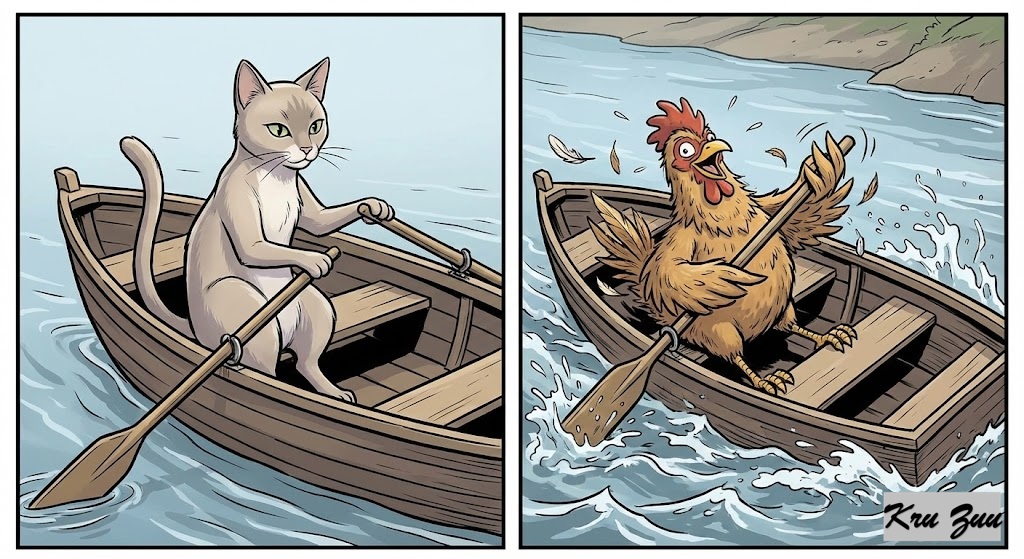
The Conflict: They jump in the boat. Cleo (Cat) grabs the left oar. She wants to row gracefully and slowly so she doesn’t get her fur wet. Cluck (Chicken) grabs the right oar. He is excited! He flaps his wings and rows furiously fast to get to the corn.
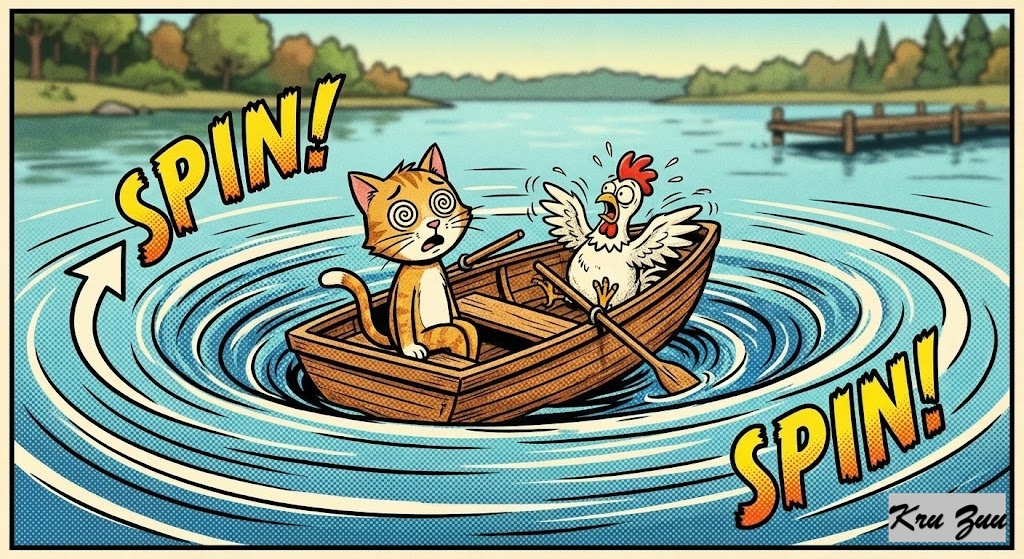
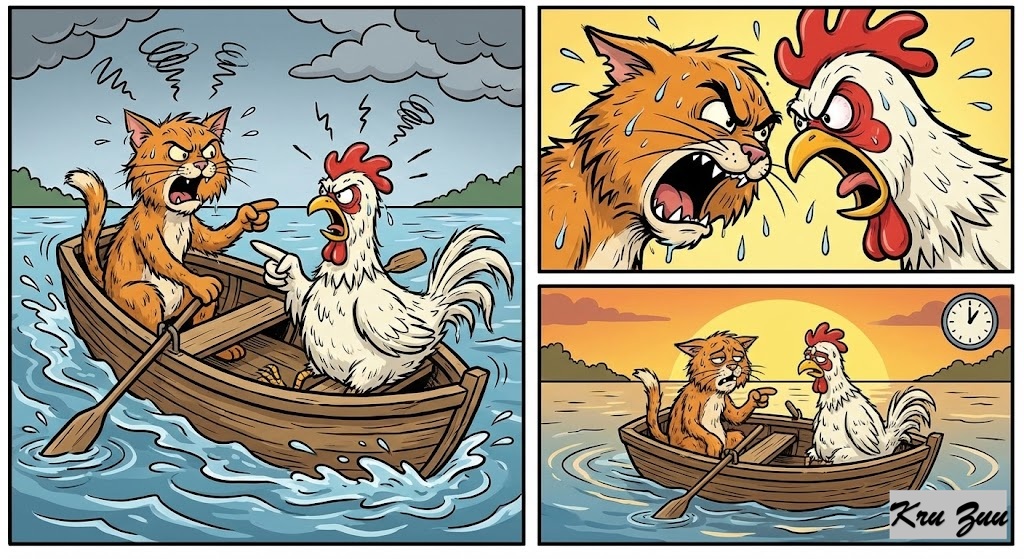
The Result? The boat spins in circles! 🔄
Cleo screams: “Stop splashing! You are rowing too fast! You are ruining the trip!”
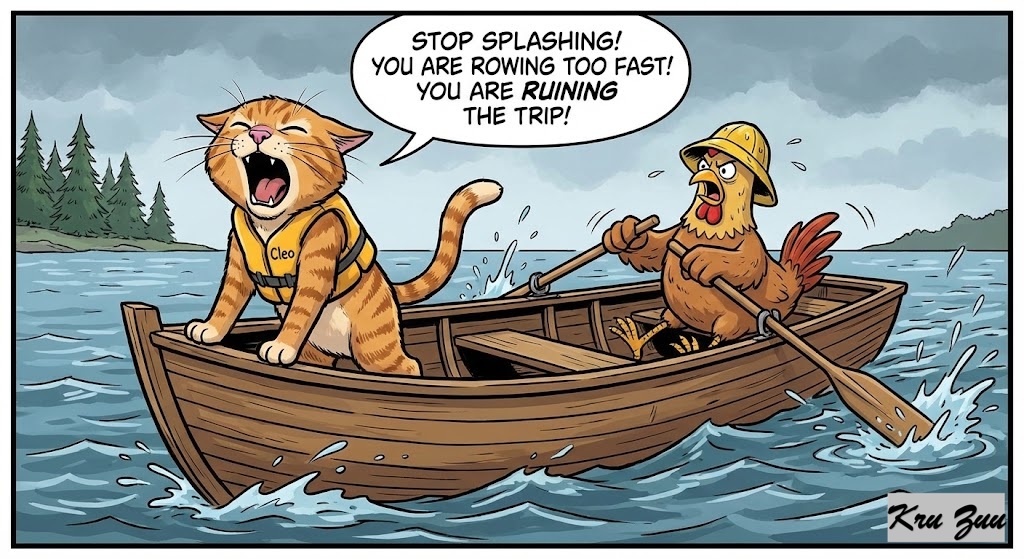
Cluck clucks: “You are too slow! Row harder! It’s your fault we aren’t moving!”
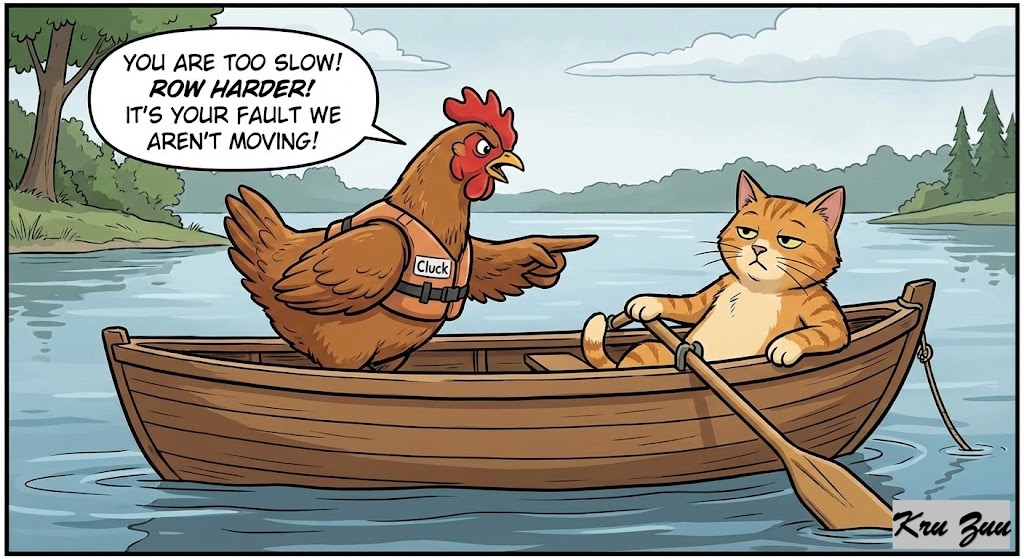
They sit in the middle of the river, spinning, wet, and angry. They blame each other for an hour.
The Resolution: Fred the Frog hops onto a lily pad next to the boat. He adjusts his tiny glasses. “Ribbit,” Fred says calmly. “Cleo, you are steering left. Cluck, you are steering right. The boat doesn’t care who is ‘right.’ The boat only moves if you find a rhythm.”
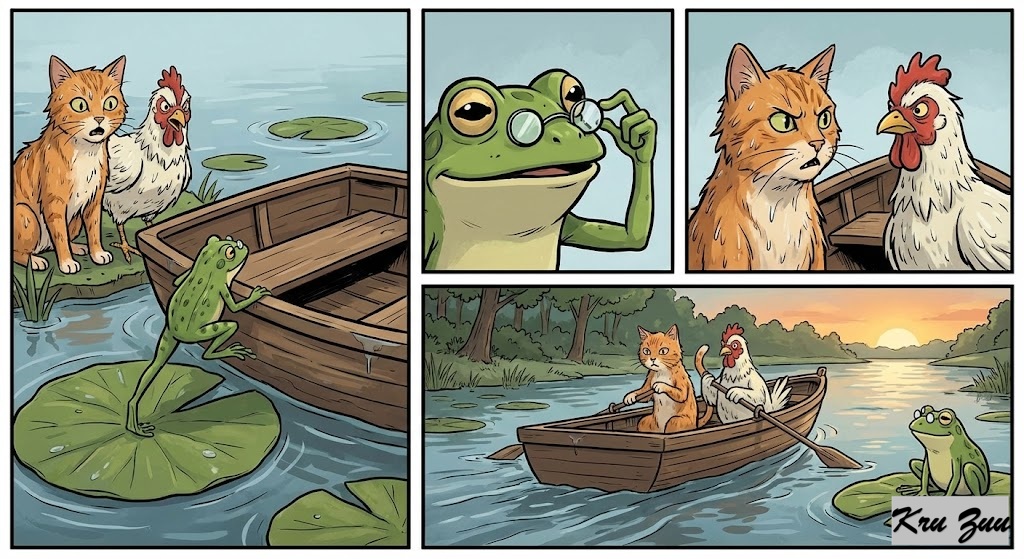
Fred looks at them. “It takes two to tango, my friends. But it also takes two to row a boat.”
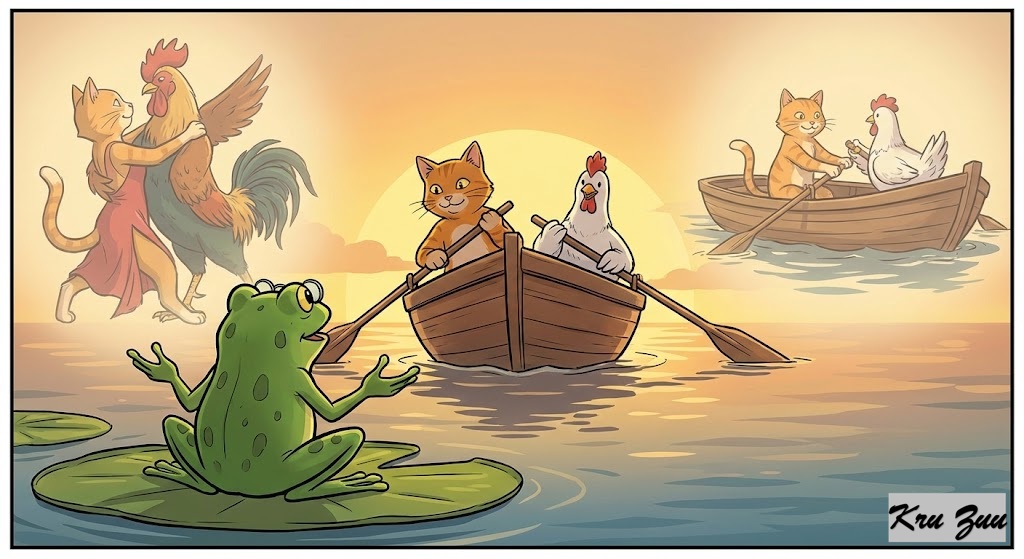
Cleo sighed and sped up. Cluck took a deep breath and slowed down. They matched their rhythm. The boat shot forward straight to the festival. 🌽
The Moral: If you are spinning in circles in a relationship or a project, stop blaming the other person. Check your own oar. Are you rowing in rhythm? 🚣♀️
🎓 Lesson for English Learners
Don’t talk to a wall.
Situation: You are trying to practice English with a partner, but the conversation is dying. You blame yourself: “My English is bad.”
The Shift: Remember, conversation is a tango. If your partner gives one-word answers (Yes/No), they are stepping on your feet.
You Say: “I need you to ask me questions too. It takes two to tango! Let’s make this a real conversation.”
💬 Your Turn: The Mirror Challenge 🚀
Is there a conflict in your life right now? A “cold war” with a colleague? A silent treatment with a friend?
The Challenge: Identify one argument where you feel you are 100% right. Now, find just 5% of the problem that is YOUR fault. (Did you yell? Did you ignore them? Did you forget to ask?)
The Action: Go to that person and say: “I realized I made a mistake by [your 5%]. I want to fix this.” Watch how fast the “Tango” changes from a battle to a dance.
👇 Question for the comments: Have you ever worked on a team project where one person refused to “dance”? How did you handle it? Tell us below!
https://www.facebook.com/BrainBattleground/
https://www.facebook.com/zubeyr.yurtkuran/
https://www.instagram.com/zubeyryurtkuran/

Leave a comment